



Diflunisal (Standard)
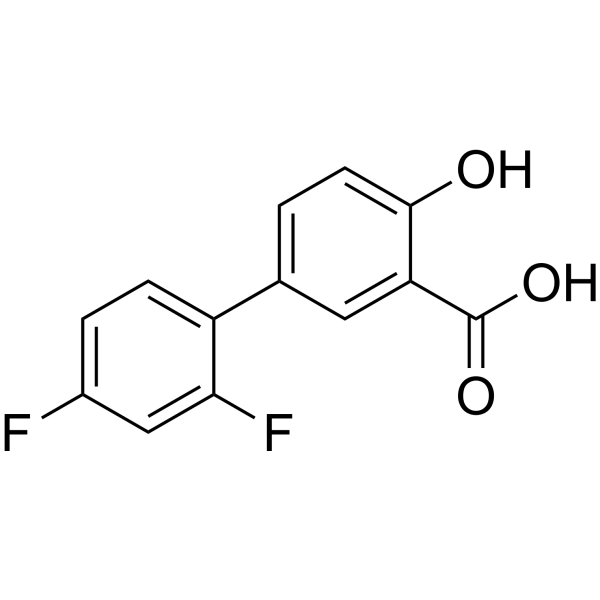
Diflunisal (Standard) is the analytical standard of Diflunisal. This product is intended for research and analytical applications. Diflunisal (MK-647) is a salicylate derivative with nonsteroidal anti-inflammatory and uricosuric properties, which is used alone as an analgesic and in rheumatoid arthritis patients. The mechanism of action of diflunisal is as a Cyclooxygenase (COX) Inhibitor.
Nos produits utilisent uniquement pour la recherche. Nous ne vendons pas aux patients.
- Pureté : 98%
- CAS No.: 22494-42-4
- Formule: C13H8F2O3
- Masse moléculaire:250.20
-
Stockage:
Please store the product under the recommended conditions in the Certificate of Analysis.

To place orders, for customer services and technical support, please contact: MedChemExpress USA
Tel: 609-228-6898 E-mail: [email protected] [email protected]


-
 Product Information
-
Chemical Information
- Pureté et documentation
-
 Help & FAQs


-
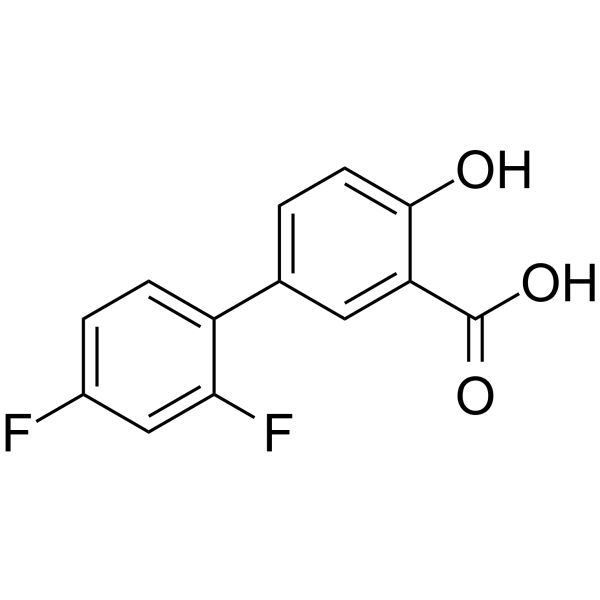
HY-18342
DiflunisalCOX Inhibitor -
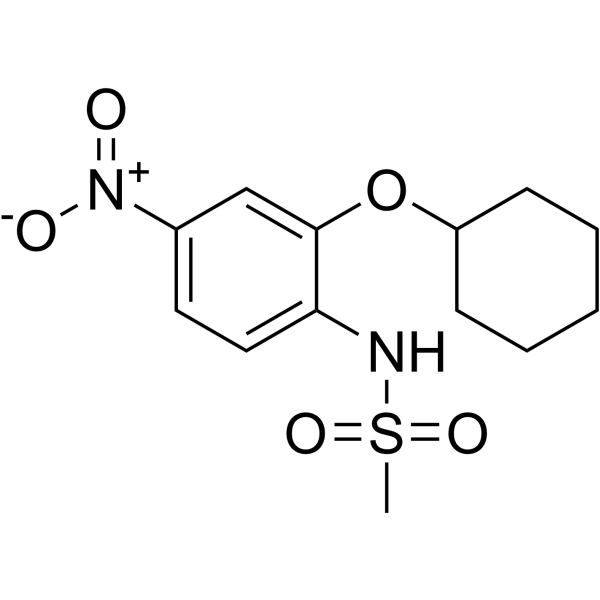
HY-13913
NS-398COX-2 Inhibitor -
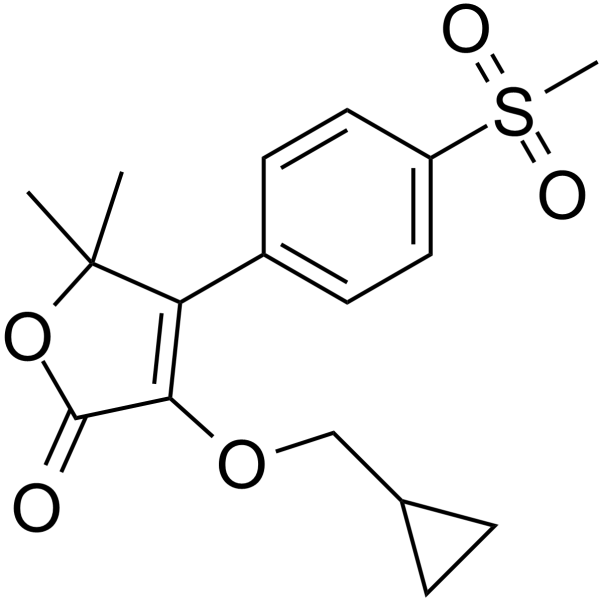
HY-14670
FirocoxibCOX-2 Inhibitor -
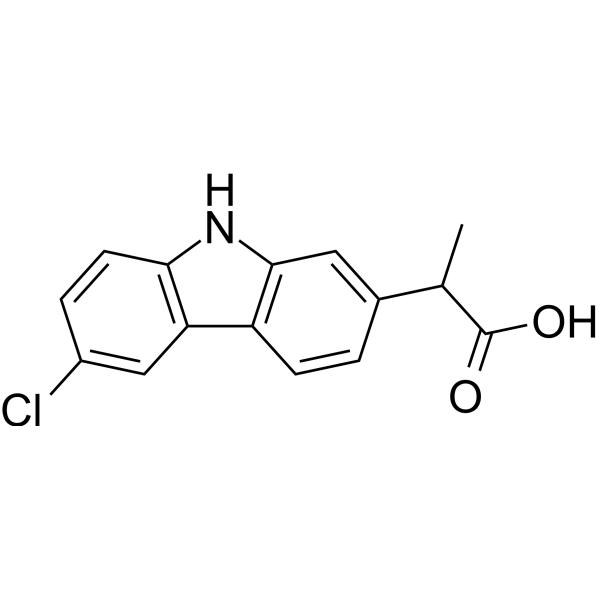
HY-B1227
CarprofenCOX Inhibitor -
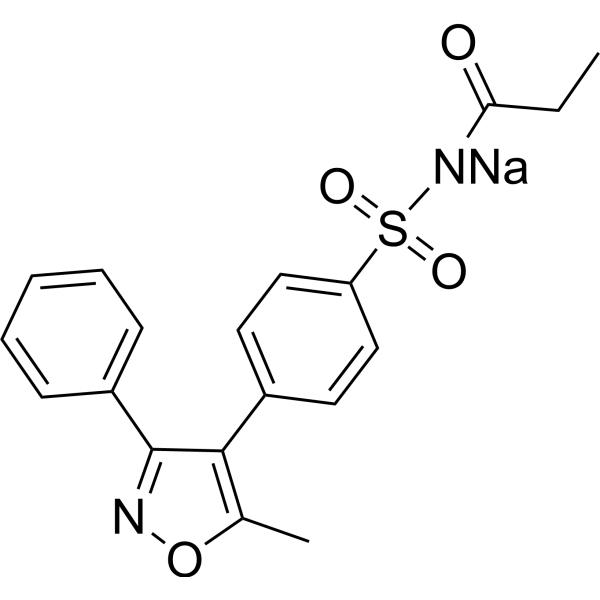
HY-17474A
Parecoxib SodiumCOX-2 Inhibitor -
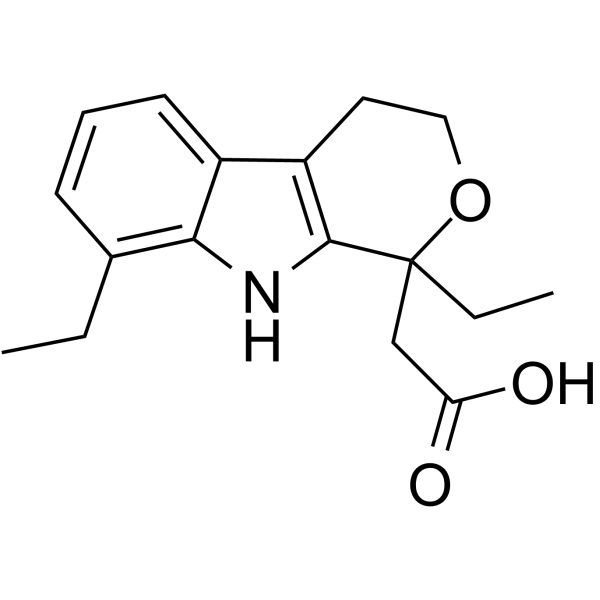
HY-76251
EtodolacCOX Inhibitor -
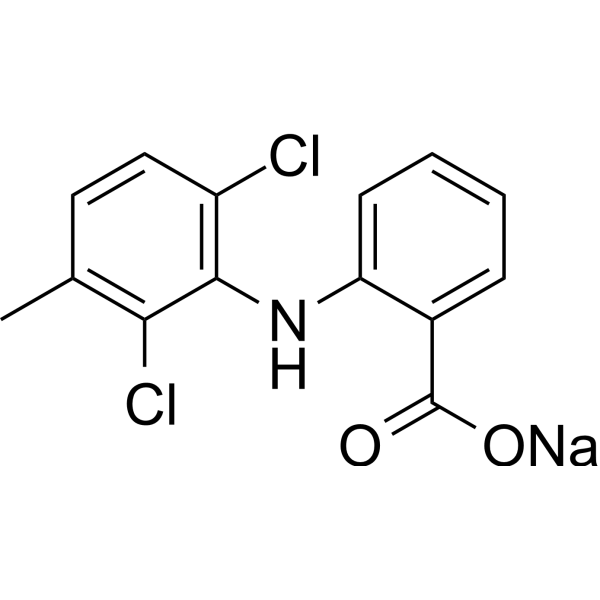
HY-B1320
Meclofenamic acid sodiumFTO Inhibitor -

HY-B1227R
Carprofen (Standard)COX Inhibitor -
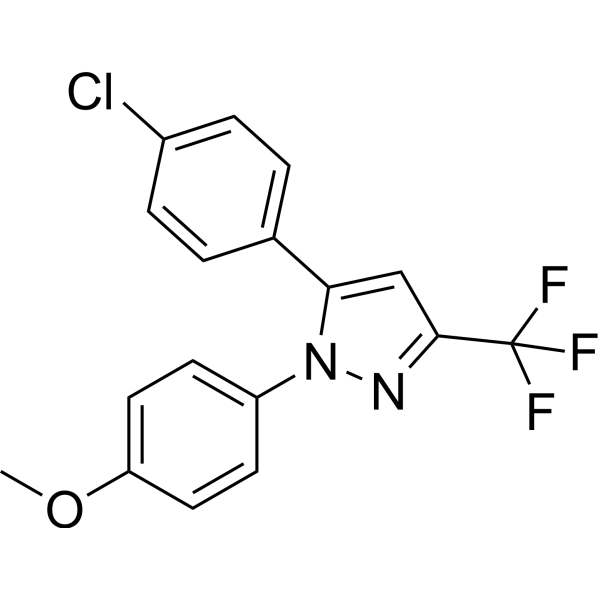
HY-59105
SC-560COX-1 Inhibitor -
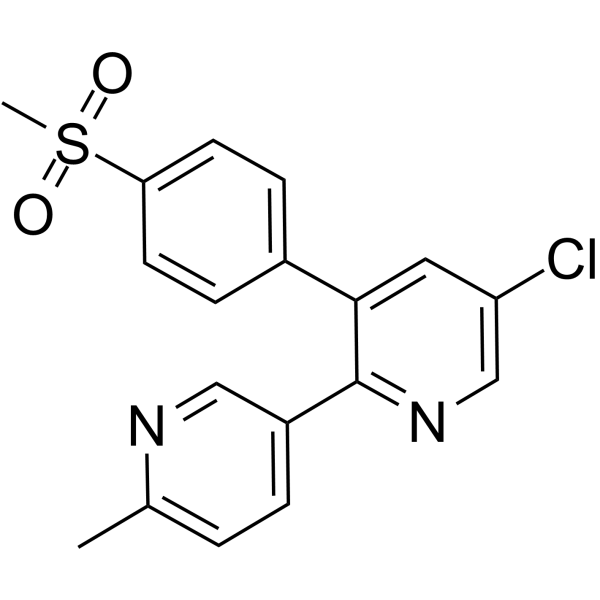
HY-15321
EtoricoxibCOX-2 Inhibitor -
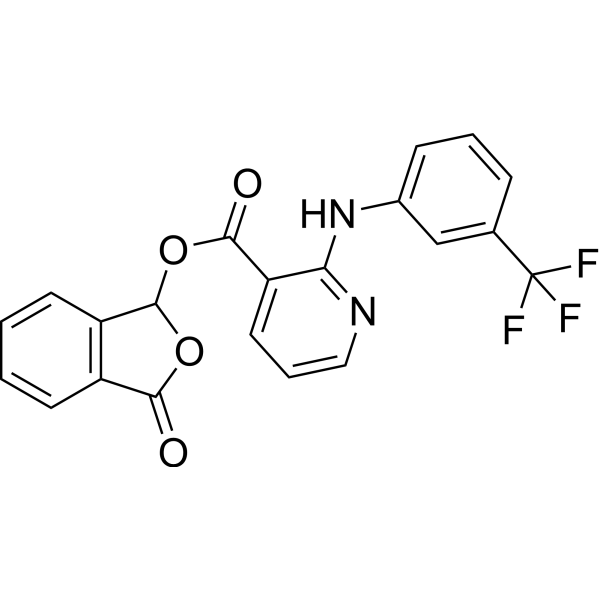
HY-103370
TalniflumateCaCC Blocker -
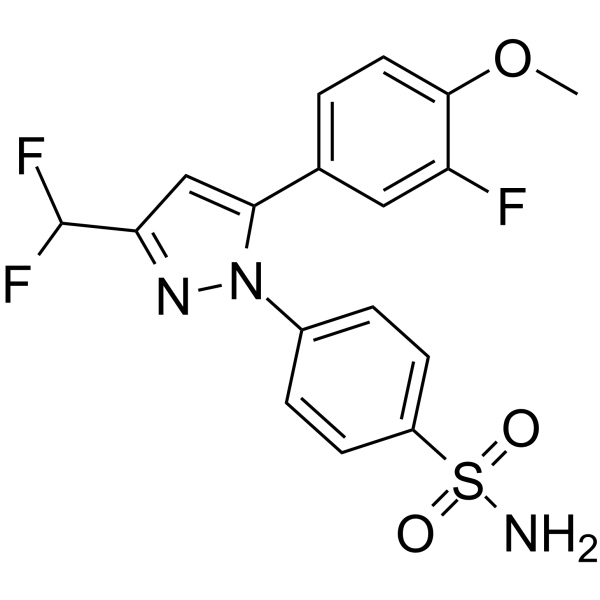
HY-17509
DeracoxibCOX-2 Inhibitor


Product Information
Information
Application
The compound is the grade of analytical standard, which is the reference standard supplied assay. It is commonly used in qualitative, quantitative and methodological research experiments in HPLC, GC and MS.


Chemical Information
-
CAS No. 22494-42-4
-
Masse moléculaire 250.20
-
Formule C13H8F2O3
-
SMILES
O=C(C1=CC(C2=CC=C(F)C=C2F)=CC=C1O)O
-
Synonyms
MK-647 (Standard)
-
Livraison
Room temperature in continental US; may vary elsewhere.
-
Stockage
Please store the product under the recommended conditions in the Certificate of Analysis.


Pureté et documentation
Références
[1]. Lin JH, et al. Dose-dependent pharmacokinetics of diflunisal in rats: dual effects of protein binding and metabolism. J Pharmacol Exp Ther. 1985 Nov;235(2):402-6. [Content Brief]
[2]. Winter CA, et al. Analgesic activity of diflunisal [MK-647; 5-(2,4-difluorophenyl)salicylic acid] in rats with hyperalgesia induced by Freund's adjuvant. J Pharmacol Exp Ther. 1979 Dec;211(3):678-85. [Content Brief]
[3]. Cappon GD, et al. Relationship between cyclooxygenase 1 and 2 selective inhibitors and fetal development when administered to rats and rabbits during the sensitive periods for heart development and midline closure. Birth Defects Res B Dev Reprod Toxicol. 2003 Feb;68(1):47-56. [Content Brief]

Calculators
Concentration (start) × Volume (start) = Concentration (final) × Volume (final)


Diflunisal (Standard) Related Classifications
HY-18342R Related Classifications
 Powered by Bioz