1. Search Result
Search Result
Results for "

Blood pressure

" in MedChemExpress (MCE) Product Catalog:

589

阻害剤およびアゴニスト

4

スクリーニングライブラリ

9

生化学アッセイ試薬

54

ペプチド

2

阻害性抗体

72

天然物

86

同位体標識化合物

1

クリックケミストリー

5

オリゴヌクレオチド

製品番号 製品名 Target 研究分野
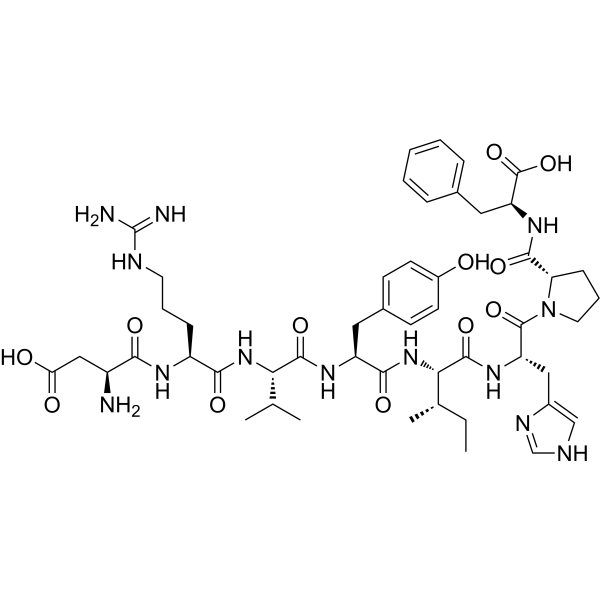
  • HY-13948
    Angiotensin II human
    Maximum Cited Publications
    222 Publications Verification

    Angiotensin II; Ang II; DRVYIHPF

    Angiotensin Receptor Apoptosis Cardiovascular Disease Infection Metabolic Disease Inflammation/Immunology Cancer
    Angiotensin II (Angiotensin II) is a vasoconstrictor and a major bioactive peptide of the renin/angiotensin system. Angiotensin II human plays a central role in regulating human blood pressure, which is mainly mediated by interactions between Angiotensin II and the G-protein-coupled receptors (GPCRs) Angiotensin II type 1 receptor (AT1R) and Angiotensin II type 2 receptor (AT2R). Angiotensin II human stimulates sympathetic nervous stimulation, increases aldosterone biosynthesis and renal actions. Angiotensin II human induces growth of vascular smooth muscle cells, increases collagen type I and III synthesis in fibroblasts, leading to thickening of the vascular wall and myocardium, and fibrosis. Angiotensin II human also induces apoptosis. Angiotensin II induces capillary formation from endothelial cells via the LOX-1 dependent redox-sensitive pathway .
  • HY-P0203
    α-CGRP (mouse, rat)
    5+ Cited Publications

    CGRP (83-119), mouse, rat

    CGRP Receptor Cardiovascular Disease Metabolic Disease Inflammation/Immunology
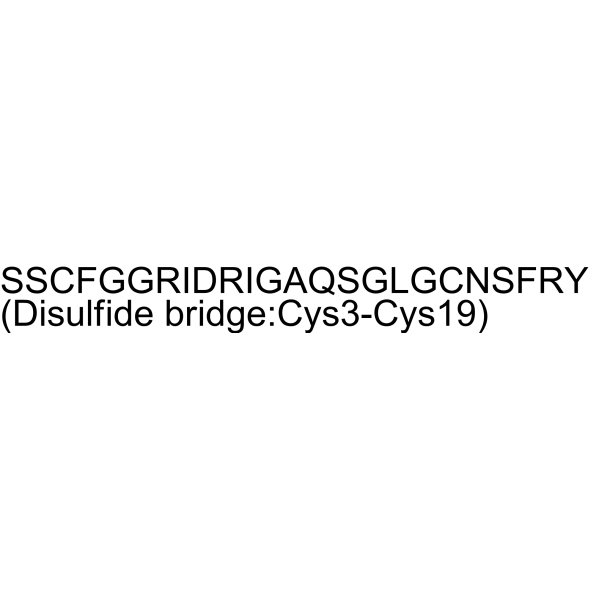
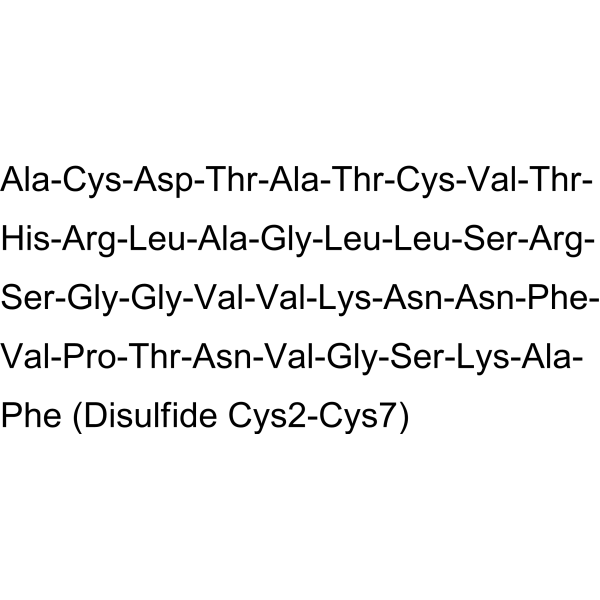
    α-CGRP (mouse, rat), a neuropeptide (calcitonin gene-related peptide (CGRP)) mainly expressed in neuromuscular junction, is a potent vasodilator. α-CGRP (mouse, rat) can lead to a fall in blood pressure and an increase in heart rate by peripheral administration, also relax colonie smooth muscle. α-CGRP (mouse, rat) has the potential in cardiovascular, pro-inflammatory, migraine and metabolic studies .
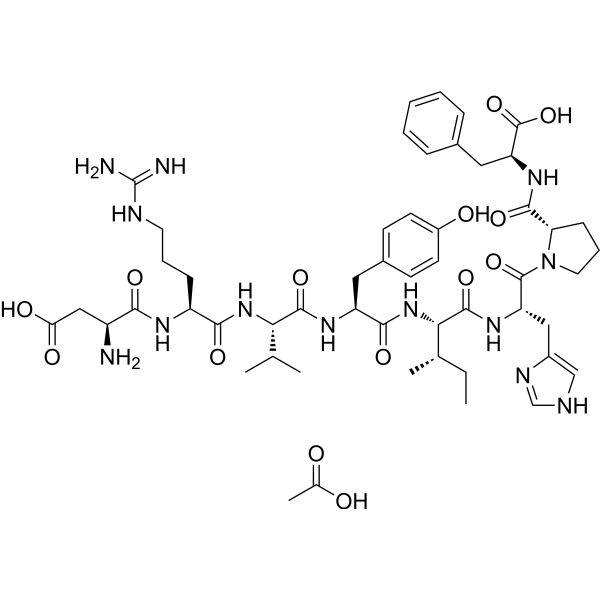
  • HY-13948A
    Angiotensin II human acetate
    Maximum Cited Publications
    222 Publications Verification

    Angiotensin II acetate; Ang II acetate; DRVYIHPF acetate

    Angiotensin Receptor Apoptosis Cardiovascular Disease Infection Metabolic Disease Inflammation/Immunology Cancer
    Angiotensin II human (Angiotensin II) acetate is a vasoconstrictor and a major bioactive peptide of the renin/angiotensin system. Angiotensin II human acetate plays a central role in regulating human blood pressure, which is mainly mediated by interactions between Angiotensin II and the G-protein-coupled receptors (GPCRs) Angiotensin II type 1 receptor (AT1R) and Angiotensin II type 2 receptor (AT2R). Angiotensin II human acetate stimulates sympathetic nervous stimulation, increases aldosterone biosynthesis and renal actions. Angiotensin II human acetate induces growth of vascular smooth muscle cells, increases collagen type I and III synthesis in fibroblasts, leading to thickening of the vascular wall and myocardium, and fibrosis. Angiotensin II human acetate also induces apoptosis. Angiotensin II human acetate induces capillary formation from endothelial cells via the LOX-1 dependent redox-sensitive pathway .
  • HY-P0206
    Bradykinin
    15+ Cited Publications

    Bradykinin Receptor Endogenous Metabolite Ser/Thr Protease Cardiovascular Disease Endocrinology
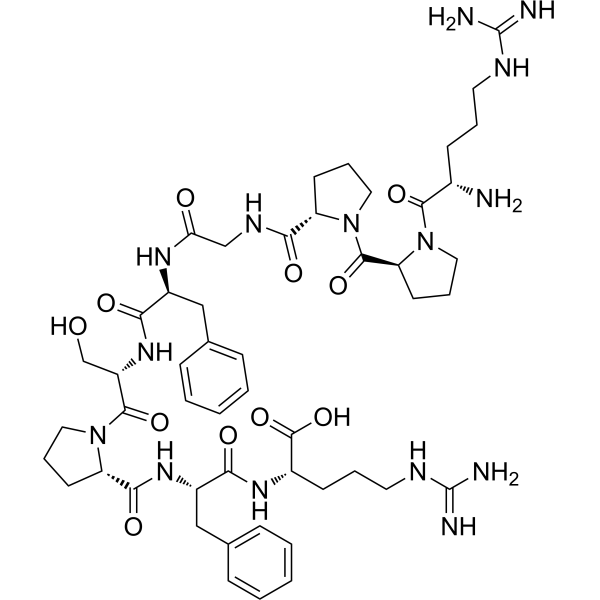
    Bradykinin is an effective endothelium-dependent vasodilator that can lower blood pressure. Bradykinin can induce contraction of bronchial and intestinal non-vascular smooth muscle, increase vascular permeability, and participate in the mechanism of pain .
  • HY-12378
    BQ-123
    3 Publications Verification

    Endothelin Receptor Cardiovascular Disease
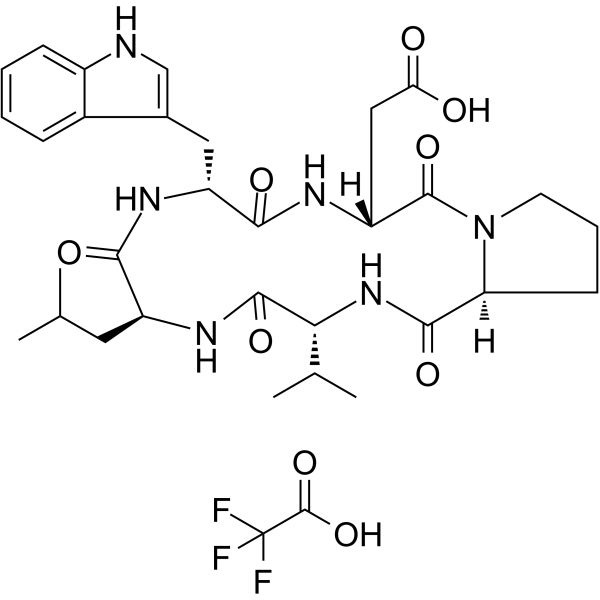
    BQ-123 is a potent and selective endothelin A (ETA) receptor antagonist with an IC50 of 7.3 nM and a Ki of 25 nM. BQ-123 inhibits endothelin-1-mediated proliferation of human pulmonary artery smooth muscle cells and lowers blood pressure in different rat models of hypertension .
  • HY-118060

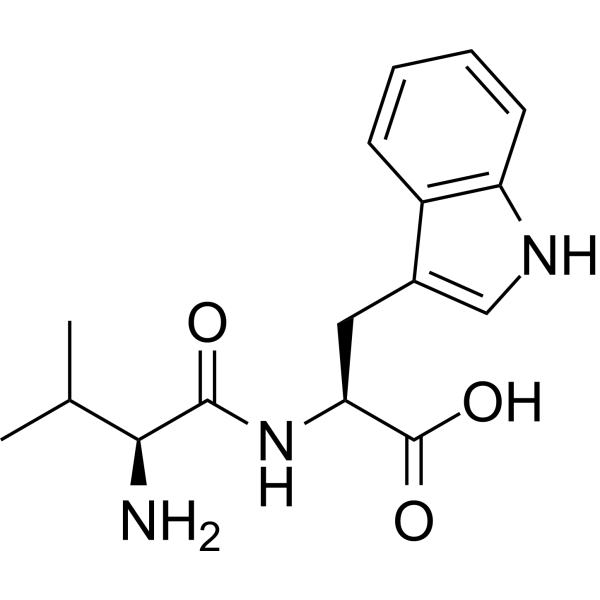
    N-Valyltryptophan; Val-Trp

    Angiotensin-converting Enzyme (ACE) Calcium Channel NO Synthase Cardiovascular Disease
    Dipeptide 2 (N-Valyltryptophan) is an orally active, competitive angiotensin-converting enzyme (ACE) inhibitory peptide with an IC50 of 10.50 μM. Dipeptide 2 reduces intracellular Calcium ions. Dipeptide 2 significantly increases the content of NO, inhibits the production of ET-1, and induces the phosphorylation of eNOS. Dipeptide 2 decreases the systolic and diastolic blood pressure of spontaneously hypertensive rats .
  • HY-P0203A
    α-CGRP (mouse, rat) TFA
    5+ Cited Publications

    CGRP (83-119), mouse, rat TFA

    CGRP Receptor Cardiovascular Disease Metabolic Disease Inflammation/Immunology
    α-CGRP (mouse, rat) TFA, a neuropeptide (calcitonin gene-related peptide (CGRP)) mainly expressed in neuromuscular junction, is a potent vasodilator. α-CGRP (mouse, rat) TFA can lead to a fall in blood pressure and an increase in heart rate by peripheral administration, also relax colonie smooth muscle. α-CGRP (mouse, rat) TFA has the potential in cardiovascular, pro-inflammatory, migraine and metabolic studies .
  • HY-P4058
    Calcitonin gene-related peptide free acid
    1 Publications Verification

    CGRP free acid

    CGRP Receptor Neurological Disease
    Calcitonin gene-related peptide (CGRP) free acid is a 37-amino acid neuropeptide, which represents the deamidated form of α-CGRP (human) (HY-P1071). Calcitonin gene-related peptide free acid is produced in the central and peripheral nervous systems of rats, and localizes to specific sensory, integrative and motor neuron systems, including those involved in nociception/thermoreception, feeding behavior, olfaction and visceral motor functions .
  • HY-13948B
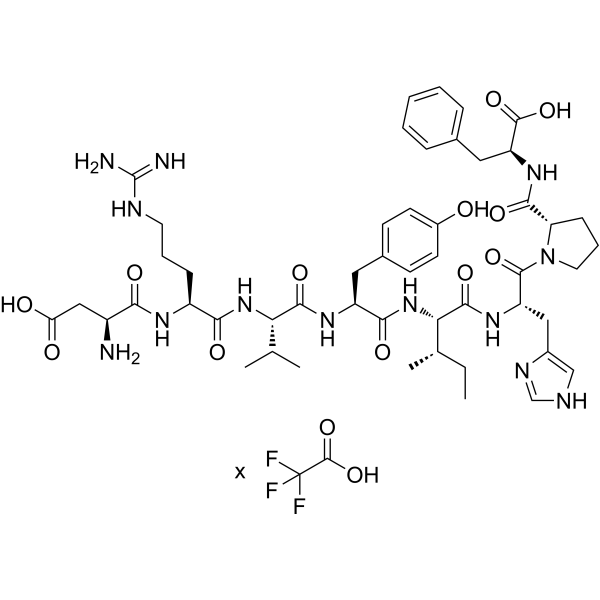
    Angiotensin II human TFA
    Maximum Cited Publications
    222 Publications Verification

    Angiotensin II TFA; Ang II TFA; DRVYIHPF TFA

    Angiotensin Receptor Apoptosis Cardiovascular Disease Metabolic Disease Cancer
    Angiotensin II human (Angiotensin II) TFA is a vasoconstrictor and a major bioactive peptide of the renin/angiotensin system. Angiotensin II human TFA plays a central role in regulating human blood pressure, which is mainly mediated by interactions between Angiotensin II and the G-protein-coupled receptors (GPCRs) Angiotensin II type 1 receptor (AT1R) and Angiotensin II type 2 receptor (AT2R). Angiotensin II human TFA stimulates sympathetic nervous stimulation, increases aldosterone biosynthesis and renal actions. Angiotensin II human TFA induces growth of vascular smooth muscle cells, increases collagen type I and III synthesis in fibroblasts, leading to thickening of the vascular wall and myocardium, and fibrosis. Angiotensin II human TFA also induces apoptosis. Angiotensin II human TFA induces capillary formation from endothelial cells via the LOX-1 dependent redox-sensitive pathway .
  • HY-P0206A
    Bradykinin acetate
    15+ Cited Publications

    Bradykinin Receptor Endogenous Metabolite Ser/Thr Protease Cardiovascular Disease Endocrinology
    Bradykinin acetate is an effective endothelium-dependent vasodilator that can lower blood pressure. Bradykinin acetate can induce contraction of bronchial and intestinal non-vascular smooth muscle, increase vascular permeability, and participate in the mechanism of pain .
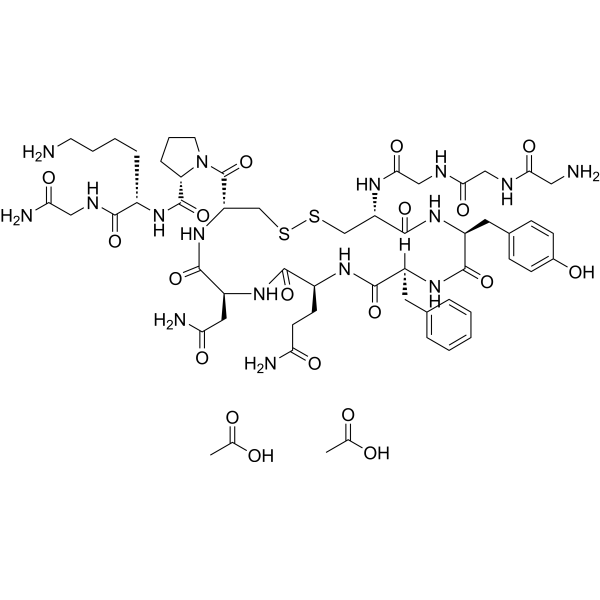
  • HY-P0004
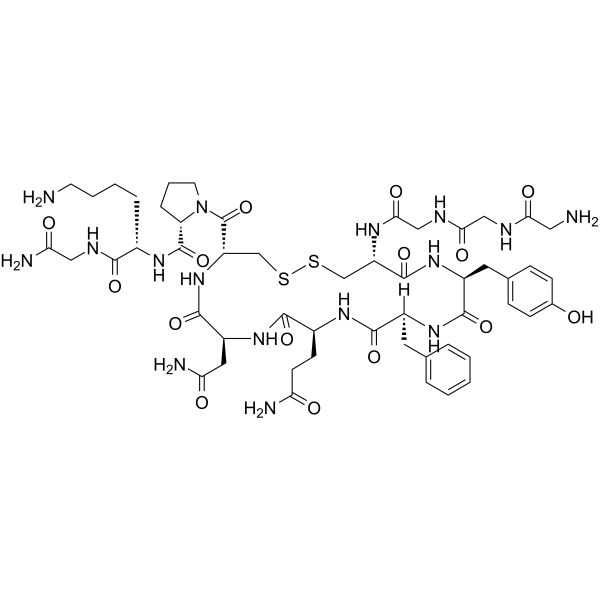
    Lysipressin
    2 Publications Verification

    Lysine vasopressin; [Lys8]-Vasopressin

    Adenylate Cyclase Oxytocin Receptor Cardiovascular Disease Neurological Disease
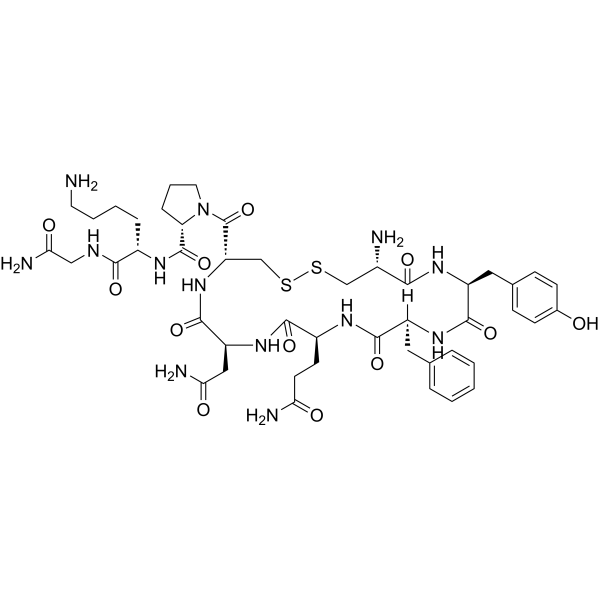
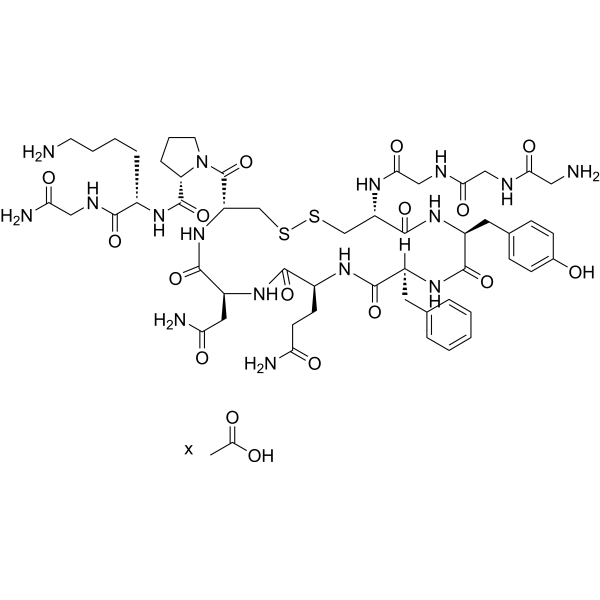
    Lysipressin (Lysine vasopressin) is antidiuretic hormone that have been found in pigs. Lysipressin activates Oxytocin receptors and adenylate-cyclase. Lysipressin adjusts blood pressure and heart rate. Lysipressin shows antinociceptive activity .
  • HY-12554A
    Terlipressin diacetate
    2 Publications Verification

    Vasopressin Receptor Cardiovascular Disease Inflammation/Immunology Endocrinology
    Terlipressin diacetate is a vasopressin analogue with potent vasoactive properties. Terlipressin diacetate is a highly selective vasopressin V1 receptor agonist that reduces the splanchnic blood flow and portal pressure and controls acute variceal bleeding. Terlipressin diacetate exerts anti-inflammatory and anti-oxidative effects. Terlipressin diacetate has the potential for hepatorenal syndrome and norepinephrine-resistant septic shock research .
  • HY-19870C
    Setmelanotide monoacetate
    5+ Cited Publications

    RM-493 monoacetate; BIM-22493 monoacetate; IRC-022493 monoacetate

    Melanocortin Receptor Calmodulin AMPK Cardiovascular Disease Metabolic Disease Inflammation/Immunology
    Setmelanotide monoacetate (RM-493 monoacetate) is a blood-brain barrier-permeable, selective MC4R agonist with a Ki value of 2.1 nM for hMC4R. Setmelanotide monoacetate activates the CaMKK2/AMPK signaling pathway. Setmelanotide monoacetate mediates body weight homeostasis, feeding regulation and energy expenditure modulation; it reduces food intake, induces weight loss, decreases obesity severity, increases daytime activity and energy expenditure, lowers levels of leptin, triglycerides, fasting insulin and diastolic blood pressure, improves insulin sensitivity, glucose tolerance and fatty liver condition, and reverses respiratory depression. Setmelanotide monoacetate is applicable to research related to obesity, hyperinsulinemia, fatty liver and respiratory depression .
  • HY-141867

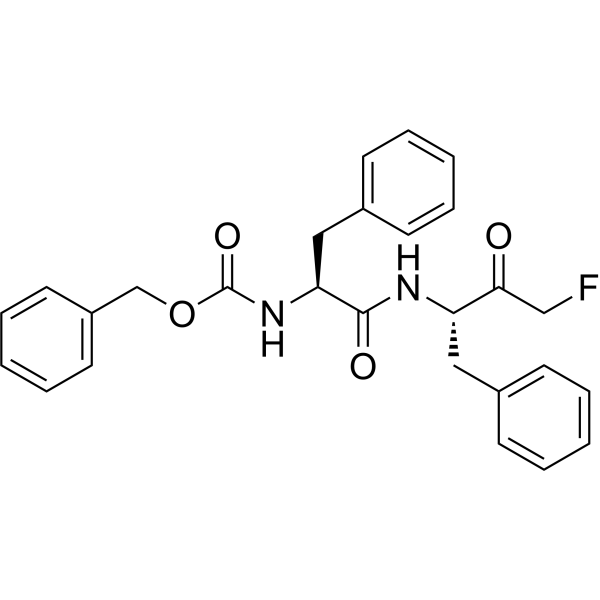
    Z-Phe-Phe-FMK

    Cathepsin MEK Caspase DNA/RNA Synthesis Apoptosis Cardiovascular Disease Neurological Disease
    Z-FF-FMK (Z-Phe-Phe-FMK) is a cell-permeable, irreversible, and cysteine protease inhibitor targeting cathepsin-L. Z-FF-FMK inhibits angiotensin II-induced MEK activation in vascular walls, aortic medial remodeling, blood pressure elevation, and upregulation of cystatin C in aortic walls. Z-FF-FMK prevents β-amyloid-mediated caspase-3 activation, poly (ADP-ribose) polymerase cleavage, DNA fragmentation, and apoptosis of cortical neurons (apoptosis). Z-FF-FMK can be used in research related to hypertension and Alzheimer's disease .
  • HY-P1271

    Catestatin (cattle)

    nAChR Cardiovascular Disease
    Catestatin is a 21-amino acid residue, cationic and hydrophobic peptide. Catestatin is an endogenous peptide that regulates cardiac function and blood pressure . Catestatin is a non-competitive nicotinic antagonist acting through nicotinic acetylcholine receptors (nAChRs) to inhibit catecholamine release .
  • HY-P1531

    Melanocortin Receptor Cardiovascular Disease Metabolic Disease Endocrinology
    γ-1-Melanocyte Stimulating Hormone (MSH), amide is a 11-amino acid peptide. γ-1-Melanocyte Stimulating Hormone (MSH) regulates sodium (Na +) balance and blood pressure through activation of the melanocortin receptor 3 (MC3-R).
  • HY-P1323A

    Neuropeptide Y Receptor Cardiovascular Disease Neurological Disease
    [Leu31,Pro34]-Neuropeptide Y(human,rat) TFA is a specific neuropeptide Y Y1 receptor agonist. [Leu31,Pro34]-Neuropeptide Y(human,rat) TFA slao activates Y4, Y5. [Leu31,Pro34]-Neuropeptide Y(human,rat) TFA can increase blood pressure in anesthetized rats and increases food intake .
  • HY-P3624

    Guanylate Cyclase Cardiovascular Disease
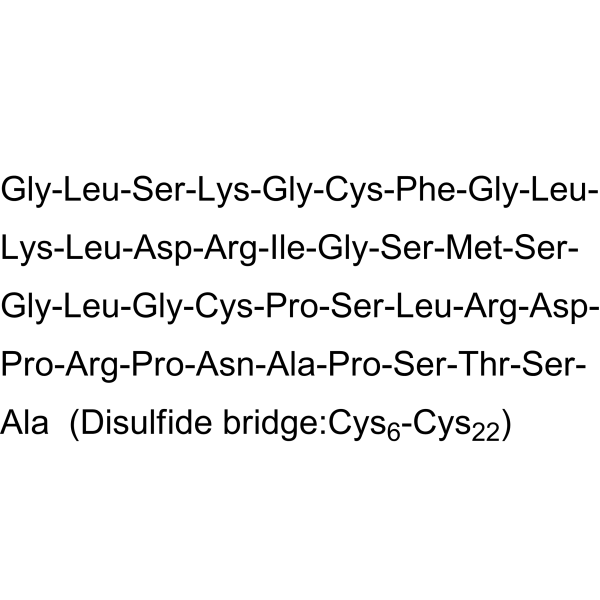
    Cenderitide is a potent agonist of particulate guanylyl cyclase receptor (pGC). Cenderitide is a natriuretic peptide (NP) composed of C-type natriuretic peptide (CNP) fused to the C-terminus of Dendroaspis natriuretic peptide (DNP). Cenderitide activates both pGC-A and pGC-B, activates the second messenger cGMP, suppresses aldosterone, and preserves GFR without reducing blood pressure. Cenderitide can be used for heart failure research .
  • HY-P5792

    ANP (3-28) (human)

    Endothelin Receptor Cardiovascular Disease Metabolic Disease
    Atrial natriuretic peptide (3-28) (human) (ANP (3-28) (human)) is a peptide hormone that is synthesized and secreted by the atrial myocardium. Atrial natriuretic peptide (3-28) (human) is involved in the regulation of blood pressure, fluid balance, and electrolyte homeostasis .
  • HY-P2491

    Fluorescent Dye Cardiovascular Disease Endocrinology
    Atrial Natriuretic Peptide (1-28), human, porcine, Biotin-labeled, one of three mammalian natriuretic peptides (NPs), has endocrine effects on fluid homeostasis and blood pressure. Atrial Natriuretic Peptide has the potential for cardiovascular diseases research .
  • HY-P4764

    Melanocortin Receptor Cardiovascular Disease
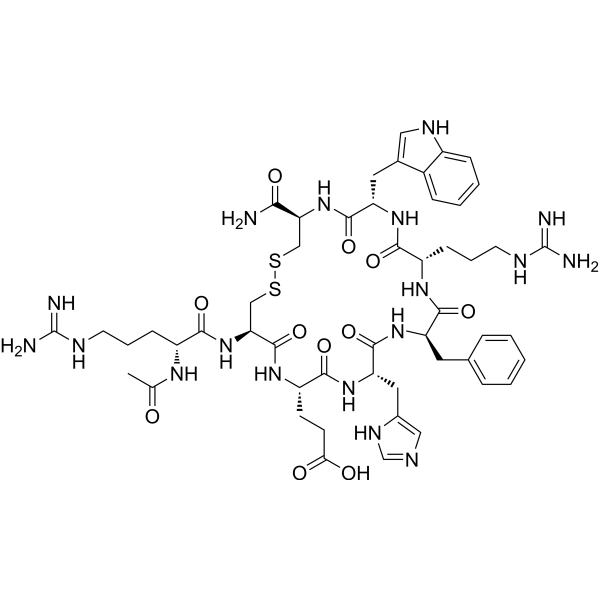
    Ac-DArg-c[Cys-Glu-His-DPhe-Arg-Trp-Cys]-NH 2 is a cyclic octapeptide with MC4R agonism. Ac-DArg-c[Cys-Glu-His-DPhe-Arg-Trp-Cys]-NH 2 significantly increases heart rate and blood pressure .
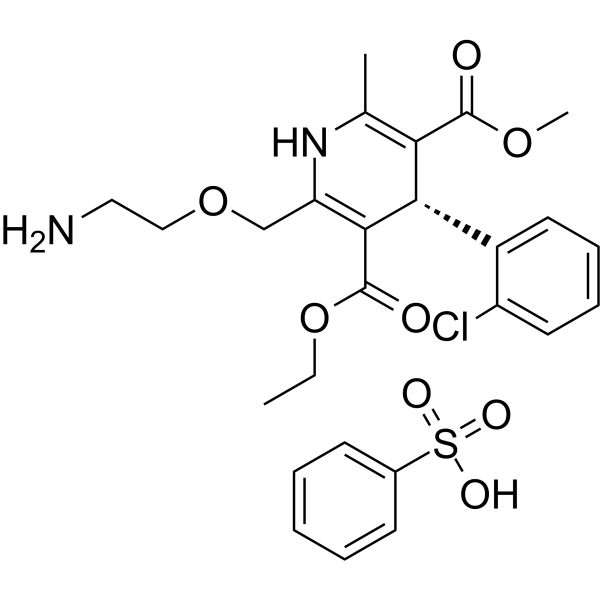
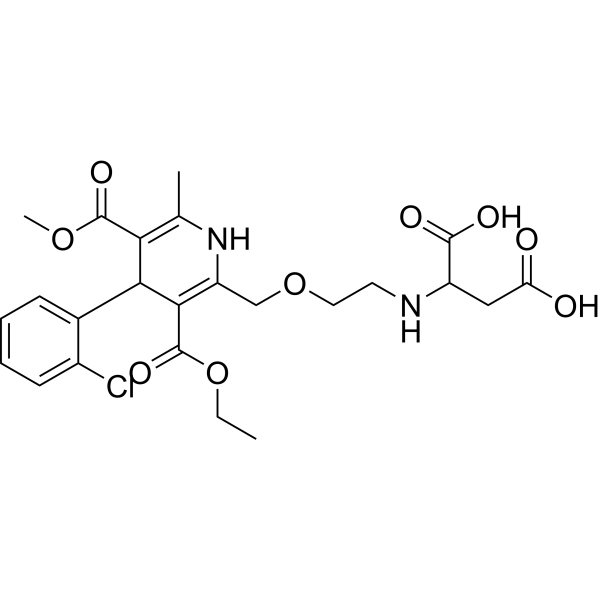
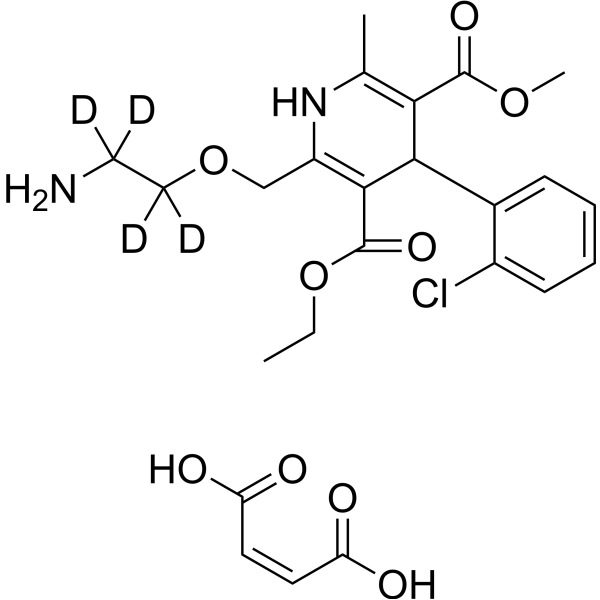
  • HY-128696

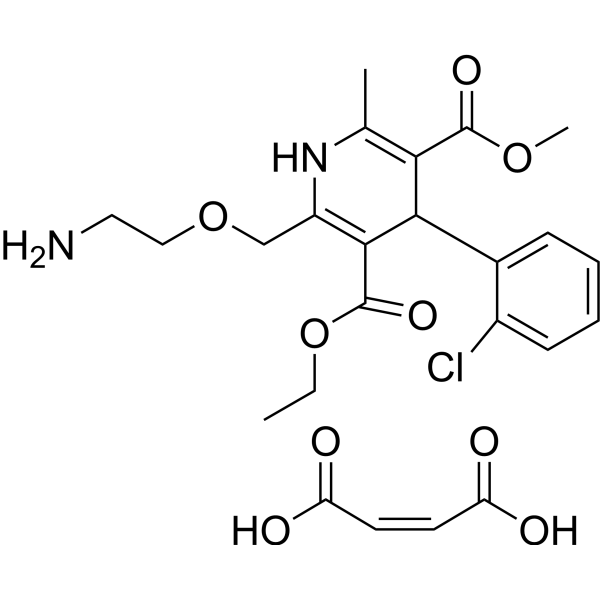
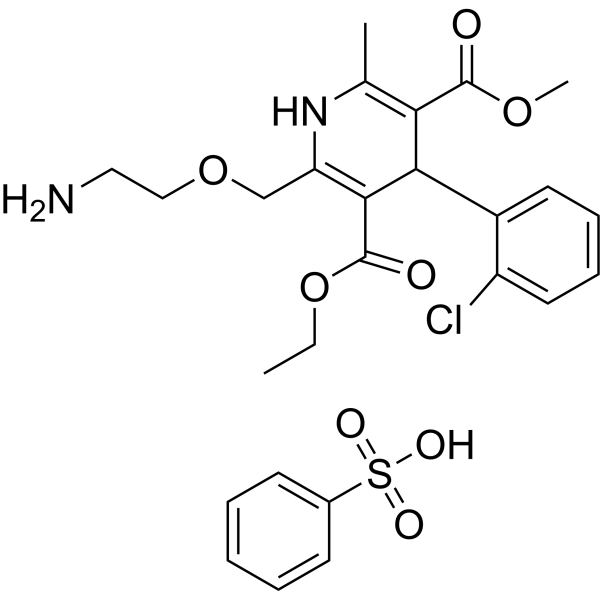
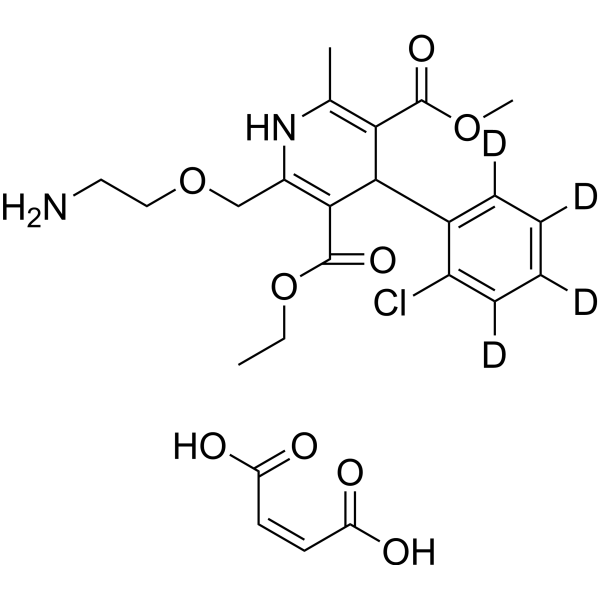
    Amlodipine aspartate

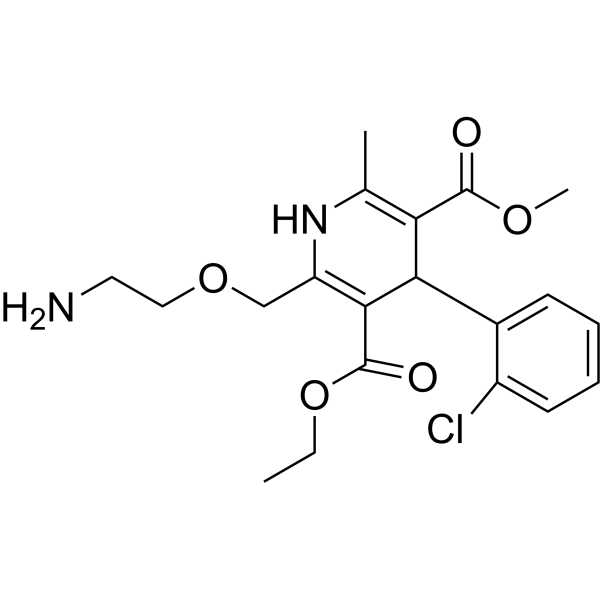
    Drug Metabolite Calcium Channel Cardiovascular Disease
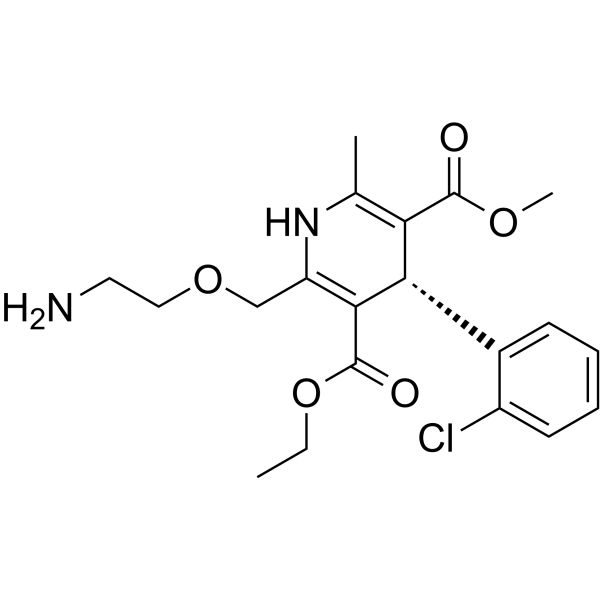
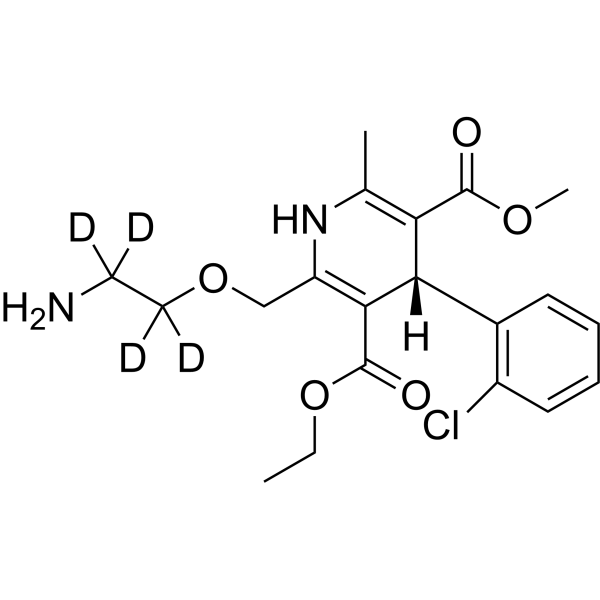
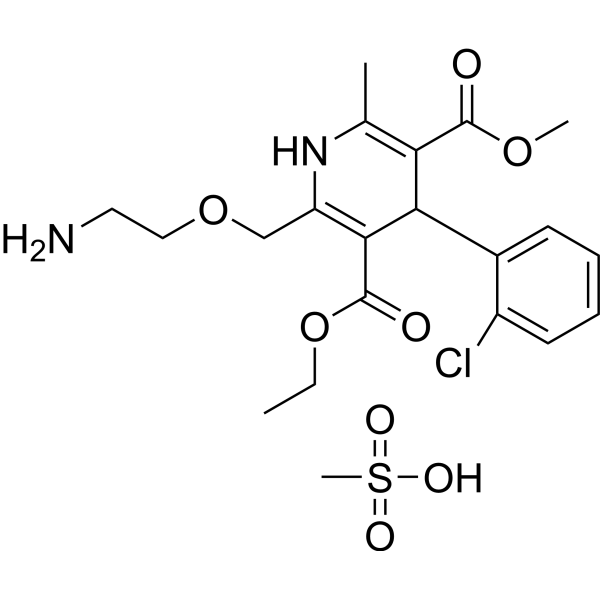
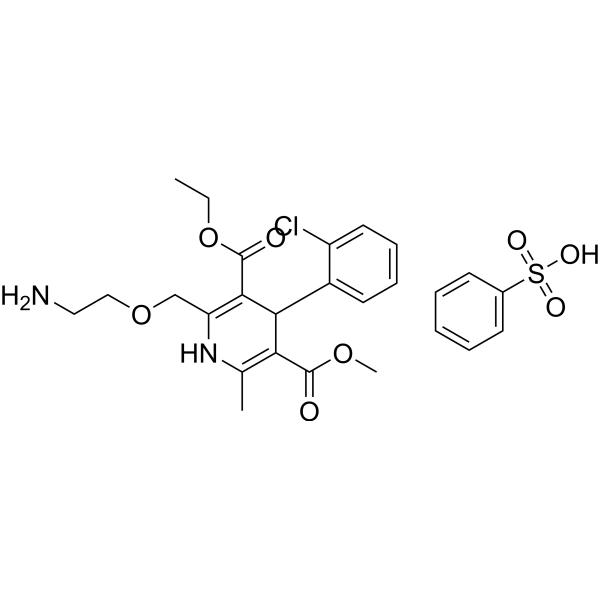
    Amlodipine aspartic acid impurity (Amlodipine aspartate) is the impurity of Amlodipine aspartic acid. Amlodipine aspartic acid is a calcium channel blocker with antihypertensive and antianginal properties. Amlodipine aspartic acid impurity can control blood pressure. Amlodipine aspartic acid impurity corrects gut dysbiosis and enhances taurine and hypotaurine metabolism. Amlodipine aspartic acid impurity can be studied in research for NAFLD and hypertension .
  • HY-P2281A

    Atrial natriuretic peptide (1-28) TFA

    Endogenous Metabolite Cardiovascular Disease Metabolic Disease
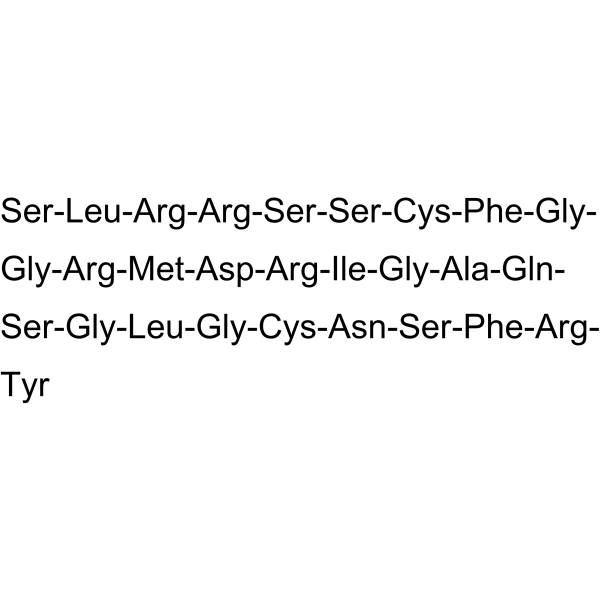
    Atrial natriuretic factor (1-28) (human, porcine) TFA exhibits blood pressure lowering activity by increasing sodium and urine excretion. Atrial natriuretic factor (1-28) (human, porcine) TFA inhibits the release of pituitary adrenocorticotropic hormone (ACTH) and beta-endorphin through inhibition of pro-opiomelanocortin (POMC) expression. Atrial natriuretic factor (1-28) (human, porcine) TFA increases cGMP levels in RMIC cells with an IC50 of 1.2 nM .
  • HY-P1323

    Neuropeptide Y Receptor Cardiovascular Disease Neurological Disease
    [Leu31,Pro34]-Neuropeptide Y(human,rat) is a specific neuropeptide Y Y1 receptor agonist. [Leu31,Pro34]-Neuropeptide Y(human,rat) slao activates Y4, Y5. [Leu31,Pro34]-Neuropeptide Y(human,rat) can increase blood pressure in anesthetized rats and increases food intake .
  • HY-W002450

    Drug Derivative Cardiovascular Disease
    L-Cyclohexylalanine is an amino acid derivative. L-Cyclohexylalanine modifies an atrial natriuretic peptide, regulates homeostasis of body fluid and blood pressure homeostasis and vasodilation activity .
  • HY-P3388

    GLP Receptor Cardiovascular Disease Metabolic Disease
    Utreglutide is an effective glucagon-like peptide 1 (GLP-1) receptor agonist. Utreglutide can lower blood pressure, blood lipids and body weight, and improve cardiovascular metabolism. Utreglutide can be used for research on type 2 diabetes or non-type 2 diabetes obesity .
  • HY-P11300A

    Angiotensin-converting Enzyme (ACE) Cardiovascular Disease
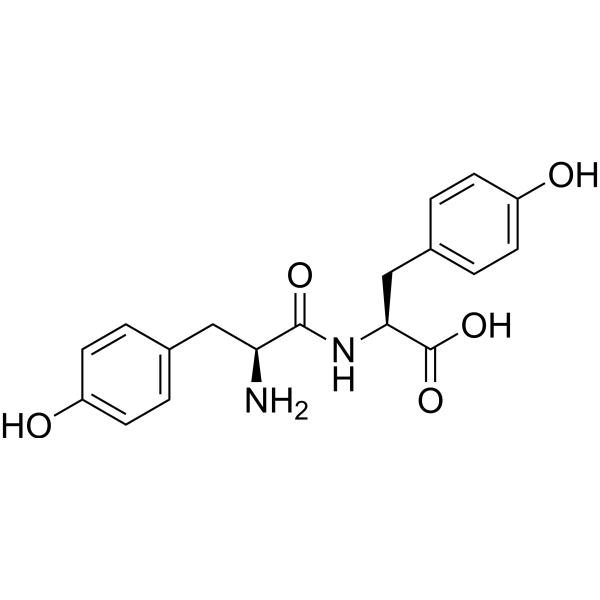
    YKYY TFA is a blood pressure-lowering peptide isolated from the digest of Undaria pinnatifida. It is an angiotensin I-converting enzyme (ACE) inhibitor with an IC50 of 64.2 μM. YKYY FTA can be used in hypertension research .
  • HY-P4281

    Angiotensin-converting Enzyme (ACE) Cardiovascular Disease Neurological Disease
    Ovotransferrin (328-332) has a protective activity on the blood pressure by inhibiting the Angiotensin-Converting Enzyme (ACE), with the IC50 of 20 μM. Ovotransferrin (328-332) fragment has an activity against Cholinesterase (ChE), implicating in Alzheimer’s diseases .
  • HY-P3112

    Bombesin Receptor Neurological Disease
    ICI 216140 is a GRP/bombesin receptor 2 antagonist with the IC50 of 2 nM. ICI 216140 can reduce Bombesin (HY-P0195)-stimulated pancreatic amylase secretion and attenuates Bombesin (HY-P0195)-stimulated increases in blood pressure .
  • HY-P3069

    Neurokinin Receptor Neurological Disease Endocrinology
    γ-Neuropeptide (rabbit) can be isolated from rabbit intestine. γ-Neuropeptide is an endogenous neurokinin peptide that acts as a neurokinin 2 (NK2) receptor agonist. γ-Neuropeptide mediates hypothalamic-pituitary-adrenal (HPA) axis, as well as reproductive hormone release .
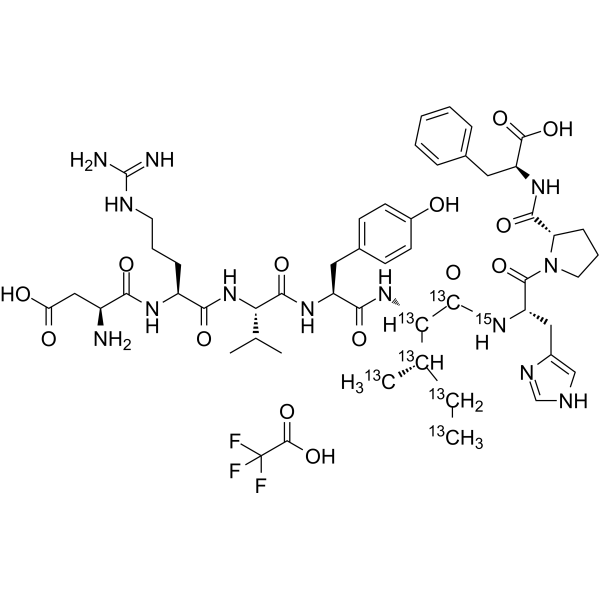
  • HY-13948BS

    Angiotensin II-13C6,15N TFA; Ang II-13C6,15N TFA; DRVY(I-13C6,15N)HPF TFA

    Isotope-Labeled Compounds Cancer
    Angiotensin II human- 13C6, 15N TFA (Ang II- 13C6, 15N TFA) is 13C- and 15N-labeled Angiotensin II human (TFA) (HY-13948B). Angiotensin II human (Angiotensin II) TFA is a vasoconstrictor and a major bioactive peptide of the renin/angiotensin system. Angiotensin II human TFA plays a central role in regulating human blood pressure, which is mainly mediated by interactions between Angiotensin II and the G-protein-coupled receptors (GPCRs) Angiotensin II type 1 receptor (AT1R) and Angiotensin II type 2 receptor (AT2R). Angiotensin II human TFA stimulates sympathetic nervous stimulation, increases aldosterone biosynthesis and renal actions .
  • HY-P3976

    Angiotensin-converting Enzyme (ACE) Cardiovascular Disease
    Lactalbumin B (50-53) Alpha [Lactorphin Alpha], bovine is a blood pressure lowering peptide containing 4 amino acids. Lactalbumin B (50-53) Alpha [Lactorphin Alpha], bovine is an angiotensin-converting Enzyme (ACE) inhibitor. Lactalbumin B (50-53) Alpha [Lactorphin Alpha], bovine can be used in research of high blood pressure .
  • HY-P1271A

    nAChR Cardiovascular Disease
    Catestatin TFA is a 21-amino acid residue, cationic and hydrophobic peptide. Catestatin TFA is an endogenous peptide that regulates cardiac function and blood pressure . Catestatin TFA is a non-competitive nicotinic antagonist acting through nicotinic acetylcholine receptors (nAChRs) to inhibit catecholamine release .
  • HY-P3765

    ペプチド Cardiovascular Disease
    Auriculin A is a synthetic atrial natriuretic factor (ANF) with hemodynamic effect. Auriculin A antagonizes renal vasoconstriction in the dog, and influences on arterial baroreflex control of heart rate, systemic blood pressure, and perfusion pressure in the hind limb (perfused at constant flow) in rabbits .
  • HY-P4650

    Angiotensin-converting Enzyme (ACE) Cardiovascular Disease
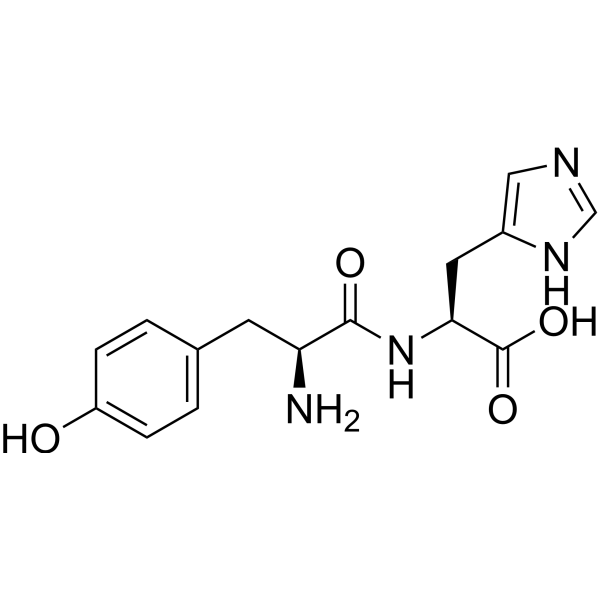
    Tyrosylhistidine is a dipeptide consisting of tyrosine and histidine (Tyr-His). Tyrosylhistidine is an orally active antihypertensive peptide. Tyrosylhistidine reduces blood pressure in mice in a model of spontaneous hypertension .
  • HY-P1685

    Bombesin Receptor Cardiovascular Disease Endocrinology
    Ranatensin is a undecapeptide and a Bombesin Receptor angonist, can be isolated from amphibian skin, such as the frog, Rana pipiens. Ranatensin could maintain the dynamic balance of animal blood pressure, without cross-tachyphylaxis with Angiotensin amide (HY-P2212),Bradykinin (HY-P0206), or Norepinephrine (HY-13715) .
  • HY-P3050

    GCGR Cardiovascular Disease
    Helospectin II is a neuropeptide of the vasoactive intestinal peptide (VIP) family. Helospectin II has vasodilatory and antihypertensive activities, and decreases blood pressure. Helospectin II is originally isolated from the salivary gland venom of the lizard Heloderma suspectum .
  • HY-12554B

    Vasopressin Receptor Cardiovascular Disease Inflammation/Immunology Endocrinology
    Terlipressin acetate is a vasopressin analogue with potent vasoactive properties. Terlipressin acetate is a highly selective vasopressin V1 receptor agonist that reduces the splanchnic blood flow and portal pressure and controls acute variceal bleeding. Terlipressin acetate exerts anti-inflammatory and anti-oxidative effects. Terlipressin acetate has the potential for hepatorenal syndrome and norepinephrine-resistant septic shock research .
  • HY-P11297

    Angiotensin-converting Enzyme (ACE) Cardiovascular Disease
    AC-SDKP-NH2 is a substrate peptide of Angiotensin converting enzyme (ACE). AC-SDKP-NH2 has anti-inflammatory and anti-fibrotic activities. AC-SDKP-NH2 directly acts on tissues and prevents or reverses them from excessive fibrosis, but fails to reduce blood pressure and left ventricular hypertrophy (LVH). AC-SDKP-NH2 attenuates inflammation and cell differentiation, proliferation and migration, therefore reducing fibrosis in the heart, vessels and kidneys in mice model. AC-SDKP-NH2 can be used for cardiovascular diseases such as hypertension research .
  • HY-P4260

    ペプチド Cardiovascular Disease
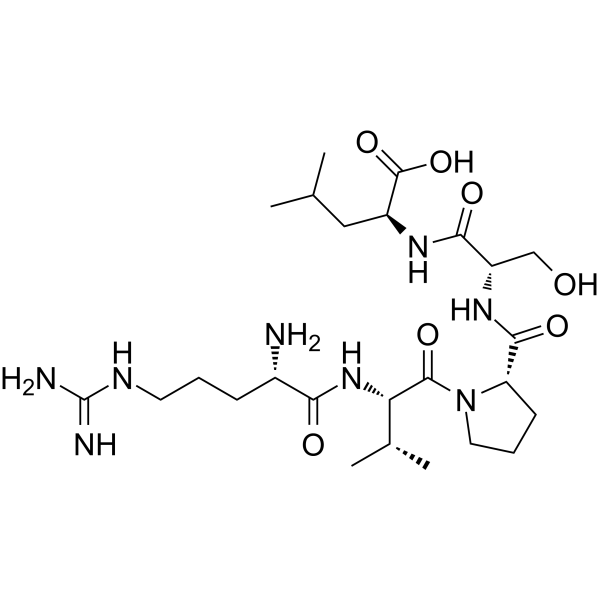
    LPP Tripeptide is a blood pressure lowering tripeptides. LPP Tripeptide can be used for research of hypertension .
  • HY-P3593

    Calcium Channel Cardiovascular Disease Neurological Disease
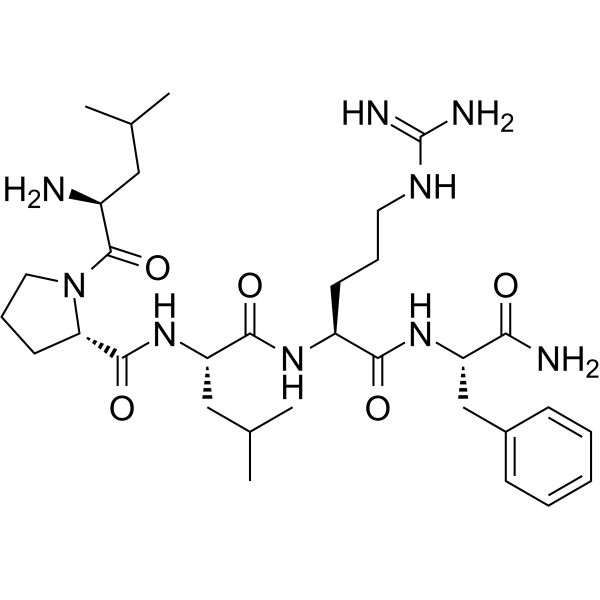
    LPLRF-NH2 is a member of RFamide peptide with anorexigenic effect. LPLRF-NH2 increases arterial blood pressure and modulates the electrical activity of brainstem neurons .
  • HY-P5978

    ANP 127-150 (rat)

    Natriuretic Peptide Receptor (NPR) Cardiovascular Disease
    Atriopeptin III (ANP 127-150) (rat), a 24-amino acid atrial peptide, is a potent vasodilator and natriuretic/diuretic agent. Atriopeptin III (rat) improves renal functions and decreases blood pressure in a ureter-obstructed rat kidney model. Atriopeptin III (rat) can be used for research of chronic renal failure .
  • HY-P3053

    GCGR Cardiovascular Disease
    Helospectin I is a neuropeptide of the vasoactive intestinal peptide (VIP) family. Helospectin I has vasodilatory and antihypertensive activities, and decreases blood pressure. Helospectin I is originally isolated from the salivary gland venom of the lizard Heloderma suspectum .
  • HY-P10617

    Endogenous Metabolite Cardiovascular Disease
    Salusin-β is an endogenous bioactive peptide with significant hemodynamic and mitogenic activity. Salusin-β can stimulate the proliferation of quiescent vascular smooth muscle cells (VSMCs) and fibroblasts, leading to a rapid and significant decrease in blood pressure and heart rate. In addition, Salusin-β can stimulate the release of arginine vasopressin from the pituitary gland in rats. This makes Salusin-β have important application potential in cardiovascular disease research .
  • HY-P2052

    Opioid Receptor Neurokinin Receptor Others
    AWL 60 is a compound with SP antagonist and weak opioid agonist properties, which can antagonize SP-agonists in vitro and attenuate the decrease in blood pressure caused by SP-agonists in vivo.
  • HY-P0206B

    Endogenous Metabolite Bradykinin Receptor Ser/Thr Protease Cardiovascular Disease Endocrinology
    Bradykinin triacetate is an effective endothelium-dependent vasodilator that can lower blood pressure. Bradykinin triacetate can induce contraction of bronchial and intestinal non-vascular smooth muscle, increase vascular permeability, and participate in the mechanism of pain .
  • HY-P1694

    Bradykinin Receptor Cardiovascular Disease
    B4148 is a selective competitive bradykinin (BK) antagonist that significantly inhibits BK-induced hypotension in rats. In a rat model of endotoxin shock induced by Escherichia coli lipopolysaccharide, B4148 significantly attenuated the decrease in mean arterial blood pressure compared with the control group .
  • HY-P5130

    Endothelin Receptor Cardiovascular Disease
    Big endothelin-1 (rat 1-39) is a 39-residues peptide. Big endothelin-1 (rat 1-39) induces diuretic and natriuretic response in conscious Sprague-Dawley rats. Big endothelin-1 (rat 1-39) raises blood pressure in mice .
  • HY-P10616

    Endogenous Metabolite Cardiovascular Disease
    Salusin-α is an endogenous bioactive peptide with hemodynamic and cell proliferation activities. Salusin-α can stimulate the proliferation of quiescent vascular smooth muscle cells (VSMCs) and fibroblasts, leading to a rapid and significant decrease in blood pressure and heart rate, but its effect is weaker than that of Salusin-β (HY-P10617). Salusin-α has potential application value in cardiovascular disease research .
  • HY-P0206S1

    Isotope-Labeled Compounds Bradykinin Receptor Endogenous Metabolite Ser/Thr Protease Cardiovascular Disease Endocrinology
    RPP-(Gly-1 13C2, 15N)-FSPFR TFA is 13C- and 15N-labeled Bradykinin (HY-P0206). Bradykinin is an effective endothelium-dependent vasodilator that can lower blood pressure. Bradykinin can induce contraction of bronchial and intestinal non-vascular smooth muscle, increase vascular permeability, and participate in the mechanism of pain .

オンラインお問い合わせ

入力情報は安全に管理されます. 必須入力項目.

タイトル


国或いは地域 *

お名前 *


組纖名 *

デパートメント *


メールアドレス *


製品名 *

製品番号


カスタマ需要量 *

電話番号 *


必ず会社名を記載ください。個人への返信は行いません。

備考

バルクお問い合わせ

Inquiry Information

製品名:
製品番号:
数量:
MCE 日本正規代理店: