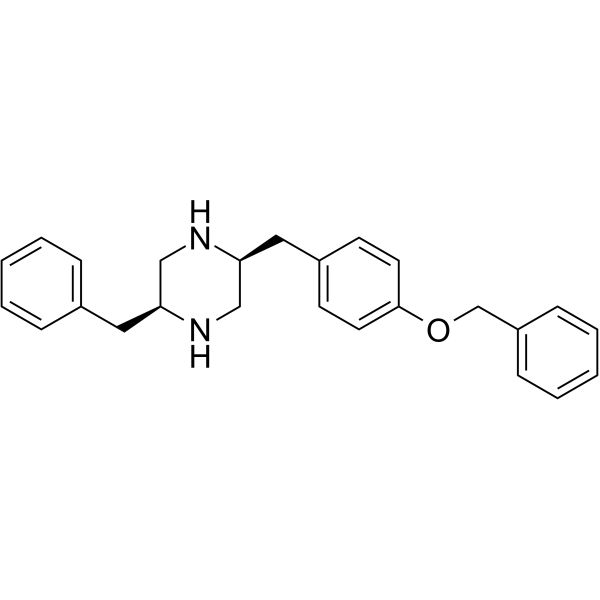
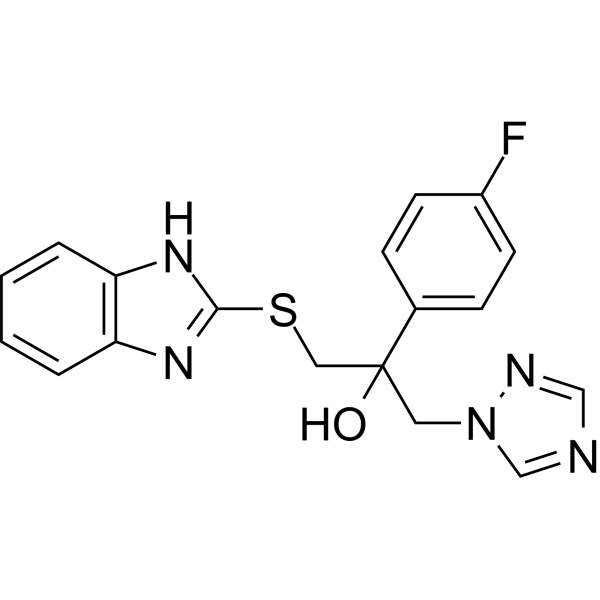
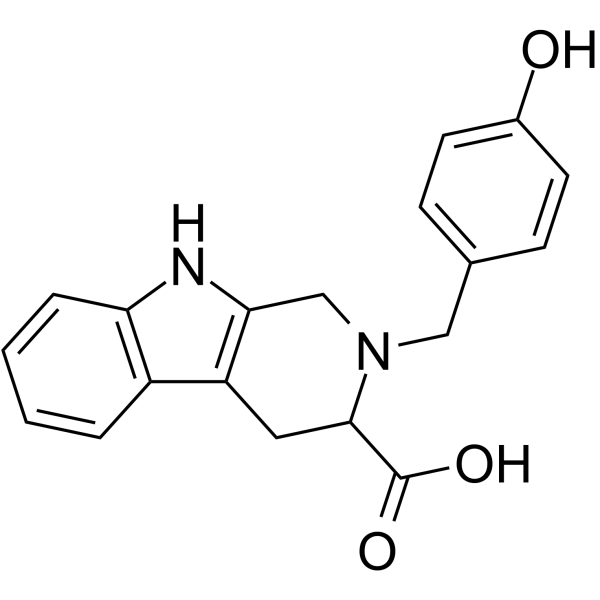
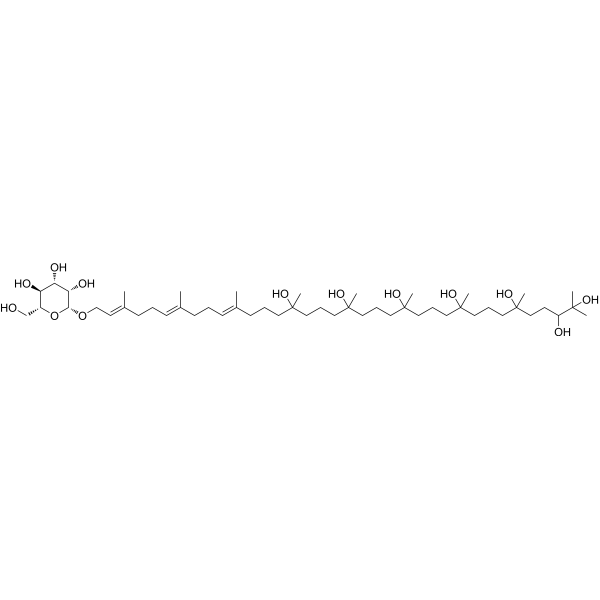
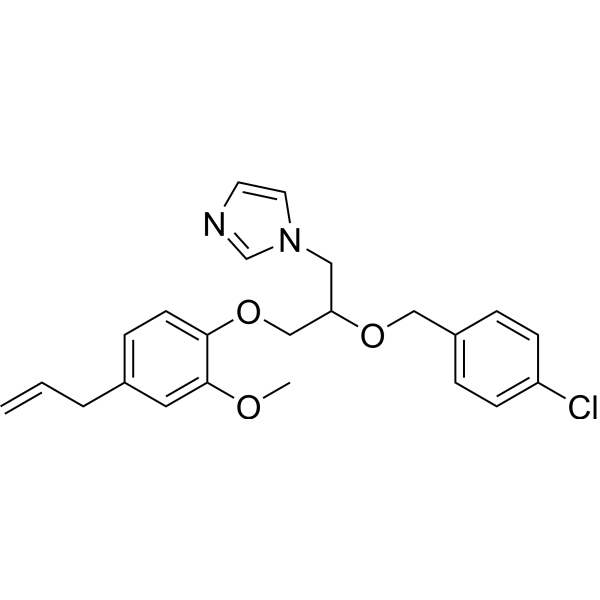
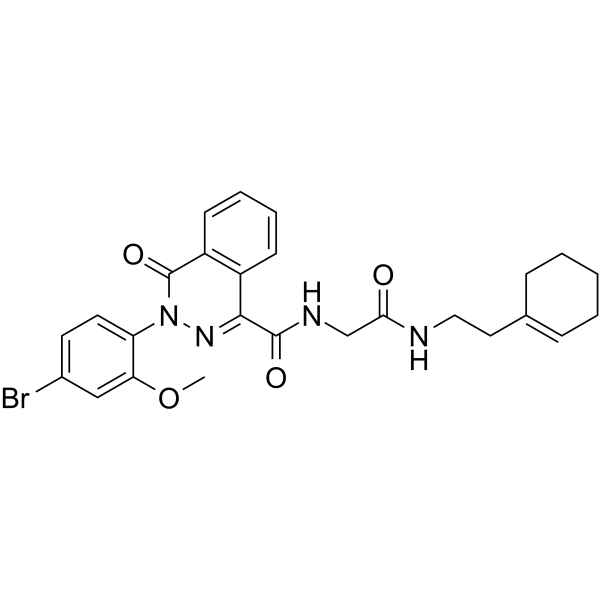
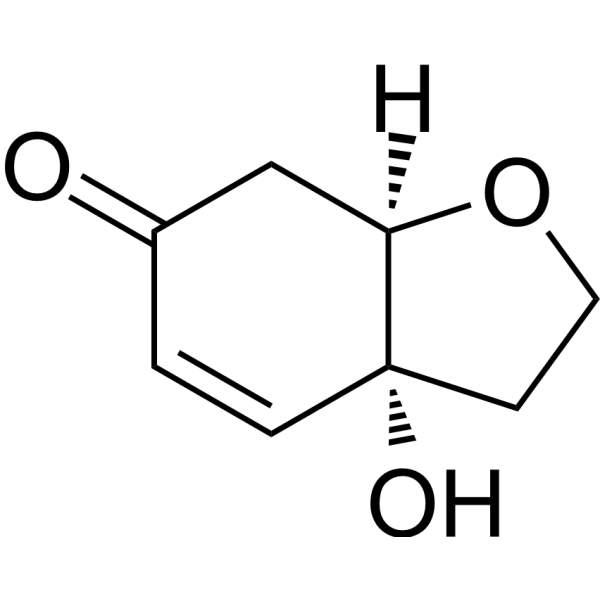
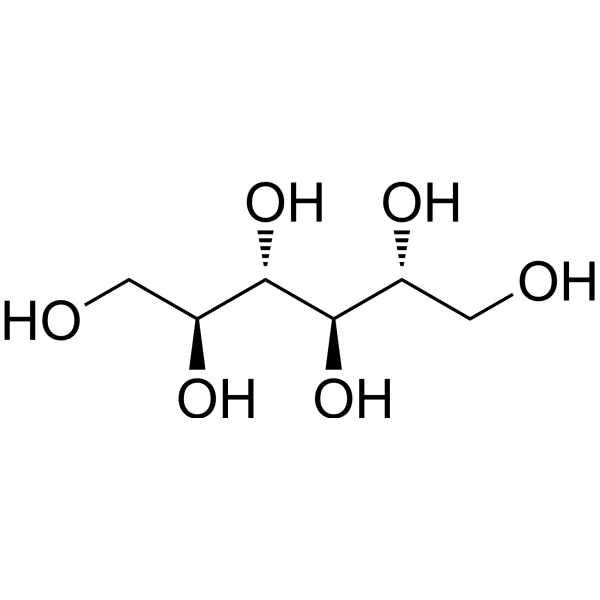
1. Search Result
Search Result
Results for "

Candida albicans NCIM 3471

" in MedChemExpress (MCE) Product Catalog:

559

Inhibitors & Agonists

1

Fluorescent Dyes

8

Biochemical Assay Reagents

58

Peptides

1

Inhibitory Antibodies

189

Natural
Products

3

Recombinant Proteins

24

Isotope-Labeled Compounds

1

Click Chemistry

1

Oligonucleotides

Cat. No. Product Name Target Research Areas Chemical Structure
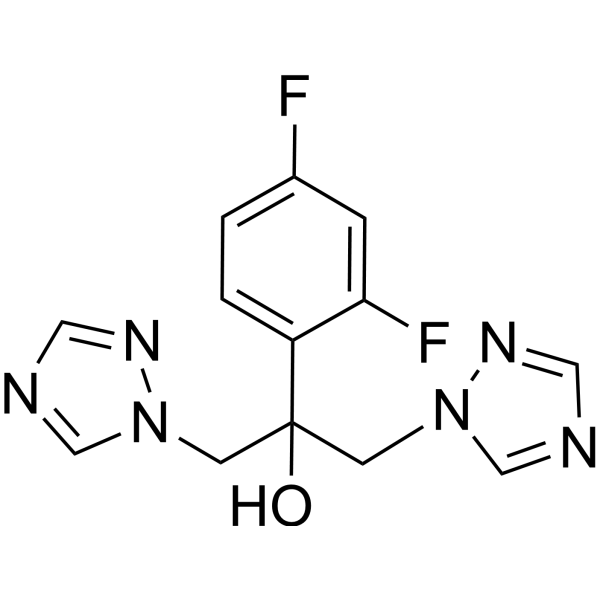
  • HY-B0101
    Fluconazole
    Maximum Cited Publications
    21 Publications Verification

    UK-49858

    Environmental Pollutants Antibiotic Fungal Bacterial Infection Cancer
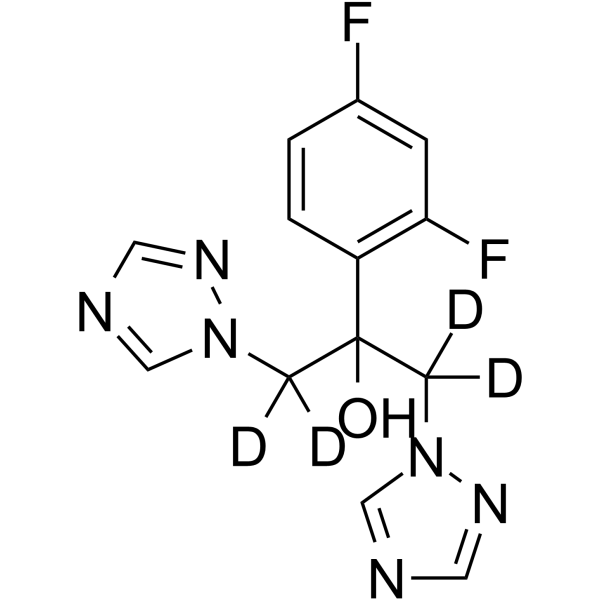
    Fluconazole (UK-49858) is a triazole antifungal agent with excellent activities against a broad range of fungi, especially against Candida albicans. Fluconazole inhibits C. albicans and Candida kefyr with IC99s range from 0.20 μg/mL to 0.39 μg/mL .
    Fluconazole
  • HY-Y1422D

    Environmental Pollutants Lipase Others
    Lipase,Candida antarctica (Immobilized) is an immobilized lipase isolated from Candida antarctica fraction B. Lipase,Candida antarctica (Immobilized) features high stability and selectivity. Lipase,Candida antarctica (Immobilized) is widely used in fields such as chemical synthesis, food oil modification, and biodiesel production .
    Lipase,Candida antarctica (Immobilized)
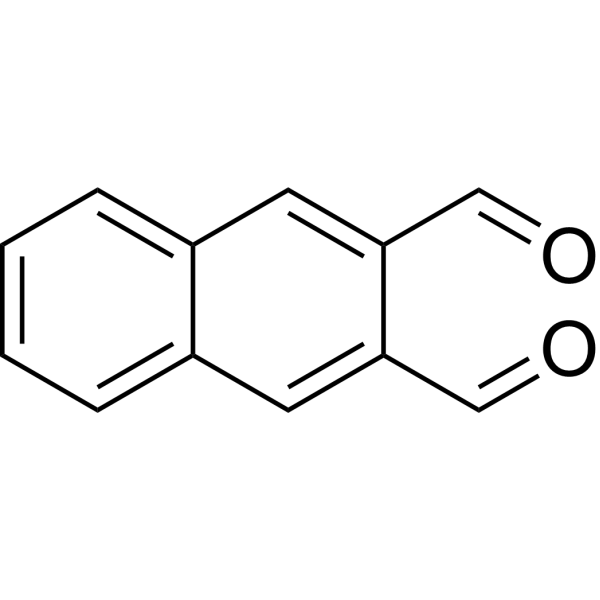
  • HY-W016288
    Naphthalene-2,3-dicarboxaldehyde
    1 Publications Verification

    2,3-Naphthalenedicarboxaldehyde; Naphthalene-2,3-dialdehyde

    Fungal Infection
    Naphthalene-2,3-dicarboxaldehyde (NDA) is an effective inhibitor of Candida albicans aspartate semialdehyde dehydrogenase (ASADH), with a Ki value of 45 μM. Naphthalene-2,3-dicarboxaldehyde targets ASADH in the aspartate biosynthetic pathway of Candida albicans. Naphthalene-2,3-dicarboxaldehyde reacts with primary amines to generate highly fluorescent and stable derivatives. Naphthalene-2,3-dicarboxaldehyde serves as a fungistatic agent and a fluorogenic derivatization reagent. Naphthalene-2,3-Dicarboxaldehyde can be used for the research of candidiasis .
    Naphthalene-2,3-dicarboxaldehyde
  • HY-E70313

    Candida antarctica lipase B

    Biochemical Assay Reagents Others
    Lipase,Candida antarctica (Immobilized on hydrophilic carrier) (Candida antarctica lipase B) is a lipase derived from Candida antarctica and immobilized on a hydrophilic carrier. Lipase,Candida antarctica (Immobilized on hydrophilic carrier) is a green catalyst that can be used to catalyze polymer synthesis .
    Lipase,Candida antarctica (Immobilized on hydrophilic carrier)
  • HY-P10304

    Cyclo(Pro-Arg)

    Fungal Others
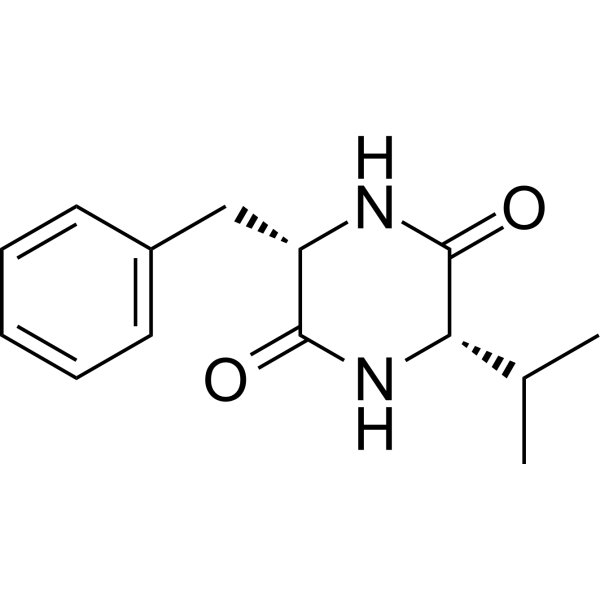
    Cyclo(Arg-Pro) (Cyclo(Pro-Arg)) is an inhibitor for chitinase. Cyclo(Arg-Pro) inhibits cell separation of Saccharomyces cerevisiae, without affecting its growth. Cyclo(Arg-Pro) inhibits the morphological change of Candida albicans from yeast form to filamentous form .
    Cyclo(Arg-Pro)
  • HY-Y1422H

    Environmental Pollutants Biochemical Assay Reagents Lipase Others
    Lipase, Candida cylindracea (Immobilized) is an immobilized hydrolase and biocatalyst with relaxed positional and substrate specificity. Lipase, Candida cylindracea (Immobilized) can target primary and secondary ester bonds to completely hydrolyze triglycerides into fatty acids and glycerol, producing only trace amounts of monoglycerides. Lipase, Candida cylindracea (Immobilized) exhibits chain specificity, with a relatively fast hydrolysis rate for oleic acid and lauric acid chains, and the slowest hydrolysis rate for stearic acid chains. Lipase, Candida cylindracea (Immobilized) shows high catalytic activity toward long-chain triglycerides under the conditions of pH 8.0 and 37°C .
    Lipase,Candida cylindracea (Immobilized)
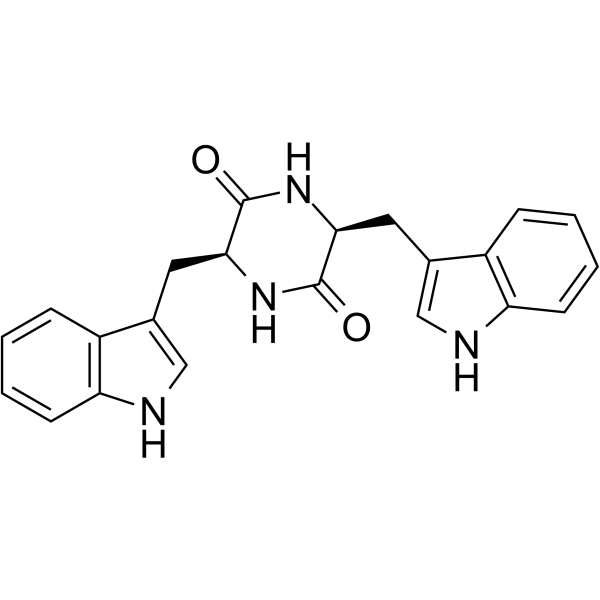
  • HY-P2124

    Antibiotic Bacterial Infection
    Cyclo(L-Trp-L-Trp) is an antibiotic, and shows antimicrobial activity. Cyclo(L-Trp-L-Trp) can inhibit A. baumannii, as well as Candida albicans, Bacillus subtilis, Micrococcus luteus, Saccharomyces cerevisiae, Aspergillus niger, Staphylococcus aureus. Cyclo(L-Trp-L-Trp) can be used in microbial infection research .
    Cyclo(L-Trp-L-Trp)
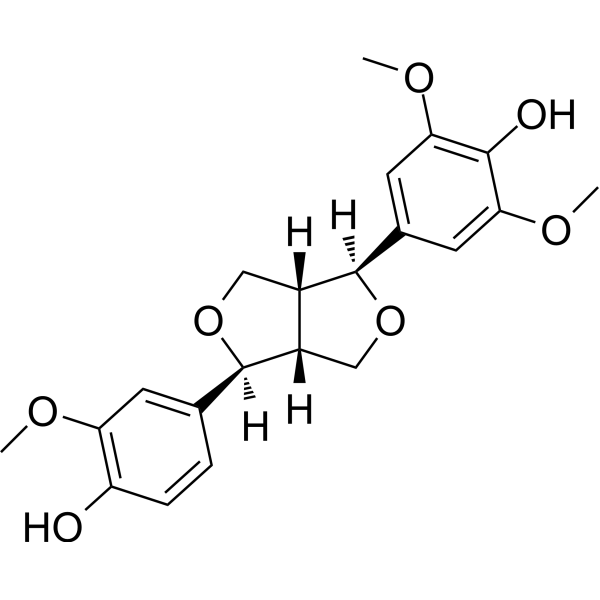
  • HY-N3307
    (+)-Medioresinol
    1 Publications Verification

    Bacterial Fungal Reactive Oxygen Species (ROS) Apoptosis MMP Interleukin Related PI3K Akt mTOR PPAR PGC-1α Pyroptosis Infection Neurological Disease Inflammation/Immunology
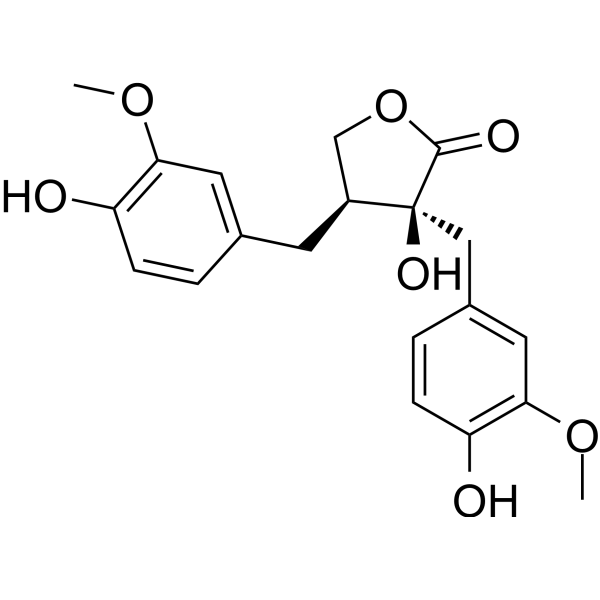
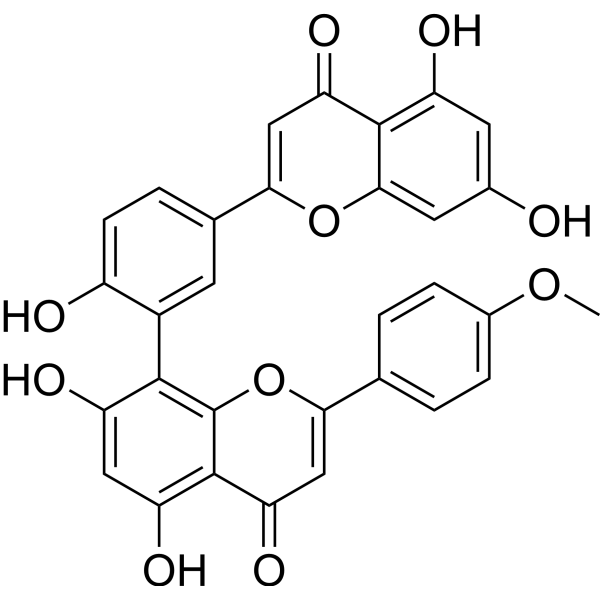
    (+)-Medioresinol is a furofuran-type lignan with antifungal and antibacterial properties. (+)-Medioresinol synergizes with antibiotics to exert antimicrobial and antibiofilm effects. (+)-Medioresinol induces intracellular ROS accumulation and mitochondrial-mediated apoptosis in Candida albicans. (+)-Medioresinol inhibits LPS (HY-D1056)-stimulated IL-12p40 production. (+)-Medioresinol is a PGC-1α activator that protects against endothelial cell pyroptosis in ischemic stroke via the PPARα-GOT1 axis. (+)-Medioresinol can be used in research on fungal and bacterial infection, inflammation, and ischemic stroke .
    (+)-Medioresinol
  • HY-B1237

    Calcium Channel Fungal Cardiovascular Disease Infection
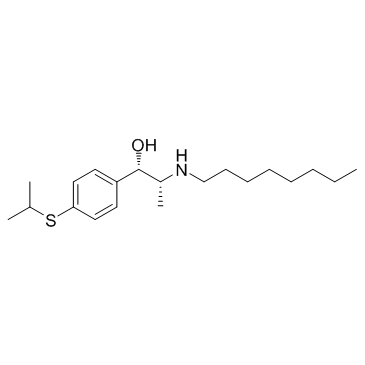
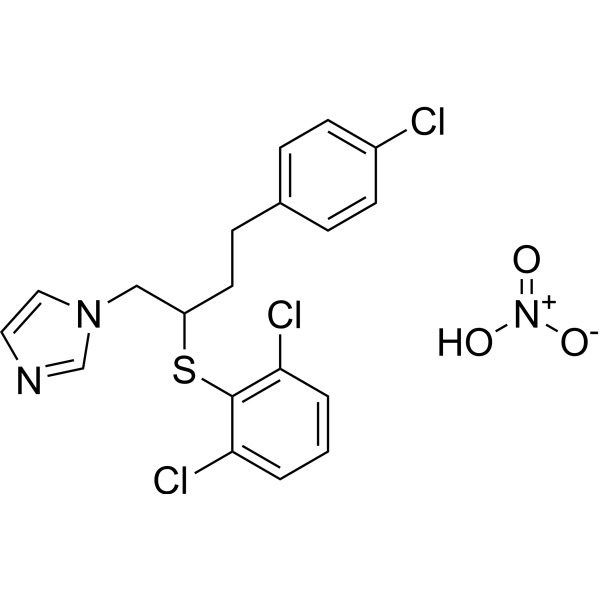
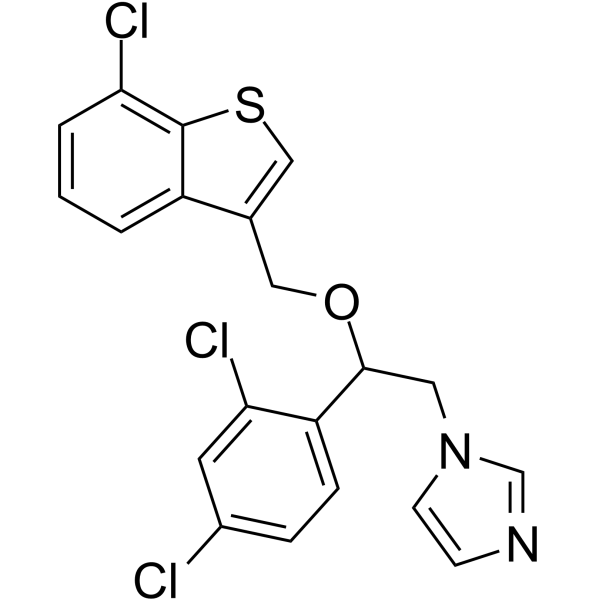
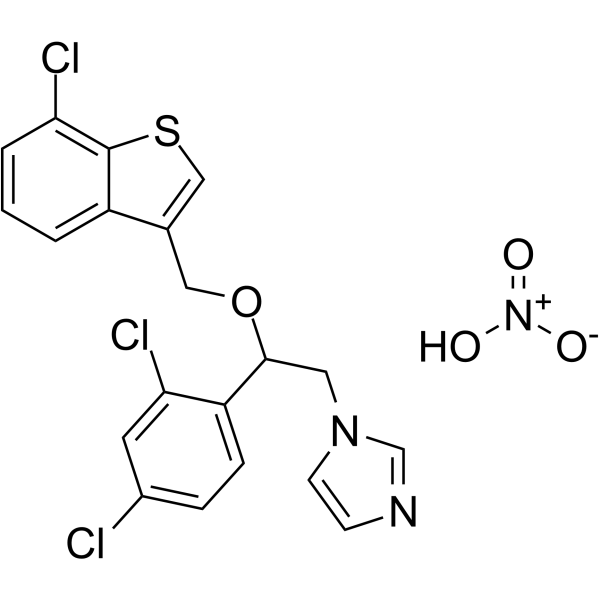
    Suloctidil is an orally active calcium channel blocker and antifungal agent. Suloctidil antagonizes vasoconstriction induced by norepinephrine, angiotensin and serotonin. Suloctidil inhibits platelet function and exhibits neuroprotective effects. Suloctidil exerts inhibitory effects on Candida albicans biofilm and virulence. Suloctidil can be used in research on vasospasm relief, antithrombosis and superficial candidiasis .
    Suloctidil
  • HY-B2153

    Cuproptosis Bacterial Infection
    Tetraethylenepentamine pentahydrochloride is an orally active copper chelator and copper mobilizer. Tetraethylenepentamine pentahydrochloride exhibits growth inhibitory and hypolipidemic properties. Tetraethylenepentamine pentahydrochloride significantly increases urinary copper excretion and reduces renal copper accumulation in copper overload models, but does not significantly alter hepatic copper levels. Tetraethylenepentamine pentahydrochloride exerts growth inhibitory effects on Candida albicans and Fluconazole (HY-B0101)-resistant strains, and can be widely used in studies related to Wilson's disease and Candida infections .
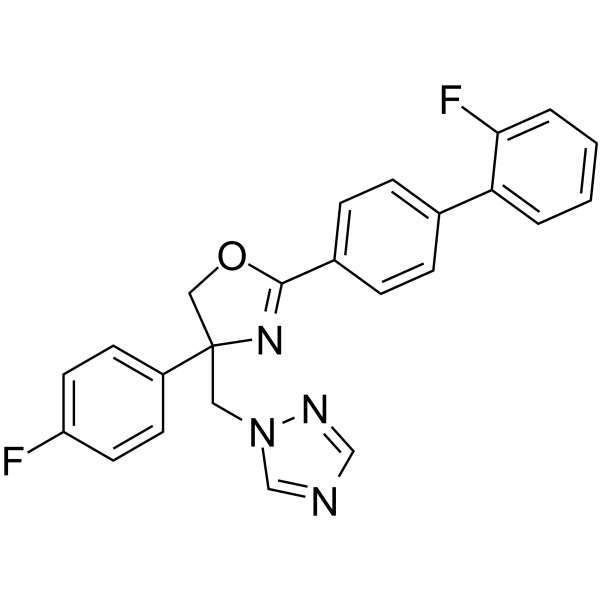
    Tetraethylenepentamine pentahydrochloride
  • HY-N7626

    Fungal Glycosidase Infection
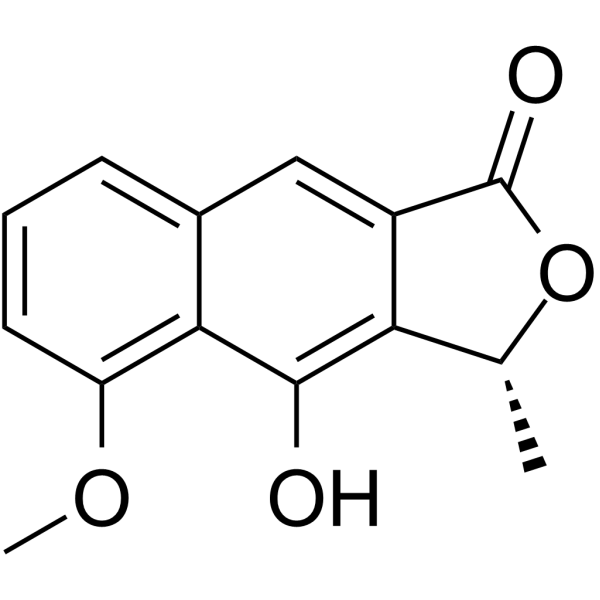
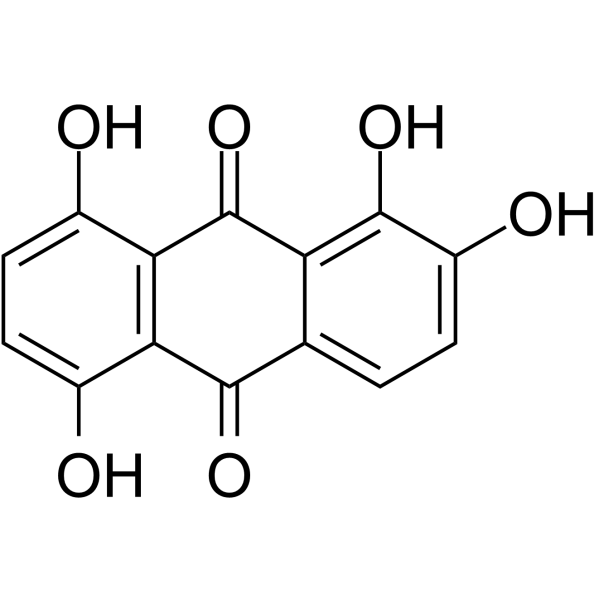
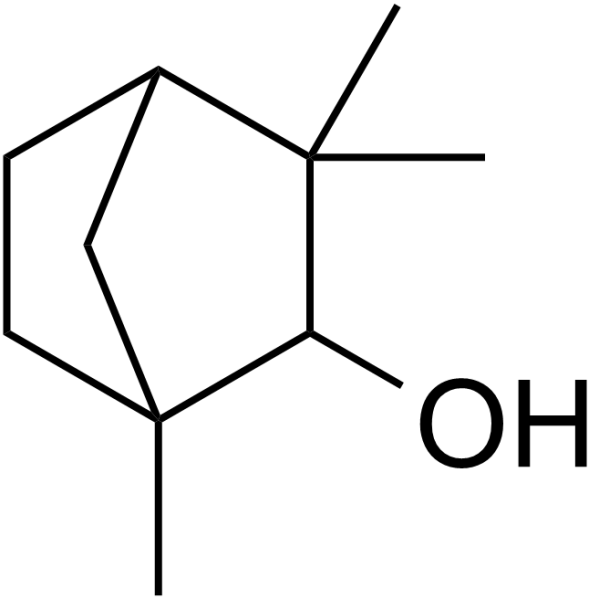
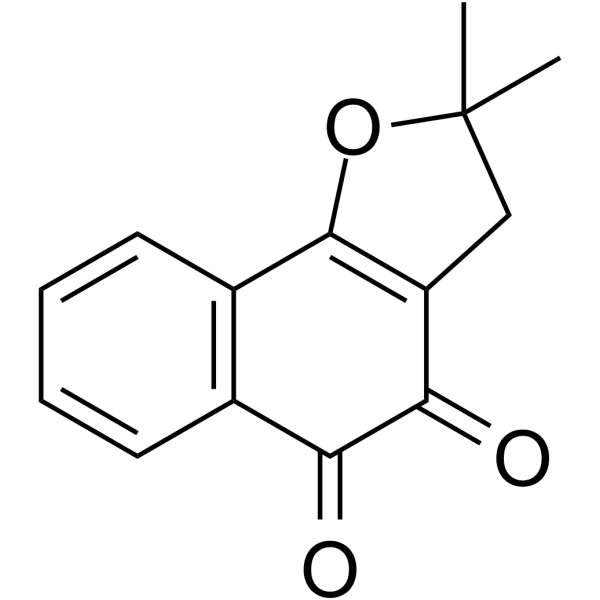
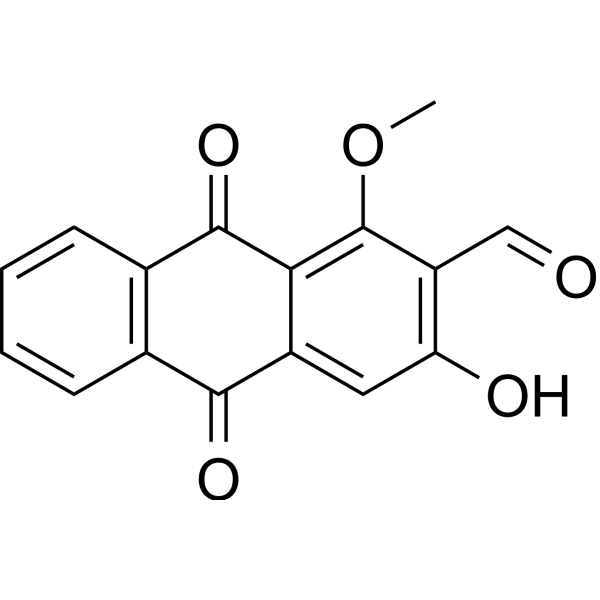
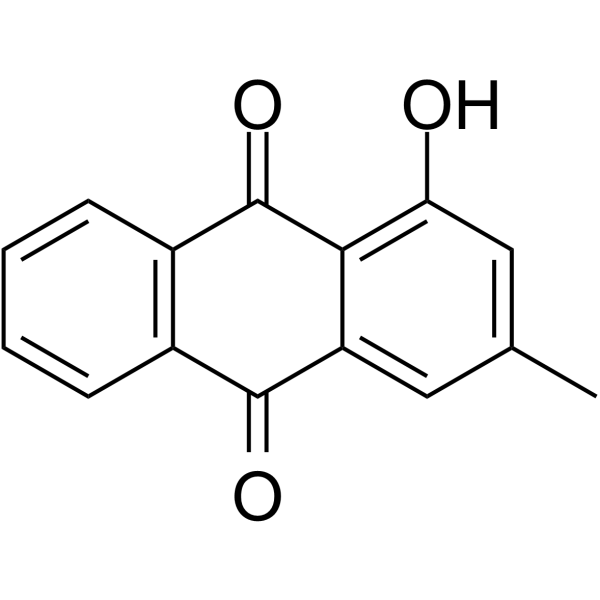
    Eleutherol is a naphthalene isolated from E. americana with antifungal activities . Eleutherol is against yeasts Candida albicans, C. tropicalis, Saccharomyces cerevisiae and Cryptococcus neoformans with MIC values between 7.8 µg/mL and 250 µg/mL . Eleutherol inhibits α-glucosidase function with an IC50>1.00 mM .
    Eleutherol
  • HY-P2921D

    Uox, Candida utilis

    Endogenous Metabolite Metabolic Disease Inflammation/Immunology
    Uricase, candida utilis (Uox, candida utilis) is a uricase (urate oxidase) derived from Candida utilis. Uricase, candida utilis converts uric acid into allantoin. The absence of Uricase in mammals causes kidney diseases resulting from uric acid accumulation. Uricase, candida utilis can be used for research on chronic refractory gout and hyperuricemia .
    Uricase, candida utilis
  • HY-B0101R

    UK-49858 (Standard)

    Reference Standards Fungal Antibiotic Bacterial Infection Cancer
    Fluconazole (Standard) is the analytical standard of Fluconazole. This product is intended for research and analytical applications. Fluconazole (UK-49858) is a triazole antifungal agent with excellent activities against a broad range of fungi, especially against Candida albicans. Fluconazole inhibits C. albicans and Candida kefyr with IC99s range from 0.20 μg/mL to 0.39 μg/mL .
    Fluconazole (Standard)
  • HY-B1316

    Fungal Infection Neurological Disease
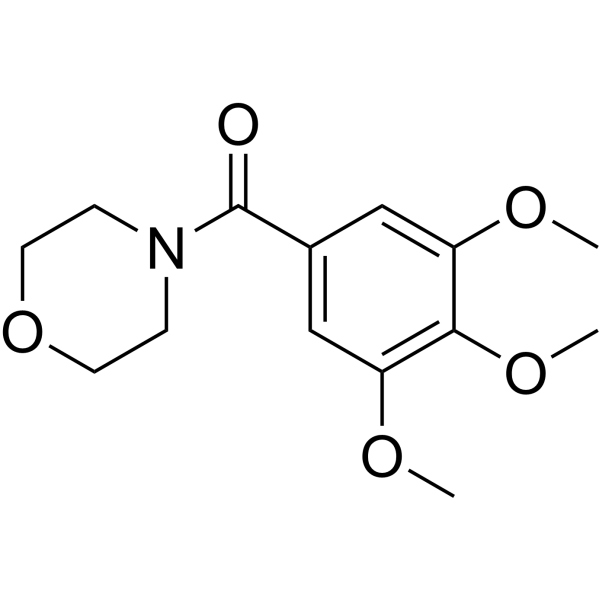
    Trimetozine is an Antifungal agent and sedative. Trimetozine exhibits antibacterial activity against Candida albicans, Candida glabrata, and Miconazole (HY-B0454)-resistant Candida glabrata cultures. Trimetozine exerts a sedative effect. Trimetozine can be used in research related to candidiasis and anxiety disorders .
    Trimetozine
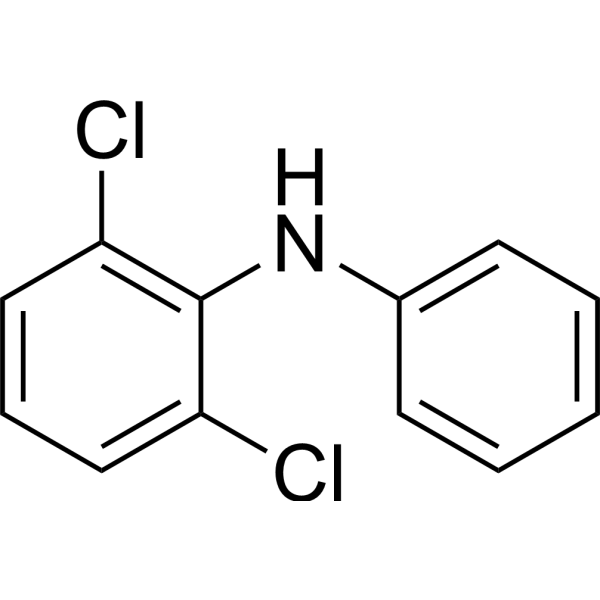
  • HY-W012126

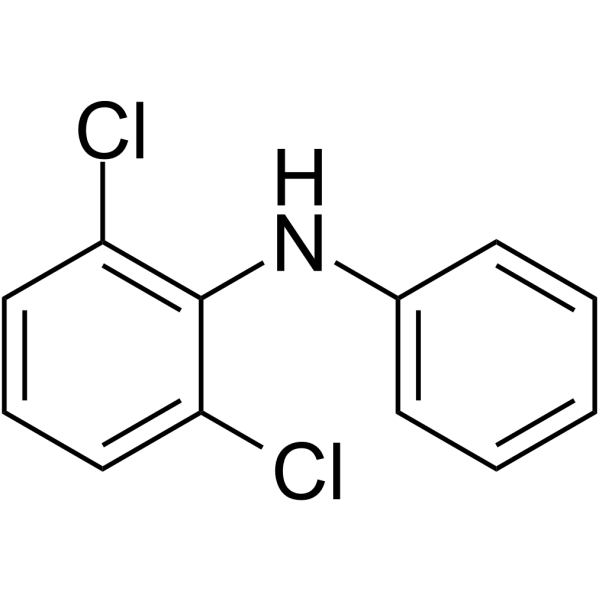
    2,6-Dichloro-N-phenylaniline

    Bacterial Infection Cancer
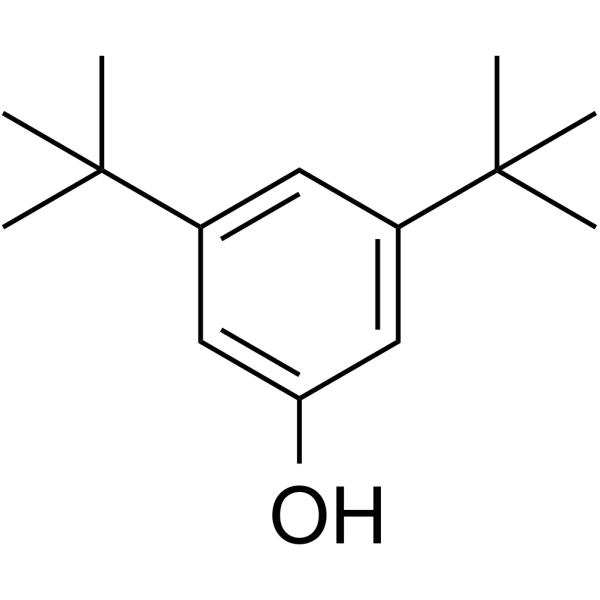
    2,6-Dichlorodiphenylamine is an analogue of Diclofenac Sodium (HY-15037) and has anti-Candida albicans activity. Diclofenac Sodium is a potent and nonselective anti-inflammatory agent, acts as a COX inhibitor, with IC50s of 4 and 1.3 nM for human COX-1 and COX-2 in CHO cells.
    2,6-Dichlorodiphenylamine
  • HY-P10304A

    Cyclo(Pro-Arg) TFA

    Fungal Infection
    Cyclo (Arg-Pro) TFA is a chitinase inhibitor. Cyclo (Arg-Pro) TFA disrupts cell separation and morphological transition of yeast by inhibiting chitinase activity. Cyclo (Arg-Pro) TFA prevents cell separation of Saccharomyces cerevisiae, leading to the formation of grape-like cell clusters, without inhibiting cell growth. Cyclo (Arg-Pro) TFA blocks the morphological transition of Candida albicans from yeast form to hyphal form, without inhibiting cell growth .
    Cyclo(Arg-Pro) TFA
  • HY-W014665

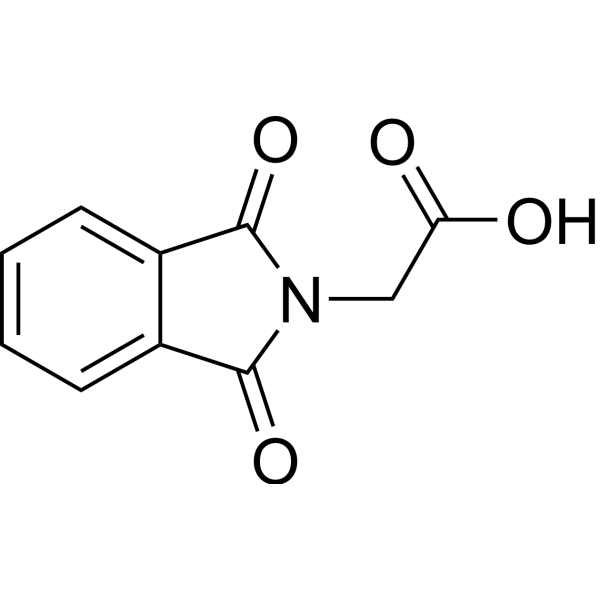
    Phthaloyl glycine

    Bacterial Fungal Infection
    N-Phthaloylglycine (Phthaloyl glycine) is a Type II fragmentary hapten (FX-type) with antimicrobial activity. N-Phthaloylglycine acts against Candida albicans, Escherichia coli, and Staphylococcus epidermidis. N-Phthaloylglycine can be used for the research of fungal and bacterial infection .
    N-Phthaloylglycine
  • HY-163540

    Aminoacyl-tRNA Synthetase Fungal Infection
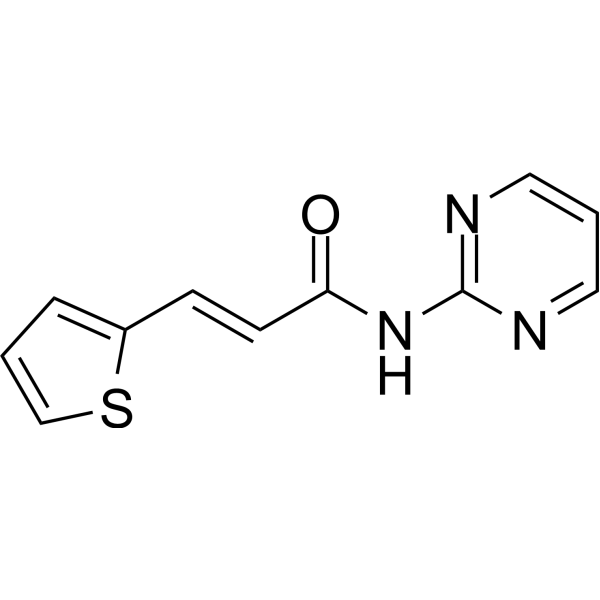
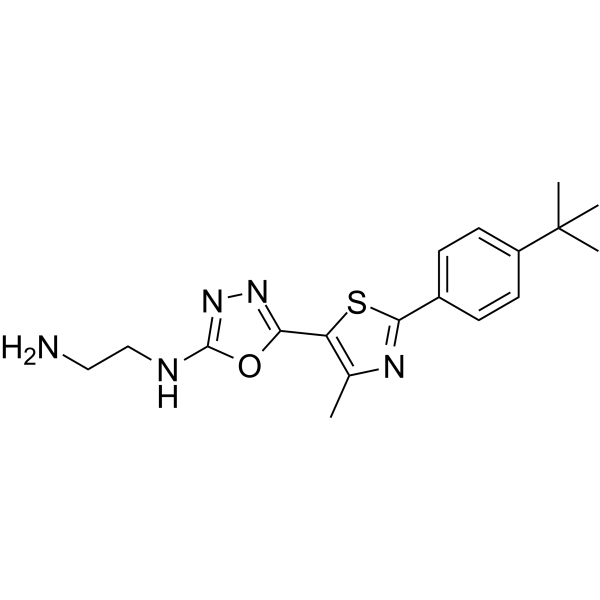
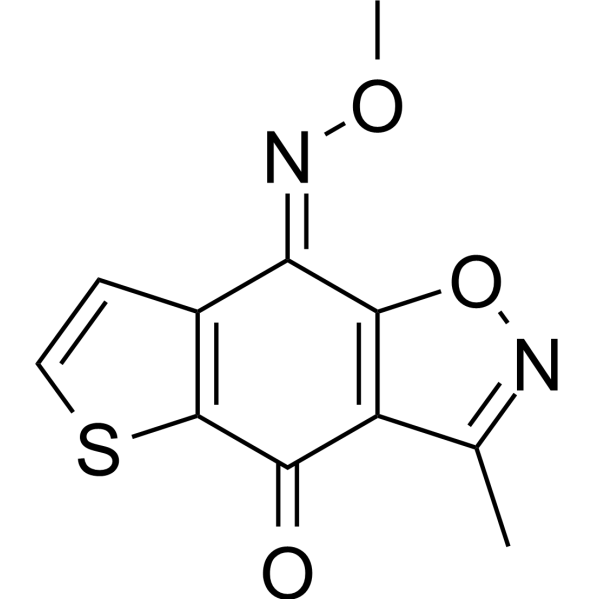
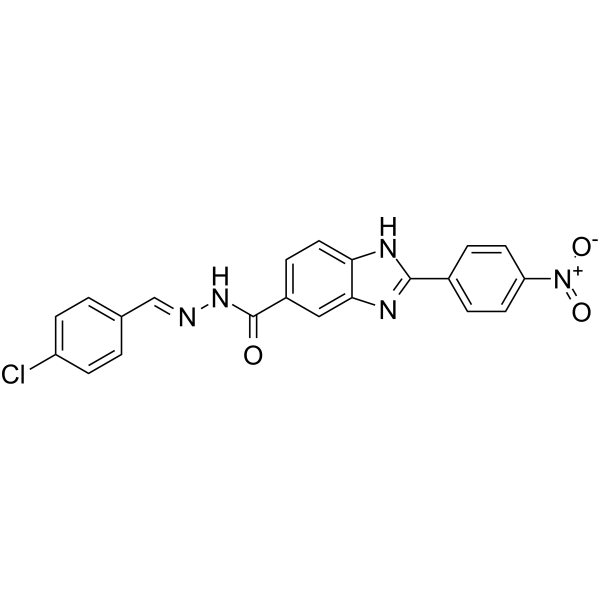
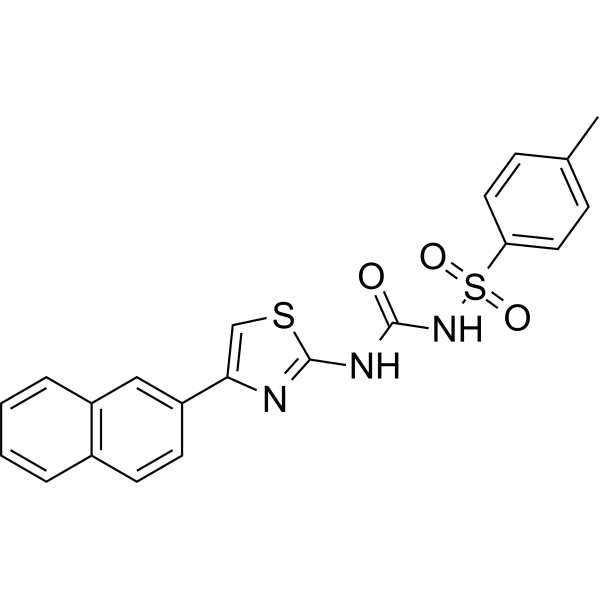
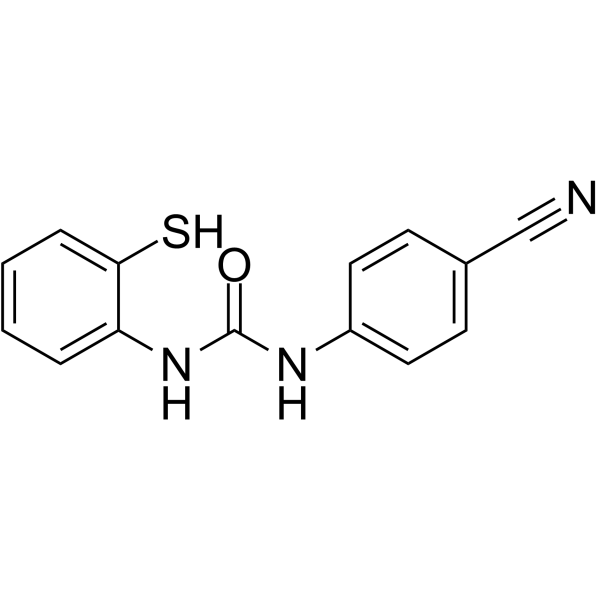
    NP-BTA is an allosteric inhibitor for glutaminyl-tRNA synthetase (GlnRS). NP-BTA exhibits antifungal efficacy against Candida albicans, with MIC50 of 6.25 μM .
    NP-BTA
  • HY-W1127089

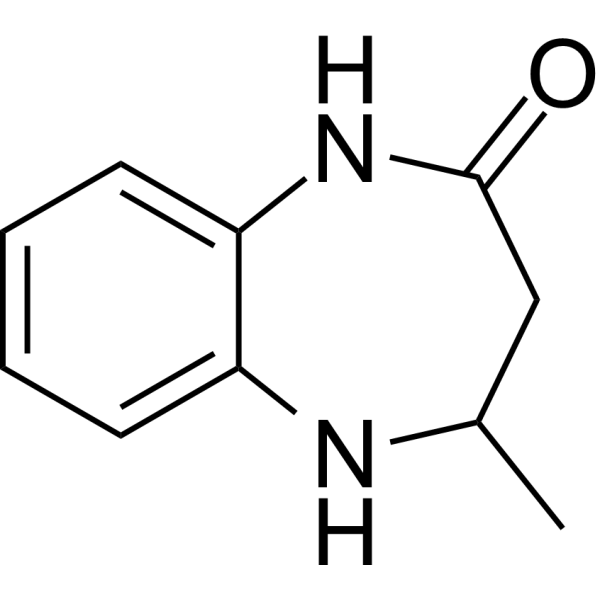
    Fungal Cytochrome P450 Interleukin Related Infection Inflammation/Immunology
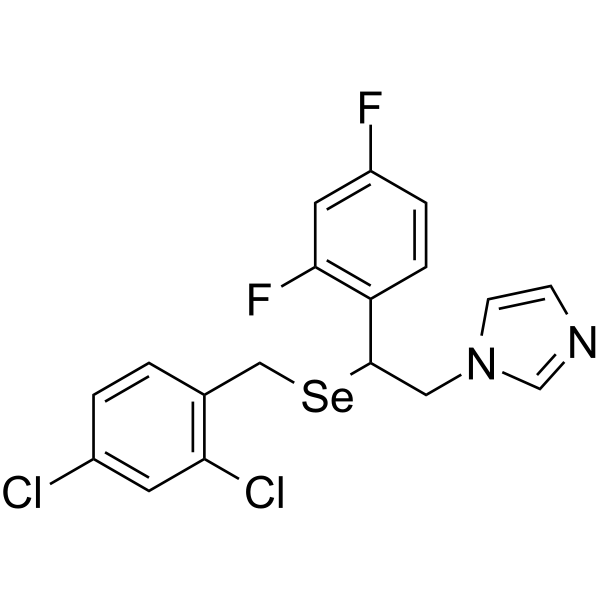
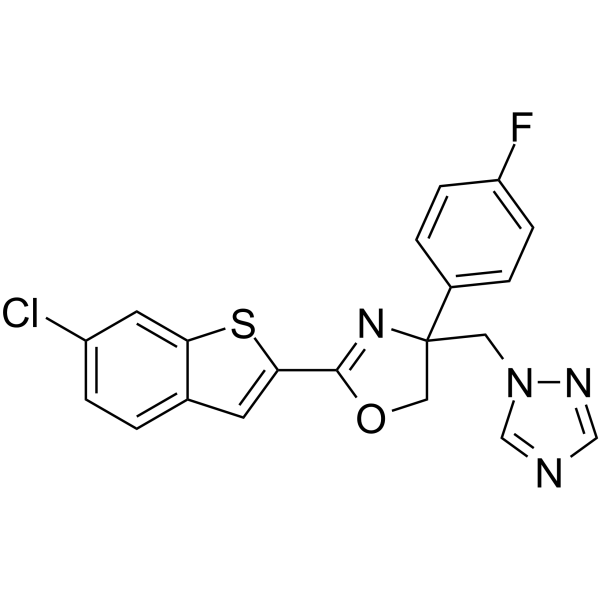
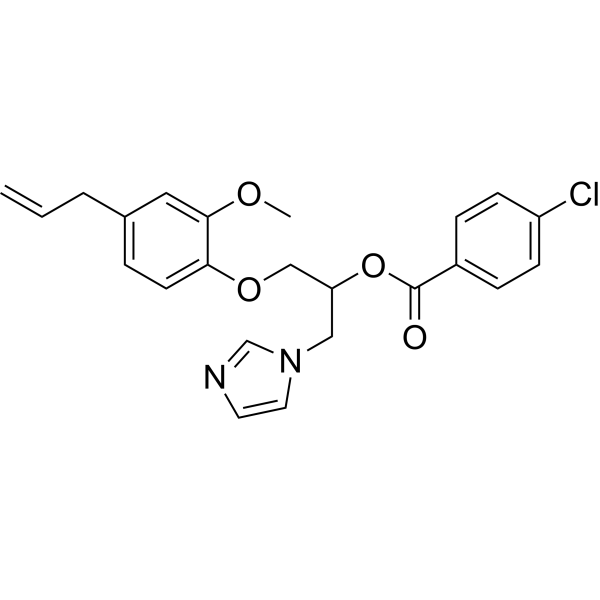
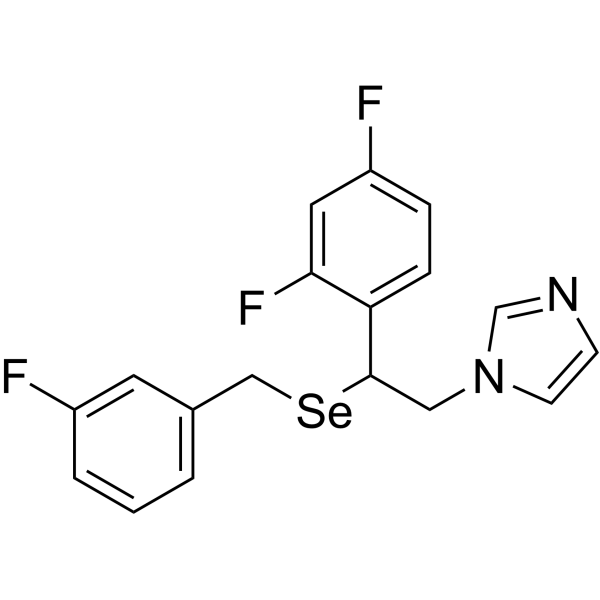
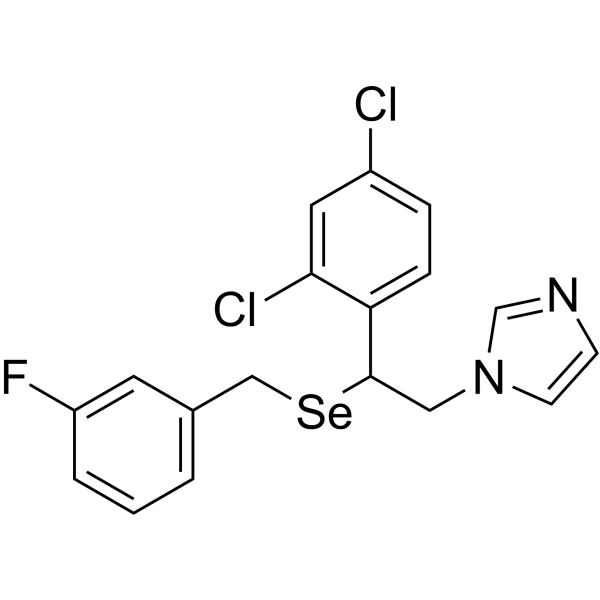
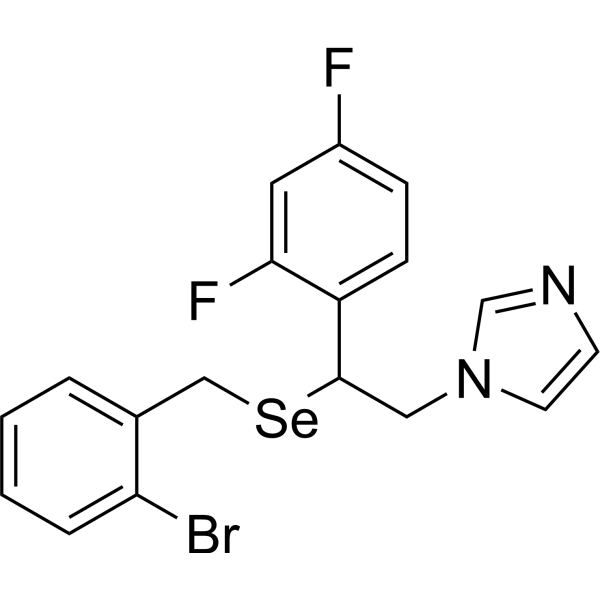
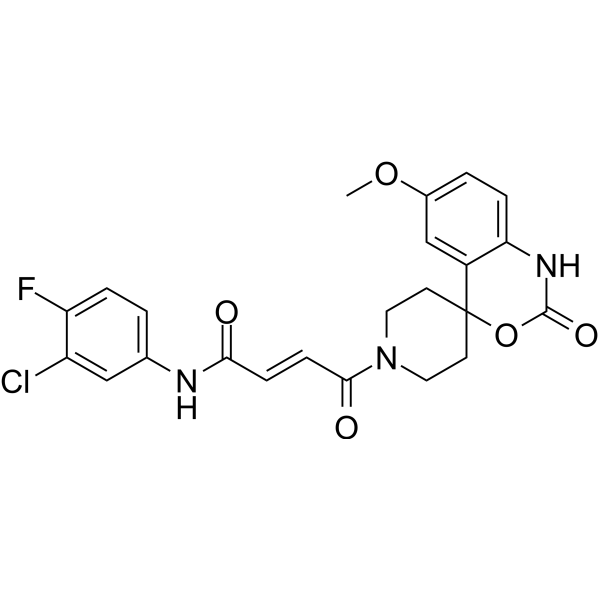
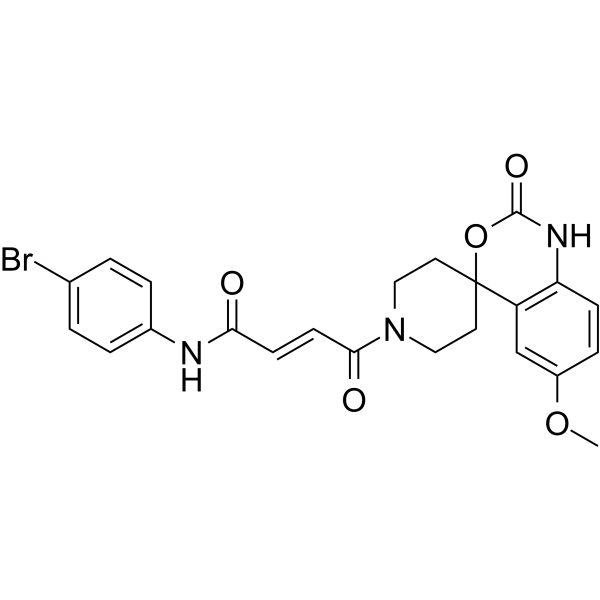
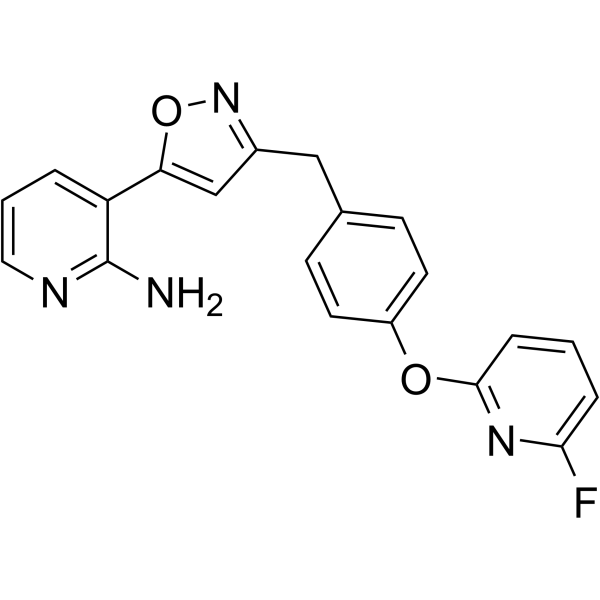
    Antifungal agent 136 is a CYP51 inhibitor and antifungal agent. Antifungal agent 136 downregulates the expression of interleukin-6 to alleviate inflammatory responses. Antifungal agent 136 exhibits activity against both drug-sensitive and drug-resistant Candida albicans strains. Antifungal agent 136 can be used in the research of fungal infections and inflammatory diseases .
    Antifungal agent 136
  • HY-W587956

    Fungal Infection
    α-Guaiene is a natural sesquiterpene and fungicidal agent found in Pogostemon cablin (patchouli) essential oil. α-Guaiene suppresses the growth of Aspergillus niger, Candida albicans, Microsporum gypseum, and Trichophyton mentagrophytes. α-Guaiene can be used for the study of fungal infection .
    α-Guaiene
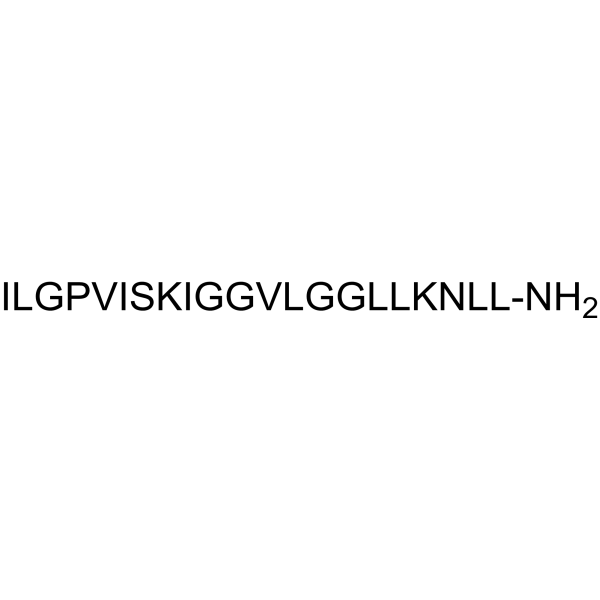
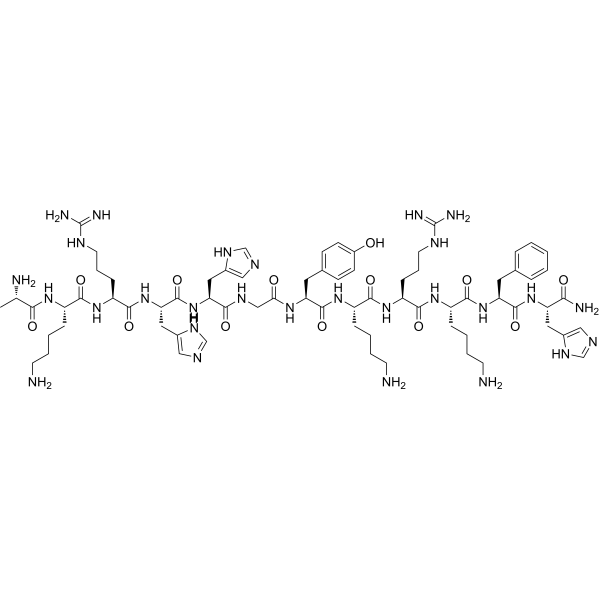
  • HY-P11170

    Fungal Infection
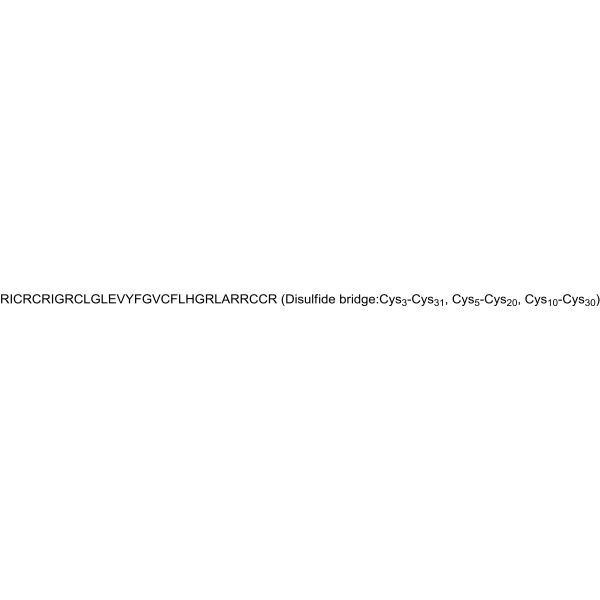
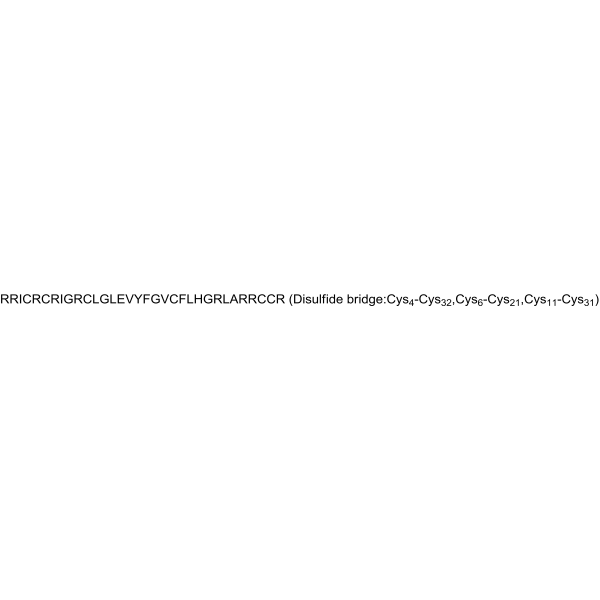
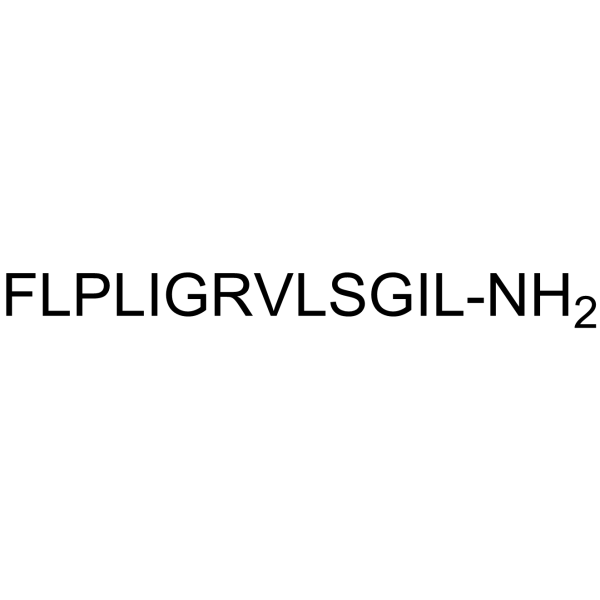
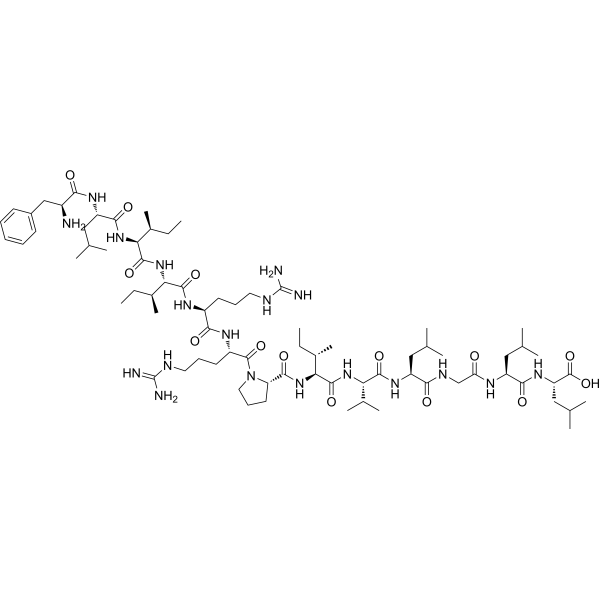
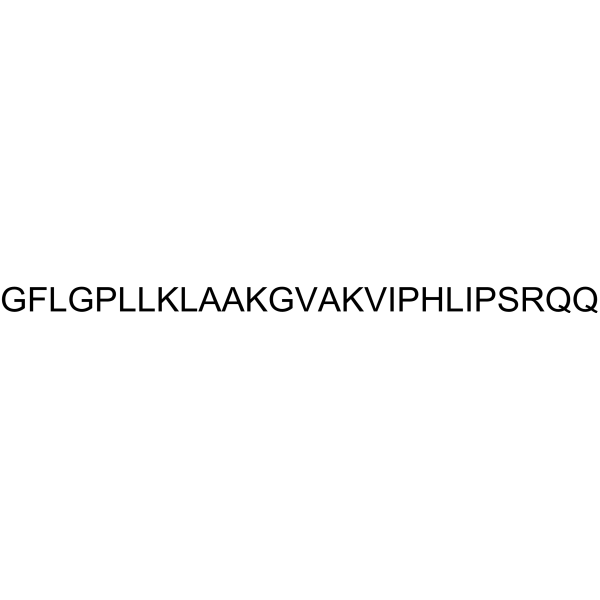
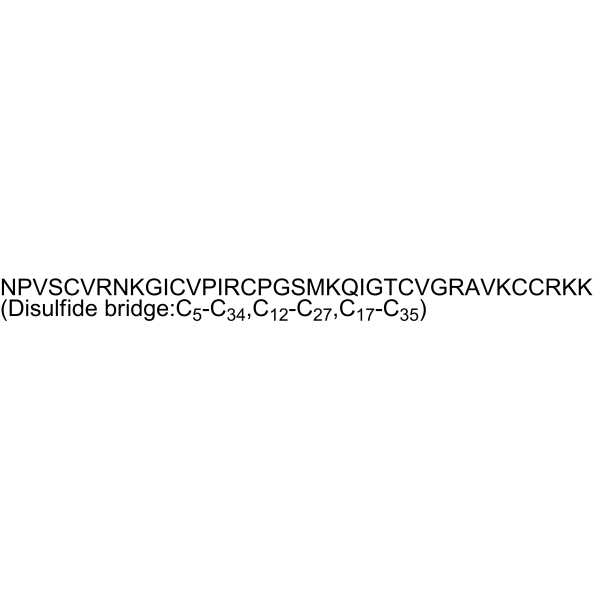
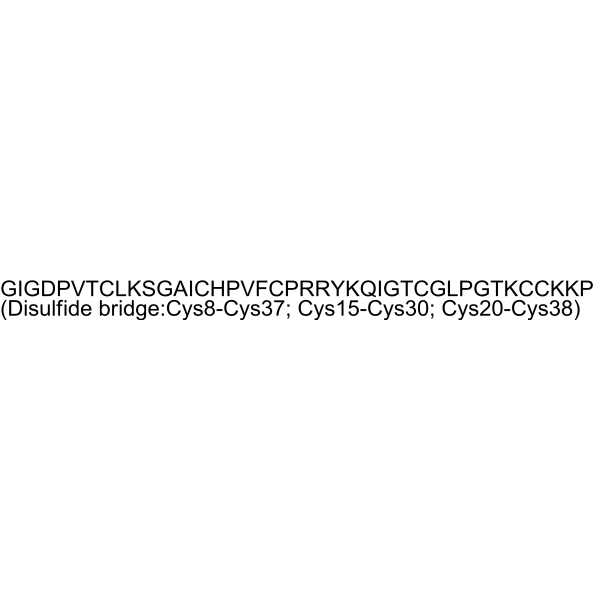
    D-Cateslytin is an antimicrobial peptide that exhibits potent inhibition activity against Candida albicans (MIC = 2.9 μM). D-Cateslytin can rapidly enter C. albicans, and shows no cytotoxicity to human gingival fibroblasts, and is stable in saliva. D-Cateslytin can be used for research on Candida albicans related diseases, such as oral candidosis .
    D-Cateslytin
  • HY-E70888

    Lipase Others
    Lipase, Candida antarctica, expressed in Aspergillus niger, is a serine hydrolase, which belongs to the α/β hydrolase fold family .
    Lipase, Candida antarctica, expressed in Aspergillus niger
  • HY-P2979A

    β-D-Fructofuranosidase, Candida sp.

    Biochemical Assay Reagents Others
    Invertase from Candida sp. is responsible for catalyzing the hydrolysis of sucrose into glucose and fructose and is widely used in the field of carbohydrate processing. Invertase from Candida sp. can be used for enzymatic determination of sucrose concentration as well as for structural analysis of carbohydrates containing β-D-fructofuranosyl residues .
    Invertase, candida sp.
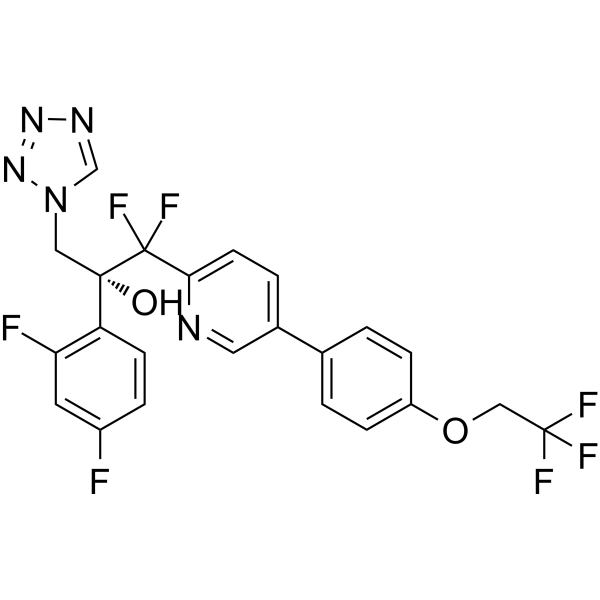
  • HY-143335

    Fungal Infection
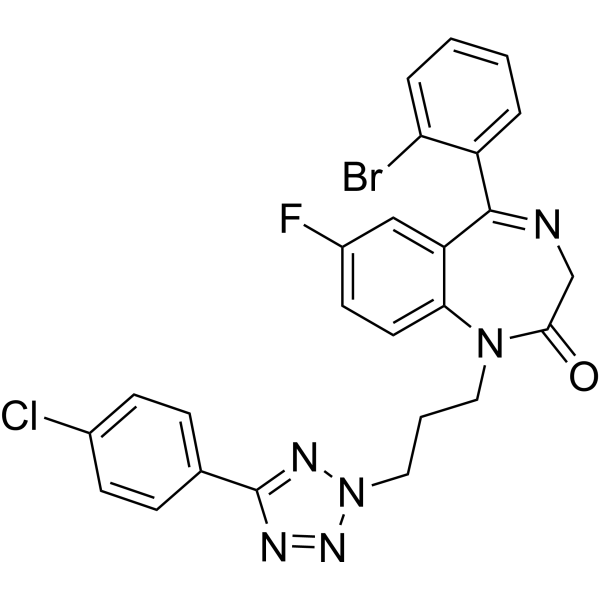
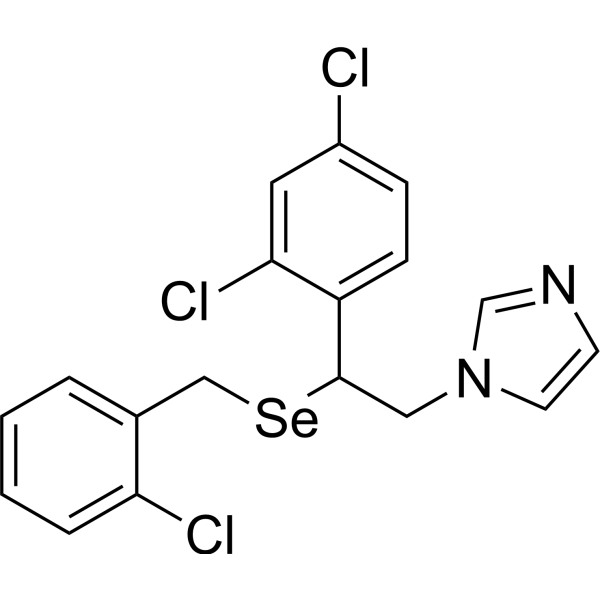
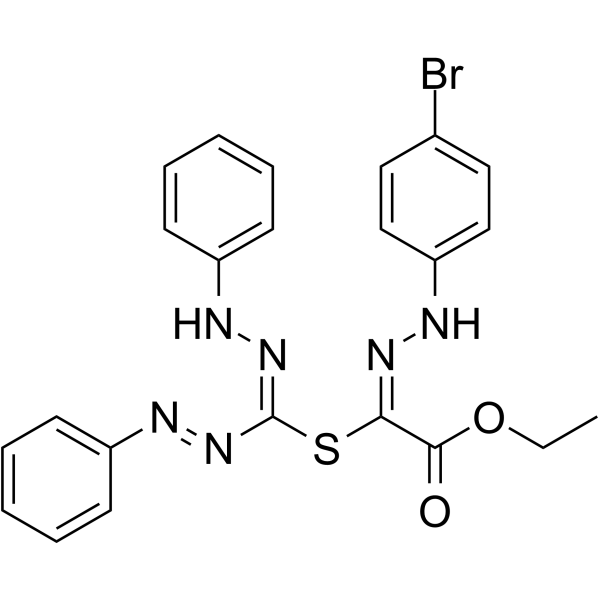
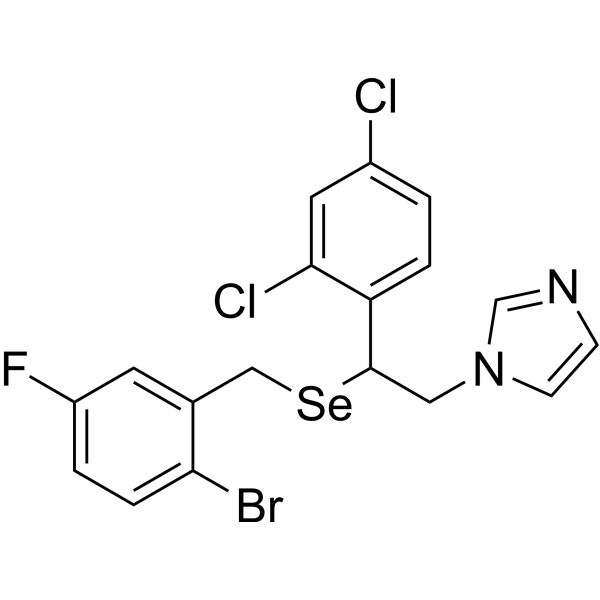
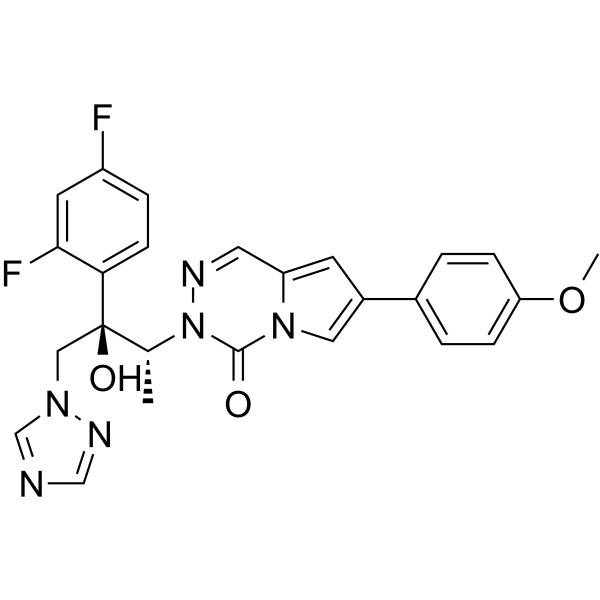
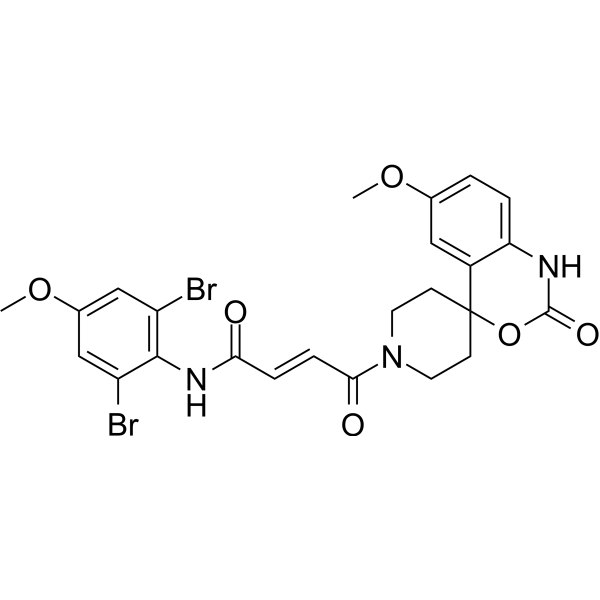
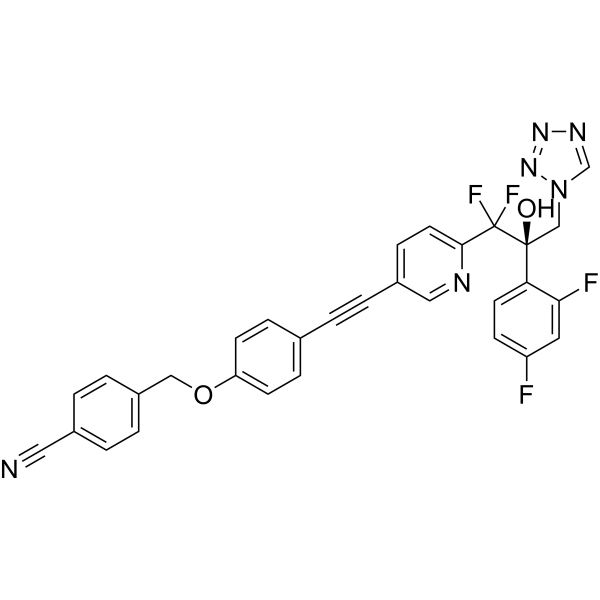
    Antifungal agent 52 (compound 6c) is a tetrazole derivative. Antifungal agent 52 inhibits the synthesis of Ergosterol (HY-N0181). Antifungal agent 52 exhibit a significant antifungal activity against Candida albicans. Antifungal agent 52 affects C. albicans sessile cell membrane permeabilization .
    Antifungal agent 52
  • HY-P10603

    Antibiotic Bacterial Infection
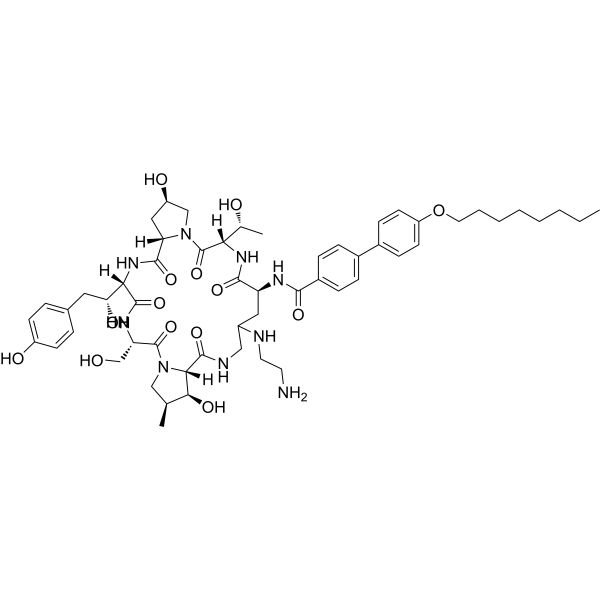
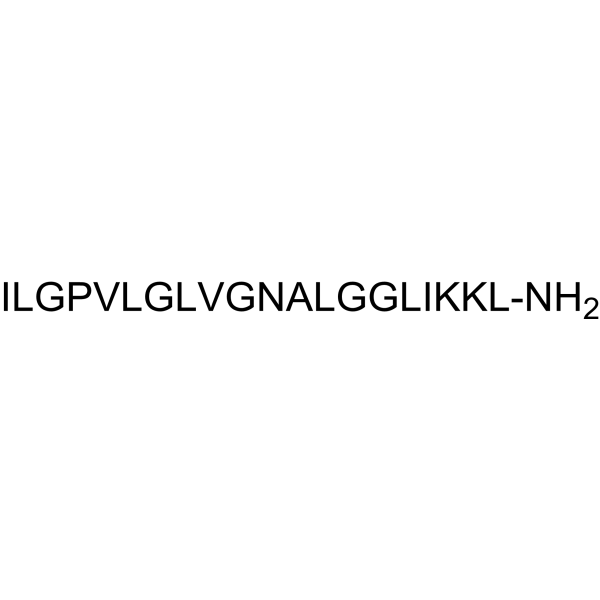
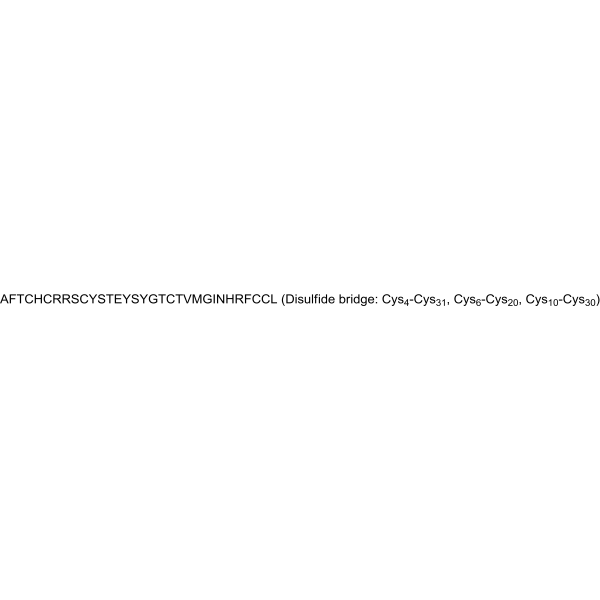
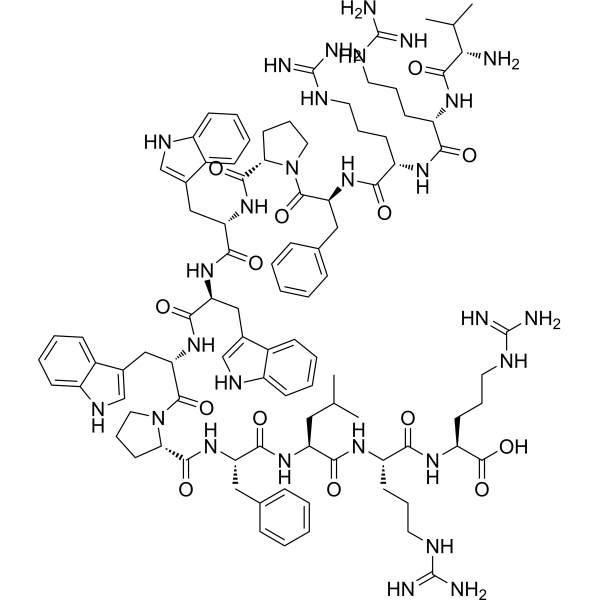
    SP1 is an α-peptide encoded by the mating pheromone MFα1 gene in Candida albicans, which can induce cell growth arrest at the mating type locus MTLa in Candida albicans. SP1 can be used in the study of the prevention and treatment of Candida albicans infection .
    SP1
  • HY-180521

    Fungal Infection Cancer
    Piroctone is a potent hydroxypyridone antimicrobial agent that shows remarkable activity against fungi including Candida species. Piroctone inhibits hyphal induction of Candida albicans. Piroctone can efficiently chelate intracellular iron to induce relevant cytotoxicity in neuroblastoma cells. Piroctone can be used for antimicrobial and neuroblastoma research .
    Piroctone
  • HY-150584

    Fungal Infection
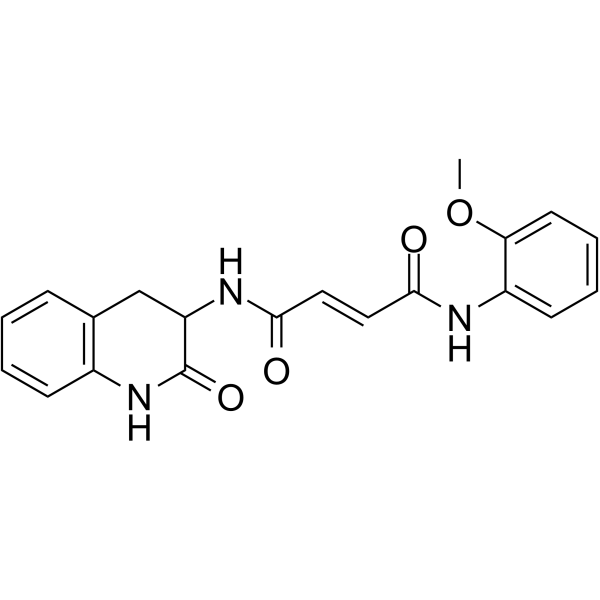
    Chitin synthase inhibitor 3 (compound 2d) is a potent chitin synthase inhibitor with an IC50 value of 0.16 mM, and MIC of 1 µg/mL against candida albicans. Antifungal activity .
    Chitin synthase inhibitor 3
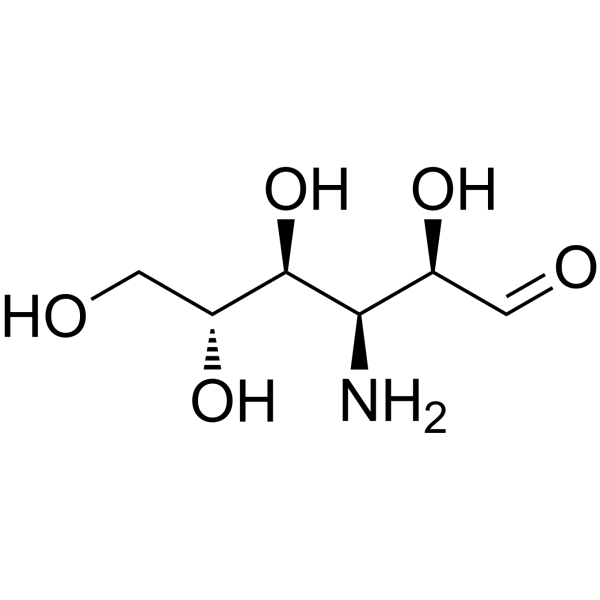
  • HY-129260

    3-Amino-3-deoxyglucose

    Fungal Infection
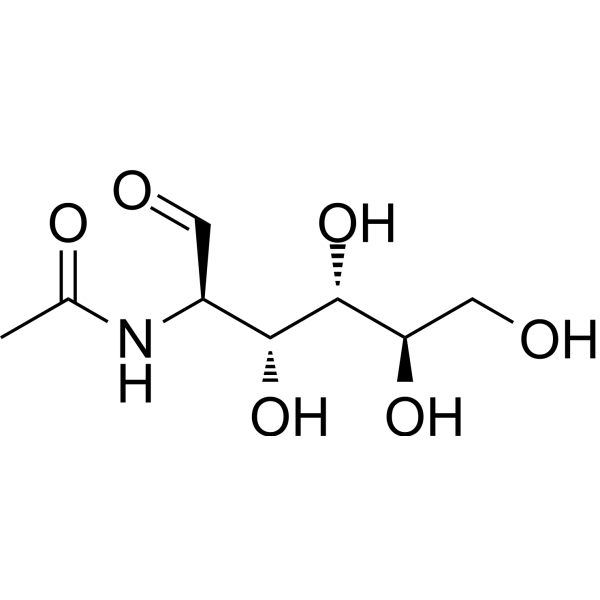
    Kanosamine (3-Amino-3-deoxyglucose) is an antibiotic against Saccharomyces cerevisiae and human pathogenic fungi Candida albicans. Kanosamine exhibits antifungal activity through inhibition of cell wall synthesis and inhibition of GlcN-6-P synthase with phosphorylated kanosamine-6-phosphate in cytoplasma .
    Kanosamine
  • HY-135445

    21-Norrapamycin

    Fungal Infection
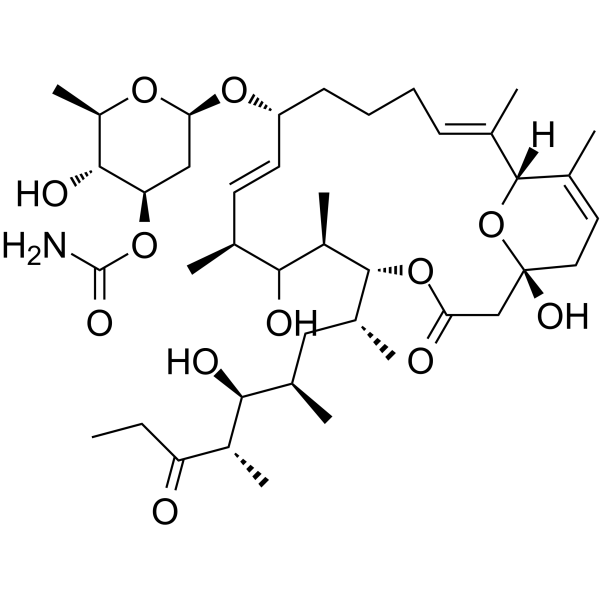
    Prolylrapamycin (21-Norrapamycin) is the derivative of Rapamycin (HY-10219). Prolylrapamycin exhibits antifungal activity, that inhibits Candida albicans, Saccharomyces cerevisiae, and Fusarium oxysporum with MIC of 0.125-2 μg/mL .
    Prolylrapamycin
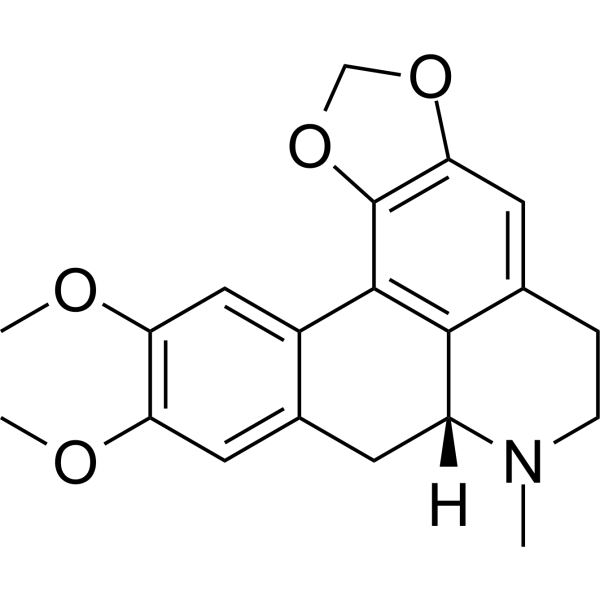
  • HY-N2105

    L-Dicentrine

    Fungal Bacterial Infection
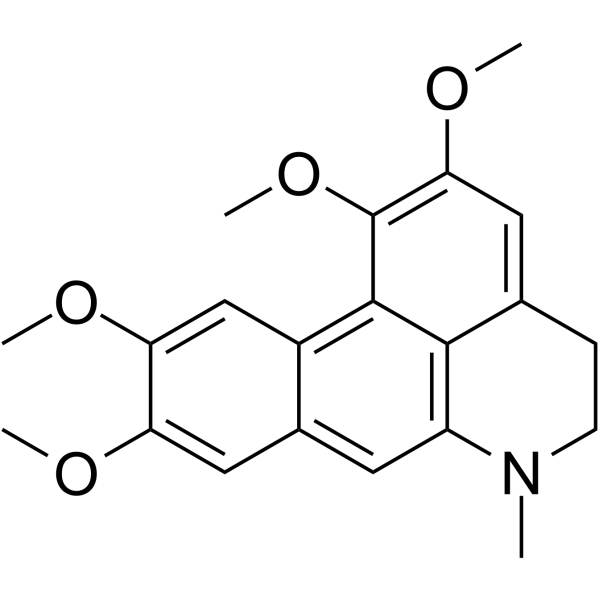
    (-)-Dicentrine is an aporphine alkaloid that can be isolated from the stem bark of Talauma arcabucoana. (-)-Dicentrine shows moderate growth inhibition against Staphylococcus aureus and Candida albicans .
    (-)-Dicentrine
  • HY-N15640

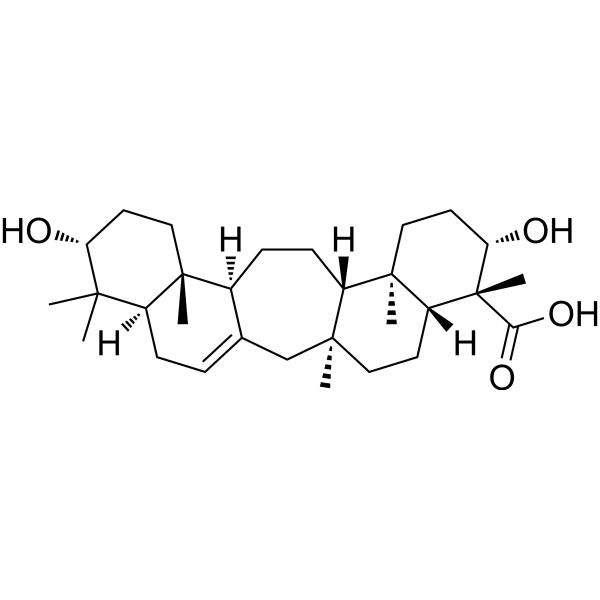
    (-)-Filiformin

    Bacterial Infection Inflammation/Immunology Cancer
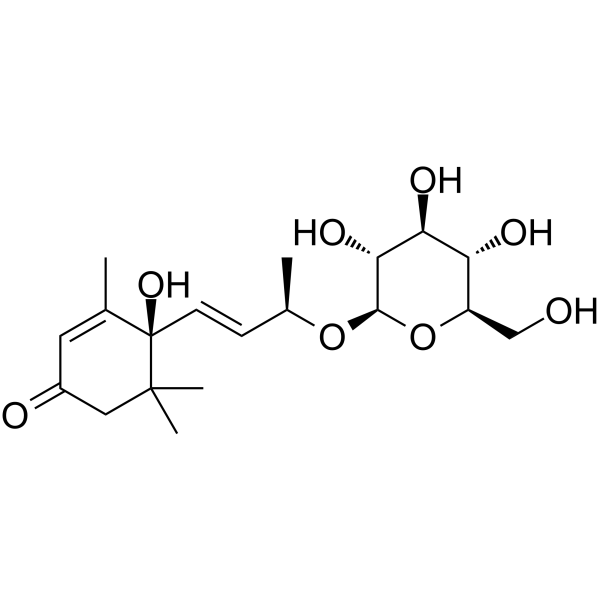
    Filiformin ((-)-Filiformin) is a sesquiterpene compound that can be isolated from Laurencia filiformis forma heteroclada. Filiformin exhibits certain cytotoxicity against P388 and BSC-1 cells. Filiformin has antimicrobial activity against Bacillus subtilis, Trichophyton mentagrophytes and Candida albicans. In addition, Filiformin can inhibit oxygen uptake in isolated rat liver mitochondria at a concentration of 150 μM .
    Filiformin
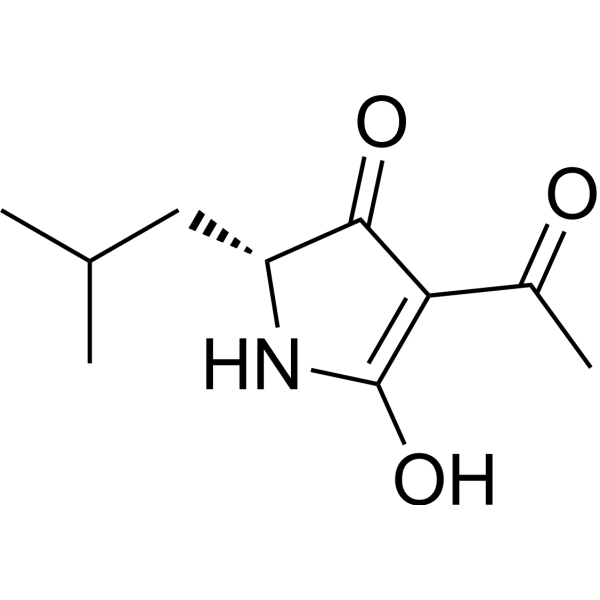
  • HY-N11772

    Fungal Infection
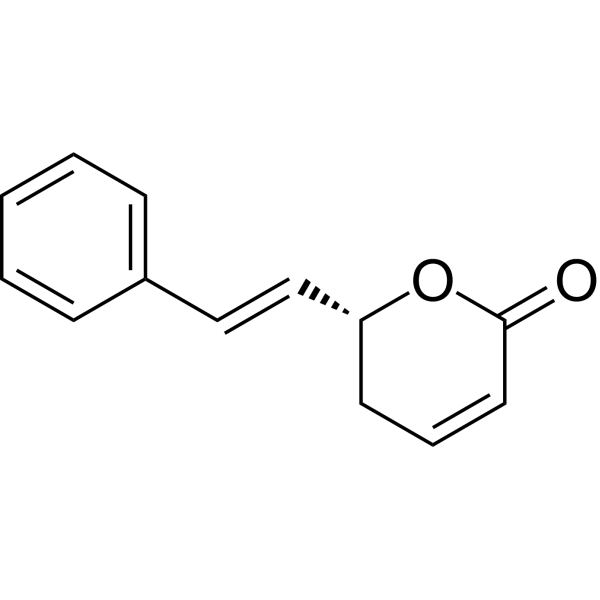
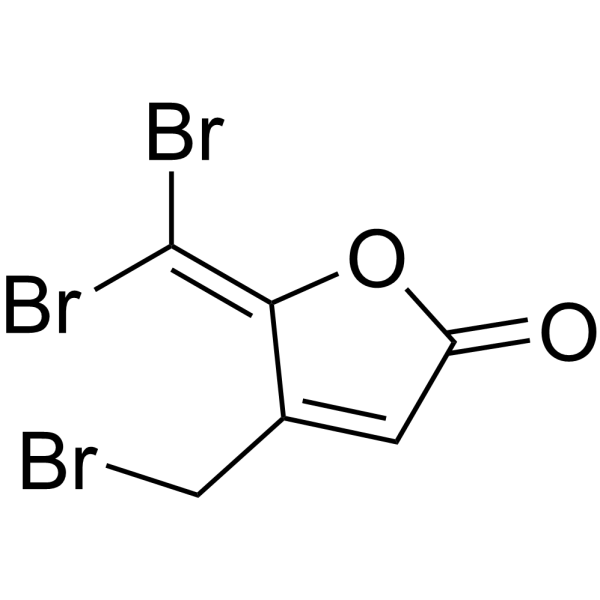
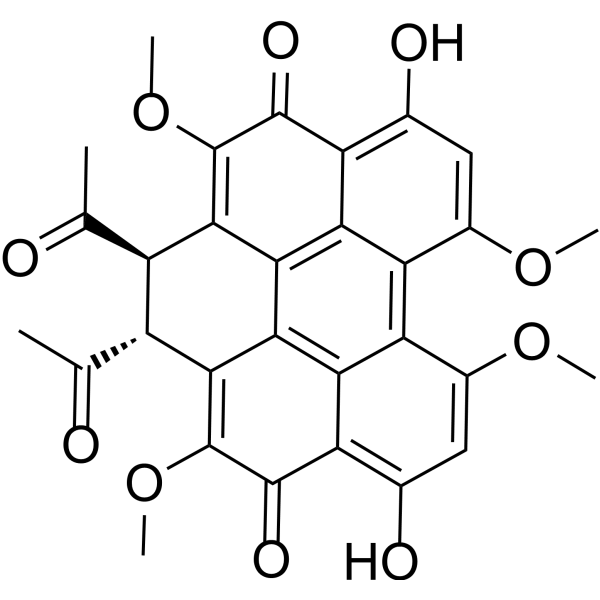
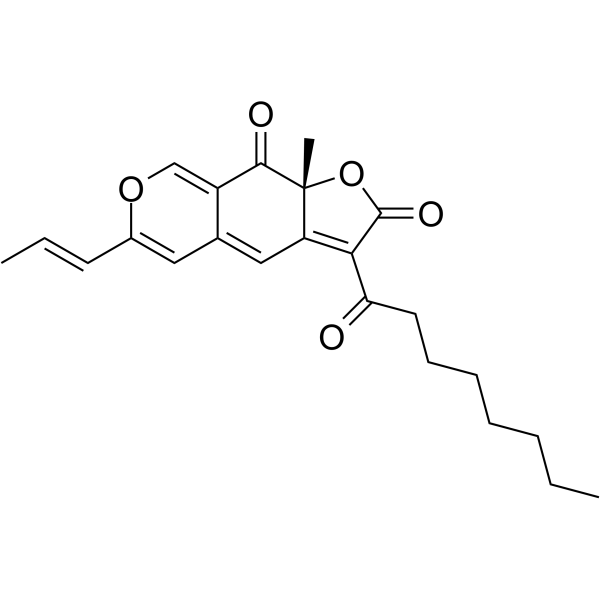
    Mutanocyclin is a potent antifungal agent. Mutanocyclin inhibits Candida albicans (C. albicans) filamentation. Mutanocyclin decreases the mRNA expression of HWP1, ECE1, FLO8, TEC1. Mutanocyclin inhibits yeast-form in ex vivo mouse .
    Mutanocyclin
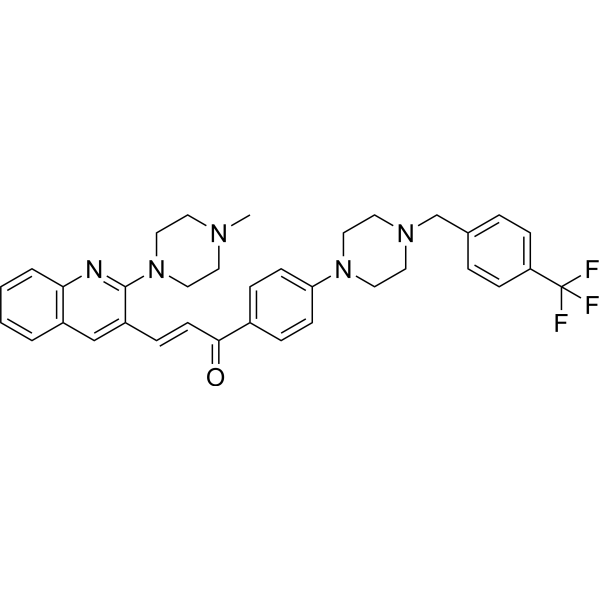
  • HY-156090

    Mitochondrial Metabolism Fungal Infection
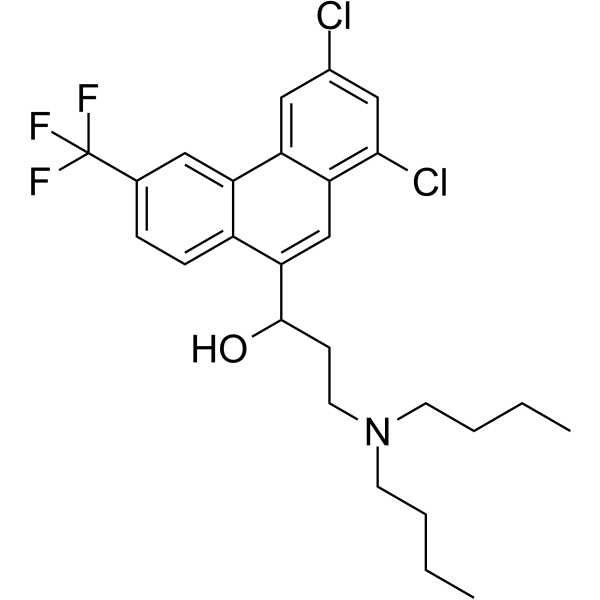
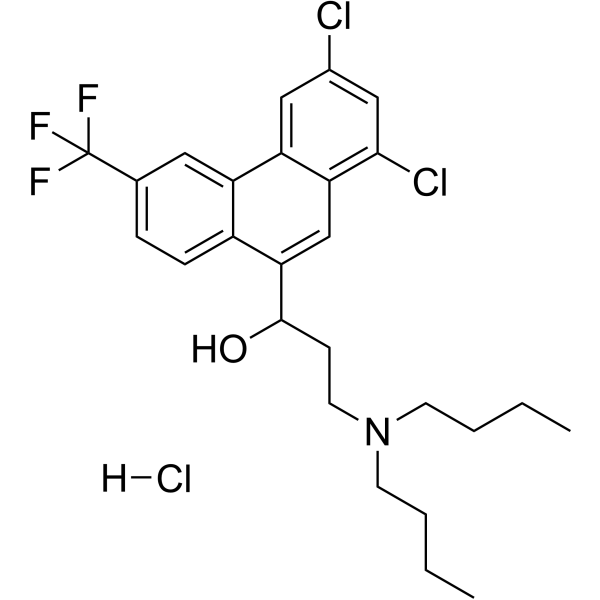
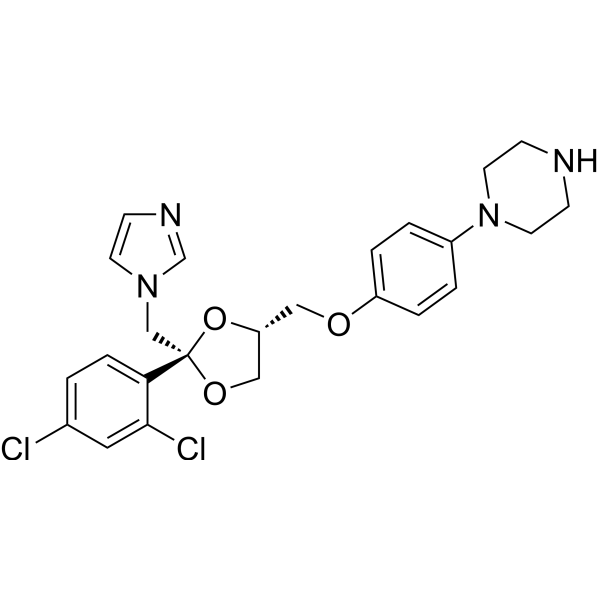
    PK-10 is a synergistic antibacterial agent of Fluconazole (HY-B0101) and has strong antifungal activity against a variety of Fluconazole-resistant Candida albicans strains. PK-10 combined with Fluconazole can inhibit hyphae formation and induce the accumulation of reactive oxygen species. It further causes damage to mitochondrial membrane potential, reduces intracellular ATP content, and leads to mitochondrial dysfunction .
    PK-10
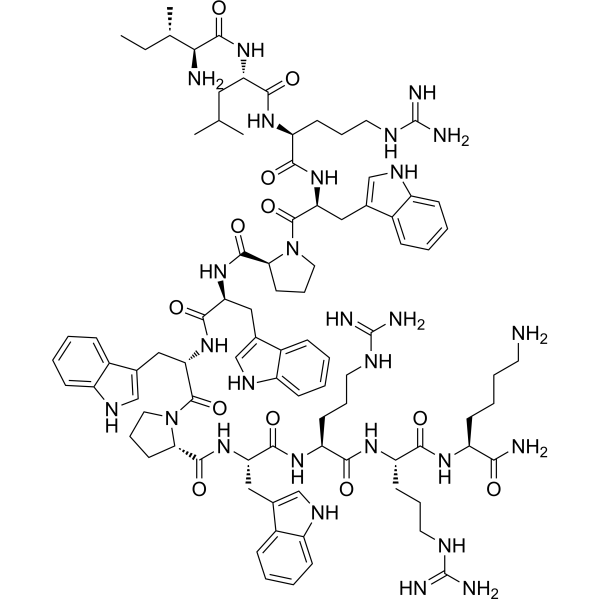
  • HY-P11191

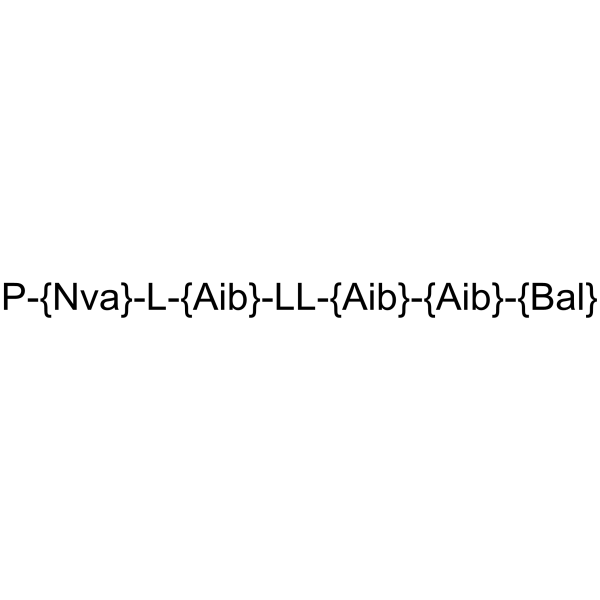
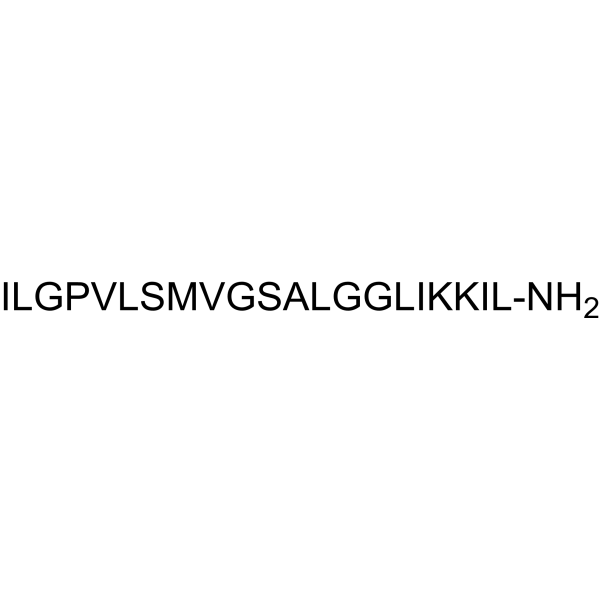
    Bacterial Infection
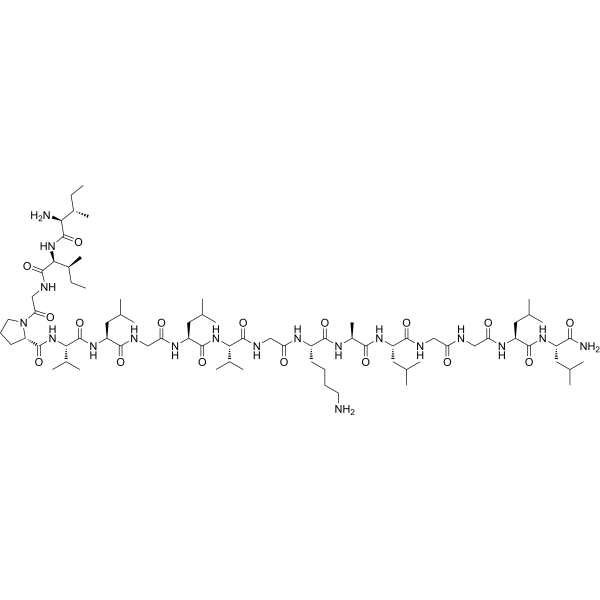
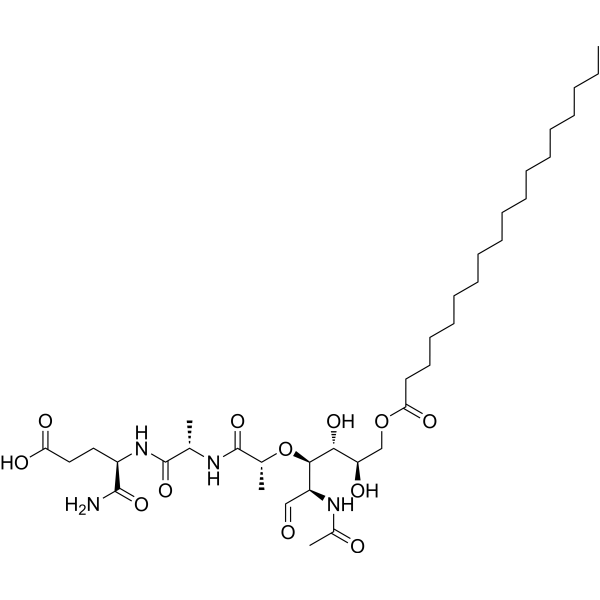
    AR-23 is a melittin-related antimicrobial peptide that can be isolated from Rana tagoi. AR-23 exhibits broad-spectrum growth inhibitory activity against aerobic bacteria, the opportunistic yeast pathogen Candida albicans and clinical isolates of Methicillin (HY-121544)-resistant Staphylococcus aureus (MRSA). AR-23 can be used for antimicrobial research .
    AR-23
  • HY-143405

    Fungal Infection
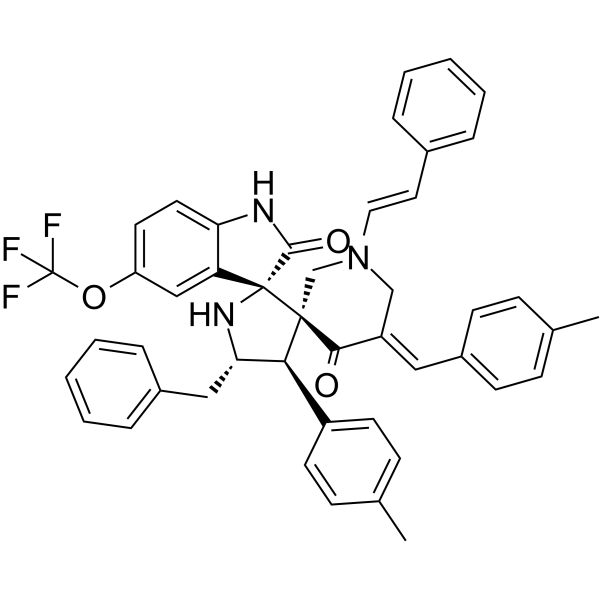
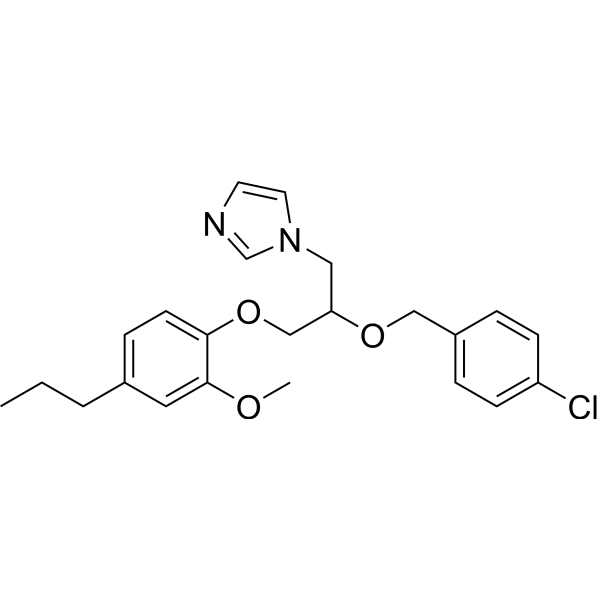
    Antifungal agent 24 (Compound 6) is an antifungal agent against Candida albicans with a MIC value of 0.03 μg/mL .
    Antifungal agent 24
  • HY-N16444

    Fungal Bacterial Infection
    Sporminarin B is an antibacterial and antifungal agent. Sporminarin B exhibits inhibitory activity against microorganisms such as Candida albicans and Staphylococcus aureus .
    Sporminarin B
  • HY-146116

    Fungal Infection
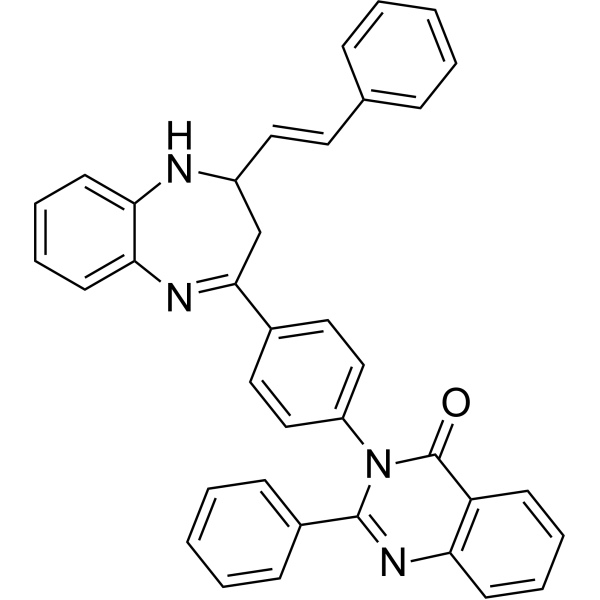
    Antifungal agent 32 (compound 1a) is a potent antifungal agent. Antifungal agent 32 inhibits Candida albicans filamentation and biofilm formation. Antifungal agent 32 inhibits the morphological switching of Candida albicans and its adherence to epithelial cells. Antifungal agent 32 can be used for Candida albicans infections research .
    Antifungal agent 32
  • HY-125152

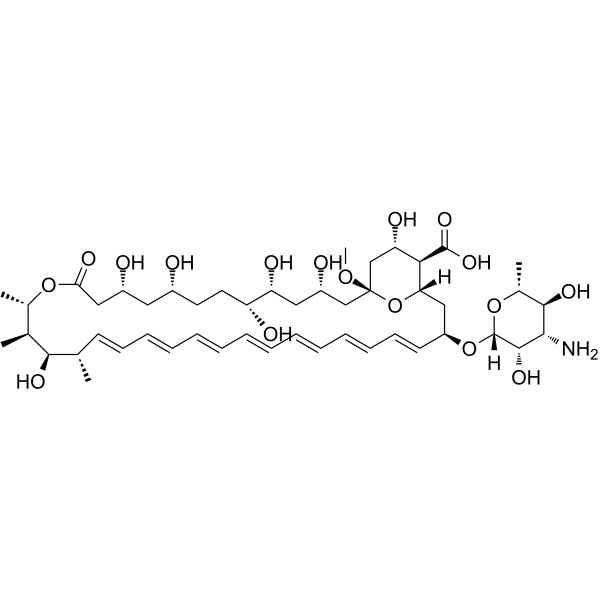
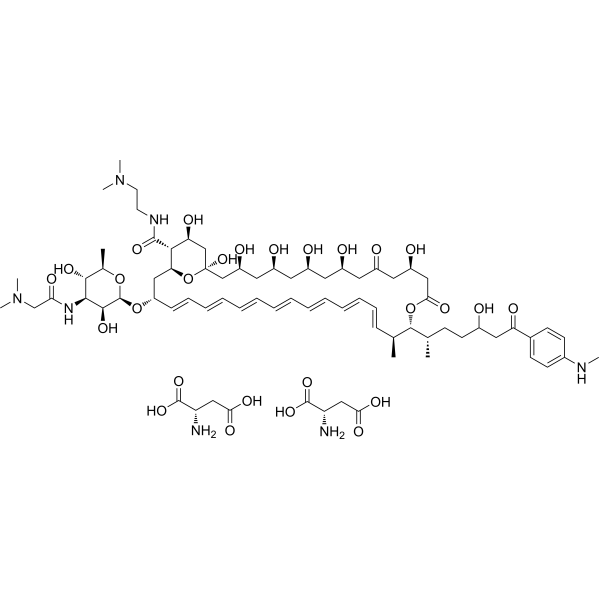
    CndD

    Antibiotic Fungal Infection
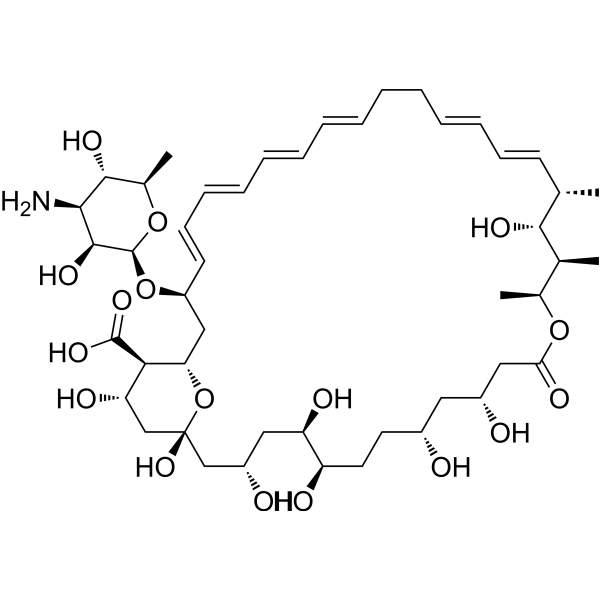
    Candicidin D (CndD) is an antibiotic, which exhibits antifungal activity through interaction with steroids in cell membranes. Candicidin D inhibits S. cerevisiae, Candida albicans and other Candida spp. with MIC of 0.25-1 μg/mL in RPMI-1640 medium.
    Candicidin D
  • HY-P10604

    Antibiotic Bacterial Others
    SP2 is a 14-amino acid long active peptide that can induce growth arrest in MTLa cells of the mating type locus of Candida albicans .
    SP2
  • HY-149822

    Fungal Infection
    Antifungal agent 51 (Compound 5c) has potent antifungal activity, especially against Candida albicans FDC 151 , Candida parapsilosis ATCC 22019 and Candida tropicalis FDC 138, with the MIC value is less than 0.063 μg/mL, and it has low toxicity to cells and no carcinogenicity .
    Antifungal agent 51
  • HY-121169

    Ro 14-4767; Ro 14-4767/000

    Fungal Infection
    Amorolfine (Ro 14-4767) is an antifungal agent. Amorolfine ameliorates the onychomycosis through inhibition of ergosterol biosynthesis. Amorolfine inhibits Candida albicans with a MIC of 0.404 µg/mL .
    Amorolfine
  • HY-N14922

    Antibiotic Bacterial Infection
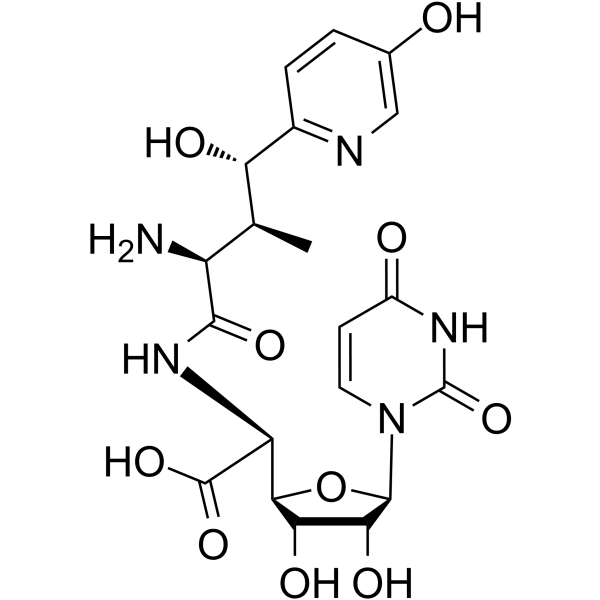
    Nikkomycin Lx is an antibiotic that can be extracted from Streptomyces tendae TU901. Nikkomycin Lx exhibits anti-Candida Albicans activity and can be utilized in relevant research .
    Nikkomycin Lx
  • HY-N14923

    Fungal Infection
    Nikkomycin Lz is a nucleoside peptide antifungal compound isolated from genetically engineered Streptomyces tendae TU901. Nikkomycin Lz has antifungal activity against Candida albicans .
    Nikkomycin Lz
  • HY-164620

    Fungal Infection
    Antifungal agent 112 (Compound 1e) exhibits antifungal activity against Candida albicans, Aspergillus niger and Aspergillus fumigatus with MIC of 0.0024, 0.0022 and 0.0028 M, respectively .
    Antifungal agent 112
  • HY-136764

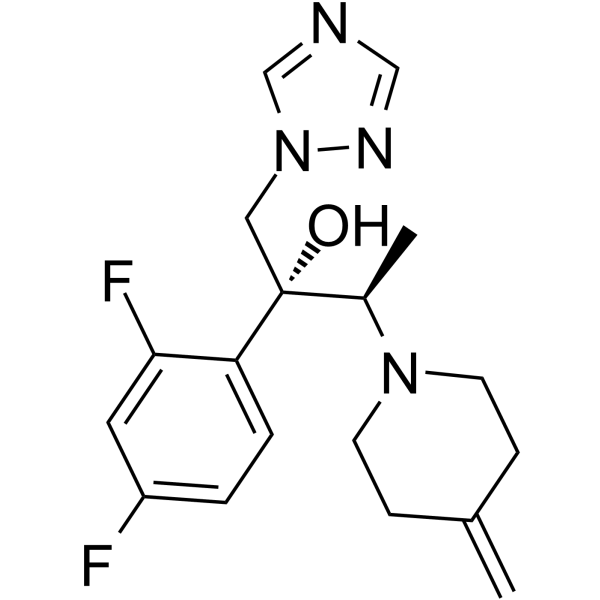
    Fungal Infection
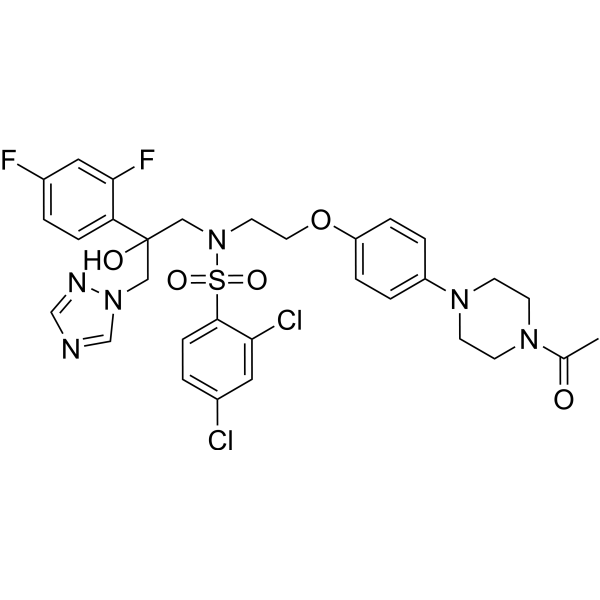
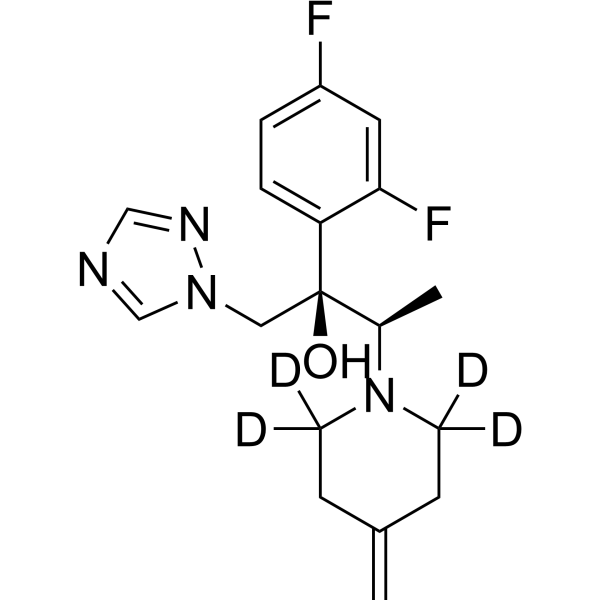
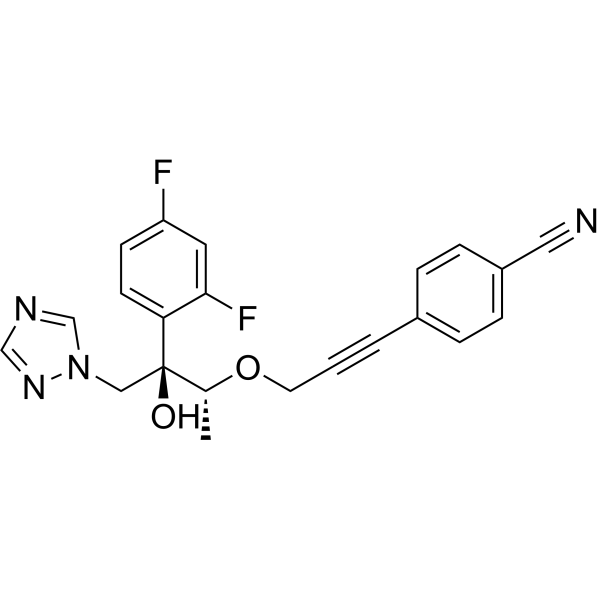
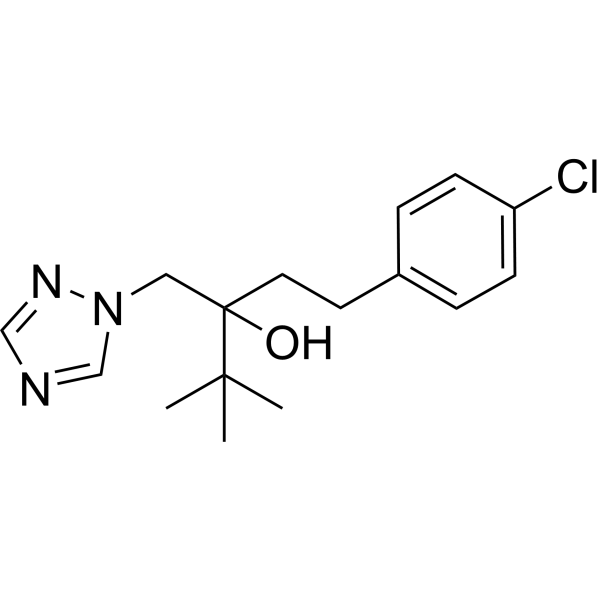
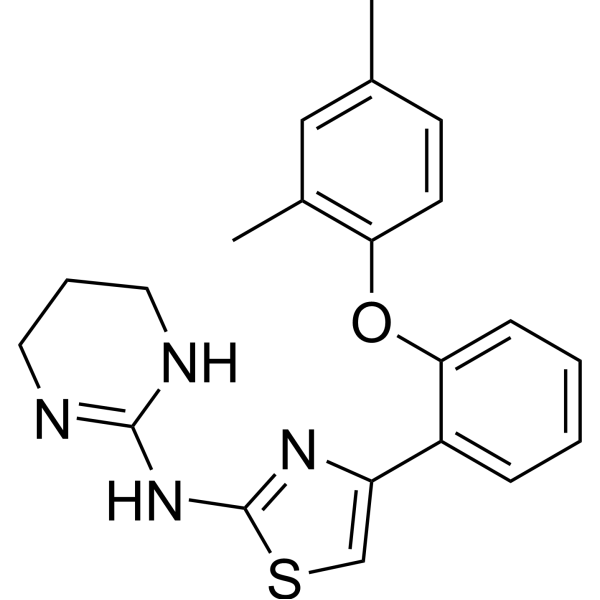
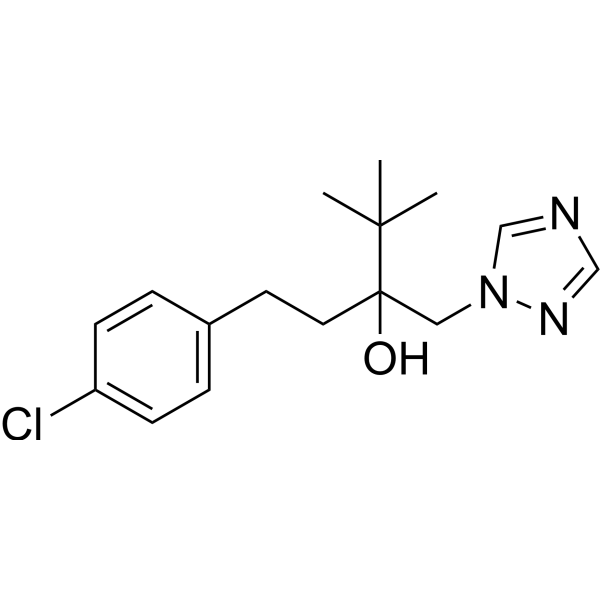
    CYP51-IN-2 (compound 1n), a Fluconazole (HY-B0101) analog, is a potent antifungal agent. CYP51-IN-2 shows MIC80 of 1 μg/mL for Microsporum gypseum and Candida albicans .
    CYP51-IN-14
  • HY-136759

    Fungal Infection
    CYP51-IN-2 (compound 1i), a Fluconazole (HY-B0101) analog, is a potent antifungal agent. CYP51-IN-2 shows MIC80 of 62.5 for Microsporum gypseum and Candida albicans .
    CYP51-IN-9
  • HY-136762

    Fungal Infection
    CYP51-IN-2 (compound 1l), a Fluconazole (HY-B0101) analog, is a potent antifungal agent. CYP51-IN-2 shows MIC80 of 15.6 ng/mL for Microsporum gypseum and Candida albicans .
    CYP51-IN-12
  • HY-136754

    Fungal Infection
    CYP51-IN-2 (compound 1d), a Fluconazole (HY-B0101) analog, is a potent antifungal agent. CYP51-IN-2 shows MIC80 of 15.6 ng/mL for Microsporum gypseum and Candida albicans .
    CYP51-IN-4
  • HY-120432

    Fungal ATP-binding cassette (ABC) transporters Infection
    CaMdr1p-IN-1 (Compound A) is an inhibitor for the major facilitator superfamily transporter CaMdr1p. CaMdr1p-IN-1 exhibits chemosensitizing efficacy. CaMdr1p-IN-1 synergizes with Fluconazole (HY-B0101), that inhibits CaMdr1p overexpressing Candida albicans with MIC of 10 μM .
    CaMdr1p-IN-1
  • HY-136763

    Fungal Infection
    CYP51-IN-2 (compound 1m), a Fluconazole (HY-B0101) analog, is a potent antifungal agent. CYP51-IN-2 shows MIC80s of 62.5 and 250 ng/mL for Microsporum gypseum and Candida albicans, respectively .
    CYP51-IN-13

Inquiry Online

Your information is safe with us. * Required Fields.

Salutation


Country or Region *

Applicant Name *


Organization Name *

Department *


Email Address *


Product Name *

Cat. No.


Requested quantity *

Phone Number *


Remarks

Inquiry Online

Inquiry Information

Product Name:
Cat. No.:
Quantity:
MCE Japan Authorized Agent: