1. Search Result
Search Result
Results for "

Malic

" in MedChemExpress (MCE) Product Catalog:

446

Inhibitors & Agonists

1

Screening Libraries

3

Fluorescent Dyes

21

Biochemical Assay Reagents

29

Peptides

2

Inhibitory Antibodies

145

Natural
Products

1

Recombinant Proteins

15

Isotope-Labeled Compounds

1

Click Chemistry

2

Oligonucleotides

1

GMP Molecules

Cat. No. Product Name Target Research Areas Chemical Structure
  • HY-Y1311
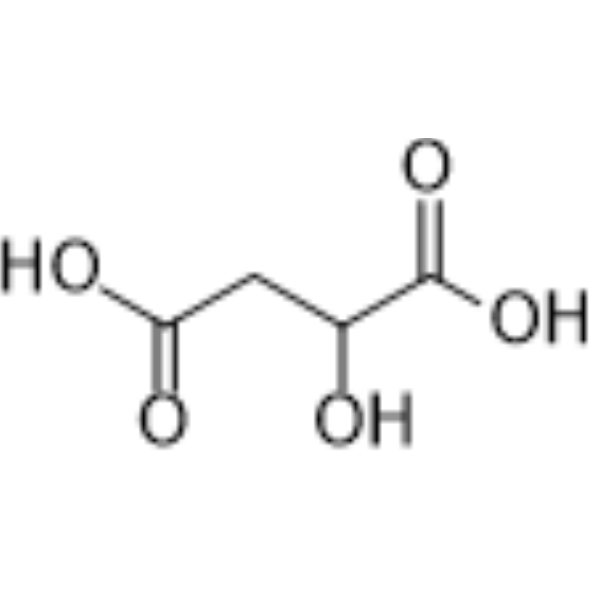
    Malic acid
    4 Publications Verification

    Hydroxybutanedioic acid; E 296

    Environmental Pollutants Endogenous Metabolite Others
    Malic acid (Hydroxybutanedioic acid) is a dicarboxylic acid that occurs naturally in fruits like apples and pears with oral activities. Malic acid plays a role in many sour or tangy foods. Malic acid is an intermediate in the citric acid cycle .
    Malic acid
  • HY-Y0367
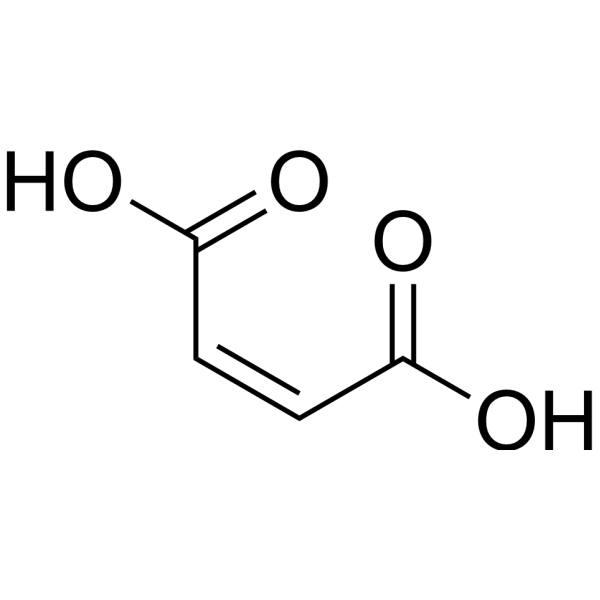
    Maleic acid
    1 Publications Verification

    Environmental Pollutants Endogenous Metabolite Bacterial Infection
    Maleic Acid is a Glutamate Decarboxylase (GAD) inhibitor of E. coli and L. monocytogenes.
    Maleic acid
  • HY-Y1069
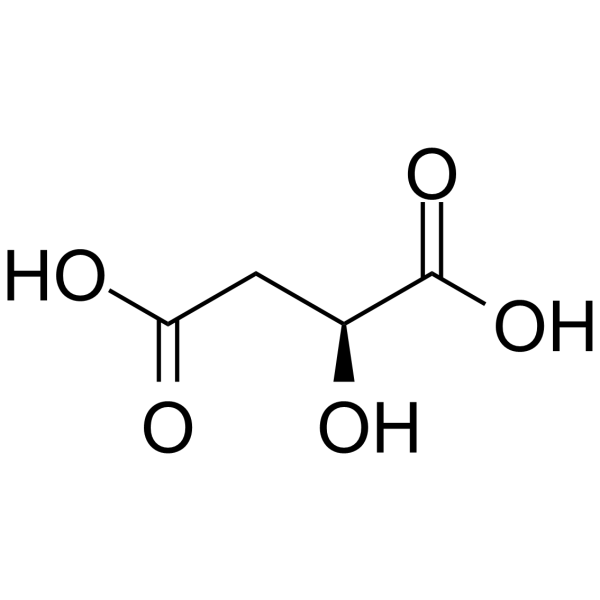
    (S)-Malic acid
    2 Publications Verification

    (S)-Hydroxybutanedioic acid; (S)-E 296; L-Malic acid

    Endogenous Metabolite Metabolic Disease
    (S)-Malic acid ((S)-2-Hydroxysuccinic acid) is a dicarboxylic acid in naturally occurring form, contributes to the pleasantly sour taste of fruits and is used as a food additive.
    (S)-Malic acid
  • HY-124861
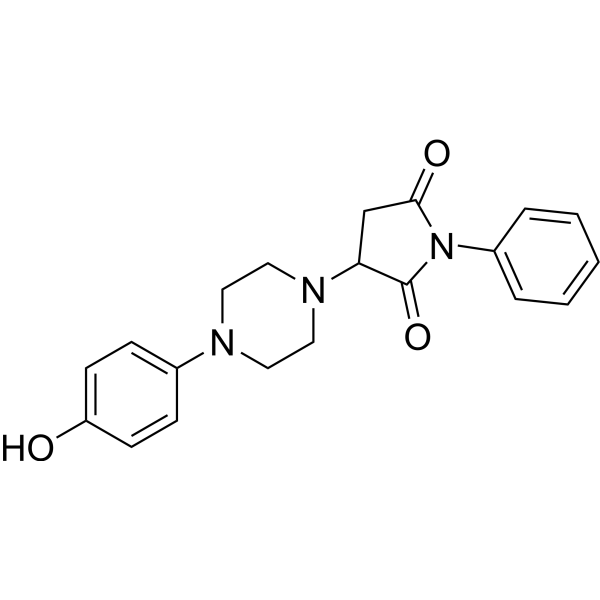
    Malic enzyme inhibitor ME1
    5 Publications Verification

    ME1

    Fatty Acid Synthase (FASN) Metabolic Disease Cancer
    Malic enzyme inhibitor ME1 (ME1; compound 1) is a potent inhibitor of Malic enzyme (ME1) with an IC50 of 0.15 μM .
    Malic enzyme inhibitor ME1
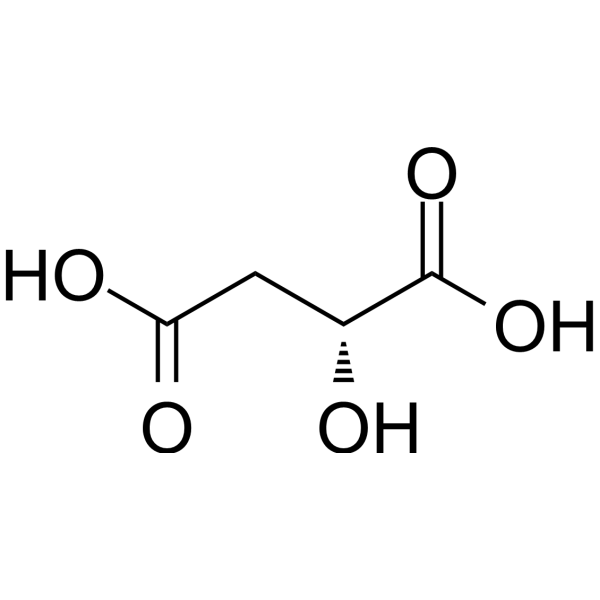
  • HY-20558
    D-(+)-Malic acid
    1 Publications Verification

    D-Malic acid

    Endogenous Metabolite Metabolic Disease
    D-(+)-Malic acid (D-Malic acid), an active enantiomer of Malic acid, is a competitive inhibitor of L(--)malic acid transport .
    D-(+)-Malic acid
  • HY-113415A
    Testosterone sulfate (pyridinium)
    1 Publications Verification

    Endogenous Metabolite Drug Metabolite Metabolic Disease
    Testosterone sulfate pyridinium is a Testosterone sulfate with a pyridinium. Testosterone sulfate pyridinium is the metabolite of Testosterone. Testosterone is the main male sex hormone which determination is useful for assessment of androgen status .
    Testosterone sulfate (pyridinium)
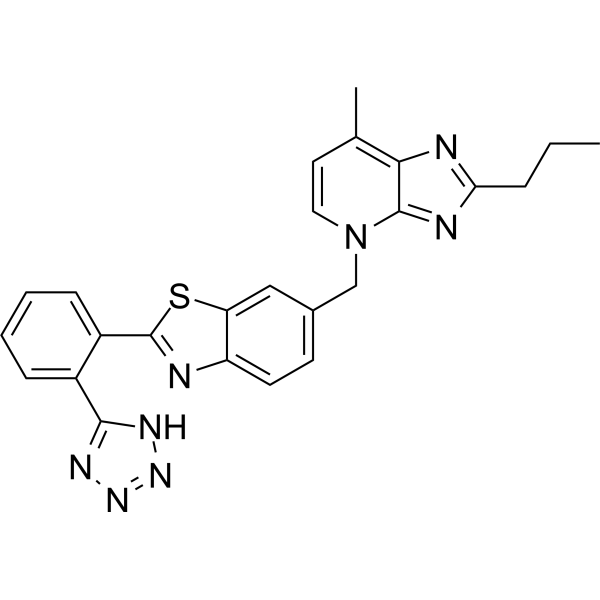
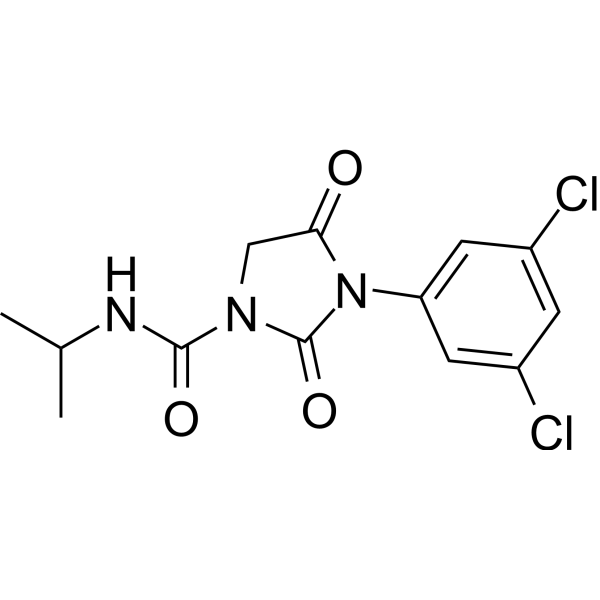
  • HY-150621

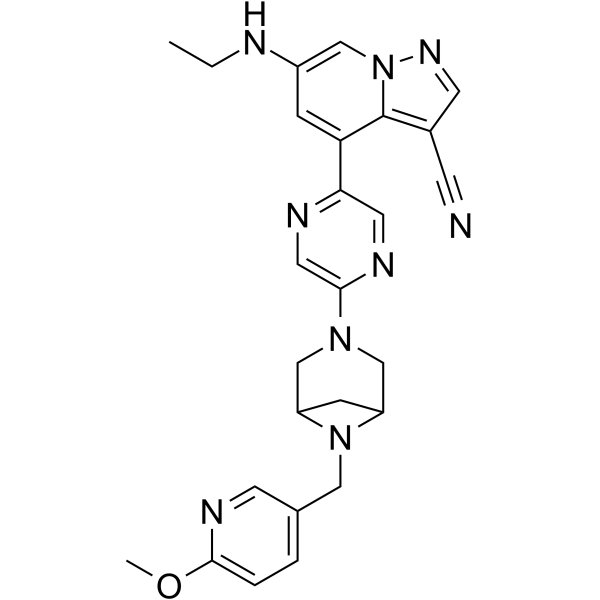
    β-catenin Wnt Cancer
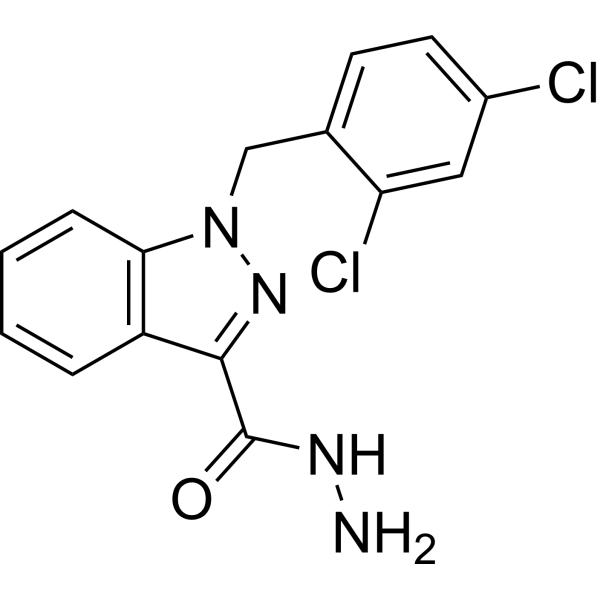
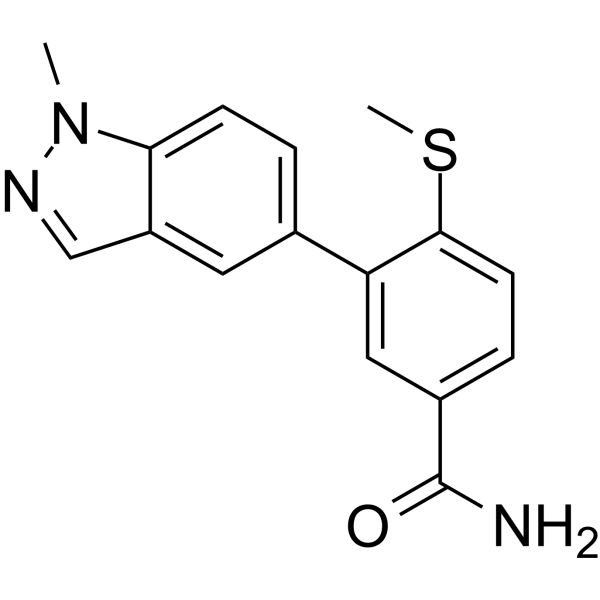
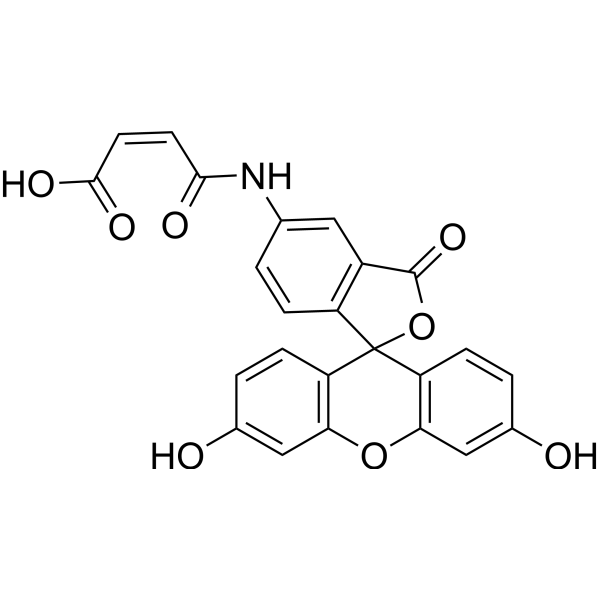
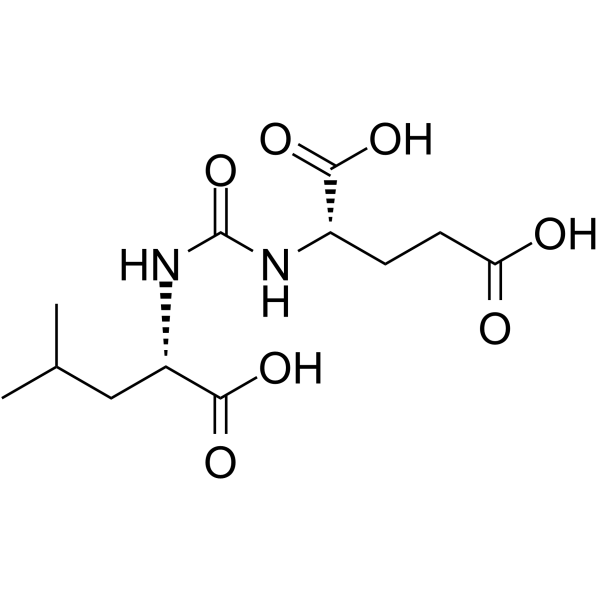
    AS1134900 is a highly selective uncompetitive allosteric inhibitor of NADP +-dependent malic enzyme 1 (ME1) with an IC50 of 0.73 μM. AS1134900 can be used in the study of cancer .
    AS1134900
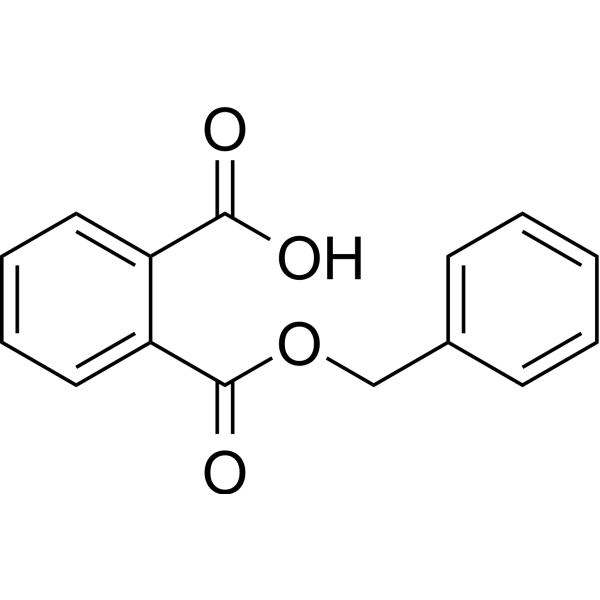
  • HY-W011848

    2-((Benzyloxy)carbonyl)benzoic acid

    Drug Metabolite Metabolic Disease
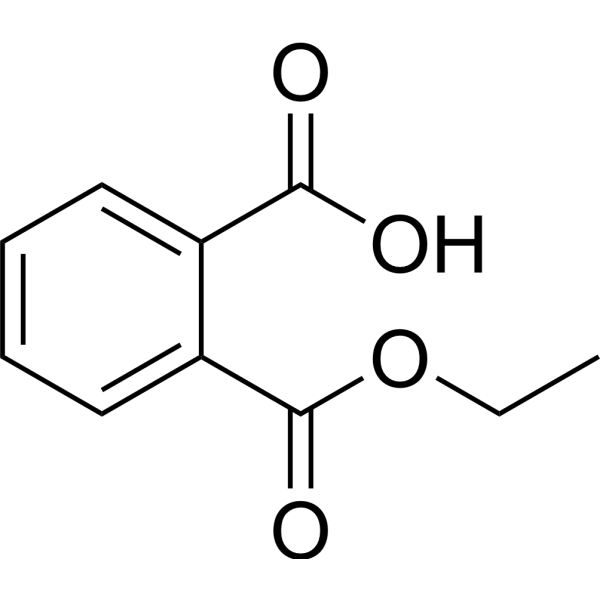
    Monobenzyl phthalate is a phthalate metabolite (aromatic alkyl chain monophthalate) with oral activity, which acts as a male reproductive development inhibitor and antiandrogen in rat fetuses .
    Monobenzyl phthalate
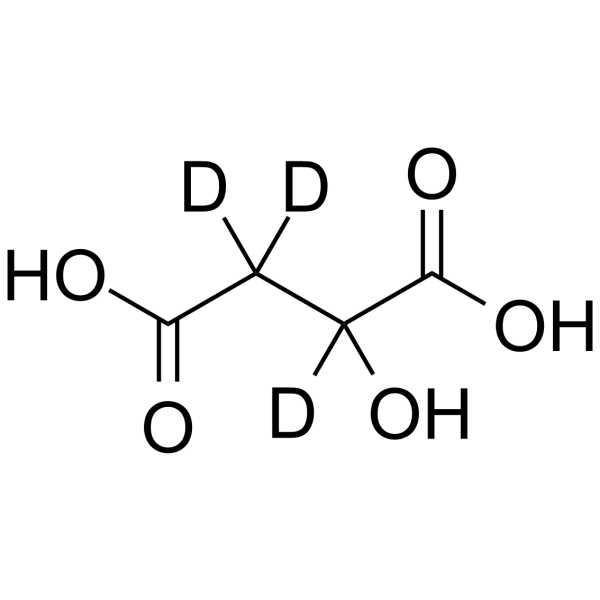
  • HY-Y1311S

    Hydroxybutanedioic acid-d3; E 296-d3

    Endogenous Metabolite Others
    Malic acid-d3 is the deuterium labeled Malic acid. Malic acid (Hydroxybutanedioic acid) is a dicarboxylic acid that is naturally found in fruits such as apples and pears. It plays a role in many sour or tart foods .
    Malic acid-d3
  • HY-B0487

    Pregneninolone; 17α-Ethynyltestosterone

    Estrogen Receptor/ERR Metabolic Disease
    Ethisterone (Pregneninolone; 17α-Ethynyltestosterone) is a synthetic steroidal estrogen, is an orally active steroidal contraceptive agent. Ethisterone has almost no effect on the phagocytic activity of the reticuloendothelial system in male guinea pigs, while in utero exposure can induce abnormalities in the urogenital system of offspring .
    Ethisterone
  • HY-18996
    Adjudin
    4 Publications Verification

    AF-2364

    Chloride Channel Mitochondrial Metabolism Cancer
    Adjudin is an extensively studied male contraceptive with a superior mitochondria-inhibitory effect. Adjudin is also a potent Cl - channel blocker.
    Adjudin
  • HY-16743A
    Ibiglustat (L-Malic acid)
    3 Publications Verification

    Venglustat (L-Malic acid); SAR402671 (L-Malic acid); GZ402671 (L-Malic acid)

    Glucosylceramide Synthase (GCS) Metabolic Disease
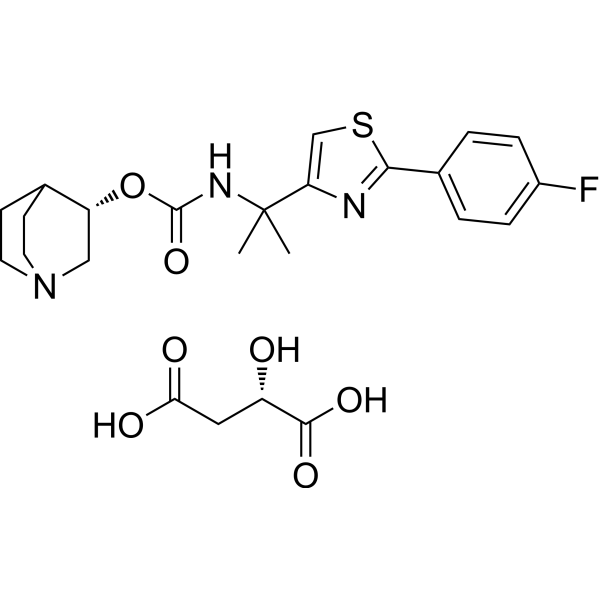
    Ibiglustat (Venglustat) L-Malic acid is an orally active, brain-penetrant glucosylceramide synthase (GCS) inhibitor. Ibiglustat L-Malic acid can be used for the research of Gaucher disease type 3, Parkinson's disease associated with GBA mutations, Fabry disease, GM2 gangliosidosis, and autosomal dominant polycystic kidney disease .
    Ibiglustat (L-Malic acid)
  • HY-155659
    4A7C-301
    1 Publications Verification

    Nuclear Hormone Receptor 4A/NR4A Neurological Disease
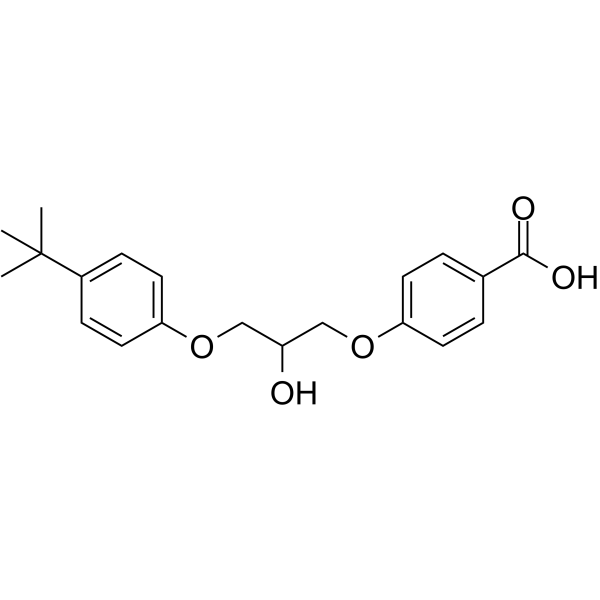
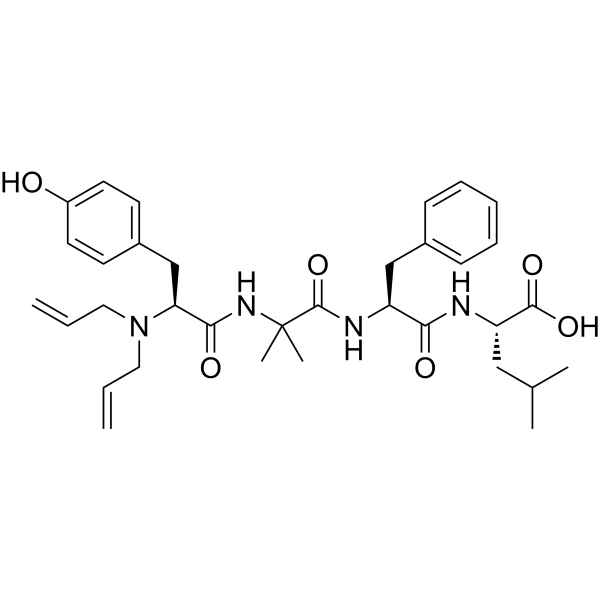
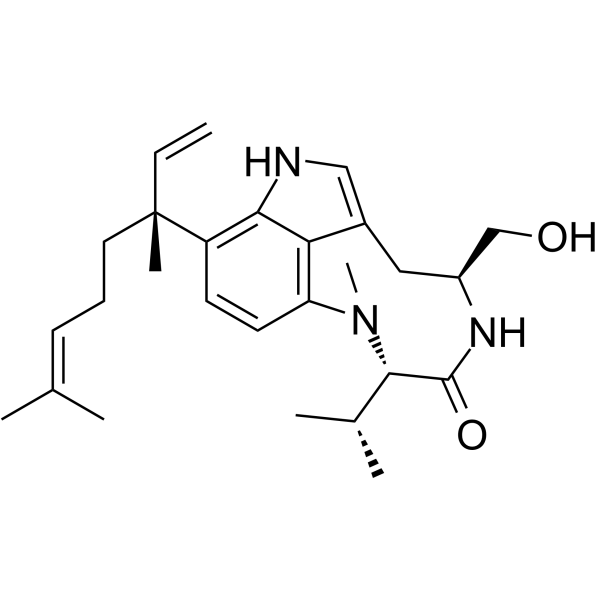
    4A7C-301 is a Nurr1 agonist with robust neuroprotective effects in vitro. 4A7C-301 significantly ameliorates neuropathological abnormalities and improves motor and olfactory dysfunctions in AAV2-mediated α-synuclein-overexpressing male mouse models. 4A7C-301 can be used for the research of Parkinson’s disease .
    4A7C-301
  • HY-128900

    Endogenous Metabolite Others
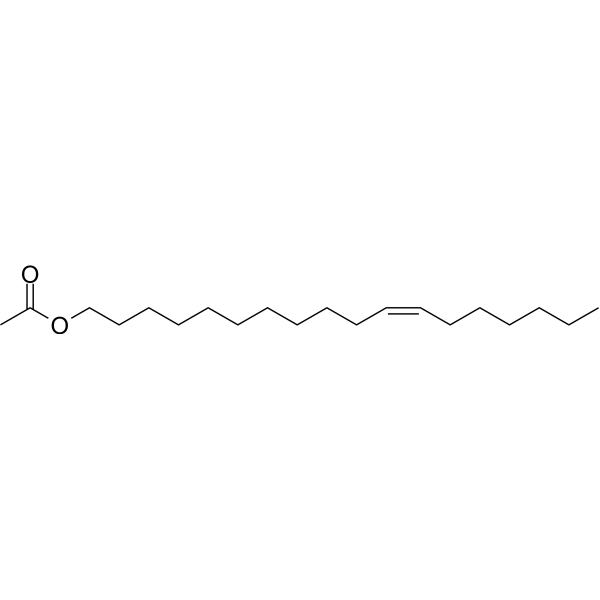
    11-cis-Vaccenyl acetate is male-specific lipid that mediates aggregation behavior in both male and female flies, which activates a few dozen olfactory neurons located in T1 sensilla on the antenna of both male and female flies .
    11-cis-Vaccenyl acetate
  • HY-137967

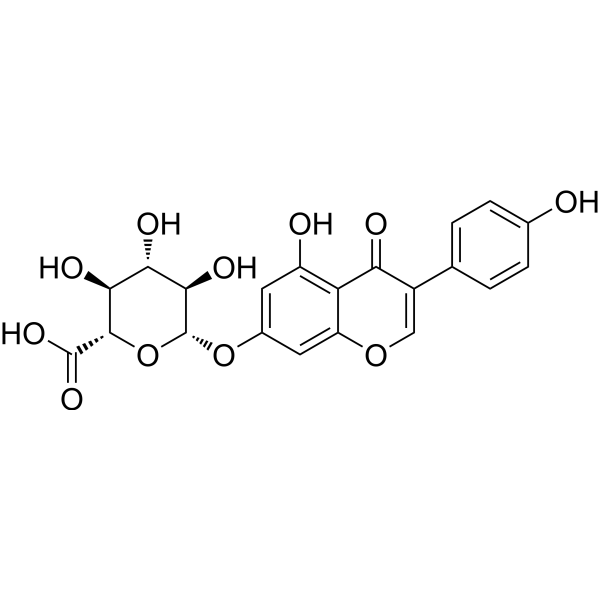
    Genistein 7-O-glucuronide

    Drug Metabolite Metabolic Disease
    Genistein 7-β-D-Glucuronide (Genistein 7-O-glucuronide) is the primary phase II metabolite of Genistein (HY-14596) in human and rat hepatocytes. Genistein 7-β-D-Glucuronide undergoes distinct deconjugation in different functional assays. Genistein 7-β-D-Glucuronide is produced via hepatic microsomal glucuronidation and shows a mild age-related increase in intrinsic clearance in male F344 rats. Genistein 7-β-D-Glucuronide can be used for research on metabolism .
    Genistein 7-β-D-Glucuronide
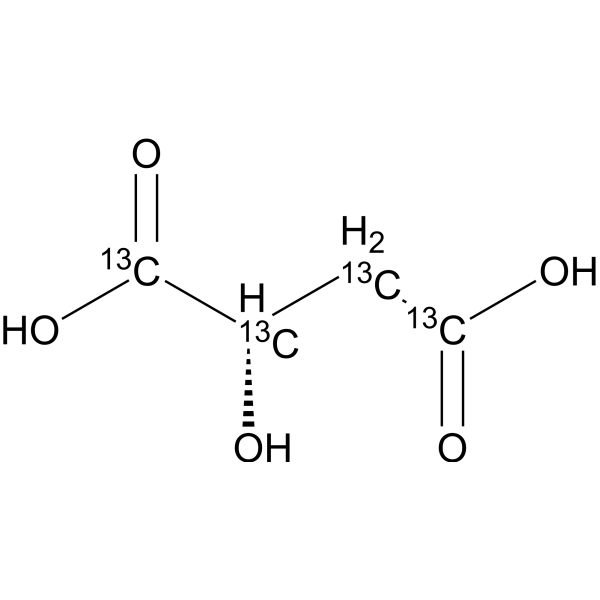
  • HY-Y1069S3

    (S)-Hydroxybutanedioic acid-13C4; (S)-E 296-13C4; L-Malic acid-13C4

    Isotope-Labeled Compounds Others
    (S)-Malic acid- 13C4 is the 13C labeled S-Malic acid (HY-Y1069) .
    (S)-Malic acid-13C4
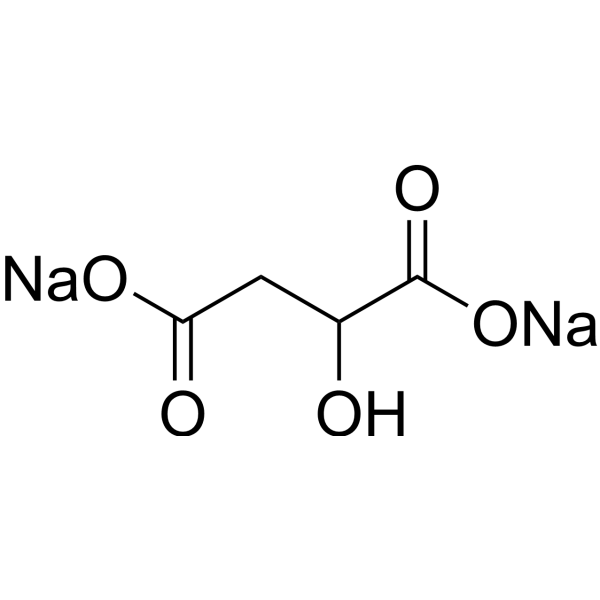
  • HY-W250303
    Malic acid disodium salt
    4 Publications Verification

    Hydroxybutanedioic acid disodium salt; E 296 disodium salt

    Biochemical Assay Reagents Others
    Sodium DL-Malate is an organic compound commonly used as a food additive, buffer and nutritional supplement. It contains sodium and malic acid. Malic acid disodium salt has several properties suitable for these applications, including the ability to enhance food flavor, improve texture and regulate acidity. Additionally, it can be used as a dietary supplement due to its potential health benefits, including improved energy production, reduced fatigue, and enhanced athletic performance.
    Malic acid disodium salt
  • HY-163650

    Akt Endocrinology
    DTPD-Q is an antioxidant and an oxidative derivative of methylbenzenesulfonyl-p-phenylenediamine DTPD. DTPD-Q is a molecule that binds to AKT1 and ESR1, with high binding affinity to core targets associated with male infertility and its subtypes. DTPD-Q can be used in studies related to male infertility .
    DTPD-Q
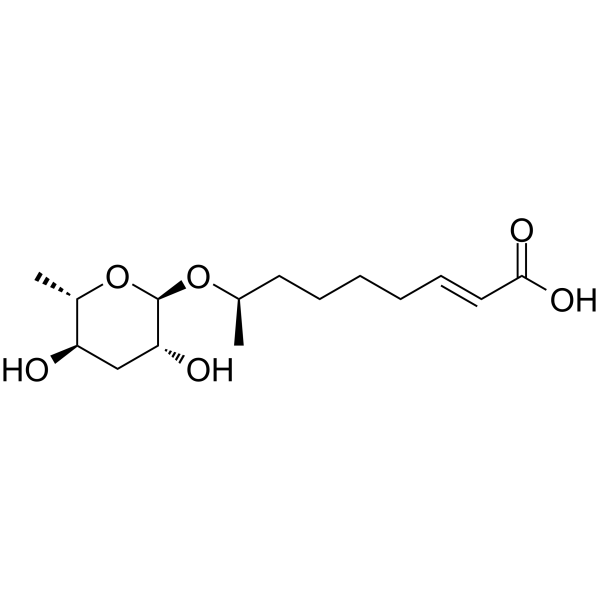
  • HY-N6977

    Others Infection
    Ascr#3 is a type of pheromone found in the beautiful nematode, and when mixed with ascr#2, it can act as a male attractant and also induce the formation of dauer (the dormant larval stage). Ascr#3 can counteract the effects caused by male-enriched Ascr#10 .
    Ascr#3
  • HY-78035

    Methylmaleic anhydride

    Biochemical Assay Reagents Others
    Citraconic anhydride (Methylmaleic anhydride) is a derivative of maleic anhydride (HY-Z0060) and novel antigen retrieval solution. Citraconic anhydride reversibly blocks protein amino groups, stabilizing specific enzymes and improving their catalytic performance. Citraconic anhydride reacts with free amino groups on proteins (especially lysine residues), converting positively charged NH3 + into carboxyl groups, thereby disrupting methylene bridge crosslinks caused by Formaldehyde during antigen retrieval. Citraconic anhydride functionalizes Isotactic polypropylene. Citraconic anhydride precisely responds to pH changes to achieve reversible modification. Citraconic anhydride is irritating to skin and eyes .
    Citraconic anhydride
  • HY-131708A

    HDAC Parasite Infection
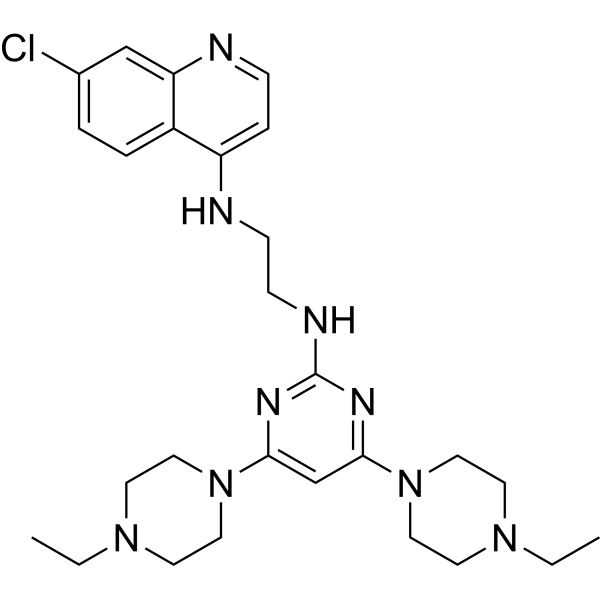
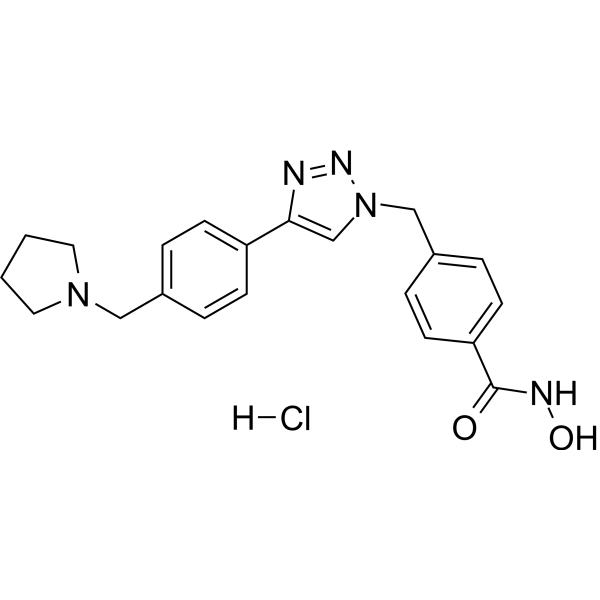
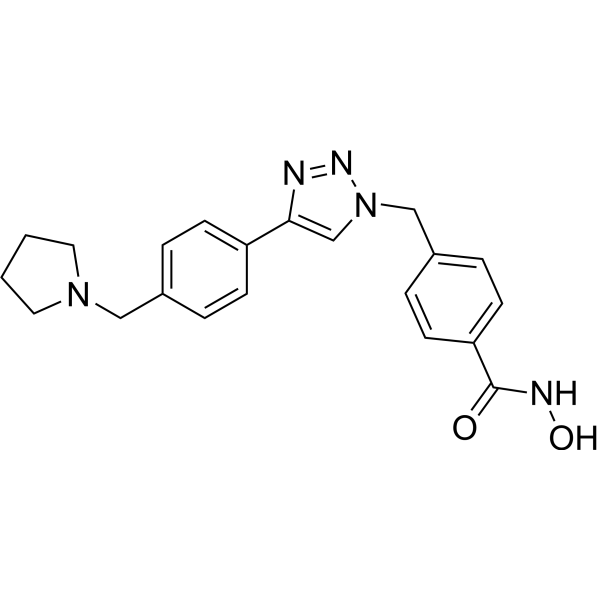
    FNDR-20123 is a safe, first-in-class, and orally active anti-malarial HDAC inhibitor with IC50s of 31 nM and 3 nM for Plasmodium and human HDAC, respectively. FNDR-20123 exerts anti-malarial activity against Plasmodium falciparum asexual stage (IC50=41 nM) and sexual blood stage (IC50=190 nM for male gametocytes). FNDR-20123 inhibits HDAC1, HDAC2, HDAC3, HDAC6, and HDAC8 (IC50=25/29/2/11/282 nM, respectively.) and inhibits Class III HDAC isoforms at nanomolar concentrations .
    FNDR-20123
  • HY-W088011B

    Sodium hydroxyacetate, 98%

    Lactate Dehydrogenase Aminotransferases (Transaminases) Endocrinology
    Sodium glycolate, 98% (Sodium hydroxyacetate, 98%) is an orally active, versatile organic salt . Sodium glycolate, 98% acts as an enzyme activity regulator that increases the activities of glycolate oxidase (GAO) and lactate dehydrogenase (LDH), while reducing the activity of glycolate dehydrogenase (GAD). Sodium glycolate, 98% induces oxalate biosynthesis and causes hyperoxaluria in rats. Sodium glycolate, 98% reduces urinary calcium excretion in male albino rats. Sodium glycolate, 98% can be used in studies related to calcium oxalate urolithiasis and hyperoxaluria .
    Sodium glycolate, 98%
  • HY-P2809
    Malic dehydrogenase, microorganism
    1 Publications Verification

    MDH; EC 1.1.1.37

    Endogenous Metabolite Metabolic Disease
    Malate dehydrogenase (EC 1.1.1.37) (MDH) catalyzes the mutual conversion of oxaloacetate and malate, and is associated with the oxidation/reduction of dinucleotide coenzymes .
    Malic dehydrogenase, microorganism
  • HY-125539

    Antibiotic Phosphatase Fungal Infection
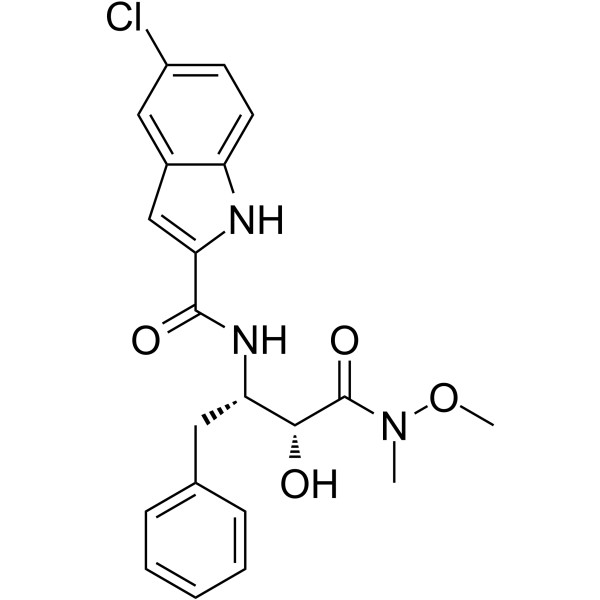
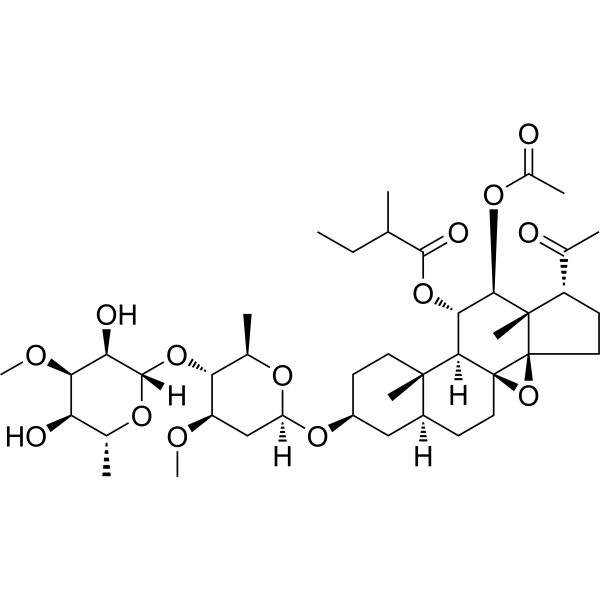
    Roridin E is a glucose-6-phosphatase (G6Pase) inhibitor and antibiotic, and is a metabolic byproduct of Roridin A (HY-N9599). Roridin E induces significant oxidative stress, characterized by depletion of glutathione in vivo, induction of hepatic lipid peroxidation, and inhibition of renal superoxide dismutase activity. Roridin E reduces blood glucose levels in rats, but exhibits acute toxicity (which is enhanced when co-administered with linoleic acid (HY-N0729)) and causes hepatotoxicity in male albino mice. Roridin E induces a decrease in total blood protein and increases in the levels of total lipids, γ-glutamyltransferase, alkaline phosphatase, and 5'-nucleotidase. Roridin E can be isolated from molds, and possesses cytostatic and antifungal activities similar to those of Verrucarin A (HY-107426) and Roridin A. Roridin E exhibits in vivo activity in rodents and is commonly used in hepatotoxicity-related studies .
    Roridin E
  • HY-B2015

    Environmental Pollutants Insecticide Parasite Cholinesterase (ChE) Infection
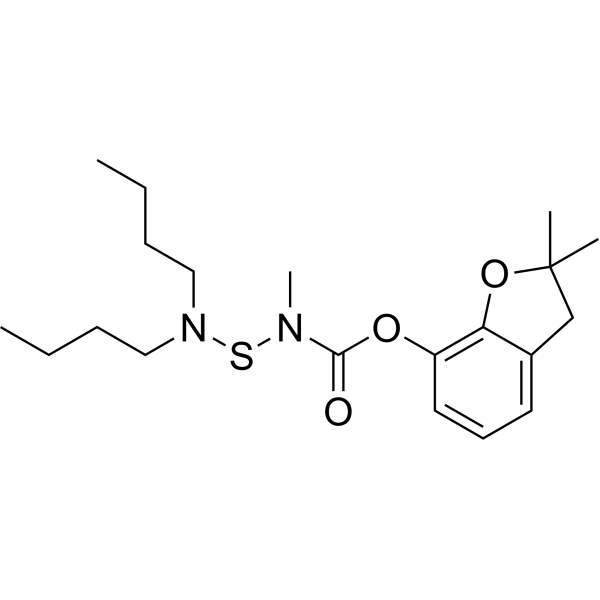
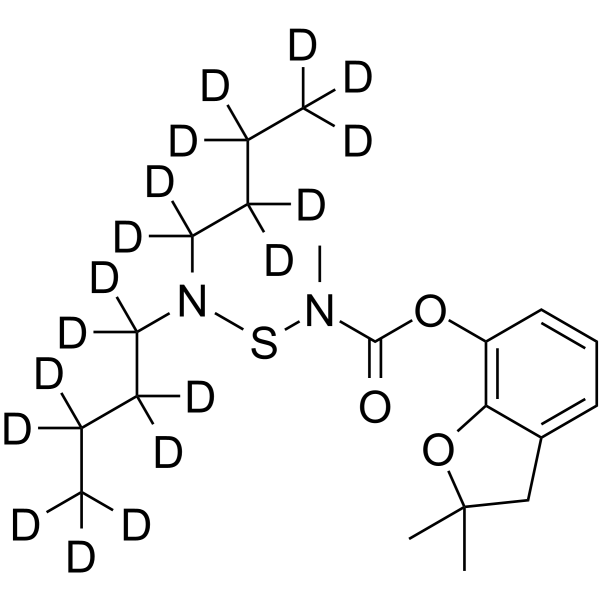
    Carbosulfan is an orally active AChE inhibitor that hydrolyzes to Carbofuran in organisms to exert insecticidal effects. Carbosulfan exhibits broad-spectrum insecticidal activity, and it also induces severe oxidative stress by enhancing lipid peroxidation and impairing the antioxidant defense system. Carbosulfan causes reproductive toxicity in male rats and developmental disorders in their offspring. Carbosulfan shows persistence in paddy field environments and potential hazards to non-target organisms, and it is commonly used in studies related to reproductive toxicity and environmental risk assessment .
    Carbosulfan
  • HY-Y1311R

    Hydroxybutanedioic acid (Standard); E 296 (Standard)

    Reference Standards Endogenous Metabolite Others
    Malic acid (Standard) is the analytical standard of Malic acid. This product is intended for research and analytical applications. Malic acid (Hydroxybutanedioic acid) is a dicarboxylic acid that is naturally found in fruits such as apples and pears. It plays a role in many sour or tart foods.
    Malic acid (Standard)
  • HY-Y1069S
    (S)-Malic acid-d3
    1 Publications Verification

    (S)-Hydroxybutanedioic acid-d3; (S)-E 296-d3; L-Malic acid-d3

    Endogenous Metabolite Metabolic Disease
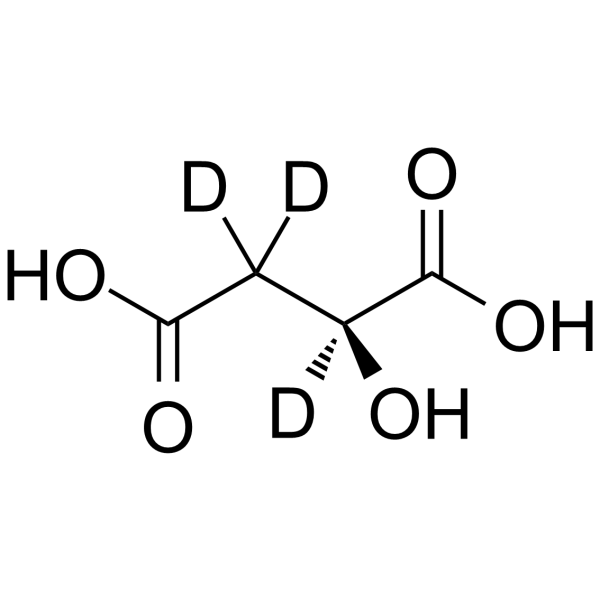
    (S)-Malic acid-d3 is the deuterium labeled (S)-Malic acid. (S)-Malic acid ((S)-2-Hydroxysuccinic acid) is a dicarboxylic acid in naturally occurring form, contributes to the pleasantly sour taste of fruits and is used as a food additive .
    (S)-Malic acid-d3
  • HY-155478

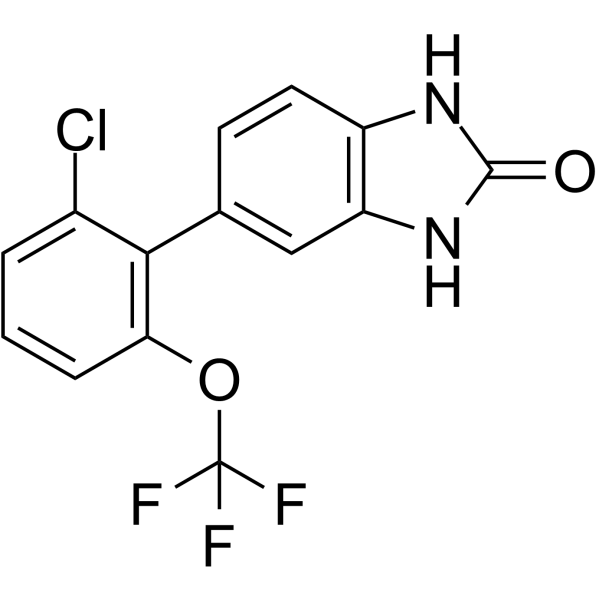
    Androgen Receptor Cancer
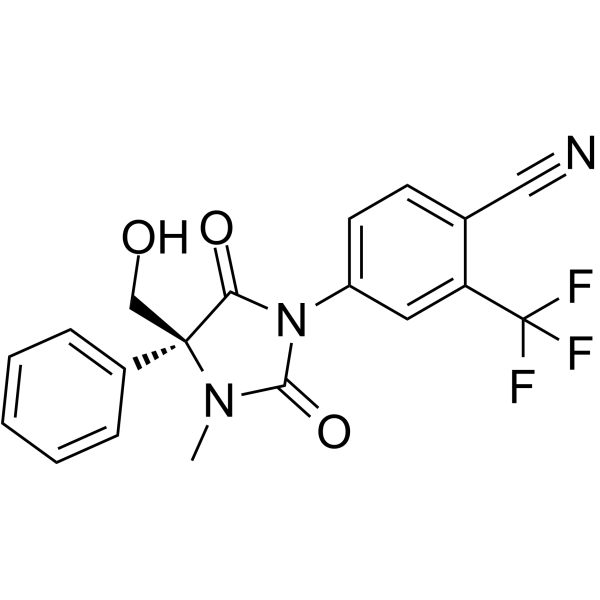
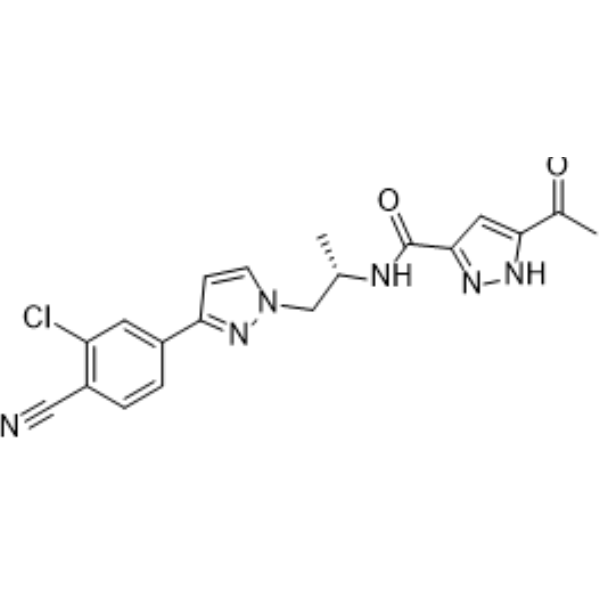
    Androgen receptor-IN-6 (compound 16) is an orally available androgen receptor (Androgen Receptor) potent inhibitor (IC50=0.12 μM in vitro), targeting the disordered N-terminal domain (NTD). Androgen receptor-IN-6 has good Caco2 cell membrane permeability and has an oral activity (F/%) of 16% in male CD-1 mice .
    Androgen receptor-IN-6
  • HY-59354

    Environmental Pollutants DNA/RNA Synthesis Cancer
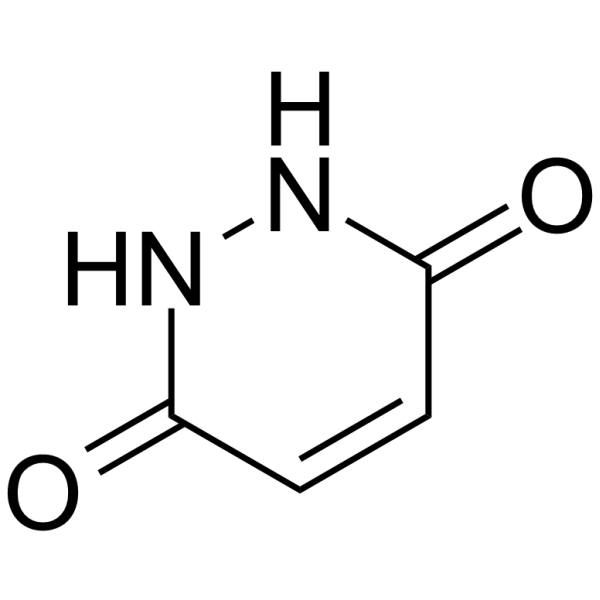
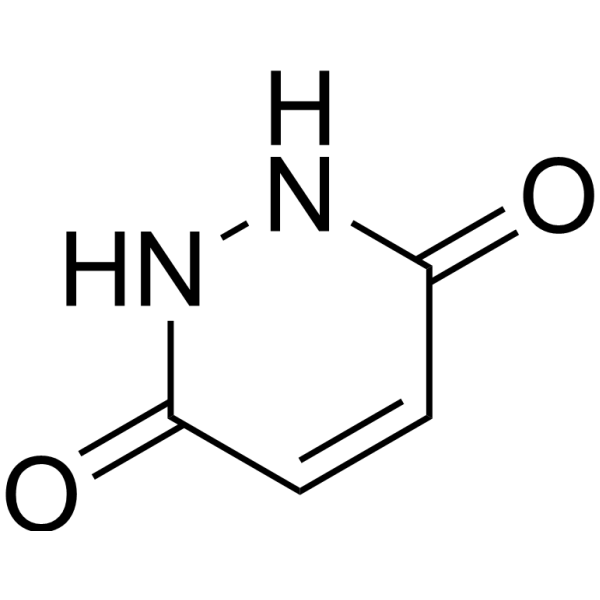
    Maleic hydrazide is extensively used as a systemic plant growth regulator and as a herbicide. Maleic hydrazide acts as an inhibitor of the synthesis of nucleic acids and proteins .
    Maleic hydrazide
  • HY-116047

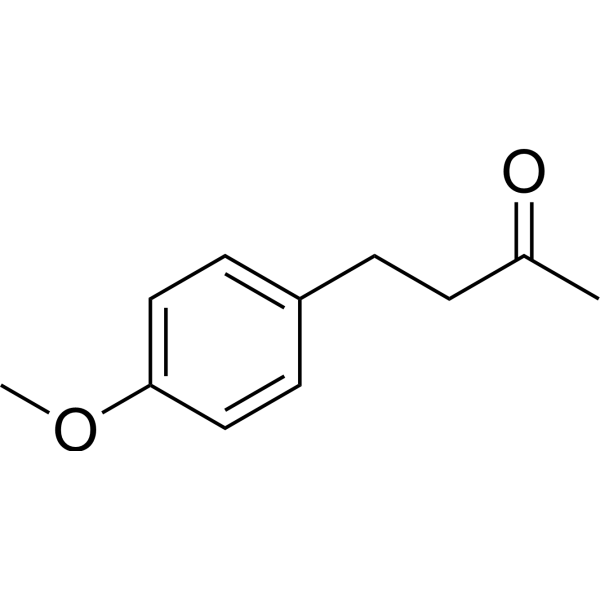
    p-Methoxybenzylacetone

    Environmental Pollutants Others
    Anisylacetone (p-Methoxybenzylacetone) is a male fruit fly attractant .
    Anisylacetone
  • HY-N7099

    Q-lure

    Environmental Pollutants Insecticide Others
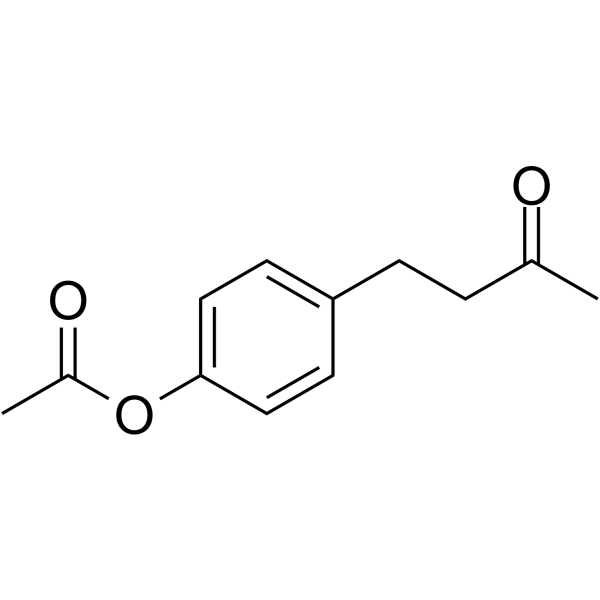
    Cue-lure (Q-lure) is a melon fly attractant. Cue-lure provides a short-term mating advantage to male Bactrocera cucurbitae .
    Cue-lure
  • HY-Y1069R
    (S)-Malic acid (Standard)
    1 Publications Verification

    (S)-Hydroxybutanedioic acid (Standard); (S)-E 296 (Standard); L-Malic acid (Standard)

    Reference Standards Endogenous Metabolite Metabolic Disease
    (S)-Malic acid (Standard) is the analytical standard of (S)-Malic acid (HY-Y1069). This product is intended for research and analytical applications. (S)-Malic acid ((S)-2-Hydroxysuccinic acid) is a dicarboxylic acid in naturally occurring form, contributes to the pleasantly sour taste of fruits and is used as a food additive.
    (S)-Malic acid (Standard)
  • HY-W250303A
    Malic acid disodium hydrate
    4 Publications Verification

    Hydroxybutanedioic acid disodium hydrate; Disodium DL-malate hydrate; E 296 disodium hydrate

    Biochemical Assay Reagents Others
    Malic acid disodium hydrate is an organic compound that is commonly used as a food additive, buffering agent, and nutritional supplement. It contains sodium and malic acid. Malic acid disodium hydrate has a variety of properties that make it suitable for these applications, including the ability to enhance food flavor, improve texture, and regulate acidity. In addition, due to its potential health benefits, including improved energy production, reduced fatigue, and enhanced athletic performance, Malic acid disodium hydrate can be used as a dietary supplement .
    Malic acid disodium hydrate
  • HY-164032

    7α,11β-Dimethyl-17β-hydroxyestr-4-en-3-one 17-undecanoate

    GnRH Receptor Endocrinology
    Dimethandrolone undecanoate (7α,11β-Dimethyl-17β-hydroxyestr-4-en-3-one 17-undecanoate) exhibits withrogens and progesterone activity. Dimethandrolone undecanoate inhibits production of gonadotropins, suppresses testosterone production, and thus inhibits sperm production. Dimethandrolone undecanoate is potent for development of male hormone contraceptives .
    Dimethandrolone undecanoate
  • HY-Y0367S

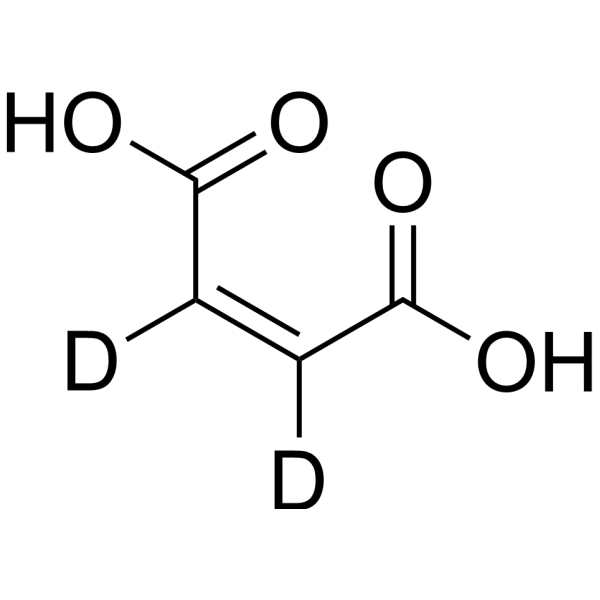
    Maleic-2,3-d2 acid

    Bacterial Endogenous Metabolite Infection
    Maleic Acid-d2 is the deuterium labeled Maleic Acid . Maleic Acid is a Glutamate Decarboxylase (GAD) inhibitor of E. coli and L. monocytogenes .
    Maleic acid-d2
  • HY-117081

    Others Others
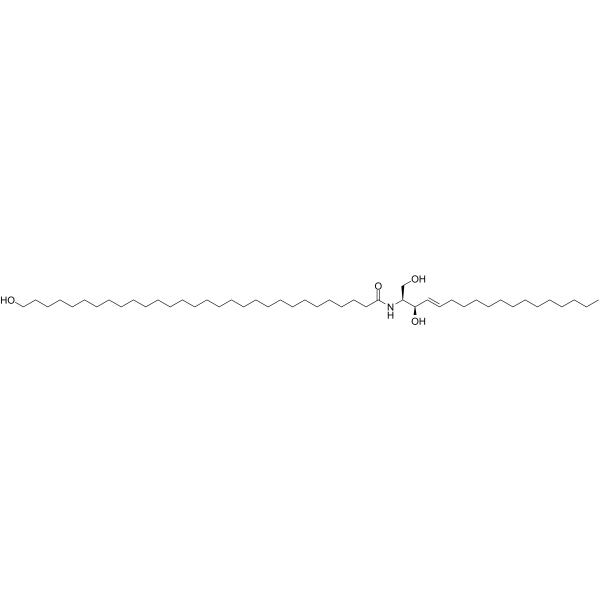
    C30(ω-hydroxy) Ceramide (d18:1/30:0), a sphingolipid, is an epidermis-specifically vital component of the water barrier in mammalian skin. C30(ω-hydroxy) Ceramide (d18:1/30:0) is expressed in epidermal keratinocytes and male germ cells during their differentiation and maturation. C30(ω-hydroxy) Ceramide (d18:1/30:0) deficiency in the epiderm of Elovl4 deletion or mutation mice .
    C30(ω-hydroxy) Ceramide (d18:1/30:0)
  • HY-B2007

    Environmental Pollutants Acetyl-CoA Carboxylase Herbicide Metabolic Disease Inflammation/Immunology
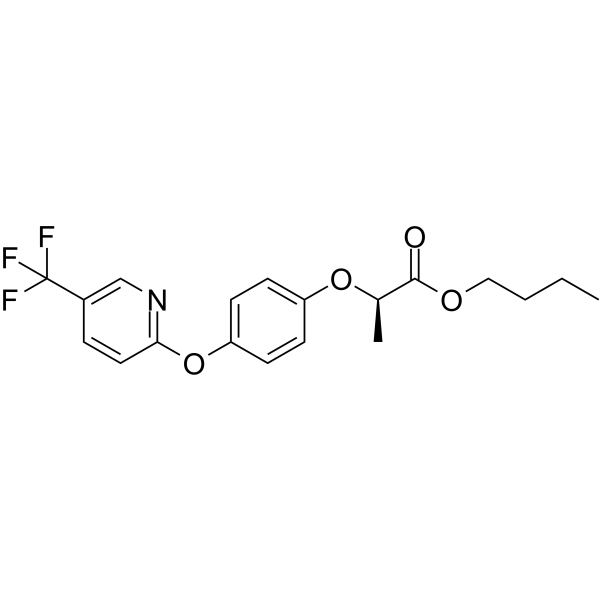
    Fluazifop-P-butyl is an orally active herbicide and ACCase inhibitor. Fluazifop-P-butyl blocks the formation of malonyl-CoA, disrupts lipid synthesis in sensitive plants, and exhibits concentration-dependent phytotoxicity to non-target maize seedlings. Fluazifop-P-butyl induces oxidative stress in male Wistar rats, impairs their liver and kidney functions, and disrupts testicular function .
    Fluazifop-P-butyl
  • HY-59354S

    DNA/RNA Synthesis Cancer
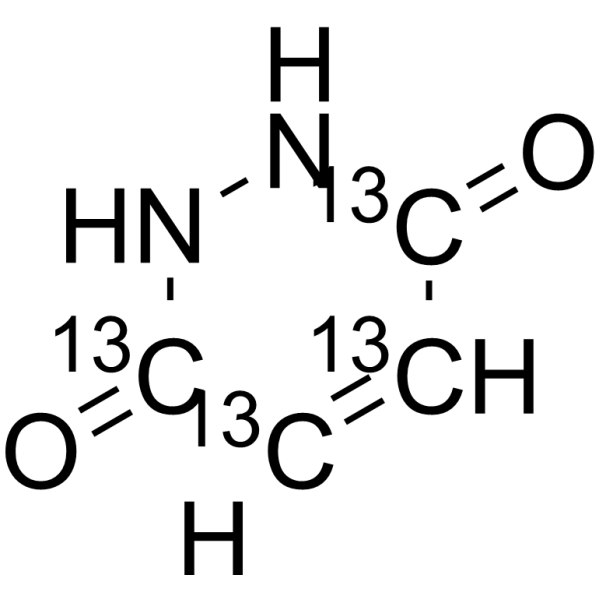
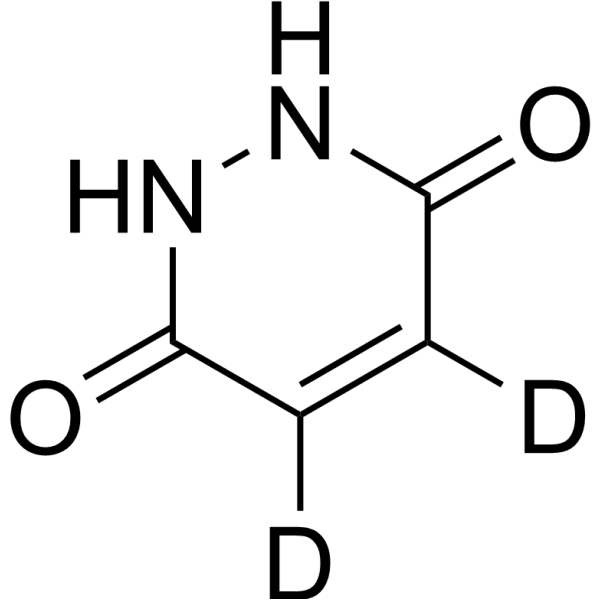
    Maleic hydrazide-d2 is the deuterium labeled Maleic hydrazide . Maleic hydrazide is extensively used as a systemic plant growth regulator and as a herbicide. Maleic hydrazide acts as an inhibitor of the synthesis of nucleic acids and proteins .
    Maleic hydrazide-d2
  • HY-W130878

    Complement System Toll-like Receptor (TLR) NF-κB Inflammation/Immunology
    4-Octylphenol is a hormone disruptor that has gender-specific effects on male reproductive cells, significantly reducing the mitotic index and the number of spermatogonia. 4-Octylphenol can cause inflammatory damage to fish gills by activating the complement system through the C3a/C3aR axis and the C5a/C5aR1 axis, this leads to complement activation and causes immune suppression due to the imbalance between Th1/Th2 cells and regulatory T cells (Treg)/Th17 cells, as well as inflammatory damage via the Toll-like receptor 7 (Toll-like Receptor (TLR))/IκBα/NF-κB pathway .
    4-Octylphenol
  • HY-W004338

    Endogenous Metabolite Others
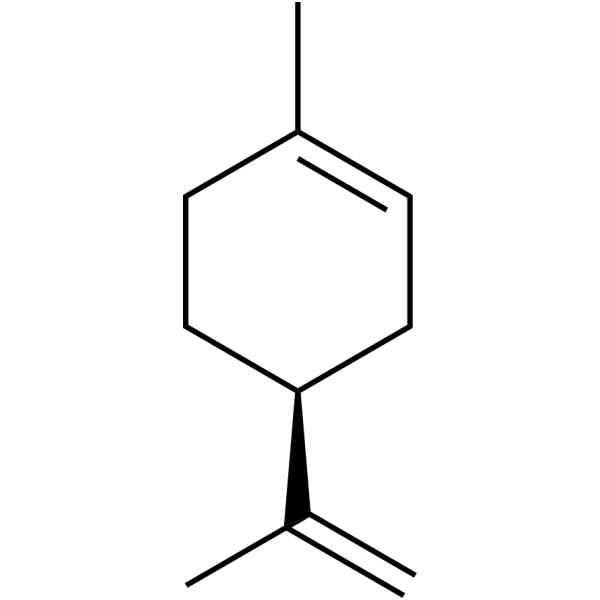
    1-Methylcyclohexene is a male insect sex pheromone .
    1-Methylcyclohexene
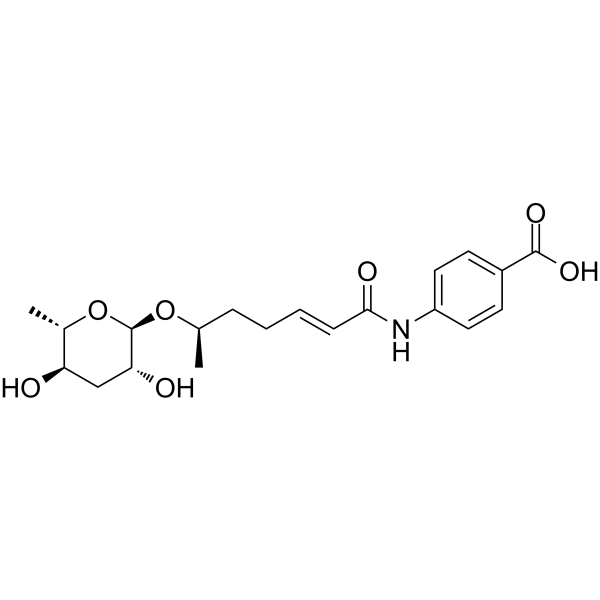
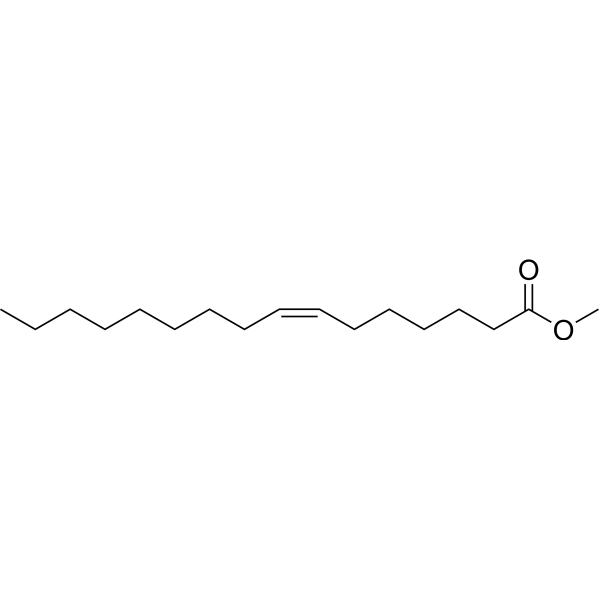
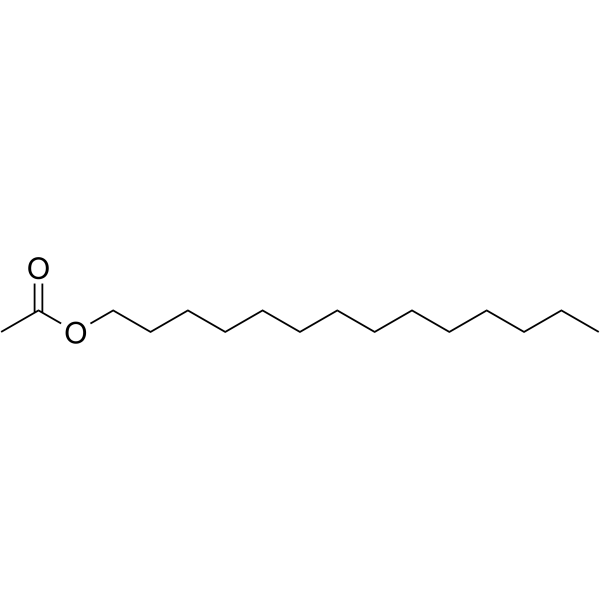
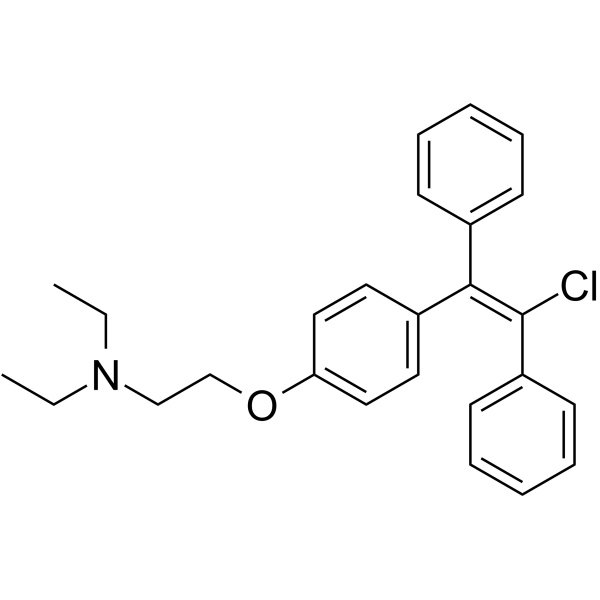
  • HY-W780803

    Parasite Endocrinology
    (Z,E)-9,12-Tetradecadienol is a synthetic enhancer of male Ephestia cautella attraction .
    (Z,E)-9,12-Tetradecadienol
  • HY-B2058

    Fungal Androgen Receptor Infection
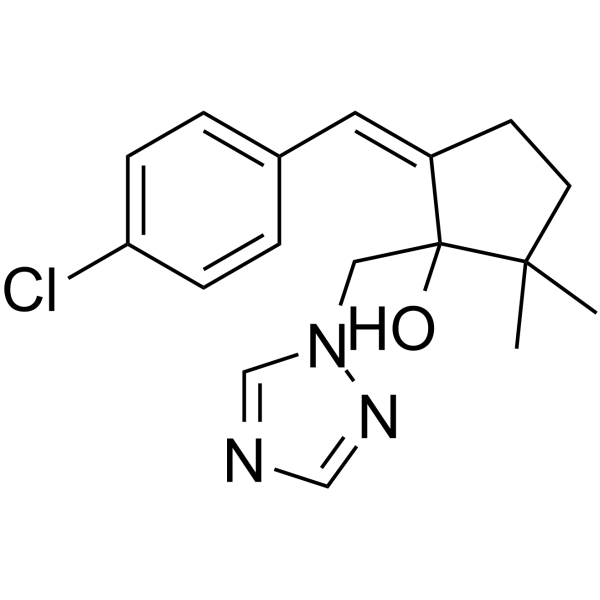
    Triticonazole is an orally active triazole fungicide and androgen receptor antagonist. Triticonazole inhibits testosterone-induced androgen receptor activation and reduces basal testosterone secretion. Prenatal exposure to Triticonazole causes shortened anogenital distance in male rat fetuses and induces organ-specific histopathological changes in pigs. Triticonazole can be used for detoxification of seeds contaminated with fungal pathogens, but there is a risk of animal poisoning if the treated seeds are used as animal feed .
    Triticonazole
  • HY-W009688

    Drug Intermediate Inflammation/Immunology
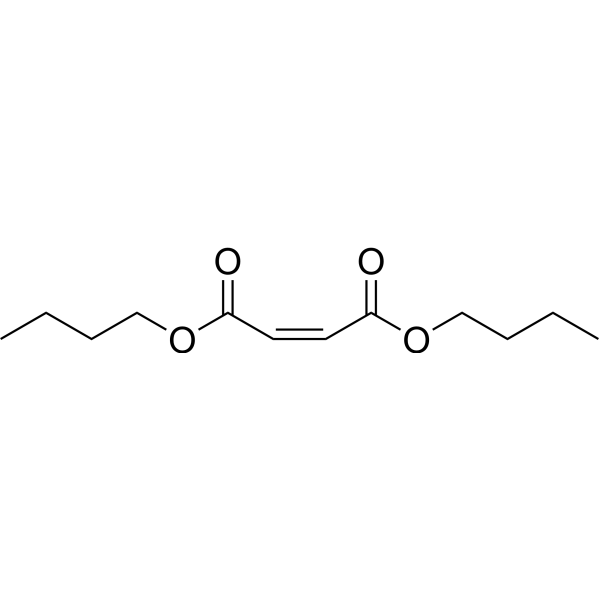
    Dibutyl maleate, the diester of the Maleic Acid, can be used as an intermediate of pharmaceutical synthesis. Dibutyl maleate can enhance contact sensitization to Fluorescein isothiocyanate in mice .
    Dibutyl maleate
  • HY-P10472

    GnRH Receptor Endocrinology
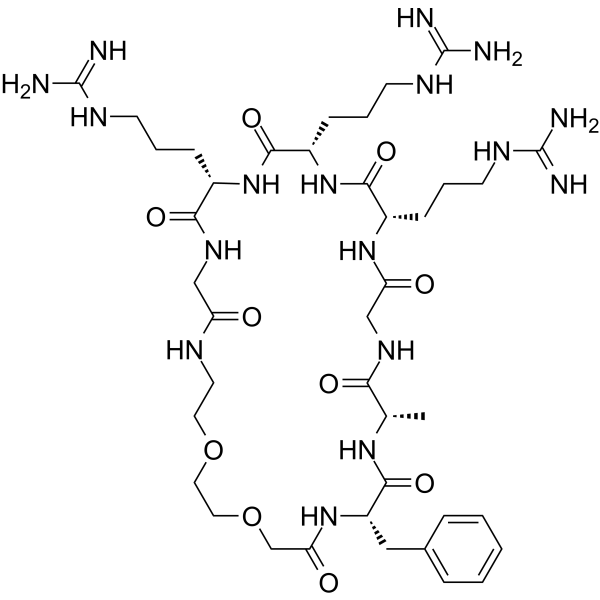
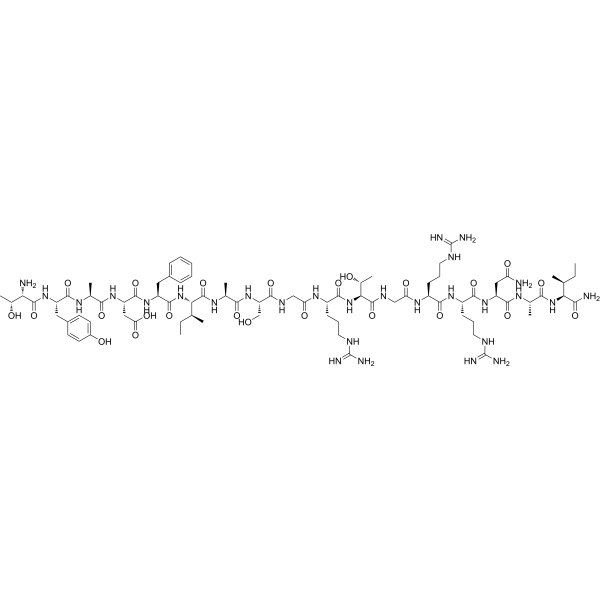
    Azaline B is an antagonist for gonadotropin-releasing hormone (GnRH) with IC50 of 1.37 nM, Azaline B can be used in research of sex hormone-related pathological states, ovulation induction and male contraception .
    Azaline B
  • HY-W143997

    DL-Malic acid dibutyl ester

    Carboxylesterase (CES) Others
    Dibutyl malate is a substrate of carboxylesterase .
    Dibutyl malate
  • HY-Y0367R

    Reference Standards Endogenous Metabolite Bacterial Infection
    Maleic Acid (Standard) is the analytical standard of Maleic Acid. This product is intended for research and analytical applications. Maleic Acid is a Glutamate Decarboxylase (GAD) inhibitor of E. coli and L. monocytogenes. IC50 & Target: GAD . In Vitro: The MICs of WT 10403S for the acids (e.g., Maleic Acid) are 34 mM, 25 mM, 31 mM and 30 mM which correspond to pH values prior to growth of 4.84, 5.14, 5.32 and 5.02 respectively. Of all compounds tested, Maleic Acid is the least inhibitory despite acting at a lower pH (4.84). The most acid resistant (10403S) and the weakest (EGD-e) strain are challenged with 8.6 mM and 4.3 mM of each organic acid at pH 3 and 3.3 respectively. On both strains, Maleic Acid is the most bactericidal .
    Maleic acid (Standard)
  • HY-P5719

    Bacterial Infection
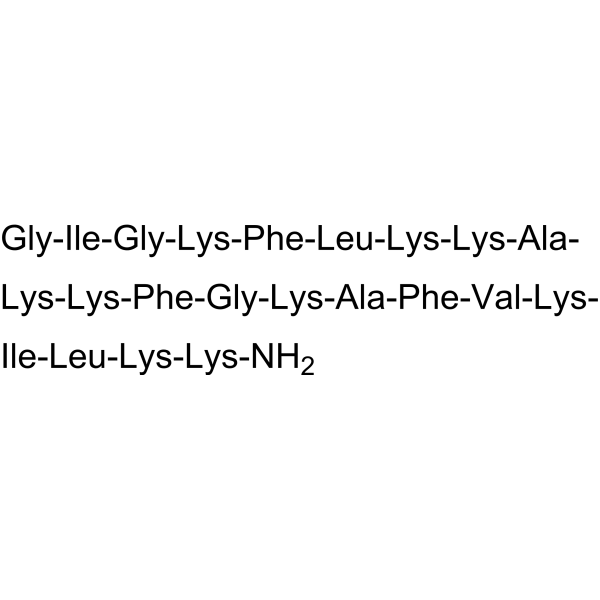
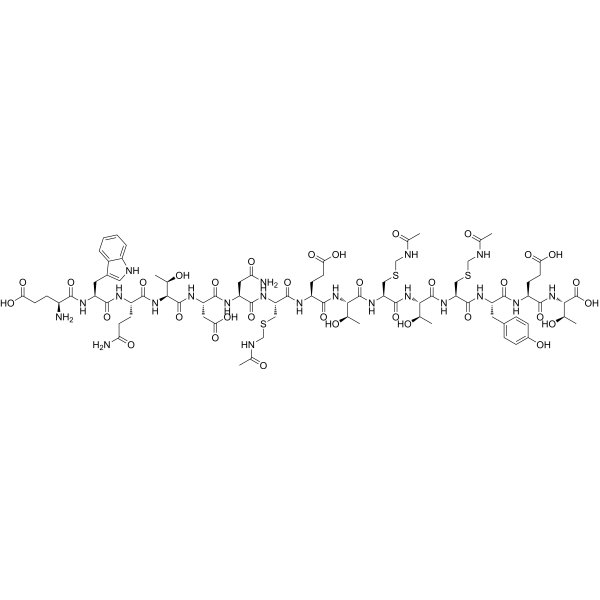
    Andropin is a male-specific antibacterial peptide that can be found in Drosophila melanogaster .
    Andropin
  • HY-W014885

    Sex Pheromone Endocrinology
    Decyl acetate is a synthetic pheromone attracting male false codling moths (Cryptophlebia leucotreta) .
    Decyl acetate
  • HY-W749562

    Sex Pheromone Endocrinology
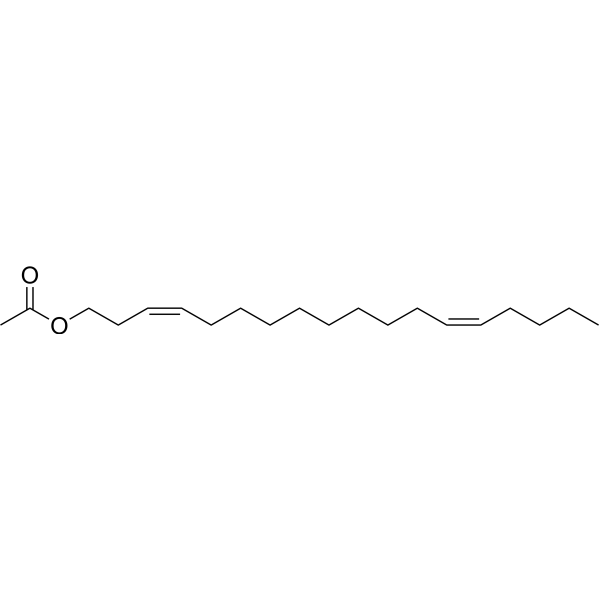
    Gossyplure is an insect pheromone used for capturing male pink bollworm moths and corn earworms .
    Gossyplure
  • HY-W250305

    Biochemical Assay Reagents Others
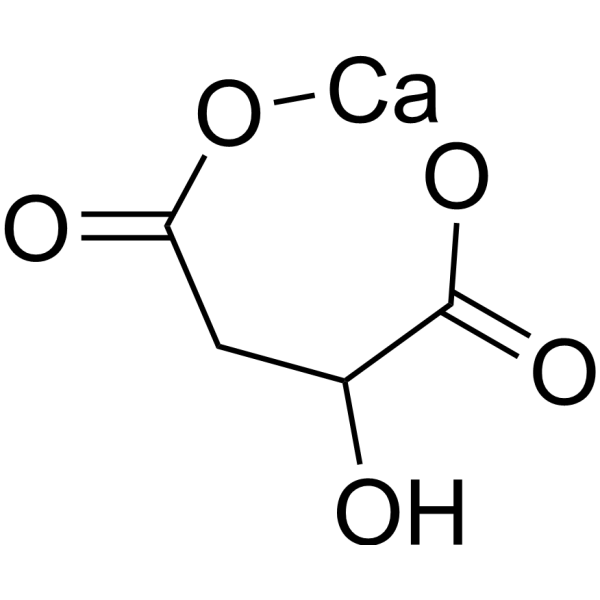
    Calcium malate is an organic compound containing calcium and malic acid. It is commonly used as a dietary supplement to provide the body with calcium and malic acid, which are important for maintaining healthy bones, teeth and muscles. Calcium malate has several properties that make it suitable for these applications, including high solubility and bioavailability compared to other forms of calcium supplementation. Additionally, it is used as a food additive to enhance the acidity and flavor of certain products.
    Calcium malate

Inquiry Online

Your information is safe with us. * Required Fields.

Salutation


Country or Region *

Applicant Name *


Organization Name *

Department *


Email Address *


Product Name *

Cat. No.


Requested quantity *

Phone Number *


Remarks

Inquiry Online

Inquiry Information

Product Name:
Cat. No.:
Quantity:
MCE Japan Authorized Agent: