1. Search Result
Search Result
Results for "

1-10

" in MedChemExpress (MCE) Product Catalog:

547

Inhibitors & Agonists

7

Screening Libraries

12

Fluorescent Dye

16

Biochemical Assay Reagents

33

Peptides

15

Inhibitory Antibodies

39

Natural
Products

38

Recombinant Proteins

19

Isotope-Labeled Compounds

65

Antibodies

11

Click Chemistry

10

Oligonucleotides

Cat. No. Product Name Target Research Areas Chemical Structure
  • HY-NP110

    Mouse Type II collagen, immunization grade

    MMP Inflammation/Immunology
    Highly purified Type II collagen, from mouse sternal cartilage (Mouse Type II collagen, immunization grade) is an immune grade collagen derived from mouse sternal cartilage, which can stimulate the animal's immune system to produce specific antibodies against this collagen. Collagen is also a substrate for hydrolysis by MMPs .
    Highly purified Type II collagen, from mouse sternal cartilage
  • HY-W004544
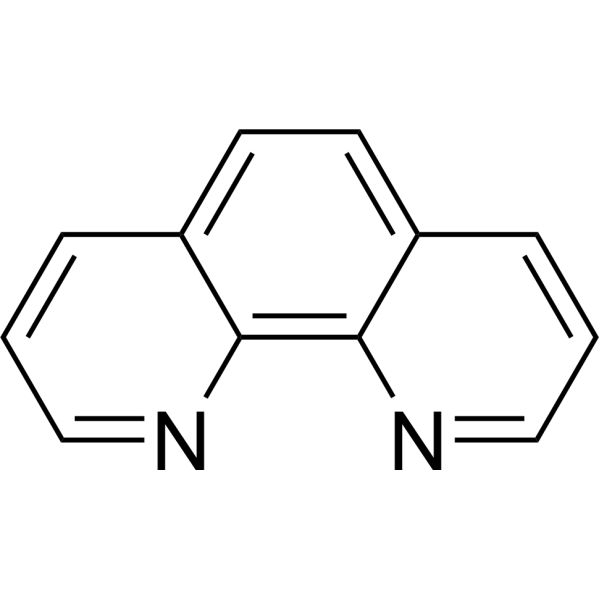
    o-Phenanthroline
    5 Publications Verification

    1,10-Phenanthroline

    Environmental Pollutants MMP Others
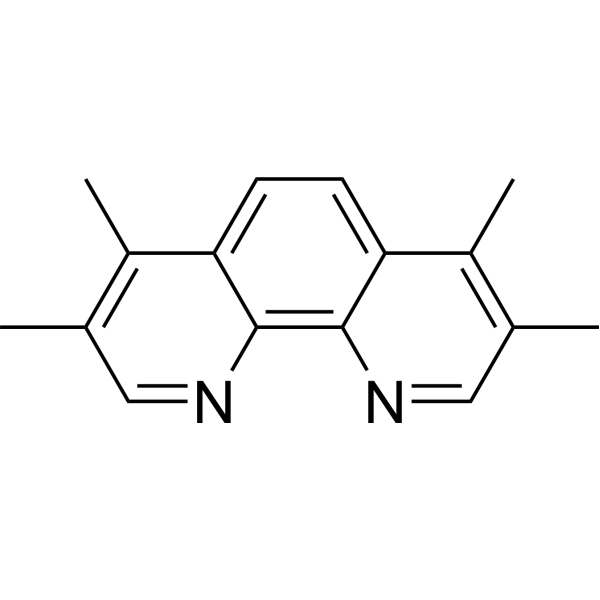
    o-Phenanthroline (1,10-Phenanthroline), a metal chelator, prevents the induction of chromosomal aberrations in streptozotocin-treated cells. o-Phenanthroline (1,10-Phenanthroline) forms a red chelate with Fe 2+ that absorbs maximally at 510 nm. o-Phenanthroline (1,10-Phenanthroline) is also a MMP inhibitor .
    o-Phenanthroline
  • HY-15229
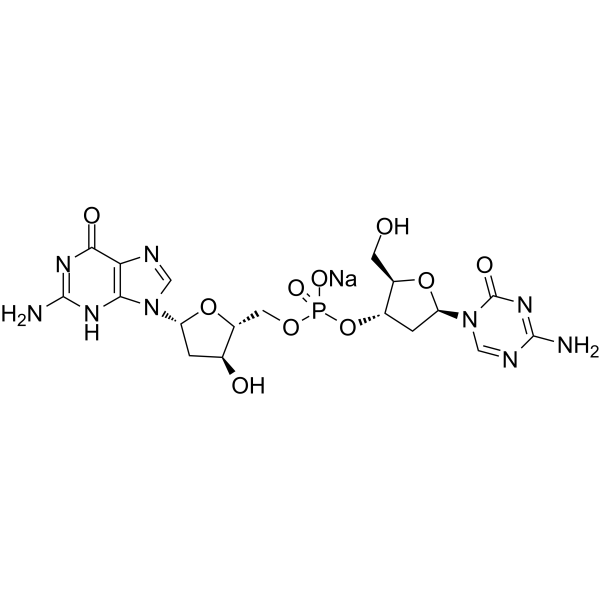
    Guadecitabine sodium
    10+ Cited Publications

    SGI-110 sodium; S-110 sodium

    DNA Methyltransferase Cancer
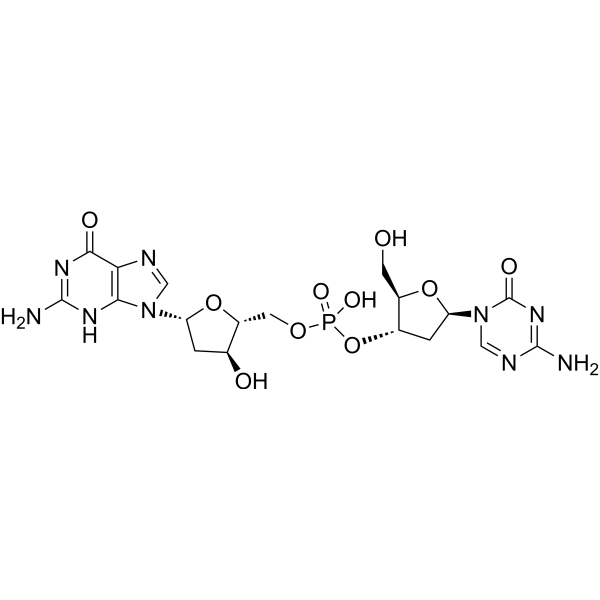
    Guadecitabine sodium (SGI-110 sodium) is a second-generation DNA methyltransferases (DNMT) inhibitor for research of acute myeloid leukemia (AML) and myelodysplastic syndromes (MDS) .
    Guadecitabine sodium
  • HY-Y1841
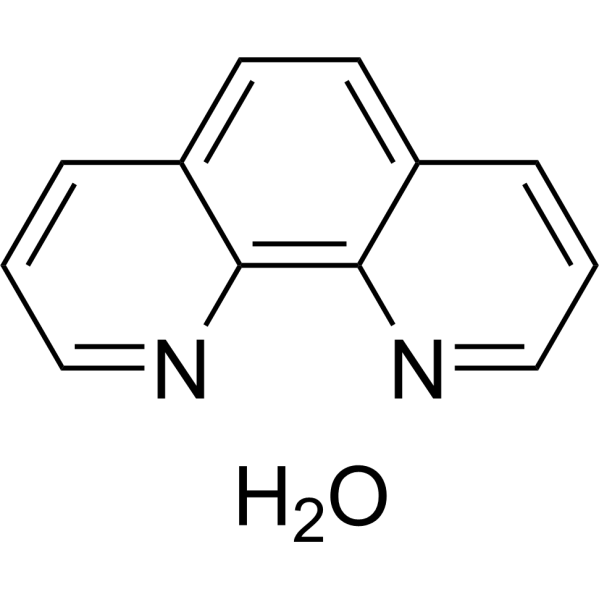
    o-Phenanthroline monohydrate
    5 Publications Verification

    1,10-Phenanthroline monohydrate

    MOFs MMP Others
    o-Phenanthroline (1,10-Phenanthroline) monohydrate, a metal chelator, prevents the induction of chromosomal aberrations in streptozotocin-treated cells. o-Phenanthroline monohydrate forms a red chelate with Fe 2+ that absorbs maximally at 510 nm. o-Phenanthroline (1,10-Phenanthroline) monohydrate is also a MMP inhibitor .
    o-Phenanthroline monohydrate
  • HY-D0817

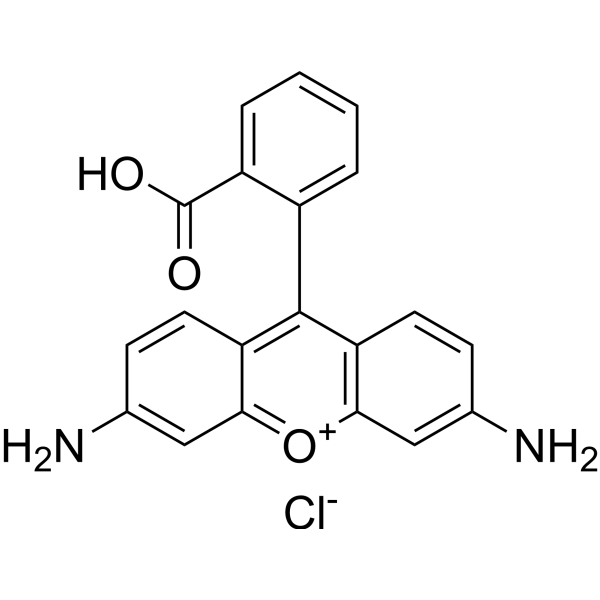
    Rhodamine 110 chloride; RH110

    Fluorescent Dye Others
    Rhodamine 110 is a sensitive and selective substrate for assaying proteinases in solution or inside living cells. The excitation wavelength is 498 nm and the emission wavelength is 521 nm .
    Rhodamine 110
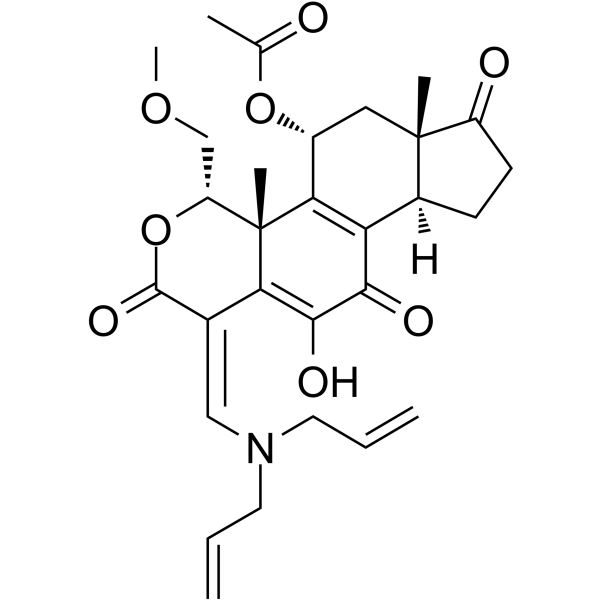
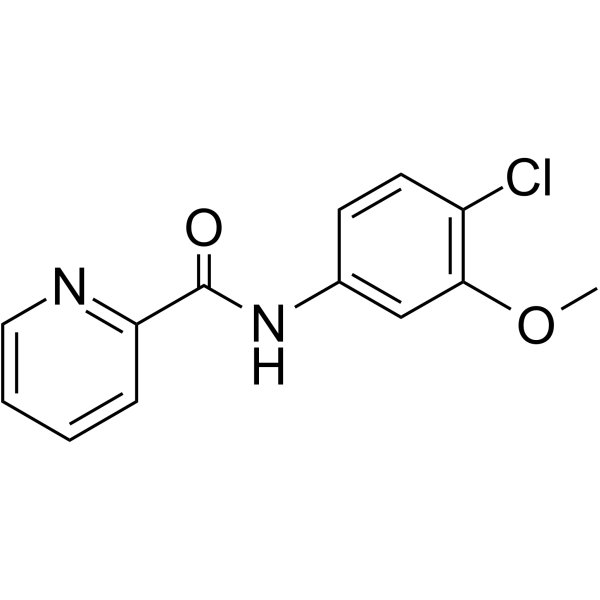
  • HY-175188

    BPN-0027490

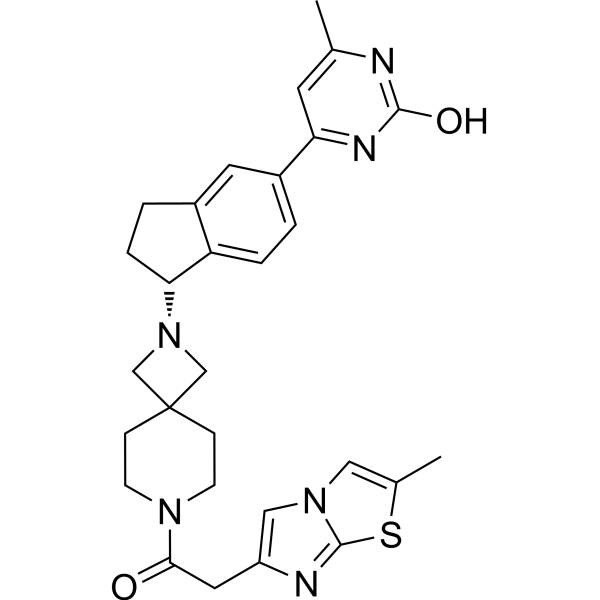
    Myosin Neurological Disease
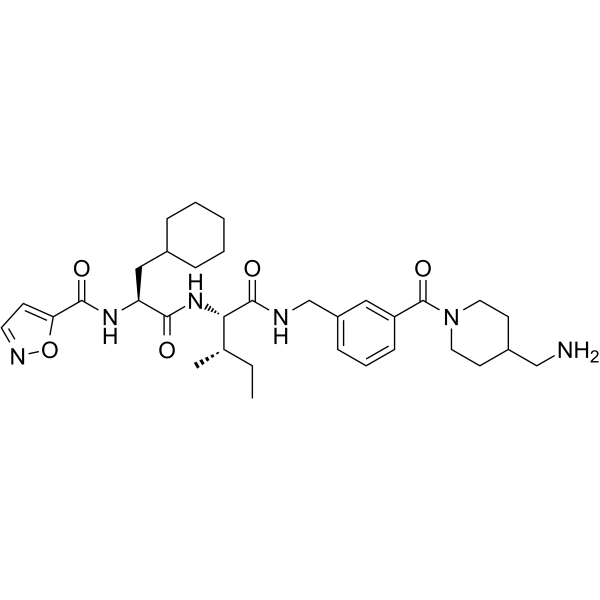
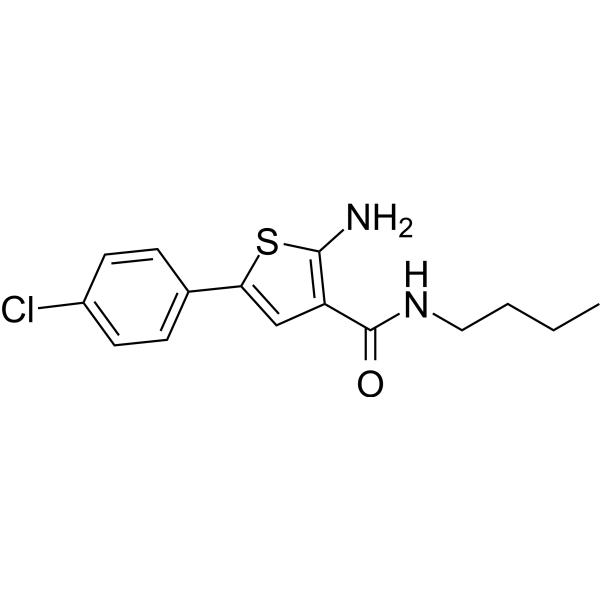
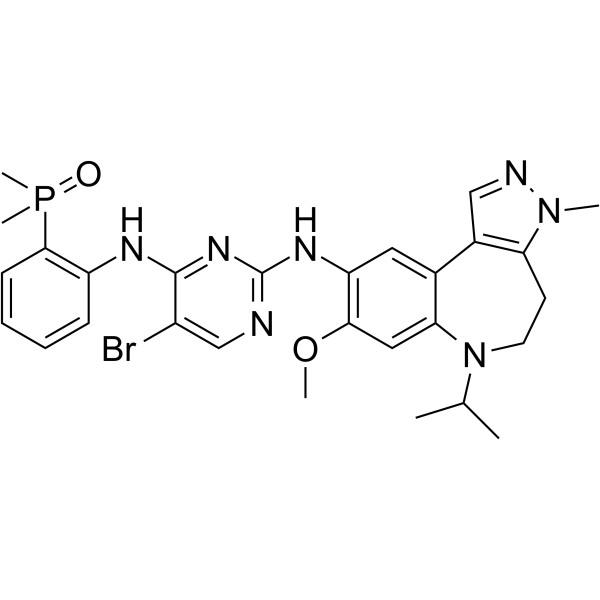
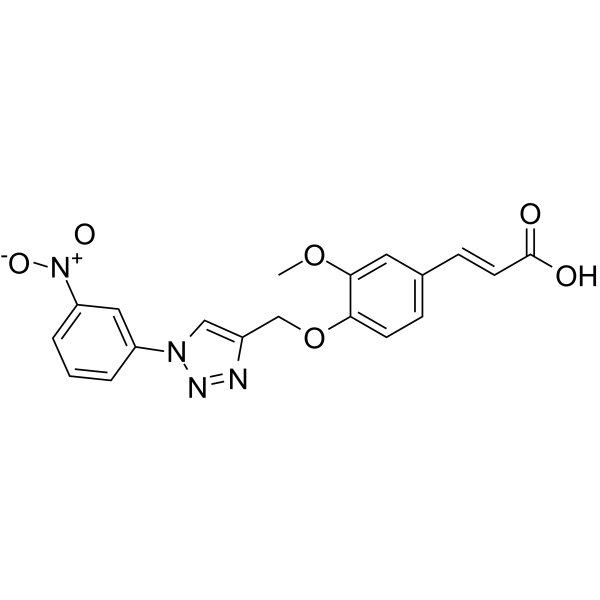
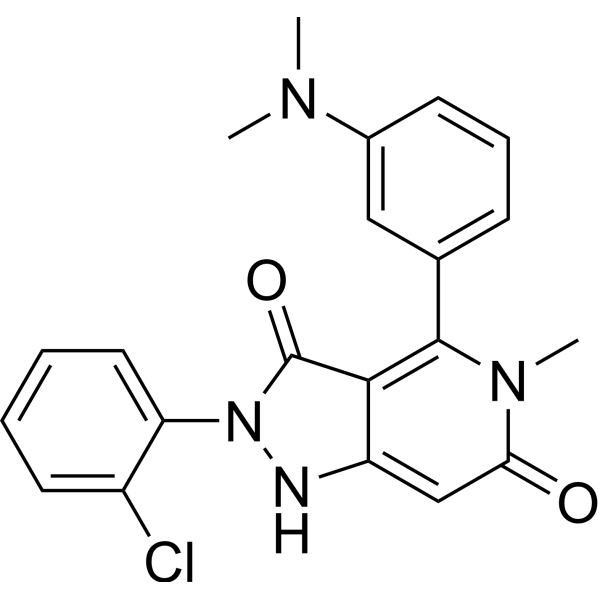
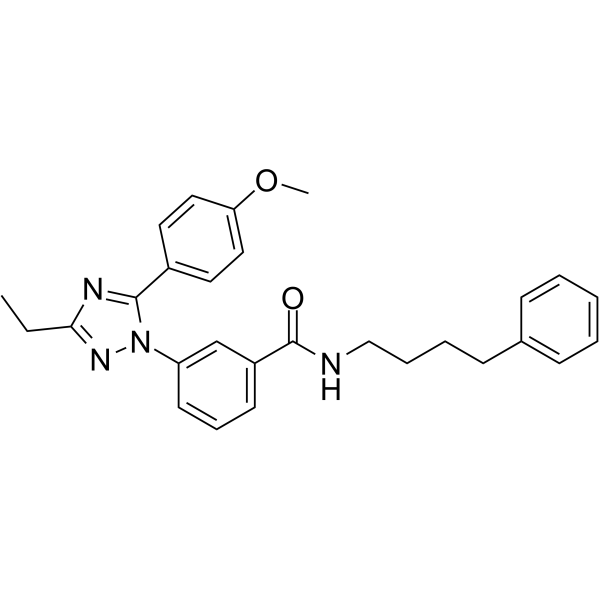
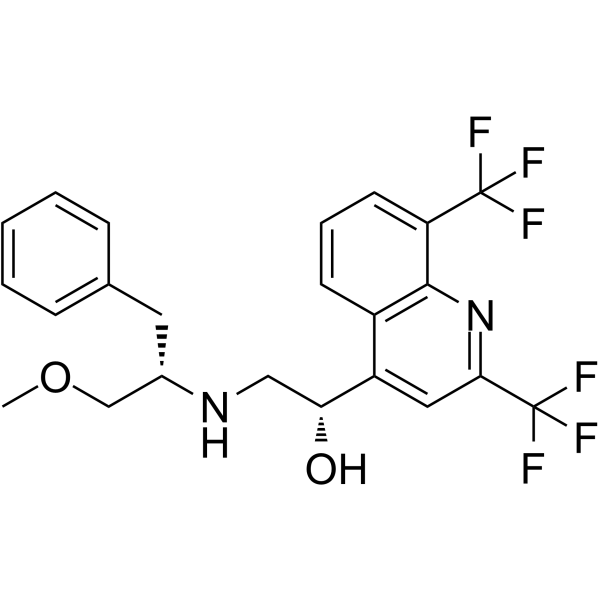
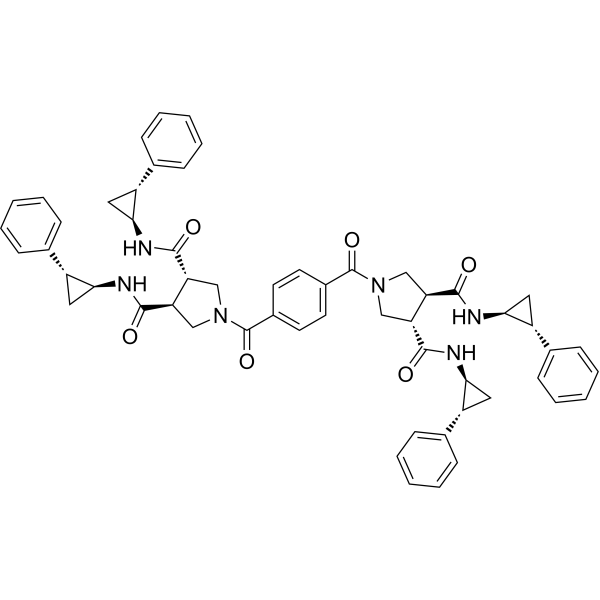
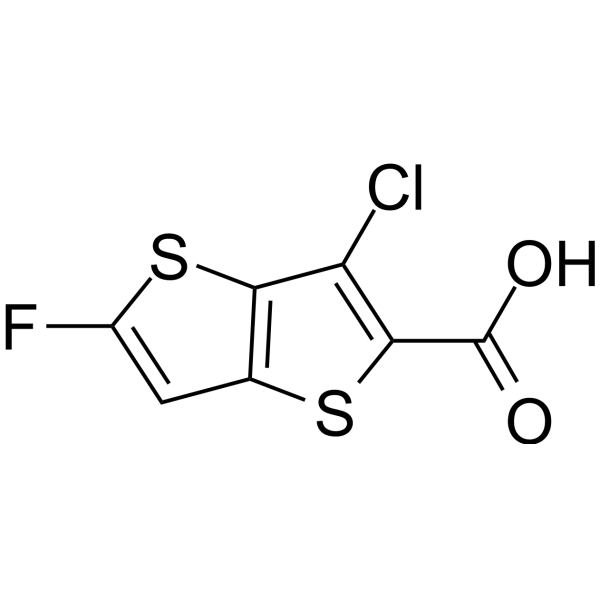
    MT-110 (BPN-0027490) is a non-muscle myosin NMIIB-selective inhibitor with high brain penetration and favorable safety profile. MT-110 specifically disrupts NMIIB-dependent actin dynamics in dendritic spines, while it exerts no significant adverse effects on cardiac myosin II and cardiac functions (such as cardiac output and heart rate) at tested concentrations. A single administration of MT-110 produces long-lasting (sustained for several weeks) blockade of methamphetamine motivation associated with environmental cues. MT-110 exhibits extremely high specificity, with no interference with cocaine motivation, hippocampus-dependent memory, fear memory, or locomotor and anxiety-like behaviors. MT-110 serves as a valuable tool compound for investigating the mechanisms of methamphetamine use disorder .
    MT-110
  • HY-P10368

    Dynamin Reactive Oxygen Species (ROS) Infection Cardiovascular Disease Neurological Disease Inflammation/Immunology
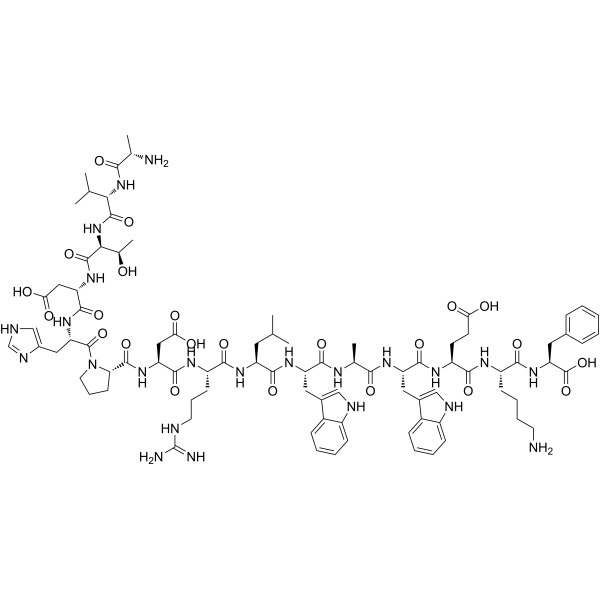
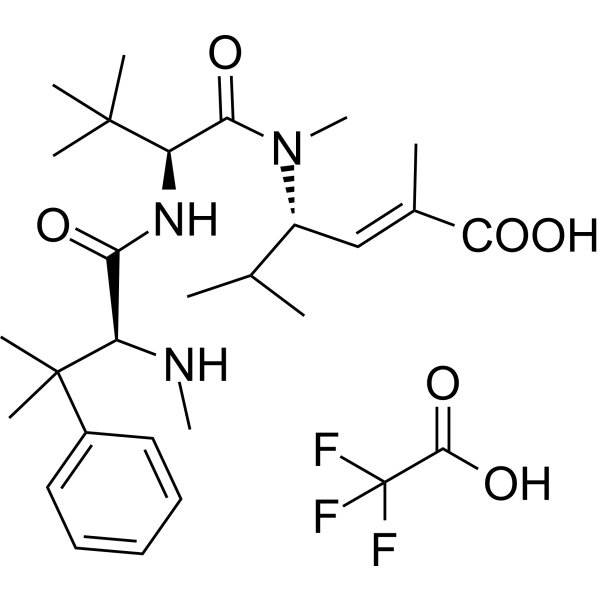
    P110 heptapeptide is a peptide inhibitor of the Drp1-Fis1 interaction. P110 heptapeptide has anti-inflammatory, immunomodulatory, mitochondrial protective, and neuroprotective activities. Without blocking the physiological functions of Drp1, P110 heptapeptide reduces pathological functions in many models of neurodegeneration, ischemia, and sepsis. P110 heptapeptide can be used for research on neurological and inflammatory diseases .
    P110 heptapeptide
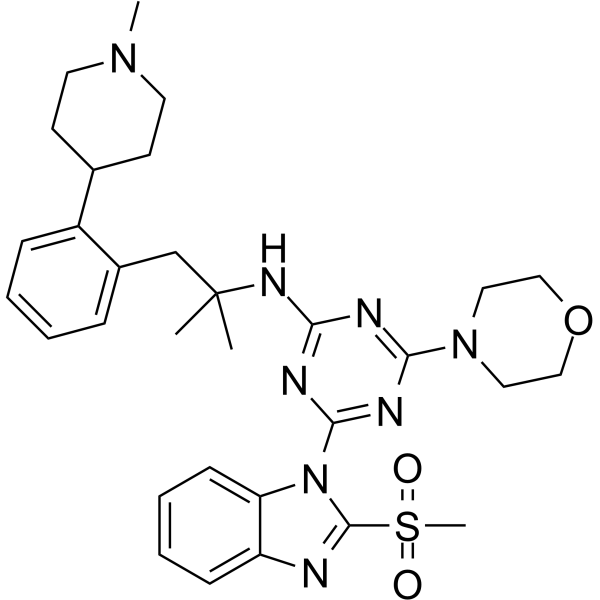
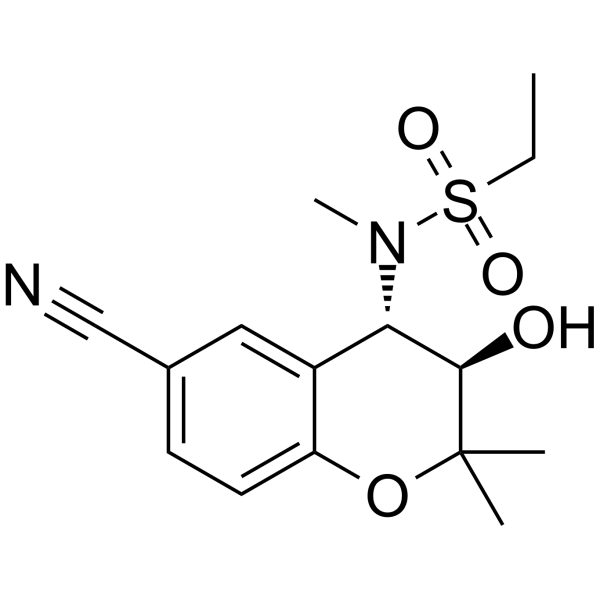
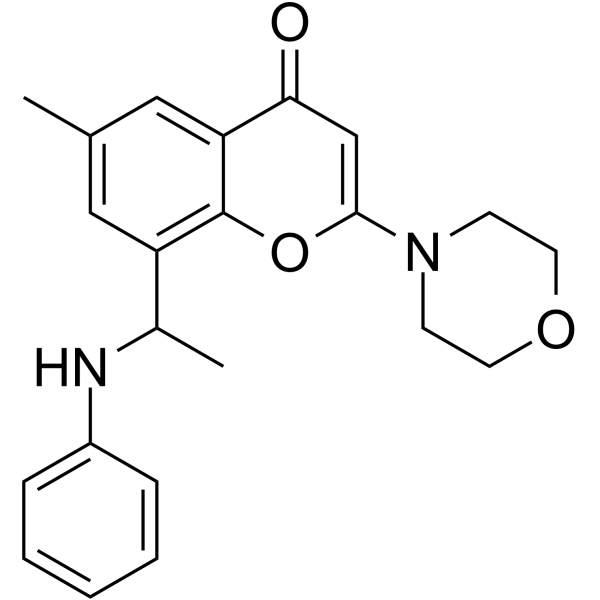
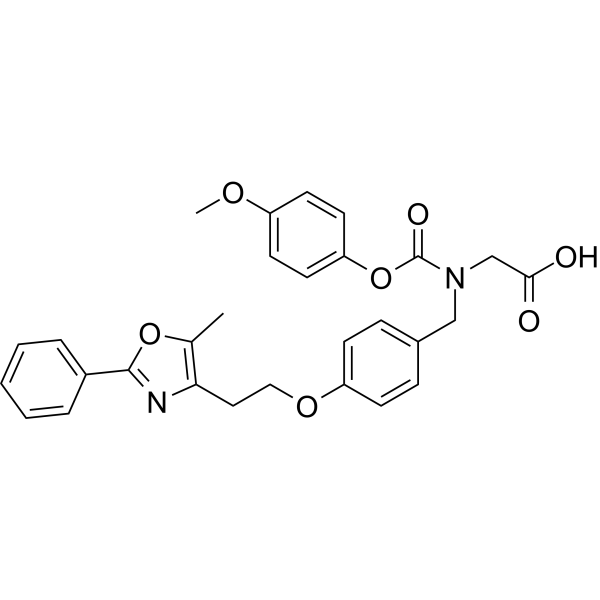
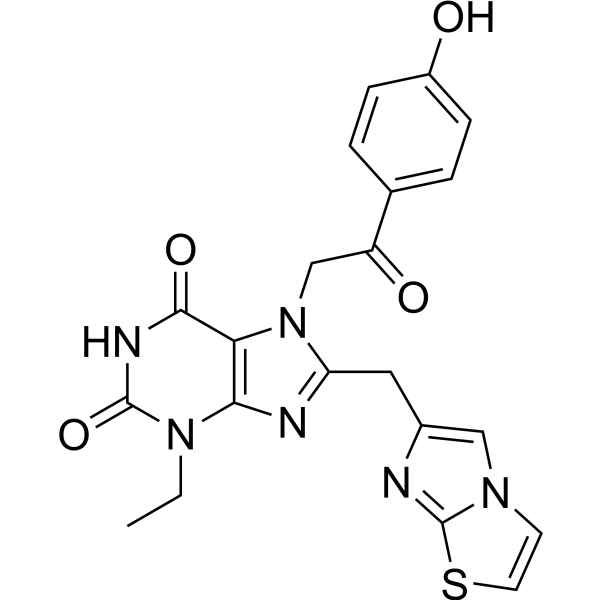
  • HY-12830

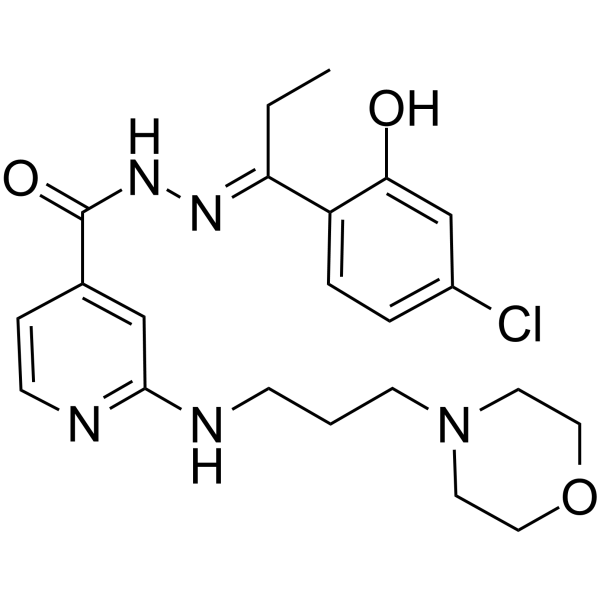
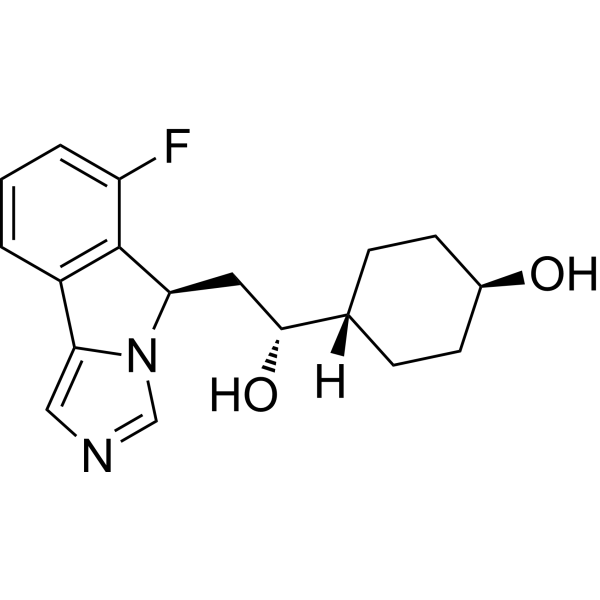
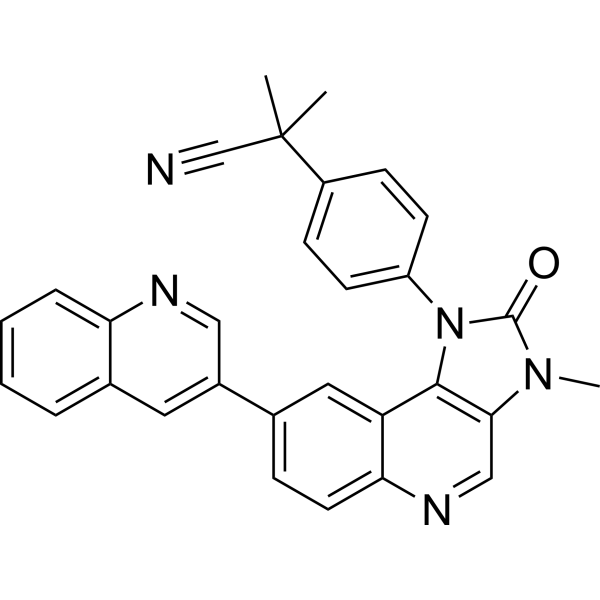
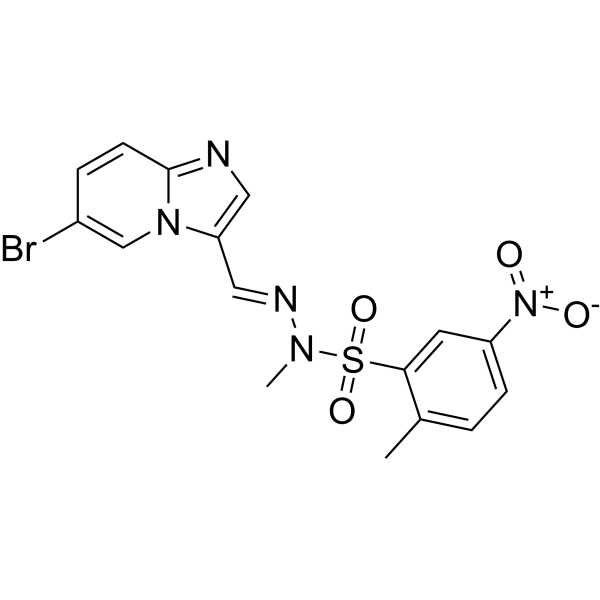
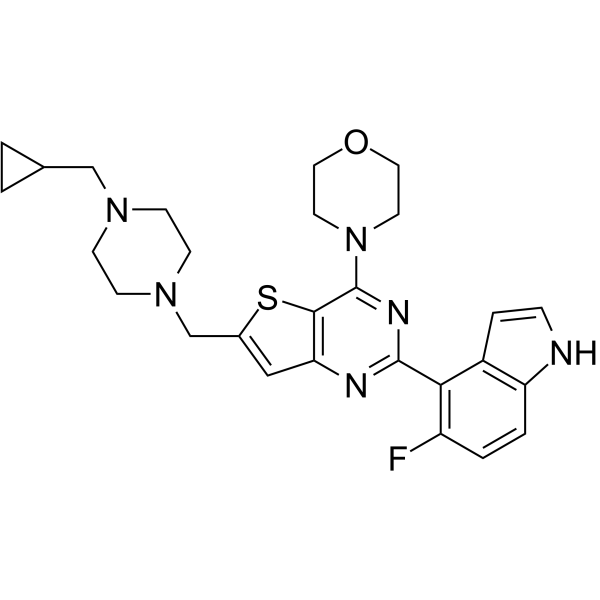
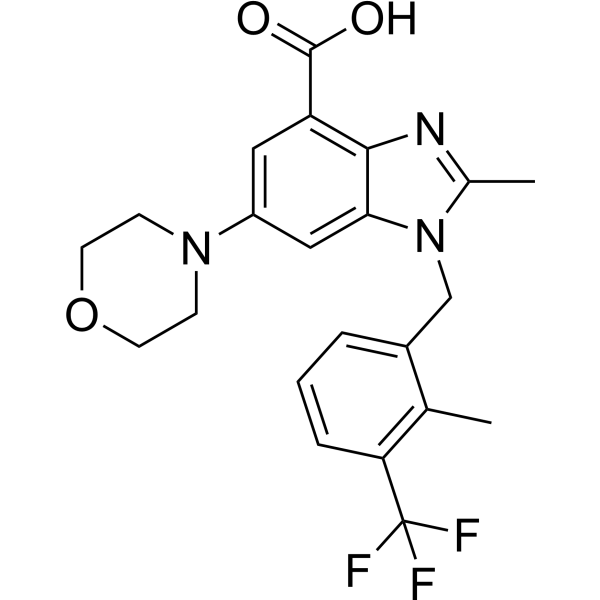
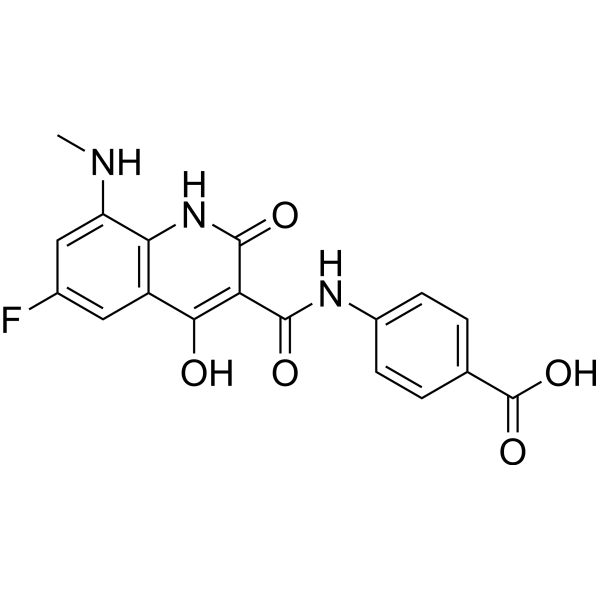
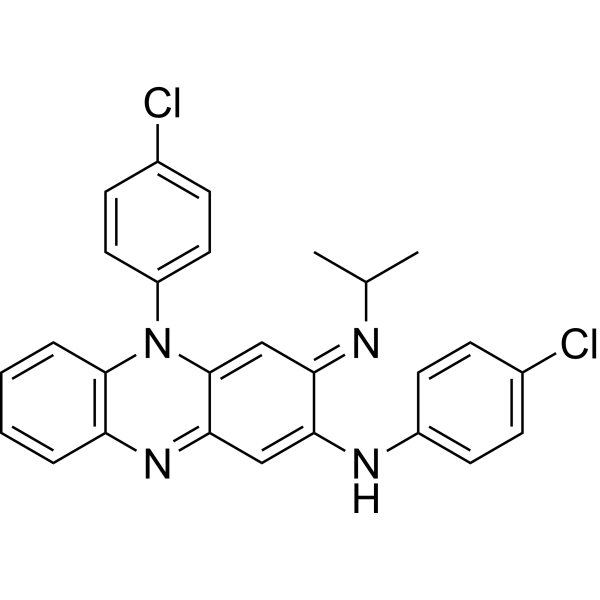
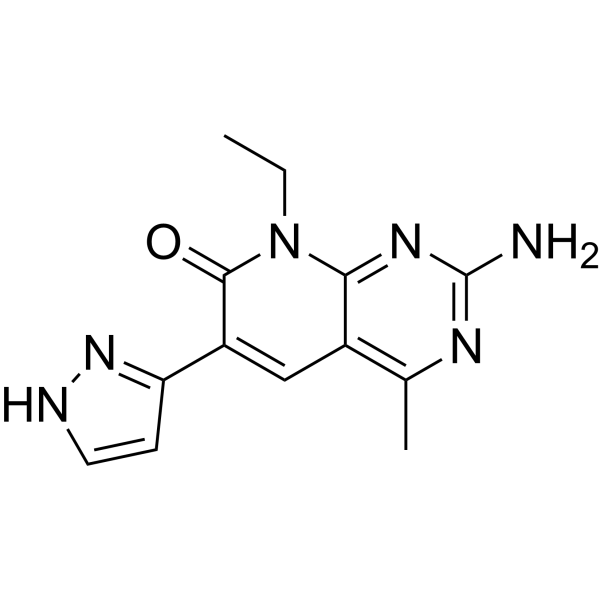
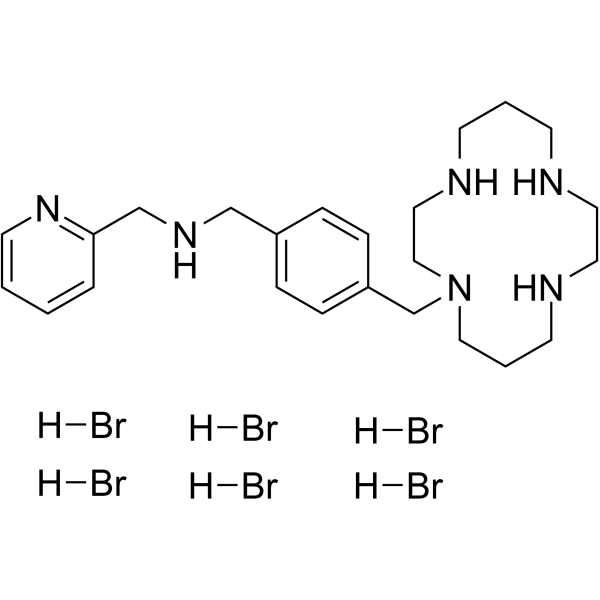
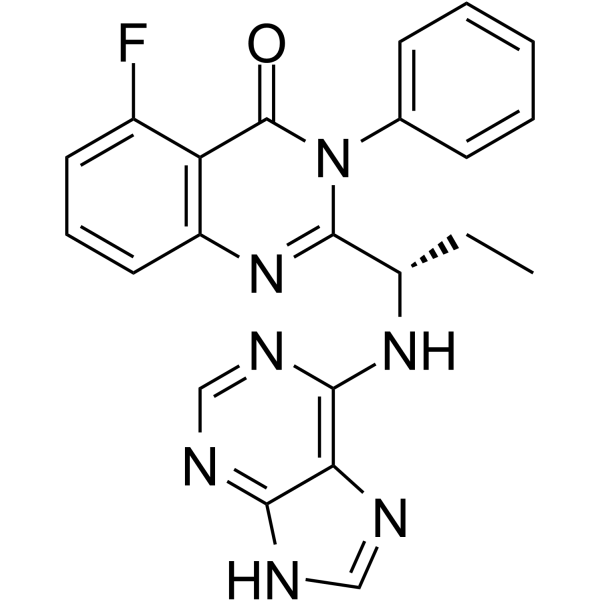
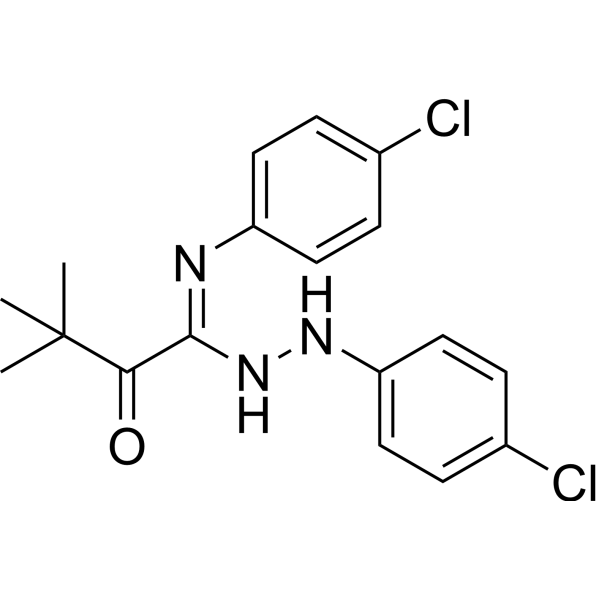
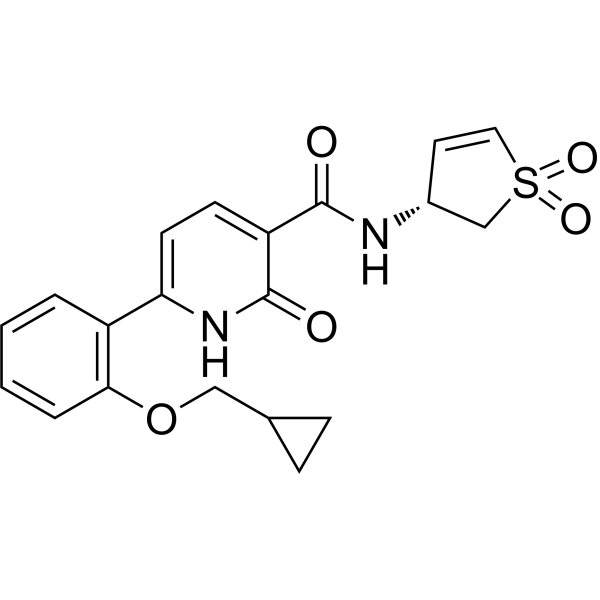
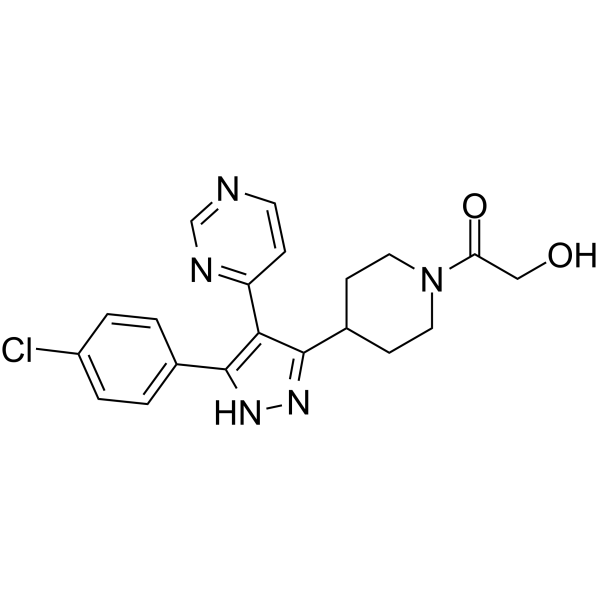
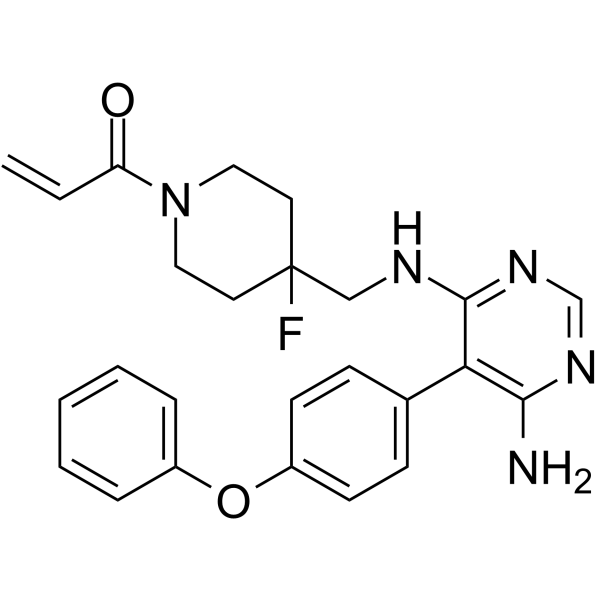
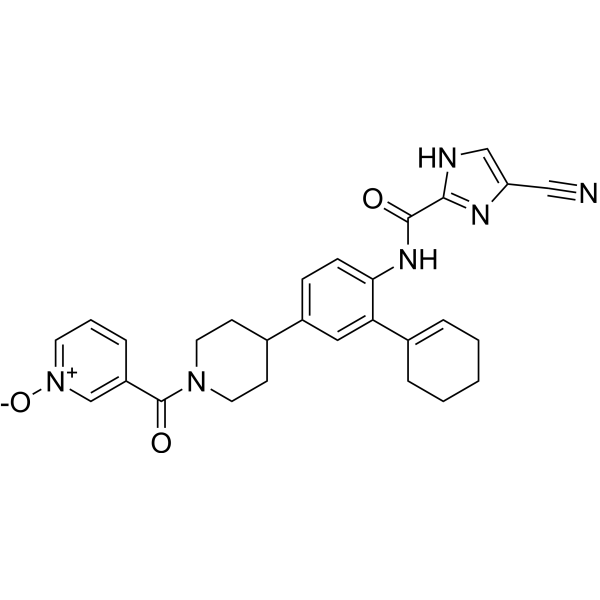
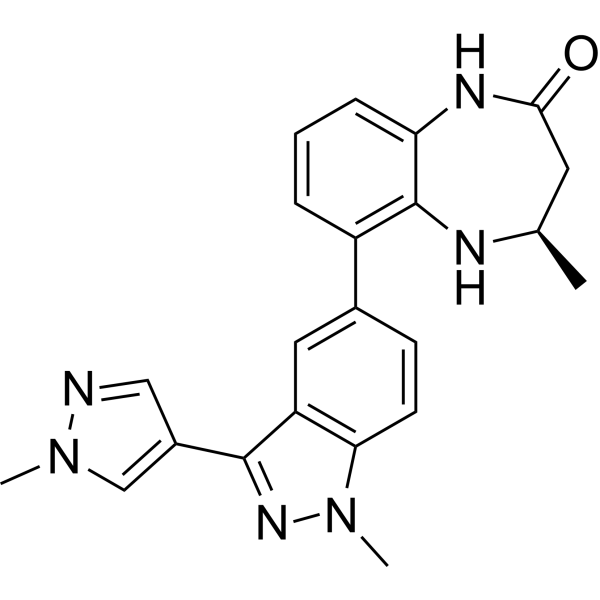
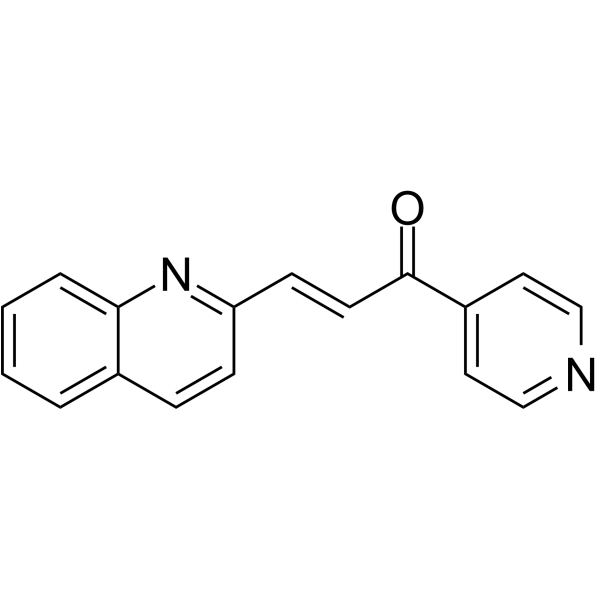
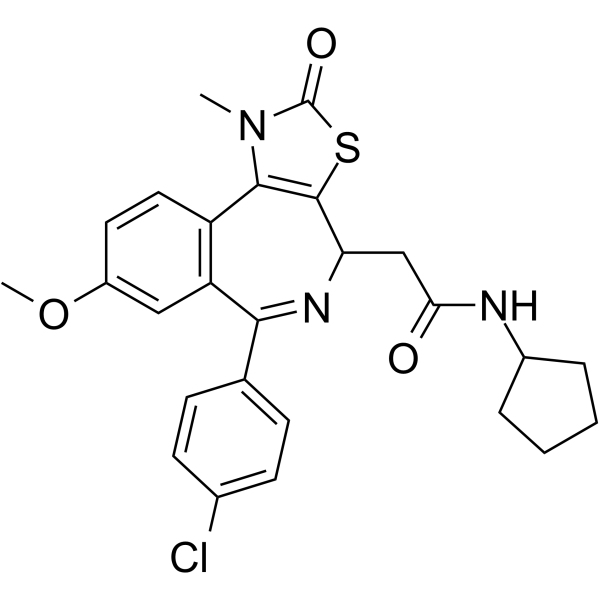
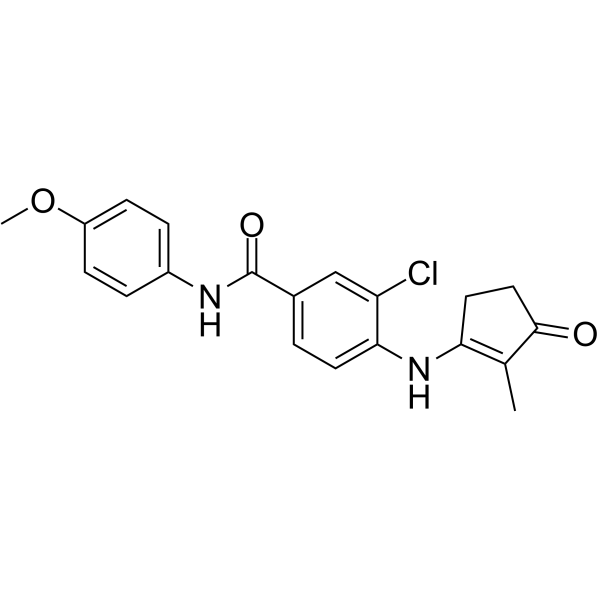
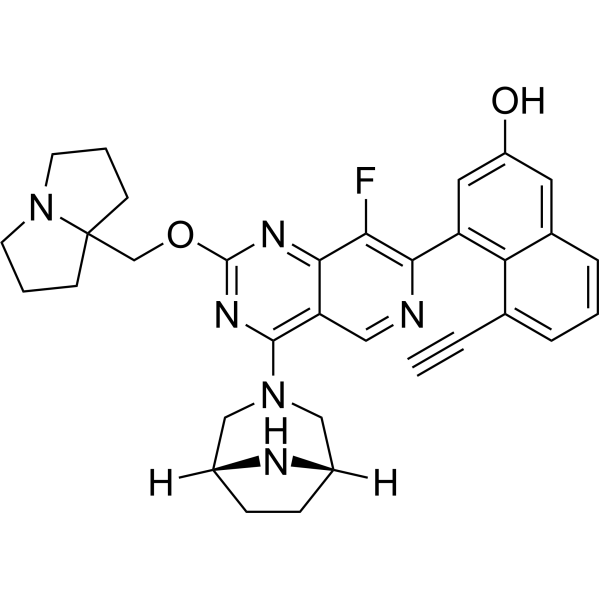
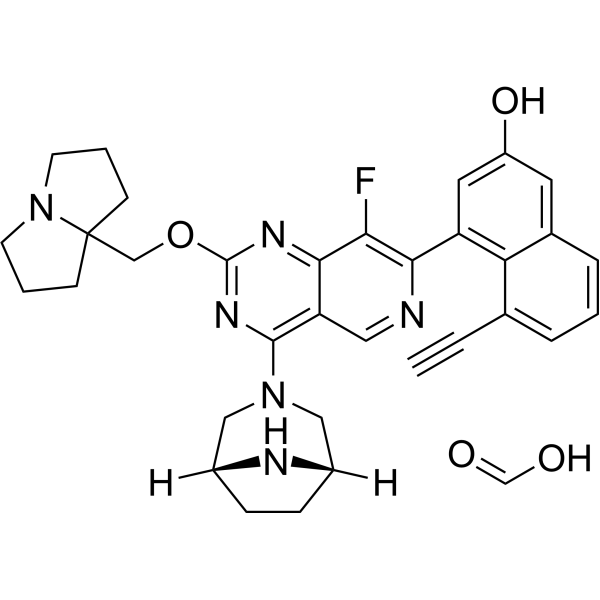
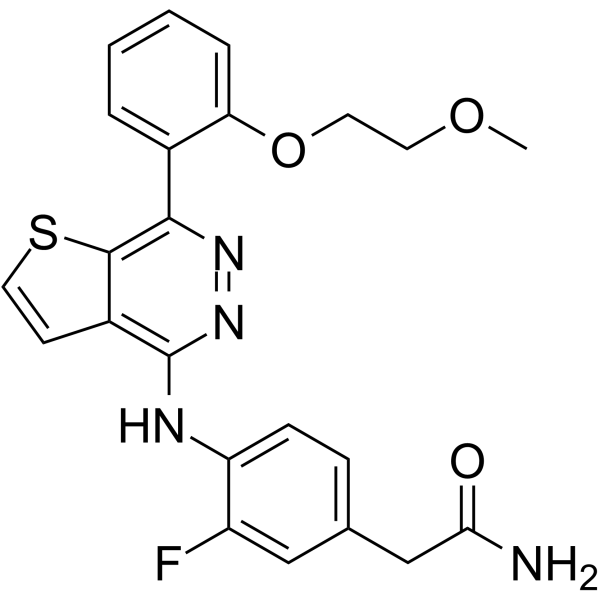
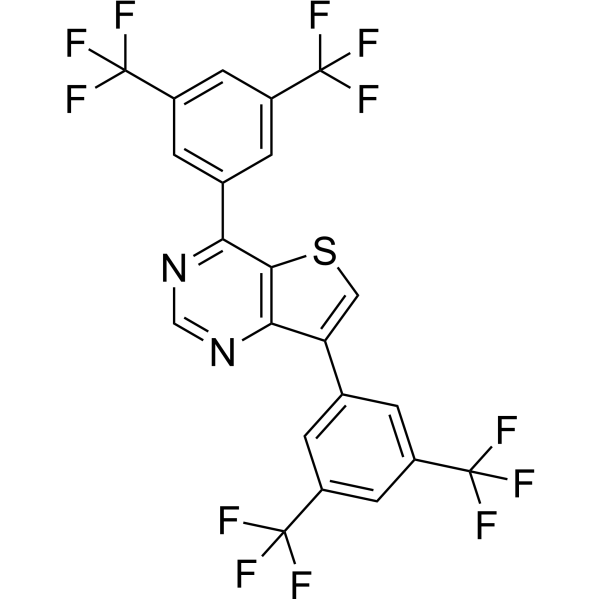
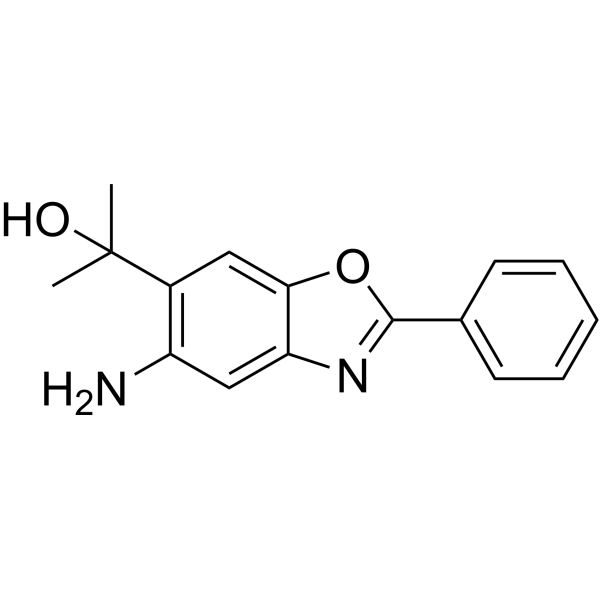
    Pim Cancer
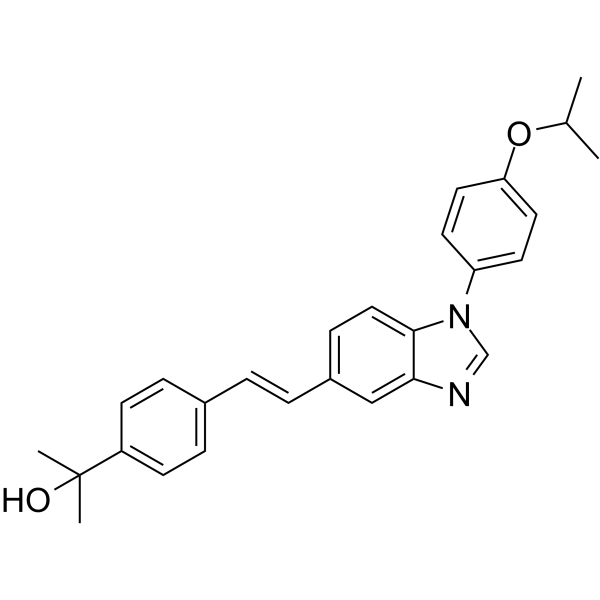
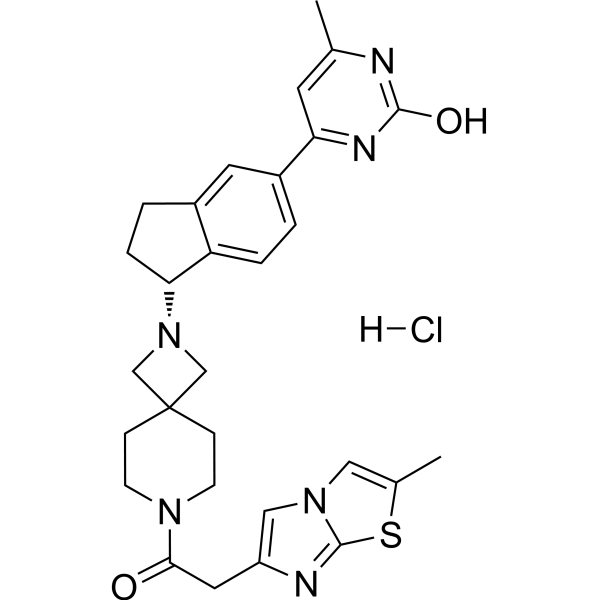
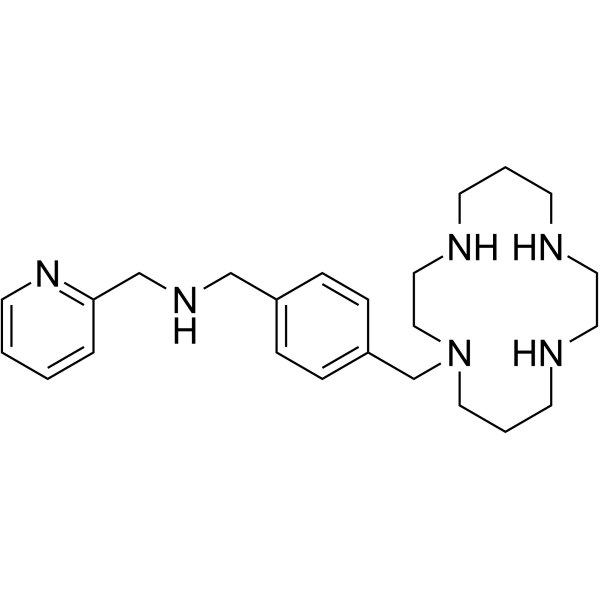
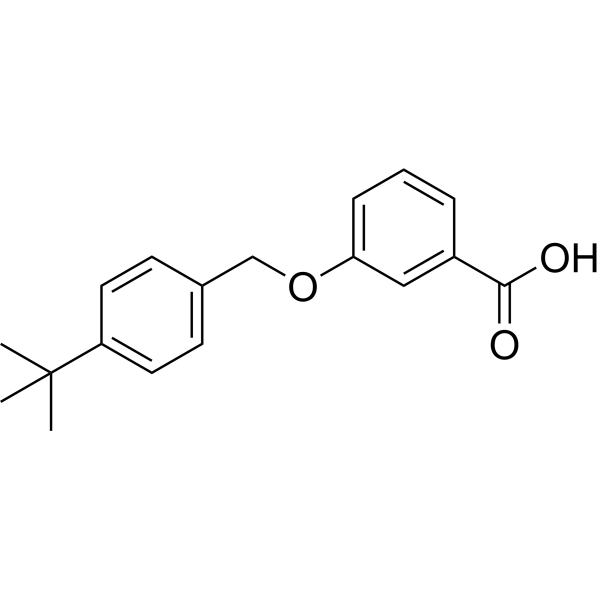
    M-110 is a highly selective, ATP-competitive inhibitor of PIM kinases with a preference for PIM-3 (IC50=47 nM). M-110 inhibits PIM-1 and PIM-2 with similar IC50s of 2.5 μM. M-110 inhibits the proliferation of prostate cancer cell lines with IC50s of 0.6 to 0.9 μM .
    M-110
  • HY-P2280

    P110

    Dynamin Neurological Disease Inflammation/Immunology
    TAT-P110, a peptide inhibitor of Drp1-Fis1 interaction, reduces pathology in numerous models of neurodegeneration, ischemia, and sepsis without blocking the physiological functions of Drp1 .
    TAT-P110
  • HY-123673
    MCP110
    2 Publications Verification

    Ras Raf Cancer
    MCP110 is an inhibitor of Ras/Raf-1 interaction. MCP110 blocks the interaction of Ras with Raf. MCP110 disrupts this interaction might can be used for the research of human tumors .
    MCP110
  • HY-120528A
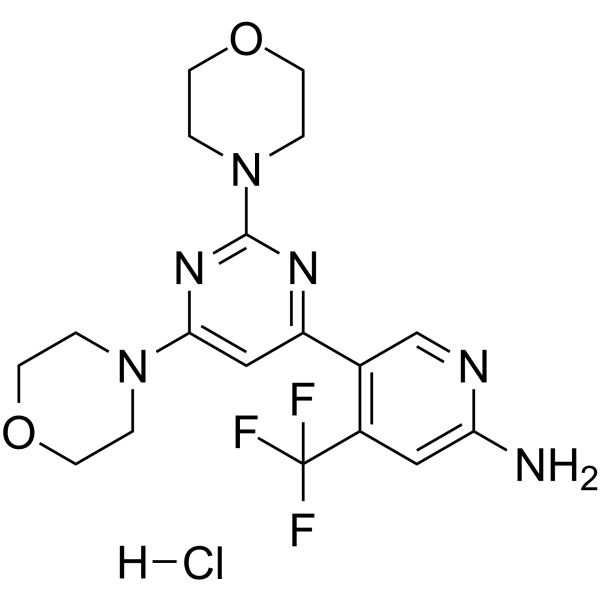
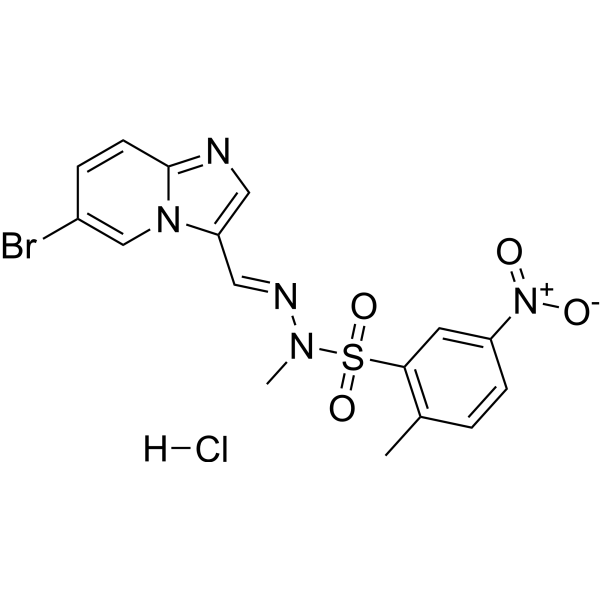
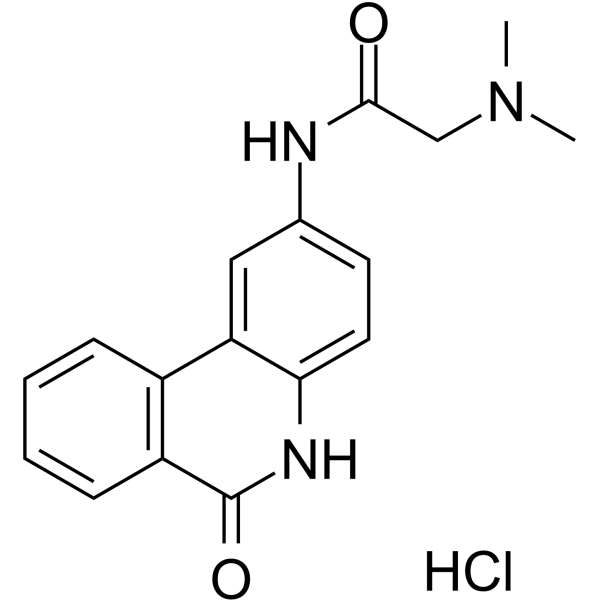
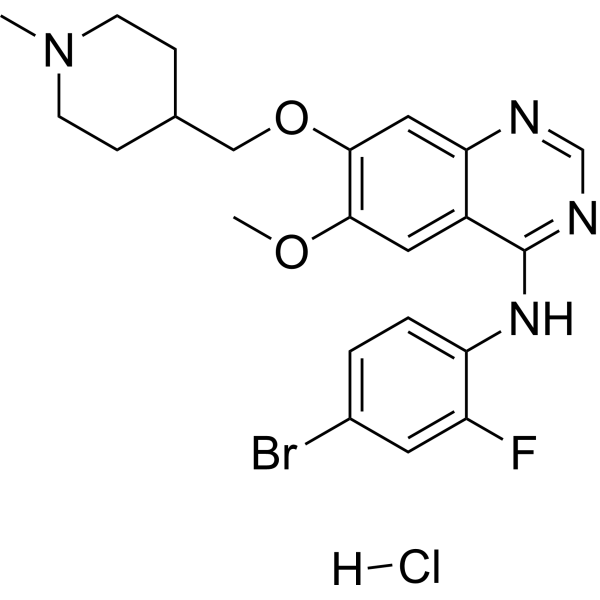
    GB-110 hydrochloride
    1 Publications Verification

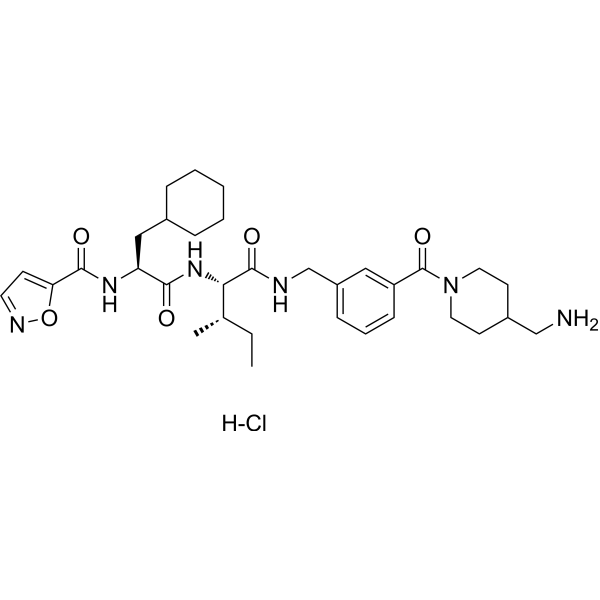
    Protease Activated Receptor (PAR) Inflammation/Immunology Cancer
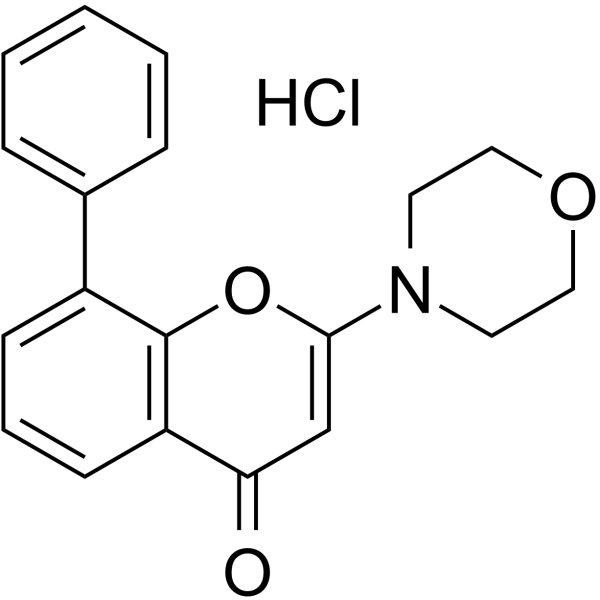
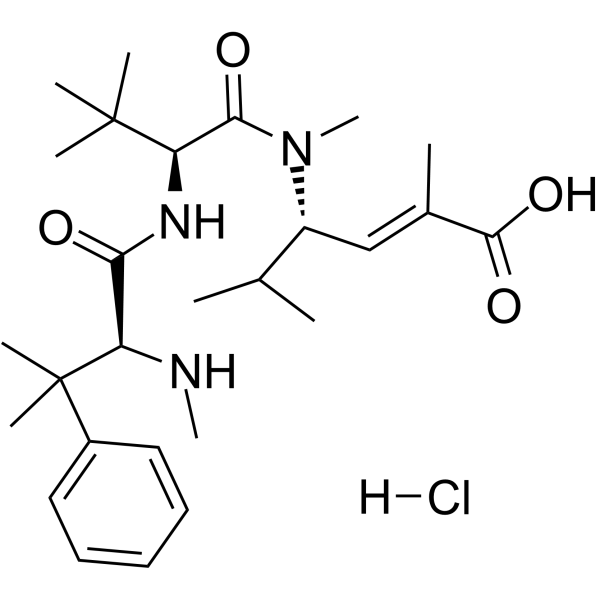
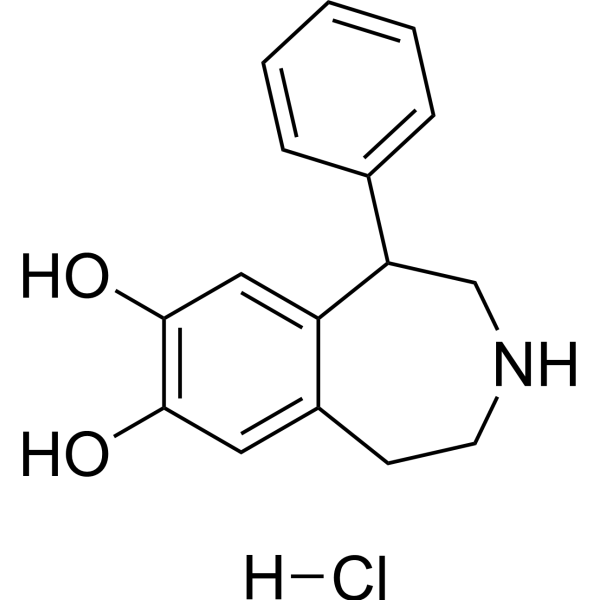
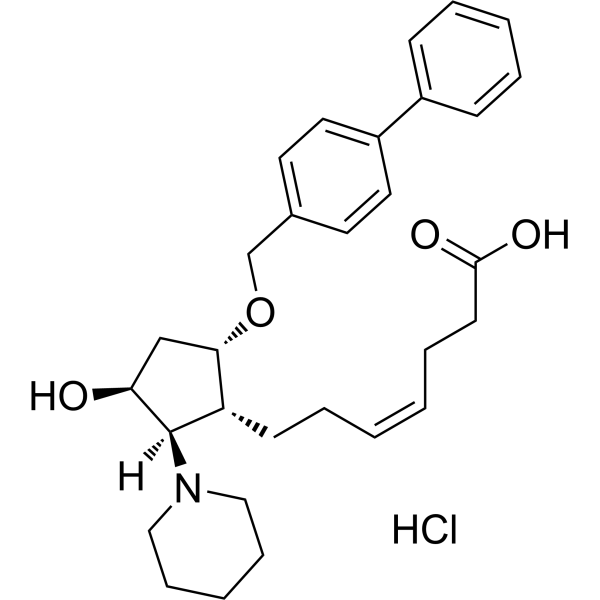
    GB-110 hydrochloride is a potent, orally active, and nonpeptidic protease activated receptor 2 (PAR2) agonist. GB-110 hydrochloride selectively induces PAR2-mediated intracellular Ca 2+ release in HT29 cells with an EC50 of 0.28 μM .
    GB-110 hydrochloride
  • HY-W004570

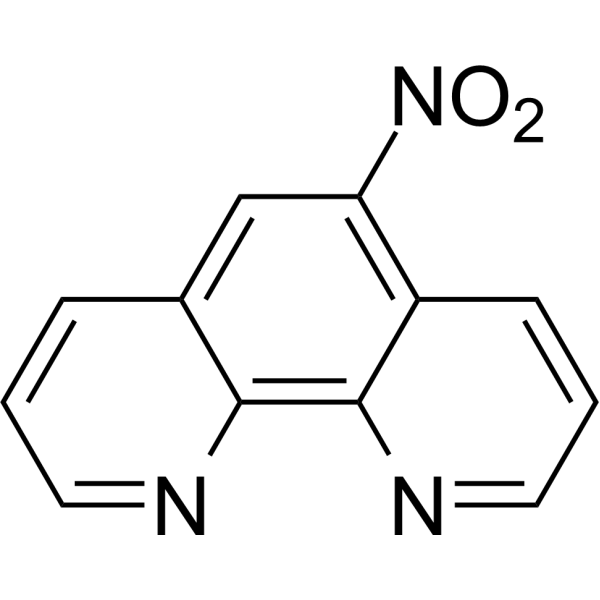
    5-NP

    Endogenous Metabolite Infection
    5-Nitro-1,10-phenanthroline (5-NP), is a o-Phenanthroline (HY-W004544) derivative, as a mediator of glucose oxidase (GOX) with antituberculous activity. 5-Nitro-1,10-phenanthroline can be applied as redox mediators for oxidases and is suitable for the development of reagent-less biosensors and biofuel cells .
    5-Nitro-1,10-phenanthroline
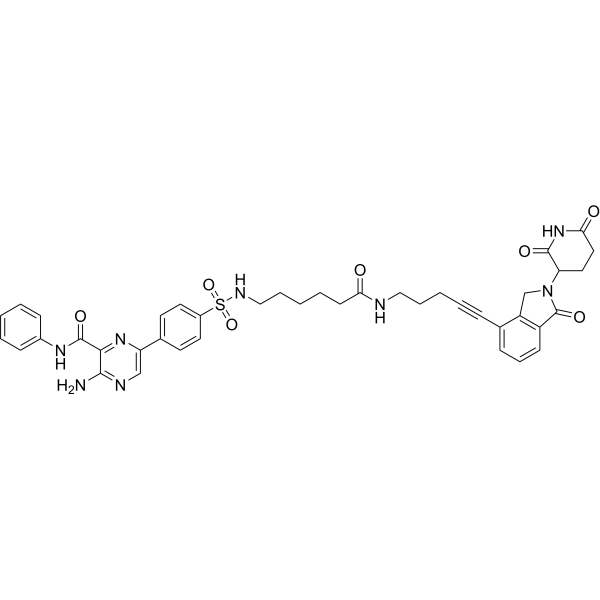
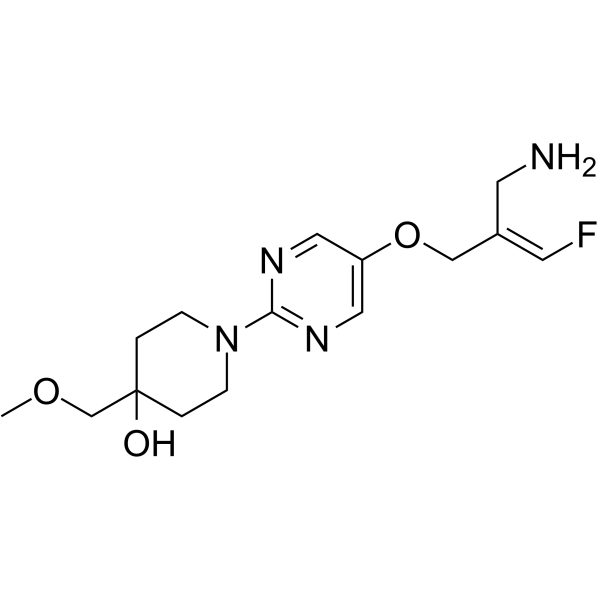
  • HY-157767

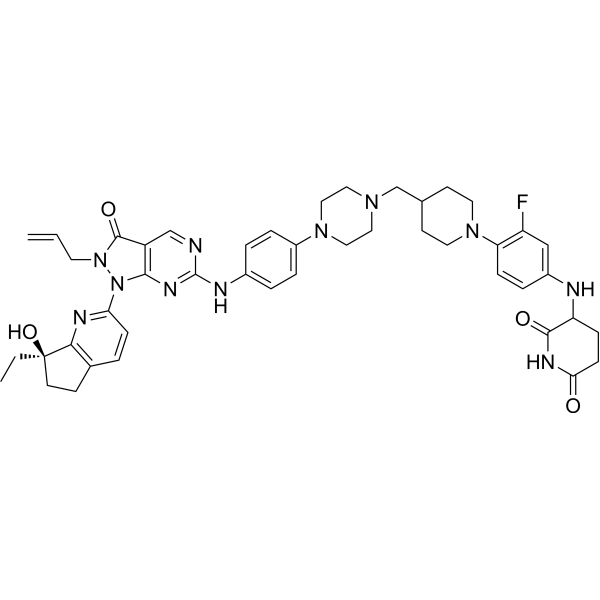
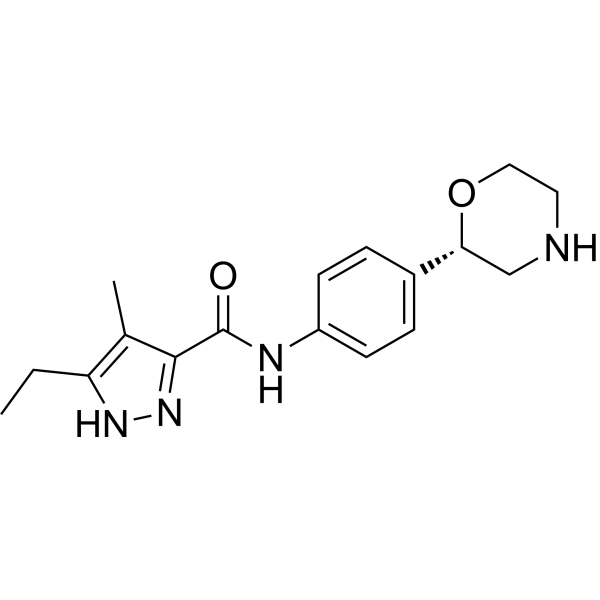
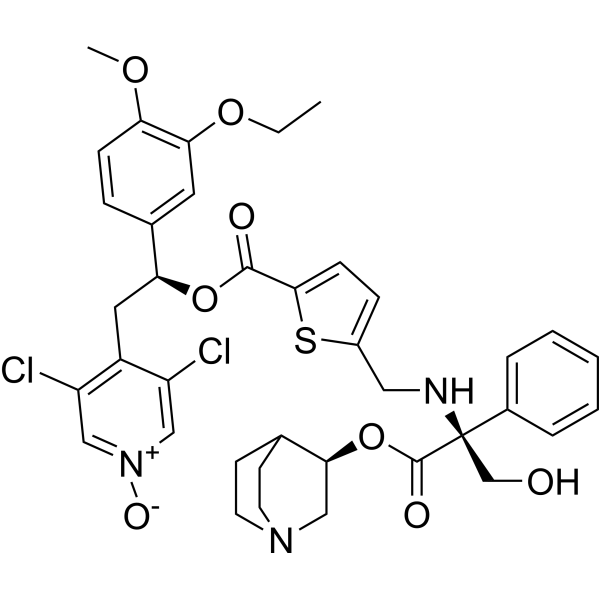
    PROTACs ATM/ATR Cancer
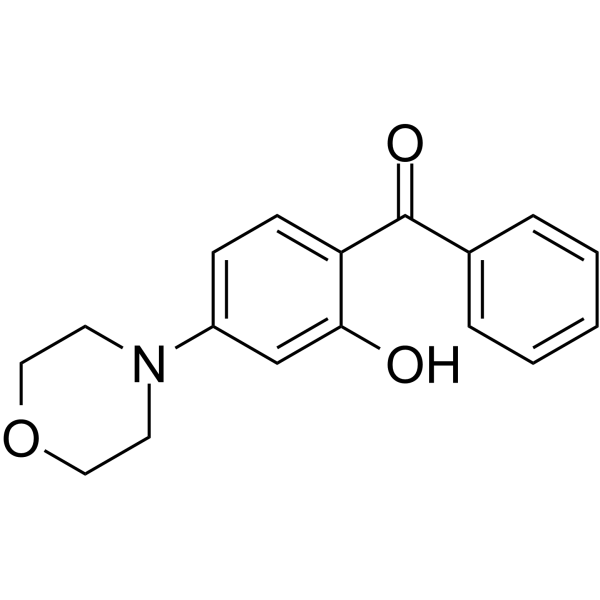
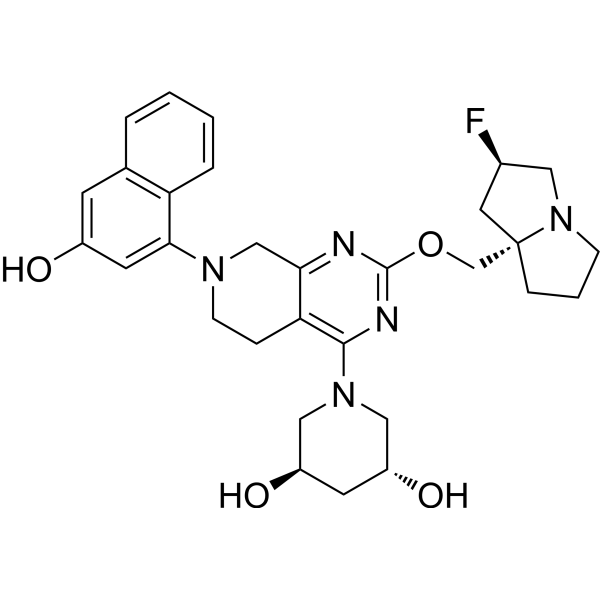
    Abd110 (compound 42i) is a Lenalidomide-based PROTAC ATR kinase degrader. Abd110 selectively decreases ATR and phospho-ATR without affecting related kinases ATM and DNA-PKcs .
    Abd110
  • HY-125254
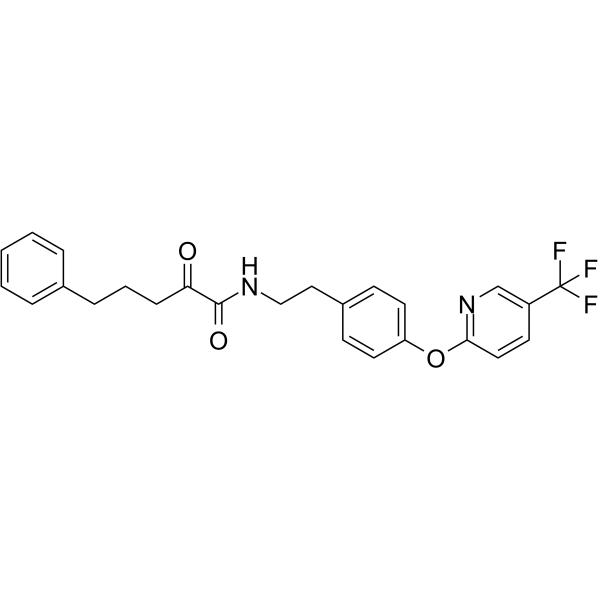
    LEI110
    1 Publications Verification

    Phospholipase HRASLS Infection Metabolic Disease
    LEI110 is a potent, selective and cell-permeable pan-inhibitor of the HRASLS family of thiol hydrolases. LEI110 inhibits PLA2G16, HRASLS2, RARRES3 and iNAT, with pIC50 values of 7.0, 6.8, 6.8, and 7.6, respectively. LEI110 reduces cellular arachidonic acid levels and oleic acid-induced lipolysis in HepG2 cells .
    LEI110
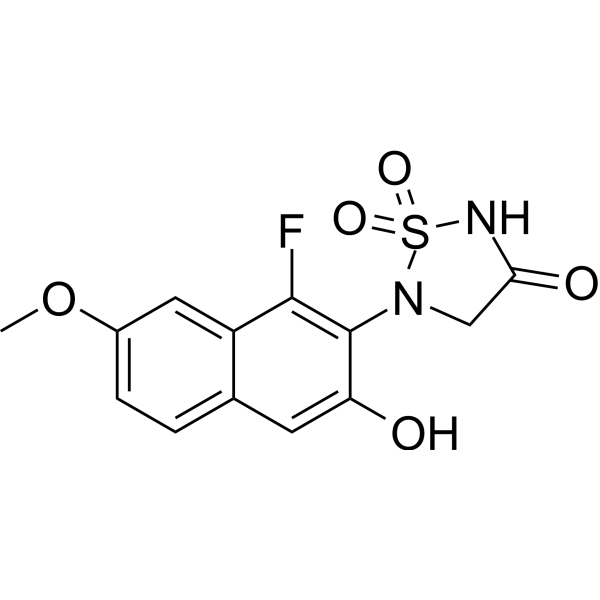
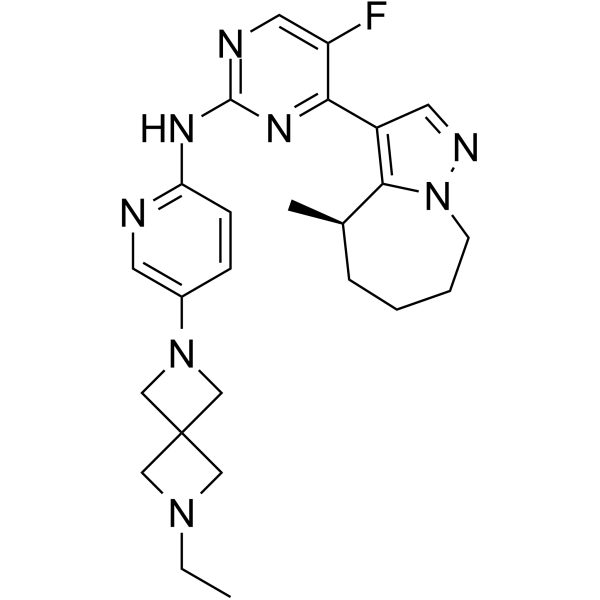
  • HY-114428

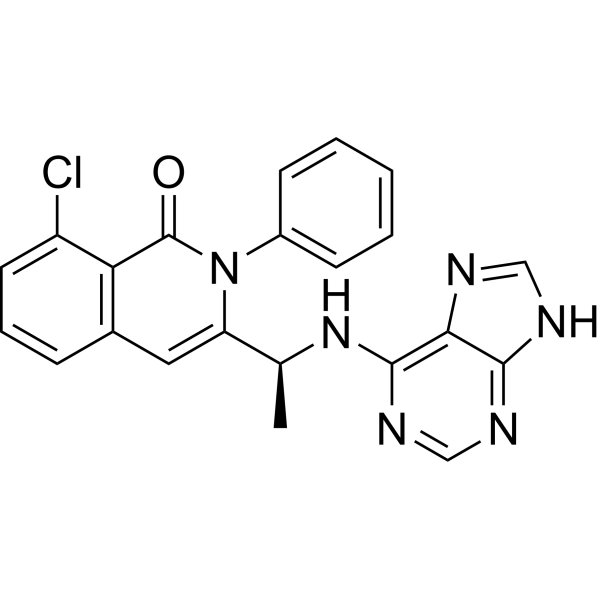
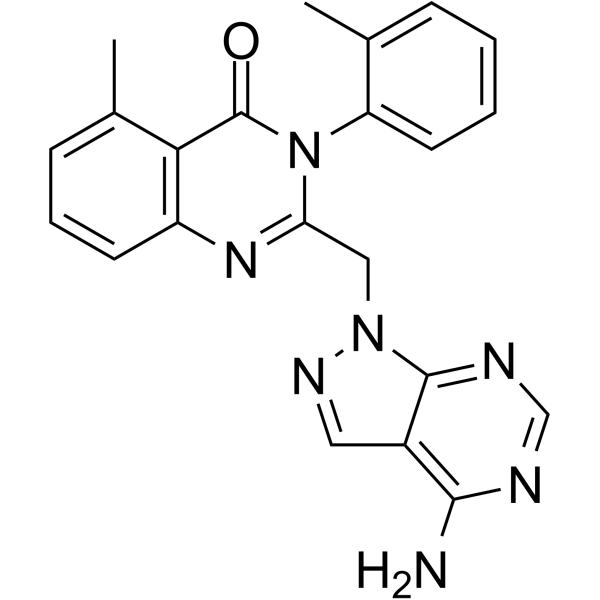
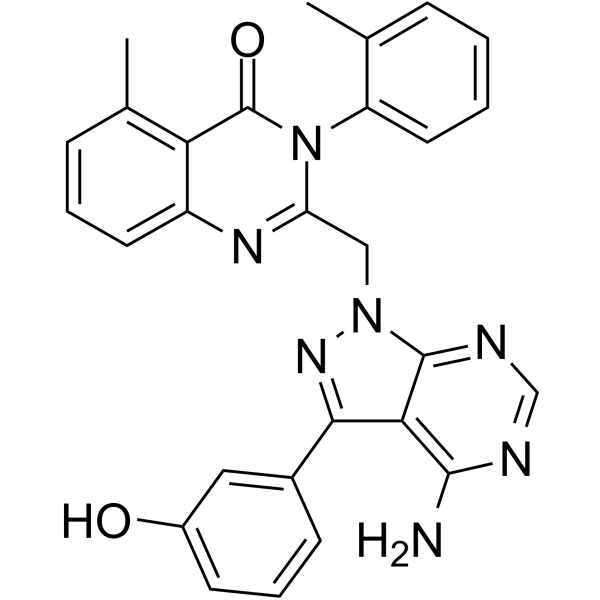
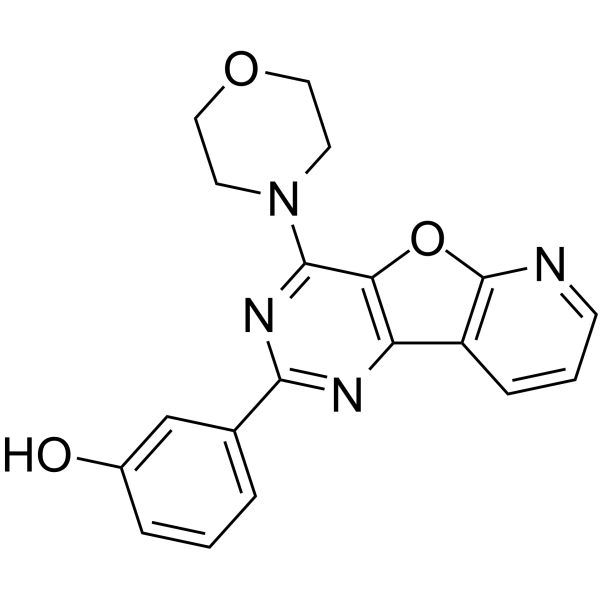
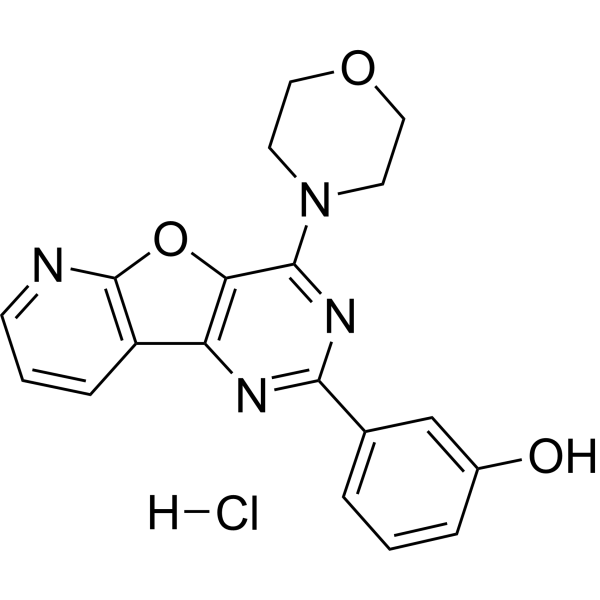
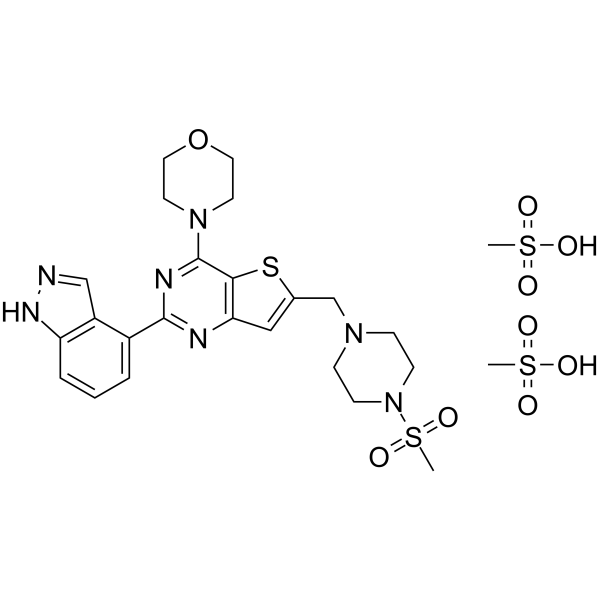
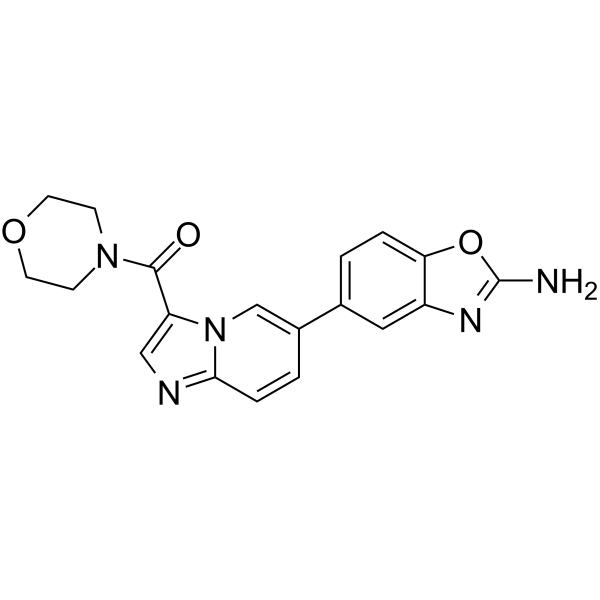
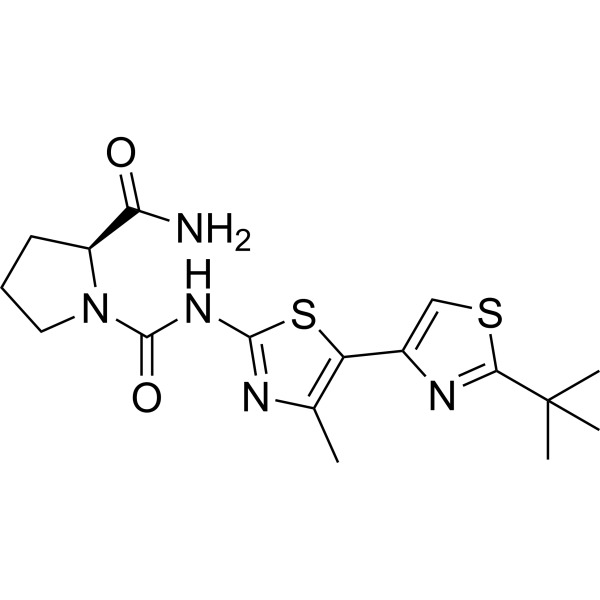
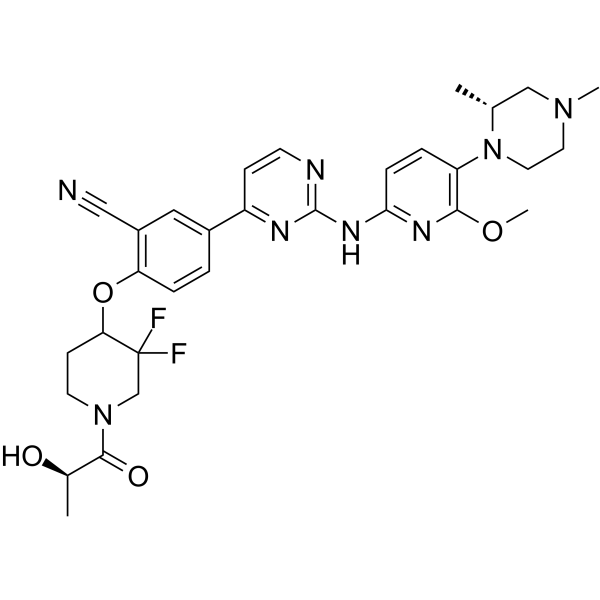
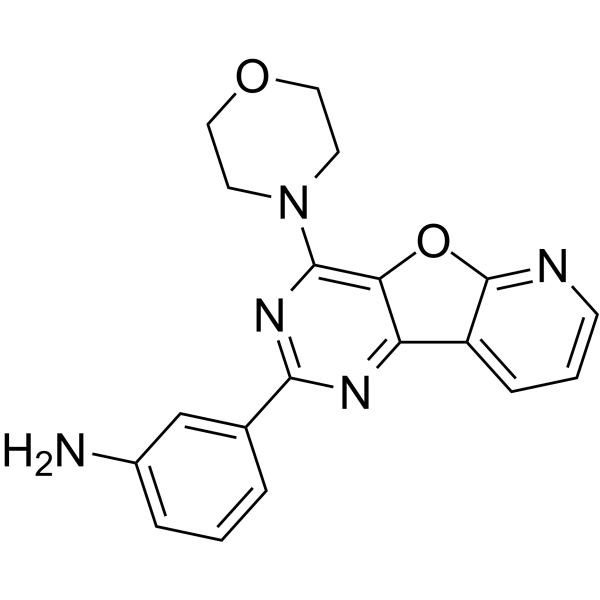
    PI3K Cancer
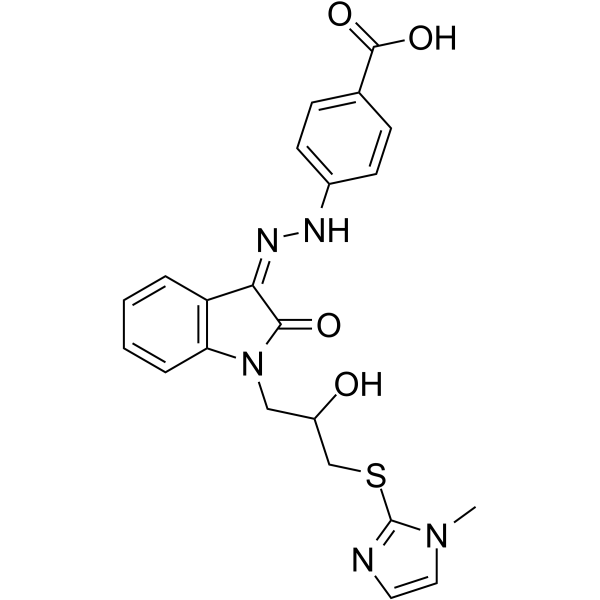
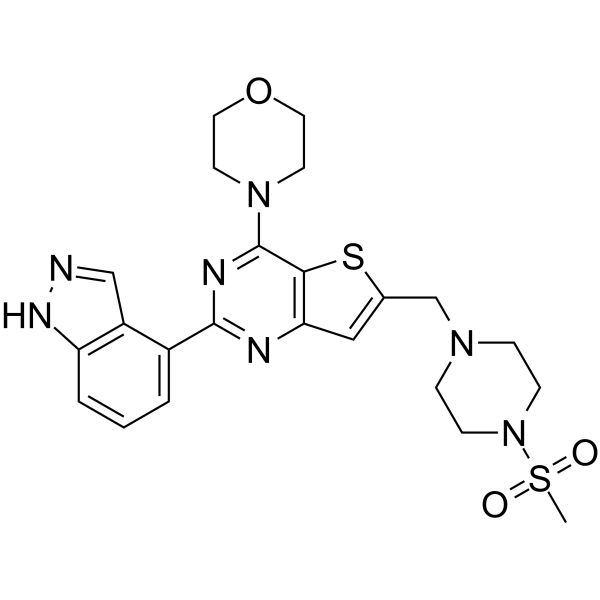
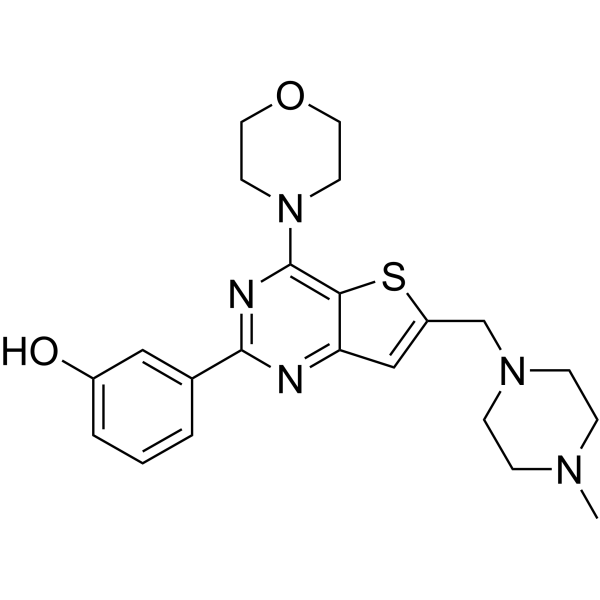
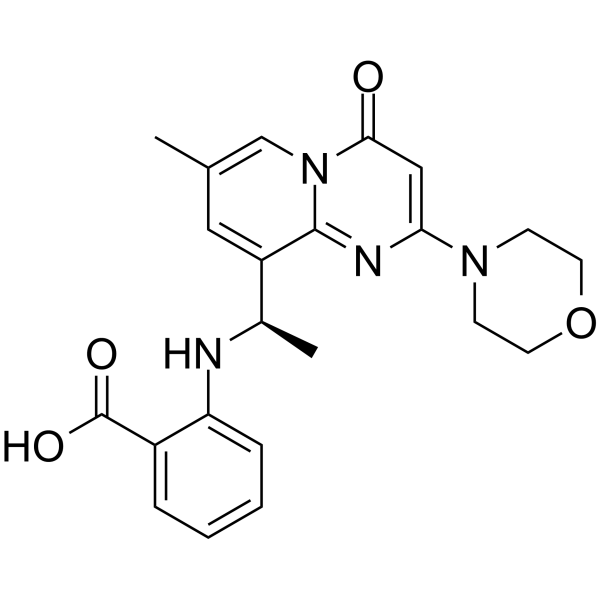
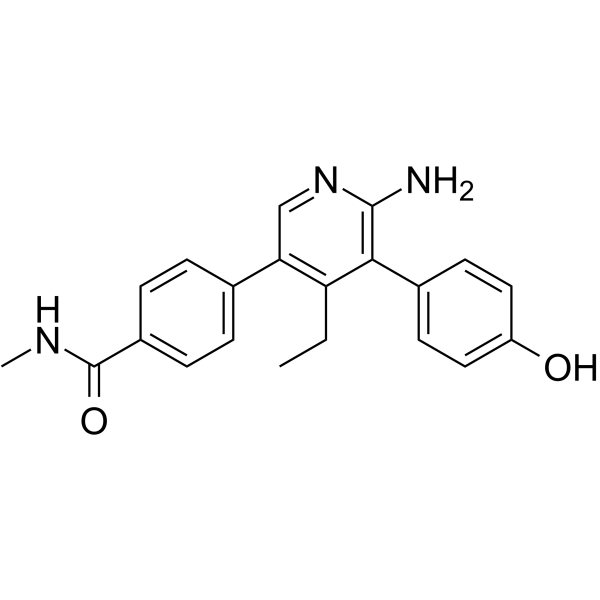
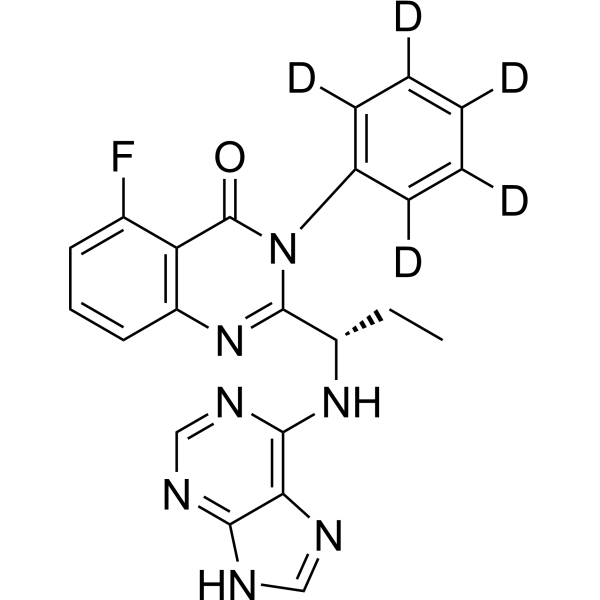
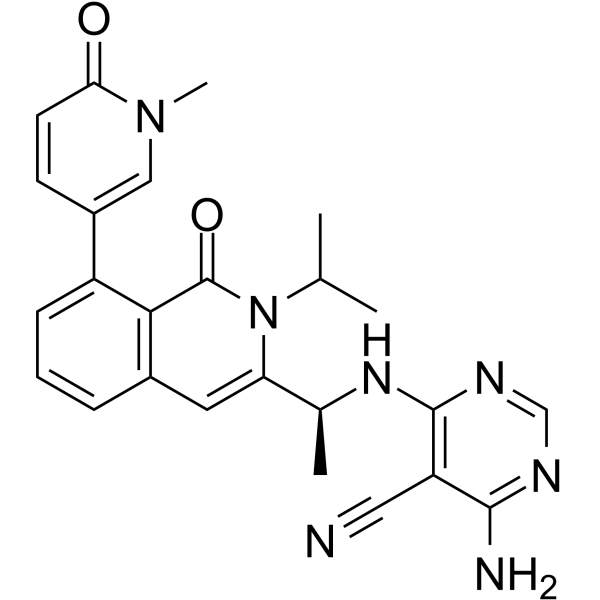
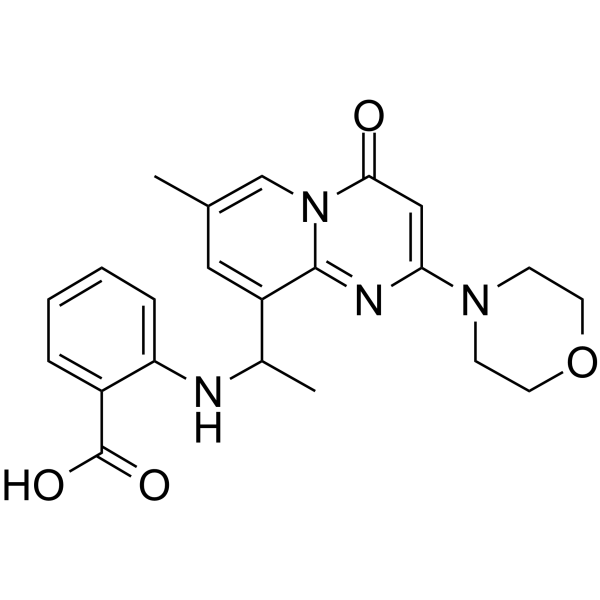
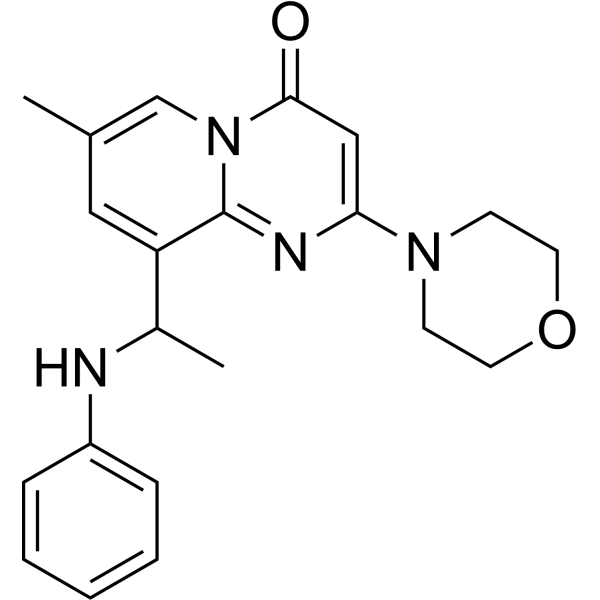
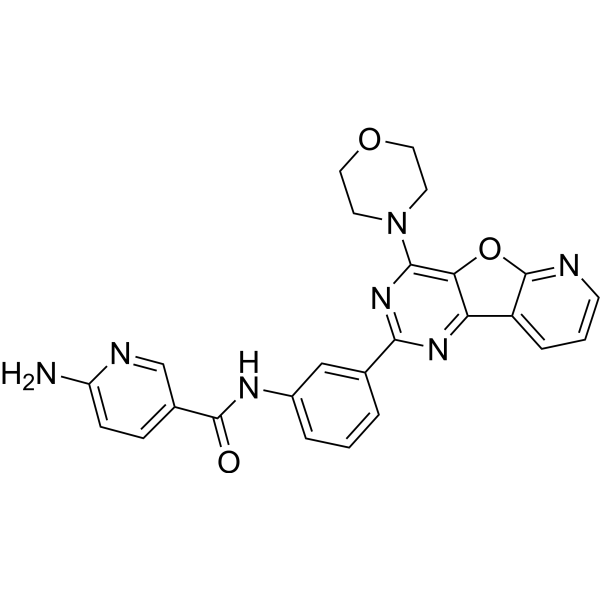
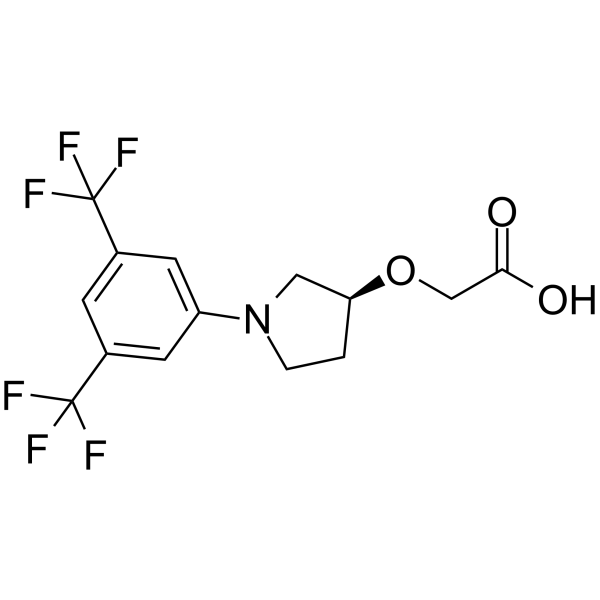
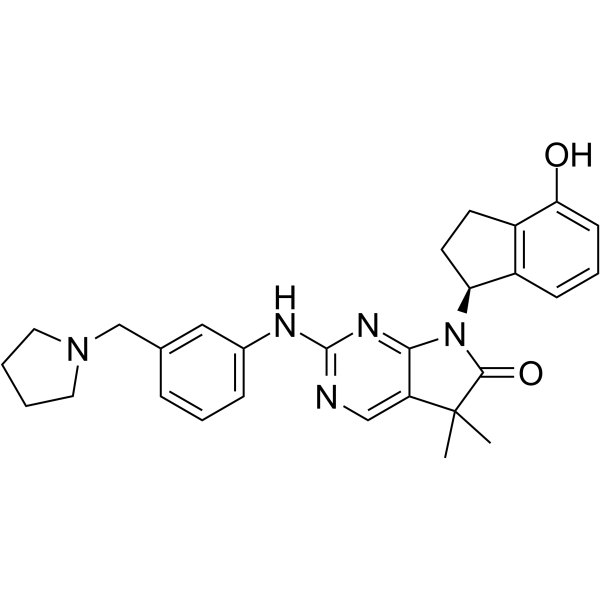
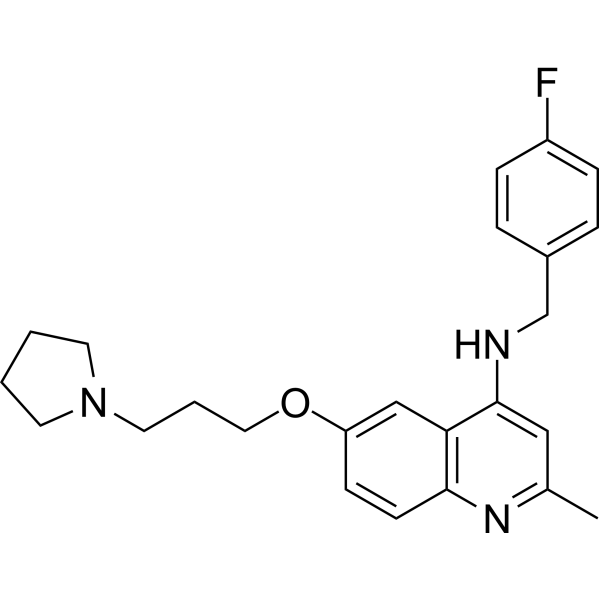
    P110δ-IN-1 is a potent and selective inhibitor of P110δ extracted from patent WO 2014055647 A1, with an IC50 of 8.4 nM .
    P110δ-IN-1
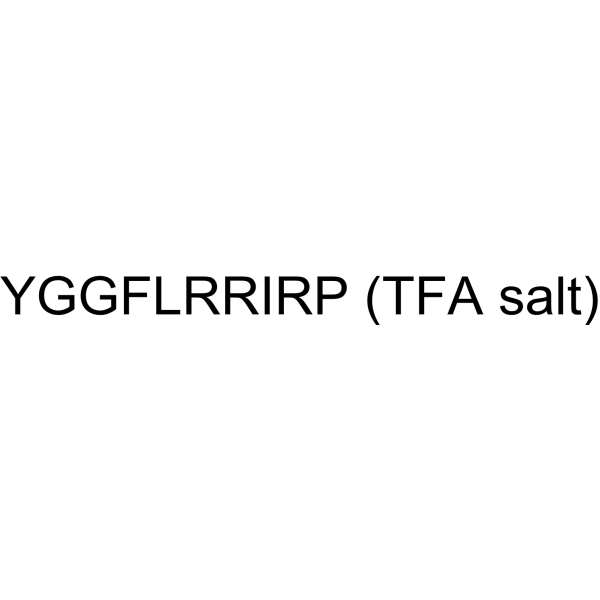
  • HY-P1594A

    Opioid Receptor iGluR Neurological Disease
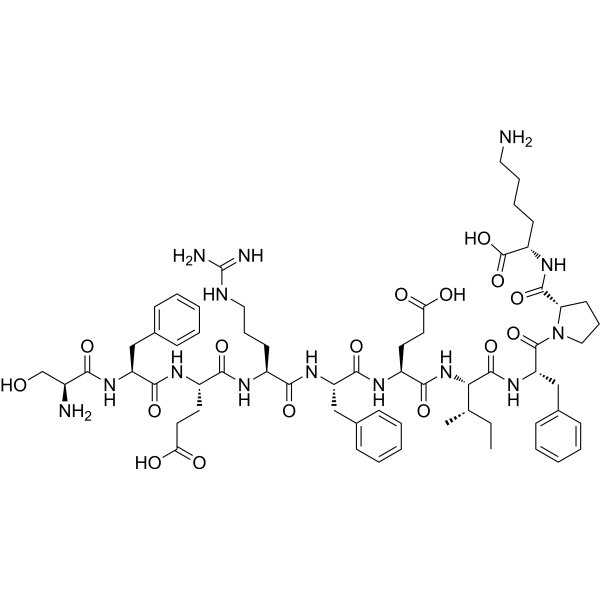
    Dynorphin A (1-10) (TFA), an endogenous opioid neuropeptide, binds to extracellular loop 2 of the κ-opioid receptor. Dynorphin A (1-10) (TFA) also blocks NMDA-activated current with an IC50 of 42.0 μM.
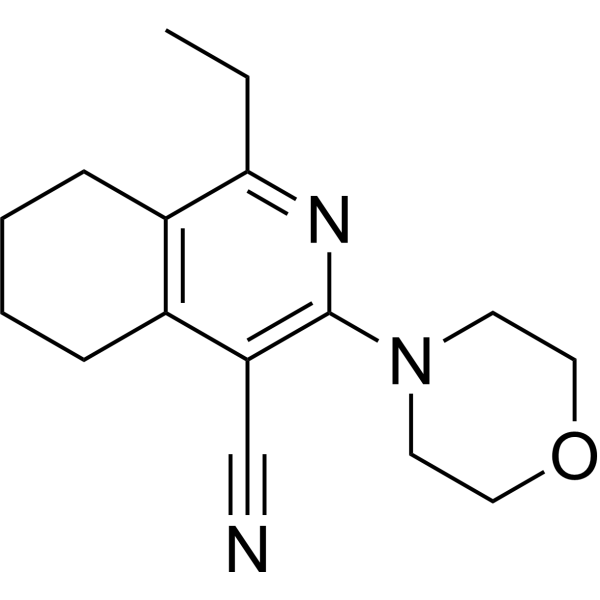
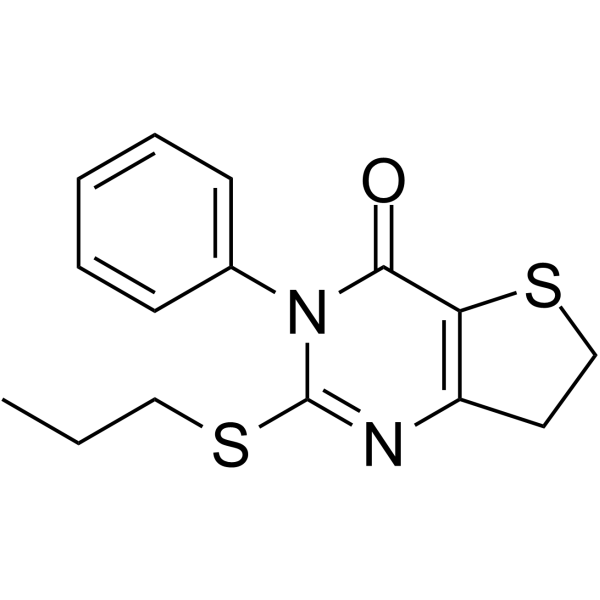
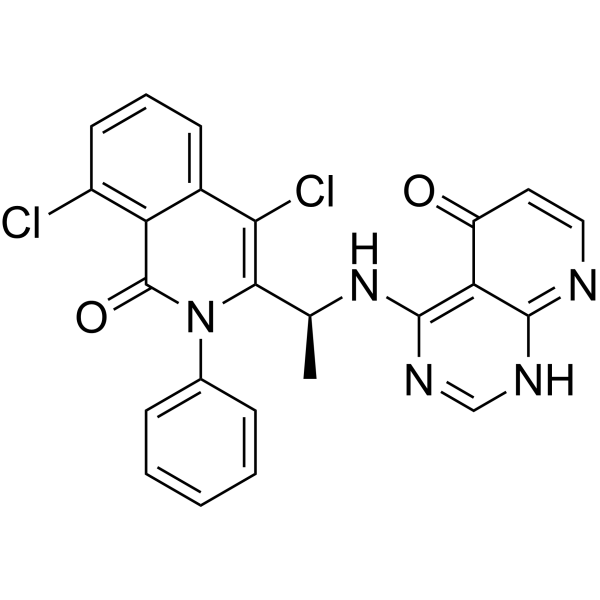
    Dynorphin A (1-10) TFA
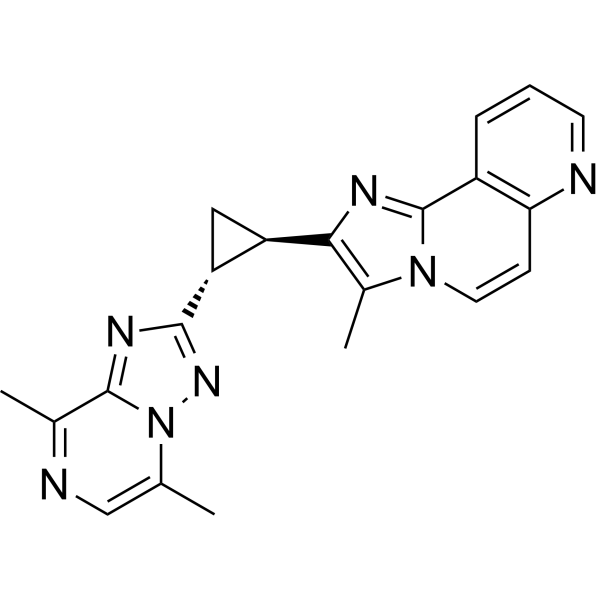
  • HY-178825

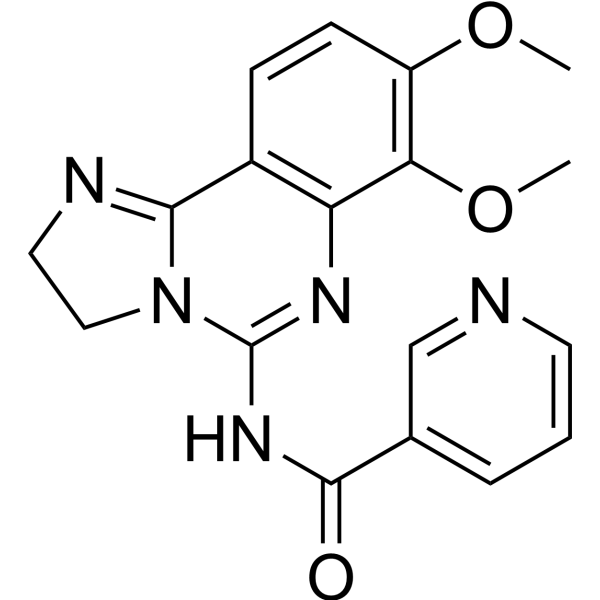
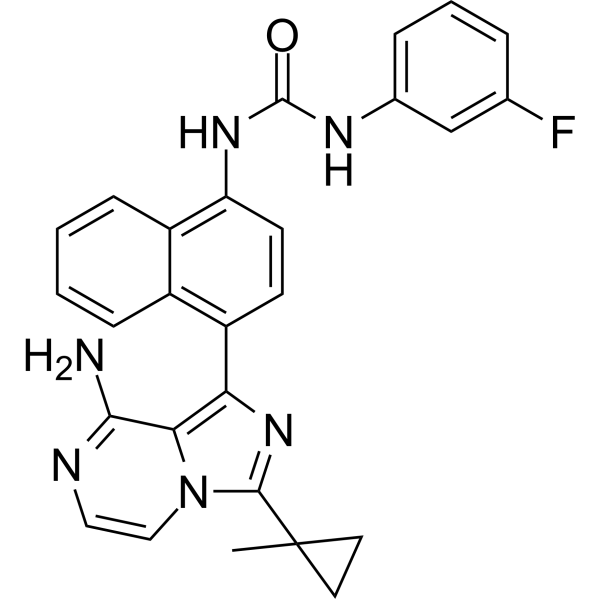
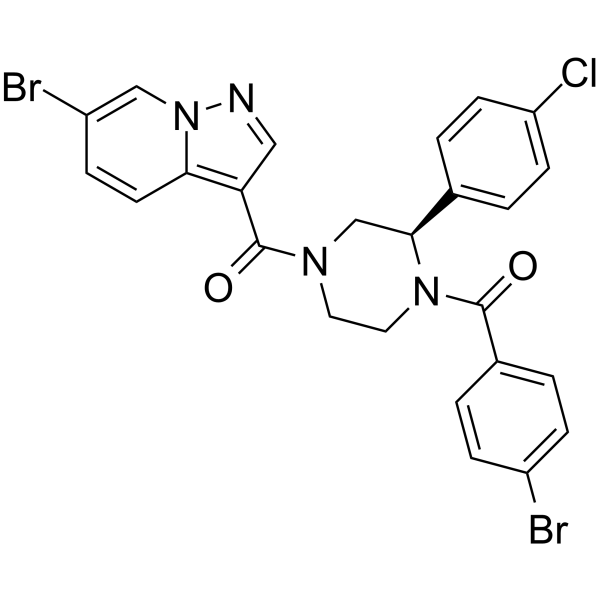
    PROTACs Histone Demethylase Apoptosis Cancer
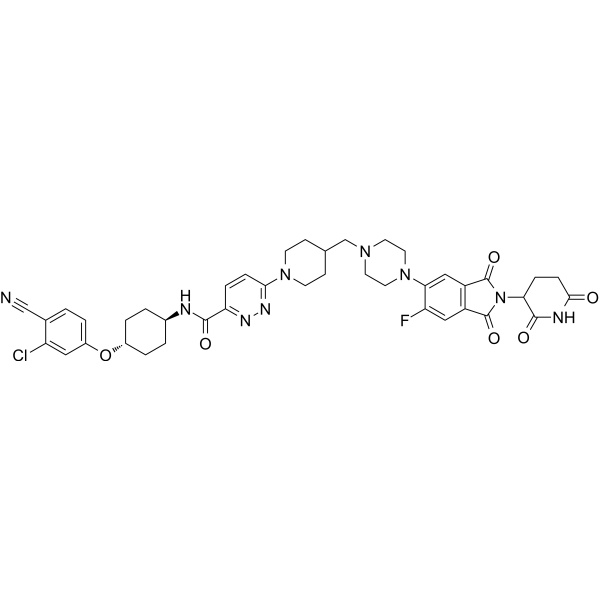
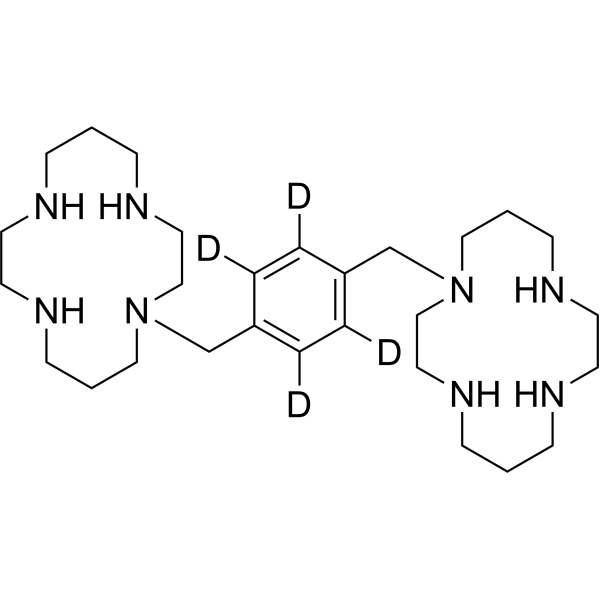
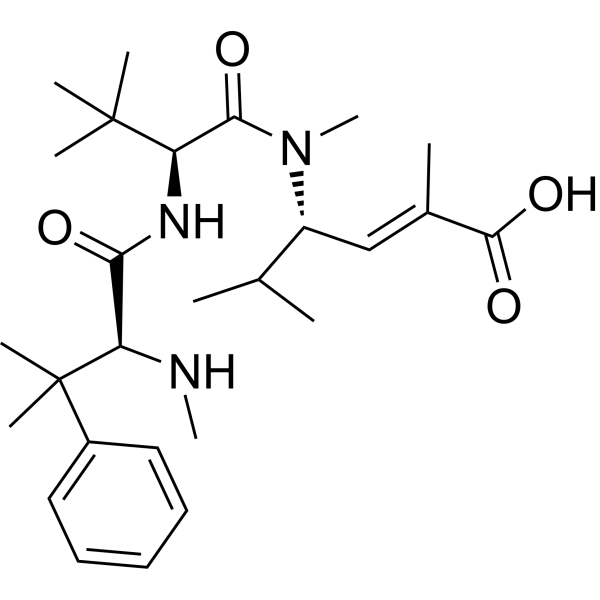
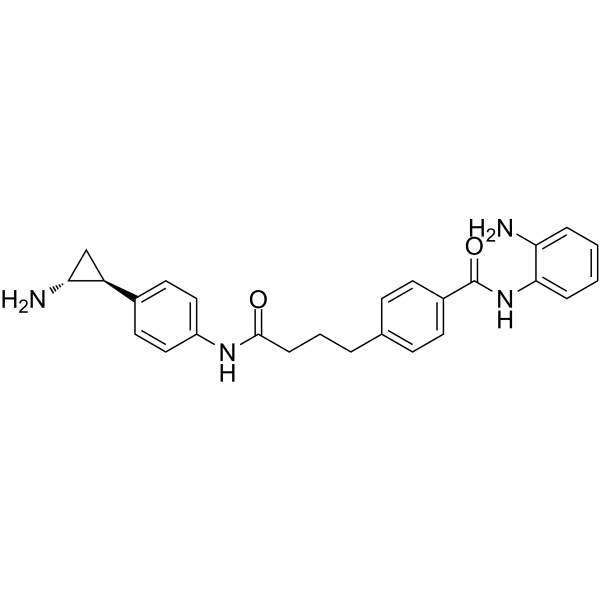
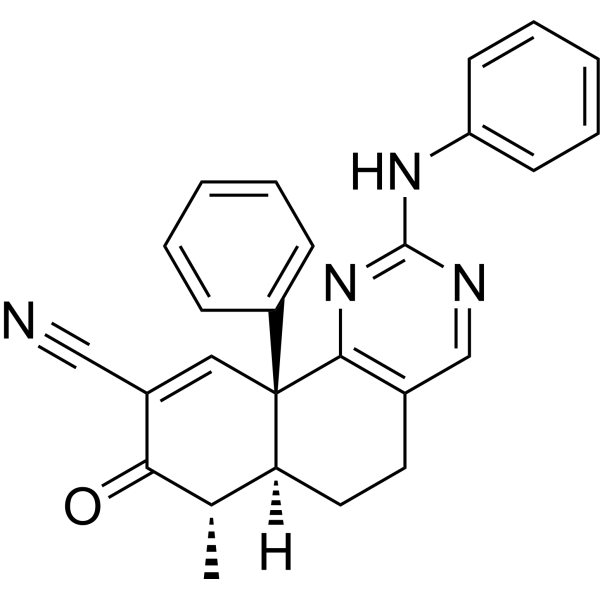
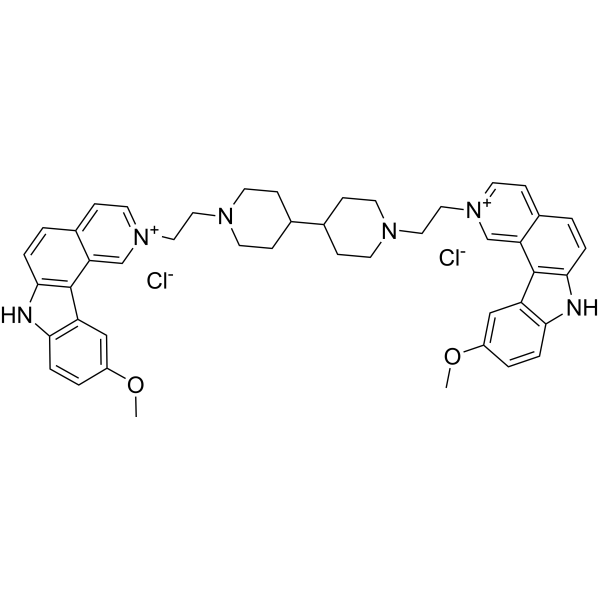
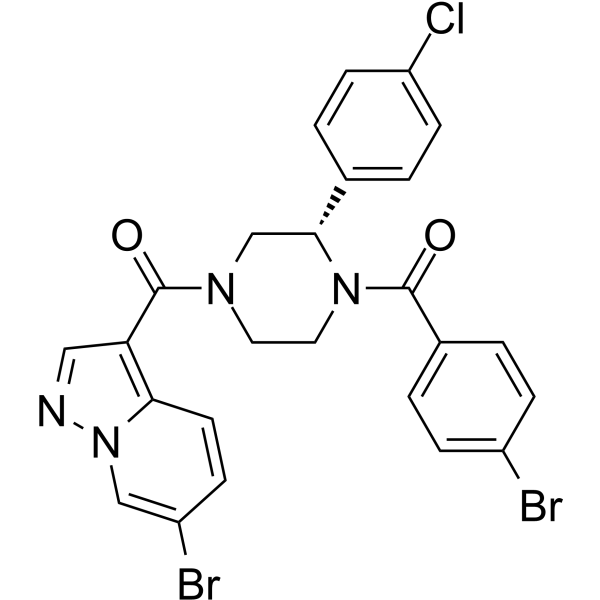
    LD-110 is a highly efficient and effective LSD1 PROTAC degrader (DC50 = 0.44 μM). LD-110 promotes LSD1 degradation and increases the level of H3K4 dimethylation in a ubiquitin-proteasome-dependent manner. LD-110 inhibits the growth and survival of multiple esophagus squamous cancer cell (ESCC) lines by inducing apoptosis. LD-110 can be used for the study of esophagus squamous cancer .
    LD-110
  • HY-161765

    HSP STAT Cancer
    iHSP110-33 is an inhibitor for heat shock protein 110 (HSP110). iHSP110-33 exhibits antitumor efficacy agaisnt large B-cell lymphoma and classical Hodgkin lymphoma. iHSP110-33 shows a synergistic effect with Selinexor (HY-17536), inhibits the STAT6 phosphorylation, and enhances its antitumor activity. .
    iHSP110-33
  • HY-W004564

    Biochemical Assay Reagents Others
    5,6-Diamino-1,10-phenanthroline can be used as ligands for metal ions for drug synthesis .
    5,6-Diamino-1,10-phenanthroline
  • HY-P991551

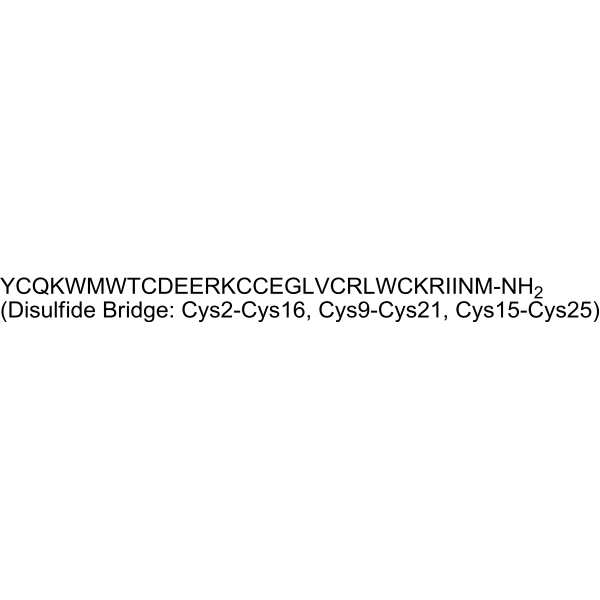
    Dipeptidyl Peptidase p38 MAPK ERK Infection Cancer
    YS110 is a humanized anti-CD26 (DPP4) IgG1 monoclonal antibody. YS110 induces CD26 nuclear translocation through the caveolin pathway. YS110 inhibits the proliferation of tumor cell by delaying G2/M cell cycle transition. YS110 inhibits the infection of Middle East respiratory syndrome coronavirus (MERS CoV) by blocking the binding of MERS CoV S1 to CD26. YS110 can be used for researches on cancer or infection such as Malignant Mesothelioma and MERS .
    YS110
  • HY-13542

    SGI-110

    DNA Methyltransferase Cancer
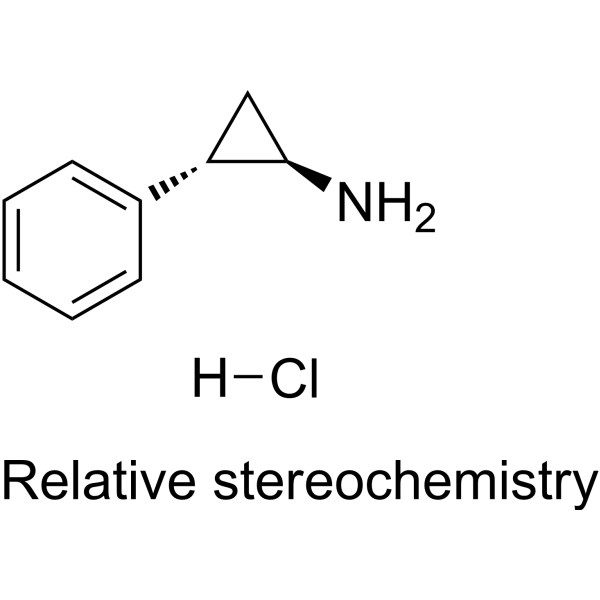
    Guadecitabine (SGI-110) is a second-generation DNA methyltransferases (DNMT) inhibitor for research of acute myeloid leukemia (AML) and myelodysplastic syndromes (MDS) .
    Guadecitabine
  • HY-P1518

    Melanocortin Receptor Metabolic Disease
    Adrenocorticotropic Hormone (ACTH) (1-10), human, an adrenocorticotropin hormone fragment, possesses a weak α-melanocyte stimulating hormone (α-MSH) potency only at high doses (100 and 1000 nM).
    Adrenocorticotropic Hormone (ACTH) (1-10), human
  • HY-P3106

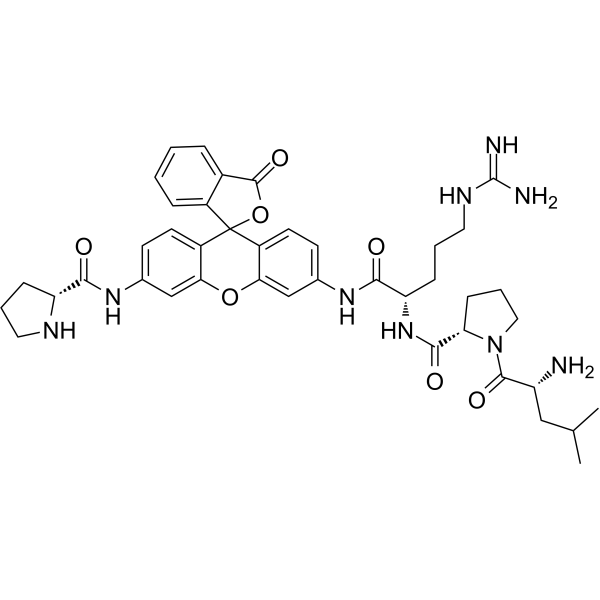
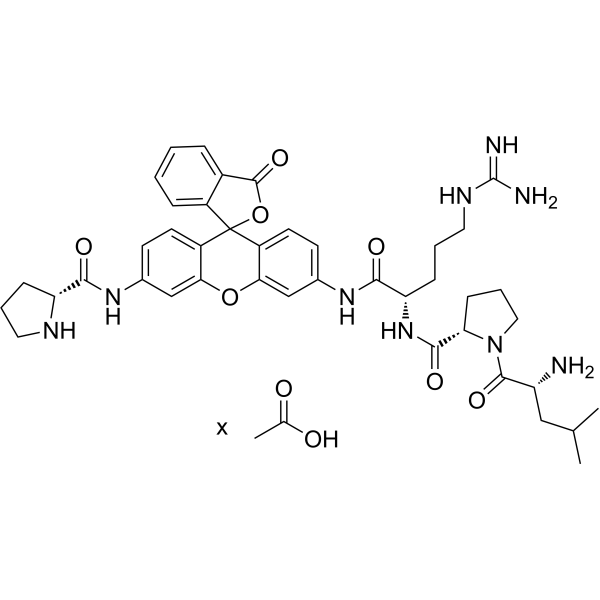
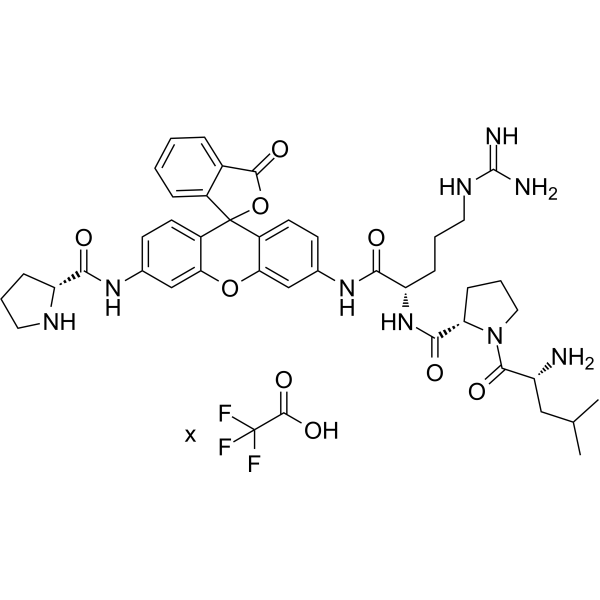
    (Z-Ala-Ala-Ala-Ala)2Rhodamine110; bis-CBZ-L-alanyl-L-arginine amide Rhodamine 110

    Fluorescent Dye Others
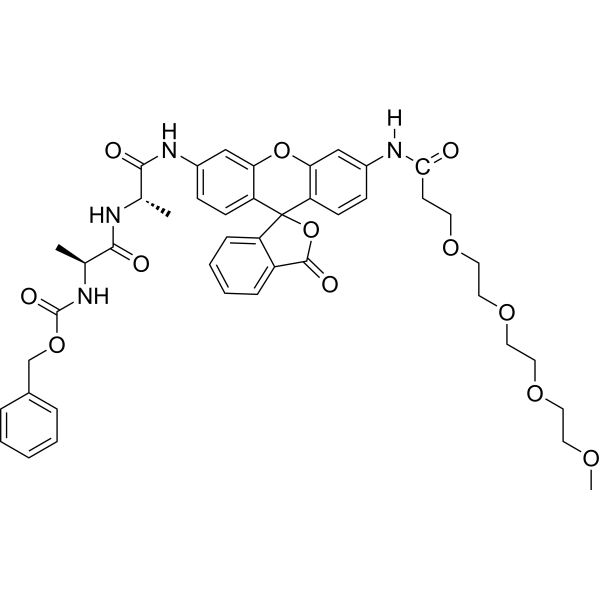
    (Z-Ala-Ala-Ala-Ala)2Rh110 is a sensitive fluorogenic elastase substrate. The colorless and nonfluorescent (Z-Ala-Ala-Ala-Ala)2Rh110 is selectively cleaved by elastase to yield the highly fluorescent compound rhodamine 110, which can be analyzed with an excitation wavelength of 485 nm and emission wavelength of 525 nm.
    (Z-Ala-Ala-Ala-Ala)2Rh110
  • HY-140297

    PROTAC Linkers Cancer
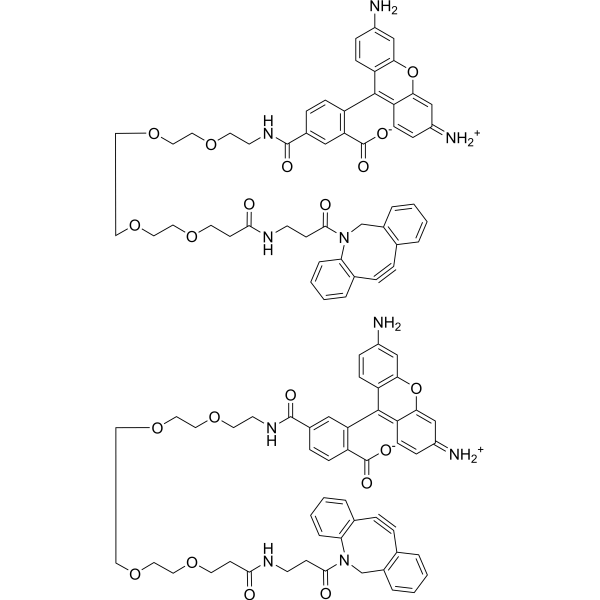
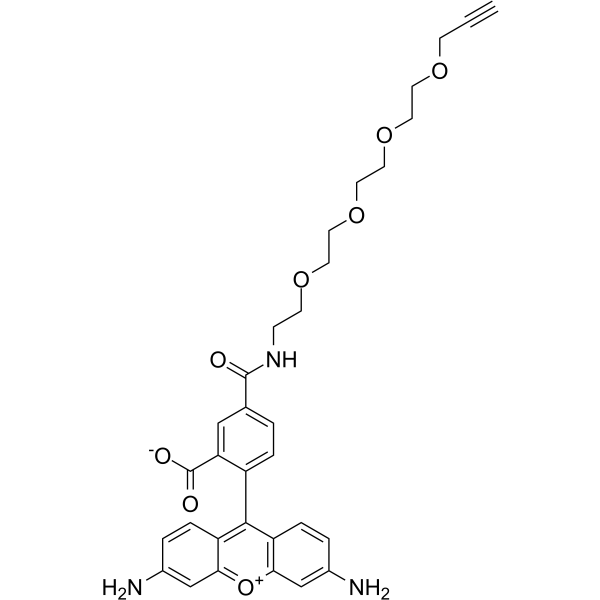
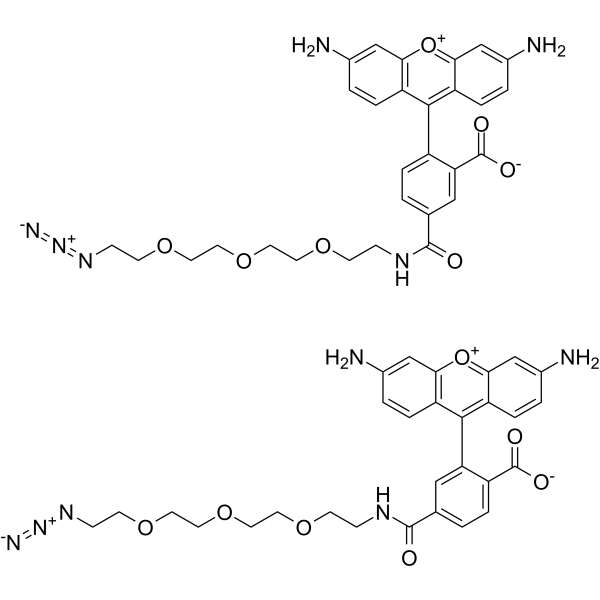
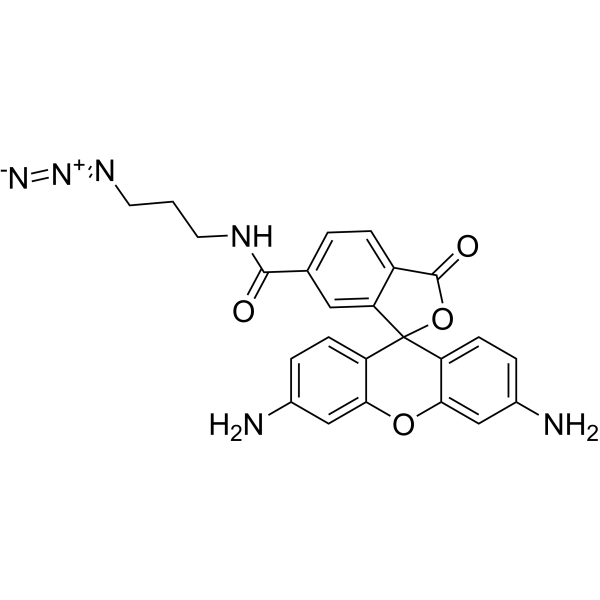
    Carboxyrhodamine 110-PEG4-DBCO is a PEG-based PROTAC linker that can be used in the synthesis of PROTACs . Carboxyrhodamine 110-PEG4-DBCO is a click chemistry reagent, it contains a DBCO group that can undergo strain-promoted alkyne-azide cycloaddition (SPAAC) with molecules containing Azide groups.
    Carboxyrhodamine 110-PEG4-DBCO
  • HY-W009240S

    Isotope-Labeled Compounds Others
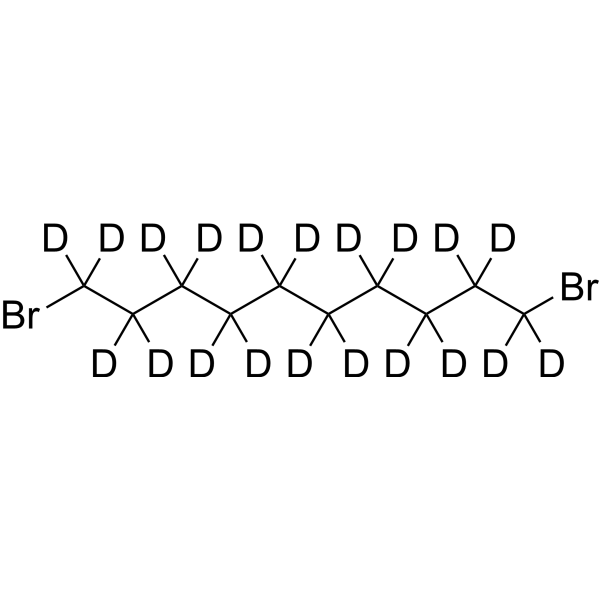
    1,10-Dibromodecane-d20 is the deuterium labeled 1,10-Dibromodecan .
    1,10-Dibromodecane-d20
  • HY-W009240

    PROTAC Linkers Cancer
    1,10-Dibromodecan is a PROTAC linker that can be used in the synthesis of PROTACs.
    1,10-Dibromodecan
  • HY-W016871

    PROTAC Linkers Cancer
    Decane-1,10-diamine is a PROTAC linker that can be used in the synthesis of PROTACs.
    Decane-1,10-diamine
  • HY-RS05946

    Small Interfering RNA (siRNA) Others

    H1-10 Human Pre-designed siRNA Set A contains three designed siRNAs for H1-10 gene (Human), as well as a negative control, a positive control, and a FAM-labeled negative control.

    H1-10 Human Pre-designed siRNA Set A
    H1-10 Human Pre-designed siRNA Set A
  • HY-W016773

    MHC Transmembrane Glycoprotein Metabolic Disease Inflammation/Immunology
    1,10-Decanediol is a diol compound that can react with α-ketoglutarate (aKG) to generate polymeric microparticles (termed paKG MPs) for the sustained release of aKG, thereby promoting immunosuppressive regulation. Additionally, paKG MPs can bind to dendritic cells (DCs), reducing their glycolysis and mitochondrial respiration in vitro. These metabolic changes lead to the modulation of MHC-II and CD86 expression in DCs and alter the frequency of regulatory T cells (Tregs) as well as T-helper type 1/2/17 cells in vitro. 1,10-Decanediol can be used in research within the field of immunometabolism. can be used as a surfactant/stabilizer in the synthesis of nanomaterials .
    1,10-Decanediol
  • HY-P4403

    (Z-Asp-Glu-Val-Asp)₂-Rhodamine 110

    Fluorescent Dye Apoptosis Caspase Others
    Z-DEVD-R110 ((Z-Asp-Glu-Val-Asp)2-Rhodamine 110) is a fluorogenic caspase-3/7 substrate. Z-DEVD-R110 can be used to detect apoptosis. Z-DEVD-R110 is a rhodamine derivative with two four–amino acid (DEVD) peptides linked to the fuorophore .
    Z-DEVD-R110
  • HY-P10322

    Fluorescent Dye Cancer
    Z-IETD-R110 is a fluorescent substrate of caspases. Z-IETD-R110 acts as a substrate for caspase-8. When caspase-8 is activated, it can recognize and cut Z-IETD-R110, releasing fluorophore, which can be detected by fluorescence microscopy. Z-IETD-R110 can be used to study oxidative stress-induced apoptosis, particularly in pancreatic acinar cells .
    Z-IETD-R110
  • HY-P1594

    Opioid Receptor iGluR Neurological Disease
    Dynorphin A (1-10) an endogenous opioid neuropeptide, binds to extracellular loop 2 of the κ-opioid receptor. Dynorphin A (1-10) also blocks NMDA-activated current with an IC50 of 42.0 μM.
    Dynorphin A (1-10)
  • HY-W004583

    2,9-Dichloro-1,10-phenthroline

    MOFs Others
    2,9-Dichloro-1,10-phenanthroline (2,9-Dichloro-1,10-phenthroline) is a metal-organic framework (MOF).
    2,9-Dichloro-1,10-phenanthroline
  • HY-W276070

    PROTAC Linkers Cancer
    1,10-Decanedithiol is a PROTAC linker that can be used in the synthesis of PROTACs.
    1,10-Decanedithiol
  • HY-118522

    Proteasome NF-κB Caspase PARP IAP Apoptosis Cancer
    TP-110 is a proteasome inhibitor. TP-110 specifically inhibits the protease-like activity of the 20S proteasome, but does not affect the trypsin-like or peptidyl-glutamyl peptide hydrolysis activity. TP-110 inhibits the NF-κB pathway, activates caspase-8, -9, and -3, and causes PARP cleavage, significantly reducing the levels of cIAP-1 and XIAP. TP-110 causes cell cycle arrest at the G2/M phase and promotes apoptosis of cancer cells. TP-110 can be used in cancer research of prostate cancer and multiple myeloma, etc .
    TP-110
  • HY-147866

    Bacterial DNA/RNA Synthesis ROS Kinase Infection
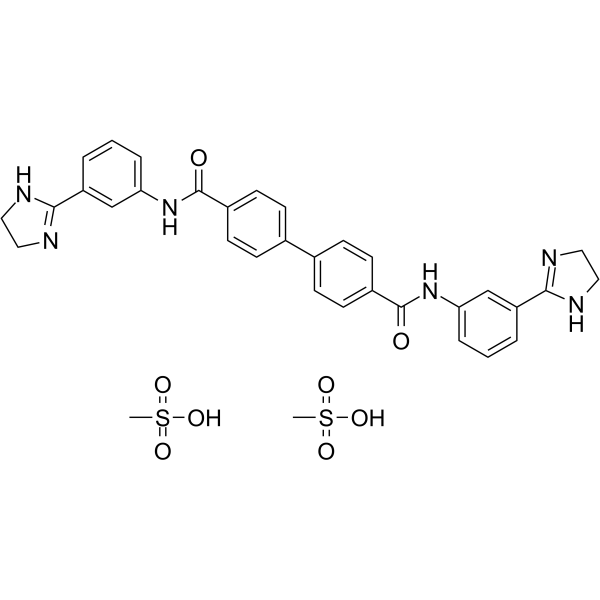
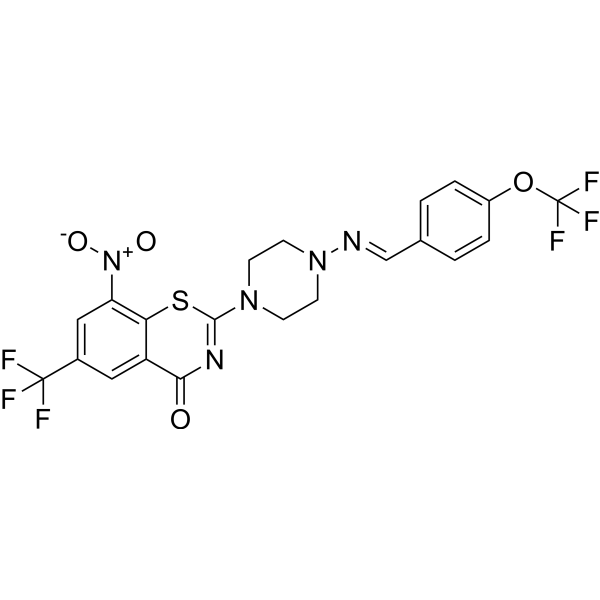
    Antibacterial agent 110 (Compound 4e) is a potent antibacterial agent with a MIC value of 1 μg/mL against P. aeruginosa. Antibacterial agent 110 possesses favorable antibiofilm activity and can destroy cell membranes. Antibacterial agent 110 causes metabolic arrest and intracellular oxidative stress, and obstructs DNA replication .
    Antibacterial agent 110
  • HY-120528

    Protease Activated Receptor (PAR) Inflammation/Immunology Cancer
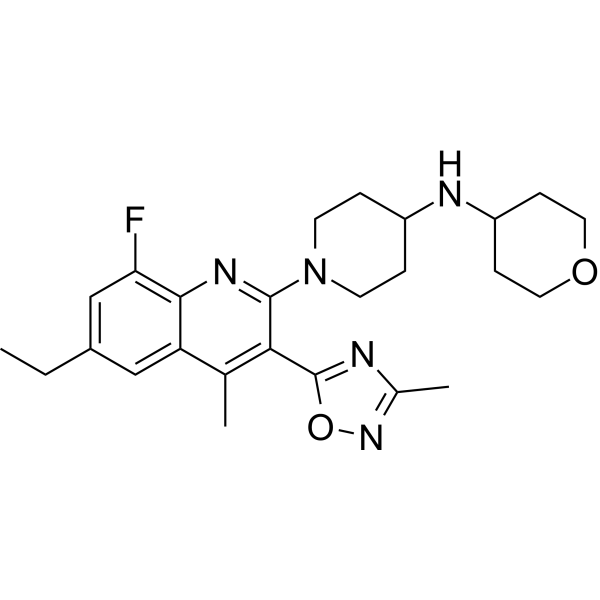
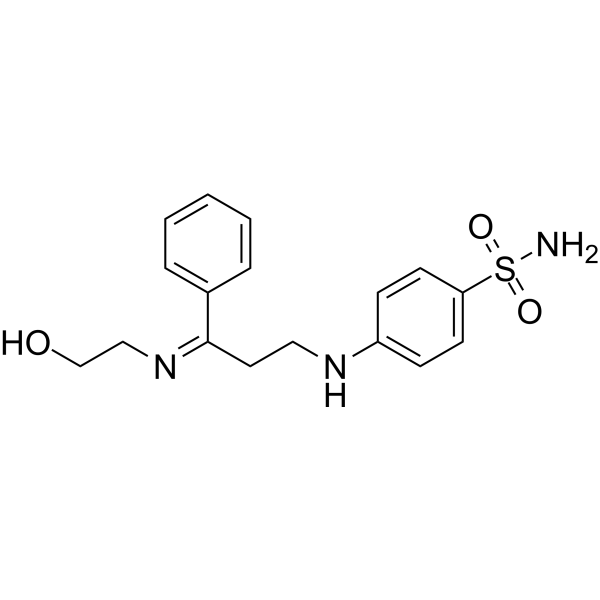
    GB-110 is a potent, orally active, and nonpeptidic protease activated receptor 2 (PAR2) agonist. GB-110 selectively induces PAR2-mediated intracellular Ca 2+ release in HT29 cells with an EC50 of 0.28 μM .
    GB-110
  • HY-120489

    Parasite Infection
    A110 is the inhibitor for Cryptosporidium parvum inosine monophosphate dehydrogenase (CpIMPDH). A110 inhibits CpIMPDH in Toxoplasma gondii with IC50 of 18 nM. A110 exhibits pro-parasitic efficacy and cause parasitemia .
    A110
  • HY-138967

    Nuclear Hormone Receptor 4A/NR4A RAR/RXR Neurological Disease
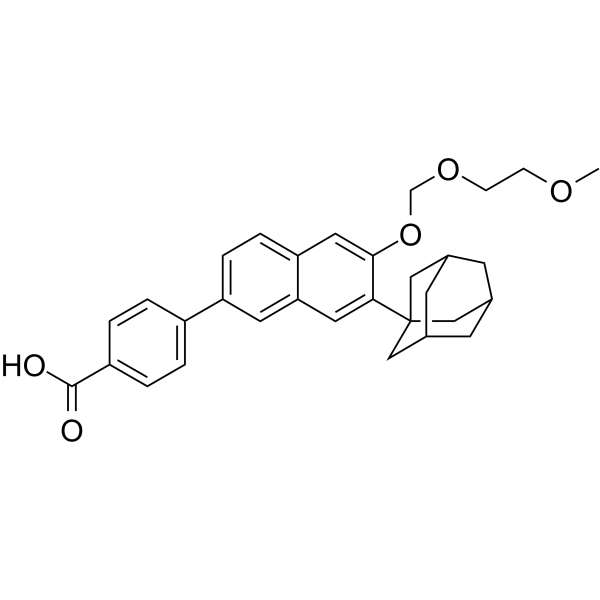
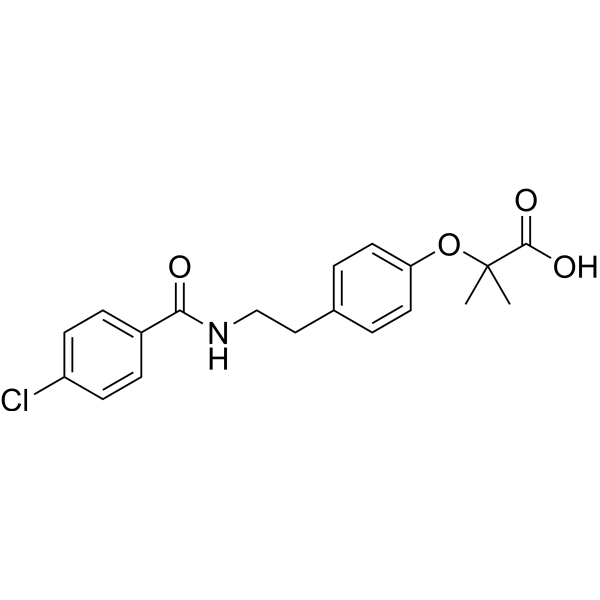
    BRF110 is the selective, orally active rexinoid for Nurr1-RXRα, that selectively activates the Nurr1-RXRα heterodimer with an EC50 of 0.9 μM in SH-SY5Y. BRF110 upregulates the expression of BDNF, exhibits neuroprotective activity against MPP+ induced toxicity. BRF110 can cross blood-brain barrier .
    BRF110
  • HY-N8134

    Dipeptidyl Peptidase Metabolic Disease
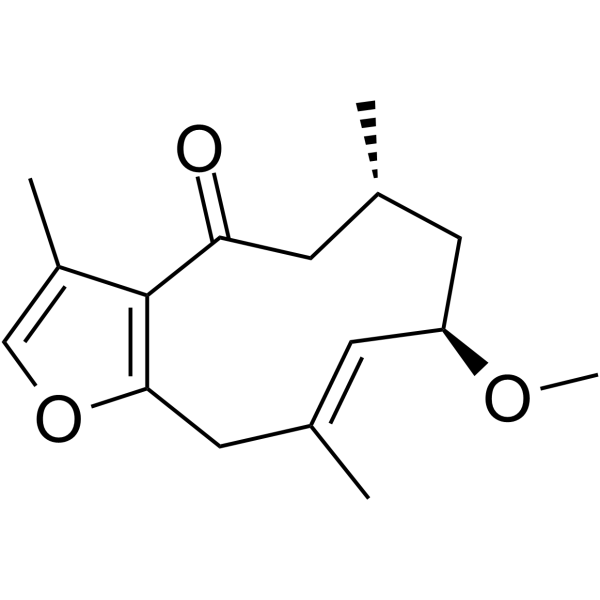
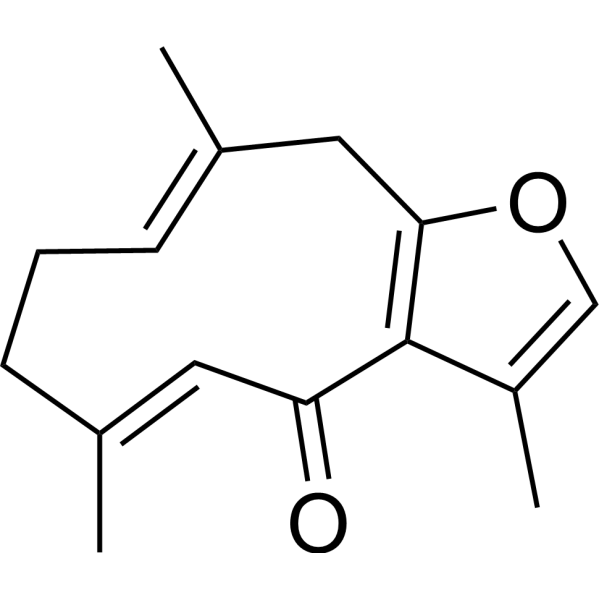
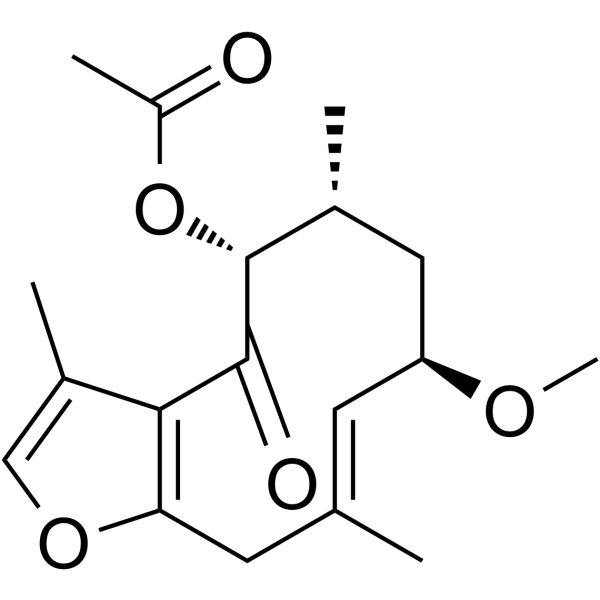
    2-Methoxy-5-acetoxy-fruranogermacr-1(10)-en-6-one is a natural product found in the leaves and stem bark of M. glabra. 2-Methoxy-5-acetoxy-fruranogermacr-1(10)-en-6-one displays binding affinities with dipeptidyl peptidase-4 (DPP-4) and α-Amylase. 2-Methoxy-5-acetoxy-fruranogermacr-1(10)-en-6-one has potential antidiabetic activities .
    2-Methoxy-5-acetoxy-fruranogermacr-1(10)-en-6-one
  • HY-P2520

    Influenza Virus Inflammation/Immunology
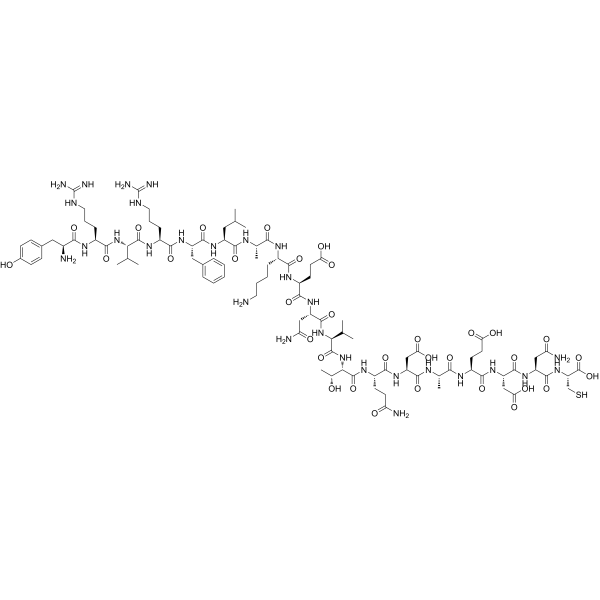
    Influenza HA (110-119) is the 110-119 fragment of influenza virus hemagglutinin that can stimulate Treg cells proliferation .
    Influenza HA (110-119)
  • HY-170922

    SARS-CoV Infection
    SARS-CoV-2-IN-110 (compound Bb1) is a SARS-CoV-2 inhibitor. SARS-CoV-2-IN-110 exhibits antiviral efficacy against SARS-CoV-2 with an EC50 of 1.10 μM and significantly lower toxicity compared to Lapatinib (HY-50898). SARS-CoV-2-IN-110 inhibits SARS-CoV-2 with a CC50 of > 100 μM, with a selectivity index (SI) of >91 .
    SARS-CoV-2-IN-110
  • HY-W165085

    Decamethylenebispyridinium dibromide

    Cholinesterase (ChE) Neurological Disease
    1,10-Bis(pyridinium)decane (Decamethylenebispyridinium dibromide) is an acetylcholinesterase (AChE) inhibitor with an IC50 of 25.8 nM. 1,10-Bis(pyridinium)decane acts as a bis-quaternary ligand that bridges the enzyme's catalytic site and peripheral site via its two pyridinium groups. 1,10-Bis(pyridinium)decane can be used for the research of alzheimer's disease .
    1,10-Bis(pyridinium)decane
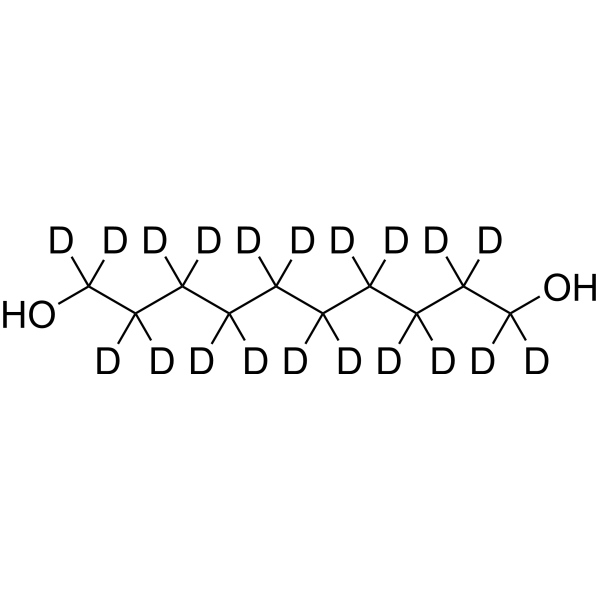
  • HY-W016773S

    Isotope-Labeled Compounds Others
    1,10-Decanediol-d20 is the deuterium labeled 1,10-Decanediol . 1,10-Decanediol is a diol compound that can react with α-ketoglutarate (aKG) to generate polymeric microparticles (termed paKG MPs) for the sustained release of aKG, thereby promoting immunosuppressive regulation. Additionally, paKG MPs can bind to dendritic cells (DCs), reducing their glycolysis and mitochondrial respiration in vitro. These metabolic changes lead to the modulation of MHC-II and CD86 expression in DCs and alter the frequency of regulatory T cells (Tregs) as well as T-helper type 1/2/17 cells in vitro. 1,10-Decanediol can be used in research within the field of immunometabolism. can be used as a surfactant/stabilizer in the synthesis of nanomaterials .
    1,10-Decanediol-d20
  • HY-169069

    Fungal Infection
    Antifungal agent 110 exhibits fungicidal activity toward Botrytis cinerea and Rhizoctonia solani. Antifungal agent 110 displays antifungal activity against R. solani with an EC50 value of 0.27 mg/L. Antifungal agent 110 is promising for research of plant diseases .
    Antifungal agent 110
  • HY-149805

    Apoptosis Cancer
    Anticancer agent 110 is an anticancer agent with in vitro anticancer activity and excellent anti-leukemia potency. Anticancer agent 110 is highly cytotoxic to K-562 lineage chronic myelogenous leukemia cells at nanomolar concentrations. Anticancer agent 110 causes DNA damage and leads to apoptosis .
    Anticancer agent 110
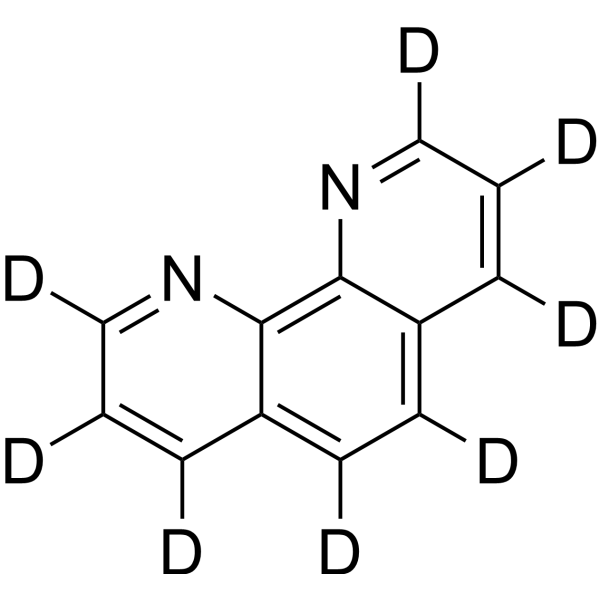
  • HY-W004544S

    1,10-Phenanthroline-d8

    Isotope-Labeled Compounds MMP Others
    o-Phenanthroline-d8 is the deuterium labeled o-Phenanthroline. o-Phenanthroline (1,10-Phenanthroline), a metal chelator, prevents the induction of chromosomal aberrations in streptozotocin-treated cells. o-Phenanthroline (1,10-Phenanthroline) forms a red chelate with Fe2+ that absorbs maximally at 510 nm. o-Phenanthroline (1,10-Phenanthroline) is also a MMP inhibitor .
    o-Phenanthroline-d8
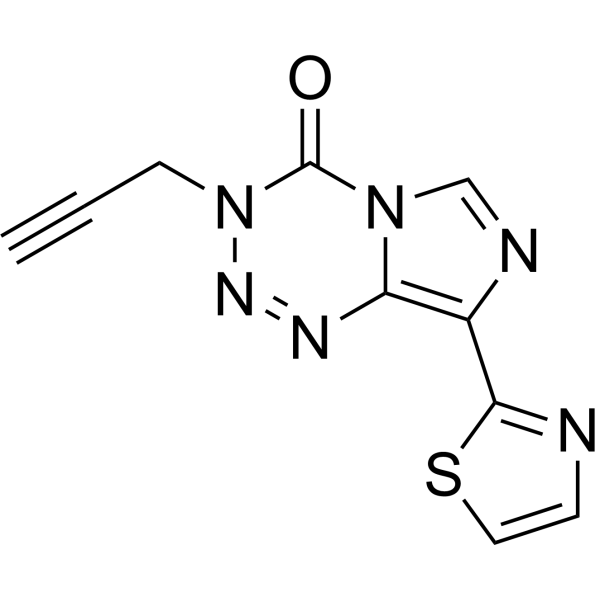
  • HY-155541

    Apoptosis Cancer
    Antitumor agent-110 (compound 13) is an anticancer imidazotetrazine with good permeability properties. Antitumor agent-110 arrests cell cycel at G2/M phase, and induces apoptosis . Antitumor agent-110 is a click chemistry reagent, it contains an Alkyne group and can undergo copper-catalyzed azide-alkyne cycloaddition (CuAAc) with molecules containing Azide groups.
    Antitumor agent-110
  • HY-158154

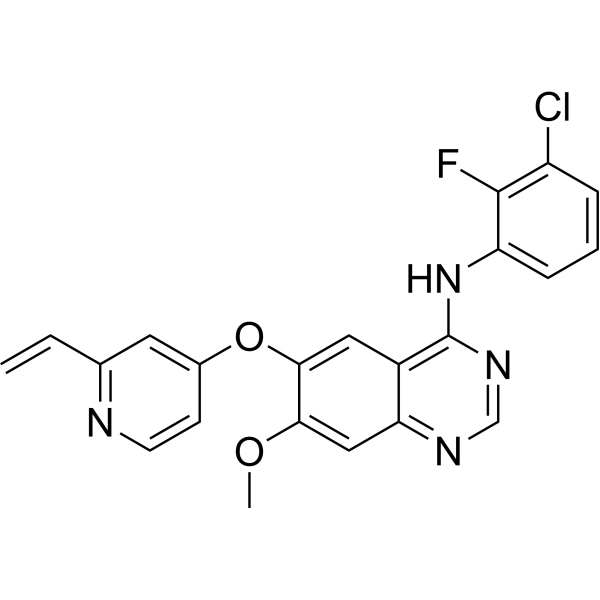
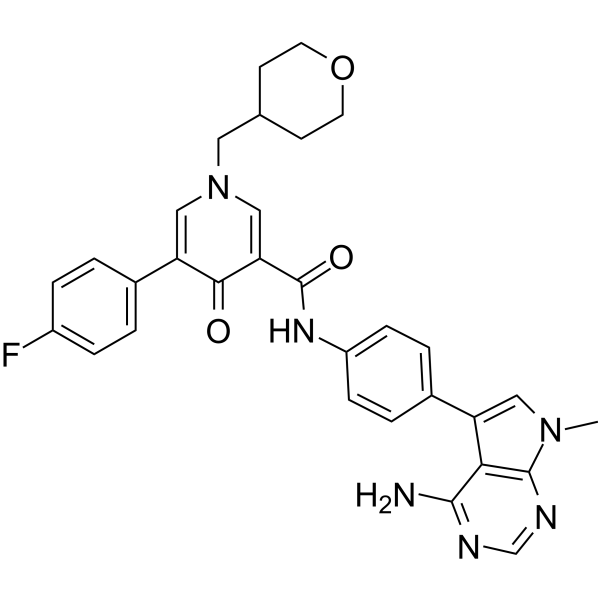
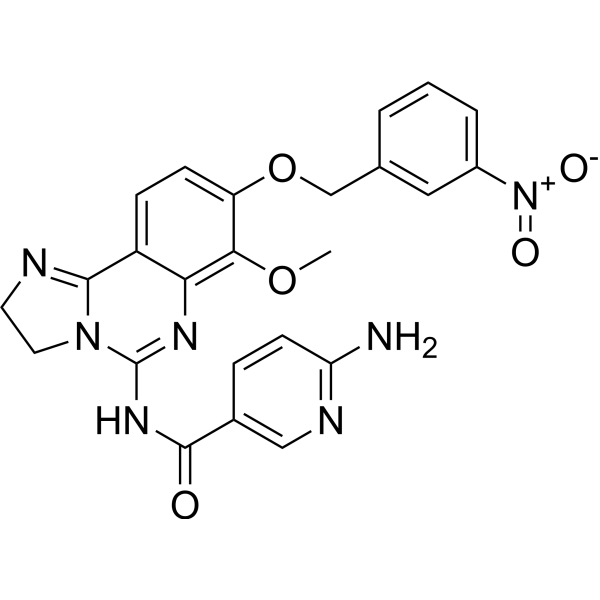
    EGFR Cancer
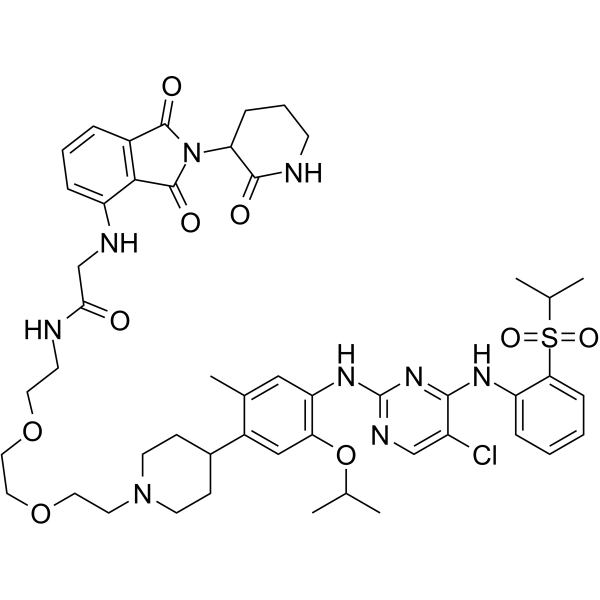
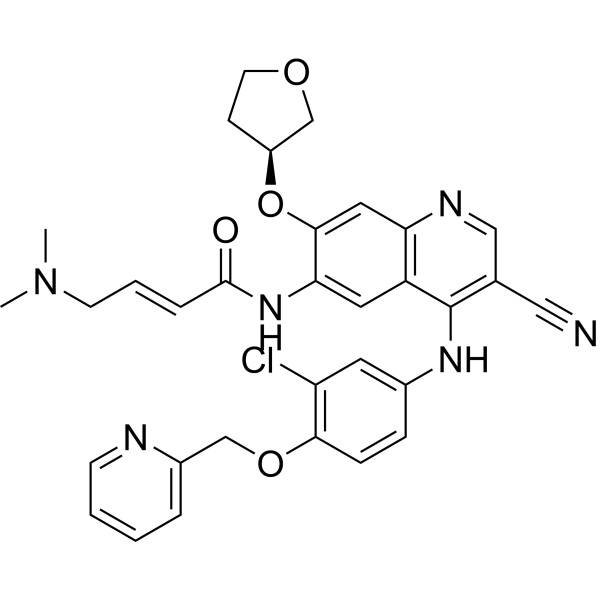
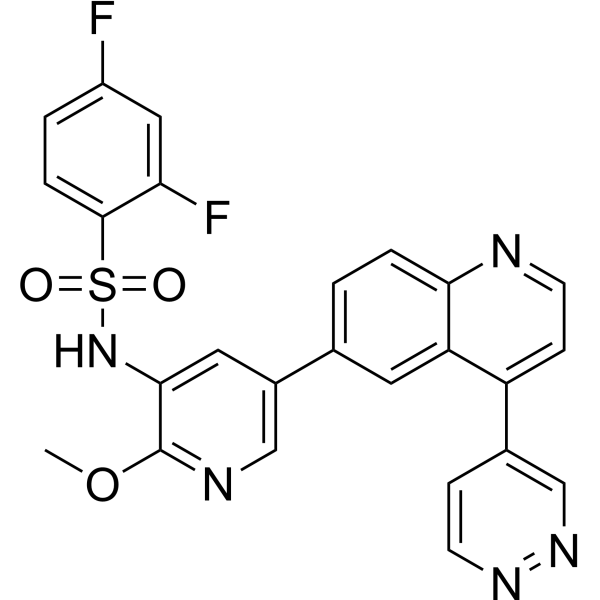
    EGFR-IN-110 (Compound 6) is a covalent EGFR inhibitor, with pIC50 values of 9.2 and 8.7 for EGFR enzyme and EGFR cell, respectively. EGFR-IN-110 shows high EGFR potency and good kinase selectivity .
    EGFR-IN-110
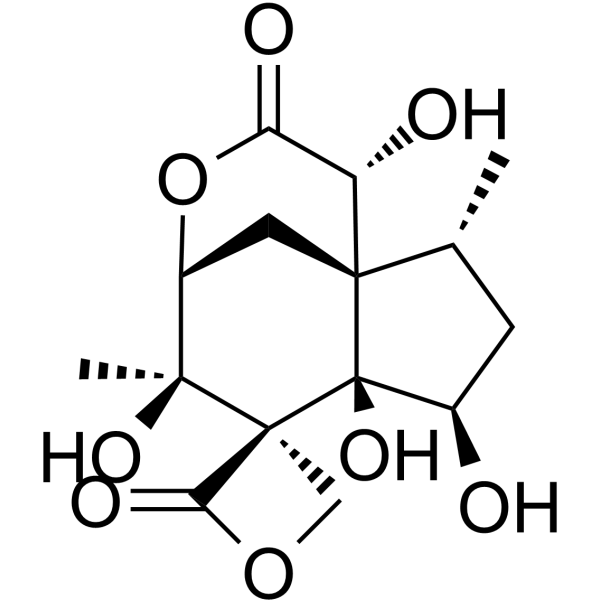
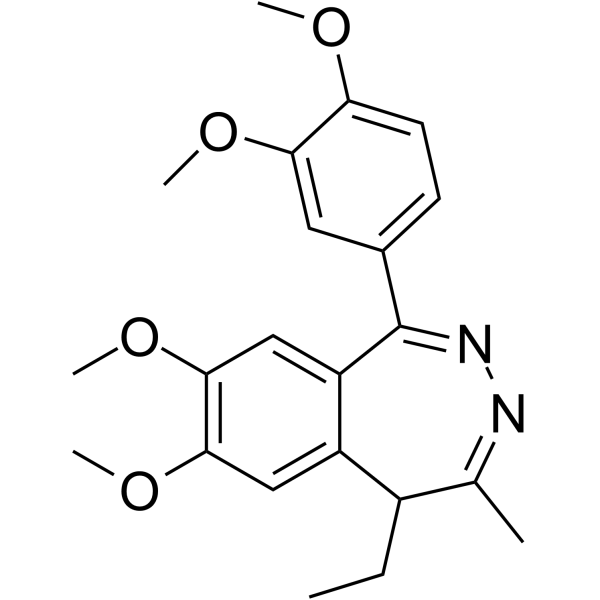
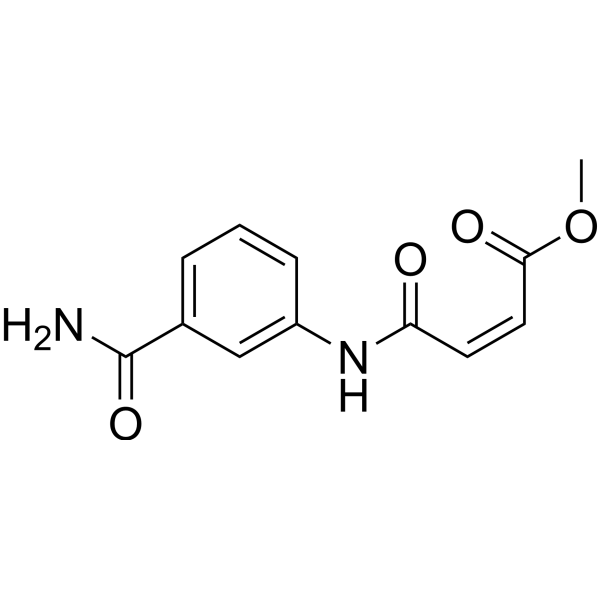
  • HY-N10749

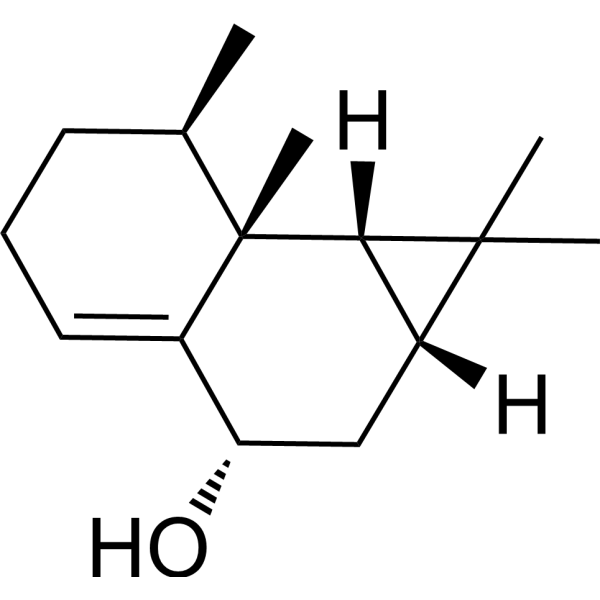
    Others Others
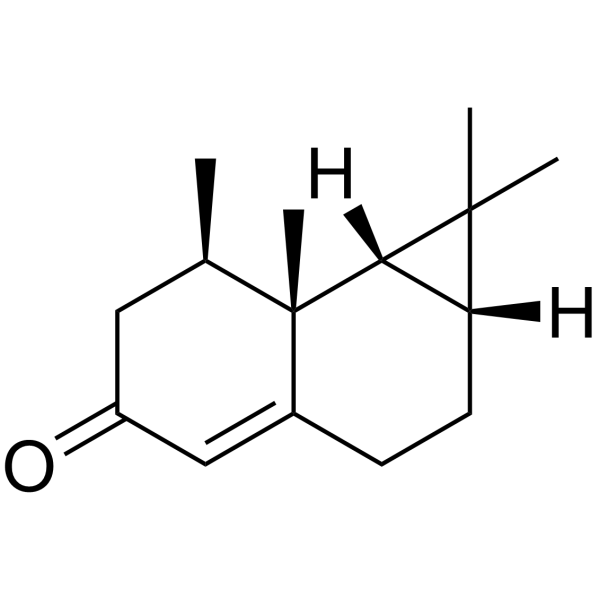
    Aristolan-1(10)-en-9-ol is a sesquiterpene that can be isolated from Laurencia similis .
    Aristolan-1(10)-en-9-ol

Inquiry Online

Your information is safe with us. * Required Fields.

Salutation


Country or Region *

Applicant Name *


Organization Name *

Department *


Email Address *


Product Name *

Cat. No.


Requested quantity *

Phone Number *


Remarks

Inquiry Online

Inquiry Information

Product Name:
Cat. No.:
Quantity:
MCE Japan Authorized Agent: