From 11:00 pm to 12:00 pm EST ( 8:00 pm to 9:00 pm PST ) on January 6th, the website will be under maintenance. We are sorry for the inconvenience. Please arrange your schedule properly.
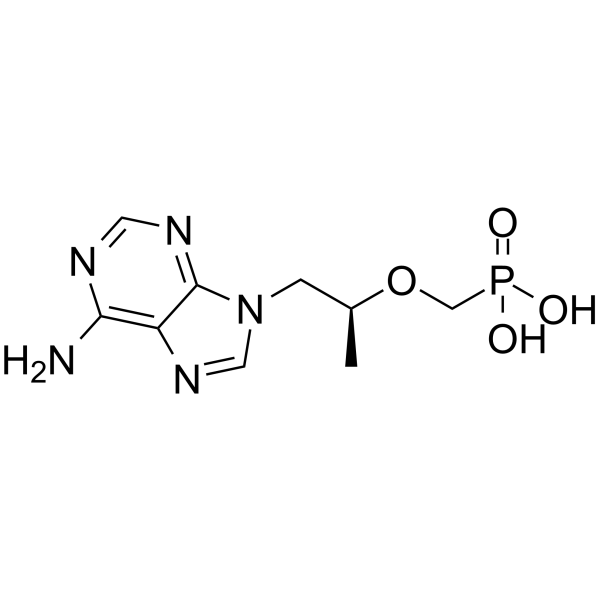
(S)-Tenofovir is the less active S-enantiomer of Tenofovir (HY-13910). Tenofovir is a nucleotide reverse transcriptase inhibitor to treat HIV and chronic Hepatitis B (HBV). (S)-Tenofovir has low activity to Orf virus. (S)-Tenofovir can be used for research on contagious pustular dermatitis .
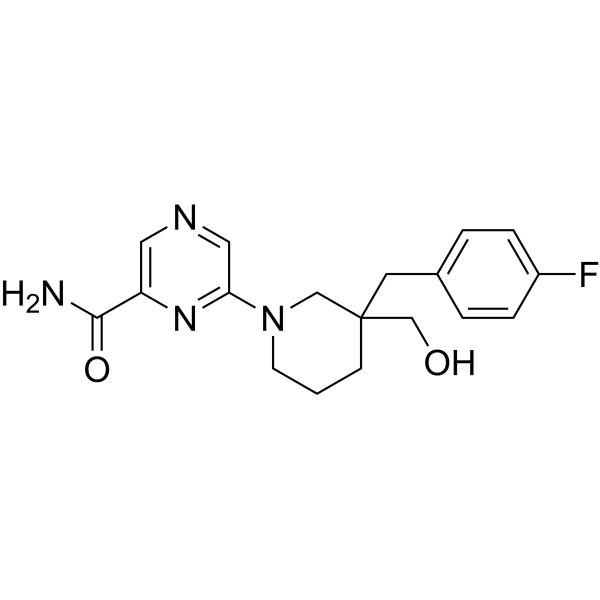
rTRD01 is an orally active, specific TDP-43 binder that targets the RRM1 and RRM2 domains of TDP-43. rTRD01 partially disrupts the interaction between TDP-43 and c9orf72 repeat RNA, but does not affect the binding of TDP-43 to canonical binding sequences. rTRD01 exhibits significant neuroprotective effects in zebrafish models, improves motor function and protects against paraquat (a widely used herbicide)-induced neurodegeneration, with no teratogenicity at high concentrations. rTRD01 is not a general antioxidant and cannot counteract Rotenone (HY-B1756)-induced neuronal death. rTRD01 can be used to study amyotrophic lateral sclerosis and other TDP-43 proteinopathies .
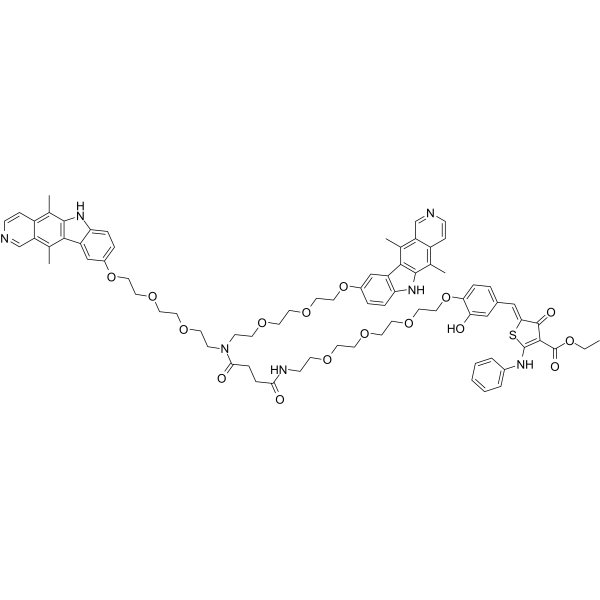
di-Ellipticine-RIBOTAC is a RNase recruiting chimera (RIBOTAC) degrader, capable of specifically binding and degrading expanded G4C2 RNA repeat (r(G4C2) exp). di-Ellipticine-RIBOTAC selectively binds the three-dimensional (3D) structure formed by r(G4C2) exp and that recruits an endogenous ribonuclease (RNase) to cleave r(G4C2) exp. di-Ellipticine-RIBOTAC selectively degrades the mutant chromosome 9 open reading frame 72 (C9orf72) allele and reduces quantities of toxic dipeptide repeat proteins (DPRs) translated from r(G4C2) exp. di-Ellipticine-RIBOTAC significantly improves the pathological phenotype of amyotrophic lateral sclerosis/ frontotemporal dementia (c9ALS/FTD) in cells and mouse models. di-Ellipticine-RIBOTAC can be used for the study of amyotrophic lateral sclerosis (ALS) and frontotemporal dementia (FTD) .
Scrambled Tadnersen is the Negative Control of Tadnersen sodium (HY-132581A). Tadnersen sodium, an antisense oligonucleotide (ASO), selectively targets C9ORF72 transcript variants 1 and 3 that carry the expansion .
C1orf116 Human Pre-designed siRNA Set A contains three designed siRNAs for C1orf116 gene (Human), as well as a negative control, a positive control, and a FAM-labeled negative control.
Scrambled Tadnersen sodium is the Negative Control of Tadnersen sodium (HY-132581A). Tadnersen sodium, an antisense oligonucleotide (ASO), selectively targets C9ORF72 transcript variants 1 and 3 that carry the expansion .
C1orf159 Human Pre-designed siRNA Set A contains three designed siRNAs for C1orf159 gene (Human), as well as a negative control, a positive control, and a FAM-labeled negative control.
C2orf69 Human Pre-designed siRNA Set A contains three designed siRNAs for C2orf69 gene (Human), as well as a negative control, a positive control, and a FAM-labeled negative control.
C17orf99 Human Pre-designed siRNA Set A contains three designed siRNAs for C17orf99 gene (Human), as well as a negative control, a positive control, and a FAM-labeled negative control.
C9orf72 Human Pre-designed siRNA Set A contains three designed siRNAs for C9orf72 gene (Human), as well as a negative control, a positive control, and a FAM-labeled negative control.
C11orf87 Human Pre-designed siRNA Set A contains three designed siRNAs for C11orf87 gene (Human), as well as a negative control, a positive control, and a FAM-labeled negative control.
C19orf53 Human Pre-designed siRNA Set A contains three designed siRNAs for C19orf53 gene (Human), as well as a negative control, a positive control, and a FAM-labeled negative control.
C11orf80 Human Pre-designed siRNA Set A contains three designed siRNAs for C11orf80 gene (Human), as well as a negative control, a positive control, and a FAM-labeled negative control.
C7orf50 Human Pre-designed siRNA Set A contains three designed siRNAs for C7orf50 gene (Human), as well as a negative control, a positive control, and a FAM-labeled negative control.
C1orf109 Human Pre-designed siRNA Set A contains three designed siRNAs for C1orf109 gene (Human), as well as a negative control, a positive control, and a FAM-labeled negative control.
C21orf58 Human Pre-designed siRNA Set A contains three designed siRNAs for C21orf58 gene (Human), as well as a negative control, a positive control, and a FAM-labeled negative control.
C9orf78 Human Pre-designed siRNA Set A contains three designed siRNAs for C9orf78 gene (Human), as well as a negative control, a positive control, and a FAM-labeled negative control.
C10orf67 Human Pre-designed siRNA Set A contains three designed siRNAs for C10orf67 gene (Human), as well as a negative control, a positive control, and a FAM-labeled negative control.
C18orf25 Human Pre-designed siRNA Set A contains three designed siRNAs for C18orf25 gene (Human), as well as a negative control, a positive control, and a FAM-labeled negative control.
C9orf72 Mouse Pre-designed siRNA Set A contains three designed siRNAs for C9orf72 gene (Mouse), as well as a negative control, a positive control, and a FAM-labeled negative control.
C1orf43 Human Pre-designed siRNA Set A contains three designed siRNAs for C1orf43 gene (Human), as well as a negative control, a positive control, and a FAM-labeled negative control.
C1orf127 Human Pre-designed siRNA Set A contains three designed siRNAs for C1orf127 gene (Human), as well as a negative control, a positive control, and a FAM-labeled negative control.
C15orf48 Human Pre-designed siRNA Set A contains three designed siRNAs for C15orf48 gene (Human), as well as a negative control, a positive control, and a FAM-labeled negative control.
C11orf96 Human Pre-designed siRNA Set A contains three designed siRNAs for C11orf96 gene (Human), as well as a negative control, a positive control, and a FAM-labeled negative control.
C8orf33 Human Pre-designed siRNA Set A contains three designed siRNAs for C8orf33 gene (Human), as well as a negative control, a positive control, and a FAM-labeled negative control.
C12orf75 Human Pre-designed siRNA Set A contains three designed siRNAs for C12orf75 gene (Human), as well as a negative control, a positive control, and a FAM-labeled negative control.
C16orf54 Human Pre-designed siRNA Set A contains three designed siRNAs for C16orf54 gene (Human), as well as a negative control, a positive control, and a FAM-labeled negative control.
C12orf4 Human Pre-designed siRNA Set A contains three designed siRNAs for C12orf4 gene (Human), as well as a negative control, a positive control, and a FAM-labeled negative control.
C1orf56 Human Pre-designed siRNA Set A contains three designed siRNAs for C1orf56 gene (Human), as well as a negative control, a positive control, and a FAM-labeled negative control.
C19orf33 Human Pre-designed siRNA Set A contains three designed siRNAs for C19orf33 gene (Human), as well as a negative control, a positive control, and a FAM-labeled negative control.
C1orf167 Human Pre-designed siRNA Set A contains three designed siRNAs for C1orf167 gene (Human), as well as a negative control, a positive control, and a FAM-labeled negative control.
C1orf54 Human Pre-designed siRNA Set A contains three designed siRNAs for C1orf54 gene (Human), as well as a negative control, a positive control, and a FAM-labeled negative control.
C11orf65 Human Pre-designed siRNA Set A contains three designed siRNAs for C11orf65 gene (Human), as well as a negative control, a positive control, and a FAM-labeled negative control.
C19orf12 Human Pre-designed siRNA Set A contains three designed siRNAs for C19orf12 gene (Human), as well as a negative control, a positive control, and a FAM-labeled negative control.
C12orf57 Human Pre-designed siRNA Set A contains three designed siRNAs for C12orf57 gene (Human), as well as a negative control, a positive control, and a FAM-labeled negative control.
C12orf29 Human Pre-designed siRNA Set A contains three designed siRNAs for C12orf29 gene (Human), as well as a negative control, a positive control, and a FAM-labeled negative control.
C1orf112 Human Pre-designed siRNA Set A contains three designed siRNAs for C1orf112 gene (Human), as well as a negative control, a positive control, and a FAM-labeled negative control.
(S)-Tenofovir (Standard) is the analytical standard of (S)-Tenofovir. This product is intended for research and analytical applications. (S)-Tenofovir is the less active S-enantiomer of Tenofovir (HY-13910). Tenofovir is a nucleotide reverse transcriptase inhibitor to treat HIV and chronic Hepatitis B (HBV). (S)-Tenofovir has low activity to Orf virus. (S)-Tenofovir can be used for research on contagious pustular dermatitis .
SIMR3030 is a potent SARS-CoV-2 PLpro inhibitor with an IC50 value of 0.0399 µg/mL. SIMR3030 shows antiviral activity. SIMR3030 decreases SARS-CoV spike, ORF1b, IFN-α, IL-6 mRNA expression. SIMR3030 exhibits a satisfactory safety profile in mice .
RNA binder 1 (Compound 4b) is a blood-brain permeable RNA binder. RNA binder 1 can selectively bind to the G-quadruplex structure of the G4C2 repeat sequence RNA of the C9orf72 gene. RNA binder 1 significantly reduces the levels of toxic polypeptides poly(GA) and poly(GP) produced by the G4C2 repeat sequence in amyotrophic lateral sclerosis (ALS) patient-derived cells. RNA binder 1 has no significant effect on the antisense polypeptide poly(PR), showing selectivity for sense RNA. RNA binder 1 can be used in the study of ALS and frontotemporal dementia (FTD) .
di-Ellipticine-RIBOTAC TFA is a RNase recruiting chimera (RIBOTAC) degrader, capable of specifically binding and degrading expanded G4C2 RNA repeat (r(G4C2) exp). di-Ellipticine-RIBOTAC TFA selectively binds the three-dimensional (3D) structure formed by r(G4C2) exp and that recruits an endogenous ribonuclease (RNase) to cleave r(G4C2) exp. di-Ellipticine-RIBOTAC TFA selectively degrades the mutant chromosome 9 open reading frame 72 (C9orf72) allele and reduces quantities of toxic dipeptide repeat proteins (DPRs) translated from r(G4C2) exp. di-Ellipticine-RIBOTAC TFA significantly improves the pathological phenotype of amyotrophic lateral sclerosis/ frontotemporal dementia (c9ALS/FTD) in cells and mouse models. di-Ellipticine-RIBOTAC TFA can be used for the study of amyotrophic lateral sclerosis (ALS) and frontotemporal dementia (FTD) .
ORF 17910 is a potent, long-acting, orally active histamine H2 receptor antagonist. ORF 17910 exhibits significant and prolonged acid-suppressing activity in dogs and rats. However, the cardiac depressant effect of ORF 17910 cannot be completely overcome at high concentrations. ORF 17910 may be used to study diseases such as gastric ulcers .
ORF 17583 is a Ranitidine (HY-B0693) analogue and H2 receptor antagonist. ORF 17583 exhibits typical reversible competitive antagonism in the guinea pig right atria model, causing a dose-dependent rightward shift of the histamine concentration-response curve without reducing the maximum effect, and its action is fully reversible upon washing. ORF 17583 can be used for research on peptic ulcers and hyperacidity .
C19orf81 Human Pre-designed siRNA Set A contains three designed siRNAs for C19orf81 gene (Human), as well as a negative control, a positive control, and a FAM-labeled negative control.
Polyprotein orf1a Protein, SARS coronavirus MA15 (Cell-Free, His) is the recombinant Virus-derived Polyprotein orf1a protein, expressed by E. coli Cell-free, with N-10*His labeled tag.
Pyridoxal Kinase Protein catalyzes vitamin B6 vitamer phosphorylation—converting pyridoxal (PL), pyridoxine (PN), and pyridoxamine (PM) into active forms: pyridoxal 5'-phosphate (PLP), pyridoxine 5'-phosphate (PNP), and pyridoxamine 5'-phosphate (PMP) (Probable). PLP serves as the active cofactor in more than 140 enzymatic reactions. Pyridoxal Kinase Protein, Human (His) is the recombinant human-derived Pyridoxal Kinase protein, expressed by E. coli , with N-GST labeled tag.
PANP/C12orf53 Protein acts as a neural tissue ligand for PILRA, indicating its potential role in immune regulation in this context. PANP/C12orf53 Protein, Human (HEK293, Fc) is the recombinant human-derived PANP/C12orf53 protein, expressed by HEK293 , with C-hFc labeled tag.
FAM3B Protein acts as a potent inducer of apoptosis, influencing alpha and beta cells in a dose- and time-dependent manner. Its regulatory impact on programmed cell death underscores its significance, particularly within apoptosis. The specificity for alpha and beta cells suggests targeted modulation of pancreatic cell populations, implicating FAM3B in key processes related to pancreatic function and homeostasis. FAM3B Protein, Human (His) is the recombinant human-derived FAM3B protein, expressed by E. coli , with C-Myc, N-10*His labeled tag.
FAM3B Protein acts as a potent inducer of apoptosis, influencing alpha and beta cells in a dose- and time-dependent manner. Its regulatory impact on programmed cell death underscores its significance, particularly within apoptosis. The specificity for alpha and beta cells suggests targeted modulation of pancreatic cell populations, implicating FAM3B in key processes related to pancreatic function and homeostasis. FAM3B Protein, Human (HEK293, Fc) is the recombinant human-derived FAM3B protein, expressed by HEK293 , with C-hFc labeled tag.
C1orf33/MRTO4 is an integral component of ribosome assembly, binds to the 60S presubunit in the nucleolus, and is subsequently replaced by P0 during maturation, contributing to ribosome biogenesis. It interacts with MINAS-60, a replacement for the RBM10 open reading frame. C1orf33/MRTO4 Protein, Human (His) is the recombinant human-derived C1orf33/MRTO4 protein, expressed by E. coli , with N-His labeled tag.
EDEM2 Protein is involved in the endoplasmic reticulum-associated degradation (ERAD) pathway. EDEM2 Protein, Human (HEK293, His) is the recombinant human-derived EDEM2 protein, expressed by HEK293 , with C-His labeled tag.
OARD1 is an ADP:ATP antiporter that regulates mitochondrial energy dynamics by shuttling ADP for ATP synthesis and exporting ATP. It induces mitochondrial thermogenesis, uncouples proton flux and regulates ATP production efficiency. OARD1 Protein, Human (Myc, His) is the recombinant human-derived OARD1 protein, expressed by E. coli , with N-His, C-Myc labeled tag.
The MYDGF protein is derived from bone marrow mononuclear cells and significantly promotes cardioprotection and post-myocardial infarction (MI) repair. Its functions include promoting cardiomyocyte survival and promoting adaptive angiogenesis. MYDGF Protein, Human (His) is the recombinant human-derived MYDGF protein, expressed by E. coli , with N-6*His labeled tag.
The PVRIG protein functions as a cell surface receptor for NECTIN2 and may serve as a co-inhibitory receptor capable of inhibiting T-cell receptor-mediated signaling. Upon interaction with NECTIN2, PVRIG inhibits T cell proliferation, suggesting its potential role in regulating immune responses. PVRIG Protein, Cynomolgus (HEK293, His) is the recombinant cynomolgus-derived PVRIG protein, expressed by HEK293 , with C-6*His labeled tag.
The PVRIG protein functions as a cell surface receptor for NECTIN2 and may serve as a co-inhibitory receptor capable of inhibiting T-cell receptor-mediated signaling. Upon interaction with NECTIN2, PVRIG inhibits T cell proliferation, suggesting its potential role in regulating immune responses. PVRIG Protein, Human (HEK293, Fc) is the recombinant human-derived PVRIG protein, expressed by HEK293 , with C-hFc labeled tag.
PVRIG Protein, a member of the nectin and nectin-like family, is an immune checkpoint molecule with potential for development. PVRIG binds with high affinity to PVRL2 are inhibitory receptors on effector T cells, suppressing cytokine production and cytotoxic activity. PVRIG blocking antibodies significantly increased NK-cell cytotoxicity. PVRIG Protein, Mouse (HEK293, Fc) is the recombinant mouse-derived PVRIG protein, expressed by HEK293 , with C-hFc labeled tag.
The PVRIG protein functions as a cell surface receptor for NECTIN2 and may serve as a co-inhibitory receptor capable of inhibiting T-cell receptor-mediated signaling. Upon interaction with NECTIN2, PVRIG inhibits T cell proliferation, suggesting its potential role in regulating immune responses. PVRIG Protein, Human (HEK293, mFc) is the recombinant human-derived PVRIG protein, expressed by HEK293 , with C-mFc labeled tag.
CHODL proteins contribute significantly to nervous system development, particularly in neurite growth and elongation. There is evidence that it is involved in guiding motor axon growth and shaping the structural framework of the nervous system. CHODL Protein, Rat (HEK293, His) is the recombinant rat-derived CHODL protein, expressed by HEK293 , with C-His labeled tag.
CHODL proteins contribute significantly to nervous system development, particularly in neurite growth and elongation. There is evidence that it is involved in guiding motor axon growth and shaping the structural framework of the nervous system. CHODL Protein, Rat (HEK293, Fc) is the recombinant rat-derived CHODL protein, expressed by HEK293 , with C-hFc labeled tag.
The PVRIG protein functions as a cell surface receptor for NECTIN2 and may serve as a co-inhibitory receptor capable of inhibiting T-cell receptor-mediated signaling. Upon interaction with NECTIN2, PVRIG inhibits T cell proliferation, suggesting its potential role in regulating immune responses. PVRIG Protein, Human (Biotinylated, HEK293, Fc-Avi) is the recombinant human-derived PVRIG protein, expressed by HEK293 , with C-Avi, C-hFc labeled tag.
The PVRIG protein functions as a cell surface receptor for NECTIN2 and may serve as a co-inhibitory receptor capable of inhibiting T-cell receptor-mediated signaling. Upon interaction with NECTIN2, PVRIG inhibits T cell proliferation, suggesting its potential role in regulating immune responses. PVRIG Protein, Human (Biotinylated, HEK293, His-Avi) is the recombinant human-derived PVRIG protein, expressed by HEK293 , with C-Avi, C-His labeled tag. The total length of PVRIG Protein, Human (Biotinylated, HEK293, His-Avi) is 131 a.a., with molecular weight of 25-30 kDa.
The FUOM/fucose mutarotase protein has a crucial interconversion effect on α- and β-L-fucose, with β-L-fucose being dominant (70.5%). The β-form undergoes metabolic processes via the salvage pathway, producing GDP-L-fucose that is transported to the endoplasmic reticulum. FUOM/Fucose Mutarotase Protein, Human (His) is the recombinant human-derived FUOM/Fucose Mutarotase protein, expressed by E. coli , with N-His labeled tag.
VSTM5 protein, a CNS cell adhesion-like membrane protein, modulates neuronal position and complexity by altering membrane morphology. It influences dendrite and protrusion formation, regulates synapse formation, and controls cortical development. VSTM5 also promotes unstable neuronal spines and oligomerizes for functional versatility. VSTM5 Protein, Mouse (HEK293, Fc) is the recombinant mouse-derived VSTM5 protein, expressed by HEK293 , with C-hFc labeled tag.
IL-34 protein is an important cytokine that promotes the proliferation, survival, and differentiation of monocytes and macrophages. It plays a key role in innate immune responses and inflammatory processes by promoting the release of pro-inflammatory chemokines. IL-34 Protein, Human (CHO, His) is the recombinant human-derived IL-34 protein, expressed by CHO , with C-His labeled tag.
DCAF16 Protein, a vital component in the CUL4-DDB1 E3 ubiquitin-protein ligase complex, serves as a crucial substrate recognition element. It plays a central role in ubiquitination and subsequent proteasome-dependent degradation of nuclear proteins, emphasizing its key involvement in protein modification processes, particularly in the regulation of protein ubiquitination. DCAF16/DDB1 Protein, Human (Active, Biotinylated, sf9) is the recombinant human-derived DCAF16/DDB1, expressed by Sf9 insect cells, with tag-free.
The IL-33 protein is part of the IL-1 family, a different cytokine that is critical in immune responses and inflammation. IL-33 acts through its receptor ST2 to promote the activation and recruitment of immune cells such as Th2 cells, mast cells, and eosinophils to sites of inflammation. IL-33 Protein, Cynomolgus (HEK293, His) is the recombinant cynomolgus-derived IL-33 protein, expressed by HEK293 , with N-His labeled tag.
IL-34 protein is an important cytokine that promotes the proliferation, survival, and differentiation of monocytes and macrophages. It plays a key role in innate immune responses and inflammatory processes by promoting the release of pro-inflammatory chemokines. IL-34 Protein, Mouse (HEK293, His) is the recombinant mouse-derived IL-34 protein, expressed by HEK293 , with C-His labeled tag.
CHODL proteins contribute significantly to nervous system development, particularly in neurite growth and elongation. There is evidence that it is involved in guiding motor axon growth and shaping the structural framework of the nervous system. CHODL Protein, Mouse (HEK293, His) is the recombinant mouse-derived CHODL protein, expressed by HEK293 , with C-His labeled tag.
IL-34 protein is an important cytokine that promotes the proliferation, survival, and differentiation of monocytes and macrophages. It plays a key role in innate immune responses and inflammatory processes by promoting the release of pro-inflammatory chemokines. Animal-Free IL-34 Protein, Mouse (His) is the recombinant mouse-derived animal-FreeIL-34 protein, expressed by E. coli , with C-His labeled tag.This product is for cell culture use only.
The porcine circovirus 2 capsid protein autonomously constructs the icosahedral capsid of the viral particle, which is essential for initial attachment to host cell surface proteoglycans.Small size contributes to environmental stability and disinfectant resistance.Porcine circovirus 2 Capsid protein (sf9, His) is the recombinant Virus-derived Porcine circovirus 2 Capsid protein, expressed by Sf9 insect cells , with C-His labeled tag.
MCEMP1, a type II transmembrane protein, is a lung-specific surface protein and functions as an adaptor for KIT, which promotes SCF-mediated mast cell proliferation. MCEMP1 elicits intracellular signaling through its cytoplasmic immunoreceptor tyrosine-based activation motif and forms a complex with KIT to enhance its autophosphorylation and activation. MCEMP1 regulates cell chemotaxis, adhesion, and migration in a TGFβ dependent manner. MCEMP1 acts as a critical factor in allergic and inflammatory lung diseases. MCEMP1 Protein, Mouse (HEK293, Fc) is the recombinant mouse-derived MCEMP1 protein, expressed by HEK293 , with N-hFc labeled tag.
V-set and immunoglobulin domain-containing protein 8 (VSIG8) is a membrane protein belonging to complement receptor of the immunoglobulin superfamily. VSIG8 has RNA binding activity and is a human T-cell co-inhibitory ligand. VSIG-8 inhibits the production of cytokines, chemokines and other proteins on T cells, and also suppresses T cell proliferation and differentiation of na茂ve T cells. VSIG8 Protein, Human (Biotinylated, HEK293, Fc-Avi) is the recombinant human-derived VSIG8 protein, expressed by HEK293 , with C-Avi, C-hFc labeled tag. The total length of VSIG8 Protein, Human (Biotinylated, HEK293, Fc-Avi) is 242 a.a., with molecular weight of 60-66 kDa.
The Draxin protein is critical in commissural development in the spinal cord and forebrain, serving as a chemical pulse guidance protein for commissural axons. It inhibits dorsal spinal cord neurite outgrowth and acts as a Wnt signaling antagonist by interacting with LRP6, inhibiting cytosolic β-catenin stabilization. Draxin Protein, Human (HEK293, His) is the recombinant human-derived Draxin protein, expressed by HEK293 , with C-His labeled tag.
CYTL1 protein is specifically expressed in CD34+ hematopoietic cells, indicating that it exists selectively in this hematopoietic cell subpopulation. This targeted expression pattern suggests a potential role in maintaining or differentiating CD34+ cells, emphasizing the importance of CYTL1 in the complex molecular processes that control blood cell development. CYTL1 Protein, Human (HEK293, hFc) is the recombinant human-derived CYTL1 protein, expressed by HEK293 , with C-hFc labeled tag.
CYTL1 is a cytokine-like protein specifically expressed in bone marrow and cord blood mononuclear cells that bear the CD34 surface marker. CYTL1 exhibits specific expression in CD34+ hematopoietic cells, indicating its selective presence within this subset of cells involved in the regulation of hematopoiesis. CYTL1 regulates chondrogenesis and is required for the maintenance of cartilage homeostasis and, in addition, may act as a regulator of embryo implantation in early pregnancy. CYTL1 Protein, Mouse (HEK293, Fc) is the recombinant mouse-derived CYTL1 protein, expressed by HEK293 , with C-hFc labeled tag.
The FAM172A protein has multiple uses in the regulation of alternative splicing, interacting with AGO2 and CHD7 to coordinate RNA processing and chromatin modification. In addition to its role in splicing, FAM172A stabilizes protein-protein interactions at the chromatin-spliceosome interface, revealing multifaceted functions. FAM172A Protein, Human (HEK293, His) is the recombinant human-derived FAM172A protein, expressed by HEK293 , with C-6*His labeled tag.
UCMA proteins are key regulators of the complex control of osteogenic differentiation, particularly in the fetal cartilage periphery and at the cartilage-bone interface. Its involvement suggests a crucial role in negatively regulating osteochondral precursor cell differentiation. UCMA Protein, Human is the recombinant human-derived UCMA protein, expressed by E. coli , with tag free.
GFRAL protein, a brainstem-restricted receptor, regulates food intake, energy expenditure, and body weight in response to metabolic and toxin-induced stresses. It binds with GDF15, interacts with RET, and activates MAPK- and AKT- signaling pathways. GFRAL acts as a receptor for GDF15 and mediates cellular signaling through RET, requiring prior GDF15 binding. GFRAL Protein, Mouse (HEK293, His) is the recombinant mouse-derived GFRAL protein, expressed by HEK293, with C-His labeled tag.
GFRAL protein, a brainstem-restricted receptor, regulates food intake, energy expenditure, and body weight in response to metabolic and toxin-induced stresses. It binds with GDF15, interacts with RET, and activates MAPK- and AKT- signaling pathways. GFRAL acts as a receptor for GDF15 and mediates cellular signaling through RET, requiring prior GDF15 binding. GFRAL Protein, Mouse (HEK293, His-Avi) is the recombinant mouse-derived GFRAL protein, expressed by HEK293 , with N-His, N-Avi labeled tag.
The MYDGF protein is derived from bone marrow mononuclear cells and significantly promotes cardioprotection and post-myocardial infarction (MI) repair. Its functions include promoting cardiomyocyte survival and promoting adaptive angiogenesis. SF20/MYDGF Protein, Human (HEK293, His) is the recombinant human-derived SF20/MYDGF protein, expressed by HEK293 , with C-His labeled tag.
DCAF16 Protein, a vital component in the CUL4-DDB1 E3 ubiquitin-protein ligase complex, serves as a crucial substrate recognition element. It plays a central role in ubiquitination and subsequent proteasome-dependent degradation of nuclear proteins, emphasizing its key involvement in protein modification processes, particularly in the regulation of protein ubiquitination. DCAF16/DDB1/CUL4A/RBX1 Protein, Human (Sf9) is the recombinant human-derived DCAF16/DDB1/CUL4A/RBX1, expressed by Sf9 insect cells, with tag-free.
PRAC Protein exhibits high expression in the prostate, rectum, and distal colon, with weaker expression in the bladder. Its prominence in prostate cancer cell lines suggests a potential link to prostate cancer pathology. The tissue-specific expression emphasizes PRAC Protein's potential roles in normal physiological processes and cancer contexts. PRAC Protein, Human (His-SUMO) is the recombinant human-derived PRAC protein, expressed by E. coli , with N-His, N-SUMO labeled tag.
The GFRAL protein is a brainstem-restricted receptor for GDF15 that regulates food intake, energy expenditure, and body weight in response to metabolic and toxin-induced stress. GFRAL binds to its ligand GDF15, interacts with RET, and activates the MAPK and AKT signaling pathways. GFRAL Protein, Cynomolgus (HEK293, His-Avi) is the recombinant cynomolgus-derived GFRAL protein, expressed by HEK293 , with N-His, N-Avi labeled tag.
The GFRAL protein is a brainstem-restricted receptor for GDF15 that regulates food intake, energy expenditure, and body weight in response to metabolic and toxin-induced stress. GFRAL binds to its ligand GDF15, interacts with RET, and activates the MAPK and AKT signaling pathways. GFRAL Protein, Human (HEK293, His-Avi) is the recombinant human-derived GFRAL protein, expressed by HEK293 , with C-Avi, C-His labeled tag.
GFRAL protein, a brainstem-restricted receptor, regulates food intake, energy expenditure, and body weight in response to metabolic and toxin-induced stresses. It binds with GDF15, interacts with RET, and activates MAPK- and AKT- signaling pathways. GFRAL acts as a receptor for GDF15 and mediates cellular signaling through RET, requiring prior GDF15 binding. GFRAL Protein, Mouse (HEK293, His-Myc) is the recombinant mouse-derived GFRAL protein, expressed by HEK293 , with C-Myc, N-10*His labeled tag.
G-CSF, a pivotal cytokine, regulates hematopoiesis by controlling the production, differentiation, and function of granulocytes and monocytes-macrophages. This monomeric protein specifically promotes granulocyte development, playing a crucial role in immune system regulation and blood cell formation. G-CSF Protein, Human (HEK293) is the recombinant human-derived G-CSF protein, expressed by HEK293 , with tag free.
The GFRAL protein is a brainstem-restricted receptor for GDF15 that regulates food intake, energy expenditure, and body weight in response to metabolic and toxin-induced stress. GFRAL binds to its ligand GDF15, interacts with RET, and activates the MAPK and AKT signaling pathways. GFRAL Protein, Human (Biotinylated, HEK293, His-Avi) is the recombinant human-derived GFRAL protein, expressed by HEK293 , with C-Avi, C-His labeled tag.
GFRAL protein, a brainstem-restricted receptor, regulates food intake, energy expenditure, and body weight in response to metabolic and toxin-induced stresses. It binds with GDF15, interacts with RET, and activates MAPK- and AKT- signaling pathways. GFRAL acts as a receptor for GDF15 and mediates cellular signaling through RET, requiring prior GDF15 binding. GFRAL Protein, Mouse (Biotinylated, HEK293, His-Avi) is the recombinant mouse-derived GFRAL protein, expressed by HEK293 , with C-Avi, N-His labeled tag.
SINHCAF is a key subunit of the Sin3 deacetylase complex (Sin3/HDAC) and is essential for inhibiting genes related to the TGF-β signaling pathway. In embryonic stem (ES) cells, SINHCAF forms the SIN3A complex together with SIN3A, HDAC1, SAP30, RBBP4, OGT, and TET1. SINHCAF Protein, Human (GST) is the recombinant human-derived SINHCAF protein, expressed by E. coli , with N-GST labeled tag.
The GFRAL protein is a brainstem-restricted receptor for GDF15 that regulates food intake, energy expenditure, and body weight in response to metabolic and toxin-induced stress. GFRAL binds to its ligand GDF15, interacts with RET, and activates the MAPK and AKT signaling pathways. GFRAL Protein, Cynomolgus (Biotinylated, HEK293, His-Avi) is the recombinant cynomolgus-derived GFRAL protein, expressed by HEK293 , with C-Avi, N-His labeled tag.
The multifunctional PL-PRO protein plays a critical role in viral RNA transcription and replication, providing the necessary proteases for multiprotein cleavage. It strategically blocks host translation by binding to the open head conformation of the 40S subunit, impeding ribosomal mRNA entry into the tunnel. SARS-CoV-2 PL-PRO Protein (His) is the recombinant Virus-derived PL-PRO protein, expressed by E. coli , with N-6*His labeled tag.
MRAP protein crucially modulates melanocortin receptors (MC1R, MC2R, MC3R, MC4R, and MC5R), enhancing ligand sensitivity and amplifying cAMP generation. Its role extends to promoting MC2R cell surface expression in adrenal cells for corticotropin (ACTH) signaling and potential involvement in adipocyte intracellular trafficking pathways. MRAP forms antiparallel homodimers and heterodimers, engaging with a range of melanocortin receptors. MRAP Protein, Human (HEK293, hFc) is the recombinant human-derived MRAP protein, expressed by HEK293 , with N-hFc labeled tag.
G-CSF, a pivotal cytokine, regulates hematopoiesis by controlling the production, differentiation, and function of granulocytes and monocytes-macrophages. This monomeric protein specifically promotes granulocyte development, playing a crucial role in immune system regulation and blood cell formation. G-CSF Protein, Human (HEK293, Fc) is the recombinant human-derived G-CSF protein, expressed by HEK293 , with N-hFc labeled tag.
IL-34 protein is an important cytokine that promotes proliferation, survival, and differentiation of monocytes and macrophages. It plays a key role in innate immunity and inflammation by promoting the release of pro-inflammatory chemokines. Animal-Free IL-34 Protein, Human (His) is the recombinant human-derived animal-FreeIL-34 protein, expressed by E. coli , with C-His labeled tag.This product is for cell culture use only.
TPM1 encodes tropomyosin, a key actin-binding component in muscle contraction and cytoskeletal structure. It contains α-helical chains that form a coiled-coil structure that stabilizes actin filaments. TPM1 Protein, Human (His) is the recombinant human-derived TPM1 protein, expressed by E. coli , with N-His labeled tag.
MCEMP1, a lung-specific surface protein, is a type II transmembran protein. MCEMP1 is primarily expressed in myeloid lineage immune cells and plays a critical in allergic and inflammatory lung diseases. MCEMP1 is an adaptor for KIT receptor to promotes stem cell factor-mediated mast cell proliferation. MCEMP1 also participates in the chemotaxis, adhesion, and migration of circulating monocytes. MCEMP1 Protein, Human (HEK293, Fc) is the recombinant human-derived MCEMP1 protein, expressed by HEK293 , with N-mFc labeled tag.
OTUB2 is a hydrolase that efficiently removes conjugated ubiquitin from proteins in vitro, implying a crucial role in preventing protein degradation and regulating turnover. Its deubiquitinating activity targets “Lys-11”, “Lys-48” and “Lys-63” linked polyubiquitin chains, with preference for the latter. OTUB2 Protein, Human (His) is the recombinant human-derived OTUB2 protein, expressed by E. coli , with N-6*His labeled tag.
YUAB is an important contributor to biofilm formation, self-polymerizing to form a hydrophobic layer with excellent stability and resistance to mechanical compression. YUAB is essential for complex colony structure, interacting synergistically with exopolysaccharides and TasA amyloid fibrils to facilitate biofilm matrix assembly. YUAB Protein, Bacillus subtilis (Cell-Free, His-SUMO) is the recombinant YUAB protein, expressed by E. coli Cell-free , with N-His, N-SUMO labeled tag.
Granulocyte colony-stimulating factor (G-CSF) is a glycoprotein secreted by the cells of the immune system, fibroblasts and endothelium, which acts as a hematopoietic and endothelial precursor cells cytokine. G-CSF stimulates maturation of progenitor cells in the bone marrow into differentiated granulocytes, macrophages and the T cells. G-CSF also shows to convey neuroprotection to central neurons upon increases in phosphorylation of PI3K/Akt pathway and regulates epithelial to mesenchymal transition in cancer. G-CSF Protein (Human) is a recombinant protein with tag free that consists of 200 or 204 amino acids, which is expressed in E. coli.
CYTL1 protein is specifically expressed in CD34+ hematopoietic cells, indicating that it exists selectively in this hematopoietic cell subpopulation. This targeted expression pattern suggests a potential role in maintaining or differentiating CD34+ cells, emphasizing the importance of CYTL1 in the complex molecular processes that control blood cell development. CYTL1 Protein, Human (HEK293, mFc) is the recombinant human-derived CYTL1 protein, expressed by HEK293 , with C-mFc labeled tag.
FAM167A protein shows significant expression in multiple tissues, including skin, spleen, kidney, leukocytes, testis, lung, small intestine, and prostate. This diverse expression pattern suggests potential roles in various physiological processes across organs and cell types. FAM167A Protein, Human (HEK293, Myc, His) is the recombinant human-derived FAM167A protein, expressed by HEK293 , with N-His, C-Myc labeled tag.
ISM1 Protein, an angiogenesis inhibitor, regulates blood vessel formation by interacting with integrin ITGAV/ITGB5. Its participation in modulating integrin-mediated cellular processes emphasizes ISM1's potential significance in finely tuned regulatory networks governing vascular development and homeostasis. ISM1 Protein, Human (HEK293, His) is the recombinant human-derived ISM1 protein, expressed by HEK293 , with N-His labeled tag.
The CISD1 protein acts as an L-cysteine aminotransferase, mediating the reversible transfer between L-cysteine and 2-oxoglutarate. Facilitated by the pyridoxal 5'-phosphate (PLP) cofactor, this process produces 2-oxo-3-sulfanylpropionate and L-glutamic acid. CISD1 Protein, Human (His) is the recombinant human-derived CISD1 protein, expressed by E. coli , with N-His, N-6*His labeled tag.
NPR3 Protein, a receptor for natriuretic peptides, exhibits similar affinities for NPPA/ANP, NPPB/BNP, and NPPC/CNP. It regulates diuresis, blood pressure, and skeletal development, possibly serving as a clearance receptor for NPPA, NPPB, and NPPC. Despite lacking guanylate cyclase activity, NPR3 forms disulfide-linked homodimers and interacts with OSTN, indicating potential involvement in various physiological processes. NPR3 Protein, Human (HEK293, Fc) is the recombinant human-derived NPR3 protein, expressed by HEK293 , with C-hFc labeled tag.
MYOZ2 is a member of the Myozenin family that binds to Z-line proteins, including α-actin and γ-filamin, and contributes to the localization of calcineurin signals within the sarcomere. It plays a key role in regulating calcineurin signaling and has been shown to be involved in muscle regulatory mechanisms and myofibril formation. MYOZ2 Protein, Human (His) is the recombinant human-derived MYOZ2 protein, expressed by E. coli , with C-6*His labeled tag.
TRIB3 protein is an inactive kinase that centrally regulates the integrated stress response (ISR) and inhibits DDIT3/CHOP transcriptional activity. It causes DDIT3/CHOP-dependent cell death during endoplasmic reticulum (ER) stress, particularly in programmed neuronal cell death. TRIB3 Protein, Human (sf9, GST) is the recombinant human-derived TRIB3 protein, expressed by Sf9 insect cells , with N-GST labeled tag.
IL-33 is a member of the IL-1 family, known for its significant divergence. IL-33 Protein, Rhesus macaque (His) is the recombinant Rhesus Macaque-derived IL-33 protein, expressed by E. coli , with N-6*His labeled tag.
As a component of the PAQosome complex, the PDRG1 protein may play a role in chaperone-mediated protein folding. PAQosome is composed of multiple protein complexes, including PDRG1, and coordinates the biogenesis of multiple protein complexes. PDRG1 Protein, Human (His) is the recombinant human-derived PDRG1 protein, expressed by E. coli , with N-His labeled tag.
TXNDC15 Protein positively regulates ciliary hedgehog signaling, crucial in cellular communication. It actively participates in ciliogenesis, contributing to the structural and functional dynamics of the cellular organelle. TXNDC15 Protein, Human (HEK293, His) is the recombinant human-derived TXNDC15 protein, expressed by HEK293 , with C-6*His labeled tag.
The METTL1 protein is a catalytic component of the METTL1-WDR4 methyltransferase complex, which promotes the formation of N(7)-methylguanine in tRNA, mRNA, and miRNA. METTL1 Protein, Human (His) is the recombinant human-derived METTL1 protein, expressed by E. coli , with N-His labeled tag.
The FGFBP3 protein is a heparin-binding protein that complexly regulates fibroblast growth factor 2 (FGF2) dynamics. By forming a binding complex with FGF2, it blocks heparin binding of FGF2 and may limit its anchoring to extracellular matrix glycosaminoglycans. FGFBP3 Protein, Human (sf9, His) is the recombinant human-derived FGFBP3 protein, expressed by Sf9 insect cells , with C-His labeled tag.
KCT2 protein, widely expressed across diverse tissues and cell types, indicates potential involvement in various physiological processes, highlighting its ubiquity within the biological landscape. KCT2 Protein, Human (HEK293, His) is the recombinant human-derived KCT2 protein, expressed by HEK293 , with C-His labeled tag.
CHODL protein contributes to nervous system development, affecting neurite outgrowth and motor axon growth. Interacting with RABGGTB, it plays a crucial role in cellular processes and neural circuit establishment. Investigating CHODL's mechanisms and effects in neurite outgrowth and motor axon growth can offer insights into its role in shaping the developing nervous system. CHODL Protein, Human (HEK293, Fc) is the recombinant human-derived CHODL protein, expressed by HEK293 , with C-hFc labeled tag.
CHODL proteins contribute significantly to nervous system development, particularly in neurite growth and elongation. There is evidence that it is involved in guiding motor axon growth and shaping the structural framework of the nervous system. CHODL Protein, Mouse (HEK293, Fc) is the recombinant mouse-derived CHODL protein, expressed by HEK293 , with C-hFc labeled tag.
V-set and immunoglobulin domain-containing protein 8 (VSIG8) is a membrane protein belonging to complement receptor of the immunoglobulin superfamily. VSIG8 has RNA binding activity and is a human T-cell co-inhibitory ligand. VSIG-8 inhibits the production of cytokines, chemokines and other proteins on T cells, and also suppresses T cell proliferation and differentiation of na茂ve T cells. VSIG8 Protein, Human (HEK293, His) is the recombinant human-derived VSIG8 protein, expressed by HEK293 , with C-6*His labeled tag.
Frizzled-5 protein is a receptor for Wnt proteins (WNT2, WNT10B, WNT5A), which can activate WNT7A and promote the formation of synapses in neurons. It participates in the canonical Wnt/β-catenin pathway, activating disheveled proteins, inhibiting GSK-3 kinase, and triggering Wnt target genes. Frizzled-5 Protein, Human (HEK293, His) is the recombinant human-derived Frizzled-5 protein, expressed by HEK293 , with C-His labeled tag.
Allergin-1 Protein, an immunoglobulin-like receptor, crucially acts as a negative regulator in mast cells, inhibiting degranulation. Operating as a monomer, it interacts with signaling molecules like tyrosine-phosphorylated PTPN6, PTPN11, and INPP5D, forming complexes that suppress IgE-mediated mast cell activation, thus dampening type I immediate hypersensitivity reactions. Allergin-1 Protein, Human (HEK293, His) is the recombinant human-derived Allergin-1 protein, expressed by HEK293 , with C-His labeled tag.
The BPIFA2 protein, also known as bactericidal/permeability-increasing fold family A member 2, has significant antibacterial activity, particularly against Pseudomonas aeruginosa. The protein is effective against bacterial infections caused by Pseudomonas aeruginosa, a pathogen known to be resistant to many antibiotics. BPIFA2 Protein, Human (HEK293, His) is the recombinant human-derived BPIFA2 protein, expressed by HEK293 , with C-6*His labeled tag.
V-set and immunoglobulin domain-containing protein 8 (VSIG8) is a membrane protein belonging to complement receptor of the immunoglobulin superfamily. VSIG8 has RNA binding activity and is a human T-cell co-inhibitory ligand. VSIG-8 inhibits the production of cytokines, chemokines and other proteins on T cells, and also suppresses T cell proliferation and differentiation of na茂ve T cells. VSIG8 Protein, Human (HEK293, Fc) is the recombinant human-derived VSIG8 protein, expressed by HEK293 , with C-hFc labeled tag.
Frizzled-5 protein is a receptor for Wnt proteins (WNT2, WNT10B, WNT5A), which can activate WNT7A and promote the formation of synapses in neurons. It participates in the canonical Wnt/β-catenin pathway, activating disheveled proteins, inhibiting GSK-3 kinase, and triggering Wnt target genes. Frizzled-5 Protein, Human (HEK293, Fc) is the recombinant human-derived Frizzled-5 protein, expressed by HEK293 , with C-hFc labeled tag.
Allergin-1 Protein, an immunoglobulin-like receptor, crucially acts as a negative regulator in mast cells, inhibiting degranulation. Operating as a monomer, it interacts with signaling molecules like tyrosine-phosphorylated PTPN6, PTPN11, and INPP5D, forming complexes that suppress IgE-mediated mast cell activation, thus dampening type I immediate hypersensitivity reactions. Allergin-1 Protein, Human (HEK293, Fc) is the recombinant human-derived Allergin-1 protein, expressed by HEK293 , with C-hFc labeled tag.
The BPIFA2 protein, also known as bactericidal/permeability-increasing fold family A member 2, has significant antibacterial activity, particularly against Pseudomonas aeruginosa. The protein is effective against bacterial infections caused by Pseudomonas aeruginosa, a pathogen known to be resistant to many antibiotics. BPIFA2 Protein, Human (HEK293, Fc) is the recombinant human-derived BPIFA2 protein, expressed by HEK293 , with C-hFc labeled tag.
LAMP5 Protein significantly contributes to short-term synaptic plasticity in a specific subset of GABAergic neurons in the brain. LAMP5 Protein, Mouse (HEK293, Fc) is the recombinant mouse-derived LAMP5 protein, expressed by HEK293 , with C-hFc labeled tag.
The IGF2 protein is an important member of the insulin-like growth factor family and plays an important role in mammalian growth, fetoplacental development, and adult glucose metabolism. Regulated by placental prolactin, affecting tissue differentiation. IGF2 Protein, Human (Biotinylated, HEK293, Fc-Avi) is the recombinant human-derived IGF2 protein, expressed by HEK293 , with N-hFc, N-Avi labeled tag.
LAMP5 belongs to the LAMP (lysosome-associated membrane protein) family, which consists of multiple members. LAMP5 Protein, Cynomolgus (HEK293, His) is the recombinant cynomolgus-derived LAMP5 protein, expressed by HEK293 , with C-His labeled tag.
PRADC1 Protein, Human (HEK293, His) is a recombinant human protease-associated domain-containing 1 (PRADC1) produced in HEK293 cells, with His tag. PRADC1 is a metabolic-responsive secretory protein that modulates physical activity and adiposity.
CUTA protein is a trimeric membrane anchor protein of AChE and a homolog of the bacterial divalent cation chelator CutA1 protein. CUTA protein also interacts with BACE1 and inhibits APP beta processing and Aβ production. CutA Protein, Human (His) is the recombinant human-derived CutA protein, expressed by E. coli , with C-6*His labeled tag.
ADAMTSL1/Punctin Protein, a member of the ADAMTS family, encodes a unique secreted protein lacking metalloproteinase and disintegrin-like domains but retaining other ADAMTS domains, including the thrombospondin type 1 motif. Likely involved in crucial extracellular matrix functions, alternative splicing generates multiple transcript variants, each encoding distinct proteins. ADAMTSL1/Punctin Protein, Human (sf9, His) is the recombinant human-derived ADAMTSL1/Punctin protein, expressed by Sf9 insect cells , with C-His labeled tag.
The DCUN1D2 protein transfers NEDD8 from NEDD8-conjugated E2 to the cullin-RBX complex and regulates SCF-type complex activity. DCUN1D2 Protein, Human (His) is the recombinant human-derived DCUN1D2 protein, expressed by E. coli , with N-His labeled tag.
LY6G6F protein participates in signal transduction pathways involving GRB2 and GRB7. Forming homodimers and interacting with GRB2 and GRB7 in a phosphorylation-dependent manner, LY6G6F likely modulates signal transduction cascades, suggesting its involvement in intricate cellular signaling networks. LY6G6F Protein, Human (HEK293, hFc) is the recombinant human-derived LY6G6F protein, expressed by HEK293 , with C-hFc labeled tag.
RPRD1B, is a necessary scaffolding protein that maintains genetic integrity by regulating resolution of R-loops at both the transcription termination and DNA double-strand break (DSB) repair levels. In endometrial cancers, RPRD1B accelerates cell cycle through up-regulating Cyclin D1, CDK4, and CDK6. In addition, RPRD1B enhancse transcription of CCND1 and promotes cell proliferation by interacting with RNA polymerase II. RPRD1B enhances the β-Catenin·TCF4 transcriptional activity in response to Wnt signaling. RPRD1B Protein, Human (HEK293, N-His) is the recombinant human-derived RPRD1B protein, expressed by HEK293 , with N-6*His labeled tag.
The GGCT protein is a key player in sulfate assimilation, catalyzing the initial step in the conversion of inorganic sulfate and ATP to adenosine-5'-phosphate sulfate (APS). This activity is essential for the biosynthesis of sulfur-containing amino acids and is essential for cellular sulfur metabolism. GGCT Protein, Human (His) is the recombinant human-derived GGCT protein, expressed by E. coli , with N-6*His labeled tag.
IZUMO4 protein is a member of IZUMO family, and is usually expressed in testis, mature spermatozoa and nonreproductive tissues. IZUMO4 is involved in sperm-egg membrane fusion. Notably, IZUMO4 lacks a transmembrane domain. IZUMO4 Protein, Human (HEK293, Fc) is the recombinant human-derived IZUMO4 protein, expressed by HEK293 , with C-hFc labeled tag.
The PITHD1 protein is a key regulator of cell dynamics, specifically promoting megakaryocyte differentiation by upregulating RUNX1 expression. It does this by activating the proximal promoter of the RUNX1 gene and enhancing the translational activity of the internal ribosome entry site (IRES) element. PITHD1 Protein, Human (Myc, His) is the recombinant human-derived PITHD1 protein, expressed by E. coli , with N-His, C-Myc labeled tag.
JAM-B/CD322 protein regulates cellular processes through interactions with JAM3. It aids hematopoietic cell homing and retention in the bone marrow and facilitates leukocyte extravasation. JAM-B is involved in spermatogenesis, inhibits myelination, promotes myocyte fusion, and may contribute to angiogenesis. Its multifunctionality emphasizes its significance in cellular and physiological processes. JAM-B/CD322 Protein, Mouse (HEK293, Fc) is the recombinant mouse-derived JAM-B/CD322 protein, expressed by HEK293 , with C-hFc labeled tag.
JAM-B/CD322 protein regulates cellular processes through interactions with JAM3. It aids hematopoietic cell homing and retention in the bone marrow and facilitates leukocyte extravasation. JAM-B is involved in spermatogenesis, inhibits myelination, promotes myocyte fusion, and may contribute to angiogenesis. Its multifunctionality emphasizes its significance in cellular and physiological processes. JAM-B/CD322 Protein, Mouse (HEK293, His) is the recombinant mouse-derived JAM-B/CD322 protein, expressed by HEK293 , with C-His labeled tag.
Junctional adhesion molecule 2 (Jam2, Jam-B, CD322) is a member of the immunoglobulin superfamily, and the junctional adhesion molecule (JAM) family. Jam2 is a type I membrane protein that is localized at the tight junctions of both epithelial and endothelial cells. Jam2 has integrin alpha-4/beta-1 binding activity and an inhibitory somatodendritic cue. JAM-B/CD322 Protein, Rat (HEK293, His) is the recombinant rat-derived JAM-B/CD322 protein, expressed by HEK293 , with C-His labeled tag.
Junctional adhesion molecule 2 (Jam2, Jam-B, CD322) is a member of the immunoglobulin superfamily, and the junctional adhesion molecule (JAM) family. Jam2 is a type I membrane protein that is localized at the tight junctions of both epithelial and endothelial cells. Jam2 has integrin alpha-4/beta-1 binding activity and an inhibitory somatodendritic cue. JAM-B/CD322 Protein, Rat (HEK293, Fc) is the recombinant rat-derived JAM-B/CD322 protein, expressed by HEK293 , with C-hFc labeled tag.
The BPIFB1 protein may play a crucial role in innate immunity, particularly in the mouth, nose, and lungs, against microbial threats. It binds to bacterial lipopolysaccharide (LPS), modulates cellular responses and affects LPS-triggered immune signaling pathways. BPIFB1 Protein, Human (HEK293, His) is the recombinant human-derived BPIFB1 protein, expressed by HEK293 , with C-His labeled tag.
The TPPP2 protein may be a regulator of microtubule dynamics and is critical for sperm motility. Unlike other family members, TPPP2 lacks microtubule bundling activity, suggesting a unique functional role. TPPP2 Protein, Human (His) is the recombinant human-derived TPPP2 protein, expressed by E. coli , with N-His labeled tag.
LAMP5/BAD-LAMP protein plays a role in short-term synaptic plasticity within a specific subset of GABAergic neurons in the brain. LAMP5/BAD-LAMP Protein, Human (HEK293, Fc) is the recombinant human-derived LAMP5/BAD-LAMP protein, expressed by HEK293 , with C-hFc labeled tag.
LAMP5/BAD-LAMP protein plays a role in short-term synaptic plasticity within a specific subset of GABAergic neurons in the brain. LAMP5/BAD-LAMP Protein, Human (HEK293, His) is the recombinant human-derived LAMP5/BAD-LAMP protein, expressed by HEK293 , with C-His labeled tag.
HTRA1 is a serine protease that targets a variety of proteins, including extracellular matrix proteins such as fibronectin. It induces synovial cells to upregulate MMP1 and MMP3, suggesting a role in extracellular matrix remodeling. HTRA1 Protein, Human (His) is the recombinant human-derived HTRA1 protein, expressed by E. coli , with C-His labeled tag.
SLC22A23 Protein, Human (HEK293, His, Strep, Flag) is the recombinant human-derived SLC22A23, expressed by HEK293 , with Strep, His, Flag labeled tag. ,
SLC22A23 Protein, Human (HEK293, His, MBP, Flag) is the recombinant human-derived SLC22A23 protein, expressed by HEK293, with N-8*His & C-Flag & N-MBP tag.
The HSPB11 protein is an important component of IFT complex B and is indispensable for sonic eager/SHH signaling. It promotes intraflagellar transport in ciliated tissues such as kidney and testis, mediating the transport of SHH components. HSPB11 Protein, Human (His) is the recombinant human-derived HSPB11 protein, expressed by E. coli , with N-6*His labeled tag.
GLT25D2 protein is a β-galactosyltransferase that catalyzes the transfer of β-galactose to collagen hydroxylysine residues, thereby affecting the structural diversity and functional properties of collagen.This glycosylation regulates the biochemical and biomechanical properties of collagen, affecting tissue development, maintenance, and repair.GLT25D2 Protein, Human (sf9, His) is the recombinant human-derived GLT25D2 protein, expressed by Sf9 insect cells , with C-His labeled tag.
IL-1RAcP is a co-receptor for IL1RL2, IL1R1 and IL1RL1 in the IL-36, IL-1 and IL-33 signaling system, respectively. IL-1RAcP is an essential component of the IL-1 receptor and plays an essential role in the inflammatory process. IL-1RAcP/IL-1 R3 Protein, Mouse (HEK293, His) is a recombinant mouse IL-1RAcP protein with a His tag at the C-terminus and is expressed in HEK293 cells.
The NLRP3 protein acts as a sensor in the NLRP3 inflammasome, which is activated in response to membrane defects. It forms a complex with CASP1 and PYCARD/ASC, promotes the release of IL1B, IL18 and GSDMD, and induces pyroptosis. NLRP3 Protein, Human (536a.a, His) is the recombinant human-derived NLRP3 protein, expressed by E. coli , with N-6*His labeled tag.
HTRA1 is a serine protease that targets a variety of proteins, including extracellular matrix proteins such as fibronectin. It induces synovial cells to upregulate MMP1 and MMP3, suggesting a role in extracellular matrix remodeling. HTRA1 Protein, Human (His, SUMO) is the recombinant human-derived HTRA1 protein, expressed by E. coli , with His and SUMO labeled tag.
The ERP27 protein has a unique role in that it can specifically bind unfolded proteins and recruit the protein disulfide isomerase PDIA3 to the substrate through the hydrophobic pocket in its C-terminal domain. This interaction implies that ERP27 is involved in the unfolding stress response and resolves challenges in cellular proteostasis. ERP27 Protein, Human (HEK293, His) is the recombinant human-derived ERP27 protein, expressed by HEK293 , with C-6*His labeled tag.
VISTA/B7-H5 Protein is a B7 family member that maintains T cell and myeloid quiescence and is a promising target for combination cancer immunotherapy. VISTA not only acts as a ligand expressed on antigenpresenting cells, but also functions as a receptor on T cells. VISTA inhibits T cell activation, proliferation, and cytokine production. VISTA/B7-H5 Protein, Cynomolgus (HEK293, His) is the recombinant cynomolgus-derived VISTA/B7-H5 protein, expressed by HEK293 , with C-6*His labeled tag.
ZBP1 is an important innate sensor that defends against viruses by recognizing Z-RNA structures and inducing PANoptosis. It binds Z-RNA through TNF-α family members and stimulates RIPK3 and MLKL to activate necroptosis. ZBP1 Protein, Human (His) is the recombinant human-derived ZBP1 protein, expressed by E. coli , with C-6*His labeled tag.
VISTA/B7-H5 Protein is a B7 family member that maintains T cell and myeloid quiescence and is a promising target for combination cancer immunotherapy. VISTA not only acts as a ligand expressed on antigenpresenting cells, but also functions as a receptor on T cells. VISTA inhibits T cell activation, proliferation, and cytokine production. VISTA/B7-H5 Protein, Cynomolgus (HEK293, Fc) is the recombinant cynomolgus-derived VISTA/B7-H5 protein, expressed by HEK293 , with C-hFc labeled tag.
VISTA/B7-H5 protein, an immunoregulatory receptor, inhibits T-cell response and may regulate embryonic stem cell differentiation by inhibiting BMP4 signaling. It also stimulates MMP14-mediated MMP2 activation, suggesting a role in matrix metalloproteinase processes. These roles highlight the significance of VISTA/B7-H5 in immune regulation, embryonic development, and extracellular matrix dynamics. VISTA/B7-H5 Protein, Rat (HEK293, Fc) is the recombinant rat-derived VISTA/B7-H5 protein, expressed by HEK293 , with C-hFc labeled tag.
VISTA/B7-H5 Protein is a type I transmembrane protein expressed primarily in white blood cells that inhibits T cell function. VISTA/B7-H5 Protein promotes embryonic stem cell differentiation by inhibiting BMP4 signaling and stimulates MMP14 mediated MMP2 activation. VISTA/B7-H5 Protein is highly expressed in tumors. VISTA/B7-H5 Protein, Mouse (HEK293, Fc) is the recombinant mouse-derived VISTA/B7-H5 protein, expressed by HEK293 , with C-hFc labeled tag.
TMEFF1/Tomoregulin-1 protein may inhibit NODAL and BMP signaling in neural patterning, suggesting a regulatory role in neural development. It has been proposed as a tumor suppressor in brain cancer, emphasizing its importance in mitigating abnormal cell growth. TMEFF1/Tomoregulin-1 Protein, Human (HEK293, Fc) is the recombinant human-derived TMEFF1/Tomoregulin-1 protein, expressed by HEK293 , with C-hFc labeled tag.
TMEFF1/Tomoregulin-1 Protein is a transmembrane protein involved in the physiological functions of the central nervous system, embryonic development, and other biological processes. TMEFF1 may inhibit NODAL and BMP signaling during neural patterning. And it may be a tumor suppressor in brain cancers. Additionally, the protein may interact with ST14, implying a molecular association that may contribute to its regulatory and signaling functions. TMEFF1/Tomoregulin-1 Protein, Mouse (HEK293, Fc) is the recombinant mouse-derived TMEFF1/Tomoregulin-1 protein, expressed by HEK293 , with C-hFc labeled tag.
ADTRP protein exhibits specialized enzymatic activity, specifically hydrolyzing bioactive fatty-acid esters of hydroxy-fatty acids (FAHFAs), with a notable preference for branched FAHFAs. This unique function distinguishes ADTRP, as it does not hydrolyze other major lipid classes. Moreover, ADTRP regulates endothelial cells, influencing TFPI expression and cell-associated anticoagulant activity, observed in in vitro settings. ADTRP Protein, Human (Cell-Free, His, Myc) is the recombinant human-derived ADTRP protein, expressed by E. coli Cell-free , with N-10*His, C-Myc labeled tag.
VISTA/B7-H5 protein is an immune regulatory receptor that can inhibit the activation of T cells and regulate immune responses as a ligand and receptor. VISTA/B7-H5 Protein, Rhesus Macaque (HEK293, His) is the recombinant Rhesus Macaque-derived VISTA/B7-H5 protein, expressed by HEK293 , with C-His labeled tag.
VISTA/B7-H5 protein is an immune regulatory receptor that can inhibit the activation of T cells and regulate immune responses as a ligand and receptor. VISTA/B7-H5 Protein, Rhesus Macaque (HEK293, Fc) is the recombinant Rhesus Macaque-derived VISTA/B7-H5 protein, expressed by HEK293 , with C-hFc labeled tag.
The multifunctional ANP32A protein regulates multiple cellular processes, including tumor suppression, apoptosis, cell cycle progression, and transcription. It promotes apoptosis by activating caspase-9 and supporting apoptotic body formation. ANP32A Protein, Human (His-GST) is the recombinant human-derived ANP32A protein, expressed by E. coli , with N-His, N-GST labeled tag.
The GCAP1 protein is a key regulator in the visual system, regulating retinal guanylyl cyclase activity in response to intracellular calcium concentration. Under low calcium conditions, GCAP1 stimulates retinal guanylyl cyclase to return rod photoreceptors to the dark state. GCAP1 Protein, Human (sf9) is the recombinant human-derived GCAP1 protein, expressed by Sf9 insect cells, with tag free.
IL-1RAcP is a co-receptor for IL1RL2, IL1R1 and IL1RL1 in the IL-36, IL-1 and IL-33 signaling system, respectively. IL-1RAcP is an essential component of the IL-1 receptor and plays an essential role in the inflammatory process. IL-1RAcP/IL-1 R3 Protein, Human (339a.a, Biotinylated, HEK293, His-Avi) is a biotinylated recombinant human IL-1RAcP protein with an Avi tag and a His tag at the C-terminus and is expressed in HEK293 cells. It consists of 339 amino acids (S21-E359).
IL-1RAcP/IL-1 R3 protein is a co-receptor in the IL-36 and IL-1 signaling systems, forming a receptor complex to activate NF-kappa-B and other pathways. FITC-Labeled IL-1RAcP/IL-1 R3 Protein, Human (HEK293, His) is the recombinant human-derived FITC-Labeled IL-1RAcP/IL-1 R3 protein, expressed by HEK293 , with His labeled tag.
The DEFB127 protein exhibits significant antibacterial activity, emphasizing its role in the innate immune system's defense against microbial threats. The ability of this protein to defend against bacterial pathogens emphasizes its importance as an effector molecule in host defense mechanisms. DEFB127 Protein, Human (HEK293, Fc) is the recombinant human-derived DEFB127 protein, expressed by HEK293 , with C-hFc labeled tag.
VISTA/B7-H5 protein, an immunoregulatory receptor, inhibits T-cell response and may regulate embryonic stem cell differentiation by inhibiting BMP4 signaling. It also stimulates MMP14-mediated MMP2 activation, suggesting a role in matrix metalloproteinase processes. These roles highlight the significance of VISTA/B7-H5 in immune regulation, embryonic development, and extracellular matrix dynamics. VISTA/B7-H5 Protein, Human (Biotinylated, HEK293, His-Avi) is the recombinant human-derived VISTA/B7-H5 protein, expressed by HEK293 , with C-Avi, C-His labeled tag.
The CD38 protein plays a key role in cell signaling, proficiently synthesizing cyclic ADP-ribose (cADPR) as a critical second messenger for glucose-induced insulin secretion. It also promotes the synthesis of the calcium mobilizer niacin-adenine dinucleotide phosphate (NAADP+). CD38 Protein, Human (HEK293, mFc) is the recombinant human-derived CD38 protein, expressed by HEK293, with C-mFc labeled tag.
The GCAP1 protein is a key regulator in the visual system, regulating retinal guanylyl cyclase activity in response to intracellular calcium concentration. Under low calcium conditions, GCAP1 stimulates retinal guanylyl cyclase to return rod photoreceptors to the dark state. GCAP1 Protein, Human (sf9, His-GST) is the recombinant human-derived GCAP1 protein, expressed by Sf9 insect cells , with N-His, N-GST labeled tag.
GOLM1 Protein, amid partial comprehension, acts as a cellular response protein to viral infections, with an intricate role yet to be fully understood. Interactions with DYM suggest potential links to cellular dynamics or host-virus interactions. Further investigation is crucial to delineate GOLM1's specific contributions and implications in cellular defense mechanisms against viral infections. GOLM1 Protein, Human (HEK293, His) is the recombinant human-derived GOLM1 protein, expressed by HEK293 , with C-6*His labeled tag.
NTAQ1 Protein is a monomeric globular protein with alpha-beta-alpha three-layer sandwich architecture. NTAQ1 converts N-terminal glutamine to glutamate by eliminating the amine group and plays an essential role in the N-end rule pathway for protein degradation. The active site and catalytic mechanism of NTAQ1 are similar to those of transglutaminases. NTAQ1 Protein, Human (GST) is the recombinant human-derived NTAQ1 protein, expressed by E. coli , with N-GST labeled tag.
The G6B protein is an inhibitory receptor critical for hematopoietic lineage differentiation, megakaryocyte function, and platelet production. Its effects include inhibiting platelet aggregation and activation induced by agonists such as ADP and collagen-related peptides. G6B Protein, Human (HEK293, Fc) is the recombinant human-derived G6B protein, expressed by HEK293 , with C-hFc labeled tag.
The G6B protein is an inhibitory receptor critical for hematopoietic lineage differentiation, megakaryocyte function, and platelet production. Its effects include inhibiting platelet aggregation and activation induced by agonists such as ADP and collagen-related peptides. G6B Protein, Human (HEK293, His) is the recombinant human-derived G6B protein, expressed by HEK293 , with C-His labeled tag.
Contrary to the expected interaction, HEMK2 protein did not bind to TRMT112. This unique feature distinguishes HEMK2 from expected protein-protein interactions typically associated with its functional counterparts. HEMK2 Protein, Human (His) is the recombinant human-derived HEMK2 protein, expressed by E. coli , with C-His labeled tag.
The METTL11A protein methylates the N-terminus of target proteins, specifically catalyzing monomethylation, dimethylation, or trimethylation of exposed α-amino groups in the [Ala/Gly/Ser]-Pro-Lys motif. METTL11A Protein, Human is the recombinant human-derived METTL11A protein, expressed by E. coli.
NFKBIE/IKB epsilon Protein crucially inhibits NF-kappa-B by forming a cytoplasmic complex, preventing its DNA-binding activity. It targets specific complexes involving p50-p65, p50-c-Rel, and interacts with subunits RELA, REL, NFKB1 (p50), and NFKB2 (p52). NFKBIE/IKB epsilon plays a pivotal role in regulating NF-kappa-B signaling, controlling nuclear translocation and transcriptional activities. NFKBIE/IKB epsilon Protein, Human (His) is the recombinant human-derived NFKBIE/IKB epsilon protein, expressed by E. coli , with N-10*His labeled tag.
ILDR2 proteins play multiple roles in cellular processes, participating in ER stress pathways, affecting lipid homeostasis, and affecting insulin secretion. It is involved in maintaining epithelial barrier function and recruiting MARVELD2/trifibrin into tight junctions, emphasizing its role in cellular integrity. ILDR2 Protein, Human (HEK293, His) is the recombinant human-derived ILDR2 protein, expressed by HEK293 , with C-6*His labeled tag.
VISTA/B7-H5 protein, an immunoregulatory receptor, inhibits T-cell response and may regulate embryonic stem cell differentiation by inhibiting BMP4 signaling. It also stimulates MMP14-mediated MMP2 activation, suggesting a role in matrix metalloproteinase processes. These roles highlight the significance of VISTA/B7-H5 in immune regulation, embryonic development, and extracellular matrix dynamics. VISTA/B7-H5 Protein, Human (HEK293, His) is the recombinant human-derived VISTA/B7-H5 protein, expressed by HEK293 , with C-6*His labeled tag.
The GFRAL protein is a brainstem-restricted receptor for GDF15 that regulates food intake, energy expenditure, and body weight in response to metabolic and toxin-induced stress. GFRAL binds to its ligand GDF15, interacts with RET, and activates the MAPK and AKT signaling pathways. GFRAL Protein, Human (His-SUMO) is the recombinant human-derived GFRAL protein, expressed by E. coli , with N-His, N-SUMO labeled tag.
cGAS is a cytosolic DNA sensor. cGAS binds double-stranded DNA (dsDNA) and catalyzes the generation of cyclic guanosine-adenylate (cGAMP), which in turn activates the STING protein. cGAS induces the production of type I interferon (IFN-I) and pro-inflammatory cytokines. cGAS Protein, Human (His) is a recombinant cGAS protein expressed in E. coli with a C-6*His tag.
The METTL11A protein methylates the N-terminus of target proteins, specifically catalyzing monomethylation, dimethylation, or trimethylation of exposed α-amino groups in the [Ala/Gly/Ser]-Pro-Lys motif. METTL11A Protein, Human (GST) is the recombinant human-derived METTL11A protein, expressed by E. coli , with N-GST labeled tag.
The METTL11A protein methylates the N-terminus of target proteins, specifically catalyzing monomethylation, dimethylation, or trimethylation of exposed α-amino groups in the [Ala/Gly/Ser]-Pro-Lys motif.METTL11A Protein, Human (His) is the recombinant human-derived METTL11A protein, expressed by E.coli , with N-6*His labeled tag.
TREML2 protein acts as a cell surface receptor, interacting with CD276 on T-cells to enhance T-cell activation and modulate immune responses, particularly in regulating T-cell activation during immune reactions. TREML2 Protein, Human (HEK293, Fc) is the recombinant human-derived TREML2 protein, expressed by HEK293 , with C-hFc labeled tag.
COX4NB protein is a component of the endoplasmic reticulum membrane protein complex (EMC) and is able to insert newly synthesized membrane proteins into the endoplasmic reticulum membrane in an energy-independent manner. Its preference for transmembrane domains with weakly hydrophobic or unstable characteristics guides co- and post-translational insertion processes. COX4NB Protein, Human (His) is the recombinant human-derived COX4NB protein, expressed by E. coli , with N-His labeled tag.
CLEC14A is a type I transmembrane protein belonging to the C-type lectin superfamily that mediates intercellular adhesion, inflammatory response, and apoptosis. CLEC14A is upregulated in hepatocellular carcinoma and may serve as a potential diagnostic biomarker. CLEC14A Protein, Human (HEK293, His) is the recombinant human-derived CLEC14A protein, expressed by HEK293 , with C-His labeled tag.
The GFRAL protein is a brainstem-restricted receptor for GDF15 that regulates food intake, energy expenditure, and body weight in response to metabolic and toxin-induced stress. GFRAL binds to its ligand GDF15, interacts with RET, and activates the MAPK and AKT signaling pathways. GFRAL Protein, Human (HEK293, His) is the recombinant human-derived GFRAL protein, expressed by HEK293, with C-His labeled tag.
The GFRAL protein is a brainstem-restricted receptor for GDF15 that regulates food intake, energy expenditure, and body weight in response to metabolic and toxin-induced stress. GFRAL binds to its ligand GDF15, interacts with RET, and activates the MAPK and AKT signaling pathways. GFRAL Protein, Human (HEK293, Fc) is the recombinant human-derived GFRAL protein, expressed by HEK293, with C-hFc labeled tag.
C11ORF59; LAMTOR1; Late endosomal/lysosomal adaptor and MAPK and MTOR activator 1; Lipid raft adaptor protein p18; LTOR1_HUMAN; p18; p27Kip1-releasing factor from RhoA; p27RF-Rho; PDRO; PP7157; Protein associated with DRMs and endosomes; Ragulator complex protein LAMTOR1; ragulator complex protein PDRO; Ragulator1; RhoA activator C11ORF59
The LAMTOR1 protein is an important component of the Ragulator complex and plays dual roles in amino acid sensing and mTORC1 activation. It acts as a guanine nucleotide exchange factor (GEF) for Rag GTPases and mediates their recruitment to the lysosomal membrane. LAMTOR1 Protein, Human (His) is the recombinant human-derived LAMTOR1 protein, expressed by E. coli , with N-His labeled tag.
ANGPTL 8 Protein, Human (HEK293, Fc) is a secreted inhibitor of LPL. Angiopoietin-like Protein 8 may function as an important metabolic switch, by forming complexes with ANGPTL3, or with ANGPTL4, in order to direct the flow of energy from triglycerides in blood according to the needs of the body.
ANGPTL8, a blood lipid regulator, controls serum triglyceride levels and orchestrates metabolic transitions during fasting and refeeding. Its role involves directing fatty acid storage in adipose tissue during the fed state. Though its precise mechanism is not fully understood, ANGPTL8 has been suggested to promote ANGPTL3 cleavage, interacting with ANGPTL3 for regulatory functions in lipid metabolism. ANGPTL8/Angiopoietin-like 8 Protein, Mouse (P. pastoris, His) is the recombinant mouse-derived ANGPTL8/Angiopoietin-like 8 protein, expressed by P. pastoris , with N-6*His labeled tag.
The cGAS protein is a nucleotidyl transferase that crucially mediates innate immunity by catalyzing the formation of 2',3'-cGAMP from ATP and GTP upon binding to double-stranded DNA (dsDNA). As a DNA sensor, cGAS detects exogenous and endogenous DNA, triggering STING1 activation and type I interferon production. cGAS Protein, Human (His-SUMO) is the recombinant human-derived cGAS protein, expressed by E. coli , with N-6*His, N-SUMO labeled tag.
LY6G6D Protein, Cynomolgus (P. pastoris, His) is the recombinant cynomolgus-derived LY6G6D protein, expressed by P. pastoris, with N-6*His labeled tag.
IL-1RAcP is a co-receptor for IL1RL2, IL1R1 and IL1RL1 in the IL-36, IL-1 and IL-33 signaling system, respectively. IL-1RAcP is an essential component of the IL-1 receptor and plays an essential role in the inflammatory process. IL-1RAcP/IL-1 R3 Protein, Human (HEK293, His) is a recombinant human IL-1RAcP protein with a His tag at the C-terminus and is expressed in HEK293 cells.
IL-1RAcP is a co-receptor for IL1RL2, IL1R1 and IL1RL1 in the IL-36, IL-1 and IL-33 signaling system, respectively. IL-1RAcP is an essential component of the IL-1 receptor and plays an essential role in the inflammatory process. IL-1RAcP/IL-1 R3 Protein, Human (HEK293, Fc) is a recombinant human IL-1RAcP protein with an hFc tag at the C-terminus and is expressed in HEK293 cells. It consists of 359 amino acids (M1-E359).
IL-1RAcP is a co-receptor for IL1RL2, IL1R1 and IL1RL1 in the IL-36, IL-1 and IL-33 signaling system, respectively. IL-1RAcP is an essential component of the IL-1 receptor and plays an essential role in the inflammatory process. IL-1RAcP/IL-1 R3 Protein, Mouse (HEK293, Fc) is a recombinant mouse IL-1RAcP protein with an hFc tag at the C-terminus and is expressed in HEK293 cells.
The NIP30 protein negatively regulates proteasomal protein catabolism and protein binding activity. It is located in the nucleus and is expressed in various tissues including the brain and testis. NIP30 Protein, Human (HEK293, His) is the recombinant human-derived NIP30 protein, expressed by HEK293 , with C-His labeled tag.
SWSAP1, an ATPase selectively activated by single-stranded DNA, is vital for homologous recombination repair (HRR). In addition to ATPase activity, SWSAP1 independently binds DNA. Teaming up with ZSWIM7, it forms a complex crucial for HRR, with mutual stabilization. SWSAP1 interacts with key HRR proteins—RAD51, RAD51B, RAD51C, RAD51D, and XRCC3—underscoring its role in facilitating homologous recombination repair processes. SWSAP1 Protein, Human (His) is the recombinant human-derived SWSAP1 protein, expressed by E. coli , with N-6*His labeled tag.
IL-1RAcP is a co-receptor for IL1RL2, IL1R1 and IL1RL1 in the IL-36, IL-1 and IL-33 signaling system, respectively. IL-1RAcP is an essential component of the IL-1 receptor and plays an essential role in the inflammatory process. IL-1RAcP/IL-1 R3 Protein, Rhesus Macaque (HEK293, Fc) is a recombinant cynomolgus IL-1RAcP protein with an hFc tag at the C-terminus and is expressed in HEK293 cells.
IL-1RAcP is a co-receptor for IL1RL2, IL1R1 and IL1RL1 in the IL-36, IL-1 and IL-33 signaling system, respectively. IL-1RAcP is an essential component of the IL-1 receptor and plays an essential role in the inflammatory process. IL-1RAcP/IL-1 R3 Protein, Rhesus Macaque (HEK293, His) is a recombinant cynomolgus IL-1RAcP protein with a His tag at the C-terminus and is expressed in HEK293 cells.
The PVRIG protein functions as a cell surface receptor for NECTIN2 and may serve as a co-inhibitory receptor capable of inhibiting T-cell receptor-mediated signaling. Upon interaction with NECTIN2, PVRIG inhibits T cell proliferation, suggesting its potential role in regulating immune responses. PVRIG Protein, Cynomolgus (HEK293, Fc) is the recombinant cynomolgus-derived PVRIG protein, expressed by HEK293 , with C-hFc labeled tag.
The multifunctional PL-PRO protein plays a critical role in viral RNA transcription and replication, providing the necessary proteases for multiprotein cleavage. It strategically blocks host translation by binding to the open head conformation of the 40S subunit, impeding ribosomal mRNA entry into the tunnel. NSP3 Protein, SARS-CoV-2 (His) is the recombinant virus-derived NSP3, expressed by E. coli, with N-His labeled tag.
IL-33 protein, as a cytokine, binds to and signals through the IL1RL1/ST2 receptor, thereby activating the NF-kappa-B and MAPK signaling pathways in target cells. It is involved in the maturation of Th2 cells and contributes to the secretion of T helper cell type 2 related cytokines. IL-33 Protein, Human (His) is the recombinant human-derived IL-33 protein, expressed by E. coli , with N-6*His labeled tag.
Stathmin proteins critically regulate the microtubule filament system by actively destabilizing microtubules, inhibiting assembly, and promoting disassembly. Phosphorylation of Ser-16 is critical for axon formation during neurogenesis, highlighting its importance in neuronal development. Stathmin Protein, Human (C-His) is the recombinant human-derived Stathmin protein, expressed by E. coli , with C-6*His labeled tag.
LMAN2 Protein, an intracellular lectin, interacts with N-acetyl-D-galactosamine and high-mannose type glycans. This protein is integral to the transport and sorting of glycoproteins with high mannose-type glycans within the early secretory pathway, contributing significantly to cellular processes. LMAN2 Protein, Human (HEK293, His) is the recombinant human-derived LMAN2 protein, expressed by HEK293 , with C-6*His labeled tag.
Stathmin Protein, a widely distributed cytosolic phosphoprotein, integrates regulatory signals and destabilizes microtubules, crucial for their assembly and disassembly. It exhibits broad expression in various tissues, highlighting its versatile role in cellular processes. Stathmin Protein, Human (His) is the recombinant human-derived Stathmin protein, expressed by E. coli , with N-6*His labeled tag.
PVRIG Protein, a member of the nectin and nectin-like family, is an immune checkpoint molecule with potential for development. PVRIG binds with high affinity to PVRL2 are inhibitory receptors on effector T cells, suppressing cytokine production and cytotoxic activity. PVRIG blocking antibodies significantly increased NK-cell cytotoxicity. PVRIG Protein, Mouse (HEK293, Fc-Avi) is the recombinant mouse-derived PVRIG protein, expressed by HEK293 , with C-Avi, C-hFc labeled tag.
The multifunctional PL-PRO protein plays a critical role in viral RNA transcription and replication, providing the necessary proteases for multiprotein cleavage. It strategically blocks host translation by binding to the open head conformation of the 40S subunit, impeding ribosomal mRNA entry into the tunnel. SARS-CoV-2 NSP7 Protein (His-Avi) is the recombinant virus-derived NSP7, expressed by E. coli, with C-His-Avi labeled tag.
OTUB2 is a hydrolase that efficiently removes conjugated ubiquitin from proteins in vitro, implying a crucial role in preventing protein degradation and regulating turnover. Its deubiquitinating activity targets “Lys-11”, “Lys-48” and “Lys-63” linked polyubiquitin chains, with preference for the latter. OTUB2 Protein, Human (GST) is the recombinant human-derived OTUB2 protein, expressed by E. coli , with N-GST labeled tag.
Semaphorin-4D/SEMA4D is the cell surface receptor for PLXNB1 and PLXNB2 and plays a crucial role in intercellular signaling. It regulates GABAergic synapse development and promotes inhibitory synapses in a PLXNB1-dependent manner. Semaphorin-4D/SEMA4D Protein, Cynomolgus (HEK293, His) is the recombinant cynomolgus-derived Semaphorin-4D/SEMA4D protein, expressed by HEK293 , with C-His labeled tag.
IL-33 protein, as a cytokine, binds to and signals through the IL1RL1/ST2 receptor, thereby activating the NF-kappa-B and MAPK signaling pathways in target cells. It is involved in the maturation of Th2 cells and contributes to the secretion of T helper cell type 2 related cytokines. Animal-Free IL-33 Protein, Human (His) is the recombinant human-derived animal-FreeIL-33 protein, expressed by E. coli , with C-His labeled tag.This product is for cell culture use only.
IL-33 protein activates NF-kappa-B and MAPK signaling, inducing Th2 cell maturation and cytokine secretion. It activates mast cells, basophils, eosinophils, and natural killer cells and enhances macrophage polarization. Animal-Free IL-33 Protein, Mouse (His) is the recombinant mouse-derived animal-FreeIL-33 protein, expressed by E. coli , with C-His labeled tag. This product is for cell culture use only.
Semaphorin-4D/SEMA4D is the cell surface receptor for PLXNB1 and PLXNB2 and plays a crucial role in intercellular signaling.It regulates GABAergic synapse development and promotes inhibitory synapses in a PLXNB1-dependent manner.Semaphorin-4D/SEMA4D Protein, Mouse (HEK293, mFc) is the recombinant mouse-derived Semaphorin-4D/SEMA4D protein, expressed by HEK293 , with C-mFc labeled tag.
ANGPTL8, a blood lipid regulator, controls serum triglyceride levels and orchestrates metabolic transitions during fasting and refeeding. Its role involves directing fatty acid storage in adipose tissue during the fed state. Though its precise mechanism is not fully understood, ANGPTL8 has been suggested to promote ANGPTL3 cleavage, interacting with ANGPTL3 for regulatory functions in lipid metabolism. ANGPTL8/Angiopoietin-like 8 Protein, Mouse (H40A, Q44A, Q47A, His) is the recombinant mouse-derived ANGPTL8/Angiopoietin-like 8 protein, expressed by E. coli , with C-6*His labeled tag and H40A, Q44A, Q47A inactivating mutations.
PVRIG Protein, a member of the nectin and nectin-like family, is an immune checkpoint molecule with potential for development. PVRIG binds with high affinity to PVRL2 are inhibitory receptors on effector T cells, suppressing cytokine production and cytotoxic activity. PVRIG blocking antibodies significantly increased NK-cell cytotoxicity. PVRIG Protein, Mouse (Biotinylated, HEK293, Fc-Avi) is the recombinant mouse-derived PVRIG protein, expressed by HEK293 , with C-Avi, C-hFc labeled tag.
The multifunctional PL-PRO protein plays a critical role in viral RNA transcription and replication, providing the necessary proteases for multiprotein cleavage. It strategically blocks host translation by binding to the open head conformation of the 40S subunit, impeding ribosomal mRNA entry into the tunnel. NSP3 Protein, SARS-CoV-2 (A1-F372) is the recombinant virus-derived NSP3, expressed by E. coli, with tag-free.
The multifunctional PL-PRO protein plays a critical role in viral RNA transcription and replication, providing the necessary proteases for multiprotein cleavage. It strategically blocks host translation by binding to the open head conformation of the 40S subunit, impeding ribosomal mRNA entry into the tunnel. NSP3 Protein, SARS-CoV-2 (A1-T183) is the recombinant virus-derived NSP3, expressed by E. coli, with tag-free.
The multifunctional PL-PRO protein plays a critical role in viral RNA transcription and replication, providing the necessary proteases for multiprotein cleavage. It strategically blocks host translation by binding to the open head conformation of the 40S subunit, impeding ribosomal mRNA entry into the tunnel. NSP3 Protein, SARS-CoV-2 (I388-R745) is the recombinant virus-derived NSP3, expressed by E. coli, with tag-free.
The multifunctional PL-PRO protein plays a critical role in viral RNA transcription and replication, providing the necessary proteases for multiprotein cleavage. It strategically blocks host translation by binding to the open head conformation of the 40S subunit, impeding ribosomal mRNA entry into the tunnel. NSP3 Protein, SARS-CoV-2 (E746-K1083) is the recombinant virus-derived NSP3, expressed by E. coli, with tag-free.
Collagen alpha-1(VIII) chain (COL8A1) is an important macromolecular component of Descemet membrane formation and the endothelial lining of blood vessels. COL8A1 is critical for vascular smooth muscle cell migration and proliferation, suggesting its importance in maintaining the structural integrity of the vessel wall, particularly in atherogenesis. Collagen alpha-1 (VIII) chain/COL8A1 Protein, Human (HEK293, His) is the recombinant human-derived Collagen alpha-1(VIII) chain/COL8A1 protein, expressed by HEK293 , with C-6*His labeled tag.
Chromosome 11 open reading frame 90; CK090 HUMAN; Uncharacterized protein C11ORF90; V set and transmembrane domain containing 5; V-set and transmembrane domain-containing protein 5
The VSTM5 protein acts as a cell adhesion-like membrane protein in the central nervous system (CNS) and exerts a critical influence on the positioning and complexity of central neurons by regulating their membrane morphology and dynamics. It is actively involved in the formation of neuronal dendrites and protrusions, including dendritic filopodia, contributing to the complex structure of neural networks. VSTM5 Protein, Human (His) is the recombinant human-derived VSTM5 protein, expressed by E. coli , with N-His labeled tag.
VISTA/B7-H5 protein, an immunoregulatory receptor, inhibits T-cell response and may regulate embryonic stem cell differentiation by inhibiting BMP4 signaling. It also stimulates MMP14-mediated MMP2 activation, suggesting a role in matrix metalloproteinase processes. These roles highlight the significance of VISTA/B7-H5 in immune regulation, embryonic development, and extracellular matrix dynamics. VISTA/B7-H5 Protein, Human (HEK293, Fc) is the recombinant human-derived VISTA/B7-H5 protein, expressed by HEK293 , with C-hFc labeled tag.
Semaphorin-4D/SEMA4D protein, a receptor for PLXNB1 and PLXNB2, regulates cell-cell signaling. It promotes inhibitory synapse development via PLXNB1, modulates neurite arborization through RHOA activation, and enhances viability of B-cells. SEMA4D induces endothelial cell migration via PTK2B/PYK2, SRC, and PI3K-AKT pathway. It forms homodimers and interacts with PLXNB2 and PLXNB1. Semaphorin-4D/SEMA4D Protein, Human (Biotinylated, HEK293, His-Avi) is the recombinant human-derived Semaphorin-4D/SEMA4D protein, expressed by HEK293 , with C-Avi, C-His labeled tag.
Semaphorin-4D/SEMA4D protein, a receptor for PLXNB1 and PLXNB2, regulates cell-cell signaling. It promotes inhibitory synapse development via PLXNB1, modulates neurite arborization through RHOA activation, and enhances viability of B-cells. SEMA4D induces endothelial cell migration via PTK2B/PYK2, SRC, and PI3K-AKT pathway. It forms homodimers and interacts with PLXNB2 and PLXNB1. Semaphorin-4D/SEMA4D Protein, Human (HEK293, His-Avi) is the recombinant human-derived Semaphorin-4D/SEMA4D protein, expressed by HEK293 , with C-Avi, C-His labeled tag.
CHMP1B; C18ORF2Charged multivesicular body protein 1b; CHMP1.5; Chromatin-modifying protein 1b; CHMP1b; Vacuolar protein sorting-associated protein 46-2; Vps46-2; hVps46-2
The DTD1 protein, as a potential ATPase, may participate in DNA replication by helping to load CDC45 onto the prereplication complex. In addition, it can also act as an aminoacyl-tRNA editing enzyme, specifically deacylating erroneous D-aminoacyl-tRNA and erroneous glycyl-tRNA (Ala). DTD1 Protein, Human (HEK293, His) is the recombinant human-derived DTD1 protein, expressed by HEK293 , with C-6*His labeled tag.
Cornulin protein is critical in cell dynamics, promoting proliferation and promoting G1/S cell cycle progression, inducing the key regulator CCND1. It actively participates in the NFKB1 and PI3K/AKT pathways and responds to pro-inflammatory cytokines. Cornulin Protein, Human (His) is the recombinant human-derived Cornulin protein, expressed by E. coli , with N-6*His labeled tag.
JAM-B/CD322 protein and JAM3 coordinate heterotypic cell interactions and regulate different processes. In the bone marrow, it retains hematopoietic stem cells on stromal cells and aids leukocyte extravasation by promoting transmigration, tethering, and rolling. JAM-B/CD322 Protein, Human (HEK293, His) is the recombinant human-derived JAM-B/CD322 protein, expressed by HEK293 , with C-6*His labeled tag.
In the Hippo signaling pathway, MOB1A acts as an important activator to control organ size and suppress tumors by regulating proliferation and apoptosis. MOB1A participates in the kinase cascade together with STK3/MST2 and STK4/MST1 to phosphorylate and activate LATS1/2, thereby affecting YAP1 oncoprotein and WWTR1/TAZ. MOB1A Protein, Human (His) is the recombinant human-derived MOB1A protein, expressed by E. coli , with C-6*His labeled tag.
The multifunctional SARS-CoV-2 PP1ab protein is essential for viral RNA transcription and replication, utilizing proteases for multi-protein cleavage. It inhibits host translation by binding to the 40S subunit and blocks ribosomal mRNA entry channels, thereby hindering the antiviral response. NSP16/NSP10 Protein, SARS-CoV-2 is the recombinant virus-derived NSP16/NSP10, expressed by E. coli, with tag-free.
The multifunctional SARS-CoV-2 PP1ab protein is essential for viral RNA transcription and replication, utilizing proteases for multi-protein cleavage. It inhibits host translation by binding to the 40S subunit and blocks ribosomal mRNA entry channels, thereby hindering the antiviral response. NSP16/NSP10 Protein, Severe acute respiratory syndrome coronavirus 2 (2019-nCoV) (SARS-CoV-2) (His) is the recombinant virus-derived NSP16/NSP10, expressed by E. coli, with His labeled tag.
The multifunctional SARS-CoV-2 PP1ab protein is essential for viral RNA transcription and replication, utilizing proteases for multi-protein cleavage. It inhibits host translation by binding to the 40S subunit and blocks ribosomal mRNA entry channels, thereby hindering the antiviral response. RdRP Protein, Severe acute respiratory syndrome coronavirus 2 (2019-nCoV) (SARS-CoV-2) (Sf9, His, Strep) is the recombinant virus-derived RdRP, expressed by Sf9 insect cells, with Strep, His labeled tag.
The MMP-16 protein functions as an endopeptidase capable of degrading various components of the extracellular matrix, particularly type III collagen and fibronectin. Its effects extend to the activation of progelatinase A, which contributes to the dynamic remodeling of the extracellular matrix within blood vessels. MMP-16 Protein, Human (I152N, His) is the recombinant human-derived MMP-16 protein, expressed by E. coli , with C-10*His labeled tag.
TIGAR is a protein that helps cells survive stress by regulating glycolysis and promoting cell survival. It reduces reactive oxygen species (ROS) levels and protects against oxidative damage. TIGAR also plays a role in promoting tissue regeneration and has neuroprotective effects. In cancer cells, TIGAR promotes DNA repair and is involved in tumor progression. TIGAR Protein, Human (TAT) is the recombinant human-derived TIGAR protein, expressed by E. coli , with C-TAT labeled tag.
GOLM1 Protein, amid partial comprehension, acts as a cellular response protein to viral infections, with an intricate role yet to be fully understood. Interactions with DYM suggest potential links to cellular dynamics or host-virus interactions. Further investigation is crucial to delineate GOLM1's specific contributions and implications in cellular defense mechanisms against viral infections. GOLM1 Protein, Human (His) is the recombinant human-derived GOLM1 protein, expressed by E. coli , with N-6*His labeled tag.
GOLM1 Protein, amid partial comprehension, acts as a cellular response protein to viral infections, with an intricate role yet to be fully understood. Interactions with DYM suggest potential links to cellular dynamics or host-virus interactions. Further investigation is crucial to delineate GOLM1's specific contributions and implications in cellular defense mechanisms against viral infections. GOLM1 Protein, Human (His, Solution) is the recombinant human-derived GOLM1 protein, expressed by E. coli , with N-6*His labeled tag.
KDM3B protein is a histone demethylase that mainly targets "Lys-9" of histone H3, catalyzes demethylation and produces formaldehyde and succinic acid by-products. In addition to histone modifications, KDM3B has been implicated in tumor suppressor activity, indicating its importance in cellular processes, gene expression regulation, and epigenetic modifications. KDM3B Protein, Human (Myc, His-SUMO) is the recombinant human-derived KDM3B protein, expressed by E. coli , with C-Myc, N-SUMO, N-His labeled tag.
Claudin-3/CLDN3 proteins play a critical role in tight junctions, eliminating intercellular spaces through calcium-independent cell adhesion activity. It exhibits multifunctionality by forming homo- and heteropolymers with other CLDN members, including CLDN1 and CLDN2. Claudin-3/CLDN3 Protein, Human (His-B2M) is the recombinant human-derived Claudin-3/CLDN3 protein, expressed by E. coli , with N-6*His, B2M labeled tag.
Claudin-3/CLDN3 Protein-VLP, Human (HEK293, His) is recommended for animal immunization, ELISA. It is not recommended for receptor-ligand interaction detection and SPR/BLI assay since there are other irrelevant membrane proteins of the host on the VLP envelope, and the receptor-ligand interaction will have strong background interference. High requirements for chips and experimental protocols are needed for SPR/BLI assays. If VLP control is required, it is recommended HY-P701236. Tags can only be detected under denaturing conditions.
Claudin-3/CLDN3 Protein-VLP, Human (HEK293) is recommended for animal immunization, ELISA. It is not recommended for receptor-ligand interaction detection and SPR/BLI assay since there are other irrelevant membrane proteins of the host on the VLP envelope, and the receptor-ligand interaction will have strong background interference. High requirements for chips and experimental protocols are needed for SPR/BLI assays. If VLP control is required, it is recommended HY-P705433.
IL-1 Receptor Accessory Protein Antibody (YA3014) is a Rabbit-derived and non-conjugated IgG monoclonal antibody, targeting to IL-1 Receptor Accessory Protein.
IL-1 Receptor Accessory Protein Antibody (YA3014) is a Rabbit-derived and non-conjugated IgG monoclonal antibody, targeting to IL-1 Receptor Accessory Protein.
C20ORF21; DACA 1; DACA-1; Dermatomyositis associated with cancer putative autoantigen 1; YTH domain family 1; YTH domain family member 1; YTH domain family protein 1; YTHD1; YTHD1_HUMAN; Ythdf1;
WB, IHC-P, ICC/IF, IP, ELISA
Human, Mouse, Rat
YTHDF1 Antibody (YA6237) is a Rabbit-derived and non-conjugated IgG monoclonal antibody, targeting to YTHDF1.
Adenylate cyclase stimulating G alpha protein antibody; AHO antibody; Alternative gene product encoded by XL exon antibody; C20ORF45 antibody; dJ309F20.1.1 antibody; dJ806M20.3.3 antibody; Extra large alphas protein antibody; GNAS antibody; GNAS complex locus antibody; GNAS1 antibody
WB, IHC-P, ICC/IF
Human, Mouse, Rat
GNAS Antibody (YA7045) is a Mouse-derived and non-conjugated IgG2b monoclonal antibody, targeting to GNAS.
Scrambled Tadnersen is the Negative Control of Tadnersen sodium (HY-132581A). Tadnersen sodium, an antisense oligonucleotide (ASO), selectively targets C9ORF72 transcript variants 1 and 3 that carry the expansion .
C1orf116 Human Pre-designed siRNA Set A contains three designed siRNAs for C1orf116 gene (Human), as well as a negative control, a positive control, and a FAM-labeled negative control.
Scrambled Tadnersen sodium is the Negative Control of Tadnersen sodium (HY-132581A). Tadnersen sodium, an antisense oligonucleotide (ASO), selectively targets C9ORF72 transcript variants 1 and 3 that carry the expansion .
C1orf159 Human Pre-designed siRNA Set A contains three designed siRNAs for C1orf159 gene (Human), as well as a negative control, a positive control, and a FAM-labeled negative control.
C2orf69 Human Pre-designed siRNA Set A contains three designed siRNAs for C2orf69 gene (Human), as well as a negative control, a positive control, and a FAM-labeled negative control.
C17orf99 Human Pre-designed siRNA Set A contains three designed siRNAs for C17orf99 gene (Human), as well as a negative control, a positive control, and a FAM-labeled negative control.
C9orf72 Human Pre-designed siRNA Set A contains three designed siRNAs for C9orf72 gene (Human), as well as a negative control, a positive control, and a FAM-labeled negative control.
C11orf87 Human Pre-designed siRNA Set A contains three designed siRNAs for C11orf87 gene (Human), as well as a negative control, a positive control, and a FAM-labeled negative control.
C19orf53 Human Pre-designed siRNA Set A contains three designed siRNAs for C19orf53 gene (Human), as well as a negative control, a positive control, and a FAM-labeled negative control.
C11orf80 Human Pre-designed siRNA Set A contains three designed siRNAs for C11orf80 gene (Human), as well as a negative control, a positive control, and a FAM-labeled negative control.
C7orf50 Human Pre-designed siRNA Set A contains three designed siRNAs for C7orf50 gene (Human), as well as a negative control, a positive control, and a FAM-labeled negative control.
C1orf109 Human Pre-designed siRNA Set A contains three designed siRNAs for C1orf109 gene (Human), as well as a negative control, a positive control, and a FAM-labeled negative control.
C21orf58 Human Pre-designed siRNA Set A contains three designed siRNAs for C21orf58 gene (Human), as well as a negative control, a positive control, and a FAM-labeled negative control.
C9orf78 Human Pre-designed siRNA Set A contains three designed siRNAs for C9orf78 gene (Human), as well as a negative control, a positive control, and a FAM-labeled negative control.
C10orf67 Human Pre-designed siRNA Set A contains three designed siRNAs for C10orf67 gene (Human), as well as a negative control, a positive control, and a FAM-labeled negative control.
C18orf25 Human Pre-designed siRNA Set A contains three designed siRNAs for C18orf25 gene (Human), as well as a negative control, a positive control, and a FAM-labeled negative control.
C9orf72 Mouse Pre-designed siRNA Set A contains three designed siRNAs for C9orf72 gene (Mouse), as well as a negative control, a positive control, and a FAM-labeled negative control.
C1orf43 Human Pre-designed siRNA Set A contains three designed siRNAs for C1orf43 gene (Human), as well as a negative control, a positive control, and a FAM-labeled negative control.
C1orf127 Human Pre-designed siRNA Set A contains three designed siRNAs for C1orf127 gene (Human), as well as a negative control, a positive control, and a FAM-labeled negative control.
C15orf48 Human Pre-designed siRNA Set A contains three designed siRNAs for C15orf48 gene (Human), as well as a negative control, a positive control, and a FAM-labeled negative control.
C11orf96 Human Pre-designed siRNA Set A contains three designed siRNAs for C11orf96 gene (Human), as well as a negative control, a positive control, and a FAM-labeled negative control.
C8orf33 Human Pre-designed siRNA Set A contains three designed siRNAs for C8orf33 gene (Human), as well as a negative control, a positive control, and a FAM-labeled negative control.
C12orf75 Human Pre-designed siRNA Set A contains three designed siRNAs for C12orf75 gene (Human), as well as a negative control, a positive control, and a FAM-labeled negative control.
C16orf54 Human Pre-designed siRNA Set A contains three designed siRNAs for C16orf54 gene (Human), as well as a negative control, a positive control, and a FAM-labeled negative control.
C12orf4 Human Pre-designed siRNA Set A contains three designed siRNAs for C12orf4 gene (Human), as well as a negative control, a positive control, and a FAM-labeled negative control.
C1orf56 Human Pre-designed siRNA Set A contains three designed siRNAs for C1orf56 gene (Human), as well as a negative control, a positive control, and a FAM-labeled negative control.
C19orf33 Human Pre-designed siRNA Set A contains three designed siRNAs for C19orf33 gene (Human), as well as a negative control, a positive control, and a FAM-labeled negative control.
C1orf167 Human Pre-designed siRNA Set A contains three designed siRNAs for C1orf167 gene (Human), as well as a negative control, a positive control, and a FAM-labeled negative control.
C1orf54 Human Pre-designed siRNA Set A contains three designed siRNAs for C1orf54 gene (Human), as well as a negative control, a positive control, and a FAM-labeled negative control.
C11orf65 Human Pre-designed siRNA Set A contains three designed siRNAs for C11orf65 gene (Human), as well as a negative control, a positive control, and a FAM-labeled negative control.
C19orf12 Human Pre-designed siRNA Set A contains three designed siRNAs for C19orf12 gene (Human), as well as a negative control, a positive control, and a FAM-labeled negative control.
C12orf57 Human Pre-designed siRNA Set A contains three designed siRNAs for C12orf57 gene (Human), as well as a negative control, a positive control, and a FAM-labeled negative control.
C12orf29 Human Pre-designed siRNA Set A contains three designed siRNAs for C12orf29 gene (Human), as well as a negative control, a positive control, and a FAM-labeled negative control.
C1orf112 Human Pre-designed siRNA Set A contains three designed siRNAs for C1orf112 gene (Human), as well as a negative control, a positive control, and a FAM-labeled negative control.
C19orf81 Human Pre-designed siRNA Set A contains three designed siRNAs for C19orf81 gene (Human), as well as a negative control, a positive control, and a FAM-labeled negative control.
Inquiry Online
Your information is safe with us. * Required Fields.
Western blot analysis of extracts from THP-1(lane 2(20μg), Jurkat (lane 3(20μg) and NIH3T3(lane 4(20μg) using FOXO1A (HY-P80132) Rabbit mAb. Proteins were transferred
to a PVDF membrane and blocked with 5% non-fat milk in TBST for 2 hour at room temperature. The primary antibody (1/1000) and Loading control antibody (Beta Actin, HY-P80438, 1/10000) was
used in 5% non-fat milk in TBST at 4°C overnight. Goat Anti-Mouse/Rabbit IgG-HRP Secondary Antibody (1/10000) was used for 1 hour at room temperature.
Western blot analysis of extracts from THP-1(lane 2(20μg), Jurkat (lane 3(20μg) and NIH3T3(lane 4(20μg) using FOXO1A (HY-P80132) Rabbit mAb. Proteins were transferred
to a PVDF membrane and blocked with 5% non-fat milk in TBST for 2 hour at room temperature. The primary antibody (1/1000) and Loading control antibody (Beta Actin, HY-P80438, 1/10000) was
used in 5% non-fat milk in TBST at 4°C overnight. Goat Anti-Mouse/Rabbit IgG-HRP Secondary Antibody (1/10000) was used for 1 hour at room temperature.
Western blot analysis of extracts from THP-1(lane 2(20μg), Jurkat (lane 3(20μg) and NIH3T3(lane 4(20μg) using FOXO1A (HY-P80132) Rabbit mAb. Proteins were transferred
to a PVDF membrane and blocked with 5% non-fat milk in TBST for 2 hour at room temperature. The primary antibody (1/1000) and Loading control antibody (Beta Actin, HY-P80438, 1/10000) was
used in 5% non-fat milk in TBST at 4°C overnight. Goat Anti-Mouse/Rabbit IgG-HRP Secondary Antibody (1/10000) was used for 1 hour at room temperature.
Western blot analysis of extracts from THP-1(lane 2(20μg), Jurkat (lane 3(20μg) and NIH3T3(lane 4(20μg) using FOXO1A (HY-P80132) Rabbit mAb. Proteins were transferred
to a PVDF membrane and blocked with 5% non-fat milk in TBST for 2 hour at room temperature. The primary antibody (1/1000) and Loading control antibody (Beta Actin, HY-P80438, 1/10000) was
MedchemExpress Validation 03
Western blot analysis of extracts from THP-1(lane 2(20μg), Jurkat (lane 3(20μg) and NIH3T3(lane 4(20μg) using FOXO1A (HY-P80132) Rabbit mAb. Proteins were transferred
MedchemExpress Validation 04
Western blot analysis of extracts from THP-1(lane 2(20μg), Jurkat (lane 3(20μg) and NIH3T3(lane 4(20μg) using FOXO1A (HY-P80132) Rabbit mAb. Proteins were transferred
to a PVDF membrane and blocked with 5% non-fat milk in TBST for 2 hour at room temperature. The primary antibody (1/1000) and Loading control antibody (Beta Actin, HY-P80438, 1/10000) was
used in 5% non-fat milk in TBST at 4°C overnight. Goat Anti-Mouse/Rabbit IgG-HRP Secondary Antibody (1/10000) was used for 1 hour at room temperature.
MedchemExpress Validation
Western blot analysis of extracts from THP-1(lane 2(20μg), Jurkat (lane 3(20μg) and NIH3T3(lane 4(20μg) using FOXO1A (HY-P80132) Rabbit mAb. Proteins were transferred
to a PVDF membrane and blocked with 5% non-fat milk in TBST for 2 hour at room temperature. The primary antibody (1/1000) and Loading control antibody (Beta Actin, HY-P80438, 1/10000) was
used in 5% non-fat milk in TBST at 4°C overnight. Goat Anti-Mouse/Rabbit IgG-HRP Secondary Antibody (1/10000) was used for 1 hour at room temperature.
Western blot analysis of extracts from THP-1(lane 2(20μg), Jurkat (lane 3(20μg) and NIH3T3(lane 4(20μg) using FOXO1A (HY-P80132) Rabbit mAb. Proteins were transferred
to a PVDF membrane and blocked with 5% non-fat milk in TBST for 2 hour at room temperature. The primary antibody (1/1000) and Loading control antibody (Beta Actin, HY-P80438, 1/10000) was
used in 5% non-fat milk in TBST at 4°C overnight. Goat Anti-Mouse/Rabbit IgG-HRP Secondary Antibody (1/10000) was used for 1 hour at room temperature.
MedchemExpress Validation
Western blot analysis of extracts from THP-1(lane 2(20μg), Jurkat (lane 3(20μg) and NIH3T3(lane 4(20μg) using FOXO1A (HY-P80132) Rabbit mAb. Proteins were transferred
to a PVDF membrane and blocked with 5% non-fat milk in TBST for 2 hour at room temperature. The primary antibody (1/1000) and Loading control antibody (Beta Actin, HY-P80438, 1/10000) was
used in 5% non-fat milk in TBST at 4°C overnight. Goat Anti-Mouse/Rabbit IgG-HRP Secondary Antibody (1/10000) was used for 1 hour at room temperature.
MedchemExpress Validation
Western blot analysis of extracts from THP-1(lane 2(20μg), Jurkat (lane 3(20μg) and NIH3T3(lane 4(20μg) using FOXO1A (HY-P80132) Rabbit mAb. Proteins were transferred
to a PVDF membrane and blocked with 5% non-fat milk in TBST for 2 hour at room temperature. The primary antibody (1/1000) and Loading control antibody (Beta Actin, HY-P80438, 1/10000) was
used in 5% non-fat milk in TBST at 4°C overnight. Goat Anti-Mouse/Rabbit IgG-HRP Secondary Antibody (1/10000) was used for 1 hour at room temperature.
MedchemExpress Validation
Western blot analysis of extracts from THP-1(lane 2(20μg), Jurkat (lane 3(20μg) and NIH3T3(lane 4(20μg) using FOXO1A (HY-P80132) Rabbit mAb. Proteins were transferred
to a PVDF membrane and blocked with 5% non-fat milk in TBST for 2 hour at room temperature. The primary antibody (1/1000) and Loading control antibody (Beta Actin, HY-P80438, 1/10000) was
used in 5% non-fat milk in TBST at 4°C overnight. Goat Anti-Mouse/Rabbit IgG-HRP Secondary Antibody (1/10000) was used for 1 hour at room temperature.
MedchemExpress Validation
Western blot analysis of extracts from THP-1(lane 2(20μg), Jurkat (lane 3(20μg) and NIH3T3(lane 4(20μg) using FOXO1A (HY-P80132) Rabbit mAb. Proteins were transferred
to a PVDF membrane and blocked with 5% non-fat milk in TBST for 2 hour at room temperature. The primary antibody (1/1000) and Loading control antibody (Beta Actin, HY-P80438, 1/10000) was
used in 5% non-fat milk in TBST at 4°C overnight. Goat Anti-Mouse/Rabbit IgG-HRP Secondary Antibody (1/10000) was used for 1 hour at room temperature.
MedchemExpress Validation
Western blot analysis of extracts from THP-1(lane 2(20μg), Jurkat (lane 3(20μg) and NIH3T3(lane 4(20μg) using FOXO1A (HY-P80132) Rabbit mAb. Proteins were transferred
to a PVDF membrane and blocked with 5% non-fat milk in TBST for 2 hour at room temperature. The primary antibody (1/1000) and Loading control antibody (Beta Actin, HY-P80438, 1/10000) was
used in 5% non-fat milk in TBST at 4°C overnight. Goat Anti-Mouse/Rabbit IgG-HRP Secondary Antibody (1/10000) was used for 1 hour at room temperature.
MedchemExpress Validation
Western blot analysis of extracts from THP-1(lane 2(20μg), Jurkat (lane 3(20μg) and NIH3T3(lane 4(20μg) using FOXO1A (HY-P80132) Rabbit mAb. Proteins were transferred
to a PVDF membrane and blocked with 5% non-fat milk in TBST for 2 hour at room temperature. The primary antibody (1/1000) and Loading control antibody (Beta Actin, HY-P80438, 1/10000) was
used in 5% non-fat milk in TBST at 4°C overnight. Goat Anti-Mouse/Rabbit IgG-HRP Secondary Antibody (1/10000) was used for 1 hour at room temperature.
MedChemExpress values your privacy and your trust is important to us. We use cookies to enhance your website experience. Some cookies are necessary to run the website.
Privacy and Cookie Policy