1. Search Result
Search Result
Results for "

Transcriptional activity

" in MedChemExpress (MCE) Product Catalog:

551

Inhibitors & Agonists

1

Screening Libraries

7

Fluorescent Dyes

5

Biochemical Assay Reagents

6

Peptides

1

Inhibitory Antibodies

94

Natural
Products

35

Isotope-Labeled Compounds

3

Click Chemistry

7

Oligonucleotides

2

GMP Molecules

Cat. No. Product Name Target Research Areas Chemical Structure
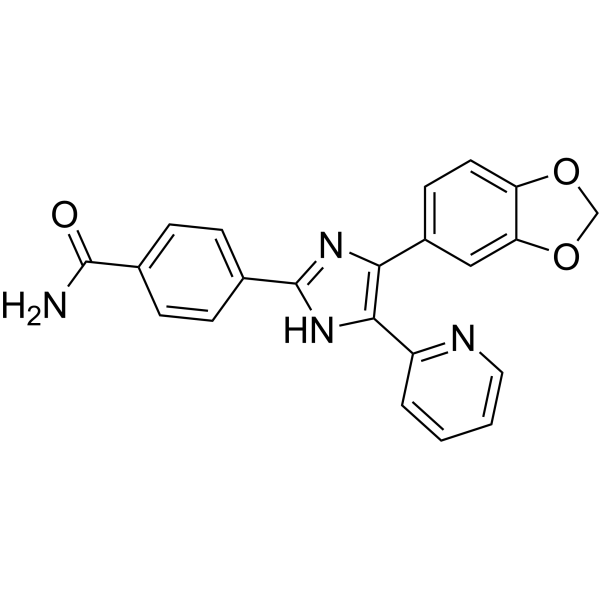
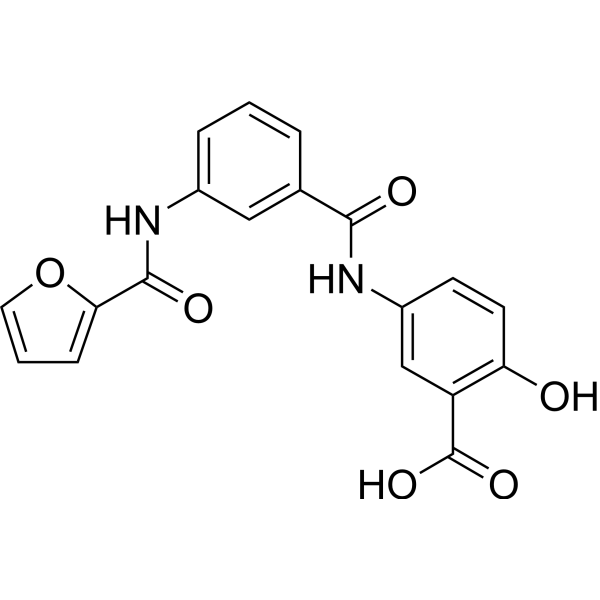
  • HY-12270
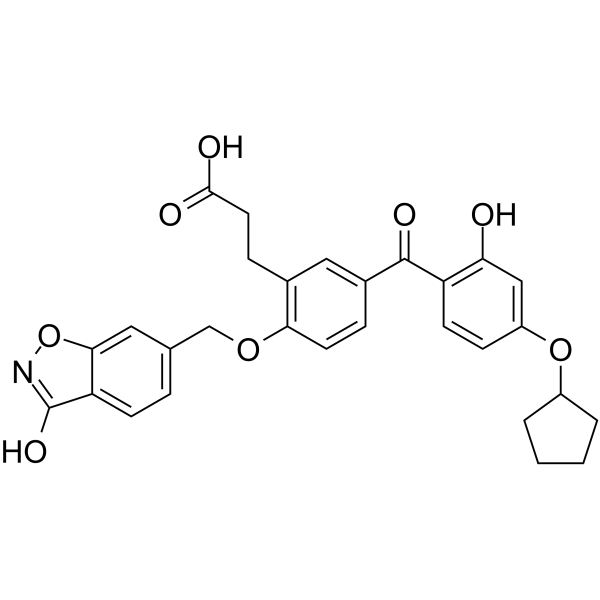
    T-5224
    95+ Cited Publications

    AP-1 MMP Neurological Disease Inflammation/Immunology Cancer
    T-5224 is a transcription factor c-Fos/activator protein (AP)-1 inhibitor with anti-inflammatory effects, which specifically inhibits the DNA binding activity of c-Fos/c-Jun without affecting other transcription factors. T-5224 inhibits the IL-1β-induced up-regulation of Mmp-3, Mmp-13 and Adamts-5 transcription .
    T-5224
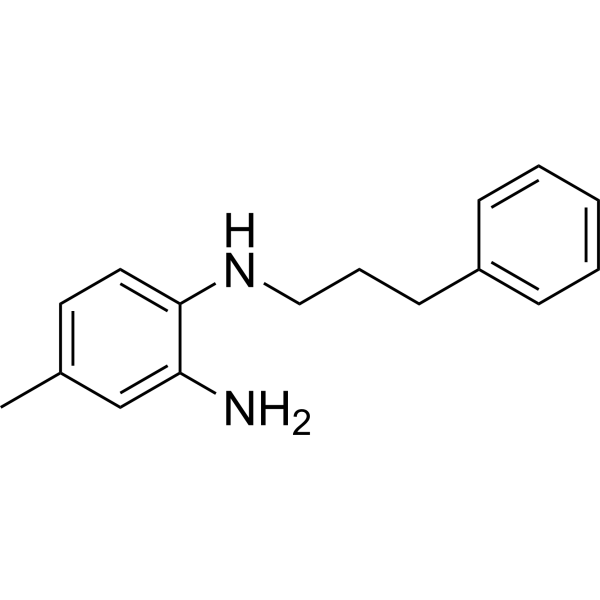
  • HY-141644
    PY-60
    15+ Cited Publications

    Annexin A YAP Inflammation/Immunology
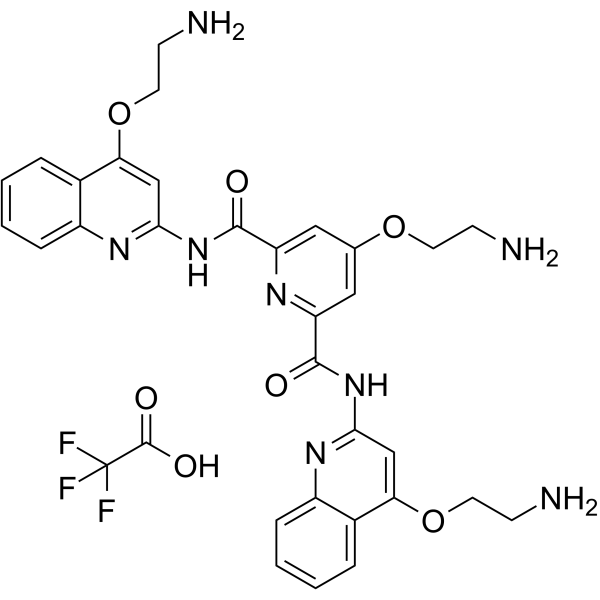
    PY-60 is a robust and specific activator of YAP transcriptional activity that targets annexin A2 (ANXA2) with a Kd of 1.4 µM. PY-60 directly binds to ANXA2 and antagonizes its normal cellular function of repressing YAP activity .
    PY-60
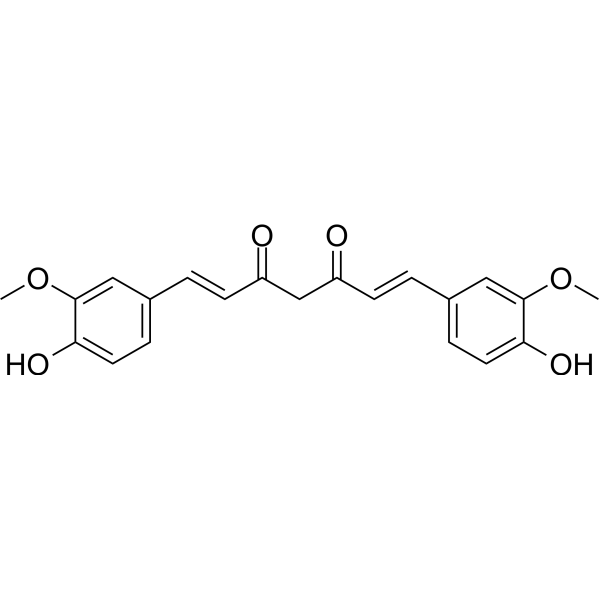
  • HY-15484
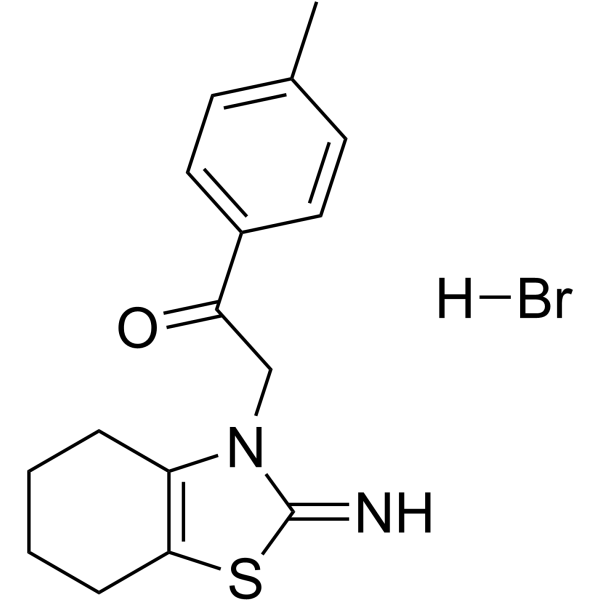
    Pifithrin-α hydrobromide
    95+ Cited Publications

    Pifithrin hydrobromide; PFTα hydrobromide

    MDM-2/p53 Aryl Hydrocarbon Receptor Ferroptosis Apoptosis Cancer
    Pifithrin-α hydrobromide is a p53 inhibitor which blocks its transcriptional activity and prevents cells from apoptosis. Pifithrin-α hydrobromide is also an aryl hydrocarbon receptor (AhR) agonist.
    Pifithrin-α hydrobromide
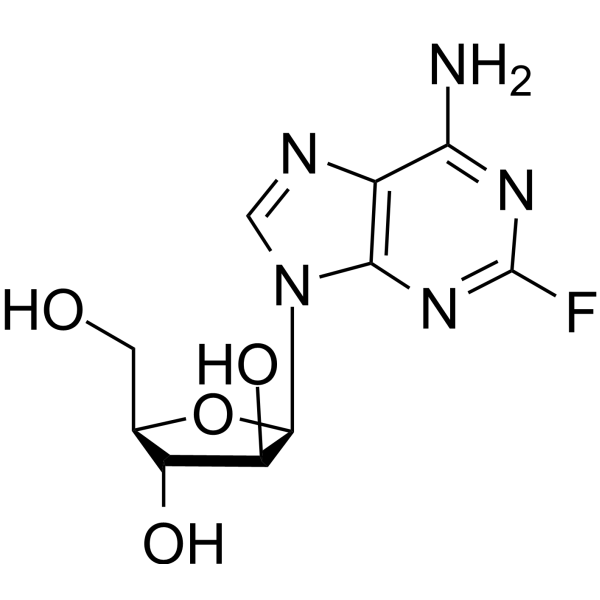
  • HY-15870
    SR 11302
    20+ Cited Publications

    AP-1 Inflammation/Immunology Cancer
    SR 11302 is an activator protein-1 (AP-1) transcription factor inhibitor. SR 11302 is a retinoid that specifically inhibits AP-1 activity without activating the transcription of retinoic acid response element (RARE) .
    SR 11302
  • HY-B0167
    Salicylic acid
    10+ Cited Publications

    2-Hydroxybenzoic acid

    Environmental Pollutants Endogenous Metabolite COX Autophagy Apoptosis Mitophagy Infection Neurological Disease Inflammation/Immunology Cancer
    Salicylic acid (2-Hydroxybenzoic acid) inhibits cyclo-oxygenase-2 (COX-2) activity independently of transcription factor (NF-κB) activation. Salicylic acid has blood-brain barrier permeability .
    Salicylic acid
  • HY-14422
    SR1078
    10+ Cited Publications

    ROR Cancer
    SR1078 is a selective agonist of retinoic acid receptor-related orphan receptor α/γ (RORα/RORγ). SR1078 directly binds to the ligand binding domain of RORα and RORγ and increases the transcriptional activity of these receptors, leading to stimulation of RORα/γ target gene transcription .
    SR1078
  • HY-135145
    Limantrafin
    5+ Cited Publications

    CB-103

    Notch Cancer
    Limantrafin (CB-103) is a first-in-class, orally active protein-protein interaction (PPI) inhibitor of the NOTCH transcriptional activation complex. Limantrafin has anti-tumor activity .
    Limantrafin
  • HY-19987
    BML-284
    40+ Cited Publications

    Wnt Cancer
    BML-284 is a potent and cell-permeable Wnt signaling activator. BML-284 induces TCF-dependent transcriptional activity with an EC50 of 700 nM .
    BML-284
  • HY-12484
    BMH-21
    10+ Cited Publications

    DNA/RNA Synthesis Cancer
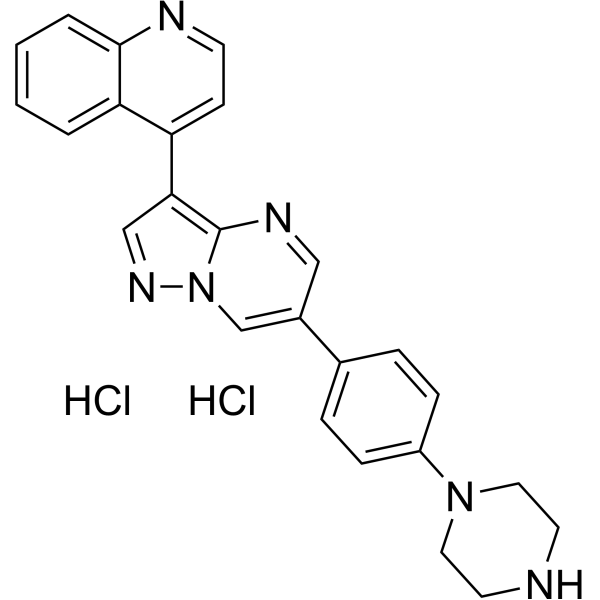
    BMH-21 is a first-in-class DNA intercalator which inhibits RNA polymerase I (Pol I) transcription. BMH-21 possesses anticancer activity .
    BMH-21
  • HY-10172
    IMD-0354
    20+ Cited Publications

    IKK2 Inhibitor V

    IKK Cancer
    IMD-0354 (IKK2 Inhibitor V) is a selective IKKβ inhibitor which inhibits NF-κB activity . IMD0354 inhibits TNF-α induced NF-κB transcription activity with an IC50 of 1.2 uM .
    IMD-0354
  • HY-100760
    Toxoflavin
    5+ Cited Publications

    Xanthothricin; Toxoflavine; PKF-118-310

    β-catenin Bacterial Antibiotic Histone Demethylase Infection Cancer
    Toxoflavin (Xanthothricin) is an antagonist of transcription factor 4 (TCF4)/β-catenin complex, also acts as an inhibitor of KDM4A, with antitumor and antibiotic activity .
    Toxoflavin
  • HY-155338

    YAP Cancer
    SWTX-143 is an orally active YAP/TAZ-TEAD inhibitor that binds to the palmitoylation pocket of all four TEAD isoforms. SWTX-143 causes irreversible and specific inhibition of the transcriptional activity of YAP/TAZ-TEAD and shows antitumor activity .
    SWTX-143
  • HY-125016
    TT-10
    2 Publications Verification

    TAZ-K

    YAP Cardiovascular Disease Cancer
    TT-10 (TAZ-K) is an activator of YES-associated protein (YAP)-transcriptional enhancer factor domain (TEAD) activity. TT-10 can be used for the research of heart diseases accompanied by cardiomyocyte loss .
    TT-10
  • HY-B0167S
    Salicylic acid-d6
    1 Publications Verification

    2-Hydroxybenzoic acid-d6

    Isotope-Labeled Compounds COX Autophagy Mitophagy Apoptosis Inflammation/Immunology Cancer
    Salicylic acid-d6 is a deuterium labeled Salicylic acid (HY-B0167). Salicylic acid inhibits cyclo-oxygenase-2 (COX-2) activity independently of transcription factor (NF-κB) activation .
    Salicylic acid-d6
  • HY-153347
    JY-2
    2 Publications Verification

    FOXO Metabolic Disease
    JY-2 is a moderately selective and orally active Forkhead transcription factor forkhead box O1 (FoxO1) inhibitor that inhibits FoxO1 transcriptional activity with an IC50 of 22 μM. JY-2 shows moderate inhibition against FoxO3a and FoxO4. JY-2 shows anti-diabetic activity .
    JY-2
  • HY-101464
    ML329
    5+ Cited Publications

    Microphthalmia Associated Transcription Factor (MITF) Others
    ML329 is a micropthalmia-associated transcription factor (MITF) inhibitor, which inhibits TRPM-1 promoter activity with an IC50 of 1.2 μM.
    ML329
  • HY-15681
    Senexin A
    5+ Cited Publications

    CDK Cancer
    Senexin A is an inhibitor of CDK8/19 (IC50: 280 nM, CDK8) and an inhibitor downstream of p21 transcription. It only inhibits p21-induced transcription but does not inhibit other biological effects of p21. Senexin A inhibits CMV-GFP induction as well as the p21 stimulatory activity of the consensus NF-κB-dependent promoters .
    Senexin A
  • HY-10447

    EM-1421

    Survivin COX TNF Receptor Apoptosis Infection Inflammation/Immunology Cancer
    Terameprocol is an inhibitor targeting the Sp1 transcription factor, which can selectively inhibit the transcription of Sp1-dependent genes. Terameprocol exerts its effects by inhibiting Sp1-mediated gene transcription, such as reducing the expression of genes like CDC2, survivin and HMGB1, thereby arresting the cell cycle, inducing apoptosis, and suppressing the inflammatory response. Terameprocol exhibits anti-proliferative, pro-apoptotic, and anti-inflammatory activities and is currently mainly used in the research of diseases such as cancer and pulmonary arterial hypertension[1][2][3].
    Terameprocol
  • HY-115672
    KS15
    3 Publications Verification

    Cryptochrome Cancer
    KS15 is an inhibitor of the interactions between cryptochromes (CRYs: CRY1 and CRY2) and the CLOCK:BMAL1 heterodimer. KS15 impairs the feedback actions of CRYs on E-box-dependent transcription (EC50=4.9 μM) by CLOCK:BMAL1 heterodimer, an indispensable transcriptional regulator of the mammalian circadian clock. Anti-proliferative activity .
    KS15
  • HY-N10457

    Bacterial Infection Cancer
    Norstictic acid is a potent and selective allossteric transcriptional regulator. Norstictic acid shows anticancer activity. Norstictic acid shows antioxidant activity and antimicrobial activity .
    Norstictic acid
  • HY-132205

    Estrogen Receptor/ERR Metabolic Disease
    DS45500853 is an estrogen-related receptor α (ERRα) agonist. DS45500853 inhibits the binding between receptor-interacting protein 140 (RIP140) corepressor peptide (10 nM) and GST-ERRα ligand-binding domain (LBD; 1.2 μM) with an IC50 value of 0.80 μM. DS45500853 can be used for the research of metabolic disorders, including type 2 diabetes mellitus (T2DM) .
    DS45500853
  • HY-N0268
    Irisflorentin
    4 Publications Verification

    NO Synthase Inflammation/Immunology
    Irisflorentin, a naturally occurring isoflavone, is an abundant active constituent in Belamcanda chinensis. Irisflorentin markedly reduces the transcriptional and translational levels of inducible nitric oxide synthase (iNOS) as well as the production of NO. Anti-inflammatory activity .
    Irisflorentin
  • HY-N0906
    Ginsenoside Rk3
    1 Publications Verification

    NF-κB Cardiovascular Disease Inflammation/Immunology
    Ginsenoside Rk3 is present in the roots Panax ginseng herbs. Ginsenoside Rk3 significantly inhibits TNF-α-induced NF-κB transcriptional activity, with an IC50 of 14.24±1.30 μM in HepG2 cells.
    Ginsenoside Rk3
  • HY-100277
    Mifobate
    1 Publications Verification

    SR-202

    PPAR Metabolic Disease
    Mifobate (SR-202) is a potent and specific PPARγ antagonist. Mifobate (SR-202) selectively inhibits Thiazolidinedione (TZD)-induced PPARγ transcriptional activity (IC50=140 μM). Mifobate (SR-202) does not affect basal or ligand-stimulated transcriptional activity of PPARα, PPARβ, or the farnesoid X receptor (FXR). Mifobate (SR-202) shows antiobesity and antidiabetic effects .
    Mifobate
  • HY-111411
    IZCZ-3
    2 Publications Verification

    c-Myc Autophagy Cancer
    IZCZ-3 is a potent c-MYC transcription inhibitor with antitumor activity .
    IZCZ-3
  • HY-112920

    YAP Metabolic Disease
    TM-25659 is a transcriptional co-activator with PDZ-binding motif (TAZ) modulator. Anti-osteoporotic and anti-obesity activities .
    TM-25659
  • HY-126037
    (±)-ML 209
    1 Publications Verification

    ROR Inflammation/Immunology
    (±)-ML 209 (compound 4n), a diphenylpropanamide, is a retinoic acid-related orphan receptor RORγ antagonist with an IC50 of 1.1 μM. (±)-ML 209 inhibits RORγt transcriptional activity with an IC50 of 300 nM in HEK293t cells. (±)-ML 209 inhibits the transcriptional activity of RORγt, but not RORα in cells. (±)-ML 209 selectively inhibits murine Th17 cell differentiation without affecting the differentiation of naïve CD4 + T cells into other lineages, including Th1 and regulatory T cells .
    (±)-ML 209
  • HY-122234

    DNA/RNA Synthesis Cancer
    VPC-18005 inhibits ERG-induced transcription and interacts directly with the ERG-ETS domain, and disrupts the ERG binding to DNA. VPC-18005 is a potent inhibitor of luciferase activity .
    VPC-18005
  • HY-N0907

    NF-κB Apoptosis Inflammation/Immunology Cancer
    Ginsenoside Rg6 inhibits TNF-α-induced NF-κB transcriptional activity with an IC50 of 29.34 μM in HepG2 cells. Ginsenoside Rg6 also exhibits apoptosis-inducing effect.
    Ginsenoside Rg6
  • HY-N2509

    Iristectrigenin B

    LXR Cardiovascular Disease
    Iristectorigenin B (Iristectrigenin B) is a liver X receptor (LXR) modulator. Iristectrigenin B stimulates the transcriptional activity of both LXR-α and LXR-β .
    Iristectorigenin B
  • HY-142682

    Phosphatase Neurological Disease Cancer
    SCP1-IN-1 is a Small CTD Phosphatase 1 (SCP1) inhibitor with a human IC50 of 10 μM. SCP1-IN-1 inactivates SCP1, promotes REST transcription factor degradation, and reduces REST transcriptional activity. SCP1-IN-1 can be used for the research of glioblastoma multiforme .
    SCP1-IN-1
  • HY-N4182
    Licochalcone E
    4 Publications Verification

    Akt p38 MAPK Autophagy Inflammation/Immunology
    Licochalcone E, a flavonoid compound isolated from Glycyrrhiza uralensis, inhibits NF-κB and AP-1 transcriptional activity through the inhibition of AKT and MAPK activation .
    Licochalcone E
  • HY-143201

    Estrogen Receptor/ERR Metabolic Disease
    DS20362725 is an estrogen-related receptor α (ERRα) agonist. DS20362725 inhibits the binding between receptor-interacting protein 140 (RIP140) corepressor peptide (10 nM) and GST-ERRα ligand-binding domain (LBD; 1.2 μM) with an IC50 value of 0.6 μM. DS20362725 can be used for the research of metabolic disorders, including type 2 diabetes mellitus (T2DM) .
    DS20362725
  • HY-104067

    NASTRp

    Epigenetic Reader Domain Cancer
    Naphthol AS-MX phosphate (NASTRp) is a small molecule inhibitor of the CREB (cyclic adenosine phosphate reaction element binding protein)-CBP (CREB binding protein) transcription factor complex. Naphthol AS-MX phosphate shows antitumor activity against lung cancer cells, inhibiting tumor cell proliferation (IC50=3.701 μmol/L), colony formation, and anchored independent growth in soft AGAR. Naphthol AS-MX phosphate can be used in the study of KRAS mutated lung cancer, especially for KRAS mutated lung cancer with poor chemotherapy resistance and prognosis .
    Naphthol AS-MX phosphate
  • HY-B2035

    Herbicide Caspase Cytochrome P450 MDM-2/p53 Interleukin Related Reactive Oxygen Species (ROS) Apoptosis Others
    Pretilachlor is a chloroacetamide herbicide with biological activities including endocrine disruption, oxidative stress induction, apoptosis induction, and immunotoxicity. Pretilachlor exerts its effects by interfering with hormone metabolism, inducing oxidative stress, activating apoptotic pathways, and inhibiting immune functions. Pretilachlor upregulates the transcription of P53, Mdm2, and Bbc3, and increases the activities of Caspase3 and Caspase9; it upregulates the transcription of genes in the HPG/HPT axis and the activity of aromatase; it induces oxidative stress, elevates ROS levels, and upregulates CAT, SOD, and GPX. Pretilachlor downregulates the transcription of CXCL-C1C, IL-1β, and IL-8. Pretilachlor disrupts the normal physiological processes and embryonic development of fish, exhibiting significant toxicity. Pretilachlor can be used in studies related to weeding, environmental pollution, and behavioral toxicity in fish .
    Pretilachlor
  • HY-163173

    YAP Cancer
    TEAD-IN-8 is a novel TEAD inhibitor, which potently and specifically inhibits TEAD-YAP transcriptional activities. TM2, alone or in combination with MEK inhibitors, exhibits potent antiproliferative effects in YAP-dependent cancer cells .
    TEAD-IN-8
  • HY-103223

    NSC 710305

    Cytochrome P450 Cancer
    Phortress is a high affinity AhR ligand that elicits antitumor activity by inducing transcription of CYP1A1 .
    Phortress
  • HY-15870A

    AP-1 Inflammation/Immunology Cancer
    (6E)-SR 11302 is a E-isomer of SR 11302. SR 11302 is an activator protein-1 (AP-1) transcription factor inhibitor. SR 11302 is a retinoid that specifically inhibits AP-1 activity without activating the transcription of retinoic acid response element (RARE) .
    (6E)-SR 11302
  • HY-142683

    Phosphatase Neurological Disease Cancer
    SCP1-IN-2 (Compound SH T-65) is a potent and selective covalent inhibitor against SCP1. SCP1-IN-2 promotes REST degradation and reduces transcriptional activity. A high level of REST protein drives the tumor growth in some glioblastoma cells. SCP1-IN-2 has the potential for the research of glioblastoma whose growth is driven by REST transcription activity .
    SCP1-IN-2
  • HY-145431

    Epigenetic Reader Domain Parasite Infection
    (S)-GSK1379725A (compound AU1) is a selective bromodomain and PHD finger containing transcription factor (BPTF) bromodomain inhibitor with a Kd of 2.8 μM. (S)-GSK1379725A shows to be selective for BPTF over BRD4 bromodomain. (S)-GSK1379725A shows antimalarial activity .
    (S)-GSK1379725A
  • HY-19987A

    Wnt Cancer
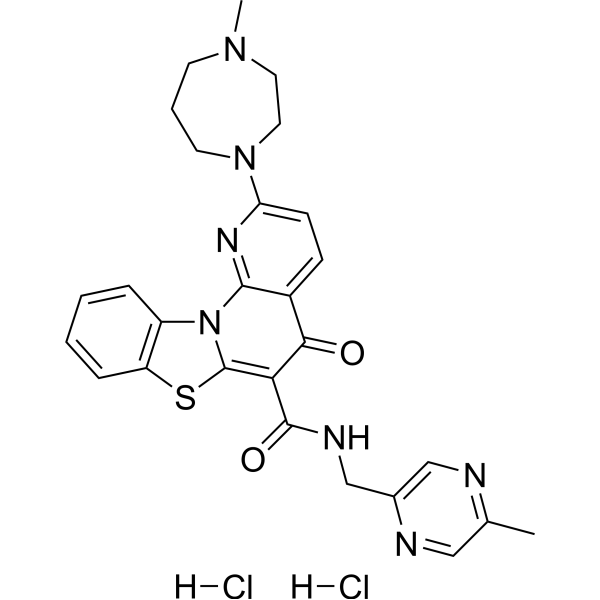
    BML-284 hydrochloride is a potent and cell-permeable Wnt signaling activator. BML-284 induces TCF-dependent transcriptional activity with an EC50 of 700 nM .
    BML-284 hydrochloride
  • HY-117726

    Estrogen Receptor/ERR NF-κB Inflammation/Immunology
    WAY-169916 is a pathway-selective ligand of ER (estrogen receptor) that acts by inhibiting NF-kB transcriptional activity. WAY-169916 has potent anti-inflammatory effect .
    WAY-169916
  • HY-19498

    SIM-688

    NF-κB Inflammation/Immunology
    WAY-204688 is an estrogen receptor (ER-α) selective, orally active inhibitor of NF-κB transcriptional activity with an IC50 of 122 ± 30 nM for NF-κB-luciferase (NF-κB-luc) in HAECT-1 cells.
    WAY-204688
  • HY-142941

    Glucocorticoid Receptor MMP Inflammation/Immunology
    Glucocorticoid receptor-IN-1 (Compound WX002) is a selective glucocorticoid receptor (GR) modulator with anti-inflammatory effect. Glucocorticoid receptor-IN-1 exhibits very good transcriptional repressive activity with an IC50 of 2.11 nM against hMMP1, and transcriptional activation activity with an EC50 of 5.59 nM against MMTV .
    Glucocorticoid receptor-IN-1
  • HY-N12011

    PGC-1α Others
    11-Oxoisomogroside V (compound 3) is a cucurbitacin isolated from the crude extract of Luo Han Guo. 11-Oxoisomogroside V activates the transcriptional activity of PGC-1α. In the luciferase experiment, the results showed that 10 μM and 20 μM 11-Oxoisomogroside V could increase the luciferase activity to 133.79% and 143.81% .
    11-Oxoisomogroside V
  • HY-N2273

    LXR Metabolic Disease
    Gymnestrogenin is a pentahydroxytriterpene from the leaves of Gymnema sylvestre R.Br . Gymnestrogenin is a LXR antagonist with IC50s of 2.5 and 1.4 μM for LXRα and LXRβ transactivation, respectively. Gymnestrogenin reduces the transcriptional activity of LXR even on its own promoter, thus reducing the mRNA expression .
    Gymnestrogenin
  • HY-12926

    HIV HDAC DNA/RNA Synthesis Infection
    ST7612AA1 is a histone deacetylase (HDAC) inhibitor that controls chromatin condensation and DNA transcription by removing acetyl groups from histones. ST7612AA1 is also a potent HIV reactivation inducer, and its reactivation activity is exerted without activating or proliferating CD4+T cells, and can be used in the study of HIV reactivation strategies and elimination of viral reservoirs .
    ST7612AA1
  • HY-174384

    c-Met/HGFR Apoptosis G-quadruplex Cancer
    MET Transcription-IN-1 (Compound C3) is an orally active MET transcription inhibitor. MET Transcription-IN-1 can efficiently bind and stabilize the G-quadruplex in the MET promoter region, thereby inhibiting c-Met expression. MET Transcription-IN-1 can also overcome drug resistance caused by specific c-Met mutations. MET Transcription-IN-1 is capable of inhibiting tumor cell proliferation, migration, and invasion, as well as inducing cell cycle arrest and apoptosis. MET Transcription-IN-1 has antitumor activity, and can be used in the research of tumors such as non-small cell lung cancer .
    MET Transcription-IN-1
  • HY-135732

    Androgen Receptor Cancer
    SK33, a trifluoromethylated enobosarm analog, is a potent, and tissue selective anti-androgen. SK33reduces androgen receptor (AR) transcriptional activity .
    SK33
  • HY-12270R

    AP-1 MMP Others
    T-5224 (Standard) is the analytical standard of T-5224. This product is intended for research and analytical applications. T-5224 is a transcription factor c-Fos/activator protein (AP)-1 inhibitor with anti-inflammatory effects, which specifically inhibits the DNA binding activity of c-Fos/c-Jun without affecting other transcription factors. T-5224 inhibits the IL-1β-induced up-regulation of Mmp-3, Mmp-13 and Adamts-5 transcription .
    T-5224 (Standard)

Inquiry Online

Your information is safe with us. * Required Fields.

Salutation


Country or Region *

Applicant Name *


Organization Name *

Department *


Email Address *


Product Name *

Cat. No.


Requested quantity *

Phone Number *


Remarks

Inquiry Online

Inquiry Information

Product Name:
Cat. No.:
Quantity:
MCE Japan Authorized Agent:

