

Search Result
Results for "
reduce stress
" in MedChemExpress (MCE) Product Catalog:
14
Biochemical Assay Reagents
38
Isotope-Labeled Compounds
| Cat. No. |
Product Name |
Target |
Research Areas |
Chemical Structure |
-
- HY-19696
-
|
Tauroursodeoxycholic acid; TUDCA; UR 906
|
ERK
Caspase
Endogenous Metabolite
Apoptosis
|
Cancer
|
|
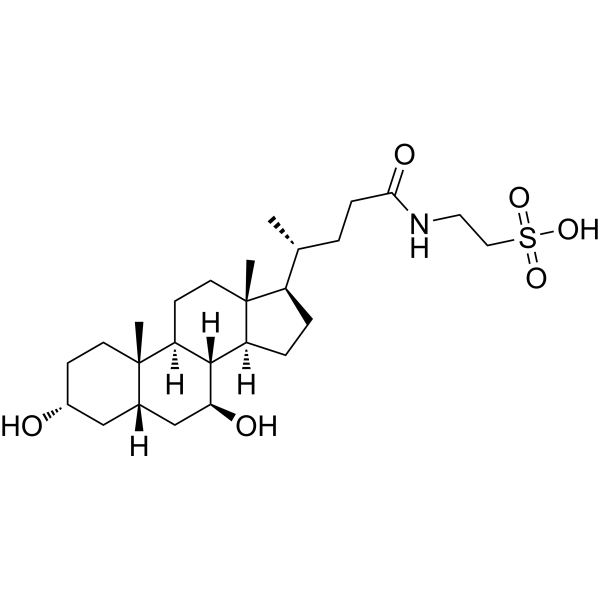
Tauroursodeoxycholate (Tauroursodeoxycholic acid) is an orally active endoplasmic reticulum (ER) stress inhibitor. Tauroursodeoxycholate significantly reduces expression of apoptosis molecules, such as caspase-3 and caspase-12. Tauroursodeoxycholate also inhibits ERK .
|
-
-
- HY-N0293
-
|
Peoniflorin
|
HSP
|
Infection
Neurological Disease
Cancer
|
|
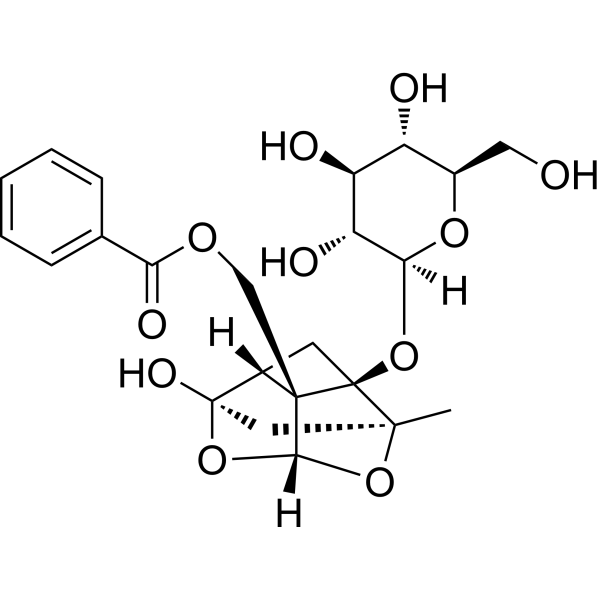
Paeoniflorin is a heat shock protein-inducing compound and commonly exists in the plants of Paeoniaceae family, with various biological activities, including anticancer activity, anti-inflammatory activity, enhancing cognition and attenuating learning impairment, anti-oxidative stress, antiplatelet aggregation, expansion of blood vessels, and reducing blood viscosity .
|
-
-
- HY-19696A
-
|
Tauroursodeoxycholic acid sodium; TUDCA sodium; UR 906 sodium
|
ERK
Caspase
Apoptosis
Endogenous Metabolite
|
Cancer
|
|
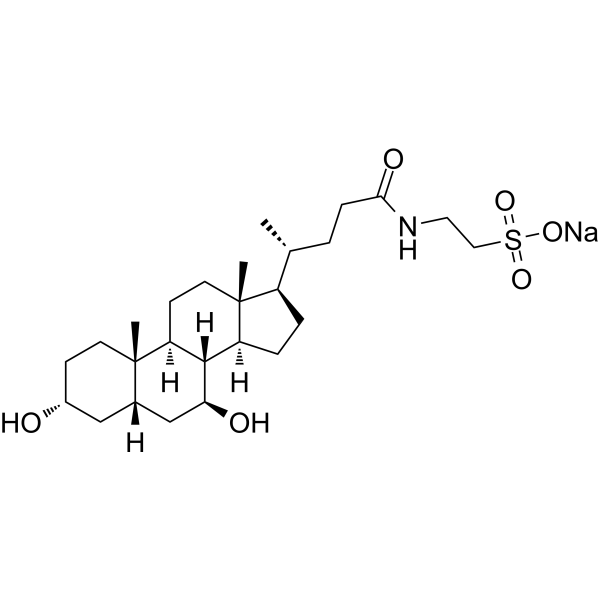
Tauroursodeoxycholate (Tauroursodeoxycholic acid; TUDCA) sodium is an endoplasmic reticulum (ER) stress inhibitor. Tauroursodeoxycholate significantly reduces expression of apoptosis molecules, such as caspase-3 and caspase-12. Tauroursodeoxycholate also inhibits ERK.
|
-
-
- HY-113324
-
|
|
Endogenous Metabolite
|
Cancer
|
|
NADPH is a coenzyme of glutathione reductase (GR), thioredoxin reductase (TrxR) and NADPH oxidase (NOX), and participates in redox reactions as a hydrogen donor. NADPH has the characteristic of selectively participating in the regulation of cellular redox homeostasis. NADPH exerts antioxidant activity and resists reactive oxygen species (ROS) damage by providing reducing equivalents for the regeneration of glutathione (GSH) and thioredoxin (Trx); at the same time, it acts as a substrate of NOX to generate superoxide anions, mediating oxidative stress and immune response. NADPH participates in maintaining the intracellular reducing environment, biosynthesis and regulating gene expression (such as the Nrf2 pathway), and is mainly used in the study of oxidative stress-related diseases (such as cardiovascular diseases, neurodegenerative diseases, cancer) and immune regulation mechanisms .
|
-
-
- HY-16214
-
|
LDHA Inhibitor FX11
|
Lactate Dehydrogenase
Apoptosis
Reactive Oxygen Species (ROS)
|
Cancer
|
|
FX-11 is a potent, selective, reversible and competitive lactate dehydrogenase A (LDHA) inhibitor, with a Ki of 8 μM. FX-11 reduces ATP levels and induces oxidative stress, ROS production and cell death. FX-11 shows antitumor activity in lymphoma and pancreatic cancer xenografts .
|
-
-
- HY-112680A
-
|
|
G-quadruplex
|
Neurological Disease
|
|
Carboxy pyridostatin trifluoroacetate salt is a G-quadruplex ligand. Carboxy pyridostatin trifluoroacetate salt has a highly molecular specificity to RNA on DNA G4s and reduces ATF-5 protein. Carboxy pyridostatin trifluoroacetate salt reduces cell proliferation and hinders stress granule (SG) formation .
|
-
-
- HY-30235A
-
|
|
PGE synthase
Bacterial
TNF Receptor
|
Inflammation/Immunology
Cancer
|
|
Benzydamine hydrochloride is an orally administered prostaglandin synthesis inhibitor that has anti-inflammatory, analgesic, antipyretic, and antibacterial properties. Benzydamine hydrochloride can inhibit TNF-α, stabilize cell membranes, and reduce oxidative stress within cells .
|
-
-
- HY-139214
-
|
|
IRE1
|
Neurological Disease
|
|
IXA4 is a highly selective, non-toxic IRE1/XBP1s activator. IXA4 activates IRE1/XBP1s signaling without globally activating the unfolded protein response (UPR) or other stress-responsive signaling pathways (e.g., the heat shock response or oxidative stress response). IXA4 reduces secretion of APP through IRE1 activation .
|
-
-
- HY-N0147
-
|
Rutecarpine
|
COX
Keap1-Nrf2
|
Neurological Disease
Inflammation/Immunology
Cancer
|
|
Rutaecarpine, an alkaloid of Evodia rutaecarpa, is an inhibitor of COX-2 with an IC50 value of 0.28 μM. Rutaecarpine can target and activate the NRF2/HO-1 pathway to reduce craniofacial injury. Rutaecarpine sttenuates oxidative stress-induced traumatic brain injury (TBI) and reduces secondary injury via the PGK1/KEAP1/NRF2 signaling pathway. Rutaecarpine can cross the blood-brain barrier (BBB).
|
-
-
- HY-B1235
-
|
N-Hydroxyacetamide
|
Bacterial
HIV
|
Infection
Inflammation/Immunology
|
|
Acetohydroxamic acid is the inhibitor for bacterial and plant urease that can be used for chronic urinary tract infections. Acetohydroxamic acid selectively inhibits arachidonic acid 5-lipoxygenase that is useful in the research of asthma. Acetohydroxamic acid inhibits the formation of advanced glycation end products, and reduces oxidative stress and inflammatory responses. Acetohydroxamic acid exhibits antiviral activity against HIV .
|
-
-
- HY-106203
-
|
SSR-125543
|
CFTR
|
Metabolic Disease
|
|
Crinecerfont (SSR-125543) is an orally effective corticotropin-releasing factor receptor type-1 (CRF1 receptor) antagonist. Crinecerfont blocks CRF1 receptor signaling to reduce adrenocorticotropic hormone secretion. Crinecerfont improves hypothalamic-pituitary-adrenal axis negative feedback sensitivity in chronically stressed mice. Crinecerfont can be used for the research of chronic stress conditions and classic congenital adrenal hyperplasia due to 21-hydroxylase deficiency . Crinecerfont is a click chemistry reagent, it contains an Alkyne group and can undergo copper-catalyzed azide-alkyne cycloaddition (CuAAc) with molecules containing Azide groups.
|
-
-
- HY-P1004
-
|
|
Biochemical Assay Reagents
|
Cancer
|
|
Luciferase (bacterial) catalyzes the oxidation of a long-chain aldehyde and reduced flavin mononucleotide. Luciferase (bacterial) protection against oxidative stress for bacterial luminescence .
|
-
-
- HY-W013507
-
-
-
- HY-W269593
-
|
PFDA
|
Caspase
Interleukin Related
|
Metabolic Disease
|
|
Perfluorodecanoic acid (PFDA) is an orally active perfluoroalkyl substance. Perfluorodecanoic acid causes dysfunction of rat fetal Leydig cells via endoplasmic reticulum stress-mediated changes in lipid components. Perfluorodecanoic acid reduces testosterone biosynthesis in rat R2C Leydig cells by inducing endoplasmic reticulum stress. Perfluorodecanoic acid can be used in studies related to fetal Leydig cell dysfunction .
|
-
-
- HY-W011689
-
6PPD
1 Publications Verification
|
Reactive Oxygen Species (ROS)
|
Others
|
|
6PPD is a rubber antioxidant that scavenges ozone and forms nitro radicals. Exposure to 6PPD reduces the hatching rate, impairs spontaneous locomotor activity, shortens body length and causes malformations in zebrafish embryos. 6PPD also induces oxidative stress in zebrafish embryos .
|
-
-
- HY-133968
-
|
Ostreasterol
|
Acyltransferase
Reactive Oxygen Species (ROS)
|
Inflammation/Immunology
|
|
24-Methylenecholesterol (Ostreasterol) is a regulator targeting acyl-CoA cholesterol acyltransferase (ACAT) with anti-aging and neuroprotective effects. 24-Methylenecholesterol mimics the effects of nerve growth factor (NGF), can extend yeast lifespan through an anti-oxidative stress mechanism, and exhibits neuroprotective activity in PC12 cells. 24-Methylenecholesterol can reduce intracellular reactive oxygen species (ROS) and malondialdehyde (MDA) levels, activate anti-oxidative stress pathways (such as UTH1, SOD-related genes), and promote synaptic growth .
|
-
-
- HY-124410
-
|
|
Reactive Oxygen Species (ROS)
HIF/HIF Prolyl-Hydroxylase
|
Metabolic Disease
Inflammation/Immunology
|
|
Mitoquinol is an orally active mitochondria-targeted antioxidant. Mitoquinol can regulate mitochondrial respiration and oxidation. Mitoquinol inhibits ROS production, and improves phagocytosis and glycolysis in ethanol-exposed macrophages via the HIF-1α-PFKP axis. Additionally, Mitoquinol can partially alleviate heat stress-induced decreases in growth performance, inflammatory responses, and metabolic disorders in pigs .
|
-
-
- HY-Y0399
-
|
Norvaline
|
Amyloid-β
TNF Receptor
Arginase
|
Neurological Disease
Metabolic Disease
|
|
L-Norvaline is the inhibitor for arginase, that promotes the production of NO, reduces oxidative stress, improves insulin resistance, and exhibits antioxidant and anti-hyperglycemic effects. L-Norvaline can be used in research of Alzheimer’s disease .
|
-
-
- HY-125862
-
|
EC 1.6.4.2; GR
|
Calcineurin
Reactive Oxygen Species (ROS)
|
Cardiovascular Disease
Neurological Disease
|
|
Glutathione reductase, baker's yeast (EC 1.6.4.2) is a reductase. Glutathione reductase, baker's yeast eliminates intracellular ROS. Glutathione reductase, baker's yeast reduces oxidized glutathione (GSSG) to reduced glutathione (GSH) using NADPH as an electron donor. Glutathione reductase, baker's yeast exerts antioxidant activity. Glutathione reductase is mainly used to study diseases associated with oxidative stress, such as Parkinson's disease and sickle cell anemia .
|
-
-
- HY-P2833
-
|
GSH-Px; EC 1.11.1.9
|
Glutathione Peroxidase
|
Metabolic Disease
|
|
Glutathione Peroxidase (GSH-Px; EC 1.11.1.9) belongs to the peroxidase family and is commonly used in biochemical research. Glutathione Peroxidase can catalyze reduced glutathione (GSH) to form a disulfide bridge with another glutathione molecule, convert it into oxidized glutathione (GSSG), and react with hydrogen peroxide or lipid peroxide reaction, reducing it to H2O. Glutathione Peroxidase is an effective antioxidant against oxidative stress .
|
-
-
- HY-P10533
-
|
|
Tyrosinase
|
Others
|
|
Cysteine peptide is a tyrosinase inhibitor with skin-whitening, antioxidant and multi-regulatory activities. Cysteine peptide inhibits enzyme activity and blocks melanin transport, effectively reducing UV-B-induced skin erythema and pigmentation. Cysteine peptide synergistically maintains skin health by quenching ROS, resisting oxidative stress and promoting pheomelanin production. Cysteine peptide safely prevents daily ultraviolet damage and supports moderate sun exposure for vitamin D synthesis. Cysteine peptide also acts as a plant signaling factor to regulate vegetative growth, development and stress resistance responses .
|
-
-
- HY-B0025
-
|
|
Glycosidase
|
Metabolic Disease
|
|
Voglibose is an orally active alpha-glucosidase inhibitor that prevents the development of colorectal precancerous lesions induced by obesity and diabetes. Voglibose reduces oxidative stress in an inflammatory environment and inhibits the insulin-like growth factor/insulin-like growth factor-1 receptor (IGF/IGF-1R) functional axis .
|
-
-
- HY-P1934
-
|
Cyclo(phenylalanylprolyl); A-64863
|
HCV
Bacterial
Antibiotic
Reactive Oxygen Species (ROS)
|
Infection
|
|
Cyclo(Phe-Pro) (Cyclo(phenylalanylprolyl)) is a quorum-sensing molecule of Vibrio vulnificus that specifically interacts with RIG-I, inhibiting RIG-I polyubiquitination, suppressing IRF-3 activation, and reducing type I interferon production. Cyclo(Phe-Pro) enhances susceptibility to HCV and influenza virus and also alleviates plant aluminum toxicity stress. The mechanism of Cyclo(Phe-Pro) involves the regulation of host immune signaling pathways, bacterial virulence gene expression, and plant antioxidant systems, making it a promising candidate for research in viral infections, bacterial virulence regulation, and agricultural stress resistance .
|
-
-
- HY-N1967
-
|
|
PNPLA3
|
Metabolic Disease
|
|
Dihydrocurcumin, a major metabolites of curcumin, reduces lipid accumulation and oxidative stress. Dihydrocurcumin regulates mRNA and protein expression levels of SREBP-1C, PNPLA3 and PPARα, increases protein expression levels of pAKT and PI3K, and reduced the levels of cellular NO and ROS via Nrf2 signaling pathways .
|
-
-
- HY-N0224
-
|
|
Influenza Virus
|
Infection
Metabolic Disease
Cancer
|
|
Epigoitrin is a natural alkaloid that provides protection against influenza infection by reducing the host’s susceptibility to influenza virus under stress. Epigoitrin exerts antiviral activity against influenza A1 virus FM1 via inhibiting virus attachment and multiplication in vitro. Epigoitrin also has lipid-lowering effects .
|
-
-
- HY-16772
-
|
α-Tocotrienol quinone; PTC-743; Vatiquinone; NCT04378075
|
Mitochondrial Metabolism
Ferroptosis
|
Neurological Disease
|
|
EPI-743 (Vatiquinone; α-Tocotrienol quinone; PTC-743; NCT04378075) is a potent cellular oxidative stress protectant, inhibits ferroptosis in cells, which could be used for the study for mitochondrial diseases. EPI-743 is a synthetic analog of vitamin E with oral activity, targets repletion of reduced intracellular glutathione .
|
-
-
- HY-18730
-
|
W1400
|
NO Synthase
Apoptosis
|
Cardiovascular Disease
Inflammation/Immunology
Cancer
|
|
1400W is a slow, tight binding, and highly selective inducible nitric-oxide synthase (iNOS) inhibitor, with a Kd value ≤ 7 nM. 1400W inhibits iNOS induction in microglial cells, and reduces generation of NO, thereby mitigating oxidative stress and neuronal cell apoptosis in the rat cerebral cortex, and improving the spatial memory dysfunction caused by acute hypobaric hypoxia-reoxygenation .
|
-
-
- HY-105042
-
|
Selanc; TP-7
|
GABA Receptor
|
Neurological Disease
|
|
Selank (Selanc; TP-7) is a GABAA receptor modulator with anxiolytic activity. Selank allosterically modulates the specific binding of GABA to GABAA receptors and alters the affinity of endogenous ligands for these receptors. Selank reduces elevated anxiety levels, attenuates stress-induced exacerbation of anxiety, and produces a synergistic anxiolytic effect with diazepam. Selank can be used in the research of anxiety disorders .
|
-
-
- HY-B1470
-
|
R-1929
|
Dopamine Receptor
Adrenergic Receptor
|
Neurological Disease
|
|
Azaperone is an antagonist of dopamine D2 receptor (Dopamine D2 Receptor) and α-adrenergic receptor (AR). Azaperone reduces vasomotor tone, mean arterial pressure, hematocrit, hemoglobin concentration, and etorphine-induced duration; induces transient tachycardia followed by bradycardia, splenic uptake of red blood cells, and sedation; alters animal behaviors; and produces sedation with distinct onset and duration in foals. Azaperone is used for sedation and tranquilization in various animals to reduce stress and aggressive behaviors, and serves as a preanesthetic agent .
|
-
-
- HY-W229874
-
|
|
E1/E2/E3 Enzyme
NF-κB
Reactive Oxygen Species (ROS)
SOD
|
Cancer
|
|
EN106 is a potent inhibitor of FEMIB. EN106 is a cysteine-reactive covalent ligand. EN106 disrupts recognition of the key reductive stress substrate of FEM1B, FNIP1. EN106 reduces oxidative stress and rescues high glucose-induced impaired angiogenesis in HUVECs .
|
-
-
- HY-164159
-
|
|
Reactive Oxygen Species (ROS)
MMP
|
Inflammation/Immunology
|
|
α-Glucosylrutin, a flavonoid, is a potent antioxidant with free radical scavenging activity. α-Glucosylrutin reduces MMP-1 gene expression, protein expression, and enzyme activity, and reduces MMP-2 protein expression and enzyme activity in UVA-irradiated human dermal fibroblasts. α-Glucosylrutin prevents oxidative stress-induced intracellular tyrosine residue phosphorylation and counteracts intracellular thiol level depletion in human skin cells. α-Glucosylrutin is effective in the prevention of dermatologic diseases in which oxidative stress is of pathogenetic relevance, e.g. in polymorphous light eruption (PLE). α-Glucosylrutin can be used for the research of UV-induced skin photodamage/photoaging .
|
-
-
- HY-N1193
-
|
|
NF-κB
|
Inflammation/Immunology
|
|
Sulfuretin inhibits the inflammatory response by suppressing the NF-κB pathway. Sulfuretin can be used for the research of allergic airway inflammation. Sulfuretin reduces oxidative stress, platelet aggregation, and mutagenesis . Sulfuretin is a competitive and potent inhibitor of monophenolase and diphenolase activities with the IC50 of 13.64 μM .
|
-
-
- HY-118020A
-
|
Loliolid; Digiprolactone
|
Endogenous Metabolite
Caspase
PI3K
Apoptosis
Akt
Sirtuin
Reactive Oxygen Species (ROS)
NF-κB
MMP
|
Neurological Disease
Cancer
|
|
Loliolide (Loliolid) is a β-carotene metabolite. Loliolide reduces caspase 3, 8, 9 expression, enhances PI3K, AKT, SIRT1, inhibits ROS, apoptosis, and blocks NF-κB p65 nuclear translocation. Loliolide protects mitochondria, reduces oxidative stress, and increases cell viability in neuroblastoma cells. Loliolide can be used for the research of UV-induced skin damage and Parkinson’s disease .
|
-
-
- HY-106203A
-
|
SSR-125543 hydrochloride
|
CFTR
|
Metabolic Disease
|
|
Crinecerfont (SSR-125543) hydrochloride is an orally effective corticotropin-releasing factor receptor type-1 (CRF1 receptor) antagonist. Crinecerfont hydrochloride blocks CRF1 receptor signaling to reduce adrenocorticotropic hormone secretion. Crinecerfont hydrochloride improves hypothalamic-pituitary-adrenal axis negative feedback sensitivity in chronically stressed mice. Crinecerfont hydrochloride can be used for the research of chronic stress conditions and classic congenital adrenal hyperplasia due to 21-hydroxylase deficiency . Crinecerfont hydrochloride is a click chemistry reagent, it contains an Alkyne group and can undergo copper-catalyzed azide-alkyne cycloaddition (CuAAc) with molecules containing Azide groups.
|
-
-
- HY-129115
-
|
|
Reactive Oxygen Species (ROS)
Caspase
|
Others
|
|
S1QEL1.1 is a small molecule inhibitor that specifically inhibits the generation of superoxide and hydrogen peroxide at the IQ site during reverse electron transfer in mitochondrial respiratory chain complex I (Complex I), with an IC50 of 0.07 μM. S1QEL1.1 can significantly reduce the activation of cysteine-aspartic protease (caspase) triggered by endoplasmic reticulum stress. S1QEL1.1 helps to decrease excessive proliferation of stem cells by inhibiting the Reactive Oxygen Species signaling pathway initiated by endoplasmic reticulum stress .
|
-
-
- HY-112680
-
|
|
G-quadruplex
|
Neurological Disease
|
|
Carboxypyridostatin is a G-quadruplex ligand. Carboxypyridostatin has a highly molecular specificity to RNA on DNA G4s and reduces ATF-5 protein. Carboxypyridostatin reduces cell proliferation and hinders stress granule (SG) formation .
|
-
-
- HY-112722
-
|
|
PINK1/Parkin
|
Neurological Disease
|
|
Neurotoxin Inhibitor is a neurotoxin inhibitor. Neurotoxin Inhibitor promotes the expression of DJ-1 protein, reduces the level of oxidative stress, and thereby protects dopaminergic neurons. Neurotoxin Inhibitor can be used for the study of Parkinson's disease .
|
-
-
- HY-N2947
-
|
|
P-glycoprotein
|
Infection
Inflammation/Immunology
|
|
Boeravinone B, a dual inhibitor of NorA bacterial efflux pump of Staphylococcus aureus and human P-Glycoprotein, reduces the biofilm formation and intracellular invasion of bacteria. Boeravinone B act as anti-aging and anti-apoptosis phyto-molecules during oxidative stress .
|
-
-
- HY-B2024
-
|
|
Environmental Pollutants
Herbicide
|
Others
|
|
Cloquintocet-mexyl is a herbicide safener. Cloquintocet-mexyl promotes the expression of genes related to chlorophyll synthesis (such as GTR and PPO) and chlorophyll-binding protein genes (CBP), increases the chlorophyll content, thereby promoting photosynthesis and reducing oxidative stress. Cloquintocet-mexyl improves wheat tolerance to Fomesafen (HY-B2010) .
|
-
-
- HY-19893
-
|
(+)-Antroquinonol
|
Keap1-Nrf2
|
Inflammation/Immunology
Cancer
|
|
Antroquinonol ((+)-Antroquinonol), a ubiquinone derivative from the mushroom Antrodia camphorata, has hepatoprotective, anti-inflammatory, and anti-cancer effects . Antroquinonol can be used for the research of colon cancer . Antroquinonol reduces oxidative stress by enhancing the Nrf2 signaling pathway and inhibits inflammation and sclerosis in focal segmental glomerulosclerosis mice .
|
-
-
- HY-132845
-
|
PTC857
|
α-synuclein
Cytochrome P450
Ferroptosis
Lipoxygenase
|
Neurological Disease
|
|
Utreloxastat (PTC857) is an orally active and blood-brain barrier-permeable 15-lipooxygenase inhibitor. Utreloxastat is a weak inhibitor of CYP1A2 and 2B6 with an IC50 of >5.3 μM. Utreloxastat reduces oxidative stress and inhibits the consumption of reduced glutathione and ferroptosis. Utreloxastat can be used in the study of neurodegenerative diseases characterized by high levels of oxidative stress and mitochondrial pathology, such as amyotrophic lateral sclerosisc .
|
-
-
- HY-153591
-
-
-
- HY-153339
-
|
|
Eukaryotic Initiation Factor (eIF)
|
Cancer
|
|
E235 is an expression regulator of activates transcription factor 4 (ATF4). E235 reduces cell viability by activating integrated stress response (ISR) and DNA damage response signals. E235 has anti-proliferative activity and can be used for tumor research .
|
-
-
- HY-117762
-
|
PNU-83836E
|
Reactive Oxygen Species (ROS)
|
Inflammation/Immunology
|
|
U-83836E (PNU-83836E) is a compound with anti-inflammatory and antioxidant activities that reduces lung inflammation inhibiting oxidative stress and ROS production. U-83836E has shown potential for studying asthma and lung inflammation in animal models .
|
-
-
- HY-19696S1
-
|
Tauroursodeoxycholic acid-d4; TUDCA-d4; UR 906-d4
|
Isotope-Labeled Compounds
ERK
Caspase
Endogenous Metabolite
Apoptosis
|
Cancer
|
|
Tauroursodeoxycholate-d4 is deuterium labeled Tauroursodeoxycholate. Tauroursodeoxycholate (Tauroursodeoxycholic acid) is an endoplasmic reticulum (ER) stress inhibitor. Tauroursodeoxycholate significantly reduces expression of apoptosis molecules, such as caspase-3 and caspase-12. Tauroursodeoxycholate also inhibits ERK.
|
-
-
- HY-19696AS
-
|
Tauroursodeoxycholic acid-d4 sodium; TUDCA-d4 sodium; UR 906-d4 sodium
|
Isotope-Labeled Compounds
ERK
Caspase
Apoptosis
Endogenous Metabolite
|
Cancer
|
|
Tauroursodeoxycholate-d4 (sodium) is the deuterium labeled Tauroursodeoxycholate sodium. Tauroursodeoxycholate (Tauroursodeoxycholic acid; TUDCA) sodium is an endoplasmic reticulum (ER) stress inhibitor. Tauroursodeoxycholate significantly reduces expression of apoptosis molecules, such as caspase-3 and caspase-12. Tauroursodeoxycholate also inhibits ERK.
|
-
-
- HY-105946
-
|
|
Interleukin Related
NADPH Oxidase
|
Cardiovascular Disease
Metabolic Disease
|
|
Hidrosmin, a flavonoid, is derived from Diosmin (HY-N0178). hidrosmin exerts a beneficial effect against diabetic nephropathy (DN) by reducing inflammation, oxidative stress, and senescence pathways. Hidrosmin can be used for the research of venous insufficiency and diabetes mellitus .
|
-
-
- HY-W041831
-
|
Ethanedioic acid ammonium
|
Environmental Pollutants
Biochemical Assay Reagents
|
Others
|
|
Oxalic acid (ammonium) is a oxalic acid bound to ammonium. Oxalic acid has high acidity, reducibility, and chelation ability. Oxalic acid plays important roles in the regulation of plant growth and development, the response to both biotic and abiotic stresses such as plant defense and heavy metals detoxification, and food quality .
|
-
-
- HY-19696R
-
|
Tauroursodeoxycholic acid (Standard); TUDCA (Standard); UR 906 (Standard)
|
Reference Standards
ERK
Caspase
Endogenous Metabolite
Apoptosis
|
Cancer
|
|
Tauroursodeoxycholate (Standard) is the analytical standard of Tauroursodeoxycholate. This product is intended for research and analytical applications. Tauroursodeoxycholate (Tauroursodeoxycholic acid) is an endoplasmic reticulum (ER) stress inhibitor. Tauroursodeoxycholate significantly reduces expression of apoptosis molecules, such as caspase-3 and caspase-12. Tauroursodeoxycholate also inhibits ERK.
|
-
-
- HY-19696AR
-
|
Tauroursodeoxycholic acid sodium (Standard); TUDCA sodium (Standard); UR 906 sodium (Standard)
|
ERK
Caspase
Apoptosis
Endogenous Metabolite
Reference Standards
|
Cancer
|
|
Tauroursodeoxycholate (sodium) (Standard) is the analytical standard of Tauroursodeoxycholate (sodium). This product is intended for research and analytical applications. Tauroursodeoxycholate (Tauroursodeoxycholic acid; TUDCA) sodium is an endoplasmic reticulum (ER) stress inhibitor. Tauroursodeoxycholate significantly reduces expression of apoptosis molecules, such as caspase-3 and caspase-12. Tauroursodeoxycholate also inhibits ERK.
|
-
- HY-125972
-
-
- HY-14921
-
|
|
Integrin
Transmembrane Glycoprotein
|
Cardiovascular Disease
Inflammation/Immunology
|
|
Elsibucol is a VCAM1 inhibitor for the study of organ transplant rejection. Elsibucol is a metabolically stable propanol derivative with antioxidant, anti-inflammatory and anti-proliferative properties. Elsibucol lowers blood cholesterol levels and reduces oxidative stress and inflammatory responses in injured arteries, thereby inhibiting atherosclerosis and protecting endothelial healing after arterial injury .
|
-
- HY-113326
-
|
trans-Phytoene
|
Reactive Oxygen Species (ROS)
|
Cancer
|
|
Phytoene (trans-Phytoene) is a carotene pigment. Phytoene is the precursor of all carotenoids. Phytoene is the predominant PT isomer in most carotenogenic organisms. Phytoene can delay the skin tumors appearance and reduce their number in mice that are induced the tumors with UV-B light. Phytoene leads to protection against oxidative stress and malignant transformation. Phytoene inhibits the proliferation of breast cancer cells .
|
-
- HY-N0377A
-
|
(±)-4',7-Dihydroxyflavanone
|
Reactive Oxygen Species (ROS)
|
Cardiovascular Disease
|
|
(±)-Liquiritigenin ((±)-4',7-Dihydroxyflavanone) is isolated from Angelica keiskei, a hardy perennial herb of the Umbelliferae family. (±)-Liquiritigenin promotes cell proliferation, has cytoprotective activity and reduces cytotoxicity, and also has antioxidant stress effects .
|
-
- HY-W013507R
-
|
|
Reference Standards
NF-κB
Reactive Oxygen Species (ROS)
Glutathione Peroxidase
Phytohormone
Apoptosis
|
Neurological Disease
Inflammation/Immunology
Cancer
|
|
(rac)-Methyl jasmonate (Standard) is the analytical standard of Methyl jasmonate. This product is intended for research and analytical applications. (rac)-Methyl jasmonate is the racemate of Methyl jasmonate (HY-135663). Methyl jasmonate is a phytohormone that regulates the defense response of plants under biotic and biotic stress through jasmonate signaling pathway. Methyl jasmonate inhibits the activation of NF-κB signaling pathway. Methyl jasmonate can promote the mitochondrial ROS production, but also scavenges free radicals and reduces the oxidative stress. Methyl jasmonate exhibits anti-inflammatory, antitumor, anticonvulsant, antinociceptive and sedative activities .
|
-
- HY-111803
-
|
|
Androgen Receptor
SOD
|
Metabolic Disease
Cancer
|
|
4'-Methoxyflavonol is a flavonol. 4'-Methoxyflavonol reduces androgen receptor and increases SOD. 4'-Methoxyflavonol reduces plasma glucose, cholesterol, and triglycerides. 4'-Methoxyflavonol has anti-stress and antioxidant activities. 4'-Methoxyflavonol can be used in prostate cancer research .
|
-
- HY-Y0399S
-
-
- HY-N6237
-
|
|
Aminotransferases (Transaminases)
Apoptosis
|
Cancer
|
|
Aspulvinone O is a selective inhibitor of glutamate oxaloacetate aminotransferase GOT1. Aspulvinone O inhibits glutamine metabolism and reduces NADPH production, thereby inducing oxidative stress and apoptosis in pancreatic ductal adenocarcinoma (PDAC) cells. Aspulvinone O inhibits PDAC cell proliferation in vitro and tumor growth in xenograft models .
|
-
- HY-163120
-
|
|
Myosin
|
Cardiovascular Disease
|
|
Myosin-IN-1 (compound F10) is a Myosin inhibitor that specifically targets cardiac myosin. Myosin-IN-1 stabilizes the biochemical and structural closed state of the cardiac myosin motor domain and reduces myocardial force production and calcium sensitivity in vitro. Myosin-IN-1 acts as a negative inotropic agent in isolated Langendroff-perfused rat hearts, reducing stress in isolated myofilaments and left ventricular pressure development. Myosin-IN-1 can be used in heart failure research .
|
-
- HY-Y0399R
-
|
|
Amyloid-β
Reference Standards
TNF Receptor
Arginase
|
Neurological Disease
Metabolic Disease
|
|
L-Norvaline (Standard) is the analytical standard of L-Norvaline (HY-Y0399). This product is intended for research and analytical applications. L-Norvaline is the inhibitor for arginase, that promotes the production of NO, reduces oxidative stress, improves insulin resistance, and exhibits antioxidant and anti-hyperglycemic effects. L-Norvaline can be used in research of Alzheimer’s disease .
|
-
- HY-30235
-
|
|
PGE synthase
TNF Receptor
Bacterial
|
Inflammation/Immunology
Cancer
|
|
Benzydamine is an orally administered prostaglandin synthesis inhibitor that has anti-inflammatory, analgesic, antipyretic, and antibacterial properties. Benzydamine can inhibit TNF-α, stabilize cell membranes, and reduce oxidative stress within cells .
|
-
- HY-19696S
-
|
Tauroursodeoxycholic acid-d5; TUDCA-d5; UR 906-d5
|
Isotope-Labeled Compounds
ERK
Caspase
Endogenous Metabolite
Apoptosis
|
Cancer
|
|
Tauroursodeoxycholate-d5 is the deuterium labeled Tauroursodeoxycholate. Tauroursodeoxycholate (Tauroursodeoxycholic acid) is an endoplasmic reticulum (ER) stress inhibitor. Tauroursodeoxycholate significantly reduces expression of apoptosis molecules, such as caspase-3 and caspase-12. Tauroursodeoxycholate also inhibits ERK.
|
-
- HY-134579
-
|
|
Farnesyl Transferase
|
Inflammation/Immunology
|
|
Chaetomellic acid A can be isolated from Chaetomella acutiseta. Chaetomellic acid A is a specific inhibitor of farnesyl-protein transferase. Chaetomellic acid A decreases oxidative stress-induced apoptosis in cells. Chaetomellic acid A reduces renal damage after unilateral ureteral obstruction (UUO) in mice .
|
-
- HY-P10326
-
|
|
Caspase
Apoptosis
|
Cancer
|
|
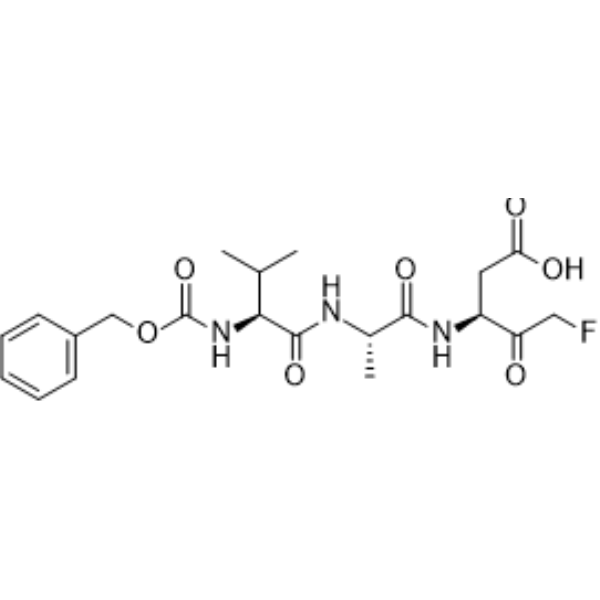
Z-ATAD-FMK is an inhibitor of caspase-12. Z-ATAD-FMK is an inhibitor of caspase-12. Z-ATAD-FMK prevents endoplasmic reticulum stress-mediated apoptosis by inhibiting the activity of caspase-12 and reducing the activity of caspase-9 .
|
-
- HY-W127739
-
|
Zinc ethylene-1, 2-bisdithiocarbamate
|
Environmental Pollutants
Biochemical Assay Reagents
|
Others
|
|
Zineb is an agricultural fungicide of the dithiocarbamate class. Its toxicity is relatively low, and there is little evidence of human harm from exposure. Oxidative stress is one of the main factors contributing to diseases caused by Zineb. Zineb does not alter the activity of any superoxide dismutase enzymes. Catalase (CAT) activity was reduced only by Zineb.
|
-
- HY-172285
-
|
|
Fluorescent Dye
|
Others
|
|
Cy3 hydrazide is a cyanine dye linker containing hydrazide, which can be used to label aldehydes and ketones. This reagent allows to label various carbonyl-containing molecules such as antibodies and other glycoproteins after periodate oxidation, proteins after oxidative stress or deamination, or reducing saccarides. Cyanine3 is compatible with a number of fluorescent instruments.
|
-
- HY-168130
-
|
|
TNF Receptor
Interleukin Related
|
Cardiovascular Disease
|
|
TNF-α/IL-1β-IN-1 (compund 11a) is an anti-inflammatory agent that reduces the expression of TNF-α and IL-1β, inhibits oxidative stress and cardiomyocyte apoptosis, has good activity against septic myocardial injury, and improves myocardial blood supply in vivo .
|
-
- HY-P3517
-
|
β-EP (6-31), human
|
Opioid Receptor
|
Neurological Disease
Endocrinology
|
|
β-Endorphin, an endogenous opioid neuropeptide, is an opioid receptor agonist. β-Endorphin binds preferentially to μ-opioid receptors and is produced in certain neurons of the central and peripheral nervous system and is one of three endorphins produced in humans. β-Endorphin can be used to reduce stress and maintain homeostasis in the body and is involved in neurological pain perception regulation .
|
-
- HY-179142
-
|
|
COX
TNF Receptor
Interleukin Related
|
Neurological Disease
Inflammation/Immunology
|
|
COX-2-IN-60 is a potent, orally active, and selective COX-2 inhibitor with an IC50 of 0.06 μM. COX-2-IN-60 exhibits ~100-fold selectivity over COX-1 (IC50 = 5.93 ). COX-2-IN-60 reduces oxidative stress and neuroinflammatory cytokines, and effectively counteracts epileptogenesis. COX-2-IN-60 exhibits significant anticonvulsant effects and protects against hippocampal injury by suppressing oxidative stress (reducing MDA and NO), pro-inflammatory signaling (reducing TNF-α and IL-6), and glial activationin in the Pilocarpine (HY-B0726A)-induced seizure mouse model. COX-2-IN-60 can be used for the research on neuroinflammatory and epilepsy .
|
-
- HY-139041
-
|
|
Phosphodiesterase (PDE)
|
Others
|
|
Palmitoylcholine chloride reduces membrane stress and reduces enzyme activity by Ca(2+)-dependent phosphatidylinositol phosphodiesterase (EC 3.1.4.10) hydrolysis of phosphatidylinositol monolayers .
|
-
- HY-116145
-
|
|
Tyrosinase
NF-κB
|
Inflammation/Immunology
|
|
MHY884 is a tyrosinase inhibitor that suppresses UVB-induced activation of NF-κB signaling pathway through the downregulation of oxidative stress. MHY884 suppresses oxidative stress in the melanoma cells and attenuates UVB-induced oxidative stress, resulting in reduced NF-κB activity in irradiated mice. MHY884 is promising for research of UVB-induced skin damage .
|
-
- HY-19854
-
|
|
TSPO
|
Inflammation/Immunology
|
|
TRO-40303 is a cell protective compound targeting mitochondrial TSPO. TRO-40303 significantly improves the survival rate of liver cells and reduces cell death by reducing oxidative stress. TRO-40303 is commonly used in the study of hepatitis .
|
-
- HY-172904
-
-
- HY-N13240
-
|
|
Others
|
Others
|
|
Ginseng Extract is a ginseng extract, and its components include: Ginsenosides. Ginseng Extract is an excellent animal nutrition feed additive that can reduce the negative effects of heat stress on animal physiology. Studies have shown that Ginseng Extract can prolong the survival time of Caenorhabditis elegans under heat stress, and its mechanism is related to the upregulation of gene expression of specific heat shock proteins and tight junction proteins. .
|
-
- HY-D1619
-
|
|
Fluorescent Dye
|
Others
|
|
Cyanine3 hydrazide dichloride is a carbonyl reactive dye. Cyanine3 hydrazide dichloride allows the labelling of various carbonyl-containing molecules such as antibodies and other glycoproteins after oxidation by periodate, proteins or reducing sugars after oxidative stress or deamination .
|
-
- HY-19696S2
-
|
Tauroursodeoxycholic acid-d4-1; TUDCA-d4-1; UR 906-d4-1
|
Isotope-Labeled Compounds
ERK
Caspase
Endogenous Metabolite
Apoptosis
|
Cancer
|
|
Tauroursodeoxycholate-d4-1 is the deuterium labeled Tauroursodeoxycholate. Tauroursodeoxycholate (Tauroursodeoxycholic acid) is an endoplasmic reticulum (ER) stress inhibitor. Tauroursodeoxycholate significantly reduces expression of apoptosis molecules, such as caspase-3 and caspase-12. Tauroursodeoxycholate also inhibits ERK.
|
-
- HY-113204R
-
|
|
Reference Standards
Endogenous Metabolite
Cannabinoid Receptor
Akt
|
Metabolic Disease
|
|
Diludine (Standard) is the analytical standard of Diludine. This product is intended for research and analytical applications. Diludine has antioxidant properties, targeting oxidative stress-related pathways. By improving antioxidative status and reducing β-hydroxybutyrate levels, Diludine alleviates oxidative stress during the parturition period in dairy cows. It is primarily used during the transition period in dairy cows to increase milk yield and milk fat content, as well as to improve health during parturition .
|
-
- HY-106916
-
|
|
Potassium Channel
Chloride Channel
|
Cardiovascular Disease
Neurological Disease
|
|
Unoprostone, a prostaglandin F2α analog, is a large conductance Ca 2+-activated K + (BK) channels and ClC-2 type chloride channels activator. Unoprostone reduces oxidative stress- and light-induced retinal cell death, and phagocytotic dysfunction. Unoprostone reduces intraocular pressure and can be used for the study of glaucoma, ocular hypertension and retinitis pigmentosa .
|
-
- HY-W354617
-
|
Ethyl dihydroxypropyl PABA
|
Reactive Oxygen Species (ROS)
|
Neurological Disease
Cancer
|
|
Roxadimate (Ethyl dihydroxypropyl PABA) can be used as a sunscreen agent by scavenging free radicals and reducing oxidative stress. Roxadimate can protect cells from damage caused by radiation or neurotoxic insults. Roxadimate can be studied in research for cancer and neurodegenerative conditions .
|
-
- HY-161042
-
|
|
Caspase
|
Neurological Disease
|
|
Neuroprotective agent 2 (Compd 28) is a potent neuroprotective agent which has a protective effect in both salsolinol and glutamate-induced neurodegeneration models. Neuroprotective agent 2 reduces oxidative stress and caspase-3/7 activity in the glutamate model .
|
-
- HY-N1115
-
|
(+)-Tubotaiwine; NSC 306222; Tubotaiwin
|
Others
|
Cardiovascular Disease
|
|
Tubotaiwine ((+)-Tubotaiwine), an alkaloid, has beneficial effect on cadmium (Cd) induced hypertension in rats. Tubotaiwine regulates systolic, diastolic and mean arterial blood pressure of the Cd exposed rats. Tubotaiwine reduces arterial stiffness, inhibits of oxidative stress and increases vascular remodeling .
|
-
- HY-N1193R
-
|
|
Reference Standards
NF-κB
|
Inflammation/Immunology
|
|
Sulfuretin inhibits the inflammatory response by suppressing the NF-κB pathway. Sulfuretin can be used for the research of allergic airway inflammation. Sulfuretin reduces oxidative stress, platelet aggregation, and mutagenesis . Sulfuretin is a competitive and potent inhibitor of monophenolase and diphenolase activities with the IC50 of 13.64 μM .
|
-
- HY-107666
-
-
- HY-151616
-
|
|
Epoxide Hydrolase
|
Cardiovascular Disease
Metabolic Disease
Inflammation/Immunology
|
|
sEH inhibitor-10 (Compound 37) is a selective soluble epoxide hydrolase (sEH) inhibitor (IC50=0.5 μM). sEH inhibitor-10 maintains high cycloeicosatrienoic acid (EETs) levels by inhibiting sEH, thereby reducing inflammation, regulating endothelial tone, improving mitochondrial function, and reducing oxidative stress. sEH inhibitor-10 has good research potential in metabolic, renal and cardiovascular diseases .
|
-
- HY-120144
-
|
|
Opioid Receptor
|
Neurological Disease
|
|
SR-8993 is a highly selective nociceptin receptor agonist that can penetrate the blood-brain barrier and has the activity of reducing alcohol intake and relieving withdrawal anxiety. SR-8993 has shown mild anxiolytic effects in animal models and can effectively reverse anxiety caused by acute alcohol withdrawal. SR-8993 further reduces restricted drinking, operant responses for alcohol, and increased drinking induced by long-term intermittent exposure to alcohol. SR-8993 also reduces stress- and cue-related alcohol-seeking relapse .
|
-
- HY-174325
-
|
|
Parasite
|
Infection
Inflammation/Immunology
|
|
Antimalarial agent 50 is an antiplasmodial compound. Antimalarial agent 50 has an effect against Plasmodium berghei induced malaria infection in mice model. Antimalarial agent 50 can regulate oxidative stress and significantly reduce the levels of inflammatory factors. Antimalarial agent 50 can be used for the research of the malaria.
|
-
- HY-19696BR
-
|
Tauroursodeoxycholic acid dihydrate (Standard); TUDCA dihydrate (Standard); UR 906 dihydrate (Standard)
|
ERK
Caspase
Apoptosis
Endogenous Metabolite
Reference Standards
|
Cancer
|
|
Tauroursodeoxycholate (dihydrate) (Standard) is the analytical standard of Tauroursodeoxycholate (dihydrate). This product is intended for research and analytical applications. Tauroursodeoxycholate (Tauroursodeoxycholic acid; TDUCA) dihydrate is an endoplasmic reticulum (ER) stress inhibitor. Tauroursodeoxycholate significantly reduces expression of apoptosis molecules, such as caspase-3 and caspase-12. Tauroursodeoxycholate also inhibits ERK .
|
-
- HY-N2947R
-
|
|
Reference Standards
P-glycoprotein
|
Infection
Inflammation/Immunology
|
|
Boeravinone B (Standard) is the analytical standard of Boeravinone B. This product is intended for research and analytical applications. Boeravinone B, a dual inhibitor of NorA bacterial efflux pump of Staphylococcus aureus and human P-Glycoprotein, reduces the biofilm formation and intracellular invasion of bacteria. Boeravinone B act as anti-aging and anti-apoptosis phyto-molecules during oxidative stress .
|
-
- HY-119119
-
|
|
NO Synthase
Apoptosis
|
Metabolic Disease
Inflammation/Immunology
|
|
ATV399 is an inducible nitric oxide synthase (iNOS) inhibitor. ATV399 reduces NO production via allosteric inhibition of iNOS dimerization, thereby protecting rat pancreatic islet β-cells from cytokine-induced mitochondrial stress, endoplasmic reticulum stress, and apoptosis. ATV399 can be used in research related to type 1 diabetes .
|
-
- HY-173487
-
|
|
COX
|
Inflammation/Immunology
|
|
COX-2-IN-53 (compound 9) is a potent COX-2 inhibitor with an IC50 of 0.373 μM. COX-2-IN-53 reduces radiation-induced oxidative stress .
|
-
- HY-N19071
-
|
|
Bacterial
|
Infection
Inflammation/Immunology
|
|
Lagerstroemia speciosa extract, derived from the crape myrtle tree, contains active ingredients including corosolic acid, ellagic acid, and flavonoids. It possesses anti-inflammatory, antioxidant, and antibacterial properties, helping to reduce inflammation, combat oxidative stress, and enhance overall immunity.
|
-
- HY-183283
-
-
- HY-182246
-
|
|
PARP
|
Neurological Disease
Inflammation/Immunology
Cancer
|
|
MC2050 is a selective PARP-1 inhibitor with an IC50 of 119 nM. MC2050 functionally inhibits PARP-1 activity, including hyperactivation induced by oxidative stress, and reduces the poly (ADP-ribosyl) ation level of histone H1. MC2050 protects neuroblastoma cells from oxidative stress-mediated cell death induced by hydrogen peroxide. MC2050 is applicable to research related to neuroblastoma and Burkitt lymphoma .
|
-
- HY-N18712
-
|
|
Others
|
Inflammation/Immunology
|
|
The active ingredients in Morinda citrifolia extract include scopolamine, danacanaldehyde, vitamins C and E, minerals (potassium, calcium), polysaccharides, fatty acids, catechins, and flavonoids. Morinda citrifolia extract possesses antioxidant, anti-inflammatory, and immune-boosting properties, helping to reduce inflammation and combat oxidative stress.
|
-
- HY-183428
-
|
|
Trace Amine-associated Receptor (TAAR)
|
Neurological Disease
|
|
LK00764 is a TAAR1 agonist with an EC50 of 4 nM. LK00764 alleviates Dizocilpine (HY-15084B)-induced hyperlocomotion, reduces vertical locomotor activity, attenuates spontaneous hyperlocomotion in dopamine transporter knockout rats, and inhibits stress-induced hyperthermia in rats. LK00764 can be used for the research of schizophrenia .
|
-
- HY-P11589
-
|
|
PPAR
Reactive Oxygen Species (ROS)
Keap1-Nrf2
|
Metabolic Disease
|
|
PIISVYWK is an orally active PPARγ Inhibitor, heme oxygenase-1 Activator, and Nrf2 Activator. PIISVYWK mediates activity via the HO-1/Nrf2 pathway, ameliorates oxidative stress, reduces inflammation, and mediates anti-obesity activity. PIISVYWK can be used for the research of obesity .
|
-
- HY-N19615
-
|
|
Keap1-Nrf2
GSK-3
TNF Receptor
Interleukin Related
SOD
|
Inflammation/Immunology
|
|
Isoeucommin A is a lignan compound. Isoeucommin A activates the Nrf2/HO-1 pathway and induces phosphorylation of GSK-3β. Isoeucommin A reduces the levels of pro-inflammatory cytokines TNF-α, IL-1β and IL-6, decreases the oxidative stress marker MDA, increases the antioxidants SOD and GSH, and alleviates oxidative stress in mesangial cells. Isoeucommin A alleviates renal tissue injury, improves impaired renal function and enhances the viability of renal tubular epithelial cells in diabetic nephropathy models. Isoeucommin A can be used in the research of diabetic nephropathy .
|
-
- HY-N17651
-
|
|
Reactive Oxygen Species (ROS)
Fc Receptor (FcR)
Heme Oxygenase (HO)
|
Inflammation/Immunology
|
|
Tricetinidin chloride is an antioxidant. Tricetinidin chloride protects rat renal cells against oxidative stress and DNA damage by reducing ROS production, increasing GSH levels, restoring mitochondrial membrane potential, and upregulating HO-1 expression. Tricetinidin chloride also inhibits the expression of IgE receptors on human mast cells. Tricetinidin chloride can be used in the research of inflammatory and allergic diseases .
|
-
- HY-129599
-
|
|
PARP
NF-κB
|
Cardiovascular Disease
Neurological Disease
|
|
L-2286 is an orally active PARP-1 inhibitor. L-2286 alleviates carotid artery remodeling, oxidative stress and inflammation in spontaneously hypertensive rats, protects neurons in the dorsal hippocampus, and reduces pyramidal cell loss and gliosis without affecting blood pressure. L-2286 can be used in research related to hypertension .
|
-
- HY-180807
-
|
|
p38 MAPK
Reactive Oxygen Species (ROS)
Mitochondrial Metabolism
ERK
JNK
|
Cardiovascular Disease
Neurological Disease
|
|
MAPK-IN-6 (compound 116B) is a CNS-penetrant compound that inhibits the MAPK signaling pathway. MAPK-IN-6 reduces oxidative stress in SH-SY5Y neuronal cells by reducing ROS, restoring mitochondrial function, and inhibiting MAPK-driven inflammation. MAPK-IN-6 demonstrates profound neuroprotective efficacy in a rat tBCCAO/R model via ERK-P38-JNK signaling. MAPK-IN-6 can be used as a neuroprotective agent in ischemic stroke research .
|
-
- HY-N0507
-
|
|
TNF Receptor
Interleukin Related
|
Neurological Disease
Inflammation/Immunology
|
|
Rosavin, an orally bioactive phenylpropanoid from Rhodiola rosea L. (RRL), is an adaptogen that enhances the body’s response to environmental stress. Rosavin significantly influences bone tissue metabolism by inhibiting osteoclastogenesis and promoting osteoblast differentiation, also impacts various diseases, demonstrating antidepressant, adaptogenic, and anxiolytic effects in mouse models. Additionally, Rosavin improves survival, reducing intestinal damage in irradiated rats and Ischemia-reperfusion(I/R)-induced cerebral injury in vivo by regulating inflammation and oxidative stress, making it a promising candidate for research in radiation-induced intestinal injury, I/R-induced cerebral injury and osteoporosis .
|
-
- HY-181684
-
|
|
Phosphodiesterase (PDE)
Carbonic Anhydrase
|
Neurological Disease
|
|
PDE5/CA-IN-1 is a dual PDE5 and carbonic anhydrase (CA) inhibitor, with IC50 values of 0.41, 38.4, and 9.1 nM against PDE5, hCA II, and hCA VA, respectively. PDE5/CA-IN-1 inhibits multiple hCA subtypes associated with Alzheimer's disease. As a cytoprotective agent and oxidative stress alleviator, PDE5/CA-IN-1 reduces oxidative stress, and prevents recognition memory and working memory impairments. PDE5/CA-IN-1 is available for the research of Alzheimer's disease .
|
-
- HY-46866
-
|
|
Apoptosis
Caspase
PARP
|
Metabolic Disease
Inflammation/Immunology
Cancer
|
|
Isoegomaketone is an orally active apoptosis inducer and radiosensitizer. Isoegomaketone regulates multiple key signaling pathways such as PI3K/AKT/mTOR, NF-κB, MAPK, cleaves Caspase family proteins and PARP, and modulates Bax, AIF and endoplasmic reticulum stress proteins. Isoegomaketone also induces autophagy and keratinocyte proliferation, effectively reduces the levels of inflammatory factors and oxidative stress, inhibits adipocyte differentiation, and resensitizes TRAIL-resistant cancer cells. Isoegomaketone can be applied to research related to colorectal cancer, melanoma, lung cancer, prostate cancer, liver cancer, as well as rheumatoid arthritis and obesity .
|
-
- HY-106203C
-
|
SSR-125543 tosylate
|
CFTR
|
Metabolic Disease
|
|
Crinecerfont (SSR-125543) tosylate is an orally effective corticotropin-releasing factor receptor type-1 (CRF1 receptor) antagonist. Crinecerfont tosylate blocks CRF1 receptor signaling to reduce adrenocorticotropic hormone secretion. Crinecerfont tosylate improves hypothalamic-pituitary-adrenal axis negative feedback sensitivity in chronically stressed mice. Crinecerfont tosylate can be used for the research of chronic stress conditions and classic congenital adrenal hyperplasia due to 21-hydroxylase deficiency . Crinecerfont tosylate is a click chemistry reagent, it contains an Alkyne group and can undergo copper-catalyzed azide-alkyne cycloaddition (CuAAc) with molecules containing Azide groups.
|
-
- HY-112055
-
|
|
Nuclear Hormone Receptor 4A/NR4A
Apoptosis
|
Cancer
|
|
DIM-C-pPhOH is a nuclear receptor 4A1 (NR4A1) antagonist. DIM-C-pPhOH inhibits cancer cell growth and mTOR signaling, induce apoptosis and cellular stress. DIM-C-pPhOH reduces cell proliferation with IC50 values of 13.6 μM and 13.0 μM for ACHN cells and 786-O cells, respectively .
|
-
- HY-N0148A
-
|
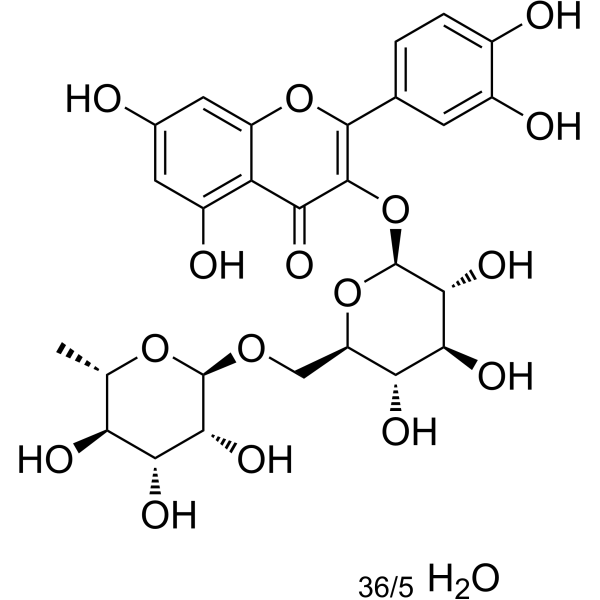
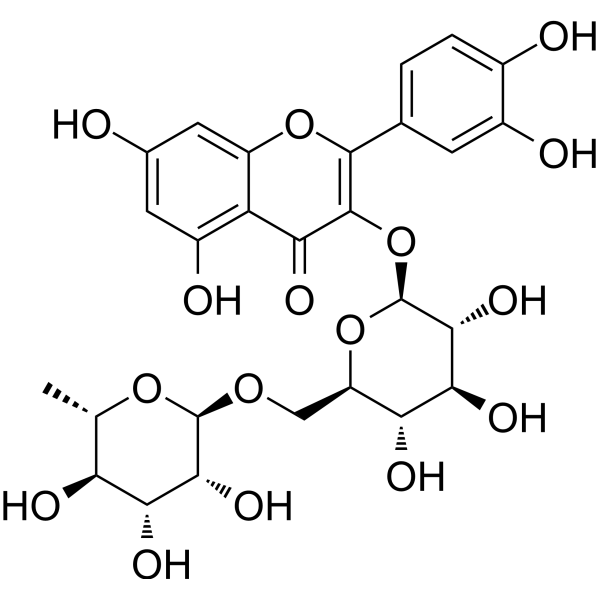
Rutoside hydrate; Quercetin 3-O-rutinoside hydrate
|
Amyloid-β
Autophagy
Apoptosis
Endogenous Metabolite
|
Neurological Disease
Cancer
|
|
Rutin (Rutoside) hydrate is a flavonoid found in many plants and shows a wide range of biological activities including anti-inflammatory, antidiabetic, antioxidant, neuroprotective, nephroprotective, hepatoprotective and reducing Aβ oligomer activities. Rutin hydrate can cross the blood brain barrier. Rutin hydrate attenuates vancomycin-induced renal tubular cell apoptosis via suppression of apoptosis, mitochondrial dysfunction, and oxidative stress .
|
-
- HY-178139
-
|
|
Monoamine Oxidase
|
Cardiovascular Disease
|
|
hMAO-B-IN-12 (Compound 6E) is a highly selective human monoamine oxidase B (hMAO-B) inhibitor (IC50=17.7 nM). hMAO-B-IN-12 reduces oxidative stress/lipid metabolism-derived products (e.g., H2O2). hMAO-B-IN-12 is promising for research of atherosclerosis .
|
-
- HY-111603
-
|
|
Apoptosis
|
Metabolic Disease
Inflammation/Immunology
|
|
Calcium dobesilate is a vascular protector with oral activity that can clear hydroxyl free radicals, with an IC50 of 1.1 pM. Calcium dobesilate has antioxidant activity and helps to reduce oxidative stress and inflammation in the retinas of diabetic mice. Calcium dobesilate can be used to study chronic venous diseases, diabetic retinopathy, and the occurrence of hemorrhoids, among other conditions .
|
-
- HY-N0147R
-
|
Rutecarpine (Standard)
|
Reference Standards
COX
Keap1-Nrf2
|
Inflammation/Immunology
Cancer
|
|
Rutaecarpine (Standard) is the analytical standard of Rutaecarpine. This product is intended for research and analytical applications. Rutaecarpine, an alkaloid of Evodia rutaecarpa, is an inhibitor of COX-2 with an IC50 value of 0.28 μM. Rutaecarpine can target and activate the NRF2/HO-1 pathway to reduce craniofacial injury. Rutaecarpine sttenuates oxidative stress-induced traumatic brain injury (TBI) and reduces secondary injury via the PGK1/KEAP1/NRF2 signaling pathway. Rutaecarpine can cross the blood-brain barrier (BBB).
|
-
- HY-I0400
-
|
NANA; Lactaminic acid
|
Tyrosinase
Ras
Influenza Virus
Endogenous Metabolite
|
Cardiovascular Disease
Inflammation/Immunology
Cancer
|
|
N-Acetylneuraminic acid (NANA; Lactaminic acid), a nonphenolic structure, is the predominant form of sialic from Collocalia esculenta. N-Acetylneuraminic acid plays a biological role in myocardial injury, melanoma and viral or bacterial infection. N-Acetylneuraminic acid inhibits melanogenesis by reducing tyrosinase activity and triggers myocardial injury in vitro and in vivo by activation of the Rho/Rho-associated signaling pathway through binding to RhoA and Cdc42. N-Acetylneuraminic acid may prevent high fat diet (HFD)-induced inflammation and oxidative stress, thereby prevents hyperlipidemia-associated inflammation and oxidative stress. N-Acetylneuraminic acid is promising for research in the field of melanoma, coronary artery, obesity-related diseases and hyperlipidemia .
|
-
- HY-106203B
-
|
(R)-SSR-125543
|
CFTR
|
Metabolic Disease
|
|
(R)-Crinecerfont is the R-enantiomer of Crinecerfont (HY-106203). Crinecerfont (SSR-125543) is an orally effective corticotropin-releasing factor receptor type-1 (CRF1 receptor) antagonist. Crinecerfont blocks CRF1 receptor signaling to reduce adrenocorticotropic hormone secretion. Crinecerfont improves hypothalamic-pituitary-adrenal axis negative feedback sensitivity in chronically stressed mice. Crinecerfont can be used for the research of chronic stress conditions and classic congenital adrenal hyperplasia due to 21-hydroxylase deficiency . Crinecerfont is a click chemistry reagent, it contains an Alkyne group and can undergo copper-catalyzed azide-alkyne cycloaddition (CuAAc) with molecules containing Azide groups.
|
-
- HY-B0093
-
|
CGS14824A free base
|
Angiotensin-converting Enzyme (ACE)
Apoptosis
Reactive Oxygen Species (ROS)
|
Cardiovascular Disease
Cancer
|
|
Benazepril (CGS14824A free base) is an orally active angiotensin-converting enzyme (ACE) inhibitor to reduce angiotensin-II production. Benazepril inhibits oxidative stress and inhibits apoptosis by the PI3K/Akt signaling pathway. Benazepril improves diabetic nephropathy and decreases proteinuria. Benazepril can be used in the study of hypertension, heart failure and diabetic nephropathy .
|
-
- HY-N9680
-
|
Ubiquinone 8
|
Endogenous Metabolite
Bacterial
|
Infection
Inflammation/Immunology
|
|
Coenzyme Q8 (Ubiquinone 8) is an isoprenoid quinone that mediates electron transfer within the aerobic respiratory chain and reduces oxidative stress. Coenzyme Q8 maintains bacterial respiratory function and enhances host resistance to bacterial infection. Coenzyme Q8 stimulates macrophage phagocytosis and increases antibody-producing cells. Coenzyme Q8 can be used in infectious disease research .
|
-
- HY-111753
-
|
|
WDR5
Apoptosis
|
Cancer
|
|
WDR5-IN-4 (Compound C6) is a WIN site inhibitor of chromatin-associated WD repeat domain 5 protein (WDR5), Kd The value is 0.1 nM. WDR5-IN-4 is able to displace WDR5 from chromatin and reduce the expression of related genes, causing translation inhibition and nucleolar stress. Has anti-cancer effects .
|
-
- HY-12646A
-
|
|
Ras
Apoptosis
|
Cancer
|
|
Rhosin is a potent, specific RhoA subfamily Rho GTPases inhibitor, which specifically binds to RhoA to inhibit RhoA-GEF interaction with a Kd of ~ 0.4 uM, and does not interact with Cdc42 or Rac1, nor the GEF, LARG. Rhosin induces cell apoptosis . Rhosin promotes stress resiliency through enhancing D1-MSN plasticity and reducing hyperexcitability .
|
-
- HY-183567
-
|
|
Ferroptosis
Glutathione Peroxidase
Reactive Oxygen Species (ROS)
|
Cardiovascular Disease
|
|
Ferroptosis-IN-27 is a glutathione peroxidase (GPx) mimetic. Ferroptosis-IN-27 inhibits oxidative stress, reduces intracellular ROS levels, decreases lipid peroxidation and alleviates ferrous ion overload, thereby inhibiting ferroptosis and protecting cardiomyocytes from Doxorubicin (HY-15142A)-induced injury. Ferroptosis-IN-27 can be used in studies related to Doxorubicin-induced cardiotoxicity .
|
-
- HY-12646
-
|
|
Ras
Apoptosis
|
Cancer
|
|
Rhosin hydrochloride is a potent, specific RhoA subfamily Rho GTPases inhibitor. Rhosin hydrochloride specifically binds to RhoA to inhibit RhoA-GEF interaction with a Kd of ~ 0.4 uM, and does not interact with Cdc42 or Rac1, nor the GEF, LARG. Rhosin hydrochloride induces cell apoptosis . Rhosin hydrochloride promotes stress resiliency through enhancing D1-MSN plasticity and reducing hyperexcitability .
|
-
- HY-B0093A
-
-
- HY-N0293R
-
|
Peoniflorin (Standard)
|
Reference Standards
HSP
|
Infection
Neurological Disease
Cancer
|
|
Paeoniflorin (Standard) is the analytical standard of Paeoniflorin. This product is intended for research and analytical applications. Paeoniflorin is a heat shock protein-inducing compound and commonly exists in the plants of Paeoniaceae family, with various biological activities, including anticancer activity, anti-inflammatory activity, enhancing cognition and attenuating learning impairment, anti-oxidative stress, antiplatelet aggregation, expansion of blood vessels, and reducing blood viscosity .
|
-
- HY-173403
-
|
|
TrxR
Reactive Oxygen Species (ROS)
Apoptosis
|
Cancer
|
|
TrxR-IN-8 (Compound 6f) is a selective TrxR inhibitor (IC50: 10.2 μM). TrxR-IN-8 induces apoptosis through oxidative stress by stimulating the production of reactive oxygen species (ROS), reducing intracellular thiols, and lowering the glutathione/glutathione ratio. TrxR-IN-8 exhibits significant cytotoxicity against non-small cell lung cancer (NSCLC) cells .
|
-
- HY-B0561
-
|
SC9420
|
Mineralocorticoid Receptor
Androgen Receptor
Autophagy
Calcium Channel
|
Cardiovascular Disease
Metabolic Disease
Endocrinology
Cancer
|
|
Spironolactone is an aldosterone antagonist that acts on the aldosterone mineralocorticoid receptor (IC50=24 nM) and androgen receptor (IC50=77 nM), promotes podocyte autophagy and regulates pain. Spironolactone improves hypertension-related vascular hypertrophy and remodeling by reducing angiotensin II (Ang II)-induced inflammation, reduces aldosterone-induced vascular and soft tissue calcification through PIT1-dependent signaling, and alleviates vascular dysfunction in type II diabetic mice by reducing oxidative stress and restoring NO/GC signaling; at low concentrations, it and its metabolites can interfere with aldosterone biosynthesis in the adrenal cortex and inhibit voltage-dependent Ca 2+ channels to exert antihypertensive effects .
|
-
- HY-N2468R
-
|
1,4-β-D-Xylobiose (Standard); 1,4-D-Xylobiose (Standard)
|
Reference Standards
TNF Receptor
Claudin
HSP
|
Metabolic Disease
Inflammation/Immunology
|
|
Xylobiose (1,4-β-D-Xylobiose; 1,4-D-Xylobiose) is an orally active Claudin 2/CLDN2 inhibitor and HSP27 inducer. Xylobiose works by regulating intestinal barrier function and glucose and lipid metabolism-related signaling pathways. Xylobiose inhibits CLDN2 expression to reduce intestinal permeability, induces HSP27 to enhance cell protection, and regulates the miR-122a/miR-33a axis to inhibit liver lipid synthesis and improve insulin resistance. Xylobiose can strengthen intestinal barrier integrity, reduce blood sugar and blood lipid levels, and reduce oxidative stress and inflammatory response. Xylobiose can be used in the study of type 2 diabetes and metabolic syndrome .
|
-
- HY-N2468
-
|
1,4-β-D-Xylobiose; 1,4-D-Xylobiose
|
TNF Receptor
Claudin
HSP
|
Metabolic Disease
Inflammation/Immunology
|
|
Xylobiose (1,4-β-D-Xylobiose; 1,4-D-Xylobiose) is an orally active Claudin 2/CLDN2 inhibitor and HSP27 inducer. Xylobiose works by regulating intestinal barrier function and glucose and lipid metabolism-related signaling pathways. Xylobiose inhibits CLDN2 expression to reduce intestinal permeability, induces HSP27 to enhance cell protection, and regulates the miR-122a/miR-33a axis to inhibit liver lipid synthesis and improve insulin resistance. Xylobiose can strengthen intestinal barrier integrity, reduce blood sugar and blood lipid levels, and reduce oxidative stress and inflammatory response. Xylobiose can be used in the study of type 2 diabetes and metabolic syndrome .
|
-
- HY-N7264R
-
-
- HY-N7264
-
-
- HY-124920
-
|
Mercaptodimethur
|
Insecticide
SOD
Glutathione Peroxidase
Reactive Oxygen Species (ROS)
Cholinesterase (ChE)
|
Infection
Inflammation/Immunology
|
|
Methiocarb (Mercaptodimethur) is an orally active carbamate insecticide. Methiocarb exerts dose-dependent toxic effects on onions. In addition to inhibiting acetylcholinesterase to induce cholinergic excitation, Methiocarb can induce lipid peroxidation in liver, kidney, brain and testicular tissues and alter reduced glutathione levels by generating ROS. Methiocarb can be used for agricultural pest control and research on oxidative stress-related cellular damage in mammals .
|
-
- HY-N0224R
-
|
|
Influenza Virus
Reference Standards
|
Infection
Metabolic Disease
Cancer
|
|
Epigoitrin (Standard) is the analytical standard of Epigoitrin. This product is intended for research and analytical applications. Epigoitrin is a natural alkaloid that provides protection against influenza infection by reducing the host’s susceptibility to influenza virus under stress. Epigoitrin exerts antiviral activity against influenza A1 virus FM1 via inhibiting virus attachment and multiplication in vitro. Epigoitrin also has lipid-lowering effects .
|
-
- HY-N6908
-
-
- HY-128393
-
|
|
PI3K
Akt
E-Selectin
Apoptosis
MMP
MEK
ERK
|
Cancer
|
|
Trilinolein is an orally active triglyceride that inhibits the PI3K/Akt, Ras/MEK/ERK signaling pathways, and MMP-2. Trilinolein can reduce oxidative stress, induce apoptosis, and inhibit cell migration. Trilinolein can be used in the research fields of cardiovascular disease, cerebrovascular disease (such as cerebral ischemia), and non-small cell lung cancer .
|
-
- HY-N13232
-
|
|
Amyloid-β
|
Neurological Disease
|
|
Grape Skin Extract is a grape skin extract, and its ingredients include: Polyphenols. Grape Skin Extract has neuroprotective effects and can improve Aβ-induced cytotoxicity to SH-SY5Y cells. Grape Skin Extract can increase the proliferation and memory of neurogenic areas, but reduce the oxidative stress associated with proinflammatory cytokines during aging, thereby protecting neurons. .
|
-
- HY-128525
-
|
|
Bacterial
Reactive Oxygen Species (ROS)
|
Infection
Inflammation/Immunology
|
|
Enterobactin is a siderophore produced by Gram-negative bacteria and has an extremely high affinity for iron. During the process of Salmonella typhimurium infecting macrophages, Enterobactin can not only help bacteria uptake iron but also reduce the antibacterial activity of macrophages. In addition, Enterobactin is also involved in the oxidative stress response of Escherichia coli. Enterobactin can be hydrolyzed by Fes in the cell and exert antioxidant effects by scavenging free radicals .
|
-
- HY-108041
-
|
BCI 838
|
mGluR
|
Neurological Disease
|
|
MGS 0210 (BCI 838) is an orally active metabolite of glutamate receptor 2/3 (mGluR2/3) agonists. MGS 0210 improves amnesia and reduces anxiety in APP mice. MGS 0210 improves PTSD-related behaviors in a mouse model of post-traumatic stress disorder (PTSD). MGS 0210 can be used in research on neurological disorders such as Alzheimer's disease and major depressive disorder .
|
-
- HY-114395
-
|
|
Ferroptosis
SLC39 (Zinc Transporter)
|
Inflammation/Immunology
|
|
NVS-ZP7-4 is an inhibitor of the zinc transporter SLC39A7 (ZIP7) and indicates ER zinc levels. ZIP7 is an active molecular node in the Notch pathway and mediates ferroptosis. NVS-ZP7-4 induces ER stress and exerts a certain ferroptosis-inhibiting effect, reduces Erastin (HY-15763)-induced cell death .
|
-
- HY-107586
-
|
DAQ B1; L-783281; Dimethylasterriquinone
|
Insulin Receptor
Akt
NO Synthase
NADPH Oxidase
JAK
STAT
FOXO
DNA/RNA Synthesis
ERK
Flavivirus
|
Cardiovascular Disease
Infection
Metabolic Disease
Inflammation/Immunology
|
|
Demethylasterriquinone B1 (DAQ B1; L-783281) is an orally active insulin receptor (insulin receptor) agonist and AKT activator. By activating AKT, Demethylasterriquinone B1 upregulates the expression and activity of eNOS to increase NO production, while downregulating the expression of the NADPH oxidase subunit p22phox to reduce oxidative stress and improve vascular endothelial dysfunction in hypertensive rats. Demethylasterriquinone B1 combind with an AKT inhibitor targets the insulin signaling pathway to activate two antiviral pathways, RNA interference and JAK/STAT, in mosquitoes, thereby reducing Zika virus infection .
|
-
- HY-106203R
-
|
SSR-125543 (Standard)
|
Reference Standards
CFTR
|
Metabolic Disease
|
|
Crinecerfont (Standard) is the analytical standard of Crinecerfont (HY-106203). This product is intended for research and analytical applications. Crinecerfont (SSR-125543) is an orally effective corticotropin-releasing factor receptor type-1 (CRF1 receptor) antagonist. Crinecerfont blocks CRF1 receptor signaling to reduce adrenocorticotropic hormone secretion. Crinecerfont improves hypothalamic-pituitary-adrenal axis negative feedback sensitivity in chronically stressed mice. Crinecerfont can be used for the research of chronic stress conditions and classic congenital adrenal hyperplasia due to 21-hydroxylase deficiency. Crinecerfont is a click chemistry reagent, it contains an Alkyne group and can undergo copper-catalyzed azide-alkyne cycloaddition (CuAAc) with molecules containing Azide groups.
|
-
- HY-133968S1
-
|
Ostreasterol-13C
|
Isotope-Labeled Compounds
Acyltransferase
Reactive Oxygen Species (ROS)
|
Inflammation/Immunology
|
|
24-Methylenecholesterol- 13C (Ostreasterol- 13C) is the 13C labeled 24-Methylenecholesterol (HY-133968) . 24-Methylenecholesterol (Ostreasterol) is a regulator targeting acyl-CoA cholesterol acyltransferase (ACAT) with anti-aging and neuroprotective effects. 24-Methylenecholesterol mimics the effects of nerve growth factor (NGF), can extend yeast lifespan through an anti-oxidative stress mechanism, and exhibits neuroprotective activity in PC12 cells. 24-Methylenecholesterol can reduce intracellular reactive oxygen species (ROS) and malondialdehyde (MDA) levels, activate anti-oxidative stress pathways (such as UTH1, SOD-related genes), and promote synaptic growth .
|
-
- HY-133968R
-
|
Ostreasterol (Standard)
|
Reference Standards
Acyltransferase
Reactive Oxygen Species (ROS)
|
Inflammation/Immunology
|
|
24-Methylenecholesterol (Ostreasterol) (Standard) is the analytical standard of 24-Methylenecholesterol (HY-133968). This product is intended for research and analytical applications. 24-Methylenecholesterol (Ostreasterol) is a regulator targeting acyl-CoA cholesterol acyltransferase (ACAT) with anti-aging and neuroprotective effects. 24-Methylenecholesterol mimics the effects of nerve growth factor (NGF), can extend yeast lifespan through an anti-oxidative stress mechanism, and exhibits neuroprotective activity in PC12 cells. 24-Methylenecholesterol can reduce intracellular reactive oxygen species (ROS) and malondialdehyde (MDA) levels, activate anti-oxidative stress pathways (such as UTH1, SOD-related genes), and promote synaptic growth .
|
-
- HY-N0507R
-
|
|
Reference Standards
TNF Receptor
Interleukin Related
|
Neurological Disease
Inflammation/Immunology
|
|
Rosavin (Standard) is the analytical standard of Rosavin. This product is intended for research and analytical applications. Rosavin, an orally bioactive phenylpropanoid from Rhodiola rosea L. (RRL), is an adaptogen that enhances the body’s response to environmental stress. Rosavin significantly influences bone tissue metabolism by inhibiting osteoclastogenesis and promoting osteoblast differentiation, also impacts various diseases, demonstrating antidepressant, adaptogenic, and anxiolytic effects in mouse models. Additionally, Rosavin improves survival, reducing intestinal damage in irradiated rats and Ischemia-reperfusion(I/R)-induced cerebral injury in vivo by regulating inflammation and oxidative stress, making it a promising candidate for research in radiation-induced intestinal injury, I/R-induced cerebral injury and osteoporosis .
|
-
- HY-128741
-
-
- HY-18731
-
|
|
NO Synthase
Apoptosis
|
Cardiovascular Disease
Inflammation/Immunology
Cancer
|
|
1400W dihydrochloride is the dihydrochloride form of 1400W (HY-18730). 1400W is a slow, tight binding, and highly selective inducible nitric-oxide synthase (iNOS) inhibitor, with a Kd value ≤ 7 nM. 1400W inhibits iNOS induction in microglial cells, and reduces generation of NO, thereby mitigating oxidative stress and neuronal cell apoptosis in the rat cerebral cortex, and improving the spatial memory dysfunction caused by acute hypobaric hypoxia-reoxygenation .
|
-
- HY-B0006C
-
|
(R)-BM 14190
|
Adrenergic Receptor
Calcium Channel
|
Cardiovascular Disease
Cancer
|
|
(R)-Carvedilol ((R)-BM 14190) is the orally active R-isomer of Carvedilol (HY-B0006). (R)-Carvedilol has α-receptor blocking activity but no β-receptor blocking activity. (R)-Carvedilol inhibits spontaneous Ca 2+ waves. (R)-Carvedilol inhibits stress-induced ventricular tachycardia and delays the development of UV-induced skin tumors and reduces their malignancy .
|
-
- HY-W505984
-
|
KM05073
|
Keap1-Nrf2
|
Inflammation/Immunology
|
|
TPNA10168 is an Nrf-2 activator that activates the Keap1-Nrf2-ARE pathway. TPNA10168 is neuroprotective against oxidative stress-induced damage. TPNA10168 significantly reduces the transcription of inflammatory genes, including TNF-α, IL-1β, IL-6, and iNOS. TPNA10168 can be used in research on anti-inflammatory and neurological diseases .
|
-
- HY-B1235R
-
|
N-Hydroxyacetamide (Standard)
|
Reference Standards
Bacterial
HIV
|
Infection
Inflammation/Immunology
|
|
Acetohydroxamic acid (Standard) is the analytical standard of Acetohydroxamic acid. This product is intended for research and analytical applications. Acetohydroxamic acid is the inhibitor for bacterial and plant urease that can be used for chronic urinary tract infections. Acetohydroxamic acid selectively inhibits arachidonic acid 5-lipoxygenase that is useful in the research of asthma. Acetohydroxamic acid inhibits the formation of advanced glycation end products, and reduces oxidative stress and inflammatory responses. Acetohydroxamic acid exhibits antiviral activity against HIV .
|
-
- HY-N1921
-
|
|
NF-κB
p38 MAPK
TNF Receptor
Reactive Oxygen Species (ROS)
COX
Interleukin Related
|
Inflammation/Immunology
|
|
Edpetiline is an anti-inflammatory agent. Edpetiline inhibits the phosphorylation of IκB, nuclear transcription/translocation of NF-κB p65, as well as the phosphorylation of p38 MAPK and ERK MAPK. Edpetiline reduces intracellular ROS levels, inhibits the expression of TNF-α, IL-6, iNOS, COX-2, and promotes the expression of IL-4. Edpetiline is applicable to the research of diseases associated with inflammation and oxidative stress .
|
-
- HY-B0025R
-
|
|
Reference Standards
Glycosidase
|
Metabolic Disease
|
|
Voglibose (Standard) is the analytical standard of Voglibose. This product is intended for research and analytical applications. Voglibose is an orally active alpha-glucosidase inhibitor that prevents the development of colorectal precancerous lesions induced by obesity and diabetes. Voglibose reduces oxidative stress in an inflammatory environment and inhibits the insulin-like growth factor/insulin-like growth factor-1 receptor (IGF/IGF-1R) functional axis[1].
|
-
- HY-110056
-
|
|
CRFR
|
Neurological Disease
|
|
NBI 35965 hydrochloride is a selective, orally active and brain-penetrant corticotropin-releasing factor receptor 1 (CRF1) antagonist with a Ki value of 4 nM and a pKi value of 8.5. NBI 35965 hydrochloride does not inhibit CRF2. NBI 35965 hydrochloride reduces CRF or stress-induced adrenocorticotropic hormone (ACTH) production in vivo with pIC50 values of 7.1 and 6.9, respectively. NBI 35965 hydrochloride shows anxiolytic effects .
|
-
- HY-145722A
-
|
OGX-427
|
HSP
|
Cancer
|
|
Apatorsen is a 2'-methoxyethyl-modified antisense oligonucleotide and also a Hsp27 inhibitor. Apatorsen reduces Hsp27 mRNA and protein levels, impairs stress-induced cytoprotective functions, induces cell apoptosis, inhibits tumor growth and prevents metastasis. Apatorsen is applicable to research related to non-small cell lung cancer, castration-resistant prostate cancer, breast cancer, ovarian cancer and bladder cancer .
|
-
- HY-122464
-
|
|
Herbicide
|
Others
|
|
(±)-Jasmonic acid is an endogenous growth regulator closely related to plant resistance to abiotic stresses, used to activate defense responses to wounding, herbivory, and pathogen attacks. (±)-Jasmonic acid does not play an independent regulatory role, but works in a complex signaling network with other plant hormone signaling pathways. In addition, (±)-Jasmonic acid can also reduce chlorophyll levels in green and etiolated barley leaf segments and inhibit the elongation of rice seedlings .
|
-
- HY-I0400R
-
|
NANA (Standard); Lactaminic acid (Standard)
|
Reference Standards
Tyrosinase
Ras
Influenza Virus
Endogenous Metabolite
|
Cardiovascular Disease
Inflammation/Immunology
Cancer
|
|
N-Acetylneuraminic acid (Standard) is the analytical standard of N-Acetylneuraminic acid. This product is intended for research and analytical applications. N-Acetylneuraminic acid (NANA; Lactaminic acid), a nonphenolic structure, is the predominant form of sialic from Collocalia esculenta. N-Acetylneuraminic acid plays a biological role in myocardial injury, melanoma and viral or bacterial infection. N-Acetylneuraminic acid inhibits melanogenesis by reducing tyrosinase activity and triggers myocardial injury in vitro and in vivo by activation of the Rho/Rho-associated signaling pathway through binding to RhoA and Cdc42. N-Acetylneuraminic acid may prevent high fat diet (HFD)-induced inflammation and oxidative stress, thereby prevents hyperlipidemia-associated inflammation and oxidative stress. N-Acetylneuraminic acid is promising for research in the field of melanoma, coronary artery, obesity-related diseases and hyperlipidemia .
|
-
- HY-W010201
-
|
(±)-Citronellol; (±)-β-Citronellol
|
Environmental Pollutants
Necroptosis
Autophagy
Fungal
Reactive Oxygen Species (ROS)
ERK
Atg8/LC3
TNF Receptor
Apoptosis
PI3K
p62
|
Cardiovascular Disease
Neurological Disease
Cancer
|
|
Citronellol ((±)-Citronellol) is an orally active inducer of apoptosis. Citronellol can prevent oxidative stress, mitochondrial dysfunction, and apoptosis in the SH-SY5Y cell Parkinson's disease model induced by 6-OHDA by regulating the ROS-NO, MAPK/ERK, and PI3K/Akt signaling pathways. Citronellol can induce necroptosis in human lung cancer cells through the TNF-α pathway and accumulation of ROS. Citronellol can reduce the levels of LC-3 and p62 to regulate the autophagy pathway, inhibit oxidative stress and neuroinflammation, and thus have neuroprotective effects on Parkinson's rats. Citronellol exhibits anti-fungal activity against Trichophyton rubrum by inhibiting ergosterol synthesis .
|
-
- HY-105284R
-
|
CP-70429 (Standard)
|
Beta-lactamase
Reference Standards
Bacterial
Antibiotic
|
Infection
|
|
N-Acetylneuraminic acid (Standard) is the analytical standard of N-Acetylneuraminic acid. This product is intended for research and analytical applications. N-Acetylneuraminic acid (NANA; Lactaminic acid), a nonphenolic structure, is the predominant form of sialic from Collocalia esculenta. N-Acetylneuraminic acid plays a biological role in myocardial injury, melanoma and viral or bacterial infection. N-Acetylneuraminic acid inhibits melanogenesis by reducing tyrosinase activity and triggers myocardial injury in vitro and in vivo by activation of the Rho/Rho-associated signaling pathway through binding to RhoA and Cdc42. N-Acetylneuraminic acid may prevent high fat diet (HFD)-induced inflammation and oxidative stress, thereby prevents hyperlipidemia-associated inflammation and oxidative stress. N-Acetylneuraminic acid is promising for research in the field of melanoma, coronary artery, obesity-related diseases and hyperlipidemia .
|
-
- HY-B1470R
-
|
R-1929 (Standard)
|
Reference Standards
Dopamine Receptor
Adrenergic Receptor
|
Neurological Disease
|
|
Azaperone (R-1929) (Standard) is the analytical standard of Azaperone (HY-B1470). This product is intended for research and analytical applications. Azaperone is an antagonist of dopamine D2 receptor (Dopamine D2 Receptor) and α-adrenergic receptor (AR). Azaperone reduces vasomotor tone, mean arterial pressure, hematocrit, hemoglobin concentration, and etorphine-induced duration; induces transient tachycardia followed by bradycardia, splenic uptake of red blood cells, and sedation; alters animal behaviors; and produces sedation with distinct onset and duration in foals. Azaperone is used for sedation and tranquilization in various animals to reduce stress and aggressive behaviors, and serves as a preanesthetic agent.
|
-
- HY-N6606
-
|
|
Glycosidase
Tyrosinase
Heme Oxygenase (HO)
HSP
|
Metabolic Disease
Inflammation/Immunology
|
|
Delphinidin-3-O-galactoside chloride is an anthocyanin found in abbiteye blueberry. Delphinidin-3-O-galactoside chloride show inhibitory activitiesagainst α-glucosidase with an IC50 of 68.33 μM, and tyrosinase with an IC50 of 34.14 μM. Delphinidin-3-O-galactoside chloride attenuates HO-1 and HSP70 messenger RNA down-regulation, suppresses cytotoxicity, reduces endoplasmic reticulum stress responses, scavenges free radicals, reduces intracellular triglyceride levels and lipid droplet accumulation. Delphinidin-3-O-galactoside chloride can be used for the researches of diabesity, melanoma and inflammation .
|
-
- HY-B1470S
-
|
R-1929-d4
|
Isotope-Labeled Compounds
Dopamine Receptor
Adrenergic Receptor
|
Neurological Disease
|
|
Azaperone-d4 (R-1929-d4) is the deuterium labeled Azaperone (HY-B1470). Azaperone is an antagonist of dopamine D2 receptor (Dopamine D2 Receptor) and α-adrenergic receptor (AR). Azaperone reduces vasomotor tone, mean arterial pressure, hematocrit, hemoglobin concentration, and etorphine-induced duration; induces transient tachycardia followed by bradycardia, splenic uptake of red blood cells, and sedation; alters animal behaviors; and produces sedation with distinct onset and duration in foals. Azaperone is used for sedation and tranquilization in various animals to reduce stress and aggressive behaviors, and serves as a preanesthetic agent.
|
-
- HY-114332
-
|
|
MAP3K
JNK
|
Neurological Disease
Metabolic Disease
|
|
GNE-8505 is an orally active, blood-brain barrier-permeable selective dual leucine zipper kinase (DLK) inhibitor. GNE-8505 has an IC50 of 0.144 μM for pJNK, and EC50 of 0.457 μM for DRG. GNE-8505 inhibits the DLK/JNK pathway, reduces stress-induced c-Jun phosphorylation levels, decreases neuronal death and suppresses axonal degeneration. GNE-8505 reduces phosphorylated c-Jun levels in the retina, spinal cord and brain tissues of mice. GNE-8505 is applicable to research related to Alzheimer's disease and amyotrophic lateral sclerosis (ALS) .
|
-
- HY-103388
-
|
|
COX
TGF-β Receptor
Glutathione Peroxidase
|
Inflammation/Immunology
|
|
NCX 466 is an orally active COX-1 and COX-2 inhibitor that exhibits anti-inflammatory and analgesic effects. Additionally, NCX 466 acts as a NO donor, exerting anti-inflammatory and antioxidant effects by improving microcirculation. NCX 466 significantly reduces the levels of transforming growth factor-β (TGF-β) and oxidative stress markers (such as thiobarbituric acid reactive substances (TBARS) and 8-hydroxy-2'-deoxyguanosine (8-OHdG)), and it decreases leukocyte recruitment during inflammation by reducing myeloperoxidase (MPO) activity, thereby preventing bleomycin (HY-108345)-induced pulmonary fibrosis in mice .
|
-
- HY-N17821
-
|
|
Sirtuin
Aurora Kinase
Akt
GSK-3
β-catenin
TGF-β Receptor
Apoptosis
Reactive Oxygen Species (ROS)
Wnt
NF-κB
TNF Receptor
Interleukin Related
IKK
|
Neurological Disease
Inflammation/Immunology
Cancer
|
|
Butrin is a compound found in Butea monosperma flowers. Butrin reduces expression of SIRT1, AURKB, cyclin D1, pAKT, GSK-3β, β-catenin, and TGF-3β expression, enhances apoptosis and ROS production in cancer cells. Butrin downregulates Wnt and NF-κB signaling, mitigates oxidative stress, reduces proinflammatory cytokine (TNF-α, IL-6 and IL-8) production and suppresses neuroinflammation. Butrin inhibits IKK enzyme activity. Butrin can be used for the researches of colorectal cancer, Alzheimer’s disease, and rheumatoid arthritis .
|
-
- HY-N0148
-
|
Rutoside; Quercetin 3-O-rutinoside
|
Amyloid-β
Autophagy
Apoptosis
Endogenous Metabolite
|
Inflammation/Immunology
Cancer
|
|
Rutin (Rutoside) is a flavonoid found in many plants and shows a wide range of biological activities including anti-inflammatory, antidiabetic, antioxidant, neuroprotective, nephroprotective, hepatoprotective and reducing Aβ oligomer activities. Rutin is also a CBR1 inhibitor, which can cross the blood brain barrier. Rutin attenuates vancomycin-induced renal tubular cell apoptosis via suppression of apoptosis, mitochondrial dysfunction, and oxidative stress .
|
-
- HY-106987
-
|
|
NO Synthase
|
Cardiovascular Disease
Inflammation/Immunology
|
|
SP/W-5186 is a nitric oxide (NO) donor agent containing a cysteine structure. SP/W-5186 can improve cardiac function, reduce myocardial damage, protect vascular endothelial function and inhibit inflammation and oxidative stress. SP/W-5186 has the ability to inhibit oxidative damage induced by peroxynitrite (ONOO⁻). SP/W-5186 can be used in the research of myocardial ischemia-reperfusion injury .
|
-
- HY-N18470
-
|
|
DNA/RNA Synthesis
Apoptosis
Reactive Oxygen Species (ROS)
|
Inflammation/Immunology
|
|
Gadusol is a potent, maternally supplied natural sunscreen. Gadusol is synthesized by the mother during oogenesis and stored in eggs, representing the primary sunscreen mechanism during the early developmental stages of fish. Gadusol directly prevents UVB-induced DNA damage and reduces the generation of ROS thereby avoiding cellular stress and apoptosis. Gadusol does not exert antioxidant functions in zebrafish embryos. Gadusol can be used in studies related to topical photoprotective cosmetics .
|
-
- HY-149351
-
|
|
NF-κB
|
Cardiovascular Disease
|
|
NF-κB-IN-10 (compound E1) is an NF-κB inhibitor that can improve heart failure by reducing oxidative stress and inflammation by regulating Nrf2/NF-κB signaling pathway. NF-κB-IN-10 inhibits LPS-induced NO production and expression of iNOS and COX-2 in RAW264.7 cells. NF-κB-IN-10 can be used in the research of cardiovascular diseases .
|
-
- HY-N0594
-
|
|
SOD
Interleukin Related
TNF Receptor
|
Inflammation/Immunology
|
|
Deacetylasperulosidic Acid is an orally active antioxidant. Deacetylasperulosidic Acid exerts a definite in vivo antioxidant effect and alleviates oxidative stress injury by enhancing SOD activity. In atopic dermatitis models, Deacetylasperulosidic Acid corrects Th2-skewed immune imbalance and reduces allergy-related factors; in immunosuppression models, it activates cellular immunity, enhances NK cell activity and IL-2 production. Deacetylasperulosidic Acid can be used in the research of atopic dermatitis .
|
-
- HY-108750
-
|
VT 18 (oil); Vegetoil; Wesson
|
Environmental Pollutants
|
Cardiovascular Disease
|
|
Soybean oil (VT 18 (oil); Vegetoil; Wesson) is an edible vegetable oil. Soybean oil reduces circulating blood cholesterol levels when it replaces dietary saturated fats. Soybean oil does not affect inflammatory biomarkers or increase oxidative stress. Soybean oil contains γ-tocopherol and δ-tocopherol, which possess antioxidant properties. Soybean oil can be used in research related to coronary heart disease .
|
-
- HY-160115
-
|
|
DNA/RNA Synthesis
|
Neurological Disease
|
|
TDP-43 degrader-1 (Compound example 7) is a TDP-43 degrader. TDP-43 degrader-1 reduces the aggregation of TDP-43-positive HuR stress granules in cells and promotes the relocalization of abnormally distributed TDP-43 in the cytoplasm to the nucleus. TDP-43 degrader-1 can be used in the study of amyotrophic lateral sclerosis and Alzheimer's disease .
|
-
- HY-176238
-
|
|
Apoptosis
|
Metabolic Disease
Cancer
|
|
CX116 is an orally active anti-inflammatory agent. CX116 exerts its effects by inhibiting the inflammatory response, reducing oxidative stress, protecting mitochondrial function, and counteracting apoptosis. CX116 bears acceptable toxicity, and can significantly protect renal tissue from Cisplatin (HY-17394)-induced damage. CX116 can be used for the study of Cisplatin-induced acute kidney injury (cis-AKI) .
|
-
- HY-N10546
-
|
|
iGluR
Trk Receptor
ERK
Apoptosis
Autophagy
|
Neurological Disease
|
|
Ganglioside GM1 is a type of glycosphingolipid, mainly found on the cell membranes of the central nervous system of vertebrates. Ganglioside GM1 exerts neuroprotective effects by reducing excessive activation of NMDAR, activating TrkA and ERK1/2, and inhibiting oxidative stress and cell apoptosis and autophagy. Ganglioside GM1 can be used in the research of diseases such as traumatic brain injury, Parkinson's disease, Alzheimer's disease, and Huntington's disease .
|
-
- HY-W749516
-
|
|
Isotope-Labeled Compounds
Glycosidase
|
Metabolic Disease
|
|
Voglibose- 13C3 is the 13C-labeled Voglibose (HY-B0025). Voglibose is an orally active alpha-glucosidase inhibitor that prevents the development of colorectal precancerous lesions induced by obesity and diabetes. Voglibose reduces oxidative stress in an inflammatory environment and inhibits the insulin-like growth factor/insulin-like growth factor-1 receptor (IGF/IGF-1R) functional axis.
|
-
- HY-145722
-
|
OGX-427 sodium
|
HSP
|
Cancer
|
|
Apatorsen (OGX-427) sodium is a 2'-methoxyethyl-modified antisense oligonucleotide and also a Hsp27 inhibitor. Apatorsen sodium reduces Hsp27 mRNA and protein levels, impairs stress-induced cytoprotective functions, induces cell apoptosis, inhibits tumor growth and prevents metastasis. Apatorsen sodium is applicable to research related to non-small cell lung cancer, castration-resistant prostate cancer, breast cancer, ovarian cancer and bladder cancer .
|
-
- HY-B0093AS
-
-
- HY-N0321
-
|
trans-Caftaric acid
|
Others
|
Cardiovascular Disease
Neurological Disease
Inflammation/Immunology
|
|
Caftaric acid (trans-Caftaric acid) is a polyphenolic antidiuretic, antioxidant and anti-apoptotic agent that can be hydrolyzed by intestinal microbial esterases. Caftaric acid exerts its antioxidant and potential anti-inflammatory effects mainly through intestinal microbial metabolism. Caftaric acid can reduce renal damage, restore electrolyte balance, renal function indicators and antioxidant enzyme activities in a rat albinism model, and further exert anti-oxidative stress and anti-inflammatory activities .
|
-
- HY-W679138
-
|
|
E1/E2/E3 Enzyme
Heme Oxygenase (HO)
|
Neurological Disease
|
|
N,N-dimethyldithiocarbamate potassium is a ubiquitin-activating enzyme E1 inhibitor. N,N-dimethyldithiocarbamate potassium inhibits the activation of E1 and reduces the level of activated ubiquitinated E1 (ub-E1). N,N-dimethyldithiocarbamate potassium increases intracellular copper levels, enhances oxidative stress, elevates protein carbonyl levels, and upregulates the expression of HO-1 . N,N-dimethyldithiocarbamate potassium is applicable to research related to Parkinson's disease .
|
-
- HY-163506
-
|
|
Apoptosis
Ferroptosis
|
Others
|
|
Ebselen derivative 1 (Compound 19) is a glutathione peroxidase (GPx) mimic with oral activity. Ebselen derivative 1 demonstrates significant protective effects against cisplatin (HY-17394)-induced hair cell (HC) damage both in vitro and in vivo, effectively reducing oxidative stress, apoptosis, and ferroptosis in hair cells. Ebselen derivative 1 can be utilized in the research of cisplatin (HY-17394)-induced hearing loss .
|
-
- HY-182390
-
|
|
Ferroptosis
Reactive Oxygen Species (ROS)
Keap1-Nrf2
|
Cardiovascular Disease
Metabolic Disease
Inflammation/Immunology
|
|
Ferroptosis-IN-24 is a non-classical ferroptosis inhibitor capable of crossing the blood-brain barrier, with nanomolar inhibitory activity against ferroptosis induced by RSL3 (HY-100218A) and Erastin (HY-15763). Ferroptosis-IN-24 alleviates oxidative stress, reduces lipid peroxidation accumulation, and restores redox homeostasis. Ferroptosis-IN-24 is applicable to research related to cerebral ischemia-reperfusion injury and acute liver injury .
|
-
- HY-114118
-
Semaglutide
Maximum Cited Publications
35 Publications Verification
|
GLP Receptor
Insulin Receptor
α-synuclein
Apoptosis
p38 MAPK
Autophagy
Bcl-2 Family
|
Neurological Disease
Metabolic Disease
Cancer
|
|
Semaglutide is a long-acting, selective, competitive GLP-1R agonist that can penetrate the blood-brain barrier. After activating GLP-1R, Semaglutide promotes insulin secretion, inhibits gastric emptying and appetite, and at the same time enhances autophagy, inhibits oxidative stress and apoptosis. Semaglutide also regulates mitochondrial function and lipid metabolism (such as reducing de novo lipogenesis in the liver). Semaglutide has activities such as lowering blood sugar, reducing weight, neuroprotection (such as improving motor function in Parkinson's disease models, reducing α-synuclein aggregation) and improving hepatic steatosis. Semaglutide can be used for the study of neurodegenerative diseases and liver diseases such as type 2 diabetes, obesity, Parkinson's disease, metabolic associated fatty liver disease (MASLD), and cancer .
|
-
- HY-B0612B
-
|
|
Calcium Channel
Sodium Channel
|
Neurological Disease
|
|
(S)-Lercanidipine is a calcium channel blocker with antihypertensive and neuroprotective activities. (S)-Lercanidipine reduces oxidative stress and protects auditory sensory hair cells from noise-induced damage. (S)-Lercanidipine showed significant protective effects on cell viability in in vitro experiments, especially at low concentrations. (S)-Lercanidipine has been found to effectively reduce the hearing threshold of mice after noise stimulation and protect the survival of outer hair cells. The antioxidant properties of (S)-Lercanidipine are reflected in its increased expression of antioxidant enzyme genes and decreased expression of oxidative enzyme genes. (S)-Lercanidipine administration is effective in reducing noise-induced hearing loss both before and after noise exposure. (S)-Lercanidipine may alleviate noise-induced hearing loss and protect the survival of outer hair cells through its antioxidant mechanism .
|
-
- HY-114118B
-
|
|
GLP Receptor
Insulin Receptor
α-synuclein
Apoptosis
p38 MAPK
Autophagy
Bcl-2 Family
|
Neurological Disease
Metabolic Disease
Cancer
|
|
Semaglutide acetate is a long-acting, selective, competitive GLP-1R agonist that can penetrate the blood-brain barrier. After activating GLP-1R, Semaglutide acetate promotes insulin secretion, inhibits gastric emptying and appetite, and at the same time enhances autophagy, inhibits oxidative stress and apoptosis. Semaglutide acetate also regulates mitochondrial function and lipid metabolism (such as reducing de novo lipogenesis in the liver). Semaglutide acetate has activities such as lowering blood sugar, reducing weight, neuroprotection (such as improving motor function in Parkinson's disease models, reducing α-synuclein aggregation) and improving hepatic steatosis. Semaglutide acetate can be used for the study of neurodegenerative diseases and liver diseases such as type 2 diabetes, obesity, Parkinson's disease, metabolic associated fatty liver disease (MASLD), and cancer .
|
-
- HY-114118C
-
|
|
GLP Receptor
Insulin Receptor
α-synuclein
Apoptosis
p38 MAPK
Autophagy
Bcl-2 Family
|
Neurological Disease
Metabolic Disease
Cancer
|
|
Semaglutide sodium is a long-acting, selective, competitive GLP-1R agonist that can penetrate the blood-brain barrier. After activating GLP-1R, Semaglutide sodium promotes insulin secretion, inhibits gastric emptying and appetite, and at the same time enhances autophagy, inhibits oxidative stress and apoptosis. Semaglutide sodium also regulates mitochondrial function and lipid metabolism (such as reducing de novo lipogenesis in the liver). Semaglutide sodium has activities such as lowering blood sugar, reducing weight, neuroprotection (such as improving motor function in Parkinson's disease models, reducing α-synuclein aggregation) and improving hepatic steatosis. Semaglutide sodium can be used for the study of neurodegenerative diseases and liver diseases such as type 2 diabetes, obesity, Parkinson's disease, metabolic associated fatty liver disease (MASLD), and cancer .
|
-
- HY-N7075
-
Inulin
4 Publications Verification
|
Endogenous Metabolite
|
Infection
Neurological Disease
Metabolic Disease
Cancer
|
|
Inulin is an orally active prebiotic targeting the intestinal microbiota, selectively promoting the proliferation and activity of beneficial bacteria such as bifidobacteria and lactic acid bacteria, and playing a role in regulating the intestinal microecology. The functions of Inulin include: Fermentation by probiotics in the colon to produce short-chain fatty acids (such as butyrate and propionate), lowering the intestinal pH and inhibiting the overgrowth of harmful bacteria; Enhancing the intestinal barrier function and reducing endotoxin translocation; Directly scavenging free radicals (such as superoxide free radicals, hydroxyl free radicals) and activating antioxidant enzymes (SOD, CAT) to reduce oxidative stress. Inulin can also be used in the study of intestinal diseases (constipation, IBD), metabolic syndrome (diabetes, obesity) and liver damage by regulating glucose and lipid metabolism (such as reducing triglycerides, improving insulin sensitivity) and immune response (enhancing NK cell activity, inhibiting inflammatory factors)[1][2][3][4].
|
-
- HY-N0148AR
-
|
Rutoside hydrate (Standard); Quercetin 3-O-rutinoside hydrate (Standard)
|
Amyloid-β
Autophagy
Apoptosis
Endogenous Metabolite
Reference Standards
|
Neurological Disease
Cancer
|
|
Rutin (hydrate) (Standard) is the analytical standard of Rutin (hydrate). This product is intended for research and analytical applications. Rutin (Rutoside) hydrate is a flavonoid found in many plants and shows a wide range of biological activities including anti-inflammatory, antidiabetic, antioxidant, neuroprotective, nephroprotective, hepatoprotective and reducing Aβ oligomer activities. Rutin hydrate can cross the blood brain barrier. Rutin hydrate attenuates vancomycin-induced renal tubular cell apoptosis via suppression of apoptosis, mitochondrial dysfunction, and oxidative stress .
|
-
- HY-B0093AR
-
-
- HY-114869
-
DPQ
3 Publications Verification
|
PARP
|
Neurological Disease
Cancer
|
|
DPQ is a selective PARP-1 inhibitor that blocks PARP-1-mediated DNA damage repair and NAD +/ATP consumption, thereby inhibiting excessive inflammatory responses. DPQ inhibits NF-κB pathway activation, reduces the expression of pro-inflammatory factors (such as TNF-α, IL-6) and oxidative stress. DPQ can be used in inflammation-related studies of acute lung injury, myocardial infarction, and neurodegenerative diseases .
|
-
- HY-N0512
-
Loganin
5 Publications Verification
Loganoside
|
Reactive Oxygen Species (ROS)
TNF Receptor
Interleukin Related
|
Neurological Disease
Inflammation/Immunology
Cancer
|
|
Loganin is a type of iridoid glycoside compound that possesses anti-inflammatory, antioxidant, and antitumor properties, and offers protective effects against acute lung injury and pulmonary fibrosis. Loganin exerts its protective effects against LPS (HY-D1056)-mediated inflammation and oxidative stress by upregulating the Nrf2/HO-1 signaling pathway, and it reduces neuroinflammation caused by spinal cord injury (SCI) .
|
-
- HY-172977
-
|
|
Cathepsin
NO Synthase
TNF Receptor
|
Neurological Disease
Inflammation/Immunology
|
|
FGA139 is a cysteine proteases inhibitor with IC50 values of 4.98/3.14 μM for cathepsin B/L. FGA139 reduces LPS-induced NO production in RAW264.7 cells and tumor necrosis factor (TNFα) levels in microglia, and has anti-oxidative stress and anti-inflammatory activities. FGA139 promotes the secretion of neuroprotective metabolites purine and linoleic acid by LPS-stimulated microglia. FGA139 can be used in neuroinflammatory diseases research .
|
-
- HY-136410
-
|
|
Endogenous Metabolite
|
Metabolic Disease
|
|
4-hydroxy Nonenal Mercapturic Acid is a major urinary metabolite of 4-hydroxy-2-nonenal (4-HNE). 4-hydroxy Nonenal Mercapturic Acid metabolites include reduced alcohols, aldehydes, and carboxylic acids, which further form gamma-lactols and gamma-lactones, resulting in 4-5 final urinary metabolites in vivo. 4-hydroxy Nonenal Mercapturic Acid can be used as a biomarker to assess oxidative stress .
|
-
- HY-114809
-
|
|
Reactive Oxygen Species (ROS)
NADPH Oxidase
|
Inflammation/Immunology
Cancer
|
|
AL-1 is a potent O2 - generation inhibitor (IC50 = 7.6 μM) through the inhibition of leukocytic NADPH oxidase. AL-1 inhibits 12-O-Tetradecanoylphorbol-13-acetate (TPA)-induced H2O2 production. AL-1 reduces tumor incidence in ICR mouse skin. AL-1 can be used for research on oxidative stress-related diseases including cancer .
|
-
- HY-103378
-
|
|
CRFR
|
Neurological Disease
|
|
NBI 35965 methanesulfonate is a selective, orally active and brain-penetrant corticotropin-releasing factor receptor 1 (CRF1) antagonist with a Ki value of 4 nM and a pKi value of 8.5. NBI 35965 methanesulfonate does not inhibit CRF2. NBI 35965 methanesulfonate reduces CRF or stress-induced adrenocorticotropic hormone (ACTH) production in vivo with pIC50 values of 7.1 and 6.9, respectively. NBI 35965 methanesulfonate shows anxiolytic effects .
|
-
- HY-179028
-
|
exo-16,17-Dihydro-gibberellin A5-13-acetate
|
Phytohormone
|
Others
|
|
DHGA5 (exo-16,17-Dihydro-gibberellin A5-13-acetate) is a GA3β-hydroxylase (OsGA3ox2) inhibitor. DHGA5 inhibits Arabidopsis root growth with an IC50 of 97 μM. DHGA5 also suppresses the elongation of rice second leaf sheath. DHGA5 can alleviate oxidative damage to Arabidopsis seedlings under NaCl salt stress and reduce the accumulation of superoxide anion .
|
-
- HY-N1441
-
|
Kaempferol-3-O-rhamnoside
|
Mitochondrial Metabolism
PTEN
Autophagy
Bacterial
|
Infection
Cardiovascular Disease
Neurological Disease
Inflammation/Immunology
|
|
Afzelin (Kaempferol-3-O-rhamnoside)It is a flavonol glycoside that has anti-inflammatory, anti-oxidative stress response, anti-apoptotic, and anti-cardiac cytotoxic effects. AfzelinIt can reduce mitochondrial damage, enhance mitochondrial biosynthesis, and reduce mitochondria-related proteins. Parkinand PTENinduced putative kinase 1 (putative kinase 1)s level. AfzelinCan be improved D-galactosamine(GalN)/LPSSurvival rate of mice treated with doxorubicin prophylaxis (HY-15142A)Induced cardiotoxicity and scopolamine (HY-N0296)-induced neurological injury. AfzelinAlso inhibits asthma and allergies caused by ovalbumin .
|
-
- HY-165492
-
|
|
Reactive Oxygen Species (ROS)
NF-κB
Apoptosis
|
Neurological Disease
Inflammation/Immunology
|
|
OPC-14117 is an orally active superoxide radical scavenger that can cross the blood-brain barrier. OPC-14117 inhibits the oxidative stress cascade reaction, significantly reducing the increase in tissue osmotic pressure and alleviating brain edema in the brain contusion model. OPC-14117 blocks the NF-κB-dependent apoptotic pathway in the striatum neuron apoptosis model induced by Quinolinic acid (HY-100807). OPC-14117 can reduce the necrotic volume, protect hippocampal CA3 neurons and restore cognitive function. OPC-14117 can be used to study secondary brain injury and improve neurological prognosis .
|
-
- HY-180916
-
|
|
Carbonic Anhydrase
Reactive Oxygen Species (ROS)
NOD-like Receptor (NLR)
Apoptosis
|
Neurological Disease
|
|
CAII-IN-11 (Compound A1) is a dual-target compound that contains a hCA II inhibitor (IC₅₀ = 2 nM) portion and a NO donor portion. CAII-IN-11 also has inhibitory activity against hCA IX, hCA XII, and hCA I, with IC50 values of 6, 3, and 152 nM respectively. CAII-IN-11 significantly increases the intracellular cGMP level in human trabecular meshwork cells. CAII-IN-11 reduces the apoptosis of retinal ganglion cells by reducing oxidative stress (ROS levels), inhibiting astrocytes and the NLRP3 inflammasome activation. CAII-IN-11 has hypotensive activity in rabbit models and can be used for the study of glaucoma .
|
-
- HY-175833
-
|
|
NF-κB
Keap1-Nrf2
Heme Oxygenase (HO)
Interleukin Related
TNF Receptor
Reactive Oxygen Species (ROS)
SOD
|
Inflammation/Immunology
|
|
NF-κB-IN-20 is an orally active NF-κB inhibitor. NF-κB-IN-20 directly binds to the Keap1 protein, activating the Keap1/Nrf2/HO-1 antioxidant pathway, and simultaneously inhibiting the NF-κB inflammatory pathway, thereby synergistically reducing oxidative stress and inflammatory responses. NF-κB-IN-20 M11 inhibits the expression of IL-6, IL-1β, and TNF-α, significantly reduces the level of ROS, and restores the mitochondrial membrane potential. NF-κB-IN-20 can be used for the study of acute lung injury (ALI) .
|
-
- HY-N5073
-
|
4''-O-Glucosylvitexin
|
JNK
p38 MAPK
Interleukin Related
TNF Receptor
Caspase
Lactate Dehydrogenase
Apoptosis
|
Cardiovascular Disease
Metabolic Disease
|
|
Vitexin-4''-O-glucoside (4''-O-Glucosylvitexin) is an orally active natural flavonoid component with multiple pharmacological effects including antioxidation, anti-inflammation, cytoprotection and anti-apoptosis. Vitexin-4''-O-glucoside regulates the MAPK signaling pathway by downregulating the phosphorylation levels of JNK and p38, thereby blocking endoplasmic reticulum stress responses. Vitexin-4''-O-glucoside alleviates oxidative stress by reducing MDA content and upregulating the activities of SOD and CAT, attenuates inflammation by downregulating the expressions of inflammatory factors TNF-α, IL-1β and IL-6, and also reduces LDH release and inhibits caspase-3 activation. Vitexin-4''-O-glucoside effectively improves drug-induced acute liver injury and exerts significant protective effects against myocardial hypoxia/reoxygenation injury. Vitexin-4''-O-glucoside can be used in studies on acute liver injury, cardiovascular diseases and myocardial hypoxia-reoxygenation injury .
|
-
- HY-N7700A
-
|
G2013 sodium
|
VEGFR
Toll-like Receptor (TLR)
COX
NO Synthase
NF-κB
MMP
|
Inflammation/Immunology
Cancer
|
|
Guluronic acid (G2013) sodium is an orally active oxidative stress regulator and anti-inflammatory agent that exerts pharmacological effects by down-regulating various pro-inflammatory and oxidative stress-related genes (such as TLR4, NF-κB, iNOS, etc.) and inhibiting the activities of COX-2, MMPs and VEGF. Low-dose Guluronic acid sodium up-regulates the expression of immunoregulatory genes SHIP1 and SOCS1, thereby effectively inhibiting cancer-related inflammation, tumor angiogenesis, cell adhesion and metastasis, while reducing the accumulation of immunosuppressive cells. Guluronic acid sodium significantly prolongs the survival time of tumor-bearing hosts within a concentration range without direct cytotoxicity, demonstrating favorable safety. Guluronic acid sodium has involved in the research of multiple sclerosis, ankylosing spondylitis, breast cancer and other inflammatory diseases .
|
-
- HY-W010201R
-
|
(±)-Citronellol (Standard); (±)-β-Citronellol (Standard)
|
Reactive Oxygen Species (ROS)
Reference Standards
ERK
PI3K
TNF Receptor
Atg8/LC3
p62
Apoptosis
Necroptosis
Autophagy
Fungal
|
Cardiovascular Disease
Neurological Disease
Cancer
|
|
Citronellol (Standard) is the analytical standard of Citronellol. Citronellol (Standard) is an orally active inducer of apoptosis. Citronellol (Standard) can prevent oxidative stress, mitochondrial dysfunction, and apoptosis in the SH-SY5Y cell Parkinson's disease model induced by 6-OHDA by regulating the ROS-NO, MAPK/ERK, and PI3K/Akt signaling pathways. Citronellol (Standard) can induce necroptosis in human lung cancer cells through the TNF-α pathway and accumulation of ROS. Citronellol (Standard) can reduce the levels of LC-3 and p62 to regulate the autophagy pathway, inhibit oxidative stress and neuroinflammation, and thus have neuroprotective effects on Parkinson's rats. Citronellol (Standard) exhibits anti-fungal activity against Trichophyton rubrum by inhibiting ergosterol synthesis .
|
-
- HY-N7700
-
|
G2013
|
MMP
COX
VEGFR
Toll-like Receptor (TLR)
NF-κB
NO Synthase
|
Inflammation/Immunology
Cancer
|
|
Guluronic acid (G2013) is an orally active oxidative stress regulator and anti-inflammatory agent that exerts pharmacological effects by down-regulating various pro-inflammatory and oxidative stress-related genes (such as TLR4, NF-κB, iNOS, etc.) and inhibiting the activities of COX-2, MMPs and VEGF. Low-dose Guluronic acid up-regulates the expression of immunoregulatory genes SHIP1 and SOCS1, thereby effectively inhibiting cancer-related inflammation, tumor angiogenesis, cell adhesion and metastasis, while reducing the accumulation of immunosuppressive cells. Guluronic acid significantly prolongs the survival time of tumor-bearing hosts within a concentration range without direct cytotoxicity, demonstrating favorable safety. Guluronic acid has involved in the research of multiple sclerosis, ankylosing spondylitis, breast cancer and other inflammatory diseases .
|
-
- HY-178943
-
|
|
Cholinesterase (ChE)
Cannabinoid Receptor
Aldehyde Dehydrogenase (ALDH)
Caspase
Apoptosis
|
Neurological Disease
|
|
Neuroprotective agent 15 (Compound 3e) is a neuroprotective agent. Neuroprotective agent 15 is a selective butyrylcholinesterase (BChE) inhibitor, with IC50 values of 2.6 and 114.3 μM for BChE and AChE respectively. Neuroprotective agent 15 has cannabinoid CB2 receptor (CB2 receptor) agonistic activity. Neuroprotective agent 15 can reduce cell death, LDH release and Caspase-3/7 activity, and inhibit apoptosis. Neuroprotective agent 15 can reduce the formation of superoxide free radicals, maintain cell morphology, and significantly lower oxidative stress levels. Neuroprotective agent 15 can be used in the research of neurodegenerative diseases, such as Alzheimer's disease and Parkinson's disease .
|
-
- HY-W041608
-
|
|
NF-κB
Toll-like Receptor (TLR)
Bacterial
|
Infection
Inflammation/Immunology
|
|
Methylchloroisothiazolinone is a widely used fungicide and also an aquatic pollutant with pro-inflammatory activity and neurotoxicity. Methylchloroisothiazolinone induces the production of pro-inflammatory cytokines (such as IL-1β, TNF-α, IL-6) by activating the NF-κB signaling pathway and upregulating TLR4 expression, thereby triggering allergic contact dermatitis. Methylchloroisothiazolinone reduces cholinesterase activity and exacerbates oxidative stress by impairing catalase activity and disrupting redox balance. Methylchloroisothiazolinone poses significant harm to Mediterranean mussels, reducing the viability of hemocytes and digestive gland cells, inhibiting immune phagocytic function, and disrupting osmoregulatory capacity. Methylchloroisothiazolinone is used in studies on allergic contact dermatitis and related immunotoxicity mechanisms .
|
-
- HY-W013579
-
|
D-Carvone
|
Environmental Pollutants
Apoptosis
Caspase
Interleukin Related
Reactive Oxygen Species (ROS)
NOD-like Receptor (NLR)
SOD
|
Neurological Disease
Metabolic Disease
Inflammation/Immunology
Cancer
|
|
(S)-(+)-Carvone is an orally active natural product. (S)-(+)-Carvone increases the activity of antioxidant enzymes (SOD, CAT) and ROS, reduces the levels of oxidative stress markers (MDA, AChE), reduces the secretion of proinflammatory cytokines (IL-1β, IL-4, IL-6, IL-10), and downregulates NLRP3. (S)-(+)-Carvone increases the activities of caspase-8, -9 and -3. (S)-(+)-Carvone induces apoptotic death. (S)-(+)-Carvone has antimanic-like effect, liver protection and anticancer activity against skin cancer. (S)-(+)-Carvone improves memory and arthritis .
|
-
- HY-178919
-
|
|
Formyl Peptide Receptor (FPR)
Apoptosis
Bacterial
|
Inflammation/Immunology
|
|
N-19004 is a FPR1 antagonist. N-19004 shows broad-spectrum antibacterial effects against a variety of pathogens. N-19004 exhibits significant retinal protective effects in the rd10 mouse model of retinitis pigmentosa (RP). N-19004 can attenuate retinal dysfunction, mitigate rod and cone degeneration, and reduce immune cell activation, gliosis, inflammation, oxidative stress, and apoptosis. N-19004 can reduce the size of laser-induced choroidal lesions and promote edema absorption through dual anti-inflammatory and anti-angiogenic effects. N-19004 can be used for the research of retinal degenerative diseases such as retinitis pigmentosa .
|
-
- HY-182469
-
|
|
Lactate Dehydrogenase
AMPK
FOXO
Interleukin Related
Reactive Oxygen Species (ROS)
TNF Receptor
Bcl-2 Family
Caspase
Apoptosis
|
Neurological Disease
|
|
FuBIG is an iminoguanidine derivative with neuroprotective effects. FuBIGL inhibits L-LDH activation and reduces lactate production. FuBIGL exerts protective effects on inflammatory nerve cells, upregulates the expressions of AMPK, pAMPK and FOXO3, and activates the AMPK pathway in cells. FuBIG exerts anti-inflammatory effects by reducing pro-inflammatory cytokines (IL-6, IL-1β, TNF-α) and increasing the anti-inflammatory cytokine IL-10. FuBIG maintains mitochondrial membrane potential, alleviates mitochondrial dysfunction, reduces ROS production, and relieves oxidative stress. FuBIG upregulates Bcl-2, downregulates Bax and Caspase-3, and inhibits cell apoptosis (apoptosis). FuBIG improves metabolic disorders in diabetic mice, decreases the levels of LDL-C, ALT and AST, and increases HDL-C level simultaneously. FuBIG can be used in the research of diabetic neuroinflammation .
|
-
- HY-B1953
-
|
|
Environmental Pollutants
Insecticide
nAChR
|
Infection
|
|
Thiacloprid is an orally active neurotoxic insecticide and also a nAChR agonist. Thiacloprid reduces the viability of healthy cells, depletes reduced glutathione, and increases MDA levels, thereby inducing cytotoxicity and oxidative stress damage. In practical applications, Thiacloprid has lower acute toxicity to honeybees than other compounds of the same class such as Imidacloprid (HY-B0838), but it still significantly impairs the learning and memory function, immune capacity and survival status of honeybees. Thiacloprid induces intestinal microbial dysbiosis and reduces survival rate in middle-aged honeybees, increases the risk of premature collapse in bumblebee colonies, and significantly decreases the final colony weight and reproductive output. Thiacloprid is used in broad-spectrum agricultural pest control, often alone or in combination with Deltamethrin (HY-B1971), and meets the pest management needs of various crops including potatoes, cabbages, various fruits and vegetables, and nuts .
|
-
- HY-B0561S4
-
|
|
Isotope-Labeled Compounds
Mineralocorticoid Receptor
Androgen Receptor
Autophagy
Calcium Channel
|
Cardiovascular Disease
Metabolic Disease
Cancer
|
|
Spironolactone-d6-1 is the deuterium labeled Spironolactone (HY-B0561). Spironolactone is an aldosterone antagonist that acts on the aldosterone mineralocorticoid receptor (IC50=24 nM) and androgen receptor (IC50=77 nM), promotes podocyte autophagy and regulates pain. Spironolactone improves hypertension-related vascular hypertrophy and remodeling by reducing angiotensin II (Ang II)-induced inflammation, reduces aldosterone-induced vascular and soft tissue calcification through PIT1-dependent signaling, and alleviates vascular dysfunction in type II diabetic mice by reducing oxidative stress and restoring NO/GC signaling; at low concentrations, it and its metabolites can interfere with aldosterone biosynthesis in the adrenal cortex and inhibit voltage-dependent Ca 2+ channels to exert antihypertensive effects .
|
-
- HY-114118S1
-
|
|
Isotope-Labeled Compounds
GLP Receptor
Insulin Receptor
α-synuclein
Apoptosis
p38 MAPK
Autophagy
Bcl-2 Family
|
Neurological Disease
Metabolic Disease
Cancer
|
|
Semaglutide-d8 tetraTFA is the deuterium labeled Semaglutide (HY-114118). Semaglutide is a long-acting, selective, competitive GLP-1R agonist that can penetrate the blood-brain barrier. After activating GLP-1R, Semaglutide promotes insulin secretion, inhibits gastric emptying and appetite, and at the same time enhances autophagy, inhibits oxidative stress and apoptosis. Semaglutide also regulates mitochondrial function and lipid metabolism (such as reducing de novo lipogenesis in the liver). Semaglutide has activities such as lowering blood sugar, reducing weight, neuroprotection (such as improving motor function in Parkinson's disease models, reducing α-synuclein aggregation) and improving hepatic steatosis. Semaglutide can be used for the study of neurodegenerative diseases and liver diseases such as type 2 diabetes, obesity, Parkinson's disease, metabolic associated fatty liver disease (MASLD), and cancer .
|
-
- HY-114118A
-
|
|
GLP Receptor
Insulin Receptor
α-synuclein
Apoptosis
p38 MAPK
Autophagy
Bcl-2 Family
|
Neurological Disease
Metabolic Disease
Cancer
|
|
Semaglutide TFA is a long-acting, selective, competitive GLP-1R agonist that can penetrate the blood-brain barrier. After activating GLP-1R, Semaglutide TFA promotes insulin secretion, inhibits gastric emptying and appetite, and at the same time enhances autophagy, inhibits oxidative stress and apoptosis. Semaglutide TFA also regulates mitochondrial function and lipid metabolism (such as reducing de novo lipogenesis in the liver). Semaglutide TFA has activities such as lowering blood sugar, reducing weight, neuroprotection (such as improving motor function in Parkinson's disease models, reducing α-synuclein aggregation) and improving hepatic steatosis. Semaglutide TFA can be used for the study of neurodegenerative diseases and liver diseases such as type 2 diabetes, obesity, Parkinson's disease, metabolic associated fatty liver disease (MASLD), and cancer .
|
-
- HY-114118CP
-
|
|
GLP Receptor
Insulin Receptor
α-synuclein
Apoptosis
p38 MAPK
Autophagy
Bcl-2 Family
|
Neurological Disease
Metabolic Disease
Cancer
|
|
Semaglutide (crude) is the crude form of Semaglutide (HY-114118). Semaglutide is a long-acting, selective, competitive GLP-1R agonist that can penetrate the blood-brain barrier. After activating GLP-1R, Semaglutide promotes insulin secretion, inhibits gastric emptying and appetite, and at the same time enhances Autophagy, inhibits oxidative stress and Apoptosis. Semaglutide also regulates mitochondrial function and lipid metabolism (such as reducing de novo lipogenesis in the liver). Semaglutide has activities such as lowering blood sugar, reducing weight, neuroprotection (such as improving motor function in Parkinson's disease models, reducing α-synuclein aggregation) and improving hepatic steatosis. Semaglutide can be used for the study of neurodegenerative diseases and liver diseases such as type 2 diabetes, obesity, Parkinson's disease, metabolic associated fatty liver disease (MASLD), and cancer .
|
-
- HY-114118S
-
|
|
Isotope-Labeled Compounds
GLP Receptor
Insulin Receptor
α-synuclein
Apoptosis
p38 MAPK
Autophagy
Bcl-2 Family
|
Neurological Disease
Metabolic Disease
Cancer
|
|
Semaglutide-d8 is the deuterium labeled Semaglutide (HY-114118). Semaglutide is a long-acting, selective, competitive GLP-1R agonist that can penetrate the blood-brain barrier. After activating GLP-1R, Semaglutide promotes insulin secretion, inhibits gastric emptying and appetite, and at the same time enhances autophagy, inhibits oxidative stress and apoptosis. Semaglutide also regulates mitochondrial function and lipid metabolism (such as reducing de novo lipogenesis in the liver). Semaglutide has activities such as lowering blood sugar, reducing weight, neuroprotection (such as improving motor function in Parkinson's disease models, reducing α-synuclein aggregation) and improving hepatic steatosis. Semaglutide can be used for the study of neurodegenerative diseases and liver diseases such as type 2 diabetes, obesity, Parkinson's disease, metabolic associated fatty liver disease (MASLD), and cancer .
|
-
- HY-W585945
-
|
|
Reactive Oxygen Species (ROS)
|
Inflammation/Immunology
|
|
Mono N-Desmethyl Disperse Polyester Dark Blue is a bioreductive agent that is activated under hypoxic conditions. Once inside a cell, it is reduced to its active form, which generates reactive oxygen species that can damage cellular components, including DNA. This damage can lead to cell death, particularly in hypoxic cancer cells that are already under stress. It has also been shown to inhibit the activity of hypoxia-inducible factor 1 (HIF-1) , which is a key regulator of the cellular response to hypoxia.
|
-
- HY-B1218
-
|
|
Cytochrome P450
Antibiotic
Bacterial
Necroptosis
Apoptosis
|
Infection
Cardiovascular Disease
|
|
Sulfaphenazole is a selective inhibitor of human cytochrome P450 (CYP) 2C9 enzyme. Sulfaphenazole is a cytoprotective agent against light-induced death of photoreceptors. Sulfaphenazole inhibits light-induced necrosis and mitochondrial stress-initiated apoptosis. Sulfaphenazole is an off patent sulfonamide antibiotic and demonstrates bactericidal activity through enhanced M1 macrophage activity. Sulfaphenazole can significantly reduce infarct size and restore post-ischemic coronary flow following ischemia and reperfusion .
|
-
- HY-128393S2
-
|
|
Isotope-Labeled Compounds
PI3K
Apoptosis
ERK
MMP
Akt
MEK
E-Selectin
|
Cancer
|
|
Trilinolein-d5 is the deuterium labeled Trilinolein (HY-128393). Trilinolein is an orally active triglyceride that inhibits the PI3K/Akt, Ras/MEK/ERK signaling pathways, and MMP-2. Trilinolein can reduce oxidative stress, induce apoptosis, and inhibit cell migration. Trilinolein can be used in the research fields of cardiovascular disease, cerebrovascular disease (such as cerebral ischemia), and non-small cell lung cancer .
|
-
- HY-N13174
-
|
|
Reactive Oxygen Species (ROS)
Apoptosis
|
Inflammation/Immunology
|
Peanut procyanidin A is a type of A-type procyanidin that can be extracted from peanut skins. Peanut procyanidin A can protect prostate DU145 cells from H2O2-induced oxidative stress damage through the MAPKs signaling pathway, alleviate cell cycle arrest, and reduce cell apoptosis. Peanut procyanidin A can also regulate gut microbiota and metabolism in mice with DSS (HY-116282)-induced ulcerative colitis .
|
-
- HY-124920S
-
|
Mercaptodimethur-d3
|
Isotope-Labeled Compounds
|
Infection
Inflammation/Immunology
|
|
Methiocarb-d3 is the deuterium labeled Methiocarb (HY-124920). Methiocarb (Mercaptodimethur) is an orally active carbamate insecticide. Methiocarb exerts dose-dependent toxic effects on onions. In addition to inhibiting acetylcholinesterase to induce cholinergic excitation, Methiocarb can induce lipid peroxidation in liver, kidney, brain and testicular tissues and alter reduced glutathione levels by generating ROS. Methiocarb can be used for agricultural pest control and research on oxidative stress-related cellular damage in mammals .
|
-
- HY-N10546A
-
|
|
iGluR
Trk Receptor
ERK
Apoptosis
Autophagy
|
Neurological Disease
|
|
Ganglioside GM1 (bovine) ammonium is a type of glycosphingolipid, mainly found on the cell membranes of the central nervous system of vertebrates. Ganglioside GM1 (bovine) ammonium exerts neuroprotective effects by reducing excessive activation of NMDAR, activating TrkA and ERK1/2, and inhibiting oxidative stress and cell apoptosis and autophagy. Ganglioside GM1 (bovine) ammonium can be used in the research of diseases such as traumatic brain injury, Parkinson's disease, Alzheimer's disease, and Huntington's disease .
|
-
- HY-183313
-
|
|
Influenza Virus
Apoptosis
NF-κB
Interleukin Related
NO Synthase
Toll-like Receptor (TLR)
|
Infection
|
|
IAV-IN-5 is an orally active inhibitor of influenza A virus (IAV). IAV-IN-5 inhibits viral replication, blocks virus-induced apoptosis, oxidative stress and cytokine storm, and regulates host immune signaling pathways. IAV-IN-5 reduces viral load and inflammatory cytokine levels in lung tissues of IAV-infected mouse models, alleviates body weight loss and pulmonary pathological damage. IAV-IN-5 can be used in studies related to influenza A virus infection .
|
-
- HY-W424851
-
|
6,7-Dimethoxy-2-(1-piperazinyl)-4-quinazolinamine hydrochloride
|
PARP
|
Infection
Inflammation/Immunology
|
|
DPQ hydrochloride is a blood-brain barrier permeable and selective PARP-1 inhibitor that blocks PARP-1-mediated DNA damage repair and NAD +/ATP consumption, thereby inhibiting excessive inflammatory responses. DPQ hydrochloride inhibits NF-κB pathway activation, reduces the expression of pro-inflammatory factors (such as TNF-α, IL-6) and oxidative stress. DPQ hydrochloride can be used in inflammation-related studies of acute lung injury, myocardial infarction, and neurodegenerative diseases .
|
-
- HY-128393S1
-
|
|
Isotope-Labeled Compounds
PI3K
Akt
E-Selectin
Apoptosis
MMP
MEK
ERK
|
Cancer
|
|
Trilinolein- 13C54 is the 13C-labeled Trilinolein (HY-128393). Trilinolein is an orally active triglyceride that inhibits the PI3K/Akt, Ras/MEK/ERK signaling pathways, and MMP-2. Trilinolein can reduce oxidative stress, induce apoptosis, and inhibit cell migration. Trilinolein can be used in the research fields of cardiovascular disease, cerebrovascular disease (such as cerebral ischemia), and non-small cell lung cancer .
|
-
- HY-128525R
-
|
|
Bacterial
Reference Standards
Reactive Oxygen Species (ROS)
|
Infection
Inflammation/Immunology
|
|
Enterobactin (Standard) is the analytical standard of Enterobactin. This product is intended for research and analytical applications. Enterobactin is a siderophore produced by Gram-negative bacteria and has an extremely high affinity for iron. During the process of Salmonella typhimurium infecting macrophages, Enterobactin can not only help bacteria uptake iron but also reduce the antibacterial activity of macrophages. In addition, Enterobactin is also involved in the oxidative stress response of Escherichia coli. Enterobactin can be hydrolyzed by Fes in the cell and exert antioxidant effects by scavenging free radicals .
|
-
- HY-D0885
-
|
Creatine phosphate; Creatinephosphoric acid
|
Endogenous Metabolite
MAP3K
Akt
Mitochondrial Metabolism
ERK
Apoptosis
ROS Kinase
|
Metabolic Disease
|
|
Phosphocreatine (creatine phosphate) is an organic compound found in vertebrate skeletal muscles. Phosphocreatine enhances antioxidant activity, and activates the TAK1 pathway to protect the heart. Phosphocreatine normalizing mitochondrial function and reducing oxidative stress via Akt mediated Nrf2/HO-1 pathway. Phosphocreatine provides renal protection by suppressing Apoptosis and ROS (Reactive Oxygen Species) generation through ERK mediated mediated Nrf-2/HO-1 pathway. .
|
-
- HY-122308
-
|
|
NF-κB
Apoptosis
Interleukin Related
COX
Reactive Oxygen Species (ROS)
|
Inflammation/Immunology
|
|
Militarine is a plant growth inhibitor and anti-inflammatory agent. Militarine inhibits the elongation of radicles and hypocotyls in seedlings of lettuce, Italian ryegrass and timothy grass. Militarine alleviates PM2.5-induced inflammatory injury and inhibits cell migration in human alveolar epithelial A549 cells by inhibiting the NF-κB signaling pathway, reducing oxidative stress and the release of inflammatory factors. Militarine can be used in studies related to PM2.5-induced pulmonary diseases .
|
-
- HY-159944
-
|
|
PPAR
|
Neurological Disease
Metabolic Disease
Inflammation/Immunology
|
|
PPARγ agonist 14 (compound 3) is a PPARy agonist (EC50=2.4 μM) with anti-diabetic activity. PPARγ agonist 14 can improve intracellular glucose uptake, promote insulin release, and lower blood sugar. In addition, PPARγ agonist 14 also improves mitochondrial function, reduces oxidative stress, and inhibits inflammatory factors. PPARγ agonist 14 can be used in the study of neurodegenerative diseases, neuroinflammatory diseases, and other diseases .
|
-
- HY-W127709
-
|
|
Environmental Pollutants
Biochemical Assay Reagents
|
Others
|
|
Chlorophyll b is an orally active tetrapyrrole derivative and pigment. Chlorophyll b can be obtained from photosynthetic organisms such as plants and algae. Chlorophyll b acts as a hydrogen donor and increases Glutathione levels. Chlorophyll b has antioxidant activity and functionally replaces chlorophyll a in photosystem II to participate in photosynthesis. Chlorophyll b reduces Cisplatin (HY-17394)-induced DNA damage, chromosome instability, and oxidative stress. Chlorophyll b is mainly used in the study of plant photosynthesis mechanism .
|
-
- HY-N8931
-
|
Lithospermic acid monomethyl ester
|
Akt
|
Neurological Disease
|
|
Monomethyl lithospermate activates the PI3K/AKT pathway, which plays a protective role in nerve injury. Monomethyl lithospermate can improve the survival ability of SHSY-5Y cells, inhibit the breakdown of mitochondrial membrane potential (MMOP) and inhibit cell apoptosis. Monomethyl lithospermate also reduced the level of oxidative stress in the brain tissue of rats with middle artery occlusion (MCAO) and improved nerve damage in rats with ischemic stroke (IS) .
|
-
- HY-D0885C
-
|
Creatine phosphate dipotassium; Creatinephosphoric acid dipotassium
|
Endogenous Metabolite
MAP3K
Akt
Mitochondrial Metabolism
ERK
Apoptosis
ROS Kinase
|
Metabolic Disease
|
|
Phosphocreatine (creatine phosphate) is an organic compound found in vertebrate skeletal muscles. Phosphocreatine enhances antioxidant activity, and activates the TAK1 pathway to protect the heart. Phosphocreatine normalizing mitochondrial function and reducing oxidative stress via Akt mediated Nrf2/HO-1 pathway. Phosphocreatine provides renal protection by suppressing Apoptosis and ROS (Reactive Oxygen Species) generation through ERK mediated mediated Nrf-2/HO-1 pathway. .
|
-
- HY-128393R
-
|
|
Reference Standards
PI3K
Akt
E-Selectin
Apoptosis
MMP
MEK
ERK
|
Cancer
|
|
Trilinolein (Standard) is the analytical standard of Trilinolein (HY-128393). This product is intended for research and analytical applications. Trilinolein is an orally active triglyceride that inhibits the PI3K/Akt, Ras/MEK/ERK signaling pathways, and MMP-2. Trilinolein can reduce oxidative stress, induce apoptosis, and inhibit cell migration. Trilinolein can be used in the research fields of cardiovascular disease, cerebrovascular disease (such as cerebral ischemia), and non-small cell lung cancer .
|
-
- HY-N0594R
-
|
|
Reference Standards
SOD
TNF Receptor
Interleukin Related
|
Inflammation/Immunology
|
|
Deacetylasperulosidic Acid (Standard) is the analytical standard of Deacetylasperulosidic Acid. This product is intended for research and analytical applications. Deacetylasperulosidic Acid is an orally active antioxidant. Deacetylasperulosidic Acid exerts a definite in vivo antioxidant effect and alleviates oxidative stress injury by enhancing SOD activity. In atopic dermatitis models, Deacetylasperulosidic Acid corrects Th2-skewed immune imbalance and reduces allergy-related factors; in immunosuppression models, it activates cellular immunity, enhances NK cell activity and IL-2 production. Deacetylasperulosidic Acid can be used in the research of atopic dermatitis.
|
-
- HY-181686
-
|
|
Bacterial
Reactive Oxygen Species (ROS)
|
Infection
|
|
Antibacterial agent 326 is a bactericide that inhibits the growth of various bacterial strains. Antibacterial agent 326 inhibits biofilm formation in Escherichia coli, disrupts bacterial cell membranes, induces oxidative stress and lipid peroxidation in Escherichia coli, increases ROS levels, and reduces GSH activity. Antibacterial agent 326 can be used in studies of bacterial infections, including those caused by Escherichia coli, Staphylococcus aureus, Enterococcus faecalis, Listeria spp., Bacillus subtilis, Serratia marcescens, Salmonella enteritidis and Acinetobacter calcoaceticus .
|
-
- HY-N18649
-
|
|
Others
|
Inflammation/Immunology
|
|
Rosa canina extract, derived from the wild rose (often known as rose hip), is rich in vitamin C, flavonoids, carotenoids, and essential fatty acids, contributing to its numerous health benefits. The extract is primarily known for its anti-inflammatory, antioxidant, and immune-boosting properties. Rosa canina extract is commonly used to boost the immune system, particularly during cold and flu seasons, due to its high vitamin C content. It also has joint health benefits, as it helps reduce inflammation and pain in conditions like arthritis. The extract's antioxidant properties help protect cells from oxidative stress and may contribute to skin health by promoting collagen synthesis, reducing the appearance of wrinkles, and supporting overall skin elasticity.
|
-
- HY-N1441R
-
|
Kaempferol-3-O-rhamnoside (Standard)
|
Mitochondrial Metabolism
PTEN
Autophagy
Bacterial
Reference Standards
|
Infection
Cardiovascular Disease
Neurological Disease
Inflammation/Immunology
|
|
Afzelin (Standard) is the analytical standard of Afzelin. This product is intended for research and analytical applications. Afzelin (Kaempferol-3-O-rhamnoside)It is a flavonol glycoside that has anti-inflammatory, anti-oxidative stress response, anti-apoptotic, and anti-cardiac cytotoxic effects. AfzelinIt can reduce mitochondrial damage, enhance mitochondrial biosynthesis, and reduce mitochondria-related proteins. Parkinand PTENinduced putative kinase 1 (putative kinase 1)s level. AfzelinCan be improved D-galactosamine(GalN)/LPSSurvival rate of mice treated with doxorubicin prophylaxis (HY-15142A)Induced cardiotoxicity and scopolamine (HY-N0296)-induced neurological injury. AfzelinAlso inhibits asthma and allergies caused by ovalbumin .
|
-
- HY-116568
-
|
JAU-6476
|
Fungal
Cytochrome P450
Microtubule/Tubulin
Mitochondrial Metabolism
DNA/RNA Synthesis
Apoptosis
Fatty Acid Synthase (FASN)
|
Infection
Metabolic Disease
Endocrinology
|
|
Prothioconazole is an orally active broad-spectrum fungicide. Prothioconazole weakly inhibits CaCYP51 activity in Candida albicans, with an apparent IC50 of approximately 120 μM. Prothioconazole disrupts Microtubule stability by reducing the acetylation level of α-tubulin. Prothioconazole induces Mitochondrial dysfunction, oxidative stress, DNA damage, and Apoptosis. Prothioconazole accumulates 14-methylated sterols and depletes ergosterol in cells, culture media, plants, and animals. Prothioconazole interferes with pyruvate metabolism and glycolysis/gluconeogenesis processes in mouse liver, downregulates Fasn mRNA expression, and induces hepatotoxicity and renal metabolic disorders. Prothioconazole reduces the fertility of female mice. Prothioconazole inhibits body weight gain and increases liver/kidney indices in mice. Prothioconazole can be used in studies related to candidiasis .
|
-
- HY-W010201S
-
|
(±)-Citronellol-d6; (±)-β-Citronellol-d6
|
Reactive Oxygen Species (ROS)
Isotope-Labeled Compounds
|
Cancer
|
|
Citronellol-d6 is deuterated labeled Citronellol (HY-W010201). Citronellol ((±)-Citronellol) is an orally active inducer of apoptosis. Citronellol can prevent oxidative stress, mitochondrial dysfunction, and apoptosis in the SH-SY5Y cell Parkinson's disease model induced by 6-OHDA by regulating the ROS-NO, MAPK/ERK, and PI3K/Akt signaling pathways. Citronellol can induce necroptosis in human lung cancer cells through the TNF-α pathway and accumulation of ROS. Citronellol can reduce the levels of LC-3 and p62 to regulate the autophagy pathway, inhibit oxidative stress and neuroinflammation, and thus have neuroprotective effects on Parkinson's rats. Citronellol exhibits anti-fungal activity against Trichophyton rubrum by inhibiting ergosterol synthesis .
|
-
- HY-W010201S1
-
|
(±)-Citronelloll-d3; (±)-β-Citronelloll-d3
|
Isotope-Labeled Compounds
Fungal
PI3K
Apoptosis
ERK
Autophagy
TNF Receptor
Reactive Oxygen Species (ROS)
Atg8/LC3
Necroptosis
p62
|
Cardiovascular Disease
Neurological Disease
Cancer
|
|
Citronellol-d3 ( (±)-Citronelloll-d3) is the deuterium labeled Citronellol (HY-W010201). Citronellol ((±)-Citronellol) is an orally active inducer of apoptosis. Citronellol can prevent oxidative stress, mitochondrial dysfunction, and apoptosis in the SH-SY5Y cell Parkinson's disease model induced by 6-OHDA by regulating the ROS-NO, MAPK/ERK, and PI3K/Akt signaling pathways. Citronellol can induce necroptosis in human lung cancer cells through the TNF-α pathway and accumulation of ROS. Citronellol can reduce the levels of LC-3 and p62 to regulate the autophagy pathway, inhibit oxidative stress and neuroinflammation, and thus have neuroprotective effects on Parkinson's rats. Citronellol exhibits anti-fungal activity against Trichophyton rubrum by inhibiting ergosterol synthesis .
|
-
- HY-N0103A
-
|
|
Autophagy
Apoptosis
NF-κB
PI3K
Akt
MEK
ERK
|
Cardiovascular Disease
Inflammation/Immunology
Cancer
|
|
Sophocarpine monohydrate is a PTEN activator and an inhibitor of PI3K/Akt, MEK/ERK, and NF-κB signaling pathways. Sophocarpine monohydrate upregulates PTEN expression and inhibits PI3K/Akt phosphorylation, arrests tumor cell cycle and induces apoptosis. Sophocarpine monohydrate inhibits MEK/ERK phosphorylation and VEGF secretion, reducing tumor cell migration. Sophocarpine monohydrate can also inhibit NF-κB activation and p38 and JNK phosphorylation, reduce the expression of inflammatory factors such as iNOS and COX-2, and activate the Nrf2/HO-1 pathway to reduce oxidative stress. Sophocarpine monohydrate has anti-tumor, anti-inflammatory, antioxidant and anti-apoptotic effects, and can be used in the research of cancers such as glioblastoma and colorectal cancer, inflammation-related diseases, and Doxorubicin (HY-15142A)-induced cardiac damage .
|
-
- HY-B1953S
-
|
|
nAChR
Insecticide
|
Infection
|
|
Thiacloprid-d4 is the deuterium labeled Thiacloprid. Thiacloprid is an orally active neurotoxic insecticide and also a nAChR agonist. Thiacloprid reduces the viability of healthy cells, depletes reduced glutathione, and increases MDA levels, thereby inducing cytotoxicity and oxidative stress damage. In practical applications, Thiacloprid has lower acute toxicity to honeybees than other compounds of the same class such as Imidacloprid (HY-B0838), but it still significantly impairs the learning and memory function, immune capacity and survival status of honeybees. Thiacloprid induces intestinal microbial dysbiosis and reduces survival rate in middle-aged honeybees, increases the risk of premature collapse in bumblebee colonies, and significantly decreases the final colony weight and reproductive output. Thiacloprid is used in broad-spectrum agricultural pest control, often alone or in combination with Deltamethrin (HY-B1971), and meets the pest management needs of various crops including potatoes, cabbages, various fruits and vegetables, and nuts .
|
-
- HY-N0103
-
|
|
Autophagy
Apoptosis
NF-κB
PI3K
Akt
MEK
ERK
PTEN
|
Cardiovascular Disease
Inflammation/Immunology
Cancer
|
|
Sophocarpine is a PTEN activator and an inhibitor of PI3K/Akt, MEK/ERK, and NF-κB signaling pathways. Sophocarpine upregulates PTEN expression and inhibits PI3K/Akt phosphorylation, arrests tumor cell cycle and induces apoptosis. Sophocarpine inhibits MEK/ERK phosphorylation and VEGF secretion, reducing tumor cell migration. Sophocarpine can also inhibit NF-κB activation and p38 and JNK phosphorylation, reduce the expression of inflammatory factors such as iNOS and COX-2, and activate the Nrf2/HO-1 pathway to reduce oxidative stress. Sophocarpine has anti-tumor, anti-inflammatory, antioxidant and anti-apoptotic effects, and can be used in the research of cancers such as glioblastoma and colorectal cancer, inflammation-related diseases, and Doxorubicin (HY-15142A)-induced cardiac damage .
|
-
- HY-175521
-
|
|
HIF/HIF Prolyl-Hydroxylase
IKK
NF-κB
Apoptosis
Reactive Oxygen Species (ROS)
|
Inflammation/Immunology
|
|
HIF-1α-IN-8 is an orally active HIF-1α inhibitor, with an IC50 of 2.02 μM. HIF-1α-IN-8 significantly suppresses the expression of inflammation factors of IL-6 and NO, reduces hypoxia-induced ROS production and apoptosis in C8-D1A cells. HIF-1α-IN-8 inhibits HIF-1α/IKKα/NF-κB signaling pathway and reduces the expression of blood-brain barrier permeability-related proteins. HIF-1α-IN-8 reduces brain water content and oxidative stress level in mice with high altitude cerebral edema (HACE) model. HIF-1α-IN-8 can be used for the study of high altitude cerebral edema (HACE) .
|
-
- HY-13981
-
|
LGD-4033
|
Androgen Receptor
Apoptosis
Insulin Receptor
Caspase
|
Metabolic Disease
Endocrinology
|
|
Ligandrol is an orally active, selective androgen receptor (AR) agonist. Ligandrol enhances protein synthesis, inhibits muscle breakdown and oxidative stress, improves muscle cell viability and bone tissue microstructure, and reduces Cisplatin (HY-17394)-induced muscle toxicity and apoptosis. Ligandrol promotes muscle growth, protects bone structure, and has anti-diabetic, anti-apoptotic and antioxidant effects. Ligandrol can antagonize Streptozotocin (HY-13753) damage to pancreatic islets and improve the symptoms of type 2 diabetes .
|
-
- HY-N0244R
-
|
|
Reference Standards
Others
|
Cancer
|
|
Theaflavin-3'-gallate (Standard) is the analytical standard of Theaflavin-3'-gallate. This product is intended for research and analytical applications. Theaflavin-3'-gallate, a black tea theaflavin monomer, is regarded as the biologically important active component of black tea and provides health benefits. Theaflavin-3'-gallate acts as prooxidants and induces oxidative stress in the carcinoma cells. Theaflavin-3'-gallate reacts directly with reduced glutathione (GSH) in a time-and concentration-dependent manner .
|
-
- HY-149246
-
|
|
Amyloid-β
Keap1-Nrf2
|
Neurological Disease
Inflammation/Immunology
|
|
Aβ-IN-6 reduces pro-inflammatory cytokine release from microglia cells. Aβ-IN-6 significantly induces Nrf2 nuclear translocation and hamperes Aβ oligomers formation. Aβ-IN-6 exerts a consistent neuroprotective effect by modulating the redox-sensitive signalling pathways in vivo oxidative stress model. Aβ-IN-6 is an orally active and has antiinflammatory, Antioxidant and Anti-oligomeric activity. Aβ-IN-6 has the potential for Alzheimer's disease (AD) research .
|
-
- HY-128741S
-
|
|
Isotope-Labeled Compounds
Endogenous Metabolite
Akt
Apoptosis
Reactive Oxygen Species (ROS)
PI3K
|
Cancer
|
|
D-Allose- 13C is the 13C labeled D-Allose (HY-128741). D-Allose exhibits antitumor activity against various cancer cells. D-Allose scavenges reactive oxygen species (ROS) and reduces oxidative stress damage. D-Allose exhibits anti-inflammatory and neuroprotective through inhibition of TLR4/PI3K/AKT signaling pathway. D-Allose exhibits antihypertensive, cryoprotective, and anti-osteoporotic activities .
|
-
- HY-N6908R
-
|
|
Reference Standards
PARP
Apoptosis
PERK
NF-κB
SOD
Bacterial
Bcl-2 Family
COX
JNK
Interleukin Related
NO Synthase
p38 MAPK
Caspase
|
Infection
Neurological Disease
Inflammation/Immunology
Cancer
|
|
Continentalic acid (Standard) is the analytical standard of Continentalic acid (HY-N6908). This product is intended for research and analytical applications. Continentalic acid is a diterpenoid organic acid. Continentalic acid exhibits multiple activities including anti-inflammatory, antioxidant, neuroprotective, antibacterial and antitumor effects. Continentalic acid alleviates oxidative stress, reduces pro-inflammatory cytokine production, inhibits MAPK phosphorylation and neutrophil infiltration, and induces growth inhibition and apoptosis of cancer cells. Continentalic acid can be used in research related to traumatic brain injury, cancer, inflammation and infections .
|
-
- HY-Y1366
-
|
|
Mitochondrial Metabolism
Reactive Oxygen Species (ROS)
Arp2/3 Complex
Apoptosis
|
Inflammation/Immunology
|
|
Hydroxyacetone is a toxic compound. Hydroxyacetone can be isolated from e-cigarette aerosols. Hydroxyacetone reduces the activity of cellular Mitochondrial reductase (with an IC50 of 5.53 mg/mL for mitochondrial reductase in BEAS-2B cells) and increases ROS levels. Hydroxyacetone induces mitochondrial stress and oxidative damage. Hydroxyacetone induces destabilization of F-actin. At high concentrations, Hydroxyacetone promotes cell rounding and Apoptotic body formation. Hydroxyacetone exerts toxic effects on cells including airway epithelial cells and possesses respiratory toxicity potential .\n
|
-
- HY-111310
-
ML351
2 Publications Verification
|
Lipoxygenase
|
Neurological Disease
Metabolic Disease
|
|
ML351 is a potent and highly specific 15-LOX-1 inhibitor with an IC50 of 200 nM. ML351 shows excellent selectivity (>250-fold) versus the related isozymes, 5-LOX, platelet 12-LOX, 15-LOX-2, ovine COX-1, and human COX-2 . ML351 prevents dysglycemia and reduces β-cell oxidative stress in nonobese diabetic mouse model of T1D .
|
-
- HY-N15536
-
|
|
Reactive Oxygen Species (ROS)
|
Cardiovascular Disease
Neurological Disease
|
|
N-trans-Feruloyltyramine 4′-O-β-D-glucopyranoside is a phenolic amide glycoside compound found in Suaeda japonica. N-trans-Feruloyltyramine 4′-O-β-D-glucopyranoside exhibits antioxidant activity, capable of effectively scavenging DPPH free radicals and reducing the production of ROS induced by H2O2 in cells, thus protecting cells from oxidative stress damage. N-trans-Feruloyltyramine 4′-O-β-D-glucopyranoside is promising for research of cardiovascular diseases and neurodegenerative diseases .
|
-
- HY-128741S2
-
-
- HY-168731
-
|
|
Cholinesterase (ChE)
|
Neurological Disease
|
|
AChE/BChE-IN-25 (Compound 6e) is the orally active inhibitor for hAChE and eqBChE with IC50 of 7.9 nM and 0.79 nM. AChE/BChE-IN-25 exhibits antioxidant activity, that scavenges free radical with IC50 of 22.91 μM. AChE/BChE-IN-25 exhibits neuroprotective effects by reducing mitochondrial and cellular oxidative stress in the Drosophila Alzheimer's disease model. AChE/BChE-IN-25 ameliorates Scopolamine (HY-N0296)-induced spatial and cognitive memory impairment in mouse model .
|
-
- HY-158030
-
|
|
HDAC
|
Neurological Disease
|
|
HDAC6-IN-37 (compound W5) is an inhibitor of HDAC6 and has neuroprotective effects. HDAC6-IN-37 can restore the morphology of hippocampal neurons, reduce the expression of Aβ, Tau, and p-Tau proteins in the hippocampus of AD rats, and inhibit the formation of senile plaques and neurofibrillary tangles. Thus, HDAC6-IN-37 improves the Aβ/Cu 2+-induced AD model in rats, regulates oxidative stress status, and balances neurotransmitter disorders in brain tissue .
|
-
- HY-128741R
-
-
- HY-W008927
-
|
|
Fungal
Reactive Oxygen Species (ROS)
DNA/RNA Synthesis
Apoptosis
|
Infection
|
|
Fluoxastrobin is a fungicide. By binding to NAD-dependent epimerase/dehydratase, Fluoxastrobin interferes with electron transport, reduces ATP production and inhibits mycelial growth, thereby effectively controlling foliar diseases of tea plants. Fluoxastrobin induces oxidative stress by increasing ROS levels and lipid peroxidation, causes DNA damage and promotes apoptosis; meanwhile, it shows high acute toxicity to Danio rerio embryos and larvae. Fluoxastrobin can be used in research related to tea foliar diseases (including tea red leaf spot and tea gray leaf spot) .
|
-
- HY-N10379
-
|
|
Akt
mTOR
Apoptosis
Reactive Oxygen Species (ROS)
CDK
Ras
HSP
VEGFR
TNF Receptor
Interleukin Related
|
Inflammation/Immunology
|
|
19-epi-Scholaricine is an orally active indole alkaloid. 19-epi-Scholaricine downregulates the expression of profibrotic/apoptotic proteins (HRAS, HSP90AA1, KDR) and upregulates the expression of cell cycle-related protein (CDK2). 19-epi-Scholaricine suppresses ROS production and reduces the release of inflammatory mediators, thereby attenuating podocyte apoptosis, renal inflammation and oxidative stress by inhibiting AKT/mTOR. 19-epi-Scholaricine can be used in the research of chronic glomerulonephritis and membranous nephropathy .
|
-
- HY-128741S1
-
-
- HY-D0885B
-
|
Disodium creatine phosphate
|
Endogenous Metabolite
MAP3K
Akt
Mitochondrial Metabolism
ERK
Apoptosis
ROS Kinase
|
Metabolic Disease
|
|
Phosphocreatine (disodium) is an organic compound found in vertebrate skeletal muscles. Phosphocreatine (disodium) enhances antioxidant activity, and activates the TAK1 pathway to protect the heart. Phosphocreatine (disodium) normalizing mitochondrial function and reducing oxidative stress via Akt mediated Nrf2/HO-1 pathway. Phosphocreatine (disodium) provides renal protection by suppressing Apoptosis and ROS (Reactive Oxygen Species) generation through ERK mediated mediated Nrf-2/HO-1 pathway. .
|
-
- HY-133829
-
|
|
Angiotensin-converting Enzyme (ACE)
NO Synthase
Reactive Oxygen Species (ROS)
|
Cardiovascular Disease
|
|
Zofenoprilat is an angiotensin-converting enzyme (ACE) inhibitor with an IC50 of 1.7 nM. Zofenoprilat exerts cardioprotective and renoprotective effects by inhibiting angiotensin II expression and lowering blood pressure. Zofenoprilat promotes NO production and reduces endothelin-1 (ET-1) expression. Zofenoprilat decreases TNFα-induced ROS production and protects vascular endothelial function. Zofenoprilat regulates oxidative stress-related molecules and possesses antioxidant activity. Zofenoprilat can be used in studies related to hypertension and congestive heart failure .
|
-
- HY-18731R
-
|
|
NO Synthase
Apoptosis
|
Cardiovascular Disease
Inflammation/Immunology
Cancer
|
|
1400W (Dihydrochloride) (Standard) is the analytical standard of 1400W (Dihydrochloride). This product is intended for research and analytical applications. 1400W dihydrochloride is the dihydrochloride form of 1400W (HY-18730). 1400W is a slow, tight binding, and highly selective inducible nitric-oxide synthase (iNOS) inhibitor, with a Kd value ≤ 7 nM. 1400W inhibits iNOS induction in microglial cells, and reduces generation of NO, thereby mitigating oxidative stress and neuronal cell apoptosis in the rat cerebral cortex, and improving the spatial memory dysfunction caused by acute hypobaric hypoxia-reoxygenation .
|
-
- HY-123461
-
|
|
NF-κB
|
Inflammation/Immunology
|
|
Sul-121 hydrochloride is a novel compound with anti-oxidative capacity that effectively inhibits airway inflammation and hyperresponsiveness (AHR) in experimental models of chronic obstructive pulmonary disease (COPD). Sul-121 hydrochloride prevents lipopolysaccharide-induced airway neutrophilia and AHR in a dose-dependent manner. Sul-121 hydrochloride also demonstrates the ability to reduce oxidative stress markers in human airway smooth muscle cells. Sul-121 hydrochloride inhibits nuclear translocation of the NF-κB subunit, p65, thereby diminishing pro-inflammatory cytokine release.
|
-
- HY-B1608
-
|
|
|
Cardiovascular Disease
Metabolic Disease
|
|
Chromium chloride is a trivalent chromium compound and an essential trace mineral. Chromium chloride enhances insulin-stimulated GLUT4 translocation and glucose uptake in skeletal muscle. Chromium chloride regulates glucose and lipid metabolism, inhibits TNF-α secretion and oxidative stress in monocytes treated with high glucose or H2O2, and reverses hydrogen peroxide-induced cell growth inhibition. Chromium chloride reduces coronary and aortic lipid deposition and serum cholesterol levels in hypercholesterolemic rabbits. Chromium chloride can be used in research related to diabetes and cardiac atherosclerosis .
|
-
- HY-N0148R
-
|
Rutoside (Standard); Quercetin 3-O-rutinoside (Standard)
|
Reference Standards
Amyloid-β
Autophagy
Apoptosis
Endogenous Metabolite
|
Inflammation/Immunology
Cancer
|
|
Rutin (Standard) is the analytical standard of Rutin. This product is intended for research and analytical applications. Rutin (Rutoside) is a flavonoid found in many plants and shows a wide range of biological activities including anti-inflammatory, antidiabetic, antioxidant, neuroprotective, nephroprotective, hepatoprotective and reducing Aβ oligomer activities. Rutin is also a CBR1 inhibitor, which can cross the blood brain barrier. Rutin attenuates vancomycin-induced renal tubular cell apoptosis via suppression of apoptosis, mitochondrial dysfunction, and oxidative stress .
|
-
- HY-131688
-
|
|
PARP
Caspase
|
Inflammation/Immunology
|
|
2-Chlorohexadecanoic acid, an inflammatory lipid mediator, interferes with protein palmitoylation,induces ER-stress markers, reduced the ER ATP content, and activates transcription and secretion of IL-6 as well as IL-8.2-Chlorohexadecanoic acid disrupts the mitochondrial membrane potential and induces procaspase-3 and PARP cleavage.2-Chlorohexadecanoic acid can across blood-brain barrier (BBB) and compromises ER- and mitochondrial functions in the human brain endothelial cell line hCMEC/D3 .
|
-
- HY-N3021R
-
|
|
Reference Standards
Endogenous Metabolite
NF-κB
TNF Receptor
FOXO
Microtubule/Tubulin
|
Metabolic Disease
|
|
D-chiro-Inositol is a stereoisomer of inositol that exhibits activities such as improving glucose metabolism, anti-tumor effects, anti-inflammatory properties, and antioxidant activity. D-chiro-Inositol effectively alleviates cholestasis by enhancing bile acid secretion and reducing oxidative stress. D-chiro-Inositol improves insulin resistance, lowers hyperglycemia and circulating insulin levels, reduces serum androgen levels, and ameliorates some metabolic abnormalities associated with X syndrome by mimicking the action of insulin. Additionally, D-chiro-Inositol can induce a reduction in pro-inflammatory factors (such as Nf-κB) and cytokines (such as TNF-α), thereby exerting anti-inflammatory effects. D-chiro-Inositol may be used in the study of liver cirrhosis, breast cancer, type 2 diabetes, and polycystic ovary syndrome .
|
-
- HY-N18656
-
|
|
Bacterial
|
Infection
|
|
Terminalia chebula extract, derived from the fruit of the Terminalia chebula tree. Rich in bioactive compounds such as tannins, flavonoids, phenols, and organic acids like gallic acid and ellagic acid, this extract demonstrates a wide range of pharmacological activities. It acts as a natural laxative, supports digestive health, and exhibits potent antioxidant, anti-inflammatory, and antibacterial properties, effectively targeting various pathogenic bacteria, including Helicobacter pylori, Staphylococcus aureus, and Escherichia coli. Terminalia Chebula Extract also shows significant hepatoprotective effects, shielding the liver from damage through antioxidant and anti-inflammatory mechanisms. It has nephroprotective properties, alleviating renal dysfunction and enhancing kidney health by modulating inflammatory pathways. Additionally, the extract demonstrates neuroprotective activity, reducing neuronal damage and improving memory function. It has potential anti-diabetic effects, enhancing glucose uptake and reducing oxidative stress.
|
-
- HY-113298
-
|
Methylmaleic acid
|
NOD-like Receptor (NLR)
Keap1-Nrf2
Reactive Oxygen Species (ROS)
|
Cardiovascular Disease
Inflammation/Immunology
|
|
Citraconic acid (Methylmaleic acid) is an orally active inhibitor targeting the NLRP3 inflammasome and Keap1-Nrf2 pathway. Citraconic acid reduces reactive oxygen species (ROS) generation by inhibiting succinate dehydrogenase (SDH) activity. Citraconic acid also modifies the conformation of Keap1 protein, relieves its inhibition of Nrf2, promotes antioxidant gene expression, and inhibits NLRP3 activation and the release of pro-inflammatory factors such as IL-1β and IL-18. Citraconic acid has anti-inflammatory and antioxidant activities, can reduce oxidative stress and cell pyroptosis, improve tissue damage, and can be used for the research of inflammation-related diseases such as acute renal ischemia-reperfusion injury. Citraconic acid is an isomer of Itaconic acid (HY-Y052) .
|
-
- HY-105111
-
|
|
Parasite
Angiotensin-converting Enzyme (ACE)
HSV
DNA/RNA Synthesis
|
Cardiovascular Disease
Metabolic Disease
|
|
P-536 is a ACE inhibitor that also inhibits herpes simplex virus HSV-1 thymidine kinase and Trypanosoma cruzi RNA polymerase. By inhibiting the renin-angiotensin system, downregulating the expression of AT1R and NOX4, and reducing oxidative stress (decreasing plasma hydrogen peroxide (H2O2) and 8-isoprostaglandin levels), P-536 effectively reduces systolic blood pressure and improves vascular reactivity. P-536 also inhibits the replication of DNA/RNA viruses such as HSV-1 by blocking nucleotide metabolism and nucleic acid synthesis, competitively inhibits RNA synthesis in Trypanosoma cruzi, and inhibits amastigote replication, thereby impeding its growth. P-536 is suitable for research on hypertension, insulin resistance, and Chagas disease .
|
-
- HY-W013579R
-
|
D-Carvone (Standard)
|
Reference Standards
Others
|
Neurological Disease
Metabolic Disease
Inflammation/Immunology
Cancer
|
|
(S)-(+)-Carvone (Standard) is the analytical standard of (S)-(+)-Carvone. This product is intended for research and analytical applications. (S)-(+)-Carvone is an orally active natural product. (S)-(+)-Carvone increases the activity of antioxidant enzymes (SOD, CAT) and ROS, reduces the levels of oxidative stress markers (MDA, AChE), reduces the secretion of proinflammatory cytokines (IL-1β, IL-4, IL-6, IL-10), and downregulates NLRP3. (S)-(+)-Carvone increases the activities of caspase-8, -9 and -3. (S)-(+)-Carvone induces apoptotic death. (S)-(+)-Carvone has antimanic-like effect, liver protection and anticancer activity against skin cancer. (S)-(+)-Carvone improves memory and arthritis .
|
-
- HY-N3021
-
|
|
Endogenous Metabolite
NF-κB
TNF Receptor
FOXO
Microtubule/Tubulin
|
Metabolic Disease
|
|
D-chiro-Inositol is a stereoisomer of inositol that exhibits activities such as improving glucose metabolism, anti-tumor effects, anti-inflammatory properties, and antioxidant activity. D-chiro-Inositol effectively alleviates cholestasis by enhancing bile acid secretion and reducing oxidative stress. D-chiro-Inositol improves insulin resistance, lowers hyperglycemia and circulating insulin levels, reduces serum androgen levels, and ameliorates some metabolic abnormalities associated with X syndrome by mimicking the action of insulin. Additionally, D-chiro-Inositol can induce a reduction in pro-inflammatory factors (such as Nf-κB) and cytokines (such as TNF-α), thereby exerting anti-inflammatory effects. D-chiro-Inositol may be used in the study of liver cirrhosis, breast cancer, type 2 diabetes, and polycystic ovary syndrome .
|
-
- HY-N6606R
-
|
|
Reference Standards
Glycosidase
Tyrosinase
Heme Oxygenase (HO)
HSP
|
Metabolic Disease
Inflammation/Immunology
|
|
Delphinidin-3-O-galactoside chloride (Standard) is the analytical standard of Delphinidin-3-O-galactoside chloride (HY-N6606). This product is intended for research and analytical applications. Delphinidin-3-O-galactoside chloride is an anthocyanin found in abbiteye blueberry. Delphinidin-3-O-galactoside chloride show inhibitory activitiesagainst α-glucosidase with an IC50 of 68.33 μM, and tyrosinase with an IC50 of 34.14 μM. Delphinidin-3-O-galactoside chloride attenuates HO-1 and HSP70 messenger RNA down-regulation, suppresses cytotoxicity, reduces endoplasmic reticulum stress responses, scavenges free radicals, reduces intracellular triglyceride levels and lipid droplet accumulation. Delphinidin-3-O-galactoside chloride can be used for the researches of diabesity, melanoma and inflammation .
|
-
- HY-136855
-
|
|
Sirtuin
AMPK
PGC-1α
Apoptosis
Reactive Oxygen Species (ROS)
|
Metabolic Disease
|
|
MitoPBN is a AMPK/SIRT3/PGC-1α axis modulator, reactive oxygen species scavenger and mitochondrial function enhancer. MitoPBN increases the phosphorylation level of AMPK, restores SIRT3 expression and reverses the down-regulation of PGC-1α, thereby promoting mitochondrial biogenesis. MitoPBN regulates glucose metabolism, reduces blood glucose by inhibiting hepatic gluconeogenesis and increasing hepatic glucose uptake, while scavenging mitochondrial superoxide anion/hydrogen peroxide, maintaining membrane potential and increasing ATP production. MitoPBN also reduces cell apoptosis, improves sperm motility, survival rate and membrane integrity, but may induce reductive stress in cryopreserved sperm at high concentrations. MitoPBN is widely applicable to research related to diabetes and type 2 diabetes .
|
-
- HY-N7521
-
|
Procyanidine C2
|
Acetyl-CoA Carboxylase
Fatty Acid Synthase (FASN)
Stearoyl-CoA Desaturase (SCD)
PPAR
AMPK
mTOR
JNK
|
Inflammation/Immunology
|
|
Procyanidin C2 (Procyanidine C2) is a lipid metabolism regulator and antioxidant with free radical scavenging activity. Procyanidin C2 down-regulates ACC, SREBP-1c, FAS, SCD-1 and PPARγ. Procyanidin C2 increases the level of phosphorylated AMPKα and inhibits the level of phosphorylated mTOR. Procyanidin C2 reduces lipid accumulation, alleviates oxidative stress, enhances fatty acid oxidation and improves mitochondrial function. Procyanidin C2 can be used in the research of non-alcoholic fatty liver disease .
|
-
- HY-173264
-
|
|
Parasite
Insecticide
|
Infection
|
|
SDH-IN-24 (Compound 51) is an inhibitor of succinate dehydrogenase (SDH). The LC50 against the second-stage juveniles of Bursaphelenchus xylophilus (B. xylophilus) is 6.9 mg/L, and the IC50 for SDH is 15.0 μM. SDH-IN-24 exerts its nematicidal activity by inhibiting the activity of SDH to interfere with the energy metabolism of nematodes. Meanwhile, it inhibits the motility, feeding, and reproduction of nematodes, induces oxidative stress, reduces the protein content of nematodes, and impairs their antioxidant capacity. SDH-IN-24 can be used in the research related to anti-nematode fields .
|
-
- HY-N0310
-
|
|
Aldose Reductase
Heme Oxygenase (HO)
Reactive Oxygen Species (ROS)
Apoptosis
|
Neurological Disease
Metabolic Disease
|
|
Soyasaponin Bb is an orally active, covalent inducer of heme oxygenase HO-1 and an inhibitor of aldose reductase AKR1B1. Soyasaponin Bb can regulate oxidative stress pathways, enhance antioxidant capacity, reduce reactive oxygen species (ROS) generation, and inhibit lipid peroxidation and hepatocyte apoptosis. Soyasaponin Bb improves alcohol-induced hepatocyte membrane damage and liver function abnormalities, and improves Scopolamine (HY-N0296)-induced memory impairment. Soyasaponin Bb has antioxidant, hepatoprotective, and neuroprotective activities .
|
-
- HY-116152
-
|
Ciprofol; HSK3486
|
GABA Receptor
Sirtuin
Keap1-Nrf2
Apoptosis
|
Cardiovascular Disease
Neurological Disease
Metabolic Disease
Inflammation/Immunology
Cancer
|
|
Cipepofol (Ciprofol), a novel 2,6-disubstituted phenol derivative, is a positive allosteric modulator and direct agonist of the GABAA receptor. Cipepofol can cause the central nerve inhibition and promote sleep based on the structural modification of Propofol (HY-B0649). Cipepofol can activate the sirtuin1 (Sirt1)/Nrf2 pathway. Cipepofol protects the heart against Isoproterenol (ISO; HY-B0468)-induced myocardial infarction by reducing cardiac oxidative stress, inflammatory response and cardiomyocyte apoptosis .
|
-
- HY-N0512R
-
|
Loganoside (Standard)
|
Reference Standards
Apoptosis
Keap1-Nrf2
TNF Receptor
Interleukin Related
|
Neurological Disease
Inflammation/Immunology
Cancer
|
|
Loganin (Standard) is the analytical standard of Loganin. This product is intended for research and analytical applications. Loganin is a type of iridoid glycoside compound that possesses anti-inflammatory, antioxidant, and antitumor properties, and offers protective effects against acute lung injury and pulmonary fibrosis. Loganin exerts its protective effects against LPS (HY-D1056)-mediated inflammation and oxidative stress by upregulating the Nrf2/HO-1 signaling pathway, and it reduces neuroinflammation caused by spinal cord injury (SCI) .
|
-
- HY-120380
-
|
|
MOFs
PARP
|
Neurological Disease
|
|
FeTMPyP is an orally active poly (ADP-ribose) polymerase (PARP) inhibitor. FeTMPyP inhibits cell death, nitrotyrosine formation, and depolarization of mitochondrial transmembrane potential. FeTMPyP reduces homocysteine-induced nitrosative stress and partially restores TFEB protein and mRNA levels. FeTMPyP improves functional and behavioral deficits caused by chronic constriction injury in rats. FeTMPyP alleviates acute cerebral infarction in a rat model of middle cerebral artery occlusion with mild hyperglycemia. FeTMPyP can be used in studies related to neuropathic pain, renal aging, ischemic penumbra, and hyperglycemic stroke .
|
-
- HY-B1218R
-
|
|
Reference Standards
Cytochrome P450
Antibiotic
Bacterial
Necroptosis
Apoptosis
|
Infection
Cardiovascular Disease
|
|
Sulfaphenazole (Standard) is the analytical standard of Sulfaphenazole. This product is intended for research and analytical applications. Sulfaphenazole is a selective inhibitor of human cytochrome P450 (CYP) 2C9 enzyme. Sulfaphenazole is a cytoprotective agent against light-induced death of photoreceptors. Sulfaphenazole inhibits light-induced necrosis and mitochondrial stress-initiated apoptosis. Sulfaphenazole is an off patent sulfonamide antibiotic and demonstrates bactericidal activity through enhanced M1 macrophage activity. Sulfaphenazole can significantly reduce infarct size and restore post-ischemic coronary flow following ischemia and reperfusion .
|
-
- HY-N9515
-
|
|
Apoptosis
Reactive Oxygen Species (ROS)
|
Neurological Disease
Metabolic Disease
|
|
Diallyl tetrasulfide is an orally active diallyl tetrasulfide. Diallyl tetrasulfide ameliorates cadmium-induced changes in acetylcholinesterase and adenosine triphosphatase activities as well as oxidative stress injury in the brain of rats . Diallyl tetrasulfide inhibits lipid peroxidation in rat liver microsomes . Diallyl tetrasulfide ameliorates cadmium-induced oxidative liver injury in rats . Diallyl tetrasulfide protects cells against cadmium-induced loss of cell viability, reduces apoptosis rate and ROS production. Diallyl tetrasulfide is applicable to research related to cadmium-induced neurotoxicity and cadmium-induced oxidative liver injury .
|
-
- HY-179025
-
|
|
Phytohormone
|
Others
|
|
GA3ox-IN-1 (Compound 10e) is a GA3β-hydroxylase (GA3ox) inhibitor. GA3ox-IN-1 inhibits Arabidopsis root growth with an IC50 of 90 μM. GA3ox-IN-1 also suppresses the elongation of rice second leaf sheath. GA3ox-IN-1 can alleviate oxidative damage to Arabidopsis seedlings under NaCl salt stress and reduce the accumulation of superoxide anion .
|
-
- HY-B0006CS
-
|
(R)-BM 14190-d4
|
Isotope-Labeled Compounds
Adrenergic Receptor
Calcium Channel
|
Cardiovascular Disease
Cancer
|
|
(R)-Carvedilol-d4 is deuterium labeled (R)-Carvedilol (HY-B0006C). (R)-Carvedilol ((R)-BM 14190) is the orally active R-isomer of Carvedilol (HY-B0006). (R)-Carvedilol has α-receptor blocking activity but no β-receptor blocking activity. (R)-Carvedilol inhibits spontaneous Ca 2+ waves. (R)-Carvedilol inhibits stress-induced ventricular tachycardia and delays the development of UV-induced skin tumors and reduces their malignancy .
|
-
- HY-D0885D
-
|
|
Endogenous Metabolite
MAP3K
Akt
Mitochondrial Metabolism
ERK
Apoptosis
ROS Kinase
|
Metabolic Disease
|
|
Phosphocreatine (disodium hydrate) is an organic compound found in vertebrate skeletal muscles. Phosphocreatine (disodium hydrate) enhances antioxidant activity, and activates the TAK1 pathway to protect the heart. Phosphocreatine (disodium hydrate) normalizing mitochondrial function and reducing oxidative stress via Akt mediated Nrf2/HO-1 pathway. Phosphocreatine (disodium hydrate) Phosphocreatine (disodium hydrate) provides renal protection by suppressing Apoptosis and ROS (Reactive Oxygen Species) generation through ERK mediated mediated Nrf-2/HO-1 pathway. .
|
-
- HY-134816
-
|
|
Toll-like Receptor (TLR)
|
Metabolic Disease
Inflammation/Immunology
Cancer
|
|
D-Glucan is an orally effective Dectin-1 receptor immune activator with antioxidant properties (reducing TNF-α). D-Glucan activates macrophages and neutrophils to scavenge free radicals, inhibit oxidative stress and inflammatory responses, and improve insulin sensitivity. D-Glucan promotes glycolysis by enhancing the activity of the antioxidant enzyme glutathione, inhibiting gluconeogenesis and activating GK. D-Glucan can be used in the research of liver damage protection (antagonizing Acetaminophen (HY-66005) toxicity), radiation protection (synergistic with vitamin E) and diabetes (improving glucose metabolism) .
|
-
- HY-B1218S
-
|
|
Isotope-Labeled Compounds
Cytochrome P450
Antibiotic
Bacterial
Necroptosis
Apoptosis
|
Infection
|
|
Sulfaphenazole-d4 is the deuterium labeled Sulfaphenazole (HY-B1218). Sulfaphenazole is a selective inhibitor of human cytochrome P450 (CYP) 2C9 enzyme. Sulfaphenazole is a cytoprotective agent against light-induced death of photoreceptors. Sulfaphenazole inhibits light-induced necrosis and mitochondrial stress-initiated apoptosis. Sulfaphenazole is an off patent sulfonamide antibiotic and demonstrates bactericidal activity through enhanced M1 macrophage activity. Sulfaphenazole can significantly reduce infarct size and restore post-ischemic coronary flow following ischemia and reperfusion .
|
-
- HY-N0168A
-
|
|
TGF-beta/Smad
NF-κB
|
Infection
Inflammation/Immunology
Cancer
|
|
(Rac)-Hesperetin is the racemate of Hesperetin (HY-N0168), an orally active multi-target inhibitor. (Rac)-Hesperetin exhibits significant anti-tumor and anti-inflammatory activities by blocking the TGF-β1-mediated Fyn/RhoA signaling axis and the TLR4-MyD88-NF-κB inflammatory pathway. (Rac)-Hesperetin inhibits the formation of actin stress fibers and the migration and invasion of cancer cells, and is suitable for triple-negative breast cancer research. In inflammation models, (Rac)-Hesperetin effectively alleviates lung injury by reducing the release of pro-inflammatory mediators and regulating the activity of oxidative stress enzymes, and is suitable for acute lung injury research. (Rac)-Hesperetin also interferes with the entry and early replication processes of channel catfish virus, inhibits viral gene expression and progeny virus production, thereby protecting cells from virus-induced cytopathic effects .
|
-
- HY-114118S3
-
|
|
Isotope-Labeled Compounds
GLP Receptor
Insulin Receptor
α-synuclein
Apoptosis
p38 MAPK
Autophagy
Bcl-2 Family
|
Metabolic Disease
|
|
Semaglutide- 13C6, 15N TFA is the 13C- and 15N-labeled Semaglutide TFA (HY-114118A). Semaglutide TFA is a long-acting, selective, competitive GLP-1R agonist that can penetrate the blood-brain barrier. After activating GLP-1R, Semaglutide TFA promotes insulin secretion, inhibits gastric emptying and appetite, and at the same time enhances autophagy, inhibits oxidative stress and apoptosis. Semaglutide TFA also regulates mitochondrial function and lipid metabolism (such as reducing de novo lipogenesis in the liver). Semaglutide TFA has activities such as lowering blood sugar, reducing weight, neuroprotection (such as improving motor function in Parkinson's disease models, reducing α-synuclein aggregation) and improving hepatic steatosis. Semaglutide TFA can be used for the study of neurodegenerative diseases and liver diseases such as type 2 diabetes, obesity, Parkinson's disease, metabolic associated fatty liver disease (MASLD), and cancer .
|
-
- HY-B1953R
-
|
|
Reference Standards
nAChR
Insecticide
|
Infection
|
|
Thiacloprid (Standard) is the analytical standard of Thiacloprid. This product is intended for research and analytical applications. Thiacloprid is an orally active neurotoxic insecticide and also a nAChR agonist. Thiacloprid reduces the viability of healthy cells, depletes reduced glutathione, and increases MDA levels, thereby inducing cytotoxicity and oxidative stress damage. In practical applications, Thiacloprid has lower acute toxicity to honeybees than other compounds of the same class such as Imidacloprid (HY-B0838), but it still significantly impairs the learning and memory function, immune capacity and survival status of honeybees. Thiacloprid induces intestinal microbial dysbiosis and reduces survival rate in middle-aged honeybees, increases the risk of premature collapse in bumblebee colonies, and significantly decreases the final colony weight and reproductive output. Thiacloprid is used in broad-spectrum agricultural pest control, often alone or in combination with Deltamethrin (HY-B1971), and meets the pest management needs of various crops including potatoes, cabbages, various fruits and vegetables, and nuts .
|
-
- HY-N0103R
-
|
|
Reference Standards
Autophagy
Apoptosis
NF-κB
PI3K
Akt
MEK
ERK
|
Cardiovascular Disease
Inflammation/Immunology
Cancer
|
|
Sophocarpine (Standard) is the analytical standard of Sophocarpine (HY-N0103). This product is intended for research and analytical applications. Sophocarpine is a PTEN activator and an inhibitor of PI3K/Akt, MEK/ERK, and NF-κB signaling pathways. Sophocarpine upregulates PTEN expression and inhibits PI3K/Akt phosphorylation, arrests tumor cell cycle and induces apoptosis. Sophocarpine inhibits MEK/ERK phosphorylation and VEGF secretion, reducing tumor cell migration. Sophocarpine can also inhibit NF-κB activation and p38 and JNK phosphorylation, reduce the expression of inflammatory factors such as iNOS and COX-2, and activate the Nrf2/HO-1 pathway to reduce oxidative stress. Sophocarpine has anti-tumor, anti-inflammatory, antioxidant and anti-apoptotic effects, and can be used in the research of cancers such as glioblastoma and colorectal cancer, inflammation-related diseases, and Doxorubicin (HY-15142A)-induced cardiac damage .
|
-
- HY-118301
-
|
|
GABA Receptor
5-HT Receptor
|
Neurological Disease
|
|
ADX71441 is an orally active, blood-brain barrier penetrant positive allosteric modulator of GABAB receptor. ADX71441 potentiates the activity of endogenous GABA at GABAB receptor, with an EC50 of 96 nM. ADX71441 functionally inhibits adenosine transporters and 5-HT2B receptor. ADX71441 produces anxiolytic-like, analgesic, muscle relaxant, hypothermic and overactive bladder inhibitory effects, reduces acute locomotor activity levels, decreases voluntary intake of alcohol and saccharin, attenuates stress-induced neuronal activation, and exhibits anti-hyperalgesic activity .
|
-
- HY-NP009
-
|
|
Bacterial
|
Infection
Neurological Disease
|
|
α-Lactalbumin is a globular whey protein that exists in milk. α-Lactalbumin binds Ca 2+, Mg 2+, Mn 2+, Na +, K + and Zn 2+ ions; among these, Ca 2+ binding enhances protein stability, while Zn 2+ binding reduces stability and induces aggregation. α-Lactalbumin forms amyloid fibrils, amorphous aggregates, nanoparticles and nanotubes depending on external conditions. α-Lactalbumin exhibits bactericidal and antiviral activities. α-Lactalbumin has anxiolytic and antidepressant activities, and its effects are enhanced under stress conditions .
|
-
- HY-181087
-
|
|
PERK
Apoptosis
Autophagy
Reactive Oxygen Species (ROS)
Caspase
Bcl-2 Family
|
Cancer
|
|
Anticancer agent 296 is a potent anticancer agent that activates the PERK-eIF2α-CHOP signaling pathway to induce endoplasmic reticulum stress, thereby regulating caspase and Bcl-2 family proteins, ultimately leading to apoptosis. Anticancer agent 296 increases intracellular levels of reactive oxygen species (ROS), reduces mitochondrial membrane potential, and promotes Ca 2+ release. Anticancer agent 296 suppresses cell colony formation and S-phase cell proliferation, and induces autophagy. Anticancer agent 296 is applicable for research on non-small cell lung cancer (NSCLC) .
|
-
- HY-108894
-
|
|
Ferroptosis
Reactive Oxygen Species (ROS)
|
Cardiovascular Disease
Inflammation/Immunology
Cancer
|
|
Ferumoxytol is an FDA-approved ultrasmall superparamagnetic iron oxide preparation and iron replacement agent that exerts selective activity against leukemia cells with low ferroportin expression. Ferumoxytol increases intracellular iron levels, induces reactive oxygen species (ROS) production via the Fenton reaction, and triggers oxidative stress and cell death. Ferumoxytol reduces disease burden in mouse models and patient-derived leukemia models. As an MRI contrast agent, Ferumoxytol enables imaging of vascular lesions, tumors and lymph nodes. Ferumoxytol can be used in research related to acute myeloid leukemia and blast-phase chronic myeloid leukemia .
|
-
- HY-109136
-
|
BAY 1101042
|
Guanylate Cyclase
|
Cardiovascular Disease
Metabolic Disease
|
|
Runcaciguat (BAY 1101042) is a selective, orally active, allosteric activator of soluble guanylate cyclase (sGC) that specifically targets its oxidized and heme-free form. Runcaciguat binds to sGC in a histidine-dependent manner and restores cyclic guanosine monophosphate (cGMP) production under oxidative stress, independent of nitric oxide (NO) or heme. Runcaciguat exhibits renoprotective and cardioprotective activities, such as reduced proteinuria and improved renal function. Runcaciguat is primarily being studied in chronic kidney disease (CKD) associated with hypertension, diabetes, and metabolic disorders, as well as potential cardiovascular indications such as heart failure with preserved ejection fraction (HFpEF) .
|
-
- HY-B0633C
-
|
|
Biochemical Assay Reagents
Interleukin Related
Atg8/LC3
|
Inflammation/Immunology
|
|
Hyaluronic acid (Mw: 1000-2000 Da) is a long-chain unbranched polysaccharide with a molecular weight of 1000-2000 Da. Hyaluronic acid (Mw: 2000 Da) inhibits IL-1β expression and increases LC3-II. Hyaluronic acid (Mw: 1000-2000Da) can regulate tissue homeostasis and stress resistance, promote angiogenesis and tissue remodeling. Hyaluronic acid (Mw: 1000-2000 Da) has good biocompatibility and biodegradability, and can be used in drug delivery systems and tissue engineering. Hyaluronic acid (Mw: 2000 Da) can reduce facial skin blemishes and sagging .
|
-
- HY-130687A
-
|
DL-Psicose
|
PI3K
mTOR
Akt
IGF-1R
TGF-beta/Smad
Mitochondrial Metabolism
|
Neurological Disease
Metabolic Disease
|
|
Psicose (DL-Psicose) is an orally effective sugar substitute. Psicose activates the PI3K/Akt/mTOR pathway to promote muscle synthesis. Psicose upregulates IGF-1 and downregulates Myostatin. Psicose normalizes mitochondrial dysfunction by increasing G6P activity. Psicose enhances the activity of antioxidant enzymes and reduces oxidative stress markers. Psicose increases muscle mass, grip strength and muscle weight in aged mice and diet-induced obese mice. Psicose improves obesity and type 2 diabetes. Psicose can be used in the research of age-related sarcopenia .
|
-
- HY-162353
-
|
|
|
Cancer
|
|
AZ'9567 is an orally active MAT2a inhibitor with a pIC50 of 9.1. AZ'9567 binds to MAT2a allosterically, reduces the synthesis of SAM, decreases SDMA levels, and exerts antiproliferative effects on MTAP-knockout cells. AZ'9567 depletes SAM, causes methionine accumulation in plasma and tissues, triggers adaptive disorders in one-carbon metabolism, transsulfuration metabolism and lipid metabolism, and induces oxidative stress, hepatic steatosis and lipid homeostasis imbalance. AZ'9567 can be used in studies related to MTAP-deficient/deleted cancers .
|
-
- HY-N8698
-
Picein
1 Publications Verification
|
SOD
Ferroptosis
Keap1-Nrf2
Heme Oxygenase (HO)
Glutathione Peroxidase
|
Neurological Disease
Metabolic Disease
Inflammation/Immunology
|
|
Picein is an antioxidant and anti-inflammatory agent. Picein can be isolated from the leaves of Picrorhiza kurroa. Picein reduces MDA levels and increases the levels of SOD, GPX and TAC. Picein alleviates oxidative stress and promotes bone regeneration in osteoporotic bone defects by inhibiting Ferroptosis (via activation of the Nrf2/HO-1/GPX4 pathway). Picein prevents scopolamine (HY-N0296)-induced passive avoidance memory impairment in rats. Picein can be used in research related to osteoporotic bone defects and Alzheimer's disease .
|
-
- HY-B1012
-
|
W-3566
|
Estrogen Receptor/ERR
Cytochrome P450
GnRH Receptor
|
Metabolic Disease
Endocrinology
|
|
Quinestrol (W-3566) is an orally effective synthetic estrogen compound that acts on CYP3A4, CYP1A2, and GnRH. Quinestrol interferes with GnRH release and disrupts the hypothalamic-pituitary-ovarian axis. Quinestrol downregulates the gene expression of follicle-stimulating hormone β and luteinizing hormone β, induces oxidative stress, damages reproductive organs, reduces sperm density and motility, increases sperm malformation rate, and alters the levels of sex hormones such as testosterone, luteinizing hormone, estradiol, and progesterone. Quinestrol can be used in studies related to reproductive function regulation .
|
-
- HY-N0272R
-
|
|
Reference Standards
Others
|
Inflammation/Immunology
|
|
Eleutheroside E (Standard) is the analytical standard of Eleutheroside E. This product is intended for research and analytical applications. Eleutheroside E is an important component of Eleutheroside and has antioxidant, anti-fatigue, anti-inflammatory, antibacterial, immunomodulatory and cardioprotective effects. Eleutheroside E may inhibit the MAPK signaling pathway, thereby inhibiting H/R-induced NF-κB activation and oxidative stress, reducing metabolic reprogramming, and protecting myocardium from ischemia-reperfusion (I/R) injury. Eleutheroside E also counteracts the effects of high altitude hypobaric hypoxia (HAHI) by inhibiting inflammation and pyroptosis .
|
-
- HY-168074
-
|
|
Amylases
Glycosidase
|
Metabolic Disease
Inflammation/Immunology
|
|
4″-C18 EGCG is a potent inhibitor of α-amylase and α-glucosidase with IC50 values of 3.74 and 0.81 μM, respectively. 4″-C18 EGCG inhibits carbohydrate hydrolases, reduces oxidative stress and inflammation, and exhibits antidiabetic activity. 4″-C18 EGCG also downregulates proinflammatory cytokines and is cytotoxic to primary human peripheral blood mononuclear cells (PBMCs), non-cancer cell lines 3T3-L1, and HEK 293 at 50 μM .
|
-
- HY-N3677
-
|
|
OGT
Akt
mTOR
GSK-3
Reactive Oxygen Species (ROS)
Apoptosis
PARP
MDM-2/p53
|
Inflammation/Immunology
Cancer
|
|
Dammarenediol II is a ginsenoside precursor . Dammarenediol II reduces the activity of O-GlcNAc transferase (OGT) and downregulates the global O-GlcNAcylation level. Dammarenediol II inhibits the phosphorylation of Akt, mTOR and GSK3β. Dammarenediol II inhibits human carboxylesterase activity, VEGF-induced ROS production, stress fiber formation and vascular endothelial cadherin disruption. Dammarenediol II promotes cell apoptosis (apoptosis), increases the levels of cleaved PARP1 and p53, and inhibits retinal microvascular leakage. Dammarenediol II can be used in studies related to liver cancer and diabetic retinopathy .
|
-
- HY-145453
-
|
|
Interleukin Related
|
Inflammation/Immunology
|
|
Propacetamol is an orally active prodrug of Acetaminophen (HY-66005), which exerts antipyretic and analgesic effects after metabolism. Propacetamol reduces Aspirin (ASA) (HY-14654)-induced elevation of malondialdehyde (MDA) in gastric mucosa and plasma, regulates the levels of gastric mucosal glutathione (GSH and GSSG) to maintain cellular antioxidant defense, and increases gastric mucosal uric acid (UA) levels. Propacetamol exerts a dose-dependent protective effect against ASA-induced gastric mucosal damage in rats. Propacetamol can be used for the study of gastric mucosal injury by interfering with oxidative stress .
|
-
- HY-W714183
-
|
|
Herbicide
ERK
p38 MAPK
JNK
PI3K
Akt
Apoptosis
Microtubule/Tubulin
|
Metabolic Disease
|
|
Dinitramine is a herbicide. Dinitramine activates the Erk/P38/JNK/MAPK pathway and inactivates the PI3k/Akt pathway in testicular cells. Dinitramine induces endoplasmic reticulum stress, dysregulation of calcium homeostasis in the cytoplasm and mitochondria, apoptosis, and downregulated expression of cell cycle genes in testicular cells. Dinitramine reduces the viability and proliferation capacity of testicular cells, and inhibits cell division by suppressing the synthesis of tubulin. Dinitramine induces abnormal heart development, inhibited angiogenesis, inflammatory responses, apoptosis, and impaired embryonic growth in zebrafish embryos .
|
-
- HY-125848
-
|
|
Apoptosis
AMPK
PPAR
p38 MAPK
PI3K
Akt
GSK-3
Reactive Oxygen Species (ROS)
SOD
Caspase
|
Neurological Disease
Metabolic Disease
Inflammation/Immunology
Cancer
|
|
Ginsenoside F2 is an orally active bioactive compound that participates in the regulation of metabolism and inflammation. Ginsenoside F2 promotes the phosphorylation of AMPK and ACC, binds to PPARγ, inhibits the phosphorylation of MAPK, activates the PI3K/AKT/GSK-3β pathway, reduces GLRX expression, and regulates lipid metabolism. Ginsenoside F2 reduces ROS production and MDA levels, restores SOD activity in cells, and alleviates oxidative stress. Ginsenoside F2 induces cell apoptosis (Apoptosis) and increases the number of cleaved caspase-3-positive cells. Ginsenoside F2 reduces body weight gain, adipose tissue weight and serum lipid levels in obese mice, and activates the hepatic AMPK signaling pathway and the expression of antioxidant enzymes. Ginsenoside F2 alleviates atopic dermatitis in mice by inhibiting inflammation and reshaping the gut microbiota . Ginsenoside F2 is applicable to research related to insulin resistance, obesity, atopic dermatitis, liver cancer, glioblastoma and glioma .
|
-
- HY-N0168AS
-
|
|
Isotope-Labeled Compounds
NF-κB
TGF-beta/Smad
|
Neurological Disease
Cancer
|
|
(Rac)-Hesperetin-d3 is the deuterium labeled (Rac)-Hesperetin. (Rac)-Hesperetin is the racemate of Hesperetin (HY-N0168), an orally active multi-target inhibitor. (Rac)-Hesperetin exhibits significant anti-tumor and anti-inflammatory activities by blocking the TGF-β1-mediated Fyn/RhoA signaling axis and the TLR4-MyD88-NF-κB inflammatory pathway. (Rac)-Hesperetin inhibits the formation of actin stress fibers and the migration and invasion of cancer cells, and is suitable for triple-negative breast cancer research. In inflammation models, (Rac)-Hesperetin effectively alleviates lung injury by reducing the release of pro-inflammatory mediators and regulating the activity of oxidative stress enzymes, and is suitable for acute lung injury research. (Rac)-Hesperetin also interferes with the entry and early replication processes of channel catfish virus, inhibits viral gene expression and progeny virus production, thereby protecting cells from virus-induced cytopathic effects .
|
-
- HY-N0168AR
-
|
|
Reference Standards
NF-κB
TGF-beta/Smad
|
Neurological Disease
Cancer
|
|
(Rac)-Hesperetin (Standard) is the analytical standard of (Rac)-Hesperetin. This product is intended for research and analytical applications. (Rac)-Hesperetin is the racemate of Hesperetin (HY-N0168), an orally active multi-target inhibitor. (Rac)-Hesperetin exhibits significant anti-tumor and anti-inflammatory activities by blocking the TGF-β1-mediated Fyn/RhoA signaling axis and the TLR4-MyD88-NF-κB inflammatory pathway. (Rac)-Hesperetin inhibits the formation of actin stress fibers and the migration and invasion of cancer cells, and is suitable for triple-negative breast cancer research. In inflammation models, (Rac)-Hesperetin effectively alleviates lung injury by reducing the release of pro-inflammatory mediators and regulating the activity of oxidative stress enzymes, and is suitable for acute lung injury research. (Rac)-Hesperetin also interferes with the entry and early replication processes of channel catfish virus, inhibits viral gene expression and progeny virus production, thereby protecting cells from virus-induced cytopathic effects .
|
-
- HY-128483
-
|
|
TGF-beta/Smad
PI3K
NF-κB
Akt
Apoptosis
Dopamine β-hydroxylase
mTOR
Adrenergic Receptor
|
Cardiovascular Disease
Endocrinology
Cancer
|
|
Fusaric acid is an orally active multi-pathway inhibitor with the activity of inducing oxidative stress and apoptosis. Fusaric acid can chelate divalent metal cations, damage mitochondrial membrane structure, and activate apoptosis-related proteases such as Caspase-3/7, -8, and -9. Fusaric acid also regulates Bax/Bcl-2 protein, inhibits fibrosis-related signaling pathways such as NF-κB, TGF-β1/SMADs, and PI3K/AKT/mTOR, and reduces collagen deposition. Fusaric acid is also a dopamine β-hydroxylase inhibitor, which reduces endogenous levels of norepinephrine and epinephrine in the brain, heart, spleen, and adrenal glands. Fusaric acid can play a role in myocardial fibrosis and improve cardiac hypertrophy in heart disease, and can also be used in the study of esophageal cancer and liver cancer .
|
-
- HY-113298R
-
|
Methylmaleic acid (Standard)
|
Reference Standards
NOD-like Receptor (NLR)
Keap1-Nrf2
Reactive Oxygen Species (ROS)
|
Cardiovascular Disease
Inflammation/Immunology
|
|
Citraconic acid (Methylmaleic acid) (Standard) is the analytical standard of Citraconic acid (HY-113298). This product is intended for research and analytical applications. Citraconic acid is an orally active inhibitor targeting the NLRP3 inflammasome and Keap1-Nrf2 pathway. Citraconic acid reduces reactive oxygen species (ROS) generation by inhibiting succinate dehydrogenase (SDH) activity. Citraconic acid also modifies the conformation of Keap1 protein, relieves its inhibition of Nrf2, promotes antioxidant gene expression, and inhibits NLRP3 activation and the release of pro-inflammatory factors such as IL-1β and IL-18. Citraconic acid has anti-inflammatory and antioxidant activities, can reduce oxidative stress and cell pyroptosis, improve tissue damage, and can be used for the research of inflammation-related diseases such as acute renal ischemia-reperfusion injury. Citraconic acid is an isomer of Itaconic acid (HY-Y052) .
|
-
- HY-N17816
-
|
|
Apoptosis
Reactive Oxygen Species (ROS)
α-synuclein
Succinate Dehydrogenase
Bcl-2 Family
Caspase
|
Cardiovascular Disease
Neurological Disease
Metabolic Disease
Inflammation/Immunology
Cancer
|
|
Tambulin is an orally active flavonol compound found in Zanthoxylum armatum. Tambulin can inhibit cell proliferation, induce apoptosis and inhibit ROS production. Tambulin upregulates cleaved caspase-3, cleaved caspase-9, and Bax, downregulates Bcl-2 levels. Tambulin can stimulate glucose-dependent insulin secretion and induce endothelium-independent vasorelaxation. Tambulin binds to succinate dehydrogenase (SDH) (Ki = 11.02 μM) and shows significant ferric reducing power. Tambulin can enhances oxidative stress resistance, reduces, lipofuscin deposits, lipid levels, α-synuclein levels, improves locomotary behavior, and dopamine levels in in age-synchronized L1 hermaphrodite Caenorhabditis elegans models of ageing and Parkinson's disease. Tambulin can be used for the researches of Parkinson's disease, lung squamous cell carcinoma, and diabetes .
|
-
- HY-N4246
-
|
|
Aquaporin
PKC
Akt
PI3K
Apoptosis
Monoamine Oxidase
Pregnane X Receptor (PXR)
|
Cardiovascular Disease
Neurological Disease
Inflammation/Immunology
Cancer
|
Bacopaside I is an orally active aquaporin AQP1 inhibitor and PKC modulator with neuroprotective and anticancer activities. Bacopaside I specifically blocks the water channel and cGMP-gated ion channel activities of AQP1 without affecting AQP4, thereby inhibiting the migration of colon cancer cells expressing AQP1. Bacopaside I activates the Akt pathway by interacting with PI3K, specifically inhibits MAO-A, effectively alleviates neuron necrosis and apoptosis induced by oxygen-glucose deprivation, reduces oxidative stress, and regulates the surface expression of neuroreceptors. When combined with Bacopaside II (HY-N6016), Bacopaside I significantly reduces the viability, proliferation and invasion ability of breast cancer cells, and binds to the pregnane X receptor (PXR). Bacopaside I is applicable to the research of colon cancer, breast cancer, vascular dementia, cerebral ischemia and other related diseases .
|
-
- HY-P11264
-
|
|
GPR55
Collagen
Reactive Oxygen Species (ROS)
Apoptosis
|
Metabolic Disease
Inflammation/Immunology
|
|
Cyclic peptide P1-1 is a high-potent GPR55 antagonist. Cyclic peptide P1-1 antagonizes GPR55 and suppresses collagen secretion. Cyclic peptide P1-1 reduces ROS production, attenuates ER stress, and inhibits mitochondria-associated Apoptosis. Cyclic peptide P1-1 inhibits the expression of α-SMA and COL1α. Cyclic peptide P1-1 ameliorates CCl4 (HY-Y0298)-induce and MCD-diet-induce acute liver inflammation and fibrosis .
|
-
- HY-D0186
-
|
|
Endogenous Metabolite
Thymidylate Synthase
|
Infection
|
|
2’-deoxyuridine is a brain-penetrant pyrimidines nucleotide that is associated with nervous system diseases. 2'-Deoxyuridine could increase chromosome breakage and results in a decreased thymidylate synthetase activity. 2'-Deoxyuridine is a precursor in the synthesis of Edoxudine (HY-B1011) and also an analogue of 5-ethynyl-2'-deoxyuridine, EdU (HY-118411). 2’-deoxyuridine reduces microglial activation and improve oxidative stress damage by modulating glycolytic metabolism on the Aβ25-35-induced brain injury, which is promising for research of Alzheimer’s disease (AD) .
|
-
- HY-122308R
-
|
|
Reference Standards
Others
|
Inflammation/Immunology
|
|
Militarine (Standard) is the analytical standard of Militarine (HY-122308). This product is intended for research and analytical applications. Militarine is a plant growth inhibitor and anti-inflammatory agent. Militarine inhibits the elongation of radicles and hypocotyls in seedlings of lettuce, Italian ryegrass and timothy grass. Militarine alleviates PM2.5-induced inflammatory injury and inhibits cell migration in human alveolar epithelial A549 cells by inhibiting the NF-κB signaling pathway, reducing oxidative stress and the release of inflammatory factors. Militarine can be used in studies related to PM2.5-induced pulmonary diseases .
|
-
- HY-D0885BR
-
|
Disodium creatine phosphate (Standard)
|
Endogenous Metabolite
MAP3K
Akt
Mitochondrial Metabolism
ERK
Apoptosis
ROS Kinase
Reference Standards
|
Metabolic Disease
|
|
Phosphocreatine (disodium) (Standard) is the analytical standard of Phosphocreatine (disodium). This product is intended for research and analytical applications. Phosphocreatine (disodium) is an organic compound found in vertebrate skeletal muscles. Phosphocreatine (disodium) enhances antioxidant activity, and activates the TAK1 pathway to protect the heart. Phosphocreatine (disodium) normalizing mitochondrial function and reducing oxidative stress via Akt mediated Nrf2/HO-1 pathway. Phosphocreatine (disodium) provides renal protection by suppressing Apoptosis and ROS (Reactive Oxygen Species) generation through ERK mediated mediated Nrf-2/HO-1 pathway. .
|
-
- HY-114911
-
|
DA2370; Prenazone; Zepelin
|
COX
Reactive Oxygen Species (ROS)
MMP
|
Inflammation/Immunology
|
|
Feprazone (DA2370; Prenazone), an analogue of Phenylbutazone (HY-B0230), is a nonsteroidal anti-inflammatory agent with analgesic and antipyretic activities. Feprazone acts by inhibiting the activity of cyclooxygenase (COX)-2. Feprazone ameliorates free fatty acid (FFA)-induced oxidative stress by reducing the production of mitochondrial reactive oxygen species (ROS). Feprazone can decrease the expression of MMP-2 and MMP-9. Besides, Feprazone can suppress adipogenesis and increase lipolysis in differentiating 3 T3-L1 cells. Feprazone also can be used to research atherosclerosis and obesity .
|
-
- HY-12833
-
AMZ30
1 Publications Verification
|
Phosphatase
Akt
ERK
|
Others
|
|
AMZ30 is selective protein phosphatase methylesterase-1(PME-1) inhibitor with IC50s of 600 nM and 3.5 µM in human cell lysates and in HEK 293T cells, respectively. AMZ30 shows >100-fold selectivity relative to other serine hydrolases. AMZ30 reduces the demethylated form of PP2A in living cells. AMZ30 attenuates muscle cell differentiation. AMZ30 increases the resistance of U87MG and U251MG glioblastoma cells to t-BHP-induced oxidative stress. AMZ30can be used for the study of glioblastoma .
|
-
- HY-W251428
-
|
Egg PG
|
Biochemical Assay Reagents
|
Others
|
|
Phosphatidylglycerols (PG) is a selective inhibitor targeting the TLR4 accessory protein CD14/MD-2 complex, inhibiting LPS or virus (such as RSV)-mediated inflammatory signaling pathways through competitive binding. Phosphatidylglycerols directly bind to viral particles to block infection, inhibit COX-2 expression to reduce the release of inflammatory factors (IL-6, IL-8), and improve oxidative stress by regulating mitochondrial membrane phospholipid remodeling. Phosphatidylglycerols can be taken orally or by inhalation and can be used in the study of chronic inflammatory diseases (such as atherosclerosis) and respiratory viral infections (such as RSV) .
|
-
- HY-173332
-
|
|
LOX-1
|
Inflammation/Immunology
|
|
15-LOX-1 inhibitor 2 (Compound 5i) is an inhibitor of 15-lipoxygenase-1 (15-LOX-1) with an IC50 of 1.7 μM. 15-LOX-1 inhibitor 2 inhibits the activity of 15-LOX-1 enzyme, reduces the production of lipid peroxides, thereby inhibiting lipid peroxidation and protecting cells from cell death induced by RSL3 (HY-100218A). 15-LOX-1 inhibitor 2 can be used in research on cell death mechanisms, oxidative stress-related diseases and other fields .
|
-
- HY-174126
-
|
|
P2Y Receptor
|
Cardiovascular Disease
|
|
P2Y1 antagonist 2 (Compound 19) is a P2Y1 receptor antagonist (IC50: 0.49 μM). P2Y1 antagonist 2 has significant antiplatelet aggregation activity and exerts its effects by inhibiting P2Y1 receptor. P2Y1 antagonist 2 can upregulate nuclear Nrf2 protein levels, exhibit neuroprotective effects, and resist oxidative stress damage. P2Y1 antagonist 2 can effectively reduce cerebral infarction area and improve neurobehavioral function, and can be used in the study of ischemic stroke .
|
-
- HY-170938
-
|
|
Cholinesterase (ChE)
Monoamine Oxidase
Beta-secretase
COX
LOX-1
|
Neurological Disease
|
|
AChE-IN-82 (compound 49) is an acetylcholinesterase (AChE) inhibitor. AChE-IN-82 inhibits eeAChE, eqBChE, hMAO-A, hMAO-B, and BACE-1 with IC50s of 0.072, 9.81, 14.52, 0.024, 2.42 μM, respectively. AChE-IN-82 inhibits COX-1, COX-2 and 5-LOX with IC50s of 60.41, 0.187, 0.18 μM, respectively. AChE-IN-82 shows an excellent neuroprotective effect by significantly reducing oxidative stress induced by H2 O2 .
|
-
- HY-N1535
-
|
Rubescensine B
|
RIP kinase
Apoptosis
Reactive Oxygen Species (ROS)
JAK
STAT
PI3K
Akt
Sirtuin
Necroptosis
Amyloid-β
|
Neurological Disease
Cancer
|
|
Ponicidin (Rubescensine B) is an orally active RIPK1 inhibitor with a Kd value of 135 nM. Ponicidin inhibits the JAK2/STAT3 pathway to induce apoptosis, activates the PI3K/Akt pathway, upregulates SIRT1 expression, alleviates oxidative stress, suppresses inflammatory responses and necroptosis, and blocks cell cycle progression. Ponicidin induces ROS production to exert antiproliferative and antiviral effects, while also improving cognitive function and reducing Aβ plaque deposition. Ponicidin can be used in studies related to hepatocellular carcinoma, Alzheimer's disease, and gastric cancer .
|
-
- HY-181167
-
|
|
Cholinesterase (ChE)
SOD
|
Neurological Disease
|
|
AChE/BChE-IN-34 is an acetylcholinesterase (AChE) and butyrylcholinesterase (BChE) inhibitor with IC50s of 5.97 μM and 4.57 μM, respectively. AChE/BChE-IN-34 functions as an antioxidant, oxidative stress inhibitor, reduces MDA levels, and elevates SOD and catalase in hippocampal tissue. AChE/BChE-IN-34 acts as a cognitive function enhancer, improves learning and memory in a Scopolamine (HY-N0296)-induced animal model. AChE/BChE-IN-34 is non-toxic in neuroblastoma cells across a specified concentration range. AChE/BChE-IN-34 can be used for the research of Alzheimer's disease .
|
-
- HY-W271506
-
|
3,3,5,5-Tetramethyl-1-pyrroline 1-oxide
|
Reactive Oxygen Species (ROS)
Apoptosis
|
Inflammation/Immunology
|
|
TMPO (3,3,5,5-Tetramethyl-1-pyrroline 1-oxide) is a spin trap targeting free radicals. TMPO is capable of scavenging superoxide, hydroxyl radicals and inhibits thymocyte apoptosis with EC50 values of 19.1 mM (MPS-induced) to 30.7 mM (Etoposide-induced) for inhibiting DNA fragmentation. TMPO reacts with intracellular free radicals to form stable nitroxide radical products, reducing oxidative stress (e.g., decreasing peroxide levels, maintaining glutathione content) and blocking oxidative events in the apoptotic pathway. TMPO is promising for research of apoptosis in immune cells like thymocytes .
|
-
- HY-13817
-
|
|
Deubiquitinase
Autophagy
Apoptosis
|
Cardiovascular Disease
Neurological Disease
Endocrinology
Cancer
|
|
IU1 is a selective, reversible USP14 inhibitor with an IC50 of 4-5 μM. IU1 binds USP14’s catalytic cleft to block deubiquitinase activity. IU1 induces calpain-dependent Tau cleavage, causes ATP deficits, reduces E1~Ub thioester levels and 26S proteasome assembly. IU1 enhances 26S proteasome chymotrypsin-like activity, modulates LC3B-dependent autophagy flux, reduces cancer cell proliferation and migration, and blocks G0/G1 to S phase cell cycle transition in follicular thyroid cancer cells. IU1 activates autophagy-lysosomal and ubiquitin-proteasome pathways, triggers apoptosis, and reduces cervical cancer cell growth. IU1 enhances degradation of proteasome substrates linked to neurodegenerative disease, accelerates oxidized protein degradation, and increases oxidative stress resistance. IU1 can be used for the research of Alzheimer’s disease, follicular thyroid cancer, ischemic stroke, cervical cancer, and neurodegenerative disease .
|
-
- HY-N0168AS1
-
|
|
Isotope-Labeled Compounds
NF-κB
TGF-beta/Smad
|
Neurological Disease
Cancer
|
|
(Rac)-Hesperetin- 13C,d3 is the 13C- and deuterium labeled (Rac)-Hesperetin. (Rac)-Hesperetin is the racemate of Hesperetin (HY-N0168), an orally active multi-target inhibitor. (Rac)-Hesperetin exhibits significant anti-tumor and anti-inflammatory activities by blocking the TGF-β1-mediated Fyn/RhoA signaling axis and the TLR4-MyD88-NF-κB inflammatory pathway. (Rac)-Hesperetin inhibits the formation of actin stress fibers and the migration and invasion of cancer cells, and is suitable for triple-negative breast cancer research. In inflammation models, (Rac)-Hesperetin effectively alleviates lung injury by reducing the release of pro-inflammatory mediators and regulating the activity of oxidative stress enzymes, and is suitable for acute lung injury research. (Rac)-Hesperetin also interferes with the entry and early replication processes of channel catfish virus, inhibits viral gene expression and progeny virus production, thereby protecting cells from virus-induced cytopathic effects .
|
-
- HY-12688
-
|
|
Mitochondrial Metabolism
Reactive Oxygen Species (ROS)
Amyloid-β
|
Neurological Disease
Inflammation/Immunology
|
|
Succinyl phosphonate is a α-Ketoglutarate Dehydrogenase Complex (KGDHC) modulator with neuroprotective activity. Succinyl phosphonate protects this complex, reduces cellular succinyl-CoA concentration, downregulates protein succinylation levels, and inhibits the activity of the α-ketoglutarate dehydrogenase complex. Succinyl phosphonate corrects hypoxic or ethanol-induced behavioral impairments, modulates exploratory behavior and emotional stress responses, and improves hypoxia tolerance. Succinyl phosphonate reduces glutamate excitotoxicity, restores the activity of the α-ketoglutarate dehydrogenase complex, reverses the changes in glutamate dehydrogenase and glutamine synthetase activities induced by β-amyloid (Amyloid-β), modulates cognitive function, and prevents β-amyloid-induced neuronal damage. Succinyl phosphonate improves microglial senescence, alleviates neuroinflammation, reactive oxygen species (ROS) production, lipid peroxidation, and the expression of proinflammatory cytokines. Succinyl phosphonate can be used in the research of Alzheimer's disease, aging-related neuroinflammation, and Parkinson's disease .
|
-
- HY-14608R
-
|
|
Reference Standards
Endogenous Metabolite
iGluR
Ferroptosis
Apoptosis
|
Neurological Disease
|
L-Glutamic acid (Standard) is the analytical standard of L-Glutamic acid. This product is intended for research and analytical applications. L-Glutamic acid is an excitatory amino acid neurotransmitter that acts as an agonist for all subtypes of glutamate receptors (metabolic rhodophylline, NMDA, and AMPA). L-Glutamic acid has an agonist effect on the release of DA from dopaminergic nerve endings. L-Glutamic acid can be used in the study of neurological diseases .
IC50 & Target:DA .
In Vitro: L-Glutamic acid (120, 500, 750, 1000 mg/dL) can reduce the harmful effect of lithium on the embryonic development of Xenopus Xenopus .
L-Glutamic acid (2, 5, 10, 20 mM, 24-48 h) can induce neuroexcitotoxicity in neuroblastoma .
In Vivo: L-Glutamic acid (3 g/kg, subcutaneous injection) can promote excitotoxic degeneration of retinal ganglion cells in mice .
L-Glutamic acid (750 mg/kg, intraperitoneal injection) can reduce and inhibit oxidative stress induced by chlorpyrifos (CPF) in rats .
|
-
- HY-159728
-
|
|
PROTACs
Histone Methyltransferase
Apoptosis
Early 2 Factor (E2F)
c-Myc
|
Cancer
|
|
PROTAC PRMT3 degrader 1 is a selective PRMT3 PROTAC degrader with a DC50 of 2.566 μM. PROTAC PRMT3 degrader 1 forms a ternary complex with MDM2 E3 ubiquitin ligase to induce proteasomal and neddylation-dependent degradation of PRMT3. PROTAC PRMT3 degrader 1 activates intrinsic apoptosis, endoplasmic reticulum stress signaling pathways. PROTAC PRMT3 degrader 1 downregulates E2F, MYC, oxidative phosphorylation pathways. PROTAC PRMT3 degrader 1 reduces cellular asymmetric dimethylarginine (ADMA) levels. PROTAC PRMT3 degrader 1 inhibits acute leukemia cell growth. PROTAC PRMT3 degrader 1 acts with glycolysis inhibitor 2-DG to reduce ATP production, induce intrinsic apoptosis, drive synergistic antiproliferative effects. PROTAC PRMT3 degrader 1 can be used for the research of acute leukemia .
|
-
- HY-128483R
-
|
|
TGF-beta/Smad
PI3K
NF-κB
Akt
Apoptosis
Dopamine β-hydroxylase
mTOR
Adrenergic Receptor
Reference Standards
|
Cardiovascular Disease
Endocrinology
Cancer
|
|
Fusaric acid (Standard) is the analytical standard of Fusaric acid (HY-128483). This product is intended for research and analytical applications. Fusaric acid is an orally active multi-pathway inhibitor with the activity of inducing oxidative stress and apoptosis. Fusaric acid can chelate divalent metal cations, damage mitochondrial membrane structure, and activate apoptosis-related proteases such as Caspase-3/7, -8, and -9. Fusaric acid also regulates Bax/Bcl-2 protein, inhibits fibrosis-related signaling pathways such as NF-κB, TGF-β1/SMADs, and PI3K/AKT/mTOR, and reduces collagen deposition. Fusaric acid is also a dopamine β-hydroxylase inhibitor, which reduces endogenous levels of norepinephrine and epinephrine in the brain, heart, spleen, and adrenal glands. Fusaric acid can play a role in myocardial fibrosis and improve cardiac hypertrophy in heart disease, and can also be used in the study of esophageal cancer and liver cancer .
|
-
- HY-P990294
-
|
|
Transmembrane Glycoprotein
STAT
Collagen
Reactive Oxygen Species (ROS)
Interleukin Related
|
Cardiovascular Disease
Inflammation/Immunology
|
|
Anti-Mouse CD106/VCAM-1 Antibody (M/K-2.7) is an anti-mouse CD106/VCAM-1 IgG1 monoclonal antibody. Anti-Mouse CD106/VCAM-1 Antibody (M/K-2.7) reduces inflammatory response and oxidative stress by lowering p-STAT3 and reactive oxygen species (ROS) levels. Anti-Mouse CD106/VCAM-1 Antibody (M/K-2.7) can alleviate cardiac inflammation and fibrosis by reducing the expression of collagen I and collagen III. Anti-Mouse CD106/VCAM-1 Antibody (M/K-2.7) can be used for research on cardiovascular conditions such as hypertensive heart condition and subretinal fibrosis .
|
-
- HY-N2909
-
|
|
NF-κB
RIP kinase
Mixed Lineage Kinase
|
Cardiovascular Disease
Neurological Disease
Inflammation/Immunology
|
|
Aurantiamide is a non-covalent, orally active, blood-brain-permeable GRPR selective antagonist with anti-inflammatory and neuroprotective effects. Aurantiamide reduces inflammation and oxidative stress in renal tissue by inhibiting GRPR-mediated renal necrosis pathways (such as RIPK3/MLKL signaling) and NF-κB inflammatory pathways, exerting anti-acute kidney injury and endothelial function activities. Aurantiamide also inhibits the M1 polarization of microglia and inhibits NLRP3 activation, thereby improving AD mouse models. Aurantiamide has in vivo inhibitory efficacy in acute kidney injury models such as ischemia/reperfusion, sepsis, and hypertension models .
|
-
- HY-181165
-
|
|
PKC
SARS-CoV
IFNAR
|
Infection
|
|
SB2960 is a receptor for activated protein C kinase 1 (RACK1) binder with a human KD of 5.65 μM. SB2960 can promote stress granule (SG) formation and exhibit potent antiviral activity across diverse viral species. SB2960 suppresses viral replication with minimal cytotoxicity by modulating host antiviral immune responses. SB2960 increases the thermal stability of RACK1 and reduces SARS-CoV-2 N protein levels. SB2960 enhances type I interferon (IFN-β) expression and inhibits RIG-I, ISG56, and RANTES expression. SB2960 can be used for the research of virus infection .
|
-
- HY-W008646
-
|
|
SOD
Apoptosis
NO Synthase
|
Cardiovascular Disease
Neurological Disease
|
|
7,8-Dihydro-L-biopterin is a NOS uncoupling inducer with blood-brain barrier permeability, and it is a reduced non-conjugated pteridine. 7,8-Dihydro-L-biopterin is the main metabolite of 4-amino-tetrahydro-L-biopterin, and it undergoes photooxidation to form biopterin. 7,8-Dihydro-L-biopterin promotes the conversion of nitric oxide synthase to a superoxide-producing form, thereby increasing oxidative stress levels in the renal outer medulla and inducing apoptosis. 7,8-Dihydro-L-biopterin is sensitive to the inhibitory effect of SOD, and it can be applied to research related to salt-sensitive hypertension, moderate to severe traumatic brain injury, and neurodegenerative diseases .
|
-
- HY-181765
-
-
- HY-125623
-
|
|
Fluorescent Dye
|
Others
|
|
MitoPerOx is a mitochondrial-targeted, lipid peroxidation-indicating fluorescent probe with BODIPY581/591 fluorophores. The triphenylphosphine cation (TPP+) of MitoPerOx can be selectively enriched in mitochondria (depending on membrane potential) and can be used to detect lipid peroxidation in the inner mitochondrial membrane. Under the action of lipid peroxides, the BODIPY581/591 fluorophores of MitoPerOx shift their emission wavelength from 590 nm (reduced state) to 520 nm (oxidized state), and ratiometric detection can be performed at an excitation wavelength of 488 nm. MitoPerOx can specifically monitor the peroxidation of mitochondrial phospholipids (especially cardiolipin) and is used in the study of oxidative stress-related diseases (such as aging, neurodegenerative diseases, and mitochondrial dysfunction)[1][2].
|
-
- HY-N7046
-
|
Silibinin B
|
Amyloid-β
Apoptosis
JNK
p38 MAPK
|
Neurological Disease
Cancer
|
|
Silybin B (Silibinin B) is an orally active amyloid-β aggregation inhibitor and ATR pathway activator that can cross the blood-brain barrier. Silybin B inhibits Aβ fibril formation and promotes amorphous aggregate formation, while activating the ATR-mediated DNA damage repair pathway and inhibiting JNK/p38 MAPK signaling. Silybin B can reduce Cisplatin (HY-17394)-induced neuronal DNA damage and apoptosis. Silybin B has anti-oxidative stress, cell cycle regulation and neuroprotective activities. Silybin B is mainly used in the study of Alzheimer's disease and Cisplatin chemotherapy-related neurotoxicity .
|
-
- HY-155033
-
|
|
Stearoyl-CoA Desaturase (SCD)
DNA/RNA Synthesis
Apoptosis
Autophagy
mTOR
Influenza Virus
|
Metabolic Disease
Inflammation/Immunology
Cancer
|
|
SSI-4 is an orally active stearoyl-CoA desaturase (SCD1) inhibitor with an EC50 of 1.9 nM against mouse SCD1. SSI-4 blocks the conversion of saturated fatty acids to monounsaturated fatty acids, reducing the production of oleic acid and palmitoleic acid. SSI-4 induces lipid peroxidation, endoplasmic reticulum stress, DNA damage and activates apoptotic mechanisms. SSI-4 inhibits mTORC1 activity, suppresses B cell proliferation and antibody production, and induces autophagy. SSI-4 is applicable to research on cancers such as acute myeloid leukemia and renal cell carcinoma, as well as influenza infections .
|
-
- HY-121605
-
|
|
Apoptosis
|
Cancer
|
|
RL71 is a curcuminoid anticancer agent that exhibits potent cytotoxicity against a variety of ER-negative breast cancer cells. RL71 (1 μM) induces cell cycle arrest in the G2/M phase and induces apoptosis in SKBr3 cells. RL7 also decreases HER2/neu phosphorylation and increases p27. RL71 also significantly reduced the phosphorylation of Akt and transiently increased the stress kinases JNK1/2 and p38 MAPK. Furthermore, RL71 exhibited anti-angiogenic potential in vitro, inhibiting the migration of HUVEC cells and the ability of these cells to form tubular networks .
|
-
- HY-171722
-
|
Asc-C9
|
Insecticide
PGC-1α
|
Infection
Cancer
|
|
Ascr#10 (Asc-C9) is an orally active thermogenesis inducer and insecticide that can be obtained from Monochamus alternatus. Ascr#10 binds to the insect adipokinetic hormone (AKH) receptor (Ka=272 µM) and stimulates mitochondrial biogenesis via the PGC1α-UCP4 axis. Consequently, Ascr#10 induces UCP4-mediated uncoupled respiration, reduces the ATP/ADP ratio and accelerates lipid mobilization, thereby driving the thermogenesis process. Ascr#10 delays pupation and exerts specific chemotaxis toward dispersive fourth-stage pinewood nematode LIV larvae. Ascr#10 promotes cold acclimation of Monochamus alternatus larvae through metabolic inhibition and cryoprotectant accumulation, enhancing their survival rate under cold stress. Ascr#10 also induces browning of white adipose tissue and activates brown adipose tissue in mice, thereby helping the body resist cold and tumor growth. Ascr#10 can be widely applied to research related to pine wilt disease, lung tumors and cold stress .
|
-
- HY-141439
-
|
|
Keap1-Nrf2
Quinone Reductase
Glutathione S-transferase
Apoptosis
TNF Receptor
|
Inflammation/Immunology
Cancer
|
|
TBE 31 is an orally active Keap1/Nrf2 pathway activator and NQO1 inducer with a Dm value of 1.1 nM for NQO1. TBE 31 binds to cysteine residues of Keap1, inhibits ubiquitination and degradation of Nrf2, thereby activating the expression of ARE-dependent genes. TBE 31 induces cytoprotective enzymes including NQO1 and GST isoforms, promotes Nrf2 accumulation, and upregulates Nrf2-regulated genes related to antioxidation and lipid metabolism. TBE 31 inhibits pro-inflammatory responses, formation of AFB1-DNA adducts, endoplasmic reticulum stress, cell apoptosis (apoptosis), hepatic fibrosis, oxidative stress, and the expression of ChREBP. TBE 31 reduces the number of tumors in a mouse model of ultraviolet-induced skin carcinogenesis. TBE 31 enhances nerve growth factor-induced neurite outgrowth. TBE 31 attenuates LPS-induced serum TNF-α levels and immobility time in mice. TBE 31 can be used in research related to liver cancer, skin cancer, inflammation-related depression, and non-alcoholic steatohepatitis .
|
-
- HY-183257
-
|
|
Autophagy
Beclin1
Reactive Oxygen Species (ROS)
p97
|
Cancer
|
|
ATI-1 is an autophagy initiation inhibitor. ATI-1 targets valosin-containing protein (VCP/p97, disrupts its interaction with UFL1, impairs UFMylation homeostasis associated with VCP, promotes polyubiquitination and degradation of Beclin1, and blocks the formation of early autophagosomes. ATI-1 induces synergistic death of autophagy-dependent malignant tumor cells under nutrient deprivation conditions, accompanied by decreased mitochondrial membrane potential, reduced ROS levels and lysosomal stress. ATI-1 exhibits anti-tumor efficacy in a pancreatic adenocarcinoma xenograft mouse model. ATI-1 can be used for the research of pancreatic adenocarcinoma and lung cancer .
|
-
- HY-114911R
-
|
DA2370 (Standard); Prenazone (Standard); Zepelin (Standard)
|
Reference Standards
COX
Reactive Oxygen Species (ROS)
MMP
|
Inflammation/Immunology
|
|
Feprazone (Standard) is the analytical standard of Feprazone. This product is intended for research and analytical applications. Feprazone (DA2370; Prenazone), an analogue of Phenylbutazone (HY-B0230), is a nonsteroidal anti-inflammatory agent with analgesic and antipyretic activities. Feprazone acts by inhibiting the activity of cyclooxygenase (COX)-2. Feprazone ameliorates free fatty acid (FFA)-induced oxidative stress by reducing the production of mitochondrial reactive oxygen species (ROS). Feprazone can decrease the expression of MMP-2 and MMP-9. Besides, Feprazone can suppress adipogenesis and increase lipolysis in differentiating 3 T3-L1 cells. Feprazone also can be used to research atherosclerosis and obesity .
|
-
- HY-W392413
-
|
|
Drug Derivative
Reactive Oxygen Species (ROS)
|
Cardiovascular Disease
Neurological Disease
Metabolic Disease
Inflammation/Immunology
|
|
Glutathione monoethyl ester is a glutathione derivative that can be transported into cells and hydrolyzed into glutathione. Glutathione monoethyl ester downregulates the gene expression of TEN1 and CTC1 while upregulating TERT expression. Glutathione monoethyl ester enhances telomerase activity, promotes proliferation and differentiation in aged bone marrow stromal cells, while elevating glutathione levels and reducing oxidative stress, protein aggregation and cell death in motor neuronal cells. Glutathione monoethyl ester confers broad multi-organ protection against cerebral ischemia, renal injury, liver damage, and pancreatitis. Glutathione monoethyl ester can be used for the research of amyotrophic lateral sclerosis, stroke, acute renal failure, liver injury, and acute pancreatitis .
|
-
- HY-N19847
-
-
- HY-B0877
-
|
SQ-18566
|
Smo
Caspase
RAR/RXR
CDK
|
Cardiovascular Disease
Neurological Disease
Inflammation/Immunology
|
|
Halcinonide (SQ-18566) is an orally active Smoothened (Smo) agonist. Halcinonide activates the Hedgehog signaling pathway by binding to Smo and promoting its internalization and expression, thereby activating Gli transcription factors. Halcinonide not only stimulates cell proliferation, increases the expression of cyclin D2/CDK6 and inhibits the degradation of caspase-3, but also suppresses Bcl-2/Bax-mediated apoptosis, oxidative stress and inflammatory responses. Halcinonide activates RxRγ to upregulate the expression of myelin genes, thereby reducing cerebral infarction and improving behavioral deficits. Halcinonide has been used in studies related to multiple sclerosis and ischemic stroke .
|
-
- HY-145453R
-
|
|
Reference Standards
Interleukin Related
|
Inflammation/Immunology
|
|
Propacetamol (Standard) is the analytical standard of Propacetamol (HY-145453). This product is intended for research and analytical applications. Propacetamol is an orally active prodrug of Acetaminophen (HY-66005), which exerts antipyretic and analgesic effects after metabolism. Propacetamol reduces Aspirin (ASA) (HY-14654)-induced elevation of malondialdehyde (MDA) in gastric mucosa and plasma, regulates the levels of gastric mucosal glutathione (GSH and GSSG) to maintain cellular antioxidant defense, and increases gastric mucosal uric acid (UA) levels. Propacetamol exerts a dose-dependent protective effect against ASA-induced gastric mucosal damage in rats. Propacetamol can be used for the study of gastric mucosal injury by interfering with oxidative stress .
|
-
- HY-172550
-
|
|
HCN Channel
|
Neurological Disease
|
|
MS7710 is a hyperpolarization-activated cyclic nucleotide-gated (HCN) channel inhibitor with blood-brain barrier permeability and an excellent brain/plasma concentration ratio. MS7710 inhibits HCN channel-mediated Ih current, and reduces the firing frequency and burst activity of dopaminergic neurons in the ventral tegmental area. MS7710 ameliorates chronic social defeat stress-induced deficits in social interaction and impairments in reward-related cognitive flexibility in mice. MS7710 exerts only limited effects on ventral tegmental area dopaminergic neuron activity, social interaction, exploratory behavior, locomotor activity or sucrose preference in control mice. MS7710 is applicable to the research of major depressive disorder .
|
-
- HY-W023144
-
-
- HY-119976
-
|
|
Environmental Pollutants
Apoptosis
Fungal
Mitochondrial Metabolism
Succinate Dehydrogenase
|
Infection
|
|
Boscalid is a succinate dehydrogenase (SDHI) inhibitor with antifungal activity. Boscalid binds to the ubiquinone-binding site of fungal mitochondrial complex II, blocks ATP production and aerobic respiration, exhibits good control efficacy against a variety of plant fungal diseases including gray mold, sclerotinia rot and powdery mildew, and is widely used for disease control in agriculture. Boscalid induces apoptosis, altered lipid metabolism, mitochondrial dysfunction, respiratory impairment, oxidative stress, ROS accumulation and neurodevelopmental disorders in zebrafish. Boscalid reduces foraging ability, shortens median death time and causes chronic toxicity in exposed honeybees. Boscalid also possesses genotoxicity, cytotoxicity, elevated mitochondrial superoxide levels and early-stage apoptosis .
|
-
- HY-181075
-
|
|
Bacterial
Reactive Oxygen Species (ROS)
|
Infection
|
|
Antibacterial agent 318 is an antibacterial agent that binds to bacterial DNA, blocks its replication, and forms supramolecular complexes. Antibacterial agent 318 acts as an oxidative stress inducer, elevating intracellular reactive oxygen species (ROS) levels, oxidizing glutathione (GSH) to glutathione disulfide (GSSG), depleting cellular GSH reserves, and inducing bacterial cell death through oxidative damage. Antibacterial agent 318 disrupts the bacterial cell membrane and reduces bacterial metabolic activity. Antibacterial agent 318 exhibits rapid bactericidal activity, inhibits bacterial biofilm formation, and displays minimal cytotoxicity toward non-cancerous mammalian cells. Antibacterial agent 318 is applicable in research on drug-resistant bacterial infections .
|
-
- HY-N0310R
-
|
|
Reference Standards
Aldose Reductase
Heme Oxygenase (HO)
Reactive Oxygen Species (ROS)
Apoptosis
|
Neurological Disease
Metabolic Disease
|
|
Soyasaponin Bb (Standard) is the analytical standard of Soyasaponin Bb (HY-N0310). This product is intended for research and analytical applications. Soyasaponin Bb is an orally active, covalent inducer of heme oxygenase HO-1 and an inhibitor of aldose reductase AKR1B1. Soyasaponin Bb can regulate oxidative stress pathways, enhance antioxidant capacity, reduce reactive oxygen species (ROS) generation, and inhibit lipid peroxidation and hepatocyte apoptosis. Soyasaponin Bb improves alcohol-induced hepatocyte membrane damage and liver function abnormalities, and improves Scopolamine (HY-N0296)-induced memory impairment. Soyasaponin Bb has antioxidant, hepatoprotective, and neuroprotective activities .
|
-
- HY-N2995
-
|
Poricoic acid A(F)
|
NF-κB
Keap1-Nrf2
AMPK
TGF-beta/Smad
Reactive Oxygen Species (ROS)
|
Inflammation/Immunology
Cancer
|
|
Poricoic acid A can be isolated from Poria cocos. Poricoic acid A is an orally active anti-tumor agent. Poricoic acid A enhances melatonin inhibition of AKI-to-CKD transition by regulating Gas6/AxlNFκB/Nrf2 axis. Poricoic acid A also attenuatea fibroblast activation and abnormal extracellular matrix remodeling in renal fibrosis by activating AMPK and inhibiting Smad3. Poricoic acid A significantly reduces the magnitude of rise in serum creatinine and urea levels in rat model when combined with Melatonin. Poricoic acid A ameliorates renal fibrosis and podocyte injury by attenuating oxidative stress and inflammation through regulating NF-κB and Nrf2 in IRI rodent model in combination with Melatonin .
|
-
- HY-DY1073
-
|
|
Fluorescent Dye
|
Others
|
MitoPerOx (solution) is a mitochondrial-targeted, lipid peroxidation-indicating fluorescent probe with BODIPY581/591 fluorophores. The triphenylphosphine cation (TPP+) of MitoPerOx can be selectively enriched in mitochondria (depending on membrane potential) and can be used to detect lipid peroxidation in the inner mitochondrial membrane. Under the action of lipid peroxides, the BODIPY581/591 fluorophores of MitoPerOx shift their emission wavelength from 590 nm (reduced state) to 520 nm (oxidized state) , and ratiometric detection can be performed at an excitation wavelength of 488 nm. MitoPerOx can specifically monitor the peroxidation of mitochondrial phospholipids (especially cardiolipin) and is used in the study of oxidative stress-related diseases (such as aging, neurodegenerative diseases, and mitochondrial dysfunction) . Solvent and concentration: DMSO: 2 mM
|
-
- HY-B1012R
-
|
W-3566 (Standard)
|
Reference Standards
Estrogen Receptor/ERR
|
Metabolic Disease
Endocrinology
|
|
Quinestrol (Standard) is the analytical standard of Quinestrol (HY-B1012). This product is intended for research and analytical applications. Quinestrol (W-3566) is an orally effective synthetic estrogen compound that acts on CYP3A4, CYP1A2, and GnRH. Quinestrol interferes with GnRH release and disrupts the hypothalamic-pituitary-ovarian axis. Quinestrol downregulates the gene expression of follicle-stimulating hormone β and luteinizing hormone β, induces oxidative stress, damages reproductive organs, reduces sperm density and motility, increases sperm malformation rate, and alters the levels of sex hormones such as testosterone, luteinizing hormone, estradiol, and progesterone. Quinestrol can be used in studies related to reproductive function regulation .
|
-
- HY-N4246R
-
|
|
Reference Standards
PKC
Akt
PI3K
Apoptosis
Pregnane X Receptor (PXR)
Monoamine Oxidase
Aquaporin
|
Neurological Disease
|
|
Bacopaside I (Standard) is the analytical standard of Bacopaside I. This product is intended for research and analytical applications. Bacopaside I is an orally active aquaporin AQP1 inhibitor and PKC modulator with neuroprotective and anticancer activities. Bacopaside I specifically blocks the water channel and cGMP-gated ion channel activities of AQP1 without affecting AQP4, thereby inhibiting the migration of colon cancer cells expressing AQP1. Bacopaside I activates the Akt pathway by interacting with PI3K, specifically inhibits MAO-A, effectively alleviates neuron necrosis and apoptosis induced by oxygen-glucose deprivation, reduces oxidative stress, and regulates the surface expression of neuroreceptors. When combined with Bacopaside II (HY-N6016), Bacopaside I significantly reduces the viability, proliferation and invasion ability of breast cancer cells, and binds to the pregnane X receptor (PXR). Bacopaside I is applicable to the research of colon cancer, breast cancer, vascular dementia, cerebral ischemia and other related diseases .
|
-
- HY-12688A
-
|
|
Mitochondrial Metabolism
Reactive Oxygen Species (ROS)
Amyloid-β
|
Neurological Disease
Inflammation/Immunology
|
|
Succinyl phosphonate trisodium salt is a α-Ketoglutarate Dehydrogenase Complex (KGDHC) modulator with neuroprotective activity. Succinyl phosphonate trisodium salt protects this complex, reduces cellular succinyl-CoA concentration, downregulates protein succinylation levels, and inhibits the activity of the α-ketoglutarate dehydrogenase complex. Succinyl phosphonate trisodium salt corrects hypoxic or ethanol-induced behavioral impairments, modulates exploratory behavior and emotional stress responses, and improves hypoxia tolerance. Succinyl phosphonate trisodium salt reduces glutamate excitotoxicity, restores the activity of the α-ketoglutarate dehydrogenase complex, reverses the changes in glutamate dehydrogenase and glutamine synthetase activities induced by β-amyloid (Amyloid-β), modulates cognitive function, and prevents β-amyloid-induced neuronal damage. Succinyl phosphonate trisodium salt improves microglial senescence, alleviates neuroinflammation, reactive oxygen species (ROS) production, lipid peroxidation, and the expression of proinflammatory cytokines. Succinyl phosphonate trisodium salt can be used in the research of Alzheimer's disease, aging-related neuroinflammation, and Parkinson's disease .
|
-
- HY-N10423
-
|
(-)-Cubebin
|
Cholinesterase (ChE)
Bacterial
Fungal
Parasite
p38 MAPK
|
Infection
Neurological Disease
Metabolic Disease
Inflammation/Immunology
Cancer
|
|
Cubebin ((-)-Cubebin), a dibenzyl butyrolactone lignan, is an orally active AChE inhibitor. Cubebin binds to active sites of NF-κB, TNF-α, and TGF-β1 via hydrogen and hydrophobic interactions, obstructing critical residues to inhibit pro-inflammatory or renal fibrosis-related activity. Cubebin enhances p38 MAPK phosphorylation to increase tyrosinase gene expression, stimulating melanogenesis via elevated tyrosinase activity, expression, and mRNA levels. Cubebin reduces oxidative stress via enhanced endogenous antioxidant enzyme activity and inhibited lipid peroxidation, regulates lipid metabolism, improves glycemic control, and exerts renoprotective effects via reduced renal dysfunction markers and improved renal architecture. Cubebin shows antimicrobial activity. Cubebin exerts larvicidal activity against Angiostrongylus cantonensis larvae, with no cytotoxicity toward monkey or human cell lines or Caenorhabditis elegans. Cubebin can be used for the research of diabetic nephropathy, melanoma, colon adenocarcinoma, neuroangiostrongyliasis, Alzheimer’s disease (AD) and depression .
|
-
- HY-N0637A
-
|
(±)-Huazhongilexone; Dihydroluteolin
|
Melanocortin Receptor
TRP Channel
|
Metabolic Disease
|
|
(±)-Eriodictyol ((±)-Huazhongilexone; Dihydroluteolin) is an orally active TRPV1 receptor antagonist (IC50=44-47 nM, rTRPV1) with antioxidant and anti-inflammatory activities. (±)-Eriodictyol effectively inhibits lipid peroxidation and the release of proinflammatory cytokines by specifically antagonizing the TRPV1 receptor and activating the Nrf2 signaling pathway. (±)-Eriodictyol reduces the levels of ICAM-1, VEGF, eNOS and TNF-α in the retina and maintains the integrity of the blood-retinal barrier. (±)-Eriodictyol alleviates oxidative stress-induced apoptosis and hyperalgesia, enhances the activity and cytotoxicity of immune cells (such as B lymphocytes, NK cells and macrophages), and increases the levels of antioxidant enzymes simultaneously. (±)-Eriodictyol can be used in the research of diabetic retinopathy, acute lung injury and various pain-related diseases .
|
-
- HY-B0113A
-
|
H 16868 sodium
|
Na+/K+ ATPase
Interleukin Related
Proton Pump
Cytochrome P450
Bacterial
Apoptosis
Autophagy
TNF Receptor
Atg8/LC3
|
Infection
Inflammation/Immunology
|
|
Omeprazole (H 16868) sodium is an orally active H +,K +-ATPase inhibitor and a proton pump inhibitor. Omeprazole sodium competitively inhibits CYP2C19, CYP3A4, and CYP2C9 activity. Omeprazole sodium inhibits gastric acid secretion and can be used for acid-related gastrointestinal disorders. Omeprazole sodium inhibits pancreatic cancer cell proliferation, induces apoptosis, autophagosome accumulation (elevated LC3-I and LC3-II levels), oxidative stress, and cytogenetic imbalance, modulates lysosomal transport, reduces inflammatory cytokines. Omeprazole sodium alters small intestinal morphology and magnesium absorption, and induces gastric mucosa morphologic changes. Omeprazole sodium aslo has neuroprotective and antibacterial effects .
|
-
- HY-W008646R
-
|
|
Reference Standards
SOD
Apoptosis
NO Synthase
|
Others
|
|
NADH (disodium salt) (Standard) is the analytical standard of NADH (disodium salt). This product is intended for research and analytical applications. 7,8-Dihydro-L-biopterin is a NOS uncoupling inducer with blood-brain barrier permeability, and it is a reduced non-conjugated pteridine. 7,8-Dihydro-L-biopterin is the main metabolite of 4-amino-tetrahydro-L-biopterin, and it undergoes photooxidation to form biopterin. 7,8-Dihydro-L-biopterin promotes the conversion of nitric oxide synthase to a superoxide-producing form, thereby increasing oxidative stress levels in the renal outer medulla and inducing apoptosis. 7,8-Dihydro-L-biopterin is sensitive to the inhibitory effect of SOD, and it can be applied to research related to salt-sensitive hypertension, moderate to severe traumatic brain injury, and neurodegenerative diseases .
|
-
- HY-183326
-
|
IDMF
|
Keap1-Nrf2
|
Inflammation/Immunology
|
|
Isosorbide di-(methyl fumarate) (IDMF), topical DMF (HY-17363) derivative, is an NRF2/ARE pathway activator. Isosorbide di-(methyl fumarate) downregulates ANCR targets, modulates epithelial differentiation, represses proinflammatory cytokine genes, IL-17A- and TNF-induced keratinocyte genes, psoriatic skin lesion-specific genes, and immune response genes. Isosorbide di-(methyl fumarate) stimulates oxidative stress response gene transcription, reduces erythema and scaling in Imiquimod (HY-B0180)-induced psoriasiform lesions. Isosorbide di-(methyl fumarate) exhibits no genotoxicity or radiation sensitivity in skin fibroblasts, is nonirritating and nonsensitizing in rodent models. Isosorbide di-(methyl fumarate) can be used for the research of psoriasis vulgaris .
|
-
- HY-N0712
-
|
|
Autophagy
mTOR
Akt
FXR
|
Cardiovascular Disease
Neurological Disease
Metabolic Disease
Cancer
|
|
Typhaneoside is an orally bioavailable signal modulator and cellular regulator. Typhaneoside regulates the PI3K/Akt/mTOR autophagy transduction pathway. Typhaneoside promotes the activation of AMP-activated protein kinase and Caspase-3, induces apoptosis, ferroptosis, autophagy, ROS accumulation, and cell cycle arrest at the G2/M phase, and reduces cancer cell viability. Typhaneoside activates the farnesoid X receptor signaling pathway, improves glucose and lipid metabolism, alleviates inflammatory responses, oxidative stress and hepatic lipid accumulation, and exerts hepatoprotective effects. Typhaneoside is applicable to research related to post-myocardial infarction heart failure, acute myeloid leukemia, non-alcoholic fatty liver disease, and neurological disorders .
|
-
- HY-162386
-
|
|
Cuproptosis
Mitochondrial Metabolism
|
Cancer
|
|
UM4118 is a potent copper-selective non-genotoxic copper ionophore that induces cuproptosis in acute myeloid leukemia cells. UM4118 exhibits stronger activity against SF3B1G12C mutant acute myeloid leukemia cells. UM4118 transports extracellular copper into cells, elevates intracellular and mitochondrial copper levels, and triggers lipoylated DLAT aggregation, proteotoxic stress, iron-sulfur cluster protein depletion, reduced lipoylated protein levels, and maximal mitochondrial respiratory damage. UM4118 cytotoxicity can be enhanced by supplementation with extracellular copper, abolished by copper chelation, and shows synthetic lethal effects in the absence of iron-sulfur cluster biosynthesis/transport genes. UM4118 can be used for the study of acute myeloid leukemia .
|
-
- HY-N0805A
-
|
|
Epoxide Hydrolase
CaMK
Autophagy
Apoptosis
|
Metabolic Disease
Inflammation/Immunology
Cancer
|
|
Alisol B is a triterpene with diverse biological activities. Alisol B binds human soluble epoxide hydrolase (sEH) with a Ki of 5.97 μM and reduces sEH activity. Alisol B inhibits RANKL-induced JNK phosphorylation, NFATc1 and c-Fos expression, osteoclast formation, mature osteoclast pit-forming and actin ring activity, and SERCA pump activity. Alisol B induces calcium mobilization, CaMKK-AMPK-mTOR pathway activation, autophagic flux, autophagosome formation, G1 phase cell cycle arrest, endoplasmic reticulum stress, unfolded protein responses, and cancer cell apoptosis. Alisol B can be used for the research of hypercalcemia, osteoporosis, rheumatoid arthritis, periodontitis, acute kidney injury, and breast cancer .
|
-
- HY-N1508
-
|
|
MMP
Apoptosis
Autophagy
NF-κB
TNF Receptor
COX
Toll-like Receptor (TLR)
SOD
ASK1
JNK
|
Cardiovascular Disease
Inflammation/Immunology
Endocrinology
Cancer
|
|
Ecliptasaponin A is an orally active pentacyclic triterpenoid saponin. Ecliptasaponin A exerts anti-tumor activity by activating ASK1/JNK pathway, inducing apoptosis and autophagy in lung cancer cells. Ecliptasaponin A exerts anti-inflammatory/anti-fibrotic effects and protects the cardiovascular system by inhibiting the HMGB1/TLR4/NF-κB pathway, and the expression of COX-2 and MMP-9. Ecliptasaponin A can enhance SOD activity, reduce MDA levels, and alleviate oxidative stress damage. Ecliptasaponin A exerts chondroprotective effects by inhibiting the expression of MMP13 and regulating inflammatory factors. Ecliptasaponin A improves ovarian function and regulates sex hormones by upregulating the expression of ESR1 receptors .
|
-
- HY-W116336D
-
|
|
Biochemical Assay Reagents
Fungal
Bacterial
|
Infection
Cancer
|
|
Zinc oxide, <100 nm particle size is a nitrate reductase modulator and growth promoter with plant stress resistance activity and oral toxicity. Zinc oxide, <100 nm particle size acts as a nutrient source for maize plants. By enhancing nitrate reductase activity and reducing free proline levels, it significantly improves plant height, root length and dry matter weight of maize, and its growth-promoting effect is comparable to that of traditional zinc sulfate fertilizer. Zinc oxide, <100 nm particle size induces anemia-related and persistent tissue inflammatory damage, leading to obvious histopathological adverse reactions in the stomach, pancreas, eyes and prostate of rats. Zinc oxide, <100 nm particle size acts as a non-toxic antibacterial agent and selective cytotoxin against multiple bacteria, fungi and spores .
|
-
- HY-119976S
-
|
|
Isotope-Labeled Compounds
Apoptosis
Fungal
Mitochondrial Metabolism
Succinate Dehydrogenase
|
Others
|
|
Boscalid-d4 is the deuterium labeled Boscalid. Boscalid is a succinate dehydrogenase (SDHI) inhibitor with antifungal activity. Boscalid binds to the ubiquinone-binding site of fungal mitochondrial complex II, blocks ATP production and aerobic respiration, exhibits good control efficacy against a variety of plant fungal diseases including gray mold, sclerotinia rot and powdery mildew, and is widely used for disease control in agriculture. Boscalid induces apoptosis, altered lipid metabolism, mitochondrial dysfunction, respiratory impairment, oxidative stress, ROS accumulation and neurodevelopmental disorders in zebrafish. Boscalid reduces foraging ability, shortens median death time and causes chronic toxicity in exposed honeybees. Boscalid also possesses genotoxicity, cytotoxicity, elevated mitochondrial superoxide levels and early-stage apoptosis .
|
-
- HY-120253
-
|
BY-108330
|
Environmental Pollutants
Insecticide
SOD
Glutathione Peroxidase
Carboxylesterase (CES)
|
Infection
Metabolic Disease
|
|
Spirotetramat (BY-108330) is an orally active Insecticide and lipid biosynthesis inhibitor. Spirotetramat regulates the activities of superoxide dismutase (SOD) and glutathione peroxidase (GSH-Px), with short-term exposure increasing their activities and long-term exposure altering their activities. Spirotetramat induces the activity and mRNA expression of carboxylesterase (CarE). Spirotetramat induces oxidative stress and lipid peroxidation in tadpoles. Spirotetramat is toxic to amphibian tadpoles and exhibits sublethal/non-lethal toxicity to amphibians. Spirotetramat causes death in immature psyllids, aphids, scale insects, mealybugs, whiteflies and thrips, and shows a high lethal rate against Cacopsylla pyri nymphs. Spirotetramat reduces the fecundity of Aphis gossypii. Spirotetramat induces tolerance in the offspring of exposed Aphis gossypii, and acts on Myzus persicae, Bemisia tabaci and Tetranychus urticae .
|
-
- HY-W704574
-
|
|
Carboxypeptidase
Bradykinin Receptor
Interleukin Related
|
Cardiovascular Disease
Metabolic Disease
|
|
Mergetpa is a reversible Arg-carboxypeptidase inhibitor with high affinity. Mergetpa reduces B1R. Mergetpa blocks the overexpression of IL-1β protein and mRNA in glucose-fed rats. Mergetpa significantly increases the expression of IL-1β protein in the renal cortex. Mergetpa is used to block the conversion of kinins and B2 receptor antagonists into metabolites lacking the C-terminal arginine. Mergetpa inhibits the time-dependent enhancement of the response of isolated rabbit aorta to bradykinin. Mergetpa preserves the chemotactic activity of full-length SDF-1α on cells. Mergetpa reverses hyperglycemia, excessive weight gain, elevated levels of oxidative stress markers and overexpression of inflammatory markers in glucose-fed rats .
|
-
- HY-174395
-
|
|
Keap1-Nrf2
Interleukin Related
Heme Oxygenase (HO)
|
Neurological Disease
|
|
CD-10 is an orally active and BBB-penatrable Keap1-Nrf2 protein-protein interaction (PPI) inhibitor. CD-10 binds to Keap1 with a KD value of 193 nM. CD-10 exhibits potent anti-oxidative and anti-inflammatory effects through Keap1-Nrf2 pathway activation, evidenced by reduced levels of MDA, IL-4, IL-10 and increased expression of HO-1. CD-10 effectively alleviated anxiety and depressive behaviors and restored serum neurotransmitter levels by promoting Nrf2 nuclear translocation in the chronic unpredictable mild stress (CUMS) mouse model. CD-10 can be used for the study of depression.
|
-
- HY-19230
-
|
|
Calmodulin
NO Synthase
CaMK
Calcineurin
Proteasome
Caspase
|
Cardiovascular Disease
|
|
DY-9760e is a calmodulin (CaM) inhibitor. DY-9760e selectively inhibits the activity of various calmodulin-dependent enzymes by antagonizing the Ca²⁺/CaM complex, exhibiting the strongest inhibitory activity against nNOS, CaM kinase II, and calcineurin (Ki: 0.9, 1.4, and 2.0 μM, respectively). DY-9760e inhibits excessive nitric oxide production and protein tyrosine nitration, as well as the activation of calpain and caspase-3. DY-9760e reduces infarct size, improves cardiac function, and inhibits oxidative stress and cell death. DY-9760e can be used in research on the treatment of myocardial infarction, cerebral ischemia, and other diseases .
|
-
- HY-W338584
-
|
|
Keap1-Nrf2
Ferroptosis
Apoptosis
mTOR
NF-κB
ATP Citrate Lyase
AMPK
Ribosomal S6 Kinase (RSK)
DNA/RNA Synthesis
|
Cardiovascular Disease
Metabolic Disease
Endocrinology
Cancer
|
|
Tripotassium hydroxycitrate is an orally active, multi-target, multi-bioactive organic acid. Tripotassium hydroxycitrate activates Nrf2 and its downstream molecule GPX4, increases glutathione levels, and thereby inhibits ferroptosis. Tripotassium hydroxycitrate activates the Nrf2/Keap1 and ACLY/NF-κB signaling pathways, upregulates the activities of antioxidant enzymes such as superoxide dismutase, reduces MDA content, thereby alleviating oxidative stress and renal tubular epithelial cell apoptosis, and improves pulmonary vascular and right ventricular remodeling. Tripotassium hydroxycitrate activates both the AMPK and mTORC1/S6K pathways, triggers the unfolded protein response, arrests the cancer cell cycle, and induces DNA fragmentation .
|
-
- HY-B0113
-
|
H 16868
|
Na+/K+ ATPase
Proton Pump
Bacterial
Cytochrome P450
Apoptosis
Autophagy
Atg8/LC3
TNF Receptor
Interleukin Related
|
Infection
Neurological Disease
Inflammation/Immunology
Cancer
|
|
Omeprazole (H 16868) is an orally active H +,K +-ATPase inhibitor and a proton pump inhibitor. Omeprazole competitively inhibits CYP2C19, CYP3A4, and CYP2C9 activity. Omeprazole inhibits gastric acid secretion and can be used for acid-related gastrointestinal disorders. Omeprazole inhibits pancreatic cancer cell proliferation, induces apoptosis, autophagosome accumulation (elevated LC3-I and LC3-II levels), oxidative stress, and cytogenetic imbalance, modulates lysosomal transport, reduces inflammatory cytokines. Omeprazole alters small intestinal morphology and magnesium absorption, and induces gastric mucosa morphologic changes. Omeprazole aslo has neuroprotective and antibacterial effects .
|
-
- HY-N0245
-
|
|
Apoptosis
MDM-2/p53
ATM/ATR
Checkpoint Kinase (Chk)
|
Cancer
|
|
Theaflavin-3-gallate, a black tea theaflavin monomer, is regarded as the biologically important active component of black tea and provides health benefits. Theaflavin-3-gallate acts as prooxidants and induces oxidative stress in the carcinoma cells. Theaflavin-3-gallate reacts directly with reduced glutathione (GSH) in a time- and concentration-dependent manner. Theaflavin-3-gallate induces apoptosis and G1 cell cycle arrest in ovarian cancer A2780/CP70 cells through p53-dependent pathways. Theaflavin-3-gallate induces DNA damage through ATM/Chk/p53 pathway .
|
-
- HY-N0637
-
|
Huazhongilexone
|
Melanocortin Receptor
TRP Channel
|
Infection
Inflammation/Immunology
|
|
Eriodictyol ((±)-Huazhongilexone; Dihydroluteolin) is an orally active TRPV1 receptor antagonist (IC50=44-47 nM, rTRPV1) with antioxidant and anti-inflammatory activities. Eriodictyol effectively inhibits lipid peroxidation and the release of proinflammatory cytokines by specifically antagonizing the TRPV1 receptor and activating the Nrf2 signaling pathway. Eriodictyol reduces the levels of ICAM-1, VEGF, eNOS and TNF-α in the retina and maintains the integrity of the blood-retinal barrier. Eriodictyol alleviates oxidative stress-induced apoptosis and hyperalgesia, enhances the activity and cytotoxicity of immune cells (such as B lymphocytes, NK cells and macrophages), and increases the levels of antioxidant enzymes simultaneously. Eriodictyol can be used in the research of diabetic retinopathy, acute lung injury and various pain-related diseases .
|
-
- HY-N1437
-
|
|
Apoptosis
Ferroptosis
mTOR
DNA/RNA Synthesis
Keap1-Nrf2
Ribosomal S6 Kinase (RSK)
NF-κB
ATP Citrate Lyase
AMPK
|
Cardiovascular Disease
Metabolic Disease
Cancer
|
|
Hydroxycitric acid is an orally active, multi-target, multi-bioactive organic acid. activates Nrf2 and its downstream molecule GPX4, increases glutathione levels, and thereby inhibits ferroptosis. Hydroxycitric acid activates the Nrf2/Keap1 and ACLY/NF-κB signaling pathways, upregulates the activities of antioxidant enzymes such as superoxide dismutase, reduces MDA content, thereby alleviating oxidative stress and renal tubular epithelial cell apoptosis, and improves pulmonary vascular and right ventricular remodeling. Hydroxycitric acid activates both the AMPK and mTORC1/S6K pathways, triggers the unfolded protein response, arrests the cancer cell cycle, and induces DNA fragmentation .
|
-
- HY-N19083
-
|
|
Bacterial
|
Inflammation/Immunology
|
|
Tecomella undulata Extract, also known as Rohida extract, is a valuable botanical extract derived from the bark and leaves of the Tecomella undulata plant native to the Indian Thar Desert and is rich in bioactive compounds such as flavonoids, quinones, triterpenoids, and other phytochemicals that contribute to its diverse therapeutic properties. This extract is widely recognized for its hepatoprotective effects demonstrated through its ability to protect against liver damage induced by toxins such as paracetamol and carbon tetrachloride by normalizing elevated liver enzyme levels reducing oxidative stress and improving liver function. Additionally, it exhibits significant anti-inflammatory activity comparable to standard drugs like indomethacin and has been used to treat conditions like ascites and hepatosplenomegaly while also showing immunomodulatory effects by enhancing both humoral and cell-mediated immune responses and possessing antimicrobial properties that make it effective against various pathogens. Recent research suggests that Tecomella undulata may have potential in managing nonalcoholic steatohepatitis (NASH) by reducing body weight insulin resistance and improving liver function markers making it a versatile natural remedy with significant applications in hepatoprotection anti-inflammation and immune support.
|
-
- HY-N9541
-
|
|
Others
|
Inflammation/Immunology
|
|
Chaetoglobosin Vb is a novel cytotoxic alkaloid with anti-inflammatory and antioxidant activities. Chaetoglobosin Vb can inhibit oxidative stress induced by LPS stimulation, reduce the production of reactive oxygen species and increase the expression of the antioxidant enzyme superoxide dismutase (SOD). Chaetoglobosin Vb significantly reduced the gene and protein expression of inducible nitric oxide synthase (iNOS) and cyclooxygenase-2 (COX-2) induced by LPS, and alleviated the production of proinflammatory cytokines such as TNF-α, IL-6 and IL-1β. Chaetoglobosin Vb exerts its biological activity through the TLR4-mediated MyD88-dependent signaling pathway and the TRIF-dependent signaling pathway, which is specifically manifested by inhibiting the phosphorylation of p38, ERK, and JNK MAPK and the translocation of NF-κB p65 subunit to the nucleus. Chaetoglobosin Vb showed no cytotoxic effect in the concentration range of 25-100 μM and promoted SOD enzyme activity and phosphorylation of p38, ERK1/2 and JNK in a dose-dependent manner .
|
-
- HY-183357
-
|
|
GABA Receptor
5-HT Receptor
Reactive Oxygen Species (ROS)
TNF Receptor
Interleukin Related
COX
NF-κB
IKK
NO Synthase
|
Neurological Disease
Inflammation/Immunology
|
|
GABAAR/5-HT2AR modulator-1 is an orally active and brain-penetrant GABAAR agonist and 5-HT2AR antagonist with Kd values of 0.89 and 0.78 μM. GABAAR/5-HT2AR modulator-1 blocks 5-HT-stimulated IP1 accumulation, inducing a chloride current, reduces LPS (HY-D1056)-induced increases of ROS, NO, TNF-α, IL-6, IL-1β, iNOS, and COX-2 levels. Antidepressant agent 11 dihydrochloride inhibits NF-κB pathway activation by reducing IκBα and p65 phosphorylation and blocking p65 nuclear translocation. GABAAR/5-HT2AR modulator-1 alleviates depression-like behaviors in LPS-challenged and chronic restraint stress-challenged mice, and protects hippocampal neurons against inflammation-mediated damage .
|
-
- HY-N0493
-
|
|
COX
Lipoxygenase
NF-κB
p38 MAPK
ERK
HIF/HIF Prolyl-Hydroxylase
Keap1-Nrf2
PI3K
Apoptosis
Autophagy
|
Neurological Disease
Inflammation/Immunology
Cancer
|
|
Pectolinarigenin is an orally active dual inhibitor of COX-2/5-LOX with anti-inflammatory, antioxidant, antitumor and neuroprotective activities. Pectolinarigenin exerts neuroprotective and anti-inflammatory effects on astrocyte inflammation via the NFκB and MAPK pathways. Pectolinarigenin inhibits LPS-induced phosphorylation of ERK1/2, N-FκB and p38MAPK, directly inhibits the enzymatic activity or binding of COX-2, 5-LOX and HIF-1α, and reduces the level of XIAP. Pectolinarigenin modifies Keap1 to promote nuclear accumulation of Nrf2, induces ARE-mediated antioxidant enzyme expression, and possesses direct free radical scavenging activity. Pectolinarigenin reduces the release of NO, proinflammatory mediators and leukotrienes, and increases the level of IL-10. Pectolinarigenin induces G2/M cell cycle arrest, apoptosis (Apoptosis) and autophagy (Autophagy) via the PI3K/AKT/mTOR signaling pathway. Pectolinarigenin reduces renal crystal deposition and inhibits melanin synthesis. Pectolinarigenin inhibits inflammation and alleviates allergy in mouse models of inflammation. Pectolinarigenin alleviates renal injury, inflammation and oxidative stress in mice by inhibiting HIF-1α activity. Pectolinarigenin can be used for the research of neurodegenerative diseases, inflammatory/allergic diseases, calcium oxalate nephrocalcinosis, gastric cancer, melasma, post-inflammatory diseases and chloasma .
|
-
- HY-N0493R
-
|
|
Reference Standards
COX
Lipoxygenase
NF-κB
p38 MAPK
ERK
HIF/HIF Prolyl-Hydroxylase
Keap1-Nrf2
PI3K
Apoptosis
Autophagy
|
Inflammation/Immunology
|
|
Pectolinarigenin (Standard) is the analytical standard of Pectolinarigenin. This product is intended for research and analytical applications. Pectolinarigenin is an orally active dual inhibitor of COX-2/5-LOX with anti-inflammatory, antioxidant, antitumor and neuroprotective activities. Pectolinarigenin exerts neuroprotective and anti-inflammatory effects on astrocyte inflammation via the NFκB and MAPK pathways. Pectolinarigenin inhibits LPS-induced phosphorylation of ERK1/2, N-FκB and p38MAPK, directly inhibits the enzymatic activity or binding of COX-2, 5-LOX and HIF-1α, and reduces the level of XIAP. Pectolinarigenin modifies Keap1 to promote nuclear accumulation of Nrf2, induces ARE-mediated antioxidant enzyme expression, and possesses direct free radical scavenging activity. Pectolinarigenin reduces the release of NO, proinflammatory mediators and leukotrienes, and increases the level of IL-10. Pectolinarigenin induces G2/M cell cycle arrest, apoptosis (Apoptosis) and autophagy (Autophagy) via the PI3K/AKT/mTOR signaling pathway. Pectolinarigenin reduces renal crystal deposition and inhibits melanin synthesis. Pectolinarigenin inhibits inflammation and alleviates allergy in mouse models of inflammation. Pectolinarigenin alleviates renal injury, inflammation and oxidative stress in mice by inhibiting HIF-1α activity. Pectolinarigenin can be used for the research of neurodegenerative diseases, inflammatory/allergic diseases, calcium oxalate nephrocalcinosis, gastric cancer, melasma, post-inflammatory diseases and chloasma.
|
-
- HY-17001
-
|
D 9998 Maleate
|
Potassium Channel
iGluR
GABA Receptor
|
Neurological Disease
Inflammation/Immunology
|
|
Flupirtine (D 9998) Maleate is an orally active, blood-brain barrier-crossing non-opioid analgesic and neuroprotective agent. Flupirtine Maleate is a neuronal potassium channel opener (Kv7 activator), a NMDA receptor antagonist and a GABA receptor activator. Flupirtine Maleate stabilizes blood-brain-barrier integrity, reduces oxidative stress and brain leukocyte infiltration, enhances angioneurogenesis, suppresses calcium influx, stabilizes neuronal resting membrane potential, and counteracts focal cerebral ischemia. Flupirtine Maleate exhibits analgesic, muscle relaxant properties, protects neurons from excitotoxic, ischemic, or cytokine-mediated death. Flupirtine Maleate functions as a non-opioid analgesic without antipyretic or antiphlogistic properties, shows no relevant affinity to opiate receptor. Flupirtine Maleate can be used for the research of focal cerebral ischemia, pain, Alzheimer’s disease, or multiple sclerosis .
|
-
- HY-N1508R
-
|
|
Reference Standards
MMP
Apoptosis
Autophagy
NF-κB
TNF Receptor
COX
Toll-like Receptor (TLR)
SOD
ASK1
JNK
|
Cardiovascular Disease
Inflammation/Immunology
Endocrinology
Cancer
|
|
Ecliptasaponin A (Standard) is the analytical standard for Ecliptasaponin A (HY-N1508). Ecliptasaponin A is an orally active pentacyclic triterpenoid saponin. Ecliptasaponin A exerts anti-tumor activity by activating ASK1/JNK pathway, inducing apoptosis and autophagy in lung cancer cells. Ecliptasaponin A exerts anti-inflammatory/anti-fibrotic effects and protects the cardiovascular system by inhibiting the HMGB1/TLR4/NF-κB pathway, and the expression of COX-2 and MMP-9. Ecliptasaponin A can enhance SOD activity, reduce MDA levels, and alleviate oxidative stress damage. Ecliptasaponin A exerts chondroprotective effects by inhibiting the expression of MMP13 and regulating inflammatory factors. Ecliptasaponin A improves ovarian function and regulates sex hormones by upregulating the expression of ESR1 receptors.
|
-
- HY-B0113AR
-
|
H 16868 sodium (Standard)
|
Reference Standards
Na+/K+ ATPase
Interleukin Related
Proton Pump
Cytochrome P450
Bacterial
Apoptosis
Autophagy
TNF Receptor
Atg8/LC3
|
Infection
Metabolic Disease
Cancer
|
|
Omeprazole (sodium) (Standard) is the analytical standard of Omeprazole (sodium). This product is intended for research and analytical applications. Omeprazole sodium (H 16868) is an orally active H +,K +-ATPase inhibitor and a proton pump inhibitor. Omeprazole sodium competitively inhibits CYP2C19, CYP3A4, and CYP2C9 activity. Omeprazole sodium inhibits gastric acid secretion and can be used for acid-related gastrointestinal disorders. Omeprazole sodium inhibits pancreatic cancer cell proliferation, induces apoptosis, autophagosome accumulation (elevated LC3-I and LC3-II levels), oxidative stress, and cytogenetic imbalance, modulates lysosomal transport, reduces inflammatory cytokines. Omeprazole sodium alters small intestinal morphology and magnesium absorption, and induces gastric mucosa morphologic changes. Omeprazole sodium aslo has neuroprotective and antibacterial effects .
|
-
- HY-W778990
-
|
|
Isotope-Labeled Compounds
Thymidylate Synthase
Endogenous Metabolite
|
Infection
|
|
2-Deoxyuridine-1,2,3,4,5- 13C5 is the 13C-labeled 2'-Deoxyuridine (HY-D0186). 2’-deoxyuridine is a brain-penetrant pyrimidines nucleotide that is associated with nervous system diseases. 2'-Deoxyuridine could increase chromosome breakage and results in a decreased thymidylate synthetase activity. 2'-Deoxyuridine is a precursor in the synthesis of Edoxudine (HY-B1011) and also an analogue of 5-ethynyl-2'-deoxyuridine, EdU (HY-118411). 2’-deoxyuridine reduces microglial activation and improve oxidative stress damage by modulating glycolytic metabolism on the Aβ25-35-induced brain injury, which is promising for research of Alzheimer’s disease (AD) .
|
-
- HY-119976R
-
|
|
Reference Standards
Apoptosis
Fungal
Mitochondrial Metabolism
Succinate Dehydrogenase
|
Infection
|
|
Boscalid (Standard) is the analytical standard of Boscalid. This product is intended for research and analytical applications. Boscalid is a succinate dehydrogenase (SDHI) inhibitor with antifungal activity. Boscalid binds to the ubiquinone-binding site of fungal mitochondrial complex II, blocks ATP production and aerobic respiration, exhibits good control efficacy against a variety of plant fungal diseases including gray mold, sclerotinia rot and powdery mildew, and is widely used for disease control in agriculture. Boscalid induces apoptosis, altered lipid metabolism, mitochondrial dysfunction, respiratory impairment, oxidative stress, ROS accumulation and neurodevelopmental disorders in zebrafish. Boscalid reduces foraging ability, shortens median death time and causes chronic toxicity in exposed honeybees. Boscalid also possesses genotoxicity, cytotoxicity, elevated mitochondrial superoxide levels and early-stage apoptosis .
|
-
- HY-121605S
-
|
|
Isotope-Labeled Compounds
Apoptosis
|
Cancer
|
|
RL71-d6 is a deuterium labeled RL71 (HY-121605). RL71 is a curcuminoid anticancer agent that exhibits potent cytotoxicity against a variety of ER-negative breast cancer cells. RL71 (1 μM) induces cell cycle arrest in the G2/M phase and induces apoptosis in SKBr3 cells. RL7 also decreases HER2/neu phosphorylation and increases p27. RL71 also significantly reduced the phosphorylation of Akt and transiently increased the stress kinases JNK1/2 and p38 MAPK. Furthermore, RL71 exhibited anti-angiogenic potential in vitro, inhibiting the migration of HUVEC cells and the ability of these cells to form tubular networks .
|
-
- HY-107648
-
|
|
mAChR
|
Neurological Disease
Inflammation/Immunology
|
|
McN-A-343 is a selective M1 muscarinic agonist that stimulates muscarinic transmission in sympathetic ganglia. McN-A-343 produces a significant inhibitory effect on Muscarine (HY-121404)-evoked catecholamine secretion from the isolated perfused rat adrenal gland. McN-A-343 is involved in the regulation of neuronal firing and activates enteroendocrine L cells to release glucagon-like peptide 1 (GLP-1) and modulates the secretion of α-melanocyte stimulating hormone (α-MSH) from the pituitary gland in the central nervous system. McN-A-343 reduces colonic inflammation and oxidative stress in Acetic acid (HY-Y0319)-induced ulcerative colitis (UC) mice. McN-A-343 can be used for the study of ulcerative colitis .
|
-
- HY-174399
-
|
|
Cholinesterase (ChE)
Reactive Oxygen Species (ROS)
|
Neurological Disease
|
|
AChE/BChE-IN-27 is a blood-brain barrier-permeable mixed inhibitor (Pe = 4.12) of AChE and BChE, with IC50 values of 3.72 μM and 9.65 μM, respectively. AChE/BChE-IN-27 has potent antioxidant activity with an IC50 value of 6.32 μM in the DPPH (HY-112053) assay and also exhibits potent in vitro antioxidant activity. AChE/BChE-IN-27 exhibits metal chelating properties. AChE/BChE-IN-27 has neuroprotective potential against oxidative stress. AChE/BChE-IN-27 significantly reduces intracellular reactive oxygen species (ROS). In in vivo experiments, AChE/BChE-IN-27 effectively restored AChE and BChE levels, improved cognition, and can be used for Alzheimer's disease (AD) .
|
-
- HY-B1451
-
|
TA-6366
|
Angiotensin-converting Enzyme (ACE)
MMP
JNK
|
Cardiovascular Disease
Neurological Disease
Metabolic Disease
Inflammation/Immunology
|
|
Imidapril hydrochloride (TA-6366) is an orally active dual inhibitor of angiotensin-converting enzyme (ACE) and MMP-9. Imidapril hydrochloride inhibits lipopolysaccharide-induced phosphorylation of c-Jun, MKK4 and JNK in monocytes, and downregulates the production of specific inflammatory factors such as TNF-α and IP-10, thereby exerting anti-inflammatory activity. Imidapril hydrochloride also effectively ameliorates mesangial expansion and reduces urinary albumin excretion by inhibiting angiotensin AngII production, lowering glomerular pressure and oxidative stress, thus delaying disease progression. Imidapril hydrochloride can also directly bind to the active site of MMP-9 to inhibit gelatinase activity, and suppress the enlargement of cerebral aneurysms without altering systemic blood pressure. Imidapril hydrochloride is widely applicable to related studies on autoimmune glomerulonephritis, diabetic nephropathy, cerebral aneurysms and other conditions .
|
-
- HY-122949
-
-
- HY-W072025
-
|
|
Cytochrome P450
Keap1-Nrf2
Heme Oxygenase (HO)
Reactive Oxygen Species (ROS)
|
Inflammation/Immunology
|
|
CYP2E1-IN-1 (Compound 10) is an orally active cytochrome P450 2E1 (CYP2E1) inhibitor with a Kd of 7.02 μM, an IC50 of 1.64 μM, and a Ki of 0.897 μM. CYP2E1-IN-1 activates the Nrf2/HO-1 signaling pathway and inhibits ROS production, thereby alleviating pancreatic injury. CYP2E1-IN-1 has significant anti-inflammatory and antioxidant activities and can effectively reduce inflammation and oxidative stress in severe acute pancreatitis (SAP). CYP2E1-IN-1 can be used in the study of SAP and other inflammatory-related diseases .
|
-
- HY-N2125
-
|
|
5-HT Receptor
iGluR
Caspase
Interleukin Related
TNF Receptor
SOD
NF-κB
|
Neurological Disease
Inflammation/Immunology
|
|
Parishin C is a brain-penetrant major bioactive component found in Gastrodia elata Blume. Parishin C is a 5-HT1A receptor agonist with an EC50 of 34 nM. Parishin C has antipsychotic and neuroprotective effects. Parishin C protects against Aβ-induced long-term potentiation damage and NMDA receptor current impairment. Parishin C reduces oxidative stress, pro-inflammatory cytokine levels, caspase activity, brain water content, and cerebral infarct volume; increases antioxidant enzyme activity and BDNF levels; improves nerve function and histopathological brain damage. Parishin C attenuates phencyclidine-induced immobility time increases, sociability deficits, and visual recognition memory impairment. Parishin C can be used for the research of ischemic stroke, Alzheimer's disease, and schizophrenia-like psychosis .
|
-
- HY-W709349
-
|
D 9998 hydrochloride
|
Potassium Channel
iGluR
GABA Receptor
|
Neurological Disease
Inflammation/Immunology
|
|
Flupirtine (D 9998) hydrochloride is an orally active, blood-brain barrier-crossing non-opioid analgesic and neuroprotective agent. Flupirtine hydrochloride is a neuronal potassium channel opener (Kv7 activator), a NMDA receptor antagonist and a GABA receptor activator. Flupirtine hydrochloride stabilizes blood-brain-barrier integrity, reduces oxidative stress and brain leukocyte infiltration, enhances angioneurogenesis, suppresses calcium influx, stabilizes neuronal resting membrane potential, and counteracts focal cerebral ischemia. Flupirtine hydrochloride exhibits analgesic, muscle relaxant properties, protects neurons from excitotoxic, ischemic, or cytokine-mediated death. Flupirtine hydrochloride functions as a non-opioid analgesic without antipyretic or antiphlogistic properties, shows no relevant affinity to opiate receptor. Flupirtine hydrochloride can be used for the research of focal cerebral ischemia, pain, Alzheimer’s disease, or multiple sclerosis .
|
-
- HY-B0113R
-
|
H 16868 (Standard)
|
Reference Standards
Na+/K+ ATPase
Interleukin Related
Proton Pump
Cytochrome P450
Bacterial
Apoptosis
Autophagy
TNF Receptor
Atg8/LC3
|
Infection
Metabolic Disease
Cancer
|
|
Omeprazole (Standard) is the analytical standard of Omeprazole. This product is intended for research and analytical applications. Omeprazole (H 16868) is an orally active H +,K +-ATPase inhibitor and a proton pump inhibitor. Omeprazole competitively inhibits CYP2C19, CYP3A4, and CYP2C9 activity. Omeprazole inhibits gastric acid secretion and can be used for acid-related gastrointestinal disorders. Omeprazole inhibits pancreatic cancer cell proliferation, induces apoptosis, autophagosome accumulation (elevated LC3-I and LC3-II levels), oxidative stress, and cytogenetic imbalance, modulates lysosomal transport, reduces inflammatory cytokines. Omeprazole alters small intestinal morphology and magnesium absorption, and induces gastric mucosa morphologic changes. Omeprazole aslo has neuroprotective and antibacterial effects .
|
-
- HY-182060
-
|
|
Phosphodiesterase (PDE)
Bcl-2 Family
NO Synthase
Apoptosis
|
Inflammation/Immunology
|
|
PDE4B/D-IN-5 (Compound P32) is a peripherally restricted, oral active inhibitor of PDE4B and PDE4D with extremely low blood-brain barrier penetration, with IC50 values of 3.4 nM and 2.2 nM, respectively. PDE4B-IN-8 inhibits the production of TNF-α. PDE4B/D-IN-5 significantly reduces the Bax/Bcl2 ratio, and alleviates oxidative stress by decreasing MPO activity and NO levels. PDE4B/D-IN-5 exhibits anti-inflammatory, antioxidant, and anti-apoptotic activities. PDE4B/D-IN-5 can be used for the research of acute lung injury .
|
-
- HY-17001A
-
|
D 9998
|
Potassium Channel
iGluR
GABA Receptor
|
Neurological Disease
Inflammation/Immunology
|
|
Flupirtine (D 9998) is an orally active, blood-brain barrier-crossing non-opioid analgesic and neuroprotective agent. Flupirtine is a neuronal potassium channel opener (Kv7 activator), a NMDA receptor antagonist and a GABA receptor activator. Flupirtine stabilizes blood-brain-barrier integrity, reduces oxidative stress and brain leukocyte infiltration, enhances angioneurogenesis, suppresses calcium influx, stabilizes neuronal resting membrane potential, and counteracts focal cerebral ischemia. Flupirtine exhibits analgesic, muscle relaxant properties, protects neurons from excitotoxic, ischemic, or cytokine-mediated death. Flupirtine functions as a non-opioid analgesic without antipyretic or antiphlogistic properties, shows no relevant affinity to opiate receptor. Flupirtine can be used for the research of focal cerebral ischemia, pain, Alzheimer’s disease, or multiple sclerosis .
|
-
- HY-N7046R
-
|
Silibinin B (Standard)
|
Reference Standards
JNK
Amyloid-β
p38 MAPK
Apoptosis
|
Neurological Disease
Cancer
|
|
Silybin (Silibinin B) (Standard) is the analytical standard of Silybin B (HY-N7046). This product is intended for research and analytical applications. Silybin B (Silibinin B) is an orally active amyloid-β aggregation inhibitor and ATR pathway activator, that can cross the blood-brain barrier. Silybin B inhibits Aβ fibril formation and promotes amorphous aggregate formation, while activating the ATR-mediated DNA damage repair pathway and inhibiting JNK/p38 MAPK signaling. Silybin B can reduce Cisplatin (HY-17394)-induced neuronal DNA damage and apoptosis. Silybin B has anti-oxidative stress, cell cycle regulation and neuroprotective activities. Silybin B is mainly used in the study of Alzheimer's disease and Cisplatin chemotherapy-related neurotoxicity .
|
-
- HY-B0113S4
-
|
H 16868-d3 sodium
|
Isotope-Labeled Compounds
Na+/K+ ATPase
Interleukin Related
Proton Pump
Cytochrome P450
Bacterial
Apoptosis
Autophagy
TNF Receptor
Atg8/LC3
|
Infection
Metabolic Disease
Cancer
|
|
Omeprazole-d3 sodium is deuterated labeled Omeprazole (HY-B0113). Omeprazole sodium (H 16868) is an orally active H +,K +-ATPase inhibitor and a proton pump inhibitor. Omeprazole sodium competitively inhibits CYP2C19, CYP3A4, and CYP2C9 activity. Omeprazole sodium inhibits gastric acid secretion and can be used for acid-related gastrointestinal disorders. Omeprazole sodium inhibits pancreatic cancer cell proliferation, induces apoptosis, autophagosome accumulation (elevated LC3-I and LC3-II levels), oxidative stress, and cytogenetic imbalance, modulates lysosomal transport, reduces inflammatory cytokines. Omeprazole sodium alters small intestinal morphology and magnesium absorption, and induces gastric mucosa morphologic changes. Omeprazole sodium aslo has neuroprotective and antibacterial effects .
|
-
- HY-N7046S
-
|
Silibinin B-d3
|
Isotope-Labeled Compounds
Amyloid-β
Apoptosis
JNK
p38 MAPK
|
Neurological Disease
Cancer
|
|
Silybin B-d3 (Silibinin B-d3) is a deuterated Silybin B (HY-N7046). Silybin B (Silibinin B) is an orally active amyloid-β aggregation inhibitor and ATR pathway activator, that can cross the blood-brain barrier. Silybin B inhibits Aβ fibril formation and promotes amorphous aggregate formation, while activating the ATR-mediated DNA damage repair pathway and inhibiting JNK/p38 MAPK signaling. Silybin B can reduce Cisplatin (HY-17394)-induced neuronal DNA damage and apoptosis. Silybin B has anti-oxidative stress, cell cycle regulation and neuroprotective activities. Silybin B is mainly used in the study of Alzheimer's disease and Cisplatin chemotherapy-related neurotoxicity .
|
-
- HY-109546
-
|
|
Na+/K+ ATPase
Interleukin Related
Proton Pump
Cytochrome P450
Bacterial
Apoptosis
Autophagy
TNF Receptor
Atg8/LC3
|
Infection
Metabolic Disease
Cancer
|
|
Omeprazole (H 16868) magnesium is an orally active H +,K +-ATPase inhibitor and a proton pump inhibitor. Omeprazole magnesium competitively inhibits CYP2C19, CYP3A4, and CYP2C9 activity. Omeprazole magnesium inhibits gastric acid secretion and can be used for acid-related gastrointestinal disorders. Omeprazole magnesium inhibits pancreatic cancer cell proliferation, induces apoptosis, autophagosome accumulation (elevated LC3-I and LC3-II levels), oxidative stress, and cytogenetic imbalance, modulates lysosomal transport, reduces inflammatory cytokines. Omeprazole magnesium alters small intestinal morphology and magnesium absorption, and induces gastric mucosa morphologic changes. Omeprazole magnesium aslo has neuroprotective and antibacterial effects .
|
-
- HY-N0092R
-
|
|
Reference Standards
Adenosine Receptor
Endogenous Metabolite
|
Neurological Disease
Inflammation/Immunology
|
Inosine (Standard) is the analytical standard of Inosine. This product is intended for research and analytical applications. Inosine is an endogenous purine nucleoside produced by catabolism of adenosine. Inosine has anti-inflammatory, antinociceptive, immunomodulatory and neuroprotective effects. Inosine is an agonist for adenosine A1 (A1R) and A2A (A2AR) receptors . In Vitro:Inosine dose-dependently stimulates cAMP production mediated through the A2AR . Inosine dose-dependently induces hA2AR-mediated ERK1/2 phosphorylation . Inosine (100 μM; 24 hours) reduces oxidative stress in MES 23.5 cells cultured with astrocytes . In Vivo:Inosine (10-100 mg/kg; i.p.) exhibits antinociceptive effect in mice .
|
-
- HY-N2593
-
|
|
Carnitine Palmitoyltransferase (CPT)
Reactive Oxygen Species (ROS)
Autophagy
Apoptosis
NF-κB
PI3K
Akt
MMP
Keap1-Nrf2
|
Metabolic Disease
Inflammation/Immunology
Cancer
|
|
Isorhapontigenin is an orally active dietary polyphenol. Isorhapontigenin acts as a potent antioxidant that reduces the production of reactive oxygen species (ROS). Isorhapontigenin promotes the binding of JUN to the AP-1 site on the SESN2 promoter, induces SESN2 transcription, triggers MAPK8-dependent JUN activation, and upregulates the expression of PPAR-α, PGC-1α and CPT-1A to facilitate fatty acid oxidation. Isorhapontigenin induces autophagy, apoptosis and preadipocyte differentiation; it inhibits tumor growth, cell invasion, NF-κB transcriptional activity, the PI3K/Akt signaling pathway, STAT1 phosphorylation and MMP-2 expression. Isorhapontigenin alleviates oxidative stress, inflammatory cytokine release and triglyceride accumulation; it increases intracellular ATP levels and promotes Nrf2 nuclear translocation. Isorhapontigenin improves insulin sensitivity in adipose tissue and glucose tolerance, and reduces postprandial blood glucose, insulin and free fatty acid levels. Isorhapontigenin is applicable to research on bladder cancer, liver injury, chronic obstructive pulmonary disease, acute lung injury and type 2 diabetes .
|
-
- HY-N2593R
-
|
|
Reference Standards
Carnitine Palmitoyltransferase (CPT)
Reactive Oxygen Species (ROS)
Autophagy
Apoptosis
NF-κB
PI3K
Akt
MMP
Keap1-Nrf2
|
Inflammation/Immunology
Cancer
|
|
Isorhapontigenin (Standard) is the analytical standard of Isorhapontigenin (HY-N2593). This product is intended for research and analytical applications. Isorhapontigenin is an orally active dietary polyphenol. Isorhapontigenin acts as a potent antioxidant that reduces the production of reactive oxygen species (ROS). Isorhapontigenin promotes the binding of JUN to the AP-1 site on the SESN2 promoter, induces SESN2 transcription, triggers MAPK8-dependent JUN activation, and upregulates the expression of PPAR-α, PGC-1α and CPT-1A to facilitate fatty acid oxidation. Isorhapontigenin induces autophagy, apoptosis and preadipocyte differentiation; it inhibits tumor growth, cell invasion, NF-κB transcriptional activity, the PI3K/Akt signaling pathway, STAT1 phosphorylation and MMP-2 expression. Isorhapontigenin alleviates oxidative stress, inflammatory cytokine release and triglyceride accumulation; it increases intracellular ATP levels and promotes Nrf2 nuclear translocation. Isorhapontigenin improves insulin sensitivity in adipose tissue and glucose tolerance, and reduces postprandial blood glucose, insulin and free fatty acid levels. Isorhapontigenin is applicable to research on bladder cancer, liver injury, chronic obstructive pulmonary disease, acute lung injury and type 2 diabetes.
|
-
- HY-N0637AR
-
|
(±)-Huazhongilexone (Standard); Dihydroluteolin (Standard)
|
Reference Standards
Melanocortin Receptor
TRP Channel
|
Metabolic Disease
|
|
3-Chlorobenzoic acid (Standard) is the analytical standard of 3-Chlorobenzoic acid. This product is intended for research and analytical applications. (±)-Eriodictyol ((±)-Huazhongilexone; Dihydroluteolin) is an orally active TRPV1 receptor antagonist (IC50=44-47 nM, rTRPV1) with antioxidant and anti-inflammatory activities. (±)-Eriodictyol effectively inhibits lipid peroxidation and the release of proinflammatory cytokines by specifically antagonizing the TRPV1 receptor and activating the Nrf2 signaling pathway. (±)-Eriodictyol reduces the levels of ICAM-1, VEGF, eNOS and TNF-α in the retina and maintains the integrity of the blood-retinal barrier. (±)-Eriodictyol alleviates oxidative stress-induced apoptosis and hyperalgesia, enhances the activity and cytotoxicity of immune cells (such as B lymphocytes, NK cells and macrophages), and increases the levels of antioxidant enzymes simultaneously. (±)-Eriodictyol can be used in the research of diabetic retinopathy, acute lung injury and various pain-related diseases .
|
-
- HY-N0805AR
-
|
|
Reference Standards
Epoxide Hydrolase
CaMK
Autophagy
Apoptosis
|
Metabolic Disease
Inflammation/Immunology
Cancer
|
|
Alisol B (Standard) is the analytical standard of Alisol B (HY-N0805A). This product is intended for research and analytical applications. Alisol B is a triterpene with diverse biological activities. Alisol B binds human soluble epoxide hydrolase (sEH) with a Ki of 5.97 μM and reduces sEH activity. Alisol B inhibits RANKL-induced JNK phosphorylation, NFATc1 and c-Fos expression, osteoclast formation, mature osteoclast pit-forming and actin ring activity, and SERCA pump activity. Alisol B induces calcium mobilization, CaMKK-AMPK-mTOR pathway activation, autophagic flux, autophagosome formation, G1 phase cell cycle arrest, endoplasmic reticulum stress, unfolded protein responses, and cancer cell apoptosis. Alisol B can be used for the research of hypercalcemia, osteoporosis, rheumatoid arthritis, periodontitis, acute kidney injury, and breast cancer.
|
-
- HY-N6013
-
|
|
MMP
Proteasome
Keap1-Nrf2
TGF-beta/Smad
Interleukin Related
SOD
Bacterial
Fungal
|
Infection
Neurological Disease
Metabolic Disease
Inflammation/Immunology
Cancer
|
|
Aloin (mixture of A&B) is an orally active anthraquinone derivative isolated from Aloe vera. Aloin (mixture of A&B) mitigates airway impairment and exerts neuroprotective, anti-inflammatory, antioxidant, antibacterial, antifungal, antiviral and antitumor effects. Aloin (mixture of A&B) inhibits Clostridium histolyticum collagenase, granulocyte matrix metalloproteinases and human 20S proteasome. Aloin (mixture of A&B) upregulates the Nrf2/HO-1 pathway, suppresses the TGF-β/Smad2/3 pathway. Aloin (mixture of A&B) reduces IL-4/IL-5/IL-13 levels, and reverses oxidative stress markers (MDA, SOD, GSH). Aloin (mixture of A&B) can be used for research on chronic ulcers, burns, wounds, inflammatory and degenerative disorders, asthma and neuroblastoma .
|
-
- HY-132182
-
HPA-12
1 Publications Verification
|
Ceramidase
Autophagy
Apoptosis
ATF6
|
Neurological Disease
Cancer
|
|
HPA-12 is a blood-brain barrier-permeable small-molecule inhibitor of ceramide transfer protein (CERT) with four stereoisomers (the (1R,3R)-stereoisomer exhibits the highest activity). HPA-12 blocks the transport of ceramide from the endoplasmic reticulum to the Golgi apparatus by binding to the START domain of CERT, leading to intracellular ceramide accumulation and inhibition of sphingomyelin (SM) synthesis. HPA-12 induces endoplasmic reticulum stress via the GRP78/ATF6/CHOP axis and activates mitochondrial autophagy, thereby inhibiting cell growth and inducing apoptosis. In in vivo experiments, HPA-12 significantly reduces the leukemia burden and splenomegaly in mouse models of acute myeloid leukemia (AML) and prolongs survival. HPA-12 is applicable for the research of lipid metabolism in acute myeloid leukemia and Alzheimer's disease .
|
-
- HY-B0113S2
-
|
Omeprazole sulphone (methoxy-d3)
|
Isotope-Labeled Compounds
Na+/K+ ATPase
Interleukin Related
Proton Pump
Cytochrome P450
Bacterial
Apoptosis
Autophagy
TNF Receptor
Atg8/LC3
|
Infection
Cancer
|
|
Omeprazole sulfone (methoxy-d3) is the deuterium labeled Omeprazole sulfone. Omeprazole sulfone (H 16868) is an orally active H +,K +-ATPase inhibitor and a proton pump inhibitor. Omeprazole sulfone competitively inhibits CYP2C19, CYP3A4, and CYP2C9 activity. Omeprazole sulfone inhibits gastric acid secretion and can be used for acid-related gastrointestinal disorders. Omeprazole sulfone inhibits pancreatic cancer cell proliferation, induces apoptosis, autophagosome accumulation (elevated LC3-I and LC3-II levels), oxidative stress, and cytogenetic imbalance, modulates lysosomal transport, reduces inflammatory cytokines. Omeprazole sulfone alters small intestinal morphology and magnesium absorption, and induces gastric mucosa morphologic changes. Omeprazole sulfone aslo has neuroprotective and antibacterial effects .
|
-
- HY-B0113S5
-
|
H 16868-d6
|
Isotope-Labeled Compounds
Na+/K+ ATPase
Interleukin Related
Proton Pump
Cytochrome P450
Bacterial
Apoptosis
Autophagy
TNF Receptor
Atg8/LC3
|
Infection
Metabolic Disease
Cancer
|
|
Omeprazole-d6 (H 16868-d6) is deuterium labeled Omeprazole. Omeprazole (H 16868) is an orally active H +,K +-ATPase inhibitor and a proton pump inhibitor. Omeprazole competitively inhibits CYP2C19, CYP3A4, and CYP2C9 activity. Omeprazole inhibits gastric acid secretion and can be used for acid-related gastrointestinal disorders. Omeprazole inhibits pancreatic cancer cell proliferation, induces apoptosis, autophagosome accumulation (elevated LC3-I and LC3-II levels), oxidative stress, and cytogenetic imbalance, modulates lysosomal transport, reduces inflammatory cytokines. Omeprazole alters small intestinal morphology and magnesium absorption, and induces gastric mucosa morphologic changes. Omeprazole aslo has neuroprotective and antibacterial effects .
|
-
- HY-121362
-
|
|
Bacterial
Endogenous Metabolite
TrxR
|
Infection
Neurological Disease
Inflammation/Immunology
Cancer
|
|
Evernic Acid is an orally active thioredoxin reductase 1 (TrxR1) inhibitor and antiproliferative agent. Evernic Acid inhibits the proliferation and migration of human breast cancer cells. Evernic Acid blocks the NF-κB pathway by inhibiting p65 nuclear translocation and IκBα phosphorylation, thereby suppressing downstream inflammatory mediators. Evernic Acid acts as an antioxidant, anti-inflammatory agent and neuroprotective agent, protects neurons from cell death, mitochondrial dysfunction and oxidative stress damage, reduces astrocyte activation, and ameliorates dopaminergic neuron loss and neuroinflammation. Evernic Acid inhibits enoyl reductases FabI and FabZ of Plasmodium falciparum. Evernic Acid downregulates the expression of lasB and rhlA genes in Pseudomonas aeruginosa, inhibits quorum sensing and biofilm formation, and exerts antibacterial activity against Gram-positive bacteria, Gram-negative bacteria and fungi. Evernic Acid is applicable to research related to breast cancer, Parkinson's disease, bacterial infections and fungal infections .
|
-
- HY-183905
-
|
|
11β-HSD
Glucocorticoid Receptor
Reactive Oxygen Species (ROS)
Keap1-Nrf2
|
Neurological Disease
|
|
KR-67607 is a selective 11β-HSD1 inhibitor, with an IC50 value of 4.8 nM against h11β-HSD1 and 7.1 nM against mouse 11β-HSD1. KR-67607 inhibits stress-induced Glucocorticoid receptor nuclear translocation, reduces cortisol levels, suppresses the expression of ROS and proinflammatory cytokines, and enhances Nrf-2-mediated antioxidant gene transcription. KR-67607 maintains trabecular meshwork structure and reverses elevated intraocular pressure. KR-67607 improves ocular antioxidant activity and mucus secretion, reverses ocular surface damage, and prevents ischemia-reperfusion induced ocular injury. KR-67607 can be used in research related to glaucoma and dry eye disease .
|
-
- HY-N0891
-
|
Tubeimoside-B
|
EGFR
TGF-β Receptor
RIG-I-like receptor (RLR)
SARS-CoV
|
Infection
Neurological Disease
Cancer
|
|
Tubeimoside II is an orally active triterpenoid saponin and antiviral agent that binds to PACT/PRKRA with Kd values of 5.37 μM and 133.1 μM, respectively. Tubeimoside II inhibits oxidase-dependent EGFR activation and reduces TGF-β1-induced oxidative stress. Tubeimoside II activates the RIG-I signaling pathway and increases IFN-β secretion. Tubeimoside II suppresses TPA-induced ear edema, mouse sarcoma 180 growth, and TPA-induced skin tumor formation. Tubeimoside II exerts broad-spectrum antiviral activity against SARS-CoV-2, HCoV-OC43, and IAV-H1N1/FM1. Tubeimoside II can be used in research related to retinoblastoma, respiratory viral infections, skin tumors, and sarcoma 180 .
|
-
- HY-B0113S3
-
|
H 16868-13C,d3
|
Isotope-Labeled Compounds
Na+/K+ ATPase
Interleukin Related
Proton Pump
Cytochrome P450
Bacterial
Apoptosis
Autophagy
TNF Receptor
Atg8/LC3
|
Infection
Metabolic Disease
Cancer
|
|
Omeprazole- 13C,d3 is a 13C-labeled and deuterium labeled Omeprazole. Omeprazole (H 16868) is an orally active H +,K +-ATPase inhibitor and a proton pump inhibitor. Omeprazole competitively inhibits CYP2C19, CYP3A4, and CYP2C9 activity. Omeprazole inhibits gastric acid secretion and can be used for acid-related gastrointestinal disorders. Omeprazole inhibits pancreatic cancer cell proliferation, induces apoptosis, autophagosome accumulation (elevated LC3-I and LC3-II levels), oxidative stress, and cytogenetic imbalance, modulates lysosomal transport, reduces inflammatory cytokines. Omeprazole alters small intestinal morphology and magnesium absorption, and induces gastric mucosa morphologic changes. Omeprazole aslo has neuroprotective and antibacterial effects .
|
-
- HY-B0356G
-
|
Bay-09867
|
Bacterial
Topoisomerase
Akt
β-catenin
|
Inflammation/Immunology
|
|
Ciprofloxacin GMP is Ciprofloxacin (HY-B0356) produced by using GMP guidelines. GMP small molecules works appropriately as an auxiliary reagent for cell therapy manufacture. Ciprofloxacin (Bay-09867) is an orally active, blood-brain barrier permeable fluoroquinolone antibacterial agent. Ciprofloxacin exerts bactericidal effects primarily by inhibiting topoisomerase II and IV. Ciprofloxacin inhibits the proliferation of human dental pulp stem cells and chondrocytes from young rats, and also activates the Akt signaling pathway and upregulates markers such as β-catenin and Nanog to maintain the morphological characteristics of stem cells. Ciprofloxacin induces significant neurotoxicity and tissue damage, including reducing serotonin and glutathione levels in the brain, inducing oxidative stress and depression-like behaviors, and causing articular cartilage damage. Ciprofloxacin can be applied to research related to infections of necrotic young permanent teeth and neurotoxicity .
|
-
- HY-N0245R
-
|
|
Reference Standards
Apoptosis
MDM-2/p53
ATM/ATR
Checkpoint Kinase (Chk)
|
Cancer
|
|
Theaflavin-3-gallate (Standard) is the analytical standard of Theaflavin-3-gallate. This product is intended for research and analytical applications. Theaflavin-3-gallate, a black tea theaflavin monomer, is regarded as the biologically important active component of black tea and provides health benefits. Theaflavin-3-gallate acts as prooxidants and induces oxidative stress in the carcinoma cells. Theaflavin-3-gallate reacts directly with reduced glutathione (GSH) in a time- and concentration-dependent manner. Theaflavin-3-gallate induces apoptosis and G1 cell cycle arrest in ovarian cancer A2780/CP70 cells through p53-dependent pathways. Theaflavin-3-gallate induces DNA damage through ATM/Chk/p53 pathway .
|
-
- HY-17001R
-
|
D 9998 Maleate (Standard)
|
Reference Standards
Potassium Channel
iGluR
GABA Receptor
|
Neurological Disease
Inflammation/Immunology
|
|
Flupirtine Maleate (Standard) is the analytical standard of Flupirtine Maleate (HY-17001). This product is intended for research and analytical applications. Flupirtine Maleate is an orally active, blood-brain barrier-crossing non-opioid analgesic and neuroprotective agent. Flupirtine Maleate is a neuronal potassium channel opener (Kv7 activator), a NMDA receptor antagonist and a GABA receptor activator. Flupirtine Maleate stabilizes blood-brain-barrier integrity, reduces oxidative stress and brain leukocyte infiltration, enhances angioneurogenesis, suppresses calcium influx, stabilizes neuronal resting membrane potential, and counteracts focal cerebral ischemia. Flupirtine Maleate exhibits analgesic, muscle relaxant properties, protects neurons from excitotoxic, ischemic, or cytokine-mediated death. Flupirtine Maleate functions as a non-opioid analgesic without antipyretic or antiphlogistic properties, shows no relevant affinity to opiate receptor. Flupirtine Maleate can be used for the research of focal cerebral ischemia, pain, Alzheimer’s disease, or multiple sclerosis .
|
-
- HY-B0113S
-
|
H 16868-d3
|
Na+/K+ ATPase
Interleukin Related
Proton Pump
Cytochrome P450
Bacterial
Apoptosis
Autophagy
TNF Receptor
Atg8/LC3
|
Infection
Metabolic Disease
Cancer
|
|
Omeprazole-d3 (H 16868-d3) is deuterium labeled Omeprazole. Omeprazole (H 16868) is an orally active H +,K +-ATPase inhibitor and a proton pump inhibitor. Omeprazole competitively inhibits CYP2C19, CYP3A4, and CYP2C9 activity. Omeprazole inhibits gastric acid secretion and can be used for acid-related gastrointestinal disorders. Omeprazole inhibits pancreatic cancer cell proliferation, induces apoptosis, autophagosome accumulation (elevated LC3-I and LC3-II levels), oxidative stress, and cytogenetic imbalance, modulates lysosomal transport, reduces inflammatory cytokines. Omeprazole alters small intestinal morphology and magnesium absorption, and induces gastric mucosa morphologic changes. Omeprazole aslo has neuroprotective and antibacterial effects .
|
-
- HY-150537
-
|
|
Cholinesterase (ChE)
GSK-3
Microtubule/Tubulin
ROS Kinase
|
Neurological Disease
|
|
AChE/GSK-3β-IN-1 (compound GT15) is a potent, dual AChE/GSK-3β inhibitor with IC50 values of 1.2, 149.8 and 22.4 nM for hAChE , hBChE and hGSK-3β, respectively. AChE/GSK-3β-IN-1 penetrates the blood-brain barrier (BBB). AChE/GSK-3β-IN-1 has high kinase selectivity profiles for the CMGC kinase family. AChE/GSK-3β-IN-1 occupies the ATP binding site of DYRK1A. AChE/GSK-3β-IN-1 inhibits ROS expression and reduces oxidative stress. AChE/GSK-3β-IN-1 can be used for Alzheimer’s disease research .
|
-
- HY-B1451A
-
|
TA-6366 free base
|
Angiotensin-converting Enzyme (ACE)
MMP
JNK
|
Cardiovascular Disease
Metabolic Disease
|
|
Imidapril (TA-6366 free base) is an orally active dual inhibitor of angiotensin-converting enzyme (ACE) and MMP-9. Imidapril inhibits lipopolysaccharide-induced phosphorylation of c-Jun, MKK4 and JNK in monocytes, and downregulates the production of specific inflammatory factors such as TNF-α and IP-10, thereby exerting anti-inflammatory activity. Imidapril also effectively ameliorates mesangial expansion and reduces urinary albumin excretion by inhibiting angiotensin AngII production, lowering glomerular pressure and oxidative stress, thus delaying disease progression. Imidapril can also directly bind to the active site of MMP-9 to inhibit gelatinase activity, and suppress the enlargement of cerebral aneurysms without altering systemic blood pressure. Imidapril is widely applicable to related studies on autoimmune glomerulonephritis, diabetic nephropathy, cerebral aneurysms and other conditions .
|
-
- HY-W010934
-
|
|
Biochemical Assay Reagents
|
Others
|
|
3β,5α,6β-Trihydroxycholestane is a steroid that occurs naturally in the body and is also found in certain foods. It belongs to a class of compounds known as cholestanes, which are closely related to the better known cholesterol. This particular compound is formed from cholesterol through a series of enzymatic reactions in the liver and other organs. It has been studied for its potential health benefits, including its ability to reduce inflammation and oxidative stress in the body. Some research suggests that it may also play a role in regulating blood sugar levels and improving insulin sensitivity. Despite these potential benefits, 3β,5α,6β-Trihydroxycholestane is not widely used as a supplement or medicine due to its relatively low content, focus on natural resources and limited research. However, researchers continue to investigate its potential uses and effects on human health.
|
-
- HY-W709349S
-
|
D 9998-d6 hydrochloride
|
Isotope-Labeled Compounds
Potassium Channel
iGluR
GABA Receptor
|
Neurological Disease
|
|
Flupirtine-d6 (D 9998-d6) hydrochloride is the deuterium labeled Flupirtine hydrochloride (HY-W709349). Flupirtine hydrochloride is an orally active, blood-brain barrier-crossing non-opioid analgesic and neuroprotective agent. Flupirtine hydrochloride is a neuronal potassium channel opener (Kv7 activator), a NMDA receptor antagonist and a GABA receptor activator. Flupirtine hydrochloride stabilizes blood-brain-barrier integrity, reduces oxidative stress and brain leukocyte infiltration, enhances angioneurogenesis, suppresses calcium influx, stabilizes neuronal resting membrane potential, and counteracts focal cerebral ischemia. Flupirtine hydrochloride exhibits analgesic, muscle relaxant properties, protects neurons from excitotoxic, ischemic, or cytokine-mediated death. Flupirtine hydrochloride functions as a non-opioid analgesic without antipyretic or antiphlogistic properties, shows no relevant affinity to opiate receptor. Flupirtine hydrochloride can be used for the research of focal cerebral ischemia, pain, Alzheimer’s disease, or multiple sclerosis .
|
-
- HY-119684
-
|
|
NOD-like Receptor (NLR)
Interleukin Related
|
Neurological Disease
Inflammation/Immunology
|
|
Maresin 2 is an anti-inflammatory and pro-resolving mediator. Maresin 2 drives intestinal epithelial cell migration by activating the focal cell-matrix adhesion signaling pathway in primary human intestinal epithelial cells, thereby promoting mucosal wound repair. Maresin 2 alleviates nociceptive and anxiety-like behaviors in rats with type 1 diabetes by inhibiting IL-1β in the spinal cord and prefrontal cortex. Maresin 2 attenuates allergic airway inflammation in mice by inhibiting the activation of the NLRP3 inflammasome, Th2-type immune responses, and oxidative stress. Maresin 2 inhibits inflammatory and neuropathic trigeminal neuralgia and reduces neuronal activation in the trigeminal ganglion. Maresin 2 promotes inflammation resolution and mucosal repair after DSS-induced colitis or biopsy-induced colonic mucosal injury .
|
-
- HY-14668
-
|
AEGR-733 mesylate; BMS-201038 mesylate
|
Microsomal Triglyceride Transfer Protein (MTP)
mTOR
LDLR
Autophagy
Apoptosis
|
Cardiovascular Disease
Neurological Disease
Metabolic Disease
Cancer
|
|
Lomitapide (AEGR-733; BMS-201038) mesylate is an orally active microsomal triglyceride transfer protein (MTP) inhibitor and a selective mTORC1 inhibitor with lipid-lowering activity and BBB permeability. Lomitapide mesylate significantly reduces plasma LDL levels by blocking the assembly and secretion of very-low-density lipoprotein (VLDL). Lomitapide mesylate inhibits mTORC1 in an ATP-dependent manner, thereby inducing AMPK-independent autophagic cell death and suppressing cancer cell growth and apoptosis. Lomitapide mesylate also enhances tumor infiltration of CD8 + T cells. In addition, Lomitapide mesylate inhibits HDAC, improves endothelial function, effectively alleviates vascular inflammation and oxidative stress, and exerts neuroprotective effects in a cerebral ischemia/reperfusion injury model. Lomitapide mesylate can be used in research on related diseases such as colorectal cancer, breast cancer, melanoma, ischemic stroke, and familial hypercholesterolemia .
|
-
- HY-110230
-
|
D 9998-d4 hydrochloride
|
Isotope-Labeled Compounds
Potassium Channel
iGluR
GABA Receptor
|
Neurological Disease
Inflammation/Immunology
|
|
Flupirtine-d4 (D 9998-d4) hydrochloride is the deuterium labeled Flupirtine hydrochloride (HY-W709349). Flupirtine hydrochloride is an orally active, blood-brain barrier-crossing non-opioid analgesic and neuroprotective agent. Flupirtine hydrochloride is a neuronal potassium channel opener (Kv7 activator), a NMDA receptor antagonist and a GABA receptor activator. Flupirtine hydrochloride stabilizes blood-brain-barrier integrity, reduces oxidative stress and brain leukocyte infiltration, enhances angioneurogenesis, suppresses calcium influx, stabilizes neuronal resting membrane potential, and counteracts focal cerebral ischemia. Flupirtine hydrochloride exhibits analgesic, muscle relaxant properties, protects neurons from excitotoxic, ischemic, or cytokine-mediated death. Flupirtine hydrochloride functions as a non-opioid analgesic without antipyretic or antiphlogistic properties, shows no relevant affinity to opiate receptor. Flupirtine hydrochloride can be used for the research of focal cerebral ischemia, pain, Alzheimer’s disease, or multiple sclerosis .
|
-
- HY-P5142A
-
|
ω-ACTX-Hv1 TFA; ω-Atracotoxin-HV1 TFA
|
Insecticide
Apoptosis
Calcium Channel
Necroptosis
|
Cardiovascular Disease
Neurological Disease
Inflammation/Immunology
|
|
ω-Hexatoxin-Hv1a (ω-ACTX-Hv1; ω-Atracotoxin-HV1) TFA is an orally active insecticidal neurotoxin containing an inhibitor cystine knot motif and a selective calcium channel inhibitor. ω-Hexatoxin-Hv1a TFA blocks L-type voltage-dependent Ca 2+ channels and reduces intracellular calcium ion concentration, thereby decreasing apoptosis, necroptosis and oxidative stress, and promoting cell recovery and energy level elevation. ω-Hexatoxin-Hv1a TFA causes larval paralysis and death by impairing neurotransmission in the central nervous system of insects. It shows high injectable toxicity against insects of multiple orders, but exhibits weak oral toxicity. ω-Hexatoxin-Hv1a TFA is widely applicable to studies related to ischemia-reperfusion injury, atopic dermatitis, and ischemic injury of cardiomyocytes and neurons .
|
-
- HY-16658B
-
Z-VAD-FMK
Maximum Cited Publications
740 Publications Verification
Z-VAD(OH)-FMK
|
Caspase
Apoptosis
RIP kinase
Glutathione Peroxidase
Reactive Oxygen Species (ROS)
|
Inflammation/Immunology
Cancer
|
|
Z-VAD-FMK is a pan-caspase inhibitor and also an ICE-like protease inhibitor, which inhibits apoptosis by preventing the processing of CPP32 to its active form. Z-VAD-FMK sensitivity varies primarily due to differential expression of receptor-interacting protein 1 (RIP1). Z-VAD-FMK limits the cryopreservation-induced apoptosis by reducing caspase-3 activity of in vitro produced bovine embryos. Z-VAD-FMK is immunosuppressive in vitro and inhibits T cell proliferation without blocking the processing of caspase-8 and caspase-3. Z-VAD-FMK leads to a decrease in intracellular glutathione (GSH) with a concomitant increase in reactive oxygen species (ROS) levels in activated T cells. Z-VAD-FMK is due to oxidative stress via the depletion of GSH. Z-VAD-FMK can be used for the study of acute pancreatitis .
|
-
- HY-17001AR
-
|
D 9998 (Standard)
|
Reference Standards
Potassium Channel
iGluR
GABA Receptor
|
Neurological Disease
Inflammation/Immunology
|
|
Flupirtine (Standard) (D 9998 (Standard)) is the analytical standard of Flupirtine (HY-17001A). This product is intended for research and analytical applications. Flupirtine is an orally active, blood-brain barrier-crossing non-opioid analgesic and neuroprotective agent. Flupirtine is a neuronal potassium channel opener (Kv7 activator), a NMDA receptor antagonist and a GABA receptor activator. Flupirtine stabilizes blood-brain-barrier integrity, reduces oxidative stress and brain leukocyte infiltration, enhances angioneurogenesis, suppresses calcium influx, stabilizes neuronal resting membrane potential, and counteracts focal cerebral ischemia. Flupirtine exhibits analgesic, muscle relaxant properties, protects neurons from excitotoxic, ischemic, or cytokine-mediated death. Flupirtine functions as a non-opioid analgesic without antipyretic or antiphlogistic properties, shows no relevant affinity to opiate receptor. Flupirtine can be used for the research of focal cerebral ischemia, pain, Alzheimer’s disease, or multiple sclerosis .
|
-
- HY-125539
-
|
|
Antibiotic
Phosphatase
Fungal
|
Infection
|
|
Roridin E is a glucose-6-phosphatase (G6Pase) inhibitor and antibiotic, and is a metabolic byproduct of Roridin A (HY-N9599). Roridin E induces significant oxidative stress, characterized by depletion of glutathione in vivo, induction of hepatic lipid peroxidation, and inhibition of renal superoxide dismutase activity. Roridin E reduces blood glucose levels in rats, but exhibits acute toxicity (which is enhanced when co-administered with linoleic acid (HY-N0729)) and causes hepatotoxicity in male albino mice. Roridin E induces a decrease in total blood protein and increases in the levels of total lipids, γ-glutamyltransferase, alkaline phosphatase, and 5'-nucleotidase. Roridin E can be isolated from molds, and possesses cytostatic and antifungal activities similar to those of Verrucarin A (HY-107426) and Roridin A. Roridin E exhibits in vivo activity in rodents and is commonly used in hepatotoxicity-related studies .
|
-
- HY-B0113S1
-
|
H 16868-d3-1
|
Na+/K+ ATPase
Interleukin Related
Proton Pump
Cytochrome P450
Bacterial
Apoptosis
Autophagy
TNF Receptor
Atg8/LC3
|
Infection
Metabolic Disease
Cancer
|
|
Omeprazole-d3-1 is the deuterium labeled Omeprazole. Omeprazole-1 (H 16868) is an orally active H +,K +-ATPase inhibitor and a proton pump inhibitor. Omeprazole-1 competitively inhibits CYP2C19, CYP3A4, and CYP2C9 activity. Omeprazole-1 inhibits gastric acid secretion and can be used for acid-related gastrointestinal disorders. Omeprazole-1 inhibits pancreatic cancer cell proliferation, induces apoptosis, autophagosome accumulation (elevated LC3-I and LC3-II levels), oxidative stress, and cytogenetic imbalance, modulates lysosomal transport, reduces inflammatory cytokines. Omeprazole-1 alters small intestinal morphology and magnesium absorption, and induces gastric mucosa morphologic changes. Omeprazole-1 aslo has neuroprotective and antibacterial effects .
|
-
- HY-N0008
-
|
|
Wnt
p38 MAPK
mTOR
Keap1-Nrf2
TGF-β Receptor
|
Neurological Disease
Metabolic Disease
|
|
Orcinol glucoside is an orally active, blood-brain barrier permeable osteoblast proliferation promoter that targets the Nrf2/Keap1, mTOR and p38 signaling pathways. Orcinol glucoside promotes Nrf2 nuclear translocation, upregulates antioxidant enzyme levels, enhances the phosphorylation of mTOR and p70S6K, and inhibits the enzymatic activity of HAS2 as well as the nuclear translocation of GR. Orcinol glucoside also alleviates oxidative stress, inhibits autophagic flux, osteoclastogenesis and TGF-β1-induced M2 polarization, while reducing collagen deposition and effectively promoting the proliferation, differentiation and mineralization of osteoblasts. Orcinol glucoside also exhibits anti-pulmonary fibrosis, anxiolytic and antidepressant activities. Orcinol glucoside can be used in the research of senile and glucocorticoid-induced osteoporosis, idiopathic pulmonary fibrosis (IPF), anxiety and other related diseases .
|
-
- HY-B1451S
-
|
|
Isotope-Labeled Compounds
Angiotensin-converting Enzyme (ACE)
MMP
JNK
|
Cardiovascular Disease
|
|
Imidapril-d3 hydrochloride (TA-6366-d3) is the deuterium labeled Imidapril hydrochloride. Imidapril hydrochloride (TA-6366) is an orally active dual inhibitor of angiotensin-converting enzyme (ACE) and MMP-9. Imidapril hydrochloride inhibits lipopolysaccharide-induced phosphorylation of c-Jun, MKK4 and JNK in monocytes, and downregulates the production of specific inflammatory factors such as TNF-α and IP-10, thereby exerting anti-inflammatory activity. Imidapril hydrochloride also effectively ameliorates mesangial expansion and reduces urinary albumin excretion by inhibiting angiotensin AngII production, lowering glomerular pressure and oxidative stress, thus delaying disease progression. Imidapril hydrochloride can also directly bind to the active site of MMP-9 to inhibit gelatinase activity, and suppress the enlargement of cerebral aneurysms without altering systemic blood pressure. Imidapril hydrochloride is widely applicable to related studies on autoimmune glomerulonephritis, diabetic nephropathy, cerebral aneurysms and other conditions .
|
-
- HY-16658BG
-
|
|
Caspase
Apoptosis
|
Cancer
|
|
Z-VAD-FMK is a pan-caspase inhibitor and also an ICE-like protease inhibitor, which inhibits apoptosis by preventing the processing of CPP32 to its active form. Z-VAD-FMK sensitivity varies primarily due to differential expression of receptor-interacting protein 1 (RIP1). Z-VAD-FMK limits the cryopreservation-induced apoptosis by reducing caspase-3 activity of in vitro produced bovine embryos. Z-VAD-FMK is immunosuppressive in vitro and inhibits T cell proliferation without blocking the processing of caspase-8 and caspase-3. Z-VAD-FMK leads to a decrease in intracellular glutathione (GSH) with a concomitant increase in reactive oxygen species (ROS) levels in activated T cells. Z-VAD-FMK is due to oxidative stress via the depletion of GSH. Z-VAD-FMK can be used for the study of acute pancreatitis .
|
-
- HY-N2125R
-
|
|
Reference Standards
5-HT Receptor
iGluR
Caspase
Interleukin Related
TNF Receptor
SOD
NF-κB
|
Neurological Disease
Inflammation/Immunology
|
|
Parishin C (Standard) is the analytical standard of Parishin C (HY-N2125). This product is intended for research and analytical applications. Parishin C is a brain-penetrant major bioactive component found in Gastrodia elata Blume. Parishin C is a 5-HT1A receptor agonist with an EC50 of 34 nM. Parishin C has antipsychotic and neuroprotective effects. Parishin C protects against Aβ-induced long-term potentiation damage and NMDA receptor current impairment. Parishin C reduces oxidative stress, pro-inflammatory cytokine levels, caspase activity, brain water content, and cerebral infarct volume; increases antioxidant enzyme activity and BDNF levels; improves nerve function and histopathological brain damage. Parishin C attenuates phencyclidine-induced immobility time increases, sociability deficits, and visual recognition memory impairment. Parishin C can be used for the research of ischemic stroke, Alzheimer's disease, and schizophrenia-like psychosis .
|
-
- HY-P5142
-
|
ω-ACTX-Hv1; ω-Atracotoxin-HV1
|
Insecticide
Calcium Channel
Apoptosis
Necroptosis
|
Cardiovascular Disease
Neurological Disease
Inflammation/Immunology
|
|
ω-Hexatoxin-Hv1a (ω-ACTX-Hv1; ω-Atracotoxin-HV1) is an orally active insecticidal neurotoxin containing an inhibitor cystine knot motif and a selective calcium channel inhibitor. ω-Hexatoxin-Hv1a blocks L-type voltage-dependent Ca 2+ channels and reduces intracellular calcium ion concentration, thereby decreasing apoptosis, necroptosis and oxidative stress, and promoting cell recovery and energy level elevation. ω-Hexatoxin-Hv1a causes larval paralysis and death by impairing neurotransmission in the central nervous system of insects. It shows high injectable toxicity against insects of multiple orders, but exhibits weak oral toxicity. ω-Hexatoxin-Hv1a is widely applicable to studies related to ischemia-reperfusion injury, atopic dermatitis, and ischemic injury of cardiomyocytes and neurons .
|
-
- HY-B1451R
-
|
TA-6366 (Standard)
|
Reference Standards
Angiotensin-converting Enzyme (ACE)
MMP
JNK
|
Cardiovascular Disease
Metabolic Disease
|
|
Imidapril (hydrochloride) (Standard) is the analytical standard of Imidapril (hydrochloride). This product is intended for research and analytical applications. Imidapril hydrochloride (TA-6366) is an orally active dual inhibitor of angiotensin-converting enzyme (ACE) and MMP-9. Imidapril hydrochloride inhibits lipopolysaccharide-induced phosphorylation of c-Jun, MKK4 and JNK in monocytes, and downregulates the production of specific inflammatory factors such as TNF-α and IP-10, thereby exerting anti-inflammatory activity. Imidapril hydrochloride also effectively ameliorates mesangial expansion and reduces urinary albumin excretion by inhibiting angiotensin AngII production, lowering glomerular pressure and oxidative stress, thus delaying disease progression. Imidapril hydrochloride can also directly bind to the active site of MMP-9 to inhibit gelatinase activity, and suppress the enlargement of cerebral aneurysms without altering systemic blood pressure. Imidapril hydrochloride is widely applicable to related studies on autoimmune glomerulonephritis, diabetic nephropathy, cerebral aneurysms and other conditions .
|
-
- HY-N6924
-
|
|
HIV
PIN1
Fungal
GLUT
Reactive Oxygen Species (ROS)
|
Infection
Neurological Disease
Metabolic Disease
Cancer
|
|
Zingibroside R1 is an orally active triterpene saponin with multiple biological activities including antioxidant, anti-inflammatory, antiviral, and metabolic regulatory properties. Zingibroside R1 reduces the expression of PIN family members, inhibits the expression of PLT1/PLT2, WOX5, SHR, and SCR, disrupts auxin transport and distribution, triggers plant ROS responses, and inhibits root growth. Zingibroside R1 extends the lifespan of Caenorhabditis elegans, enhances its heat stress resistance, and improves its motor ability. Hydrogel derivatives of Zingibroside R1 inhibit the proliferation of Candida albicans by binding to its β-1,3-glucan and exhibit antifungal activity. Zingibroside R1 inhibits GLUT1-mediated uptake and alleviates liver injury. Zingibroside R1 can be used in research related to neurodegenerative diseases, vulvovaginal candidiasis, acute liver injury, Ehrlich ascites tumor and HIV-1 infection .
|
-
- HY-N12060
-
|
|
Bcl-2 Family
Caspase
Apoptosis
Autophagy
Reactive Oxygen Species (ROS)
Akt
JNK
ERK
|
Cardiovascular Disease
Neurological Disease
|
|
Ginkgo biloba extract is a natural product that can be isolated from Ginkgo biloba leaves . Ginkgo biloba extract alleviates oxidative stress-induced neuronal apoptosis (Apoptosis) by stabilizing mitochondrial function, regulating Bcl-2 family proteins and inhibiting caspase activation. Ginkgo biloba extract alleviates testicular injury by upregulating SKP2 and inhibiting Beclin1-independent autophagy (Autophagy) . Ginkgo biloba extract alleviates various types of neuronal damage in animal models. Ginkgo biloba extract reduces behavioral sensitization in rats. Ginkgo biloba extract counteracts Aβ-induced neurotoxicity by blocking a series of Aβ-triggered events, including glucose uptake, ROS accumulation, AKT activation, mitochondrial dysfunction, JNK and ERK 1/2 pathways, and apoptosis, and also interferes with the formation of Aβ oligomers. Ginkgo biloba extract is applicable to research related to cerebral hypoperfusion, testicular injury, Alzheimer's disease, Parkinson's disease, multi-infarct dementia, stroke, traumatic brain injury and amyotrophic lateral sclerosis .
|
-
- HY-N6013R
-
|
|
Reference Standards
Proteasome
MMP
Keap1-Nrf2
TGF-beta/Smad
Interleukin Related
SOD
Fungal
Bacterial
|
Infection
Neurological Disease
Metabolic Disease
Inflammation/Immunology
Cancer
|
|
Aloin (mixture of A&B) (Standard) is the analytical standard of Aloin (mixture of A&B) (HY-N6013). This product is intended for research and analytical applications. Aloin (mixture of A&B) is an orally active anthraquinone derivative isolated from Aloe vera. Aloin (mixture of A&B) mitigates airway impairment and exerts neuroprotective, anti-inflammatory, antioxidant, antibacterial, antifungal, antiviral and antitumor effects. Aloin (mixture of A&B) inhibits Clostridium histolyticum collagenase, granulocyte matrix metalloproteinases and human 20S proteasome. Aloin (mixture of A&B) upregulates the Nrf2/HO-1 pathway, suppresses the TGF-β/Smad2/3 pathway. Aloin (mixture of A&B) reduces IL-4/IL-5/IL-13 levels, and reverses oxidative stress markers (MDA, SOD, GSH). Aloin (mixture of A&B) can be used for research on chronic ulcers, burns, wounds, inflammatory and degenerative disorders, asthma and neuroblastoma .
|
-
- HY-N2896
-
|
|
Reactive Oxygen Species (ROS)
Apoptosis
Fungal
Bacterial
NF-κB
SOD
AMPK
mTOR
Notch
Toll-like Receptor (TLR)
Wnt
MyD88
Sirtuin
|
Infection
Neurological Disease
Inflammation/Immunology
Cancer
|
|
Arjunolic acid is an orally active, multifunctional bioactive compound. Arjunolic acid exhibits free radical scavenging activity, as well as fungal and bacterial activities. Arjunolic acid induces apoptosis (Apoptosis) in various cancer cells. Arjunolic acid protects hepatocytes against induced oxidative stress and apoptosis by reducing reactive oxygen species and inhibiting NF-κB activation. Arjunolic acid regulates pancreatic dysfunction in type 2 diabetic rats by blocking the activation of the TLR-4/MyD88 and canonical Wnt pathways. Arjunolic acid inhibits neuroinflammation and ameliorates depressive behaviors via the SIRT1/AMPK/Notch1 signaling pathway in microglia. Arjunolic acid improves Crohn's disease-like colitis by restoring gut microbiota composition and inhibiting TLR4 signaling. Arjunolic acid suppresses osteosarcoma progression by inhibiting Wnt3a-mediated M2 polarization of macrophages. Arjunolic acid ameliorates diabetic retinopathy via the autophagy pathway regulated by AMPK/mTOR/HO-1. Arjunolic acid is applicable to research related to type 2 diabetes, organ toxicity, depression, Crohn's disease, osteosarcoma, diabetic retinopathy, and testicular dysfunction .
|
-
- HY-12292G
-
|
|
NF-κB
STAT
GSK-3
β-catenin
Bcr-Abl
|
Cancer
|
|
IM-12 GMP is IM-12 (HY-12292) produced by using GMP guidelines. GMP small molecules works appropriately as an auxiliary reagent for cell therapy manufacture. IM-12 is an orally active anti-inflammatory agent that targets and inhibits the NF-κB and STAT3 signaling pathways. IM-12 activates the Wnt signaling pathway and promotes the nuclear translocation of β-catenin by inhibiting GSK3β, while also blocking the tyrosine kinase activity of p210BCR/ABL. IM-12 reduces the levels of IL-6, IL-17, NO, prostaglandin E2, iNOS and COX-2, and induces ER stress, Ca 2+ release, autophagy and apoptosis. IM-12 is heat-sensitive and does not induce autophagy in IM-resistant p210BCR/ABL T315I mutant cells. IM-12 is also a component of the 5iLA medium used for naive pluripotent stem cell research. IM-12 has been applied in studies related to carrageenan (HY-125474)-induced hind paw edema, TNBS-induced colitis, and acute and chronic myeloid leukemia .
|
-
- HY-121811
-
|
Lanceolatin C
|
Glycosidase
Phosphatase
Interleukin Related
TNF Receptor
COX
Beclin1
GLUT
FAK
Akt
mTOR
p38 MAPK
Keap1-Nrf2
Apoptosis
Amyloid-β
Tau Protein
Autophagy
|
Neurological Disease
Inflammation/Immunology
Cancer
|
|
Pongamol (Lanceolatin C) is an orally active flavonoid with an IC50 of 75 μM and a Ki of 58 μM against PTPase-1B, and an IC50 of 103.5 μM against intestinal α-Glycosidase. Pongamol reduces the release of IL‑1β, TNF‑α, COX‑2 and iNOS in cells, reverses the nuclear translocation of NF‑κB, and upregulates the levels of Beclin 1 and LC3 Ⅱ/LC3 Ⅰ. Pongamol promotes glucose uptake by increasing the level of GLUT4 on the surface of skeletal muscle cells. Pongamol inhibits epithelial-mesenchymal transition by suppressing the FAK/Akt-mTOR signaling pathway. Pongamol inhibits neuronal cytotoxicity, suppresses cell apoptosis and extends the lifespan of Caenorhabditis elegans by activating the MAPKs/Nrf2 signaling pathway. Pongamol exerts hypoglycemic effects in diabetic mouse models. Pongamol exhibits antibacterial activity. Pongamol alleviates oxidative stress, neuroinflammation, Aβ deposition and excessive phosphorylation of Tau Protein, and restores autophagy function in Alzheimer's disease mouse models by inhibiting the Akt/mTOR signaling pathway. Pongamol is applicable to research related to Alzheimer's disease, type 2 diabetes, non-small cell lung cancer and postprandial hyperglycemia .
|
-
- HY-B0327
-
|
Dicloguamine
|
Phosphodiesterase (PDE)
NF-κB
AP-1
TRP Channel
Interleukin Related
|
Inflammation/Immunology
Cancer
|
|
Irsogladine (Dicloguamine) is an orally active gastric mucosal protective agent. Irsogladine inhibits breast cancer recurrence and lung metastasis in nude mice . Irsogladine inhibits the transcriptional activities of NF-κB and AP-1, suppresses the activities of PDE and PDE4 to elevate intracellular cAMP levels, and activates TRPV1 and KATP channels. Irsogladine enhances iNOS expression, NO production, and the activation of cAMP-responsive elements. Irsogladine inhibits the development and progression of intestinal polyps in Apc-mutant mice. Irsogladine alleviates oxidative stress, increases gastric mucosal blood flow, and stimulates the production of endogenous prostaglandins. Irsogladine promotes insulin secretion in MIN6 cells. Irsogladine inhibits tumor angiogenesis, cancer cell proliferation, and the production of proinflammatory cytokines. Irsogladine exerts protective effects on astrocytes in ethanol/hydrochloric acid-induced gastric ulcers in mice. Irsogladine prevents colitis in IL-10 gene-deficient mice by reducing the production of IL-12 and IL-23. Irsogladine upregulates gap junction intercellular communication in pancreatic cancer cells via the PKA pathway. Irsogladine is applicable to research related to breast cancer, intestinal polyposis, gastric ulcer, spontaneous colitis, glioma, liver cancer, and pancreatic cancer [5][6] .
|
-
- HY-N1990
-
|
|
PPAR
Sirtuin
Keap1-Nrf2
Toll-like Receptor (TLR)
NF-κB
Reactive Oxygen Species (ROS)
NOD-like Receptor (NLR)
Apoptosis
Pyroptosis
Autophagy
|
Cardiovascular Disease
Neurological Disease
Metabolic Disease
Inflammation/Immunology
|
|
Gypenoside XLIX is a multifunctional bioactive compound that can be isolated from Gynostemma pentaphyllum, with a Ka value of 1.58 μM for its binding to SIRT1. Gypenoside XLIX acts as a PPAR-α agonist. It inhibits the activation of TLR4-mediated NF-κB signaling pathway by activating the Sirt1/Nrf2 signaling pathway, reduces ROS accumulation, and alleviates hepatic inflammatory injury in mice with sepsis-induced liver disease. Gypenoside XLIX targets SIRT1 to block YAP-NLRP3 activation and improve sepsis-induced cardiomyopathy. Gypenoside XLIX inhibits apoptosis (Apoptosis), pyroptosis (Pyroptosis), autophagy (Autophagy), lipid peroxidation, pro-inflammatory cytokines and anti-inflammatory cytokines. Gypenoside XLIX alleviates sepsis-induced splenic injury by inhibiting inflammation and oxidative stress, and mitigates sepsis-associated encephalopathy by targeting PPAR-α. Gypenoside XLIX prevents acute kidney injury by inhibiting IGFBP7/IGF1R-mediated programmed cell death and inflammation. Gypenoside XLIX inhibits the expression and activity of vascular cell adhesion molecule-1 in cytokine-induced human endothelial cells. Gypenoside XLIX is applicable to research related to acute liver injury, lung injury, cardiomyopathy, acute splenic injury, sepsis-associated encephalopathy, acute kidney injury, atherosclerosis and chronic inflammation .
|
-
- HY-D0186R
-
|
|
Reference Standards
Endogenous Metabolite
Thymidylate Synthase
|
Infection
|
2'-Deoxyuridine (Standard) is the analytical standard of 2'-Deoxyuridine. This product is intended for research and analytical applications. 2’-deoxyuridine is a brain-penetrant pyrimidines nucleotide that is associated with nervous system diseases. 2'-Deoxyuridine could increase chromosome breakage and results in a decreased thymidylate synthetase activity. 2'-Deoxyuridine is a precursor in the synthesis of Edoxudine (HY-B1011) and also an analogue of 5-ethynyl-2'-deoxyuridine, EdU (HY-118411). 2’-deoxyuridine reduces microglial activation and improve oxidative stress damage by modulating glycolytic metabolism on the Aβ25-35-induced brain injury, which is promising for research of Alzheimer’s disease (AD) .
In Vitro:The interaction between the 2-deoxyuridine and the column increases the duration of retention of 2-deoxyuridine .
Gradient elution with sodium acetate buffer-ACN eluent on two ZIC-HILIC homemade columns separates 2-deoxyuridine in under 9 min .
In Vivo:2'-Deoxyuridine (34.42 ng/mL, gavage, 15 min) passes the blood-brain barrier (BBB) to enter the hippocampus of mice brain .
2'-Deoxyuridine (20 mg/kg, gavage, daily for 4 weeks) improves cognition and memory loss and attenuates the damage to the hippocampus in Aβ25-35-induced mice model .
|
-
-
-
HY-L178
-
|
|
2,846 compounds
|
|
Radiation sickness is a general term for various types and degrees of damage (or disease) occurring in the human body after exposure to ionizing radiation. Although small amounts of ionizing radiation can also cause the body to produce free radicals and ROS, causing oxidative stress, resulting in DNA damage and chromosomal aberration. Radioprotector are compounds with radiation protection that can be used to prevent/protect non-tumor cells from the harmful effects of radiation. Radioprotective compounds can prevent the damage of radioactive substances to the human body and reduce the clinical symptoms of various radioactive diseases. In addition, radioprotectors can protect normal cells from damage during radiation therapy. The ideal anti-radiation drug should not affect the sensitivity of tumor cells to radiation therapy while protecting normal cells.
MCE designs a unique collection of 2,846 radioprotectors. Radioprotector Library is an effective tool for acute Radiation Syndrome, drug combination research with radiation drugs.
|
| Cat. No. |
Product Name |
Type |
-
- HY-P1004
-
|
|
Fluorescent Dyes
|
|
Luciferase (bacterial) catalyzes the oxidation of a long-chain aldehyde and reduced flavin mononucleotide. Luciferase (bacterial) protection against oxidative stress for bacterial luminescence .
|
-
- HY-125623
-
|
|
Fluorescent Dyes
|
|
MitoPerOx is a mitochondrial-targeted, lipid peroxidation-indicating fluorescent probe with BODIPY581/591 fluorophores. The triphenylphosphine cation (TPP+) of MitoPerOx can be selectively enriched in mitochondria (depending on membrane potential) and can be used to detect lipid peroxidation in the inner mitochondrial membrane. Under the action of lipid peroxides, the BODIPY581/591 fluorophores of MitoPerOx shift their emission wavelength from 590 nm (reduced state) to 520 nm (oxidized state), and ratiometric detection can be performed at an excitation wavelength of 488 nm. MitoPerOx can specifically monitor the peroxidation of mitochondrial phospholipids (especially cardiolipin) and is used in the study of oxidative stress-related diseases (such as aging, neurodegenerative diseases, and mitochondrial dysfunction)[1][2].
|
-
- HY-DY1073
-
|
|
Fluorescent Dyes
|
MitoPerOx (solution) is a mitochondrial-targeted, lipid peroxidation-indicating fluorescent probe with BODIPY581/591 fluorophores. The triphenylphosphine cation (TPP+) of MitoPerOx can be selectively enriched in mitochondria (depending on membrane potential) and can be used to detect lipid peroxidation in the inner mitochondrial membrane. Under the action of lipid peroxides, the BODIPY581/591 fluorophores of MitoPerOx shift their emission wavelength from 590 nm (reduced state) to 520 nm (oxidized state) , and ratiometric detection can be performed at an excitation wavelength of 488 nm. MitoPerOx can specifically monitor the peroxidation of mitochondrial phospholipids (especially cardiolipin) and is used in the study of oxidative stress-related diseases (such as aging, neurodegenerative diseases, and mitochondrial dysfunction) . Solvent and concentration: DMSO: 2 mM
|
-
- HY-172285
-
|
|
Fluorescent Dyes
|
|
Cy3 hydrazide is a cyanine dye linker containing hydrazide, which can be used to label aldehydes and ketones. This reagent allows to label various carbonyl-containing molecules such as antibodies and other glycoproteins after periodate oxidation, proteins after oxidative stress or deamination, or reducing saccarides. Cyanine3 is compatible with a number of fluorescent instruments.
|
-
- HY-16658BG
-
|
|
Fluorescent Dyes
|
|
Z-VAD-FMK is a pan-caspase inhibitor and also an ICE-like protease inhibitor, which inhibits apoptosis by preventing the processing of CPP32 to its active form. Z-VAD-FMK sensitivity varies primarily due to differential expression of receptor-interacting protein 1 (RIP1). Z-VAD-FMK limits the cryopreservation-induced apoptosis by reducing caspase-3 activity of in vitro produced bovine embryos. Z-VAD-FMK is immunosuppressive in vitro and inhibits T cell proliferation without blocking the processing of caspase-8 and caspase-3. Z-VAD-FMK leads to a decrease in intracellular glutathione (GSH) with a concomitant increase in reactive oxygen species (ROS) levels in activated T cells. Z-VAD-FMK is due to oxidative stress via the depletion of GSH. Z-VAD-FMK can be used for the study of acute pancreatitis .
|
-
- HY-D1619
-
|
|
Fluorescent Dyes
|
|
Cyanine3 hydrazide dichloride is a carbonyl reactive dye. Cyanine3 hydrazide dichloride allows the labelling of various carbonyl-containing molecules such as antibodies and other glycoproteins after oxidation by periodate, proteins or reducing sugars after oxidative stress or deamination .
|
-
- HY-B0356G
-
|
Bay-09867
|
Fluorescent Dyes
|
|
Ciprofloxacin GMP is Ciprofloxacin (HY-B0356) produced by using GMP guidelines. GMP small molecules works appropriately as an auxiliary reagent for cell therapy manufacture. Ciprofloxacin (Bay-09867) is an orally active, blood-brain barrier permeable fluoroquinolone antibacterial agent. Ciprofloxacin exerts bactericidal effects primarily by inhibiting topoisomerase II and IV. Ciprofloxacin inhibits the proliferation of human dental pulp stem cells and chondrocytes from young rats, and also activates the Akt signaling pathway and upregulates markers such as β-catenin and Nanog to maintain the morphological characteristics of stem cells. Ciprofloxacin induces significant neurotoxicity and tissue damage, including reducing serotonin and glutathione levels in the brain, inducing oxidative stress and depression-like behaviors, and causing articular cartilage damage. Ciprofloxacin can be applied to research related to infections of necrotic young permanent teeth and neurotoxicity .
|
-
- HY-12292G
-
|
|
Fluorescent Dyes
|
|
IM-12 GMP is IM-12 (HY-12292) produced by using GMP guidelines. GMP small molecules works appropriately as an auxiliary reagent for cell therapy manufacture. IM-12 is an orally active anti-inflammatory agent that targets and inhibits the NF-κB and STAT3 signaling pathways. IM-12 activates the Wnt signaling pathway and promotes the nuclear translocation of β-catenin by inhibiting GSK3β, while also blocking the tyrosine kinase activity of p210BCR/ABL. IM-12 reduces the levels of IL-6, IL-17, NO, prostaglandin E2, iNOS and COX-2, and induces ER stress, Ca 2+ release, autophagy and apoptosis. IM-12 is heat-sensitive and does not induce autophagy in IM-resistant p210BCR/ABL T315I mutant cells. IM-12 is also a component of the 5iLA medium used for naive pluripotent stem cell research. IM-12 has been applied in studies related to carrageenan (HY-125474)-induced hind paw edema, TNBS-induced colitis, and acute and chronic myeloid leukemia .
|
| Cat. No. |
Product Name |
Type |
-
- HY-119976
-
|
|
Biochemical Assay Reagents
|
|
Boscalid is a succinate dehydrogenase (SDHI) inhibitor with antifungal activity. Boscalid binds to the ubiquinone-binding site of fungal mitochondrial complex II, blocks ATP production and aerobic respiration, exhibits good control efficacy against a variety of plant fungal diseases including gray mold, sclerotinia rot and powdery mildew, and is widely used for disease control in agriculture. Boscalid induces apoptosis, altered lipid metabolism, mitochondrial dysfunction, respiratory impairment, oxidative stress, ROS accumulation and neurodevelopmental disorders in zebrafish. Boscalid reduces foraging ability, shortens median death time and causes chronic toxicity in exposed honeybees. Boscalid also possesses genotoxicity, cytotoxicity, elevated mitochondrial superoxide levels and early-stage apoptosis .
|
-
- HY-134816
-
|
|
Biochemical Assay Reagents
|
|
D-Glucan is an orally effective Dectin-1 receptor immune activator with antioxidant properties (reducing TNF-α). D-Glucan activates macrophages and neutrophils to scavenge free radicals, inhibit oxidative stress and inflammatory responses, and improve insulin sensitivity. D-Glucan promotes glycolysis by enhancing the activity of the antioxidant enzyme glutathione, inhibiting gluconeogenesis and activating GK. D-Glucan can be used in the research of liver damage protection (antagonizing Acetaminophen (HY-66005) toxicity), radiation protection (synergistic with vitamin E) and diabetes (improving glucose metabolism) .
|
-
- HY-W251428
-
|
Egg PG
|
Biochemical Assay Reagents
|
|
Phosphatidylglycerols (PG) is a selective inhibitor targeting the TLR4 accessory protein CD14/MD-2 complex, inhibiting LPS or virus (such as RSV)-mediated inflammatory signaling pathways through competitive binding. Phosphatidylglycerols directly bind to viral particles to block infection, inhibit COX-2 expression to reduce the release of inflammatory factors (IL-6, IL-8), and improve oxidative stress by regulating mitochondrial membrane phospholipid remodeling. Phosphatidylglycerols can be taken orally or by inhalation and can be used in the study of chronic inflammatory diseases (such as atherosclerosis) and respiratory viral infections (such as RSV) .
|
-
- HY-W127709
-
|
|
Biochemical Assay Reagents
|
|
Chlorophyll b is an orally active tetrapyrrole derivative and pigment. Chlorophyll b can be obtained from photosynthetic organisms such as plants and algae. Chlorophyll b acts as a hydrogen donor and increases Glutathione levels. Chlorophyll b has antioxidant activity and functionally replaces chlorophyll a in photosystem II to participate in photosynthesis. Chlorophyll b reduces Cisplatin (HY-17394)-induced DNA damage, chromosome instability, and oxidative stress. Chlorophyll b is mainly used in the study of plant photosynthesis mechanism .
|
-
- HY-108750
-
|
VT 18 (oil); Vegetoil; Wesson
|
Biochemical Assay Reagents
|
|
Soybean oil (VT 18 (oil); Vegetoil; Wesson) is an edible vegetable oil. Soybean oil reduces circulating blood cholesterol levels when it replaces dietary saturated fats. Soybean oil does not affect inflammatory biomarkers or increase oxidative stress. Soybean oil contains γ-tocopherol and δ-tocopherol, which possess antioxidant properties. Soybean oil can be used in research related to coronary heart disease .
|
-
- HY-W116336D
-
|
|
Biochemical Assay Reagents
|
|
Zinc oxide, <100 nm particle size is a nitrate reductase modulator and growth promoter with plant stress resistance activity and oral toxicity. Zinc oxide, <100 nm particle size acts as a nutrient source for maize plants. By enhancing nitrate reductase activity and reducing free proline levels, it significantly improves plant height, root length and dry matter weight of maize, and its growth-promoting effect is comparable to that of traditional zinc sulfate fertilizer. Zinc oxide, <100 nm particle size induces anemia-related and persistent tissue inflammatory damage, leading to obvious histopathological adverse reactions in the stomach, pancreas, eyes and prostate of rats. Zinc oxide, <100 nm particle size acts as a non-toxic antibacterial agent and selective cytotoxin against multiple bacteria, fungi and spores .
|
-
- HY-NP009
-
|
|
Biochemical Assay Reagents
|
|
α-Lactalbumin is a globular whey protein that exists in milk. α-Lactalbumin binds Ca 2+, Mg 2+, Mn 2+, Na +, K + and Zn 2+ ions; among these, Ca 2+ binding enhances protein stability, while Zn 2+ binding reduces stability and induces aggregation. α-Lactalbumin forms amyloid fibrils, amorphous aggregates, nanoparticles and nanotubes depending on external conditions. α-Lactalbumin exhibits bactericidal and antiviral activities. α-Lactalbumin has anxiolytic and antidepressant activities, and its effects are enhanced under stress conditions .
|
-
- HY-W338584
-
|
|
Biochemical Assay Reagents
|
|
Tripotassium hydroxycitrate is an orally active, multi-target, multi-bioactive organic acid. Tripotassium hydroxycitrate activates Nrf2 and its downstream molecule GPX4, increases glutathione levels, and thereby inhibits ferroptosis. Tripotassium hydroxycitrate activates the Nrf2/Keap1 and ACLY/NF-κB signaling pathways, upregulates the activities of antioxidant enzymes such as superoxide dismutase, reduces MDA content, thereby alleviating oxidative stress and renal tubular epithelial cell apoptosis, and improves pulmonary vascular and right ventricular remodeling. Tripotassium hydroxycitrate activates both the AMPK and mTORC1/S6K pathways, triggers the unfolded protein response, arrests the cancer cell cycle, and induces DNA fragmentation .
|
-
- HY-W010934
-
|
|
Biochemical Assay Reagents
|
|
3β,5α,6β-Trihydroxycholestane is a steroid that occurs naturally in the body and is also found in certain foods. It belongs to a class of compounds known as cholestanes, which are closely related to the better known cholesterol. This particular compound is formed from cholesterol through a series of enzymatic reactions in the liver and other organs. It has been studied for its potential health benefits, including its ability to reduce inflammation and oxidative stress in the body. Some research suggests that it may also play a role in regulating blood sugar levels and improving insulin sensitivity. Despite these potential benefits, 3β,5α,6β-Trihydroxycholestane is not widely used as a supplement or medicine due to its relatively low content, focus on natural resources and limited research. However, researchers continue to investigate its potential uses and effects on human health.
|
-
- HY-W127739
-
|
Zinc ethylene-1, 2-bisdithiocarbamate
|
Biochemical Assay Reagents
|
|
Zineb is an agricultural fungicide of the dithiocarbamate class. Its toxicity is relatively low, and there is little evidence of human harm from exposure. Oxidative stress is one of the main factors contributing to diseases caused by Zineb. Zineb does not alter the activity of any superoxide dismutase enzymes. Catalase (CAT) activity was reduced only by Zineb.
|
-
- HY-16658BG
-
|
|
Biochemical Assay Reagents
|
|
Z-VAD-FMK is a pan-caspase inhibitor and also an ICE-like protease inhibitor, which inhibits apoptosis by preventing the processing of CPP32 to its active form. Z-VAD-FMK sensitivity varies primarily due to differential expression of receptor-interacting protein 1 (RIP1). Z-VAD-FMK limits the cryopreservation-induced apoptosis by reducing caspase-3 activity of in vitro produced bovine embryos. Z-VAD-FMK is immunosuppressive in vitro and inhibits T cell proliferation without blocking the processing of caspase-8 and caspase-3. Z-VAD-FMK leads to a decrease in intracellular glutathione (GSH) with a concomitant increase in reactive oxygen species (ROS) levels in activated T cells. Z-VAD-FMK is due to oxidative stress via the depletion of GSH. Z-VAD-FMK can be used for the study of acute pancreatitis .
|
-
- HY-119976R
-
|
|
Biochemical Assay Reagents
|
|
Boscalid (Standard) is the analytical standard of Boscalid. This product is intended for research and analytical applications. Boscalid is a succinate dehydrogenase (SDHI) inhibitor with antifungal activity. Boscalid binds to the ubiquinone-binding site of fungal mitochondrial complex II, blocks ATP production and aerobic respiration, exhibits good control efficacy against a variety of plant fungal diseases including gray mold, sclerotinia rot and powdery mildew, and is widely used for disease control in agriculture. Boscalid induces apoptosis, altered lipid metabolism, mitochondrial dysfunction, respiratory impairment, oxidative stress, ROS accumulation and neurodevelopmental disorders in zebrafish. Boscalid reduces foraging ability, shortens median death time and causes chronic toxicity in exposed honeybees. Boscalid also possesses genotoxicity, cytotoxicity, elevated mitochondrial superoxide levels and early-stage apoptosis .
|
-
- HY-B0356G
-
|
Bay-09867
|
Biochemical Assay Reagents
|
|
Ciprofloxacin GMP is Ciprofloxacin (HY-B0356) produced by using GMP guidelines. GMP small molecules works appropriately as an auxiliary reagent for cell therapy manufacture. Ciprofloxacin (Bay-09867) is an orally active, blood-brain barrier permeable fluoroquinolone antibacterial agent. Ciprofloxacin exerts bactericidal effects primarily by inhibiting topoisomerase II and IV. Ciprofloxacin inhibits the proliferation of human dental pulp stem cells and chondrocytes from young rats, and also activates the Akt signaling pathway and upregulates markers such as β-catenin and Nanog to maintain the morphological characteristics of stem cells. Ciprofloxacin induces significant neurotoxicity and tissue damage, including reducing serotonin and glutathione levels in the brain, inducing oxidative stress and depression-like behaviors, and causing articular cartilage damage. Ciprofloxacin can be applied to research related to infections of necrotic young permanent teeth and neurotoxicity .
|
-
- HY-12292G
-
|
|
Biochemical Assay Reagents
|
|
IM-12 GMP is IM-12 (HY-12292) produced by using GMP guidelines. GMP small molecules works appropriately as an auxiliary reagent for cell therapy manufacture. IM-12 is an orally active anti-inflammatory agent that targets and inhibits the NF-κB and STAT3 signaling pathways. IM-12 activates the Wnt signaling pathway and promotes the nuclear translocation of β-catenin by inhibiting GSK3β, while also blocking the tyrosine kinase activity of p210BCR/ABL. IM-12 reduces the levels of IL-6, IL-17, NO, prostaglandin E2, iNOS and COX-2, and induces ER stress, Ca 2+ release, autophagy and apoptosis. IM-12 is heat-sensitive and does not induce autophagy in IM-resistant p210BCR/ABL T315I mutant cells. IM-12 is also a component of the 5iLA medium used for naive pluripotent stem cell research. IM-12 has been applied in studies related to carrageenan (HY-125474)-induced hind paw edema, TNBS-induced colitis, and acute and chronic myeloid leukemia .
|
| Cat. No. |
Product Name |
Target |
Research Area |
-
- HY-114118
-
Semaglutide
Maximum Cited Publications
35 Publications Verification
|
GLP Receptor
Insulin Receptor
α-synuclein
Apoptosis
p38 MAPK
Autophagy
Bcl-2 Family
|
Neurological Disease
Metabolic Disease
Cancer
|
|
Semaglutide is a long-acting, selective, competitive GLP-1R agonist that can penetrate the blood-brain barrier. After activating GLP-1R, Semaglutide promotes insulin secretion, inhibits gastric emptying and appetite, and at the same time enhances autophagy, inhibits oxidative stress and apoptosis. Semaglutide also regulates mitochondrial function and lipid metabolism (such as reducing de novo lipogenesis in the liver). Semaglutide has activities such as lowering blood sugar, reducing weight, neuroprotection (such as improving motor function in Parkinson's disease models, reducing α-synuclein aggregation) and improving hepatic steatosis. Semaglutide can be used for the study of neurodegenerative diseases and liver diseases such as type 2 diabetes, obesity, Parkinson's disease, metabolic associated fatty liver disease (MASLD), and cancer .
|
-
- HY-114118B
-
|
|
GLP Receptor
Insulin Receptor
α-synuclein
Apoptosis
p38 MAPK
Autophagy
Bcl-2 Family
|
Neurological Disease
Metabolic Disease
Cancer
|
|
Semaglutide acetate is a long-acting, selective, competitive GLP-1R agonist that can penetrate the blood-brain barrier. After activating GLP-1R, Semaglutide acetate promotes insulin secretion, inhibits gastric emptying and appetite, and at the same time enhances autophagy, inhibits oxidative stress and apoptosis. Semaglutide acetate also regulates mitochondrial function and lipid metabolism (such as reducing de novo lipogenesis in the liver). Semaglutide acetate has activities such as lowering blood sugar, reducing weight, neuroprotection (such as improving motor function in Parkinson's disease models, reducing α-synuclein aggregation) and improving hepatic steatosis. Semaglutide acetate can be used for the study of neurodegenerative diseases and liver diseases such as type 2 diabetes, obesity, Parkinson's disease, metabolic associated fatty liver disease (MASLD), and cancer .
|
-
- HY-114118A
-
|
|
GLP Receptor
Insulin Receptor
α-synuclein
Apoptosis
p38 MAPK
Autophagy
Bcl-2 Family
|
Neurological Disease
Metabolic Disease
Cancer
|
|
Semaglutide TFA is a long-acting, selective, competitive GLP-1R agonist that can penetrate the blood-brain barrier. After activating GLP-1R, Semaglutide TFA promotes insulin secretion, inhibits gastric emptying and appetite, and at the same time enhances autophagy, inhibits oxidative stress and apoptosis. Semaglutide TFA also regulates mitochondrial function and lipid metabolism (such as reducing de novo lipogenesis in the liver). Semaglutide TFA has activities such as lowering blood sugar, reducing weight, neuroprotection (such as improving motor function in Parkinson's disease models, reducing α-synuclein aggregation) and improving hepatic steatosis. Semaglutide TFA can be used for the study of neurodegenerative diseases and liver diseases such as type 2 diabetes, obesity, Parkinson's disease, metabolic associated fatty liver disease (MASLD), and cancer .
|
-
- HY-114118CP
-
|
|
GLP Receptor
Insulin Receptor
α-synuclein
Apoptosis
p38 MAPK
Autophagy
Bcl-2 Family
|
Neurological Disease
Metabolic Disease
Cancer
|
|
Semaglutide (crude) is the crude form of Semaglutide (HY-114118). Semaglutide is a long-acting, selective, competitive GLP-1R agonist that can penetrate the blood-brain barrier. After activating GLP-1R, Semaglutide promotes insulin secretion, inhibits gastric emptying and appetite, and at the same time enhances Autophagy, inhibits oxidative stress and Apoptosis. Semaglutide also regulates mitochondrial function and lipid metabolism (such as reducing de novo lipogenesis in the liver). Semaglutide has activities such as lowering blood sugar, reducing weight, neuroprotection (such as improving motor function in Parkinson's disease models, reducing α-synuclein aggregation) and improving hepatic steatosis. Semaglutide can be used for the study of neurodegenerative diseases and liver diseases such as type 2 diabetes, obesity, Parkinson's disease, metabolic associated fatty liver disease (MASLD), and cancer .
|
-
- HY-P10533
-
|
|
Tyrosinase
|
Others
|
|
Cysteine peptide is a tyrosinase inhibitor with skin-whitening, antioxidant and multi-regulatory activities. Cysteine peptide inhibits enzyme activity and blocks melanin transport, effectively reducing UV-B-induced skin erythema and pigmentation. Cysteine peptide synergistically maintains skin health by quenching ROS, resisting oxidative stress and promoting pheomelanin production. Cysteine peptide safely prevents daily ultraviolet damage and supports moderate sun exposure for vitamin D synthesis. Cysteine peptide also acts as a plant signaling factor to regulate vegetative growth, development and stress resistance responses .
|
-
- HY-P1934
-
|
Cyclo(phenylalanylprolyl); A-64863
|
HCV
Bacterial
Antibiotic
Reactive Oxygen Species (ROS)
|
Infection
|
|
Cyclo(Phe-Pro) (Cyclo(phenylalanylprolyl)) is a quorum-sensing molecule of Vibrio vulnificus that specifically interacts with RIG-I, inhibiting RIG-I polyubiquitination, suppressing IRF-3 activation, and reducing type I interferon production. Cyclo(Phe-Pro) enhances susceptibility to HCV and influenza virus and also alleviates plant aluminum toxicity stress. The mechanism of Cyclo(Phe-Pro) involves the regulation of host immune signaling pathways, bacterial virulence gene expression, and plant antioxidant systems, making it a promising candidate for research in viral infections, bacterial virulence regulation, and agricultural stress resistance .
|
-
- HY-105042
-
|
Selanc; TP-7
|
GABA Receptor
|
Neurological Disease
|
|
Selank (Selanc; TP-7) is a GABAA receptor modulator with anxiolytic activity. Selank allosterically modulates the specific binding of GABA to GABAA receptors and alters the affinity of endogenous ligands for these receptors. Selank reduces elevated anxiety levels, attenuates stress-induced exacerbation of anxiety, and produces a synergistic anxiolytic effect with diazepam. Selank can be used in the research of anxiety disorders .
|
-
- HY-114118S1
-
|
|
Isotope-Labeled Compounds
GLP Receptor
Insulin Receptor
α-synuclein
Apoptosis
p38 MAPK
Autophagy
Bcl-2 Family
|
Neurological Disease
Metabolic Disease
Cancer
|
|
Semaglutide-d8 tetraTFA is the deuterium labeled Semaglutide (HY-114118). Semaglutide is a long-acting, selective, competitive GLP-1R agonist that can penetrate the blood-brain barrier. After activating GLP-1R, Semaglutide promotes insulin secretion, inhibits gastric emptying and appetite, and at the same time enhances autophagy, inhibits oxidative stress and apoptosis. Semaglutide also regulates mitochondrial function and lipid metabolism (such as reducing de novo lipogenesis in the liver). Semaglutide has activities such as lowering blood sugar, reducing weight, neuroprotection (such as improving motor function in Parkinson's disease models, reducing α-synuclein aggregation) and improving hepatic steatosis. Semaglutide can be used for the study of neurodegenerative diseases and liver diseases such as type 2 diabetes, obesity, Parkinson's disease, metabolic associated fatty liver disease (MASLD), and cancer .
|
-
- HY-114118S
-
|
|
Isotope-Labeled Compounds
GLP Receptor
Insulin Receptor
α-synuclein
Apoptosis
p38 MAPK
Autophagy
Bcl-2 Family
|
Neurological Disease
Metabolic Disease
Cancer
|
|
Semaglutide-d8 is the deuterium labeled Semaglutide (HY-114118). Semaglutide is a long-acting, selective, competitive GLP-1R agonist that can penetrate the blood-brain barrier. After activating GLP-1R, Semaglutide promotes insulin secretion, inhibits gastric emptying and appetite, and at the same time enhances autophagy, inhibits oxidative stress and apoptosis. Semaglutide also regulates mitochondrial function and lipid metabolism (such as reducing de novo lipogenesis in the liver). Semaglutide has activities such as lowering blood sugar, reducing weight, neuroprotection (such as improving motor function in Parkinson's disease models, reducing α-synuclein aggregation) and improving hepatic steatosis. Semaglutide can be used for the study of neurodegenerative diseases and liver diseases such as type 2 diabetes, obesity, Parkinson's disease, metabolic associated fatty liver disease (MASLD), and cancer .
|
-
- HY-P3538
-
|
CRH (Sheep)
|
Peptides
|
Neurological Disease
|
|
Corticotropin-releasing factor (CRH) (Sheep) is a brain-penetrant hypothalamic releasing factor and a peptide hormone with analgesic and arousal-inducing activity. Corticotropin-releasing factor (Sheep) mediates stress effects, including stress-induced analgesia. Corticotropin-releasing factor (Sheep) increases wakefulness, reduces slow wave sleep, alters EEG frequency content, stimulates ACTH and β-endorphin release, activates locomotor activity. Corticotropin-releasing factor (Sheep) can be used for the research of neurological disease .
|
-
- HY-P5142
-
|
ω-ACTX-Hv1; ω-Atracotoxin-HV1
|
Insecticide
Calcium Channel
Apoptosis
Necroptosis
|
Cardiovascular Disease
Neurological Disease
Inflammation/Immunology
|
|
ω-Hexatoxin-Hv1a (ω-ACTX-Hv1; ω-Atracotoxin-HV1) is an orally active insecticidal neurotoxin containing an inhibitor cystine knot motif and a selective calcium channel inhibitor. ω-Hexatoxin-Hv1a blocks L-type voltage-dependent Ca 2+ channels and reduces intracellular calcium ion concentration, thereby decreasing apoptosis, necroptosis and oxidative stress, and promoting cell recovery and energy level elevation. ω-Hexatoxin-Hv1a causes larval paralysis and death by impairing neurotransmission in the central nervous system of insects. It shows high injectable toxicity against insects of multiple orders, but exhibits weak oral toxicity. ω-Hexatoxin-Hv1a is widely applicable to studies related to ischemia-reperfusion injury, atopic dermatitis, and ischemic injury of cardiomyocytes and neurons .
|
-
- HY-P10326
-
|
|
Caspase
Apoptosis
|
Cancer
|
|
Z-ATAD-FMK is an inhibitor of caspase-12. Z-ATAD-FMK is an inhibitor of caspase-12. Z-ATAD-FMK prevents endoplasmic reticulum stress-mediated apoptosis by inhibiting the activity of caspase-12 and reducing the activity of caspase-9 .
|
-
- HY-P3517
-
|
β-EP (6-31), human
|
Opioid Receptor
|
Neurological Disease
Endocrinology
|
|
β-Endorphin, an endogenous opioid neuropeptide, is an opioid receptor agonist. β-Endorphin binds preferentially to μ-opioid receptors and is produced in certain neurons of the central and peripheral nervous system and is one of three endorphins produced in humans. β-Endorphin can be used to reduce stress and maintain homeostasis in the body and is involved in neurological pain perception regulation .
|
-
- HY-P11264
-
|
|
GPR55
Collagen
Reactive Oxygen Species (ROS)
Apoptosis
|
Metabolic Disease
Inflammation/Immunology
|
|
Cyclic peptide P1-1 is a high-potent GPR55 antagonist. Cyclic peptide P1-1 antagonizes GPR55 and suppresses collagen secretion. Cyclic peptide P1-1 reduces ROS production, attenuates ER stress, and inhibits mitochondria-associated Apoptosis. Cyclic peptide P1-1 inhibits the expression of α-SMA and COL1α. Cyclic peptide P1-1 ameliorates CCl4 (HY-Y0298)-induce and MCD-diet-induce acute liver inflammation and fibrosis .
|
-
- HY-P11589
-
|
|
PPAR
Reactive Oxygen Species (ROS)
Keap1-Nrf2
|
Metabolic Disease
|
|
PIISVYWK is an orally active PPARγ Inhibitor, heme oxygenase-1 Activator, and Nrf2 Activator. PIISVYWK mediates activity via the HO-1/Nrf2 pathway, ameliorates oxidative stress, reduces inflammation, and mediates anti-obesity activity. PIISVYWK can be used for the research of obesity .
|
-
- HY-114118C
-
|
|
GLP Receptor
Insulin Receptor
α-synuclein
Apoptosis
p38 MAPK
Autophagy
Bcl-2 Family
|
Neurological Disease
Metabolic Disease
Cancer
|
|
Semaglutide sodium is a long-acting, selective, competitive GLP-1R agonist that can penetrate the blood-brain barrier. After activating GLP-1R, Semaglutide sodium promotes insulin secretion, inhibits gastric emptying and appetite, and at the same time enhances autophagy, inhibits oxidative stress and apoptosis. Semaglutide sodium also regulates mitochondrial function and lipid metabolism (such as reducing de novo lipogenesis in the liver). Semaglutide sodium has activities such as lowering blood sugar, reducing weight, neuroprotection (such as improving motor function in Parkinson's disease models, reducing α-synuclein aggregation) and improving hepatic steatosis. Semaglutide sodium can be used for the study of neurodegenerative diseases and liver diseases such as type 2 diabetes, obesity, Parkinson's disease, metabolic associated fatty liver disease (MASLD), and cancer .
|
-
- HY-P5142A
-
|
ω-ACTX-Hv1 TFA; ω-Atracotoxin-HV1 TFA
|
Insecticide
Apoptosis
Calcium Channel
Necroptosis
|
Cardiovascular Disease
Neurological Disease
Inflammation/Immunology
|
|
ω-Hexatoxin-Hv1a (ω-ACTX-Hv1; ω-Atracotoxin-HV1) TFA is an orally active insecticidal neurotoxin containing an inhibitor cystine knot motif and a selective calcium channel inhibitor. ω-Hexatoxin-Hv1a TFA blocks L-type voltage-dependent Ca 2+ channels and reduces intracellular calcium ion concentration, thereby decreasing apoptosis, necroptosis and oxidative stress, and promoting cell recovery and energy level elevation. ω-Hexatoxin-Hv1a TFA causes larval paralysis and death by impairing neurotransmission in the central nervous system of insects. It shows high injectable toxicity against insects of multiple orders, but exhibits weak oral toxicity. ω-Hexatoxin-Hv1a TFA is widely applicable to studies related to ischemia-reperfusion injury, atopic dermatitis, and ischemic injury of cardiomyocytes and neurons .
|
-
- HY-K6021
-
|
|
|
MCE CEPT Cocktail Plus (1000×) is a composite supplement specifically formulated for pluripotent stem cell culture. Through synergistic effects, it inhibits oxidative damage, blocks apoptotic pathways, and regulates protein translation, significantly reducing cellular stress levels through multiple targets. This dramatically improves the survival rate and cloning efficiency of pluripotent stem cells.
|
-
- HY-K6023
-
|
|
|
MCE ECM Gentle Dissociation Solution is a gentle ECM-degrading enzyme mixture derived from marine bacteria and Bacillus species, specifically formulated for efficient and low-damage digestion of in-vitro cell systems. It selectively degrades extracellular matrix components while minimizing disruption to the cell membrane and intercellular junctions, thereby significantly reducing mechanical stress during dissociation.
|
-
- HY-K6022
-
|
|
|
MCE ECM Gentle Dissociation Solution is a gentle ECM-degrading enzyme mixture derived from marine bacteria and Bacillus species, specifically formulated for efficient and low-damage digestion of in-vitro cell systems. It selectively degrades extracellular matrix components while minimizing disruption to the cell membrane and intercellular junctions, thereby significantly reducing mechanical stress during dissociation. This product is compatible with a wide range of cell types, including stem cell colonies, primary cells, neural cells, and organoids, and is particularly well suited for gentle yet effective dissociation of brain organoids and other complex 3D structures.
|
| Cat. No. |
Product Name |
Target |
Research Area |
Image |
-
- HY-P990294
-
|
|
Transmembrane Glycoprotein
STAT
Collagen
Reactive Oxygen Species (ROS)
Interleukin Related
|
Cardiovascular Disease
Inflammation/Immunology
|
|
Anti-Mouse CD106/VCAM-1 Antibody (M/K-2.7) is an anti-mouse CD106/VCAM-1 IgG1 monoclonal antibody. Anti-Mouse CD106/VCAM-1 Antibody (M/K-2.7) reduces inflammatory response and oxidative stress by lowering p-STAT3 and reactive oxygen species (ROS) levels. Anti-Mouse CD106/VCAM-1 Antibody (M/K-2.7) can alleviate cardiac inflammation and fibrosis by reducing the expression of collagen I and collagen III. Anti-Mouse CD106/VCAM-1 Antibody (M/K-2.7) can be used for research on cardiovascular conditions such as hypertensive heart condition and subretinal fibrosis .
|
-
(5)
| Cat. No. |
Product Name |
Category |
Target |
Chemical Structure |
-
- HY-19696
-
-
-
- HY-N0293
-
|
Peoniflorin
|
Other Monoterpenes
Paeonia lactiflora Pall.
Terpenoids
Plants
Paeoniaceae
Source Classification
|
HSP
|
|
Paeoniflorin is a heat shock protein-inducing compound and commonly exists in the plants of Paeoniaceae family, with various biological activities, including anticancer activity, anti-inflammatory activity, enhancing cognition and attenuating learning impairment, anti-oxidative stress, antiplatelet aggregation, expansion of blood vessels, and reducing blood viscosity .
|
-
-
- HY-N0148
-
-
-
- HY-19696A
-
-
-
- HY-113324
-
|
|
Human Gut Microbiota Metabolites
Microorganisms
Ketones, Aldehydes, Acids
Endogenous metabolite
Source Classification
|
Endogenous Metabolite
|
|
NADPH is a coenzyme of glutathione reductase (GR), thioredoxin reductase (TrxR) and NADPH oxidase (NOX), and participates in redox reactions as a hydrogen donor. NADPH has the characteristic of selectively participating in the regulation of cellular redox homeostasis. NADPH exerts antioxidant activity and resists reactive oxygen species (ROS) damage by providing reducing equivalents for the regeneration of glutathione (GSH) and thioredoxin (Trx); at the same time, it acts as a substrate of NOX to generate superoxide anions, mediating oxidative stress and immune response. NADPH participates in maintaining the intracellular reducing environment, biosynthesis and regulating gene expression (such as the Nrf2 pathway), and is mainly used in the study of oxidative stress-related diseases (such as cardiovascular diseases, neurodegenerative diseases, cancer) and immune regulation mechanisms .
|
-
-
- HY-I0400
-
-
-
- HY-N7075
-
Inulin
4 Publications Verification
|
Structural Classification
Human Gut Microbiota Metabolites
Polysaccharides
Classification of Application Fields
Metabolic Disease
Plants
Compositae
Endogenous metabolite
Disease Research Fields
Saccharides
Sophora tomentosa L.
Source Classification
|
Endogenous Metabolite
|
|
Inulin is an orally active prebiotic targeting the intestinal microbiota, selectively promoting the proliferation and activity of beneficial bacteria such as bifidobacteria and lactic acid bacteria, and playing a role in regulating the intestinal microecology. The functions of Inulin include: Fermentation by probiotics in the colon to produce short-chain fatty acids (such as butyrate and propionate), lowering the intestinal pH and inhibiting the overgrowth of harmful bacteria; Enhancing the intestinal barrier function and reducing endotoxin translocation; Directly scavenging free radicals (such as superoxide free radicals, hydroxyl free radicals) and activating antioxidant enzymes (SOD, CAT) to reduce oxidative stress. Inulin can also be used in the study of intestinal diseases (constipation, IBD), metabolic syndrome (diabetes, obesity) and liver damage by regulating glucose and lipid metabolism (such as reducing triglycerides, improving insulin sensitivity) and immune response (enhancing NK cell activity, inhibiting inflammatory factors)[1][2][3][4].
|
-
-
- HY-D0885
-
-
-
- HY-N0148A
-
|
Rutoside hydrate; Quercetin 3-O-rutinoside hydrate
|
Flavonols
Flavonoids
other families
Phenols
Polyphenols
Plants
Source Classification
|
Amyloid-β
Autophagy
Apoptosis
Endogenous Metabolite
|
|
Rutin (Rutoside) hydrate is a flavonoid found in many plants and shows a wide range of biological activities including anti-inflammatory, antidiabetic, antioxidant, neuroprotective, nephroprotective, hepatoprotective and reducing Aβ oligomer activities. Rutin hydrate can cross the blood brain barrier. Rutin hydrate attenuates vancomycin-induced renal tubular cell apoptosis via suppression of apoptosis, mitochondrial dysfunction, and oxidative stress .
|
-
-
- HY-N7264
-
-
-
- HY-N0321
-
-
-
- HY-N0147
-
-
-
- HY-N0512
-
-
-
- HY-D0885B
-
-
-
- HY-P1004
-
-
-
- HY-W013507
-
-
-
- HY-N10546
-
|
|
Structural Classification
Natural Products
Animals
|
iGluR
Trk Receptor
ERK
Apoptosis
Autophagy
|
|
Ganglioside GM1 is a type of glycosphingolipid, mainly found on the cell membranes of the central nervous system of vertebrates. Ganglioside GM1 exerts neuroprotective effects by reducing excessive activation of NMDAR, activating TrkA and ERK1/2, and inhibiting oxidative stress and cell apoptosis and autophagy. Ganglioside GM1 can be used in the research of diseases such as traumatic brain injury, Parkinson's disease, Alzheimer's disease, and Huntington's disease .
|
-
-
- HY-N0103
-
|
|
Infection
Alkaloids
Piperidine Alkaloids
Classification of Application Fields
Leguminosae
Sophora flavescens Aiton
Plants
Inflammation/Immunology
Disease Research Fields
Source Classification
|
Autophagy
Apoptosis
NF-κB
PI3K
Akt
MEK
ERK
PTEN
|
|
Sophocarpine is a PTEN activator and an inhibitor of PI3K/Akt, MEK/ERK, and NF-κB signaling pathways. Sophocarpine upregulates PTEN expression and inhibits PI3K/Akt phosphorylation, arrests tumor cell cycle and induces apoptosis. Sophocarpine inhibits MEK/ERK phosphorylation and VEGF secretion, reducing tumor cell migration. Sophocarpine can also inhibit NF-κB activation and p38 and JNK phosphorylation, reduce the expression of inflammatory factors such as iNOS and COX-2, and activate the Nrf2/HO-1 pathway to reduce oxidative stress. Sophocarpine has anti-tumor, anti-inflammatory, antioxidant and anti-apoptotic effects, and can be used in the research of cancers such as glioblastoma and colorectal cancer, inflammation-related diseases, and Doxorubicin (HY-15142A)-induced cardiac damage .
|
-
-
- HY-113298
-
-
-
- HY-133968
-
-
-
- HY-N2468
-
|
1,4-β-D-Xylobiose; 1,4-D-Xylobiose
|
Zea mays L.
Polysaccharides
Classification of Application Fields
Gramineae
Other Diseases
Plants
Disease Research Fields
Saccharides
Source Classification
|
TNF Receptor
Claudin
HSP
|
|
Xylobiose (1,4-β-D-Xylobiose; 1,4-D-Xylobiose) is an orally active Claudin 2/CLDN2 inhibitor and HSP27 inducer. Xylobiose works by regulating intestinal barrier function and glucose and lipid metabolism-related signaling pathways. Xylobiose inhibits CLDN2 expression to reduce intestinal permeability, induces HSP27 to enhance cell protection, and regulates the miR-122a/miR-33a axis to inhibit liver lipid synthesis and improve insulin resistance. Xylobiose can strengthen intestinal barrier integrity, reduce blood sugar and blood lipid levels, and reduce oxidative stress and inflammatory response. Xylobiose can be used in the study of type 2 diabetes and metabolic syndrome .
|
-
-
- HY-N1441
-
-
-
- HY-N3021
-
|
|
Natural Products
Classification of Application Fields
Metabolic Disease
Endogenous metabolite
Disease Research Fields
Source Classification
|
Endogenous Metabolite
NF-κB
TNF Receptor
FOXO
Microtubule/Tubulin
|
|
D-chiro-Inositol is a stereoisomer of inositol that exhibits activities such as improving glucose metabolism, anti-tumor effects, anti-inflammatory properties, and antioxidant activity. D-chiro-Inositol effectively alleviates cholestasis by enhancing bile acid secretion and reducing oxidative stress. D-chiro-Inositol improves insulin resistance, lowers hyperglycemia and circulating insulin levels, reduces serum androgen levels, and ameliorates some metabolic abnormalities associated with X syndrome by mimicking the action of insulin. Additionally, D-chiro-Inositol can induce a reduction in pro-inflammatory factors (such as Nf-κB) and cytokines (such as TNF-α), thereby exerting anti-inflammatory effects. D-chiro-Inositol may be used in the study of liver cirrhosis, breast cancer, type 2 diabetes, and polycystic ovary syndrome .
|
-
-
- HY-Y0399
-
-
-
- HY-B0025
-
-
-
- HY-128525
-
|
|
Microorganisms
Phenols
Polyphenols
Source Classification
|
Bacterial
Reactive Oxygen Species (ROS)
|
|
Enterobactin is a siderophore produced by Gram-negative bacteria and has an extremely high affinity for iron. During the process of Salmonella typhimurium infecting macrophages, Enterobactin can not only help bacteria uptake iron but also reduce the antibacterial activity of macrophages. In addition, Enterobactin is also involved in the oxidative stress response of Escherichia coli. Enterobactin can be hydrolyzed by Fes in the cell and exert antioxidant effects by scavenging free radicals .
|
-
-
- HY-128741
-
-
-
- HY-W010201
-
-
-
- HY-N0594
-
-
-
- HY-W013579
-
|
D-Carvone
|
Structural Classification
Classification of Application Fields
Ketones, Aldehydes, Acids
Gymnaster koraiensis
Other Diseases
Umbelliferae
Plants
Disease Research Fields
Source Classification
|
Environmental Pollutants
Apoptosis
Caspase
Interleukin Related
Reactive Oxygen Species (ROS)
NOD-like Receptor (NLR)
SOD
|
|
(S)-(+)-Carvone is an orally active natural product. (S)-(+)-Carvone increases the activity of antioxidant enzymes (SOD, CAT) and ROS, reduces the levels of oxidative stress markers (MDA, AChE), reduces the secretion of proinflammatory cytokines (IL-1β, IL-4, IL-6, IL-10), and downregulates NLRP3. (S)-(+)-Carvone increases the activities of caspase-8, -9 and -3. (S)-(+)-Carvone induces apoptotic death. (S)-(+)-Carvone has antimanic-like effect, liver protection and anticancer activity against skin cancer. (S)-(+)-Carvone improves memory and arthritis .
|
-
-
- HY-N0310
-
-
-
- HY-N1967
-
-
-
- HY-N0224
-
-
-
- HY-N0507
-
|
|
Simple Phenylpropanols
Rhodiola rosea Linn.
Crassulaceae
Phenylpropanoids
Plants
Source Classification
|
TNF Receptor
Interleukin Related
|
|
Rosavin, an orally bioactive phenylpropanoid from Rhodiola rosea L. (RRL), is an adaptogen that enhances the body’s response to environmental stress. Rosavin significantly influences bone tissue metabolism by inhibiting osteoclastogenesis and promoting osteoblast differentiation, also impacts various diseases, demonstrating antidepressant, adaptogenic, and anxiolytic effects in mouse models. Additionally, Rosavin improves survival, reducing intestinal damage in irradiated rats and Ischemia-reperfusion(I/R)-induced cerebral injury in vivo by regulating inflammation and oxidative stress, making it a promising candidate for research in radiation-induced intestinal injury, I/R-induced cerebral injury and osteoporosis .
|
-
-
- HY-N0148R
-
-
-
- HY-N1193
-
-
-
- HY-118020A
-
|
Loliolid; Digiprolactone
|
Natural Products
Classification of Application Fields
Metabolic Disease
Plants
Compositae
Millettia usaramensis Taub.
Disease Research Fields
Source Classification
|
Endogenous Metabolite
Caspase
PI3K
Apoptosis
Akt
Sirtuin
Reactive Oxygen Species (ROS)
NF-κB
MMP
|
|
Loliolide (Loliolid) is a β-carotene metabolite. Loliolide reduces caspase 3, 8, 9 expression, enhances PI3K, AKT, SIRT1, inhibits ROS, apoptosis, and blocks NF-κB p65 nuclear translocation. Loliolide protects mitochondria, reduces oxidative stress, and increases cell viability in neuroblastoma cells. Loliolide can be used for the research of UV-induced skin damage and Parkinson’s disease .
|
-
-
- HY-46866
-
|
|
Structural Classification
Natural Products
Labiatae
Ulex europaeus L.
Plants
Source Classification
|
Apoptosis
Caspase
PARP
|
|
Isoegomaketone is an orally active apoptosis inducer and radiosensitizer. Isoegomaketone regulates multiple key signaling pathways such as PI3K/AKT/mTOR, NF-κB, MAPK, cleaves Caspase family proteins and PARP, and modulates Bax, AIF and endoplasmic reticulum stress proteins. Isoegomaketone also induces autophagy and keratinocyte proliferation, effectively reduces the levels of inflammatory factors and oxidative stress, inhibits adipocyte differentiation, and resensitizes TRAIL-resistant cancer cells. Isoegomaketone can be applied to research related to colorectal cancer, melanoma, lung cancer, prostate cancer, liver cancer, as well as rheumatoid arthritis and obesity .
|
-
-
- HY-B0093
-
-
-
- HY-128393
-
-
-
- HY-122308
-
-
-
- HY-Y1366
-
-
-
- HY-N2947
-
-
-
- HY-N1921
-
-
-
- HY-N6606
-
-
-
- HY-N5073
-
-
-
- HY-N7700A
-
|
G2013 sodium
|
Structural Classification
Classification of Application Fields
Ketones, Aldehydes, Acids
Endogenous metabolite
Inflammation/Immunology
Disease Research Fields
Source Classification
|
VEGFR
Toll-like Receptor (TLR)
COX
NO Synthase
NF-κB
MMP
|
|
Guluronic acid (G2013) sodium is an orally active oxidative stress regulator and anti-inflammatory agent that exerts pharmacological effects by down-regulating various pro-inflammatory and oxidative stress-related genes (such as TLR4, NF-κB, iNOS, etc.) and inhibiting the activities of COX-2, MMPs and VEGF. Low-dose Guluronic acid sodium up-regulates the expression of immunoregulatory genes SHIP1 and SOCS1, thereby effectively inhibiting cancer-related inflammation, tumor angiogenesis, cell adhesion and metastasis, while reducing the accumulation of immunosuppressive cells. Guluronic acid sodium significantly prolongs the survival time of tumor-bearing hosts within a concentration range without direct cytotoxicity, demonstrating favorable safety. Guluronic acid sodium has involved in the research of multiple sclerosis, ankylosing spondylitis, breast cancer and other inflammatory diseases .
|
-
-
- HY-19696R
-
-
-
- HY-19696AR
-
|
Tauroursodeoxycholic acid sodium (Standard); TUDCA sodium (Standard); UR 906 sodium (Standard)
|
Structural Classification
Endogenous metabolite
Steroids
Source Classification
|
ERK
Caspase
Apoptosis
Endogenous Metabolite
Reference Standards
|
|
Tauroursodeoxycholate (sodium) (Standard) is the analytical standard of Tauroursodeoxycholate (sodium). This product is intended for research and analytical applications. Tauroursodeoxycholate (Tauroursodeoxycholic acid; TUDCA) sodium is an endoplasmic reticulum (ER) stress inhibitor. Tauroursodeoxycholate significantly reduces expression of apoptosis molecules, such as caspase-3 and caspase-12. Tauroursodeoxycholate also inhibits ERK.
|
-
-
- HY-113326
-
|
trans-Phytoene
|
Natural Products
Solanum lycopersicum L.
Solanaceae
Plants
Source Classification
|
Reactive Oxygen Species (ROS)
|
|
Phytoene (trans-Phytoene) is a carotene pigment. Phytoene is the precursor of all carotenoids. Phytoene is the predominant PT isomer in most carotenogenic organisms. Phytoene can delay the skin tumors appearance and reduce their number in mice that are induced the tumors with UV-B light. Phytoene leads to protection against oxidative stress and malignant transformation. Phytoene inhibits the proliferation of breast cancer cells .
|
-
- HY-N0293R
-
-
- HY-I0400R
-
|
NANA (Standard); Lactaminic acid (Standard)
|
Structural Classification
Microorganisms
Endogenous metabolite
Saccharides
Monosaccharides
Source Classification
|
Reference Standards
Tyrosinase
Ras
Influenza Virus
Endogenous Metabolite
|
|
N-Acetylneuraminic acid (Standard) is the analytical standard of N-Acetylneuraminic acid. This product is intended for research and analytical applications. N-Acetylneuraminic acid (NANA; Lactaminic acid), a nonphenolic structure, is the predominant form of sialic from Collocalia esculenta. N-Acetylneuraminic acid plays a biological role in myocardial injury, melanoma and viral or bacterial infection. N-Acetylneuraminic acid inhibits melanogenesis by reducing tyrosinase activity and triggers myocardial injury in vitro and in vivo by activation of the Rho/Rho-associated signaling pathway through binding to RhoA and Cdc42. N-Acetylneuraminic acid may prevent high fat diet (HFD)-induced inflammation and oxidative stress, thereby prevents hyperlipidemia-associated inflammation and oxidative stress. N-Acetylneuraminic acid is promising for research in the field of melanoma, coronary artery, obesity-related diseases and hyperlipidemia .
|
-
- HY-D0885C
-
-
- HY-N0377A
-
-
- HY-W013507R
-
-
- HY-N6908
-
-
- HY-W010201R
-
-
- HY-N1441R
-
|
Kaempferol-3-O-rhamnoside (Standard)
|
Flavonols
Structural Classification
Flavonoids
Saururaceae
Houttuynia cordata Thunb.
Phenols
Polyphenols
Plants
Source Classification
|
Mitochondrial Metabolism
PTEN
Autophagy
Bacterial
Reference Standards
|
|
Afzelin (Standard) is the analytical standard of Afzelin. This product is intended for research and analytical applications. Afzelin (Kaempferol-3-O-rhamnoside)It is a flavonol glycoside that has anti-inflammatory, anti-oxidative stress response, anti-apoptotic, and anti-cardiac cytotoxic effects. AfzelinIt can reduce mitochondrial damage, enhance mitochondrial biosynthesis, and reduce mitochondria-related proteins. Parkinand PTENinduced putative kinase 1 (putative kinase 1)s level. AfzelinCan be improved D-galactosamine(GalN)/LPSSurvival rate of mice treated with doxorubicin prophylaxis (HY-15142A)Induced cardiotoxicity and scopolamine (HY-N0296)-induced neurological injury. AfzelinAlso inhibits asthma and allergies caused by ovalbumin .
|
-
- HY-N0103A
-
|
|
Infection
Alkaloids
Piperidine Alkaloids
Classification of Application Fields
Leguminosae
Sophora japonica L.
Plants
Inflammation/Immunology
Disease Research Fields
Source Classification
|
Autophagy
Apoptosis
NF-κB
PI3K
Akt
MEK
ERK
|
|
Sophocarpine monohydrate is a PTEN activator and an inhibitor of PI3K/Akt, MEK/ERK, and NF-κB signaling pathways. Sophocarpine monohydrate upregulates PTEN expression and inhibits PI3K/Akt phosphorylation, arrests tumor cell cycle and induces apoptosis. Sophocarpine monohydrate inhibits MEK/ERK phosphorylation and VEGF secretion, reducing tumor cell migration. Sophocarpine monohydrate can also inhibit NF-κB activation and p38 and JNK phosphorylation, reduce the expression of inflammatory factors such as iNOS and COX-2, and activate the Nrf2/HO-1 pathway to reduce oxidative stress. Sophocarpine monohydrate has anti-tumor, anti-inflammatory, antioxidant and anti-apoptotic effects, and can be used in the research of cancers such as glioblastoma and colorectal cancer, inflammation-related diseases, and Doxorubicin (HY-15142A)-induced cardiac damage .
|
-
- HY-N6237
-
-
- HY-Y0399R
-
-
- HY-N3021R
-
|
|
Structural Classification
Natural Products
Endogenous metabolite
Source Classification
|
Reference Standards
Endogenous Metabolite
NF-κB
TNF Receptor
FOXO
Microtubule/Tubulin
|
|
D-chiro-Inositol is a stereoisomer of inositol that exhibits activities such as improving glucose metabolism, anti-tumor effects, anti-inflammatory properties, and antioxidant activity. D-chiro-Inositol effectively alleviates cholestasis by enhancing bile acid secretion and reducing oxidative stress. D-chiro-Inositol improves insulin resistance, lowers hyperglycemia and circulating insulin levels, reduces serum androgen levels, and ameliorates some metabolic abnormalities associated with X syndrome by mimicking the action of insulin. Additionally, D-chiro-Inositol can induce a reduction in pro-inflammatory factors (such as Nf-κB) and cytokines (such as TNF-α), thereby exerting anti-inflammatory effects. D-chiro-Inositol may be used in the study of liver cirrhosis, breast cancer, type 2 diabetes, and polycystic ovary syndrome .
|
-
- HY-134579
-
-
- HY-N9680
-
-
- HY-N2468R
-
|
1,4-β-D-Xylobiose (Standard); 1,4-D-Xylobiose (Standard)
|
Structural Classification
Zea mays L.
Polysaccharides
Gramineae
Plants
Saccharides
Source Classification
|
Reference Standards
TNF Receptor
Claudin
HSP
|
|
Xylobiose (1,4-β-D-Xylobiose; 1,4-D-Xylobiose) is an orally active Claudin 2/CLDN2 inhibitor and HSP27 inducer. Xylobiose works by regulating intestinal barrier function and glucose and lipid metabolism-related signaling pathways. Xylobiose inhibits CLDN2 expression to reduce intestinal permeability, induces HSP27 to enhance cell protection, and regulates the miR-122a/miR-33a axis to inhibit liver lipid synthesis and improve insulin resistance. Xylobiose can strengthen intestinal barrier integrity, reduce blood sugar and blood lipid levels, and reduce oxidative stress and inflammatory response. Xylobiose can be used in the study of type 2 diabetes and metabolic syndrome .
|
-
- HY-N7264R
-
-
- HY-N0224R
-
-
- HY-N0507R
-
|
|
Structural Classification
Simple Phenylpropanols
Rhodiola rosea Linn.
Crassulaceae
Phenylpropanoids
Plants
Source Classification
|
Reference Standards
TNF Receptor
Interleukin Related
|
|
Rosavin (Standard) is the analytical standard of Rosavin. This product is intended for research and analytical applications. Rosavin, an orally bioactive phenylpropanoid from Rhodiola rosea L. (RRL), is an adaptogen that enhances the body’s response to environmental stress. Rosavin significantly influences bone tissue metabolism by inhibiting osteoclastogenesis and promoting osteoblast differentiation, also impacts various diseases, demonstrating antidepressant, adaptogenic, and anxiolytic effects in mouse models. Additionally, Rosavin improves survival, reducing intestinal damage in irradiated rats and Ischemia-reperfusion(I/R)-induced cerebral injury in vivo by regulating inflammation and oxidative stress, making it a promising candidate for research in radiation-induced intestinal injury, I/R-induced cerebral injury and osteoporosis .
|
-
- HY-N0148AR
-
|
Rutoside hydrate (Standard); Quercetin 3-O-rutinoside hydrate (Standard)
|
Flavonols
Structural Classification
Flavonoids
other families
Phenols
Polyphenols
Plants
Source Classification
|
Amyloid-β
Autophagy
Apoptosis
Endogenous Metabolite
Reference Standards
|
|
Rutin (hydrate) (Standard) is the analytical standard of Rutin (hydrate). This product is intended for research and analytical applications. Rutin (Rutoside) hydrate is a flavonoid found in many plants and shows a wide range of biological activities including anti-inflammatory, antidiabetic, antioxidant, neuroprotective, nephroprotective, hepatoprotective and reducing Aβ oligomer activities. Rutin hydrate can cross the blood brain barrier. Rutin hydrate attenuates vancomycin-induced renal tubular cell apoptosis via suppression of apoptosis, mitochondrial dysfunction, and oxidative stress .
|
-
- HY-N8931
-
|
Lithospermic acid monomethyl ester
|
Labiatae
Samanea saman (Jacq.) Merr.
Phenols
Polyphenols
Plants
Source Classification
|
Akt
|
|
Monomethyl lithospermate activates the PI3K/AKT pathway, which plays a protective role in nerve injury. Monomethyl lithospermate can improve the survival ability of SHSY-5Y cells, inhibit the breakdown of mitochondrial membrane potential (MMOP) and inhibit cell apoptosis. Monomethyl lithospermate also reduced the level of oxidative stress in the brain tissue of rats with middle artery occlusion (MCAO) and improved nerve damage in rats with ischemic stroke (IS) .
|
-
- HY-N9515
-
|
|
Structural Classification
Natural Products
Allium sativum L.
Plants
Amaryllidaceae
Source Classification
|
Apoptosis
Reactive Oxygen Species (ROS)
|
|
Diallyl tetrasulfide is an orally active diallyl tetrasulfide. Diallyl tetrasulfide ameliorates cadmium-induced changes in acetylcholinesterase and adenosine triphosphatase activities as well as oxidative stress injury in the brain of rats . Diallyl tetrasulfide inhibits lipid peroxidation in rat liver microsomes . Diallyl tetrasulfide ameliorates cadmium-induced oxidative liver injury in rats . Diallyl tetrasulfide protects cells against cadmium-induced loss of cell viability, reduces apoptosis rate and ROS production. Diallyl tetrasulfide is applicable to research related to cadmium-induced neurotoxicity and cadmium-induced oxidative liver injury .
|
-
- HY-N7521
-
-
- HY-N13240
-
|
|
Classification of Application Fields
Anti-aging
Plants
Disease Research Fields
Araliaceae
Source Classification
|
Others
|
|
Ginseng Extract is a ginseng extract, and its components include: Ginsenosides. Ginseng Extract is an excellent animal nutrition feed additive that can reduce the negative effects of heat stress on animal physiology. Studies have shown that Ginseng Extract can prolong the survival time of Caenorhabditis elegans under heat stress, and its mechanism is related to the upregulation of gene expression of specific heat shock proteins and tight junction proteins. .
|
-
- HY-113204R
-
|
|
Ketones, Aldehydes, Acids
Endogenous metabolite
Source Classification
|
Reference Standards
Endogenous Metabolite
Cannabinoid Receptor
Akt
|
|
Diludine (Standard) is the analytical standard of Diludine. This product is intended for research and analytical applications. Diludine has antioxidant properties, targeting oxidative stress-related pathways. By improving antioxidative status and reducing β-hydroxybutyrate levels, Diludine alleviates oxidative stress during the parturition period in dairy cows. It is primarily used during the transition period in dairy cows to increase milk yield and milk fat content, as well as to improve health during parturition .
|
-
- HY-N1115
-
|
(+)-Tubotaiwine; NSC 306222; Tubotaiwin
|
Apocynaceae
Alkaloids
Other Alkaloids
Hunteria zeylanica
Plants
Source Classification
|
Others
|
|
Tubotaiwine ((+)-Tubotaiwine), an alkaloid, has beneficial effect on cadmium (Cd) induced hypertension in rats. Tubotaiwine regulates systolic, diastolic and mean arterial blood pressure of the Cd exposed rats. Tubotaiwine reduces arterial stiffness, inhibits of oxidative stress and increases vascular remodeling .
|
-
- HY-N1193R
-
-
- HY-19696BR
-
|
Tauroursodeoxycholic acid dihydrate (Standard); TUDCA dihydrate (Standard); UR 906 dihydrate (Standard)
|
Structural Classification
Endogenous metabolite
Steroids
Source Classification
|
ERK
Caspase
Apoptosis
Endogenous Metabolite
Reference Standards
|
|
Tauroursodeoxycholate (dihydrate) (Standard) is the analytical standard of Tauroursodeoxycholate (dihydrate). This product is intended for research and analytical applications. Tauroursodeoxycholate (Tauroursodeoxycholic acid; TDUCA) dihydrate is an endoplasmic reticulum (ER) stress inhibitor. Tauroursodeoxycholate significantly reduces expression of apoptosis molecules, such as caspase-3 and caspase-12. Tauroursodeoxycholate also inhibits ERK .
|
-
- HY-N2947R
-
-
- HY-N0147R
-
-
- HY-133968R
-
-
- HY-B0025R
-
|
|
Structural Classification
Microorganisms
Saccharides
Source Classification
|
Reference Standards
Glycosidase
|
|
Voglibose (Standard) is the analytical standard of Voglibose. This product is intended for research and analytical applications. Voglibose is an orally active alpha-glucosidase inhibitor that prevents the development of colorectal precancerous lesions induced by obesity and diabetes. Voglibose reduces oxidative stress in an inflammatory environment and inhibits the insulin-like growth factor/insulin-like growth factor-1 receptor (IGF/IGF-1R) functional axis[1].
|
-
- HY-N13174
-
-
- HY-128525R
-
|
|
Microorganisms
Phenols
Polyphenols
Source Classification
|
Bacterial
Reference Standards
Reactive Oxygen Species (ROS)
|
|
Enterobactin (Standard) is the analytical standard of Enterobactin. This product is intended for research and analytical applications. Enterobactin is a siderophore produced by Gram-negative bacteria and has an extremely high affinity for iron. During the process of Salmonella typhimurium infecting macrophages, Enterobactin can not only help bacteria uptake iron but also reduce the antibacterial activity of macrophages. In addition, Enterobactin is also involved in the oxidative stress response of Escherichia coli. Enterobactin can be hydrolyzed by Fes in the cell and exert antioxidant effects by scavenging free radicals .
|
-
- HY-128393R
-
-
- HY-N0594R
-
|
|
Structural Classification
Iridoids
Terpenoids
Rubiaceae
Plants
Morinda officinalis How
Source Classification
|
Reference Standards
SOD
TNF Receptor
Interleukin Related
|
|
Deacetylasperulosidic Acid (Standard) is the analytical standard of Deacetylasperulosidic Acid. This product is intended for research and analytical applications. Deacetylasperulosidic Acid is an orally active antioxidant. Deacetylasperulosidic Acid exerts a definite in vivo antioxidant effect and alleviates oxidative stress injury by enhancing SOD activity. In atopic dermatitis models, Deacetylasperulosidic Acid corrects Th2-skewed immune imbalance and reduces allergy-related factors; in immunosuppression models, it activates cellular immunity, enhances NK cell activity and IL-2 production. Deacetylasperulosidic Acid can be used in the research of atopic dermatitis.
|
-
- HY-N0244R
-
-
- HY-N6908R
-
-
- HY-N15536
-
|
|
Piperaceae
Piper crocatum Ruiz & Pav.
Plants
Saccharides
Monosaccharides
Source Classification
|
Reactive Oxygen Species (ROS)
|
|
N-trans-Feruloyltyramine 4′-O-β-D-glucopyranoside is a phenolic amide glycoside compound found in Suaeda japonica. N-trans-Feruloyltyramine 4′-O-β-D-glucopyranoside exhibits antioxidant activity, capable of effectively scavenging DPPH free radicals and reducing the production of ROS induced by H2O2 in cells, thus protecting cells from oxidative stress damage. N-trans-Feruloyltyramine 4′-O-β-D-glucopyranoside is promising for research of cardiovascular diseases and neurodegenerative diseases .
|
-
- HY-128741R
-
-
- HY-W013579R
-
|
D-Carvone (Standard)
|
Ketones, Aldehydes, Acids
Gymnaster koraiensis
Umbelliferae
Plants
Source Classification
|
Reference Standards
Others
|
|
(S)-(+)-Carvone (Standard) is the analytical standard of (S)-(+)-Carvone. This product is intended for research and analytical applications. (S)-(+)-Carvone is an orally active natural product. (S)-(+)-Carvone increases the activity of antioxidant enzymes (SOD, CAT) and ROS, reduces the levels of oxidative stress markers (MDA, AChE), reduces the secretion of proinflammatory cytokines (IL-1β, IL-4, IL-6, IL-10), and downregulates NLRP3. (S)-(+)-Carvone increases the activities of caspase-8, -9 and -3. (S)-(+)-Carvone induces apoptotic death. (S)-(+)-Carvone has antimanic-like effect, liver protection and anticancer activity against skin cancer. (S)-(+)-Carvone improves memory and arthritis .
|
-
- HY-N6606R
-
|
|
Structural Classification
Anthocyans
Flavonoids
Cornaceae
Cornus officinalis Sieb. et Zucc.
Phenols
Polyphenols
Plants
Source Classification
|
Reference Standards
Glycosidase
Tyrosinase
Heme Oxygenase (HO)
HSP
|
|
Delphinidin-3-O-galactoside chloride (Standard) is the analytical standard of Delphinidin-3-O-galactoside chloride (HY-N6606). This product is intended for research and analytical applications. Delphinidin-3-O-galactoside chloride is an anthocyanin found in abbiteye blueberry. Delphinidin-3-O-galactoside chloride show inhibitory activitiesagainst α-glucosidase with an IC50 of 68.33 μM, and tyrosinase with an IC50 of 34.14 μM. Delphinidin-3-O-galactoside chloride attenuates HO-1 and HSP70 messenger RNA down-regulation, suppresses cytotoxicity, reduces endoplasmic reticulum stress responses, scavenges free radicals, reduces intracellular triglyceride levels and lipid droplet accumulation. Delphinidin-3-O-galactoside chloride can be used for the researches of diabesity, melanoma and inflammation .
|
-
- HY-N0512R
-
-
- HY-N19071
-
|
|
Structural Classification
Extract
|
Bacterial
|
|
Lagerstroemia speciosa extract, derived from the crape myrtle tree, contains active ingredients including corosolic acid, ellagic acid, and flavonoids. It possesses anti-inflammatory, antioxidant, and antibacterial properties, helping to reduce inflammation, combat oxidative stress, and enhance overall immunity.
|
-
- HY-N18712
-
|
|
Structural Classification
Extract
|
Others
|
|
The active ingredients in Morinda citrifolia extract include scopolamine, danacanaldehyde, vitamins C and E, minerals (potassium, calcium), polysaccharides, fatty acids, catechins, and flavonoids. Morinda citrifolia extract possesses antioxidant, anti-inflammatory, and immune-boosting properties, helping to reduce inflammation and combat oxidative stress.
|
-
- HY-N19615
-
-
- HY-N17651
-
-
- HY-N17821
-
|
|
Structural Classification
Flavonoids
Flavones
Leguminosae
Plants
Butea monosperma Kuntze
Source Classification
|
Sirtuin
Aurora Kinase
Akt
GSK-3
β-catenin
TGF-β Receptor
Apoptosis
Reactive Oxygen Species (ROS)
Wnt
NF-κB
TNF Receptor
Interleukin Related
IKK
|
|
Butrin is a compound found in Butea monosperma flowers. Butrin reduces expression of SIRT1, AURKB, cyclin D1, pAKT, GSK-3β, β-catenin, and TGF-3β expression, enhances apoptosis and ROS production in cancer cells. Butrin downregulates Wnt and NF-κB signaling, mitigates oxidative stress, reduces proinflammatory cytokine (TNF-α, IL-6 and IL-8) production and suppresses neuroinflammation. Butrin inhibits IKK enzyme activity. Butrin can be used for the researches of colorectal cancer, Alzheimer’s disease, and rheumatoid arthritis .
|
-
- HY-N18470
-
|
|
Structural Classification
Natural Products
Animals
Source Classification
|
DNA/RNA Synthesis
Apoptosis
Reactive Oxygen Species (ROS)
|
|
Gadusol is a potent, maternally supplied natural sunscreen. Gadusol is synthesized by the mother during oogenesis and stored in eggs, representing the primary sunscreen mechanism during the early developmental stages of fish. Gadusol directly prevents UVB-induced DNA damage and reduces the generation of ROS thereby avoiding cellular stress and apoptosis. Gadusol does not exert antioxidant functions in zebrafish embryos. Gadusol can be used in studies related to topical photoprotective cosmetics .
|
-
- HY-N18649
-
|
|
Structural Classification
Extract
|
Others
|
|
Rosa canina extract, derived from the wild rose (often known as rose hip), is rich in vitamin C, flavonoids, carotenoids, and essential fatty acids, contributing to its numerous health benefits. The extract is primarily known for its anti-inflammatory, antioxidant, and immune-boosting properties. Rosa canina extract is commonly used to boost the immune system, particularly during cold and flu seasons, due to its high vitamin C content. It also has joint health benefits, as it helps reduce inflammation and pain in conditions like arthritis. The extract's antioxidant properties help protect cells from oxidative stress and may contribute to skin health by promoting collagen synthesis, reducing the appearance of wrinkles, and supporting overall skin elasticity.
|
-
- HY-N18656
-
|
|
Structural Classification
Extract
|
Bacterial
|
|
Terminalia chebula extract, derived from the fruit of the Terminalia chebula tree. Rich in bioactive compounds such as tannins, flavonoids, phenols, and organic acids like gallic acid and ellagic acid, this extract demonstrates a wide range of pharmacological activities. It acts as a natural laxative, supports digestive health, and exhibits potent antioxidant, anti-inflammatory, and antibacterial properties, effectively targeting various pathogenic bacteria, including Helicobacter pylori, Staphylococcus aureus, and Escherichia coli. Terminalia Chebula Extract also shows significant hepatoprotective effects, shielding the liver from damage through antioxidant and anti-inflammatory mechanisms. It has nephroprotective properties, alleviating renal dysfunction and enhancing kidney health by modulating inflammatory pathways. Additionally, the extract demonstrates neuroprotective activity, reducing neuronal damage and improving memory function. It has potential anti-diabetic effects, enhancing glucose uptake and reducing oxidative stress.
|
-
- HY-D0885D
-
-
- HY-N0168A
-
|
|
Structural Classification
Flavonoids
other families
Flavonones
Phenols
Polyphenols
Plants
Source Classification
|
TGF-beta/Smad
NF-κB
|
|
(Rac)-Hesperetin is the racemate of Hesperetin (HY-N0168), an orally active multi-target inhibitor. (Rac)-Hesperetin exhibits significant anti-tumor and anti-inflammatory activities by blocking the TGF-β1-mediated Fyn/RhoA signaling axis and the TLR4-MyD88-NF-κB inflammatory pathway. (Rac)-Hesperetin inhibits the formation of actin stress fibers and the migration and invasion of cancer cells, and is suitable for triple-negative breast cancer research. In inflammation models, (Rac)-Hesperetin effectively alleviates lung injury by reducing the release of pro-inflammatory mediators and regulating the activity of oxidative stress enzymes, and is suitable for acute lung injury research. (Rac)-Hesperetin also interferes with the entry and early replication processes of channel catfish virus, inhibits viral gene expression and progeny virus production, thereby protecting cells from virus-induced cytopathic effects .
|
-
- HY-N0103R
-
|
|
Alkaloids
Piperidine Alkaloids
Structural Classification
Leguminosae
Sophora flavescens Aiton
Plants
Source Classification
|
Reference Standards
Autophagy
Apoptosis
NF-κB
PI3K
Akt
MEK
ERK
|
|
Sophocarpine (Standard) is the analytical standard of Sophocarpine (HY-N0103). This product is intended for research and analytical applications. Sophocarpine is a PTEN activator and an inhibitor of PI3K/Akt, MEK/ERK, and NF-κB signaling pathways. Sophocarpine upregulates PTEN expression and inhibits PI3K/Akt phosphorylation, arrests tumor cell cycle and induces apoptosis. Sophocarpine inhibits MEK/ERK phosphorylation and VEGF secretion, reducing tumor cell migration. Sophocarpine can also inhibit NF-κB activation and p38 and JNK phosphorylation, reduce the expression of inflammatory factors such as iNOS and COX-2, and activate the Nrf2/HO-1 pathway to reduce oxidative stress. Sophocarpine has anti-tumor, anti-inflammatory, antioxidant and anti-apoptotic effects, and can be used in the research of cancers such as glioblastoma and colorectal cancer, inflammation-related diseases, and Doxorubicin (HY-15142A)-induced cardiac damage .
|
-
- HY-N8698
-
Picein
1 Publications Verification
|
Nyssaceae
Plants
Saccharides
Source Classification
|
SOD
Ferroptosis
Keap1-Nrf2
Heme Oxygenase (HO)
Glutathione Peroxidase
|
|
Picein is an antioxidant and anti-inflammatory agent. Picein can be isolated from the leaves of Picrorhiza kurroa. Picein reduces MDA levels and increases the levels of SOD, GPX and TAC. Picein alleviates oxidative stress and promotes bone regeneration in osteoporotic bone defects by inhibiting Ferroptosis (via activation of the Nrf2/HO-1/GPX4 pathway). Picein prevents scopolamine (HY-N0296)-induced passive avoidance memory impairment in rats. Picein can be used in research related to osteoporotic bone defects and Alzheimer's disease .
|
-
- HY-N0272R
-
|
|
Structural Classification
Lignans
Phenylpropanoids
Acanthopanax senticosus (Rupr. et Maxim.) Harms
Plants
Araliaceae
Source Classification
|
Reference Standards
Others
|
|
Eleutheroside E (Standard) is the analytical standard of Eleutheroside E. This product is intended for research and analytical applications. Eleutheroside E is an important component of Eleutheroside and has antioxidant, anti-fatigue, anti-inflammatory, antibacterial, immunomodulatory and cardioprotective effects. Eleutheroside E may inhibit the MAPK signaling pathway, thereby inhibiting H/R-induced NF-κB activation and oxidative stress, reducing metabolic reprogramming, and protecting myocardium from ischemia-reperfusion (I/R) injury. Eleutheroside E also counteracts the effects of high altitude hypobaric hypoxia (HAHI) by inhibiting inflammation and pyroptosis .
|
-
- HY-N3677
-
-
- HY-125848
-
|
|
Panax ginseng C. A. Meyer
Triterpenes
Structural Classification
Classification of Application Fields
Terpenoids
Plants
Endogenous metabolite
Disease Research Fields
Araliaceae
Source Classification
Cancer
|
Apoptosis
AMPK
PPAR
p38 MAPK
PI3K
Akt
GSK-3
Reactive Oxygen Species (ROS)
SOD
Caspase
|
|
Ginsenoside F2 is an orally active bioactive compound that participates in the regulation of metabolism and inflammation. Ginsenoside F2 promotes the phosphorylation of AMPK and ACC, binds to PPARγ, inhibits the phosphorylation of MAPK, activates the PI3K/AKT/GSK-3β pathway, reduces GLRX expression, and regulates lipid metabolism. Ginsenoside F2 reduces ROS production and MDA levels, restores SOD activity in cells, and alleviates oxidative stress. Ginsenoside F2 induces cell apoptosis (Apoptosis) and increases the number of cleaved caspase-3-positive cells. Ginsenoside F2 reduces body weight gain, adipose tissue weight and serum lipid levels in obese mice, and activates the hepatic AMPK signaling pathway and the expression of antioxidant enzymes. Ginsenoside F2 alleviates atopic dermatitis in mice by inhibiting inflammation and reshaping the gut microbiota . Ginsenoside F2 is applicable to research related to insulin resistance, obesity, atopic dermatitis, liver cancer, glioblastoma and glioma .
|
-
- HY-N0168AR
-
|
|
Structural Classification
Flavonoids
other families
Flavonones
Phenols
Polyphenols
Plants
Source Classification
|
Reference Standards
NF-κB
TGF-beta/Smad
|
|
(Rac)-Hesperetin (Standard) is the analytical standard of (Rac)-Hesperetin. This product is intended for research and analytical applications. (Rac)-Hesperetin is the racemate of Hesperetin (HY-N0168), an orally active multi-target inhibitor. (Rac)-Hesperetin exhibits significant anti-tumor and anti-inflammatory activities by blocking the TGF-β1-mediated Fyn/RhoA signaling axis and the TLR4-MyD88-NF-κB inflammatory pathway. (Rac)-Hesperetin inhibits the formation of actin stress fibers and the migration and invasion of cancer cells, and is suitable for triple-negative breast cancer research. In inflammation models, (Rac)-Hesperetin effectively alleviates lung injury by reducing the release of pro-inflammatory mediators and regulating the activity of oxidative stress enzymes, and is suitable for acute lung injury research. (Rac)-Hesperetin also interferes with the entry and early replication processes of channel catfish virus, inhibits viral gene expression and progeny virus production, thereby protecting cells from virus-induced cytopathic effects .
|
-
- HY-128483
-
|
|
Infection
Microorganisms
Classification of Application Fields
Ketones, Aldehydes, Acids
Disease Research Fields
Source Classification
|
TGF-beta/Smad
PI3K
NF-κB
Akt
Apoptosis
Dopamine β-hydroxylase
mTOR
Adrenergic Receptor
|
|
Fusaric acid is an orally active multi-pathway inhibitor with the activity of inducing oxidative stress and apoptosis. Fusaric acid can chelate divalent metal cations, damage mitochondrial membrane structure, and activate apoptosis-related proteases such as Caspase-3/7, -8, and -9. Fusaric acid also regulates Bax/Bcl-2 protein, inhibits fibrosis-related signaling pathways such as NF-κB, TGF-β1/SMADs, and PI3K/AKT/mTOR, and reduces collagen deposition. Fusaric acid is also a dopamine β-hydroxylase inhibitor, which reduces endogenous levels of norepinephrine and epinephrine in the brain, heart, spleen, and adrenal glands. Fusaric acid can play a role in myocardial fibrosis and improve cardiac hypertrophy in heart disease, and can also be used in the study of esophageal cancer and liver cancer .
|
-
- HY-113298R
-
|
Methylmaleic acid (Standard)
|
Structural Classification
Microorganisms
Ketones, Aldehydes, Acids
Endogenous metabolite
Source Classification
|
Reference Standards
NOD-like Receptor (NLR)
Keap1-Nrf2
Reactive Oxygen Species (ROS)
|
|
Citraconic acid (Methylmaleic acid) (Standard) is the analytical standard of Citraconic acid (HY-113298). This product is intended for research and analytical applications. Citraconic acid is an orally active inhibitor targeting the NLRP3 inflammasome and Keap1-Nrf2 pathway. Citraconic acid reduces reactive oxygen species (ROS) generation by inhibiting succinate dehydrogenase (SDH) activity. Citraconic acid also modifies the conformation of Keap1 protein, relieves its inhibition of Nrf2, promotes antioxidant gene expression, and inhibits NLRP3 activation and the release of pro-inflammatory factors such as IL-1β and IL-18. Citraconic acid has anti-inflammatory and antioxidant activities, can reduce oxidative stress and cell pyroptosis, improve tissue damage, and can be used for the research of inflammation-related diseases such as acute renal ischemia-reperfusion injury. Citraconic acid is an isomer of Itaconic acid (HY-Y052) .
|
-
- HY-N17816
-
|
|
Structural Classification
Flavonoids
Flavones
Rutaceae
Plants
Zanthoxylum armatum DC.
Source Classification
|
Apoptosis
Reactive Oxygen Species (ROS)
α-synuclein
Succinate Dehydrogenase
Bcl-2 Family
Caspase
|
|
Tambulin is an orally active flavonol compound found in Zanthoxylum armatum. Tambulin can inhibit cell proliferation, induce apoptosis and inhibit ROS production. Tambulin upregulates cleaved caspase-3, cleaved caspase-9, and Bax, downregulates Bcl-2 levels. Tambulin can stimulate glucose-dependent insulin secretion and induce endothelium-independent vasorelaxation. Tambulin binds to succinate dehydrogenase (SDH) (Ki = 11.02 μM) and shows significant ferric reducing power. Tambulin can enhances oxidative stress resistance, reduces, lipofuscin deposits, lipid levels, α-synuclein levels, improves locomotary behavior, and dopamine levels in in age-synchronized L1 hermaphrodite Caenorhabditis elegans models of ageing and Parkinson's disease. Tambulin can be used for the researches of Parkinson's disease, lung squamous cell carcinoma, and diabetes .
|
-
- HY-N4246
-
|
|
Triterpenes
Structural Classification
Terpenoids
Scrophulariaceae
Plants
Bacopa monnieri (Linn.) Wettst.
Source Classification
|
Aquaporin
PKC
Akt
PI3K
Apoptosis
Monoamine Oxidase
Pregnane X Receptor (PXR)
|
Bacopaside I is an orally active aquaporin AQP1 inhibitor and PKC modulator with neuroprotective and anticancer activities. Bacopaside I specifically blocks the water channel and cGMP-gated ion channel activities of AQP1 without affecting AQP4, thereby inhibiting the migration of colon cancer cells expressing AQP1. Bacopaside I activates the Akt pathway by interacting with PI3K, specifically inhibits MAO-A, effectively alleviates neuron necrosis and apoptosis induced by oxygen-glucose deprivation, reduces oxidative stress, and regulates the surface expression of neuroreceptors. When combined with Bacopaside II (HY-N6016), Bacopaside I significantly reduces the viability, proliferation and invasion ability of breast cancer cells, and binds to the pregnane X receptor (PXR). Bacopaside I is applicable to the research of colon cancer, breast cancer, vascular dementia, cerebral ischemia and other related diseases .
|
-
- HY-D0186
-
-
- HY-122308R
-
|
|
Bletilla striata (Thunb. ex Murray) Rchb. f.
Structural Classification
Orchidaceae
Phenols
Plants
Source Classification
|
Reference Standards
Others
|
|
Militarine (Standard) is the analytical standard of Militarine (HY-122308). This product is intended for research and analytical applications. Militarine is a plant growth inhibitor and anti-inflammatory agent. Militarine inhibits the elongation of radicles and hypocotyls in seedlings of lettuce, Italian ryegrass and timothy grass. Militarine alleviates PM2.5-induced inflammatory injury and inhibits cell migration in human alveolar epithelial A549 cells by inhibiting the NF-κB signaling pathway, reducing oxidative stress and the release of inflammatory factors. Militarine can be used in studies related to PM2.5-induced pulmonary diseases .
|
-
- HY-D0885BR
-
|
Disodium creatine phosphate (Standard)
|
Structural Classification
Amino acids
Endogenous metabolite
Source Classification
|
Endogenous Metabolite
MAP3K
Akt
Mitochondrial Metabolism
ERK
Apoptosis
ROS Kinase
Reference Standards
|
|
Phosphocreatine (disodium) (Standard) is the analytical standard of Phosphocreatine (disodium). This product is intended for research and analytical applications. Phosphocreatine (disodium) is an organic compound found in vertebrate skeletal muscles. Phosphocreatine (disodium) enhances antioxidant activity, and activates the TAK1 pathway to protect the heart. Phosphocreatine (disodium) normalizing mitochondrial function and reducing oxidative stress via Akt mediated Nrf2/HO-1 pathway. Phosphocreatine (disodium) provides renal protection by suppressing Apoptosis and ROS (Reactive Oxygen Species) generation through ERK mediated mediated Nrf-2/HO-1 pathway. .
|
-
- HY-N1535
-
-
- HY-12688
-
|
|
Structural Classification
Neurological Disease
Classification of Application Fields
Ketones, Aldehydes, Acids
Endogenous metabolite
Disease Research Fields
Source Classification
|
Mitochondrial Metabolism
Reactive Oxygen Species (ROS)
Amyloid-β
|
|
Succinyl phosphonate is a α-Ketoglutarate Dehydrogenase Complex (KGDHC) modulator with neuroprotective activity. Succinyl phosphonate protects this complex, reduces cellular succinyl-CoA concentration, downregulates protein succinylation levels, and inhibits the activity of the α-ketoglutarate dehydrogenase complex. Succinyl phosphonate corrects hypoxic or ethanol-induced behavioral impairments, modulates exploratory behavior and emotional stress responses, and improves hypoxia tolerance. Succinyl phosphonate reduces glutamate excitotoxicity, restores the activity of the α-ketoglutarate dehydrogenase complex, reverses the changes in glutamate dehydrogenase and glutamine synthetase activities induced by β-amyloid (Amyloid-β), modulates cognitive function, and prevents β-amyloid-induced neuronal damage. Succinyl phosphonate improves microglial senescence, alleviates neuroinflammation, reactive oxygen species (ROS) production, lipid peroxidation, and the expression of proinflammatory cytokines. Succinyl phosphonate can be used in the research of Alzheimer's disease, aging-related neuroinflammation, and Parkinson's disease .
|
-
- HY-14608R
-
|
|
Structural Classification
Microorganisms
Disease markers
Endocrine diseases
Amino acids
Nervous System Disorder
Endogenous metabolite
Cardiovascular System Disorder
Cancer
Source Classification
|
Reference Standards
Endogenous Metabolite
iGluR
Ferroptosis
Apoptosis
|
L-Glutamic acid (Standard) is the analytical standard of L-Glutamic acid. This product is intended for research and analytical applications. L-Glutamic acid is an excitatory amino acid neurotransmitter that acts as an agonist for all subtypes of glutamate receptors (metabolic rhodophylline, NMDA, and AMPA). L-Glutamic acid has an agonist effect on the release of DA from dopaminergic nerve endings. L-Glutamic acid can be used in the study of neurological diseases .
IC50 & Target:DA .
In Vitro: L-Glutamic acid (120, 500, 750, 1000 mg/dL) can reduce the harmful effect of lithium on the embryonic development of Xenopus Xenopus .
L-Glutamic acid (2, 5, 10, 20 mM, 24-48 h) can induce neuroexcitotoxicity in neuroblastoma .
In Vivo: L-Glutamic acid (3 g/kg, subcutaneous injection) can promote excitotoxic degeneration of retinal ganglion cells in mice .
L-Glutamic acid (750 mg/kg, intraperitoneal injection) can reduce and inhibit oxidative stress induced by chlorpyrifos (CPF) in rats .
|
-
- HY-128483R
-
|
|
Structural Classification
Microorganisms
Ketones, Aldehydes, Acids
Source Classification
|
TGF-beta/Smad
PI3K
NF-κB
Akt
Apoptosis
Dopamine β-hydroxylase
mTOR
Adrenergic Receptor
Reference Standards
|
|
Fusaric acid (Standard) is the analytical standard of Fusaric acid (HY-128483). This product is intended for research and analytical applications. Fusaric acid is an orally active multi-pathway inhibitor with the activity of inducing oxidative stress and apoptosis. Fusaric acid can chelate divalent metal cations, damage mitochondrial membrane structure, and activate apoptosis-related proteases such as Caspase-3/7, -8, and -9. Fusaric acid also regulates Bax/Bcl-2 protein, inhibits fibrosis-related signaling pathways such as NF-κB, TGF-β1/SMADs, and PI3K/AKT/mTOR, and reduces collagen deposition. Fusaric acid is also a dopamine β-hydroxylase inhibitor, which reduces endogenous levels of norepinephrine and epinephrine in the brain, heart, spleen, and adrenal glands. Fusaric acid can play a role in myocardial fibrosis and improve cardiac hypertrophy in heart disease, and can also be used in the study of esophageal cancer and liver cancer .
|
-
- HY-N2909
-
-
- HY-W008646
-
|
|
Structural Classification
Natural Products
Human Gut Microbiota Metabolites
Classification of Application Fields
Other Diseases
Endogenous metabolite
Disease Research Fields
Source Classification
|
SOD
Apoptosis
NO Synthase
|
|
7,8-Dihydro-L-biopterin is a NOS uncoupling inducer with blood-brain barrier permeability, and it is a reduced non-conjugated pteridine. 7,8-Dihydro-L-biopterin is the main metabolite of 4-amino-tetrahydro-L-biopterin, and it undergoes photooxidation to form biopterin. 7,8-Dihydro-L-biopterin promotes the conversion of nitric oxide synthase to a superoxide-producing form, thereby increasing oxidative stress levels in the renal outer medulla and inducing apoptosis. 7,8-Dihydro-L-biopterin is sensitive to the inhibitory effect of SOD, and it can be applied to research related to salt-sensitive hypertension, moderate to severe traumatic brain injury, and neurodegenerative diseases .
|
-
- HY-N7046
-
-
- HY-N19847
-
-
- HY-N0310R
-
-
- HY-N2995
-
-
- HY-N4246R
-
|
|
Triterpenes
Structural Classification
Terpenoids
Scrophulariaceae
Plants
Bacopa monnieri (Linn.) Wettst.
Source Classification
|
Reference Standards
PKC
Akt
PI3K
Apoptosis
Pregnane X Receptor (PXR)
Monoamine Oxidase
Aquaporin
|
|
Bacopaside I (Standard) is the analytical standard of Bacopaside I. This product is intended for research and analytical applications. Bacopaside I is an orally active aquaporin AQP1 inhibitor and PKC modulator with neuroprotective and anticancer activities. Bacopaside I specifically blocks the water channel and cGMP-gated ion channel activities of AQP1 without affecting AQP4, thereby inhibiting the migration of colon cancer cells expressing AQP1. Bacopaside I activates the Akt pathway by interacting with PI3K, specifically inhibits MAO-A, effectively alleviates neuron necrosis and apoptosis induced by oxygen-glucose deprivation, reduces oxidative stress, and regulates the surface expression of neuroreceptors. When combined with Bacopaside II (HY-N6016), Bacopaside I significantly reduces the viability, proliferation and invasion ability of breast cancer cells, and binds to the pregnane X receptor (PXR). Bacopaside I is applicable to the research of colon cancer, breast cancer, vascular dementia, cerebral ischemia and other related diseases .
|
-
- HY-12688A
-
|
|
Structural Classification
Classification of Application Fields
Ketones, Aldehydes, Acids
Metabolic Disease
Endogenous metabolite
Disease Research Fields
Source Classification
Cancer
|
Mitochondrial Metabolism
Reactive Oxygen Species (ROS)
Amyloid-β
|
|
Succinyl phosphonate trisodium salt is a α-Ketoglutarate Dehydrogenase Complex (KGDHC) modulator with neuroprotective activity. Succinyl phosphonate trisodium salt protects this complex, reduces cellular succinyl-CoA concentration, downregulates protein succinylation levels, and inhibits the activity of the α-ketoglutarate dehydrogenase complex. Succinyl phosphonate trisodium salt corrects hypoxic or ethanol-induced behavioral impairments, modulates exploratory behavior and emotional stress responses, and improves hypoxia tolerance. Succinyl phosphonate trisodium salt reduces glutamate excitotoxicity, restores the activity of the α-ketoglutarate dehydrogenase complex, reverses the changes in glutamate dehydrogenase and glutamine synthetase activities induced by β-amyloid (Amyloid-β), modulates cognitive function, and prevents β-amyloid-induced neuronal damage. Succinyl phosphonate trisodium salt improves microglial senescence, alleviates neuroinflammation, reactive oxygen species (ROS) production, lipid peroxidation, and the expression of proinflammatory cytokines. Succinyl phosphonate trisodium salt can be used in the research of Alzheimer's disease, aging-related neuroinflammation, and Parkinson's disease .
|
-
- HY-N10423
-
|
(-)-Cubebin
|
Structural Classification
Classification of Application Fields
Lignans
Piperaceae
Piper cubeba L.f.
Phenylpropanoids
Plants
Inflammation/Immunology
Disease Research Fields
Source Classification
|
Cholinesterase (ChE)
Bacterial
Fungal
Parasite
p38 MAPK
|
|
Cubebin ((-)-Cubebin), a dibenzyl butyrolactone lignan, is an orally active AChE inhibitor. Cubebin binds to active sites of NF-κB, TNF-α, and TGF-β1 via hydrogen and hydrophobic interactions, obstructing critical residues to inhibit pro-inflammatory or renal fibrosis-related activity. Cubebin enhances p38 MAPK phosphorylation to increase tyrosinase gene expression, stimulating melanogenesis via elevated tyrosinase activity, expression, and mRNA levels. Cubebin reduces oxidative stress via enhanced endogenous antioxidant enzyme activity and inhibited lipid peroxidation, regulates lipid metabolism, improves glycemic control, and exerts renoprotective effects via reduced renal dysfunction markers and improved renal architecture. Cubebin shows antimicrobial activity. Cubebin exerts larvicidal activity against Angiostrongylus cantonensis larvae, with no cytotoxicity toward monkey or human cell lines or Caenorhabditis elegans. Cubebin can be used for the research of diabetic nephropathy, melanoma, colon adenocarcinoma, neuroangiostrongyliasis, Alzheimer’s disease (AD) and depression .
|
-
- HY-N0637A
-
|
(±)-Huazhongilexone; Dihydroluteolin
|
Structural Classification
Flavonoids
Lawsonia inermis L.
Lythraceae
Flavones
Plants
Source Classification
|
Melanocortin Receptor
TRP Channel
|
|
(±)-Eriodictyol ((±)-Huazhongilexone; Dihydroluteolin) is an orally active TRPV1 receptor antagonist (IC50=44-47 nM, rTRPV1) with antioxidant and anti-inflammatory activities. (±)-Eriodictyol effectively inhibits lipid peroxidation and the release of proinflammatory cytokines by specifically antagonizing the TRPV1 receptor and activating the Nrf2 signaling pathway. (±)-Eriodictyol reduces the levels of ICAM-1, VEGF, eNOS and TNF-α in the retina and maintains the integrity of the blood-retinal barrier. (±)-Eriodictyol alleviates oxidative stress-induced apoptosis and hyperalgesia, enhances the activity and cytotoxicity of immune cells (such as B lymphocytes, NK cells and macrophages), and increases the levels of antioxidant enzymes simultaneously. (±)-Eriodictyol can be used in the research of diabetic retinopathy, acute lung injury and various pain-related diseases .
|
-
- HY-W008646R
-
|
|
Structural Classification
Natural Products
Human Gut Microbiota Metabolites
Microorganisms
Endogenous metabolite
Source Classification
|
Reference Standards
SOD
Apoptosis
NO Synthase
|
|
NADH (disodium salt) (Standard) is the analytical standard of NADH (disodium salt). This product is intended for research and analytical applications. 7,8-Dihydro-L-biopterin is a NOS uncoupling inducer with blood-brain barrier permeability, and it is a reduced non-conjugated pteridine. 7,8-Dihydro-L-biopterin is the main metabolite of 4-amino-tetrahydro-L-biopterin, and it undergoes photooxidation to form biopterin. 7,8-Dihydro-L-biopterin promotes the conversion of nitric oxide synthase to a superoxide-producing form, thereby increasing oxidative stress levels in the renal outer medulla and inducing apoptosis. 7,8-Dihydro-L-biopterin is sensitive to the inhibitory effect of SOD, and it can be applied to research related to salt-sensitive hypertension, moderate to severe traumatic brain injury, and neurodegenerative diseases .
|
-
- HY-N0712
-
|
|
Cardiovascular Disease
Flavonols
Structural Classification
Flavonoids
Typhaceae
Classification of Application Fields
Typha angustifolia L.
Phenols
Polyphenols
Plants
Disease Research Fields
Source Classification
|
Autophagy
mTOR
Akt
FXR
|
|
Typhaneoside is an orally bioavailable signal modulator and cellular regulator. Typhaneoside regulates the PI3K/Akt/mTOR autophagy transduction pathway. Typhaneoside promotes the activation of AMP-activated protein kinase and Caspase-3, induces apoptosis, ferroptosis, autophagy, ROS accumulation, and cell cycle arrest at the G2/M phase, and reduces cancer cell viability. Typhaneoside activates the farnesoid X receptor signaling pathway, improves glucose and lipid metabolism, alleviates inflammatory responses, oxidative stress and hepatic lipid accumulation, and exerts hepatoprotective effects. Typhaneoside is applicable to research related to post-myocardial infarction heart failure, acute myeloid leukemia, non-alcoholic fatty liver disease, and neurological disorders .
|
-
- HY-N0805A
-
|
|
Triterpenes
Structural Classification
Alisma plantago-aquatica Linn.
Classification of Application Fields
Terpenoids
Metabolic Disease
Alismataceae
Plants
Disease Research Fields
Source Classification
|
Epoxide Hydrolase
CaMK
Autophagy
Apoptosis
|
|
Alisol B is a triterpene with diverse biological activities. Alisol B binds human soluble epoxide hydrolase (sEH) with a Ki of 5.97 μM and reduces sEH activity. Alisol B inhibits RANKL-induced JNK phosphorylation, NFATc1 and c-Fos expression, osteoclast formation, mature osteoclast pit-forming and actin ring activity, and SERCA pump activity. Alisol B induces calcium mobilization, CaMKK-AMPK-mTOR pathway activation, autophagic flux, autophagosome formation, G1 phase cell cycle arrest, endoplasmic reticulum stress, unfolded protein responses, and cancer cell apoptosis. Alisol B can be used for the research of hypercalcemia, osteoporosis, rheumatoid arthritis, periodontitis, acute kidney injury, and breast cancer .
|
-
- HY-N1508
-
-
- HY-N0245
-
-
- HY-N0637
-
-
- HY-N1437
-
|
|
Structural Classification
Ketones, Aldehydes, Acids
Guttiferae
Plants
Garcinia gummi-gutta (L.) Roxb.
Source Classification
|
Apoptosis
Ferroptosis
mTOR
DNA/RNA Synthesis
Keap1-Nrf2
Ribosomal S6 Kinase (RSK)
NF-κB
ATP Citrate Lyase
AMPK
|
|
Hydroxycitric acid is an orally active, multi-target, multi-bioactive organic acid. activates Nrf2 and its downstream molecule GPX4, increases glutathione levels, and thereby inhibits ferroptosis. Hydroxycitric acid activates the Nrf2/Keap1 and ACLY/NF-κB signaling pathways, upregulates the activities of antioxidant enzymes such as superoxide dismutase, reduces MDA content, thereby alleviating oxidative stress and renal tubular epithelial cell apoptosis, and improves pulmonary vascular and right ventricular remodeling. Hydroxycitric acid activates both the AMPK and mTORC1/S6K pathways, triggers the unfolded protein response, arrests the cancer cell cycle, and induces DNA fragmentation .
|
-
- HY-N19083
-
|
|
Structural Classification
Extract
|
Bacterial
|
|
Tecomella undulata Extract, also known as Rohida extract, is a valuable botanical extract derived from the bark and leaves of the Tecomella undulata plant native to the Indian Thar Desert and is rich in bioactive compounds such as flavonoids, quinones, triterpenoids, and other phytochemicals that contribute to its diverse therapeutic properties. This extract is widely recognized for its hepatoprotective effects demonstrated through its ability to protect against liver damage induced by toxins such as paracetamol and carbon tetrachloride by normalizing elevated liver enzyme levels reducing oxidative stress and improving liver function. Additionally, it exhibits significant anti-inflammatory activity comparable to standard drugs like indomethacin and has been used to treat conditions like ascites and hepatosplenomegaly while also showing immunomodulatory effects by enhancing both humoral and cell-mediated immune responses and possessing antimicrobial properties that make it effective against various pathogens. Recent research suggests that Tecomella undulata may have potential in managing nonalcoholic steatohepatitis (NASH) by reducing body weight insulin resistance and improving liver function markers making it a versatile natural remedy with significant applications in hepatoprotection anti-inflammation and immune support.
|
-
- HY-N9541
-
|
|
Alkaloids
Microorganisms
Pyrrole Alkaloids
Source Classification
|
Others
|
|
Chaetoglobosin Vb is a novel cytotoxic alkaloid with anti-inflammatory and antioxidant activities. Chaetoglobosin Vb can inhibit oxidative stress induced by LPS stimulation, reduce the production of reactive oxygen species and increase the expression of the antioxidant enzyme superoxide dismutase (SOD). Chaetoglobosin Vb significantly reduced the gene and protein expression of inducible nitric oxide synthase (iNOS) and cyclooxygenase-2 (COX-2) induced by LPS, and alleviated the production of proinflammatory cytokines such as TNF-α, IL-6 and IL-1β. Chaetoglobosin Vb exerts its biological activity through the TLR4-mediated MyD88-dependent signaling pathway and the TRIF-dependent signaling pathway, which is specifically manifested by inhibiting the phosphorylation of p38, ERK, and JNK MAPK and the translocation of NF-κB p65 subunit to the nucleus. Chaetoglobosin Vb showed no cytotoxic effect in the concentration range of 25-100 μM and promoted SOD enzyme activity and phosphorylation of p38, ERK1/2 and JNK in a dose-dependent manner .
|
-
- HY-N0493
-
|
|
Structural Classification
Flavonoids
Classification of Application Fields
Flavones
Campylotropis hirtella (Franch.) Schindl.
Phenols
Polyphenols
Plants
Compositae
Inflammation/Immunology
Disease Research Fields
Source Classification
|
COX
Lipoxygenase
NF-κB
p38 MAPK
ERK
HIF/HIF Prolyl-Hydroxylase
Keap1-Nrf2
PI3K
Apoptosis
Autophagy
|
|
Pectolinarigenin is an orally active dual inhibitor of COX-2/5-LOX with anti-inflammatory, antioxidant, antitumor and neuroprotective activities. Pectolinarigenin exerts neuroprotective and anti-inflammatory effects on astrocyte inflammation via the NFκB and MAPK pathways. Pectolinarigenin inhibits LPS-induced phosphorylation of ERK1/2, N-FκB and p38MAPK, directly inhibits the enzymatic activity or binding of COX-2, 5-LOX and HIF-1α, and reduces the level of XIAP. Pectolinarigenin modifies Keap1 to promote nuclear accumulation of Nrf2, induces ARE-mediated antioxidant enzyme expression, and possesses direct free radical scavenging activity. Pectolinarigenin reduces the release of NO, proinflammatory mediators and leukotrienes, and increases the level of IL-10. Pectolinarigenin induces G2/M cell cycle arrest, apoptosis (Apoptosis) and autophagy (Autophagy) via the PI3K/AKT/mTOR signaling pathway. Pectolinarigenin reduces renal crystal deposition and inhibits melanin synthesis. Pectolinarigenin inhibits inflammation and alleviates allergy in mouse models of inflammation. Pectolinarigenin alleviates renal injury, inflammation and oxidative stress in mice by inhibiting HIF-1α activity. Pectolinarigenin can be used for the research of neurodegenerative diseases, inflammatory/allergic diseases, calcium oxalate nephrocalcinosis, gastric cancer, melasma, post-inflammatory diseases and chloasma .
|
-
- HY-N0493R
-
|
|
Structural Classification
Flavonoids
Flavones
Campylotropis hirtella (Franch.) Schindl.
Phenols
Polyphenols
Plants
Compositae
Source Classification
|
Reference Standards
COX
Lipoxygenase
NF-κB
p38 MAPK
ERK
HIF/HIF Prolyl-Hydroxylase
Keap1-Nrf2
PI3K
Apoptosis
Autophagy
|
|
Pectolinarigenin (Standard) is the analytical standard of Pectolinarigenin. This product is intended for research and analytical applications. Pectolinarigenin is an orally active dual inhibitor of COX-2/5-LOX with anti-inflammatory, antioxidant, antitumor and neuroprotective activities. Pectolinarigenin exerts neuroprotective and anti-inflammatory effects on astrocyte inflammation via the NFκB and MAPK pathways. Pectolinarigenin inhibits LPS-induced phosphorylation of ERK1/2, N-FκB and p38MAPK, directly inhibits the enzymatic activity or binding of COX-2, 5-LOX and HIF-1α, and reduces the level of XIAP. Pectolinarigenin modifies Keap1 to promote nuclear accumulation of Nrf2, induces ARE-mediated antioxidant enzyme expression, and possesses direct free radical scavenging activity. Pectolinarigenin reduces the release of NO, proinflammatory mediators and leukotrienes, and increases the level of IL-10. Pectolinarigenin induces G2/M cell cycle arrest, apoptosis (Apoptosis) and autophagy (Autophagy) via the PI3K/AKT/mTOR signaling pathway. Pectolinarigenin reduces renal crystal deposition and inhibits melanin synthesis. Pectolinarigenin inhibits inflammation and alleviates allergy in mouse models of inflammation. Pectolinarigenin alleviates renal injury, inflammation and oxidative stress in mice by inhibiting HIF-1α activity. Pectolinarigenin can be used for the research of neurodegenerative diseases, inflammatory/allergic diseases, calcium oxalate nephrocalcinosis, gastric cancer, melasma, post-inflammatory diseases and chloasma.
|
-
- HY-N1508R
-
|
|
Triterpenes
Structural Classification
other families
Terpenoids
Plants
Source Classification
|
Reference Standards
MMP
Apoptosis
Autophagy
NF-κB
TNF Receptor
COX
Toll-like Receptor (TLR)
SOD
ASK1
JNK
|
|
Ecliptasaponin A (Standard) is the analytical standard for Ecliptasaponin A (HY-N1508). Ecliptasaponin A is an orally active pentacyclic triterpenoid saponin. Ecliptasaponin A exerts anti-tumor activity by activating ASK1/JNK pathway, inducing apoptosis and autophagy in lung cancer cells. Ecliptasaponin A exerts anti-inflammatory/anti-fibrotic effects and protects the cardiovascular system by inhibiting the HMGB1/TLR4/NF-κB pathway, and the expression of COX-2 and MMP-9. Ecliptasaponin A can enhance SOD activity, reduce MDA levels, and alleviate oxidative stress damage. Ecliptasaponin A exerts chondroprotective effects by inhibiting the expression of MMP13 and regulating inflammatory factors. Ecliptasaponin A improves ovarian function and regulates sex hormones by upregulating the expression of ESR1 receptors.
|
-
- HY-122949
-
-
- HY-N2125
-
|
|
Structural Classification
Gastrodia elata Bl.
Orchidaceae
Phenols
Plants
Source Classification
|
5-HT Receptor
iGluR
Caspase
Interleukin Related
TNF Receptor
SOD
NF-κB
|
|
Parishin C is a brain-penetrant major bioactive component found in Gastrodia elata Blume. Parishin C is a 5-HT1A receptor agonist with an EC50 of 34 nM. Parishin C has antipsychotic and neuroprotective effects. Parishin C protects against Aβ-induced long-term potentiation damage and NMDA receptor current impairment. Parishin C reduces oxidative stress, pro-inflammatory cytokine levels, caspase activity, brain water content, and cerebral infarct volume; increases antioxidant enzyme activity and BDNF levels; improves nerve function and histopathological brain damage. Parishin C attenuates phencyclidine-induced immobility time increases, sociability deficits, and visual recognition memory impairment. Parishin C can be used for the research of ischemic stroke, Alzheimer's disease, and schizophrenia-like psychosis .
|
-
- HY-N7046R
-
|
Silibinin B (Standard)
|
Flavanonols
Structural Classification
Flavonoids
Glycine soya
Phenols
Polyphenols
Cyamopsis tetragonoloba (L.) Taub.
Plants
Compositae
Source Classification
|
Reference Standards
JNK
Amyloid-β
p38 MAPK
Apoptosis
|
|
Silybin (Silibinin B) (Standard) is the analytical standard of Silybin B (HY-N7046). This product is intended for research and analytical applications. Silybin B (Silibinin B) is an orally active amyloid-β aggregation inhibitor and ATR pathway activator, that can cross the blood-brain barrier. Silybin B inhibits Aβ fibril formation and promotes amorphous aggregate formation, while activating the ATR-mediated DNA damage repair pathway and inhibiting JNK/p38 MAPK signaling. Silybin B can reduce Cisplatin (HY-17394)-induced neuronal DNA damage and apoptosis. Silybin B has anti-oxidative stress, cell cycle regulation and neuroprotective activities. Silybin B is mainly used in the study of Alzheimer's disease and Cisplatin chemotherapy-related neurotoxicity .
|
-
- HY-N0092R
-
-
- HY-N2593
-
|
|
Structural Classification
Stilbenes
Classification of Application Fields
Gnetum cleistostachyum C. Y. Cheng
Phenols
Polyphenols
Gnetaceae
Plants
Inflammation/Immunology
Disease Research Fields
Source Classification
|
Carnitine Palmitoyltransferase (CPT)
Reactive Oxygen Species (ROS)
Autophagy
Apoptosis
NF-κB
PI3K
Akt
MMP
Keap1-Nrf2
|
|
Isorhapontigenin is an orally active dietary polyphenol. Isorhapontigenin acts as a potent antioxidant that reduces the production of reactive oxygen species (ROS). Isorhapontigenin promotes the binding of JUN to the AP-1 site on the SESN2 promoter, induces SESN2 transcription, triggers MAPK8-dependent JUN activation, and upregulates the expression of PPAR-α, PGC-1α and CPT-1A to facilitate fatty acid oxidation. Isorhapontigenin induces autophagy, apoptosis and preadipocyte differentiation; it inhibits tumor growth, cell invasion, NF-κB transcriptional activity, the PI3K/Akt signaling pathway, STAT1 phosphorylation and MMP-2 expression. Isorhapontigenin alleviates oxidative stress, inflammatory cytokine release and triglyceride accumulation; it increases intracellular ATP levels and promotes Nrf2 nuclear translocation. Isorhapontigenin improves insulin sensitivity in adipose tissue and glucose tolerance, and reduces postprandial blood glucose, insulin and free fatty acid levels. Isorhapontigenin is applicable to research on bladder cancer, liver injury, chronic obstructive pulmonary disease, acute lung injury and type 2 diabetes .
|
-
- HY-N2593R
-
|
|
Structural Classification
Stilbenes
Gnetum cleistostachyum C. Y. Cheng
Phenols
Polyphenols
Gnetaceae
Plants
Source Classification
|
Reference Standards
Carnitine Palmitoyltransferase (CPT)
Reactive Oxygen Species (ROS)
Autophagy
Apoptosis
NF-κB
PI3K
Akt
MMP
Keap1-Nrf2
|
|
Isorhapontigenin (Standard) is the analytical standard of Isorhapontigenin (HY-N2593). This product is intended for research and analytical applications. Isorhapontigenin is an orally active dietary polyphenol. Isorhapontigenin acts as a potent antioxidant that reduces the production of reactive oxygen species (ROS). Isorhapontigenin promotes the binding of JUN to the AP-1 site on the SESN2 promoter, induces SESN2 transcription, triggers MAPK8-dependent JUN activation, and upregulates the expression of PPAR-α, PGC-1α and CPT-1A to facilitate fatty acid oxidation. Isorhapontigenin induces autophagy, apoptosis and preadipocyte differentiation; it inhibits tumor growth, cell invasion, NF-κB transcriptional activity, the PI3K/Akt signaling pathway, STAT1 phosphorylation and MMP-2 expression. Isorhapontigenin alleviates oxidative stress, inflammatory cytokine release and triglyceride accumulation; it increases intracellular ATP levels and promotes Nrf2 nuclear translocation. Isorhapontigenin improves insulin sensitivity in adipose tissue and glucose tolerance, and reduces postprandial blood glucose, insulin and free fatty acid levels. Isorhapontigenin is applicable to research on bladder cancer, liver injury, chronic obstructive pulmonary disease, acute lung injury and type 2 diabetes.
|
-
- HY-N0637AR
-
|
(±)-Huazhongilexone (Standard); Dihydroluteolin (Standard)
|
Structural Classification
Flavonoids
Lawsonia inermis L.
Lythraceae
Flavones
Plants
Source Classification
|
Reference Standards
Melanocortin Receptor
TRP Channel
|
|
3-Chlorobenzoic acid (Standard) is the analytical standard of 3-Chlorobenzoic acid. This product is intended for research and analytical applications. (±)-Eriodictyol ((±)-Huazhongilexone; Dihydroluteolin) is an orally active TRPV1 receptor antagonist (IC50=44-47 nM, rTRPV1) with antioxidant and anti-inflammatory activities. (±)-Eriodictyol effectively inhibits lipid peroxidation and the release of proinflammatory cytokines by specifically antagonizing the TRPV1 receptor and activating the Nrf2 signaling pathway. (±)-Eriodictyol reduces the levels of ICAM-1, VEGF, eNOS and TNF-α in the retina and maintains the integrity of the blood-retinal barrier. (±)-Eriodictyol alleviates oxidative stress-induced apoptosis and hyperalgesia, enhances the activity and cytotoxicity of immune cells (such as B lymphocytes, NK cells and macrophages), and increases the levels of antioxidant enzymes simultaneously. (±)-Eriodictyol can be used in the research of diabetic retinopathy, acute lung injury and various pain-related diseases .
|
-
- HY-N0805AR
-
|
|
Triterpenes
Structural Classification
Alisma plantago-aquatica Linn.
Terpenoids
Alismataceae
Plants
Source Classification
|
Reference Standards
Epoxide Hydrolase
CaMK
Autophagy
Apoptosis
|
|
Alisol B (Standard) is the analytical standard of Alisol B (HY-N0805A). This product is intended for research and analytical applications. Alisol B is a triterpene with diverse biological activities. Alisol B binds human soluble epoxide hydrolase (sEH) with a Ki of 5.97 μM and reduces sEH activity. Alisol B inhibits RANKL-induced JNK phosphorylation, NFATc1 and c-Fos expression, osteoclast formation, mature osteoclast pit-forming and actin ring activity, and SERCA pump activity. Alisol B induces calcium mobilization, CaMKK-AMPK-mTOR pathway activation, autophagic flux, autophagosome formation, G1 phase cell cycle arrest, endoplasmic reticulum stress, unfolded protein responses, and cancer cell apoptosis. Alisol B can be used for the research of hypercalcemia, osteoporosis, rheumatoid arthritis, periodontitis, acute kidney injury, and breast cancer.
|
-
- HY-N6013
-
|
|
Infection
Structural Classification
Liliaceae
Classification of Application Fields
Ketones, Aldehydes, Acids
Phenols
Polyphenols
Aloe vera (L.) Burm. f.
Plants
Inflammation/Immunology
Disease Research Fields
Source Classification
|
MMP
Proteasome
Keap1-Nrf2
TGF-beta/Smad
Interleukin Related
SOD
Bacterial
Fungal
|
|
Aloin (mixture of A&B) is an orally active anthraquinone derivative isolated from Aloe vera. Aloin (mixture of A&B) mitigates airway impairment and exerts neuroprotective, anti-inflammatory, antioxidant, antibacterial, antifungal, antiviral and antitumor effects. Aloin (mixture of A&B) inhibits Clostridium histolyticum collagenase, granulocyte matrix metalloproteinases and human 20S proteasome. Aloin (mixture of A&B) upregulates the Nrf2/HO-1 pathway, suppresses the TGF-β/Smad2/3 pathway. Aloin (mixture of A&B) reduces IL-4/IL-5/IL-13 levels, and reverses oxidative stress markers (MDA, SOD, GSH). Aloin (mixture of A&B) can be used for research on chronic ulcers, burns, wounds, inflammatory and degenerative disorders, asthma and neuroblastoma .
|
-
- HY-121362
-
|
|
Structural Classification
other families
Classification of Application Fields
Ketones, Aldehydes, Acids
Plants
Inflammation/Immunology
Disease Research Fields
Source Classification
|
Bacterial
Endogenous Metabolite
TrxR
|
|
Evernic Acid is an orally active thioredoxin reductase 1 (TrxR1) inhibitor and antiproliferative agent. Evernic Acid inhibits the proliferation and migration of human breast cancer cells. Evernic Acid blocks the NF-κB pathway by inhibiting p65 nuclear translocation and IκBα phosphorylation, thereby suppressing downstream inflammatory mediators. Evernic Acid acts as an antioxidant, anti-inflammatory agent and neuroprotective agent, protects neurons from cell death, mitochondrial dysfunction and oxidative stress damage, reduces astrocyte activation, and ameliorates dopaminergic neuron loss and neuroinflammation. Evernic Acid inhibits enoyl reductases FabI and FabZ of Plasmodium falciparum. Evernic Acid downregulates the expression of lasB and rhlA genes in Pseudomonas aeruginosa, inhibits quorum sensing and biofilm formation, and exerts antibacterial activity against Gram-positive bacteria, Gram-negative bacteria and fungi. Evernic Acid is applicable to research related to breast cancer, Parkinson's disease, bacterial infections and fungal infections .
|
-
- HY-N0891
-
-
- HY-N0245R
-
-
- HY-125539
-
|
|
Structural Classification
Natural Products
Microorganisms
Source Classification
|
Antibiotic
Phosphatase
Fungal
|
|
Roridin E is a glucose-6-phosphatase (G6Pase) inhibitor and antibiotic, and is a metabolic byproduct of Roridin A (HY-N9599). Roridin E induces significant oxidative stress, characterized by depletion of glutathione in vivo, induction of hepatic lipid peroxidation, and inhibition of renal superoxide dismutase activity. Roridin E reduces blood glucose levels in rats, but exhibits acute toxicity (which is enhanced when co-administered with linoleic acid (HY-N0729)) and causes hepatotoxicity in male albino mice. Roridin E induces a decrease in total blood protein and increases in the levels of total lipids, γ-glutamyltransferase, alkaline phosphatase, and 5'-nucleotidase. Roridin E can be isolated from molds, and possesses cytostatic and antifungal activities similar to those of Verrucarin A (HY-107426) and Roridin A. Roridin E exhibits in vivo activity in rodents and is commonly used in hepatotoxicity-related studies .
|
-
- HY-N0008
-
|
|
Curculigo orchioides Gaertn.
Structural Classification
Monophenols
Phenols
Plants
Amaryllidaceae
Source Classification
|
Wnt
p38 MAPK
mTOR
Keap1-Nrf2
TGF-β Receptor
|
|
Orcinol glucoside is an orally active, blood-brain barrier permeable osteoblast proliferation promoter that targets the Nrf2/Keap1, mTOR and p38 signaling pathways. Orcinol glucoside promotes Nrf2 nuclear translocation, upregulates antioxidant enzyme levels, enhances the phosphorylation of mTOR and p70S6K, and inhibits the enzymatic activity of HAS2 as well as the nuclear translocation of GR. Orcinol glucoside also alleviates oxidative stress, inhibits autophagic flux, osteoclastogenesis and TGF-β1-induced M2 polarization, while reducing collagen deposition and effectively promoting the proliferation, differentiation and mineralization of osteoblasts. Orcinol glucoside also exhibits anti-pulmonary fibrosis, anxiolytic and antidepressant activities. Orcinol glucoside can be used in the research of senile and glucocorticoid-induced osteoporosis, idiopathic pulmonary fibrosis (IPF), anxiety and other related diseases .
|
-
- HY-N2125R
-
|
|
Structural Classification
Gastrodia elata Bl.
Orchidaceae
Phenols
Plants
Source Classification
|
Reference Standards
5-HT Receptor
iGluR
Caspase
Interleukin Related
TNF Receptor
SOD
NF-κB
|
|
Parishin C (Standard) is the analytical standard of Parishin C (HY-N2125). This product is intended for research and analytical applications. Parishin C is a brain-penetrant major bioactive component found in Gastrodia elata Blume. Parishin C is a 5-HT1A receptor agonist with an EC50 of 34 nM. Parishin C has antipsychotic and neuroprotective effects. Parishin C protects against Aβ-induced long-term potentiation damage and NMDA receptor current impairment. Parishin C reduces oxidative stress, pro-inflammatory cytokine levels, caspase activity, brain water content, and cerebral infarct volume; increases antioxidant enzyme activity and BDNF levels; improves nerve function and histopathological brain damage. Parishin C attenuates phencyclidine-induced immobility time increases, sociability deficits, and visual recognition memory impairment. Parishin C can be used for the research of ischemic stroke, Alzheimer's disease, and schizophrenia-like psychosis .
|
-
- HY-N6924
-
|
|
Infection
Structural Classification
Panax notoginseng (Burkill) F. H. Chen ex C. H. Chow
Classification of Application Fields
Panax japonicas C. A. Mey.
Metabolic Disease
Plants
Disease Research Fields
Saccharides
Araliaceae
Source Classification
|
HIV
PIN1
Fungal
GLUT
Reactive Oxygen Species (ROS)
|
|
Zingibroside R1 is an orally active triterpene saponin with multiple biological activities including antioxidant, anti-inflammatory, antiviral, and metabolic regulatory properties. Zingibroside R1 reduces the expression of PIN family members, inhibits the expression of PLT1/PLT2, WOX5, SHR, and SCR, disrupts auxin transport and distribution, triggers plant ROS responses, and inhibits root growth. Zingibroside R1 extends the lifespan of Caenorhabditis elegans, enhances its heat stress resistance, and improves its motor ability. Hydrogel derivatives of Zingibroside R1 inhibit the proliferation of Candida albicans by binding to its β-1,3-glucan and exhibit antifungal activity. Zingibroside R1 inhibits GLUT1-mediated uptake and alleviates liver injury. Zingibroside R1 can be used in research related to neurodegenerative diseases, vulvovaginal candidiasis, acute liver injury, Ehrlich ascites tumor and HIV-1 infection .
|
-
- HY-N12060
-
|
|
Structural Classification
Natural Products
Ginkgoaceae
Plants
Ginkgo biloba
Source Classification
|
Bcl-2 Family
Caspase
Apoptosis
Autophagy
Reactive Oxygen Species (ROS)
Akt
JNK
ERK
|
|
Ginkgo biloba extract is a natural product that can be isolated from Ginkgo biloba leaves . Ginkgo biloba extract alleviates oxidative stress-induced neuronal apoptosis (Apoptosis) by stabilizing mitochondrial function, regulating Bcl-2 family proteins and inhibiting caspase activation. Ginkgo biloba extract alleviates testicular injury by upregulating SKP2 and inhibiting Beclin1-independent autophagy (Autophagy) . Ginkgo biloba extract alleviates various types of neuronal damage in animal models. Ginkgo biloba extract reduces behavioral sensitization in rats. Ginkgo biloba extract counteracts Aβ-induced neurotoxicity by blocking a series of Aβ-triggered events, including glucose uptake, ROS accumulation, AKT activation, mitochondrial dysfunction, JNK and ERK 1/2 pathways, and apoptosis, and also interferes with the formation of Aβ oligomers. Ginkgo biloba extract is applicable to research related to cerebral hypoperfusion, testicular injury, Alzheimer's disease, Parkinson's disease, multi-infarct dementia, stroke, traumatic brain injury and amyotrophic lateral sclerosis .
|
-
- HY-N6013R
-
|
|
Structural Classification
Liliaceae
Ketones, Aldehydes, Acids
Phenols
Polyphenols
Aloe vera (L.) Burm. f.
Plants
Source Classification
|
Reference Standards
Proteasome
MMP
Keap1-Nrf2
TGF-beta/Smad
Interleukin Related
SOD
Fungal
Bacterial
|
|
Aloin (mixture of A&B) (Standard) is the analytical standard of Aloin (mixture of A&B) (HY-N6013). This product is intended for research and analytical applications. Aloin (mixture of A&B) is an orally active anthraquinone derivative isolated from Aloe vera. Aloin (mixture of A&B) mitigates airway impairment and exerts neuroprotective, anti-inflammatory, antioxidant, antibacterial, antifungal, antiviral and antitumor effects. Aloin (mixture of A&B) inhibits Clostridium histolyticum collagenase, granulocyte matrix metalloproteinases and human 20S proteasome. Aloin (mixture of A&B) upregulates the Nrf2/HO-1 pathway, suppresses the TGF-β/Smad2/3 pathway. Aloin (mixture of A&B) reduces IL-4/IL-5/IL-13 levels, and reverses oxidative stress markers (MDA, SOD, GSH). Aloin (mixture of A&B) can be used for research on chronic ulcers, burns, wounds, inflammatory and degenerative disorders, asthma and neuroblastoma .
|
-
- HY-N2896
-
-
- HY-121811
-
|
Lanceolatin C
|
Structural Classification
Pongamia pinnata (L.) Pierre
Leguminosae
Ketones, Aldehydes, Acids
Derris trifoliata Lour.
Plants
Source Classification
|
Glycosidase
Phosphatase
Interleukin Related
TNF Receptor
COX
Beclin1
GLUT
FAK
Akt
mTOR
p38 MAPK
Keap1-Nrf2
Apoptosis
Amyloid-β
Tau Protein
Autophagy
|
|
Pongamol (Lanceolatin C) is an orally active flavonoid with an IC50 of 75 μM and a Ki of 58 μM against PTPase-1B, and an IC50 of 103.5 μM against intestinal α-Glycosidase. Pongamol reduces the release of IL‑1β, TNF‑α, COX‑2 and iNOS in cells, reverses the nuclear translocation of NF‑κB, and upregulates the levels of Beclin 1 and LC3 Ⅱ/LC3 Ⅰ. Pongamol promotes glucose uptake by increasing the level of GLUT4 on the surface of skeletal muscle cells. Pongamol inhibits epithelial-mesenchymal transition by suppressing the FAK/Akt-mTOR signaling pathway. Pongamol inhibits neuronal cytotoxicity, suppresses cell apoptosis and extends the lifespan of Caenorhabditis elegans by activating the MAPKs/Nrf2 signaling pathway. Pongamol exerts hypoglycemic effects in diabetic mouse models. Pongamol exhibits antibacterial activity. Pongamol alleviates oxidative stress, neuroinflammation, Aβ deposition and excessive phosphorylation of Tau Protein, and restores autophagy function in Alzheimer's disease mouse models by inhibiting the Akt/mTOR signaling pathway. Pongamol is applicable to research related to Alzheimer's disease, type 2 diabetes, non-small cell lung cancer and postprandial hyperglycemia .
|
-
- HY-N1990
-
|
|
Cardiovascular Disease
Triterpenes
Structural Classification
Classification of Application Fields
Terpenoids
Cucurbitaceae
Plants
Gynostemma pentaphyllum (Thunb.) Makino
Disease Research Fields
Source Classification
|
PPAR
Sirtuin
Keap1-Nrf2
Toll-like Receptor (TLR)
NF-κB
Reactive Oxygen Species (ROS)
NOD-like Receptor (NLR)
Apoptosis
Pyroptosis
Autophagy
|
|
Gypenoside XLIX is a multifunctional bioactive compound that can be isolated from Gynostemma pentaphyllum, with a Ka value of 1.58 μM for its binding to SIRT1. Gypenoside XLIX acts as a PPAR-α agonist. It inhibits the activation of TLR4-mediated NF-κB signaling pathway by activating the Sirt1/Nrf2 signaling pathway, reduces ROS accumulation, and alleviates hepatic inflammatory injury in mice with sepsis-induced liver disease. Gypenoside XLIX targets SIRT1 to block YAP-NLRP3 activation and improve sepsis-induced cardiomyopathy. Gypenoside XLIX inhibits apoptosis (Apoptosis), pyroptosis (Pyroptosis), autophagy (Autophagy), lipid peroxidation, pro-inflammatory cytokines and anti-inflammatory cytokines. Gypenoside XLIX alleviates sepsis-induced splenic injury by inhibiting inflammation and oxidative stress, and mitigates sepsis-associated encephalopathy by targeting PPAR-α. Gypenoside XLIX prevents acute kidney injury by inhibiting IGFBP7/IGF1R-mediated programmed cell death and inflammation. Gypenoside XLIX inhibits the expression and activity of vascular cell adhesion molecule-1 in cytokine-induced human endothelial cells. Gypenoside XLIX is applicable to research related to acute liver injury, lung injury, cardiomyopathy, acute splenic injury, sepsis-associated encephalopathy, acute kidney injury, atherosclerosis and chronic inflammation .
|
-
- HY-D0186R
-
|
|
Structural Classification
Natural Products
Immune System Disorder
Microorganisms
Disease markers
Endogenous metabolite
Source Classification
|
Reference Standards
Endogenous Metabolite
Thymidylate Synthase
|
2'-Deoxyuridine (Standard) is the analytical standard of 2'-Deoxyuridine. This product is intended for research and analytical applications. 2’-deoxyuridine is a brain-penetrant pyrimidines nucleotide that is associated with nervous system diseases. 2'-Deoxyuridine could increase chromosome breakage and results in a decreased thymidylate synthetase activity. 2'-Deoxyuridine is a precursor in the synthesis of Edoxudine (HY-B1011) and also an analogue of 5-ethynyl-2'-deoxyuridine, EdU (HY-118411). 2’-deoxyuridine reduces microglial activation and improve oxidative stress damage by modulating glycolytic metabolism on the Aβ25-35-induced brain injury, which is promising for research of Alzheimer’s disease (AD) .
In Vitro:The interaction between the 2-deoxyuridine and the column increases the duration of retention of 2-deoxyuridine .
Gradient elution with sodium acetate buffer-ACN eluent on two ZIC-HILIC homemade columns separates 2-deoxyuridine in under 9 min .
In Vivo:2'-Deoxyuridine (34.42 ng/mL, gavage, 15 min) passes the blood-brain barrier (BBB) to enter the hippocampus of mice brain .
2'-Deoxyuridine (20 mg/kg, gavage, daily for 4 weeks) improves cognition and memory loss and attenuates the damage to the hippocampus in Aβ25-35-induced mice model .
|
-
| Cat. No. |
Product Name |
Chemical Structure |
-
- HY-114118S3
-
|
|
|
Semaglutide- 13C6, 15N TFA is the 13C- and 15N-labeled Semaglutide TFA (HY-114118A). Semaglutide TFA is a long-acting, selective, competitive GLP-1R agonist that can penetrate the blood-brain barrier. After activating GLP-1R, Semaglutide TFA promotes insulin secretion, inhibits gastric emptying and appetite, and at the same time enhances autophagy, inhibits oxidative stress and apoptosis. Semaglutide TFA also regulates mitochondrial function and lipid metabolism (such as reducing de novo lipogenesis in the liver). Semaglutide TFA has activities such as lowering blood sugar, reducing weight, neuroprotection (such as improving motor function in Parkinson's disease models, reducing α-synuclein aggregation) and improving hepatic steatosis. Semaglutide TFA can be used for the study of neurodegenerative diseases and liver diseases such as type 2 diabetes, obesity, Parkinson's disease, metabolic associated fatty liver disease (MASLD), and cancer .
|
-
-
- HY-114118S1
-
|
|
|
Semaglutide-d8 tetraTFA is the deuterium labeled Semaglutide (HY-114118). Semaglutide is a long-acting, selective, competitive GLP-1R agonist that can penetrate the blood-brain barrier. After activating GLP-1R, Semaglutide promotes insulin secretion, inhibits gastric emptying and appetite, and at the same time enhances autophagy, inhibits oxidative stress and apoptosis. Semaglutide also regulates mitochondrial function and lipid metabolism (such as reducing de novo lipogenesis in the liver). Semaglutide has activities such as lowering blood sugar, reducing weight, neuroprotection (such as improving motor function in Parkinson's disease models, reducing α-synuclein aggregation) and improving hepatic steatosis. Semaglutide can be used for the study of neurodegenerative diseases and liver diseases such as type 2 diabetes, obesity, Parkinson's disease, metabolic associated fatty liver disease (MASLD), and cancer .
|
-
-
- HY-114118S
-
|
|
|
Semaglutide-d8 is the deuterium labeled Semaglutide (HY-114118). Semaglutide is a long-acting, selective, competitive GLP-1R agonist that can penetrate the blood-brain barrier. After activating GLP-1R, Semaglutide promotes insulin secretion, inhibits gastric emptying and appetite, and at the same time enhances autophagy, inhibits oxidative stress and apoptosis. Semaglutide also regulates mitochondrial function and lipid metabolism (such as reducing de novo lipogenesis in the liver). Semaglutide has activities such as lowering blood sugar, reducing weight, neuroprotection (such as improving motor function in Parkinson's disease models, reducing α-synuclein aggregation) and improving hepatic steatosis. Semaglutide can be used for the study of neurodegenerative diseases and liver diseases such as type 2 diabetes, obesity, Parkinson's disease, metabolic associated fatty liver disease (MASLD), and cancer .
|
-
-
- HY-B0113S
-
1 Publications Verification
|
|
Omeprazole-d3 (H 16868-d3) is deuterium labeled Omeprazole. Omeprazole (H 16868) is an orally active H +,K +-ATPase inhibitor and a proton pump inhibitor. Omeprazole competitively inhibits CYP2C19, CYP3A4, and CYP2C9 activity. Omeprazole inhibits gastric acid secretion and can be used for acid-related gastrointestinal disorders. Omeprazole inhibits pancreatic cancer cell proliferation, induces apoptosis, autophagosome accumulation (elevated LC3-I and LC3-II levels), oxidative stress, and cytogenetic imbalance, modulates lysosomal transport, reduces inflammatory cytokines. Omeprazole alters small intestinal morphology and magnesium absorption, and induces gastric mucosa morphologic changes. Omeprazole aslo has neuroprotective and antibacterial effects .
|
-
-
- HY-19696S1
-
|
|
|
Tauroursodeoxycholate-d4 is deuterium labeled Tauroursodeoxycholate. Tauroursodeoxycholate (Tauroursodeoxycholic acid) is an endoplasmic reticulum (ER) stress inhibitor. Tauroursodeoxycholate significantly reduces expression of apoptosis molecules, such as caspase-3 and caspase-12. Tauroursodeoxycholate also inhibits ERK.
|
-
-
- HY-19696AS
-
|
|
|
Tauroursodeoxycholate-d4 (sodium) is the deuterium labeled Tauroursodeoxycholate sodium. Tauroursodeoxycholate (Tauroursodeoxycholic acid; TUDCA) sodium is an endoplasmic reticulum (ER) stress inhibitor. Tauroursodeoxycholate significantly reduces expression of apoptosis molecules, such as caspase-3 and caspase-12. Tauroursodeoxycholate also inhibits ERK.
|
-
-
- HY-B0113S3
-
|
|
|
Omeprazole- 13C,d3 is a 13C-labeled and deuterium labeled Omeprazole. Omeprazole (H 16868) is an orally active H +,K +-ATPase inhibitor and a proton pump inhibitor. Omeprazole competitively inhibits CYP2C19, CYP3A4, and CYP2C9 activity. Omeprazole inhibits gastric acid secretion and can be used for acid-related gastrointestinal disorders. Omeprazole inhibits pancreatic cancer cell proliferation, induces apoptosis, autophagosome accumulation (elevated LC3-I and LC3-II levels), oxidative stress, and cytogenetic imbalance, modulates lysosomal transport, reduces inflammatory cytokines. Omeprazole alters small intestinal morphology and magnesium absorption, and induces gastric mucosa morphologic changes. Omeprazole aslo has neuroprotective and antibacterial effects .
|
-
-
- HY-Y0399S
-
|
|
|
L-Norvaline-d5 is the deuterium labeled L-Norvaline. L-Norvaline is the inhibitor for arginase, that promotes the production of NO, reduces oxidative stress, improves insulin resistance, and exhibits antioxidant and anti-hyperglycemic effects. L-Norvaline can be used in research of Alzheimer’s disease .
|
-
-
- HY-N0168AS1
-
|
|
|
(Rac)-Hesperetin- 13C,d3 is the 13C- and deuterium labeled (Rac)-Hesperetin. (Rac)-Hesperetin is the racemate of Hesperetin (HY-N0168), an orally active multi-target inhibitor. (Rac)-Hesperetin exhibits significant anti-tumor and anti-inflammatory activities by blocking the TGF-β1-mediated Fyn/RhoA signaling axis and the TLR4-MyD88-NF-κB inflammatory pathway. (Rac)-Hesperetin inhibits the formation of actin stress fibers and the migration and invasion of cancer cells, and is suitable for triple-negative breast cancer research. In inflammation models, (Rac)-Hesperetin effectively alleviates lung injury by reducing the release of pro-inflammatory mediators and regulating the activity of oxidative stress enzymes, and is suitable for acute lung injury research. (Rac)-Hesperetin also interferes with the entry and early replication processes of channel catfish virus, inhibits viral gene expression and progeny virus production, thereby protecting cells from virus-induced cytopathic effects .
|
-
-
- HY-19696S
-
|
|
|
Tauroursodeoxycholate-d5 is the deuterium labeled Tauroursodeoxycholate. Tauroursodeoxycholate (Tauroursodeoxycholic acid) is an endoplasmic reticulum (ER) stress inhibitor. Tauroursodeoxycholate significantly reduces expression of apoptosis molecules, such as caspase-3 and caspase-12. Tauroursodeoxycholate also inhibits ERK.
|
-
-
- HY-B1470S
-
|
|
|
Azaperone-d4 (R-1929-d4) is the deuterium labeled Azaperone (HY-B1470). Azaperone is an antagonist of dopamine D2 receptor (Dopamine D2 Receptor) and α-adrenergic receptor (AR). Azaperone reduces vasomotor tone, mean arterial pressure, hematocrit, hemoglobin concentration, and etorphine-induced duration; induces transient tachycardia followed by bradycardia, splenic uptake of red blood cells, and sedation; alters animal behaviors; and produces sedation with distinct onset and duration in foals. Azaperone is used for sedation and tranquilization in various animals to reduce stress and aggressive behaviors, and serves as a preanesthetic agent.
|
-
-
- HY-B0561S4
-
|
|
|
Spironolactone-d6-1 is the deuterium labeled Spironolactone (HY-B0561). Spironolactone is an aldosterone antagonist that acts on the aldosterone mineralocorticoid receptor (IC50=24 nM) and androgen receptor (IC50=77 nM), promotes podocyte autophagy and regulates pain. Spironolactone improves hypertension-related vascular hypertrophy and remodeling by reducing angiotensin II (Ang II)-induced inflammation, reduces aldosterone-induced vascular and soft tissue calcification through PIT1-dependent signaling, and alleviates vascular dysfunction in type II diabetic mice by reducing oxidative stress and restoring NO/GC signaling; at low concentrations, it and its metabolites can interfere with aldosterone biosynthesis in the adrenal cortex and inhibit voltage-dependent Ca 2+ channels to exert antihypertensive effects .
|
-
-
- HY-128741S
-
|
|
|
D-Allose- 13C is the 13C labeled D-Allose (HY-128741). D-Allose exhibits antitumor activity against various cancer cells. D-Allose scavenges reactive oxygen species (ROS) and reduces oxidative stress damage. D-Allose exhibits anti-inflammatory and neuroprotective through inhibition of TLR4/PI3K/AKT signaling pathway. D-Allose exhibits antihypertensive, cryoprotective, and anti-osteoporotic activities .
|
-
-
- HY-W778990
-
|
|
|
2-Deoxyuridine-1,2,3,4,5- 13C5 is the 13C-labeled 2'-Deoxyuridine (HY-D0186). 2’-deoxyuridine is a brain-penetrant pyrimidines nucleotide that is associated with nervous system diseases. 2'-Deoxyuridine could increase chromosome breakage and results in a decreased thymidylate synthetase activity. 2'-Deoxyuridine is a precursor in the synthesis of Edoxudine (HY-B1011) and also an analogue of 5-ethynyl-2'-deoxyuridine, EdU (HY-118411). 2’-deoxyuridine reduces microglial activation and improve oxidative stress damage by modulating glycolytic metabolism on the Aβ25-35-induced brain injury, which is promising for research of Alzheimer’s disease (AD) .
|
-
-
- HY-19696S2
-
|
|
|
Tauroursodeoxycholate-d4-1 is the deuterium labeled Tauroursodeoxycholate. Tauroursodeoxycholate (Tauroursodeoxycholic acid) is an endoplasmic reticulum (ER) stress inhibitor. Tauroursodeoxycholate significantly reduces expression of apoptosis molecules, such as caspase-3 and caspase-12. Tauroursodeoxycholate also inhibits ERK.
|
-
-
- HY-133968S1
-
|
|
|
24-Methylenecholesterol- 13C (Ostreasterol- 13C) is the 13C labeled 24-Methylenecholesterol (HY-133968) . 24-Methylenecholesterol (Ostreasterol) is a regulator targeting acyl-CoA cholesterol acyltransferase (ACAT) with anti-aging and neuroprotective effects. 24-Methylenecholesterol mimics the effects of nerve growth factor (NGF), can extend yeast lifespan through an anti-oxidative stress mechanism, and exhibits neuroprotective activity in PC12 cells. 24-Methylenecholesterol can reduce intracellular reactive oxygen species (ROS) and malondialdehyde (MDA) levels, activate anti-oxidative stress pathways (such as UTH1, SOD-related genes), and promote synaptic growth .
|
-
-
- HY-B0093AS
-
|
|
|
Benazepril-d5 hydrochloride is deuterium labeled Benazepril hydrochloride. Benazepril hydrochloride is an orally active angiotensin-converting enzyme (ACE) inhibitor to reduce angiotensin-II production. Benazepril hydrochloride inhibits oxidative stress and inhibits apoptosis by the PI3K/Akt signaling pathway. In addition, Benazepril hydrochloride improves diabetic nephropathy and decreases proteinuria. Benazepril hydrochloride can be used in the study of hypertension, heart failure and diabetic nephropathy .
|
-
-
- HY-128393S1
-
|
|
|
Trilinolein- 13C54 is the 13C-labeled Trilinolein (HY-128393). Trilinolein is an orally active triglyceride that inhibits the PI3K/Akt, Ras/MEK/ERK signaling pathways, and MMP-2. Trilinolein can reduce oxidative stress, induce apoptosis, and inhibit cell migration. Trilinolein can be used in the research fields of cardiovascular disease, cerebrovascular disease (such as cerebral ischemia), and non-small cell lung cancer .
|
-
-
- HY-W010201S
-
|
|
|
Citronellol-d6 is deuterated labeled Citronellol (HY-W010201). Citronellol ((±)-Citronellol) is an orally active inducer of apoptosis. Citronellol can prevent oxidative stress, mitochondrial dysfunction, and apoptosis in the SH-SY5Y cell Parkinson's disease model induced by 6-OHDA by regulating the ROS-NO, MAPK/ERK, and PI3K/Akt signaling pathways. Citronellol can induce necroptosis in human lung cancer cells through the TNF-α pathway and accumulation of ROS. Citronellol can reduce the levels of LC-3 and p62 to regulate the autophagy pathway, inhibit oxidative stress and neuroinflammation, and thus have neuroprotective effects on Parkinson's rats. Citronellol exhibits anti-fungal activity against Trichophyton rubrum by inhibiting ergosterol synthesis .
|
-
-
- HY-B1953S
-
|
|
|
Thiacloprid-d4 is the deuterium labeled Thiacloprid. Thiacloprid is an orally active neurotoxic insecticide and also a nAChR agonist. Thiacloprid reduces the viability of healthy cells, depletes reduced glutathione, and increases MDA levels, thereby inducing cytotoxicity and oxidative stress damage. In practical applications, Thiacloprid has lower acute toxicity to honeybees than other compounds of the same class such as Imidacloprid (HY-B0838), but it still significantly impairs the learning and memory function, immune capacity and survival status of honeybees. Thiacloprid induces intestinal microbial dysbiosis and reduces survival rate in middle-aged honeybees, increases the risk of premature collapse in bumblebee colonies, and significantly decreases the final colony weight and reproductive output. Thiacloprid is used in broad-spectrum agricultural pest control, often alone or in combination with Deltamethrin (HY-B1971), and meets the pest management needs of various crops including potatoes, cabbages, various fruits and vegetables, and nuts .
|
-
-
- HY-128741S2
-
|
|
|
D-Allose- 13C-2 is the 13C labeled D-Allose (HY-128741). D-Allose exhibits antitumor activity against various cancer cells. D-Allose scavenges reactive oxygen species (ROS) and reduces oxidative stress damage. D-Allose exhibits anti-inflammatory and neuroprotective through inhibition of TLR4/PI3K/AKT signaling pathway. D-Allose exhibits antihypertensive, cryoprotective, and anti-osteoporotic activities .
|
-
-
- HY-128741S1
-
|
|
|
D-Allose- 13C-1 is the 13C labeled D-Allose (HY-128741). D-Allose exhibits antitumor activity against various cancer cells. D-Allose scavenges reactive oxygen species (ROS) and reduces oxidative stress damage. D-Allose exhibits anti-inflammatory and neuroprotective through inhibition of TLR4/PI3K/AKT signaling pathway. D-Allose exhibits antihypertensive, cryoprotective, and anti-osteoporotic activities .
|
-
-
- HY-B0006CS
-
|
|
|
(R)-Carvedilol-d4 is deuterium labeled (R)-Carvedilol (HY-B0006C). (R)-Carvedilol ((R)-BM 14190) is the orally active R-isomer of Carvedilol (HY-B0006). (R)-Carvedilol has α-receptor blocking activity but no β-receptor blocking activity. (R)-Carvedilol inhibits spontaneous Ca 2+ waves. (R)-Carvedilol inhibits stress-induced ventricular tachycardia and delays the development of UV-induced skin tumors and reduces their malignancy .
|
-
-
- HY-N0168AS
-
|
|
|
(Rac)-Hesperetin-d3 is the deuterium labeled (Rac)-Hesperetin. (Rac)-Hesperetin is the racemate of Hesperetin (HY-N0168), an orally active multi-target inhibitor. (Rac)-Hesperetin exhibits significant anti-tumor and anti-inflammatory activities by blocking the TGF-β1-mediated Fyn/RhoA signaling axis and the TLR4-MyD88-NF-κB inflammatory pathway. (Rac)-Hesperetin inhibits the formation of actin stress fibers and the migration and invasion of cancer cells, and is suitable for triple-negative breast cancer research. In inflammation models, (Rac)-Hesperetin effectively alleviates lung injury by reducing the release of pro-inflammatory mediators and regulating the activity of oxidative stress enzymes, and is suitable for acute lung injury research. (Rac)-Hesperetin also interferes with the entry and early replication processes of channel catfish virus, inhibits viral gene expression and progeny virus production, thereby protecting cells from virus-induced cytopathic effects .
|
-
-
- HY-119976S
-
|
|
|
Boscalid-d4 is the deuterium labeled Boscalid. Boscalid is a succinate dehydrogenase (SDHI) inhibitor with antifungal activity. Boscalid binds to the ubiquinone-binding site of fungal mitochondrial complex II, blocks ATP production and aerobic respiration, exhibits good control efficacy against a variety of plant fungal diseases including gray mold, sclerotinia rot and powdery mildew, and is widely used for disease control in agriculture. Boscalid induces apoptosis, altered lipid metabolism, mitochondrial dysfunction, respiratory impairment, oxidative stress, ROS accumulation and neurodevelopmental disorders in zebrafish. Boscalid reduces foraging ability, shortens median death time and causes chronic toxicity in exposed honeybees. Boscalid also possesses genotoxicity, cytotoxicity, elevated mitochondrial superoxide levels and early-stage apoptosis .
|
-
-
- HY-121605S
-
|
|
|
RL71-d6 is a deuterium labeled RL71 (HY-121605). RL71 is a curcuminoid anticancer agent that exhibits potent cytotoxicity against a variety of ER-negative breast cancer cells. RL71 (1 μM) induces cell cycle arrest in the G2/M phase and induces apoptosis in SKBr3 cells. RL7 also decreases HER2/neu phosphorylation and increases p27. RL71 also significantly reduced the phosphorylation of Akt and transiently increased the stress kinases JNK1/2 and p38 MAPK. Furthermore, RL71 exhibited anti-angiogenic potential in vitro, inhibiting the migration of HUVEC cells and the ability of these cells to form tubular networks .
|
-
-
- HY-B0113S4
-
|
|
|
Omeprazole-d3 sodium is deuterated labeled Omeprazole (HY-B0113). Omeprazole sodium (H 16868) is an orally active H +,K +-ATPase inhibitor and a proton pump inhibitor. Omeprazole sodium competitively inhibits CYP2C19, CYP3A4, and CYP2C9 activity. Omeprazole sodium inhibits gastric acid secretion and can be used for acid-related gastrointestinal disorders. Omeprazole sodium inhibits pancreatic cancer cell proliferation, induces apoptosis, autophagosome accumulation (elevated LC3-I and LC3-II levels), oxidative stress, and cytogenetic imbalance, modulates lysosomal transport, reduces inflammatory cytokines. Omeprazole sodium alters small intestinal morphology and magnesium absorption, and induces gastric mucosa morphologic changes. Omeprazole sodium aslo has neuroprotective and antibacterial effects .
|
-
-
- HY-N7046S
-
|
|
|
Silybin B-d3 (Silibinin B-d3) is a deuterated Silybin B (HY-N7046). Silybin B (Silibinin B) is an orally active amyloid-β aggregation inhibitor and ATR pathway activator, that can cross the blood-brain barrier. Silybin B inhibits Aβ fibril formation and promotes amorphous aggregate formation, while activating the ATR-mediated DNA damage repair pathway and inhibiting JNK/p38 MAPK signaling. Silybin B can reduce Cisplatin (HY-17394)-induced neuronal DNA damage and apoptosis. Silybin B has anti-oxidative stress, cell cycle regulation and neuroprotective activities. Silybin B is mainly used in the study of Alzheimer's disease and Cisplatin chemotherapy-related neurotoxicity .
|
-
-
- HY-B0113S2
-
|
|
|
Omeprazole sulfone (methoxy-d3) is the deuterium labeled Omeprazole sulfone. Omeprazole sulfone (H 16868) is an orally active H +,K +-ATPase inhibitor and a proton pump inhibitor. Omeprazole sulfone competitively inhibits CYP2C19, CYP3A4, and CYP2C9 activity. Omeprazole sulfone inhibits gastric acid secretion and can be used for acid-related gastrointestinal disorders. Omeprazole sulfone inhibits pancreatic cancer cell proliferation, induces apoptosis, autophagosome accumulation (elevated LC3-I and LC3-II levels), oxidative stress, and cytogenetic imbalance, modulates lysosomal transport, reduces inflammatory cytokines. Omeprazole sulfone alters small intestinal morphology and magnesium absorption, and induces gastric mucosa morphologic changes. Omeprazole sulfone aslo has neuroprotective and antibacterial effects .
|
-
-
- HY-B0113S5
-
|
|
|
Omeprazole-d6 (H 16868-d6) is deuterium labeled Omeprazole. Omeprazole (H 16868) is an orally active H +,K +-ATPase inhibitor and a proton pump inhibitor. Omeprazole competitively inhibits CYP2C19, CYP3A4, and CYP2C9 activity. Omeprazole inhibits gastric acid secretion and can be used for acid-related gastrointestinal disorders. Omeprazole inhibits pancreatic cancer cell proliferation, induces apoptosis, autophagosome accumulation (elevated LC3-I and LC3-II levels), oxidative stress, and cytogenetic imbalance, modulates lysosomal transport, reduces inflammatory cytokines. Omeprazole alters small intestinal morphology and magnesium absorption, and induces gastric mucosa morphologic changes. Omeprazole aslo has neuroprotective and antibacterial effects .
|
-
-
- HY-B0113S1
-
|
|
|
Omeprazole-d3-1 is the deuterium labeled Omeprazole. Omeprazole-1 (H 16868) is an orally active H +,K +-ATPase inhibitor and a proton pump inhibitor. Omeprazole-1 competitively inhibits CYP2C19, CYP3A4, and CYP2C9 activity. Omeprazole-1 inhibits gastric acid secretion and can be used for acid-related gastrointestinal disorders. Omeprazole-1 inhibits pancreatic cancer cell proliferation, induces apoptosis, autophagosome accumulation (elevated LC3-I and LC3-II levels), oxidative stress, and cytogenetic imbalance, modulates lysosomal transport, reduces inflammatory cytokines. Omeprazole-1 alters small intestinal morphology and magnesium absorption, and induces gastric mucosa morphologic changes. Omeprazole-1 aslo has neuroprotective and antibacterial effects .
|
-
-
- HY-B1451S
-
|
|
|
Imidapril-d3 hydrochloride (TA-6366-d3) is the deuterium labeled Imidapril hydrochloride. Imidapril hydrochloride (TA-6366) is an orally active dual inhibitor of angiotensin-converting enzyme (ACE) and MMP-9. Imidapril hydrochloride inhibits lipopolysaccharide-induced phosphorylation of c-Jun, MKK4 and JNK in monocytes, and downregulates the production of specific inflammatory factors such as TNF-α and IP-10, thereby exerting anti-inflammatory activity. Imidapril hydrochloride also effectively ameliorates mesangial expansion and reduces urinary albumin excretion by inhibiting angiotensin AngII production, lowering glomerular pressure and oxidative stress, thus delaying disease progression. Imidapril hydrochloride can also directly bind to the active site of MMP-9 to inhibit gelatinase activity, and suppress the enlargement of cerebral aneurysms without altering systemic blood pressure. Imidapril hydrochloride is widely applicable to related studies on autoimmune glomerulonephritis, diabetic nephropathy, cerebral aneurysms and other conditions .
|
-
-
- HY-W749516
-
|
|
|
Voglibose- 13C3 is the 13C-labeled Voglibose (HY-B0025). Voglibose is an orally active alpha-glucosidase inhibitor that prevents the development of colorectal precancerous lesions induced by obesity and diabetes. Voglibose reduces oxidative stress in an inflammatory environment and inhibits the insulin-like growth factor/insulin-like growth factor-1 receptor (IGF/IGF-1R) functional axis.
|
-
-
- HY-128393S2
-
|
|
|
Trilinolein-d5 is the deuterium labeled Trilinolein (HY-128393). Trilinolein is an orally active triglyceride that inhibits the PI3K/Akt, Ras/MEK/ERK signaling pathways, and MMP-2. Trilinolein can reduce oxidative stress, induce apoptosis, and inhibit cell migration. Trilinolein can be used in the research fields of cardiovascular disease, cerebrovascular disease (such as cerebral ischemia), and non-small cell lung cancer .
|
-
-
- HY-124920S
-
|
|
|
Methiocarb-d3 is the deuterium labeled Methiocarb (HY-124920). Methiocarb (Mercaptodimethur) is an orally active carbamate insecticide. Methiocarb exerts dose-dependent toxic effects on onions. In addition to inhibiting acetylcholinesterase to induce cholinergic excitation, Methiocarb can induce lipid peroxidation in liver, kidney, brain and testicular tissues and alter reduced glutathione levels by generating ROS. Methiocarb can be used for agricultural pest control and research on oxidative stress-related cellular damage in mammals .
|
-
-
- HY-W010201S1
-
|
|
|
Citronellol-d3 ( (±)-Citronelloll-d3) is the deuterium labeled Citronellol (HY-W010201). Citronellol ((±)-Citronellol) is an orally active inducer of apoptosis. Citronellol can prevent oxidative stress, mitochondrial dysfunction, and apoptosis in the SH-SY5Y cell Parkinson's disease model induced by 6-OHDA by regulating the ROS-NO, MAPK/ERK, and PI3K/Akt signaling pathways. Citronellol can induce necroptosis in human lung cancer cells through the TNF-α pathway and accumulation of ROS. Citronellol can reduce the levels of LC-3 and p62 to regulate the autophagy pathway, inhibit oxidative stress and neuroinflammation, and thus have neuroprotective effects on Parkinson's rats. Citronellol exhibits anti-fungal activity against Trichophyton rubrum by inhibiting ergosterol synthesis .
|
-
-
- HY-B1218S
-
|
|
|
Sulfaphenazole-d4 is the deuterium labeled Sulfaphenazole (HY-B1218). Sulfaphenazole is a selective inhibitor of human cytochrome P450 (CYP) 2C9 enzyme. Sulfaphenazole is a cytoprotective agent against light-induced death of photoreceptors. Sulfaphenazole inhibits light-induced necrosis and mitochondrial stress-initiated apoptosis. Sulfaphenazole is an off patent sulfonamide antibiotic and demonstrates bactericidal activity through enhanced M1 macrophage activity. Sulfaphenazole can significantly reduce infarct size and restore post-ischemic coronary flow following ischemia and reperfusion .
|
-
-
- HY-W709349S
-
|
|
|
Flupirtine-d6 (D 9998-d6) hydrochloride is the deuterium labeled Flupirtine hydrochloride (HY-W709349). Flupirtine hydrochloride is an orally active, blood-brain barrier-crossing non-opioid analgesic and neuroprotective agent. Flupirtine hydrochloride is a neuronal potassium channel opener (Kv7 activator), a NMDA receptor antagonist and a GABA receptor activator. Flupirtine hydrochloride stabilizes blood-brain-barrier integrity, reduces oxidative stress and brain leukocyte infiltration, enhances angioneurogenesis, suppresses calcium influx, stabilizes neuronal resting membrane potential, and counteracts focal cerebral ischemia. Flupirtine hydrochloride exhibits analgesic, muscle relaxant properties, protects neurons from excitotoxic, ischemic, or cytokine-mediated death. Flupirtine hydrochloride functions as a non-opioid analgesic without antipyretic or antiphlogistic properties, shows no relevant affinity to opiate receptor. Flupirtine hydrochloride can be used for the research of focal cerebral ischemia, pain, Alzheimer’s disease, or multiple sclerosis .
|
-
| Cat. No. |
Product Name |
|
Classification |
-
- HY-106203
-
|
SSR-125543
|
|
Alkynes
|
|
Crinecerfont (SSR-125543) is an orally effective corticotropin-releasing factor receptor type-1 (CRF1 receptor) antagonist. Crinecerfont blocks CRF1 receptor signaling to reduce adrenocorticotropic hormone secretion. Crinecerfont improves hypothalamic-pituitary-adrenal axis negative feedback sensitivity in chronically stressed mice. Crinecerfont can be used for the research of chronic stress conditions and classic congenital adrenal hyperplasia due to 21-hydroxylase deficiency . Crinecerfont is a click chemistry reagent, it contains an Alkyne group and can undergo copper-catalyzed azide-alkyne cycloaddition (CuAAc) with molecules containing Azide groups.
|
-
- HY-106203A
-
|
SSR-125543 hydrochloride
|
|
Alkynes
|
|
Crinecerfont (SSR-125543) hydrochloride is an orally effective corticotropin-releasing factor receptor type-1 (CRF1 receptor) antagonist. Crinecerfont hydrochloride blocks CRF1 receptor signaling to reduce adrenocorticotropic hormone secretion. Crinecerfont hydrochloride improves hypothalamic-pituitary-adrenal axis negative feedback sensitivity in chronically stressed mice. Crinecerfont hydrochloride can be used for the research of chronic stress conditions and classic congenital adrenal hyperplasia due to 21-hydroxylase deficiency . Crinecerfont hydrochloride is a click chemistry reagent, it contains an Alkyne group and can undergo copper-catalyzed azide-alkyne cycloaddition (CuAAc) with molecules containing Azide groups.
|
-
- HY-B1012
-
|
W-3566
|
|
Alkynes
|
|
Quinestrol (W-3566) is an orally effective synthetic estrogen compound that acts on CYP3A4, CYP1A2, and GnRH. Quinestrol interferes with GnRH release and disrupts the hypothalamic-pituitary-ovarian axis. Quinestrol downregulates the gene expression of follicle-stimulating hormone β and luteinizing hormone β, induces oxidative stress, damages reproductive organs, reduces sperm density and motility, increases sperm malformation rate, and alters the levels of sex hormones such as testosterone, luteinizing hormone, estradiol, and progesterone. Quinestrol can be used in studies related to reproductive function regulation .
|
-
- HY-106203B
-
|
(R)-SSR-125543
|
|
Alkynes
|
|
(R)-Crinecerfont is the R-enantiomer of Crinecerfont (HY-106203). Crinecerfont (SSR-125543) is an orally effective corticotropin-releasing factor receptor type-1 (CRF1 receptor) antagonist. Crinecerfont blocks CRF1 receptor signaling to reduce adrenocorticotropic hormone secretion. Crinecerfont improves hypothalamic-pituitary-adrenal axis negative feedback sensitivity in chronically stressed mice. Crinecerfont can be used for the research of chronic stress conditions and classic congenital adrenal hyperplasia due to 21-hydroxylase deficiency . Crinecerfont is a click chemistry reagent, it contains an Alkyne group and can undergo copper-catalyzed azide-alkyne cycloaddition (CuAAc) with molecules containing Azide groups.
|
| Cat. No. |
Product Name |
|
Classification |
-
- HY-108750
-
|
VT 18 (oil); Vegetoil; Wesson
|
|
Solvents
|
|
Soybean oil (VT 18 (oil); Vegetoil; Wesson) is an edible vegetable oil. Soybean oil reduces circulating blood cholesterol levels when it replaces dietary saturated fats. Soybean oil does not affect inflammatory biomarkers or increase oxidative stress. Soybean oil contains γ-tocopherol and δ-tocopherol, which possess antioxidant properties. Soybean oil can be used in research related to coronary heart disease .
|
-
- HY-145722
-
|
OGX-427 sodium
|
|
Antisense Oligonucleotides
|
|
Apatorsen (OGX-427) sodium is a 2'-methoxyethyl-modified antisense oligonucleotide and also a Hsp27 inhibitor. Apatorsen sodium reduces Hsp27 mRNA and protein levels, impairs stress-induced cytoprotective functions, induces cell apoptosis, inhibits tumor growth and prevents metastasis. Apatorsen sodium is applicable to research related to non-small cell lung cancer, castration-resistant prostate cancer, breast cancer, ovarian cancer and bladder cancer .
|
-
- HY-145722A
-
|
OGX-427
|
|
Antisense Oligonucleotides
|
|
Apatorsen is a 2'-methoxyethyl-modified antisense oligonucleotide and also a Hsp27 inhibitor. Apatorsen reduces Hsp27 mRNA and protein levels, impairs stress-induced cytoprotective functions, induces cell apoptosis, inhibits tumor growth and prevents metastasis. Apatorsen is applicable to research related to non-small cell lung cancer, castration-resistant prostate cancer, breast cancer, ovarian cancer and bladder cancer .
|
| Cat. No. |
Product Name |
Target |
Research Areas |
Chemical Structure |
-
- HY-B0356G
-
|
Bay-09867
|
Bacterial
Topoisomerase
Akt
β-catenin
|
Inflammation/Immunology
|
|
Ciprofloxacin GMP is Ciprofloxacin (HY-B0356) produced by using GMP guidelines. GMP small molecules works appropriately as an auxiliary reagent for cell therapy manufacture. Ciprofloxacin (Bay-09867) is an orally active, blood-brain barrier permeable fluoroquinolone antibacterial agent. Ciprofloxacin exerts bactericidal effects primarily by inhibiting topoisomerase II and IV. Ciprofloxacin inhibits the proliferation of human dental pulp stem cells and chondrocytes from young rats, and also activates the Akt signaling pathway and upregulates markers such as β-catenin and Nanog to maintain the morphological characteristics of stem cells. Ciprofloxacin induces significant neurotoxicity and tissue damage, including reducing serotonin and glutathione levels in the brain, inducing oxidative stress and depression-like behaviors, and causing articular cartilage damage. Ciprofloxacin can be applied to research related to infections of necrotic young permanent teeth and neurotoxicity .
|
-
-
- HY-16658BG
-
|
|
Caspase
Apoptosis
|
Cancer
|
|
Z-VAD-FMK is a pan-caspase inhibitor and also an ICE-like protease inhibitor, which inhibits apoptosis by preventing the processing of CPP32 to its active form. Z-VAD-FMK sensitivity varies primarily due to differential expression of receptor-interacting protein 1 (RIP1). Z-VAD-FMK limits the cryopreservation-induced apoptosis by reducing caspase-3 activity of in vitro produced bovine embryos. Z-VAD-FMK is immunosuppressive in vitro and inhibits T cell proliferation without blocking the processing of caspase-8 and caspase-3. Z-VAD-FMK leads to a decrease in intracellular glutathione (GSH) with a concomitant increase in reactive oxygen species (ROS) levels in activated T cells. Z-VAD-FMK is due to oxidative stress via the depletion of GSH. Z-VAD-FMK can be used for the study of acute pancreatitis .
|
-
-
- HY-12292G
-
|
|
NF-κB
STAT
GSK-3
β-catenin
Bcr-Abl
|
Cancer
|
|
IM-12 GMP is IM-12 (HY-12292) produced by using GMP guidelines. GMP small molecules works appropriately as an auxiliary reagent for cell therapy manufacture. IM-12 is an orally active anti-inflammatory agent that targets and inhibits the NF-κB and STAT3 signaling pathways. IM-12 activates the Wnt signaling pathway and promotes the nuclear translocation of β-catenin by inhibiting GSK3β, while also blocking the tyrosine kinase activity of p210BCR/ABL. IM-12 reduces the levels of IL-6, IL-17, NO, prostaglandin E2, iNOS and COX-2, and induces ER stress, Ca 2+ release, autophagy and apoptosis. IM-12 is heat-sensitive and does not induce autophagy in IM-resistant p210BCR/ABL T315I mutant cells. IM-12 is also a component of the 5iLA medium used for naive pluripotent stem cell research. IM-12 has been applied in studies related to carrageenan (HY-125474)-induced hind paw edema, TNBS-induced colitis, and acute and chronic myeloid leukemia .
|
-
Your information is safe with us. * Required Fields.
Inquiry Information
- Product Name:
- Cat. No.:
- Quantity:
- MCE Japan Authorized Agent:

