
1. Search Result
Search Result
Results for "

human carcinomas

" in MedChemExpress (MCE) Product Catalog:

416

Inhibitors & Agonists

1

Screening Libraries

6

Fluorescent Dyes

10

Biochemical Assay Reagents

22

Peptides

4

MCE Kits

42

Inhibitory Antibodies

120

Natural
Products

1

Click Chemistry

6

Oligonucleotides

1

GMP Molecules

Cat. No. Product Name Target Research Areas Chemical Structure
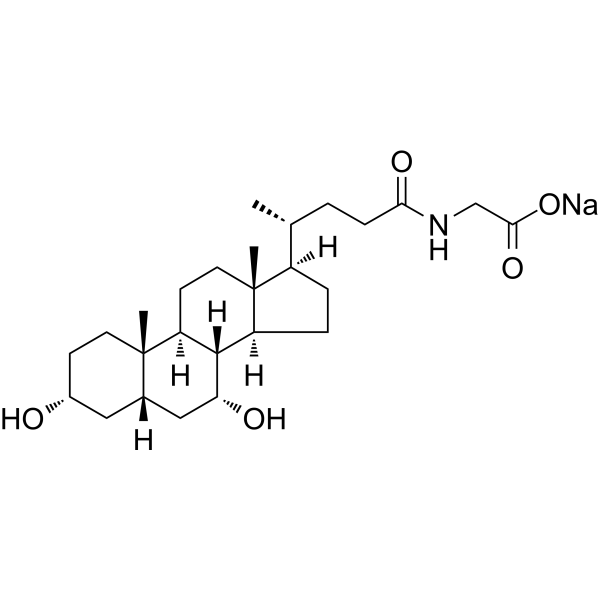
  • HY-N2334
    Glycochenodeoxycholic acid
    5 Publications Verification

    Chenodeoxycholylglycine

    Endogenous Metabolite Apoptosis STAT BCL6 Interleukin Related Caspase Metabolic Disease Cancer
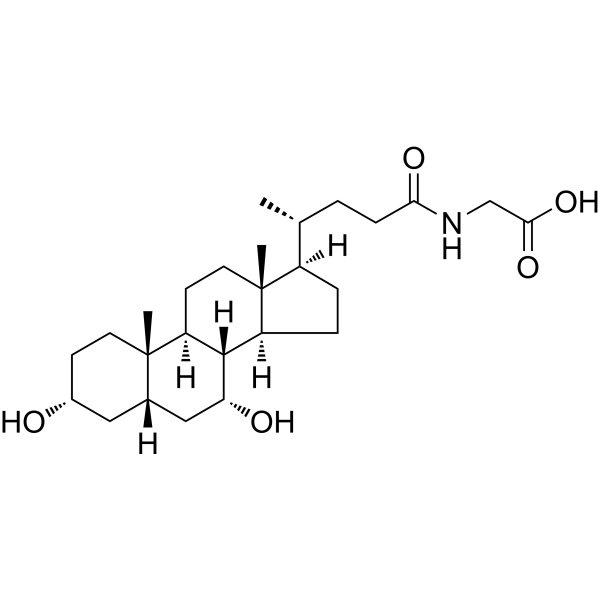
    Glycochenodeoxycholic acid (Chenodeoxycholylglycine) is a relatively toxic bile salt generated in the liver from chenodeoxycholic acid and glycine. Glycochenodeoxycholic acid inhibits Autophagosome formation and impairs lysosomal function by inhibiting lysosomal proteolysis and increasing lysosomal pH in human normal liver cells, leading to the Apoptosis of human hepatocyte cells. Glycochenodeoxycholic acid induces stemness and chemoresistance via activating STAT3 signaling pathway in hepatocellular carcinoma cells (HCC). Glycochenodeoxycholic acid is promising for research in the field of cholestasis desease, hepatocellular carcinoma and primary sclerosing cholangitis (PSC) .
    Glycochenodeoxycholic acid
  • HY-N2334A
    Glycochenodeoxycholic acid sodium salt
    5 Publications Verification

    Chenodeoxycholylglycine sodium salt; Sodium glycochenodeoxycholate

    Endogenous Metabolite Apoptosis STAT BCL6 Interleukin Related Caspase Metabolic Disease Cancer
    Glycochenodeoxycholic acid sodium salt (Sodium glycochenodeoxycholate) is a relatively toxic bile salt generated in the liver from chenodeoxycholic acid and glycine. Glycochenodeoxycholic acid sodium salt inhibits Autophagosome formation and impairs lysosomal function by inhibiting lysosomal proteolysis and increasing lysosomal pH in human normal liver cells, leading to the Apoptosis of human hepatocyte cells. Glycochenodeoxycholic acid sodium salt induces stemness and chemoresistance via activating STAT3 signaling pathway in hepatocellular carcinoma cells (HCC). Glycochenodeoxycholic acid sodium salt is promising for research in the field of cholestasis desease, hepatocellular carcinoma and primary sclerosing cholangitis (PSC) .
    Glycochenodeoxycholic acid sodium salt
  • HY-164992
    Trastuzumab vedotin
    2 Publications Verification

    MRG002; Trastuzumab MMAE

    Antibody-Drug Conjugates (ADCs) EGFR Microtubule/Tubulin Cancer
    Trastuzumab vedotin (MRG002; Trastuzumab MMAE) is an antibody-drug conjugate and cytotoxin targeting HER2, with a Kd of 7.50E-11 M for human HER2. After binding to HER2, Trastuzumab vedotin undergoes internalization and lysosomal trafficking, delivering a cytotoxic payload to HER2-expressing cells and inducing tumor regression in in vivo xenograft models with HER2-expressing tumors. The anti-tumor activity of Trastuzumab vedotin is enhanced when used in combination with anti-PD-1 antibodies, and it exhibits preclinical anti-tumor activity in drug-resistant breast cancer, gastric cancer, and urothelial carcinoma PDX models. Trastuzumab vedotin has low antibody-dependent cellular cytotoxicity activity and can be used in studies related to HER2-positive breast cancer, HER2-positive gastric cancer, and unresectable locally advanced or metastatic HER2-positive urothelial carcinoma .
    Trastuzumab vedotin
  • HY-N2144
    7,4'-Di-O-methylapigenin
    2 Publications Verification

    4',7-Dimethoxy-5-Hydroxyflavone

    Endogenous Metabolite Cancer
    7,4'-Di-O-methylapigenin (4',7-Dimethoxy-5-Hydroxyflavone) is a flavonoid present in Lethedon tannaensis. 7,4'-Di-O-methylapigenin exhibits cytotoxicity against human nasopharyngeal carcinoma cells .
    7,4'-Di-O-methylapigenin
  • HY-149136

    Integrin TGF-beta/Smad Inflammation/Immunology
    MORF-627 is a highly selective, orally active integrin αvβ6 inhibitor. By blocking TGF-β1 activation and pSMAD2 signaling, MORF-627 significantly reduces collagen deposition, epithelial-mesenchymal transition markers, and structural changes in fibrotic cells. MORF-627 exhibits significant antifibrotic efficacy without genotoxicity in idiopathic pulmonary fibrosis models. However, MORF-627 induces bladder epithelial proliferation and early invasive urothelial carcinoma in cynomolgus monkeys and human cells, and this toxic effect can be reversed by exogenous TGF-β. MORF-627 can be used for studying the pathological mechanisms of pulmonary fibrosis and evaluating drug safety .
    MORF-627
  • HY-P99262

    BAX69; Anti-human MIF Recombinant Antibody

    Macrophage migration inhibitory factor (MIF) Cancer
    Imalumab (BAX69) is a recombinant, human IgG1 monoclonal antibody that targets macrophage inhibitory factor (MIF). Imalumab can be used for the research of ovarian carcinoma, recurrent malignant ascites and cancer .
    Imalumab
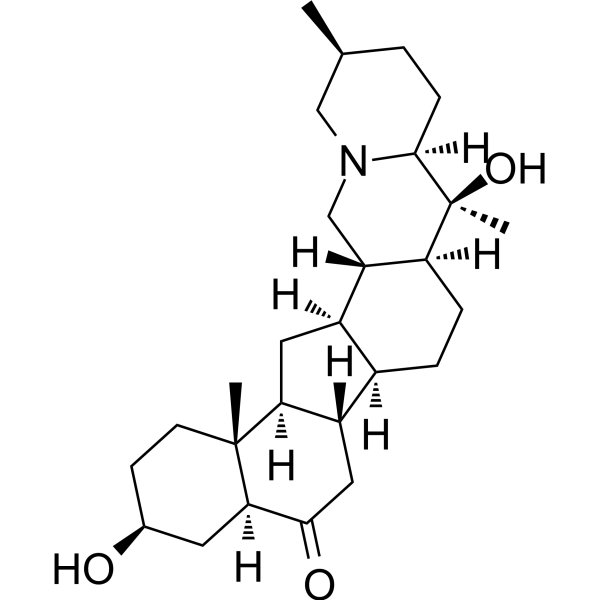
  • HY-N0128
    Sclareol
    3 Publications Verification

    Environmental Pollutants Apoptosis Cancer
    Sclareol is isolated from Salvia sclarea with anticarcinogenic activity. Sclareol shows strong cytotoxic activity against mouse leukemia (P-388), human epidermal carcinoma (KB) cells and human leukemia cell lines. Sclareol induces cell apoptosis .
    Sclareol
  • HY-N1511
    Ganoderic acid D
    2 Publications Verification

    Sirtuin Apoptosis Cancer
    Ganoderic acid D, a highly oxygenated tetracyclic triterpenoid, is the major active component of Ganoderma lucidum. Ganoderic acid D upregulates the protein expression of SIRT3 and induces the deacetylated cyclophilin D (CypD) by SIRT3. Ganoderic acid D inhibits the energy reprogramming of colon cancer cells including glucose uptake, lactate production, pyruvate and acetyl-coenzyme production in colon cancer cells . Ganoderic acid D induces HeLa human cervical carcinoma apoptosis .
    Ganoderic acid D
  • HY-N2123
    Neoliquiritin
    1 Publications Verification

    Caspase Neurological Disease Cancer
    Neoliquiritin is a flavonoid and flavanone-derived cytotoxic agent with anticancer activity and neuroprotective effects. Neoliquiritin exhibits excellent tumor specificity, exerting a more pronounced killing effect on cancer cells compared with normal oral cells. Neoliquiritin also exerts neuroprotective effects by inhibiting ATP depletion and the elevation of caspase 3/7 activity. Widely present in the roots of Glycyrrhiza uralensis, Glycyrrhiza inflata and Glycyrrhiza glabra, Neoliquiritin can be applied to studies on human oral squamous cell carcinoma, leukemia, Parkinson's disease and other conditions .
    Neoliquiritin
  • HY-16728
    Rapastinel
    1 Publications Verification

    GLYX-13

    iGluR ERK mTOR Neurological Disease Cancer
    Rapastinel (GLYX-13) is a potent NMDAR modulator capable of crossing the blood-brain barrier, and it exhibits extremely high affinity for human NMDAR (EC50=0.0017-9.9 nM). Rapastinel enhances ERK signaling and activates the mTOR pathway, thereby upregulating the expression of BDNF and VGF, and inducing significant neuroplastic changes such as enhanced LTP and increased mature dendritic spine density in the hippocampus. Rapastinel moderately elevates the efflux of dopamine, norepinephrine and 5-HT in the prefrontal cortex, and uniquely avoids side effects of traditional antidepressants such as dissociation, addiction or sedation. Rapastinel is applicable to the research of major depressive disorder and hepatocellular carcinoma .
    Rapastinel
  • HY-P99273

    TNF Receptor Cancer
    Vorsetuzumab (Anti-Human CD70 Recombinant Antibody) is a human anti-CD70 antibody. Vorsetuzumab enhances macrophage-related phagocytosis of renal carcinoma cells, shows inhibitory efficacy against Burkitt’s lymphoma .
    Vorsetuzumab
  • HY-W006395

    Nucleoside Antimetabolite/Analog Cancer
    1-Methylcytosine is a pyrimidinone that serves as a nucleobase for hachimoji DNA and pairs with isoguanine . 1-Methylcytosine exerts weak antiproliferative activity against cervical cancer cells. 1-Methylcytosine can be used in the research of cervical cancer .
    1-Methylcytosine
  • HY-N2135

    Apoptosis Caspase Bcl-2 Family Tyrosinase Metabolic Disease Cancer
    Puerarin 6''-O-Xyloside is one of the major iso-flavones found in P. lobata. Puerarin 6''-O-Xyloside inhibits cancer cells proliferation, induces apoptosis by upregulating cleaved caspase-3, 7, 9, Bax and downregulating Bcl-2 levles and inhibits tumor growth in mice. Puerarin 6''-O-Xyloside has anti-osteoporotic activity in ovariectomized mice. Puerarin 6''-O-Xyloside inhibits mushroom tyrosinase with an IC50 of 513.8 μM. Puerarin 6''-O-Xyloside can be used for the research of human lung carcinoma, osteoporosis, melanosis and melanomar .
    Puerarin 6''-O-Xyloside
  • HY-W017424

    Drug Intermediate Caspase Apoptosis Neurological Disease Cancer
    2-Aminobenzothiazole acts as a caspase 3/7 activator, an anticancer cytotoxic agent, and also exhibits neurotoxicity. 2-Aminobenzothiazole drives the apoptotic pathway by activating caspase 3/7, induces mitochondrial inner membrane depolarization, and triggers both early and late apoptosis via a caspase-dependent pathway. In zebrafish models, 2-Aminobenzothiazole induces oxidative damage in brain tissues and inhibits genes related to GABA and 5-HT synthesis pathways. Long-term exposure to 2-Aminobenzothiazole impairs motor ability, social behavior, anxiety-like state and cognitive function. 2-Aminobenzothiazole can be used in studies of human laryngeal carcinoma and related neurotoxicity .
    2-Aminobenzothiazole
  • HY-112411

    EGFR ERK PDGFR FGFR Neurological Disease Inflammation/Immunology
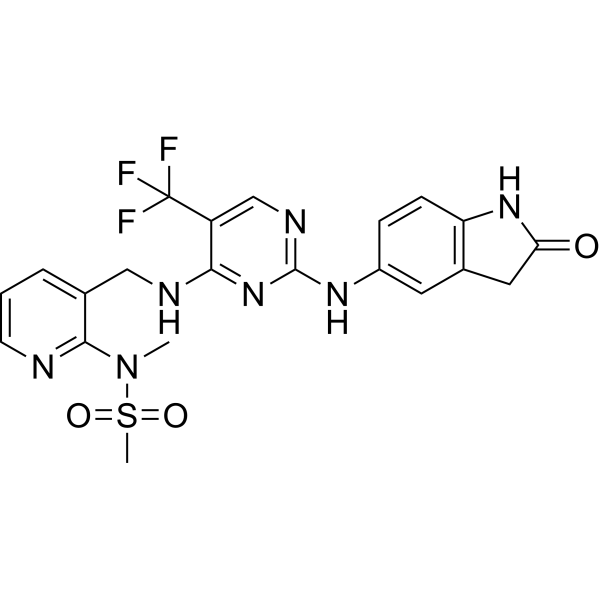
    PD 174265 is a highly selective, reversible EGFR/ErbB2 tyrosine kinase inhibitor (IC50=0.45 nM) and cell differentiation inducer. By blocking receptor autophosphorylation and the downstream ERK signaling pathway (with an IC50 of 0.45 μM for full-length ERK), PD 174265 effectively inhibits tumor growth and exhibits antitumor activity without obvious toxicity in in vivo models. PD 174265 drives oligodendrocyte precursor cells to switch from a proliferative state to a differentiated state, significantly upregulates the expression of myelin proteins such as CNP, PLP and MBP, and induces neurite branching. PD 174265 shows no inhibitory effect on other kinases including insulin, PDGF and basic FGF receptors, and serves as a crucial tool molecule for investigating the treatment of human epidermoid carcinoma and the mechanism of myelin repair in multiple sclerosis .
    PD 174265
  • HY-150750A

    Toll-like Receptor (TLR) Apoptosis Interleukin Related TNF Receptor IFNAR Inflammation/Immunology Cancer
    ODN M362 sodium is a TLR9 agonist that acts as a vaccine adjuvant. ODN M362 sodium activates mouse splenocytes, induces apoptosis in human hepatocellular carcinoma cells, upregulates proinflammatory cytokines in human hepatocellular carcinoma cells, and inhibits the proliferation of human hepatocellular carcinoma cells. ODN M362 sodium upregulates the expression of TLR9/TLR6, activates downstream signaling pathways via IRAK4 and IRF7, and strongly amplifies antigen-specific cellular immune responses to participate in innate immune activation. ODN M362 sodium can be used in research related to hepatocellular carcinoma and breast cancer .
    ODN M362 sodium
  • HY-P99353
    Ascrinvacumab
    2 Publications Verification

    Anti-ACVRL1 / ALK-1 Reference Antibody (ascrinvacumab); PF-03446962; GT-90001C

    Anaplastic lymphoma kinase (ALK) Cancer
    Ascrinvacumab (PF-03446962) is a human IgG2 monoclonal antibody targets ALK-1. Ascrinvacumab shows binding efficiency with human ALK1 with a Kd value of 7 nM. Ascrinvacumab can be used for the research of hepatocellular carcinoma (HCC) .
    Ascrinvacumab
  • HY-N15388

    Drug Derivative Cancer
    Hericenone A is an isoindolinone found in the fruiting bodies of Hericium erinaceus. Hericenone A exerts cytotoxic activity against cancer cells. Hericenone A can be used for the research of cancer, such as metastatic human hepatocellular carcinoma .
    Hericenone A
  • HY-119715

    CDK Apoptosis Inflammation/Immunology Cancer
    AG-012986 is a pan-CDK inhibitor with Ki values of 44 nM (CDK1), 9.2 nM (CDK4), 94 nM (CDK2), and IC50 values of 22 nM (CDK5), 4 nM (CDK9). AG-012986 causes apoptosis of T-cells by targeting upstream kinases in the p38 Mitogen-activated protein kinase (MAPK) pathway and impairing cellular survival. AG-012986 induces cell cycle arrest, retinoblastoma protein hypophosphorylation, and reduces Ki-67 expression. AG-012986 exerts antiproliferative activity in tumor cells, demonstrates antitumor efficacy in human xenograft models, and causes retinal and peripheral neurotoxicity, plus immune cell toxicity. AG-012986 can be used for the research of colon carcinoma, non-small cell lung carcinoma, lung carcinoma, breast carcinoma, ovarian tumor, pancreatic carcinoma, osteosarcoma, lymphoma, leukemia, retinotoxicity .
    AG-012986
  • HY-108659

    P2Y Receptor Interleukin Related NF-κB Reactive Oxygen Species (ROS) Inflammation/Immunology
    NF340 is a P2Y11 receptor inhibitor with a pIC50 of 7.3-7.7 against human P2Y11 receptor, and it exhibits high selectivity over other P2Y family receptors. NF340 binds to the ATP-binding amino acid residues of the P2Y11 receptor to inhibit its activity, block nociceptive activity, and reduce spinal dorsal horn P2Y11 receptor upregulation induced by spinal nerve injury. NF340 attenuates the NFκB signaling pathway activated by IL-1β by decreasing IκBα phosphorylation, nuclear p65 accumulation, and NFκB promoter activity. NF340 inhibits IL-1β-induced pro-inflammatory cytokine expression, reduces intracellular ROS and 4-HNE levels, and suppresses IL-1β-induced matrix metalloproteinase expression in primary fibroblast-like synoviocytes. NF340 inhibits ATP-induced elevation of intracellular Ca 2+ concentration and cell migration in human hepatocellular carcinoma cells. NF340 can be used in the research of neuropathic pain, myocardial ischemia/reperfusion injury, inflammatory pain, rheumatoid arthritis, and hepatocellular carcinoma .
    NF340
  • HY-14653

    TAC-101; Am 555S

    RAR/RXR Apoptosis Cancer
    Amsilarotene (TAC-101; Am 555S), an orally active synthetic retinoid, has selective affinity for retinoic acid receptor α (RAR-α) binding with Ki of 2.4, 400 nM for RAR-α and RAR-β. Amsilarotene induces the apoptotic of human gastric cancer, hepatocellular carcinoma and ovarian carcinoma cells. Amsilarotene can be used for the research of cancer .
    Amsilarotene
  • HY-P99318

    LT 1009; Anti-human S1P Recombinant Antibody

    LPL Receptor Cancer
    Sonepcizumab (LT 1009) is a fully human anti-S1P monoclonal antibody. Sonepcizumab has the potential for the research of metastatic renal cell carcinoma (mRCC) .
    Sonepcizumab
  • HY-118762

    Cathepsin Cancer
    KGP94 is a selective inhibitor of cathepsin L with an IC50 of 189 nM . KGP94 inhibits migration and invasion of metastatic carcinoma and shows low cytotoxicity (GI50=26.9 µM) against various human cell lines .
    KGP94
  • HY-P990661

    c-Met/HGFR ERK PERK Cancer
    SAIT-301 is a Met-targeting monoclonal antibody. SAIT-301 inhibits Met activation, induces downregulated expression of phosphorylated Met(p-Met) and phosphorylated ERK(p-ERK), and reduces EGR-1 expression. SAIT-301 inhibits the migration and invasion of nasopharyngeal carcinoma cells. SAIT-301 is applicable to relevant research on nasopharyngeal carcinoma. For the isotype control of SAIT-301, refer to Human IgG1 kappa, Isotype Control (HY-P99001) .
    SAIT-301
  • HY-P2302

    Antibiotic Bacterial Fungal Infection Inflammation/Immunology Cancer
    Defensin HNP-3 human is an α-defensin stored in the azurophilic granules of human neutrophils. Defensin HNP-3 human exerts broad-spectrum bactericidal, antifungal and antiviral activities mainly by forming bacterial membrane pores, and acts as a chemoattractant for monocytes and T cells. Defensin HNP-3 human maintains epithelial integrity to support periodontal tissue homeostasis, and exerts concentration-dependent effects on epithelial cell proliferation, adhesion and bacterial adhesion. Defensin HNP-3 human targets solid tumors and leukemia by inducing single-strand DNA breaks and membrane permeabilization in tumor cells via electrostatic binding and pore formation. Defensin HNP-3 human is abundant in human tongue squamous cell carcinoma and neutrophils infiltrating oral squamous cell carcinoma. Defensin HNP-3 human can be applied to research related to periodontitis and human tongue squamous cell carcinoma .
    Defensin HNP-3 human
  • HY-115590

    Pim Caspase Apoptosis Necroptosis PARP NF-κB Cancer
    JP-11646 is a pan-PIM inhibitor with increased potency against PIM2 (IC50 = 0.5 nM). JP11646 is freely reversible and ATP non-competitive. JP-11646 results in a decrease of PIM1, 2, and 3 mRNA. JP-11646 can effectively inhibit cell viability in small cell lung cancer (SCLC) and large cell neuroendocrine carcinomas of the lung (LCNEC). JP-11646 can cause a decrease in p-4EBP-1 protein, increasing the cleavage of caspases while decreasing caspase-3. JP-11646 induces apoptosis or necroptosis in cells. JP-11646 leads to reductions in MYC paralogs. JP-11646 can be used for the study of SCLC, LCNEC, human acute leukemia (AML), multiple myeloma (MM), and triple-negative breast cancer (TNBC) .
    JP-11646
  • HY-N2334R

    Chenodeoxycholylglycine (Standard)

    Reference Standards Endogenous Metabolite Apoptosis STAT BCL6 Interleukin Related Caspase Metabolic Disease Cancer
    Glycochenodeoxycholic acid (Standard) is the analytical standard of Glycochenodeoxycholic acid. This product is intended for research and analytical applications. Glycochenodeoxycholic acid (Chenodeoxycholylglycine) is a relatively toxic bile salt generated in the liver from chenodeoxycholic acid and glycine. Glycochenodeoxycholic acid inhibits Autophagosome formation and impairs lysosomal function by inhibiting lysosomal proteolysis and increasing lysosomal pH in human normal liver cells, leading to the Apoptosis of human hepatocyte cells. Glycochenodeoxycholic acid induces stemness and chemoresistance via activating STAT3 signaling pathway in hepatocellular carcinoma cells (HCC). Glycochenodeoxycholic acid is promising for research in the field of cholestasis desease, hepatocellular carcinoma and primary sclerosing cholangitis (PSC)[1][2][3][4].
    Glycochenodeoxycholic acid (Standard)
  • HY-N2334AR

    Chenodeoxycholylglycine sodium salt (Standard); Sodium glycochenodeoxycholate (Standard)

    Reference Standards Endogenous Metabolite Apoptosis STAT BCL6 Interleukin Related Caspase Metabolic Disease Cancer
    Glycochenodeoxycholic acid sodium salt (Standard) is the analytical standard of Glycochenodeoxycholic acid sodium salt. This product is intended for research and analytical applications. Glycochenodeoxycholic acid sodium salt (Sodium glycochenodeoxycholate) is a relatively toxic bile salt generated in the liver from chenodeoxycholic acid and glycine. Glycochenodeoxycholic acid sodium salt inhibits Autophagosome formation and impairs lysosomal function by inhibiting lysosomal proteolysis and increasing lysosomal pH in human normal liver cells, leading to the Apoptosis of human hepatocyte cells. Glycochenodeoxycholic acid sodium salt induces stemness and chemoresistance via activating STAT3 signaling pathway in hepatocellular carcinoma cells (HCC). Glycochenodeoxycholic acid sodium salt is promising for research in the field of cholestasis desease, hepatocellular carcinoma and primary sclerosing cholangitis (PSC) .
    Glycochenodeoxycholic acid sodium salt (Standard)
  • HY-103257

    NSC656158

    Microtubule/Tubulin Cancer
    CHM-1, a microtubule-destabilizing agent, inhibits tubulin polymerization. CHM-1 is a potent and selective antimitotic antitumor activity against human hepatocellular carcinoma. CHM-1 induces growth inhibition and apoptosis via G2-M phase arrest in human hepatocellular carcinoma cells by activation of Cdc2 kinase activity .
    CHM-1
  • HY-N10203

    Endogenous Metabolite Cancer
    Rostratin A is a cytotoxic disulfide found in the marine-derived fungus Exserohilum rostratum. Rostratin A shows in vitro cytotoxicity against human colon carcinoma (HCT-116) with an IC50 of 8.5 μg/mL .
    Rostratin A
  • HY-N1261

    Others Cancer
    Scutebarbatine B shows significant cytotoxic activities against three human cancer lines, namely, HONE-1 nasopharyngeal, KB oral epidermoid carcinoma, and HT29 colorectal carcinoma cells, with IC50 values in the range 3.5-8.1 mM [1]<
    Scutebarbatine B
  • HY-N11546

    Cytochrome P450 Bacterial Fungal Infection Cancer
    Sapindoside B is a substance with hepatoprotective activity, and also acts as a cytochrome P-450 (cytochrome P-450) inhibitor, antibacterial agent and membrane-disrupting agent. Sapindoside B reversibly inhibits the content of cytochrome P-450 in liver microsomes, suppresses the phenobarbital-induced increase in enzyme content, reduces the production of active metabolites mediated by cytochrome P-450, and alleviates hepatotoxic injury. Sapindoside B binds to Cutibacterium acnes lipase, reduces lipase activity, inhibits biofilm formation, and decreases bacterial adhesion. Sapindoside B exhibits cytotoxicity against human cancer, liver cancer, leukemia and glioblastoma cells. Sapindoside B inhibits mycelial growth of phytopathogenic fungal strains, possesses antibacterial activity against dermatophytes, and also has hemolytic/membrane-lytic activity. Sapindoside B can be used in research related to liver injury, Cutibacterium acnes biofilm-associated infections, gastric cancer, carcinoma, promyelocytic leukemia, glioblastoma, apple scab and grape gray mold .
    Sapindoside B
  • HY-N10985

    Drug Derivative Cancer
    Xanthone V1a, a derivative of Xanthone (HY-N0126), is an antioxidant that can be found in the roots of Cudrania tricuspidata and twig extracts of Maclura fruticosa. Xanthone V1a exerts cytotoxic effects against colon, hepatocellular, and gastric carcinoma cells. Xanthone V1a exhibits scavenging activitys against DPPH and ABTS. Xanthone V1a can be used for the research of colon carcinoma, hepatocellular carcinoma, and gastric carcinoma .
    Xanthone V1a
  • HY-19015

    AT-2153

    Calmodulin Cancer
    Probimane (AT-2153) is a potent anticancer agent. Probimane is effective against mouse tumors S37, S180, Lewis lung carcinoma, L1210 and human pulmonary adenocarcinoma heterotransplanted into nude mice .
    Probimane
  • HY-W778423

    Dihydroxy Oxaliplatin-Pt(IV)

    Drug Intermediate Cancer
    [Pt(DACH)(OH)2(ox)] is a Pt(IV) derivative of Oxaliplatin (HY-17371) with two axial hydroxido ligands, used as a precursor for synthesizing Pt(IV)-HDAC inhibitor prodrugs. [Pt(DACH)(OH)2(ox)] exerts cytotoxic activity against human cancer cells and accumulates in cancer cells for nuclear internalization and nuclear DNA platination. [Pt(DACH)(OH)2(ox)] can be used for the research of lung carcinoma, breast carcinoma, pancreatic carcinoma, colon carcinoma .
    [Pt(DACH)(OH)2(ox)]
  • HY-N0882

    Deacetylcinobufotalin

    Apoptosis Bcl-2 Family Inflammation/Immunology Cancer
    Desacetylcinobufotalin is an active component isolated from Venenum Bufonis, which exhibits significant cytotoxicity against human hepatocellular carcinoma HepG2 cells (IC50 = 0.0279 µmol/mL). Desacetylcinobufotalin upregulates Bax protein expression, downregulates Bcl-2 protein expression, and induces apoptosis via the mitochondrial pathway. Desacetylcinobufotalin inhibits cancer cell survival, and shows lower cytotoxicity compared to its parent compound Cinobufagin (HY-N0421). Desacetylcinobufotalin can be used in hepatocellular carcinoma-related research .
    Desacetylcinobufotalin
  • HY-121352

    Drug Derivative Cancer
    Kibdelone C is a hexacyclic tetrahydroxanthone natural product and anticancer agent with sub-nanomolar GI50 activity against human SR leukemia and SN12C renal carcinoma cell lines. Kibdelone C disrupts the actin cytoskeleton in human cancer cells, leading to cell contraction and actin stress fiber formation, without direct actin binding, actin polymerization effects, topoisomerase I/II inhibition, or DNA binding. Kibdelone C can be used for the research of leukemia, and renal cell carcinoma .
    Kibdelone C
  • HY-N1833

    Others Cancer
    3'-Geranyl-3-prenyl-2',4',5,7-tetrahydroxyflavone displays cytotoxicity of 1.32, 3.92 and 5.22 μm against the human cervical carcinoma HeLa, human breast carcinoma MCF-7, and human hepatocarcinoma Hep3B cells .
    3'-Geranyl-3-prenyl-2',4',5,7-tetrahydroxyflavone
  • HY-121278

    Benzotriptum

    Cholecystokinin Receptor Inflammation/Immunology Cancer
    Benzotript (Benzotriptum) is a cholecystokinin-receptor (CCK) and gastrin receptor antagonist. Benzotript shows antiproliferative effects in human colon carcinoma cell lines .
    Benzotript
  • HY-178918

    Acetyl-CoA Carboxylase Cancer
    XZA-1 is a 3-hydroxyacyl-coenzyme A dehydrogenase (HADH) activator. XZA-1 increases the intracellular level of acetoacetyl-CoA, which in turn induces acetoacetylation modification of Chromobox Protein Homolog 4 (CBX4) at lysine 106 (K106). XZA-1 exhibits antitumor effects in a xenograft model of human hepatocellular carcinoma SMMC7721 cells overexpressing CBX4. XZA-1 can be used for the study of hepatocellular carcinoma .
    XZA-1
  • HY-155377

    Polo-like Kinase (PLK) p38 MAPK Cancer
    PLK1/p38γ-IN-1(compound 14) is a multitarget inhibitors ofPLK1andp38γ. PLK1/p38γ-IN-1inhibits the growth of human hepatocellular carcinoma and hepatoblastoma cells in vitro .
    PLK1/p38γ-IN-1
  • HY-170647

    Ras Cancer
    SEPT9-IN-1 (compound 8b) is a SEPT9 inhibitor with an IC50 value of 94.83 μM. SEPT9-IN-1 shows cytotoxicity to human oral squamous carcinomas with an IC50 value of 21 µM .
    SEPT9-IN-1
  • HY-N8394

    Others Cancer
    Eupatolide is an antitumor agent that can be isolated from Eupatorium formosanum. Eupatolide has cytotoxic activity and inhibits human epidermoid carcinoma of larynx cell growth in vitro .
    Eupatolide
  • HY-158309

    Aminotransferases (Transaminases) Cancer
    hOAT-IN-1 (compound 5) is a mechanical inhibitor of human ornithine aminotransferase (hOAT). hOAT-IN-1 as a time-dependent inhibitor can form tightly bound PLP inhibitor adduct with hOAT. hOAT-IN-1 can result IN tight occupation of the active site of hOAT. hOAT-IN-1 can be used in the study of lung cell carcinoma .
    hOAT-IN-1
  • HY-N6885

    Others Cancer
    Puerarin-4'-O-β-D-glucopyranoside (compound 8) is a isoflavone from Pueraria lobata root (PLR). Puerarin-4'-O-β-D-glucopyranoside has estrogenic activity and anti-proliferation of MCF-7 human breast carcinoma cells .
    Puerarin-4'-O-β-D-glucopyranoside
  • HY-162721

    Biochemical Assay Reagents Cancer
    Anticancer agent 242 (7) possesses anticancer activity in A2780 (IC50 = 0.24 μM, ovarian adenocarcinoma), A2780cis (IC50 = 0.45 μM, resistant derivative of A2780), CCD18Co (IC50 = 0.59 μM, non-malignant human fibroblasts), A549 (IC50 = 0.32 μM, lung carcinoma), HT29 (IC50 = 0.26 μM, colorectal adenocarcinoma), and MCF7 (IC50 = 0.55 μM, breast adenocarcinoma) .
    Anticancer agent 242
  • HY-N1511R

    Reference Standards Sirtuin Apoptosis Cancer
    Ganoderic acid D (Standard) is the analytical standard of Ganoderic acid D. This product is intended for research and analytical applications. Ganoderic acid D, a highly oxygenated tetracyclic triterpenoid, is the major active component of Ganoderma lucidum. Ganoderic acid D upregulates the protein expression of SIRT3 and induces the deacetylated cyclophilin D (CypD) by SIRT3. Ganoderic acid D inhibits the energy reprogramming of colon cancer cells including glucose uptake, lactate production, pyruvate and acetyl-coenzyme production in colon cancer cells . Ganoderic acid D induces HeLa human cervical carcinoma apoptosis .
    Ganoderic acid D (Standard)
  • HY-147852

    Raf Cancer
    B-Raf IN 7 (compound 6a) is a potent B-Raf inhibitor, with an IC50 of 110.23 nM. B-Raf IN 7 exhibits antitumor activity against colon carcinoma (HCT-116), mammary gland (MCF-7), hepatocellular carcinoma (HEPG-2), human cervical carcinoma (Hela) and human prostate cancer (PC-3) cells, with IC50 values of 7.50, 9.87, 10.57, 11.63 and 12.83 µM .
    B-Raf IN 7
  • HY-N11982

    Bacterial Infection Cancer
    Emeguisin A is a depsidone with an antibacterial activity. Emeguisin A inhibits the human colon carcinoma (HCT-116) cell viability with rate of 87.06% .
    Emeguisin A
  • HY-N10204

    Endogenous Metabolite Cancer
    Rostratin B, a cytotoxic disulfide, shows in vitro cytotoxicity against human colon carcinoma (HCT-116) with IC50 of 1.9 μg/mL .
    Rostratin B

Inquiry Online

Your information is safe with us. * Required Fields.

Salutation


Country or Region *

Applicant Name *


Organization Name *

Department *


Email Address *


Product Name *

Cat. No.


Requested quantity *

Phone Number *


Remarks

Inquiry Online

Inquiry Information

Product Name:
Cat. No.:
Quantity:
MCE Japan Authorized Agent:

