1. Search Result
Search Result
Results for "

ferroptosis

" in MedChemExpress (MCE) Product Catalog:

474

Inhibitors & Agonists

4

Screening Libraries

14

Fluorescent Dyes

8

Biochemical Assay Reagents

8

Peptides

4

MCE Kits

2

Inhibitory Antibodies

87

Natural
Products

30

Isotope-Labeled Compounds

14

Click Chemistry

7

Oligonucleotides

2

GMP Molecules

Targets Recommended:
Cat. No. Product Name Target Research Areas Chemical Structure
  • HY-114481
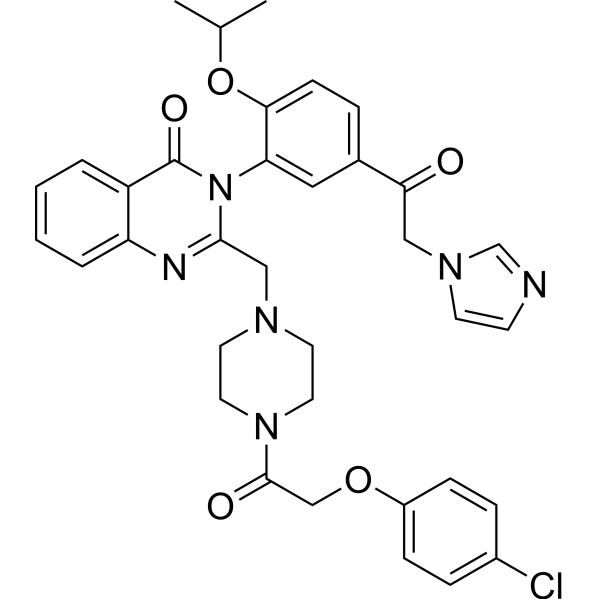
    Imidazole ketone erastin
    45+ Cited Publications

    IKE

    Ferroptosis Cancer
    Imidazole ketone erastin is a potent, selective, and metabolically stable inhibitor of the cystine-glutamate antiporter, system xc - and an activator of ferroptosis. Imidazole ketone erastin has anti-tumor activity .
    Imidazole ketone erastin
  • HY-136057
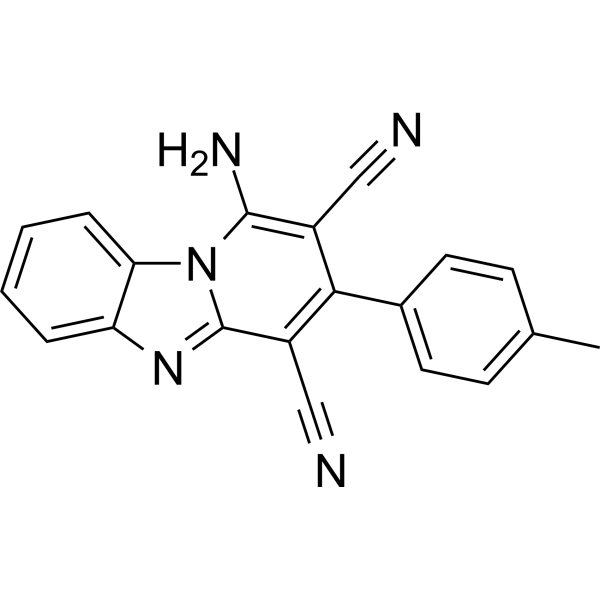
    iFSP1
    25+ Cited Publications

    Ferroptosis Ligands for Target Protein for PROTAC Cancer
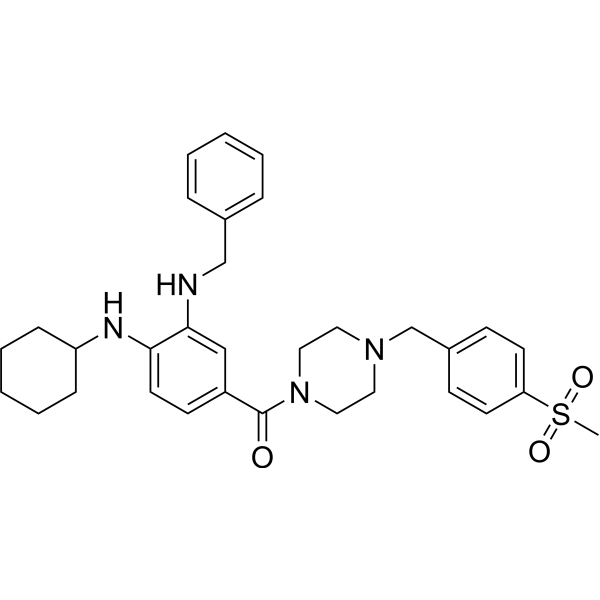
    iFSP1 is a potent, selective and glutathione-independent inhibitor of ferroptosis suppressor protein 1 (FSP1) (AIFM2) with an EC50 of 103 nM. iFSP1 selectively induces ferroptosis in GPX4-knockout cells which overexpressed FSP1. iFSP1 is able to sensitize a variety of human cancer cell lines to the ferroptosis inducer, such as (1S,3R)-RSL3 (HY-100218A) .
    iFSP1
  • HY-B1465

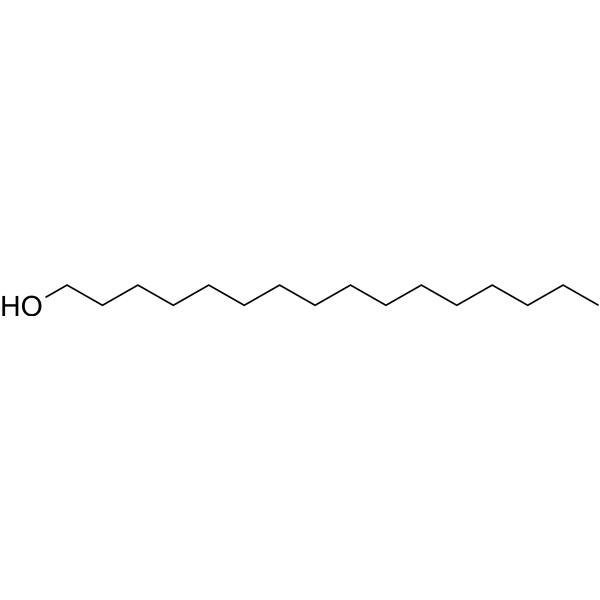
    Palmityl alcohol

    Environmental Pollutants Endogenous Metabolite Others
    1-Hexadecanol is a fatty alcohol, a lipophilic substrate. 1-Hexadecanol can be used for the research of ferroptosis .
    1-Hexadecanol
  • HY-N0070
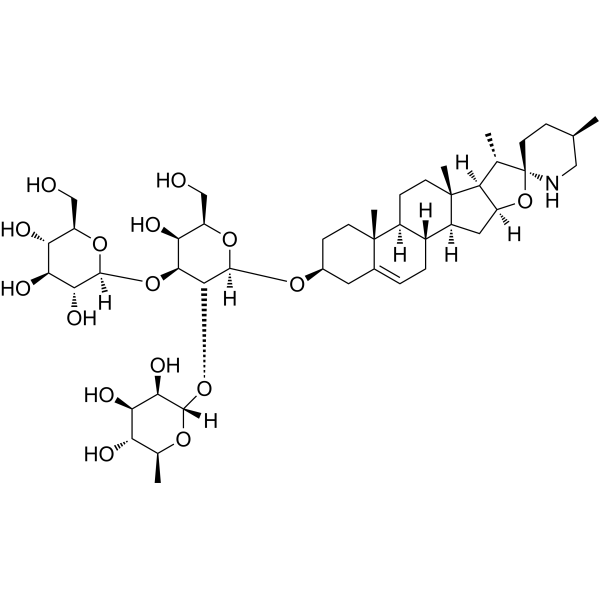
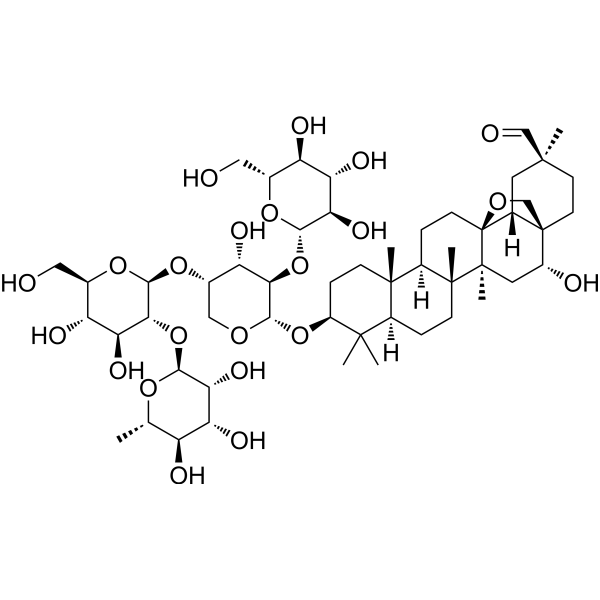
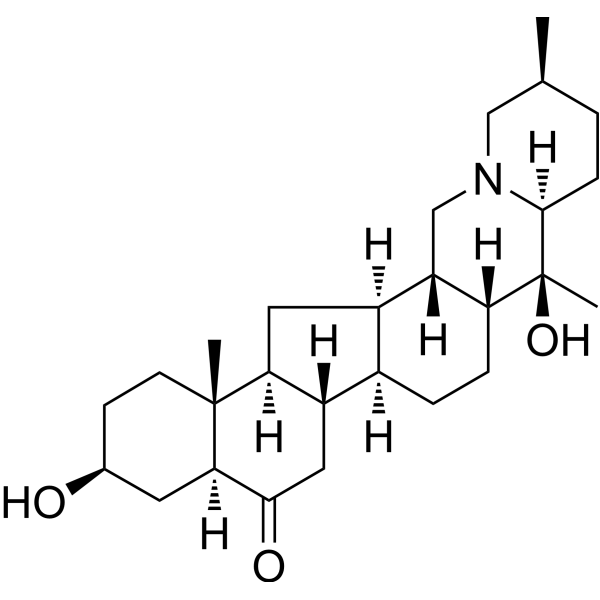
    Solasonine
    3 Publications Verification

    Ferroptosis Glutathione Peroxidase Reactive Oxygen Species (ROS) Cancer
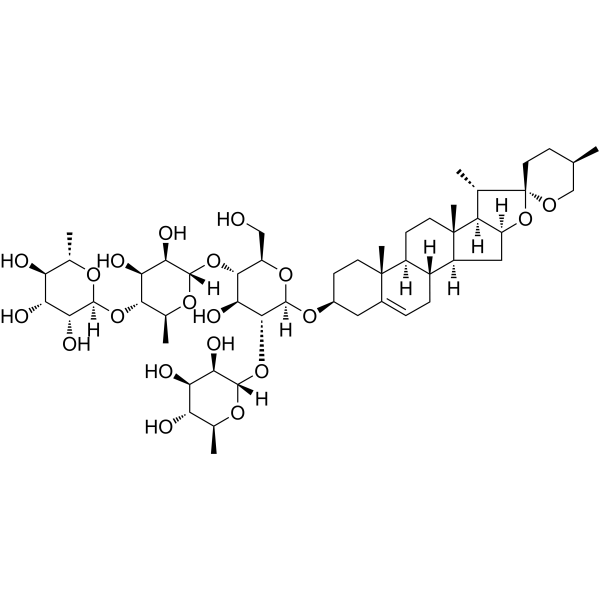
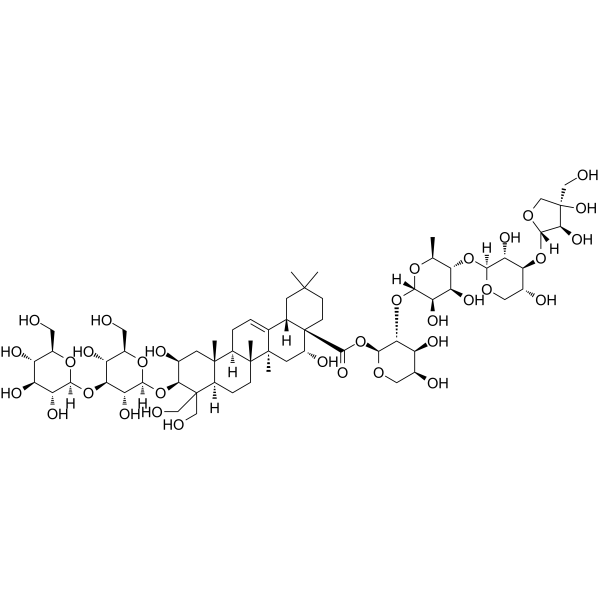
    Solasonine is a ferroptosis inducer which can be isolated from Solanum melongena that has anti-infection, anti-cancer, and neurogenesis promoting properties. Solasonine promotes ferroptosis of HCC cells via destruction of the glutathione redox system induced by inhibiting GPX4, and can be used for cancer research .
    Solasonine
  • HY-139087
    Erastin2
    5 Publications Verification

    Ferroptosis Metabolic Disease
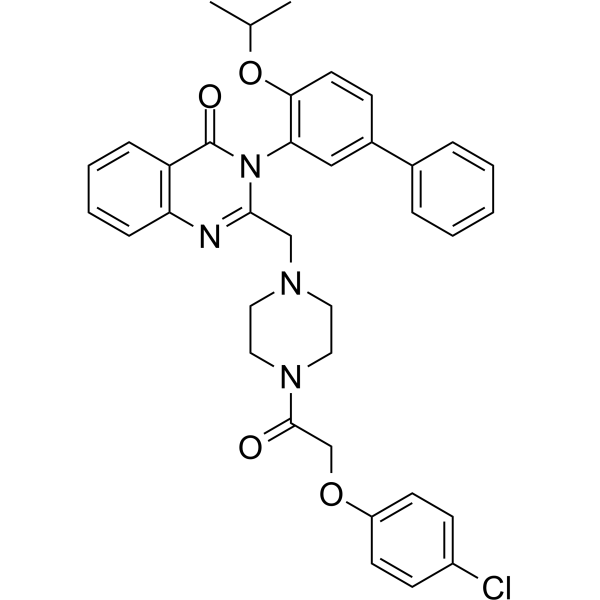
    Erastin2, an Erastin (HY-15763) analog, is a ferroptosis inducer and a potent, selective inhibitor of the system xc(-) cystine/glutamate transporter
    Erastin2
  • HY-W015273A
    trans-3-Indoleacrylic acid
    1 Publications Verification

    Endogenous Metabolite Ferroptosis Metabolic Disease Cancer
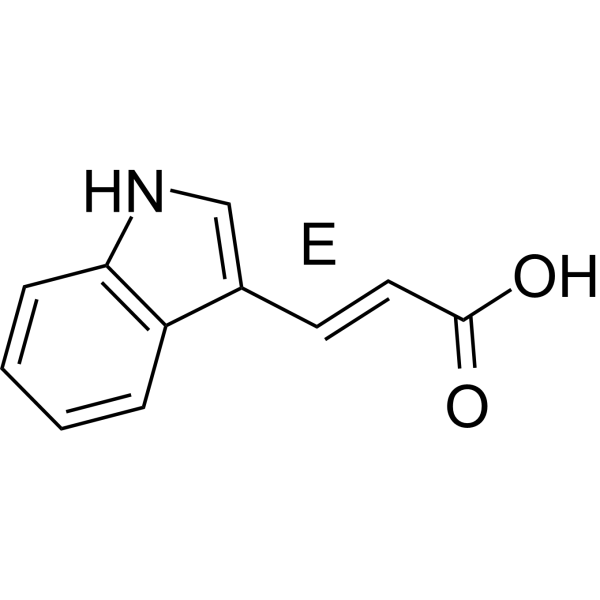
    Trans-3-Indoleacrylic acid is a tryptophan metabolite, which promotes tumor development through inhibition of RSL3 (HY-100218A) induced ferroptosis via AHR-ALDH1A3-FSP1-CoQ10 axis, and facilitates colorectal carcinogenesis
    trans-3-Indoleacrylic acid
  • HY-141809
    GPX4-IN-3
    2 Publications Verification

    Glutathione Peroxidase Ferroptosis Cancer
    GPX4-IN-3 (26a) is a potent glutathione peroxidase 4 (GPX4) inhibitor as a selective ferroptosis inducer. GPX4-IN-3 (26a) exhibits 71.7% inhibition for GPX4 with 1 μM .
    GPX4-IN-3
  • HY-162065
    N6F11
    1 Publications Verification

    Ferroptosis Cancer
    N6F11 is a selective ferroptosis inducer, and can selectively induce ferroptosis by targeting TRIM25-mediated GPX4 degradation in cancer cells while sparing immune cells. N6F11 initiates HMGB1-dependent antitumor immunity mediated by CD8 + T cells .
    N6F11
  • HY-157068

    Ferroptosis Glutathione Peroxidase Cancer
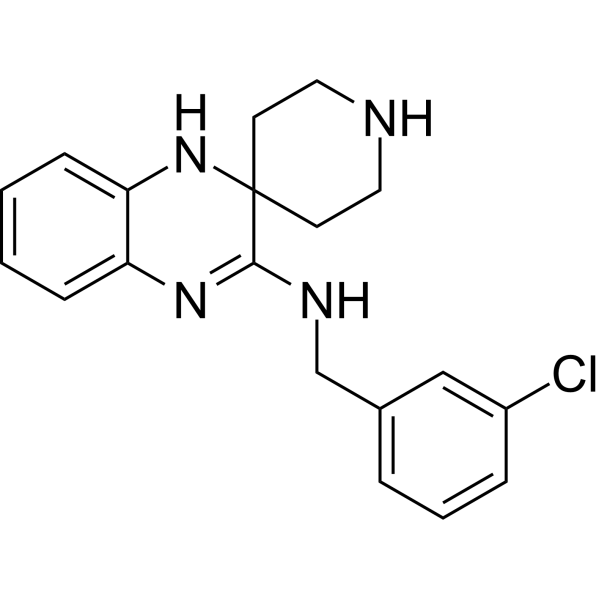
    icFSP1 is a potent ferroptosis suppressor protein-1 (FSP1) inhibitor. icFSP1 triggers subcellular relocalization of FSP1 from the membrane and FSP1 condensation, in synergism with GPX4 inhibition. icFSP1 induces ferroptosis. icFSP1 shows antitumor activity against melanoma. .
    icFSP1
  • HY-N11849
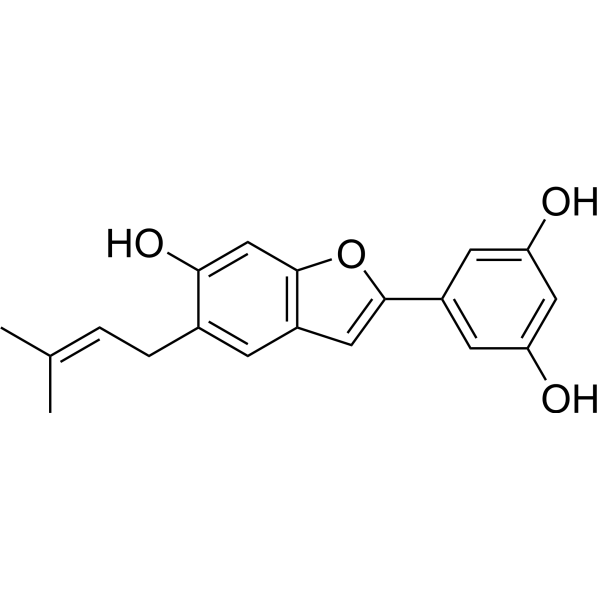
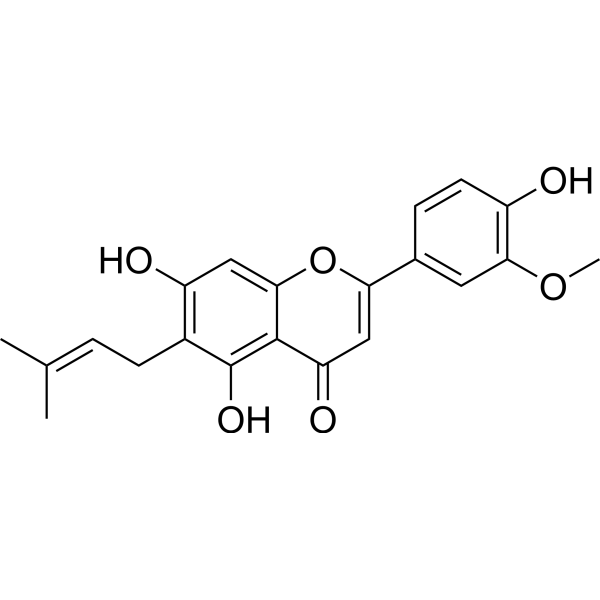
    Moracin N
    2 Publications Verification

    Ferroptosis Glutathione Peroxidase Neurological Disease
    Moracin N is a ferroptosis inhibitor that can be isolated from mulberry leaf. Moracin N exerts neuroprotective activity through preventing from oxidative stress .
    Moracin N
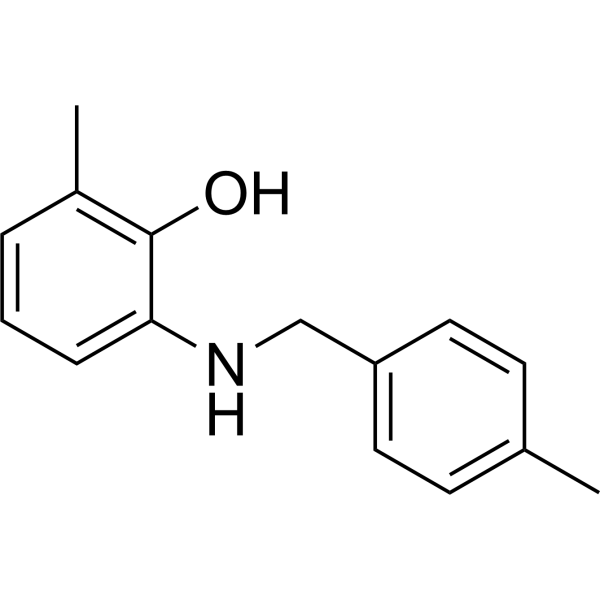
  • HY-W002942

    1,2,3,4-Tetrahydroquinolin-8-ol; 8-hydroxy-1,2,3,4-tetrahydroquinoline

    Ferroptosis Reactive Oxygen Species (ROS) Inflammation/Immunology
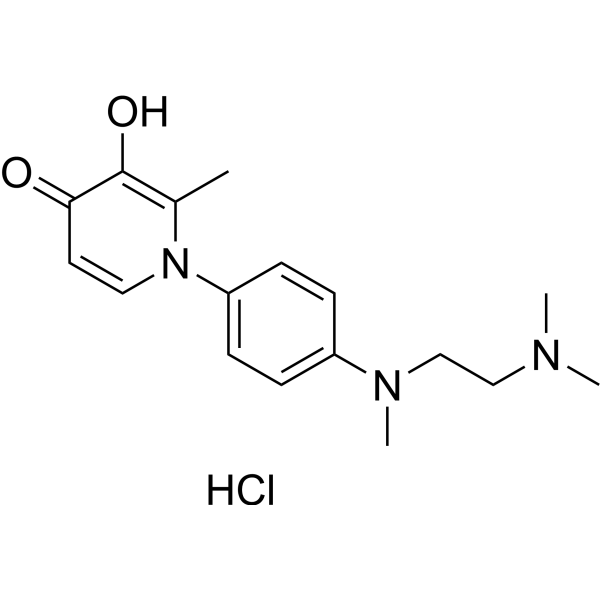
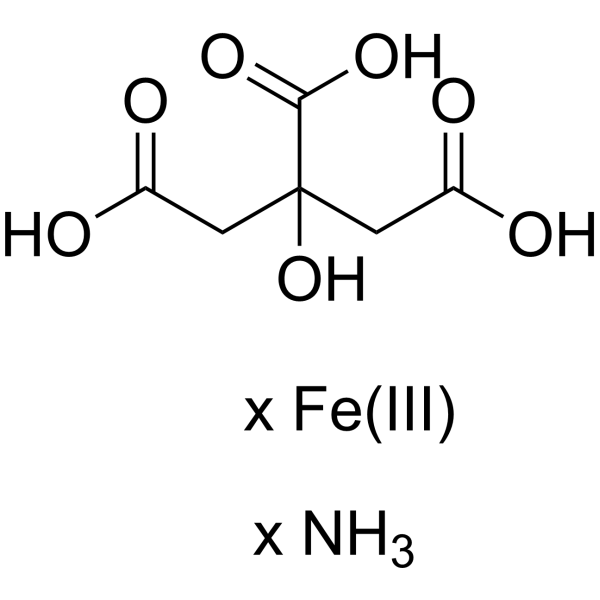
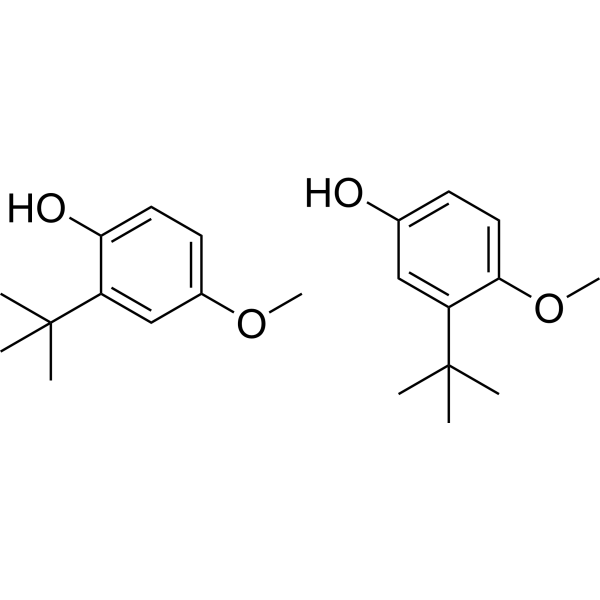
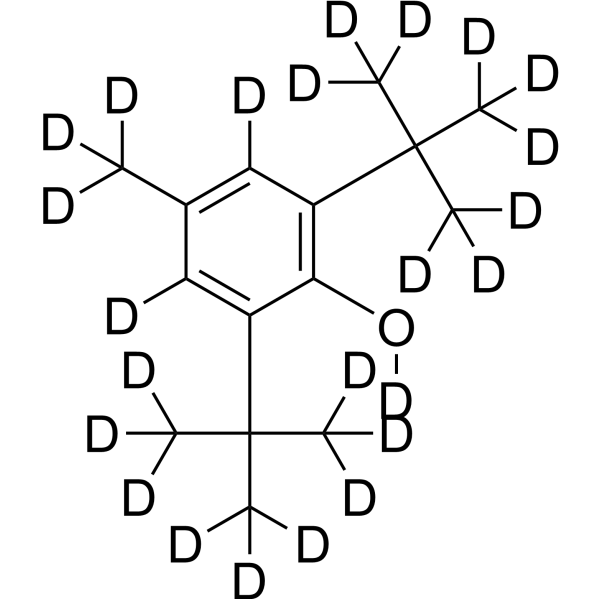
    Ferroptosis-IN-21 is a ferroptosis inhibitor that protects against renal I/R injury by suppressing ferroptosis and directly scavenging peroxyl radicals. Ferroptosis-IN-21 displays broad-spectrum anti-ferroptotic efficacy across multiple inducers in renal tubular epithelial cells, with nanomolar potency and robust suppression of lipid Reactive Oxygen Species (ROS). Ferroptosis-IN-21 significantly ameliorates renal I/R injury in mice, reducing histological damage, functional impairment, and inflammatory cytokine expression, while decreasing lipid peroxidation biomarkers such as 4-hydroxynonenal. Ferroptosis-IN-12 can be used for research in the field of ferroptosis-targeted drug development .
    Ferroptosis-IN-21
  • HY-D2878

    Fluorescent Dye Ferroptosis Others
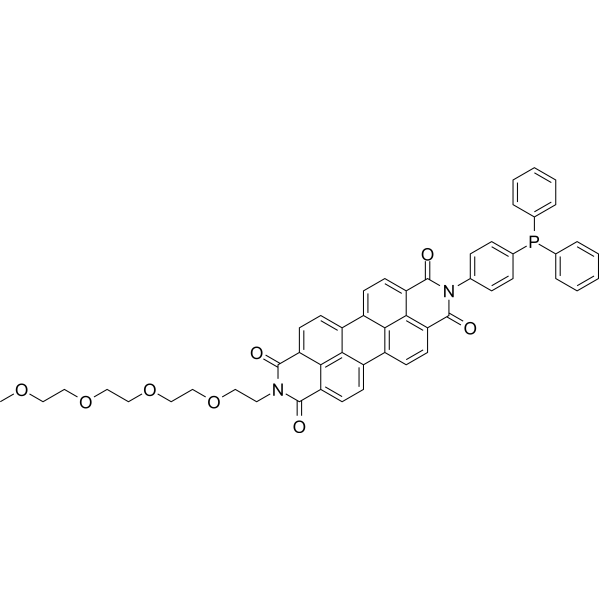
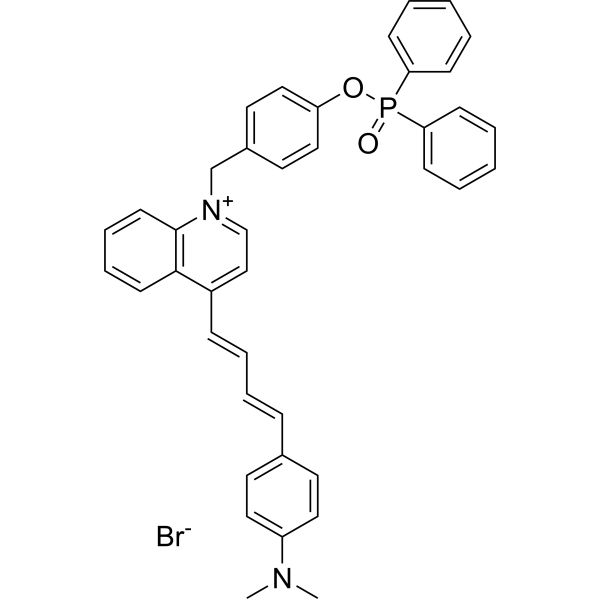
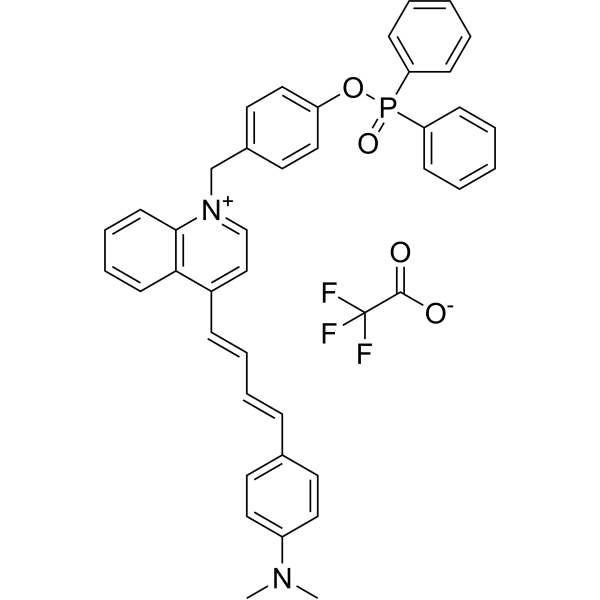
    MitoPeDPP is a mitochondrial-targeted fluorescent probe that is sensitive to LPO. MitoPeDPP is synthesized from diphenylpyrenephosphine. MitoPeDPP can be used to study the occurrence of mitochondrial LPO in RSL3-induced oligodendrocyte ferroptosis .
    MitoPeDPP
  • HY-161928

    Glutathione Peroxidase Ferroptosis Cancer
    GPX4 activator 1 (Compound A9) is a allosteric activator of GPX4 (Kd = 5.86 μM, EC50 = 19.19 μM). GPX4 activator 1 can selectively act on ferroptosis and prevent the accumulation of intracellular lipid peroxides caused by ferroptosis inducers .
    GPX4 activator 1
  • HY-100887
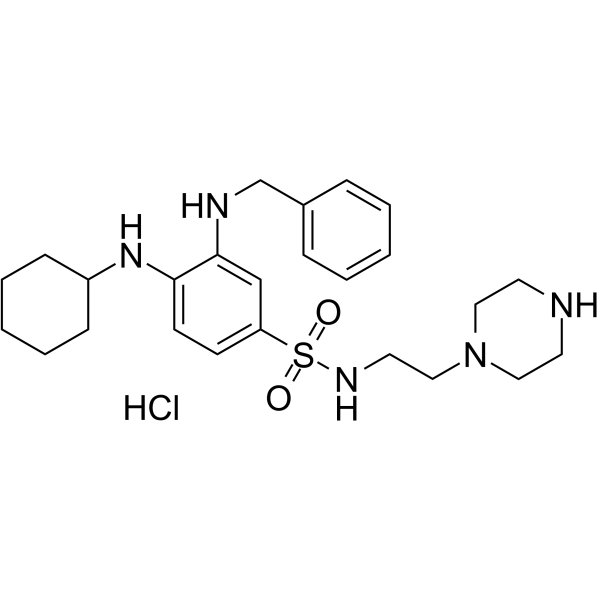
    Piperazine Erastin
    5+ Cited Publications

    Ferroptosis Cancer
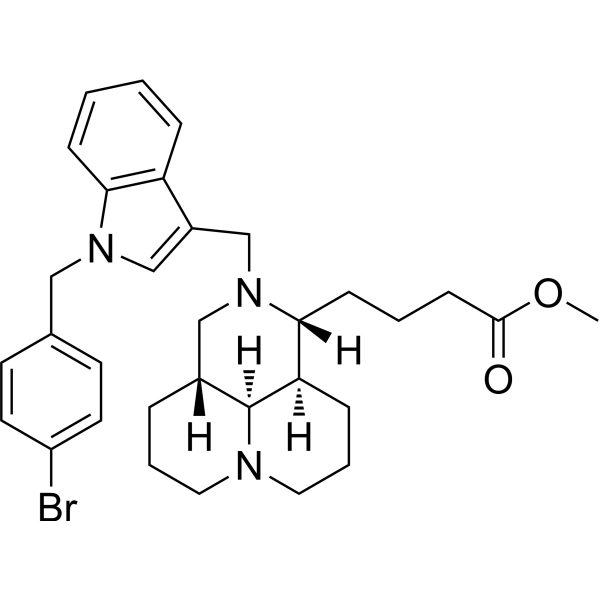
    Piperazine erastin is an analog of erastin which induces an iron-dependent form of non-apoptotic cell death, termed ferroptosis. Piperazine erastin can be used in cancer research .
    Piperazine Erastin
  • HY-163074

    Ferroptosis Cancer
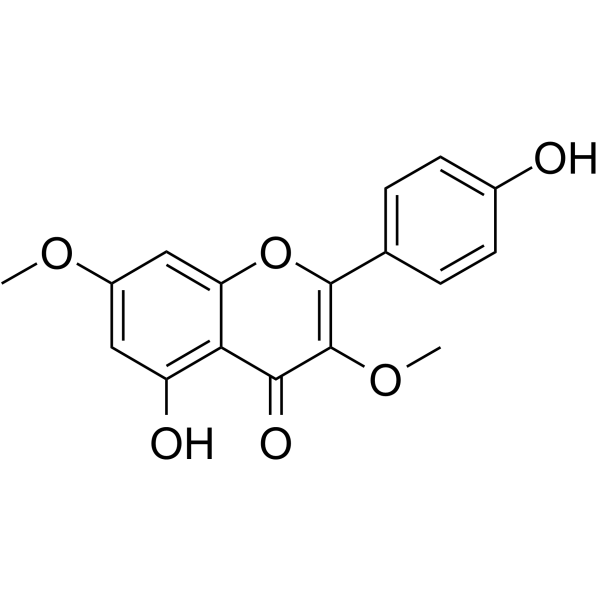
    Ferroptosis-IN-6 (compound 13) is a potent inhibitor of Ferroptosis with EC50 of 25.5 nM. Ferroptosis-IN-6 significantly inhibits RSL3-induced cell death in cells and in vivo .
    Ferroptosis-IN-6
  • HY-145595

    Ferroptosis Cancer
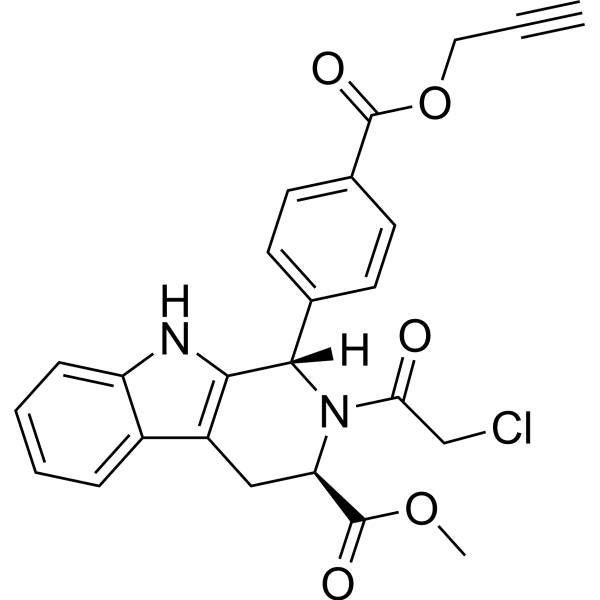
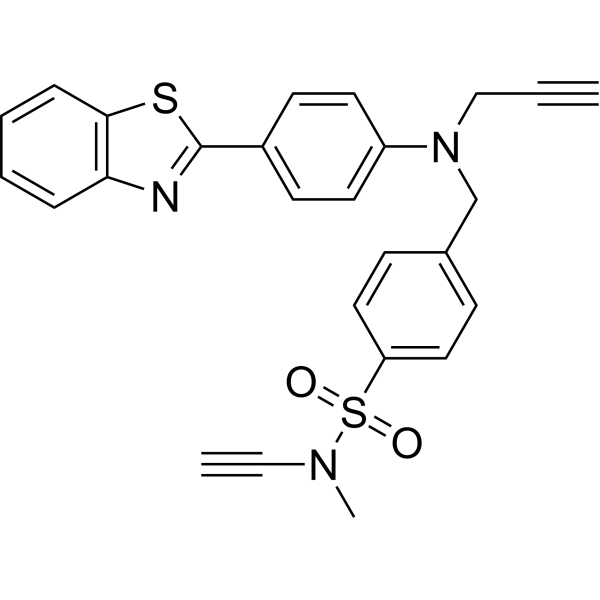
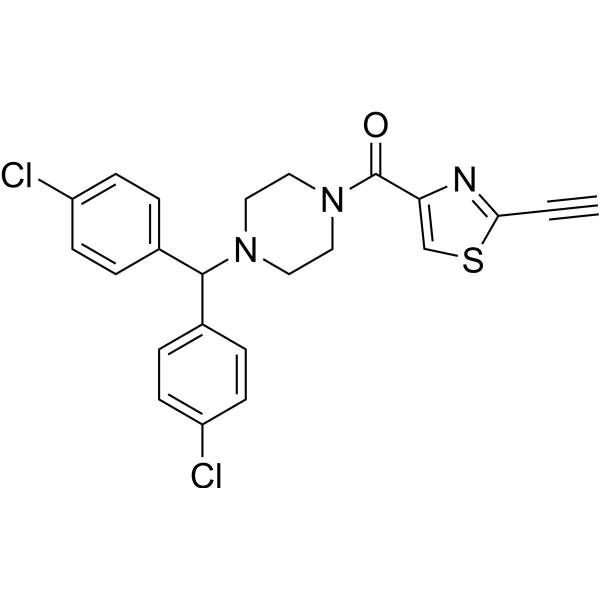
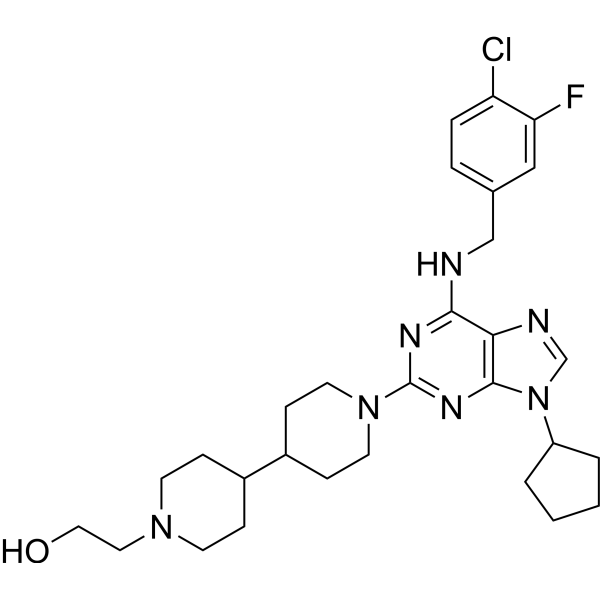
    Ferroptosis inducer-1 (compound BX-3a) is a Ferroptosis inducer with antitumor potential . Ferroptosis inducer-1 is a click chemistry reagent, it contains an Alkyne group and can undergo copper-catalyzed azide-alkyne cycloaddition (CuAAc) with molecules containing Azide groups.
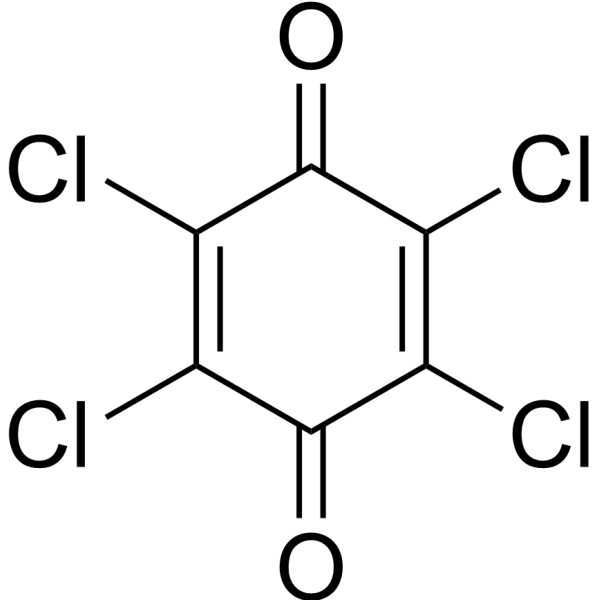
    Ferroptosis inducer-1
  • HY-139369
    QD394
    1 Publications Verification

    Reactive Oxygen Species (ROS) Cancer
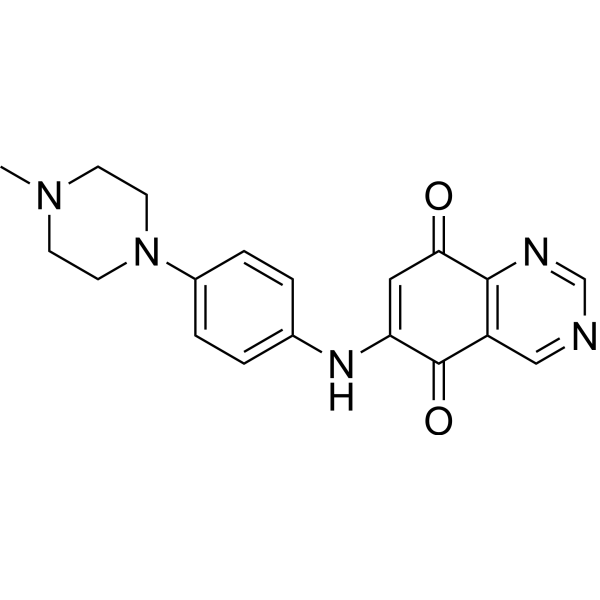
    QD394 is a reactive oxygen species (ROS) inducer that can induce lipid peroxidation, increase intracellular ROS accumulation, inhibit STAT3 phosphorylation, and induce ferroptosis .
    QD394
  • HY-175209

    Keap1-Nrf2 Ferroptosis Reactive Oxygen Species (ROS) Atg8/LC3 Cancer
    Nrf2-IN-4 is a Nrf2 inhibitor. Nrf2-IN-4 induces ferroptosis via NRF2 inhibition. Nrf2-IN-4 disrupts cellular iron homeostasis, facilitates ferritin degradation, and ultimately triggers ferroptosis. Nrf2-IN-4 induces lysosome activation by promoting iron-dependent ROS production and lysosomal acidification. Nrf2-IN-4 demonstrates significant antitumor efficacy. Nrf2-IN-4 can be used for the study of breast cancer .
    Nrf2-IN-4
  • HY-163654

    Ferroptosis Cancer
    Ferroptosis-IN-8 is a potent ferroptosis inhibitor with an EC50 of 40.49 nM. Ferroptosis-IN-8 effectively reduces lipid ROS levels in cells. Ferroptosis-IN-8 act as an antioxidant by capturing lipid radicals, leading to a reduction in the accumulation of harmful lipid peroxides and, ultimately, inhibiting ferroptosis .
    Ferroptosis-IN-8
  • HY-139001

    Glutathione Peroxidase Ferroptosis Others
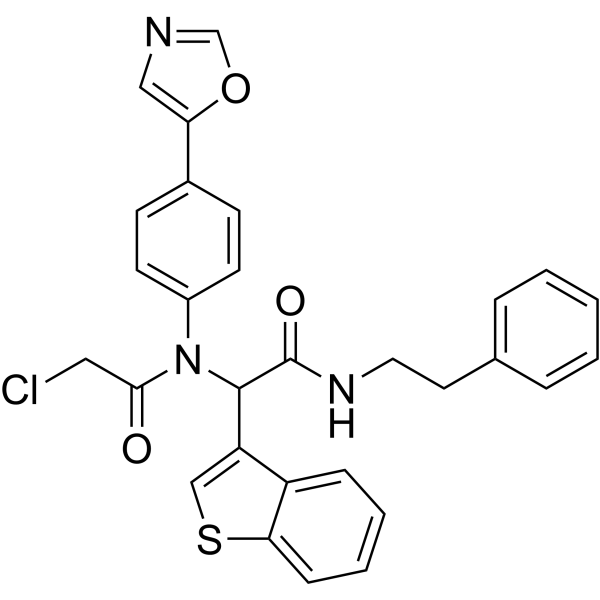
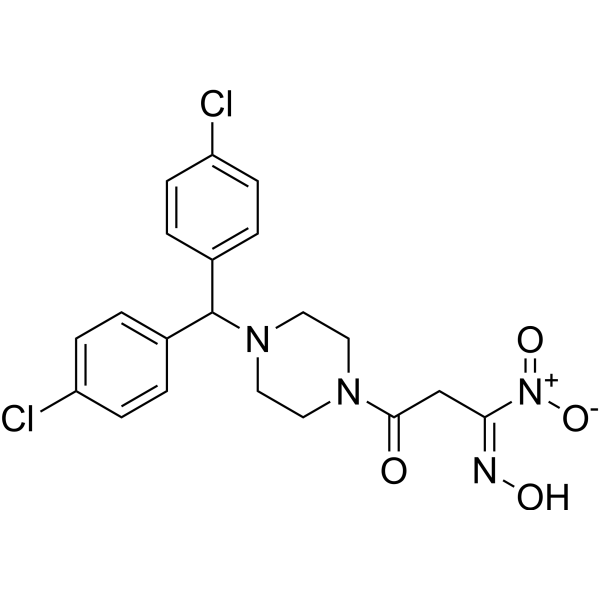
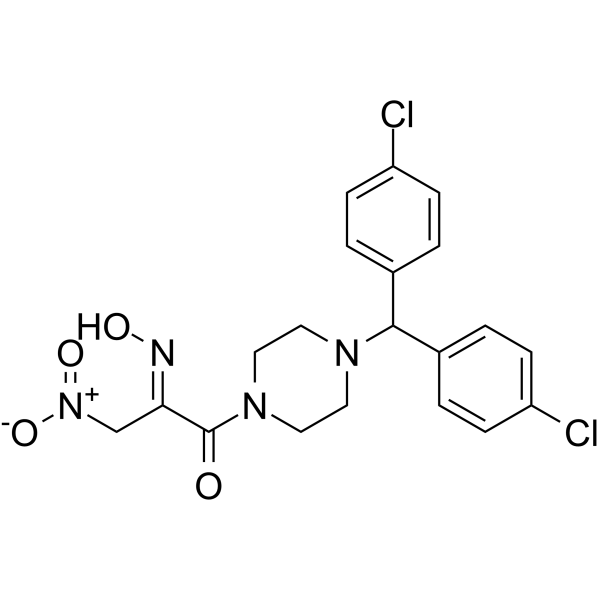
    JKE-1716 is a potent and selective nitrolic acid-containing GPX4 inhibitor. JKE-1716 is able of inducing ferroptosis selectively through covalent GPX4 inhibition .
    JKE-1716
  • HY-178364

    Glutathione Peroxidase Ferroptosis Lipoxygenase Reactive Oxygen Species (ROS) DNA/RNA Synthesis Cancer
    GPX4-IN-19 is an effective GPX4 inhibitor (IC50 = 0.311 μM), covalently binds to the Sec 46 site of GPX4. GPX4-IN-19 shows strong anti-proliferative activity with high ferroptosis selectivity. GPX4-IN-19 causes intracellular Fe 2+ accumulation, leading to increased levels of lipid peroxides (LPOs) and reactive oxygen species (ROS), which induces ferroptosis and subsequently results in DNA damage. GPX4-IN-19 can be used for the study of Triple-Negative Breast Cancer (TNBC) .
    GPX4-IN-19
  • HY-173313

    Ferroptosis Cardiovascular Disease
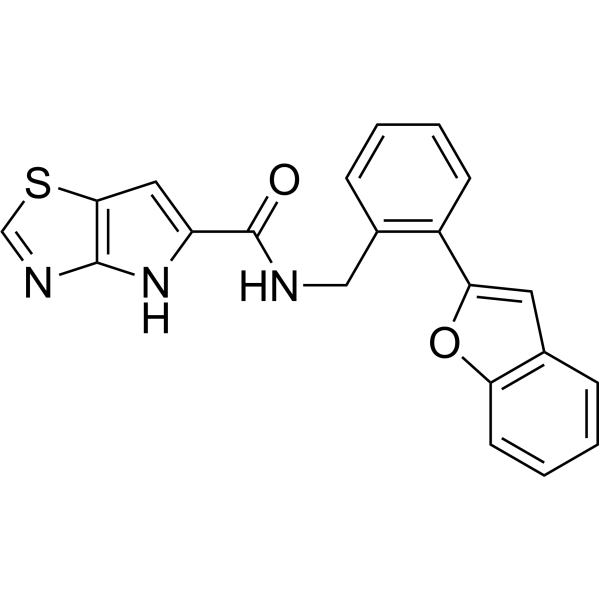
    Ferroptosis-IN-19 (compound C18) is a strong cellular ferroptosis inhibitor with an IC50 value of 0.097 μM. Ferroptosis-IN-19 shows high metabolic stability and favorable BBB permeability prediction. Ferroptosis-IN-19 has in vivo neuroprotection against ischemic brain injury in mice .
    Ferroptosis-IN-19
  • HY-161460

    Ferroptosis Reactive Oxygen Species (ROS) Cardiovascular Disease
    Ferroptosis-IN-7(Compound 26) is a ferroptosis inhibitor which can restore cell viability, reduce iron accumulation and scavenge reactive oxygen species. Ferroptosis-IN-7 can be used for vascular diseases research .
    Ferroptosis-IN-7
  • HY-175869

    Ferroptosis Metabolic Disease Inflammation/Immunology
    Ferroptosis-IN-22 is a selective ferroptosis inhibitor by targeting NCOA4 and disrupting its interaction with ferritin with an EC50 of 520 nM and a Kd of 0.78 μM. Ferroptosis-IN-22 has a strong inhibitory activity against ferroptosis induced by multiple ferroptosis inducers (RSL3 (HY-100218A), Erastin (HY-15763), ML210 (HY-100003), FIN56 (HY-103087)), but does not inhibit necrosis induced by H2O2 or apoptosis induced by STS (HY-15141). Ferroptosis-IN-22 effectively ameliorates Concanavalin A (HY-P2149)-induced acute liver injury. Ferroptosis-IN-22 can be used for the study of ferroptosis-related diseases .
    Ferroptosis-IN-22
  • HY-170509

    Ferroptosis Glutathione Peroxidase Cardiovascular Disease Neurological Disease Cancer
    Ferroptosis-IN-17 (Compound 18) is a ferroptosis (Ferroptosis) inhibitor with an EC50 value of 0.57 μM. Ferroptosis-IN-17 reduces intracellular ferrous ion accumulation, lipid peroxidation, and effectively restores the levels of glutathione (GSH) and glutathione peroxidase 4 (GPX4). Ferroptosis-IN-17 shows good solubility and significant metabolic stability in rat plasma. Ferroptosis-IN-17 is promising for research in tumor suppression, neurodegenerative diseases, and cardiovascular diseases .
    Ferroptosis-IN-17
  • HY-168958

    Glutathione Peroxidase Ferroptosis Cancer
    Ferroptosis-IN-18 (51), a promethazine derivative, shows strong anti-ferroptosis and anti-oxidant properties. Ferroptosis-IN-18 (51) can be used in the research for intracerebral hemorrhage (ICH) .
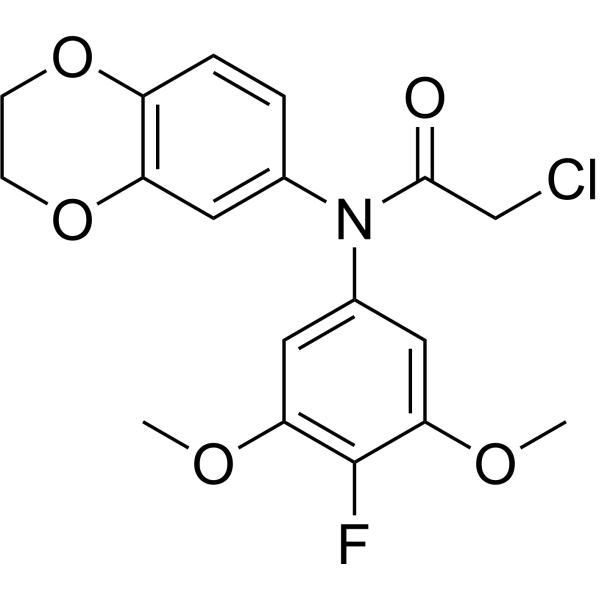
    Ferroptosis-IN-18
  • HY-176212

    Ferroptosis VDAC Reactive Oxygen Species (ROS) Inflammation/Immunology
    Ferroptosis-IN-20 (Compound 34a) is a Ferroptosis inhibitor (EC50: 24.2 nM) targeting voltage-dependent anion channel (VDAC). Ferroptosis-IN-20 inhibits VDAC oligomerization and lipid peroxidation. Ferroptosis-IN-20 reduces content of ROS, attenuates TFR1-mediated iron uptake, inhibits Fe 2+ level and restores glutathione (GSH) level. Ferroptosis-IN-20 alleviates Folic acid (HY-16637)-induced acute kidney injury (AKI) .
    Ferroptosis-IN-20
  • HY-161601

    Ferroptosis Reactive Oxygen Species (ROS) Cancer
    Ferroptosis inducer-2 (Compound 24) is an inducer for heme oxygenase-1 (HO-1). Ferroptosis inducer-2 exhibits anticancer activity against triple-negative breast cancer (TNBC) cells through induction of ferroptosis .
    Ferroptosis inducer-2
  • HY-172675

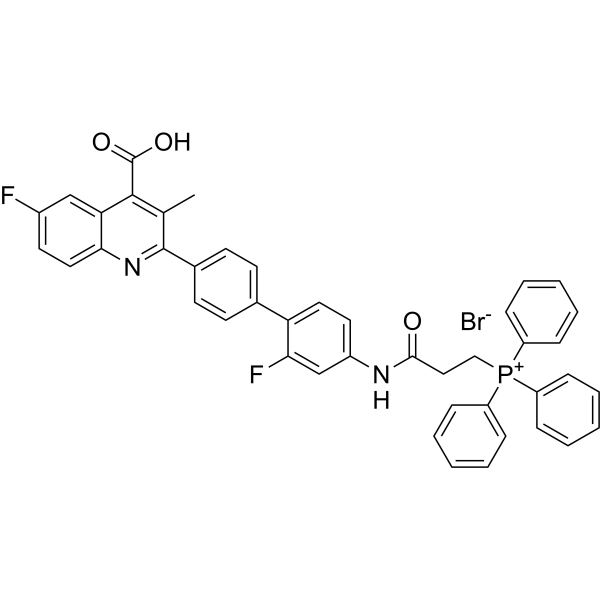
    Glutathione Peroxidase Cancer
    DEL-I25 is a potent GPX4 activator. DEL-I25 protects cells from ferroptosis .
    DEL-I25
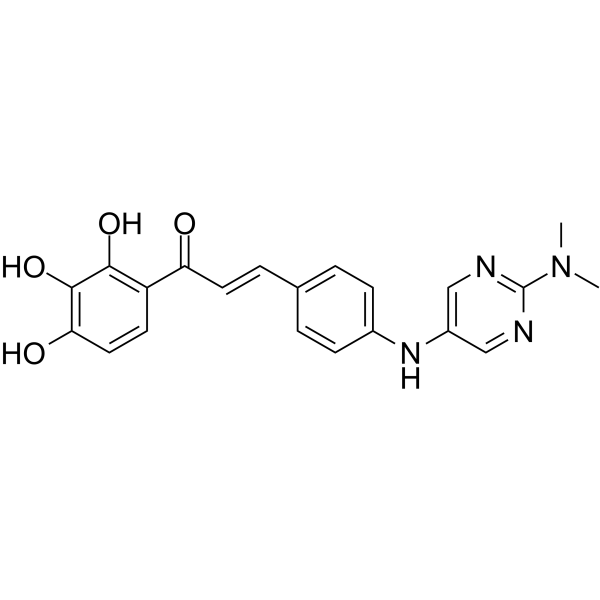
  • HY-178163

    Ferroptosis Necroptosis RIP kinase Reactive Oxygen Species (ROS) Mixed Lineage Kinase Inflammation/Immunology
    Zharp1-163 is a dual inhibitor of ferroptosis and necroptosis. Zharp1-163 effectively blocks ferroptosis by reducing reactive oxygen species (ROS) levels and inhibits necroptosis by potently and selectively targeting RIPK1 kinase activity (KD = 240 nM; IC50 = 406.1 nM). Zharp1-163 inhibits the cellular activation of RIPK1, RIPK3 and MLKL in response to necroptotic stimulation. Zharp1-163 markedly attenuates TNF-α (HY-P1875)-induced systemic inflammatory syndrome, including the prevention of TNF-α-induced mortality and hypothermia in mice. Zharp1-163 significantly alleviates acute kidney injury associated with both necroptosis and ferroptosis in models induced by Cisplatin (HY-17394) and ischemia-reperfusion. Zharp1-163 can be used for the study of diseases associated with cell death pathways, such as kidney disease .
    Zharp1-163
  • HY-157744

    Mitochondrial Metabolism Cancer
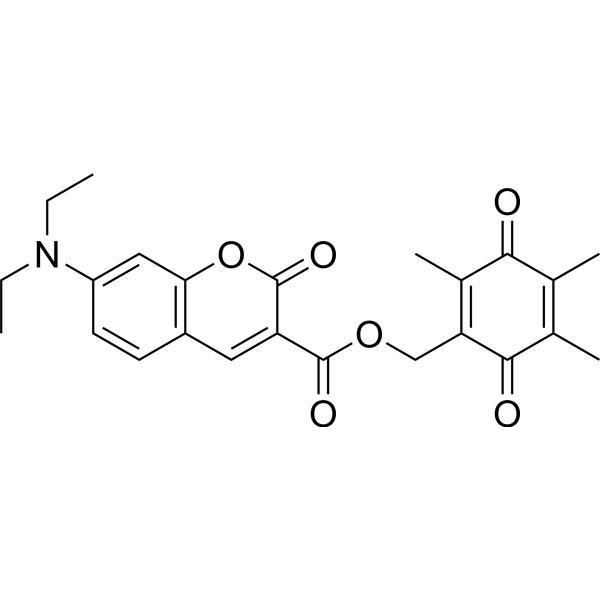
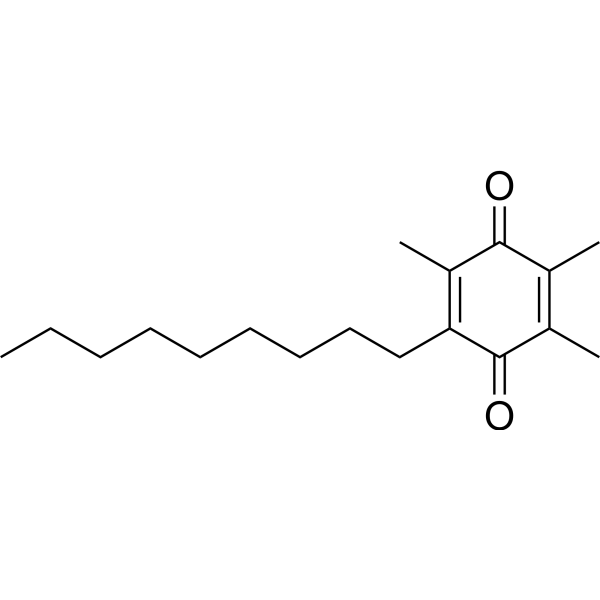
    Coumarin–quinone conjugate is a fluorescent substrate for NADH:ubiquinone oxidoreductases which consists of a coumarin fluorophore and a ubiquinone analog. Coumarin–quinone conjugate can be used to measure the kinetic parameters of AIFM2/FSP1 for researches such as ferroptosis .
    Coumarin–quinone conjugate
  • HY-B1465R

    Palmityl alcohol (Standard)

    Reference Standards Endogenous Metabolite Others
    1-Hexadecanol (Standard) is the analytical standard of 1-Hexadecanol. This product is intended for research and analytical applications. 1-Hexadecanol is a fatty alcohol, a lipophilic substrate. 1-Hexadecanol can be used for the research of ferroptosis .
    1-Hexadecanol (Standard)
  • HY-D1412
    LPd peroxida probe-1
    1 Publications Verification

    Ferroptosis Others
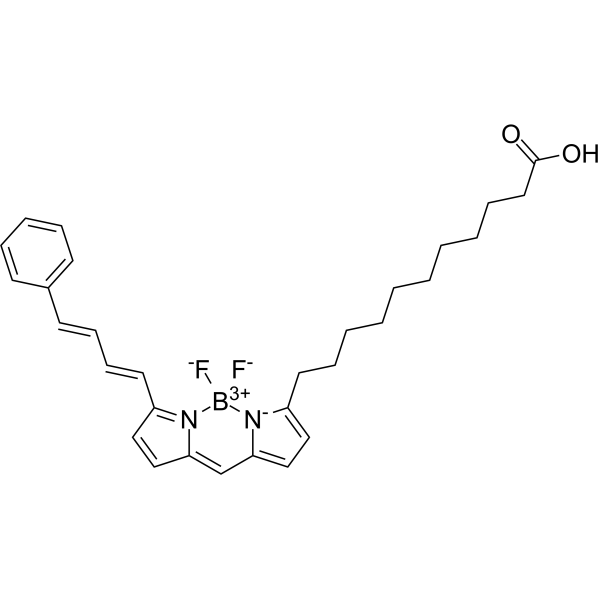
    LPd peroxida probe-1, a marker of ferroptosis, is a useful fluorescent probe for investigating the roles of lipid peroxidation in a variety of cell pathophysiologies. LPd peroxida probe-1 reduces lipid hydroperoxides to lipid alcohols and is used for imaging lipid hydroperoxides in living cells .
    LPd peroxida probe-1
  • HY-178370

    Ferroptosis Reactive Oxygen Species (ROS) Cancer
    Ferroptosis inducer-12 is a potent and selective ferroptosis inducer. Ferroptosis inducer-12 exhibits potent antiproliferative activity against HT1080 and OS-RC-2, with IC50 values of 3 nM and 5 nM, respectively. Ferroptosis inducer-12 strongly inhibits GPX4 enzymatic activity, induces intracellular ROS and elevates intracellular Fe 2+ levels in OS-RC-2 cells. Ferroptosis inducer-12 significantly inhibits tumor growth in BALB/c nude mice bearing OS-RC-2 xenografts. Ferroptosis inducer-12 can be used for the study of cancer .
    Ferroptosis inducer-12
  • HY-174345

    ACSL Family Ferroptosis Glutathione Peroxidase Reactive Oxygen Species (ROS) Cancer
    Ferroptosis inducer-8 is a ferroptosis inducer with high selectivity for other cell death mechanism. Ferroptosis inducer-8 induces ferroptosis by affecting ACSL4, GPX4, and FTH1, thereby disrupting intracellular iron homeostasis and the GSH/GPX4 antioxidant defense system, ultimately leading to the accumulation of lipid peroxidation. Ferroptosis inducer-8 also induces ROS production. Ferroptosis inducer-8 inhibits tumor growth and can be used for research of triple-negative breast cancer (TNBC) .
    Ferroptosis inducer-8
  • HY-175698

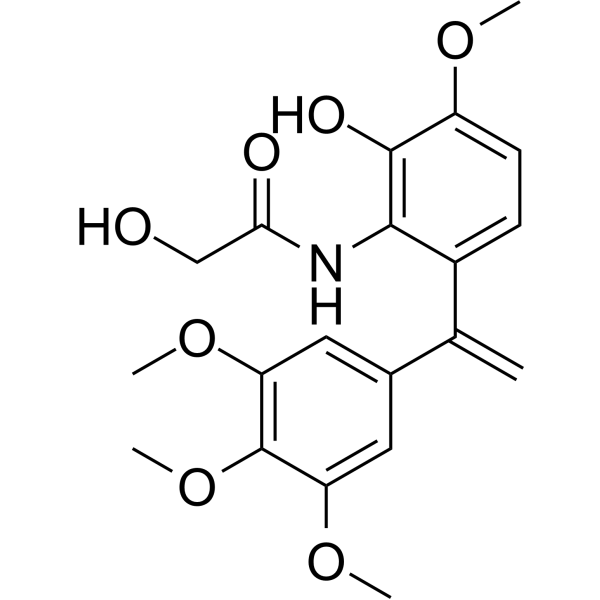
    ACSL Family Ferroptosis Microtubule/Tubulin COX Glutathione Peroxidase Cancer
    Ferroptosis inducer-9 is a ferroptosis inducer and colchicine site tubulin polymerization inhibitor. Ferroptosis inducer-9 inhibits MCF-7 cell growth with an IC50 of 14 nM and inhibits [ 3H]colchicine binding. Ferroptosis inducer-9 reduces expression of GPX4 and FTH, increases COX2 and ACSL4, lowers GSH, NADP+, and NADPH levels, increases LPO, MDA, and Fe(II) levels, and decreases SOD concentrations. Ferroptosis inducer-9 demonstrates significant anti-tumor efficacy in HCT116 CRC xenograft model. Ferroptosis inducer-9 can be used for the study of triple negative breast cancer (TNBC) and colorectal cancer (CRC) .
    Ferroptosis inducer-9
  • HY-162717

    Glutathione Peroxidase Ferroptosis Cancer
    GPX4-IN-11 (compound I14) is a potent inhibitor of GPX4, with the KD of 45.7 μM. GPX4-IN-11 plays an important role in ferroptosis research .
    GPX4-IN-11
  • HY-P10133

    Ferroptosis Metabolic Disease
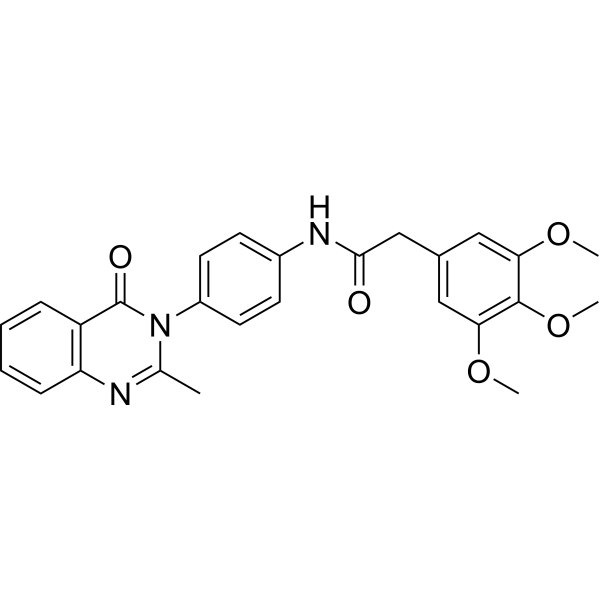
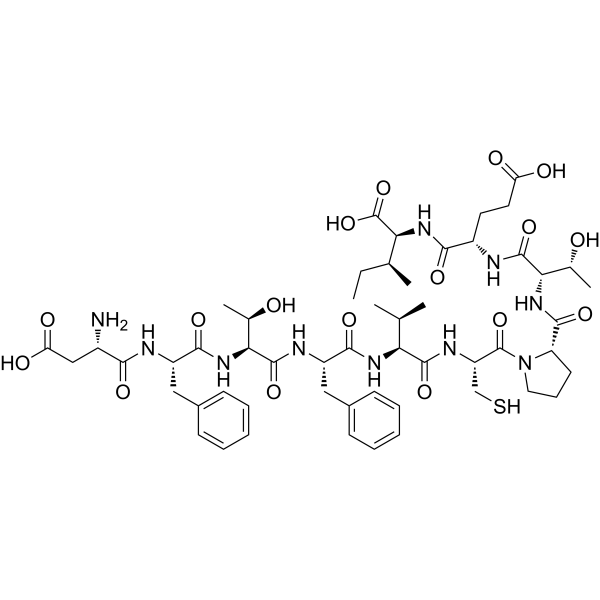
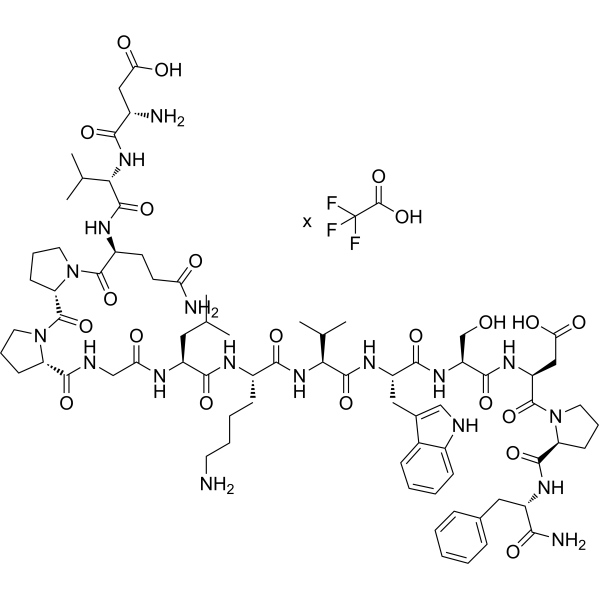
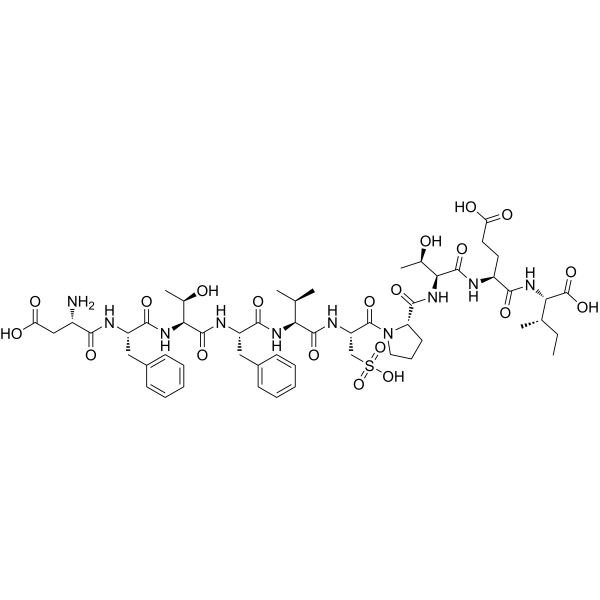
    PRDX3(103-112) SO3 modified, human is a marker of ferroptosis, and can be used for liver diseases study .
    PRDX3(103-112) SO3 modified, human
  • HY-175738

    Ferroptosis Cancer
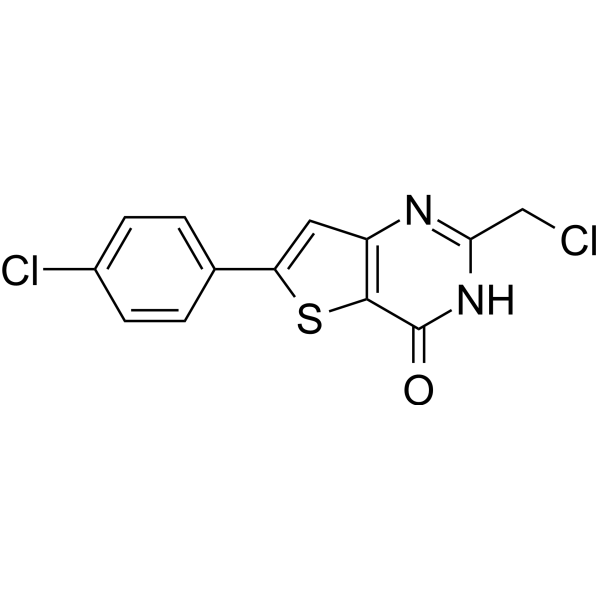
    afi-FSP1-1 is a Ferroptosis suppressor protein 1 (FSP1) inhibitor with an Ki of 0.283  μM. afi-FSP1-1 has a superior binding capacity to FSP1-FAD-NAD +. afi-FSP1-1 can induces ferroptosis in cancer cells. afi-FSP1-1 can be used for cancers research .
    afi-FSP1-1
  • HY-175000

    Ferroptosis Polo-like Kinase (PLK) MDM-2/p53 Endocrinology Cancer
    L14-8 is a potent ferroptosis inducer. L14-8 promotes PLK1 degradation via ubiquitination, increasing TP53 phosphorylation to enhance SAT1 transcription, thereby triggering ferroptosis and cancer cell death. L14-8 can be used for the study of advanced prostate cancer .
    L14-8
  • HY-179384

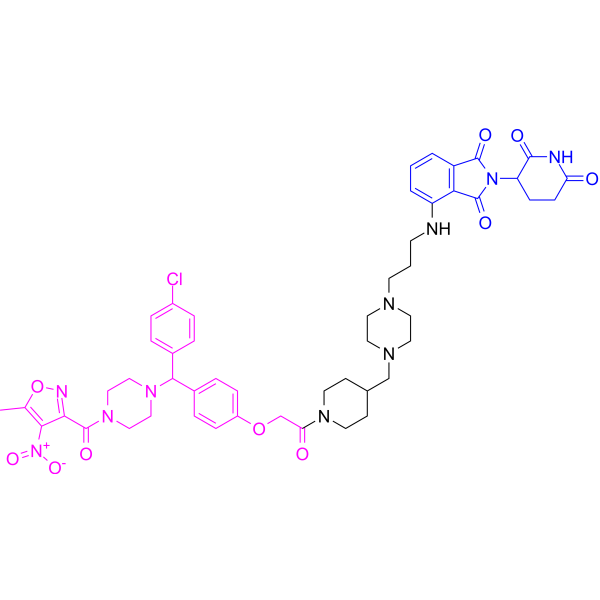
    ACSL Family PROTACs Ferroptosis Glutathione Peroxidase Transferrin Receptor Reactive Oxygen Species (ROS) Cancer
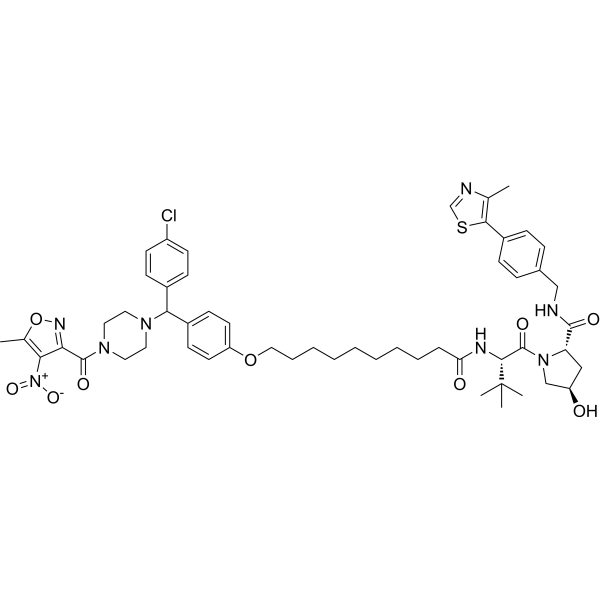
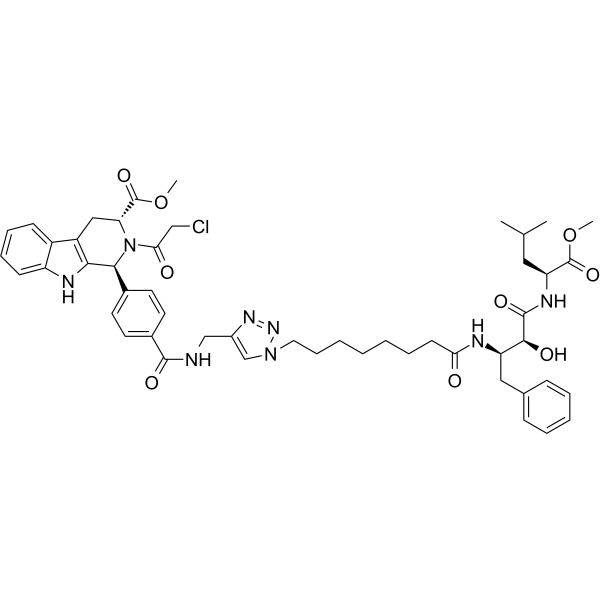
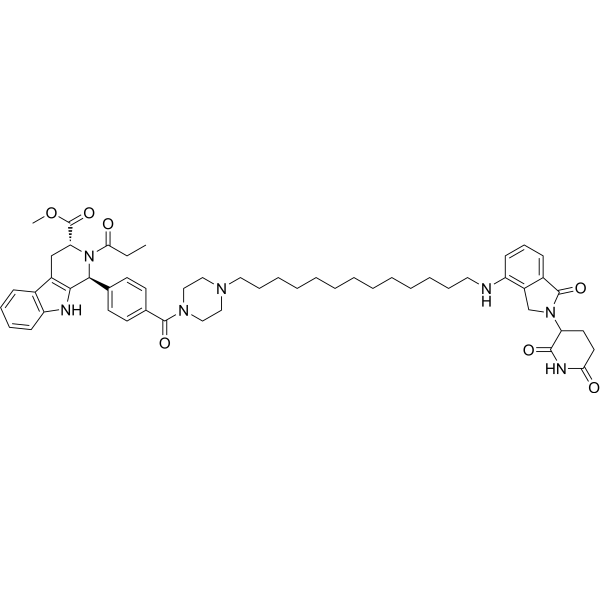
    PROTAC FSP1 degrader 1 is a highly efficient and selective PROTAC degrader targeting FSP1. PROTAC FSP1 degrader 1 significantly induces the accumulation of intracellular lipid peroxides. PROTAC FSP1 degrader 1 exhibits synergistic induction of ferroptosis with GPX4 inhibitors. PROTAC FSP1 degrader 1 can induce ROS production. PROTAC FSP1 degrader 1 upregulates the mRNA expression of ferroptosis-related proteins (GPX4, FTH1, ACSL4, TfR1, FSP1). PROTAC FSP1 degrader 1 can be used for the study of triple-negative breast cancer .
    PROTAC FSP1 degrader 1
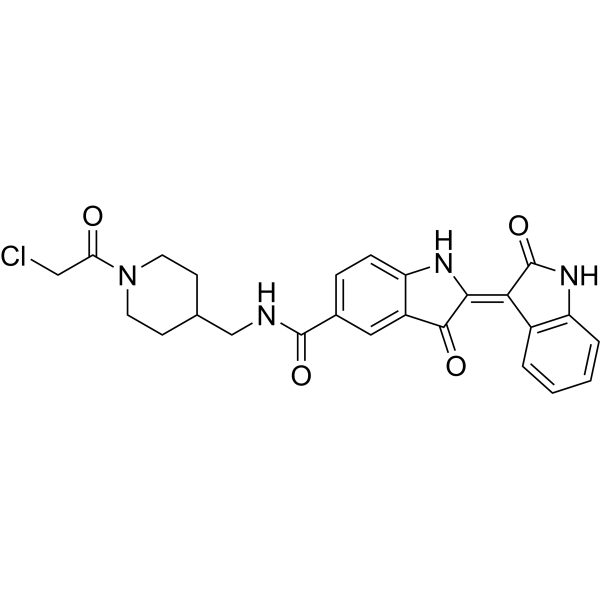
  • HY-157788

    PROTACs Reactive Oxygen Species (ROS) Ferroptosis Glutathione Peroxidase Cancer
    ZX703 (compound 5I) is a PROTAC that significantly degrades GPX4 in a dose- and time-dependent manner through the ubiquitin-proteasome and autophagy-lysosome pathways (DC50=0.315 µM). ZX703 induces ferroptosis by inducing Reactive Oxygen Species (ROS) accumulation in cells. ZX703 can be used for cancer research .
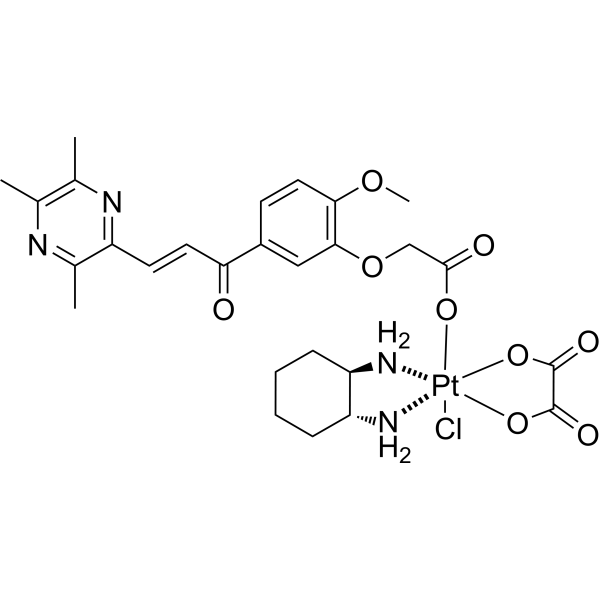
    ZX703
  • HY-168874

    TrxR Apoptosis Ferroptosis Cancer
    TrxR1-IN-2 (Compound 6a) is a TrxR1 inhibitor that covalently binds to the Cys475 and Sec498 sites of TrxR1, thereby inhibiting TrxR1 activity and leading to redox homeostasis disruption, which triggers apoptosis and ferroptosis .
    TrxR1-IN-2
  • HY-172896

    Ferroptosis Cancer
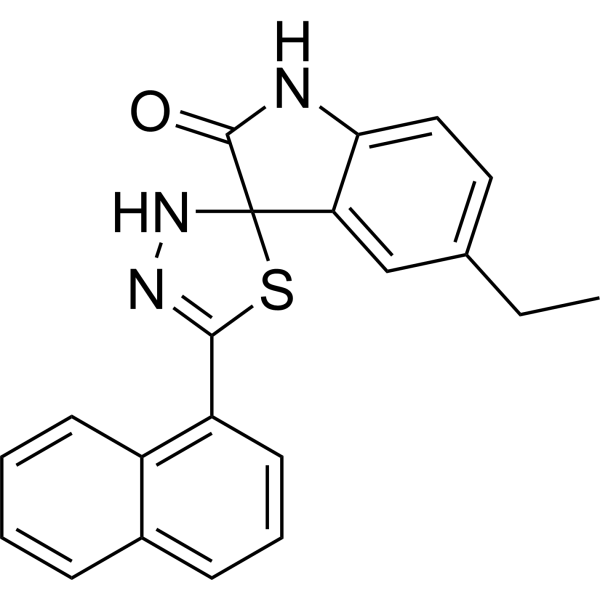
    FSP1-IN-1 (compound 39) is a potent FSP1 inhibitor with an IC50 of 35 nM. FSP1-IN-1 enhances RSL3 (HY-100218A)-induced lipid peroxide accumulation and sensitizes cancer cells to ferroptosis .
    FSP1-IN-1
  • HY-161948

    Ferroptosis Cancer
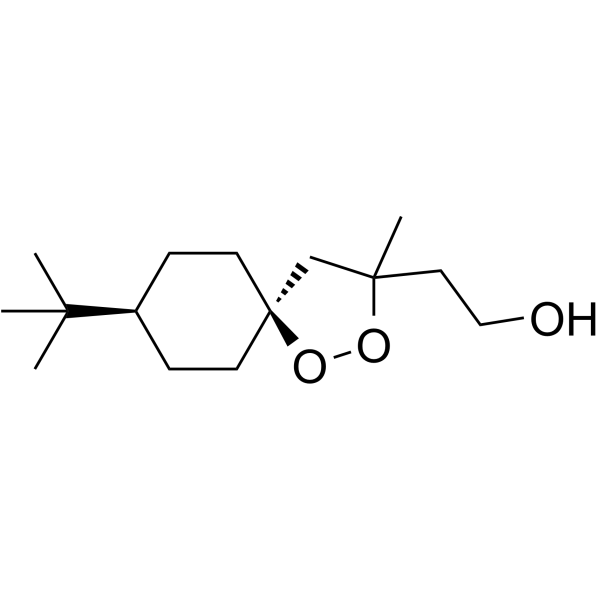
    Ferroptosis inducer-4 (Compound 5) is a ferroptosis (Ferroptosis) inducer with a structure featuring terminal double bonds introduced at the sn-2 position of phospholipids. Ferroptosis inducer-4 exhibits significant cytotoxicity towards HT-1080 cells, with an IC50 of 18 μM. This cytotoxic mechanism involves the generation of lipid peroxides and oxidative damage to the cell membrane triggered by the terminal double bonds. Ferroptosis inducer-4 can be used for research on ferroptosis regulation .
    Ferroptosis inducer-4
  • HY-149719

    Ferroptosis Metabolic Disease
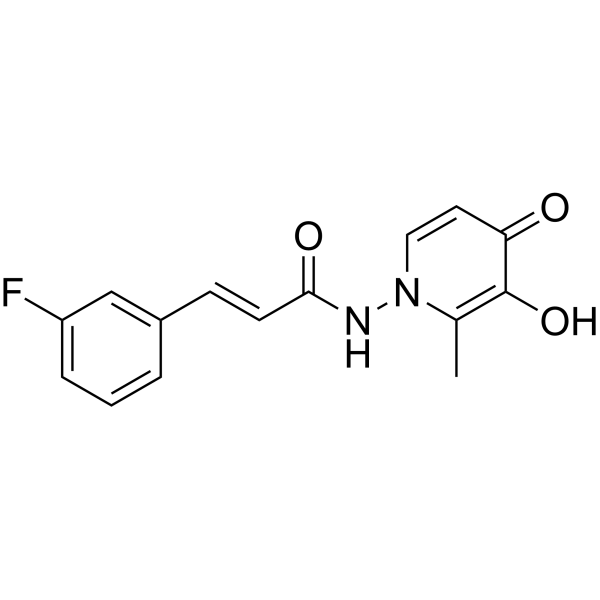
    Ferroptosis-IN-4 (compound 6k) is a ferroptosis inhibitor with EC50 value of 20 μM. Ferroptosis-IN-4 has no obvious cytotoxicity. Ferroptosis-IN-4 has a protective effect in glycerol-induced RM-AKI mice with alleviating kidney dysfunction .
    Ferroptosis-IN-4
  • HY-N11885

    Ferroptosis Cancer
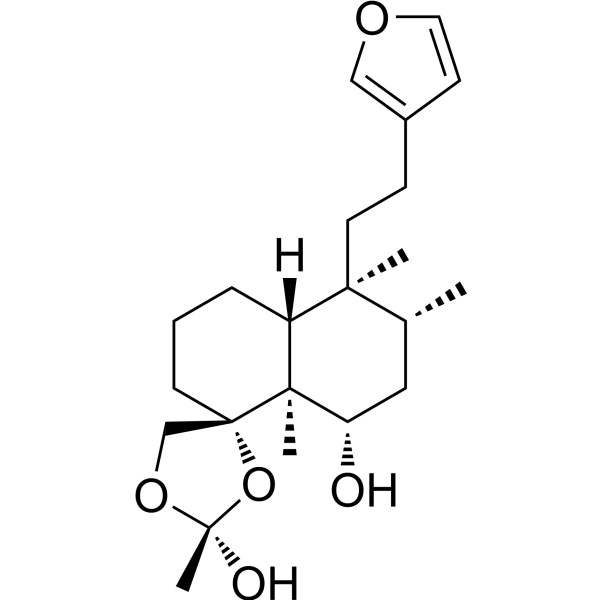
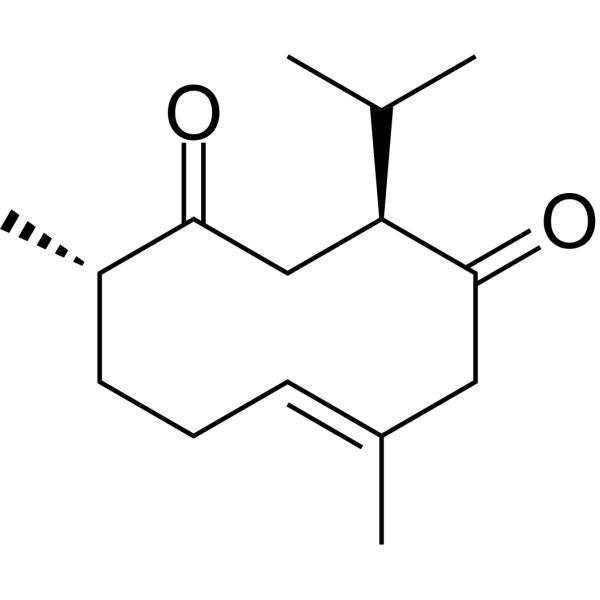
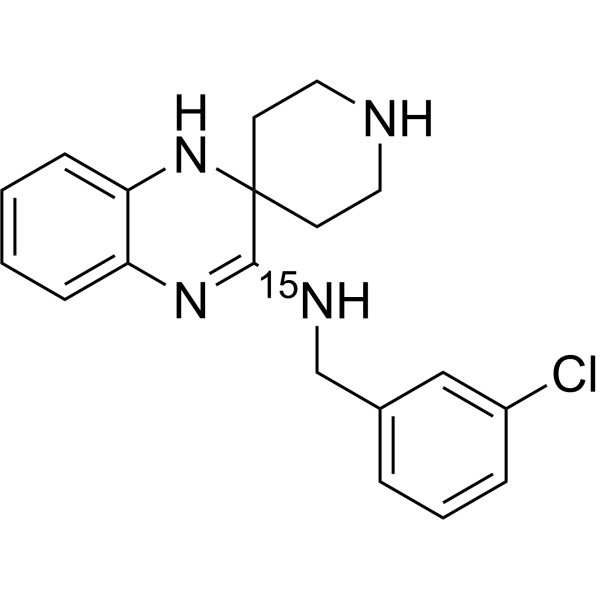
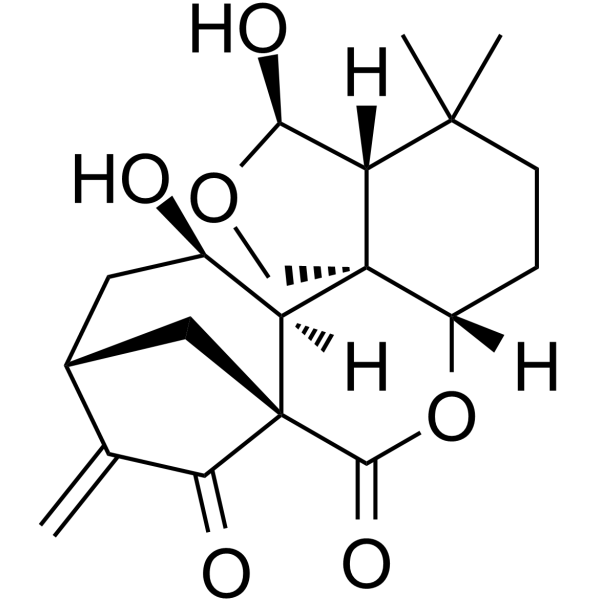
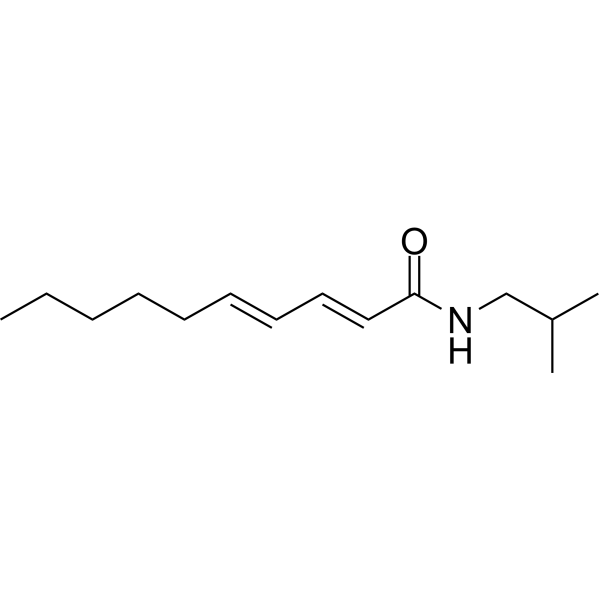
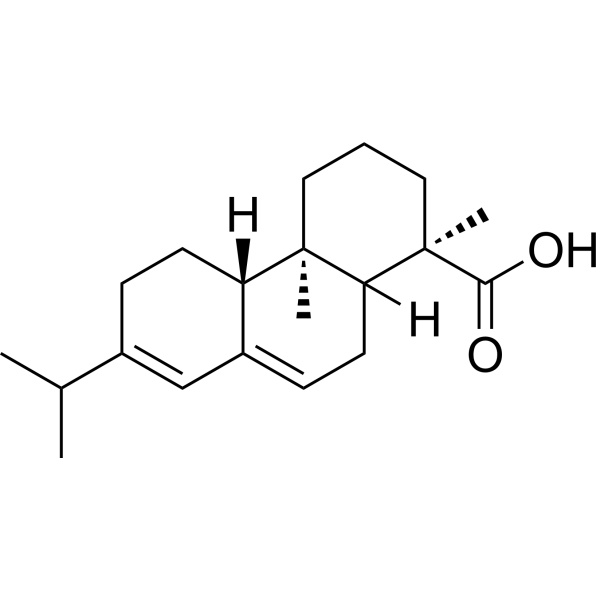
    Ferroptosis-IN-1 is a A. campylantha diterpenes. Ferroptosis-IN-1 inhibits ferroptosis with an EC50 value of 10 μM. Ferroptosis-IN-1 can be used for neuroinflammation diseases research .
    Ferroptosis-IN-1
  • HY-170675

    Ferroptosis Cancer
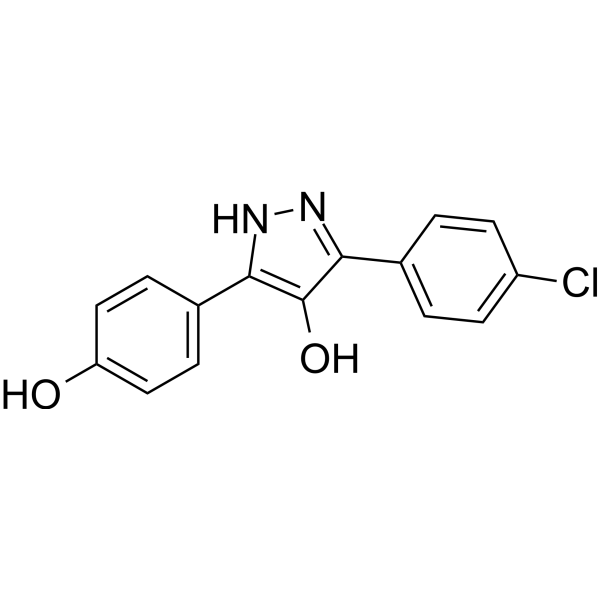
    Ferroptosis-IN-13 (compound NY-26) is a ferroptosis inhibitor. Ferroptosis-IN-13 inhibits RSL3(HY-100218A)-induced ferroptosis in 786-O cells with an EC50 value of 62 nM .
    Ferroptosis-IN-13
  • HY-168097

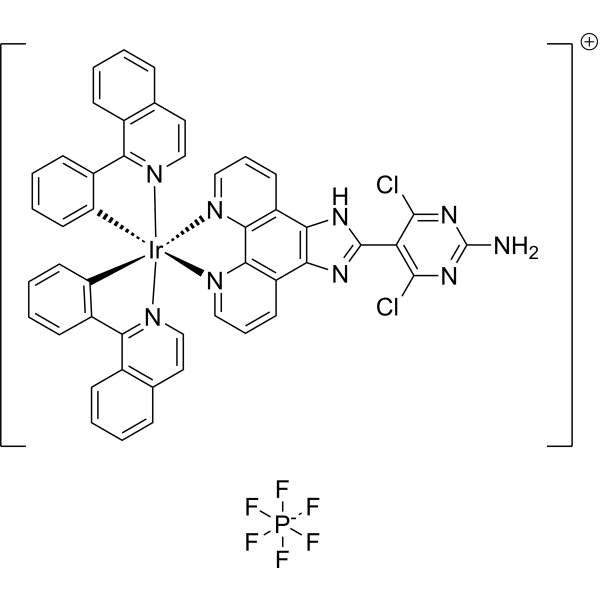
    Ferroptosis Reactive Oxygen Species (ROS) Cancer
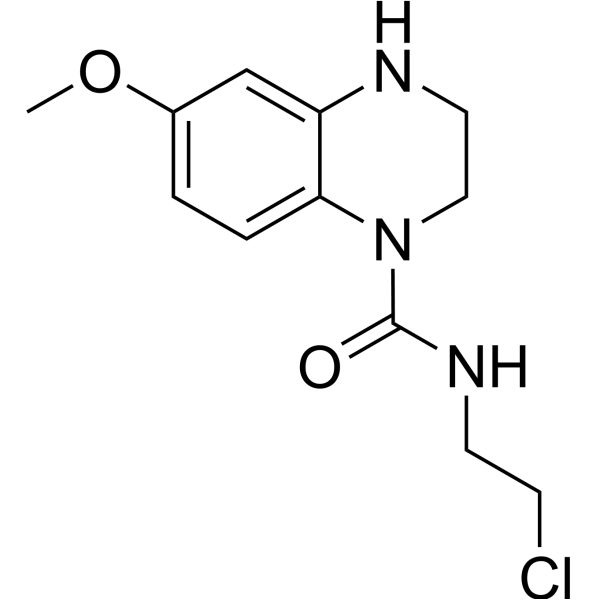
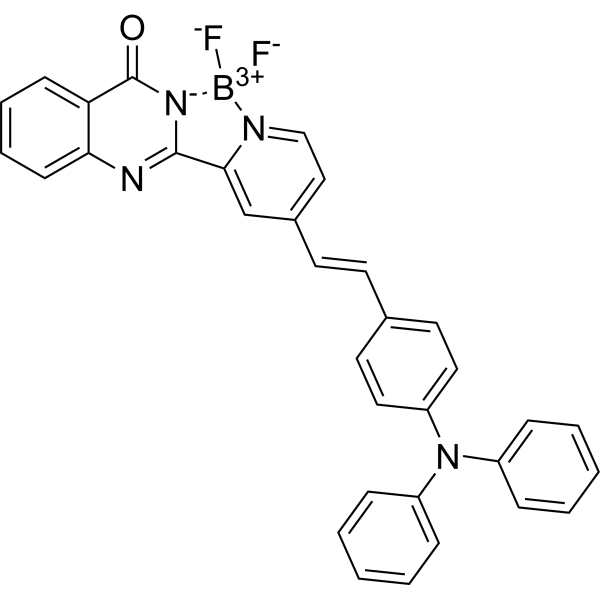
    Ferroptosis inducer 6 (6d) is a ferroptosis inducer with high potency for type I/-II photodynamic therapy by inducing ROS generation, oxidative stress and mitochondrial damage. Ferroptosis inducer 6 has anti-tumor activity .
    Ferroptosis inducer-6
  • HY-159567

    Ferroptosis Cardiovascular Disease Neurological Disease
    Ferroptosis-IN-11 (compound 43) is a ferroptosis inhibitor. Ferroptosis-IN-11 can inhibit Erastin (HY-15763) induced ferroptosis in HT-1080 human fibroblasts (EC50=36 nM). Ferroptosis-IN-11 can be used in the study of cardiovascular disease and neurodegeneration .
    Ferroptosis-IN-11

Inquiry Online

Your information is safe with us. * Required Fields.

Salutation


Country or Region *

Applicant Name *


Organization Name *

Department *


Email Address *


Product Name *

Cat. No.


Requested quantity *

Phone Number *


Remarks

Inquiry Online

Inquiry Information

Product Name:
Cat. No.:
Quantity:
MCE Japan Authorized Agent: