Search Result
Results for "
collagens
" in MedChemExpress (MCE) Product Catalog:
86
Biochemical Assay Reagents
8
Isotope-Labeled Compounds
| Cat. No. |
Product Name |
Target |
Research Areas |
Chemical Structure |
-
- HY-N1584
-
|
RU-19110
|
DNA/RNA Synthesis
TGF-beta/Smad
Parasite
Sodium Channel
Calcium Channel
|
Infection
Cardiovascular Disease
Inflammation/Immunology
Cancer
|
|
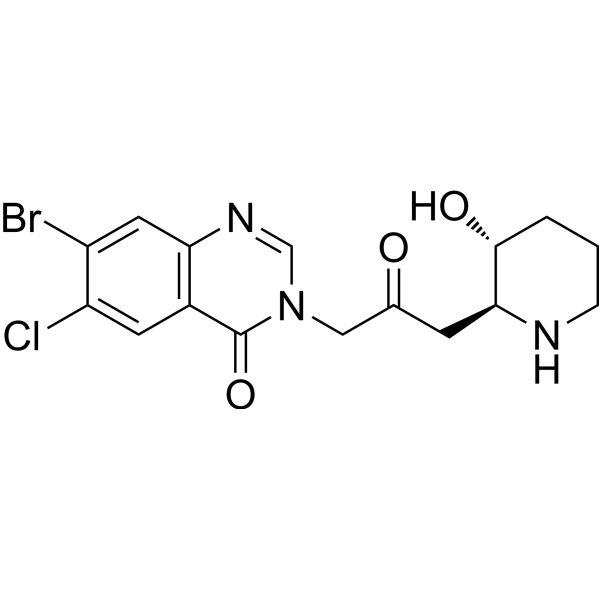
Halofuginone (RU-19110), a Febrifugine derivative, is a competitive prolyl-tRNA synthetase inhibitor with a Ki of 18.3 nM . Halofuginone is a specific inhibitor of type-I collagen synthesis and attenuates osteoarthritis (OA) by inhibition of TGF-β activity . Halofuginone is also a potent pulmonary vasodilator by activating Kv channels and blocking voltage-gated, receptor-operated and store-operated Ca 2+ channels. Halofuginone has anti-malaria, anti-inflammatory, anti-cancer, anti-fibrosis effects .
|
-
-
- HY-NP010
-
|
|
MMP
|
Others
|
|
Collagen, rat tail is a kind of collagen extracted from rat tail tendon tissue. Collagen, rat tail stimulates cell growth. Collagen, rat tail is often used as an attachment substrate for cell culture .
|
-

-
- HY-124817
-
|
|
HSP
|
Inflammation/Immunology
|
|
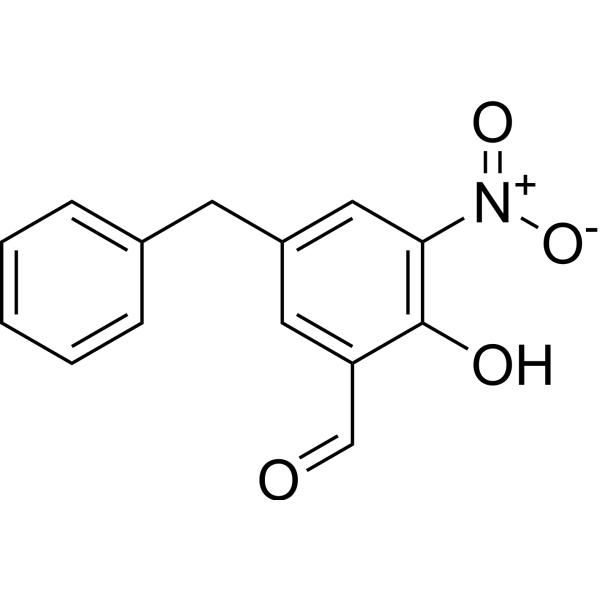
Col003 is a selective and potent inhibitor of Hsp47 and competitively binds to the collagen binding site on Hsp47 (IC50=1.8 μM). Col003 discourages the interaction of Hsp47 with collagen and inhibits collagen secretion by destabilizing the collagen triple helix. Col003 can be used for the investigation of fibrosis
|
-
-
- HY-119358
-
|
|
Reactive Oxygen Species (ROS)
Apoptosis
|
Cardiovascular Disease
Inflammation/Immunology
|
|
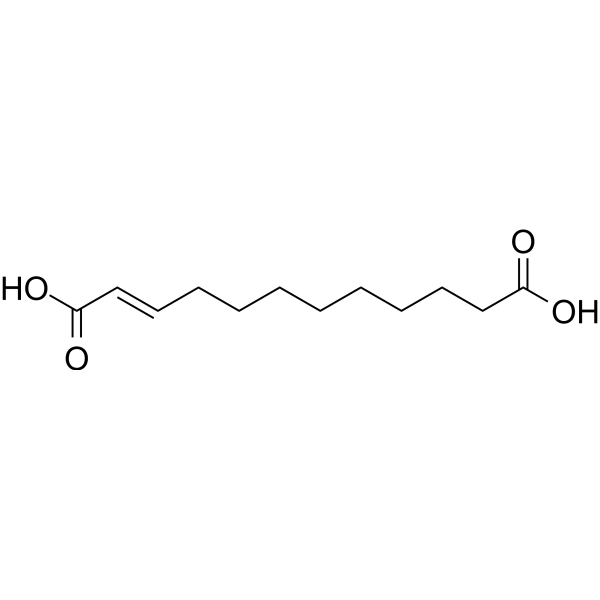
Traumatic Acid is a wound healing agent and a cytokinin (phytohormone). Traumatic Acid enhances the biosynthesis of collagen in cultured human skin fibroblasts. Traumatic Acid inhibits MCF-7 breast cancer cells viability and enhances apoptosis and oxidative stress. Traumatic Acid can be used in studies of cancer, circulatory disorders (including arterial hypertension), and skin diseases associated with oxidative stress and impaired collagen biosynthesis .
|
-
-
- HY-P0170
-
TB500
1 Publications Verification
|
Drug Derivative
Akt
P2X Receptor
|
Inflammation/Immunology
|
|
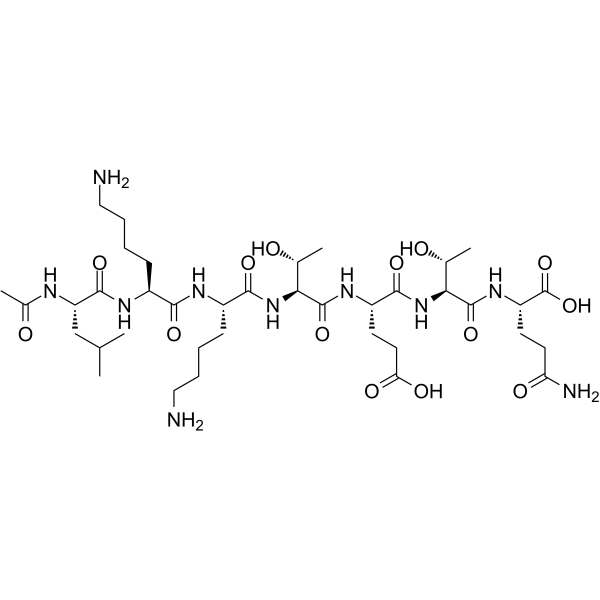
TB500 is a synthetic version of an active region of thymosin β4. TB500 exhibits anti-fibrotic and wound healing activities by inhibiting the Akt signaling pathway and binding to actin. TB500 is claimed to promote endothelial cell differentiation, angiogenesis in dermal tissues, keratinocyte migration, collagen deposition and decrease inflammation .
|
-
-
- HY-D0333
-
|
Sirius Red
|
Amyloid-β
|
Others
|
|
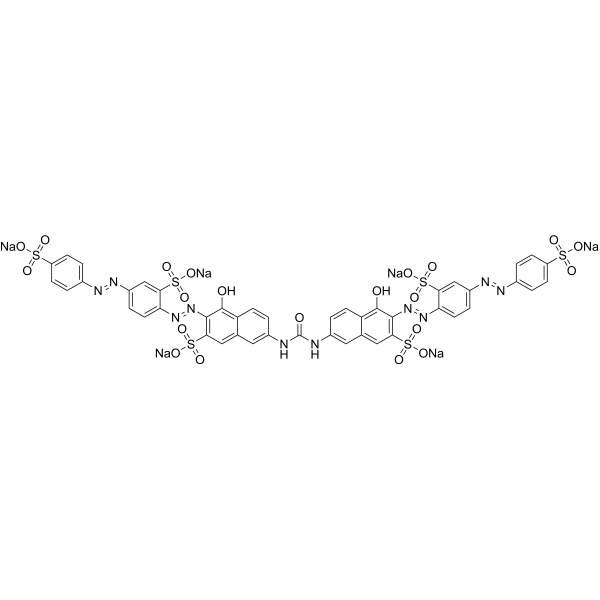
Direct Red 80 (Sirius Red) is a polyazo dye used principally in staining methods for collagen and amyloid. Direct Red 80 does not release benzidine upon degradation and is safer than many traditional direct dyes .
|
-
-
- HY-N1584A
-
|
RU-19110 hydrobromide
|
DNA/RNA Synthesis
TGF-beta/Smad
Parasite
Sodium Channel
Calcium Channel
|
Infection
Cardiovascular Disease
Inflammation/Immunology
Cancer
|
|
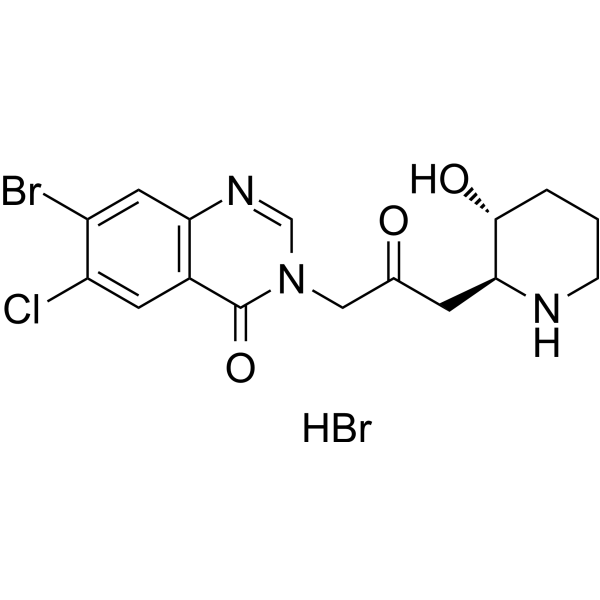
Halofuginone (RU-19110) hydrobromid, a Febrifugine derivative, is a competitive prolyl-tRNA synthetase inhibitor with a Ki of 18.3 nM . Halofuginone hydrobromid is a specific inhibitor of type-I collagen synthesis and attenuates osteoarthritis (OA) by inhibition of TGF-β activity . Halofuginone hydrobromid is also a potent pulmonary vasodilator by activating Kv channels and blocking voltage-gated, receptor-operated and store-operated Ca 2+ channels. Halofuginone hydrobromid has anti-malaria, anti-inflammatory, anti-cancer, anti-fibrosis effects .
|
-
-
- HY-W016887
-
|
H-Gly-Pro-OH; Gly-Pro
|
Endogenous Metabolite
Apoptosis
|
Metabolic Disease
Cancer
|
|
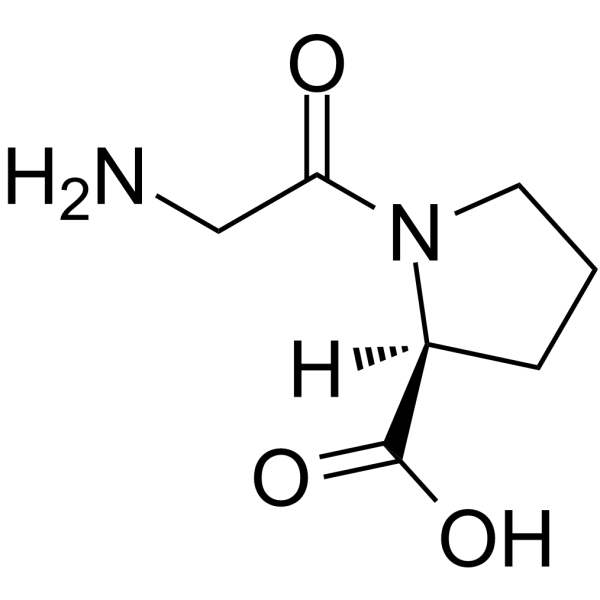
Glycyl-L-proline (H-Gly-Pro-OH) is a dipeptide. Glycyl-L-proline can induce MCF-7 cells apoptosis. Glycyl-L-proline can enhance the inhibitory effect of the PRODH/POX knockout on collagen and DNA biosynthesis. Glycyl-L-proline can inhibit Gly-Sar and L-proline transport. Glycyl-L-proline can be used for the researches of cancer and metabolic disease, such as breast cancer .
|
-
-
- HY-W337672
-
|
Prolylhydroxyproline; Pro-Hyp
|
Biochemical Assay Reagents
|
Others
|
|
H-Pro-Hyp-OH is a collagen peptide composed of proline (Pro) and hydroxyproline (Hyp). H-Pro-Hyp-OH can be used in research on slowing down facial aging .
|
-

-
- HY-P10739
-
|
|
Exosomes
Collagen
|
Inflammation/Immunology
|
|
WYRGRL is a selective, high-affinity collagen type II-binding peptide with a IC50 of 140 nM. Collagen type II is the most abundant and specific structural protein in the extracellular matrix of articular cartilage. WYRGRL can precisely target small-molecule compounds such as Dexamethasone (HY-14648) and nanocarrier-engineered exosomes to cartilage, significantly enhancing their therapeutic effects on osteoarthritis .
|
-

-
- HY-29035
-
|
|
Collagen
|
Others
|
|
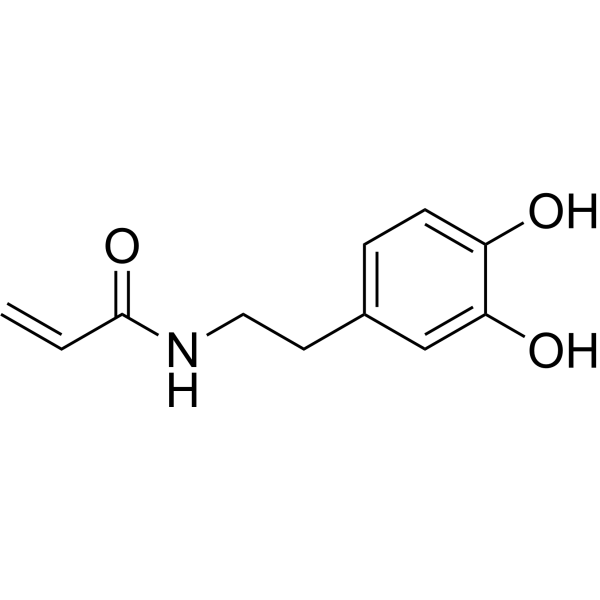
Dopamine acrylamide, a polyphenol derivative, can cross-link collagen mainly via noncovalent bonding under acidic-non-oxidized conditions .
|
-
-
- HY-40136
-
|
|
Endogenous Metabolite
|
Cardiovascular Disease
Metabolic Disease
Endocrinology
Cancer
|
|
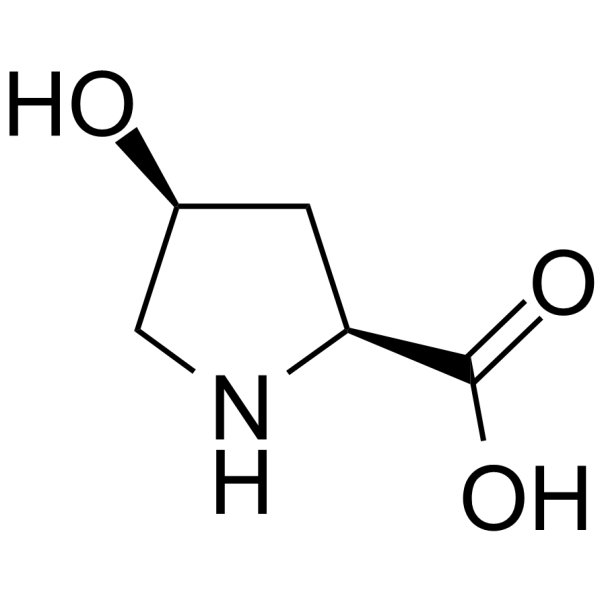
cis-4-Hydroxy-L-proline is an orally active proline analog and collagen production inhibitor. cis-4-Hydroxy-L-proline inhibits cell growth by preventing the deposition of triple helical collagen on the cell layer. cis-4-Hydroxy-L-proline inhibits N-nitrosomethylurea-induced breast tumor growth. cis-4-Hydroxy-L-proline improves lung compliance and reduces prostate weight. cis-4-Hydroxy-L-proline can be used in the study of hypoxic pulmonary hypertension .
|
-
-
- HY-103352
-
|
L-235
|
Cathepsin
|
Metabolic Disease
|
|
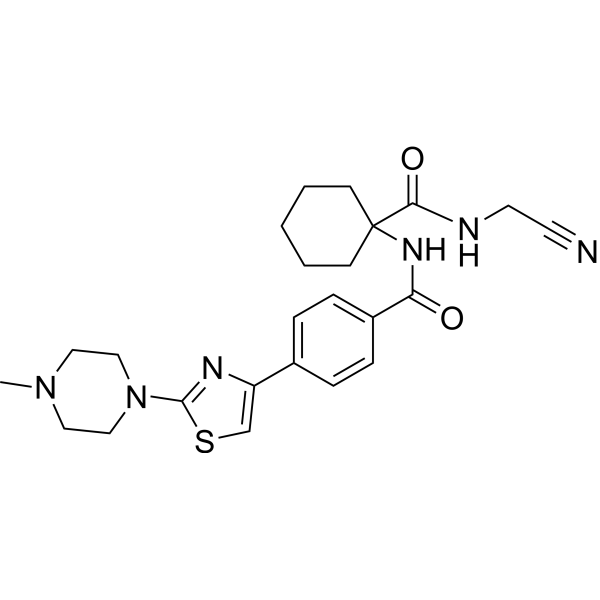
L-006235 (L-235) is a potent, selective, reversible and orally active inhibitor of cathepsin K, with an IC50 of 5 nM in bone resorption assay. L-006235 shows selectivity for cathepsin K (Ki=0.2 nM) over cathepsin B, cathepsin L, and cathepsin S (Ki=1, 6, and 47 μM, respectively). L-006235 can reduce collagen degradation and prevent bone loss .
|
-
-
- HY-126367
-
|
Acid Green 5
|
Fluorescent Dye
|
Cancer
|
|
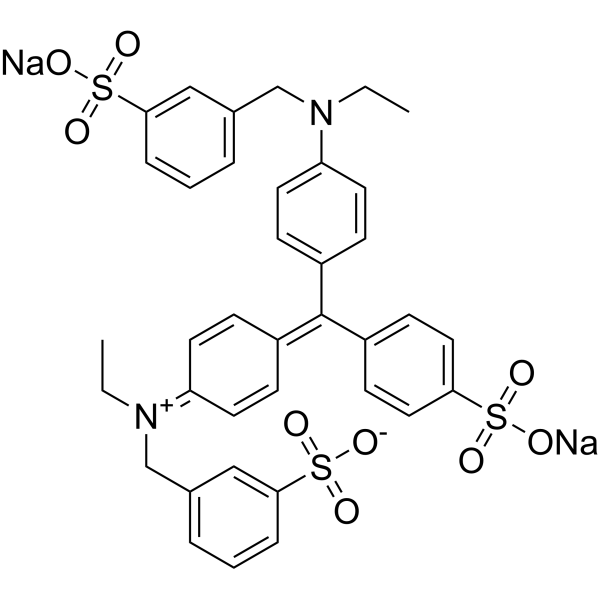
Light green SF yellowish (Acid Green 5) is a water-soluble triarylmethane dye. Light green SF yellowish serves as a histological stain that selectively labels mitochondria, collagen, and cartilage, while being an essential component of Papanicolaou staining. Light green SF yellowish is commonly used as a cytoplasmic counterstain for nuclear stains, and is applied in Masson's trichrome staining for collagen fibers, Pap staining, and cytological polychromatic staining in histopathology. Light green SF yellowish also induces growth inhibition and local fibrosarcomas in rats and exerts mild pulmonary tumorigenicity in mice .
|
-
-
- HY-W129161
-
|
|
Amino Acid Derivatives
|
Metabolic Disease
|
|
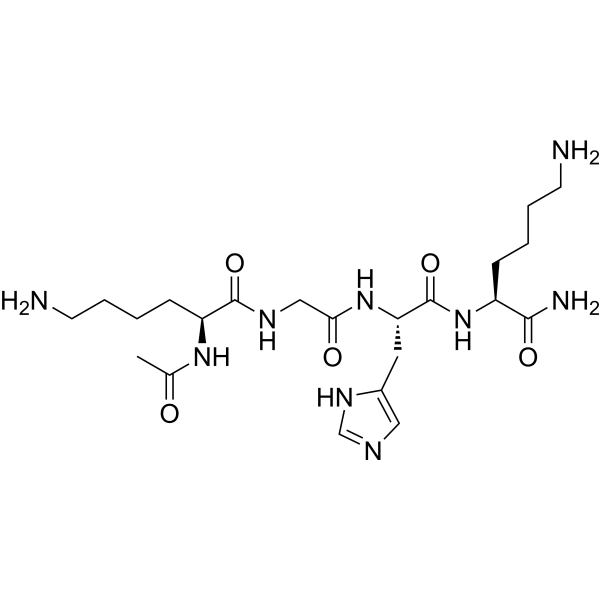
Acetyl tetrapeptide-3 is a synthetic peptide. Acetyl tetrapeptide-3 enhances the adhesion of hair follicles to the scalp but also promotes the development of new hair follicles. Acetyl tetrapeptide-3 stimulates the synthesis of collagen III in hair follicles. Acetyl tetrapeptide-3 combined with Biochanin A (HY-14595) and ginseng extracts, can stimulate dermal papilla extracellular matrix (ECM) proteins by increasing hydroxyproline, Collagen Type 3, and laminin, yielding a significant improvement in hair follicle size and hair anchoring .
|
-
-
- HY-NP132
-
|
|
Biochemical Assay Reagents
Integrin
Autophagy
Apoptosis
Discoidin Domain Receptor
|
Cancer
|
|
Recombinant Humanized Type III Collagen 28.6kDa is a 28.6 kDa recombinant humanized type III collagen. Recombinant Humanized Type III Collagen possesses a variety of biological functions, such as promoting the regeneration of the skin extracellular matrix and improving the cellular microenvironment. Recombinant Humanized Type III Collagen can also inhibit the proliferation, migration and invasion of breast cancer cells. Recombinant Humanized Type III Collagen plays a role in cell adhesion, migration, proliferation and differentiation by interacting with Integrin .
|
-

-
- HY-15183
-
|
|
Collagen
|
Cancer
|
|
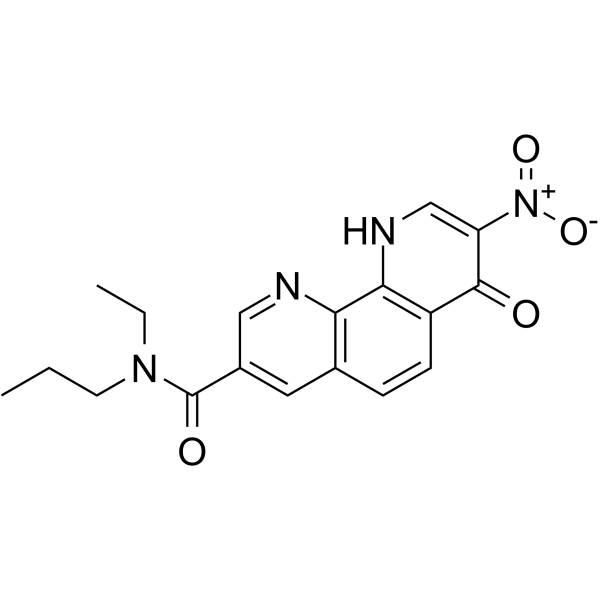
Collagen proline hydroxylase inhibitor is a collagen proline hydroxylase inhibitor, which can be used as an anti-fibrotic agent .
|
-
-
- HY-P10904
-
|
ST-100
|
Collagen
|
Others
|
|
Vezocolmitide (ST-100) is a collagen mimetic peptide. Vezocolmitide can rapidly repair damaged collagen triple helix structures, thereby quickly reversing damage to the ocular surface and extracellular matrix, and restoring corneal nerve function while repairing the epithelium. Vezocolmitide can be used for research of dry eye disease (DED) .
|
-

-
- HY-P3163
-
|
|
PPAR
Collagen
SOD
|
Inflammation/Immunology
|
|
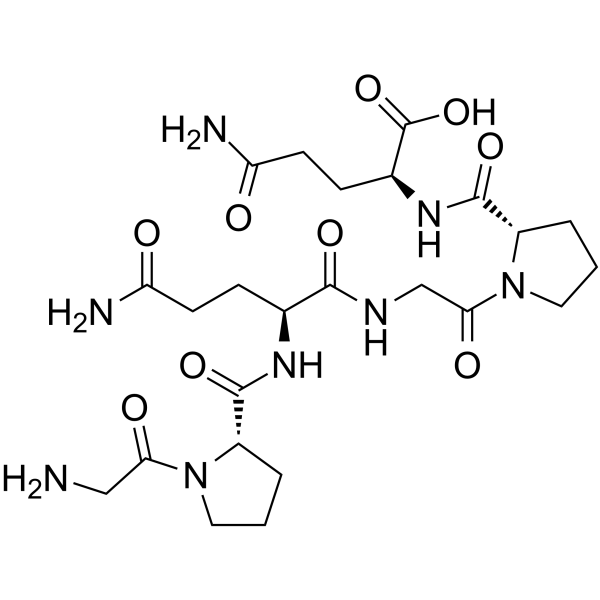
Hexapeptide-9 is a signaling peptide. Hexapeptide-9 can promote collagen production. Hexapeptide-9 has anti-aging activity, and can be used in cosmetic research .
|
-
-
- HY-134216
-
-
-
- HY-134636
-
|
|
Endogenous Metabolite
|
Endocrinology
|
|
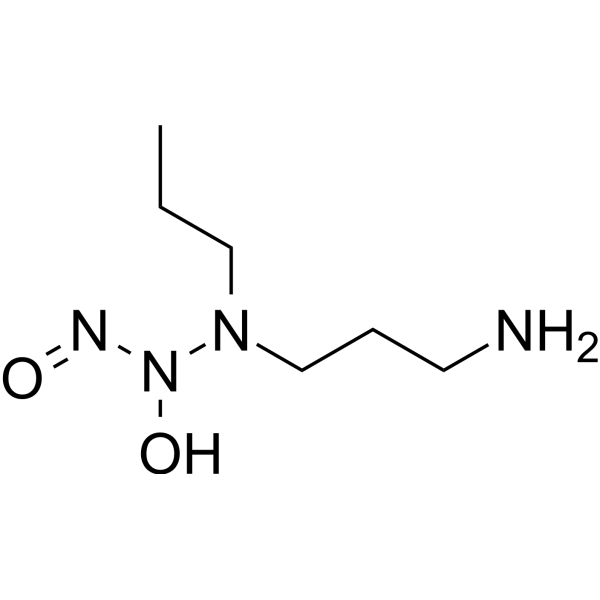
PAPA NONOate is a NO donor with a NO release half-life of 77 min (22-25°C). PAPA NONOate may represent a potential research for impaired wound healing in diabetes by increasing the rate of collagen synthesis at the wound site .
|
-
-
- HY-P0104
-
|
|
Collagen
|
Metabolic Disease
|
|
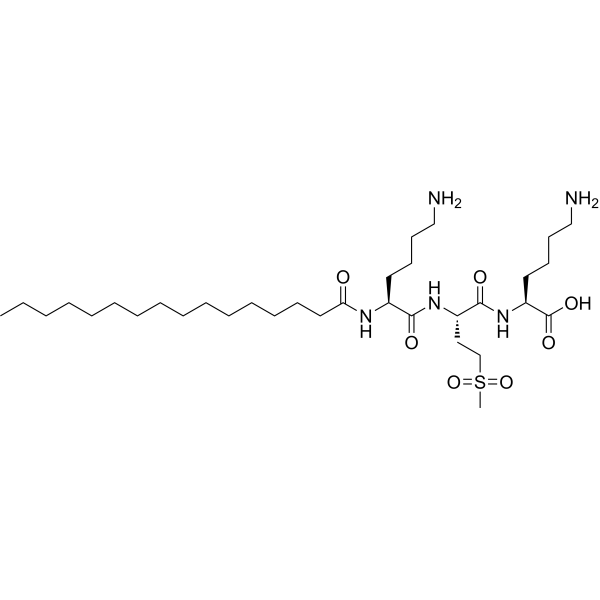
Palmitoyl tripeptide-38 is a lipopeptide that increases the production of dermal and epidermal collagen, fibronectin, and hyaluronic acid. Palmitoyl tripeptide-38 is used in research related to skin aging (fine lines, wrinkles, reduced skin elasticity, decreased skin water content, uneven skin tone) .
|
-
-
- HY-N2589
-
|
|
TGF-β Receptor
Collagen
|
Infection
Metabolic Disease
Inflammation/Immunology
Cancer
|
|
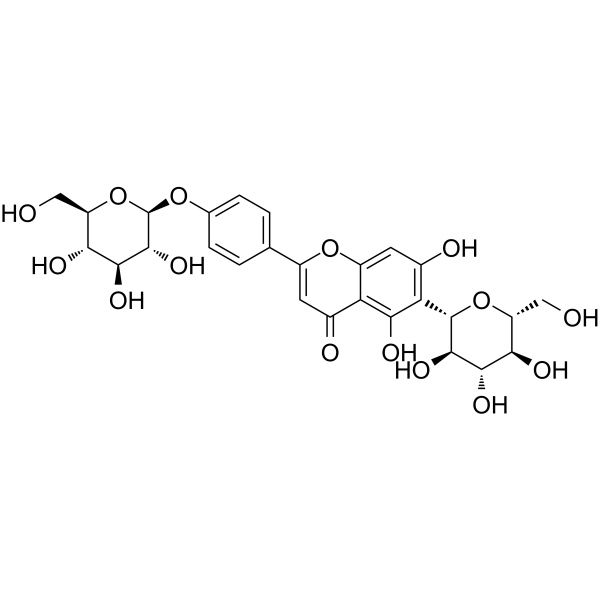
Isosaponarin is a flavone glycoside isolated from wasabi leaves. Isosaponarin is a P4HA2 enzymatic agonist. Isosaponarin increases collagen synthesis via up-regulated TGF-β type II receptor (TβR-II) and prolyl 4-hydroxylase (P4H) proteins production, promoting skin health and wound healing. Isosaponarin-rich plants exhibit strong antimicrobial, antioxidant, anti-hyaluronidase, antiplatelet, anti-atopic dermatitis, and anti-tumor effects .
|
-
-
- HY-P11087
-
|
|
Collagen
|
Others
|
|
P15 is a collagen mimetic peptide with the sequence of GTPGPQGIAGQRGVV. P15 can mimic the cell-binding domain of human type I collagen. P15 is capable of promoting the adhesion, proliferation, and differentiation of osteoblasts. Biomaterials modified with P15 can be used in research related to bone regeneration .
|
-

-
- HY-111247
-
-

-
- HY-W128156
-
|
10-HSA
|
PPAR
|
Inflammation/Immunology
|
|
10-Hydroxystearic acid (10-HSA) is a PPARα agonist. 10-Hydroxystearic acid stimulates collagen synthesis. 10-Hydroxystearic acid is an anti-aging agent and reduces the appearance of pores and hyperpigmented lesions .
|
-

-
- HY-P1868A
-
|
DGEA peptide TFA
|
Integrin
|
Others
|
|
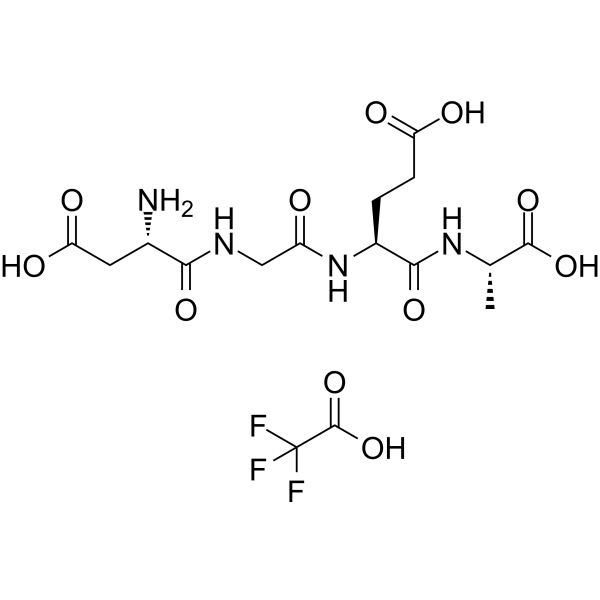
α2β1 Integrin Ligand Peptide TFA interacts with the α2β1 integrin receptor on the cell membrane and mediates extracellular signals into cells. It is a potential antagonist of collagen receptors .
|
-
-
- HY-P3153
-
|
|
Cathepsin
|
Metabolic Disease
|
|
Cathepsin K is a cysteine protease with endo and collagenolytic activities. Cathepsin K induces degradation of bone collagen and can be used for the research of osteoporosis .
|
-

-
- HY-P2738A
-
|
|
MMP
|
Inflammation/Immunology
|
|
Type I collagen peptide is a fibrillar form of collagen that promotes the activation and growth of epithelial cells . This product is an enzymatically hydrolyzed collagen short peptide.
|
-

-
- HY-103070
-
|
|
MMP
|
Inflammation/Immunology
|
|
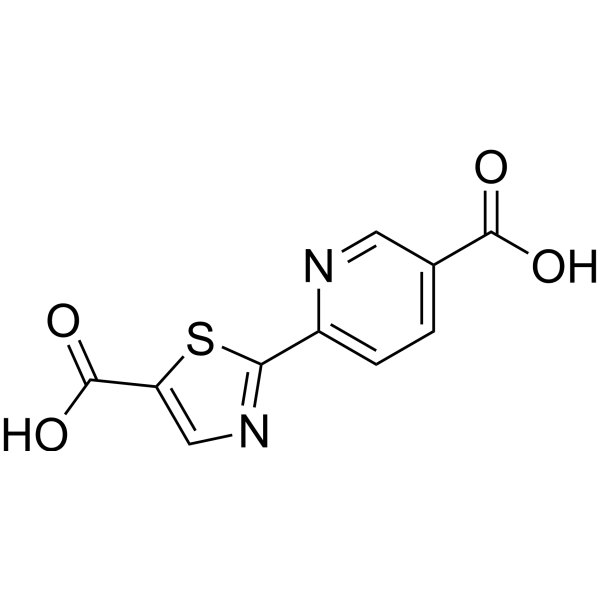
PythiDC is a selective collagen prolyl 4-hydroxylase (CP4H1) inhibitor with an IC50 value of 4.0 μM. PythiDC can be used as a CP4H probe and also can be used for the development of a new class of antifibrotic and antimetastatic agents .
|
-
-
- HY-116893
-
|
|
HIF/HIF Prolyl-Hydroxylase
MOFs
|
Cancer
|
|
Diethyl bipy55'DC is an inhibitor of collagen proline 4-hydroxylases (CP4Hs) with antifibrotic and anti-metastatic activities. Diethyl bipy55'DC can inhibit CP4H activity in cultured cells at concentrations that do not cause iron deficiency .
|
-

-
- HY-P5237
-
|
|
Collagen
|
Others
|
|
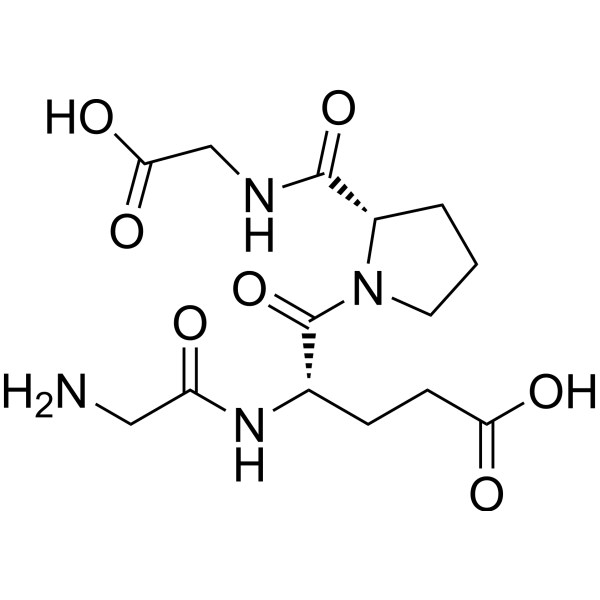
Tetrapeptide-4 is a synthetic tetrapeptide. Tetrapeptide-4 upregulates hyaluronic acid synthetase, and collagen production in human dermal fibroblasts. Tetrapeptide-4 reduces skin aging, improves skin firmness, elasticity, and appearance, and benefits hair .
|
-
-
- HY-P990294
-
|
|
Transmembrane Glycoprotein
STAT
Collagen
Reactive Oxygen Species (ROS)
Interleukin Related
|
Cardiovascular Disease
Inflammation/Immunology
|
|
Anti-Mouse CD106/VCAM-1 Antibody (M/K-2.7) is an anti-mouse CD106/VCAM-1 IgG1 monoclonal antibody. Anti-Mouse CD106/VCAM-1 Antibody (M/K-2.7) reduces inflammatory response and oxidative stress by lowering p-STAT3 and reactive oxygen species (ROS) levels. Anti-Mouse CD106/VCAM-1 Antibody (M/K-2.7) can alleviate cardiac inflammation and fibrosis by reducing the expression of collagen I and collagen III. Anti-Mouse CD106/VCAM-1 Antibody (M/K-2.7) can be used for research on cardiovascular conditions such as hypertensive heart condition and subretinal fibrosis .
|
-
-
- HY-N1584C
-
|
RU-19110 lactate
|
DNA/RNA Synthesis
TGF-beta/Smad
Parasite
Sodium Channel
Calcium Channel
|
Infection
Cardiovascular Disease
Inflammation/Immunology
Cancer
|
|
Halofuginone lactate, a Febrifugine derivative, is a competitive prolyl-tRNA synthetase inhibitor with a Ki of 18.3 nM . Halofuginone lactate is a specific inhibitor of type-I collagen synthesis and attenuates osteoarthritis (OA) by inhibition of TGF-β activity . Halofuginone lactate is also a potent pulmonary vasodilator by activating Kv channels and blocking voltage-gated, receptor-operated and store-operated Ca 2+ channels. Halofuginone lactate has anti-malaria, anti-inflammatory, anti-cancer, anti-fibrosis effects .
|
-

-
- HY-NP109
-
|
Mouse Type I collagen, immunization grade
|
MMP
|
Inflammation/Immunology
|
|
Highly purified type I collagen, from mouse skin (Mouse Type I collagen, immunization grade) is an immune grade collagen derived from mouse skin, which can stimulate the animal's immune system to produce specific antibodies against this collagen. Collagen is also a substrate for hydrolysis by MMPs .
|
-

-
- HY-NP113
-
|
Chick Type II collagen, immunization grade
|
MMP
|
Inflammation/Immunology
|
|
Highly purified Type II collagen, from chick sternal cartilage (Chick Type II collagen, immunization grade) is an immune grade collagen derived from chick sternal cartilage, which can stimulate the animal's immune system to produce specific antibodies against this collagen. Collagen is also a substrate for hydrolysis by MMPs .
|
-

-
- HY-146332
-
|
|
P-selectin
|
Cardiovascular Disease
|
|
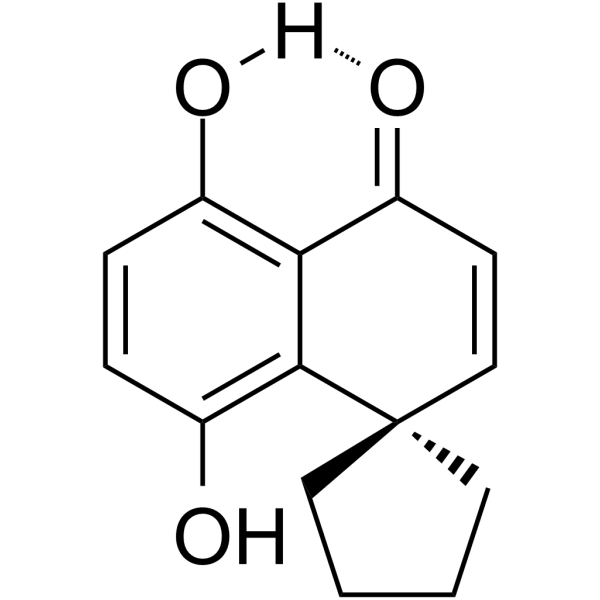
Collagen-IN-1 (compound 3), an ortho-carbonyl hydroquinone derivative, is a selective inhibitor on collagen. Collagen-IN-1 inhibits agonist-induced platelet aggregation in a non-competitive manner with an IC50 value of 1.77 μM. Collagen-IN-1 reduces the expression of P-selectin, activation of glycoprotein IIb/IIIa, and release of adenosine triphosphate and CD63 from platelet. Collagen-IN-1 has the potential for platelet-related thrombosis diseases research .
|
-
-
- HY-113230B
-
|
|
Endogenous Metabolite
|
Metabolic Disease
|
|
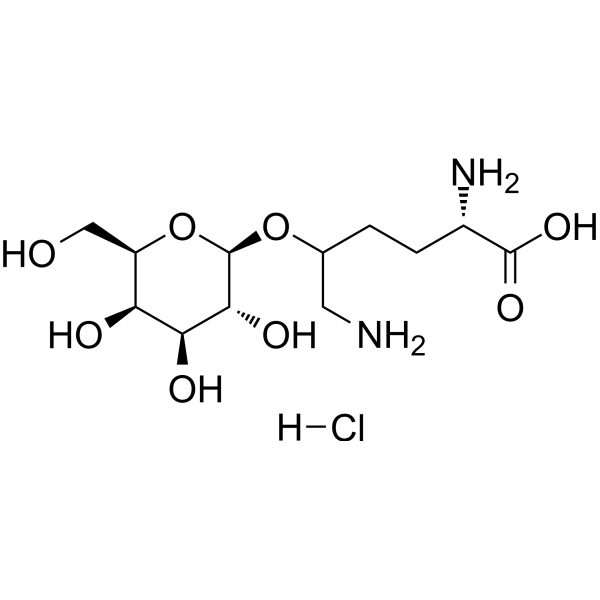
Galactosylhydroxylysine hydrochloride is a component of bone collagen produced by post-translational glycosylation of hydroxylysine. Galactosylhydroxylysine hydrochloride is released during bone resorption and has been shown to be elevated in metabolic bone loss .
|
-
-
- HY-119358R
-
|
|
Reference Standards
Reactive Oxygen Species (ROS)
Apoptosis
|
Cardiovascular Disease
Inflammation/Immunology
|
|
Traumatic Acid (Standard) is the analytical standard of Traumatic Acid. This product is intended for research and analytical applications. Traumatic Acid is a wound healing agent and a cytokinin (phytohormone). Traumatic Acid enhances the biosynthesis of collagen in cultured human skin fibroblasts. Traumatic Acid inhibits MCF-7 breast cancer cells viability and enhances apoptosis and oxidative stress. Traumatic Acid can be used in studies of cancer, circulatory disorders (including arterial hypertension), and skin diseases associated with oxidative stress and impaired collagen biosynthesis[1][2].
|
-

-
- HY-Y0317I
-
|
Disodium sulfate, meets analytical specification of Ph. Eur. BP USP
|
Biochemical Assay Reagents
|
Cancer
|
|
Sodium sulfate anhydrous (Disodium sulfate), meets analytical specification of Ph. Eur. BP USP is an orally active multifunctional ionic salt that serves as a protein precipitant, collagen fibril bundling inducer, and chlorine-free sodium source. Sodium sulfate anhydrous, meets analytical specification of Ph. Eur. BP USP promotes collagen fibril bundling to increase matrix pore size, alters cancer cell morphology and regulates their migration direction via geometric signals, and separates plasma/serum proteins or concentrates proteins at 37°C without causing thermal denaturation. In poultry farming applications, Sodium sulfate anhydrous, meets analytical specification of Ph. Eur. BP USP improves laying performance and eggshell quality, and is safe and effective at an addition level of 0.3-1.5%, while a high concentration of 3.0% causes negative physiological effects. Sodium sulfate anhydrous, meets analytical specification of Ph. Eur. BP USP can be widely applied in scientific research on cervical cancer and related fields .
|
-
-
- HY-N1584R
-
|
RU-19110 (Standard)
|
Reference Standards
DNA/RNA Synthesis
TGF-beta/Smad
Parasite
Sodium Channel
Calcium Channel
|
Infection
Cardiovascular Disease
Inflammation/Immunology
Cancer
|
|
Halofuginone (Standard) is the analytical standard of Halofuginone. This product is intended for research and analytical applications. Halofuginone (RU-19110), a Febrifugine derivative, is a competitive prolyl-tRNA synthetase inhibitor with a Ki of 18.3 nM . Halofuginone is a specific inhibitor of type-I collagen synthesis and attenuates osteoarthritis (OA) by inhibition of TGF-β activity . Halofuginone is also a potent pulmonary vasodilator by activating Kv channels and blocking voltage-gated, receptor-operated and store-operated Ca2+ channels. Halofuginone has anti-malaria, anti-inflammatory, anti-cancer, anti-fibrosis effects .
|
-

-
- HY-N1584AR
-
|
RU-19110 hydrobromide (Standard)
|
Reference Standards
DNA/RNA Synthesis
TGF-beta/Smad
Parasite
Sodium Channel
Calcium Channel
|
Infection
Cardiovascular Disease
Inflammation/Immunology
Cancer
|
|
Halofuginone (hydrobromide) (Standard) is the analytical standard of Halofuginone (hydrobromide). This product is intended for research and analytical applications. Halofuginone (RU-19110) hydrobromid, a Febrifugine derivative, is a competitive prolyl-tRNA synthetase inhibitor with a Ki of 18.3 nM . Halofuginone hydrobromid is a specific inhibitor of type-I collagen synthesis and attenuates osteoarthritis (OA) by inhibition of TGF-β activity . Halofuginone hydrobromid is also a potent pulmonary vasodilator by activating Kv channels and blocking voltage-gated, receptor-operated and store-operated Ca 2+ channels. Halofuginone hydrobromid has anti-malaria, anti-inflammatory, anti-cancer, anti-fibrosis effects .
|
-

-
- HY-NP126
-
|
Porcine Type XI collagen, immunization grade
|
MMP
|
Inflammation/Immunology
|
|
Highly purified Type XI collagen, from porcine articular cartilage (Porcine Type XI collagen, immunization grade) is an immune grade collagen derived from porcine articular cartilage, which can stimulate the animal's immune system to produce specific antibodies against this collagen. Collagen is also a substrate for hydrolysis by MMPs .
|
-

-
- HY-NP102
-
|
Bovine Type II collagen, immunization grade
|
Biochemical Assay Reagents
|
Inflammation/Immunology
|
|
Highly purified Type II collagen, from bovine articular cartilage (Bovine Type II collagen, immunization grade), an immunization grade, is the major matrix protein in cartilage that can be used for the study of arthritis .
|
-

-
- HY-145358
-
|
|
PI3K
|
Cancer
|
|
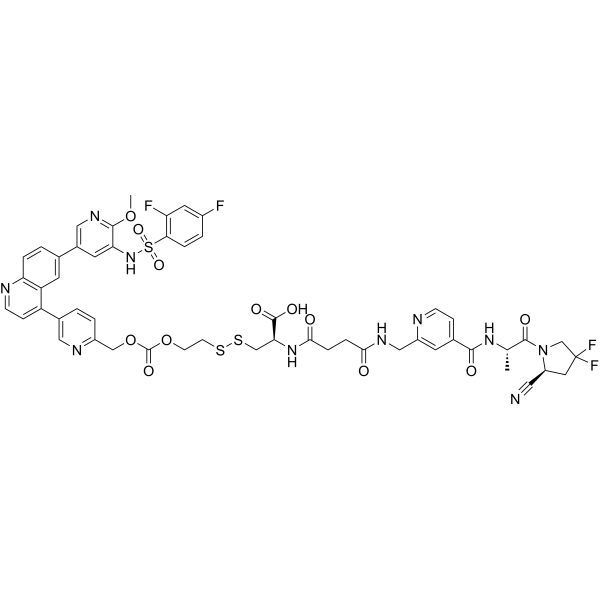
FAP-PI3KI1 is a fibroblast-activated protein (FAP)-targeted PI3K inhibitor that selectively targets FAP-expressing human idiopathic pulmonary fibrosis (IPF) cells and effectively inhibits collagen synthesis and reduces collagen deposition .
|
-
-
- HY-P0284A
-
|
|
MMP
|
Inflammation/Immunology
|
|
C-telopeptide TFA, a cross-linked peptide of type I collagen, is released during bone resorption and has been correlated with bone mineral density (BMD) .
|
-

-
- HY-113025A
-
|
(2S,5R)-5-Hydroxylysine dihydrochloride
|
Endogenous Metabolite
|
Others
|
|
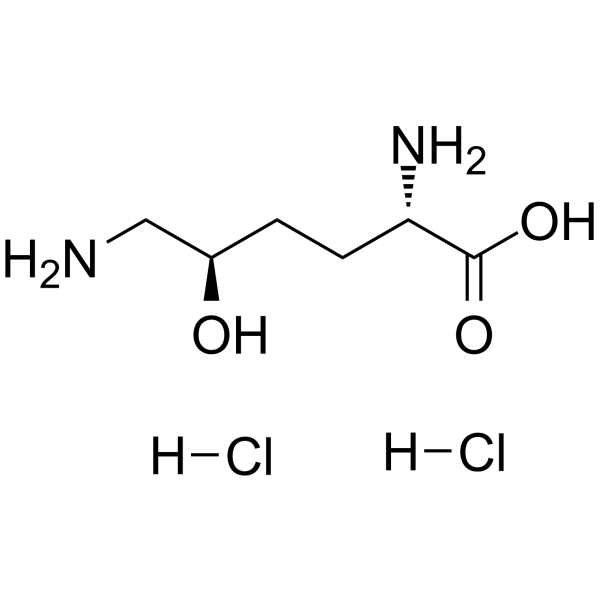
L-hydroxylysine dihydrochloride ((2S,5R)-5-Hydroxylysine dihydrochloride), an amino acid, is exclusive to collagen protein, which is formed by posttranslational hydroxylation of some lysine residues .
|
-
-
- HY-129502
-
|
P-23924C
|
HIF/HIF Prolyl-Hydroxylase
|
Others
|
|
Fibrostatin C (P-23924C) is an orally active prolyl hydroxylase inhibitor that also inhibits collagen biosynthesis. Fibrostatin C also increases the number of cytoplasmic granules immunoreactive with antibodies to collagen I or III. Fibrostatin C inhibits the secretion of type I collagen in Tenon's capsule fibroblasts. Fibrostatin C is promising for research of the wound fibrotic response in the wound of glaucoma filtering surgery .
|
-

-
- HY-146205
-
|
|
Phosphodiesterase (PDE)
|
Cardiovascular Disease
|
|
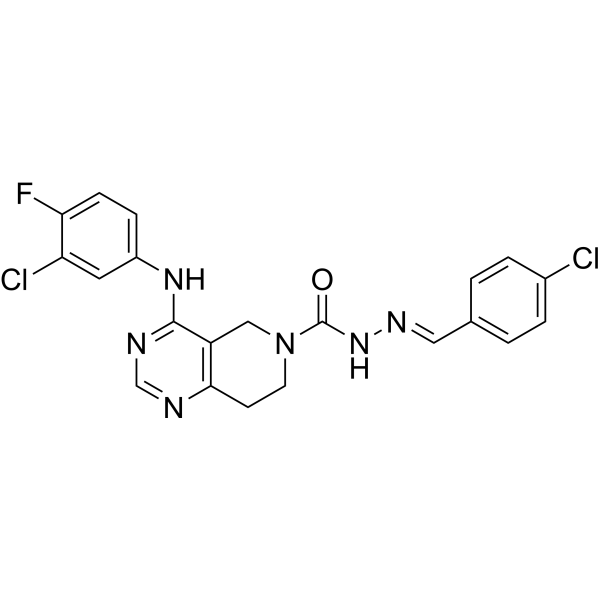
ATX inhibitor 18 is a potent ATX inhibitor with an IC50 value of 24.2 nM. ATX inhibitor 18 shows antiproliferative activity and anti-fibrosis activity. ATX inhibitor 18 suppresses collagen deposition in TGF-β-mediated cardiac fibrosis .
|
-
-
- HY-N2892
-
|
Aristololactam A IIIa; Sch 546909
|
DYRK
|
Cardiovascular Disease
Cancer
|
|
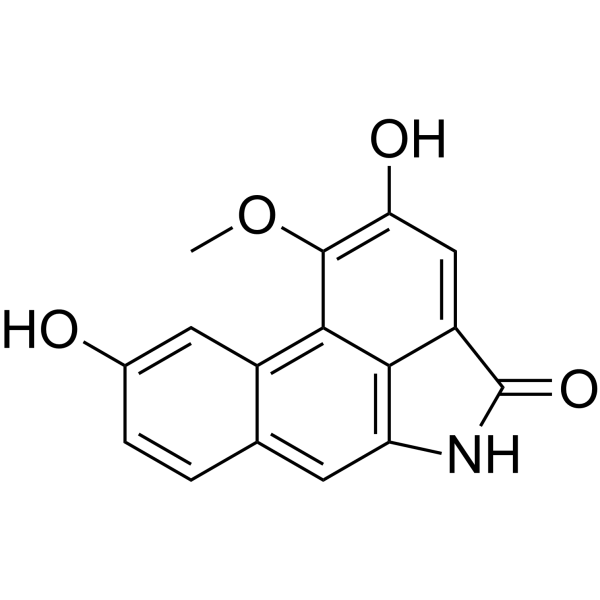
Aristolactam A IIIa (Sch 546909) is an aristolactam-type alkaloid that can be isolated from Glycosmis chlorosperma. Aristolactam A IIIa is a DYRK1A Inhibitor. Aristolactam A IIIa inhibits platelet aggregation induced by arachidonic acid (AA), collagen and platelet-activating factor (PAF). Aristolactam A IIIa has strong cytotoxic effect on HeLa cells .
|
-
- HY-N1584B
-
|
RU-19110 hydrochloride
|
Calcium Channel
DNA/RNA Synthesis
Parasite
Sodium Channel
TGF-beta/Smad
|
Infection
Cardiovascular Disease
Inflammation/Immunology
Cancer
|
|
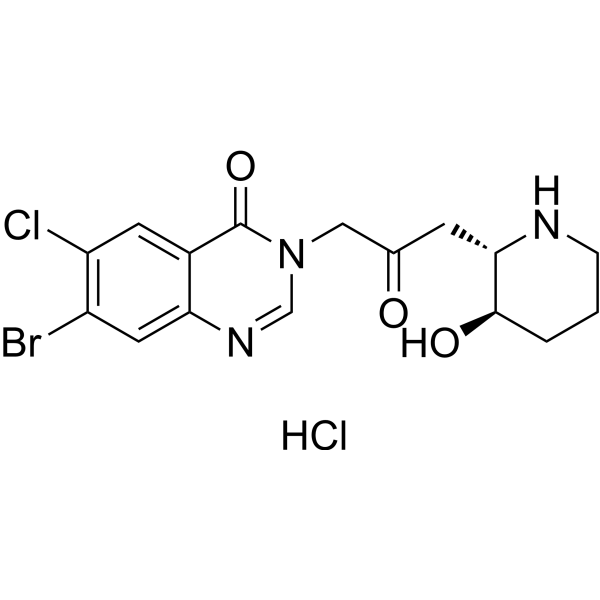
Halofuginone (RU-19110) hydrobromid, a Febrifugine derivative, is a competitive prolyl-tRNA synthetase inhibitor with a Ki of 18.3 nM. Halofuginone hydrobromid is a specific inhibitor of type-I collagen synthesis and attenuates osteoarthritis (OA) by inhibition of TGF-β activity. Halofuginone hydrobromid is also a potent pulmonary vasodilator by activating Kv channels and blocking voltage-gated, receptor-operated and store-operated Ca 2+ channels. Halofuginone hydrobromid has anti-malaria, anti-inflammatory, anti-cancer, anti-fibrosis effects .
|
-
- HY-NP103
-
|
Bovine Type III collagen, immunization grade
|
MMP
|
Inflammation/Immunology
|
|
Highly purified Type III collagen, from bovine skin (Bovine Type III collagen, immunization grade) is an immune grade collagen derived from bovine skin, which can stimulate the animal's immune system to produce specific antibodies against this collagen. Collagen is also a substrate for hydrolysis by MMPs .
|
-

- HY-P990251
-
|
|
MMP
Collagen
PD-1/PD-L1
|
Inflammation/Immunology
Cancer
|
|
Anti-Human/Mouse denatured collagen type-I Antibody (XL313) is a mouse-derived IgG1 κ type antibody inhibitor, targeting to human/mouse denatured collagen type-I. Anti-Human/Mouse denatured collagen type-I Antibody (XL313) selectively binds to proteolyzed collagen type I. Anti-Human/Mouse denatured collagen type-I Antibody (XL313) reduces PD L1 levels in tumor cells. Anti-Human/Mouse denatured collagen type-I Antibody (XL313) can be used for the researches of cancer and inflammation, such as such as ovarian tumor .
|
-
- HY-N12514
-
|
|
Others
|
Cardiovascular Disease
|
|
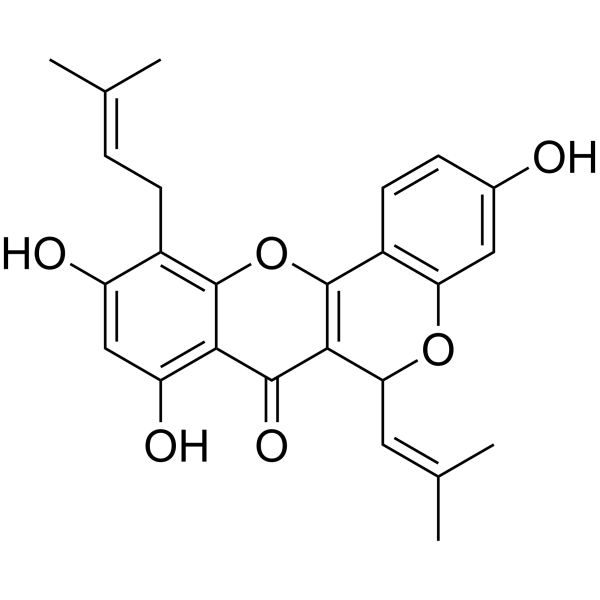
Cyclomulberrin is a extended flavonoid that shows inhibition of arachidonic acid (AA)- and collagen-induced platelet aggregation, with IC50 value of 128.2 μM .
|
-
- HY-P11447
-
|
|
Collagen
|
Cardiovascular Disease
|
|
COLIV-peptide is a type of specific binding peptide that can recognize and bind to Collagen Ⅳ, a key non-cellular component in atherosclerotic plaques. COLIV-peptide can be used for the study of atherosclerotic .
|
-

- HY-119735
-
|
|
Others
|
Cardiovascular Disease
|
|
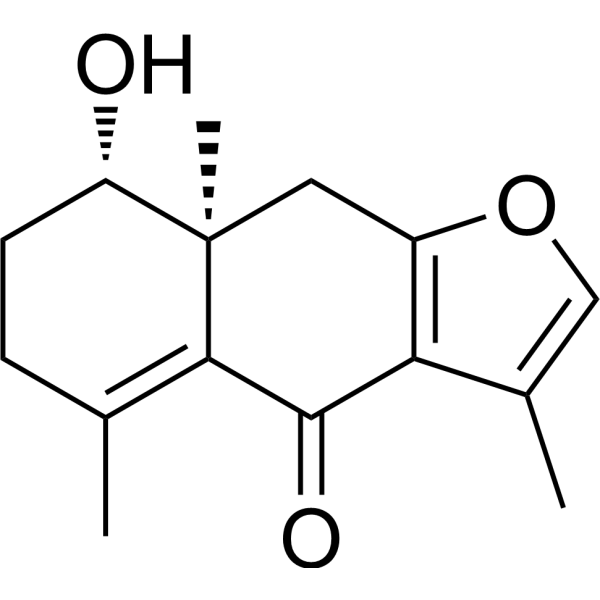
Curcolone is a sesquiterpenoid that inhibits collagen-induced or arachidonic acid (AA)-induced platelet aggregation .
|
-
- HY-E70368
-
|
|
Biochemical Assay Reagents
|
Others
|
|
Collagenase G Recombinant is involved in the islet isolation process, and digests specific collagens from the N-terminus, especially Col-V .
|
-

- HY-177739
-
|
|
Drug Derivative
Collagen
|
Inflammation/Immunology
|
|
Antifibrotic agent 2 (Compound 636) is a polycyclic pyridinone derivative with antifibrotic activity. Antifibrotic agent 2 reduces the pathological accumulation of fibrosis-related proteins such as fibronectin and collagen, prevents excessive fibrous connective tissue from depositing in organs or tissues, and reverses or delays the remodeling of tissue fibrosisby regulating the abnormal proliferation and activation of fibroblasts. Antifibrotic agent 2 can be used for research on pulmonary fibrosis .
|
-

- HY-100446
-
|
|
Glutaminase
Apoptosis
|
Metabolic Disease
Inflammation/Immunology
|
|
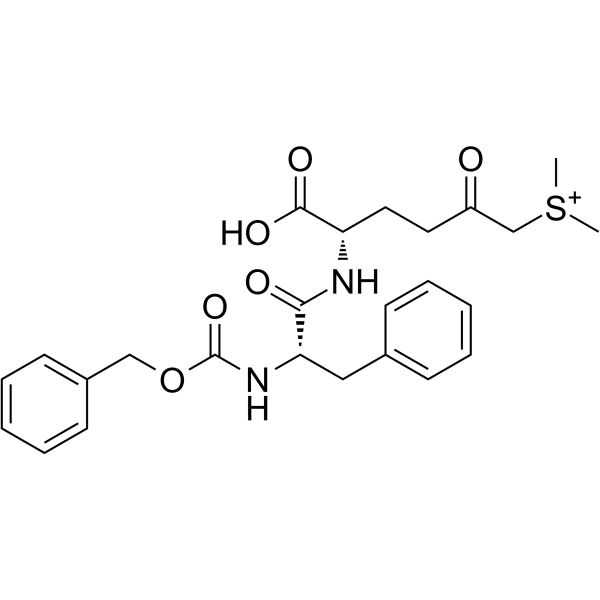
NTU281 is a potent transglutaminase-2 inhibitor. NTU281 can reduce the increases in serum creatinine and albuminuria in diabetic rats. NTU281 can also reduce glomerular collagen I accumulation, Hic-5 and α-SMA expression, and apoptosis. NTU281 can be used for researching glomerulosclerosis caused by diabetes .
|
-
- HY-NP111
-
|
Mouse Type V collagen, immunization grade
|
MMP
|
Inflammation/Immunology
|
|
Highly purified Type V collagen, from mouse intestine (Mouse Type II collagen, immunization grade) is an immune grade collagen derived from mouse intestine, which can stimulate the animal's immune system to produce specific antibodies against this collagen. Collagen is also a substrate for hydrolysis by MMPs .
|
-

- HY-NP124
-
|
Porcine Type III collagen, immunization grade
|
MMP
|
Inflammation/Immunology
|
|
Highly purified Type III collagen, from porcine skin (Porcine Type III collagen, immunization grade) is an immune grade collagen derived from porcine skin, which can stimulate the animal's immune system to produce specific antibodies against this collagen. Collagen is also a substrate for hydrolysis by MMPs .
|
-

- HY-NP107
-
|
Rat Type I collagen, immunization grade
|
MMP
|
Inflammation/Immunology
|
|
Highly purified Type I collagen, from rat skin (Rat Type I collagen, immunization grade) is an immune grade collagen derived from rat skin, which can stimulate the animal's immune system to produce specific antibodies against this collagen. Collagen is also a substrate for hydrolysis by MMPs .
|
-

- HY-NP106
-
|
Bovine Type XI collagen, immunization grade
|
MMP
|
Inflammation/Immunology
|
|
Highly purified Type XI collagen, from bovine articular cartilage (Bovine Type XI collagen, immunization grade) is an immune grade collagen derived from bovine articular cartilage, which can stimulate the animal's immune system to produce specific antibodies against this collagen. Collagen is also a substrate for hydrolysis by MMPs .
|
-

- HY-N12703
-
|
|
Others
|
Inflammation/Immunology
|
|
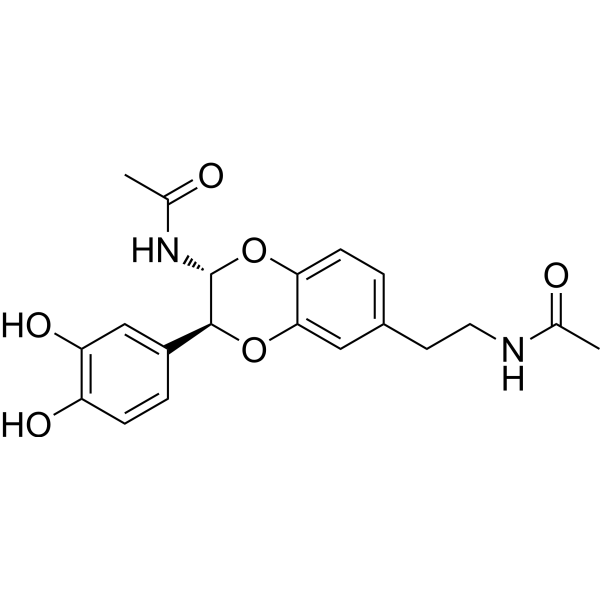
N-Acetyldopamine dimmers A (Compound (+)-2) can be isolated from the cast-off shell of the cicada of Cryptotympana sp. N-Acetyldopamine dimmers A increases collagen and α-SMA expression .
|
-
- HY-P5263
-
|
|
MMP
|
Others
|
|
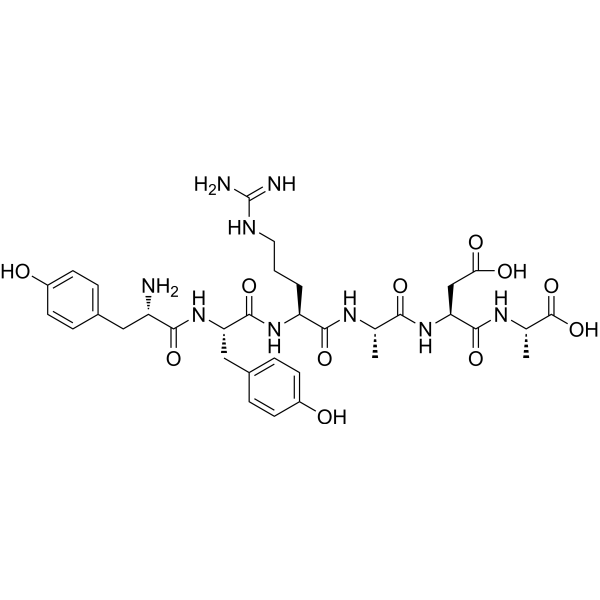
YYRADDA is a polypeptide. YYRADDA stimulates the growth of collagen in the extracellular matrix of the skin. YYRADDA improves the appearance of the skin and promotes the healing of damaged skin .
|
-
- HY-119582
-
|
|
MMP
|
Inflammation/Immunology
|
|
Safironil is an antifibrotic compound. Safironil is a competitive inhibitor of collagen protein synthesis. Safironil reduces liver fibrogenesis by inhibiting HSC activation .
|
-
- HY-113230
-
|
|
Endogenous Metabolite
|
Metabolic Disease
|
|
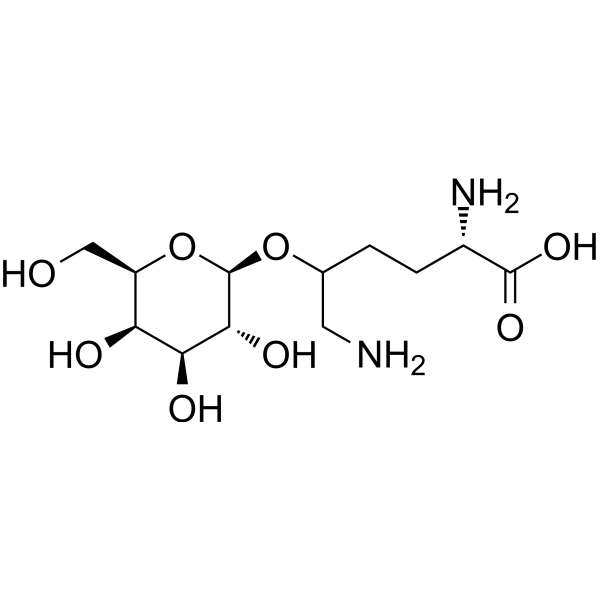
Galactosylhydroxylysine is a component of bone collagen produced by post-translational glycosylation of hydroxylysine. Galactosylhydroxylysine is released during bone resorption and has been shown to be elevated in metabolic bone loss .
|
-
- HY-N15271
-
-

- HY-167676
-
|
|
DNA/RNA Synthesis
|
Inflammation/Immunology
|
|
Cofpropamine, a caffeine derivative that inhibits polyadenylation, enhances the inhibitory effect of cyclophosphamide (HY-17420) in rat adjuvant arthritis and mouse collagen arthritis models .
|
-

- HY-147936
-
|
|
MMP
|
Inflammation/Immunology
|
|
TP0556351 is a potent and selective matrix metalloproteinase-2 (MMP2) inhibitor with an IC50 value of 0.2 nM. TP0556351 reduces the amount of collagen in the lungs of a Bleomycin-induced pulmonary fibrosis mouse model. TP0556351 can be used for researching idiopathic pulmonary fibrosis (IPF) .
|
-
- HY-115911
-
|
|
Glycoprotein VI
|
Cardiovascular Disease
|
|
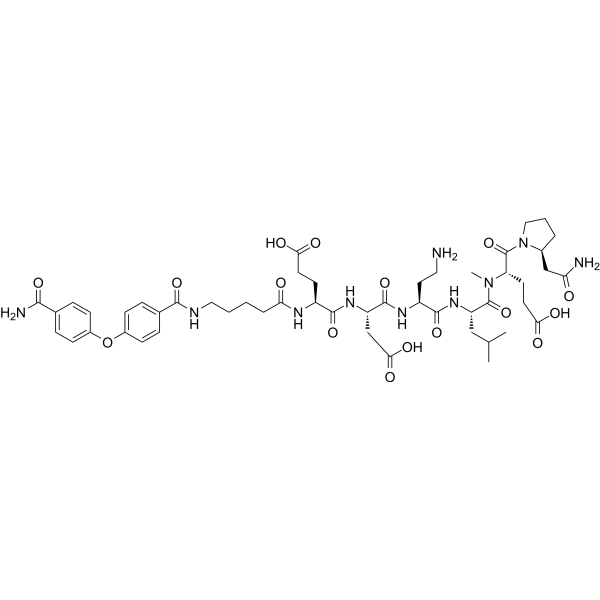
GPVI antagonist 2 (Compound 1) is a potential antagonist of Glycoprotein VI (GPVI). IC50 values of GPVI antagonist 2 are, respectively, 0.35 μM for collagen, 0.80 μM for CRP, 195.2 μM for convulxin and 81.38 μM for thrombin. Glycoprotein VI (GPVI) is a platelet major collagen receptor and a target for potent and safe antithrombotic research. GPVI antagonist 2 is a promising antiplatelet agent .
|
-
- HY-115912
-
|
|
Glycoprotein VI
|
Cardiovascular Disease
|
|
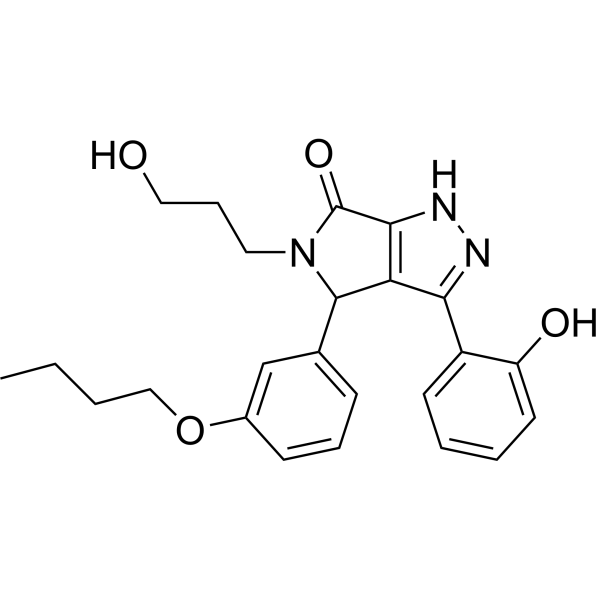
GPVI antagonist 3 (Compound 2) is a potential antagonist of Glycoprotein VI (GPVI). IC50 values of GPVI antagonist 3 are, respectively, 1.01 μM for collagen, 1.92 μM for CRP, 7.24 μM for convulxin and 51.74 μM for thrombin. Glycoprotein VI (GPVI) is a platelet major collagen receptor and a target for potent and safe antithrombotic research. GPVI antagonist 3 is a promising antiplatelet agent .
|
-
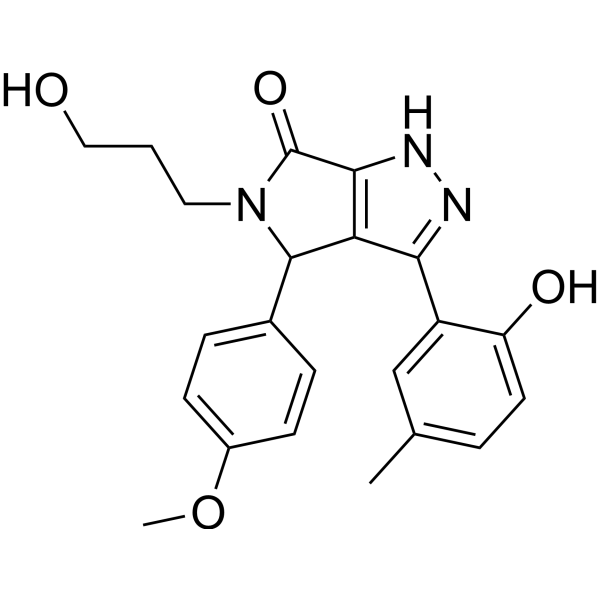
- HY-40136R
-
|
|
Reference Standards
Endogenous Metabolite
|
Cardiovascular Disease
Metabolic Disease
Endocrinology
Cancer
|
|
cis-4-Hydroxy-L-proline (Standard) is the analytical standard of cis-4-Hydroxy-L-proline (HY-40136). This product is intended for research and analytical applications. cis-4-Hydroxy-L-proline is an orally active proline analog and collagen production inhibitor. cis-4-Hydroxy-L-proline inhibits cell growth by preventing the deposition of triple helical collagen on the cell layer. cis-4-Hydroxy-L-proline inhibits N-nitrosomethylurea-induced breast tumor growth. cis-4-Hydroxy-L-proline improves lung compliance and reduces prostate weight. cis-4-Hydroxy-L-proline can be used in the study of hypoxic pulmonary hypertension .
|
-

- HY-N12141
-
|
|
Apoptosis
|
Inflammation/Immunology
|
|
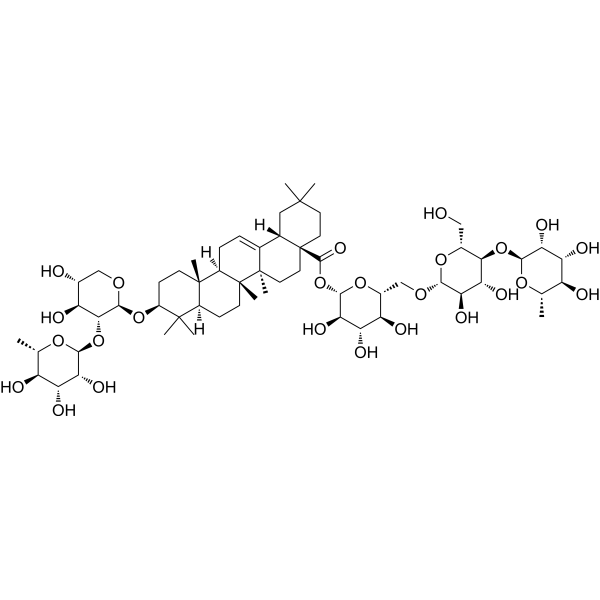
Flaccidoside II inhibits proliferation and induces apoptosis in Malignant peripheral nerve sheath tumors (MPNSTs) cell lines. Flaccidoside II ameliorates collagen-induced arthritis in mice. Flaccidoside II is an active triterpenoid saponin constituent from Anemone flaccida rhizome .
|
-
- HY-105120A
-
|
GR 32191 hydrochloride
|
Prostaglandin Receptor
|
Others
|
|
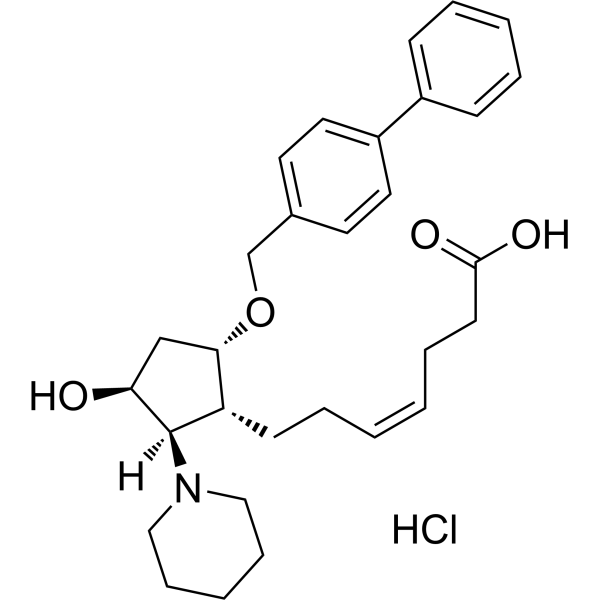
Vapiprost hydrochloride (GR 32191 hydrochloride) is a thromboxane A2 receptor antagonist. Vapiprost hydrochloride (GR 32191 hydrochloride) inhibits the aggregation and ATP release stimulated with U-46619, collagen or arachidonic acid (AA) at an IC50 of less than 2.1×10 -8 M .
|
-
- HY-162862
-
|
|
JAK
|
Others
|
JAK-IN-38 (Compound 1) is a JAK inhibitor, with IC50s of 0.03, 0.06, 0.12, 0.44 μM for Tyk2, JAK3, JAK2, JAK1 respectively. JAK-IN-38 is a collagen VII (C7) inducer and has anti-inflammatory activity. JAK-IN-38 can upregulate the expression of COL7A1 mRNA in donor-derived keratinocytes and works together with Gentamicin (HY-A0276A) to boost overall C7 levels .
|
-

- HY-N1584BR
-
|
RU-19110 hydrochloride (Standard)
|
Reference Standards
Calcium Channel
DNA/RNA Synthesis
Parasite
Sodium Channel
TGF-beta/Smad
|
Infection
Cardiovascular Disease
Inflammation/Immunology
Cancer
|
|
Halofuginone (hydrochloride) (Standard) is the analytical standard of Halofuginone (hydrochloride). This product is intended for research and analytical applications. Halofuginone (RU-19110) hydrobromid, a Febrifugine derivative, is a competitive prolyl-tRNA synthetase inhibitor with a Ki of 18.3 nM. Halofuginone hydrobromid is a specific inhibitor of type-I collagen synthesis and attenuates osteoarthritis (OA) by inhibition of TGF-β activity. Halofuginone hydrobromid is also a potent pulmonary vasodilator by activating Kv channels and blocking voltage-gated, receptor-operated and store-operated Ca2+ channels. Halofuginone hydrobromid has anti-malaria, anti-inflammatory, anti-cancer, anti-fibrosis effects [4] .
|
-

- HY-103352R
-
|
L-235 (Standard)
|
Reference Standards
Cathepsin
|
Metabolic Disease
|
|
L-006235 (Standard) is the analytical standard of L-006235. This product is intended for research and analytical applications. L-006235 (L-235) is a potent, selective, reversible and orally active inhibitor of cathepsin K, with an IC50 of 5 nM in bone resorption assay. L-006235 shows selectivity for cathepsin K (Ki=0.2 nM) over cathepsin B, cathepsin L, and cathepsin S (Ki=1, 6, and 47 μM, respectively). L-006235 can reduce collagen degradation and prevent bone loss .
|
-

- HY-178328
-
|
|
VD/VDR
Collagen
TGF-beta/Smad
MMP
JAK
|
Metabolic Disease
Inflammation/Immunology
Endocrinology
|
|
VDR agonist 4 is an orally active potent VDR agonist. VDR agonist 4 exerts VDR-dependent antifibrotic activity by regulating multiple fibrosis-related genes to suppress α-SMA and collagen I production, thereby inhibiting hepatic stellate cell (HSC) activation. VDR agonist 4 improves CCl4 (HY-RS16594)-induced hepatic fibrosis in mice. VDR agonist 4 can be used for liver fibrosis research .
|
-

- HY-NP127
-
|
Canine Type I collagen, immunization grade
|
MMP
|
Inflammation/Immunology
|
|
Highly purified Type I collagen, from canine skin (Canine Type I collagen, immunization grade) is an immune grade collagen derived from canine skin, which can stimulate the animal's immune system to produce specific antibodies against this collagen. Collagen is also a substrate for hydrolysis by MMPs .
|
-

- HY-NP122
-
|
Porcine Type I collagen, immunization grade
|
MMP
|
Inflammation/Immunology
|
|
Highly purified Type I collagen, from porcine skin (Porcine Type I collagen, immunization grade) is an immune grade collagen derived from porcine skin, which can stimulate the animal's immune system to produce specific antibodies against this collagen. Collagen is also a substrate for hydrolysis by MMPs .
|
-

- HY-NP128
-
|
Rabbit Type I collagen, immunization grade
|
MMP
|
Inflammation/Immunology
|
|
Highly purified Type I collagen, from rabbit skin (Canine Type I collagen, immunization grade) is an immune grade collagen derived from rabbit skin, which can stimulate the animal's immune system to produce specific antibodies against this collagen. Collagen is also a substrate for hydrolysis by MMPs .
|
-

- HY-NP108
-
|
Rat Type II collagen, immunization grade
|
MMP
|
Inflammation/Immunology
|
|
Highly purified type II collagen, from rat sternal cartilage (Rat Type II collagen, immunization grade) is an immune grade collagen derived from rat sternal cartilage, which can stimulate the animal's immune system to produce specific antibodies against this collagen. Collagen is also a substrate for hydrolysis by MMPs .
|
-

- HY-NP105
-
|
Bovine Type IX collagen, immunization grade
|
MMP
|
Inflammation/Immunology
|
|
Highly purified Type IX collagen, from bovine articular cartilage (Bovine Type IX collagen, immunization grade) is an immune grade collagen derived from bovine articular cartilage, which can stimulate the animal's immune system to produce specific antibodies against this collagen. Collagen is also a substrate for hydrolysis by MMPs .
|
-

- HY-NP130
-
|
Goat Type II collagen, immunization grade
|
MMP
|
Inflammation/Immunology
|
|
Highly purified Type II collagen, from goat articular cartilage (Goat Type II collagen, immunization grade) is an immune grade collagen derived from goat articular cartilage, which can stimulate the animal's immune system to produce specific antibodies against this collagen. Collagen is also a substrate for hydrolysis by MMPs .
|
-

- HY-126734
-
-

- HY-W740191
-
|
DHLNL
|
Biochemical Assay Reagents
|
Others
|
|
Dihydroxylysinonorleucine is a reducible lysine-derived cross-link. Dihydroxylysinonorleucine can be used for the cross-linking of Collagen .
|
-

- HY-N15633
-
|
HLNL
|
|
Others
|
|
Hydroxylysinonorleucine is a covalent immature collagen fibrils cross links molecule. Hydroxylysinonorleucine can be isolated from reduced native collagen in rat tail tendons, cornea and skine. Hydroxylysinonorleucine is assembled to complex structures and confers mechanical stability, strength and toughness to tissues .
|
-

- HY-P11794
-
|
|
Collagen
|
Others
|
|
Type IV collagen peptide is a cell-binding ligand peptide derived from type IV collagen. (The sequence is TAGSCLRKFSTM) .
|
-

- HY-N17650
-
|
|
TGF-β Receptor
Collagen
Cadherin
|
Inflammation/Immunology
|
|
Salviamarinic acid A is a water-soluble phenolic acid that can be extracted from Salvia miltiorrhiza with potent anti-pulmonary fibrosis activity. Salviamarinic acid A significantly increases cell viability, cell index, cell motility and E-cadherin expression, and reduces TGF-β1, α-SMA and Collagen I levels. Salviamarinic acid A can be used for pulmonary fibrosis research .
|
-

- HY-181754
-
|
|
Discoidin Domain Receptor
|
Others
|
|
TPKI-39 is a DDR1, DDR2, and FLT1 inhibitor, with a human DDR1 IC50 of 380 nM, human DDR1 Ka of 24 nM, human DDR2 IC50 of 120 nM, human FLT1 IC50 of 65 nM, and human FLT1 Ka of 91 nM.TPKI-39 inhibits DDR1 enzymatic activity and autophosphorylation, DDR2 enzymatic activity, and FLT1 enzymatic activity in cells.TPKI-39 inhibits collagen-induced DDR1 autophosphorylation in cells .
|
-

- HY-P11827
-
|
|
Collagen
ERK
TGF-beta/Smad
|
Metabolic Disease
|
|
C11 peptide-1 is an antifibrotic agent that binds directly to Collagen I. C11 peptide-1 physically disrupts Collagen I interaction with Lumican. C11 peptide-1 reduces inflammatory infiltration and inhibits the ERK1/2 and Smad2/3 signaling pathways. C11 peptide-1 can be used for the research of liver fibrosis .
|
-

- HY-N17906
-
|
|
Collagen
|
Inflammation/Immunology
|
|
Bletimalate C is a 2-isobutyl malate ester present in the tubers of Bletilla striata. Bletimalate C potently inhibits the production of total Collagen in TGF-β1-activated NIH/3T3 cells, with an IC50 of 22.16 μM. Bletimalate C can be used for the research of pulmonary fibrosis .
|
-

- HY-NP211
-
|
|
Biochemical Assay Reagents
|
Others
|
|
Highly purified Type II collagen from salmon nasal cartilage is a highly purified collagen that can stimulate the animal's immune system to produce specific antibodies against this collagen. Collagen is also a hydrolytic substrate for MMPs.
|
-

- HY-NP112
-
|
Chick type I collagen, immunization grade
|
MMP
|
Inflammation/Immunology
|
|
Highly purified Type I collagen, from chick skin (Chick type I collagen, immunization grade) is an immune grade collagen derived from chick skin, which can stimulate the animal's immune system to produce specific antibodies against this collagen. Collagen is also a substrate for hydrolysis by MMPs .
|
-

- HY-NP114
-
|
Chick Type IX collagen, immunization grade
|
MMP
|
Inflammation/Immunology
|
|
Highly purified Type IX collagen, from chick articular cartilage (Chick Type IX collagen, immunization grade) is an immune grade collagen derived from chick articular cartilage, which can stimulate the animal's immune system to produce specific antibodies against this collagen. Collagen is also a substrate for hydrolysis by MMPs .
|
-

- HY-NP115
-
|
Chick Type XI collagen, immunization grade
|
MMP
|
Inflammation/Immunology
|
|
Highly purified Type XI collagen, from chick articular cartilage (Chick Type XI collagen, immunization grade) is an immune grade collagen derived from chick articular cartilage, which can stimulate the animal's immune system to produce specific antibodies against this collagen. Collagen is also a substrate for hydrolysis by MMPs .
|
-

- HY-NP129
-
|
Sheep Type II collagen, immunization grade
|
MMP
|
Inflammation/Immunology
|
|
Highly purified Type II collagen, from sheep articular cartilage (Sheep Type II collagen, immunization grade) is an immune grade collagen derived from sheep articular cartilage, which can stimulate the animal's immune system to produce specific antibodies against this collagen. Collagen is also a substrate for hydrolysis by MMPs .
|
-

- HY-NP104
-
|
Bovine Amnion Type V collagen, immunization grade
|
MMP
|
Inflammation/Immunology
|
|
Highly purified Type V collagen, from bovine amnion (Bovine Amnion Type V collagen, immunization grade) is an immune grade collagen derived from bovine amnion, which can stimulate the animal's immune system to produce specific antibodies against this collagen. Collagen is also a substrate for hydrolysis by MMPs .
|
-

- HY-NP212
-
-

- HY-NP110
-
|
Mouse Type II collagen, immunization grade
|
MMP
|
Inflammation/Immunology
|
|
Highly purified Type II collagen, from mouse sternal cartilage (Mouse Type II collagen, immunization grade) is an immune grade collagen derived from mouse sternal cartilage, which can stimulate the animal's immune system to produce specific antibodies against this collagen. Collagen is also a substrate for hydrolysis by MMPs .
|
-

- HY-NP123
-
|
Porcine Type II collagen, immunization grade
|
MMP
|
Inflammation/Immunology
|
|
Highly purified Type II collagen, from porcine articular cartilage (Porcine Type II collagen, immunization grade) is an immune grade collagen derived from porcine articular cartilage, which can stimulate the animal's immune system to produce specific antibodies against this collagen. Collagen is also a substrate for hydrolysis by MMPs .
|
-

- HY-NP125
-
|
Porcine Type IX collagen, immunization grade
|
MMP
|
Inflammation/Immunology
|
|
Highly purified Type IX collagen, from porcine articular cartilage (Porcine Type IX collagen, immunization grade) is an immune grade collagen derived from porcine articular cartilage, which can stimulate the animal's immune system to produce specific antibodies against this collagen. Collagen is also a substrate for hydrolysis by MMPs .
|
-

- HY-150177
-
|
|
Drug Intermediate
|
Metabolic Disease
|
|
Mannose 6 phosphate is an essential precursor for mannosyl glycoconjugates, including lipid-linked oligosaccharides (LLO; glucose3mannose9GlcNAc2-P-P-dolichol) used for protein N-glycosylation. Mannose 6 phosphate causes specific LLO cleavage. Mannose 6 phosphate causes specific degradation of G3M9Gn2-P-P-Dol. Complexes containing Mannose 6 phosphate can remodel the dermal collagen network, improve skin biomechanical properties, and reverse visible signs of aging. Mannose 6 phosphate can be used in research related to skin aging .
|
-

- HY-NP003
-
|
Collagen
|
Collagen
|
Inflammation/Immunology
|
|
Collagen, Type II, from bovine snout membrane is a type II collagen that can be used for cell culture . This product is enzymatically hydrolyzed collagen peptides.
|
-

- HY-145555
-
|
DWN12088
|
Aminoacyl-tRNA Synthetase
|
Inflammation/Immunology
|
|
Bersiporocin (DWN12088) is an orally effective prolyl-tRNA synthetase (PRS) inhibitor. Bersiporocin exerts antifibrotic effects by inhibiting collagen synthesis. Bersiporocin can be used in the research of pulmonary fibrosis .
|
-
- HY-47888
-
|
|
Integrin
|
Inflammation/Immunology
|
|
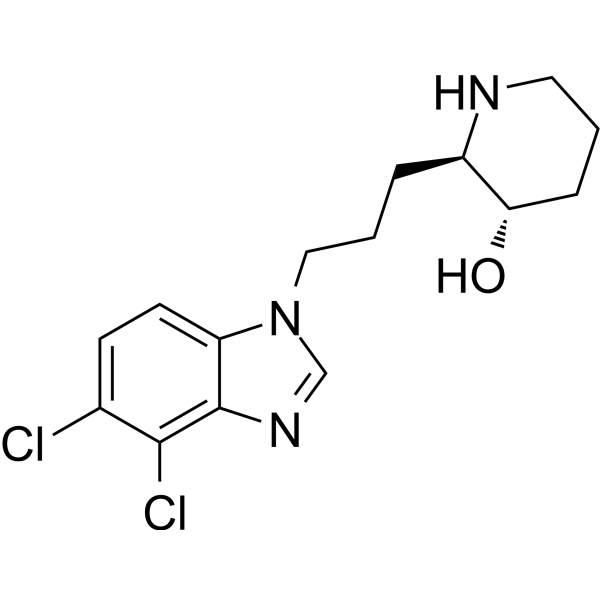
PLN-1474 (compound 1) is an orally active and selective ανβ1 integrin inhibitor with an IC50 value of <50 nM. PLN-1474 reduces levels of pSMAD3/SMAD3 in liver, hepatic collagen gene expression and hepatic OHP concentration in liver fibrosis mouse model. PLN-1474 can be used for the research of preventing, delaying or researching a fibrotic or cirrhotic disease or disorder.
|
-
- HY-110246
-
|
|
Formyl Peptide Receptor (FPR)
|
Inflammation/Immunology
|
|
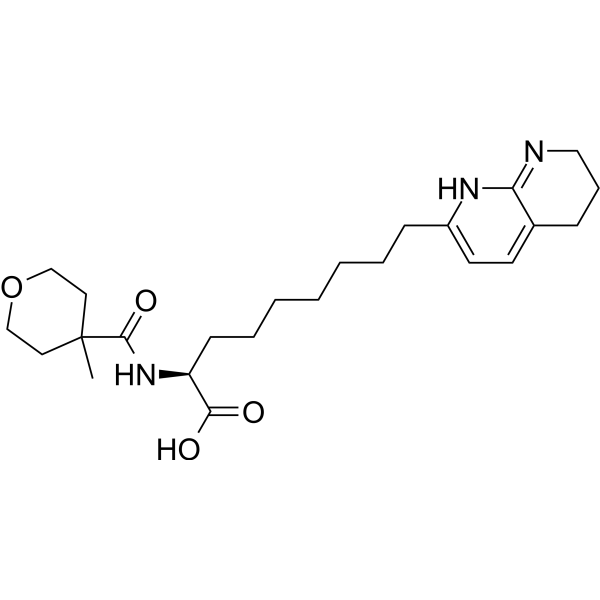
Quin C1 is a highly specific and potent agonist for formyl peptide receptor 2 (FPR2/ALX). Quin-C1 significantly reduces the neutrophil and lymphocyte counts in BALF, diminishes expression of TNF-α, IL-1β, KC, and TGF-β1, and decreases collagen deposition in lung tissue. Quin C1 has the potential for the research of lung injury .
|
-
- HY-P0063
-
|
GHK-Cu
|
Biochemical Assay Reagents
|
Inflammation/Immunology
|
|
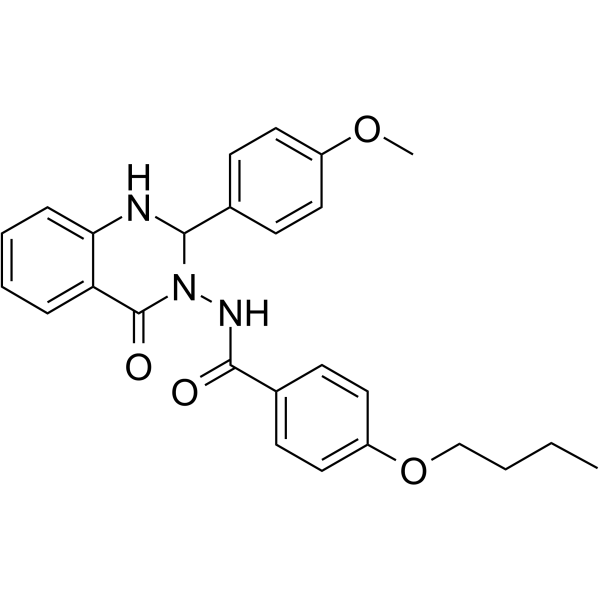
Copper tripeptide (GHK-Cu) is a tripeptide. During wound healing, Copper tripeptide may be freed from existing extracellular proteins via proteolysis and serves as a chemoattractant for inflammatory and endothelial cells. Copper tripeptide has been shown to increase messenger RNA production for collagen, elastin, proteoglycans, and glycosaminoglycans in fibroblasts. Copper tripeptide is a natural modulator of multiple cllular pathways in skin regeneration .
|
-
- HY-P0063A
-
|
GHK-Cu acetate
|
Biochemical Assay Reagents
|
Inflammation/Immunology
|
|
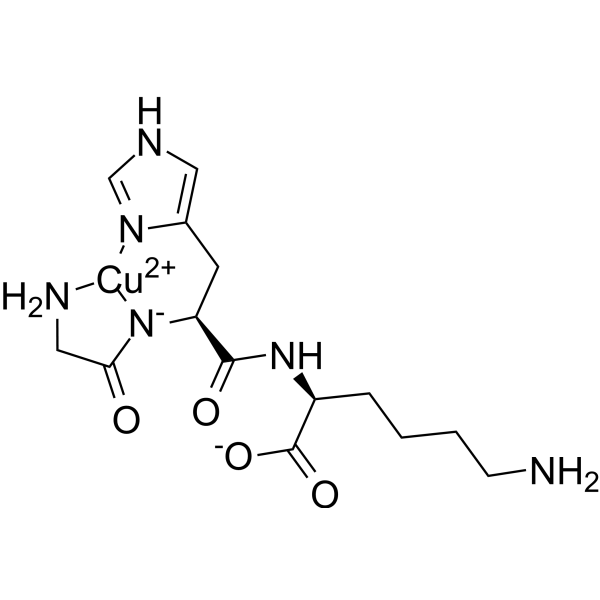
Copper tripeptide (GHK-Cu) acetate is a tripeptide. During wound healing, Copper tripeptide acetate may be freed from existing extracellular proteins via proteolysis and serves as a chemoattractant for inflammatory and endothelial cells. Copper tripeptide acetate has been shown to increase messenger RNA production for collagen, elastin, proteoglycans, and glycosaminoglycans in fibroblasts. Copper tripeptide acetate is a natural modulator of multiple cllular pathways in skin regeneration .
|
-

- HY-B0166
-
-
- HY-P10739C
-
|
|
Collagen
Apoptosis
|
Inflammation/Immunology
|
|
WYRGRLC is a type II collagen-targeting peptide. WYRGRLC specifically binds to type II collagen α1 in articular cartilage in a sequence-dependent manner. WYRGRLC inhibits the binding of WYRGRL-displaying phage (C1-3) to articular cartilage in a sequence-specific manner. WYRGRLC can act as a retention enhancer to improve the cartilage-targeting ability of polymeric nanoparticles and liposomal nanoplatforms, facilitating the delivery of Rapamycin (HY-10219) to chondrocytes. WYRGRLC can be used in studies related to osteoarthritis .
|
-

- HY-P5003
-
|
|
MMP
|
Inflammation/Immunology
|
|
Collagen Type II Fragment is an anti-inflammatory peptide that potently inhibits collagen-induced arthritis (CIA) in mice. Collagen Type II Fragment can be used for research on inflammation and immunity .
|
-

- HY-B0987
-
-
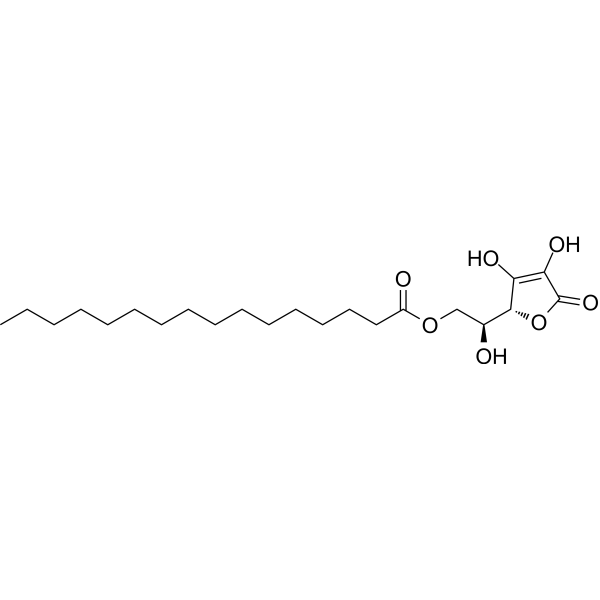
- HY-182625
-
|
|
Platelet-activating Factor Receptor (PAFR)
|
Others
Inflammation/Immunology
|
|
GS-1160-180 is a PAF receptor antagonist. GS-1160-180 competes with PAF for receptor binding, with no activity against collagen or adenosine diphosphate-induced platelet aggregation. GS-1160-180 can be used for research on asthma, anaphylactic shock, gastric ulceration, and transplant rejection .
|
-

- HY-P11826
-
|
|
Collagen
|
Metabolic Disease
|
|
T2 peptide-1 is a linear peptide derived from Lumican degradation. T2 peptide-1 exhibits activity against endometrial adhesion progression and ability to inhibit the Lumican−Collagen I interaction. T2 peptide-1 can be used for the research of liver fibrosis .
|
-

- HY-181431
-
|
|
TGF-beta/Smad
|
Inflammation/Immunology
|
|
PXS 64, a mannose-6-phosphate (M6P) analogue. a lipophilic prodrug of PXS 25 (HY-181430). PXS 64 is an effective anti-fibrotic agent by inhibiting the activation of latent TGF-β1. PXS64, inhibits fibrosis via TGF-β1 pathway in human lung fibroblasts. PXS 64 reduces TGFβ-mediated collagen IV, fibronectin, MCP-1, and phospho-smad2 expression in kidney cells. PXS 64 reduces collagen deposition in dermal scar fibroblasts. PXS 64 can be used for the research of chronic kidney disease, idiopathic pulmonary fibrosis, scarring .
|
-

- HY-NP132A
-
|
|
Biochemical Assay Reagents
Integrin
Autophagy
Apoptosis
Discoidin Domain Receptor
|
Cancer
|
|
Recombinant humanized type III collagen (MW 55900) is a type III collagen with a molecular weight of 55900 Da. Recombinant humanized type III collagen has various biological functions, such as promoting skin extracellular matrix regeneration and improving the cell microenvironment. Recombinant humanized type III collagen inhibits the proliferation, migration, and invasion of breast cancer cells. Type III collagen functions in cell adhesion, migration, proliferation and differentiation through its interaction with integrins .
|
-

- HY-P991193
-
|
|
TNF Receptor
|
Cancer
|
|
NGM-438 is a humanized monoclonal antibody antagonist of LAIR1, with a Ka of 0.26 nM for human LAIR1 and 4.28 nM for cynomolgus monkey LAIR1. NGM-438 blocks the binding of LAIR1 to its Collagen ligand and antagonizes the Collagen-induced LAIR1 signaling pathway. NGM-438 reverses FcγR signaling inhibition in myeloid cells, induces dendritic cells to secrete TNFα, promotes T cell proliferation, and triggers myeloid inflammation and allogeneic T cell responses. NGM-438 sensitizes refractory mouse lung cancer to PD-1 blockade, increases the content of intratumoral CD8 + T cells and the expression of inflammatory genes. NGM-438 is applicable to research related to solid tumors, refractory solid tumors and non-small cell lung cancer .
|
-

- HY-P11794A
-
|
|
Collagen
|
Others
|
|
Type IV collagen peptide acetate is a cell-binding ligand peptide derived from type IV collagen. (The sequence is TAGSCLRKFSTM) .
|
-

- HY-183644
-
|
|
Lysyl Oxidase
|
Cardiovascular Disease
|
|
LNO 9 is an orally active LOXL2 inhibitor and NO donor, with an IC50 of 0.17 μM against human LOXL2. LNO 9 competitively binds to the LTQ cofactor of LOXL2 to form an irreversible complex, thereby inhibiting collagen oxidation and abnormal cross-linking. LNO 9 releases nitric oxide (NO) to increase cGMP levels in pulmonary artery smooth muscle cells. LNO 9 inhibits hypoxia-induced collagen modification and possesses vasodilatory activity. LNO 9 ameliorates right ventricular hypertrophy and pulmonary artery medial thickness in rat models induced by hypoxia and Monocrotaline (HY-N0750), and can be used for research on pulmonary hypertension .
|
-

- HY-B0166R
-
|
L-Ascorbate (Standard); Vitamin C (Standard)
|
Reference Standards
Reactive Oxygen Species (ROS)
Calcium Channel
Apoptosis
Endogenous Metabolite
|
Neurological Disease
Metabolic Disease
Cancer
|
|
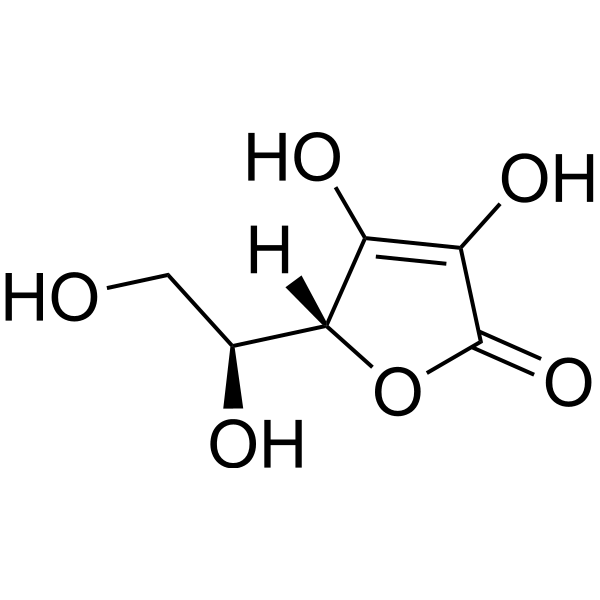
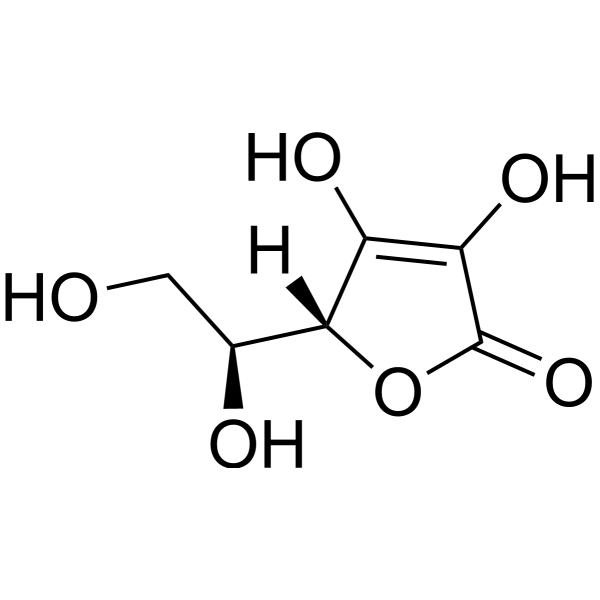
L-Ascorbic acid (Standard) is the analytical standard of L-Ascorbic acid. This product is intended for research and analytical applications. L-Ascorbic acid (L-Ascorbate), an electron donor, is an endogenous antioxidant agent. L-Ascorbic acid inhibits selectively Cav3.2 channels with an IC50 of 6.5 μM. L-Ascorbic acid is also a collagen deposition enhancer and an elastogenesis inhibitor . L-Ascorbic acid exhibits anti-cancer effects through the generation of reactive oxygen species (ROS) and selective damage to cancer cells .
|
-

- HY-NP101
-
|
Bovine Type I collagen, immunization grade
|
Biochemical Assay Reagents
|
Inflammation/Immunology
|
|
Highly purified Type I collagen, from bovine skin (Bovine Type I collagen, immunization grade) plays an important role in the structure and function of skin, bone, tendons, and many others. Type I collagen potently stimulates angiogenesis in vitro and in vivo. Highly purified Type I collagen, from bovine skin is an immunization grade that can be used for immunization to generate antibodies .
|
-

- HY-NP0219
-
-

- HY-P1912
-
|
|
MMP
|
Endocrinology
|
|
Alpha 1(I) Collagen (614-639), human is a peptide fragment of alpha-1 type I collagen.
|
-

- HY-B0166GL
-
|
L-Ascorbate (GMP Like); Vitamin C (GMP Like)
|
Reactive Oxygen Species (ROS)
Apoptosis
Calcium Channel
Endogenous Metabolite
|
Neurological Disease
Metabolic Disease
Cancer
|
|
L-Ascorbic acid (GMP Like) is the GMP Like class L-Ascorbic acid (HY-B0166). L-Ascorbic acid (L-Ascorbate, Vitamin C), an electron donor, is an endogenous antioxidant agent. L-Ascorbic acid inhibits selectively Cav3.2 channels with an IC50 of 6.5 μM. L-Ascorbic acid is also a collagen deposition enhancer and an elastogenesis inhibitor . L-Ascorbic acid exhibits anti-cancer effects through the generation of reactive oxygen species (ROS) and selective damage to cancer cells .
|
-
- HY-NP156A
-
|
|
Biochemical Assay Reagents
|
Others
|
|
Type I Collagen, for cell culture, from Porcine is a type of collagen derived from porcine sources, which can be used for cell culture .
|
-

- HY-P10462
-
|
Synthetic anti-inflammatory peptide 15
|
HDAC
NF-κB
|
Inflammation/Immunology
|
|
SAP15 (Synthetic anti-inflammatory peptide 15) is a synthetic anti-inflammatory peptide consisting of 15 amino acids designed from human beta-defensin 3. SAP15 has the ability to penetrate cells and is able to induce downregulation of intracellular inflammation. SAP15 inhibits inflammation by inhibiting the phosphorylation of HDAC5 and thereby reducing the phosphorylation of NF-κB p65. SAP15 inhibits HDAC5 and NF-κB p65 phosphorylation in LPS (HY-D1056)-induced macrophages. SAP15 increases the expression of aggrecan and type II collagen and decreases the expression of osteocalcin in LPS-induced chondrocytes. SAP15 can be used in the study of inflammation regulation and anti-inflammatory therapy of biomaterials .
|
-

- HY-129389
-
|
|
Glycosyltransferase
|
Cancer
|
|
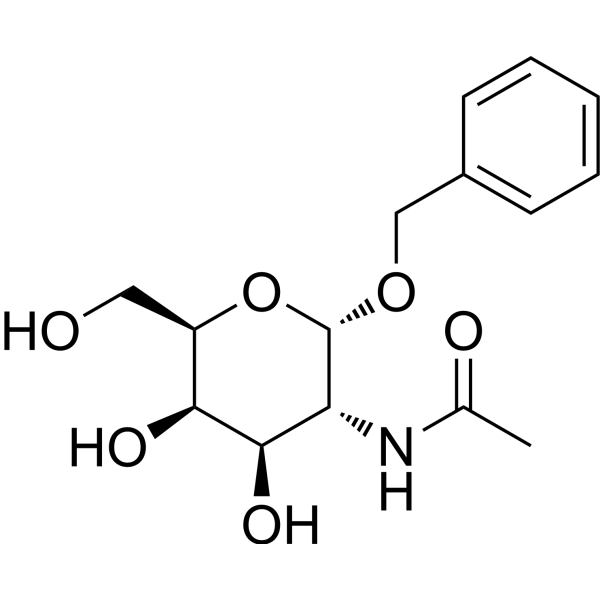
Benzyl-α-GalNAc is a potent O-glycosylation inhibitor. Benzyl-α-GalNAc effectively inhibits the proliferation and activation of LX-2 cells and suppresses the expression of collagen I/III, which has good potential for investigation in liver fibrosis. Benzyl-α-GalNAc also significantly enhances the anti-tumour activity of 5-Fluorouracil (HY-90006) (e.g. pancreatic cancer) by inhibiting O-glycosylation .
|
-
- HY-P2738B
-
|
|
MMP
|
Inflammation/Immunology
|
|
Collagen petide Type II is an extracellular matrix proteins and show many applications in food, cosmetic, pharmaceutical and biomedical industries. This product is enzymatically hydrolyzed collagen peptide .
|
-

- HY-NP0243
-
|
Mouse cyanogen bromide digested peptide 8
|
Biochemical Assay Reagents
|
Inflammation/Immunology
|
|
Mouse CB8 of type II collagen (Mouse cyanogen bromide digested peptide 8) is a cyanobromide digested peptide (CB-peptide) fragment of type II collagen, which can be used to study B cell and T cell epitopes of type II collagen. This product is pepsin-free, making it ideal for studying T cell epitope specificity through proliferation assays. Mouse CB8 of type II collagen can also be used as an antigen for analyzing antibody epitope specificity via ELISA .
|
-

- HY-NP0241D
-
|
Chick cyanogen bromide digested peptide 12
|
Biochemical Assay Reagents
|
Inflammation/Immunology
|
|
Chick CB12 of type II collagen (Chick cyanogen bromide digested peptide 12) is a cyanobromide digested peptide (CB-peptide) fragment of type II collagen, which can be used to study B cell and T cell epitopes of type II collagen. This product is pepsin-free, making it ideal for studying T cell epitope specificity through proliferation assays. Chick CB12 of type II collagen can also be used as an antigen for analyzing antibody epitope specificity via ELISA .
|
-

- HY-NP0241
-
|
Chick cyanogen bromide digested peptide 8
|
Biochemical Assay Reagents
|
Inflammation/Immunology
|
|
Chick CB8 of type II collagen (Chick cyanogen bromide digested peptide 8) is a cyanobromide digested peptide (CB-peptide) fragment of type II collagen, which can be used to study B cell and T cell epitopes of type II collagen. This product is pepsin-free, making it ideal for studying T cell epitope specificity through proliferation assays. Chick CB8 of type II collagen can also be used as an antigen for analyzing antibody epitope specificity via ELISA .
|
-

- HY-NP0240B
-
|
Bovine cyanogen bromide digested peptide 10
|
Biochemical Assay Reagents
|
Inflammation/Immunology
|
|
Bovine CB10 of type II collagen (Bovine cyanogen bromide digested peptide 10) is a cyanobromide digested peptide (CB-peptide) fragment of type II collagen, which can be used to study B cell and T cell epitopes of type II collagen. This product is pepsin-free, making it ideal for studying T cell epitope specificity through proliferation assays. Bovine CB10 of type II collagen can also be used as an antigen for analyzing antibody epitope specificity via ELISA .
|
-

- HY-NP0243B
-
|
Mouse cyanogen bromide digested peptide 11
|
Biochemical Assay Reagents
|
Inflammation/Immunology
|
|
Mouse CB11 of type II collagen (Mouse cyanogen bromide digested peptide 11) is a cyanobromide digested peptide (CB-peptide) fragment of type II collagen, which can be used to study B cell and T cell epitopes of type II collagen. This product is pepsin-free, making it ideal for studying T cell epitope specificity through proliferation assays. Mouse CB11 of type II collagen can also be used as an antigen for analyzing antibody epitope specificity via ELISA .
|
-

- HY-NP0241B
-
|
Chick cyanogen bromide digested peptide 10
|
Biochemical Assay Reagents
|
Inflammation/Immunology
|
|
Chick CB10 of type II collagen (Chick cyanogen bromide digested peptide 10) is a cyanobromide digested peptide (CB-peptide) fragment of type II collagen, which can be used to study B cell and T cell epitopes of type II collagen. This product is pepsin-free, making it ideal for studying T cell epitope specificity through proliferation assays. Chick CB10 of type II collagen can also be used as an antigen for analyzing antibody epitope specificity via ELISA .
|
-

- HY-NP0240
-
|
Bovine cyanogen bromide digested peptide 8
|
Biochemical Assay Reagents
|
Inflammation/Immunology
|
|
Bovine CB8 of type II collagen (Bovine cyanogen bromide digested peptide 8) is a cyanobromide digested peptide (CB-peptide) fragment of type II collagen, which can be used to study B cell and T cell epitopes of type II collagen. This product is pepsin-free, making it ideal for studying T cell epitope specificity through proliferation assays. Bovine CB8 of type II collagen can also be used as an antigen for analyzing antibody epitope specificity via ELISA .
|
-

- HY-NP0240D
-
|
Bovine cyanogen bromide digested peptide 12
|
Biochemical Assay Reagents
|
Inflammation/Immunology
|
|
Bovine CB12 of type II collagen (Bovine cyanogen bromide digested peptide 12) is a cyanobromide digested peptide (CB-peptide) fragment of type II collagen, which can be used to study B cell and T cell epitopes of type II collagen. This product is pepsin-free, making it ideal for studying T cell epitope specificity through proliferation assays. Bovine CB12 of type II collagen can also be used as an antigen for analyzing antibody epitope specificity via ELISA .
|
-

- HY-NP0241C
-
|
Chick Cyanogen bromide digested peptide 11
|
Biochemical Assay Reagents
|
Inflammation/Immunology
|
|
Chick CB11 of type II collagen (Chick cyanogen bromide digested peptide 11) is a cyanobromide digested peptide (CB-peptide) fragment of type II collagen, which can be used to study B cell and T cell epitopes of type II collagen. This product is pepsin-free, making it ideal for studying T cell epitope specificity through proliferation assays. Chick CB11 of type II collagen can also be used as an antigen for analyzing antibody epitope specificity via ELISA .
|
-

- HY-NP0243A
-
|
Mouse cyanogen bromide digested peptide 10
|
Biochemical Assay Reagents
|
Inflammation/Immunology
|
|
Mouse CB10 of type II collagen (Mouse cyanogen bromide digested peptide 10) is a cyanobromide digested peptide (CB-peptide) fragment of type II collagen, which can be used to study B cell and T cell epitopes of type II collagen. This product is pepsin-free, making it ideal for studying T cell epitope specificity through proliferation assays. Mouse CB10 of type II collagen can also be used as an antigen for analyzing antibody epitope specificity via ELISA .
|
-

- HY-NP0241A
-
|
Chick cyanogen bromide digested peptide 9
|
Biochemical Assay Reagents
|
Inflammation/Immunology
|
|
Chick CB9 of type II collagen (Chick cyanogen bromide digested peptide 9) is a cyanobromide digested peptide (CB-peptide) fragment of type II collagen, which can be used to study B cell and T cell epitopes of type II collagen. This product is pepsin-free, making it ideal for studying T cell epitope specificity through proliferation assays. Chick CB9 of type II collagen can also be used as an antigen for analyzing antibody epitope specificity via ELISA .
|
-

- HY-NP0240C
-
|
Bovine cyanogen bromide digested peptide 11
|
Biochemical Assay Reagents
|
Inflammation/Immunology
|
|
Bovine CB11 of type II collagen (Bovine cyanogen bromide digested peptide 11) is a cyanobromide digested peptide (CB-peptide) fragment of type II collagen, which can be used to study B cell and T cell epitopes of type II collagen. This product is pepsin-free, making it ideal for studying T cell epitope specificity through proliferation assays. Bovine CB11 of type II collagen can also be used as an antigen for analyzing antibody epitope specificity via ELISA .
|
-

- HY-NP160
-
|
|
Biochemical Assay Reagents
|
Others
|
|
Recombinant Humanized Type I Collagen is a recombinant humanized collagen protein with has unique immunological features and plays an important role in the structure and function of skin, bones, tendons, etc .
|
-

- HY-162375
-
|
|
Drug Intermediate
|
Cardiovascular Disease
|
|
AF299 can reduce collagen-related peptide-induced platelet Ca 2+ rises and collagen-induced platelet aggregation. AF299 can be used for research of antiplatelet research .
|
-
- HY-P2738
-
|
|
MMP
|
Inflammation/Immunology
|
|
Collagen, Type I, from bovine achilles tendon are extracellular matrix proteins and show many applications in food, cosmetic, pharmaceutical and biomedical industries. This product is enzymatically hydrolyzed collagen peptide .
|
-

- HY-O0004
-
|
|
MMP
|
Metabolic Disease
|
|
Collagenases are enzymes that break the peptide bonds in collagen. Collagenases are derived from the Clostridium histolyticum. Collagenases (Type I) are proteolytic enzymes that break peptide bonds in collagen and can be used for tissue digestion and dissociation.
|
-

- HY-P11627
-
|
|
Endogenous Metabolite
|
Others
|
|
Cyclo(Pro-Hyp) is a collagen-derived cyclic dipeptide, and its related collagen breakdown product Gly-Pro-Hyp promotes the growth of skin fibroblasts and participates in tissue reconstruction, exhibiting biological activity.
|
-

- HY-162902
-
|
|
TGF-β Receptor
|
Cardiovascular Disease
|
|
ALK5-IN-82 is a potent and selective inhibitor against activin receptor-like kinase 5 (ALK5) with an IC50 value of 9.1 nM. ALK5-IN-82 inhibits the protein expression of α-smooth muscle actin (α-SMA), collagen I and tissue inhibitor of metalloproteinase 1 (TIMP-1)/matrix metalloproteinase 13 (MMP-13) in transforming growth factor-β-induced human umbilical vein endothelial cells. ALK5-IN-82 is promising for research of cardiac fibrosis .
|
-

- HY-P5232
-
|
|
Collagen
|
Metabolic Disease
|
|
Tetrapeptide-21 is a bioactive peptide composed of four amino acids. Tetrapeptide-21 effectively enhances the vitality of human dermal fibroblasts. Tetrapeptide-21 upregulates the expression of key extracellular matrix (ECM) genes and promotes the synthesis of ECM proteins (such as type I collagen, hyaluronic acid synthase 1, and fibronectin). Tetrapeptide-21 has the efficacy of anti-wrinkle and improving skin elasticity, and has been reported to be used as a cosmetic ingredient .
|
-
- HY-B0166S8
-
|
L-Ascorbate-1; Vitamin C-13C6-1
|
Isotope-Labeled Compounds
Endogenous Metabolite
Reactive Oxygen Species (ROS)
Calcium Channel
Apoptosis
|
Cancer
|
|
L-Ascorbic acid- 13C6-1 (L-Ascorbate-1; Vitamin C- 13C6-1) is a 13C labeled L-Ascorbic acid (HY-B0166) . L-Ascorbic acid (L-Ascorbate), an electron donor, is an endogenous antioxidant agent. L-Ascorbic acid inhibits selectively Cav3.2 channels with an IC50 of 6.5 μM. L-Ascorbic acid is also a collagen deposition enhancer and an elastogenesis inhibitor . L-Ascorbic acid exhibits anti-cancer effects through the generation of reactive oxygen species (ROS) and selective damage to cancer cells .
|
-
- HY-182904
-
|
|
HDAC
Collagen
Interleukin Related
Microtubule/Tubulin
|
Endocrinology
|
|
GV-001 is a selective and orally active HDAC6 inhibitor with an IC50 of 1.18 nM against HDAC6. GV-001 selectively enhances α-tubulin acetylation, reduces sIL-6 and Collagen I levels, suppresses renal cyst growth, and upregulates PC1 expression. GV-001 can be used for the study of autosomal dominant polycystic kidney disease (ADPKD) .
|
-

- HY-NP0240A
-
|
Bovine cyanogen bromide digested peptide 9.7
|
Biochemical Assay Reagents
|
Inflammation/Immunology
|
|
Bovine CB9.7 of type II collagen (Bovine cyanogen bromide digested peptide 9.7) is a cyanobromide digested peptide (CB-peptide) fragment of type II collagen, which can be used to study B cell and T cell epitopes of type II collagen. This product is pepsin-free, making it ideal for studying T cell epitope specificity through proliferation assays. Bovine CB9.7 of type II collagen can also be used as an antigen for analyzing antibody epitope specificity via ELISA .
|
-

- HY-151499
-
|
|
Monoamine Oxidase
|
Others
|
|
PXS-6302 is an irreversible lysyl oxidase inhibitor with IC50s of 3.7 μM (Bovine LOX), 3.4 μM (rh LOXL1), 0.4 μM (rh LOXL2), 1.5 μM (rh LOXL3), 0.3 μM (rh LOXL4), respectively. PXS-6302 has readily skin penetrability, reduces collagen deposition and significantly improves scar appearance .
|
-
- HY-151499A
-
|
|
Monoamine Oxidase
|
Inflammation/Immunology
|
|
PXS-6302 hydrochloride is an irreversible lysyl oxidase inhibitor with IC50s of 3.7 μM (Bovine LOX), 3.4 μM (rh LOXL1), 0.4 μM (rh LOXL2), 1.5 μM (rh LOXL3), 0.3 μM (rh LOXL4), respectively. PXS-6302 hydrochloride has readily skin penetrability, reduces collagen deposition and significantly improves scar appearance .
|
-
- HY-114564
-
|
E5510
|
Prostaglandin Receptor
|
Cardiovascular Disease
|
|
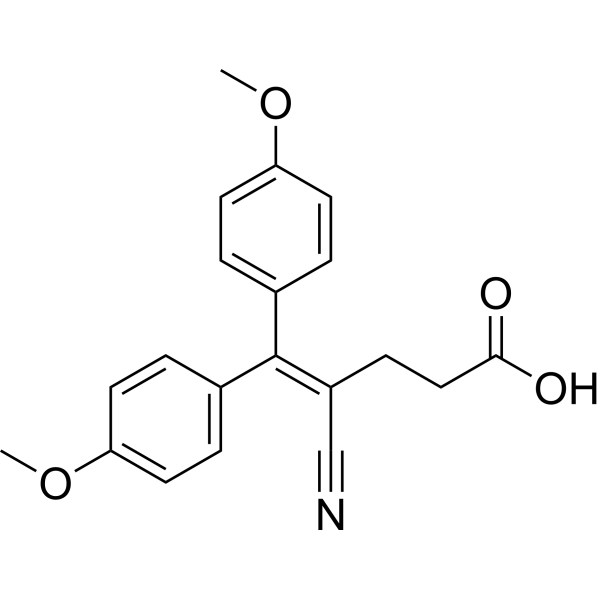
Satigrel (E5510) is a potent inhibitor of platelet aggregation. Satigrel inhibits collagen- and arachidonic acid-induced platelet aggregation through preventing thromboxane A2 synthesis by selective inhibition of the target enzyme, PGHS1, which exists in platelets. Satigrel inhibits PGHS1 (IC50: 0.081 μM) and PGHS2 (IC50: 5.9 μM). Satigrel is against Type III PDE, Type V and Type II (IC50: 15.7 μM, 39.8 μM and 62.4 μM, respectively) .
|
-
- HY-NP158I
-
|
|
Biochemical Assay Reagents
|
Inflammation/Immunology
|
|
Collagen Type II (undenatured) is a T-cell dependent antigen with unique immunological features. Type II Collagen, T Cell Grade, from Bovine can be used as a stimulating antigen for T-cells in in vitro culture systems .
|
-

- HY-116472
-
|
α-RA-F
|
Endogenous Metabolite
|
Others
|
|
alpha-RA-F (α-RA-F) is a compound that can promote collagen synthesis and has the activity of reducing the expression level of matrix metalloproteinases (MMPs). alpha-RA-F enhances collagen synthesis in human fibroblasts without causing cytotoxicity. alpha-RA-F has demonstrated its important potential in the pharmaceutical, pharmaceutical and cosmetic industries by regulating collagen synthesis and MMPs expression levels .
|
-

- HY-NP162
-
|
|
Biochemical Assay Reagents
|
Others
|
|
Recombinant Humanized Type XVII Collagen is a transmembrane protein that forms hemidesmosomes. Recombinant Humanized Type XVII Collagen facilitates interactions between stem cells,surrounding cells,and the extracellular matrix,thereby regulating skin homeostasis,aging,and wound healing. Recombinant Humanized Type XVII Collagen also possesses unique cell adhesion sites and signal transduction functions,which can regulate cell migration,proliferation,and differentiation .
|
-

- HY-15182
-
|
|
MMP
|
Cancer
|
|
Collagen proline hydroxylase inhibitor-1 is an antifibroproliferative agents.
|
-
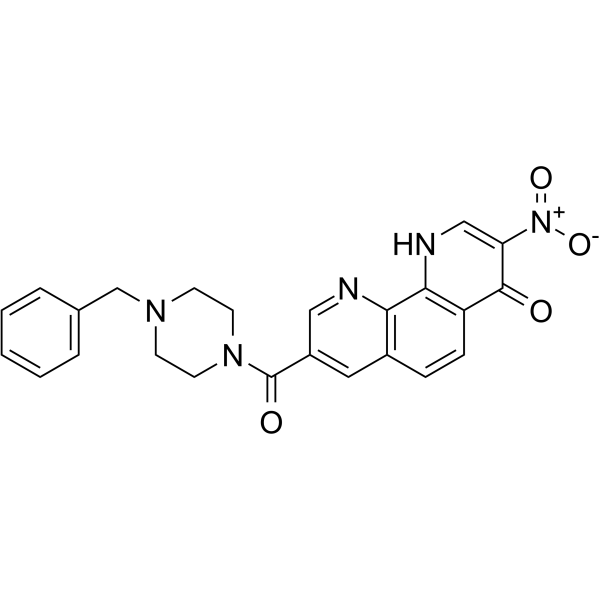
- HY-W024615
-
|
3-(3-Methyl-3H-diazirin-3-yl)propanoic acid
|
Drug Intermediate
Biochemical Assay Reagents
|
Others
|
|
Me-diazirine-cooh (3-(3-Methyl-3H-diazirin-3-yl) propanoic acid) is a molecular building block containing an aliphatic diazirine ring. Me-diazirine-cooh undergoes orthogonal coupling in solid-phase peptide synthesis to introduce the Diazirine group into collagen-mimetic peptides. Me-diazirine-cooh is used to construct the photoaffinity probe P1 .
|
-

- HY-N5061
-
-
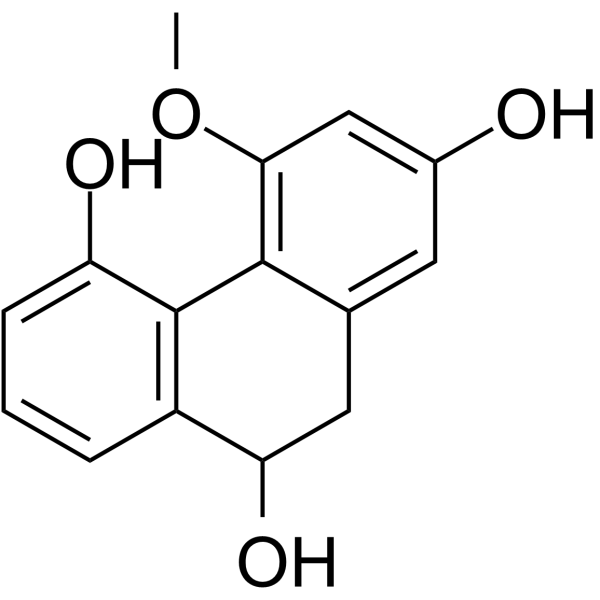
- HY-151498A
-
|
|
Monoamine Oxidase
|
Others
|
|
PXS-4787 hydrochloride is a specific and effective pan-LOX (lysyl oxidase) inhibitor for abolishing lysyl oxidase activity. PXS-4787 hydrochloride inhibits LOX with IC50s of 2 μM (Bovine LOX), 3.2 μM (rh LOXL1), 0.6 μM (rh LOXL2), 1.4 μM (rh LOXL3), 0.2 μM (rh LOXL4), respectively. PXS-4787 hydrochloride reduces deposition and crosslinking of collagen I secreted by human fibroblasts .
|
-

- HY-158225
-
|
Col1MA
|
MMP
|
Others
|
Methacrylated Type I collagen (Col1MA) is a methacrylated tissue engineering scaffold material that retains the basic properties of natural collagen . Methacrylated Type I collagen needs to self-assemble into fibrous hydrogel under the action of photoinitiator LAP (HY-44076), and target bioactive adhesion sites, play an inherent supporting role for tissue cells and biodegradable activity.
Application: cell culture, biological 3D printing, tissue engineering, etc.
|
-

- HY-NP158A
-
|
|
Biochemical Assay Reagents
|
Others
|
|
Type II Collagen, T Cell Grade, from Chick is a T-cell dependent antigen with unique immunological features. Type II Collagen, T Cell Chick, from Bovine can be used as a stimulating antigen for T-cells in in vitro culture systems .
|
-

- HY-NP158
-
|
|
Biochemical Assay Reagents
|
Others
|
|
Type II Collagen, T Cell Grade, from Bovine is a T-cell dependent antigen with unique immunological features. Type II Collagen, T Cell Grade, from Bovine can be used as a stimulating antigen for T-cells in in vitro culture systems .
|
-

- HY-NP158D
-
|
|
Biochemical Assay Reagents
|
Others
|
|
Type II Collagen, T Cell Grade, from Mouse is a T-cell dependent antigen with unique immunological features. Type II Collagen, T Cell Grade, from Mouse can be used as a stimulating antigen for T-cells in in vitro culture systems .
|
-

- HY-NP158E
-
|
|
Biochemical Assay Reagents
|
Others
|
|
Type II Collagen, T Cell Grade, from Porcine is a T-cell dependent antigen with unique immunological features. Type II Collagen, T Cell Grade, from Porcine can be used as a stimulating antigen for T-cells in in vitro culture systems .
|
-

- HY-NP158C
-
|
|
Biochemical Assay Reagents
|
Others
|
|
Type II Collagen, T Cell Grade, from Monkey is a T-cell dependent antigen with unique immunological features. Type II Collagen, T Cell Chick, from Monkey can be used as a stimulating antigen for T-cells in in vitro culture systems .
|
-

- HY-NP158H
-
|
|
Biochemical Assay Reagents
|
Others
|
|
Type II Collagen, T Cell Grade, from Rat is a T-cell dependent antigen with unique immunological features. Type II Collagen, T Cell Rat, from Bovine can be used as a stimulating antigen for T-cells in in vitro culture systems .
|
-

- HY-105872
-
|
|
COX
|
Cardiovascular Disease
|
|
Trifenagrel is an orally active platelet aggregation inhibitor that inhibits the inducing effects of arachidonic acid (AA) and collagen. The ED50s of trifenagrel for inhibiting AA- and collagen-induced platelet aggregation in guinea pigs were 1.4 mg/kg and 9.4 mg/kg, respectively .
|
-
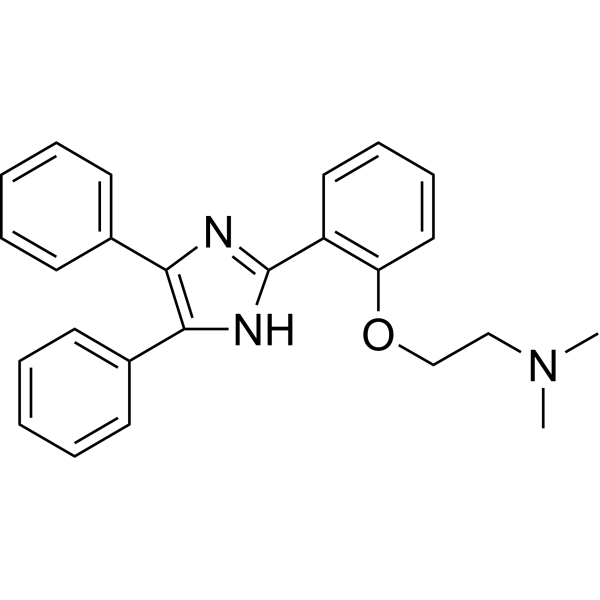
- HY-E70005D
-
|
Collagenase, Type IV
|
MMP
|
Others
|
Collagenase, Type IV (EC 3.4.24.3) is a microbially derived matrix metalloproteinases (MMPs) and zinc peptidase. Collagenase, Type IV degrades type IV collagen and type VII collagen, the main components of the basement membrane, and can also decompose basement matrix and elastin.
|
-
- HY-107829
-
|
Di-β-aminopropionitrile fumarate; β-Aminopropionitrile fumarate; β-Ammoniumpropionitrile hemifumarate
|
MMP
|
Others
|
|
3-Aminopropionitrile fumarate (2:1) is a lathyrogen which inhibits crosslinking of collagen.
|
-
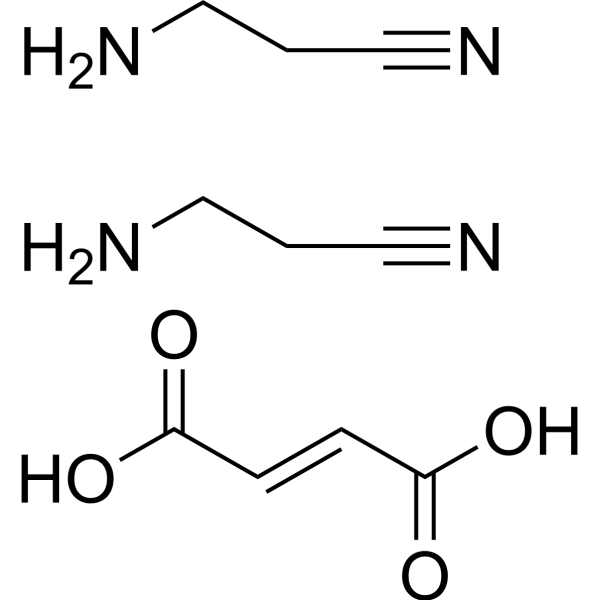
- HY-W739246
-
|
|
Drug Derivative
|
Others
|
|
(5RS)-Pyridinoline is one of the stereoisomers of pyridinoline-type collagen crosslinkers.
|
-

- HY-182273
-
|
|
STAT
Acyltransferase
|
Others
|
|
DM243 is an EPAC1 activator and STAT3 modulator with an pIC50 of 4.769 for EPAC1. DM243 increases GTP-bound Rap1 levels in EPAC1-expressing cells. DM243 reduces IL-6/IL-6Rα-evoked STAT3 phosphorylation in endothelial cells. DM243 suppresses TGF-β1-induced fibroblast-to-myofibroblast transition, reducing α-smooth muscle actin and Collagen I levels in lung fibroblasts. DM243 exhibits minimal cytotoxicity in normal human lung fibroblasts .
|
-

- HY-P11457
-
|
|
Bacterial
|
Infection
|
|
cCBD-LL37 is a chimeric antimicrobial peptide modified with a collagen-binding domain (cCBD) (TKKTLRT). cCBD-LL37 has improved retention on collagen after PBS washing and varying electrostatic conditions. cCBD-LL37 binds to collagen involves both specific and non-specific interactions, initiated by long-range electrostatic forces that transitions to close range or hydrophobic interactions. cCBD-LL37 has potent antimicrobial activity with improved structural stability under different ionic strengths and pH conditions (pH 5.5-8). cCBD-LL37 can be used for biomaterials like collagen-based wound dressings research .
|
-

- HY-100495
-
FT011
2 Publications Verification
Asengeprast
|
MMP
|
Inflammation/Immunology
|
|
FT011 is an anti-fibrotic agent, reduces mRNA expression of collagens I and III and inhibits collagen synthesis . FT011 is a click chemistry reagent, it contains an Alkyne group and can undergo copper-catalyzed azide-alkyne cycloaddition (CuAAc) with molecules containing Azide groups.
|
-
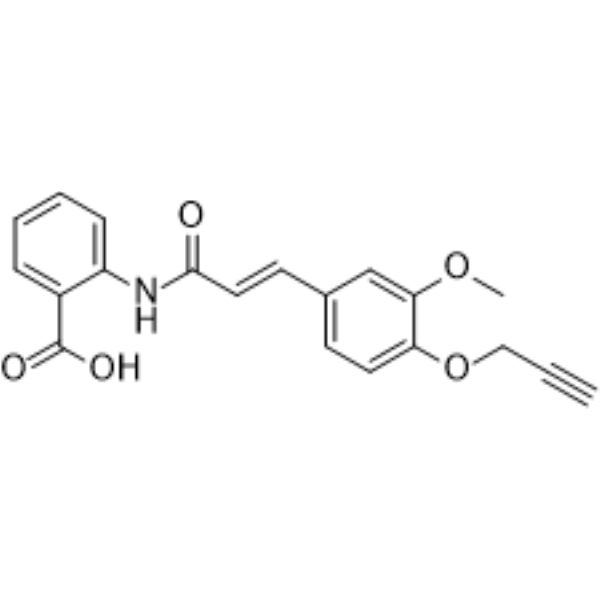
- HY-E70005H
-
|
|
Proteasome
|
Cardiovascular Disease
|
|
Collagenase, Type VIII is a mixed enzyme derived from Clostridium histolyticum that contains collagenase, a nonspecific protease, and a clostripain. Collagenase, Type VIII can hydrolyze Type VIII collagen and may be used to study the formation of atherosclerosis. Type VIII collagen is a regulator of endothelial cell differentiation and angiogenesis, a substrate for cell adhesion and migration such as smooth muscle cells, and may accumulate in atherosclerosis. After endotoxin activates the expression of Collagenase, Type VIII, it can reduce the production of Type VIII collagen and has the potential to inhibit atherosclerosis .
|
-

- HY-103068
-
|
|
MMP
|
Cancer
|
|
Diethyl-pythiDC is an inhibitor of collagen prolyl 4-hydroxylases (CP4Hs).
|
-
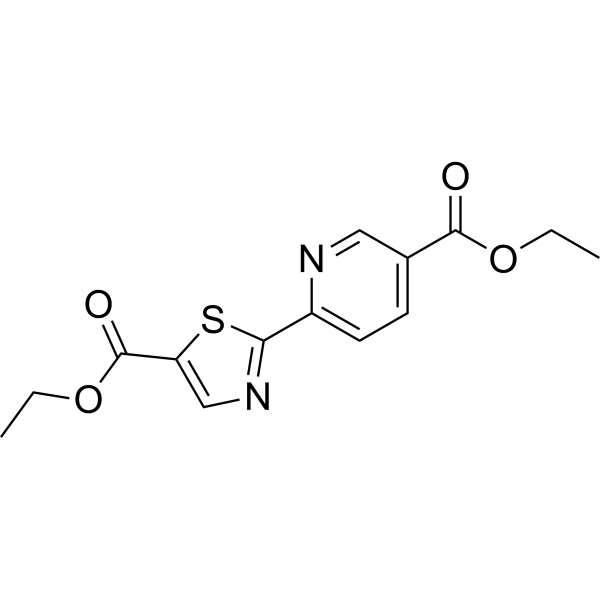
- HY-172696
-
|
|
Liposome
Collagen
|
Inflammation/Immunology
|
|
DSPE-PEG2000-WYRGRL is a PEG compound which composed of DSPE and a cartilage-targeting peptide (WYRGRL). WYRGRL is a collagen II-targeting peptide that can bind to collagen II α1. DSPE-PEG2000-WYRGRL can be used for drug delivery .
|
-

- HY-172696A
-
|
|
Liposome
|
Inflammation/Immunology
|
|
DSPE-PEG3400-WYRGRL is a PEG compound which composed of DSPE and a cartilage-targeting peptide (WYRGRL). WYRGRL is a collagen II-targeting peptide that can bind to collagen II α1. DSPE-PEG3400-WYRGRL can be used for drug delivery .
|
-

- HY-135401
-
|
|
Discoidin Domain Receptor
|
Inflammation/Immunology
|
|
VU6015929 is a potent, selective and orally active dual discoidin domain receptor 1/2 (DDR1/2) inhibitor with IC50s of 4.67 nM and 7.39 nM, respectively. VU6015929 potently blocks collagen-induced DDR1 activation and collagen-IV production .
|
-
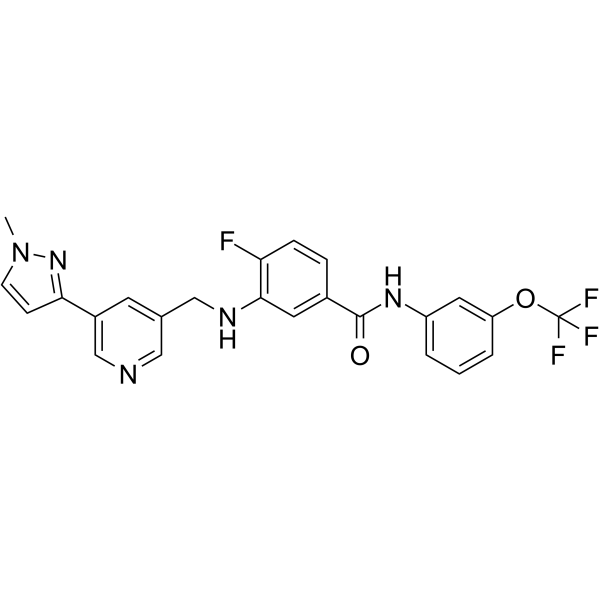
- HY-172695
-
|
|
Liposome
|
Inflammation/Immunology
|
|
DSPE-PEG1000-WYRGRL is a PEG compound which composed of DSPE and a cartilage-targeting peptide (WYRGRL). WYRGRL is a collagen II-targeting peptide that can bind to collagen II α1. DSPE-PEG1000-WYRGRL can be used for drug delivery .
|
-

- HY-172697
-
|
|
Liposome
|
Inflammation/Immunology
|
|
DSPE-PEG5000-WYRGRL is a PEG compound which composed of DSPE and a cartilage-targeting peptide (WYRGRL). WYRGRL is a collagen II-targeting peptide that can bind to collagen II α1. DSPE-PEG5000-WYRGRL can be used for drug delivery .
|
-

- HY-NP157C
-
|
|
Biochemical Assay Reagents
|
Others
|
|
Type I Collagen, T Cell Grade, from Mouse has unique immunological features and plays an important role in the structure and function of skin, bones, tendons, etc. Type I Collagen, T Cell Grade, from Mouse can be used as a stimulating antigen for T-cells in in vitro culture systems .
|
-

- HY-NP157D
-
|
|
Biochemical Assay Reagents
|
Others
|
|
Type I Collagen, T Cell Grade, from Porcine has unique immunological features and plays an important role in the structure and function of skin, bones, tendons, etc. Type I Collagen, T Cell Grade, from Porcine can be used as a stimulating antigen for T-cells in in vitro culture systems .
|
-

- HY-NP156
-
|
|
Biochemical Assay Reagents
|
Others
|
|
Type I Collagen, for cell culture, from Bovine plays an important role in the structure and function of skin, bones, tendons, etc. Type I Collagen, for cell culture, from Bovine can mimic the extracellular matrix (ECM) and is suitable for 2D/3D cell culture .
|
-

- HY-NP157A
-
|
|
Biochemical Assay Reagents
|
Others
|
|
Type I Collagen, T Cell Grade, from Chick has unique immunological features and plays an important role in the structure and function of skin, bones, tendons, etc. Type I Collagen, T Cell Chick, from Bovine can be used as a stimulating antigen for T-cells in in vitro culture systems .
|
-

- HY-NP157E
-
|
|
Biochemical Assay Reagents
|
Others
|
|
Type I Collagen, T Cell Grade, from Rat has unique immunological features and plays an important role in the structure and function of skin, bones, tendons, etc. Type I Collagen, T Cell Rat, from Bovine can be used as a stimulating antigen for T-cells in in vitro culture systems .
|
-

- HY-NP157
-
|
|
Biochemical Assay Reagents
|
Others
|
|
Type I Collagen, T Cell Grade, from Bovine has unique immunological features and plays an important role in the structure and function of skin, bones, tendons, etc. Type I Collagen, T Cell Grade, from Bovine can be used as a stimulating antigen for T-cells in in vitro culture systems .
|
-

- HY-180581
-
|
|
Monoamine Oxidase
Guanylate Cyclase
|
Cardiovascular Disease
|
|
LOXL2/sGC modulator-1 (Compound 11k) is a LOXL2 inhibitor (IC₅₀ = 0.13 μM) and an sGC activator. LOXL2/sGC modulator-1 shows good selectivity for LOX (IC₅₀ > 45.9 μM) and LOXL3 (IC₅₀ = 1.30 μM). LOXL2/sGC modulator-1 significantly increases intracellular cGMP levels in the presence of the gGC inhibitor ODQ (HY-101255). LOXL2/sGC modulator-1 significantly inhibits hypoxia-induced collagen deposition and cross-linking, while promoting vasodilation. LOXL2/sGC modulator-1 can be used for the study of pulmonary arterial hypertension .
|
-

- HY-P4550
-
|
|
Endogenous Metabolite
|
Metabolic Disease
|
|
H-Hyp-Gly-OH is a dipeptide containing hydroxyproline and glycine. H-Hyp-Gly-OH promotes the growth of mouse primary fibroblasts on collagen gel. H-Hyp-Gly-OH has potential applications in improving skin by ingesting hydrolyzed collagen. H-Hyp-Gly-OH can be used for metabolic research .
|
-
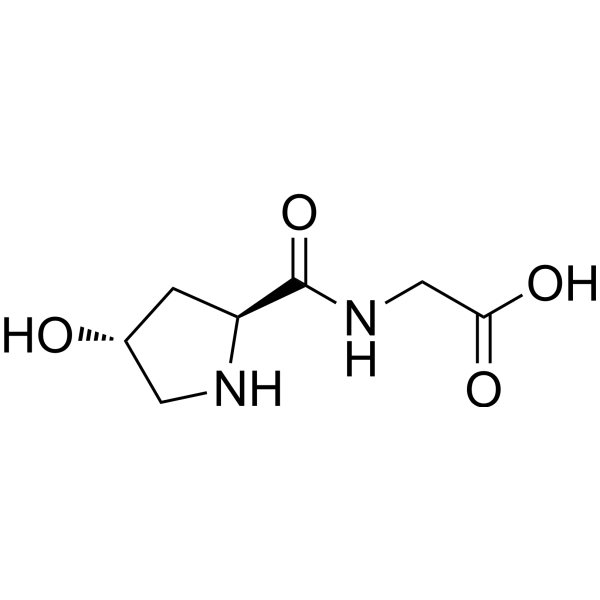
- HY-173483
-
|
|
Phosphodiesterase (PDE)
ERK
JNK
p38 MAPK
|
Inflammation/Immunology
|
|
ATX inhibitor 26 is an Autotaxin (ATX) inhibitor with an IC50 of 57 nM in human plasma. ATX inhibitor 26 inhibits cell migration and collagen gel contraction. ATX inhibitor 26 has significant anti-fibrotic effects, reducing collagen deposition in a Bleomycin (BLM) (HY-108345)-induced pulmonary fibrosis model .
|
-

- HY-NP131
-
|
|
Discoidin Domain Receptor
Apoptosis
Autophagy
|
Cancer
|
|
Recombinant Humanized Type III Collagen 10.4kDa is a novel biomaterial that have anticancer effects. Recombinant Humanized Type III Collagen 10.4kDa activates discoidin domain receptor 1 (DDR1), and thus inhibits autophagy, proliferation, and migration of cancer cells, and induces apoptosis .
|
-

- HY-146333
-
|
|
Protease Activated Receptor (PAR)
|
Cardiovascular Disease
|
|
TRAP-6-IN-1 (Compound 8) is a dual collagen and TRAP-6 inhibitor with IC50 values of 17.12 µM and 11.88 µM against collagen and TRAP-6, respectively. TRAP-6-IN-1 inhibits agonist-induced platelet aggregation in a non-competitive manner .
|
-
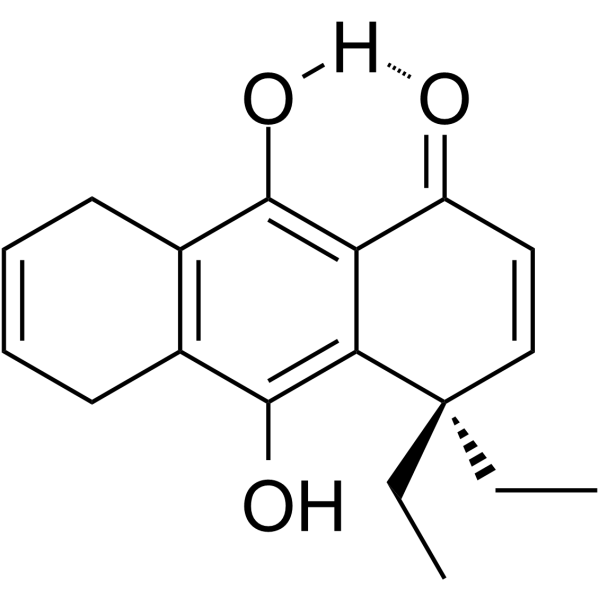
- HY-W010989
-
|
|
Biochemical Assay Reagents
Bacterial
|
Infection
Neurological Disease
Inflammation/Immunology
Cancer
|
|
Gly-His-Lys acetate is a natural, circulating regulatory and antimicrobial tripeptide derived from extracellular matrix proteins. Gly-His-Lys acetate binds Cu 2+ to support copper enzyme activation, antioxidant processes, cellular bioenergetics, and the synthesis of elastin, collagen and catecholamines. Gly-His-Lys acetate regulates cell growth, differentiation and tissue repair, and exerts regenerative, anxiolytic, anti-inflammatory, analgesic and immunosuppressive activities. Gly-His-Lys acetate induces liver degenerative changes. Gly-His-Lys acetate can be used for the research of infections, anxiety, pain-related behaviors and immune-associated liver diseases .
|
-

- HY-101054
-
NQ301
1 Publications Verification
|
Thrombin
|
Cardiovascular Disease
|
|
NQ301 is an antithrombotic agent; inhibits collagen-challenged rabbit platelet aggregation with an IC50 of 10 mg/mL.
|
-
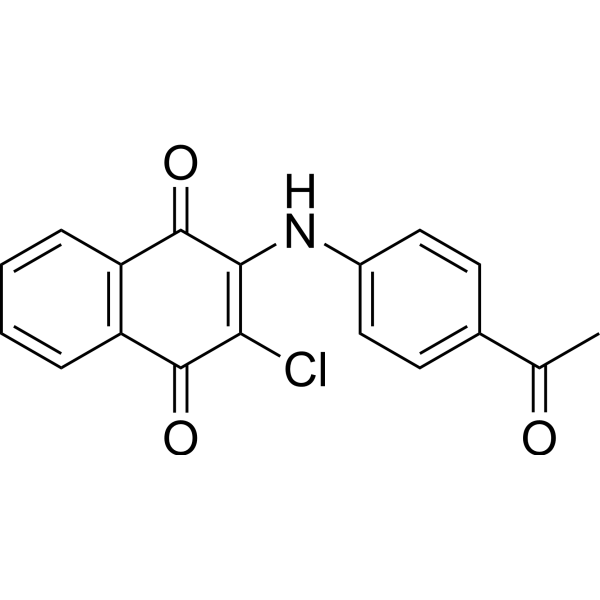
- HY-111749
-
-
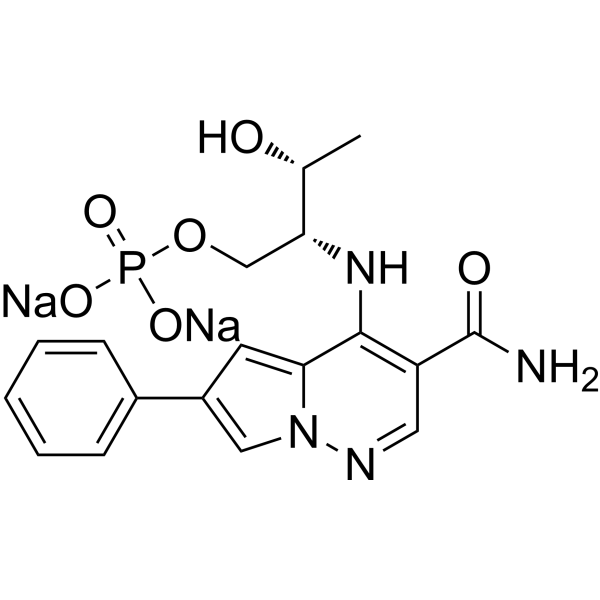
- HY-N9794
-
|
|
Others
|
Inflammation/Immunology
|
|
Isoboldine is a pyridine alkaloid. Isoboldine effectively alleviates inflammation and joint destruction in collagen-induced arthritis in mice .
|
-
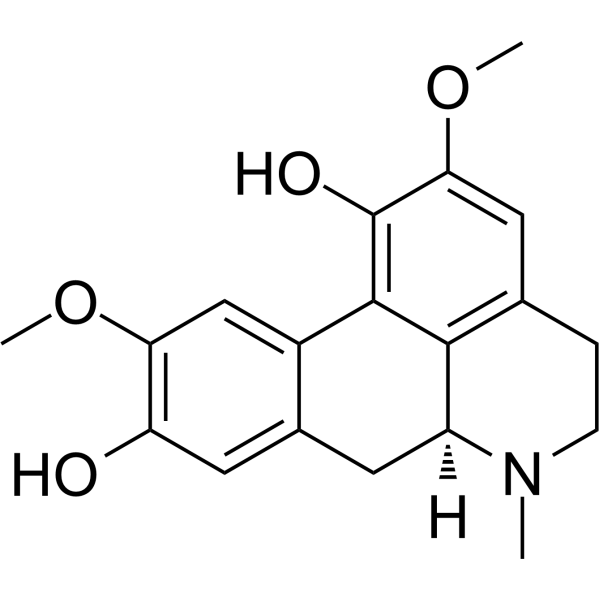
- HY-177331
-
|
|
Integrin
|
Cardiovascular Disease
|
|
BTT-3034, a sulfonamide derivative, is an α2β1 integrin inhibitor. BTT-3034 inhibits cell adhesion to rat tail collagen I with an EC50 of 160 nM and a corresponding Emaxof 86%. BTT-3034 inhibits collagen binding by an α2 variant carrying the conformationally activating E318W mutation .
|
-

- HY-N3668
-
|
Cyclomorusin A; Cyclomulberrochromene
|
Others
|
Cardiovascular Disease
|
|
Cyclomorusin (Cyclomorusin A; Cyclomulberrochromene) is a prenylflavonoid with antiplatelet activity. Cyclomorusin also inhibits markedly collagen-induced platelet aggregation .
|
-
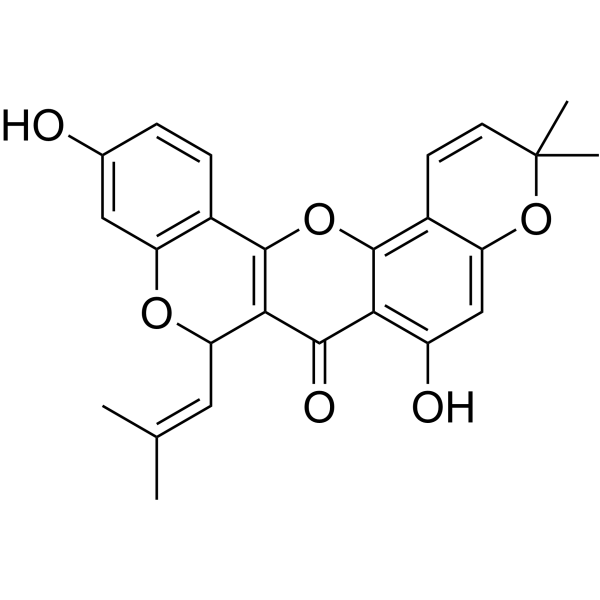
- HY-N11736
-
|
|
Collagen
|
Metabolic Disease
|
|
12-O-Tiglyl-phorbol 13-dodecanoate (TD13) is a potential inhibitor with anti-hepatic fibrosis activity, and it belongs to a series of derivatives of oral APOL2 inhibitors and anti-hepatic fibrosis agents. It shows no obvious toxicity in preclinical models. Compounds of the 12-O-Tiglyl-phorbol 13-dodecanoate series inhibit the expression of fibronectin, type I collagen and α-smooth muscle actin in hepatic stellate cells. 12-O-Tiglyl-phorbol 13-dodecanoate can be isolated from the Euphorbiaceae plant Euphorbia fischeriana, and it is applicable to the research of hepatic fibrosis .
|
-

- HY-NP175
-
|
|
Biochemical Assay Reagents
Integrin
Discoidin Domain Receptor
|
Others
|
|
Collagen (bovine skin) is a three-dimensional cell culture matrix and morphoregulator extracted from bovine skin, which binds to integrins (such as α1β1, α2β1, α11β1) and discoidin domain receptors (DDR1 and DDR2). Collagen (bovine skin) can be reconstituted into a three-dimensional fibrous network to mimic the in vivo tissue environment. It can not only be modified through cross-linking or concentration adjustment, but also interact with fibronectin to enhance matrix-associated cellular activities. Collagen (bovine skin) mediates the proliferation, aggregation, durotactic migration and differentiation of fibroblasts, regulates the synthesis, remodeling and contraction of extracellular matrix, and modulates the expression, activation of MMP as well as cell apoptosis, etc. Collagen (bovine skin) can be used in studies related to the mechanisms of cancer occurrence and development .
|
-

- HY-101938
-
-
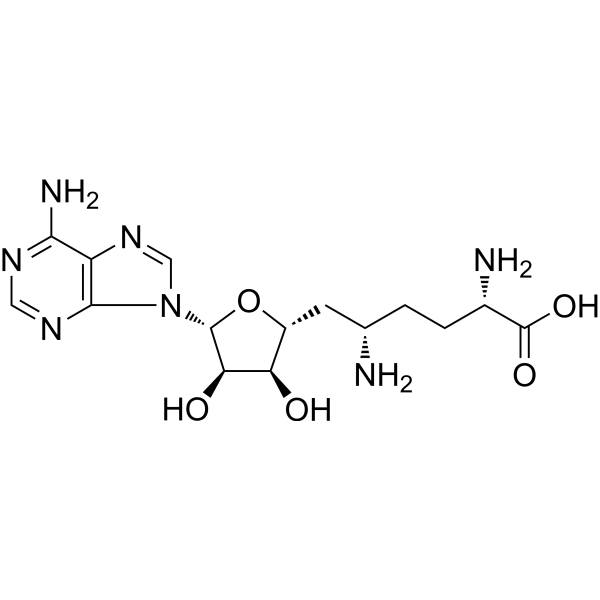
- HY-101938R
-
|
Adenosyl-Ornithine (Standard); A-9145 (Standard); Antibiotic 32232RP (Standard)
|
Reference Standards
Histone Methyltransferase
Fungal
Antibiotic
Parasite
|
Infection
Inflammation/Immunology
|
|
Sinefungin (Standard) is the analytical standard of Sinefungin (HY-101938). This product is intended for research and analytical applications. Sinefungin is a potent inhibitor of virion mRNA(guanine-7-)-methyltransferase, mRNA(nucleoside-2'-)-methyltransferase, and viral multiplication . Sinefungin, a SET7/9 inhibitor, ameliorates renal fibrosis by inhibiting H3K4 methylation .
|
-

- HY-W404758
-
|
|
Phosphatase
Collagen
Osteopontin
|
Metabolic Disease
|
|
Calcium glucoheptonate is a highly water-soluble calcium supplement. Calcium glucoheptonate can increase the proliferation rate and Calcium intake of MG-63 cells and increase the activity of alkaline phosphatase (ALP). Calcium glucoheptonate can upregulate the expression of osteogenic-related genes and proteins,such as collagen-1, osteocalcin and osteocalcin. Calcium glucoheptonate can be used for the researches of osteoporosis and hypocalcemia .
|
-

- HY-105872R
-
|
|
Reference Standards
COX
|
Cardiovascular Disease
|
|
Trifenagrel (Standard) is the analytical standard of Trifenagrel (HY-105872). This product is intended for research and analytical applications. Trifenagrel is an orally active platelet aggregation inhibitor that inhibits the inducing effects of arachidonic acid (AA) and collagen. The ED50s of trifenagrel for inhibiting AA- and collagen-induced platelet aggregation in guinea pigs were 1.4 mg/kg and 9.4 mg/kg, respectively .
|
-

- HY-117767
-
|
|
mTOR
|
Inflammation/Immunology
|
|
CZ830 is a mTOR kinase inhibitor with an IC50 of < 1 μM. CZ830 is applicable to the research of collagen-induced arthritis .
|
-

- HY-N7316
-
|
|
Others
|
Inflammation/Immunology
|
|
Frangulin B, a natural compound that can be isolated from Rhamnus formosana, is an antagonist of collagen-induced platelet aggregation and adhesion .
|
-
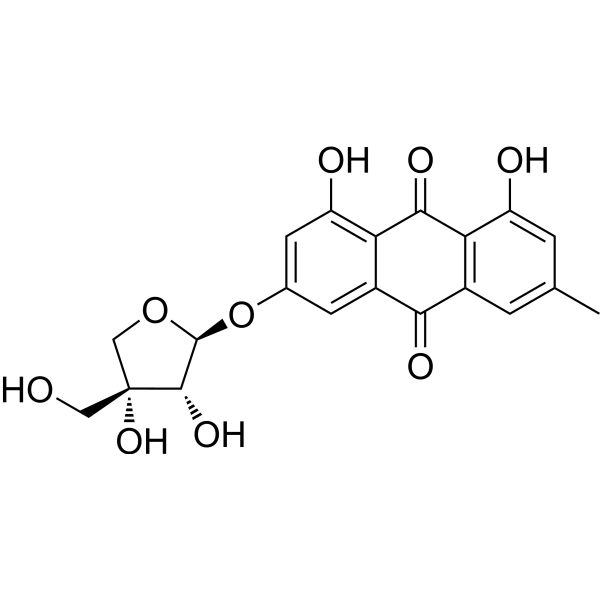
- HY-P99047
-
|
AB 0024; GS 6624
|
Monoamine Oxidase
|
Cardiovascular Disease
Inflammation/Immunology
|
|
Simtuzumab (AB 0024; GS 6624) is a monoclonal antibody directed against Lysyl oxidase like-2 (LOXL2). Simtuzumab non-competitively blocks collagen cross-linking, reduces LOXL2 protein expression and attenuates extracellular matrix changes. Simtuzumab reduces myocardial fibrosis and prevents cardiac dysfunction. Simtuzumab lowers Myh7 and Nppa gene expression, reduces contraction heterogeneity, and cuts COL1A1 deposition. Simtuzumab can be used for the research of LMNA mutation-induced dilated cardiomyopathy, idiopathic pulmonary fibrosis, and primary sclerosing cholangitis .
|
-

- HY-168957
-
|
|
MMP
Reactive Oxygen Species (ROS)
|
Others
|
|
RuDiOBn scanvages DPPH and ABTS free radicals (13.2% and 5.9% clearance at 100 μg/mL), exhibits low antioxidant activity. RuDiOBn inhibits the collagen glycation, reduces the formation of advanced glycation end products (AGEs) with an IC50 of 2.45 μg/mL. RuDiOBn enhances the proliferation and migration of fibroblasts, stimulates the synthesis of collagen, promoting the skin repair and regeneration. RuDiOBn also inhibits collagenase .
|
-

- HY-P2883A
-
|
|
Biochemical Assay Reagents
|
Others
|
|
Recombinant Human Keratin2 is a type II or neutral basic keratin intermediate filament protein that protects against collagen loss .
|
-

- HY-P2975
-
|
Mouse laminin (Engelbreth-Holm-Swarm murine sarcoma basement membrane)
|
Endogenous Metabolite
Biochemical Assay Reagents
|
Neurological Disease
|
|
Laminin (Engelbreth-Holm-Swarm murine sarcoma basement membrane) is a crucial structural element in animal tissues, forming part of the scaffolding that supports tissue architecture. It interacts with type IV collagen through entactin and perlecan, connects to cell membranes via integrin receptors, dystroglycan complexes, and Lutheran blood group glycoproteins, and contains functional domains that facilitate collagen binding, cell adhesion, heparin interaction, and promote neurite outgrowth.
|
-

- HY-100495R
-
|
Asengeprast (Standard)
|
MMP
Reference Standards
|
Inflammation/Immunology
|
|
FT011 (Standard) is the analytical standard of FT011 (HY-100495). This product is intended for research and analytical applications. FT011 is an anti-fibrotic agent, reduces mRNA expression of collagens I and III and inhibits collagen synthesis . FT011 is a click chemistry reagent, it contains an Alkyne group and can undergo copper-catalyzed azide-alkyne cycloaddition (CuAAc) with molecules containing Azide groups.
|
-

- HY-P4812
-
-
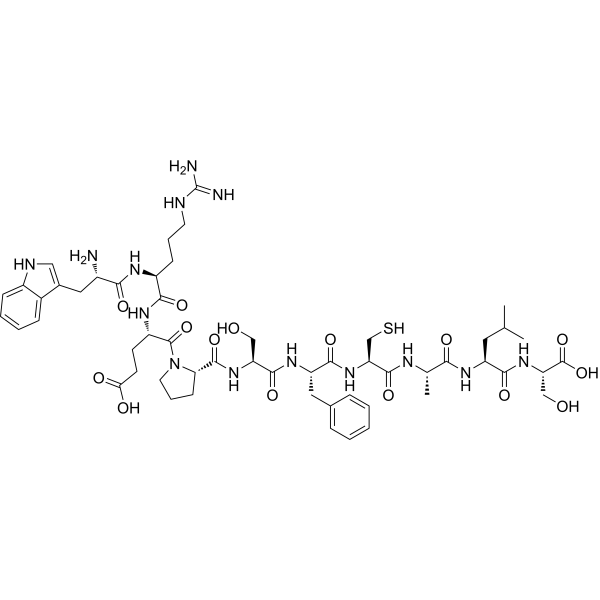
- HY-116850
-
|
EG626; Phthalazinol; SC-32840
|
Phosphodiesterase (PDE)
|
Neurological Disease
|
|
Oxagrelate is a specific inhibitor of cyclic adenosine monophosphate phosphodiesterase and exhibits concentration-dependent inhibition of collagen- and ADP-induced platelet aggregation in vitro .
|
-

- HY-P1408
-
|
|
Integrin
VEGFR
|
Cancer
|
|
Obtustatin is a non-RGD disintegrin consisting of 41 residues. Obtustatin inhibits the adhesion of α1β1 integrin to type IV Collagen (HY-NP003), blocks α1β1 integrin signaling in endothelial cells, and suppresses FGF2-induced angiogenesis. Obtustatin inhibits tumor progression in mouse models and upregulates VEGF expression in sarcoma-bearing mice. Obtustatin can be used in research related to Lewis lung carcinoma and S-180 sarcoma .
|
-
- HY-N6821
-
|
|
Drug Derivative
|
Inflammation/Immunology
Cancer
|
|
2-O-α-D-Glucopyranosyl-L-ascorbic Acid is an orally active glucoside derivative of ascorbic acid. 2-O-α-D-Glucopyranosyl-L-ascorbic Acid can be hydrolyzed by α-glucosidase to release ascorbic acid. 2-O-α-D-Glucopyranosyl-L-ascorbic Acid inhibits melanin synthesis, prevents UV-induced cell damage, and promotes collagen synthesis in skin fibroblasts. 2-O-α-D-Glucopyranosyl-L-ascorbic Acid also induces oxidative stress to inhibit tumor growth. 2-O-α-D-Glucopyranosyl-L-ascorbic Acid can be used in research related to tumors, inflammation, and other conditions .
|
-
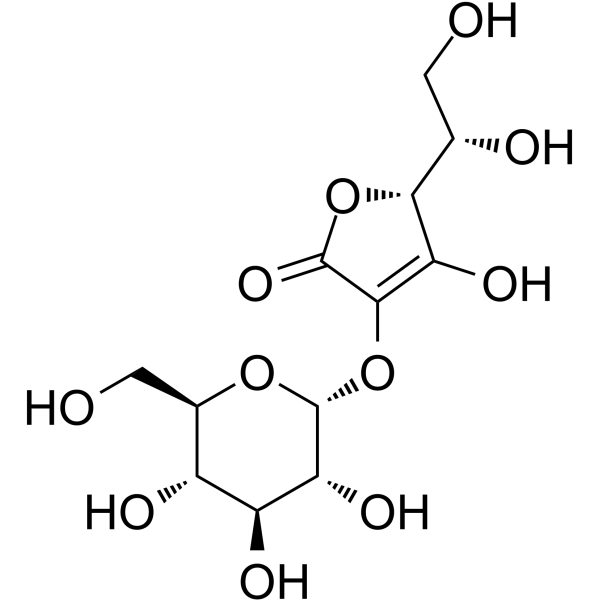
- HY-P11626
-
|
|
Collagen
|
Metabolic Disease
|
|
Cyclo(Ala-Hyp) is an orally effective collagen-derived hydroxyproline-containing cyclic dipeptide that can be isolated from the culture supernatant of Lactobacillus plantarum. Cyclo(Ala-Hyp) has an AUC0-6h of 2.350 μg/mL·h, significantly higher than traditional collagen oligopeptides. Cyclo(Ala-Hyp) can be used in research related to liver and kidney function protection, skin care, and joint health.
|
-

- HY-P0284
-
|
|
MMP
|
Inflammation/Immunology
|
|
C-telopeptide, a cross-linked peptide of type I collagen, is released during bone resorption and has been correlated with bone mineral density (BMD).
|
-
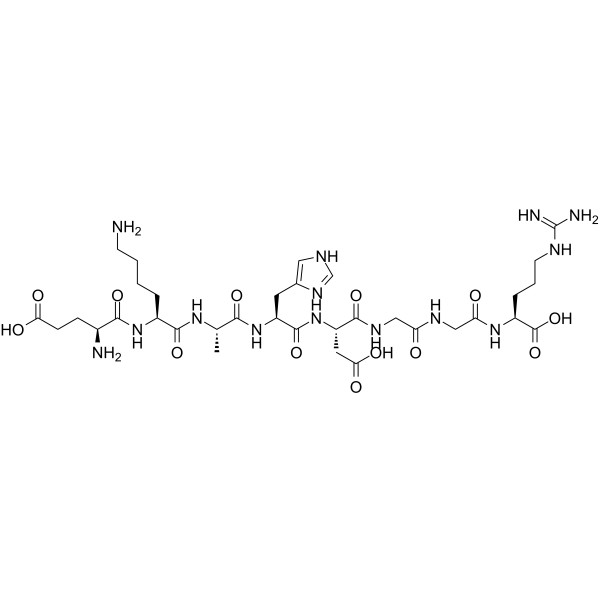
- HY-E70005K
-
|
|
Proteasome
|
Others
|
|
Collagenase (Type A, animal free) is a proteolytic enzyme targeting collagen, capable of releasing corneal endothelial cells (CECs) without damaging cell junctions .
|
-

- HY-N14973
-
|
|
Antibiotic
|
Infection
Inflammation/Immunology
|
|
Epoxyquinomicin D is an antibiotic that can be isolated from Amycolatopsis sp. Epoxyquinomicin D exhibits anti-inflammatory effects against collagen-induced arthritis .
|
-

- HY-182287
-
|
|
Reactive Oxygen Species (ROS)
NOD-like Receptor (NLR)
|
Metabolic Disease
|
|
PRDX1-IN-4 is a PRDX1 inhibitor with an IC50 of 122 nM against human targets and high subtype selectivity. PRDX1-IN-4 covalently binds to PRDX1 to promote ROS accumulation. PRDX1-IN-4 inhibits NLRP3 inflammasome activation, blocks hepatic stellate cell activation and reduces collagen deposition. PRDX1-IN-4 induces apoptosis in activated hepatic stellate cells. PRDX1-IN-4 has good safety profile, with no significant body weight loss or hepatotoxicity observed in mice at a dose of 20 mg/kg. PRDX1-IN-4 ameliorates CCl4-induced liver injury and liver fibrosis in mice at a dose of 1 mg/kg. PRDX1-IN-4 can be used for the research of liver fibrosis .
|
-

- HY-181741
-
|
|
Cathepsin
|
Inflammation/Immunology
|
|
PI3K-001 is a cathepsin B-responsive prodrug and antifibrotic agent. PI3K-001 undergoes cathepsin B-mediated cleavage of the Val-Ala linker in fibrotic lung lesions to release an active PI3K inhibitor payload, while it remains stable in healthy tissues. PI3K-001 improves collagen deposition, tissue collapse and alveolar injury in fibrotic lung tissues. PI3K-001 is applicable for the research of pulmonary fibrosis .
|
-

- HY-W738852
-
-

- HY-N12408
-
|
Lyso-Gb3; Lyso-GL3
|
Calcium Channel
|
Cancer
|
|
Globotriaosylsphingosine (Lyso-Gb3) inhibits the growth of fibroblasts, as well as their differentiation into myofibroblasts, and collagen expression. Globotriaosylsphingosine can be used for Fabry disease research .
|
-
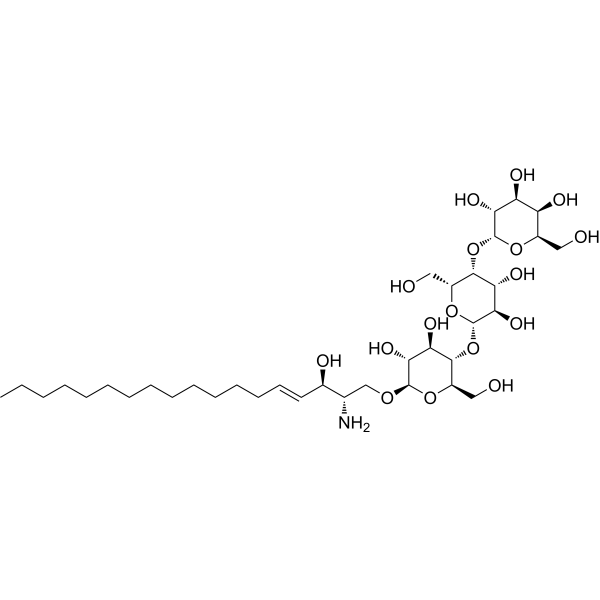
- HY-E70005O
-
|
|
Proteasome
|
Others
|
|
Collagenase (Type A, filtered, animal free) is a proteolytic enzyme targeting collagen, capable of releasing corneal endothelial cells (CECs) without damaging cell junctions .
|
-

- HY-E70005M
-
|
|
Proteasome
|
Others
|
|
Collagenase (Type C, animal free) is a proteolytic enzyme targeting collagen, capable of releasing corneal endothelial cells (CECs) without damaging cell junctions .
|
-

- HY-E70005L
-
|
|
Proteasome
|
Others
|
|
Collagenase (Type B, animal free) is a proteolytic enzyme targeting collagen, capable of releasing corneal endothelial cells (CECs) without damaging cell junctions .
|
-

- HY-18775
-
|
Para-topolin riboside
|
P2Y Receptor
|
Cardiovascular Disease
|
|
N6-(4-Hydroxybenzyl)adenosine is a inhibitor of platelet aggregation induced in vitro by collagen and their activity range was demonstrated (IC50: 6.77-141 μM).
|
-
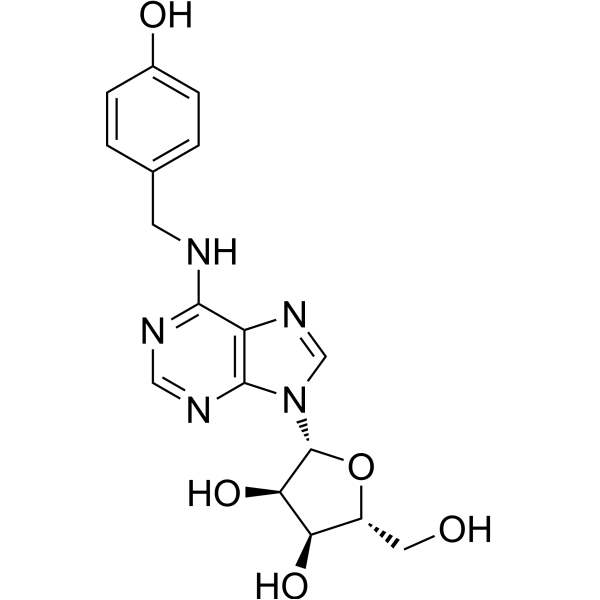
- HY-N10438
-
|
|
Integrin
|
Inflammation/Immunology
|
|
Ganodermaones B (Compound 2) is a renal fibrosis inhibitor. Ganodermaones B inhibits TGF-β1-induced collagen I and fibronectin expression .
|
-
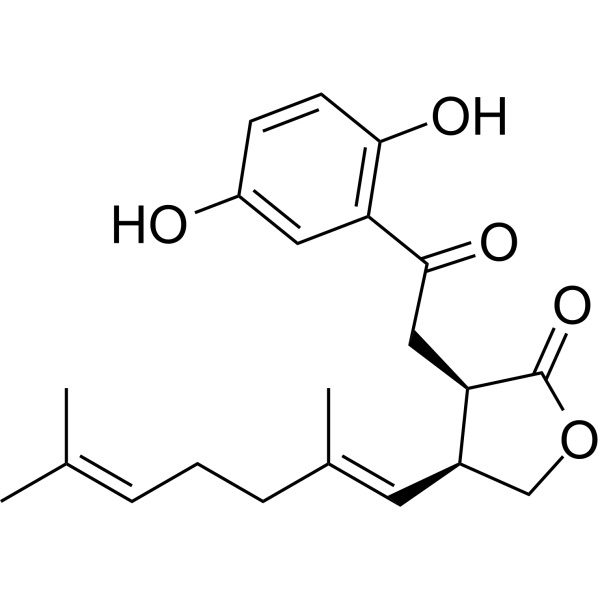
- HY-P5081
-
|
|
TGF-β Receptor
Collagen
|
Inflammation/Immunology
|
|
Endotrophin (Mus musculus) is an adipokine, a cleavage fragment derived from Collagen VI, whose levels are elevated in adipose tissue and breast tumors of obese mice. Endotrophin (Mus musculus) activates the TGF-β signaling pathway and reduces the expression of hormone-sensitive lipase. Endotrophin (Mus musculus) induces adipogenesis, lipid accumulation, fibrosis, inflammation, angiogenesis, adipose tissue expansion, epithelial-mesenchymal transition, and insulin resistance; it also induces Cisplatin (HY-17394) resistance in cancer cells. Endotrophin (Mus musculus) can be used in research related to metabolic diseases such as obesity and type 2 diabetes, as well as cancers such as breast cancer .
|
-

- HY-149136
-
|
|
Integrin
TGF-beta/Smad
|
Inflammation/Immunology
|
|
MORF-627 is a highly selective, orally active integrin αvβ6 inhibitor. By blocking TGF-β1 activation and pSMAD2 signaling, MORF-627 significantly reduces collagen deposition, epithelial-mesenchymal transition markers, and structural changes in fibrotic cells. MORF-627 exhibits significant antifibrotic efficacy without genotoxicity in idiopathic pulmonary fibrosis models. However, MORF-627 induces bladder epithelial proliferation and early invasive urothelial carcinoma in cynomolgus monkeys and human cells, and this toxic effect can be reversed by exogenous TGF-β. MORF-627 can be used for studying the pathological mechanisms of pulmonary fibrosis and evaluating drug safety .
|
-

- HY-W713888
-
|
|
Fluorescent Dye
|
Others
|
|
Aniline blue diammonium is a component of commonly used polychrome stains. Aniline blue diammonium is used to stain collagen fibers in tissue sections using Masson′s trichrome protocol for staining multiple components. Collagen is stained blue by this method. The dye is suitable for selective staining of callose in plant specimens and staining histones for assessing nuclear maturity. Aniline blue diammonium is used in Gomori′s one-step trichrome stain and Mallory′s connective tissue stain for tissue including kidney and intestine.
|
-

- HY-137492
-
|
|
Drug Derivative
|
Metabolic Disease
|
|
16,16-Dimethyl-PGE2-4-(4-acetamidobenzamido)phenyl ester is a derivative of 16,16-Dimethyl-PGE2 (HY-106420). 16,16-Dimethyl-PGE2-4-(4-acetamidobenzamido)phenyl ester is a prodrug for 16,16-Dimethyl-PGE2 .
|
-
- HY-106007
-
|
INO-8875
|
Adenosine Receptor
|
Inflammation/Immunology
|
Trabodenoson (INO-8875), an adenosine mimetic, is a highly selective Adenosine A1 receptor agonist. Trabodenoson (INO-8875) is used in the study for Primary Open-Angle Glaucoma .
|
-
- HY-123133
-
|
|
Kallikrein
|
Inflammation/Immunology
|
|
PKSI-527 is a new, highly selective plasma kallikrein inhibitor. PKSI-527 can suppress collagen-induced arthritis (CIA) by modifying the kallikrein-kinin system .
|
-
- HY-W014930
-
|
|
Endogenous Metabolite
|
Others
|
|
DL-5-Hydroxylysine hydrochloride is a non-essential amino acid that is mainly found in collagen. DL-5-Hydroxylysine hydrochloride is a post-translational modified form of lysine .
|
-
- HY-P5832
-
|
|
TGF-beta/Smad
RUNX
|
Metabolic Disease
|
|
BMP2-derived peptide is an osteogenic inducer and BMP receptor ligand. BMP2-derived peptide binds to BMP receptors on the cell surface to form a complex, activates the downstream Smad signaling pathway, and regulates the expression of osteogenic transcription factors. BMP2-derived peptide effectively promotes the adhesion, proliferation, osteogenic differentiation and mineralization of bone marrow mesenchymal stem cells, significantly up-regulates the mRNA levels of OCN, Runx2 and type I collagen, and increases alkaline phosphatase activity and calcium deposition. BMP2-derived peptide induces osteoblast differentiation and ectopic bone regeneration, and improves cranial bone defect repair. Meanwhile, BMP2-derived peptide enhances the cytocompatibility of mesoporous silica nanoparticles, synergistically increases osteogenic activity with Dexamethasone (HY-14648), serving as an important tool for bone defect repair research .
|
-
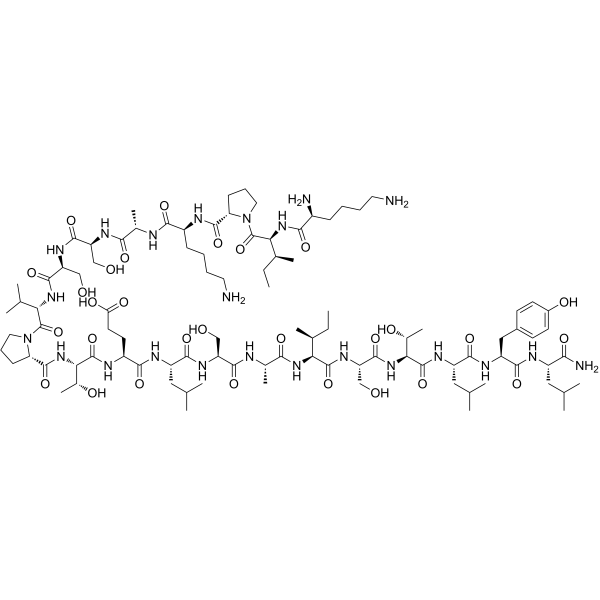
- HY-127150
-
|
Perclusone
|
Collagen
|
Inflammation/Immunology
|
|
Clofezone (Perclusone) is an antirheumatic agent that inhibits collagen formation in rat Chondrus granulomas. Clofezone can be used in the study of various rheumatic diseases, especially arthritis (RA) and ankylosing spondylitis (AS) .
|
-
- HY-174719
-
|
|
mRNA
|
Inflammation/Immunology
|
|
Human ELANE mRNA encodes the human elastase (ELANE) protein, a member of serine proteases family. ELANE may play a role in degenerative and inflammatory diseases through proteolysis of collagen-IV and elastin.
|
-

- HY-169788
-
|
|
Others
|
Cardiovascular Disease
|
|
Graveolinine is a quinoline alkaloid, that can be isolated from Ruta chalepensis. Graveolinine exhibits antiplatelet activity, that reduces Arachidonic Acid (HY-109590)- and Collagen-induced aggregation of washed rabbit platelets .
|
-

- HY-N1861
-
|
Quercetin 3-O-methyl ether peracetate
|
P2Y Receptor
|
Cardiovascular Disease
Cancer
|
|
3-O-Methylquercetin tetraacetate is an antiplatelet agent. 3-O-Methylquercetin tetraacetate has potent antiplatelet effect on arachidonic acid, collagen-induced and PAF-induced platelet aggregation .
|
-
- HY-E70005I
-
|
Type VI collagenase
|
MMP
|
Cancer
|
|
Collagenase, Type VI (EC 3.4.24.3) is a collagenase that can degrade type VI collagen. Type VI collagen is a component of cell membranes in various tissues (such as skin, heart, blood vessels, cartilage, and synovial fluid). Excessive collagenase can cause extracellular matrix lesions. Collagenase is also a biomarker for tumor invasion and metastasis. Collagenase, Type VI can specifically act on the peptide bond between proline and glycine. This feature can be used to quickly and sensitively detect its concentration level in experiments using corresponding modified electrodes .
|
-

- HY-131577A
-
|
Dispase I
|
Collagen
|
Others
|
|
Neutral protease I (Dispase I) is a rapid, effective, gentle and neutral protease that can separate intact epidermis from the dermis. Neutral protease I can also separate intact epithelial sheets in culture from the substratum. Neutral protease I preserves the viability of the epithelial cells while cleaving the basement membrane zone region. Neutral protease I can also be used to prevent clumping in suspension cultures. Neutral protease I cleaves fibronectin and type IV collagen, but not laminin, type V collagen, serum albumin, or transferrin .
|
-

- HY-E70005E
-
|
|
MMP
|
Others
|
Collagenase, Type V is a microbially derived matrix metalloproteinases (MMPs) and zinc peptidase. Collagenase, Type V breaksdown collagens1, 3, 5, 7, 8, 10, fibronectin, gelatin, aggrecann .
|
-

- HY-E70005A
-
|
EC 3.4.24.3
|
MMP
|
Others
|
Collagenase, Type I is a microbially derived matrix metalloproteinases (MMPs) and zinc peptidase. Collagenase, Type I breaks down collagens 1, 3, 7, 8, 10, gelatin, proteoglycans, aggrecan .
|
-

- HY-E70005B
-
|
|
MMP
|
Others
|
Collagenase, Type II is a microbially derived matrix metalloproteinases (MMPs) and zinc peptidase. Collagenase, Type II breaksdown collagens1, 3, 5, 7, 8, 10, fibronectin, gelatin, aggrecann .
|
-

- HY-P99644
-
ACT017
1 Publications Verification
|
Glycoprotein VI
|
Cardiovascular Disease
|
|
ACT017 is a Fab fragment of humanized anti-GPVI monoclonal antibody. ACT017 inhibits collagen-induced platelet aggregation. ACT017 has the potential for the research of acute ischemic stroke .
|
-

- HY-122483
-
|
|
MMP
|
Inflammation/Immunology
Cancer
|
|
iethyl pyimDC is a collagen prolyl 4-hydroxylase (CP4H1) inhibitor inhibitor with the IC50 of 2.6μM. Diethyl pyimDC can be used for study of antifibrotic and antimetastatic .
|
-

- HY-103068R
-
|
|
Reference Standards
MMP
|
Cancer
|
|
Diethyl-pythiDC (Standard) is the analytical standard of Diethyl-pythiDC (HY-103068). This product is intended for research and analytical applications. Diethyl-pythiDC is an inhibitor of collagen prolyl 4-hydroxylases (CP4Hs).
|
-

- HY-P5225
-
|
|
PGC-1α
|
Others
|
|
Acetyl hexapeptide-38 is a tissue repair promoter that targets fibroblasts in the dermis of the skin. It works by promoting collagen synthesis in the dermis and thickening of subcutaneous fat. Acetyl hexapeptide-38 can activate the skin repair mechanism, increase the collagen content in the dermis, improve the skin tissue structure, and has the activity of promoting local tissue repair. Acetyl hexapeptide-38 can be used in the field of cosmetic medicine to repair congenital soft tissue defects, reduce tear grooves and nasolabial folds, eliminate postoperative scars, and conduct micro-plastic surgery of skin tissue .
|
-
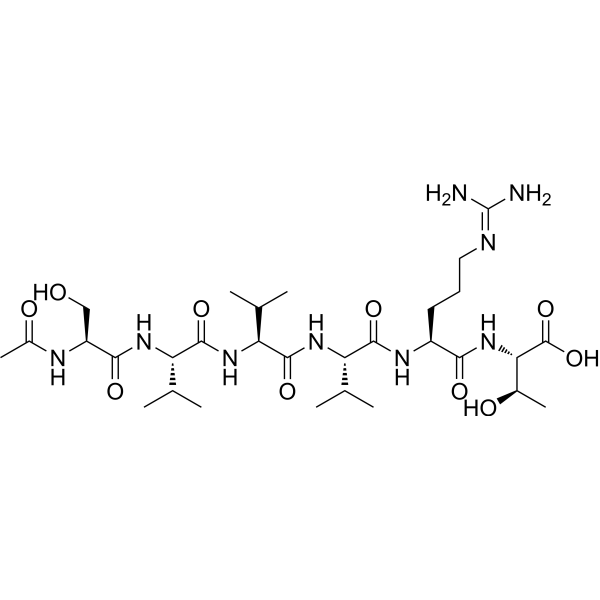
- HY-P10709
-
|
|
Collagen
|
Cardiovascular Disease
Cancer
|
|
CREKA peptide is a selective non-covalent binding agent targeting fibrin, type IV collagen, and fibronectin, often used as a targeting ligand to modify delivery carriers. CREKA peptide specifically recognizes fibrin, fibronectin, and type IV collagen that are excessively deposited in the tumor microenvironment or fibrotic tissue, mediating the targeted accumulation of the carrier at the lesion site and promoting drug internalization into target cells (such as cancer cells and activated hepatic stellate cells). CREKA peptide can enhance targeted delivery efficiency, increase drug concentration at the lesion site, and reduce systemic side effects .
|
-

- HY-107588
-
TC-I 15
2 Publications Verification
|
Integrin
|
Cardiovascular Disease
|
|
TC-I 15 (TC-I-15) is a type of allosteric collagen-binding integrin α2β1 inhibitor, and it also inhibits α1β1 and α11β1. TC-I 15 inhibits platelet adhesion to collagen and thrombus deposition. TC-I 15 prevents the formation of a pre-metastatic microenvironment by inhibiting the uptake of cancer-associated fibroblast (CAF) extracellular vesicles (EVs) by lung fibroblasts, which reduces the metastasis of salivary gland adenocystic carcinoma (SACC) to the lungs in mouse models, .
|
-
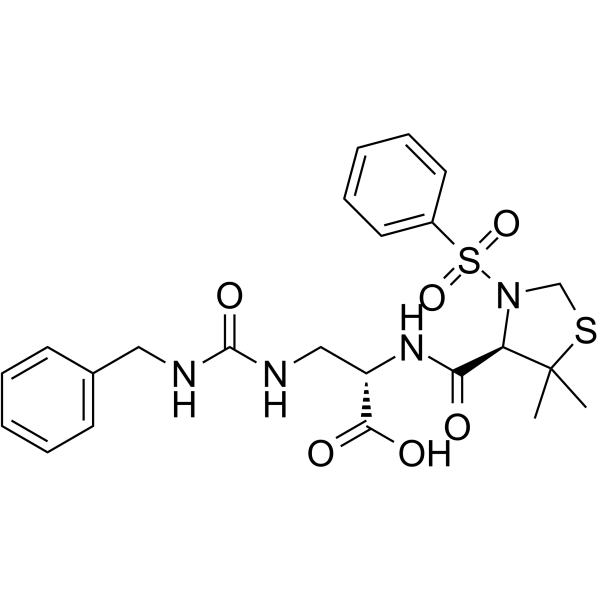
- HY-W016887R
-
|
H-Gly-Pro-OH (Standard); Gly-Pro (Standard)
|
Reference Standards
Endogenous Metabolite
|
Metabolic Disease
|
|
H-Gly-Pro-OH (Standard) is the analytical standard of H-Gly-Pro-OH. This product is intended for research and analytical applications. H-Gly-Pro-OH is an end product of collagen metabolism that is further cleaved by prolidase.
|
-

- HY-P10184
-
|
|
Transmembrane Glycoprotein
|
Inflammation/Immunology
|
|
CD36 Peptide P (93-110), Cys conjugated is a Cys labelled CD36 Peptide, and can block binding of CD36 to immobilized thrombospondin and partially inhibited collagen-induced platelet aggregation .
|
-
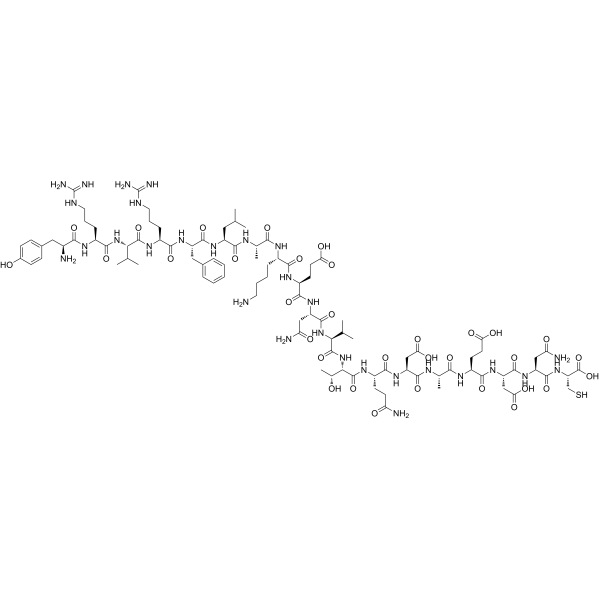
- HY-P1868
-
|
DGEA peptide
|
Integrin
|
Infection
|
|
α2β1 Integrin Ligand Peptide interacts with the α2β1 integrin receptor on the cell membrane and mediates extracellular signals into cells. It is a potential antagonist of collagen receptors .
|
-
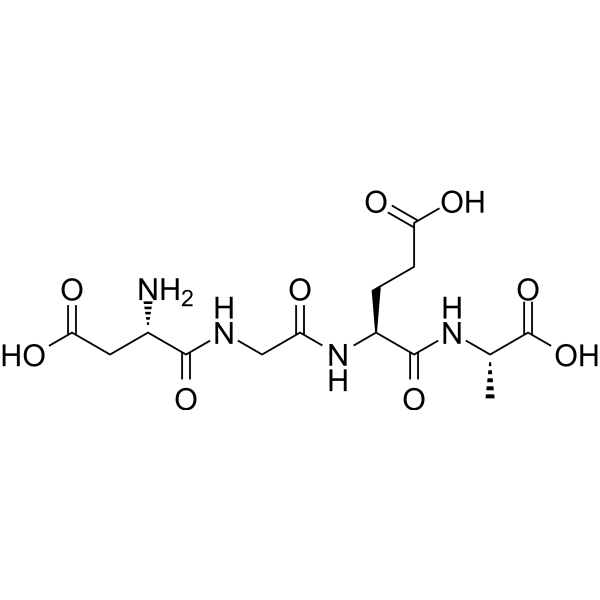
- HY-N13220
-
|
|
Others
|
Endocrinology
|
|
Soybean Extract is a soybean extract, and its components include: Isoflavone. Soybean Extract has an increased content of isoflavone aglycones after biotransformation, which is an estrogen-like bioactive compound with effective type I collagen enhancement. .
|
-

- HY-144390
-
|
GPVI antagonist 1
|
Glycoprotein VI
|
Cardiovascular Disease
|
|
(S)-S007-1558 (compound 5) is a glycoprotein VI (GPVI) platelet receptor antagonist. (S)-S007-1558 inhibits collagen-induced platelet aggregation with an IC50 of 25.3 μM .
|
-
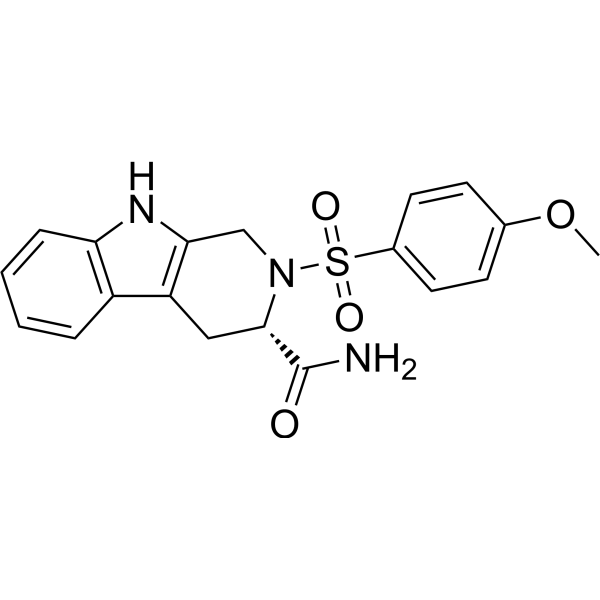
- HY-135585
-
|
|
Estrogen Receptor/ERR
|
Endocrinology
|
|
LY88074 (Compound 88074) is a Raloxifene analog lacking the basic side chain. Raloxifene is a selective estrogen receptor modulator, and reduces fracture risk at least in part by improving the mechanical properties of bone in a cell- and estrogen receptor-independent manner .
|
-
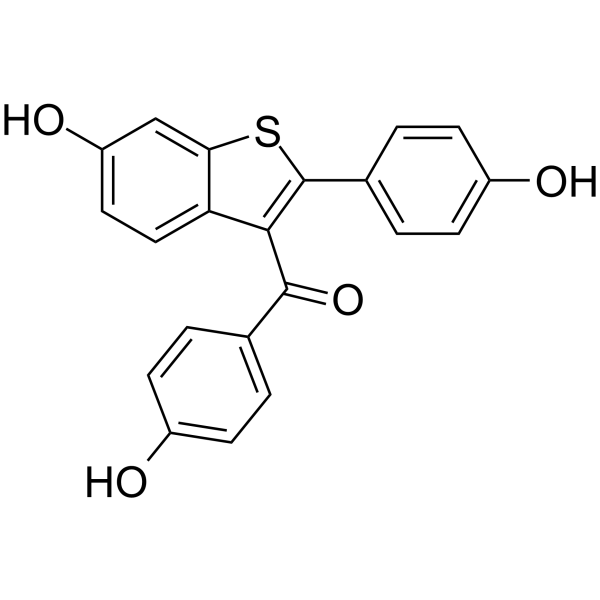
- HY-W016409
-
|
Protocatechuic acid ethyl ester
|
HIF/HIF Prolyl-Hydroxylase
Reactive Oxygen Species (ROS)
NO Synthase
Autophagy
Apoptosis
|
Metabolic Disease
Cancer
|
|
Ethyl 3,4-dihydroxybenzoate (Protocatechuic acid ethyl ester) is an orally effective, blood-brain barrier-permeable, competitive prolyl hydroxylase (PHD) inhibitor that inhibits the hydroxylation modification of hypoxia-inducible factor (HIF) by PHD. Ethyl 3,4-dihydroxybenzoate stabilizes HIF-1α by inhibiting PHD, activates downstream pathways to induce autophagy and apoptosis of tumor cells, and regulates inflammatory responses, inhibits the NF-κB pathway, improves vascular permeability, and promotes osteoblast differentiation. Ethyl 3,4-dihydroxybenzoate has anti-tumor, anti-hypoxic injury, and bone metabolism regulation effects. It can also be used in the research of cardiovascular protection (such as reducing myocardial ischemic damage), bone tissue engineering (promoting osteogenesis/inhibiting osteoclast differentiation), and prevention and treatment of high-altitude cerebral edema .
|
-
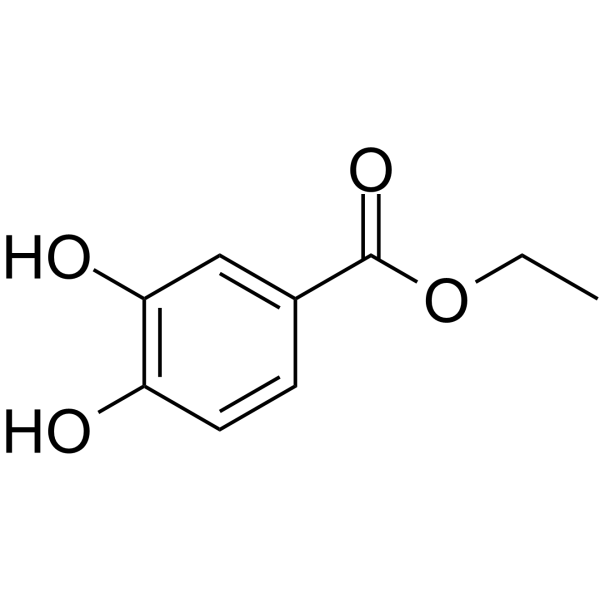
- HY-162689
-
|
|
Free Fatty Acid Receptor
|
Inflammation/Immunology
|
|
GprA is a new synthetic agonist of G-protein-coupled receptor 120/free fatty acid receptor 4 (GPR120/FFAR4), with an AC50 of 203 nM on human GPR120 full isoform. GprA can be used in the research for NAFLD .
|
-

- HY-W016409R
-
|
Protocatechuic acid ethyl ester (Standard)
|
Reference Standards
HIF/HIF Prolyl-Hydroxylase
Reactive Oxygen Species (ROS)
NO Synthase
Autophagy
Apoptosis
|
Metabolic Disease
Cancer
|
|
Ethyl 3,4-dihydroxybenzoate (Standard) (Protocatechuic acid ethyl ester (Standard)) is the analytical standard of Ethyl 3,4-dihydroxybenzoate (HY-W016409). This product is intended for research and analytical applications. Ethyl 3,4-dihydroxybenzoate (Protocatechuic acid ethyl ester) is an orally effective, blood-brain barrier-permeable, competitive prolyl hydroxylase (PHD) inhibitor that inhibits the hydroxylation modification of hypoxia-inducible factor (HIF) by PHD. Ethyl 3,4-dihydroxybenzoate stabilizes HIF-1α by inhibiting PHD, activates downstream pathways to induce autophagy and apoptosis of tumor cells, and regulates inflammatory responses, inhibits the NF-κB pathway, improves vascular permeability, and promotes osteoblast differentiation. Ethyl 3,4-dihydroxybenzoate has anti-tumor, anti-hypoxic injury, and bone metabolism regulation effects. It can also be used in the research of cardiovascular protection (such as reducing myocardial ischemic damage), bone tissue engineering (promoting osteogenesis/inhibiting osteoclast differentiation), and prevention and treatment of high-altitude cerebral edema .
|
-

- HY-170839
-
|
|
TRP Channel
|
Inflammation/Immunology
|
|
TRPV1-IN-3 (compound 14) is a TRPV1 inhibitor that can be used for the research of idiopathic pulmonary fibrosis. TRPV1-IN-3 affects the expression of fibrosis markers collagen I and α-SMA by inhibiting the TGF-β/Smads and MAPK pathways, thereby exerting antifibrotic activity in vitro (IC50=0.51 μM). TRPV1-IN-3 significantly inhibits collagen deposition in lung tissue, improves the alveolar structure, and also increases the survival rate of mice with pulmonary fibrosis induced by Bleomycin (HY-108345) .
|
-

- HY-175662
-
|
|
TGF-beta/Smad
|
Inflammation/Immunology
|
|
TGF-β/Smad-IN-2 is an orally active TGF-β/Smad inhibitor. TGF-β/Smad-IN-2 inhibits TGF-β-induced fibroblast-to-myofibroblast differentiation and collagen deposition, with an IC50 value of 102 μM for collagen reduction in LL29 cells. TGF-β/Smad-IN-2 exerts its effects through modulation
of the SMAD3/SMAD7 signaling pathway. TGF-β/Smad-IN-2 reduces lung index in pulmonary fibrosis mice. TGF-β/Smad-IN-2 can be used for the study of pulmonary fibrosis .
|
-

- HY-P992055
-
|
AIIB2
|
Integrin
Caspase
Apoptosis
|
Neurological Disease
Cancer
|
|
Anti-ITGB1 Antibody (AIIB2) is a monoclonal antibody targeting integrin-β1 (integrin-β1). Anti-ITGB1 Antibody blocks the binding of the ITGB1 subunit to type I collagen ligands, and abrogates the adhesion of cancer cells to type I collagen-coated surfaces. Anti-ITGB1 Antibody inhibits the proliferation and induces apoptosis of human osteosarcoma cells by activating caspase-3 and regulating apoptosis-related proteins. Anti-ITGB1 Antibody is applicable to research related to osteosarcoma and medulloblastoma .
|
-

- HY-N18667
-
|
|
Others
|
Inflammation/Immunology
|
|
Centella asiatica extract, derived from the leaves of the Centella asiatica plant, has the ability to promote collagen production, improve skin elasticity, and promote wound healing. It can be used to study various skin problems such as acne, eczema, and psoriasis.
|
-

- HY-Y0775
-
|
|
Biochemical Assay Reagents
Collagen
|
Others
|
|
1-Bromo-2,5-pyrrolidinedione is a collagen protein ligand in docking experiments. 1-Bromo-2,5-pyrrolidinedione can be used to study wound healing-related diseases .
|
-

- HY-E70005C
-
|
|
MMP
|
Others
|
Collagenase, Type III is a microbially derived matrix metalloproteinases (MMPs) and zinc peptidase. Collagenase, Type III breaksdown collagens1, 4, 9, 10, 14, fibronectin, MMP-9, gelatin, plasminogen, aggrecan,perlecan osteonectin
|
-

- HY-W343900
-
|
DL-Hydroxyproline
|
Amino Acid Derivatives
|
Metabolic Disease
|
|
Hydroxyproline (DL-Hydroxyproline) is a non-essential amino acid and one of the main components of collagen tissue. Hydroxyproline can be used in research on endocrine and metabolic diseases, as well as genetic diseases and malformations. Hydroxyproline can also serve as a biomarker .
|
-

- HY-N14977
-
|
|
Antibiotic
|
Infection
Inflammation/Immunology
|
|
Epoxyquinomicin C is an antibiotic that can be isolated from Amycolatopsis sp. Epoxyquinomicin C exhibits anti-inflammatory effects against collagen-induced arthritis. Epoxyquinomicin C can be designed for synthesis of the NF-κB Inhibitor DHMEQ .
|
-

- HY-P11112
-
|
|
β-catenin
Wnt
|
Inflammation/Immunology
|
|
PTD-DBM is a competitive peptide that blocks the CXXC5-Dvl interaction and induces the expression of β-catenin, α-SMA, and type I collagen. PTD-DBM has skin wound healing activity .
|
-

- HY-14239
-
|
BMS 275291
|
MMP
Collagen
|
Cancer
|
|
Rebimastat (BMS 275291) is an orally active, broad-spectrum MMP inhibitor and non-peptide collagen mimetic. Rebimastat has some selectivity because it does not inhibit all MMP activities. Rebimastat can be used in the research of colorectal cancer .
|
-

- HY-19878
-
|
|
RAR/RXR
|
Inflammation/Immunology
|
|
Seletinoid G is a retinoic acid receptor (RAR) agonist. Seletinoid G can repair altered connective tissue in old skin and inhibit UV-induced collagen deficiency in young skin. Seletinoid G can be used for skin aging and photoaging research .
|
-

- HY-181430
-
|
|
TGF-beta/Smad
|
Metabolic Disease
Inflammation/Immunology
|
|
PXS 25 is a cation-independent mannose 6-phosphate receptor (CI-M6PR) inhibitor that inhibits CI-M6PR-mediated activation of latent TGF-β1. PXS 25 inhibits conversion of high glucose-induced latent TGF-β1 to active TGF-β1 in proximal tubule cells under normoxic conditions. PXS 25 suppresses high glucose-induced fibronectin, collagen IV production, and phosphorylated Smad 2 in proximal tubule cells under normoxic conditions. PXS 25 has antifibrotic properties in skin fibroblasts. PXS 25 can be used for the research of diabetic nephropathy .
|
-

- HY-P10949
-
|
|
Glycoprotein VI
|
Cardiovascular Disease
|
|
Pep-10L peptide is a glycoprotein VI (GPVI) antagonist with Ki values of 180, 225, and 179 μM for CPR, GPO-1, and Type 1 collagen, respectively. Pep-10L peptide has anti-thrombotic effects .
|
-

- HY-B0166A
-
-
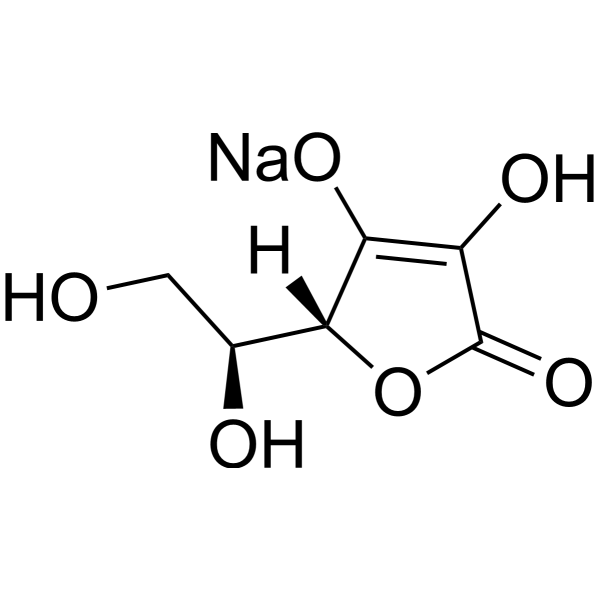
- HY-U00235
-
|
|
Integrin
|
Inflammation/Immunology
|
|
SR121566A is a novel non-peptide Glycoprotein IIb/IIIa (GP IIb-IIIa) antagonist, which can inhibit ADP-, arachidonic acid- and collagen-induced human platelet aggregation with IC50s of 46±7.5, 56±6 and 42±3 nM, respectively.
|
-
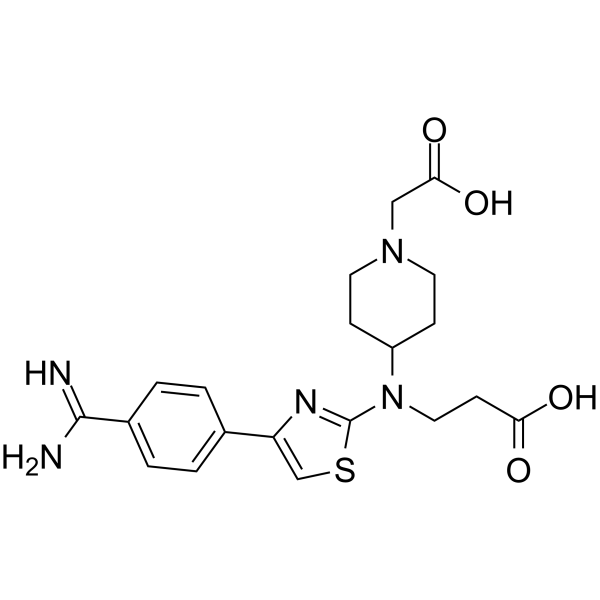
- HY-W273690
-
|
1-Hexyltheobromine; Hexyltheobromine
|
Drug Intermediate
Collagen
|
Cardiovascular Disease
Neurological Disease
|
|
Pentifylline (1-Hexyltheobromine; Hexyltheobromine), PTX (HY-B0715) precursor compound, is a vasodilator. Pentifylline decreases procollagen levels and inhibits collagen production. Pentifylline reduces functional nuclear NF-1 to suppress procollagen gene transcription .
|
-
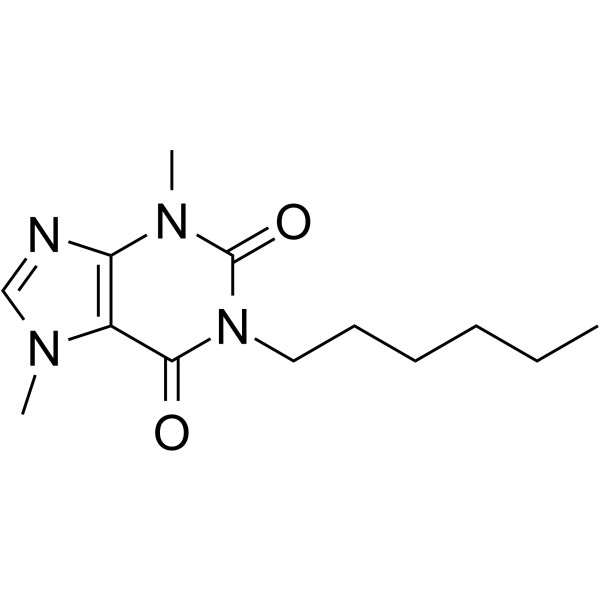
- HY-105120
-
|
GR 32191
|
Prostaglandin Receptor
|
Others
|
|
Vapiprost (GR 32191) is a thromboxane A2 receptor (TXA2 Receptor) antagonist. Vapiprost hydrochloride (GR 32191 hydrochloride) inhibits the aggregation and ATP release stimulated with U-46619, collagen or arachidonic acid (AA) at an IC50 of less than 2.1×10 -8 M .
|
-

- HY-P991363
-
|
|
Myosin
STAT
|
Inflammation/Immunology
|
|
AX-202 is a humanized IgG4 monoclonal antibody targeting S100A4. AX-202 neutralizes the activity of S100A4. AX-202 effectively reverses established fibrosis and reduces inflammation and fibrosis-related biomarkers in a mouse model of skin fibrosis. AX-202 is applicable for the research of fibrotic and inflammatory diseases .
|
-

- HY-P3459
-
|
|
Bacterial
|
Infection
|
|
Tet-213 is a antimicrobial peptide. Tet-213 has broad spectrum antibacterial activity. Tet-213 can promote infected wound repair .
|
-

- HY-P0045
-
|
Matrixyl; Palmitoyl pentapeptide 3; Matrixyl (Palmitoyl Pentapeptide)
|
Collagen
|
Others
|
|
Palmitoyl pentapeptide 4 (Matrixyl; Palmitoyl pentapeptide 3; Matrixyl (Palmitoyl Pentapeptide) is a bioactive peptide with anti-ageing effect and has been reported used as a cosmetic ingredient [1]
|
-
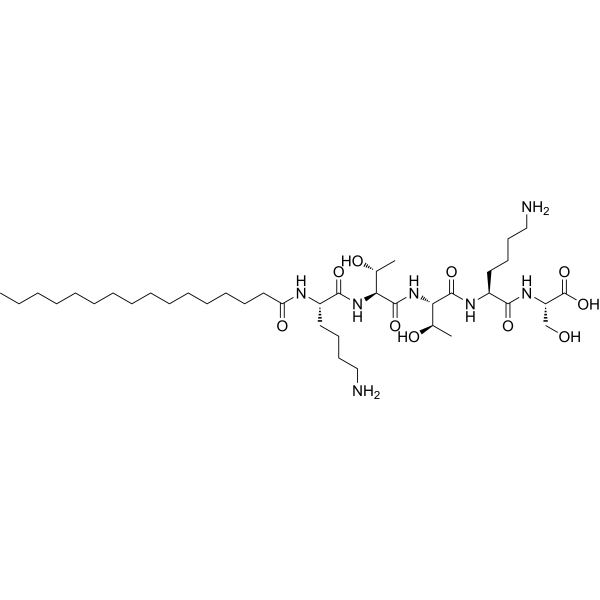
- HY-P3136A
-
|
TRV120055 hydrochloride
|
Angiotensin Receptor
|
Cardiovascular Disease
|
|
TRV055 (TRV120055) hydrochloride is a G protein-biased agonist of angiotensin II type 1 receptors (AT1Rs). TRV055 hydrochloride induces fibroblast proliferation, overexpression of collagen I and α-SMA, and stress fibre formation in human cardiac fibroblasts. RV055 hydrochloride activates AT1 receptor/Gαq-mediated signaling pathways, upregulates TGF-β1 and p-ERK1/2. RV055 hydrochloride induces collagen secretion in adult rat myofibroblasts at a level comparable to Ang II. RV055 hydrochloride can be used to study the role of G protein-biased signaling of AT1Rs in regulating fibrotic responses [1]
|
-
- HY-P3136
-
|
TRV120055
|
Angiotensin Receptor
ERK
|
Cardiovascular Disease
|
|
TRV055 (TRV120055) is a G protein-biased agonist of angiotensin II type 1 receptors (AT1Rs). TRV120055 induces fibroblast proliferation, overexpression of collagen I and α-SMA, and stress fibre formation in human cardiac fibroblasts. TRV055 activates AT1 receptor/Gαq-mediated signaling pathways, upregulates TGF-β1 and p-ERK1/2. TRV055 induces collagen secretion in adult rat myofibroblasts at a level comparable to Ang II. TRV055 can be used to study the role of G protein-biased signaling of AT1Rs in regulating fibrotic responses [1]
|
-
- HY-N14932
-
|
|
Platelet-activating Factor Receptor (PAFR)
|
Cardiovascular Disease
|
|
Aggreceride A is a platelet aggregation inhibitor. Aggreceride A shows an inhibitory activity against aggregation induced by Adenosine 5'-diphosphate (ADP) (HY-W010918), Arachidonic acid (HY-109590) and PAF (platelet activating factor), but was less active against aggregation induced by collagen .
|
-

- HY-W699533
-
|
Valeryl-4-hydroxyvalsartan; CGP 71580
|
Drug Metabolite
|
Cardiovascular Disease
|
|
4-Hydroxy valsartan is a metabolite of Valsartan (HY-18204). 4-Hydroxy valsartan regulates the expression of platelet surface receptors and inhibits conventional plasma or whole blood collagen induced platelet aggregation. 4-Hydroxy valsartan has antiplatelet activity .
|
-

- HY-N7619
-
|
Purpuroxanthin
|
HIV
|
Infection
Inflammation/Immunology
Cancer
|
|
Xanthopurpurin is an orally active anthraquinone glycoside. Xanthopurpurin can be isolated from the rhizome of Rubia akane. Xanthopurpurin has antiviral effects against rotavirus and HIV. Xanthopurpurin has a strong inhibitory effect on collagen-induced platelet aggregation. Xanthopurpurin prevents peanut allergy .
|
-
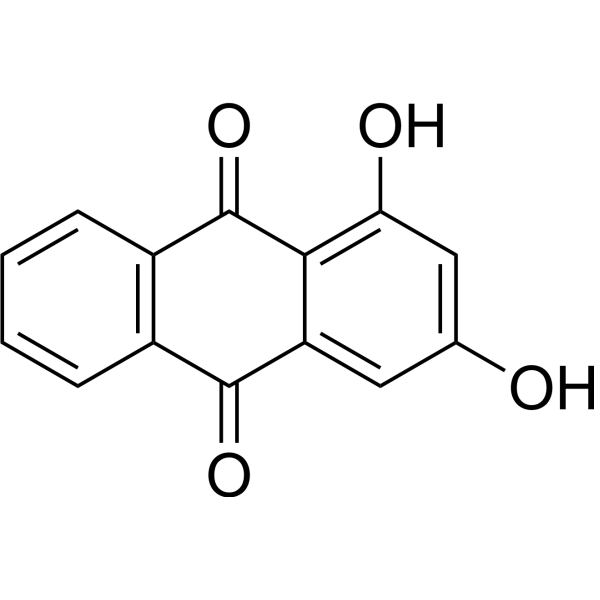
- HY-136990
-
|
|
p38 MAPK
|
Cancer
|
|
GLPG0259 is a ATP-competitive inhibitor of MAPK-activated protein kinase 5 (MK5) with oral activity. GLPG0259 reduces inflammation and bone destruction in a mouse model of collagen-induced arthritis. GLPG0259 also inhibited the metastasis of prostate cancer (PCa) cells .
|
-
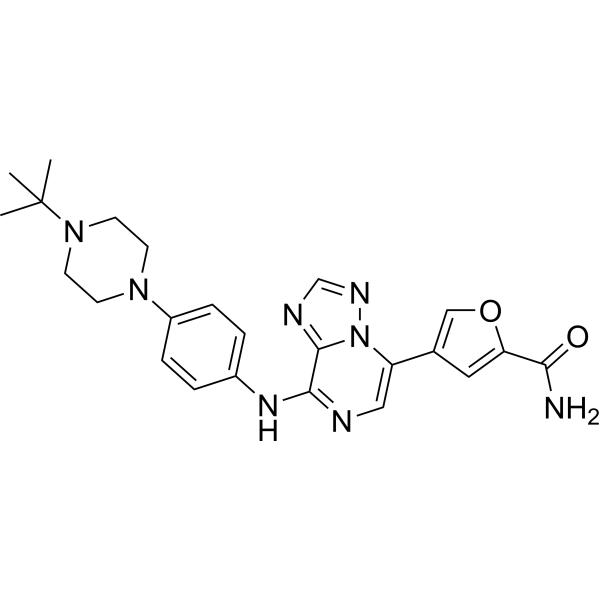
- HY-108559
-
|
|
Prostaglandin Receptor
|
Inflammation/Immunology
|
|
L-161982 is a selective EP4 receptor antagonist. L-161982 completely blocks PGE2-induced ERK phosphorylation and cell proliferation of HCA-7 cells. L-161982 alleviates collagen-induced arthritis in mice .
|
-
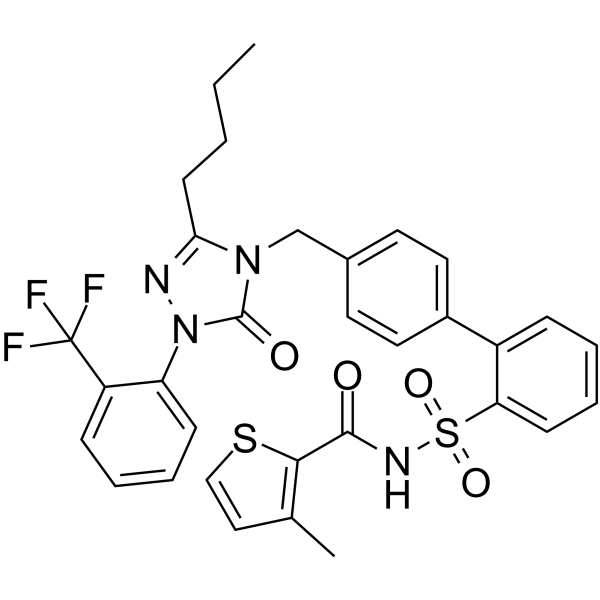
- HY-163778
-
|
|
NF-κB
|
Inflammation/Immunology
|
|
ZM600 is a potent and orally active antihepatic fibrosis agent. ZM600 decreases the LPS (HY-D1056) induced protein expression of collagen I, α-SM, p-p65. ZM600 has the potential for the research of liver fibrosis .
|
-

- HY-N7619R
-
|
Purpuroxanthin (Standard)
|
Reference Standards
HIV
|
Infection
Inflammation/Immunology
Cancer
|
|
Xanthopurpurin is an orally active anthraquinone glycoside. Xanthopurpurin can be isolated from the rhizome of Rubia akane. Xanthopurpurin has antiviral effects against rotavirus and HIV. Xanthopurpurin has a strong inhibitory effect on collagen-induced platelet aggregation. Xanthopurpurin prevents peanut allergy .
|
-

- HY-171955
-
|
|
Lipoxygenase
Apoptosis
Reactive Oxygen Species (ROS)
FAK
|
Cancer
|
|
LXG6403 is an orally active and irreversible LOX inhibitor (IC50 = 1.3 μM). LXG6403 is ~3.5-fold more specific for LOX than LOXL2 and does not inhibit LOXL1. LXG6403 inhibits FAK signaling and induces ROS generation and DNA damage, leading to G1 arrest and apoptosis in chemoresistant triple-negative breast cancer (TNBC) cell lines. LXG6403 alters the extracellular matrix (ECM) and collagen structure, reducing collagen cross-linking and deposition, thereby increasing drug penetration and reducing tumor stiffness. LXG6403 overcomes Doxorubicin (HY-15142) resistance in chemoresistant TNBC PDX in vivo and can be used to study high-stiffness resistant tumors .
|
-

- HY-107588R
-
|
|
Reference Standards
Integrin
|
Cardiovascular Disease
|
|
TC-I 15 (Standard) is the analytical standard of TC-I 15 (HY-107588). This product is intended for research and analytical applications. TC-I 15 (TC-I-15) is a type of allosteric collagen-binding integrin α2β1 inhibitor, and it also inhibits α1β1 and α11β1. TC-I 15 inhibits platelet adhesion to collagen and thrombus deposition. TC-I 15 prevents the formation of a pre-metastatic microenvironment by inhibiting the uptake of cancer-associated fibroblast (CAF) extracellular vesicles (EVs) by lung fibroblasts, which reduces the metastasis of salivary gland adenocystic carcinoma (SACC) to the lungs in mouse models, .
|
-

- HY-P11328
-
|
|
Integrin
|
Others
|
|
GFOGER peptide is an artificially synthesized collagen-mimetic sequence. GFOGER peptide acts as a ligand for α2β1, α11β1 and α1β1 integrins, thereby supporting integrin-mediated cell adhesion to collagen. GFOGER peptide triggers signaling pathways mediated by the α2β1 integrin receptor and upregulates osteoblast differentiation. GFOGER peptide accelerates and enhances bone formation at sites of refractory femoral defects. GFOGER peptide can be passively adsorbed onto polymer scaffolds for cell-free/growth factor-free bone formation. GFOGER peptide is used in biomaterials such as hydrogels and 3D bioinks for tissue engineering research including bone formation .
|
-

- HY-13102
-
|
|
Procollagen C Proteinase
|
Others
|
|
UK-383367 is an orally available pro-collagen C-protease inhibitor (BMP-1) with an IC50 value of 44 nM. UK-383367 can reduce renal fibrosis and inflammation in chronic kidney disease (CKD) and may be used to study postoperative skin scarring .
|
-
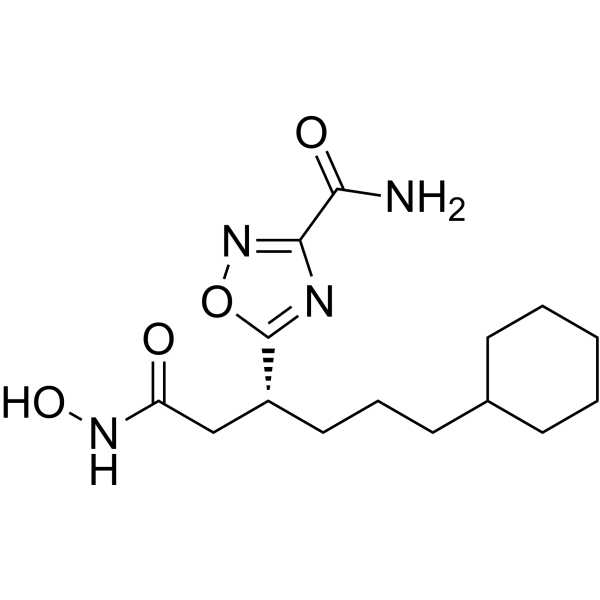
- HY-N14933
-
|
|
Platelet-activating Factor Receptor (PAFR)
|
Cardiovascular Disease
|
|
Aggreceride B is a platelet aggregation inhibitor. Aggreceride B shows an inhibitory activity against aggregation induced by Adenosine 5'-diphosphate (ADP) (HY-W010918), Arachidonic acid (HY-109590) and PAF (platelet activating factor), but was less active against aggregation induced by collagen .
|
-

- HY-B1539A
-
|
Magenta base monohydrochloride; Basic Fuchsin monohydrochloride; Rosaniline Base monohydrochloride
|
Fluorescent Dye
Bacterial
Fungal
|
Infection
|
|
Fuchsine base (Magenta base; Basic Fuchsin) monohydrochloride is a triaminotriphenylmethane dye. Fuchsine base monohydrochloride has anesthetic, bactericidal and fungicidal properties. Fuchsine base monohydrochloride can be used for the staining of collagen, muscle, mitochondria and tuberculosis. Fuchsine base monohydrochloride is commonly used as a counterstain in Gram staining .
|
-
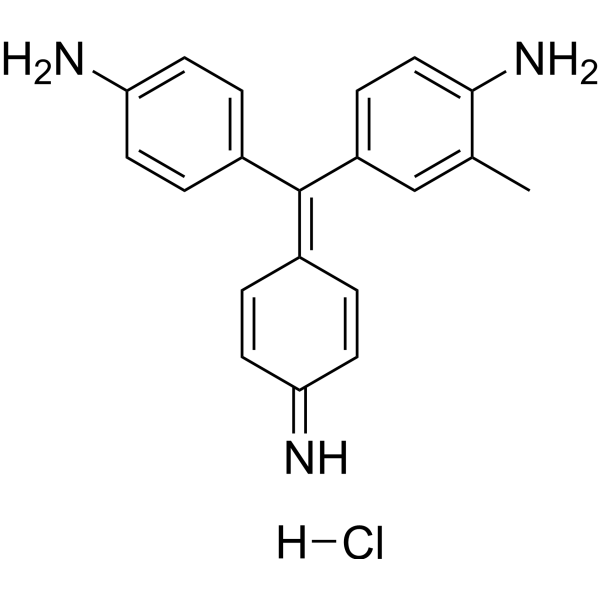
- HY-138007
-
|
|
ROR
PPAR
LXR
|
Metabolic Disease
Inflammation/Immunology
|
|
SR-1903 is an inverse agonist of RORγ and PPARγ (IC50 of ∼100 nM and 209 nM for RORγ and PPARγ, respectively) and a LXR agonist. SR-1903 exhibits anti-inflammatory and anti-diabetic efficacy in collagen-induced arthritis and diet-induced obesity mouse models .
|
-

- HY-179302
-
|
|
Mitochondrial Metabolism
Integrin
|
Cardiovascular Disease
|
|
SD3A is an antiplatelet agent. SD3A inhibits granule secretion and GP IIb/IIIa activation. SD3A inhibits mitochondrial function. SD3A has an antiaggregant effect on washed platelets stimulated with Collagen. SD3A results in reduced thrombus formation without affecting coagulation .
|
-

- HY-145855
-
|
|
TGF-β Receptor
|
Inflammation/Immunology
|
|
J-1063 is a potent, selective and orally active ALK5 inhibitor with an IC50 of 0.039 µM. J-1063 shows anti-fibrotic effect by the inhibition of inflammatory infiltration, collagen deposition, and hepatocytes necrosis. J-1063 has the potential for the research of liver fibrosis .
|
-
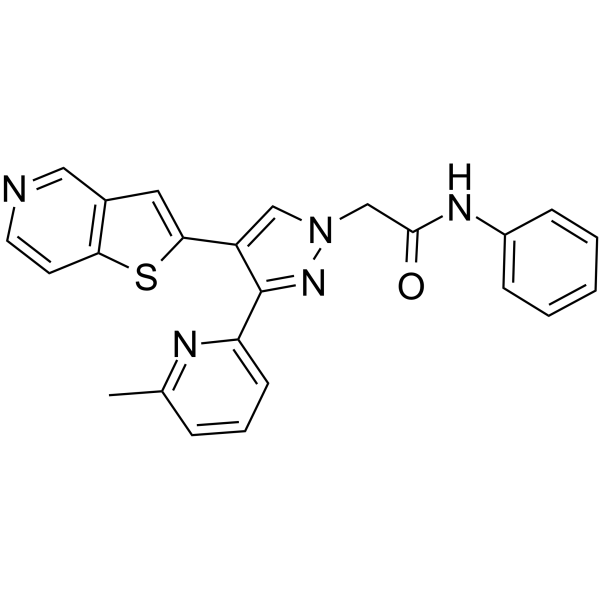
- HY-N2163
-
|
|
PDI
|
Cardiovascular Disease
|
|
Mudanpioside C is a protein disulfide isomerase (PDI) inhibitor with a human IC50 of 3.31 μM and human Kd of 3.9 μM. Mudanpioside C suppresses collagen-induced platelet aggregation, interferes with platelet activation, adhesion, and spreading. Mudanpioside C can be used for the research of cardiovascular diseases .
|
-
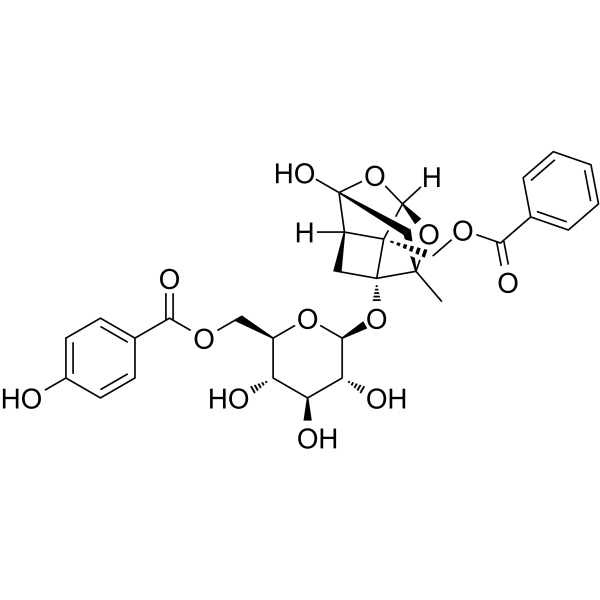
- HY-N14934
-
|
|
Platelet-activating Factor Receptor (PAFR)
|
Cardiovascular Disease
|
|
Aggreceride C is a platelet aggregation inhibitor. Aggreceride C shows an inhibitory activity against aggregation induced by Adenosine 5'-diphosphate (ADP) (HY-W010918), Arachidonic acid (HY-109590) and PAF (platelet activating factor), but was less active against aggregation induced by collagen .
|
-

- HY-B0166S2
-
-
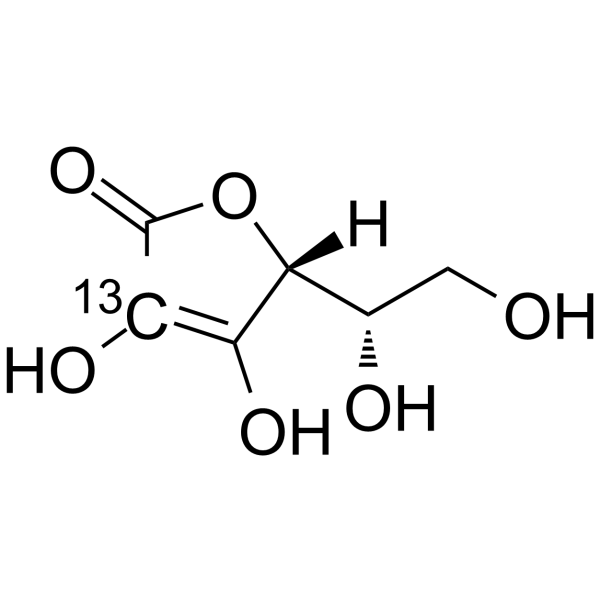
- HY-129786
-
|
|
Prostaglandin Receptor
|
Cardiovascular Disease
|
LG 82-4-00 is a thromboxane (TX) synthase inhibitor with an IC50 value of 1.1 μM. LG 82-4-00 can inhibit collagen-induced TXB2 formation and platelet aggregation in plasma. LG 82-4-00 can be used in studies related to thrombotic diseases .
|
-

- HY-120041
-
|
|
IRAK
|
Cancer
|
|
ND-2158 is a competitive IRAK4 inhibitor, with the Ki of 1.3 nM. ND-2158 suppresses LPS-induced TNF production in human white blood cells, alleviated collagen-induced arthritis, and blocked gout formation in mouse models. ND-2158 has antitumor activity in vivo .
|
-
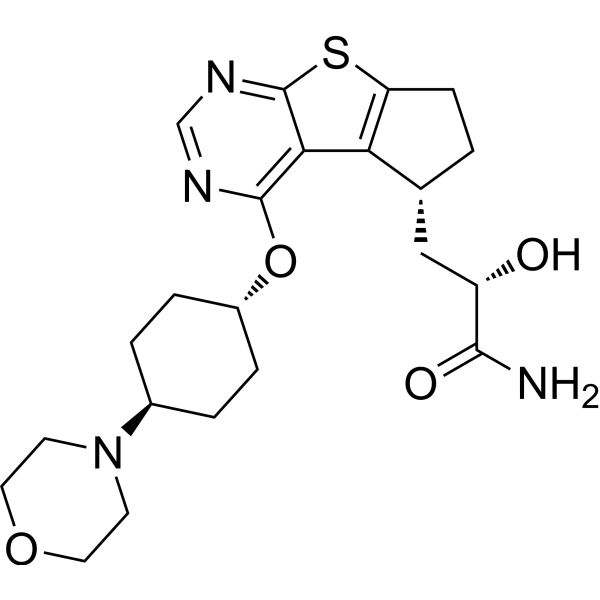
- HY-B0166S4
-
-
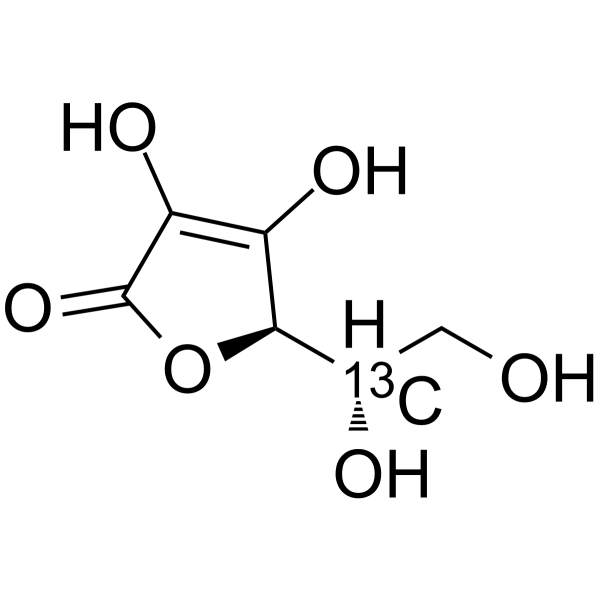
- HY-B0166S3
-
-
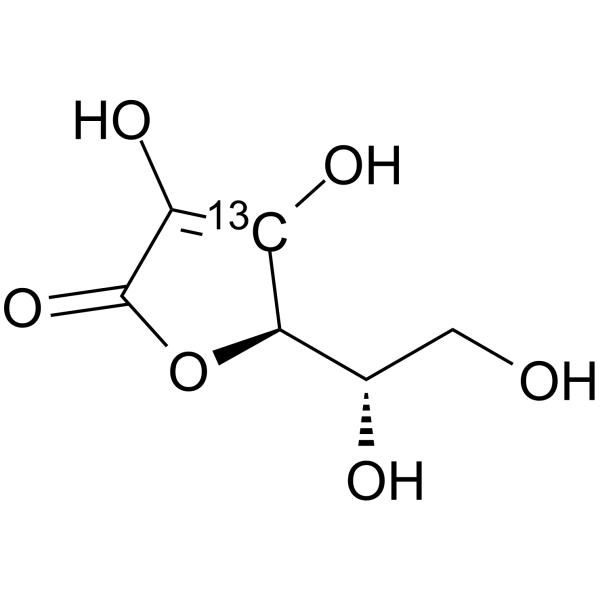
- HY-P3160
-
Fibronectin
Maximum Cited Publications
8 Publications Verification
|
Integrin
|
Cardiovascular Disease
Inflammation/Immunology
|
Fibronectin, a glycoprotein present in blood as well as in cells, is a biomarker of tissue injury. Fibronectin binds to membrane-spanning receptor proteins called integrins. Fibronectin also binds to other extracellular matrix proteins such as collagen, fibrin, and heparan sulfate proteoglycans .
This product is a human Fibronectin obtained by recombinant expression in a rice expression system.
|
-
- HY-171296
-
|
|
p38 MAPK
JNK
|
Inflammation/Immunology
|
|
p38 Kinase inhibitor 8 (Compound CCLXXVIII) is the orally active inhibitor for p38β and JNK2α2 with IC50s of 6.3 nM and 53.6 nM. p38 Kinase inhibitor 8 exhibits anti-inflammatory effect in rats collagen-induced arthritis models .
|
-

- HY-150732
-
|
|
IRAK
|
Inflammation/Immunology
|
|
IRAK4-IN-18 is a potent interleukin-1 receptor-associated kinase 4 (IRAK4) inhibitor with an IC50 value of 15 nM. IRAK4-IN-18 can inhibit LPS-induced IL23 production in THP and DC cells, and stop arthritis development in arthritis rats. IRAK4-IN-18 can be used for researching arthritis disease .
|
-
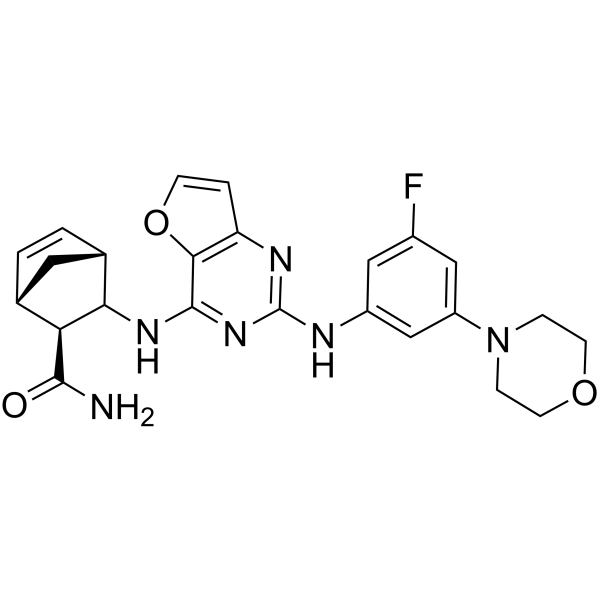
- HY-107013
-
|
|
MMP
|
Inflammation/Immunology
|
|
CP-544439 is a potent and orally active matrix metalloproteinase-13 (MMP-13) inhibitor with an IC50 of 0.75 nM .
|
-
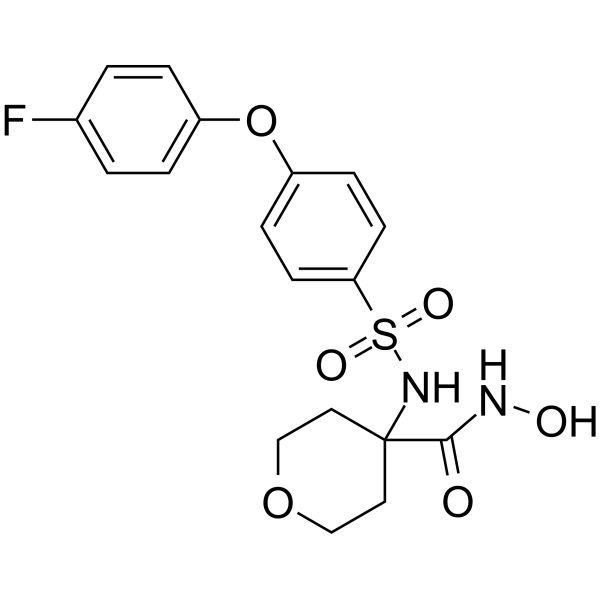
- HY-108672
-
|
|
P2Y Receptor
|
Inflammation/Immunology
|
|
NF157 is a highly selective nanomolar P2Y11 antagonist with a pKi of 7.35. The IC50s are 463 nM, 1811 µM, 170 µM for P2Y11 (Ki=44.3 nM), P2Y1 (Ki=187 µM), P2Y2 (Ki=28.9 µM), respectively . NF157, significantly reduces expression of metalloproteinase (MMP)-3, MMP-13, can be used in the treatment of osteoarthritis (OA) .
|
-
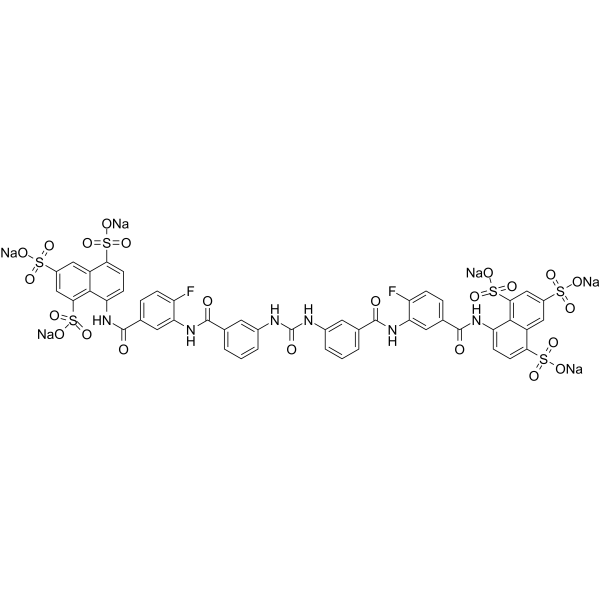
- HY-139254
-
|
IDR3O; I3O
|
CDK
GSK-3
JNK
Wnt
|
Neurological Disease
|
|
Indirubin-3′-oxime (IDR3O), a synthetic derivative of indirubin, is a potent inhibitor of cyclin-dependent kinases (CDKs) and glycogen synthase kinase 3β (GSK3β). Indirubin-3′-oxime directly inhibits the activity of all three isoforms of JNK (JNK1, JNK2, and JNK3), with IC50s of 0.8 μM, 1.4 μM, and 1.0 μM, respectively. Indirubin-3′-oxime can enhance height growth via activation of Wnt/β-catenin signaling in chondrocytes .
|
-
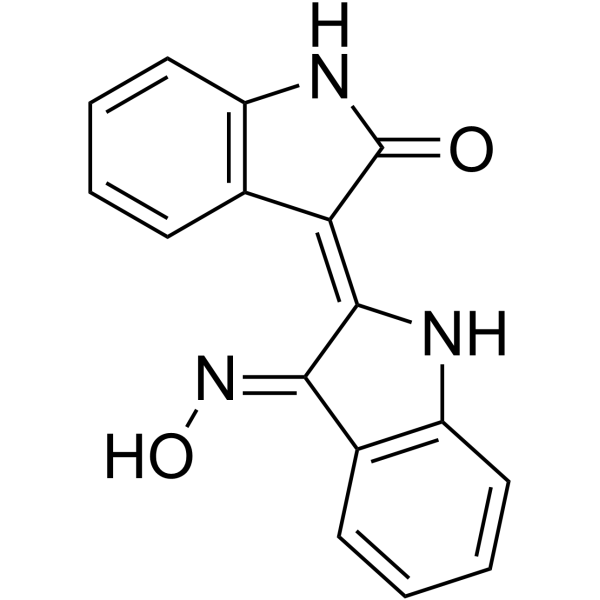
- HY-P3164
-
|
AcTP1
|
Biochemical Assay Reagents
|
Others
|
|
Caprooyl-tetrapeptide-9 (AcTP1) is a bioactive peptide with anti-aging effect and has been reported used as a cosmetic ingredient .
|
-
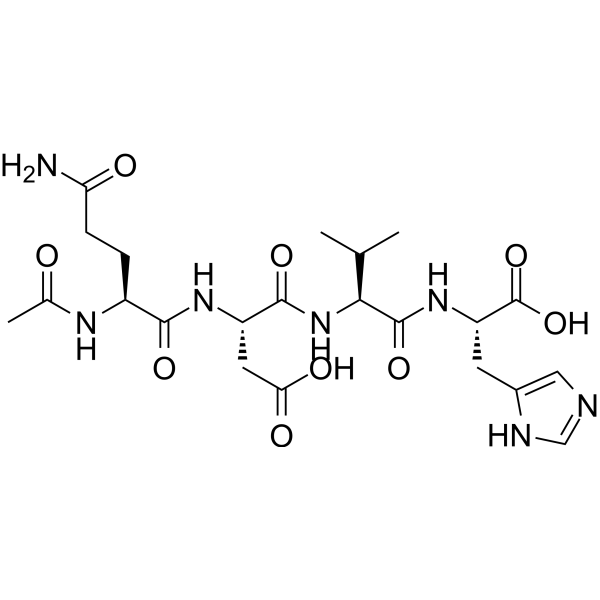
- HY-175516
-
|
|
FXR
PPAR
|
Inflammation/Immunology
|
|
dual FXR/PPARδ agonist-2 is a FXR/PPARδ dual agonist through hybridation of FXR agonist GW-4064 and PPARδ agonist GW-0742.dual FXR/PPARδ agonist-2 displays potent dual-target activities with a FXR agonistic EC50 of 12.28 nM and 69 % PPARδ activation at 100 nM. dual FXR/PPARδ agonist-2 shows anti-fibrotic effects in pulmonary fibrosis mouse model .
|
-

- HY-P3459A
-
|
|
Bacterial
|
Infection
|
|
Tet-213 TFA is a antimicrobial peptide. Tet-213 TFA has broad spectrum antibacterial activity. Tet-213 TFA can promote infected wound repair .
|
-

- HY-150733
-
|
|
IRAK
|
Inflammation/Immunology
|
|
IRAK4-IN-19 is a potent interleukin-1 receptor-associated kinase 4 (IRAK4) inhibitor with an IC50 value of 4.3 nM. IRAK4-IN-19 can inhibit LPS-induced IL23 production in THP and DC cells, and stop arthritis development in arthritis rats. IRAK4-IN-19 can be used for researching arthritis disease .
|
-
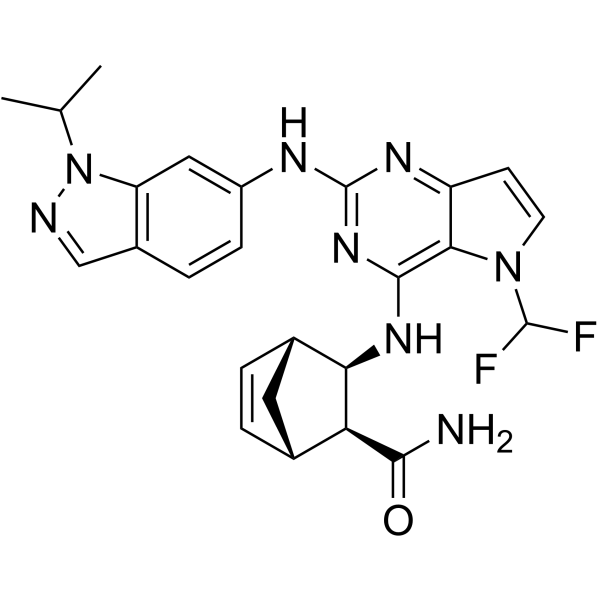
- HY-146560
-
-
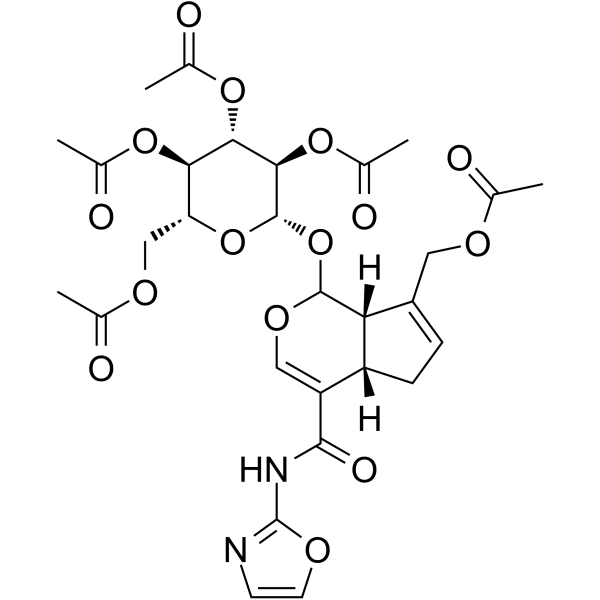
- HY-P1408A
-
|
|
Integrin
|
Cancer
|
|
Obtustatin triacetate is a 41-residue non-RGD disintegrin. Obtustatin triacetate can be isolated from the venom of Vipera lebetina obtusa. Obtustatin triacetate is a potent and selective inhibitor of integrin α1β1 adhesion to type IV collagen. Obtustatin triacetate inhibits angiogenesis and may be used in cancer research .
|
-

- HY-B0890
-
|
McN-2783-21-98
|
PGE synthase
|
Neurological Disease
Inflammation/Immunology
|
|
Zomepirac sodium salt (McN-2783-21-98) is an orally active prostaglandin synthetase inhibitor. Zomepirac sodium salt blocks prostaglandin synthesis and inhibits Collagen (HY-P72147)- or Epinephrine (HY-B0447)-induced platelet aggregation. Zomepirac sodium salt can be used for the research of postoperative pain and osteoarthritis .
|
-
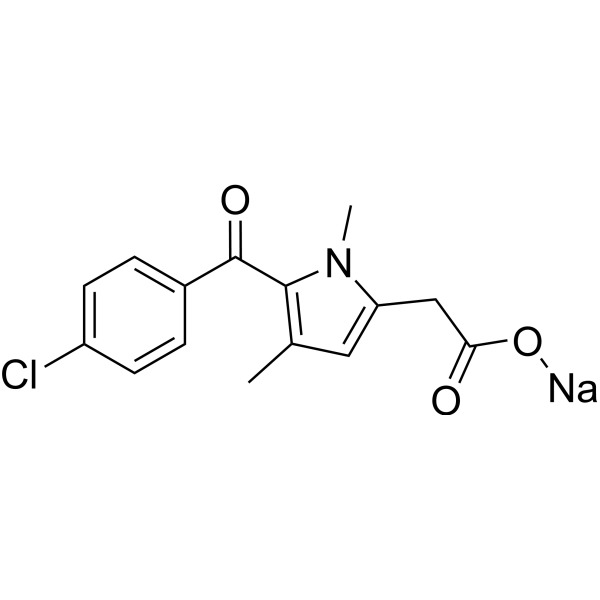
- HY-148854
-
|
|
Drug Derivative
Collagen
|
Others
|
|
L-Ascorbate-2-sulfate disodium (page 46) is a pharmacologically acceptable salt of the L-Ascorbic acid (HY-B0166G) derivative. L-Ascorbate-2-sulfate disodium stimulates collagen synthesis and possess skin-care functions including an elimination function of active oxygen .
|
-

- HY-N5112AR
-
|
Arnebin 1 (Standard)
|
Reference Standards
HIF/HIF Prolyl-Hydroxylase
|
Others
|
|
β,β-Dimethylacrylalkannin (Standard) (Arnebin 1 (Standard)) is the analytical standard of β,β-Dimethylacrylalkannin (HY-N5112A). This product is intended for research and analytical applications. β,β-Dimethylacrylalkannin (Arnebin 1) is a napthoquinone isolated from Alkanna cappadocica , increases collagen and involucrin content in skin cells .
|
-

- HY-P4684
-
|
PTHrP (107–111)
|
PTHR
|
Inflammation/Immunology
|
|
Osteostatin, a fragment of parathyroid hormone-related protein (PTHrP) 107-111, promotes bone repair in animal models of bone defects and prevents bone erosion in inflammatory arthritis, inhibits collagen-induced arthritis and inhibits osteoclastic bone resorption directly. Osteostatin can be used for inflammation and immunology research .
|
-
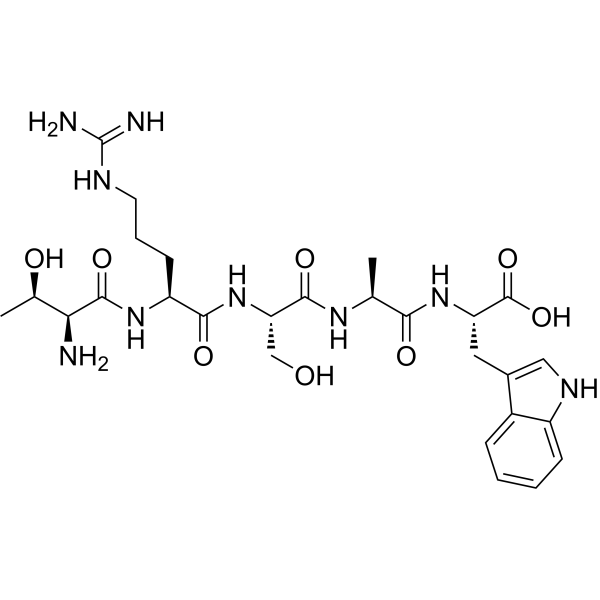
- HY-14371
-
|
|
Drug Derivative
LPL Receptor
|
Inflammation/Immunology
|
|
LX2932 is an orally active LX2931 (HY-14370) analogue and S1P/S1PR signaling axis modulator. LX2932 yields a dose-dependent decrease in circulating lymphocyte numbers. LX2932 improves collagen-induced arthritis .
|
-

- HY-N16748
-
|
|
Others
|
Cardiovascular Disease
|
|
Heptazoline is a carbazole alkaloid that can be isolated from the stem bark of Clausena excavata. Heptazoline exhibits significant antiplatelet aggregation activity (inhibiting platelet aggregation induced by arachidonic acid, collagen, etc.) and certain vasodilatory activity (inhibiting norepinephrine-induced contraction of rat aorta). Heptazoline can be used in antithrombotic research in the cardiovascular field .
|
-

- HY-W014930R
-
|
|
Reference Standards
Endogenous Metabolite
|
Others
|
|
DL-5-Hydroxylysine (hydrochloride) (Standard) is the analytical standard of DL-5-Hydroxylysine (hydrochloride). This product is intended for research and analytical applications. DL-5-Hydroxylysine hydrochloride is a non-essential amino acid that is mainly found in collagen. DL-5-Hydroxylysine hydrochloride is a post-translational modified form of lysine .
|
-

- HY-40136S
-
|
|
Isotope-Labeled Compounds
Endogenous Metabolite
|
Cardiovascular Disease
Metabolic Disease
Endocrinology
Cancer
|
|
cis-4-Hydroxy-L-proline-d3 is the deuterium labeled cis-4-Hydroxy-L-proline (HY-40136). cis-4-Hydroxy-L-proline is an orally active proline analog and collagen production inhibitor. cis-4-Hydroxy-L-proline inhibits cell growth by preventing the deposition of triple helical collagen on the cell layer. cis-4-Hydroxy-L-proline inhibits N-nitrosomethylurea-induced breast tumor growth. cis-4-Hydroxy-L-proline improves lung compliance and reduces prostate weight. cis-4-Hydroxy-L-proline can be used in the study of hypoxic pulmonary hypertension .
|
-
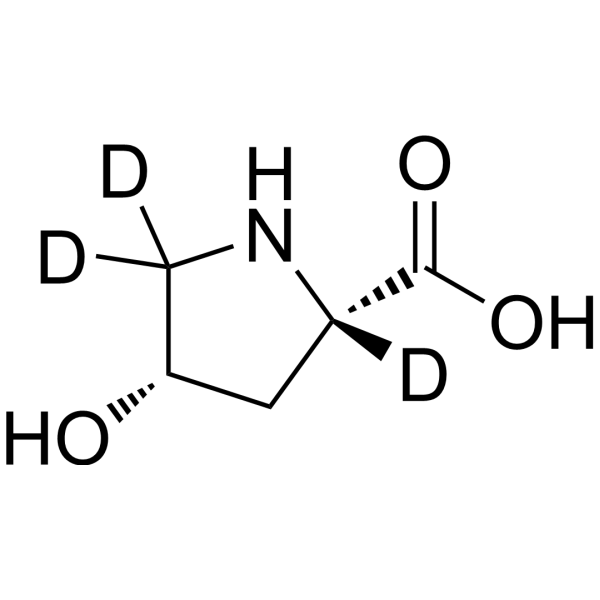
- HY-120006A
-
|
|
ERK
|
Cardiovascular Disease
|
|
(rel)-AR234960 is a selective and competitive agonist of the G protein-coupled receptor MAS. (rel)-AR234960 binds to the MAS receptor to activate the downstream ERK1/2 signaling pathway, inducing the expression of connective tissue growth factor (CTGF) and its downstream collagen subtype genes (such as COL1A1, COL3A1). (rel)-AR234960 promotes collagen synthesis in cardiac fibroblasts through the MAS-ERK1/2-CTGF pathway and aggravates extracellular matrix remodeling. (rel)-AR234960's in vitro effect can be blocked by the MAS inverse agonist AR244555 and MEK1 inhibitor. (rel)-AR234960 regulates the expression of cardiac fibrosis-related genes and can be used in the study of heart failure .
|
-
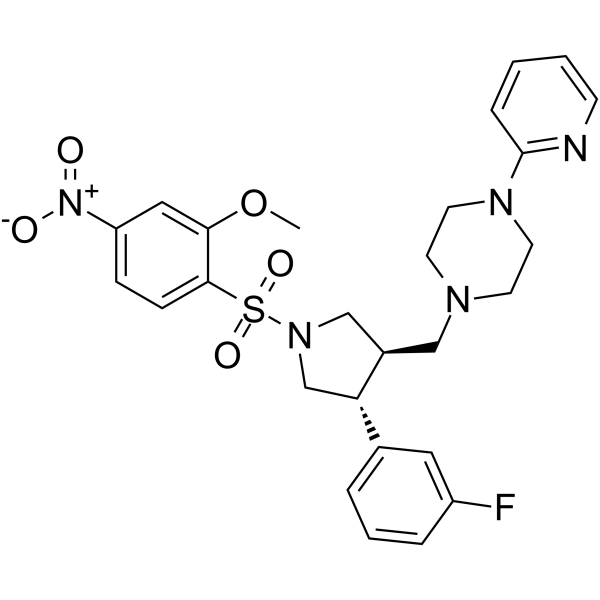
- HY-P992000
-
|
|
Interleukin Related
|
Inflammation/Immunology
|
|
F8-IL-4 is an immune cytokine targeting IL-4. F8-IL-4 specifically delivers IL-4 to inflammatory sites via binding to targets expressed on neovascular vessels. F8-IL-4 alleviates collagen-induced arthritis in mice by regulating T cell subsets and macrophage polarization. When combined with Dexamethasone (HY-14648), F8-IL-4 produces a synergistic and long-lasting therapeutic effect, and prevents arthritis recurrence after drug withdrawal by maintaining anti-inflammatory cell phenotypes and cytokine profiles. F8-IL-4 can be used in the research of collagen-induced arthritis .
|
-

- HY-N7538
-
|
|
Bacterial
|
Infection
|
|
Dealanylalahopcin is an antimicrobial agent that can be isolated from the culture filtrate of Streptomyces leucoderma subsp. ochraceus. Dealanylalahopcin can also be synthesized by enzymatic hydrolysis of alahopcin by microbial α-amino acid ester hydrolases. Dealanylalahopcin has weak antimicrobial activity against Gram-positive and Gram-negative bacteria and exhibits moderate inhibition of collagen prolyl hydroxylase .
|
-

- HY-19175
-
|
FR-144633
|
Thrombin
Integrin
|
Cardiovascular Disease
|
|
FK 633 (FR-144633) is a fibrinogen inhibitor and peptide mimetic GPⅡbⅡa receptor antagonist. FK 633 has anti-platelet and anti-thrombotic effects. FK 633 inhibits ADP-, collagen-, thrombin-, and PAF-induced platelet aggregation with IC50 values of 103, 87, 98, and 239 nM, respectively .
|
-

- HY-18164
-
|
|
LPL Receptor
|
Inflammation/Immunology
|
|
TASP0277308 is a highly selective S1P1 antagonist. TASP0277308 possesses immunomodulatory activities, including lymphopenia, a block in T cell egress from the thymus, marginal zone B cell displacement, and the upregulation of CD69 expression on lymphocytes. TASP0277308 can be used for the research of collagen-induced arthritis in mice .
|
-
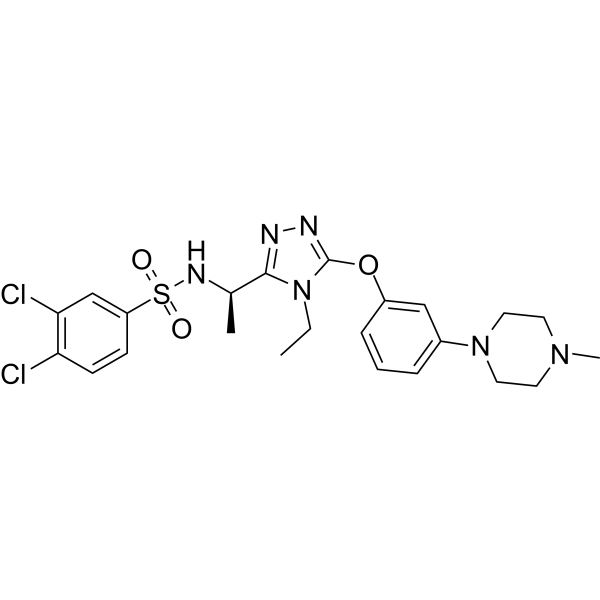
- HY-P2663
-
|
|
TNF Receptor
|
Metabolic Disease
|
|
Acetyl tetrapeptide-2 is a bio-active peptide that exhibits anti-aging activity. Acetyl tetrapeptide-2 can reduce loss of thymic factors. Acetyl tetrapeptide-2 can increase the stiffness of HaCaT cells. Acetyl tetrapeptide-2 is a stimulator of structural skin elements including collagen and elastin .
|
-
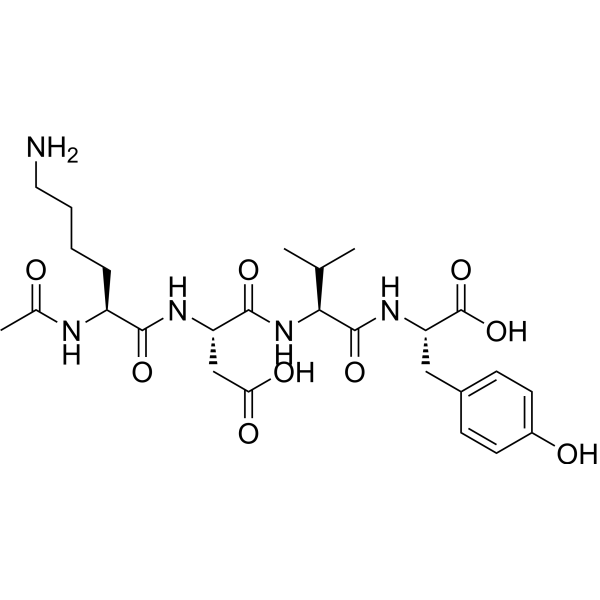
- HY-155031
-
|
|
Reactive Oxygen Species (ROS)
COX
|
Inflammation/Immunology
Cancer
|
|
MCI alleviates inflammation by macrophage reprogramming via targeting ROS scavenging and COX-2 downregulation. MCI inhibits COX-2 with an IC50 value of 1.23 μM. MCI has significant anti-inflammatory effects in collagen-induced arthritis (CIA) models. MCI can be used in research for rheumatoid arthritis (RA) .
|
-
- HY-P5243
-
|
AHK-Cu
|
Others
Bcl-2 Family
|
Others
|
|
Copper tripeptide-3 (AHK-Cu) is a bioactive peptide with promotion of hair growth effect. Copper tripeptide-3 increases dermal cell proliferation and viability while increasing the deposition of collagen to renew the extracellular matrix. Copper tripeptide-3 stimulates the elongation of human hair follicles and proliferation of dermal papilla cells .
|
-
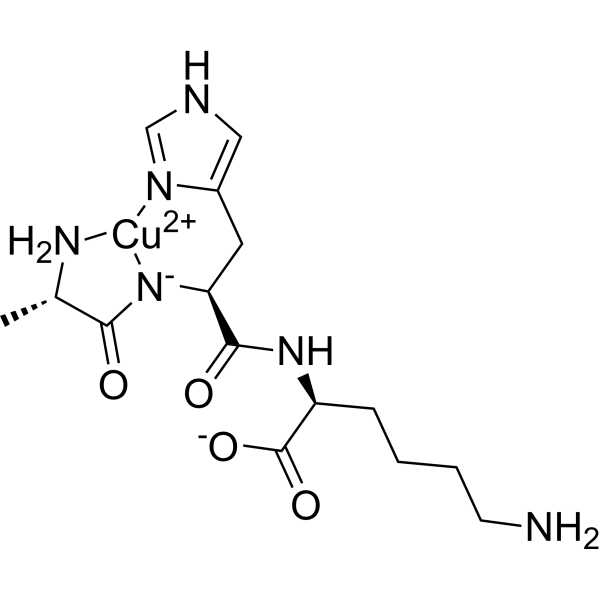
- HY-173041
-
|
|
Arginase
|
Inflammation/Immunology
|
|
Arginase inhibitor 9 (Compound 12a) is an arginase inhibitor with IC50 values of 9 μM and 55 μM for bovine and human arginase I, respectively. Arginase inhibitor 9 exhibits antioxidant activity and can scavenge free radicals. Additionally, Arginase inhibitor 9 can effectively regulate the levels of collagen and procollagen, exerting an anti-fibrotic effect .
|
-

- HY-B0890A
-
|
McN-2783-21-98 free acid
|
PGE synthase
|
Neurological Disease
Inflammation/Immunology
|
|
Zomepirac (McN-2783-21-98 free acid) is an orally active prostaglandin synthetase inhibitor. Zomepirac blocks prostaglandin synthesis and inhibits Collagen (HY-P72147)- or Epinephrine (HY-B0447)-induced platelet aggregation. Zomepirac can be used for the research of postoperative pain and osteoarthritis .
|
-

- HY-167201
-
|
|
Collagen
|
Others
|
|
2ccPA is a Cyclic phosphatidic acid derivative. 2ccPA decreases ECM expression, increases the intracellular cAMP levels. 2ccPA decreases the protein expression levels of type I collagen, CCN2 and αSMA. 2ccPA has inhibitory effects on the progression of skin fibrosis by abrogating ECM production from activated skin fibroblasts .
|
-

- HY-P5557
-
|
|
Bacterial
Necroptosis
|
Infection
Inflammation/Immunology
|
|
TP4 (Nile tilapia piscidin) is an orally active amphipathic α-helical cationic antimicrobial peptide. TP4 (Nile tilapia piscidin) exerts broad-spectrum bactericidal activity against Gram-positive and Gram-negative bacteria by disrupting cell membrane structures, and also exhibits certain hemolytic activity. TP4 (Nile tilapia piscidin) regulates the innate immune system and enhances the expression of lysozymes, cytokines and antioxidant enzymes to resist bacterial infection. TP4 (Nile tilapia piscidin) also stimulates the proliferation of keratinocytes and fibroblasts, and significantly promotes the healing of wounds infected with MRSA. TP4 (Nile tilapia piscidin) can be used in research related to bacterial infection, peritonitis, wound healing and other fields .
|
-

- HY-178012
-
|
|
IRAK
TNF Receptor
|
Inflammation/Immunology
|
|
GLPG4471 is a selective and orally active IRAK4 inhibitor with an IC50 of 1.7 nM. GLPG4471 exhibits potent inhibition of cytokine (TNFα and IFNα) secretion in cellular and whole blood phenotypic assays. GLPG4471 displays significant activity in a mouse model of collagen-induced arthritis. GLPG4471 can be used for the study of arthritis .
|
-

- HY-W870794
-
|
SU 21524
|
PGE synthase
|
Cardiovascular Disease
Neurological Disease
Inflammation/Immunology
|
|
Pirprofen (SU 21524) is an orally active non-steroidal anti-inflammatory agent. pirprofen is a reversible prostaglandin synthetase inhibitor. Pirprofen inhibits leucocyte chemotaxis. Pirprofen shows anti-inflammatory, analgesic, antipyretic, ulcerogenic activities. Pirprofen inhibits the secondary phase of platelet aggregation induced by Collagen and Arachidonic acid (HY-109590). Pirprofen induces hepatitis .
|
-

- HY-122266
-
|
|
Biochemical Assay Reagents
|
Metabolic Disease
|
|
Orcein is an irreversible stain that specifically targets elastic fibers and can interact hydrophobically with the protein components in elastic fibers. Orcein makes elastic fibers in tissues appear purple or purple-red. Orcein can be used for morphological studies of Drosophila polytene chromosomes and for qualitative and quantitative analysis of elastic fibers, collagen fibers and other components in atherosclerotic plaques .
|
-

- HY-15798
-
|
|
VSV
TAM Receptor
|
Cardiovascular Disease
|
|
UNC2881 is an orally active and specific Mer kinase inhibitor, inhibits steady-state Mer kinase phosphorylation with an IC50 value of 22 nM. UNC2881 shows additional inhibition against Axl and Tyro with IC50s of 360 nM and 250 nM, respectively. UNC2881 potently inhibits collagen-induced platelet aggregation, can be used for pathologic thrombosis research .
|
-
- HY-P4486
-
|
Pro-Gly-Pro
|
Drug Derivative
|
Others
|
|
H-Pro-Gly-Pro-OH is a collagen-derived matrikine that has classically been described as a neutrophil chemoattractant. H-Pro-Gly-Pro-OH is perfectly positioned to focus neutrophils on the site required and direct a localized repair response. H-Pro-Gly-Pro-OH activates the transcription of neurotrophins and their receptor genes after cerebral ischemia .
|
-
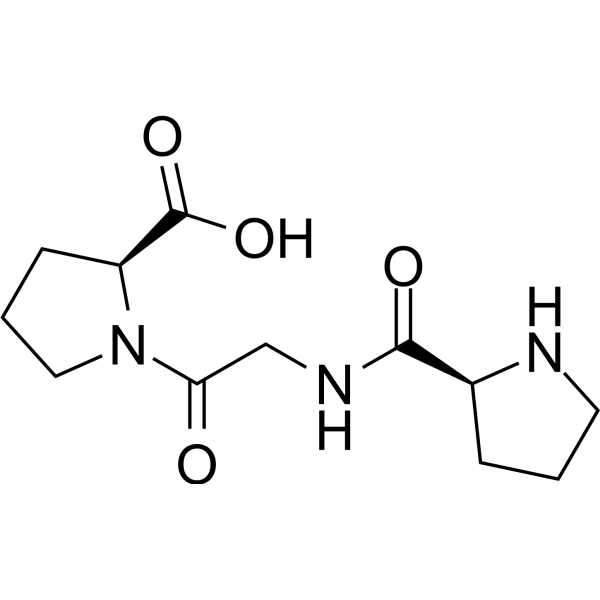
- HY-143714
-
|
|
Cathepsin
|
Inflammation/Immunology
|
|
Cathepsin K inhibitor 2 is a potent inhibitor of cathepsin K. Cathepsin K, Cat K is a cysteine protease expressed under the control of CTSK gene and closely related to osteoporosis, whose main function is to hydrolyze collagen. Cathepsin K inhibitor 2 has the potential for the research of osteoarthfitis (extracted from patent WO2021147882A1, compound 78) .
|
-
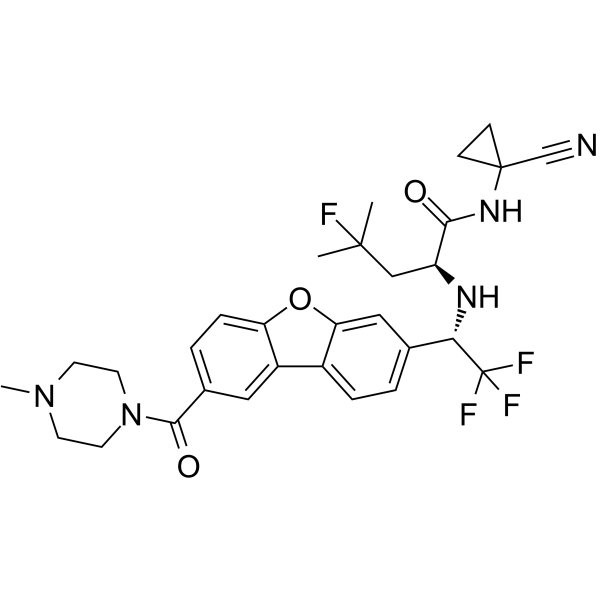
- HY-122906
-
|
|
c-Fms
|
Inflammation/Immunology
|
|
JTE-952 is a potent, oral active and selective Type II inhibitor of colony stimulating factor-1 receptor (CSF-1R or cFMS, type III receptor tyrosine kinase), with IC50 values of 13 nM and 261 nM for CSF1R and TrkA , respectively. Effective against a mouse collagen-induced model of arthritis .
|
-
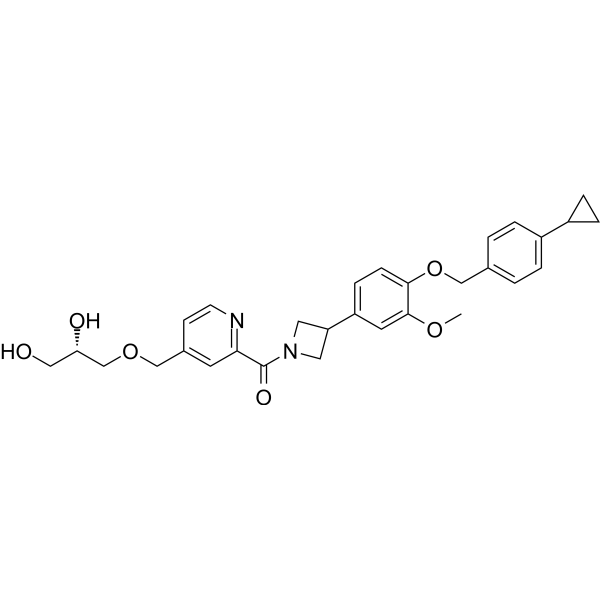
- HY-P10954
-
|
|
p38 MAPK
|
Others
|
|
Link N peptide is a proteoglycan aggregates activator in the extracellular matrix. Link N peptide can selectively activate the p38 mitogen-activated protein kinase (MAPK) pathway to promote the expression of type I and II collagens in human intervertebral disc cells. Link N peptide is promising for research of intervertebral disc degeneration-related diseases .
|
-

- HY-B0166AR
-
|
Sodium ascorbate (Standard); Sodium L-ascorbate (Standard); Vitamin C sodium salt (Standard)
|
Reference Standards
Calcium Channel
Reactive Oxygen Species (ROS)
Apoptosis
Endogenous Metabolite
|
Cancer
|
|
L-Ascorbic acid (sodium salt) (Standard) is the analytical standard of L-Ascorbic acid (sodium salt). This product is intended for research and analytical applications. L-Ascorbic acid sodium salt (Sodium ascorbate), an electron donor, is an endogenous antioxidant agent. L-Ascorbic acid sodium salt selectively inhibits Cav3.2 channels with an IC50 of 6.5 μM. L-Ascorbic acid sodium salt is also a collagen deposition enhancer and an elastogenesis inhibitor .
|
-

- HY-N0331
-
|
|
MDM-2/p53
Apoptosis
|
Cancer
|
|
Ziyuglycoside I isolated from S. officinalis root, has anti-wrinkle activity, and increases the expression of type I collagen. Ziyuglycoside I could be used as an active ingredient for cosmetics . Ziyuglycoside I triggers cell cycle arrest and apoptosis mediated by p53, it can be a potential agent candidate for treating triple-negative breast cancer (TNBC) .
|
-
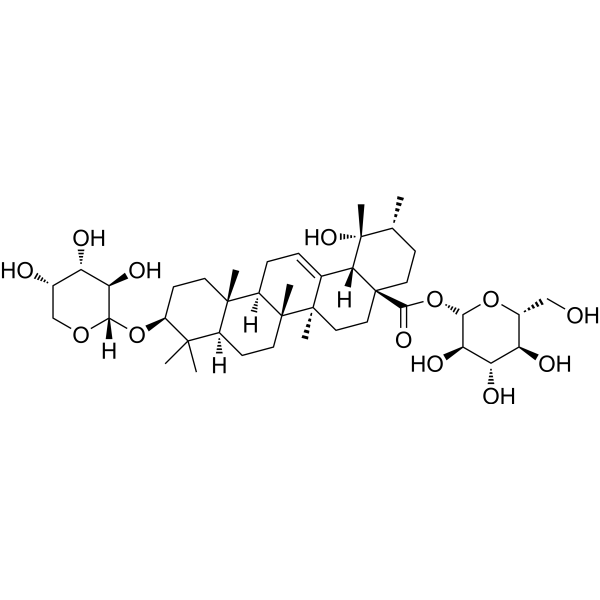
- HY-113033
-
|
|
Others
Biochemical Assay Reagents
|
Neurological Disease
Metabolic Disease
Inflammation/Immunology
|
|
Pentosidine is a fluorescent advanced glycation end product (AGE) and cross-linker. Pentosidine is a fluorescent cross-linked structure formed by lysine and arginine in sugar oxidation reactions, and it is commonly found in collagen, skin, bone, lens and plasma proteins . Pentosidine is used in research related to type 1 diabetes, brown cataracts, rheumatoid arthritis, atherosclerosis and neurodegenerative diseases .
|
-

- HY-N0912
-
-
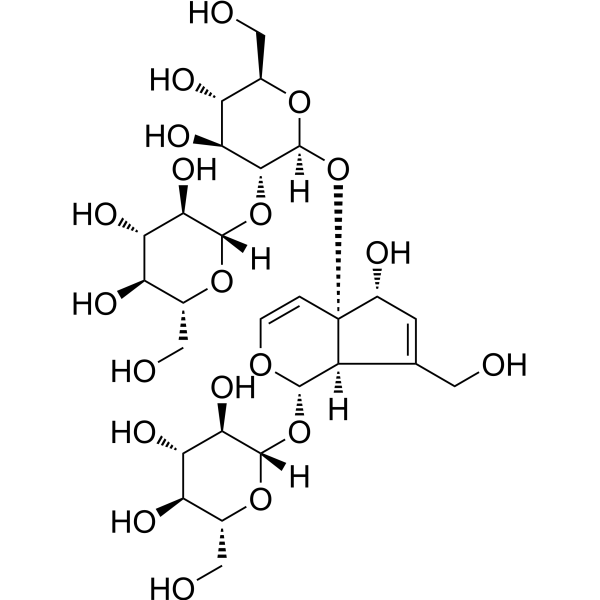
- HY-175537
-
|
|
Phosphodiesterase (PDE)
|
Inflammation/Immunology
|
|
ATX-IN-3 is an orally active autotaxin (ATX) inhibitor with an IC50 of 46 nM. ATX-IN-3 certainly reduces collagen deposition and ameliorates lung fibrosis in the pulmonary fibrosis mouse model. ATX-IN-3 has good metabolic stability and drug-like properties. ATX-IN-3 can used for the study of idiopathic pulmonary fibrosis (IFP) .
|
-

- HY-P3369
-
|
AXT-107
|
VEGFR
Tie
Akt
|
Cardiovascular Disease
Metabolic Disease
Inflammation/Immunology
|
|
Gersizangitide (AXT107) is an anti-angiogenic peptide consisting of 20 amino acids, derived from collagen IV. Gersizangitide is an inhibitor of VEGF-A and VEGF-C and an activator of Tie2. Gersizangitide can block VEGF receptor signaling, inhibit vascular leakage, neovascularization and inflammation. Gersizangitide can be used in the research of diseases related to ocular neovascularization and angiogenesis .
|
-

- HY-P992066
-
|
|
Discoidin Domain Receptor
|
Inflammation/Immunology
|
|
Anti-Mouse DDR2 Antibody (DAB0065) is a mAb that specifically targets mouse discoidin domain receptor DDR2 without cross-reacting with DDR1. Anti-Mouse DDR2 Antibody (DAB0065) binds to the extracellular domain of native mouse DDR2, induces endocytosis and lysosomal degradation of DDR2, and this process is independent of collagen binding. Anti-Mouse DDR2 Antibody (DAB0065) exhibits significant therapeutic effects in both the unilateral ureteral obstruction (UUO) mouse model of renal fibrosis and the bleomycin (HY-108345)-induced mouse model of pulmonary fibrosis, effectively downregulating the mRNA expression of type I collagen Col1a1 and fibronectin Fn1. Anti-Mouse DDR2 Antibody (DAB0065) can be humanized and has the potential to be developed as a targeted agent for diseases such as idiopathic pulmonary fibrosis and renal fibrosis .
|
-

- HY-18740A
-
|
HL 725
|
Phosphodiesterase (PDE)
|
Neurological Disease
Metabolic Disease
Cancer
|
|
Trequinsin hydrochloride (HL 725) is a PDE inhibitor, CatSper channel activator, and sperm potassium channel modulator. Trequinsin hydrochloride targets PDE3 with an IC50 of <1 nM. Trequinsin hydrochloride enhances currents and elevates intracellular calcium and cGMP levels via direct activation of the CatSper channel, while inhibiting the outward current conductance of sperm potassium channels. Without inducing premature acrosome reaction, Trequinsin hydrochloride significantly enhances sperm hyperactivated motility, forward motility, and the ability to penetrate viscous media. Trequinsin hydrochloride exerts age-specific positive inotropic and positive lusitropic effects on rabbit ventricular papillary muscles. Trequinsin hydrochloride has been used in studies on the mechanisms underlying male infertility (e.g., asthenozoospermia) .
|
-
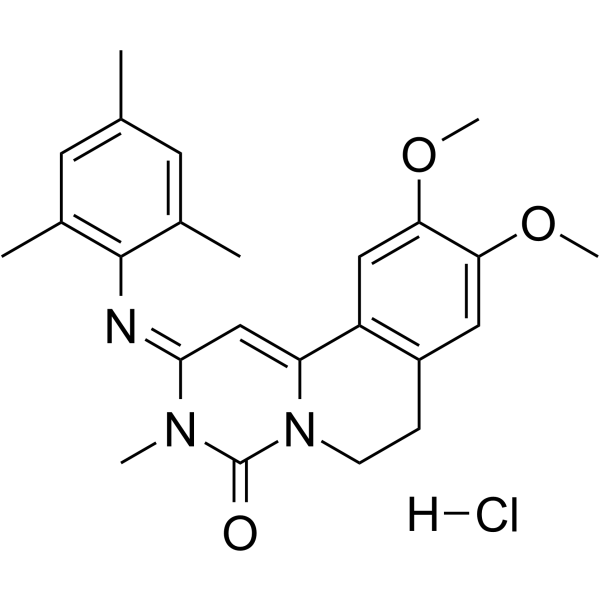
- HY-A0060R
-
|
NKK 105 (Standard)
|
Lipoxygenase
Reference Standards
|
Cancer
|
|
Malotilate (Standard) is the analytical standard of Malotilate. This product is intended for research and analytical applications. Malotilate (NKK 105), an orally active hepatotropic agent and an anti-fibrotic substance, selectively inhibits the 5-lipoxygenase (5-LOX) (IC50=4.7 μM). Malotilate prevents the development of hepatocytic injury in alcohol-pyrazole hepatitis by decreasing hepatic acetaldehyde levels and preventing the retention of transferrin in the hepatocytes .
|
-

- HY-103360R
-
|
|
Reference Standards
CCR
|
Inflammation/Immunology
|
|
J-113863 (Standard) is the analytical standard of J-113863 (HY-103360). This product is intended for research and analytical applications. J-113863 is a potent and selective CCR1 antagonist with IC50 values of 0.9 nM and 5.8 nM for human and mouse CCR1 receptors, respectively. J-113863 is also a potent antagonist of the human CCR3 (IC50 of 0.58 nM) , but a weak antagonist of the mouse CCR3 (IC50 of 460 nM). J-113863 is inactive against CCR2, CCR4 and CCR5, as well as the LTB4 or TNF-α receptors. Anti-inflammatory effect .
|
-

- HY-103360
-
|
|
CCR
|
Inflammation/Immunology
|
|
J-113863 is a potent and selective CCR1 antagonist with IC50 values of 0.9 nM and 5.8 nM for human and mouse CCR1 receptors, respectively. J-113863 is also a potent antagonist of the human CCR3 (IC50 of 0.58 nM) , but a weak antagonist of the mouse CCR3 (IC50 of 460 nM). J-113863 is inactive against CCR2, CCR4 and CCR5, as well as the LTB4 or TNF-α receptors. Anti-inflammatory effect .
|
-
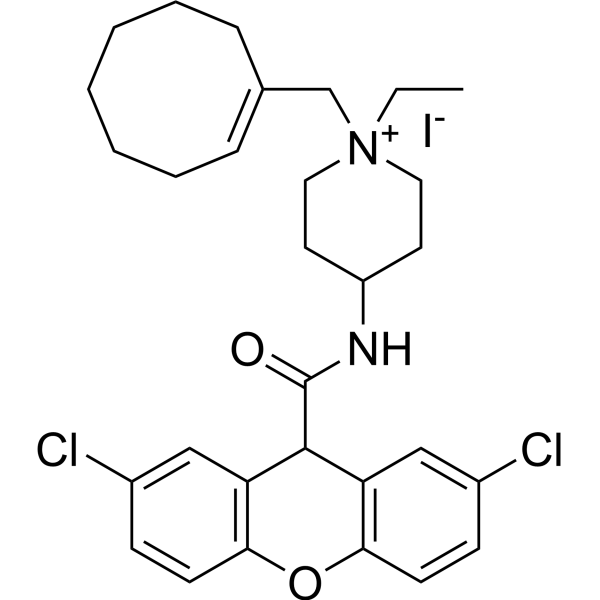
- HY-N17890
-
|
|
Others
|
Inflammation/Immunology
|
|
Bletimalate D is a 2-isobutylmalate found in the tubers of Bletilla striata. Bletimalate D shows no significant anti-pulmonary fibrosis activity and has cytotoxicity .
|
-

- HY-A0060
-
|
NKK 105
|
Lipoxygenase
|
Cancer
|
|
Malotilate (NKK 105), an orally active hepatotropic agent and an anti-fibrotic substance, selectively inhibits the 5-lipoxygenase (5-LOX) (IC50=4.7 μM). Malotilate prevents the development of hepatocytic injury in alcohol-pyrazole hepatitis by decreasing hepatic acetaldehyde levels and preventing the retention of transferrin in the hepatocytes .
|
-
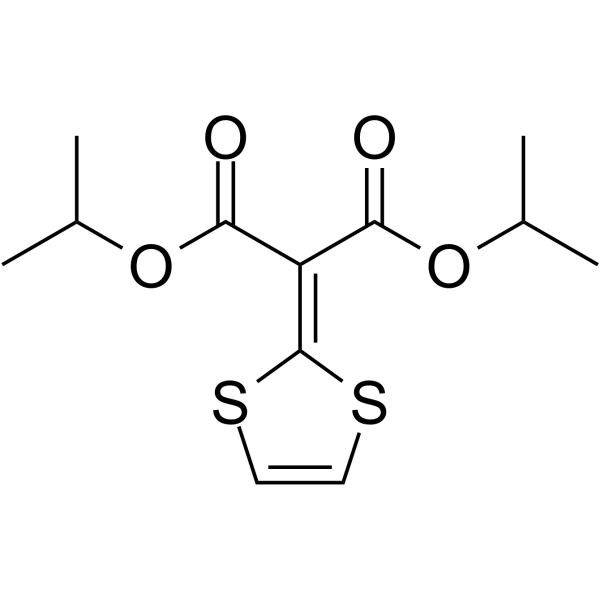
- HY-D0835A
-
|
Hydroxyapatite (<50 nm)
|
Biochemical Assay Reagents
|
Cardiovascular Disease
Inflammation/Immunology
|
|
Hydroxylapatite (Hydroxyapatite) (<50 nm) is a natural form of calcium phosphate and is the main mineral component of bones and teeth. Hydroxylapatite (<50 nm) can stimulate the expression and secretion of collagen in primary human dermal fibroblasts. Hydroxylapatite (<50 nm) has good biocompatibility, bioactivity, and bone conductivity, making it suitable for targeted drug or nucleic acid delivery. Hydroxylapatite (<50 nm) can be used in research on osteoarthritis, gout, and atherosclerosis .
|
-

- HY-P3385
-
|
SCB-313
|
Drug Derivative
Apoptosis
|
Cancer
|
|
Rilunermin alfa (SCB-313) is a recombinant fusion protein composed of the human C-propeptide of alpha1(I) collagen (Trimer-Tag) to the C-terminus of the mature human tumor necrosis factor (TNF)-related apoptosis-inducing ligand (TRAIL; Apo2L). Rilunermin alfa has potential pro-apoptotic and antineoplastic activities .
|
-

- HY-163507
-
|
|
Anaplastic lymphoma kinase (ALK)
|
Cancer
|
|
ALK5-IN-79 (compound 57) is an ALK inhibitor with anticancer activity, by blocking TGF-β1/SMAD signaling pathway. ALK5-IN-79 attenuates the production of extracellular matrix (ECM) and deposition of collagen. ALK5-IN-79 exhibits adequate pharmacokinetic (PK) properties and good in vivo tolerance.
|
-

- HY-123400A
-
|
iso-DTTX30; iso-DT-TX 30 SE
|
Prostaglandin Receptor
|
Cardiovascular Disease
|
|
Iso-Samixogrel (iso-DTTX30) is a combined thromboxane A2 receptor blocker and thromboxane synthetase inhibitor that exhibits potent antithrombotic activity. Iso-Samixogrel effectively eliminates recurrent arterial thrombus formation and inhibits collagen-induced platelet aggregation ex vivo. Iso-Samixogrel also prolongs sublingual bleeding time, demonstrating its biological efficacy in managing thrombosis.
|
-

- HY-113612A
-
|
|
Apoptosis
Phosphatase
|
Cancer
|
|
Cytostatin sodium is an effective and selective protein phosphatase 2A (PP2A) inhibitor with an IC50 value of 210 nM. Cytostatin sodium exhibits anti-metastatic properties, good antitumor activity, and can induce apoptosis. Cytostatin sodium can also prevent the adhesion of B16 melanoma cells to components of the extracellular matrix (laminin and collagen). Cytostatin sodium belongs to the family of natural product fosriecin .
|
-
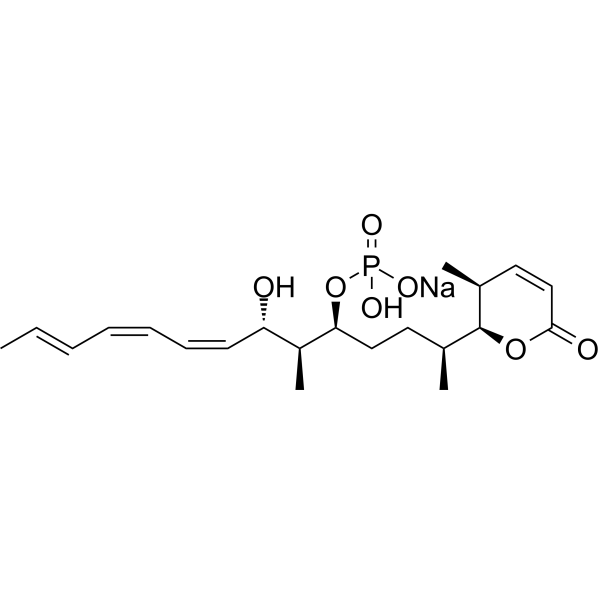
- HY-113612
-
|
|
Phosphatase
Apoptosis
|
Cancer
|
|
Cytostatin is an effective and selective protein phosphatase 2A (PP2A) inhibitor with an IC50 value of 210 nM. Cytostatin exhibits anti-metastatic properties, good antitumor activity, and can induce apoptosis. Cytostatin can also prevent the adhesion of B16 melanoma cells to components of the extracellular matrix (laminin and collagen). Cytostatin belongs to the family of natural product fosriecin .
|
-
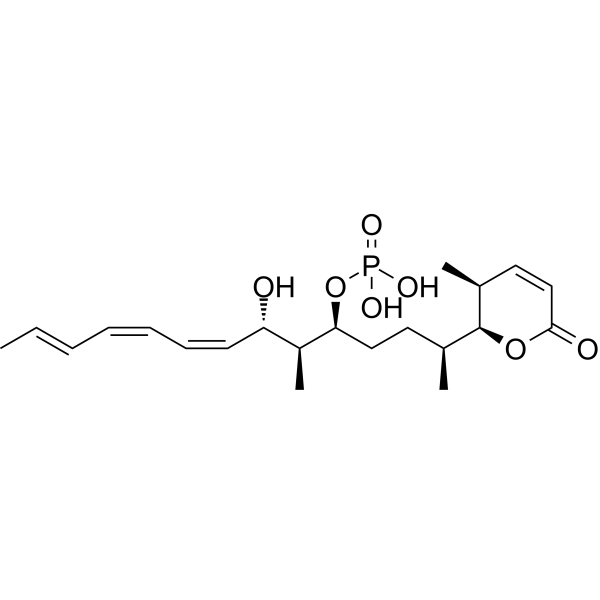
- HY-17367A
-
-
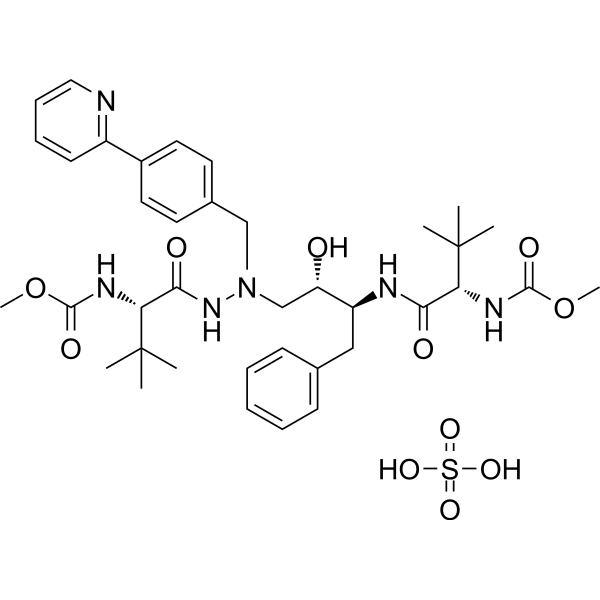
- HY-17367
-
-
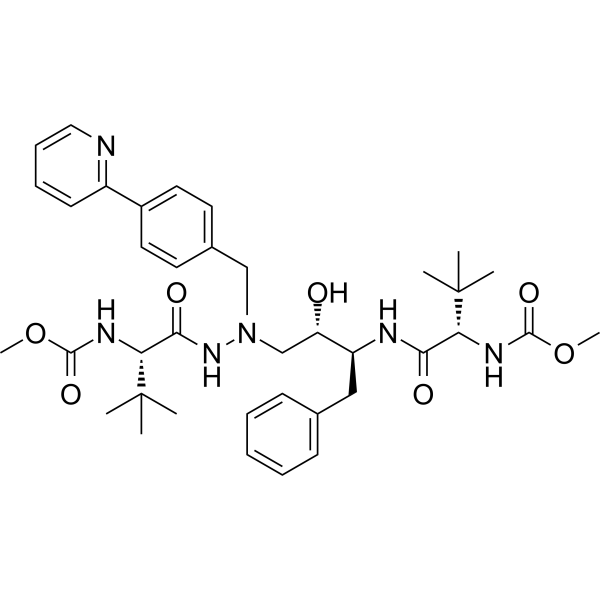
- HY-110112
-
|
|
Integrin
Apoptosis
|
Cardiovascular Disease
Inflammation/Immunology
Cancer
|
|
BTT-3033 is an orally active conformation-selective inhibitor of α2β1 (EC50: 130 nM) by binding to the α2I domain. BTT-3033 inhibits platelet binding to collagen I and cell proliferation, and induces cell apoptosis. BTT-3033 can be used in the research of prostate cancer, inflammation and cardiovascular disease .
|
-
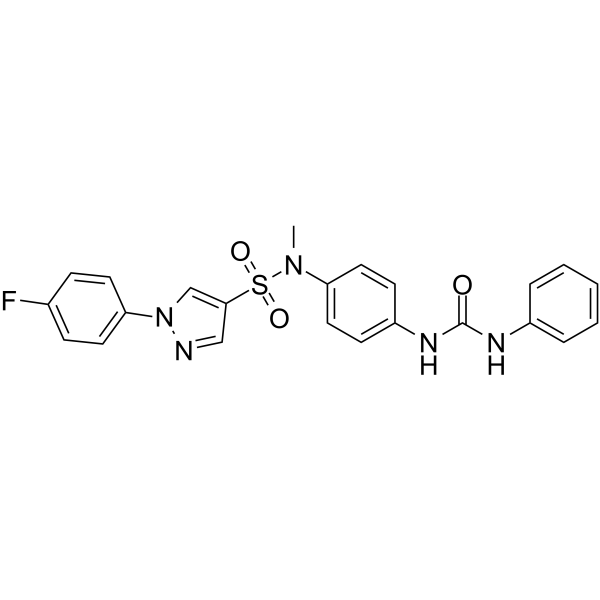
- HY-163651
-
|
(R)-CR6086
|
Prostaglandin Receptor
|
Inflammation/Immunology
|
|
(R)-Vorbipiprant ((R)-CR6086) is an orally active antagonist for prostaglandin E2 receptor 4 (EP4) with Ki of 16.6 nM for human EP4. (R)-Vorbipiprant inhibits PGE2 (HY-101952)-induced cAMP production with an IC50 of 22 nM. (R)-Vorbipiprant exhibits immunomodulatory and anti-angiogenic activities, and ameliorates the collagen-induced arthritis in mice .
|
-

- HY-Y1365
-
|
|
Environmental Pollutants
Biochemical Assay Reagents
|
Metabolic Disease
Cancer
|
|
Gelatins is a non-toxic, non carcinogenic, biodegradable, and non irritating natural polymer derived from partial hydrolysis of collagen. Due to its strong liquid absorption and swelling ability, Gelatins has excellent hemostatic properties and can be used as a matrix material for the reduction, growth, and stability of metal nanoparticles. Gelatins can also be used for tumor cell culture and tumor therapy .
|
-

- HY-B0166E
-
|
L-Ascorbate magnesium; Vitamin C magnesium
|
Reactive Oxygen Species (ROS)
Calcium Channel
Apoptosis
Endogenous Metabolite
|
Neurological Disease
|
|
L-Ascorbic acid (L-Ascorbate) magnesium, an electron donor, is an endogenous antioxidant. L-Ascorbic acid selectively inhibits Cav3.2 channels with an IC50 of 6.5 μM. L-Ascorbic acid is also a collagen deposition promoter and elastin production inhibitor. L-Ascorbic acid exhibits anticancer effects by generating reactive oxygen species (ROS) and selectively damaging cancer cells .
|
-

- HY-76938
-
|
4-Acetylaminophenylacetic acid; MS-932
|
Carbonic Anhydrase
TNF Receptor
IFNAR
|
Inflammation/Immunology
|
|
Actarit (4-Acetylaminophenylacetic acid) is an orally active Carbonic Anhydrase II (CAII) inhibitor with an IC50 of 422 nM. Actarit shows suppressive effects experimental autoimmune encephalomyelitis in rats. Actarit inhibits the development of type ll collagen (CII)-induced arthritis in mice by suppressing delayed-type hypersensitivity to CII. Actarit can be used for the study of Multiple Sclerosis (MS) and rheumatoid arthritis .
|
-
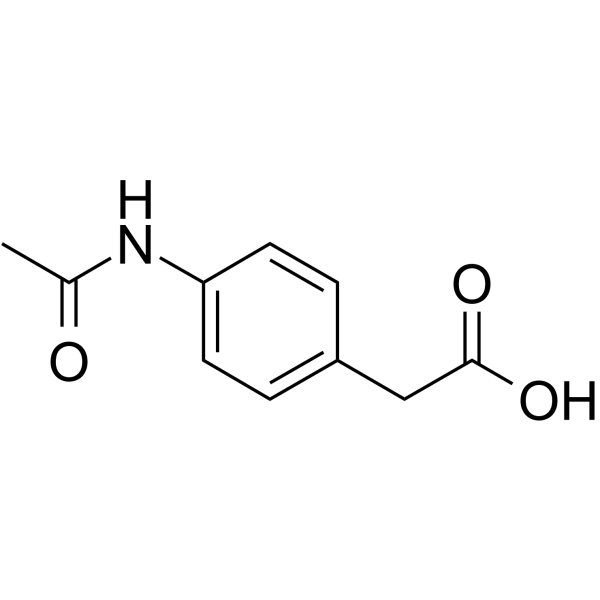
- HY-N14238
-
|
|
Antibiotic
Bacterial
|
Infection
Inflammation/Immunology
Cancer
|
|
Epoxyquinomicin B is an antibiotic that can be isolated from Amycolatopsis sp. Epoxyquinomicin B exhibits inhibitory activity against Micrococcus luteus, Bacillus subtilis, Pasteurella piscicida and Staphylococcus aureus with a MIC of 6.25-12.5 µg/mL. Epoxyquinomicin B exhibits cytotoxicity in cancer cell L1210 with IC50 of 16.3 µg/mL. Epoxyquinomicin B exhibits anti-inflammatory effects against collagen-induced arthritis .
|
-

- HY-W004681
-
|
6-Methyl-3-pyridinol
|
Drug Intermediate
|
Inflammation/Immunology
|
|
6-Methyl-3-pyridinol (5-hydroxy-2-methylpyridine) is a starting compound for the synthesis of L-azatyrosine (HY-W048303). 6-Methyl-3-pyridinol can be isolated from cigarette smoke condensate. 6-Methyl-3-pyridinol aggravates Collagen-induced arthritis in mice .
|
-

- HY-15486
-
|
|
Phosphatase
HSV
Autophagy
Apoptosis
|
Infection
Inflammation/Immunology
Cancer
|
|
Salubrinal is a cell-permeable and selective inhibitor of eIF2α dephosphorylation . Salubrinal acts as a dual-specificity phosphatase 2 (Dusp2) inhibitor and suppresses inflammation in anti-collagen antibody-induced arthritis . Salubrinal has antiviral activity against HSV-1 and inhibits dephosphorylation of eIF2α mediated by the HSV-1 protein ICP34.5 .
|
-
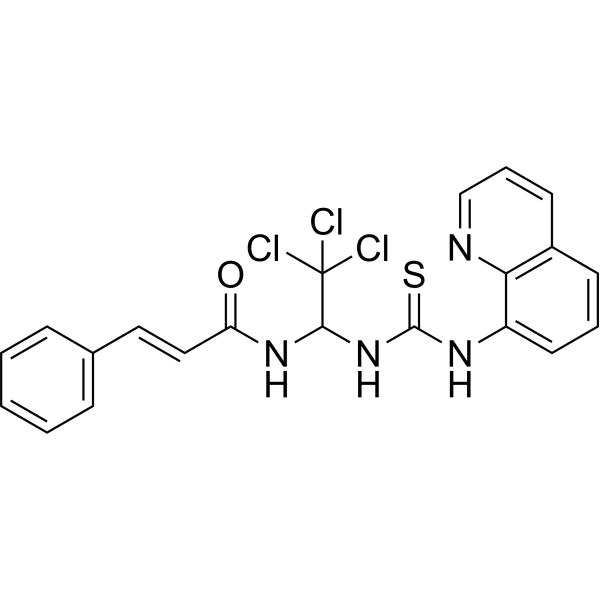
- HY-P991316
-
|
DX-2400; DX-2410
|
MMP
NO Synthase
|
Inflammation/Immunology
Cancer
|
|
KD014 (DX-2400) is a human monoclonal antibody that selectively targets MMP‑14. KD014 inhibits collagen degradation and regulates the polarization of macrophages toward an anti-inflammatory/anti-tumor phenotype. KD014 alleviates joint damage in rheumatoid arthritis and suppresses tumor growth and invasion. KD014 can be used in studies related to breast cancer and rheumatoid arthritis .
|
-

- HY-112863
-
|
|
ROR
|
Inflammation/Immunology
|
|
RORγt inhibitor 3 is an orally active and potent retinoic acid receptor-related orphan receptor-gamma-t (RORγt) inhibitor. RORγt inhibitor 3 shows high binding affinity and inhibitory activity of Th17 cell differentiation. RORγt inhibitor 3 also shows efficacy in both mouse experimental autoimmune encephalomyelitis (EAE) and collagen induced arthritis (CIA) models .
|
-

- HY-107000
-
|
|
Guanylate Cyclase
NO Synthase
|
Cardiovascular Disease
|
|
RIG 200 is an S-nitrosothiol nitric oxide (NO) donor. RIG 200 releases NO through decomposition, activating guanylate cyclase (sGCM) in vascular smooth muscle cells, increasing cGMP levels, and leading to vasodilation. RIG 200 significantly inhibits Collagen (HY-NP003)-induced platelet aggregation in platelet-rich plasma (PRP). RIG 200 may be used in research on antithrombus .
|
-

- HY-108559R
-
|
|
Prostaglandin Receptor
|
Inflammation/Immunology
|
|
L-161982 (Standard) is the analytical standard of L-161982. This product is intended for research and analytical applications. L-161982 is a selective EP4 receptor antagonist. L-161982 completely blocks PGE2-induced ERK phosphorylation and cell proliferation of HCA-7 cells. L-161982 alleviates collagen-induced arthritis in mice .
|
-

- HY-170765
-
|
|
Phosphodiesterase (PDE)
|
Inflammation/Immunology
|
|
ATX-IN-1 (compound 35) is an inhibitor of ATX (IC50=0.7 nM) with anti-inflammatory activity. ATX-IN-1 can inhibit TGF-β/Smad pathway and reduce collagen deposition to alleviate Bleomycin (HY-108345)-induced fibrosis in mice. ATX-IN-1 has good oral bioavailability (F=69.5%) and particle stability .
|
-

- HY-14240
-
|
PG 530742; PGE 530742; PGE 7113313
|
MMP
|
Cardiovascular Disease
|
|
PG 116800 (PGE 530742; PGE 7113313) is an orally active, selective and high-affinity inhibitor of MMP. PG 116800 acts as an inhibitor of ventricular remodeling, reduces left ventricular volumes and infarct zone collagen content, and improves ejection fraction. PG 116800 is generally well tolerated, but is associated with higher rates of arthralgia, joint stiffness, and dyspepsia. PG 116800 can be used for the research of myocardial infarction .
|
-
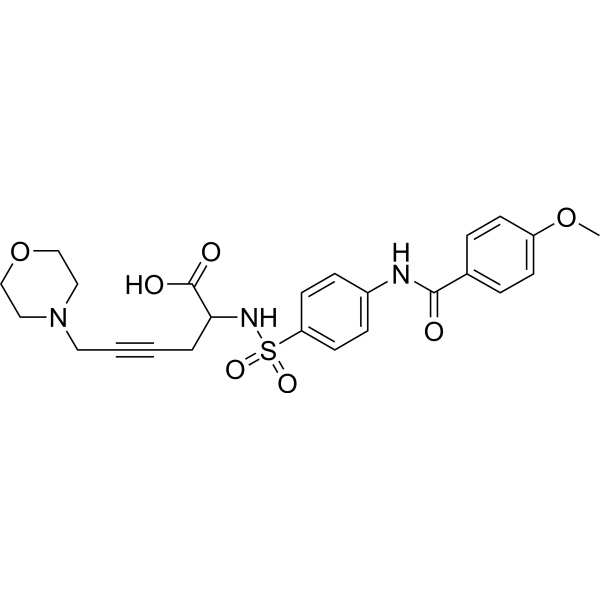
- HY-N14237
-
|
|
Antibiotic
Bacterial
|
Infection
Inflammation/Immunology
Cancer
|
|
Epoxyquinomicin A is an antibiotic that can be isolated from Amycolatopsis sp. Epoxyquinomicin A exhibits inhibitory activity against Micrococcus luteus, Bacillus subtilis, Pasteurella piscicida and Staphylococcus aureus with a MIC of 3-12.5 µg/mL. Epoxyquinomicin A exhibits cytotoxicity in cancer cell L1210, B16 and S180 with IC50 of 2-8 µg/mL. Epoxyquinomicin A exhibits anti-inflammatory effects against collagen-induced arthritis .
|
-

- HY-167686
-
|
Homopisatin
|
Integrin
|
Cardiovascular Disease
|
|
Variabilin (Homopisatin) is a potent RGD-containing antagonist of glycoprotein IIb-IIIa and platelet aggregation inhibitor from the hard tick Dermacentor variabilis. Variabilin potently inhibits platelet aggregation induced by the platelet agonists ADP, collagen, and thrombin receptor peptide SFLLRNP. Variabilin also blocks platelet adhesion to immobilized Fg. In addition, Variabilin inhibits binding of purified human GPIIb-IIIa to immobilized Fg .
|
-

- HY-W025062
-
|
|
Drug Intermediate
|
Others
|
|
Diethyl pyridine-2,4-dicarb is a potent prolyl 4-hydroxylase-directed proinhibitor. Diethyl pyridine-2,4-dicarb inhibits prolyl hydroxylation and procollagen processing in chick-embryo calvaria .
|
-
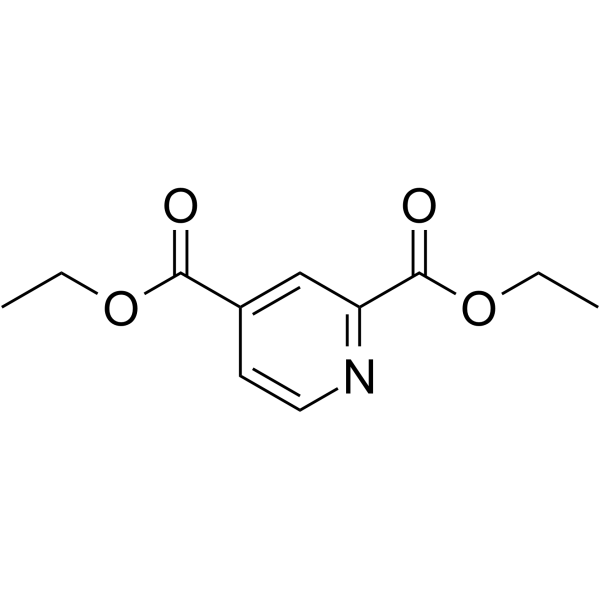
- HY-18054R
-
|
|
11β-HSD
|
Inflammation/Immunology
|
|
BVT 2733 (Standard) is the analytical standard of BVT 2733. This product is intended for research and analytical applications. BVT 2733 is a potent, selective, and orally active non-steroidal 11β-hydroxydehydrogenase 1 (11β-HSD1) inhibitor. BVT 2733 is potently against the mouse enzyme (IC50=96 nM) over the human enzyme (IC50=3341 nM). BVT 2733 has the potential for the study of arthritis and obesity related disease .
|
-

- HY-18054
-
|
|
11β-HSD
|
Inflammation/Immunology
|
|
BVT 2733 is a potent, selective, and orally active non-steroidal 11β-hydroxydehydrogenase 1 (11β-HSD1) inhibitor. BVT 2733 is potently against the mouse enzyme (IC50=96 nM) over the human enzyme (IC50=3341 nM). BVT 2733 has the potential for the study of arthritis and obesity related disease .
|
-
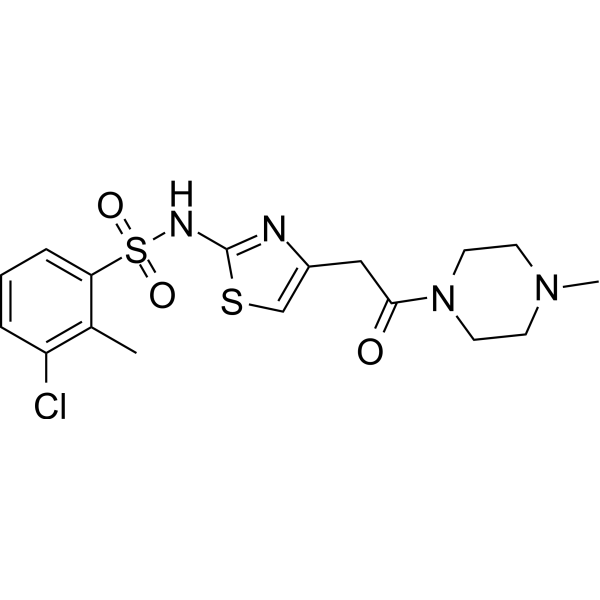
- HY-E70694
-
|
|
Discoidin Domain Receptor
|
Cancer
|
|
Discoidin domain receptor 2 (DDR2) is a sensor for collagen and by participating in migration, proliferation, and extracellular matrix remodeling. DDR2 T654M is a DDR2 mutation. DDR2 T654M Recombinant Human Active Protein Kinase is a recombinant DDR2 T654M protein that can be used to study DDR2 T654M-related functions .
|
-

- HY-P11648
-
|
|
Osteopontin
|
Inflammation/Immunology
Cancer
|
|
SVVYGLR is an osteopontin-derived peptide. SVVYGLR can promote the differentiation of fibroblasts into myofibroblast-like cells and promote the production of type III collagen by cardiac fibroblasts. SVVYGLR can activate the adhesion, migration and tubule formation of endothelial cells in vitro. SVVYGLR promotes angiogenesis and wound healing and promotes the migration of dermal fibroblasts and keratinocytes. SVVYGLR can be used for research related to angiogenesis, dermal wounds and bone regeneration .
|
-

- HY-N1887
-
-
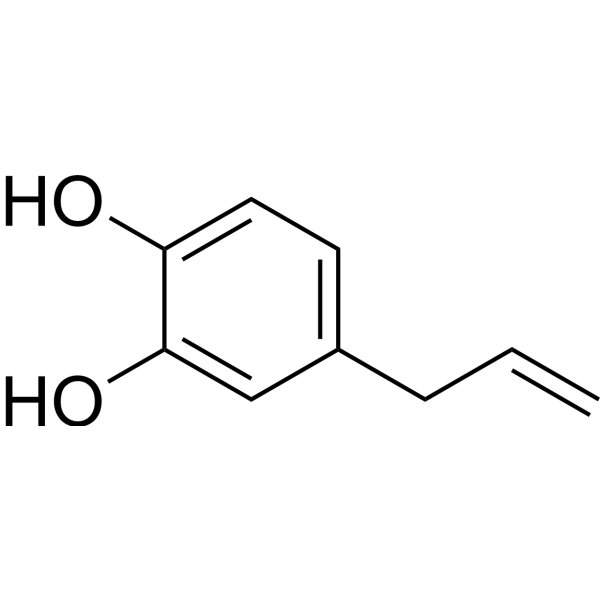
- HY-146134
-
|
|
Cannabinoid Receptor
|
Neurological Disease
Inflammation/Immunology
|
|
PGN36 is a selective cannabinoid CB2 receptor (CB2R) antagonist with Kis of 0.09 µM and >40 µM for CB2R and CB1R, respectively. PGN36 abolishes the increase in collagen type I gene expression by the inducer of bone activity. PGN36 is able to cross the blood-brain barrier. PGN36 can be used for the study of frontotemporal dementia (FTD) .
|
-
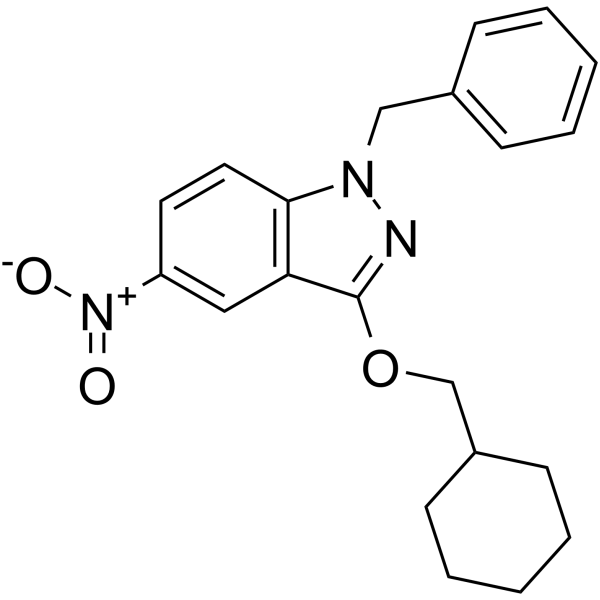
- HY-110177
-
|
|
NF-κB
|
Inflammation/Immunology
|
|
SP-100030 is a potent NF-κB and activator protein-1 (AP-1) double inhibitor (IC50s=50 and 50 nM, respectively). SP-100030 inhibits IL-2, IL-8, and TNF-alpha production in Jurkat and other T cell lines. SP-100030 decreases murine collagen-induced arthritis (CIA) .
|
-
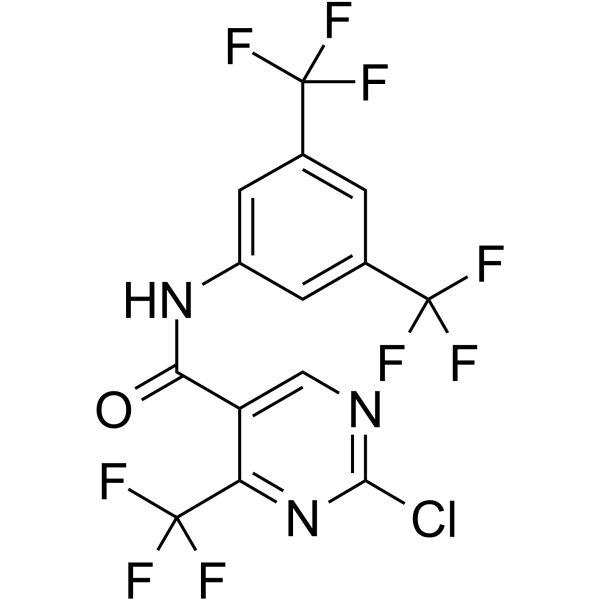
- HY-121311
-
|
|
Serotonin Transporter
Adrenergic Receptor
|
Cardiovascular Disease
|
|
Metrenperone is an inhibitor for 5-HT2 receptor. Metrenperone exhibits α1 and α2 antagonist activity as well as anti-H1 and anti-dopaminergic efficacy. Metrenperone can lower the blood pressure, enhances bradycardia in peripheral ischemia, inhibits serotonin-induced platelet aggregation, and antagonizes serotonin-mediated vasoconstriction. Metrenperone promotes the repair of acutely damaged collagen tissue .
|
-

- HY-163121
-
|
|
Glycosyltransferase
TGF-β Receptor
FAK
Galectin
Collagen
|
Endocrinology
Cancer
|
|
PST3.1a is an orally active and brain-penetrant N-acetylglucosamine glycosyltransferase (MGAT5) inhibitor with a human IC50 of 2 µM. PST3.1a inhibits TGFβR and FAK signaling pathway activity. PST3.1a alters β1,6-GlcNAc N-glycans and microtubule/microfilament integrity, increases OLIG2 expression, and inhibits proliferation, migration, invasiveness, and clonogenic capacities of glioblastoma initiating cells. PST3.1a reduces invasive and proliferative capacity of glioblastoma initiating cells in orthotopic graft models, increases overall survival of orthotopic graft model mice. PST3.1a blunts MGAT5 overexpression, decreases renal fibrosis via collagen 1, collagen 4, and galectin 3 downregulation in a rat chronic kidney disease model. PST3.1a can be used for the research of glioblastoma multiforme and chronic kidney disease .
|
-

- HY-177435
-
|
|
FAP
|
Inflammation/Immunology
|
|
FAPI-800CW is a near-infrared (NIR) fluorescent-labeled fibroblast activation protein (FAP) inhibitor. FAPI-800CW shows specific uptake in inflamed paws in collagen-induced arthritis (CIA) model mice. FAPI-800CW can be used for in vivo molecular imaging of FAP expression in inflammatory diseases such as rheumatoid arthritis (RA) to monitor joint inflammation and disease activity .
|
-

- HY-W879307
-
|
|
Drug Derivative
|
Cardiovascular Disease
|
|
CP-201 is a 1,4-Naphthoquinone (HY-W015490) derivative with antiplatelet and antithrombotic activities. CP-201 shows concentration-dependent inhibitory effects on platelet aggregation induced by collagen and thrombin, with IC50 values of 4.1 and 4.6 μM, respectively. CP-201 displays a potent protective effect on pulmonary thrombosis in mice. CP-201 can be used for antithrombotic research .
|
-

- HY-121172
-
|
|
HIF/HIF Prolyl-Hydroxylase
|
Cancer
|
|
1,4-DPCA, a potent prolyl-4-hydroxylase inhibitor, is a collagen hydroxylation inhibitor in human foreskin fibroblasts with an IC50 of 2.4 µM. 1,4-DPCA inhibits prolyl-4-hydroxylases α isoforms stabilizes HIF-1α protein. 1,4-DPCA also inhibits factor inhibiting HIF (FIH) with an IC50 of 60 μM .
|
-
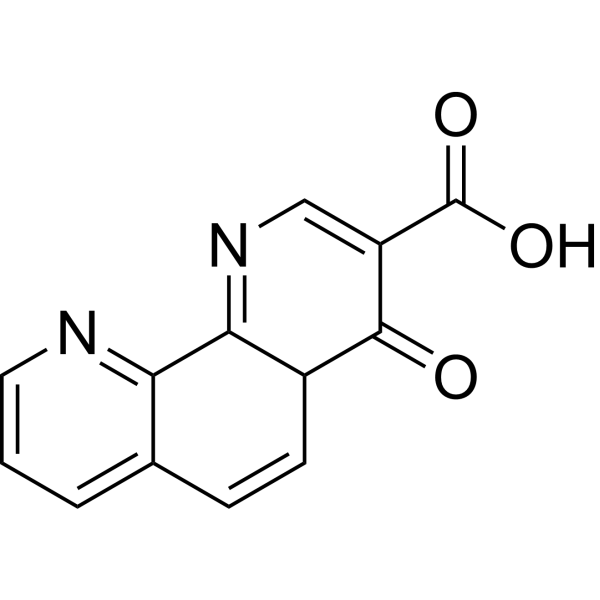
- HY-124371
-
|
|
Phosphodiesterase (PDE)
|
Cardiovascular Disease
|
|
Amentoflavone hexaacetate is a 3,5-cyclic nucleotide phosphodiesterase inhibitor with antiplatelet aggregation activity. Amentoflavone hexaacetate can inhibit the aggregation of eluted human platelets induced by ADP or collagen. Amentoflavone hexaacetate can also inhibit the cAMP phosphodiesterase activity in human platelets. Amentoflavone hexaacetate can significantly increase the cAMP level of platelets in the presence of prostaglandin E1. Amentoflavone hexaacetate has anti-angiogenic and anti-metastatic effects .
|
-

- HY-B0890R
-
|
McN-2783-21-98 (Standard)
|
PGE synthase
Reference Standards
|
Neurological Disease
Inflammation/Immunology
|
|
Zomepirac sodium salt (Standard) is the analytical standard of Zomepirac sodium salt (HY-B0890). This product is intended for research and analytical applications. Zomepirac sodium salt (McN-2783-21-98) is an orally active prostaglandin synthetase inhibitor. Zomepirac sodium salt blocks prostaglandin synthesis and inhibits Collagen (HY-P72147)- or Epinephrine (HY-B0447)-induced platelet aggregation. Zomepirac sodium salt can be used for the research of postoperative pain and osteoarthritis .
|
-

- HY-124748
-
|
|
Protease Activated Receptor (PAR)
Apoptosis
|
Inflammation/Immunology
|
|
ENMD-1068 is a selective protease-activated receptor 2 (PAR2) antagonist. ENMD-1068 reduces hepatic stellate cell activation and collagen expression by inhibiting TGF-β1/Smad signaling. ENMD-1068 also inhibits the proliferation of endometrial cells and induces apoptosis of epithelial cells in the lesion. ENMD-1068 can be used in the study of endometriosis and liver fibrosis .
|
-
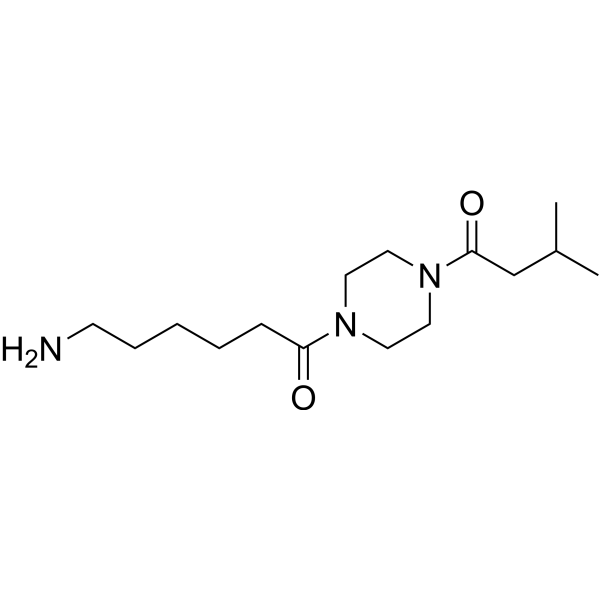
- HY-D0835
-
|
Hydroxyapatite (25-45 μm)
|
Others
|
Cardiovascular Disease
Inflammation/Immunology
|
|
Hydroxylapatite (Hydroxyapatite) (25-45 μm) is a natural form of calcium phosphate and is the main mineral component of bones and teeth. Hydroxylapatite (25-45 μm) can stimulate the expression and secretion of collagen in primary human dermal fibroblasts. Hydroxylapatite (25-45 μm) has good biocompatibility, bioactivity, and bone conductivity, making it suitable for targeted drug or nucleic acid delivery. Hydroxylapatite (25-45 μm) can be used in research on osteoarthritis, gout, and atherosclerosis .
|
-
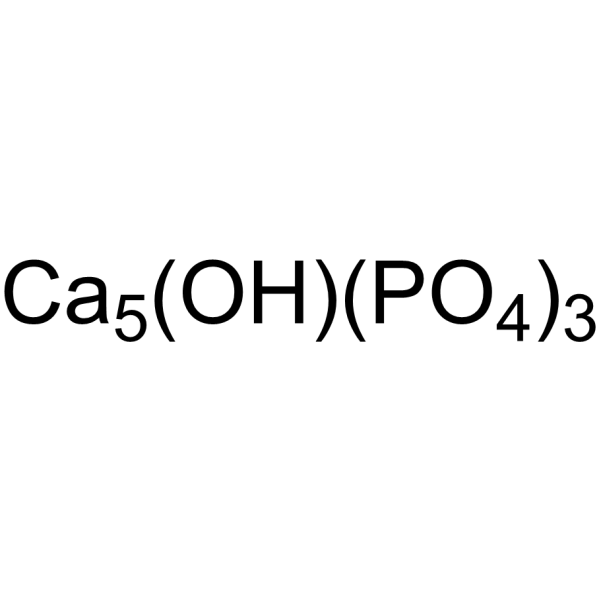
- HY-B1263
-
|
|
Environmental Pollutants
Bacterial
Fungal
|
Infection
Neurological Disease
|
|
Chlorobutanol is an orally active and potent inhibitor of platelet aggregation and release and a pharmaceutical preservative with antibacterial activity. Chlorobutanol inhibits thromboxane B2 formation, ATP release, and elevation of cytosolic free calcium caused by collagen, ADP, epinephrine, arachidonic acid and thrombin. Chlorobutanol is active against a wide variety of Gram-positive and Gram-negative bacteria, and several mold spores and fungi. Chlorobutanol is widely used in food and cosmetic industry .
|
-
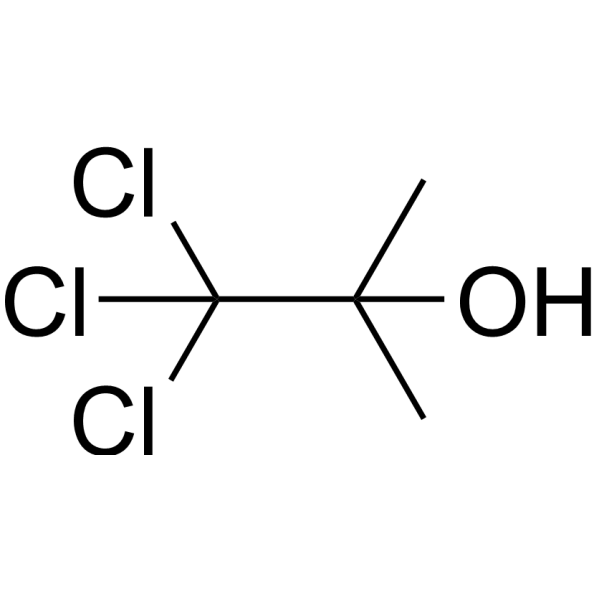
- HY-P10136
-
IA9
2 Publications Verification
human TREM-2 182-190
|
TREM receptor
|
Inflammation/Immunology
|
|
IA9 (human TREM-2 182-190) is a potent, CNS-penetrant TREM-2 inhibitor. IA9 can diminish the release of proinflammatory cytokines and suppress joint inflammation and damage in a Collagen (HY-P5003)-induced arthritis (CIA) mouse model. IA9 can be used for neuroinflammation PET imaging. IA9 can be used for Rheumatoid arthritis (RA) and neuroinflammation research .
|
-
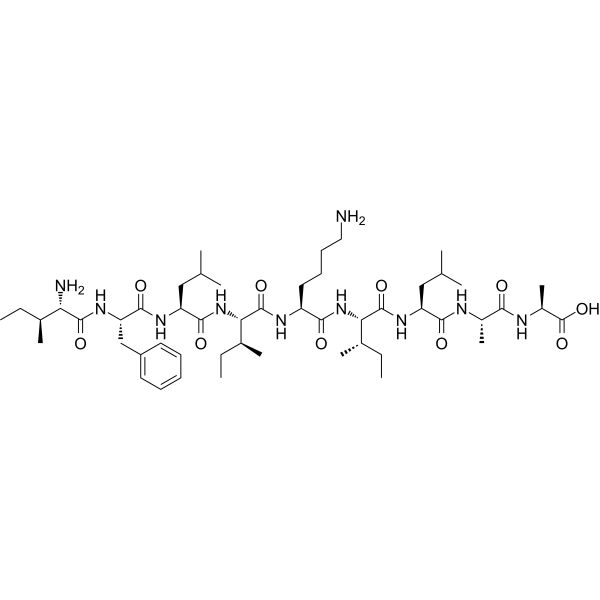
- HY-124748A
-
|
|
Protease Activated Receptor (PAR)
Apoptosis
|
Inflammation/Immunology
|
|
ENMD-1068 hydrochloride is a selective protease-activated receptor 2 (PAR2) antagonist. ENMD-1068 hydrochloride reduces hepatic stellate cell activation and collagen expression by inhibiting TGF-β1/Smad signaling. ENMD-1068 hydrochloride also inhibits the proliferation of endometrial cells and induces apoptosis of epithelial cells in the lesion. ENMD-1068 hydrochloride can be used in the study of endometriosis and liver fibrosis .
|
-
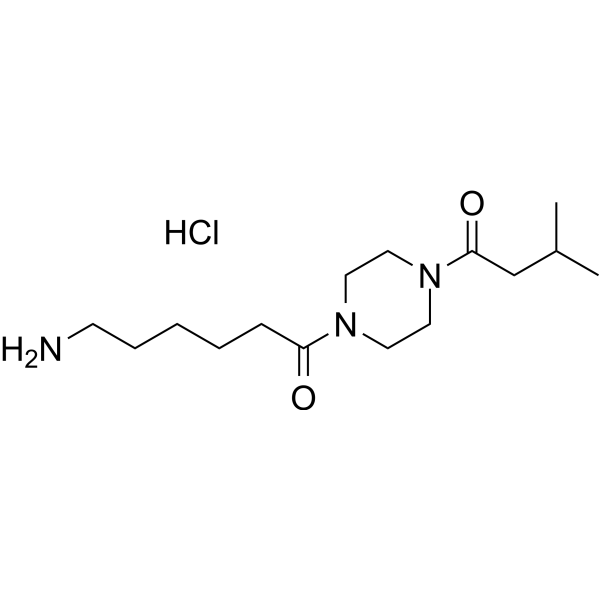
- HY-181931
-
|
|
Phosphodiesterase (PDE)
p38 MAPK
LPL Receptor
ERK
JNK
|
Inflammation/Immunology
|
|
Autotaxin-IN-8 (Compound 14E) is an orally active Autotaxin inhibitor with an IC50 of 14.2 nM against hAutotaxin. Autotaxin-IN-8 inhibits Autotaxin activity, MAPK activation, LPAR1 and p-ERK1/2. Autotaxin-IN-8 reduces the phosphorylation levels of JNK and p38. Autotaxin-IN-8 decreases collagen deposition in a mouse model of pulmonary fibrosis. Autotaxin-IN-8 can be used in research related to pulmonary fibrosis .
|
-

- HY-Y0775R
-
|
|
Biochemical Assay Reagents
Reference Standards
Collagen
|
Others
|
|
1-Bromo-2,5-pyrrolidinedione (Standard) is the analytical standard of 1-Bromo-2,5-pyrrolidinedione (HY-Y0775). This product is intended for research and analytical applications. 1-Bromo-2,5-pyrrolidinedione is a collagen protein ligand in docking experiments. 1-Bromo-2,5-pyrrolidinedione can be used to study wound healing-related diseases .
|
-

- HY-116262
-
|
|
Phosphodiesterase (PDE)
|
Cardiovascular Disease
Inflammation/Immunology
|
|
SCH 51866 is a potent, selective and orally active inhibitor of PDE1 (IC50=70 nM) and PDE5 (IC50=60 nM). SCH 51866 inhibits collagen-induced aggregation of human washed platelets (IC50=10 μM), prevents neointimal formation in balloon catheter-injured carotid arteries of spontaneously hypertensive rats (SHR), and reduces blood pressure in SHR. SCH 51866 can be used in the study of hypertension .
|
-

- HY-76938R
-
|
4-Acetylaminophenylacetic acid (Standard); MS-932 (Standard)
|
Carbonic Anhydrase
Reference Standards
|
Inflammation/Immunology
|
|
Actarit (Standard) is the analytical standard of Actarit. This product is intended for research and analytical applications. Actarit (4-Acetylaminophenylacetic acid) is an orally active Carbonic Anhydrase II (CAII) inhibitor with an IC50 of 422 nM. Actarit shows suppressive effects experimental autoimmune encephalomyelitis in rats. Actarit inhibits the development of type ll collagen (CII)-induced arthritis in mice by suppressing delayed-type hypersensitivity to CII. Actarit can be used for the study of Multiple Sclerosis (MS) and rheumatoid arthritis .
|
-

- HY-N0331R
-
|
|
Reference Standards
MDM-2/p53
Apoptosis
|
Cancer
|
|
Ziyuglycoside I (Standard) is the analytical standard of Ziyuglycoside I. This product is intended for research and analytical applications. Ziyuglycoside I isolated from S. officinalis root, has anti-wrinkle activity, and increases the expression of type I collagen. Ziyuglycoside I could be used as an active ingredient for cosmetics . Ziyuglycoside I triggers cell cycle arrest and apoptosis mediated by p53, it can be a potential agent candidate for treating triple-negative breast cancer (TNBC) .
|
-

- HY-N11072
-
|
|
Lipoxygenase
Leukotriene Receptor
Reactive Oxygen Species (ROS)
MMP
|
Inflammation/Immunology
|
|
Tremulacin is a 5-LOX inhibitor. Tremulacin reduces the biosynthesis of LTB4 and slow-reacting substances of anaphylaxis. Tremulacin alleviates carrageenan-induced paw edema in rats, croton oil-induced ear edema in mice, and acetic acid-induced writhing response in mice. Tremulacin inhibits TNF-α-stimulated ROS production and MMP-1 expression, and promotes collagen secretion in human dermal fibroblasts. Tremulacin is investigated for studies on inflammation-related diseases .
|
-
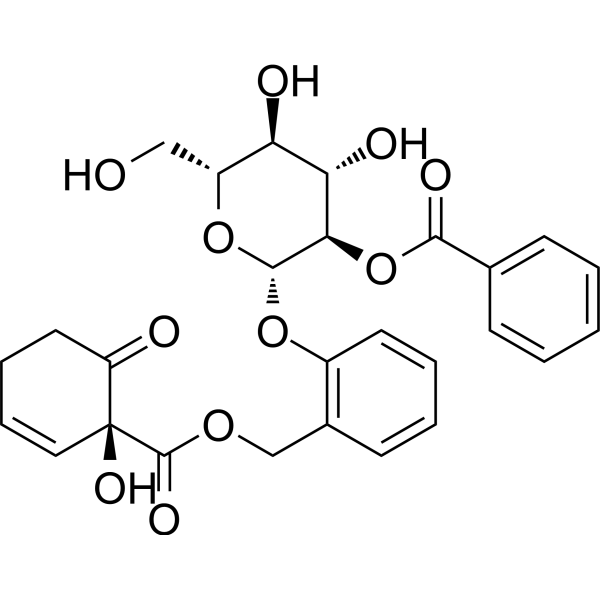
- HY-103701
-
|
2-Phospho-L-ascorbic acid; LAA2P
|
Phosphatase
Reactive Oxygen Species (ROS)
Endogenous Metabolite
|
Metabolic Disease
|
|
L-ascorbic acid 2-phosphate (2-Phospho-L-ascorbic acid) is a long-acting vitamin C derivative that can stimulate collagen formation and expression . L-ascorbic acid 2-phosphate (2-Phospho-L-ascorbic acid) can be used as a culture medium supplement for the osteogenic differentiation of human adipose stem cells (hASCs). L-ascorbic acid 2-phosphate increases alkaline phosphatase (ALP) activity and expression of runx2A in hASCs during the osteogenic differentiation .
|
-
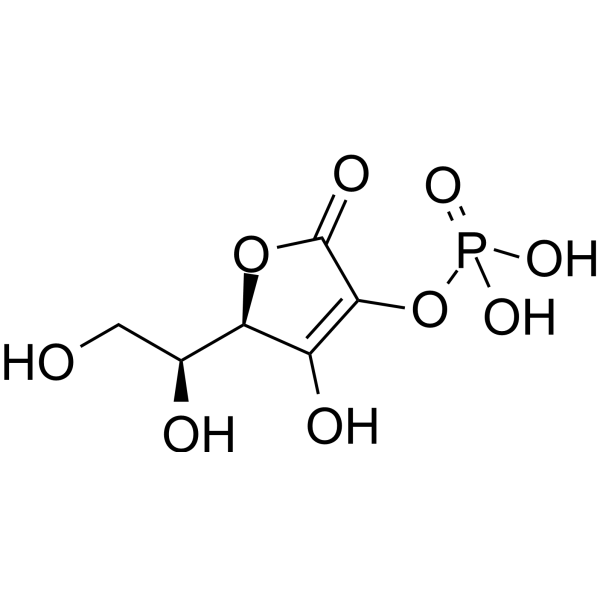
- HY-103701B
-
|
2-Phospho-L-ascorbic acid magnesium hydrate; LAA2P magnesium hydrate
|
Phosphatase
Reactive Oxygen Species (ROS)
Endogenous Metabolite
|
Metabolic Disease
|
|
L-ascorbic acid 2-phosphate (2-Phospho-L-ascorbic acid) magnesium hydrate is a long-acting vitamin C derivative that can stimulate collagen formation and expression. L-ascorbic acid 2-phosphate magnesium hydrate can be used as a culture medium supplement for the osteogenic differentiation of human adipose stem cells (hASCs). L-ascorbic acid 2-phosphate magnesium hydrate increases alkaline phosphatase (ALP) activity and expression of runx2A in hASCs during the osteogenic differentiation .
|
-
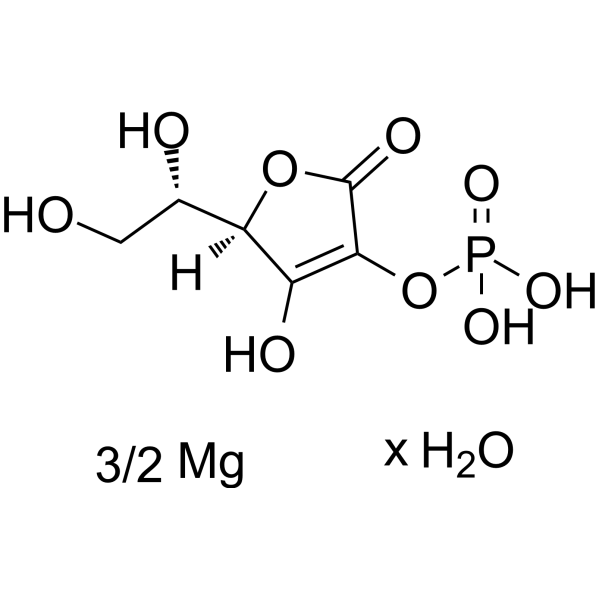
- HY-E70693
-
|
|
Discoidin Domain Receptor
|
Cancer
|
|
Discoidin domain receptor 2 (DDR2) is a sensor for collagen and by participating in migration, proliferation, and extracellular matrix remodeling. DDR2 N456S is a DDR2 mutation that may be present in non-small cell lung cancer. DDR2 N456S Recombinant Human Active Protein Kinase is a recombinant DDR2 N456S protein that can be used to study DDR2 N456S-related functions .
|
-

- HY-N17414
-
-

- HY-149205
-
|
|
PI3K
ERK
|
Inflammation/Immunology
|
|
CXJ-2 is a cyclic peptide, and exhibits moderate affinity toward elastin derived peptides (EDPs). CXJ-2 exhibits potent activities to inhibit the PI3K/ERK pathway and decrease hepatic stellate cell proliferation and migration. CXJ-2 possesses potent antifibrotic efficacy .
|
-
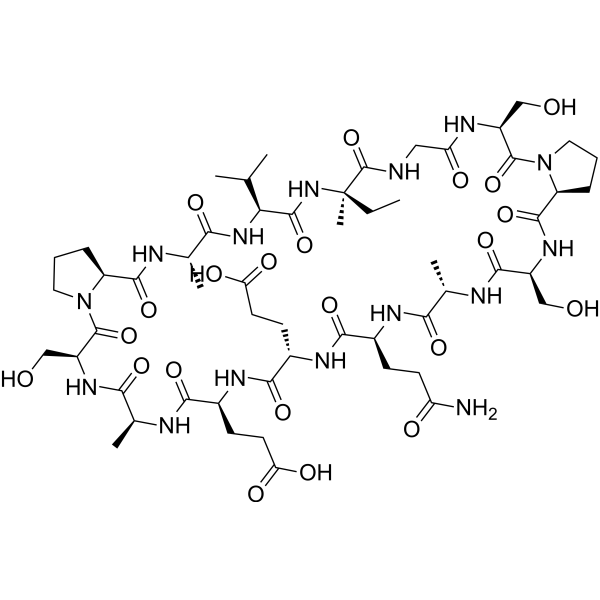
- HY-15486R
-
|
|
Phosphatase
HSV
Autophagy
Apoptosis
|
Infection
Inflammation/Immunology
Cancer
|
|
Salubrinal (Standard) is the analytical standard of Salubrinal. This product is intended for research and analytical applications. Salubrinal is a cell-permeable and selective inhibitor of eIF2α dephosphorylation . Salubrinal acts as a dual-specificity phosphatase 2 (Dusp2) inhibitor and suppresses inflammation in anti-collagen antibody-induced arthritis . Salubrinal has antiviral activity against HSV-1 and inhibits dephosphorylation of eIF2α mediated by the HSV-1 protein ICP34.5 .
|
-

- HY-13075
-
|
|
c-Fms
Trk Receptor
c-Kit
TAM Receptor
FLT3
|
Inflammation/Immunology
|
|
c-Fms-IN-3 is an orally active c-Fms (CSF1R) kinase inhibitor (IC50 = 0. 8 nM). c-Fms-IN-3 inhibits CSF1R kinase activity and reduces macrophage populations. c-Fms-IN-3 reduces bone erosion, pannus invasion, cartilage damage, and inflammation in collagen (HY-NP003)-induced arthritis mouse model. c-Fms-IN-3 is useful for arthritis research .
|
-
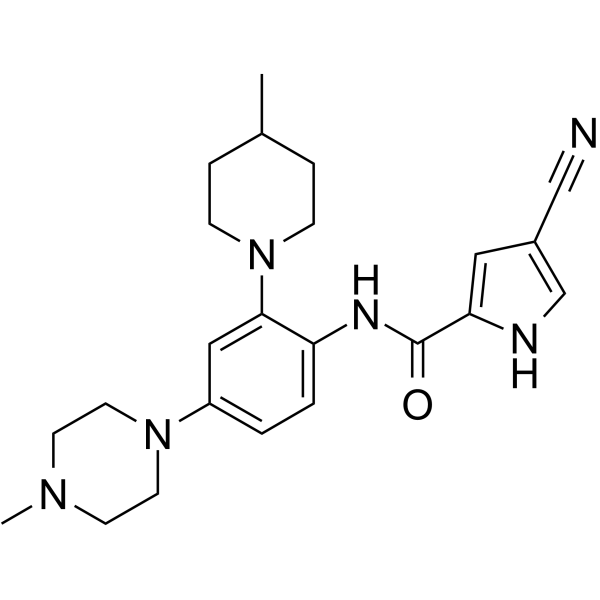
- HY-B0166S1
-
-
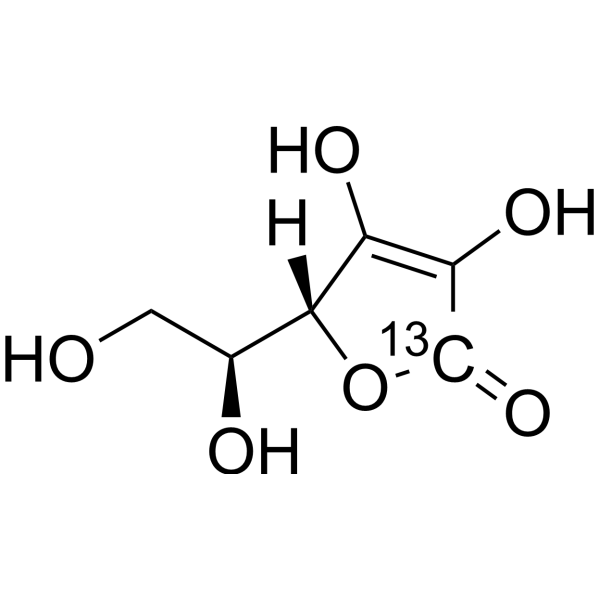
- HY-117622
-
|
|
IRAK
|
Inflammation/Immunology
Cancer
|
|
ND-2110 is a selective IRAK4 inhibitor (Ki: 7.5 nM). ND-2110 binds to the ATP pocket of IRAK4. ND-2110 targets
the subset of activated B cell-like (ABC) subtype of diffuse large B cell lymphoma (DLBCL) cell lines with MYD88 L265P mutations,. ND-2110 inhibits LPS-induced TNF production, alleviates collagen-induced arthritis, and blocks gout formation in mouse models .
|
-

- HY-169940
-
|
|
HDAC
|
Inflammation/Immunology
|
|
Fibrostat (Compound 5n) is a selective HDAC6 inhibitor that exerts antifibrotic effects by inhibiting HDAC6 activity, with an IC50 value of 63 nM. It also exhibits good selectivity over HDAC1, HDAC3, HDAC5, HDAC8, HDAC10, and HDAC11. Fibrostat significantly downregulates fibrotic markers (fibronectin and collagen 1) in fibroblasts. Additionally, Fibrostat demonstrated no toxicity in rat-perfused heart and zebrafish larvae models. Fibrostat shows potential for research into fibrosis-related diseases .
|
-

- HY-179216
-
|
|
HDAC
|
Neurological Disease
Inflammation/Immunology
|
|
KTT-1 is a kinetically selective and orally active HDAC2 inhibitor. KTT-1 exhibits high HDAC2-selectivity over HDAC1. KTT-1 inhibits osteoclast differentiation at an early stage by downregulating c-Fos expression. KTT-1 effectively suppresses arthritis symptoms in the collagen-induced arthritis (CIA) mouse model. KTT-1 can be used for the research of rheumatoid arthritis and neurodegenerative diseases .
|
-

- HY-B0166S
-
-
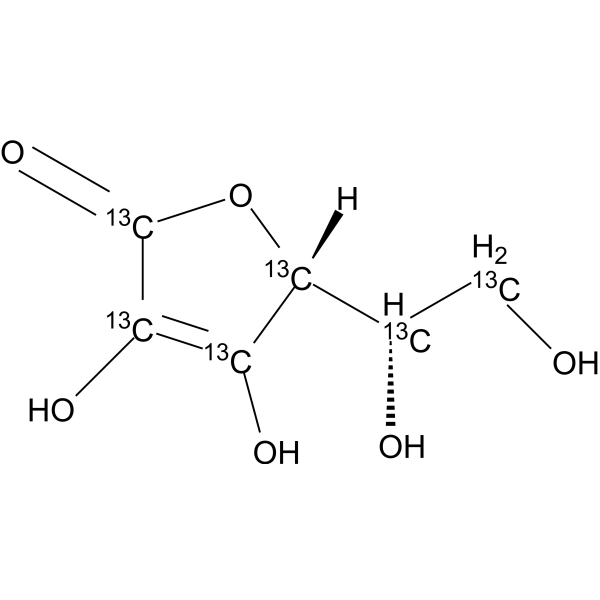
- HY-P10136A
-
IA9 TFA
2 Publications Verification
human TREM-2 182-190 TFA
|
TREM receptor
|
Inflammation/Immunology
|
|
IA9 TFA (human TREM-2 182-190 TFA) is a potent, CNS-penetrant TREM-2 inhibitor. IA9 TFA can diminish the release of proinflammatory cytokines and suppress joint inflammation and damage in a Collagen (HY-P5003)-induced arthritis (CIA) mouse model. IA9 TFA can be used for neuroinflammation PET imaging. IA9 TFA can be used for Rheumatoid arthritis (RA) and neuroinflammation research .
|
-
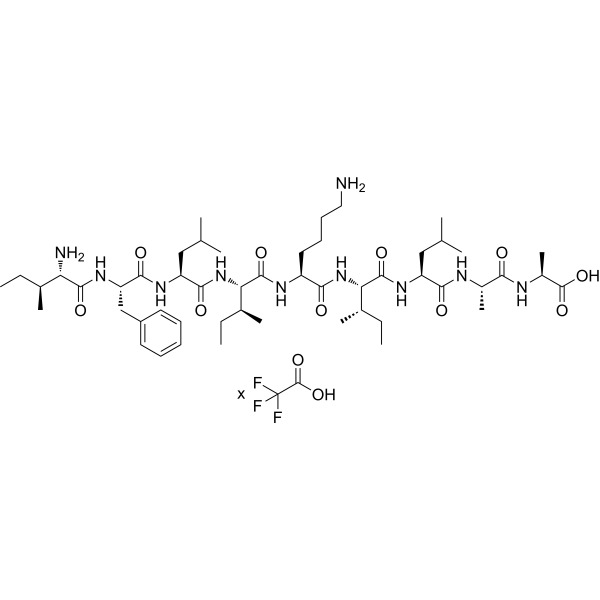
- HY-N0912R
-
|
|
Reference Standards
Reactive Oxygen Species (ROS)
|
Metabolic Disease
Inflammation/Immunology
|
|
Rehmannioside D (Standard) is the analytical standard of Rehmannioside D (HY-N0912). This product is intended for research and analytical applications. Rehmannioside D is an orally active Sirt7 modulator. Rehmannioside D upregulates Sirt7 expression, inhibits the level of acetylated p53, and blocks the activation of the p53 signaling pathway. Rehmannioside D alleviates liver injury, inflammatory response, collagen deposition and hepatocyte apoptosis. Rehmannioside D is applicable to research related to liver fibrosis .
|
-

- HY-N6857
-
|
|
AP-1
NF-κB
p38 MAPK
ERK
JNK
|
Neurological Disease
Metabolic Disease
Inflammation/Immunology
Cancer
|
|
Armepavine, found in Nelumbo nucifera, is an orally active NF-κB inhibitor. Armepavine attenuates expression of p-p65, α-SMA, p-JNK1/2, p-ERK1/2, p-p38α stimulated by TNF-α and LPS. Armepavine suppresses NF-κB nuclear translocation, IκBα phosphorylation, and collagen deposition. Armepavine can be used for the research of hepatic fibrosis and leukemia .
|
-
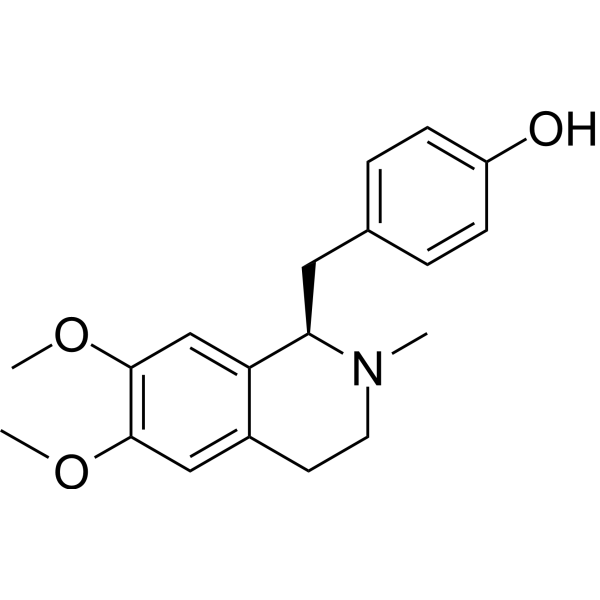
- HY-120050
-
|
|
Phospholipase
|
Inflammation/Immunology
|
|
GK470 (compound 28) is an inhibitor of group IVA cytosolic phospholipase A2 (GIVA cPLA2) with an IC50 of 300 nM in vesicle assays. GK470 has anti-inflammatory activity, inhibiting the release of arachidonic acid in SW982 fibroblast-like synoviocytes with an IC50 value of 0.6 μM. GK470 exhibits comparable anti-inflammatory effects to Methotrexate (HY-14519) in a preventive collagen-induced arthritis model and significantly reduces plasma PGE2 levels .
|
-

- HY-103320B
-
|
|
CaSR
|
Metabolic Disease
|
|
(1R,2R)-Calhex 231 hydrochloride is the isomer of Calhex 231 hydrochloride (HY-103320A), and can be used as an experimental control. Calhex 231 hydrochloride is a CaSR inhibitor via negative allosteric modulation. Calhex 231 hydrochloride blocks Ca 2+-induced accumulation of [ 3H]inositol phosphate with an IC50 of 0.39 μM in HEK293 cells. Calhex 231 hydrochloride has the potential for diabetic cardiomyopathy (DCM) treatment .
|
-
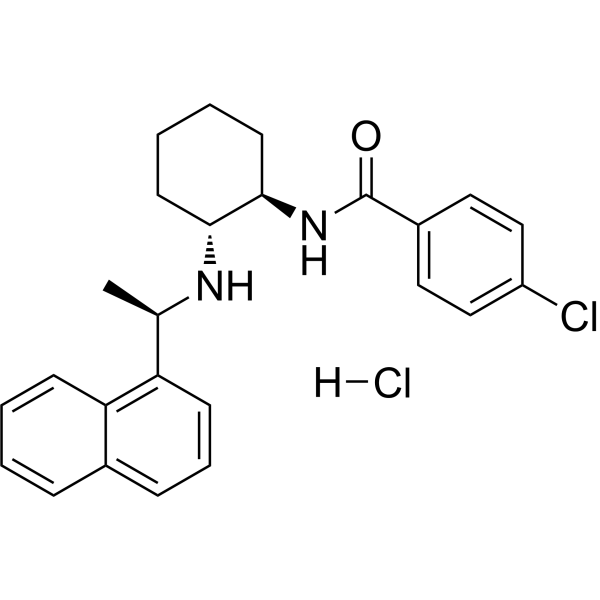
- HY-163429
-
|
|
TGF-β Receptor
p38 MAPK
|
Inflammation/Immunology
Cancer
|
|
J-1149 is a potent ALK5 inhibitor, with an IC50 value of 0.017 μM. J-1149 also shows weak p38α MAP kinase inhibitory activity, with an IC50 value of 0.435 μM. J-1149 can be used for liver fibrosis research .
|
-
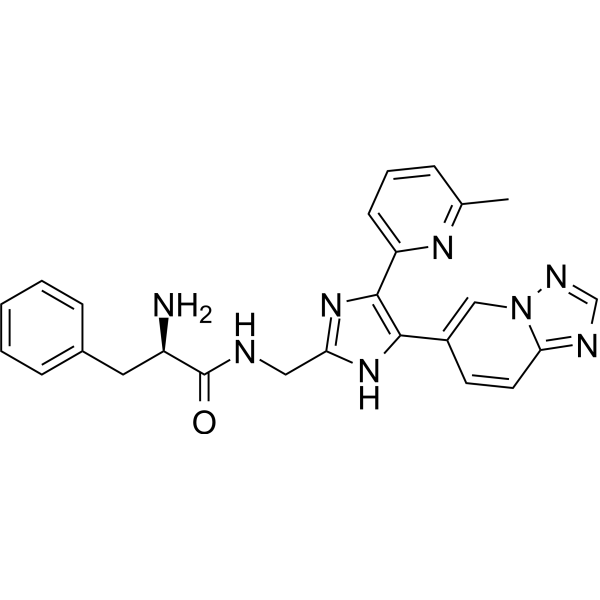
- HY-103320AR
-
|
|
Reference Standards
CaSR
|
Metabolic Disease
|
|
Calhex 231 hydrochloride (Standard) is the analytical standard of Calhex 231 hydrochloride (HY-103320A). This product is intended for research and analytical applications. Calhex 231 hydrochloride is a potent negative allosteric modulator that blocks (IC50 = 0.39 μM) increases in [3H]inositol phosphates elicited by activating the human wild-type CaSR transiently Ca2+-sensing receptor. Calhex 231 hydrochloride can be used in the study of traumatic hemorrhagic shock (THS) and diabetic cardiomyopathy (DCM) .
|
-

- HY-103320A
-
|
|
CaSR
|
Metabolic Disease
|
|
Calhex 231 hydrochloride is a potent negative allosteric modulator that blocks (IC50 = 0.39 μM) increases in [ 3H]inositol phosphates elicited by activating the human wild-type CaSR transiently Ca 2+-sensing receptor. Calhex 231 hydrochloride can be used in the study of traumatic hemorrhagic shock (THS) and diabetic cardiomyopathy (DCM) .
|
-
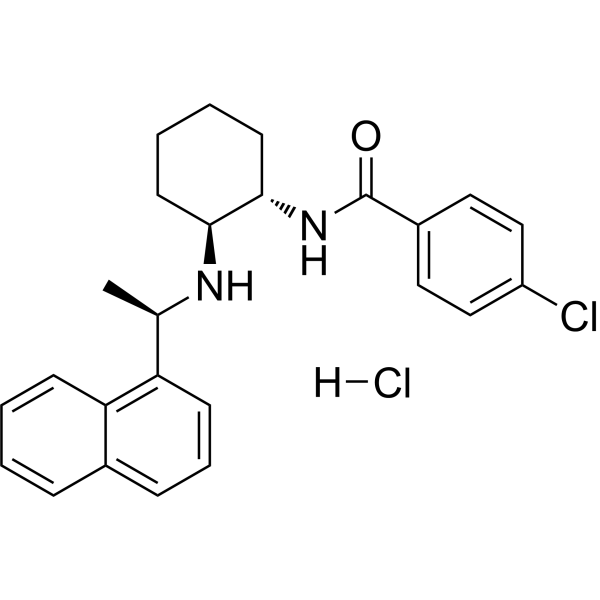
- HY-170538
-
|
|
Lysyl Oxidase
Cytochrome P450
|
Cardiovascular Disease
Metabolic Disease
|
|
SNT-5382 is a lysyl oxidase family (LOX) inhibitor and anti-fibrotic agent. SNT-5382 binds to the LTQ cofactor of LOXL2 and inhibits the enzymatic activities of LOXL3, LOXL4, LOXL1, CYP2C9, and CYP2C19. SNT-5382 reduces cardiac and liver fibrosis as well as collagen crosslinks, and improves cardiac function. SNT-5382 can be used for the research of heart failure, myocardial infarction, and nonalcoholic steatohepatitis-related liver fibrosis .
|
-

- HY-168625
-
|
|
Molecular Glues
|
Inflammation/Immunology
|
|
VAV1 degrader-3 (Example 185) is an orally active VAV1 molecular glue degrader (DC50: 7 nM). VAV1 degrader-3 reduces immune cell activation, immune cell proliferation and the production of various cytokines. VAV1 degrader-3 can be used for research of inflammatory or autoimmune disorder. VAV1 degrader-3 inhibits disease progression in experimntal autoimmune encephalomyelitis (EAE) mouse model, Collagen-induced arthritis (CIA) mouse model, etc. .
|
-

- HY-107837
-
|
2-Phospho-L-ascorbic acid trisodium
|
Phosphatase
Reactive Oxygen Species (ROS)
Endogenous Metabolite
|
Metabolic Disease
|
|
L-Ascorbic acid 2-phosphate trisodium (2-Phospho-L-ascorbic acid trisodium) is a long-acting vitamin C derivative that can stimulate collagen formation and expression . L-Ascorbic acid 2-phosphate trisodium (2-Phospho-L-ascorbic acid trisodium) can be used as a culture medium supplement for the osteogenic differentiation of human adipose stem cells (hASCs). L-Ascorbic acid 2-phosphate trisodium (2-Phospho-L-ascorbic acid trisodium) increases alkaline phosphatase (ALP) activity and expression of runx2A in hASCs during the osteogenic differentiation .
|
-
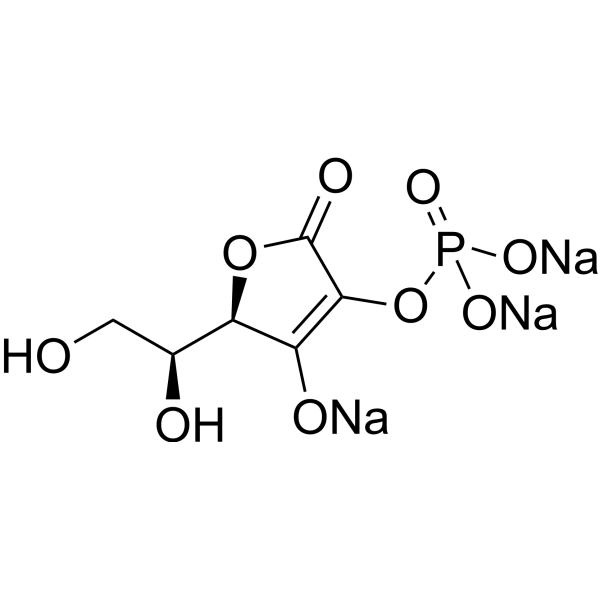
- HY-167692
-
|
|
STAT
|
Others
|
|
JI069 is a novel JAK-STAT inhibitor that demonstrates potent activity in suppressing Th1, Th2, and Th17 differentiation while promoting iTreg differentiation. JI069 effectively inhibits STAT3 activation as well as the activation of other STATs, including STAT1, STAT5, and STAT6. JI069 has shown significant therapeutic potential in alleviating symptoms of collagen-induced arthritis in mice while inhibiting cytokine production from T cells and the phosphorylation of STAT3 in synovial cells.
|
-

- HY-103701A
-
|
2-Phospho-L-ascorbic acid magnesium; LAA2P magnesium
|
Phosphatase
Reactive Oxygen Species (ROS)
Endogenous Metabolite
|
Metabolic Disease
|
|
L-Ascorbic acid 2-phosphate magnesium (2-Phospho-L-ascorbic acid magnesium) is a long-acting vitamin C derivative that can stimulate collagen formation and expression . L-Ascorbic acid 2-phosphate magnesium (2-Phospho-L-ascorbic acid magnesium) can be used as a culture medium supplement for the osteogenic differentiation of human adipose stem cells (hASCs). L-Ascorbic acid 2-phosphate magnesium (2-Phospho-L-ascorbic acid magnesium) increases alkaline phosphatase (ALP) activity and expression of runx2A in hASCs during the osteogenic differentiation .
|
-
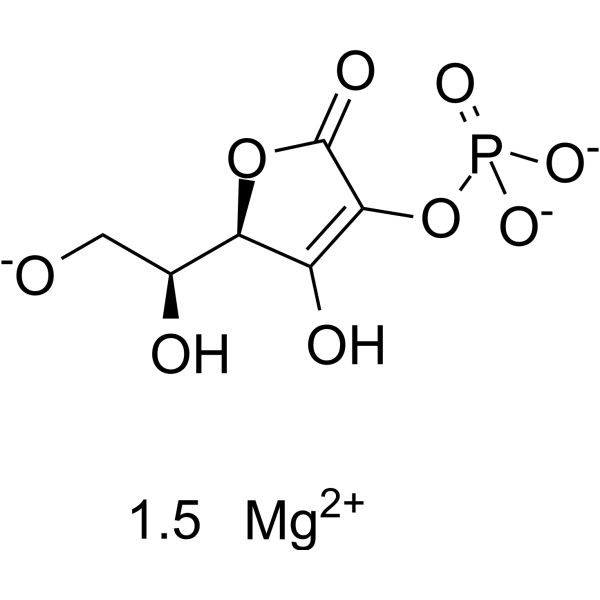
- HY-174313
-
|
|
Bacterial
Toll-like Receptor (TLR)
Collagen
|
Infection
Inflammation/Immunology
|
|
Antibacterial agent 284 (Compound 7) is an Antibacterial agent. Antibacterial agent 284 has a zinc-binding structure and potent inhibitory activity against Legionella pneumophila metalloprotease ProA (IC50: 0.96 μM) with zinc-binding structure. Antibacterial agent 284 significantly inactivates the cleavage of collagen IV and flagellin (ProA substrates) and reduces immune evasion from the TLR5-NF-κB pathway and PMN-mediated inflammation in human lung tissue explants. Antibacterial agent 284 is promising for Legionnaires' disease research .
|
-

- HY-P2483B
-
|
|
Bacterial
Proteasome
|
Infection
Inflammation/Immunology
Cancer
|
|
Octaarginine acetate is a cell-penetrating peptide and proteasome inhibitor. Octaarginine acetate exhibits mixed-type inhibition against 20S proteasome chymotrypsin-like, caspase-like, and trypsin-like activities, and inhibits 26S proteasome activity with decreased efficiency. Octaarginine acetate induces ubiquitin-conjugated protein accumulation, mediates HSPG-dependent cellular internalization via macropinocytosis, enhances liposomal cargo uptake and gene delivery. Octaarginine acetate can be used for the research of cervix carcinoma, collagen antibody-induced arthritis, and bacterial infections .
|
-

- HY-123958
-
|
|
ROCK
β-catenin
Collagen
|
Cardiovascular Disease
Neurological Disease
Inflammation/Immunology
|
|
SB772077B is a ROCK inhibitor. SB772077B has an anti-inflammatory activity and enhances aqueous outflow facility (OF) by inactivating RhoA/ROCK signal pathway. SB772077B significantly reduces the mRNA level of β-catenin and protein level of fibrotic markers, such as vinculin, fibronectin, collagen 1 A and vimentin. SB772077B also has vasodialatory activity and decreases pulmonary and systemic blood pressure. SB772077B can be used for glaucoma research and pulmonary hypertensive disorder research .
|
-

- HY-175277
-
|
|
Pim
NF-κB
Interleukin Related
|
Inflammation/Immunology
|
|
PIM1-IN-8 is a PIM1/p65 pathway inhibitor. PIM1-IN-8 suppresses the expression of α-SMA and collagen I in activated fibroblasts and blocks TGF-β induced migration. PIM1-IN-8 alleviates pulmonary fibrosis in a Bleomycin (BLM) (HY-17565A)-induced pulmonary fibrosis mice model. PIM1-IN-8 can be used for the study of idiopathic pulmonary fibrosis (IPF) .
|
-

- HY-P2483
-
|
|
Proteasome
Bacterial
|
Infection
Inflammation/Immunology
Cancer
|
|
Octaarginine is a cell-penetrating peptide and proteasome inhibitor. Octaarginine exhibits mixed-type inhibition against 20S proteasome chymotrypsin-like, caspase-like, and trypsin-like activities, and inhibits 26S proteasome activity with decreased efficiency. Octaarginine induces ubiquitin-conjugated protein accumulation, mediates HSPG-dependent cellular internalization via macropinocytosis, enhances liposomal cargo uptake and gene delivery. Octaarginine can be used for the research of cervix carcinoma, collagen antibody-induced arthritis, and bacterial infections .
|
-

- HY-171657
-
|
|
Drug Derivative
SOD
Interleukin Related
COX
Collagen
|
Inflammation/Immunology
|
|
4'-Acetoxy resveratrol is a Resveratrol (HY-16561) derivative. 4'-Acetoxy resveratrol upregulates gene expression of elastin, collagen types III and IV, superoxide dismutase (SOD), and catalase (CAT), while downregulating interleukins (IL-1A, IL-1R2, IL-6, IL-8) and cyclooxygenase-2 (COX-2) in human skin models. 4'-Acetoxy resveratrol can be used for skin reasearch .
|
-

- HY-182884
-
|
|
TNF Receptor
|
Inflammation/Immunology
|
|
TNF-α-IN-29 is an orally active and selective TNF-α inhibitor, with IC50 values of 123.0 nM against human targets, and a human Kd of 45.9 nM. TNF-α-IN-29 blocks TNF-α-TNFR1 protein-protein interactions and inhibits TNF-α-mediated inflammatory signaling pathways. TNF-α-IN-29 exhibits anti-inflammatory effects in a mouse model of collagen-induced arthritis and promotes articular cartilage repair. TNF-α-IN-29 can be used for the research of rheumatoid arthritis .
|
-

- HY-W243303J
-
|
|
Biochemical Assay Reagents
|
Cancer
|
|
Poly(acrylic acid) (MW 250000) is a synthetic cationic electrolyte containing abundant carboxyl groups (-COOH), which exhibits excellent water absorption and retention properties and is often cross-linked to form hydrogels. Poly(acrylic acid) (with a molecular weight of 250,000). Poly(acrylic acid) (MW 250000) can be used as a non-collagenous analog in the biomimetic mineralization research of type I collagen. Poly(acrylic acid) (MW 250000) has pH responsiveness and biocompatibility and is often used as a drug carrier, surface modifier and functional material .
|
-

- HY-N2503
-
|
|
Apoptosis
MMP
|
Inflammation/Immunology
|
|
Ginsenoside F4 (GF4), ginseng saponinis, isolated from notoginseng or red ginseng. Ginsenoside F4 (GF4) has inhibitory effect on human lymphocytoma JK cell by inducing its apoptosis .
Ginsenoside F4 (GF4) inhibits matrix metalloproteinase 13 (MMP 13) expression in IL-1β-treated chondrocytes and blocks cartilage breakdown in rabbit cartilage tissue culture, shows therapeutic potential for preventing cartilage collagen matrix breakdown in diseased tissues .
|
-
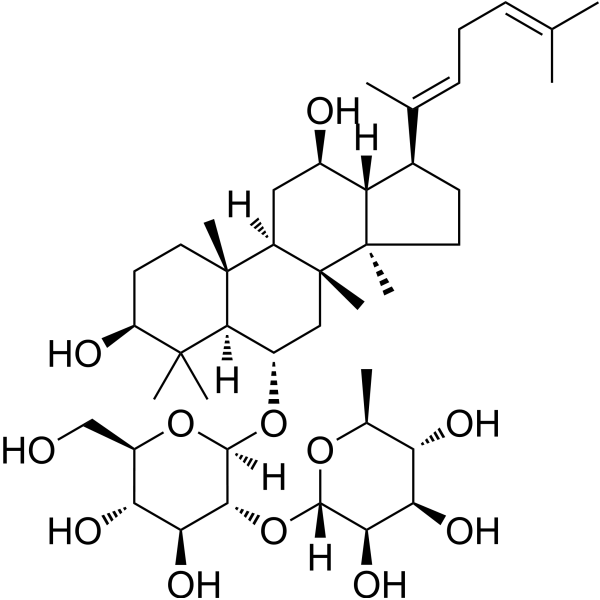
- HY-112724A
-
|
SHR0302 sulfate
|
JAK
Apoptosis
|
Inflammation/Immunology
Cancer
|
|
Ivarmacitinib (SHR0302) sulfate is a potent and orally active all members of the JAK family inhibitor, particularly JAK1. The selectivity of Ivarmacitinib for JAK1 is >10-fold for JAK2, 77-fold for JAK3, 420-fold for Tyk2. Ivarmacitinib inhibits JAK1-STAT3 phosphorylation and induces the apoptosis of hepatic stellate cells. Ivarmacitinib has anti-proliferative and anti-inflammatory effects .
|
-
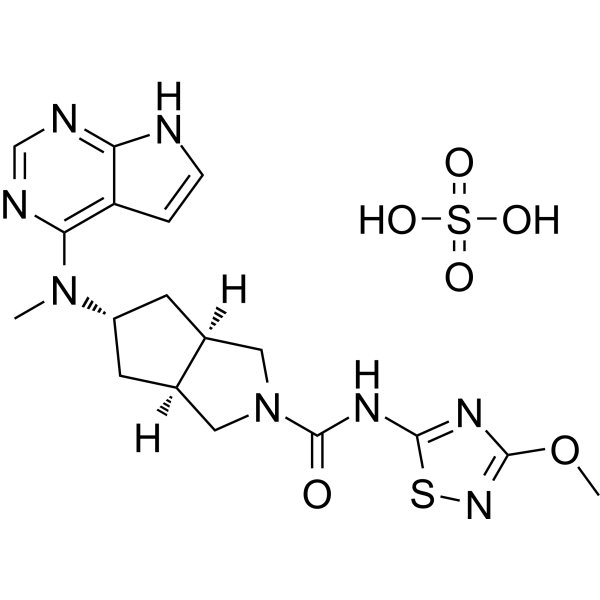
- HY-112724
-
|
SHR0302
|
JAK
Apoptosis
|
Inflammation/Immunology
Cancer
|
|
Ivarmacitinib (SHR0302) is a potent and orally active all members of the JAK family inhibitor, particularly JAK1. The selectivity of Ivarmacitinib for JAK1 is >10-fold for JAK2, 77-fold for JAK3, 420-fold for Tyk2. Ivarmacitinib inhibits JAK1-STAT3 phosphorylation and induces the apoptosis of hepatic stellate cells. Ivarmacitinib has anti-proliferative and anti-inflammatory effects .
|
-
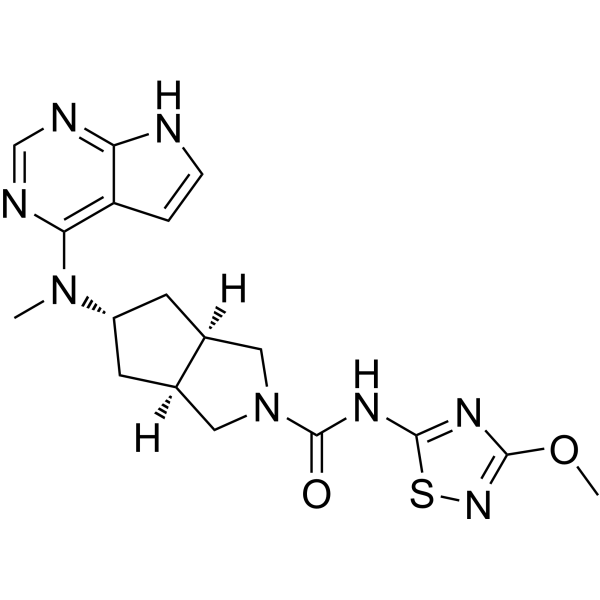
- HY-N3848
-
-
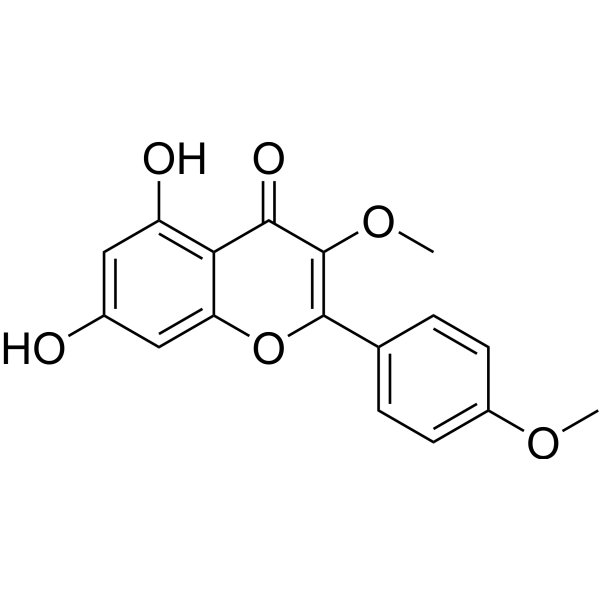
- HY-122624
-
|
|
MMP
|
Inflammation/Immunology
|
|
MMP13-IN-2 is a potent, selective and orally active MMP-13 inhibitor. MMP13-IN-2 exhibits excellent potency for MMP-13 (IC50=0.036 nM) and selectivities (greater than 1,500-fold) over MMP-1, 3, 7, 8, 9, 14, and TACE. MMP13-IN-2 has the ability to block the release of collagen from cartilage in vitro. MMP13-IN-2 has the potential for collagenase related disease research .
|
-
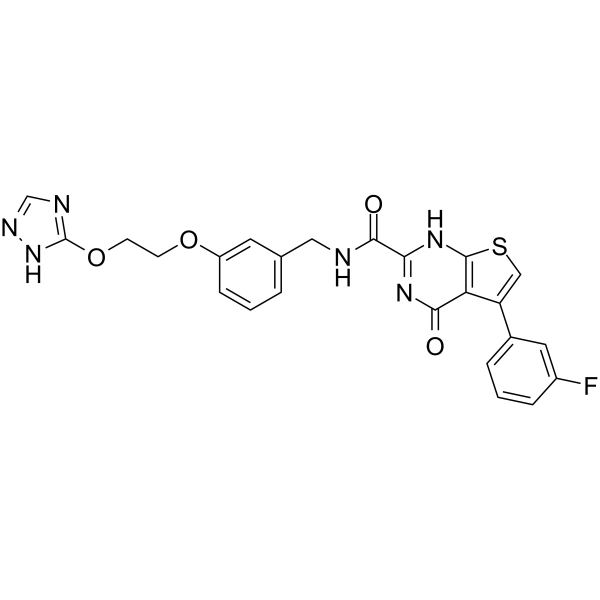
- HY-181929
-
|
H018
|
JAK
|
Inflammation/Immunology
|
RAI-20 (H018) is an orally active JAK1/JAK2 dual inhibitor (IC50=15.1 and 22.7 nM). RAI-20 exhibits excellent pharmacokinetic properties, including plasma stability, systemic exposure, and a long half-life. In a collagen-induced arthritis rat model, RAI-20 shows significant anti-inflammatory and anti-arthritic activities, effectively reducing paw swelling volume and arthritis index. RAI-20 can be used for research on the pathogenesis of rheumatoid arthritis .
|
-

- HY-173184
-
|
|
HDAC
|
Inflammation/Immunology
|
|
HDAC6-IN-53 (Compound W28) is an inhibitor targeting histone deacetylase 6 (HDAC6) with an IC50 of 19.65 nM. HDAC6-IN-53 exerts the activity of inhibiting the phenotype of idiopathic pulmonary fibrosis (IPF) by suppressing the collagen expression induced by TGF-β1, and it has demonstrated a good therapeutic effect in a mouse model of pulmonary fibrosis induced by Bleomycin (HY-17565A). HDAC6-IN-53 can be used in the research of idiopathic pulmonary fibrosis and other related pulmonary fibrosis diseases.
|
-

- HY-165564
-
|
|
Drug Derivative
|
Inflammation/Immunology
|
|
SM-8849 is a thiazole derivative with anti-arthritis activity. SM-8849 specifically targets and inactivates T cells involved in delayed-type hypersensitivity (DTH) reactions, thereby inhibiting the core immunopathological process of arthritis, but has little effect on the humoral immune process such as antibody production. In a mouse arthritis model induced by Type II Collagen (HY-NP003), SM-8849 significantly alleviated clinical symptoms, reduced bone destruction and joint damage. SM-8849 can be used for the study of autoimmune diseases such as rheumatoid arthritis .
|
-

- HY-N0363
-
|
(S)-Columbianetin
|
ERK
JNK
Collagen
TGF-beta/Smad
p38 MAPK
Reactive Oxygen Species (ROS)
|
Others
|
|
(+)-Columbianetin ((S)-Columbianetin) acts as an inhibitor of JNK/ERK. (+)-Columbianetin inhibits UVA-induced phosphorylation of JNK and ERK, reduces the production of MMP-1, reverses UVA-induced Collagen (HY-NP003) degradation, and alleviates UVA-mediated inhibition of Smad2/3 phosphorylation and translocation. (+)-Columbianetin regulates the AP-1 and ASK1-MAPK signaling pathways, inhibits the production of ROS and blocks sub-G1 cell cycle arrest. (+)-Columbianetin is applicable to research related to skin aging .
|
-
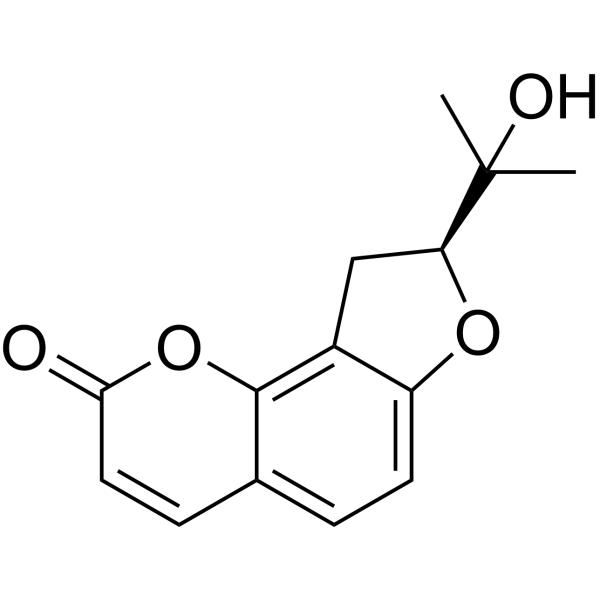
- HY-23212A
-
|
|
Amino Acid Derivatives
|
Cancer
|
|
2-Amino-1,3-bis(carboxylethoxy)propane hydrochloride is a non-protein amino acid, sulfamic acid.2-Amino-1,3-bis(carboxylethoxy)propane hydrochloride contains one amino group and two terminal carboxylic acids.2-Amino-1,3-bis(carboxylethoxy)propane hydrochloride has a variety of physiological functions, including maintaining the stability of cell membranes, regulating cholesterol metabolism, supporting the normal function of the nervous system, participating in collagen synthesis, and anti-oxidation .
|
-
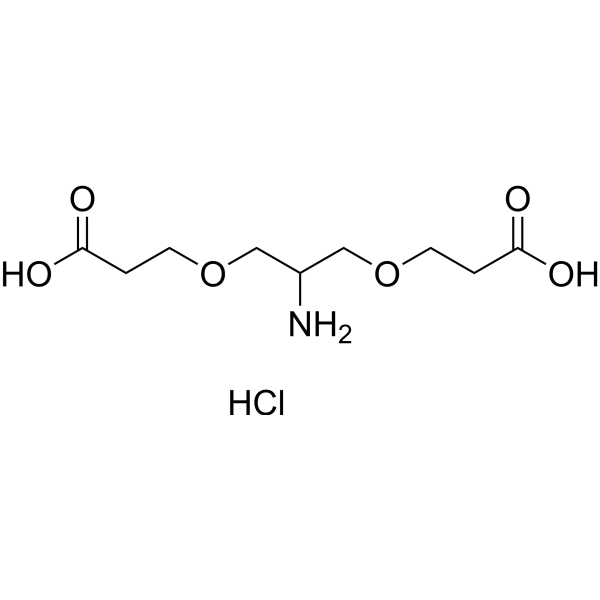
- HY-147041
-
|
GB1211
|
Galectin
|
Inflammation/Immunology
Cancer
|
|
Selvigaltin (GB1211) is an orally active galectin-3 small molecule inhibitor with an IC50 value of 12 nM in rabbits, showing anti-tumor activity. Selvigaltin decreases galectin-3 levels in the liver and reduces biomarkers of liver function (AST, ALT, bilirubin), inflammation (cells foci) and fibrosis (PSR, SHG), as well as decreasing the mRNA and protein expression of several key inflammation and fibrosis biomarkers (IL6, TGFβ3, SNAI2, collagen). Selvigaltin restores T-cell activity and induces less tumors and metastasis .
|
-
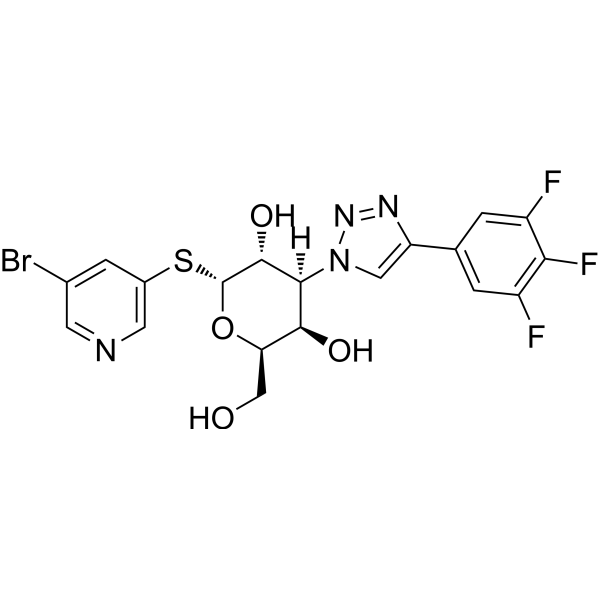
- HY-175603
-
|
|
Amine N-methyltransferase
|
Cancer
|
|
NCGC00685960 is a Nicotinamide N-methyltransferase (NNMT) inhibitor with an IC50 <10 nM. NCGC00685960 has potent antitumor activity. NCGC00685960 increases H3K27 trimethylation levels in ovarian cancer cells and inhibits α-SMA expression in NNMT-expressing ovarian fibroblasts. NCGC00685960 reduces 1-MNA levels, reverses SAM and H3K27 hypomethylation and significantly impairs collagen contractility in cancer-associated fibroblasts (CAFs). NCGC00685960 can be used for cancers research, such as ovarian cancer, breast cancer, colon cancer .
|
-

- HY-W105272R
-
|
|
Reference Standards
Endogenous Metabolite
|
Metabolic Disease
|
|
Halofuginone (Standard) is the analytical standard of Halofuginone. This product is intended for research and analytical applications. Halofuginone (RU-19110), a Febrifugine derivative, is a competitive prolyl-tRNA synthetase inhibitor with a Ki of 18.3 nM . Halofuginone is a specific inhibitor of type-I collagen synthesis and attenuates osteoarthritis (OA) by inhibition of TGF-β activity . Halofuginone is also a potent pulmonary vasodilator by activating Kv channels and blocking voltage-gated, receptor-operated and store-operated Ca2+ channels. Halofuginone has anti-malaria, anti-inflammatory, anti-cancer, anti-fibrosis effects .
|
-

- HY-Y1123
-
|
Glycinamide hydrochloride
|
Amino Acid Derivatives
Phosphatase
|
Endocrinology
|
|
2-Aminoacetamide hydrochloride (Glycinamide hydrochloride) is a derivative of Glycine (HY-Y0966). 2-Aminoacetamide hydrochloride forms cell-absorbable nanocomplexes with proteins (such as bovine serum albumin) through strong electrostatic interactions, promoting cellular uptake of related proteins. 2-Aminoacetamide hydrochloride synergizes with BMP2 to upregulate the expression of osteogenic marker genes (such as Col1a1, Alp, Runx2) and proteins (such as COL1, BSP), enhancing collagen synthesis. 2-Aminoacetamide hydrochloride synergizes with BMP2 to promote osteoblast differentiation in vitro and bone regeneration in vivo .
|
-
- HY-N4119
-
|
|
Phosphatase
Cholinesterase (ChE)
p38 MAPK
Apoptosis
Autophagy
|
Neurological Disease
Metabolic Disease
|
|
Neoeriocitrin is a Naringin (HY-N0153) analogue found in Drynaria Rhizome. Neoeriocitrin induces cells proliferation, differentiation, up-regulates type I collagen, osteocalcin, and key osteogenic markers, and increases ALP activity. Neoeriocitrin increases expression of Runx2, COL I, OCN and Beclin1. Neoeriocitrin inhibits phosphorylation of P38 mitogen-activated protein kinase, reduces acetylcholinesterase (AChE) activity, and increases choline acetyltransferase (ChAT) activity. Neoeriocitrin reduces apoptosis and induces autophagy. Neoeriocitrin can be used for the researches of osteoporosis and Alzheimer's disease .
|
-
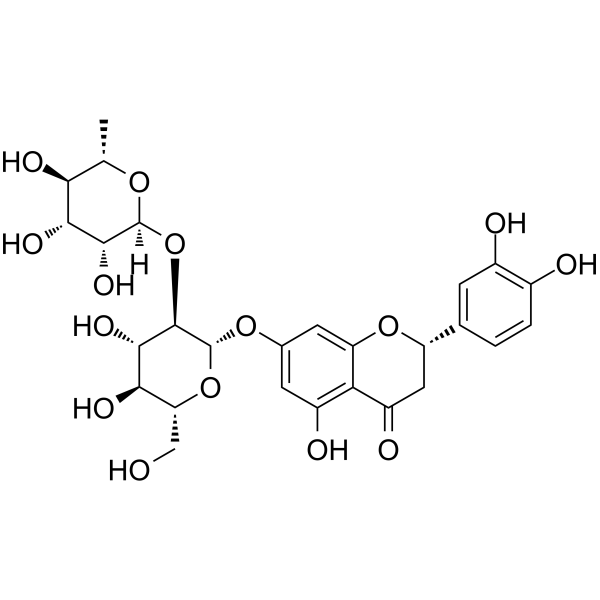
- HY-108036B
-
|
Hydroxypropyl tetrahydropyrantriol
|
Biochemical Assay Reagents
|
Metabolic Disease
|
|
Pro-xylane (Hydroxypropyl tetrahydropyrantriol) is a bioactive C-glycoside that targets the biosynthesis pathway of glycosaminoglycans/mucopolysaccharides (GAGs) in the skin matrix and can be absorbed transdermally. Pro-xylane stimulates the biosynthesis of GAGs in fibroblasts, enhances the structural stability of the skin extracellular matrix, improves skin elasticity and moisturizing ability, and delays wrinkle formation. Pro-xylane can effectively promote the synthesis of collagen fibers and hyaluronic acid in the dermis. Pro-xylane is used in the field of anti-aging cosmetics to improve skin hydration and elasticity. Pro-xylane is eco-friendly and biodegradable .
|
-

- HY-P2483A
-
|
|
Proteasome
Bacterial
|
Infection
Neurological Disease
Cancer
|
|
Octaarginine TFA is a cell-penetrating peptide and proteasome inhibitor. Octaarginine TFA exhibits mixed-type inhibition against 20S proteasome chymotrypsin-like, caspase-like, and trypsin-like activities, and inhibits 26S proteasome activity with decreased efficiency. Octaarginine TFA induces ubiquitin-conjugated protein accumulation, mediates HSPG-dependent cellular internalization via macropinocytosis, enhances liposomal cargo uptake and gene delivery. Octaarginine TFA can be used for the research of cervix carcinoma, collagen antibody-induced arthritis, and bacterial infections .
|
-
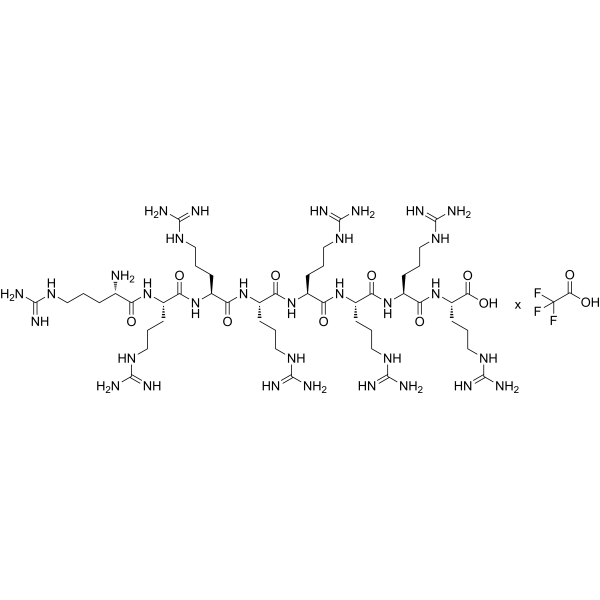
- HY-153808A
-
|
|
Bacterial
|
Inflammation/Immunology
Cancer
|
|
Incomplete Freund's adjuvant (IFA) (Montanide ISA-51) is an immunoadjuvant emulsified with antigen by its discoverer Jules T. Freund. Incomplete Freund's adjuvant (IFA) does not contain inactivated tuberculosis bacilli and consists of petroleum jelly containing lanolin. Incomplete Freund's adjuvant (IFA) induces high antibody titers and long-lasting effector T cell responses with no long-term effects on collagen disease, tumors, or death. Complete Freund's adjuvant (CFA) (HY-153808) is another type of Freund's Adjuvant that stimulates a stronger immune response .
|
-

- HY-N7400
-
|
|
NOD-like Receptor (NLR)
Caspase
Insecticide
|
Inflammation/Immunology
|
|
Phaseoloidin is an orally active multi-target inhibitor. Phaseoloidin inhibits the activation of the NLRP3 inflammasome and blocks the caspase-11-GSDMD pyroptosis axis. Phaseoloidin reduces the expression of collagen-degrading enzymes to maintain the integrity of cartilage matrix. Phaseoloidin activates the AMPK/mTOR pathway to enhance autophagic function. Phaseoloidin exerts adverse effects on the growth and development of Manduca sexta and Spodoptera littoralis larvae, inhibits larval growth, and thereby helps Nicotiana attenuata defend against lepidopteran herbivorous insects. Phaseoloidin is applicable to research related to acute gouty arthritis and pulmonary fibrosis .
|
-
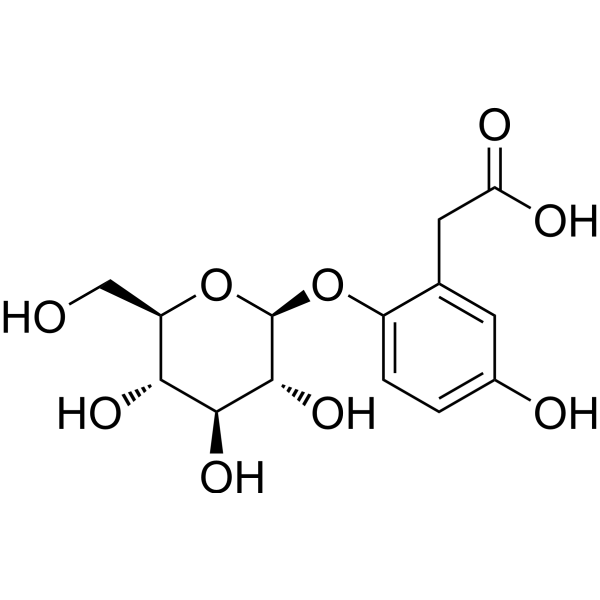
- HY-114495
-
|
Cerulomycin; Caerulomycin
|
Fungal
Antibiotic
|
Infection
Inflammation/Immunology
|
|
Caerulomycin A is an orally active immunomodulator and antimicrobial agent. Caerulomycin A targets Smad3, STAT1 and GATA-3. Caerulomycin A downregulates GATA-3 expression, inhibits Th2 cell differentiation and Th2 cytokine production, reduces IgE levels, and alleviates pulmonary inflammatory responses and eosinophil infiltration. Caerulomycin A ameliorates collagen-induced arthritis symptoms, reduces joint inflammation and synovitis, and decreases the levels of proinflammatory cytokines in joints. Caerulomycin A inhibits the growth of some filamentous fungi, yeasts and specific bacteria. Caerulomycin A can be used in research related to arthritis and asthma .
|
-
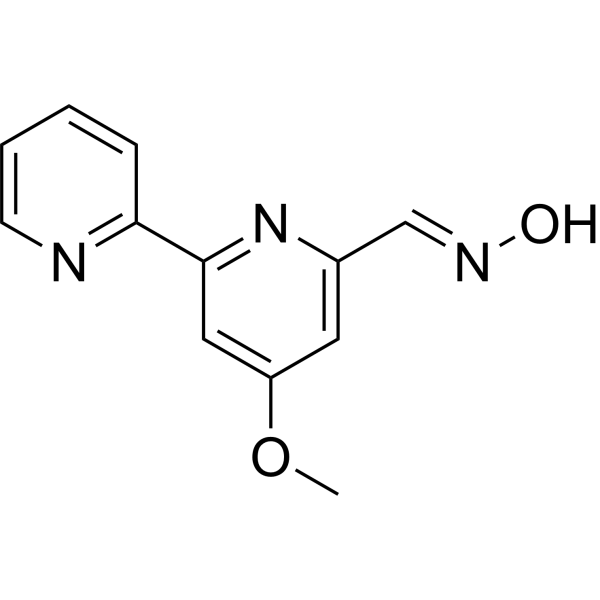
- HY-P10143
-
|
Ac-Pro-Leu-Gly-[(S)-2-mercapto-4-methyl-pentanoyl]-Leu-Gly-OEt
|
MMP
|
Others
|
|
MMP-2/MMP-9 Substrate (Ac-Pro-Leu-Gly-[(S)-2-mercapto-4-methyl-pentanoyl]-Leu-Gly-OEt) is a synthetic chromogenic polypeptide substrate whose core structure mimics the cleavage sites of MMP-2 and MMP-9 (gelatinase A and B) in collagen. After being hydrolyzed by collagenase, MMP-2/MMP-9 Substrate reacts with 4,4'-dithiodipyridine or Ellman's Reagent via its thiol fragment to produce a product with ultraviolet absorption properties .
|
-
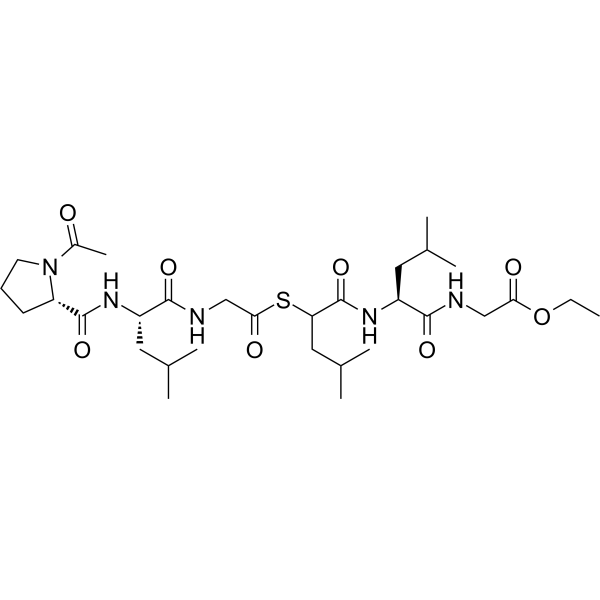
- HY-P10827
-
|
|
Complement System
|
Inflammation/Immunology
|
|
PIC1 PA, a 15 amino-acid peptide, is a potent PIC1 analog that inhibits classical pathway mediated complement activation. PIC1 PA functionally disrupts the C1s-C1r-C1r-C1s/MASPs interaction with collagen-like region (CLR) of C1q/MBL, respectively. PIC1 PA specifically binds to the CLR of C1q and bounds to purified C1q with a mean equilibrium dissociation constant (KD) of 33.3 nM .
|
-

- HY-179378
-
|
|
DYRK
TGF-beta/Smad
NF-κB
Wnt
β-catenin
MDM-2/p53
Notch
|
Inflammation/Immunology
|
|
XRF-1021 is an orally active HIPK2 inhibitor (IC50 = 0.18 μM). XRF-1021 reduces the expression of fibrotic markers in TGF-β1 stimulated NRK-49F and HK-2 cells, including Fibronectin, Collagen I and α-SMA. XRF-1021 blocks TGF-β, NF-κB, p53, Wnt/β-catenin, and Notch signaling. XRF-1021 reduces renal injury and fibrosis in vivo. XRF-1021 can be used for the research of chronic kidney disease .
|
-

- HY-108036A
-
|
(S)-Hydroxypropyl tetrahydropyrantriol
|
Biochemical Assay Reagents
|
Metabolic Disease
|
|
(S)-Pro-xylane ((S)-Hydroxypropyl tetrahydropyrantriol) is a bioactive C-glycoside that targets the biosynthesis pathway of glycosaminoglycans/mucopolysaccharides (GAGs) in the skin matrix and can be absorbed transdermally. (S)-Pro-xylane stimulates the biosynthesis of GAGs in fibroblasts, enhances the structural stability of the skin extracellular matrix, improves skin elasticity and moisturizing ability, and delays wrinkle formation. (S)-Pro-xylane can effectively promote the synthesis of collagen fibers and hyaluronic acid in the dermis. (S)-Pro-xylane is used in the field of anti-aging cosmetics to improve skin hydration and elasticity. (S)-Pro-xylane is eco-friendly and biodegradable .
|
-
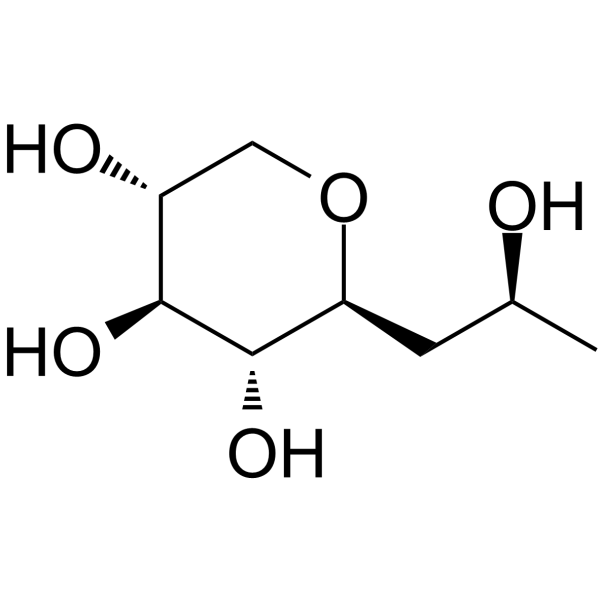
- HY-P990117
-
|
|
Integrin
|
Cardiovascular Disease
Cancer
|
|
Anti-Mouse/Rat/Human Osteopontin/SPP1 Antibody (MPIIIB10) is a mouse-derived Osteopontin/SPP1 IgG1 κ type antibody inhibitor. Anti-Mouse/Rat/Human Osteopontin/SPP1 Antibody (MPIIIB10) blocks Angiotensin II (HY-13948)-induced DNA synthesis and collagen gel contraction in cardiac fibroblasts. Anti-Mouse/Rat/Human Osteopontin/SPP1 Antibody (MPIIIB10) significantly inhibits tumor growth in CT26 or MC38 tumors mice models .
|
-
- HY-176060
-
|
|
Histamine Receptor
Adrenergic Receptor
5-HT Receptor
|
Cardiovascular Disease
Cancer
|
|
Platelet aggregation-IN-3 (Compound 5) is a ligand for H2 histamine receptors, α2(A,C)-adrenergic receptors (α2-AR), and 5-HT2(B,C) serotonin receptors. Platelet aggregation-IN-3 can inhibit platelet aggregation induced by ADP and collagen and can also modulate tumour cell-induced platelet aggregation (TCIPA). Platelet aggregation-IN-3 is promising for research of antiplatelet therapy in cardiovascular diseases and the prevention of cancer-related thrombosis and tumour metastasis .
|
-

- HY-Y0623
-
|
HOSu; 1-Hydroxy-2,5-pyrrolidinedione
|
Biochemical Assay Reagents
|
Others
|
|
N-Hydroxysuccinimide (HOSu; 1-Hydroxy-2,5-pyrrolidinedione) is a covalent crosslinker commonly used in bioconjugation technology with a primary amine group. N-Hydroxysuccinimide reacts with amino groups (-NH2) to form a stable amide bond, which can modify amino-containing biomolecules. N-Hydroxysuccinimide can be used, for example, for protein labeling with fluorescent dyes and enzymes, surface activation of chromatography supports, microbeads, nanoparticles and microarray slides, and chemical synthesis of peptides. N-Hydroxysuccinimide has a wide range of applications in biomaterial synthesis (such as collagen, chitosan crosslinking), drug delivery systems (such as hydrogel preparation) and tissue engineering .
|
-
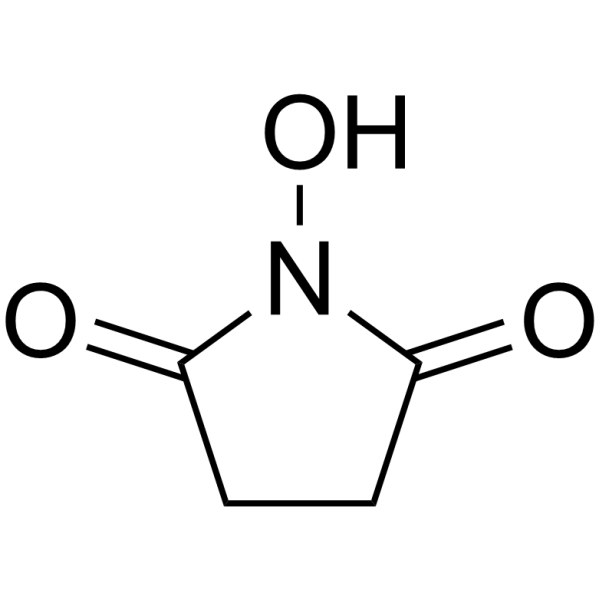
- HY-168438
-
|
|
EGFR
Akt
ERK
|
Cardiovascular Disease
|
|
ERBB agonist-1 (Compound EF-1) is an agonist for ERBB4, that activates the ERBB4 signaling pathway by inducing dimerization of the ERBB4 receptor with an EC50 of 10.5 μM. ERBB agonist-1 induces phosphorylation of Akt and ERK1/2, reduces the collagen expression in cardiac fibroblasts, inhibits H2O2-induced cardiomyocyte death and Ang II (HY-13948)-induced cardiomyocyte hypertrophy. ERBB agonist-1 prevents fibrosis and exhibits cardioprotective efficacy in mouse models .
|
-

- HY-126956
-
|
|
Reactive Oxygen Species (ROS)
MMP
Collagen
PPAR
DNA/RNA Synthesis
Apoptosis
Caspase
|
Metabolic Disease
Inflammation/Immunology
|
|
Porphyra 334 is a carnosine-like amino acid and a natural photoprotective agent and antioxidant. Porphyra-334 exerts its photoprotective effects by scavenging ROS, inhibiting the expression and activity of MMP-1/8, and promoting the synthesis of collagen and elastin. Porphyra 334 effectively inhibits linoleic acid oxidation induced by alkyl radicals (AAPH) and singlet oxygen. Porphyra 334 has anti-obesity potential by inhibiting the expression of PPARγ2 and C/EBPα. Porphyra 334 protects cells against UV-induced DNA damage and apoptosis by inhibiting the activation of caspase-3 .
|
-
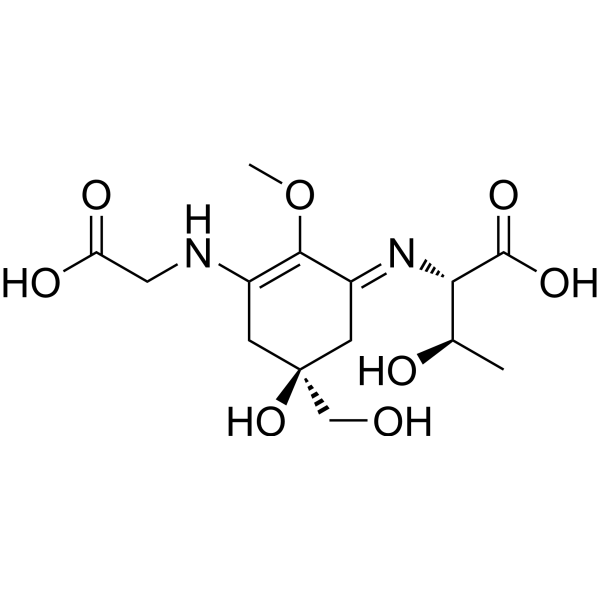
- HY-123348
-
-
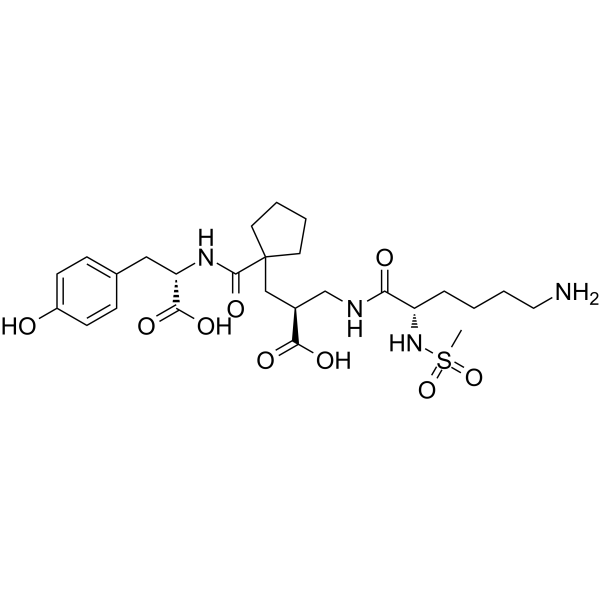
- HY-N17892
-
|
|
Others
|
Cardiovascular Disease
|
|
Ariskanin A is a platelet aggregation inhibitor that exists in Aristolochia kankauensis and Aristolochia manshuriensis. Ariskanin A inhibits rabbit platelet aggregation .
|
-

- HY-175971
-
-

- HY-103320
-
|
|
CaSR
|
Metabolic Disease
|
|
Calhex 231 is a potent negative allosteric modulator that blocks (IC50 = 0.39 μM) increases in [ 3H]inositol phosphates elicited by activating the human wild-type CaSR transiently Ca 2+-sensing receptor. Calhex 231 can be used in the study of traumatic hemorrhagic shock (THS) and diabetic cardiomyopathy (DCM) .
|
-
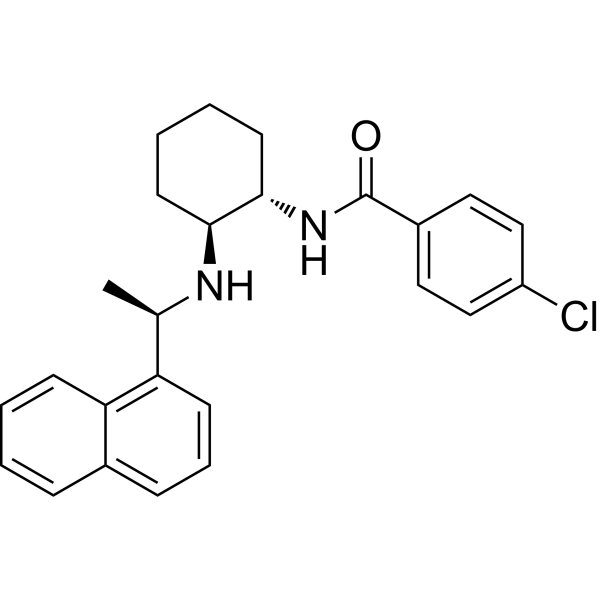
- HY-P11264
-
|
|
GPR55
Collagen
Reactive Oxygen Species (ROS)
Apoptosis
|
Metabolic Disease
Inflammation/Immunology
|
|
Cyclic peptide P1-1 is a high-potent GPR55 antagonist. Cyclic peptide P1-1 antagonizes GPR55 and suppresses collagen secretion. Cyclic peptide P1-1 reduces ROS production, attenuates ER stress, and inhibits mitochondria-associated Apoptosis. Cyclic peptide P1-1 inhibits the expression of α-SMA and COL1α. Cyclic peptide P1-1 ameliorates CCl4 (HY-Y0298)-induce and MCD-diet-induce acute liver inflammation and fibrosis .
|
-

- HY-164634
-
|
|
Cathepsin
Cholecystokinin Receptor
|
Neurological Disease
Metabolic Disease
Cancer
|
|
CLIK-148 is a highly selective, irreversible and orally active cysteine protease inhibitor, primarily targeting Cathepsin L. CLIK-148 effectively inhibits the Cathepsin L-dependent degradation of HMG-CoA reductase in the endoplasmic reticulum (ER) membrane. CLIK-148 inhibits the processing of proCCK by Cathepsin L, thereby reducing the production of CCK8 (HY-P0093). CLIK-148 inhibits the degradation of type I collagen by osteoclasts' secreted Cathepsin L, reducing tumor-induced bone metastasis and malignant hypercalcemia. CLIK-148 can be used for the studies of bone metabolism disorders and regulation of neuropeptide processing .
|
-

- HY-N1151
-
|
|
Bacterial
Cholinesterase (ChE)
MMP
TNF Receptor
|
Infection
Neurological Disease
Inflammation/Immunology
|
|
Thunberginol C is an orally active, selective, and non-competitive inhibitor of AChE and BChE, with IC50 values of 41.96 and 42.36 μM, respectively. Thunberginol C exerts cytoprotective, pro-collagen type I restorative, MMP-1 inhibitory, hyaluronic acid restorative, anti-photoaging effects in skin cells. Thunberginol C exerts neuroprotective, anxiolytic, TNF-α inhibitory, neuroinflammation inhibitory, and oxidative stress inhibitory effects. Thunberginol C can be used for the research of Alzheimer’s disease, UVB-induced skin photoaging, allergic reactions, oral bacterial infections, and stress-induced anxiety .
|
-
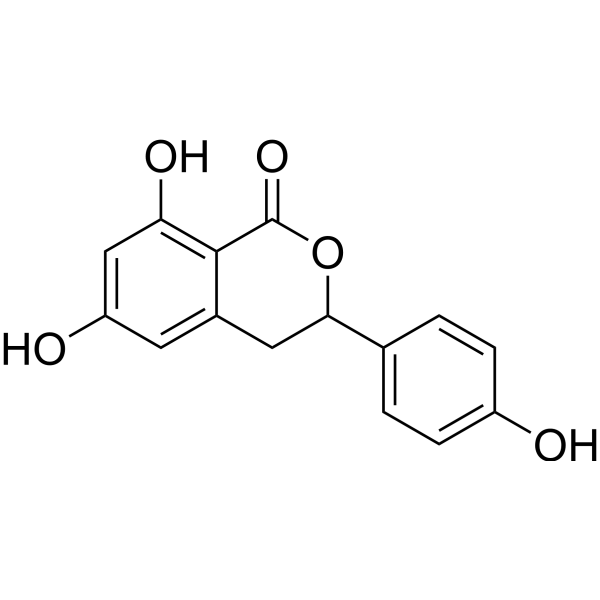
- HY-178821
-
|
|
ROCK
TGF-beta/Smad
STAT
|
Inflammation/Immunology
|
|
ROCK2-IN-12 (Compound A25) is a selective ROCK2 inhibitor with an IC50 of 7.0 nM for ROCK2 over ROCK1. ROCK2-IN-12 has potent antifibrotic effects via the TGF-β/Smad and ROCK2/STAT3 signaling pathways. ROCK2-IN-12 significantly reduces collagen deposition and reverses fibrotic progression in Bleomycin (HY-108345)-induced pulmonary fibrosis (PF) mouse models. ROCK2-IN-12 can be used for lung diseases like pulmonary fibrosis research .
|
-

- HY-173235
-
|
|
Galectin
|
Cardiovascular Disease
Inflammation/Immunology
Cancer
|
|
Galectin-3-IN-6 is a human and murine galectin-3 (Gal-3) inhibitor, with an IC50 of 12 nM against human galectin-3, an IC50 of 12.6 nM against mutant murine galectin-3 (V160A), and a Kd of 13 nM for human galectin-3, as well as oral bioavailability. Galectin-3-IN-6 reduces the levels of liver fibrosis markers type I collagen and α-smooth muscle actin in mouse models of acute liver injury and fibrosis. Galectin-3-IN-6 can be used for the research of acute liver injury and fibrosis .
|
-

- HY-108036
-
|
Hydroxypropyl tetrahydropyrantriol (30% in water)
|
Biochemical Assay Reagents
|
Metabolic Disease
|
|
Pro-xylane (30% in water) (Hydroxypropyl tetrahydropyrantriol) is a bioactive C-glycoside that targets the biosynthesis pathway of glycosaminoglycans/mucopolysaccharides (GAGs) in the skin matrix and can be absorbed transdermally. Pro-xylane (30% in water) stimulates the biosynthesis of GAGs in fibroblasts, enhances the structural stability of the skin extracellular matrix, improves skin elasticity and moisturizing ability, and delays wrinkle formation. Pro-xylane (30% in water) can effectively promote the synthesis of collagen fibers and hyaluronic acid in the dermis. Pro-xylane (30% in water) is used in the field of anti-aging cosmetics to improve skin hydration and elasticity. Pro-xylane (30% in water) is eco-friendly and biodegradable .
|
-
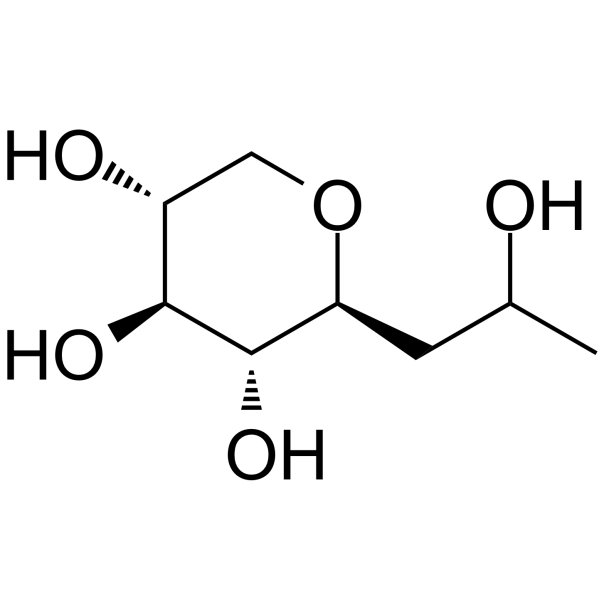
- HY-N16371
-
|
|
Endogenous Metabolite
|
Inflammation/Immunology
Cancer
|
|
6-Methoxy-8-hydroxyisocoumarin-3-carboxylic acid (Compound MC-1), an isocoumarin, is a metabolite of Cytogenin (HY-19606). 6-Methoxy-8-hydroxyisocoumarin-3-carboxylic acid has anti-angiogenic activity in S-180 implanted dorsal air sac mice model. 6-Methoxy-8-hydroxyisocoumarin-3-carboxylic acid also modifies collagen-induced arthritis. 6-Methoxy-8-hydroxyisocoumarin-3-carboxylic acid can be used for cancers and inflammatory diseases research .
|
-

- HY-180560
-
-

- HY-16268A
-
|
KGN sodium
|
TGF-beta/Smad
|
Inflammation/Immunology
|
|
Kartogenin (KGN) sodium is an inducer of chondrogenic tissue formation (EC50: 100 nM). Kartogenin sodium induces chondrogenesis by binding to fibrin A, disrupting its interaction with the transcription factor core binding factor beta subunit (CBFβ), and by modulating the CBFβ-RUNX1 transcriptional program. Kartogenin sodium also promotes tendon-bone junction (TBJ) wound healing by stimulating collagen synthesis. Kartogenin sodium is widely used in cell-free therapy in the field of regeneration for cartilage regeneration and protection, tendon-bone healing, wound healing and limb development. Kartogenin sodium promotes cartilage repair, coordinates limb development, and is also used in osteoarthritis (OA) research .
|
-
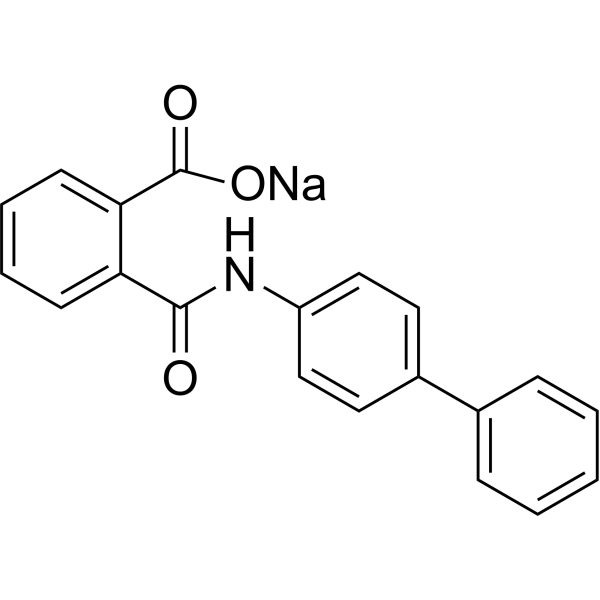
- HY-Y1094
-
|
Chloro(1,5-cyclooctadiene)rhodium(I) dimer
|
Biochemical Assay Reagents
|
Cardiovascular Disease
|
|
[Rh(cod)Cl]2 (Chloro(1,5-cyclooctadiene)rhodium(I) dimer) is a rhodium (I) organometallic dimer complex. [Rh(cod)Cl]2 can inhibit platelet-activating factor-mediated platelet aggregation with IC50 values of 5.2 and 43.3 μM in washed rabbit platelets and human platelet-rich plasmas. [Rh(cod)Cl]2 also can inhibit thrombin-, ADP (HY-W010918)- and collagen-induced aggregation with IC50 values of 16.7, 162 and 69.8 μM. [Rh(cod)Cl]2 can be used for the research of cardiovascular disease, such as thrombosis .
|
-
![[Rh(cod)Cl]2](//file.medchemexpress.com/product_pic/hy-y1094.gif)
- HY-174400
-
|
|
SGLT
SOD
Na+/H+ Exchanger (NHE)
Autophagy
|
Cardiovascular Disease
|
|
SGLT2-IN-2 (Compound E9) is an inhibitor of SGLT2. SGLT2-IN-2 significantly enhances the inhibition of SGLT2, NHE1, and SOD enzyme activity. SGLT2-IN-2 has protective effect on the glucose-free DMEM-induced injured cardiomyocytes. SGLT2-IN-2 significantly improves cardiac function in TAC-induced HF mice and inhibits cardiomyocyte hypertrophy as well as collagen deposition. SGLT2-IN-2 can ameliorate myocardial tissue damage and enhance mitochondrial autophagy in injured cardiomyocytes, thereby increasing survival rates in HF mice .
|
-

- HY-P5081A
-
|
|
TGF-β Receptor
Collagen
|
Inflammation/Immunology
|
|
Endotrophin (Mus musculus) TFA is an adipokine, a cleavage fragment derived from Collagen VI, whose levels are elevated in adipose tissue and breast tumors of obese mice. Endotrophin (Mus musculus) TFA activates the TGF-β signaling pathway and reduces the expression of hormone-sensitive lipase. Endotrophin (Mus musculus) TFA induces adipogenesis, lipid accumulation, fibrosis, inflammation, angiogenesis, adipose tissue expansion, epithelial-mesenchymal transition, and insulin resistance; it also induces Cisplatin (HY-17394) resistance in cancer cells. Endotrophin (Mus musculus) TFA can be used in research related to metabolic diseases such as obesity and type 2 diabetes, as well as cancers such as breast cancer .
|
-

- HY-16268
-
|
KGN
|
TGF-beta/Smad
|
Inflammation/Immunology
|
|
Kartogenin (KGN) is an inducer of chondrogenic tissue formation (EC50: 100 nM). Kartogenin induces chondrogenesis by binding to fibrin A, disrupting its interaction with the transcription factor core binding factor beta subunit (CBFβ), and by modulating the CBFβ-RUNX1 transcriptional program. Kartogenin also promotes tendon-bone junction (TBJ) wound healing by stimulating collagen synthesis. Kartogenin is widely used in cell-free therapy in the field of regeneration for cartilage regeneration and protection, tendon-bone healing, wound healing and limb development. Kartogenin promotes cartilage repair, coordinates limb development, and is also used in osteoarthritis (OA) research .
|
-
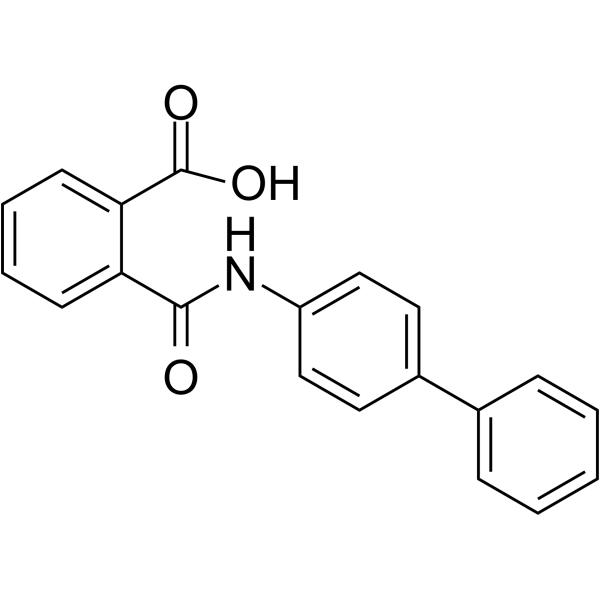
- HY-133794R
-
|
|
Reference Standards
Drug Metabolite
|
Cancer
|
|
L-Ascorbic acid (GMP Like) (Standard) is the analytical standard of L-Ascorbic acid (GMP Like). This product is intended for research and analytical applications. L-Ascorbic acid (GMP Like) is the GMP Like class L-Ascorbic acid (HY-B0166). L-Ascorbic acid (L-Ascorbate, Vitamin C), an electron donor, is an endogenous antioxidant agent. L-Ascorbic acid inhibits selectively Cav3.2 channels with an IC50 of 6.5 μM. L-Ascorbic acid is also a collagen deposition enhancer and an elastogenesis inhibitor . L-Ascorbic acid exhibits anti-cancer effects through the generation of reactive oxygen species (ROS) and selective damage to cancer cells .
|
-

- HY-78263
-
MNS
3 Publications Verification
NSC 170724; 5-(2-Nitrovinyl)benzodioxole
|
Src
Syk
NOD-like Receptor (NLR)
Integrin
PANoptosis
|
Neurological Disease
Inflammation/Immunology
Cancer
|
|
MNS (NSC 170724), the beta-nitrostyrene derivative, is an orally active tyrosine kinase inhibitor, a broad-spectrum antiplatelet agent, and a PANoptosis inhibitor. MNS inhibits Src, Syk, and FAK with IC50 of 27.3, 2.8, and 97.6 μM, respectively. MNS inhibits NLRP3 inflammasome and β1 integrin. MNS completely inhibits U46619, ADP-, arachidonic acid-, collagen-, and thrombin-induced platelet aggregation with IC50 values of 2.1, 4.1, 5.8, 7.0, and 12.7 μM, respectively. MNS is cytotoxic to a variety of cells .
|
-
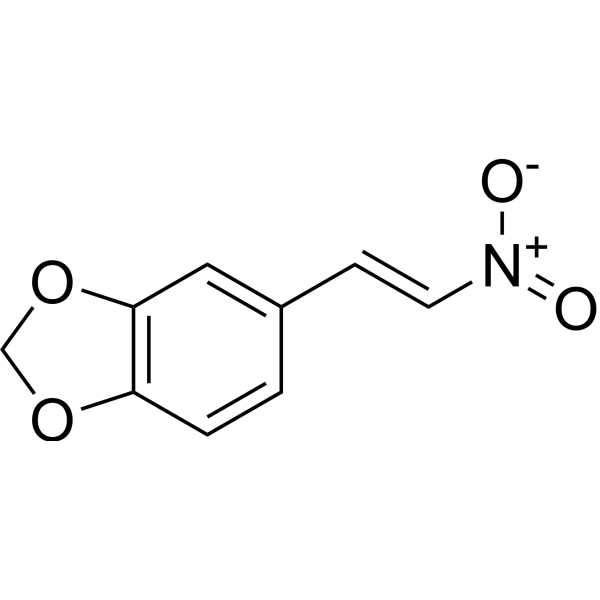
- HY-158226
-
|
ElaMA
|
Biochemical Assay Reagents
|
Others
|
Elastin Methacrylated (ElaMA) elastin recruits and modulates innate immune cells and accelerates angiogenesis at the wound site, thereby improving wound regeneration. Elastin Methacrylated attracts large numbers of neutrophils and primarily M2 macrophages to the wound and induces their penetration into the hydrogel. Elastin Methacrylated has excellent immunomodulatory effects, leading to superior angiogenesis, collagen deposition and dermal regeneration . Elastin Methacrylated needs to self-assemble into fibrous hydrogel under the action of photoinitiator LAP (HY-44076), and target bioactive adhesion sites, play an inherent supporting role for tissue cells and biodegradable activity.
Application: cell culture, biological 3D printing, tissue engineering, etc.
|
-

- HY-182274
-
|
|
Acyltransferase
STAT
|
Others
|
|
DM245 is an EPAC1 activator and STAT3 phosphorylation inhibitor with a target pIC50 of 4.801. DM245 activates EPAC1 to increase Rap1-GTP levels, with no activation of EPAC2 or PKA. DM245 reduces IL-6/IL-6Rα-evoked STAT3 phosphorylation in endothelial cells. DM245 suppresses TGF-β1-induced fibroblast-to-myofibroblast transition, reducing αSMA and Collagen I levels. DM245 exhibits minimal cytotoxicity in normal human lung fibroblasts, with negligible loss of intact nuclei after 72 h exposure .
|
-

- HY-103701AR
-
|
2-Phospho-L-ascorbic acid magnesium (Standard); LAA2P magnesium (Standard)
|
Reference Standards
Phosphatase
Reactive Oxygen Species (ROS)
Endogenous Metabolite
|
Metabolic Disease
|
|
L-Ascorbic acid 2-phosphate (magnesium) (Standard) is the analytical standard of L-Ascorbic acid 2-phosphate (magnesium). This product is intended for research and analytical applications. L-Ascorbic acid 2-phosphate magnesium (2-Phospho-L-ascorbic acid magnesium) is a?long-acting?vitamin?C?derivative?that can stimulate collagen formation and expression . L-Ascorbic acid 2-phosphate magnesium (2-Phospho-L-ascorbic acid magnesium) can be used as a culture medium supplement for the osteogenic differentiation of human adipose stem cells (hASCs). L-Ascorbic acid 2-phosphate magnesium (2-Phospho-L-ascorbic acid magnesium) increases alkaline phosphatase (ALP) activity and expression of runx2A in hASCs during the osteogenic differentiation .
|
-

- HY-162888
-
|
|
PDGFR
ERK
|
Cardiovascular Disease
|
|
WQ-C-401 is an orally active platelet-derived growth factor receptor (PDGFR) inhibitor. WQ-C-401 inhibits cell proliferation by blocking PDGFR autophosphorylation in a concentration-dependent manner, with EC50 values of 3.5 nM for PDGFRα Y849 and 5.8 nM for PDGFRβ Y1021. Additionally, WQ-C-401 can inhibit PASMCs proliferation and migration by blocking PDGF-BB-induced ERK1/2 phosphorylation, reducing collagen I synthesis, and increasing α-SMA expression, thereby preventing pulmonary vascular remodeling. WQ-C-401 holds promise for research in the field of pulmonary arterial hypertension .
|
-

- HY-107837R
-
|
2-Phospho-L-ascorbic acid trisodium (Standard)
|
Reference Standards
Phosphatase
Reactive Oxygen Species (ROS)
Endogenous Metabolite
|
Metabolic Disease
|
|
L-Ascorbic acid 2-phosphate (trisodium) (Standard) is the analytical standard of L-Ascorbic acid 2-phosphate (trisodium). This product is intended for research and analytical applications. L-Ascorbic acid 2-phosphate trisodium (2-Phospho-L-ascorbic acid trisodium) is a long-acting vitamin C derivative that can stimulate collagen formation and expression[1]. L-Ascorbic acid 2-phosphate trisodium (2-Phospho-L-ascorbic acid trisodium) can be used as a culture medium supplement for the osteogenic differentiation of human adipose stem cells (hASCs). L-Ascorbic acid 2-phosphate trisodium (2-Phospho-L-ascorbic acid trisodium) increases alkaline phosphatase (ALP) activity and expression of runx2A in hASCs during the osteogenic differentiation[2][3].
|
-

- HY-N4119R
-
|
|
Reference Standards
Phosphatase
Cholinesterase (ChE)
p38 MAPK
Apoptosis
Autophagy
|
Neurological Disease
Metabolic Disease
|
|
Neoeriocitrin (Standard) is the analytical standard of Neoeriocitrin (HY-N4119). This product is intended for research and analytical applications. Neoeriocitrin is a Naringin (HY-N0153) analogue found in Drynaria Rhizome. Neoeriocitrin induces cells proliferation, differentiation, up-regulates type I collagen, osteocalcin, and key osteogenic markers, and increases ALP activity. Neoeriocitrin increases expression of Runx2, COL I, OCN and Beclin1. Neoeriocitrin inhibits phosphorylation of P38 mitogen-activated protein kinase, reduces acetylcholinesterase (AChE) activity, and increases choline acetyltransferase (ChAT) activity. Neoeriocitrin reduces apoptosis and induces autophagy. Neoeriocitrin can be used for the researches of osteoporosis and Alzheimer's disease .
|
-

- HY-P990151
-
|
|
TNF Receptor
|
Inflammation/Immunology
|
|
Anti-Mouse TL1A/TNFSF15 Antibody (5G4.6) is an anti-mouse TL1A/TNFSF15 IgG monoclonal antibody. Anti-Mouse TL1A/TNFSF15 Antibody (5G4.6) can reduce TL1A levels and block TL1A-DR3 interactions. Anti-Mouse TL1A/TNFSF15 Antibody (5G4.6) can be used for research on inflammation conditions such as colitis and collagen-induced arthritis (CIA) .
|
-
- HY-N17639
-
|
|
TGF-beta/Smad
TGF-β Receptor
|
Others
|
|
Regiafuran C is a compound with both TGF-βRI inhibitory and anti-fibrotic activities. Regiafuran C effectively inhibits renal fibrosis by binding to TGF-βRI and interfering with the TGF-β/Smad and Wnt/β-catenin signaling pathways. Regiafuran C also exhibits free radical scavenging activity, but shows no anti-inflammatory activity in PGE2 competitive enzyme immunoassays. The ability of Regiafuran C to specifically block the Smad3-TGF-βRII interaction and inhibit fibrotic processes allows its use in renal fibrosis research .
|
-

- HY-A0169
-
|
|
Reactive Oxygen Species (ROS)
Photosensitizer
|
Cancer
|
|
Methyl aminolevulinate is a sensitizer used in photodynamic therapy (PDT). Methyl aminolevulinate penetrates the skin and induces the production of photoactive porphyrins including protoporphyrin IX in cells; upon exposure to appropriate light, it generates ROS, which triggers cellular oxidation and cell death. Methyl aminolevulinate acts as a photo-damage reversing agent through epidermal reconstruction, cytokine-mediated activation of dermal fibroblasts, elastin breakdown, new collagen formation, and compression of dilated capillaries. Methyl aminolevulinate reduces the expression of the proliferation marker Ki-67 and the early skin carcinogenesis marker TP53. Methyl aminolevulinate delays the onset of ultraviolet-induced skin tumors and reduces tumor burden in hairless mice. Methyl aminolevulinate is applicable to research related to actinic keratosis and basal cell carcinoma .
|
-
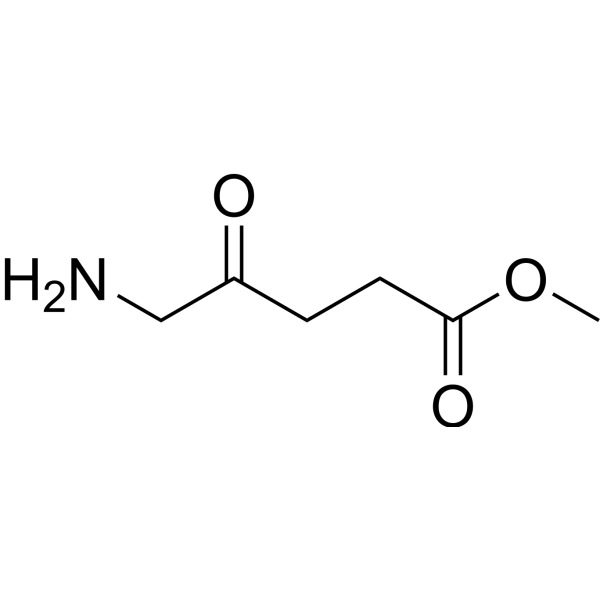
- HY-A0169A
-
|
|
Reactive Oxygen Species (ROS)
Photosensitizer
|
Cancer
|
|
Methyl aminolevulinate hydrochloride is a sensitizer used in photodynamic therapy (PDT). Methyl aminolevulinate hydrochloride penetrates the skin and induces the production of photoactive porphyrins including protoporphyrin IX in cells; upon exposure to appropriate light, it generates ROS, which triggers cellular oxidation and cell death. Methyl aminolevulinate hydrochloride acts as a photo-damage reversing agent through epidermal reconstruction, cytokine-mediated activation of dermal fibroblasts, elastin breakdown, new collagen formation, and compression of dilated capillaries. Methyl aminolevulinate hydrochloride reduces the expression of the proliferation marker Ki-67 and the early skin carcinogenesis marker TP53. Methyl aminolevulinate hydrochloride delays the onset of ultraviolet-induced skin tumors and reduces tumor burden in hairless mice. Methyl aminolevulinate hydrochloride is applicable to research related to actinic keratosis and basal cell carcinoma .
|
-
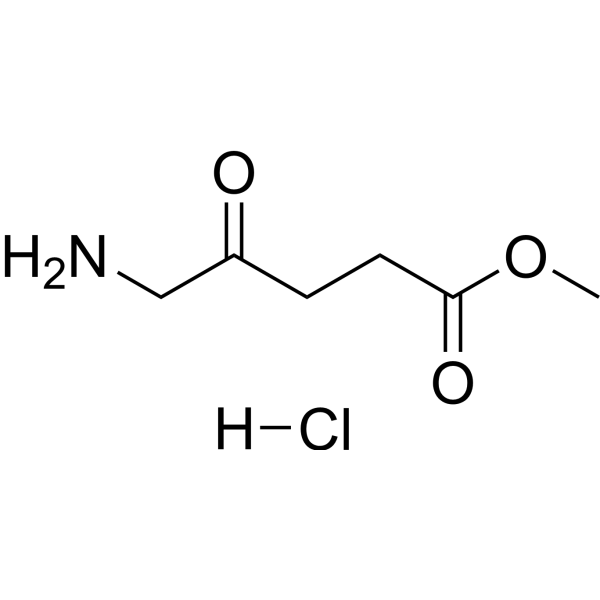
- HY-P10462A
-
|
Synthetic anti-inflammatory peptide 15 acetate
|
HDAC
NF-κB
|
Inflammation/Immunology
|
|
SAP15 (Synthetic anti-inflammatory peptide 15) acetate is a synthetic anti-inflammatory peptide consisting of 15 amino acids designed from human beta-defensin 3. SAP15 acetate has the ability to penetrate cells and is able to induce downregulation of intracellular inflammation. SAP15 acetate inhibits inflammation by inhibiting the phosphorylation of HDAC5 and thereby reducing the phosphorylation of NF-κB p65. SAP15 acetate inhibits HDAC5 and NF-κB p65 phosphorylation in LPS (HY-D1056)-induced macrophages. SAP15 acetate increases the expression of aggrecan and type II collagen and decreases the expression of osteocalcin in LPS-induced chondrocytes. SAP15 acetate can be used in the study of inflammation regulation and anti-inflammatory therapy of biomaterials .
|
-

- HY-N10359
-
|
|
NOD-like Receptor (NLR)
Caspase
Akt
GSK-3
β-catenin
|
Metabolic Disease
Inflammation/Immunology
Cancer
|
|
Isoandrographolide is an orally active NLRP3 inflammasome inhibitor and AKT/GSK-3β/β-catenin pathway inhibitor. Isoandrographolide inhibits the expression of NLRP3, ASC, and caspase-1, and reduces the levels of phosphorylated AKT, phosphorylated GSK-3β, and β-catenin. Isoandrographolide alleviates inflammatory responses, reduces collagen deposition, suppresses epithelial-mesenchymal transition (EMT), induces differentiation of leukemia cells, inhibits the growth of leukemia cells, protects lung and kidney tissues, regulates cytokine levels, and also exhibits hepatoprotective effects. Isoandrographolide can be used in studies related to silicosis, murine myeloid leukemia, renal tubulointerstitial fibrosis, and non-alcoholic fatty liver disease .
|
-
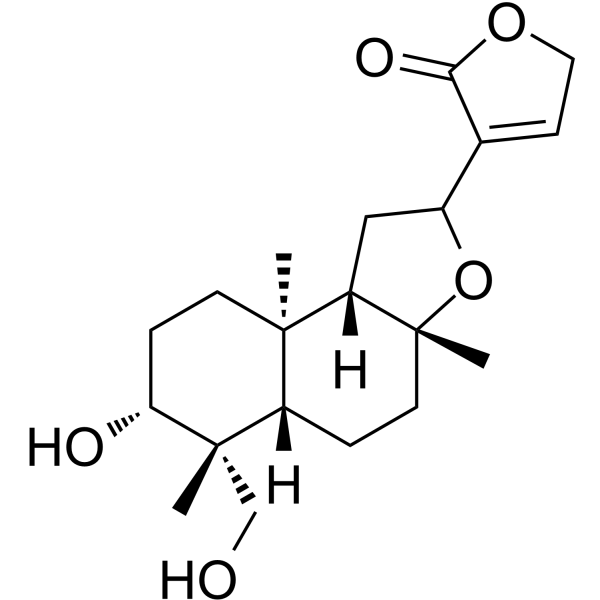
- HY-N18649
-
|
|
Others
|
Inflammation/Immunology
|
|
Rosa canina extract, derived from the wild rose (often known as rose hip), is rich in vitamin C, flavonoids, carotenoids, and essential fatty acids, contributing to its numerous health benefits. The extract is primarily known for its anti-inflammatory, antioxidant, and immune-boosting properties. Rosa canina extract is commonly used to boost the immune system, particularly during cold and flu seasons, due to its high vitamin C content. It also has joint health benefits, as it helps reduce inflammation and pain in conditions like arthritis. The extract's antioxidant properties help protect cells from oxidative stress and may contribute to skin health by promoting collagen synthesis, reducing the appearance of wrinkles, and supporting overall skin elasticity.
|
-

- HY-P11467
-
|
|
Bacterial
p38 MAPK
NF-κB
PERK
JNK
|
Cardiovascular Disease
Infection
|
|
Gy-CATH is an anionic antimicrobial peptide. Gy-CATH activates MAPK and NF-κB signaling pathways (elevated levels of phospho-ERK, -p38, -JNK, -p65, and -IκBα). Gy-CATH upregulates the expression levels of three physiological anticoagulant pathways. Gy-CATH inhibits ADP-, Collagen-, and PMA-induced platelet aggregation. Gy-CATH has no direct antimicrobial activity, but shows significant preventive abilities against mice infected with Staphylococcus aureus, Escherichia coli, and Methicillin (HY-121544)-resistant Staphylococcus aureus. Gy-CATH exhibits potent immunomodulatory activity, enhancing macrophage-and neutrophil-mediated bactericidal functions. Gy-CATH significantly reduces the extent of pulmonary fibrin deposition and prevents thrombosis in mice .
|
-

- HY-108036AR
-
|
(S)-Hydroxypropyl tetrahydropyrantriol (Standard)
|
Reference Standards
Biochemical Assay Reagents
|
Metabolic Disease
|
|
(S)-Pro-xylane (Standard) is the analytical standard of (S)-Pro-xylane (HY-108036A). This product is intended for research and analytical applications. (S)-Pro-xylane ((S)-Hydroxypropyl tetrahydropyrantriol) is a bioactive C-glycoside that targets the biosynthesis pathway of glycosaminoglycans/mucopolysaccharides (GAGs) in the sKin matrix and can be absorbed transdermally. (S)-Pro-xylane stimulates the biosynthesis of GAGs in fibroblasts, enhances the structural stability of the sKin extracellular matrix, improves sKin elasticity and moisturizing ability, and delays wrinkle formation. (S)-Pro-xylane can effectively promote the synthesis of collagen fibers and hyaluronic acid in the dermis. (S)-Pro-xylane is used in the field of anti-aging cosmetics to improve sKin hydration and elasticity. (S)-Pro-xylane is eco-friendly and biodegradable .
|
-

- HY-10341D
-
|
HA-1077 mesylate; AT-877 mesylate
|
ROCK
Calcium Channel
Autophagy
PKA
PKC
|
Cancer
|
|
Fasudil (HA-1077; AT877) mesylate is a nonspecific and orally active RhoA/ROCK inhibitor and also has inhibitory effect on protein kinases, with an Ki of 0.33 μM for ROCK1, IC50s of 0.158 μM and 4.58 μM, 12.30 μM, 1.650 μM for ROCK2 and PKA, PKC, PKG, respectively. Fasudil mesylate is also a potent Ca 2+ channel antagonist and vasodilator .
|
-
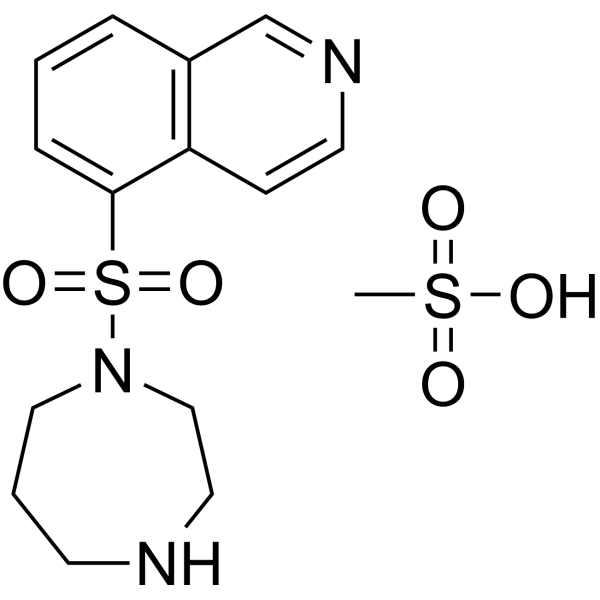
- HY-N16465
-
|
|
Apoptosis
Reactive Oxygen Species (ROS)
STAT
|
Inflammation/Immunology
|
|
Cinnamtannin D1 is an orally active polyphenolic compound with immunosuppressive activity. Cinnamtannin D1 regulates the balance of Th17/Treg cells by inhibiting AHR expression. Cinnamtannin D1 reduces apoptosis and ROS in INS-1 cells and primary cultured murine islets induced by Palmitic acid (PA) (HY-N0830). Cinnamtannin D1 reduces Th17 cell differentiation via downregulating p-STAT3/RORγt and promotes Treg cell differentiation via upregulating p-STAT5/Foxp3. Cinnamtannin D1 exerts excellent anti-arthritic efficacy in collagen-induced arthritis (CIA) model of mice. Cinnamtannin D1 can be used for the study of rheumatoid arthritis (RA) .
|
-

- HY-P992108
-
|
RELAX10
|
RXFP Receptor
Akt
NO Synthase
VEGFR
|
Cardiovascular Disease
|
|
Efadirelaxin alfa (RELAX10) is a highly selective agonist of relaxin/insulin-like family peptide receptor RXFP1. After subcutaneous administration in animal experiments, Efadirelaxin alfa exhibits a significantly prolonged terminal half-life (7 days in mice, 3.75 days in rats), and shows no activity against related receptors such as RXFP2 and RXFP3. Efadirelaxin alfa has significant anti-cardiac hypertrophy and anti-fibrotic effects. Efadirelaxin alfa effectively attenuates and reverses cardiac hypertrophy and collagen deposition by regulating the TGF-β1/Smad2 and AKT/eNOS signaling pathways. Efadirelaxin alfa improves cardiac systolic function without causing fluctuations in blood pressure or heart rate, demonstrating favorable safety. Efadirelaxin alfa is currently mainly used in studies related to heart failure .
|
-

- HY-177277
-
|
|
PI3K
|
Inflammation/Immunology
|
|
HM5023507 is an orally active and selective PI3Kδ/γ inhibitor with IC50s of 4 and 5 μM for PI3Kδ and PI3Kγ over PI3Kβ and PI3Kα. HM5023507 attenuates the PI3Kδ/γ signaling in human basophils. HM5023507 also attenuates the activation and function of human B and T cells and cytokine and IgG production during cocultures, and Th17 differentiation of CD4 T cells. HM5023507 inhibited semiestablished collagen-induced arthritic inflammation in the rat models. HM5023507 can be used for inflammatory diseases like rheumatoid arthritis research .
|
-

- HY-123606
-
|
|
Protein Arginine Deiminase
MHC
|
Cardiovascular Disease
Inflammation/Immunology
|
|
GSK484 is a PAD4 inhibitor that effectively inhibits protein citrullination and the formation of neutrophil extracellular traps (NETs) by blocking the catalytic activity of PAD4. GSK484 suppresses the production of histone H3, MHC-I expression, CD8 + T cell activation, proliferation and inflammatory cytokine release. GSK484 reduces inflammation and bone destruction in collagen-induced rheumatoid arthritis, alleviates pain and mast cell activation in sickle cell disease, and improves myocardial ischemia-reperfusion injury and experimental colitis. In addition, GSK484 restores intestinal microbial homeostasis by reversing ferroptosis-induced dysbiosis. GSK484 can be used to study the disease mechanisms of rheumatoid arthritis, sickle cell disease, thrombosis, myocardial injury, colitis and other conditions .
|
-

- HY-101448
-
TMI-1
1 Publications Verification
WAY-171318
|
MMP
Apoptosis
Interleukin Related
TNF Receptor
Caspase
|
Infection
Neurological Disease
Inflammation/Immunology
Cancer
|
|
TMI-1 (WAY-171318) inhibits TNF converting enzyme (TACE) (IC50 of 8.4 nM), ADAM-TS-4, ADAM-17 and various MMPs with oral activity. TMI-1 significantly suppresses the secretion of TNF-α , alleviating collagen-induced arthritis in mice. TMI-1 inhibits cancer cell proliferation, induces apoptosis through a caspase-dependent pathway. TMI-1 also reverses TRPV1 upregulation and lowers the levels of inflammatory factors (TNF-α、IL-1β、IL-6) in nerve cells, protecting against paclitaxel-induced neurotoxicity. TMI-1 leads to changes in pro-atherogenic lipoprotein profiles, but does not affect the progression of early lesions .
|
-
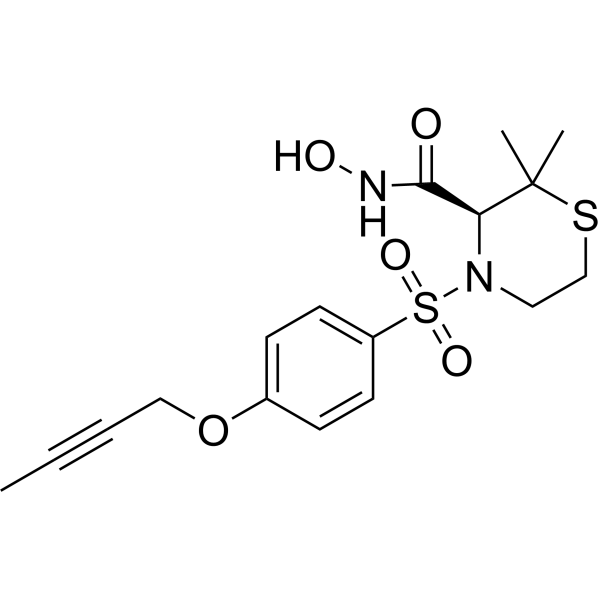
- HY-P5542
-
|
SB-01; Peniel 2000
|
Factor Xa
TGF-beta/Smad
|
Inflammation/Immunology
|
|
Vicatertide (SB-01, Peniel 2000) is a polypeptide with both competitive inhibitory activity against TGF-β1 and selective inhibitory activity against human factor XIa (hFXIa, with a Ka of 80 nM for hFXIa). Vicatertide binds allosterically to the two binding sites of dimeric hFXI/hFXIa, while directly binding to activated TGF-β1, selectively blocking the Smad1/5/8 pathway and maintaining low-level activation of the Smad2 pathway to enhance the synthesis of type Ⅱ collagen and aggrecan. Vicatertide inhibits thrombus formation in arteriovenous thrombosis models, and also reduces thrombus weight and thrombus incidence in mouse lung cancer models. Vicatertide can be used for research on degenerative disc disease and thrombosis-related diseases .
|
-
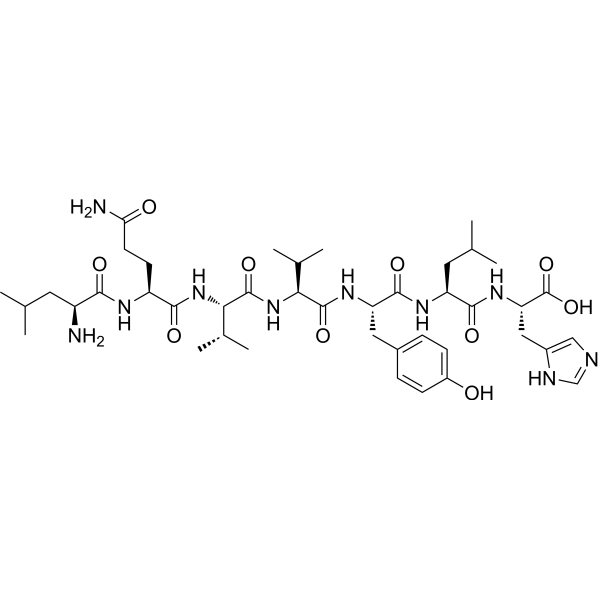
- HY-180585
-
|
|
Monoamine Oxidase
Guanylate Cyclase
PKG
Collagen
|
Cardiovascular Disease
|
|
LOXL2/sGC modulator-2 (Compound 9k) is a selective and orally active lysyl oxidase-like 2 (LOXL2) and soluble guanylate cyclase (sGC) dual-target regulator. LOXL2/sGC modulator-2 shows inhibitory activity for LOXL2 with an IC50 of 0.1 μM and can activate sGC. LOXL2/sGC modulator-2 can ameliorate vascular remodeling and reduce pulmonary artery pressure. LOXL2/sGC modulator-2 can downregulate PKG1, PCNA, α-SMA, collagen I and fibronectin levels. LOXL2/sGC modulator-2 can be used for the research of pulmonary arterial hypertension .
|
-

- HY-N12540
-
|
MGDG
|
DNA/RNA Synthesis
Apoptosis
|
Others
|
|
Monogalactosyldiacylglycerol (MGDG) is a galactolipid with anti-inflammatory and anticancer activities, which is found in photosynthetic organisms. Monogalactosyldiacylglycerol is a potent DNA polymerase inhibitor with pro-apoptotic activity. Monogalactosyldiacylglycerol inhibits the synthesis of LPS (HY-D1056)-induced inflammation-related proteins (Ex-FABP, Avidin, Serum Amyloid A). Monogalactosyldiacylglycerol exerts an anti-proliferative effect on chicken articular chondrocytes . Monogalactosyldiacylglycerol can be used in research related to osteoarthritis, cancer and inflammatory diseases .
|
-
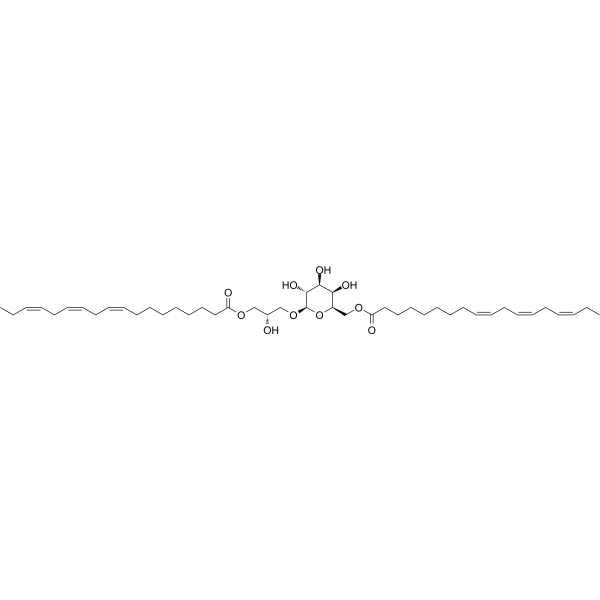
- HY-122958
-
|
|
α-synuclein
|
Neurological Disease
|
|
Peucedanocoumarin III is an α-synuclein fiber depolymerizer with blood-brain barrier permeability. Peucedanocoumarin III depolymerizes β-sheet aggregate structures, promotes aggregate clearance, inhibits β23-induced cytotoxicity, blocks the formation of Lewy body-like inclusions, and prevents dopaminergic neuron loss. Peucedanocoumarin III can be used in studies related to Parkinson's disease .
|
-
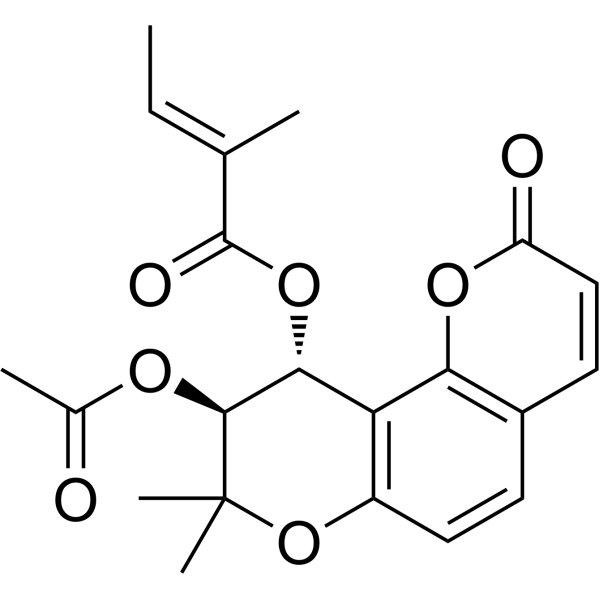
- HY-128483
-
|
|
TGF-beta/Smad
PI3K
NF-κB
Akt
Apoptosis
Dopamine β-hydroxylase
mTOR
Adrenergic Receptor
|
Cardiovascular Disease
Endocrinology
Cancer
|
|
Fusaric acid is an orally active multi-pathway inhibitor with the activity of inducing oxidative stress and apoptosis. Fusaric acid can chelate divalent metal cations, damage mitochondrial membrane structure, and activate apoptosis-related proteases such as Caspase-3/7, -8, and -9. Fusaric acid also regulates Bax/Bcl-2 protein, inhibits fibrosis-related signaling pathways such as NF-κB, TGF-β1/SMADs, and PI3K/AKT/mTOR, and reduces collagen deposition. Fusaric acid is also a dopamine β-hydroxylase inhibitor, which reduces endogenous levels of norepinephrine and epinephrine in the brain, heart, spleen, and adrenal glands. Fusaric acid can play a role in myocardial fibrosis and improve cardiac hypertrophy in heart disease, and can also be used in the study of esophageal cancer and liver cancer .
|
-
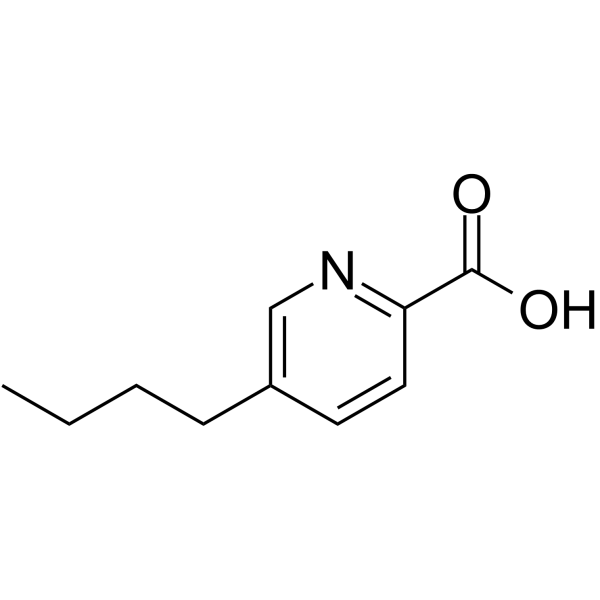
- HY-173518
-
|
|
Heme Oxygenase (HO)
Reactive Oxygen Species (ROS)
NO Synthase
COX
Interleukin Related
|
Inflammation/Immunology
|
|
SIN 14, a derivative of Sinomenine (HY-15122), is an orally active HO-1 activator (KD = 17.2 μM). SIN 14 binds to the catalytic core domain of HO-1 and induces HO-1 activation in catalysis. SIN 14 significantly increases HO-1 stability. SIN 14 has anti-inflammatory effects and inhibits M1 macrophage polarization while promoting M2 polarization in LPS (Lipopolysaccharides)(HY-D1056)-induced RAW264.7 cells. SIN 14 inhibits inflammatory mediator production (eg: NO, IL-6, IL-1β and CCL2, inhibits production of ROS and down-regulates the expression of COX-2 and iNOS. SIN 14 can inhibit RA-related inflammatory edema in collagen-induced arthritis (ClA) mice .
|
-

- HY-A0169AR
-
|
|
Reactive Oxygen Species (ROS)
Reference Standards
Photosensitizer
|
Inflammation/Immunology
Cancer
|
|
Methyl aminolevulinate hydrochloride (Standard) is the analytical standard of Methyl aminolevulinate hydrochloride. This product is intended for research and analytical applications. Methyl aminolevulinate hydrochloride is a sensitizer used in photodynamic therapy (PDT). Methyl aminolevulinate hydrochloride penetrates the skin and induces the production of photoactive porphyrins including protoporphyrin IX in cells; upon exposure to appropriate light, it generates ROS, which triggers cellular oxidation and cell death. Methyl aminolevulinate hydrochloride acts as a photo-damage reversing agent through epidermal reconstruction, cytokine-mediated activation of dermal fibroblasts, elastin breakdown, new collagen formation, and compression of dilated capillaries. Methyl aminolevulinate hydrochloride reduces the expression of the proliferation marker Ki-67 and the early skin carcinogenesis marker TP53. Methyl aminolevulinate hydrochloride delays the onset of ultraviolet-induced skin tumors and reduces tumor burden in hairless mice. Methyl aminolevulinate hydrochloride is applicable to research related to actinic keratosis and basal cell carcinoma .
|
-

- HY-13948
-
|
Angiotensin II; Ang II; DRVYIHPF
|
Angiotensin Receptor
Apoptosis
|
Cardiovascular Disease
Infection
Metabolic Disease
Inflammation/Immunology
Cancer
|
|
Angiotensin II (Angiotensin II) is a vasoconstrictor and a major bioactive peptide of the renin/angiotensin system. Angiotensin II human plays a central role in regulating human blood pressure, which is mainly mediated by interactions between Angiotensin II and the G-protein-coupled receptors (GPCRs) Angiotensin II type 1 receptor (AT1R) and Angiotensin II type 2 receptor (AT2R). Angiotensin II human stimulates sympathetic nervous stimulation, increases aldosterone biosynthesis and renal actions. Angiotensin II human induces growth of vascular smooth muscle cells, increases collagen type I and III synthesis in fibroblasts, leading to thickening of the vascular wall and myocardium, and fibrosis. Angiotensin II human also induces apoptosis. Angiotensin II induces capillary formation from endothelial cells via the LOX-1 dependent redox-sensitive pathway .
|
-
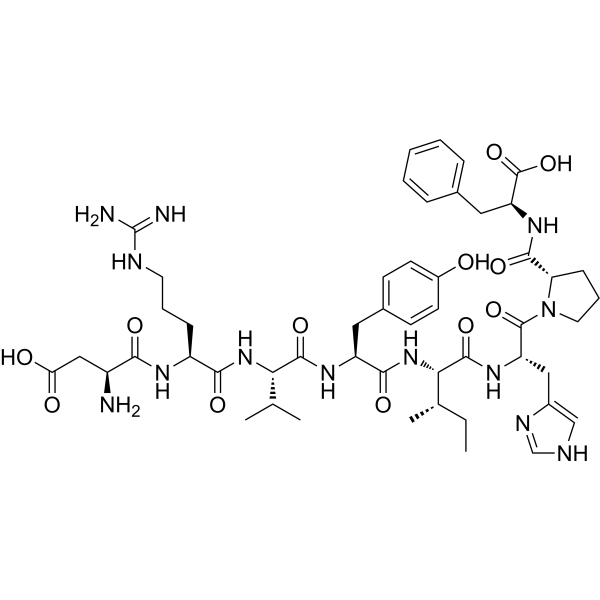
- HY-P11615
-
|
|
Bacterial
|
Infection
|
|
FuK is a WK2-analog antimicrobial peptide modified with fluorinated unnatural amino acids. FuK has an LD50 of 72.34 mg/kg in mice, shows no hemolytic activity, with high stability against trypsin, chymotrypsin, and saline environments. FuK exerts bactericidal effects by enhancing the permeability of bacterial outer membranes, inducing depolarization of cytoplasmic membranes, and disrupting membrane potential balance against bacterias such as Staphylococcus aureus, Escherichia coli, Klebsiella pneumoniae, and MRSA. FuK exhibits synergistic antimicrobial activity with polymyxin B (HY-149179), vancomycin (HY-B0671), and ciprofloxacin (HY-B0356), and also inhibits Ciprofloxacin-induced bacterial drug resistance. FuK has in vivo safety, effectively reduces bacterial load and inflammatory cell infiltration in a mouse MRSA model, and promotes collagen fiber formation in skin wounds .
|
-

- HY-13948A
-
|
Angiotensin II acetate; Ang II acetate; DRVYIHPF acetate
|
Angiotensin Receptor
Apoptosis
|
Cardiovascular Disease
Infection
Metabolic Disease
Inflammation/Immunology
Cancer
|
|
Angiotensin II human (Angiotensin II) acetate is a vasoconstrictor and a major bioactive peptide of the renin/angiotensin system. Angiotensin II human acetate plays a central role in regulating human blood pressure, which is mainly mediated by interactions between Angiotensin II and the G-protein-coupled receptors (GPCRs) Angiotensin II type 1 receptor (AT1R) and Angiotensin II type 2 receptor (AT2R). Angiotensin II human acetate stimulates sympathetic nervous stimulation, increases aldosterone biosynthesis and renal actions. Angiotensin II human acetate induces growth of vascular smooth muscle cells, increases collagen type I and III synthesis in fibroblasts, leading to thickening of the vascular wall and myocardium, and fibrosis. Angiotensin II human acetate also induces apoptosis. Angiotensin II human acetate induces capillary formation from endothelial cells via the LOX-1 dependent redox-sensitive pathway .
|
-
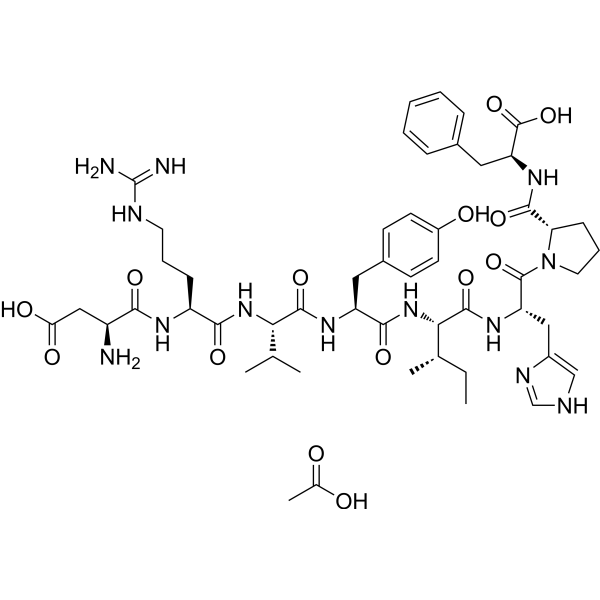
- HY-153321A
-
|
(R,R)-NX-5948; (R,R)-BTK-IN-24
|
Drug Isomer
PROTACs
Btk
|
Inflammation/Immunology
Cancer
|
|
(R,R)-Bexobrutideg is the (R,R)-enantiomer of Bexobrutideg (HY-153321). Bexobrutideg (NX-5948) is an orally active PROTAC that induces specific BTK protein degradation via a cereblon E3 ligase (CRBN) complex without degrading other cereblon neo substrates. Bexobrutideg mediates potent anti-inflammatory activity through BTK degradation, thereby inhibiting B cell activation. Bexobrutideg exhibits potent tumor growth inhibition in TMD8 xenograft models containing wild-type BTK or BTKi resistance mutations. Bexobrutideg is effective in a mouse model of collagen-induced arthritis (CIA). Bexobrutideg can cross the blood-brain barrier. NX-5948 consists of a target protein ligand, a linker, and a VHL E3 ubiquitin ligase (Red: BTK ligand (HY-170324); Blue: CRBN ligand (HY-171893); Black: linker) .
|
-

- HY-149662
-
|
|
Calcium Channel
ATP Synthase
Myosin
|
Cardiovascular Disease
|
|
TMDJ-035 is a high-affinity, selective RyR2 inhibitor with an EC50 of 0.0130 μM. TMDJ-035 reduces RyR2 protein expression without affecting action potential-induced Ca 2+ transients. TMDJ-035 decreases ATP content and intracellular Ca 2+ levels. TMDJ-035 inhibits arrhythmias in a CPVT mouse model carrying mutant RyR2s. TMDJ-035 has no effect on electrocardiogram parameters or cardiac systolic function. TMDJ-035 exacerbates heart failure in mouse myocardial infarction models and hypoxic cardiomyocytes by altering cardiac function, causing tissue damage, promoting inflammatory infiltration, collagen deposition, and changes in Myosin heavy chain/actin expression. TMDJ-035 can be used in studies related to heart failure, catecholaminergic polymorphic ventricular tachycardia, and arrhythmias .
|
-
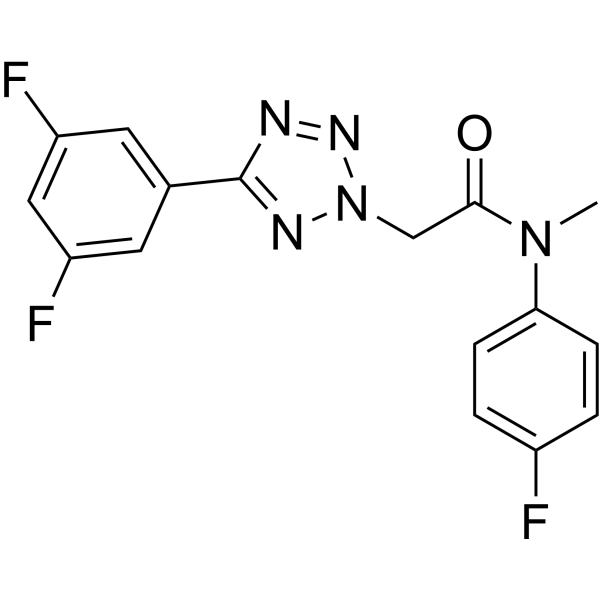
- HY-D3411
-
|
|
Fluorescent Dye
|
Others
|
|
Rhobo6 is a cell-impermeable glycan-binding, fluorescence turn-on imaging agent with a Kd of 53 µM for glycans. Rhobo6 reversibly binds target glycans and enables wash-free live ECM visualization. Rhobo6 can be used for fluorescent labeling of ECM in living samples or decellularized tissues (Ex/Em = 488/561 nm) .
|
-

- HY-N10530
-
|
Difucosyllactose ; 2′,3-Difucosyllactose
|
Endogenous Metabolite
|
Inflammation/Immunology
|
|
Lactodifucotetraose is a difucosylated human milk oligosaccharide. Lactodifucotetraose inhibits platelet function and the release of inflammatory factors. Lactodifucotetraose can be used for the research of *Campylobacter jejuni*-associated diarrhea and platelet-induced inflammatory processes .
|
-
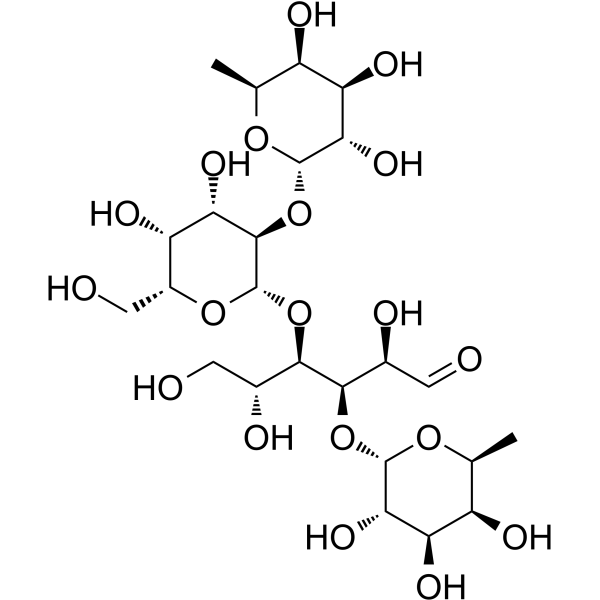
- HY-141436
-
|
Sucrose octasulfate potassium
|
MMP
Biochemical Assay Reagents
|
Cardiovascular Disease
Metabolic Disease
|
|
Sucrosofate potassium (Sucrose octasulfate potassium) is a wound healing promoter. Sucrosofate potassium inhibits MMP, promotes angiogenesis and improves microcirculation. Sucrosofate potassium causes mild skin irritation. Sucrosofate potassium can be used to prepare p (MMA-co-AM)/PVA@PSO hydrogels. Sucrosofate potassium is applicable to research related to diabetic wounds .
|
-
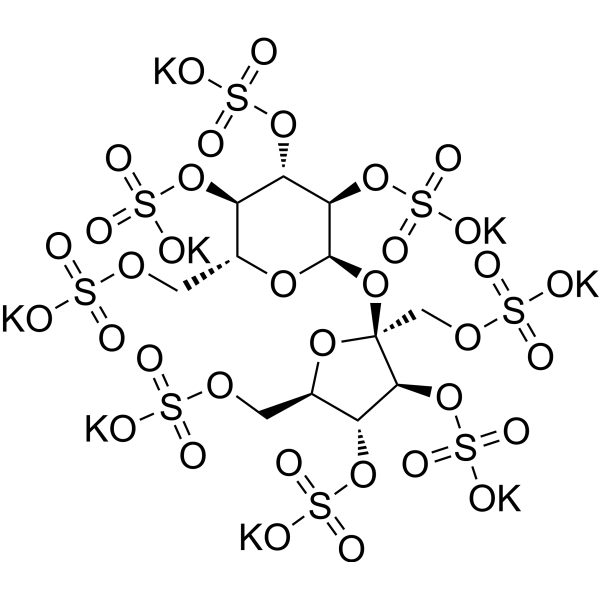
- HY-151498
-
|
|
Monoamine Oxidase
|
Others
|
|
PXS-4787 is a specific and effective pan-LOX (lysyl oxidase) inhibitor for abolishing lysyl oxidase activity. PXS-4787 inhibits LOX with IC50s of 2 μM (Bovine LOX), 3.2 μM (rh LOXL1), 0.6 μM (rh LOXL2), 1.4 μM (rh LOXL3), 0.2 μM (rh LOXL4), respectively .
|
-
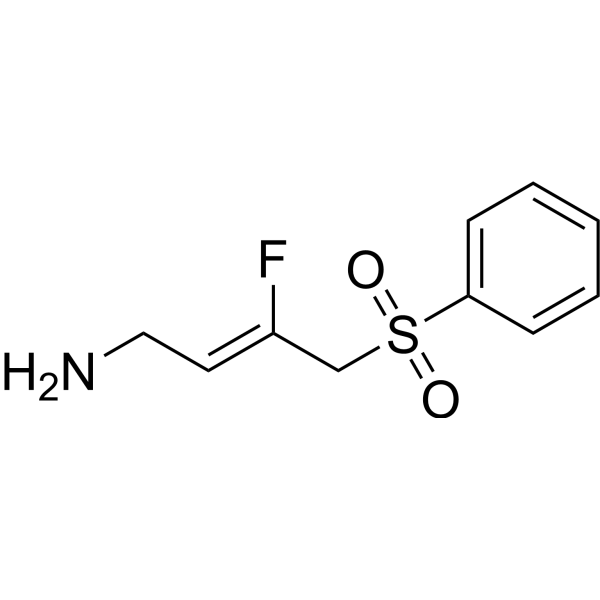
- HY-N19876
-
-

- HY-18732
-
|
Tilarginine; Methylarginine
|
NO Synthase
|
Neurological Disease
Inflammation/Immunology
Cancer
|
|
L-NMMA (Tilarginine) is a non-selective and competitive inhibitor of nitric oxide synthase. L-NMMA inhibits three subtypes, namely nNOS, eNOS, and iNOS, and reduces NO production . L-NMMA alleviates mechanical allodynia, thermal hyperalgesia, and choroidal fibrosis. L-NMMA is applicable to research related to nociception, bone cancer pain, and myopia .
|
-

- HY-13948B
-
|
Angiotensin II TFA; Ang II TFA; DRVYIHPF TFA
|
Angiotensin Receptor
Apoptosis
|
Cardiovascular Disease
Metabolic Disease
Cancer
|
|
Angiotensin II human (Angiotensin II) TFA is a vasoconstrictor and a major bioactive peptide of the renin/angiotensin system. Angiotensin II human TFA plays a central role in regulating human blood pressure, which is mainly mediated by interactions between Angiotensin II and the G-protein-coupled receptors (GPCRs) Angiotensin II type 1 receptor (AT1R) and Angiotensin II type 2 receptor (AT2R). Angiotensin II human TFA stimulates sympathetic nervous stimulation, increases aldosterone biosynthesis and renal actions. Angiotensin II human TFA induces growth of vascular smooth muscle cells, increases collagen type I and III synthesis in fibroblasts, leading to thickening of the vascular wall and myocardium, and fibrosis. Angiotensin II human TFA also induces apoptosis. Angiotensin II human TFA induces capillary formation from endothelial cells via the LOX-1 dependent redox-sensitive pathway .
|
-
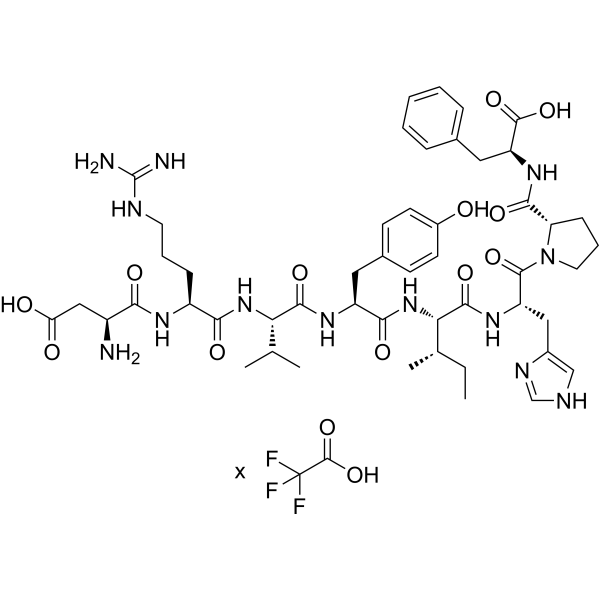
- HY-179042
-
|
|
TGF-beta/Smad
p38 MAPK
Phosphodiesterase (PDE)
|
Inflammation/Immunology
|
|
TGF-β/Smad-IN-3 (Compound 4w) is an effective TGF-β/Smad inhibitor. TGF-β/Smad-IN-3 exerts anti-pulmonary fibrosis activity by simultaneously inhibiting the TGF-β/Smad and MAPK signaling pathways. TGF-β/Smad-IN-3 significantly inhibits collagen deposition induced by TGF-β1, with its IC50 value being 3.21 μM. TGF-β/Smad-IN-3 has an IC₅₀ of 46.77 nM for the autocrine motility factor (ATX). TGF-β/Smad-IN-3 significantly reduces the expression levels of α-SMA, COL1A1 and FN in TGF-β1-induced CCC-HPF-1 cells, and effectively inhibited TGF-β1-induced cell migration. TGF-β/Smad-IN-3 can be used for the study of pulmonary fibrosis .
|
-

- HY-170846
-
|
|
FGFR
VEGFR
Bcr-Abl
FLT3
Cytochrome P450
|
Inflammation/Immunology
|
|
FGFRs-IN-1 (Compound A16) is the orally active inhibitor for FGFR, that inhibits FGFR1/2/3/4 with IC50s of 2.3, 7, 11, and 163 nM, respectively. FGFRs-IN-1 also inhibits VEGFR1/2/3, Abl, and Flt3 with IC50s of 61, 176, 112, 26, and 353 nM, respectively. FGFRs-IN-1 exhibits weak inhibitory efficacy against CYP enzymes. FGFRs-IN-1 reduces the expression of α-SMA and collagen I, and inhibits epithelial-mesenchymal transition (EMT) in TGF-β1 stimulated A549 cell. FGFRs-IN-1 exhibits anti-inflammatory activity in Bleomycin (HY-17565)-induced mouse pulmonary fibrosis model and CCl4 (HY-Y0298)-induced mouse liver fibrosis model .
|
-

- HY-101448R
-
|
WAY-171318 (Standard)
|
MMP
Reference Standards
Apoptosis
Interleukin Related
TNF Receptor
Caspase
|
Infection
Neurological Disease
Inflammation/Immunology
Cancer
|
|
TMI-1 (Standard) is the analytical standard of TMI-1 (HY-101448). This product is intended for research and analytical applications. TMI-1 (WAY-171318) inhibits TNF converting enzyme (TACE) (IC50 of 8.4 nM), ADAM-TS-4, ADAM-17 and various MMPs with oral activity. TMI-1 significantly suppresses the secretion of TNF-α , alleviating collagen-induced arthritis in mice. TMI-1 inhibits cancer cell proliferation, induces apoptosis through a caspase-dependent pathway. TMI-1 also reverses TRPV1 upregulation and lowers the levels of inflammatory factors (TNF-α、IL-1β、IL-6) in nerve cells, protecting against paclitaxel-induced neurotoxicity. TMI-1 leads to changes in pro-atherogenic lipoprotein profiles, but does not affect the progression of early lesions .
|
-

- HY-180556
-
|
|
mTOR
PI3K
|
Inflammation/Immunology
|
PI3K/mTOR-IN-20 is a selective dual PI3K/mTOR inhibitor. PI3K/mTOR-IN-20 demonstrates nanomolar antiproliferative effects with IC50s of 0.380 and 0.090 μM for MRC-5 and Mlg2908 cells. PI3K/mTOR-IN-20 reduces Ashcroft scores, hydroxyproline content, collagen deposition, and downregulates fibrosis-related proteins, while restoring lung architecture in a Bleomycin-induced pulmonary fibrosis model. PI3K/mTOR-IN-20 shows a favorable safety profile with steady weight recovery and no distinct liver or kidney toxicity. PI3K/mTOR-IN-20 can be used for fetal lung fibroblasts research .
|
-

- HY-N0008
-
|
|
Wnt
p38 MAPK
mTOR
Keap1-Nrf2
TGF-β Receptor
|
Neurological Disease
Metabolic Disease
|
|
Orcinol glucoside is an orally active, blood-brain barrier permeable osteoblast proliferation promoter that targets the Nrf2/Keap1, mTOR and p38 signaling pathways. Orcinol glucoside promotes Nrf2 nuclear translocation, upregulates antioxidant enzyme levels, enhances the phosphorylation of mTOR and p70S6K, and inhibits the enzymatic activity of HAS2 as well as the nuclear translocation of GR. Orcinol glucoside also alleviates oxidative stress, inhibits autophagic flux, osteoclastogenesis and TGF-β1-induced M2 polarization, while reducing collagen deposition and effectively promoting the proliferation, differentiation and mineralization of osteoblasts. Orcinol glucoside also exhibits anti-pulmonary fibrosis, anxiolytic and antidepressant activities. Orcinol glucoside can be used in the research of senile and glucocorticoid-induced osteoporosis, idiopathic pulmonary fibrosis (IPF), anxiety and other related diseases .
|
-
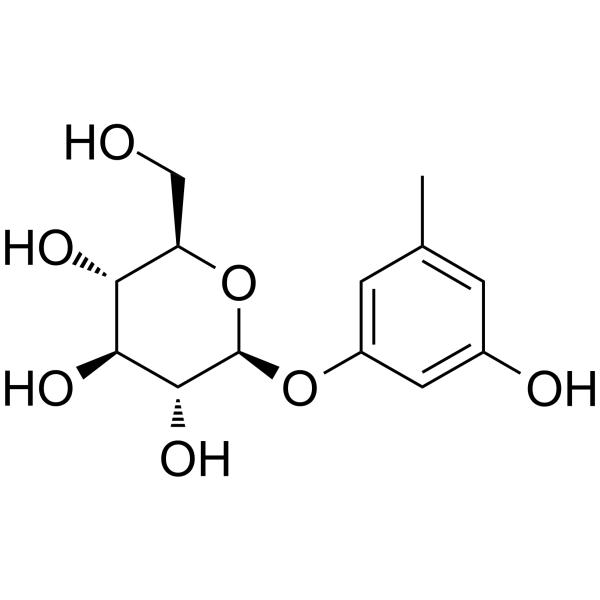
- HY-128483R
-
|
|
TGF-beta/Smad
PI3K
NF-κB
Akt
Apoptosis
Dopamine β-hydroxylase
mTOR
Adrenergic Receptor
Reference Standards
|
Cardiovascular Disease
Endocrinology
Cancer
|
|
Fusaric acid (Standard) is the analytical standard of Fusaric acid (HY-128483). This product is intended for research and analytical applications. Fusaric acid is an orally active multi-pathway inhibitor with the activity of inducing oxidative stress and apoptosis. Fusaric acid can chelate divalent metal cations, damage mitochondrial membrane structure, and activate apoptosis-related proteases such as Caspase-3/7, -8, and -9. Fusaric acid also regulates Bax/Bcl-2 protein, inhibits fibrosis-related signaling pathways such as NF-κB, TGF-β1/SMADs, and PI3K/AKT/mTOR, and reduces collagen deposition. Fusaric acid is also a dopamine β-hydroxylase inhibitor, which reduces endogenous levels of norepinephrine and epinephrine in the brain, heart, spleen, and adrenal glands. Fusaric acid can play a role in myocardial fibrosis and improve cardiac hypertrophy in heart disease, and can also be used in the study of esophageal cancer and liver cancer .
|
-

- HY-181808
-
|
|
AMPK
TGF-beta/Smad
Collagen
|
Metabolic Disease
|
|
HSF1/AMPK activator 1 is a compound that modulates the HSF1/AMPK axis and the TGF-β1/Smad signaling pathway. HSF1/AMPK activator 1 exhibits anti-hepatic fibrosis activity and metabolic stability. HSF1/AMPK activator 1 inhibits fibrosis formation and cell proliferation in activated hepatic stellate cells. HSF1/AMPK activator 1 alleviates liver injury and hepatic fibrosis symptoms in fibrotic mice. HSF1/AMPK activator 1 is applicable to research related to hepatic fibrosis .
|
-

- HY-181486
-
|
|
VD/VDR
|
Metabolic Disease
|
|
VDR agonist 5 is an oral active VDR agonist. VDR agonist 5 activates VDR-mediated signaling to reduce liver fibrosis progression. VDR agonist 5 does not induce hypercalcemia. VDR agonist 5 can be used for the research of hepatic fibrosis .
|
-

- HY-N1400
-
|
|
PKC
|
Cardiovascular Disease
|
|
(20R)-Ginsenoside Rh1 is the R-isomer of Ginsenoside Rh1 (HY-N0604), and it is found in red ginseng, ginseng, and other sources. (20R)-Ginsenoside Rh1 inhibits thrombin-induced conversion of fibrinogen to fibrin, exerting anticoagulant and antithrombotic effects .
|
-
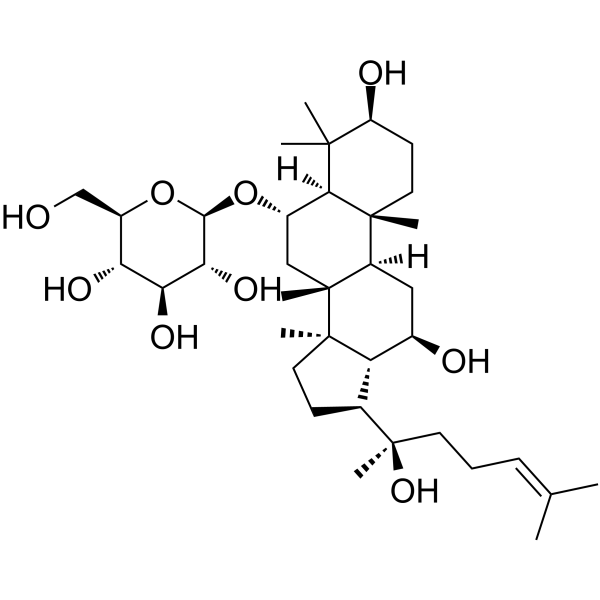
- HY-182420
-
|
|
Factor Xa
|
Cardiovascular Disease
|
|
DJT06001 is an orally active, highly selective Factor Xa inhibitor. DJT06001 shows inhibition with Ki of 0.99 nM, IC50 of 2.53 nM in prothrombinase complex and 3.33 nM in human plasma. DJT06001 dose-dependently prolongs PT and APTT, inhibits thrombus formation in vivo. DJT06001 can be used for the research of thromboembolic diseases .
|
-

- HY-164826
-
|
|
Interleukin Related
Reactive Oxygen Species (ROS)
MMP
Pyroptosis
Ferroptosis
Notch
Keap1-Nrf2
PINK1/Parkin
Mitophagy
Caspase
Apoptosis
|
Inflammation/Immunology
Cancer
|
|
Acetyl zingerone is an analog of Zingerone (HY-14621). Acetyl zingerone downregulates the expression of ROS metabolism-related genes, fibroblast senescence-related genes, keratinocyte differentiation-related genes, and IL-17A target genes. Acetyl zingerone inhibits the activities of MMP-1, MMP-3, and MMP-12, as well as the activation of NLRP3 inflammasome, pyroptosis (pyroptosis), ferroptosis (ferroptosis), cartilage destruction, and UVA-induced cyclobutane pyrimidine dimer formation. Acetyl zingerone upregulates the expression of collagen, proteoglycan, extracellular matrix glycoprotein, Notch pathway, and GPX4 gene, activates Nrf2 and HO-1, induces extracellular matrix synthesis and PINK1/Parkin-mediated mitophagy (mitophagy), and promotes chondrocyte survival. Acetyl zingerone alleviates the progression of osteoarthritis in mice . Acetyl zingerone can be used in research related to skin aging, inflammatory skin diseases, osteoarthritis, melanoma, and non-melanoma skin cancer .
|
-

- HY-114557
-
|
3,5-Diiodo-L-thyronine
|
JNK
NF-κB
Sirtuin
PGC-1α
COX
TGF-β Receptor
Collagen
|
Metabolic Disease
Inflammation/Immunology
Endocrinology
|
|
NSC 90469 (3,5-Diiodo-L-thyronine) is an orally active thyroid hormone derivative. NSC 90469 inhibits JNK phosphorylation and NF-κB acetylation, blocks SIRT1 protein expression, induces elevated PGC-1α levels, and stimulates COX activity. NSC 90469 enhances UCP1-mediated thermogenesis, increases hepatic Dio1 activity, inhibits TSH levels and hypothalamic-pituitary-thyroid axis function, enhances lipid metabolism, and regulates energy metabolism via the mitochondrial pathway. NSC 90469 prevents blood glucose reduction, reduces urinary albumin excretion, inhibits renal matrix expansion, decreases TGF-β1 expression, and reduces renal fibronectin and type Ⅳ collagen deposition. NSC 90469 also increases energy expenditure and prevents diet-induced overweight. NSC 90469 can be used in studies related to diabetic nephropathy, hypothyroidism, non-alcoholic fatty liver disease, and diet-induced obesity .
|
-
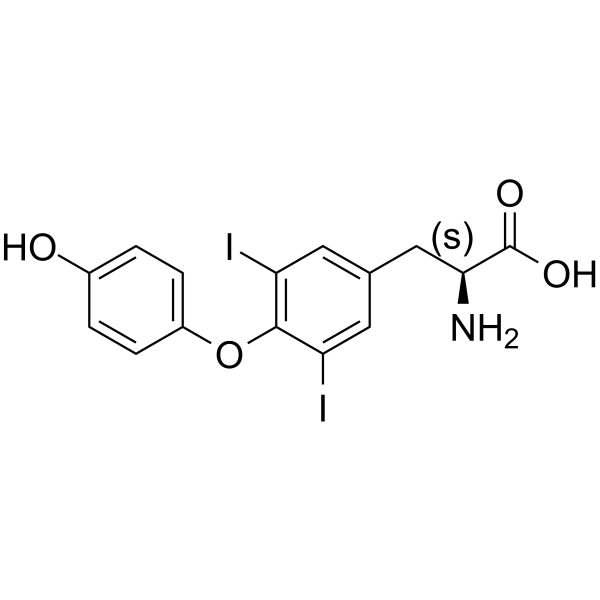
- HY-158231
-
|
F127DA
|
Integrin
FAK
|
Inflammation/Immunology
|
|
Polyether F127 Diacrylate (F127DA) is an acrylated polyethylene glycol-polypropylene glycol-polyethylene glycol triblock copolymer. Polyether F127 Diacrylate rapidly crosslinks and cures into a gel under ultraviolet or visible light with the action of a photoinitiator. Polyether F127 Diacrylate exhibits excellent thermogelation properties and favorable biosafety. Polyether F127 Diacrylate can upregulate the Integrin-FAK pathway, enhance collagen production, increase the protein and gene expression levels of COL-1/SCX, and promote fibroblastic differentiation of periodontal ligament stem cells. Polyether F127 Diacrylate promotes periodontal ligament regeneration and reduces abnormal healing in a rat model of delayed replanted teeth . Polyether F127 Diacrylate promotes functional osteochondral regeneration in a rat model of osteoarthritis. Polyether F127 Diacrylate supports adipose tissue survival, rendering it suitable for breast reconstruction applications. Polyether F127 Diacrylate can be used in studies related to periodontal ligament injury, breast defect and osteoarthritis .
|
-
- HY-P10086
-
|
Human TREM-1(213-221)
|
TREM receptor
TNF Receptor
Interleukin Related
c-Fms
|
Neurological Disease
Inflammation/Immunology
Cancer
|
|
TREM-1 inhibitory peptide GF9 (Human TREM-1 (213-221)) is a TREM-1 inhibitor. TREM-1 inhibitory peptide GF9 blocks the TREM-1 signaling pathway via a ligand-independent mechanism, spontaneously inserts into the cell membrane to dissociate TREM-1 from DAP-12, and functions through the Signaling Chain Homooligomerization (SCHOOL) model. TREM-1 inhibitory peptide GF9 reduces the levels of TNFα, IL-1β, IL-6, and M-CSF. TREM-1 inhibitory peptide GF9 inhibits tumor growth, prolongs the survival of mice with pancreatic cancer models, ameliorates collagen-induced arthritis, and exerts protective effects on bone and cartilage simultaneously. TREM-1 inhibitory peptide GF9 can be used in research related to arthritis, pancreatic cancer, retinopathy, alcoholic liver disease, and liver cancer .
|
-
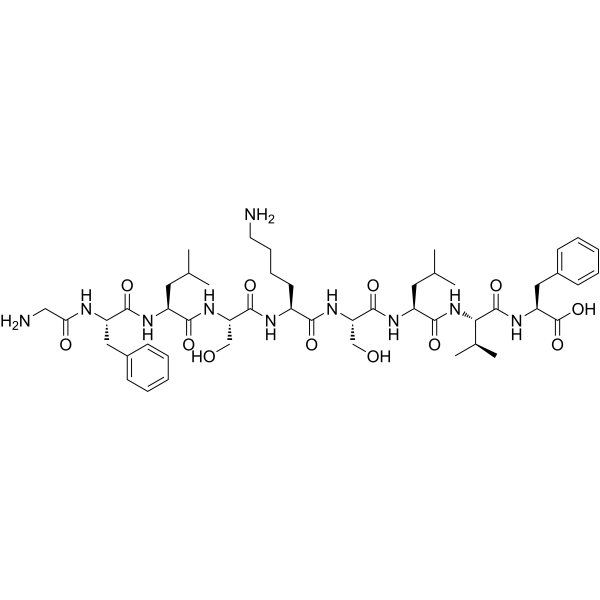
- HY-10341
-
|
HA-1077 Hydrochloride; AT-877 Hydrochloride
|
ROCK
Calcium Channel
Autophagy
PKA
PKC
HIV
|
Cancer
|
|
Fasudil (HA-1077; AT877) Hydrochloride is a nonspecific RhoA/ROCK inhibitor and also has inhibitory effect on protein kinases, with an Ki of 0.33 μM for ROCK1, IC50s of 0.158 μM and 4.58 μM, 12.30 μM, 1.650 μM for ROCK2 and PKA, PKC, PKG, respectively. Fasudil Hydrochloride is also a potent Ca 2+ channel antagonist and vasodilator .
|
-
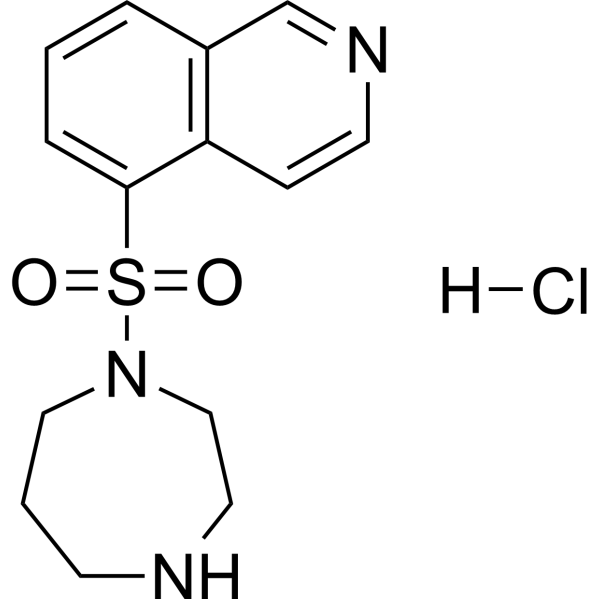
- HY-10341R
-
|
HA-1077 Hydrochloride (Standard); AT-877 Hydrochloride (Standard)
|
Reference Standards
ROCK
Calcium Channel
Autophagy
PKA
PKC
HIV
|
Cancer
|
|
Fasudil (Hydrochloride) (Standard) is the analytical standard of Fasudil (Hydrochloride). This product is intended for research and analytical applications. Fasudil (HA-1077; AT877) Hydrochloride is a nonspecific RhoA/ROCK inhibitor and also has inhibitory effect on protein kinases, with an Ki of 0.33 μM for ROCK1, IC50s of 0.158 μM and 4.58 μM, 12.30 μM, 1.650 μM for ROCK2 and PKA, PKC, PKG, respectively. Fasudil Hydrochloride is also a potent Ca 2+ channel antagonist and vasodilator .
|
-

- HY-10341C
-
|
HA-1077 dihydrochloride; AT-877 dihydrochloride
|
Calcium Channel
ROCK
PKA
PKC
Autophagy
HIV
|
Cancer
|
|
Fasudil (HA-1077; AT877) dihydrochloride is a nonspecific RhoA/ROCK inhibitor and also has inhibitory effect on protein kinases, with an Ki of 0.33 μM for ROCK1, IC50s of 0.158 μM and 4.58 μM, 12.30 μM, 1.650 μM for ROCK2 and PKA, PKC, PKG, respectively. Fasudil dihydrochloride is also a potent Ca 2+ channel antagonist and vasodilator .
|
-
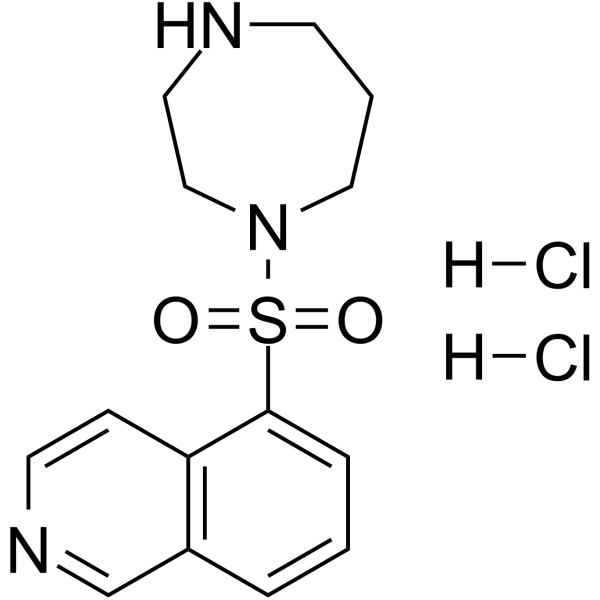
- HY-10341B
-
|
HA-1077 hydrochloride semihydrate; AT877 hydrochloride semihydrate
|
ROCK
Calcium Channel
Autophagy
HIV
PKA
PKC
|
Cancer
|
|
Fasudil (HA-1077; AT877) hydrochloride semihydrate is a nonspecific RhoA/ROCK inhibitor and also has inhibitory effect on protein kinases, with an Ki of 0.33 μM for ROCK1, IC50s of 0.158 μM and 4.58 μM, 12.30 μM, 1.650 μM for ROCK2 and PKA, PKC, PKG, respectively. Fasudil hydrochloride semihydrate is also a potent Ca 2+ channel antagonist and vasodilator .
|
-
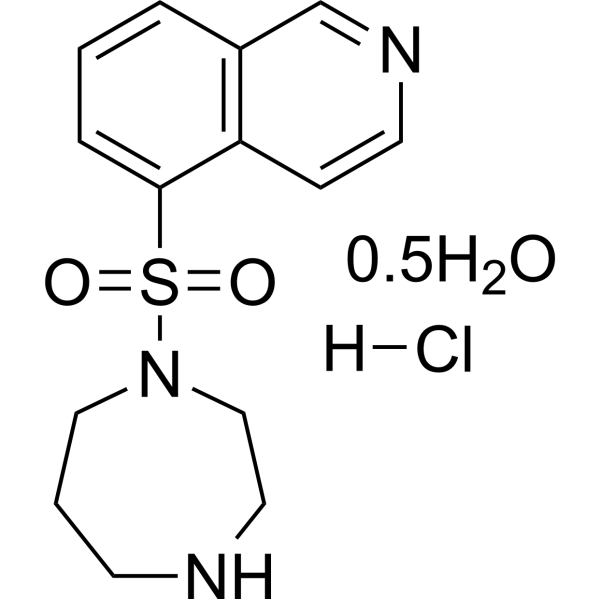
- HY-10341A
-
|
HA-1077; AT877
|
ROCK
Calcium Channel
Autophagy
PKA
PKC
|
Cancer
|
|
Fasudil (HA-1077; AT877) is a nonspecific RhoA/ROCK inhibitor and also has inhibitory effect on protein kinases, with an Ki of 0.33 μM for ROCK1, IC50s of 0.158 μM and 4.58 μM, 12.30 μM, 1.650 μM for ROCK2 and PKA, PKC, PKG, respectively. Fasudil is also a potent Ca 2+ channel antagonist and vasodilator .
|
-
- HY-P4846
-
|
|
CXCR
Apoptosis
IFNAR
TNF Receptor
Interleukin Related
|
Infection
Inflammation/Immunology
|
|
Ac-Pro-Gly-Pro-OH is an endogenous degradation product of extracellular collagen and acts as a CXCR2 agonist . Ac-Pro-Gly-Pro-OH exerts bactericidal activity by generating hydrogen peroxide, inhibits pulmonary inflammation, and reduces immune cell apoptosis (apoptosis). Ac-Pro-Gly-Pro-OH promotes the production of IFN-γ and inhibits the production of TNF-α and IL-6 in leukocytes. Ac-Pro-Gly-Pro-OH increases the survival rate of mice in sepsis models, enhances the bactericidal activity of neutrophils, acts as a neutrophil chemoattractant, induces neutrophil polarization, and regulates inflammatory and repair processes. Ac-Pro-Gly-Pro-OH induces chronic inflammation and tissue remodeling through sustained action. Ac-Pro-Gly-Pro-OH is released via alkaline hydrolysis of corneal proteins in alkali-injured eyes, thereby driving the early infiltration of neutrophils into the cornea. Ac-Pro-Gly-Pro-OH is applicable to research related to sepsis, chronic obstructive pulmonary disease, cystic fibrosis, bronchiolitis obliterans syndrome, severe asthma, idiopathic pulmonary fibrosis, and corneal ulcer .
|
-
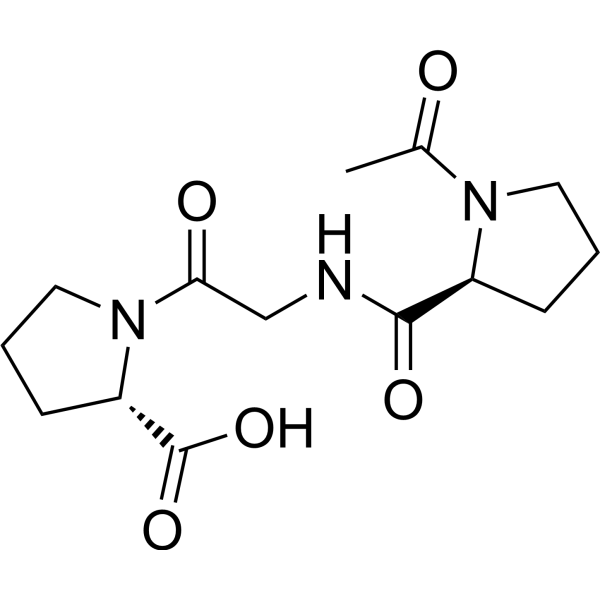
- HY-114557R
-
|
3,5-Diiodo-L-thyronine (Standard)
|
Reference Standards
Endogenous Metabolite
|
Metabolic Disease
|
|
NSC 90469 (Standard) is the analytical standard of NSC 90469. This product is intended for research and analytical applications. NSC 90469 (3,5-Diiodo-L-thyronine) is an orally active thyroid hormone derivative. NSC 90469 inhibits JNK phosphorylation and NF-κB acetylation, blocks SIRT1 protein expression, induces elevated PGC-1α levels, and stimulates COX activity. NSC 90469 enhances UCP1-mediated thermogenesis, increases hepatic Dio1 activity, inhibits TSH levels and hypothalamic-pituitary-thyroid axis function, enhances lipid metabolism, and regulates energy metabolism via the mitochondrial pathway. NSC 90469 prevents blood glucose reduction, reduces urinary albumin excretion, inhibits renal matrix expansion, decreases TGF-β1 expression, and reduces renal fibronectin and type Ⅳ collagen deposition. NSC 90469 also increases energy expenditure and prevents diet-induced overweight. NSC 90469 can be used in studies related to diabetic nephropathy, hypothyroidism, non-alcoholic fatty liver disease, and diet-induced obesity .
|
-

- HY-163548
-
|
|
Sialyltransferase
|
Cancer
|
|
SPP-002 is a ST6GAL1 inhibitor with a human IC50 of 16.7 μM. SPP-002 selectively inhibits N-glycan sialylation over O-glycan sialylation and binds strongly to the enzyme active site. SPP-002 suppresses expression of signaling proteins in the integrin/FAK/paxillin pathway. SPP-002 can be used for the research of triple negative breast cancer metastasis .
|
-

- HY-174929A
-
|
DBCO-PEG5000-NH2
|
Biochemical Assay Reagents
|
Others
|
|
DBCO-PEG5000-Amine (DBCO-PEG5000-NH2) is a polyethylene glycol derivative containing dibenzocyclooctyne. DBCO-PEG-Amine is a universal, modular "bridge molecule": it forms stable covalent linkage with target materials (e.g., MSN or polymers) via the amino group at one end, while the DBCO group at the other end enables efficient, specific, and biocompatible click chemical conjugation with any azide-bearing biological entities (e.g., bacteria, cells) in subsequent steps .
|
-

- HY-P10466A
-
|
|
Sec61
SARS-CoV
Interleukin Related
TNF Receptor
IFNAR
|
Infection
Inflammation/Immunology
|
|
KZR-8445 TFA, a cyclic depsipeptide, is a client-selective Sec61 inhibitor. KZR-8445 TFA binds to the fully opened Sec61 lateral gate, blocks lumenal plug domain access, stabilizes lateral gate helices, traps select signal peptides, and disrupts secretory and membrane protein biogenesis. KZR-8445 TFA inhibits pro-inflammatory cytokine secretion in primary immune cells. KZR-8445 TFA inhibits SARS-CoV-2 replication, virus-induced cytotoxicity, and spike protein biogenesis. KZR-8445 TFA blocks disease progression in a mouse model of rheumatoid arthritis. KZR-8445 TFA can be used for the researches of rheumatoid arthritis and SARS-CoV-2 infection .
|
-

- HY-P992076
-
|
|
TGF-β Receptor
TGF-beta/Smad
Cholinesterase (ChE)
Fungal
|
Infection
Cancer
|
Anti-Candida auris β-1,3-glucans Antibody (2G8) is an antibody targeting Candida auris β-1,3-glucans, and also acts as an inhibitor of AChE and TGF-β receptor 2. Anti-Candida auris β-1,3-glucans Antibody (2G8) also targets fungal cell wall components, effectively inhibits fungal growth and interferes with capsule formation, thereby significantly reducing the fungal load in mouse tissues. Anti-Candida auris β-1,3-glucans Antibody (2G8) not only blocks TGF-β receptor binding to inhibit the Smad signaling pathway, reduces fibroblast activation and collagen deposition, but also induces epithelial differentiation of tumor cells and reduces pancreatic tumor metastasis. Anti-Candida auris β-1,3-glucans Antibody (2G8) specifically binds to the conserved N-linked glycoepitope on AChE to inhibit its activity without interfering with BChE, and can be used in studies of cryptococcosis and related tumor mechanisms .The isotype control is Human IgG1 kappa, Isotype Control (HY-P99001).
|
-

- HY-B0592R
-
|
RU44570 (Standard)
|
Reference Standards
Angiotensin-converting Enzyme (ACE)
|
Cardiovascular Disease
|
|
Trandolapril (Standard) is the analytical standard of Trandolapril. This product is intended for research and analytical applications. Trandolapril (RU44570) is a nonsulfhydryl proagent that is hydrolysed to the active diacid Trandolaprilat. Trandolapril is an orally administered angiotensin converting enzyme (ACE) inhibitor that has been used in the treatment of hypertension and congestive heart failure (CHF), and after myocardial infarction (MI) .
|
-

- HY-B0592
-
|
RU44570
|
Angiotensin-converting Enzyme (ACE)
|
Cardiovascular Disease
|
|
Trandolapril (RU44570) is a nonsulfhydryl proagent that is hydrolysed to the active diacid Trandolaprilat. Trandolapril is an orally administered angiotensin converting enzyme (ACE) inhibitor that has been used in the treatment of hypertension and congestive heart failure (CHF), and after myocardial infarction (MI) .
|
-
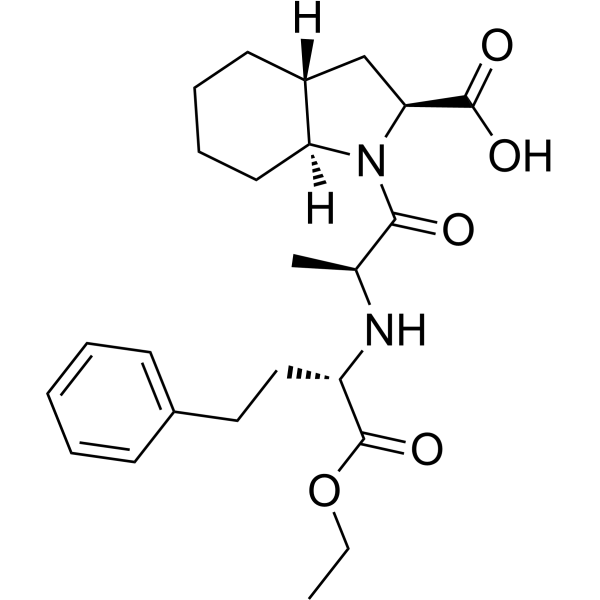
- HY-P99524
-
-

- HY-B0592A
-
|
RU44570 hydrochloride
|
Angiotensin-converting Enzyme (ACE)
|
Cardiovascular Disease
|
|
Trandolapril (RU44570) hydrochloride is a nonsulfhydryl proagent that is hydrolysed to the active diacid Trandolapril hydrochlorideat. Trandolapril hydrochloride is an orally active angiotensin converting enzyme (ACE) inhibitor that has been used in the treatment of hypertension and congestive heart failure (CHF), and after myocardial infarction (MI) .
|
-
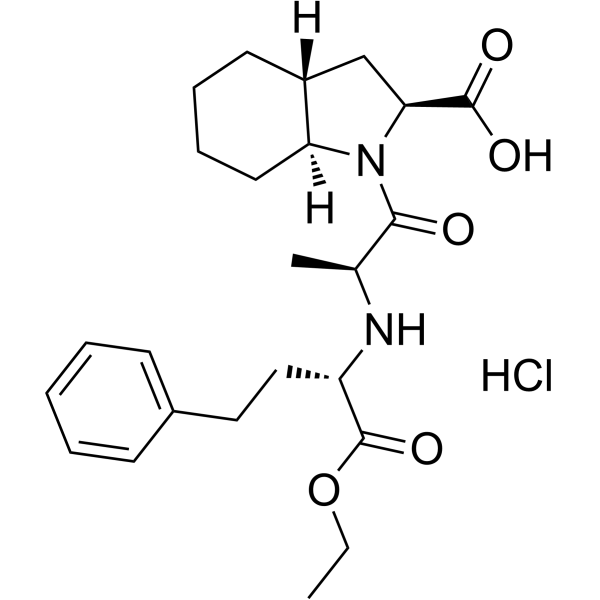
- HY-165360
-
|
|
Thrombin
|
Cardiovascular Disease
|
|
JJ1 is a selective α-thrombin inhibitor with a Ki of 0.019 μM. JJ1 directly binds to the active site of α-thrombin to block its catalytic activity. JJ1 exhibits antithrombotic effects and prolongs activated partial thromboplastin time, prothrombin time, and tail bleeding time in mice. JJ1 can be used for the research of thrombotic diseases .
|
-

| Cat. No. |
Product Name |
Type |
-
- HY-D0333
-
|
Sirius Red
|
Fluorescent Dyes
|
|
Direct Red 80 (Sirius Red) is a polyazo dye used principally in staining methods for collagen and amyloid. Direct Red 80 does not release benzidine upon degradation and is safer than many traditional direct dyes .
|
-
- HY-B1539A
-
|
Magenta base monohydrochloride; Basic Fuchsin monohydrochloride; Rosaniline Base monohydrochloride
|
Fluorescent Dyes
|
|
Fuchsine base (Magenta base; Basic Fuchsin) monohydrochloride is a triaminotriphenylmethane dye. Fuchsine base monohydrochloride has anesthetic, bactericidal and fungicidal properties. Fuchsine base monohydrochloride can be used for the staining of collagen, muscle, mitochondria and tuberculosis. Fuchsine base monohydrochloride is commonly used as a counterstain in Gram staining .
|
-
- HY-122266
-
|
|
Fluorescent Dyes
|
|
Orcein is an irreversible stain that specifically targets elastic fibers and can interact hydrophobically with the protein components in elastic fibers. Orcein makes elastic fibers in tissues appear purple or purple-red. Orcein can be used for morphological studies of Drosophila polytene chromosomes and for qualitative and quantitative analysis of elastic fibers, collagen fibers and other components in atherosclerotic plaques .
|
-
- HY-126367
-
|
Acid Green 5
|
Fluorescent Dyes
|
|
Light green SF yellowish (Acid Green 5) is a water-soluble triarylmethane dye. Light green SF yellowish serves as a histological stain that selectively labels mitochondria, collagen, and cartilage, while being an essential component of Papanicolaou staining. Light green SF yellowish is commonly used as a cytoplasmic counterstain for nuclear stains, and is applied in Masson's trichrome staining for collagen fibers, Pap staining, and cytological polychromatic staining in histopathology. Light green SF yellowish also induces growth inhibition and local fibrosarcomas in rats and exerts mild pulmonary tumorigenicity in mice .
|
-
- HY-B0166GL
-
|
L-Ascorbate (GMP Like); Vitamin C (GMP Like)
|
Fluorescent Dyes
|
|
L-Ascorbic acid (GMP Like) is the GMP Like class L-Ascorbic acid (HY-B0166). L-Ascorbic acid (L-Ascorbate, Vitamin C), an electron donor, is an endogenous antioxidant agent. L-Ascorbic acid inhibits selectively Cav3.2 channels with an IC50 of 6.5 μM. L-Ascorbic acid is also a collagen deposition enhancer and an elastogenesis inhibitor . L-Ascorbic acid exhibits anti-cancer effects through the generation of reactive oxygen species (ROS) and selective damage to cancer cells .
|
-
- HY-W713888
-
|
|
Fluorescent Dyes
|
|
Aniline blue diammonium is a component of commonly used polychrome stains. Aniline blue diammonium is used to stain collagen fibers in tissue sections using Masson′s trichrome protocol for staining multiple components. Collagen is stained blue by this method. The dye is suitable for selective staining of callose in plant specimens and staining histones for assessing nuclear maturity. Aniline blue diammonium is used in Gomori′s one-step trichrome stain and Mallory′s connective tissue stain for tissue including kidney and intestine.
|
-
- HY-D3411
-
|
|
Fluorescent Dyes
|
|
Rhobo6 is a cell-impermeable glycan-binding, fluorescence turn-on imaging agent with a Kd of 53 µM for glycans. Rhobo6 reversibly binds target glycans and enables wash-free live ECM visualization. Rhobo6 can be used for fluorescent labeling of ECM in living samples or decellularized tissues (Ex/Em = 488/561 nm) .
|
| Cat. No. |
Product Name |
Type |
-
- HY-NP003
-
|
Collagen
|
Biochemical Assay Reagents
|
|
Collagen, Type II, from bovine snout membrane is a type II collagen that can be used for cell culture . This product is enzymatically hydrolyzed collagen peptides.
|
-
- HY-Y0623
-
|
HOSu; 1-Hydroxy-2,5-pyrrolidinedione
|
Biochemical Assay Reagents
|
|
N-Hydroxysuccinimide (HOSu; 1-Hydroxy-2,5-pyrrolidinedione) is a covalent crosslinker commonly used in bioconjugation technology with a primary amine group. N-Hydroxysuccinimide reacts with amino groups (-NH2) to form a stable amide bond, which can modify amino-containing biomolecules. N-Hydroxysuccinimide can be used, for example, for protein labeling with fluorescent dyes and enzymes, surface activation of chromatography supports, microbeads, nanoparticles and microarray slides, and chemical synthesis of peptides. N-Hydroxysuccinimide has a wide range of applications in biomaterial synthesis (such as collagen, chitosan crosslinking), drug delivery systems (such as hydrogel preparation) and tissue engineering .
|
-
- HY-P2738
-
|
|
Biochemical Assay Reagents
|
|
Collagen, Type I, from bovine achilles tendon are extracellular matrix proteins and show many applications in food, cosmetic, pharmaceutical and biomedical industries. This product is enzymatically hydrolyzed collagen peptide .
|
-
- HY-P3160
-
Fibronectin
Maximum Cited Publications
8 Publications Verification
|
Biochemical Assay Reagents
|
Fibronectin, a glycoprotein present in blood as well as in cells, is a biomarker of tissue injury. Fibronectin binds to membrane-spanning receptor proteins called integrins. Fibronectin also binds to other extracellular matrix proteins such as collagen, fibrin, and heparan sulfate proteoglycans .
This product is a human Fibronectin obtained by recombinant expression in a rice expression system.
|
-
- HY-Y1365
-
|
|
Biochemical Assay Reagents
|
|
Gelatins is a non-toxic, non carcinogenic, biodegradable, and non irritating natural polymer derived from partial hydrolysis of collagen. Due to its strong liquid absorption and swelling ability, Gelatins has excellent hemostatic properties and can be used as a matrix material for the reduction, growth, and stability of metal nanoparticles. Gelatins can also be used for tumor cell culture and tumor therapy .
|
-
- HY-103701B
-
|
2-Phospho-L-ascorbic acid magnesium hydrate; LAA2P magnesium hydrate
|
Biochemical Assay Reagents
|
|
L-ascorbic acid 2-phosphate (2-Phospho-L-ascorbic acid) magnesium hydrate is a long-acting vitamin C derivative that can stimulate collagen formation and expression. L-ascorbic acid 2-phosphate magnesium hydrate can be used as a culture medium supplement for the osteogenic differentiation of human adipose stem cells (hASCs). L-ascorbic acid 2-phosphate magnesium hydrate increases alkaline phosphatase (ALP) activity and expression of runx2A in hASCs during the osteogenic differentiation .
|
-
- HY-NP010
-
|
|
Biochemical Assay Reagents
|
|
Collagen, rat tail is a kind of collagen extracted from rat tail tendon tissue. Collagen, rat tail stimulates cell growth. Collagen, rat tail is often used as an attachment substrate for cell culture .
|
-
- HY-172696
-
|
|
Biochemical Assay Reagents
|
|
DSPE-PEG2000-WYRGRL is a PEG compound which composed of DSPE and a cartilage-targeting peptide (WYRGRL). WYRGRL is a collagen II-targeting peptide that can bind to collagen II α1. DSPE-PEG2000-WYRGRL can be used for drug delivery .
|
-
- HY-Y0775
-
|
|
Biochemical Assay Reagents
|
|
1-Bromo-2,5-pyrrolidinedione is a collagen protein ligand in docking experiments. 1-Bromo-2,5-pyrrolidinedione can be used to study wound healing-related diseases .
|
-
- HY-158231
-
|
F127DA
|
Biochemical Assay Reagents
|
|
Polyether F127 Diacrylate (F127DA) is an acrylated polyethylene glycol-polypropylene glycol-polyethylene glycol triblock copolymer. Polyether F127 Diacrylate rapidly crosslinks and cures into a gel under ultraviolet or visible light with the action of a photoinitiator. Polyether F127 Diacrylate exhibits excellent thermogelation properties and favorable biosafety. Polyether F127 Diacrylate can upregulate the Integrin-FAK pathway, enhance collagen production, increase the protein and gene expression levels of COL-1/SCX, and promote fibroblastic differentiation of periodontal ligament stem cells. Polyether F127 Diacrylate promotes periodontal ligament regeneration and reduces abnormal healing in a rat model of delayed replanted teeth . Polyether F127 Diacrylate promotes functional osteochondral regeneration in a rat model of osteoarthritis. Polyether F127 Diacrylate supports adipose tissue survival, rendering it suitable for breast reconstruction applications. Polyether F127 Diacrylate can be used in studies related to periodontal ligament injury, breast defect and osteoarthritis .
|
-
- HY-NP156
-
|
|
Biochemical Assay Reagents
|
|
Type I Collagen, for cell culture, from Bovine plays an important role in the structure and function of skin, bones, tendons, etc. Type I Collagen, for cell culture, from Bovine can mimic the extracellular matrix (ECM) and is suitable for 2D/3D cell culture .
|
-
- HY-NP175
-
|
|
Biochemical Assay Reagents
|
|
Collagen (bovine skin) is a three-dimensional cell culture matrix and morphoregulator extracted from bovine skin, which binds to integrins (such as α1β1, α2β1, α11β1) and discoidin domain receptors (DDR1 and DDR2). Collagen (bovine skin) can be reconstituted into a three-dimensional fibrous network to mimic the in vivo tissue environment. It can not only be modified through cross-linking or concentration adjustment, but also interact with fibronectin to enhance matrix-associated cellular activities. Collagen (bovine skin) mediates the proliferation, aggregation, durotactic migration and differentiation of fibroblasts, regulates the synthesis, remodeling and contraction of extracellular matrix, and modulates the expression, activation of MMP as well as cell apoptosis, etc. Collagen (bovine skin) can be used in studies related to the mechanisms of cancer occurrence and development .
|
-
- HY-P2975
-
|
Mouse laminin (Engelbreth-Holm-Swarm murine sarcoma basement membrane)
|
Biochemical Assay Reagents
|
|
Laminin (Engelbreth-Holm-Swarm murine sarcoma basement membrane) is a crucial structural element in animal tissues, forming part of the scaffolding that supports tissue architecture. It interacts with type IV collagen through entactin and perlecan, connects to cell membranes via integrin receptors, dystroglycan complexes, and Lutheran blood group glycoproteins, and contains functional domains that facilitate collagen binding, cell adhesion, heparin interaction, and promote neurite outgrowth.
|
-
- HY-W243303J
-
|
|
Biochemical Assay Reagents
|
|
Poly(acrylic acid) (MW 250000) is a synthetic cationic electrolyte containing abundant carboxyl groups (-COOH), which exhibits excellent water absorption and retention properties and is often cross-linked to form hydrogels. Poly(acrylic acid) (with a molecular weight of 250,000). Poly(acrylic acid) (MW 250000) can be used as a non-collagenous analog in the biomimetic mineralization research of type I collagen. Poly(acrylic acid) (MW 250000) has pH responsiveness and biocompatibility and is often used as a drug carrier, surface modifier and functional material .
|
-
- HY-NP132
-
|
|
Biochemical Assay Reagents
|
|
Recombinant Humanized Type III Collagen 28.6kDa is a 28.6 kDa recombinant humanized type III collagen. Recombinant Humanized Type III Collagen possesses a variety of biological functions, such as promoting the regeneration of the skin extracellular matrix and improving the cellular microenvironment. Recombinant Humanized Type III Collagen can also inhibit the proliferation, migration and invasion of breast cancer cells. Recombinant Humanized Type III Collagen plays a role in cell adhesion, migration, proliferation and differentiation by interacting with Integrin .
|
-
- HY-NP132A
-
|
|
Biochemical Assay Reagents
|
|
Recombinant humanized type III collagen (MW 55900) is a type III collagen with a molecular weight of 55900 Da. Recombinant humanized type III collagen has various biological functions, such as promoting skin extracellular matrix regeneration and improving the cell microenvironment. Recombinant humanized type III collagen inhibits the proliferation, migration, and invasion of breast cancer cells. Type III collagen functions in cell adhesion, migration, proliferation and differentiation through its interaction with integrins .
|
-
- HY-Y1123
-
|
Glycinamide hydrochloride
|
Biochemical Assay Reagents
|
|
2-Aminoacetamide hydrochloride (Glycinamide hydrochloride) is a derivative of Glycine (HY-Y0966). 2-Aminoacetamide hydrochloride forms cell-absorbable nanocomplexes with proteins (such as bovine serum albumin) through strong electrostatic interactions, promoting cellular uptake of related proteins. 2-Aminoacetamide hydrochloride synergizes with BMP2 to upregulate the expression of osteogenic marker genes (such as Col1a1, Alp, Runx2) and proteins (such as COL1, BSP), enhancing collagen synthesis. 2-Aminoacetamide hydrochloride synergizes with BMP2 to promote osteoblast differentiation in vitro and bone regeneration in vivo .
|
-
- HY-158226
-
|
ElaMA
|
Biochemical Assay Reagents
|
Elastin Methacrylated (ElaMA) elastin recruits and modulates innate immune cells and accelerates angiogenesis at the wound site, thereby improving wound regeneration. Elastin Methacrylated attracts large numbers of neutrophils and primarily M2 macrophages to the wound and induces their penetration into the hydrogel. Elastin Methacrylated has excellent immunomodulatory effects, leading to superior angiogenesis, collagen deposition and dermal regeneration . Elastin Methacrylated needs to self-assemble into fibrous hydrogel under the action of photoinitiator LAP (HY-44076), and target bioactive adhesion sites, play an inherent supporting role for tissue cells and biodegradable activity.
Application: cell culture, biological 3D printing, tissue engineering, etc.
|
-
- HY-NP160
-
|
|
Biochemical Assay Reagents
|
|
Recombinant Humanized Type I Collagen is a recombinant humanized collagen protein with has unique immunological features and plays an important role in the structure and function of skin, bones, tendons, etc .
|
-
- HY-P2738A
-
|
|
Biochemical Assay Reagents
|
|
Type I collagen peptide is a fibrillar form of collagen that promotes the activation and growth of epithelial cells . This product is an enzymatically hydrolyzed collagen short peptide.
|
-
- HY-NP109
-
|
Mouse Type I collagen, immunization grade
|
Biochemical Assay Reagents
|
|
Highly purified type I collagen, from mouse skin (Mouse Type I collagen, immunization grade) is an immune grade collagen derived from mouse skin, which can stimulate the animal's immune system to produce specific antibodies against this collagen. Collagen is also a substrate for hydrolysis by MMPs .
|
-
- HY-NP113
-
|
Chick Type II collagen, immunization grade
|
Biochemical Assay Reagents
|
|
Highly purified Type II collagen, from chick sternal cartilage (Chick Type II collagen, immunization grade) is an immune grade collagen derived from chick sternal cartilage, which can stimulate the animal's immune system to produce specific antibodies against this collagen. Collagen is also a substrate for hydrolysis by MMPs .
|
-
- HY-NP101
-
|
Bovine Type I collagen, immunization grade
|
Biochemical Assay Reagents
|
|
Highly purified Type I collagen, from bovine skin (Bovine Type I collagen, immunization grade) plays an important role in the structure and function of skin, bone, tendons, and many others. Type I collagen potently stimulates angiogenesis in vitro and in vivo. Highly purified Type I collagen, from bovine skin is an immunization grade that can be used for immunization to generate antibodies .
|
-
- HY-158225
-
|
Col1MA
|
Biochemical Assay Reagents
|
Methacrylated Type I collagen (Col1MA) is a methacrylated tissue engineering scaffold material that retains the basic properties of natural collagen . Methacrylated Type I collagen needs to self-assemble into fibrous hydrogel under the action of photoinitiator LAP (HY-44076), and target bioactive adhesion sites, play an inherent supporting role for tissue cells and biodegradable activity.
Application: cell culture, biological 3D printing, tissue engineering, etc.
|
-
- HY-Y0317I
-
|
Disodium sulfate, meets analytical specification of Ph. Eur. BP USP
|
Biochemical Assay Reagents
|
|
Sodium sulfate anhydrous (Disodium sulfate), meets analytical specification of Ph. Eur. BP USP is an orally active multifunctional ionic salt that serves as a protein precipitant, collagen fibril bundling inducer, and chlorine-free sodium source. Sodium sulfate anhydrous, meets analytical specification of Ph. Eur. BP USP promotes collagen fibril bundling to increase matrix pore size, alters cancer cell morphology and regulates their migration direction via geometric signals, and separates plasma/serum proteins or concentrates proteins at 37°C without causing thermal denaturation. In poultry farming applications, Sodium sulfate anhydrous, meets analytical specification of Ph. Eur. BP USP improves laying performance and eggshell quality, and is safe and effective at an addition level of 0.3-1.5%, while a high concentration of 3.0% causes negative physiological effects. Sodium sulfate anhydrous, meets analytical specification of Ph. Eur. BP USP can be widely applied in scientific research on cervical cancer and related fields .
|
-
- HY-NP126
-
|
Porcine Type XI collagen, immunization grade
|
Biochemical Assay Reagents
|
|
Highly purified Type XI collagen, from porcine articular cartilage (Porcine Type XI collagen, immunization grade) is an immune grade collagen derived from porcine articular cartilage, which can stimulate the animal's immune system to produce specific antibodies against this collagen. Collagen is also a substrate for hydrolysis by MMPs .
|
-
- HY-NP162
-
|
|
Biochemical Assay Reagents
|
|
Recombinant Humanized Type XVII Collagen is a transmembrane protein that forms hemidesmosomes. Recombinant Humanized Type XVII Collagen facilitates interactions between stem cells,surrounding cells,and the extracellular matrix,thereby regulating skin homeostasis,aging,and wound healing. Recombinant Humanized Type XVII Collagen also possesses unique cell adhesion sites and signal transduction functions,which can regulate cell migration,proliferation,and differentiation .
|
-
- HY-NP158A
-
|
|
Biochemical Assay Reagents
|
|
Type II Collagen, T Cell Grade, from Chick is a T-cell dependent antigen with unique immunological features. Type II Collagen, T Cell Chick, from Bovine can be used as a stimulating antigen for T-cells in in vitro culture systems .
|
-
- HY-NP131
-
|
|
Biochemical Assay Reagents
|
|
Recombinant Humanized Type III Collagen 10.4kDa is a novel biomaterial that have anticancer effects. Recombinant Humanized Type III Collagen 10.4kDa activates discoidin domain receptor 1 (DDR1), and thus inhibits autophagy, proliferation, and migration of cancer cells, and induces apoptosis .
|
-
- HY-174929A
-
|
DBCO-PEG5000-NH2
|
Biochemical Assay Reagents
|
|
DBCO-PEG5000-Amine (DBCO-PEG5000-NH2) is a polyethylene glycol derivative containing dibenzocyclooctyne. DBCO-PEG-Amine is a universal, modular "bridge molecule": it forms stable covalent linkage with target materials (e.g., MSN or polymers) via the amino group at one end, while the DBCO group at the other end enables efficient, specific, and biocompatible click chemical conjugation with any azide-bearing biological entities (e.g., bacteria, cells) in subsequent steps .
|
-
- HY-NP102
-
|
Bovine Type II collagen, immunization grade
|
Biochemical Assay Reagents
|
|
Highly purified Type II collagen, from bovine articular cartilage (Bovine Type II collagen, immunization grade), an immunization grade, is the major matrix protein in cartilage that can be used for the study of arthritis .
|
-
- HY-NP103
-
|
Bovine Type III collagen, immunization grade
|
Biochemical Assay Reagents
|
|
Highly purified Type III collagen, from bovine skin (Bovine Type III collagen, immunization grade) is an immune grade collagen derived from bovine skin, which can stimulate the animal's immune system to produce specific antibodies against this collagen. Collagen is also a substrate for hydrolysis by MMPs .
|
-
- HY-B0166GL
-
|
L-Ascorbate (GMP Like); Vitamin C (GMP Like)
|
Biochemical Assay Reagents
|
|
L-Ascorbic acid (GMP Like) is the GMP Like class L-Ascorbic acid (HY-B0166). L-Ascorbic acid (L-Ascorbate, Vitamin C), an electron donor, is an endogenous antioxidant agent. L-Ascorbic acid inhibits selectively Cav3.2 channels with an IC50 of 6.5 μM. L-Ascorbic acid is also a collagen deposition enhancer and an elastogenesis inhibitor . L-Ascorbic acid exhibits anti-cancer effects through the generation of reactive oxygen species (ROS) and selective damage to cancer cells .
|
-
- HY-NP156A
-
|
|
Biochemical Assay Reagents
|
|
Type I Collagen, for cell culture, from Porcine is a type of collagen derived from porcine sources, which can be used for cell culture .
|
-
- HY-P2738B
-
|
|
Biochemical Assay Reagents
|
|
Collagen petide Type II is an extracellular matrix proteins and show many applications in food, cosmetic, pharmaceutical and biomedical industries. This product is enzymatically hydrolyzed collagen peptide .
|
-
- HY-NP158
-
|
|
Biochemical Assay Reagents
|
|
Type II Collagen, T Cell Grade, from Bovine is a T-cell dependent antigen with unique immunological features. Type II Collagen, T Cell Grade, from Bovine can be used as a stimulating antigen for T-cells in in vitro culture systems .
|
-
- HY-NP157
-
|
|
Biochemical Assay Reagents
|
|
Type I Collagen, T Cell Grade, from Bovine has unique immunological features and plays an important role in the structure and function of skin, bones, tendons, etc. Type I Collagen, T Cell Grade, from Bovine can be used as a stimulating antigen for T-cells in in vitro culture systems .
|
-
- HY-NP111
-
|
Mouse Type V collagen, immunization grade
|
Biochemical Assay Reagents
|
|
Highly purified Type V collagen, from mouse intestine (Mouse Type II collagen, immunization grade) is an immune grade collagen derived from mouse intestine, which can stimulate the animal's immune system to produce specific antibodies against this collagen. Collagen is also a substrate for hydrolysis by MMPs .
|
-
- HY-NP124
-
|
Porcine Type III collagen, immunization grade
|
Biochemical Assay Reagents
|
|
Highly purified Type III collagen, from porcine skin (Porcine Type III collagen, immunization grade) is an immune grade collagen derived from porcine skin, which can stimulate the animal's immune system to produce specific antibodies against this collagen. Collagen is also a substrate for hydrolysis by MMPs .
|
-
- HY-NP107
-
|
Rat Type I collagen, immunization grade
|
Biochemical Assay Reagents
|
|
Highly purified Type I collagen, from rat skin (Rat Type I collagen, immunization grade) is an immune grade collagen derived from rat skin, which can stimulate the animal's immune system to produce specific antibodies against this collagen. Collagen is also a substrate for hydrolysis by MMPs .
|
-
- HY-NP106
-
|
Bovine Type XI collagen, immunization grade
|
Biochemical Assay Reagents
|
|
Highly purified Type XI collagen, from bovine articular cartilage (Bovine Type XI collagen, immunization grade) is an immune grade collagen derived from bovine articular cartilage, which can stimulate the animal's immune system to produce specific antibodies against this collagen. Collagen is also a substrate for hydrolysis by MMPs .
|
-
- HY-NP158I
-
|
|
Biochemical Assay Reagents
|
|
Collagen Type II (undenatured) is a T-cell dependent antigen with unique immunological features. Type II Collagen, T Cell Grade, from Bovine can be used as a stimulating antigen for T-cells in in vitro culture systems .
|
-
- HY-NP158D
-
|
|
Biochemical Assay Reagents
|
|
Type II Collagen, T Cell Grade, from Mouse is a T-cell dependent antigen with unique immunological features. Type II Collagen, T Cell Grade, from Mouse can be used as a stimulating antigen for T-cells in in vitro culture systems .
|
-
- HY-B0166E
-
|
L-Ascorbate magnesium; Vitamin C magnesium
|
Biochemical Assay Reagents
|
|
L-Ascorbic acid (L-Ascorbate) magnesium, an electron donor, is an endogenous antioxidant. L-Ascorbic acid selectively inhibits Cav3.2 channels with an IC50 of 6.5 μM. L-Ascorbic acid is also a collagen deposition promoter and elastin production inhibitor. L-Ascorbic acid exhibits anticancer effects by generating reactive oxygen species (ROS) and selectively damaging cancer cells .
|
-
- HY-NP127
-
|
Canine Type I collagen, immunization grade
|
Biochemical Assay Reagents
|
|
Highly purified Type I collagen, from canine skin (Canine Type I collagen, immunization grade) is an immune grade collagen derived from canine skin, which can stimulate the animal's immune system to produce specific antibodies against this collagen. Collagen is also a substrate for hydrolysis by MMPs .
|
-
- HY-NP122
-
|
Porcine Type I collagen, immunization grade
|
Biochemical Assay Reagents
|
|
Highly purified Type I collagen, from porcine skin (Porcine Type I collagen, immunization grade) is an immune grade collagen derived from porcine skin, which can stimulate the animal's immune system to produce specific antibodies against this collagen. Collagen is also a substrate for hydrolysis by MMPs .
|
-
- HY-NP128
-
|
Rabbit Type I collagen, immunization grade
|
Biochemical Assay Reagents
|
|
Highly purified Type I collagen, from rabbit skin (Canine Type I collagen, immunization grade) is an immune grade collagen derived from rabbit skin, which can stimulate the animal's immune system to produce specific antibodies against this collagen. Collagen is also a substrate for hydrolysis by MMPs .
|
-
- HY-NP108
-
|
Rat Type II collagen, immunization grade
|
Biochemical Assay Reagents
|
|
Highly purified type II collagen, from rat sternal cartilage (Rat Type II collagen, immunization grade) is an immune grade collagen derived from rat sternal cartilage, which can stimulate the animal's immune system to produce specific antibodies against this collagen. Collagen is also a substrate for hydrolysis by MMPs .
|
-
- HY-NP105
-
|
Bovine Type IX collagen, immunization grade
|
Biochemical Assay Reagents
|
|
Highly purified Type IX collagen, from bovine articular cartilage (Bovine Type IX collagen, immunization grade) is an immune grade collagen derived from bovine articular cartilage, which can stimulate the animal's immune system to produce specific antibodies against this collagen. Collagen is also a substrate for hydrolysis by MMPs .
|
-
- HY-NP130
-
|
Goat Type II collagen, immunization grade
|
Biochemical Assay Reagents
|
|
Highly purified Type II collagen, from goat articular cartilage (Goat Type II collagen, immunization grade) is an immune grade collagen derived from goat articular cartilage, which can stimulate the animal's immune system to produce specific antibodies against this collagen. Collagen is also a substrate for hydrolysis by MMPs .
|
- HY-NP123
-
|
Porcine Type II collagen, immunization grade
|
Biochemical Assay Reagents
|
|
Highly purified Type II collagen, from porcine articular cartilage (Porcine Type II collagen, immunization grade) is an immune grade collagen derived from porcine articular cartilage, which can stimulate the animal's immune system to produce specific antibodies against this collagen. Collagen is also a substrate for hydrolysis by MMPs .
|
- HY-NP125
-
|
Porcine Type IX collagen, immunization grade
|
Biochemical Assay Reagents
|
|
Highly purified Type IX collagen, from porcine articular cartilage (Porcine Type IX collagen, immunization grade) is an immune grade collagen derived from porcine articular cartilage, which can stimulate the animal's immune system to produce specific antibodies against this collagen. Collagen is also a substrate for hydrolysis by MMPs .
|
- HY-NP0219
-
|
|
Biochemical Assay Reagents
|
|
Collagen petide (Fish) is a fish-derived peptide. Collagen petide (Fish) promotes the multidirectional differentiation of various stem cell types .
|
- HY-NP0241D
-
|
Chick cyanogen bromide digested peptide 12
|
Biochemical Assay Reagents
|
|
Chick CB12 of type II collagen (Chick cyanogen bromide digested peptide 12) is a cyanobromide digested peptide (CB-peptide) fragment of type II collagen, which can be used to study B cell and T cell epitopes of type II collagen. This product is pepsin-free, making it ideal for studying T cell epitope specificity through proliferation assays. Chick CB12 of type II collagen can also be used as an antigen for analyzing antibody epitope specificity via ELISA .
|
- HY-NP158H
-
|
|
Biochemical Assay Reagents
|
|
Type II Collagen, T Cell Grade, from Rat is a T-cell dependent antigen with unique immunological features. Type II Collagen, T Cell Rat, from Bovine can be used as a stimulating antigen for T-cells in in vitro culture systems .
|
- HY-172696A
-
|
|
Biochemical Assay Reagents
|
|
DSPE-PEG3400-WYRGRL is a PEG compound which composed of DSPE and a cartilage-targeting peptide (WYRGRL). WYRGRL is a collagen II-targeting peptide that can bind to collagen II α1. DSPE-PEG3400-WYRGRL can be used for drug delivery .
|
- HY-172697
-
|
|
Biochemical Assay Reagents
|
|
DSPE-PEG5000-WYRGRL is a PEG compound which composed of DSPE and a cartilage-targeting peptide (WYRGRL). WYRGRL is a collagen II-targeting peptide that can bind to collagen II α1. DSPE-PEG5000-WYRGRL can be used for drug delivery .
|
- HY-NP157C
-
|
|
Biochemical Assay Reagents
|
|
Type I Collagen, T Cell Grade, from Mouse has unique immunological features and plays an important role in the structure and function of skin, bones, tendons, etc. Type I Collagen, T Cell Grade, from Mouse can be used as a stimulating antigen for T-cells in in vitro culture systems .
|
- HY-NP157D
-
|
|
Biochemical Assay Reagents
|
|
Type I Collagen, T Cell Grade, from Porcine has unique immunological features and plays an important role in the structure and function of skin, bones, tendons, etc. Type I Collagen, T Cell Grade, from Porcine can be used as a stimulating antigen for T-cells in in vitro culture systems .
|
- HY-NP157E
-
|
|
Biochemical Assay Reagents
|
|
Type I Collagen, T Cell Grade, from Rat has unique immunological features and plays an important role in the structure and function of skin, bones, tendons, etc. Type I Collagen, T Cell Rat, from Bovine can be used as a stimulating antigen for T-cells in in vitro culture systems .
|
- HY-P2883A
-
|
|
Biochemical Assay Reagents
|
|
Recombinant Human Keratin2 is a type II or neutral basic keratin intermediate filament protein that protects against collagen loss .
|
- HY-Y0775R
-
|
|
Biochemical Assay Reagents
|
|
1-Bromo-2,5-pyrrolidinedione (Standard) is the analytical standard of 1-Bromo-2,5-pyrrolidinedione (HY-Y0775). This product is intended for research and analytical applications. 1-Bromo-2,5-pyrrolidinedione is a collagen protein ligand in docking experiments. 1-Bromo-2,5-pyrrolidinedione can be used to study wound healing-related diseases .
|
- HY-NP211
-
|
|
Biochemical Assay Reagents
|
|
Highly purified Type II collagen from salmon nasal cartilage is a highly purified collagen that can stimulate the animal's immune system to produce specific antibodies against this collagen. Collagen is also a hydrolytic substrate for MMPs.
|
- HY-NP112
-
|
Chick type I collagen, immunization grade
|
Biochemical Assay Reagents
|
|
Highly purified Type I collagen, from chick skin (Chick type I collagen, immunization grade) is an immune grade collagen derived from chick skin, which can stimulate the animal's immune system to produce specific antibodies against this collagen. Collagen is also a substrate for hydrolysis by MMPs .
|
- HY-NP114
-
|
Chick Type IX collagen, immunization grade
|
Biochemical Assay Reagents
|
|
Highly purified Type IX collagen, from chick articular cartilage (Chick Type IX collagen, immunization grade) is an immune grade collagen derived from chick articular cartilage, which can stimulate the animal's immune system to produce specific antibodies against this collagen. Collagen is also a substrate for hydrolysis by MMPs .
|
- HY-NP115
-
|
Chick Type XI collagen, immunization grade
|
Biochemical Assay Reagents
|
|
Highly purified Type XI collagen, from chick articular cartilage (Chick Type XI collagen, immunization grade) is an immune grade collagen derived from chick articular cartilage, which can stimulate the animal's immune system to produce specific antibodies against this collagen. Collagen is also a substrate for hydrolysis by MMPs .
|
- HY-NP129
-
|
Sheep Type II collagen, immunization grade
|
Biochemical Assay Reagents
|
|
Highly purified Type II collagen, from sheep articular cartilage (Sheep Type II collagen, immunization grade) is an immune grade collagen derived from sheep articular cartilage, which can stimulate the animal's immune system to produce specific antibodies against this collagen. Collagen is also a substrate for hydrolysis by MMPs .
|
- HY-NP104
-
|
Bovine Amnion Type V collagen, immunization grade
|
Biochemical Assay Reagents
|
|
Highly purified Type V collagen, from bovine amnion (Bovine Amnion Type V collagen, immunization grade) is an immune grade collagen derived from bovine amnion, which can stimulate the animal's immune system to produce specific antibodies against this collagen. Collagen is also a substrate for hydrolysis by MMPs .
|
- HY-NP110
-
|
Mouse Type II collagen, immunization grade
|
Biochemical Assay Reagents
|
|
Highly purified Type II collagen, from mouse sternal cartilage (Mouse Type II collagen, immunization grade) is an immune grade collagen derived from mouse sternal cartilage, which can stimulate the animal's immune system to produce specific antibodies against this collagen. Collagen is also a substrate for hydrolysis by MMPs .
|
- HY-NP212
-
|
|
Biochemical Assay Reagents
|
|
Collagen Solubilizing Buffer is a reagent used to convert insoluble collagen solids into a workable, homogeneous solution.
|
- HY-NP0243
-
|
Mouse cyanogen bromide digested peptide 8
|
Biochemical Assay Reagents
|
|
Mouse CB8 of type II collagen (Mouse cyanogen bromide digested peptide 8) is a cyanobromide digested peptide (CB-peptide) fragment of type II collagen, which can be used to study B cell and T cell epitopes of type II collagen. This product is pepsin-free, making it ideal for studying T cell epitope specificity through proliferation assays. Mouse CB8 of type II collagen can also be used as an antigen for analyzing antibody epitope specificity via ELISA .
|
- HY-NP0241
-
|
Chick cyanogen bromide digested peptide 8
|
Biochemical Assay Reagents
|
|
Chick CB8 of type II collagen (Chick cyanogen bromide digested peptide 8) is a cyanobromide digested peptide (CB-peptide) fragment of type II collagen, which can be used to study B cell and T cell epitopes of type II collagen. This product is pepsin-free, making it ideal for studying T cell epitope specificity through proliferation assays. Chick CB8 of type II collagen can also be used as an antigen for analyzing antibody epitope specificity via ELISA .
|
- HY-NP0240B
-
|
Bovine cyanogen bromide digested peptide 10
|
Biochemical Assay Reagents
|
|
Bovine CB10 of type II collagen (Bovine cyanogen bromide digested peptide 10) is a cyanobromide digested peptide (CB-peptide) fragment of type II collagen, which can be used to study B cell and T cell epitopes of type II collagen. This product is pepsin-free, making it ideal for studying T cell epitope specificity through proliferation assays. Bovine CB10 of type II collagen can also be used as an antigen for analyzing antibody epitope specificity via ELISA .
|
- HY-NP0243B
-
|
Mouse cyanogen bromide digested peptide 11
|
Biochemical Assay Reagents
|
|
Mouse CB11 of type II collagen (Mouse cyanogen bromide digested peptide 11) is a cyanobromide digested peptide (CB-peptide) fragment of type II collagen, which can be used to study B cell and T cell epitopes of type II collagen. This product is pepsin-free, making it ideal for studying T cell epitope specificity through proliferation assays. Mouse CB11 of type II collagen can also be used as an antigen for analyzing antibody epitope specificity via ELISA .
|
- HY-NP0241B
-
|
Chick cyanogen bromide digested peptide 10
|
Biochemical Assay Reagents
|
|
Chick CB10 of type II collagen (Chick cyanogen bromide digested peptide 10) is a cyanobromide digested peptide (CB-peptide) fragment of type II collagen, which can be used to study B cell and T cell epitopes of type II collagen. This product is pepsin-free, making it ideal for studying T cell epitope specificity through proliferation assays. Chick CB10 of type II collagen can also be used as an antigen for analyzing antibody epitope specificity via ELISA .
|
- HY-NP0240
-
|
Bovine cyanogen bromide digested peptide 8
|
Biochemical Assay Reagents
|
|
Bovine CB8 of type II collagen (Bovine cyanogen bromide digested peptide 8) is a cyanobromide digested peptide (CB-peptide) fragment of type II collagen, which can be used to study B cell and T cell epitopes of type II collagen. This product is pepsin-free, making it ideal for studying T cell epitope specificity through proliferation assays. Bovine CB8 of type II collagen can also be used as an antigen for analyzing antibody epitope specificity via ELISA .
|
- HY-NP0240D
-
|
Bovine cyanogen bromide digested peptide 12
|
Biochemical Assay Reagents
|
|
Bovine CB12 of type II collagen (Bovine cyanogen bromide digested peptide 12) is a cyanobromide digested peptide (CB-peptide) fragment of type II collagen, which can be used to study B cell and T cell epitopes of type II collagen. This product is pepsin-free, making it ideal for studying T cell epitope specificity through proliferation assays. Bovine CB12 of type II collagen can also be used as an antigen for analyzing antibody epitope specificity via ELISA .
|
- HY-NP0241C
-
|
Chick Cyanogen bromide digested peptide 11
|
Biochemical Assay Reagents
|
|
Chick CB11 of type II collagen (Chick cyanogen bromide digested peptide 11) is a cyanobromide digested peptide (CB-peptide) fragment of type II collagen, which can be used to study B cell and T cell epitopes of type II collagen. This product is pepsin-free, making it ideal for studying T cell epitope specificity through proliferation assays. Chick CB11 of type II collagen can also be used as an antigen for analyzing antibody epitope specificity via ELISA .
|
- HY-NP0243A
-
|
Mouse cyanogen bromide digested peptide 10
|
Biochemical Assay Reagents
|
|
Mouse CB10 of type II collagen (Mouse cyanogen bromide digested peptide 10) is a cyanobromide digested peptide (CB-peptide) fragment of type II collagen, which can be used to study B cell and T cell epitopes of type II collagen. This product is pepsin-free, making it ideal for studying T cell epitope specificity through proliferation assays. Mouse CB10 of type II collagen can also be used as an antigen for analyzing antibody epitope specificity via ELISA .
|
- HY-NP0241A
-
|
Chick cyanogen bromide digested peptide 9
|
Biochemical Assay Reagents
|
|
Chick CB9 of type II collagen (Chick cyanogen bromide digested peptide 9) is a cyanobromide digested peptide (CB-peptide) fragment of type II collagen, which can be used to study B cell and T cell epitopes of type II collagen. This product is pepsin-free, making it ideal for studying T cell epitope specificity through proliferation assays. Chick CB9 of type II collagen can also be used as an antigen for analyzing antibody epitope specificity via ELISA .
|
- HY-NP0240C
-
|
Bovine cyanogen bromide digested peptide 11
|
Biochemical Assay Reagents
|
|
Bovine CB11 of type II collagen (Bovine cyanogen bromide digested peptide 11) is a cyanobromide digested peptide (CB-peptide) fragment of type II collagen, which can be used to study B cell and T cell epitopes of type II collagen. This product is pepsin-free, making it ideal for studying T cell epitope specificity through proliferation assays. Bovine CB11 of type II collagen can also be used as an antigen for analyzing antibody epitope specificity via ELISA .
|
- HY-NP0240A
-
|
Bovine cyanogen bromide digested peptide 9.7
|
Biochemical Assay Reagents
|
|
Bovine CB9.7 of type II collagen (Bovine cyanogen bromide digested peptide 9.7) is a cyanobromide digested peptide (CB-peptide) fragment of type II collagen, which can be used to study B cell and T cell epitopes of type II collagen. This product is pepsin-free, making it ideal for studying T cell epitope specificity through proliferation assays. Bovine CB9.7 of type II collagen can also be used as an antigen for analyzing antibody epitope specificity via ELISA .
|
- HY-NP158E
-
|
|
Biochemical Assay Reagents
|
|
Type II Collagen, T Cell Grade, from Porcine is a T-cell dependent antigen with unique immunological features. Type II Collagen, T Cell Grade, from Porcine can be used as a stimulating antigen for T-cells in in vitro culture systems .
|
- HY-NP158C
-
|
|
Biochemical Assay Reagents
|
|
Type II Collagen, T Cell Grade, from Monkey is a T-cell dependent antigen with unique immunological features. Type II Collagen, T Cell Chick, from Monkey can be used as a stimulating antigen for T-cells in in vitro culture systems .
|
- HY-172695
-
|
|
Biochemical Assay Reagents
|
|
DSPE-PEG1000-WYRGRL is a PEG compound which composed of DSPE and a cartilage-targeting peptide (WYRGRL). WYRGRL is a collagen II-targeting peptide that can bind to collagen II α1. DSPE-PEG1000-WYRGRL can be used for drug delivery .
|
- HY-NP157A
-
|
|
Biochemical Assay Reagents
|
|
Type I Collagen, T Cell Grade, from Chick has unique immunological features and plays an important role in the structure and function of skin, bones, tendons, etc. Type I Collagen, T Cell Chick, from Bovine can be used as a stimulating antigen for T-cells in in vitro culture systems .
|
| Cat. No. |
Product Name |
Target |
Research Area |
-
- HY-13948
-
|
Angiotensin II; Ang II; DRVYIHPF
|
Angiotensin Receptor
Apoptosis
|
Cardiovascular Disease
Infection
Metabolic Disease
Inflammation/Immunology
Cancer
|
|
Angiotensin II (Angiotensin II) is a vasoconstrictor and a major bioactive peptide of the renin/angiotensin system. Angiotensin II human plays a central role in regulating human blood pressure, which is mainly mediated by interactions between Angiotensin II and the G-protein-coupled receptors (GPCRs) Angiotensin II type 1 receptor (AT1R) and Angiotensin II type 2 receptor (AT2R). Angiotensin II human stimulates sympathetic nervous stimulation, increases aldosterone biosynthesis and renal actions. Angiotensin II human induces growth of vascular smooth muscle cells, increases collagen type I and III synthesis in fibroblasts, leading to thickening of the vascular wall and myocardium, and fibrosis. Angiotensin II human also induces apoptosis. Angiotensin II induces capillary formation from endothelial cells via the LOX-1 dependent redox-sensitive pathway .
|
-
- HY-13948A
-
|
Angiotensin II acetate; Ang II acetate; DRVYIHPF acetate
|
Angiotensin Receptor
Apoptosis
|
Cardiovascular Disease
Infection
Metabolic Disease
Inflammation/Immunology
Cancer
|
|
Angiotensin II human (Angiotensin II) acetate is a vasoconstrictor and a major bioactive peptide of the renin/angiotensin system. Angiotensin II human acetate plays a central role in regulating human blood pressure, which is mainly mediated by interactions between Angiotensin II and the G-protein-coupled receptors (GPCRs) Angiotensin II type 1 receptor (AT1R) and Angiotensin II type 2 receptor (AT2R). Angiotensin II human acetate stimulates sympathetic nervous stimulation, increases aldosterone biosynthesis and renal actions. Angiotensin II human acetate induces growth of vascular smooth muscle cells, increases collagen type I and III synthesis in fibroblasts, leading to thickening of the vascular wall and myocardium, and fibrosis. Angiotensin II human acetate also induces apoptosis. Angiotensin II human acetate induces capillary formation from endothelial cells via the LOX-1 dependent redox-sensitive pathway .
|
-
- HY-P0063
-
|
GHK-Cu
|
Biochemical Assay Reagents
|
Inflammation/Immunology
|
|
Copper tripeptide (GHK-Cu) is a tripeptide. During wound healing, Copper tripeptide may be freed from existing extracellular proteins via proteolysis and serves as a chemoattractant for inflammatory and endothelial cells. Copper tripeptide has been shown to increase messenger RNA production for collagen, elastin, proteoglycans, and glycosaminoglycans in fibroblasts. Copper tripeptide is a natural modulator of multiple cllular pathways in skin regeneration .
|
-
- HY-P0170
-
TB500
1 Publications Verification
|
Drug Derivative
Akt
P2X Receptor
|
Inflammation/Immunology
|
|
TB500 is a synthetic version of an active region of thymosin β4. TB500 exhibits anti-fibrotic and wound healing activities by inhibiting the Akt signaling pathway and binding to actin. TB500 is claimed to promote endothelial cell differentiation, angiogenesis in dermal tissues, keratinocyte migration, collagen deposition and decrease inflammation .
|
-
- HY-P0045
-
|
Matrixyl; Palmitoyl pentapeptide 3; Matrixyl (Palmitoyl Pentapeptide)
|
Collagen
|
Others
|
|
Palmitoyl pentapeptide 4 (Matrixyl; Palmitoyl pentapeptide 3; Matrixyl (Palmitoyl Pentapeptide) is a bioactive peptide with anti-ageing effect and has been reported used as a cosmetic ingredient [1]
|
-
- HY-P10136
-
IA9
2 Publications Verification
human TREM-2 182-190
|
TREM receptor
|
Inflammation/Immunology
|
|
IA9 (human TREM-2 182-190) is a potent, CNS-penetrant TREM-2 inhibitor. IA9 can diminish the release of proinflammatory cytokines and suppress joint inflammation and damage in a Collagen (HY-P5003)-induced arthritis (CIA) mouse model. IA9 can be used for neuroinflammation PET imaging. IA9 can be used for Rheumatoid arthritis (RA) and neuroinflammation research .
|
-
- HY-A0299
-
|
Tripeptide 29
|
Peptides
|
Inflammation/Immunology
|
|
H-Gly-Pro-Hyp-OH is a collagen-derived peptide and also a dipeptidyl peptidase-4 inhibitor.\nH-Gly-Pro-Hyp-OH inhibits the activity of dipeptidyl peptidase-4 in vitro. H-Gly-Pro-Hyp-OH binds to the DNA-binding site of the JUN/FOS complex, blocks the formation of the DNA-JUN/FOS complex, and inhibits transcriptional activity. H-Gly-Pro-Hyp-OH is applicable to research related to skin photoaging, UVB-induced skin aging/photoaging, and thrombosis .
|
-
- HY-W016887
-
|
H-Gly-Pro-OH; Gly-Pro
|
Endogenous Metabolite
Apoptosis
|
Metabolic Disease
Cancer
|
|
Glycyl-L-proline (H-Gly-Pro-OH) is a dipeptide. Glycyl-L-proline can induce MCF-7 cells apoptosis. Glycyl-L-proline can enhance the inhibitory effect of the PRODH/POX knockout on collagen and DNA biosynthesis. Glycyl-L-proline can inhibit Gly-Sar and L-proline transport. Glycyl-L-proline can be used for the researches of cancer and metabolic disease, such as breast cancer .
|
-
- HY-P10709
-
|
|
Collagen
|
Cardiovascular Disease
Cancer
|
|
CREKA peptide is a selective non-covalent binding agent targeting fibrin, type IV collagen, and fibronectin, often used as a targeting ligand to modify delivery carriers. CREKA peptide specifically recognizes fibrin, fibronectin, and type IV collagen that are excessively deposited in the tumor microenvironment or fibrotic tissue, mediating the targeted accumulation of the carrier at the lesion site and promoting drug internalization into target cells (such as cancer cells and activated hepatic stellate cells). CREKA peptide can enhance targeted delivery efficiency, increase drug concentration at the lesion site, and reduce systemic side effects .
|
-
- HY-W337672
-
|
Prolylhydroxyproline; Pro-Hyp
|
Biochemical Assay Reagents
|
Others
|
|
H-Pro-Hyp-OH is a collagen peptide composed of proline (Pro) and hydroxyproline (Hyp). H-Pro-Hyp-OH can be used in research on slowing down facial aging .
|
-
- HY-P10739
-
|
|
Exosomes
Collagen
|
Inflammation/Immunology
|
|
WYRGRL is a selective, high-affinity collagen type II-binding peptide with a IC50 of 140 nM. Collagen type II is the most abundant and specific structural protein in the extracellular matrix of articular cartilage. WYRGRL can precisely target small-molecule compounds such as Dexamethasone (HY-14648) and nanocarrier-engineered exosomes to cartilage, significantly enhancing their therapeutic effects on osteoarthritis .
|
-
- HY-P1408
-
|
|
Integrin
VEGFR
|
Cancer
|
|
Obtustatin is a non-RGD disintegrin consisting of 41 residues. Obtustatin inhibits the adhesion of α1β1 integrin to type IV Collagen (HY-NP003), blocks α1β1 integrin signaling in endothelial cells, and suppresses FGF2-induced angiogenesis. Obtustatin inhibits tumor progression in mouse models and upregulates VEGF expression in sarcoma-bearing mice. Obtustatin can be used in research related to Lewis lung carcinoma and S-180 sarcoma .
|
-
- HY-P4486
-
|
Pro-Gly-Pro
|
Drug Derivative
|
Others
|
|
H-Pro-Gly-Pro-OH is a collagen-derived matrikine that has classically been described as a neutrophil chemoattractant. H-Pro-Gly-Pro-OH is perfectly positioned to focus neutrophils on the site required and direct a localized repair response. H-Pro-Gly-Pro-OH activates the transcription of neurotrophins and their receptor genes after cerebral ischemia .
|
-
- HY-W129161
-
|
|
Amino Acid Derivatives
|
Metabolic Disease
|
|
Acetyl tetrapeptide-3 is a synthetic peptide. Acetyl tetrapeptide-3 enhances the adhesion of hair follicles to the scalp but also promotes the development of new hair follicles. Acetyl tetrapeptide-3 stimulates the synthesis of collagen III in hair follicles. Acetyl tetrapeptide-3 combined with Biochanin A (HY-14595) and ginseng extracts, can stimulate dermal papilla extracellular matrix (ECM) proteins by increasing hydroxyproline, Collagen Type 3, and laminin, yielding a significant improvement in hair follicle size and hair anchoring .
|
-
- HY-P5225
-
|
|
PGC-1α
|
Others
|
|
Acetyl hexapeptide-38 is a tissue repair promoter that targets fibroblasts in the dermis of the skin. It works by promoting collagen synthesis in the dermis and thickening of subcutaneous fat. Acetyl hexapeptide-38 can activate the skin repair mechanism, increase the collagen content in the dermis, improve the skin tissue structure, and has the activity of promoting local tissue repair. Acetyl hexapeptide-38 can be used in the field of cosmetic medicine to repair congenital soft tissue defects, reduce tear grooves and nasolabial folds, eliminate postoperative scars, and conduct micro-plastic surgery of skin tissue .
|
-
- HY-P11328
-
|
|
Integrin
|
Others
|
|
GFOGER peptide is an artificially synthesized collagen-mimetic sequence. GFOGER peptide acts as a ligand for α2β1, α11β1 and α1β1 integrins, thereby supporting integrin-mediated cell adhesion to collagen. GFOGER peptide triggers signaling pathways mediated by the α2β1 integrin receptor and upregulates osteoblast differentiation. GFOGER peptide accelerates and enhances bone formation at sites of refractory femoral defects. GFOGER peptide can be passively adsorbed onto polymer scaffolds for cell-free/growth factor-free bone formation. GFOGER peptide is used in biomaterials such as hydrogels and 3D bioinks for tissue engineering research including bone formation .
|
-
- HY-P5284
-
|
|
Peptides
|
Others
|
|
RALA peptide is a cationic amphiphilic delivery agent targeting cell membranes, which forms nanoparticles through electrostatic interactions with anionic drugs. RALA peptide has pH-responsive binding properties, which can enhance the α-helical conformation in an acidic environment and destroy the endosomal membrane, promote the release of drugs into the cytoplasm, and exert efficient intracellular delivery activity. RALA peptide can be used in cancer research (enhancing the activity of bisphosphonates against prostate cancer and breast cancer cells) and bone tissue engineering (promoting osteoblast collagen deposition and extracellular matrix mineralization) .
|
-
- HY-13948B
-
|
Angiotensin II TFA; Ang II TFA; DRVYIHPF TFA
|
Angiotensin Receptor
Apoptosis
|
Cardiovascular Disease
Metabolic Disease
Cancer
|
|
Angiotensin II human (Angiotensin II) TFA is a vasoconstrictor and a major bioactive peptide of the renin/angiotensin system. Angiotensin II human TFA plays a central role in regulating human blood pressure, which is mainly mediated by interactions between Angiotensin II and the G-protein-coupled receptors (GPCRs) Angiotensin II type 1 receptor (AT1R) and Angiotensin II type 2 receptor (AT2R). Angiotensin II human TFA stimulates sympathetic nervous stimulation, increases aldosterone biosynthesis and renal actions. Angiotensin II human TFA induces growth of vascular smooth muscle cells, increases collagen type I and III synthesis in fibroblasts, leading to thickening of the vascular wall and myocardium, and fibrosis. Angiotensin II human TFA also induces apoptosis. Angiotensin II human TFA induces capillary formation from endothelial cells via the LOX-1 dependent redox-sensitive pathway .
|
-
- HY-P10904
-
|
ST-100
|
Collagen
|
Others
|
|
Vezocolmitide (ST-100) is a collagen mimetic peptide. Vezocolmitide can rapidly repair damaged collagen triple helix structures, thereby quickly reversing damage to the ocular surface and extracellular matrix, and restoring corneal nerve function while repairing the epithelium. Vezocolmitide can be used for research of dry eye disease (DED) .
|
-
- HY-P3163
-
|
|
PPAR
Collagen
SOD
|
Inflammation/Immunology
|
|
Hexapeptide-9 is a signaling peptide. Hexapeptide-9 can promote collagen production. Hexapeptide-9 has anti-aging activity, and can be used in cosmetic research .
|
-
- HY-P0104
-
|
|
Collagen
|
Metabolic Disease
|
|
Palmitoyl tripeptide-38 is a lipopeptide that increases the production of dermal and epidermal collagen, fibronectin, and hyaluronic acid. Palmitoyl tripeptide-38 is used in research related to skin aging (fine lines, wrinkles, reduced skin elasticity, decreased skin water content, uneven skin tone) .
|
-
- HY-P5832
-
|
|
TGF-beta/Smad
RUNX
|
Metabolic Disease
|
|
BMP2-derived peptide is an osteogenic inducer and BMP receptor ligand. BMP2-derived peptide binds to BMP receptors on the cell surface to form a complex, activates the downstream Smad signaling pathway, and regulates the expression of osteogenic transcription factors. BMP2-derived peptide effectively promotes the adhesion, proliferation, osteogenic differentiation and mineralization of bone marrow mesenchymal stem cells, significantly up-regulates the mRNA levels of OCN, Runx2 and type I collagen, and increases alkaline phosphatase activity and calcium deposition. BMP2-derived peptide induces osteoblast differentiation and ectopic bone regeneration, and improves cranial bone defect repair. Meanwhile, BMP2-derived peptide enhances the cytocompatibility of mesoporous silica nanoparticles, synergistically increases osteogenic activity with Dexamethasone (HY-14648), serving as an important tool for bone defect repair research .
|
-
- HY-P1868
-
|
DGEA peptide
|
Integrin
|
Infection
|
|
α2β1 Integrin Ligand Peptide interacts with the α2β1 integrin receptor on the cell membrane and mediates extracellular signals into cells. It is a potential antagonist of collagen receptors .
|
-
- HY-P5242
-
|
T10-C
|
Peptides
|
Others
|
|
Tripeptide-10 citrulline (T10-C) is a bioactive peptide with anti-aging effect and has been reported used as a cosmetic ingredient .
|
-
- HY-P2663
-
|
|
TNF Receptor
|
Metabolic Disease
|
|
Acetyl tetrapeptide-2 is a bio-active peptide that exhibits anti-aging activity. Acetyl tetrapeptide-2 can reduce loss of thymic factors. Acetyl tetrapeptide-2 can increase the stiffness of HaCaT cells. Acetyl tetrapeptide-2 is a stimulator of structural skin elements including collagen and elastin .
|
-
- HY-P5243
-
|
AHK-Cu
|
Peptides
Bcl-2 Family
|
Others
|
|
Copper tripeptide-3 (AHK-Cu) is a bioactive peptide with promotion of hair growth effect. Copper tripeptide-3 increases dermal cell proliferation and viability while increasing the deposition of collagen to renew the extracellular matrix. Copper tripeptide-3 stimulates the elongation of human hair follicles and proliferation of dermal papilla cells .
|
-
- HY-P5557
-
|
|
Bacterial
Necroptosis
|
Infection
Inflammation/Immunology
|
|
TP4 (Nile tilapia piscidin) is an orally active amphipathic α-helical cationic antimicrobial peptide. TP4 (Nile tilapia piscidin) exerts broad-spectrum bactericidal activity against Gram-positive and Gram-negative bacteria by disrupting cell membrane structures, and also exhibits certain hemolytic activity. TP4 (Nile tilapia piscidin) regulates the innate immune system and enhances the expression of lysozymes, cytokines and antioxidant enzymes to resist bacterial infection. TP4 (Nile tilapia piscidin) also stimulates the proliferation of keratinocytes and fibroblasts, and significantly promotes the healing of wounds infected with MRSA. TP4 (Nile tilapia piscidin) can be used in research related to bacterial infection, peritonitis, wound healing and other fields .
|
-
- HY-P10954
-
|
|
p38 MAPK
|
Others
|
|
Link N peptide is a proteoglycan aggregates activator in the extracellular matrix. Link N peptide can selectively activate the p38 mitogen-activated protein kinase (MAPK) pathway to promote the expression of type I and II collagens in human intervertebral disc cells. Link N peptide is promising for research of intervertebral disc degeneration-related diseases .
|
-
- HY-P3369
-
|
AXT-107
|
VEGFR
Tie
Akt
|
Cardiovascular Disease
Metabolic Disease
Inflammation/Immunology
|
|
Gersizangitide (AXT107) is an anti-angiogenic peptide consisting of 20 amino acids, derived from collagen IV. Gersizangitide is an inhibitor of VEGF-A and VEGF-C and an activator of Tie2. Gersizangitide can block VEGF receptor signaling, inhibit vascular leakage, neovascularization and inflammation. Gersizangitide can be used in the research of diseases related to ocular neovascularization and angiogenesis .
|
-
- HY-P10136A
-
IA9 TFA
2 Publications Verification
human TREM-2 182-190 TFA
|
TREM receptor
|
Inflammation/Immunology
|
|
IA9 TFA (human TREM-2 182-190 TFA) is a potent, CNS-penetrant TREM-2 inhibitor. IA9 TFA can diminish the release of proinflammatory cytokines and suppress joint inflammation and damage in a Collagen (HY-P5003)-induced arthritis (CIA) mouse model. IA9 TFA can be used for neuroinflammation PET imaging. IA9 TFA can be used for Rheumatoid arthritis (RA) and neuroinflammation research .
|
-
- HY-P5542
-
|
SB-01; Peniel 2000
|
Factor Xa
TGF-beta/Smad
|
Inflammation/Immunology
|
|
Vicatertide (SB-01, Peniel 2000) is a polypeptide with both competitive inhibitory activity against TGF-β1 and selective inhibitory activity against human factor XIa (hFXIa, with a Ka of 80 nM for hFXIa). Vicatertide binds allosterically to the two binding sites of dimeric hFXI/hFXIa, while directly binding to activated TGF-β1, selectively blocking the Smad1/5/8 pathway and maintaining low-level activation of the Smad2 pathway to enhance the synthesis of type Ⅱ collagen and aggrecan. Vicatertide inhibits thrombus formation in arteriovenous thrombosis models, and also reduces thrombus weight and thrombus incidence in mouse lung cancer models. Vicatertide can be used for research on degenerative disc disease and thrombosis-related diseases .
|
-
- HY-P10086
-
|
Human TREM-1(213-221)
|
TREM receptor
TNF Receptor
Interleukin Related
c-Fms
|
Neurological Disease
Inflammation/Immunology
Cancer
|
|
TREM-1 inhibitory peptide GF9 (Human TREM-1 (213-221)) is a TREM-1 inhibitor. TREM-1 inhibitory peptide GF9 blocks the TREM-1 signaling pathway via a ligand-independent mechanism, spontaneously inserts into the cell membrane to dissociate TREM-1 from DAP-12, and functions through the Signaling Chain Homooligomerization (SCHOOL) model. TREM-1 inhibitory peptide GF9 reduces the levels of TNFα, IL-1β, IL-6, and M-CSF. TREM-1 inhibitory peptide GF9 inhibits tumor growth, prolongs the survival of mice with pancreatic cancer models, ameliorates collagen-induced arthritis, and exerts protective effects on bone and cartilage simultaneously. TREM-1 inhibitory peptide GF9 can be used in research related to arthritis, pancreatic cancer, retinopathy, alcoholic liver disease, and liver cancer .
|
-
- HY-P11087
-
|
|
Collagen
|
Others
|
|
P15 is a collagen mimetic peptide with the sequence of GTPGPQGIAGQRGVV. P15 can mimic the cell-binding domain of human type I collagen. P15 is capable of promoting the adhesion, proliferation, and differentiation of osteoblasts. Biomaterials modified with P15 can be used in research related to bone regeneration .
|
-
- HY-P1868A
-
|
DGEA peptide TFA
|
Integrin
|
Others
|
|
α2β1 Integrin Ligand Peptide TFA interacts with the α2β1 integrin receptor on the cell membrane and mediates extracellular signals into cells. It is a potential antagonist of collagen receptors .
|
-
- HY-P5003
-
|
|
MMP
|
Inflammation/Immunology
|
|
Collagen Type II Fragment is an anti-inflammatory peptide that potently inhibits collagen-induced arthritis (CIA) in mice. Collagen Type II Fragment can be used for research on inflammation and immunity .
|
-
- HY-P5232
-
|
|
Collagen
|
Metabolic Disease
|
|
Tetrapeptide-21 is a bioactive peptide composed of four amino acids. Tetrapeptide-21 effectively enhances the vitality of human dermal fibroblasts. Tetrapeptide-21 upregulates the expression of key extracellular matrix (ECM) genes and promotes the synthesis of ECM proteins (such as type I collagen, hyaluronic acid synthase 1, and fibronectin). Tetrapeptide-21 has the efficacy of anti-wrinkle and improving skin elasticity, and has been reported to be used as a cosmetic ingredient .
|
-
- HY-P3136
-
|
TRV120055
|
Angiotensin Receptor
ERK
|
Cardiovascular Disease
|
|
TRV055 (TRV120055) is a G protein-biased agonist of angiotensin II type 1 receptors (AT1Rs). TRV120055 induces fibroblast proliferation, overexpression of collagen I and α-SMA, and stress fibre formation in human cardiac fibroblasts. TRV055 activates AT1 receptor/Gαq-mediated signaling pathways, upregulates TGF-β1 and p-ERK1/2. TRV055 induces collagen secretion in adult rat myofibroblasts at a level comparable to Ang II. TRV055 can be used to study the role of G protein-biased signaling of AT1Rs in regulating fibrotic responses [1]
|
-
- HY-P4846
-
|
|
CXCR
Apoptosis
IFNAR
TNF Receptor
Interleukin Related
|
Infection
Inflammation/Immunology
|
|
Ac-Pro-Gly-Pro-OH is an endogenous degradation product of extracellular collagen and acts as a CXCR2 agonist . Ac-Pro-Gly-Pro-OH exerts bactericidal activity by generating hydrogen peroxide, inhibits pulmonary inflammation, and reduces immune cell apoptosis (apoptosis). Ac-Pro-Gly-Pro-OH promotes the production of IFN-γ and inhibits the production of TNF-α and IL-6 in leukocytes. Ac-Pro-Gly-Pro-OH increases the survival rate of mice in sepsis models, enhances the bactericidal activity of neutrophils, acts as a neutrophil chemoattractant, induces neutrophil polarization, and regulates inflammatory and repair processes. Ac-Pro-Gly-Pro-OH induces chronic inflammation and tissue remodeling through sustained action. Ac-Pro-Gly-Pro-OH is released via alkaline hydrolysis of corneal proteins in alkali-injured eyes, thereby driving the early infiltration of neutrophils into the cornea. Ac-Pro-Gly-Pro-OH is applicable to research related to sepsis, chronic obstructive pulmonary disease, cystic fibrosis, bronchiolitis obliterans syndrome, severe asthma, idiopathic pulmonary fibrosis, and corneal ulcer .
|
-
- HY-P3524
-
|
|
Peptides
|
Others
|
|
GRGESP is a collagen gel contraction inhibitor. GRGESP inhibits the spreading of human fibroblasts inside collagen gels and markedly decreased gel contraction. GRGDSP can be used for the research of connective tissue morphogenesis .
|
-
- HY-P5237
-
|
|
Collagen
|
Others
|
|
Tetrapeptide-4 is a synthetic tetrapeptide. Tetrapeptide-4 upregulates hyaluronic acid synthetase, and collagen production in human dermal fibroblasts. Tetrapeptide-4 reduces skin aging, improves skin firmness, elasticity, and appearance, and benefits hair .
|
-
- HY-P10261
-
|
|
Peptides
|
Others
|
|
Collagen binding peptide is a conserved fibronectin peptide .
|
-
- HY-P4550
-
|
|
Endogenous Metabolite
|
Metabolic Disease
|
|
H-Hyp-Gly-OH is a dipeptide containing hydroxyproline and glycine. H-Hyp-Gly-OH promotes the growth of mouse primary fibroblasts on collagen gel. H-Hyp-Gly-OH has potential applications in improving skin by ingesting hydrolyzed collagen. H-Hyp-Gly-OH can be used for metabolic research .
|
-
- HY-W016887R
-
|
H-Gly-Pro-OH (Standard); Gly-Pro (Standard)
|
Reference Standards
Endogenous Metabolite
|
Metabolic Disease
|
|
H-Gly-Pro-OH (Standard) is the analytical standard of H-Gly-Pro-OH. This product is intended for research and analytical applications. H-Gly-Pro-OH is an end product of collagen metabolism that is further cleaved by prolidase.
|
-
- HY-P11112
-
|
|
β-catenin
Wnt
|
Inflammation/Immunology
|
|
PTD-DBM is a competitive peptide that blocks the CXXC5-Dvl interaction and induces the expression of β-catenin, α-SMA, and type I collagen. PTD-DBM has skin wound healing activity .
|
-
- HY-P3136A
-
|
TRV120055 hydrochloride
|
Angiotensin Receptor
|
Cardiovascular Disease
|
|
TRV055 (TRV120055) hydrochloride is a G protein-biased agonist of angiotensin II type 1 receptors (AT1Rs). TRV055 hydrochloride induces fibroblast proliferation, overexpression of collagen I and α-SMA, and stress fibre formation in human cardiac fibroblasts. RV055 hydrochloride activates AT1 receptor/Gαq-mediated signaling pathways, upregulates TGF-β1 and p-ERK1/2. RV055 hydrochloride induces collagen secretion in adult rat myofibroblasts at a level comparable to Ang II. RV055 hydrochloride can be used to study the role of G protein-biased signaling of AT1Rs in regulating fibrotic responses [1]
|
-
- HY-P2483B
-
|
|
Bacterial
Proteasome
|
Infection
Inflammation/Immunology
Cancer
|
|
Octaarginine acetate is a cell-penetrating peptide and proteasome inhibitor. Octaarginine acetate exhibits mixed-type inhibition against 20S proteasome chymotrypsin-like, caspase-like, and trypsin-like activities, and inhibits 26S proteasome activity with decreased efficiency. Octaarginine acetate induces ubiquitin-conjugated protein accumulation, mediates HSPG-dependent cellular internalization via macropinocytosis, enhances liposomal cargo uptake and gene delivery. Octaarginine acetate can be used for the research of cervix carcinoma, collagen antibody-induced arthritis, and bacterial infections .
|
-
- HY-P2483
-
|
|
Proteasome
Bacterial
|
Infection
Inflammation/Immunology
Cancer
|
|
Octaarginine is a cell-penetrating peptide and proteasome inhibitor. Octaarginine exhibits mixed-type inhibition against 20S proteasome chymotrypsin-like, caspase-like, and trypsin-like activities, and inhibits 26S proteasome activity with decreased efficiency. Octaarginine induces ubiquitin-conjugated protein accumulation, mediates HSPG-dependent cellular internalization via macropinocytosis, enhances liposomal cargo uptake and gene delivery. Octaarginine can be used for the research of cervix carcinoma, collagen antibody-induced arthritis, and bacterial infections .
|
-
- HY-P10143
-
|
Ac-Pro-Leu-Gly-[(S)-2-mercapto-4-methyl-pentanoyl]-Leu-Gly-OEt
|
MMP
|
Others
|
|
MMP-2/MMP-9 Substrate (Ac-Pro-Leu-Gly-[(S)-2-mercapto-4-methyl-pentanoyl]-Leu-Gly-OEt) is a synthetic chromogenic polypeptide substrate whose core structure mimics the cleavage sites of MMP-2 and MMP-9 (gelatinase A and B) in collagen. After being hydrolyzed by collagenase, MMP-2/MMP-9 Substrate reacts with 4,4'-dithiodipyridine or Ellman's Reagent via its thiol fragment to produce a product with ultraviolet absorption properties .
|
-
- HY-P3121
-
|
|
Peptides
|
Metabolic Disease
|
|
Caprooyl-tetrapeptide-3 acetate is used for fine lines and wrinkle reduction. Caprooyl-tetrapeptide-3 acetate stimulates the expression of collagen VII and laminin-5 in a model of corticoid-induced skin ageing .
|
-
- HY-P4231
-
|
Gly-Ala-Hyp
|
Peptides
|
Others
|
|
H-Gly-Ala-Hyp-OH is a collagen tripeptide fragment .
|
- HY-P5261
-
|
KP1
|
Peptides
|
Metabolic Disease
|
|
SA1-III(KP1) is a bioactive peptide withanti-agingeffect and has been reported used as a cosmetic ingredient .
|
- HY-P1408A
-
|
|
Integrin
|
Cancer
|
|
Obtustatin triacetate is a 41-residue non-RGD disintegrin. Obtustatin triacetate can be isolated from the venom of Vipera lebetina obtusa. Obtustatin triacetate is a potent and selective inhibitor of integrin α1β1 adhesion to type IV collagen. Obtustatin triacetate inhibits angiogenesis and may be used in cancer research .
|
- HY-P3385
-
|
SCB-313
|
Drug Derivative
Apoptosis
|
Cancer
|
|
Rilunermin alfa (SCB-313) is a recombinant fusion protein composed of the human C-propeptide of alpha1(I) collagen (Trimer-Tag) to the C-terminus of the mature human tumor necrosis factor (TNF)-related apoptosis-inducing ligand (TRAIL; Apo2L). Rilunermin alfa has potential pro-apoptotic and antineoplastic activities .
|
- HY-P10827
-
|
|
Complement System
|
Inflammation/Immunology
|
|
PIC1 PA, a 15 amino-acid peptide, is a potent PIC1 analog that inhibits classical pathway mediated complement activation. PIC1 PA functionally disrupts the C1s-C1r-C1r-C1s/MASPs interaction with collagen-like region (CLR) of C1q/MBL, respectively. PIC1 PA specifically binds to the CLR of C1q and bounds to purified C1q with a mean equilibrium dissociation constant (KD) of 33.3 nM .
|
- HY-P11281
-
- HY-P11281A
-
- HY-P0284A
-
|
|
MMP
|
Inflammation/Immunology
|
|
C-telopeptide TFA, a cross-linked peptide of type I collagen, is released during bone resorption and has been correlated with bone mineral density (BMD) .
|
- HY-P1912
-
|
|
MMP
|
Endocrinology
|
|
Alpha 1(I) Collagen (614-639), human is a peptide fragment of alpha-1 type I collagen.
|
- HY-P10462
-
|
Synthetic anti-inflammatory peptide 15
|
HDAC
NF-κB
|
Inflammation/Immunology
|
|
SAP15 (Synthetic anti-inflammatory peptide 15) is a synthetic anti-inflammatory peptide consisting of 15 amino acids designed from human beta-defensin 3. SAP15 has the ability to penetrate cells and is able to induce downregulation of intracellular inflammation. SAP15 inhibits inflammation by inhibiting the phosphorylation of HDAC5 and thereby reducing the phosphorylation of NF-κB p65. SAP15 inhibits HDAC5 and NF-κB p65 phosphorylation in LPS (HY-D1056)-induced macrophages. SAP15 increases the expression of aggrecan and type II collagen and decreases the expression of osteocalcin in LPS-induced chondrocytes. SAP15 can be used in the study of inflammation regulation and anti-inflammatory therapy of biomaterials .
|
- HY-P4812
-
- HY-P0284
-
|
|
MMP
|
Inflammation/Immunology
|
|
C-telopeptide, a cross-linked peptide of type I collagen, is released during bone resorption and has been correlated with bone mineral density (BMD).
|
- HY-P5081
-
|
|
TGF-β Receptor
Collagen
|
Inflammation/Immunology
|
|
Endotrophin (Mus musculus) is an adipokine, a cleavage fragment derived from Collagen VI, whose levels are elevated in adipose tissue and breast tumors of obese mice. Endotrophin (Mus musculus) activates the TGF-β signaling pathway and reduces the expression of hormone-sensitive lipase. Endotrophin (Mus musculus) induces adipogenesis, lipid accumulation, fibrosis, inflammation, angiogenesis, adipose tissue expansion, epithelial-mesenchymal transition, and insulin resistance; it also induces Cisplatin (HY-17394) resistance in cancer cells. Endotrophin (Mus musculus) can be used in research related to metabolic diseases such as obesity and type 2 diabetes, as well as cancers such as breast cancer .
|
- HY-P3459
-
|
|
Bacterial
|
Infection
|
|
Tet-213 is a antimicrobial peptide. Tet-213 has broad spectrum antibacterial activity. Tet-213 can promote infected wound repair .
|
- HY-P3459A
-
|
|
Bacterial
|
Infection
|
|
Tet-213 TFA is a antimicrobial peptide. Tet-213 TFA has broad spectrum antibacterial activity. Tet-213 TFA can promote infected wound repair .
|
- HY-P11447
-
|
|
Collagen
|
Cardiovascular Disease
|
|
COLIV-peptide is a type of specific binding peptide that can recognize and bind to Collagen Ⅳ, a key non-cellular component in atherosclerotic plaques. COLIV-peptide can be used for the study of atherosclerotic .
|
- HY-P10184
-
|
|
Transmembrane Glycoprotein
|
Inflammation/Immunology
|
|
CD36 Peptide P (93-110), Cys conjugated is a Cys labelled CD36 Peptide, and can block binding of CD36 to immobilized thrombospondin and partially inhibited collagen-induced platelet aggregation .
|
- HY-P3164
-
|
AcTP1
|
Biochemical Assay Reagents
|
Others
|
|
Caprooyl-tetrapeptide-9 (AcTP1) is a bioactive peptide with anti-aging effect and has been reported used as a cosmetic ingredient .
|
- HY-P10462A
-
|
Synthetic anti-inflammatory peptide 15 acetate
|
HDAC
NF-κB
|
Inflammation/Immunology
|
|
SAP15 (Synthetic anti-inflammatory peptide 15) acetate is a synthetic anti-inflammatory peptide consisting of 15 amino acids designed from human beta-defensin 3. SAP15 acetate has the ability to penetrate cells and is able to induce downregulation of intracellular inflammation. SAP15 acetate inhibits inflammation by inhibiting the phosphorylation of HDAC5 and thereby reducing the phosphorylation of NF-κB p65. SAP15 acetate inhibits HDAC5 and NF-κB p65 phosphorylation in LPS (HY-D1056)-induced macrophages. SAP15 acetate increases the expression of aggrecan and type II collagen and decreases the expression of osteocalcin in LPS-induced chondrocytes. SAP15 acetate can be used in the study of inflammation regulation and anti-inflammatory therapy of biomaterials .
|
- HY-P5263
-
|
|
MMP
|
Others
|
|
YYRADDA is a polypeptide. YYRADDA stimulates the growth of collagen in the extracellular matrix of the skin. YYRADDA improves the appearance of the skin and promotes the healing of damaged skin .
|
- HY-P11457
-
|
|
Bacterial
|
Infection
|
|
cCBD-LL37 is a chimeric antimicrobial peptide modified with a collagen-binding domain (cCBD) (TKKTLRT). cCBD-LL37 has improved retention on collagen after PBS washing and varying electrostatic conditions. cCBD-LL37 binds to collagen involves both specific and non-specific interactions, initiated by long-range electrostatic forces that transitions to close range or hydrophobic interactions. cCBD-LL37 has potent antimicrobial activity with improved structural stability under different ionic strengths and pH conditions (pH 5.5-8). cCBD-LL37 can be used for biomaterials like collagen-based wound dressings research .
|
- HY-P5224
-
|
|
Peptides
|
Others
|
|
Lipospondin is a bioactive peptide with anti-wrinkl effect and has been reported used as a cosmetic ingredient .
|
- HY-P4309
-
|
|
Peptides
|
Others
|
|
H-Gly-Tyr-Gly-OH, a tyrosine tripeptide, can be found in structural and transport proteins such as collagen and ion channels .
|
- HY-P10949
-
|
|
Glycoprotein VI
|
Cardiovascular Disease
|
|
Pep-10L peptide is a glycoprotein VI (GPVI) antagonist with Ki values of 180, 225, and 179 μM for CPR, GPO-1, and Type 1 collagen, respectively. Pep-10L peptide has anti-thrombotic effects .
|
- HY-P5268
-
|
Palmitoyl hexapeptide-6
|
Peptides
|
Metabolic Disease
|
|
Palmitoyl hexapeptide-14(Palmitoyl hexapeptide-6)isa bioactive peptide withanti-inflammatoryeffect and has been reported used as a cosmetic ingredient .
|
- HY-P4684
-
|
PTHrP (107–111)
|
PTHR
|
Inflammation/Immunology
|
|
Osteostatin, a fragment of parathyroid hormone-related protein (PTHrP) 107-111, promotes bone repair in animal models of bone defects and prevents bone erosion in inflammatory arthritis, inhibits collagen-induced arthritis and inhibits osteoclastic bone resorption directly. Osteostatin can be used for inflammation and immunology research .
|
- HY-149205
-
|
|
PI3K
ERK
|
Inflammation/Immunology
|
|
CXJ-2 is a cyclic peptide, and exhibits moderate affinity toward elastin derived peptides (EDPs). CXJ-2 exhibits potent activities to inhibit the PI3K/ERK pathway and decrease hepatic stellate cell proliferation and migration. CXJ-2 possesses potent antifibrotic efficacy .
|
- HY-P2483A
-
|
|
Proteasome
Bacterial
|
Infection
Neurological Disease
Cancer
|
|
Octaarginine TFA is a cell-penetrating peptide and proteasome inhibitor. Octaarginine TFA exhibits mixed-type inhibition against 20S proteasome chymotrypsin-like, caspase-like, and trypsin-like activities, and inhibits 26S proteasome activity with decreased efficiency. Octaarginine TFA induces ubiquitin-conjugated protein accumulation, mediates HSPG-dependent cellular internalization via macropinocytosis, enhances liposomal cargo uptake and gene delivery. Octaarginine TFA can be used for the research of cervix carcinoma, collagen antibody-induced arthritis, and bacterial infections .
|
- HY-P11264
-
|
|
GPR55
Collagen
Reactive Oxygen Species (ROS)
Apoptosis
|
Metabolic Disease
Inflammation/Immunology
|
|
Cyclic peptide P1-1 is a high-potent GPR55 antagonist. Cyclic peptide P1-1 antagonizes GPR55 and suppresses collagen secretion. Cyclic peptide P1-1 reduces ROS production, attenuates ER stress, and inhibits mitochondria-associated Apoptosis. Cyclic peptide P1-1 inhibits the expression of α-SMA and COL1α. Cyclic peptide P1-1 ameliorates CCl4 (HY-Y0298)-induce and MCD-diet-induce acute liver inflammation and fibrosis .
|
- HY-P11794
-
|
|
Collagen
|
Others
|
|
Type IV collagen peptide is a cell-binding ligand peptide derived from type IV collagen. (The sequence is TAGSCLRKFSTM) .
|
- HY-P11827
-
|
|
Collagen
ERK
TGF-beta/Smad
|
Metabolic Disease
|
|
C11 peptide-1 is an antifibrotic agent that binds directly to Collagen I. C11 peptide-1 physically disrupts Collagen I interaction with Lumican. C11 peptide-1 reduces inflammatory infiltration and inhibits the ERK1/2 and Smad2/3 signaling pathways. C11 peptide-1 can be used for the research of liver fibrosis .
|
- HY-P10739C
-
|
|
Collagen
Apoptosis
|
Inflammation/Immunology
|
|
WYRGRLC is a type II collagen-targeting peptide. WYRGRLC specifically binds to type II collagen α1 in articular cartilage in a sequence-dependent manner. WYRGRLC inhibits the binding of WYRGRL-displaying phage (C1-3) to articular cartilage in a sequence-specific manner. WYRGRLC can act as a retention enhancer to improve the cartilage-targeting ability of polymeric nanoparticles and liposomal nanoplatforms, facilitating the delivery of Rapamycin (HY-10219) to chondrocytes. WYRGRLC can be used in studies related to osteoarthritis .
|
- HY-P11826
-
|
|
Collagen
|
Metabolic Disease
|
|
T2 peptide-1 is a linear peptide derived from Lumican degradation. T2 peptide-1 exhibits activity against endometrial adhesion progression and ability to inhibit the Lumican−Collagen I interaction. T2 peptide-1 can be used for the research of liver fibrosis .
|
- HY-P11794A
-
|
|
Collagen
|
Others
|
|
Type IV collagen peptide acetate is a cell-binding ligand peptide derived from type IV collagen. (The sequence is TAGSCLRKFSTM) .
|
- HY-P11627
-
|
|
Endogenous Metabolite
|
Others
|
|
Cyclo(Pro-Hyp) is a collagen-derived cyclic dipeptide, and its related collagen breakdown product Gly-Pro-Hyp promotes the growth of skin fibroblasts and participates in tissue reconstruction, exhibiting biological activity.
|
- HY-P11626
-
|
|
Collagen
|
Metabolic Disease
|
|
Cyclo(Ala-Hyp) is an orally effective collagen-derived hydroxyproline-containing cyclic dipeptide that can be isolated from the culture supernatant of Lactobacillus plantarum. Cyclo(Ala-Hyp) has an AUC0-6h of 2.350 μg/mL·h, significantly higher than traditional collagen oligopeptides. Cyclo(Ala-Hyp) can be used in research related to liver and kidney function protection, skin care, and joint health.
|
- HY-P1711
-
|
|
Peptides
|
Cardiovascular Disease
|
|
L 366763 is a potent peptide that acts as a fibrinogen receptor antagonist, preventing collagen-induced platelet aggregation and adhesion. L 366763 inhibits platelet deposition and maintains blood flow in a baboon thrombosis model, significantly prolonging bleeding time. L 366763 has antithrombotic efficacy, whereas recombinant LAPP does not have the same effect .
|
- HY-P11648
-
|
|
Osteopontin
|
Inflammation/Immunology
Cancer
|
|
SVVYGLR is an osteopontin-derived peptide. SVVYGLR can promote the differentiation of fibroblasts into myofibroblast-like cells and promote the production of type III collagen by cardiac fibroblasts. SVVYGLR can activate the adhesion, migration and tubule formation of endothelial cells in vitro. SVVYGLR promotes angiogenesis and wound healing and promotes the migration of dermal fibroblasts and keratinocytes. SVVYGLR can be used for research related to angiogenesis, dermal wounds and bone regeneration .
|
- HY-P5081A
-
|
|
TGF-β Receptor
Collagen
|
Inflammation/Immunology
|
|
Endotrophin (Mus musculus) TFA is an adipokine, a cleavage fragment derived from Collagen VI, whose levels are elevated in adipose tissue and breast tumors of obese mice. Endotrophin (Mus musculus) TFA activates the TGF-β signaling pathway and reduces the expression of hormone-sensitive lipase. Endotrophin (Mus musculus) TFA induces adipogenesis, lipid accumulation, fibrosis, inflammation, angiogenesis, adipose tissue expansion, epithelial-mesenchymal transition, and insulin resistance; it also induces Cisplatin (HY-17394) resistance in cancer cells. Endotrophin (Mus musculus) TFA can be used in research related to metabolic diseases such as obesity and type 2 diabetes, as well as cancers such as breast cancer .
|
- HY-P11467
-
|
|
Bacterial
p38 MAPK
NF-κB
PERK
JNK
|
Cardiovascular Disease
Infection
|
|
Gy-CATH is an anionic antimicrobial peptide. Gy-CATH activates MAPK and NF-κB signaling pathways (elevated levels of phospho-ERK, -p38, -JNK, -p65, and -IκBα). Gy-CATH upregulates the expression levels of three physiological anticoagulant pathways. Gy-CATH inhibits ADP-, Collagen-, and PMA-induced platelet aggregation. Gy-CATH has no direct antimicrobial activity, but shows significant preventive abilities against mice infected with Staphylococcus aureus, Escherichia coli, and Methicillin (HY-121544)-resistant Staphylococcus aureus. Gy-CATH exhibits potent immunomodulatory activity, enhancing macrophage-and neutrophil-mediated bactericidal functions. Gy-CATH significantly reduces the extent of pulmonary fibrin deposition and prevents thrombosis in mice .
|
- HY-P11615
-
|
|
Bacterial
|
Infection
|
|
FuK is a WK2-analog antimicrobial peptide modified with fluorinated unnatural amino acids. FuK has an LD50 of 72.34 mg/kg in mice, shows no hemolytic activity, with high stability against trypsin, chymotrypsin, and saline environments. FuK exerts bactericidal effects by enhancing the permeability of bacterial outer membranes, inducing depolarization of cytoplasmic membranes, and disrupting membrane potential balance against bacterias such as Staphylococcus aureus, Escherichia coli, Klebsiella pneumoniae, and MRSA. FuK exhibits synergistic antimicrobial activity with polymyxin B (HY-149179), vancomycin (HY-B0671), and ciprofloxacin (HY-B0356), and also inhibits Ciprofloxacin-induced bacterial drug resistance. FuK has in vivo safety, effectively reduces bacterial load and inflammatory cell infiltration in a mouse MRSA model, and promotes collagen fiber formation in skin wounds .
|
- HY-P10466A
-
|
|
Sec61
SARS-CoV
Interleukin Related
TNF Receptor
IFNAR
|
Infection
Inflammation/Immunology
|
|
KZR-8445 TFA, a cyclic depsipeptide, is a client-selective Sec61 inhibitor. KZR-8445 TFA binds to the fully opened Sec61 lateral gate, blocks lumenal plug domain access, stabilizes lateral gate helices, traps select signal peptides, and disrupts secretory and membrane protein biogenesis. KZR-8445 TFA inhibits pro-inflammatory cytokine secretion in primary immune cells. KZR-8445 TFA inhibits SARS-CoV-2 replication, virus-induced cytotoxicity, and spike protein biogenesis. KZR-8445 TFA blocks disease progression in a mouse model of rheumatoid arthritis. KZR-8445 TFA can be used for the researches of rheumatoid arthritis and SARS-CoV-2 infection .
|
-
- HY-K0611
-
|
|
|
MCE Modified Van Gieson Staining Kit employs Celestine Blue and Mayer’s hematoxylin for nuclear staining, providing clearer and more stable nuclear visualization while facilitating longer preservation of stained sections. Ponceau S is used for collagen fiber staining, offering stable coloration and strong resistance to fading. This method enables effective differentiation between collagen fibers and muscle fibers, and can assist in distinguishing collagen fiber–derived tumors from myogenic tumors to a certain extent. It is also suitable for observing tissue or organ injury, repair processes, and the degree of fibrosis.
|
-
- HY-K0610
-
|
|
|
MCE Sirius Red Staining Kit consists of hematoxylin staining solution and Sirius Red staining solution and is mainly used to observe abnormal collagen deposition or fibrosis in various pathological tissues. Under a conventional light microscope, collagen fibers in tissues such as the heart and blood vessels appear red. Under polarized light microscopy, this method is useful for the classification and evaluation of different types of fibrotic lesions.
|
-
- HY-K0612
-
|
|
|
MCE Weigert Elastin Staining Kit combines Weigert Resorcinol Fuchsin Staining Solution with Van Gieson (VG) Staining Solution. Weigert Resorcinol Fuchsin Solution is mainly used for staining elastic fibers, Van Gieson (VG) Solution is used for collagen fiber staining. The principle of VG staining is based on differences in the size of anionic dye molecules and the permeability of tissues. Picric acid (PA) has the smallest molecular weight and preferentially enters dense structures. Ponceau Red or acid fuchsin has a relatively larger molecular weight and primarily binds to collagen fibers, while light green has the largest molecular weight and stains other tissue components. After VG staining, collagen fibers appear red, while muscle fibers and cytoplasm appear yellow, enabling a clear distinction between tissue components.
|
-
- HY-K0608
-
|
|
|
MCE Masson Staining Kit can simultaneously stain various tissue components, such as cell nuclei, collagen fibers, and muscle fibers. It features low toxicity, environmental friendliness, simple operation, and stable performance. The staining results show clear coloration and high contrast. The stained sections can be stored for long periods with minimal fading, facilitating long-term preservation and image analysis. This kit is widely used in studies of connective tissue, muscle tissue, and collagen fibers, and is suitable for histological observation and related pathological analyses.
|
-
- HY-K0609
-
|
|
|
MCE Modified Masson Staining Kit employs Celestine Blue hematoxylin for light nuclear staining, offering shorter differentiation time compared to conventional methods. It features low toxicity, environmental friendliness, simple operation, and stable performance. The staining results show clear coloration and high contrast. The stained sections can be stored for long periods with minimal fading, facilitating long-term preservation and image analysis. This kit is widely used in studies of connective tissue, muscle tissue, and collagen fibers, and is suitable for histological observation and related pathological analyses.
|
| Cat. No. |
Product Name |
Target |
Research Area |
Image |
-
- HY-P990117
-
|
|
Integrin
|
Cardiovascular Disease
Cancer
|
|
Anti-Mouse/Rat/Human Osteopontin/SPP1 Antibody (MPIIIB10) is a mouse-derived Osteopontin/SPP1 IgG1 κ type antibody inhibitor. Anti-Mouse/Rat/Human Osteopontin/SPP1 Antibody (MPIIIB10) blocks Angiotensin II (HY-13948)-induced DNA synthesis and collagen gel contraction in cardiac fibroblasts. Anti-Mouse/Rat/Human Osteopontin/SPP1 Antibody (MPIIIB10) significantly inhibits tumor growth in CT26 or MC38 tumors mice models .
|
-

(5)
-
- HY-P990151
-
|
|
TNF Receptor
|
Inflammation/Immunology
|
|
Anti-Mouse TL1A/TNFSF15 Antibody (5G4.6) is an anti-mouse TL1A/TNFSF15 IgG monoclonal antibody. Anti-Mouse TL1A/TNFSF15 Antibody (5G4.6) can reduce TL1A levels and block TL1A-DR3 interactions. Anti-Mouse TL1A/TNFSF15 Antibody (5G4.6) can be used for research on inflammation conditions such as colitis and collagen-induced arthritis (CIA) .
|
-
(5)
-
- HY-P99644
-
ACT017
1 Publications Verification
|
Glycoprotein VI
|
Cardiovascular Disease
|
|
ACT017 is a Fab fragment of humanized anti-GPVI monoclonal antibody. ACT017 inhibits collagen-induced platelet aggregation. ACT017 has the potential for the research of acute ischemic stroke .
|
-
(5)
-
- HY-P991316
-
|
DX-2400; DX-2410
|
MMP
NO Synthase
|
Inflammation/Immunology
Cancer
|
|
KD014 (DX-2400) is a human monoclonal antibody that selectively targets MMP‑14. KD014 inhibits collagen degradation and regulates the polarization of macrophages toward an anti-inflammatory/anti-tumor phenotype. KD014 alleviates joint damage in rheumatoid arthritis and suppresses tumor growth and invasion. KD014 can be used in studies related to breast cancer and rheumatoid arthritis .
|
-
(5)
-
- HY-P99047
-
|
AB 0024; GS 6624
|
Monoamine Oxidase
|
Cardiovascular Disease
Inflammation/Immunology
|
|
Simtuzumab (AB 0024; GS 6624) is a monoclonal antibody directed against Lysyl oxidase like-2 (LOXL2). Simtuzumab non-competitively blocks collagen cross-linking, reduces LOXL2 protein expression and attenuates extracellular matrix changes. Simtuzumab reduces myocardial fibrosis and prevents cardiac dysfunction. Simtuzumab lowers Myh7 and Nppa gene expression, reduces contraction heterogeneity, and cuts COL1A1 deposition. Simtuzumab can be used for the research of LMNA mutation-induced dilated cardiomyopathy, idiopathic pulmonary fibrosis, and primary sclerosing cholangitis .
|
-
(5)
-
- HY-P991363
-
|
|
Myosin
STAT
|
Inflammation/Immunology
|
|
AX-202 is a humanized IgG4 monoclonal antibody targeting S100A4. AX-202 neutralizes the activity of S100A4. AX-202 effectively reverses established fibrosis and reduces inflammation and fibrosis-related biomarkers in a mouse model of skin fibrosis. AX-202 is applicable for the research of fibrotic and inflammatory diseases .
|
-
(5)
-
- HY-P99524
-
-
(5)
-
- HY-P990294
-
|
|
Transmembrane Glycoprotein
STAT
Collagen
Reactive Oxygen Species (ROS)
Interleukin Related
|
Cardiovascular Disease
Inflammation/Immunology
|
|
Anti-Mouse CD106/VCAM-1 Antibody (M/K-2.7) is an anti-mouse CD106/VCAM-1 IgG1 monoclonal antibody. Anti-Mouse CD106/VCAM-1 Antibody (M/K-2.7) reduces inflammatory response and oxidative stress by lowering p-STAT3 and reactive oxygen species (ROS) levels. Anti-Mouse CD106/VCAM-1 Antibody (M/K-2.7) can alleviate cardiac inflammation and fibrosis by reducing the expression of collagen I and collagen III. Anti-Mouse CD106/VCAM-1 Antibody (M/K-2.7) can be used for research on cardiovascular conditions such as hypertensive heart condition and subretinal fibrosis .
|
-
(5)
-
- HY-P991193
-
|
|
TNF Receptor
|
Cancer
|
|
NGM-438 is a humanized monoclonal antibody antagonist of LAIR1, with a Ka of 0.26 nM for human LAIR1 and 4.28 nM for cynomolgus monkey LAIR1. NGM-438 blocks the binding of LAIR1 to its Collagen ligand and antagonizes the Collagen-induced LAIR1 signaling pathway. NGM-438 reverses FcγR signaling inhibition in myeloid cells, induces dendritic cells to secrete TNFα, promotes T cell proliferation, and triggers myeloid inflammation and allogeneic T cell responses. NGM-438 sensitizes refractory mouse lung cancer to PD-1 blockade, increases the content of intratumoral CD8 + T cells and the expression of inflammatory genes. NGM-438 is applicable to research related to solid tumors, refractory solid tumors and non-small cell lung cancer .
|
-
(5)
-
- HY-P3385
-
|
SCB-313
|
Drug Derivative
Apoptosis
|
Cancer
|
|
Rilunermin alfa (SCB-313) is a recombinant fusion protein composed of the human C-propeptide of alpha1(I) collagen (Trimer-Tag) to the C-terminus of the mature human tumor necrosis factor (TNF)-related apoptosis-inducing ligand (TRAIL; Apo2L). Rilunermin alfa has potential pro-apoptotic and antineoplastic activities .
|
-
(5)
-
- HY-P990251
-
|
|
MMP
Collagen
PD-1/PD-L1
|
Inflammation/Immunology
Cancer
|
|
Anti-Human/Mouse denatured collagen type-I Antibody (XL313) is a mouse-derived IgG1 κ type antibody inhibitor, targeting to human/mouse denatured collagen type-I. Anti-Human/Mouse denatured collagen type-I Antibody (XL313) selectively binds to proteolyzed collagen type I. Anti-Human/Mouse denatured collagen type-I Antibody (XL313) reduces PD L1 levels in tumor cells. Anti-Human/Mouse denatured collagen type-I Antibody (XL313) can be used for the researches of cancer and inflammation, such as such as ovarian tumor .
|
-
(5)
-
- HY-P992055
-
|
AIIB2
|
Integrin
Caspase
Apoptosis
|
Neurological Disease
Cancer
|
|
Anti-ITGB1 Antibody (AIIB2) is a monoclonal antibody targeting integrin-β1 (integrin-β1). Anti-ITGB1 Antibody blocks the binding of the ITGB1 subunit to type I collagen ligands, and abrogates the adhesion of cancer cells to type I collagen-coated surfaces. Anti-ITGB1 Antibody inhibits the proliferation and induces apoptosis of human osteosarcoma cells by activating caspase-3 and regulating apoptosis-related proteins. Anti-ITGB1 Antibody is applicable to research related to osteosarcoma and medulloblastoma .
|
-
(5)
-
- HY-P992000
-
|
|
Interleukin Related
|
Inflammation/Immunology
|
|
F8-IL-4 is an immune cytokine targeting IL-4. F8-IL-4 specifically delivers IL-4 to inflammatory sites via binding to targets expressed on neovascular vessels. F8-IL-4 alleviates collagen-induced arthritis in mice by regulating T cell subsets and macrophage polarization. When combined with Dexamethasone (HY-14648), F8-IL-4 produces a synergistic and long-lasting therapeutic effect, and prevents arthritis recurrence after drug withdrawal by maintaining anti-inflammatory cell phenotypes and cytokine profiles. F8-IL-4 can be used in the research of collagen-induced arthritis .
|
-
(5)
-
- HY-P992066
-
|
|
Discoidin Domain Receptor
|
Inflammation/Immunology
|
|
Anti-Mouse DDR2 Antibody (DAB0065) is a mAb that specifically targets mouse discoidin domain receptor DDR2 without cross-reacting with DDR1. Anti-Mouse DDR2 Antibody (DAB0065) binds to the extracellular domain of native mouse DDR2, induces endocytosis and lysosomal degradation of DDR2, and this process is independent of collagen binding. Anti-Mouse DDR2 Antibody (DAB0065) exhibits significant therapeutic effects in both the unilateral ureteral obstruction (UUO) mouse model of renal fibrosis and the bleomycin (HY-108345)-induced mouse model of pulmonary fibrosis, effectively downregulating the mRNA expression of type I collagen Col1a1 and fibronectin Fn1. Anti-Mouse DDR2 Antibody (DAB0065) can be humanized and has the potential to be developed as a targeted agent for diseases such as idiopathic pulmonary fibrosis and renal fibrosis .
|
-
(5)
-
- HY-P992108
-
|
RELAX10
|
RXFP Receptor
Akt
NO Synthase
VEGFR
|
Cardiovascular Disease
|
|
Efadirelaxin alfa (RELAX10) is a highly selective agonist of relaxin/insulin-like family peptide receptor RXFP1. After subcutaneous administration in animal experiments, Efadirelaxin alfa exhibits a significantly prolonged terminal half-life (7 days in mice, 3.75 days in rats), and shows no activity against related receptors such as RXFP2 and RXFP3. Efadirelaxin alfa has significant anti-cardiac hypertrophy and anti-fibrotic effects. Efadirelaxin alfa effectively attenuates and reverses cardiac hypertrophy and collagen deposition by regulating the TGF-β1/Smad2 and AKT/eNOS signaling pathways. Efadirelaxin alfa improves cardiac systolic function without causing fluctuations in blood pressure or heart rate, demonstrating favorable safety. Efadirelaxin alfa is currently mainly used in studies related to heart failure .
|
-
(5)
-
- HY-P992076
-
|
|
TGF-β Receptor
TGF-beta/Smad
Cholinesterase (ChE)
Fungal
|
Infection
Cancer
|
Anti-Candida auris β-1,3-glucans Antibody (2G8) is an antibody targeting Candida auris β-1,3-glucans, and also acts as an inhibitor of AChE and TGF-β receptor 2. Anti-Candida auris β-1,3-glucans Antibody (2G8) also targets fungal cell wall components, effectively inhibits fungal growth and interferes with capsule formation, thereby significantly reducing the fungal load in mouse tissues. Anti-Candida auris β-1,3-glucans Antibody (2G8) not only blocks TGF-β receptor binding to inhibit the Smad signaling pathway, reduces fibroblast activation and collagen deposition, but also induces epithelial differentiation of tumor cells and reduces pancreatic tumor metastasis. Anti-Candida auris β-1,3-glucans Antibody (2G8) specifically binds to the conserved N-linked glycoepitope on AChE to inhibit its activity without interfering with BChE, and can be used in studies of cryptococcosis and related tumor mechanisms .The isotype control is Human IgG1 kappa, Isotype Control (HY-P99001).
|
-
(5)
| Cat. No. |
Product Name |
Category |
Target |
Chemical Structure |
-
- HY-B0166
-
-
-
- HY-B0166A
-
-
-
- HY-107837
-
-
-
- HY-103701A
-
-
-
- HY-N1584
-
-
-
- HY-P3160
-
-
-
- HY-103701
-
-
-
- HY-103701B
-
-
-
- HY-P0063
-
-
-
- HY-119358
-
-
-
- HY-17367
-
-
-
- HY-B0166R
-
-
-
- HY-N1584A
-
-
-
- HY-W016887
-
-
-
- HY-B0987
-
-
-
- HY-W016409
-
|
Protocatechuic acid ethyl ester
|
Arachis hypogaea L.
Classification of Application Fields
Leguminosae
Phenols
Polyphenols
Metabolic Disease
Plants
Disease Research Fields
Source Classification
|
HIF/HIF Prolyl-Hydroxylase
Reactive Oxygen Species (ROS)
NO Synthase
Autophagy
Apoptosis
|
|
Ethyl 3,4-dihydroxybenzoate (Protocatechuic acid ethyl ester) is an orally effective, blood-brain barrier-permeable, competitive prolyl hydroxylase (PHD) inhibitor that inhibits the hydroxylation modification of hypoxia-inducible factor (HIF) by PHD. Ethyl 3,4-dihydroxybenzoate stabilizes HIF-1α by inhibiting PHD, activates downstream pathways to induce autophagy and apoptosis of tumor cells, and regulates inflammatory responses, inhibits the NF-κB pathway, improves vascular permeability, and promotes osteoblast differentiation. Ethyl 3,4-dihydroxybenzoate has anti-tumor, anti-hypoxic injury, and bone metabolism regulation effects. It can also be used in the research of cardiovascular protection (such as reducing myocardial ischemic damage), bone tissue engineering (promoting osteogenesis/inhibiting osteoclast differentiation), and prevention and treatment of high-altitude cerebral edema .
|
-
-
- HY-N0331
-
-
-
- HY-17367A
-
-
-
- HY-N1887
-
-
-
- HY-D0835
-
|
Hydroxyapatite (25-45 μm)
|
Natural Products
Animals
Classification of Application Fields
Other Diseases
Disease Research Fields
Source Classification
|
Others
|
|
Hydroxylapatite (Hydroxyapatite) (25-45 μm) is a natural form of calcium phosphate and is the main mineral component of bones and teeth. Hydroxylapatite (25-45 μm) can stimulate the expression and secretion of collagen in primary human dermal fibroblasts. Hydroxylapatite (25-45 μm) has good biocompatibility, bioactivity, and bone conductivity, making it suitable for targeted drug or nucleic acid delivery. Hydroxylapatite (25-45 μm) can be used in research on osteoarthritis, gout, and atherosclerosis .
|
-
-
- HY-114495
-
-
-
- HY-40136
-
-
-
- HY-N12408
-
-
-
- HY-W014930
-
-
-
- HY-N2163
-
-
-
- HY-N0912
-
-
-
- HY-N6857
-
-
-
- HY-N7400
-
-
-
- HY-126956
-
-
-
- HY-134216
-
-
-
- HY-134636
-
-
-
- HY-N2589
-
-
-
- HY-N7619
-
-
-
- HY-N0363
-
-
-
- HY-N4119
-
-
-
- HY-111247
-
-
-
- HY-113033
-
-
-
- HY-N2503
-
-
-
- HY-N9794
-
-
-
- HY-W016887R
-
-
-
- HY-113230B
-
-
-
- HY-119358R
-
-
-
- HY-N1584R
-
-
-
- HY-N1584AR
-
-
-
- HY-150177
-
|
|
Human Gut Microbiota Metabolites
Endogenous metabolite
Source Classification
|
Drug Intermediate
|
|
Mannose 6 phosphate is an essential precursor for mannosyl glycoconjugates, including lipid-linked oligosaccharides (LLO; glucose3mannose9GlcNAc2-P-P-dolichol) used for protein N-glycosylation. Mannose 6 phosphate causes specific LLO cleavage. Mannose 6 phosphate causes specific degradation of G3M9Gn2-P-P-Dol. Complexes containing Mannose 6 phosphate can remodel the dermal collagen network, improve skin biomechanical properties, and reverse visible signs of aging. Mannose 6 phosphate can be used in research related to skin aging .
|
-
-
- HY-N11072
-
-
-
- HY-103701AR
-
|
2-Phospho-L-ascorbic acid magnesium (Standard); LAA2P magnesium (Standard)
|
Structural Classification
Natural Products
Human Gut Microbiota Metabolites
Endogenous metabolite
Source Classification
|
Reference Standards
Phosphatase
Reactive Oxygen Species (ROS)
Endogenous Metabolite
|
|
L-Ascorbic acid 2-phosphate (magnesium) (Standard) is the analytical standard of L-Ascorbic acid 2-phosphate (magnesium). This product is intended for research and analytical applications. L-Ascorbic acid 2-phosphate magnesium (2-Phospho-L-ascorbic acid magnesium) is a?long-acting?vitamin?C?derivative?that can stimulate collagen formation and expression . L-Ascorbic acid 2-phosphate magnesium (2-Phospho-L-ascorbic acid magnesium) can be used as a culture medium supplement for the osteogenic differentiation of human adipose stem cells (hASCs). L-Ascorbic acid 2-phosphate magnesium (2-Phospho-L-ascorbic acid magnesium) increases alkaline phosphatase (ALP) activity and expression of runx2A in hASCs during the osteogenic differentiation .
|
-
-
- HY-113025A
-
-
-
- HY-129502
-
|
P-23924C
|
Natural Products
Microorganisms
Source Classification
|
HIF/HIF Prolyl-Hydroxylase
|
|
Fibrostatin C (P-23924C) is an orally active prolyl hydroxylase inhibitor that also inhibits collagen biosynthesis. Fibrostatin C also increases the number of cytoplasmic granules immunoreactive with antibodies to collagen I or III. Fibrostatin C inhibits the secretion of type I collagen in Tenon's capsule fibroblasts. Fibrostatin C is promising for research of the wound fibrotic response in the wound of glaucoma filtering surgery .
|
-
-
- HY-N2892
-
-
- HY-W014930R
-
-
- HY-113612
-
-
- HY-N3848
-
-
- HY-N1151
-
|
|
Structural Classification
Hydrangeaceae
Coumarins
Phenylpropanoids
Plants
Source Classification
|
Bacterial
Cholinesterase (ChE)
MMP
TNF Receptor
|
|
Thunberginol C is an orally active, selective, and non-competitive inhibitor of AChE and BChE, with IC50 values of 41.96 and 42.36 μM, respectively. Thunberginol C exerts cytoprotective, pro-collagen type I restorative, MMP-1 inhibitory, hyaluronic acid restorative, anti-photoaging effects in skin cells. Thunberginol C exerts neuroprotective, anxiolytic, TNF-α inhibitory, neuroinflammation inhibitory, and oxidative stress inhibitory effects. Thunberginol C can be used for the research of Alzheimer’s disease, UVB-induced skin photoaging, allergic reactions, oral bacterial infections, and stress-induced anxiety .
|
-
- HY-N10359
-
|
|
Acanthaceae
Classification of Application Fields
Simsia foetida (Cav.) S.F.Blake
Terpenoids
Diterpenoids
Plants
Inflammation/Immunology
Disease Research Fields
Source Classification
|
NOD-like Receptor (NLR)
Caspase
Akt
GSK-3
β-catenin
|
|
Isoandrographolide is an orally active NLRP3 inflammasome inhibitor and AKT/GSK-3β/β-catenin pathway inhibitor. Isoandrographolide inhibits the expression of NLRP3, ASC, and caspase-1, and reduces the levels of phosphorylated AKT, phosphorylated GSK-3β, and β-catenin. Isoandrographolide alleviates inflammatory responses, reduces collagen deposition, suppresses epithelial-mesenchymal transition (EMT), induces differentiation of leukemia cells, inhibits the growth of leukemia cells, protects lung and kidney tissues, regulates cytokine levels, and also exhibits hepatoprotective effects. Isoandrographolide can be used in studies related to silicosis, murine myeloid leukemia, renal tubulointerstitial fibrosis, and non-alcoholic fatty liver disease .
|
-
- HY-N12514
-
-
- HY-N3668
-
-
- HY-B0166AR
-
-
- HY-N12703
-
-
- HY-113230
-
-
- HY-N15271
-
-
- HY-40136R
-
-
- HY-N12141
-
-
- HY-N5061
-
-
- HY-N7316
-
-
- HY-N14973
-
-
- HY-N10438
-
-
- HY-N1861
-
-
- HY-W016409R
-
|
Protocatechuic acid ethyl ester (Standard)
|
Structural Classification
Arachis hypogaea L.
Leguminosae
Phenols
Polyphenols
Plants
Source Classification
|
Reference Standards
HIF/HIF Prolyl-Hydroxylase
Reactive Oxygen Species (ROS)
NO Synthase
Autophagy
Apoptosis
|
|
Ethyl 3,4-dihydroxybenzoate (Standard) (Protocatechuic acid ethyl ester (Standard)) is the analytical standard of Ethyl 3,4-dihydroxybenzoate (HY-W016409). This product is intended for research and analytical applications. Ethyl 3,4-dihydroxybenzoate (Protocatechuic acid ethyl ester) is an orally effective, blood-brain barrier-permeable, competitive prolyl hydroxylase (PHD) inhibitor that inhibits the hydroxylation modification of hypoxia-inducible factor (HIF) by PHD. Ethyl 3,4-dihydroxybenzoate stabilizes HIF-1α by inhibiting PHD, activates downstream pathways to induce autophagy and apoptosis of tumor cells, and regulates inflammatory responses, inhibits the NF-κB pathway, improves vascular permeability, and promotes osteoblast differentiation. Ethyl 3,4-dihydroxybenzoate has anti-tumor, anti-hypoxic injury, and bone metabolism regulation effects. It can also be used in the research of cardiovascular protection (such as reducing myocardial ischemic damage), bone tissue engineering (promoting osteogenesis/inhibiting osteoclast differentiation), and prevention and treatment of high-altitude cerebral edema .
|
-
- HY-N14977
-
|
|
Natural Products
Microorganisms
Source Classification
|
Antibiotic
|
|
Epoxyquinomicin C is an antibiotic that can be isolated from Amycolatopsis sp. Epoxyquinomicin C exhibits anti-inflammatory effects against collagen-induced arthritis. Epoxyquinomicin C can be designed for synthesis of the NF-κB Inhibitor DHMEQ .
|
-
- HY-N14932
-
-
- HY-N7619R
-
-
- HY-N14933
-
-
- HY-N14934
-
-
- HY-N7538
-
|
|
Microorganisms
Ketones, Aldehydes, Acids
Source Classification
|
Bacterial
|
|
Dealanylalahopcin is an antimicrobial agent that can be isolated from the culture filtrate of Streptomyces leucoderma subsp. ochraceus. Dealanylalahopcin can also be synthesized by enzymatic hydrolysis of alahopcin by microbial α-amino acid ester hydrolases. Dealanylalahopcin has weak antimicrobial activity against Gram-positive and Gram-negative bacteria and exhibits moderate inhibition of collagen prolyl hydroxylase .
|
-
- HY-N14238
-
|
|
Microorganisms
Antibiotics
Other Antibiotics
Source Classification
|
Antibiotic
Bacterial
|
|
Epoxyquinomicin B is an antibiotic that can be isolated from Amycolatopsis sp. Epoxyquinomicin B exhibits inhibitory activity against Micrococcus luteus, Bacillus subtilis, Pasteurella piscicida and Staphylococcus aureus with a MIC of 6.25-12.5 µg/mL. Epoxyquinomicin B exhibits cytotoxicity in cancer cell L1210 with IC50 of 16.3 µg/mL. Epoxyquinomicin B exhibits anti-inflammatory effects against collagen-induced arthritis .
|
-
- HY-N14237
-
|
|
Microorganisms
Antibiotics
Other Antibiotics
Source Classification
|
Antibiotic
Bacterial
|
|
Epoxyquinomicin A is an antibiotic that can be isolated from Amycolatopsis sp. Epoxyquinomicin A exhibits inhibitory activity against Micrococcus luteus, Bacillus subtilis, Pasteurella piscicida and Staphylococcus aureus with a MIC of 3-12.5 µg/mL. Epoxyquinomicin A exhibits cytotoxicity in cancer cell L1210, B16 and S180 with IC50 of 2-8 µg/mL. Epoxyquinomicin A exhibits anti-inflammatory effects against collagen-induced arthritis .
|
-
- HY-167686
-
|
Homopisatin
|
Structural Classification
Natural Products
Plants
Dalbergia variabilis
Fabaceae
Source Classification
|
Integrin
|
|
Variabilin (Homopisatin) is a potent RGD-containing antagonist of glycoprotein IIb-IIIa and platelet aggregation inhibitor from the hard tick Dermacentor variabilis. Variabilin potently inhibits platelet aggregation induced by the platelet agonists ADP, collagen, and thrombin receptor peptide SFLLRNP. Variabilin also blocks platelet adhesion to immobilized Fg. In addition, Variabilin inhibits binding of purified human GPIIb-IIIa to immobilized Fg .
|
-
- HY-124371
-
|
|
Flavonoids
Viburnaceae
Plants
Biflavones
Viburnum lantana L.
Source Classification
|
Phosphodiesterase (PDE)
|
|
Amentoflavone hexaacetate is a 3,5-cyclic nucleotide phosphodiesterase inhibitor with antiplatelet aggregation activity. Amentoflavone hexaacetate can inhibit the aggregation of eluted human platelets induced by ADP or collagen. Amentoflavone hexaacetate can also inhibit the cAMP phosphodiesterase activity in human platelets. Amentoflavone hexaacetate can significantly increase the cAMP level of platelets in the presence of prostaglandin E1. Amentoflavone hexaacetate has anti-angiogenic and anti-metastatic effects .
|
-
- HY-N0331R
-
-
- HY-N0912R
-
-
- HY-W105272R
-
|
|
Structural Classification
Natural Products
Endogenous metabolite
Source Classification
|
Reference Standards
Endogenous Metabolite
|
|
Halofuginone (Standard) is the analytical standard of Halofuginone. This product is intended for research and analytical applications. Halofuginone (RU-19110), a Febrifugine derivative, is a competitive prolyl-tRNA synthetase inhibitor with a Ki of 18.3 nM . Halofuginone is a specific inhibitor of type-I collagen synthesis and attenuates osteoarthritis (OA) by inhibition of TGF-β activity . Halofuginone is also a potent pulmonary vasodilator by activating Kv channels and blocking voltage-gated, receptor-operated and store-operated Ca2+ channels. Halofuginone has anti-malaria, anti-inflammatory, anti-cancer, anti-fibrosis effects .
|
-
- HY-N16371
-
|
|
Microorganisms
Ketones, Aldehydes, Acids
Source Classification
|
Endogenous Metabolite
|
|
6-Methoxy-8-hydroxyisocoumarin-3-carboxylic acid (Compound MC-1), an isocoumarin, is a metabolite of Cytogenin (HY-19606). 6-Methoxy-8-hydroxyisocoumarin-3-carboxylic acid has anti-angiogenic activity in S-180 implanted dorsal air sac mice model. 6-Methoxy-8-hydroxyisocoumarin-3-carboxylic acid also modifies collagen-induced arthritis. 6-Methoxy-8-hydroxyisocoumarin-3-carboxylic acid can be used for cancers and inflammatory diseases research .
|
-
- HY-107837R
-
|
2-Phospho-L-ascorbic acid trisodium (Standard)
|
Structural Classification
Ketones, Aldehydes, Acids
Endogenous metabolite
Source Classification
|
Reference Standards
Phosphatase
Reactive Oxygen Species (ROS)
Endogenous Metabolite
|
|
L-Ascorbic acid 2-phosphate (trisodium) (Standard) is the analytical standard of L-Ascorbic acid 2-phosphate (trisodium). This product is intended for research and analytical applications. L-Ascorbic acid 2-phosphate trisodium (2-Phospho-L-ascorbic acid trisodium) is a long-acting vitamin C derivative that can stimulate collagen formation and expression[1]. L-Ascorbic acid 2-phosphate trisodium (2-Phospho-L-ascorbic acid trisodium) can be used as a culture medium supplement for the osteogenic differentiation of human adipose stem cells (hASCs). L-Ascorbic acid 2-phosphate trisodium (2-Phospho-L-ascorbic acid trisodium) increases alkaline phosphatase (ALP) activity and expression of runx2A in hASCs during the osteogenic differentiation[2][3].
|
-
- HY-N4119R
-
|
|
Structural Classification
Flavonoids
other families
Flavonones
Phenols
Polyphenols
Plants
Source Classification
|
Reference Standards
Phosphatase
Cholinesterase (ChE)
p38 MAPK
Apoptosis
Autophagy
|
|
Neoeriocitrin (Standard) is the analytical standard of Neoeriocitrin (HY-N4119). This product is intended for research and analytical applications. Neoeriocitrin is a Naringin (HY-N0153) analogue found in Drynaria Rhizome. Neoeriocitrin induces cells proliferation, differentiation, up-regulates type I collagen, osteocalcin, and key osteogenic markers, and increases ALP activity. Neoeriocitrin increases expression of Runx2, COL I, OCN and Beclin1. Neoeriocitrin inhibits phosphorylation of P38 mitogen-activated protein kinase, reduces acetylcholinesterase (AChE) activity, and increases choline acetyltransferase (ChAT) activity. Neoeriocitrin reduces apoptosis and induces autophagy. Neoeriocitrin can be used for the researches of osteoporosis and Alzheimer's disease .
|
-
- HY-N16465
-
|
|
Phenols
Polyphenols
Plants
Lauraceae
Lindera glauca (Siebold & Zucc.) Blume
Source Classification
|
Apoptosis
Reactive Oxygen Species (ROS)
STAT
|
|
Cinnamtannin D1 is an orally active polyphenolic compound with immunosuppressive activity. Cinnamtannin D1 regulates the balance of Th17/Treg cells by inhibiting AHR expression. Cinnamtannin D1 reduces apoptosis and ROS in INS-1 cells and primary cultured murine islets induced by Palmitic acid (PA) (HY-N0830). Cinnamtannin D1 reduces Th17 cell differentiation via downregulating p-STAT3/RORγt and promotes Treg cell differentiation via upregulating p-STAT5/Foxp3. Cinnamtannin D1 exerts excellent anti-arthritic efficacy in collagen-induced arthritis (CIA) model of mice. Cinnamtannin D1 can be used for the study of rheumatoid arthritis (RA) .
|
-
- HY-126734
-
-
- HY-N15633
-
|
HLNL
|
Animals
Ketones, Aldehydes, Acids
Source Classification
|
|
|
Hydroxylysinonorleucine is a covalent immature collagen fibrils cross links molecule. Hydroxylysinonorleucine can be isolated from reduced native collagen in rat tail tendons, cornea and skine. Hydroxylysinonorleucine is assembled to complex structures and confers mechanical stability, strength and toughness to tissues .
|
-
- HY-N17650
-
-
- HY-N17906
-
-
- HY-N11736
-
|
|
Structural Classification
Natural Products
Euphorbia fischeriana Steud.
Euphorbiaceae
Plants
Source Classification
|
Collagen
|
|
12-O-Tiglyl-phorbol 13-dodecanoate (TD13) is a potential inhibitor with anti-hepatic fibrosis activity, and it belongs to a series of derivatives of oral APOL2 inhibitors and anti-hepatic fibrosis agents. It shows no obvious toxicity in preclinical models. Compounds of the 12-O-Tiglyl-phorbol 13-dodecanoate series inhibit the expression of fibronectin, type I collagen and α-smooth muscle actin in hepatic stellate cells. 12-O-Tiglyl-phorbol 13-dodecanoate can be isolated from the Euphorbiaceae plant Euphorbia fischeriana, and it is applicable to the research of hepatic fibrosis .
|
-
- HY-169788
-
-
- HY-N18667
-
|
|
Structural Classification
Extract
|
Others
|
|
Centella asiatica extract, derived from the leaves of the Centella asiatica plant, has the ability to promote collagen production, improve skin elasticity, and promote wound healing. It can be used to study various skin problems such as acne, eczema, and psoriasis.
|
-
- HY-N5112AR
-
-
- HY-N16748
-
-
- HY-N17890
-
-
- HY-N17414
-
-
- HY-N17892
-
-
- HY-N17639
-
|
|
Structural Classification
Phenols
Polyphenols
Plants
Moraceae
Morus alba Linn.
Source Classification
|
TGF-beta/Smad
TGF-β Receptor
|
|
Regiafuran C is a compound with both TGF-βRI inhibitory and anti-fibrotic activities. Regiafuran C effectively inhibits renal fibrosis by binding to TGF-βRI and interfering with the TGF-β/Smad and Wnt/β-catenin signaling pathways. Regiafuran C also exhibits free radical scavenging activity, but shows no anti-inflammatory activity in PGE2 competitive enzyme immunoassays. The ability of Regiafuran C to specifically block the Smad3-TGF-βRII interaction and inhibit fibrotic processes allows its use in renal fibrosis research .
|
-
- HY-N18649
-
|
|
Structural Classification
Extract
|
Others
|
|
Rosa canina extract, derived from the wild rose (often known as rose hip), is rich in vitamin C, flavonoids, carotenoids, and essential fatty acids, contributing to its numerous health benefits. The extract is primarily known for its anti-inflammatory, antioxidant, and immune-boosting properties. Rosa canina extract is commonly used to boost the immune system, particularly during cold and flu seasons, due to its high vitamin C content. It also has joint health benefits, as it helps reduce inflammation and pain in conditions like arthritis. The extract's antioxidant properties help protect cells from oxidative stress and may contribute to skin health by promoting collagen synthesis, reducing the appearance of wrinkles, and supporting overall skin elasticity.
|
-
- HY-N12540
-
|
MGDG
|
Structural Classification
other families
Oplismenus burmannii
Plants
Lipid
Source Classification
|
DNA/RNA Synthesis
Apoptosis
|
|
Monogalactosyldiacylglycerol (MGDG) is a galactolipid with anti-inflammatory and anticancer activities, which is found in photosynthetic organisms. Monogalactosyldiacylglycerol is a potent DNA polymerase inhibitor with pro-apoptotic activity. Monogalactosyldiacylglycerol inhibits the synthesis of LPS (HY-D1056)-induced inflammation-related proteins (Ex-FABP, Avidin, Serum Amyloid A). Monogalactosyldiacylglycerol exerts an anti-proliferative effect on chicken articular chondrocytes . Monogalactosyldiacylglycerol can be used in research related to osteoarthritis, cancer and inflammatory diseases .
|
-
- HY-122958
-
-
- HY-128483
-
|
|
Infection
Microorganisms
Classification of Application Fields
Ketones, Aldehydes, Acids
Disease Research Fields
Source Classification
|
TGF-beta/Smad
PI3K
NF-κB
Akt
Apoptosis
Dopamine β-hydroxylase
mTOR
Adrenergic Receptor
|
|
Fusaric acid is an orally active multi-pathway inhibitor with the activity of inducing oxidative stress and apoptosis. Fusaric acid can chelate divalent metal cations, damage mitochondrial membrane structure, and activate apoptosis-related proteases such as Caspase-3/7, -8, and -9. Fusaric acid also regulates Bax/Bcl-2 protein, inhibits fibrosis-related signaling pathways such as NF-κB, TGF-β1/SMADs, and PI3K/AKT/mTOR, and reduces collagen deposition. Fusaric acid is also a dopamine β-hydroxylase inhibitor, which reduces endogenous levels of norepinephrine and epinephrine in the brain, heart, spleen, and adrenal glands. Fusaric acid can play a role in myocardial fibrosis and improve cardiac hypertrophy in heart disease, and can also be used in the study of esophageal cancer and liver cancer .
|
-
- HY-13948
-
|
Angiotensin II; Ang II; DRVYIHPF
|
Structural Classification
Natural Products
Classification of Application Fields
Endogenous metabolite
Disease Research Fields
Endocrinology
Source Classification
Cancer
|
Angiotensin Receptor
Apoptosis
|
|
Angiotensin II (Angiotensin II) is a vasoconstrictor and a major bioactive peptide of the renin/angiotensin system. Angiotensin II human plays a central role in regulating human blood pressure, which is mainly mediated by interactions between Angiotensin II and the G-protein-coupled receptors (GPCRs) Angiotensin II type 1 receptor (AT1R) and Angiotensin II type 2 receptor (AT2R). Angiotensin II human stimulates sympathetic nervous stimulation, increases aldosterone biosynthesis and renal actions. Angiotensin II human induces growth of vascular smooth muscle cells, increases collagen type I and III synthesis in fibroblasts, leading to thickening of the vascular wall and myocardium, and fibrosis. Angiotensin II human also induces apoptosis. Angiotensin II induces capillary formation from endothelial cells via the LOX-1 dependent redox-sensitive pathway .
|
-
- HY-N10530
-
-
- HY-N19876
-
-
- HY-N0008
-
|
|
Curculigo orchioides Gaertn.
Structural Classification
Monophenols
Phenols
Plants
Amaryllidaceae
Source Classification
|
Wnt
p38 MAPK
mTOR
Keap1-Nrf2
TGF-β Receptor
|
|
Orcinol glucoside is an orally active, blood-brain barrier permeable osteoblast proliferation promoter that targets the Nrf2/Keap1, mTOR and p38 signaling pathways. Orcinol glucoside promotes Nrf2 nuclear translocation, upregulates antioxidant enzyme levels, enhances the phosphorylation of mTOR and p70S6K, and inhibits the enzymatic activity of HAS2 as well as the nuclear translocation of GR. Orcinol glucoside also alleviates oxidative stress, inhibits autophagic flux, osteoclastogenesis and TGF-β1-induced M2 polarization, while reducing collagen deposition and effectively promoting the proliferation, differentiation and mineralization of osteoblasts. Orcinol glucoside also exhibits anti-pulmonary fibrosis, anxiolytic and antidepressant activities. Orcinol glucoside can be used in the research of senile and glucocorticoid-induced osteoporosis, idiopathic pulmonary fibrosis (IPF), anxiety and other related diseases .
|
-
- HY-128483R
-
|
|
Structural Classification
Microorganisms
Ketones, Aldehydes, Acids
Source Classification
|
TGF-beta/Smad
PI3K
NF-κB
Akt
Apoptosis
Dopamine β-hydroxylase
mTOR
Adrenergic Receptor
Reference Standards
|
|
Fusaric acid (Standard) is the analytical standard of Fusaric acid (HY-128483). This product is intended for research and analytical applications. Fusaric acid is an orally active multi-pathway inhibitor with the activity of inducing oxidative stress and apoptosis. Fusaric acid can chelate divalent metal cations, damage mitochondrial membrane structure, and activate apoptosis-related proteases such as Caspase-3/7, -8, and -9. Fusaric acid also regulates Bax/Bcl-2 protein, inhibits fibrosis-related signaling pathways such as NF-κB, TGF-β1/SMADs, and PI3K/AKT/mTOR, and reduces collagen deposition. Fusaric acid is also a dopamine β-hydroxylase inhibitor, which reduces endogenous levels of norepinephrine and epinephrine in the brain, heart, spleen, and adrenal glands. Fusaric acid can play a role in myocardial fibrosis and improve cardiac hypertrophy in heart disease, and can also be used in the study of esophageal cancer and liver cancer .
|
-
- HY-N1400
-
-
- HY-114557
-
|
3,5-Diiodo-L-thyronine
|
Structural Classification
Monophenols
Classification of Application Fields
Ketones, Aldehydes, Acids
Phenols
Metabolic Disease
Endogenous metabolite
Disease Research Fields
Source Classification
|
JNK
NF-κB
Sirtuin
PGC-1α
COX
TGF-β Receptor
Collagen
|
|
NSC 90469 (3,5-Diiodo-L-thyronine) is an orally active thyroid hormone derivative. NSC 90469 inhibits JNK phosphorylation and NF-κB acetylation, blocks SIRT1 protein expression, induces elevated PGC-1α levels, and stimulates COX activity. NSC 90469 enhances UCP1-mediated thermogenesis, increases hepatic Dio1 activity, inhibits TSH levels and hypothalamic-pituitary-thyroid axis function, enhances lipid metabolism, and regulates energy metabolism via the mitochondrial pathway. NSC 90469 prevents blood glucose reduction, reduces urinary albumin excretion, inhibits renal matrix expansion, decreases TGF-β1 expression, and reduces renal fibronectin and type Ⅳ collagen deposition. NSC 90469 also increases energy expenditure and prevents diet-induced overweight. NSC 90469 can be used in studies related to diabetic nephropathy, hypothyroidism, non-alcoholic fatty liver disease, and diet-induced obesity .
|
-
- HY-114557R
-
|
3,5-Diiodo-L-thyronine (Standard)
|
Structural Classification
Monophenols
Ketones, Aldehydes, Acids
Phenols
Endogenous metabolite
Source Classification
|
Reference Standards
Endogenous Metabolite
|
|
NSC 90469 (Standard) is the analytical standard of NSC 90469. This product is intended for research and analytical applications. NSC 90469 (3,5-Diiodo-L-thyronine) is an orally active thyroid hormone derivative. NSC 90469 inhibits JNK phosphorylation and NF-κB acetylation, blocks SIRT1 protein expression, induces elevated PGC-1α levels, and stimulates COX activity. NSC 90469 enhances UCP1-mediated thermogenesis, increases hepatic Dio1 activity, inhibits TSH levels and hypothalamic-pituitary-thyroid axis function, enhances lipid metabolism, and regulates energy metabolism via the mitochondrial pathway. NSC 90469 prevents blood glucose reduction, reduces urinary albumin excretion, inhibits renal matrix expansion, decreases TGF-β1 expression, and reduces renal fibronectin and type Ⅳ collagen deposition. NSC 90469 also increases energy expenditure and prevents diet-induced overweight. NSC 90469 can be used in studies related to diabetic nephropathy, hypothyroidism, non-alcoholic fatty liver disease, and diet-induced obesity .
|
-
| Cat. No. |
Product Name |
Chemical Structure |
-
- HY-B0166S
-
|
|
|
L-Ascorbic acid- 13C6 is the 13C-labeled L-Ascorbic acid. L-Ascorbic acid (L-Ascorbate), an electron donor, is an endogenous antioxidant agent. L-Ascorbic acid inhibits selectively Cav3.2 channels with an IC50 of 6.5 μM. L-Ascorbic acid is also a collagen deposition enhancer and an elastogenesis inhibitor . L-Ascorbic acid exhibits anti-cancer effects through the generation of reactive oxygen species (ROS) and selective damage to cancer cells .
|
-
-
- HY-B0166S8
-
|
|
|
L-Ascorbic acid- 13C6-1 (L-Ascorbate-1; Vitamin C- 13C6-1) is a 13C labeled L-Ascorbic acid (HY-B0166) . L-Ascorbic acid (L-Ascorbate), an electron donor, is an endogenous antioxidant agent. L-Ascorbic acid inhibits selectively Cav3.2 channels with an IC50 of 6.5 μM. L-Ascorbic acid is also a collagen deposition enhancer and an elastogenesis inhibitor . L-Ascorbic acid exhibits anti-cancer effects through the generation of reactive oxygen species (ROS) and selective damage to cancer cells .
|
-
-
- HY-B0166S1
-
|
|
|
L-Ascorbic acid- 13C is the 13C-labeled L-Ascorbic acid. L-Ascorbic acid (L-Ascorbate), an electron donor, is an endogenous antioxidant agent. L-Ascorbic acid inhibits selectively Cav3.2 channels with an IC50 of 6.5 μM. L-Ascorbic acid is also a collagen deposition enhancer and an elastogenesis inhibitor . L-Ascorbic acid exhibits anti-cancer effects through the generation of reactive oxygen species (ROS) and selective damage to cancer cells .
|
-
-
- HY-B0166S3
-
|
|
|
L-Ascorbic acid- 13C-2 is the 13C labeled L-Ascorbic acid. L-Ascorbic acid (L-Ascorbate), an electron donor, is an endogenous antioxidant agent. L-Ascorbic acid inhibits selectively Cav3.2 channels with an IC50 of 6.5 μM. L-Ascorbic acid is also a collagen
|
-
-
- HY-40136S
-
|
|
|
cis-4-Hydroxy-L-proline-d3 is the deuterium labeled cis-4-Hydroxy-L-proline (HY-40136). cis-4-Hydroxy-L-proline is an orally active proline analog and collagen production inhibitor. cis-4-Hydroxy-L-proline inhibits cell growth by preventing the deposition of triple helical collagen on the cell layer. cis-4-Hydroxy-L-proline inhibits N-nitrosomethylurea-induced breast tumor growth. cis-4-Hydroxy-L-proline improves lung compliance and reduces prostate weight. cis-4-Hydroxy-L-proline can be used in the study of hypoxic pulmonary hypertension .
|
-
-
- HY-B0166S2
-
|
|
|
L-Ascorbic acid- 13C-1 is the 13C labeled L-Ascorbic acid. L-Ascorbic acid (L-Ascorbate), an electron donor, is an endogenous antioxidant agent. L-Ascorbic acid inhibits selectively Cav3.2 channels with an IC50 of 6.5 μM. L-Ascorbic acid is also a collagen
|
-
-
- HY-B0166S4
-
|
|
|
L-Ascorbic acid- 13C-3 is the 13C labeled L-Ascorbic acid. L-Ascorbic acid (L-Ascorbate), an electron donor, is an endogenous antioxidant agent. L-Ascorbic acid inhibits selectively Cav3.2 channels with an IC50 of 6.5 μM. L-Ascorbic acid is also a collagen
|
-
-
- HY-W738852
-
|
|
|
Hydroxylysylpyridinoline-d6 is deuterium labeled Pyridinoline. Pyridinoline, a fluorescent material, is a bone resorption biomarker. Pyridinoline also is a type crosslink of collagen .
|
-
| Cat. No. |
Product Name |
|
Classification |
-
- HY-100495
-
FT011
2 Publications Verification
Asengeprast
|
|
Alkynes
|
|
FT011 is an anti-fibrotic agent, reduces mRNA expression of collagens I and III and inhibits collagen synthesis . FT011 is a click chemistry reagent, it contains an Alkyne group and can undergo copper-catalyzed azide-alkyne cycloaddition (CuAAc) with molecules containing Azide groups.
|
-
- HY-174929A
-
|
DBCO-PEG5000-NH2
|
|
DBCO
|
|
DBCO-PEG5000-Amine (DBCO-PEG5000-NH2) is a polyethylene glycol derivative containing dibenzocyclooctyne. DBCO-PEG-Amine is a universal, modular "bridge molecule": it forms stable covalent linkage with target materials (e.g., MSN or polymers) via the amino group at one end, while the DBCO group at the other end enables efficient, specific, and biocompatible click chemical conjugation with any azide-bearing biological entities (e.g., bacteria, cells) in subsequent steps .
|
| Cat. No. |
Product Name |
|
Classification |
-
- HY-Y1365
-
|
|
|
Emulsifiers
Disintegrants
|
|
Gelatins is a non-toxic, non carcinogenic, biodegradable, and non irritating natural polymer derived from partial hydrolysis of collagen. Due to its strong liquid absorption and swelling ability, Gelatins has excellent hemostatic properties and can be used as a matrix material for the reduction, growth, and stability of metal nanoparticles. Gelatins can also be used for tumor cell culture and tumor therapy .
|
-
- HY-153808A
-
|
|
|
Adjuvant
|
|
Incomplete Freund's adjuvant (IFA) (Montanide ISA-51) is an immunoadjuvant emulsified with antigen by its discoverer Jules T. Freund. Incomplete Freund's adjuvant (IFA) does not contain inactivated tuberculosis bacilli and consists of petroleum jelly containing lanolin. Incomplete Freund's adjuvant (IFA) induces high antibody titers and long-lasting effector T cell responses with no long-term effects on collagen disease, tumors, or death. Complete Freund's adjuvant (CFA) (HY-153808) is another type of Freund's Adjuvant that stimulates a stronger immune response .
|
-
- HY-172696
-
|
|
|
Pegylated Lipids
|
|
DSPE-PEG2000-WYRGRL is a PEG compound which composed of DSPE and a cartilage-targeting peptide (WYRGRL). WYRGRL is a collagen II-targeting peptide that can bind to collagen II α1. DSPE-PEG2000-WYRGRL can be used for drug delivery .
|
-
- HY-172696A
-
|
|
|
Pegylated Lipids
|
|
DSPE-PEG3400-WYRGRL is a PEG compound which composed of DSPE and a cartilage-targeting peptide (WYRGRL). WYRGRL is a collagen II-targeting peptide that can bind to collagen II α1. DSPE-PEG3400-WYRGRL can be used for drug delivery .
|
-
- HY-172697
-
|
|
|
Pegylated Lipids
|
|
DSPE-PEG5000-WYRGRL is a PEG compound which composed of DSPE and a cartilage-targeting peptide (WYRGRL). WYRGRL is a collagen II-targeting peptide that can bind to collagen II α1. DSPE-PEG5000-WYRGRL can be used for drug delivery .
|
-
- HY-174719
-
|
|
|
mRNA
|
|
Human ELANE mRNA encodes the human elastase (ELANE) protein, a member of serine proteases family. ELANE may play a role in degenerative and inflammatory diseases through proteolysis of collagen-IV and elastin.
|
-
- HY-172695
-
|
|
|
Pegylated Lipids
|
|
DSPE-PEG1000-WYRGRL is a PEG compound which composed of DSPE and a cartilage-targeting peptide (WYRGRL). WYRGRL is a collagen II-targeting peptide that can bind to collagen II α1. DSPE-PEG1000-WYRGRL can be used for drug delivery .
|
| Cat. No. |
Product Name |
Target |
Research Areas |
Chemical Structure |
-
- HY-B0166GL
-
|
L-Ascorbate (GMP Like); Vitamin C (GMP Like)
|
Reactive Oxygen Species (ROS)
Apoptosis
Calcium Channel
Endogenous Metabolite
|
Neurological Disease
Metabolic Disease
Cancer
|
|
L-Ascorbic acid (GMP Like) is the GMP Like class L-Ascorbic acid (HY-B0166). L-Ascorbic acid (L-Ascorbate, Vitamin C), an electron donor, is an endogenous antioxidant agent. L-Ascorbic acid inhibits selectively Cav3.2 channels with an IC50 of 6.5 μM. L-Ascorbic acid is also a collagen deposition enhancer and an elastogenesis inhibitor . L-Ascorbic acid exhibits anti-cancer effects through the generation of reactive oxygen species (ROS) and selective damage to cancer cells .
|
-
Your information is safe with us. * Required Fields.
Inquiry Information
- Product Name:
- Cat. No.:
- Quantity:
- MCE Japan Authorized Agent:





![[Rh(cod)Cl]2](http://file.medchemexpress.com/product_pic/hy-y1094.gif)





