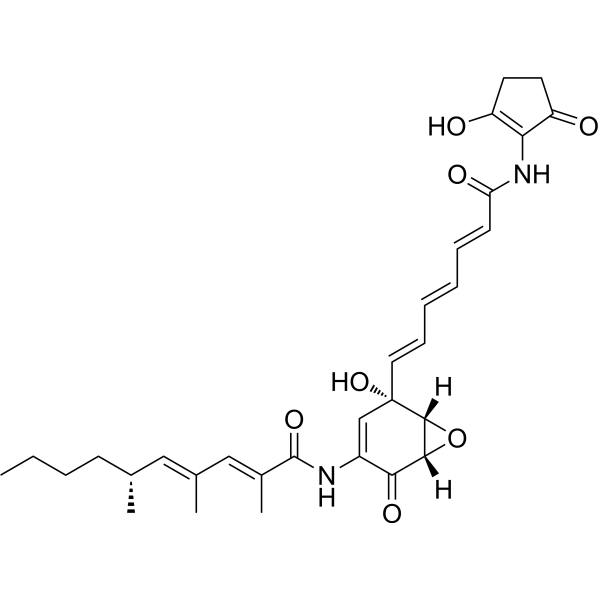
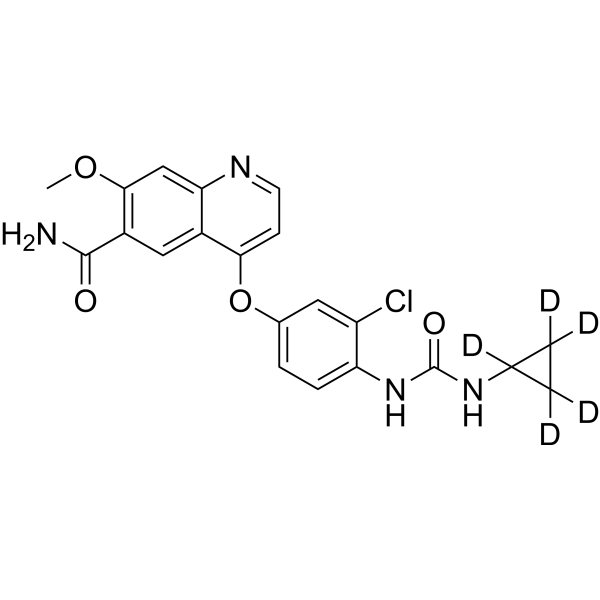
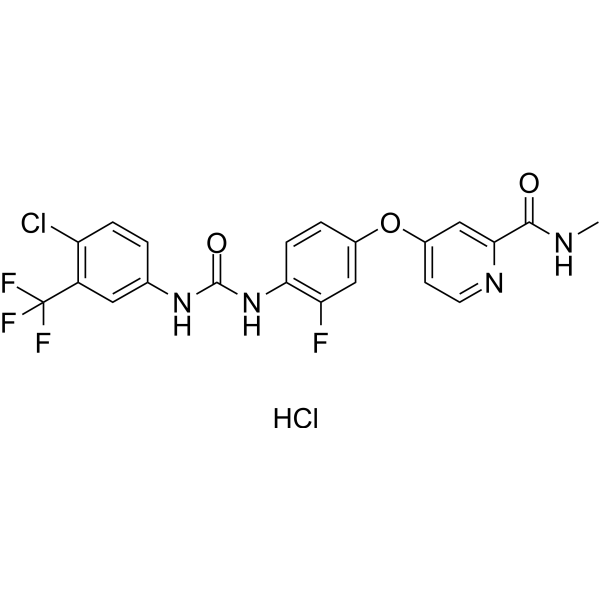
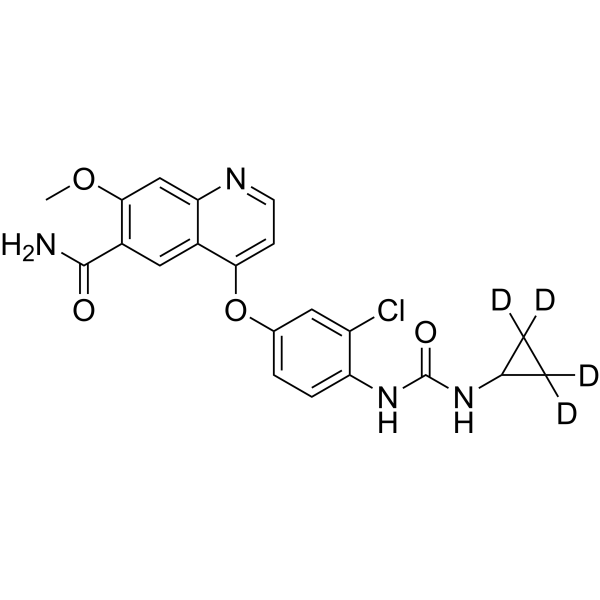
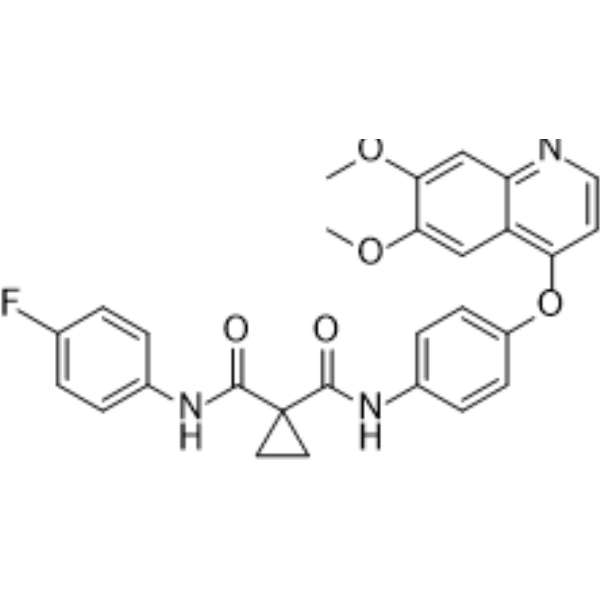
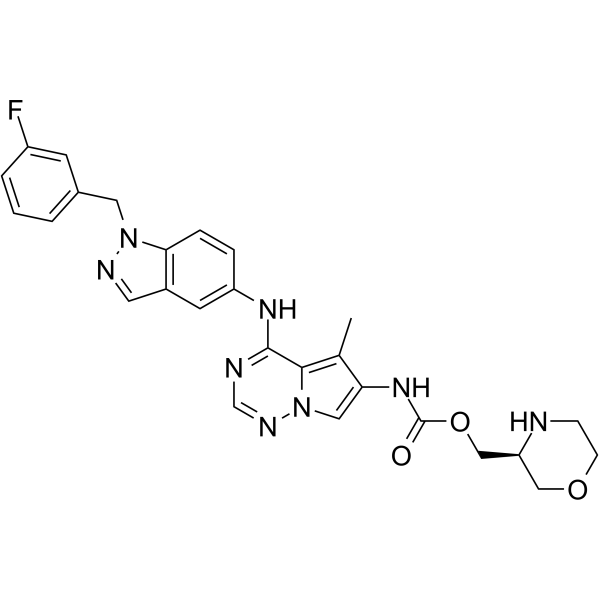
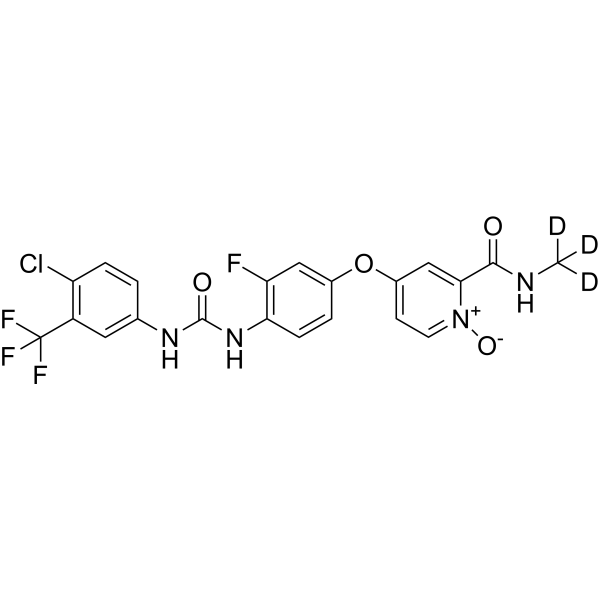
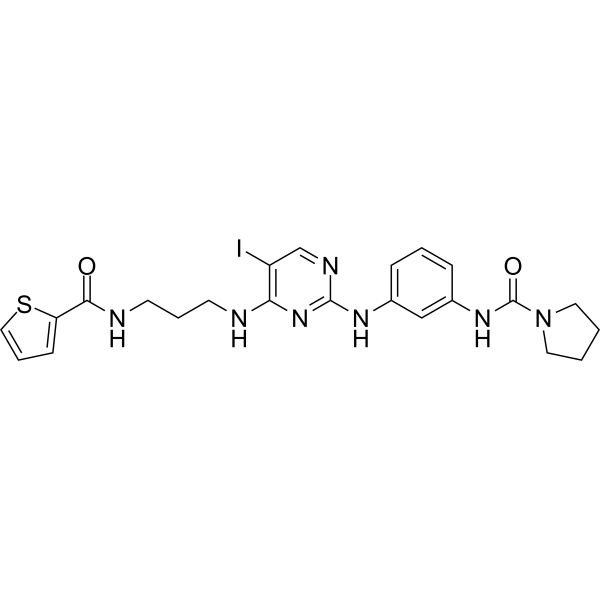
1. Search Result
Search Result
Results for "

Lotion Exosome extraction kit

" in MedChemExpress (MCE) Product Catalog:

435

Inhibitors & Agonists

4

Screening Libraries

6

Fluorescent Dyes

46

Biochemical Assay Reagents

13

Peptides

208

MCE Kits

8

Inhibitory Antibodies

50

Natural
Products

40

Recombinant Proteins

40

Isotope-Labeled Compounds

12

Antibodies

13

Oligonucleotides

1

GMP Molecules

Targets Recommended:
Cat. No. Product Name Target Research Areas Chemical Structure
  • HY-19363
    GW4869
    240+ Cited Publications

    Exosomes Phospholipase Cardiovascular Disease Inflammation/Immunology
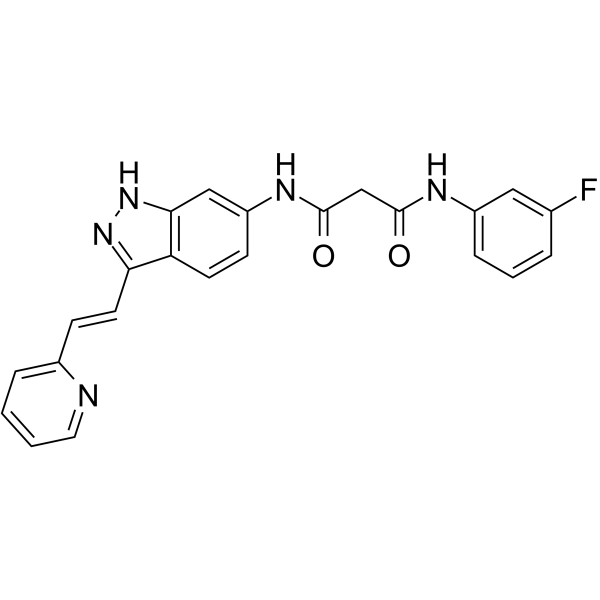
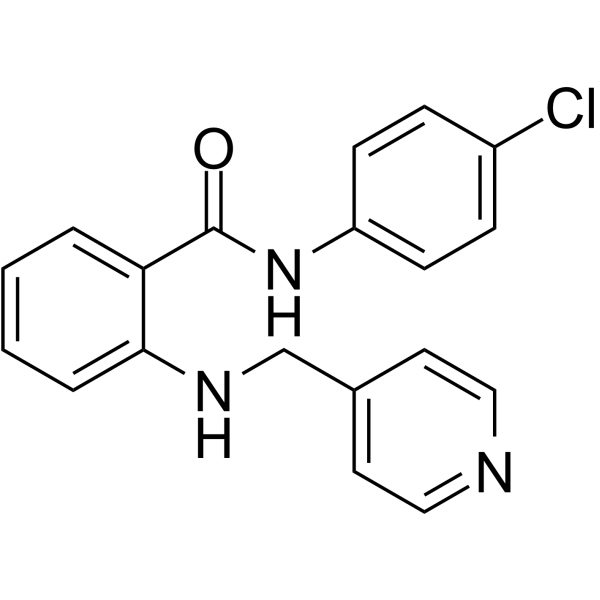
    GW4869 is a noncompetitive neutral sphingomyelinase (N-SMase) inhibitor with an IC50 of 1 μM. GW4869 is an inhibitor of exosome biogenesis/release .
    GW4869
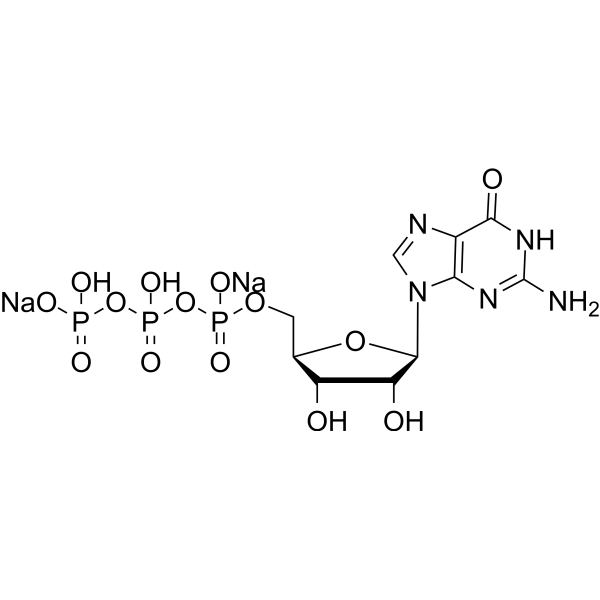
  • HY-W010737
    Guanosine-5'-triphosphate disodium salt
    Maximum Cited Publications
    8 Publications Verification

    5'-GTP disodium salt

    Exosomes Endogenous Metabolite MicroRNA Metabolic Disease
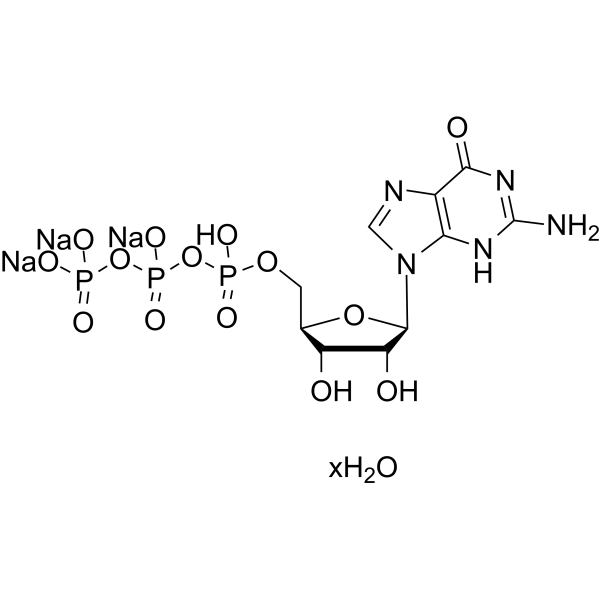
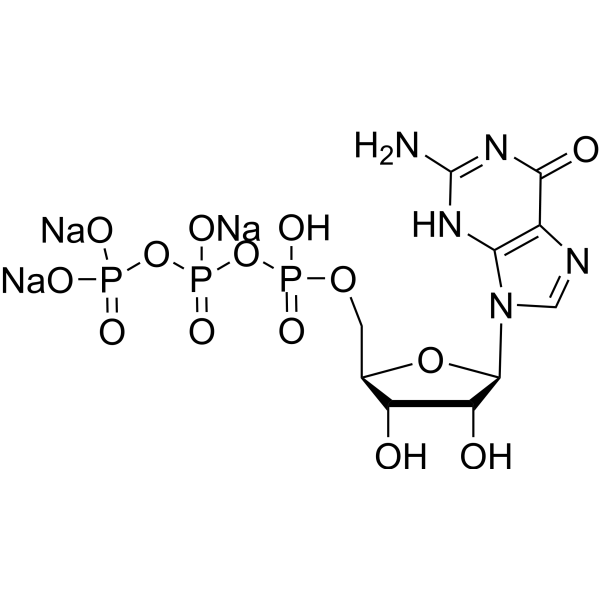
    Guanosine 5'-triphosphate (5'-GTP) trisodium salt is a G protein (G proteins) signaling activator and a high-energy precursor in the biosynthesis of nucleotide units in DNA and RNA. Guanosine 5'-triphosphate trisodium salt can promote myogenic cell differentiation by upregulating miRNA (miR133a, miR133b) and myogenic regulatory factor expression, and by inducing human myogenic precursor cells to release exosomes containing guanosine molecules. Guanosine-5'-triphosphate disodium salt holds promise for research in biosynthesis and skeletal muscle regeneration .
    Guanosine-5'-triphosphate disodium salt
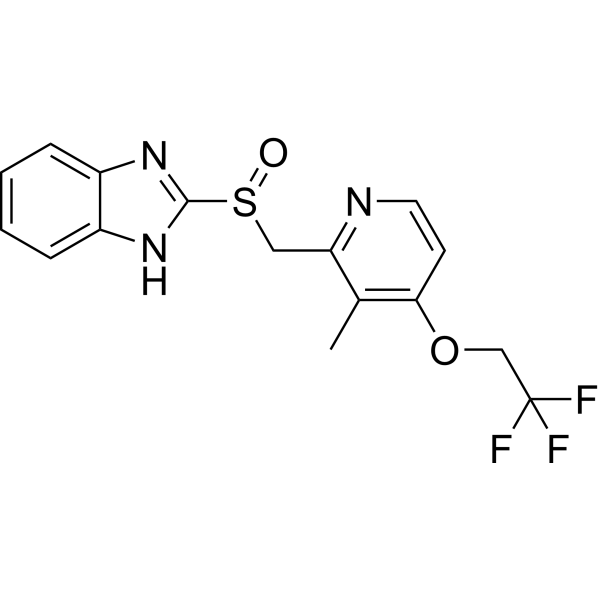
  • HY-13662
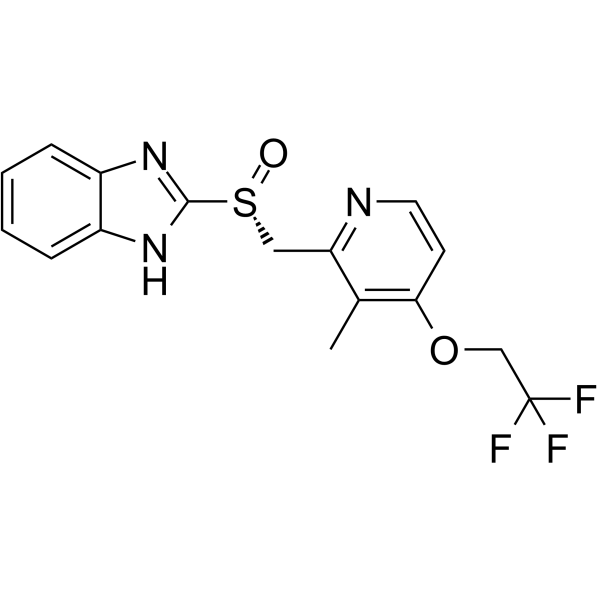
    Lansoprazole
    3 Publications Verification

    AG-1749

    Exosomes Proton Pump Bacterial Phospholipase Inflammation/Immunology Cancer
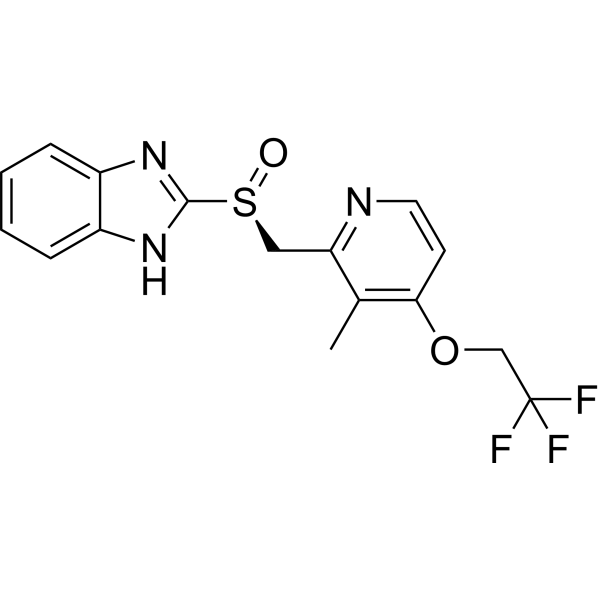
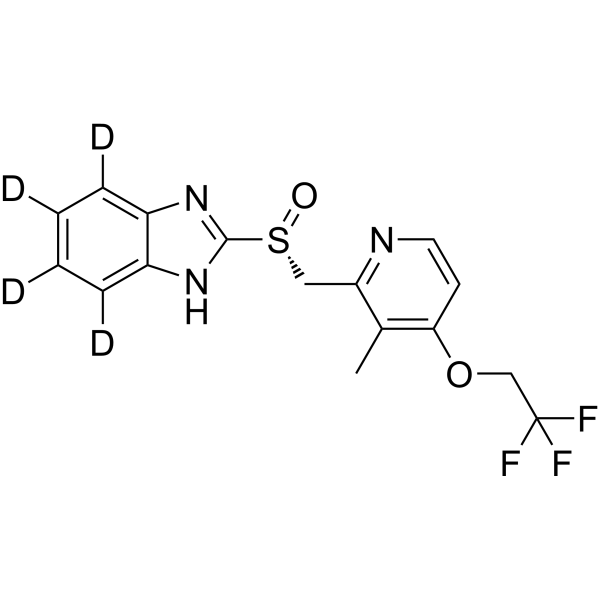
    Lansoprazole (AG 1749) is an orally active proton pump inhibitor which prevents the stomach from producing acid. Lansoprazole (AG 1749) is a potent brain penetrant neutral sphingomyelinase (N-SMase) inhibitor (exosome inhibitor) .
    Lansoprazole
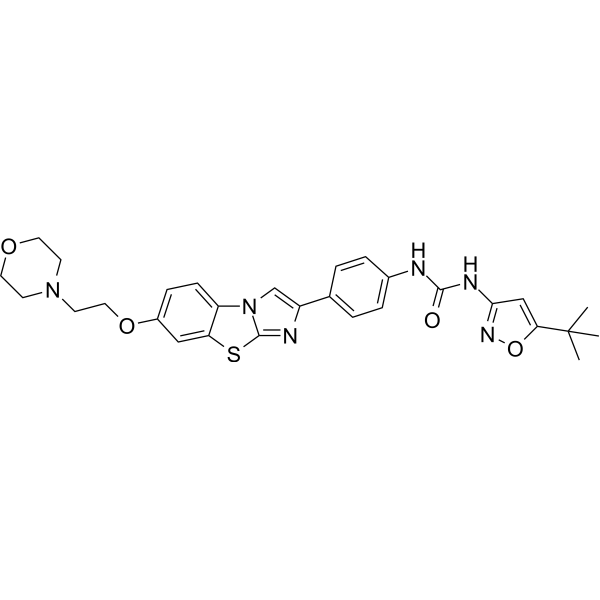
  • HY-13001
    Quizartinib
    40+ Cited Publications

    AC220

    FLT3 Apoptosis PDGFR c-Kit Cancer
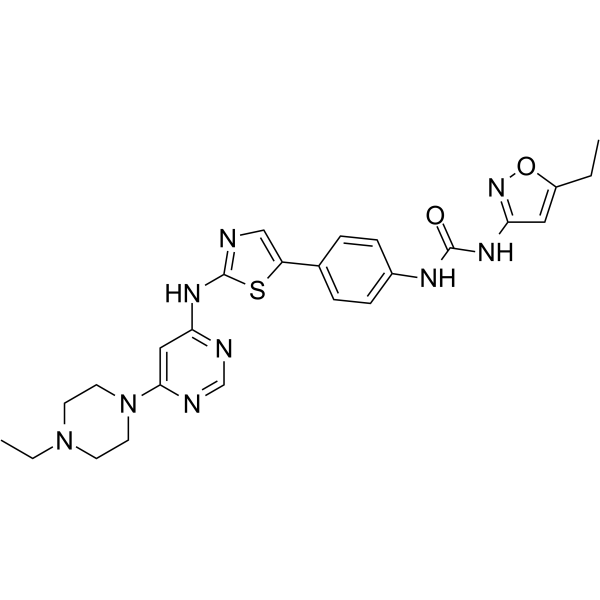
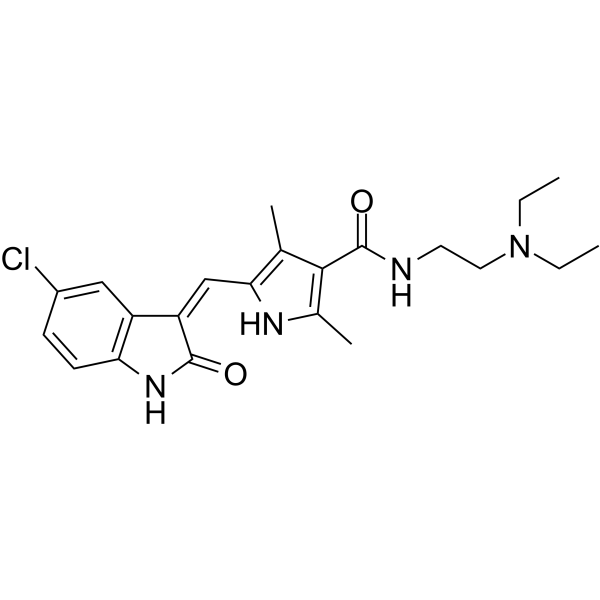
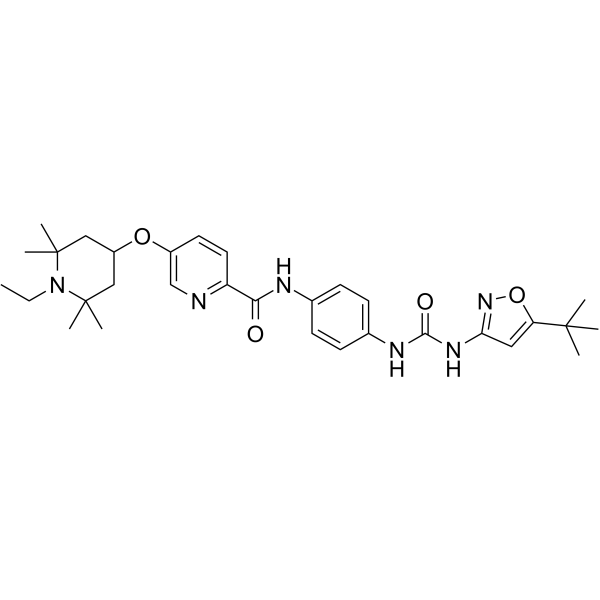
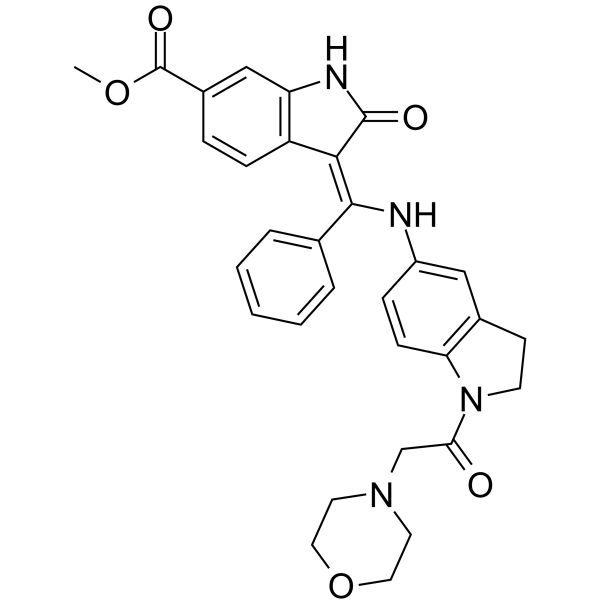
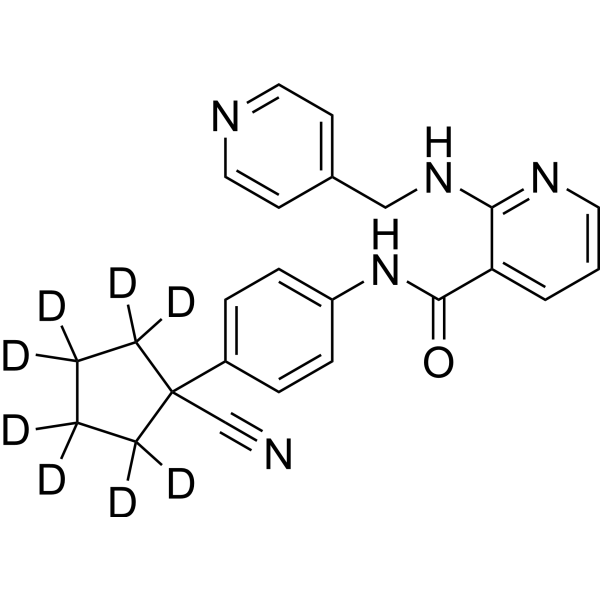
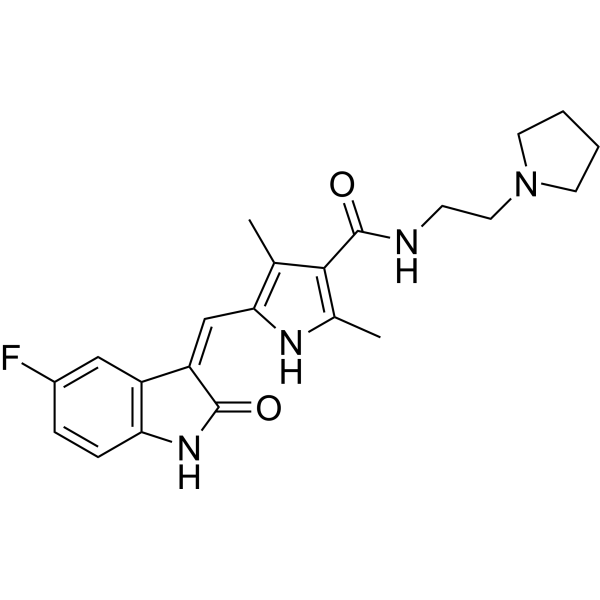
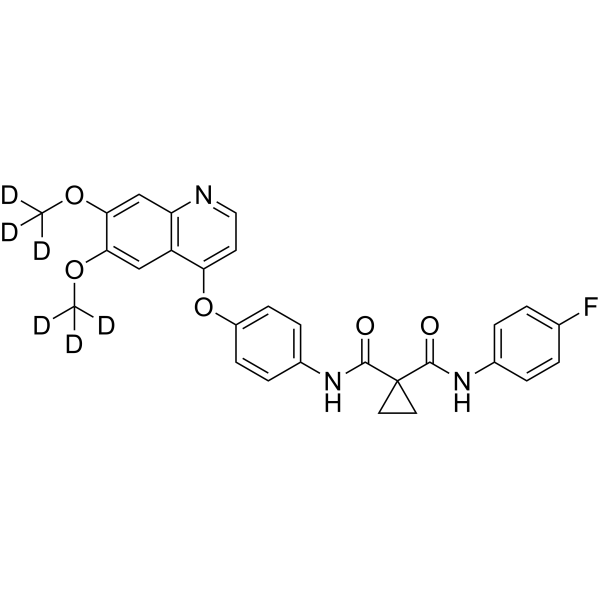
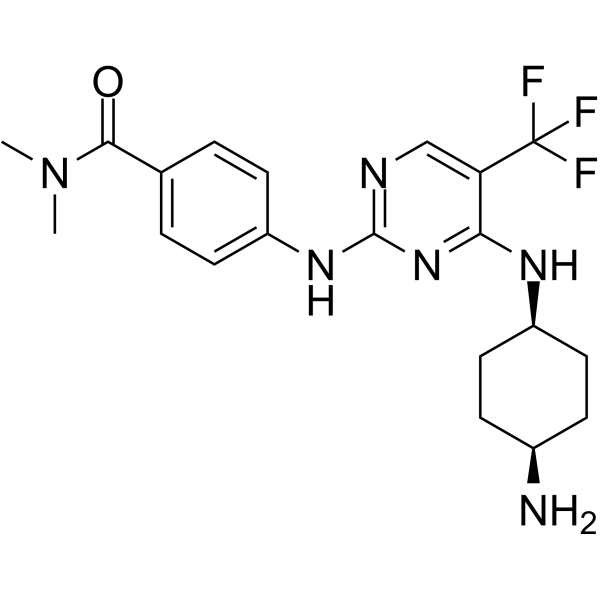
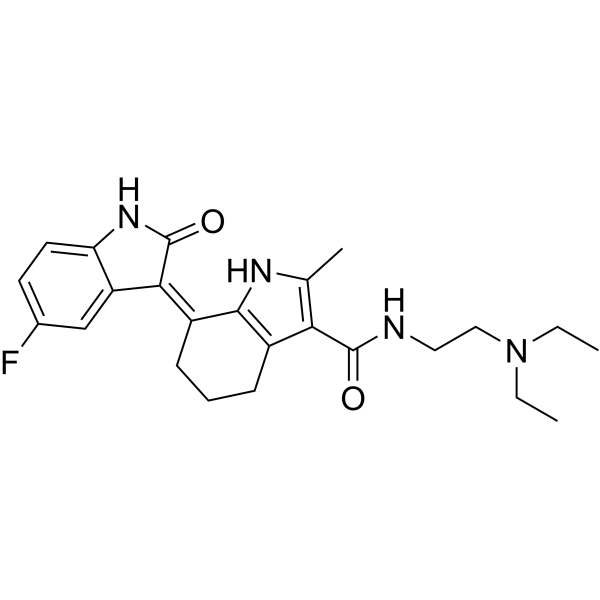
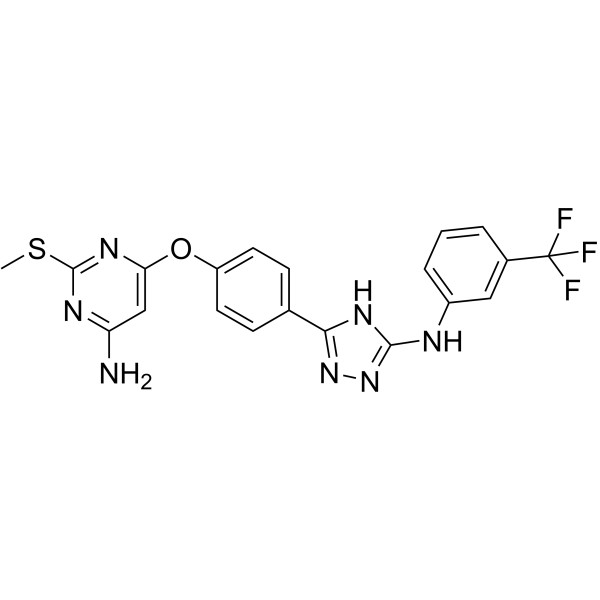
    Quizartinib (AC220) is an orally active, potent and selective FLT3 inhibitor. Quizartinib inhibits kinase activity of mutant-FLT3, -PDGFRA and -KIT isoforms and inhibits autophosphorylation. Quizartinib inhibits cellular proliferation, induces apoptosis in cancer cells. Quizartinib can be used for the research of cancer .
    Quizartinib
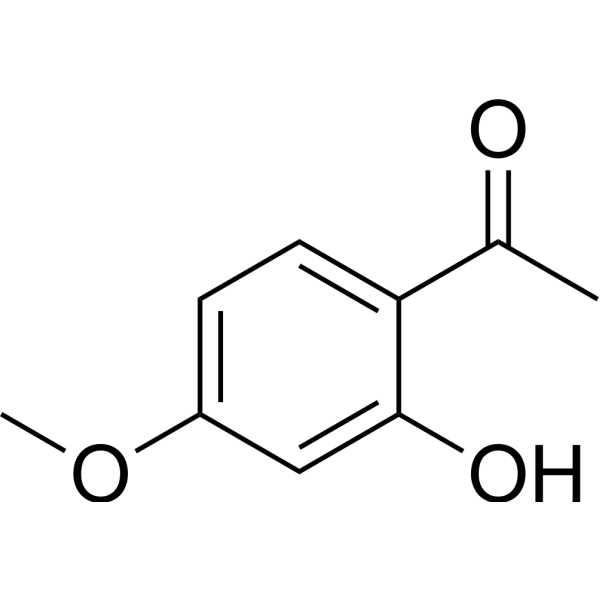
  • HY-N0159
    Paeonol
    10+ Cited Publications

    Monoamine Oxidase Autophagy Neurological Disease Cancer
    Paeonol is an active extraction from the root of Paeonia suffruticosa, Paeonol inhibits MAO-A and MAO-B with IC50 of 54.6 μM and 42.5 μM, respectively.
    Paeonol
  • HY-16961
    Sitravatinib
    5+ Cited Publications

    MGCD516; MG-516

    VEGFR c-Kit FLT3 Discoidin Domain Receptor Trk Receptor Inflammation/Immunology Cancer
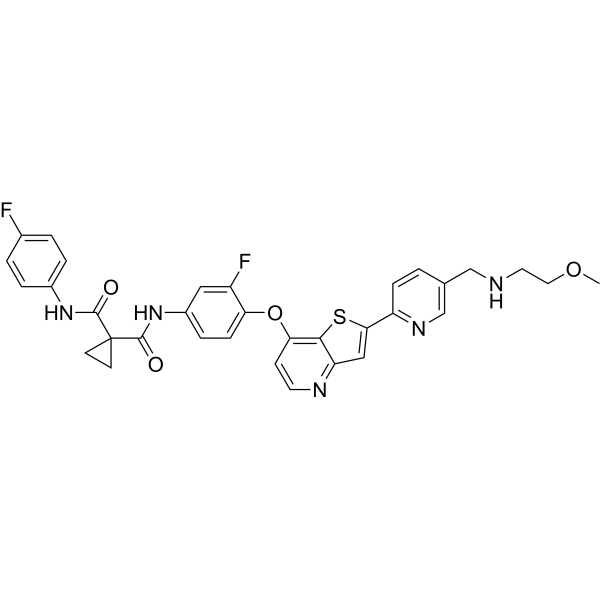
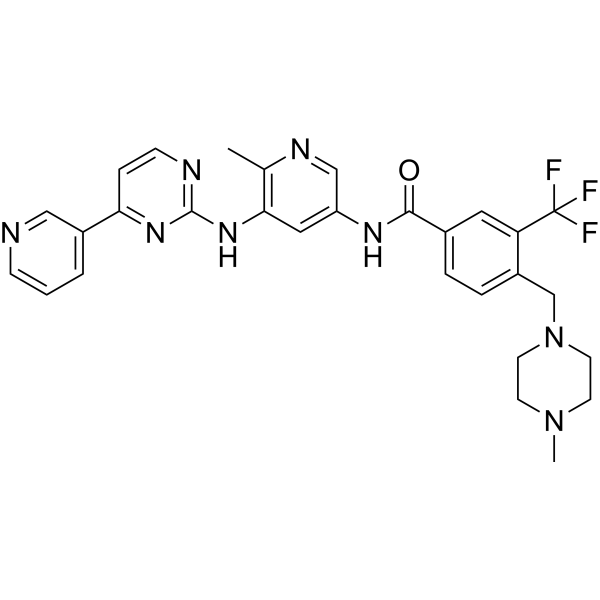
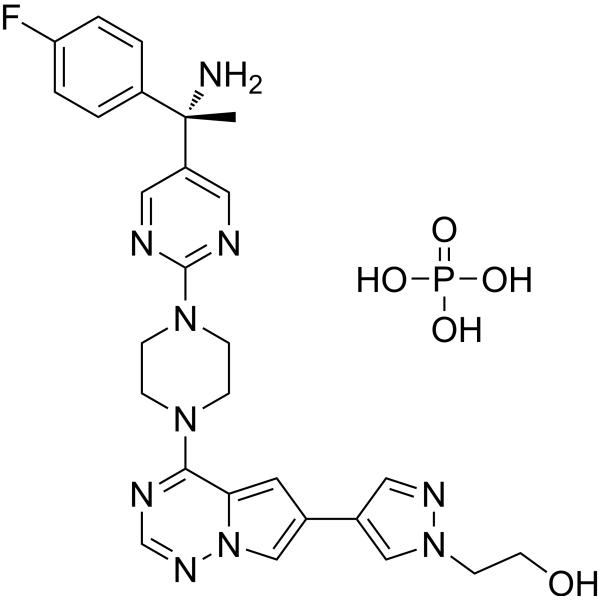
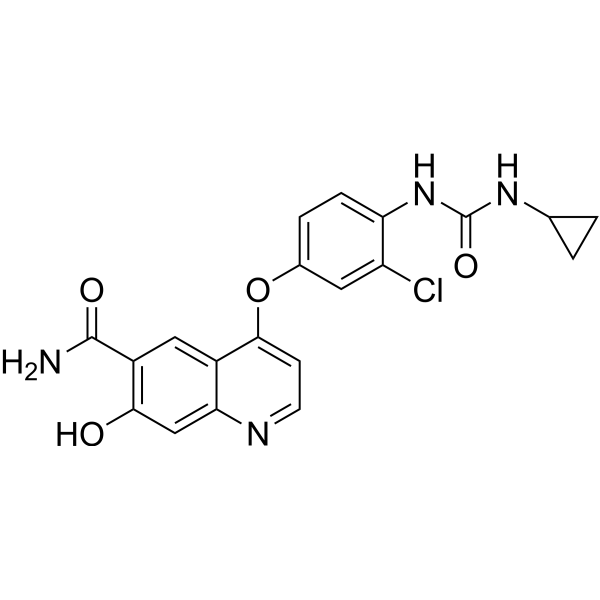
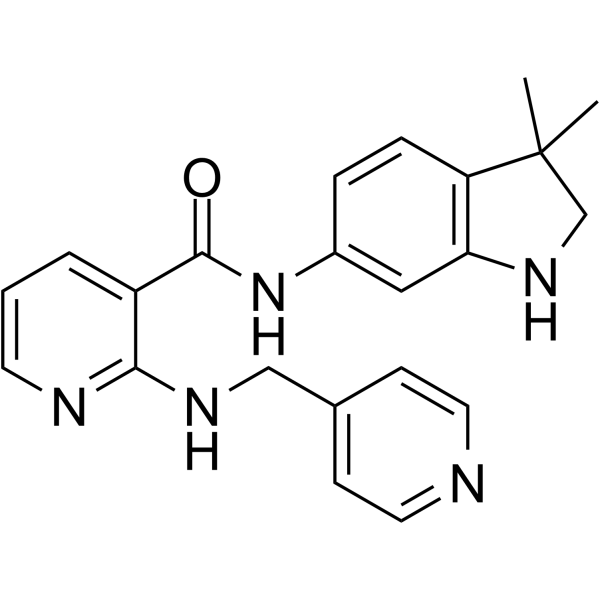
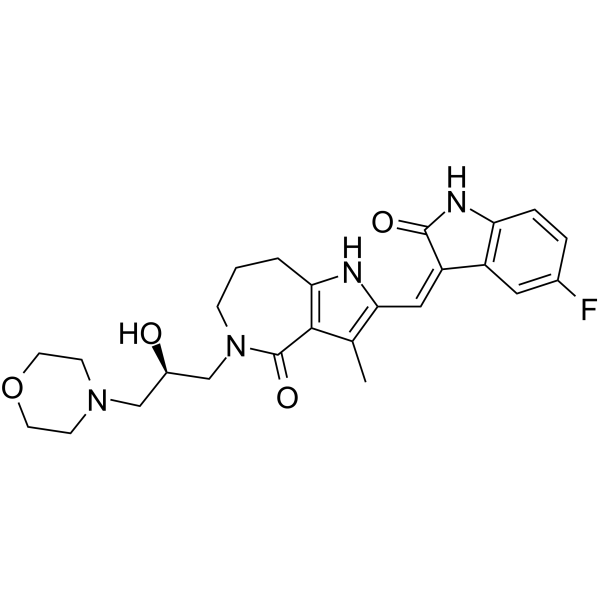
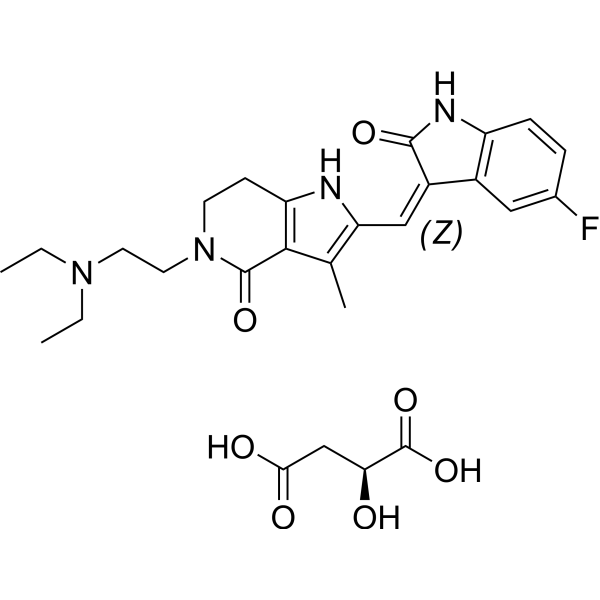
    Sitravatinib (MGCD516) is an orally bioavailable receptor tyrosine kinase (RTK) inhibitor with IC50s of 1.5 nM, 2 nM, 2 nM, 5 nM, 6 nM, 6 nM, 8 nM, 0.5 nM, 29 nM, 5 nM, and 9 nM for Axl, MER, VEGFR3, VEGFR2, VEGFR1, KIT, FLT3, DDR2, DDR1, TRKA, TRKB, respectively . Sitravatinib shows potent single-agent antitumor efficacy and enhances the activity of PD-1 blockade through promoting an antitumor immune microenvironment .
    Sitravatinib
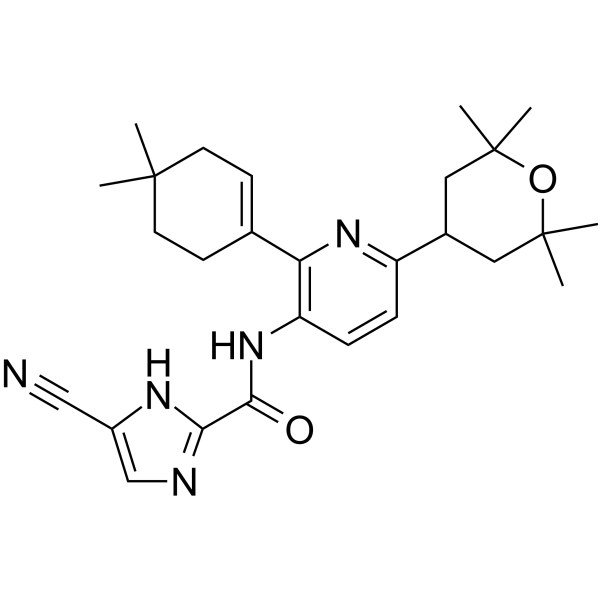
  • HY-145557
    Bezuclastinib
    1 Publications Verification

    CGT9486; PLX 9486

    c-Kit Cancer
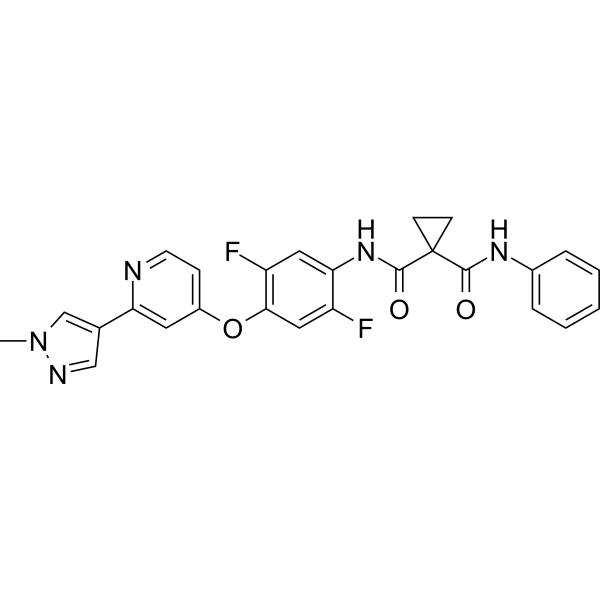
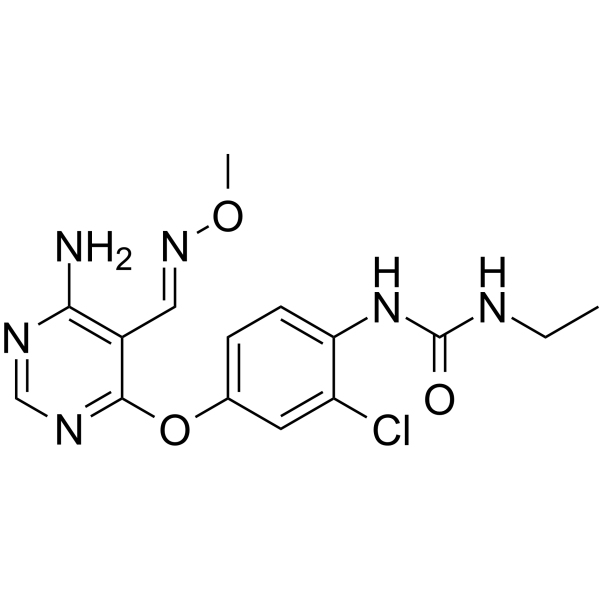
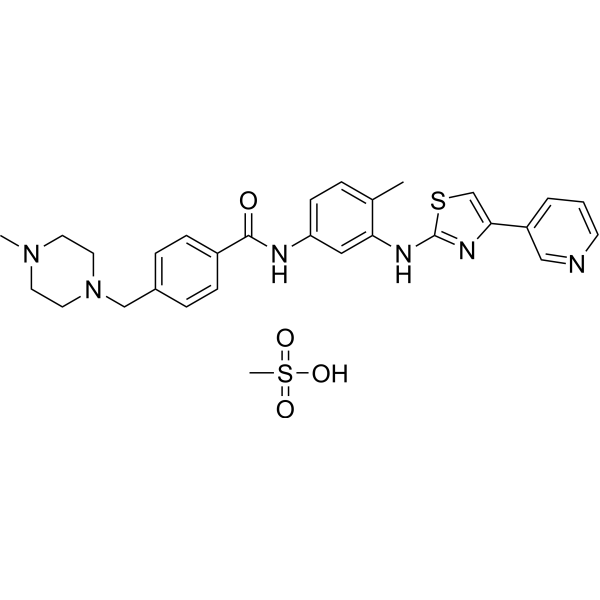
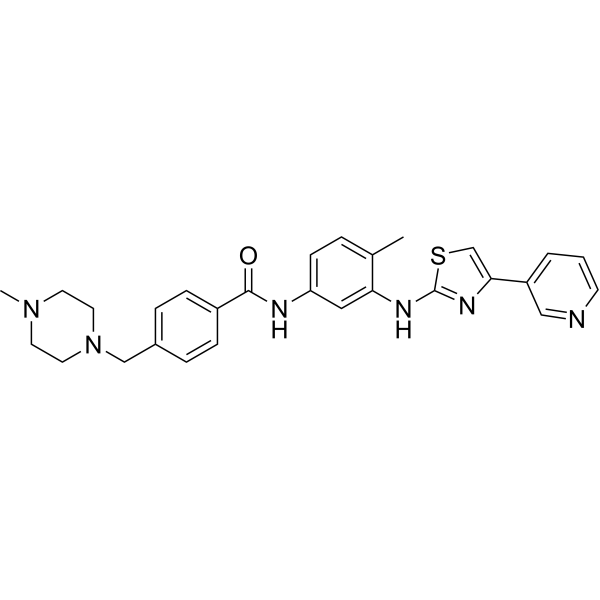
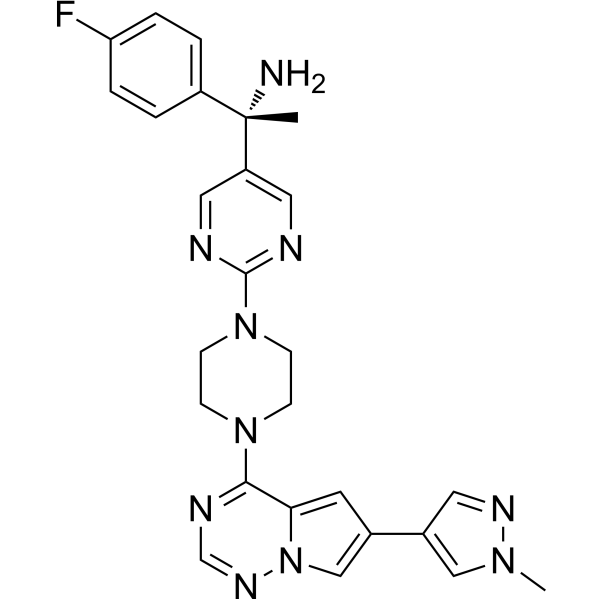
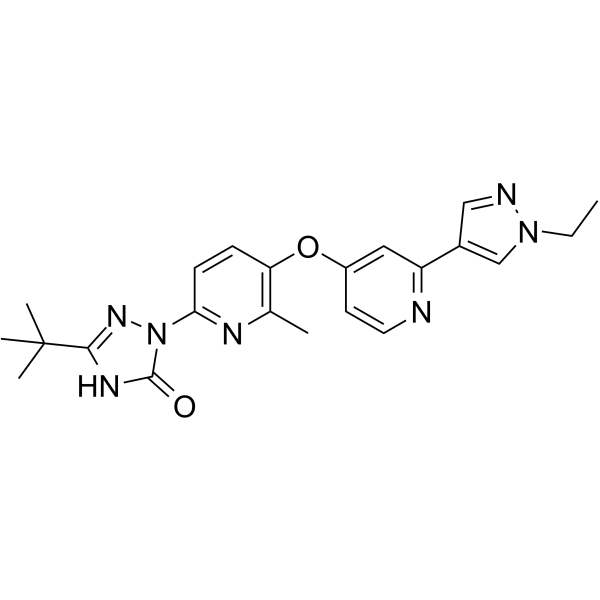
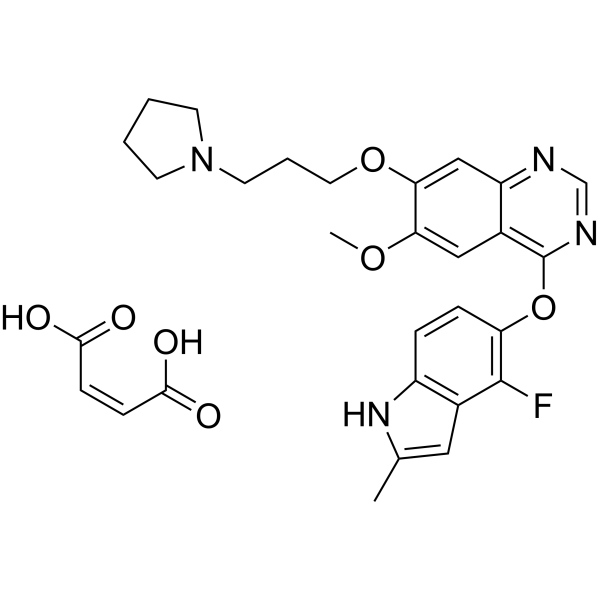
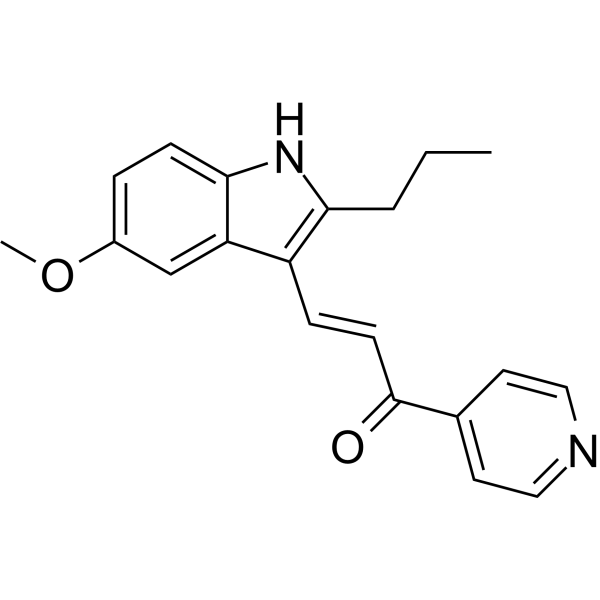
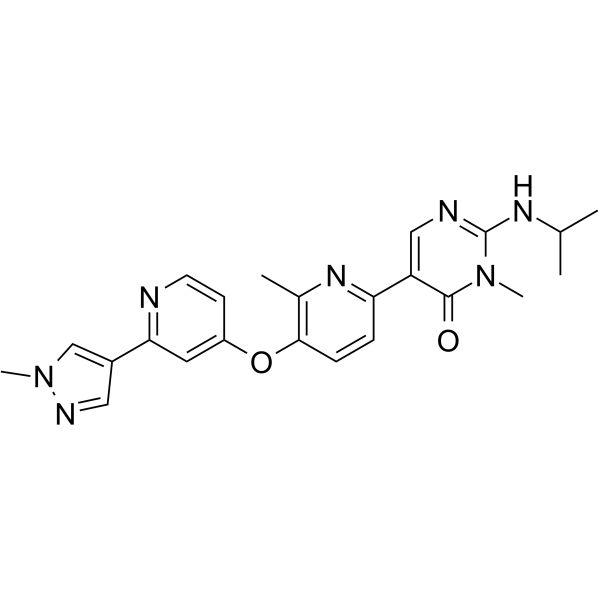
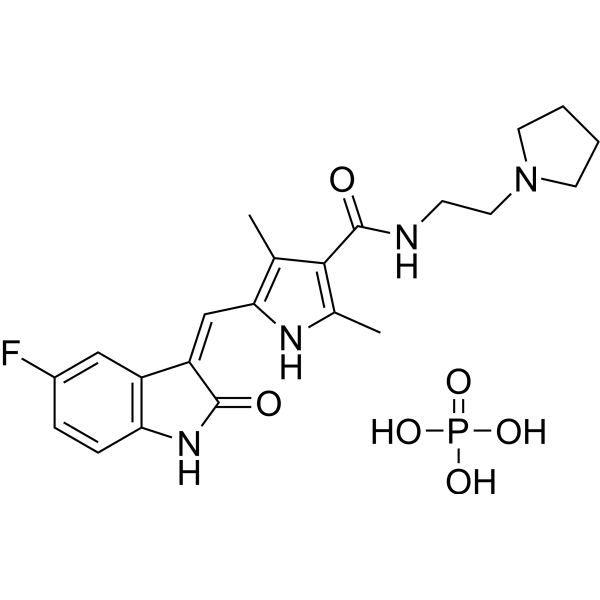
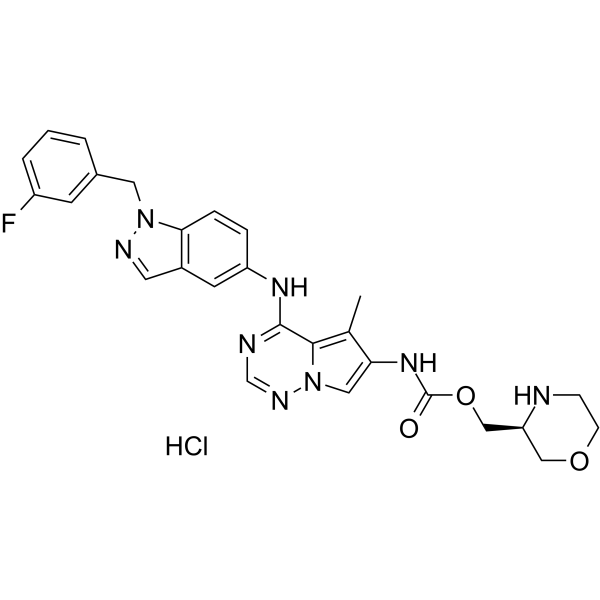
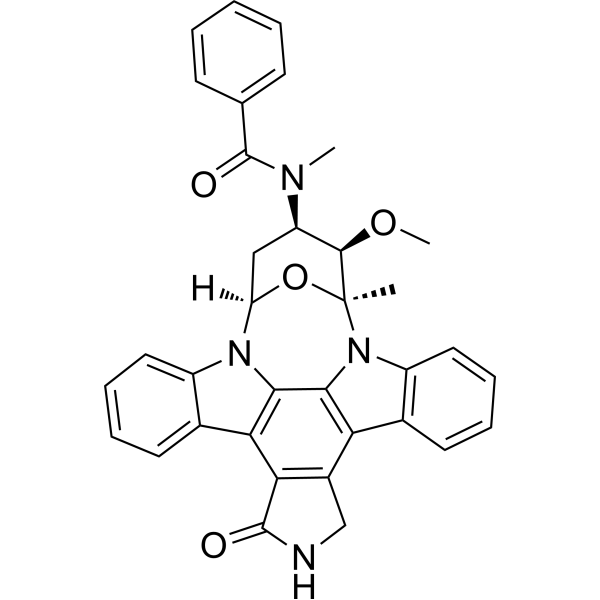
    Bezuclastinib (CGT9486) is an orally active, highly selective tyrosine kinase inhibitor with potent activity against KIT D816V. Bezuclastinib can be used for the research of nonadvanced systemic mastocytosis (NonAdvSM) .
    Bezuclastinib
  • HY-17022
    Esomeprazole magnesium trihydrate
    1 Publications Verification

    (S)-Omeprazole magnesium trihydrate; (-)-Omeprazole magnesium trihydrate

    Exosomes Proton Pump Endocrinology Cancer
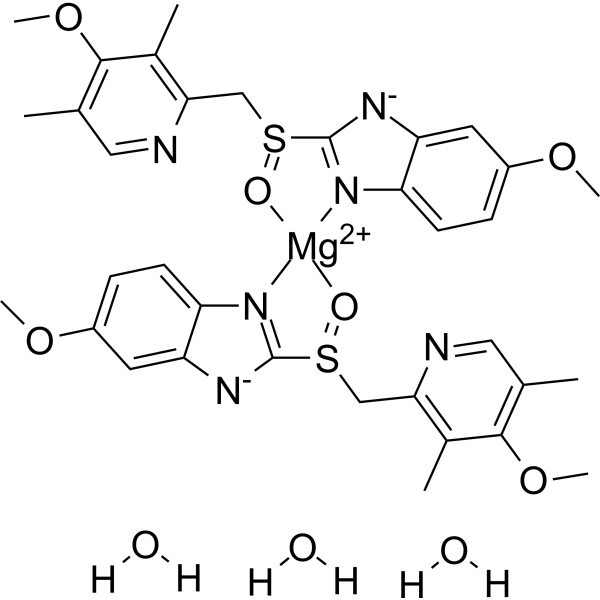
    Esomeprazole magnesium trihydrate ((S)-Omeprazole magnesium trihydrate) is a potent and orally active H +, K +-ATPase inhibitor. Esomeprazole magnesium trihydrate has the potential for upper intestinal disorders and gastroesophageal reflux disease research . Esomeprazole magnesium trihydrate acts as an exosome inhibitor by blocking the exosome release via the inhibition of V-H +-ATPases .
    Esomeprazole magnesium trihydrate
  • HY-17567B
    Heparin Lithium salt
    3 Publications Verification

    Exosomes Thrombin Autophagy Bacterial Cardiovascular Disease Cancer
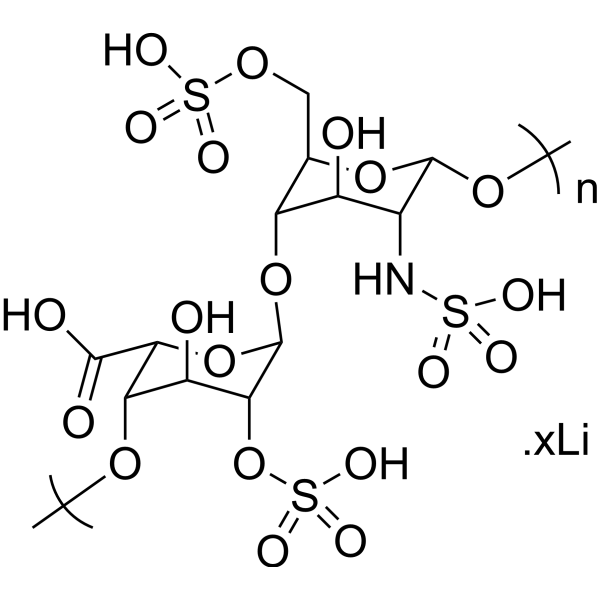
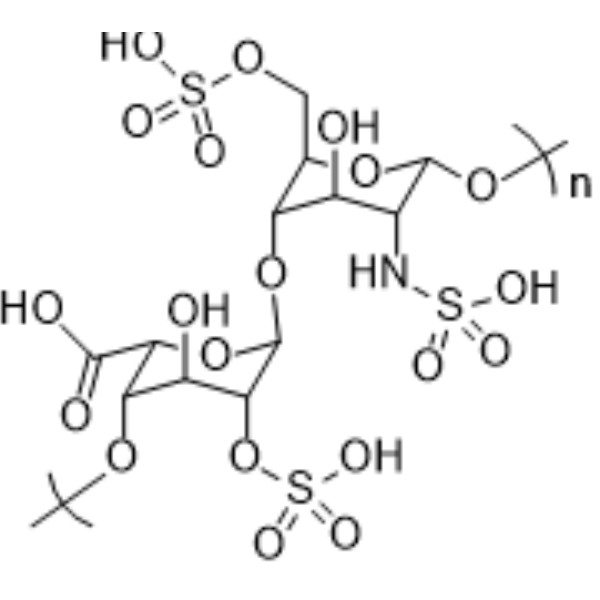
    Heparin Lithium salt is an anticoagulant which binds reversibly to antithrombin III (ATIII). Heparin Lithium salt significantly inhibits exosome-cell interactions.
    Heparin Lithium salt
  • HY-150241

    Exosomes Biochemical Assay Reagents Liposome Others
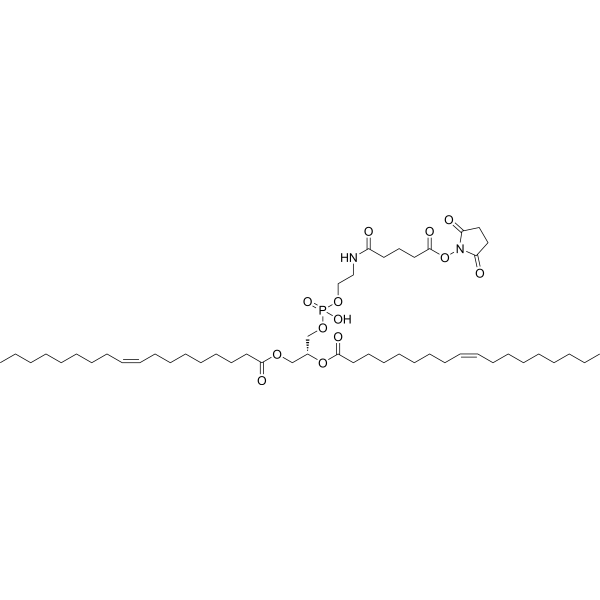
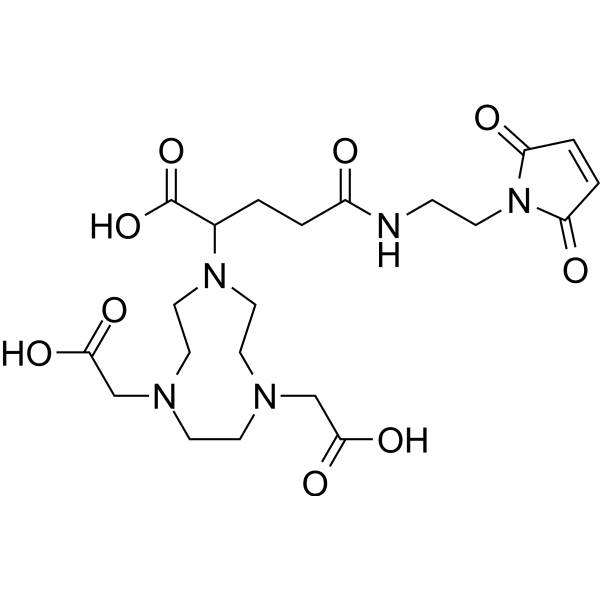
    DOPE-NHS is a linker. DOPE-NHS can be used for peptides to be conjugated to exosomes and possibly other membrane-based nanoparticles. DOPE-NHS can be used for drug delivery .
    DOPE-NHS
  • HY-131002

    Exosomes Phospholipase Inflammation/Immunology
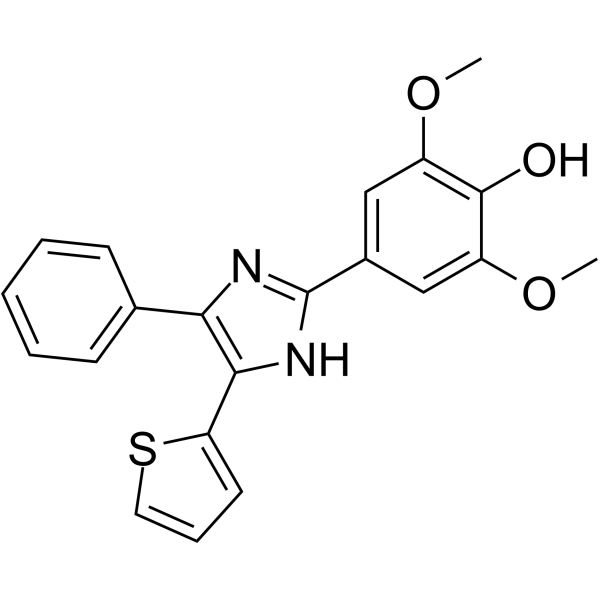
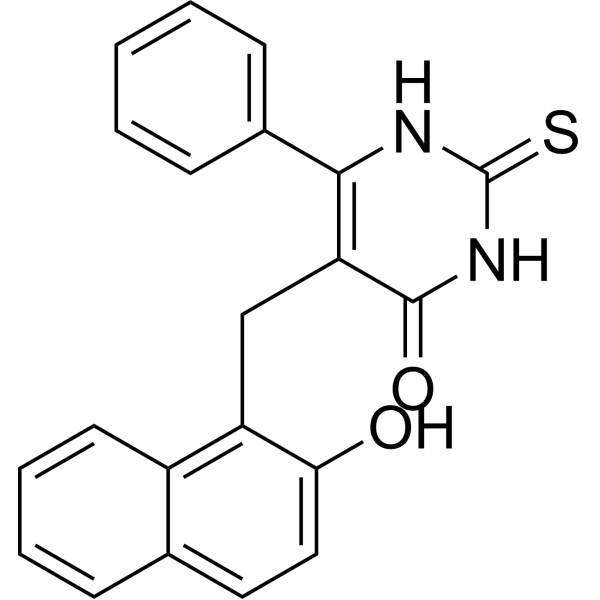
    DPTIP is a potent brain penetrant neutral sphingomyelinase 2 (N-SMase 2) inhibitor (exosome inhibitor), with an IC50 of 30 nM .
    DPTIP
  • HY-P99462

    c-Kit Inflammation/Immunology
    Barzolvolimab is a humanized anti-KIT IgG1 monoclonal antibody. Barzolvolimab specificity and potently inhibits KIT activation by SCF. Barzolvolimab can reduce skin mast cells and disease activity in chronic inducible urticaria .
    Barzolvolimab
  • HY-17023
    Esomeprazole sodium
    2 Publications Verification

    (S)-Omeprazole sodium; (-)-Omeprazole sodium

    Exosomes Proton Pump Bacterial Endocrinology Cancer
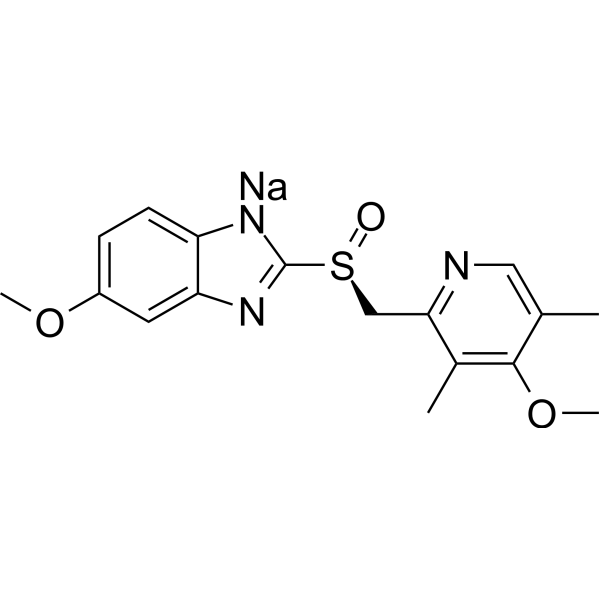
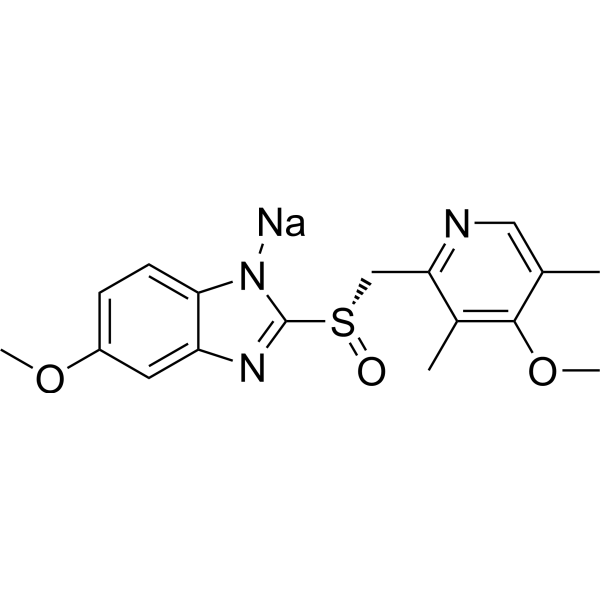
    Esomeprazole sodium ((S)-Omeprazole sodium) is a potent and orally active proton pump inhibitor. Esomeprazole reduces acid secretion through inhibition of the H +, K +-ATPase in gastric parietal cells. Esomeprazole acts as an exosome inhibitor by blocking the exosome release via the inhibition of V-H +-ATPases . Esomeprazole has the potential for symptomatic gastroesophageal reflux disease research .
    Esomeprazole sodium
  • HY-NP155
    Histone (calf thymus)
    1 Publications Verification

    Endogenous Metabolite Others
    Histone (calf thymus) is a histone found in the deoxyribonucleoprotein of calf thymus and can be obtained by acid extraction technique .
    Histone (calf thymus)
  • HY-B1446
    Esomeprazole magnesium
    2 Publications Verification

    (S)-Omeprazole magnesium; (-)-Omeprazole magnesium

    Exosomes Proton Pump Endocrinology Cancer
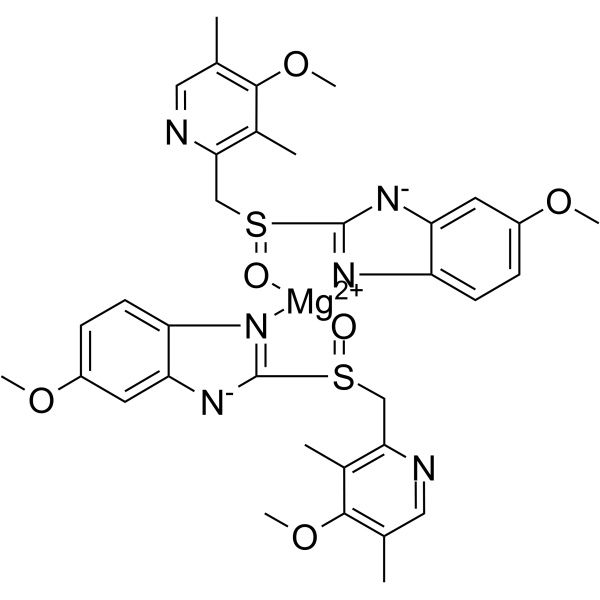
    Esomeprazole magnesium ((S)-Omeprazole magnesium) is a potent and orally active H +, K +-ATPase inhibitor. Esomeprazole magnesium has the potential for upper intestinal disorders and gastroesophageal reflux disease research . Esomeprazole magnesium acts as an exosome inhibitor by blocking the exosome release via the inhibition of V-H +-ATPases .
    Esomeprazole magnesium
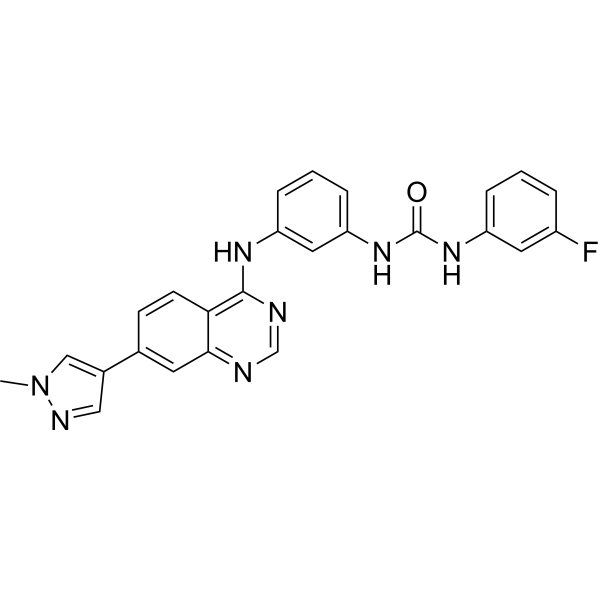
  • HY-15240
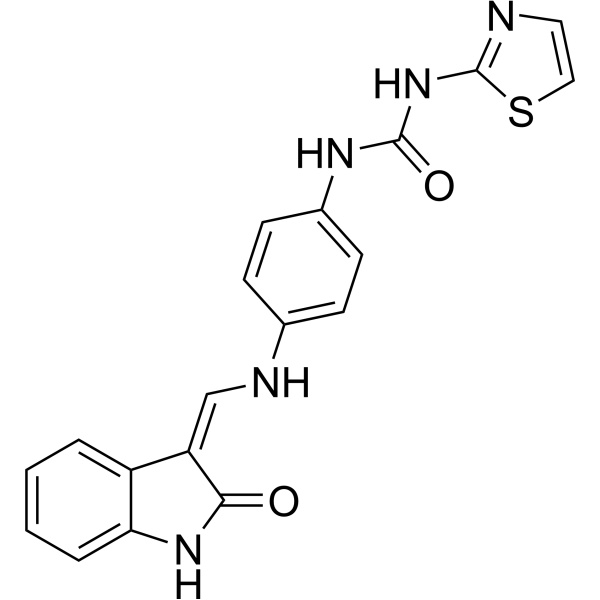
    c-Kit-IN-1
    1 Publications Verification

    c-Kit c-Met/HGFR Cancer
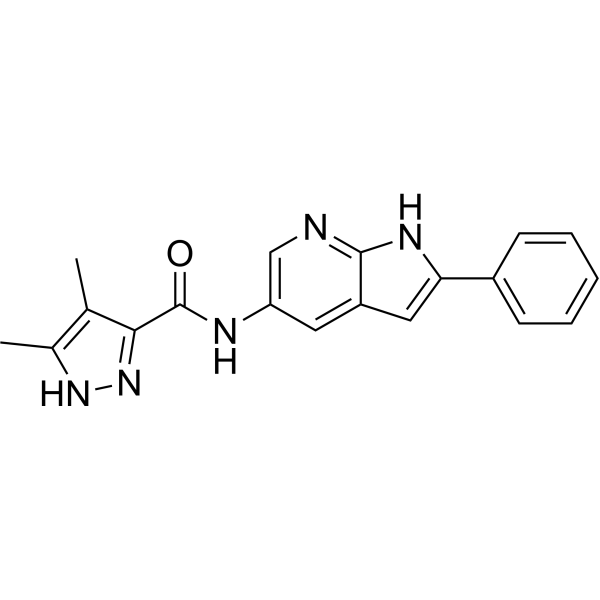
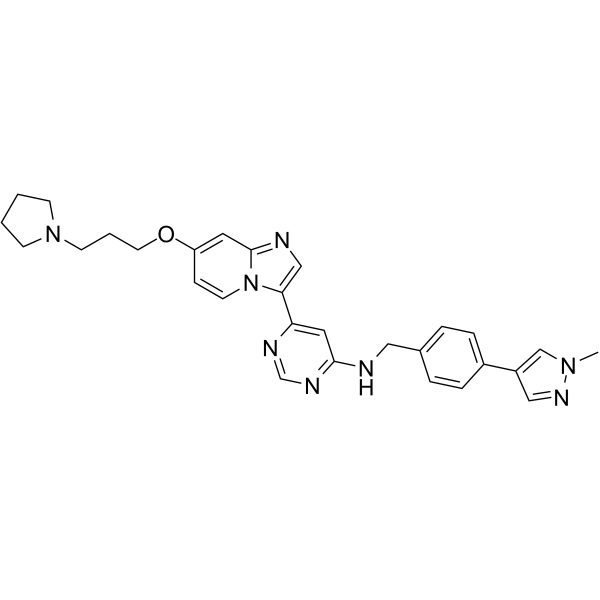
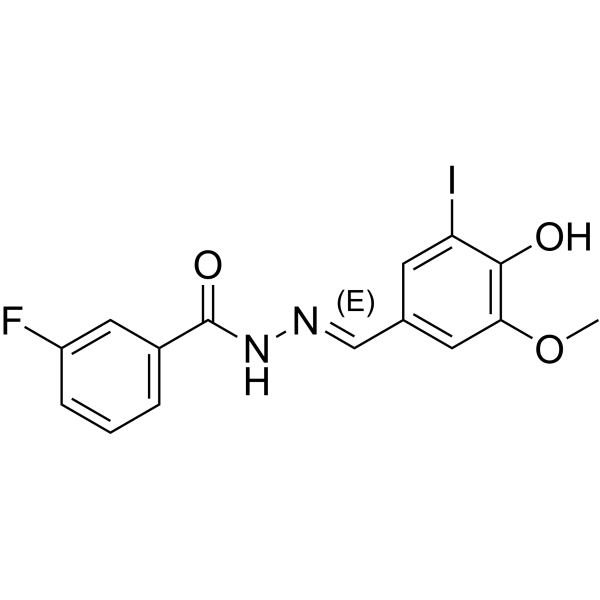
    c-Kit-IN-1 is a potent inhibitor of c-Kit and c-Met with IC50s of <200 nM.
    c-Kit-IN-1
  • HY-Y0537C

    Potassium chloride, suitable for the extraction and solubilization of proteins

    Environmental Pollutants Biochemical Assay Reagents Others
    Potassium chloride, ≥99.99% trace metals basis (Potassium chloride, suitable for the extraction and solubilization of proteins), is an inorganic salt used in the preparation of phosphate buffers. With very low metal impurity content, it is suitable for protein extraction and dissolution.
    Potassium chloride, ≥99.99% trace metals basis
  • HY-P10739

    Exosomes Collagen Inflammation/Immunology
    WYRGRL is a selective, high-affinity collagen type II-binding peptide with a IC50 of 140 nM. Collagen type II is the most abundant and specific structural protein in the extracellular matrix of articular cartilage. WYRGRL can precisely target small-molecule compounds such as Dexamethasone (HY-14648) and nanocarrier-engineered exosomes to cartilage, significantly enhancing their therapeutic effects on osteoarthritis .
    WYRGRL
  • HY-Y0537B

    Environmental Pollutants Biochemical Assay Reagents Mitochondrial Metabolism Metabolic Disease
    Potassium chloride, for molecular biology is potassium chloride that can be used in molecular biology. Potassium chloride, for molecular biology affects the stability of biological membranes by disrupting the electrostatic interactions between proteins and lipids. Potassium chloride, for molecular biology affects the solubility of myofibrillar proteins and the integrity of mitochondria. Potassium chloride, for molecular biology is commonly used in homogenization buffers and protein extraction procedures .
    Potassium chloride, for molecular biology
  • HY-D1635

    Biotin-XX-SSE

    Fluorescent Dye Exosomes Infection
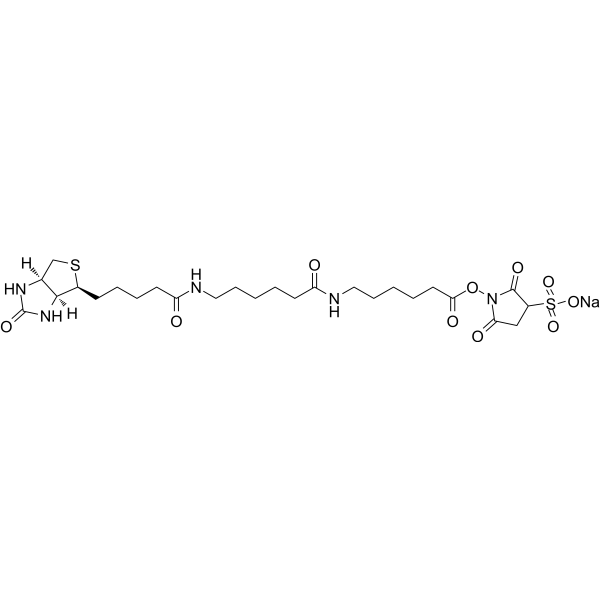
    Sulfo-NHS-LC-LC-Biotin (Biotin-XX-SSE), a biotin reagent, is used to label the proteins exposed to the external leaflet of intact exosomes and contains a larger spacer arm between the biotin and amine reactive linker. The size of this linker helps to overcome steric hindrance and increases labeling efficiency at the crowded exosome surface .
    Sulfo-NHS-LC-LC-Biotin
  • HY-Y1219H

    Biochemical Assay Reagents Others
    Silica gel, high-purity grade, 200-400 mesh is a low-density, high-surface-area, high-purity inert additive that can be used to prepare chromatographic column sieve plates based on the sol-gel method. Silica gel, high-purity grade prevents DNA degradation by absorbing water from plant leaves, and is suitable for the preservation of field-collected samples for subsequent DNA extraction, restriction endonuclease digestion, PCR amplification and gene sequencing. It can also be reused after being saturated with water. Silica gel, high-purity grade can provide a non-toxic, inert aquatic environment for embedded cells, allowing nutrients, oxygen and metabolic waste to diffuse freely and blocking external pollution, thereby maintaining the activity of fibroblasts and epithelial cells .
    Silica gel, high-purity grade, 200-400 mesh
  • HY-D0841
    Guanidine thiocyanate
    3 Publications Verification

    Endogenous Metabolite Infection Cancer
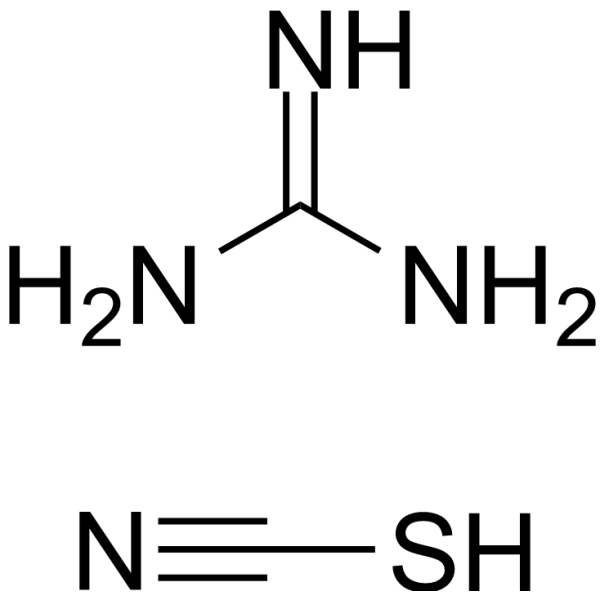
    Guanidine thiocyanate is a strong protein denaturant and potent inhibitor of nucleases. Guanidinium thiocyanate is a nucleic acid protector in the extraction of DNA and RNA from cells. Guanidine thiocyanate is a common component of buffers used for nucleic acid extraction .
    Guanidine thiocyanate
  • HY-P3436

    Exosomes Cardiovascular Disease
    WLSEAGPVVTVRALRGTGSW is a cardiomyocyte-targeting peptide that specifically recognizes tenascin X on the surface of cardiomyocytes. WLSEAGPVVTVRALRGTGSW can serve as a targeting ligand to conjugate with various therapeutic carriers (drugs, genes, exosomes, nanoparticles, etc.) for research on cardiovascular diseases (such as myocardial infarction, heart failure) .
    WLSEAGPVVTVRALRGTGSW
  • HY-18302
    c-Kit-IN-5-1
    1 Publications Verification

    c-Kit Inflammation/Immunology
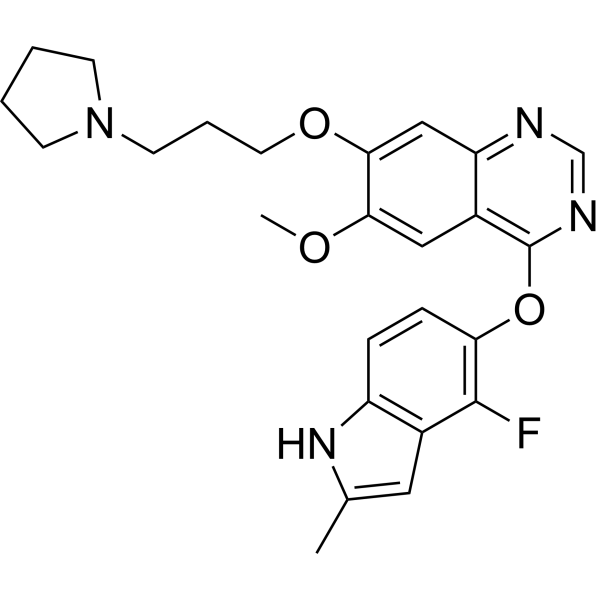
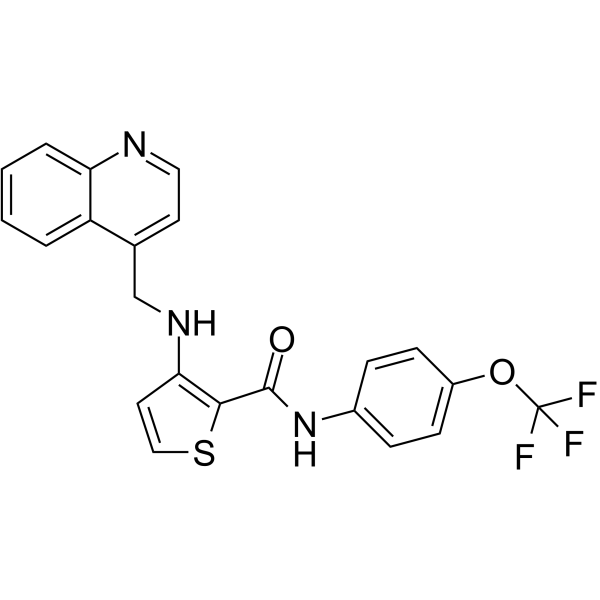
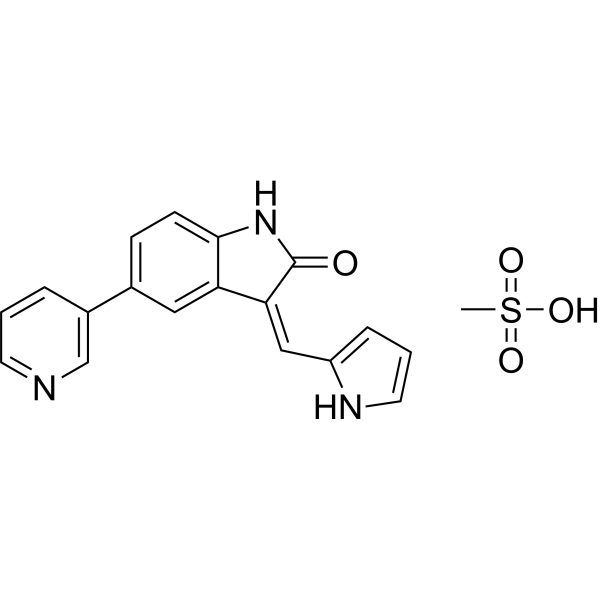
    c-Kit-IN-5 is potent inhibitor of c-Kit, with IC50s of 22 nM and 16 nM in kinase assay and cell assay, respectively. c-Kit-IN-5 shows more than 200-fold selectivity for c-Kit over KDR, p38, Lck, and Src. c-Kit-IN-5 also exhibits desirable pharmacokinetic properties .
    c-Kit-IN-5-1
  • HY-W143698

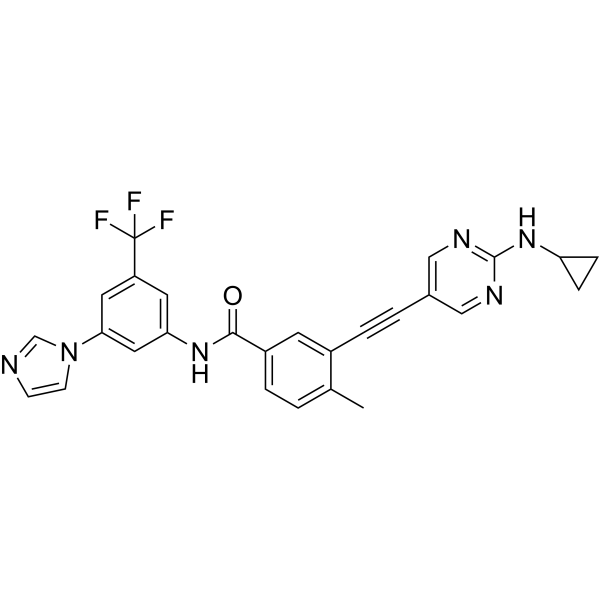
    Bcr-Abl c-Kit PDGFR Cancer
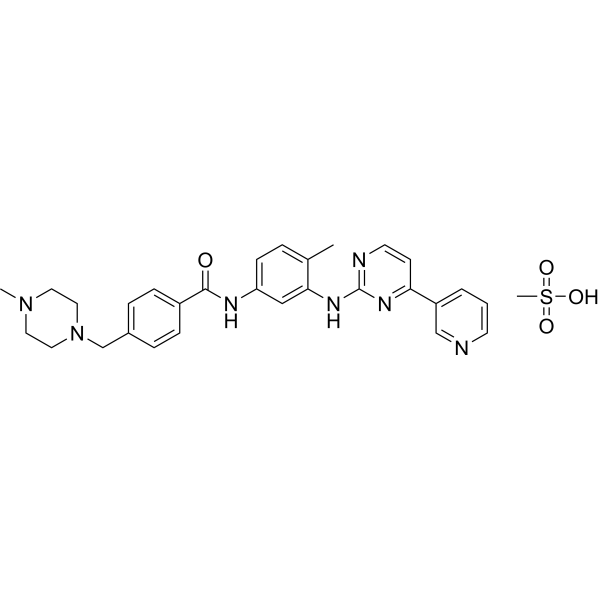
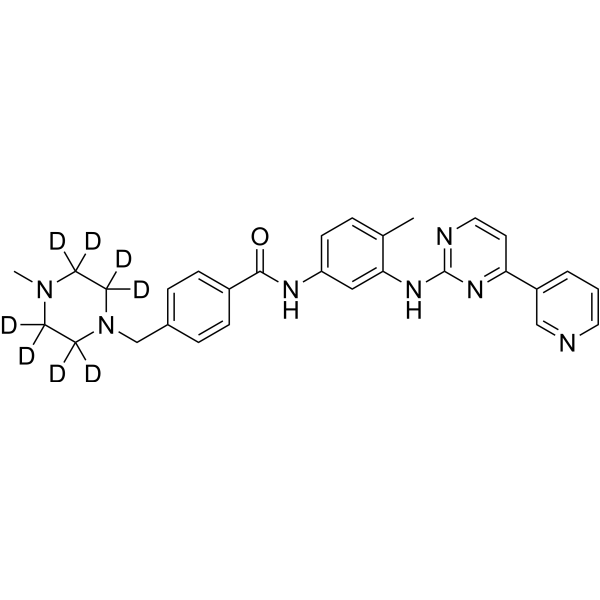
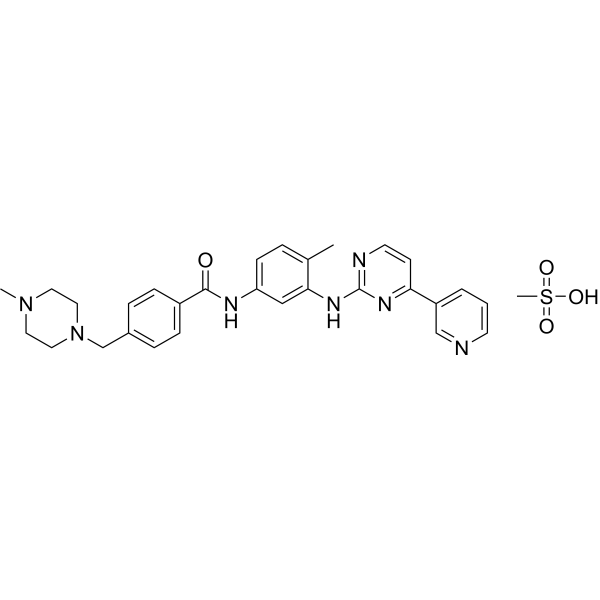
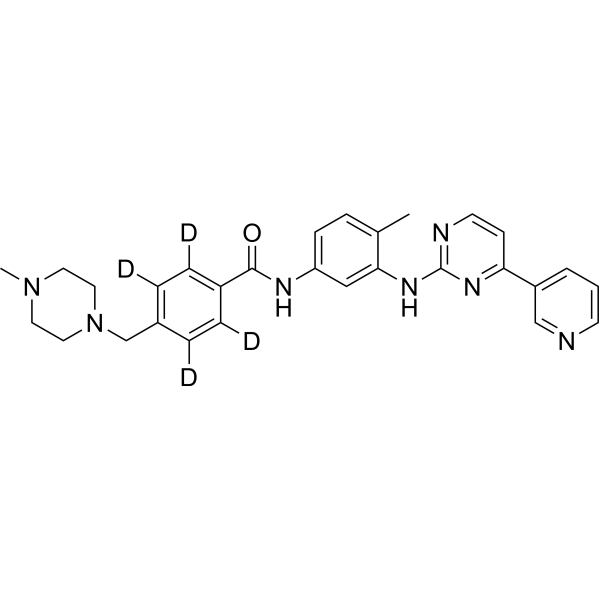
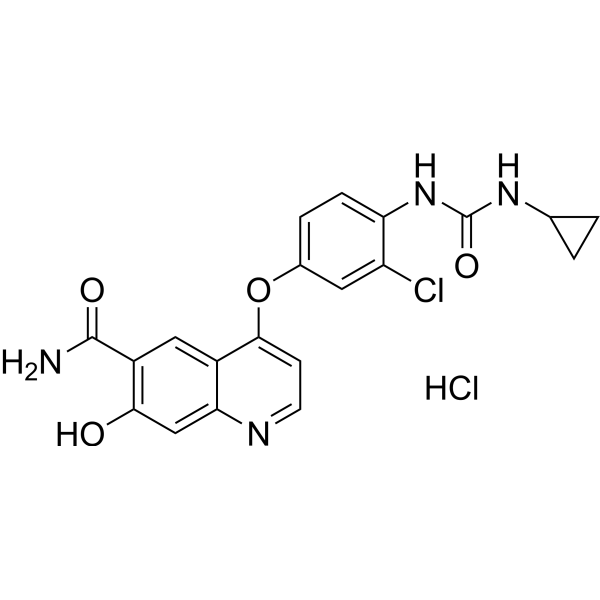
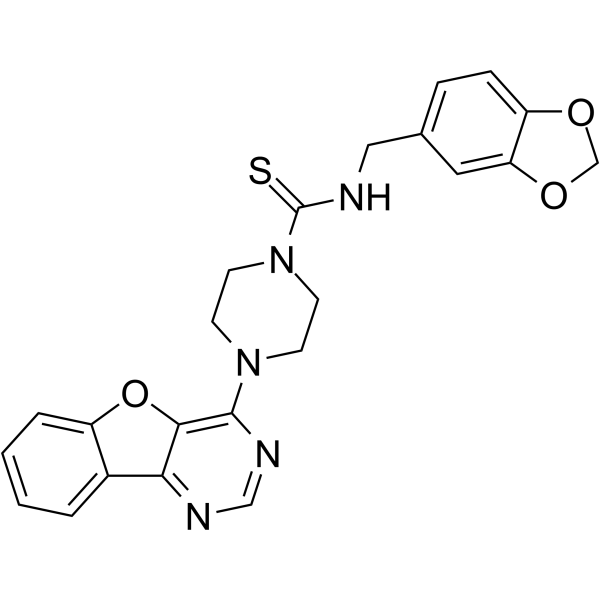
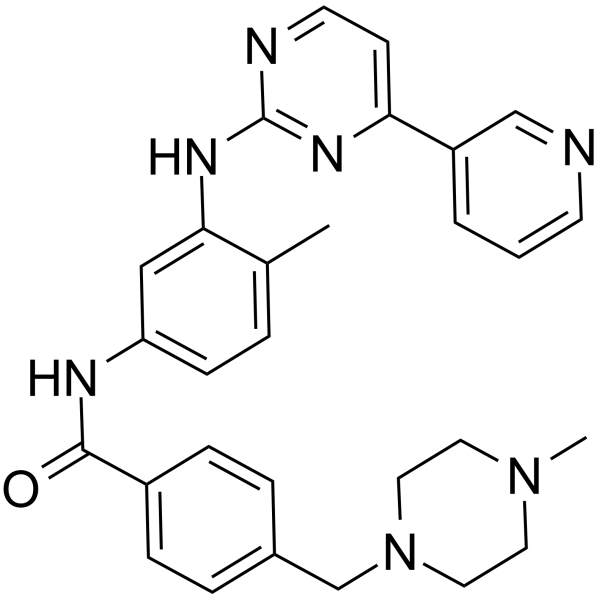
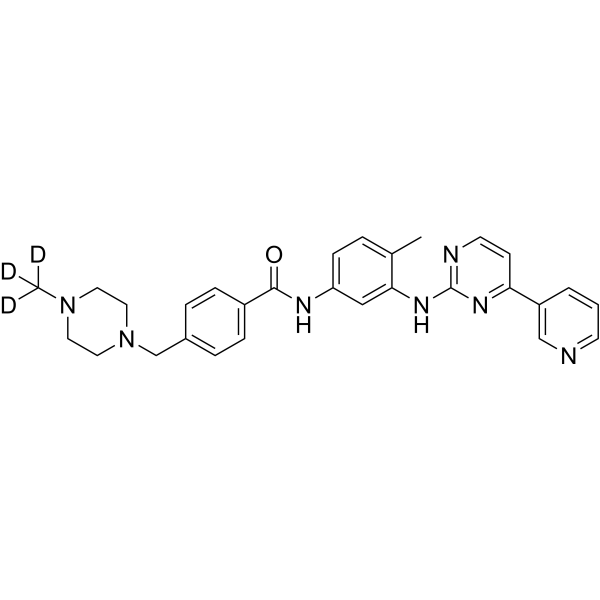
    PDGFRα kinase inhibitor 2 (compound 1), an Imatinib (HY-15463) analogue, is a covalent and irreversible kinase inhibitor with IC50s of 6.95 μM, 2.45 μM, 1.39 μM for ABL1 wt, KIT wt, PDGFRR wt .
    PDGFRα kinase inhibitor 2
  • HY-B1684

    SQ 26962

    Biochemical Assay Reagents Others
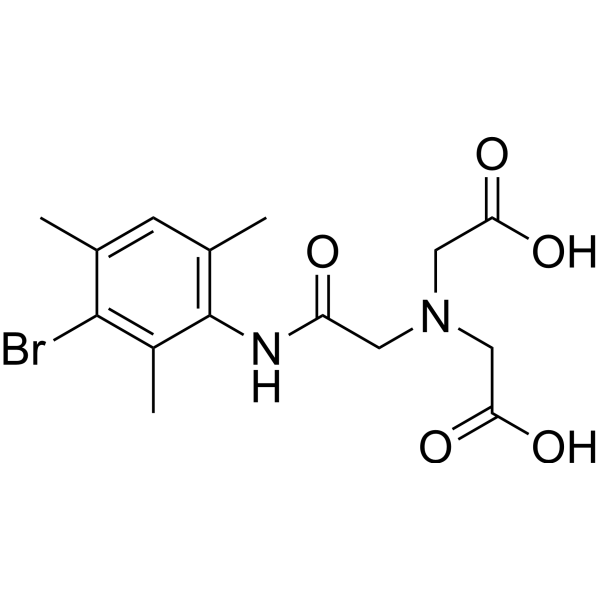
    Mebrofenin (SQ 26962) is a type of iminodiacetic acid (IDA). Mebrofenin is available as a ready to use the kit for radio-labeling with Tc-99m. Tc-99m Mebrofenin, a diagnostic agent, is used for hepatobiliary imaging. Tc-99m Mebrofenin is the radiopharmaceutical of choice for the evaluation of hepatic function .
    Mebrofenin
  • HY-P990615

    LOP628 antibody

    c-Kit Inflammation/Immunology
    Anti-c-Kit Antibody (LMJ729) (LOP628 antibody) is a CHO-expressed human antibody that targets SCFR/c-Kit/CD117. The predicted molecular weight (MW) of Anti-c-Kit Antibody (LMJ729) is 146.9 kDa. The isotype control for Anti-c-Kit Antibody (LMJ729) can refer to Human IgG1 kappa, Isotype Control (HY-P99001).
    Anti-c-Kit Antibody (LMJ729)
  • HY-P990002

    c-Kit Inflammation/Immunology Cancer
    Anti-Mouse CD117/c-Kit Antibody (2B8) is an IgG2b antibody, targeting to mouse CD117/c-Kit. Anti-Mouse CD117/c-Kit Antibody (2B8) reacts with mouse c-Kit (also known as CD117), which is expressed on hematopoietic progenitor cells, mast cells, and acute myeloid leukemia (AML) cells. Anti-Mouse CD117/c-Kit Antibody (2B8) can be used for the detection of flow cytometry, immunofluorescence and immunohistochemistry in cancer and inflammation .
    Anti-Mouse CD117/c-Kit Antibody (2B8)
  • HY-P10862A

    Exosomes Virus Protease Infection Cancer
    AH-D peptide TFA is an antiviral peptide that selectively disrupts membrane structures within the size range of exosomes, inducing T-EXO depletion and enhancing cancer immunotherapy .
    AH-D peptide TFA
  • HY-P10862

    Exosomes Virus Protease Infection Cancer
    AH-D peptide is a brain-penetrant antiviral agent disrupting highly curved lipid membranes. AH-D peptide exhibits broad-spectrum antiviral activity against ZIKV, Dengue virus, Chikungunya virus, yellow fever virus and Japanese encephalitis virus, with
    IC50
    values of 11.9, 12.5, 35.7, 206 and 136 nM, respectively. AH-D peptide reduces the viral load in the brain, suppresses inflammation, protects neurons, and does not damage the blood brain barrier. AH-D peptide restores antitumor immunity by decreasing circulating PD-L1 + exosomes, reducing intratumoral immunosuppressive cells (regulatory T cells, myeloid-derived suppressor cells), and enhancing T cell function. AH-D peptide inhibits membrane-enveloped viruses and cancer cell metastasis in vivo. AH-D peptide exhibits no immunogenicity and has negligible effects on normal tissues. AH-D peptide can be used for research in Zika virus and other mosquito-borne viruses, cancer immunotherapy and metastasis .
    AH-D peptide
  • HY-W127452

    Environmental Pollutants Biochemical Assay Reagents Others
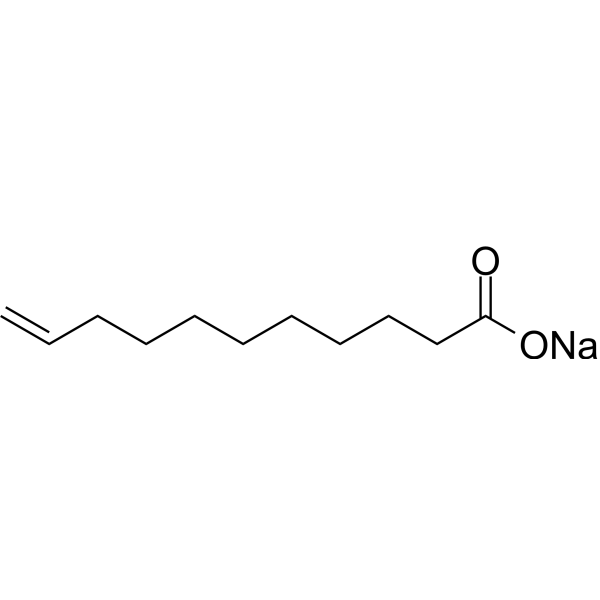
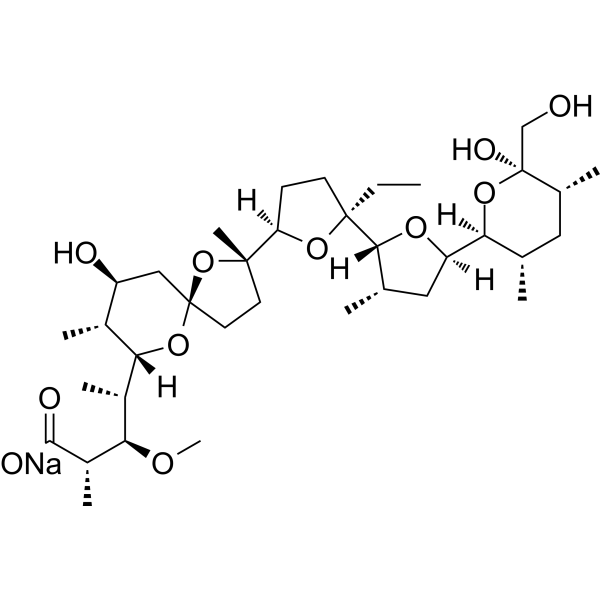
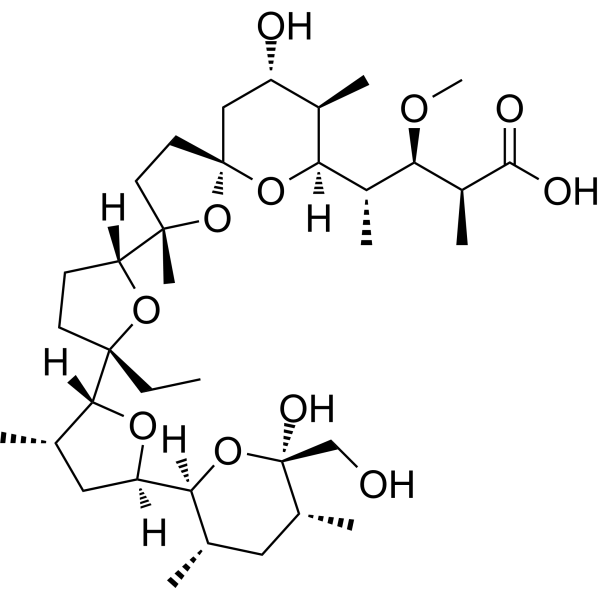
    Undecylenate SodiumIt is an organic compound belonging to the class of carboxylates. It is formed by the reaction of undecylenic acid and sodium hydroxide. Undecylenate SodiumIt has a variety of applications in the cosmetic and personal care industries, especially as an antifungal agent in products such as face creams, lotions and shampoos. In addition, it can be used as a preservative in various formulations.
    Undecylenate sodium
  • HY-KT001

    E3 Ligase Ligand-Linker Conjugates Cancer
    E3 Ligase Ligand-Linker Conjugate Kit is a series of synthesized compounds that incorporate an E3 ligase ligand and a linker used in PROTAC technology.
    E3 Ligase Ligand-Linker Conjugate Kit
  • HY-18317

    VEGFR RET c-Kit Cancer
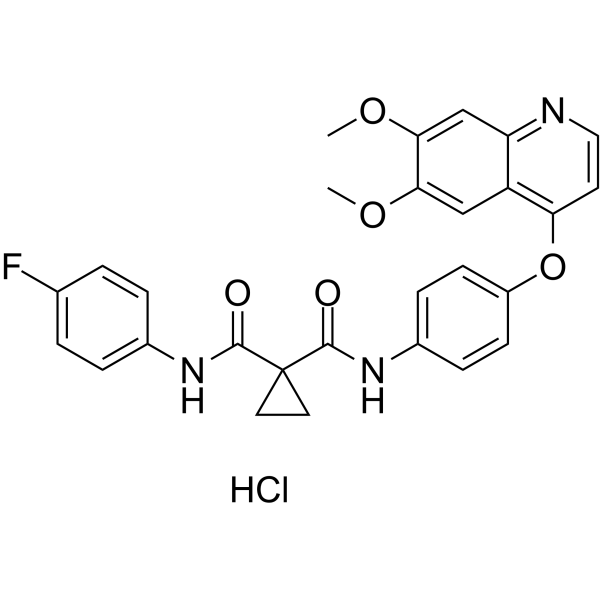
    JNJ-38158471 is a well tolerated, orally available, highly selective VEGFR-2 inhibitor, with an IC50 of 40 nM. JNJ-38158471 also inhibits Ret and Kit with IC50s of 180 and 500 nM, respectively .
    JNJ-38158471
  • HY-W009311

    4,4'-Bis(dimethylamino)thiobenzophenone

    Biochemical Assay Reagents Others
    Thiomichler's ketone (4,4'-Bis (dimethylamino) thiobenzophenone) is a heavy metal complexing agent and a colorimetric/spectrophotometric reagent. Thiomichler's ketone shows selectivity for Hg 2+ at pH 3, and exhibits activity towards Pd 2+ and Ag + at pH 3.5. Thiomichler's ketone enables accurate detection of trace Pd 2+ by forming an extractable Hg 2+ complex via micelle-mediated cloud point extraction, or generating a red coordination complex including Pd (TMK)4. Thiomichler's ketone is applicable for the determination of trace Pd 2+ in antibiotics and catalysts of automobile exhaust purifiers .
    Thiomichler's ketone
  • HY-D0902

    Biochemical Assay Reagents Others
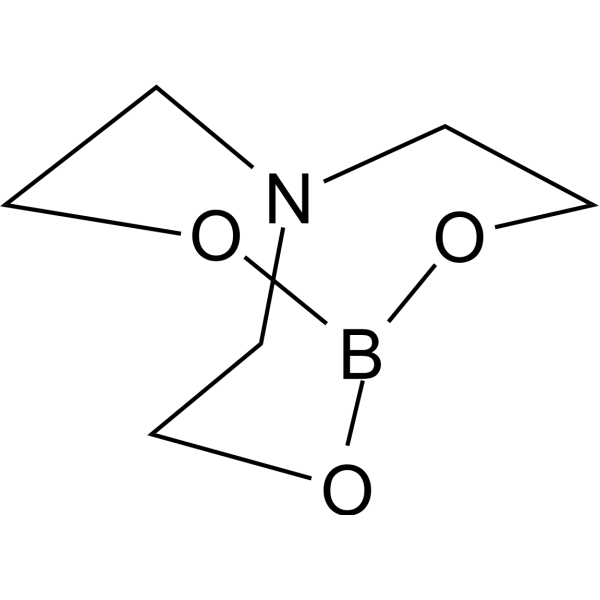
    Triethanolamine borate is a compound belonging to the class of borates. It is commonly used in the manufacture of personal care and cosmetics as an emulsifier, pH adjuster and buffer. Triethanolamine borate helps stabilize and thicken products such as lotions and creams and can improve their overall texture. It is also used in industrial applications such as the production of lubricants and metalworking fluids.
    Triethanolamine borate
  • HY-176266

    Mitochondrial Metabolism Neurological Disease
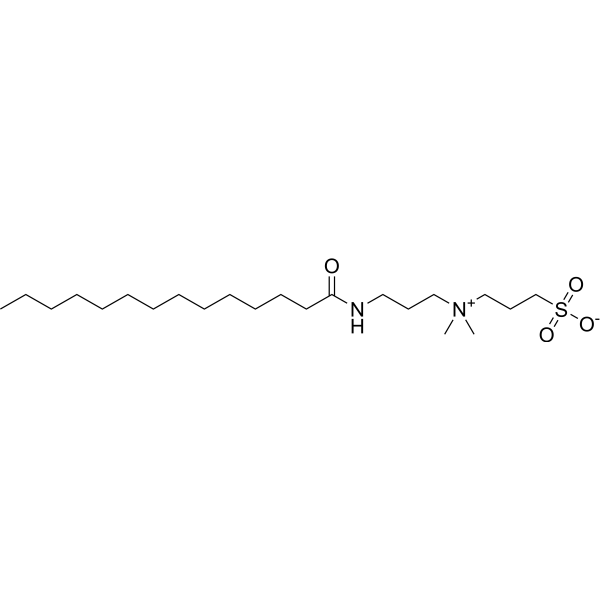
    KIT-13 is an orally active plasmalogen derivative to inhibit neuroinflammation and mitochondrial DNA leakage associated with Mecp2 deficiency. KIT-13 significantly reduce neurological symptoms and improves the life span of the Rett Syndrome (RTT) model mice. KIT-13 can be used for the study of RTT and other neuroinflammation-related diseases.
    KIT-13
  • HY-101034

    CHMFL-ABL-kit-155

    Bcr-Abl c-Kit Apoptosis PDGFR Discoidin Domain Receptor Cancer
    CHMFL-ABL/KIT-155 (CHMFL-ABL-KIT-155; compound 34) is a highly potent and orally active type II ABL/c-KIT dual kinase inhibitor (IC50s of 46 nM and 75 nM, respectively), and it also presents significant inhibitory activities to BLK (IC50=81 nM), CSF1R (IC50=227 nM), DDR1 (IC50=116 nM), DDR2 (IC50=325 nM), LCK (IC50=12 nM) and PDGFRβ (IC50=80 nM) kinases. CHMFL-ABL/KIT-155 (CHMFL-ABL-KIT-155) arrests cell cycle progression and induces apoptosis .
    CHMFL-ABL/KIT-155
  • HY-15198

    Raf PDGFR FLT3 c-Kit Cancer
    KG5 is an orally active dual PDGFRβ and B-Raf allosteric inhibitor. KG5 also inhibits Flt3, KIT and c-Raf. KG5 has anticancer, antiangiogenic activities .
    KG5
  • HY-16961A

    MGCD516 malate; MG-516 malate

    VEGFR c-Kit FLT3 Discoidin Domain Receptor Trk Receptor Inflammation/Immunology Cancer
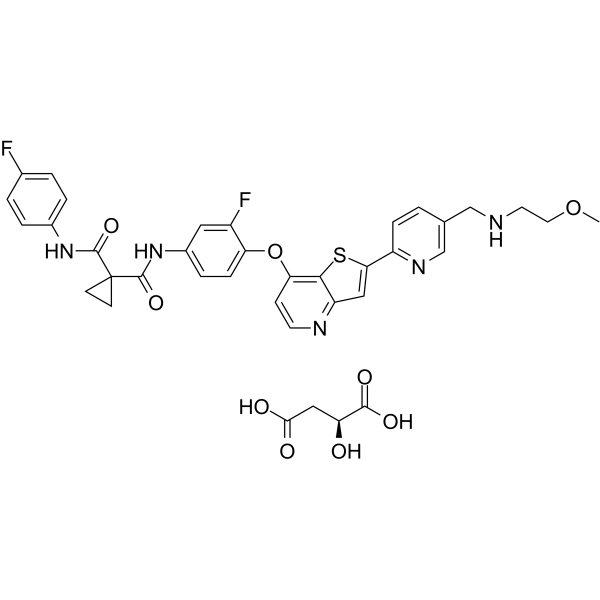
    Sitravatinib malate (MGCD516 malate) is an orally bioavailable receptor tyrosine kinase (RTK) inhibitor with IC50s of 1.5 nM, 2 nM, 2 nM, 5 nM, 6 nM, 6 nM, 8 nM, 0.5 nM, 29 nM, 5 nM, and 9 nM for Axl, MER, VEGFR3, VEGFR2, VEGFR1, KIT, FLT3, DDR2, DDR1, TRKA, TRKB, respectively . Sitravatinib malate shows potent single-agent antitumor efficacy and enhances the activity of PD-1 blockade through promoting an antitumor immune microenvironment .
    Sitravatinib malate
  • HY-W612975

    Parasite Others
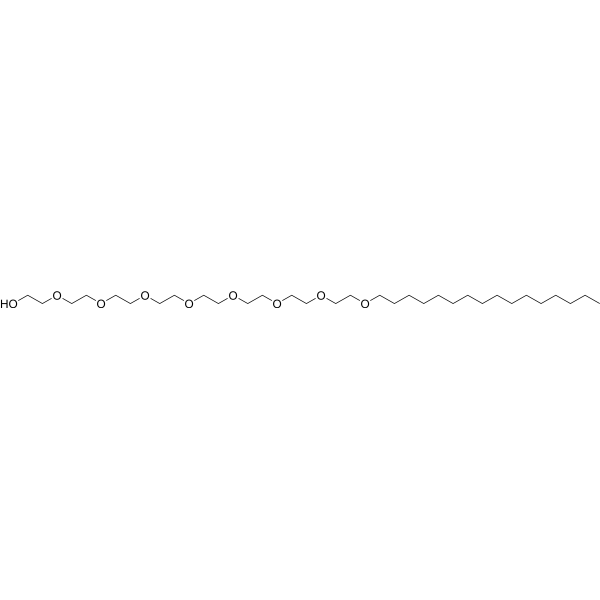
    4-Dodecylmorpholine (DMP) is a surfactant with antimalarial activity. It can be used as a hydrophilic enzyme detergent and is commonly used as an extraction collector in reverse foam preparation processes .
    4-Dodecylmorpholine
  • HY-17023R

    (S)-Omeprazole sodium (Standard); (-)-Omeprazole sodium (Standard)

    Reference Standards Exosomes Proton Pump Bacterial Endocrinology Cancer
    Esomeprazole (sodium) (Standard) is the analytical standard of Esomeprazole (sodium). This product is intended for research and analytical applications. Esomeprazole sodium ((S)-Omeprazole sodium) is a potent and orally active proton pump inhibitor. Esomeprazole reduces acid secretion through inhibition of the H +, K +-ATPase in gastric parietal cells. Esomeprazole acts as an exosome inhibitor by blocking the exosome release via the inhibition of V-H +-ATPases . Esomeprazole has the potential for symptomatic gastroesophageal reflux disease research .
    Esomeprazole sodium (Standard)
  • HY-P11174

    Exosomes Transmembrane Glycoprotein Others
    CP05 is a peptide that specifically recognizes an exosome surface marker (CD63). CP05 anchors exosomes to target tissues for in vivo delivery of exosomes .
    CP05
  • HY-122849

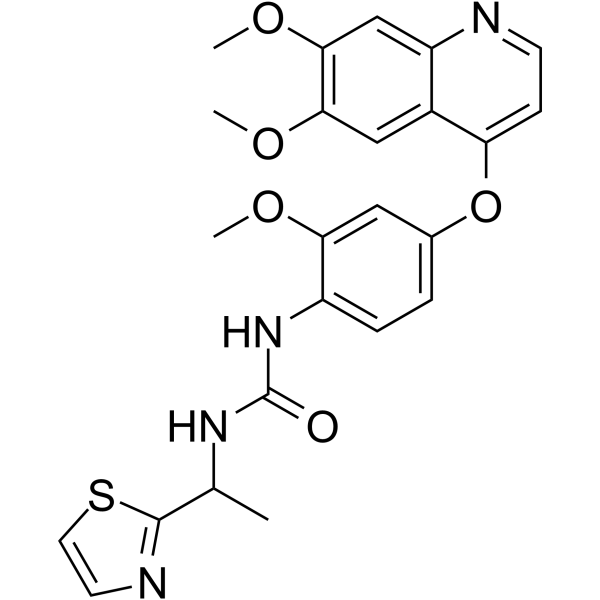
    c-Kit Cancer
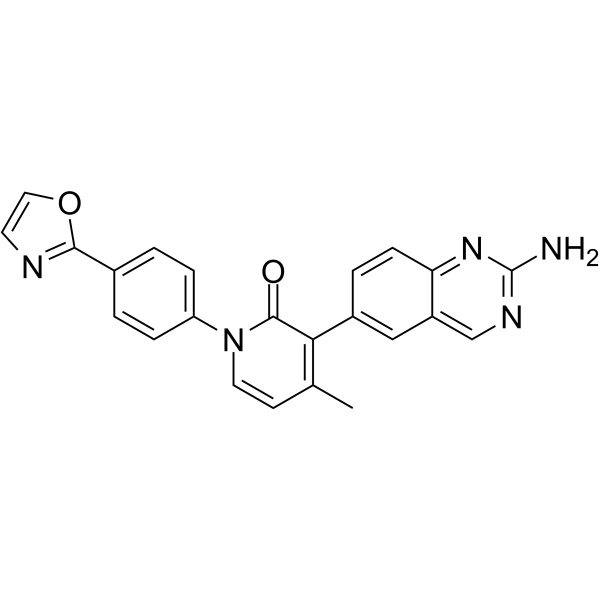
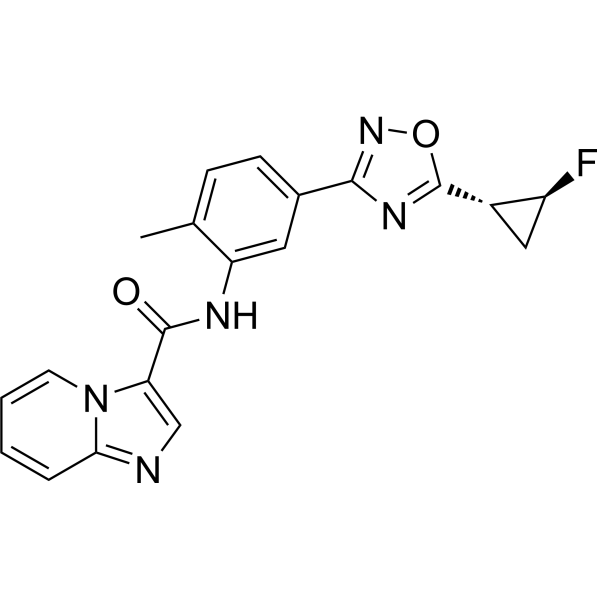
    CHMFL-KIT-031 is a highly selective KIT V559D inhibitor, with an IC50 of 28 nM. CHMFL-KIT-031 potently affects KIT V559D mutant’s phosphorylation at Y703/719/823 sites. CHMFL-KIT-031 inhibits the tumor growth in BaF3-TEL-KIT-V559D cell inoculated mouse model .
    CHMFL-KIT-031
  • HY-D0841R

    Endogenous Metabolite Reference Standards Infection Cancer
    Guanidine thiocyanate (Standard) is the analytical standard of Guanidine thiocyanate. This product is intended for research and analytical applications. Guanidine thiocyanate is a strong protein denaturant and potent inhibitor of nucleases. Guanidinium thiocyanate is a nucleic acid protector in the extraction of DNA and RNA from cells. Guanidine thiocyanate is a common component of buffers used for nucleic acid extraction .
    Guanidine thiocyanate (Standard)
  • HY-128589

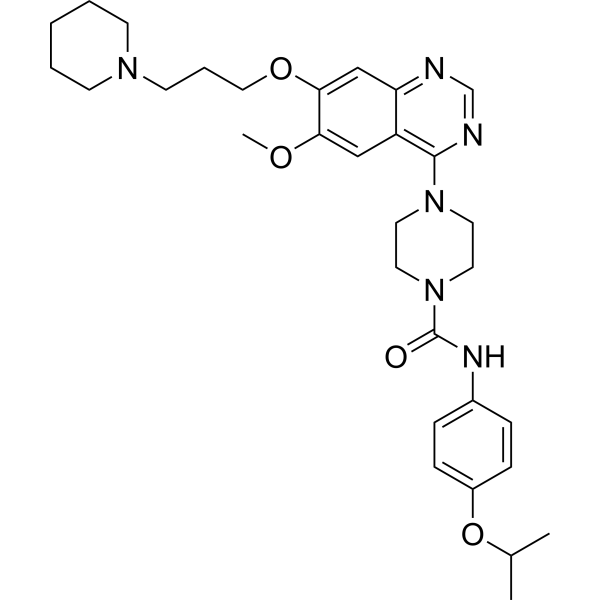
    c-Kit Cancer
    CHMFL-KIT-033 is a potent and selective inhibitor of c-KIT T670I mutant for gastrointestinal stromal tumors (GISTs), with an IC50 of 0.045 μM .
    CHMFL-KIT-033
  • HY-170911

    PDGFR Cancer
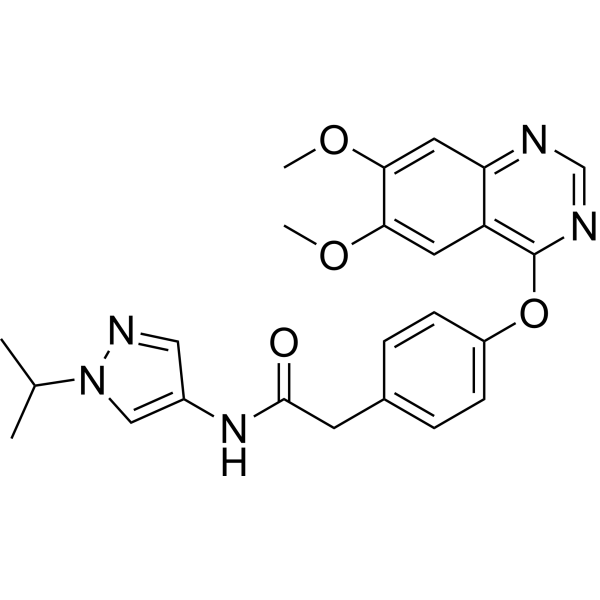
    KIT/PDGFRA-IN-1 (compound 19) is a stem cell growth factor receptor (KIT) and platelet-derived growth factor receptor alpha (PDGFRA) inhibitor. KIT/PDGFRA-IN-1 inhibits KIT-wt, KIT-D816H, KIT-T670I, PDGFRA-wt, PDGFRA-D842V, PDGFRA-T674I and PDGFRA-G680R with IC50s of 2.3, 12, 492, 0.8, 99.9, 42.3, and 4.3 μM, respectively. KIT/PDGFRA-IN-1 inhibits GIST-T1, T1-a-D842V and GIST-48B cells (PDGFR- and KIT-Mutant GIST cell Lines) with GR50s of 12, 8900, ≥10 000 nM, respectively .
    KIT/PDGFRA-IN-1
  • HY-177275

    c-Kit Cancer
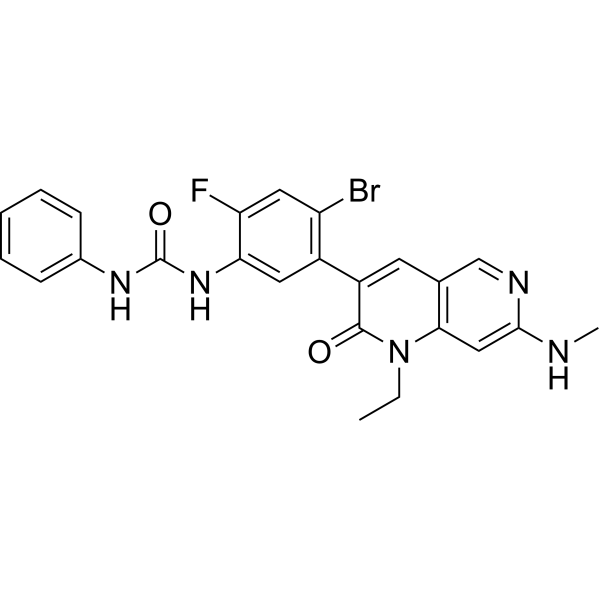
    c-Kit Receptor modulator-1 (Compound #22) is a c-Kit Receptor modulator. c-Kit Receptor modulator-1 can be used for malignant cancers such as canine mastocytoma, human gastrointestinal stromal tumor and small cell lung cancer research .
    c-Kit Receptor modulator-1
  • HY-P990851

    c-Kit Inflammation/Immunology Cancer
    Anti-c-Kit/CD117 Antibody (SR-1) is a kind of mouse IgG2a κ chimeric antibody inhibitor, targeting to human c-Kit/CD117. Anti-c-Kit/CD117 Antibody (SR-1) binds to the extracellular domain of human c-Kit (also known as CD117) and blocks stem cell factor (SCF) binding to CD117. Anti-c-Kit/CD117 Antibody (SR-1) can be used for the researches of cancer and immunology, such as gastrointestinal stromal tumor (GIST) and xenograft .
    Anti-c-Kit/CD117 Antibody (SR-1)
  • HY-13662R

    AG-1749 (Standard)

    Bacterial Phospholipase Proton Pump Reference Standards Exosomes Inflammation/Immunology Cancer
    Lansoprazole (Standard) is the analytical standard of Lansoprazole. This product is intended for research and analytical applications. Lansoprazole (AG 1749) is an orally active proton pump inhibitor which prevents the stomach from producing acid. Lansoprazole (AG 1749) is a potent brain penetrant neutral sphingomyelinase (N-SMase) inhibitor (exosome inhibitor) .
    Lansoprazole (Standard)
  • HY-139996

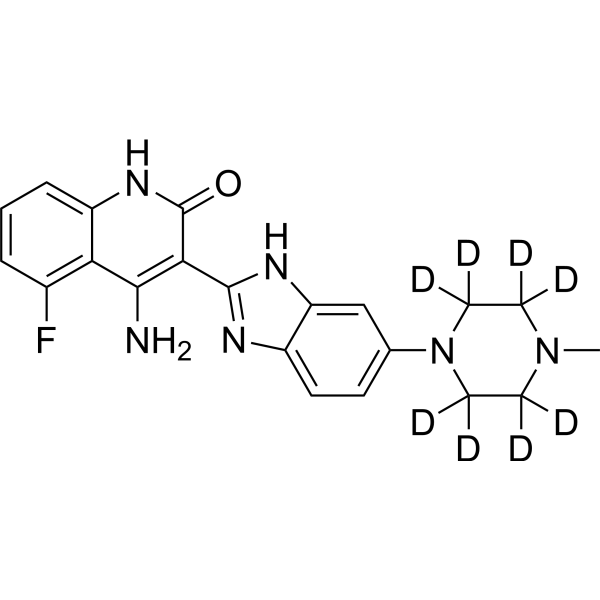
    PROTACs Apoptosis FLT3 c-Kit FGFR VEGFR PDGFR c-Fms Cancer
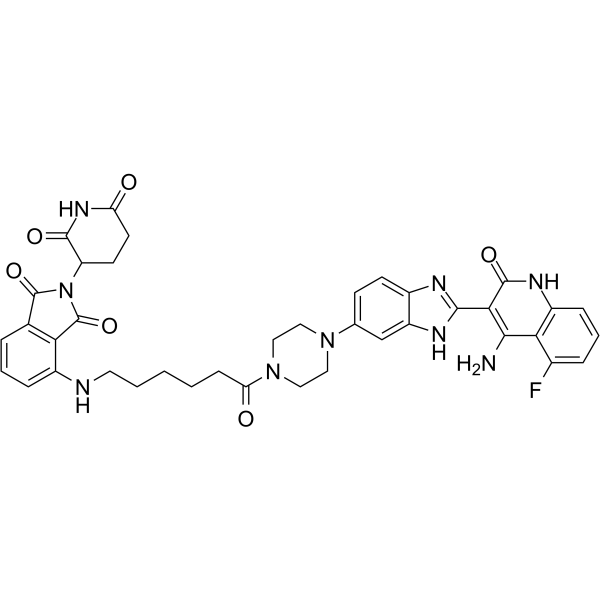
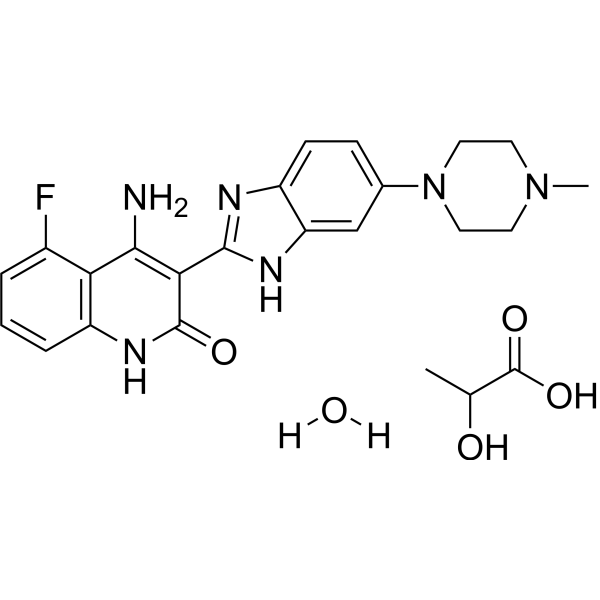
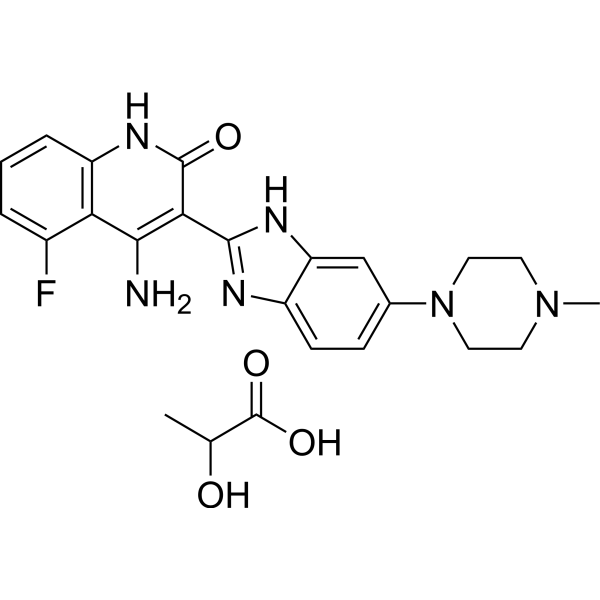
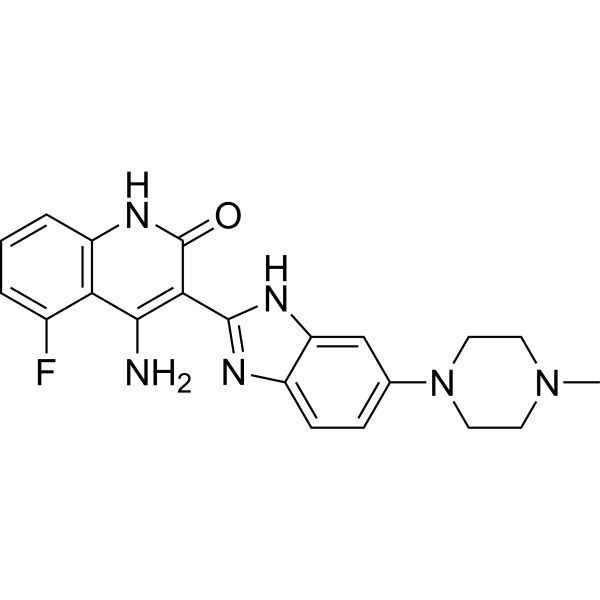
    Pomalidomide-C5-Dovitinib (compound 2) is a PROTAC containing Pomalidomide, Dovitinib and connected with CRBN. Pomalidomide-C5-Dovitinib shows enhanced antiproliferative effects against FLT3-ITD+ AML cells. Pomalidomide-C5-Dovitinib induces the degradation of the FLT3-ITD and KIT proteins in a ubiquitin-proteasome-dependent manner and completely blocks their downstream signaling pathway. Pomalidomide-C5-Dovitinib has the potential for the research of FLT3-ITD + acute myeloid leukemia .
    Pomalidomide-C5-Dovitinib

Inquiry Online

Your information is safe with us. * Required Fields.

Salutation


Country or Region *

Applicant Name *


Organization Name *

Department *


Email Address *


Product Name *

Cat. No.


Requested quantity *

Phone Number *


Remarks

Inquiry Online

Inquiry Information

Product Name:
Cat. No.:
Quantity:
MCE Japan Authorized Agent: