



Dovitinib (Standard)
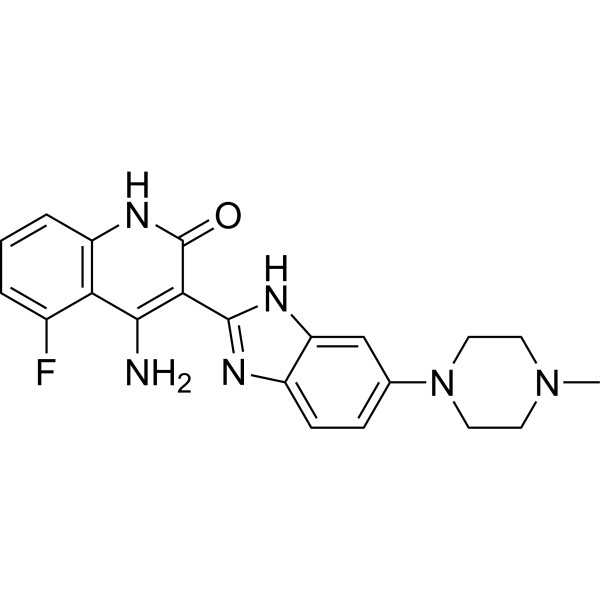
Dovitinib (Standard) is the analytical standard of Dovitinib. This product is intended for research and analytical applications. Dovitinib (CHIR-258) is an orally active, potent multi-targeted tyrosine kinase (RTK) inhibitor with IC50s of 1, 2, 36, 8/9, 10/13/8, 27/210 nM for FLT3, c-Kit, CSF-1R, FGFR1/FGFR3, VEGFR1/VEGFR2/VEGFR3 and PDGFRα/PDGFRβ, respectively. Dovitinib has potent antitumor activity.
For research use only. We do not sell to patients.
- Purity : 98%
- CAS No.: 405169-16-6
- Formula: C21H21FN6O
- Molecular Weight:392.43
-
Storage:
Please store the product under the recommended conditions in the Certificate of Analysis.


To place orders, for customer services and technical support, please contact: MedChemExpress USA
Tel: 609-228-6898 E-mail: [email protected] [email protected]


-
 Product Information
-
Chemical Information
- Purity & Documentation
-
 Help & FAQs


-
HY-50905
DovitinibMultiple RTK Inhibitor -
HY-10208
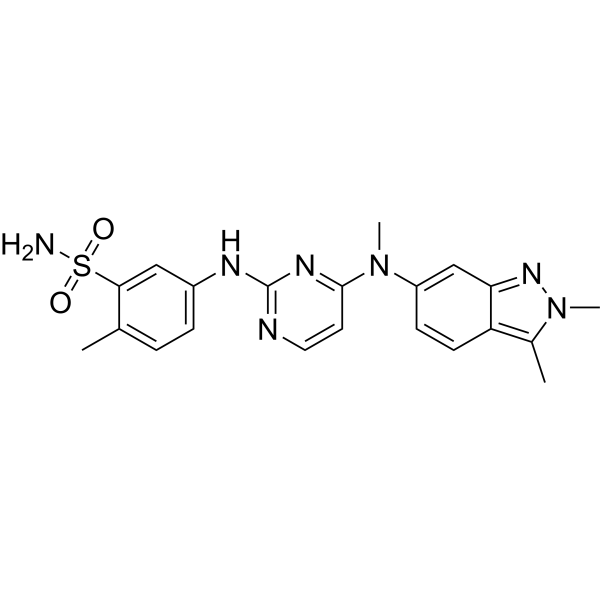
PazopanibVEGFR Inhibitor -
HY-12047
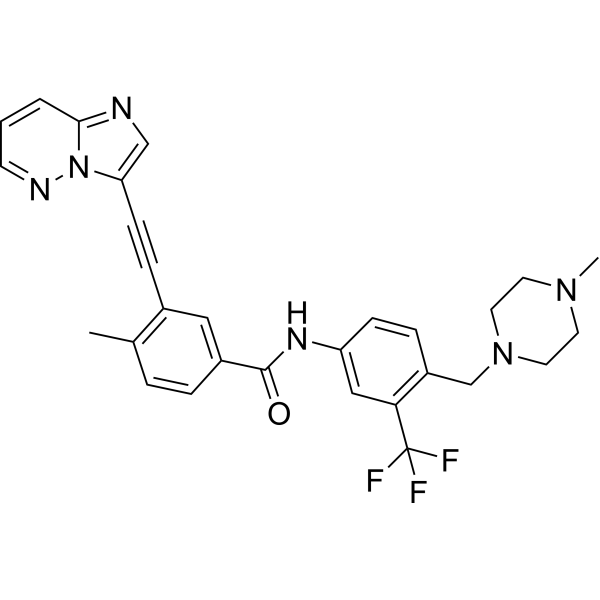
PonatinibMulti-targeted Kinase Inhibitor -
HY-13311
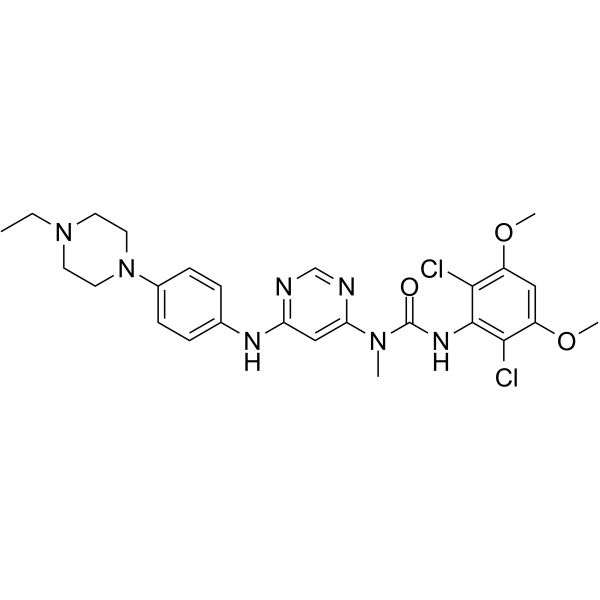
InfigratinibFGFR Inhibitor -
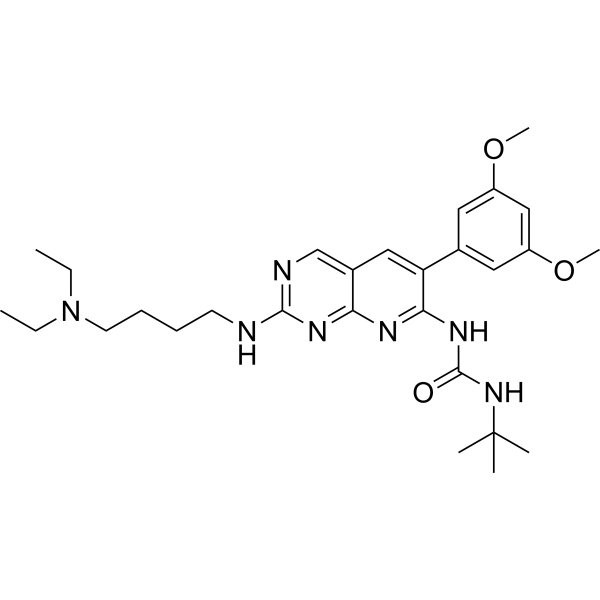
HY-10321
PD173074FGFR1 Inhibitor -
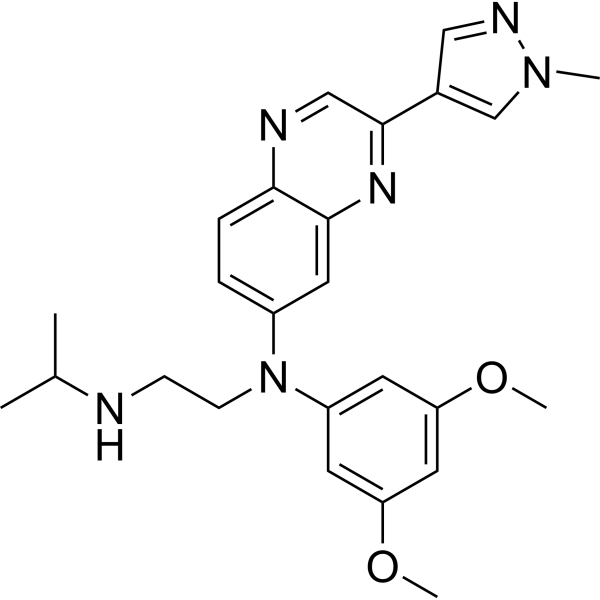
HY-18708
ErdafitinibFGFR Inhibitor -
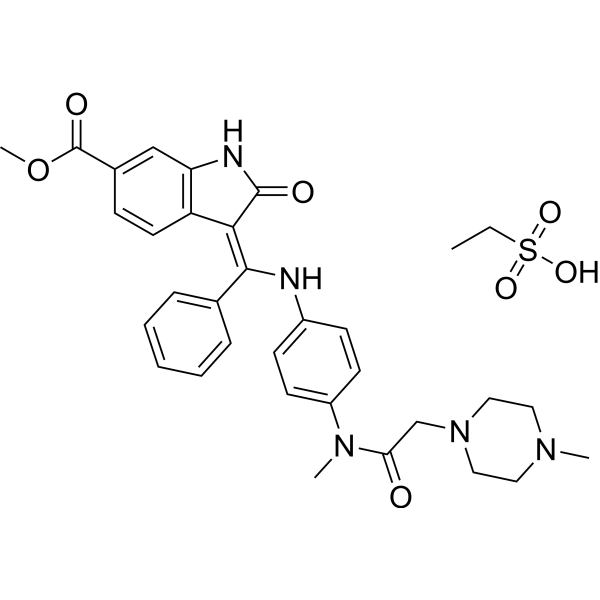
HY-11106
Nintedanib esylatePDGFR/VEGFR/FGFR Inhibitor -
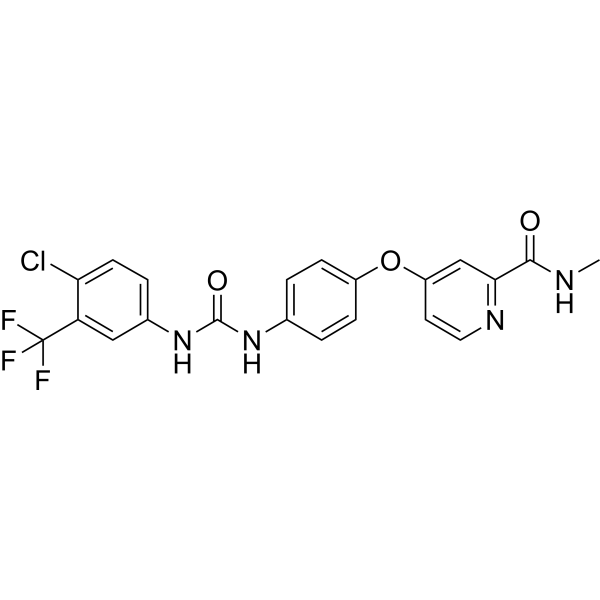
HY-10201
SorafenibMultikinase Inhibitor -
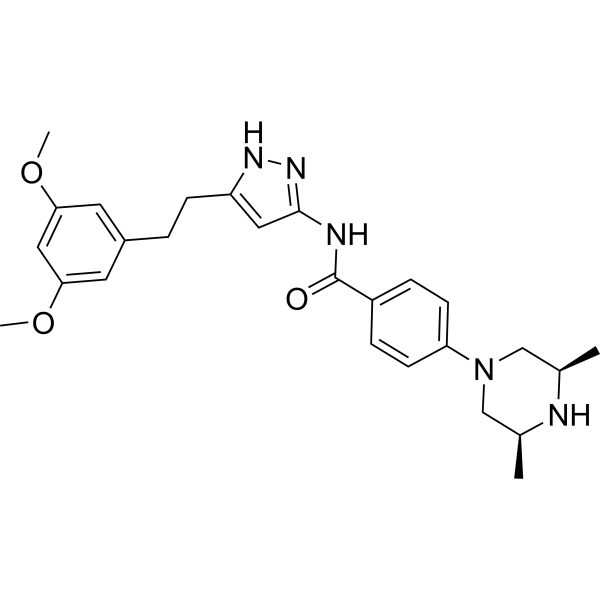
HY-13330
FexagratinibFGFR Inhibitor -
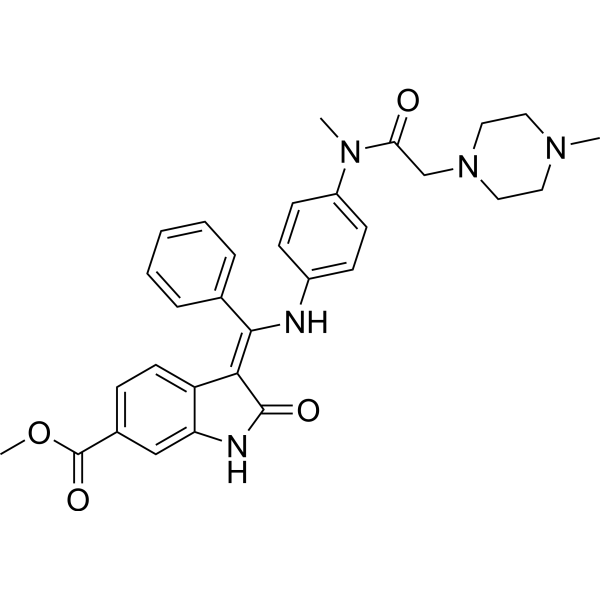
HY-50904
NintedanibPDGFR/VEGFR/FGFR Inhibitor -
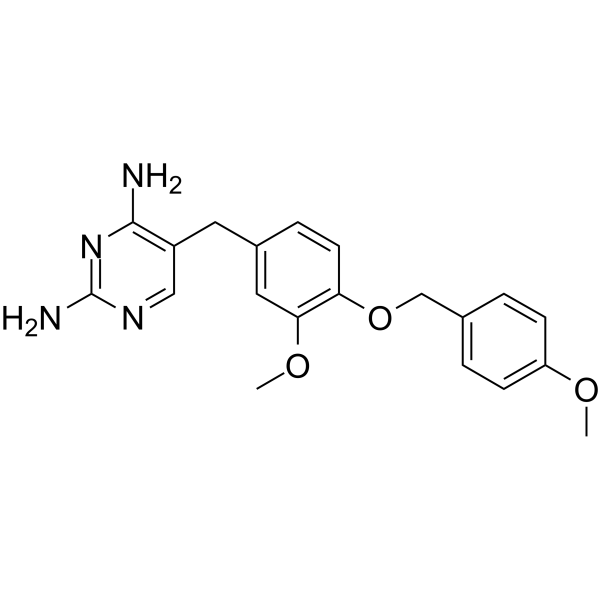
HY-10917
GW2580c-Fms Inhibitor -
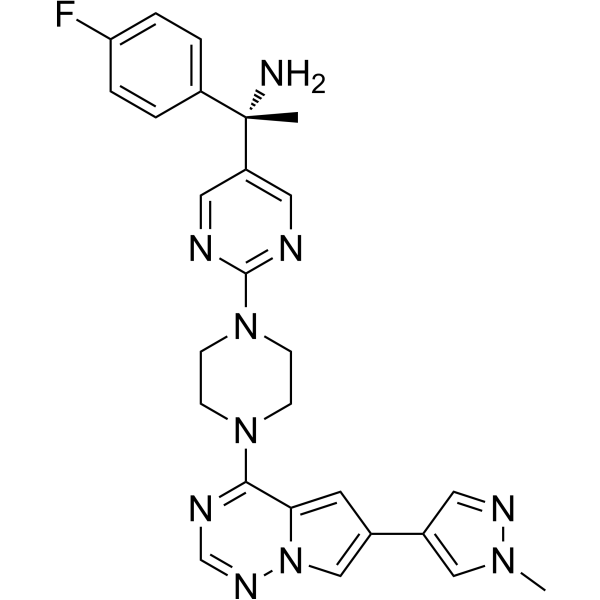
HY-101561
AvapritinibKIT/PDGFRA Inhibitor


Product Information
Information
Application
The compound is the grade of analytical standard, which is the reference standard supplied assay. It is commonly used in qualitative, quantitative and methodological research experiments in HPLC, GC and MS.


Chemical Information
-
CAS No. 405169-16-6
-
Molecular Weight 392.43
-
Formula C21H21FN6O
-
SMILES
O=C1NC(C=CC=C2F)=C2C(N)=C1C3=NC4=CC=C(N5CCN(C)CC5)C=C4N3
-
Synonyms
CHIR-258 (Standard); TKI258 (Standard)
-
Shipping
Room temperature in continental US; may vary elsewhere.
-
Storage
Please store the product under the recommended conditions in the Certificate of Analysis.


Purity & Documentation
References
[1]. Trudel S, et al. CHIR-258, a novel, multitargeted tyrosine kinase inhibitor for the potential treatment of t(4;14) multiple myeloma. Blood. 2005, 105(7), 2941-2948. [Content Brief]
[2]. Huynh H, et al. Dovitinib demonstrates antitumor and antimetastatic activities in xenograft models of hepatocellular carcinoma. J Hepatol. 2012, 56(3), 595-601. [Content Brief]
[3]. Lee Y, et al. A Receptor Tyrosine Kinase Inhibitor, Dovitinib (TKI-258), Enhances BMP-2-Induced Osteoblast Differentiation In Vitro. Mol Cells. 2016 May 31;39(5):389-94 [Content Brief]
[4]. Chon HJ, et al. Traf2- and Nck-interacting kinase (TNIK) is involved in the anti-cancer mechanism of dovitinib in human multiple myeloma IM-9 cells. Amino Acids. 2016 Jul;48(7):1591-9. [Content Brief]

Calculators
Concentration (start) × Volume (start) = Concentration (final) × Volume (final)


Dovitinib (Standard) Related Classifications
HY-50905R Related Classifications
 Powered by Bioz