Search Result
Results for "
active+metabolite
" in MedChemExpress (MCE) Product Catalog:
4
Biochemical Assay Reagents
148
Isotope-Labeled Compounds
| Cat. No. |
Product Name |
Target |
Research Areas |
Chemical Structure |
-
- HY-10002
-
-
-
- HY-B0016
-
-
-
- HY-15405
-
|
A77 1726
|
Drug Metabolite
|
Inflammation/Immunology
|
|
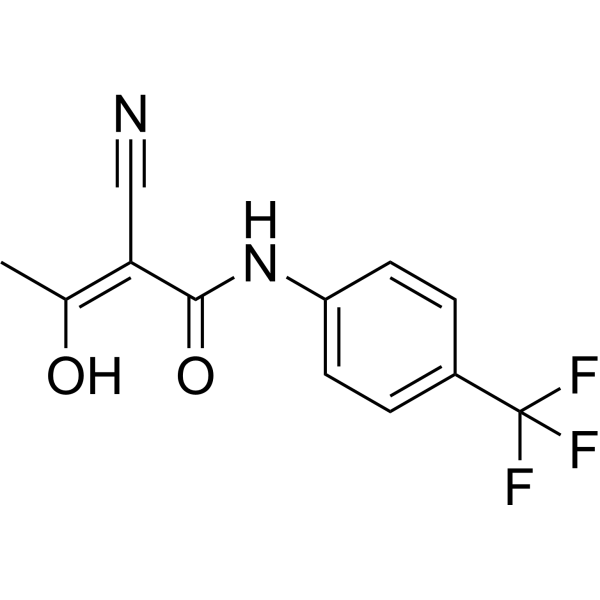
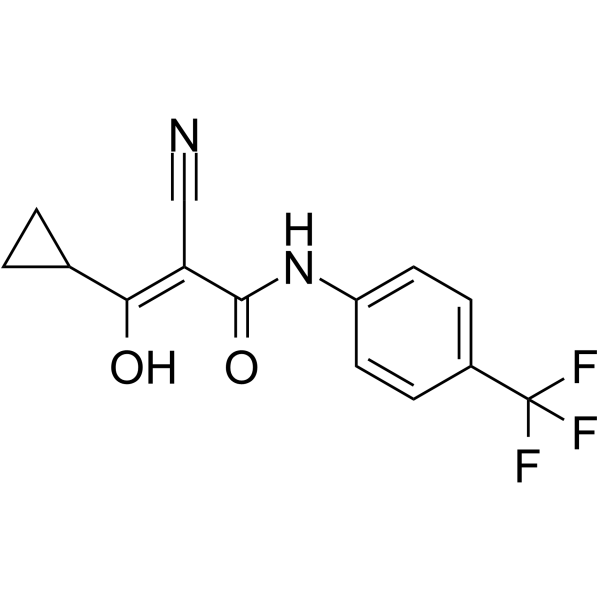
Teriflunomide is the active metabolite of leflunomide, an approved therapy for rheumatoid arthritis. It inhibits pyrimidine synthesis and therefore potently decreases T cell and B cell proliferation.
|
-
-
- HY-13609
-
-
-
- HY-137316A
-
|
|
DNA Alkylator/Crosslinker
Drug Metabolite
|
Cancer
|
|
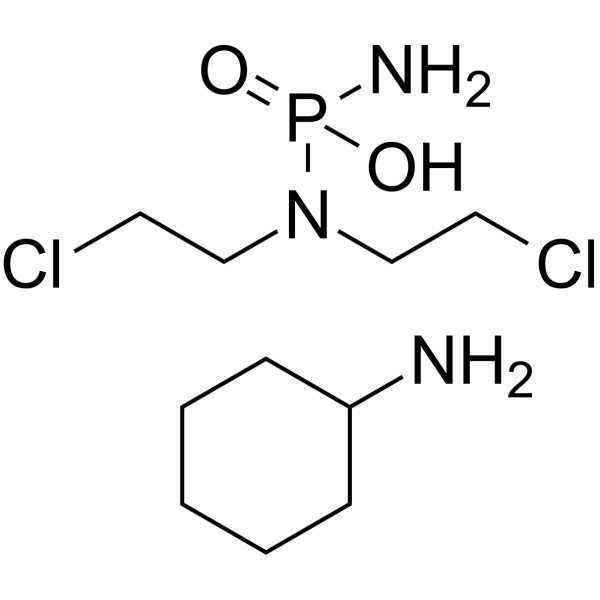
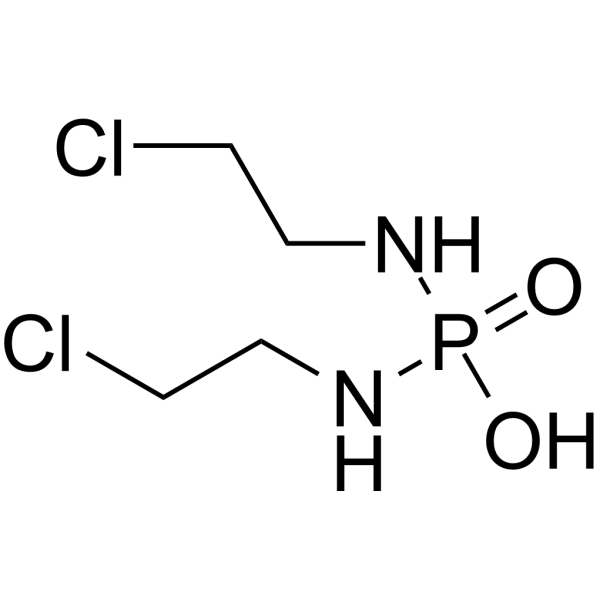
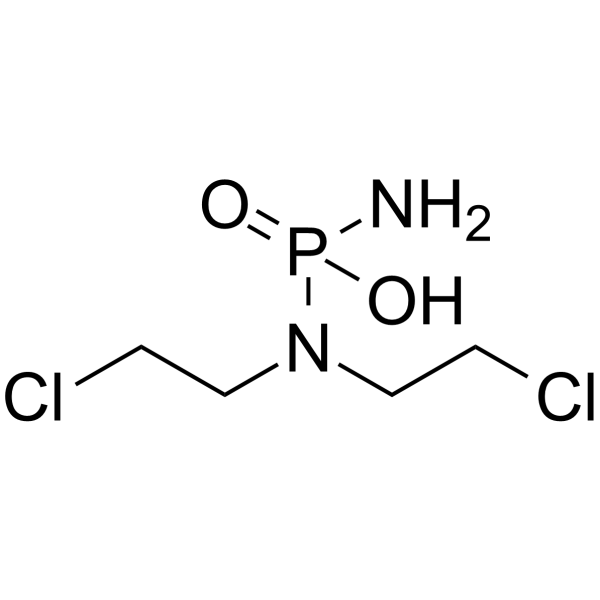
Phosphoramide mustard cyclohexanamine is a biologically active metabolite of Cyclophosphamide (HY-17420), with anticancer activitiy. Phosphoramide mustard cyclohexanamine induces DNA damage .
|
-
-
- HY-B0331A
-
-
-
- HY-119696
-
-
-
- HY-118620
-
|
Desmethylamitriptyline; Desitriptilina
|
Autophagy
Drug Metabolite
Apoptosis
|
Neurological Disease
Cancer
|
|
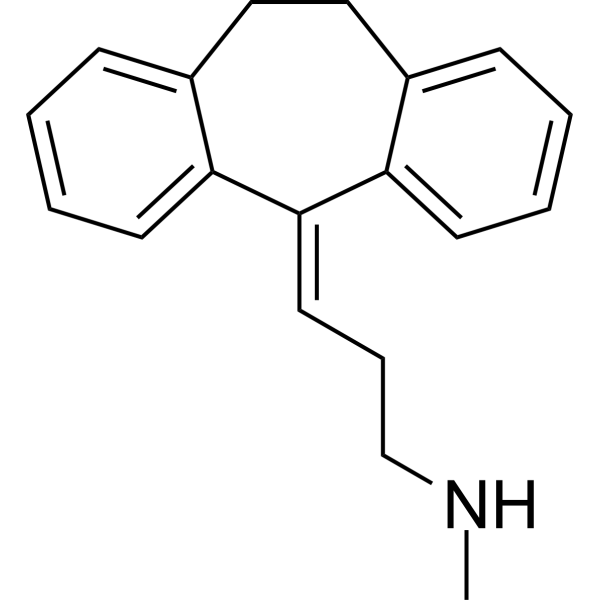
Nortriptyline (Desmethylamitriptyline), the main active metabolite of Amitriptyline, is a tricyclic antidepressant. Nortriptyline is a potent autophagy inhibitor and has anticancer effects .
N
|
-
-
- HY-14798
-
-
-
- HY-12772
-
|
R-63373
|
Fungal
Drug Metabolite
|
Others
|
|
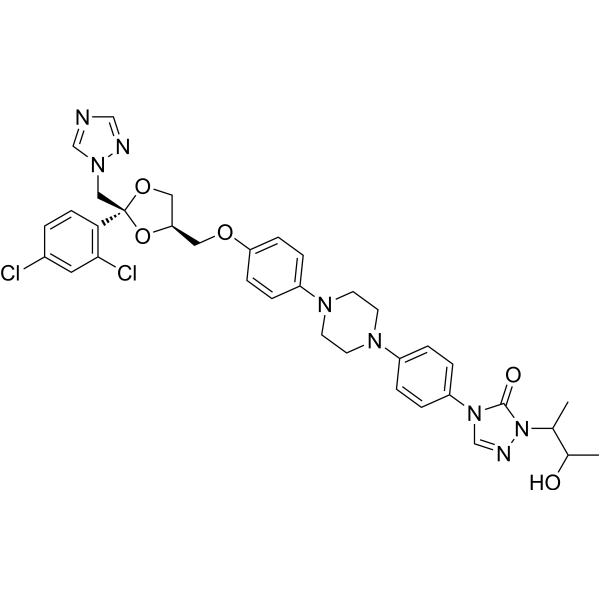
Hydroxy Itraconazole (R-63373) is an active metabolite of Itraconazole (ITZ), which is a triazole antifungal agent.
|
-
-
- HY-12785
-
|
Ricobendazole; Albendazole oxide
|
Parasite
|
Infection
|
|
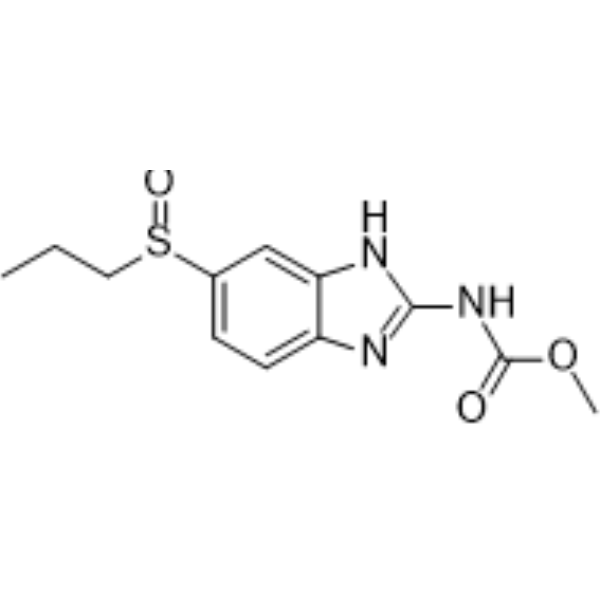
Albendazole sulfoxide (Ricobendazole), the main active metabolite of Albendazole, exhibits anti-parasite effect against Echinococcus multilocularis Metacestodes .
|
-
-
- HY-B1417
-
|
Desmethylamitriptyline hydrochloride; Desitriptilina hydrochloride
|
Autophagy
Drug Metabolite
Apoptosis
|
Neurological Disease
Cancer
|
|
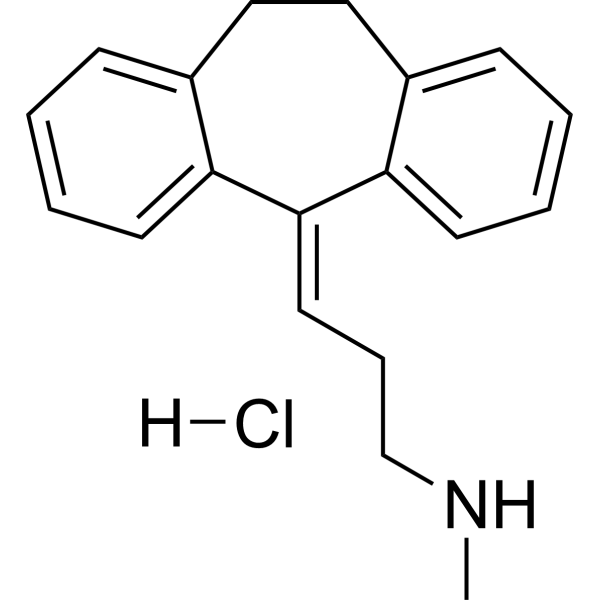
Nortriptyline (Desmethylamitriptyline) hydrochloride, the main active metabolite of Amitriptyline, is a tricyclic antidepressant. Nortriptyline hydrochloride is a potent autophagy inhibitor and has anticancer effects .
|
-
-
- HY-N0227
-
|
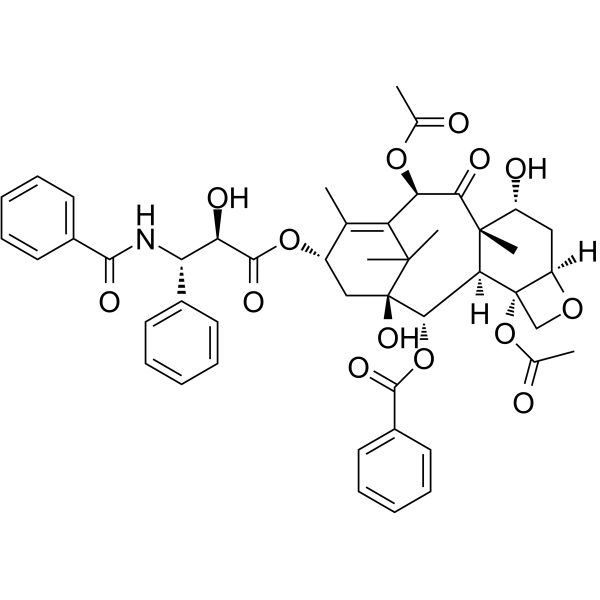
7-epi-Paclitaxel
|
Microtubule/Tubulin
|
Cancer
|
|
7-epi-Taxol is an active metabolite of taxol, with activity comparable to that of taxol against cell replication, promoting microtubule bundle formation and against microtubule depolymerization.
|
-
-
- HY-70002A
-
|
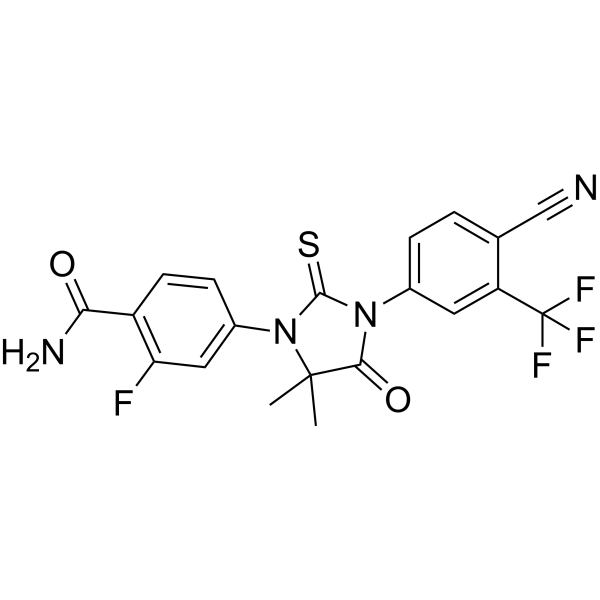
N-Desmethyl MDV 3100
|
Androgen Receptor
|
Cancer
|
|
N-desmethyl Enzalutamide is the active metabolite of Enzalutamide.N-desmethyl Enzalutamide is the active metabolite of Enzalutamide. N-desmethyl Enzalutamide demonstrates primary and secondary pharmacodynamics of similar potency to Enzalutamide and circulates at approximately the same plasma concentrations as enzalutamide .
|
-
-
- HY-79593
-
-
-
- HY-B0794
-
-
-
- HY-B0806
-
|
|
Parasite
Antifolate
|
Infection
|
|
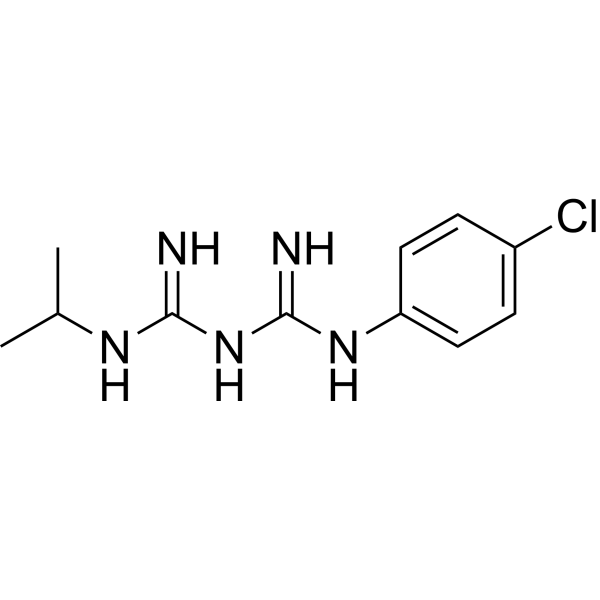
Proguanil, an antimalarial proagent, is metabolized to the active metabolite Cycloguanil (HY-12784). Proguanil is a dihydrofolate reductase (DHFR) inhibitor .
|
-
-
- HY-108549
-
|
Omuralide; β-Clastolactacystin
|
Proteasome
|
Cancer
|
|
Clasto-Lactacystin β-lactone, a natural active metabolite of lactacystin, which is a metabolite of Streptomyces, acts as an irreversible 20S proteasome inhibitor.
|
-

-
- HY-19657
-
-
-
- HY-76814
-
-
-
- HY-19764
-
|
|
RIP kinase
|
Cancer
|
|
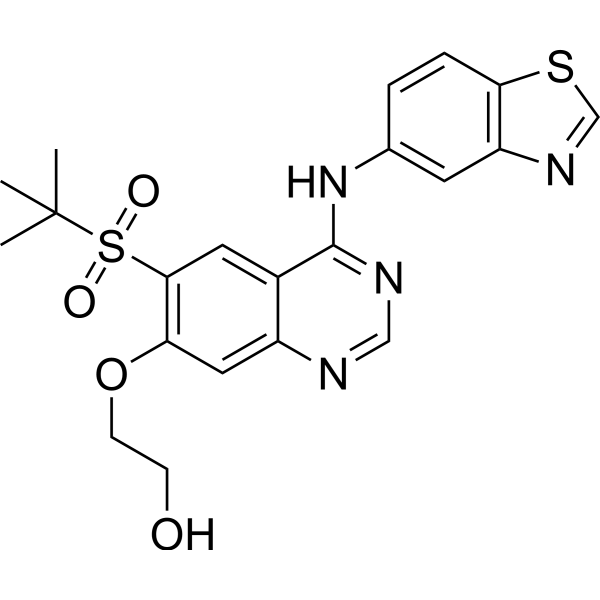
GSK2983559 active metabolite is an active metabolite of GSK2983559. GSK2983559 active metabolite is a receptor interacting protein-2 (RIP2) kinase inhibitor extracted from patent WO/2014043446 A1, compound example 1.
|
-
-
- HY-111490
-
-
-
- HY-B0794B
-
-
-
- HY-B0806A
-
|
|
Parasite
Antifolate
|
Infection
|
|
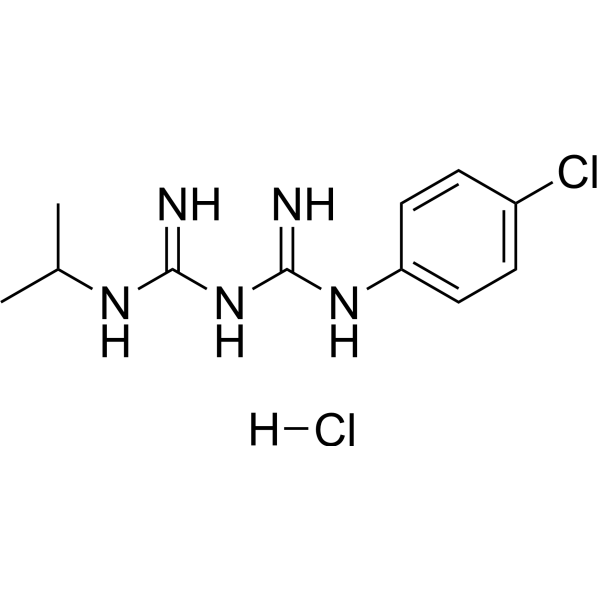
Proguanil hydrochloride, an antimalarial proagent, is metabolized to the active metabolite Cycloguanil (HY-12784). Proguanil hydrochloride is a dihydrofolate reductase (DHFR) inhibitor .
|
-
-
- HY-107494A
-
|
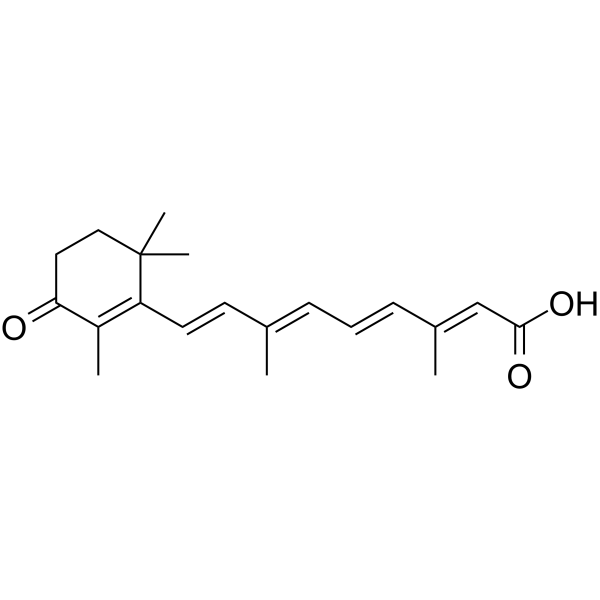
all-trans 4-Keto Retinoic Acid
|
Endogenous Metabolite
|
Metabolic Disease
|
|
all-trans-4-Oxoretinoic acid, an active metabolite of vitamin A, induces gene transcription via binding to nuclear retinoic acid receptors (RARs).
|
-
-
- HY-43533
-
|
|
EGFR
|
Cancer
|
|
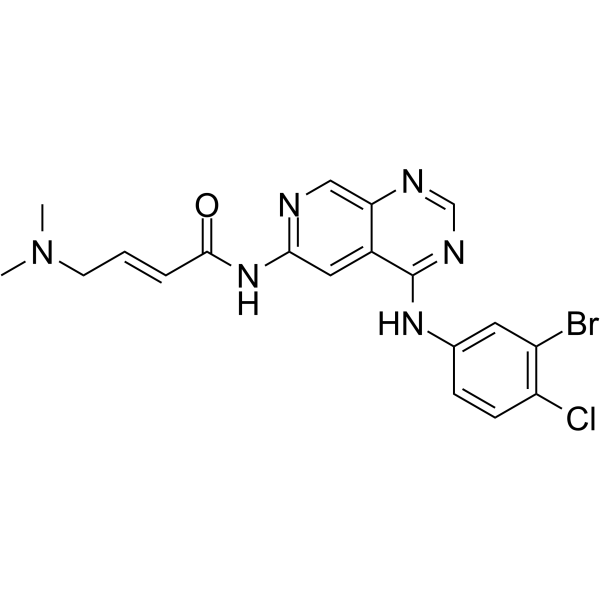
Tarlox-TKI, the active metabolite of Tarloxotinib, is an irreversible pan-ErbB TKI (Tarlox-TKI) .
|
-
-
- HY-135391
-
|
Ezetimibe glucuronide; Ezetimibe β-D-glucuronide
|
Drug Metabolite
|
Metabolic Disease
|
|
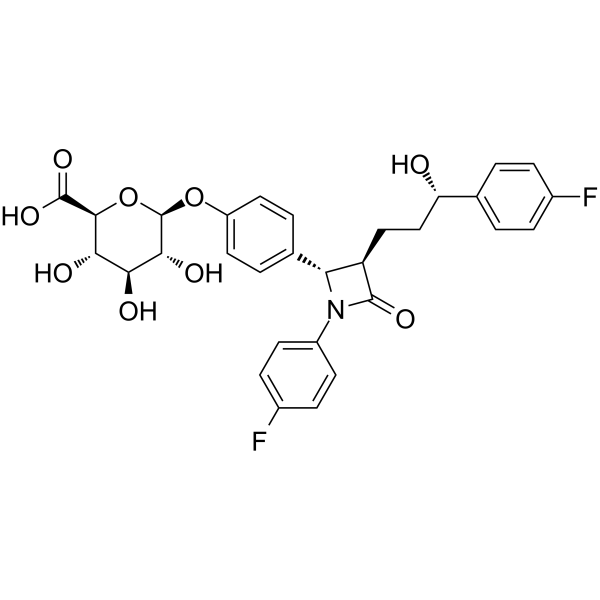
Ezetimibe phenoxy glucuronide (Ezetimibe glucuronide) is the active metabolite of Ezetimibe. Antihyperlipoproteinemic activity . Ezetimibe is a potent cholesterol absorption inhibitor .
|
-
-
- HY-137316
-
-
-
- HY-B0331AR
-
-

-
- HY-B1103
-
-
-
- HY-N6039
-
-
-
- HY-135556
-
|
|
Drug Metabolite
|
Neurological Disease
|
|
Norfluoxetine is the active metabolite of antidepressant Fluoxetine (HY-B0102). Norfluoxetine is a selective inhibitor for serotonin uptake .
|
-

-
- HY-129336
-
|
LSN3106726
|
CDK
|
Cancer
|
|
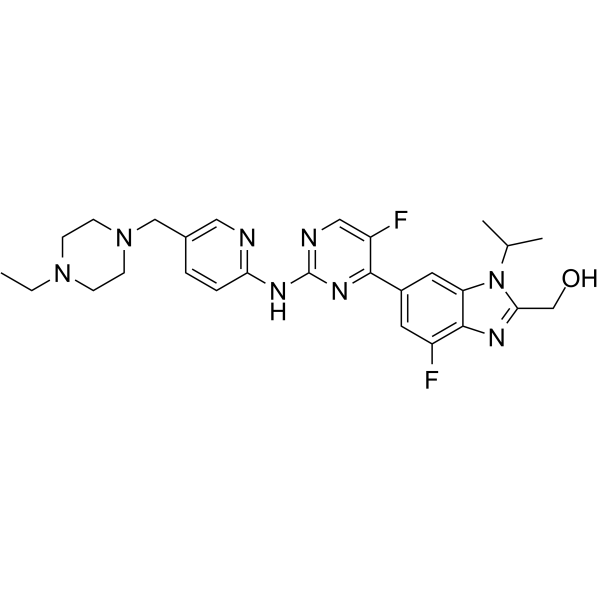
Abemaciclib metabolite M20 (LSN3106726), the active metabolite of Abemaciclib, is a selective CDK4/6 inhibitor for the treatment of cancer .
|
-
-
- HY-100646A
-
|
|
Drug Metabolite
|
Neurological Disease
|
|
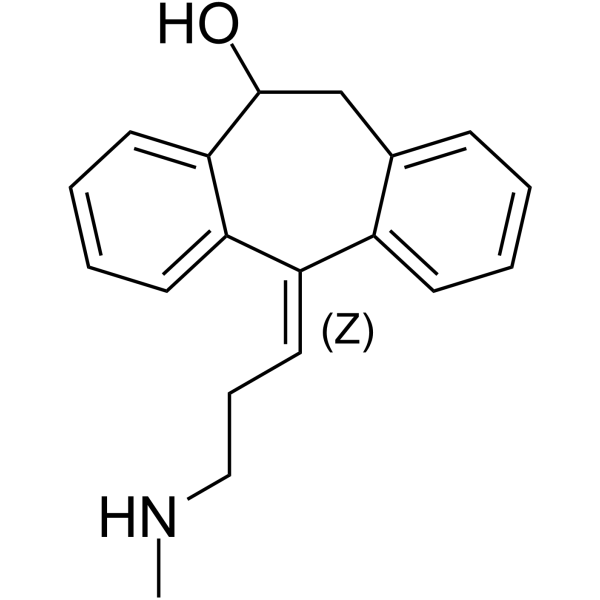
(Z)-10-Hydroxynortriptyline is a metabolite of Nortriptyline. Nortriptyline is a tricyclic antidepressant and the main active metabolite of Amitriptyline, and is used to relieve the symptoms of depression .
|
-
-
- HY-109592
-
-
-
- HY-B1417S
-
|
Desmethylamitriptyline-d3 hydrochloride; Desitriptilina-d3 hydrochloride
|
Isotope-Labeled Compounds
Autophagy
Apoptosis
Drug Metabolite
|
Neurological Disease
Cancer
|
|
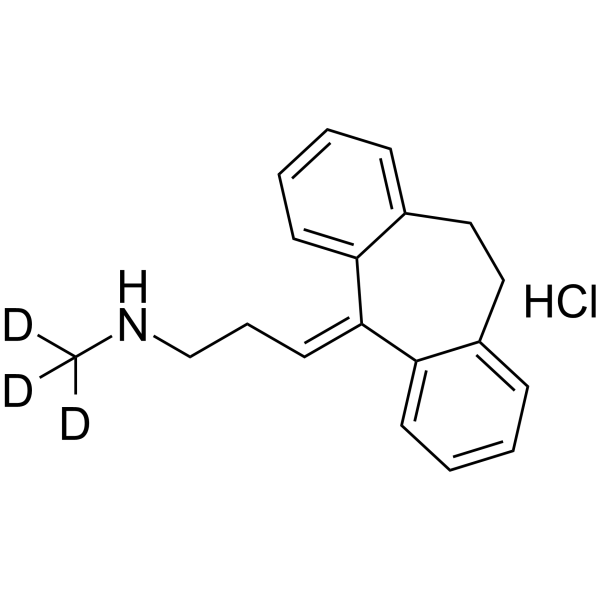
Nortriptyline-d3 (hydrochloride) is the deuterium labeled Nortriptyline hydrochloride. Nortriptyline hydrochloride (Desmethylamitriptyline hydrochloride) is a tricyclic antidepressant and the main active metabolite of Amitriptyline, and used to relieve the symptoms of depression .
|
-
-
- HY-B0016S
-
-
-
- HY-100085
-
|
21-desDFZ
|
Drug Metabolite
|
Inflammation/Immunology
|
|
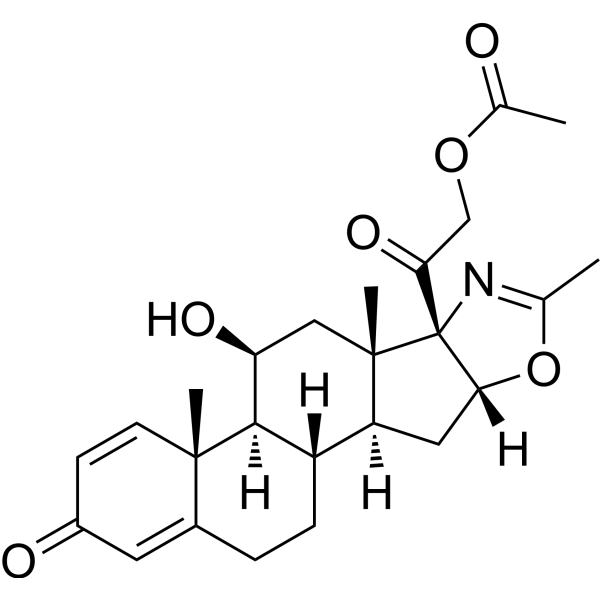
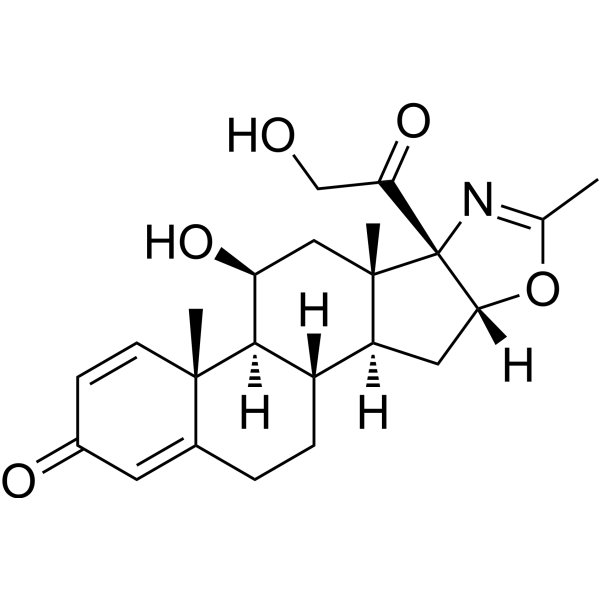
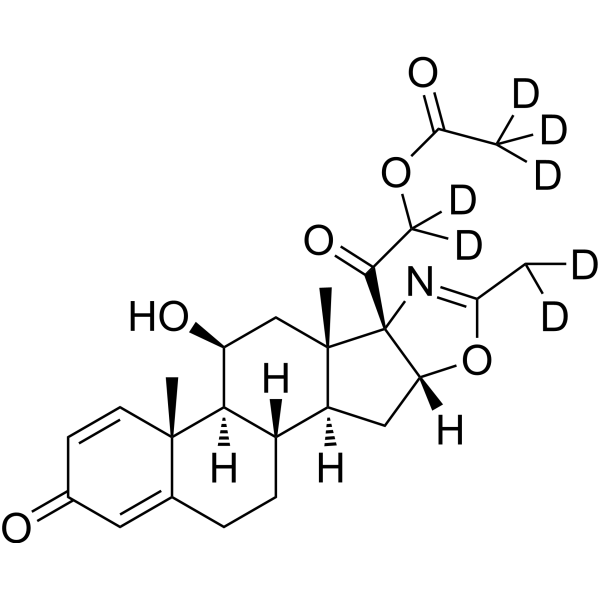
21-Desacetyldeflazacort (21-desDFZ) is the active metabolite of Deflazacort (HY-13609). Deflazacort is an anti-inflammatory and immunosuppressant. Deflazacort is an inactive pro-drug which can be rapidly converted by esterases to the active metabolite 21-desacetyldeflazacort after oral administration .
|
-
-
- HY-100635
-
-
-
- HY-G0001A
-
|
|
Drug Metabolite
|
Neurological Disease
|
|
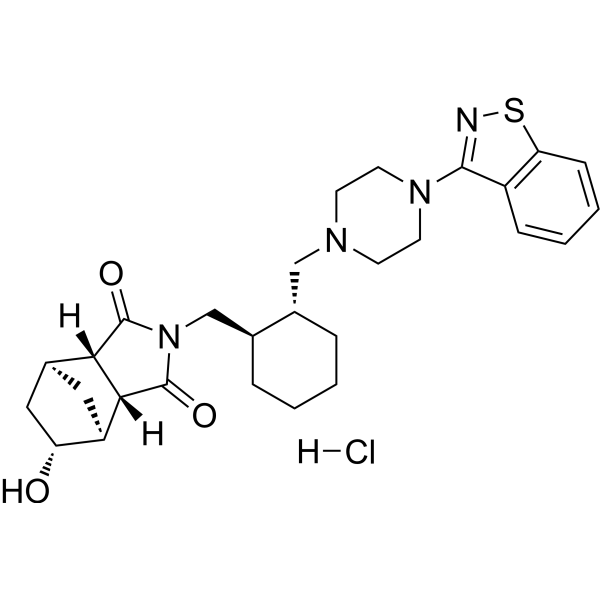
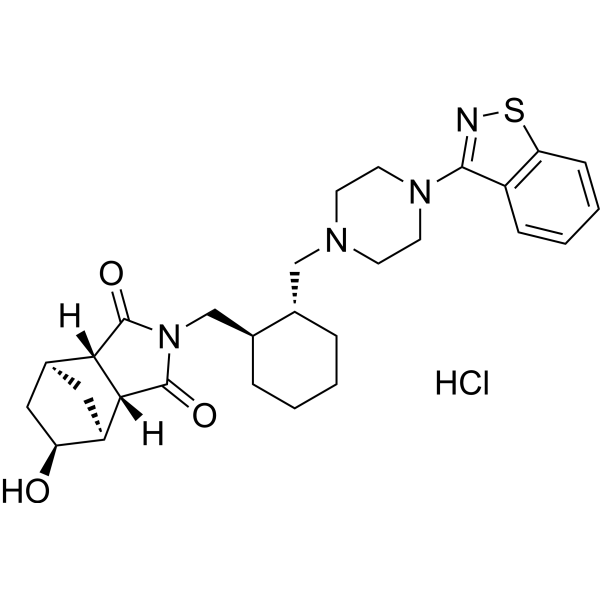
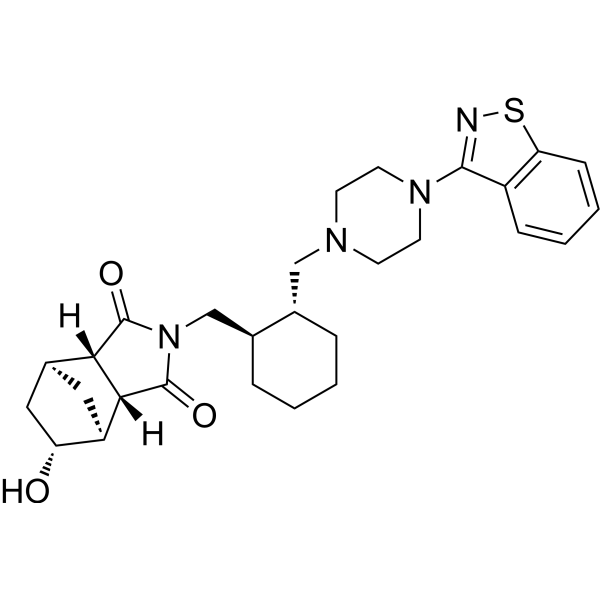
Lurasidone Metabolite 14283 hydrochloride is a major active metabolite of Lurasidone. Lurasidone is a FDA approved agent for the treatment of schizophrenia.
|
-
-
- HY-133813A
-
|
|
Drug Metabolite
|
Neurological Disease
|
|
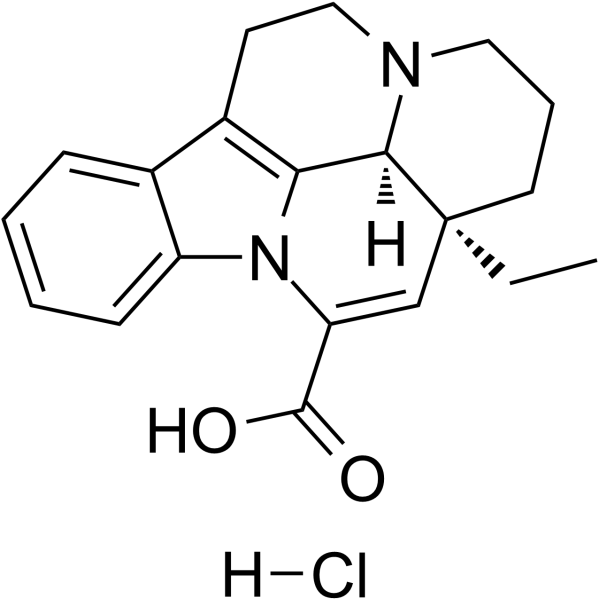
Apovincaminic acid hydrochloride salt is an orally active and brain-penetrant main active metabolite of Vinpocetine (VP). Apovincaminic acid hydrochloride salt exerts a neuroprotective type of action .
|
-
-
- HY-13318A
-
|
GS 4071 hydrochloride; Ro 64-0802 hydrochloride; Oseltamivir carboxylate hydrochloride
|
Drug Metabolite
|
Infection
|
|
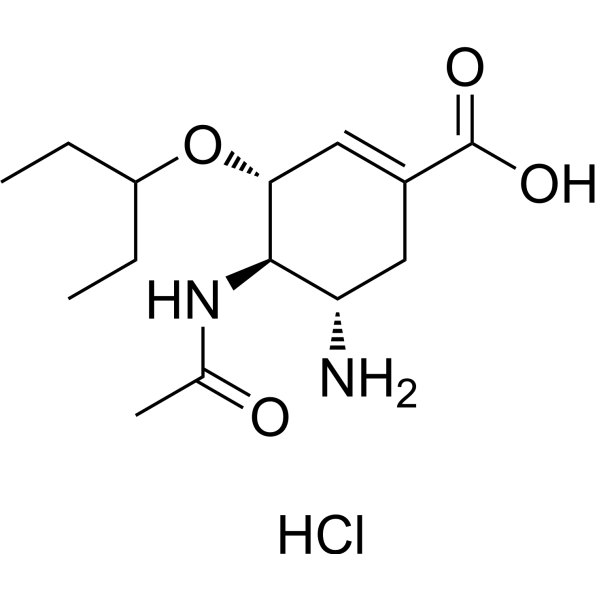
Oseltamivir acid hydrochloride is an active metabolite of the antiviral agent Oseltamivir (HY-13317) ethylester. Oseltamivir acid hydrochloride belongs to baseline toxicants in toxicity ratio analysis .
|
-
-
- HY-10002S
-
-
-
- HY-G0002A
-
-
-
- HY-150334
-
-

-
- HY-70002AS
-
|
N-Desmethyl MDV 3100-d6
|
Androgen Receptor
|
Cancer
|
|
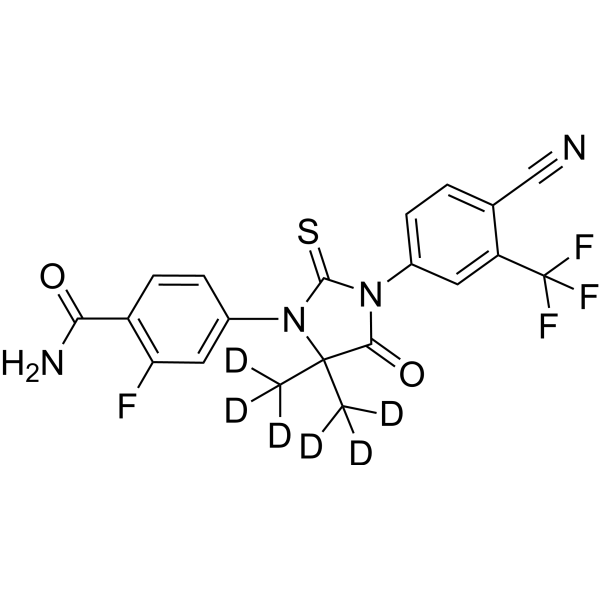
N-desmethyl Enzalutamide-d6 is a deuterium labeled N-desmethyl Enzalutamide. N-desmethyl Enzalutamide is an active metabolite of Enzalutamide. N-desmethyl Enzalutamide is the active metabolite of Enzalutamide. N-desmethyl Enzalutamide demonstrates primary and secondary pharmacodynamics of similar potency to Enzalutamide and circulates at approximately the same plasma concentrations as enzalutamide .
|
-
-
- HY-135399
-
|
|
FXR
|
Inflammation/Immunology
|
|
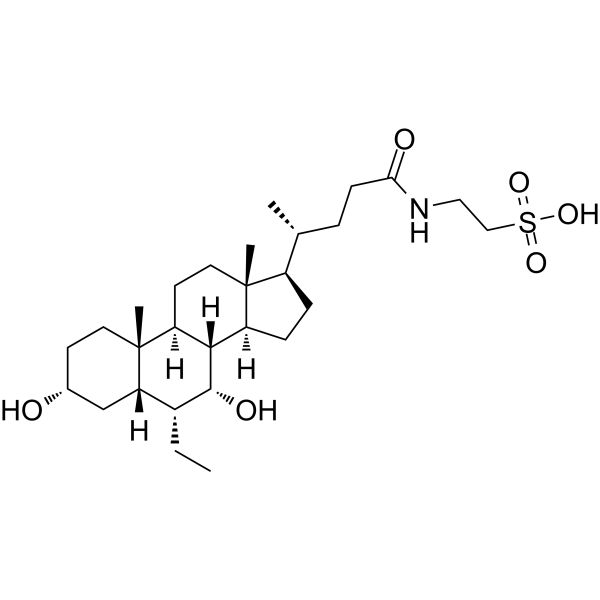
Tauro-obeticholic acid is an active metabolite of Obeticholic acid. Obeticholic acid is an orally bioavailable farnesoid-X receptor (FXR) agonist .
|
-
-
- HY-108279
-
|
|
Antibiotic
Bacterial
|
Infection
|
|
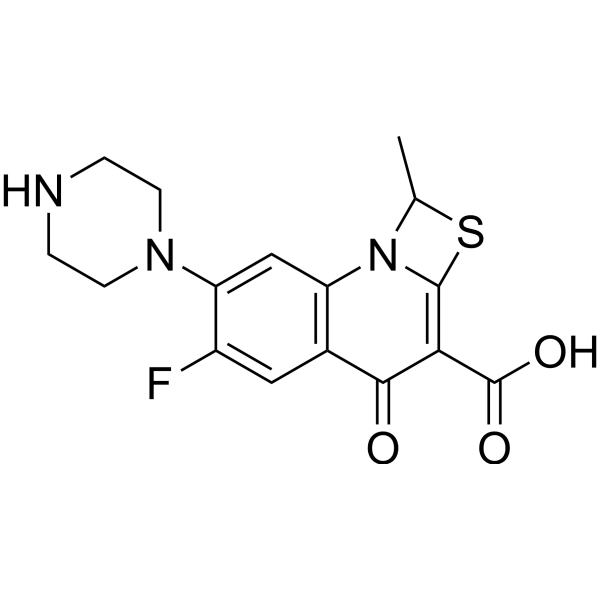
Ulifloxacin is a broad-spectrum quinolone antibiotic. Ulifloxacin is the active metabolite of Prulifloxacin (HY-B0024). Ulifloxacin has anti-bacterial activity .
|
-
-
- HY-137532
-
-
-
- HY-137197
-
-

- HY-B0794A
-
-
- HY-75041
-
-
- HY-133771AS
-
|
Desmethyldoxepin-d3 hydrochloride
|
Drug Metabolite
|
Neurological Disease
|
|
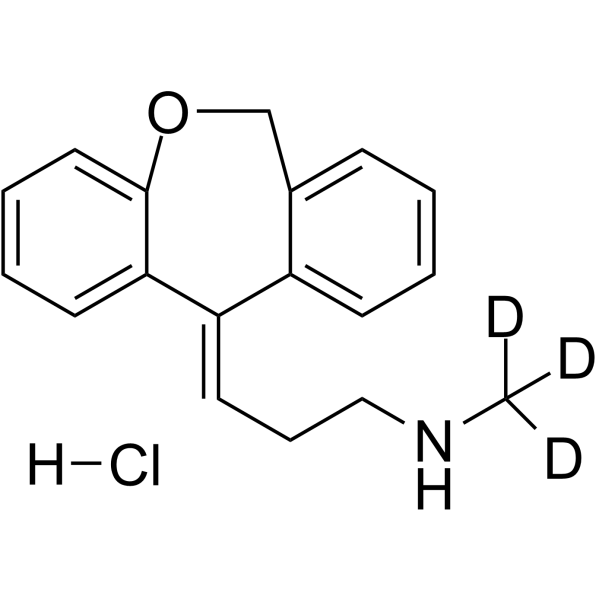
Nordoxepin-d3 (hydrochloride) is the deuterium labeled Nordoxepin hydrochloride. Nordoxepin hydrochloride is an active metabolite of Doxepin hydrochloride (HY-B0725), which is an orally active tricyclic antidepressant .
|
-
- HY-157338
-
|
|
ADC Linker
Kinesin
|
Cancer
|
|
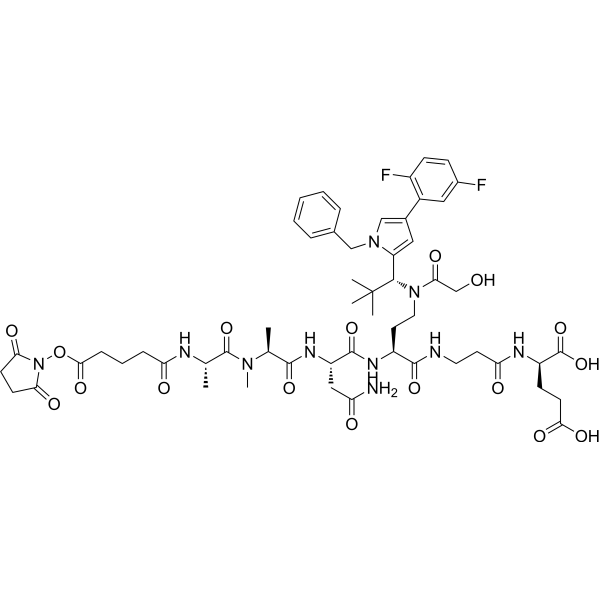
NHS-Ala-Ala-Asn-active metabolite is a cleavable antibody-drug conjugate (ADC) linker for synthesis of kinesin spindle protein (KSP)inhibitor .
|
-
- HY-W662579
-
-

- HY-119223
-
-

- HY-135394
-
|
|
Drug Metabolite
Antibiotic
|
Infection
|
|
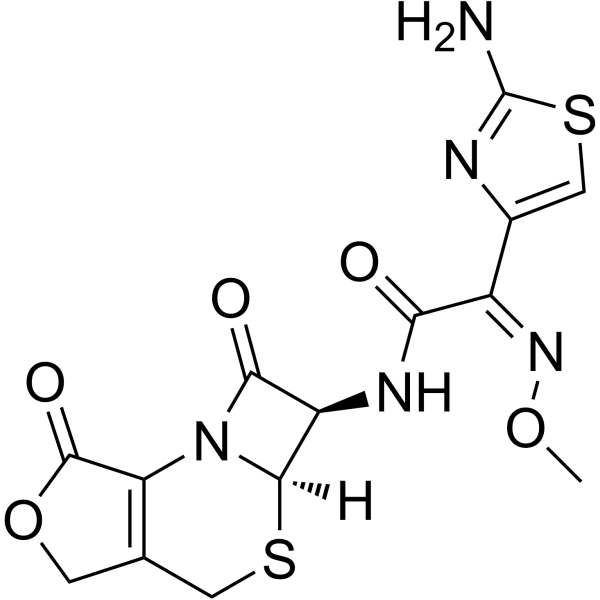
3-Desacetyl Cefotaxime lactone is the active metabolite of Cefotaxime. Cefotaxime sodium salt is a third-generation cephalosporin antibiotic.
|
-
- HY-A0058
-
|
Retinyl β-D-glucoside
|
Drug Metabolite
|
Metabolic Disease
|
|
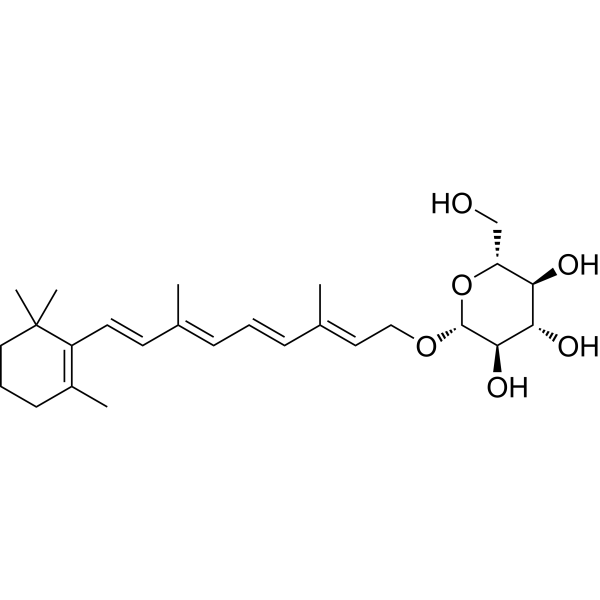
Retinyl-β-D-glucoside is a naturally occurring and biologically active metabolites of vitamin A, which are found in fish and mammals.
|
-
- HY-108869
-
|
DPDP
|
Drug Metabolite
|
Inflammation/Immunology
|
|
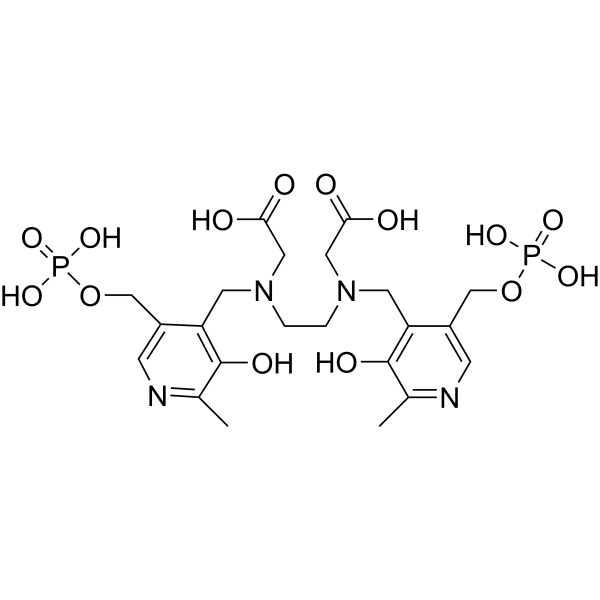
Fodipir is an active metabolite of mangafodipir, involved in mangafodipir-mediated cytoprotection against 7β-hydroxycholesterol-induced cell death.
|
-
- HY-171043
-
|
|
Drug Metabolite
|
Others
|
|
3-Hydroxy desalkylgidazepam (compound 2) is the active metabolite of Gidazepam (HY-U00315) and Desalkylgidazepam (HY-W634748).
|
-

- HY-I0903
-
|
|
Fungal
|
Others
|
|
SCH 51048 is a compound that can produce active metabolites, and its active metabolites have antifungal activity. Through metabolic studies and activity screening of the compound, metabolites and compounds with better activity were discovered.
|
-

- HY-N10236
-
-
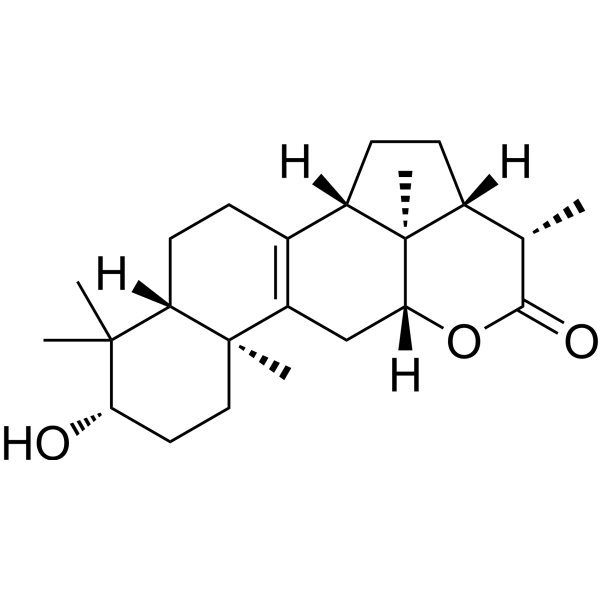
- HY-W587691
-
-
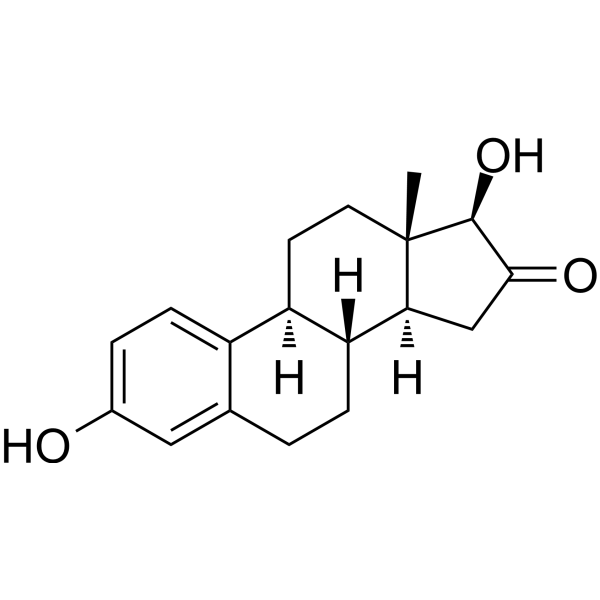
- HY-Z18056
-
|
|
Drug Metabolite
|
Others
|
|
Norpropranolol hydrochloride is the active metabolite of Propranolol (HY-B0573B) .
|
-

- HY-135400
-
|
|
FXR
|
Inflammation/Immunology
|
|
Glyco-obeticholic acid is an active metabolite of Obeticholic acid. Obeticholic acid is a farnesoid X receptor (FXR) agonist .
|
-
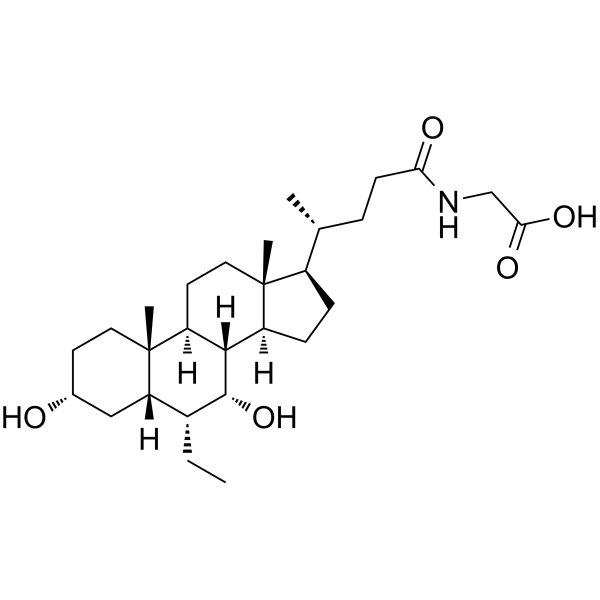
- HY-164998
-
-

- HY-169463
-
-

- HY-W107263
-
-

- HY-U00039
-
-
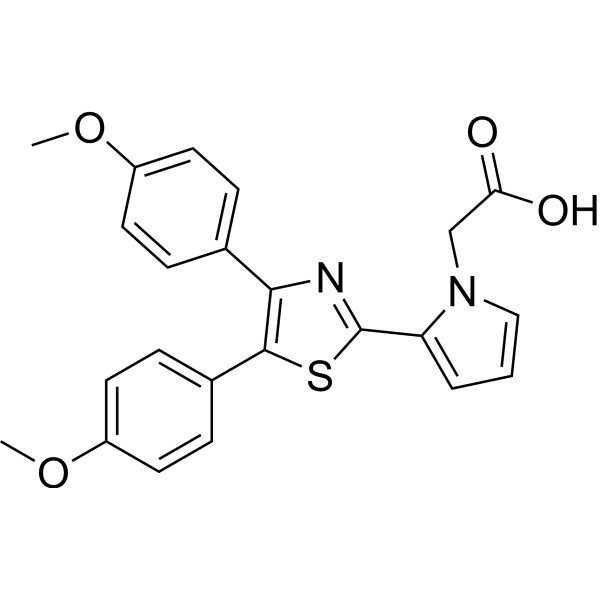
- HY-70002AR
-
|
N-Desmethyl MDV 3100 (Standard)
|
Androgen Receptor
Reference Standards
|
Cancer
|
|
N-desmethyl Enzalutamide (Standard) is the analytical standard of N-desmethyl Enzalutamide. This product is intended for research and analytical applications. N-desmethyl Enzalutamide is the active metabolite of Enzalutamide.N-desmethyl Enzalutamide is the active metabolite of Enzalutamide. N-desmethyl Enzalutamide demonstrates primary and secondary pharmacodynamics of similar potency to Enzalutamide and circulates at approximately the same plasma concentrations as enzalutamide .
|
-

- HY-125594
-
-

- HY-135399A
-
|
|
FXR
|
Inflammation/Immunology
|
|
Tauro-obeticholic acid sodium is an active metabolite of Obeticholic acid (HY-12222). Obeticholic acid is a potent, selective and orally active FXR agonist.
|
-

- HY-117703
-
-

- HY-116546
-
-

- HY-G0001
-
-
- HY-158806
-
|
3,4-Dihydroxymethamphetamine TFA; N-Methyl-α-methyldopamine TFA; HHMA TFA
|
Drug Derivative
|
Neurological Disease
|
|
3,4-DHMA (3,4-Dihydroxymethamphetamine) TFA is an active metabolite of 3,4-MDMA .
|
-

- HY-137107
-
-

- HY-100085R
-
|
21-desDFZ (Standard)
|
Drug Metabolite
Reference Standards
|
Inflammation/Immunology
|
|
21-Desacetyldeflazacort (Standard) is the analytical standard of 21-Desacetyldeflazacort. This product is intended for research and analytical applications. 21-Desacetyldeflazacort (21-desDFZ) is the active metabolite of Deflazacort (HY-13609). Deflazacort is an anti-inflammatory and immunosuppressant. Deflazacort is an inactive pro-drug which can be rapidly converted by esterases to the active metabolite 21-desacetyldeflazacort after oral administration .
|
-

- HY-138627
-
|
|
Drug Metabolite
EGFR
|
Cancer
|
|
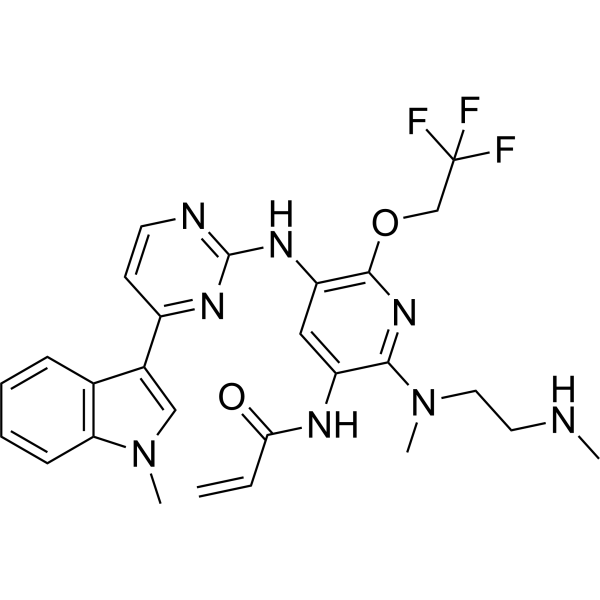
AST5902 is the active metabolite of Firmonertinib (HY-112870) (EGFR inhibitor). AST5902 has antineoplastic activity .
|
-
- HY-148846
-
|
|
Drug Metabolite
|
Metabolic Disease
|
|
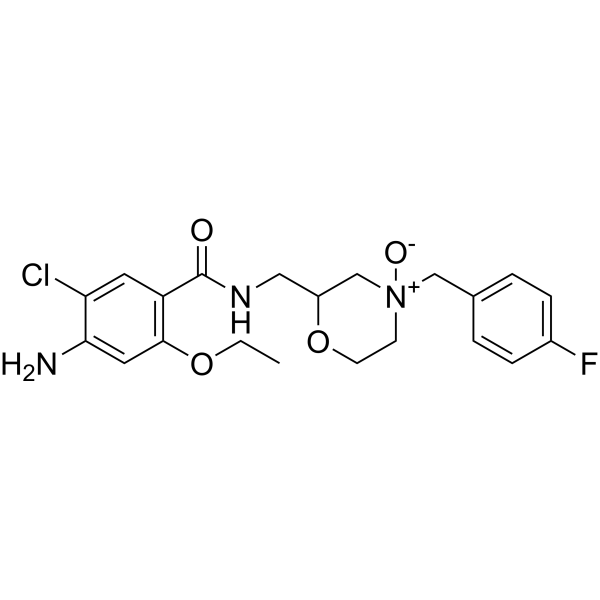
Mosapride N-Oxide is a major active metabolite of Mosapride. Mosapride is a gastroprokinetic agent that acts as a selective 5HT4 agonist.
|
-
- HY-B1103R
-
|
(±)-Hydroxyhexamid (Standard)
|
Reference Standards
Drug Metabolite
|
Cardiovascular Disease
|
|
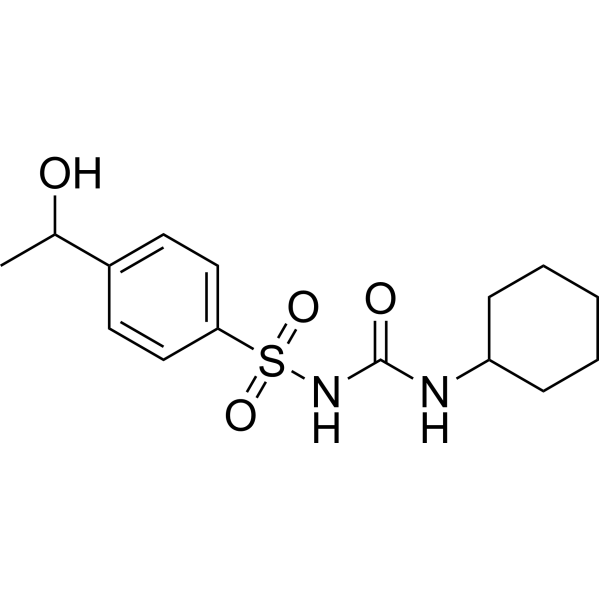
Hydroxyhexamide (Standard) is an analytical standard for Hydroxyhexamide. This product is intended for research and analytical applications. Hydroxyhexamide is a pharmacologically active metabolite of Acetohexamide, used as a hypoglycemic agents.
|
-

- HY-144773
-
|
|
Drug Metabolite
|
Inflammation/Immunology
|
|
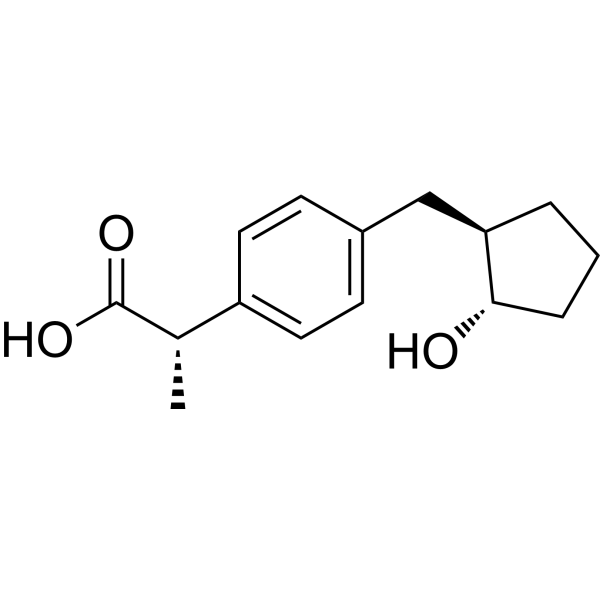
Loxoprofenol-SRS, an active metabolite of Loxoprofen, is a new intravenous NSAID. Loxoprofenol-SRS exhibits significantly stronger anti-inflammatory and analgesic activities .
|
-
- HY-76542BR
-
|
(R)-Ergocalciferol (Standard); (R)-Calciferol (Standard); (R)-Ercalciol (Standard)
|
Reference Standards
Drug Isomer
|
Metabolic Disease
Cancer
|
Desmethylmirtazapine (Standard) is the analytical standard of Desmethylmirtazapine. This product is intended for research and analytical applications. Desmethylmirtazapine is an active metabolite of Mirtazapine that has antidepressant effects .
|
-

- HY-19866
-
|
YM-222714
|
Factor Xa
|
Cardiovascular Disease
|
|
Darexaban glucuronide (YM-222714) is a active metabolite of darexaban (YM150). Darexaban glucuronide has an oral activity and antithrombotic effect .
|
-

- HY-W777199
-
|
|
Drug Metabolite
|
Others
|
|
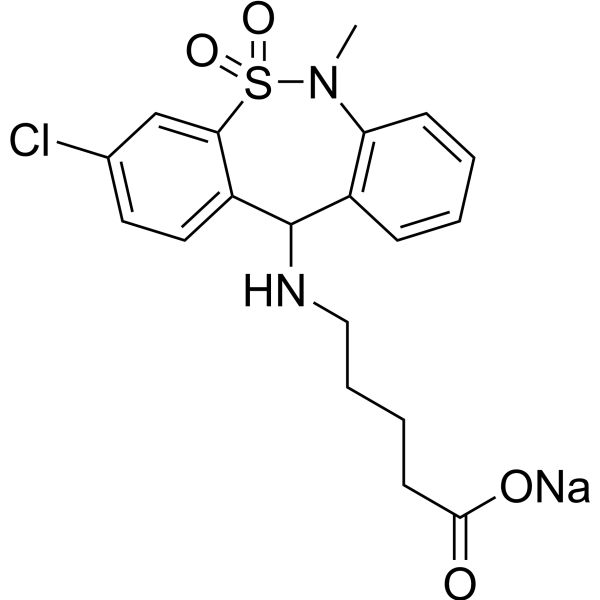
Tianeptine metabolite MC5 sodium salt is a major active metabolite of tianeptine. Tianeptine and MC5 metabolite are eliminated with bile as glucuronide and glutamine conjugates .
|
-
- HY-119223R
-
|
Normirtazapine (Standard)
|
Reference Standards
Drug Metabolite
|
Neurological Disease
|
Desmethylmirtazapine (Standard) is the analytical standard of Desmethylmirtazapine. This product is intended for research and analytical applications. Desmethylmirtazapine is an active metabolite of Mirtazapine that has antidepressant effects .
|
-

- HY-159160
-
|
|
HBV
|
Infection
|
|
HBV-IN-46 (compound 1.6) is an active metabolite. HBV-IN-46 is a HBV S-antigen inhibitor, with an EC50 of 2.6 nM .
|
-

- HY-130139
-
|
|
Cytochrome P450
|
Endocrinology
|
|
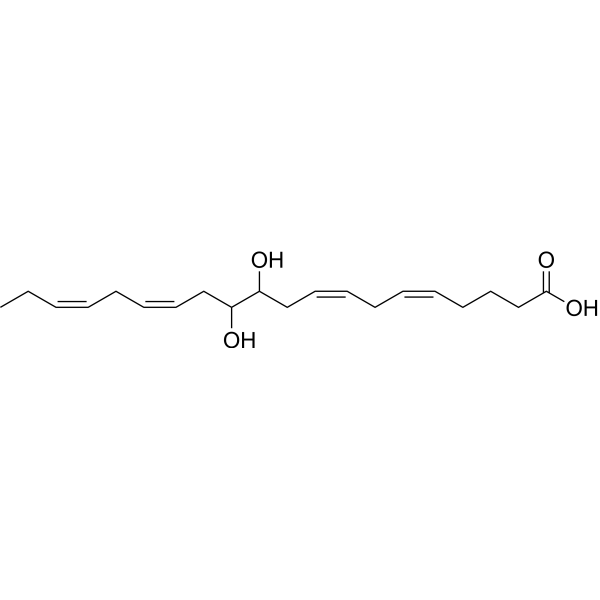
11,12-DiHETE is an orally active metabolite produced by cytochrome p450 mediated epoxide formation and subsequent epoxide hydrolase production .
|
-
- HY-177773
-
|
|
Drug Metabolite
Bacterial
|
Infection
|
|
5-Hydroxymethyl flucloxacillin is an active metabolite of Flucloxacillin (HY-A0246). 5-Hydroxymethyl flucloxacillin exhibits antibacterial activity .
|
-

- HY-100646
-
|
|
Drug Metabolite
|
Neurological Disease
|
|
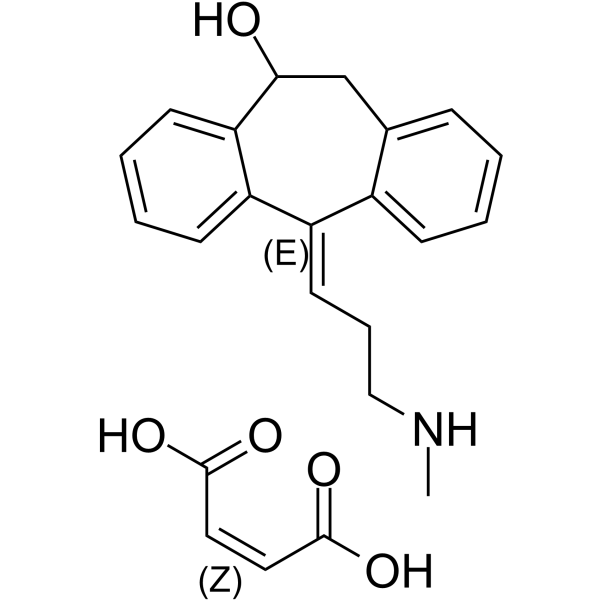
(E)-10-Hydroxynortriptyline maleate is a metabolite of Nortriptyline. Nortriptyline is a tricyclic antidepressant and the main active metabolite of Amitriptyline, and is used to relieve the symptoms of depression .
|
-
- HY-W759719
-
|
21-desDFZ-d4
|
Isotope-Labeled Compounds
Drug Metabolite
|
Inflammation/Immunology
|
|
21-Desacetyldeflazacort-d4 (21-desDFZ-d4) is the deuterium labeled 21-Desacetyldeflazacort (HY-100085). 21-Desacetyldeflazacort (21-desDFZ) is the active metabolite of Deflazacort (HY-13609). Deflazacort is an anti-inflammatory and immunosuppressant. Deflazacort is an inactive pro-drug which can be rapidly converted by esterases to the active metabolite 21-desacetyldeflazacort after oral administration .
|
-

- HY-135556A
-
|
|
Serotonin Transporter
|
Neurological Disease
|
|
Norfluoxetine oxalate is an active metabolite of Fluoxetine (HY-B0102). Fluoxetine is a selective serotonin reuptake inhibitor (SSRI) class used for antidepressant research .
|
-

- HY-100664
-
-

- HY-W709760
-
|
|
Endogenous Metabolite
|
Neurological Disease
|
|
7-Hydroxychlorpromazine is an active metabolite of Chlorpromazine (HY-12708). 7-Hydroxychlorpromazine reverses Amphetamine-induced depression of regional compact dopaminergic neurons .
|
-

- HY-168803
-
|
|
STING
|
Cancer
|
|
BDW-OH is an active metabolite of BDW568 (HY-162465 ). BDW568 is a STING agonist that can selectively activate the human STING A230 allele.
|
-

- HY-W424792A
-
-
- HY-77274
-
|
|
VD/VDR
|
Metabolic Disease
|
|
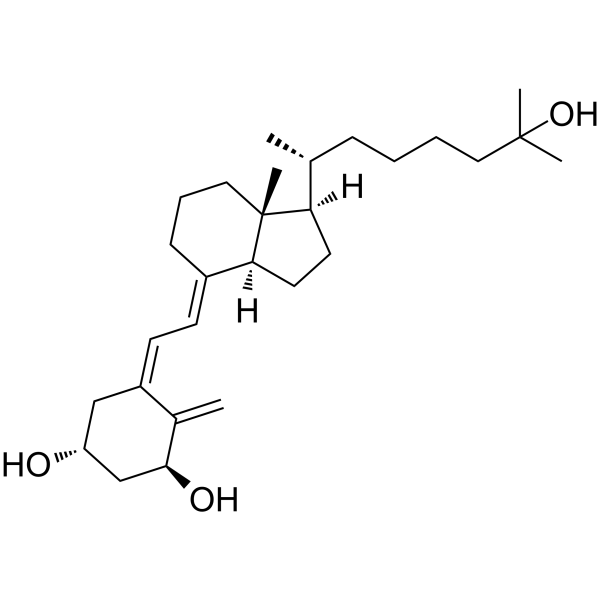
Calcitriol Impurities D is the impurity of Calcitriol, Calcitriol is the hormonally active form of vitamin D, Calcitriol is the active metabolite of vitamin D3 that activates the vitamin D receptor (VDR).
|
-
- HY-124041
-
|
|
Drug Metabolite
|
|
|
p-Hydroxybestatin is an active metabolite of Bestatinc (HY-B0134) that can be found in serum from muscular dystrophic patients and from healthy subjects dosed with Bestatin .
|
-

- HY-179367
-
|
|
Drug Metabolite
|
Infection
|
|
AR-102 free acid, an active metabolite of AR-102 (HY-19885), is a prostaglandin F (PGF) derivative .
|
-

- HY-134248A
-
|
7-Deazaadenosine 5'-triphosphate tetrasodium
|
Nucleoside Antimetabolite/Analog
|
Infection
|
|
Tubercidin 5'-triphosphate (7-Deazaadenosine 5'-triphosphate) tetrasodium, a nucleoside analog, is an active metabolite of Tubercidin (HY-100126) .
|
-

- HY-103252
-
-
- HY-101069
-
-
- HY-W654397
-
|
|
Isotope-Labeled Compounds
|
Others
|
|
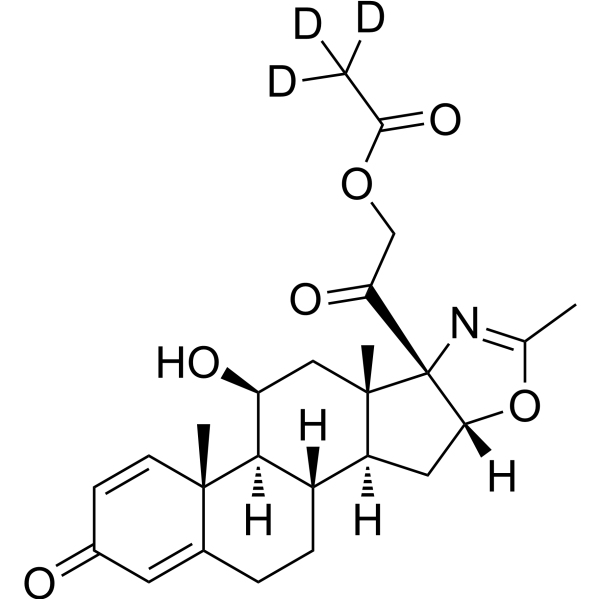
Deflazacort-d3 is a isotope of Deflazacort. Deflazacort is an inactive proagent and is converted rapidly to the active metabolite 21-desacetyldeflazacort. Deflazacort is used as an anti-inflammatory and immunosuppressant .
|
-
- HY-119223S
-
|
Normirtazapine-d6 hydrochloride
|
Isotope-Labeled Compounds
Drug Metabolite
|
Neurological Disease
|
Desmethylmirtazapine-d6 hydrochloride (Normirtazapine-d6 hydrochloride) is the deuterium labeled Desmethylmirtazapine (HY-119223). Desmethylmirtazapine is an active metabolite of Mirtazapine that has antidepressant effects .
|
-

- HY-169837
-
-

- HY-131989
-
|
Deacetylcephapirin sodium
|
Bacterial
|
Infection
|
|
Desacetylcephapirin (Deacetylcephapirin) sodium is an active metabolite of Cephapirin (HY-A0153A). Desacetylcephapirin sodium has antimicrobial against S. aureus and coagulase-negative staphylococci mastitis pathogen .
|
-
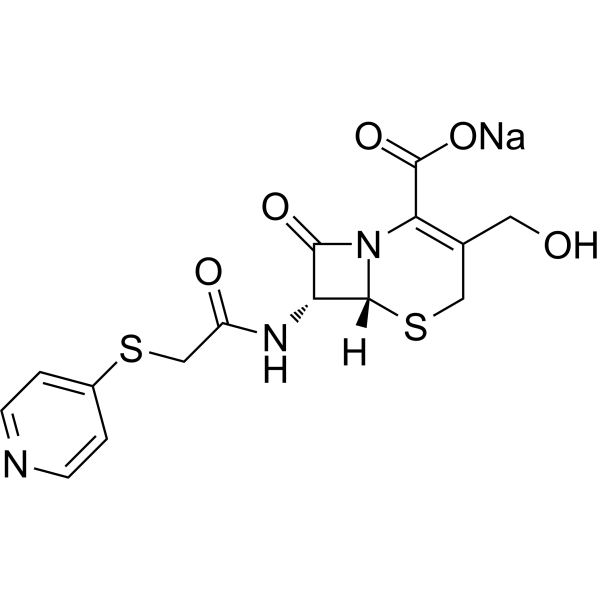
- HY-10003
-
|
1-hydroxycholecalciferol; 1.alpha.-Hydroxyvitamin D3
|
Environmental Pollutants
VD/VDR
|
Metabolic Disease
|
|
Alfacalcidol (1-hydroxycholecalciferol) is a vitamin D active metabolites, acts as a non-selective VDR activator medication, and widely be used in the management of osteoporosis .
|
-
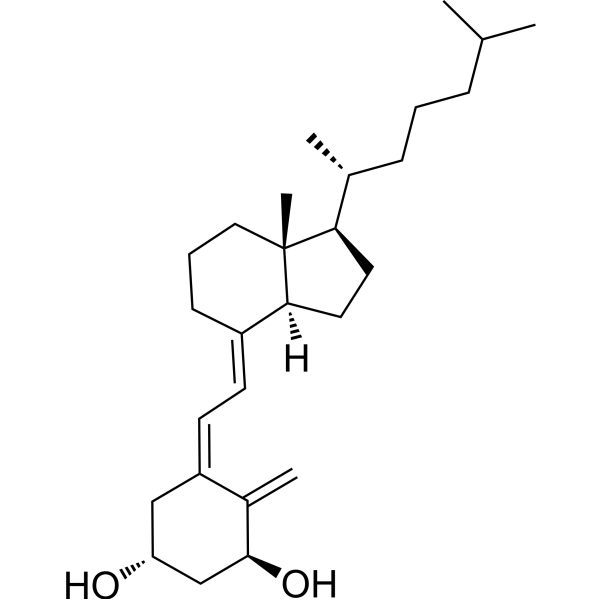
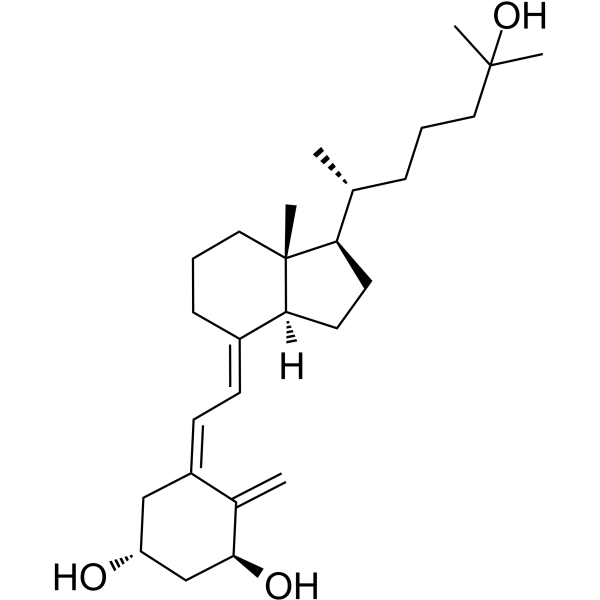
- HY-10002R
-
|
1,25-Dihydroxyvitamin D3 (Standard)
|
Drug Metabolite
Reference Standards
VD/VDR
Endogenous Metabolite
|
Cancer
|
|
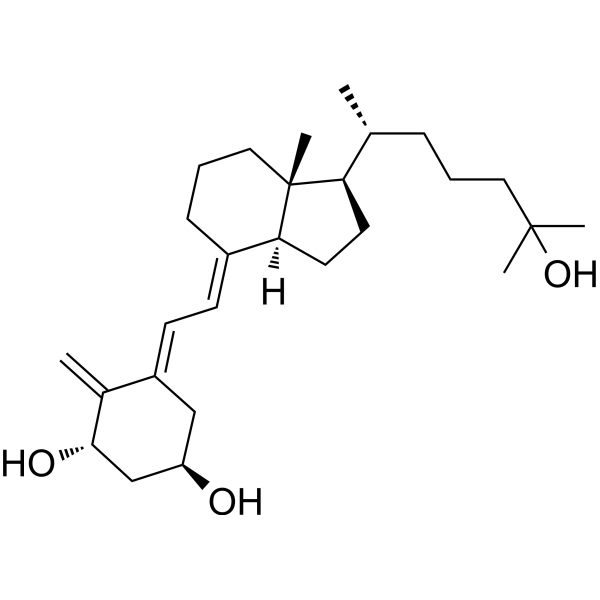
Calcitriol (Standard) is the analytical standard of Calcitriol. This product is intended for research and analytical applications. Calcitriol is the most active metabolite of vitamin D and also a vitamin D receptor (VDR) agonist.
|
-

- HY-135400S
-
|
|
FXR
|
Inflammation/Immunology
|
|
Glyco-obeticholic acid-d5 is the deuterium labeled Glyco-Obeticholic acid. Glyco-obeticholic acid is an active metabolite of Obeticholic acid. Obeticholic acid is a farnesoid X receptor (FXR) agonist .
|
-
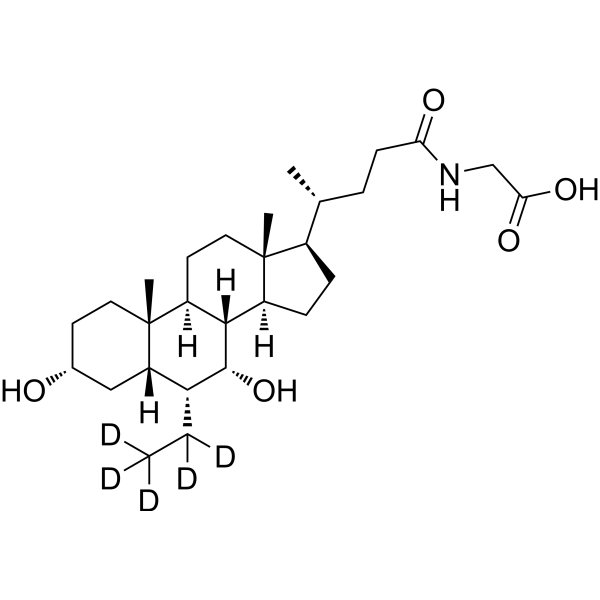
- HY-12772S
-
|
R-63373-d8
|
Fungal
|
Infection
|
|
Hydroxy Itraconazole-d8 is the deuterium labeled Hydroxy Itraconazole (HY-12772). Hydroxy Itraconazole is an active metabolite of Itraconazole (ITZ), which is a triazole antifungal agent.
|
-
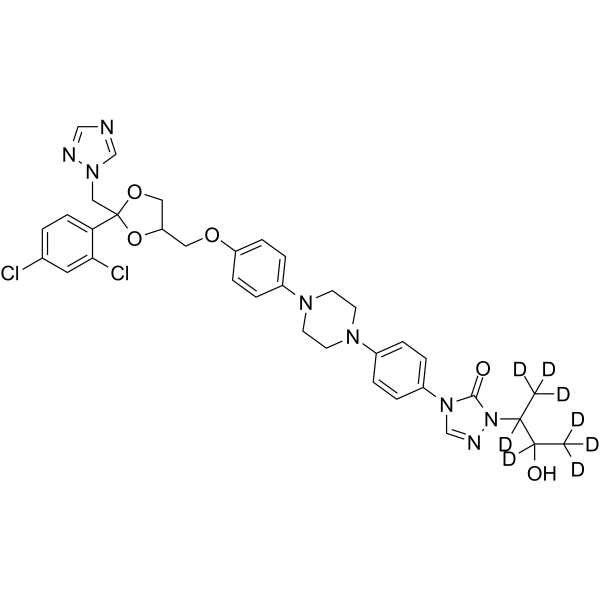
- HY-119587
-
|
|
Microtubule/Tubulin
|
Cancer
|
|
Alestramustine is an antineoplastic cytostatic agent that disrupts microtubule function by binding to microtubule-associated proteins and β-tubulin through its active metabolites, effectively inhibiting cell division.
|
-

- HY-B0016R
-
-
- HY-W740216
-
|
RU 42633
|
Glucocorticoid Receptor
Drug Metabolite
|
Endocrinology
|
|
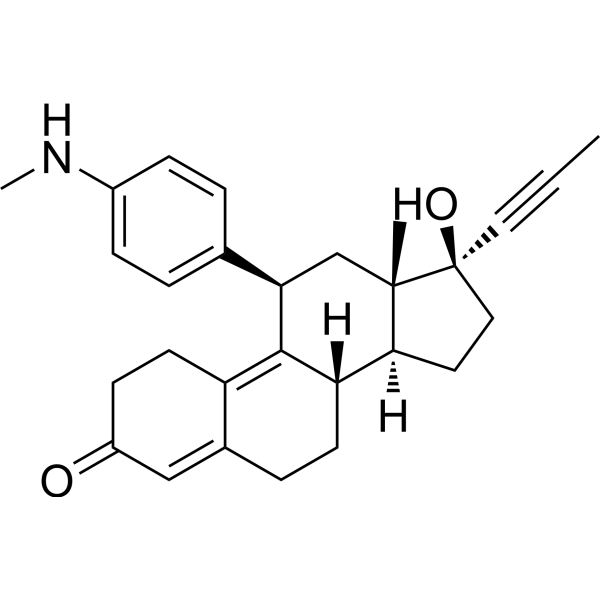
N-Demethyl Mifepristone (RU 42633) is an active metabolite of Mifepristone (HY-13683). The affinities of N-Demethyl Mifepristone to the glucocorticoid receptor is 61% compared with 100% for Mifepristone .
|
-
- HY-W739521
-
|
|
mAChR
|
Others
|
|
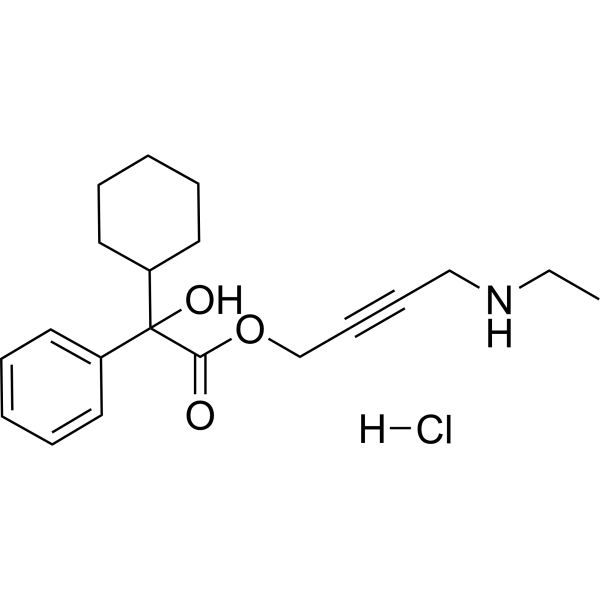
N-Desethyloxybutynin hydrochloride is an active metabolite of Oxybutynin. N-Desethyloxybutynin hydrochloride binds to mAChRs in isolated? human bladder and human parotid gland with pKi values of 8.2 and 8.7, respectively .
|
-
- HY-B0802A
-
-
- HY-115740
-
|
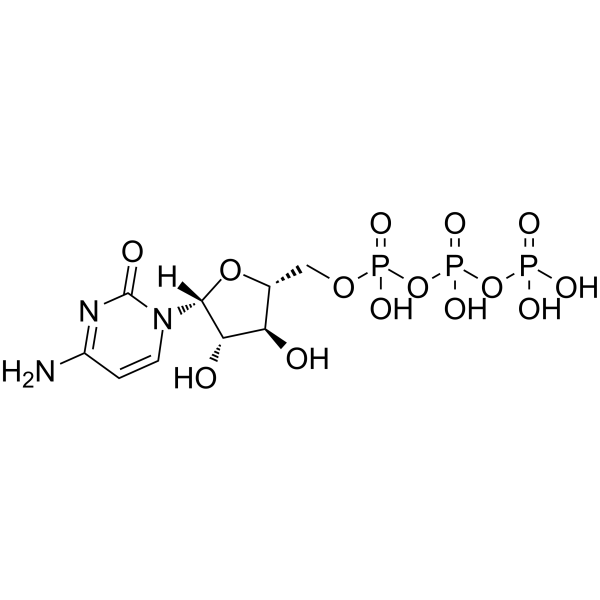
Ara-CTP
|
DNA/RNA Synthesis
|
Cancer
|
|
Cytarabine triphosphate (Ara-CTP), an active metabolite of Cytarabine, is a competitive inhibitor of DNA synthesis. Intracellular Cytarabine triphosphate levels can be used to predict chemosensitivity of leukemic blasts to Cytarabine .
|
-
- HY-12772A
-
|
rel-R-63373
|
Drug Isomer
|
Infection
|
|
rel-Hydroxy Itraconazole (rel-R-63373) is a relative stereoisomer of Hydroxy Itraconazole. Hydroxy Itraconazole is the major active metabolite of the antifungal compound Itraconazole (HY-17514) .
|
-

- HY-111490R
-
|
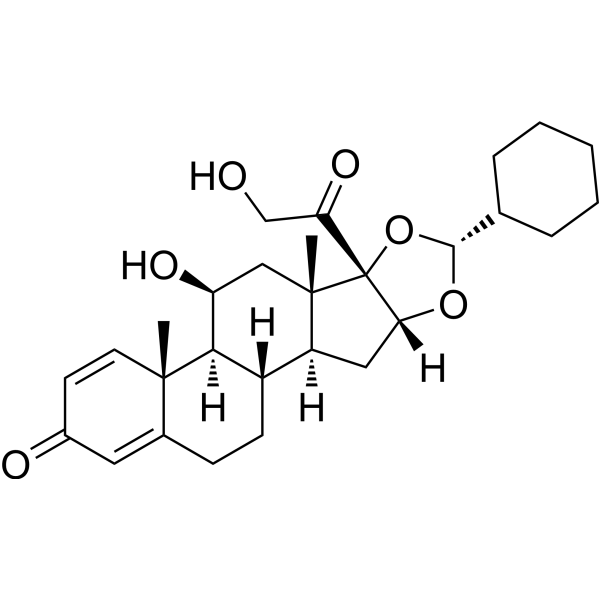
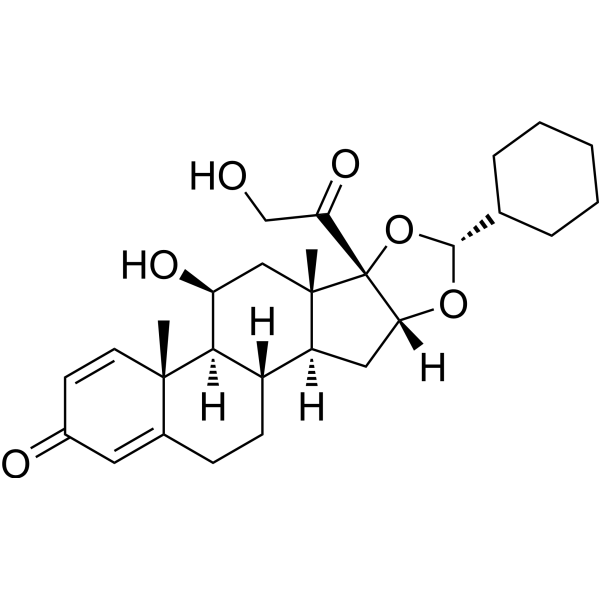
CIC-AP(Standard); Ciclesonide active principle (Standard)
|
Reference Standards
Glucocorticoid Receptor
|
Inflammation/Immunology
Endocrinology
|
|
Desisobutyryl-ciclesonide (Standard) is the analytical standard of Desisobutyryl-ciclesonide. This product is intended for research and analytical applications. Desisobutyryl-ciclesonide is the active metabolite of Ciclesonide. Desisobutyryl-ciclesonide has affinity for the glucocorticoid receptor.
|
-
- HY-B0806AS
-
|
|
Isotope-Labeled Compounds
Parasite
Antifolate
|
Infection
|
|
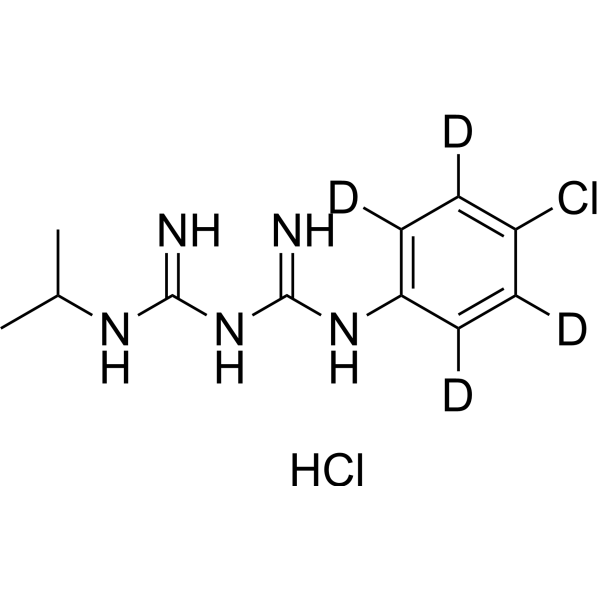
Proguanil-d4 (hydrochloride) is the deuterium labeled Proguanil hydrochloride. Proguanil hydrochloride, an antimalarial proagent, is metabolized to the active metabolite Cycloguanil (HY-12784). Proguanil hydrochloride is a dihydrofolate reductase (DHFR) inhibitor .
|
-
- HY-18719B
-
-
- HY-14925
-
-
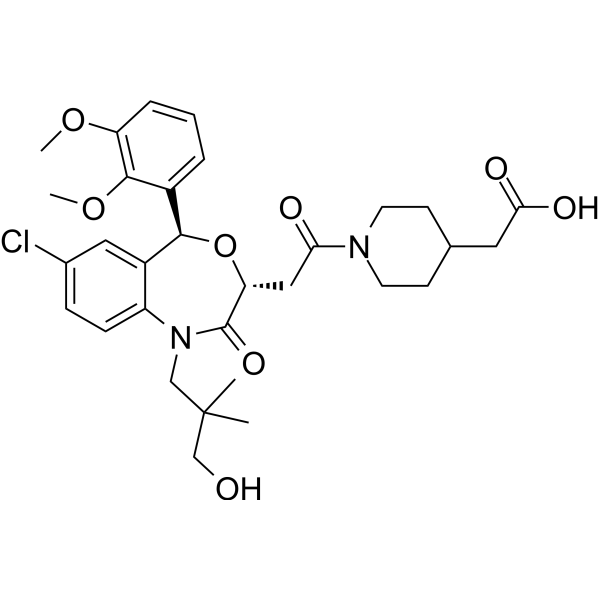
- HY-100651
-
|
|
Drug Metabolite
|
Neurological Disease
|
|
Desmethylnortriptyline is a metabolite of Nortriptyline (HY-118620). Nortriptyline is a tricyclic antidepressant and the main active metabolite of Amitriptyline (HY-B0527) , and is used to relieve the symptoms of depression .
|
-
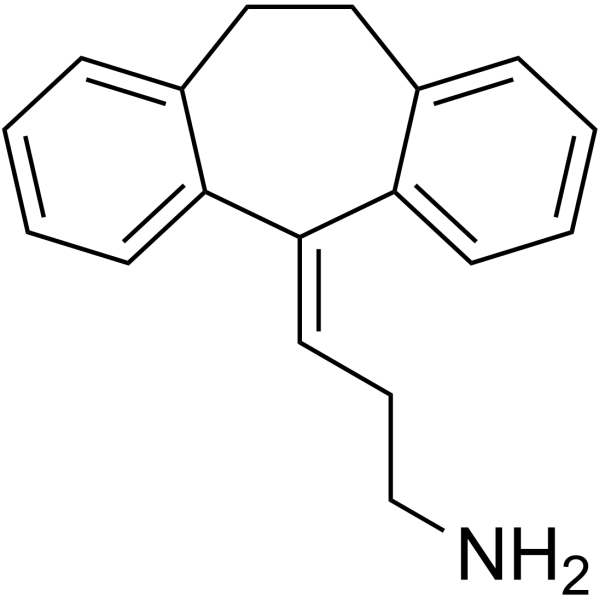
- HY-79593S1
-
-
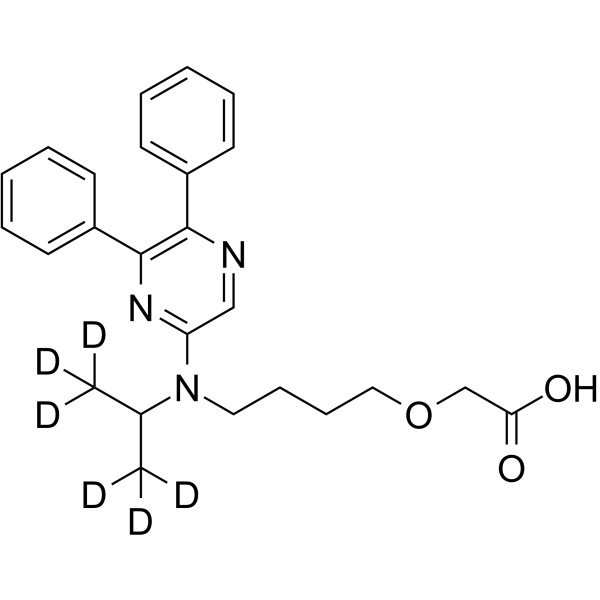
- HY-133798
-
|
|
Cytochrome P450
Drug Metabolite
|
Cancer
|
|
Sorafenib N-oxide is an active metabolite of sorafenib (HY-10201). Sorafenib N-oxide is a linear-mixed inhibitor of microsomal CYP3A4, with a Ki of 15 μM .
|
-

- HY-18719E
-
-
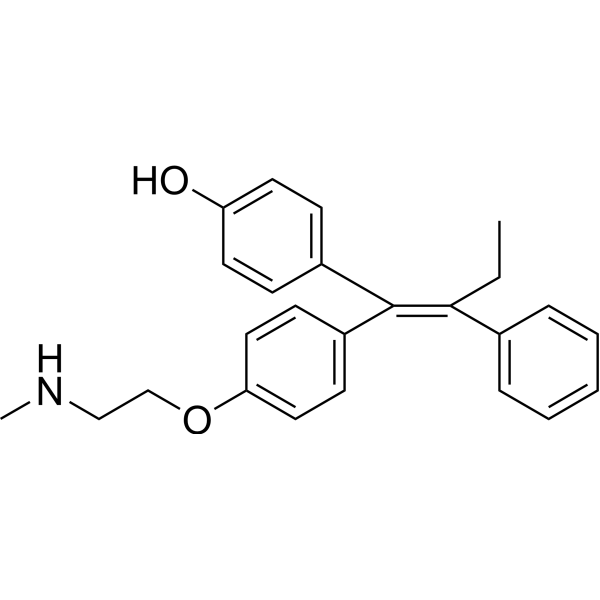
- HY-119696S1
-
-

- HY-B0806S1
-
|
|
Antifolate
Parasite
|
Infection
|
|
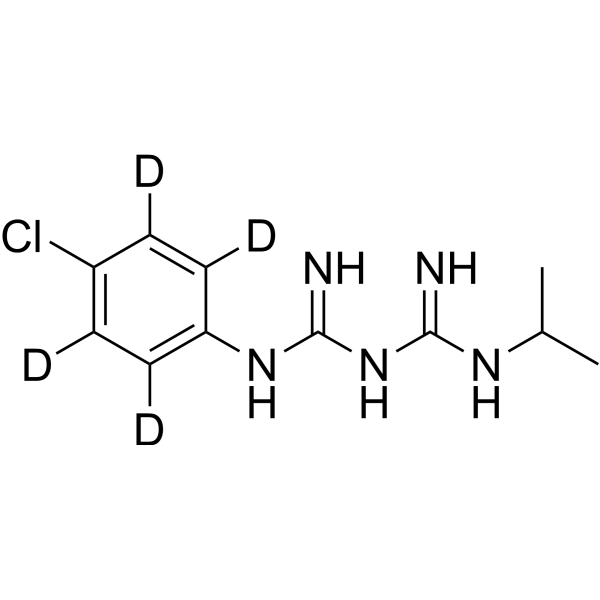
Proguanil-d4 is the deuterium labeled Proguanil . Proguanil, an antimalarial proagent, is metabolized to the active metabolite Cycloguanil (HY-12784). Proguanil is a dihydrofolate reductase (DHFR) inhibitor .
|
-
- HY-100638A
-
|
NPC hydrochloride
|
Drug Metabolite
|
Cancer
|
|
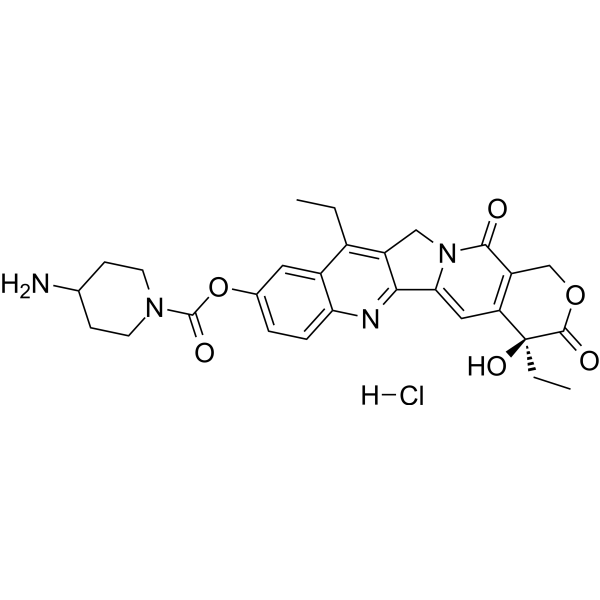
RPR132595A (NPC) hydrochloride is an active metabolite of CPT-11, which is generated by cytochrome P-450 3A4 (CYP3A4) and finally excreted through urine .
|
-
- HY-13609S1
-
-
- HY-108226
-
|
N-Desmethyl regorafenib N-oxide
|
Drug Metabolite
Raf
VEGFR
c-Kit
|
Cancer
|
|
Regorafenib N-oxide and N-desmethyl (M5) (N-Desmethyl regorafenib N-oxide) is an active metabolite of Sorafenib (HY-10201) and can be metabolized by CYP3A4 .
|
-

- HY-W013186
-
-

- HY-100659
-
|
PCI-45227
|
Btk
|
Cancer
|
|
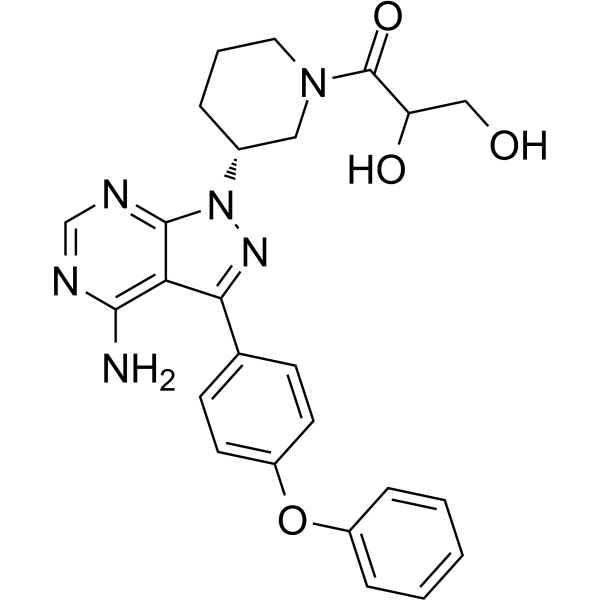
Dihydrodiol-Ibrutinib (PCI-45227) is a dihydrodiol active metabolite of Ibrutinib (HY-10997), has inhibitory activity towards BTK approximately 15 times lower than that of ibrutinib .
|
-
- HY-135910
-
-
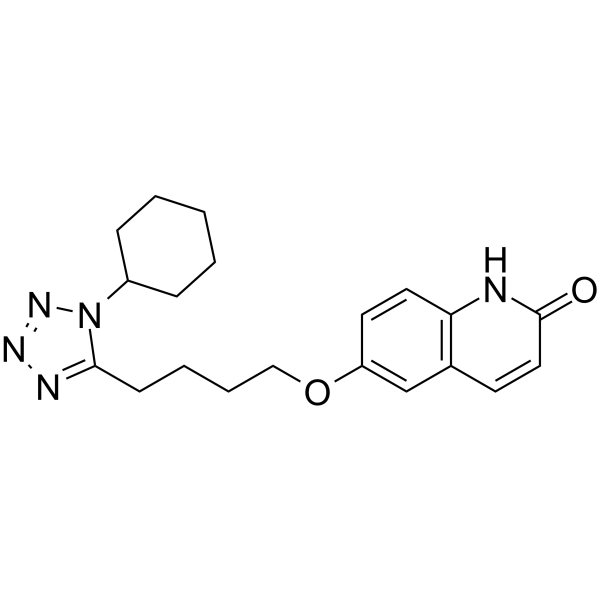
- HY-137532S1
-
|
|
Isotope-Labeled Compounds
|
Neurological Disease
|
|
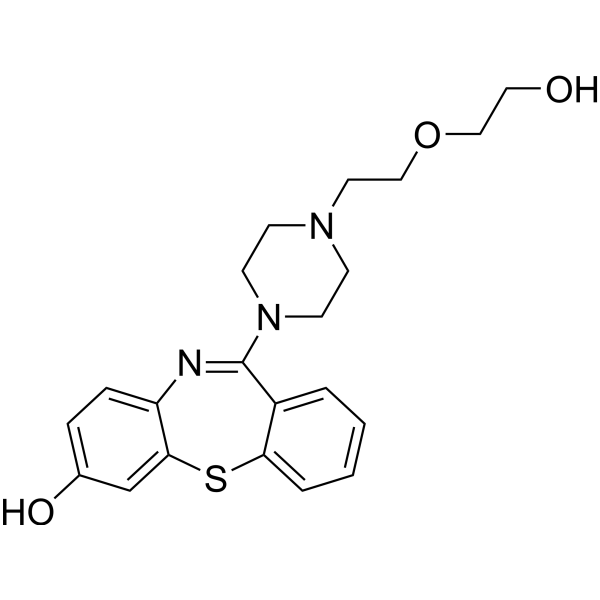
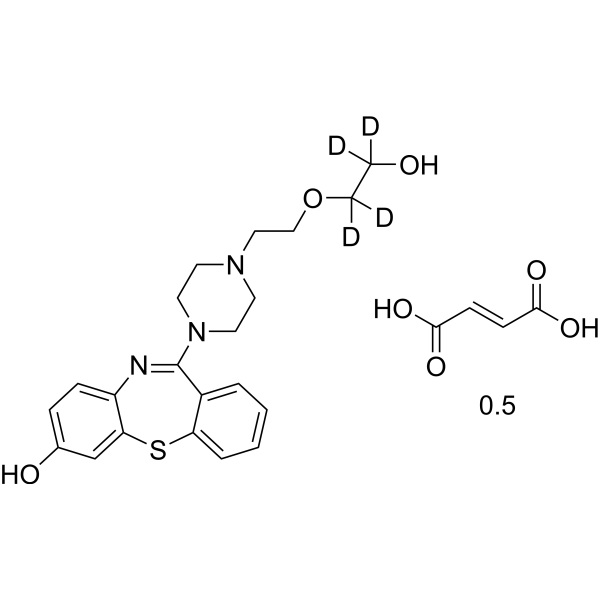
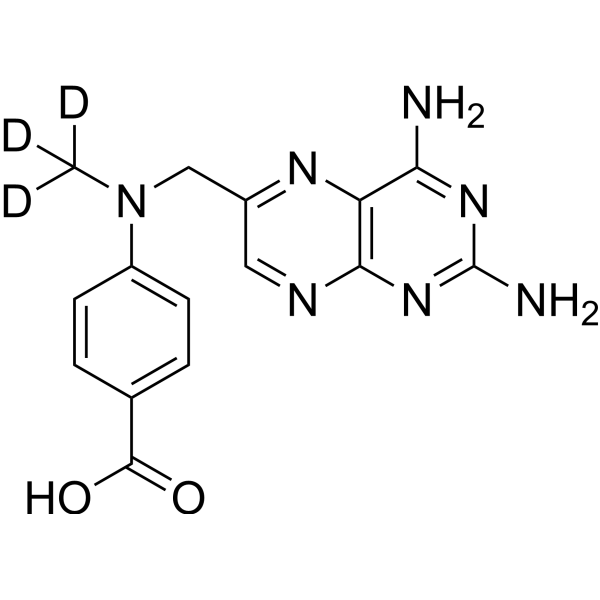
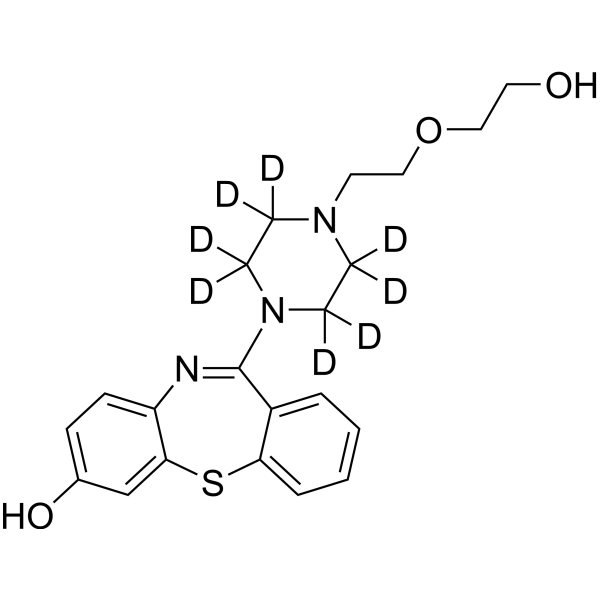
7-Hydroxyquetiapine-d4 (hemifumarate) is deuterium labeled 7-Hydroxyquetiapine. 7-Hydroxyquetiapine (ICI 214227) is the major active metabolite of antipsychotic medicine Quetiapine .
|
-
- HY-100638
-
|
NPC
|
Drug Metabolite
|
Cancer
|
|
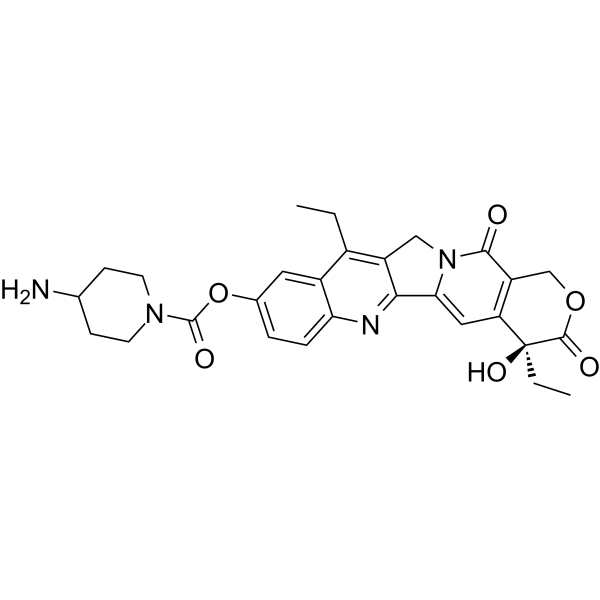
RPR132595A (NPC) is an active metabolite of CPT-11, which is generated by cytochrome P-450 3A4 (CYP3A4) and finally excreted through urine .
|
-
- HY-135654
-
-
- HY-107084
-
|
|
Drug Derivative
|
Cancer
|
|
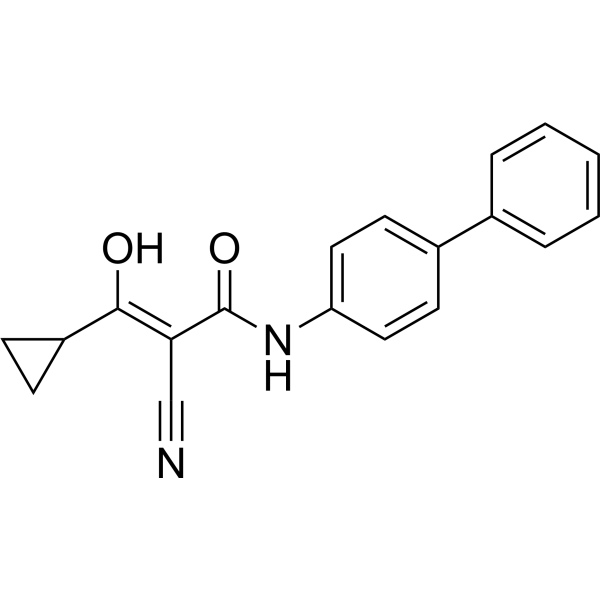
TT-62 is an orally active derivative of FdUMP, which is the active metabolite of 5-Fluorouracil (HY-90006). TT-62 can be used for the research of cancer .
|
-

- HY-130233
-
|
|
Microtubule/Tubulin
|
Cancer
|
|
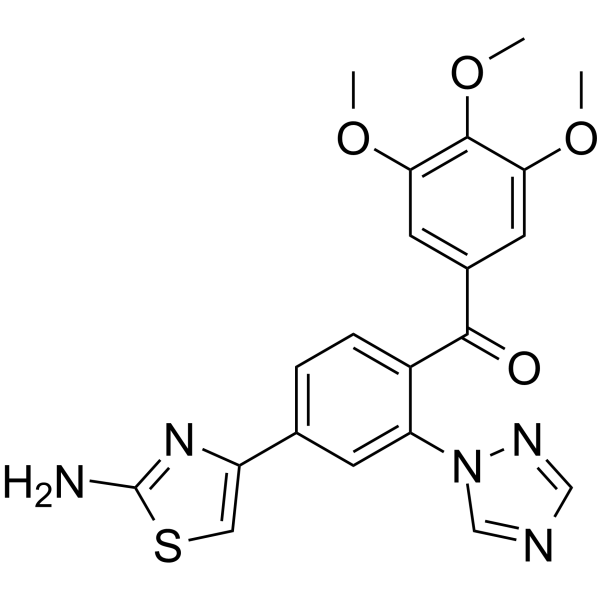
S516 (Compound 22) is an active metabolite of CKD-516 and a potent tubulin polymerization inhibitor with an IC50 of 4.29 μM. S516 has marked antitumor activity .
|
-
- HY-144773A
-
|
HR1405–01
|
COX
|
Inflammation/Immunology
|
|
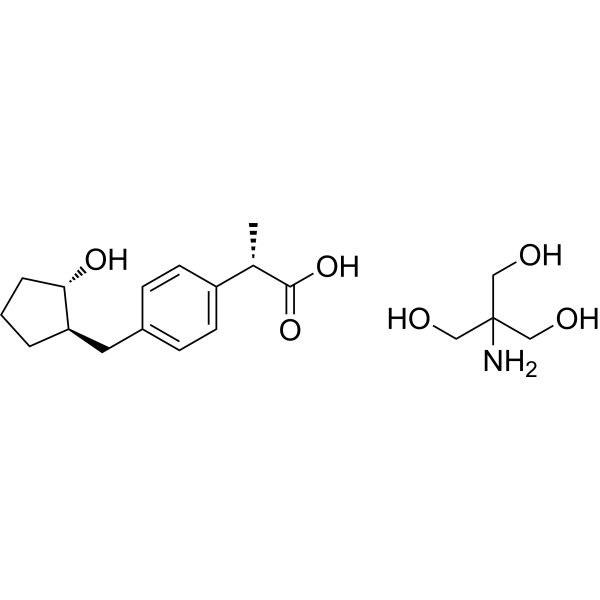
Loxoprofenol-SRS tromethamine (HR1405-01), an active metabolite of Loxoprofen, is a Safe intravenous non-steroidal anti-inflammatory drug (NSAID) with superior anti-inflammatory and analgesic activities .
|
-
- HY-124030
-
|
|
Drug Metabolite
|
Neurological Disease
|
|
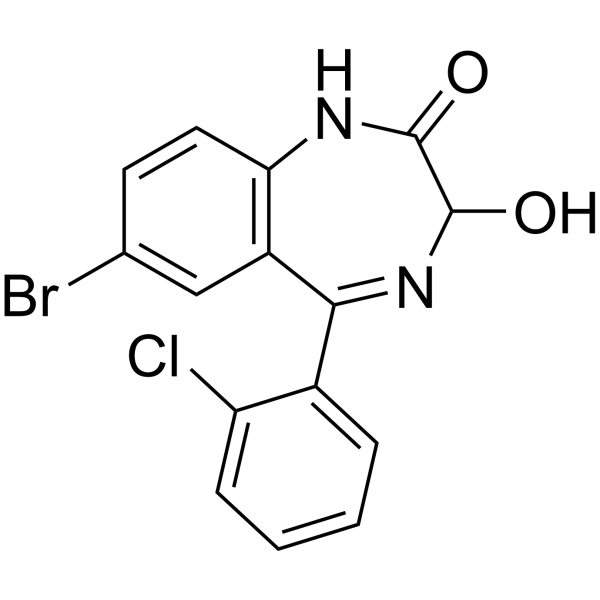
3-Hydroxyphenazepam is an active metabolite of Cinazepam. Cinazepam is a GABAA receptor agonist. 3-Hydroxyphenazepam can inhibit synaptosomal transporter-mediated [ 3H]GABA uptake .
|
-
- HY-135648
-
-
- HY-W740010
-
-

- HY-108251S
-
-
- HY-137532S
-
-
- HY-130321
-
-
- HY-125850
-
-
- HY-10002S1
-
|
1,25-Dihydroxyvitamin D3-d3
|
VD/VDR
Endogenous Metabolite
|
Cancer
|
|
Calcitriol-d3 is the deuterium labeled Calcitriol . Calcitriol is the most active metabolite of vitamin D and also a vitamin D receptor (VDR) agonist .
|
-
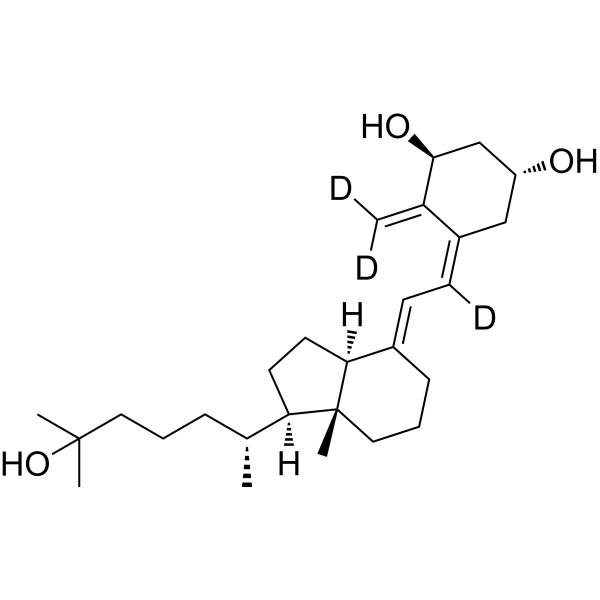
- HY-13609S
-
-
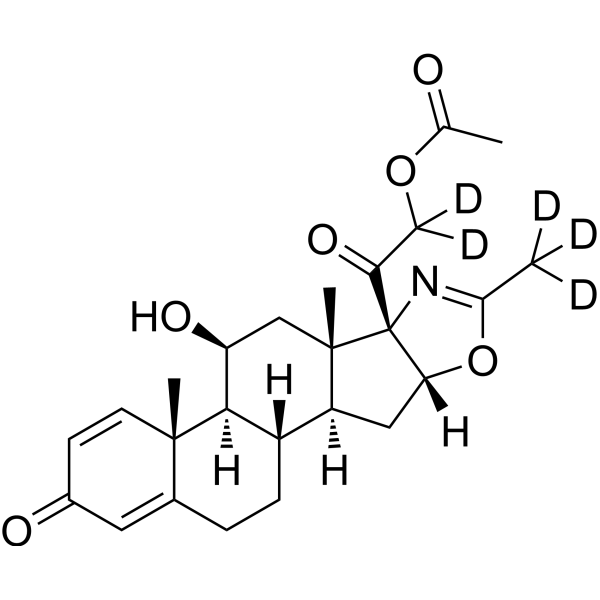
- HY-N8743
-
|
A 65190; Cyclo-(leucyl-prolyl)
|
Endogenous Metabolite
|
Cancer
|
|
Cyclo(Pro-Leu) (A 65190) is an active metabolite. Cyclo(Pro-Leu) can be isolated from Streptomyces sp. BM8. Cyclo(Pro-Leu) can be used for the research of cancer .
|
-
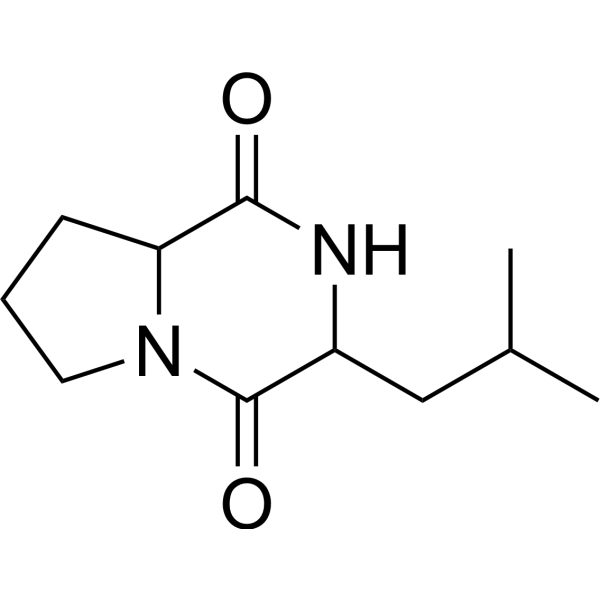
- HY-145490
-
|
|
Drug Metabolite
|
Metabolic Disease
|
|
trans-hydroxy Glimepiride is an active metabolite of the sulfonylurea Glimepiride (HY-B0104). It is formed from glimepiride primarily in the liver by the cytochrome P450 (CYP) isoform CYP2C9.
|
-

- HY-79593R
-
-

- HY-135400S2
-
|
|
Isotope-Labeled Compounds
|
Inflammation/Immunology
|
|
Glyco-obeticholic acid-d4 is the deuterium labeled Glyco-obeticholic acid (HY-135400). Glyco-obeticholic acid is an active metabolite of Obeticholic acid. Obeticholic acid is a farnesoid X receptor (FXR) agonist .
|
-

- HY-13293
-
|
|
VD/VDR
|
Cancer
|
|
Impurity C of Calcitriol is the impurity of Calcitriol (HY-10002). Calcitriol is the hormonally active form of vitamin D. Calcitriol is the active metabolite of vitamin D3 that activates the vitamin D receptor (VDR).
|
-
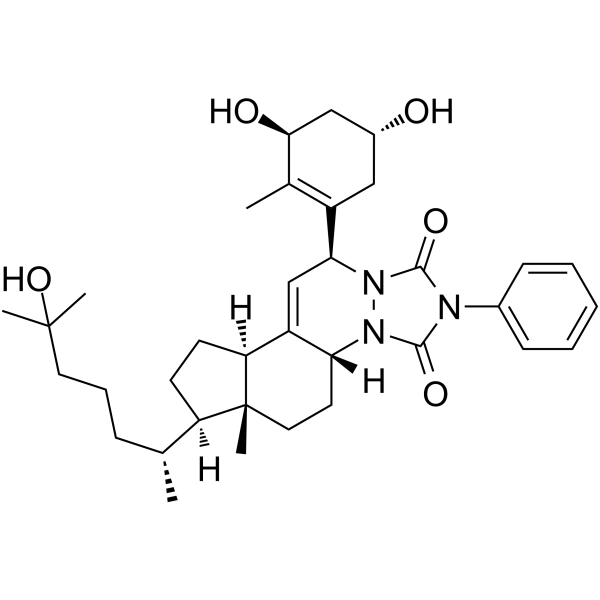
- HY-B1342A
-
-

- HY-115740A
-
|
Ara-CTP trisodium
|
DNA/RNA Synthesis
|
Cancer
|
|
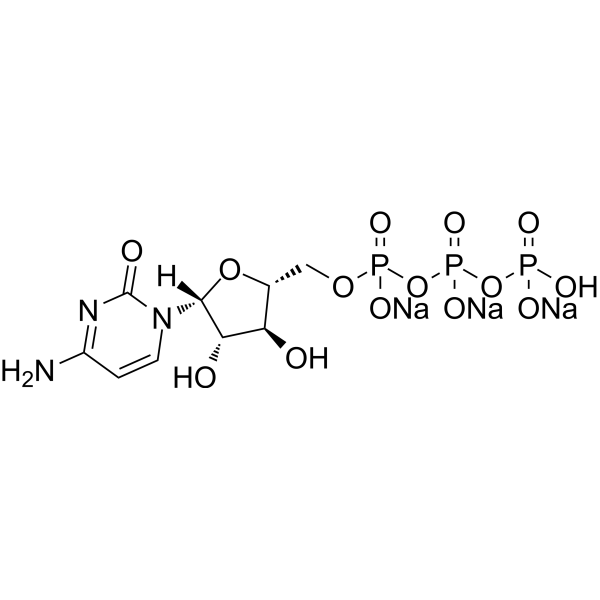
Cytarabine triphosphate (Ara-CTP) trisodiu, an active metabolite of Cytarabine, is a competitive inhibitor of DNA synthesis. Intracellular Cytarabine triphosphate trisodiu levels can be used to predict chemosensitivity of leukemic blasts to Cytarabine .
|
-
- HY-136703
-
|
|
HIV Protease
|
Infection
|
|
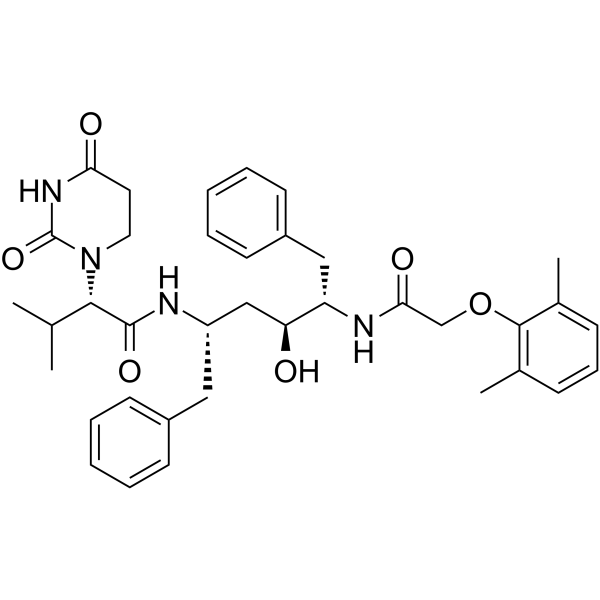
Lopinavir Metabolite M-1, an active metabolite of Lopinavir, inhibits HIV protease with a Ki of 0.7 pM. Lopinavir Metabolite M-1 has antiviral activities in vitro .
|
-
- HY-139558
-
|
PD0184264; ATR-002
|
MEK
Influenza Virus
Bacterial
|
Infection
Cancer
|
|
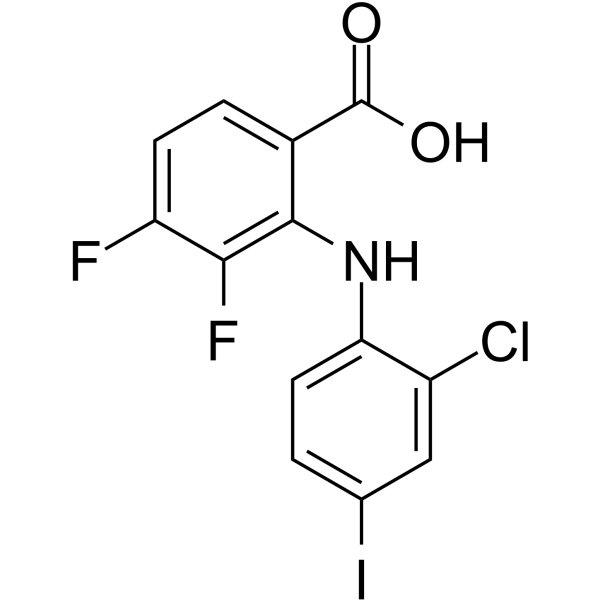
Zapnometinib (PD0184264), an active metabolite of CI-1040, is a MEK inhibitor, with an IC50 of 5.7 nM. Zapnometinib exhibits antiviral activity against influenza virus and antibacterial activities .
|
-
- HY-135392
-
|
AC-279
|
Drug Metabolite
|
Neurological Disease
|
|
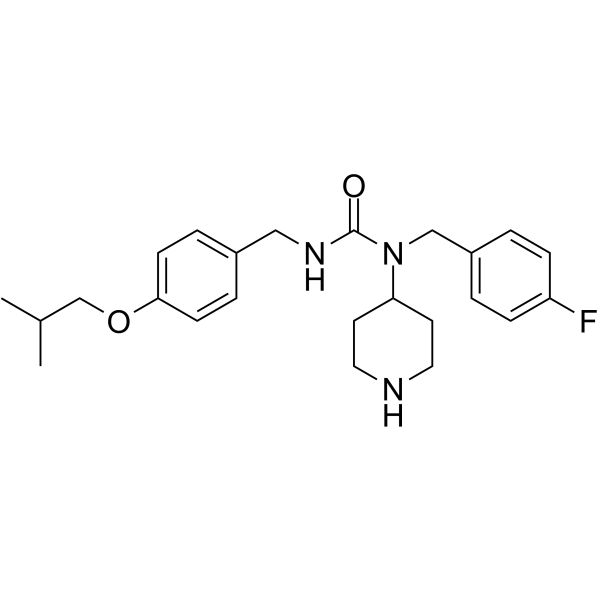
N-Desmethyl Pimavanserin is the active metabolite of Pimavanserin. Pimavanserin is a selective inverse agonist of the 5-HT2A receptor with pIC50 and pKd of 8.73 and 9.3, respectively.
|
-
- HY-12785S1
-
|
Ricobendazole-d7; Albendazole oxide-d7
|
Isotope-Labeled Compounds
Parasite
|
Infection
|
|
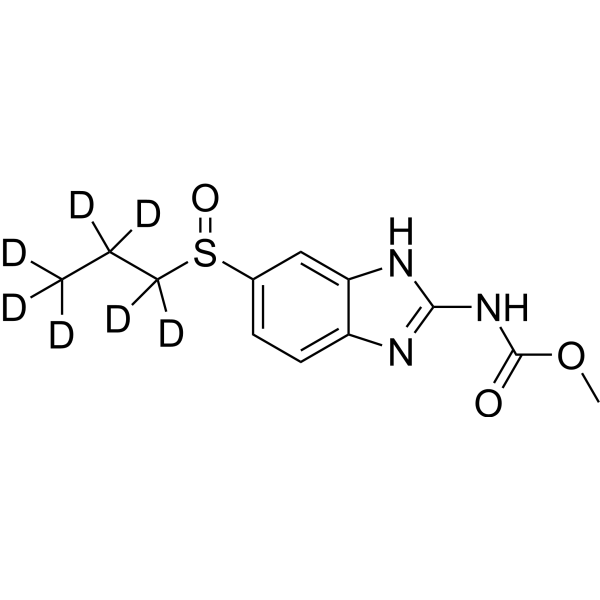
Albendazole sulfoxide-d7 is the deuterium labeled Albendazole sulfoxide. Albendazole sulfoxide (Ricobendazole), the main active metabolite of Albendazole, exhibits anti-parasite effect against Echinococcus multilocularis Metacestodes .
|
-
- HY-B0802
-
|
Terbutaline hemisulfate
|
Adrenergic Receptor
Antibiotic
|
Endocrinology
|
|
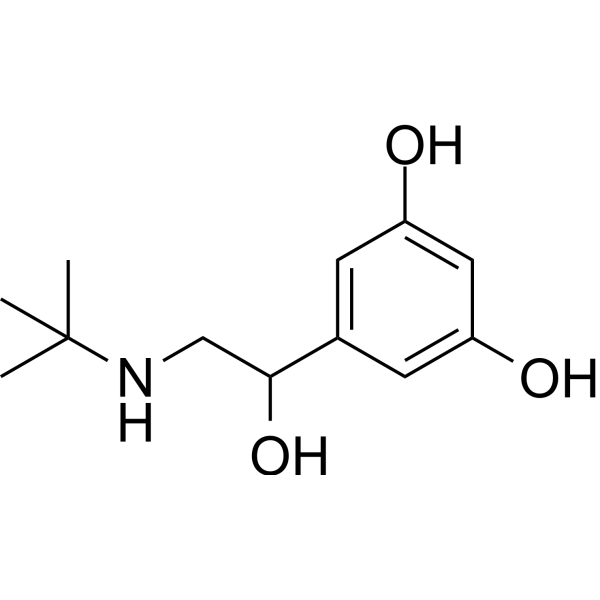
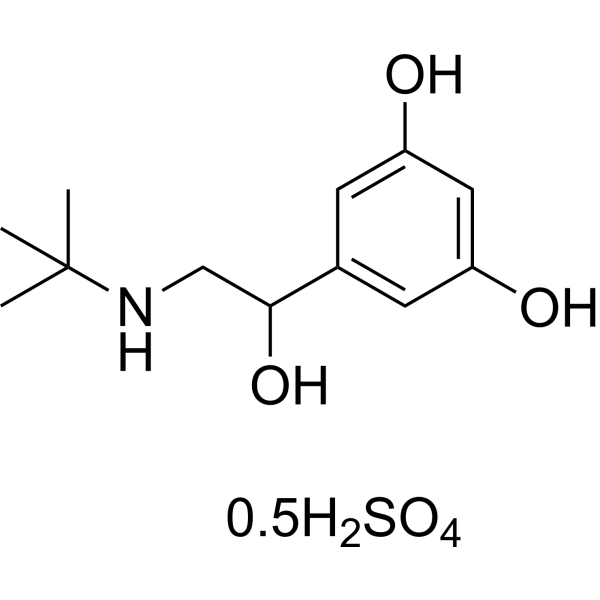
Terbutaline sulfate is an orally active β2-adrenergic receptor agonist and an active metabolite of bambuterol . Terbutaline sulfate can be used in asthma symptom research .
|
-
- HY-135391S
-
|
Ezetimibe glucuronide-d4; Ezetimibe β-D-glucuronide-d4
|
Drug Metabolite
|
Metabolic Disease
|
|
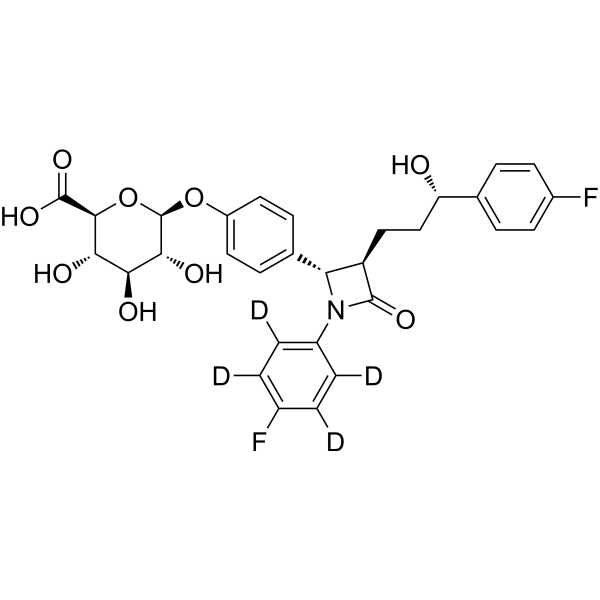
Ezetimibe phenoxy glucuronide-d4 is the deuterium labeled Ezetimibe phenoxy glucuronide. Ezetimibe phenoxy glucuronide is the active metabolite of Ezetimibe. Antihyperlipoproteinemic activity . Ezetimibe is a potent cholesterol absorption inhibitor .
|
-
- HY-B2124
-
|
|
Drug Metabolite
|
Neurological Disease
|
|
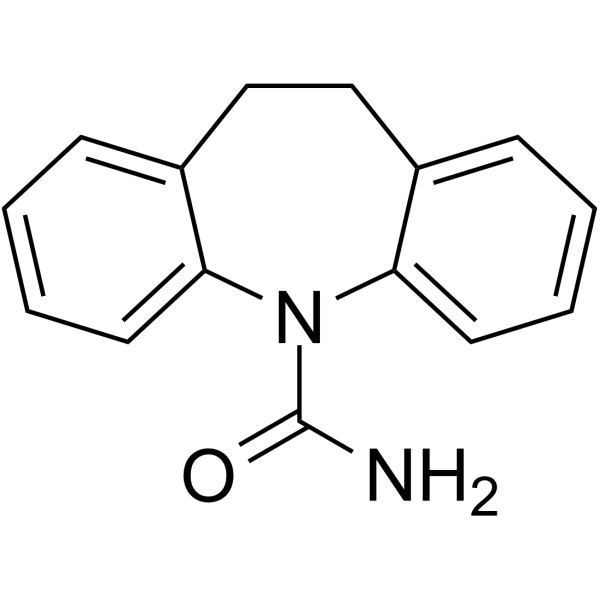
10,11-Dihydrocarbamazepine is the active metabolite of Oxcarbazepine. 10,11-Dihydrocarbamazepine also is an intermediate. Oxcarbazepine is rapidly and almost completely converted to 10,11-Dihydrocarbamazepine with probable Anticonvulsant efficacy .
|
-
- HY-119696R
-
|
|
Reference Standards
Drug Metabolite
|
Neurological Disease
Cancer
|
|
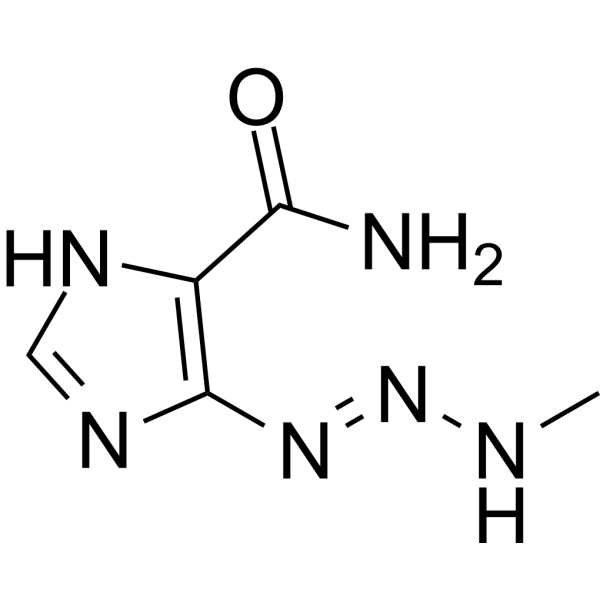
MTIC (Standard) is the analytical standard of MTIC. This product is intended for research and analytical applications. MTIC, the active metabolite of Temozolomide (TMZ), is a DNA alkylating agent. MTIC has antitumor activity
[1][2][3][4].
|
-

- HY-111202R
-
|
TSH-888 (Standard)
|
Reference Standards
Cytochrome P450
|
Inflammation/Immunology
|
|
Proguanil (hydrochloride) (Standard) is the analytical standard of Proguanil (hydrochloride). This product is intended for research and analytical applications. Proguanil hydrochloride, an antimalarial proagent, is metabolized to the active metabolite Cycloguanil (HY-12784). Proguanil hydrochloride is a dihydrofolate reductase (DHFR) inhibitor .
|
-

- HY-B0806R
-
|
|
Reference Standards
Parasite
Antifolate
|
Infection
|
|
Proguanil (Standard) is the analytical standard of Proguanil. This product is intended for research and analytical applications. Proguanil, an antimalarial proagent, is metabolized to the active metabolite Cycloguanil (HY-12784). Proguanil is a dihydrofolate reductase (DHFR) inhibitor .
|
-

- HY-130353
-
|
N-desethylamiodarone hydrochloride; LB 33020 hydrochloride
|
Potassium Channel
Autophagy
|
Cardiovascular Disease
|
|
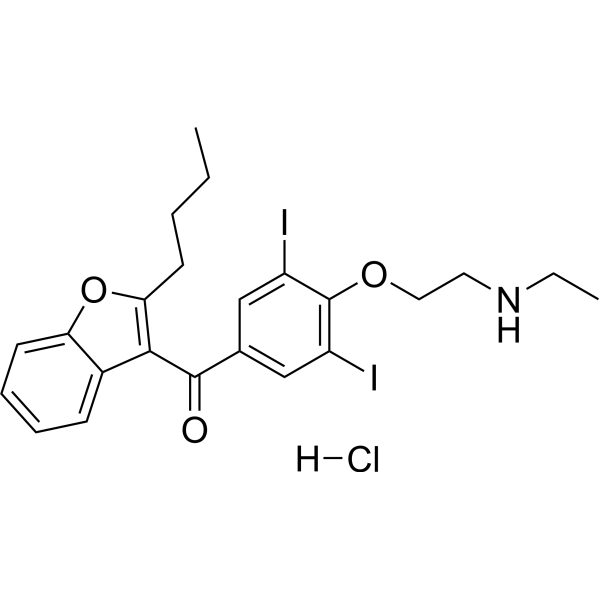
Desethylamiodarone hydrochloride (N-desethylamiodarone hydrochloride) is a major active metabolite of Amiodarone. Desethylamiodarone hydrochloride is formed by CYP3A isoenzymes. Amiodarone is an antiarrhythmic agent for inhibition of ATP-sensitive potassium channel with an IC50 of 19.1 μM .
|
-
- HY-109054A
-
|
|
Drug Metabolite
Opioid Receptor
|
Neurological Disease
|
|
O-Desmethyltramadol hydrochloride is the main active metabolite of tramadol (Tramadol) and can cross the blood-brain barrier. O-Desmethyltramadol hydrochloride mainly exerts its analgesic effect by activating the µ-opioid receptor (µ-OR) .
|
-

- HY-32350R
-
-

- HY-134520
-
|
|
Glucocorticoid Receptor
|
Inflammation/Immunology
|
|
21-Deacetoxy deflazacort is a dehydrogenated derivative of Deflazacort (HY-13609), a glucocorticoid, an inactive precursor that is rapidly converted to the active metabolite 21-Desacetyldeflazacort. Deflazacort acts as an anti-inflammatory and immunosuppressant .
|
-

- HY-145806
-
|
13-cis-Retinol acetate; 13-cis-Vitamin A acetate
|
Endogenous Metabolite
|
Endocrinology
|
|
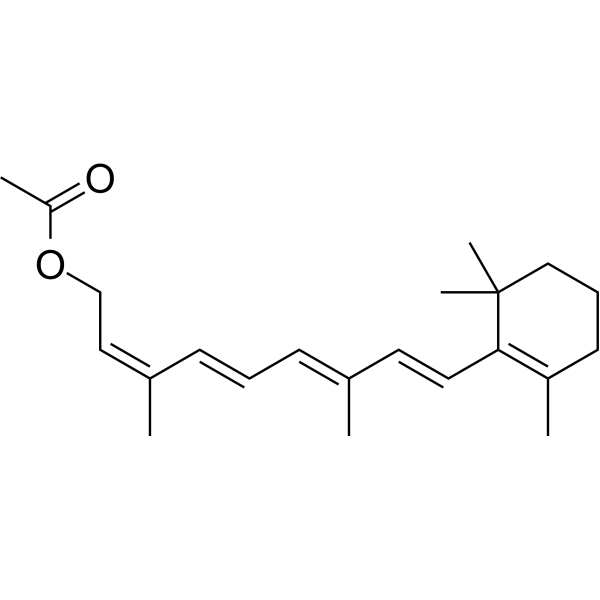
13-cis-Retinyl acetate (13-cis-Retinol acetate; 13-cis-Vitamin A acetate) is a 13-cis isomer formed by Retinyl acetate. 13-cis-Retinyl acetate is an active metabolite of vitamin A .
|
-
- HY-109054
-
|
|
Drug Metabolite
Opioid Receptor
|
Neurological Disease
|
|
O-Desmethyltramadol is the main active metabolite of tramadol (Tramadol) and can cross the blood-brain barrier. O-Desmethyltramadol mainly exerts its analgesic effect by activating the µ-opioid receptor (µ-OR) .
|
-

- HY-107010A
-
|
|
Adrenergic Receptor
|
Cardiovascular Disease
|
|
Esprolol hydrochloride is an orally active and potent β-adrenergic receptor antagonist. Esprolol hydrochloride undergoes rapid metabolism by blood and tissue esterases to form an active metabolite, amoxolol. Esprolol hydrochloride is promising for research of exertional angina .
|
-

- HY-17399
-
|
Acetorphan
|
Neprilysin
|
Metabolic Disease
|
|
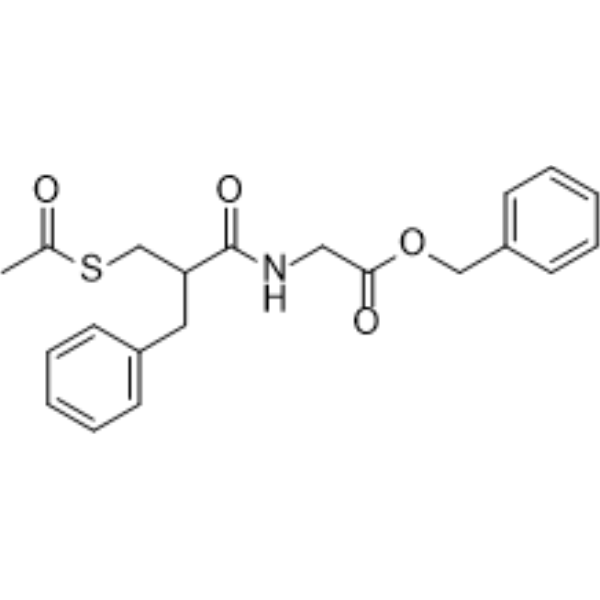
Racecadotril (Acetorphan) is a neutral endopeptidase (NEP) inhibitor. Racecadotril and its active metabolite Thiorphan inhibits purified NEP activity from mouse brain with Kis of 4500 and 6.1 nM, , respectively. Antidiarrheal agent .
|
-
- HY-135407S
-
|
|
Isotope-Labeled Compounds
Drug Metabolite
|
Neurological Disease
|
|
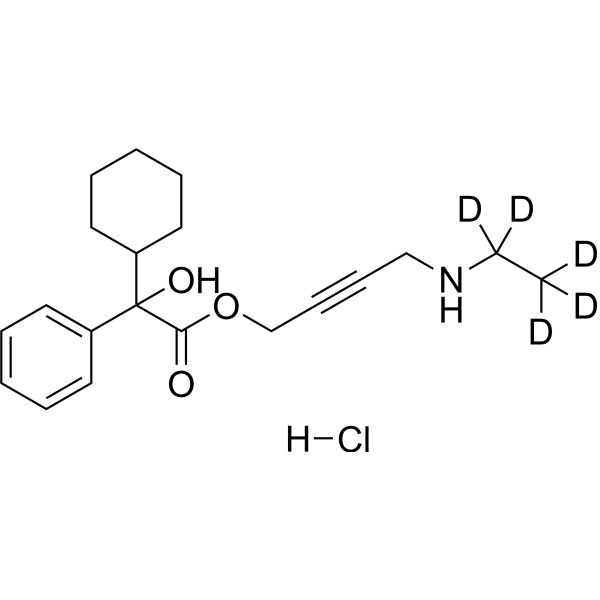
N-Desethyl Oxybutynin-d5 (hydrochloride) is deuterium labeled N-Desethyl Oxybutynin hydrochloride. N-Desethyl Oxybutynin is the the active metabolite Oxybutynin. Oxybutynin is an anticholinergic agent that inhibits voltage-dependent K+ channels .
|
-
- HY-B0806AR
-
|
|
Reference Standards
Parasite
Antifolate
|
Infection
|
|
Proguanil (hydrochloride) (Standard) is the analytical standard of Proguanil (hydrochloride). This product is intended for research and analytical applications. Proguanil hydrochloride, an antimalarial proagent, is metabolized to the active metabolite Cycloguanil (HY-12784). Proguanil hydrochloride is a dihydrofolate reductase (DHFR) inhibitor .
|
-

- HY-101671
-
|
M-2
|
MMP
Drug Metabolite
|
Inflammation/Immunology
|
|
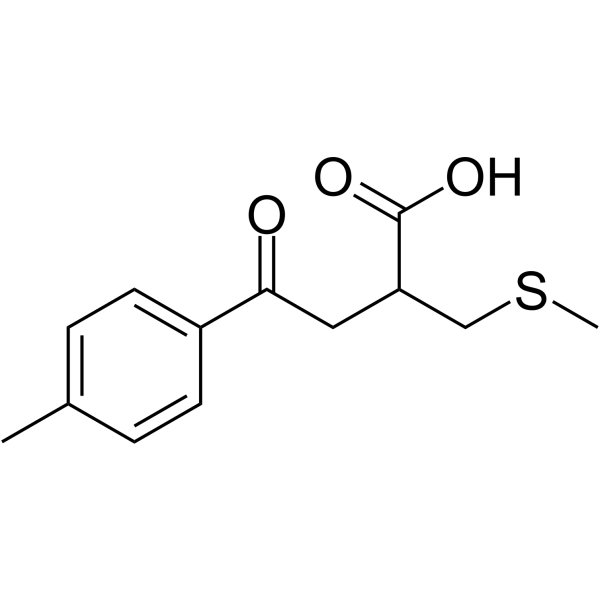
S-methyl-KE-298 is an active metabolite of KE-298. KE-298 inhibits matrix metalloproteinase (MMP-1) production from rheumatoid arthritis (RA) synovial cells.
|
-
- HY-12767
-
|
4-Hydroxyphenyl Carvedilol; 4-Hydroxycarvedilol
|
Drug Metabolite
Cytochrome P450
|
Metabolic Disease
|
|
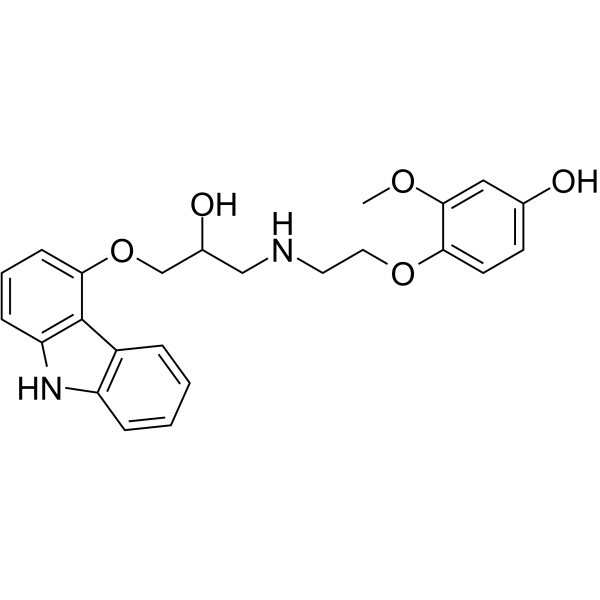
4-Hydroxyphenyl Carvedilol, a metabolite of Carvedilol, is an active metabolite of Carvedilol (HY-B0006) and is produced via CYP2D6-mediated oxidation .
|
-
- HY-129315
-
|
N-Deacetylketoconazole; R-39519
|
Bacterial
Fungal
|
Infection
|
|
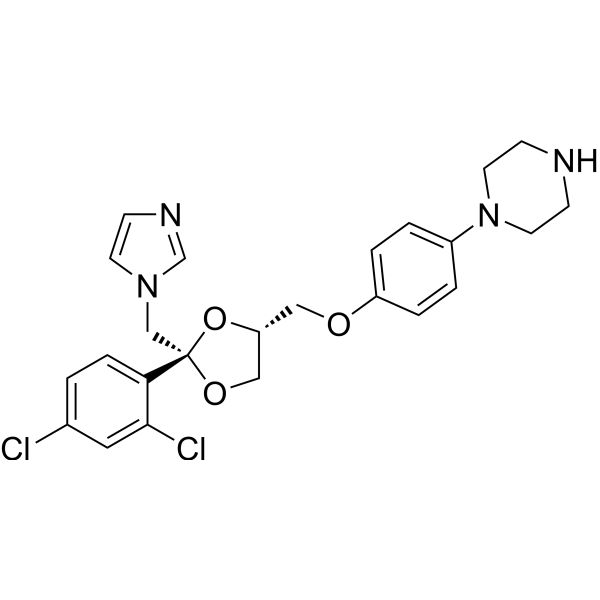
Deacylketoconazole (N-Deacetylketoconazole; R-39519) is an orally active metabolite of Ketoconazole (HY-B0105). Deacylketoconazole exhibits antifungal and antibacterial activity. Deacylketoconazole is cytotoxic in rats hepatocyte .
|
-
- HY-B0794BR
-
|
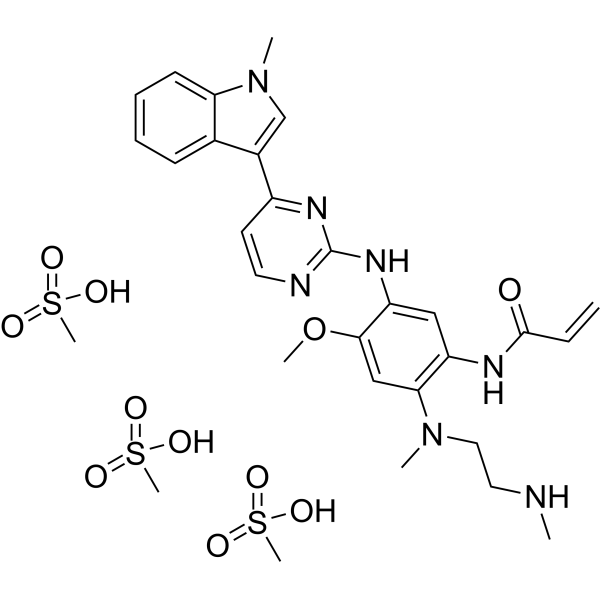
AZ7550 trimesylate salt (Standard)
|
Reference Standards
EGFR
IGF-1R
Drug Metabolite
|
Endocrinology
Cancer
|
|
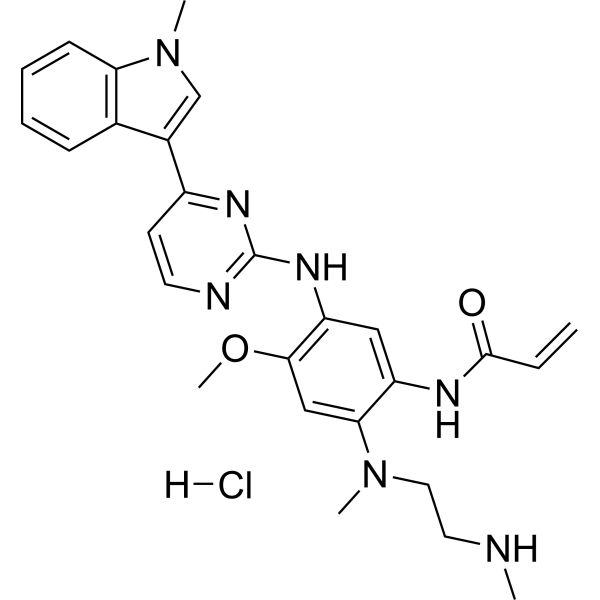
AZ7550 Mesylate (Standard) is the analytical standard of AZ7550 Mesylate. This product is intended for research and analytical applications. AZ7550 Mesylate is an active metabolite of AZD9291 and inhibits the activity of IGF1R with an IC50 of 1.6 μM.
|
-

- HY-106235
-
|
|
HBV
DNA/RNA Synthesis
|
Infection
|
|
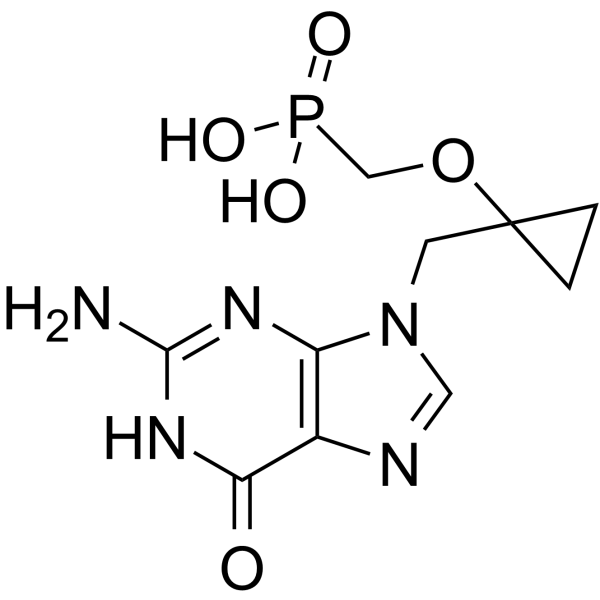
LB80317 is an active metabolite of LB80380 and suppresses the DNA synthesis of HBV with an EC50 of 0.5 μM. LB80317 has antiviral effect and has the potential for chronic hepatitis B treatment .
|
-
- HY-133781
-
|
Clopidogrel-MP-AM
|
Drug Metabolite
|
Others
|
|
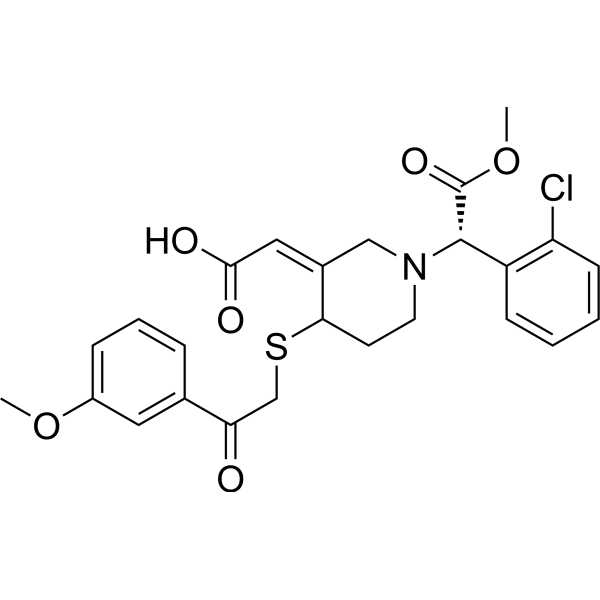
cis-Clopidogrel-MP derivative (Clopidogrel-MP-AM) is a 3’-methoxyacetophenone derivative of Clopidogrel active metabolite . Clopidogrel is an orally active platelet inhibitor that targets P2Y12 receptor .
|
-
- HY-139165
-
|
|
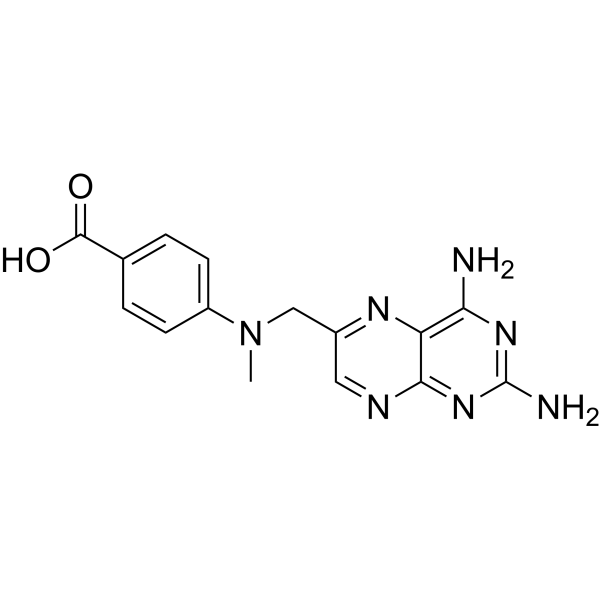
SARS-CoV
|
Infection
|
|
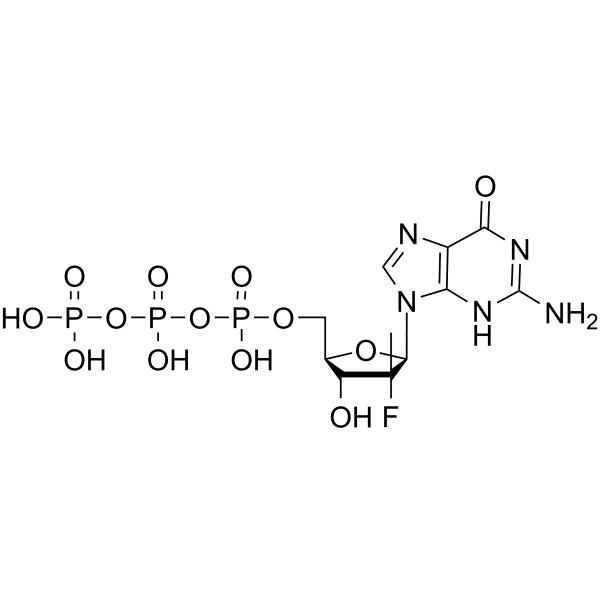
AT-9010, a triphosphate active metabolite of AT-527, is a potent inhibitor of NiRAN (a function essential for viral replication). AT-9010 can inhibit SARS-CoV-2 replication .
|
-
- HY-108251R
-
-
- HY-136610
-
|
|
Cholinesterase (ChE)
|
Neurological Disease
|
|
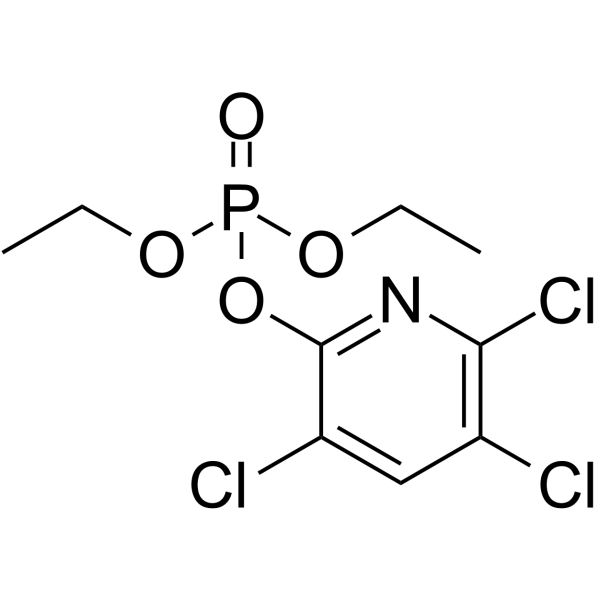
Chlorpyrifos-oxon, an active metabolite of Chlorpyrifos, is a potent phosphorylating agent that potently inhibits AChE. Chlorpyrifos-oxon can induce cross-linking between subunits of tubulin and disrupt microtubule function .
|
-
- HY-131637
-
|
|
Drug Metabolite
|
Metabolic Disease
|
|
Desacetyl bisacodyl is the active metabolite of the laxative bisacodyl. Desacetyl bisacodyl induces epithelial Cl(-) secretion in rat colon and rectum. Desacetyl bisacodyl evokes several effects at the colon or rectum, including increased mucus and chloride secretion .
|
-
- HY-145513
-
|
|
Topoisomerase
|
Cancer
|
|
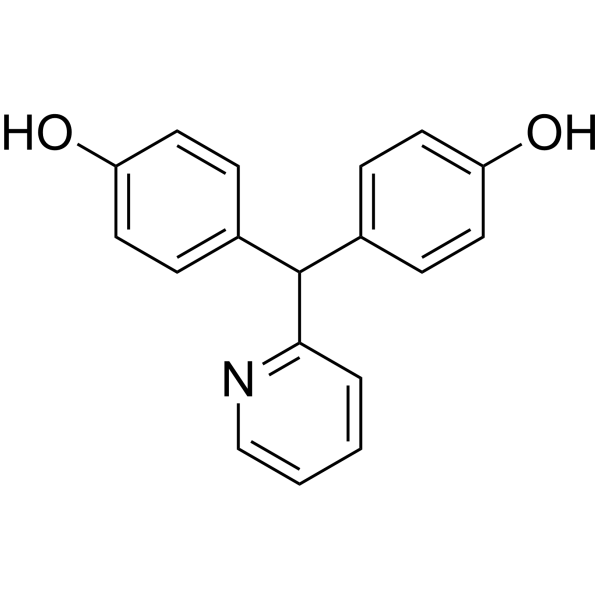
CL2-MMT-SN38 is a SN-38 derivative. SN-38, an anticancer agent, is an active metabolite of the Topoisomerase I inhibitor Irinotecan (CPT-11) .
|
-
- HY-19727A
-
-
- HY-164271
-
|
|
Topoisomerase
|
Cancer
|
|
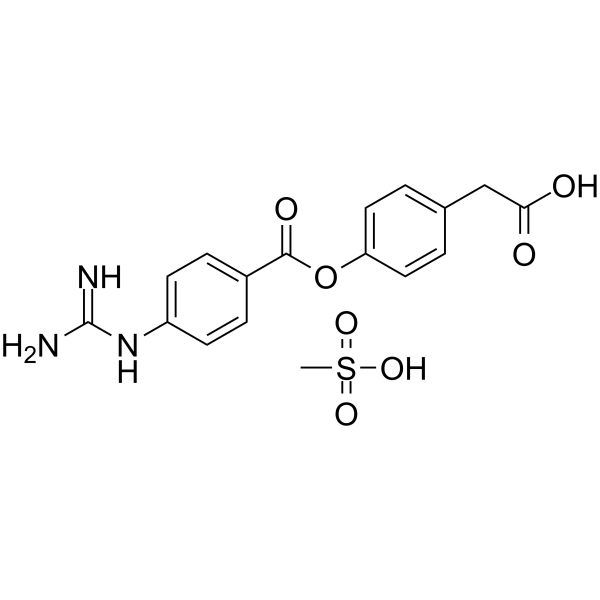
10-Boc-SN-38 is a tert-butyloxycarbonyl (Boc)-protected form of SN-38 (HY-13704). SN-38 is the active metabolite of Irinotecan (HY-16562) .
|
-

- HY-107010
-
|
|
Adrenergic Receptor
|
Cardiovascular Disease
|
|
Esprolol is an orally active and potent β-adrenergic receptor antagonist. Esprolol is rapidly metabolized by blood and tissue esterases to form the active metabolite amoxolol. Esprolol holds potential for research in exercise-induced angina .
|
-

- HY-135399S2
-
|
|
Isotope-Labeled Compounds
FXR
|
Inflammation/Immunology
|
|
Tauro-obeticholic acid-d4 is the deuterium labeled Tauro-obeticholic acid (HY-135399). Tauro-obeticholic acid is an active metabolite of Obeticholic acid. Obeticholic acid is an orally bioavailable farnesoid-X receptor (FXR) agonist .
|
-

- HY-109592S
-
-
- HY-181425
-
-

- HY-W037282
-
|
Cupreidine
|
Drug Metabolite
|
Neurological Disease
|
|
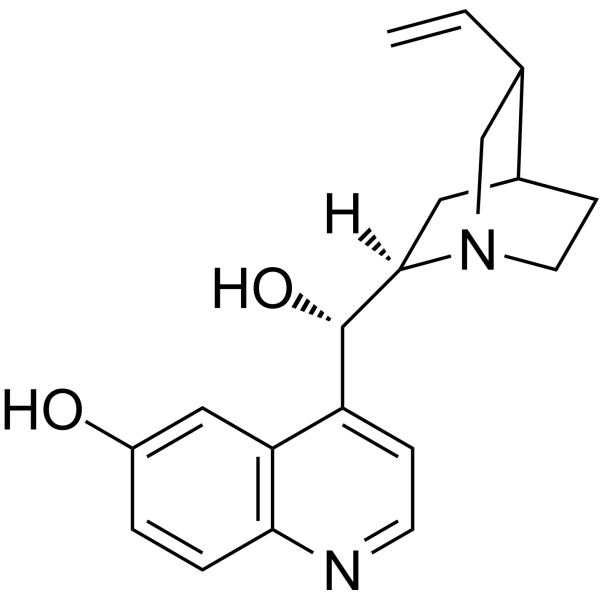
O-Desmethyl quinidine (Cupreidine) is an orally active metabolite of Quinine (HY-D0143). O-Desmethyl quinidine reduces frequency of cramps in rats with spinal cord injury and shows low blood toxicity .
|
-
- HY-13609R
-
|
|
Reference Standards
Glucocorticoid Receptor
|
Inflammation/Immunology
Endocrinology
|
|
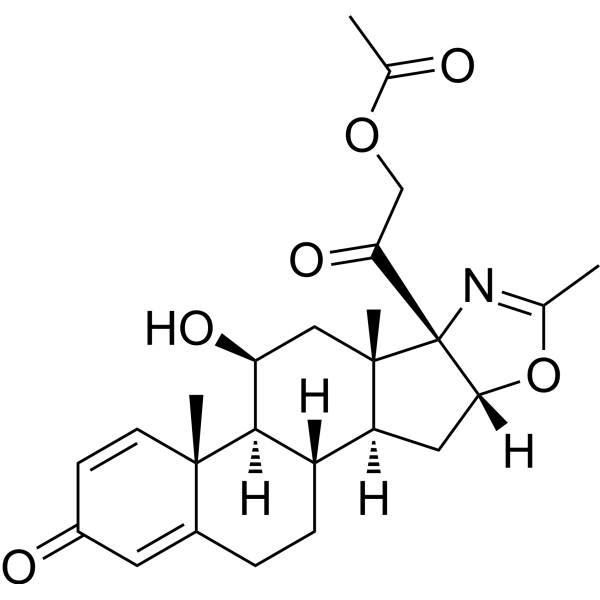
Deflazacort (Standard) is the analytical standard of Deflazacort. This product is intended for research and analytical applications. Deflazacort, a glucocorticoid, is an inactive proagent and is converted rapidly to the active metabolite 21-desacetyldeflazacort. Deflazacort is used as an anti-inflammatory and immunosuppressant .
|
-
- HY-W740212
-
-

- HY-79593S2
-
|
ACT-333679-d7
|
Prostaglandin Receptor
|
Metabolic Disease
|
|
MRE-269-d7 is deuterium labeled MRE-269 (HY-79593). MRE-269 is an active metabolite of selexipag, and acts as a selective IP receptor agonist .
|
-
- HY-B0256A
-
-
- HY-160849
-
|
|
GABA Receptor
|
Others
Metabolic Disease
|
|
N-desmethyl Rilmazolam, a triazolobenzodiazepine, serves as an analytical reference standard. N-desmethyl Rilmazolam is an active metabolite derived from rilmazafone (HY-106547). N-desmethyl Rilmazolam is designed for use in research and forensic settings .
|
-
- HY-13292
-
|
1β,25-Dihydroxyvitamin-D3; 1-Epicalcitriol
|
VD/VDR
|
Cancer
|
|
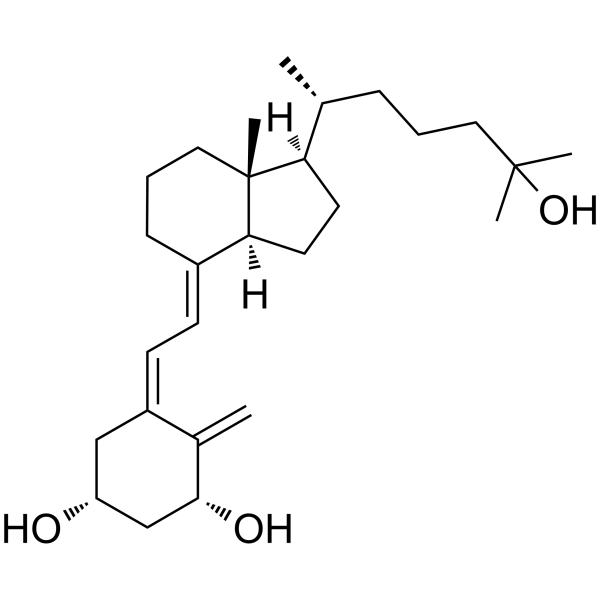
Impurity B of Calcitriol, Calcitriol(1,25-Dihydroxyvitamin D3; Rocaltrol ) is the hormonally active form of vitamin D, Calcitriol is the active metabolite of vitamin D3 that activates the vitamin D receptor (VDR).
|
-
- HY-N10322
-
|
|
Drug Metabolite
|
Others
|
|
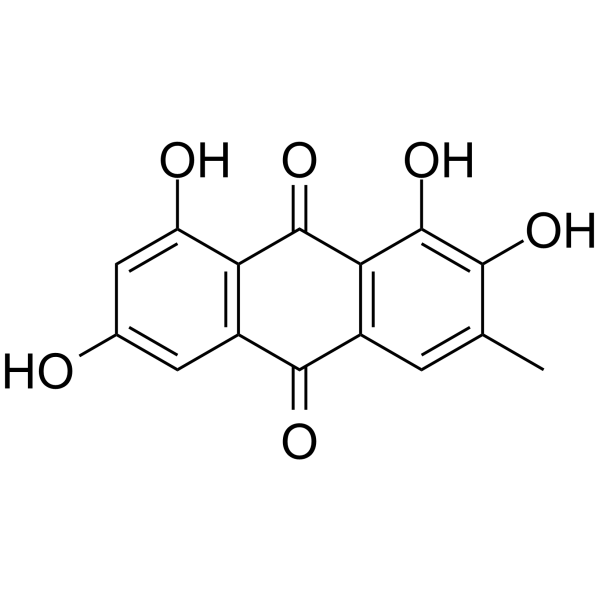
2-Hydroxyemodin is an active metabolite of emodin in the hepatic microsomes. Emodin is an anthraquinone present in fungal metabolites and constituent of rhubarb. 2-Hydroxyemodin proves to be mutagenic to Salmonella typhimurium TA1537 in the absence of activation system .
|
-
- HY-B0806AS1
-
|
|
Isotope-Labeled Compounds
Parasite
Antifolate
|
Infection
|
|
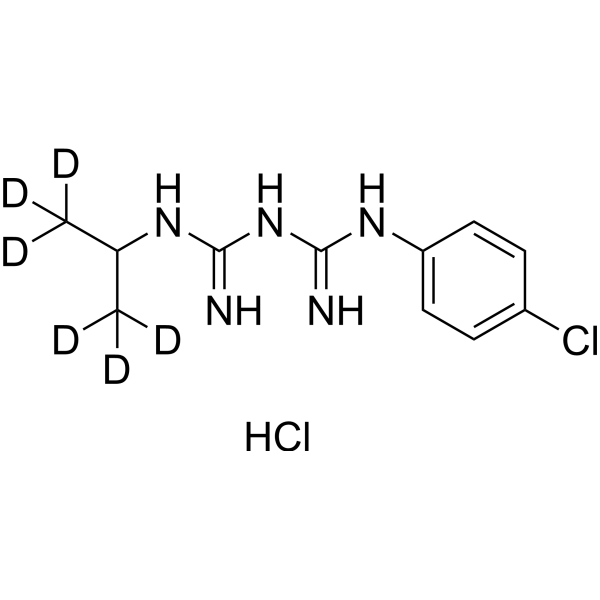
Proguanil-d6 hydrochloride is the deuterium labeled Proguanil hydrochloride (HY-B0806A). Proguanil hydrochloride, an antimalarial proagent, is metabolized to the active metabolite Cycloguanil (HY-12784). Proguanil hydrochloride is a dihydrofolate reductase (DHFR) inhibitor .
|
-
- HY-B0602D
-
|
|
Drug Metabolite
|
Neurological Disease
|
|
(S)-(+)-O-Desmethyl Venlafaxine is a S-enantiomer of O-Desmethyl Venlafaxine. O-Desmethyl Venlafaxine is an active metabolite of Venlafaxine . Venlafaxine (HY-B0196) is an antidepressant of the serotonin-norepinephrine reuptake inhibitor (SNRI) class .
|
-

- HY-17528
-
|
Cyhalofop acid
|
Drug Metabolite
|
Others
|
|
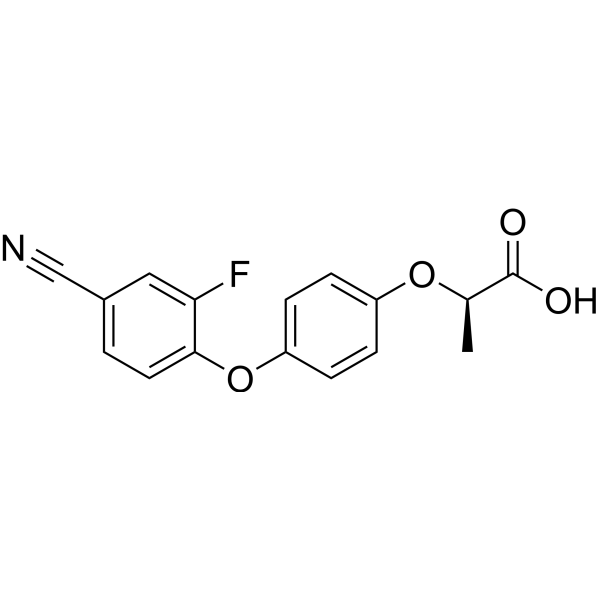
Cyhalofop (Cyhalofop acid), the primary metabolite of Cyhalofop-butyl (HY-B0861) in susceptible grasses, is the herbicidally active metabolite. Cyhalofop-butyl is an aryloxyphenoxypropionate post-emergence herbicide widely used around the world in agriculture .
|
-
- HY-12785R
-
|
Ricobendazole (Standard); Albendazole oxide (Standard)
|
Reference Standards
Parasite
|
Infection
|
|
Albendazole sulfoxide (Standard) is the analytical standard of Albendazole sulfoxide. This product is intended for research and analytical applications. Albendazole sulfoxide (Ricobendazole), the main active metabolite of Albendazole, exhibits anti-parasite effect against Echinococcus multilocularis Metacestodes .
|
-

- HY-32350S
-
-
- HY-12365S2
-
-

- HY-13609S3
-
-

- HY-B0256
-
|
BW 57-322
|
Apoptosis
|
Inflammation/Immunology
Cancer
|
|
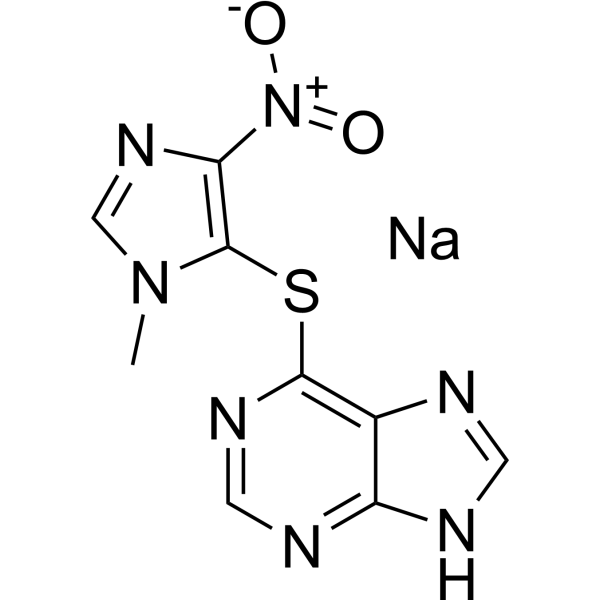
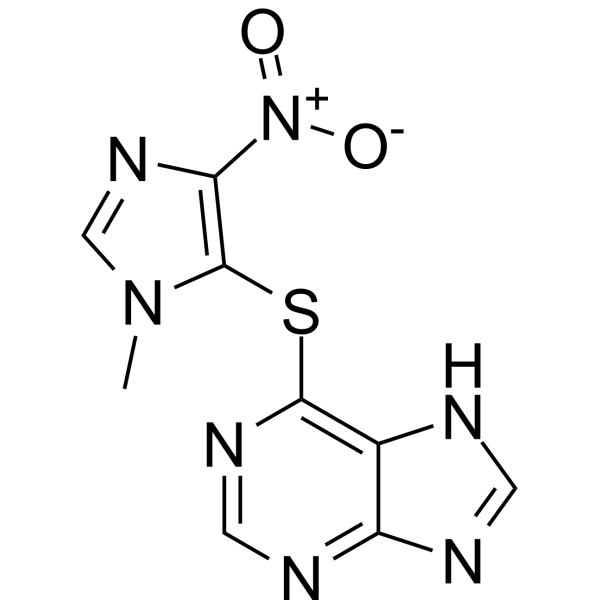
Azathioprine (BW 57-322) is an orally active immunosuppressive agent. Azathioprine can be converted in vivo to the active metabolite 6-mercaptopurine (6-MP). Azathioprine has myelosuppressive effects and induces apoptosis .
|
-
- HY-135399S
-
-
- HY-B1417R
-
|
Desmethylamitriptyline hydrochloride (Standard); Desitriptilina hydrochloride (Standard)
|
Reference Standards
Autophagy
Drug Metabolite
Apoptosis
|
Neurological Disease
Cancer
|
|
Nortriptyline (hydrochloride) (Standard) is the analytical standard of Nortriptyline (hydrochloride). This product is intended for research and analytical applications. Nortriptyline (Desmethylamitriptyline) hydrochloride, the main active metabolite of Amitriptyline, is a tricyclic antidepressant. Nortriptyline hydrochloride is a potent autophagy inhibitor and has anticancer effects .
|
-

- HY-100064
-
|
|
EGFR
|
Cancer
|
|
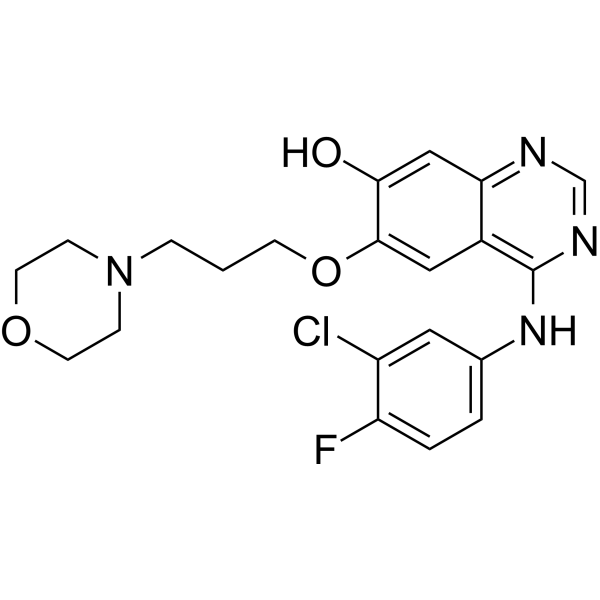
O-Desmethyl gefitinib is an active metabolite of Gefitinib in human plasma. The formation of O-desmethyl gefitinib is dependent on CYP2D6 activity. O-desmethyl gefitinib inhibits EGFR with an IC50 of 36 nM in subcellular assays .
|
-
- HY-139165A
-
|
|
SARS-CoV
|
Infection
|
|
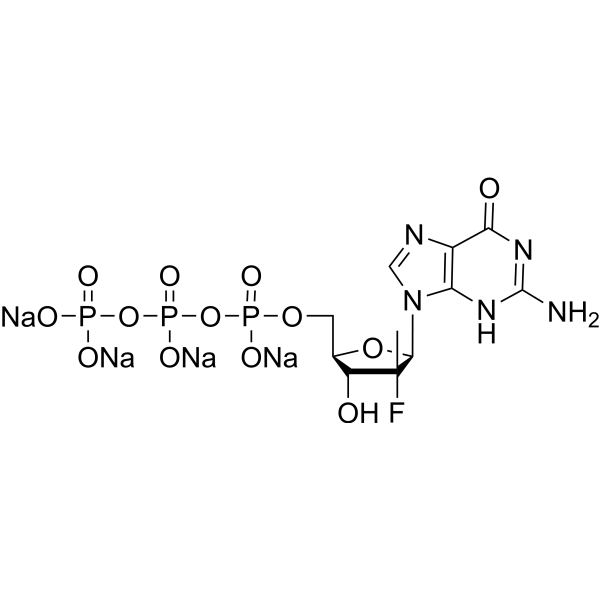
AT-9010 tetrasodium, a triphosphate active metabolite of AT-527, is a potent inhibitor of NiRAN (a function essential for viral replication). AT-9010 tetrasodium can inhibit SARS-CoV-2 replication .
|
-
- HY-W394903
-
|
|
Drug Metabolite
JAK
|
Inflammation/Immunology
|
|
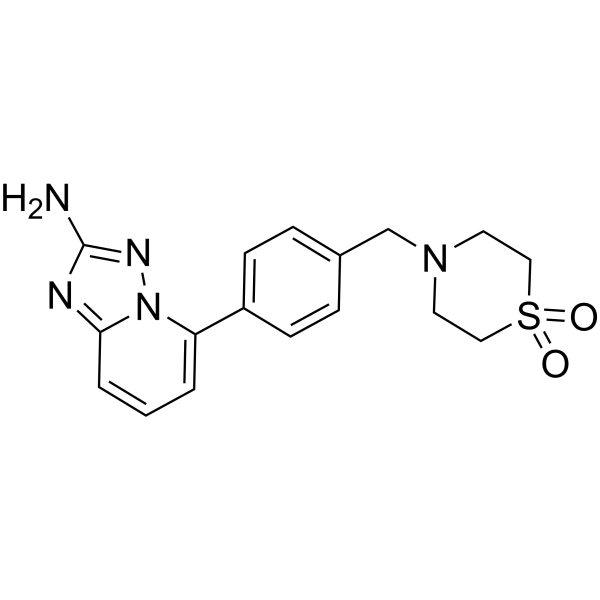
GS-829845 is a is a major, active metabolite of Filgotinib (HY-18300). GS-829845 is a JAK1 preferential inhibitor but is approximately 10-fold less potent than the parent and with a longer half-life .
|
-
- HY-136596R
-
|
|
Reference Standards
Drug Metabolite
|
Cancer
|
|
Nortriptyline (Standard) is the analytical standard of Nortriptyline. This product is intended for research and analytical applications. Nortriptyline (Desmethylamitriptyline), the main active metabolite of Amitriptyline, is a tricyclic antidepressant. Nortriptyline is a potent autophagy inhibitor and has anticancer effects .
N
|
-

- HY-139165B
-
|
|
SARS-CoV
|
Infection
|
|
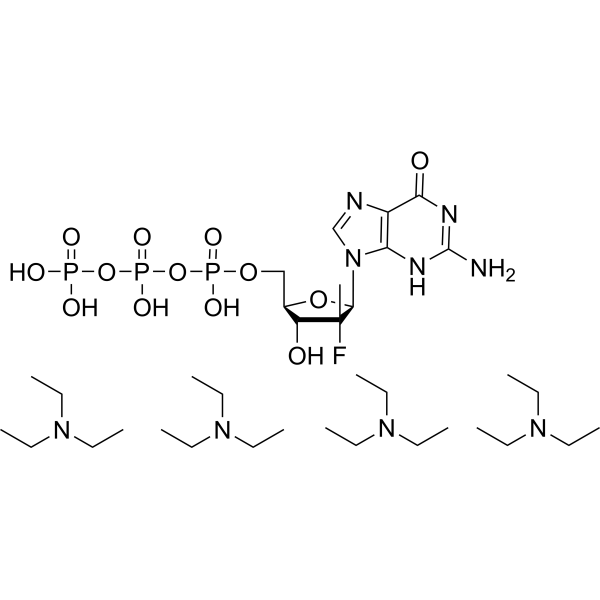
AT-9010 triethylamine,a triphosphate active metabolite of AT-527,is a potent inhibitor of NiRAN (a function essential for viral replication). AT-9010 triethylamine can inhibit SARS-CoV-2 replication .
|
-
- HY-153013
-
|
|
Drug-Linker Conjugates for ADC
|
Cancer
|
|
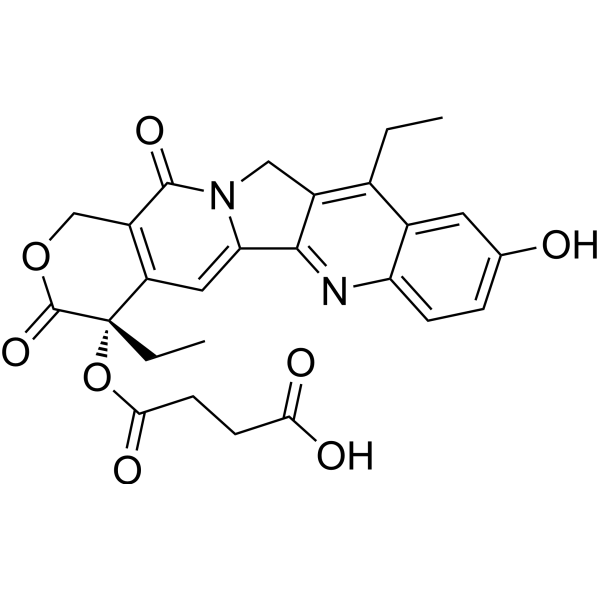
SN38-COOH is used for the synthesis of antibody-drug conjugates (ADCs). SN-38 is an active metabolite of the Topoisomerase I inhibitor Irinotecan. SN-38 inhibits DNA and RNA synthesis .
|
-
- HY-12753S
-
|
SR35021-d7
|
Isotope-Labeled Compounds
Drug Metabolite
|
Cardiovascular Disease
|
|
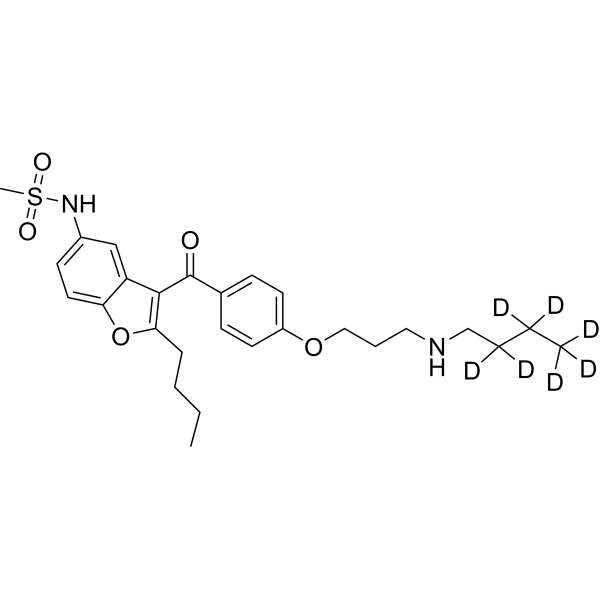
Debutyldronedarone-d7 is deuterium labeled Debutyldronedarone. Debutyldronedarone is a major circulating active metabolite of dronedarone (HY-A0016) in humans.Debutyldronedarone exhibits a potency that is 1/10 to 1/3 of that of the parent agent .
|
-
- HY-122813
-
|
|
Drug Metabolite
Thrombin
|
Cardiovascular Disease
|
|
Dabigatran acyl-β-D-glucuronide is an active metabolite of the thrombin inhibitor Dabigatran (HY-10163). Dabigatran acyl-β-D-glucuronide increases activated partial thromboplastin time (aPTT) in isolated human platelet-poor plasma.
|
-

- HY-W653920
-
|
|
Isotope-Labeled Compounds
FXR
|
Inflammation/Immunology
|
|
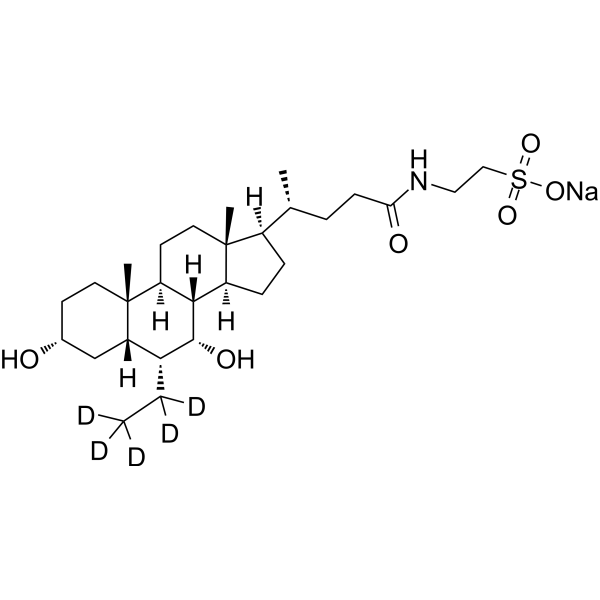
Tauro 6-ethlchenodeoxycholic acid-d5 sodium is deuterium labeled Tauro-obeticholic acid (HY-135399). Tauro-obeticholic acid is an active metabolite of Obeticholic acid. Obeticholic acid is an orally bioavailable farnesoid-X receptor (FXR) agonist .
|
-

- HY-108279S
-
|
|
Isotope-Labeled Compounds
Antibiotic
Bacterial
|
Infection
|
|
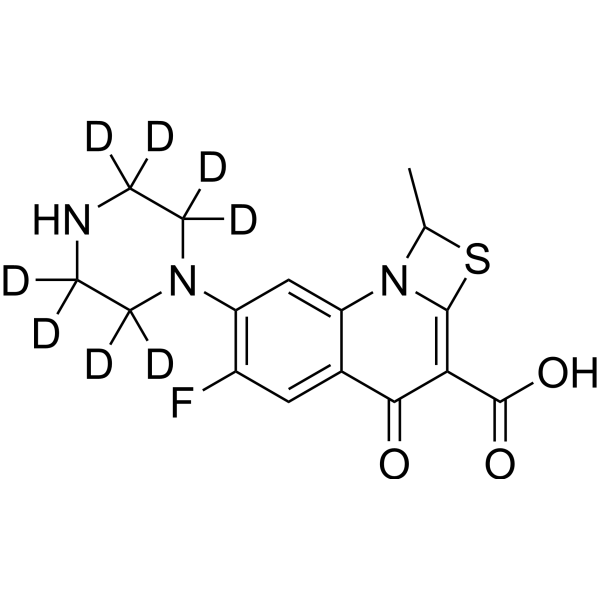
Ulifloxacin-d8 is the deuterium labeled Ulifloxacin (HY-108279) . Ulifloxacin is a broad-spectrum quinolone antibiotic. Ulifloxacin is the active metabolite of Prulifloxacin (HY-B0024). Ulifloxacin has anti-bacterial activity.
|
-
- HY-108279R
-
|
|
Antibiotic
Bacterial
Reference Standards
|
Infection
|
|
Ulifloxacin (Standard) is the analytical standard of Ulifloxacin. This product is intended for research and analytical applications. Ulifloxacin is a broad-spectrum quinolone antibiotic. Ulifloxacin is the active metabolite of Prulifloxacin (HY-B0024). Ulifloxacin has anti-bacterial activity .
|
-

- HY-10003S
-
|
1-hydroxycholecalciferol-d7; 1.alpha.-Hydroxyvitamin D3-d7
|
Isotope-Labeled Compounds
VD/VDR
|
Metabolic Disease
|
|
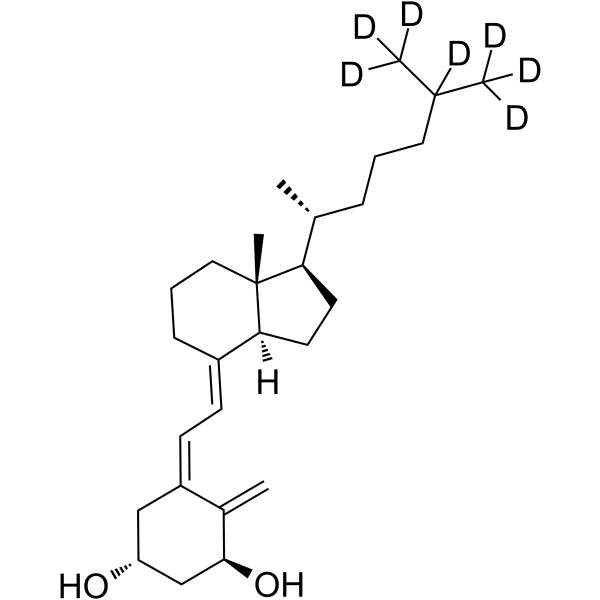
Alfacalcidol-d7 is the deuterium labeled Alfacalcidol. Alfacalcidol (1-hydroxycholecalciferol) is a vitamin D active metabolites, acts as a non-selective VDR activator medication, and widely be used in the management of osteoporosis .
|
-
- HY-137361
-
|
Ramipril diketopiperazine acid
|
Angiotensin-converting Enzyme (ACE)
|
Cardiovascular Disease
|
|
Ramiprilat diketopiperazine (Ramipril diketopiperazine acid; Impurity K) is an impurity of Ramiprilat (HY-A0115). Ramiprilat, an active metabolite of Ramipril (HY-B0279), is a potent and orally active angiotensin converting enzyme (ACE) inhibitor .
|
-

- HY-141554
-
|
DHTBZ
|
Monoamine Transporter
|
Neurological Disease
|
|
Dihydrotetrabenazine (DHTBZ) is the active metabolite of Tetrabenazine (HY-B0590). Dihydrotetrabenazine is the inhibitor for human vesicular monoamine transporter 2 (VMAT2), that reduces monoamine content in presynaptic neurons, and can be used in movement disorder research .
|
-

- HY-114794
-
|
ST 1059
|
Adrenergic Receptor
Drug Metabolite
|
Cardiovascular Disease
|
|
Desglymidodrine (ST 1059), the active metabolite of Midodrine(HY-12749), is a selective α1-adrenoceptor agonist. Desglymidodrine is an effective arterial and venous vasoconstrictor and can be used to regulate blood pressure .
|
-
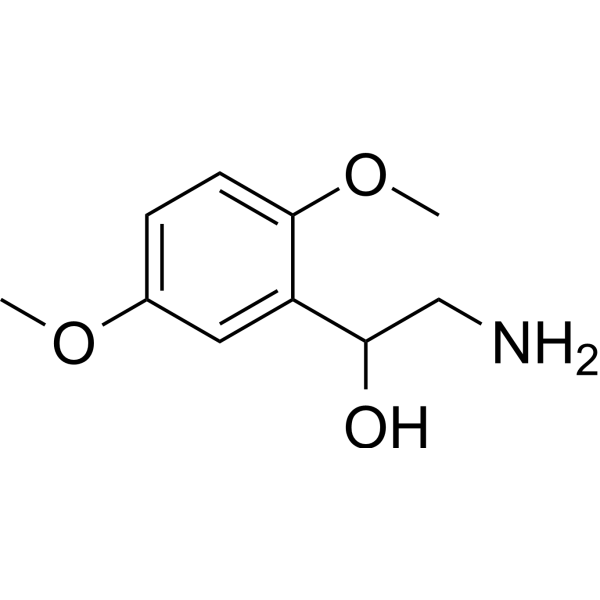
- HY-118620R
-
|
Desmethylamitriptyline (Standard); Desitriptilina (Standard)
|
Reference Standards
Autophagy
Drug Metabolite
Apoptosis
|
Neurological Disease
Cancer
|
|
Nortriptyline (Standard) is the analytical standard of Nortriptyline. This product is intended for research and analytical applications. Nortriptyline (Desmethylamitriptyline), the main active metabolite of Amitriptyline, is a tricyclic antidepressant. Nortriptyline is a potent autophagy inhibitor and has anticancer effects .
N
|
-

- HY-19657R
-
-

- HY-15405R
-
|
A77 1726 (Standard)
|
Drug Metabolite
Reference Standards
|
Inflammation/Immunology
|
|
Teriflunomide (Standard) is the analytical standard of Teriflunomide. This product is intended for research and analytical applications. Teriflunomide is the active metabolite of leflunomide, an approved therapy for rheumatoid arthritis. It inhibits pyrimidine synthesis and therefore potently decreases T cell and B cell proliferation.
|
-

- HY-12753S1
-
|
SR35021 D6 hydrochloride
|
Isotope-Labeled Compounds
Drug Metabolite
|
Cardiovascular Disease
|
|
Debutyldronedarone-d6 (hydrochloride) is deuterium labeled Debutyldronedarone. Debutyldronedarone is a major circulating active metabolite of dronedarone (HY-A0016) in humans. Debutyldronedarone exhibits a potency that is 1/10 to 1/3 of that of the parent agent .
|
-
- HY-19727
-
-
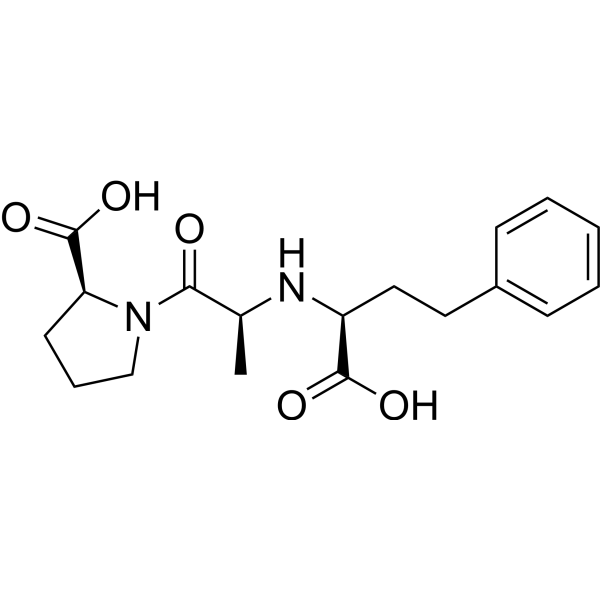
- HY-B0231A
-
|
MK-422 anhydrous
|
Angiotensin-converting Enzyme (ACE)
|
Cardiovascular Disease
|
|
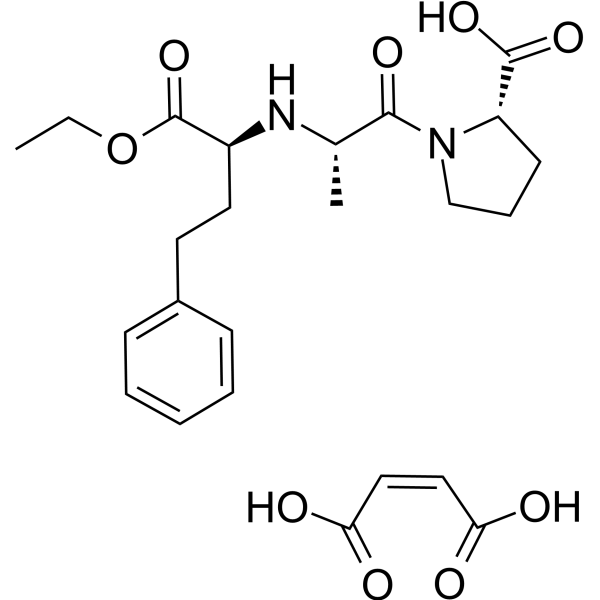
Enalaprilat (MK-422 anhydrous), the active metabolite of the oral proagent Enalapril, is a potent, competitive and long-acting angiotensin-converting enzyme (ACE) inhibitor, with an IC50 of 1.94 nM. Enalaprilat can be used for the research of hypertension .
|
-
- HY-18719ES
-
|
|
Cytochrome P450
Estrogen Receptor/ERR
Drug Metabolite
Parasite
|
Cancer
|
|
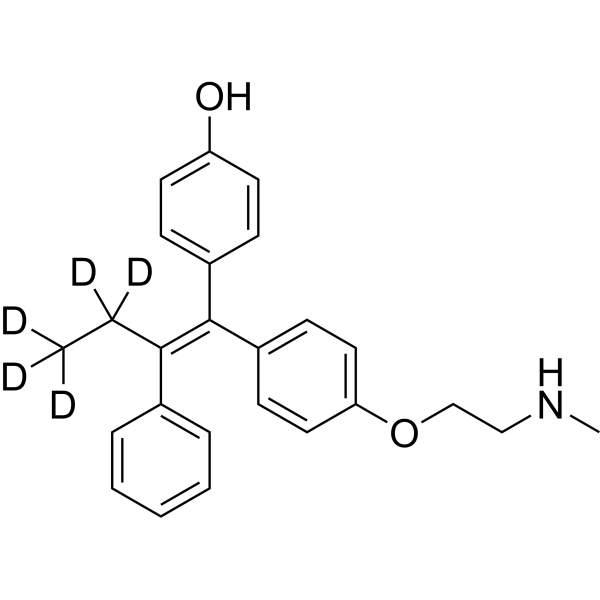
Endoxifen-d5 is the deuterium labeled Endoxifen. Endoxifen is a key active metabolite of tamoxifen (TAM) with higher affinity and specificity to estrogen receptor that also inhibits aromatase activity. Endoxifen has the potential for breast cancer study .
|
-
- HY-118283
-
|
AG1908
|
Proton Pump
|
Metabolic Disease
|
|
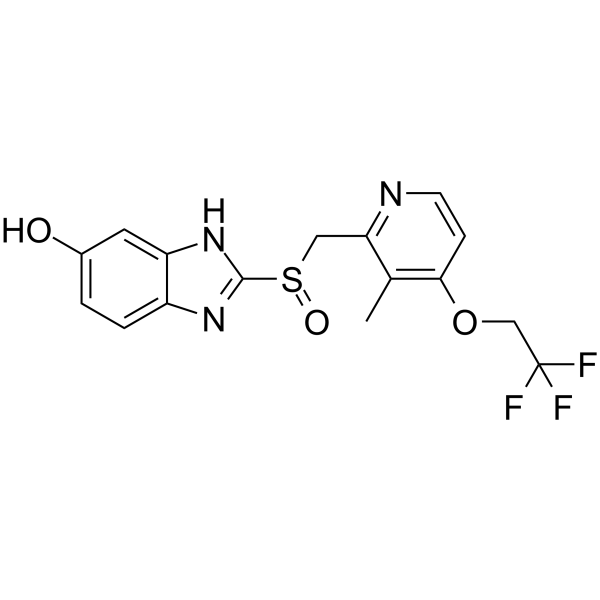
5-Hydroxylansoprazole (AG1908) is an active metabolite of Lansoprazole in plasma. Lansoprazole is metabolized by CYP2C19 forming 5-Hydroxylansoprazole. Lansoprazole is a gastric proton-pump inhibitor and is effective in the treatment of various peptic diseases .
|
-
- HY-14871
-
|
SN2310
|
Topoisomerase
|
Cancer
|
|
Tenifatecan (SN2310) is an injectable emulsion composed of vitamin E, a succinate derivative,
as well as 7-ethyl-10-hydroxycamptothecin (SN-38, the active metabolite of irinotecan). Tenifatecan (SN2310) possesses anticancer activity .
|
-

- HY-128995
-
|
Glycyl-DX-8951; Exatecan analog 2
|
Drug Metabolite
|
Cancer
|
|
Glycyl-Exatecan (Glycyl-DX-8951) is an active metabolite released from DE-310 by enzymatic cleavage of the spacer. Glycyl-Exatecan exerts anti-tumor activity in vivo. Glycyl-Exatecan can be used for solid tumor research .
|
-

- HY-126464
-
|
EoM
|
Androgen Receptor
|
Cancer
|
|
Estromustine (EoM) is the active metabolite of Estramustine phosphate (HY-13627A). Estromustine binds to mutant androgen receptor (m-AR) with EC50 of 2.6 μM in LNCaP, exhibits cytotoxicity in human prostate cells LNCaP with IC50 of 9.73 μM .
|
-

- HY-113575
-
|
OPC-14857 hydrochloride; DM-14857 hydrochloride
|
5-HT Receptor
|
Neurological Disease
|
|
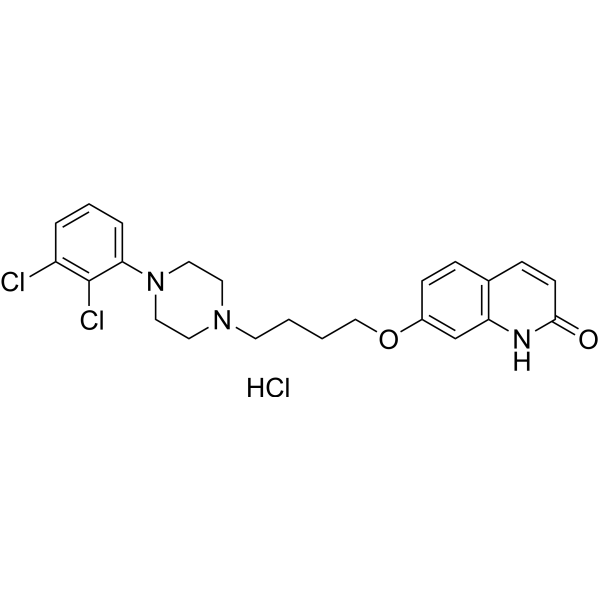
Dehydroaripiprazole (OPC-14857) hydrochloride is an active metabolite of Aripiprazole. Aripiprazole is an antipsychotic agent and is metabolized by CYP3A4 and CYP2D6 forming mainly Dehydroaripiprazole hydrochloride. Dehydroaripiprazole hydrochloride has with antipsychotic activity equivalent to Aripiprazole .
|
-
- HY-12687S
-
|
|
Isotope-Labeled Compounds
Bacterial
HIV
Autophagy
|
Infection
|
|
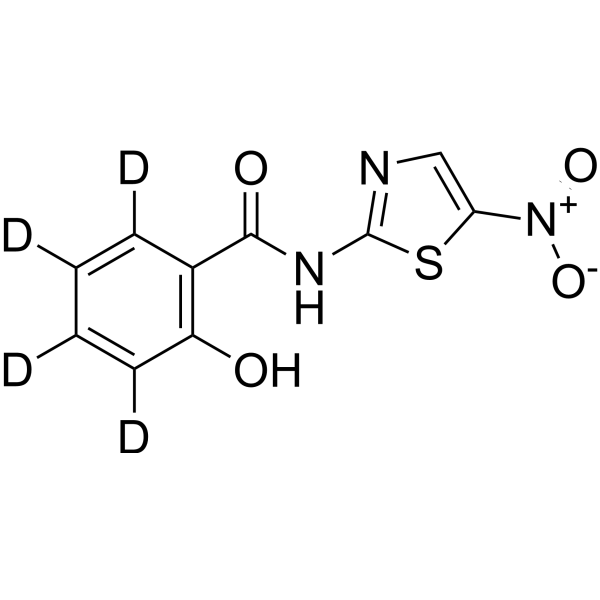
Tizoxanide-d4 is the deuterium labeled Tizoxanide. Tizoxanide is the active metabolite of Nitazoxanide, which is a thiazolide anti-infective compound against anaerobic bacteria, protozoa, and a range of viruses. Tizoxanide has anti-HIV-1 activities .
|
-
- HY-135408
-
|
|
Drug Metabolite
|
Cardiovascular Disease
Inflammation/Immunology
|
|
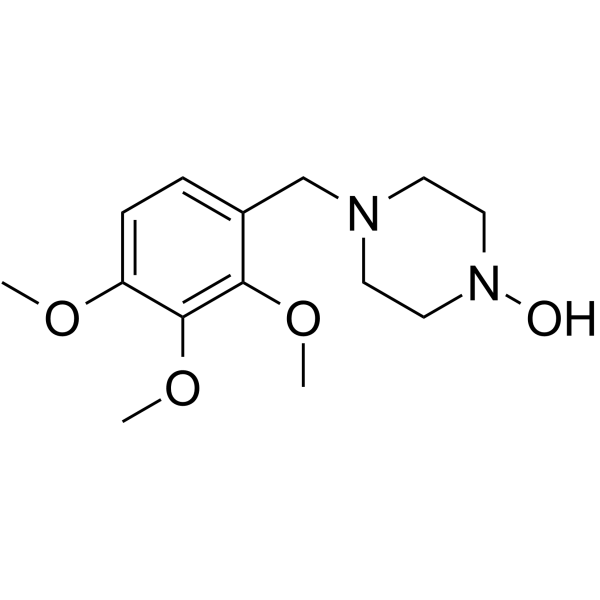
Trimetazidine-N-oxide is the major active metabolite of Trimetazidine. Trimetazidine is a selective long chain 3-ketoyl coenzyme A thiolase inhibitor with an IC50 of 75 nM. Trimetazidine is an effective antianginal agent, has anti-oxidant, anti-inflammatory, antinociceptive and gastroprotective properties.
|
-
- HY-P10916
-
|
|
Drug Metabolite
Fungal
|
Infection
|
|
Micafungin metabolite M1 is an active metabolite of Micafungin (HY-17579), which is metabolized by arylsulfatase and exhibits antifungal activity. Micafungin metabolite M1 can be used for research on deep fungal infections caused by Candida and Aspergillus species .
|
-

- HY-W104075
-
|
|
Drug Metabolite
|
Others
|
|
2-Amino-5-bromo-2’-chlorobenzophenone is a precursor in the synthesis of Phenazepam.1 2-Amino-5-bromo-2’-chlorobenzophenone is also an active metabolite of Phenazepam.
|
-

- HY-B0231
-
|
MK-422
|
Angiotensin-converting Enzyme (ACE)
|
Cardiovascular Disease
|
|
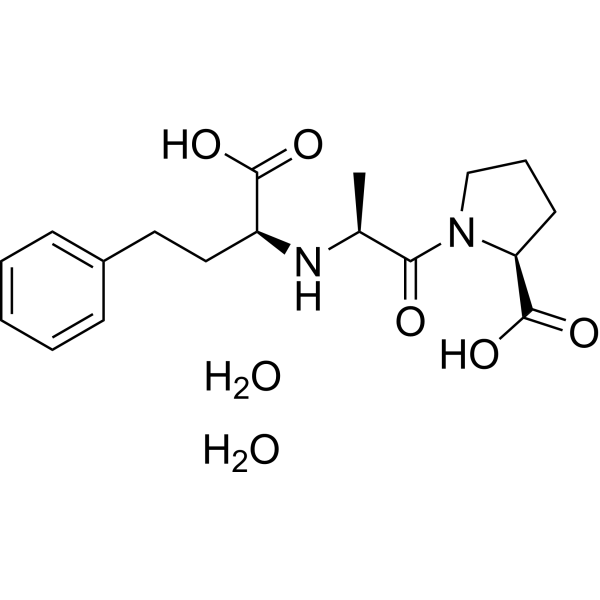
Enalaprilat dihydrate (MK-422), the active metabolite of the oral proagent Enalapril, is a potent, competitive and long-acting angiotensin-converting enzyme (ACE) inhibitor, with an IC50 of 1.94 nM. Enalaprilat dihydrate can be used for the research of hypertension .
|
-
- HY-129336S
-
|
LSN3106726-d8
|
CDK
|
Cancer
|
|
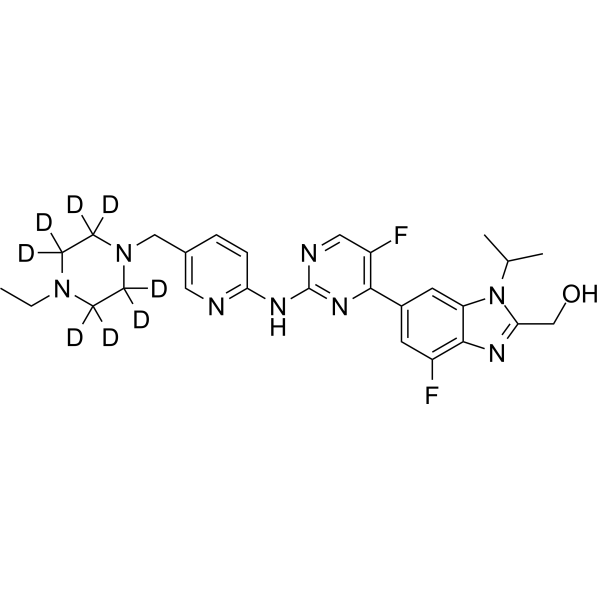
Abemaciclib metabolite M20-d8 is the deuterium labeled Abemaciclib metabolite M20. Abemaciclib metabolite M20 (LSN3106726), the active metabolite of Abemaciclib, is a selective CDK4/6 inhibitor .
|
-
- HY-127026A
-
|
|
Angiotensin-converting Enzyme (ACE)
|
Cardiovascular Disease
|
|
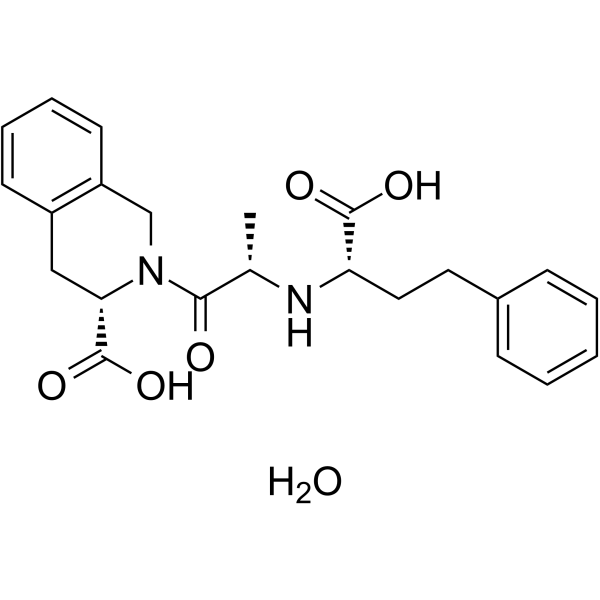
Quinaprilat hydrate is a non-mercapto Angiotensin Converting Enzyme (ACE) inhibitor, the active metabolite of Quinapril. Quinaprilat hydrate specifically blocks the conversion of angiotensin I to the vasoconstrictor angiotensin II and inhibits the degradation of bradykinin. Quinaprilat hydrate acts as anti-hypertensive agent and vasodilator .
|
-
- HY-135394R
-
|
|
Reference Standards
Drug Metabolite
Antibiotic
|
Infection
|
|
3-Desacetyl Cefotaxime lactone (Standard) is the analytical standard of 3-Desacetyl Cefotaxime lactone. This product is intended for research and analytical applications. 3-Desacetyl Cefotaxime lactone is the active metabolite of Cefotaxime. Cefotaxime sodium salt is a third-generation cephalosporin antibiotic.
|
-

- HY-129443
-
|
|
Drug Metabolite
|
Others
|
|
Deacetylcephaloglycin is the active metabolite of Cephaloglycin (HY-16137). Deacetylcephaloglycin is a degradation product of Cephaloglycin that eliminates the 3-acetyl group in acidic medium and can be further degraded to Deacetylcephaloglycin lactone. Deacetylation is the rate-determining step in the degradation of Cephaloglycin to lactone .
|
-

- HY-143623S
-
|
|
Isotope-Labeled Compounds
|
Others
|
|
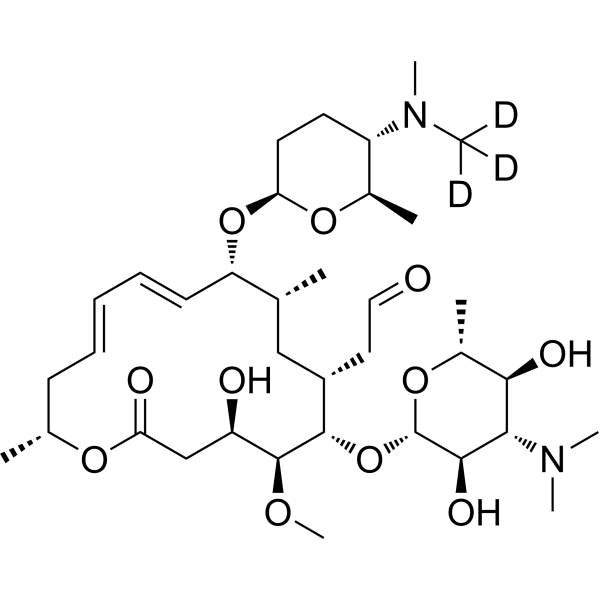
Neo Spiramycin I-d3 is the deuterium labeled Neo Spiramycin I (HY-143623) . Neo Spiramycin I (NSPI) is the active metabolite of Spiramycin (SPI) with antimicrobial activity. Neo Spiramycin is widely used in veterinary medicine .
|
-
- HY-137864
-
|
WR-1065
|
MDM-2/p53
|
Cancer
|
|
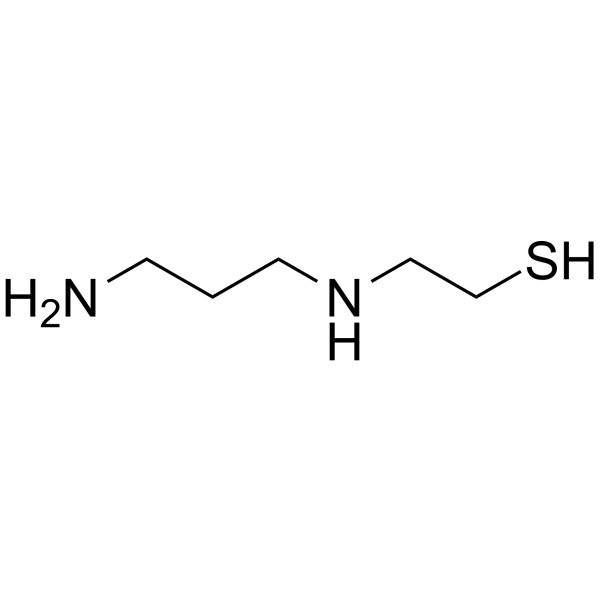
Amifostine thiol (WR-1065) is an active metabolite of the cytoprotector Amifostine (HY-B0639). Amifostine thiol is a cytoprotective agent with radioprotective abilities. Amifostine thiol activates p53 through a JNK-dependent signaling pathway .
|
-
- HY-131254
-
|
|
Drug Metabolite
|
Neurological Disease
|
|
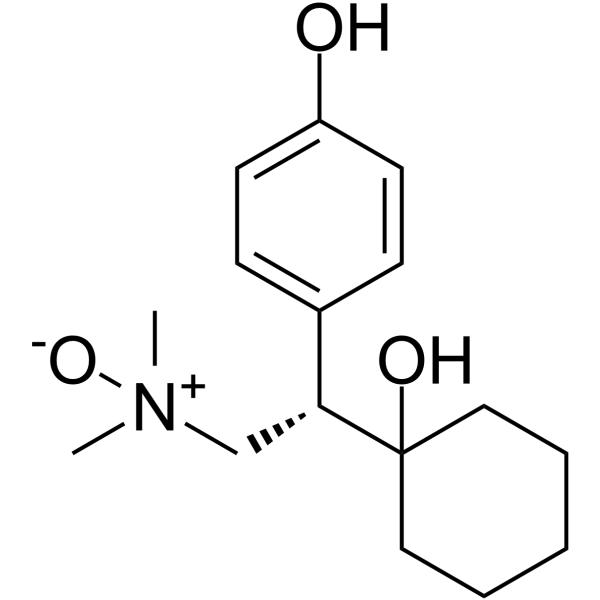
(S)-O-Desmethyl Venlafaxine N-Oxide is a N-oxyde of (S)-O-Desmethyl Venlafaxine. O-Desmethyl Venlafaxine is an active metabolite of Venlafaxine . Venlafaxine (HY-B0196) is an antidepressant of the serotonin-norepinephrine reuptake inhibitor (SNRI) class .
|
-
- HY-W803860
-
|
|
Drug Metabolite
Sodium Channel
|
Cardiovascular Disease
|
|
N-Depropylpropafenone is an active metabolite of Propafenone (HY-B0432), generated through the CYP450 enzyme system (mainly CYP2D6). It functions by blocking sodium ion channels, slowing myocardial conduction and exhibiting certain antiarrhythmic effects .
|
-

- HY-128036
-
|
2',3'-Dideoxyadenosine 5'-triphosphate
|
DNA/RNA Synthesis
HIV
|
Infection
|
|
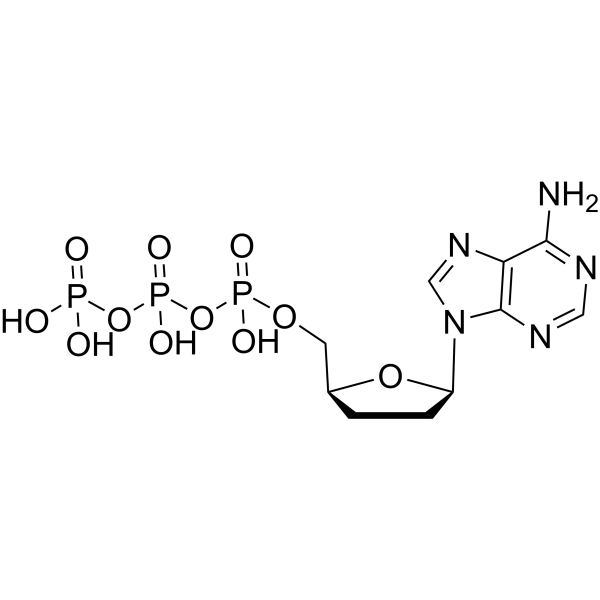
ddATP (2',3'-Dideoxyadenosine 5'-triphosphate), an active metabolite of 2',3'-dideoxyinosine, is a chain-elongating inhibitor of DNA polymerase. ddATP can be used for Sanger method for DNA sequencing and research of virus infection .
|
-
- HY-175283
-
|
|
Molecular Glues
NEKs
|
Cancer
|
|
ABT-002 is a molecular glue degrader targeting GSPT1 and NEK7. ABT-002 is the active metabolite of ABS-752 (HY-W599279). ABT-002 is promising for research of hepatocellular carcinoma (HCC) .
|
-

- HY-15550
-
-
- HY-10003R
-
|
1-hydroxycholecalciferol (Standard); 1.alpha.-Hydroxyvitamin D3 (Standard)
|
Reference Standards
VD/VDR
|
Metabolic Disease
|
|
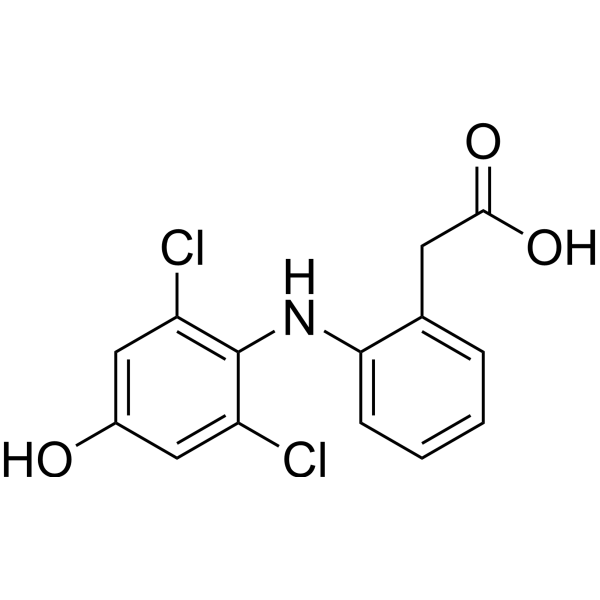
Alfacalcidol (Standard) is the analytical standard of Alfacalcidol. This product is intended for research and analytical applications. Alfacalcidol (1-hydroxycholecalciferol) is a vitamin D active metabolites, acts as a non-selective VDR activator medication, and widely be used in the management of osteoporosis .
|
-

- HY-B0840
-
|
|
Environmental Pollutants
Parasite
Oxidative Phosphorylation
|
Metabolic Disease
|
|
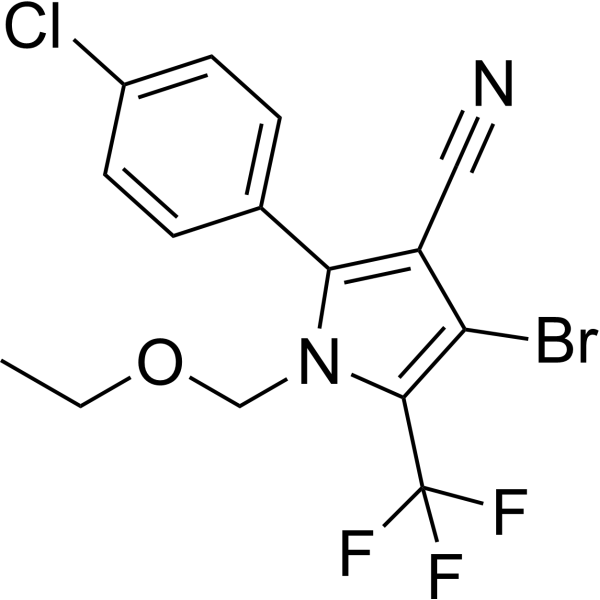
Chlorfenapyr is a pyrrole insecticide. Chlorfenapyr has a mode of action: the mixed function oxidase oxidizes and removes the Nethoxymethyl group to form the active metabolite, CL 303268. Chlorfenapyr is used for termite control and crop protection against a variety of insect and mite pests .
|
-
- HY-125850R
-
|
|
Drug Metabolite
Reference Standards
HIV
Interleukin Related
|
Infection
Inflammation/Immunology
Cancer
|
|
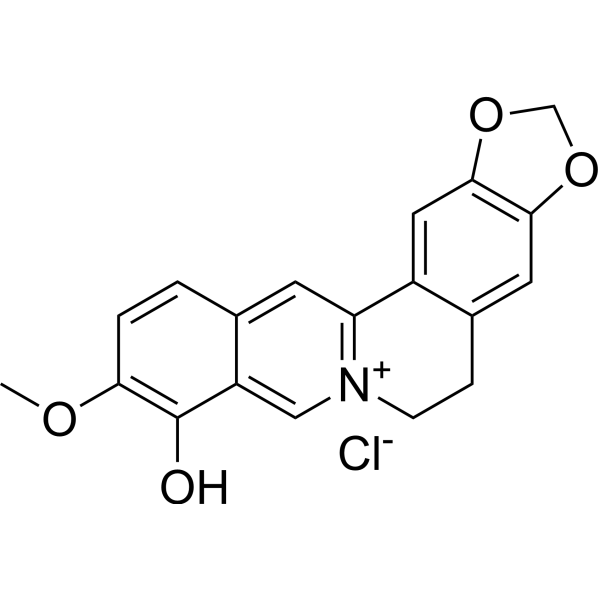
Berberrubine (chloride) (Standard) is the analytical standard of Berberrubine (chloride). This product is intended for research and analytical applications. Berberrubine chloride is an orally active metabolite of berberine. Berberrubine chloride alleviates mucosal lesions and inflammation in mouse colitis models. Berberrubine chloride has anti-inflammatory, anti-tumor, and antiviral activities .
|
-

- HY-W748099
-
|
|
Antibiotic
Bacterial
|
Infection
|
|
Tetranor-Misoprostol is a derivative of Moxifloxacin (HY-66011A) and the active metabolite of a prostaglandin E1 analog. Moxifloxacin is an 8-methoxyquinolone antibacterial antibiotic used in the research of acute bacterial sinusitis, acute bacterial exacerbations of chronic bronchitis, and infectious pneumonia .
|
-

- HY-100637
-
|
|
Drug Metabolite
Adrenergic Receptor
nAChR
|
Neurological Disease
|
|
Hydroxybupropion is the major active metabolite of Bupropion. Hydroxybupropion is metabolized by CYP2B6. Bupropion is an atypical antidepressant and smoking-cessation agent. Hydroxybupropion inhibits norepinephrine uptake with an IC50 value of 1.7 μM. Hydroxybupropion is also a nACh receptor antagonist .
|
-

- HY-109174
-
|
CPX-POM
|
γ-secretase
|
Metabolic Disease
Cancer
|
|
Fosciclopirox (CPX-POM) suppresses growth of urothelial cancer by targeting the γ-secretase complex. Fosciclopirox selectively delivers the active metabolite, Ciclopirox (CPX), to the entire urinary tract. Ciclopirox has anticancer activity in a number of solid and hematologic malignancies .
|
-
- HY-135845
-
|
CH0793011
|
Topoisomerase
|
Cancer
|
|
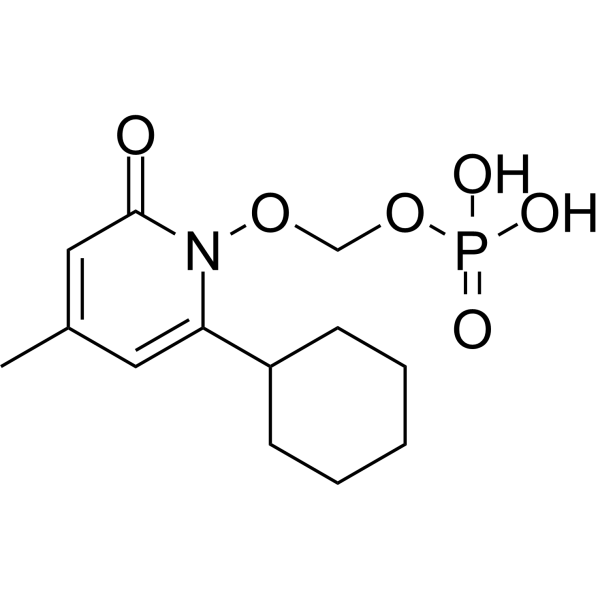
TP3011 (CH0793011) is an active metabolite of CH-0793076 and is a potent topoisomerase I inhibitor equipotent as SN38 . TP3011 is against cancer cell lines growth with IC50s at the range sub-nanomolar in vitro .
|
-
- HY-E70600
-
|
|
Carboxylesterase (CES)
|
Others
|
|
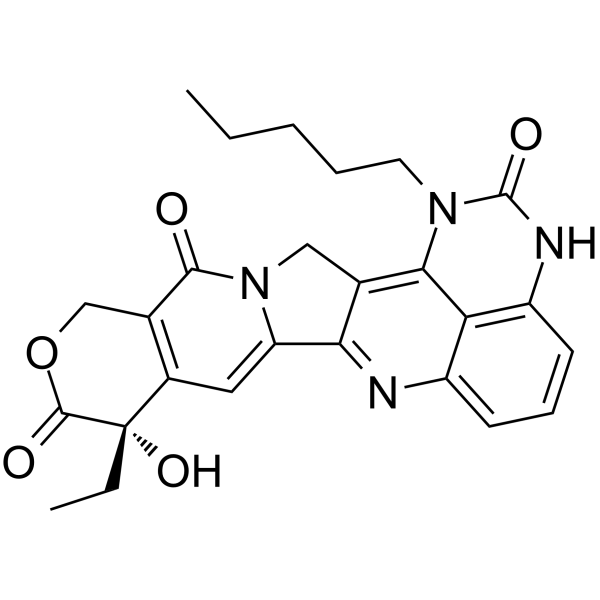
Human CES1 Enzyme is a recombinantly expressed CES1 enzyme. Human CES1 Enzyme, an enzyme responsible for the hydrolysis of ester- and amide-containing molecules, is mainly expressed in the liver where it is crucial for the processing of active metabolites and is also involved in trans-esterification reactions .
|
-

- HY-12772S3
-
|
R-63373-d6
|
Isotope-Labeled Compounds
Fungal
|
Others
|
|
Hydroxy Itraconazole-d6 (R-63373-d6) is deuterium labeled Hydroxy Itraconazole. Hydroxy Itraconazole (Itraconazole metabolite Hydroxy Itraconazole; R-63373) is an active metabolite of Itraconazole (ITZ), which is a triazole antifungal agent.
|
-

- HY-13634B
-
-
- HY-B0652
-
-
- HY-B0602S
-
|
|
Isotope-Labeled Compounds
Drug Metabolite
|
Neurological Disease
|
|
(R)-(-)-O-Desmethyl Venlafaxine-d6 is the deuterium labeled (R)-(-)-O-Desmethyl Venlafaxine. O-Desmethyl Venlafaxine is an active metabolite of Venlafaxine . Venlafaxine (HY-B0196) is an antidepressant of the serotonin-norepinephrine reuptake inhibitor (SNRI) class .
|
-

- HY-127026B
-
|
|
Angiotensin-converting Enzyme (ACE)
|
Cardiovascular Disease
|
|
Quinaprilat hydrochloride is an orally active non-mercapto Angiotensin Converting Enzyme (ACE) inhibitor, the active metabolite of Quinapril. Quinaprilat hydrochloride specifically blocks the conversion of angiotensin I to the vasoconstrictor angiotensin II and inhibits the degradation of bradykinin. Quinaprilat hydrochloride acts as anti-hypertensive agent and vasodilator .
|
-

- HY-103252R
-
|
|
Reference Standards
GPR109A
Drug Metabolite
|
Neurological Disease
Inflammation/Immunology
|
|
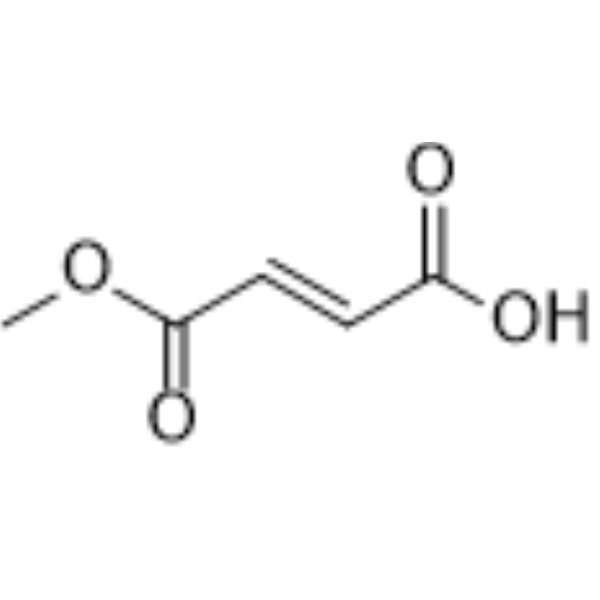
Monomethyl fumarate (Standard) is the analytical standard of Monomethyl fumarate. This product is intended for research and analytical applications. Monomethyl fumarate, an active metabolite of Dimethyl fumarate (DMF), is a potent GPR109A agonist. Monomethyl fumarate has the potential for multiple neuroprotective pathways and other models of retinal disease[1][2][3].
|
-

- HY-176891
-
|
|
Drug Metabolite
DNA/RNA Synthesis
|
Cancer
|
|
Cyslopentenyl cytosine triphosphoric is an active metabolite of the antitumor nucleoside analogue cyclopentenyl cytosine (CPEC) within cells. Cyslopentenyl cytosine triphosphoric can inhibit CTP synthetase and deplete the pools of cytidine nucleotides. Cyslopentenyl cytosine triphosphoric can be used for the research of cancer, such as leukemia .
|
-

- HY-B1039
-
|
NA-872
|
Glycosidase
Autophagy
|
Neurological Disease
Metabolic Disease
|
|
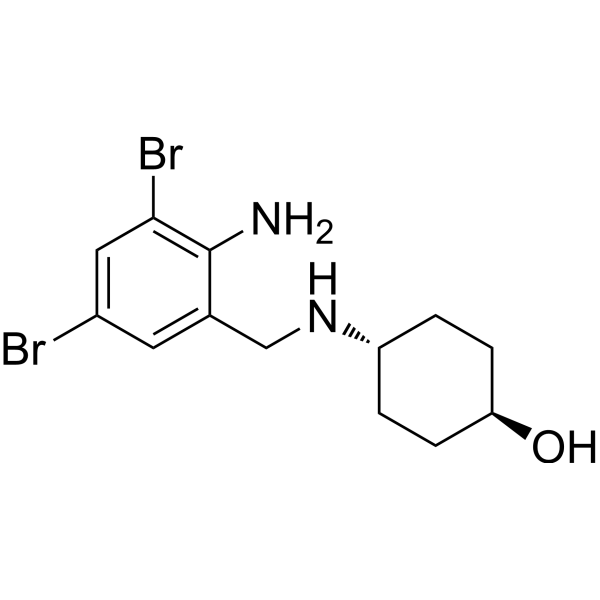
Ambroxol (NA-872), an active metabolite of the proagent Bromhexine, has potent expectorant effects. Ambroxol is a glucocerebrosidase (GCase) chaperone and increases glucocerebrosidase activity. Ambroxol induces lung autophagy and has the potential for Parkinson disease and neuronopathic Gaucher disease research .
|
-
- HY-N8049
-
|
|
Endogenous Metabolite
|
Cardiovascular Disease
Metabolic Disease
|
|
Urolithin M7 is an orally active metabolite, which is generated through gut microbiota metabolism. Urolithin M7 inhibits oxidative stress and modulates inflammatory signaling pathways. Urolithin M7 is promising for research of gut microbiota metabolism and cardiovascular diseases .
|
-

- HY-B1039A
-
|
NA-872 hydrochloride
|
Glycosidase
Autophagy
|
Neurological Disease
Metabolic Disease
|
|
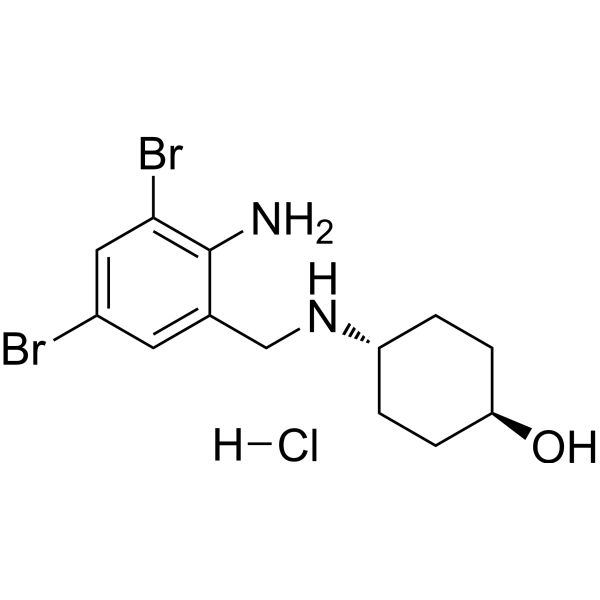
Ambroxol hydrochloride (NA-872 hydrochloride), an active metabolite of the proagent Bromhexine, has potent expectorant effects. Ambroxol hydrochloride is a glucocerebrosidase (GCase) chaperone and increases glucocerebrosidase activity. Ambroxol hydrochloride induces lung autophagy and has the potential for Parkinson disease and neuronopathic Gaucher disease research .
|
-
- HY-17399S
-
|
Acetorphan-d5
|
Isotope-Labeled Compounds
Neprilysin
|
Metabolic Disease
|
|
Racecadotril-d5 is the deuterium labeled Racecadotril. Racecadotril (Acetorphan) is a neutral endopeptidase (NEP) inhibitor. Racecadotril and its active metabolite Thiorphan inhibits purified NEP activity from mouse brain with Kis of 4500 and 6.1 nM, , respectively. Antidiarrheal agent .
|
-
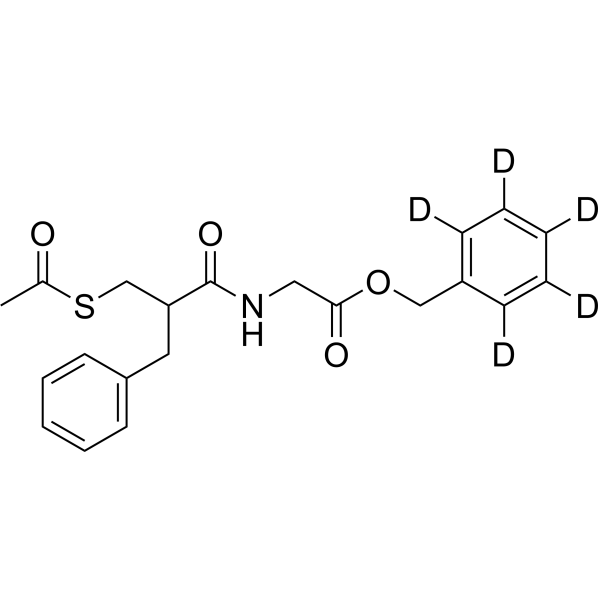
- HY-B1069
-
|
SIN-10; Morsydomine
|
Drug Metabolite
|
Cardiovascular Disease
Neurological Disease
Metabolic Disease
|
|
Molsidomine, a nitric oxide (NO) donor, is an orally active vasodilator agent. Molsidomine is a prodrug that can be rapidly metabolized in the liver to its active metabolite, Linsidomine (HY-101200). Molsidomine can be used for the study of angina pectoris, mental disorders and diabetic complications .
|
-
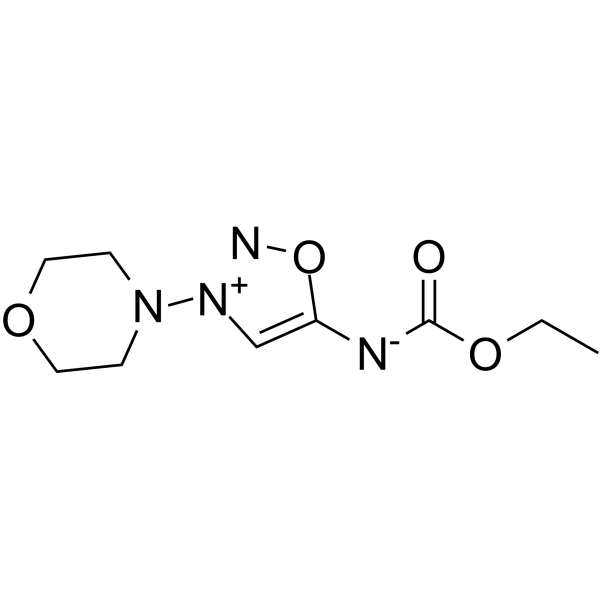
- HY-10002S2
-
-

- HY-B0602S1
-
|
|
Drug Metabolite
|
Neurological Disease
|
|
(S)-(+)-O-Desmethyl Venlafaxine-d6 is the deuterium labeled (S)-(+)-O-Desmethyl Venlafaxine. O-Desmethyl Venlafaxine is an active metabolite of Venlafaxine . Venlafaxine (HY-B0196) is an antidepressant of the serotonin-norepinephrine reuptake inhibitor (SNRI) class .
|
-

- HY-127026
-
|
|
Angiotensin-converting Enzyme (ACE)
|
Cardiovascular Disease
|
|
Quinaprilat is an orally active non-mercapto Angiotensin Converting Enzyme (ACE) inhibitor, the active metabolite of Quinapril. Quinaprilat specifically blocks the conversion of angiotensin I to the vasoconstrictor angiotensin II and inhibits the degradation of bradykinin. Quinaprilat acts as anti-hypertensive agent and vasodilator .
|
-
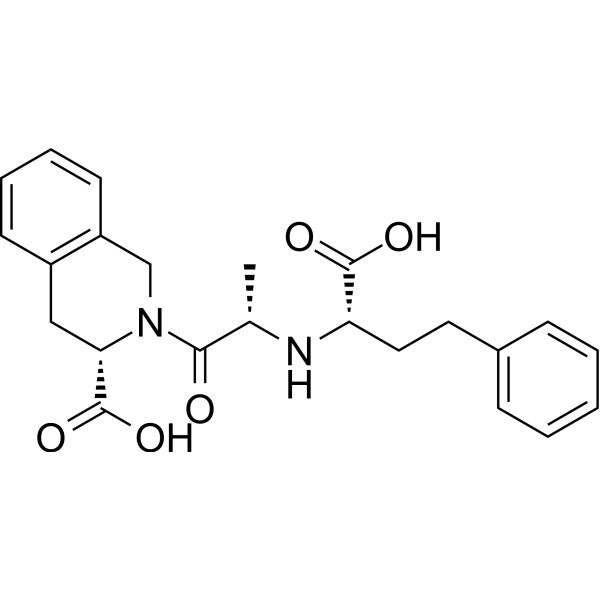
- HY-145516
-
|
Ro 47-8634
|
Drug Metabolite
Cytochrome P450
|
Metabolic Disease
|
|
Desmethyl bosentan is an active metabolite of the endothelin receptor antagonist bosentan (HY-A0013).1 Desmethyl bosentan (25 μM) activates the pregnane X receptor (PXR) in CV-1 monkey kidney cells expressing the human receptor in a reporter assay.
|
-

- HY-100659S
-
|
PCI-45227-d5
|
Btk
Isotope-Labeled Compounds
|
Cancer
|
|
Dihydrodiol-Ibrutinib-d5 is the deuterium labeled Dihydrodiol-Ibrutinib (HY-100659). Dihydrodiol-Ibrutinib is a dihydrodiol active metabolite of Ibrutinib (HY-10997), has inhibitory activity towards BTK approximately 15 times lower than that of ibrutinib .
|
-
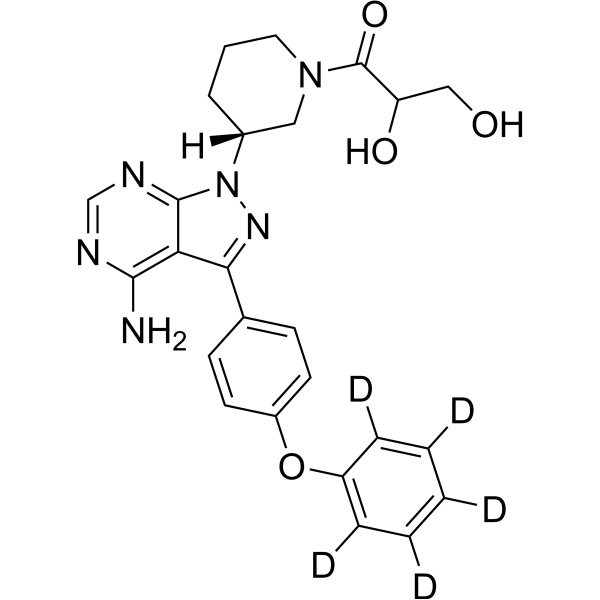
- HY-W739949
-
-

- HY-138024
-
|
R-95867
|
Drug Metabolite
Bacterial
|
Infection
|
|
Tacapenem (R-95867), the active metabolite of CS-834, is an antibacterial agent. Tacapenem exhibits a broad antibacterial spectrum, with activity against gram-positive and -negative aerobes and anaerobes. Tacapenem shows potent bactericidal activity against S. aureus and Escherichia coli .
|
-

- HY-18719BR
-
|
|
Cytochrome P450
Reference Standards
Estrogen Receptor/ERR
Drug Metabolite
Parasite
|
Cancer
|
|
Endoxifen (hydrochloride) (Standard) is the analytical standard of Endoxifen (hydrochloride). This product is intended for research and analytical applications. Endoxifen hydrochloride is a key active metabolite of Tamoxifen (TAM) with higher affinity and specificity to estrogen receptor that also inhibits aromatase activity. Endoxifen hydrochloride has the potential for breast cancer study[1][2].
|
-

- HY-44667
-
|
|
Adrenergic Receptor
Drug Metabolite
|
Others
|
|
Deacetylmoxisylyte is an orally active metabolite in plasma of the prodrug Moxisylyte. Deacetylmoxisylyte exhibits similar affinity and selectivity for rabbit corpus cavernosum and urethra. Deacetylmoxisylyte has IC50 values of 400 and 1200 nM for alpha-1 and alpha-2 adrenoceptors .
|
-

- HY-130353S
-
|
|
Isotope-Labeled Compounds
Potassium Channel
Autophagy
|
Cardiovascular Disease
|
|
Desethyl Amiodarone-d4 (hydrochloride) is the deuterium labeled Desethylamiodarone hydrochloride. Desethylamiodarone hydrochloride (N-desethylamiodarone hydrochloride) is a major active metabolite of Amiodarone. Desethylamiodarone hydrochloride is formed by CYP3A isoenzymes. Amiodarone is an antiarrhythmic agent for inhibition of ATP-sensitive potassium channel with an IC50 of 19.1 μM .
|
-
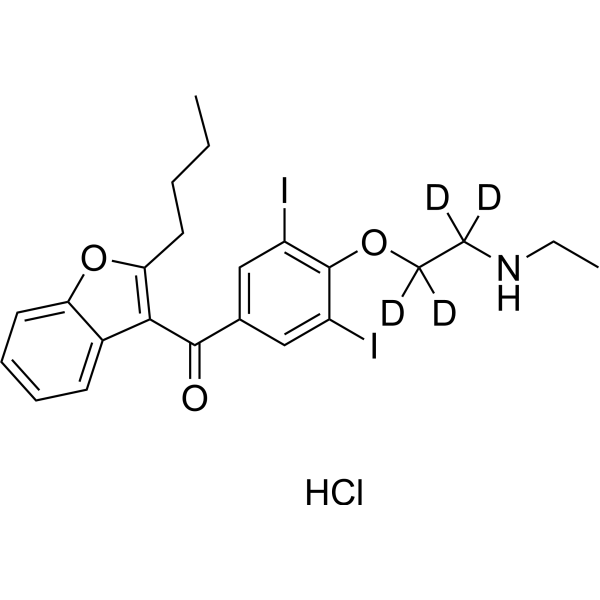
- HY-G0025
-
|
(-)-β-Dihydrotetrabenazine; (-)-β-HTBZ
|
Monoamine Transporter
Drug Metabolite
|
Neurological Disease
|
|
Tetrabenazine Metabolite is an active metabolite of Tetrabenazine. Tetrabenazine Metabolite is a vesicular monoamine transporter 2 (VMAT2) inhibitor with a high affinity (Ki=13.4 nM) . Tetrabenazine Metabolite is be developed for the treatment of chorea associated with Huntington’s disease and other hyperkinetic disorders .
|
-
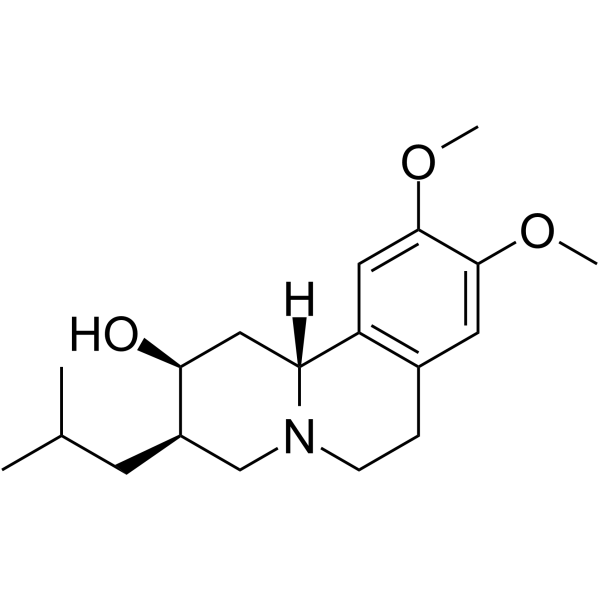
- HY-128036B
-
|
2',3'-Dideoxyadenosine 5'-triphosphate trisodium
|
DNA/RNA Synthesis
HIV
|
Infection
|
|
ddATP (2',3'-Dideoxyadenosine 5'-triphosphate) trisodium, an active metabolite of 2',3'-dideoxyinosine, is a chain-elongating inhibitor of DNA polymerase. ddATP trisodium can be used for Sanger method for DNA sequencing and research of virus infection .
|
-
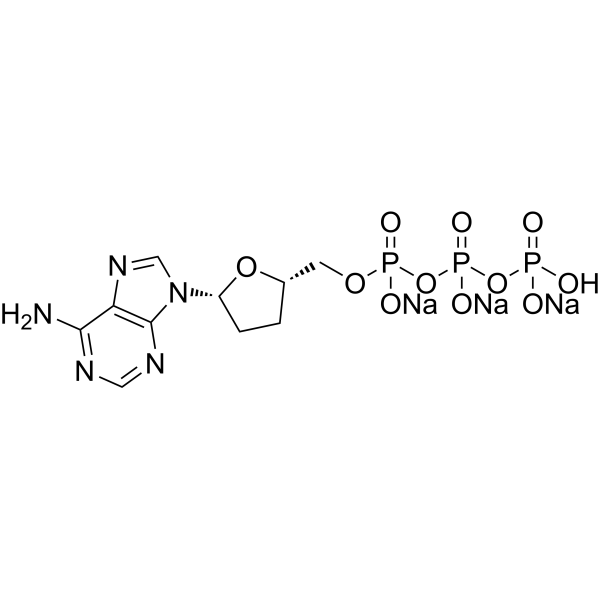
- HY-137575
-
|
|
Drug Metabolite
|
Others
|
|
Terbutalone is a derivative of Terbutaline (HY-B0802A). Terbutaline is an orally active β2-adrenergic receptor agonist and an active metabolite of Bambuterol (HY-17501). Terbutaline can be used in asthma symptom research .
|
-

- HY-19657S
-
-
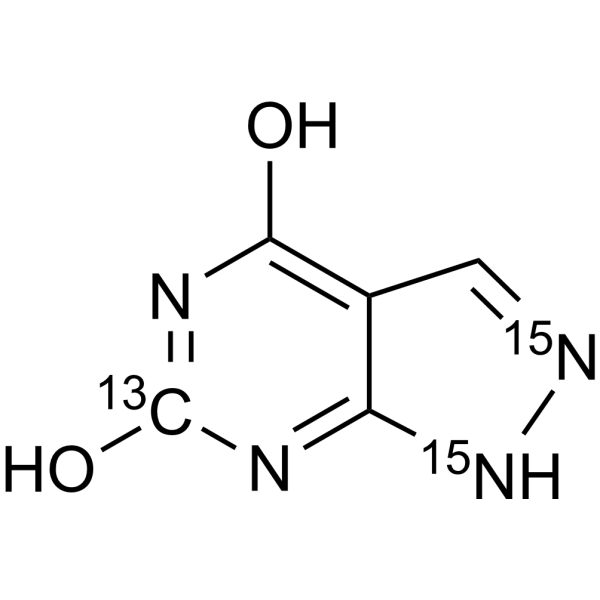
- HY-W588187
-
|
5β-Cholestan-3-one
|
Drug Metabolite
Apoptosis
|
Cancer
|
|
Coprostanone (5β-cholestan-3-one) is an oxysterol and active metabolite of Cholesterol (HY-N0322). Coprostanone induces apoptosis in primary dog gallbladder epithelial cells. Coprostanone is promising for research of colon cancers or adenomatous polyps .
|
-

- HY-136577
-
-
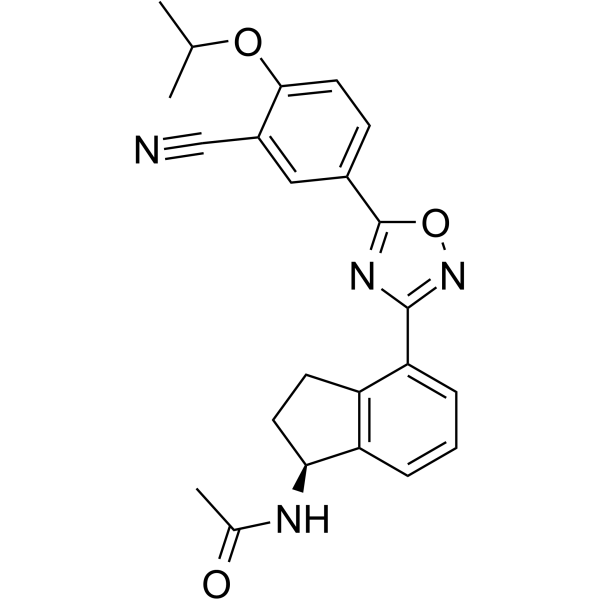
- HY-15895
-
|
ACT-132577
|
Endothelin Receptor
|
Cardiovascular Disease
Endocrinology
|
|
Aprocitentan (ACT-132577) is the major and pharmacologically active metabolite of Macitentan. Aprocitentan is an orally active dual ETA/ETB antagonist with IC50s of 3.4 nM and 987 nM, and pA2 valus of 6.7 and 5.5, respectively. Aprocitentan is an antihypertensive agent .
|
-
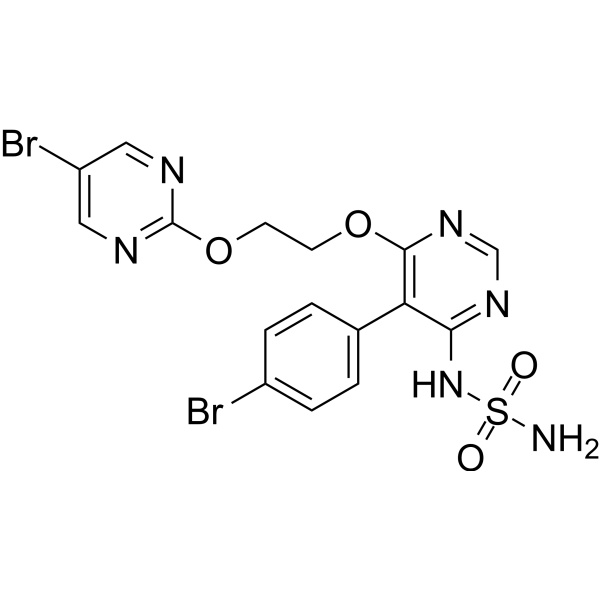
- HY-114577
-
|
Isophosphoramide mustard tromethamine; IPM tromethamine; ZIO-201 tromethamine
|
DNA Alkylator/Crosslinker
|
Cancer
|
|
Palifosfamide (tromethamine) is a synthetic alkylating agent with potential antineoplastic activity. As the stabilized active metabolite of ifosfamide, palifosfamide (tromethamine) irreversibly alkylates and crosslinks DNA through GC base pairs. This leads to an inhibition of DNA replication and ultimately cell death. Compared to ifosfamide, palifosfamide (tromethamine) is less toxic.
|
-
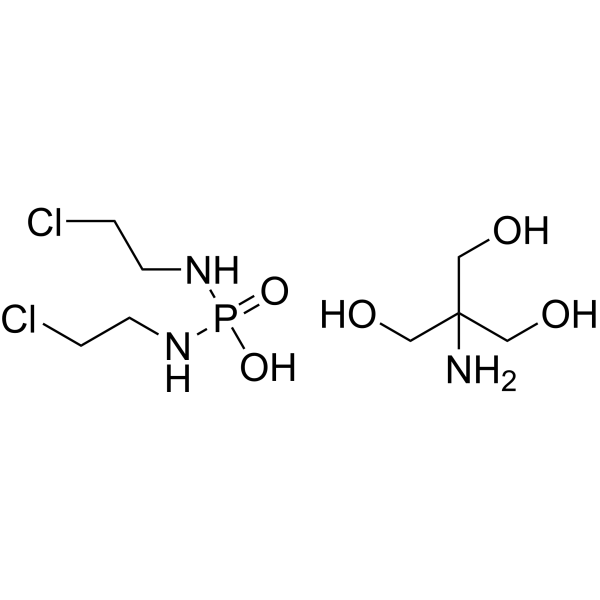
- HY-122439
-
|
Mevinolinic acid; MSD803
|
HMG-CoA Reductase (HMGCR)
Drug Metabolite
|
Metabolic Disease
|
|
Lovastatin acid (Mevinolinic acid; MSD803), an active metabolite of Lovastatin (HY-N0504), is a potent competitive HMG-CoA reductase inhibitor with a Ki of 0.6 nM. Lovastatin acid acts as a competitive inhibitor with respect to substrate HMG-CoA, interfering cholesterol synthesis. Lovastatin acid can be used for the research of hypercholesterolemia .
|
-
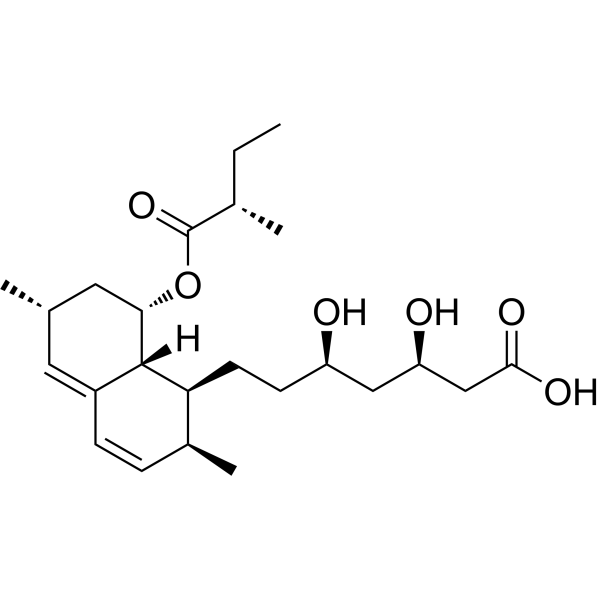
- HY-13256
-
|
OSI-420; CP-373420 hydrochloride
|
Drug Metabolite
|
Cancer
|
|
Desmethyl Erlotinib hydrochloride (OSI-420) is an active metabolite of Erlotinib. Erlotinib is a potent EGFR tyrosin kinase inhibitor . Desmethyl Erlotinib (hydrochloride) is a click chemistry reagent, it contains an Alkyne group and can undergo copper-catalyzed azide-alkyne cycloaddition (CuAAc) with molecules containing Azide groups.
|
-
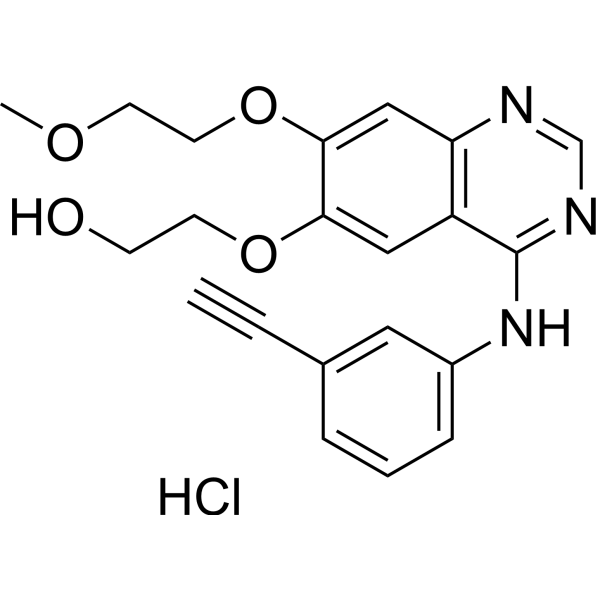
- HY-A0115S1
-
-
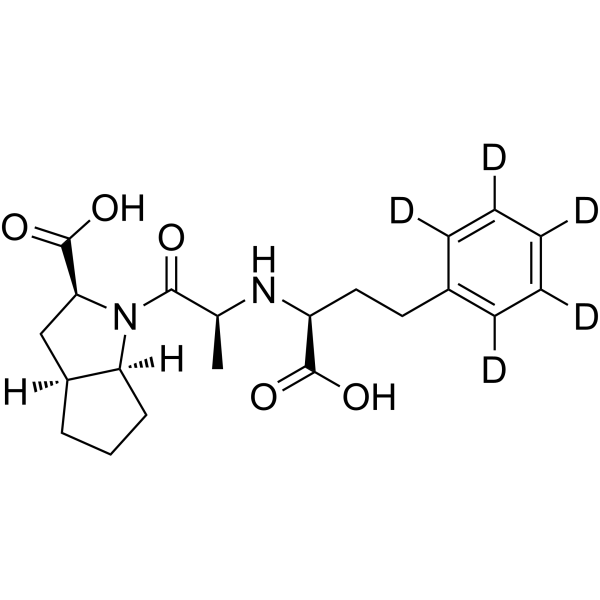
- HY-109174A
-
|
CPX-POM disodium
|
γ-secretase
|
Metabolic Disease
Cancer
|
|
Fosciclopirox disodium suppresses growth of urothelial cancer by targeting the γ-secretase complex. Fosciclopirox disodium selectively delivers the active metabolite, Ciclopirox (HY-B0450), to the entire urinary tract. Ciclopirox has anticancer activity in a number of solid and hematologic malignancies .
|
-
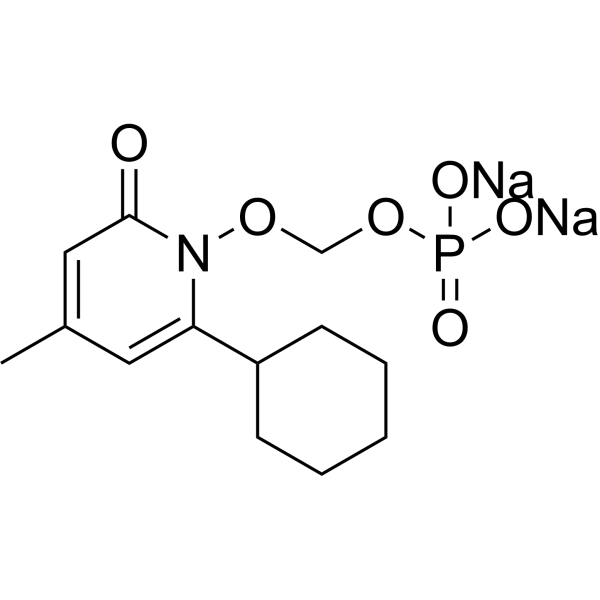
- HY-137316AR
-
|
|
Reference Standards
DNA Alkylator/Crosslinker
Drug Metabolite
|
Cancer
|
|
Phosphoramide mustard (cyclohexanamine) (Standard) is the analytical standard of Phosphoramide mustard (cyclohexanamine). This product is intended for research and analytical applications. Phosphoramide mustard cyclohexanamine is a biologically active metabolite of Cyclophosphamide (HY-17420), with anticancer activitiy. Phosphoramide mustard cyclohexanamine induces DNA damage[1][2].
|
-

- HY-129491S
-
|
CGP62221-d5; O-Desmethyl PKC412-d5
|
Isotope-Labeled Compounds
Drug Metabolite
|
Cancer
|
|
O-Desmethyl Midostaurin-d5 is a deuterium labeled O-Desmethyl PKC412. O-Desmethyl Midostaurin (CGP62221; O-Desmethyl PKC412) is the active metabolite of Midostaurin (HY-10230) via cytochrome P450 liver enzyme metabolism .
|
-
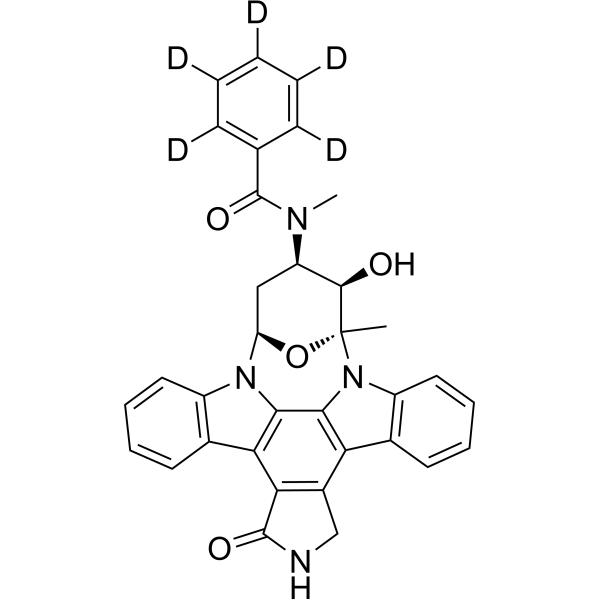
- HY-173243
-
|
|
Drug-Linker Conjugates for ADC
|
Cancer
|
|
Val-Ala-PAB-SN38 is a drug-linker conjugate for ADC, composed of ADC linker Val-Ala-PAB (HY-125933) and SN38 (HY-13704), which is the active metabolite of the Topoisomerase I inhibitor Irinotecan (HY-16562) .
|
-

- HY-B0760
-
|
FNF acid
|
PPAR
COX
|
Metabolic Disease
|
|
Fenofibric acid, an active metabolite of fenofibrate, is a PPAR activitor, with EC50s of 22.4 μM, 1.47 μM, and 1.06 μM for PPARα, PPARγ and PPARδ, respectively; Fenofibric acid also inhibits COX-2 enzyme activity, with an IC50 of 48 nM.
|
-
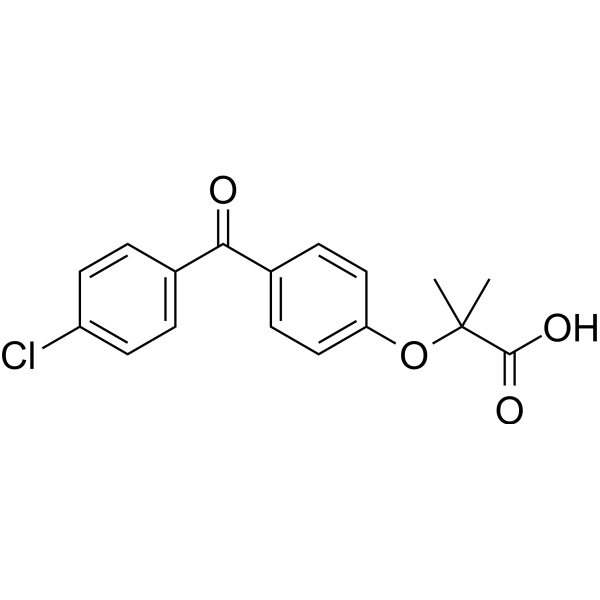
- HY-W587691S
-
-

- HY-113739
-
|
DCIT hydrochloride
|
Cytochrome P450
|
Neurological Disease
|
|
Desmethylcitalopram (DCIT) hydrochloride is the active metabolite of Citalopram (HY-121203). Desmethylcitalopram has antidepressant effects. Desmethylcitalopram also inhibits cytochrome P450-2D6, -2C19 with IC50s of 39.5 and 53.5 μM .
|
-
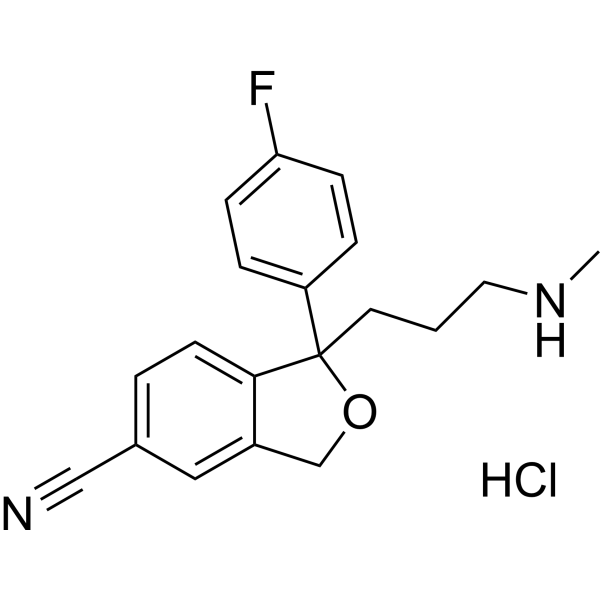
- HY-103252S2
-
-

- HY-W741748
-
|
Deacetylcephapirin-d6 sodium
|
Isotope-Labeled Compounds
Bacterial
|
Infection
|
|
Desacetylcephapirin-d6 sodium (Deacetylcephapirin-d6 sodium) is the deuterium labeled Desacetylcephapirin sodium (HY-131989). Desacetylcephapirin (Deacetylcephapirin) sodium is an active metabolite of Cephapirin (HY-A0153A). Desacetylcephapirin sodium has antimicrobial against S. aureus and coagulase-negative staphylococci mastitis pathogen .
|
-

- HY-132545S
-
|
NPC-d3
|
Isotope-Labeled Compounds
Topoisomerase
|
Cancer
|
|
RPR132595A-d3 is the deuterium labeled RPR132595A. RPR132595A is an active metabolite of Irinotecan (CPT-11), which is generated by cytochrome P-450 3A4 (CYP3A4) and finally excreted through urine .
|
-

- HY-W009512
-
|
RS-94287
|
Drug Metabolite
|
Cardiovascular Disease
|
|
CVT-2738 is an orally active metabolite of Ranolazine (HY-B0280). CVT-2738 has a protective effect against Isoprenaline (HY-108353)-induced myocardial ischemia in mice. CVT-2738 can be used in myocardial ischemia research .
|
-

- HY-136578
-
-
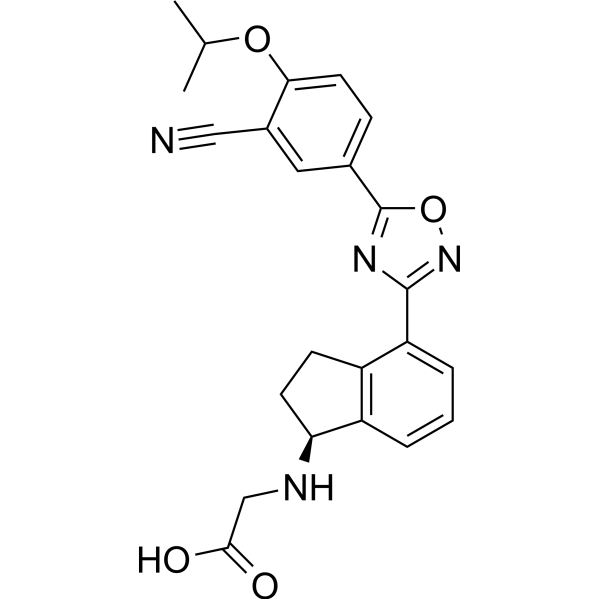
- HY-173243A
-
|
|
Drug-Linker Conjugates for ADC
|
Cancer
|
|
Val-Ala-PAB-SN38 TFA is a drug-linker conjugate for ADC, composed of ADC linker Val-Ala-PAB (HY-125933) and SN38 (HY-13704), which is the active metabolite of the Topoisomerase I inhibitor Irinotecan (HY-16562) .
|
-

- HY-135746R
-
-

- HY-B1039C
-
|
NA-872 acefylline; Acebrophylline
|
Glycosidase
Autophagy
|
Neurological Disease
Metabolic Disease
|
|
Ambroxol (NA-872) acefylline, an active metabolite of the proagent Bromhexine, has potent expectorant effects. Ambroxol acefylline is a glucocerebrosidase (GCase) chaperone and increases glucocerebrosidase activity. Ambroxol acefylline induces lung autophagy and has the potential for Parkinson disease and neuronopathic Gaucher disease research .
|
-
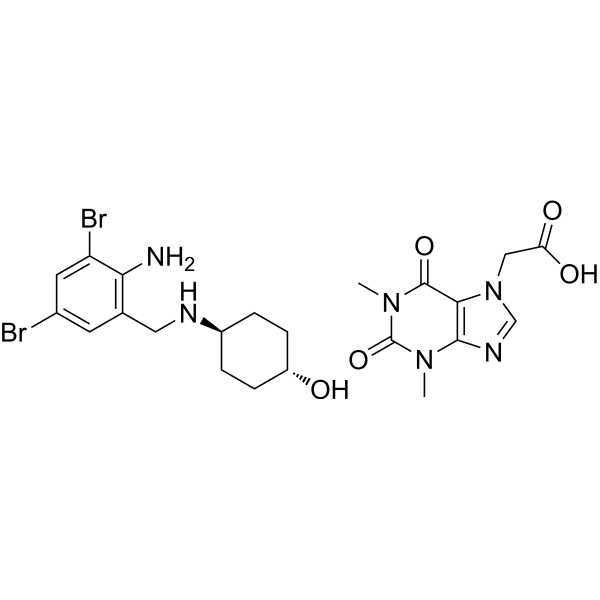
- HY-103252S
-
-
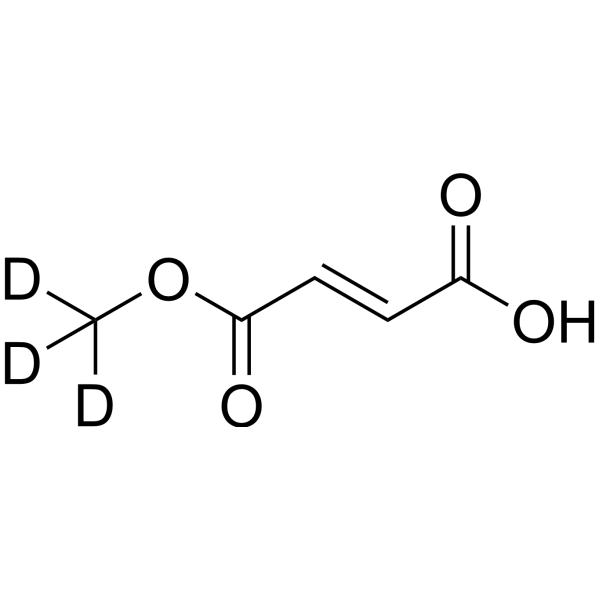
- HY-19304
-
|
BIIL 284
|
Leukotriene Receptor
|
Inflammation/Immunology
|
|
Amelubant (BIIL 284) is a potent, oral and long acting LTB4 receptor antagonist, negligibly binds to LTB4 receptor, with Kis of 221 nM and 230 nM in vital cells and membranes. Amelubant (BIIL 284) is a proagent of active metabolites BIIL 260 and BIIL 315. Anti-inflammatory activity .
|
-
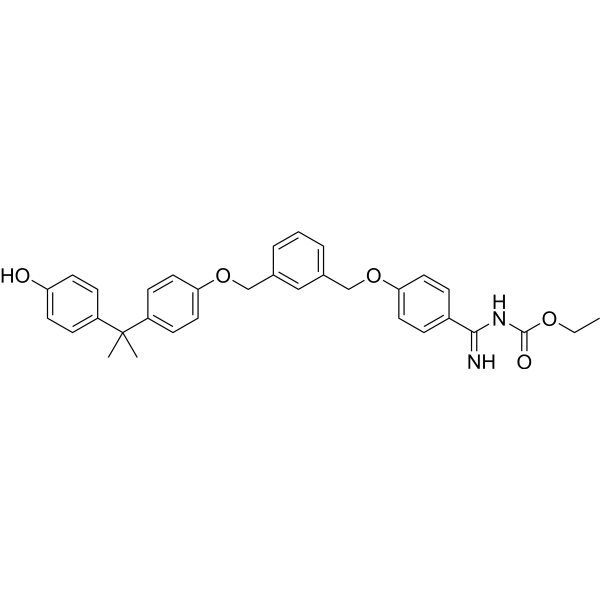
- HY-128036D
-
|
2',3'-Dideoxyadenosine 5'-triphosphate lithium
|
DNA/RNA Synthesis
HIV
|
Infection
|
|
ddATP (lithium) (2',3'-Dideoxyadenosine 5'-triphosphate (lithium)) is an active metabolite of 2',3'-dideoxyinosine and a DNA polymerase chain elongation inhibitor. ddATP (lithium) is used in Sanger DNA sequencing and in research related to viral infection [1][2][3][4][5].
|
-

- HY-N0227R
-
|
7-epi-Paclitaxel (Standard)
|
Reference Standards
Microtubule/Tubulin
|
Cancer
|
|
7-epi-Taxol (Standard) is the analytical standard of 7-epi-Taxol. This product is intended for research and analytical applications. 7-epi-Taxol is an active metabolite of taxol, with activity comparable to that of taxol against cell replication, promoting microtubule bundle formation and against microtubule depolymerization.
|
-

- HY-136610S
-
|
|
Isotope-Labeled Compounds
Cholinesterase (ChE)
|
Neurological Disease
|
|
Chlorpyrifos-oxon-d10 is the deuterium labeled Chlorpyrifos-oxon. Chlorpyrifos-oxon, an active metabolite of Chlorpyrifos, is a potent phosphorylating agent that potently inhibits AChE. Chlorpyrifos-oxon can induce cross-linking between subunits of tubulin and disrupt microtubule function .
|
-
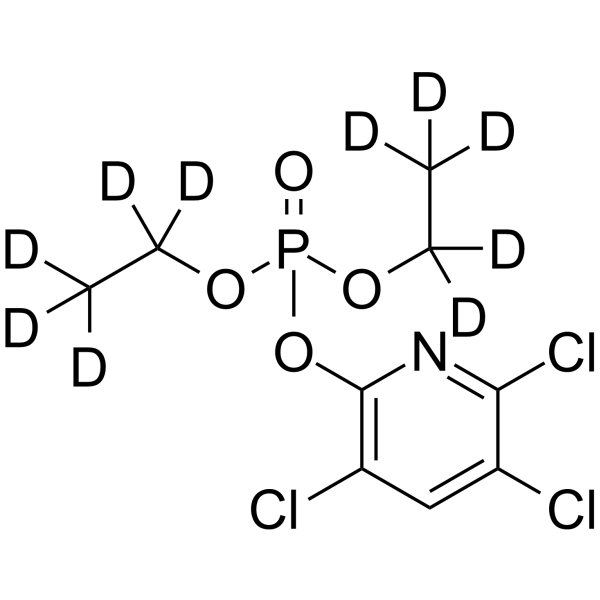
- HY-109054AS
-
|
|
Isotope-Labeled Compounds
Drug Metabolite
Opioid Receptor
|
Neurological Disease
|
|
O-Desmethyltramadol-d6 hydrochloride is a deuterated labeled O-Desmethyltramadol hydrochloride. O-Desmethyltramadol hydrochloride is the main active metabolite of tramadol (Tramadol) and can cross the blood-brain barrier. O-Desmethyltramadol hydrochloride mainly exerts its analgesic effect by activating the µ-opioid receptor (µ-OR) .
|
-

- HY-U00050S
-
|
E-10-OH-NT-d3
|
Isotope-Labeled Compounds
Drug Metabolite
|
Neurological Disease
|
|
(E)-10-Hydroxynortriptyline-d3 is a deuterium labeled (E)-10-Hydroxy Nortriptyline. (E)-10-Hydroxy Nortriptyline is a metabolite of Nortriptyline. Nortriptyline is a tricyclic antidepressant and the main active metabolite of Amitriptyline, and is used to relieve the symptoms of depression .
|
-
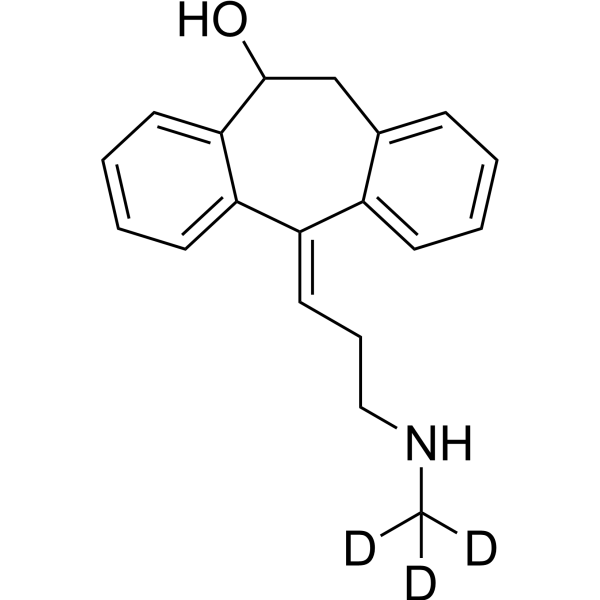
- HY-130353R
-
|
N-desethylamiodarone hydrochloride(Standard); LB 33020 hydrochloride (Standard)
|
Reference Standards
Potassium Channel
Autophagy
|
Cardiovascular Disease
|
|
Desethylamiodarone (hydrochloride) (Standard) is the analytical standard of Desethylamiodarone (hydrochloride). This product is intended for research and analytical applications. Desethylamiodarone hydrochloride (N-desethylamiodarone hydrochloride) is a major active metabolite of Amiodarone. Desethylamiodarone hydrochloride is formed by CYP3A isoenzymes. Amiodarone is an antiarrhythmic agent for inhibition of ATP-sensitive potassium channel with an IC50 of 19.1 μM .
|
-
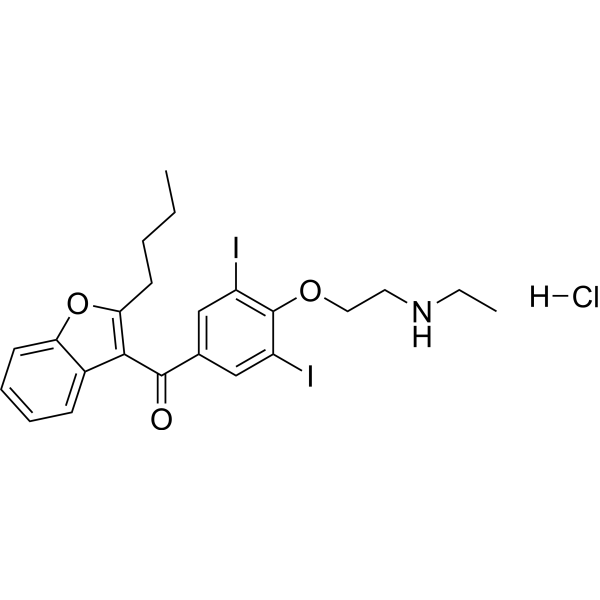
- HY-17399R
-
|
Acetorphan (Standard)
|
Reference Standards
Neprilysin
|
Metabolic Disease
|
|
Racecadotril (Standard) is the analytical standard of Racecadotril. This product is intended for research and analytical applications. Racecadotril (Acetorphan) is a neutral endopeptidase (NEP) inhibitor. Racecadotril and its active metabolite Thiorphan inhibits purified NEP activity from mouse brain with Kis of 4500 and 6.1 nM, , respectively. Antidiarrheal agent .
|
-

- HY-13318R
-
|
GS 4071 (Standard); Ro 64-0802 (Standard); Oseltamivir carboxylate (Standard)
|
Reference Standards
Influenza Virus
Drug Metabolite
|
Infection
|
|
Oseltamivir acid (Standard) is the analytical standard of Oseltamivir acid. This product is intended for research and analytical applications. Oseltamivir acid (GS 4071), the active metabolite of Oseltamivir phosphate, is an orally bioavailable, potent and selective inhibitor of influenza virus neuraminidase (IC50=2 nM) with activity against both influenza A and B viruses .
|
-

- HY-B0559
-
|
BRL14777
|
COX
|
Infection
Neurological Disease
Inflammation/Immunology
Cancer
|
|
Nabumetone is an orally active non-acidic anti-inflammatory agent, acts as a potent and selective COX-2 inhibitor, and is the proagent of the active metaboliteα-Demethylnaproxen (HY-W086896). Nabumetone can inhibit cancer cells proliferation and relieve gastric ulcers .
|
-
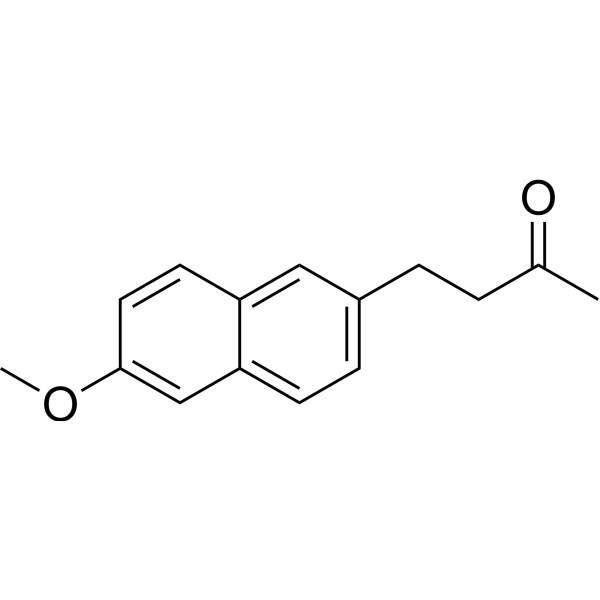
- HY-A0115
-
-
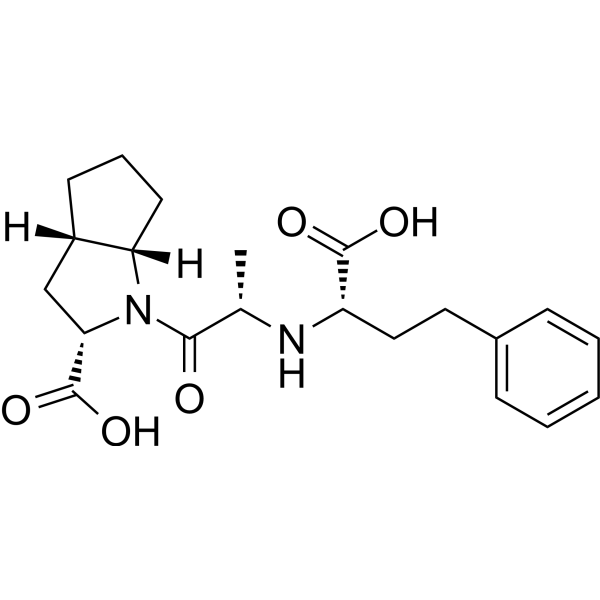
- HY-W013378S
-
|
|
Endogenous Metabolite
Isotope-Labeled Compounds
|
Others
|
|
Carbamazepine 10,11 epoxide-d2 is the deuterium labeled Carbamazepine 10,11 epoxide . Carbamazepine 10,11-epoxide is an orally active metabolite of Carbamazepine (HY-B0246). Carbamazepine has anticonvulsant effect. Carbamazepine can be used for the research of seizures .
|
-
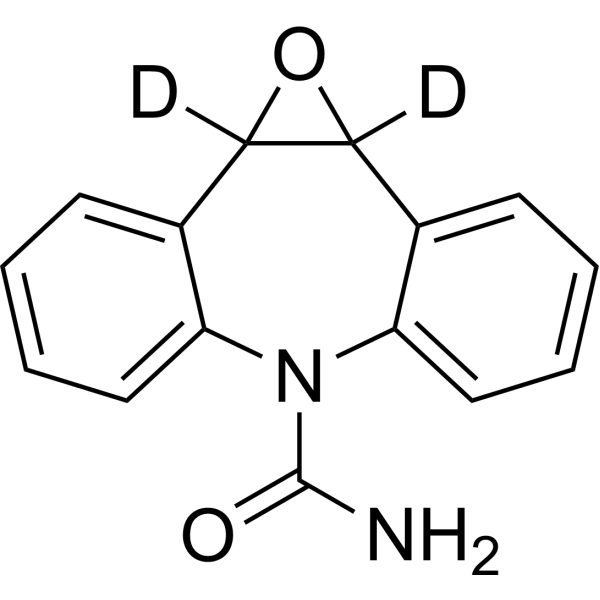
- HY-130321S1
-
-
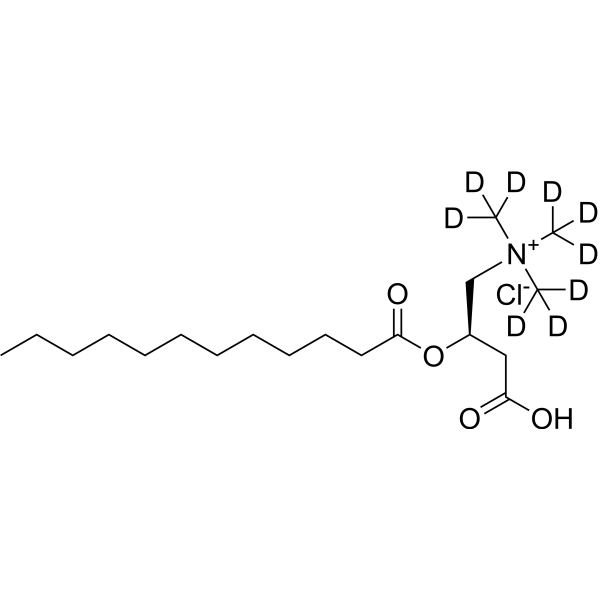
- HY-128036C
-
|
2',3'-Dideoxyadenosine 5'-triphosphate tetrasodium
|
DNA/RNA Synthesis
HIV
|
Infection
|
|
ddATP (2',3'-Dideoxyadenosine 5'-triphosphate) tetrasodium is an active metabolite of 2',3'-dideoxyadenosine and an inhibitor of chain elongation by DNA polymerase (DNA polymerase). ddATP tetrasodium can be used in Sanger sequencing and research related to viral infections .
|
-

- HY-100665S
-
|
OPC-14857-d8; DM-14857-d8
|
Isotope-Labeled Compounds
5-HT Receptor
|
Neurological Disease
|
|
Dehydroaripiprazole-d8 is deuterium labeled Dehydroaripiprazole. Dehydroaripiprazole (OPC-14857) is an active metabolite of Aripiprazole. Aripiprazole is an antipsychotic agent and is metabolized by CYP3A4 and CYP2D6 forming mainly Dehydroaripiprazole. Dehydroaripiprazole has with antipsychotic activity equivalent to Aripiprazole .
|
-
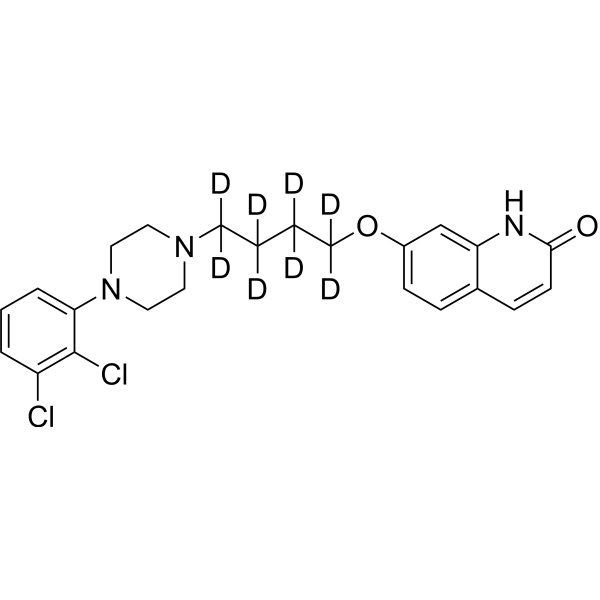
- HY-W357818
-
|
GX
|
Sodium Channel
ERK
MEK
NF-κB
Drug Metabolite
|
Cancer
|
|
Glycinexylidide (GX) is the active metabolite of Lidocaine. Lidocaine is a local agent that can suppress or relieve pain, that inhibits sodium channels involving complex voltage and dependence. Lidocaine also reduces the growth, migration and invasion of gastric cancer cells. Glycinexylidide has research potential for use in anesthesia, cancer, and cardiovascular disease .
|
-
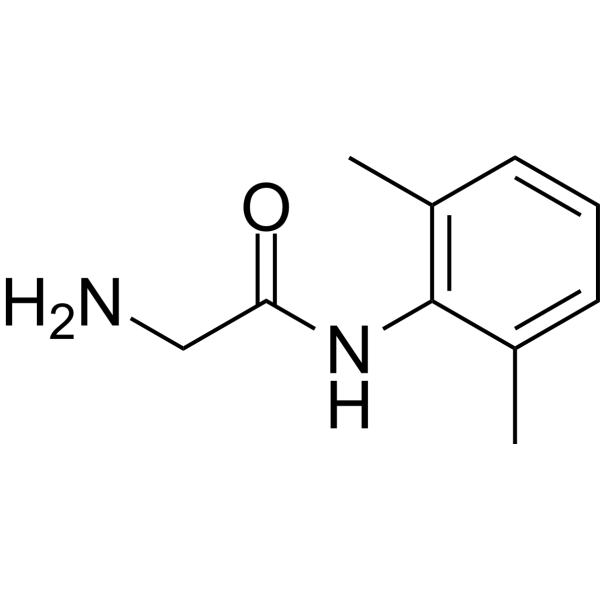
- HY-139909
-
|
|
Drug-Linker Conjugates for ADC
|
Cancer
|
|
CL2E-SN-38, a highly releasable and structurally stable antibody-SN-38-conjugate, is a part of the antibody drug conjugate (ADC). SN-38, the active metabolite of Irinotecan from camptothecins, is an Topoisomerase I inhibitor .
|
-
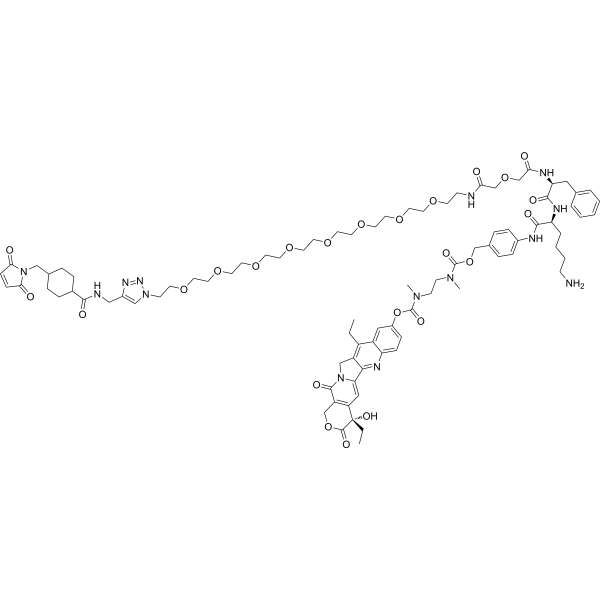
- HY-103252S1
-
-
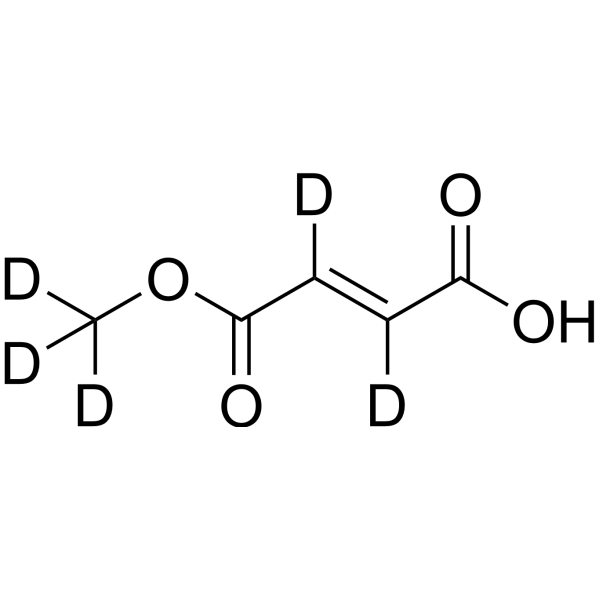
- HY-13704
-
SN-38
Maximum Cited Publications
70 Publications Verification
7-Ethyl-10-hydroxycamptothecin
|
Drug Metabolite
Topoisomerase
ADC Payload
Autophagy
|
Cancer
|
|
SN-38 is an active metabolite of the Topoisomerase I inhibitor Irinotecan. SN-38 inhibits DNA and RNA synthesis with IC50s of 0.077 and 1.3 μM, respectively. SN-38 is a payload of sacituzumab govitecan (HY -132254) .
|
-
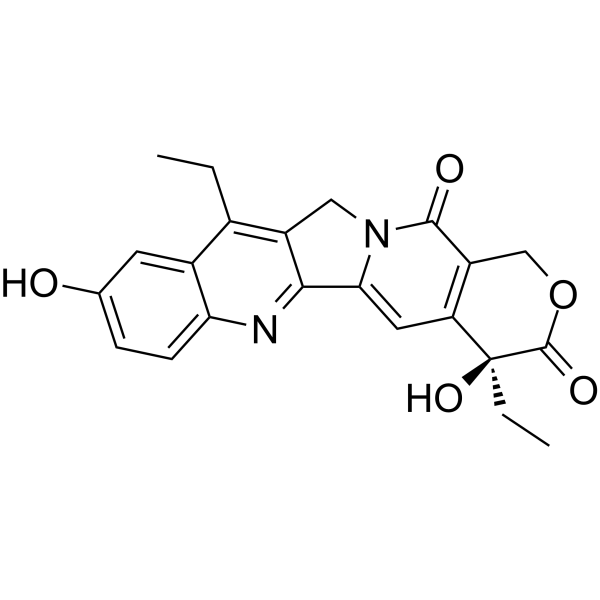
- HY-W013186S
-
|
AG-1777-d4
|
Proton Pump
Bacterial
|
Inflammation/Immunology
|
|
Lansoprazole sulfide-d4 is a deuterium labeled Lansoprazole Sulfide. Lansoprazole Sulfide is an active metabolite of the proton pump inhibitor Lansoprazole. Lansoprazole Sulfide is an orally active anti-TB (Mycobacterium tuberculosis) agent with IC50 values of 0.59 μM intracellularly and 0.46 μM in broth .
|
-
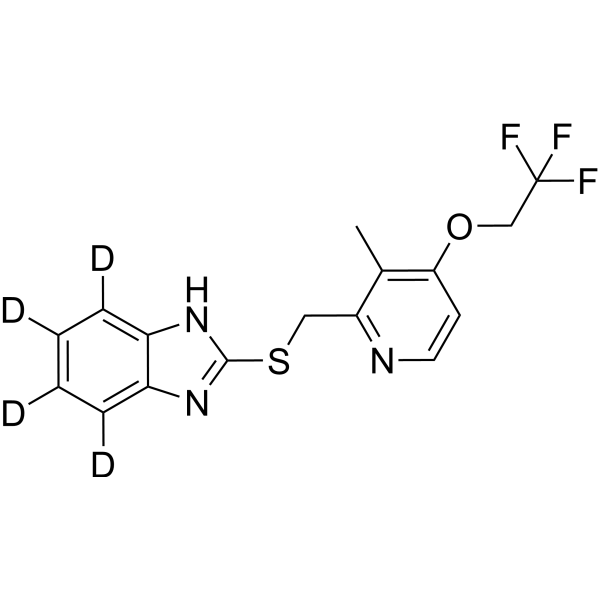
- HY-13256A
-
|
OSI-420 free base; CP-373420
|
Drug Metabolite
|
Cancer
|
|
Desmethyl Erlotinib (OSI-420 free base) is an active metabolite of Erlotinib. Erlotinib is a potent EGFR tyrosin kinase inhibitor . Desmethyl Erlotinib is a click chemistry reagent, it contains an Alkyne group and can undergo copper-catalyzed azide-alkyne cycloaddition (CuAAc) with molecules containing Azide groups.
|
-
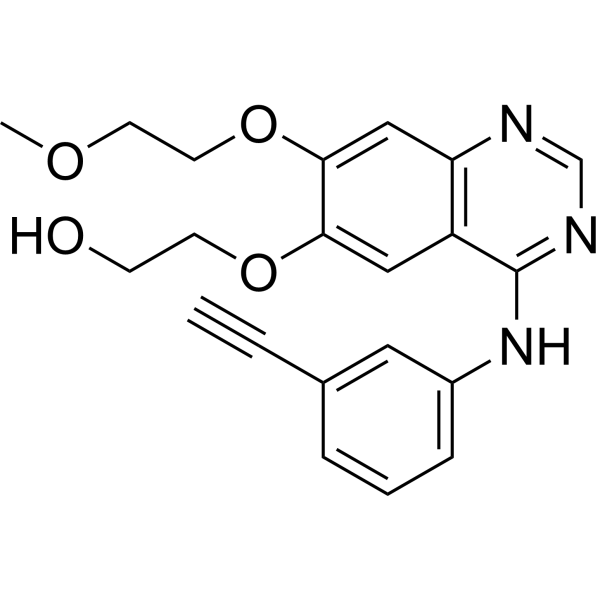
- HY-B0802R
-
|
Terbutaline hemisulfate (Standard)
|
Reference Standards
Adrenergic Receptor
Antibiotic
|
Endocrinology
|
|
Terbutaline (sulfate) (Standard) is the analytical standard of Terbutaline (sulfate). This product is intended for research and analytical applications. Terbutaline sulfate is an orally active β2-adrenergic receptor agonist and an active metabolite of bambuterol . Terbutaline sulfate can be used in asthma symptom research .
|
-
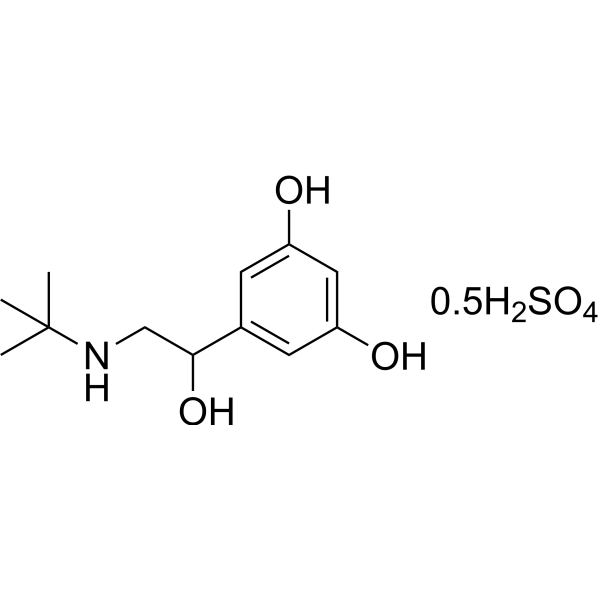
- HY-130321S
-
-
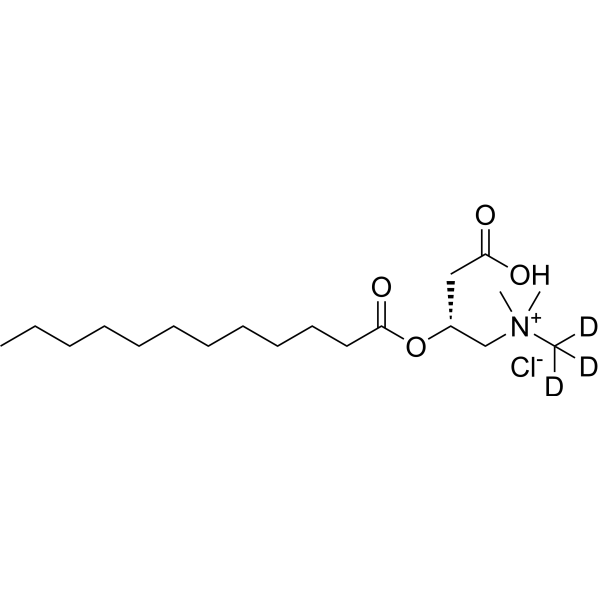
- HY-17528R
-
|
Cyhalofop acid (Standard)
|
Drug Metabolite
Reference Standards
|
Others
|
|
Cyhalofop (Standard) is the analytical standard of Cyhalofop. This product is intended for research and analytical applications. Cyhalofop (Cyhalofop acid), the primary metabolite of Cyhalofop-butyl (HY-B0861) in susceptible grasses, is the herbicidally active metabolite. Cyhalofop-butyl is an aryloxyphenoxypropionate post-emergence herbicide widely used around the world in agriculture .
|
-

- HY-107494AR
-
|
all-trans 4-Keto Retinoic Acid (Standard)
|
Reference Standards
Endogenous Metabolite
|
Metabolic Disease
|
|
all-trans-4-Oxoretinoic acid (Standard) is the analytical standard of all-trans-4-Oxoretinoic acid. This product is intended for research and analytical applications. all-trans-4-Oxoretinoic acid, an active metabolite of vitamin A, induces gene transcription via binding to nuclear retinoic acid receptors (RARs).
|
-

- HY-W329175
-
|
SKF-104557
|
Dopamine Receptor
|
Neurological Disease
|
|
N-Despropyl Ropinirole (SKF-104557) is an active metabolite of the dopamine D2 receptor agonist Ropinirole (HY-B0623). N-Despropyl Ropinirole is a full agonist at human D2 and D3 receptors. N-Despropyl Ropinirole is a partial agonistof the hD4 receptor .
|
-
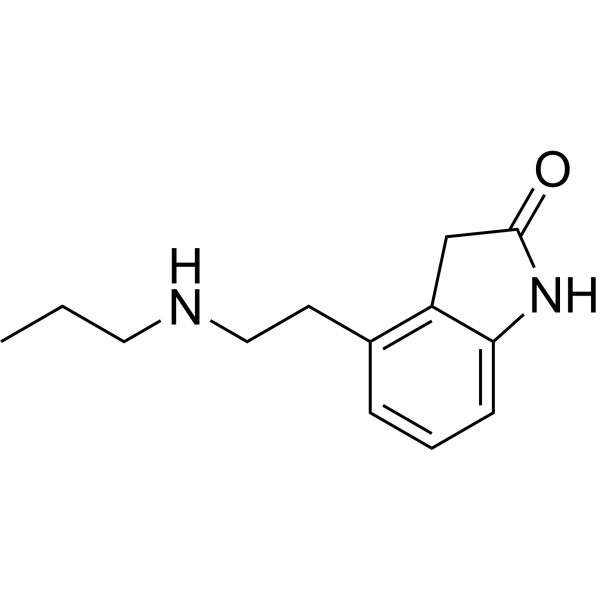
- HY-123280
-
|
|
Drug Metabolite
|
Neurological Disease
|
|
SCH 54388 is an orally active metabolite of Felbamate (HY-B0184). SCH 54388 significantly attenuates the functional impairment effects induced by Scopolamine (HY-N0296) or Dizocilpine (HY-15084B). SCH 54388 can be used in research related to cognitive impairment .
|
-

- HY-119696S
-
|
|
Isotope-Labeled Compounds
Drug Metabolite
|
Neurological Disease
Cancer
|
|
MTIC-d3 is deuterium labeled MTIC. MTIC is the active metabolite of Temozolomide (TMZ). MITC has lower bioavailability in the brain compared with TMZ, because the agent’s permeability through biological barriers and tumor cell membranes affects bioavailability. MITC exhibits low affinity to biological membrane .
|
-
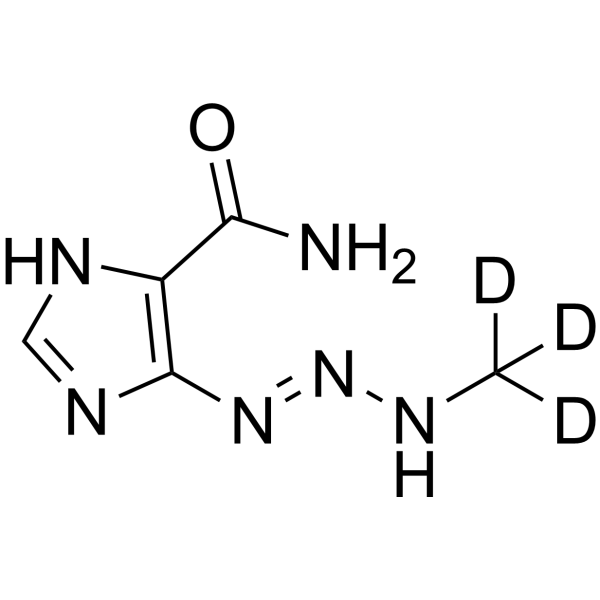
- HY-138813A
-
|
(E/Z)-SU-12662 hydrochloride
|
Phosphodiesterase (PDE)
|
Cancer
|
|
(E/Z)-N-Desethylsunitinib hydrochloride ((E/Z)-SU-12662 hydrochloride) is a compound with potential anti-tumor activity that inhibits VEGF-R2 and PDGF-Rβ tyrosine kinases. (E/Z)-N-Desethylsunitinib hydrochloride is the main active metabolite of sunitinib and has the ability to competitively inhibit ATP .
|
-

- HY-I0678
-
|
|
Drug Metabolite
PDGFR
|
Cancer
|
|
Regorafénib N-oxyde M2 is an active metabolite of Regorafenib. Regorafenib is a multi-target inhibitor for VEGFR1/2/3, PDGFRβ, Kit, RET and Raf-1 with IC50s of 13/4.2/46, 22, 7, 1.5 and 2.5 nM, respectively.
|
-
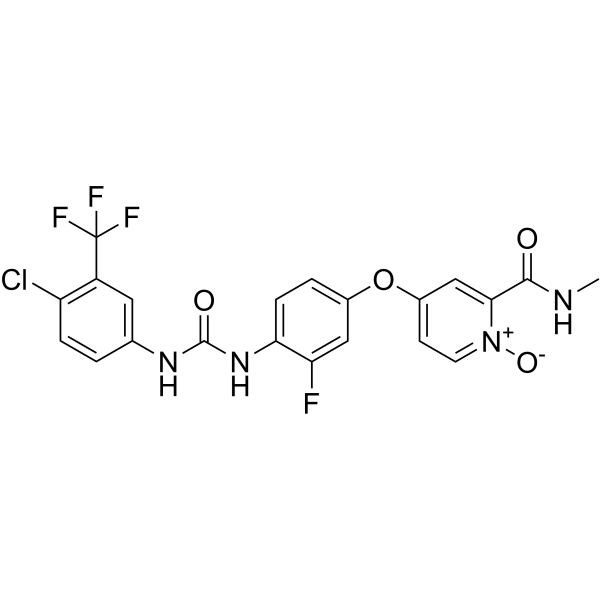
- HY-15876R
-
|
|
Drug Metabolite
Reference Standards
P2Y Receptor
|
Cardiovascular Disease
|
|
Cyhalofop (Standard) is the analytical standard of Cyhalofop. This product is intended for research and analytical applications. Cyhalofop (Cyhalofop acid), the primary metabolite of Cyhalofop-butyl (HY-B0861) in susceptible grasses, is the herbicidally active metabolite. Cyhalofop-butyl is an aryloxyphenoxypropionate post-emergence herbicide widely used around the world in agriculture .
|
-

- HY-B0256R
-
|
BW 57-322 (Standard)
|
Reference Standards
Apoptosis
|
Inflammation/Immunology
Cancer
|
|
Azathioprine (Standard) is the analytical standard of Azathioprine. This product is intended for research and analytical applications. Azathioprine (BW 57-322) is an orally active immunosuppressive agent. Azathioprine can be converted in vivo to the active metabolite 6-mercaptopurine (6-MP). Azathioprine has myelosuppressive effects and induces apoptosis .
|
-

- HY-144893
-
|
|
HDAC
|
Cancer
|
|
OKI-006 is an orally active histone deacetylase (HDAC) inhibitor. OKI-006 is the active metabolite of OKI-005 (HY-185584) and OKI-179 (HY-156602). OKI-006 can be used for the research of cancers such as breast cancer and colorectal cancer .
|
-
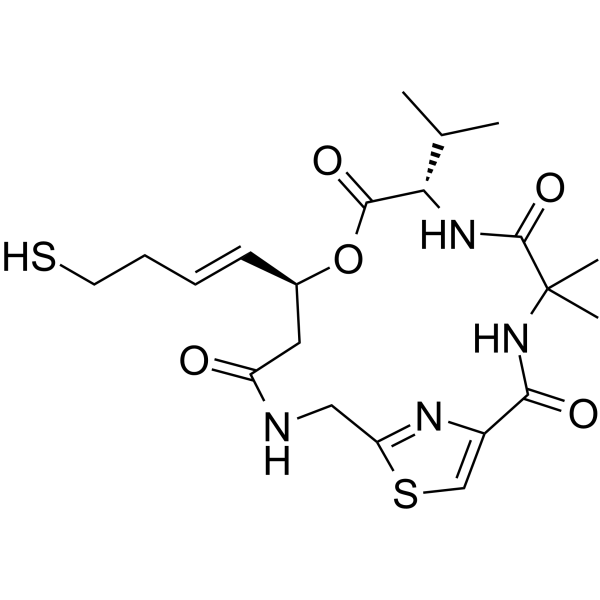
- HY-121356S
-
|
|
Isotope-Labeled Compounds
Histamine Receptor
|
Endocrinology
Cancer
|
|
Carebastine-d5 is the deuterium labeled Carebastine. Carebastine is the active metabolite of Ebastine. Carebastine is a histamine H1 receptor antagonist. Carebastine inhibits VEGF-induced HUVEC and HPAEC proliferation, migration and angiogenesis in a dose-dependent manner . Carebastine suppresses the expression of macrophage migration inhibitory factor .
|
-
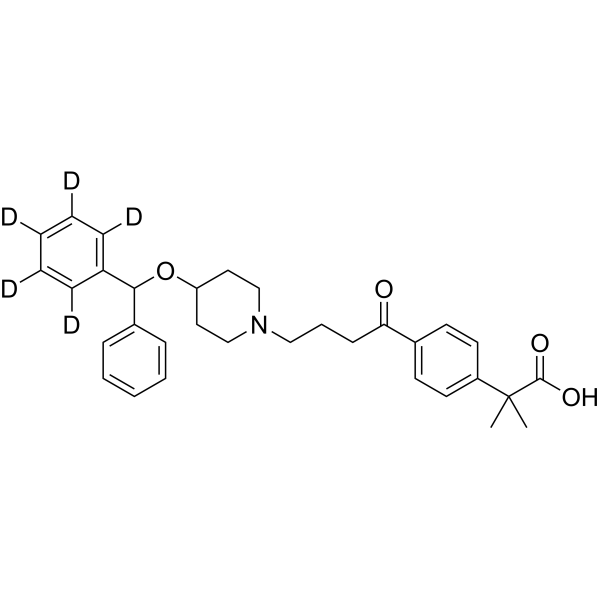
- HY-139909A
-
|
|
Drug-Linker Conjugates for ADC
|
Cancer
|
|
CL2E-SN-38 TFA, a highly releasable and structurally stable antibody-SN-38-conjugate, is a part of the antibody drug conjugate (ADC). SN-38, the active metabolite of Irinotecan from camptothecins, is an Topoisomerase I inhibitor .
|
-
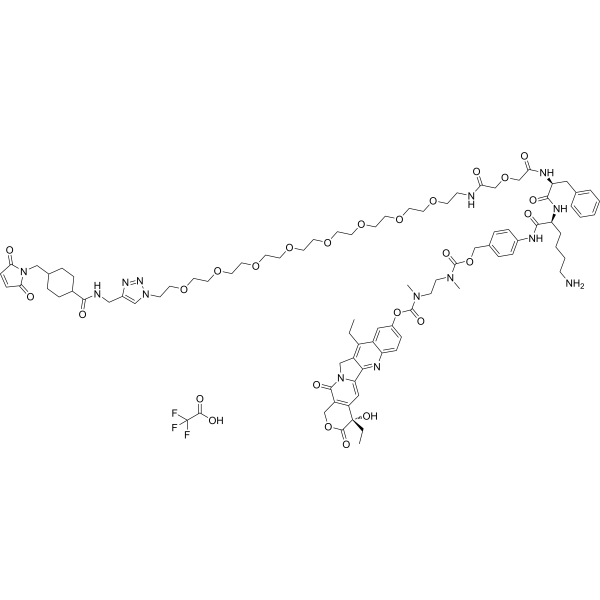
- HY-128554S
-
|
|
Isotope-Labeled Compounds
Parasite
|
Infection
|
|
N-Desethyl amodiaquine-d5 is the deuterium labeled N-Desethyl amodiaquine. N-Desethyl amodiaquine is the major biologically active metabolite of Amodiaquine. N-Desethyl amodiaquine is an antiparasitic agent. IC50 values for strains V1/S and 3D7 are 97 nM and 25 nM, respectively .
|
-
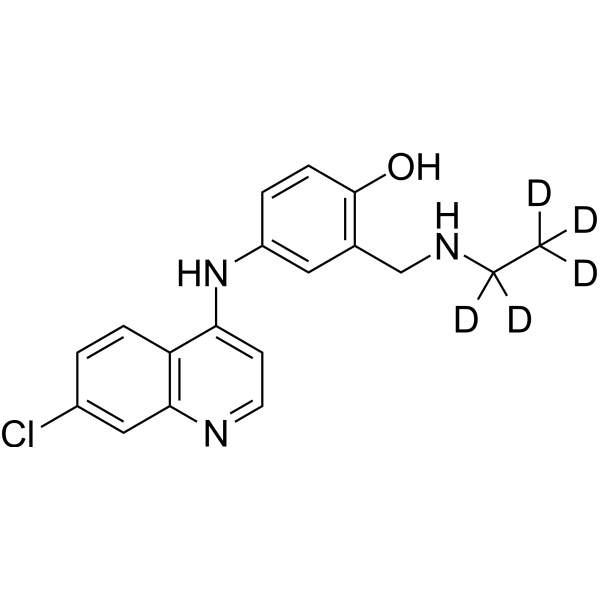
- HY-19727AR
-
|
|
Ser/Thr Protease
SARS-CoV
|
Metabolic Disease
|
|
FOY 251 (Standard) is the analytical standard of FOY 251. This product is intended for research and analytical applications. FOY 251, an anti-proteolytic active metabolite Camostate (HY-13512), acts as a proteinase inhibitor . FOY 251 inhibits SARS-CoV-2 infection in cells assay .
|
-

- HY-W766709
-
|
|
Isotope-Labeled Compounds
Drug Metabolite
|
Metabolic Disease
|
|
Desdiacetyl bisacodyl-d13 is the deuterium labeled Desacetyl bisacodyl (HY-131637). Desacetyl bisacodyl is the active metabolite of the laxative bisacodyl. Desacetyl bisacodyl induces epithelial Cl(-) secretion in rat colon and rectum. Desacetyl bisacodyl evokes several effects at the colon or rectum, including increased mucus and chloride secretion .
|
-

- HY-A0115S2
-
-
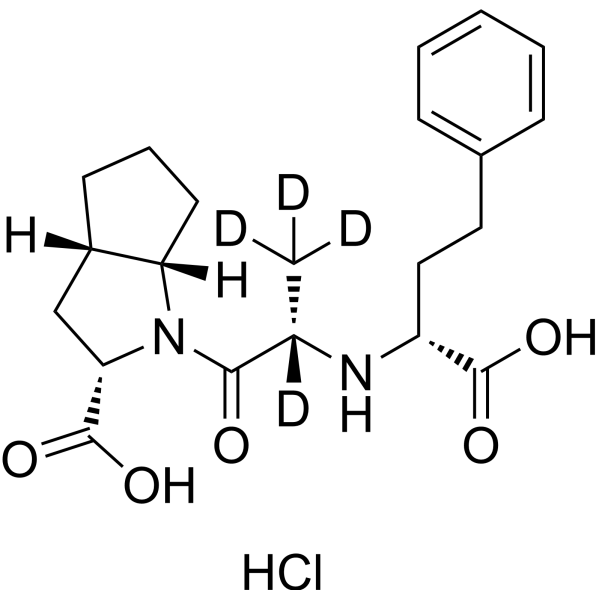
- HY-161795
-
|
|
Drug Metabolite
|
Cancer
|
|
SP3CHO is an active metabolite generated by the metabolism of SP3N in cell culture by the action of amine oxidase. SP3CHO can induce polyubiquitination of specific proteins by recruiting the SCFFBXO22 E3 ligase complex. SP3CHO can be used in cancer therapy research .
|
-

- HY-128554S1
-
|
|
Isotope-Labeled Compounds
Parasite
|
Infection
|
|
N-Desethyl amodiaquine-d5 dihydrochloride is the deuterium labeled N-Desethyl amodiaquine dihydrochloride. N-Desethyl amodiaquine dihydrochloride is the major biologically active metabolite of Amodiaquine. N-Desethyl amodiaquine dihydrochloride is an antiparasitic agent. IC50 values for strains V1/S and 3D7 are 97 nM and 25 nM, respectively .
|
-
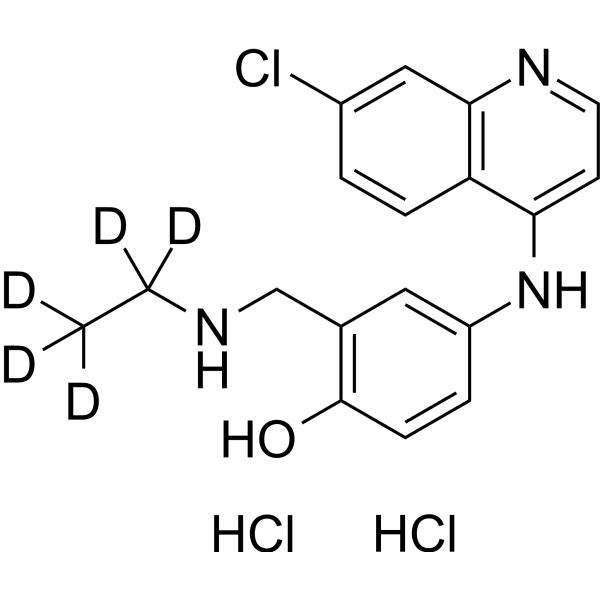
- HY-121356S1
-
|
|
Isotope-Labeled Compounds
Histamine Receptor
|
Endocrinology
Cancer
|
|
Carebastine-d5 Methyl Ester is the deuterium labeled Carebastine. Carebastine is the active metabolite of Ebastine. Carebastine is a histamine H1 receptor antagonist. Carebastine inhibits VEGF-induced HUVEC and HPAEC proliferation, migration and angiogenesis in a dose-dependent manner . Carebastine suppresses the expression of macrophage migration inhibitory factor .
|
-
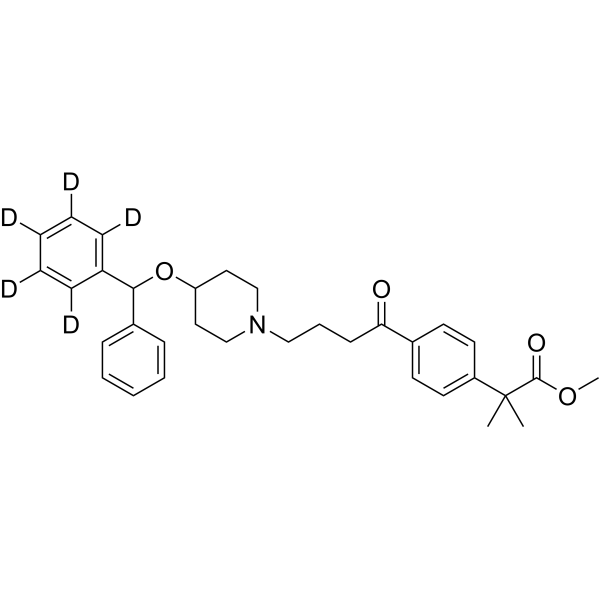
- HY-136610R
-
|
|
Cholinesterase (ChE)
|
Neurological Disease
|
|
Chlorpyrifos-oxon (Standard) is the analytical standard of Chlorpyrifos-oxon. This product is intended for research and analytical applications. Chlorpyrifos-oxon, an active metabolite of Chlorpyrifos, is a potent phosphorylating agent that potently inhibits AChE. Chlorpyrifos-oxon can induce cross-linking between subunits of tubulin and disrupt microtubule function .
|
-

- HY-131637R
-
|
|
Drug Metabolite
Reference Standards
|
Metabolic Disease
|
|
Desacetyl bisacodyl (Standard) is the analytical standard of Desacetyl bisacodyl. This product is intended for research and analytical applications. Desacetyl bisacodyl is the active metabolite of the laxative bisacodyl. Desacetyl bisacodyl induces epithelial Cl(-) secretion in rat colon and rectum. Desacetyl bisacodyl evokes several effects at the colon or rectum, including increased mucus and chloride secretion .
|
-

- HY-114794R
-
|
ST 1059 (Standard)
|
Reference Standards
Adrenergic Receptor
Drug Metabolite
|
Cardiovascular Disease
|
|
Desglymidodrine (Standard) is the analytical standard of Desglymidodrine. This product is intended for research and analytical applications. Desglymidodrine (ST 1059), the active metabolite of Midodrine(HY-12749), is a selective α1-adrenoceptor agonist. Desglymidodrine is an effective arterial and venous vasoconstrictor and can be used to regulate blood pressure .
|
-

- HY-15895S
-
|
ACT-132577-d4
|
Isotope-Labeled Compounds
Endothelin Receptor
|
Cardiovascular Disease
Endocrinology
|
|
Aprocitentan-d4 is a deuterium labeled Aprocitentan. Aprocitentan is a major and pharmacologically active metabolite of Macitentan. Aprocitentan is an orally active dual ETA/ETB antagonist with IC50s of 3.4 nM and 987 nM, and pA2 valus of 6.7 and 5.5, respectively. Aprocitentan is an antihypertensive agent .
|
-
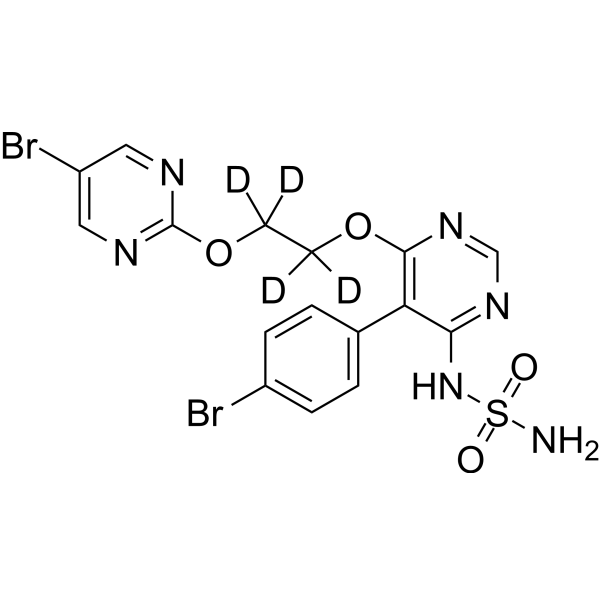
- HY-106429
-
|
|
Reactive Oxygen Species (ROS)
|
Others
|
|
OT-551 (free base) is a lipophilic, disubstituted hydroxylamine with antioxidant properties. OT-551 can be used as an eye drop and can be converted by intraocular esterases to its active metabolite, Tempol-H (TP-H). OT-551 can be utilized in geographic atrophy and macular degeneration research .
|
-

- HY-128554A
-
|
|
Parasite
|
Infection
|
|
N-Desethyl amodiaquine dihydrochloride is the biologically active metabolite of Amodiaquine (HY-B1322A). N-Desethyl amodiaquine dihydrochloride is an antiparasitic agent, has inhibitory for strains V1/S and 3D7 with IC50 values of 97 nM and 25 nM, respectively. N-Desethyl amodiaquine dihydrochloride can be used for the research of malaria .
|
-
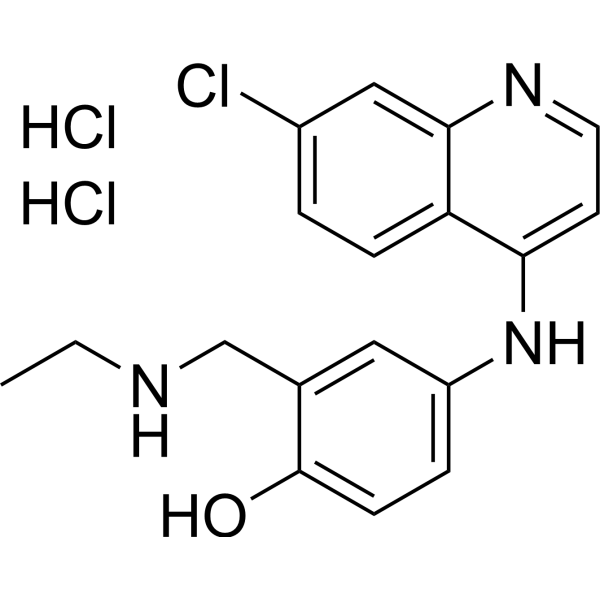
- HY-135731
-
|
|
COX
Drug Metabolite
|
Inflammation/Immunology
|
|
4-Methylamino antipyrine is an active metabolite of Metamizole. Metamizole is a pyrazolone non-steroidal anti-inflammatory drug (NSAID) and inhibits COX. Metamizole is an nonopioid analgesic agent and can be used for pain and fever . 4-Methylamino antipyrine has analgesic, antipyretic, and relatively weak antiinflammatory properties .
|
-
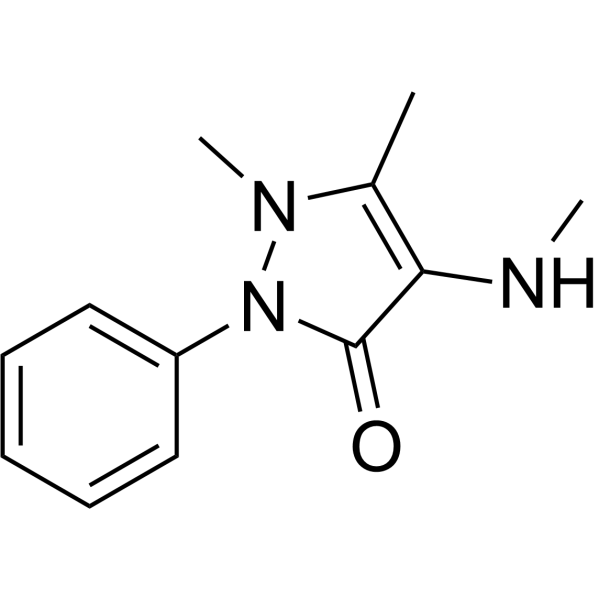
- HY-100646AS
-
|
|
Drug Metabolite
|
Neurological Disease
|
|
(Z)-10-Hydroxynortriptyline-d3 is the deuterium labeled (Z)-10-Hydroxynortriptyline (HY-100646A). (Z)-10-Hydroxynortriptyline is a metabolite of Nortriptyline (HY-118620). Nortriptyline is a tricyclic antidepressant and the main active metabolite of Amitriptyline, and is used to relieve the symptoms of depression .
|
-
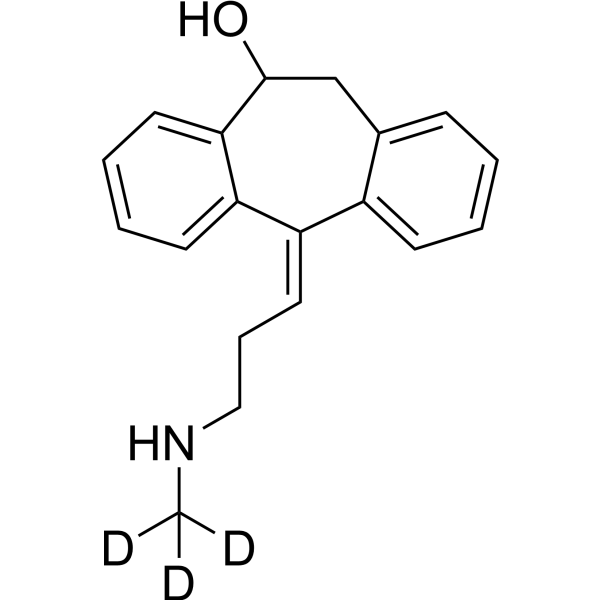
- HY-B1039AS
-
|
NA-872-d5 hydrochloride
|
Isotope-Labeled Compounds
Glycosidase
Autophagy
|
Neurological Disease
Metabolic Disease
|
|
Ambroxol-d5 (hydrochloride) is the deuterium labeled Ambroxol hydrochloride. Ambroxol hydrochloride (NA-872 hydrochloride), an active metabolite of the proagent Bromhexine, has potent expectorant effects. Ambroxol hydrochloride is a glucocerebrosidase (GCase) chaperone and increases glucocerebrosidase activity. Ambroxol hydrochloride induces lung autophagy and has the potential for Parkinson disease and neuronopathic Gaucher disease research .
|
-
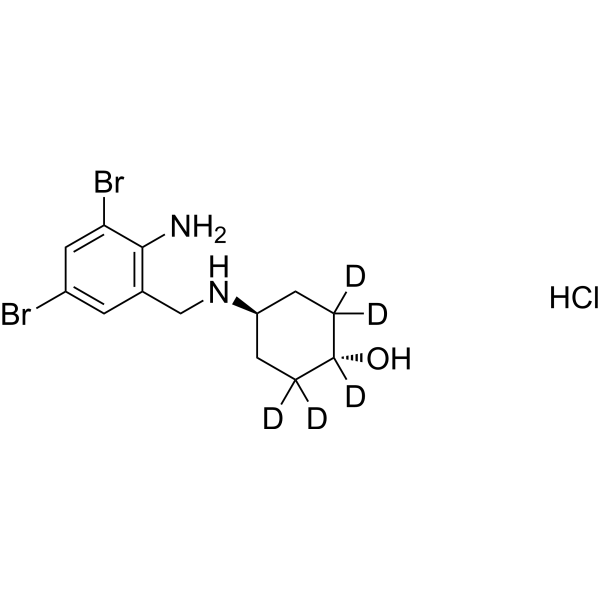
- HY-128554
-
|
|
Parasite
|
Infection
|
|
N-Desethyl amodiaquine is the biologically active metabolite of Amodiaquine (HY-B1322A). N-Desethyl amodiaquine is an antiparasitic agent, has inhibitory for strains V1/S and 3D7 with IC50 values of 97 nM and 25 nM, respectively. N-Desethyl amodiaquine can be used for the research of malaria .
|
-
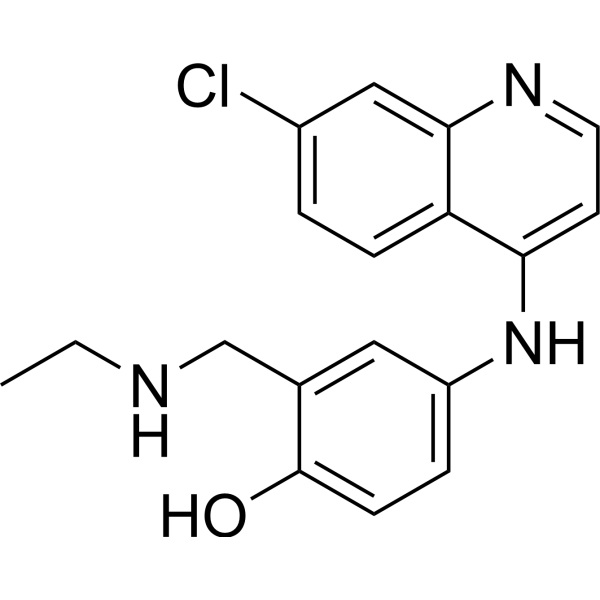
- HY-135111
-
|
|
Drug Metabolite
|
Infection
Metabolic Disease
Cancer
|
|
4-Desmethoxy Omeprazole is the active metabolite of Omeprazole. Omeprazole, a proton pump inhibitor (PPI), is available for treatment of acid-related gastrointestinal disorders. Omeprazole shows competitive inhibition of CYP2C19 activity with a Ki of 2 to 6 μM . Omeprazole also inhibits growth of Gram-positive and Gram-negative bacteria .
|
-
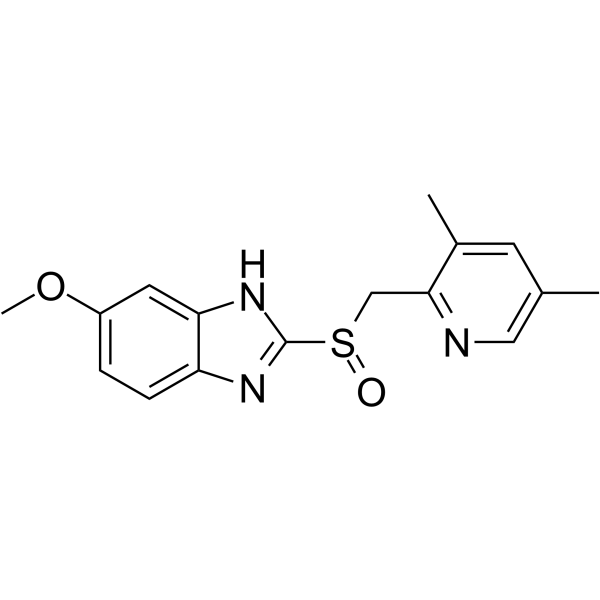
- HY-W1121873
-
|
|
Others
|
Inflammation/Immunology
|
|
β-Caryophyllene alcohol is an active metabolite of β-caryophyllene (HY-N1415) with potent anti-asthma and anti-inflammation activity. β-Caryophyllene alcohol shows significant anti-asthmatic effect in guinea pigs. β-Caryophyllene alcohol can be used for asthma and inflammation research .
|
-

- HY-10002B
-
|
(1R,5Z)-1,25-Dihydroxyvitamin D3
|
VD/VDR
|
Cancer
|
|
(1R,5Z)-Calcitriol ((1R,5Z)-1,25-Dihydroxyvitamin D3) is a Calcitriol (HY-10002) isomer. Calcitriol is the most active metabolite of vitamin D and also a vitamin D receptor (VDR) agonist .
|
-

- HY-175390
-
|
TGDP sodium; 6-Thio-GDP sodium
|
Endogenous Metabolite
|
Inflammation/Immunology
Cancer
|
|
6-Thioguanosine-5'-O-diphosphate sodium (6-Thio-GDP sodium) (TGDP sodium) is an active metabolite of 6-Mercaptopurine (HY-13677). 6-Mercaptopurine is a purine analogue which acts as an antagonist of the endogenous purines and has been widely used as antileukemic agent and immunosuppressive drug .
|
-

- HY-123669A
-
|
|
P2Y Receptor
|
Cardiovascular Disease
|
|
Trans-R-138727 is the trans isomer of R-138727 (HY-123669). R-138727 is the active metabolite of the antiplatelet agent Prasugrel (HY-15284). R-138727 is an irreversible inhibitor for the platelet receptor P2Y12, and inhibits ADP-induced platelet activation and aggregation .
|
-

- HY-W707562
-
-

- HY-133116S
-
|
|
Adrenergic Receptor
|
Neurological Disease
|
|
4-Hydroxyatomoxetine-d3 is a deuterium labeled 4-Hydroxyatomoxetine. 4-Hydroxyatomoxetine is an active metabolite of Atomoxetine (Tomoxetine). 4-Hydroxyatomoxetine is metabolized by the enzyme cytochrome P450 2D6 (CYP2D6). Atomoxetine is a potent and selective noradrenal in re-uptake inhibitor .
|
-
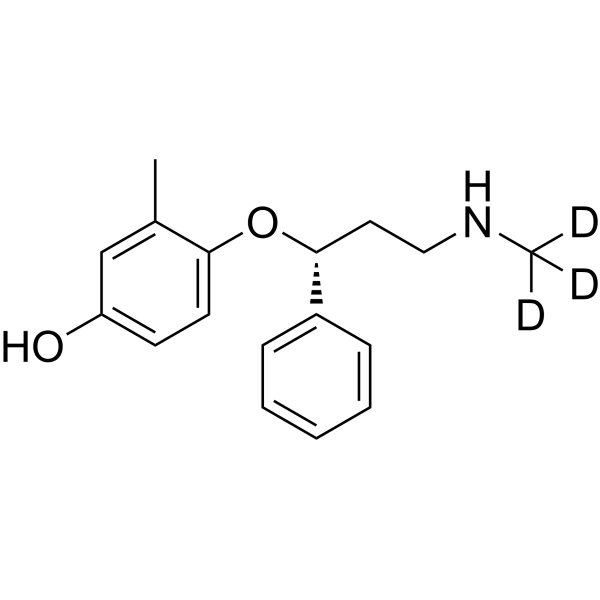
- HY-100064S1
-
|
|
Isotope-Labeled Compounds
EGFR
|
Cancer
|
|
O-Desmethyl gefitinib-d6 is the deuterium labeled O-Desmethyl gefitinib. O-Desmethyl gefitinib is an active metabolite of Gefitinib in human plasma. The formation of O-desmethyl gefitinib is dependent on CYP2D6 activity. O-desmethyl gefitinib inhibits EGFR with an IC50 of 36 nM in subcellular assays .
|
-
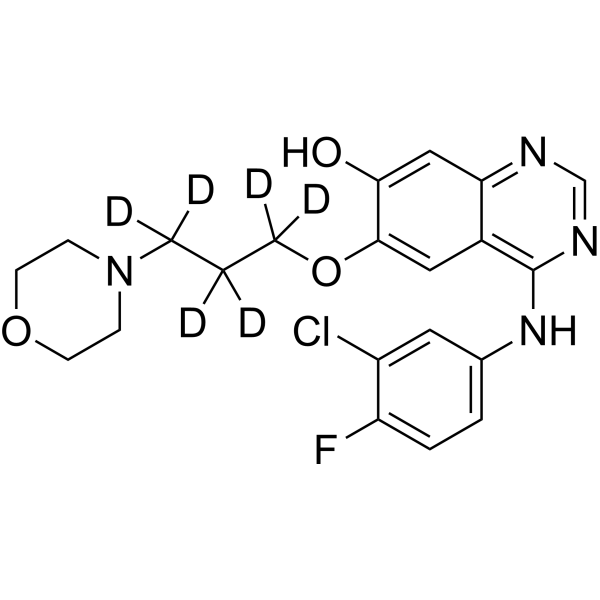
- HY-100064S
-
|
|
EGFR
|
Cancer
|
|
O-Desmethyl gefitinib-d8 is a deuterium labeled O-Desmethyl gefitinib. O-Desmethyl gefitinib is an active metabolite of Gefitinib in human plasma. The formation of O-desmethyl gefitinib is dependent on CYP2D6 activity. O-desmethyl gefitinib inhibits EGFR with an IC50 of 36 nM in subcellular assays .
|
-
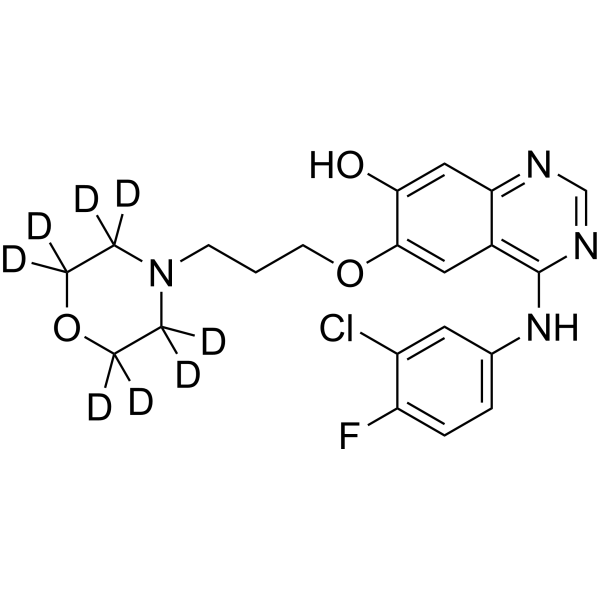
- HY-B0652S1
-
-
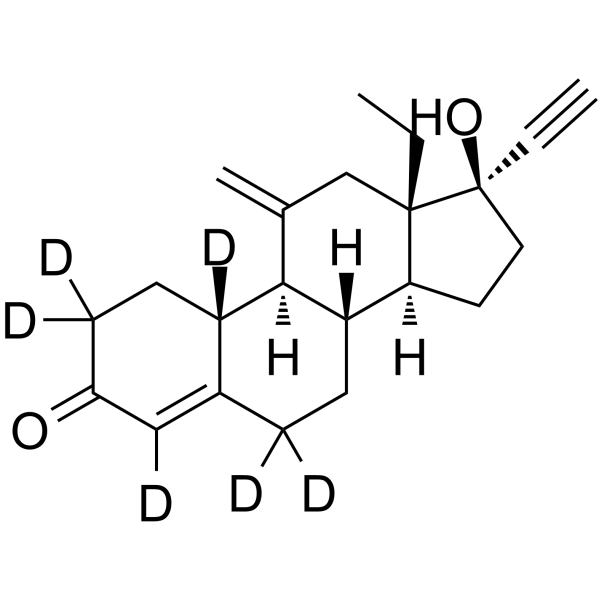
- HY-N10889
-
|
|
Drug Metabolite
RET
|
Neurological Disease
|
|
Sominone is the active metabolite of Withanoside IV (HY-N8693). Sominone enhances neuronal morphological plasticity by activating the RET pathway. Sominone can also induce axon/dendrite regeneration and synaptic reconstruction, thereby improving spatial memory. Sominone can be used in the research of neurodegenerative diseases such as Alzheimer's disease .
|
-
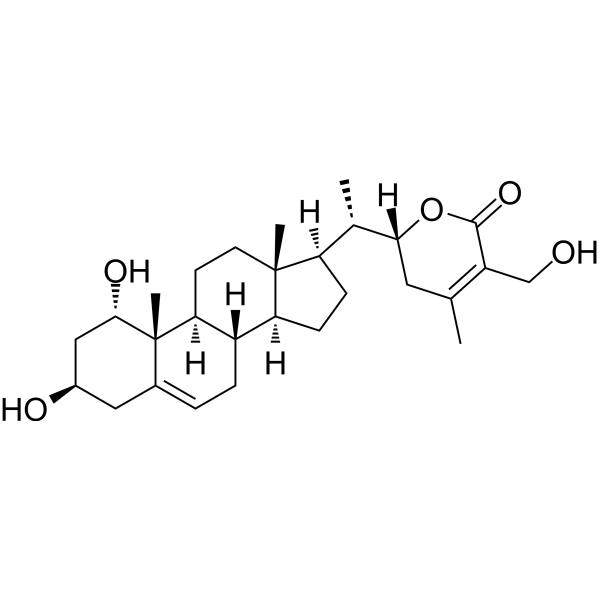
- HY-W129233
-
|
Dihydroartemisinin (α,β mixture)
|
Parasite
Autophagy
Apoptosis
|
Infection
Cancer
|
|
Dihydroartemisinin (mixture of α and β isomers) is an anti-malaria and anticancer agent, as well as an active metabolite of artemisinin and its derivatives. Dihydroartemisinin exerts anticancer effects through various molecular mechanisms, such as inhibiting proliferation, inducing apoptosis, inhibiting tumor metastasis and angiogenesis, promoting immune function, inducing autophagy and endoplasmic reticulum stress .
|
-

- HY-U00085
-
|
RU 47213
|
Cholinesterase (ChE)
|
Neurological Disease
|
|
Itameline (RU 47213) is a prodrug with oral and long-lasting cholinergic activity. Itameline is a novel tetrahydropyridine-oxime that is cleaved in vivo to form an active metabolite, RU 35963. RU 35963 is a muscarinic receptor agonist that is nonselective with respect to receptor subtypes. Itameline possesses the capacity to reduce memory deficits induced by an impairment of cholinergic transmission in the rat .
|
-

- HY-Y1097
-
|
2-(Methoxycarbonyl)benzoic acid
|
Endogenous Metabolite
Reactive Oxygen Species (ROS)
|
Cancer
|
|
Monomethyl phthalate is an orally active metabolite of phthalic acid. Monomethyl phthalate, as a urine biomarker after exposure to phthalate, can be used as a detection indicator for thyroid cancer and benign nodules. Monomethyl phthalate reduces the survival rate of young frogs. Monomethyl phthalate induces oxidative damage to red blood cells in rats .
|
-
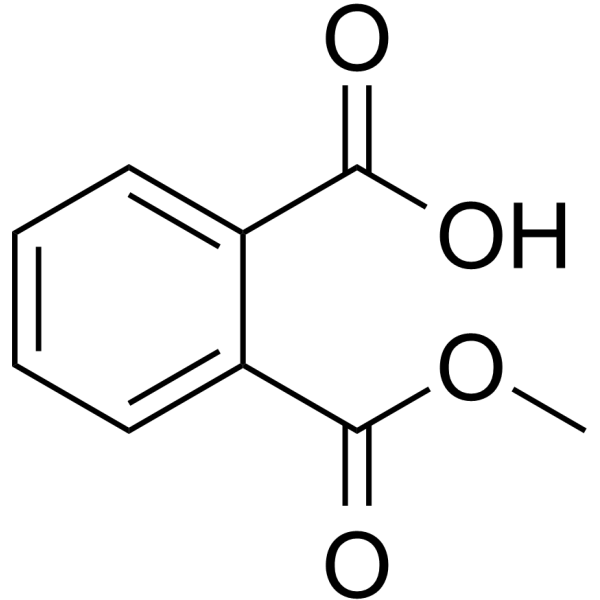
- HY-135731A
-
|
|
COX
Drug Metabolite
|
Inflammation/Immunology
|
|
4-Methylamino antipyrine hydrochloride is an active metabolite of Metamizole. Metamizole is a pyrazolone non-steroidal anti-inflammatory drug (NSAID) and inhibits COX. Metamizole is an nonopioid analgesic agent and can be used for pain and fever . 4-Methylamino antipyrine hydrochloride has analgesic, antipyretic, and relatively weak antiinflammatory properties .
|
-
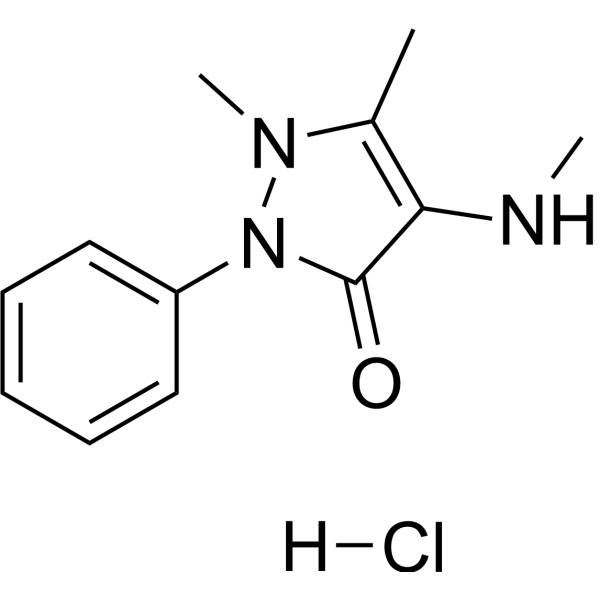
- HY-15895R
-
|
ACT-132577 (Standard)
|
Reference Standards
Endothelin Receptor
|
Cardiovascular Disease
Endocrinology
|
|
Aprocitentan (Standard) is the analytical standard of Aprocitentan. This product is intended for research and analytical applications. Aprocitentan (ACT-132577) is the major and pharmacologically active metabolite of Macitentan. Aprocitentan is dual ETA/ETB antagonist with IC50s of 3.4 nM and 987 nM, and pA2 valus of 6.7 and 5.5, respectively .
|
-

- HY-G0003A
-
|
(S)-Hydroxy Iloperidone; VHX-896
|
Drug Metabolite
Dopamine Receptor
5-HT Receptor
|
Neurological Disease
|
|
Milsaperidone ((S)-Hydroxy Iloperidone) is an active metabolite of the antipsychotic agent Iloperidone (HY-17410). Milsaperidone is a dopamine D2 and 5-HT2A receptor antagonist. Milsaperidone rapidly converts to Iloperidone when taken orally. Milsaperidone can be used in the research of mental illnesses such as depression .
|
-

- HY-178269
-
|
|
Drug Metabolite
Neurokinin Receptor
|
Neurological Disease
|
|
SCH-720881 is the active metabolite of Rolapitant (HY-14751). Rolapitant (SCH619734) is a potent, selective, long-acting and orally active neurokinin 1 (NK1) receptor antagonist with a Ki of 0.66 nM. Rolapitant does not interact with CYP3A4. Rolapitant shows potent anti-emetic activity in a ferret emesis model .
|
-

- HY-178249
-
|
|
Adrenergic Receptor
Dopamine Receptor
|
Neurological Disease
|
|
(1R,2S)-Dihydrobupropion is a norepinephrine-dopamine reuptake inhibitor. (1R,2S)-Dihydrobupropion is one of the active metabolites of Bupropion (HY-B0403). (1R,2S)-Dihydrobupropion can be used for the researches of neurological disease and inflammation .
|
-

- HY-B0794S
-
|
|
EGFR
IGF-1R
Drug Metabolite
|
Others
|
|
AZ7550-d5 is the deuterium labeled AZ7550?(HY-B0794). AZ7550, an active metabolite of Osimtinib (AZD9291; HY-15772), inhibits the activity of?IGF1R?with an?IC50?of 1.6 μM .
|
-
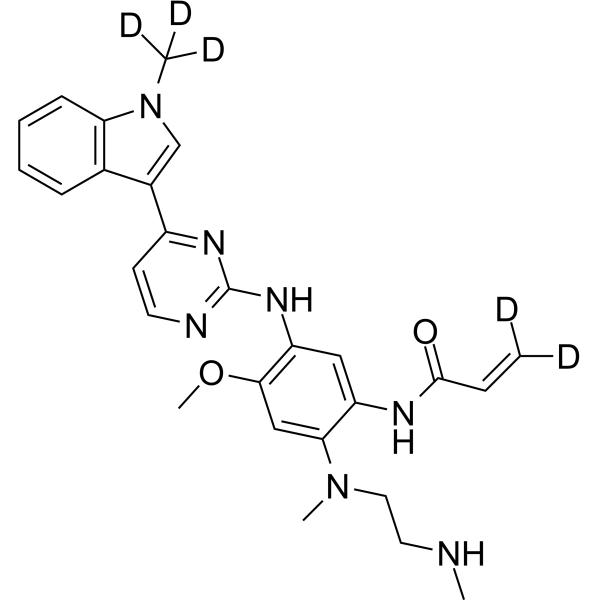
- HY-B0231R
-
|
MK-422 (Standard)
|
Reference Standards
Angiotensin-converting Enzyme (ACE)
|
Cardiovascular Disease
|
|
Enalaprilat (dihydrate) (Standard) is the analytical standard of Enalaprilat (dihydrate). This product is intended for research and analytical applications. Enalaprilat dihydrate (MK-422), the active metabolite of the oral proagent Enalapril, is a potent, competitive and long-acting angiotensin-converting enzyme (ACE) inhibitor, with an IC50 of 1.94 nM. Enalaprilat dihydrate can be used for the research of hypertension .
|
-

- HY-134520R
-
|
|
Glucocorticoid Receptor
Reference Standards
|
Inflammation/Immunology
|
|
21-Deacetoxy deflazacort (Standard) is the analytical standard of 21-Deacetoxy deflazacort. This product is intended for research and analytical applications. 21-Deacetoxy deflazacort is a dehydrogenated derivative of Deflazacort (HY-13609), a glucocorticoid, an inactive precursor that is rapidly converted to the active metabolite 21-Desacetyldeflazacort. Deflazacort acts as an anti-inflammatory and immunosuppressant .
|
-

- HY-133116
-
|
|
Adrenergic Receptor
|
Neurological Disease
|
|
4-Hydroxyatomoxetine is an active metabolite of Atomoxetine. 4-Hydroxyatomoxetine is metabolized by the enzyme cytochrome P450 2D6 (CYP2D6). Atomoxetine hydrochloride is a potent and selective noradrenalin re-uptake inhibitor (Ki values are 5 nM, 77 nM and 1451 nM for inhibition of radioligand binding to human NET, SERT and DAT respectively) .
|
-
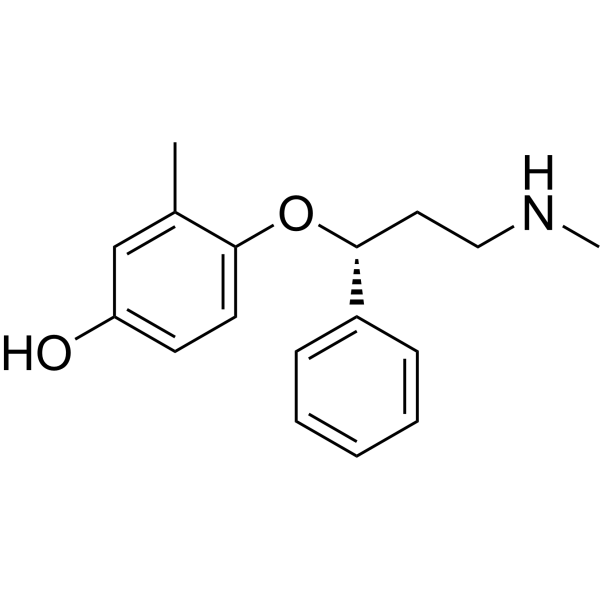
- HY-137551R
-
|
|
Herbicide
Reference Standards
|
Others
|
|
21-Deacetoxy deflazacort (Standard) is the analytical standard of 21-Deacetoxy deflazacort. This product is intended for research and analytical applications. 21-Deacetoxy deflazacort is a dehydrogenated derivative of Deflazacort (HY-13609), a glucocorticoid, an inactive precursor that is rapidly converted to the active metabolite 21-Desacetyldeflazacort. Deflazacort acts as an anti-inflammatory and immunosuppressant .
|
-

- HY-N0179
-
|
α-Ecdysone
|
Endogenous Metabolite
Apoptosis
|
Metabolic Disease
|
|
Ecdysone (α-Ecdysone), a major steroid hormone in insects and herbs, triggers mineralocorticoid receptor (MR) activation and induces cellular apoptosis. Ecdysone plays essential roles in coordinating developmental transitions and homeostatic sleep regulation through its active metabolite 20-hydroxyecdysone (Crustecdysone; 20E; HY-N6979) .
|
-
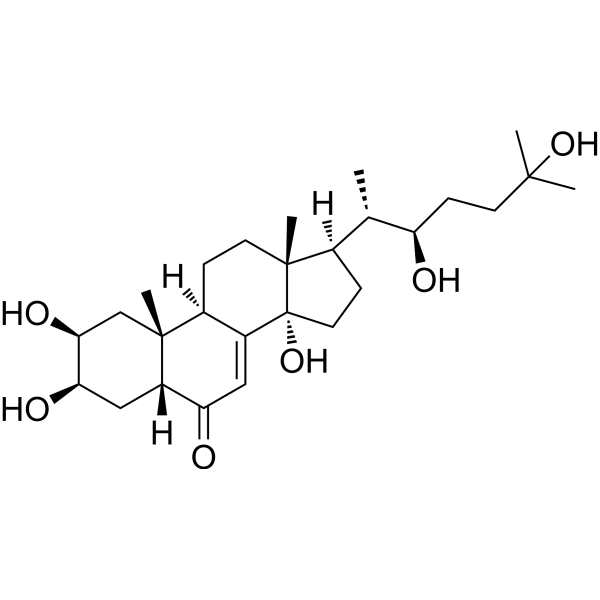
- HY-B2124R
-
|
|
Reference Standards
Drug Metabolite
|
Neurological Disease
|
|
10,11-Dihydrocarbamazepine (Standard) is the analytical standard of 10,11-Dihydrocarbamazepine. This product is intended for research and analytical applications. 10,11-Dihydrocarbamazepine is the active metabolite of Oxcarbazepine. 10,11-Dihydrocarbamazepine also is an intermediate. Oxcarbazepine is rapidly and almost completely converted to 10,11-Dihydrocarbamazepine with probable Anticonvulsant efficacy .
|
-

- HY-W741755A
-
|
|
Dipeptidyl Peptidase
|
Metabolic Disease
|
|
5-Hydroxy saxagliptin hydrochloride is an active metabolite of Saxagliptin (HY-10285) and a potent and selective DPP-4 inhibitor. 5-Hydroxy saxagliptin hydrochloride has Ki values of 2.6 nM and 2.9 nM for humans and cynomolgus monkeys, respectively. 5-Hydroxy saxagliptin hydrochloride can be used in the research of type 2 diabetes mellitus .
|
-

- HY-B0840R
-
|
|
Oxidative Phosphorylation
Parasite
Reference Standards
|
Metabolic Disease
|
|
Chlorfenapyr (Standard) is the analytical standard of Chlorfenapyr. This product is intended for research and analytical applications. Chlorfenapyr is a pyrrole insecticide. Chlorfenapyr has a mode of action: the mixed function oxidase oxidizes and removes the Nethoxymethyl group to form the active metabolite, CL 303268. Chlorfenapyr is used for termite control and crop protection against a variety of insect and mite pests .
|
-

- HY-100064R
-
|
|
Reference Standards
EGFR
|
Cancer
|
|
O-Desmethyl gefitinib (Standard) is the analytical standard of O-Desmethyl gefitinib. This product is intended for research and analytical applications. O-Desmethyl gefitinib is an active metabolite of Gefitinib in human plasma. The formation of O-desmethyl gefitinib is dependent on CYP2D6 activity. O-desmethyl gefitinib inhibits EGFR with an IC50 of 36 nM in subcellular assays .
|
-

- HY-127059
-
|
U-25026A
|
Antibiotic
|
Metabolic Disease
|
|
Clindamycin sulfoxide is an active metabolite of the antibiotic Clindamycin (HY-B1455). It is formed via S-oxidation of clindamycin primarily by the cytochrome P450 (CYP) isoform CYP3A4. Clindamycin sulfoxide inhibits the growth of P. prevotti, B. fragilis, and C. sordelli in vitro with MIC values of 2, 2, and 1 mg/L, respectively.
|
-

- HY-135910R
-
|
OPC-13015 (Standard)
|
Reference Standards
Drug Metabolite
|
Cardiovascular Disease
Cancer
|
|
3,4-Dehydro Cilostazol (Standard) is the analytical standard of 3,4-Dehydro Cilostazol. This product is intended for research and analytical applications. 3,4-Dehydro Cilostazol (OPC-13015) is an active metabolite of Cilostazol (CLZ; HY-17464). 3,4-Dehydro Cilostazol is used for pharmacokinetic study .
|
-

- HY-B0652R
-
|
3-Oxodesogestrel (Standard); 3-keto-Desogestrel (Standard)
|
Drug Metabolite
Reference Standards
Estrogen Receptor/ERR
Progesterone Receptor
Endogenous Metabolite
FKBP
|
Endocrinology
|
|
Etonogestrel (Standard) is the analytical standard of Etonogestrel. This product is intended for research and analytical applications. Etonogestrel (3-Oxodesogestrel), a biologically active metabolite of progestin Desogestrel, binds with high affinity to progesterone receptors and estrogen receptors in the target organs . Etonogestrel induce FKBP51 mRNA and protein expression in cultured human endometrial stromal cells (HESCs) .
|
-

- HY-B1039R
-
|
NA-872 (Standard)
|
Reference Standards
Glycosidase
Autophagy
|
Neurological Disease
Metabolic Disease
|
|
Ambroxol (Standard) is the analytical standard of Ambroxol. This product is intended for research and analytical applications. Ambroxol (NA-872), an active metabolite of the proagent Bromhexine, has potent expectorant effects. Ambroxol is a glucocerebrosidase (GCase) chaperone and increases glucocerebrosidase activity. Ambroxol induces lung autophagy and has the potential for Parkinson disease and neuronopathic Gaucher disease research .
|
-

- HY-135910S
-
|
OPC-13015-d11
|
Drug Metabolite
Isotope-Labeled Compounds
|
Cancer
|
|
3,4-Dehydro Cilostazol-d11 is deuterated labeled 3,4-Dehydro Cilostazol (HY-135910). 3,4-Dehydro Cilostazol (OPC-13015) is an active metabolite of Cilostazol (CLZ; HY-17464). 3,4-Dehydro Cilostazol is used for pharmacokinetic study .
|
-
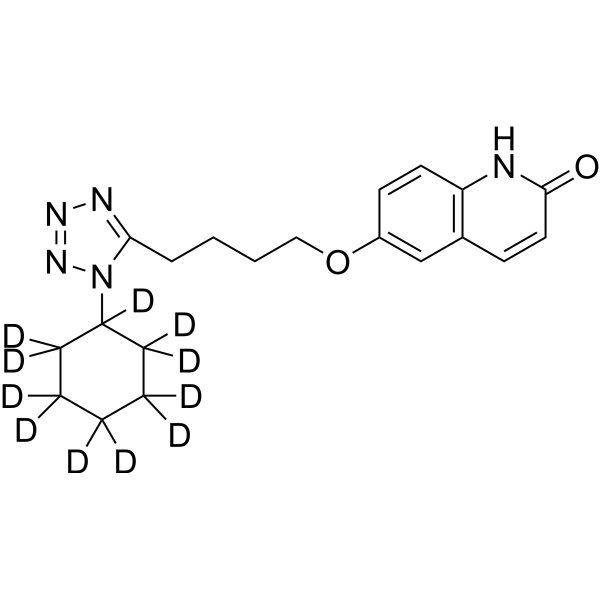
- HY-B1039AR
-
|
NA-872 hydrochloride (Standard)
|
Reference Standards
Glycosidase
Autophagy
|
Neurological Disease
Metabolic Disease
|
|
Ambroxol (hydrochloride) (Standard) is the analytical standard of Ambroxol (hydrochloride). This product is intended for research and analytical applications. Ambroxol hydrochloride (NA-872 hydrochloride), an active metabolite of the proagent Bromhexine, has potent expectorant effects. Ambroxol hydrochloride is a glucocerebrosidase (GCase) chaperone and increases glucocerebrosidase activity. Ambroxol hydrochloride induces lung autophagy and has the potential for Parkinson disease and neuronopathic Gaucher disease research .
|
-
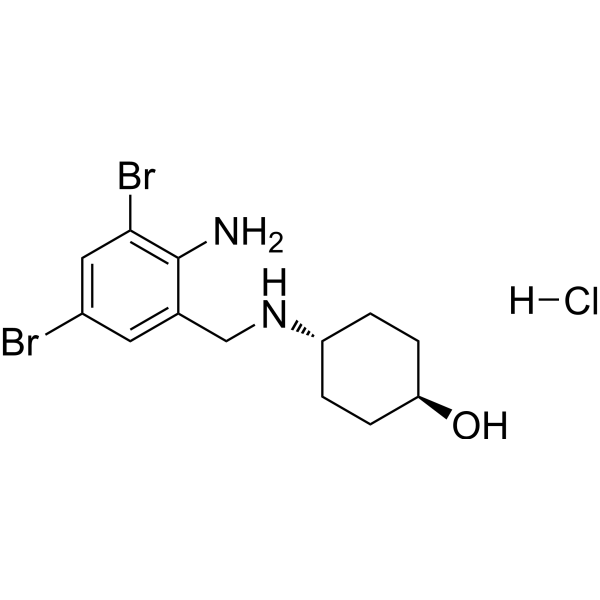
- HY-136170
-
MC-SN38
2 Publications Verification
|
Drug-Linker Conjugates for ADC
|
Cancer
|
|
MC-SN38 is a agent-linker conjugate composed of a potent microtubule-disrupting agent SN38 and a non-cleavable MC linker to make antibody agent conjugate (ADC). SN-38, an active metabolite of the Topoisomerase I inhibitor Irinotecan, inhibits DNA synthesis and causes frequent DNA single-strand breaks .
|
-
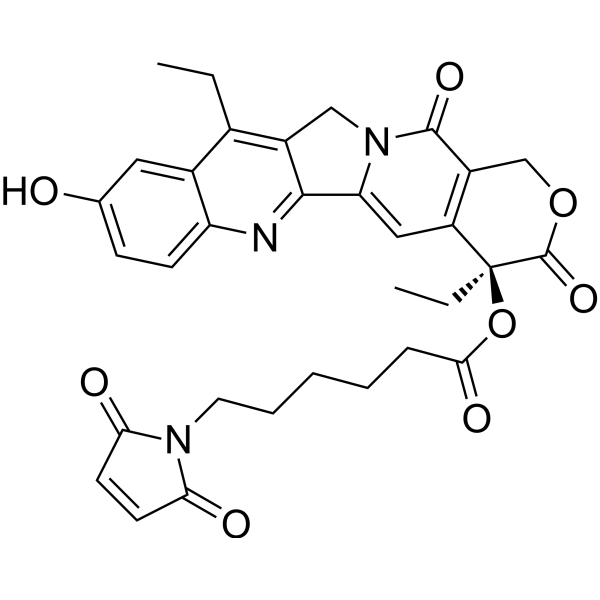
- HY-134247
-
|
7-Deazaadenosine 5'-diphosphate
|
Endogenous Metabolite
|
Others
|
|
Tubercidin 5'-diphosphate (7-Deazaadenosine 5'-diphosphate) is a modified nucleotide and metabolite of tubercidin. Tubercidin 5'-diphosphate can be formed via phosphorylation of tubercudin. Tubercidin 5'-diphosphate can also undergo phophorylation to form the active metabolite 7-deazaadenosine-5’-O-triphosphate .
|
-

- HY-B0256S
-
|
BW 57-322-d3
|
Isotope-Labeled Compounds
|
Others
|
|
Azathioprine-d3 (BW 57-322-d3) is the deuterium labeled Azathioprine (HY-B0256). Azathioprine (BW 57-322) is an orally active immunosuppressive agent. Azathioprine can be converted in vivo to the active metabolite 6-mercaptopurine (6-MP). Azathioprine has myelosuppressive effects and induces apoptosis .
|
-
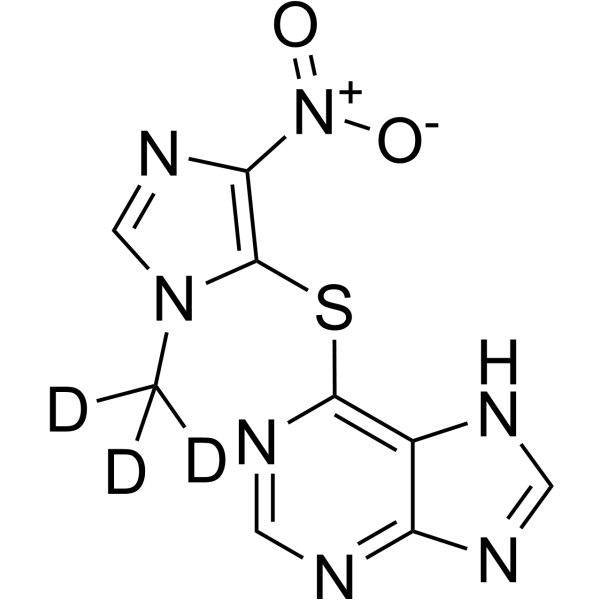
- HY-135810
-
|
Desethylhydroxychloroquine
|
CHIKV
Influenza Virus
Parasite
|
Infection
Inflammation/Immunology
|
|
Cletoquine (Desethylhydroxychloroquine) is a major active metabolite of Hydroxychloroquine. Cletoquine is produced in the liver by CYP2D6, CYP3A4, CYP3A5, and CYP2C8 isoenzymes. Cletoquine is also a Chloroquine derivative and has the ability to against the chikungunya virus (CHIKV). Cletoquine has antimalarial effects and has the potential for autoimmune diseases treatment .
|
-
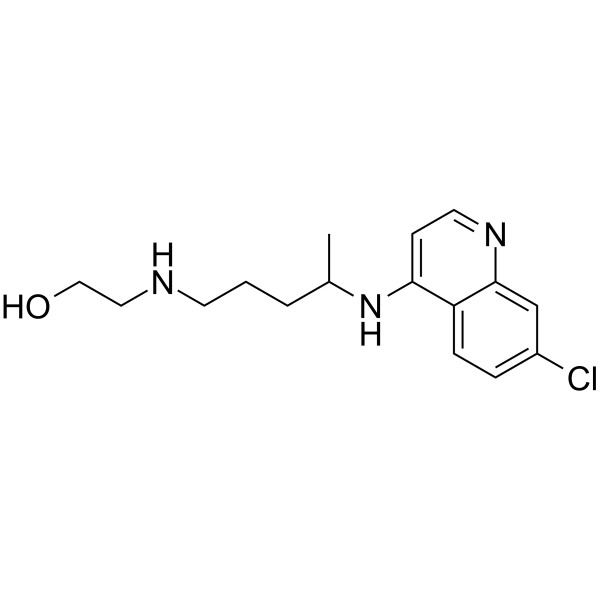
- HY-137912
-
|
|
Drug Metabolite
|
Endocrinology
Cancer
|
|
trans-Resveratrol-3-O-β-D-Glucuronide is an active metabolite of trans-resveratrol. trans-Resveratrol-3-O-β-D-Glucuronide reduces the proliferation of several intestinal cancer cell line. trans-Resveratrol-3-O-β-D-Glucuronide increases pyruvate production in livers .
|
-
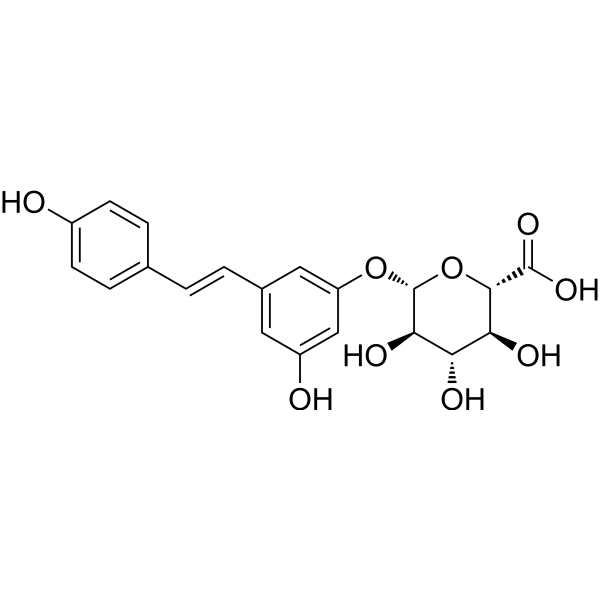
- HY-130431
-
|
|
Parasite
|
Infection
|
|
Vinclozolin M2 is an active metabolite of vinclozolin. It is formed from vinclozolin by successive esterase activity and decarboxylation of vinclozolin in C. elegans and by decarboxylation in human liver microsomes. Vinclozolin M2 is an antagonist of the mineralocorticoid receptor (IC50=1,400 nM) and androgen receptor (IC50=0.17 nM) in reporter assays using MCF-7 cells.
|
-

- HY-Y0278
-
-
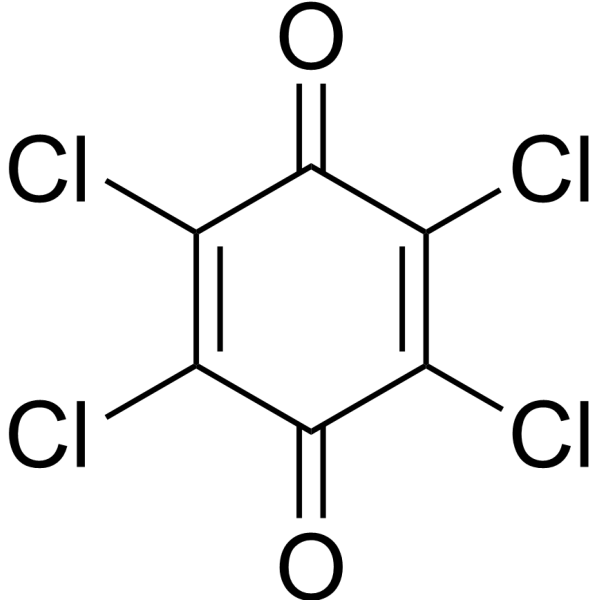
- HY-129491
-
|
CGP62221; O-Desmethyl PKC412
|
PKC
|
Cancer
|
|
O-Desmethyl Midostaurin (CGP62221; O-Desmethyl PKC412) is the active metabolite of Midostaurin (HY-10230) via cytochrome P450 liver enzyme metabolism. O-Desmethyl Midostaurin can be used as an indicator for Midostaurin metabolism in vivo . Midostaurin is a multi-targeted protein kinase inhibitor with IC50 ranging from 22-500 nM.
|
-
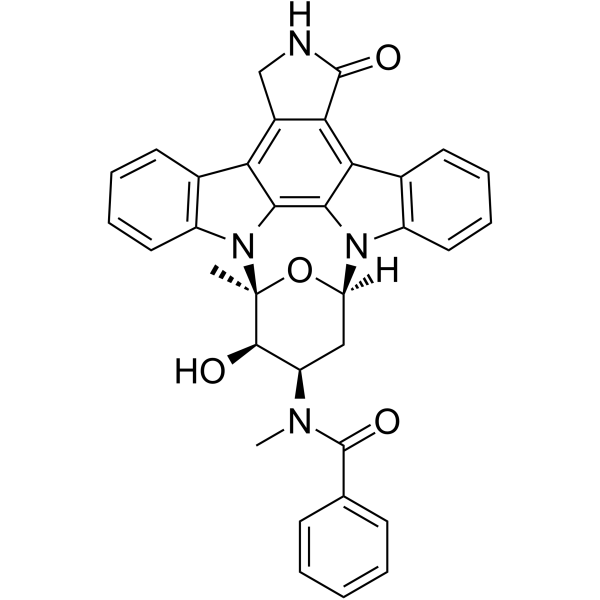
- HY-137575R
-
|
|
Reference Standards
Drug Metabolite
|
Others
|
|
Terbutalone (Standard) is the analytical standard of Terbutalone. This product is intended for research and analytical applications. Terbutalone is a derivative of Terbutaline (HY-B0802A). Terbutaline is an orally active β2-adrenergic receptor agonist and an active metabolite of Bambuterol (HY-17501). Terbutaline can be used in asthma symptom research .
|
-

- HY-101813
-
|
HR325
|
Dihydroorotate Dehydrogenase
DNA/RNA Synthesis
Prostaglandin Receptor
|
Inflammation/Immunology
|
|
Laflunimus (HR325) is an immunosuppressive agent and an analogue of the Leflunomide-active metabolite A77 1726. Laflunimus is an orally active inhibitor of dihydroorotate dehydrogenase (DHODH). Laflunimus suppresses immunoglobulin (Ig) secretion, with IC50 values of 2.5 and 2 µM for IgM and IgG, respectively. Laflunimus also is a prostaglandin endoperoxide H synthase (PGHS) -1 and -2 inhibitor .
|
-
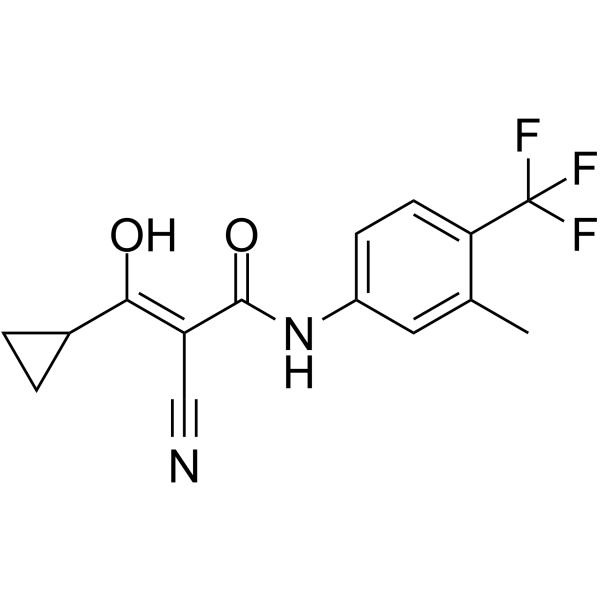
- HY-W704749
-
|
|
Drug Metabolite
Dopamine Receptor
|
Neurological Disease
|
|
7-Hydroxychlorpromazine hydrochloride is the active metabolite of Chlorpromazine (HY-12708). 7-Hydroxychlorpromazine hydrochloride can increase prolactin levels in rats. 7-Hydroxychlorpromazine hydrochloride can increase dopamine turnover and has a sedative effect. In addition, 7-Hydroxychlorpromazine hydrochloride can effectively inhibit amphetamine-induced stereotyped behavior in rats and is used in the study of psychosis .
|
-

- HY-118189
-
|
|
Prostaglandin Receptor
|
Inflammation/Immunology
|
|
Misoprostol acid is an active metabolite of Misoprostol. Misoprostol is a synthetic analogue of prostaglandin E1 (PGE1), extensively absorbed, and undergoes rapid de-esterification to Misoprostol acid in the gastrointestinal tract after oral administration. Misoprostol can be used for non-steroidal anti-inflammatory drug-induced (NSAID) gastric ulcers . Misoprostol is an oral agent used to induce labor .
|
-
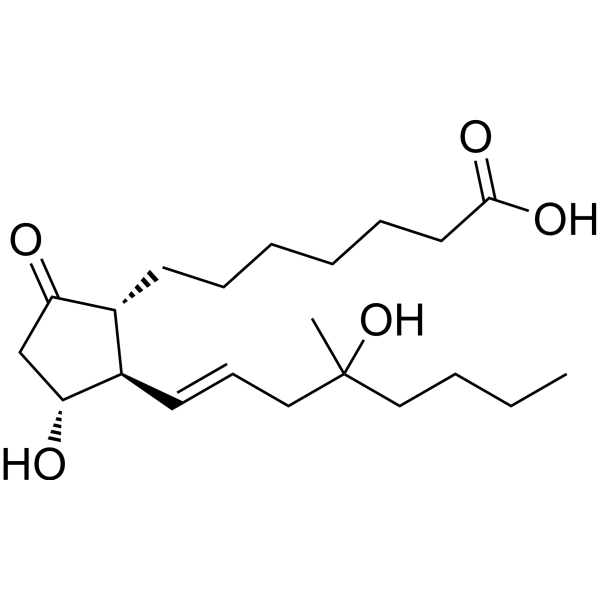
- HY-113739A
-
|
(S)-DCIT
|
Cytochrome P450
|
Neurological Disease
|
|
(S)-Desmethylcitalopram is the isomer of Desmethylcitalopram hydrochloride (HY-113739). Desmethylcitalopram (DCIT) hydrochloride is the active metabolite of Citalopram (HY-121203). Desmethylcitalopram has antidepressant effects. Desmethylcitalopram also inhibits cytochrome P450-2D6,-2C19 with IC50s of 39.5 and 53.5 μM .
|
-

- HY-15550S
-
|
|
Drug Metabolite
|
Neurological Disease
Inflammation/Immunology
|
|
4'-Hydroxy diclofenac-d4 is the deuterium labeled 4'-Hydroxy diclofenac. 4'-Hydroxy diclofenac is an orally active metabolite of Diclofenac (HY-15036) by cytochrome P450 2C9 (CYP2C9). 4'-Hydroxy diclofenac has anti-inflammatory and analgesic properties .
|
-
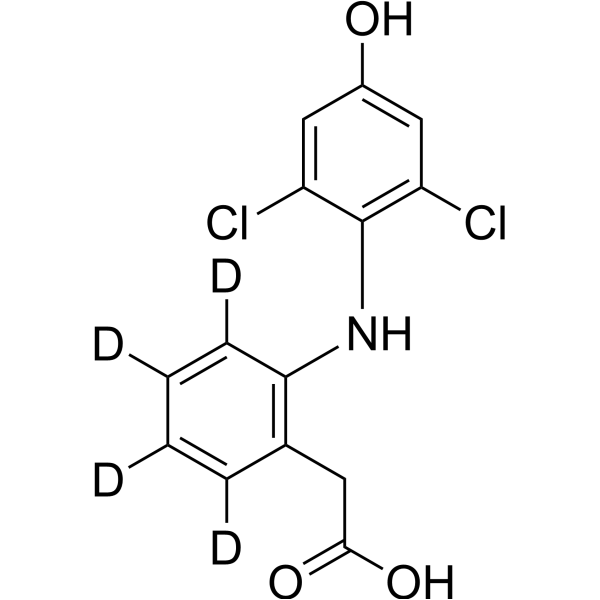
- HY-132428S
-
|
|
Isotope-Labeled Compounds
Opioid Receptor
|
Neurological Disease
|
|
O-Desmethyl Tramadol-d6 is the deuterium labeled O-Desmethyl Tramadol. O-Desmethyl Tramadol is a primary active metabolite of Tramadol. O-Desmethyl Tramadol is mainly responsible for its μ-opioid receptor-related analgesic effect. Tramadol is metabolized to O-Demethyltramadol mainly by the cytochrome P450 (CYP) 2D6 enzyme .
|
-

- HY-100375
-
|
ALKS 8700; BIIB098
|
Keap1-Nrf2
|
Inflammation/Immunology
|
|
Diroximel fumarate (ALKS 8700) is an orally-active and well-tolerated monomethyl fumarate (MMF) proagent in a controlled-release formulation. Diroximel fumarate is considered as active equivalent to its active metabolite dimethyl fumarate (DMF). Diroximel fumarate has a favorable safety and efficacy profile, has the potential for the study of multiple sclerosis (MS). Diroximel fumarate is a Nrf2 activator that alleviate MGO-induced pain hypersensitivity .
|
-
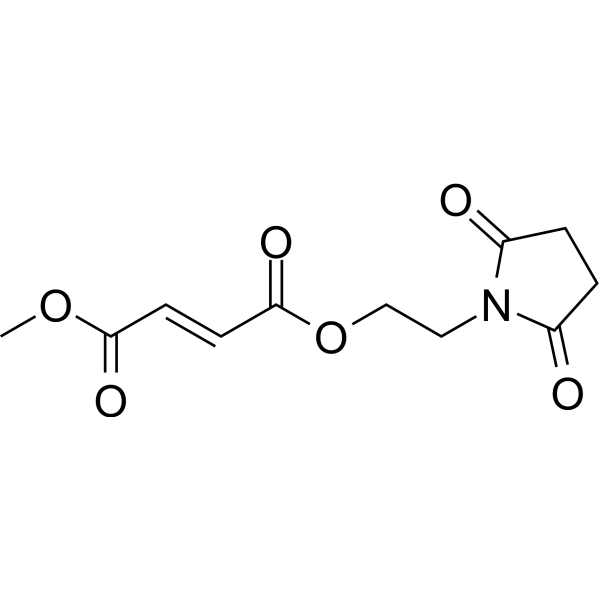
- HY-13704S
-
|
NK012-d3
|
Topoisomerase
ADC Payload
Autophagy
|
Cancer
|
|
SN-38-d3 is the deuterium labeled SN-38. SN-38 (NK012) is an active metabolite of the Topoisomerase I inhibitor Irinotecan. SN-38 (NK012) inhibits DNA and RNA synthesis with IC50s of 0.077 and 1.3 μM, respectively .
|
-
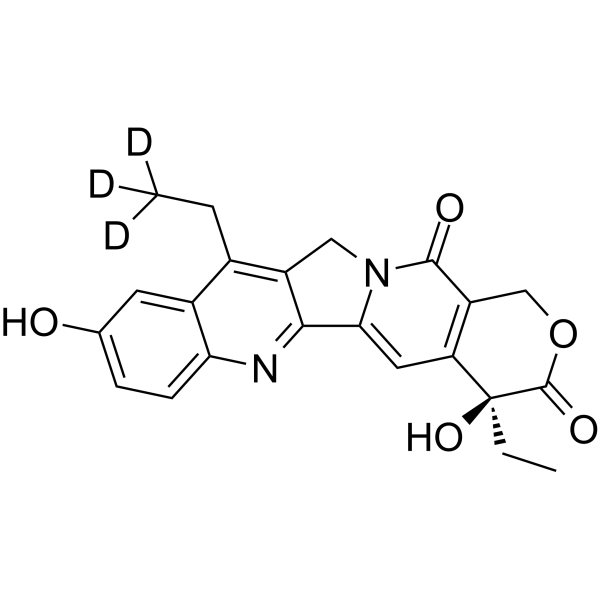
- HY-76569B
-
|
PNU-200577 formic
|
mAChR
|
Neurological Disease
|
|
5-Hydroxymethyl tolterodine (formate) (PNU-200577 (formic)) is an active metabolite of the muscarinic acetylcholine receptor antagonists Tolterodine (HY-A0024) and Fesoterodine (HY-70053). 5-Hydroxymethyl tolterodine (formate) is formed from tolterodine by the cytochrome P450 (CYP) isoform CYP2D6 and from fesoterodine by plasma esterases.
|
-

- HY-12773A
-
|
GPV-129 hydrochloride
|
Drug Metabolite
|
Cardiovascular Disease
|
|
5-Hydroxy Propafenone (hydrochloride) is an inhibitor of cardiac myocyte repolarizing currents. 5-Hydroxy Propafenone is an active metabolite of propafenone. 5-Hydroxy Propafenone (hydrochloride) inhibits transient outward potassium current (Ito) in isolated human arterial myocytes with an IC50 of 1.5 μM. 5-Hydroxy Propafenone (hydrochloride) is potent Ito inhibitor in neonatal rat ventricular myocytes .
|
-

- HY-101671R
-
|
M-2 (Standard)
|
Reference Standards
MMP
Drug Metabolite
|
Inflammation/Immunology
|
|
S-methyl-KE-298 (Standard) is the analytical standard of S-methyl-KE-298. This product is intended for research and analytical applications. S-methyl-KE-298 is an active metabolite of KE-298. KE-298 inhibits matrix metalloproteinase (MMP-1) production from rheumatoid arthritis (RA) synovial cells.
|
-

- HY-I1120
-
|
|
SGLT
|
Metabolic Disease
|
|
SGLT2-IN-1 (Compound 5) is an inhibitor for sodium-dependent glucose cotransporter (SGLT2), with IC50 of 33 nM in CHO cells transfected with human SGLT2. SGLT2-IN-1 is selective for SGLT2 over SGLT1. SGLT2-IN-1 is an active metabolite of dapagliflozinactive metabolite of dapagliflozin .
|
-

- HY-B0760R
-
|
FNF acid (Standard)
|
Reference Standards
PPAR
COX
|
Metabolic Disease
|
|
Fenofibric acid (Standard) is the analytical standard of Fenofibric acid. This product is intended for research and analytical applications. Fenofibric acid, an active metabolite of fenofibrate, is a PPAR activitor, with EC50s of 22.4 μM, 1.47 μM, and 1.06 μM for PPARα, PPARγ and PPARδ, respectively; Fenofibric acid also inhibits COX-2 enzyme activity, with an IC50 of 48 nM.
|
-
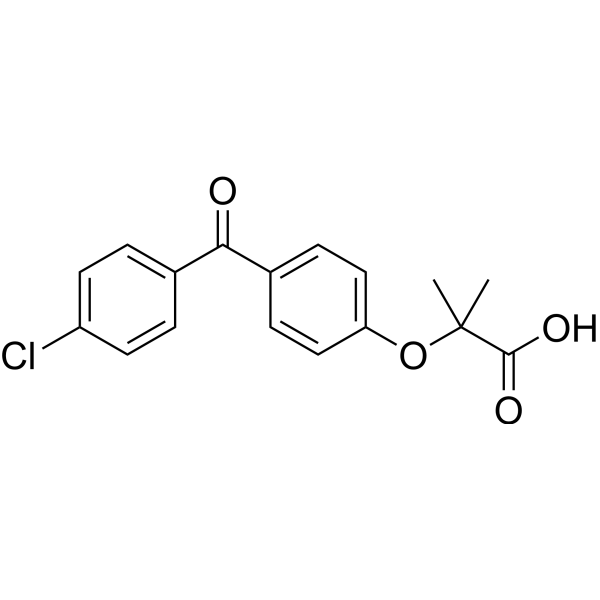
- HY-132451S
-
|
|
Isotope-Labeled Compounds
|
Cancer
|
|
(R,S)-4-Hydroxy Cyclophosphamide-d4 Preparation Kit is the deuterium labeled (R,S)-4-Hydroxy Cyclophosphamide Preparation Kit. (R,S)-4-Hydroxy Cyclophosphamide is an isomer of 4-Hydroxycyclophosphamide, the active metabolite of the cytotoxic alkylating agent Cyclophosphamide (HY-17420) .
|
-
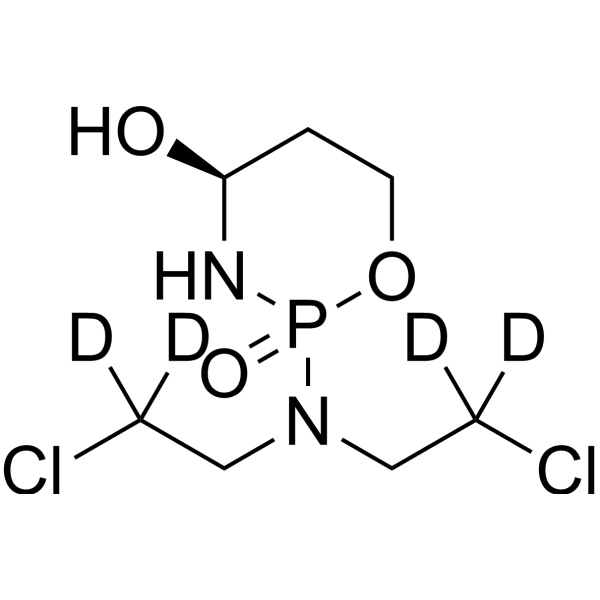
- HY-A0019
-
|
9-Hydroxyrisperidone
|
Drug Metabolite
Dopamine Receptor
5-HT Receptor
Adrenergic Receptor
|
Neurological Disease
|
|
Paliperidone (9-Hydroxyrisperidone), the major active metabolite of Risperidone, is a dopamine D2 antagonist and 5-HT2A antagonist. Paliperidone is also active as an antagonist at α1 and α2 adrenergic receptors and H1-histaminergic receptors. Paliperidone, a antipsychotic agent, shows efficacy against schizophrenia .
|
-
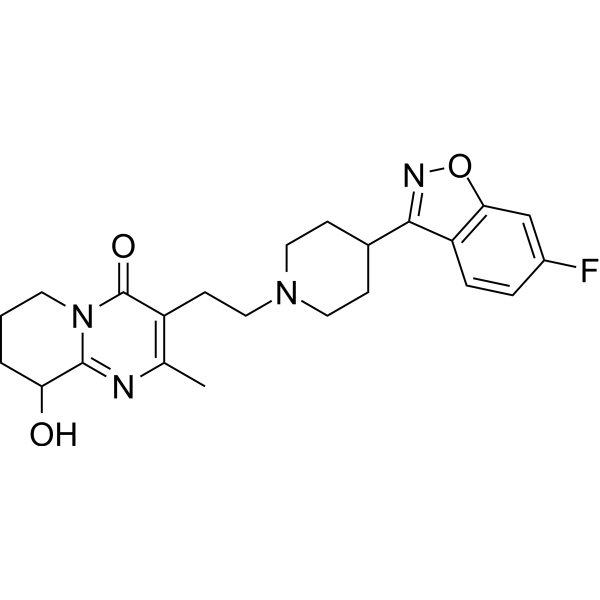
- HY-B0256S1
-
|
BW 57-322-13C4
|
Isotope-Labeled Compounds
|
Others
|
|
Azathioprine- 13C4 (BW 57-322- 13C4) is the 13C labeled Azathioprine (HY-B0256). Azathioprine (BW 57-322) is an orally active immunosuppressive agent. Azathioprine can be converted in vivo to the active metabolite 6-mercaptopurine (6-MP). Azathioprine has myelosuppressive effects and induces apoptosis .
|
-
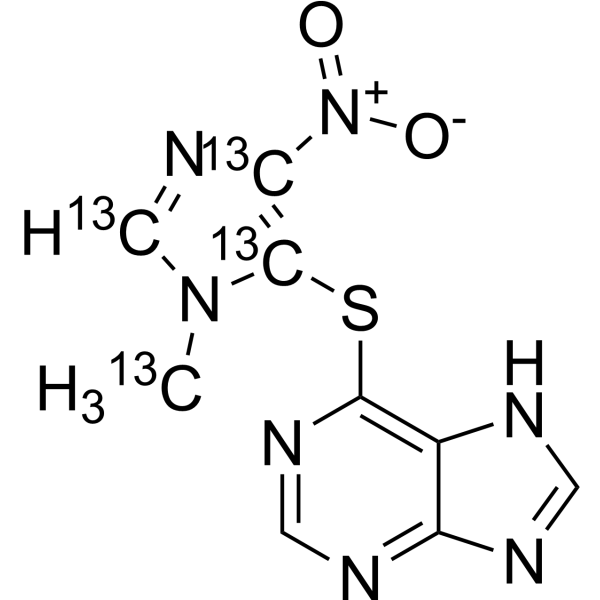
- HY-76570A
-
|
(Rac)-Desfesoterodine hydrochloride; (Rac)-PNU-200577 hydrochloride
|
mAChR
|
Neurological Disease
|
|
(Rac)-5-Hydroxymethyl Tolterodine ((Rac)-Desfesoterodine) hydrochloride, an active metabolite of Tolterodine, is a mAChR antagonist (Ki values of 2.3 nM, 2 nM, 2.5 nM, 2.8 nM, and 2.9 nM for M1, M2, M3, M4, and M5 receptors, respectively). (Rac)-5-Hydroxymethyl Tolterodine hydrochloride can be used for overactive bladder research .
|
-
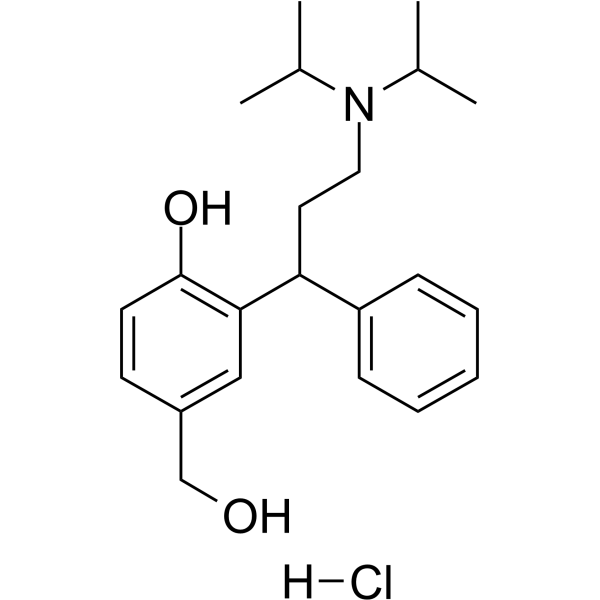
- HY-76569
-
|
PNU-200577; 5-Hydroxymethyl Tolterodine
|
mAChR
|
Neurological Disease
Cancer
|
|
Desfesoterodine (PNU-200577) is a potent and selective muscarinic receptor (mAChR) antagonist with a KB and a pA2 of 0.84 nM and 9.14, respectively . Desfesoterodine is a major pharmacologically active metabolite of Tolterodine (PNU-200583; HY-A0024) and Fesoterodine (HY-70053) . Desfesoterodine improves cerebral infarction induced detrusor overactivity in rats .
|
-
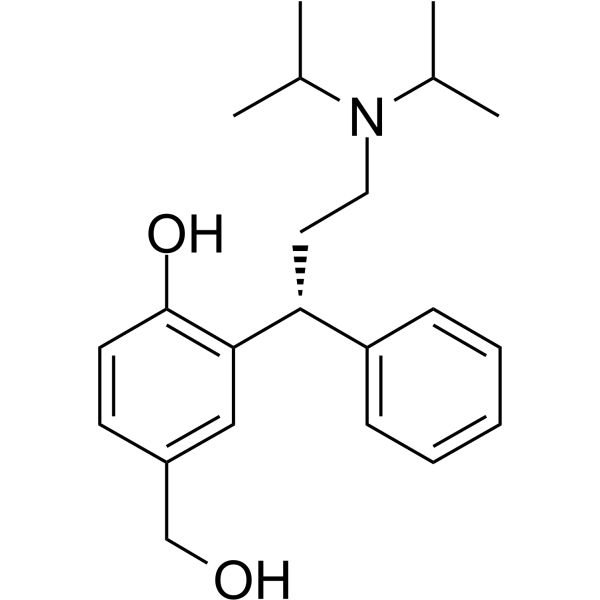
- HY-B0602
-
|
O-Desmethylvenlafaxine
|
Environmental Pollutants
Serotonin Transporter
|
Neurological Disease
|
|
Desvenlafaxine, the succinate salt form of the isolated major active metabolite of Venlafaxine (HY-B0196), is an orally active and BBB penetrated 5-HT and norepinephrine reuptake inhibitor, with IC50 values of 47.3 nM and 531.3 nM for hSERT and hNET, respectively. Desvenlafaxine shows weak binding affinity (62% inhibition at 100 μM) at the human dopamine (DA) transporter .
|
-
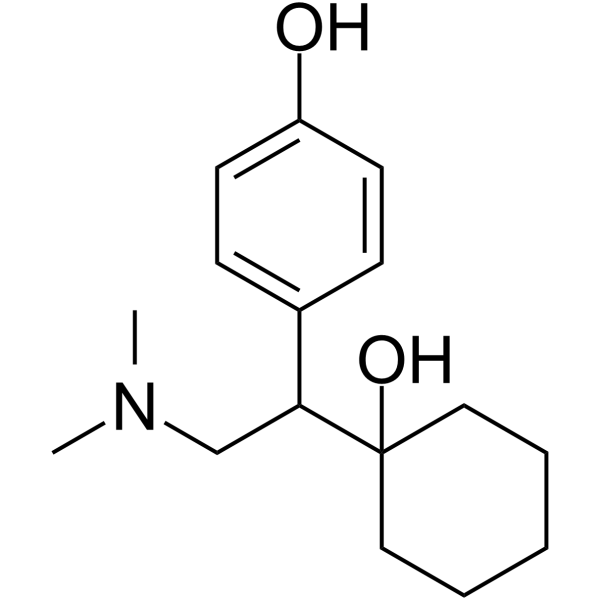
- HY-118472
-
|
CGS 14831
|
Drug Metabolite
Endogenous Metabolite
Angiotensin-converting Enzyme (ACE)
|
Cardiovascular Disease
|
|
Benazeprilat is an orally active and the active metabolite of benazepril, a carboxyl-containing ACE inhibitor with antihypertensive activity. Benazepril is a well-established antihypertensive agent, both in monoresearch and in combination with other classes of drugs including thiazide diuretics and calcium channel blockers. Benazepril is a first-line research in reducing various pathologies associated with CV risk and secondary end-organ damage .
|
-
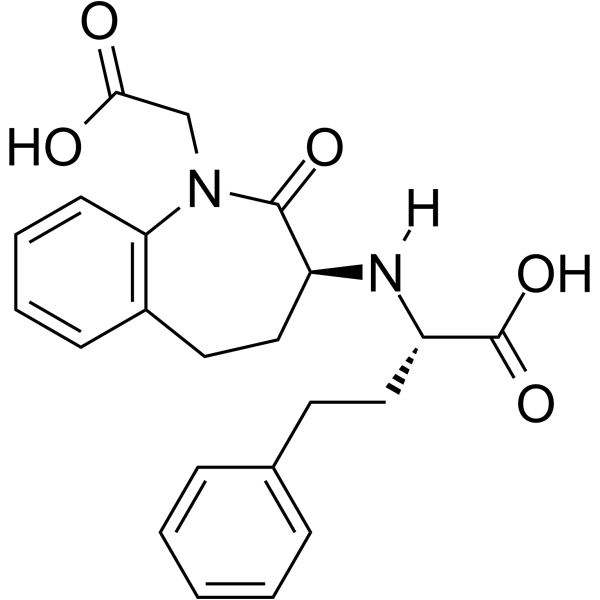
- HY-137941
-
|
|
Histamine Receptor
Caspase
NF-κB
p38 MAPK
|
Inflammation/Immunology
|
|
Roxatidine is an active metabolite of Roxatidine acetate hydrochloride, is an orally active histamine H2-receptor antagonist. Roxatidine, an anti-ulcer agent, suppresses histamine release (thus inhibiting proton secretion) and inhibits the production of VEGF-1, an important marker of inflammation and angiogenesis. Anti-allergic inflammatory effect. Roxatidine is promising for research of gastric and duodenal ulcers .
|
-
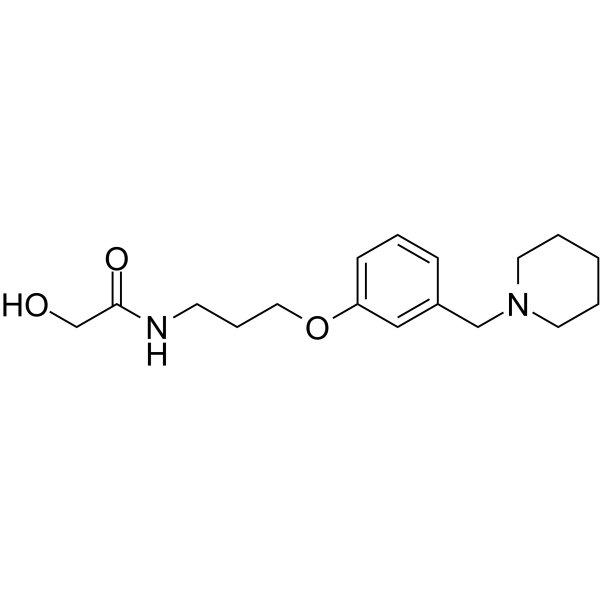
- HY-124290A
-
|
AJM300 hydrochloride
|
Integrin
|
Inflammation/Immunology
|
Carotegrast methyl (AJM300) hydrochloride is an orally active and selective α4 integrin antagonist. HCA2969, an active metabolite of Carotegrast methyl hydrochloride, is a specific and dual α4β1/α4β7 integrin antagonist. Carotegrast methyl hydrochloride prevents the development of colitis in mice .
|
-

- HY-127026R
-
|
|
Reference Standards
Angiotensin-converting Enzyme (ACE)
|
Cardiovascular Disease
|
|
Quinaprilat (Standard) is the analytical standard of Quinaprilat (HY-127026) . This product is intended for research and analytical applications. Quinaprilat is an orally active non-mercapto Angiotensin Converting Enzyme (ACE) inhibitor, the active metabolite of Quinapril. Quinaprilat specifically blocks the conversion of angiotensin I to the vasoconstrictor angiotensin II and inhibits the degradation of bradykinin. Quinaprilat acts as anti-hypertensive agent and vasodilator .
|
-

- HY-164018A
-
|
|
DNA/RNA Synthesis
|
Infection
|
|
PMEG-DP disodium is a potent DNA polymerase inhibitor (IC50=2.5 μM), especially for DNA polymerase α and δ. PMEG-DP disodium acts as an active metabolite of G-9191, which effectively inhibits the growth of papillomavirus (HPV) -infected cell lines. PMEG-DP disodium can be used in the study of HPV-related diseases .
|
-

- HY-W296398
-
|
5-Bromo-N,N-DMT
|
5-HT Receptor
Drug Metabolite
|
Neurological Disease
|
|
5-Bromo-N,N-dimethyltryptamine, an active metabolite, is an antidepressant and sedative drug lead. 5-Bromo-N,N-dimethyltryptamine shows strong affinity towards 5-HT1A, 5-HT2B, 5-HT6, and 5-HT7 .
|
-

- HY-W739944
-
|
NA-872-d5
|
Isotope-Labeled Compounds
Autophagy
Glycosidase
|
Neurological Disease
Metabolic Disease
|
|
Ambroxol-d5 (NA-872-d5) is deuterium labeled Ambroxol. Ambroxol (NA-872), an active metabolite of the proagent Bromhexine, has potent expectorant effects. Ambroxol is a glucocerebrosidase (GCase) chaperone and increases glucocerebrosidase activity. Ambroxol induces lung autophagy and has the potential for Parkinson disease and neuronopathic Gaucher disease research .
|
-

- HY-B0760S1
-
|
FNF acid-13C8
|
Isotope-Labeled Compounds
COX
PPAR
|
Metabolic Disease
|
|
Fenofibric acid- 13C8 (FNF acid- 13C8) is 13C labeled Fenofibric acid. Fenofibric acid, an active metabolite of fenofibrate, is a PPAR activitor, with EC50s of 22.4 μM, 1.47 μM, and 1.06 μM for PPARα, PPARγ and PPARδ, respectively; Fenofibric acid also inhibits COX-2 enzyme activity, with an IC50 of 48 nM.
|
-

- HY-113040B
-
|
(±)-17(S),18(R)-EETeTr
|
Drug Isomer
|
Others
|
|
(±)-(17S,18R)-Epoxyeicosatetraenoic acid ((±)-17 (S),18 (R)-EETeTr) is one of the constituent enantiomers of (±) 17 (18)-EpETE. (±) 17 (18)-EpETE is an active metabolite of the ω-3 fatty acid eicosapentaenoic acid, and also an agonist of sphingosine-1-phosphate receptor 1 (S1P1) .
|
-

- HY-137941R
-
|
|
Reference Standards
Histamine Receptor
|
Inflammation/Immunology
|
|
Roxatidine (Standard) is the analytical standard of Roxatidine. This product is intended for research and analytical applications. Roxatidine is an active metabolite of Roxatidine acetate hydrochloride, is a histamine H2-receptor antagonist. Roxatidine, an anti-ulcer agent, suppresses histamine release (thus inhibiting proton secretion) and inhibits the production of VEGF-1, an important marker of inflammation and angiogenesis. Anti-allergic inflammatory effect .
|
-

- HY-117433
-
|
|
DNA Alkylator/Crosslinker
Apoptosis
Reactive Oxygen Species (ROS)
Drug Metabolite
|
Inflammation/Immunology
|
|
4-Hydroperoxy cyclophosphamide is the active metabolite form of the precursor Cyclophosphamide. 4-Hydroperoxy cyclophosphamide cross-links DNA to induce T cell apoptosis independent of caspase receptor activation, and can activate the mitochondrial death pathway by producing reactive oxygen species (ROS). 4-Hydroperoxy cyclophosphamide can be used in the study of rheumatoid arthritis and autoimmune diseases .
|
-
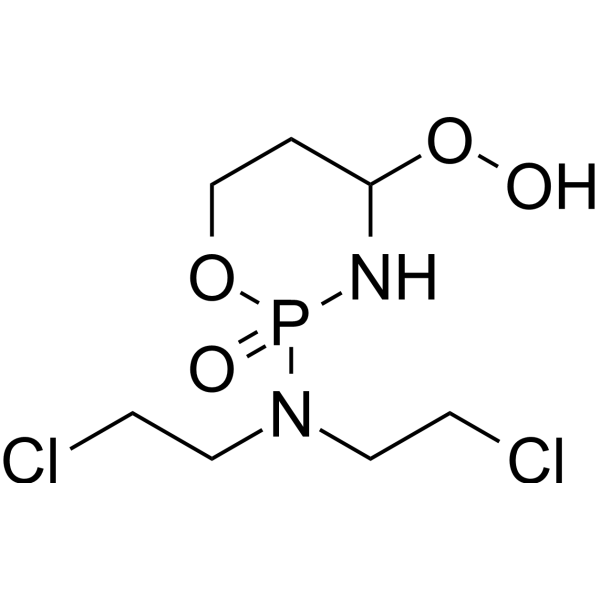
- HY-76570
-
|
(Rac)-Desfesoterodine; (Rac)-PNU-200577
|
mAChR
|
Neurological Disease
|
|
(Rac)-5-Hydroxymethyl Tolterodine ((Rac)-Desfesoterodine), an active metabolite of Tolterodine, is a mAChR antagonist (Ki values of 2.3 nM, 2 nM, 2.5 nM, 2.8 nM, and 2.9 nM for M1, M2, M3, M4, and M5 receptors, respectively). (Rac)-5-Hydroxymethyl Tolterodine can be used for overactive bladder research .
|
-
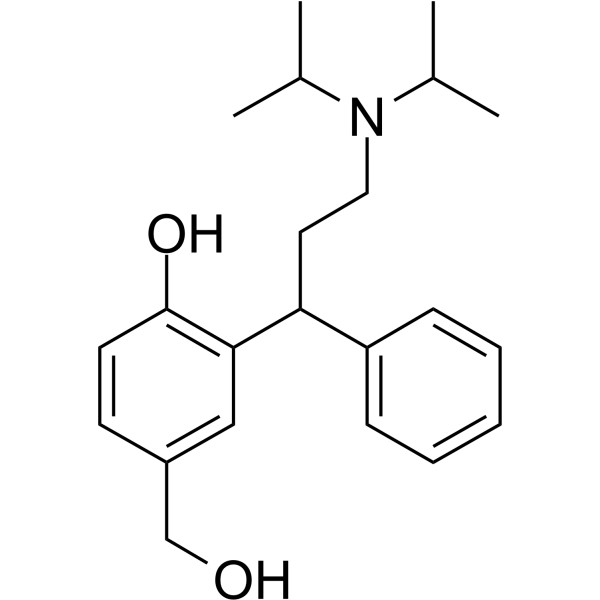
- HY-15550S1
-
|
|
Drug Metabolite
|
Inflammation/Immunology
|
|
4'-Hydroxy diclofenac- 13C6 is the 13C labeled 4'-Hydroxy diclofenac . 4'-Hydroxy diclofenac is an orally active metabolite of Diclofenac (HY-15036) by cytochrome P450 2C9 (CYP2C9). 4'-Hydroxy diclofenac has anti-inflammatory and analgesic properties .
|
-
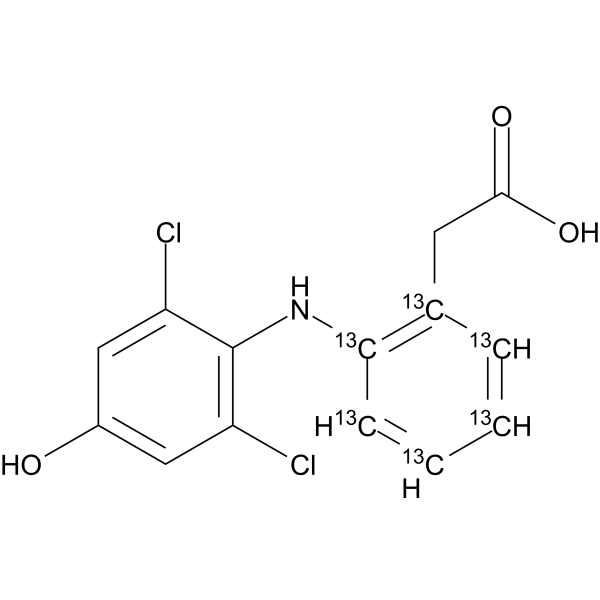
- HY-G0021
-
|
Norclozapine; Desmethylclozapine; Normethylclozapine
|
mAChR
Opioid Receptor
Drug Metabolite
Virus Protease
|
Infection
|
|
N-Desmethylclozapine is a major active metabolite of the atypical antipsychotic agent Clozapine. N-Desmethylclozapine is a potent, allosteric and partial M1 receptors agonist (EC50=115 nM) and is able to potentiate hippocampal N-methyl-d-aspartate (NMDA) receptor currents through M1 receptor activation. N-Desmethylclozapine is also a δ-opioid agonist .
|
-
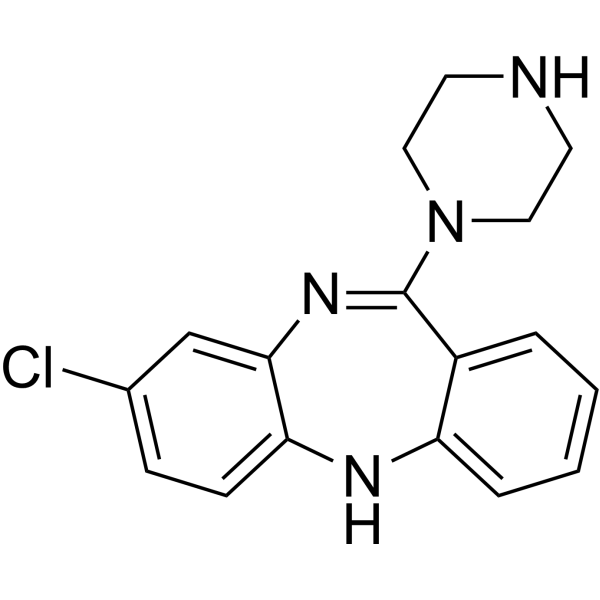
- HY-124290
-
|
AJM300
|
Integrin
|
Inflammation/Immunology
|
Carotegrast methyl (AJM300) is an orally active and selective α4 integrin antagonist. HCA2969, an active metabolite of Carotegrast methyl, is a specific and dual α4β1/α4β7 integrin antagonist. Carotegrast methyl prevents the development of colitis in mice .
|
-
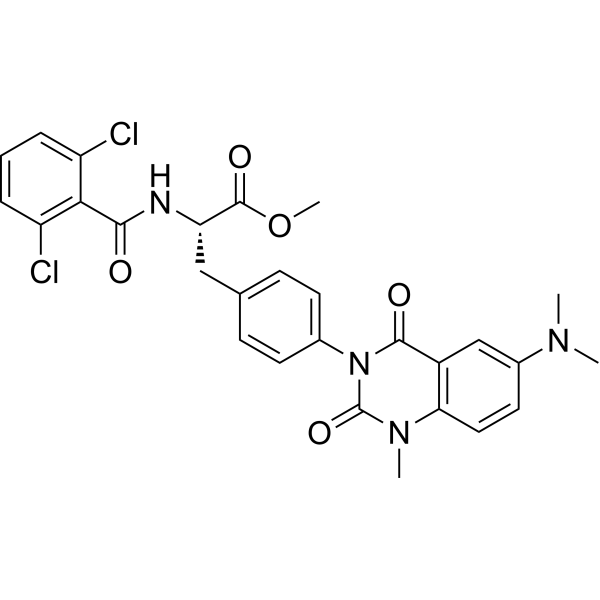
- HY-135392S
-
|
AC-279-d9 hydrochloride
|
Isotope-Labeled Compounds
|
Neurological Disease
|
|
N-Desmethyl Pimavanserin-d9 hydrochloride (AC-279-d9 hydrochloride) is the deuterium labeled N-Desmethyl Pimavanserin (HY-135392). N-Desmethyl Pimavanserin is the active metabolite of Pimavanserin. Pimavanserin is a selective inverse agonist of the 5-HT2A receptor with pIC50 and pKd of 8.73 and 9.3, respectively .
|
-

- HY-113739S1
-
|
DCIT-d4 hydrochloride
|
Cytochrome P450
Isotope-Labeled Compounds
|
Neurological Disease
|
|
Desmethylcitalopram-d4 hydrochloride is deuterated labeled Desmethylcitalopram hydrochloride (HY-113739). Desmethylcitalopram (DCIT) hydrochloride is the active metabolite of Citalopram (HY-121203). Desmethylcitalopram has antidepressant effects. Desmethylcitalopram also inhibits cytochrome P450-2D6, -2C19 with IC50s of 39.5 and 53.5 μM .
|
-
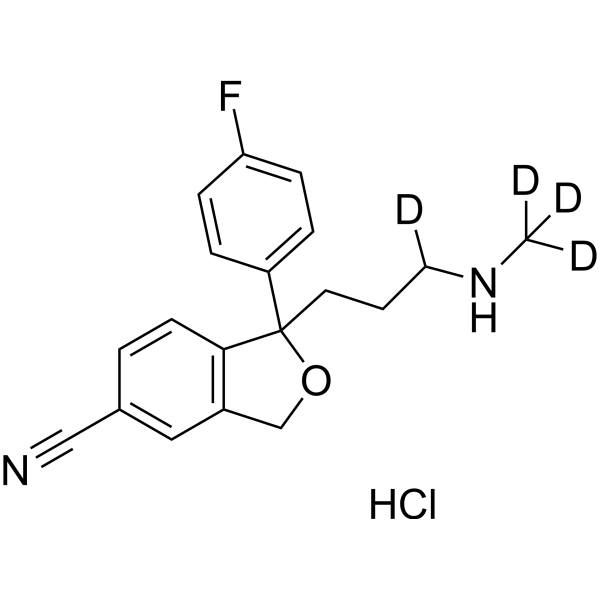
- HY-B0760S2
-
|
FNF acid-d4
|
Isotope-Labeled Compounds
|
Metabolic Disease
|
|
Fenofibric acid-d4 (FNF acid-d4) is deuterium labeled Fenofibric acid. Fenofibric acid, an active metabolite of fenofibrate, is a PPAR activitor, with EC50s of 22.4 μM, 1.47 μM, and 1.06 μM for PPARα, PPARγ and PPARδ, respectively; Fenofibric acid also inhibits COX-2 enzyme activity, with an IC50 of 48 nM.
|
-

- HY-W096638A
-
|
(S)-Glycerolphosphocholine
|
Endogenous Metabolite
|
Neurological Disease
Metabolic Disease
Cancer
|
|
Glycerophosphocholine ((S)-Glycerolphosphocholine) is an orally active metabolite that crosses the blood-brain barrier. Glycerophosphocholine acts as a precursor of acetylcholine, a specific marker for phosphatidylcholine breakdown, a major water-soluble storage form of choline, and an intermediate in phosphatidylcholine metabolism. Glycerophosphocholine is specifically elevated in the cerebrospinal fluid of Alzheimer's disease models, and it also promotes growth hormone secretion and fat oxidation. Glycerophosphocholine is also a potential biomarker for breast cancer .
|
-

- HY-136239
-
|
Beclomethasone-17-monopropionate; 17-BMP
|
Glucocorticoid Receptor
Drug Metabolite
|
Inflammation/Immunology
|
|
Beclomethasone 17-propionate (Beclomethasone-17-monopropionate), an active metabolite of Beclomethasone dipropionate (HY-13571), is a glucocorticoid receptor (GR) agonist. Beclomethasone 17-propionate exhibits greater affinity for GR than Beclomethasone dipropionate. Beclomethasone 17-propionate effectively suppresses cytokine production in chronic obstructive pulmonary disease (COPD) lung macrophages .
|
-
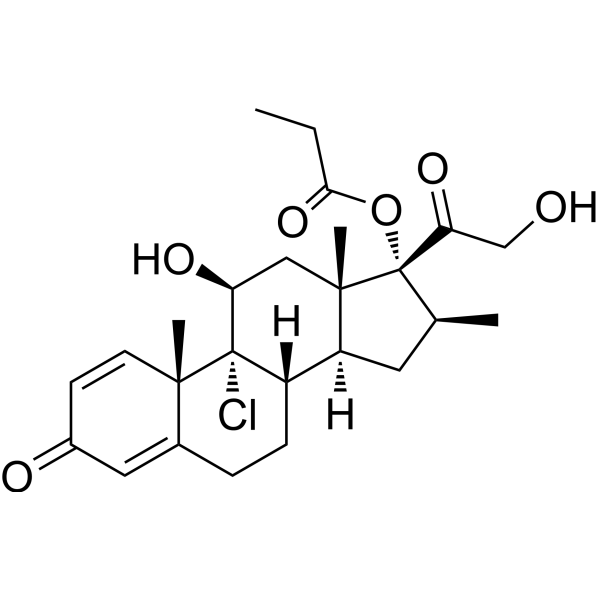
- HY-136650
-
|
F-ara-ATP
|
Nucleoside Antimetabolite/Analog
Drug Metabolite
DNA/RNA Synthesis
Apoptosis
|
Cancer
|
|
Fludarabine triphosphate (F-ara-ATP), the active metabolite of Fludarabine (HY-B0069), is a potent, noncompetitive and specific inhibitor of DNA primase, with an IC50 of 2.3 μM and a Ki of 6.1 μM. Fludarabine triphosphate inhibits DNA synthesis by blocking DNA primase and primer RNA formation. Fludarabine triphosphate inhibits ribonucleotide reductase and DNA polymerase and ultimately leads to cellular apoptosis .
|
-
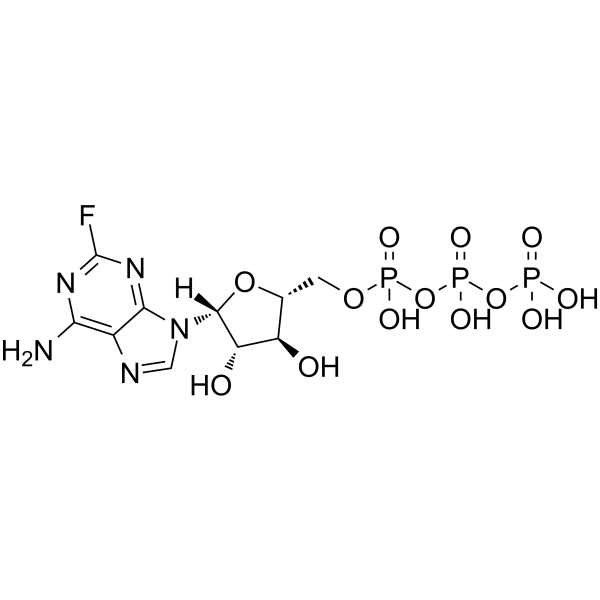
- HY-B0760S
-
|
|
PPAR
COX
|
Metabolic Disease
|
|
Fenofibric acid-d6 (FNF acid-d6) is the deuterium labeled Fenofibric acid. Fenofibric acid, an active metabolite of fenofibrate, is a PPAR activitor, with EC50s of 22.4 µM, 1.47 µM, and 1.06 µM for PPARα, PPARγ and PPARδ, respectively; Fenofibric acid also inhibits COX-2 enzyme activity, with an IC50 of 48 nM.
|
-
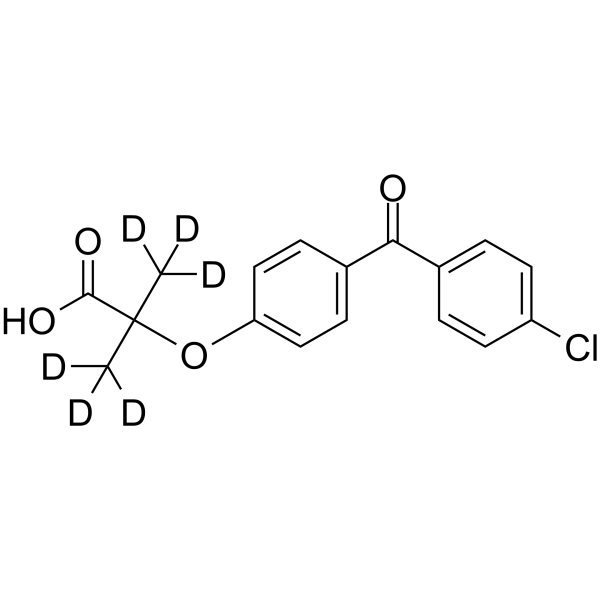
- HY-B0602A
-
|
O-Desmethylvenlafaxine succinate hydrate
|
Serotonin Transporter
|
Neurological Disease
|
|
Desvenlafaxine succinate hydrate, the succinate salt form of the isolated major active metabolite of Venlafaxine (HY-B0196), is an orally active and BBB penetrated 5-HT and norepinephrine reuptake inhibitor, with IC50 values of 47.3 nM and 531.3 nM for hSERT and hNET, respectively. Desvenlafaxine succinate hydrate shows weak binding affinity (62% inhibition at 100 μM) at the human dopamine (DA) transporter .
|
-
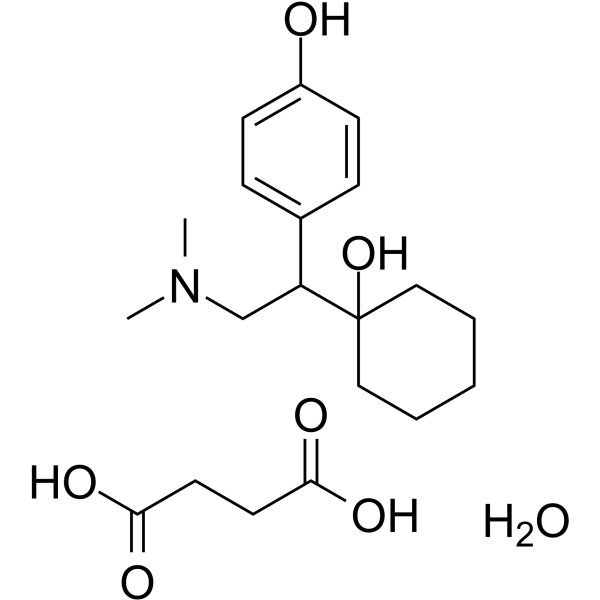
- HY-171446
-
|
|
CaSR
|
Metabolic Disease
|
|
TAK-075 is an orally active CaSR antagonist with an IC50 value of 0.94 nM. TAK-075 can stimulate the transient secretion of parathyroid hormone (PTH) in rats and can effectively prevent a significant reduction in PTH secretion caused by the accumulation of active metabolites, maintaining the normal secretion pattern of PTH. TAK-075 can be used in the research of metabolic diseases and osteoporosis .
|
-

- HY-119311
-
|
|
PPAR
|
Metabolic Disease
|
|
Pioglitazone ketone is an active metabolite of the PPARγ agonist Pioglitazone (HY-13956). Formation of pioglitazone ketone occurs primarly through cytochrome P450 (CYP) isoform CYP2C8-mediated metabolism of pioglitazone. Pioglitazone ketone (100 mg/kg in the diet) reduces blood glucose levels in a KKAy mouse model of type 2 diabetes.
|
-

- HY-W719463
-
|
|
Isotope-Labeled Compounds
Proton Pump
Bacterial
|
Infection
|
|
Rabeprazole sulfide-d4 is the deuterium labeled Rabeprazole Sulfide (HY-W003467). Rabeprazole Sulfide is an active metabolite of Rabeprazole. Rabeprazole is a proton pump inhibitor that suppresses gastric acid secretion through an interaction with (H+/K+)-ATPase in gastric parietal cells. Rabeprazole markedly inhibits the motility of H. pylori. Rabeprazole has the potential for various peptic diseases treatment .
|
-

- HY-138542
-
|
|
Integrin
|
Inflammation/Immunology
|
|
RO0270608, the active metabolite of R411, is a dual alpha4beta1-alpha4beta7 (α4β1/α4β7) integrin antagonist. Antiinflammatory activity .
|
-
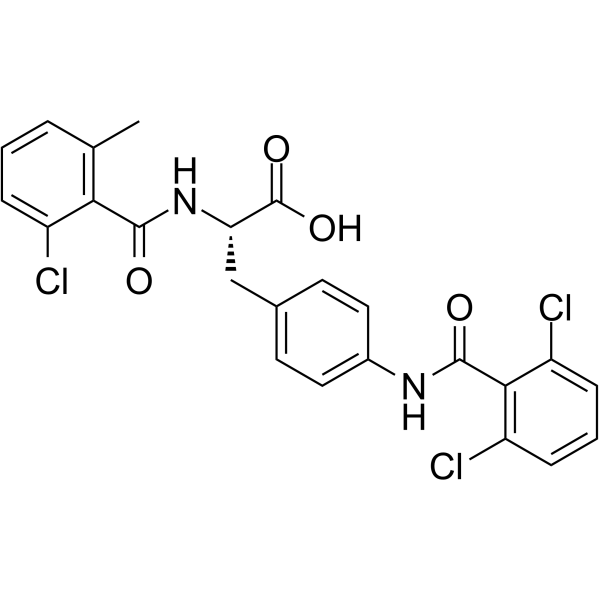
- HY-15550R
-
|
|
Reference Standards
Drug Metabolite
|
Neurological Disease
Inflammation/Immunology
|
|
4'-Hydroxy diclofenac (Standard) is the analytical standard of 4'-Hydroxy diclofenac. This product is intended for research and analytical applications. 4'-Hydroxy diclofenac is an orally active metabolite of Diclofenac (HY-15036) by cytochrome P450 2C9 (CYP2C9). 4'-Hydroxy diclofenac has anti-inflammatory and analgesic properties .
|
-

- HY-Y0278R
-
-

- HY-B0559S
-
|
BRL14777-d3
|
Isotope-Labeled Compounds
COX
|
Inflammation/Immunology
Cancer
|
|
Nabumetone-d3 is the deuterium labeled Nabumetone (HY-B0559). Nabumetone is an orally active non-acidic anti-inflammatory agent, acts as a potent and selective COX-2 inhibitor, and is the proagent of the active metaboliteα-Demethylnaproxen (HY-W086896). Nabumetone can inhibit cancer cells proliferation and relieve gastric ulcers .
|
-
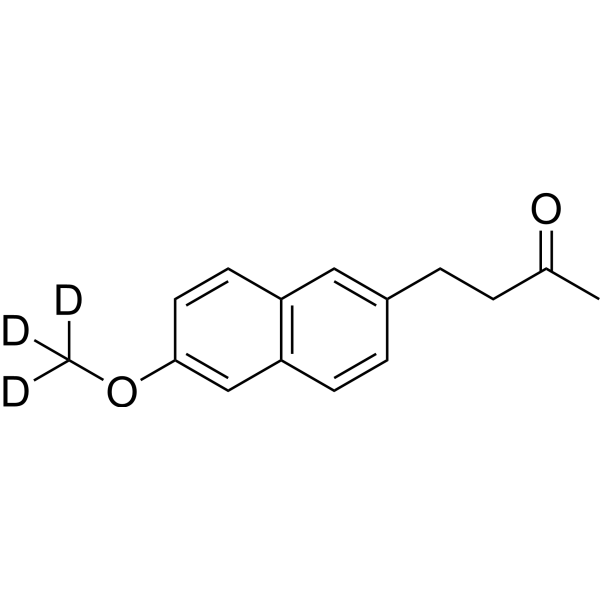
- HY-Y1097R
-
|
2-(Methoxycarbonyl)benzoic acid (Standard)
|
Reference Standards
Endogenous Metabolite
|
Cancer
|
|
Monomethyl phthalate (Standard) is the analytical standard of Monomethyl phthalate. This product is intended for research and analytical applications. Monomethyl phthalate is an orally active metabolite of phthalic acid. Monomethyl phthalate, as a urine biomarker after exposure to phthalate, can be used as a detection indicator for thyroid cancer and benign nodules. Monomethyl phthalate reduces the survival rate of young frogs. Monomethyl phthalate induces oxidative damage to red blood cells in rats.
|
-

- HY-N6979
-
|
20-Hydroxyecdysone
|
Caspase
Autophagy
Endogenous Metabolite
|
Cardiovascular Disease
|
|
Crustecdysone (20-Hydroxyecdysone) is a naturally occurring ecdysteroid hormone isolated from Serratula coronata which controls the ecdysis (moulting) and metamorphosis of arthropods, it inhibits caspase activity and induces autophagy via the 20E nuclear receptor complex, EcR-USP . Crustecdysone exhibits regulatory or protective roles in the cardiovascular system . Crustecdysone is an active metabolite of Ecdysone (HY-N0179) .
|
-
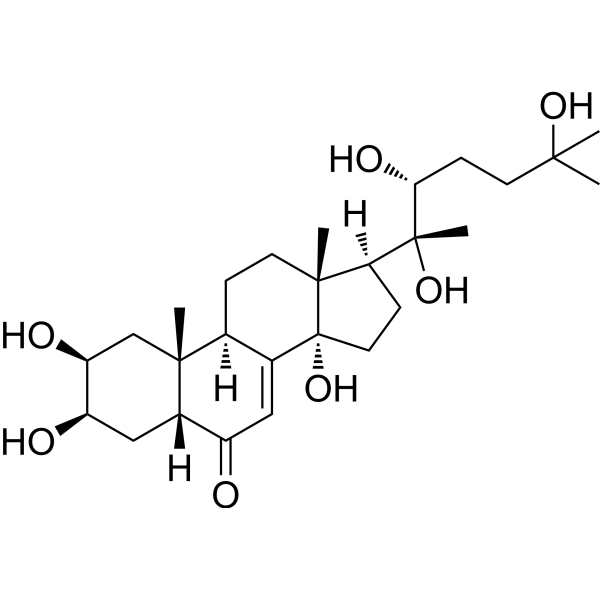
- HY-W665882
-
|
|
TNF Receptor
Parasite
Drug Metabolite
|
Infection
Inflammation/Immunology
|
|
Norketotifen is the active metabolite of Ketotifen (HY-B0157). Norketotifen exhibits skin anti-inflammatory activity, anti-malarial activity, and antipruritic activity against non-histamine-mediated dog itching in mice. Norketotifen effectively inhibits TNF-α release without causing any sedative side effects. Norketotifen can be used for research on non-sedating anti-inflammatory agents .
|
-

- HY-W777649
-
-

- HY-W016562
-
-
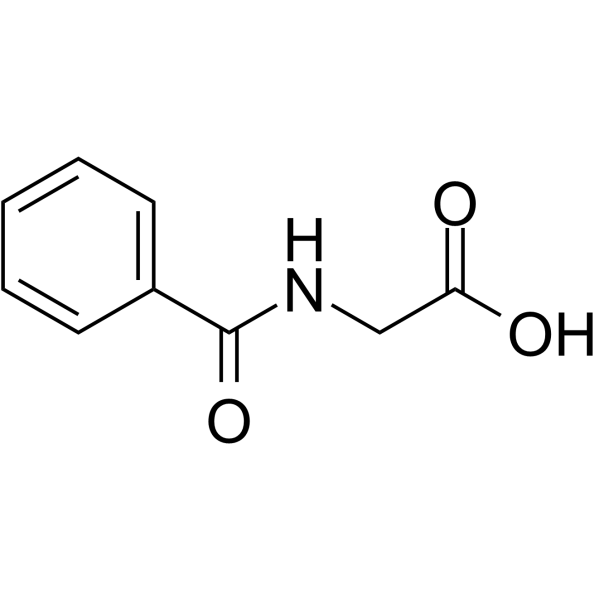
- HY-16170
-
|
O-Desmethylvenlafaxine succinate; Wy-45233 succinate
|
Serotonin Transporter
|
Neurological Disease
Metabolic Disease
|
|
Desvenlafaxine succinate, the succinate salt form of the isolated major active metabolite of Venlafaxine (HY-B0196), is an orally active and BBB penetrated 5-HT and norepinephrine reuptake inhibitor, with IC50 values of 47.3 nM and 531.3 nM for hSERT and hNET, respectively. Desvenlafaxine succinate (DVS) shows weak binding affinity (62% inhibition at 100 μM) at the human dopamine (DA) transporter .
|
-

- HY-101982A
-
|
(Rac)-Lys-Nε-MCC-DM1
|
Drug-Linker Conjugates for ADC
|
Cancer
|
|
(Rac)-Lys-SMCC-DM1 ((Rac)-Lys-Nε-MCC-DM1) is the racemate of Lys-SMCC-DM1 (HY-101982). Lys-SMCC-DM1 is a linker-payload component that has the potential to inhibit tubulin polymerization. Lys-SMCC-DM1 is the active metabolite of T-DM1 .
|
-
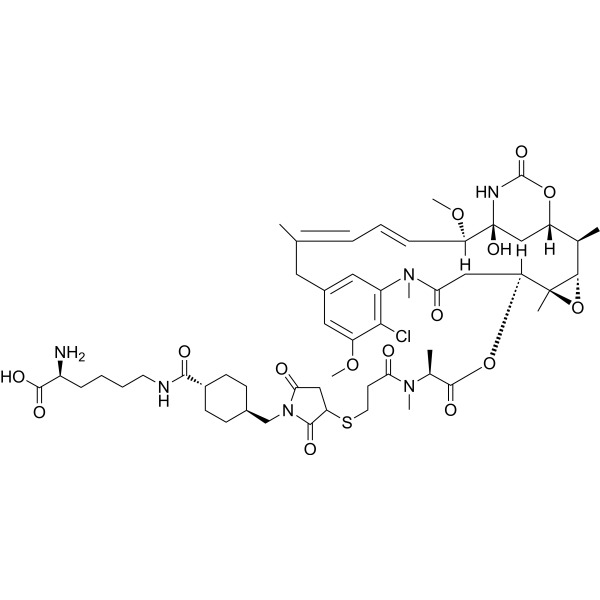
- HY-B1069R
-
|
SIN-10 (Standard); Morsydomine (Standard)
|
Reference Standards
Drug Metabolite
|
Cardiovascular Disease
Neurological Disease
Metabolic Disease
|
|
Molsidomine (Standard) (SIN-10 (Standard)) is the analytical standard of Molsidomine (HY-B1069). This product is intended for research and analytical applications. Molsidomine, a nitric oxide (NO) donor, is an orally active vasodilator agent. Molsidomine is a prodrug that can be rapidly metabolized in the liver to its active metabolite, Linsidomine (HY-101200). Molsidomine can be used for the study of angina pectoris, mental disorders and diabetic complications.
|
-
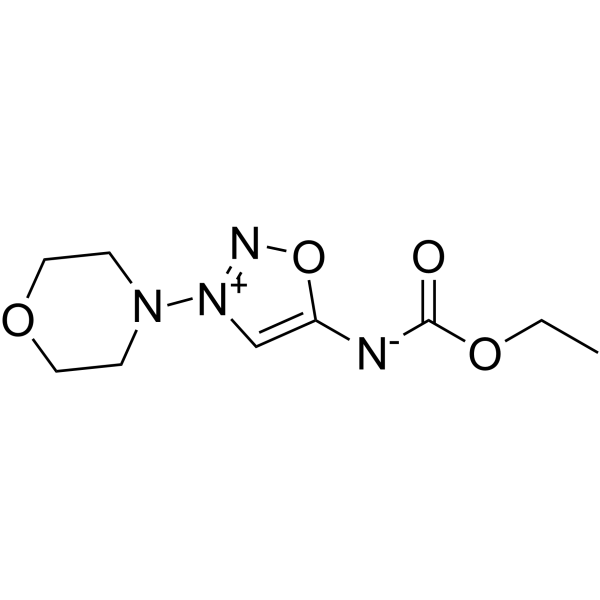
- HY-100656R
-
|
|
Drug Metabolite
Dopamine Receptor
Reference Standards
5-HT Receptor
|
Neurological Disease
|
|
Desmethyl cariprazine (Standard) is the analytical standard of Desmethyl cariprazine (HY-100656). This product is intended for research and analytical applications. Desmethyl cariprazine is an active metabolite of Cariprazine . Cariprazine, an antipsychotic agent candidate, exhibits high affinity for the D3 (Ki=0.085 nM) and D2 (0.49 nM) receptors, and moderate affinity for the 5-HT1A receptor (2.6 nM) .
|
-

- HY-137658A
-
|
PTP tetrasodium
|
Nucleoside Antimetabolite/Analog
DNA/RNA Synthesis
CaMK
|
Metabolic Disease
|
|
Purine riboside-5'-O-triphosphate sodium, an active metabolite of Nebularine (HY-103694), acts as an inhibitor of DNA primase ATP and GTP polymerization activities, with IC50 values of 35 µM and 28 µM for the human enzyme, respectively. Purine riboside-5'-O-triphosphate sodium inhibits calmodulin-dependent protein kinase II (CaMKII) with a Ki value of 590 µM .
|
-

- HY-137658
-
|
PTP
|
Nucleoside Antimetabolite/Analog
DNA/RNA Synthesis
CaMK
|
Metabolic Disease
|
|
Purine riboside-5'-O-triphosphate, an active metabolite of Nebularine (HY-103694), acts as an inhibitor of DNA primase ATP and GTP polymerization activities, with IC50 values of 35 µM and 28 µM for the human enzyme, respectively. Purine riboside-5'-O-triphosphate also inhibits calmodulin-dependent protein kinase II (CaMKII) with a Ki value of 590 µM .
|
-
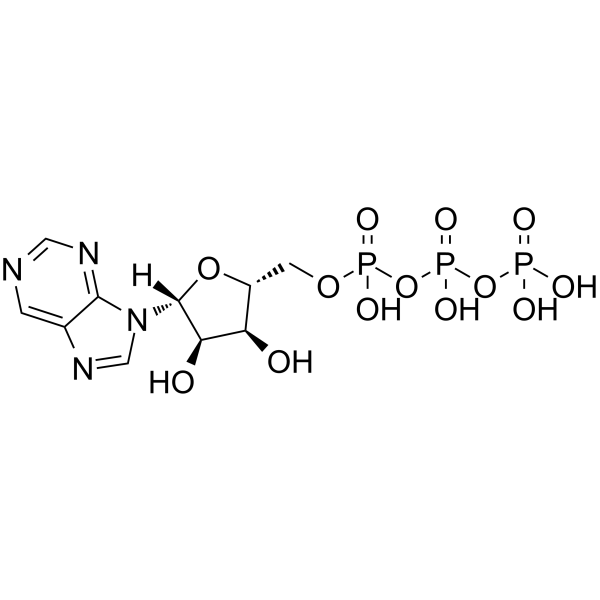
- HY-135810A
-
|
Desethylhydroxychloroquine oxalate
|
CHIKV
Influenza Virus
Parasite
|
Infection
Inflammation/Immunology
|
|
Cletoquine oxalate (Desethylhydroxychloroquine oxalate) is a major active metabolite of Hydroxychloroquine. Cletoquine oxalate is produced in the liver by CYP2D6, CYP3A4, CYP3A5, and CYP2C8 isoenzymes. Cletoquine oxalate is also a Chloroquine derivative and has the ability to against the chikungunya virus (CHIKV). Cletoquine oxalate has antimalarial effects and has the potential for autoimmune diseases treatment .
|
-
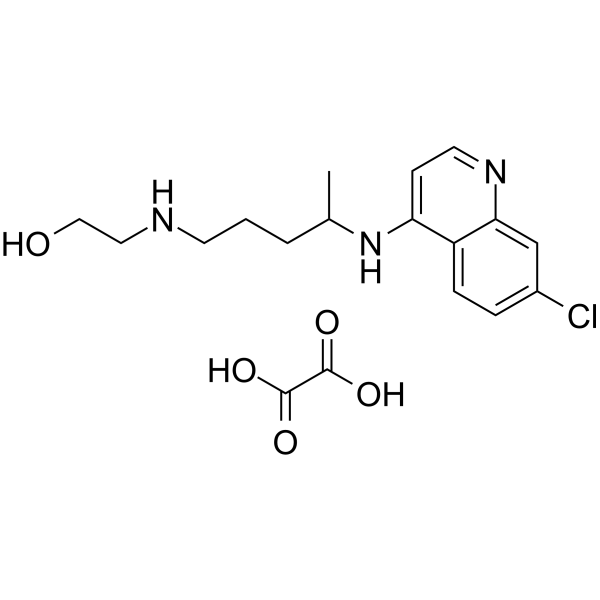
- HY-B0559R
-
|
BRL14777 (Standard)
|
Reference Standards
COX
|
Inflammation/Immunology
Cancer
|
|
Nabumetone (Standard) is the analytical standard of Nabumetone (HY-B0559). This product is intended for research and analytical applications. Nabumetone is an orally active non-acidic anti-inflammatory agent, acts as a potent and selective COX-2 inhibitor, and is the proagent of the active metaboliteα-Demethylnaproxen (HY-W086896). Nabumetone can inhibit cancer cells proliferation and relieve gastric ulcers .
|
-

- HY-13256AS
-
|
|
Isotope-Labeled Compounds
Drug Metabolite
|
Cancer
|
|
Desmethyl Erlotinib-d4 is the deuterium labeled Desmethyl Erlotinib. Desmethyl Erlotinib (OSI-420 free base) is an active metabolite of Erlotinib. Erlotinib is a potent EGFR tyrosin kinase inhibitor . Desmethyl Erlotinib-d4 is a click chemistry reagent, it contains an Alkyne group and can undergo copper-catalyzed azide-alkyne cycloaddition (CuAAc) with molecules containing Azide groups.
|
-
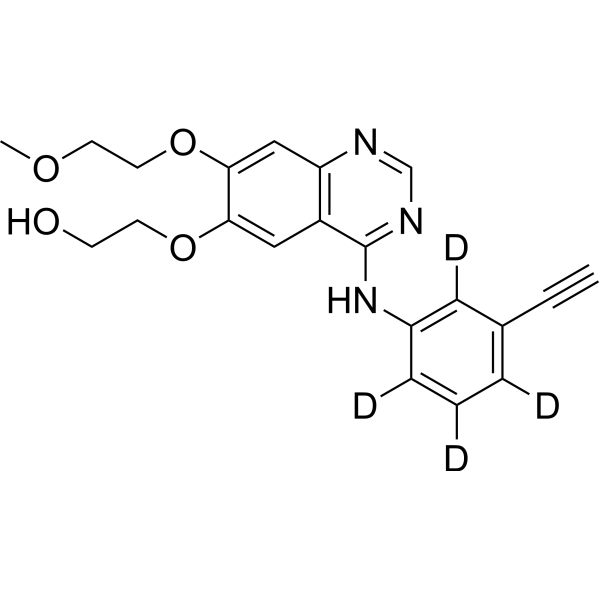
- HY-W744266
-
|
|
Drug Metabolite
|
Neurological Disease
|
|
9α,10α-Epoxyhexahydrocannabinol is an active metabolite of delta 9-tetrahydrocannabinol. 9α,10α-Epoxyhexahydrocannabinol has anti-convulsant activity. 9α,10α-Epoxyhexahydrocannabinol reduces body temperature, prolongs pentobarbital-induced sleep, and exerts anticonvulsant activity against pentylenetetrazol-induced seizures in mice .
|
-

- HY-134998
-
-

- HY-13704R
-
|
7-Ethyl-10-hydroxycamptothecin (Standard)
|
Drug Metabolite
Reference Standards
Topoisomerase
ADC Payload
Autophagy
|
Cancer
|
|
SN-38 (Standard) is the analytical standard of SN-38. This product is intended for research and analytical applications. SN-38 is an active metabolite of the Topoisomerase I inhibitor Irinotecan. SN-38 inhibits DNA and RNA synthesis with IC50s of 0.077 and 1.3 μM, respectively. SN-38 is a payload of sacituzumab govitecan (HY -132254) .
|
-

- HY-136650A
-
|
F-ara-ATP trisodium
|
Nucleoside Antimetabolite/Analog
Drug Metabolite
DNA/RNA Synthesis
Apoptosis
|
Cancer
|
|
Fludarabine triphosphate (F-ara-ATP) trisodium, the active metabolite of Fludarabine (HY-B0069), is a potent, noncompetitive and specific inhibitor of DNA primase, with an IC50 of 2.3 μM and a Ki of 6.1 μM. Fludarabine triphosphate trisodium inhibits DNA synthesis by blocking DNA primase and primer RNA formation. Fludarabine triphosphate trisodium inhibits ribonucleotide reductase and DNA polymerase and ultimately leads to cellular apoptosis .
|
-
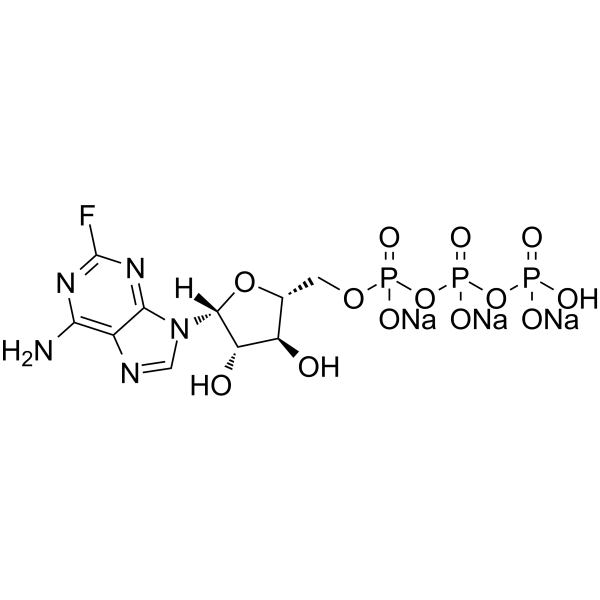
- HY-W009512R
-
|
RS-94287 (Standard)
|
Drug Metabolite
Reference Standards
|
Cardiovascular Disease
|
|
CVT-2738 (Standard) is the analytical standard of CVT-2738. This product is intended for research and analytical applications. CVT-2738 is an orally active metabolite of Ranolazine (HY-B0280). CVT-2738 has a protective effect against isoprenaline (HY-108353)-induced myocardial ischemia in mice. CVT-2738 can be used in myocardial ischemia research .
|
-

- HY-179539
-
|
|
Eukaryotic Initiation Factor (eIF)
|
Neurological Disease
Inflammation/Immunology
|
|
ISR activator 3 (Compound cc81) is the active metabolite of A8. ISR activator 3 activates the integrated stress response (ISR) by binding to RIG-I (KD ≈ 0.55 μM), without inducing lipid droplet clearance. ISR activator 3 enhances the interferon response under viral mimicry signals. ISR activator 3 can be used for research on neurodegenerative diseases and immune stress .
|
-

- HY-W743767
-
|
MZR-P
|
IMPDH
Parasite
Drug Metabolite
|
Infection
Inflammation/Immunology
|
|
Mizoribine 5'-monophosphate (MZR-P) is the active metabolite of Mizoribine (HY-17470). Mizoribine 5'-monophosphate is an inhibitor of inosine-5'-monophosphate dehydrogenase (IMPDH), and its Ki values for IMPDH of Trypanosoma brucei, Bacillus subtilis and Oceanobacillus iheyensis are 3.3, 72 and 157 nM respectively. Mizoribine 5'-monophosphate can be used in anti-trypanosomiasis and immunosuppression research .
|
-

- HY-B1367
-
|
|
Gap Junction Protein
Orthopoxvirus
11β-HSD
|
Infection
Inflammation/Immunology
|
|
Carbenoxolone disodium is the active metabolite of Glycyrrhizic acid (HY-N0184) and the inhibitor of human 11β-HSD and bacterial 3α, 20β-HSD . Carbenoxolone disodium is an uncoupling agent for gap junctions and a potent inhibitor of Vaccinia virus replication . Carbenoxolone disodium is used for the study of peptic, esophageal and oral ulceration and inflammation. Carbenoxolone disodium inhibits Vaccinia virus replication.
|
-
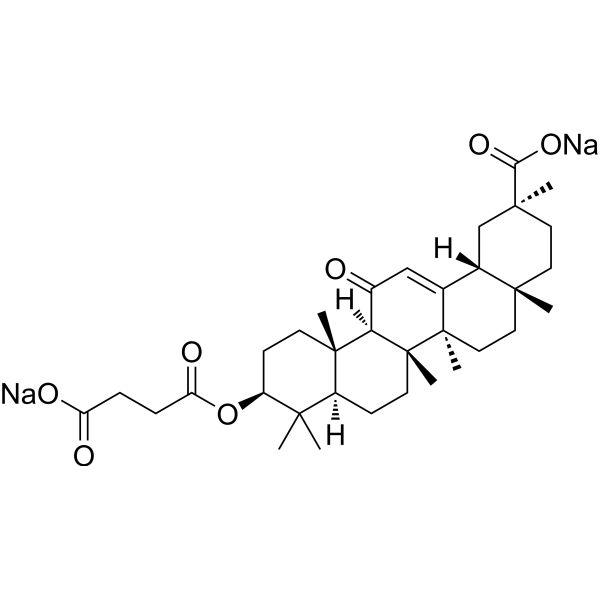
- HY-108041
-
|
BCI 838
|
mGluR
|
Neurological Disease
|
|
MGS 0210 (BCI 838) is an orally active metabolite of glutamate receptor 2/3 (mGluR2/3) agonists. MGS 0210 improves amnesia and reduces anxiety in APP mice. MGS 0210 improves PTSD-related behaviors in a mouse model of post-traumatic stress disorder (PTSD). MGS 0210 can be used in research on neurological disorders such as Alzheimer's disease and major depressive disorder .
|
-

- HY-A0019S
-
|
|
Dopamine Receptor
5-HT Receptor
Adrenergic Receptor
|
Neurological Disease
|
|
Paliperidone-d4 is the deuterium labeled Paliperidone. Paliperidone (9-Hydroxyrisperidone), the major active metabolite of Risperidone, is a dopamine D2 antagonist and 5-HT2A antagonist. Paliperidone is also active as an antagonist at α1 and α2 adrenergic receptors and H1-histaminergic receptors. Paliperidone, a antipsychotic agent, shows efficacy against schizophrenia .
|
-
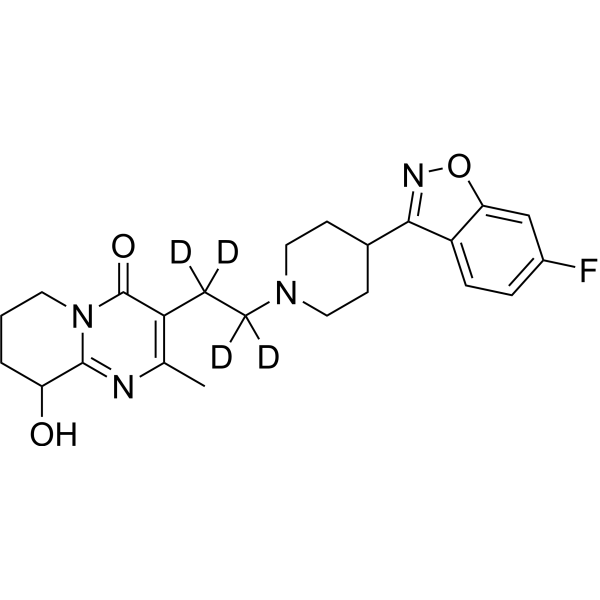
- HY-147333
-
|
|
Drug Metabolite
|
Neurological Disease
|
|
Trimipramine N-oxide is an active metabolite of the tricyclic antidepressant trimipramine. Trimipramine N-oxide inhibits the human monoamine transporters for noradrenaline (hNAT), serotonin (hSERT), dopamine (hDAT) and the human organic cation transporters (hOCT1 and hOCT2) with IC50s of 11.7, 3.59, 9.4, 9.35 and 27.4 nM, respectively. Trimipramine N-oxide can be used for the research of depression and anxiety .
|
-
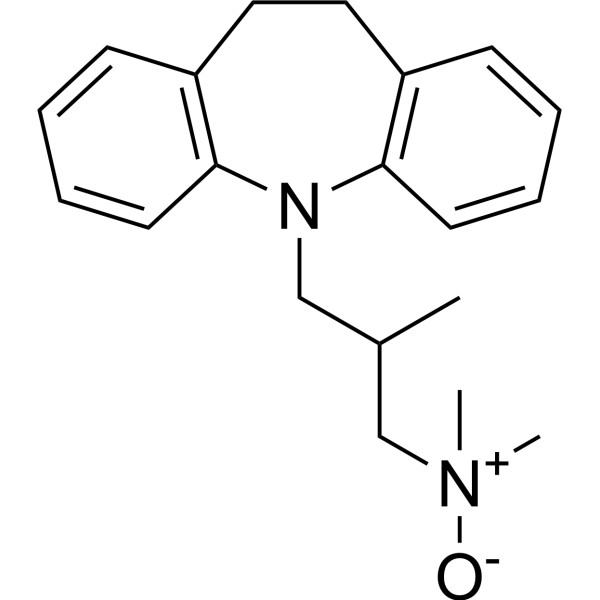
- HY-112072
-
|
SB 7505 hydrochloride; SKF 100168 hydrochloride
|
Dopamine Receptor
Adrenergic Receptor
|
Cardiovascular Disease
|
|
Ibopamine (SB 7505) hydrochloride is an orally active dopamine derivative. Ibopamine hydrochloride exerts agonistic effects on α, β adrenergic receptors and dopaminergic receptors. Ibopamine hydrochloride can be hydrolyzed to produce the active metabolite Epinine. Ibopamine hydrochloride possesses positive inotropic and vasodilatory effects, which can improve hemodynamics and renal function in heart failure models. Ibopamine hydrochloride has good safety profile and can be used in the research of diseases such as congestive heart failure .
|
-

- HY-16023A
-
|
EM-652; SCH 57068
|
Estrogen Receptor/ERR
|
Cancer
|
|
Acolbifene (EM-652), the active metabolite of EM800, is an orally active pure antiestrogen and selective estrogen receptor antagonist. Acolbifene (EM-652) inhibits estradiol (E2)-induced transcriptional activity of ERα (IC50 = 2 nM) and ERβ (IC50 = 0.4 nM). Acolbifene (EM-652) possesses potent and pure anticarcinogenic properties .
|
-
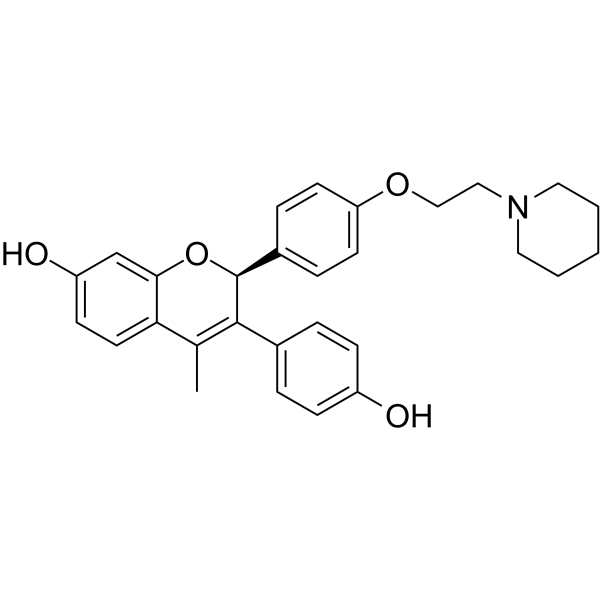
- HY-118189S
-
|
|
Isotope-Labeled Compounds
Prostaglandin Receptor
|
Inflammation/Immunology
|
|
Misoprostol acid-d5 is deuterium labeled Misoprostol acid. Misoprostol acid is an active metabolite of Misoprostol. Misoprostol is a synthetic analogue of prostaglandin E1 (PGE1), extensively absorbed, and undergoes rapid de-esterification to Misoprostol acid in the gastrointestinal tract after oral administration. Misoprostol can be used for non-steroidal anti-inflammatory drug-induced (NSAID) gastric ulcers . Misoprostol is an oral agent used to induce labor .
|
-
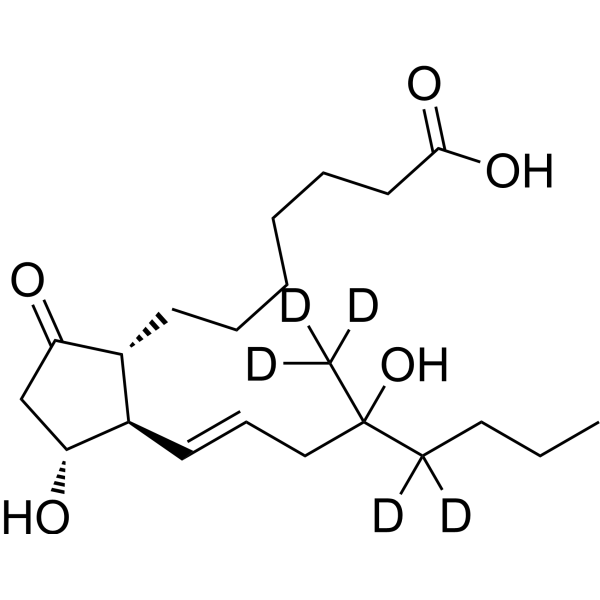
- HY-135810S
-
|
Desethylhydroxychloroquine-d4
|
Isotope-Labeled Compounds
CHIKV
Influenza Virus
Parasite
|
Infection
Inflammation/Immunology
|
|
Cletoquine-d4 is deuterium labeled Cletoquine. Cletoquine (Desethylhydroxychloroquine) is a major active metabolite of Hydroxychloroquine. Cletoquine is produced in the liver by CYP2D6, CYP3A4, CYP3A5, and CYP2C8 isoenzymes. Cletoquine is also a Chloroquine derivative and has the ability to against the chikungunya virus (CHIKV). Cletoquine has antimalarial effects and has the potential for autoimmune diseases treatment .
|
-
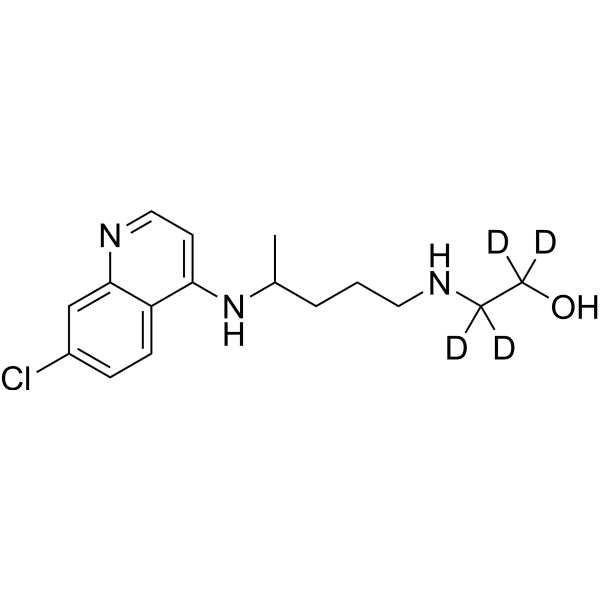
- HY-135731AS
-
|
|
Isotope-Labeled Compounds
COX
Drug Metabolite
|
Inflammation/Immunology
|
|
4-Methylamino antipyrine-d3 (hydrochloride) is deuterium labeled 4-Methylamino antipyrine (hydrochloride). 4-Methylamino antipyrine hydrochloride is an active metabolite of Metamizole. Metamizole is a pyrazolone non-steroidal anti-inflammatory drug (NSAID) and inhibits COX. Metamizole is an nonopioid analgesic agent and can be used for pain and fever . 4-Methylamino antipyrine hydrochloride has analgesic, antipyretic, and relatively weak antiinflammatory properties .
|
-
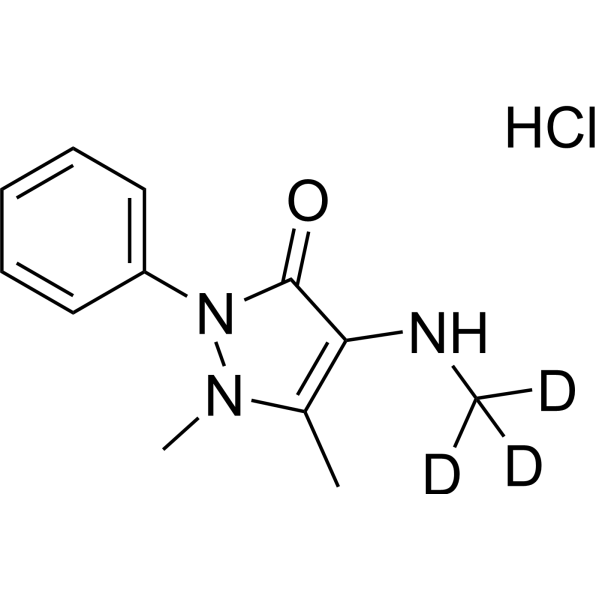
- HY-B0602S3
-
|
|
Isotope-Labeled Compounds
Serotonin Transporter
|
Neurological Disease
|
|
Desvenlafaxine-d10 is deuterium labeled Desvenlafaxine. Desvenlafaxine, the succinate salt form of the isolated major active metabolite of Venlafaxine (HY-B0196), is an orally active and BBB penetrated 5-HT and norepinephrine reuptake inhibitor, with IC50 values of 47.3 nM and 531.3 nM for hSERT and hNET, respectively. Desvenlafaxine shows weak binding affinity (62% inhibition at 100 μM) at the human dopamine (DA) transporter .
|
-

- HY-147336
-
|
|
Drug Metabolite
|
Infection
Cardiovascular Disease
Metabolic Disease
Inflammation/Immunology
|
|
Desmethylazelastine is a main active metabolite of Azelastine that is oxidatively metabolized by the cytochrome P450 enzyme system with a protein binding rate of 97% and an elimination half-life of 54 hours. Azelastine is an orally active, selective and high-affinity histamine H1-receptor antagonist. Azelastine can be used in studies of allergic rhinitis, asthma, diabetic hyperlipidemic and SARS-CoV-2 .
|
-
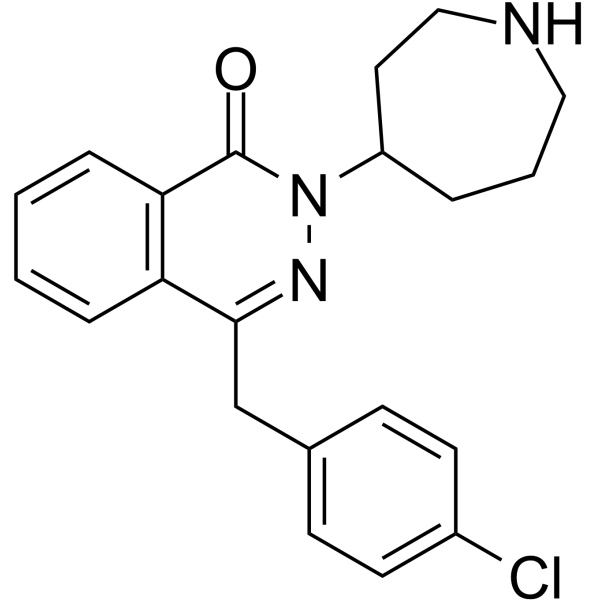
- HY-135810S1
-
|
Desethylhydroxychloroquine-d4-1
|
Isotope-Labeled Compounds
CHIKV
Influenza Virus
Parasite
|
Infection
Inflammation/Immunology
|
|
Cletoquine-d4-1 is the deuterium labeled Cletoquine. Cletoquine (Desethylhydroxychloroquine) is a major active metabolite of Hydroxychloroquine. Cletoquine is produced in the liver by CYP2D6, CYP3A4, CYP3A5, and CYP2C8 isoenzymes. Cletoquine is also a Chloroquine derivative and has the ability to against the chikungunya virus (CHIKV). Cletoquine has antimalarial effects and has the potential for autoimmune diseases treatment .
|
-
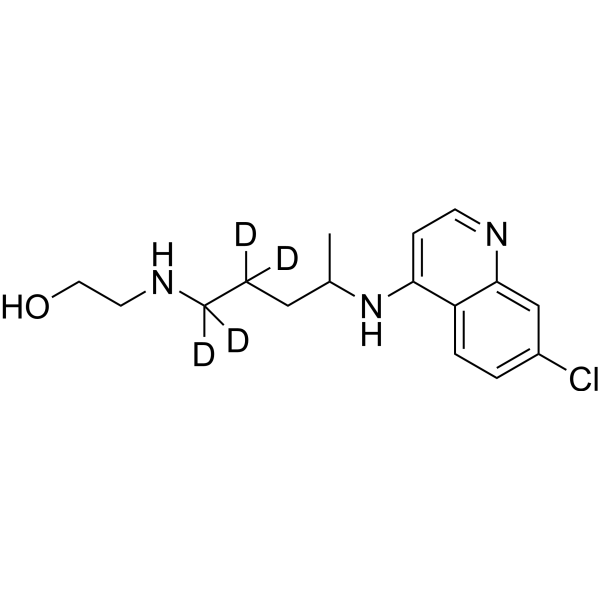
- HY-179011
-
|
|
Cytochrome P450
|
Metabolic Disease
|
|
CYP3A4-IN-6 (Compound 8a) is a CYP3A4 inhibitor with tissue-selective metabolism. CYP3A4-IN-6 remains stable in the intestinal S9 component but is rapidly metabolized in the liver S9 component, forming a less active metabolite. CYP3A4-IN-6 can be used for intestinal selectivity studies .
|
-

- HY-B0602S2
-
|
|
Isotope-Labeled Compounds
Serotonin Transporter
|
Neurological Disease
|
|
Desvenlafaxine-d6 is deuterium labeled Desvenlafaxine. Desvenlafaxine, the succinate salt form of the isolated major active metabolite of Venlafaxine (HY-B0196), is an orally active and BBB penetrated 5-HT and norepinephrine reuptake inhibitor, with IC50 values of 47.3 nM and 531.3 nM for hSERT and hNET, respectively. Desvenlafaxine shows weak binding affinity (62% inhibition at 100 μM) at the human dopamine (DA) transporter .
|
-

- HY-17569
-
|
|
Phospholipase
|
Inflammation/Immunology
|
|
Difluprednate is a glucocorticoid receptor (GC receptor) agonist with a Ki of 0.78 nM. Difluprednate's active metabolite 21-deacetylated difluprednate (DFB) is a competitive agonist of GC receptors with a Ki of 0.061 nM. Difluprednate binds to GC receptors through metabolism to DFB, regulating the transcription of inflammatory mediator genes, thereby exerting anti-inflammatory activity. Difluprednate can be used for research related to ocular inflammation, such as postoperative inflammation, anterior uveitis, etc .
|
-
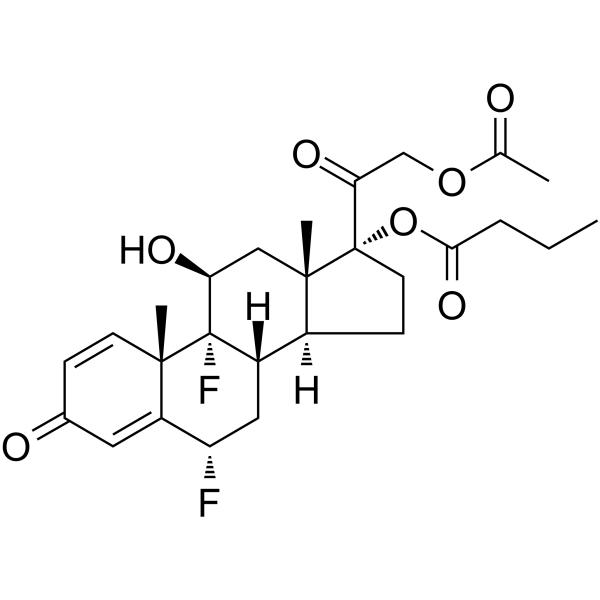
- HY-13318
-
|
GS 4071; Ro 64-0802; Oseltamivir carboxylate
|
Influenza Virus
Drug Metabolite
|
Infection
Neurological Disease
|
|
Oseltamivir acid (GS 4071), the active metabolite of Oseltamivir phosphate, is an orally bioavailable, potent and selective inhibitor of influenza virus neuraminidase (IC50=2 nM) with activity against both influenza A and B viruses. Oseltamivir acid has an extremely weak ability to penetrate the BBB under normal physiological conditions, but its blood-brain barrier penetration is significantly enhanced under inflammatory conditions .
|
-
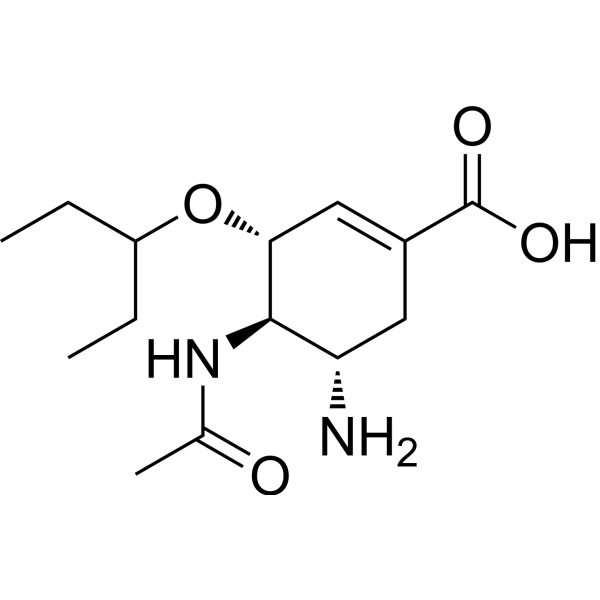
- HY-W012734
-
|
H-HoPro-OH
|
Endogenous Metabolite
|
Metabolic Disease
|
|
L-Pipecolic acid (H-HoPro-OH) is an oral active metabolite of Lysine and can accumulate in the bodily fluids of infants with autosomal inherited diseases, such as Zellweger syndrome and neonatal adrenal insufficiency. L-Pipecolic acid can promote muscle cell health and growth by enhancing protein synthesis, and plays a role in promoting gut health. L-Pipecolic acid holds promise for research in the fields of metabolic disorders, muscle growth disorders, and intestinal diseases .
|
-
- HY-G0021S
-
|
Norclozapine-d8; Desmethylclozapine-d8; Normethylclozapine-d8
|
mAChR
Opioid Receptor
Drug Metabolite
Virus Protease
|
Infection
|
|
N-Desmethylclozapine-d8 is the deuterium labeled N-Desmethylclozapine. N-Desmethylclozapine is a major active metabolite of the atypical antipsychotic agent Clozapine. N-Desmethylclozapine is a potent, allosteric and partial M1 receptors agonist (EC50=115 nM) and is able to potentiate hippocampal N-methyl-d-aspartate (NMDA) receptor currents through M1 receptor activation. N-Desmethylclozapine is also a δ-opioid agonist .
|
-
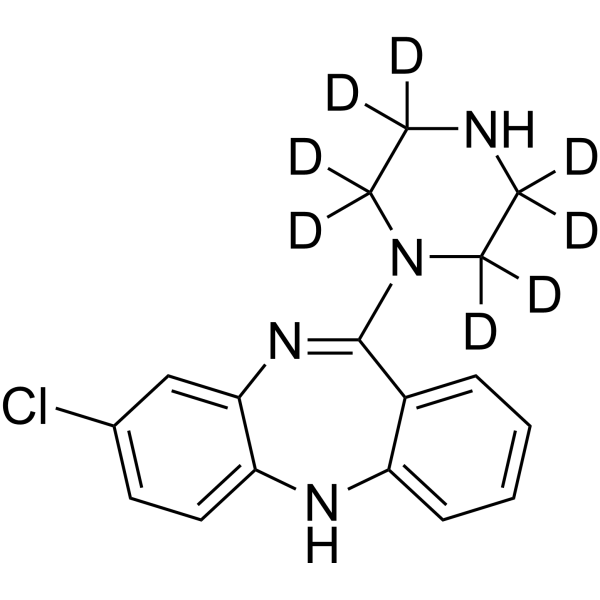
- HY-119695AS
-
|
Tenivastatin-d6 ammonium
|
Isotope-Labeled Compounds
Endogenous Metabolite
|
Cardiovascular Disease
|
|
Simvastatin acid-d6 (ammonium)mis the deuterium labeled Simvastatin acid ammonium. Simvastatin ammonium is an active metabolite of simvastatin lactone mediated by CYP3A4/5 in the intestinal wall and liver (pKa=5.5). Simvastatin ammonium reduces indoxyl sulfate-mediated reactive oxygen species and modulates OATP3A1 expression in cardiomyocytes and HEK293 cells transfected with the OATP3A1 gene .
|
-
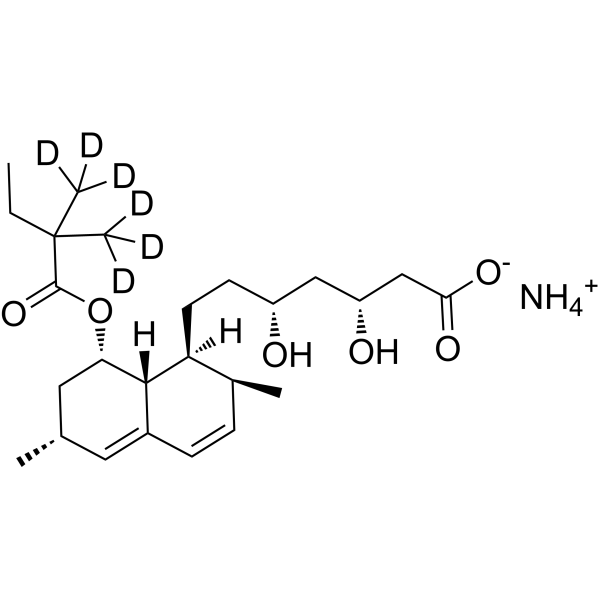
- HY-W013272
-
|
HFT
|
Androgen Receptor
Drug Metabolite
Akt
PI3K
Gap Junction Protein
Integrin
|
Cancer
|
|
Hydroxyflutamide (HFT) is the active metabolite of Flutamide (HY-B0022) and exhibits oral activity. Hydroxyflutamide is a potent androgen receptor antagonist with an IC50 of 700 nM. Hydroxyflutamide can affect embryonic development and reproductive tract development in mice. Additionally, Hydroxyflutamide can enhance the efficacy of Bacillus Calmette-Guérin (BCG) to better inhibit the progression of bladder cancer. Hydroxyflutamide can be used in research related to tumors and reproductive diseases .
|
-
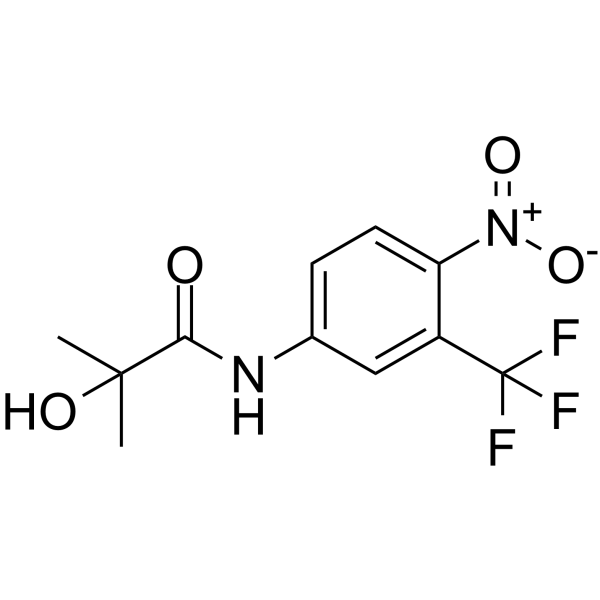
- HY-128554AR
-
|
|
Reference Standards
Parasite
|
Infection
|
|
N-Desethyl amodiaquine dihydrochloride (Standard) is the analytical standard of N-Desethyl amodiaquine dihydrochloride. This product is intended for research and analytical applications. N-Desethyl amodiaquine dihydrochloride is the biologically active metabolite of Amodiaquine (HY-B1322A). N-Desethyl amodiaquine dihydrochloride is an antiparasitic agent, has inhibitory for strains V1/S and 3D7 with IC50 values of 97 nM and 25 nM, respectively. N-Desethyl amodiaquine dihydrochloride can be used for the research of malaria .
|
-

- HY-101813R
-
|
HR325 (Standard)
|
Reference Standards
Dihydroorotate Dehydrogenase
DNA/RNA Synthesis
Prostaglandin Receptor
|
Inflammation/Immunology
|
|
Laflunimus (Standard) is the analytical standard of Laflunimus. This product is intended for research and analytical applications. Laflunimus (HR325) is an immunosuppressive agent and an analogue of the Leflunomide-active metabolite A77 1726. Laflunimus is an orally active inhibitor of dihydroorotate dehydrogenase (DHODH). Laflunimus suppresses immunoglobulin (Ig) secretion, with IC50 values of 2.5 and 2 μM for IgM and IgG, respectively. Laflunimus also is a prostaglandin endoperoxide H synthase (PGHS) -1 and -2 inhibitor .
|
-

- HY-A0019R
-
|
9-Hydroxyrisperidone (Standard)
|
Drug Metabolite
Reference Standards
Dopamine Receptor
5-HT Receptor
Adrenergic Receptor
|
Neurological Disease
|
|
Paliperidone (Standard) is the analytical standard of Paliperidone. This product is intended for research and analytical applications. Paliperidone (9-Hydroxyrisperidone), the major active metabolite of Risperidone, is a dopamine D2 antagonist and 5-HT2A antagonist. Paliperidone is also active as an antagonist at α1 and α2 adrenergic receptors and H1-histaminergic receptors. Paliperidone, a antipsychotic agent, shows efficacy against schizophrenia .
|
-

- HY-135331
-
|
|
Androgen Receptor
Cytochrome P450
|
Cancer
|
|
N-Desmethyl Apalutamide is an active metabolite of Apalutamide. N-Desmethyl Apalutamide is a less potent antagonist of the androgen receptor and is responsible for one-third of the activity of Apalutamide. The formation of N-Desmethyl Apalutamide mediated predominantly by CYP2C8 and CYP3A4. N-Desmethyl Apalutamide is moderate to strong CYP3A4 and CYP2B6 inducer and has an excellent plasma-proteins bound concentration .
|
-
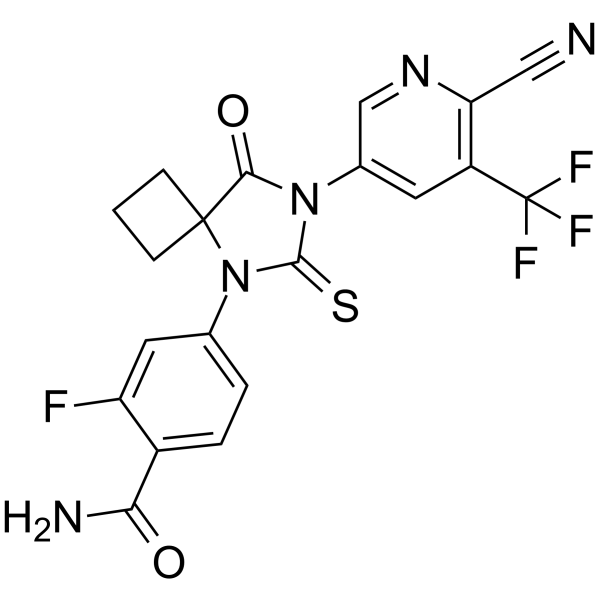
- HY-W018161
-
|
Thapsic acid
|
IRE1
Ferroptosis
Keap1-Nrf2
Glutathione Peroxidase
|
Metabolic Disease
|
|
Hexadecanedioic acid (Thapsic acid) is an orally active metabolite produced by B. uniformis. Hexadecanedioic acid inhibits IRE1α-XBP1s-mediated flipogenesis and ferroptosis. Hexadecanedioic acid downregulates XBP1 and Hrd1 expression, activates the Nrf2/SLC7A11/GPX4 pathway. Hexadecanedioic acid can be used for the research of metabolic-associated fatty liver disease .
|
-
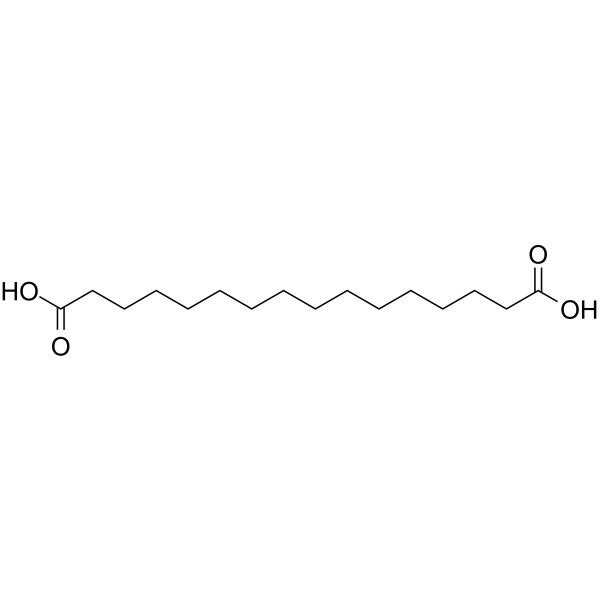
- HY-14795
-
|
ZT-1
|
Cholinesterase (ChE)
|
Neurological Disease
|
|
Mimopezil (ZT-1) is an cholinesterase (ChE) inhibitor that rapidly degrades into the active metabolite Huperzine A (HY-17388) in water or aqueous organic solvents. After oral administration, Mimopezil is rapidly absorbed but has low bioavailability (0.37%) in rats. However, after metabolism, it is converted into Huperzine A, which accumulates in the blood and exhibits strong activity. Following intravenous administration, Mimopezil reaches higher blood concentrations and is also rapidly metabolized into Huperzine A .
|
-

- HY-123669
-
|
|
P2Y Receptor
Drug Metabolite
|
Cardiovascular Disease
|
|
R-138727, the major active metabolite of Prasugrel (HY-15284), is a highly potent and selective irreversible antagonist of the P2Y12 receptor, with an IC50 of 2.5 μM. R-138727 covalently binds to the P2Y12 receptor on the platelet surface, blocking adenosine diphosphate-mediated platelet activation and aggregation. R-138727 can be used to study stroke, cerebral infarction and neurological deficits.
|
-
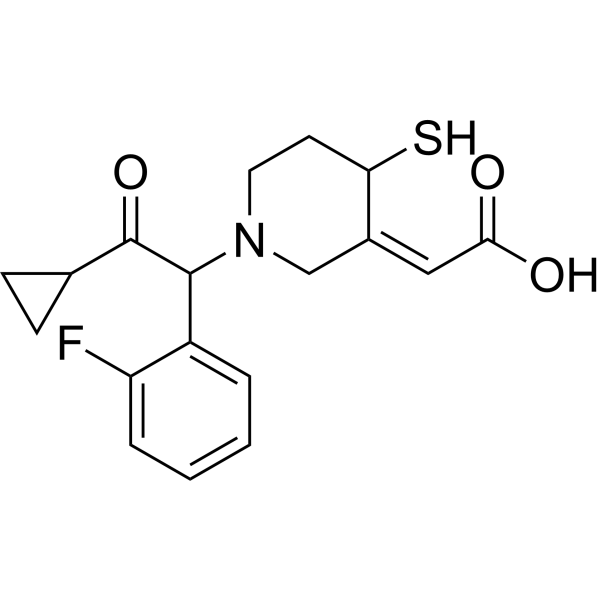
- HY-135111S
-
|
|
Isotope-Labeled Compounds
Drug Metabolite
|
Infection
Metabolic Disease
Cancer
|
|
4-Desmethoxy Omeprazole-d3 is the deuterium labeled 4-Desmethoxy Omeprazole. 4-Desmethoxy Omeprazole is the active metabolite of Omeprazole. Omeprazole, a proton pump inhibitor (PPI), is available for treatment of acid-related gastrointestinal disorders. Omeprazole shows competitive inhibition of CYP2C19 activity with a Kiof 2 to 6 μM . Omeprazole also inhibits growth of Gram-positive and Gram-negative bacteria .
|
-

- HY-W014841
-
-

- HY-I0678S
-
|
|
PDGFR
Drug Metabolite
|
Cancer
|
|
Regorafénib N-oxyde-d3(M2) is the deuterium labeled Regorafénib N-oxyde M2 . Regorafénib N-oxyde M2 is an active metabolite of Regorafenib. Regorafenib is a multi-target inhibitor for VEGFR1/2/3, PDGFRβ, Kit, RET and Raf-1 with IC50s of 13/4.2/46, 22, 7, 1.5 and 2.5 nM, respectively .
|
-
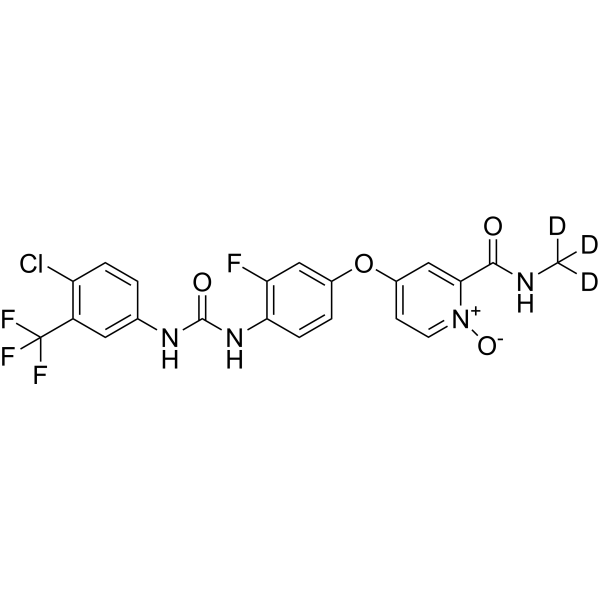
- HY-17649
-
|
|
Progesterone Receptor
|
Neurological Disease
|
|
EIDD-036, is the blood-brain barrier penetrant C-20 oxime of Progesterone (HY-N0437), that binds progesterone receptor (PR) with an IC50 of 171 nM. EIDD-036 is the active metabolite of EIDD-1723 (HY-125547). EIDD-036 exhibits promising challenges for rapid administration in acute trauma. EIDD-036 can be used for the study of traumatic brain injury (TBI) .
|
-

- HY-12772S4
-
|
(2S)-R-63373-d8
|
Fungal
|
Infection
|
|
(2S)-Hydroxy Itraconazole-d8 ((2S)-R-63373-d8) is the enantiomer of Hydroxy Itraconazole-d8 (R-63373-d8) (HY-12772S). Hydroxy Itraconazole-d8 is the deuterium labeled Hydroxy Itraconazole (HY-12772). Hydroxy Itraconazole is an active metabolite of Itraconazole (ITZ), which is a triazole antifungal agent.
|
-

- HY-101982
-
|
Lys-Nε-MCC-DM1
|
Drug-Linker Conjugates for ADC
|
Cancer
|
|
Lys-SMCC-DM1 (Lys-Nε-MCC-DM1) is a agent-linker conjugates for ADC that can inhibit tubulin polymerization. Lys-SMCC-DM1 is the active metabolite of T-DM1. T-DM1 is a HER2-targeting ADC with a tubulin polymerization inhibitor DM1. Lys-SMCC-DM1 can be used in the research of breast cancer .
|
-
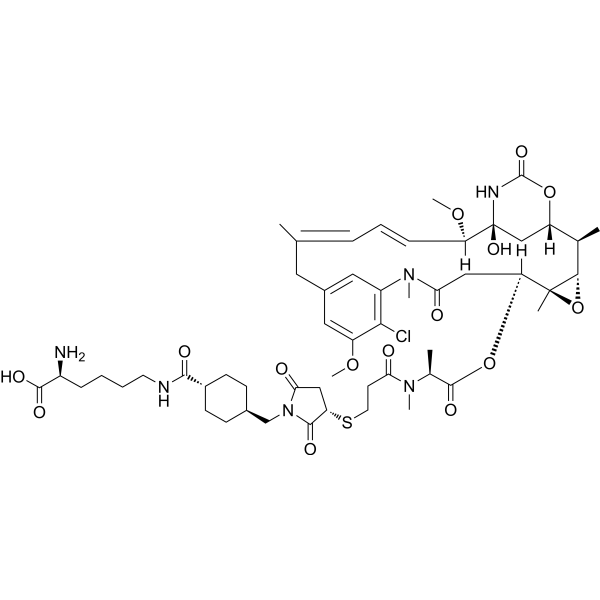
- HY-76569R
-
|
PNU-200577 (Standard); 5-Hydroxymethyl Tolterodine (Standard)
|
Reference Standards
mAChR
|
Neurological Disease
|
|
Desfesoterodine (Standard) is the analytical standard of Desfesoterodine. This product is intended for research and analytical applications. Desfesoterodine (PNU-200577) is a potent and selective muscarinic receptor (mAChR) antagonist with a KB and a pA2 of 0.84 nM and 9.14, respectively . Desfesoterodine is a major pharmacologically active metabolite of Tolterodine (PNU-200583; HY-A0024) and Fesoterodine (HY-70053) . Desfesoterodine improves cerebral infarction induced detrusor overactivity in rats .
|
-

- HY-G0021S1
-
|
Norclozapine-d8 hydrochloride; Desmethylclozapine-d8 hydrochloride; Normethylclozapine-d8 hydrochloride
|
mAChR
Opioid Receptor
Drug Metabolite
Virus Protease
|
Infection
|
|
N-Desmethylclozapine-d8 (hydrochloride) is the deuterium labeled N-Desmethylclozapine hydrochloride. N-Desmethylclozapine hydrochloride is a major active metabolite of the atypical antipsychotic agent Clozapine. N-Desmethylclozapine hydrochloride is a potent, allosteric and partial M1 receptors agonist (EC50=115 nM) and is able to potentiate hippocampal N-methyl-d-aspartate (NMDA) receptor currents through M1 receptor activation. N-Desmethylclozapine hydrochloride is also a δ-opioid agonist .
|
-
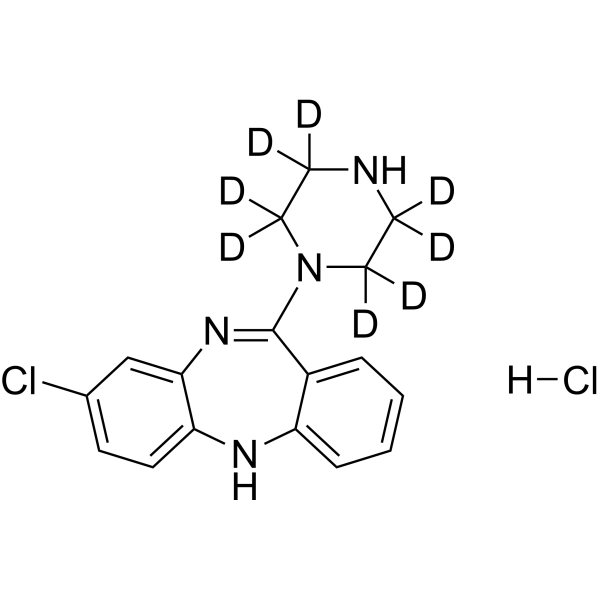
- HY-117433S
-
|
|
DNA Alkylator/Crosslinker
Apoptosis
Reactive Oxygen Species (ROS)
Drug Metabolite
|
Inflammation/Immunology
|
|
4-Hydroperoxy Cyclophosphamide-d4 is the deuterium labeled 4-Hydroperoxy cyclophosphamide. 4-Hydroperoxy cyclophosphamide is the active metabolite form of the proagent Cyclophosphamide. 4-Hydroperoxy cyclophosphamide crosslinks DNA and induces T cell apoptosis independent of death receptor activation, but activates mitochondrial death pathways through production of reactive oxygen species (ROS). 4-Hydroperoxy cyclophosphamide has the potential for lymphomas and autoimmune disorders .
|
-
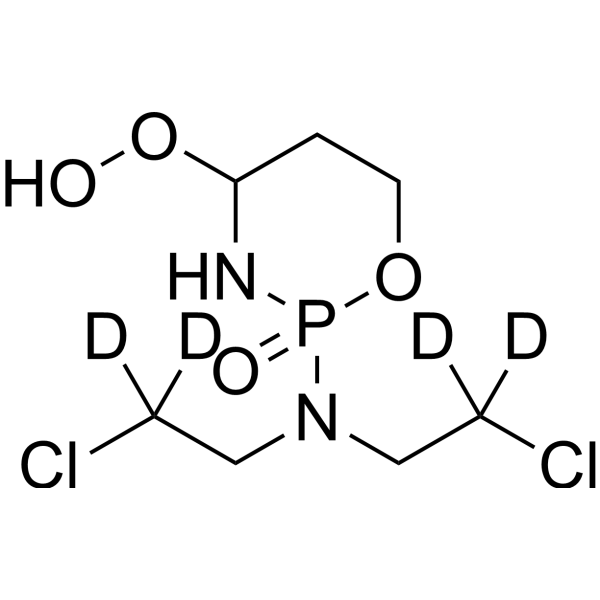
- HY-A0114
-
|
RS 10029
|
Angiotensin-converting Enzyme (ACE)
|
Cardiovascular Disease
|
|
Moexiprilat is an inhibitor of angiotensin-converting enzyme (ACE; IC50=2.1 nM) and an active metabolite of the prodrug Moexipril (HY-117281). It is formed from moexipril in vivo by side chain ester hydrolysis. Moexiprilat (10 nM) prevents the estrone- or angiotensin II-stimulated proliferation of primary neonatal rat cardiac fibroblasts. It reduces mean arterial blood pressure and increases the levels of atrial natriuretic peptide, a marker of hypertension, in ovariectomized mice when administered at a dose of 50 mg/kg per day.
|
-

- HY-118472R
-
|
CGS 14831 (Standard)
|
Drug Metabolite
Reference Standards
Endogenous Metabolite
Angiotensin-converting Enzyme (ACE)
|
Cardiovascular Disease
|
|
Benazeprilat (Standard) is the analytical standard of Benazeprilat. This product is intended for research and analytical applications. Benazeprilat is an orally active and the active metabolite of benazepril, a carboxyl-containing ACE inhibitor with antihypertensive activity. Benazepril is a well-established antihypertensive agent, both in monoresearch and in combination with other classes of drugs including thiazide diuretics and calcium channel blockers. Benazepril is a first-line research in reducing various pathologies associated with CV risk and secondary end-organ damage .
|
-

- HY-145578
-
|
X842
|
Drug Intermediate
Proton Pump
|
Metabolic Disease
|
|
Linaprazan glurate (X842) is an orally atcive prodrug of Linaprazan (HY-100412) with a potent and prolonged inhibitory effect on gastric acid secretion. Linaprazan glurate is rapidly transformed by enzymatic cleavage into its active metabolite, linaprazan. Linaprazan glurate is a potassium-competitive acid blocker. Linaprazan glurate selectively inhibites acid formation from gastric H⁺/K⁺-ATPase in a potassium-dependent manner (IC50 = 436.2 nM). Linaprazan glurate can be used for the studies of erosive esophagitis (EE) .
|
-
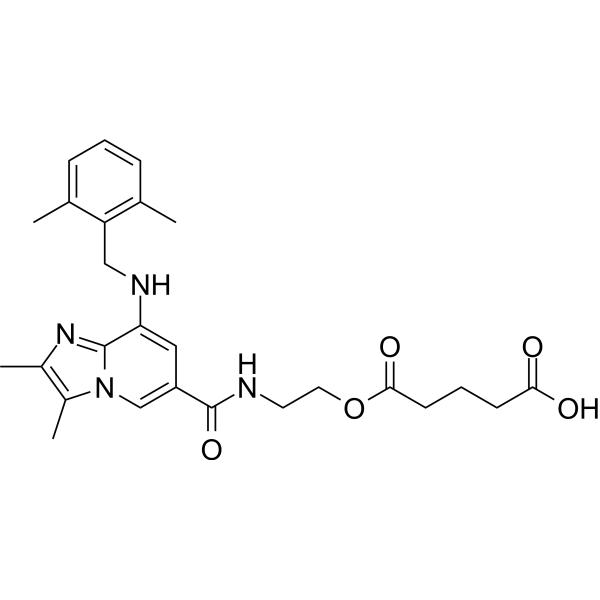
- HY-B0602R
-
|
O-Desmethylvenlafaxine (Standard)
|
Reference Standards
Serotonin Transporter
|
Neurological Disease
|
|
Desvenlafaxine (Standard) is the analytical standard of Desvenlafaxine. This product is intended for research and analytical applications. Desvenlafaxine, the succinate salt form of the isolated major active metabolite of Venlafaxine (HY-B0196), is an orally active and BBB penetrated 5-HT and norepinephrine reuptake inhibitor, with IC50 values of 47.3 nM and 531.3 nM for hSERT and hNET, respectively. Desvenlafaxine shows weak binding affinity (62% inhibition at 100 μM) at the human dopamine (DA) transporter .
|
-

- HY-N6979R
-
|
20-Hydroxyecdysone (Standard)
|
Reference Standards
Caspase
Autophagy
Endogenous Metabolite
|
Cardiovascular Disease
|
|
Crustecdysone (Standard) is the analytical standard of Crustecdysone. This product is intended for research and analytical applications. Crustecdysone (20-Hydroxyecdysone) is a naturally occurring ecdysteroid hormone isolated from Serratula coronata which controls the ecdysis (moulting) and metamorphosis of arthropods, it inhibits caspase activity and induces autophagy via the 20E nuclear receptor complex, EcR-USP . Crustecdysone exhibits regulatory or protective roles in the cardiovascular system . Crustecdysone is an active metabolite of Ecdysone (HY-N0179) .
|
-

- HY-G0021R
-
|
Norclozapine (Standard); Desmethylclozapine (Standard); Normethylclozapine (Standard)
|
Reference Standards
mAChR
Opioid Receptor
Drug Metabolite
Virus Protease
|
Infection
|
|
N-Desmethylclozapine (Standard) is the analytical standard of N-Desmethylclozapine. This product is intended for research and analytical applications. N-Desmethylclozapine is a major active metabolite of the atypical antipsychotic agent Clozapine. N-Desmethylclozapine is a potent, allosteric and partial M1 receptors agonist (EC50=115 nM) and is able to potentiate hippocampal N-methyl-d-aspartate (NMDA) receptor currents through M1 receptor activation. N-Desmethylclozapine is also a δ-opioid agonist .
|
-

- HY-136576
-
|
|
LPL Receptor
Drug Metabolite
|
Inflammation/Immunology
|
|
RP101075, an active metabolite of Ozanimod, is a potent, orally active S1PR (sphingosine-1-phosphate receptor 1) agonist, with an EC50 of 0.27 nM. RP101075 displays >100-fold selectivity over S1PR5 (EC50=5.9 nM) and >10000-fold over S1PR 2, 3, and 4. RP101075 displays superior cardiovascular safety profile .
|
-
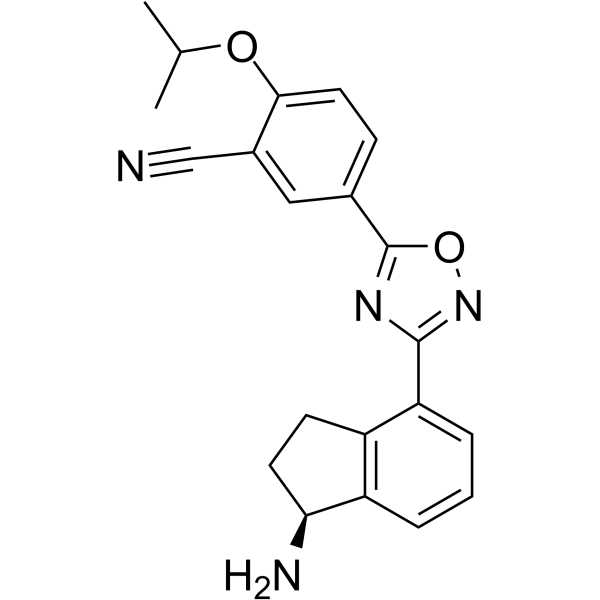
- HY-135731AR
-
|
|
Reference Standards
COX
Drug Metabolite
|
Inflammation/Immunology
|
|
4-Methylamino antipyrine (hydrochloride) (Standard) is the analytical standard of 4-Methylamino antipyrine (hydrochloride). This product is intended for research and analytical applications. 4-Methylamino antipyrine hydrochloride is an active metabolite of Metamizole. Metamizole is a pyrazolone non-steroidal anti-inflammatory drug (NSAID) and inhibits COX. Metamizole is an nonopioid analgesic agent and can be used for pain and fever . 4-Methylamino antipyrine hydrochloride has analgesic, antipyretic, and relatively weak antiinflammatory properties .
|
-

- HY-N2426R
-
|
|
Reference Standards
Interleukin Related
|
Inflammation/Immunology
|
|
Desvenlafaxine (Standard) is the analytical standard of Desvenlafaxine. This product is intended for research and analytical applications. Desvenlafaxine, the succinate salt form of the isolated major active metabolite of Venlafaxine (HY-B0196), is an orally active and BBB penetrated 5-HT and norepinephrine reuptake inhibitor, with IC50 values of 47.3 nM and 531.3 nM for hSERT and hNET, respectively. Desvenlafaxine shows weak binding affinity (62% inhibition at 100 μM) at the human dopamine (DA) transporter .
|
-

- HY-W701503
-
|
|
Isotope-Labeled Compounds
COX
Drug Metabolite
|
Inflammation/Immunology
|
|
4-Methylamino antipyrine-d3-1 is the deuterium labeled 4-Methylamino antipyrine-1. 4-Methylamino antipyrine is an active metabolite of Metamizole. Metamizole is a pyrazolone non-steroidal anti-inflammatory drug (NSAID) and inhibits COX. Metamizole is an nonopioid analgesic agent and can be used for pain and fever . 4-Methylamino antipyrine has analgesic, antipyretic, and relatively weak antiinflammatory properties .
|
-

- HY-135111R
-
|
|
Reference Standards
Drug Metabolite
|
Infection
Metabolic Disease
Cancer
|
|
4-Desmethoxy Omeprazole (Standard) is the analytical standard of 4-Desmethoxy Omeprazole. This product is intended for research and analytical applications. 4-Desmethoxy Omeprazole is the active metabolite of Omeprazole. Omeprazole, a proton pump inhibitor (PPI), is available for treatment of acid-related gastrointestinal disorders. Omeprazole shows competitive inhibition of CYP2C19 activity with a Ki of 2 to 6 μM . Omeprazole also inhibits growth of Gram-positive and Gram-negative bacteria .
|
-

- HY-100375R
-
|
ALKS 8700 (Standard); BIIB098 (Standard)
|
Reference Standards
Keap1-Nrf2
|
Inflammation/Immunology
|
|
Diroximel fumarate (Standard) is the analytical standard of Diroximel fumarate (HY-100375). This product is intended for research and analytical applications. Diroximel fumarate (ALKS 8700) is an orally-active and well-tolerated monomethyl fumarate (MMF) proagent in a controlled-release formulation. Diroximel fumarate is considered as active equivalent to its active metabolite dimethyl fumarate (DMF). Diroximel fumarate has a favorable safety and efficacy profile, has the potential for the study of multiple sclerosis (MS). Diroximel fumarate is a Nrf2 activator that alleviate MGO-induced pain hypersensitivity .
|
-

- HY-W704752
-
|
|
Isotope-Labeled Compounds
Dopamine Receptor
Drug Metabolite
|
Neurological Disease
|
|
Z-Doxepin-d3 hydrochloride is the deuterium labeled 7-Hydroxychlorpromazine hydrochloride (HY-W704749). 7-Hydroxychlorpromazine hydrochloride is the active metabolite of Chlorpromazine (HY-12708). 7-Hydroxychlorpromazine hydrochloride can increase prolactin levels in rats. 7-Hydroxychlorpromazine hydrochloride can increase dopamine turnover and has a sedative effect. In addition, 7-Hydroxychlorpromazine hydrochloride can effectively inhibit amphetamine-induced stereotyped behavior in rats and is used in the study of psychosis .
|
-

- HY-182761
-
|
|
DNA/RNA Synthesis
Cytochrome P450
Flavivirus
Influenza Virus
|
Infection
|
|
Antiviral agent 81 is an orally bioavailable N-acylated remdesivir derivative and RdRp inhibitor with 45.3% oral bioavailability (based on active metabolite GS-441524 exposure), plasma half-life >8 h, and reduced CYP3A4 inhibition. Antiviral agent 81 exhibits activity against Coronaviridae, Flaviviridae, and Pneumoviridae, and shows no activity against Orthomyxoviridae, Herpesviridae, and Alphaviridae. Antiviral agent 81 can be used for the research of viral infections .
|
-

- HY-32343
-
|
(24R)-24,25-Dihydroxyvitamin D3
|
Endogenous Metabolite
VD/VDR
|
Metabolic Disease
Inflammation/Immunology
|
|
Secalciferol ((24R)-24,25-Dihydroxyvitamin D3) is the major active metabolite of Vitamin D. Secalciferol activates vitamin D receptor (VDR) with an EC50 value of 150 nM. Secalciferol is involved in a wide range of biological functions such as calcium homeostasis, cellular differentiation and proliferation processes, as well as other functions related to the immune system, which is promising for research of rickets, osteomalacia, hypercalcemia and autoimmune disorders .
|
-
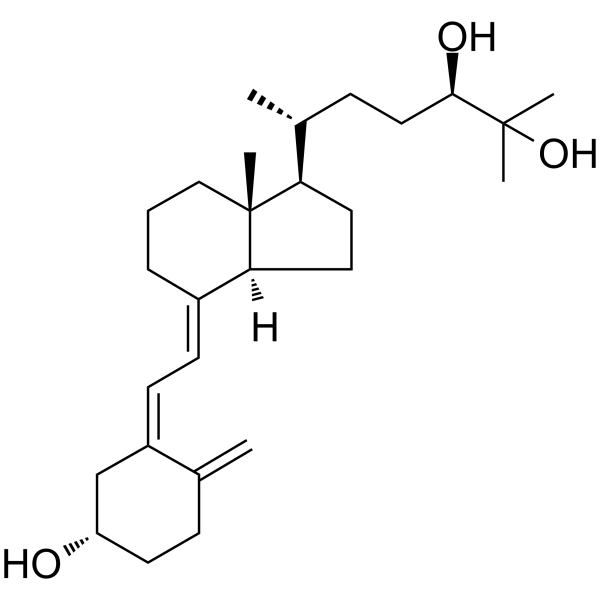
- HY-13318S
-
|
GS 4071-d3; Ro 64-0802-d3; Oseltamivir carboxylate-d3
|
Isotope-Labeled Compounds
Influenza Virus
Drug Metabolite
|
Infection
|
|
Oseltamivir acid-d3 is a deuterium labeled Oseltamivir acid (HY-13318). Oseltamivir acid, the active metabolite of Oseltamivir phosphate, is an orally bioavailable, potent and selective inhibitor of influenza virus neuraminidase (IC50=2 nM) with activity against both influenza A and B viruses. Oseltamivir acid has an extremely weak ability to penetrate the BBB under normal physiological conditions, but its blood-brain barrier penetration is significantly enhanced under inflammatory conditions .
|
-
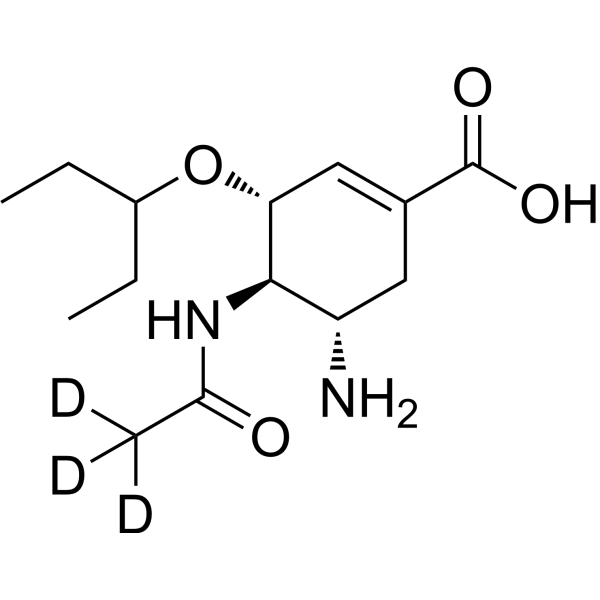
- HY-W016562R
-
|
Benzoylglycine (Standard)
|
Reference Standards
Endogenous Metabolite
|
Metabolic Disease
|
|
Hippuric acid (Standard) is the analytical standard of Hippuric acid. This product is intended for research and analytical applications. Hippuric Acid is an orally active metabolite. Hippuric Acid can be produced by intestinal microorganisms from the metabolism of polyphenols, benzoic acid. Hippuric Acid decreases NRF2, MMP9 and leads to ROS accumulation. Hippuric Acid activates TGFβ/SMAD signaling. Hippuric Acid improves hyperuricemia and colitis. Hippuric Acid can also be used in cardiovascular disease research .
.
|
-

- HY-135731R
-
|
|
Reference Standards
COX
Drug Metabolite
|
Inflammation/Immunology
|
|
4-Methylamino antipyrine (Standard) is the analytical standard of 4-Methylamino antipyrine. This product is intended for research and analytical applications. 4-Methylamino antipyrine is an active metabolite of Metamizole. Metamizole is a pyrazolone non-steroidal anti-inflammatory drug (NSAID) and inhibits COX. Metamizole is an nonopioid analgesic agent and can be used for pain and fever . 4-Methylamino antipyrine has analgesic, antipyretic, and relatively weak antiinflammatory properties .
|
-

- HY-I0678S1
-
|
|
Drug Metabolite
|
Cancer
|
|
Regorafénib N-oxyde (M2)- 13C,d3 is the 13C- and deuterium labeled Regorafénib N-oxyde (M2). Regorafénib N-oxyde M2 is an active metabolite of Regorafenib. Regorafenib is a multi-target inhibitor for VEGFR1/2/3, PDGFRβ, Kit, RET and Raf-1 with IC50s of 13/4.2/46, 22, 7, 1.5 and 2.5 nM, respectively.
|
-
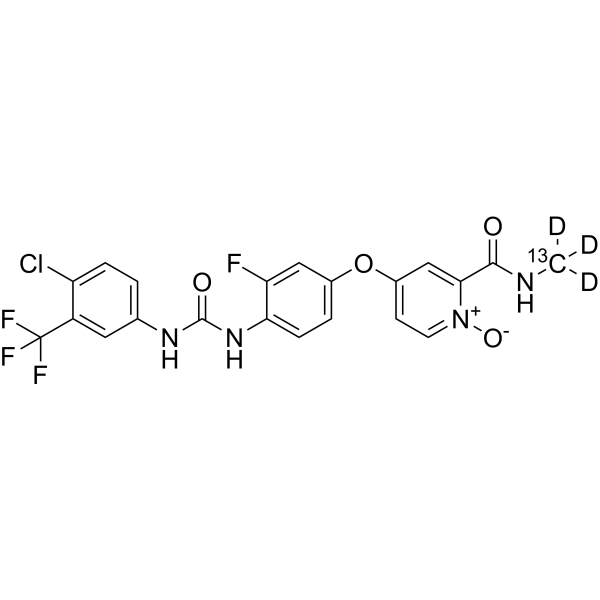
- HY-N3103R
-
|
Ethyl (E)-p-hydroxycinnamate (Standard); Ethyl trans-4-hydroxycinnamate (Standard)
|
Reference Standards
Drug Metabolite
|
Inflammation/Immunology
|
|
Benazeprilat (Standard) is the analytical standard of Benazeprilat. This product is intended for research and analytical applications. Benazeprilat is an orally active and the active metabolite of benazepril, a carboxyl-containing ACE inhibitor with antihypertensive activity. Benazepril is a well-established antihypertensive agent, both in monoresearch and in combination with other classes of drugs including thiazide diuretics and calcium channel blockers. Benazepril is a first-line research in reducing various pathologies associated with CV risk and secondary end-organ damage .
|
-

- HY-107831
-
|
|
Drug Derivative
|
Inflammation/Immunology
Cancer
|
|
5-Acetylsalicylic acid is the derivate of Aspirin (HY-14654), with anti-inflammatory property. 5-Acetylsalicylic acid is the active metabolite of Sulfasalazine (HY-14655) and its production is regulated by beneficial bacteria in the gut but is confined to the intestinal tract. 5-Acetylsalicylic acid exhibits a mild cytotoxicity effect on B16F10 cells. 5-Acetylsalicylic acid can be used for the study of inflammatory bowel disease (IBD) such as ulcerative colitis (UC) .
|
-
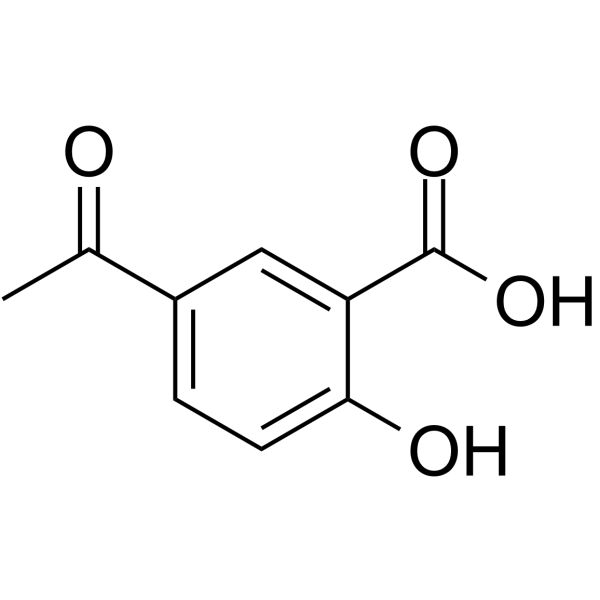
- HY-76569S1
-
|
PNU-200577-d14; 5-Hydroxymethyl Tolterodine-d14
|
mAChR
Isotope-Labeled Compounds
|
Neurological Disease
|
|
(R)-Hydroxytolterodine-d14 is deuterated labeled Desfesoterodine (HY-76569). Desfesoterodine (PNU-200577) is a potent and selective muscarinic receptor (mAChR) antagonist with a KB and a pA2 of 0.84 nM and 9.14, respectively . Desfesoterodine is a major pharmacologically active metabolite of Tolterodine (PNU-200583; HY-A0024) and Fesoterodine (HY-70053) . Desfesoterodine improves cerebral infarction induced detrusor overactivity in rats .
|
-
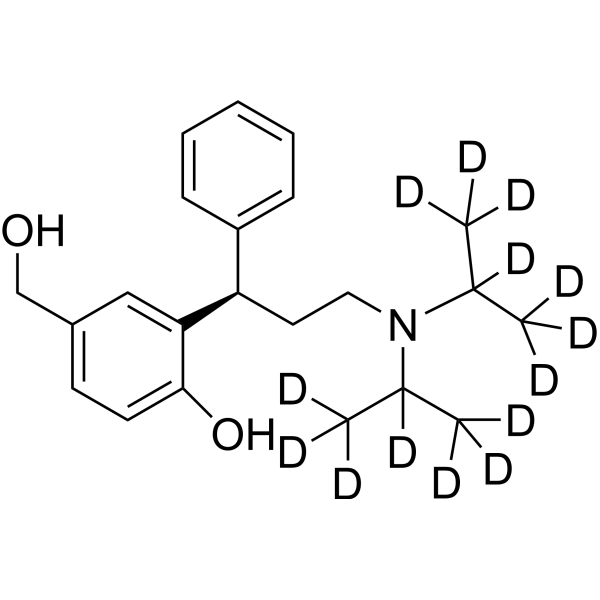
- HY-W709612
-
|
N-Desmethyl regorafenib N-oxide-d3-1
|
Isotope-Labeled Compounds
VEGFR
Raf
c-Kit
Drug Metabolite
|
Cancer
|
|
Regorafenib N-oxide and N-desmethyl (M5)-d3-1 (N-Desmethyl regorafenib N-oxide-d3-1) is the deuterium labeled Regorafenib N-oxide and N-desmethyl (M5) (HY-108226). Regorafenib N-oxide and N-desmethyl (M5) (N-Desmethyl regorafenib N-oxide) is an active metabolite of Sorafenib (HY-10201) and can be metabolized by CYP3A4 .
|
-

- HY-W013378S2
-
|
|
Endogenous Metabolite
|
Others
|
|
Carbamazepine 10,11-epoxide- 13C,d2 is the deuterium labeled Carbamazepine 10,11-epoxide-C13. Carbamazepine 10,11-epoxide-C13 is a 13C-labled Carbamazepine 10,11-epoxide. Carbamazepine 10,11-epoxide is an orally active metabolite of Carbamazepine (HY-B0246). Carbamazepine has anticonvulsant effect. Carbamazepine can be used for the research of seizures .
|
-
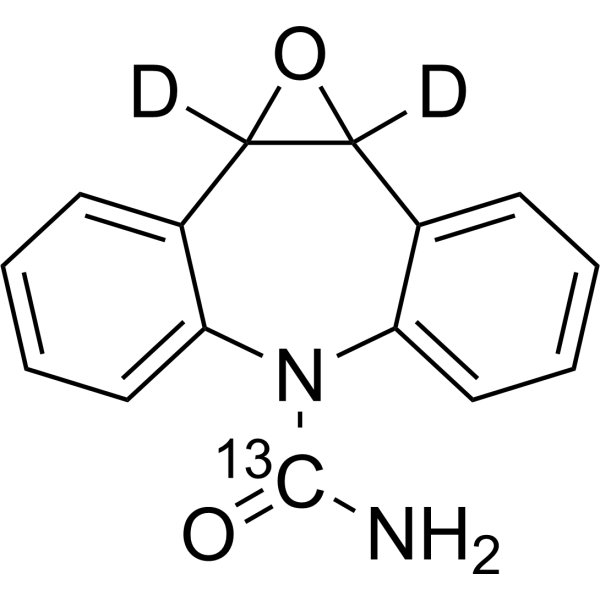
- HY-W740014
-
|
183C91; DZT
|
5-HT Receptor
|
Neurological Disease
|
|
N-Desmethyl Zolmitriptan (183C91; DZT) is the active metabolite of the serotonin (5-HT) receptor subtype 5-HT1B and 5-HT1D agonist Zolmitriptan (HY-B0229). N-Desmethyl Zolmitriptan (183C91; DZT) is an agonist of 5-HT1B receptors and induces constriction in isolated human cerebral arteries (EC50=100 nM).
|
-

- HY-I1120R
-
|
|
Reference Standards
SGLT
|
Metabolic Disease
|
|
SGLT2-IN-1 (standard) is the analytical standard for SGLT2-IN-1. This product is used for research and analytical applications. SGLT2-IN-1 (Compound 5) is an inhibitor for sodium-dependent glucose cotransporter (SGLT2), with IC50 of 33 nM in CHO cells transfected with human SGLT2. SGLT2-IN-1 is selective for SGLT2 over SGLT1. SGLT2-IN-1 is an active metabolite of dapagliflozinactive metabolite of dapagliflozin.
|
-

- HY-138153
-
|
|
Glutathione Peroxidase
Ferroptosis
|
Cancer
|
|
JKE-1674 is an orally active glutathione peroxidase 4 (GPX4) inhibitor and an active metabolite of GPX4 inhibitor ML-210. JKE-1674, an analog of ML-210 in which the nitroisoxazole ring is replaced with an α-nitroketoxime. JKE-1674 can convert into a nitrile oxide JKE-1777. JKE-1674 kills LOX-IMVI cells in a manner that is equipotent to ML-210 and is completely rescued by ferroptosis inhibitors .
|
-
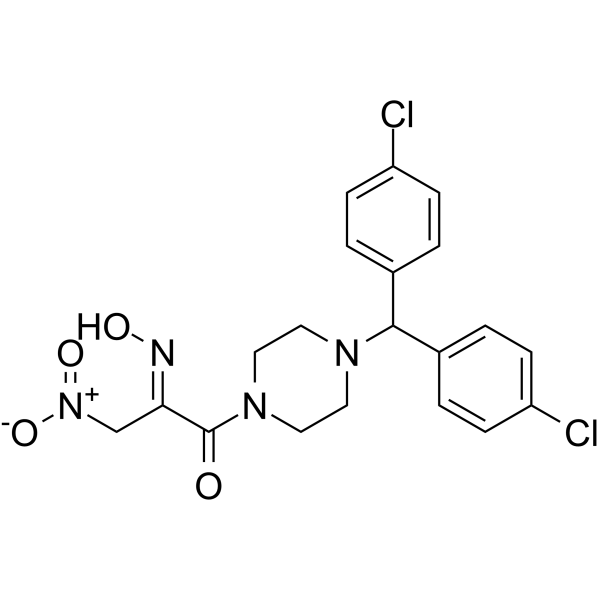
- HY-13318S1
-
|
GS 4071-13C,d3; Ro 64-0802-13C,d3; Oseltamivir carboxylate-13C,d3
|
Isotope-Labeled Compounds
Drug Metabolite
Influenza Virus
|
Infection
|
|
Oseltamivir acid-13C,d3 (GS 4071-13C,d3; Ro 64-0802-13C,d3) is a 13C- and deuterium-labeled Oseltamivir acid (HY-13318). Oseltamivir acid is the active metabolite of Oseltamivir phosphate and inhibits influenza virus neuraminidase (IC50=2 nM). Oseltamivir acid is orally active and can be used to study influenza A/B infections .
|
-
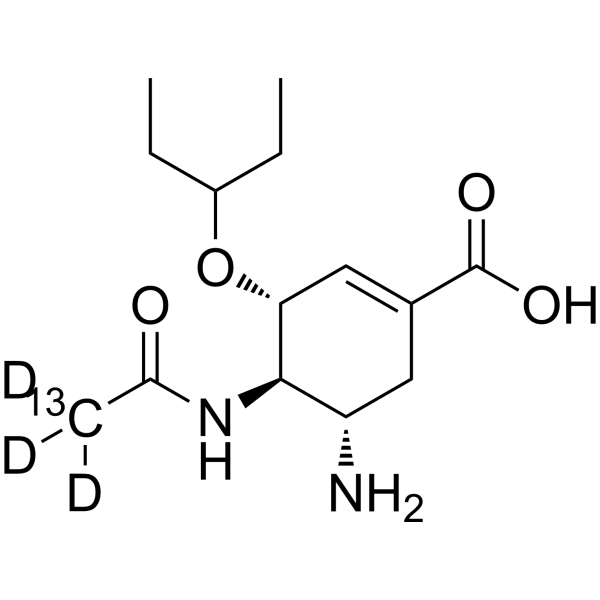
- HY-100634S
-
|
(±)-4-Hydroxy Propranolol-d7 hydrochloride
|
Isotope-Labeled Compounds
Adrenergic Receptor
|
Neurological Disease
|
|
4-Hydroxypropranolol-d7 (hydrochloride) is a deuterium labeled 4-Hydroxypropranolol hydrochloride. 4-Hydroxypropranolol hydrochlorid is an active metabolite of Propranolol, with potency comparable to Propranolol. 4-Hydroxypropranolol hydrochlorid inhibits β1- and β2-adrenergic receptors with pA2 values of 8.24 and 8.26, respectively. 4-Hydroxypropranolol hydrochlorid has intrinsic sympathomimetic activity, membrane stabilizing activity and potent antioxidant properties .
|
-
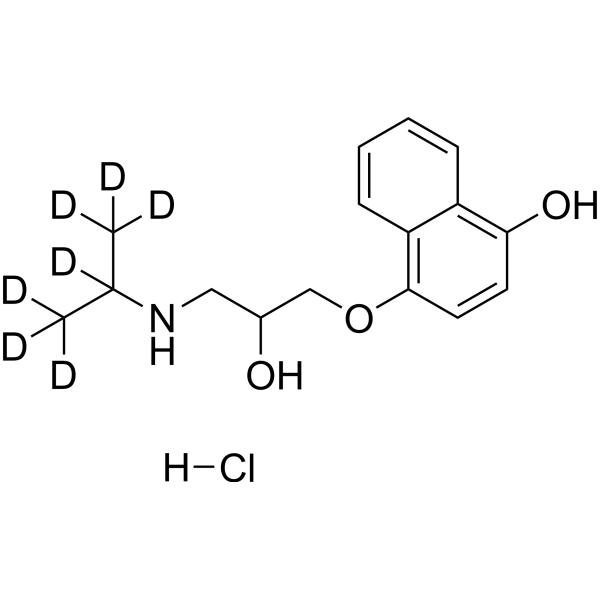
- HY-116790B
-
|
(Rac)-Penbutolol; (±)-Isopenbutolol
|
Adrenergic Receptor
|
Cardiovascular Disease
|
|
(±)-Penbutolol ((Rac)-Penbutolol) is the racemic mixture of Penbutolol. (±)-Penbutolol is an orally active β-adrenergic receptor antagonist. (±)-Penbutolol antagonizes exercise-induced tachycardia, reduces the increase in peak expiratory flow rate (PEFR) caused by exercise, and decreases resting plasma renin activity (PRA). (±)-Penbutolol reaches peak plasma concentration 1 hour after oral administration, with a half-life of 4.5 hours, and is converted into an active metabolite in the body. (±)-Penbutolol can be used in cardiovascular-related disease research .
|
-

- HY-76570S1
-
|
|
Isotope-Labeled Compounds
mAChR
|
Neurological Disease
|
|
5-Hydroxymethyl Tolterodine-d14 (formate) is deuterium labeled (Rac)-5-Hydroxymethyl Tolterodine. (Rac)-5-Hydroxymethyl Tolterodine ((Rac)-Desfesoterodine), an active metabolite of Tolterodine, is a mAChR antagonist (Ki values of 2.3 nM, 2 nM, 2.5 nM, 2.8 nM, and 2.9 nM for M1, M2, M3, M4, and M5 receptors, respectively). (Rac)-5-Hydroxymethyl Tolterodine can be used for overactive bladder research .
|
-
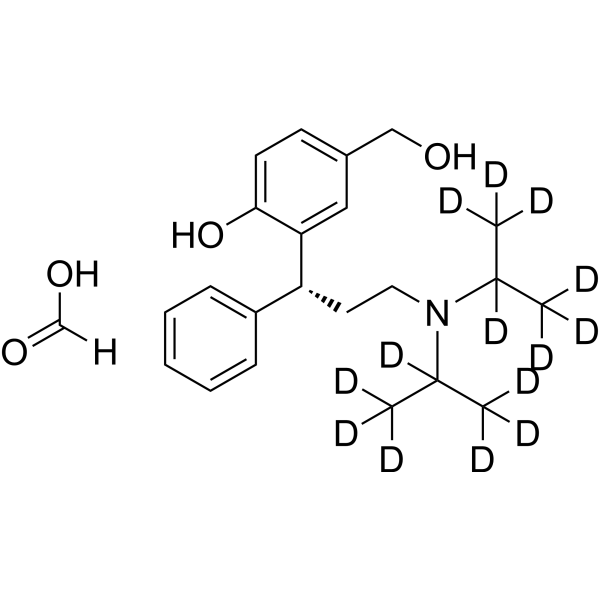
- HY-100665
-
|
OPC-14857; DM-14857
|
5-HT Receptor
Dopamine Receptor
|
Neurological Disease
|
|
Dehydroaripiprazole (OPC-14857) is an active metabolite of Aripiprazole (HY-14546) and dopamine D2/D3 receptor partial agonist. Dehydroaripiprazole also has certain affinity for serotonin 5-HT1A, 5-HT2A and 5-HT2B receptors. Dehydroaripiprazole has antipsychotic activity equivalent to Aripiprazole .
|
-
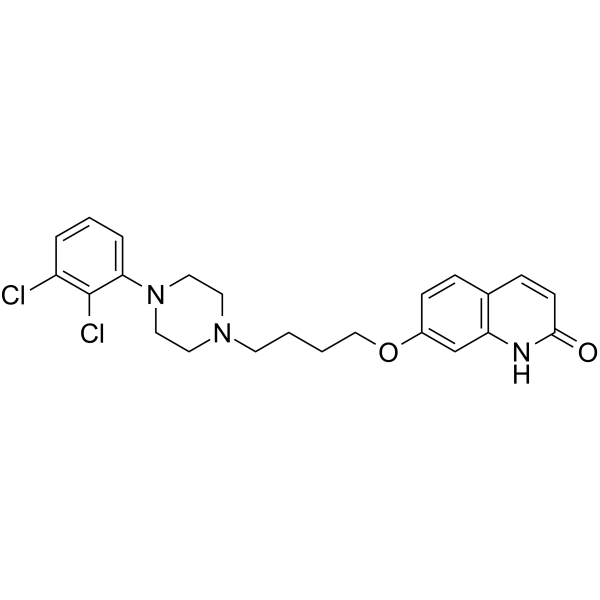
- HY-W741755S1
-
|
|
Isotope-Labeled Compounds
Dipeptidyl Peptidase
|
Metabolic Disease
|
|
5-Hydroxy saxagliptin- 13C,d2-2 hydrochloride is the 13C- and deuterium labeled 5-Hydroxy saxagliptin hydrochloride. 5-Hydroxy saxagliptin hydrochloride is an active metabolite of Saxagliptin (HY-10285) and a potent and selective DPP-4 inhibitor. 5-Hydroxy saxagliptin hydrochloride has Ki values of 2.6 nM and 2.9 nM for humans and cynomolgus monkeys, respectively. 5-Hydroxy saxagliptin hydrochloride can be used in the research of type 2 diabetes mellitus .
|
-

- HY-N0176
-
|
Dihydroqinghaosu; β-Dihydroartemisinin; Artenimol
|
Parasite
NF-κB
Autophagy
Reactive Oxygen Species (ROS)
Drug Metabolite
|
Infection
Neurological Disease
Metabolic Disease
Inflammation/Immunology
Cancer
|
|
Dihydroartemisinin is an orally active metabolite of rtemisinin (HY-B0094) and antimalarial agent. Dihydroartemisinin induces Autophagy by inhibiting NF-κB activation. Dihydroartemisinin promotes ROS accumulation. Dihydroartemisinin exhibits anticancer activity in esophageal cancer cells. Dihydroartemisinin shows schistosomicidal activity against juvenile and adult worms of Schistosoma japonicum, reduces worm burden, and displays antiparasitic activity. Dihydroartemisinin can be used in research related to multiple myeloma, promyelocytic leukemia, esophageal cancer, and Schistosoma japonicum infection .
|
-
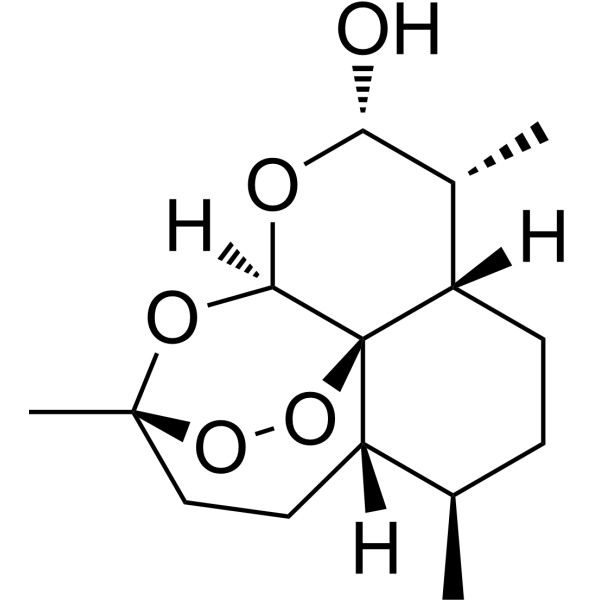
- HY-131606S
-
|
|
Isotope-Labeled Compounds
Orthopoxvirus
Drug Metabolite
CMV
DNA/RNA Synthesis
|
Infection
|
|
Cidofovir diphosphate- 13C3 is the 13C-labeled Cidofovir diphosphate (HY-131606). Cidofovir diphosphate is the intracellular active metabolite of Cidofovir (HY-17438) and its oral prodrug Brincidofovir (HY-14532). By inhibiting viral DNA polymerase (Ki ≈ 76.3 μM), cidofovir diphosphate is widely used in studies on double-stranded DNA virus infections, including cytomegalovirus (CMV), adenovirus (AdV), and poxviruses (such as monkeypox and molluscum contagiosum virus, MCV) .
|
-

- HY-16023
-
|
EM-652 hydrochloride; SCH 57068 hydrochloride
|
Estrogen Receptor/ERR
|
Cancer
|
|
Acolbifene (EM-652) hydrochloride, an active metabolite of EM800, is an orally active, cancer-preventing selective estrogen receptor modulator (SERM). Acolbifene (EM-652) hydrochloride inhibits estradiol (E2)-induced transcriptional activity of ERα (IC50=2 nM) and ERβ (IC50=0.4 nM). Acolbifene (EM-652) hydrochloride exerts a potent and pure antiestrogenic action in the mammary gland and uterus. Anticarcinogenic properties .
|
-
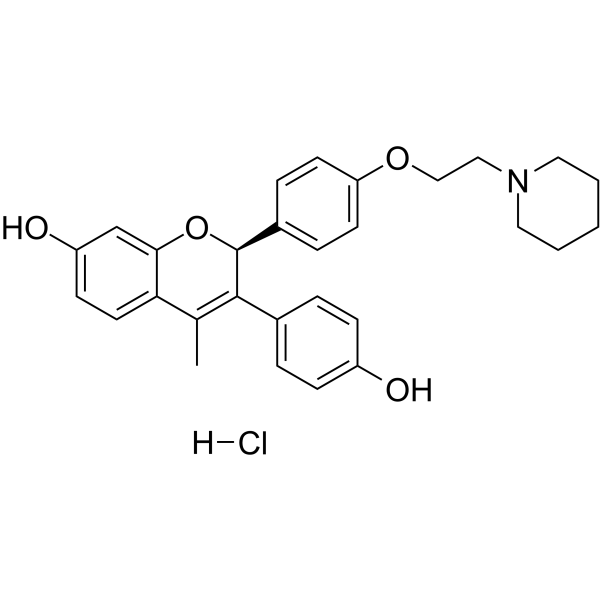
- HY-W747703
-
-

- HY-W777442
-
|
|
Isotope-Labeled Compounds
Influenza Virus
Parasite
CHIKV
|
Infection
|
|
Cletoquine-d4 Oxalate is the deuterium labeled Cletoquine (oxalate) (HY-135810A). Cletoquine oxalate (Desethylhydroxychloroquine oxalate) is a major active metabolite of Hydroxychloroquine. Cletoquine oxalate is produced in the liver by CYP2D6, CYP3A4, CYP3A5, and CYP2C8 isoenzymes. Cletoquine oxalate is also a Chloroquine derivative and has the ability to against the chikungunya virus (CHIKV). Cletoquine oxalate has antimalarial effects and has the potential for autoimmune diseases treatment .
|
-

- HY-185104
-
|
|
LXR
|
Cardiovascular Disease
|
|
Ginsenoside C-K hexapropionate ester (Structure 2) is a selective agonist of LXRα, with no significant activation effect on LXRβ. Ginsenoside C-K hexapropionate ester upregulates the expression of downstream genes such as ABCA1 by activating LXRα, promoting reverse cholesterol transport, and reducing lipid deposition in macrophage-derived foam cells. It can be used in the research of atherosclerosis. Ginsenoside C-K hexapropionate ester is a derivative synthesized from ginsenoside Compound K, an active metabolite of Panax notoginseng saponins, by modification with propionic anhydride .
|
-

- HY-76570S
-
|
(Rac)-Desfesoterodine-d14; (Rac)-PNU-200577-d14
|
Isotope-Labeled Compounds
mAChR
|
Neurological Disease
|
|
(Rac)-5-Hydroxymethyl Tolterodine-d14 is the deuterium labeled (Rac)-5-Hydroxymethyl Tolterodine. (Rac)-5-Hydroxymethyl Tolterodine ((Rac)-Desfesoterodine), an active metabolite of Tolterodine, is a mAChR antagonist (Ki values of 2.3 nM, 2 nM, 2.5 nM, 2.8 nM, and 2.9 nM for M1, M2, M3, M4, and M5 receptors, respectively). (Rac)-5-Hydroxymethyl Tolterodine can be used for overactive bladder research .
|
-
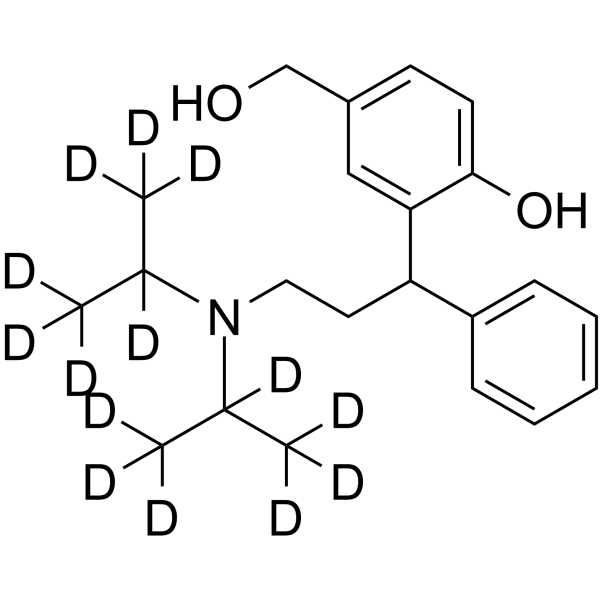
- HY-136239R
-
|
Beclomethasone-17-monopropionate (Standard); 17-BMP (Standard)
|
Reference Standards
Glucocorticoid Receptor
Drug Metabolite
|
Inflammation/Immunology
|
|
Beclomethasone 17-propionate (Standard) is the analytical standard of Beclomethasone 17-propionate. This product is intended for research and analytical applications. Beclomethasone 17-propionate (Beclomethasone-17-monopropionate), an active metabolite of Beclomethasone dipropionate (HY-13571), is a glucocorticoid receptor (GR) agonist. Beclomethasone 17-propionate exhibits greater affinity for GR than Beclomethasone dipropionate. Beclomethasone 17-propionate effectively suppresses cytokine production in chronic obstructive pulmonary disease (COPD) lung macrophages[1][2][3].
|
-

- HY-137697
-
|
|
Nucleoside Antimetabolite/Analog
DNA/RNA Synthesis
HIV Protease
HIV
Drug Metabolite
|
Infection
|
|
ddCTP is a type of chain-terminating deoxynucleotide. ddCTP can be incorporated into the extension primer chain that lacks the 3'-hydroxyl group, thereby terminating primer extension, viral genome replication, and DNA synthesis. ddCTP can distinguish almost identical RNA through distinguishable extension products in primer extension inhibition experiments. ddCTP is the active metabolite of Zalcitabine (HY-17392), which can competitively inhibit HIV reverse transcriptase, terminate the synthesis of viral DNA chains, and thereby inhibit HIV replication .
|
-

- HY-131527
-
|
N-Desmethyl Venlafaxine hydrochloride; Wy 45494
|
Serotonin Transporter
|
Metabolic Disease
|
|
Wy-45494 hydrochloride (N-Desmethyl Venlafaxine hydrochloride; Wy 45494) is a minor active metabolite of the selective norepinephrine and serotonin reuptake inhibitor (SNRI) venlafaxine. It is formed from venlafaxine via the cytochrome P450 (CYP) isomer CYP3A4.2. Wy-45494 hydrochloride inhibits norepinephrine and serotonin reuptake in rat synaptosomal preparations (IC50s of 4.7 and 1.6 μM, respectively). In vivo, Wy-45494 hydrochloride reversed reserpine-induced hypothermia in mice at a minimum effective dose (MED) of 10 mg/kg.
|
-

- HY-100634SA
-
|
(±)-4-Hydroxy Propranolol-d7
|
Isotope-Labeled Compounds
Adrenergic Receptor
|
Neurological Disease
|
|
4-Hydroxypropranolol-d7 is the deuterium labeled 4-Hydroxypropranolol hydrochloride. 4-Hydroxypropranolol hydrochlorid is an active metabolite of Propranolol. 4-Hydroxypropranolol hydrochlorid is of comparable potency to Propranolol. 4-Hydroxypropranolol hydrochlorid inhibits β1- and β2-adrenergic receptors with pA2 values of 8.24 and 8.26, respectively. 4-Hydroxypropranolol hydrochlorid has intrinsic sympathomimetic activity, membrane stabilizing activity and potent antioxidant properties .
|
-
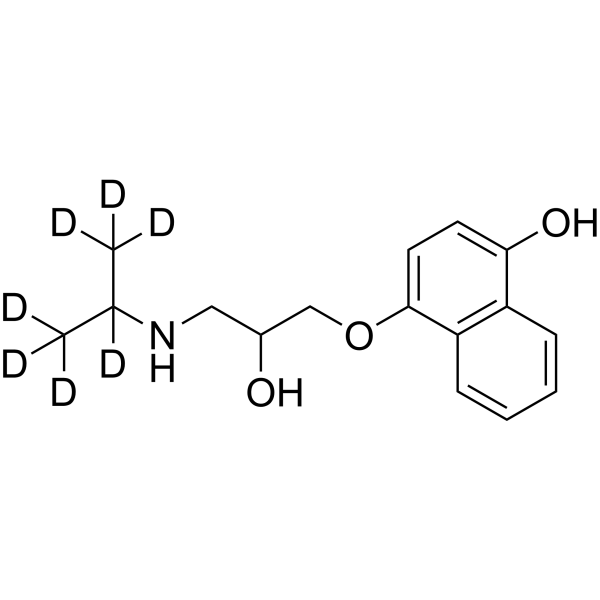
- HY-128606
-
|
|
Endogenous Metabolite
Transketolase
|
Neurological Disease
Metabolic Disease
|
|
Thiamine diphosphate analog 1 is an analog of thiamine diphosphate. Thiamine diphosphate is the active metabolite of vitamin B1 in organisms. Thiamine diphosphate targets ThDP-dependent enzymes such as transketolase and pyruvate dehydrogenase complex, acting as an essential coenzyme to exert an activating effect. Thiamine diphosphate assists in catalytic reactions in free form and initiates the catalytic cycles of various glucose-metabolizing enzymes. Thiamine diphosphate serves as a diagnostic biomarker and protective factor for Alzheimer's disease. Thiamine diphosphate can be used in research related to metabolism and Alzheimer's disease .
|
-
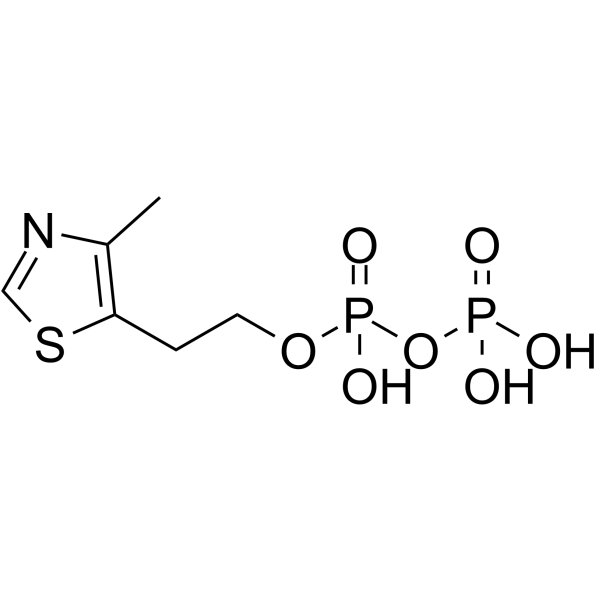
- HY-W012734R
-
|
H-HoPro-OH (Standard)
|
Reference Standards
Endogenous Metabolite
|
Metabolic Disease
|
|
L-Pipecolic acid (Standard) is an analytical standard of L-Pipecolic acid. This product is used for research and analytical applications. L-Pipecolic acid (H-HoPro-OH) is an oral active metabolite of Lysine and can accumulate in the bodily fluids of infants with autosomal inherited diseases, such as Zellweger syndrome and neonatal adrenal insufficiency. L-Pipecolic acid can promote muscle cell health and growth by enhancing protein synthesis, and plays a role in promoting gut health. L-Pipecolic acid holds promise for research in the fields of metabolic disorders, muscle growth disorders, and intestinal diseases .
|
-

- HY-W018161S
-
|
|
Isotope-Labeled Compounds
IRE1
Ferroptosis
Keap1-Nrf2
Glutathione Peroxidase
|
Metabolic Disease
|
|
Hexadecanedioic acid-d28 is the deuterium labeled Hexadecanedioic acid (HY-W018161). Hexadecanedioic acid (Thapsic acid) is an orally active metabolite produced by B. uniformis. Hexadecanedioic acid inhibits IRE1α-XBP1s-mediated flipogenesis and ferroptosis. Hexadecanedioic acid downregulates XBP1 and Hrd1 expression, activates the Nrf2/SLC7A11/GPX4 pathway. Hexadecanedioic acid can be used for the research of metabolic-associated fatty liver disease .
|
-
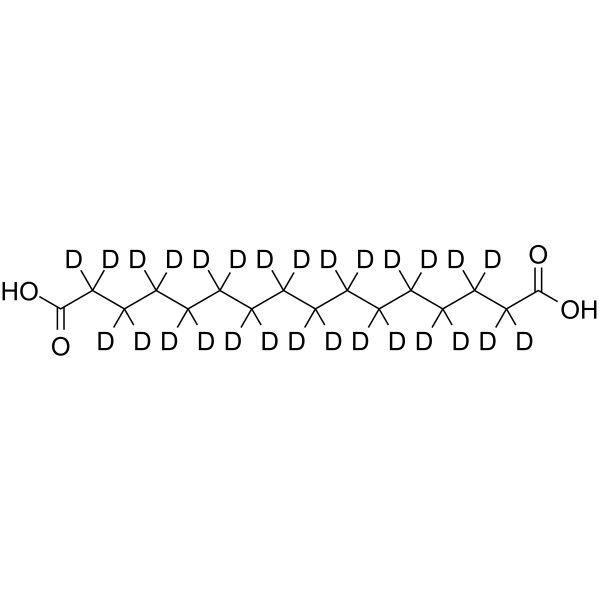
- HY-A0113
-
|
Ro 31-3113
|
Angiotensin-converting Enzyme (ACE)
|
Cardiovascular Disease
|
|
Cilazaprilat is an inhibitor of angiotensin-converting enzyme (ACE; IC50=0.7 nM for the rat enzyme) and an active metabolite of Cilazapril (HY-A0043). It decreases creatine kinase release in primary neonatal rat cardiac myocytes in an in vitro model of ischemia-reperfusion injury induced by hypoxia and reoxygenation when used at a concentration of 10 μM.3 Intra-arterial administration of cilazaprilat (3 μg/kg per minute) increases coronary blood flow and fractional shortening in a dog model of coronary hypoperfusion-induced myocardial ischemia.
|
-

- HY-165444
-
|
NGD-913
|
GABA Receptor
|
Neurological Disease
|
|
CP-615003 is a potent and subtype-selective partial agonist of GABAA receptor (GABAA receptor) (Ki = 1.1 μM). CP-615003 is mainly converted into the active metabolite CP-900725 through oxidative deamination in monkeys and humans, and the latter also has GABAA receptor affinity. CP-615003 is a substrate of P-glycoprotein (P-gp/MDR1), resulting in severe limitation of its penetration into the central nervous system (CNS). CP-615003 can be used for the study of CNS-related indications .
|
-

- HY-185643
-
|
|
Prostaglandin Receptor
|
Neurological Disease
|
|
PF-04475270 is a prodrug of CP-734432 (HY-119236), as well as an agonist of the EP4 prostaglandin receptor, with IC50 values of 2 nM and 8 nM against human and canine sources, respectively. PF-04475270 is rapidly hydrolyzed into its active metabolite CP-734432 by ocular esterases or corneal homogenate, stimulates cAMP production, and activates cAMP response element-mediated β-lactamase activity in cells expressing EP4. PF-04475270 can be used in research related to glaucoma .
|
-

- HY-12687
-
|
TIZ
|
Bacterial
HIV
Autophagy
Parasite
IKK
Influenza Virus
|
Infection
Cancer
|
|
Tizoxanide (TIZ) is the active metabolite of Nitazoxanide, which is a thiazolide anti-infective compound against anaerobic bacteria, protozoa, and a range of viruses. Tizoxanide (TIZ) has anti-HIV-1 activities and potent inhibition of both HBV and HCV replication with values EC50 of 0.46μM and 0.15 μM, respectively. Tizoxanide also exerts anti-inflammatory effects by inhibiting the production of pro-inflammatory cytokines and suppressing of the activation of the NF-κB and the MAPK signaling pathways in LPS-treated macrophage cells .
|
-
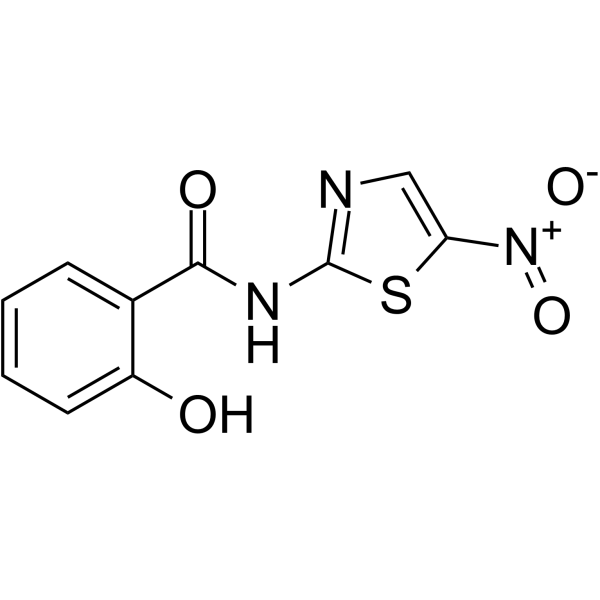
- HY-117160
-
|
4-trans-hydroxycyclohexyl Glyburide; 4-trans-hydroxy Glibenclamide
|
Potassium Channel
|
Neurological Disease
|
|
rac-trans-4-hydroxy Glyburide is an active metabolite of the SUR1/Kir6.2 sulfonylurea inhibitor glyburide (HY-15206). It is formed from glyburide by the cytochrome P450 (CYP) isoforms CYP2C8 and CYP2C9. rac-trans-4-hydroxy Glyburide inhibits glyburide binding to rat brain synaptosomes at the high and low affinity sites of SUR1/Kir6.2 with IC50 values of 0.95 and 100 nM, respectively.
|
-

- HY-151229
-
|
DETC-Me; DDTC-Me; Diethyldithiocarbamic acid methyl ester
|
Aldehyde Dehydrogenase (ALDH)
|
Metabolic Disease
|
|
S-Methyl-N,N-diethylthiolcarbamate (DETC-Me; DDTC-Me) is the active metabolite of the aldehyde dehydrogenase inhibitor disulfiram (HY-B0240). It is produced by the methylation of the disulfiram metabolite diethyldithiocarbamate in mouse liver microsomes. S-Methyl-N,N-diethylthiolcarbamate (DETC-Me; DDTC-Me) inhibits rat liver low Km aldehyde dehydrogenase (ALDH) (ID50=15.5 mg/kg). When administered at a dose of 20.6 mg/kg, it decreases mean arterial pressure (MAP) and increases heart rate in rats during ethanol stimulation.
|
-

- HY-108251
-
|
DAMPA
|
Antifolate
Drug Metabolite
Dihydrofolate reductase (DHFR)
Parasite
|
Infection
Inflammation/Immunology
|
|
Methotrexate metabolite (DAMPA) is an active metabolite of Methotrexate. Methotrexate is a Folic acid (HY-16637) antagonist, widely used as an immunosuppressant. Methotrexate metabolite is an antimalarial agent that inhibits parasite growth under physiological folic acid conditions, with IC50 values of 446 nM and 812 nM against folic acid-sensitive strains and highly resistant strains, respectively. Methotrexate metabolite exhibits pharmacokinetic characteristics of rapid clearance and extensive metabolism, with a mean clearance rate of 1.9 l/kg/h and a mean terminal half-life of 51 minutes. Methotrexate metabolite is promising for research in the field of inflammation .
|
-
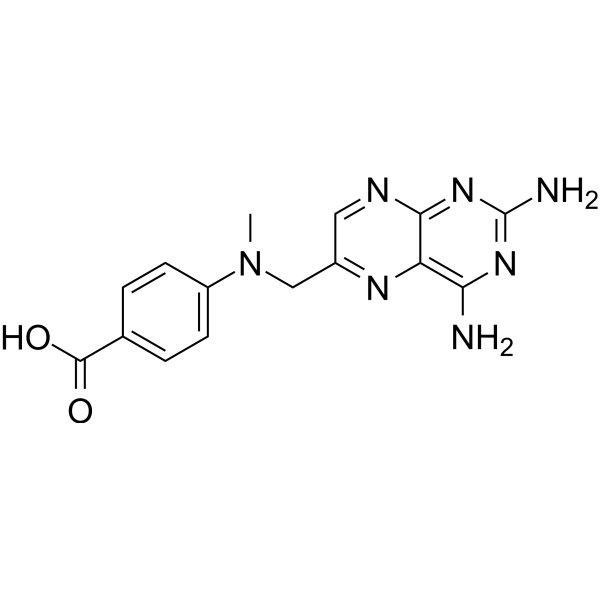
- HY-N0176S6
-
|
Dihydroqinghaosu-d; β-Dihydroartemisinin-d; Artenimol-d
|
Isotope-Labeled Compounds
Parasite
NF-κB
Autophagy
Reactive Oxygen Species (ROS)
Drug Metabolite
|
Infection
Neurological Disease
Metabolic Disease
Inflammation/Immunology
Cancer
|
|
Dihydroartemisinin-d (Dihydroqinghaosu-d) is the deuterium labeled Dihydroartemisinin (HY-N0176). Dihydroartemisinin is an orally active metabolite of rtemisinin (HY-B0094) and antimalarial agent. Dihydroartemisinin induces Autophagy by inhibiting NF-κB activation. Dihydroartemisinin promotes ROS accumulation. Dihydroartemisinin exhibits anticancer activity in esophageal cancer cells. Dihydroartemisinin shows schistosomicidal activity against juvenile and adult worms of Schistosoma japonicum, reduces worm burden, and displays antiparasitic activity. Dihydroartemisinin can be used in research related to multiple myeloma, promyelocytic leukemia, esophageal cancer, and Schistosoma japonicum infection.
|
-

- HY-W013272R
-
|
HFT (Standard)
|
Reference Standards
Androgen Receptor
Drug Metabolite
Akt
PI3K
Gap Junction Protein
Integrin
|
Cancer
|
|
Hydroxyflutamide (Standard) (HFT (Standard)) is the analytical standard of Hydroxyflutamide (HY-W013272). This product is intended for research and analytical applications. Hydroxyflutamide (HFT) is the active metabolite of Flutamide (HY-B0022) and exhibits oral activity. Hydroxyflutamide is a potent androgen receptor antagonist with an IC50 of 700 nM. Hydroxyflutamide can affect embryonic development and reproductive tract development in mice. Additionally, Hydroxyflutamide can enhance the efficacy of Bacillus Calmette-Guérin (BCG) to better inhibit the progression of bladder cancer. Hydroxyflutamide can be used in research related to tumors and reproductive diseases .
|
-

- HY-100665R
-
|
OPC-14857 (Standard); DM-14857 (Standard)
|
Reference Standards
5-HT Receptor
|
Neurological Disease
|
|
Dehydroaripiprazole (Standard) is the analytical standard of Dehydroaripiprazole. This product is intended for research and analytical applications. Dehydroaripiprazole (OPC-14857) is an active metabolite of Aripiprazole (HY-14546) and dopamine D2/D3 receptor partial agonist. Dehydroaripiprazole also has certain affinity for serotonin 5-HT1A, 5-HT2A and 5-HT2B receptors. Dehydroaripiprazole has antipsychotic activity equivalent to Aripiprazole .
|
-
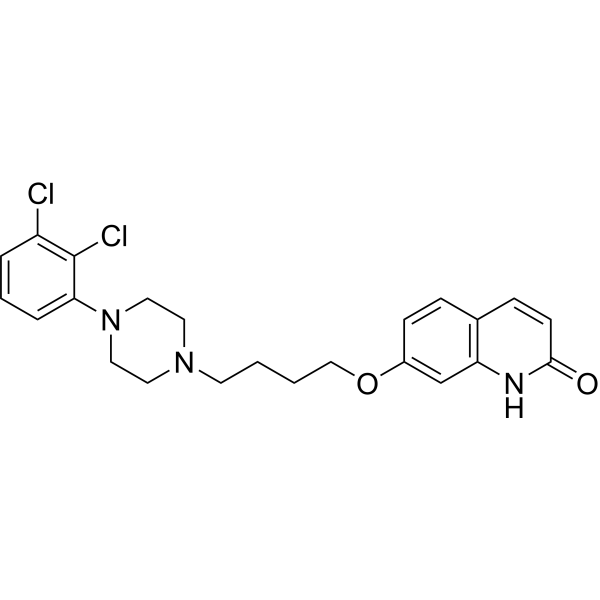
- HY-W050000
-
OR-1855
1 Publications Verification
|
Drug Metabolite
Reactive Oxygen Species (ROS)
ERK
p38 MAPK
|
Cardiovascular Disease
Inflammation/Immunology
|
|
OR-1855, an active metabolite of Levosimendan (HY-14286), has effect on myometrial contractility. OR-1855 exerts anti-inflammatory effects by inhibiting IL-1β-induced ROS formation and NAD(P)H oxidase-dependent superoxide radical generation in HUVECs. OR-1855 inhibits IL-1β-induced phosphorylation p38 MAPK, ERK1/2, c-Jun and JNK in HUVECs. OR-1855 can be used for the study of inflammation .
|
-
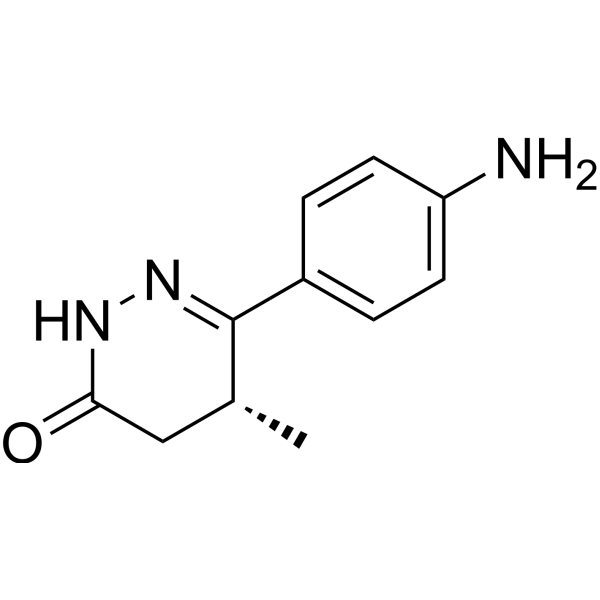
- HY-137697A
-
|
|
Drug Metabolite
HIV
Nucleoside Antimetabolite/Analog
HIV Protease
DNA/RNA Synthesis
|
Infection
|
|
ddCTP tetrasodium is a type of chain-terminating deoxynucleotide. ddCTP tetrasodium can be incorporated into the extension primer chain that lacks the 3'-hydroxyl group, thereby terminating primer extension, viral genome replication, and DNA synthesis. ddCTP tetrasodium can distinguish almost identical RNA through distinguishable extension products in primer extension inhibition experiments. ddCTP tetrasodium is the active metabolite of Zalcitabine (HY-17392), which can competitively inhibit HIV reverse transcriptase, terminate the synthesis of viral DNA chains, and thereby inhibit HIV replication .
|
-

- HY-W754151
-
|
|
Isotope-Labeled Compounds
|
Others
|
|
N-Desmethyl apalutamide-d4 is the deuterium-labeled N-Desmethyl-Apalutamide (HY-135331). N-Desmethyl Apalutamide is an active metabolite of Apalutamide. N-Desmethyl Apalutamide is a less potent antagonist of the androgen receptor and is responsible for one-third of the activity of Apalutamide. The formation of N-Desmethyl Apalutamide mediated predominantly by CYP2C8 and CYP3A4. N-Desmethyl Apalutamide is moderate to strong CYP3A4 and CYP2B6 inducer and has an excellent plasma-proteins bound concentration .
|
-
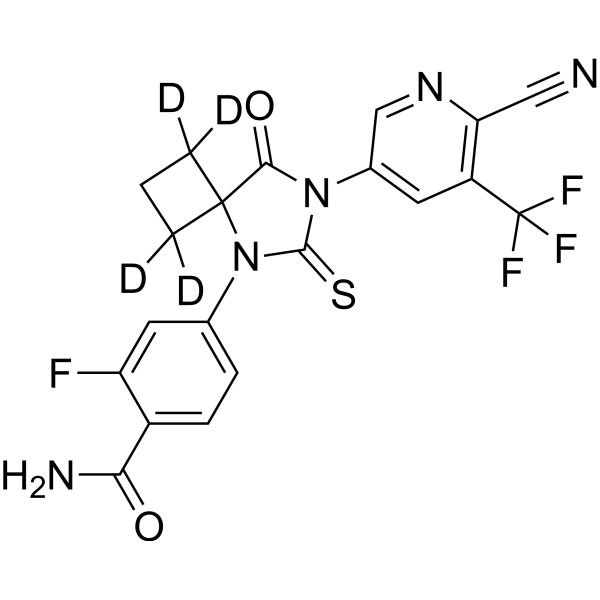
- HY-137697B
-
|
|
HIV
DNA/RNA Synthesis
Nucleoside Antimetabolite/Analog
Drug Metabolite
HIV Protease
|
Infection
|
|
ddCTP trilithium is a type of chain-terminating deoxynucleotide. ddCTP trilithium can be incorporated into the extension primer chain that lacks the 3'-hydroxyl group, thereby terminating primer extension, viral genome replication, and DNA synthesis. ddCTP trilithium can distinguish almost identical RNA through distinguishable extension products in primer extension inhibition experiments. ddCTP trilithium is the active metabolite of Zalcitabine (HY-17392), which can competitively inhibit HIV reverse transcriptase, terminate the synthesis of viral DNA chains, and thereby inhibit HIV replication .
|
-
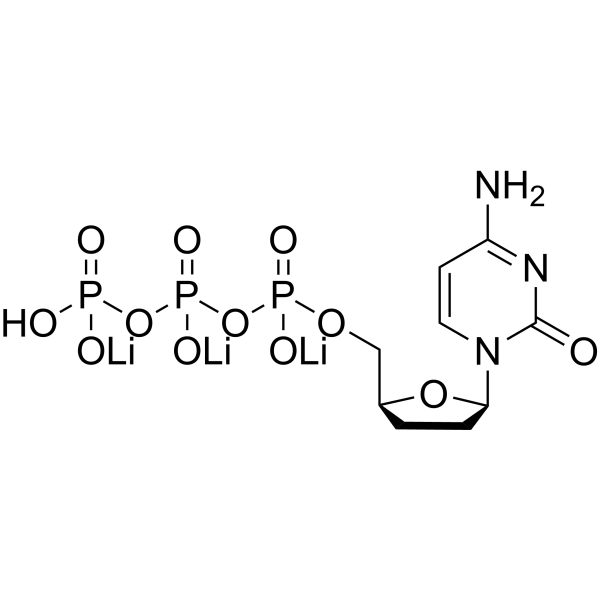
- HY-100634R
-
|
(±)-4-hydroxy Propranolol hydrochloride (Standard)
|
Reference Standards
Adrenergic Receptor
|
Neurological Disease
|
|
4-Hydroxypropranolol (hydrochloride) (Standard) is the analytical standard of 4-Hydroxypropranolol (hydrochloride). This product is intended for research and analytical applications. 4-Hydroxypropranolol hydrochlorid is an active metabolite of Propranolol. 4-Hydroxypropranolol hydrochlorid is of comparable potency to Propranolol. 4-Hydroxypropranolol hydrochlorid inhibits β1- and β2-adrenergic receptors with pA2 values of 8.24 and 8.26, respectively. 4-Hydroxypropranolol hydrochlorid has intrinsic sympathomimetic activity, membrane stabilizing activity and potent antioxidant properties .
|
-

- HY-147342
-
|
|
Drug Metabolite
IMPDH
|
Cancer
|
|
β-Benzamide adenine dinucleotide is a biologically active metabolite of benzamide riboside. β-Benzamide adenine dinucleotide is a competitive inhibitor of human NAD kinase with a Ki value of 90 μM, and inhibits human IMPDH with IC50 values of 0.787 μM and 0.884 μM for type I and type II, respectively. β-Benzamide adenine dinucleotide exhibits inhibitory activities against lactate dehydrogenase, glutamate dehydrogenase, and malate dehydrogenase. β-Benzamide adenine dinucleotide can be used for the study of chronic myelogenous leukemia .
|
-

- HY-182012
-
|
|
Drug Derivative
|
Cardiovascular Disease
|
|
DT-678 is an orally active antiplatelet and antithrombotic inhibitor. DT-678 is a conjugate formed by linking the active metabolite of Clopidogrel (HY-15283) with 3-nitropyridine-2-thiol via a mixed disulfide bond. DT-678 does not rely on CYP2C19 for activation, and directly releases active substances via thiol exchange reactions in vivo, exhibiting superior efficacy over Clopidogrel. DT-678 can be used in research related to acute coronary syndrome and thrombosis .
|
-

- HY-W018161R
-
|
Thapsic acid (Standard)
|
Reference Standards
IRE1
Ferroptosis
Keap1-Nrf2
Glutathione Peroxidase
|
Metabolic Disease
|
|
Hexadecanedioic acid (Thapsic acid) (Standard) is the analytical standard of Hexadecanedioic acid (HY-W018161). This product is intended for research and analytical applications. Hexadecanedioic acid is an orally active metabolite produced by B. uniformis. Hexadecanedioic acid inhibits IRE1α-XBP1s-mediated flipogenesis and ferroptosis. Hexadecanedioic acid downregulates XBP1 and Hrd1 expression, activates the Nrf2/SLC7A11/GPX4 pathway. Hexadecanedioic acid can be used for the research of metabolic-associated fatty liver disease .
|
-

- HY-16734
-
|
MT-1303
|
LPL Receptor
|
Cardiovascular Disease
Inflammation/Immunology
|
|
Amiselimod (MT-1303) is converted to its active metabolite Amiselimod phosphate by sphingosine kinases in vivo. Amiselimod is an orally active and high selectivity sphingosine 1-phosphate receptor-1 (S1P1) agonist, designed to reduce the bradycardia effects associated with fingolimod and other S1P receptor modulators. Amiselimod inhibits chronic colitis via inhibiting infiltration of colitogenic Th1 and Th17 cells into the colon. Amiselimod inhibits lupus nephritis by reducing the infiltration of autoreactive T cells into the kidneys. Amiselimodis promising for research of autoimmune diseases .
|
-

- HY-182917
-
|
|
|
Cancer
|
|
MMB-DTCs-1,3-diaminopropane-DTCs-MMB is a Cuproptosis/Ferroptosis/Apoptosis inducer, and serves as the active metabolite of DMAPT-DTCs-1,3-diaminopropane-DTCs-DMAPT dimethanesulfonate (HY-182918). MMB-DTCs-1,3-diaminopropane-DTCs-MMB induces mitochondrial dysfunction, promotes reactive oxygen species (ROS) production, disrupts redox homeostasis, and triggers apoptosis, ferroptosis and cuproptosis in lung cancer cells. MMB-DTCs-1,3-diaminopropane-DTCs-MMB can be used in the research of lung cancer .
|
-

- HY-19518
-
|
NCX116; LBN
|
Prostaglandin Receptor
|
Neurological Disease
|
|
Latanoprostene bunod (NCX116; LBN) is a nitric oxide-releasing prostaglandin F2α analog. Latanoprostene bunod is a prodrug that, upon instillation into the eye, is hydrolyzed by corneal esterases into two active metabolites: Latanoprost (HY-B0577) and NO. Latanoprost activates the prostaglandin FP receptor to increase the outflow of aqueous humor through the uveoscleral pathway. NO increases aqueous humor drainage through the trabecular meshwork pathway, achieving synergistic enhancement targeting the dual pathways of aqueous humor outflow. Latanoprostene bunod can be used in research related to open-angle glaucoma and ocular hypertension .
|
-
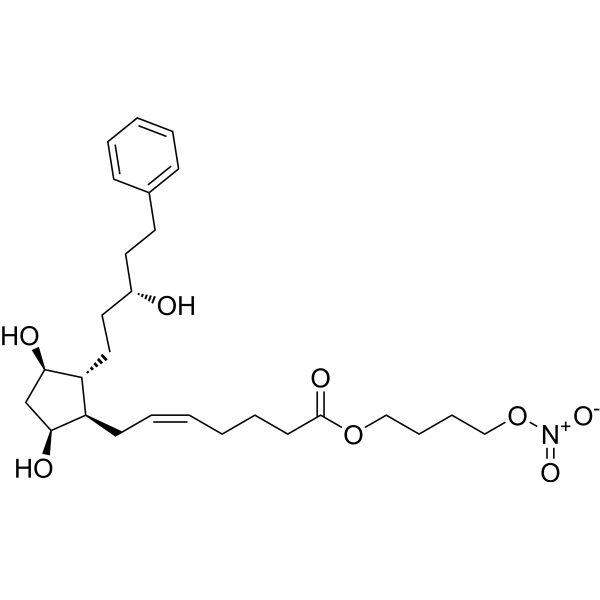
- HY-W751181
-
|
CGP62221-13C6; O-Desmethyl PKC412-13C6
|
Isotope-Labeled Compounds
PKC
|
Cancer
|
|
O-Desmethyl midostaurin- 13C6 (CGP62221- 13C6; O-Desmethyl PKC412- 13C6) is the 13C-labeled O-Desmethyl Midostaurin (HY-129491). O-Desmethyl Midostaurin (CGP62221; O-Desmethyl PKC412) is the active metabolite of Midostaurin (HY-10230) via cytochrome P450 liver enzyme metabolism. O-Desmethyl Midostaurin can be used as an indicator for Midostaurin metabolism in vivo . Midostaurin is a multi-targeted protein kinase inhibitor?with?IC50?ranging from 22-500 nM.
|
-

- HY-A0111A
-
|
Ro15-8074/001; Deacetoxycefotaxime sodium
|
Antibiotic
Bacterial
Penicillin-binding protein (PBP)
Drug Metabolite
|
Infection
|
|
Cefetamet (Ro 15-8074) sodium is a cephalosporin antibiotic and the active metabolite of Cefetamet pivoxil (HY-B1894A). Cefetamet sodium binds to bacterial penicillin-binding protein (PBP) (IC50 for PBP3 in Escherichia coli W3110 is 2.5 μg/mL). Cefetamet sodium has significant activity against Gram-negative bacteria such as Enterobacteriaceae, Neisseria species, and Haemophilus influenzae, as well as Gram-positive bacteria such as Streptococcus. Cefetamet sodium kills and lyses Treponema pallidum. Cefetamet sodium can be used in the research of respiratory tract, urinary tract, ear, nose and throat infections, and syphilis .
|
-

- HY-16734A
-
|
MT-1303 hydrochloride
|
LPL Receptor
|
Cardiovascular Disease
Inflammation/Immunology
|
|
Amiselimod (MT-1303) hydrochloride is converted to its active metabolite Amiselimod phosphate by sphingosine kinases in vivo. Amiselimod hydrochloride is an orally active and high selectivity sphingosine 1-phosphate receptor-1 (S1P1) agonist, designed to reduce the bradycardia effects associated with fingolimod and other S1P receptor modulators. Amiselimod hydrochloride inhibits chronic colitis via inhibiting infiltration of colitogenic Th1 and Th17 cells into the colon. Amiselimod hydrochloride inhibits lupus nephritis by reducing the infiltration of autoreactive T cells into the kidneys. Amiselimod hydrochloride is promising for research of autoimmune diseases .
|
-
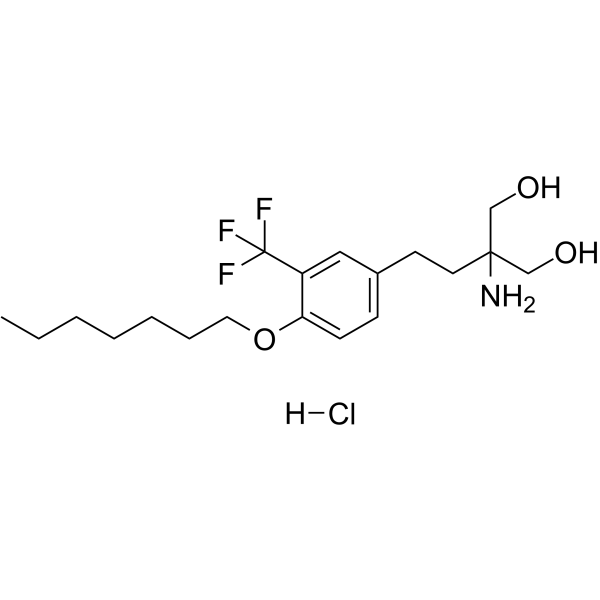
- HY-A0111B
-
|
Ro 15-8074 hydrochloride; Deacetoxycefotaxime hydrochloride
|
Antibiotic
Bacterial
Penicillin-binding protein (PBP)
Drug Metabolite
|
Infection
|
|
Cefetamet (Ro 15-8074) hydrochloride is a cephalosporin antibiotic and the active metabolite of Cefetamet pivoxil (HY-B1894A). Cefetamet hydrochloride binds to bacterial penicillin-binding protein (PBP) (IC50 for PBP3 in Escherichia coli W3110 is 2.5 μg/mL). Cefetamet hydrochloride has significant activity against Gram-negative bacteria such as Enterobacteriaceae, Neisseria species, and Haemophilus influenzae, as well as Gram-positive bacteria such as Streptococcus. Cefetamet hydrochloride kills and lyses Treponema pallidum. Cefetamet hydrochloride can be used in the research of respiratory tract, urinary tract, ear, nose and throat infections, and syphilis .
|
-
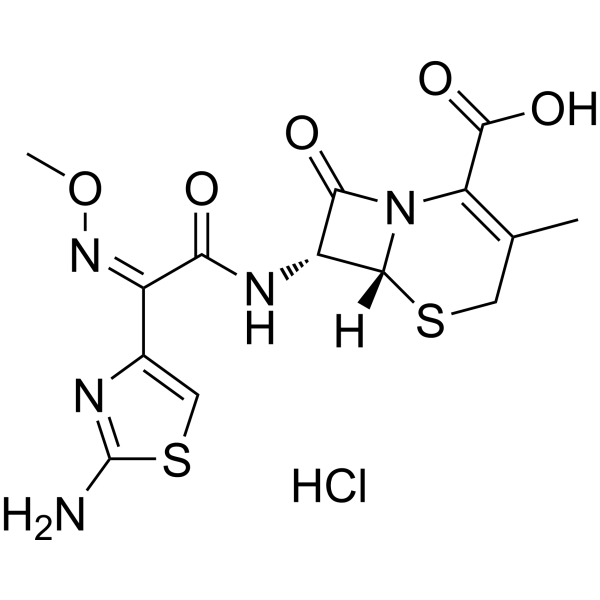
- HY-W009512S1
-
|
RS-94287-d6
|
Isotope-Labeled Compounds
|
Others
|
|
N-(2,6-Dimethylphenyl)-2-(piperazin-1-yl)acetamide-d6 (N-[(2-chlorophenyl)carbamoyl]phenylalanine-d6) is deuterium-labeled CVT-2738 (HY-W009512). CVT-2738 is an orally active metabolite of Ranolazine (HY-B0280). CVT-2738 has a protective effect against isoprenaline (HY-108353)-induced myocardial ischemia in mice. CVT-2738 can be used in myocardial ischemia research .
|
-

- HY-106591A
-
|
Vinylcyclohexene diepoxide
|
Environmental Pollutants
Akt
Apoptosis
mTOR
Reactive Oxygen Species (ROS)
PI3K
|
Endocrinology
|
|
4-Vinylcyclohexene dioxide (4-Vinylcyclohexene diepoxide) is an orally active metabolite of 4-vinylcyclohexene. 4-Vinylcyclohexene dioxide induces Apoptosis, increases intracellular ROS, and activates the PI3K/Akt/mTOR pathway. 4-Vinylcyclohexene dioxide selectively damages small ovarian follicles, inhibits granulosa cell function, and disrupts the male reproductive system. 4-Vinylcyclohexene dioxide can be used in the study of premature ovarian insufficiency, reproductive toxicity, and related fertility disorders .
|
-

- HY-A0111
-
|
Ro 15-8074; Deacetoxycefotaxime
|
Antibiotic
Bacterial
Penicillin-binding protein (PBP)
Drug Metabolite
|
Infection
|
|
Cefetamet (Ro 15-8074) is a cephalosporin antibiotic and the active metabolite of Cefetamet pivoxil (HY-B1894A). Cefetamet binds to bacterial penicillin-binding protein (PBP) (IC50 for PBP3 in Escherichia coli W3110 is 2.5 μg/mL). Cefetamet has significant activity against Gram-negative bacteria such as Enterobacteriaceae, Neisseria species, and Haemophilus influenzae, as well as Gram-positive bacteria such as Streptococcus. Cefetamet kills and lyses Treponema pallidum. Cefetamet can be used in the research of respiratory tract, urinary tract, ear, nose and throat infections, and syphilis .
|
-
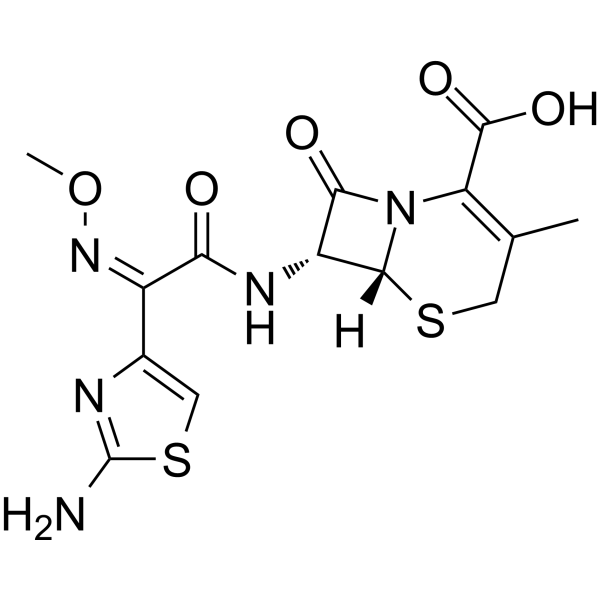
- HY-135331S
-
|
|
Isotope-Labeled Compounds
Androgen Receptor
Cytochrome P450
|
Cancer
|
|
N-Desmethyl-Apalutamide-15N,d4 is the 15N and deuterium labeled isotope of N-Desmethyl-Apalutamide (HY-135331). N-Desmethyl Apalutamide is an active metabolite of Apalutamide. N-Desmethyl Apalutamide is a less potent antagonist of the androgen receptor and is responsible for one-third of the activity of Apalutamide. The formation of N-Desmethyl Apalutamide mediated predominantly by CYP2C8 and CYP3A4. N-Desmethyl Apalutamide is moderate to strong CYP3A4 and CYP2B6 inducer and has an excellent plasma-proteins bound concentration .
|
-

- HY-107831R
-
|
|
Reference Standards
Others
|
Inflammation/Immunology
Cancer
|
|
5-Acetylsalicylic acid (Standard) is the analytical standard of 5-Acetylsalicylic acid (HY-107831). This product is intended for research and analytical applications. 5-Acetylsalicylic acid is the derivate of Aspirin (HY-14654), with anti-inflammatory property. 5-Acetylsalicylic acid is the active metabolite of Sulfasalazine (HY-14655) and its production is regulated by beneficial bacteria in the gut but is confined to the intestinal tract. 5-Acetylsalicylic acid exhibits a mild cytotoxicity effect on B16F10 cells. 5-Acetylsalicylic acid can be used for the study of inflammatory bowel disease (IBD) such as ulcerative colitis (UC) .
|
-

- HY-16985
-
|
ODM-201; BAY-1841788
|
Androgen Receptor
|
Cancer
|
|
Darolutamide (ODM-201) is an orally active competitive androgen receptor (AR) antagonist. Darolutamide has a Ki of 11 nM for rat wild-type AR (wtAR) and IC50 of 26 nM for human wild-type AR (hAR)-mediated transcriptional activation . Darolutamide inhibits testosterone-induced AR nuclear translocation and transcriptional activation . Darolutamide exerts selective effects on AR-positive cells by inhibiting AR-dependent signaling pathways, and its active metabolite retains full antagonistic activity against AR mutants . Darolutamide can be used for the research of prostate cancer, including androgen receptor-dependent prostate cancer .
|
-
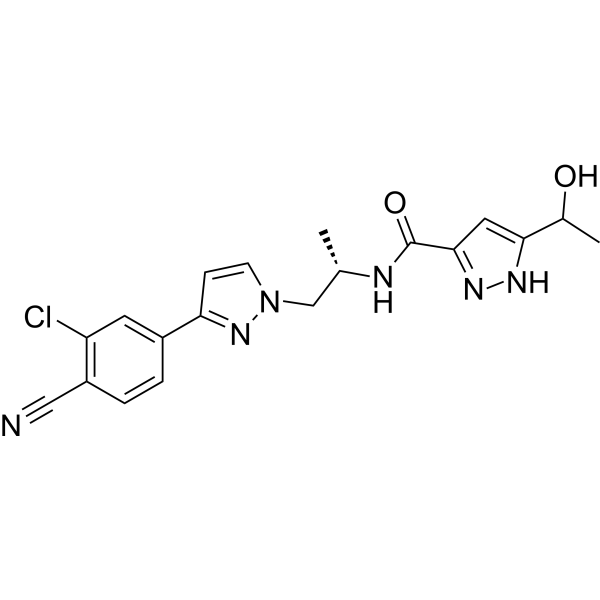
- HY-16950A
-
|
Afimoxifene; 4-OHT
|
Estrogen Receptor/ERR
Adhesion G Protein-coupled Receptors (AGPCRs)
Drug Metabolite
|
Metabolic Disease
Cancer
|
|
(E/Z)-4-Hydroxytamoxifen (Afimoxifene) is a racemic compound of (Z)-4-Hydroxytamoxifen and (E)-4-Hydroxytamoxifen isomers. (E/Z)-4-Hydroxytamoxifen is a selective estrogen receptor modulator with mixed estrogenic and antiestrogenic activity, which is also an active metabolite of Tamoxifen (HY-13757A). (E/Z)-4-Hydroxytamoxifen is an agonist of the G protein-coupled estrogen receptor (GPER) with relatively low affinity (100-1000 nM). (E/Z)-4-Hydroxytamoxifen is promising for research of cyclical mastalgia, such as breast pain, tenderness, and nodularity .
|
-
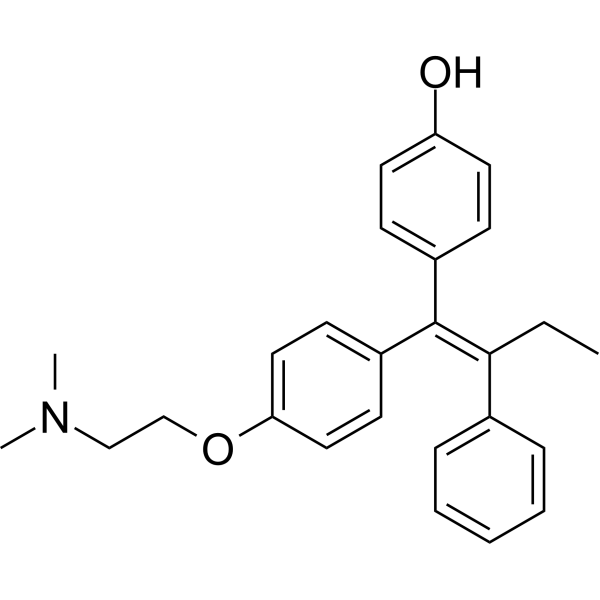
- HY-12687R
-
|
TIZ (Standard)
|
Reference Standards
Bacterial
HIV
Autophagy
Parasite
IKK
Influenza Virus
|
Infection
Cancer
|
|
Tizoxanide (Standard) is the analytical standard of Tizoxanide. This product is intended for research and analytical applications. Tizoxanide (TIZ) is the active metabolite of Nitazoxanide, which is a thiazolide anti-infective compound against anaerobic bacteria, protozoa, and a range of viruses. Tizoxanide (TIZ) has anti-HIV-1 activities and potent inhibition of both HBV and HCV replication with values EC50 of 0.46μM and 0.15 μM, respectively. Tizoxanide also exerts anti-inflammatory effects by inhibiting the production of pro-inflammatory cytokines and suppressing of the activation of the NF-κB and the MAPK signaling pathways in LPS-treated macrophage cells .
|
-
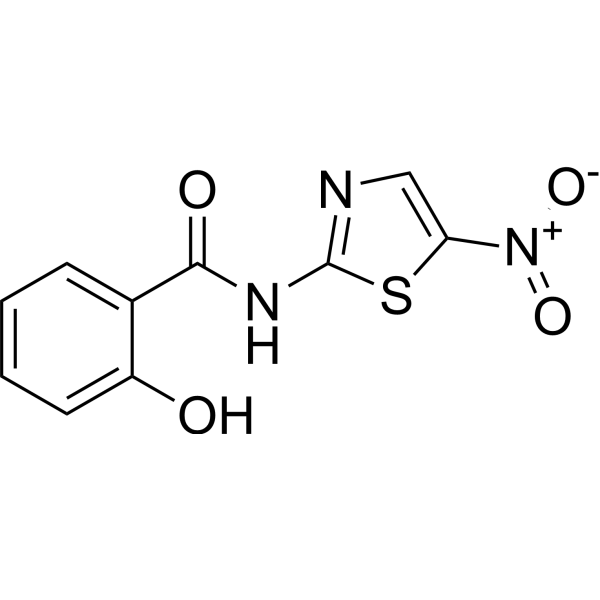
- HY-Z7733
-
|
Desmethylcarvedilol; BM-14242
|
Calcium Channel
|
Metabolic Disease
|
|
O-Desmethylcarvedilol (Desmethylcarvedilol) is an active metabolite of the non-selective β-adrenergic receptor (β-AR) antagonist Carvedilol (HY-B0006). O-Desmethylcarvedilol inhibits store-overload-induced calcium release in HEK293 cells expressing the ryanodine receptor 2 (RyR2) R4496C (RyR2 R4496C) mutation (IC50 = 7.62 µM). O-Desmethylcarvedilol reduces increases in heart rate and prevents decreases in diastolic blood pressure induced by Isoproterenol (HY-B0468) in conscious rabbits (ED50s = 32 and 5 µg/kg, respectively) .
|
-

- HY-B1787
-
|
|
mTOR
Drug Metabolite
CDK
PPAR
Apoptosis
|
Cancer
|
|
Sulindac sulfone is an orally active metabolite of Sulindac (HY-B0008). Sulindac sulfone activates PPARγ and drives transcriptional induction of SSAT by binding to the PPRE-2 element. Sulindac sulfone induces Apoptosis. Sulindac sulfone negatively regulates the function of VDAC1/2 to inhibit the mTORC1 pathway, reduces Cyclin D1 levels, and induces G1 cell cycle arrest in colon cancer cells. Sulindac sulfone exerts colon cancer preventive effects through a COX-independent mechanism. Sulindac sulfone can be used in research related to colon cancer .
|
-
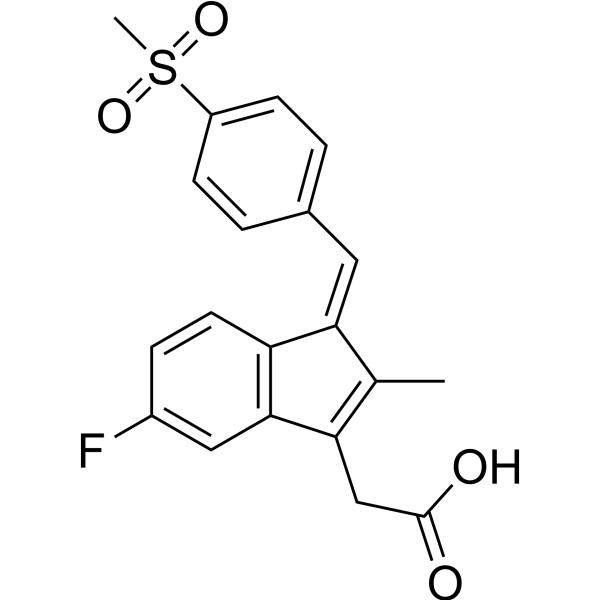
- HY-137697D
-
|
|
HIV
DNA/RNA Synthesis
Nucleoside Antimetabolite/Analog
Drug Metabolite
HIV Protease
|
Infection
|
|
ddCTP trilithium solution (100 mM) is a chain-terminating dideoxynucleotide. ddCTP trilithium is a type of chain-terminating deoxynucleotide. ddCTP trilithium can be incorporated into the extension primer chain that lacks the 3'-hydroxyl group, thereby terminating primer extension, viral genome replication, and DNA synthesis. ddCTP trilithium can distinguish almost identical RNA through distinguishable extension products in primer extension inhibition experiments. ddCTP trilithium is the active metabolite of Zalcitabine (HY-17392), which can competitively inhibit HIV reverse transcriptase, terminate the synthesis of viral DNA chains, and thereby inhibit HIV replication .
|
-
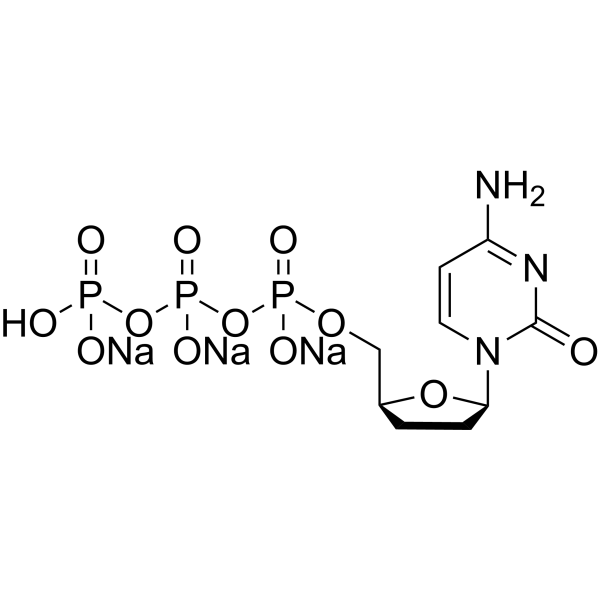
- HY-13568
-
|
LRCL 3794
|
Cytochrome P450
COX
Lipoxygenase
PGE synthase
|
Inflammation/Immunology
|
Benoxaprofen (LRCL 3794) is a nonsteroidal anti-inflammatory agent that blocks the biosynthesis of inflammatory mediators such as leukotrienes and prostaglandins by inhibiting 5-LOX, PGH2 synthase and cytochrome P-450. Benoxaprofen exhibits significant toxicity: it not only alters cellular redox status, uncouples oxidative phosphorylation and disrupts calcium ion homeostasis, but also causes liver injury through the formation of covalent adducts between its active metabolites and hepatic proteins. Benoxaprofen shows strong phototoxicity under ultraviolet irradiation, and induces erythrocyte lysis, mast cell degranulation and histamine release. Benoxaprofen is widely used in studies of urticaria and related phototoxic mechanisms .
|
-
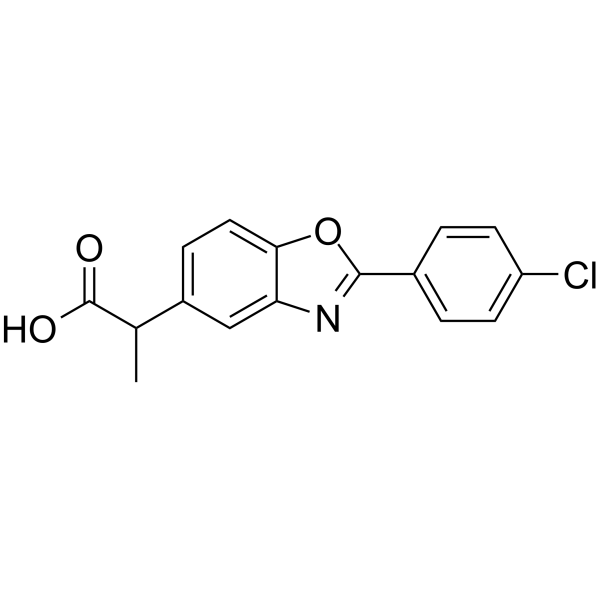
- HY-B2121
-
|
6-MNA; Naproxen impurity O
|
Drug Metabolite
COX
|
Neurological Disease
Inflammation/Immunology
|
|
6-Methoxy-2-naphthoic acid (6-MNA) is the active metabolite of Nabumetone (HY-B0559). 6-Methoxy-2-naphthoic acid is also an inhibitor of COX-1 and COX-2. 6-Methoxy-2-naphthoic acid can inhibit the synthesis of gastric mucosal prostaglandin E2. 6-Methoxy-2-naphthoic acid can be used in the research of inflammation and pain-related diseases. In addition, 6-Methoxy-2-naphthoic acid is an impurity in Naproxen (HY-15030) and can also be used in the synthesis of other active compounds .
|
-
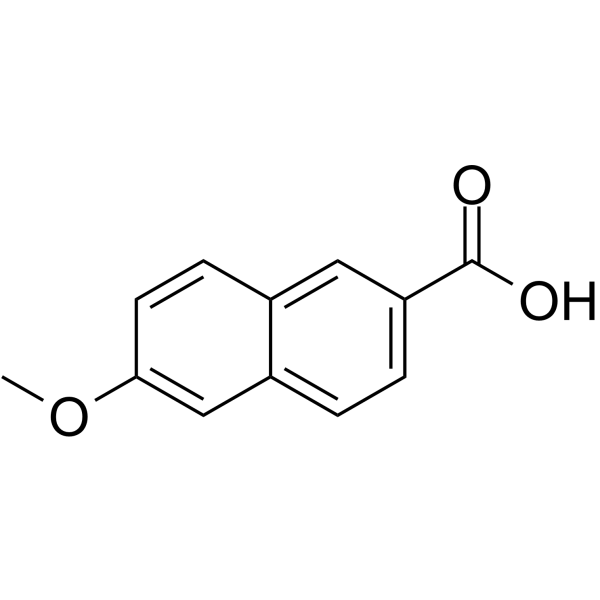
- HY-131527R
-
|
N-Desmethyl Venlafaxine hydrochloride (Standard); Wy 45494 (Standard)
|
Serotonin Transporter
Reference Standards
|
Metabolic Disease
|
|
Wy-45494 (hydrochloride) (Standard) is the analytical standard of Wy-45494 (hydrochloride). This product is intended for research and analytical applications. Wy-45494 hydrochloride (N-Desmethyl Venlafaxine hydrochloride; Wy 45494) is a minor active metabolite of the selective norepinephrine and serotonin reuptake inhibitor (SNRI) venlafaxine. It is formed from venlafaxine via the cytochrome P450 (CYP) isomer CYP3A4.2. Wy-45494 hydrochloride inhibits norepinephrine and serotonin reuptake in rat synaptosomal preparations (IC50s of 4.7 and 1.6 μM, respectively). In vivo, Wy-45494 hydrochloride reversed reserpine-induced hypothermia in mice at a minimum effective dose (MED) of 10 mg/kg.
|
-

- HY-N0913R
-
|
|
Reference Standards
Antifolate
Thymidylate Synthase
|
Others
|
|
Wy-45494 (hydrochloride) (Standard) is the analytical standard of Wy-45494 (hydrochloride). This product is intended for research and analytical applications. Wy-45494 hydrochloride (N-Desmethyl Venlafaxine hydrochloride; Wy 45494) is a minor active metabolite of the selective norepinephrine and serotonin reuptake inhibitor (SNRI) venlafaxine. It is formed from venlafaxine via the cytochrome P450 (CYP) isomer CYP3A4.2. Wy-45494 hydrochloride inhibits norepinephrine and serotonin reuptake in rat synaptosomal preparations (IC50s of 4.7 and 1.6 μM, respectively). In vivo, Wy-45494 hydrochloride reversed reserpine-induced hypothermia in mice at a minimum effective dose (MED) of 10 mg/kg.
|
-

- HY-19518R
-
|
NCX116 (Standard); LBN (Standard)
|
Reference Standards
Prostaglandin Receptor
|
Neurological Disease
|
|
Latanoprostene bunod (NCX116; LBN) (Standard) is the analytical standard of Latanoprostene bunod. This product is intended for research and analytical applications. Latanoprostene bunod is a nitric oxide-releasing prostaglandin F2α analog. Latanoprostene bunod is a prodrug that, upon instillation into the eye, is hydrolyzed by corneal esterases into two active metabolites: Latanoprost (HY-B0577) and NO. Latanoprost activates the prostaglandin FP receptor to increase the outflow of aqueous humor through the uveoscleral pathway. NO increases aqueous humor drainage through the trabecular meshwork pathway, achieving synergistic enhancement targeting the dual pathways of aqueous humor outflow. Latanoprostene bunod can be used in research related to open-angle glaucoma and ocular hypertension.
|
-

- HY-G0002
-
|
|
Drug Metabolite
Dopamine Receptor
5-HT Receptor
|
Neurological Disease
|
|
Lurasidone metabolite 14326 is a minor active metabolite of Lurasidone (HY-B0032A) generated via metabolism by CYP3A4. Lurasidone metabolite 14326 shares similar receptor-binding properties with Lurasidone, acting as an antagonist of the dopamine D2 receptor (dopamine D2 receptor), an antagonist of the serotonin 5-HT2A and 5-HT7 receptors (5-HT2A and 5-HT7 receptor), and a partial agonist of the serotonin 5-HT1A receptor. Lurasidone metabolite 14326 can be used in the research of schizophrenia and bipolar depression .
|
-
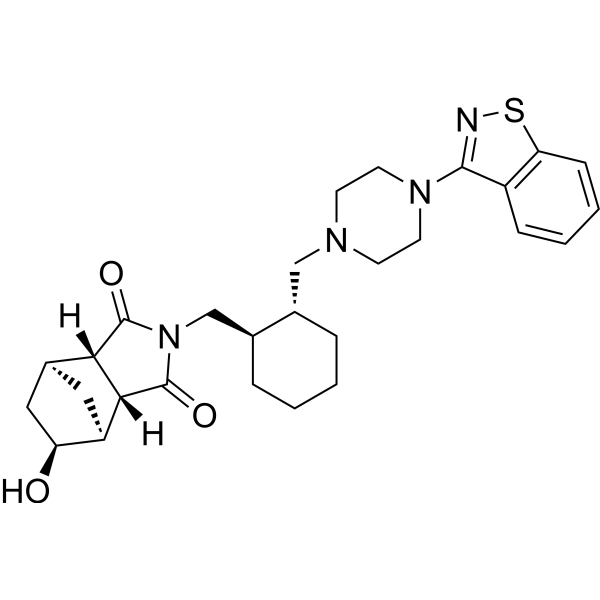
- HY-125577
-
|
RU-36384
|
Interleukin Related
|
Inflammation/Immunology
|
|
VRT-18858 (RU-36384), the active metabolite of Pralnacasan (HY-19676), is a potent interleukin-1β converting enzyme (ICE) inhibitor (Ki = 1.4 nM). VRT-18858 inhibits LPS (HY-D1056)-induced IL-1β release (IC50 = 0.42 µM) and S. aureus Cowan-induced IL-1β and IL-18 release (IC50=1.3 and 2.1 µM, respectively) in human peripheral blood mononuclear cells. VRT-18858 can be used for osteoarthritis research .
|
-

- HY-101982R
-
|
Lys-Nε-MCC-DM1 (Standard)
|
Reference Standards
Drug-Linker Conjugates for ADC
|
Cancer
|
|
Lys-SMCC-DM1 (Standard) is the analytical standard of Lys-SMCC-DM1 (HY-101982). This product is intended for research and analytical applications. Lys-SMCC-DM1 (Lys-Nε-MCC-DM1) is a agent-linker conjugates for ADC that can inhibit tubulin polymerization. Lys-SMCC-DM1 is the active metabolite of T-DM1. T-DM1 is a HER2-targeting ADC with a tubulin polymerization inhibitor DM1. Lys-SMCC-DM1 can be used in the research of breast cancer .
|
-

- HY-N1939
-
-
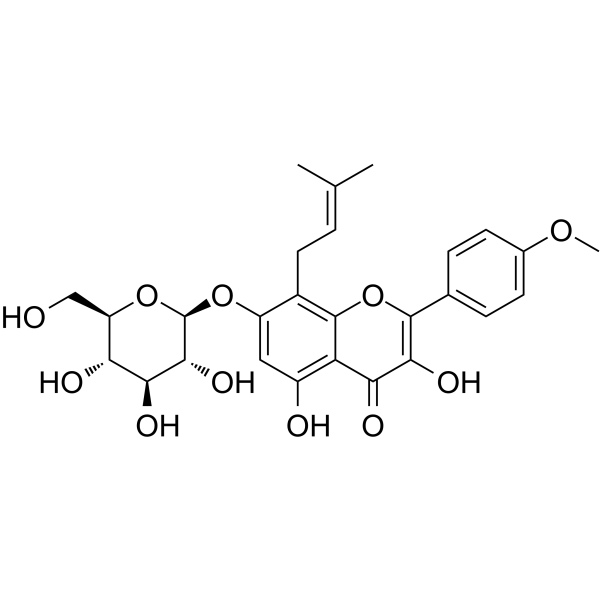
- HY-G0017A
-
|
Norimatinib mesylate; Imatinib metabolite N-Desmethyl imatinib mesylate; CGP 74588 mesylate
|
Drug Metabolite
P-glycoprotein
Apoptosis
|
Neurological Disease
Cancer
|
|
N-Desmethyl imatinib mesylate (Norimatinib mesylate) is an active metabolite of Imatinib (HY-15463), a selective c‑Abl inhibitor, and a substrate of P‑glycoprotein. N-Desmethyl imatinib mesylate binds to the c-Abl catalytic domain to prevent substrate phosphorylation, inhibits c-Abl-mediated α-synuclein activation and downstream inflammatory signaling pathways. N-Desmethyl imatinib mesylate induces apoptosis in K562 human leukemia cells. N-Desmethyl imatinib mesylate exhibits significantly elevated plasma levels in gastrointestinal stromal tumor (GIST) settings following mild SARS CoV 2 infection. N-Desmethyl imatinib mesylate can be used for the research of Parkinson’s disease, gastrointestinal stromal tumor, and chronic myeloid leukemia .
|
-
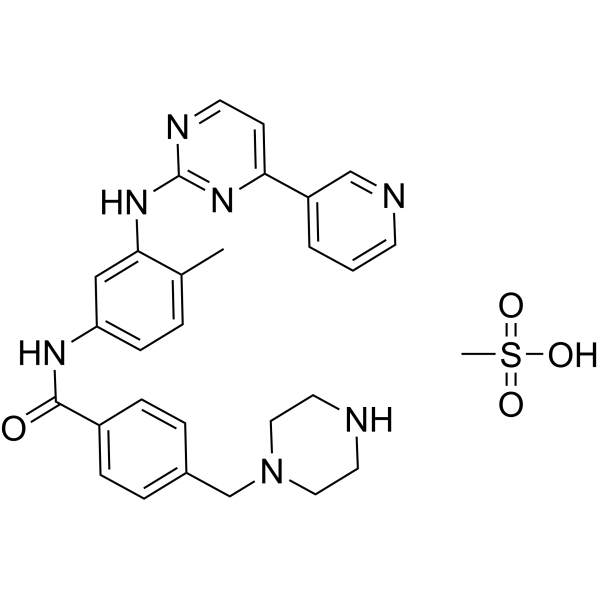
- HY-G0017
-
|
Norimatinib; Imatinib metabolite N-Desmethyl imatinib; CGP 74588
|
Drug Metabolite
P-glycoprotein
Apoptosis
|
Neurological Disease
Cancer
|
|
N‑Desmethyl imatinib (Norimatinib) is an active metabolite of Imatinib (HY-15463), a selective c‑Abl inhibitor, and a substrate of P‑glycoprotein. N-Desmethyl imatinib binds to the c-Abl catalytic domain to prevent substrate phosphorylation, inhibits c-Abl-mediated α-synuclein activation and downstream inflammatory signaling pathways. N-Desmethyl imatinib induces apoptosis in K562 human leukemia cells. N-Desmethyl imatinib shows significantly elevated plasma levels in gastrointestinal stromal tumor (GIST) models with mild SARS-CoV-2 infection. N-Desmethyl imatinib can be used for the research of Parkinson’s disease, gastrointestinal stromal tumor, and chronic myeloid leukemia .
|
-
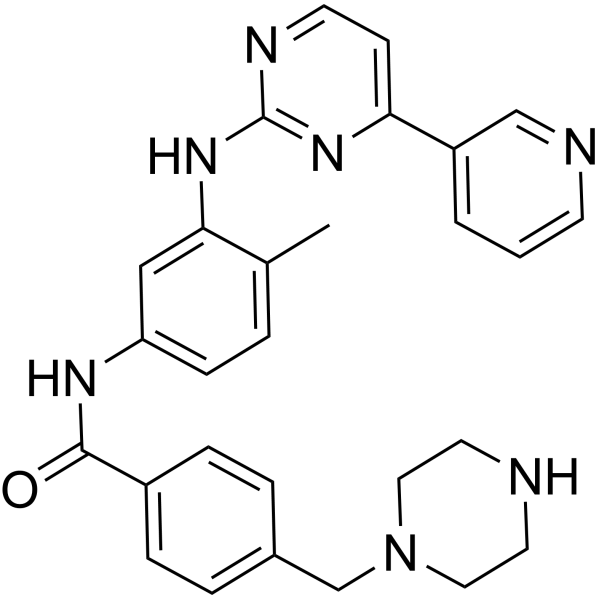
- HY-100656
-
|
|
Dopamine Receptor
5-HT Receptor
|
Neurological Disease
|
|
Desmethyl cariprazine is a major active metabolite of cariprazine, with activities at human dopamine receptors and serotonin receptors, showing a pEC50 of 8.90 at human D2 receptors, a pEC50 of 8.09 at D3 receptors, and a pEC50 of 6.28 at 5-HT1A receptors. Desmethyl cariprazine inhibits forskolin-induced cAMP production at D2, D3 and 5-HT1A receptors, and suppresses serotonin-induced Ca 2+ release at 5-HT2B receptors. Desmethyl cariprazine is applicable to research related to schizophrenia, bipolar disorder type I and bipolar disorder.
|
-
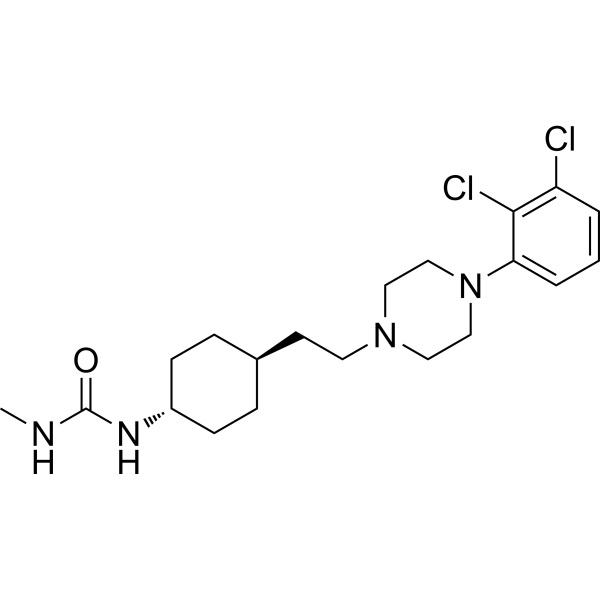
- HY-134160
-
|
5-DHFU; 5-Fluorodihydropyrimidine-2,4-dione; 5-Fluorodihydrouracil
|
Nucleoside Antimetabolite/Analog
|
Cancer
|
|
5,6-Dihydro-5-Fluorouracil (5-DHFU; 5-Fluorodihydropyrimidine-2,4-dione) is the active metabolite of the thymidylate synthase inhibitor prodrug 5-fluorouracil (HY-90006), which is formed from 5-fluorouracil by dihydropyrimidine dehydrogenase (DPD). 5,6-Dihydro-5-Fluorouracil is cytotoxic to HaCaT keratinocytes (IC50=13.5 μM). Intravenous administration of 5,6-Dihydro-5-Fluorouracil (90 mg/kg/wk) in combination with 5-fluorouracil and the DPD inhibitor eniluracil (HY-10533) slows tumor growth in a rat colon cancer model.
|
-

- HY-113513
-
|
|
Others
|
Cancer
|
|
5(S)-HEPE is an active metabolite of eicosapentaenoic acid. It is formed from EPA by 5-lipoxygenase (5-LO). 5(S)-HEPE is an agonist of G protein-coupled receptor 119 (GPR119). It increases cAMP accumulation in CHO-K1 cells expressing human GPR119 when used at a concentration of 10 μM. 5(S)-HEPE increases glucose-induced insulin secretion from MING6 insulinoma pancreatic islets and glucagon-like peptide 1 (GLP-1) secretion from HuTu 80 adenocarcinoma cells when used at a concentration of 10 μM. Serum levels of 5(S)-HEPE are elevated in patients with hyperlipidemia.
|
-

- HY-A0111R
-
|
Ro 15-8074 (Standard); Deacetoxycefotaxime (Standard)
|
Reference Standards
Antibiotic
Bacterial
Penicillin-binding protein (PBP)
Drug Metabolite
|
Infection
|
|
Cefetamet (Standard) is the analytical standard of Cefetamet (HY-A0111). This product is intended for research and analytical applications. Cefetamet (Ro 15-8074) is a cephalosporin antibiotic and the active metabolite of Cefetamet pivoxil (HY-B1894A). Cefetamet binds to bacterial penicillin-binding protein (PBP) (IC50 for PBP3 in Escherichia coli W3110 is 2.5 μg/mL). Cefetamet has significant activity against Gram-negative bacteria such as Enterobacteriaceae, Neisseria species, and Haemophilus influenzae, as well as Gram-positive bacteria such as Streptococcus. Cefetamet kills and lyses Treponema pallidum. Cefetamet can be used in the research of respiratory tract, urinary tract, ear, nose and throat infections, and syphilis .
|
-

- HY-16985R
-
|
ODM-201 (Standard); BAY-1841788 (Standard)
|
Reference Standards
Androgen Receptor
|
Cancer
|
|
Darolutamide (Standard) is the analytical standard of Darolutamide (HY-16985). This product is intended for research and analytical applications. Darolutamide (ODM-201) is an orally active competitive androgen receptor (AR) antagonist, with a Ki of 11 nM for rat wild-type AR (wtAR) and an IC50 of 26 nM for human wild-type AR (hAR)-mediated transcriptional activation . Darolutamide inhibits testosterone-induced AR nuclear translocation and transcriptional activation . Darolutamide exerts selective effects on AR-positive cells by inhibiting AR-dependent signaling pathways, and its active metabolite retains full antagonistic activity against AR mutants . Darolutamide can be used for the research of prostate cancer, including androgen receptor-dependent prostate cancer .
|
-

- HY-N0757
-
|
|
Akt
Bcl-2 Family
Apoptosis
Adrenergic Receptor
|
Cardiovascular Disease
Inflammation/Immunology
Cancer
|
|
8-O-Acetylharpagide is an orally active iridoid glycoside compound. 8-O-Acetylharpagide exhibits anti-aging activity at low doses and anticancer activity at high doses. 8-O-Acetylharpagide induces late-stage apoptosis and necrosis-like death in cancer cells, and downregulates anti-apoptotic proteins such as Akt, p-Akt and Bcl-2. 8-O-Acetylharpagide is mainly metabolized in rats via demethylation, hydrolysis and glucuronidation, and its active metabolites downregulate the AKT/NF-κB/MMP9 signaling axis. 8-O-Acetylharpagide exerts vasoconstrictive effects by activating vascular α-adrenoceptor .
|
-
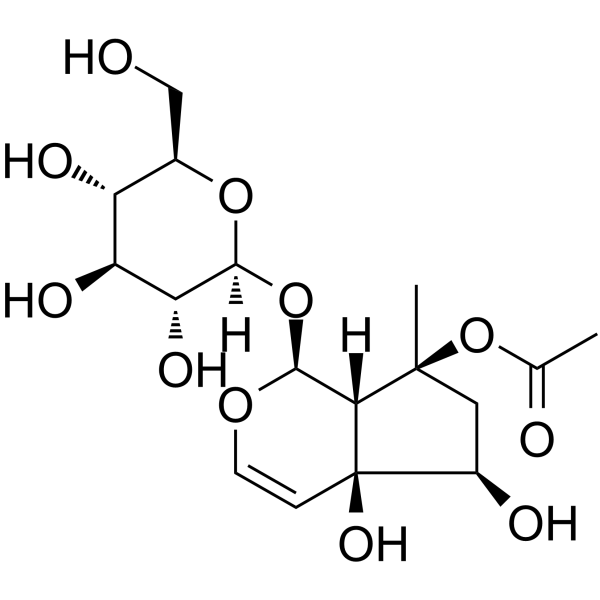
- HY-143712
-
|
|
Drug Metabolite
G protein-coupled Bile Acid Receptor 1
ROR
|
Metabolic Disease
Inflammation/Immunology
Cancer
|
|
Allolithocholic acid is an orally active metabolite of Lithocholic acid (HY-B0172). Allolithocholic acid is a dual GPBAR1 agonist (EC50 = 2.7 μM) and RORγt inverse agonist (IC50 = 3.4 μM). Allolithocholic acid modulates immune and metabolic pathways, regulates immune cell polarization, prevents M1 macrophage and Th17 CD4 cell polarization. Allolithocholic acid improves insulin sensitivity, reduces liver lipid accumulation, reverses liver immunological, inflammatory and metabolic signaling dysregulation, restores bile acid homeostasis, adipose tissue histopathology/function, and intestinal microbiota composition, modulates intestinal immunity. Allolithocholic acid can be used for the researches of cancer, inflammayion, immunology and metabolic disease .
|
-
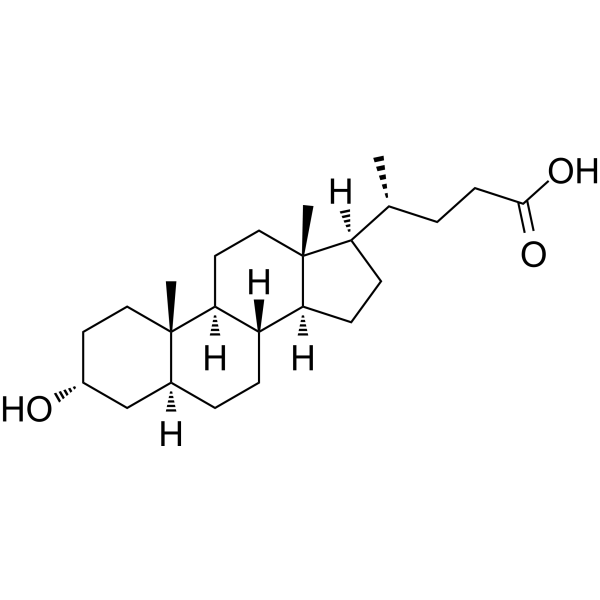
- HY-17357
-
|
AHR 9434; AL 6515
|
COX
Prostaglandin Receptor
|
Neurological Disease
Inflammation/Immunology
Endocrinology
Cancer
|
|
Nepafenac (AHR 9434; AL 6515), a nonsteroidal anti-inflammatory agent, is a topically administered COX-2 inhibitor with an IC50 of 0.12 μM. Nepafenac exhibits only weak COX-1 inhibitory activity (IC50 = 64.3 μM). Nepafenac possesses unique prodrug properties, which enable it to rapidly convert into the active metabolite Amfenac (HY-17479) in the ocular tissues, thereby achieving high concentrations in the retina and choroid. Nepafenac reduces inflammation and pain by inhibiting the activity of cyclooxygenase (COX) enzymes and thereby decreasing the production of prostaglandin PGE₂. Nepafenac can delay the metastasis of uveal melanoma (UM) in rabbit eyes. Nepafenac is mainly used for pain management and inflammation control after ophthalmic surgeries .
|
-
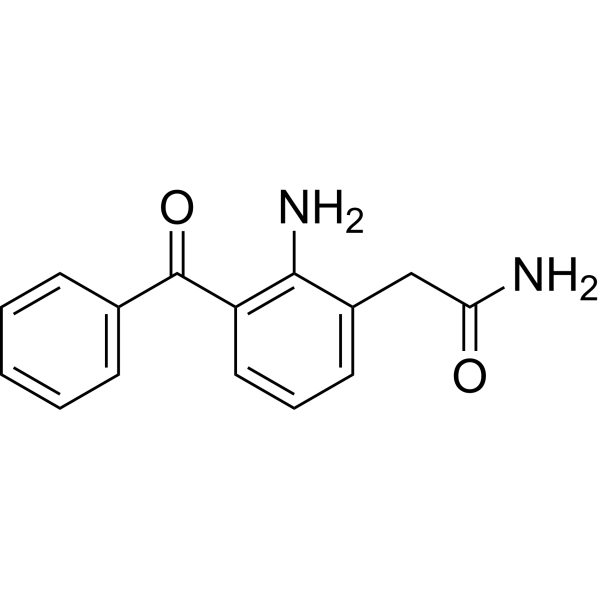
- HY-100656AS
-
|
|
Isotope-Labeled Compounds
Dopamine Receptor
5-HT Receptor
|
Neurological Disease
|
|
Desmethyl cariprazine-d8 is the deuterium labeled Desmethyl cariprazine (HY-100656). Desmethyl cariprazine is a major active metabolite of cariprazine, with activities at human dopamine receptors and serotonin receptors, showing a pEC50 of 8.90 at human D2 receptors, a pEC50 of 8.09 at D3 receptors, and a pEC50 of 6.28 at 5-HT1A receptors. Desmethyl cariprazine inhibits forskolin-induced cAMP production at D2, D3 and 5-HT1A receptors, and suppresses serotonin-induced Ca 2+ release at 5-HT2B receptors. Desmethyl cariprazine is applicable to research related to schizophrenia, bipolar disorder type I and bipolar disorder.
|
-

- HY-100057
-
|
6-Hydroxybuspirone; 6'-Hydroxybuspirone; BMS 528215
|
5-HT Receptor
Drug Metabolite
Dopamine Receptor
|
Neurological Disease
|
|
BMY 28674 (6-Hydroxybuspirone) is the active metabolite of the anxiolytic buspirone (HY-B1115A) and is metabolized by CYP3A4.4. BMY 28674 binds to the serotonin (5-HT) receptor subtype 5-HT1A in the rat hippocampus and dorsal raphe (EC50s are 4 and 1 μM, respectively) and is an antagonist of dopamine D2, D3, and D4 receptors (IC50s are 3.1, 4.9, and 0.85 μM, respectively). BMY 28674 also inhibits organic cation transporter 1 (OCT1), OCT2, and OCT3 expressing human transporters in S2 proximal tubule cells in a concentration-dependent manner.
|
-

- HY-W778179
-
|
LRCL 3794-13C,d3
|
Isotope-Labeled Compounds
COX
Cytochrome P450
Lipoxygenase
PGE synthase
|
Inflammation/Immunology
|
|
Benoxaprofen- 13C, d3 is the 13C-labeled Benoxaprofen (HY-13568). Benoxaprofen (LRCL 3794) is a nonsteroidal anti-inflammatory agent that blocks the biosynthesis of inflammatory mediators such as leukotrienes and prostaglandins by inhibiting 5-LOX, PGH2 synthase and cytochrome P-450. Benoxaprofen exhibits significant toxicity: it not only alters cellular redox status, uncouples oxidative phosphorylation and disrupts calcium ion homeostasis, but also causes liver injury through the formation of covalent adducts between its active metabolites and hepatic proteins. Benoxaprofen shows strong phototoxicity under ultraviolet irradiation, and induces erythrocyte lysis, mast cell degranulation and histamine release. Benoxaprofen is widely used in studies of urticaria and related phototoxic mechanisms .
|
-

- HY-N0757R
-
|
|
Reference Standards
Akt
Bcl-2 Family
Apoptosis
Adrenergic Receptor
|
Cardiovascular Disease
Inflammation/Immunology
Cancer
|
|
8-O-Acetylharpagide (Standard) is the analytical standard of 8-O-Acetylharpagide. This product is intended for research and analytical applications. 8-O-Acetylharpagide is an iridoid glycoside compound. 8-O-Acetylharpagide exhibits anti-aging activity at low doses and anticancer activity at high doses. 8-O-Acetylharpagide induces late-stage apoptosis and necrosis-like death in cancer cells, and downregulates anti-apoptotic proteins such as Akt, p-Akt and Bcl-2. 8-O-Acetylharpagide is mainly metabolized in rats via demethylation, hydrolysis and glucuronidation, and its active metabolites downregulate the AKT/NF-κB/MMP9 signaling axis. 8-O-Acetylharpagide exerts vasoconstrictive effects by activating vascular α-adrenoceptor.
|
-

- HY-W743473
-
|
Ro 15-8074-d3; Deacetoxycefotaxime-d3
|
Isotope-Labeled Compounds
Bacterial
Antibiotic
Penicillin-binding protein (PBP)
Drug Metabolite
|
Infection
|
|
Cefetamet-d3 (Ro 15-8074-d3; Deacetoxycefotaxime-d3) is the deuterium labeled Cefetamet (HY-A0111). Cefetamet (Ro 15-8074) is a cephalosporin antibiotic and the active metabolite of Cefetamet pivoxil (HY-B1894A). Cefetamet binds to bacterial penicillin-binding protein (PBP) (IC50 for PBP3 in Escherichia coli W3110 is 2.5 μg/mL). Cefetamet has significant activity against Gram-negative bacteria such as Enterobacteriaceae, Neisseria species, and Haemophilus influenzae, as well as Gram-positive bacteria such as Streptococcus. Cefetamet kills and lyses Treponema pallidum. Cefetamet can be used in the research of respiratory tract, urinary tract, ear, nose and throat infections, and syphilis .
|
-

- HY-16985S
-
|
ODM-201-d4; BAY-1841788-d4
|
Isotope-Labeled Compounds
Androgen Receptor
|
Cancer
|
|
Darolutamide-d4 (ODM-201-d4) is deuterium labeled Darolutamide (HY-16985). Darolutamide (ODM-201) is an orally active competitive androgen receptor (AR) antagonist, with a Ki of 11 nM for rat wild-type AR (wtAR) and an IC50 of 26 nM for human wild-type AR (hAR)-mediated transcriptional activation . Darolutamide inhibits testosterone-induced AR nuclear translocation and transcriptional activation . Darolutamide exerts selective effects on AR-positive cells by inhibiting AR-dependent signaling pathways, and its active metabolite retains full antagonistic activity against AR mutants . Darolutamide can be used for the research of prostate cancer, including androgen receptor-dependent prostate cancer .
|
-

- HY-106591AR
-
|
Vinylcyclohexene diepoxide (Standard)
|
Reference Standards
Apoptosis
Reactive Oxygen Species (ROS)
PI3K
Akt
mTOR
|
Endocrinology
|
|
4-Vinylcyclohexene dioxide (Standard) is the analytical standard of 4-Vinylcyclohexene dioxide (HY-106591A). This product is intended for research and analytical applications. 4-Vinylcyclohexene dioxide (4-Vinylcyclohexene diepoxide) is an orally active metabolite of 4-vinylcyclohexene. 4-Vinylcyclohexene dioxide induces Apoptosis, increases intracellular ROS, and activates the PI3K/Akt/mTOR pathway. 4-Vinylcyclohexene dioxide selectively damages small ovarian follicles, inhibits granulosa cell function, and disrupts the male reproductive system. 4-Vinylcyclohexene dioxide can be used in the study of premature ovarian insufficiency, reproductive toxicity, and related fertility disorders .
|
-

- HY-W050000R
-
|
|
Drug Metabolite
Reference Standards
Reactive Oxygen Species (ROS)
ERK
p38 MAPK
|
Cardiovascular Disease
Inflammation/Immunology
|
|
OR-1855 (Standard) is an analytical standard of OR-1855 (HY-W050000). This product is intended for research and analytical applications. OR-1855, an active metabolite of Levosimendan (HY-14286), has effect on myometrial contractility. OR-1855 exerts anti-inflammatory effects by inhibiting IL-1β-induced ROS formation and NAD(P)H oxidase-dependent superoxide radical generation in HUVECs. OR-1855 inhibits IL-1β-induced phosphorylation p38 MAPK, ERK1/2, c-Jun and JNK in HUVECs. OR-1855 can be used for the study of inflammation .
|
-

- HY-13568R
-
|
LRCL 3794 (Standard)
|
Reference Standards
COX
Cytochrome P450
Lipoxygenase
PGE synthase
|
Inflammation/Immunology
|
|
Benoxaprofen (Standard) is the analytical standard of Benoxaprofen. This product is intended for research and analytical applications. Benoxaprofen (LRCL 3794) is a nonsteroidal anti-inflammatory agent that blocks the biosynthesis of inflammatory mediators such as leukotrienes and prostaglandins by inhibiting 5-LOX, PGH2 synthase and cytochrome P-450. Benoxaprofen exhibits significant toxicity: it not only alters cellular redox status, uncouples oxidative phosphorylation and disrupts calcium ion homeostasis, but also causes liver injury through the formation of covalent adducts between its active metabolites and hepatic proteins. Benoxaprofen shows strong phototoxicity under ultraviolet irradiation, and induces erythrocyte lysis, mast cell degranulation and histamine release. Benoxaprofen is widely used in studies of urticaria and related phototoxic mechanisms .
|
-

- HY-166478S
-
|
Desmethylcarvedilol-d5; BM-14242-d5
|
Isotope-Labeled Compounds
Calcium Channel
|
Metabolic Disease
|
|
O-Desmethyl carvedilol-d5 (Desmethylcarvedilol-d5) is deuterium labeled O-Desmethylcarvedilol. O-Desmethylcarvedilol (Desmethylcarvedilol) is an active metabolite of the non-selective β-adrenergic receptor (β-AR) antagonist Carvedilol (HY-B0006). O-Desmethylcarvedilol inhibits store-overload-induced calcium release in HEK293 cells expressing the ryanodine receptor 2 (RyR2) R4496C (RyR2 R4496C) mutation (IC50 = 7.62 μM). O-Desmethylcarvedilol reduces increases in heart rate and prevents decreases in diastolic blood pressure induced by Isoproterenol (HY-B0468) in conscious rabbits (ED50s = 32 and 5 μg/kg, respectively) .
|
-

- HY-17357R
-
|
AHR 9434 (Standard); AL 6515 (Standard)
|
Reference Standards
COX
Prostaglandin Receptor
|
Neurological Disease
Inflammation/Immunology
Endocrinology
Cancer
|
|
Nepafenac (AHR 9434; AL 6515) (Standard) is the analytical standard of Nepafenac (HY-17357). This product is intended for research and analytical applications. Nepafenac, a nonsteroidal anti-inflammatory agent, is a topically administered COX-2 inhibitor with an IC50 of 0.12 μM. Nepafenac exhibits only weak COX-1 inhibitory activity (IC50 = 64.3 μM). Nepafenac possesses unique prodrug properties, which enable it to rapidly convert into the active metabolite Amfenac (HY-17479) in the ocular tissues, thereby achieving high concentrations in the retina and choroid. Nepafenac reduces inflammation and pain by inhibiting the activity of cyclooxygenase (COX) enzymes and thereby decreasing the production of prostaglandin PGE₂. Nepafenac can delay the metastasis of uveal melanoma (UM) in rabbit eyes. Nepafenac is mainly used for pain management and inflammation control after ophthalmic surgeries.
|
-

- HY-143712R
-
|
|
Reference Standards
Drug Metabolite
G protein-coupled Bile Acid Receptor 1
ROR
|
Metabolic Disease
Inflammation/Immunology
Cancer
|
|
Allolithocholic acid (Standard) is the analytical standard of Allolithocholic acid (HY-143712). This product is intended for research and analytical applications. Allolithocholic acid is an orally active metabolite of Lithocholic acid (HY-B0172). Allolithocholic acid is a dual GPBAR1 agonist (EC50 = 2.7 μM) and RORγt inverse agonist (IC50 = 3.4 μM). Allolithocholic acid modulates immune and metabolic pathways, regulates immune cell polarization, prevents M1 macrophage and Th17 CD4 cell polarization. Allolithocholic acid improves insulin sensitivity, reduces liver lipid accumulation, reverses liver immunological, inflammatory and metabolic signaling dysregulation, restores bile acid homeostasis, adipose tissue histopathology/function, and intestinal microbiota composition, modulates intestinal immunity. Allolithocholic acid can be used for the researches of cancer, inflammayion, immunology and metabolic disease .
|
-

- HY-17026A
-
|
dFdCTP
|
Drug Metabolite
DNA/RNA Synthesis
Apoptosis
|
Cancer
|
|
Gemcitabine triphosphate (dFdCTP) is the active metabolite of Gemcitabine (HY-17026). The mechanism of Gemcitabine triphosphate cell-killing is its competition with cytidine triphosphate during DNA replication, which results in the inhibition of chain elongation. Gemcitabine triphosphate shows a Ki of 11.2 μM against DNA polymerase α and 14.4 μM against DNA polymerase ε. Gemcitabine triphosphate partially inhibits dCMP deaminase and acts as a substrate for DNA synthesis to incorporate into cellular DNA and RNA. Gemcitabine triphosphate disrupts DNA and RNA synthesis, arrests cell cycle in G0/G1 and S phases, triggers apoptosis, reduces tumor cell proliferation. Gemcitabine triphosphate can be used for the research of pancreatic cancer and non-small cell lung cancer .
|
-
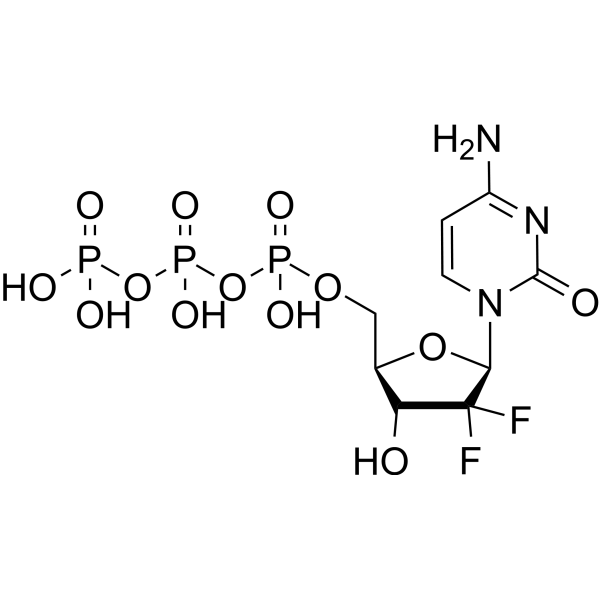
- HY-N1939R
-
|
Icarisid I (Standard)
|
Reference Standards
Apoptosis
Reactive Oxygen Species (ROS)
NOD-like Receptor (NLR)
STAT
CDK
Bcl-2 Family
Aryl Hydrocarbon Receptor
JAK
Caspase
IFNAR
PD-1/PD-L1
|
Inflammation/Immunology
Endocrinology
Cancer
|
|
Icariside I (Standard) is the analytical standard of Icariside I (HY-N1939). This product is intended for research and analytical applications. Icariside I (GH01) is an orally active metabolite of icalin. Icariside I improves estrogen deficiency-induced osteoporosis by simultaneously regulating osteoblast and osteoclast differentiation. Icariside I promotes ATP (HY-B2176) or Nigericin (HY-127019)-induced mtROS production and NLRP3 inflammasome activation and causes idiosyncratic hepatotoxicity. Icariside I does not alter the activation of NLRC4 and AIM2 inflammasomes. Icariside I inhibits breast cancer proliferation, apoptosis, invasion, and metastasis by targeting the IL-6/STAT3 pathway. Icariside I is a kynurenine-AhR pathway inhibitor that alleviates cancer by blocking tumor immune escape .
|
-

- HY-G0017S1
-
|
Norimatinib-d4; Imatinib metabolite N-Desmethyl imatinib-d4; CGP 74588-d4
|
Isotope-Labeled Compounds
Drug Metabolite
P-glycoprotein
Apoptosis
|
Neurological Disease
Cancer
|
|
N-Desmethyl imatinib-d4 is the deuterium-labeled N-Desmethyl imatinib (HY-G0017). N‑Desmethyl imatinib (Norimatinib) is an active metabolite of Imatinib (HY-15463), a selective c‑Abl inhibitor, and a substrate of P‑glycoprotein. N-Desmethyl imatinib binds to the c-Abl catalytic domain to prevent substrate phosphorylation, inhibits c-Abl-mediated α-synuclein activation and downstream inflammatory signaling pathways. N-Desmethyl imatinib induces apoptosis in K562 human leukemia cells. N-Desmethyl imatinib exhibits significantly elevated plasma levels in gastrointestinal stromal tumor (GIST) settings following mild SARS CoV 2 infection. N-Desmethyl imatinib can be used for the research of Parkinson’s disease, gastrointestinal stromal tumor, and chronic myeloid leukemia .
|
-
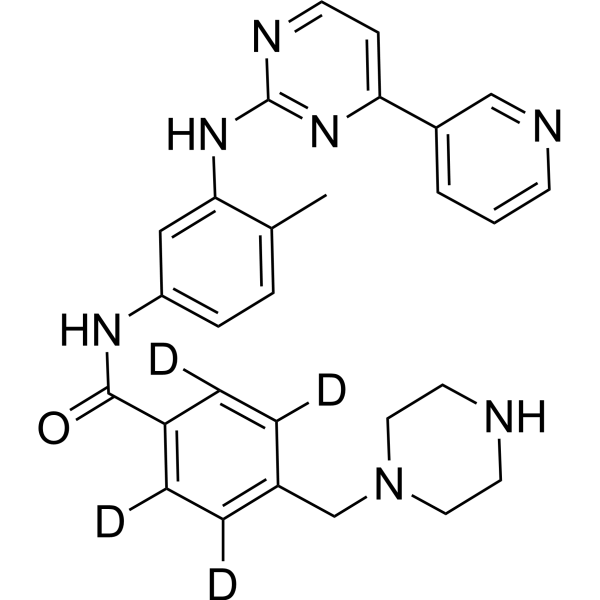
- HY-17026E
-
|
dFdCTP trisodium
|
Drug Metabolite
DNA/RNA Synthesis
Apoptosis
|
Cancer
|
|
Gemcitabine triphosphate (dFdCTP) trisodium is the active metabolite of Gemcitabine (HY-17026). The mechanism of Gemcitabine triphosphate trisodium cell-killing is its competition with cytidine triphosphate during DNA replication, which results in the inhibition of chain elongation. Gemcitabine triphosphate trisodium shows a Ki of 11.2 μM against DNA polymerase α and 14.4 μM against DNA polymerase ε. Gemcitabine triphosphate trisodium partially inhibits dCMP deaminase and acts as a substrate for DNA synthesis to incorporate into cellular DNA and RNA. Gemcitabine triphosphate trisodium disrupts DNA and RNA synthesis, arrests cell cycle in G0/G1 and S phases, triggers apoptosis, reduces tumor cell proliferation. Gemcitabine triphosphate trisodium can be used for the research of pancreatic cancer and non-small cell lung cancer .
|
-
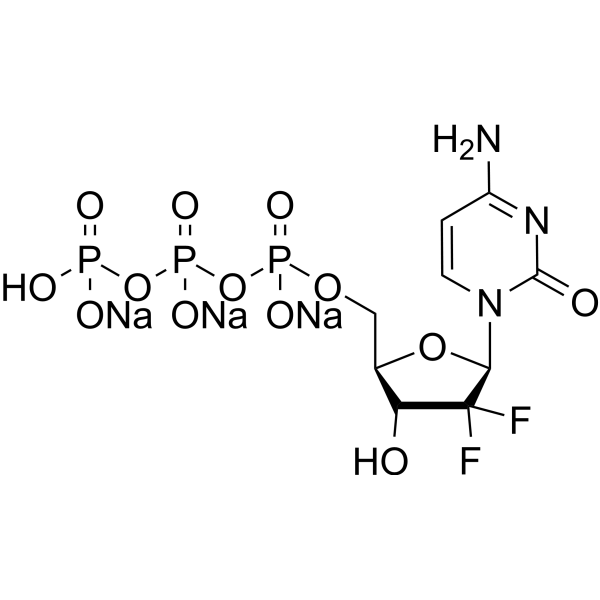
- HY-16950AR
-
|
Afimoxifene (Standard); 4-OHT (Standard)
|
Reference Standards
Estrogen Receptor/ERR
Endogenous Metabolite
|
Cancer
|
|
(E/Z)-4-Hydroxytamoxifen (Standard) is the analytical standard of (E/Z)-4-Hydroxytamoxifen. This product is intended for research and analytical applications. (E/Z)-4-Hydroxytamoxifen (Afimoxifene) is a racemic compound of (Z)-4-Hydroxytamoxifen and (E)-4-Hydroxytamoxifen isomers. (E/Z)-4-Hydroxytamoxifen is a selective estrogen receptor modulator with mixed estrogenic and antiestrogenic activity, which is also an active metabolite of Tamoxifen (HY-13757A). (E/Z)-4-Hydroxytamoxifen is an agonist of the G protein-coupled estrogen receptor (GPER) with relatively low affinity (100-1000 nM). (E/Z)-4-Hydroxytamoxifen is promising for research of cyclical mastalgia, such as breast pain, tenderness, and nodularity .
|
-

- HY-B2121R
-
|
6-MNA (Standard); Naproxen impurity O (Standard)
|
Reference Standards
Drug Metabolite
COX
|
Neurological Disease
Inflammation/Immunology
|
|
6-Methoxy-2-naphthoic acid (Standard) (6-MNA (Standard)) is the analytical standard of 6-Methoxy-2-naphthoic acid (HY-B2121). This product is intended for research and analytical applications. 6-Methoxy-2-naphthoic acid (6-MNA) is the active metabolite of Nabumetone (HY-B0559). 6-Methoxy-2-naphthoic acid is also an inhibitor of COX-1 and COX-2. 6-Methoxy-2-naphthoic acid can inhibit the synthesis of gastric mucosal prostaglandin E2. 6-Methoxy-2-naphthoic acid can be used in the research of inflammation and pain-related diseases. In addition, 6-Methoxy-2-naphthoic acid is an impurity in Naproxen (HY-15030) and can also be used in the synthesis of other active compounds.
|
-
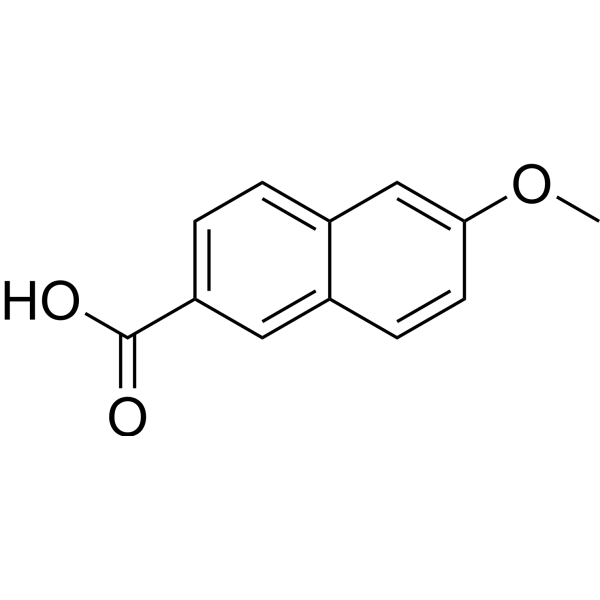
- HY-G0017S
-
|
Norimatinib-d8; Imatinib metabolite N-Desmethyl imatinib-d8; CGP 74588-d8
|
Isotope-Labeled Compounds
Drug Metabolite
P-glycoprotein
Apoptosis
|
Neurological Disease
Cancer
|
|
N-Desmethyl imatinib-d8 is a deuterium labeled Imatinib metabolite N-Desmethyl Imatinib (HY-G0017). N‑Desmethyl imatinib (Norimatinib) is an active metabolite of Imatinib (HY-15463), a selective c‑Abl inhibitor, and a substrate of P‑glycoprotein. N-Desmethyl imatinib binds to the c-Abl catalytic domain to prevent substrate phosphorylation, inhibits c-Abl-mediated α-synuclein activation and downstream inflammatory signaling pathways. N-Desmethyl imatinib induces apoptosis in K562 human leukemia cells. N-Desmethyl imatinib exhibits significantly elevated plasma levels in gastrointestinal stromal tumor (GIST) settings following mild SARS CoV 2 infection. N-Desmethyl imatinib can be used for the research of Parkinson’s disease, gastrointestinal stromal tumor, and chronic myeloid leukemia .
|
-
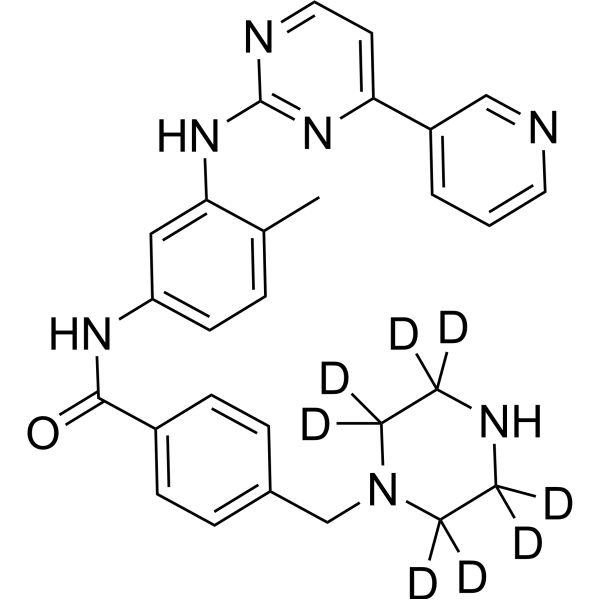
- HY-G0017R
-
|
Norimatinib (Standard); Imatinib metabolite N-Desmethyl imatinib (Standard); CGP 74588 (Standard)
|
Reference Standards
Drug Metabolite
P-glycoprotein
Apoptosis
|
Others
|
|
N‑Desmethyl imatinib (Standard) is the analytical standard of N‑Desmethyl imatinib (Norimatinib) (HY-G0017R). This product is intended for research and analytical applications. N‑Desmethyl imatinib (Norimatinib) is an active metabolite of Imatinib (HY-15463), a selective c‑Abl inhibitor, and a substrate of P‑glycoprotein. N-Desmethyl imatinib binds to the c-Abl catalytic domain to prevent substrate phosphorylation, inhibits c-Abl-mediated α-synuclein activation and downstream inflammatory signaling pathways. N-Desmethyl imatinib induces apoptosis in K562 human leukemia cells. N-Desmethyl imatinib exhibits significantly elevated plasma levels in gastrointestinal stromal tumor (GIST) settings following mild SARS CoV 2 infection. N-Desmethyl imatinib can be used for the research of Parkinson’s disease, gastrointestinal stromal tumor, and chronic myeloid leukemia .
|
-

- HY-17357S
-
|
AHR-9434-d5; AL-6515-d5
|
Isotope-Labeled Compounds
COX
Prostaglandin Receptor
|
Neurological Disease
Inflammation/Immunology
Endocrinology
Cancer
|
|
Nepafenac-d5 (AHR-9434-d5; AL-6515-d5) is the deuterium labeled Nepafenac (HY-17357). Nepafenac, a nonsteroidal anti-inflammatory agent, is a topically administered COX-2 inhibitor with an IC50 of 0.12 μM. Nepafenac exhibits only weak COX-1 inhibitory activity (IC50 = 64.3 μM). Nepafenac possesses unique prodrug properties, which enable it to rapidly convert into the active metabolite Amfenac (HY-17479) in the ocular tissues, thereby achieving high concentrations in the retina and choroid. Nepafenac reduces inflammation and pain by inhibiting the activity of cyclooxygenase (COX) enzymes and thereby decreasing the production of prostaglandin PGE₂. Nepafenac can delay the metastasis of uveal melanoma (UM) in rabbit eyes. Nepafenac is mainly used for pain management and inflammation control after ophthalmic surgeries.
|
-
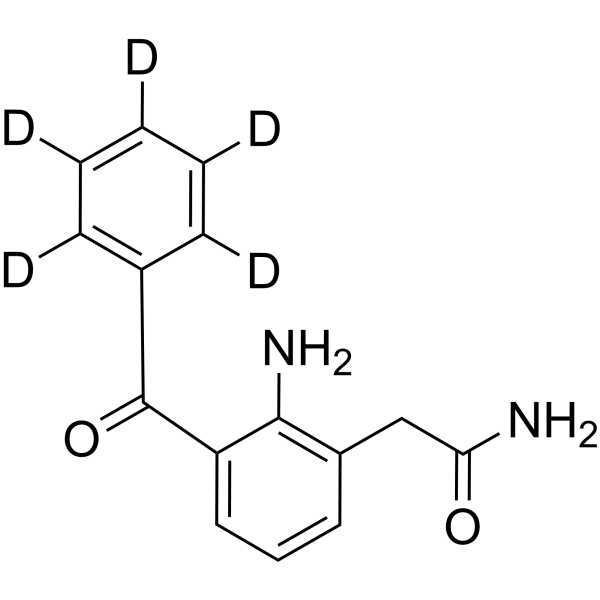
- HY-109056
-
|
R-1206
|
Drug Intermediate
HIV
Reverse Transcriptase
Carbonic Anhydrase
|
Infection
Cancer
|
|
Elsulfavirine (R-1206) is an orally active human carbonic anhydrase (carbonic anhydrase, CA) inhibitor and an allosteric inhibitor of HIV-1 non-nucleoside reverse transcriptase (NNRT). Elsulfavirine also targets and blocks the interaction between adenylosuccinate lyase (ADSL) and insulin-induced gene proteins INSIG1/2, blocks SREBP-1-mediated de novo lipid synthesis, and inhibits the proliferation of liver cancer cells. The combination of Elsulfavirine and Lenvatinib (HY-10981) produces a synergistic anti-tumor effect. Elsulfavirine is converted into the active metabolite VM1500A in vivo, blocks the DNA polymerase activity of reverse transcriptase, and inhibits HIV-1 replication. Elsulfavirine exhibits a Ki of 1960 nM-52400 nM against human carbonic anhydrase isoforms including I, VII, VI, VA, VB, IX, XIII, XIV. Elsulfavirine is used in studies related to HIV-1 infection and liver cancer .
|
-
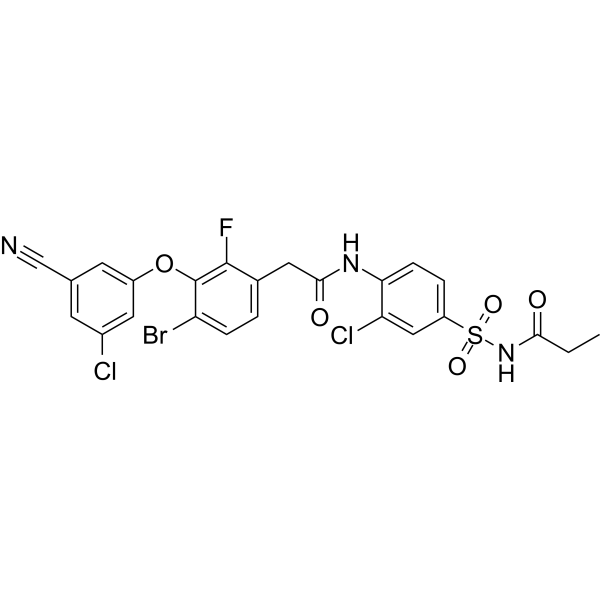
- HY-109056A
-
|
R-1206 sodium
|
HIV
Drug Intermediate
Reverse Transcriptase
Carbonic Anhydrase
|
Infection
Cancer
|
|
Elsulfavirine sodium (R-1206) is an orally active human carbonic anhydrase (carbonic anhydrase, CA) inhibitor and an allosteric inhibitor of HIV-1 non-nucleoside reverse transcriptase (NNRT). Elsulfavirine sodium also targets and blocks the interaction between adenylosuccinate lyase (ADSL) and insulin-induced gene proteins INSIG1/2, blocks SREBP-1-mediated de novo lipid synthesis, and inhibits the proliferation of liver cancer cells. The combination of Elsulfavirine sodium and Lenvatinib (HY-10981) produces a synergistic anti-tumor effect. Elsulfavirine sodium is converted into the active metabolite VM1500A in vivo, blocks the DNA polymerase activity of reverse transcriptase, and inhibits HIV-1 replication. Elsulfavirine sodium exhibits a Ki of 1960 nM-52400 nM against human carbonic anhydrase isoforms including I, VII, VI, VA, VB, IX, XIII, XIV. Elsulfavirine sodium is used in studies related to HIV-1 infection and liver cancer .
|
-

- HY-143712S1
-
|
3α-hydoxy-5α-Cholaoic Acid-d4, allo-LCA-d4
|
Isotope-Labeled Compounds
Drug Metabolite
G protein-coupled Bile Acid Receptor 1
ROR
|
Metabolic Disease
Inflammation/Immunology
Cancer
|
|
Allolithocholic Acid-d4 (3α-hydoxy-5α-Cholaoic Acid-d4, allo-LCA-d4) is deuterium labeled Allolithocholic acid (HY-143712). Allolithocholic acid is an orally active metabolite of Lithocholic acid (HY-B0172). Allolithocholic acid is a dual GPBAR1 agonist (EC50 = 2.7 μM) and RORγt inverse agonist (IC50 = 3.4 μM). Allolithocholic acid modulates immune and metabolic pathways, regulates immune cell polarization, prevents M1 macrophage and Th17 CD4 cell polarization. Allolithocholic acid improves insulin sensitivity, reduces liver lipid accumulation, reverses liver immunological, inflammatory and metabolic signaling dysregulation, restores bile acid homeostasis, adipose tissue histopathology/function, and intestinal microbiota composition, modulates intestinal immunity. Allolithocholic acid can be used for the researches of cancer, inflammayion, immunology and metabolic disease .
|
-

- HY-134160S
-
|
5-DHFU-13C,15N2; 5-Fluorodihydropyrimidine-2,4-dione-13C,15N2; 5-Fluorodihydrouracil-13C,15N2
|
Isotope-Labeled Compounds
Nucleoside Antimetabolite/Analog
|
Cancer
|
|
5,6-Dihydro-5-Fluorouracil- 13C, 15N2 (5-DHFU- 13C, 15N2) is the 13C- and 15N-labeled labeled 5,6-Dihydro-5-Fluorouracil (HY-134160). 5,6-Dihydro-5-Fluorouracil (5-DHFU; 5-Fluorodihydropyrimidine-2,4-dione) is the active metabolite of the thymidylate synthase inhibitor prodrug 5-fluorouracil (HY-90006), which is formed from 5-fluorouracil by dihydropyrimidine dehydrogenase (DPD). 5,6-Dihydro-5-Fluorouracil is cytotoxic to HaCaT keratinocytes (IC50=13.5 μM). Intravenous administration of 5,6-Dihydro-5-Fluorouracil (90 mg/kg/wk) in combination with 5-fluorouracil and the DPD inhibitor eniluracil (HY-10533) slows tumor growth in a rat colon cancer model.
|
-

- HY-128866
-
|
|
Bacterial
|
Infection
|
|
TBAJ-876 is an orally active diarylquinoline anti-Mycobacterium agent. TBAJ-876 regulates energy metabolism by targeting the c and ε subunits of Mycobacterium tuberculosis F-ATP synthase, exerts bactericidal activity against replicating Mycobacterium tuberculosis, and retains activity against strains carrying the Rv0678 mutation. TBAJ-876 undergoes N-demethylation in vivo to form its major active metabolite TBAJ-876-M3, which has lower lipophilicity and hERG potassium channel binding affinity. TBAJ-876 is well tolerated in BALB/c mice and significantly reduces the colony-forming units of Mycobacterium tuberculosis in the lungs. In addition, TBAJ-876 exhibits inhibitory activity against Mycobacterium abscessus, reduces bacterial loads in the lungs and spleens of infected mice, and shows no antagonistic effect when used in combination with common antibiotics. TBAJ-876 can be used in studies related to tuberculosis and Mycobacterium abscessus pulmonary diseases .
|
-
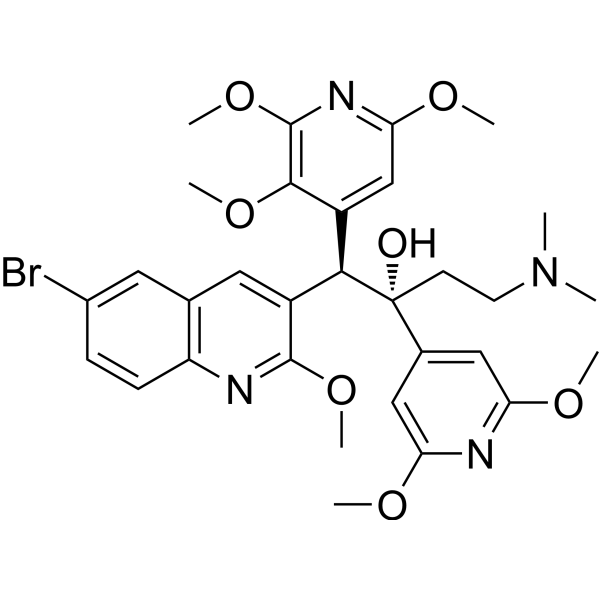
- HY-138089
-
|
|
Androgen Receptor
Estrogen Receptor/ERR
LDLR
|
Metabolic Disease
Cancer
|
|
17β-Hydroxy exemestane (17-H-EXE) is the primary active metabolite of Exemestane (HY-13632). 17β-Hydroxy exemestane is an aromatase inhibitor (IC50 = 69 nM) and an androgen receptor (AR) agonist (IC50 = 39.6 nM) that is selective for AR over estrogen receptor α (ERα; IC50 = 21.2 μM). 17β-Hydroxy exemestane stimulates growth of AR- and ERα-positive MCF-7 (EC50= 2.7 μM) and T47D breast cancer cells (EC50s = 0.43 and 1500 nM for AR- and ER-mediated growth, respectively) and inhibits proliferation of testosterone-treated aromatase-overexpressing MCF-7 cells. 17β-Hydroxy exemestane inhibits increases in serum cholesterol and LDL levels and prevents decreases in bone mineral density in the lumbar vertebrae and femur, as well as femoral bending strength and compressive strength of the fifth lumbar vertebrae in ovariectomized rats .
|
-

- HY-W587743
-
|
AMK hydrochloride
|
Prostaglandin Receptor
PGE synthase
COX
Reactive Oxygen Species (ROS)
|
Neurological Disease
Metabolic Disease
|
|
N1-Acetyl-5-methoxykynuramine (AMK) hydrochloride is an active metabolite of the neurohormone melatonin (HY-B0075). N1-Acetyl-5-methoxykynuramine hydrochloride (200 µM) effectively scavenges singlet oxygen (ROS).1 It also inhibits the production of prostaglandin E2 (PGE2) and prostaglandin D2 (PGD2) induced by epinephrine and arachidonic acid in a concentration- and time-dependent manner, and suppresses the increase in COX-2 levels induced by LPS (HY-D1056) in RAW 264.7 macrophages at a concentration of 500 µM. In a mouse model of Parkinson's disease induced by MPTP (HY-15608), N1-Acetyl-5-methoxykynuramine hydrochloride (20 mg/kg) reduces the increase in lipid peroxidation in the cytosol and mitochondria of the substantia nigra and striatum. N1-Acetyl-5-methoxykynuramine hydrochloride can be used in research on metabolic and neurological diseases
|
-

- HY-N11546
-
|
|
Cytochrome P450
Bacterial
Fungal
|
Infection
Cancer
|
|
Sapindoside B is a substance with hepatoprotective activity, and also acts as a cytochrome P-450 (cytochrome P-450) inhibitor, antibacterial agent and membrane-disrupting agent. Sapindoside B reversibly inhibits the content of cytochrome P-450 in liver microsomes, suppresses the phenobarbital-induced increase in enzyme content, reduces the production of active metabolites mediated by cytochrome P-450, and alleviates hepatotoxic injury. Sapindoside B binds to Cutibacterium acnes lipase, reduces lipase activity, inhibits biofilm formation, and decreases bacterial adhesion. Sapindoside B exhibits cytotoxicity against human cancer, liver cancer, leukemia and glioblastoma cells. Sapindoside B inhibits mycelial growth of phytopathogenic fungal strains, possesses antibacterial activity against dermatophytes, and also has hemolytic/membrane-lytic activity. Sapindoside B can be used in research related to liver injury, Cutibacterium acnes biofilm-associated infections, gastric cancer, carcinoma, promyelocytic leukemia, glioblastoma, apple scab and grape gray mold .
|
-
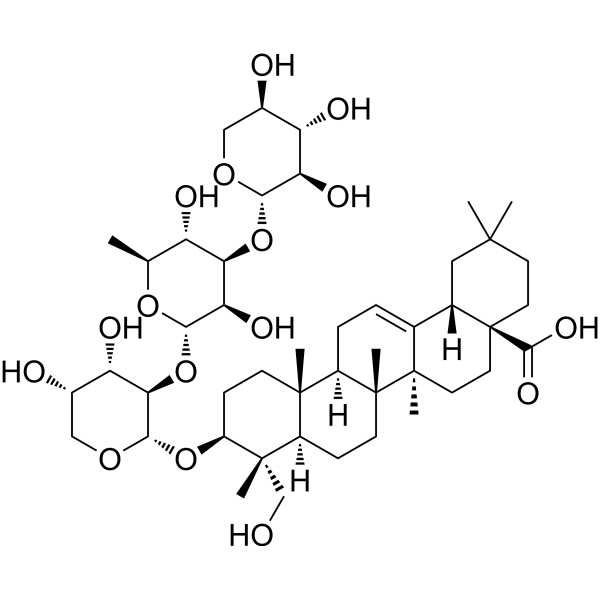
- HY-109056R
-
|
R-1206 (Standard)
|
Reference Standards
Drug Intermediate
HIV
Reverse Transcriptase
Carbonic Anhydrase
|
Infection
Cancer
|
|
Elsulfavirine (Standard) is the analytical standard of Elsulfavirine (HY-109056). This product is intended for research and analytical applications. Elsulfavirine (R-1206) is an orally active human carbonic anhydrase (carbonic anhydrase, CA) inhibitor and an allosteric inhibitor of HIV-1 non-nucleoside reverse transcriptase (NNRT). Elsulfavirine also targets and blocks the interaction between adenylosuccinate lyase (ADSL) and insulin-induced gene proteins INSIG1/2, blocks SREBP-1-mediated de novo lipid synthesis, and inhibits the proliferation of liver cancer cells. The combination of Elsulfavirine and Lenvatinib (HY-10981) produces a synergistic anti-tumor effect. Elsulfavirine is converted into the active metabolite VM1500A in vivo, blocks the DNA polymerase activity of reverse transcriptase, and inhibits HIV-1 replication. Elsulfavirine exhibits a Ki of 1960 nM-52400 nM against human carbonic anhydrase isoforms including I, VII, VI, VA, VB, IX, XIII, XIV. Elsulfavirine is used in studies related to HIV-1 infection and liver cancer .
|
-

| Cat. No. |
Product Name |
Type |
-
- HY-W357818
-
|
GX
|
Biochemical Assay Reagents
|
|
Glycinexylidide (GX) is the active metabolite of Lidocaine. Lidocaine is a local agent that can suppress or relieve pain, that inhibits sodium channels involving complex voltage and dependence. Lidocaine also reduces the growth, migration and invasion of gastric cancer cells. Glycinexylidide has research potential for use in anesthesia, cancer, and cardiovascular disease .
|
-
- HY-W014841
-
|
N-Benzoylglycine sodium, 98%
|
Biochemical Assay Reagents
|
|
Sodium hippurate, 98% is an orally active metabolite. Sodium hippurate, 98% can be produced by intestinal microorganisms from the metabolism of polyphenols, benzoic acid. Sodium hippurate, 98% decreases NRF2, MMP9 and leads to ROS accumulation. Sodium hippurate, 98% activates TGFβ/SMAD signaling. Sodium hippurate, 98% improves hyperuricemia and colitis. Sodium hippurate, 98% can also be used in cardiovascular disease research .
.
|
-
- HY-137697
-
|
|
Biochemical Assay Reagents
|
|
ddCTP is a type of chain-terminating deoxynucleotide. ddCTP can be incorporated into the extension primer chain that lacks the 3'-hydroxyl group, thereby terminating primer extension, viral genome replication, and DNA synthesis. ddCTP can distinguish almost identical RNA through distinguishable extension products in primer extension inhibition experiments. ddCTP is the active metabolite of Zalcitabine (HY-17392), which can competitively inhibit HIV reverse transcriptase, terminate the synthesis of viral DNA chains, and thereby inhibit HIV replication .
|
-
- HY-128036
-
|
2',3'-Dideoxyadenosine 5'-triphosphate
|
Biochemical Assay Reagents
|
|
ddATP (2',3'-Dideoxyadenosine 5'-triphosphate), an active metabolite of 2',3'-dideoxyinosine, is a chain-elongating inhibitor of DNA polymerase. ddATP can be used for Sanger method for DNA sequencing and research of virus infection .
|
| Cat. No. |
Product Name |
Target |
Research Area |
-
- HY-13634B
-
-
- HY-105023
-
|
|
Peptides
|
Inflammation/Immunology
|
|
Cyclosporin G is an active metabolite that can be produced from Tolypocladium inflatum. Cyclosporin G has immunosuppressive activity. Cyclosporin G inhibits proliferation of A431 cells .
|
-
- HY-P10916
-
|
|
Drug Metabolite
Fungal
|
Infection
|
|
Micafungin metabolite M1 is an active metabolite of Micafungin (HY-17579), which is metabolized by arylsulfatase and exhibits antifungal activity. Micafungin metabolite M1 can be used for research on deep fungal infections caused by Candida and Aspergillus species .
|
| Cat. No. |
Product Name |
Category |
Target |
Chemical Structure |
-
- HY-13704
-
-
-
- HY-10002
-
-
-
- HY-N0176
-
-
-
- HY-16950A
-
-
-
- HY-W016562
-
-
-
- HY-N6979
-
-
-
- HY-125850
-
-
-
- HY-A0019
-
-
-
- HY-32343
-
-
-
- HY-118620
-
-
-
- HY-W012734
-
-
-
- HY-143712
-
|
|
Structural Classification
Classification of Application Fields
Metabolic Disease
Endogenous metabolite
Disease Research Fields
Steroids
Source Classification
|
Drug Metabolite
G protein-coupled Bile Acid Receptor 1
ROR
|
|
Allolithocholic acid is an orally active metabolite of Lithocholic acid (HY-B0172). Allolithocholic acid is a dual GPBAR1 agonist (EC50 = 2.7 μM) and RORγt inverse agonist (IC50 = 3.4 μM). Allolithocholic acid modulates immune and metabolic pathways, regulates immune cell polarization, prevents M1 macrophage and Th17 CD4 cell polarization. Allolithocholic acid improves insulin sensitivity, reduces liver lipid accumulation, reverses liver immunological, inflammatory and metabolic signaling dysregulation, restores bile acid homeostasis, adipose tissue histopathology/function, and intestinal microbiota composition, modulates intestinal immunity. Allolithocholic acid can be used for the researches of cancer, inflammayion, immunology and metabolic disease .
|
-
-
- HY-N0227
-
-
-
- HY-14925
-
-
-
- HY-A0115
-
-
-
- HY-N10889
-
|
|
Withania somnifera
Solanaceae
Plants
Steroids
Source Classification
|
Drug Metabolite
RET
|
|
Sominone is the active metabolite of Withanoside IV (HY-N8693). Sominone enhances neuronal morphological plasticity by activating the RET pathway. Sominone can also induce axon/dendrite regeneration and synaptic reconstruction, thereby improving spatial memory. Sominone can be used in the research of neurodegenerative diseases such as Alzheimer's disease .
|
-
-
- HY-17026E
-
|
dFdCTP trisodium
|
Structural Classification
Natural Products
Classification of Application Fields
Endogenous metabolite
Disease Research Fields
Source Classification
Cancer
|
Drug Metabolite
DNA/RNA Synthesis
Apoptosis
|
|
Gemcitabine triphosphate (dFdCTP) trisodium is the active metabolite of Gemcitabine (HY-17026). The mechanism of Gemcitabine triphosphate trisodium cell-killing is its competition with cytidine triphosphate during DNA replication, which results in the inhibition of chain elongation. Gemcitabine triphosphate trisodium shows a Ki of 11.2 μM against DNA polymerase α and 14.4 μM against DNA polymerase ε. Gemcitabine triphosphate trisodium partially inhibits dCMP deaminase and acts as a substrate for DNA synthesis to incorporate into cellular DNA and RNA. Gemcitabine triphosphate trisodium disrupts DNA and RNA synthesis, arrests cell cycle in G0/G1 and S phases, triggers apoptosis, reduces tumor cell proliferation. Gemcitabine triphosphate trisodium can be used for the research of pancreatic cancer and non-small cell lung cancer .
|
-
-
- HY-79593
-
-
-
- HY-108549
-
-
-
- HY-19657
-
-
-
- HY-N0179
-
-
-
- HY-118472
-
-
-
- HY-W096638A
-
|
(S)-Glycerolphosphocholine
|
Structural Classification
Human Gut Microbiota Metabolites
Ketones, Aldehydes, Acids
Endogenous metabolite
Source Classification
|
Endogenous Metabolite
|
|
Glycerophosphocholine ((S)-Glycerolphosphocholine) is an orally active metabolite that crosses the blood-brain barrier. Glycerophosphocholine acts as a precursor of acetylcholine, a specific marker for phosphatidylcholine breakdown, a major water-soluble storage form of choline, and an intermediate in phosphatidylcholine metabolism. Glycerophosphocholine is specifically elevated in the cerebrospinal fluid of Alzheimer's disease models, and it also promotes growth hormone secretion and fat oxidation. Glycerophosphocholine is also a potential biomarker for breast cancer .
|
-
-
- HY-W018161
-
-
-
- HY-N1939
-
-
-
- HY-N0757
-
-
-
- HY-107494A
-
-
-
- HY-13704R
-
-
-
- HY-17026A
-
|
dFdCTP
|
Structural Classification
Natural Products
Classification of Application Fields
Endogenous metabolite
Disease Research Fields
Source Classification
Cancer
|
Drug Metabolite
DNA/RNA Synthesis
Apoptosis
|
|
Gemcitabine triphosphate (dFdCTP) is the active metabolite of Gemcitabine (HY-17026). The mechanism of Gemcitabine triphosphate cell-killing is its competition with cytidine triphosphate during DNA replication, which results in the inhibition of chain elongation. Gemcitabine triphosphate shows a Ki of 11.2 μM against DNA polymerase α and 14.4 μM against DNA polymerase ε. Gemcitabine triphosphate partially inhibits dCMP deaminase and acts as a substrate for DNA synthesis to incorporate into cellular DNA and RNA. Gemcitabine triphosphate disrupts DNA and RNA synthesis, arrests cell cycle in G0/G1 and S phases, triggers apoptosis, reduces tumor cell proliferation. Gemcitabine triphosphate can be used for the research of pancreatic cancer and non-small cell lung cancer .
|
-
-
- HY-B0652
-
-
-
- HY-N6039
-
-
-
- HY-135556
-
-
-
- HY-10002R
-
-
-
- HY-122439
-
-
-
- HY-Y1097
-
-
-
- HY-W016562R
-
-
-
- HY-N8049
-
-
-
- HY-W012734R
-
-
-
- HY-N8743
-
-
-
- HY-B1342A
-
-
-
- HY-N11546
-
|
|
Structural Classification
Eleutherococcus sieboldianus Makino
Terpenoids
Diterpenoids
Plants
Araliaceae
Source Classification
|
Cytochrome P450
Bacterial
Fungal
|
|
Sapindoside B is a substance with hepatoprotective activity, and also acts as a cytochrome P-450 (cytochrome P-450) inhibitor, antibacterial agent and membrane-disrupting agent. Sapindoside B reversibly inhibits the content of cytochrome P-450 in liver microsomes, suppresses the phenobarbital-induced increase in enzyme content, reduces the production of active metabolites mediated by cytochrome P-450, and alleviates hepatotoxic injury. Sapindoside B binds to Cutibacterium acnes lipase, reduces lipase activity, inhibits biofilm formation, and decreases bacterial adhesion. Sapindoside B exhibits cytotoxicity against human cancer, liver cancer, leukemia and glioblastoma cells. Sapindoside B inhibits mycelial growth of phytopathogenic fungal strains, possesses antibacterial activity against dermatophytes, and also has hemolytic/membrane-lytic activity. Sapindoside B can be used in research related to liver injury, Cutibacterium acnes biofilm-associated infections, gastric cancer, carcinoma, promyelocytic leukemia, glioblastoma, apple scab and grape gray mold .
|
-
-
- HY-19657R
-
-
-
- HY-B0652R
-
-
-
- HY-16950AR
-
|
Afimoxifene (Standard); 4-OHT (Standard)
|
Structural Classification
Alkaloids
Monophenols
Other Alkaloids
Phenols
Endogenous metabolite
Source Classification
|
Reference Standards
Estrogen Receptor/ERR
Endogenous Metabolite
|
|
(E/Z)-4-Hydroxytamoxifen (Standard) is the analytical standard of (E/Z)-4-Hydroxytamoxifen. This product is intended for research and analytical applications. (E/Z)-4-Hydroxytamoxifen (Afimoxifene) is a racemic compound of (Z)-4-Hydroxytamoxifen and (E)-4-Hydroxytamoxifen isomers. (E/Z)-4-Hydroxytamoxifen is a selective estrogen receptor modulator with mixed estrogenic and antiestrogenic activity, which is also an active metabolite of Tamoxifen (HY-13757A). (E/Z)-4-Hydroxytamoxifen is an agonist of the G protein-coupled estrogen receptor (GPER) with relatively low affinity (100-1000 nM). (E/Z)-4-Hydroxytamoxifen is promising for research of cyclical mastalgia, such as breast pain, tenderness, and nodularity .
|
-
-
- HY-N10236
-
-
-
- HY-W587691
-
-
-
- HY-32350R
-
-
-
- HY-145806
-
-
-
- HY-N10322
-
-
-
- HY-118620R
-
-
- HY-125850R
-
-
- HY-N0227R
-
-
- HY-107494AR
-
-
- HY-Y1097R
-
|
2-(Methoxycarbonyl)benzoic acid (Standard)
|
Structural Classification
Ketones, Aldehydes, Acids
Endogenous metabolite
Source Classification
|
Reference Standards
Endogenous Metabolite
|
|
Monomethyl phthalate (Standard) is the analytical standard of Monomethyl phthalate. This product is intended for research and analytical applications. Monomethyl phthalate is an orally active metabolite of phthalic acid. Monomethyl phthalate, as a urine biomarker after exposure to phthalate, can be used as a detection indicator for thyroid cancer and benign nodules. Monomethyl phthalate reduces the survival rate of young frogs. Monomethyl phthalate induces oxidative damage to red blood cells in rats.
|
-
- HY-A0019R
-
-
- HY-118472R
-
-
- HY-N6979R
-
-
- HY-N2426R
-
|
|
Clerodendrum trichotomum Thunb.
Flavonoids
Verbenaceae
Plants
Isoflavones
|
Reference Standards
Interleukin Related
|
|
Desvenlafaxine (Standard) is the analytical standard of Desvenlafaxine. This product is intended for research and analytical applications. Desvenlafaxine, the succinate salt form of the isolated major active metabolite of Venlafaxine (HY-B0196), is an orally active and BBB penetrated 5-HT and norepinephrine reuptake inhibitor, with IC50 values of 47.3 nM and 531.3 nM for hSERT and hNET, respectively. Desvenlafaxine shows weak binding affinity (62% inhibition at 100 μM) at the human dopamine (DA) transporter .
|
-
- HY-N3103R
-
|
Ethyl (E)-p-hydroxycinnamate (Standard); Ethyl trans-4-hydroxycinnamate (Standard)
|
Structural Classification
Monophenols
other families
Simple Phenylpropanols
Phenols
Phenylpropanoids
Plants
Source Classification
|
Reference Standards
Drug Metabolite
|
|
Benazeprilat (Standard) is the analytical standard of Benazeprilat. This product is intended for research and analytical applications. Benazeprilat is an orally active and the active metabolite of benazepril, a carboxyl-containing ACE inhibitor with antihypertensive activity. Benazepril is a well-established antihypertensive agent, both in monoresearch and in combination with other classes of drugs including thiazide diuretics and calcium channel blockers. Benazepril is a first-line research in reducing various pathologies associated with CV risk and secondary end-organ damage .
|
-
- HY-W018161R
-
-
- HY-N0913R
-
|
|
Structural Classification
Polysaccharides
Microorganisms
other families
Plants
Saccharides
Source Classification
|
Reference Standards
Antifolate
Thymidylate Synthase
|
|
Wy-45494 (hydrochloride) (Standard) is the analytical standard of Wy-45494 (hydrochloride). This product is intended for research and analytical applications. Wy-45494 hydrochloride (N-Desmethyl Venlafaxine hydrochloride; Wy 45494) is a minor active metabolite of the selective norepinephrine and serotonin reuptake inhibitor (SNRI) venlafaxine. It is formed from venlafaxine via the cytochrome P450 (CYP) isomer CYP3A4.2. Wy-45494 hydrochloride inhibits norepinephrine and serotonin reuptake in rat synaptosomal preparations (IC50s of 4.7 and 1.6 μM, respectively). In vivo, Wy-45494 hydrochloride reversed reserpine-induced hypothermia in mice at a minimum effective dose (MED) of 10 mg/kg.
|
-
- HY-113513
-
|
|
Microorganisms
Source Classification
|
Others
|
|
5(S)-HEPE is an active metabolite of eicosapentaenoic acid. It is formed from EPA by 5-lipoxygenase (5-LO). 5(S)-HEPE is an agonist of G protein-coupled receptor 119 (GPR119). It increases cAMP accumulation in CHO-K1 cells expressing human GPR119 when used at a concentration of 10 μM. 5(S)-HEPE increases glucose-induced insulin secretion from MING6 insulinoma pancreatic islets and glucagon-like peptide 1 (GLP-1) secretion from HuTu 80 adenocarcinoma cells when used at a concentration of 10 μM. Serum levels of 5(S)-HEPE are elevated in patients with hyperlipidemia.
|
-
- HY-N0757R
-
|
|
Structural Classification
other families
Iridoids
Terpenoids
Plants
Source Classification
|
Reference Standards
Akt
Bcl-2 Family
Apoptosis
Adrenergic Receptor
|
|
8-O-Acetylharpagide (Standard) is the analytical standard of 8-O-Acetylharpagide. This product is intended for research and analytical applications. 8-O-Acetylharpagide is an iridoid glycoside compound. 8-O-Acetylharpagide exhibits anti-aging activity at low doses and anticancer activity at high doses. 8-O-Acetylharpagide induces late-stage apoptosis and necrosis-like death in cancer cells, and downregulates anti-apoptotic proteins such as Akt, p-Akt and Bcl-2. 8-O-Acetylharpagide is mainly metabolized in rats via demethylation, hydrolysis and glucuronidation, and its active metabolites downregulate the AKT/NF-κB/MMP9 signaling axis. 8-O-Acetylharpagide exerts vasoconstrictive effects by activating vascular α-adrenoceptor.
|
-
- HY-143712R
-
|
|
Structural Classification
Endogenous metabolite
Steroids
Source Classification
|
Reference Standards
Drug Metabolite
G protein-coupled Bile Acid Receptor 1
ROR
|
|
Allolithocholic acid (Standard) is the analytical standard of Allolithocholic acid (HY-143712). This product is intended for research and analytical applications. Allolithocholic acid is an orally active metabolite of Lithocholic acid (HY-B0172). Allolithocholic acid is a dual GPBAR1 agonist (EC50 = 2.7 μM) and RORγt inverse agonist (IC50 = 3.4 μM). Allolithocholic acid modulates immune and metabolic pathways, regulates immune cell polarization, prevents M1 macrophage and Th17 CD4 cell polarization. Allolithocholic acid improves insulin sensitivity, reduces liver lipid accumulation, reverses liver immunological, inflammatory and metabolic signaling dysregulation, restores bile acid homeostasis, adipose tissue histopathology/function, and intestinal microbiota composition, modulates intestinal immunity. Allolithocholic acid can be used for the researches of cancer, inflammayion, immunology and metabolic disease .
|
-
- HY-N1939R
-
-
- HY-79593R
-
-
- HY-W1121873
-
-
| Cat. No. |
Product Name |
Chemical Structure |
-
- HY-15550S
-
|
|
|
4'-Hydroxy diclofenac-d4 is the deuterium labeled 4'-Hydroxy diclofenac. 4'-Hydroxy diclofenac is an orally active metabolite of Diclofenac (HY-15036) by cytochrome P450 2C9 (CYP2C9). 4'-Hydroxy diclofenac has anti-inflammatory and analgesic properties .
|
-
-
- HY-13704S
-
|
|
|
SN-38-d3 is the deuterium labeled SN-38. SN-38 (NK012) is an active metabolite of the Topoisomerase I inhibitor Irinotecan. SN-38 (NK012) inhibits DNA and RNA synthesis with IC50s of 0.077 and 1.3 μM, respectively .
|
-
-
- HY-76814
-
|
|
|
Calcitriol-d6 is the deuterium labeled Calcitriol. Calcitriol is the active metabolite of vitamin D3 and an agonist of the vitamin D receptor (VDR) .
|
-
-
- HY-128554S
-
|
|
|
N-Desethyl amodiaquine-d5 is the deuterium labeled N-Desethyl amodiaquine. N-Desethyl amodiaquine is the major biologically active metabolite of Amodiaquine. N-Desethyl amodiaquine is an antiparasitic agent. IC50 values for strains V1/S and 3D7 are 97 nM and 25 nM, respectively .
|
-
-
- HY-12772S
-
|
|
|
Hydroxy Itraconazole-d8 is the deuterium labeled Hydroxy Itraconazole (HY-12772). Hydroxy Itraconazole is an active metabolite of Itraconazole (ITZ), which is a triazole antifungal agent.
|
-
-
- HY-15895S
-
|
|
|
Aprocitentan-d4 is a deuterium labeled Aprocitentan. Aprocitentan is a major and pharmacologically active metabolite of Macitentan. Aprocitentan is an orally active dual ETA/ETB antagonist with IC50s of 3.4 nM and 987 nM, and pA2 valus of 6.7 and 5.5, respectively. Aprocitentan is an antihypertensive agent .
|
-
-
- HY-B1417S
-
|
|
|
Nortriptyline-d3 (hydrochloride) is the deuterium labeled Nortriptyline hydrochloride. Nortriptyline hydrochloride (Desmethylamitriptyline hydrochloride) is a tricyclic antidepressant and the main active metabolite of Amitriptyline, and used to relieve the symptoms of depression .
|
-
-
- HY-B0016S
-
|
|
|
Capecitabine-d11 is the deuterium labeled Capecitabine. Capecitabine is an oral proagent that is converted to its active metabolite, 5-FU, by thymidine phosphorylase .
|
-
-
- HY-B1039AS
-
|
|
|
Ambroxol-d5 (hydrochloride) is the deuterium labeled Ambroxol hydrochloride. Ambroxol hydrochloride (NA-872 hydrochloride), an active metabolite of the proagent Bromhexine, has potent expectorant effects. Ambroxol hydrochloride is a glucocerebrosidase (GCase) chaperone and increases glucocerebrosidase activity. Ambroxol hydrochloride induces lung autophagy and has the potential for Parkinson disease and neuronopathic Gaucher disease research .
|
-
-
- HY-B0760S
-
|
|
|
Fenofibric acid-d6 (FNF acid-d6) is the deuterium labeled Fenofibric acid. Fenofibric acid, an active metabolite of fenofibrate, is a PPAR activitor, with EC50s of 22.4 µM, 1.47 µM, and 1.06 µM for PPARα, PPARγ and PPARδ, respectively; Fenofibric acid also inhibits COX-2 enzyme activity, with an IC50 of 48 nM.
|
-
-
- HY-10002S
-
|
|
|
Calcitriol- 13C3 is the 13C-labeled Calcitriol. Calcitriol is the most active metabolite of vitamin D and also a vitamin D receptor (VDR) agonist.
|
-
-
- HY-12753S1
-
|
|
|
Debutyldronedarone-d6 (hydrochloride) is deuterium labeled Debutyldronedarone. Debutyldronedarone is a major circulating active metabolite of dronedarone (HY-A0016) in humans. Debutyldronedarone exhibits a potency that is 1/10 to 1/3 of that of the parent agent .
|
-
-
- HY-103252S
-
1 Publications Verification
|
|
Monomethyl fumarate-d3 is a deuterium labeled Monomethyl fumarate (HY-103252). Monomethyl fumarate, an active metabolite of Dimethyl fumarate (DMF) (HY-17363), is a potent GPR109A agonist. Monomethyl fumarate has the potential for multiple neuroprotective pathways and other models of retinal disease .
|
-
-
- HY-B0794S
-
|
|
|
AZ7550-d5 is the deuterium labeled AZ7550?(HY-B0794). AZ7550, an active metabolite of Osimtinib (AZD9291; HY-15772), inhibits the activity of?IGF1R?with an?IC50?of 1.6 μM .
|
-
-
- HY-B0559S
-
|
|
|
Nabumetone-d3 is the deuterium labeled Nabumetone (HY-B0559). Nabumetone is an orally active non-acidic anti-inflammatory agent, acts as a potent and selective COX-2 inhibitor, and is the proagent of the active metaboliteα-Demethylnaproxen (HY-W086896). Nabumetone can inhibit cancer cells proliferation and relieve gastric ulcers .
|
-
-
- HY-70002AS
-
|
|
|
N-desmethyl Enzalutamide-d6 is a deuterium labeled N-desmethyl Enzalutamide. N-desmethyl Enzalutamide is an active metabolite of Enzalutamide. N-desmethyl Enzalutamide is the active metabolite of Enzalutamide. N-desmethyl Enzalutamide demonstrates primary and secondary pharmacodynamics of similar potency to Enzalutamide and circulates at approximately the same plasma concentrations as enzalutamide .
|
-
-
- HY-10002S1
-
|
|
|
Calcitriol-d3 is the deuterium labeled Calcitriol . Calcitriol is the most active metabolite of vitamin D and also a vitamin D receptor (VDR) agonist .
|
-
-
- HY-18719ES
-
|
|
|
Endoxifen-d5 is the deuterium labeled Endoxifen. Endoxifen is a key active metabolite of tamoxifen (TAM) with higher affinity and specificity to estrogen receptor that also inhibits aromatase activity. Endoxifen has the potential for breast cancer study .
|
-
-
- HY-129336S
-
|
|
|
Abemaciclib metabolite M20-d8 is the deuterium labeled Abemaciclib metabolite M20. Abemaciclib metabolite M20 (LSN3106726), the active metabolite of Abemaciclib, is a selective CDK4/6 inhibitor .
|
-
-
- HY-A0115S1
-
|
|
|
Ramiprilat-d5 is deuterium labeled Ramiprilat. Ramiprilat (HOE 498 diacid), an active metabolite of Ramipril, is a potent and orally active angiotensin converting enzyme (ACE) inhibitor with a Ki value of 7 pM. Ramiprilat can be used for high blood pressure and heart failure research .
|
-
-
- HY-130321S
-
|
|
|
Lauroyl-L-carnitine-d3 (chloride) is the deuterium labeled Lauroyl-L-carnitine chloride (HY-130321). Lauroyl-L-carnitine chloride is an orally active metabolite. Lauroyl-L-carnitine chloride significantly reverses the decrease in its target gene IL-10. Lauroyl-L-carnitine chloride alleviates Crohn' s-like colitis .
|
-
-
- HY-128554S1
-
|
|
|
N-Desethyl amodiaquine-d5 dihydrochloride is the deuterium labeled N-Desethyl amodiaquine dihydrochloride. N-Desethyl amodiaquine dihydrochloride is the major biologically active metabolite of Amodiaquine. N-Desethyl amodiaquine dihydrochloride is an antiparasitic agent. IC50 values for strains V1/S and 3D7 are 97 nM and 25 nM, respectively .
|
-
-
- HY-133771AS
-
|
|
|
Nordoxepin-d3 (hydrochloride) is the deuterium labeled Nordoxepin hydrochloride. Nordoxepin hydrochloride is an active metabolite of Doxepin hydrochloride (HY-B0725), which is an orally active tricyclic antidepressant .
|
-
-
- HY-79593S1
-
|
|
|
MRE-269-d6 is deuterium labeled MRE-269. MRE-269 is an active metabolite of selexipag, and acts as a selective IP receptor agonist.
|
-
-
- HY-135391S
-
|
|
|
Ezetimibe phenoxy glucuronide-d4 is the deuterium labeled Ezetimibe phenoxy glucuronide. Ezetimibe phenoxy glucuronide is the active metabolite of Ezetimibe. Antihyperlipoproteinemic activity . Ezetimibe is a potent cholesterol absorption inhibitor .
|
-
-
- HY-100659S
-
|
|
|
Dihydrodiol-Ibrutinib-d5 is the deuterium labeled Dihydrodiol-Ibrutinib (HY-100659). Dihydrodiol-Ibrutinib is a dihydrodiol active metabolite of Ibrutinib (HY-10997), has inhibitory activity towards BTK approximately 15 times lower than that of ibrutinib .
|
-
-
- HY-103252S2
-
|
|
|
Monomethyl fumarate-d2 is a deuterium labeled Monomethyl fumarate (HY-103252). Monomethyl fumarate, an active metabolite of Dimethyl fumarate (DMF) (HY-17363), is a potent GPR109A agonist. Monomethyl fumarate has the potential for multiple neuroprotective pathways and other models of retinal disease .
|
-
-
- HY-130321S1
-
|
|
|
Lauroyl-L-carnitine-d9 chloride is the deuterium labeled Lauroyl-L-carnitine chloride (HY-130321). Lauroyl-L-carnitine chloride is an orally active metabolite. Lauroyl-L-carnitine chloride significantly reverses the decrease in its target gene IL-10. Lauroyl-L-carnitine chloride alleviates Crohn' s-like colitis .
|
-
-
- HY-B0806S1
-
|
|
|
Proguanil-d4 is the deuterium labeled Proguanil . Proguanil, an antimalarial proagent, is metabolized to the active metabolite Cycloguanil (HY-12784). Proguanil is a dihydrofolate reductase (DHFR) inhibitor .
|
-
-
- HY-13609S
-
|
|
|
Deflazacort-d5 is the deuterium labeled Deflazacort. Deflazacort, a glucocorticoid, is an inactive proagent and is converted rapidly to the active metabolite 21-desacetyldeflazacort. Deflazacort is used as an anti-inflammatory and immunosuppressant .
|
-
-
- HY-12785S1
-
|
|
|
Albendazole sulfoxide-d7 is the deuterium labeled Albendazole sulfoxide. Albendazole sulfoxide (Ricobendazole), the main active metabolite of Albendazole, exhibits anti-parasite effect against Echinococcus multilocularis Metacestodes .
|
-
-
- HY-79593S2
-
|
|
|
MRE-269-d7 is deuterium labeled MRE-269 (HY-79593). MRE-269 is an active metabolite of selexipag, and acts as a selective IP receptor agonist .
|
-
-
- HY-10003S
-
|
|
|
Alfacalcidol-d7 is the deuterium labeled Alfacalcidol. Alfacalcidol (1-hydroxycholecalciferol) is a vitamin D active metabolites, acts as a non-selective VDR activator medication, and widely be used in the management of osteoporosis .
|
-
-
- HY-12687S
-
|
|
|
Tizoxanide-d4 is the deuterium labeled Tizoxanide. Tizoxanide is the active metabolite of Nitazoxanide, which is a thiazolide anti-infective compound against anaerobic bacteria, protozoa, and a range of viruses. Tizoxanide has anti-HIV-1 activities .
|
-
-
- HY-130353S
-
|
|
|
Desethyl Amiodarone-d4 (hydrochloride) is the deuterium labeled Desethylamiodarone hydrochloride. Desethylamiodarone hydrochloride (N-desethylamiodarone hydrochloride) is a major active metabolite of Amiodarone. Desethylamiodarone hydrochloride is formed by CYP3A isoenzymes. Amiodarone is an antiarrhythmic agent for inhibition of ATP-sensitive potassium channel with an IC50 of 19.1 μM .
|
-
-
- HY-19657S
-
|
|
|
Oxypurinol- 13C, 15N2 is 15N and 13C labeled Oxypurinol (HY-19657). Oxipurinol (Oxipurinol), the major active metabolite of Allopurinol, is an inhibitor of xanthine oxidase. Oxipurinol can be used to regulate blood urate levels and treat gout .
|
-
-
- HY-109054AS
-
|
|
|
O-Desmethyltramadol-d6 hydrochloride is a deuterated labeled O-Desmethyltramadol hydrochloride. O-Desmethyltramadol hydrochloride is the main active metabolite of tramadol (Tramadol) and can cross the blood-brain barrier. O-Desmethyltramadol hydrochloride mainly exerts its analgesic effect by activating the µ-opioid receptor (µ-OR) .
|
-
-
- HY-W013378S
-
|
|
|
Carbamazepine 10,11 epoxide-d2 is the deuterium labeled Carbamazepine 10,11 epoxide . Carbamazepine 10,11-epoxide is an orally active metabolite of Carbamazepine (HY-B0246). Carbamazepine has anticonvulsant effect. Carbamazepine can be used for the research of seizures .
|
-
-
- HY-B0652S1
-
|
|
|
Etonogestrel-d6 is deuterium labeled Etonogestrel. Etonogestrel (3-Oxodesogestrel), a biologically active metabolite of progestin Desogestrel, binds with high affinity to progesterone receptors and estrogen receptors in the target organs . Etonogestrel induce FKBP51 mRNA and protein expression in cultured human endometrial stromal cells (HESCs) .
|
-
-
- HY-132428S
-
|
|
|
O-Desmethyl Tramadol-d6 is the deuterium labeled O-Desmethyl Tramadol. O-Desmethyl Tramadol is a primary active metabolite of Tramadol. O-Desmethyl Tramadol is mainly responsible for its μ-opioid receptor-related analgesic effect. Tramadol is metabolized to O-Demethyltramadol mainly by the cytochrome P450 (CYP) 2D6 enzyme .
|
-
-
- HY-W759719
-
|
|
|
21-Desacetyldeflazacort-d4 (21-desDFZ-d4) is the deuterium labeled 21-Desacetyldeflazacort (HY-100085). 21-Desacetyldeflazacort (21-desDFZ) is the active metabolite of Deflazacort (HY-13609). Deflazacort is an anti-inflammatory and immunosuppressant. Deflazacort is an inactive pro-drug which can be rapidly converted by esterases to the active metabolite 21-desacetyldeflazacort after oral administration .
|
-
-
- HY-W654397
-
|
|
|
Deflazacort-d3 is a isotope of Deflazacort. Deflazacort is an inactive proagent and is converted rapidly to the active metabolite 21-desacetyldeflazacort. Deflazacort is used as an anti-inflammatory and immunosuppressant .
|
-
-
- HY-119223S
-
|
|
Desmethylmirtazapine-d6 hydrochloride (Normirtazapine-d6 hydrochloride) is the deuterium labeled Desmethylmirtazapine (HY-119223). Desmethylmirtazapine is an active metabolite of Mirtazapine that has antidepressant effects .
|
-
-
- HY-135400S
-
|
|
|
Glyco-obeticholic acid-d5 is the deuterium labeled Glyco-Obeticholic acid. Glyco-obeticholic acid is an active metabolite of Obeticholic acid. Obeticholic acid is a farnesoid X receptor (FXR) agonist .
|
-
-
- HY-B0806AS
-
|
|
|
Proguanil-d4 (hydrochloride) is the deuterium labeled Proguanil hydrochloride. Proguanil hydrochloride, an antimalarial proagent, is metabolized to the active metabolite Cycloguanil (HY-12784). Proguanil hydrochloride is a dihydrofolate reductase (DHFR) inhibitor .
|
-
-
- HY-108251S
-
|
|
|
Methotrexate metabolite-d3 is the deuterium labeled Methotrexate metabolite. Methotrexate metabolite (DAMPA), the active metabolite of Methotrexate. Methotrexate is a folic acid antagonist that is widely used as an immunosuppressant and chemotherapeutic agent .
|
-
-
- HY-137532S
-
|
|
|
7-Hydroxy Quetiapine-d8 is the deuterium labeled 7-Hydroxyquetiapine. 7-Hydroxyquetiapine (ICI 214227) is the major active metabolite of antipsychotic medicine Quetiapine .
|
-
-
- HY-13609S1
-
|
|
|
Deflazacort-d7 is the deuterium labeled Deflazacort. Deflazacort, a glucocorticoid, is an inactive proagent and is converted rapidly to the active metabolite 21-desacetyldeflazacort. Deflazacort is used as an anti-inflammatory and immunosuppressant .
|
-
-
- HY-137532S1
-
|
|
|
7-Hydroxyquetiapine-d4 (hemifumarate) is deuterium labeled 7-Hydroxyquetiapine. 7-Hydroxyquetiapine (ICI 214227) is the major active metabolite of antipsychotic medicine Quetiapine .
|
-
-
- HY-135407S
-
|
|
|
N-Desethyl Oxybutynin-d5 (hydrochloride) is deuterium labeled N-Desethyl Oxybutynin hydrochloride. N-Desethyl Oxybutynin is the the active metabolite Oxybutynin. Oxybutynin is an anticholinergic agent that inhibits voltage-dependent K+ channels .
|
-
- HY-109592S
-
|
|
|
Imidaprilate-d5 is deuterium labeled Imidaprilate. Imidaprilate is an active metabolite of TA-6366, acts as a potent angiotensin converting enzyme (ACE) inhibitor, with an IC50 of 2.6 nM, and is used in the research of hypertensive disease.
|
-
- HY-W740212
-
|
|
|
16-Keto 17Beta-estradiol-d5 is the deuterium labeled 16-Ketoestradiol (HY-W587691). 6-Ketoestradiol is an active metabolite of the endogenous estrogen estrone .
|
-
- HY-B0806AS1
-
|
|
|
Proguanil-d6 hydrochloride is the deuterium labeled Proguanil hydrochloride (HY-B0806A). Proguanil hydrochloride, an antimalarial proagent, is metabolized to the active metabolite Cycloguanil (HY-12784). Proguanil hydrochloride is a dihydrofolate reductase (DHFR) inhibitor .
|
-
- HY-32350S
-
|
|
|
Ercalcitriol- 13C,d3 is the 13C- and deuterium labeled Ercalcitriol. Ercalcitriol (1α,25-Dihydroxy Vitamin D2) is an active metabolite of vitamin D2.
|
-
- HY-12365S2
-
|
|
|
Tauro-obeticholic acid-d5 is deuterium labeled Tauro-obeticholic acid (HY-135399). Tauro-obeticholic acid is an active metabolite of Obeticholic acid. Obeticholic acid is an orally bioavailable farnesoid-X receptor (FXR) agonist .
|
-
- HY-13609S3
-
|
|
|
Deflazacort-d3-1 is the deuterium labeled Deflazacort (HY-13609). Deflazacort, a glucocorticoid, is an inactive proagent and is converted rapidly to the active metabolite 21-desacetyldeflazacort. Deflazacort is used as an anti-inflammatory and immunosuppressant .
|
-
- HY-135399S
-
|
|
|
Tauro-obeticholic acid-d5 sodium is deuterium labeled Tauro-obeticholic acid sodium (HY-135399A). Tauro-obeticholic acid is an active metabolite of Obeticholic acid. Obeticholic acid is an orally bioavailable farnesoid-X receptor (FXR) agonist .
|
-
- HY-12753S
-
|
|
|
Debutyldronedarone-d7 is deuterium labeled Debutyldronedarone. Debutyldronedarone is a major circulating active metabolite of dronedarone (HY-A0016) in humans.Debutyldronedarone exhibits a potency that is 1/10 to 1/3 of that of the parent agent .
|
-
- HY-W653920
-
|
|
|
Tauro 6-ethlchenodeoxycholic acid-d5 sodium is deuterium labeled Tauro-obeticholic acid (HY-135399). Tauro-obeticholic acid is an active metabolite of Obeticholic acid. Obeticholic acid is an orally bioavailable farnesoid-X receptor (FXR) agonist .
|
-
- HY-143623S
-
|
|
|
Neo Spiramycin I-d3 is the deuterium labeled Neo Spiramycin I (HY-143623) . Neo Spiramycin I (NSPI) is the active metabolite of Spiramycin (SPI) with antimicrobial activity. Neo Spiramycin is widely used in veterinary medicine .
|
-
- HY-B0602S1
-
|
|
|
(S)-(+)-O-Desmethyl Venlafaxine-d6 is the deuterium labeled (S)-(+)-O-Desmethyl Venlafaxine. O-Desmethyl Venlafaxine is an active metabolite of Venlafaxine . Venlafaxine (HY-B0196) is an antidepressant of the serotonin-norepinephrine reuptake inhibitor (SNRI) class .
|
-
- HY-12772S3
-
|
|
|
Hydroxy Itraconazole-d6 (R-63373-d6) is deuterium labeled Hydroxy Itraconazole. Hydroxy Itraconazole (Itraconazole metabolite Hydroxy Itraconazole; R-63373) is an active metabolite of Itraconazole (ITZ), which is a triazole antifungal agent.
|
-
- HY-B0602S
-
|
|
|
(R)-(-)-O-Desmethyl Venlafaxine-d6 is the deuterium labeled (R)-(-)-O-Desmethyl Venlafaxine. O-Desmethyl Venlafaxine is an active metabolite of Venlafaxine . Venlafaxine (HY-B0196) is an antidepressant of the serotonin-norepinephrine reuptake inhibitor (SNRI) class .
|
-
- HY-17399S
-
|
|
|
Racecadotril-d5 is the deuterium labeled Racecadotril. Racecadotril (Acetorphan) is a neutral endopeptidase (NEP) inhibitor. Racecadotril and its active metabolite Thiorphan inhibits purified NEP activity from mouse brain with Kis of 4500 and 6.1 nM, , respectively. Antidiarrheal agent .
|
-
- HY-W739949
-
|
|
|
Imidaprilat-d3 (6366A-d3) is deuterium labeled Imidaprilate. Imidaprilate is an active metabolite of TA-6366, acts as a potent angiotensin converting enzyme (ACE) inhibitor, with an IC50 of 2.6 nM, and is used in the research of hypertensive disease .
|
-
- HY-129491S
-
|
|
|
O-Desmethyl Midostaurin-d5 is a deuterium labeled O-Desmethyl PKC412. O-Desmethyl Midostaurin (CGP62221; O-Desmethyl PKC412) is the active metabolite of Midostaurin (HY-10230) via cytochrome P450 liver enzyme metabolism .
|
-
- HY-W741748
-
|
|
|
Desacetylcephapirin-d6 sodium (Deacetylcephapirin-d6 sodium) is the deuterium labeled Desacetylcephapirin sodium (HY-131989). Desacetylcephapirin (Deacetylcephapirin) sodium is an active metabolite of Cephapirin (HY-A0153A). Desacetylcephapirin sodium has antimicrobial against S. aureus and coagulase-negative staphylococci mastitis pathogen .
|
-
- HY-136610S
-
|
|
|
Chlorpyrifos-oxon-d10 is the deuterium labeled Chlorpyrifos-oxon. Chlorpyrifos-oxon, an active metabolite of Chlorpyrifos, is a potent phosphorylating agent that potently inhibits AChE. Chlorpyrifos-oxon can induce cross-linking between subunits of tubulin and disrupt microtubule function .
|
-
- HY-U00050S
-
|
|
|
(E)-10-Hydroxynortriptyline-d3 is a deuterium labeled (E)-10-Hydroxy Nortriptyline. (E)-10-Hydroxy Nortriptyline is a metabolite of Nortriptyline. Nortriptyline is a tricyclic antidepressant and the main active metabolite of Amitriptyline, and is used to relieve the symptoms of depression .
|
-
- HY-132545S
-
|
|
|
RPR132595A-d3 is the deuterium labeled RPR132595A. RPR132595A is an active metabolite of Irinotecan (CPT-11), which is generated by cytochrome P-450 3A4 (CYP3A4) and finally excreted through urine .
|
-
- HY-100665S
-
|
|
|
Dehydroaripiprazole-d8 is deuterium labeled Dehydroaripiprazole. Dehydroaripiprazole (OPC-14857) is an active metabolite of Aripiprazole. Aripiprazole is an antipsychotic agent and is metabolized by CYP3A4 and CYP2D6 forming mainly Dehydroaripiprazole. Dehydroaripiprazole has with antipsychotic activity equivalent to Aripiprazole .
|
-
- HY-103252S1
-
|
|
|
Monomethyl fumarate-d5 is deuterium labeled Monomethyl fumarate (HY-103252) . Monomethyl fumarate, an active metabolite of Dimethyl fumarate (DMF) (HY-17363), is a potent GPR109A agonist. Monomethyl fumarate has the potential for multiple neuroprotective pathways and other models of retinal disease .
|
-
- HY-W013186S
-
|
|
|
Lansoprazole sulfide-d4 is a deuterium labeled Lansoprazole Sulfide. Lansoprazole Sulfide is an active metabolite of the proton pump inhibitor Lansoprazole. Lansoprazole Sulfide is an orally active anti-TB (Mycobacterium tuberculosis) agent with IC50 values of 0.59 μM intracellularly and 0.46 μM in broth .
|
-
- HY-119696S
-
|
|
|
MTIC-d3 is deuterium labeled MTIC. MTIC is the active metabolite of Temozolomide (TMZ). MITC has lower bioavailability in the brain compared with TMZ, because the agent’s permeability through biological barriers and tumor cell membranes affects bioavailability. MITC exhibits low affinity to biological membrane .
|
-
- HY-121356S
-
|
|
|
Carebastine-d5 is the deuterium labeled Carebastine. Carebastine is the active metabolite of Ebastine. Carebastine is a histamine H1 receptor antagonist. Carebastine inhibits VEGF-induced HUVEC and HPAEC proliferation, migration and angiogenesis in a dose-dependent manner . Carebastine suppresses the expression of macrophage migration inhibitory factor .
|
-
- HY-W766709
-
|
|
|
Desdiacetyl bisacodyl-d13 is the deuterium labeled Desacetyl bisacodyl (HY-131637). Desacetyl bisacodyl is the active metabolite of the laxative bisacodyl. Desacetyl bisacodyl induces epithelial Cl(-) secretion in rat colon and rectum. Desacetyl bisacodyl evokes several effects at the colon or rectum, including increased mucus and chloride secretion .
|
-
- HY-A0115S2
-
|
|
|
Ramiprilat-d4 hydrochloride is deuterated labeled Ramiprilat (HY-A0115). Ramiprilat (HOE 498 diacid), an active metabolite of Ramipril, is a potent and orally active angiotensin converting enzyme (ACE) inhibitor with a Ki value of 7 pM. Ramiprilat can be used for high blood pressure and heart failure research .
|
-
- HY-121356S1
-
|
|
|
Carebastine-d5 Methyl Ester is the deuterium labeled Carebastine. Carebastine is the active metabolite of Ebastine. Carebastine is a histamine H1 receptor antagonist. Carebastine inhibits VEGF-induced HUVEC and HPAEC proliferation, migration and angiogenesis in a dose-dependent manner . Carebastine suppresses the expression of macrophage migration inhibitory factor .
|
-
- HY-100646AS
-
|
|
|
(Z)-10-Hydroxynortriptyline-d3 is the deuterium labeled (Z)-10-Hydroxynortriptyline (HY-100646A). (Z)-10-Hydroxynortriptyline is a metabolite of Nortriptyline (HY-118620). Nortriptyline is a tricyclic antidepressant and the main active metabolite of Amitriptyline, and is used to relieve the symptoms of depression .
|
-
- HY-133116S
-
|
|
|
4-Hydroxyatomoxetine-d3 is a deuterium labeled 4-Hydroxyatomoxetine. 4-Hydroxyatomoxetine is an active metabolite of Atomoxetine (Tomoxetine). 4-Hydroxyatomoxetine is metabolized by the enzyme cytochrome P450 2D6 (CYP2D6). Atomoxetine is a potent and selective noradrenal in re-uptake inhibitor .
|
-
- HY-100064S
-
|
|
|
O-Desmethyl gefitinib-d8 is a deuterium labeled O-Desmethyl gefitinib. O-Desmethyl gefitinib is an active metabolite of Gefitinib in human plasma. The formation of O-desmethyl gefitinib is dependent on CYP2D6 activity. O-desmethyl gefitinib inhibits EGFR with an IC50 of 36 nM in subcellular assays .
|
-
- HY-W707562
-
|
|
|
FOY 251-d4 is the deuterium labeled FOY 251 (HY-19727A). FOY 251, an anti-proteolytic active metabolite Camostate (HY-13512), acts as a proteinase inhibitor . FOY 251 inhibits SARS-CoV-2 infection in cells assay .
|
-
- HY-100064S1
-
|
|
|
O-Desmethyl gefitinib-d6 is the deuterium labeled O-Desmethyl gefitinib. O-Desmethyl gefitinib is an active metabolite of Gefitinib in human plasma. The formation of O-desmethyl gefitinib is dependent on CYP2D6 activity. O-desmethyl gefitinib inhibits EGFR with an IC50 of 36 nM in subcellular assays .
|
-
- HY-135910S
-
|
|
|
3,4-Dehydro Cilostazol-d11 is deuterated labeled 3,4-Dehydro Cilostazol (HY-135910). 3,4-Dehydro Cilostazol (OPC-13015) is an active metabolite of Cilostazol (CLZ; HY-17464). 3,4-Dehydro Cilostazol is used for pharmacokinetic study .
|
-
- HY-132451S
-
|
|
|
(R,S)-4-Hydroxy Cyclophosphamide-d4 Preparation Kit is the deuterium labeled (R,S)-4-Hydroxy Cyclophosphamide Preparation Kit. (R,S)-4-Hydroxy Cyclophosphamide is an isomer of 4-Hydroxycyclophosphamide, the active metabolite of the cytotoxic alkylating agent Cyclophosphamide (HY-17420) .
|
-
- HY-B0256S
-
|
|
|
Azathioprine-d3 (BW 57-322-d3) is the deuterium labeled Azathioprine (HY-B0256). Azathioprine (BW 57-322) is an orally active immunosuppressive agent. Azathioprine can be converted in vivo to the active metabolite 6-mercaptopurine (6-MP). Azathioprine has myelosuppressive effects and induces apoptosis .
|
-
- HY-15550S1
-
|
|
|
4'-Hydroxy diclofenac- 13C6 is the 13C labeled 4'-Hydroxy diclofenac . 4'-Hydroxy diclofenac is an orally active metabolite of Diclofenac (HY-15036) by cytochrome P450 2C9 (CYP2C9). 4'-Hydroxy diclofenac has anti-inflammatory and analgesic properties .
|
-
- HY-B0256S1
-
|
|
|
Azathioprine- 13C4 (BW 57-322- 13C4) is the 13C labeled Azathioprine (HY-B0256). Azathioprine (BW 57-322) is an orally active immunosuppressive agent. Azathioprine can be converted in vivo to the active metabolite 6-mercaptopurine (6-MP). Azathioprine has myelosuppressive effects and induces apoptosis .
|
-
- HY-W739944
-
|
|
|
Ambroxol-d5 (NA-872-d5) is deuterium labeled Ambroxol. Ambroxol (NA-872), an active metabolite of the proagent Bromhexine, has potent expectorant effects. Ambroxol is a glucocerebrosidase (GCase) chaperone and increases glucocerebrosidase activity. Ambroxol induces lung autophagy and has the potential for Parkinson disease and neuronopathic Gaucher disease research .
|
-
- HY-B0760S1
-
|
|
|
Fenofibric acid- 13C8 (FNF acid- 13C8) is 13C labeled Fenofibric acid. Fenofibric acid, an active metabolite of fenofibrate, is a PPAR activitor, with EC50s of 22.4 μM, 1.47 μM, and 1.06 μM for PPARα, PPARγ and PPARδ, respectively; Fenofibric acid also inhibits COX-2 enzyme activity, with an IC50 of 48 nM.
|
-
- HY-135392S
-
|
|
|
N-Desmethyl Pimavanserin-d9 hydrochloride (AC-279-d9 hydrochloride) is the deuterium labeled N-Desmethyl Pimavanserin (HY-135392). N-Desmethyl Pimavanserin is the active metabolite of Pimavanserin. Pimavanserin is a selective inverse agonist of the 5-HT2A receptor with pIC50 and pKd of 8.73 and 9.3, respectively .
|
-
- HY-113739S1
-
|
|
|
Desmethylcitalopram-d4 hydrochloride is deuterated labeled Desmethylcitalopram hydrochloride (HY-113739). Desmethylcitalopram (DCIT) hydrochloride is the active metabolite of Citalopram (HY-121203). Desmethylcitalopram has antidepressant effects. Desmethylcitalopram also inhibits cytochrome P450-2D6, -2C19 with IC50s of 39.5 and 53.5 μM .
|
-
- HY-B0760S2
-
|
|
|
Fenofibric acid-d4 (FNF acid-d4) is deuterium labeled Fenofibric acid. Fenofibric acid, an active metabolite of fenofibrate, is a PPAR activitor, with EC50s of 22.4 μM, 1.47 μM, and 1.06 μM for PPARα, PPARγ and PPARδ, respectively; Fenofibric acid also inhibits COX-2 enzyme activity, with an IC50 of 48 nM.
|
-
- HY-W719463
-
|
|
|
Rabeprazole sulfide-d4 is the deuterium labeled Rabeprazole Sulfide (HY-W003467). Rabeprazole Sulfide is an active metabolite of Rabeprazole. Rabeprazole is a proton pump inhibitor that suppresses gastric acid secretion through an interaction with (H+/K+)-ATPase in gastric parietal cells. Rabeprazole markedly inhibits the motility of H. pylori. Rabeprazole has the potential for various peptic diseases treatment .
|
-
- HY-119696S1
-
|
|
|
MTIC- 13C is the 13C-labeled MTIC (HY-119696). MTIC, the active metabolite of Temozolomide (TMZ), is a DNA alkylating agent. MTIC has antitumor activity
|
-
- HY-135400S2
-
|
|
|
Glyco-obeticholic acid-d4 is the deuterium labeled Glyco-obeticholic acid (HY-135400). Glyco-obeticholic acid is an active metabolite of Obeticholic acid. Obeticholic acid is a farnesoid X receptor (FXR) agonist .
|
-
- HY-135399S2
-
|
|
|
Tauro-obeticholic acid-d4 is the deuterium labeled Tauro-obeticholic acid (HY-135399). Tauro-obeticholic acid is an active metabolite of Obeticholic acid. Obeticholic acid is an orally bioavailable farnesoid-X receptor (FXR) agonist .
|
-
- HY-108279S
-
|
|
|
Ulifloxacin-d8 is the deuterium labeled Ulifloxacin (HY-108279) . Ulifloxacin is a broad-spectrum quinolone antibiotic. Ulifloxacin is the active metabolite of Prulifloxacin (HY-B0024). Ulifloxacin has anti-bacterial activity.
|
-
- HY-10002S2
-
|
|
|
Calcitriol-d9 (1,25-Dihydroxyvitamin D3-d9) is the deuterium labeled Calcitriol (HY-10002). Calcitriol is the most active metabolite of vitamin D and also a vitamin D receptor (VDR) agonist.
|
-
- HY-W587691S
-
|
|
|
16-Ketoestradiol-d5 (16-keto-17β-Estradiol-d5) is the deuterium labeled 16-Ketoestradiol (HY-W587691). 6-Ketoestradiol is an active metabolite of the endogenous estrogen estrone .
|
-
- HY-W777649
-
|
|
|
Oxypurinol- 13C, 15N2-1 (Oxipurinol- 13C, 15N2-1) is 15N and 13C labeled Oxypurinol (HY-19657). Oxipurinol, the major active metabolite of Allopurinoll (HY-B0219), is an inhibitor of xanthine oxidase. Oxipurinol can be used to regulate blood urate levels and treat gout .
|
-
- HY-13256AS
-
|
|
|
Desmethyl Erlotinib-d4 is the deuterium labeled Desmethyl Erlotinib. Desmethyl Erlotinib (OSI-420 free base) is an active metabolite of Erlotinib. Erlotinib is a potent EGFR tyrosin kinase inhibitor . Desmethyl Erlotinib-d4 is a click chemistry reagent, it contains an Alkyne group and can undergo copper-catalyzed azide-alkyne cycloaddition (CuAAc) with molecules containing Azide groups.
|
-
- HY-A0019S
-
|
|
|
Paliperidone-d4 is the deuterium labeled Paliperidone. Paliperidone (9-Hydroxyrisperidone), the major active metabolite of Risperidone, is a dopamine D2 antagonist and 5-HT2A antagonist. Paliperidone is also active as an antagonist at α1 and α2 adrenergic receptors and H1-histaminergic receptors. Paliperidone, a antipsychotic agent, shows efficacy against schizophrenia .
|
-
- HY-118189S
-
|
|
|
Misoprostol acid-d5 is deuterium labeled Misoprostol acid. Misoprostol acid is an active metabolite of Misoprostol. Misoprostol is a synthetic analogue of prostaglandin E1 (PGE1), extensively absorbed, and undergoes rapid de-esterification to Misoprostol acid in the gastrointestinal tract after oral administration. Misoprostol can be used for non-steroidal anti-inflammatory drug-induced (NSAID) gastric ulcers . Misoprostol is an oral agent used to induce labor .
|
-
- HY-135810S
-
|
|
|
Cletoquine-d4 is deuterium labeled Cletoquine. Cletoquine (Desethylhydroxychloroquine) is a major active metabolite of Hydroxychloroquine. Cletoquine is produced in the liver by CYP2D6, CYP3A4, CYP3A5, and CYP2C8 isoenzymes. Cletoquine is also a Chloroquine derivative and has the ability to against the chikungunya virus (CHIKV). Cletoquine has antimalarial effects and has the potential for autoimmune diseases treatment .
|
-
- HY-135731AS
-
|
|
|
4-Methylamino antipyrine-d3 (hydrochloride) is deuterium labeled 4-Methylamino antipyrine (hydrochloride). 4-Methylamino antipyrine hydrochloride is an active metabolite of Metamizole. Metamizole is a pyrazolone non-steroidal anti-inflammatory drug (NSAID) and inhibits COX. Metamizole is an nonopioid analgesic agent and can be used for pain and fever . 4-Methylamino antipyrine hydrochloride has analgesic, antipyretic, and relatively weak antiinflammatory properties .
|
-
- HY-B0602S3
-
|
|
|
Desvenlafaxine-d10 is deuterium labeled Desvenlafaxine. Desvenlafaxine, the succinate salt form of the isolated major active metabolite of Venlafaxine (HY-B0196), is an orally active and BBB penetrated 5-HT and norepinephrine reuptake inhibitor, with IC50 values of 47.3 nM and 531.3 nM for hSERT and hNET, respectively. Desvenlafaxine shows weak binding affinity (62% inhibition at 100 μM) at the human dopamine (DA) transporter .
|
-
- HY-135810S1
-
|
|
|
Cletoquine-d4-1 is the deuterium labeled Cletoquine. Cletoquine (Desethylhydroxychloroquine) is a major active metabolite of Hydroxychloroquine. Cletoquine is produced in the liver by CYP2D6, CYP3A4, CYP3A5, and CYP2C8 isoenzymes. Cletoquine is also a Chloroquine derivative and has the ability to against the chikungunya virus (CHIKV). Cletoquine has antimalarial effects and has the potential for autoimmune diseases treatment .
|
-
- HY-B0602S2
-
|
|
|
Desvenlafaxine-d6 is deuterium labeled Desvenlafaxine. Desvenlafaxine, the succinate salt form of the isolated major active metabolite of Venlafaxine (HY-B0196), is an orally active and BBB penetrated 5-HT and norepinephrine reuptake inhibitor, with IC50 values of 47.3 nM and 531.3 nM for hSERT and hNET, respectively. Desvenlafaxine shows weak binding affinity (62% inhibition at 100 μM) at the human dopamine (DA) transporter .
|
-
- HY-G0021S
-
|
|
|
N-Desmethylclozapine-d8 is the deuterium labeled N-Desmethylclozapine. N-Desmethylclozapine is a major active metabolite of the atypical antipsychotic agent Clozapine. N-Desmethylclozapine is a potent, allosteric and partial M1 receptors agonist (EC50=115 nM) and is able to potentiate hippocampal N-methyl-d-aspartate (NMDA) receptor currents through M1 receptor activation. N-Desmethylclozapine is also a δ-opioid agonist .
|
-
- HY-119695AS
-
|
|
|
Simvastatin acid-d6 (ammonium)mis the deuterium labeled Simvastatin acid ammonium. Simvastatin ammonium is an active metabolite of simvastatin lactone mediated by CYP3A4/5 in the intestinal wall and liver (pKa=5.5). Simvastatin ammonium reduces indoxyl sulfate-mediated reactive oxygen species and modulates OATP3A1 expression in cardiomyocytes and HEK293 cells transfected with the OATP3A1 gene .
|
-
- HY-135111S
-
|
|
|
4-Desmethoxy Omeprazole-d3 is the deuterium labeled 4-Desmethoxy Omeprazole. 4-Desmethoxy Omeprazole is the active metabolite of Omeprazole. Omeprazole, a proton pump inhibitor (PPI), is available for treatment of acid-related gastrointestinal disorders. Omeprazole shows competitive inhibition of CYP2C19 activity with a Kiof 2 to 6 μM . Omeprazole also inhibits growth of Gram-positive and Gram-negative bacteria .
|
-
- HY-I0678S
-
|
|
|
Regorafénib N-oxyde-d3(M2) is the deuterium labeled Regorafénib N-oxyde M2 . Regorafénib N-oxyde M2 is an active metabolite of Regorafenib. Regorafenib is a multi-target inhibitor for VEGFR1/2/3, PDGFRβ, Kit, RET and Raf-1 with IC50s of 13/4.2/46, 22, 7, 1.5 and 2.5 nM, respectively .
|
-
- HY-12772S4
-
|
|
|
(2S)-Hydroxy Itraconazole-d8 ((2S)-R-63373-d8) is the enantiomer of Hydroxy Itraconazole-d8 (R-63373-d8) (HY-12772S). Hydroxy Itraconazole-d8 is the deuterium labeled Hydroxy Itraconazole (HY-12772). Hydroxy Itraconazole is an active metabolite of Itraconazole (ITZ), which is a triazole antifungal agent.
|
-
- HY-G0021S1
-
|
|
|
N-Desmethylclozapine-d8 (hydrochloride) is the deuterium labeled N-Desmethylclozapine hydrochloride. N-Desmethylclozapine hydrochloride is a major active metabolite of the atypical antipsychotic agent Clozapine. N-Desmethylclozapine hydrochloride is a potent, allosteric and partial M1 receptors agonist (EC50=115 nM) and is able to potentiate hippocampal N-methyl-d-aspartate (NMDA) receptor currents through M1 receptor activation. N-Desmethylclozapine hydrochloride is also a δ-opioid agonist .
|
-
- HY-117433S
-
|
|
|
4-Hydroperoxy Cyclophosphamide-d4 is the deuterium labeled 4-Hydroperoxy cyclophosphamide. 4-Hydroperoxy cyclophosphamide is the active metabolite form of the proagent Cyclophosphamide. 4-Hydroperoxy cyclophosphamide crosslinks DNA and induces T cell apoptosis independent of death receptor activation, but activates mitochondrial death pathways through production of reactive oxygen species (ROS). 4-Hydroperoxy cyclophosphamide has the potential for lymphomas and autoimmune disorders .
|
-
- HY-W701503
-
|
|
|
4-Methylamino antipyrine-d3-1 is the deuterium labeled 4-Methylamino antipyrine-1. 4-Methylamino antipyrine is an active metabolite of Metamizole. Metamizole is a pyrazolone non-steroidal anti-inflammatory drug (NSAID) and inhibits COX. Metamizole is an nonopioid analgesic agent and can be used for pain and fever . 4-Methylamino antipyrine has analgesic, antipyretic, and relatively weak antiinflammatory properties .
|
-
- HY-W704752
-
|
|
|
Z-Doxepin-d3 hydrochloride is the deuterium labeled 7-Hydroxychlorpromazine hydrochloride (HY-W704749). 7-Hydroxychlorpromazine hydrochloride is the active metabolite of Chlorpromazine (HY-12708). 7-Hydroxychlorpromazine hydrochloride can increase prolactin levels in rats. 7-Hydroxychlorpromazine hydrochloride can increase dopamine turnover and has a sedative effect. In addition, 7-Hydroxychlorpromazine hydrochloride can effectively inhibit amphetamine-induced stereotyped behavior in rats and is used in the study of psychosis .
|
-
- HY-13318S
-
|
|
|
Oseltamivir acid-d3 is a deuterium labeled Oseltamivir acid (HY-13318). Oseltamivir acid, the active metabolite of Oseltamivir phosphate, is an orally bioavailable, potent and selective inhibitor of influenza virus neuraminidase (IC50=2 nM) with activity against both influenza A and B viruses. Oseltamivir acid has an extremely weak ability to penetrate the BBB under normal physiological conditions, but its blood-brain barrier penetration is significantly enhanced under inflammatory conditions .
|
-
- HY-I0678S1
-
|
|
|
Regorafénib N-oxyde (M2)- 13C,d3 is the 13C- and deuterium labeled Regorafénib N-oxyde (M2). Regorafénib N-oxyde M2 is an active metabolite of Regorafenib. Regorafenib is a multi-target inhibitor for VEGFR1/2/3, PDGFRβ, Kit, RET and Raf-1 with IC50s of 13/4.2/46, 22, 7, 1.5 and 2.5 nM, respectively.
|
-
- HY-76569S1
-
|
|
|
(R)-Hydroxytolterodine-d14 is deuterated labeled Desfesoterodine (HY-76569). Desfesoterodine (PNU-200577) is a potent and selective muscarinic receptor (mAChR) antagonist with a KB and a pA2 of 0.84 nM and 9.14, respectively . Desfesoterodine is a major pharmacologically active metabolite of Tolterodine (PNU-200583; HY-A0024) and Fesoterodine (HY-70053) . Desfesoterodine improves cerebral infarction induced detrusor overactivity in rats .
|
-
- HY-W709612
-
|
|
|
Regorafenib N-oxide and N-desmethyl (M5)-d3-1 (N-Desmethyl regorafenib N-oxide-d3-1) is the deuterium labeled Regorafenib N-oxide and N-desmethyl (M5) (HY-108226). Regorafenib N-oxide and N-desmethyl (M5) (N-Desmethyl regorafenib N-oxide) is an active metabolite of Sorafenib (HY-10201) and can be metabolized by CYP3A4 .
|
-
- HY-W013378S2
-
|
|
|
Carbamazepine 10,11-epoxide- 13C,d2 is the deuterium labeled Carbamazepine 10,11-epoxide-C13. Carbamazepine 10,11-epoxide-C13 is a 13C-labled Carbamazepine 10,11-epoxide. Carbamazepine 10,11-epoxide is an orally active metabolite of Carbamazepine (HY-B0246). Carbamazepine has anticonvulsant effect. Carbamazepine can be used for the research of seizures .
|
-
- HY-13318S1
-
|
|
|
Oseltamivir acid-13C,d3 (GS 4071-13C,d3; Ro 64-0802-13C,d3) is a 13C- and deuterium-labeled Oseltamivir acid (HY-13318). Oseltamivir acid is the active metabolite of Oseltamivir phosphate and inhibits influenza virus neuraminidase (IC50=2 nM). Oseltamivir acid is orally active and can be used to study influenza A/B infections .
|
-
- HY-100634S
-
|
|
|
4-Hydroxypropranolol-d7 (hydrochloride) is a deuterium labeled 4-Hydroxypropranolol hydrochloride. 4-Hydroxypropranolol hydrochlorid is an active metabolite of Propranolol, with potency comparable to Propranolol. 4-Hydroxypropranolol hydrochlorid inhibits β1- and β2-adrenergic receptors with pA2 values of 8.24 and 8.26, respectively. 4-Hydroxypropranolol hydrochlorid has intrinsic sympathomimetic activity, membrane stabilizing activity and potent antioxidant properties .
|
-
- HY-76570S1
-
|
|
|
5-Hydroxymethyl Tolterodine-d14 (formate) is deuterium labeled (Rac)-5-Hydroxymethyl Tolterodine. (Rac)-5-Hydroxymethyl Tolterodine ((Rac)-Desfesoterodine), an active metabolite of Tolterodine, is a mAChR antagonist (Ki values of 2.3 nM, 2 nM, 2.5 nM, 2.8 nM, and 2.9 nM for M1, M2, M3, M4, and M5 receptors, respectively). (Rac)-5-Hydroxymethyl Tolterodine can be used for overactive bladder research .
|
-
- HY-W741755S1
-
|
|
|
5-Hydroxy saxagliptin- 13C,d2-2 hydrochloride is the 13C- and deuterium labeled 5-Hydroxy saxagliptin hydrochloride. 5-Hydroxy saxagliptin hydrochloride is an active metabolite of Saxagliptin (HY-10285) and a potent and selective DPP-4 inhibitor. 5-Hydroxy saxagliptin hydrochloride has Ki values of 2.6 nM and 2.9 nM for humans and cynomolgus monkeys, respectively. 5-Hydroxy saxagliptin hydrochloride can be used in the research of type 2 diabetes mellitus .
|
-
- HY-131606S
-
|
|
|
Cidofovir diphosphate- 13C3 is the 13C-labeled Cidofovir diphosphate (HY-131606). Cidofovir diphosphate is the intracellular active metabolite of Cidofovir (HY-17438) and its oral prodrug Brincidofovir (HY-14532). By inhibiting viral DNA polymerase (Ki ≈ 76.3 μM), cidofovir diphosphate is widely used in studies on double-stranded DNA virus infections, including cytomegalovirus (CMV), adenovirus (AdV), and poxviruses (such as monkeypox and molluscum contagiosum virus, MCV) .
|
-
- HY-W747703
-
|
|
|
Hippuric acid- 13C6 (Benzoylglycine- 13C6) is 13C labeled Hippuric acid. Hippuric Acid is an orally active metabolite. Hippuric Acid can be produced by intestinal microorganisms from the metabolism of polyphenols, benzoic acid. Hippuric Acid decreases NRF2, MMP9 and leads to ROS accumulation. Hippuric Acid activates TGFβ/SMAD signaling. Hippuric Acid improves hyperuricemia and colitis. Hippuric Acid can also be used in cardiovascular disease research .
.
|
-
- HY-W777442
-
|
|
|
Cletoquine-d4 Oxalate is the deuterium labeled Cletoquine (oxalate) (HY-135810A). Cletoquine oxalate (Desethylhydroxychloroquine oxalate) is a major active metabolite of Hydroxychloroquine. Cletoquine oxalate is produced in the liver by CYP2D6, CYP3A4, CYP3A5, and CYP2C8 isoenzymes. Cletoquine oxalate is also a Chloroquine derivative and has the ability to against the chikungunya virus (CHIKV). Cletoquine oxalate has antimalarial effects and has the potential for autoimmune diseases treatment .
|
-
- HY-76570S
-
|
|
|
(Rac)-5-Hydroxymethyl Tolterodine-d14 is the deuterium labeled (Rac)-5-Hydroxymethyl Tolterodine. (Rac)-5-Hydroxymethyl Tolterodine ((Rac)-Desfesoterodine), an active metabolite of Tolterodine, is a mAChR antagonist (Ki values of 2.3 nM, 2 nM, 2.5 nM, 2.8 nM, and 2.9 nM for M1, M2, M3, M4, and M5 receptors, respectively). (Rac)-5-Hydroxymethyl Tolterodine can be used for overactive bladder research .
|
-
- HY-100634SA
-
|
|
|
4-Hydroxypropranolol-d7 is the deuterium labeled 4-Hydroxypropranolol hydrochloride. 4-Hydroxypropranolol hydrochlorid is an active metabolite of Propranolol. 4-Hydroxypropranolol hydrochlorid is of comparable potency to Propranolol. 4-Hydroxypropranolol hydrochlorid inhibits β1- and β2-adrenergic receptors with pA2 values of 8.24 and 8.26, respectively. 4-Hydroxypropranolol hydrochlorid has intrinsic sympathomimetic activity, membrane stabilizing activity and potent antioxidant properties .
|
-
- HY-W018161S
-
|
|
|
Hexadecanedioic acid-d28 is the deuterium labeled Hexadecanedioic acid (HY-W018161). Hexadecanedioic acid (Thapsic acid) is an orally active metabolite produced by B. uniformis. Hexadecanedioic acid inhibits IRE1α-XBP1s-mediated flipogenesis and ferroptosis. Hexadecanedioic acid downregulates XBP1 and Hrd1 expression, activates the Nrf2/SLC7A11/GPX4 pathway. Hexadecanedioic acid can be used for the research of metabolic-associated fatty liver disease .
|
-
- HY-N0176S6
-
|
|
|
Dihydroartemisinin-d (Dihydroqinghaosu-d) is the deuterium labeled Dihydroartemisinin (HY-N0176). Dihydroartemisinin is an orally active metabolite of rtemisinin (HY-B0094) and antimalarial agent. Dihydroartemisinin induces Autophagy by inhibiting NF-κB activation. Dihydroartemisinin promotes ROS accumulation. Dihydroartemisinin exhibits anticancer activity in esophageal cancer cells. Dihydroartemisinin shows schistosomicidal activity against juvenile and adult worms of Schistosoma japonicum, reduces worm burden, and displays antiparasitic activity. Dihydroartemisinin can be used in research related to multiple myeloma, promyelocytic leukemia, esophageal cancer, and Schistosoma japonicum infection.
|
-
- HY-W754151
-
|
|
|
N-Desmethyl apalutamide-d4 is the deuterium-labeled N-Desmethyl-Apalutamide (HY-135331). N-Desmethyl Apalutamide is an active metabolite of Apalutamide. N-Desmethyl Apalutamide is a less potent antagonist of the androgen receptor and is responsible for one-third of the activity of Apalutamide. The formation of N-Desmethyl Apalutamide mediated predominantly by CYP2C8 and CYP3A4. N-Desmethyl Apalutamide is moderate to strong CYP3A4 and CYP2B6 inducer and has an excellent plasma-proteins bound concentration .
|
-
- HY-W751181
-
|
|
|
O-Desmethyl midostaurin- 13C6 (CGP62221- 13C6; O-Desmethyl PKC412- 13C6) is the 13C-labeled O-Desmethyl Midostaurin (HY-129491). O-Desmethyl Midostaurin (CGP62221; O-Desmethyl PKC412) is the active metabolite of Midostaurin (HY-10230) via cytochrome P450 liver enzyme metabolism. O-Desmethyl Midostaurin can be used as an indicator for Midostaurin metabolism in vivo . Midostaurin is a multi-targeted protein kinase inhibitor?with?IC50?ranging from 22-500 nM.
|
-
- HY-W009512S1
-
|
|
|
N-(2,6-Dimethylphenyl)-2-(piperazin-1-yl)acetamide-d6 (N-[(2-chlorophenyl)carbamoyl]phenylalanine-d6) is deuterium-labeled CVT-2738 (HY-W009512). CVT-2738 is an orally active metabolite of Ranolazine (HY-B0280). CVT-2738 has a protective effect against isoprenaline (HY-108353)-induced myocardial ischemia in mice. CVT-2738 can be used in myocardial ischemia research .
|
-
- HY-135331S
-
|
|
|
N-Desmethyl-Apalutamide-15N,d4 is the 15N and deuterium labeled isotope of N-Desmethyl-Apalutamide (HY-135331). N-Desmethyl Apalutamide is an active metabolite of Apalutamide. N-Desmethyl Apalutamide is a less potent antagonist of the androgen receptor and is responsible for one-third of the activity of Apalutamide. The formation of N-Desmethyl Apalutamide mediated predominantly by CYP2C8 and CYP3A4. N-Desmethyl Apalutamide is moderate to strong CYP3A4 and CYP2B6 inducer and has an excellent plasma-proteins bound concentration .
|
-
- HY-100656AS
-
|
|
|
Desmethyl cariprazine-d8 is the deuterium labeled Desmethyl cariprazine (HY-100656). Desmethyl cariprazine is a major active metabolite of cariprazine, with activities at human dopamine receptors and serotonin receptors, showing a pEC50 of 8.90 at human D2 receptors, a pEC50 of 8.09 at D3 receptors, and a pEC50 of 6.28 at 5-HT1A receptors. Desmethyl cariprazine inhibits forskolin-induced cAMP production at D2, D3 and 5-HT1A receptors, and suppresses serotonin-induced Ca 2+ release at 5-HT2B receptors. Desmethyl cariprazine is applicable to research related to schizophrenia, bipolar disorder type I and bipolar disorder.
|
-
- HY-W778179
-
|
|
|
Benoxaprofen- 13C, d3 is the 13C-labeled Benoxaprofen (HY-13568). Benoxaprofen (LRCL 3794) is a nonsteroidal anti-inflammatory agent that blocks the biosynthesis of inflammatory mediators such as leukotrienes and prostaglandins by inhibiting 5-LOX, PGH2 synthase and cytochrome P-450. Benoxaprofen exhibits significant toxicity: it not only alters cellular redox status, uncouples oxidative phosphorylation and disrupts calcium ion homeostasis, but also causes liver injury through the formation of covalent adducts between its active metabolites and hepatic proteins. Benoxaprofen shows strong phototoxicity under ultraviolet irradiation, and induces erythrocyte lysis, mast cell degranulation and histamine release. Benoxaprofen is widely used in studies of urticaria and related phototoxic mechanisms .
|
-
- HY-W743473
-
|
|
|
Cefetamet-d3 (Ro 15-8074-d3; Deacetoxycefotaxime-d3) is the deuterium labeled Cefetamet (HY-A0111). Cefetamet (Ro 15-8074) is a cephalosporin antibiotic and the active metabolite of Cefetamet pivoxil (HY-B1894A). Cefetamet binds to bacterial penicillin-binding protein (PBP) (IC50 for PBP3 in Escherichia coli W3110 is 2.5 μg/mL). Cefetamet has significant activity against Gram-negative bacteria such as Enterobacteriaceae, Neisseria species, and Haemophilus influenzae, as well as Gram-positive bacteria such as Streptococcus. Cefetamet kills and lyses Treponema pallidum. Cefetamet can be used in the research of respiratory tract, urinary tract, ear, nose and throat infections, and syphilis .
|
-
- HY-16985S
-
|
|
|
Darolutamide-d4 (ODM-201-d4) is deuterium labeled Darolutamide (HY-16985). Darolutamide (ODM-201) is an orally active competitive androgen receptor (AR) antagonist, with a Ki of 11 nM for rat wild-type AR (wtAR) and an IC50 of 26 nM for human wild-type AR (hAR)-mediated transcriptional activation . Darolutamide inhibits testosterone-induced AR nuclear translocation and transcriptional activation . Darolutamide exerts selective effects on AR-positive cells by inhibiting AR-dependent signaling pathways, and its active metabolite retains full antagonistic activity against AR mutants . Darolutamide can be used for the research of prostate cancer, including androgen receptor-dependent prostate cancer .
|
-
- HY-166478S
-
|
|
|
O-Desmethyl carvedilol-d5 (Desmethylcarvedilol-d5) is deuterium labeled O-Desmethylcarvedilol. O-Desmethylcarvedilol (Desmethylcarvedilol) is an active metabolite of the non-selective β-adrenergic receptor (β-AR) antagonist Carvedilol (HY-B0006). O-Desmethylcarvedilol inhibits store-overload-induced calcium release in HEK293 cells expressing the ryanodine receptor 2 (RyR2) R4496C (RyR2 R4496C) mutation (IC50 = 7.62 μM). O-Desmethylcarvedilol reduces increases in heart rate and prevents decreases in diastolic blood pressure induced by Isoproterenol (HY-B0468) in conscious rabbits (ED50s = 32 and 5 μg/kg, respectively) .
|
-
- HY-G0017S1
-
|
|
|
N-Desmethyl imatinib-d4 is the deuterium-labeled N-Desmethyl imatinib (HY-G0017). N‑Desmethyl imatinib (Norimatinib) is an active metabolite of Imatinib (HY-15463), a selective c‑Abl inhibitor, and a substrate of P‑glycoprotein. N-Desmethyl imatinib binds to the c-Abl catalytic domain to prevent substrate phosphorylation, inhibits c-Abl-mediated α-synuclein activation and downstream inflammatory signaling pathways. N-Desmethyl imatinib induces apoptosis in K562 human leukemia cells. N-Desmethyl imatinib exhibits significantly elevated plasma levels in gastrointestinal stromal tumor (GIST) settings following mild SARS CoV 2 infection. N-Desmethyl imatinib can be used for the research of Parkinson’s disease, gastrointestinal stromal tumor, and chronic myeloid leukemia .
|
-
- HY-G0017S
-
|
|
|
N-Desmethyl imatinib-d8 is a deuterium labeled Imatinib metabolite N-Desmethyl Imatinib (HY-G0017). N‑Desmethyl imatinib (Norimatinib) is an active metabolite of Imatinib (HY-15463), a selective c‑Abl inhibitor, and a substrate of P‑glycoprotein. N-Desmethyl imatinib binds to the c-Abl catalytic domain to prevent substrate phosphorylation, inhibits c-Abl-mediated α-synuclein activation and downstream inflammatory signaling pathways. N-Desmethyl imatinib induces apoptosis in K562 human leukemia cells. N-Desmethyl imatinib exhibits significantly elevated plasma levels in gastrointestinal stromal tumor (GIST) settings following mild SARS CoV 2 infection. N-Desmethyl imatinib can be used for the research of Parkinson’s disease, gastrointestinal stromal tumor, and chronic myeloid leukemia .
|
-
- HY-17357S
-
|
|
|
Nepafenac-d5 (AHR-9434-d5; AL-6515-d5) is the deuterium labeled Nepafenac (HY-17357). Nepafenac, a nonsteroidal anti-inflammatory agent, is a topically administered COX-2 inhibitor with an IC50 of 0.12 μM. Nepafenac exhibits only weak COX-1 inhibitory activity (IC50 = 64.3 μM). Nepafenac possesses unique prodrug properties, which enable it to rapidly convert into the active metabolite Amfenac (HY-17479) in the ocular tissues, thereby achieving high concentrations in the retina and choroid. Nepafenac reduces inflammation and pain by inhibiting the activity of cyclooxygenase (COX) enzymes and thereby decreasing the production of prostaglandin PGE₂. Nepafenac can delay the metastasis of uveal melanoma (UM) in rabbit eyes. Nepafenac is mainly used for pain management and inflammation control after ophthalmic surgeries.
|
-
- HY-143712S1
-
|
|
|
Allolithocholic Acid-d4 (3α-hydoxy-5α-Cholaoic Acid-d4, allo-LCA-d4) is deuterium labeled Allolithocholic acid (HY-143712). Allolithocholic acid is an orally active metabolite of Lithocholic acid (HY-B0172). Allolithocholic acid is a dual GPBAR1 agonist (EC50 = 2.7 μM) and RORγt inverse agonist (IC50 = 3.4 μM). Allolithocholic acid modulates immune and metabolic pathways, regulates immune cell polarization, prevents M1 macrophage and Th17 CD4 cell polarization. Allolithocholic acid improves insulin sensitivity, reduces liver lipid accumulation, reverses liver immunological, inflammatory and metabolic signaling dysregulation, restores bile acid homeostasis, adipose tissue histopathology/function, and intestinal microbiota composition, modulates intestinal immunity. Allolithocholic acid can be used for the researches of cancer, inflammayion, immunology and metabolic disease .
|
-
- HY-134160S
-
|
|
|
5,6-Dihydro-5-Fluorouracil- 13C, 15N2 (5-DHFU- 13C, 15N2) is the 13C- and 15N-labeled labeled 5,6-Dihydro-5-Fluorouracil (HY-134160). 5,6-Dihydro-5-Fluorouracil (5-DHFU; 5-Fluorodihydropyrimidine-2,4-dione) is the active metabolite of the thymidylate synthase inhibitor prodrug 5-fluorouracil (HY-90006), which is formed from 5-fluorouracil by dihydropyrimidine dehydrogenase (DPD). 5,6-Dihydro-5-Fluorouracil is cytotoxic to HaCaT keratinocytes (IC50=13.5 μM). Intravenous administration of 5,6-Dihydro-5-Fluorouracil (90 mg/kg/wk) in combination with 5-fluorouracil and the DPD inhibitor eniluracil (HY-10533) slows tumor growth in a rat colon cancer model.
|
-
| Cat. No. |
Product Name |
|
Classification |
-
- HY-13256
-
|
OSI-420; CP-373420 hydrochloride
|
|
Alkynes
|
|
Desmethyl Erlotinib hydrochloride (OSI-420) is an active metabolite of Erlotinib. Erlotinib is a potent EGFR tyrosin kinase inhibitor . Desmethyl Erlotinib (hydrochloride) is a click chemistry reagent, it contains an Alkyne group and can undergo copper-catalyzed azide-alkyne cycloaddition (CuAAc) with molecules containing Azide groups.
|
-
- HY-13256A
-
|
OSI-420 free base; CP-373420
|
|
Alkynes
|
|
Desmethyl Erlotinib (OSI-420 free base) is an active metabolite of Erlotinib. Erlotinib is a potent EGFR tyrosin kinase inhibitor . Desmethyl Erlotinib is a click chemistry reagent, it contains an Alkyne group and can undergo copper-catalyzed azide-alkyne cycloaddition (CuAAc) with molecules containing Azide groups.
|
-
- HY-13256AS
-
|
|
|
Alkynes
|
|
Desmethyl Erlotinib-d4 is the deuterium labeled Desmethyl Erlotinib. Desmethyl Erlotinib (OSI-420 free base) is an active metabolite of Erlotinib. Erlotinib is a potent EGFR tyrosin kinase inhibitor . Desmethyl Erlotinib-d4 is a click chemistry reagent, it contains an Alkyne group and can undergo copper-catalyzed azide-alkyne cycloaddition (CuAAc) with molecules containing Azide groups.
|
| Cat. No. |
Product Name |
|
Classification |
-
- HY-137697D
-
|
|
|
Nucleotide Analogs
|
|
ddCTP trilithium solution (100 mM) is a chain-terminating dideoxynucleotide. ddCTP trilithium is a type of chain-terminating deoxynucleotide. ddCTP trilithium can be incorporated into the extension primer chain that lacks the 3'-hydroxyl group, thereby terminating primer extension, viral genome replication, and DNA synthesis. ddCTP trilithium can distinguish almost identical RNA through distinguishable extension products in primer extension inhibition experiments. ddCTP trilithium is the active metabolite of Zalcitabine (HY-17392), which can competitively inhibit HIV reverse transcriptase, terminate the synthesis of viral DNA chains, and thereby inhibit HIV replication .
|
-
- HY-137697
-
|
|
|
Nucleotide Analogs
|
|
ddCTP is a type of chain-terminating deoxynucleotide. ddCTP can be incorporated into the extension primer chain that lacks the 3'-hydroxyl group, thereby terminating primer extension, viral genome replication, and DNA synthesis. ddCTP can distinguish almost identical RNA through distinguishable extension products in primer extension inhibition experiments. ddCTP is the active metabolite of Zalcitabine (HY-17392), which can competitively inhibit HIV reverse transcriptase, terminate the synthesis of viral DNA chains, and thereby inhibit HIV replication .
|
-
- HY-128036
-
|
2',3'-Dideoxyadenosine 5'-triphosphate
|
|
Nucleotide Analogs
|
|
ddATP (2',3'-Dideoxyadenosine 5'-triphosphate), an active metabolite of 2',3'-dideoxyinosine, is a chain-elongating inhibitor of DNA polymerase. ddATP can be used for Sanger method for DNA sequencing and research of virus infection .
|
Your information is safe with us. * Required Fields.
Inquiry Information
- Product Name:
- Cat. No.:
- Quantity:
- MCE Japan Authorized Agent:








