1. Search Result
Search Result
Results for "

mitochondrial protein

" in MedChemExpress (MCE) Product Catalog:

269

Inhibitors & Agonists

3

Screening Libraries

6

Fluorescent Dyes

8

Biochemical Assay Reagents

11

Peptides

1

Inhibitory Antibodies

56

Natural
Products

112

Recombinant Proteins

14

Isotope-Labeled Compounds

53

Antibodies

4

Click Chemistry

1

Oligonucleotides

2

GMP Molecules

Cat. No. Product Name Target Research Areas Chemical Structure
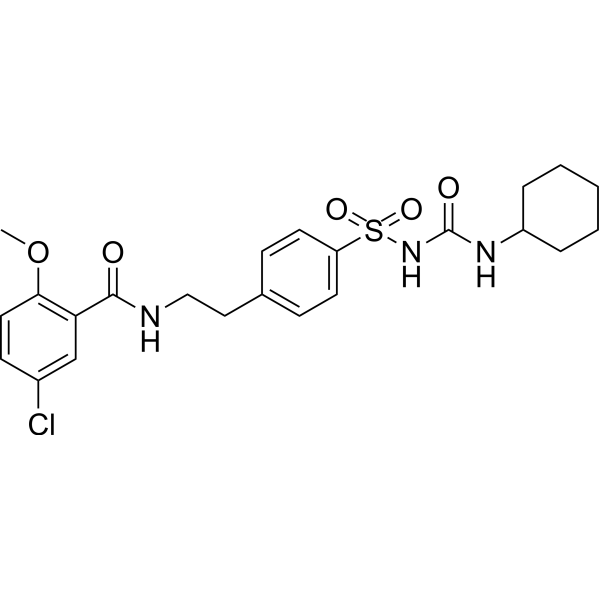
  • HY-15886
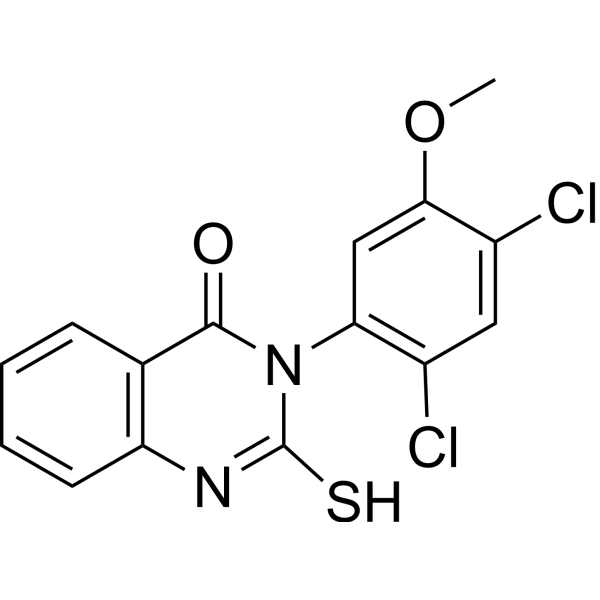
    Mdivi-1
    Maximum Cited Publications
    315 Publications Verification

    mitochondrial division inhibitor 1

    Dynamin Mitophagy Autophagy Apoptosis Cancer
    Mdivi-1 is a selective dynamin-related protein 1 (Drp1) inhibitor. Mdivi-1 is a mitochondrial division/mitophagy inhibitor.
    Mdivi-1
  • HY-D1783
    MitoTracker Deep Red FM
    10+ Cited Publications

    MTDR FM

    Fluorescent Dye Others
    MitoTracker Deep Red (MTDR) FM fluorescent dye that selectively accumulates in the mitochondrial matrix. MitoTracker Deep Red FM covalently binds mitochondrial proteins by reacting with free mercaptan of cysteine residues, allowing staining of mitochondrial membrane potential independent of membrane potential. Excitation/emission wavelength 644/665 nm . MitoTracker Deep Red dyes have an excitation/emission wavelength of 633/650-750 nm .
    The Ex/Em of MitoTracker Deep Red (MTDR) FM is 644/665 nm.
    MitoTracker Deep Red FM
  • HY-135056
    MitoTracker Green FM
    20+ Cited Publications

    Fluorescent Dye Others
    Mito-Tracker Green is a green fluorescent dye that selectively accumulates in the mitochondrial matrix. MitoTracker Green FM covalently binds mitochondrial proteins by reacting with free mercaptan of cysteine residues, allowing staining of mitochondrial membrane potential independent of membrane potential. Excitation/emission wavelength 490/523 nm.
    MitoTracker Green FM
  • HY-128853
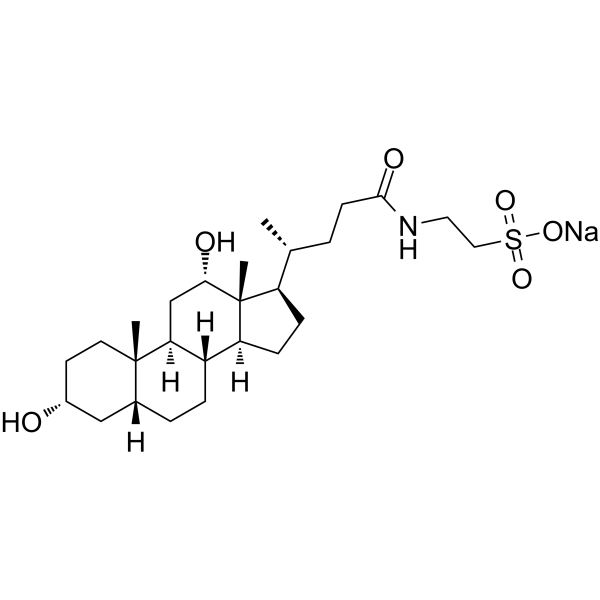
    Taurodeoxycholate sodium
    5+ Cited Publications

    Endogenous Metabolite G protein-coupled Bile Acid Receptor 1 PARP Apoptosis NF-κB PKA Neurological Disease Inflammation/Immunology
    Taurodeoxycholate sodium salt is a bile salt-related anionic detergent. Taurodeoxycholate sodium salt is formed in the liver by conjugation of deoxycholate with Taurine (HY-B0351). Taurodeoxycholate sodium salt is used for isolation of membrane proteins including inner mitochondrial membrane proteins. Taurodeoxycholate (TDCA) exhibits anti-inflammatory and neuroprotective effects .
    Taurodeoxycholate sodium
  • HY-125857C

    Biochemical Assay Reagents Apoptosis Reactive Oxygen Species (ROS) Caspase Metabolic Disease
    Cytochrome C (bovine heart) is composed of 104 amino acids and is a nuclear-encoded mitochondrial protein. Cytochrome C (bovine heart) acts as an effective ROS scavenger, but when combined with the cofactor p66Shc, it promotes the generation of ROS to initiate apoptosis. Cytochrome C (bovine heart) can act as a single electron carrier .
    Cytochrome C (bovine heart)
  • HY-B1899
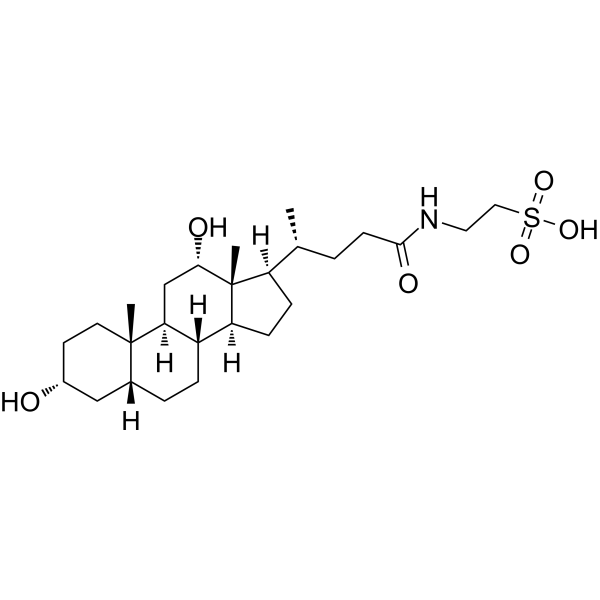
    Taurodeoxycholic acid
    5+ Cited Publications

    Taurodeoxycholate

    Endogenous Metabolite G protein-coupled Bile Acid Receptor 1 PARP Apoptosis NF-κB PKA Neurological Disease Inflammation/Immunology
    Taurodeoxycholate sodium salt is a bile salt-related anionic detergent. Taurodeoxycholic acid is formed in the liver by conjugation of deoxycholate with Taurine (HY-B0351). Taurodeoxycholic acid is used for isolation of membrane proteins including inner mitochondrial membrane proteins. Taurodeoxycholic acid (TDCA) exhibits anti-inflammatory and neuroprotective effects .
    Taurodeoxycholic acid
  • HY-101180
    C2 Ceramide
    2 Publications Verification

    Ceramide 2

    Phosphatase Mitochondrial Metabolism Apoptosis Autophagy Metabolic Disease Endocrinology
    C2 Ceramide (Ceramide 2) is the main lipid of the stratum corneum and a protein phosphatase 1 (PP1) activator. C2 Ceramide activates PP2A and ceramide-activated protein phosphatase (CAPP). C2 Ceramide induces cells differentiation, autophagy and apoptosis, inhibits mitochondrial respiratory chain complex III. C2 Ceramide is also a skin conditioning agent that protects the epidermal barrier from water loss .
    C2 Ceramide
  • HY-N6769
    Radicicol
    4 Publications Verification

    Monorden

    HSP Bacterial Antibiotic Parasite Infection
    Radicicol is an inhibitor of Hsp90 with an IC50 value < 1 μM, and leads to proteasomal degradation . Radicicol exhibits inhibition on PDK with IC50s of 230 μM (PDK1) and 400 μM (PDK3). Radicicol is an antifungal and antimalarial antibiotic, impairs mitochondrial replication by targeting P. falciparum topoisomerase VIB . Radicicol is also an inhibitor of fat mass and obesity-associated protein (FTO), with an IC50 value of 16.04 μM .
    Radicicol
  • HY-18705
    Azoramide
    5+ Cited Publications

    Apoptosis Reactive Oxygen Species (ROS) Caspase Bcl-2 Family Mitochondrial Metabolism Endocrinology
    Azoramide is a potent, orally active small-molecule modulator of the unfolded protein response (UPR). Azoramide improves ER protein folding and elevates ER chaperone capacity, which together protects cells against ER stress. Azoramide alleviates PLA2G6 mutant-induced ER stress through modulating unfolded protein response, and enhances the CERB signaling to rescue mitochondrial function, thereby preventing apoptosis of DA neurons. Azoramide has antidiabetic activity .
    Azoramide
  • HY-125857A

    Biochemical Assay Reagents Apoptosis Caspase Metabolic Disease
    Cytochrome C (equine heart) is composed of 104 amino acids and is a nuclear-encoded mitochondrial protein. Cytochrome C (equine heart) is involved in mitochondrial electron transport and intrinsic type II apoptosis. Cytochrome C (equine heart) can act as a single electron carrier .
    Cytochrome C (equine heart)
  • HY-W089835
    Sodium taurodeoxycholate hydrate
    1 Publications Verification

    G protein-coupled Bile Acid Receptor 1 Endogenous Metabolite PARP Apoptosis NF-κB PKA Neurological Disease Inflammation/Immunology
    Sodium taurodeoxycholate hydrate is a bile salt-related anionic detergent. Sodium taurodeoxycholate hydrate is formed in the liver by conjugation of deoxycholate with Taurine (HY-B0351). Sodium taurodeoxycholate hydrate is used for isolation of membrane proteins including inner mitochondrial membrane proteins. Taurodeoxycholate-d6 (TDCA) exhibits anti-inflammatory and neuroprotective effects .
    Sodium taurodeoxycholate hydrate
  • HY-115467
    MitoBloCK-10
    2 Publications Verification

    HSP Metabolic Disease
    MitoBloCK-10 (MB-10) is the first small molecule modulator to attenuate protein-associated motor (PAM) complex activity. MitoBloCK-10 (MB-10) inhibits Tim44 (C-terminal domain) binding to the precursor and to Hsp70 .
    MitoBloCK-10
  • HY-141659
    CMPD-39
    3 Publications Verification

    Mitophagy Deubiquitinase Neurological Disease
    CMPD-39 is a selective non-covalent inhibitor of the ubiquitin-specific protease USP30 (IC50=~20 nM), with high selectivity over other DUB family members (1-100 μM). CMPD-39 inhibits the deubiquitinating activity of USP30, enhances the ubiquitination of mitochondrial proteins TOMM20 and SYNJ2BP; thus, CMPD-39 promotes phosphoubuitin accumulation, thereby accelerating mitochondrial autophagy (mitophagy) and peroxisomal autophagy (pexophagy). CMPD-39 significantly restores impaired mitochondrial function in dopaminergic neurons derived from Parkinson's disease patients .
    CMPD-39
  • HY-175739

    Mitochondrial Metabolism CXCR Neurological Disease Metabolic Disease Inflammation/Immunology
    TFAM activator 1 is a TFAM activator. TFAM activator 1 increases TFAM protein levels, promotes mitochondrial DNA stability, increases mitochondrial DNA copy number, and prevents mitochondrial DNA from escaping into the cytoplasm. TFAM activator 1 improves cellular energy metabolism in cybrid cells. TFAM activator 1 reduces fibrosis markers in fibroblasts. TFAM activator 1 can be used in the research of mitochondrial encephalomyopathy, lactic acidosis, and stroke-like episodes syndrome, systemic sclerosis, and autoimmune diseases .
    TFAM activator 1
  • HY-125222

    Dynamin Others
    Drp1-IN-1 is a dynamin-1-like protein (Drp1) inhibitor with an IC50 of 0.91 μM. Drp1 mediates the fission of the outer mitochondrial membrane. Drp1-IN-1 can be used to study diseases associated with mitochondrial dysfunction .
    Drp1-IN-1
  • HY-172942

    Mitochondrial Metabolism Reactive Oxygen Species (ROS) Dynamin Cardiovascular Disease Infection Neurological Disease Cancer
    SP11 is a mitochondrial fission protein 1 (Fis1) inhibitor with an IC50 of 9.4 μM. SP11 binds only to activated Fis1 by engaging Cys41. SP11 preserves mitochondrial integrity and function during oxidative stress, inhibits hydrogen peroxide-induced mitochondrial ROS production, mitochondrial fragmentation, and Drp1 mitochondrial translocation. SP11 can be used for the research of parkinson’s disease .
    SP11
  • HY-DY1032

    Fluorescent Dye Others
    Mito-Tracker Green (solution) is a green fluorescent dye that selectively accumulates in the mitochondrial matrix. MitoTracker Green FM covalently binds mitochondrial proteins by reacting with free mercaptan of cysteine residues, allowing staining of mitochondrial membrane potential independent of membrane potential. Excitation/emission wavelength 490/523 nm.
    Solvent and concentration: DMSO: 1 mM
    MitoTracker Green FM (solution)
  • HY-Y0537B

    Environmental Pollutants Biochemical Assay Reagents Mitochondrial Metabolism Metabolic Disease
    Potassium chloride, for molecular biology is potassium chloride that can be used in molecular biology. Potassium chloride, for molecular biology affects the stability of biological membranes by disrupting the electrostatic interactions between proteins and lipids. Potassium chloride, for molecular biology affects the solubility of myofibrillar proteins and the integrity of mitochondria. Potassium chloride, for molecular biology is commonly used in homogenization buffers and protein extraction procedures .
    Potassium chloride, for molecular biology
  • HY-119725

    Environmental Pollutants Insecticide Infection
    Tetradifon is a broad-spectrum organochlorine insecticide and an inhibitor of the mitochondrial oligomycin sensitivity conferring protein (OSCP), which can be used to control a variety of mites. Tetradifon inhibits energy-related activities such as ADP-stimulated respiration, DNP and Mg 2+-stimulated ATPase, with an IC50 of 4.5-27 nmoL/mg mitochondrial protein. Tetradifon exerts oligomycin-like activity by inhibiting the oxidative phosphorylation process, inducing oxidative stress and interfering with bone metabolism. Tetradifon is currently mainly used in the research of mitochondrial function regulation, bone remodeling mechanism and nephrotoxicity of environmental pollutants .
    Tetradifon
  • HY-B1309

    AMAP

    Drug Derivative Mitochondrial Metabolism Infection Cancer
    Metacetamol (AMAP) is an analog of Acetaminophen (HY-66005). Metacetamol induces dose-dependent necrosis in primary hepatocytes via glutathione depletion, mitochondrial damage, and formation of mitochondrial protein adducts. Metacetamol derivatives act as anticancer and antibacterial agents. Metacetamol can be used in studies related to breast cancer, bacterial infections, and fungal infections (candidiasis) .
    Metacetamol
  • HY-139109
    IR-783
    2 Publications Verification

    ADS 780WS

    Fluorescent Dye Apoptosis Mitochondrial Metabolism ATP Synthase Cytochrome P450 Dynamin Cancer
    IR-783 (ADS 780WS) is a heptamethine cyanine dye. IR-783 induces Mitochondrial membrane potential loss, ATP depletion, mitochondrial permeability transition pore opening, Cytochrome c release and Apoptosis in breast cancer cells. IR-783 promotes the translocation of Drp1 from the cytosol to mitochondria. IR-783 increases the expression of mitochondrial fission proteins such as MFF and Fission-1. IR-783 possesses imaging, cancer-targeting and anticancer properties. IR-783 exerts anticancer effects against breast cancer. IR-783 can be used in breast cancer-related research .
    IR-783
  • HY-134640
    AUTAC4
    4 Publications Verification

    AUTACs Mitophagy Neurological Disease Cancer
    AUTAC4 is a mitochondria-targeting autophagy-targeting chimera (AUTAC). AUTAC4 downregulates cytosolic proteins and promotes targeted mitochondrial turnover via mitophagy .
    AUTAC4
  • HY-124718

    M36

    PKC Cancer
    p32 inhibitor M36 (M36) is a p32 mitochondrial protein inhibitor, which binds directly to p32 and inhibits p32 association with LyP-1 .
    p32 Inhibitor M36
  • HY-171616

    HSP β-catenin Cancer
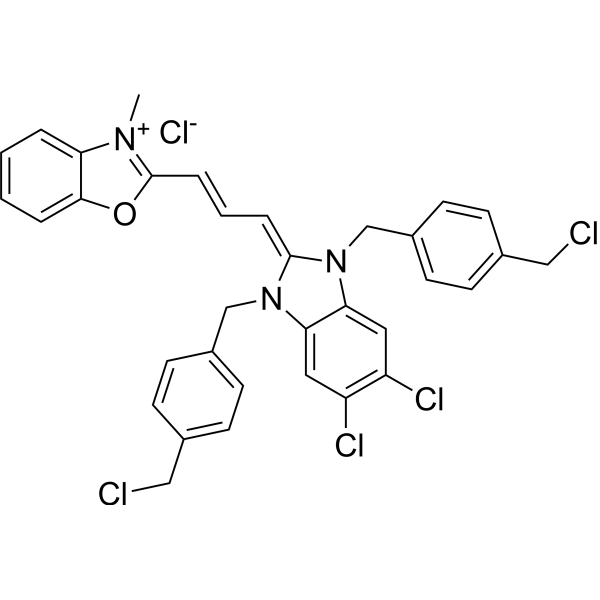
    DCEM1 binds to heat shock protein 60 (HSP60) and inhibits the interaction of HSP60 with ClpP, thereby blocking the mitochondrial unfolded protein response. DCEM1 inhibits β-catenin expression and ATP production in PC-3 and TKO cells. DCEM1 can be used in prostate cancer research .
    DCEM1
  • HY-162386

    Cuproptosis Mitochondrial Metabolism Cancer
    UM4118 is a potent copper-selective non-genotoxic copper ionophore that induces cuproptosis in acute myeloid leukemia cells. UM4118 exhibits stronger activity against SF3B1G12C mutant acute myeloid leukemia cells. UM4118 transports extracellular copper into cells, elevates intracellular and mitochondrial copper levels, and triggers lipoylated DLAT aggregation, proteotoxic stress, iron-sulfur cluster protein depletion, reduced lipoylated protein levels, and maximal mitochondrial respiratory damage. UM4118 cytotoxicity can be enhanced by supplementation with extracellular copper, abolished by copper chelation, and shows synthetic lethal effects in the absence of iron-sulfur cluster biosynthesis/transport genes. UM4118 can be used for the study of acute myeloid leukemia .
    UM4118
  • HY-137042

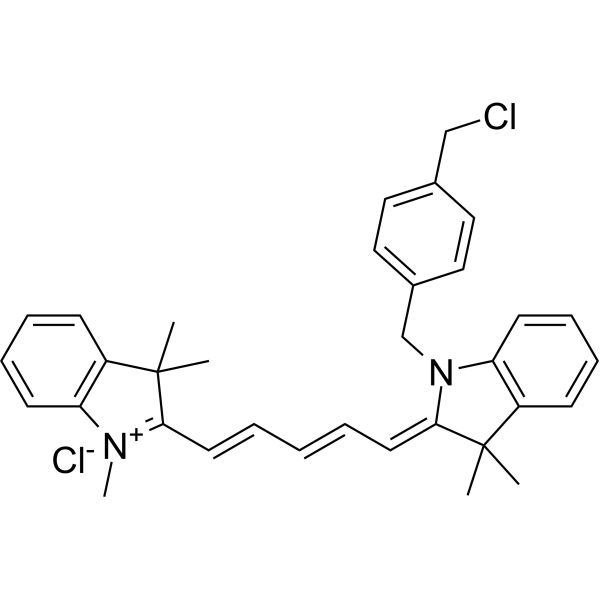
    Alkyne-Cy5

    Oxidative Phosphorylation Mitochondrial Metabolism Cancer
    Cyanine5 alkyne (Alkyne-Cy5) is a fluorescent dye used to label azide proteins and can be used to analyse post-translational modifications of proteins, glycosylation etc. Cyanine5 alkyne can also be used as a mitochondrial OXPHOS inhibitor to inhibit the growth of cancer stem cells (CSC) . Cyanine5 alkyne is a click chemistry reagent, it contains an Alkyne group and can undergo copper-catalyzed azide-alkyne cycloaddition (CuAAc) with molecules containing Azide groups.
    Cyanine5 alkyne
  • HY-150407

    Ligands for Target Protein for PROTAC Autophagy Others Neurological Disease Cancer
    TSPO ligand-1 is the ligand of AUTAC4 (HY-134640) that can be used in the synthesis of PROTACs. TSPO ligand-1 is a mitochondrial outer membrane transmembrane structural domain protein can bind to AUTAC4 and regulate mitochondrial autophagy to promote targeted mitochondrial renewal. TSPO ligand-1 is also involved in the transport of cholesterol from the outer to inner mitochondrial membrane and serves as a sensitive biomarker of brain injury and neurodegeneration .
    TSPO ligand-1
  • HY-155063

    HSP Mitochondrial Metabolism Cancer
    TRAP1-IN-1 (compound 35) is a potent and selective inhibitor of TRAP1,a mitochondrial isoform of Hsp90. TRAP1-IN-1 has >250-fold TRAP1 selectivity over Grp94,and disrupts TRAP1 tetramer stability,induces TRAP1 client protein degradation. TRAP1-IN-1 also inhibits mitochondrial complex I of oxidative phosphorylation OXPHOS,disrupts the mitochondrial membrane potential,and enhances glycolysis metabolism .
    TRAP1-IN-1
  • HY-19587

    NSC335153

    DNA/RNA Synthesis Cancer
    Ditercalinium chloride is an anticancer agent. Ditercalinium chloride inhibits human DNA polymerase gamma activity. Ditercalinium chloride can deplete mitochondrial DNA in both mouse and human cells. Ditercalinium chloride is a potential ligand against the COMMD10-AP3S1 fusion protein .
    Ditercalinium chloride
  • HY-N1282

    Glutathione S-transferase Cytochrome P450 Cancer
    Seneciphylline is an orally effective hepatotoxic inducer. Seneciphylline is metabolized by CYP450 enzymes into active intermediates, which covalently bind to intracellular biomacromolecules such as proteins and DNA to form adducts, which in turn trigger a series of toxic reactions, such as inducing cell apoptosis and damaging mitochondrial function. Seneciphylline can be used in hepatotoxicity research[1][2].
    Seneciphylline
  • HY-111217

    VDAC Mitochondrial Metabolism Neurological Disease Cancer
    AKOS-22 is a potent mitochondrial protein VDAC1 (voltage-dependent anion channel 1) inhibitor (Kd=15.4 μM). AKOS-22 interacts with VDAC1 and inhibiting both VDAC1 oligomerization and apoptosis. AKOS-22 protects against mitochondrial dysfunction .
    AKOS-22
  • HY-W782122

    Biochemical Assay Reagents Cancer
    Photoclick cholesterol is a photoreactive cholesterol analog capable of undergoing click reactions. Photoclick cholesterol enables specific, saturable photoaffinity labeling of the mitochondrial translocator protein TSPO .
    Photoclick cholesterol
  • HY-W020784

    Biochemical Assay Reagents Others
    3-(N-Maleimidopropionyl)biocytin is a cysteine-specific labeling reagent and non-membrane-permeable probe. 3-(N-Maleimidopropionyl)biocytin covalently modifies the exposed cysteine residues of yeast Tim44, conjugating the biotin moiety to the polypeptide chain. 3-(N-Maleimidopropionyl)biocytin determines the topology of membrane proteins by modifying the exposed cysteine residues on the outer side of the inner mitochondrial membrane .
    3-(N-Maleimidopropionyl)biocytin
  • HY-114410

    Mitochondrial Metabolism Cancer
    CCI-006 is a selective inhibitor and chemosensitizer of MLL-rearranged leukemia cells, by inhibits mitochondrial respiration resulting in insurmountable mitochondrial depolarization and a pro-apoptotic unfolded protein response (UPR) in a subset of MLL-r leukemia cells .
    CCI-006
  • HY-P10103

    Caspase Cancer
    Smac-N7 peptide, the seven N-terminal amino acid of the mitochondrial protein Smac (second mitochondria-derived activator of caspase), cannot pass through the cell membrane .
    Smac-N7 peptide
  • HY-149677

    Mitochondrial Metabolism Cancer
    ZK53 is a selective activator of mitochondrial caseinolytic protease P (HsClpP) (EC50: 1.37?μM for α-casein hydrolysis by HsClpP). ZK53 is is inactive toward bacterial ClpP proteins. ZK53 induces apoptosis in H1703, H520 and SK-MES-1 cells. ZK53 induces dysregulation of mitochondrial functions in lung squamous cell carcinoma (LUSC) cells. ZK53 inhibits tumor growth in H1703 xenograft mouse model .
    ZK53
  • HY-W004850

    Endogenous Metabolite Reactive Oxygen Species (ROS) Neurological Disease Metabolic Disease
    Aminoacetone hydrochloride is an α-aminoketone and also a catabolite of threonine and glycine. When accumulated under pathological conditions, Aminoacetone hydrochloride participates in oxidative damage and protein dysfunction via the production of reactive oxygen species (ROS) and methylglyoxal, and it is associated with phenotypes such as diabetes, mitochondrial damage and sleep disorders .
    Aminoacetone hydrochloride
  • HY-P11358

    Angiotensin-converting Enzyme (ACE) Acetyl-CoA Carboxylase Mitochondrial Metabolism Inflammation/Immunology
    IRW is an orally active tripeptide produced from egg white with angiotensin converting enzyme (ACE) inhibitory properties. IRW can prevent high-fat diet (HFD)-induced Non-alcoholic fatty liver disease (NAFLD) by modulating hepatic lipid metabolism and increasing mitochondrial content. IRW decreases hepatic triglyceride content and lipid droplet size. IRW increases the hepatic mitochondrial complexes and citrate synthase activity, phosphorylation of 5’-AMP-activated protein kinase and microsomal triglyceride transfer protein abundance. IRW increases phosphorylated acetyl CoA carboxylase and mitochondrial complexes, IRW can be used for the research of inflammation .
    IRW
  • HY-114383

    Deubiquitinase Autophagy Neurological Disease
    ST-539 is the inhibitor for deubiquitinase USP30 with IC50 of 0.37 μM. ST-539 promotes the ubiquitination of mitochondrial proteins, and induces mitochondrial autophagy, thereby regulating mitochondrial homeostasis. ST-539 can be used in research of neurodegenerative diseases .
    ST-539
  • HY-147225

    AUTACs Mitophagy Neurological Disease Metabolic Disease Cancer
    TSPO Ligand-Linker Conjugates 1 contains a ligand for translocator protein (TSPO) and a linker, which is used for the synthesis of mitochondria-targeting autophagy-targeting chimera (AUTAC). AUTAC can bind the TSPO on the outer mitochondrial membrane (OMM) of mitochondria and degrades impaired mitochondria and proteins via mitophagy, and improves mitochondrial activity. TSPO Ligand-Linker Conjugates 1 can be used in mitochondrial dysfunction related research, including neurodegenerative diseases, cancer, and diabetes .
    TSPO Ligand-Linker Conjugates 1
  • HY-W661499

    Phosphatase Apoptosis Reactive Oxygen Species (ROS) Caspase Cancer
    Orellanine, a nephrotoxic alkaloid found in Cortinarius orellanus, is an orally active and selective non-competitive inhibitor of alkaline phosphatase. Orellanine chelates iron, generates reactive oxygen species (ROS), induces DNA scission, forms ortho-semiquinone radicals, downregulates antioxidant defenses, and inhibits mitochondrial function. Orellanine induces caspase 8/9-mediated apoptosis. Orellanine inhibits synthesis of proteins, RNA, DNA, and mitochondrial protein synthesis, with metabolic activation required for cell-free protein synthesis inhibition. Orellanine can be used for the research of metastatic clear cell renal cell carcinoma, acute renal failure, chronic renal insufficiency, and kidney damage .
    Orellanine
  • HY-147696

    HSP AMPK Reactive Oxygen Species (ROS) Cancer
    SMTIN-T140 (compound 6a) is a potent TRAP1 (tumor-necrosis-factor-receptor associated protein 1) inhibitor, with an IC50 of 1.646 μM. SMTIN-T140 shows anticancer activity. SMTIN-T140 leads to mitochondrial dysfunction, increases mitochondrial ROS production and activates AMPK. SMTIN-T140 potently suppressed tumor growth without any noticeable in vivo toxicity in a mouse model xenografted with PC3 prostate cancer cells .
    SMTIN-T140
  • HY-B1899R

    Taurodeoxycholate (Standard)

    Reference Standards Endogenous Metabolite G protein-coupled Bile Acid Receptor 1 PARP Apoptosis NF-κB PKA Neurological Disease Inflammation/Immunology
    Taurodeoxycholic acid (Standard) is the analytical standard of Taurodeoxycholic acid. This product is intended for research and analytical applications. Taurodeoxycholate sodium salt is a bile salt-related anionic detergent. Taurodeoxycholic acid is formed in the liver by conjugation of deoxycholate with Taurine (HY-B0351). Taurodeoxycholic acid is used for isolation of membrane proteins including inner mitochondrial membrane proteins. Taurodeoxycholic acid (TDCA) exhibits anti-inflammatory and neuroprotective effects[1][2][3][9][10].
    Taurodeoxycholic acid (Standard)
  • HY-131688

    PARP Caspase Inflammation/Immunology
    2-Chlorohexadecanoic acid, an inflammatory lipid mediator, interferes with protein palmitoylation,induces ER-stress markers, reduced the ER ATP content, and activates transcription and secretion of IL-6 as well as IL-8.2-Chlorohexadecanoic acid disrupts the mitochondrial membrane potential and induces procaspase-3 and PARP cleavage.2-Chlorohexadecanoic acid can across blood-brain barrier (BBB) and compromises ER- and mitochondrial functions in the human brain endothelial cell line hCMEC/D3 .
    2-Chlorohexadecanoic acid
  • HY-161659

    Apoptosis Bcl-2 Family Caspase Reactive Oxygen Species (ROS) Cancer
    Apoptosis inducer 19 (Compound 7g) is an Apoptosis inducer. Apoptosis inducer 19 elevates expression of pro-apoptotic proteins (Bax and caspase-3) and downregulates anti-apoptotic protein (Bcl-2). Apoptosis inducer 19 upregulates cellular reactive oxygen species (ROS) levels and disrupts mitochondrial membrane potential (MMP). Apoptosis inducer 19 can be used for triple-negative breast cancer (TNBC) research .
    Apoptosis inducer 19
  • HY-130588A

    GSAO TFA

    Mitochondrial Metabolism Cancer
    Glutathione arsenoxide (GSAO) TFA is a potential anticancer agent and a tumour metabolism inhibitor. Glutathione arsenoxide TFA targets Mitochondrial endomycin nucleotide transferase (ANT). Glutathione arsenoxide TFA causes cell proliferation arrest and cell death. Glutathione arsenoxide TFA can be used to identify cell-surface proteins, such as Protein disulphide isomerase .
    Glutathione arsenoxide TFA
  • HY-174306

    5-HT Receptor PGC-1α Akt PI3K Ras MEK ERK Metabolic Disease
    MARY1 is a selective 5-HT2BR antagonist with an IC50 of 380 nM and a Ki of 764 nM (human 5-HT2BR). MARY1 induces renal mitochondrial biogenesis (MB) and enhances renal mitochondrial function by increasing mitochondrial respiratory capacity, mitochondrial protein levels, and mitochondrial number in renal proximal tubular cells (RPTCs). MARY1 induces MB through 5-HT2BR and dual PI3K/AKT and RAS/MEK/ERK cell signaling pathways in RPTCs. MARY1 can be used to study renal diseases associated with metabolic and mitochondrial dysfunction .
    MARY1
  • HY-178749

    ClpP Mitochondrial Metabolism Apoptosis Caspase PARP Cancer
    MS6076 is a mitochondrial protease ClpP agonist. MS6076 specifically activates the ClpP protease in the mitochondrial matrix, significantly disrupting mitochondrial Electron Transport Chain (ETC) function by accelerating the degradation of unfolded proteins. MS6076 exhibits potent cytotoxicity against a variety of cancer cell lines. MS6076 induces cell apoptosis, increasing cleavage of caspase 3 and PARP. MS6076 can be used for the research of breast cancer .
    MS6076
  • HY-130588

    GSAO

    Mitochondrial Metabolism Cancer
    Glutathione arsenoxide (GSAO) is a potential anticancer agent and a tumour metabolism inhibitor. Glutathione arsenoxide targets Mitochondrial endomycin nucleotide transferase (ANT). Glutathione arsenoxide causes cell proliferation arrest and cell death. Glutathione arsenoxide can be used to identify cell-surface proteins, such as Protein disulphide isomerase .
    Glutathione arsenoxide
  • HY-141659A

    Mitophagy Deubiquitinase Neurological Disease
    (R)-CMPD-39 is the R enantiomer of CMPD-39 ( HY-141659 ). CMPD-39 is a selective non-covalent inhibitor of the ubiquitin-specific protease USP30 (IC50 =~20 nM), with high selectivity over other DUB family members (1-100 μM). CMPD-39 inhibits the deubiquitinating activity of USP30, enhances the ubiquitination of mitochondrial proteins TOMM20 and SYNJ2BP; thus, CMPD-39 promotes phosphoubuitin accumulation, thereby accelerating mitochondrial autophagy (mitophagy) and peroxisomal autophagy (pexophagy). CMPD-39 significantly restores impaired mitochondrial function in dopaminergic neurons derived from Parkinson's disease patients .
    (R)-CMPD-39

Inquiry Online

Your information is safe with us. * Required Fields.

Salutation


Country or Region *

Applicant Name *


Organization Name *

Department *


Email Address *


Product Name *

Cat. No.


Requested quantity *

Phone Number *


Remarks

Inquiry Online

Inquiry Information

Product Name:
Cat. No.:
Quantity:
MCE Japan Authorized Agent:

