1. Search Result
Search Result
Results for "

Liver diseases.

" in MedChemExpress (MCE) Product Catalog:

591

Inhibitors & Agonists

15

Screening Libraries

4

Fluorescent Dyes

22

Biochemical Assay Reagents

21

Peptides

3

Inhibitory Antibodies

151

Natural
Products

39

Isotope-Labeled Compounds

1

Click Chemistry

19

Oligonucleotides

Targets Recommended:
Cat. No. Product Name Target Research Areas Chemical Structure
  • HY-114118
    Semaglutide
    Maximum Cited Publications
    35 Publications Verification

    GLP Receptor Insulin Receptor α-synuclein Apoptosis p38 MAPK Autophagy Bcl-2 Family Neurological Disease Metabolic Disease Cancer
    Semaglutide is a long-acting, selective, competitive GLP-1R agonist that can penetrate the blood-brain barrier. After activating GLP-1R, Semaglutide promotes insulin secretion, inhibits gastric emptying and appetite, and at the same time enhances autophagy, inhibits oxidative stress and apoptosis. Semaglutide also regulates mitochondrial function and lipid metabolism (such as reducing de novo lipogenesis in the liver). Semaglutide has activities such as lowering blood sugar, reducing weight, neuroprotection (such as improving motor function in Parkinson's disease models, reducing α-synuclein aggregation) and improving hepatic steatosis. Semaglutide can be used for the study of neurodegenerative diseases and liver diseases such as type 2 diabetes, obesity, Parkinson's disease, metabolic associated fatty liver disease (MASLD), and cancer .
    Semaglutide
  • HY-B1337
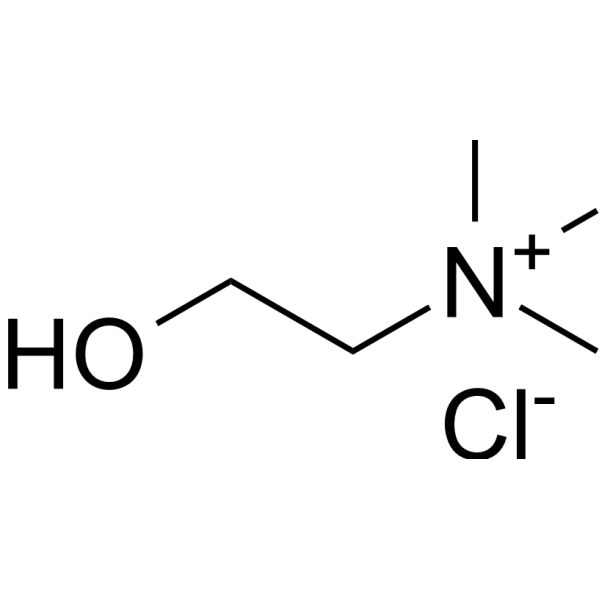
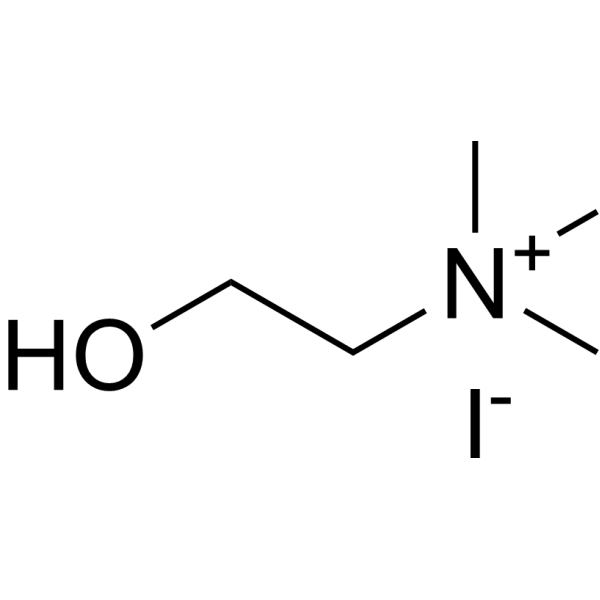
    Choline chloride
    4 Publications Verification

    Environmental Pollutants Endogenous Metabolite nAChR Neurological Disease Inflammation/Immunology Cancer
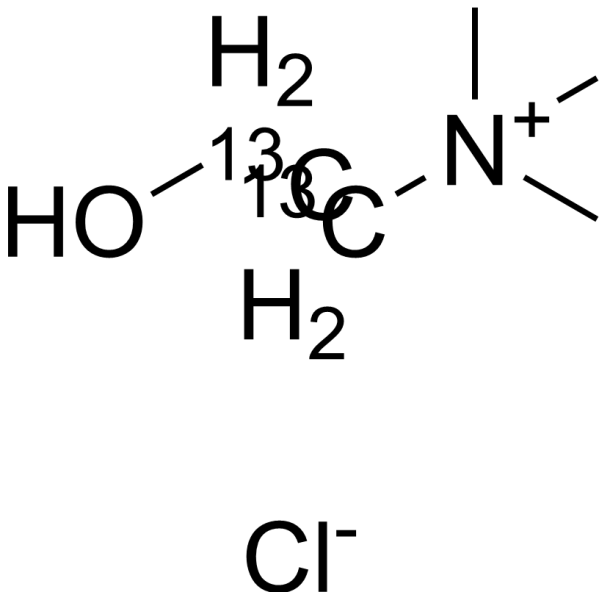
    Choline chloride is an essential nutrient that activates alpha7 nicotinic receptors and has analgesic and anti-inflammatory activity. Glycerophosphoinositol choline can affect diseases such as liver disease, atherosclerosis and neurological disorders .
    Choline chloride
  • HY-19883
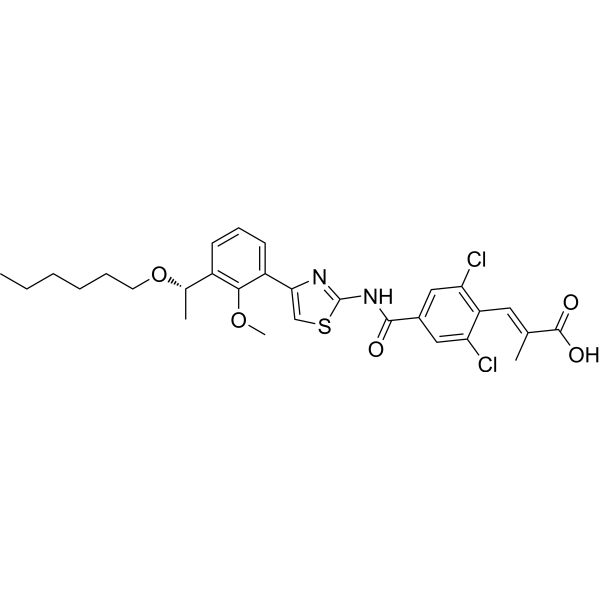
    Lusutrombopag
    3 Publications Verification

    S-888711

    Thrombopoietin Receptor Inflammation/Immunology
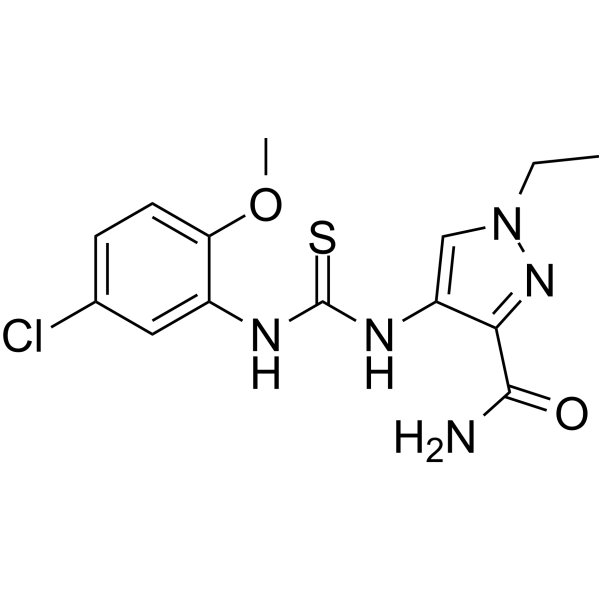
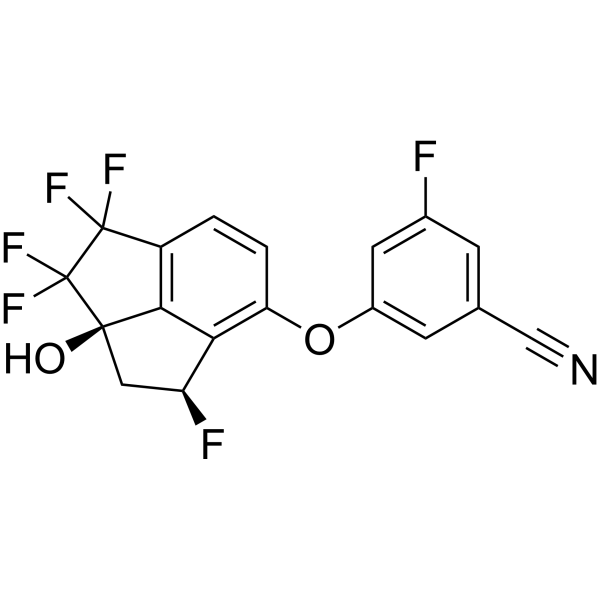
    Lusutrombopag is an orally bioavailable thrombopoietin (TPO) receptor agonist, used for treatment of chronic liver disease.
    Lusutrombopag
  • HY-114118B
    Semaglutide acetate
    Maximum Cited Publications
    35 Publications Verification

    GLP Receptor Insulin Receptor α-synuclein Apoptosis p38 MAPK Autophagy Bcl-2 Family Neurological Disease Metabolic Disease Cancer
    Semaglutide acetate is a long-acting, selective, competitive GLP-1R agonist that can penetrate the blood-brain barrier. After activating GLP-1R, Semaglutide acetate promotes insulin secretion, inhibits gastric emptying and appetite, and at the same time enhances autophagy, inhibits oxidative stress and apoptosis. Semaglutide acetate also regulates mitochondrial function and lipid metabolism (such as reducing de novo lipogenesis in the liver). Semaglutide acetate has activities such as lowering blood sugar, reducing weight, neuroprotection (such as improving motor function in Parkinson's disease models, reducing α-synuclein aggregation) and improving hepatic steatosis. Semaglutide acetate can be used for the study of neurodegenerative diseases and liver diseases such as type 2 diabetes, obesity, Parkinson's disease, metabolic associated fatty liver disease (MASLD), and cancer .
    Semaglutide acetate
  • HY-114118A
    Semaglutide TFA
    Maximum Cited Publications
    35 Publications Verification

    GLP Receptor Insulin Receptor α-synuclein Apoptosis p38 MAPK Autophagy Bcl-2 Family Neurological Disease Metabolic Disease Cancer
    Semaglutide TFA is a long-acting, selective, competitive GLP-1R agonist that can penetrate the blood-brain barrier. After activating GLP-1R, Semaglutide TFA promotes insulin secretion, inhibits gastric emptying and appetite, and at the same time enhances autophagy, inhibits oxidative stress and apoptosis. Semaglutide TFA also regulates mitochondrial function and lipid metabolism (such as reducing de novo lipogenesis in the liver). Semaglutide TFA has activities such as lowering blood sugar, reducing weight, neuroprotection (such as improving motor function in Parkinson's disease models, reducing α-synuclein aggregation) and improving hepatic steatosis. Semaglutide TFA can be used for the study of neurodegenerative diseases and liver diseases such as type 2 diabetes, obesity, Parkinson's disease, metabolic associated fatty liver disease (MASLD), and cancer .
    Semaglutide TFA
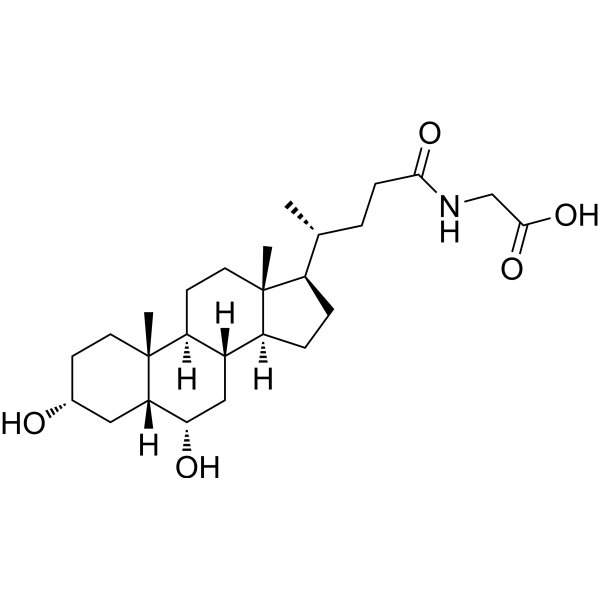
  • HY-126995

    Endogenous Metabolite Metabolic Disease
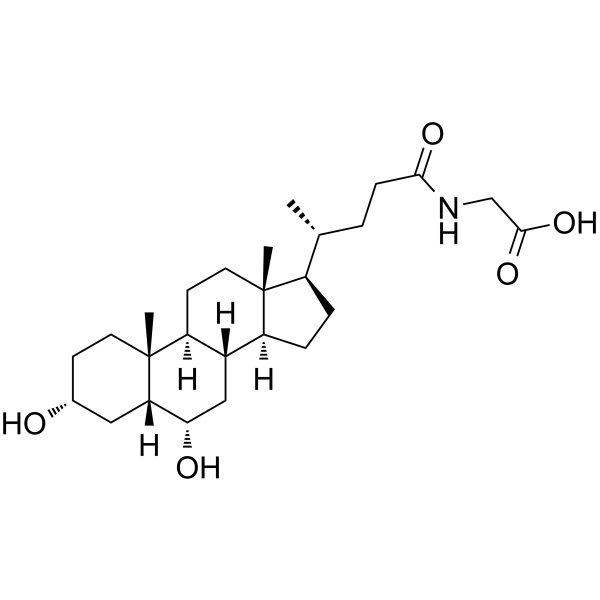
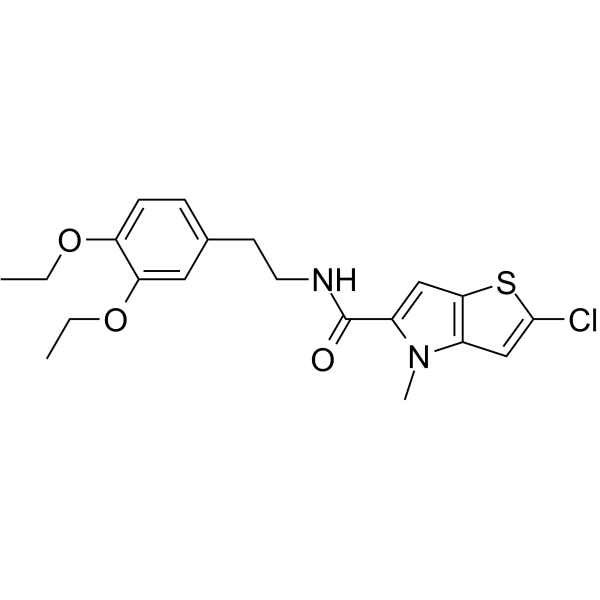
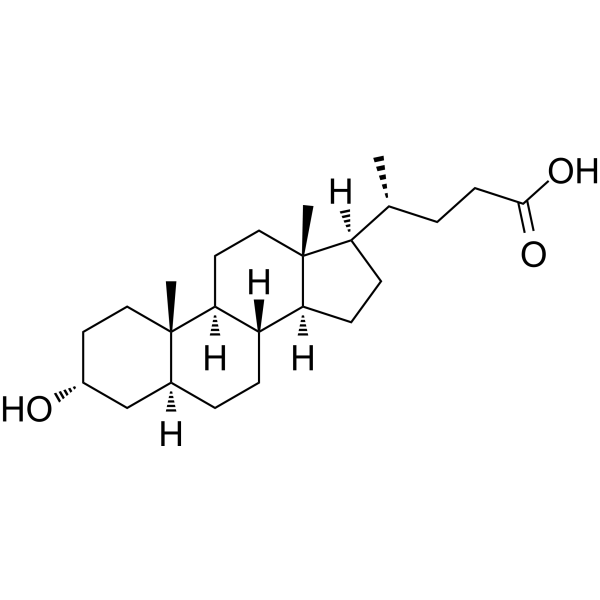
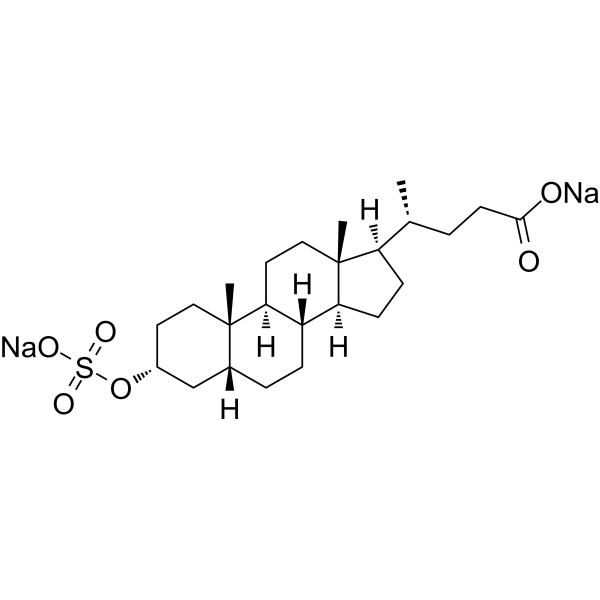
    Glycohyodeoxycholic acid is a glycine-conjugated bile acid and also a metabolite of Hyodeoxycholic acid (HY-N0169). The serum level of Glycohyodeoxycholic acid is negatively correlated with the severity of non-alcoholic fatty liver disease. Glycohyodeoxycholic acid can be used in research related to non-alcoholic fatty liver disease .
    Glycohyodeoxycholic acid
  • HY-N0010
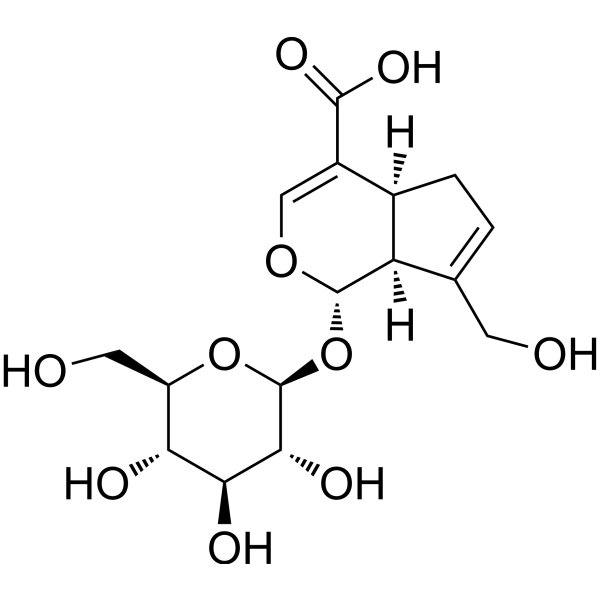
    Geniposidic acid
    5+ Cited Publications

    FXR Sirtuin TNF Receptor Interleukin Related Metabolic Disease
    Geniposidic acid is an orally active FXR modulator and SIRT6 activator. Geniposidic acid binds to the Ser332 and His447 sites on the FXR ligand-binding domain, thereby driving nuclear translocation, coactivator recruitment, and transcription of downstream bile acid and cholesterol metabolism-related genes. Geniposidic acid improves metabolic dysfunction-related fatty liver disease by activating the SIRT6 signaling pathway. Geniposidic acid inhibits inflammation and modulates gut microbiota to alleviate colitis. Geniposidic acid can be used in research on drug-induced liver injury, inflammatory bowel disease, metabolic dysfunction-related fatty liver disease, and metabolic dysfunction-related steatohepatitis .
    Geniposidic acid
  • HY-114118CP

    GLP Receptor Insulin Receptor α-synuclein Apoptosis p38 MAPK Autophagy Bcl-2 Family Neurological Disease Metabolic Disease Cancer

    Semaglutide (crude) is the crude form of Semaglutide (HY-114118). Semaglutide is a long-acting, selective, competitive GLP-1R agonist that can penetrate the blood-brain barrier. After activating GLP-1R, Semaglutide promotes insulin secretion, inhibits gastric emptying and appetite, and at the same time enhances Autophagy, inhibits oxidative stress and Apoptosis. Semaglutide also regulates mitochondrial function and lipid metabolism (such as reducing de novo lipogenesis in the liver). Semaglutide has activities such as lowering blood sugar, reducing weight, neuroprotection (such as improving motor function in Parkinson's disease models, reducing α-synuclein aggregation) and improving hepatic steatosis. Semaglutide can be used for the study of neurodegenerative diseases and liver diseases such as type 2 diabetes, obesity, Parkinson's disease, metabolic associated fatty liver disease (MASLD), and cancer .
    Semaglutide (crude)
  • HY-101036
    Choline bitartrate
    4 Publications Verification

    mAChR Endogenous Metabolite Neurological Disease Cancer
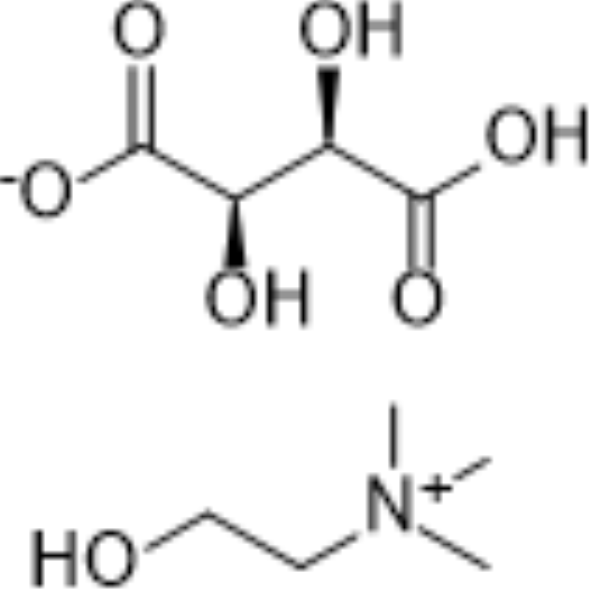
    Choline bitartrate is a vitamin-like essential nutrient, can affect diseases such as liver disease, atherosclerosis and neurological disorders . Choline bitartrate is a precursor for the neurotransmitter acetylcholine, as a methyl donor in various metabolic processes, and in lipid metabolism .
    Choline bitartrate
  • HY-113162
    Bovinic acid
    1 Publications Verification

    Keap1-Nrf2 Ferroptosis Reactive Oxygen Species (ROS) SOD Metabolic Disease Cancer
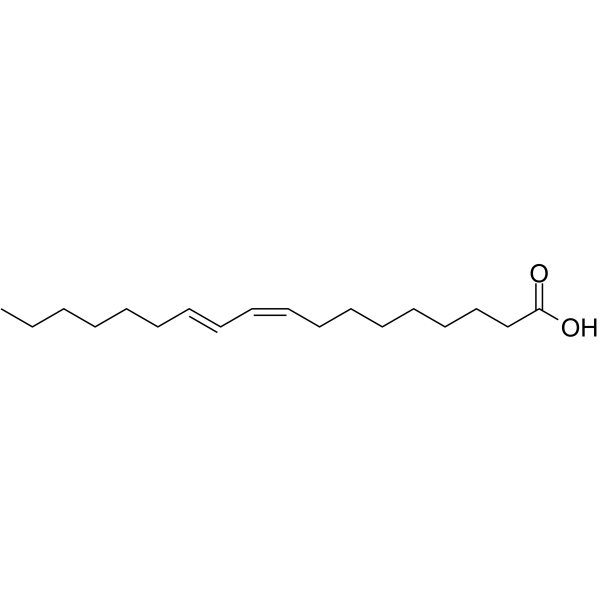
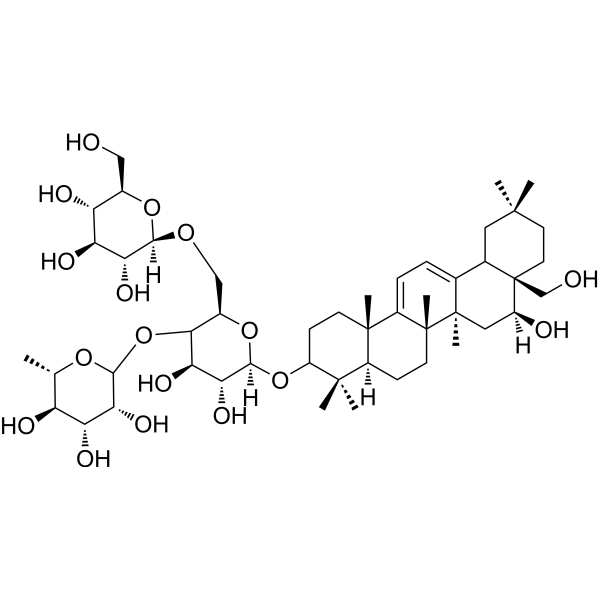
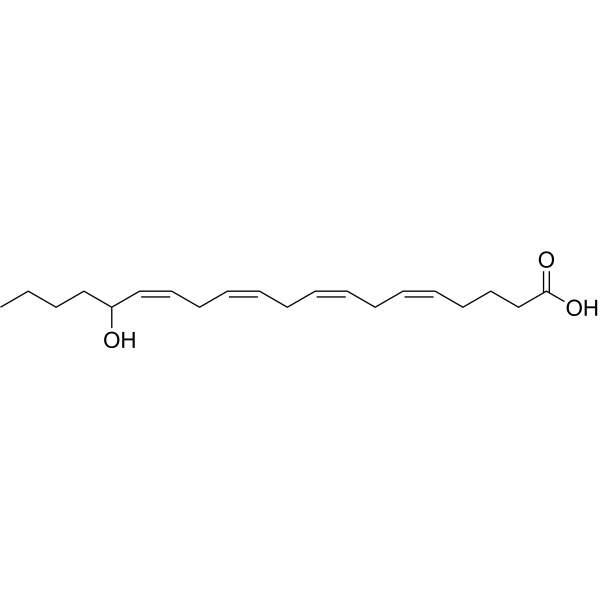
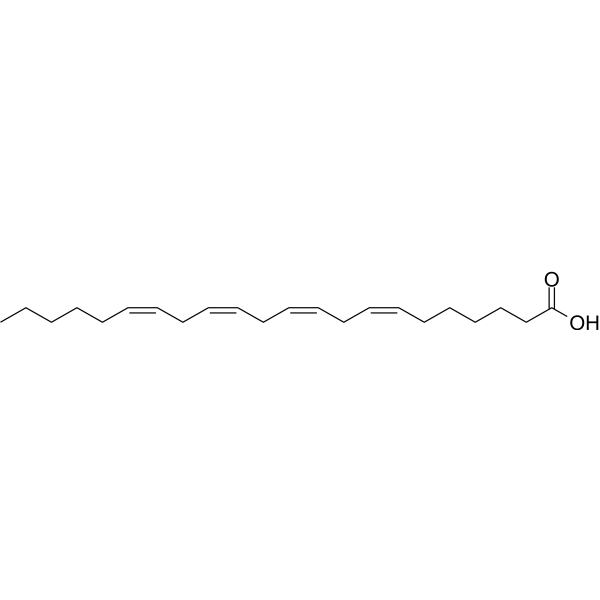
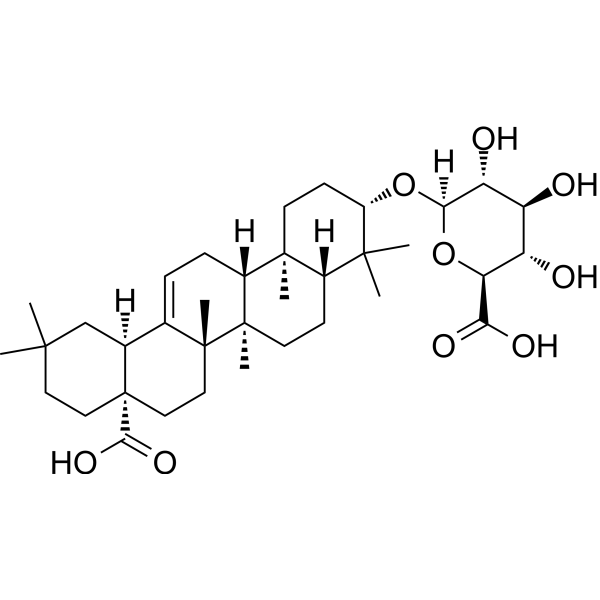
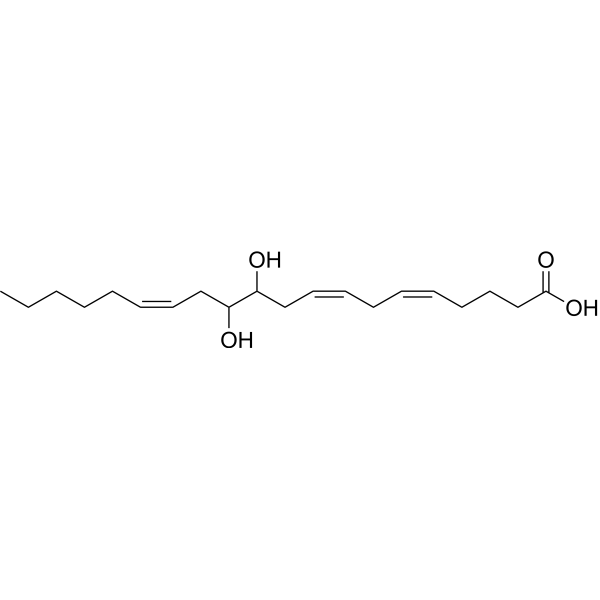
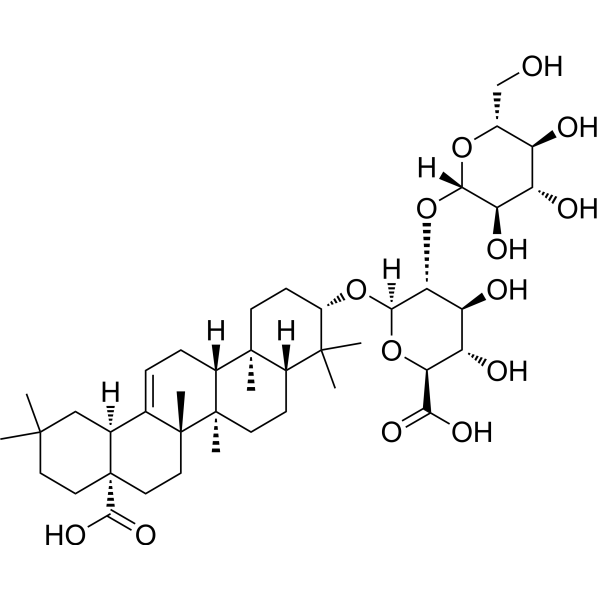
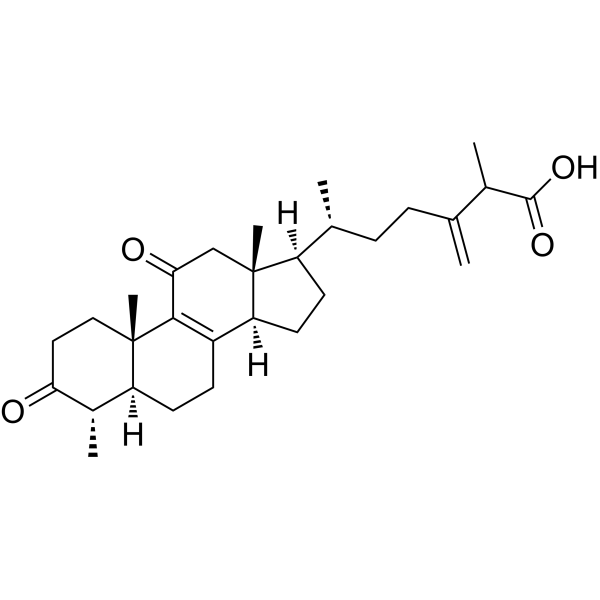
    Bovinic acid is an orally active anti-inflammatory agent. Bovinic acid inhibits oxidative stress and ferroptosis by regulating the Keap1-Nrf2 signaling pathway. Bovinic acid exerts hepatoprotective effects against alcohol-associated liver disease. Bovinic acid can be used for the research of alcohol-associated liver disease .
    Bovinic acid
  • HY-B1337B

    nAChR Endogenous Metabolite Cardiovascular Disease Inflammation/Immunology Cancer
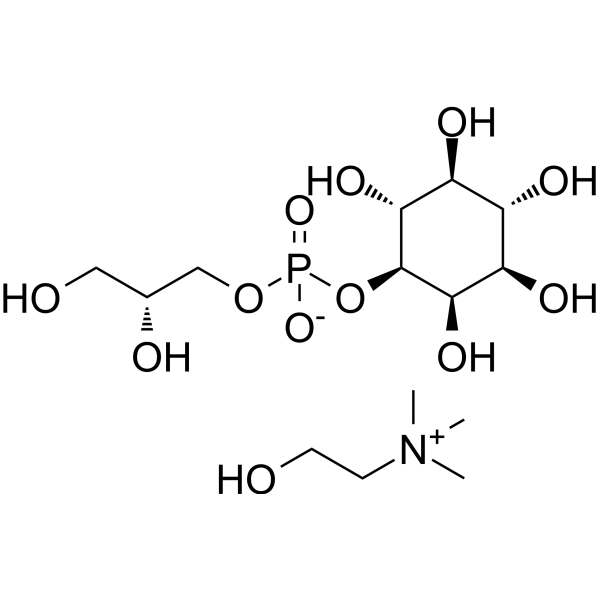
    Glycerophosphoinositol choline is an essential nutrient that activates alpha7 nicotinic receptors and has analgesic and anti-inflammatory activity. Glycerophosphoinositol choline can affect diseases such as liver disease, atherosclerosis and neurological disorders .
    Glycerophosphoinositol choline
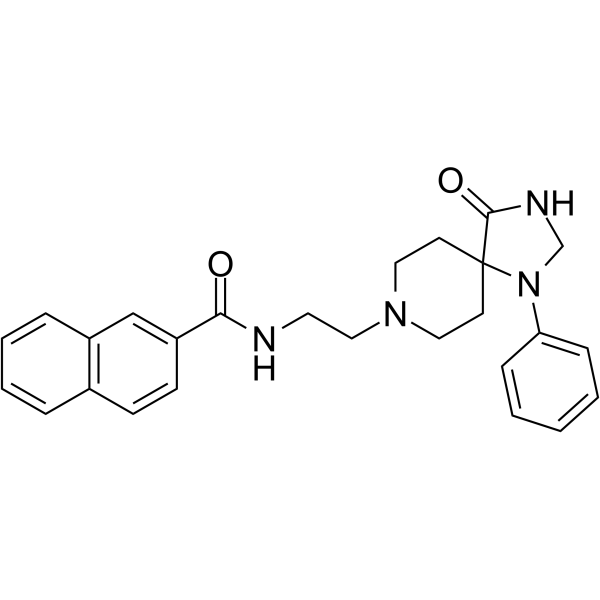
  • HY-12281

    BRD-9424

    Mitochondrial Metabolism Metabolic Disease Cancer
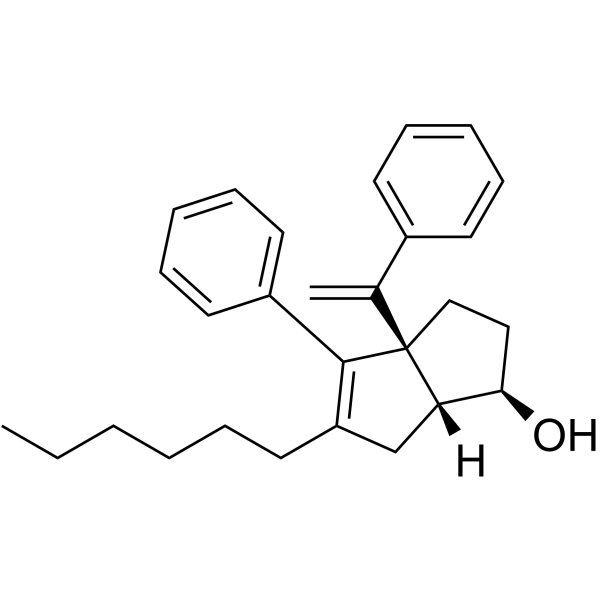
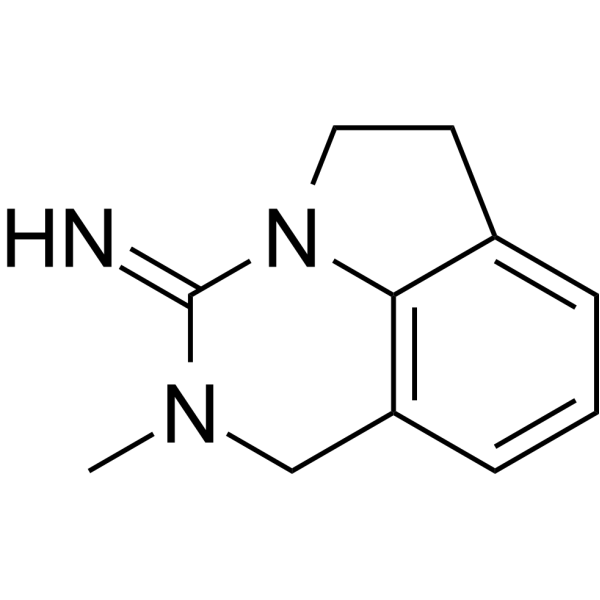
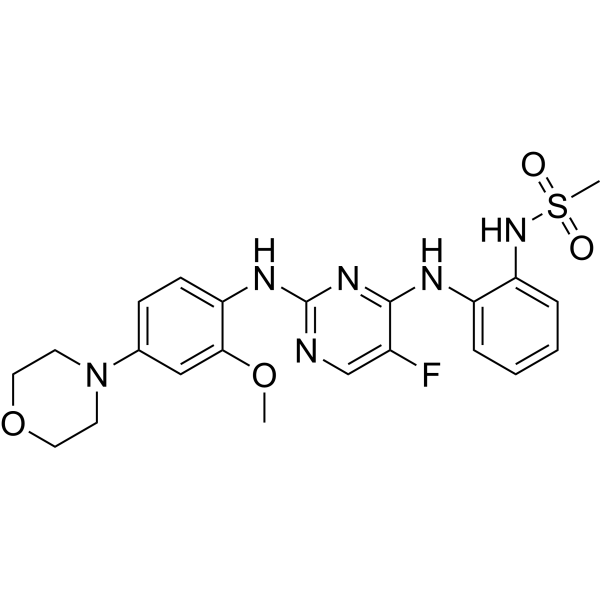
    FPH2 induces of functional proliferation of primary human hepatocytes and may lead to the development of new therapeutics for liver diseases.
    FPH2
  • HY-135644
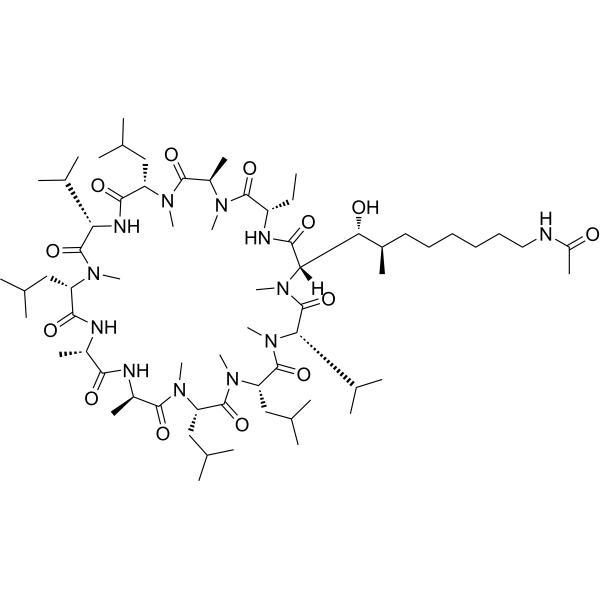
    Rencofilstat
    1 Publications Verification

    CRV431

    Cyclophilin Sirtuin Nuclear Factor of activated T Cells (NFAT) Interleukin Related Cancer
    Rencofilstat (CRV431) is an orally active pan-cyclophilin inhibitor with IC50 values of 2.5 nM, 3.1 nM, 2.8 nM, 7.3 nM for Cyp A, CypB, Cyp D and Cyp G, respectively. Rencofilstat reduces fibrosis and tumor growth in models of chronic liver disease. Rencofilstat can be used for the study of nonalcoholic steatohepatitis (NASH), hepatocellular carcinoma and viral hepatitis-induced liver disease .
    Rencofilstat
  • HY-114118S1

    Isotope-Labeled Compounds GLP Receptor Insulin Receptor α-synuclein Apoptosis p38 MAPK Autophagy Bcl-2 Family Neurological Disease Metabolic Disease Cancer
    Semaglutide-d8 tetraTFA is the deuterium labeled Semaglutide (HY-114118). Semaglutide is a long-acting, selective, competitive GLP-1R agonist that can penetrate the blood-brain barrier. After activating GLP-1R, Semaglutide promotes insulin secretion, inhibits gastric emptying and appetite, and at the same time enhances autophagy, inhibits oxidative stress and apoptosis. Semaglutide also regulates mitochondrial function and lipid metabolism (such as reducing de novo lipogenesis in the liver). Semaglutide has activities such as lowering blood sugar, reducing weight, neuroprotection (such as improving motor function in Parkinson's disease models, reducing α-synuclein aggregation) and improving hepatic steatosis. Semaglutide can be used for the study of neurodegenerative diseases and liver diseases such as type 2 diabetes, obesity, Parkinson's disease, metabolic associated fatty liver disease (MASLD), and cancer .
    Semaglutide-d8 tetraTFA
  • HY-114118S

    Isotope-Labeled Compounds GLP Receptor Insulin Receptor α-synuclein Apoptosis p38 MAPK Autophagy Bcl-2 Family Neurological Disease Metabolic Disease Cancer
    Semaglutide-d8 is the deuterium labeled Semaglutide (HY-114118). Semaglutide is a long-acting, selective, competitive GLP-1R agonist that can penetrate the blood-brain barrier. After activating GLP-1R, Semaglutide promotes insulin secretion, inhibits gastric emptying and appetite, and at the same time enhances autophagy, inhibits oxidative stress and apoptosis. Semaglutide also regulates mitochondrial function and lipid metabolism (such as reducing de novo lipogenesis in the liver). Semaglutide has activities such as lowering blood sugar, reducing weight, neuroprotection (such as improving motor function in Parkinson's disease models, reducing α-synuclein aggregation) and improving hepatic steatosis. Semaglutide can be used for the study of neurodegenerative diseases and liver diseases such as type 2 diabetes, obesity, Parkinson's disease, metabolic associated fatty liver disease (MASLD), and cancer .
    Semaglutide-d8
  • HY-121983
    CAY10594
    1 Publications Verification

    Phospholipase Apoptosis GSK-3 Anaplastic lymphoma kinase (ALK) STAT Interleukin Related G Protein-coupled Receptor Kinase (GRK) CXCR Lactate Dehydrogenase Inflammation/Immunology Cancer
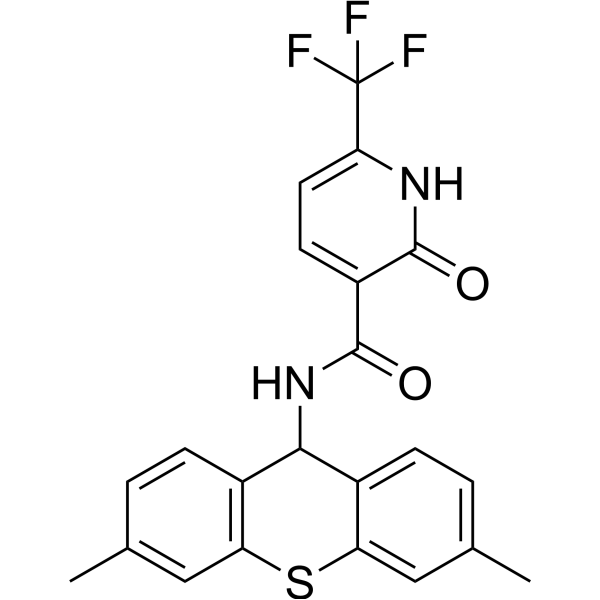
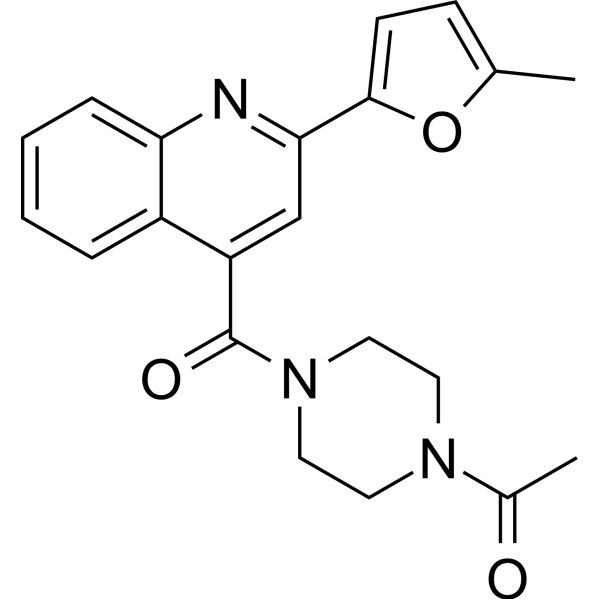
    CAY10594 is an orally active PLD2 inhibitor with an IC50 of 140 nM. CAY10594 has activities such as anti-tumor, anti-oxidation and liver protection. CAY10594 can be used for the research of diseases like breast cancer, acute liver injury and colitis .
    CAY10594
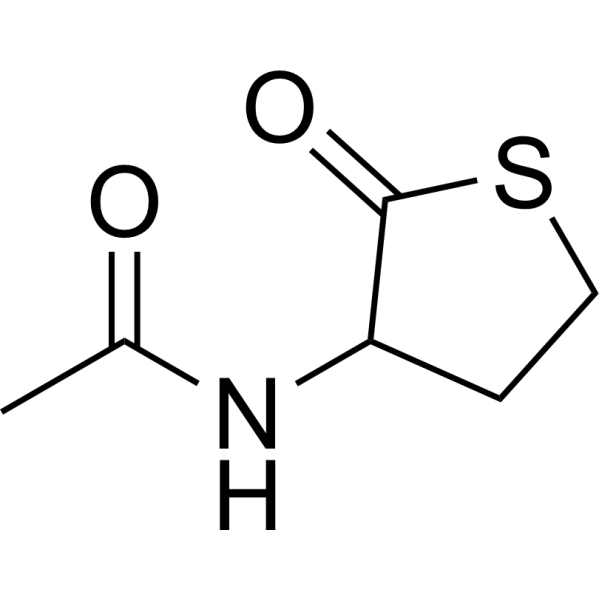
  • HY-B0931

    Drug Derivative Others
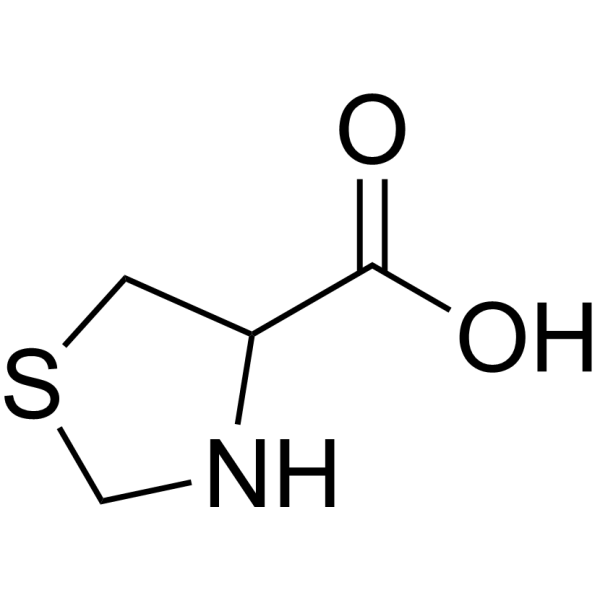
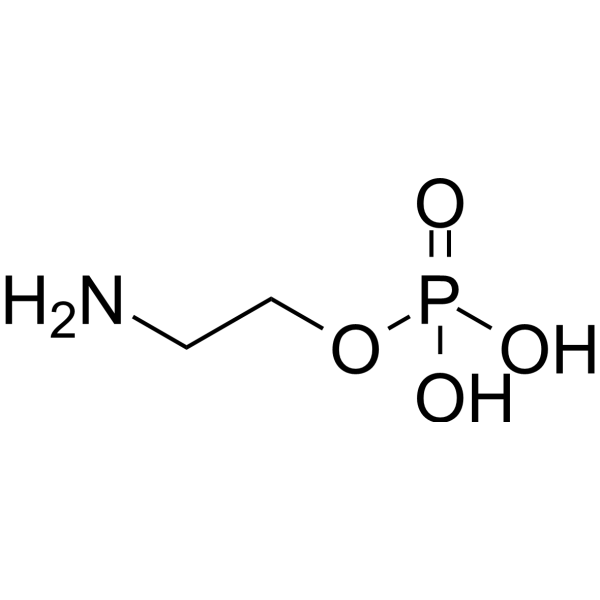
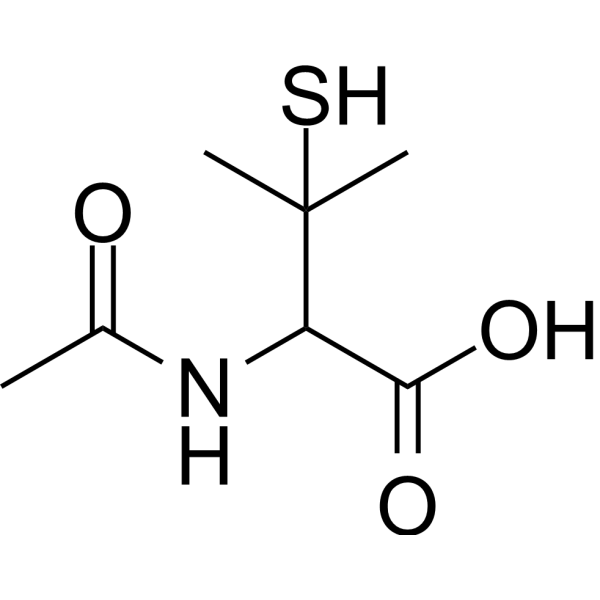
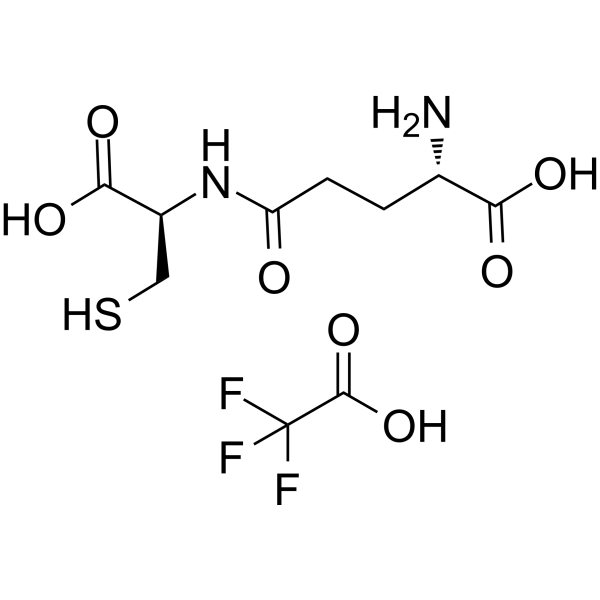
    Citiolone is a derivative of cysteine and has the potential for research in liver diseases.
    Citiolone
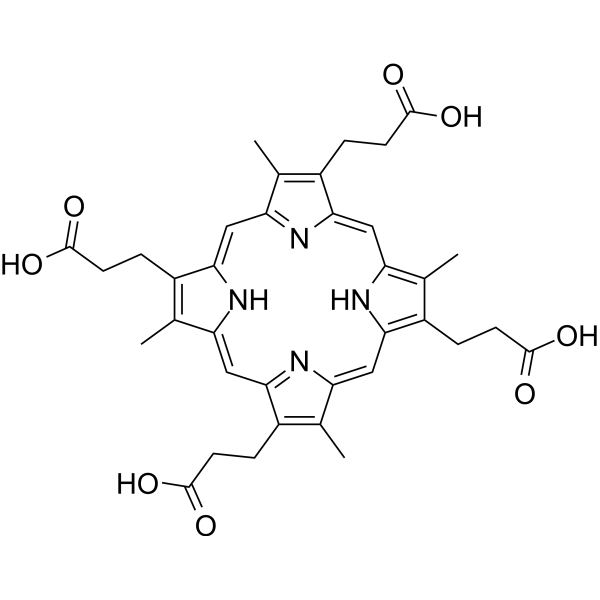
  • HY-113318

    Endogenous Metabolite Metabolic Disease
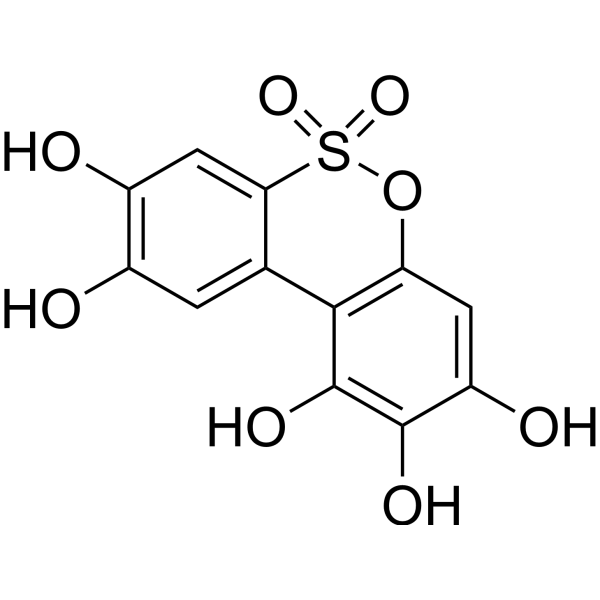
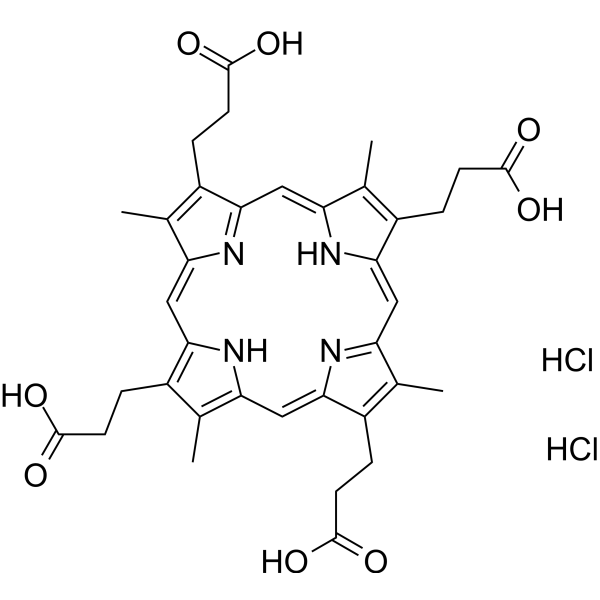
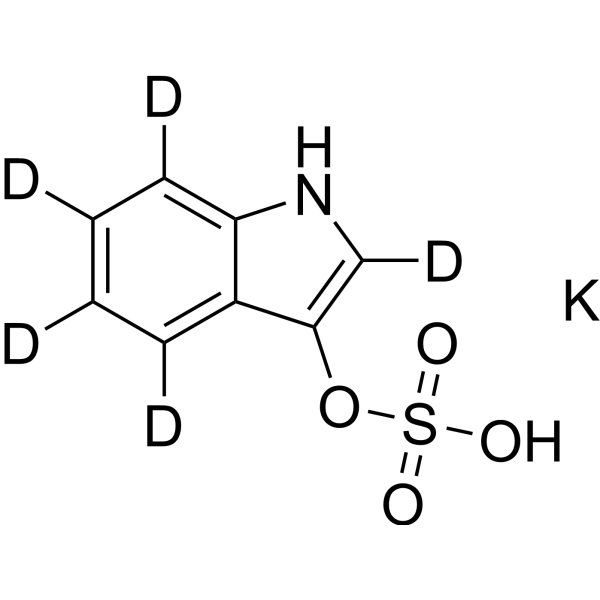
    Coproporphyrin I is an endogenous metabolite present in Urine and Blood that can be used for the research of Liver Disease and Porphyria .
    Coproporphyrin I
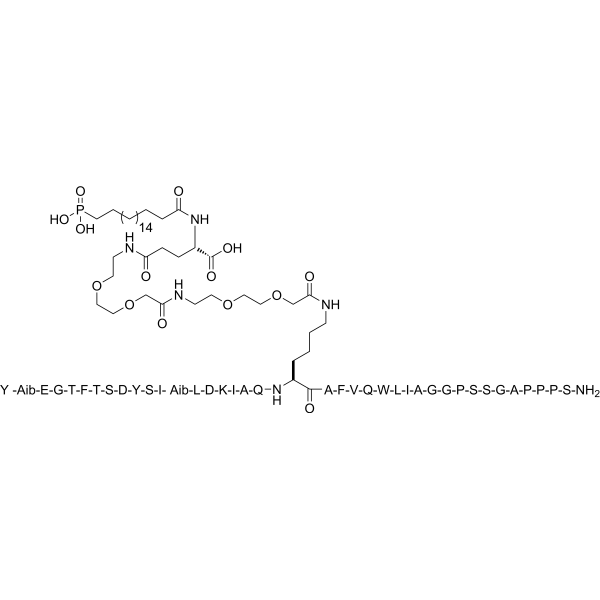
  • HY-153476A

    GLP Receptor GCGR Inflammation/Immunology
    GIP/GLP-1 dual receptor agonist-1 sodium is a GIP/GLP-1 dual receptor agonist. GIP/GLP-1 dual receptor agonist-1 sodium is used in the research of metabolic disorders and fatty liver diseases, including non-alcoholic steatohepatitis (NASH) and non-alcoholic fatty liver disease (NAFLD) .
    GIP/GLP-1 dual receptor agonist-1 sodium
  • HY-153476

    GCGR GLP Receptor Inflammation/Immunology
    GIP/GLP-1 dual receptor agonist-1 is a GIP/GLP-1 dual receptor agonist. GIP/GLP-1 dual receptor agonist-1 is used in the research of metabolic disorders and fatty liver diseases, including non-alcoholic steatohepatitis (NASH) and non-alcoholic fatty liver disease (NAFLD) .
    GIP/GLP-1 dual receptor agonist-1
  • HY-P2985A

    Endogenous Metabolite Inflammation/Immunology
    Alanine aminotransferase, human liver is an enzyme mainly produced in the liver. It is a pyridoxalase that catalyzes the reversible interconversion of L-alanine and 2-oxoglutamate to pyruvate and L-glutamate. Alanine aminotransferase, human liver is elevated in active anti-HMGCR myopathy. Alanine aminotransferase, human liver can be used in studies related to immune-mediated necrotizing myopathy and non-alcoholic fatty liver disease .
    Alanine aminotransferase, Human liver
  • HY-145720A

    ALN-CC5 sodium

    Complement System Others
    Cemdisiran sodium is an N-acetylgalactosamine (GalNAc) conjugated siRNA for the research of complement-mediated diseases by suppressing liver production of complement 5 (C5) protein.
    Cemdisiran sodium
  • HY-153815

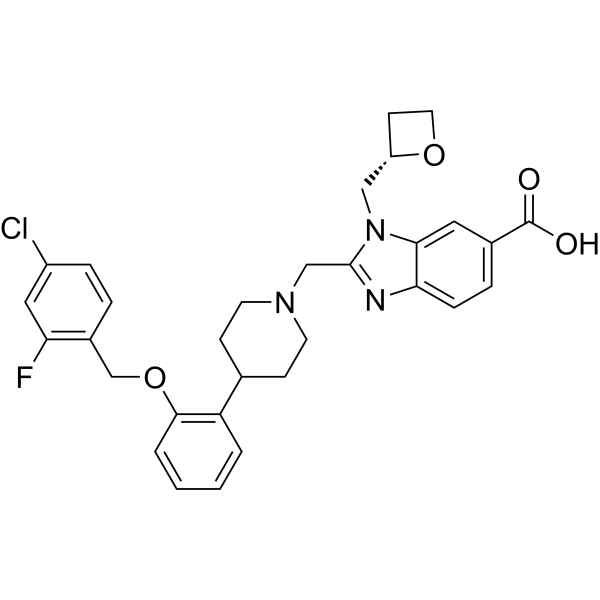
    GLP Receptor Metabolic Disease
    GLP-1 receptor agonist 11 (compound 3) is an agonist of GLP Receptor. GLP-1 receptor agonist 11 can be used in the study of diseases such as diabetes and non-alc. fatty liver disease .
    GLP-1 receptor agonist 11
  • HY-126995R

    Reference Standards Endogenous Metabolite Metabolic Disease
    Glycohyodeoxycholic acid (Standard) is the analytical standard of Glycohyodeoxycholic acid. This product is intended for research and analytical applications. Glycohyodeoxycholic acid is a glycine-conjugated bile acid and also a metabolite of Hyodeoxycholic acid (HY-N0169). The serum level of Glycohyodeoxycholic acid is negatively correlated with the severity of non-alcoholic fatty liver disease. Glycohyodeoxycholic acid can be used in research related to non-alcoholic fatty liver disease.
    Glycohyodeoxycholic acid (Standard)
  • HY-142159

    FXR G protein-coupled Bile Acid Receptor 1 Metabolic Disease
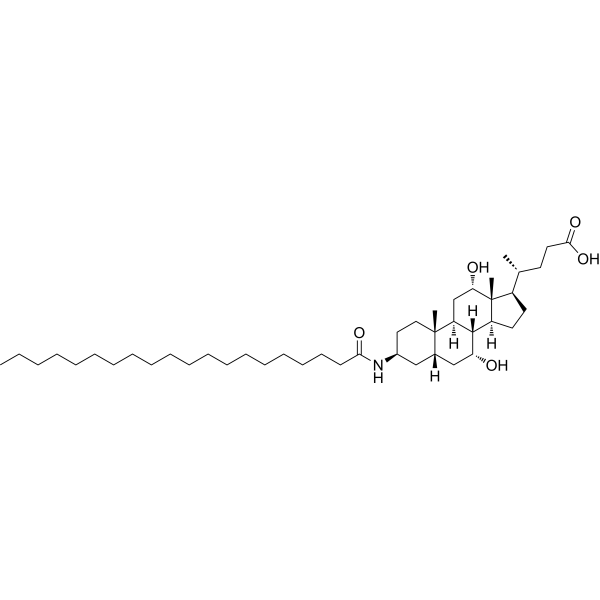
    FXR/TGR5 agonist 1 has agonist action on FXR and TGR5, and can be used for the research of fatty liver disease.
    FXR/TGR5 agonist 1
  • HY-P10897

    Toll-like Receptor (TLR) NF-κB Cardiovascular Disease Inflammation/Immunology
    SjDX5-271 is a small 3 kDa peptide. SjDX5-271 inhibits the TLR4/MyD88/NF-κB signaling pathway. SjDX5-271 induces cell polarization. SjDX5-271 alleviats hepatic inflammation. SjDX5-271 protects mice against liver ischemia-reperfusion injury .
    SjDX5-271
  • HY-177634

    17β-HSD Metabolic Disease
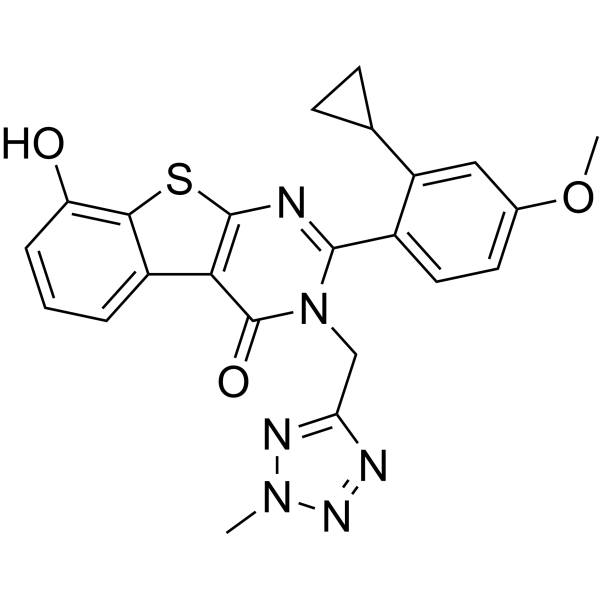
    Gatuzosiran, a siRNA,is a 17-beta-hydroxysteroid dehydrogenase 13 (HSD17B13) synthesis reducer. It is used for the study of fatty liver disease.
    Gatuzosiran
  • HY-P11348

    MMP Cancer
    TG-MMP-Lys is an MMP-sensitive crosslinking peptide. TG-MMP-Lys is promising for research of fibrotic diseases (e.g., liver fibrosis) .
    TG-MMP-Lys
  • HY-174379

    Phosphodiesterase (PDE) Ras PI3K Akt mTOR Apoptosis Cancer
    KRAS IN-44 (Compound S2C2M2) is a PDE6D degrader. KRAS IN-44 inhibits PDE6D-dependent KRAS trafficking and KRAS downstream signaling pathways. KRAS IN-44 down-regulates EGF-induced the phosphorylation of PI3K, AKT, and mTOR. KRAS IN-44 increases Apoptosis. KRAS IN-44 has antitumor activity against hepatoblastoma .
    KRAS IN-44
  • HY-16521

    Caspase Inflammation/Immunology
    VX-166, a pan caspase inhibitor, can be used for the research of Non- Alcoholic Fatty Liver Disease (NAFLD), nonalcoholic steatohepatitis (NASH), alcoholic steatohepatitis (ASH), and other diseases involving fibrosis, steatosis, or inflammation of the liver .
    VX-166
  • HY-135739

    Cytochrome P450 Cardiovascular Disease Metabolic Disease
    Benzobarbital is an active low-toxicity inductor of the liver monooxygenase system. Benzobarbital raises cytochrome P-450 concentration. Benzobarbital can be used in the research of post-ischemic liver disease .
    Benzobarbital
  • HY-N4120

    Autophagy Metabolic Disease
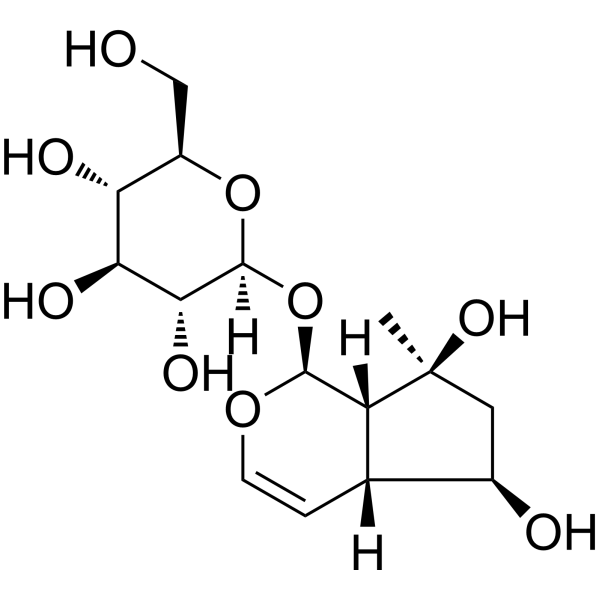
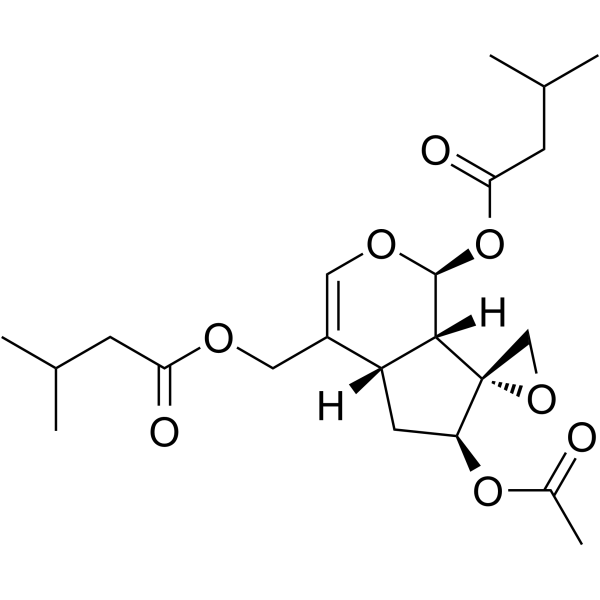
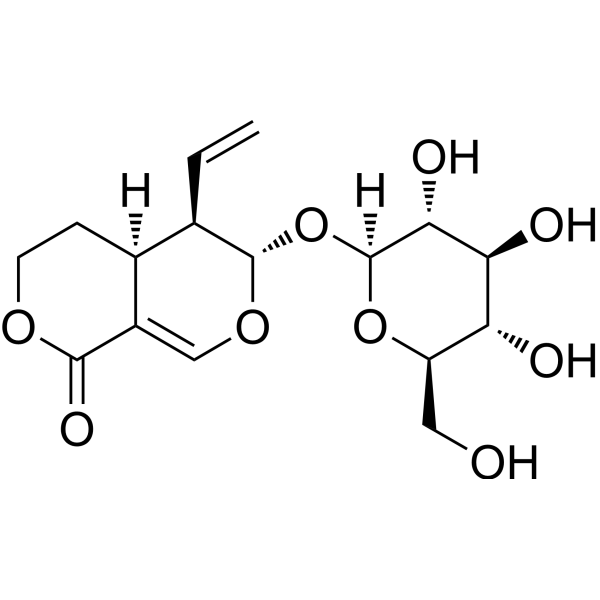
    Valechlorine, an iridoid, is an autophagy enhancer. Valechlorine is effective in alleviating fatty liver by acting as an autophagy enhancer to break down lipid droplets. Valechlorine can be used for the study of nonalcoholic fatty liver disease (NAFLD) .
    Valechlorine
  • HY-N16478

    Cytochrome P450 Metabolic Disease
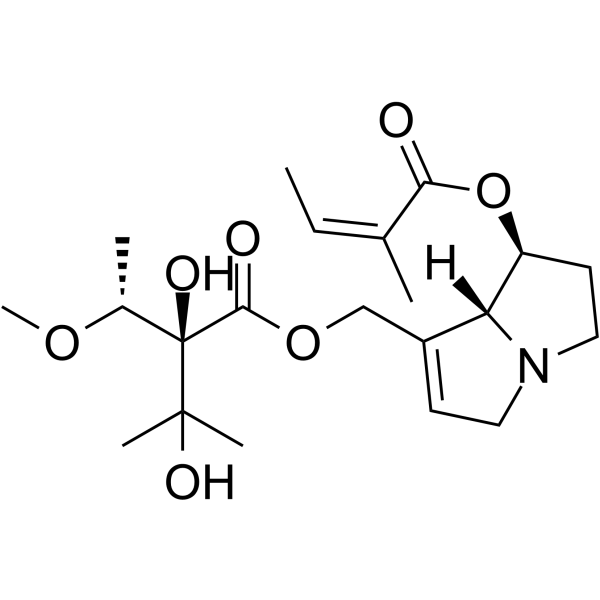
    Echihumiline is an alkaloid targeting hepatic cytochrome P450 enzymes (CYP450). Echihumiline induces DNA cross-linking and oxidative stress in hepatocytes, leading to liver necrosis and fibrosis. Echihumiline is promising for research of liver diseases .
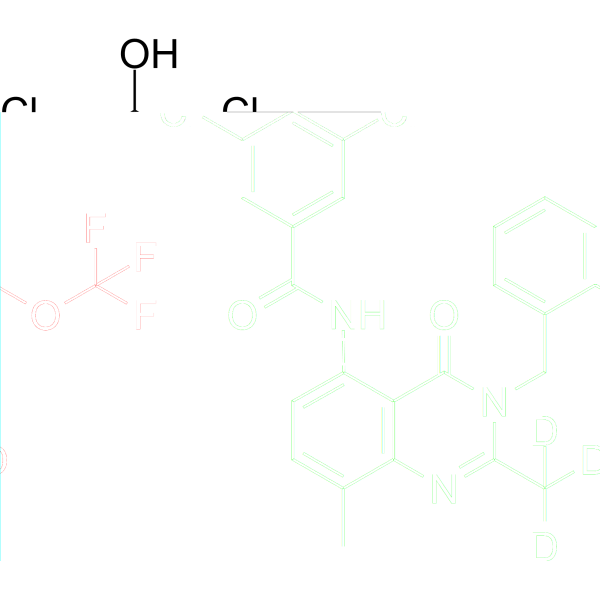
    Echihumiline
  • HY-N9921

    Pyroptosis NOD-like Receptor (NLR) Inflammation/Immunology
    Antcin A is a potent NLRP3 inhibitor that inhibits the assembly and activation of the NLRP3 inflammasome. Antcin A can inhibit Kupffer cell pyroptosis and has liver protective activity. Antcin A can be used to study inflammation, such as non-alcoholic fatty liver disease .
    Antcin A
  • HY-P10133

    Ferroptosis Metabolic Disease
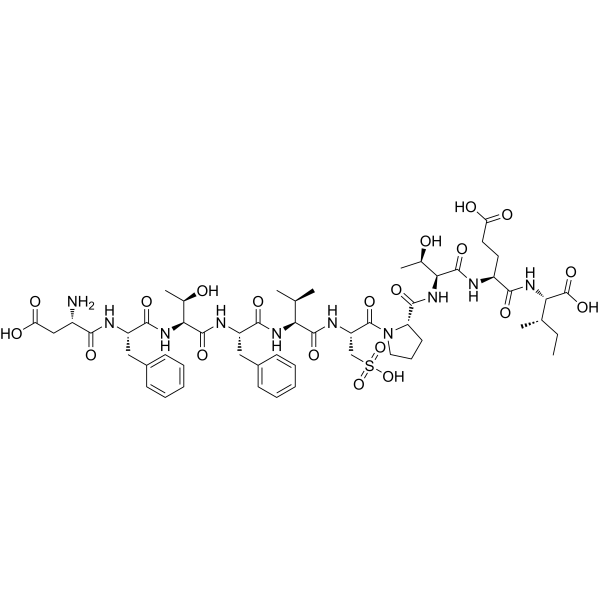
    PRDX3(103-112) SO3 modified, human is a marker of ferroptosis, and can be used for liver diseases study .
    PRDX3(103-112) SO3 modified, human
  • HY-177634A

    17β-HSD Metabolic Disease
    Gatuzosiran sodium, a siRNA,is a 17-beta-hydroxysteroid dehydrogenase 13 (HSD17B13) synthesis reducer. It is used for the study of fatty liver disease.
    Gatuzosiran sodium
  • HY-145624

    ION-769357

    Acyltransferase Metabolic Disease
    Obeversen is an antisense oligonucleotide that inhibits the synthesis of diacylglycerol acyltransferase 2 (DGAT-2). Obeversen can be used in the research of nonalcoholic fatty liver disease .
    Obeversen
  • HY-106894

    HOE 077

    Drug Metabolite Others
    Lufironil (HOE 077) is a prolyl 4-hydroxylase inhibitor. Lufironil is developed for the research of chronic liver diseases including alcoholic hepatitis and liver cirrhosis .
    Lufironil
  • HY-170571

    Mitochondrial Metabolism Metabolic Disease Inflammation/Immunology
    BE2647 is a selective inhibitor for mitochondrial pyruvate carrier (MPC) with an EC50 of 70 nM. BE2647 exhibits good metabolic stability in mouse liver microsomes. BE2647 can be used in research of metabolic diseases, non-alcoholic fatty liver disease (MASLD), or non-alcoholic steatohepatitis (MASH) .
    BE2647
  • HY-W587771

    MECPTP

    Drug Metabolite Metabolic Disease
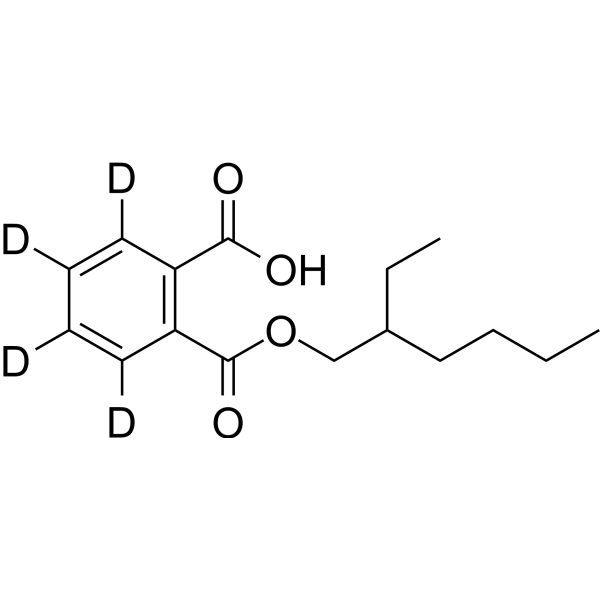
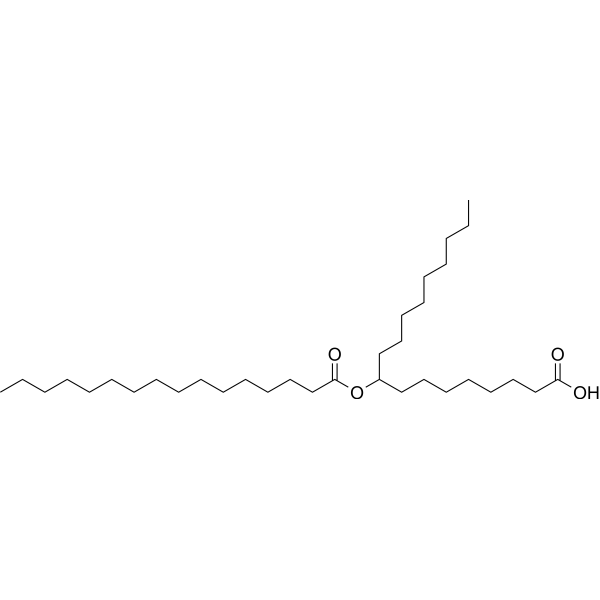
    Mono-2-ethyl-5-carboxypentyl terephthalate (MECPTP) is a major metabolite of Di-2-ethylhexyl terephthalate (DEHTP). Mono-2-ethyl-5-carboxypentyl terephthalate is promising for research of metabolic liver diseases, such as nonalcoholic fatty liver disease (NAFLD) .
    Mono-2-ethyl-5-carboxypentyl terephthalate
  • HY-E70228

    Ser/Thr Protease Cancer
    Cathepsin H, human liver is an aminopeptidase and an endopeptidase. Involved in the catabolism of proteins in the lysosomal system. Cathepsin H, human liver has a key role in the regulation of the biological behavior of tumor cells and the pathological processes of brain diseases .
    Cathepsin H, human liver
  • HY-108061

    Glucocorticoid Receptor Metabolic Disease
    A-348441 is a liver selective glucocorticoid receptor antagonist. A-348441 can reduce the glucose level in the liver. A-348441 can be used for the research of metabolic disease, such as type 2 diabetes .
    A-348441
  • HY-N16468

    Drug Derivative Metabolic Disease
    Riddelliine N-oxide is a hepatotoxic agent. Riddelliine N-oxide is promising for research of liver-related diseases .
    Riddelliine N-oxide
  • HY-163243

    17β-HSD Metabolic Disease
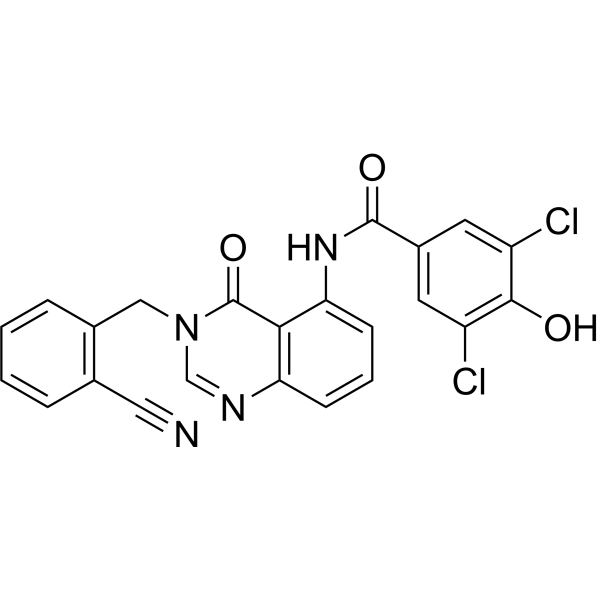
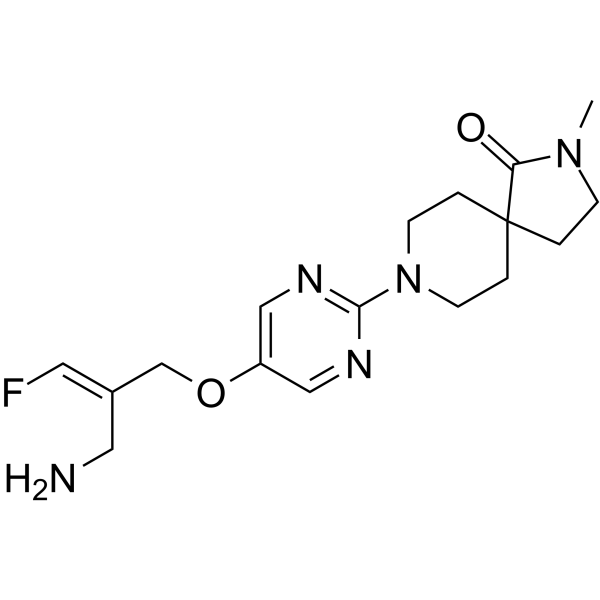
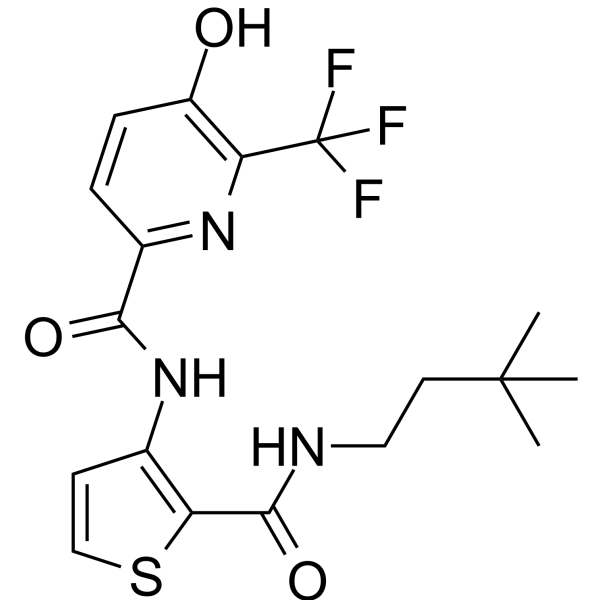
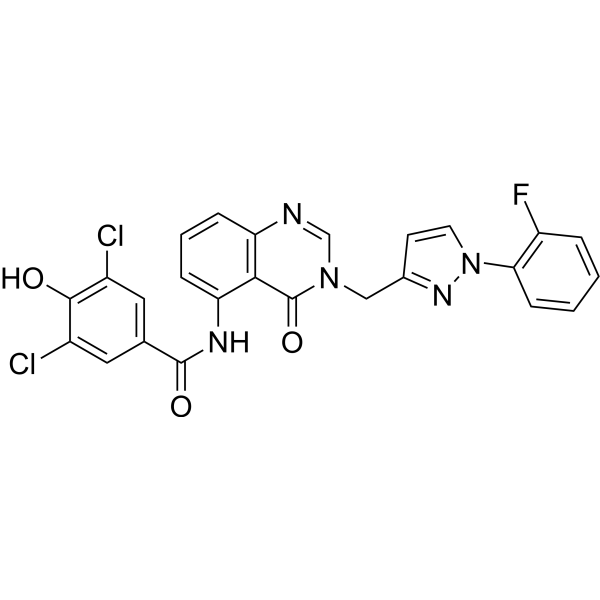
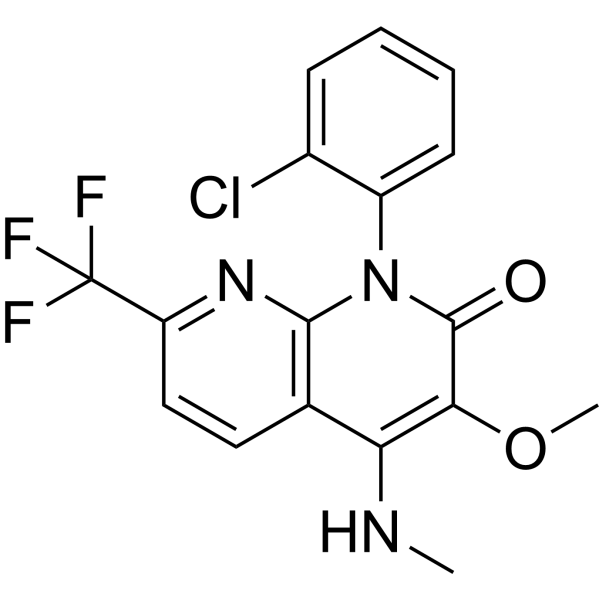
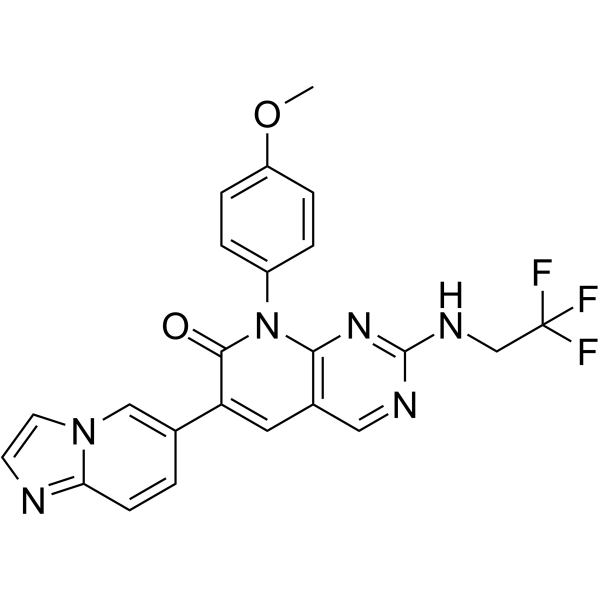
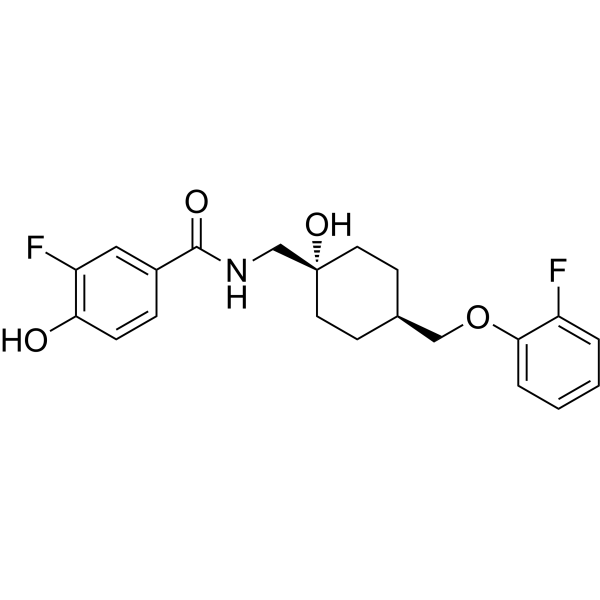
    HSD17B13-IN-29 (Compound 53) is an inhibitor of hydroxysteroid 17β-dehydrogenase 13 (HSD17B13) with an IC50 value of ≤ 0.1 μM for estradiol. HSD17B13-IN-29 can be used for research on liver diseases, metabolic diseases, or cardiovascular diseases, such as NAFLD or NASH, as well as drug-induced liver injury (DILI) .
    HSD17B13-IN-29
  • HY-163249

    17β-HSD Metabolic Disease
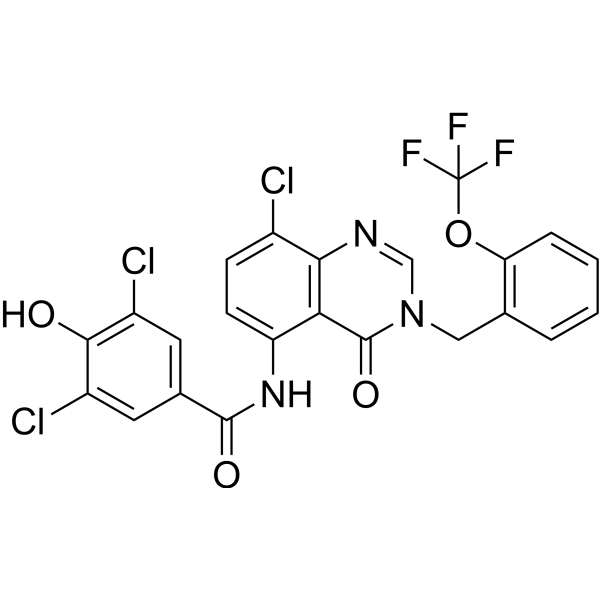
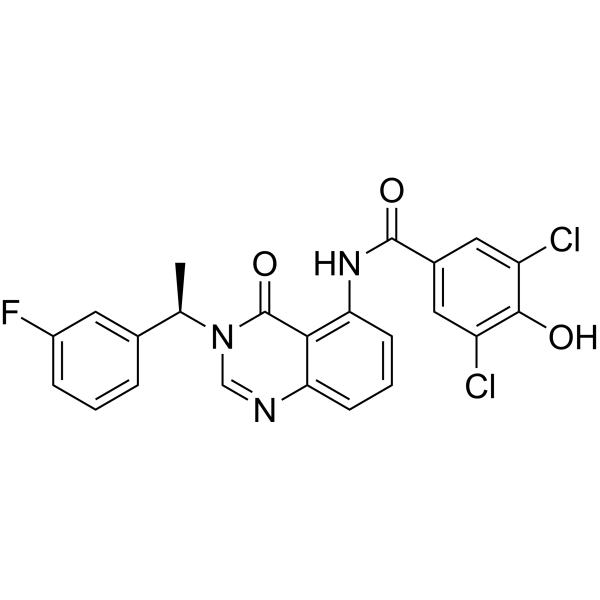
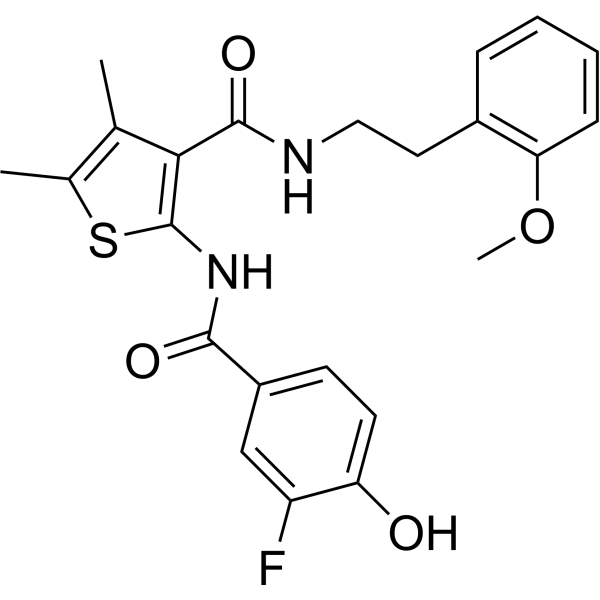
    HSD17B13-IN-49 (Compound 81) is an inhibitor of hydroxysteroid 17β-dehydrogenase 13 (HSD17B13) with an IC50 value of ≤ 0.1 μM for estradiol. HSD17B13-IN-49 can be used for research on liver diseases, metabolic diseases, or cardiovascular diseases, such as NAFLD or NASH, as well as drug-induced liver injury (DILI) .
    HSD17B13-IN-49
  • HY-161229

    17β-HSD Metabolic Disease
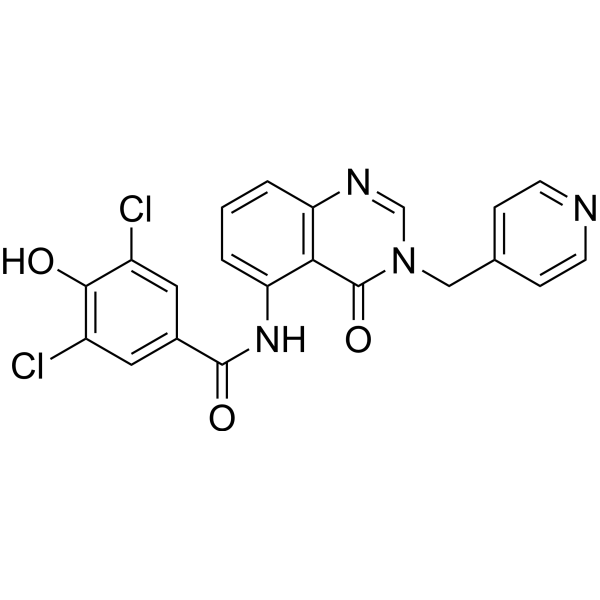
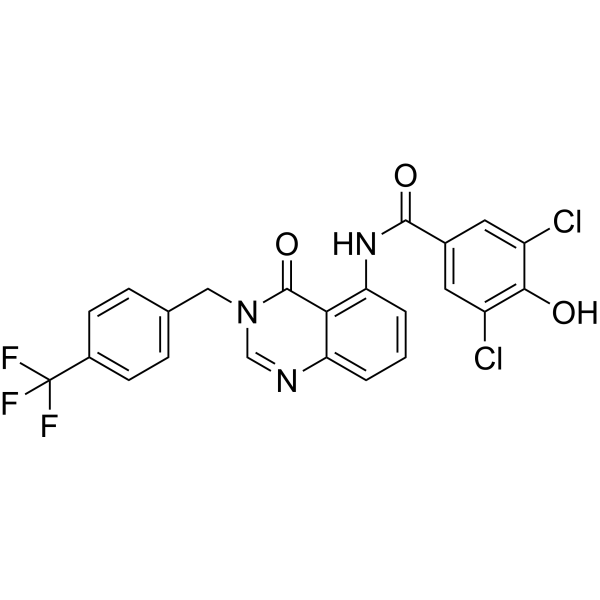
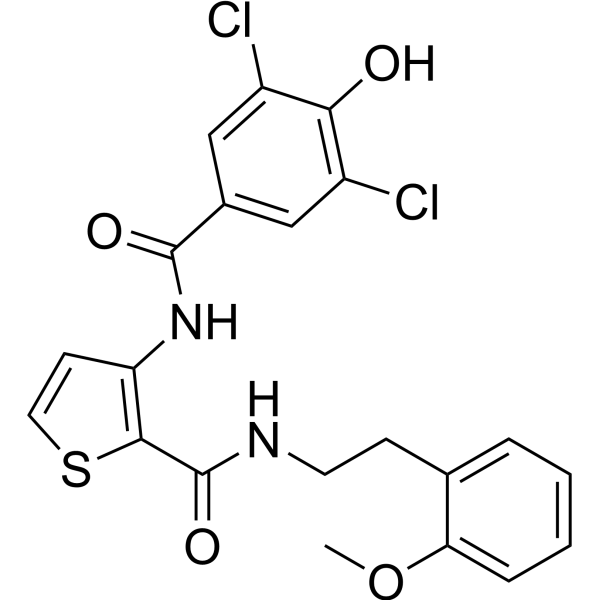
    HSD17B13-IN-69 (Compound 11) is an inhibitor of hydroxysteroid 17β-dehydrogenase 13 (HSD17B13) with an IC50 value of ≤ 0.1 μM for estradiol. HSD17B13-IN-69 can be used for research on liver diseases, metabolic diseases, or cardiovascular diseases, such as NAFLD or NASH, as well as drug-induced liver injury (DILI) .
    HSD17B13-IN-69
  • HY-162213

    17β-HSD Metabolic Disease
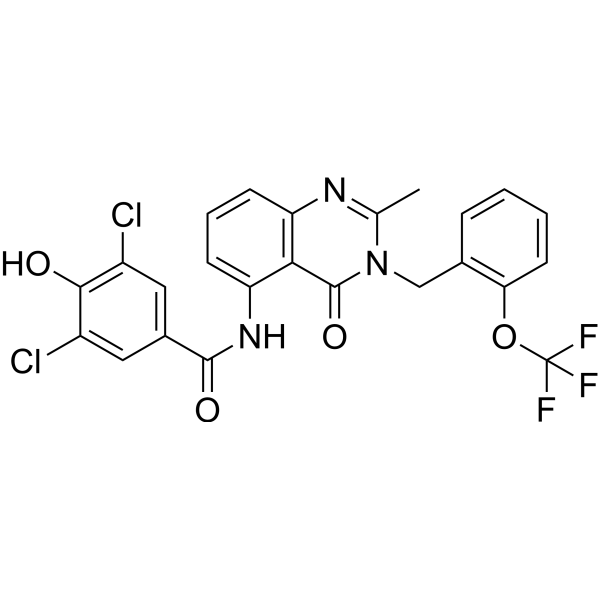
    HSD17B13-IN-86 (Compound 188) is an inhibitor of hydroxysteroid 17β-dehydrogenase 13 (HSD17B13) with an IC50 value of ≤ 0.1 μM for estradiol. HSD17B13-IN-86 can be used for research on liver diseases, metabolic diseases, or cardiovascular diseases, such as NAFLD or NASH, as well as drug-induced liver injury (DILI) .
    HSD17B13-IN-86
  • HY-163251

    17β-HSD Metabolic Disease
    HSD17B13-IN-52 (Compound 84) is an inhibitor of hydroxysteroid 17β-dehydrogenase 13 (HSD17B13) with an IC50 value of ≤ 0.1 μM for estradiol. HSD17B13-IN-52 can be used for research on liver diseases, metabolic diseases, or cardiovascular diseases, such as NAFLD or NASH, as well as drug-induced liver injury (DILI) .
    HSD17B13-IN-52
  • HY-163261

    17β-HSD Metabolic Disease
    HSD17B13-IN-66 (Compound 146) is an inhibitor of hydroxysteroid 17β-dehydrogenase 13 (HSD17B13) with an IC50 value of ≤ 0.1 μM for estradiol. HSD17B13-IN-66 can be used for research on liver diseases, metabolic diseases, or cardiovascular diseases, such as NAFLD or NASH, as well as drug-induced liver injury (DILI) .
    HSD17B13-IN-66
  • HY-162210

    17β-HSD Metabolic Disease
    HSD17B13-IN-65 (Compound 168) is an inhibitor of hydroxysteroid 17β-dehydrogenase 13 (HSD17B13) with an IC50 value of ≤ 0.1 μM for estradiol. HSD17B13-IN-65 can be used for research on liver diseases, metabolic diseases, or cardiovascular diseases, such as NAFLD or NASH, as well as drug-induced liver injury (DILI) .
    HSD17B13-IN-65

Inquiry Online

Your information is safe with us. * Required Fields.

Salutation


Country or Region *

Applicant Name *


Organization Name *

Department *


Email Address *


Product Name *

Cat. No.


Requested quantity *

Phone Number *


Remarks

Inquiry Online

Inquiry Information

Product Name:
Cat. No.:
Quantity:
MCE Japan Authorized Agent: