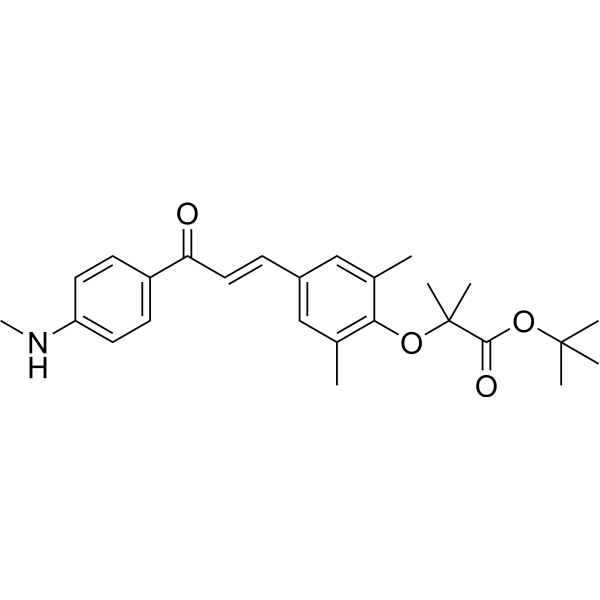
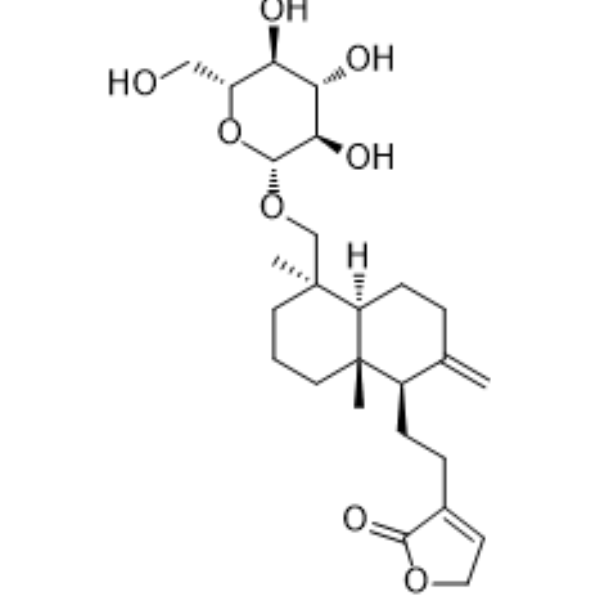
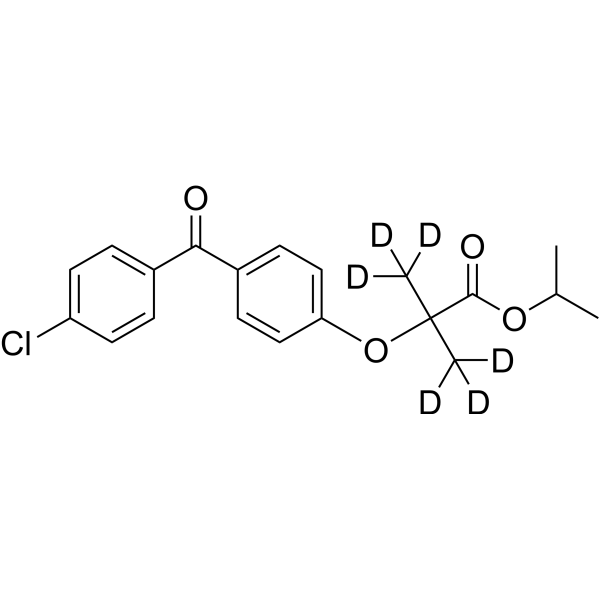
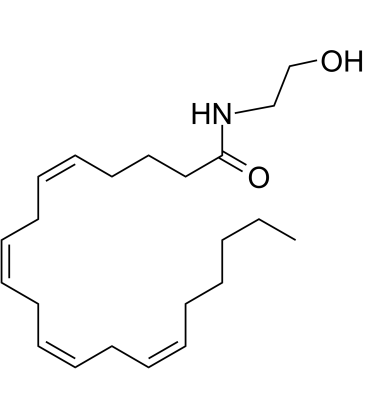
1. Search Result
Search Result
Results for "

ppar

" in MedChemExpress (MCE) Product Catalog:

674

Inhibitors & Agonists

2

Screening Libraries

1

Fluorescent Dye

9

Biochemical Assay Reagents

3

Peptides

154

Natural
Products

12

Recombinant Proteins

84

Isotope-Labeled Compounds

16

Antibodies

1

Click Chemistry

10

Oligonucleotides

1

GMP Molecules

Targets Recommended:
Cat. No. Product Name Target Research Areas Chemical Structure
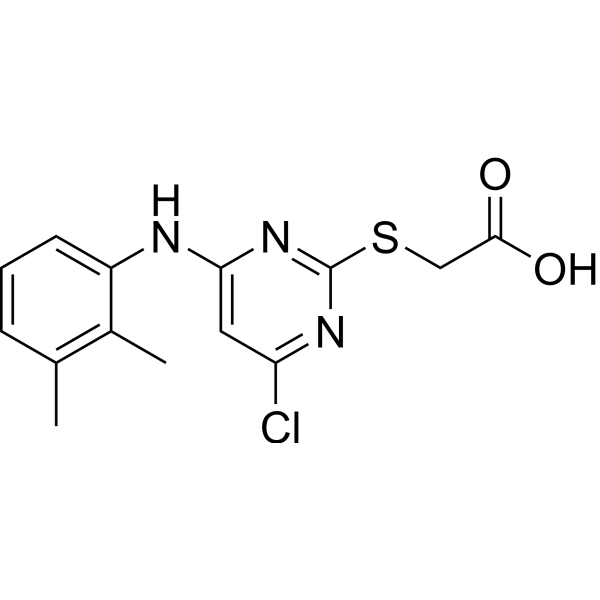
  • HY-16995
    Pirinixic acid
    30+ Cited Publications

    Wy-14643

    PPAR Metabolic Disease Inflammation/Immunology
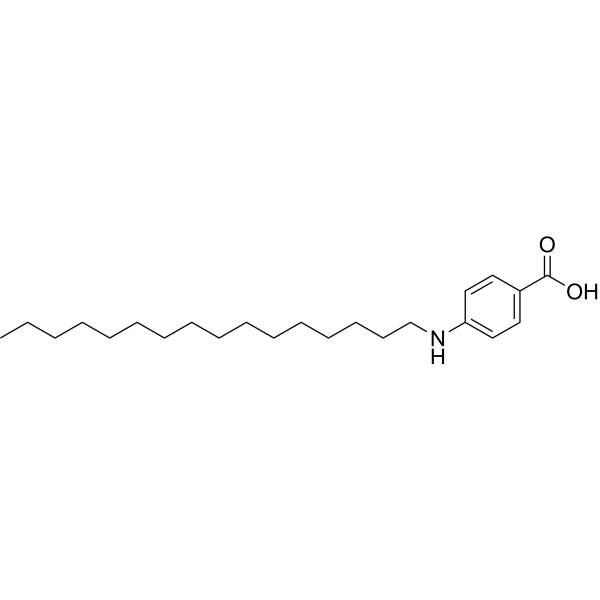
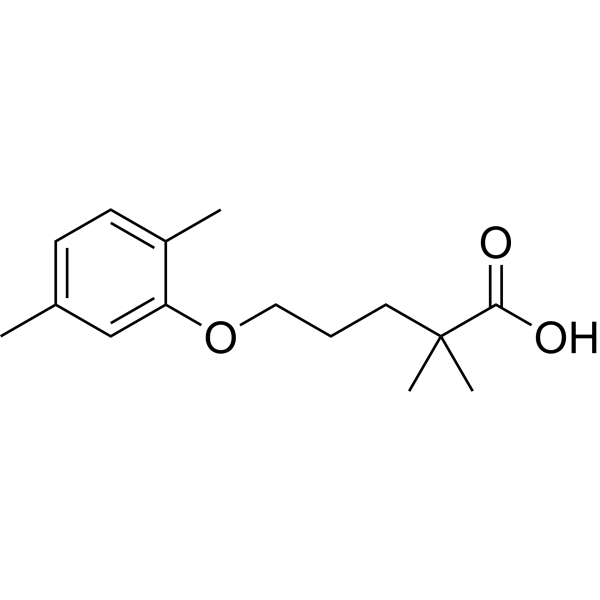
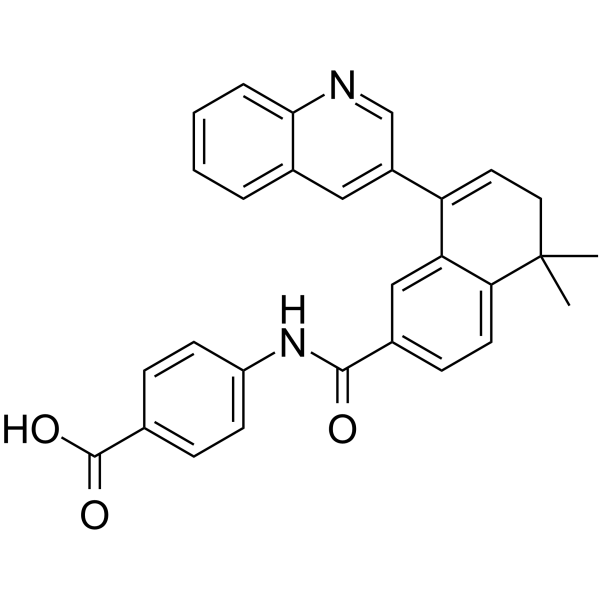
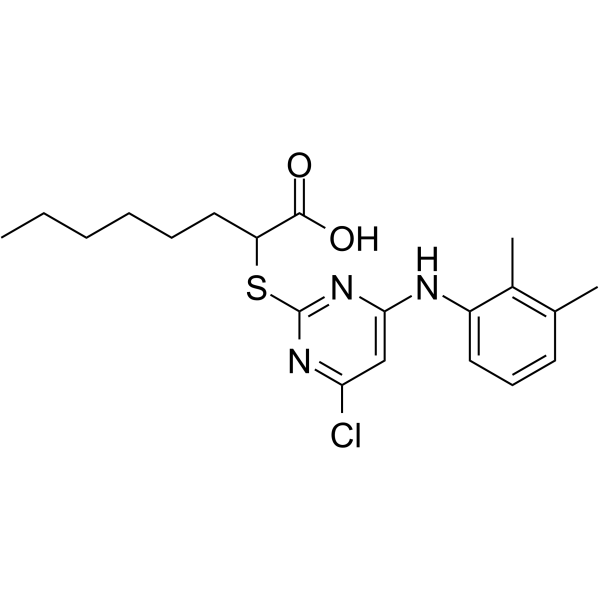
    Pirinixic acid (Wy-14643) is a potent agonist of PPARα, with EC50s of 0.63 μM, 32 μM for murine PPARα and PPARγ, and 5.0 μM, 60 μM, 35 μM for human PPARα, PPARγ and PPARδ, respectively.
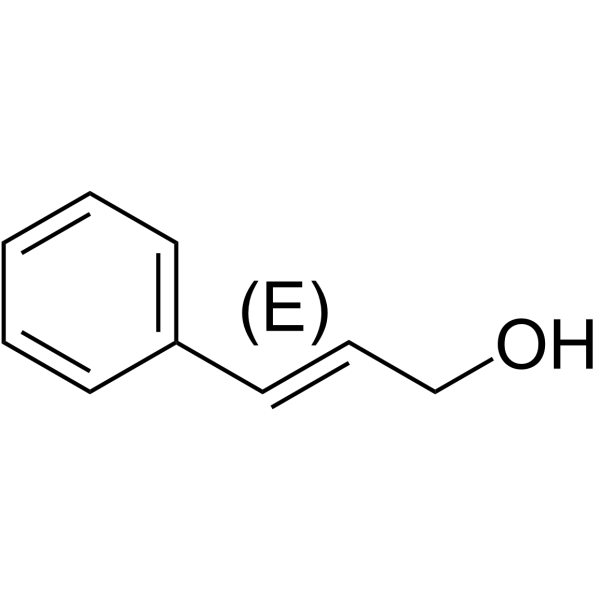
    Pirinixic acid
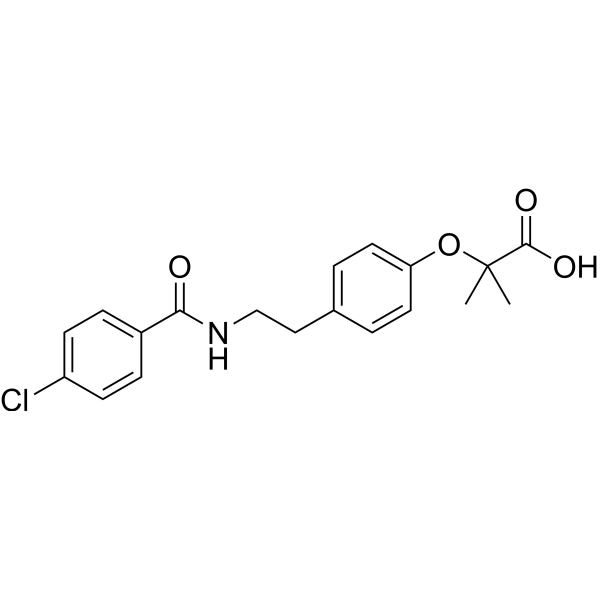
  • HY-B0637
    Bezafibrate
    10+ Cited Publications

    BM15075

    PPAR Cardiovascular Disease Metabolic Disease
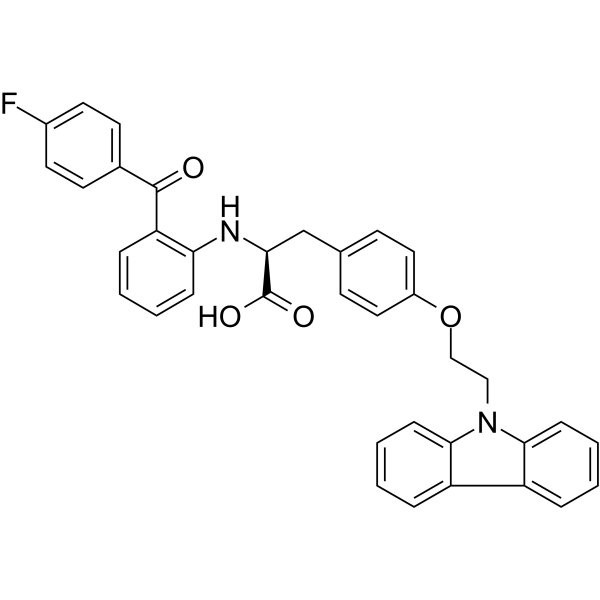
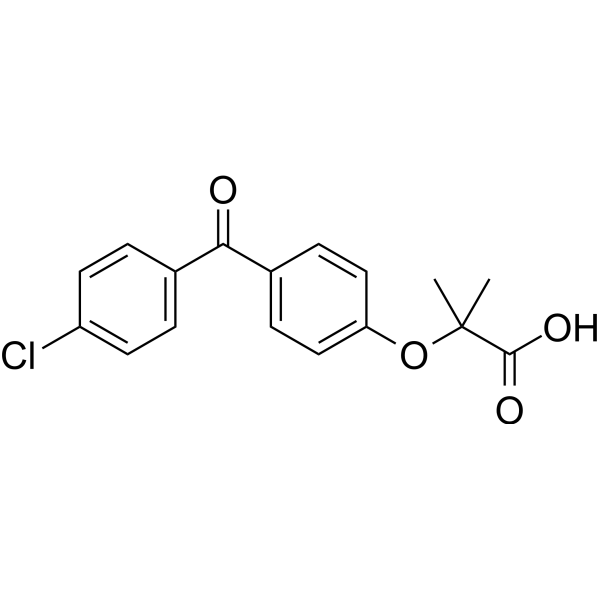
    Bezafibrate is an agonist of PPAR, with EC50s of 50 μM, 60 μM, 20 μM for human PPARα, PPARγ and PPARδ, and 90 μM, 55 μM, 110 μM for murine PPARα, PPARγ and PPARδ, respectively; Bezafibrate is used as an hypolipidemic agent.
    Bezafibrate
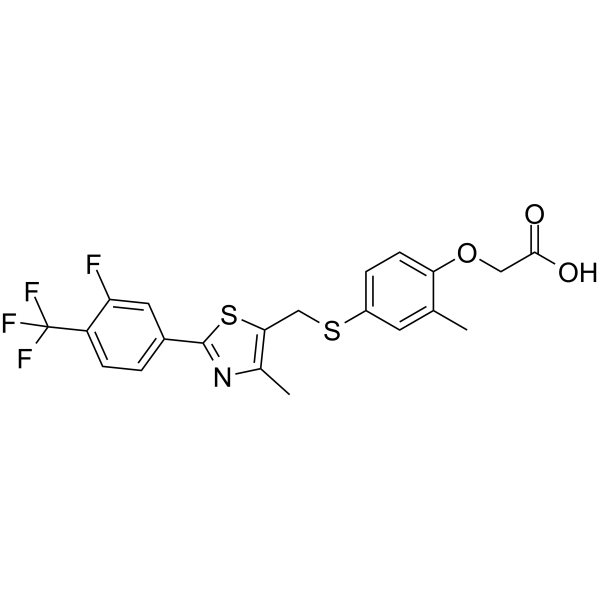
  • HY-13928
    GW0742
    15+ Cited Publications

    GW610742

    PPAR Cardiovascular Disease Metabolic Disease Inflammation/Immunology Cancer
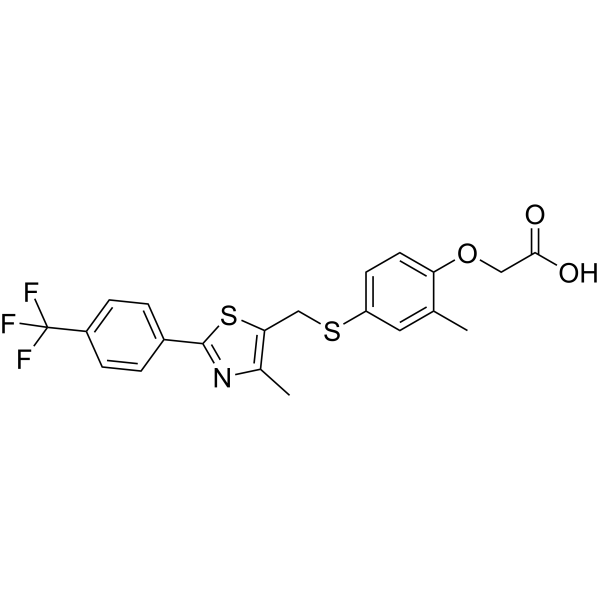
    GW0742 is a potent PPARβ and PPARδ agonist, with an IC50 of 1 nM for human PPARδ in binding assay, and EC50s of 1 nM, 1.1 μM and 2 μM for human PPARδ, PPARα, and PPARγ, respectively.
    GW0742
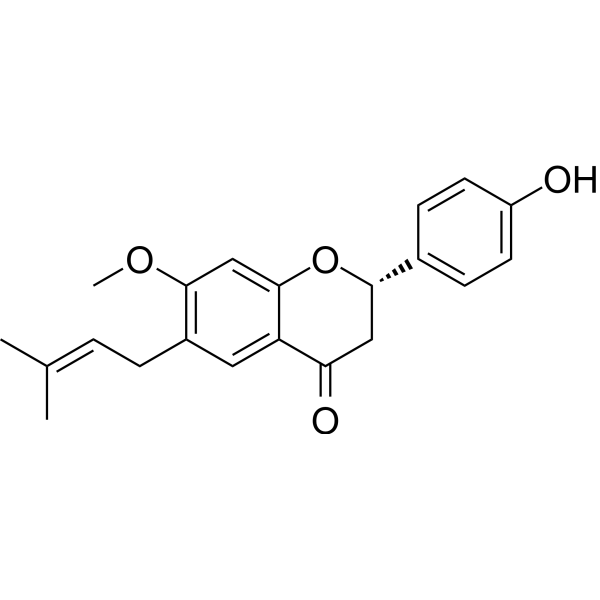
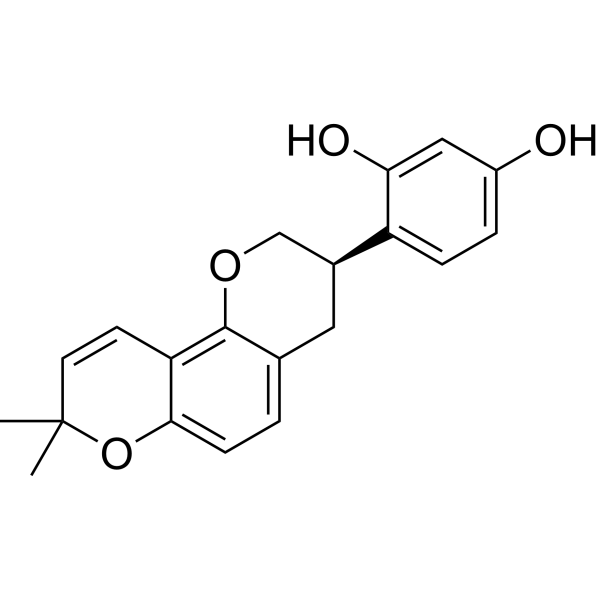
  • HY-N0234
    Bavachinin
    5+ Cited Publications

    7-O-Methylbavachin; Bavachinin A

    Amyloid-β PPAR HIF/HIF Prolyl-Hydroxylase Inflammation/Immunology Cancer
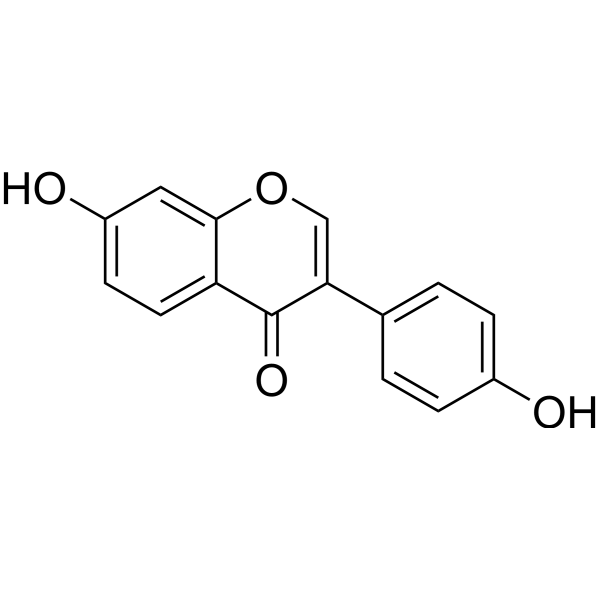
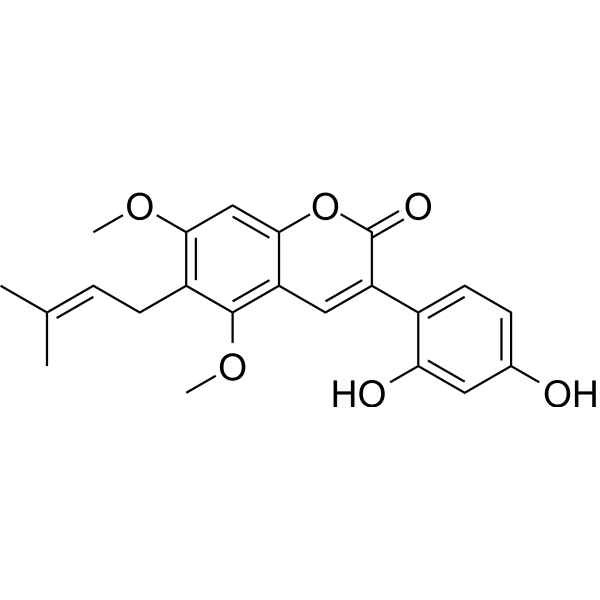
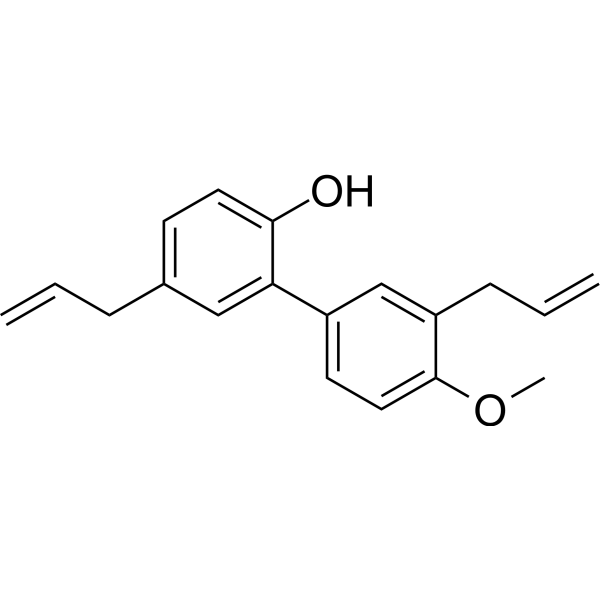
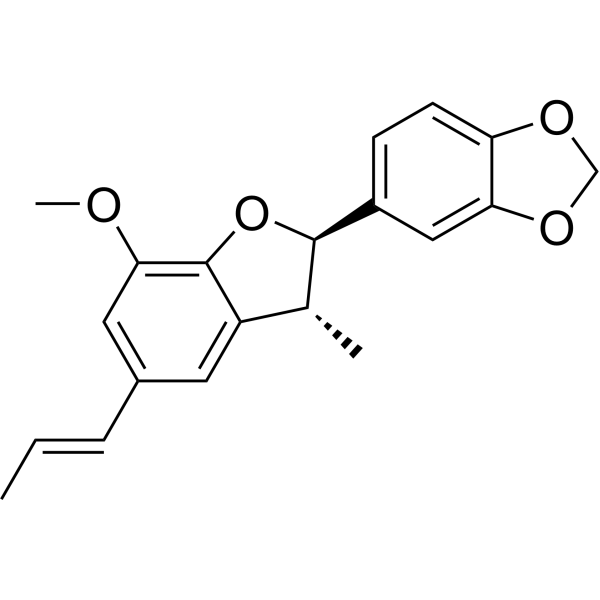
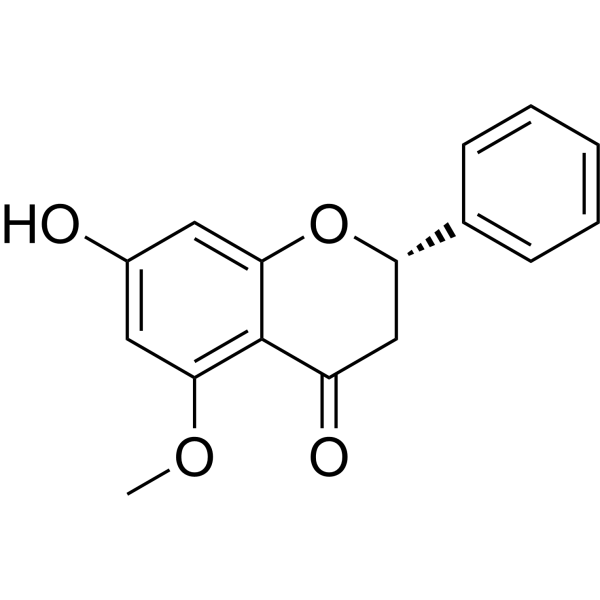
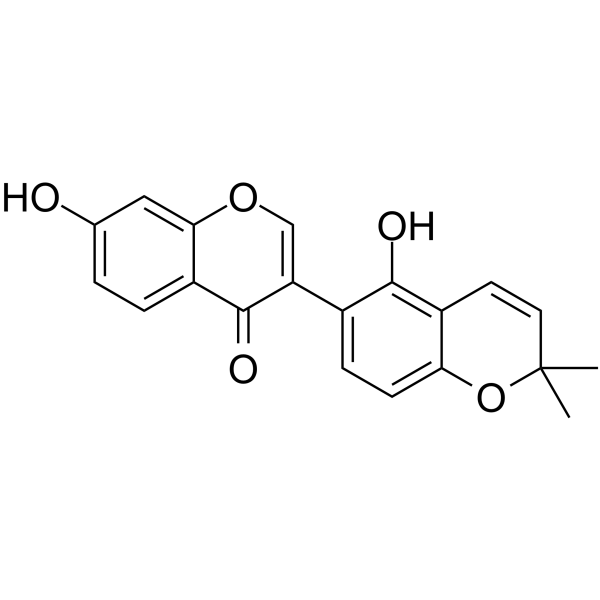
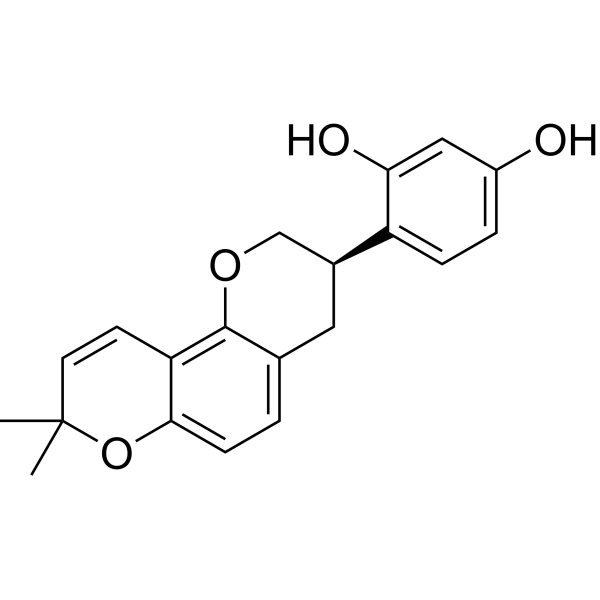
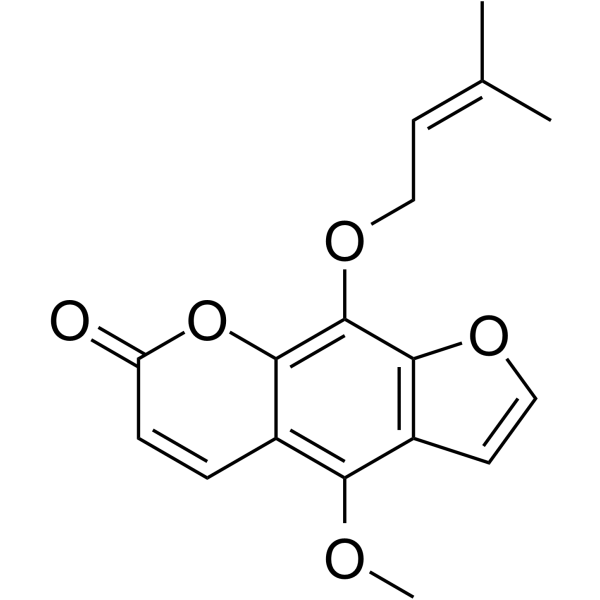
    Bavachinin is agonist of pan-peroxisome proliferator-activated receptor (PPAR), with the IC50 value of 21.043 μM, 12.819 μM, and 0.622 μM to PPAR-α, RRAR-β/δ, and PPAR-γ, respectively. Bavachinin is an inhibitor of HIF-1α. Bavachinin exhibits antitumor activity against non-small cell lung cancer by targeting RRAR-γ. Bavachinin is a natural compound with anti-inflammatory and anti-angiogenic activities. Bavachinin has orally bioactivity. .
    Bavachinin
  • HY-N1029
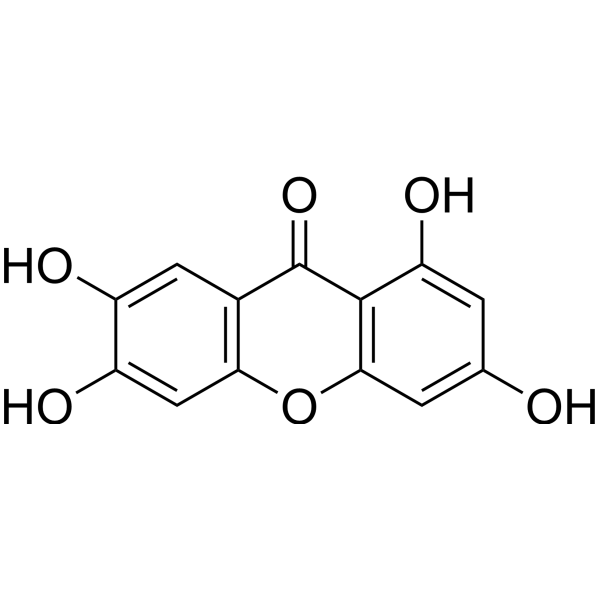
    Norathyriol
    3 Publications Verification

    Mangiferitin

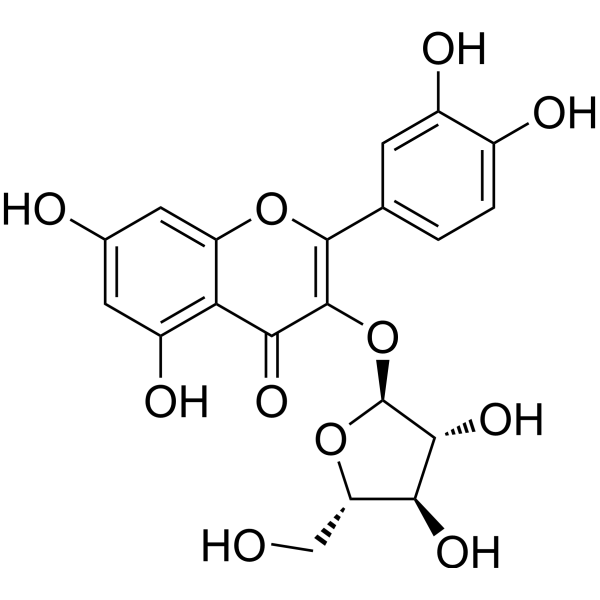
    Glycosidase PPAR Infection Inflammation/Immunology Cancer
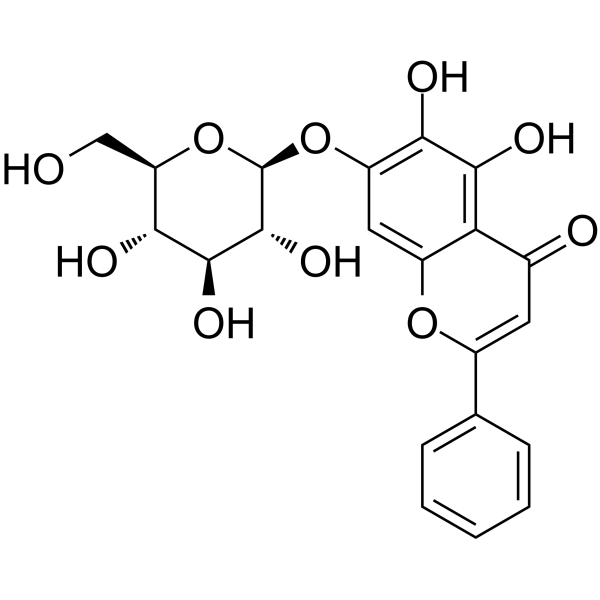
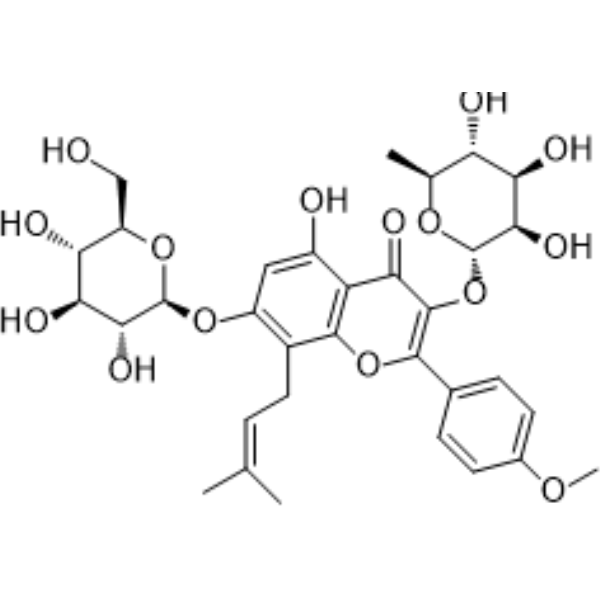
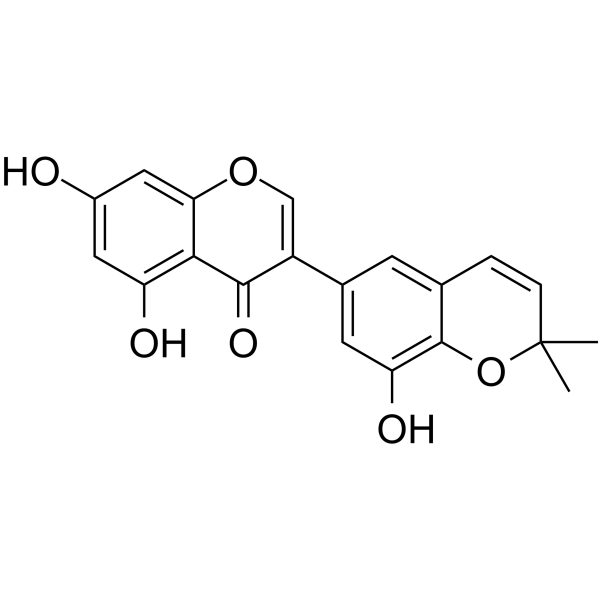
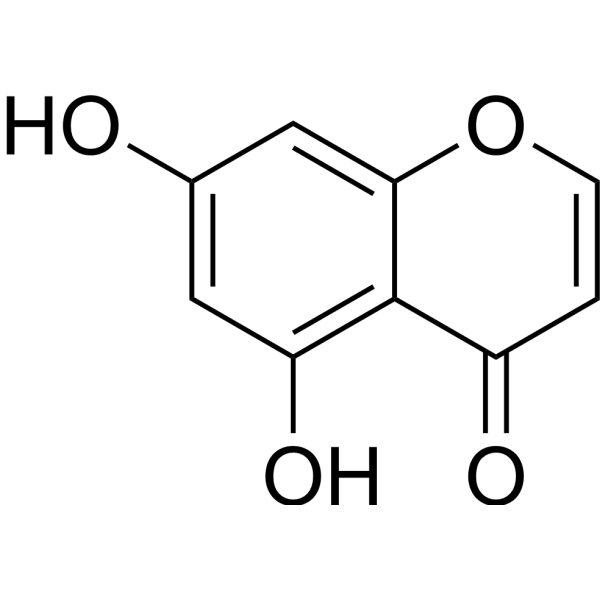
    Norathyriol (Mangiferitin) is a natural metabolite of Mangifera. Norathyriol inhibits α-glucosidase in a noncompetitive manner with an IC50 of 3.12 μM . Norathyriol inhibits PPARα, PPARβ, and PPARγ with IC50s of 92.8 µM, 102.4 µM, and 153.5 µM, respectively . Antioxidant, anticancer, antimicrobial, anti-inflammatory, anti-bacterial activities.
    Norathyriol
  • HY-B0287
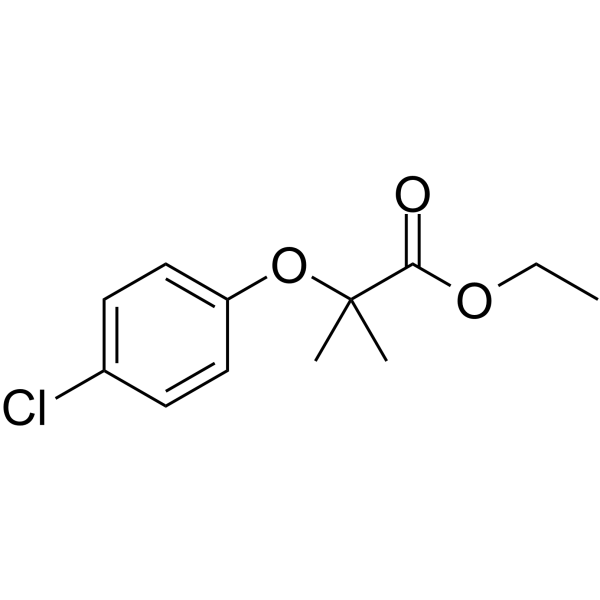
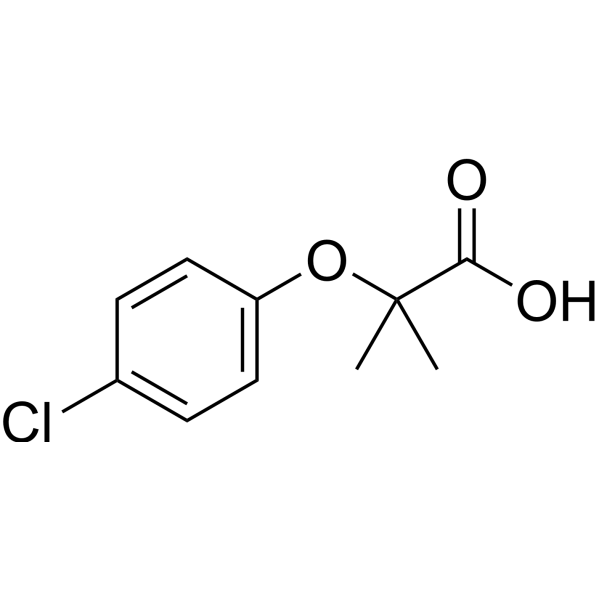
    Clofibrate
    4 Publications Verification

    PPAR Metabolic Disease
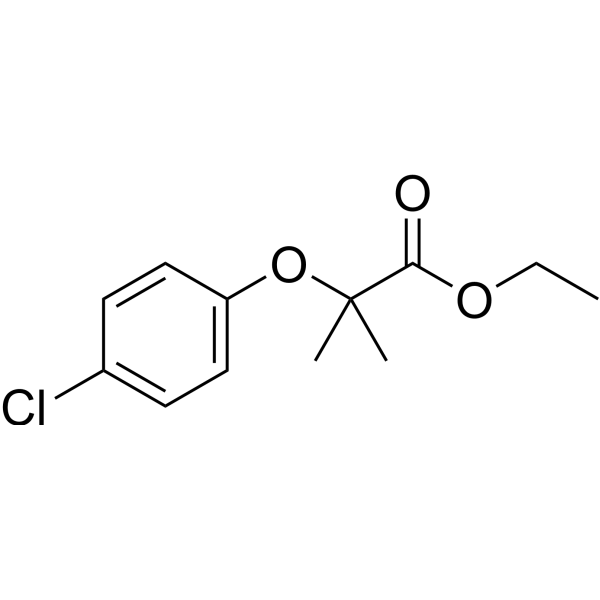
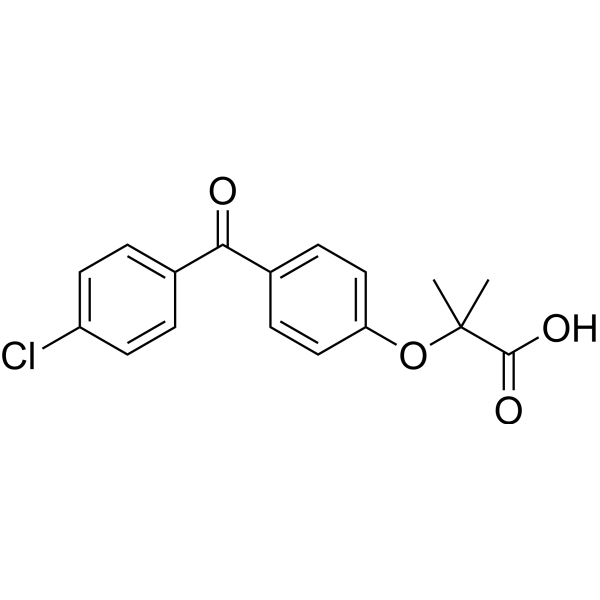
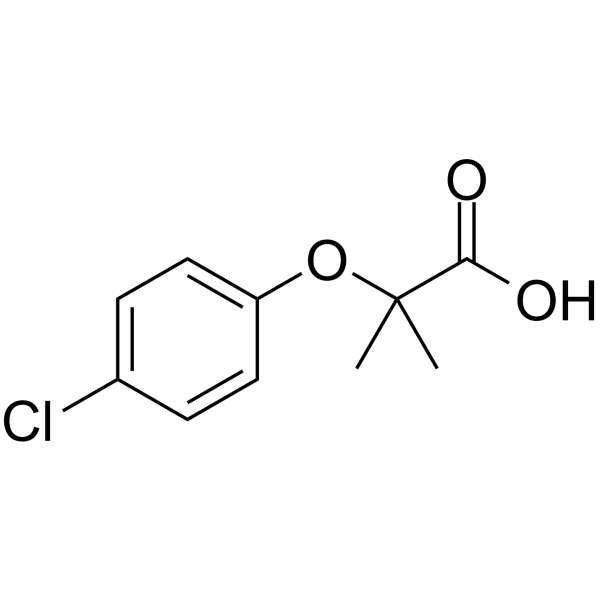
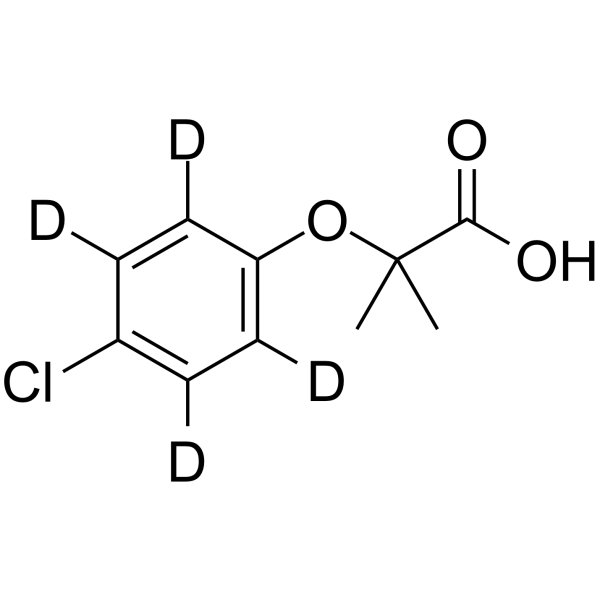
    Clofibrate is an agonist of PPAR, with EC50s of 50 μM, ~500 μM for murine PPARα and PPARγ, and 55 μM, ~500 μM for human PPARα and PPARγ, respectively.
    Clofibrate
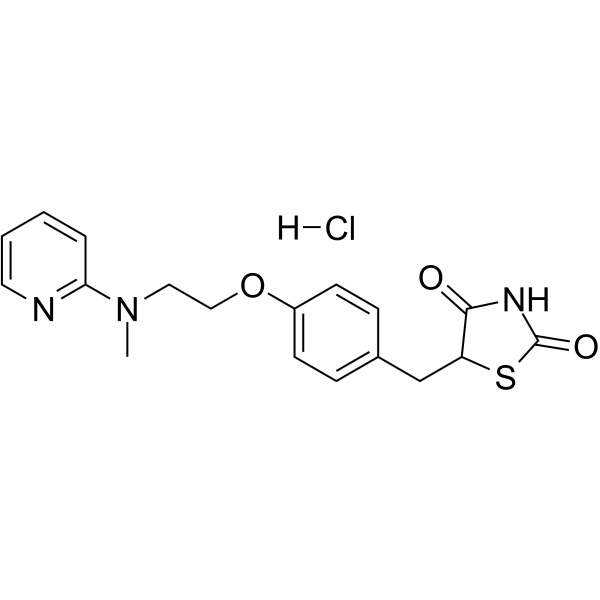
  • HY-14817

    PPM 204

    PPAR Metabolic Disease
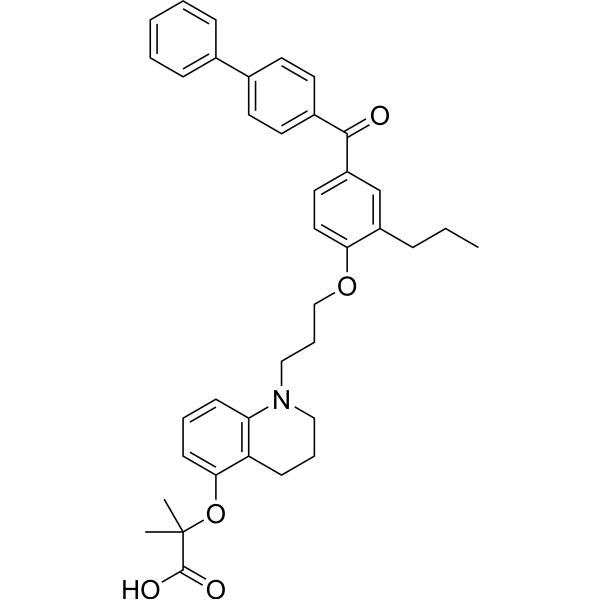
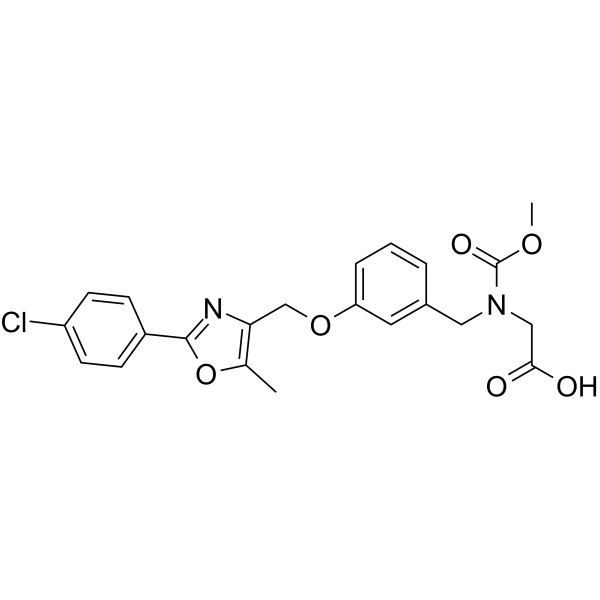
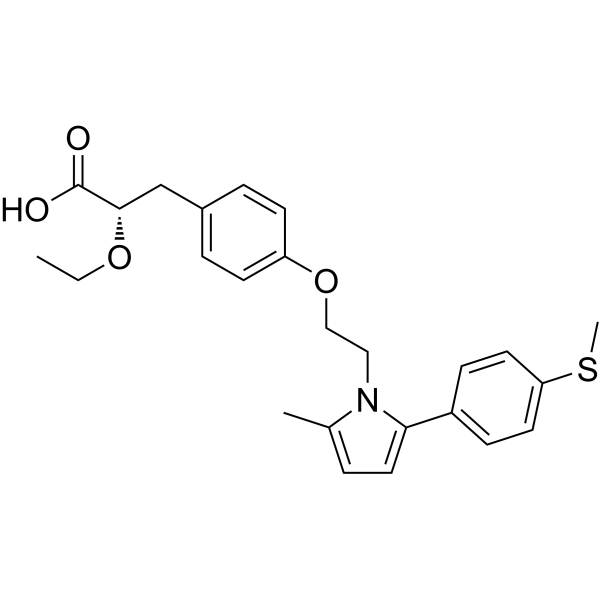
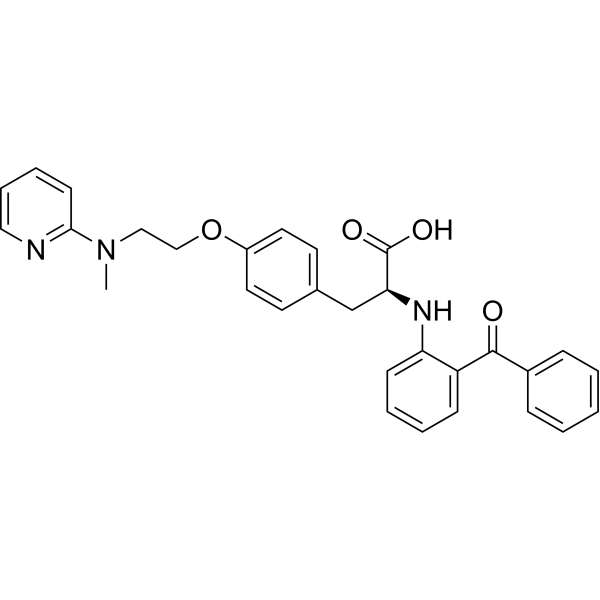
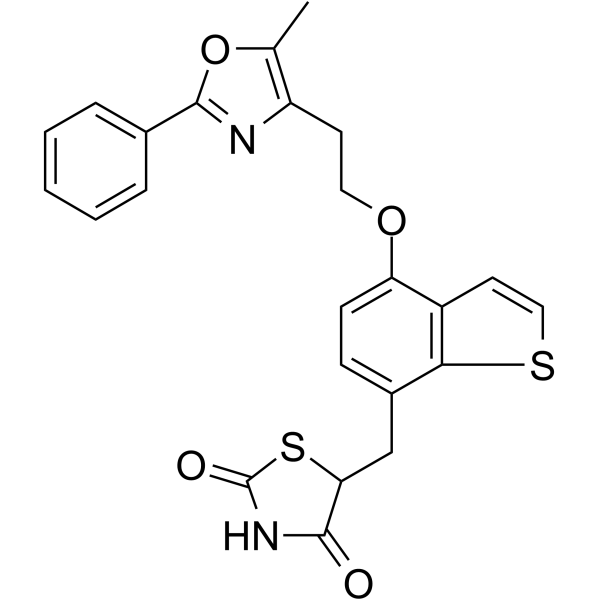
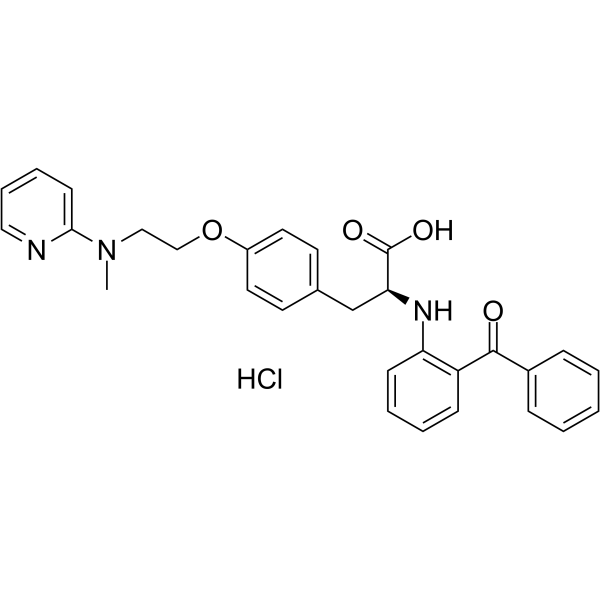
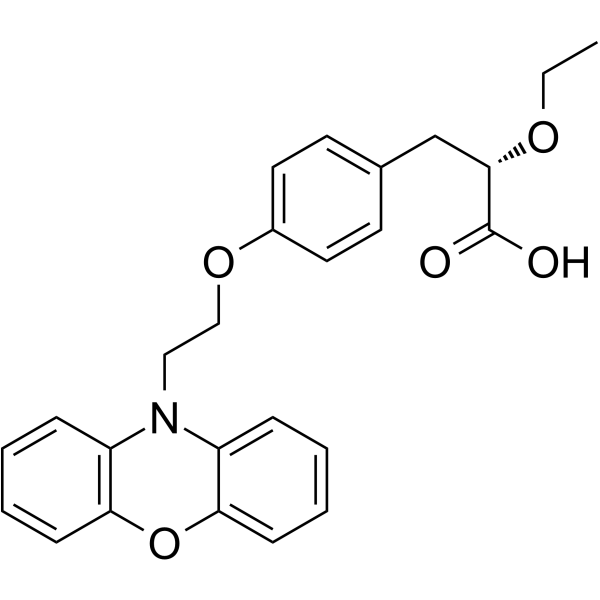
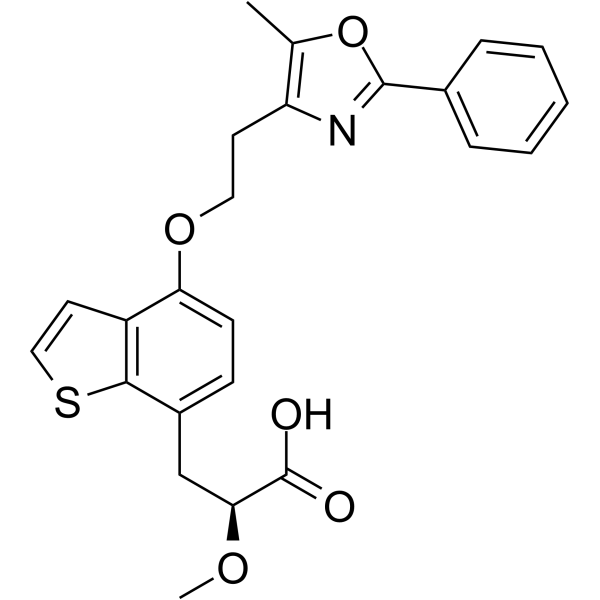
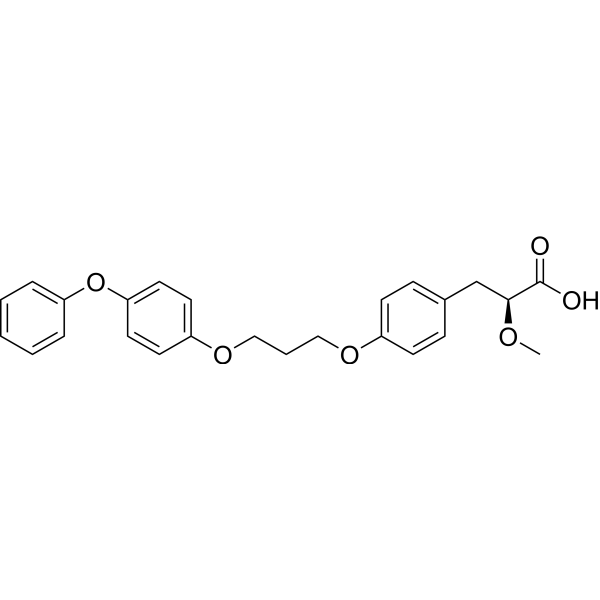
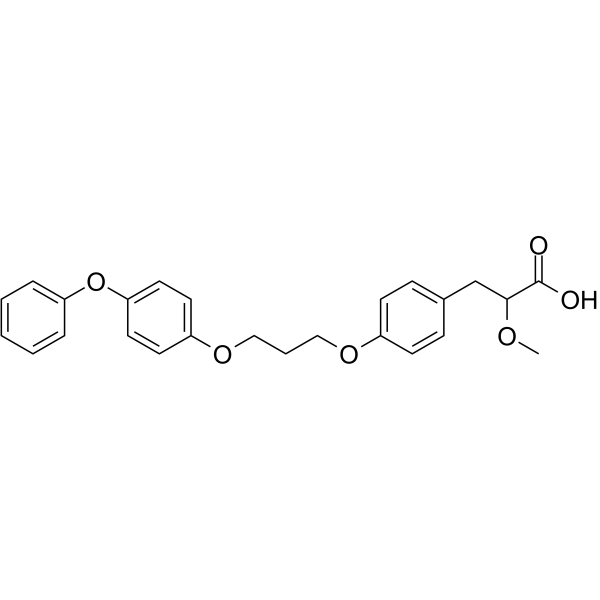
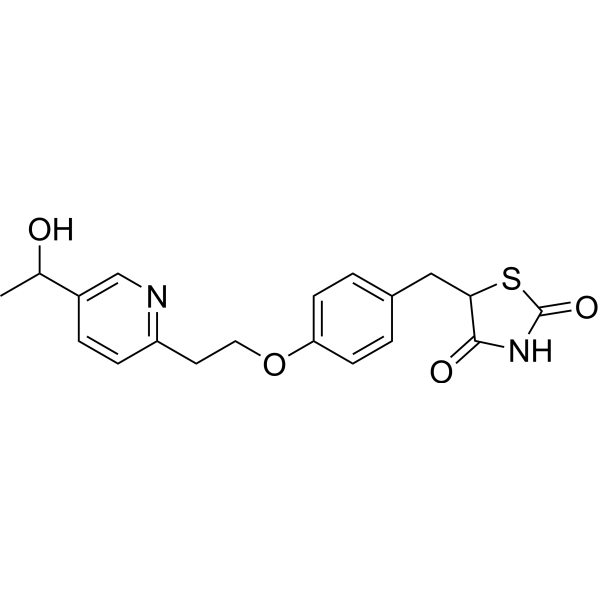
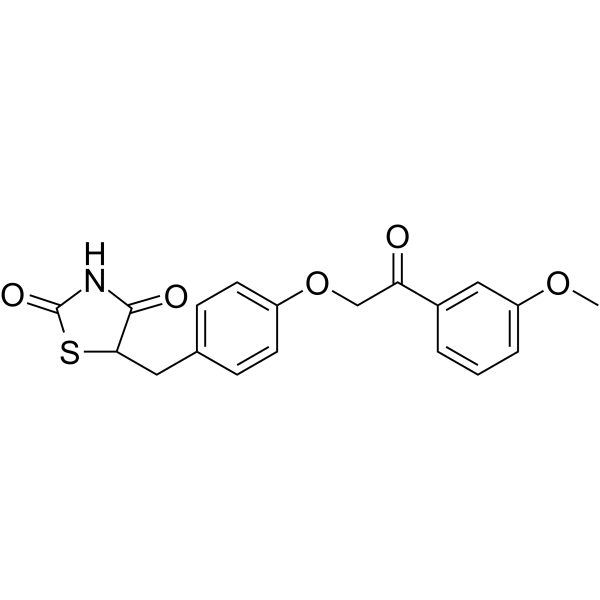
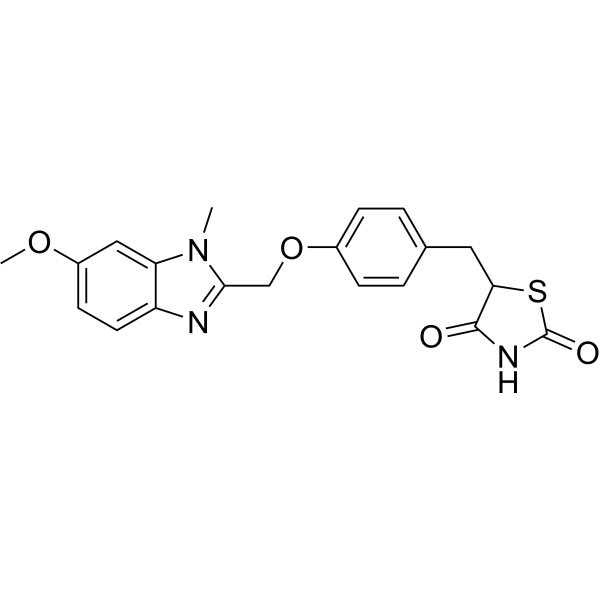
    Indeglitazar (PPM 204) is an orally available PPAR pan-agonist for all three PPARα, PPARδ and PPARγ .
    Indeglitazar
  • HY-143239

    PPAR Metabolic Disease
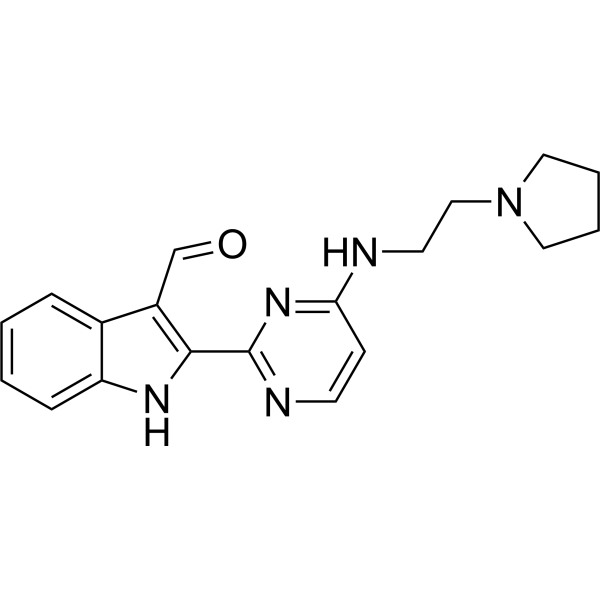
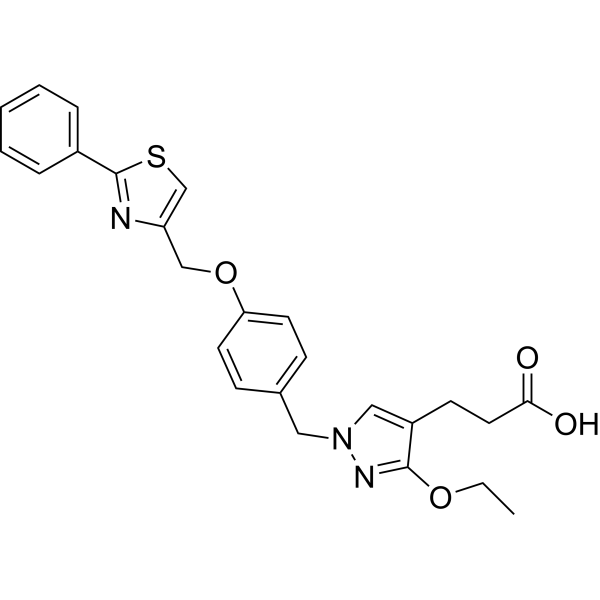
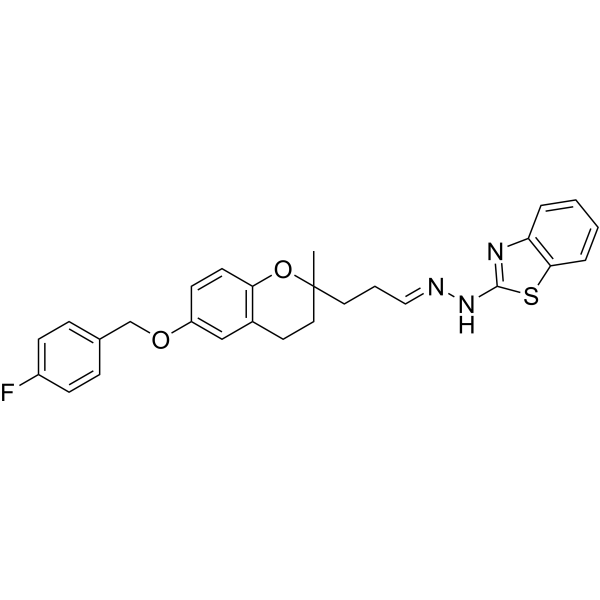
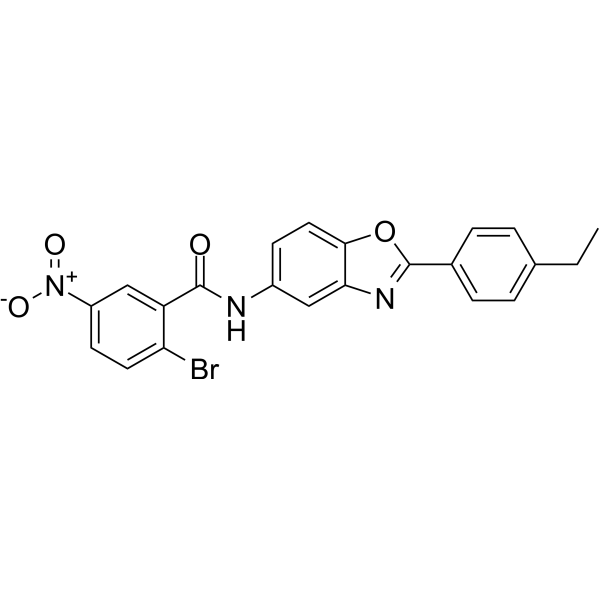
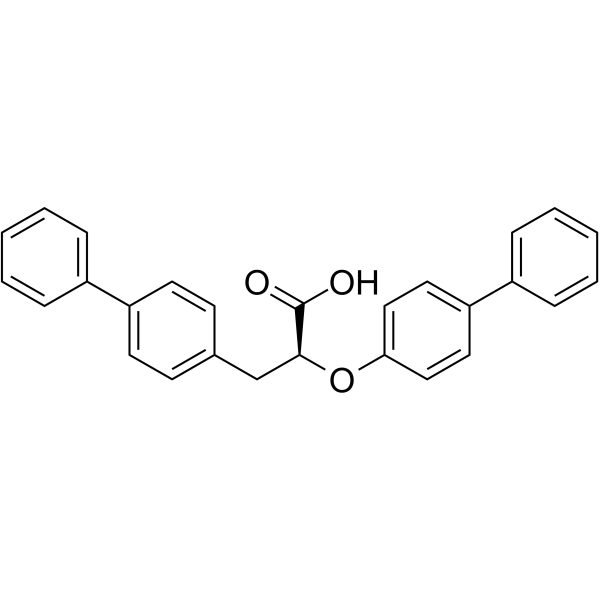
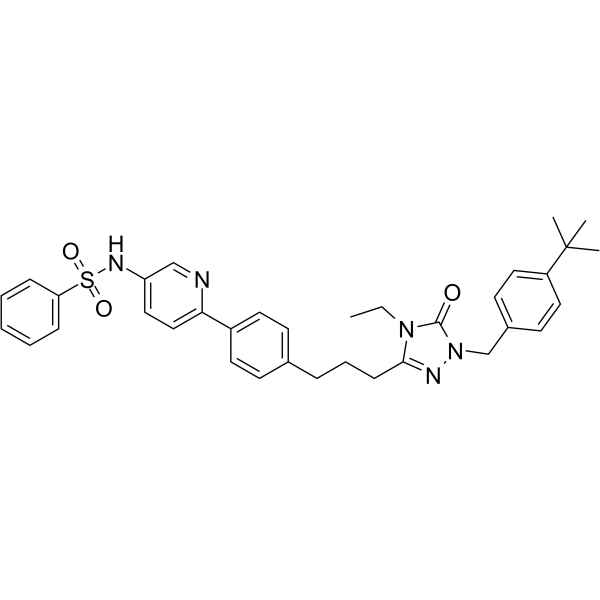
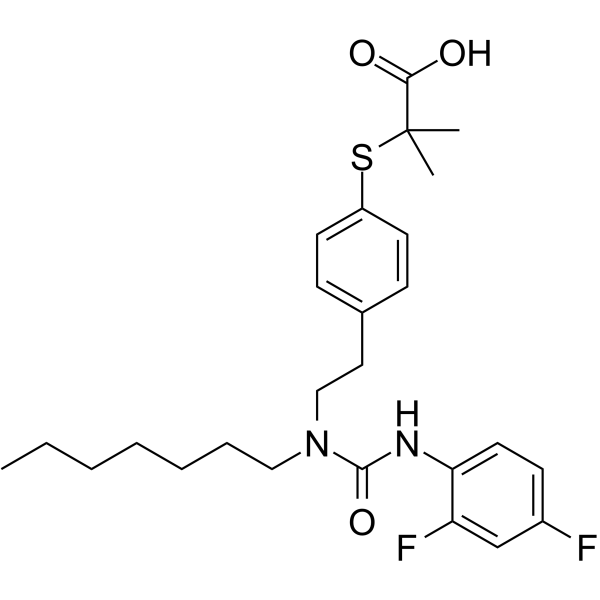
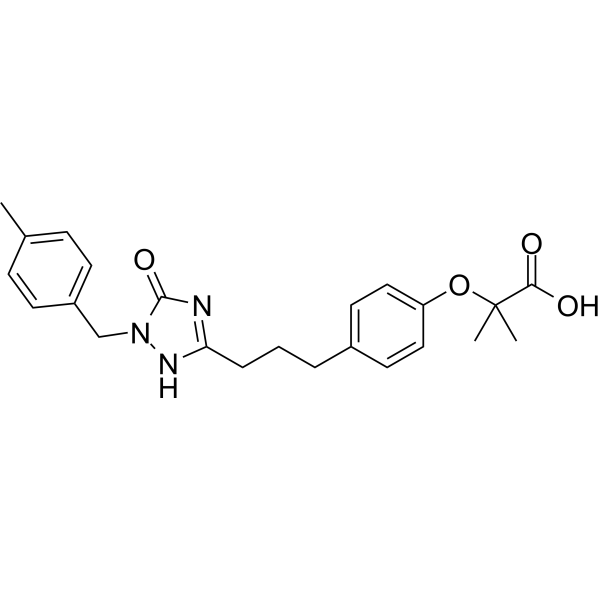
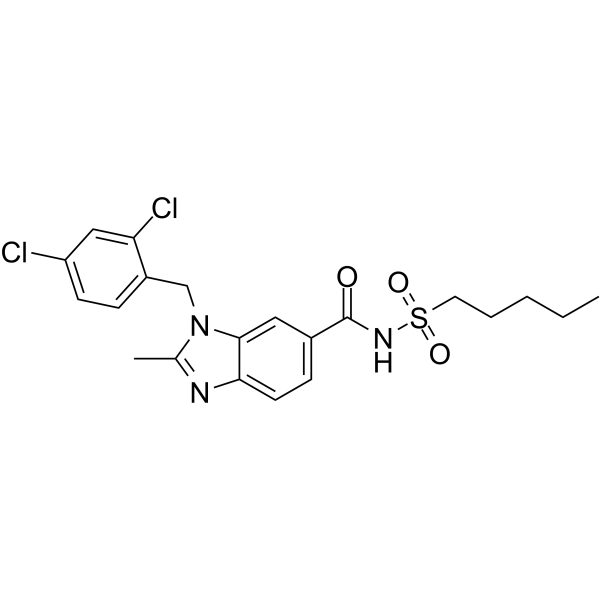
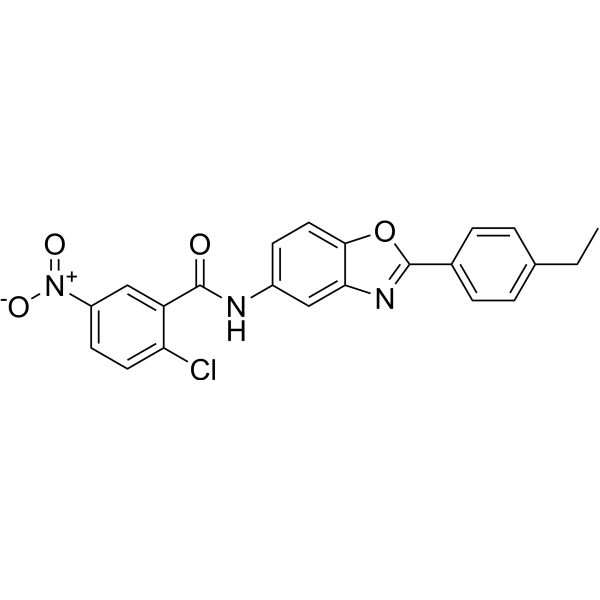
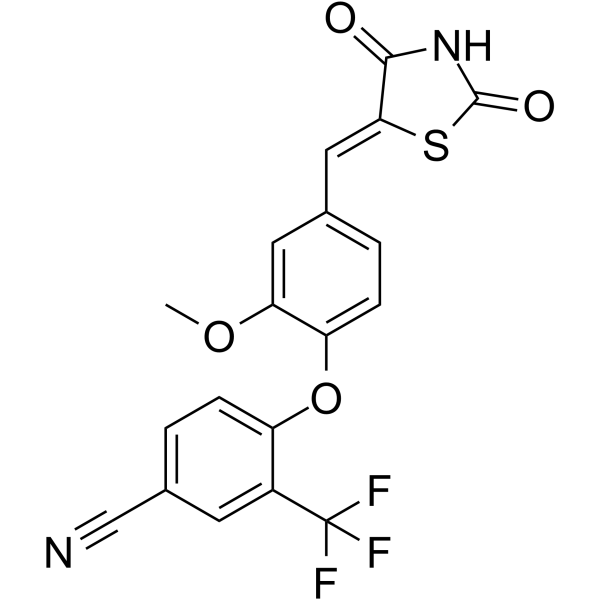
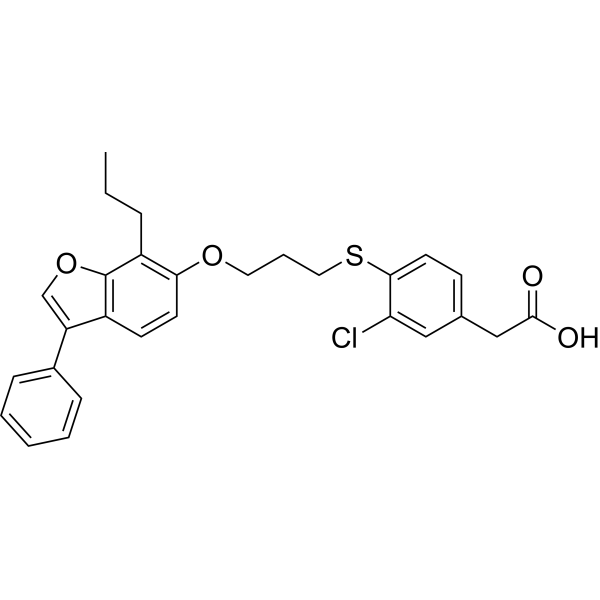
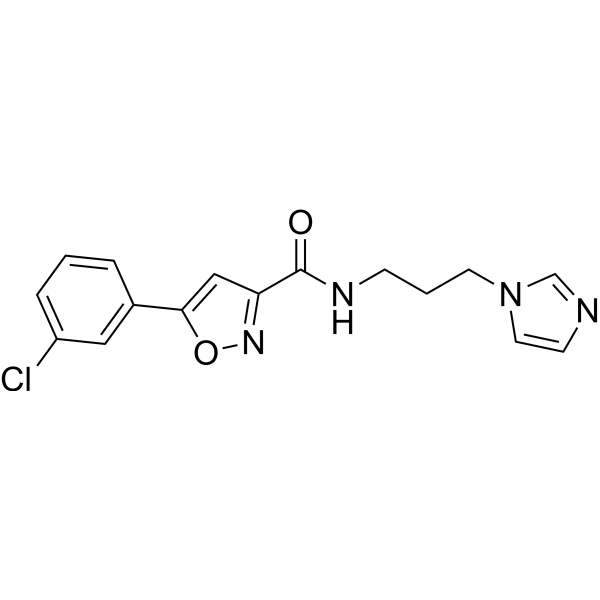
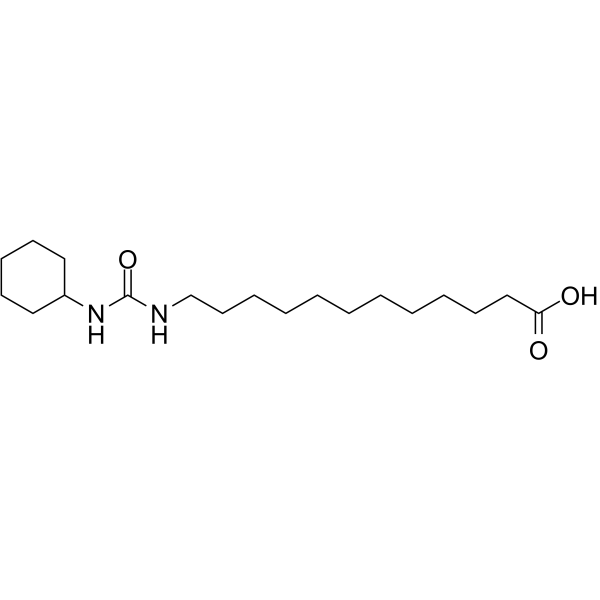
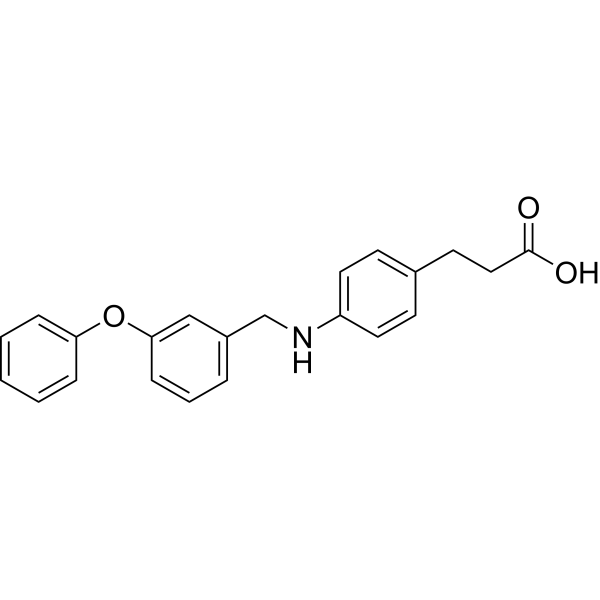
    PPARα/γ agonist 1 (compound 5b) is a potent and dual PPARα/γ partial agonist with EC50 values of 28 nM and 69 nM for PPARα and PPARγ, respectively. PPARα/γ agonist 1 is a promising prototype for dyslipidemia and diabetes research .
    PPARα/γ agonist 1
  • HY-156010

    PPAR Metabolic Disease
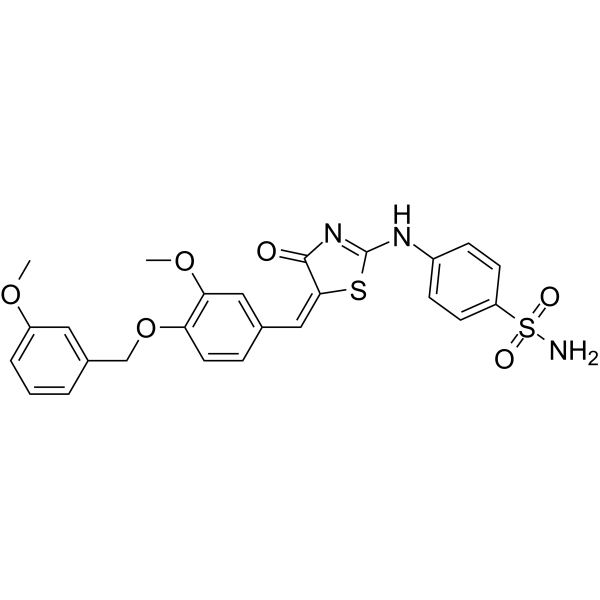
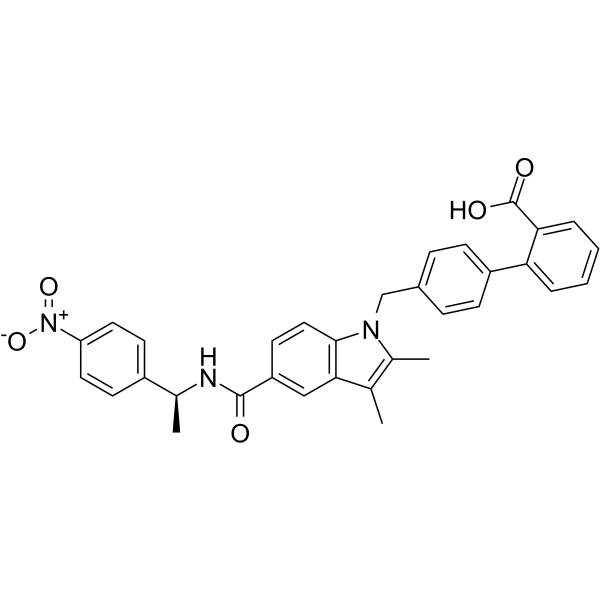
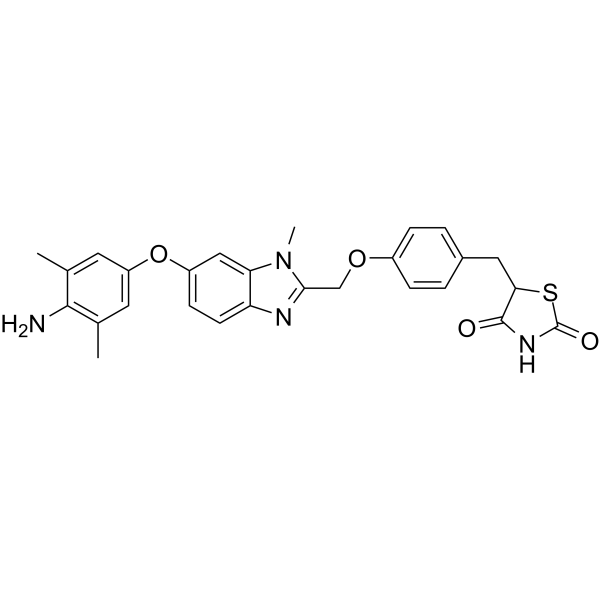
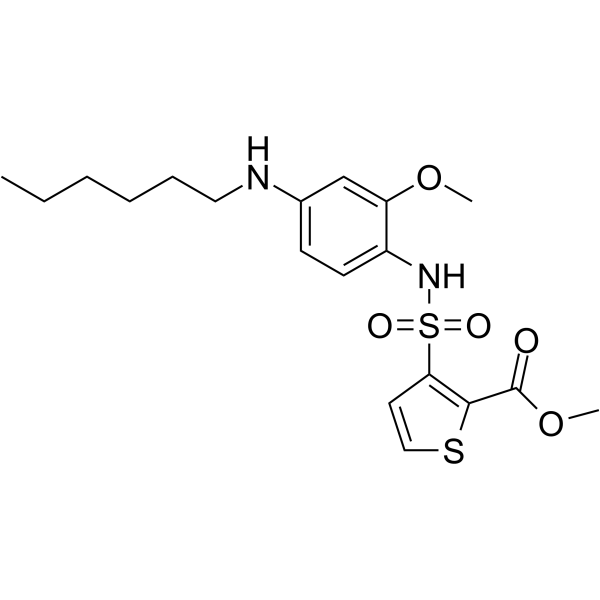
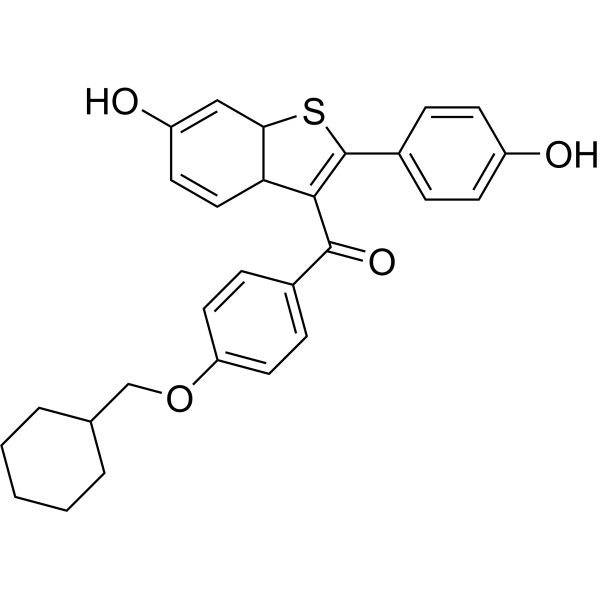
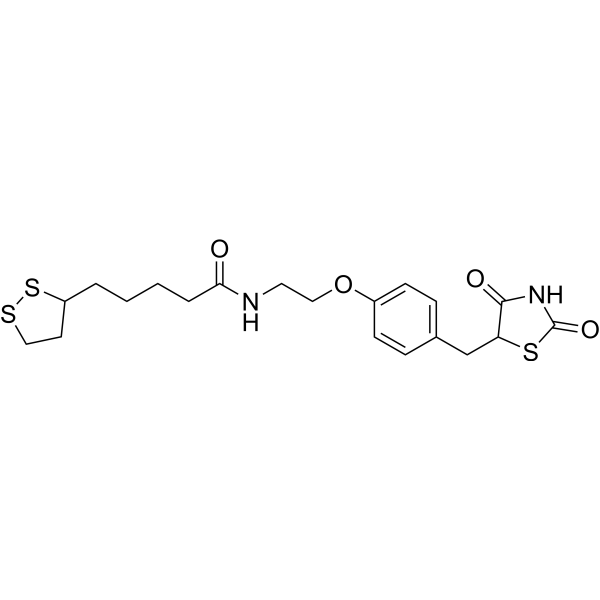
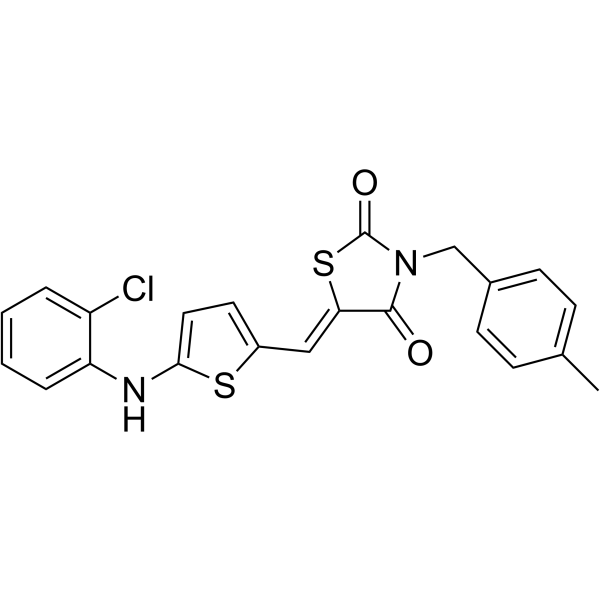
    PPARγ-IN-2 (Compound 5a) is a PPARγ inhibitor. PPARγ-IN-2 inhibits TG accumulation in 3T3-L1 preadipocytes (EC50: 0.106 μM). PPARγ-IN-2 inhibits high-cholesterol diet (HFC)-induced obesity and related metabolic syndrome, and reduces lipid accumulation in adipose tissue .
    PPARγ-IN-2
  • HY-163547

    PPAR Inflammation/Immunology
    PPAR agonist 5 (compound 4b) is a potent PPAR agonist with EC50 values of 3.20, 1.51, 1.92 µM for PPARα, PPARβ/δ, PPARγ, respectively. PPAR agonist 5 shows anti-inflammatory effect .
    PPAR agonist 5
  • HY-144111

    PPAR Inflammation/Immunology
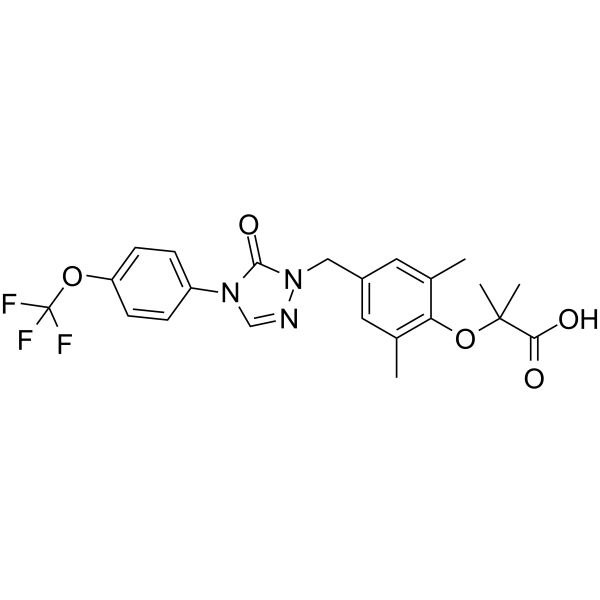
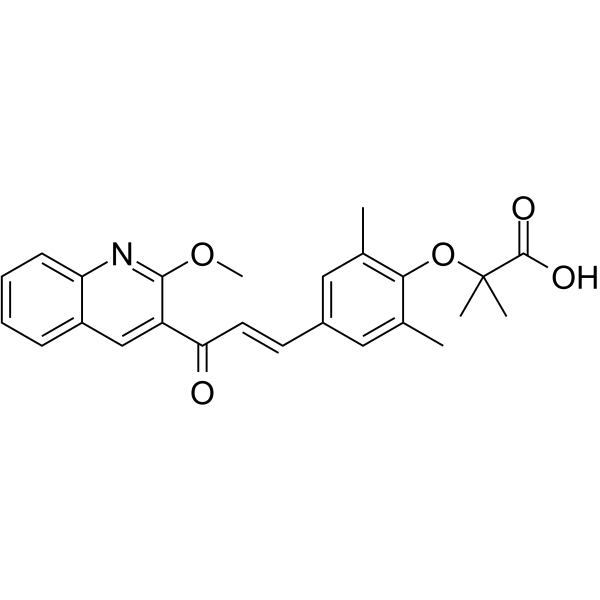
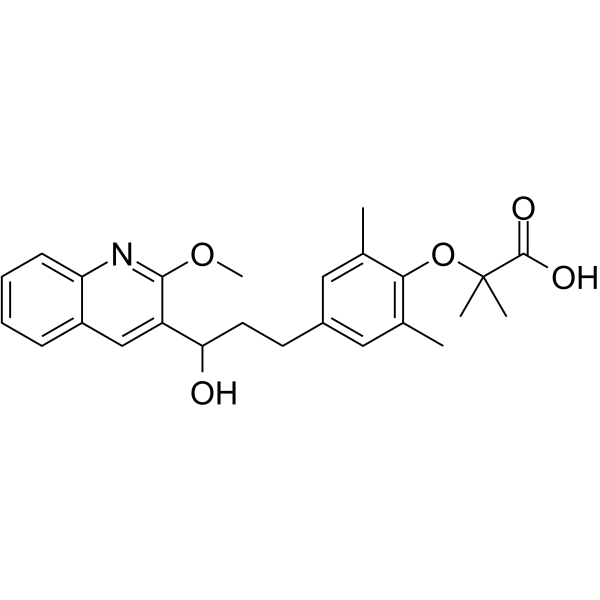
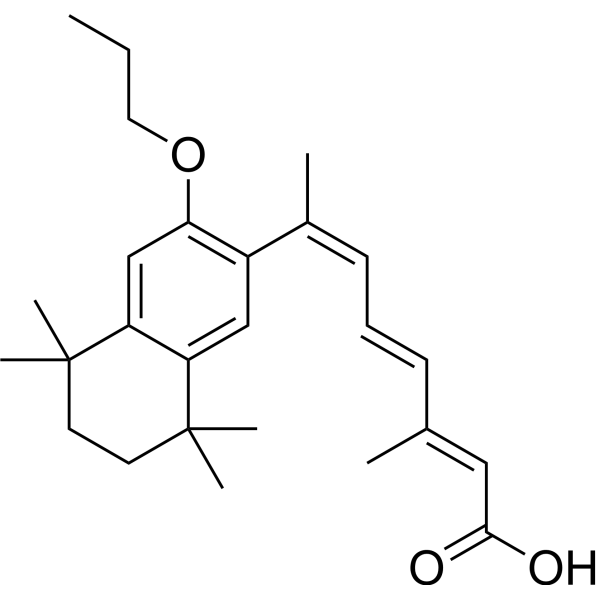
    PPARα/δ agonist 1 is a potent PPARα/PPARδ dual agonist (PPARα EC50=7.0 nM; PPARδ EC50=8.4 nM). PPARα/δ agonist 1 is a high selectivity over PPARγ (PPARγ EC50=1316.1 nM). PPARα/δ agonist 1 has the potential for the research of nonalcoholic steatohepatitis .
    PPARα/δ agonist 1
  • HY-B0637S

    PPAR Cardiovascular Disease Metabolic Disease
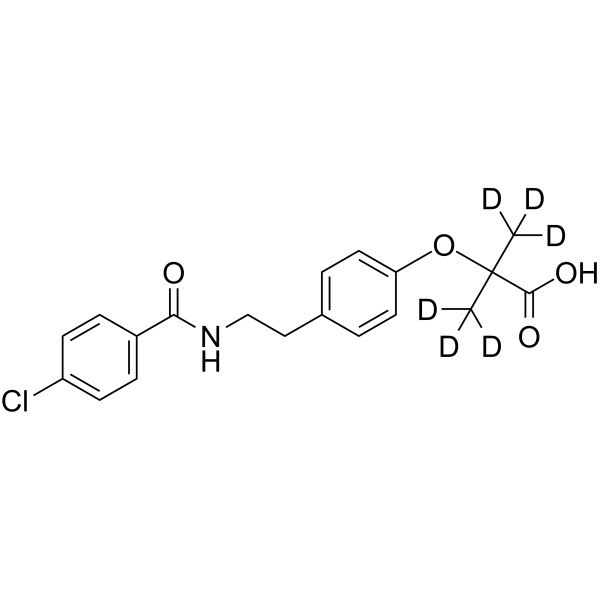
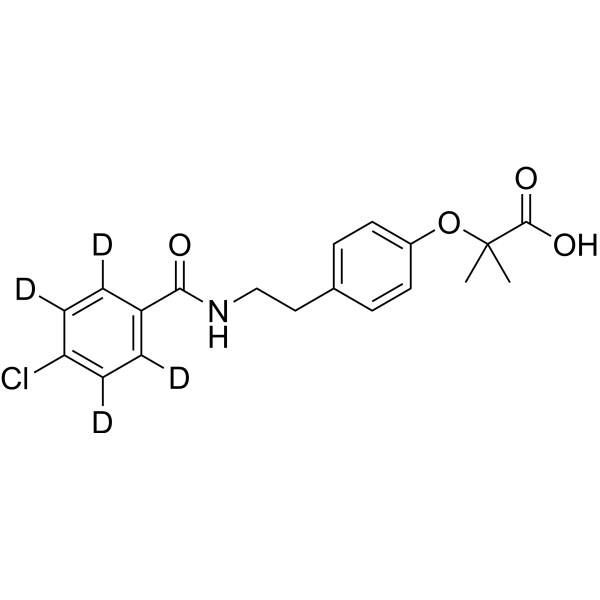
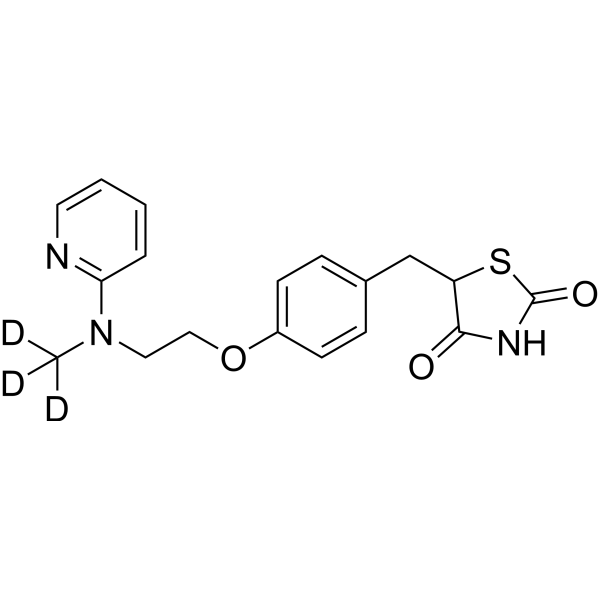
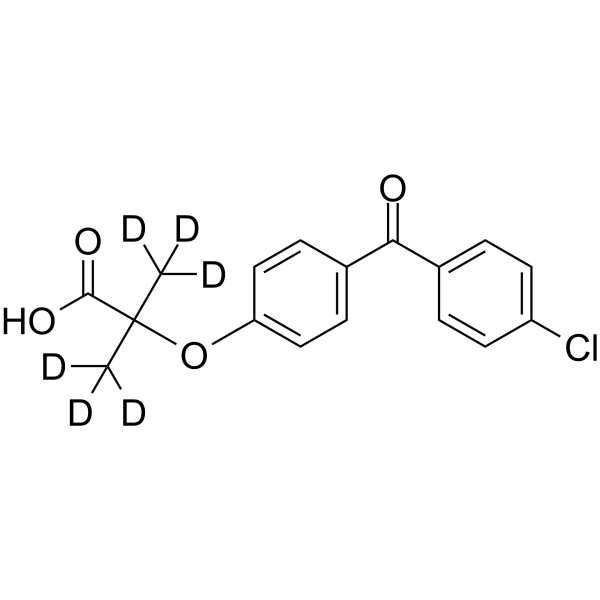
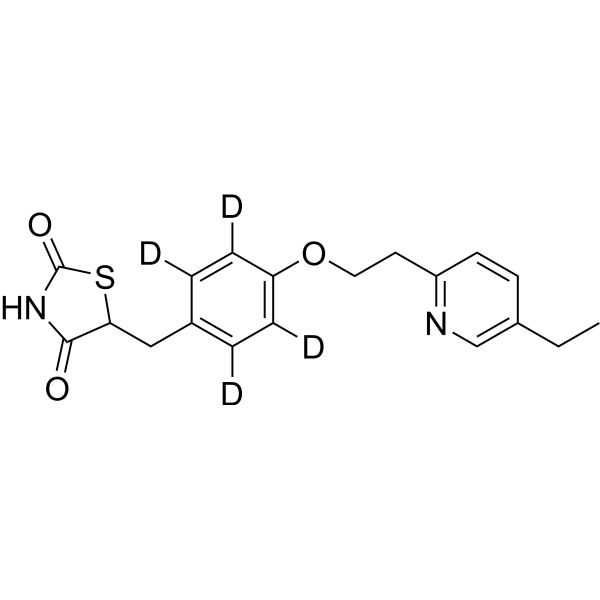
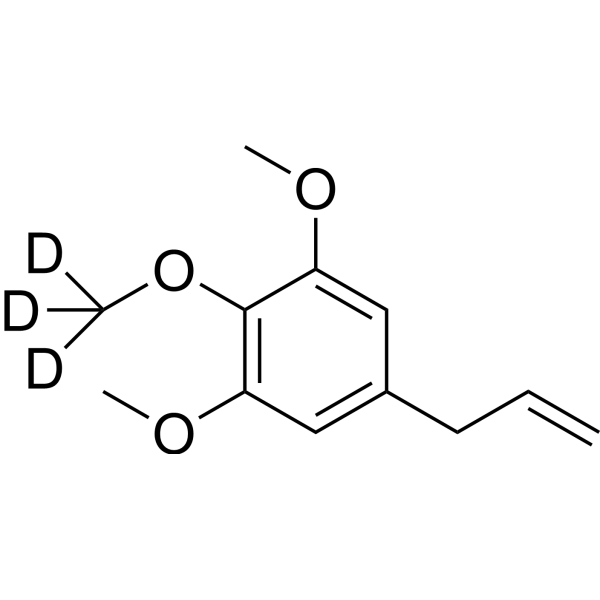
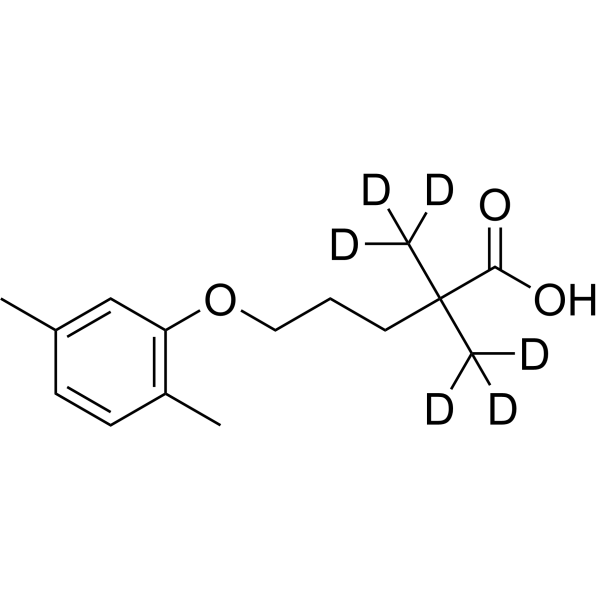
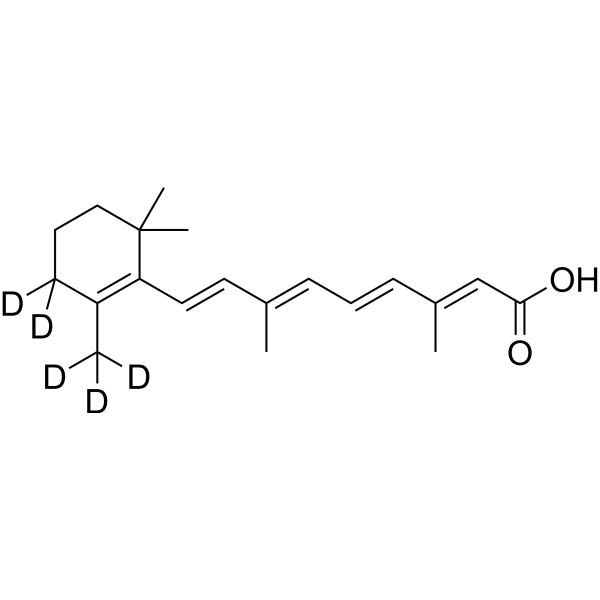
    Bezafibrate-d6 is the deuterium labeled Bezafibrate. Bezafibrate is an agonist of PPAR, with EC50s of 50 μM, 60 μM, 20 μM for human PPARα, PPARγ and PPARδ, and 90 μM, 55 μM, 110 μM for murine PPARα, PPARγ and PPARδ, respectively; Bezafibrate is used as an hypolipidemic agent.
    Bezafibrate-d6
  • HY-130319A

    PPAR Cardiovascular Disease Metabolic Disease
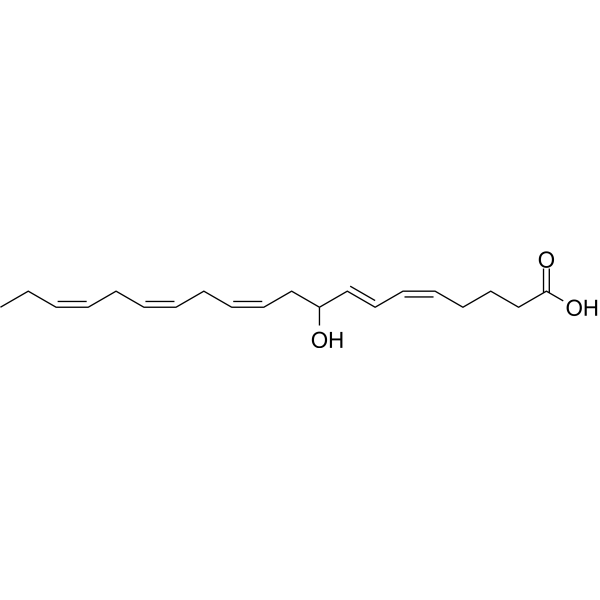
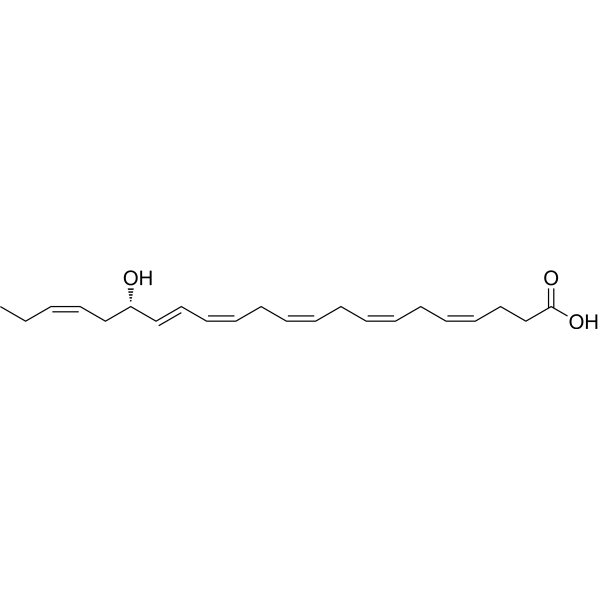
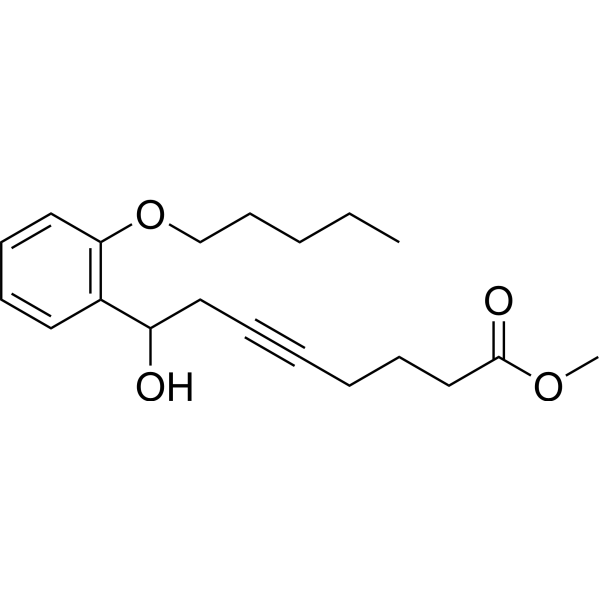
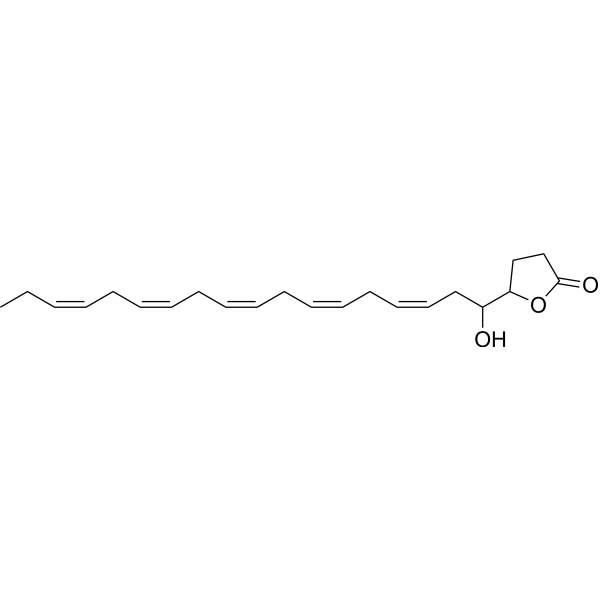
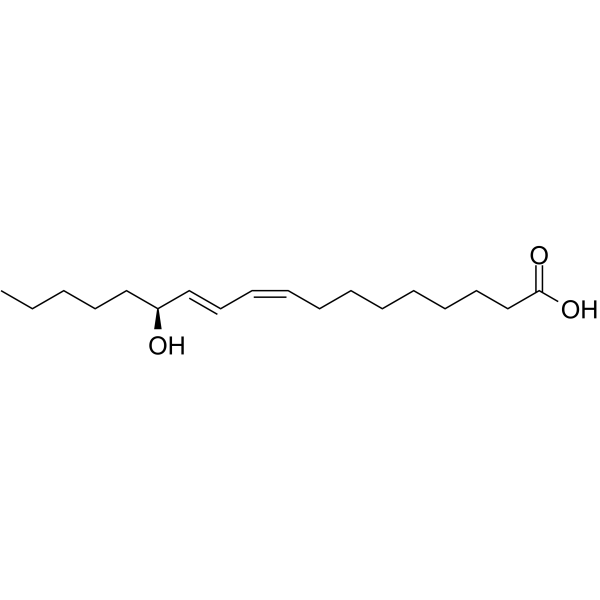
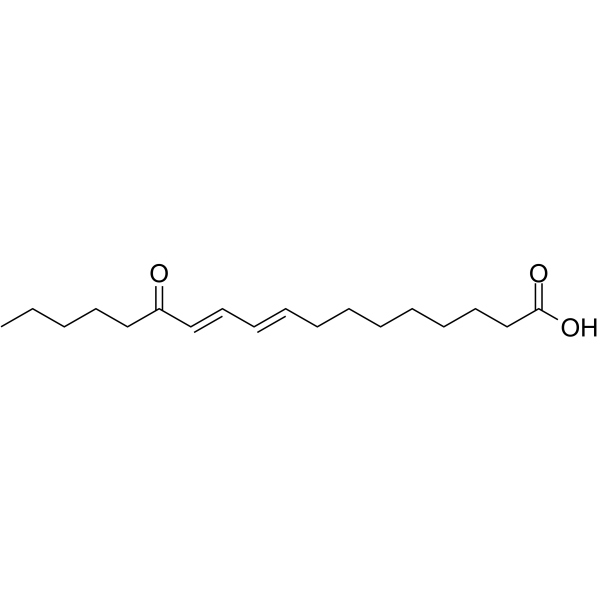
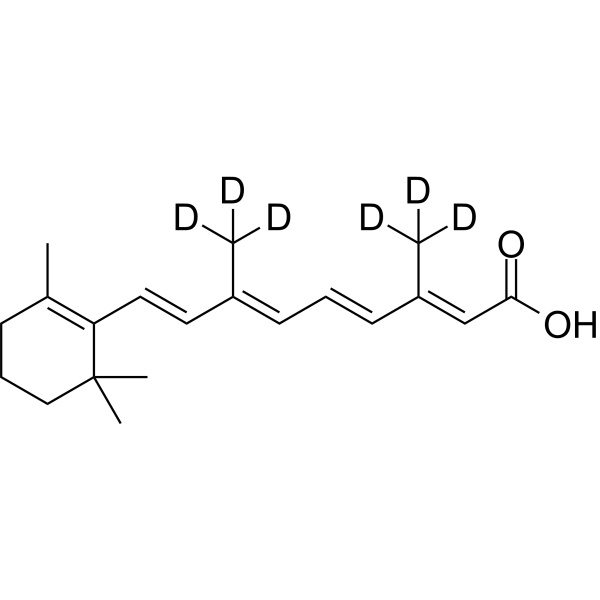
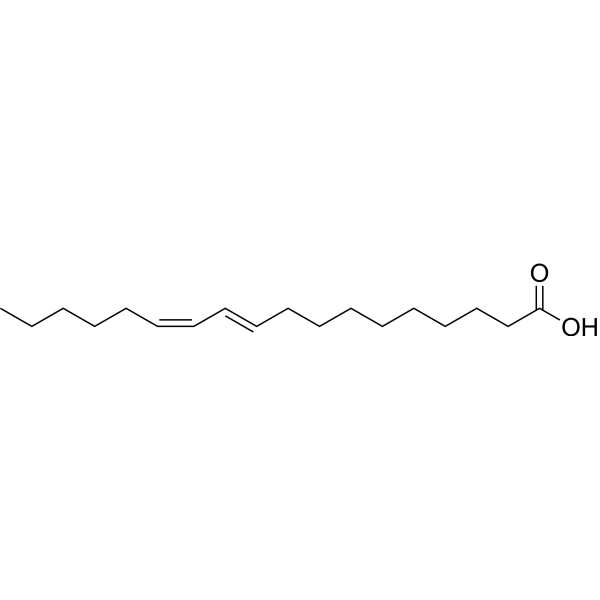
    9-HEPE, a oxidation product of Eicosapentaenoic acid, is a racemic mixture of 9(R)-HEPE and 9(S)-HEPE. 9-HEPE induces fatty acid oxidation, adipogenesis, and glucose uptake via activation of PPARs in vivo .
    9-HEPE
  • HY-W201317

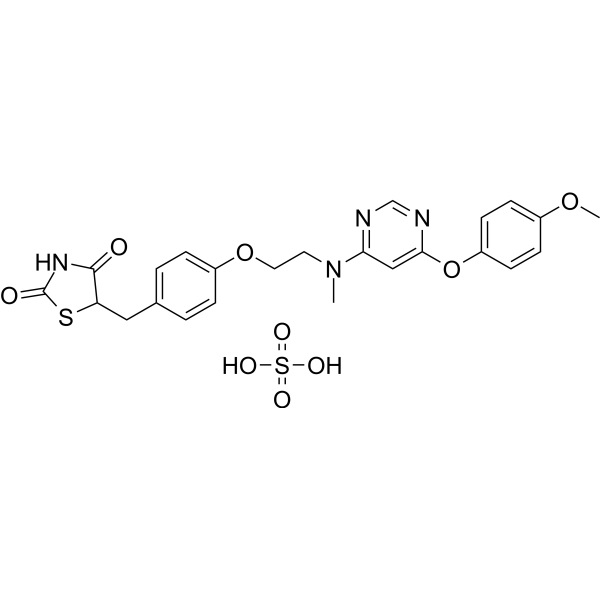
    PPAR Metabolic Disease
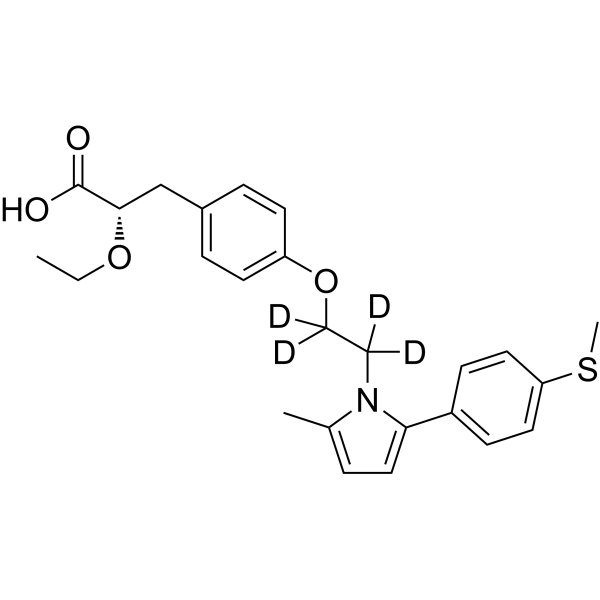
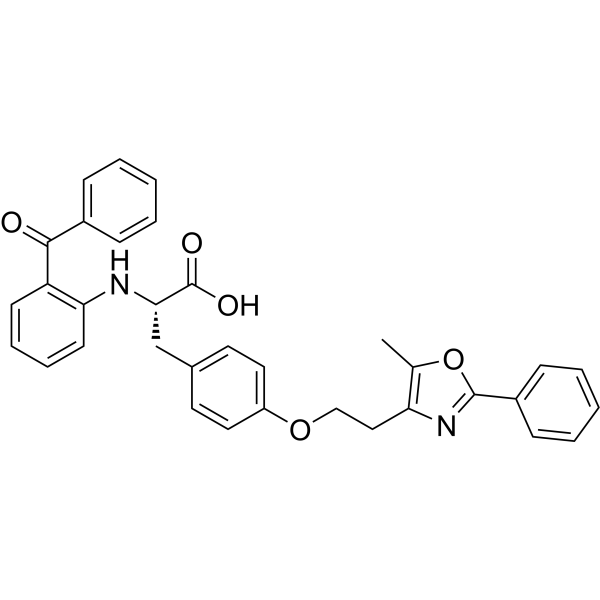
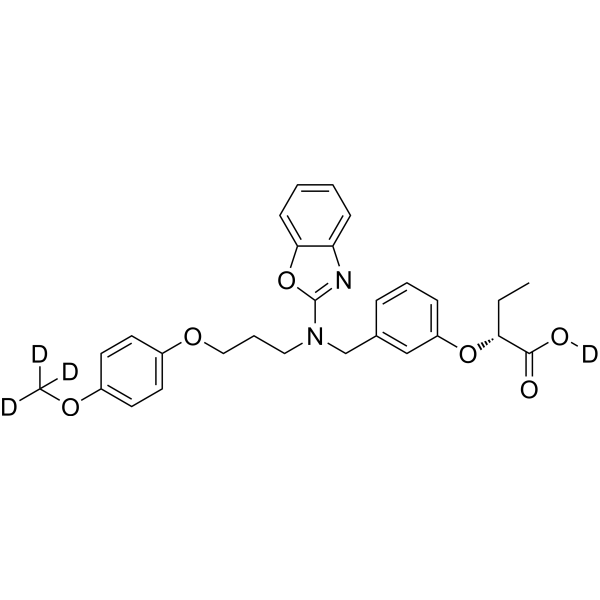
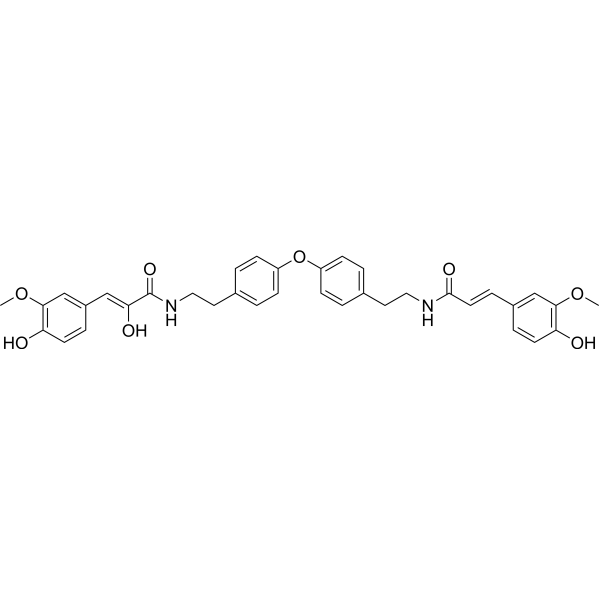
    E17241 is an inducer of the expression of ABCA1 that increases the protein levels of ABCA1 in RAW 264.7 macrophages. E17241 is also an agonist of peroxisome proliferator-activated receptors (PPARs ). E17241 decreases plasma glucose levels and body weight in KKAy diabetic mice fed a high-fat and high-glucose (HFHG) diet .
    E17241
  • HY-RS10919

    Small Interfering RNA (siRNA) PPAR Others

    PPARA Human Pre-designed siRNA Set A contains three designed siRNAs for PPARA gene (Human), as well as a negative control, a positive control, and a FAM-labeled negative control.

    PPARA Human Pre-designed siRNA Set A
    PPARA Human Pre-designed siRNA Set A
  • HY-139177

    PPAR Cardiovascular Disease
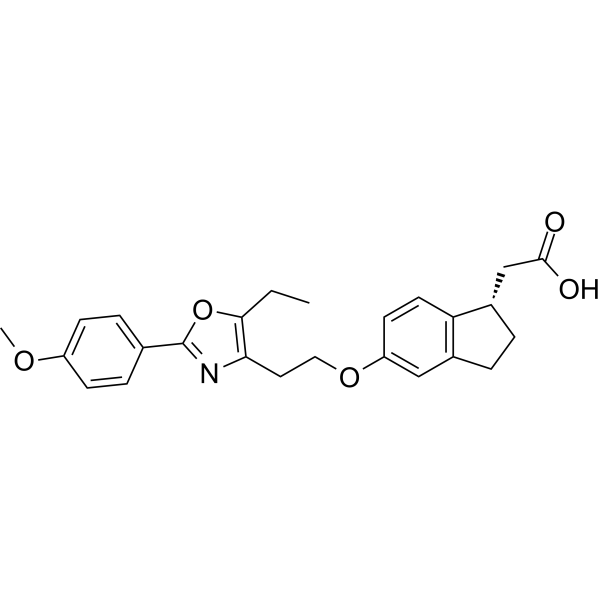
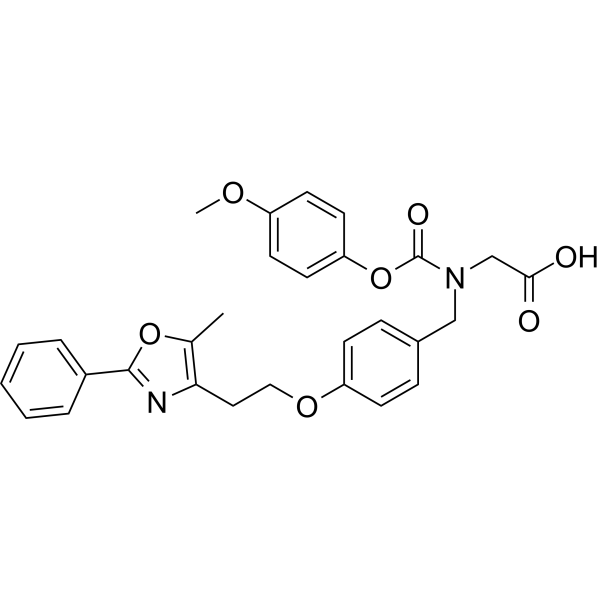
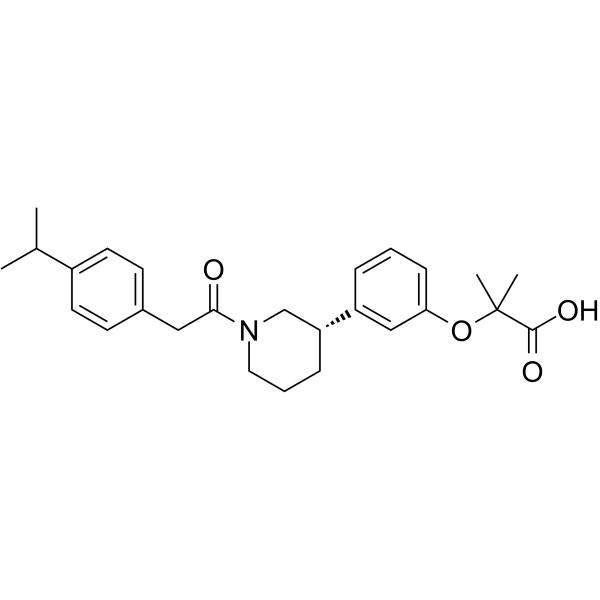
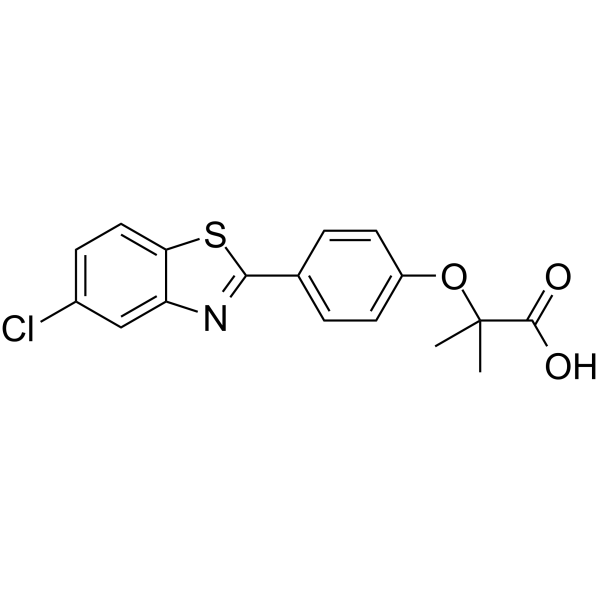
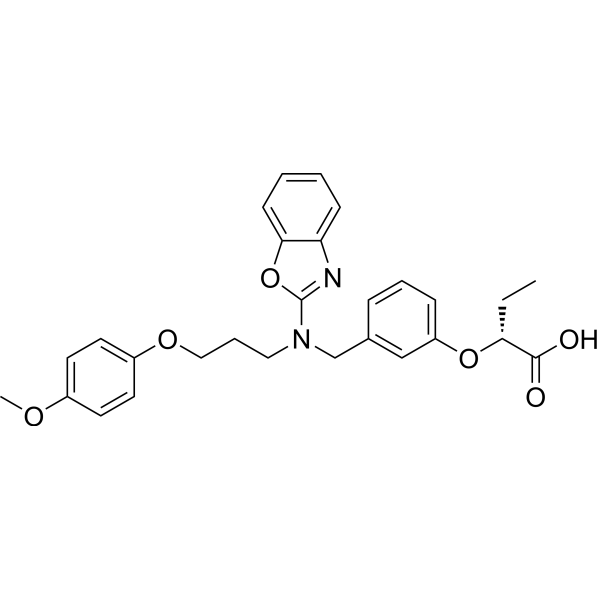
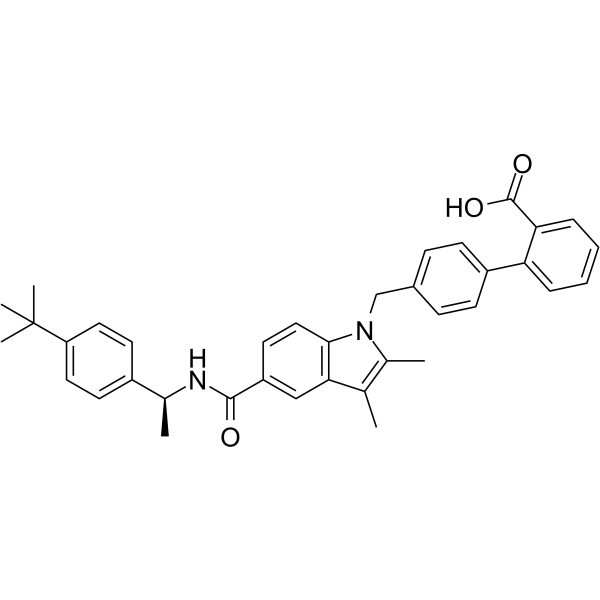
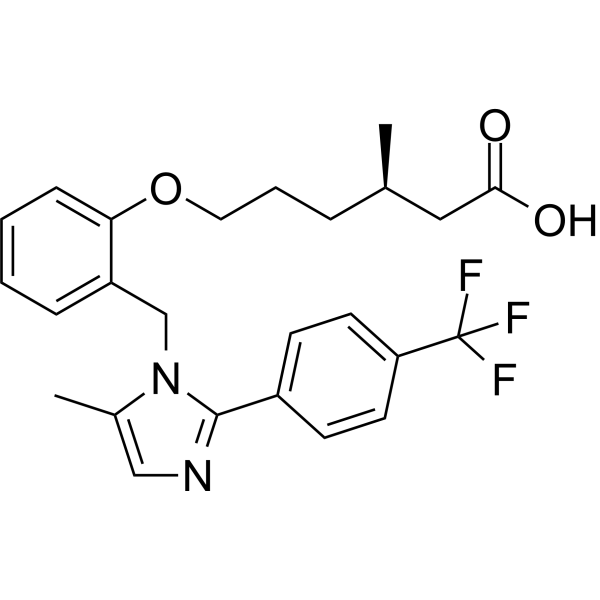
    PPARα agonist 2 (compound 4u) is a potent and selective PPARα agonist with an EC50 of 37 nM. PPARα agonist 2 exhibits >2,700-fold selectivity for PPARα over other PPAR isoforms. PPARα agonist 2 has the potential for retinal disorders research .
    PPARα agonist 2
  • HY-146480

    PPAR Cancer
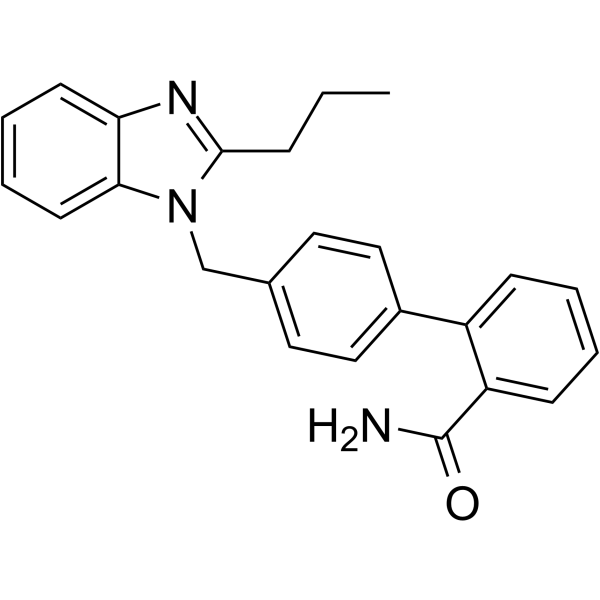
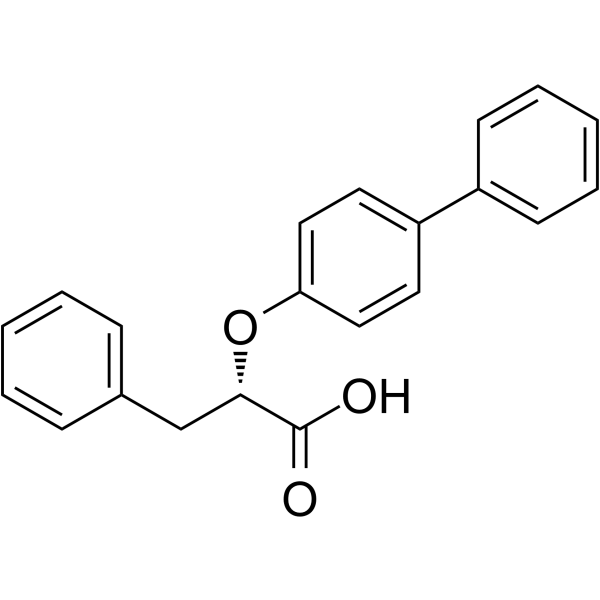
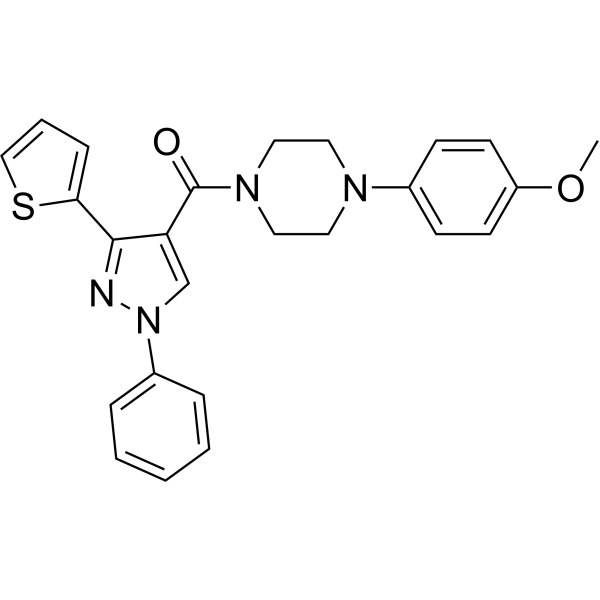
    PPARγ agonist 5 (Compound 1) is a potent and selective agonist of PPARγ. PPARγ agonist 5 has the potential for the research of cancer diseases .
    PPARγ agonist 5
  • HY-120596

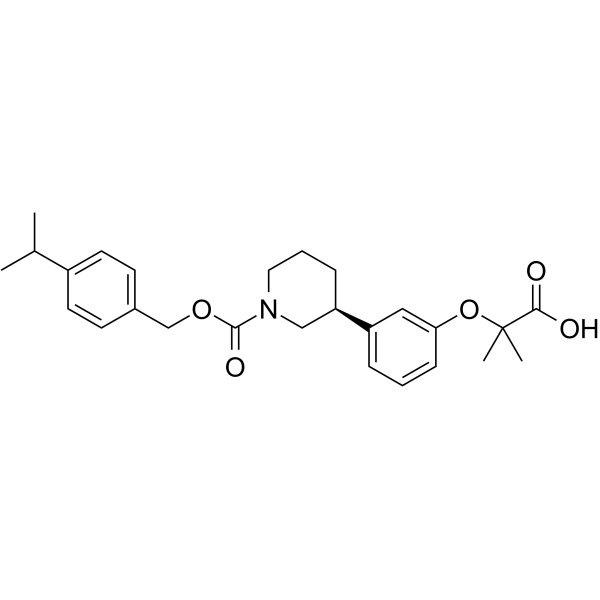
    PPAR Neurological Disease
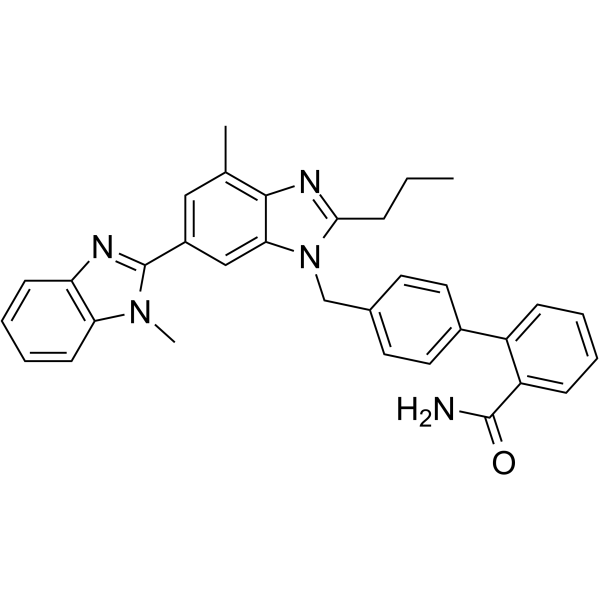
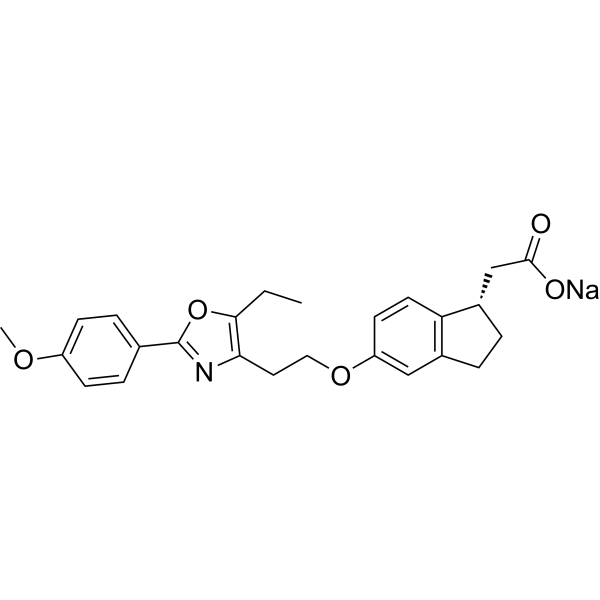
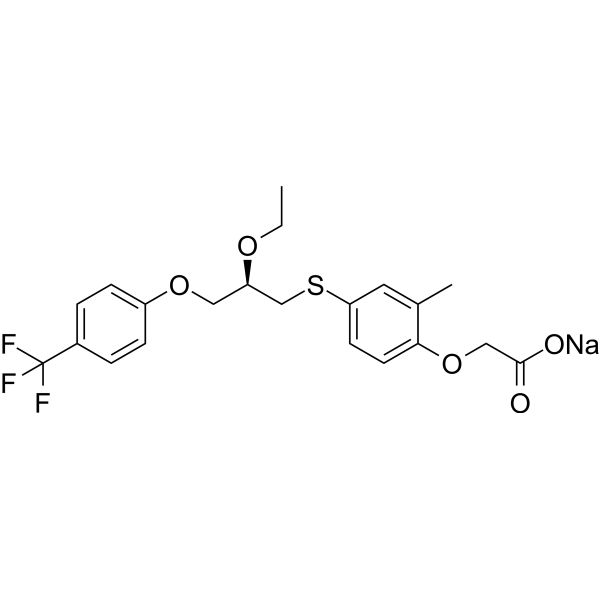
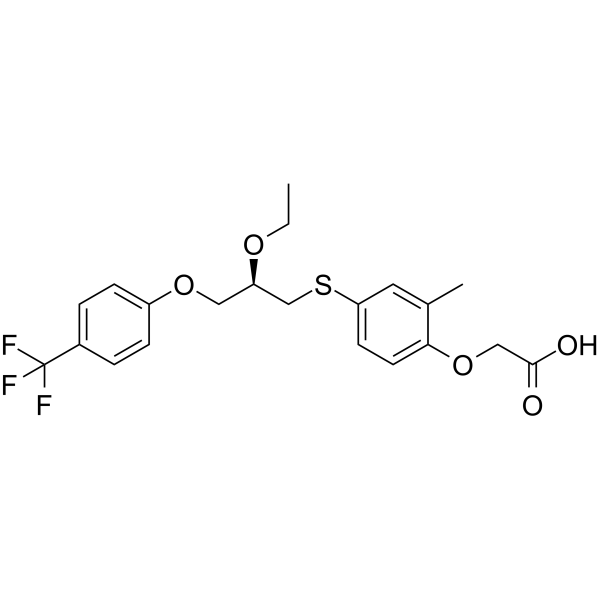
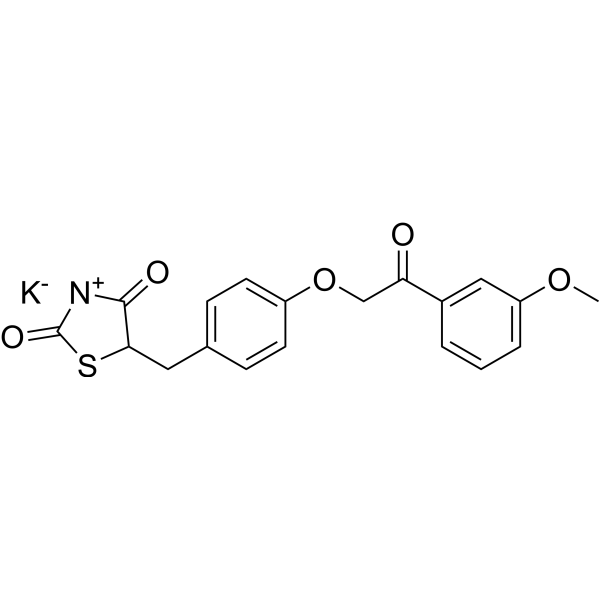
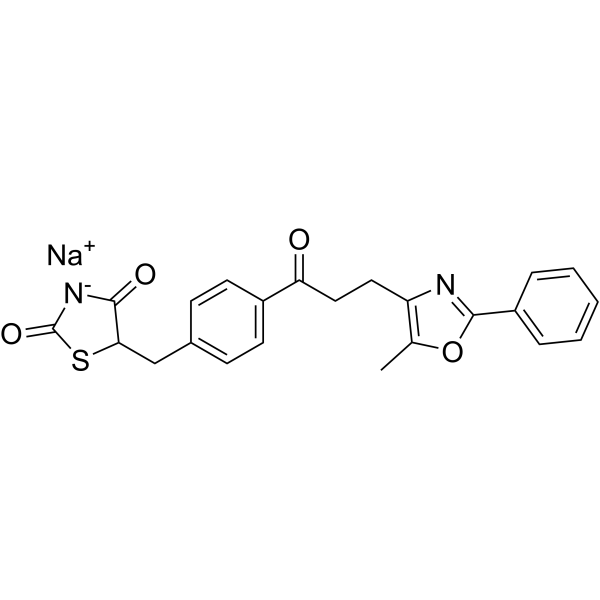
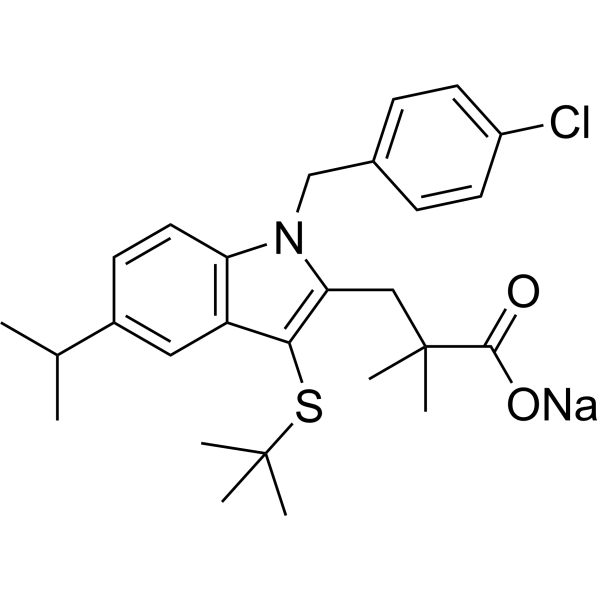
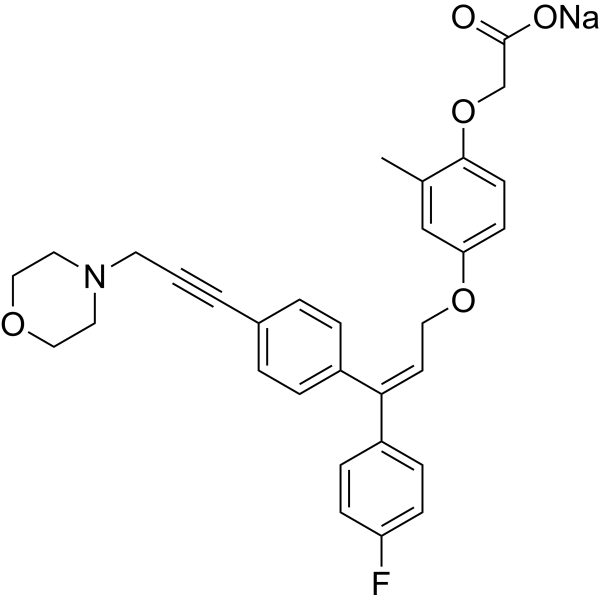
    PPARδ/γ agonist 1 sodium is a chemically unique and brain penetrant dual PPAR delta/gamma agonist. PPARδ/γ agonist 1 sodium can be used for the research of Alzheimer’s disease .
    PPARδ/γ agonist 1 sodium
  • HY-116468

    PPAR Metabolic Disease
    PPARγ agonist 11 (compound 20) is a selective agonist of PPARγ (EC50: 0.1 μM) .
    PPARγ agonist 11
  • HY-159944

    PPAR Neurological Disease Metabolic Disease Inflammation/Immunology
    PPARγ agonist 14 (compound 3) is a PPARy agonist (EC50=2.4 μM) with anti-diabetic activity. PPARγ agonist 14 can improve intracellular glucose uptake, promote insulin release, and lower blood sugar. In addition, PPARγ agonist 14 also improves mitochondrial function, reduces oxidative stress, and inhibits inflammatory factors. PPARγ agonist 14 can be used in the study of neurodegenerative diseases, neuroinflammatory diseases, and other diseases .
    PPARγ agonist 14
  • HY-178958

    PPAR Adenosine Receptor Fatty Acid Synthase (FASN) Endogenous Metabolite Metabolic Disease Inflammation/Immunology Endocrinology
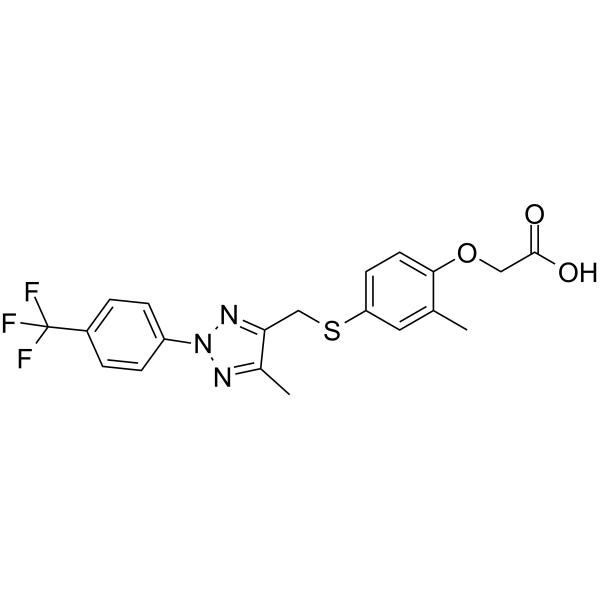
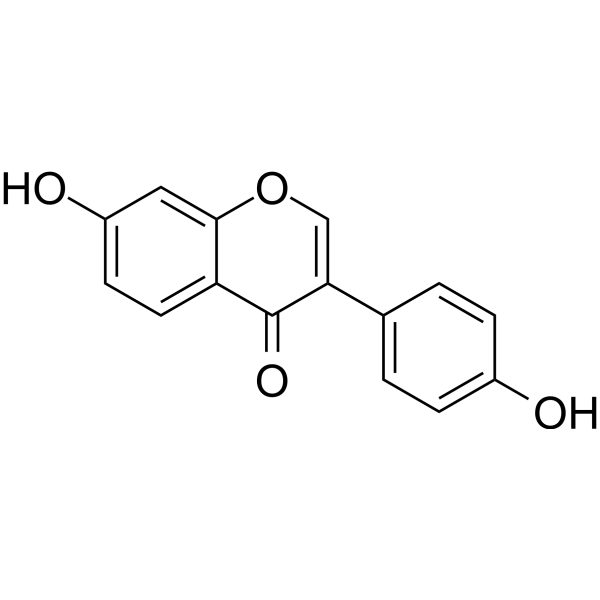
    PPAR agonist 7 is an orally active pan-PPAR agonist, demonstrating potent activation of all three subtypes, PPARα (EC50 = 1.51 μM), PPARδ (EC50 = 1.11 μM), and PPARγ (EC50 = 3.14 μM). PPAR agonist 7 significantly enhances glucose uptake in adipocytes while exhibiting minimal adipogenic activity. PPAR agonist 7 can suppress PPARγ Ser273 phosphorylation in white adipose tissue and upregulate insulin-sensitizing genes. PPAR agonist 7 does not cause weight gain or fluid retention in high-fat diet (HFD)/ Streptozotocin (HY-13753) (STZ)-induced type 2 diabetes mellitus (T2DM) models. PPAR agonist 7 has selective modulation of PPAR signaling pathways without activation of adipogenic gene programs. PPAR agonist 7 can be used for the study of diabetes .
    PPAR agonist 7
  • HY-U00340

    PPAR Metabolic Disease
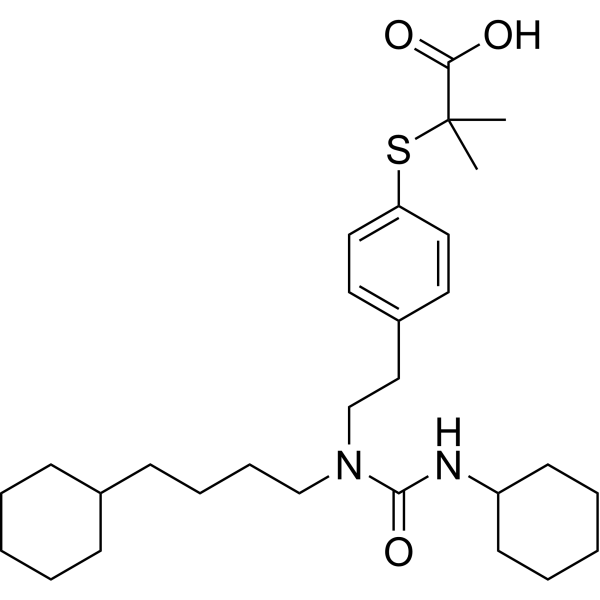
    PPAR agonist 1 is an agonist of PPAR α and PPAR γ, used for reducing blood glucose, lipid levels, lowering cholesterol and reducing body weight.
    PPAR agonist 1
  • HY-120255A

    PPAR Metabolic Disease
    17(S)-HDHA is a pro-resolving mediator (SPM). 17(S)-HDHA slightly activats PPARγ, PPARα and PPARδ .
    17(S)-HDHA
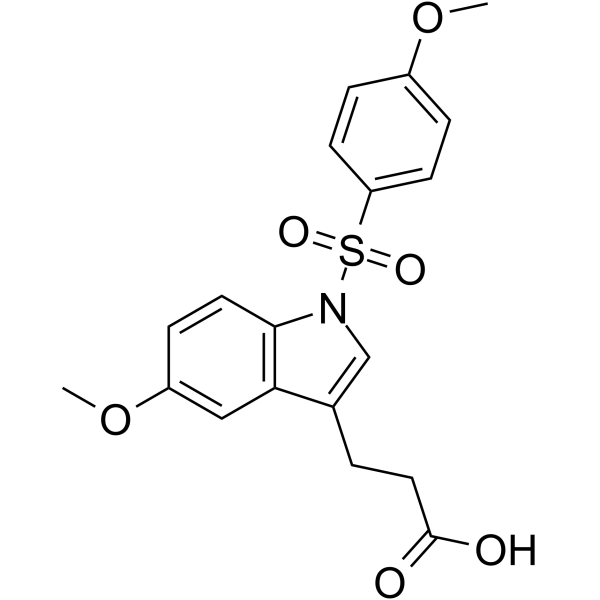
  • HY-162320

    PPAR Metabolic Disease
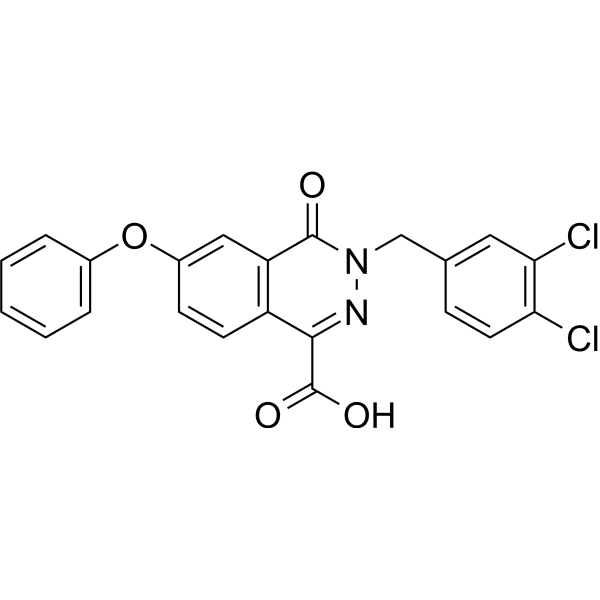
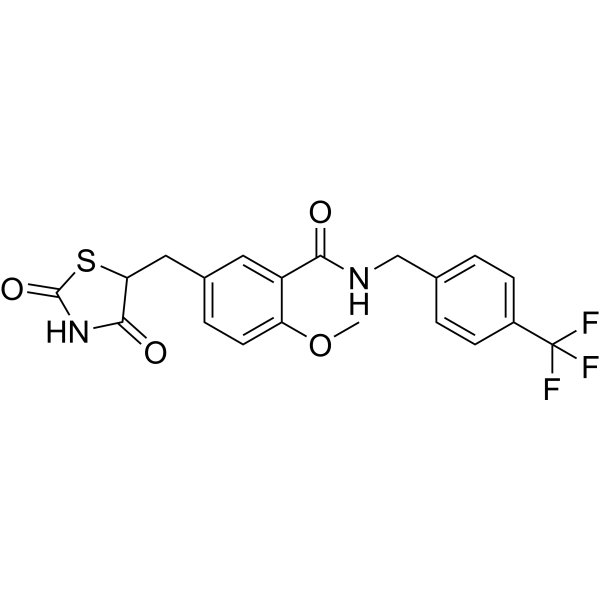
    PPARγ agonist 12 (compound 9i) is a potent and selective PPARγ agonist with EC50s of 3.98 and 15.42 μM against PPARγ and PPARδ, respectively. PPARγ agonist 12 improves insulin secretion and has anti-diabetic effect .
    PPARγ agonist 12
  • HY-143862

    PPAR Metabolic Disease
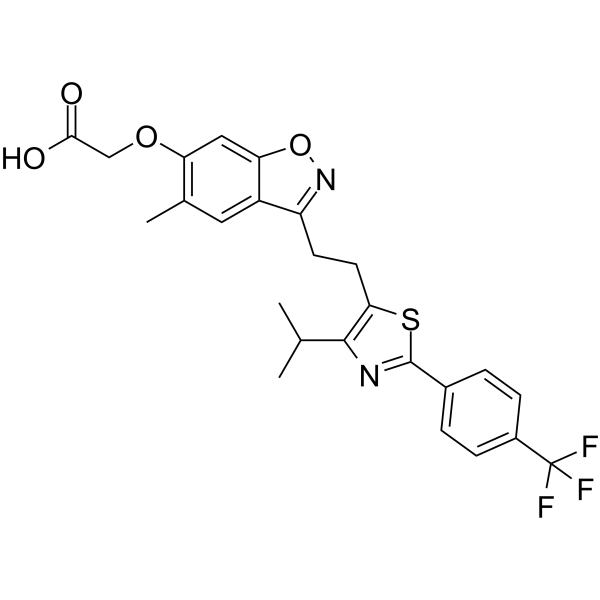
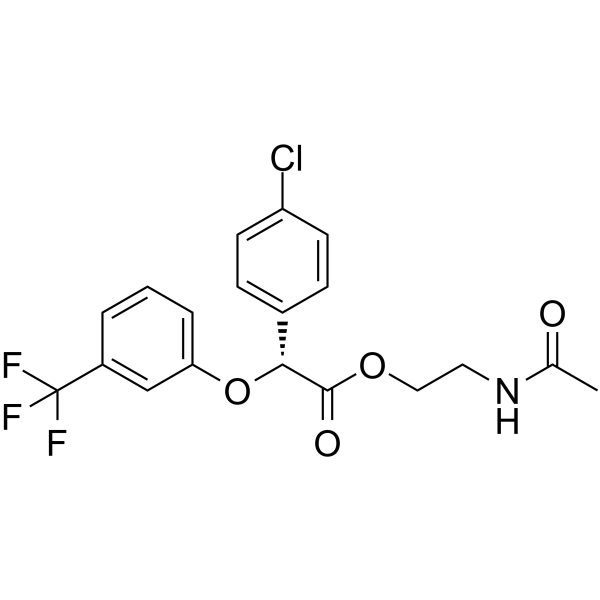
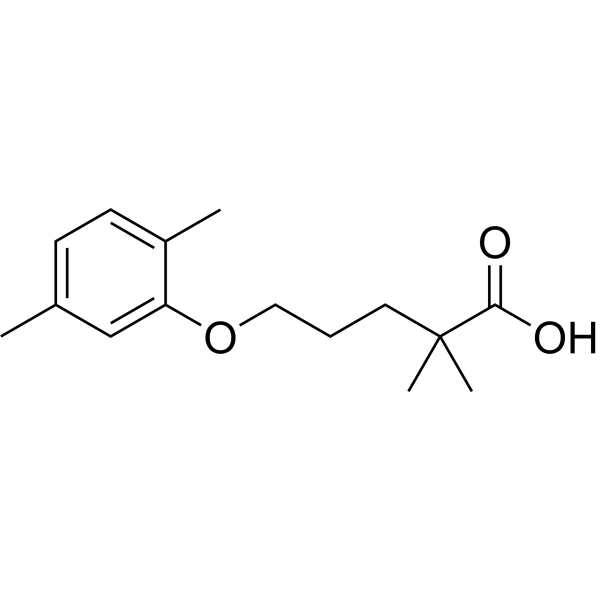
    Pparδ agonist 7 is a potent agonist of Pparδ. The peroxisome proliferator-activated receptor (PPAR) is a member of the intranuclear receptor transcription factor superfamily that plays a key role in the regulation of metabolic homeostasis, inflammation, cell growth and differentiation in vivo. Pparδ agonist 7 has the potential for the research of non-alcoholic fatty liver disease (NAFLD) (extracted from patent WO2019105234A1, compound TM4) .
    Pparδ agonist 7
  • HY-N11924

    AMPK PPAR Metabolic Disease
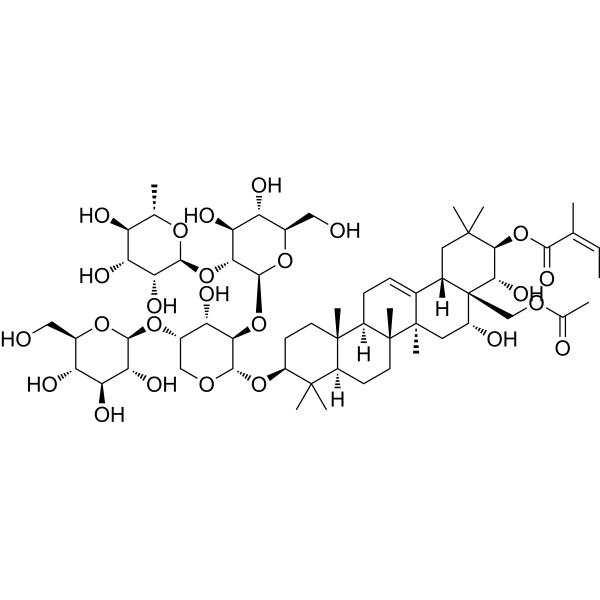
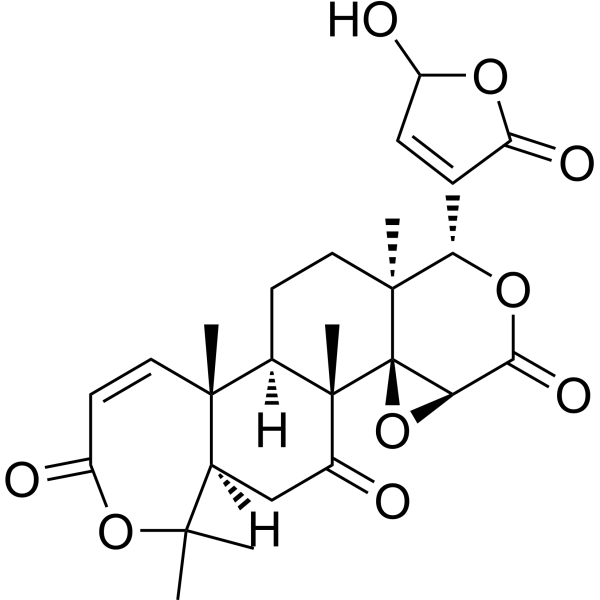
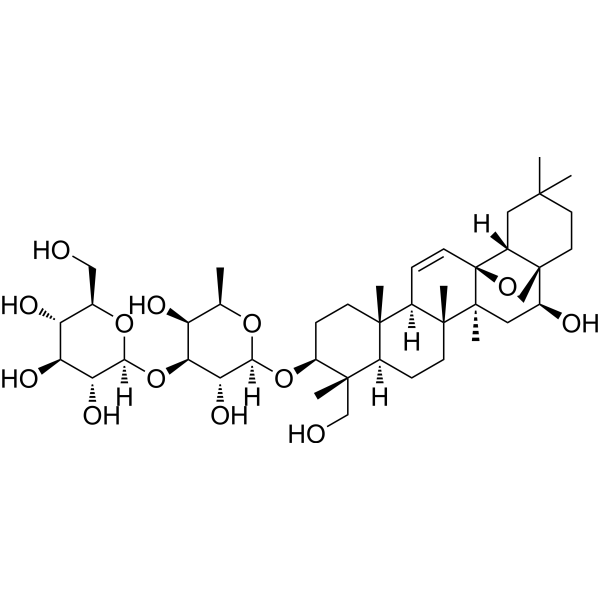
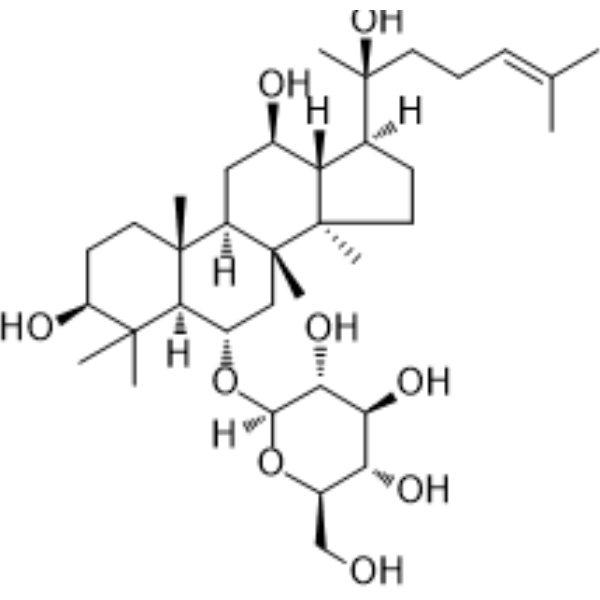
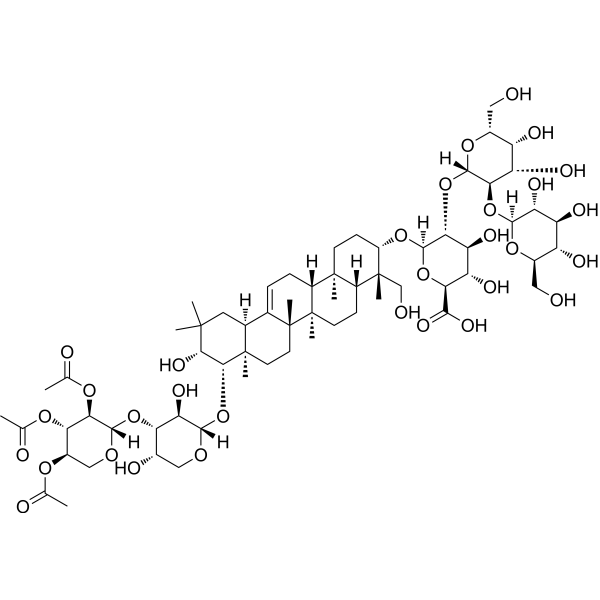
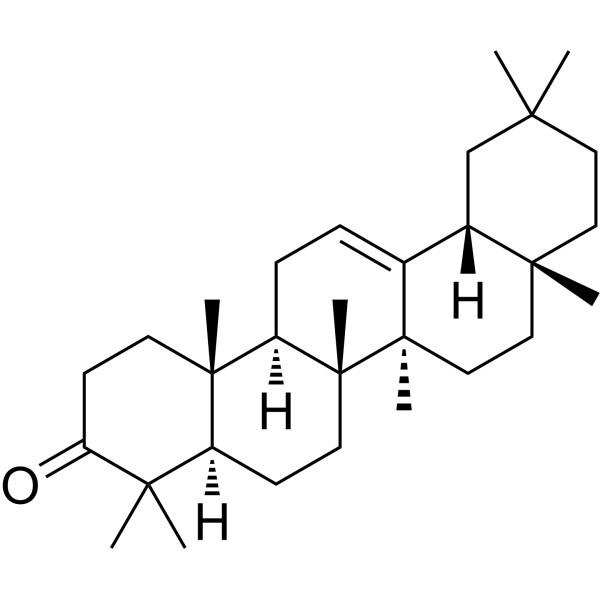
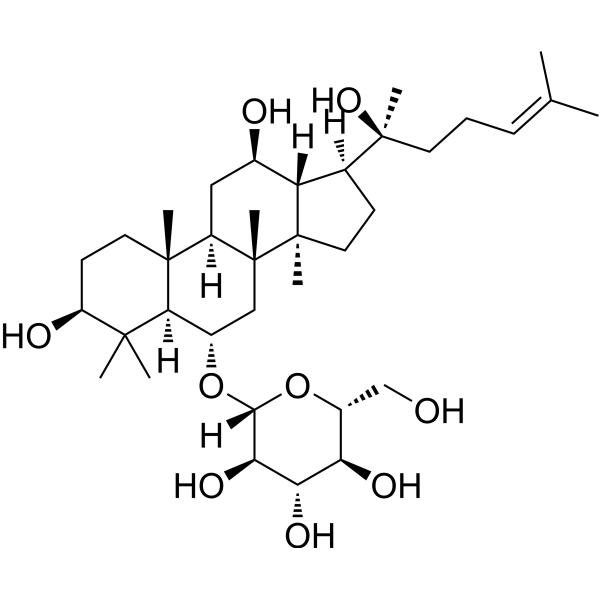
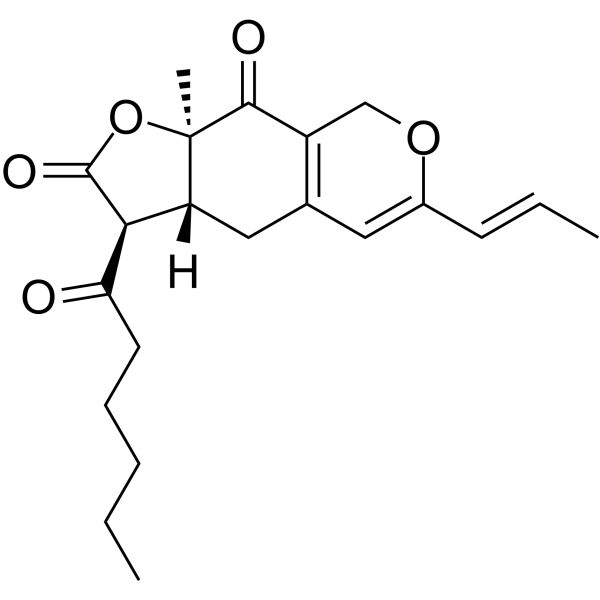
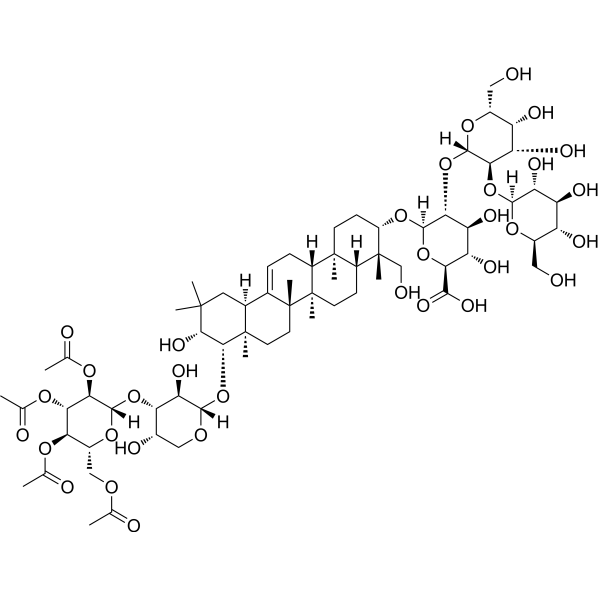
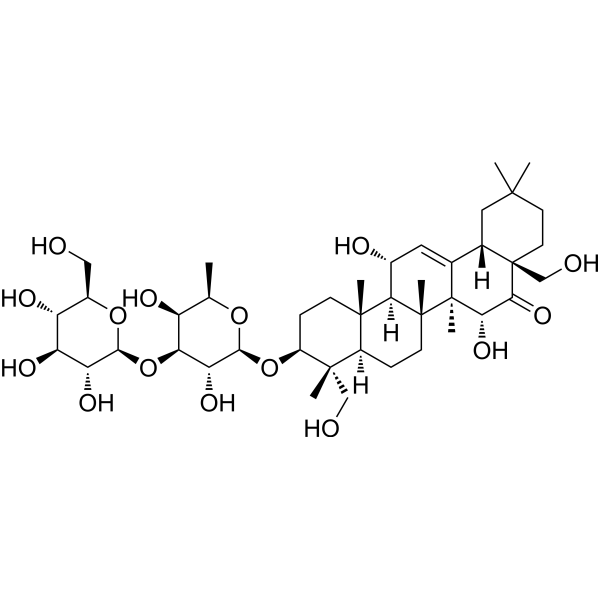
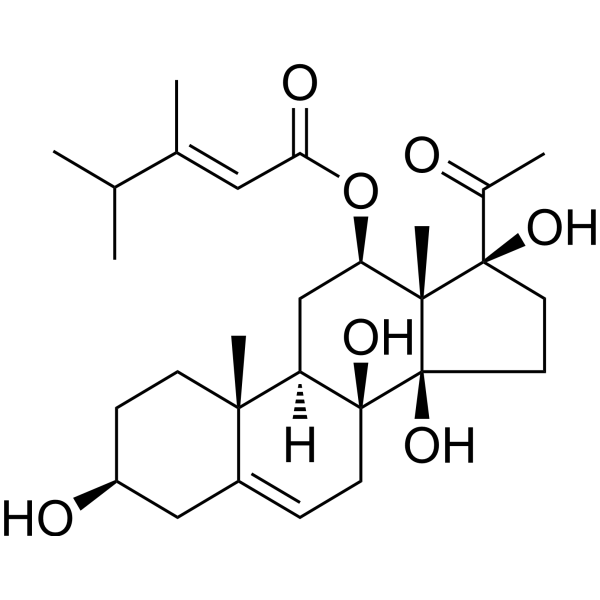
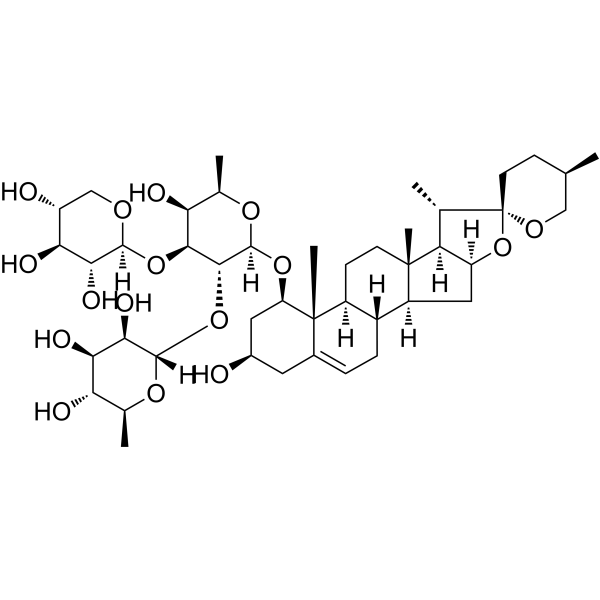
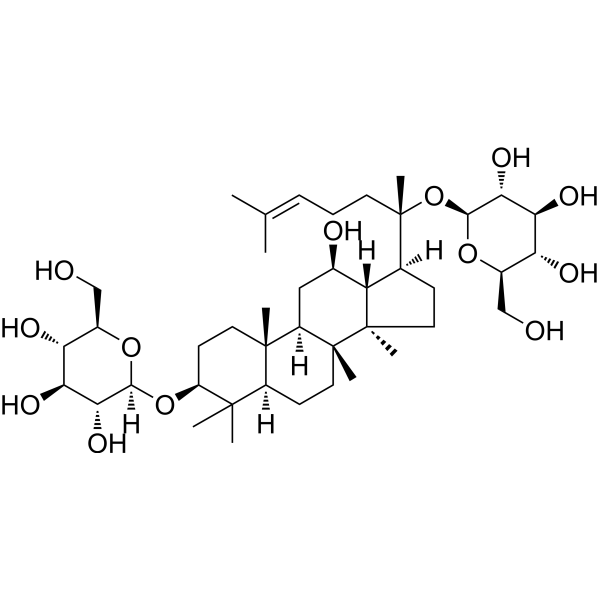
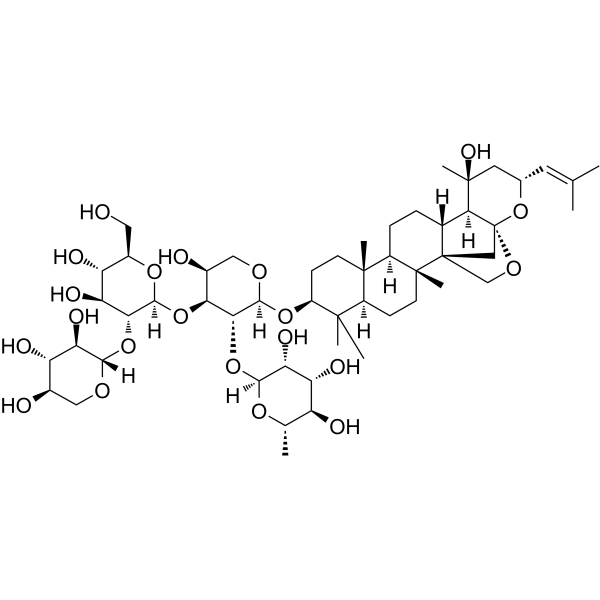
    Foenumoside B is a triterpene saponin isolated from Lysimachia foenum-graecum. Foenumoside B activates AMPK signaling, inhibits PPARγ-induced adipogenesis, and shifts lipid metabolism toward lipolysis. Foenumoside B can be used in the study of obesity and obesity-related metabolic diseases .
    Foenumoside B
  • HY-117431

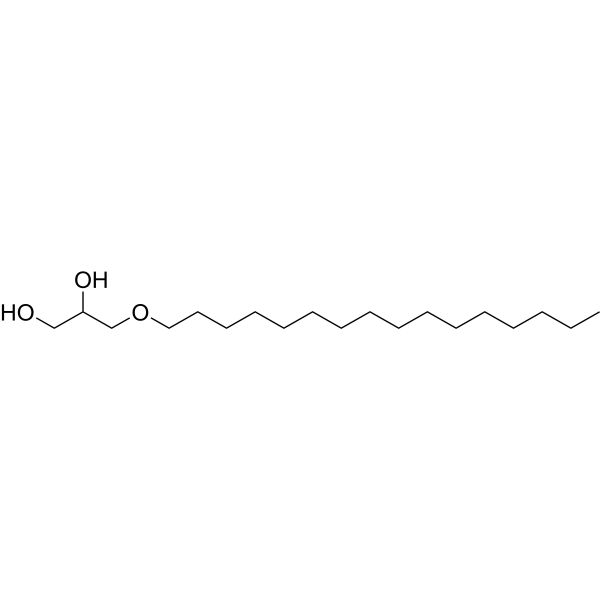
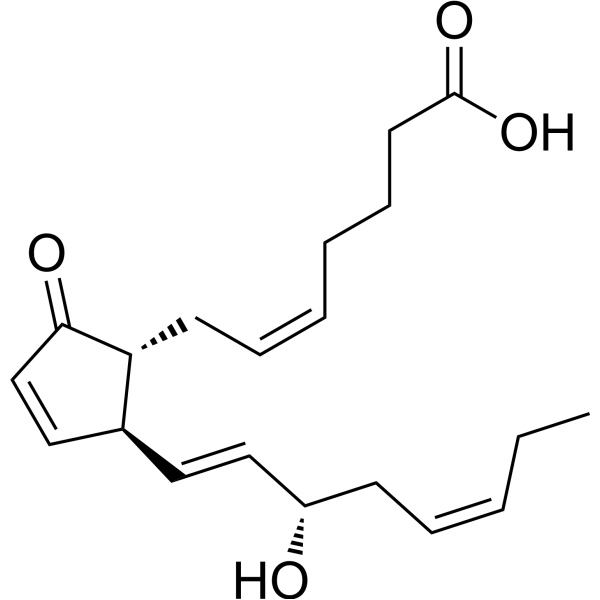
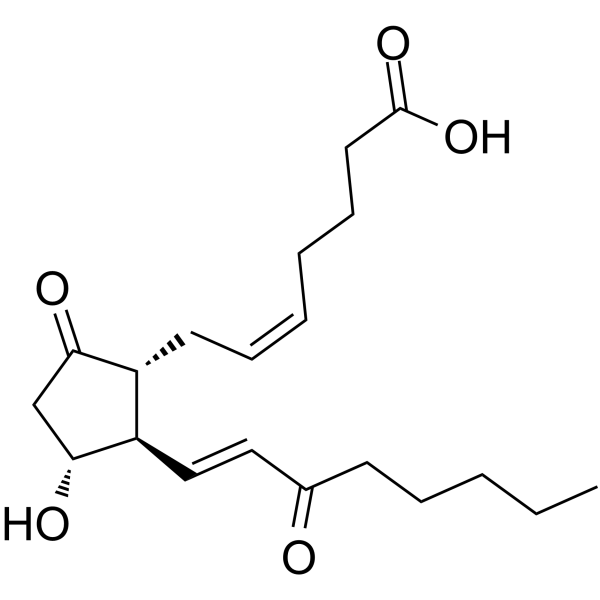
    PGB3

    PPAR Endogenous Metabolite Metabolic Disease
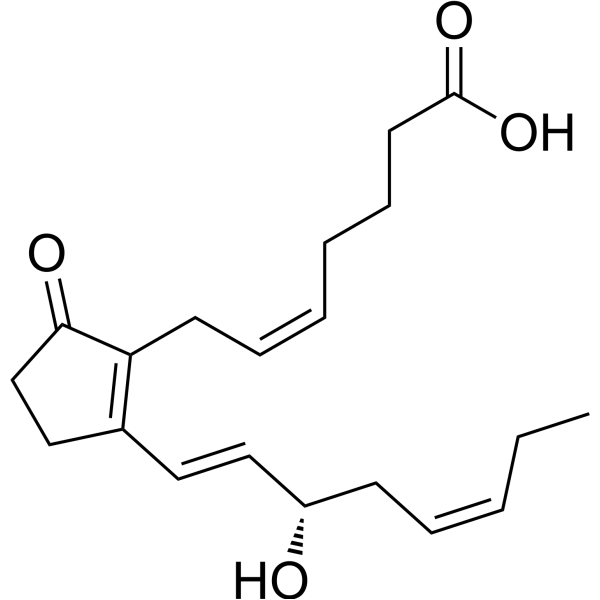
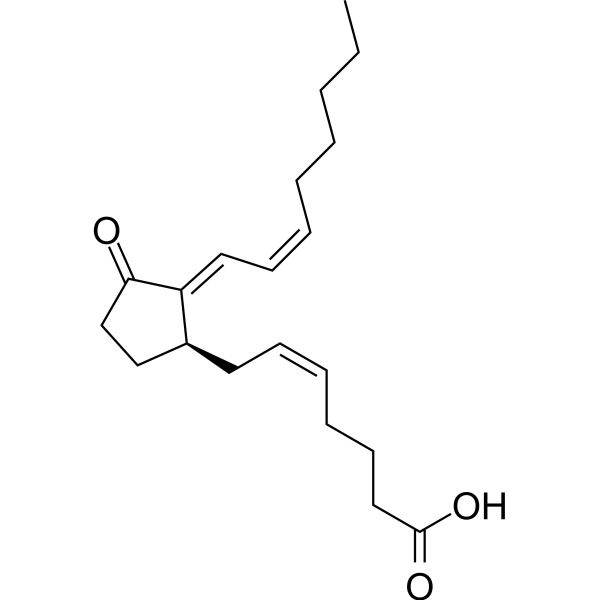
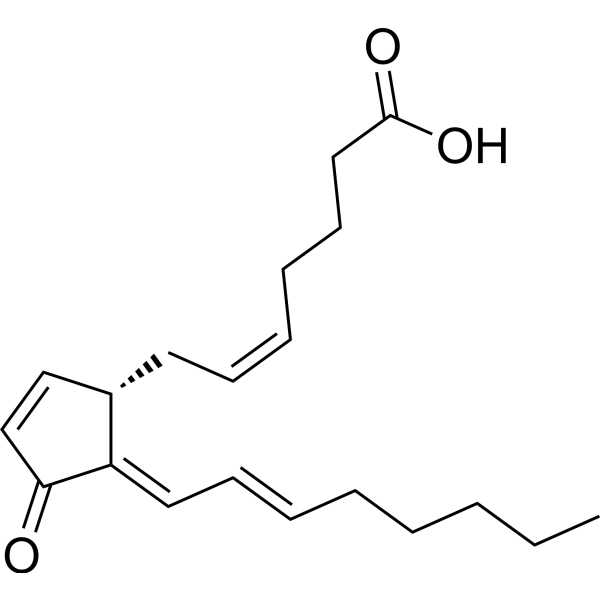
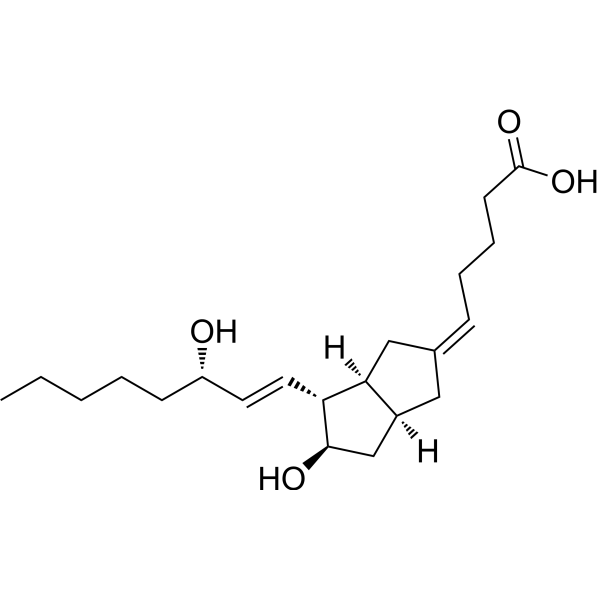
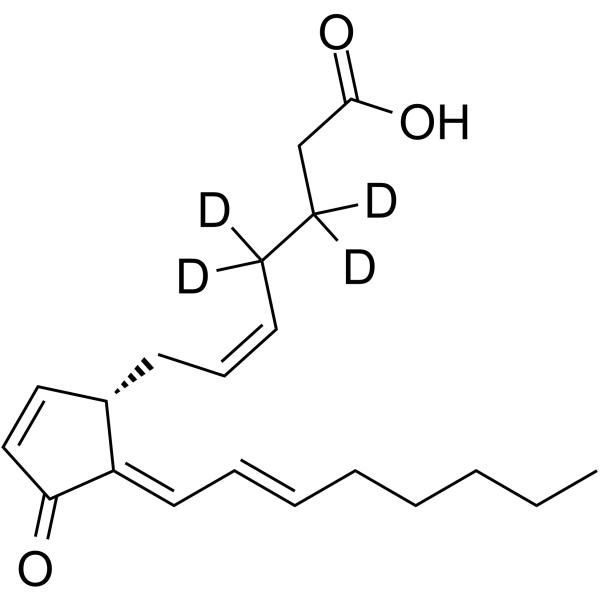
    Prostaglandin B3 (PGB3) is a member of the class of prostaglandins B and a secondary alcohol. PGB3 exhibits a rather low affinity to human PPARγ with a Ki value greater than 1 mM compared with Ki values of 26.28 ± 8.7 μM for PGB1 and 77 ± 37.7 μM for PGB2 .
    Prostaglandin B3
  • HY-147757

    PPAR Metabolic Disease
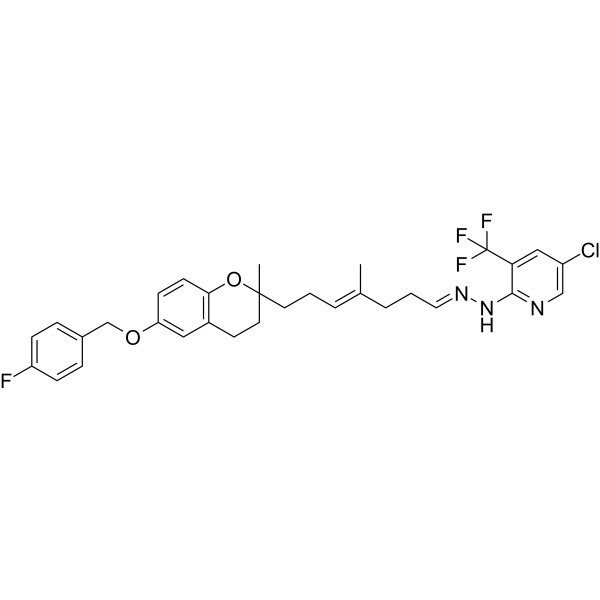
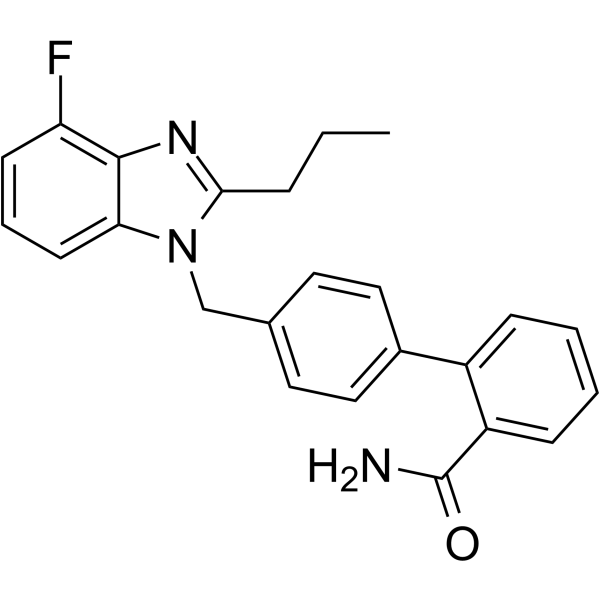
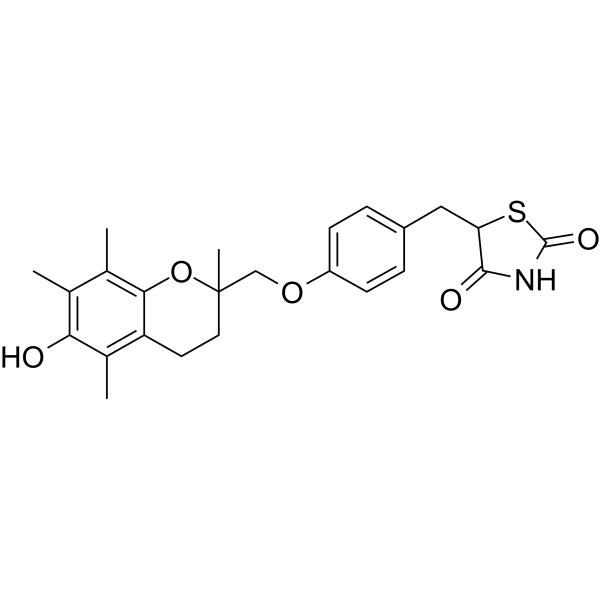
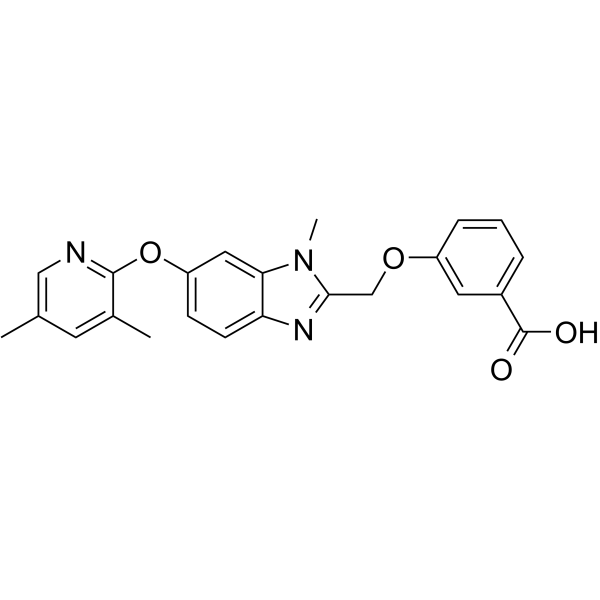
    PPARγ/δ modulator 1 (compound 3e) is a potent PPAR modulator. PPARγ/δ modulator 1 is a PPARδ antagonist and a PPARγ partial agonist , with Ki values of 14.4 nM and 5.31 μM, respectively. PPARγ/δ modulator 1 has the EC50 of 7.3 and 12.6 μM for PPARδ corepression and adiponectin production, respectively .
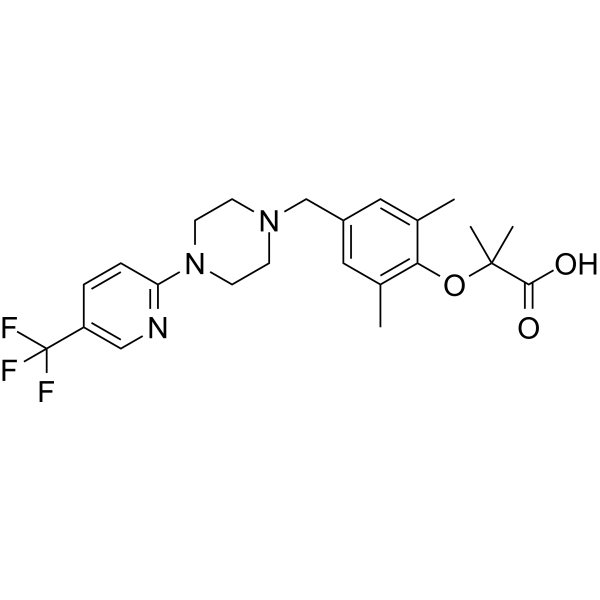
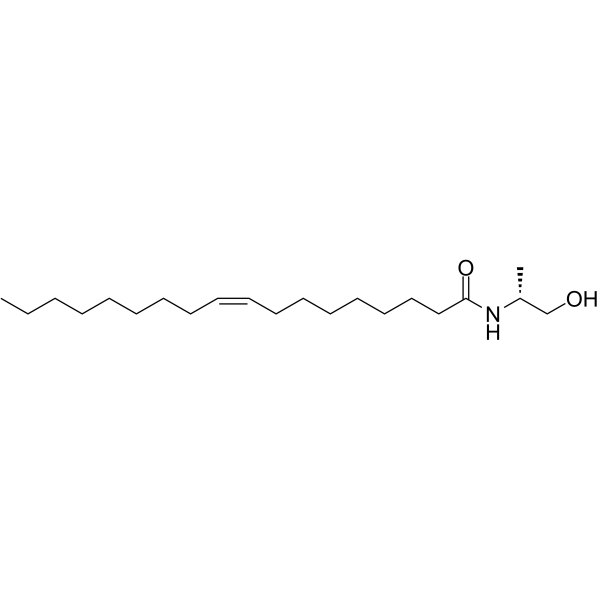
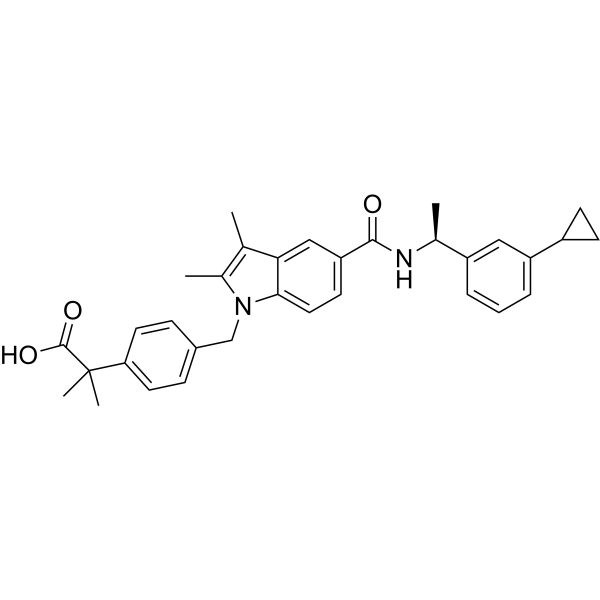
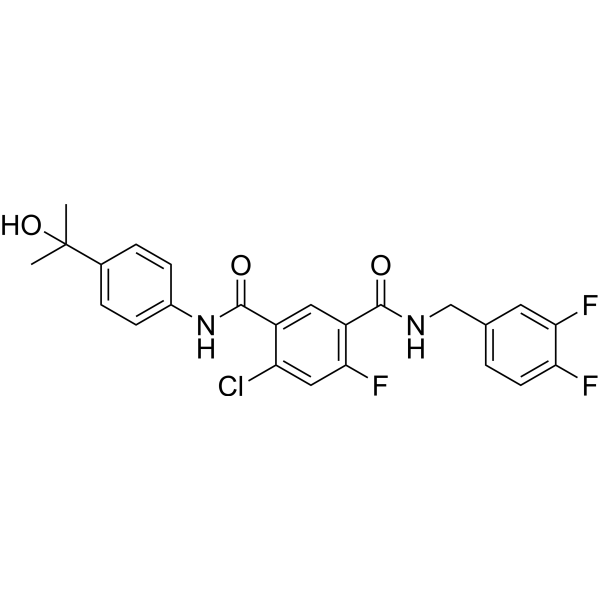
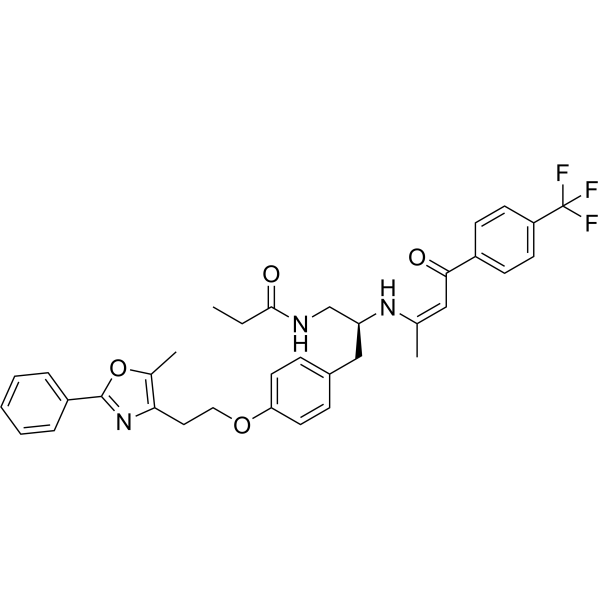
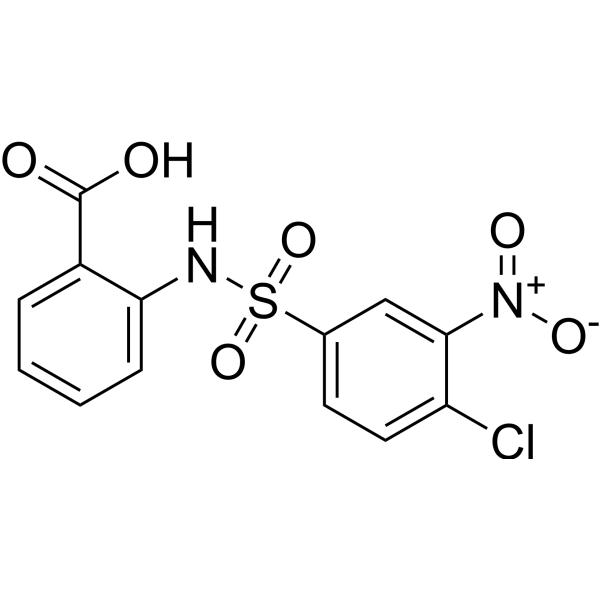
    PPARγ/δ modulator 1
  • HY-176971

    PPAR Cardiovascular Disease Metabolic Disease
    PPARα agonist 6 (Compound 15) is a PPARα agonist. PPARα agonist 6 can be used in the research of dyslipidemia .
    PPARα agonist 6
  • HY-146482

    PPAR Cancer
    PPARγ agonist 6 (Compound 12) is a potent and selective agonist of PPARγ. PPARγ agonist 6 has the potential for the research of cancer diseases .
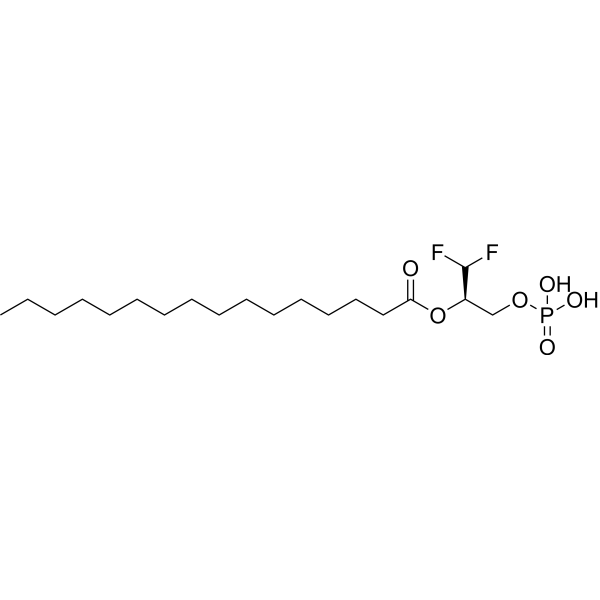
    PPARγ agonist 6
  • HY-107901

    PPAR Cardiovascular Disease Metabolic Disease
    Pparδ agonist 1 is a PPAR-δ agonist, with an EC50 of 5.06 nM, used in the research of PPAR-delta related diseases, such as mitochondrial diseases, muscular diseases, vascular diseases, demyelinating diseases and metabolic diseases.
    Pparδ agonist 1
  • HY-178447

    PPAR Glutathione Peroxidase SOD TNF Receptor Interleukin Related NF-κB Infection Metabolic Disease Endocrinology
    PPARγ agonist 20 is a potent, orally active PPAR-γ agonist. PPARγ agonist 20 effectively increases antioxidant defenses (SOD, GSH) and reduces lipid peroxidation. PPARγ agonist 20 can upregulate of Pparg, Glut4, and AdipoQ, suppresses of TNF-α, IL-6, and NF-κB p65. PPARγ agonist 20 significantly lowers fasting blood glucose, improving glucose tolerance, and restoring metabolic balance in Streptozotocin (HY-13753)-Nicotinamide (HY-B0150)-induced diabetic rats. PPARγ agonist 20 can be used for the study of type 2 diabetes .
    PPARγ agonist 20
  • HY-124244

    pparδ/γ agonist 1

    PPAR Neurological Disease
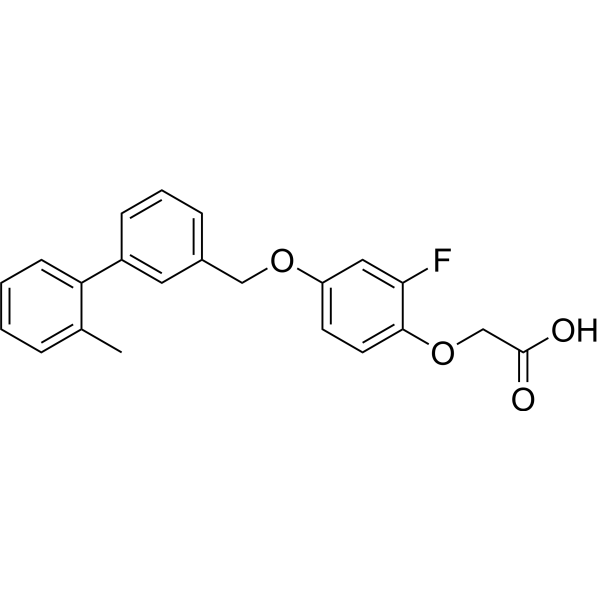
    DB-959 (PPARδ/γ agonist 1) is a potent PPAR agonist targeting PPARδ/γ. DB-959 improves spatial learning and memory in mice induced by Streptozotocin (HY-13753) and has the potential to improve Alzheimer's disease (AD). .
    DB-959
  • HY-179015

    17β-HSD PPAR Metabolic Disease Inflammation/Immunology
    HSD17B13/PPAR modulator-1 (Compound 17) is a HSD17B13/PPAR multitarget modulator. HSD17B13/PPAR modulator-1 is an inhibitor of HSD17B13, with its IC50 value being 0.91 μM. HSD17B13/PPAR modulator-1 is a PPAR agonist, with the EC50 values for PPARα, PPARδ, and PPARγ being 1.55, 0.12, and 0.01 μM respectively. HSD17B13/PPAR modulator-1 can significantly improve liver function, regulate lipid metabolism, alleviate fibrosis, and exert antioxidant and anti-inflammatory effects in the model of metabolic dysfunction-related steatohepatitis (MASH). HSD17B13/PPAR modulator-1 can be used for the study of MASH .
    HSD17B13/PPAR modulator-1
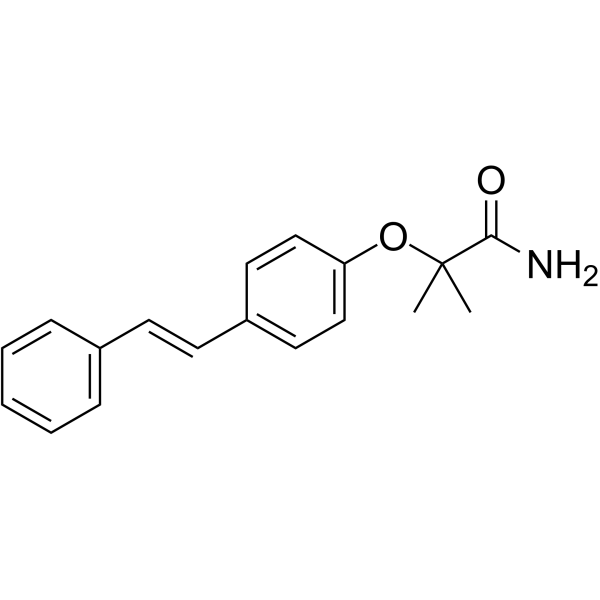
  • HY-172883

    FABP PPAR Metabolic Disease Inflammation/Immunology
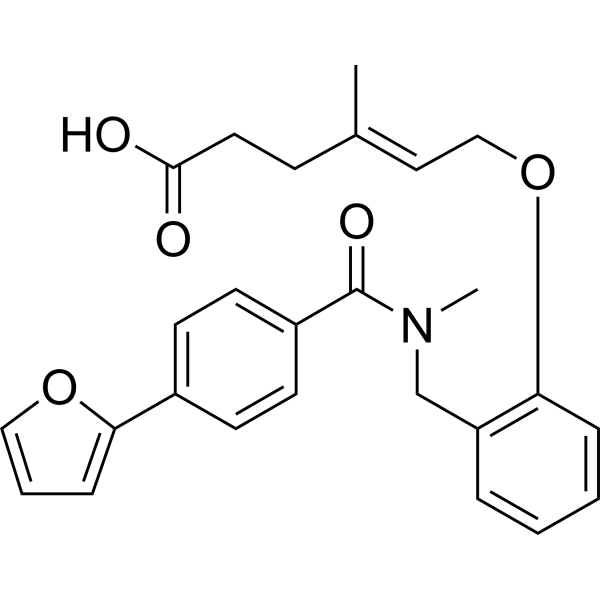
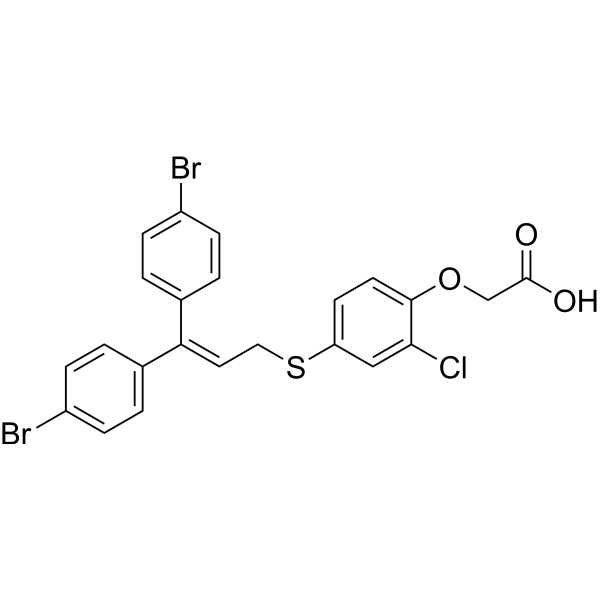
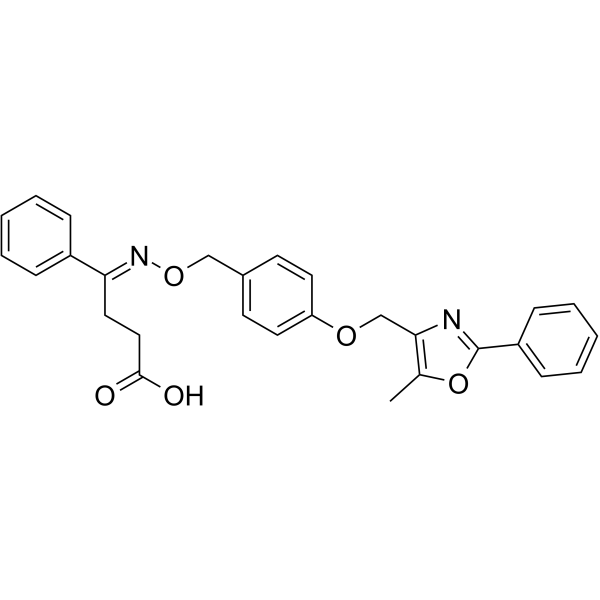
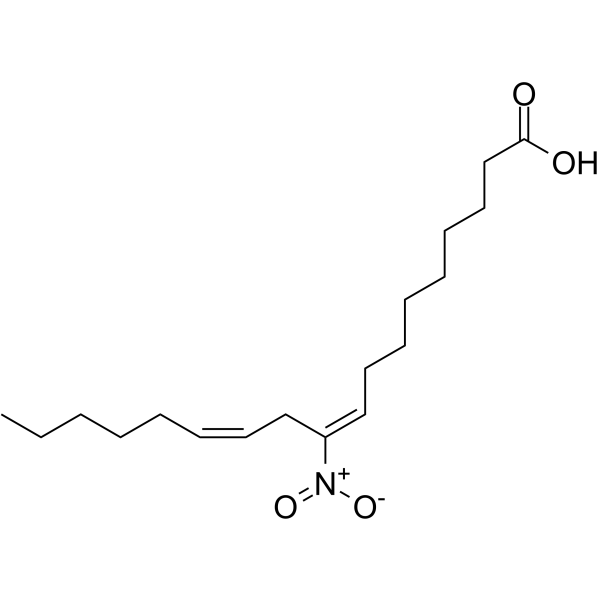
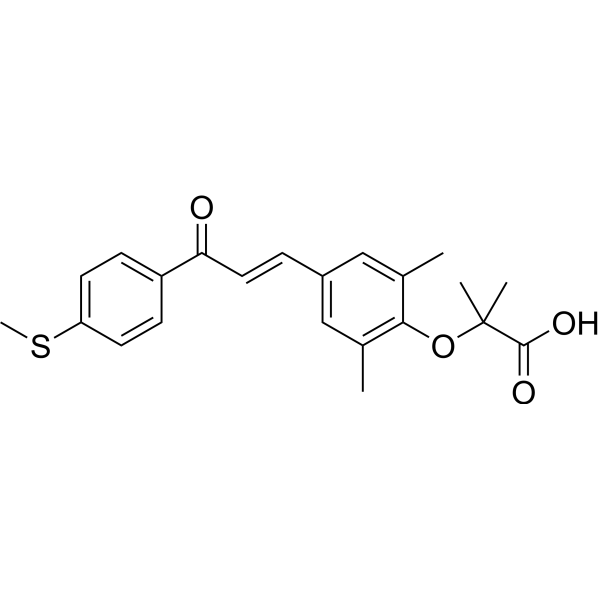
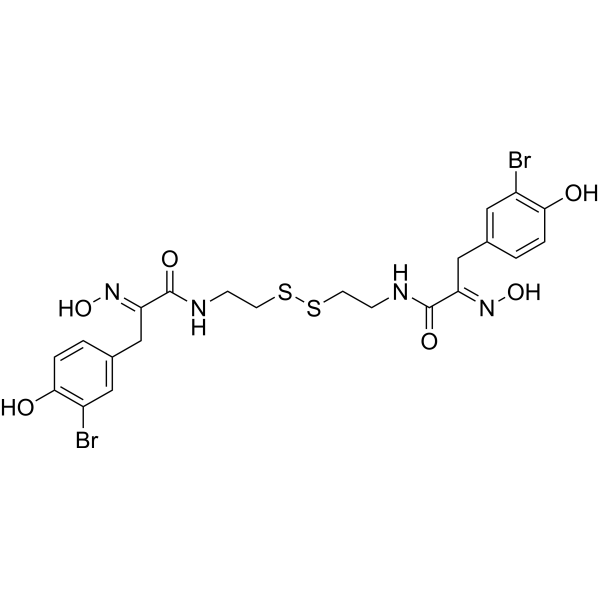
    ABP/PPAR modulator 1 is an orally active FABP and PPAR multiple modulator (IC50s of 0.65  μM and 1.08  μM for FABP1 and FABP4, EC50 s of 9.19  μM, 2.20  μM and 1.58 μM for PPARα, PPARγ and PPARδ). ABP/PPAR modulator 1 has potent anti-metabolic dysfunction-associated steatohepatitis (MASH) activity. ABP/PPAR modulator 1 dose-dependently ameliorates multiple pathological characteristics of fatty liver in WD + Carbon tetrachloride-induced MASH mice model .
    ABP/PPAR modulator 1
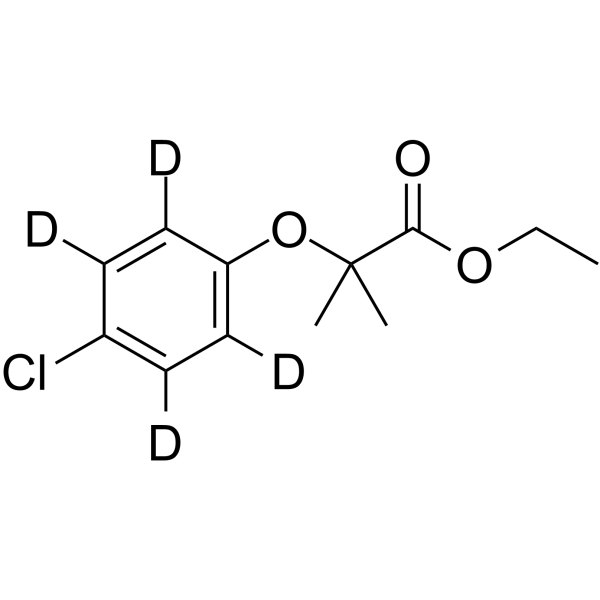
  • HY-172883A

    FABP PPAR Metabolic Disease Inflammation/Immunology
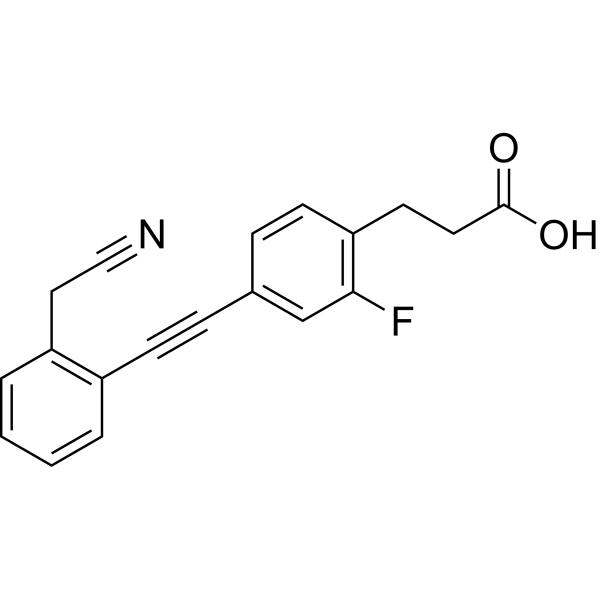
    (E/Z)-ABP/PPAR modulator 1 is a mixture of the E and Z isomers of ABP/PPAR modulator 1 (HY-172883). ABP/PPAR modulator 1 is an orally active FABP and PPAR multiple modulator (IC50s of 0.65  μM and 1.08  μM for FABP1 and FABP4, EC50 s of 9.19  μM, 2.20  μM and 1.58 μM for PPARα, PPARγ and PPARδ). ABP/PPAR modulator 1 has potent anti-metabolic dysfunction-associated steatohepatitis (MASH) activity. ABP/PPAR modulator 1 dose-dependently ameliorates multiple pathological characteristics of fatty liver in WD + Carbon tetrachloride-induced MASH mice model .
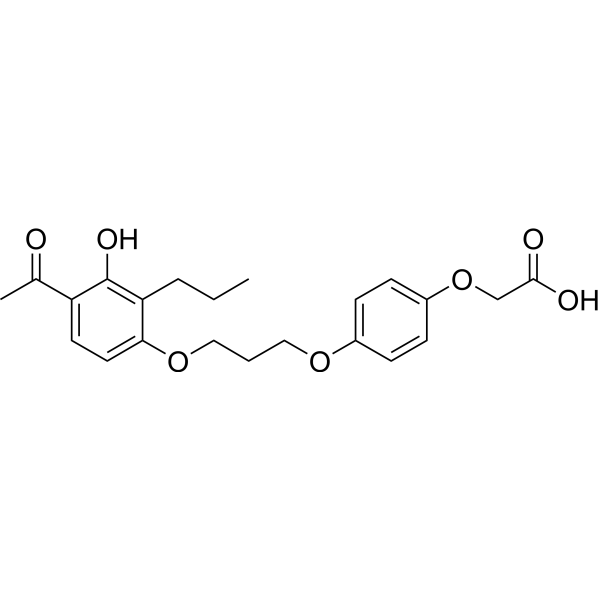
    (E/Z)-ABP/PPAR modulator 1
  • HY-163443

    PPAR Others
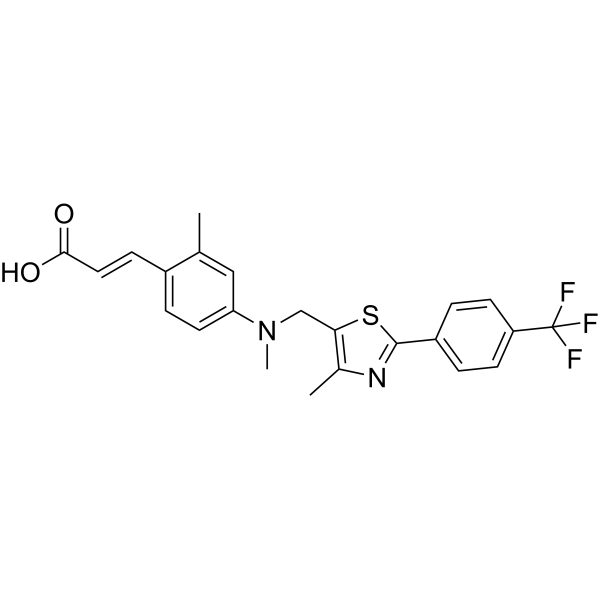
    PPAR agonist 4 (Compound 12) is an orally active agonist for peroxisome proliferator-activated receptor (PPAR), which activates PPARα, PPARδ and PPARγ with EC50s of 0.7, 0.7 and 1.8 μM, respectively. PPAR agonist 4 exhibits anti-liver fibrosis efficacy .
    PPAR agonist 4
  • HY-172792

    PPAR Metabolic Disease
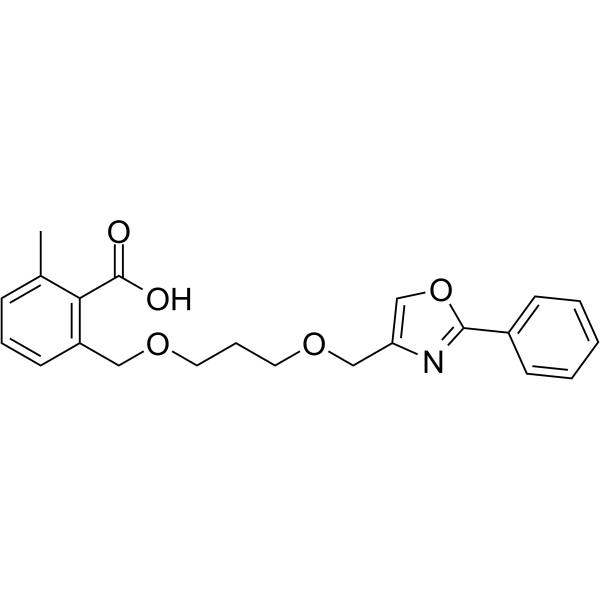
    PPAR agonist 6 (compound 5a) is an agonist of PPAR with EC50 values of 3.6 μM, 2.6 μM, and 2.7 μM for PPARα, PPARβ/δ, and PPARγ, respectively. PPAR agonist 6 represses the transactivation of the TNFα-dependent NF-κB-driven reporter in L929 cells .
    PPAR agonist 6
  • HY-125716

    PPAR Metabolic Disease
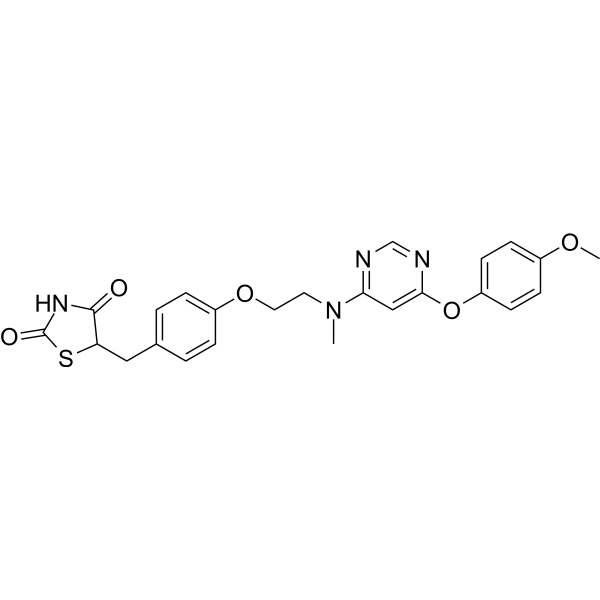
    DRF-2519 (free base) is a dual activator of PPAR α and PPAR γ. DRF-2519 (free base) has antidiabetic and hypolipidemic activity .
    DRF-2519 free base
  • HY-160003

    PPAR Metabolic Disease
    PPARγ agonist 9 is an agonist of PPARγ. PPARγ agonist 9 is the analogue of lysophosphatidic acid with an EC50 more than 10 μM for LPA3 receptor .
    PPARγ agonist 9
  • HY-175516

    FXR PPAR Inflammation/Immunology
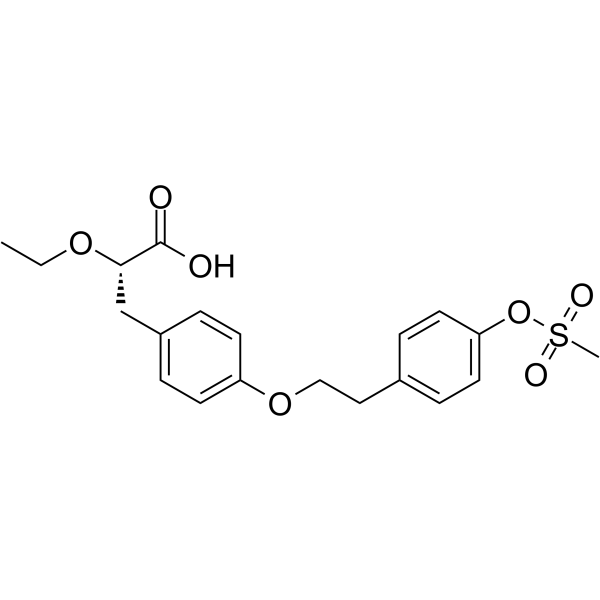
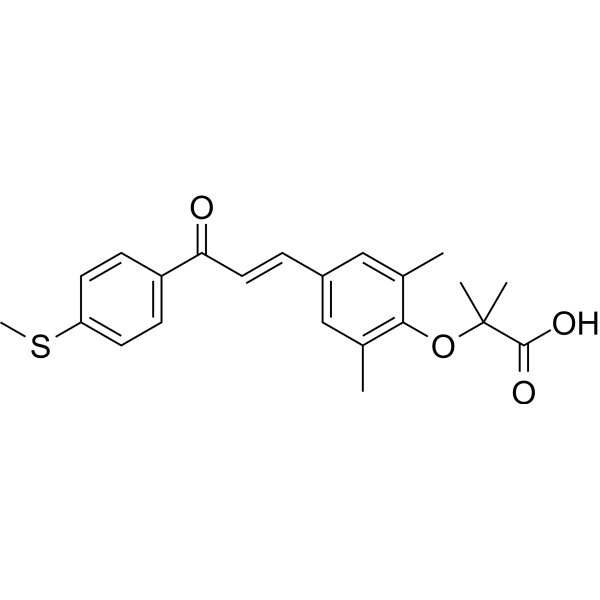
    dual FXR/PPARδ agonist-2 is a FXR/PPARδ dual agonist through hybridation of FXR agonist GW-4064 and PPARδ agonist GW-0742.dual FXR/PPARδ agonist-2 displays potent dual-target activities with a FXR agonistic EC50 of 12.28 nM and 69 % PPARδ activation at 100 nM. dual FXR/PPARδ agonist-2 shows anti-fibrotic effects in pulmonary fibrosis mouse model .
    dual FXR/PPARδ agonist-2
  • HY-103034

    PPAR Metabolic Disease
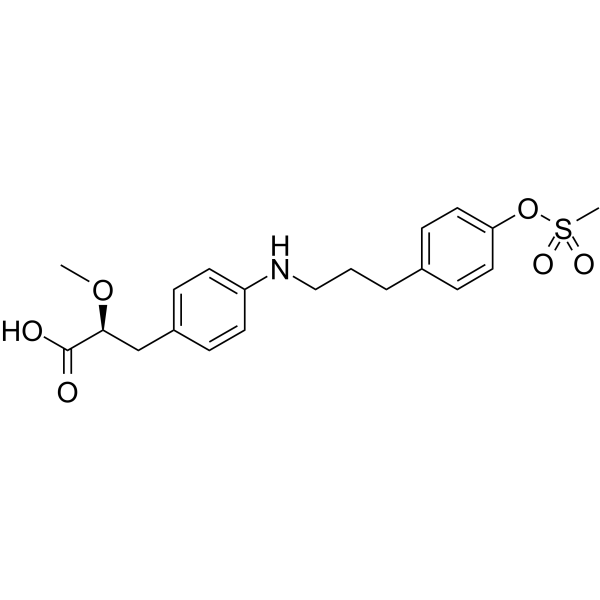
    Sipoglitazar is an orally active agonist of PPAR. Sipoglitazar can be used to study diabetes .
    Sipoglitazar
  • HY-116259

    PPAR Metabolic Disease
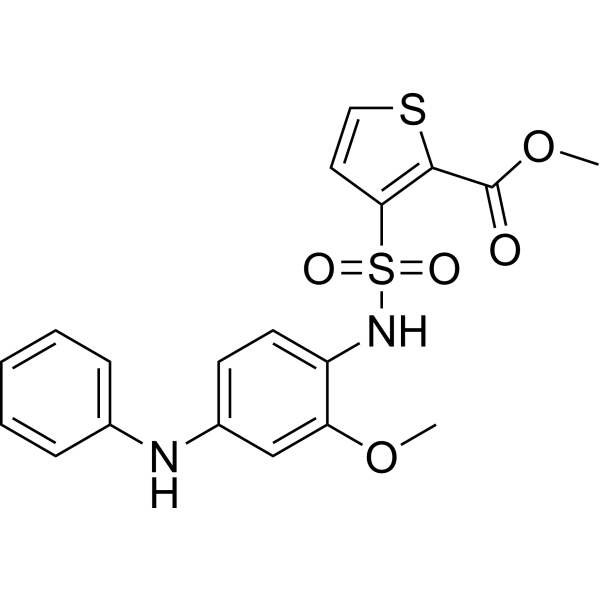
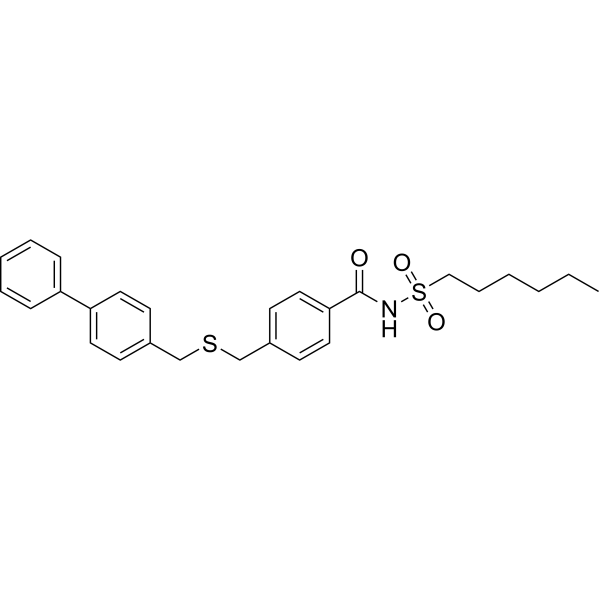
    PT-S58, a GSK0660 derivative, is a PPARβ/δ full antagonist with an IC50 value of 98 nM. PT-S58 inhibits the agonist-induced transcriptional activity of PPARβ/δ in vitro .
    PT-S58
  • HY-107333

    PPAR Metabolic Disease
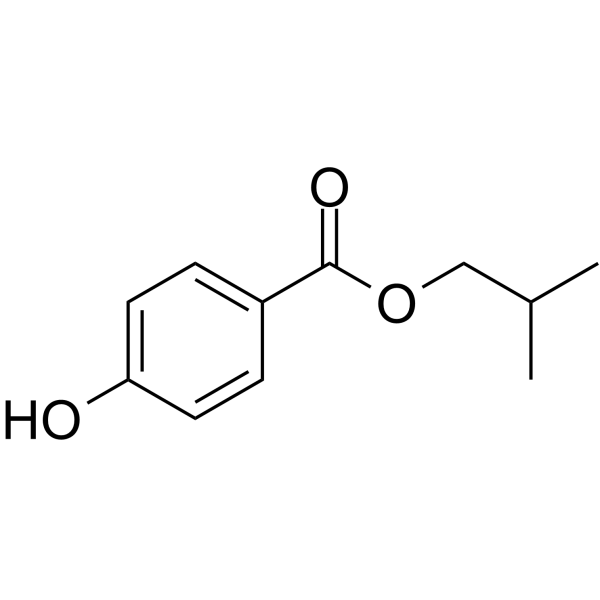
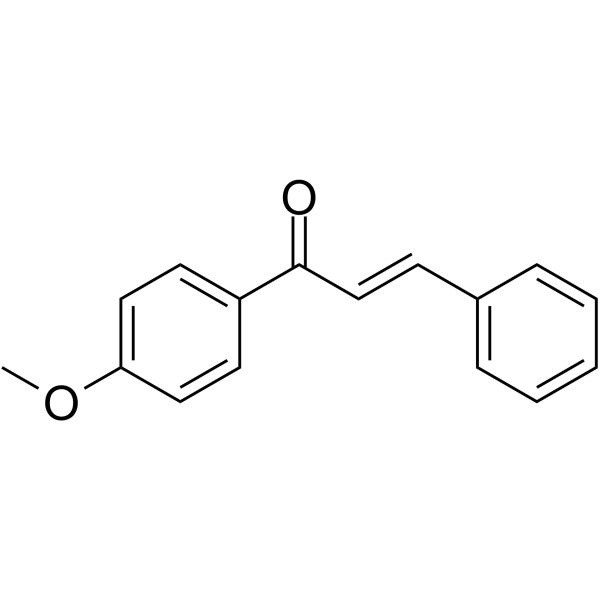
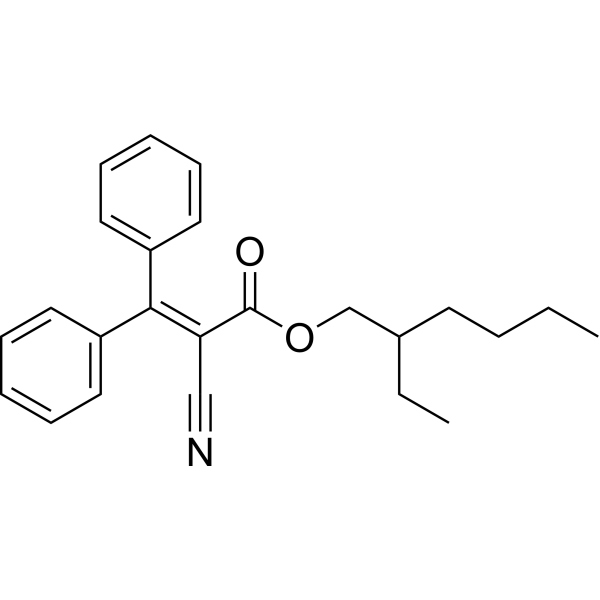
    Cinoxate is a hypertrophic peroxisome proliferator activating receptor γ (PPARγ) agonist with Ki value of 18.0 μM. Cinoxate can be used to study obesity .
    Cinoxate
  • HY-143863

    PPAR Metabolic Disease
    Pparδ agonist 8 is a potent agonist of Pparδ. The peroxisome proliferator-activated receptor (PPAR) is a member of the intranuclear receptor transcription factor superfamily that plays a key role in the regulation of metabolic homeostasis, inflammation, cell growth and differentiation in vivo. Pparδ agonist 8 has the potential for the research of non-alcoholic fatty liver disease (NAFLD) (extracted from patent WO2021169769A1, compound TM2) .
    PPARδ agonist 8
  • HY-N0234R

    7-O-Methylbavachin (Standard); Bavachinin A (Standard)

    Amyloid-β Reference Standards PPAR HIF/HIF Prolyl-Hydroxylase Inflammation/Immunology
    Bavachinin (Standard) is the analytical standard of Bavachinin. This product is intended for research and analytical applications. Bavachinin is agonist of pan-peroxisome proliferator-activated receptor (PPAR), with the IC50 value of 21.043 μM, 12.819 μM, and 0.622 μM to PPAR-α, RRAR-β/δ, and PPAR-γ, respectively. Bavachinin is an inhibitor of HIF-1α. Bavachinin exhibits antitumor activity against non-small cell lung cancer by targeting RRAR-γ. Bavachinin is a natural compound with anti-inflammatory and anti-angiogenic activities. Bavachinin has orally bioactivity. .
    Bavachinin (Standard)
  • HY-105325

    PPAR Inflammation/Immunology
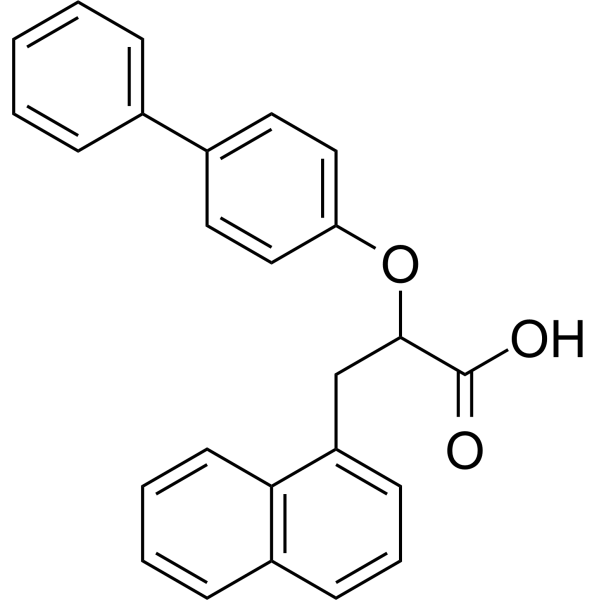
    SB-219994 is a peroxisome proliferator-activated receptors (PPARs) agonists. SB-219994 can inhibit airway neutrophilia and associated chemoattractants/survival factors. SB-219994 exhibits anti-inflammation effec .
    SB-219994
  • HY-RS10921

    Small Interfering RNA (siRNA) PPAR Others

    Ppara Rat Pre-designed siRNA Set A contains three designed siRNAs for Ppara gene (Rat), as well as a negative control, a positive control, and a FAM-labeled negative control.

    Ppara Rat Pre-designed siRNA Set A
    Ppara Rat Pre-designed siRNA Set A
  • HY-101824

    PPAR Metabolic Disease
    NC-2100 is a PPAR activator. NC-2100 can effectively reduce the plasma glucose and triglyceride levels of obese KKAy mice. NC-2100 can induce UCP1 and UCP2 expression in mesenteric and subcutaneous WAT of mice. NC-2100 can be used in research related to type 2 diabetes .
    NC-2100
  • HY-124907

    OMS-403

    PPAR Neurological Disease
    AI 3-25755 (OMS-403) is a peroxisome proliferator-activated receptor gamma (PPARγ) agonist. AI 3-25755 can be used for research on opioid abuse and smoking cessation .
    AI 3-25755

Inquiry Online

Your information is safe with us. * Required Fields.

Salutation


Country or Region *

Applicant Name *


Organization Name *

Department *


Email Address *


Product Name *

Cat. No.


Requested quantity *

Phone Number *


Remarks

Inquiry Online

Inquiry Information

Product Name:
Cat. No.:
Quantity:
MCE Japan Authorized Agent: