1. Search Result
Search Result
Results for "

acetyl-

" in MedChemExpress (MCE) Product Catalog:

1073

Inhibitors & Agonists

4

Screening Libraries

21

Fluorescent Dye

170

Biochemical Assay Reagents

111

Peptides

185

Natural
Products

28

Recombinant Proteins

171

Isotope-Labeled Compounds

70

Antibodies

13

Click Chemistry

90

Oligonucleotides

Cat. No. Product Name Target Research Areas Chemical Structure
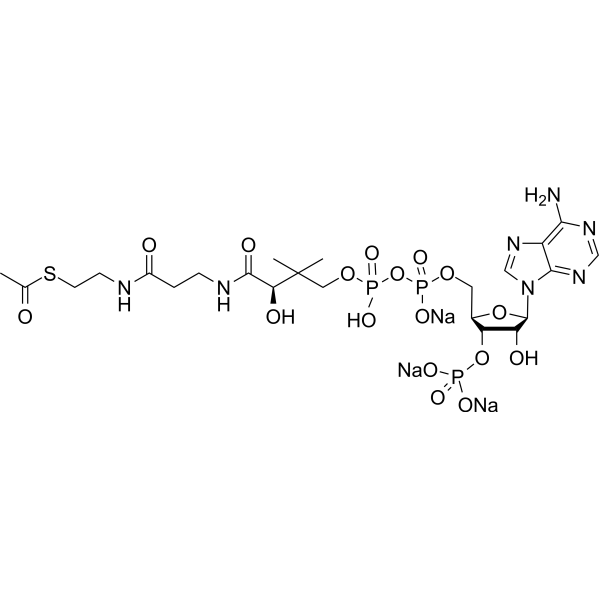
  • HY-113596
    Acetyl Coenzyme A trisodium
    4 Publications Verification

    acetyl-CoA trisodium

    Oxidative Phosphorylation Endogenous Metabolite Autophagy Metabolic Disease
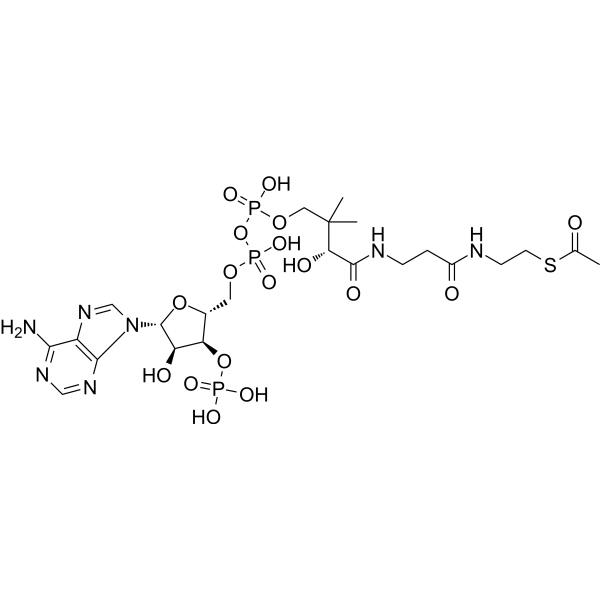
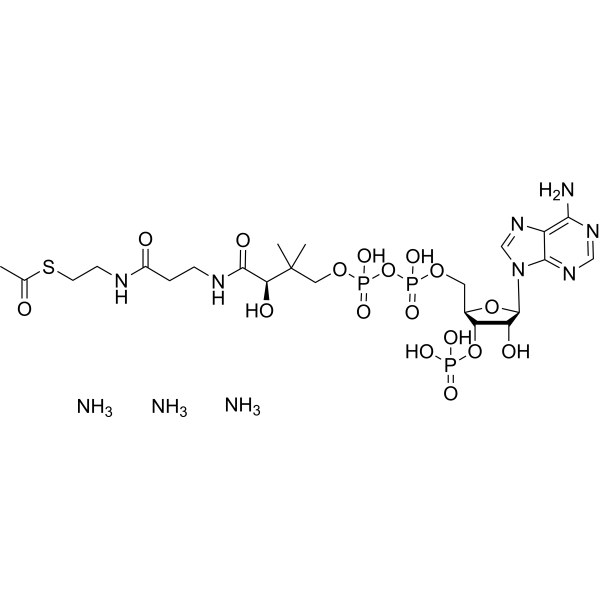
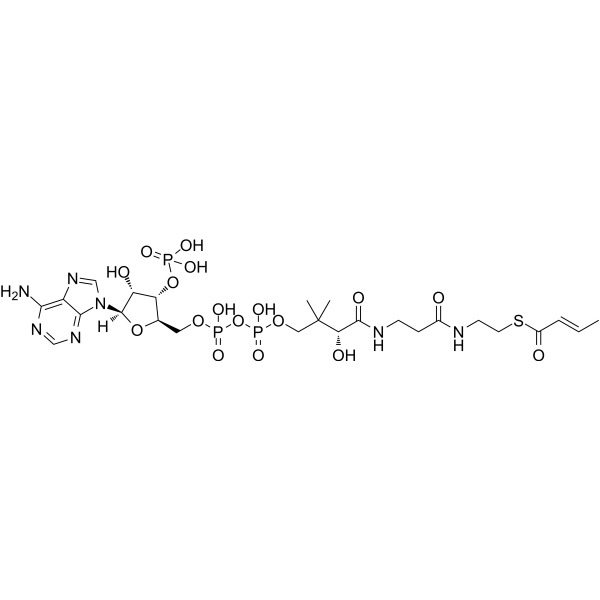
    Acetyl-coenzyme A (Acetyl-CoA) trisodium is a membrane-impermeant central metabolic intermediate, participates in the TCA cycle and oxidative phosphorylation metabolism. Acetyl-coenzyme A trisodium, regulates various cellular mechanisms by providing (sole donor) acetyl groups to target amino acid residues for post-translational acetylation reactions of proteins. Acetyl Coenzyme A trisodium is also a key precursor of lipid synthesis .
    Acetyl Coenzyme A trisodium
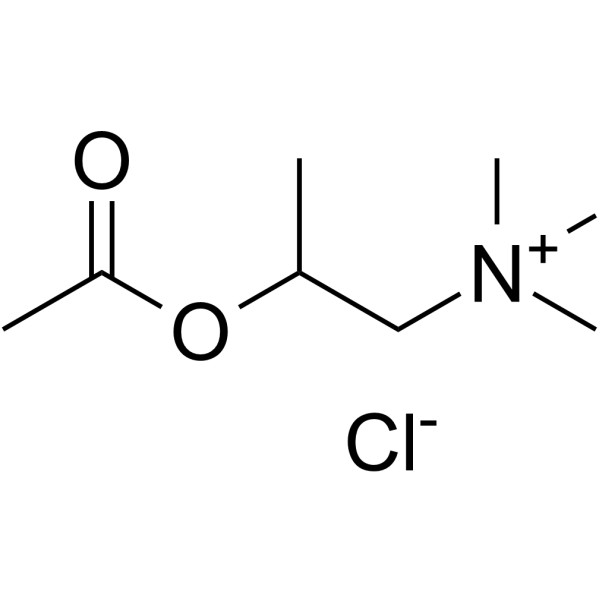
  • HY-A0083
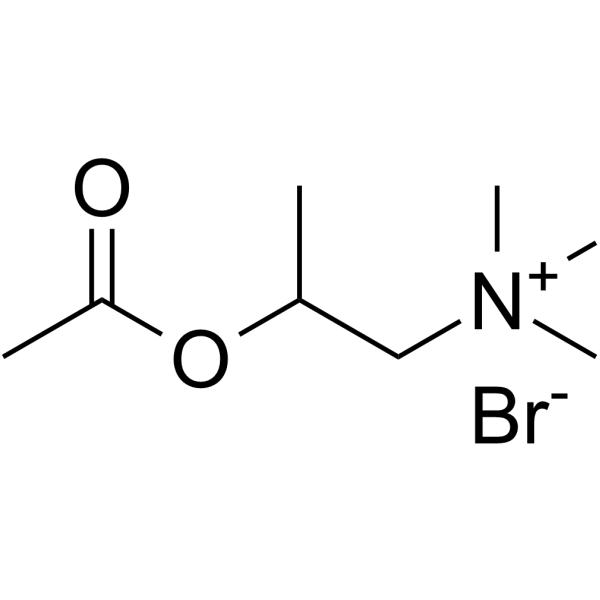
    Methacholine chloride
    5+ Cited Publications

    acetyl-β-methylcholine chloride

    mAChR Others
    Methacholine (Acetyl-β-methylcholine) choride is a potent muscarinic-3 (M3) agonist. Methacholine choride acts directly on acetylcholine receptors on smooth muscle causing bronchoconstriction and airway narrowing. Methacholine choride shows a high sensitivity to identify bronchial hyperresponsiveness (BHR). Methacholine choride can be used to measure airway hyperresponsiveness (AHR) as a diagnostic aid in the assessment of individuals with asthma-like symptoms and normal resting expiratory flow rates .
    Methacholine chloride
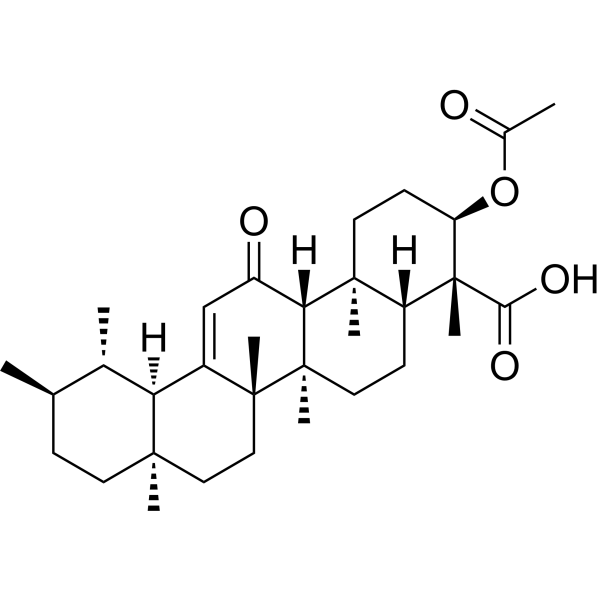
  • HY-N0892
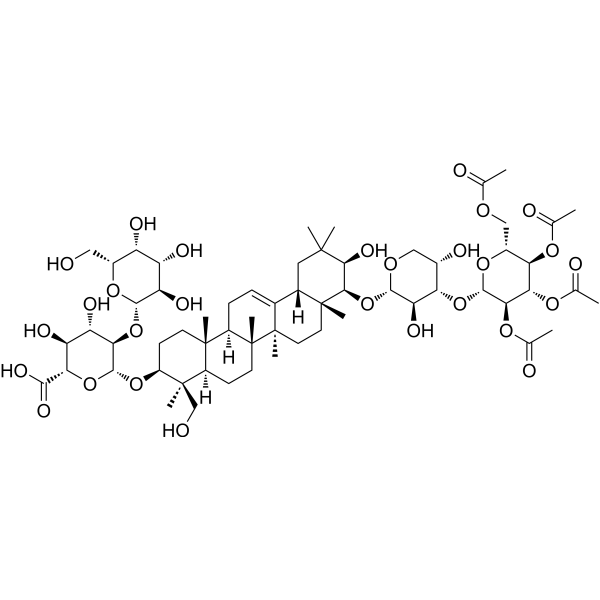
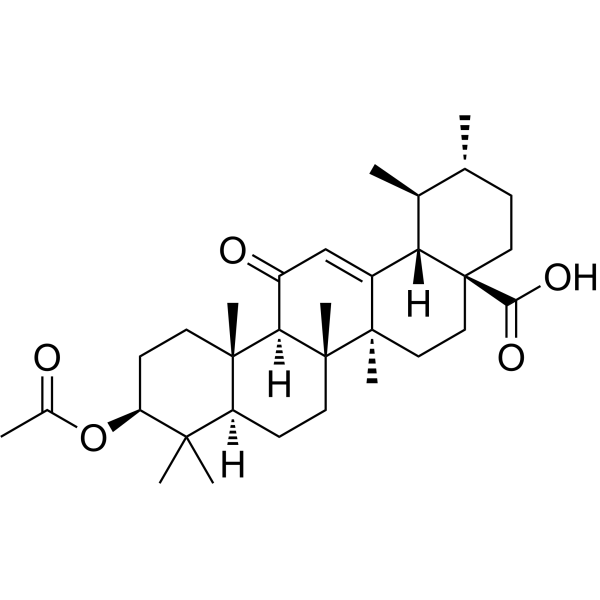
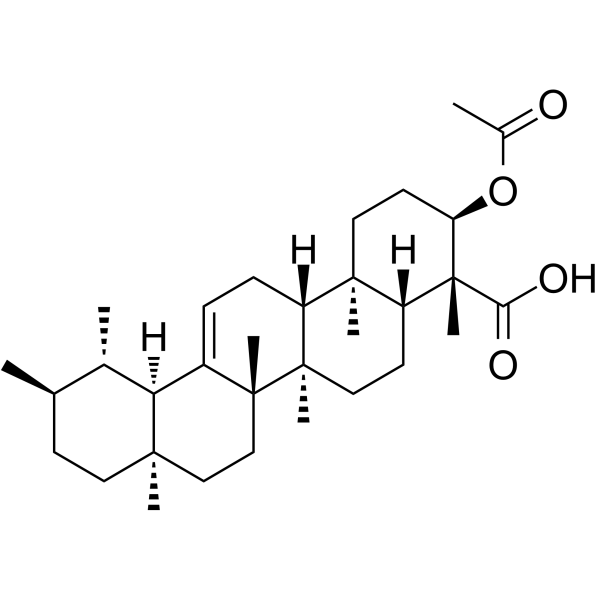
    AKBA
    3 Publications Verification

    acetyl-11-keto-β-boswellic acid

    HIF/HIF Prolyl-Hydroxylase Reactive Oxygen Species (ROS) Endogenous Metabolite Cancer
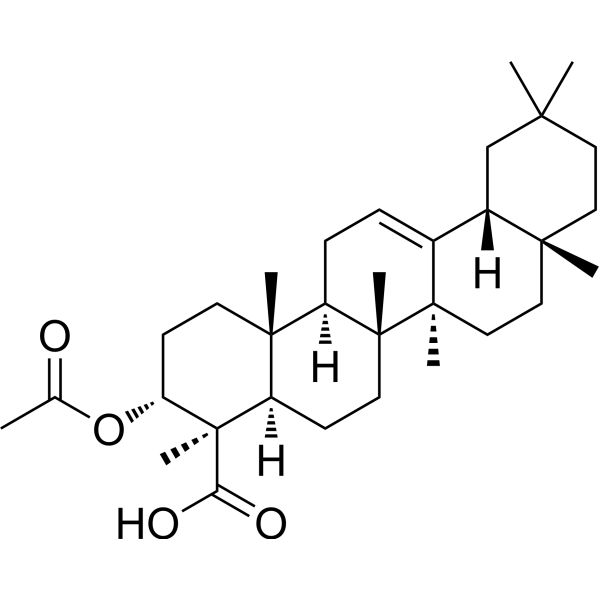
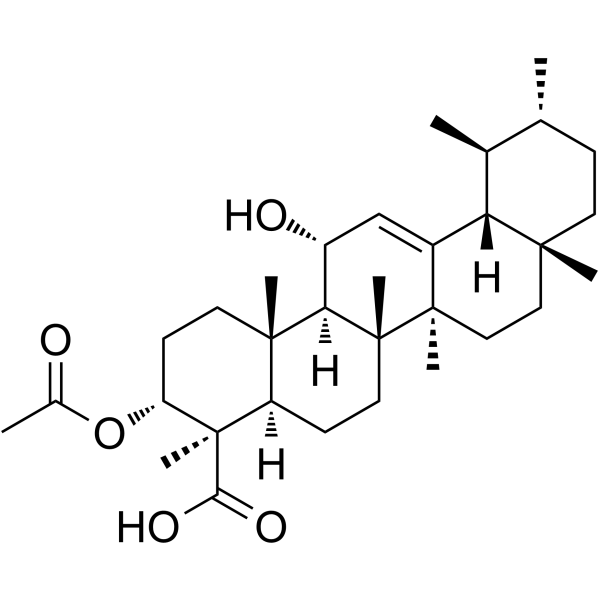
    AKBA (Acetyl-11-keto-β-boswellic acid) is an active triterpenoid compound from the extract of Boswellia serrate and a novel Nrf2 activator.
    AKBA
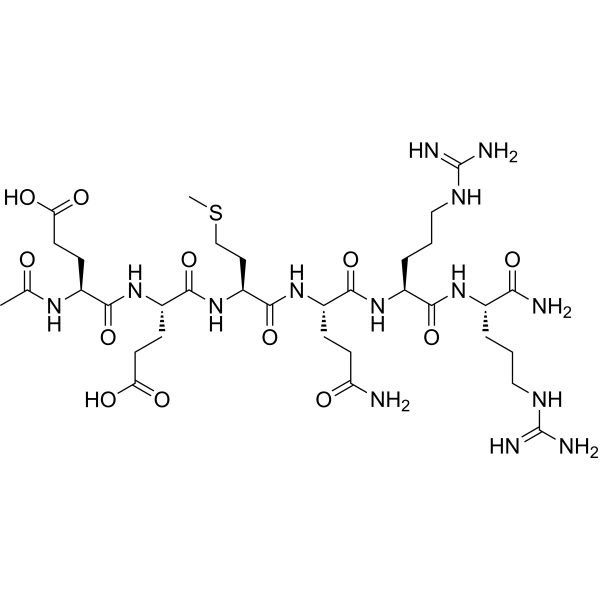
  • HY-P0033
    Argireline
    2 Publications Verification

    acetyl hexapeptide-3; acetyl hexapeptide-8

    Calcium Channel Neurological Disease
    Argireline (Acetyl hexapeptide-3) is a non-toxic, skin-permeable, antiwrinkle peptide. Argireline significantly inhibits Ca 2+ dependent neurotransmitter release (acetylcholine) at the neuromuscular junction. Argireline has antiwrinkle and anti-aging activity .
    Argireline
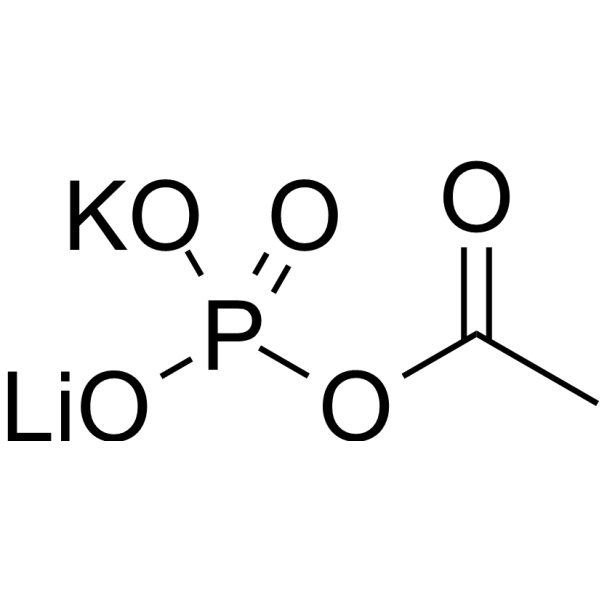
  • HY-128730

    Endogenous Metabolite Bacterial Metabolic Disease
    Acetyl phosphate lithium potassium is an endogenous metabolic product. Acetyl phosphate lithium potassium is a key substance in bacterial metabolic regulation, particularly in Lysine acetylation, and plays an important role in bacterial responses to environmental stress and adaptive reactions .
    Acetyl phosphate lithium potassium
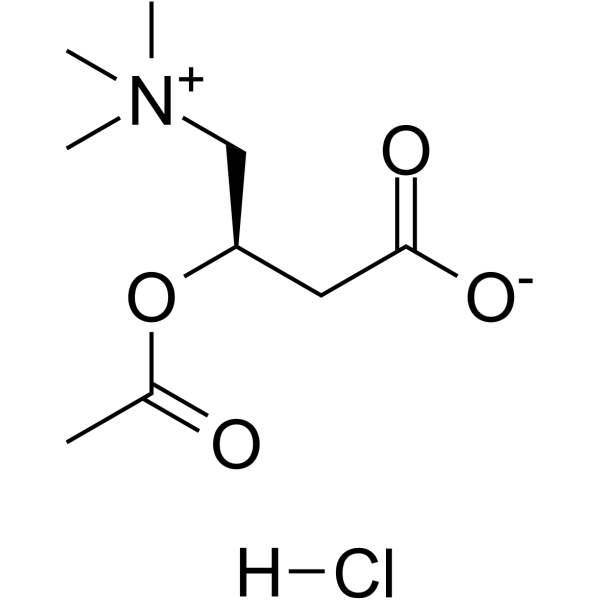
  • HY-B0762
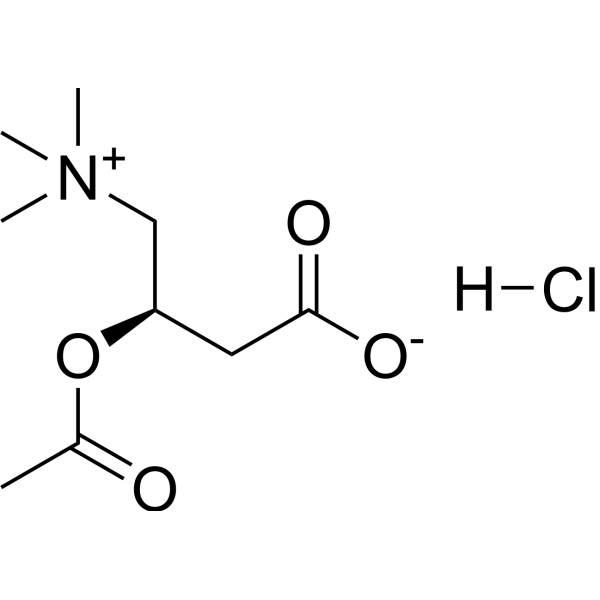
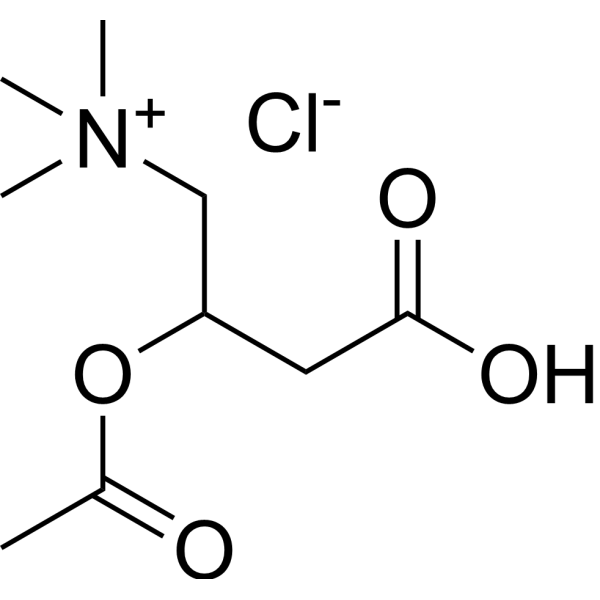
    Acetyl-L-carnitine hydrochloride
    2 Publications Verification

    O-acetyl-L-carnitine hydrochloride; ALCAR hydrochloride

    Caspase Apoptosis Neurological Disease
    Acetyl-L-carnitine (O-Acetyl-L-carnitine; ALCAR) hydrochloride is an orally active mitochondrial energy metabolism regulator and neuroprotectant that can penetrate the blood-brain barrier. Acetyl-L-carnitine hydrochloride selectively enters cells and the brain through the organic cation transporter OCTN2. Acetyl-L-carnitine hydrochloride can participate in fatty acid β-oxidation, promote acetylcholine synthesis, regulate mitochondrial function and inhibit oxidative stress as an acetyl donor. Acetyl-L-carnitine hydrochloride exerts its activity by enhancing energy metabolism, protecting neurons and improving synaptic plasticity. Acetyl-L-carnitine hydrochloride is mainly used in the study of neurodegenerative diseases and metabolic disorder-related diseases such as neonatal hypoxic-ischemic brain damage, Alzheimer's disease, and depression .
    Acetyl-L-carnitine hydrochloride
  • HY-113218
    Acetyl-L-carnitine
    2 Publications Verification

    O-acetyl-L-carnitine; ALCAR

    Caspase Apoptosis Neurological Disease
    Acetyl-L-carnitine (O-Acetyl-L-carnitine; ALCAR) is an orally active mitochondrial energy metabolism regulator and neuroprotectant that can penetrate the blood-brain barrier. Acetyl-L-carnitine selectively enters cells and the brain through the organic cation transporter OCTN2. Acetyl-L-carnitine can participate in fatty acid β-oxidation, promote acetylcholine synthesis, regulate mitochondrial function and inhibit oxidative stress as an acetyl donor. Acetyl-L-carnitine exerts its activity by enhancing energy metabolism, protecting neurons and improving synaptic plasticity. Acetyl-L-carnitine is mainly used in the study of neurodegenerative diseases and metabolic disorder-related diseases such as neonatal hypoxic-ischemic brain damage, Alzheimer's disease, and depression .

    Acetyl-L-carnitine
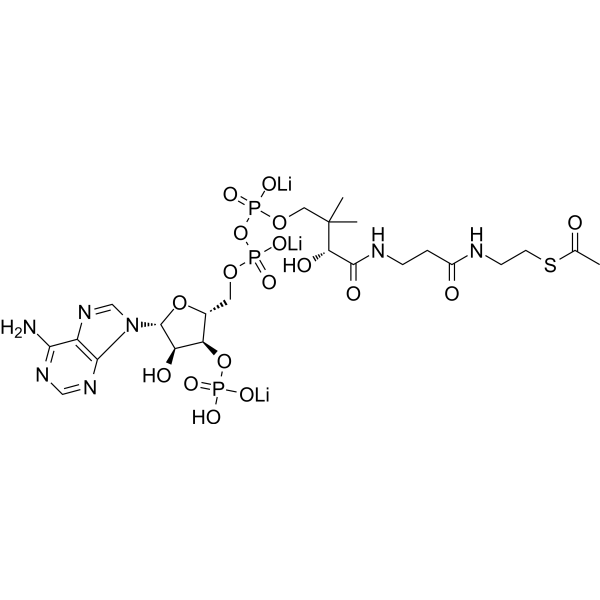
  • HY-114293A

    acetyl-CoA trilithium

    Oxidative Phosphorylation Endogenous Metabolite Autophagy Cardiovascular Disease Metabolic Disease
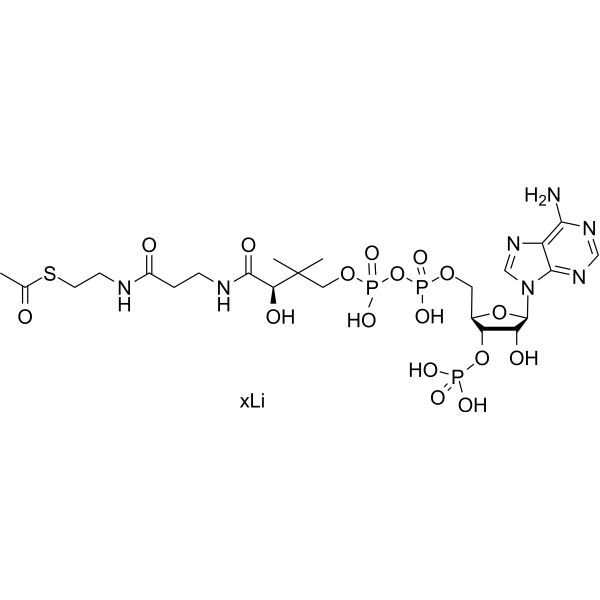
    Acetyl-coenzyme A (Acetyl-CoA) trilithium is a membrane-impermeant central metabolic intermediate, participates in the TCA cycle and oxidative phosphorylation metabolism. Acetyl-coenzyme A trilithium regulates various cellular mechanisms by providing (sole donor) acetyl groups to target amino acid residues for post-translational acetylation reactions of proteins. Acetyl Coenzyme A trilithium is also a key precursor of lipid synthesis .
    Acetyl coenzyme A trilithium
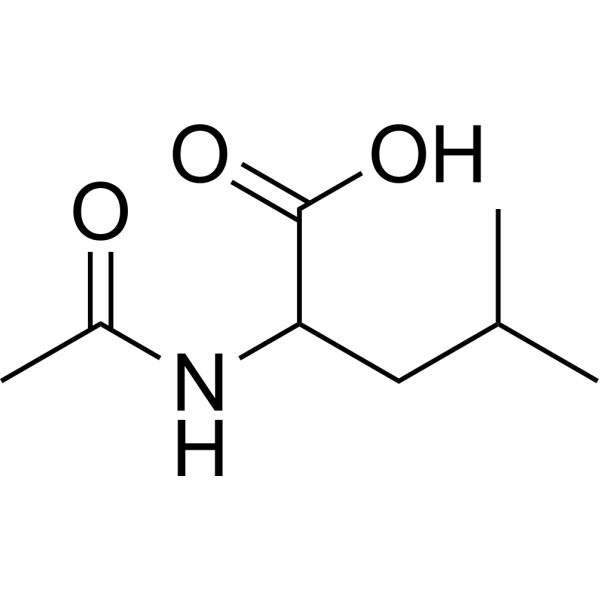
  • HY-B1442
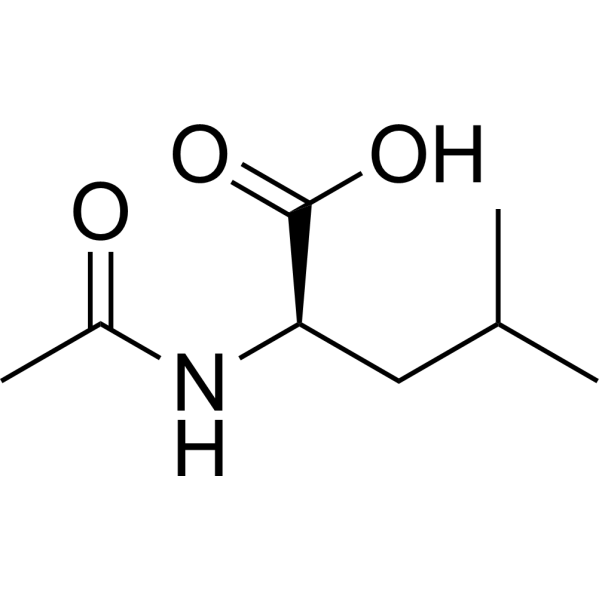
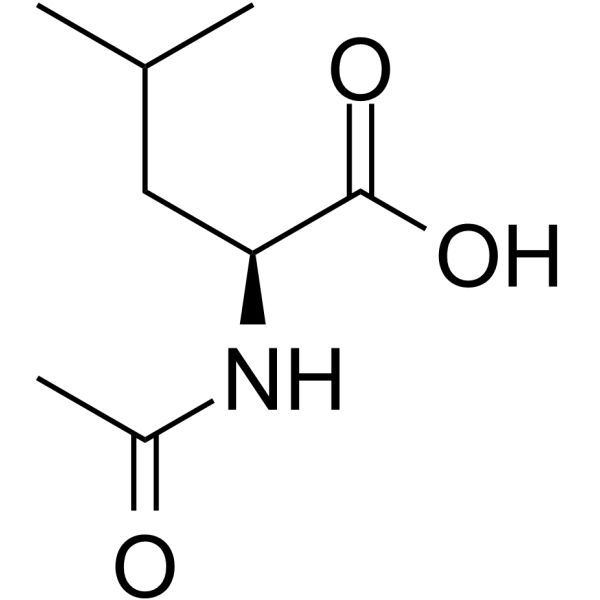
    Acetylleucine
    1 Publications Verification

    N-acetyl-DL-leucine

    Drug Derivative Neurological Disease
    Acetylleucine (N-Acetyl-DL-leucine), orally active compound, can be used for the research of acute vestibular vertigo, cerebellar ataxia and nystagmus .
    Acetylleucine
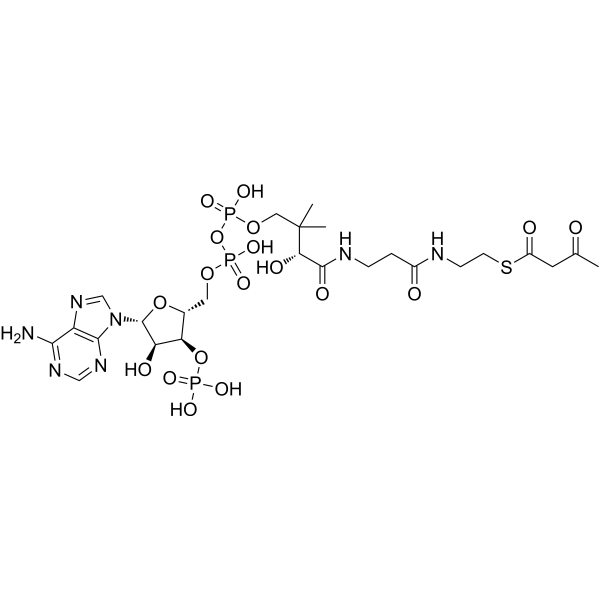
  • HY-114293

    acetyl-CoA

    Oxidative Phosphorylation Endogenous Metabolite Autophagy Cardiovascular Disease Metabolic Disease
    Acetyl-coenzyme A (Acetyl-CoA) is a membrane-impermeant central metabolic intermediate, participates in the TCA cycle and oxidative phosphorylation metabolism. Acetyl-coenzyme A, regulates various cellular mechanisms by providing (sole donor) acetyl groups to target amino acid residues for post-translational acetylation reactions of proteins. Acetyl Coenzyme A is also a key precursor of lipid synthesis .
    Acetyl coenzyme A
  • HY-B0762S

    O-acetyl-L-carnitine-d3 hydrochloride

    Isotope-Labeled Compounds Caspase Apoptosis Neurological Disease
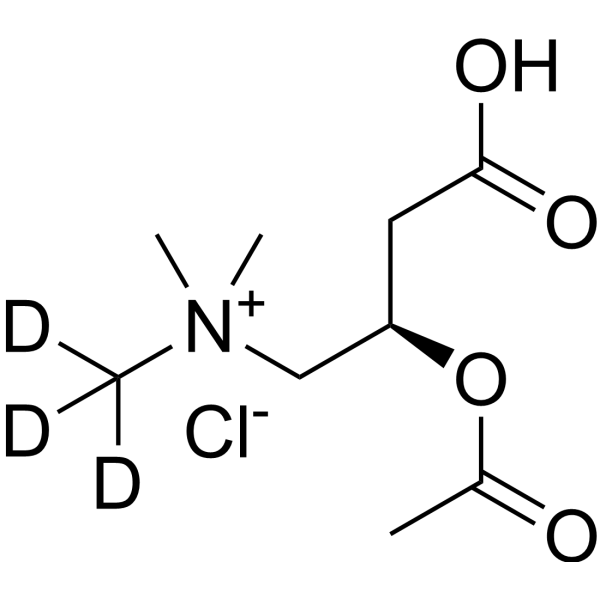
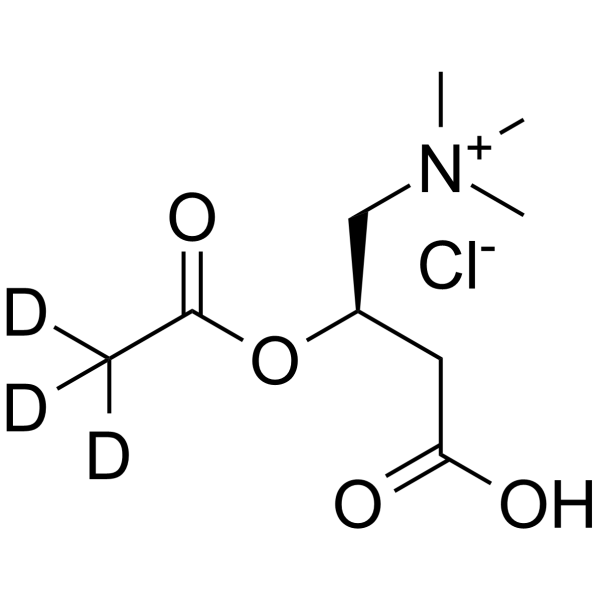
    Acetyl-L-carnitine-d3 (O-Acetyl-L-carnitine-d3) hydrochloride is the deuterium labeled Acetyl-L-carnitine hydrochloride (HY-B0762). Acetyl-L-carnitine (O-Acetyl-L-carnitine; ALCAR) hydrochloride is an orally active mitochondrial energy metabolism regulator and neuroprotectant that can penetrate the blood-brain barrier. Acetyl-L-carnitine hydrochloride selectively enters cells and the brain through the organic cation transporter OCTN2. Acetyl-L-carnitine hydrochloride can participate in fatty acid β-oxidation, promote acetylcholine synthesis, regulate mitochondrial function and inhibit oxidative stress as an acetyl donor. Acetyl-L-carnitine hydrochloride exerts its activity by enhancing energy metabolism, protecting neurons and improving synaptic plasticity. Acetyl-L-carnitine hydrochloride is mainly used in the study of neurodegenerative diseases and metabolic disorder-related diseases such as neonatal hypoxic-ischemic brain damage, Alzheimer's disease, and depression .

    Acetyl-L-carnitine-d3 hydrochloride
  • HY-W010981
    Acetyl tributyl citrate
    1 Publications Verification

    Tributyl O-acetylcitrate; ATBC

    Environmental Pollutants Biochemical Assay Reagents Others
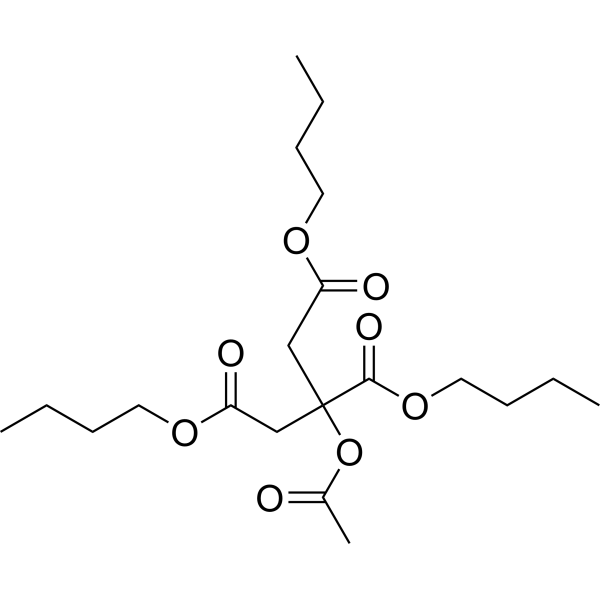
    Acetyl tributyl citrate (Tributyl O-acetylcitrate) is a pharmaceutical excipient and biodegradable hydrophobic plasticizer. Acetyl tributyl citrate can be used in cosmetics, food packaging, and as a flavoring substance for food .
    Acetyl tributyl citrate
  • HY-113596A
    Acetyl coenzyme A lithium
    4 Publications Verification

    acetyl-CoA lithium

    Oxidative Phosphorylation Endogenous Metabolite Autophagy Cardiovascular Disease Metabolic Disease
    Acetyl-coenzyme A (Acetyl-CoA) lithium is a membrane-impermeant central metabolic intermediate, participates in the TCA cycle and oxidative phosphorylation metabolism. Acetyl-coenzyme A lithium, regulates various cellular mechanisms by providing (sole donor) acetyl groups to target amino acid residues for post-translational acetylation reactions of proteins. Acetyl Coenzyme A lithium is also a key precursor of lipid synthesis .
    Acetyl coenzyme A lithium
  • HY-W048838
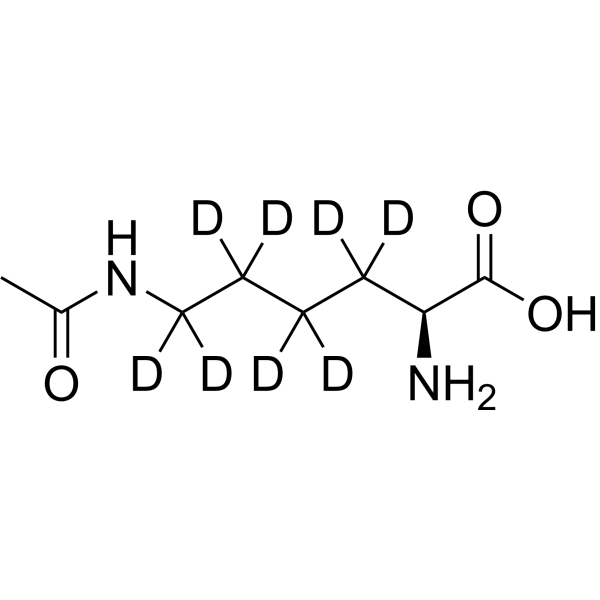
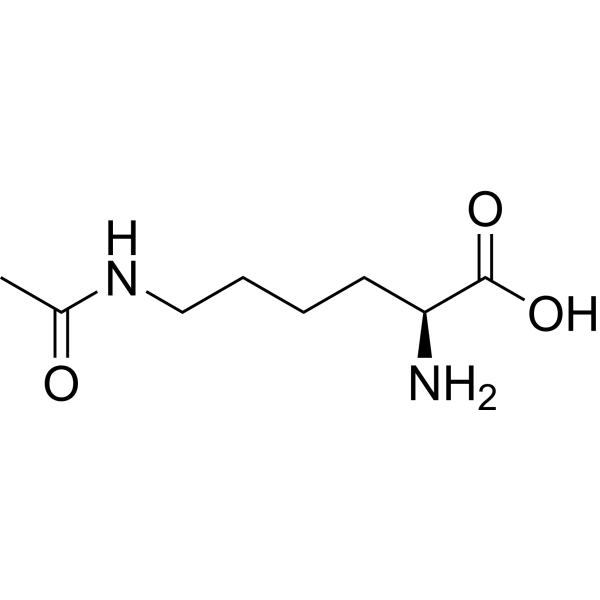
    Acetyl-L-lysine
    1 Publications Verification

    Endogenous Metabolite Metabolic Disease
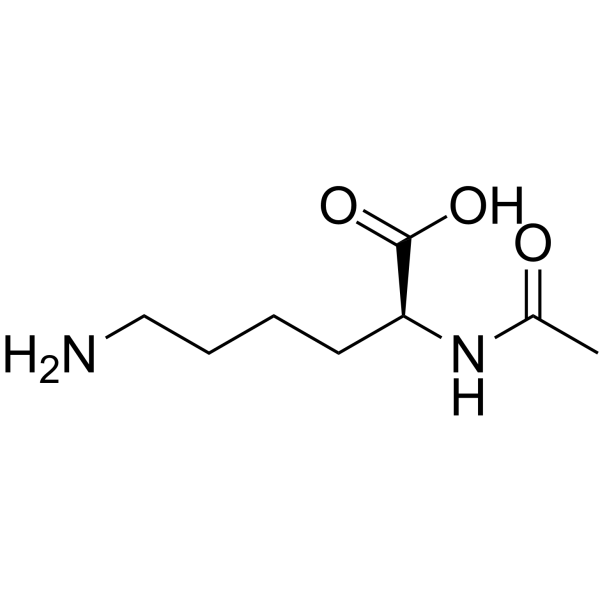
    Acetyl-L-lysine is an acetylated form of the amino acid L-lysine. Acetyl-L-lysine can participate in protein acylation processes, affecting protein functions such as stability and enzyme activity .
    Acetyl-L-lysine
  • HY-P0095

    Angiotensin-converting Enzyme (ACE) Others
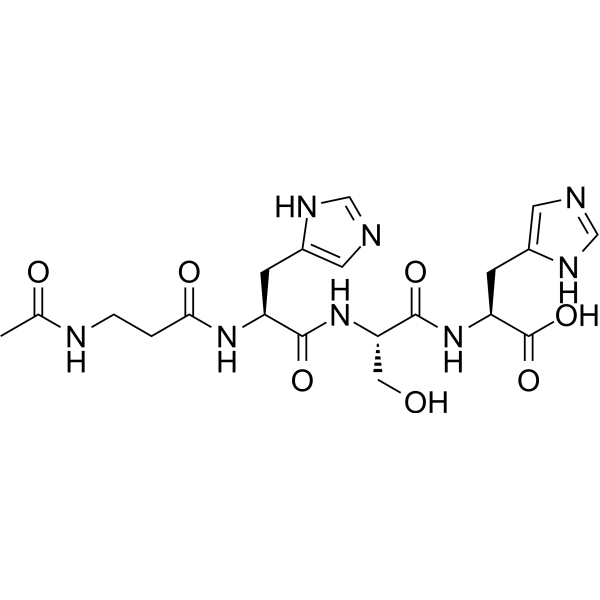
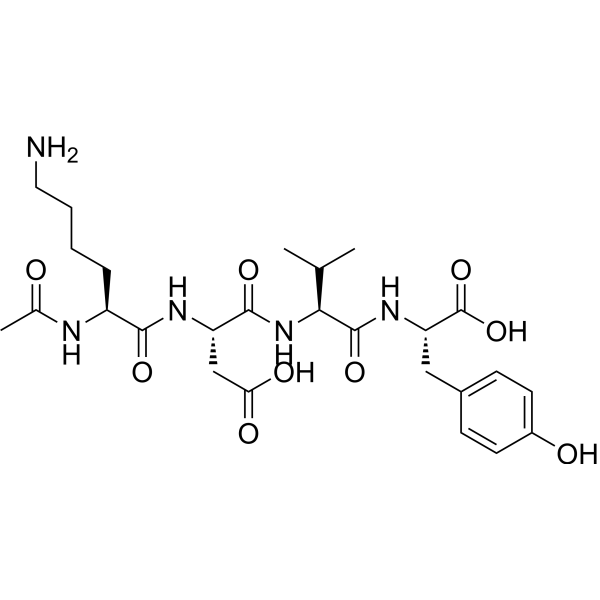
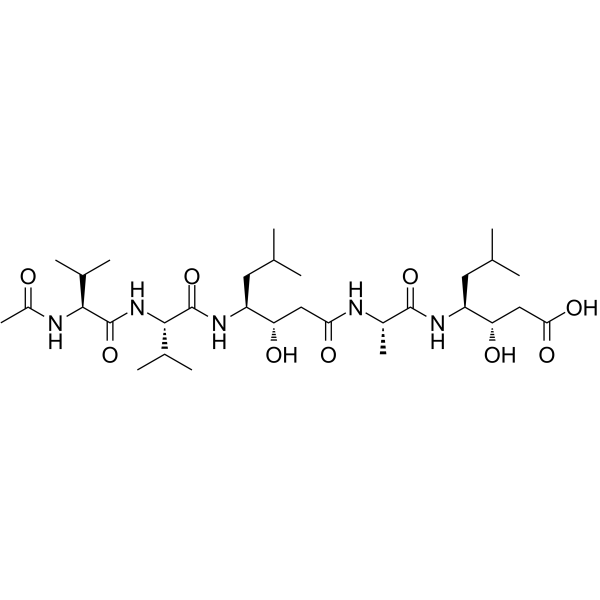
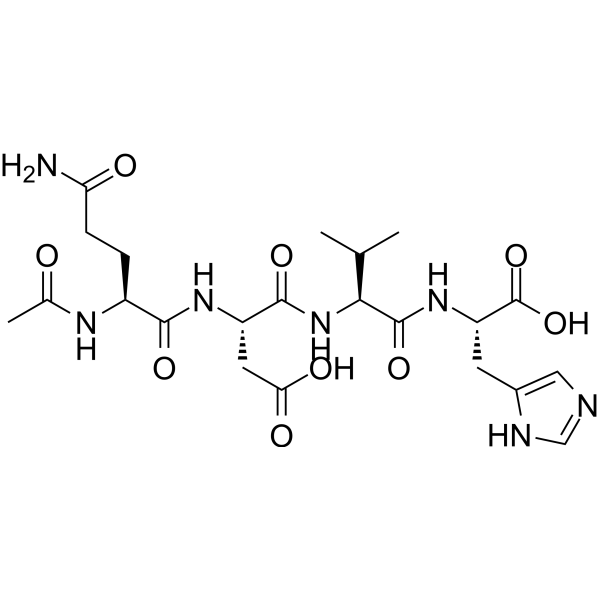
    Acetyl tetrapeptide-5 inhibits glycosylation and ACE-1 activity. Acetyl tetrapeptide-5 reduces edema and relieves vascular pressure by improving the vascular system and strengthening the skin under the eyes. Acetyl tetrapeptide-5 can be used in the research of Antioxidant, anti-aging skin care .
    Acetyl tetrapeptide-5
  • HY-114293S

    acetyl-CoA-13C2 lithium

    Isotope-Labeled Compounds Endogenous Metabolite Autophagy Oxidative Phosphorylation Metabolic Disease
    Acetyl coenzyme A- 13C2 lithium is the 13C-labeled Acetyl coenzyme A (HY-114293). Acetyl-coenzyme A (Acetyl-CoA) is a membrane-impermeant central metabolic intermediate, participates in the TCA cycle and oxidative phosphorylation metabolism. Acetyl-coenzyme A, regulates various cellular mechanisms by providing (sole donor) acetyl groups to target amino acid residues for post-translational acetylation reactions of proteins. Acetyl Coenzyme A is also a key precursor of lipid synthesis .
    Acetyl coenzyme A-13C2 lithium
  • HY-P1626

    Opioid Receptor Neurological Disease
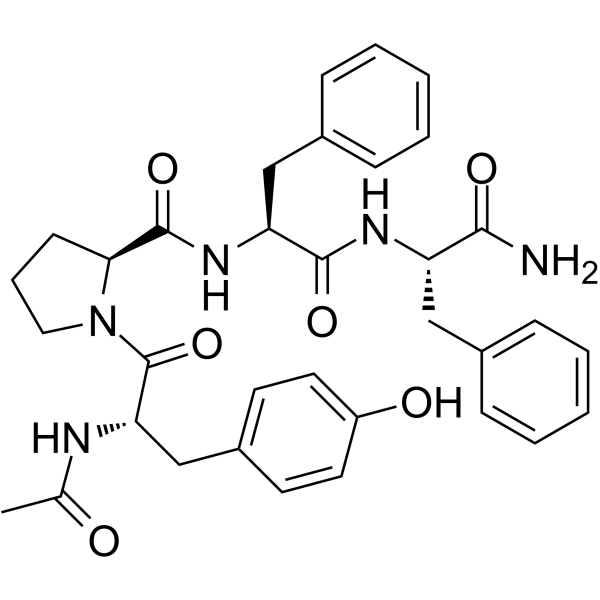
    Acetyl tetrapeptide-15 is a synthetic peptide. Acetyl tetrapeptide-15 is derived from endomorphin-2 (Tyr-Pro-Phe-Phe-NH2), a human μ-opioid agonist with selective anti-nociceptive effect. Acetyl tetrapeptide-15 reduces skin hyperreactivity producing inflammatory, chronic and neuropathic pain, by increasing the threshold of neuronal excitability in μ-opioid receptor via an endorphin-like pathway. Acetyl tetrapeptide-15 is used in the cosmetics for sensitive skin .
    Acetyl tetrapeptide-15
  • HY-W129161

    Amino Acid Derivatives Metabolic Disease
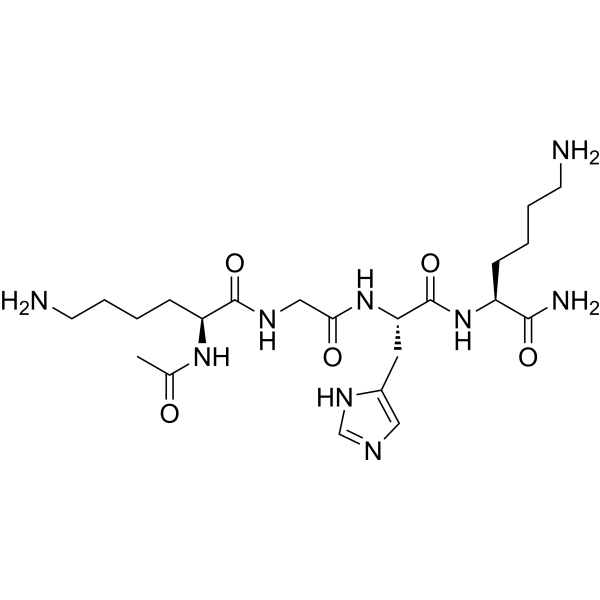
    Acetyl tetrapeptide-3 is a synthetic peptide. Acetyl tetrapeptide-3 enhances the adhesion of hair follicles to the scalp but also promotes the development of new hair follicles. Acetyl tetrapeptide-3 stimulates the synthesis of collagen III in hair follicles. Acetyl tetrapeptide-3 combined with Biochanin A (HY-14595) and ginseng extracts, can stimulate dermal papilla extracellular matrix (ECM) proteins by increasing hydroxyproline, Collagen Type 3, and laminin, yielding a significant improvement in hair follicle size and hair anchoring .
    Acetyl tetrapeptide-3
  • HY-124004

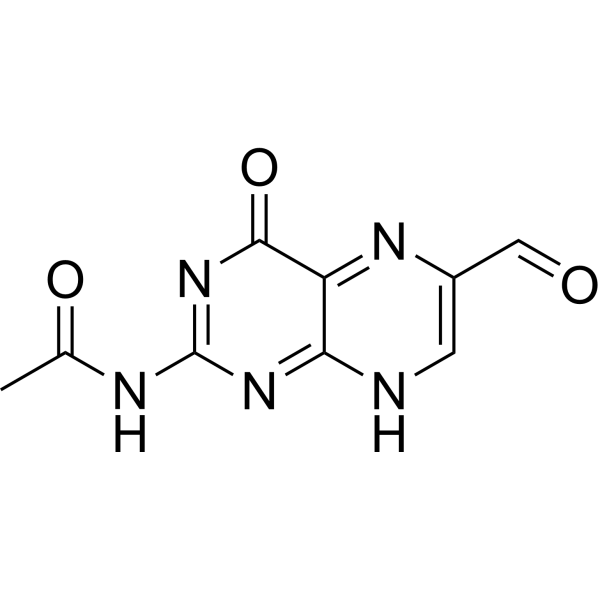
    Ac-6-FP

    Biochemical Assay Reagents Inflammation/Immunology
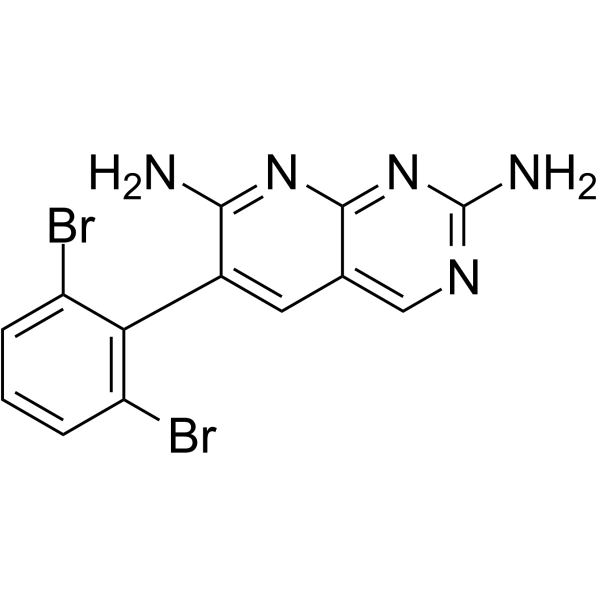
    Acetyl-6-formylpterin (Ac-6-FP) is a hapten that covalently binds to MR1 through residue Lys43 of the protein, resulting in protein upregulation. Acetyl-6-formylpterin (Ac-6-FP) can be used in the study of inflammation .
    Acetyl-6-formylpterin
  • HY-N6805

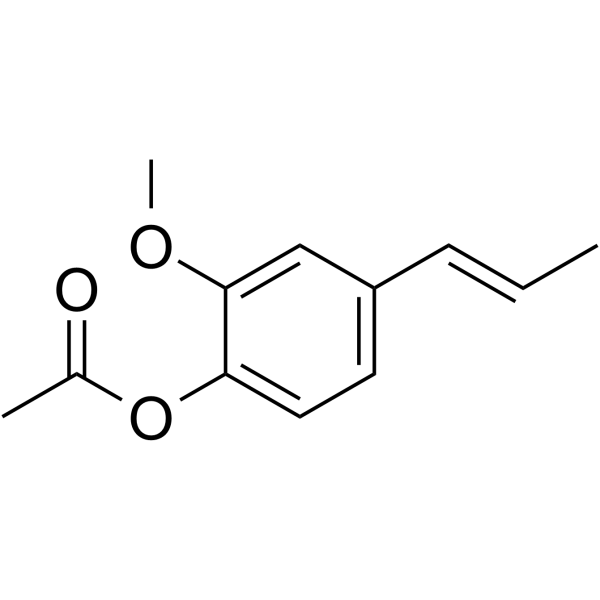
    acetyl isoeugenol

    Environmental Pollutants Ferroptosis Cancer
    Isoeugenol acetate (Acetyl isoeugenol) is a derivative of Isoeugenol (HY-N1952). Isoeugenol acetate is an inhibitor for ferroptosis .
    Isoeugenol acetate
  • HY-P5225

    PGC-1α Others
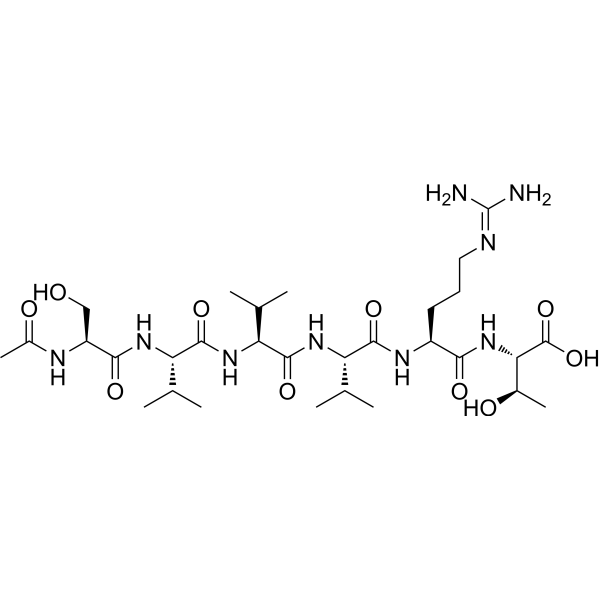
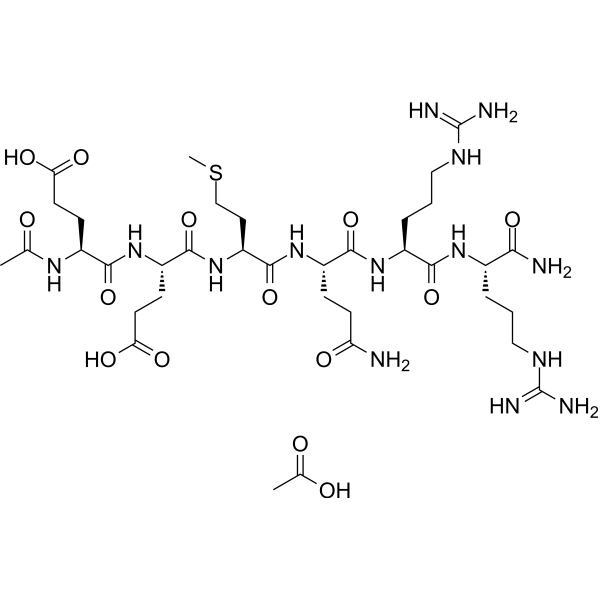
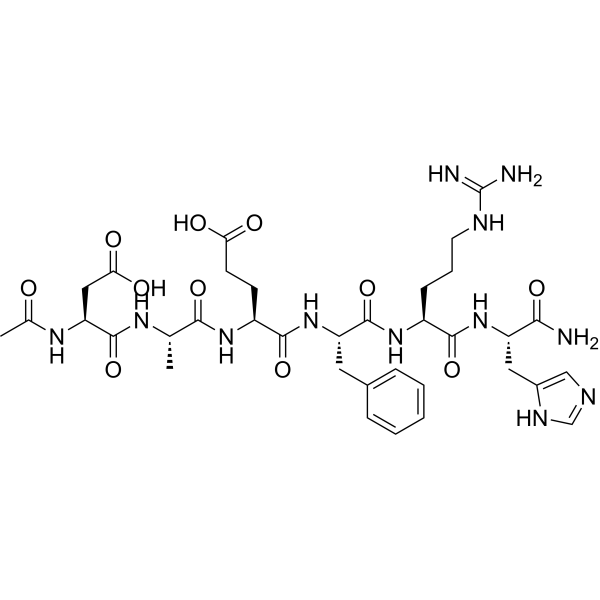
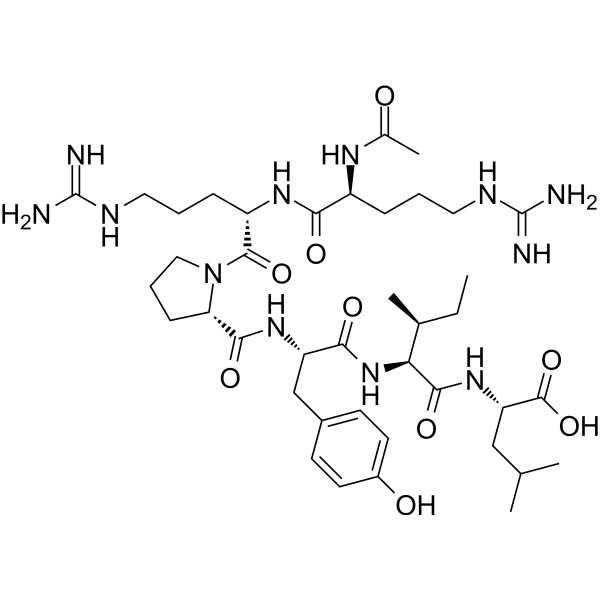
    Acetyl hexapeptide-38 is a tissue repair promoter that targets fibroblasts in the dermis of the skin. It works by promoting collagen synthesis in the dermis and thickening of subcutaneous fat. Acetyl hexapeptide-38 can activate the skin repair mechanism, increase the collagen content in the dermis, improve the skin tissue structure, and has the activity of promoting local tissue repair. Acetyl hexapeptide-38 can be used in the field of cosmetic medicine to repair congenital soft tissue defects, reduce tear grooves and nasolabial folds, eliminate postoperative scars, and conduct micro-plastic surgery of skin tissue .
    Acetyl hexapeptide-38
  • HY-P2663

    TNF Receptor Metabolic Disease
    Acetyl tetrapeptide-2 is a bio-active peptide that exhibits anti-aging activity. Acetyl tetrapeptide-2 can reduce loss of thymic factors. Acetyl tetrapeptide-2 can increase the stiffness of HaCaT cells. Acetyl tetrapeptide-2 is a stimulator of structural skin elements including collagen and elastin .
    Acetyl tetrapeptide-2
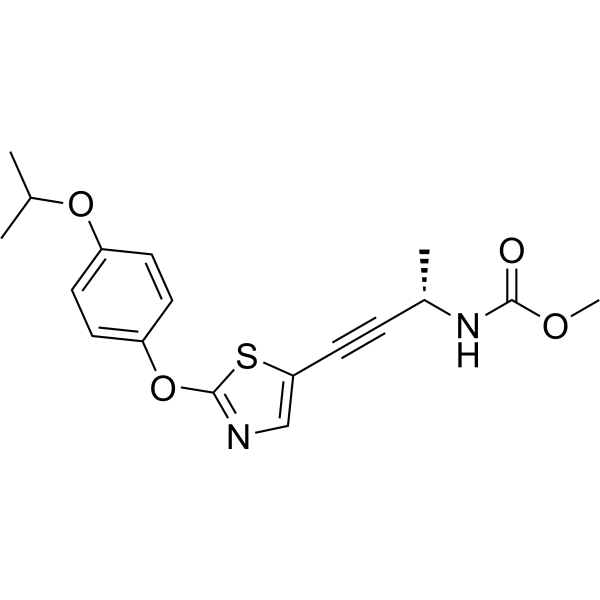
  • HY-152117

    Acetyl-CoA Carboxylase Bacterial Infection
    Acetyl-CoA Carboxylase-IN-1 is a potent acetyl-CoA carboxylase (ACC) inhibitor with an IC50 value of <5 nM. Acetyl-CoA Carboxylase-IN-1 has antibacterial activity .
    Acetyl-CoA Carboxylase-IN-1
  • HY-114293S5

    acetyl-CoA-d3

    Isotope-Labeled Compounds Oxidative Phosphorylation Endogenous Metabolite Autophagy Cardiovascular Disease Metabolic Disease
    Acetyl coenzyme A-d3 (Acetyl-CoA-d3) is the deuterium labeled Acetyl coenzyme A (HY-114293). Acetyl-coenzyme A (Acetyl-CoA) is a membrane-impermeant central metabolic intermediate, participates in the TCA cycle and oxidative phosphorylation metabolism. Acetyl-coenzyme A, regulates various cellular mechanisms by providing (sole donor) acetyl groups to target amino acid residues for post-translational acetylation reactions of proteins. Acetyl Coenzyme A is also a key precursor of lipid synthesis .
    Acetyl coenzyme A-d3
  • HY-W039943

    Molecular Glues Cancer
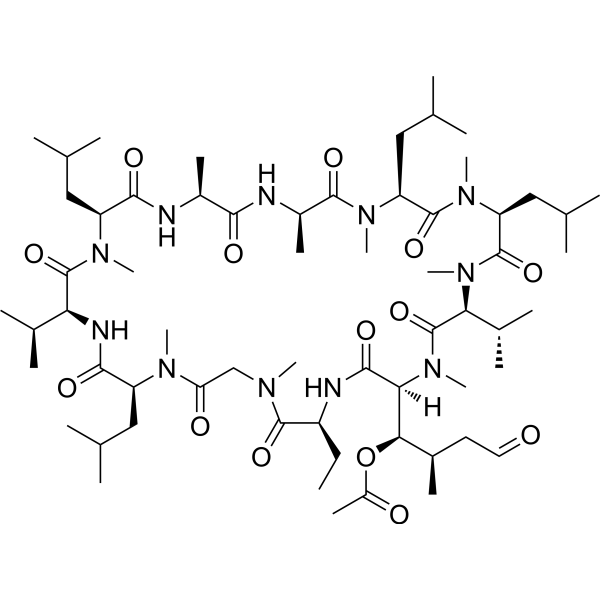
    Acetyl-cyclosporin A aldehyde is an acetylated Cyclosporin A (HY-B0579) derivative with a reducing aldehyde group. Cyclosporin A is a potent calmodulin inhibitor and cyclophilin binder that can target the nuclear translocation of NF-AT and cause mitochondrial damage.
    Acetyl-cyclosporin A aldehyde
  • HY-P1675A
    Acetyl-PHF6 amide TFA
    2 Publications Verification

    AcPHF6 TFA; Ac-VQIVYK-NH2 TFA

    Tau Protein Neurological Disease
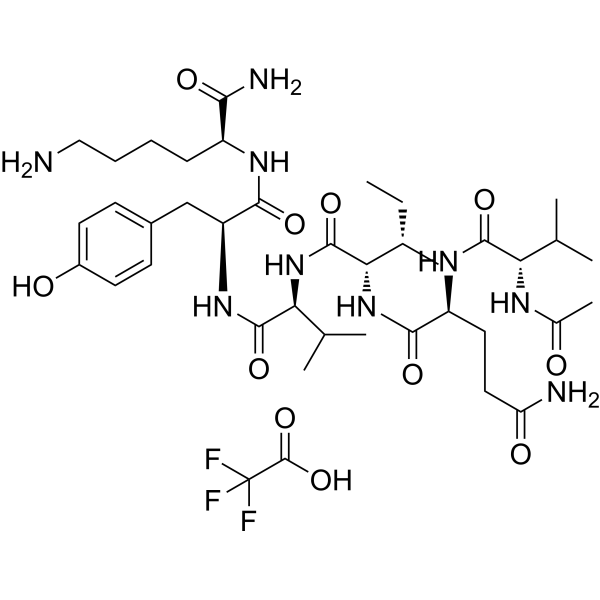
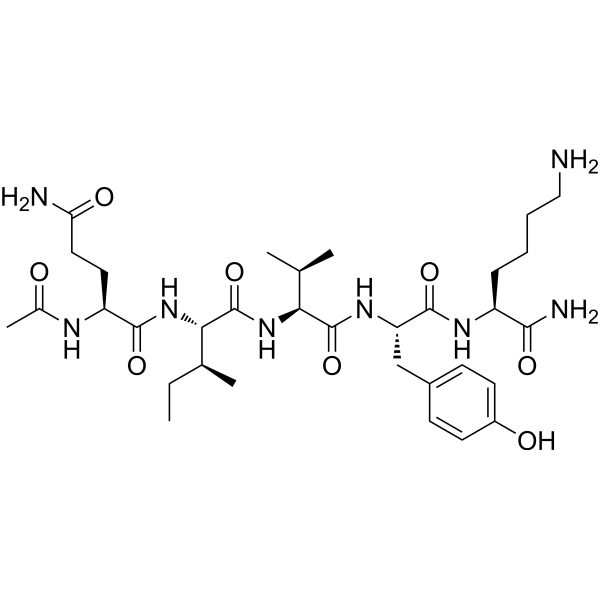
    Acetyl-PHF6 amide TFA (AcPHF6 TFA) is a tau derived hexapeptide.
    Acetyl-PHF6 amide TFA
  • HY-B0762S1

    O-acetyl-L-carnitine-d3-1 hydrochloride

    Isotope-Labeled Compounds Caspase Apoptosis Neurological Disease
    Acetyl-L-carnitine-d3-1 (O-Acetyl-L-carnitine-d3-1) hydrochloride is the deuterium labeled Acetyl-L-carnitine hydrochloride (HY-B0762). Acetyl-L-carnitine (O-Acetyl-L-carnitine; ALCAR) hydrochloride is an orally active mitochondrial energy metabolism regulator and neuroprotectant that can penetrate the blood-brain barrier. Acetyl-L-carnitine hydrochloride selectively enters cells and the brain through the organic cation transporter OCTN2. Acetyl-L-carnitine hydrochloride can participate in fatty acid β-oxidation, promote acetylcholine synthesis, regulate mitochondrial function and inhibit oxidative stress as an acetyl donor. Acetyl-L-carnitine hydrochloride exerts its activity by enhancing energy metabolism, protecting neurons and improving synaptic plasticity. Acetyl-L-carnitine hydrochloride is mainly used in the study of neurodegenerative diseases and metabolic disorder-related diseases such as neonatal hypoxic-ischemic brain damage, Alzheimer's disease, and depression .
    Acetyl-L-carnitine-d3-1 hydrochloride
  • HY-P2827

    ACS

    Acetyl-CoA synthetase Cancer
    Acetyl-CoA synthetase (ACS) is a key enzyme that catalyzes the conversion of acetate to acetyl-CoA (Ac-CoA). Acetyl-CoA synthetase catalyzes the formation of thioester bonds between coenzyme A and carboxylic acids, while simultaneously hydrolyzing ATP into AMP and pyrophosphate .
    Acetyl-CoA synthetase
  • HY-164826

    Interleukin Related Reactive Oxygen Species (ROS) MMP Pyroptosis Ferroptosis Notch Keap1-Nrf2 PINK1/Parkin Mitophagy Caspase Apoptosis Inflammation/Immunology Cancer
    Acetyl zingerone is an analog of Zingerone (HY-14621). Acetyl zingerone downregulates the expression of ROS metabolism-related genes, fibroblast senescence-related genes, keratinocyte differentiation-related genes, and IL-17A target genes. Acetyl zingerone inhibits the activities of MMP-1, MMP-3, and MMP-12, as well as the activation of NLRP3 inflammasome, pyroptosis (pyroptosis), ferroptosis (ferroptosis), cartilage destruction, and UVA-induced cyclobutane pyrimidine dimer formation. Acetyl zingerone upregulates the expression of collagen, proteoglycan, extracellular matrix glycoprotein, Notch pathway, and GPX4 gene, activates Nrf2 and HO-1, induces extracellular matrix synthesis and PINK1/Parkin-mediated mitophagy (mitophagy), and promotes chondrocyte survival. Acetyl zingerone alleviates the progression of osteoarthritis in mice . Acetyl zingerone can be used in research related to skin aging, inflammatory skin diseases, osteoarthritis, melanoma, and non-melanoma skin cancer .
    Acetyl zingerone
  • HY-P5220

    Melitane

    Melanocortin Receptor Others
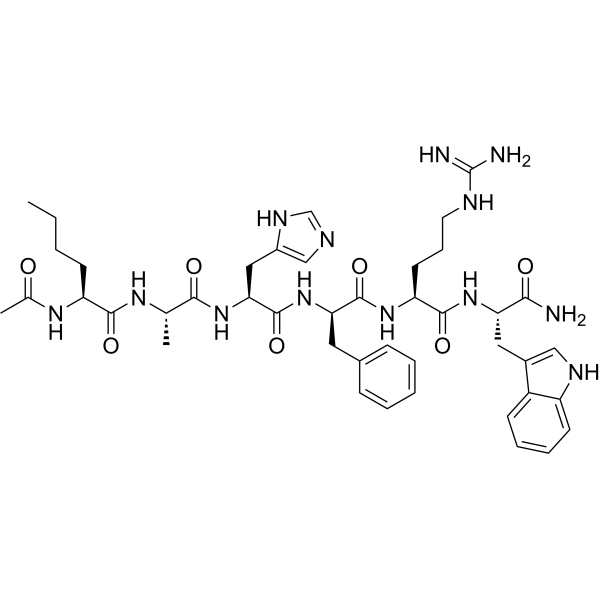
    Acetyl hexapeptide-1 (Melitane) is a biomimetic peptide that mimics the activity of α-melanocyte-stimulating hormone (α-MSH). Acetyl hexapeptide-1 regulates muscle contraction, thereby reducing facial expression lines. Acetyl hexapeptide-1 is one of the components of anti-aging skincare serums targeting dynamic wrinkles. Acetyl hexapeptide-1 can be used in research related to mild photoaged facial skin and premature gray hair .
    Acetyl hexapeptide-1
  • HY-P5220A

    Melitane acetate

    Melanocortin Receptor Others
    Acetyl hexapeptide-1 (Melitane) acetate is a biomimetic peptide that mimics the activity of α-melanocyte-stimulating hormone (α-MSH). Acetyl hexapeptide-1 acetate can regulate muscle contraction, thereby reducing facial expression lines. Acetyl hexapeptide-1 acetate is one of the components of anti-aging skin care essences targeting dynamic wrinkles. Acetyl hexapeptide-1 acetate can be used in studies related to mild photo-aged facial skin and premature graying of hair .
    Acetyl hexapeptide-1 acetate
  • HY-P3580A

    Human N-acetyl GIP TFA

    Insulin Receptor Metabolic Disease Endocrinology
    Acetyl Gastric Inhibitory Peptide (human) TFA is a fatty acid derivatized analog of glucose-dependent insulinotropic polypeptide with improved antihyperglycaemic and insulinotropic properties. Acetyl Gastric Inhibitory Peptide (human) TFA can be used for research of diabetes, insulin resistance and obesity .
    Acetyl Gastric Inhibitory Peptide (human) TFA
  • HY-125772

    acetylpodocarpic dimer; APD

    LXR Cardiovascular Disease
    Acetyl podocarpic acid anhydride is a potent, semisynthetic liver X receptor(LXR) agonist derived from extracts of the mayapple. Acetyl podocarpic acid anhydride has the potential to be useful for the prevention and research of atherosclerosis, especially in the context of low HDL levels .
    Acetyl podocarpic acid anhydride
  • HY-100907

    acetyl dl-carnitine chloride

    Cholinesterase (ChE) Neurological Disease
    (±)-Acetylcarnitine chloride (Acetyl dl-carnitine chloride) is a weak cholinergic agonist with cholinergic properties. (±)-Acetylcarnitine chloride is an important intermediate in lipid metabolism .
    (±)-Acetylcarnitine chloride
  • HY-P1081
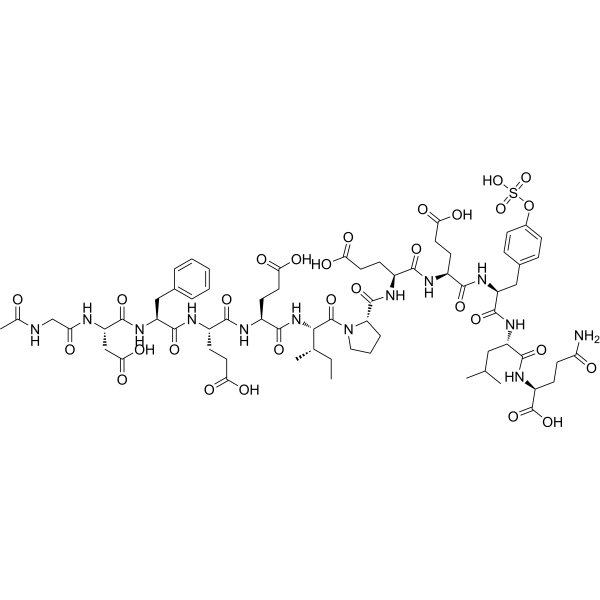
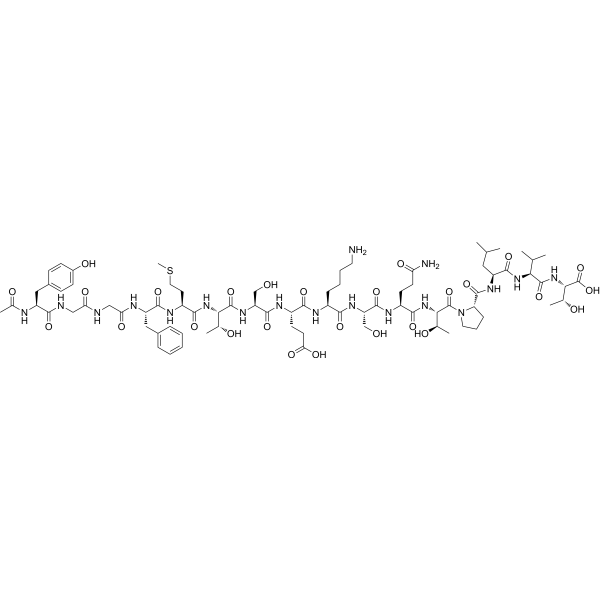
    Acetyl-Calpastatin(184-210)(human)
    1 Publications Verification

    Proteasome Inflammation/Immunology
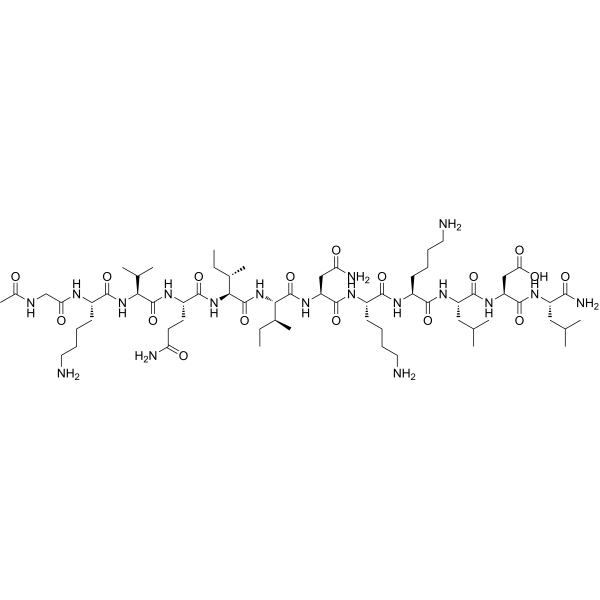
    Acetyl-Calpastatin(184-210)(human) is a potent, selective and reversible calpain inhibitor with Ki values of 0.2 nM and 6 μM for μ-calpain and cathepsin L, respectively .
    Acetyl-Calpastatin(184-210)(human)
  • HY-P4776

    PACAP Receptor Metabolic Disease
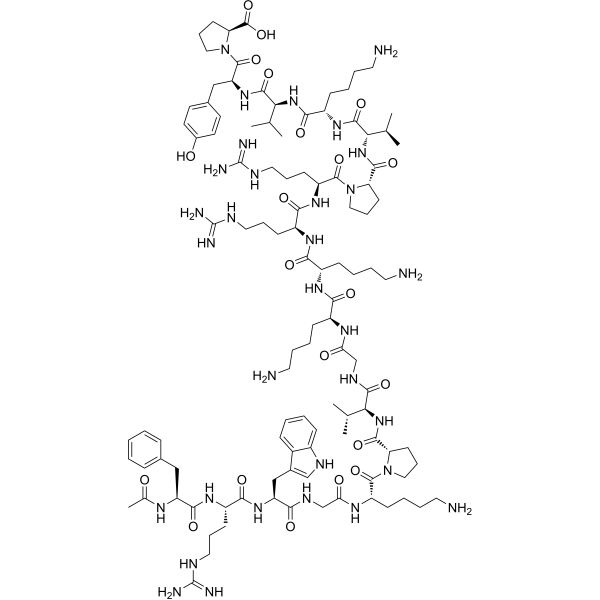
    Acetyl-(D-Phe2,Lys15,Arg16,Leu27)-VIP (1-7)-GRF (8-27), a vasoactive intestinal peptide (VIP), is a VIP1 antagonist .
    Acetyl-(D-Phe2,Lys15,Arg16,Leu27)-VIP (1-7)-GRF (8-27)
  • HY-W010981R

    Tributyl O-acetylcitrate (Standard); ATBC (Standard)

    Biochemical Assay Reagents Reference Standards Others
    Acetyl tributyl citrate (Standard) is the analytical standard of Acetyl tributyl citrate. This product is intended for research and analytical applications. Acetyl tributyl citrate (Tributyl O-acetylcitrate; ATBC) is an alternative plasticizer .
    Acetyl tributyl citrate (Standard)
  • HY-N0892R

    acetyl-11-keto-β-boswellic acid (Standard)

    Reference Standards HIF/HIF Prolyl-Hydroxylase Reactive Oxygen Species (ROS) Endogenous Metabolite Cancer
    AKBA (Standard) is the analytical standard of AKBA. This product is intended for research and analytical applications. AKBA (Acetyl-11-keto-β-boswellic acid) is an active triterpenoid compound from the extract of Boswellia serrate and a novel Nrf2 activator.
    AKBA (Standard)
  • HY-W010981S

    Tributyl O-acetylcitrate-d3; ATBC-d3

    Isotope-Labeled Compounds Others
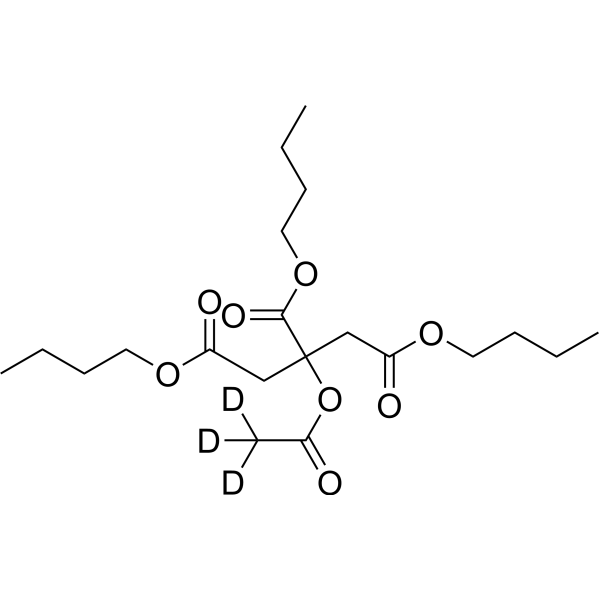
    Acetyl tributyl citrate-d33 is the deuterium labeled Acetyl tributyl citrate (HY-W010981). Acetyl tributyl citrate (Tributyl O-acetylcitrate; ATBC) is an alternative plasticizer .
    Acetyl tributyl citrate-d3
  • HY-P0033A

    acetyl hexapeptide-3 acetate; acetyl hexapeptide-8 acetate

    Calcium Channel Neurological Disease
    Argireline acetate (Acetyl hexapeptide-3 acetate) is a non-toxic, skin-permeable, antiwrinkle peptide. Argireline acetate significantly inhibits Ca 2+ dependent neurotransmitter release (acetylcholine) at the neuromuscular junction. Argireline acetate has antiwrinkle and anti-aging activity .
    Argireline acetate
  • HY-CE01931

    acetyl-oxa(dethia)-coenzyme A

    Biochemical Assay Reagents Metabolic Disease
    Acetyl-oxa(dethia)-CoA (Acetyl-oxa(dethia)-coenzyme A) is a coenzyme A derivative .
    Acetyl-oxa(dethia)-CoA
  • HY-W243002

    Bacterial Infection
    Acetyl-L-homoserine lactone is a member of the family of N-acylated homoserine lactones (HSLs). Acetyl-L-homoserine lactone is a polar mediator of cell-cell interactions in bacterial biofilms .
    Acetyl-L-homoserine lactone
  • HY-P5227

    Interleukin Related Inflammation/Immunology
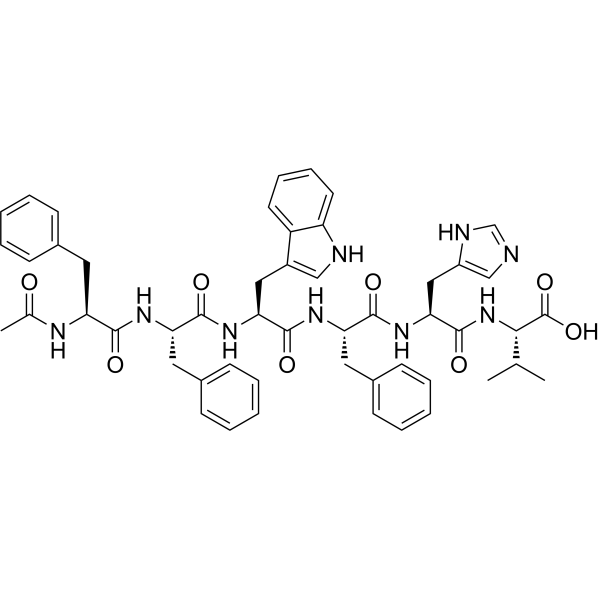
    Acetyl hexapeptide-49 (example 13) is a bioactive peptide with anti-allergen effect and has been reported used as a cosmetic ingredient. Acetyl hexapeptide-49 can alleviate stimulation of mammalian skin cells and protect cell vitality .
    Acetyl hexapeptide-49
  • HY-124892A

    acetyl-AF64

    Histone Acetyltransferase Neurological Disease
    Acetylethylcholine mustard hydrochloride (Acetyl-AF64) is an inhibitor of choline acetyl-transferase that reduces the contraction frequency of the myotubes by inhibiting the synthesis of acetylethylcholine (Ach) with the half-maximal inhibitory concentration (IC50) of 1.22 mM. Acetylethylcholine mustard hydrochloride is an irreversible ligand for the high affinity choline transport system. Acetylethylcholine mustard hydrochloride is also a cholinotoxin. Acetylethylcholine mustard hydrochloride is a precursor for ethylcholine mustard aziridinium ion .
    Acetylethylcholine mustard hydrochloride
  • HY-P4788

    Amyloid-β Neurological Disease
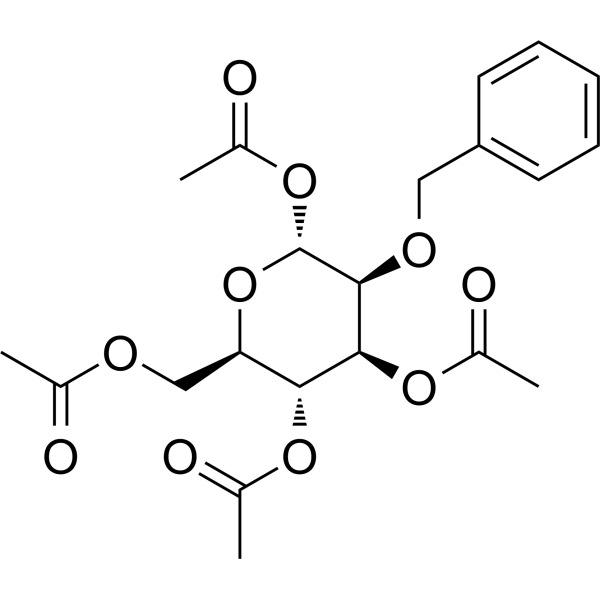
    Acetyl-Amyloid β-Protein (1-6) amide is a hexapeptide that contains a potential copper(II) binding site. Acetyl-Amyloid β-Protein (1-6) amide can be used for research of Alzheimer's disease and related disorders .
    Acetyl-Amyloid β-Protein (1-6) amide
  • HY-P4786

    Androgen Receptor Neurological Disease Metabolic Disease
    Acetyl-ACTH (7-24) (human, bovine, rat) causes a marked decrease of ACTH-evoked corticosterone and aldosterone release .
    Acetyl-ACTH (7-24) (human, bovine, rat)
  • HY-P4779

    Androgen Receptor Neurological Disease
    Acetyl-ACTH (2-24) (human, bovine, rat) is a fragment of proopiomelanocortin (POMC) peptide. POMC peptides such as adrenocorticotrophin (ACTH), which is the precursor of α-MSH, is also an agonist at the MC-1 receptor .
    Acetyl-ACTH (2-24) (human, bovine, rat)
  • HY-166290

    Biochemical Assay Reagents Metabolic Disease
    Acetyl-D-carnitine (chloride) is an ester product.
    Acetyl-D-carnitine chloride
  • HY-P4822

    Tau Protein Others
    Acetyl-PHF5 amide is an amyloidogenic protein tau peptide. Acetyl-PHF5 amide can polymerization into filamentous structures .
    Acetyl-PHF5 amide
  • HY-W101363

    Biochemical Assay Reagents
    Acetyl-DL-phenylglycine is a kind of biochemical reagent.
    Acetyl-DL-phenylglycine

Inquiry Online

Your information is safe with us. * Required Fields.

Salutation


Country or Region *

Applicant Name *


Organization Name *

Department *


Email Address *


Product Name *

Cat. No.


Requested quantity *

Phone Number *


Remarks

Inquiry Online

Inquiry Information

Product Name:
Cat. No.:
Quantity:
MCE Japan Authorized Agent: