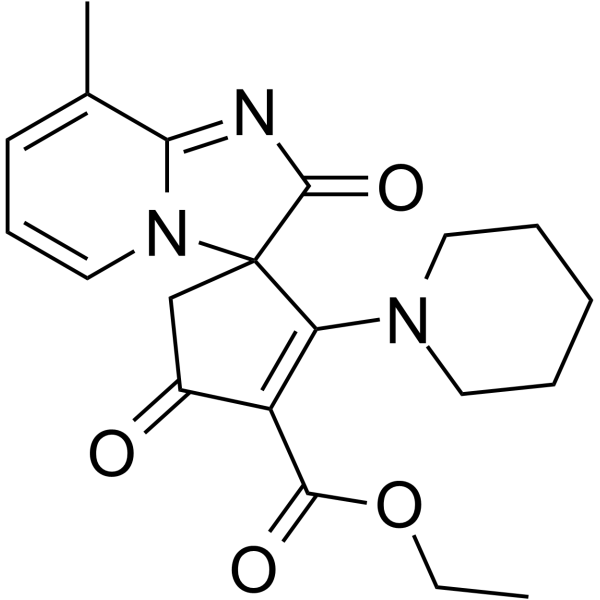
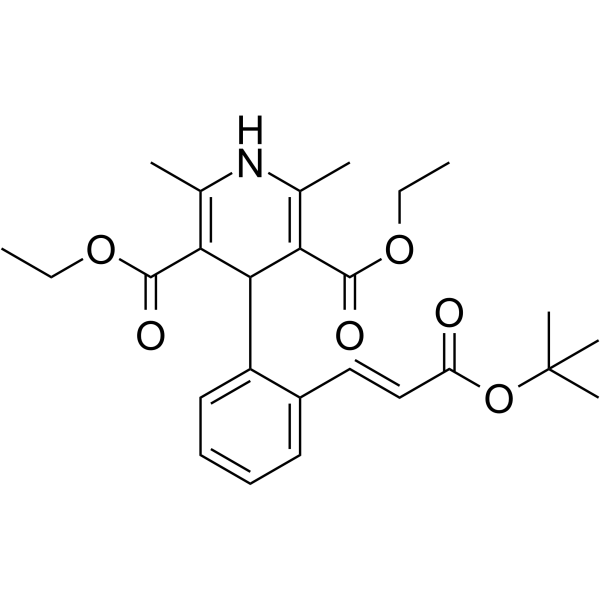
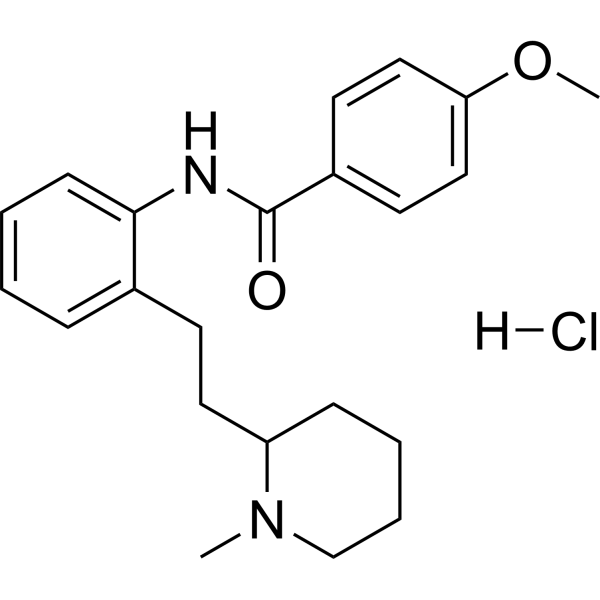
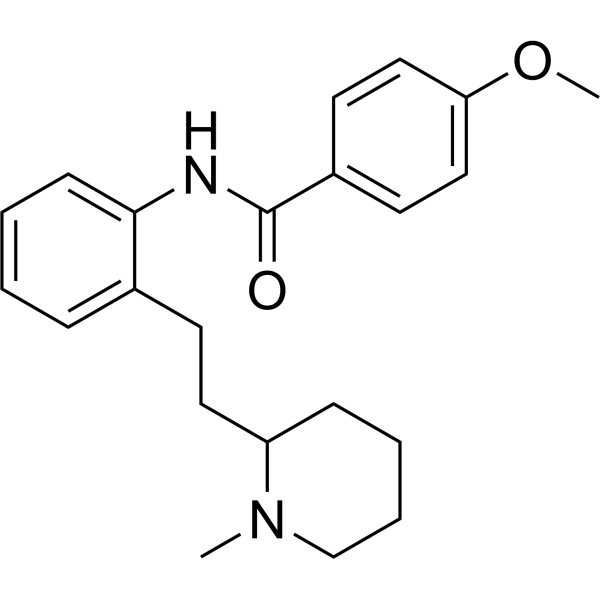
1. Search Result
Search Result
Pathways Recommended: Membrane Transporter/Ion Channel
Results for "

sodium channel activity

" in MedChemExpress (MCE) Product Catalog:

551

Inhibitors & Agonists

8

Screening Libraries

3

Fluorescent Dyes

8

Biochemical Assay Reagents

27

Peptides

82

Natural
Products

38

Isotope-Labeled Compounds

2

Oligonucleotides

Cat. No. Product Name Target Research Areas Chemical Structure
  • HY-B0402
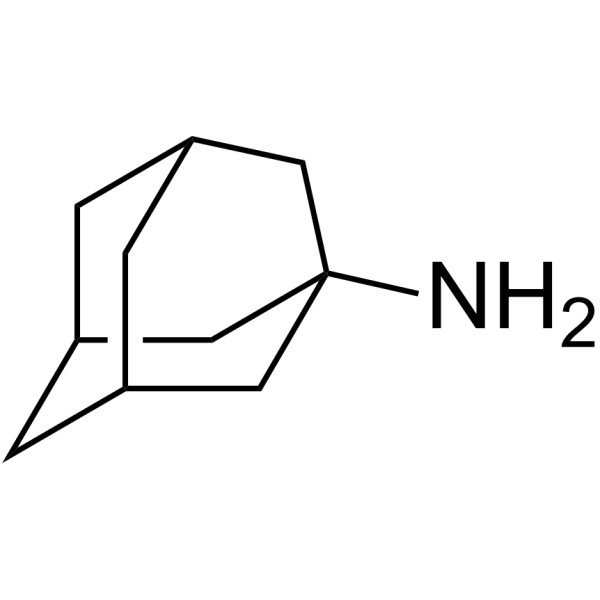
    Amantadine
    5+ Cited Publications

    1-Adamantanamine; 1-Aminoadamantane

    Influenza Virus Orthopoxvirus SARS-CoV Apoptosis CDK Bcl-2 Family Infection Neurological Disease Cancer
    Amantadine (1-Adamantanamine) is an orally avtive and potent antiviral agent with activity against influenza A viruses. Amantadine inhibits several ion channels such as NMDA and M2, and also inhibits Coronavirus ion channels. Amantadine also has anti-orthopoxvirus and anticancer activity. Amantadine can be used for Parkinson's disease, postoperative cognitive dysfunction (POCD) and COVID-19 research .
    Amantadine
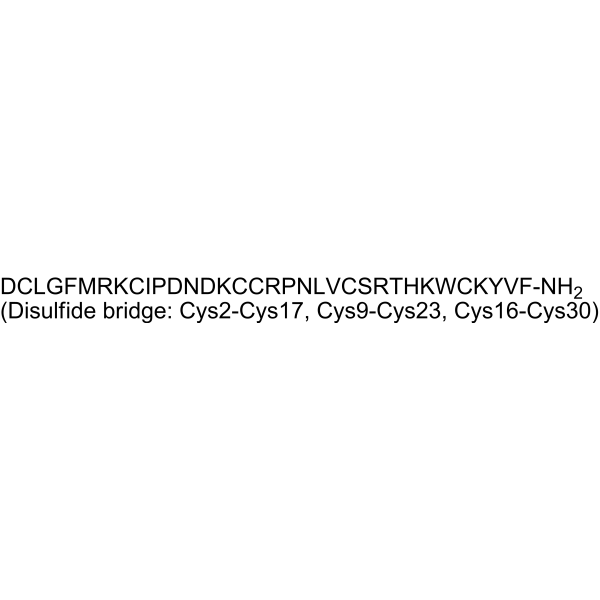
  • HY-P0173A
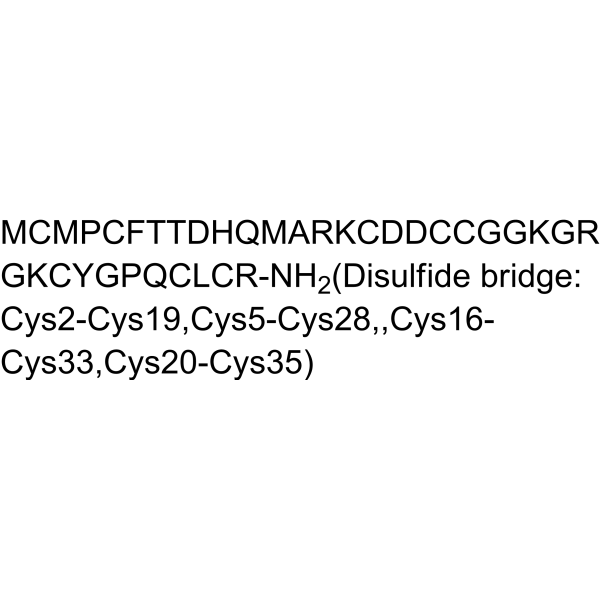
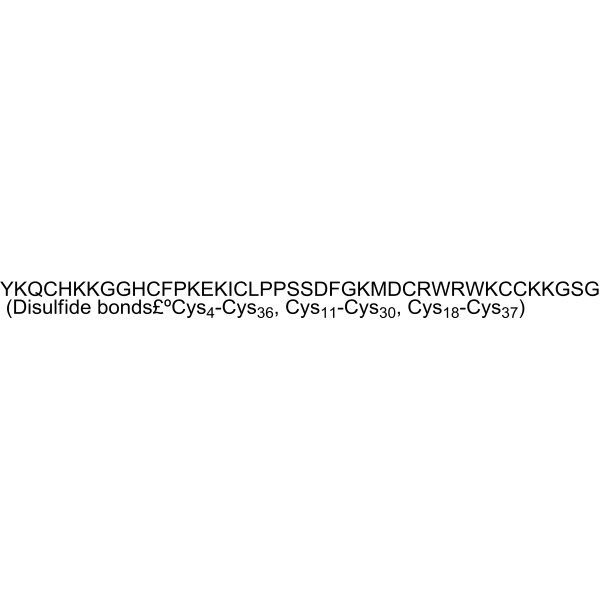
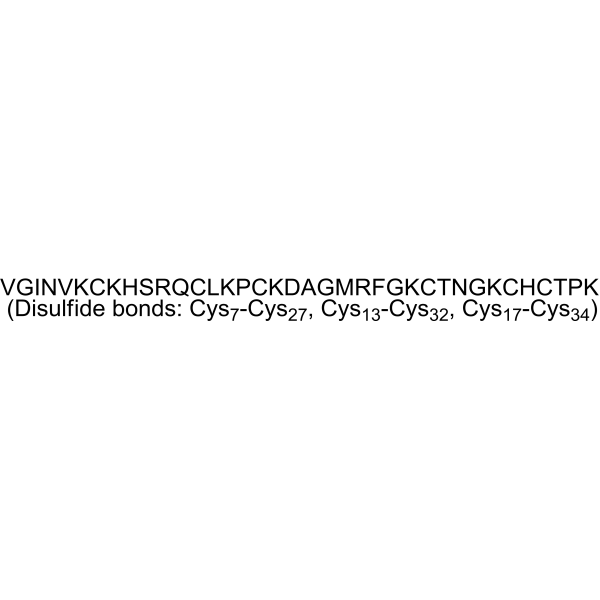
    Chlorotoxin
    2 Publications Verification

    Chloride Channel Cancer
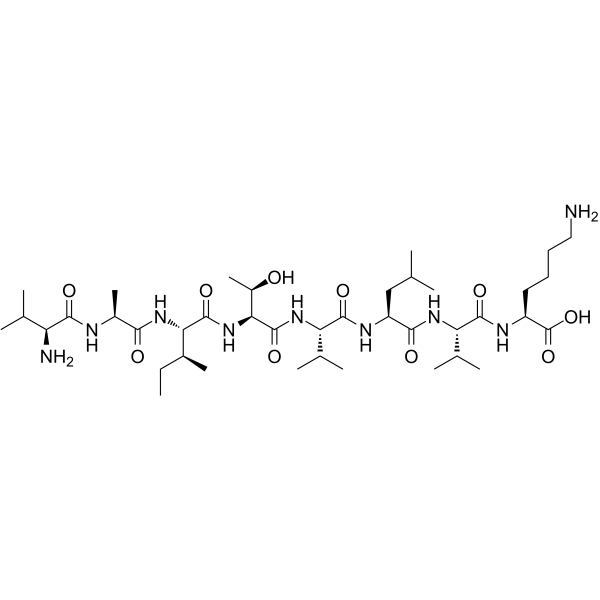
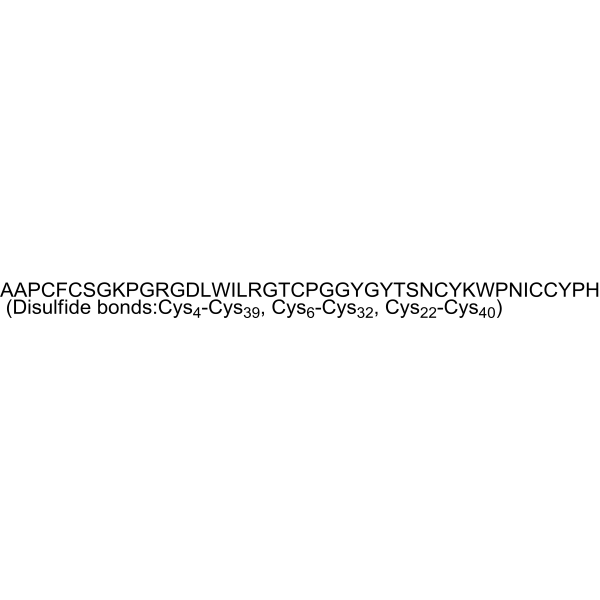
    Chlorotoxin is a 36 amino-acid peptide from the venom of the Israeli scorpion Leiurus quinquestriatus with anticancer activity. Chlorotoxin is a chloride channel blocker.
    Chlorotoxin
  • HY-B0402A
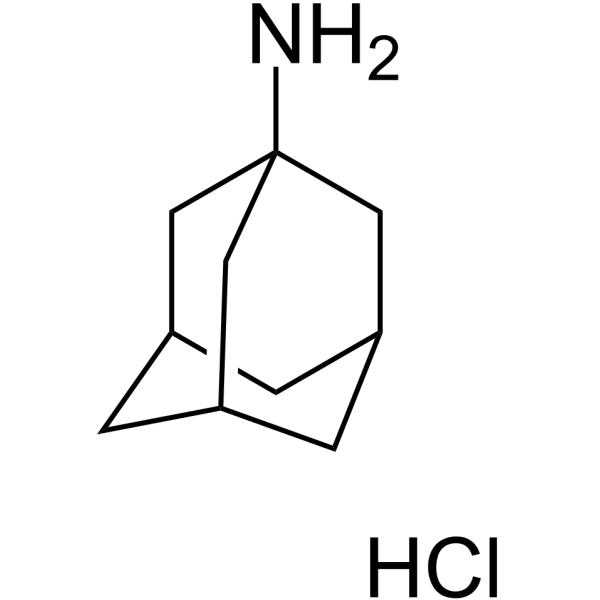
    Amantadine hydrochloride
    5+ Cited Publications

    1-Adamantanamine hydrochloride; 1-Adamantylamine hydrochloride; 1-Aminoadamantane hydrochloride

    Influenza Virus Orthopoxvirus SARS-CoV Apoptosis Bcl-2 Family CDK Infection Neurological Disease Cancer
    Amantadine (1-Adamantanamine) hydrochloride is an orally avtive and potent antiviral agent with activity against influenza A viruses. Amantadine hydrochloride inhibits several ion channels such as NMDA and M2, and also inhibits Coronavirus ion channels. Amantadine hydrochloride also has anti-orthopoxvirus and anticancer activity. Amantadine hydrochloride can be used for Parkinson's disease, postoperative cognitive dysfunction (POCD) and COVID-19 research .
    Amantadine hydrochloride
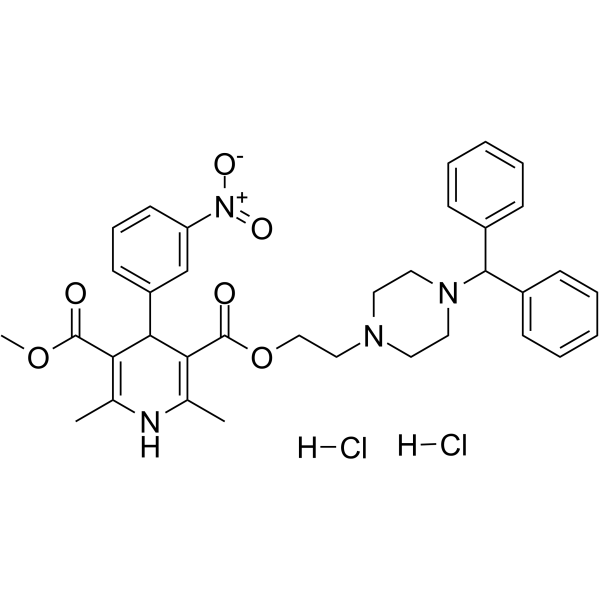
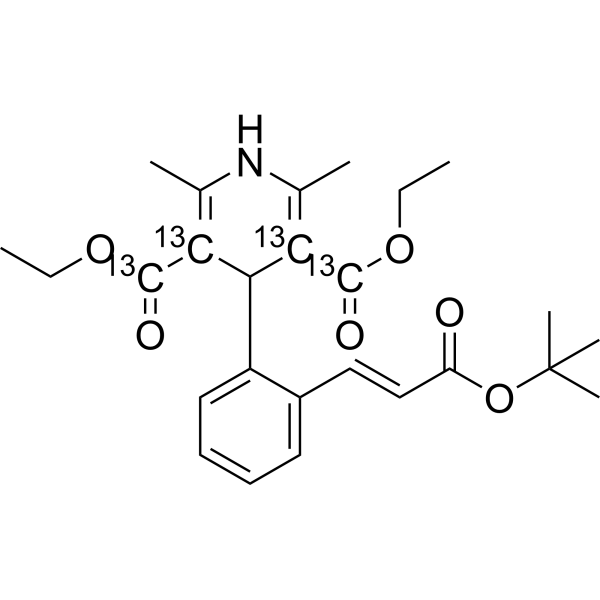
  • HY-17402
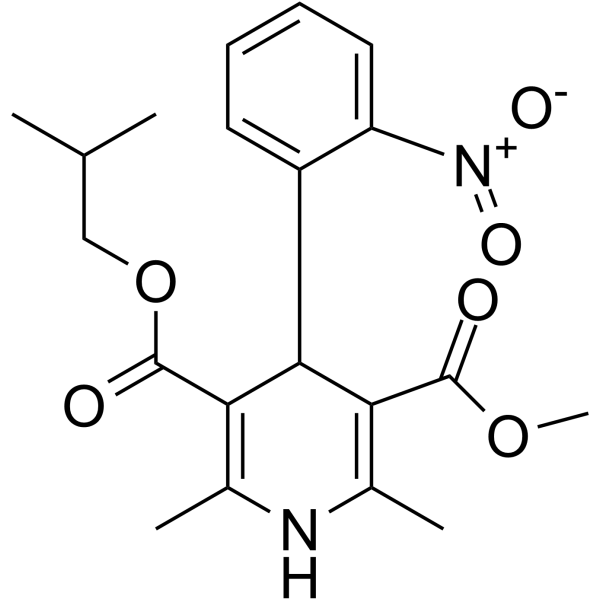
    Nisoldipine
    2 Publications Verification

    BAY-k 5552

    Calcium Channel Reactive Oxygen Species (ROS) Infection Cardiovascular Disease Neurological Disease
    Nisoldipine (BAY-k 5552; Sular) is an orally active and blood-brain barrier-penetrating dihydropyridine calcium antagonist, with greater vascular selectivity than other calcium channel antagonists. Nisoldipine inhibits calcium influx and blocks voltage-gated calcium channels. Nisoldipine dilates coronary and systemic arteries. Nisoldipine has antihypertensive and anti-anginal activity. Nisoldipine also displays neuroprotective and antiviral activity .
    Nisoldipine
  • HY-113147
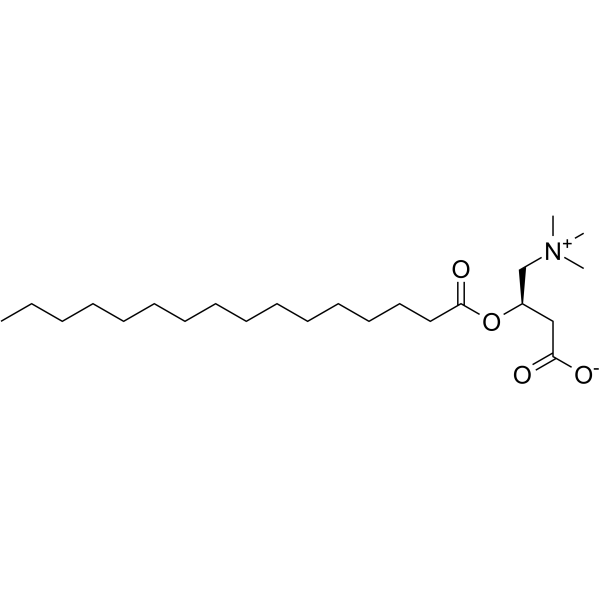
    L-Palmitoylcarnitine
    2 Publications Verification

    Potassium Channel Endogenous Metabolite Cardiovascular Disease Metabolic Disease
    L-Palmitoylcarnitine, a long-chain acylcarnitine and a fatty acid metabolite, accumulates in the sarcolemma and deranges the membrane lipid environment during ischaemia. L-Palmitoylcarnitine inhibits KATP channel activity, without affecting the single channel conductance, through interaction with Kir6.2 .
    L-Palmitoylcarnitine
  • HY-15416

    Potassium Channel Cardiovascular Disease Neurological Disease
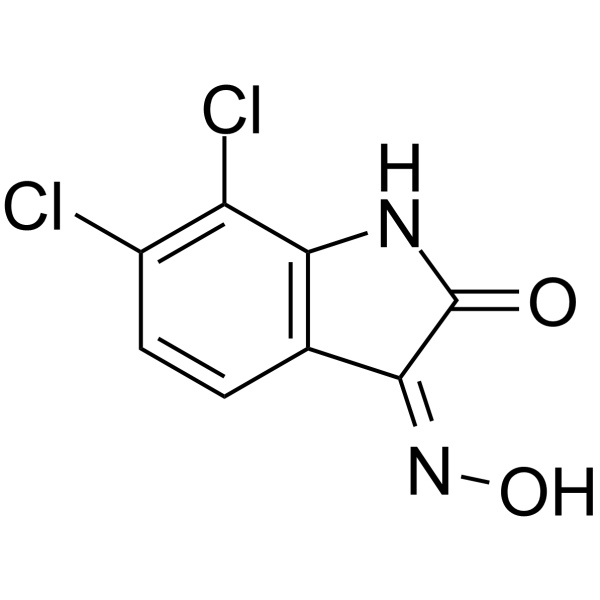
    NS309 is a potent and selective activator of the Ca 2+-activated SK/IK potassium channels, but displays no activity at BK channels .
    NS309
  • HY-103315
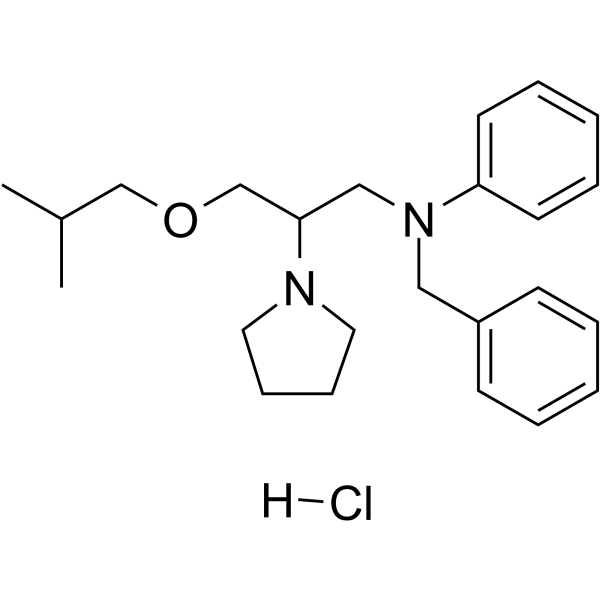
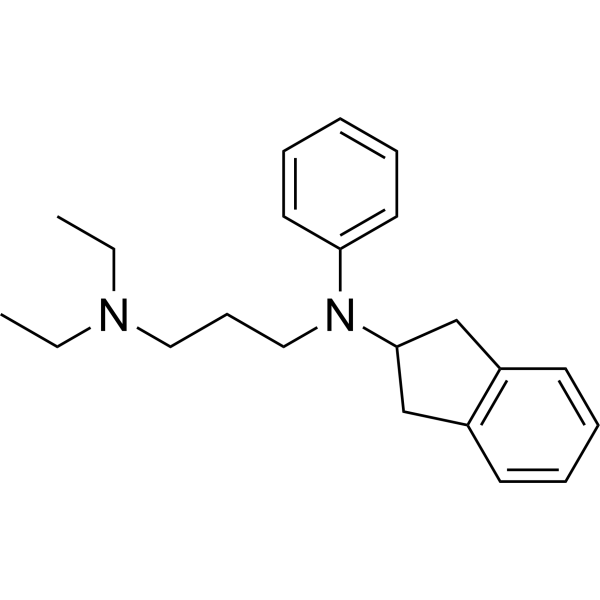
    Bepridil hydrochloride
    5+ Cited Publications

    CERM 1978

    Calcium Channel Cardiovascular Disease
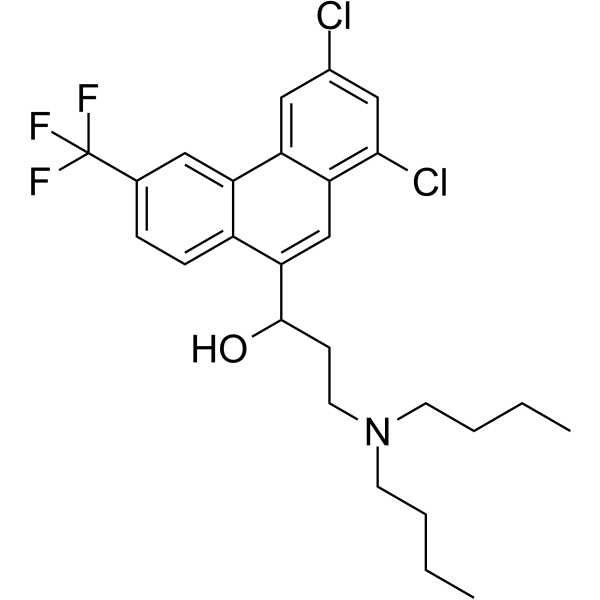
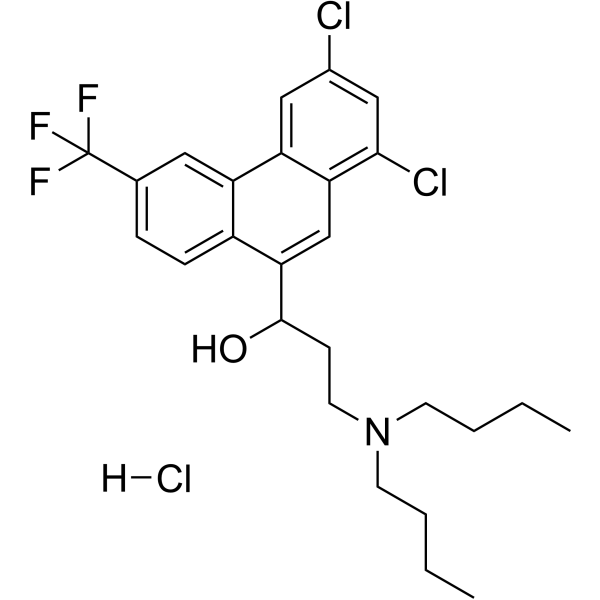
    Bepridil hydrochloride (CERM 1978) is a calcium channel blocker, with antianginal activity.
    Bepridil hydrochloride
  • HY-113147A
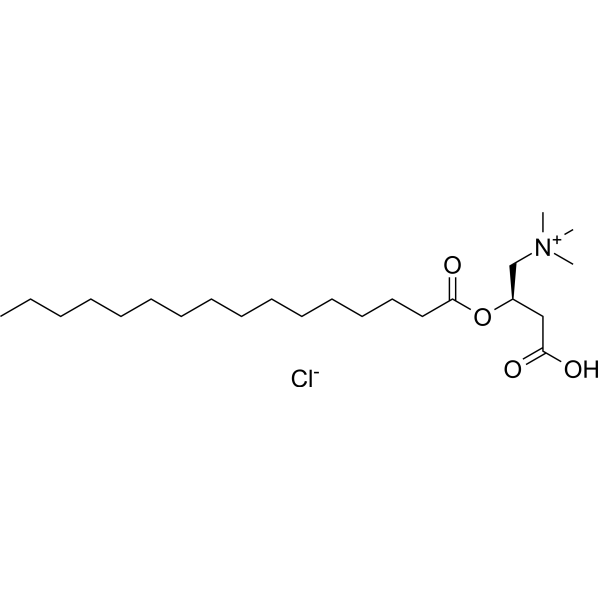
    L-Palmitoylcarnitine chloride
    2 Publications Verification

    Potassium Channel Endogenous Metabolite Cardiovascular Disease Metabolic Disease
    L-Palmitoylcarnitine chloride, a long-chain acylcarnitine and a fatty acid metabolite, accumulates in the sarcolemma and deranges the membrane lipid environment during ischaemia. L-Palmitoylcarnitine chloride inhibits KATP channel activity, without affecting the single channel conductance, through interaction with Kir6.2 .
    L-Palmitoylcarnitine chloride
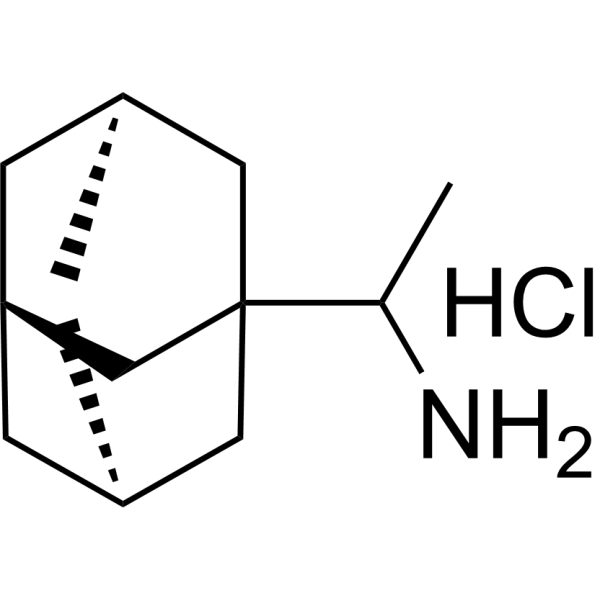
  • HY-B0338A

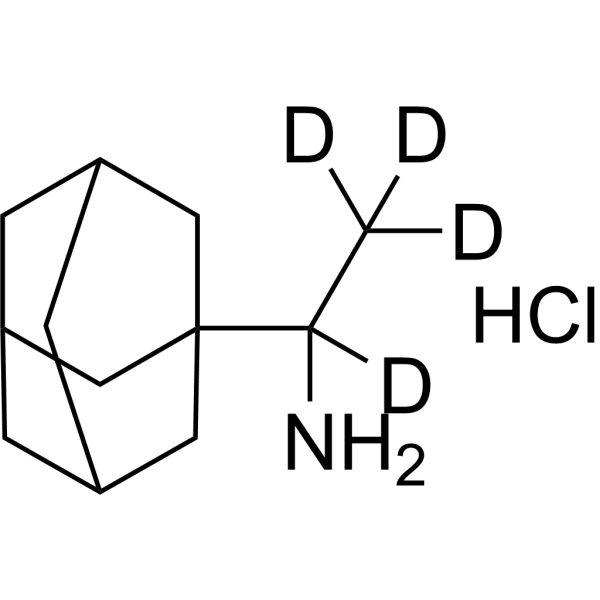
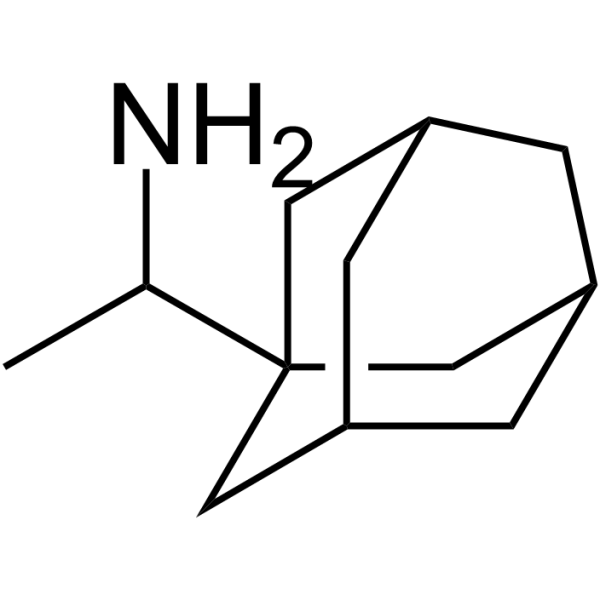
    Influenza Virus Autophagy Infection
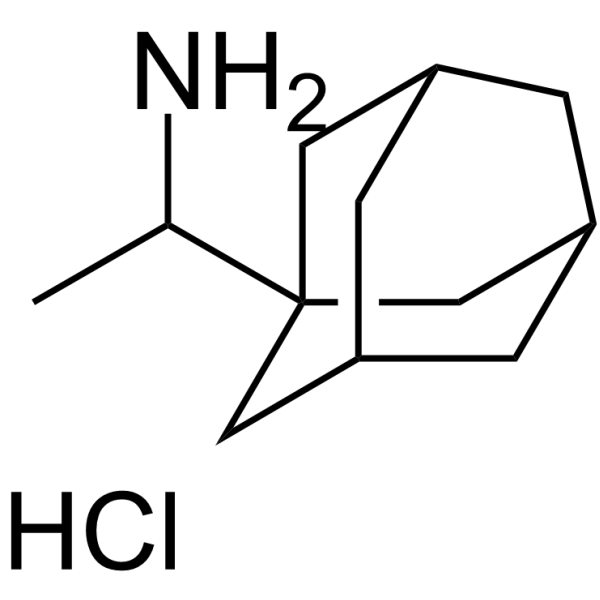
    Rimantadine hydrochloride (Flumadine hydrochloride) is an orally active inhibitor for M2 protein, that blocks the hydrogen ion channel activity, prevents the entry and replication of the virus, and exhibits board-spectrum antiviral activity .
    Rimantadine hydrochloride
  • HY-108584

    BMS-204352

    Potassium Channel Neurological Disease
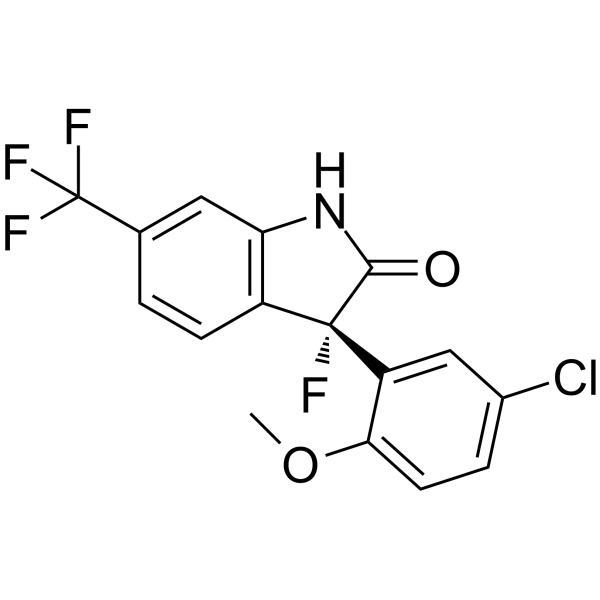
    Flindokalner (BMS-204352) is a potassium channel modulator. Flindokalner is a positive modulator of all neuronal Kv7 channel subtypes expressed in HEK293 cells. Flindokalner is also a large conductance calcium-activated K channel (BKca) positive modulator. Flindokalner shows a negative modulatory activity at Kv7.1 channels (Ki=3.7 μM), and acts as a negative modulator of GABAA receptors. Flindokalner shows anxiolytic efficacy in vivo .
    Flindokalner
  • HY-113147AS

    Potassium Channel Endogenous Metabolite Cardiovascular Disease Metabolic Disease
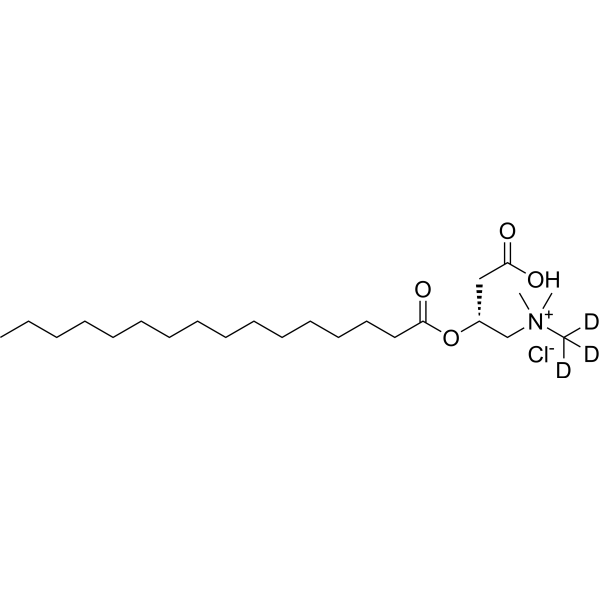
    L-Palmitoylcarnitine-d3 hydrochloride is the deuterium labeled L-Palmitoylcarnitine hydrochloride. L-Palmitoylcarnitine hydrochloride, a long-chain acylcarnitine and a fatty acid metabolite, accumulates in the sarcolemma and deranges the membrane lipid environment during ischaemia. L-Palmitoylcarnitine hydrochloride inhibits KATP channel activity, without affecting the single channel conductance, through interaction with Kir6.2 .
    L-Palmitoylcarnitine-d3 hydrochloride
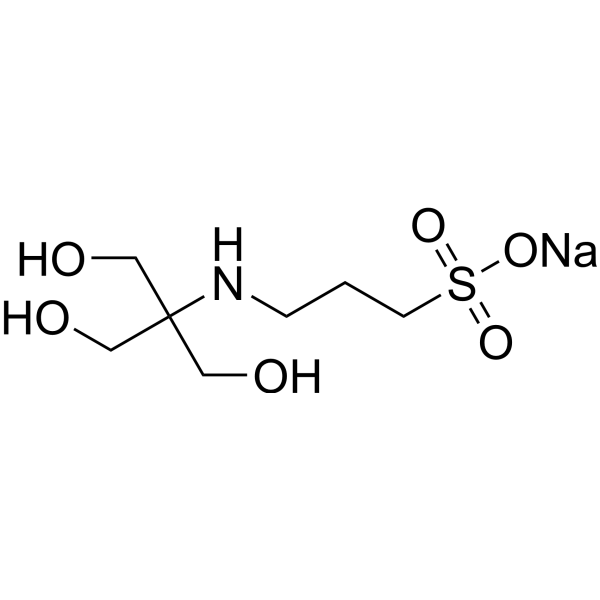
  • HY-D0877

    Biochemical Assay Reagents Connexin Others
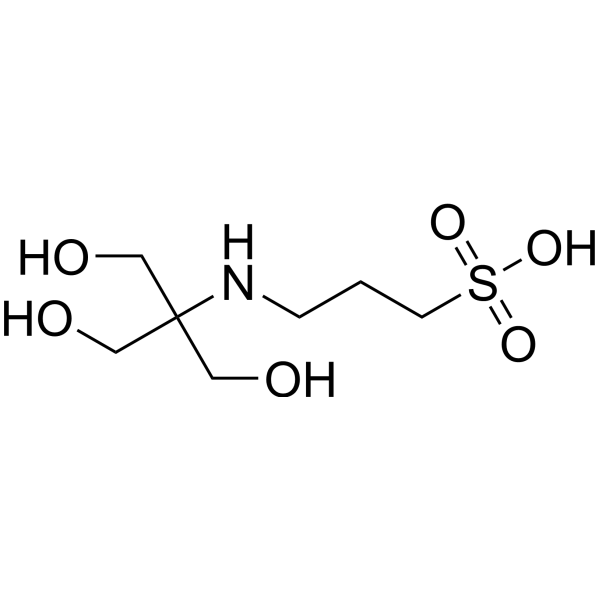
    TAPS is an aminosulfonate-based lysozyme stabilizer and connexin channel inhibitor. TAPS maintains the native structure of lysozyme in aqueous solution at pH 7.0 and significantly protects it from heat-induced denaturation. TAPS directly inhibits the activity of heteromeric connexin 32/connexin 26 channels (Cx32/Cx26) via its protonated form, and this inhibitory effect is dependent on the presence of connexin 26. TAPS reduces connexin channel-mediated solute exchange in a recombinant liposome system, resulting in a decreased degree of liposome density shift in transport-specific separation assays. TAPS is a critical compound for investigating the structure and function of connexin channels .
    TAPS
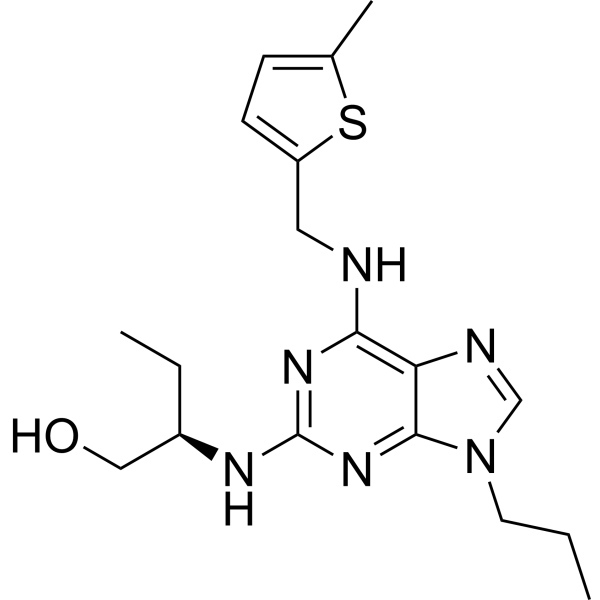
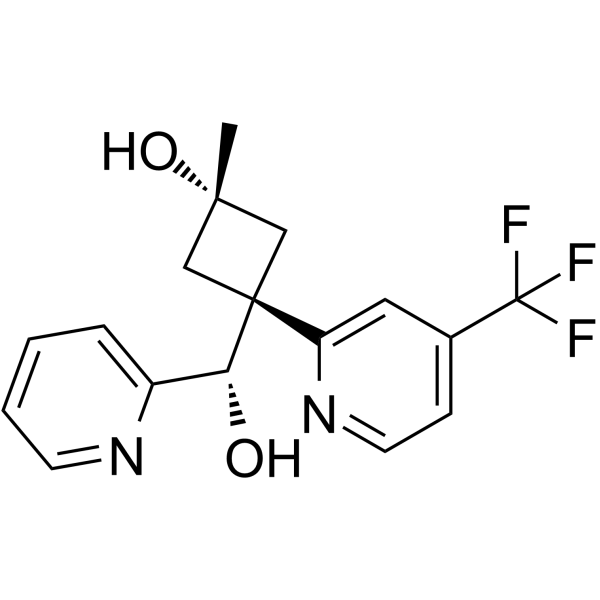
  • HY-157786

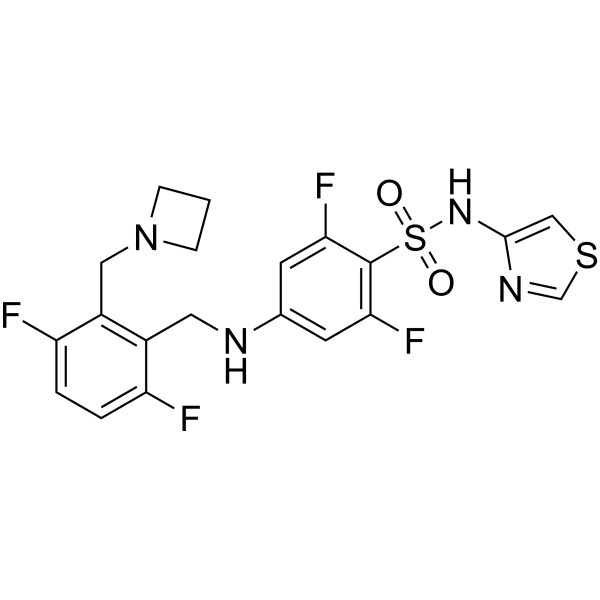
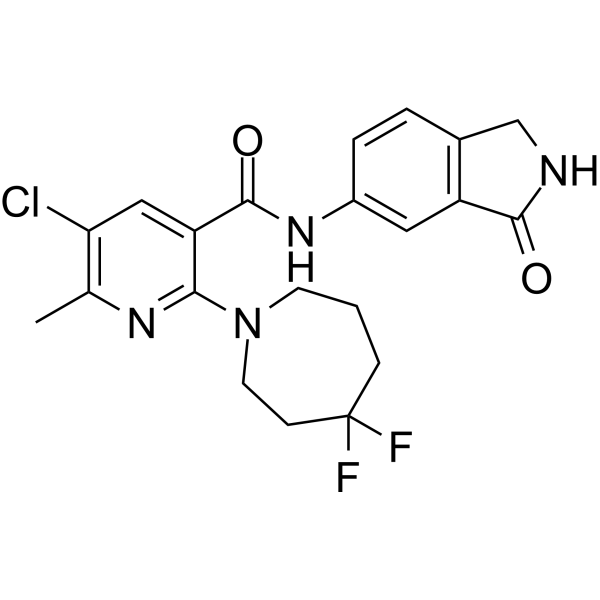
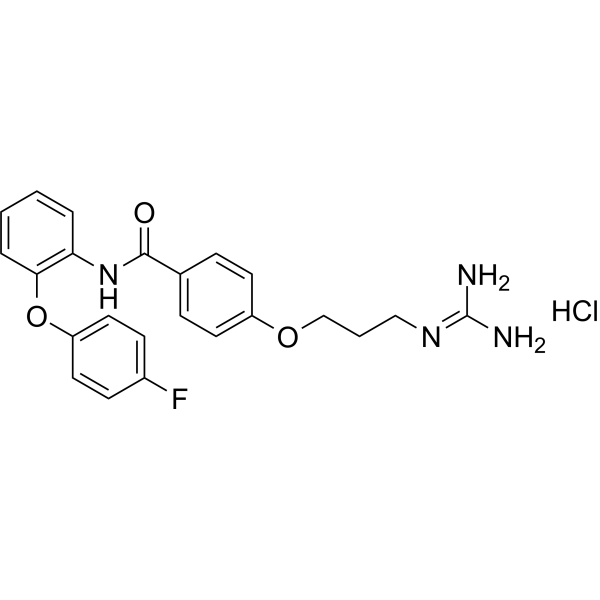
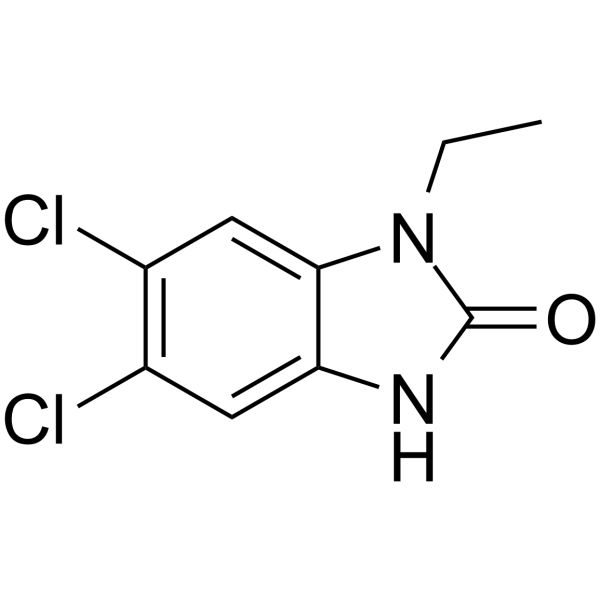
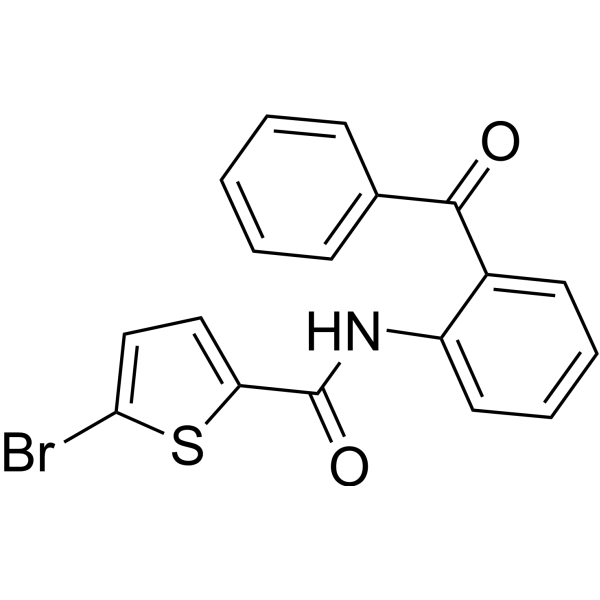
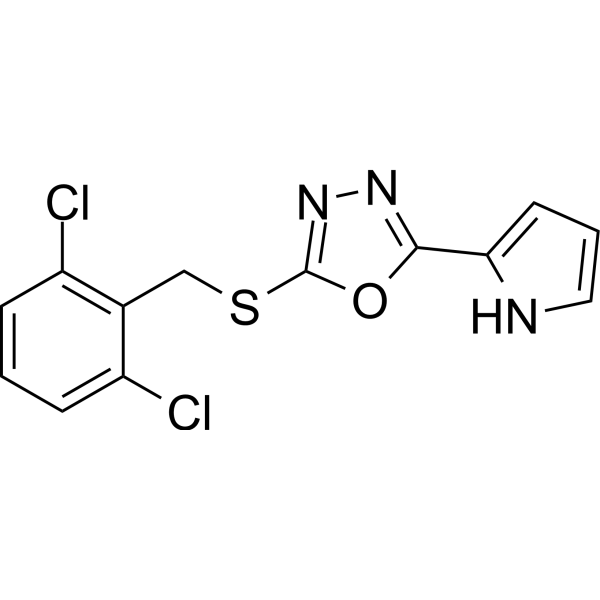
    Sodium Channel Neurological Disease
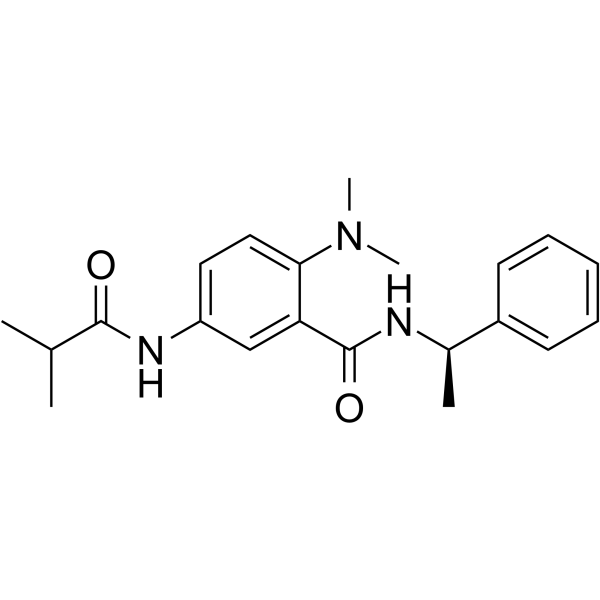
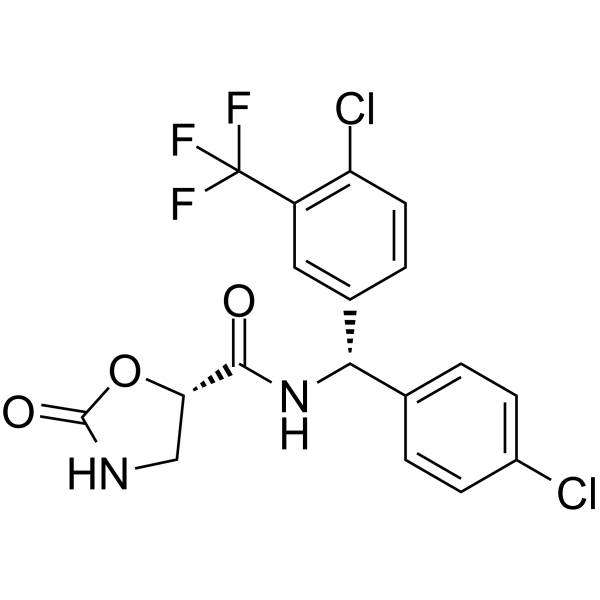
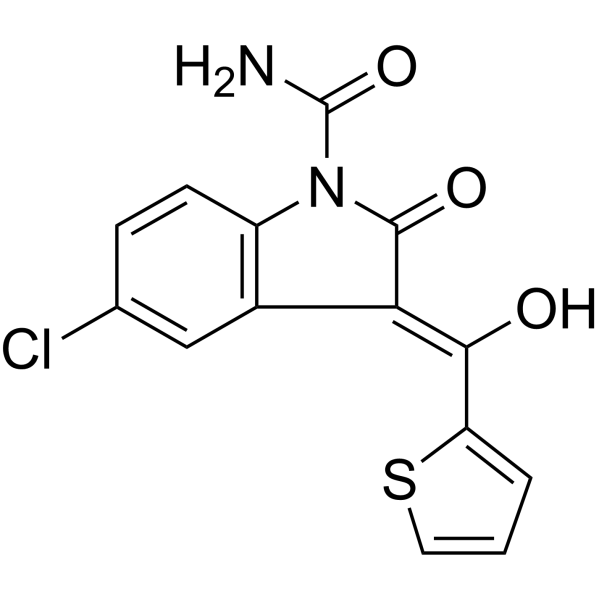
    XPC-5462 is a selective NaV1.6/1.2 inhibitor, with an IC50 of 0.0103 μM against hNaV1.6, 0.0137 μM against mNaV1.6, and 0.0109 μM against hNaV1.2. XPC-5462 significantly reduces epileptiform discharges. XPC-5462 is applicable for epilepsy-related research .
    XPC-5462
  • HY-108593
    BMS-191011
    3 Publications Verification

    BMS-A

    Potassium Channel Neurological Disease
    BMS 191011 (BMS-A) is a potent BKCa channel opener (large-conductance Ca 2+-activated potassium channel). BMS-191011 shows neuroprotective activities in rodent models of stroke .
    BMS-191011
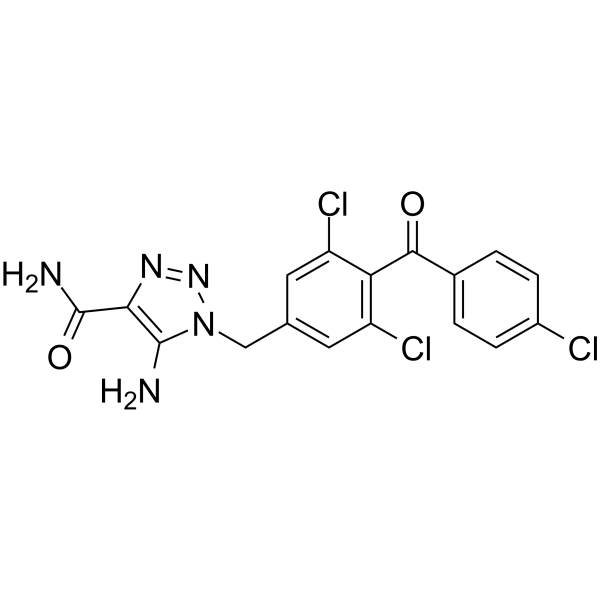
  • HY-16126
    Carboxyamidotriazole
    4 Publications Verification

    L-651582; CAI

    Calcium Channel NF-κB p38 MAPK NO Synthase Cardiovascular Disease Inflammation/Immunology Cancer
    Carboxyamidotriazole (L-651582) is an orally active cytostatic inhibitor of nonvoltage-operated calcium channels and calcium channel-mediated signaling pathways. Carboxyamidotriazole inhibits NF-κB, MAPK activation and NO production. Carboxyamidotriazole has anti-angiogenic and anti-inflammatory activities. Carboxyamidotriazole has anticancer activity against liver cancer, lung cancer and leukemia .
    Carboxyamidotriazole
  • HY-103309
    ML218
    2 Publications Verification

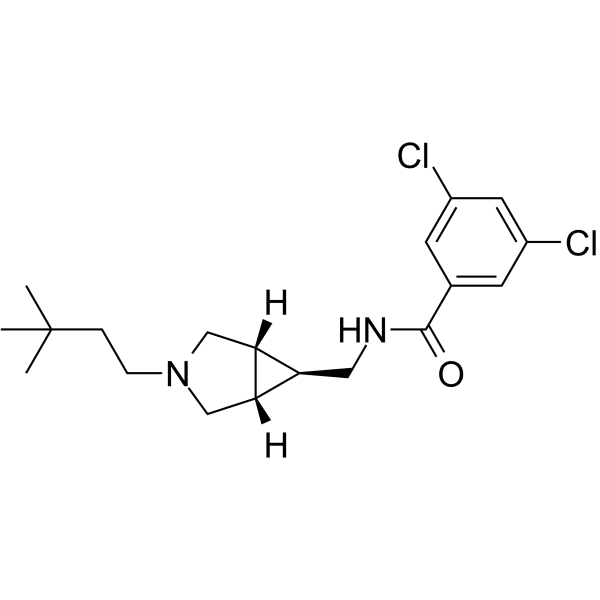
    Calcium Channel Neurological Disease
    ML218 is a potent, selective and orally active T-type Ca 2+ channels (Cav3.1, Cav3.2, Cav3.3) inhibitor with IC50s of 310 nM and 270 nM for Cav3.2 and Cav3.3, respectively. ML218 inhibits the burst activity in subthalamic nucleus (STN) neurons. ML218 has no significant inhibition of L- or N-type calcium channels, KATP or hERG potassium channels. ML218 can penetrate the blood-brain barrier .
    ML218
  • HY-P1077
    CALP1
    3 Publications Verification

    mGluR Phosphodiesterase (PDE) Apoptosis Calmodulin Inflammation/Immunology
    CALP1 is a calmodulin (CaM) agonist (Kd of 88 µM) with binding to the CaM EF-hand/Ca 2+-binding site. CALP1 blocks calcium influx and apoptosis (IC50 of 44.78 µM) through inhibition of calcium channel opening. CALP1 blocks glutamate receptor channels and blocks a store-operated nonselective cation channel. CALP1 activates CaM-dependent phosphodiesterase activity .
    CALP1
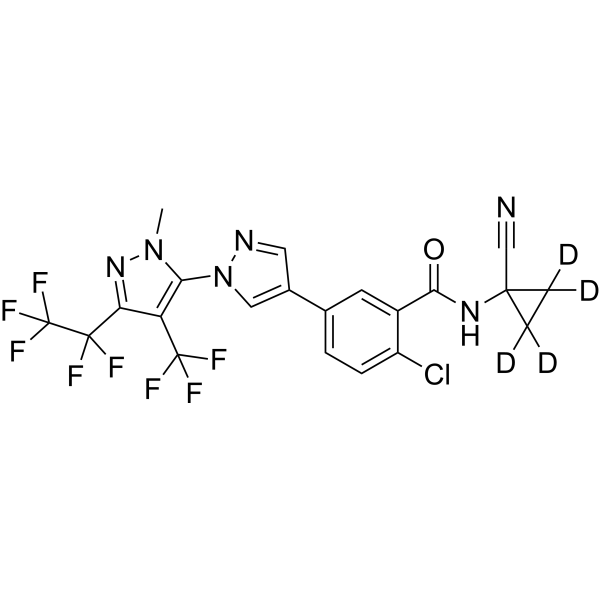
  • HY-109077

    BAY-1272858

    GABA Receptor Parasite Chloride Channel Infection Neurological Disease
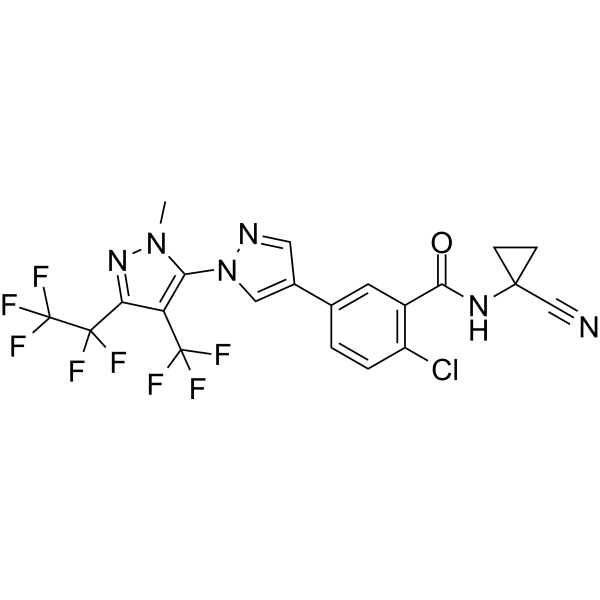
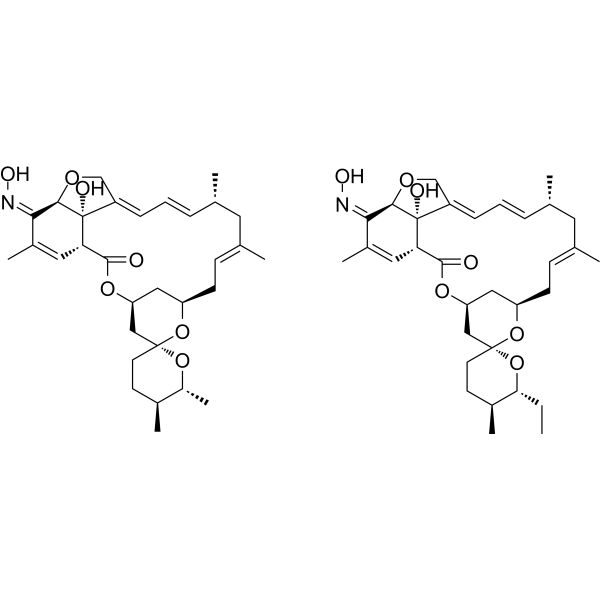
    Tigolaner (BAY-1272858) acts on γ-aminobutyric acid (GABA) and glutamate-gated chloride channels. Tigolaner has antiparasitic activity .
    Tigolaner
  • HY-B1173
    (+)-Camphor
    1 Publications Verification

    D-(+)-Camphor; (1R)-(+)-Camphor

    Environmental Pollutants Bacterial Neurological Disease Inflammation/Immunology Cancer
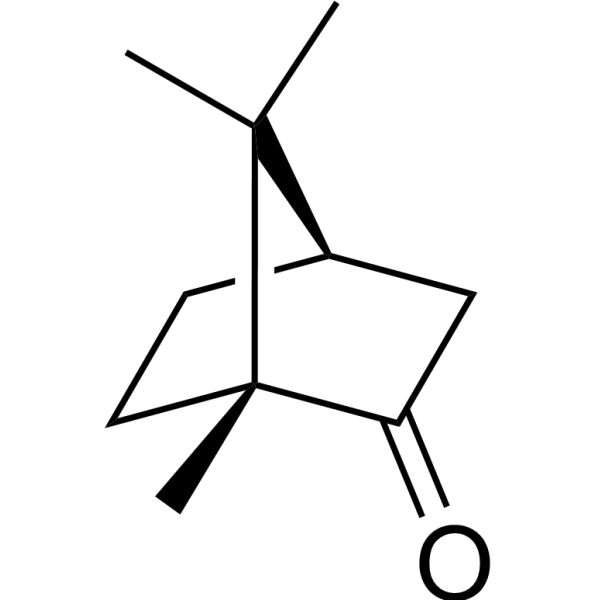
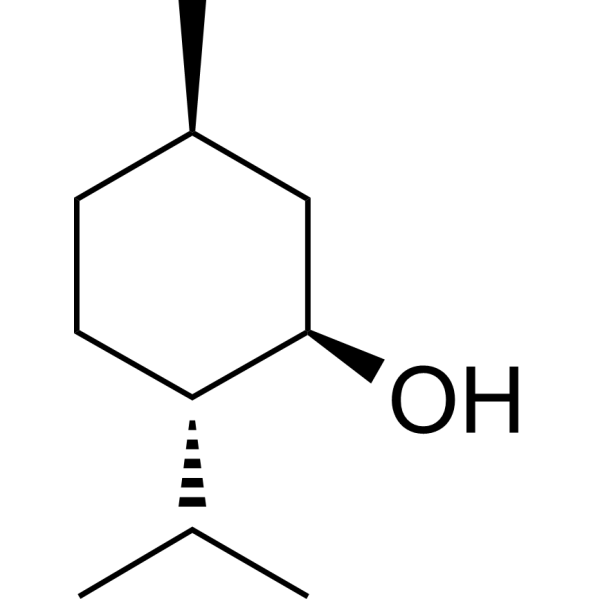
    (+)-Camphor (D-(+)-Camphor; (1R)-(+)-Camphor) is an isomer of Camphor. Camphor is an agonist of monoterpenoid transient receptor potential (TRP) channels (such as TRPV1, TRPV3, TRPM8) and an inhibitor of TRPA1 channels. Camphor's derivatives have multiple biological activities, including antibacterial, antiviral, antioxidant, analgesic and anticancer. Camphor can selectively activate cold-sensitive TRP channels and inhibit TRPA1-mediated nociceptive signals. Camphor stimulates the cold-sensing nerve endings in the skin and regulates the activity of ion channels to exert analgesic, anti-inflammatory and anti-itching effects. It also has anti-proliferative and anti-mutagenic activities on tumor cells, which may be related to inhibiting ribosome function or inducing cell apoptosis. Camphor can be absorbed through the skin and (+)-Camphor can be used in the study of muscle and joint pain and inflammation .
    (+)-Camphor
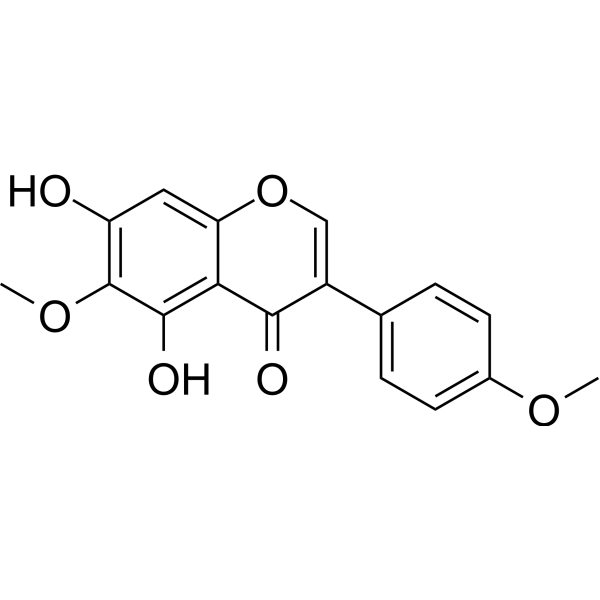
  • HY-N1847

    Sodium Channel Neurological Disease
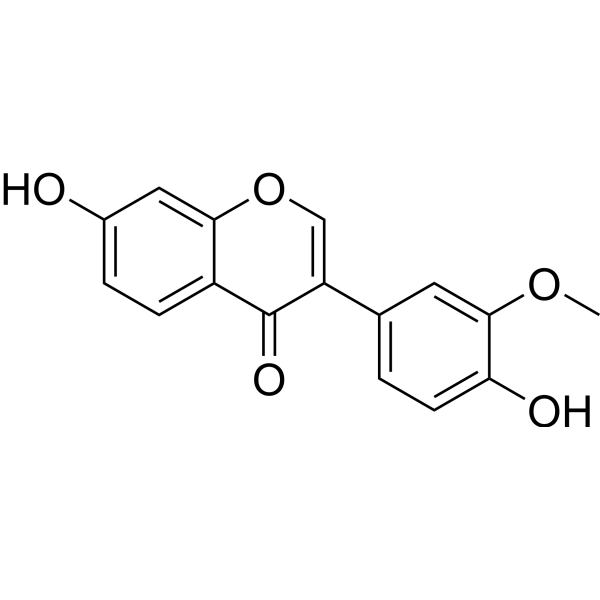
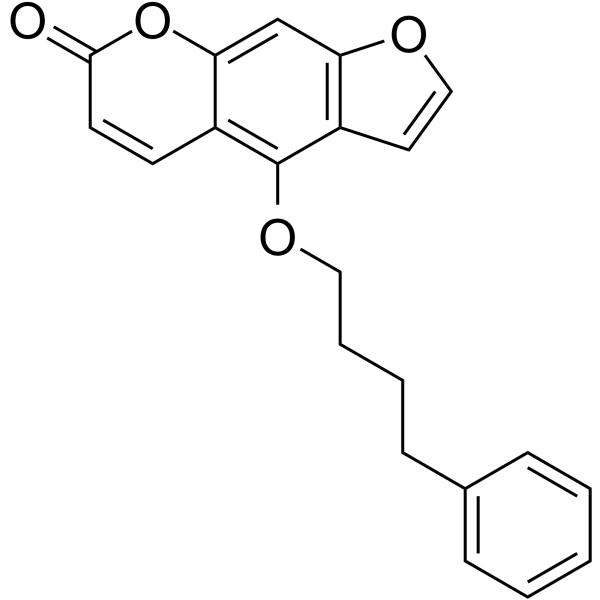
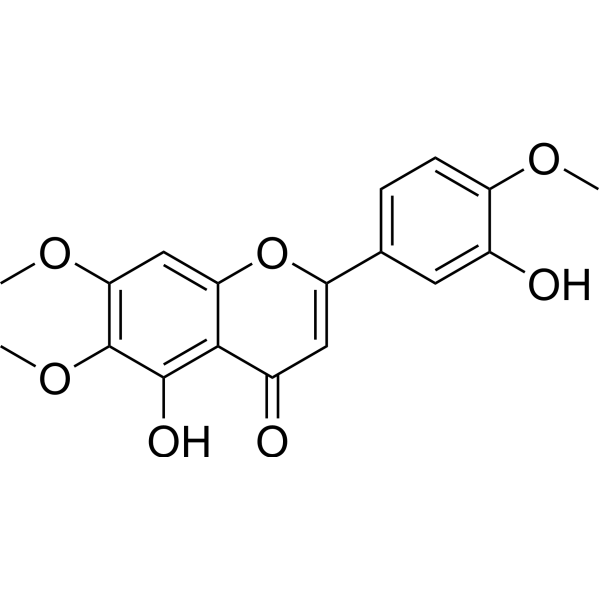
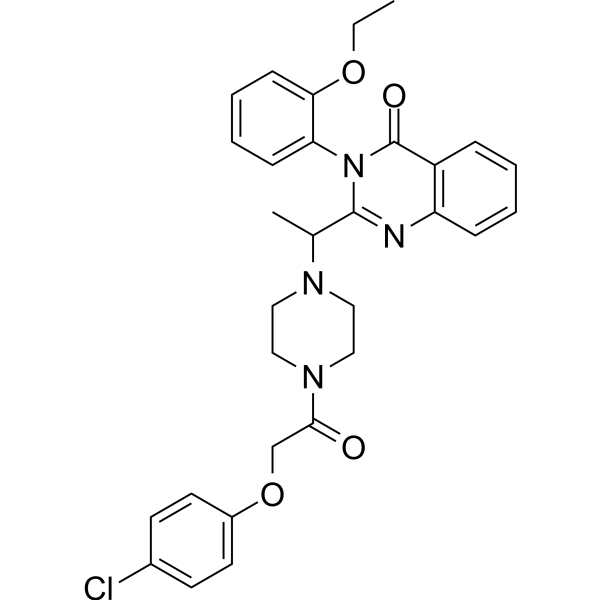
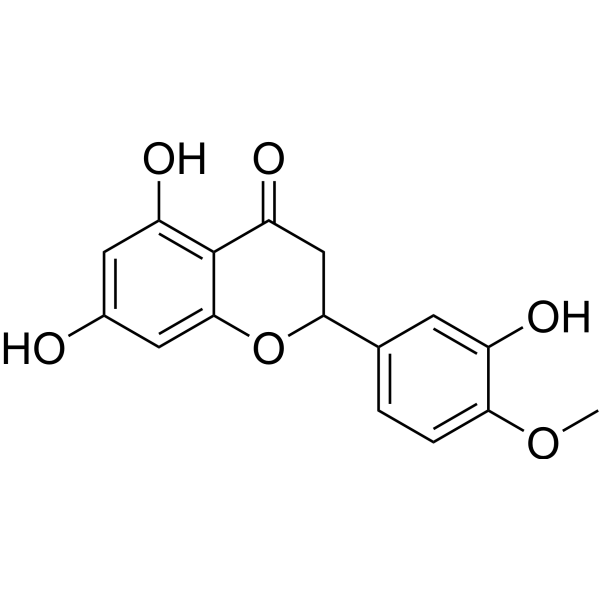
    3'-Methoxydaidzein is a isoflavone and a Sodium Channel inhibitor. 3'-Methoxydaidzein inhibits subtypes NaV1.7, NaV1.8 and NaV1.3 with IC50 of 181 nM, 397 nM, and 505 nM, respectively. 3'-Methoxydaidzein exerts analgesic activity by inhibiting voltage-gated sodium channels .
    3'-Methoxydaidzein
  • HY-159819

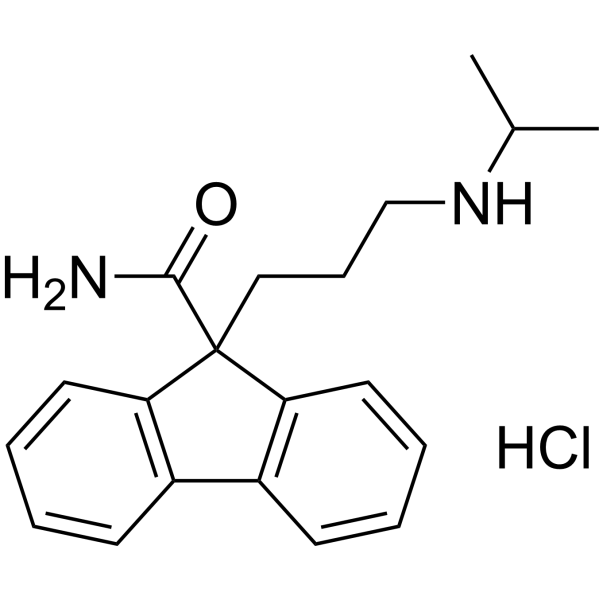
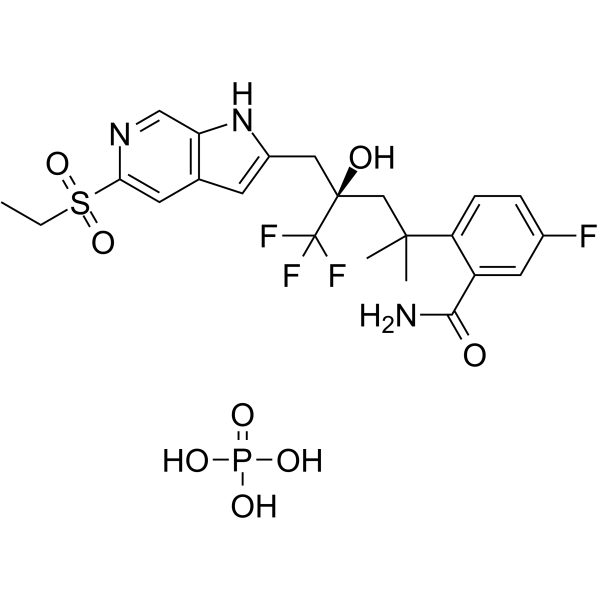
    Sodium Channel Neurological Disease
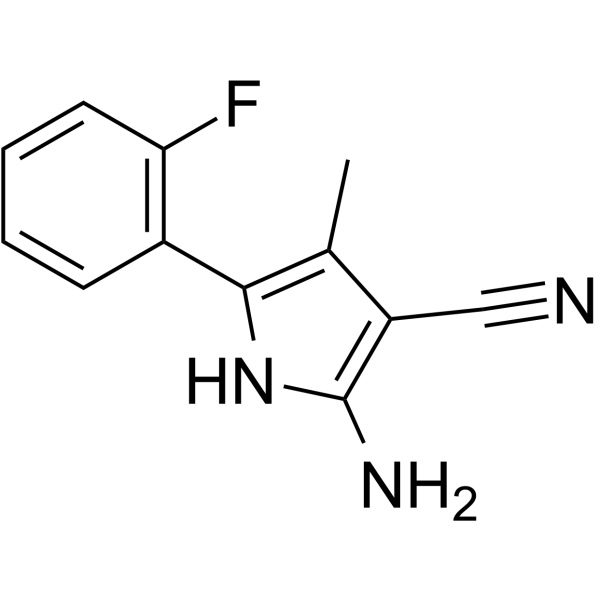
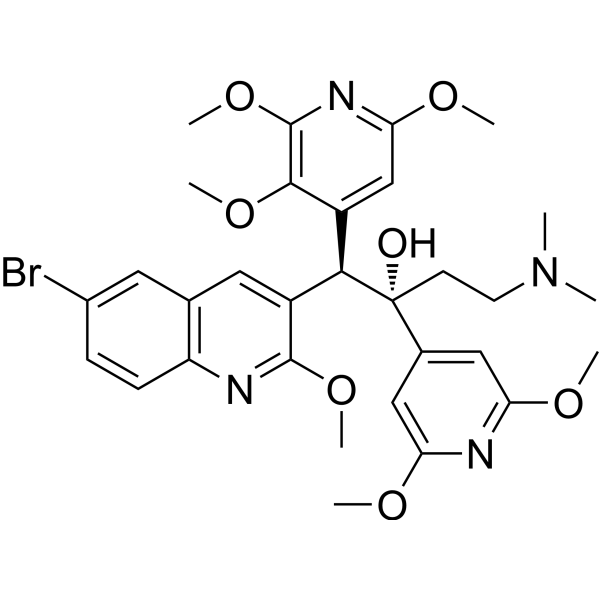
    Vormatrigine is an orally active sodium channel inhibitor with anti-epileptic activity. Vormatrigine can be used to study human focal and generalized epilepsy .
    Vormatrigine
  • HY-N3990
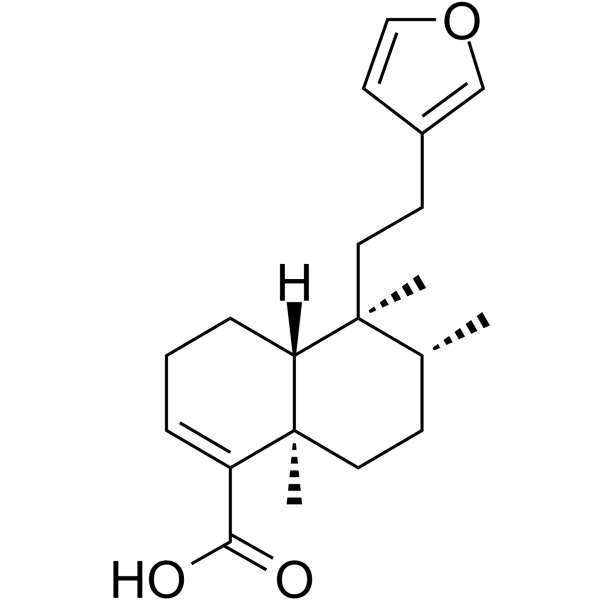
    Hardwickiic acid
    1 Publications Verification

    (-)-Hardwickiic acid; (-)-Hardwikiic acid

    Sodium Channel Parasite Infection Neurological Disease
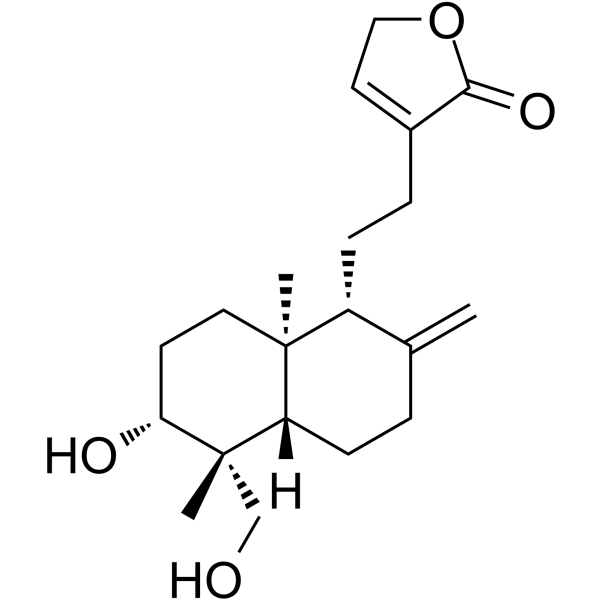
    Hardwickiic acid ((-)-Hardwickiic acid) is a diterpenoid compound. Hardwickiic acid can block tetrodotoxin-sensitive voltage-dependent sodium channels and possesses multiple activities such as insecticidal, antinociceptive, and neurotransmitter release-regulating effects. Hardwickiic acid can be used in the study of neurological diseases .
    Hardwickiic acid
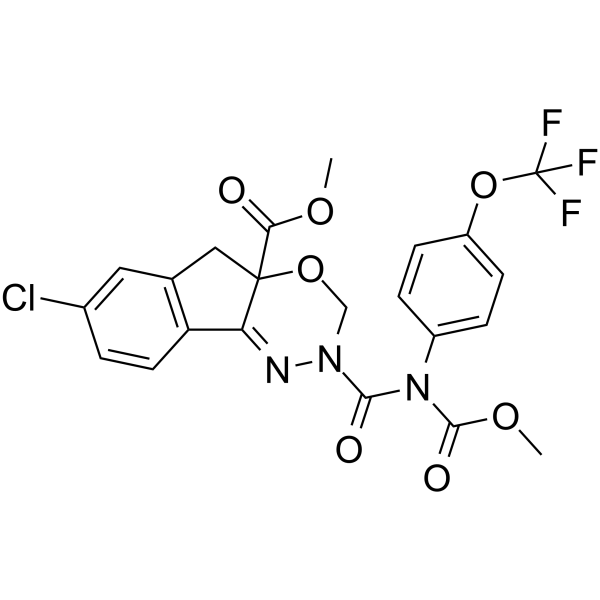
  • HY-136330

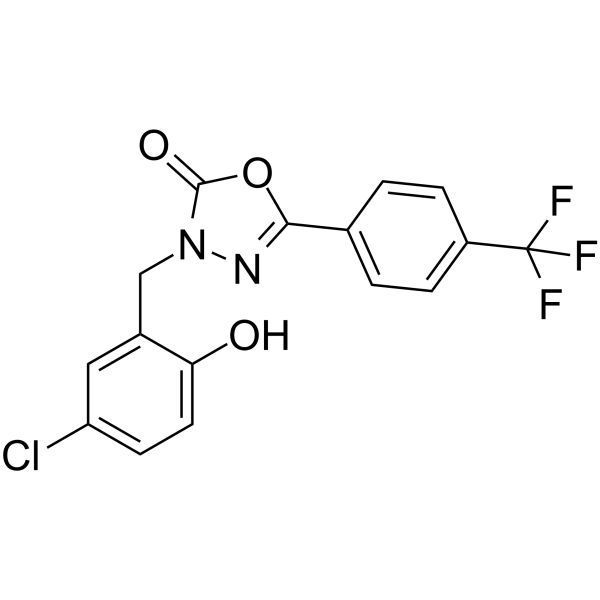
    Insecticide Parasite Sodium Channel Infection
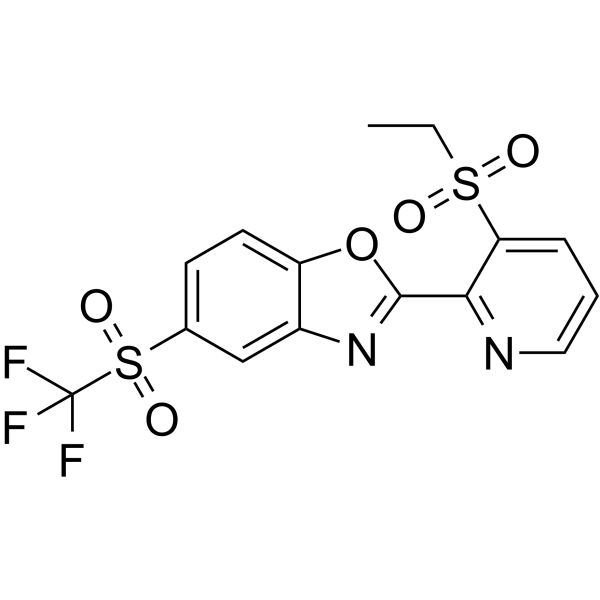
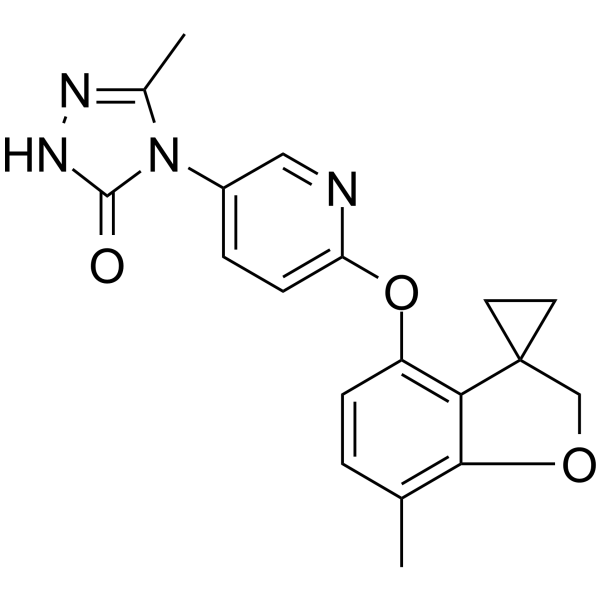
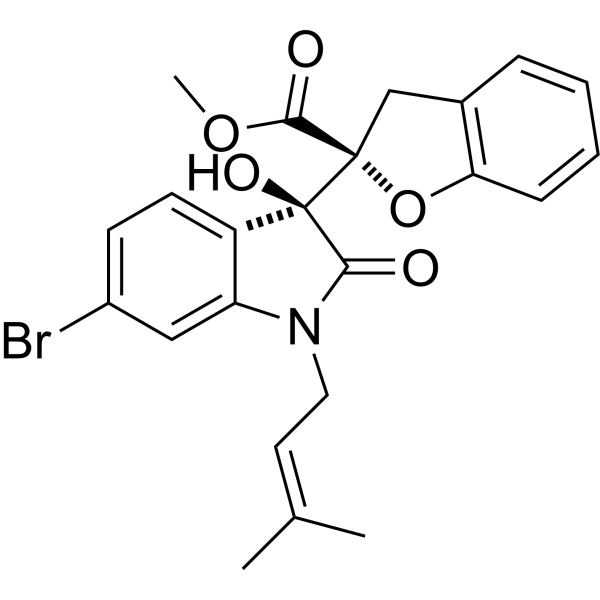
    Oxazosulfyl is a sulfyl insecticide with potent and cross-spectrum insecticidal activity. Oxazosulfyl inhibits sodium currents by binding to and stabilizing the slow-inactivated state of voltage-gated sodium channels, leading to insect paralysis. Oxazosulfyl's ability to block sodium channels is correlated with its insecticidal activity .
    Oxazosulfyl
  • HY-14834A

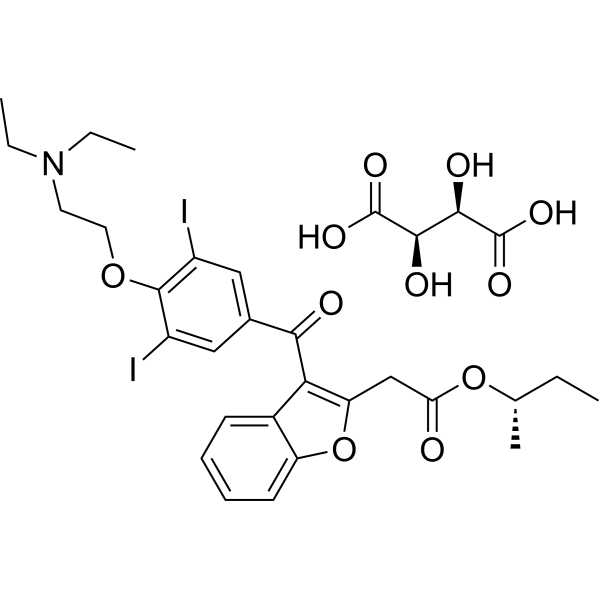
    ATI-2042 tartrate

    Potassium Channel Sodium Channel Calcium Channel Cardiovascular Disease
    Budiodarone (ATI-2042) tartrate is a chemical analogue of Amiodarone (HY-14187) with balanced, multiple cardiac ion channel (potassium, sodium and calcium channels) inhibiting activity. Budiodarone tartrate is an antiarrhythmic agent .
    Budiodarone tartrate
  • HY-133910
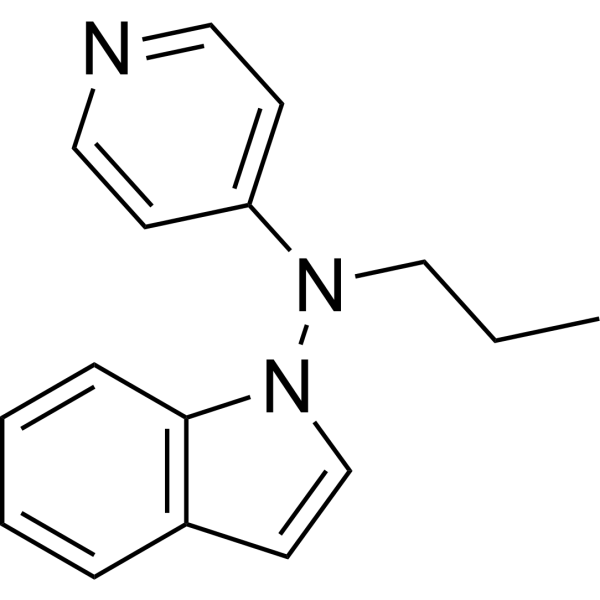
    Lu AE98134
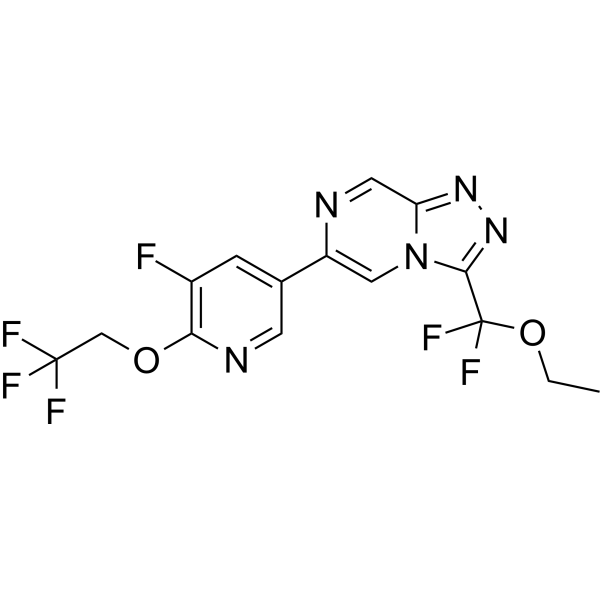
    1 Publications Verification

    Sodium Channel Neurological Disease
    Lu AE98134, an activator of voltage-gated sodium channels, acts as a partly selective Nav1.1 channels positive modulator. Lu AE98134 also increases the activity of Nav1.2 and Nav1.5 channels but not of Nav1.4, Nav1.6 and Nav1.7 channels. Lu AE98134 can be used to analyze pathophysiological functions of the Nav1.1 channel in various central nervous system diseases, including cognitive restoring in schizophrenia, et al .
    Lu AE98134
  • HY-113147B
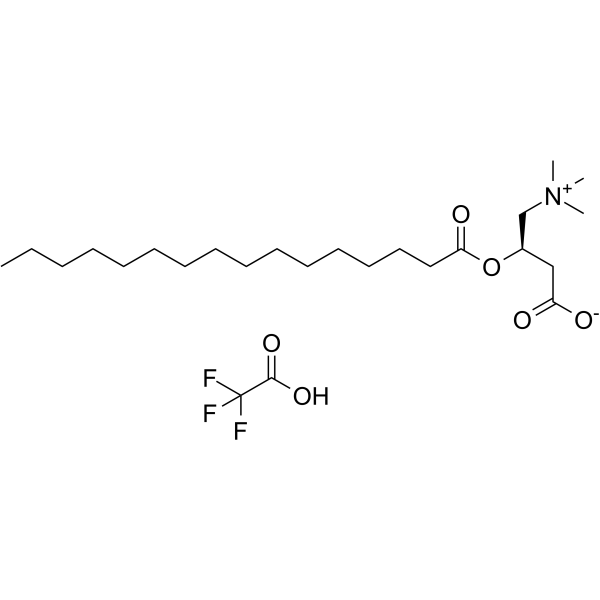
    L-Palmitoylcarnitine TFA
    2 Publications Verification

    Endogenous Metabolite Potassium Channel Cardiovascular Disease Metabolic Disease
    L-Palmitoylcarnitine TFA, a long-chain acylcarnitine and a fatty acid metabolite, accumulates in the sarcolemma and deranges the membrane lipid environment during ischaemia. L-Palmitoylcarnitine TFA inhibits KATP channel activity, without affecting the single channel conductance, through interaction with Kir6.2 .
    L-Palmitoylcarnitine TFA
  • HY-P0173B
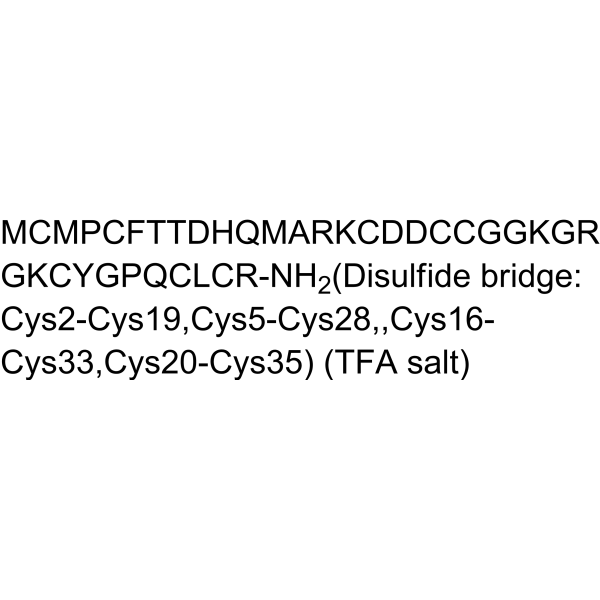
    Chlorotoxin TFA
    2 Publications Verification

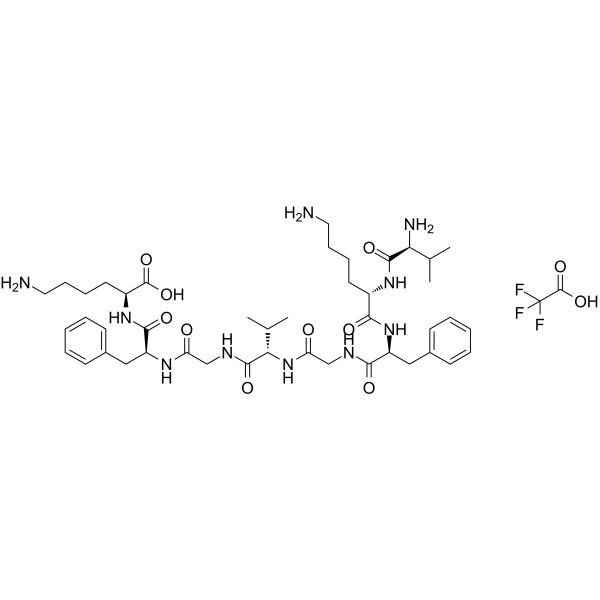
    Chloride Channel Cancer
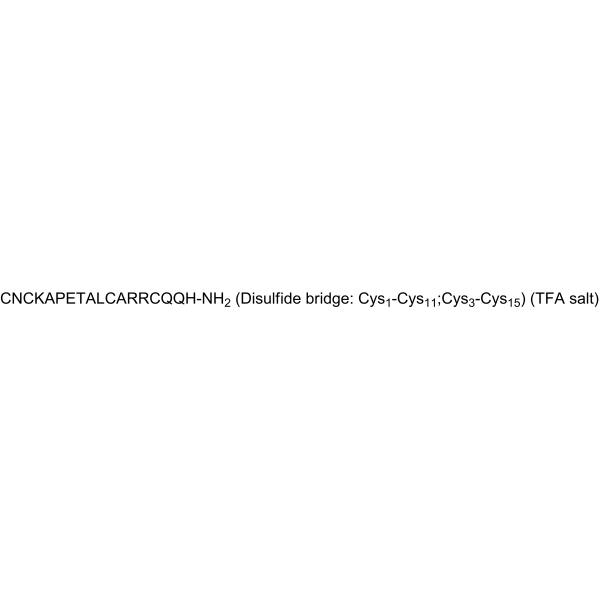
    Chlorotoxin TFA is a peptide isolated from the venom of the scorpion Leiurus quinquestriatus, acts as a chloride channel blocker . Anti-cancer activity .
    Chlorotoxin TFA
  • HY-P1077A
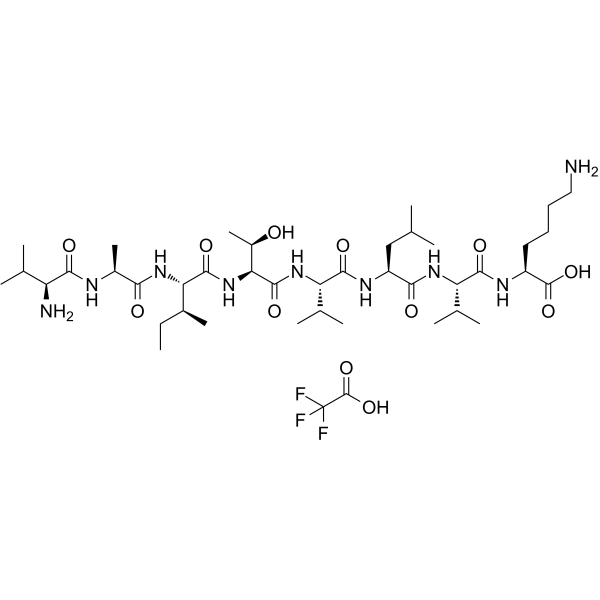
    CALP1 TFA
    3 Publications Verification

    mGluR Phosphodiesterase (PDE) Apoptosis Calmodulin Inflammation/Immunology
    CALP1 TFA is a calmodulin (CaM) agonist (Kd of 88 µM) with binding to the CaM EF-hand/Ca 2+-binding site. CALP1 TFA blocks calcium influx and apoptosis (IC50 of 44.78 µM) through inhibition of calcium channel opening. CALP1 TFA blocks glutamate receptor channels and blocks a store-operated nonselective cation channel. CALP1 TFA activates CaM-dependent phosphodiesterase activity .
    CALP1 TFA
  • HY-N2060

    Apoptosis Bacterial Infection Inflammation/Immunology Cancer
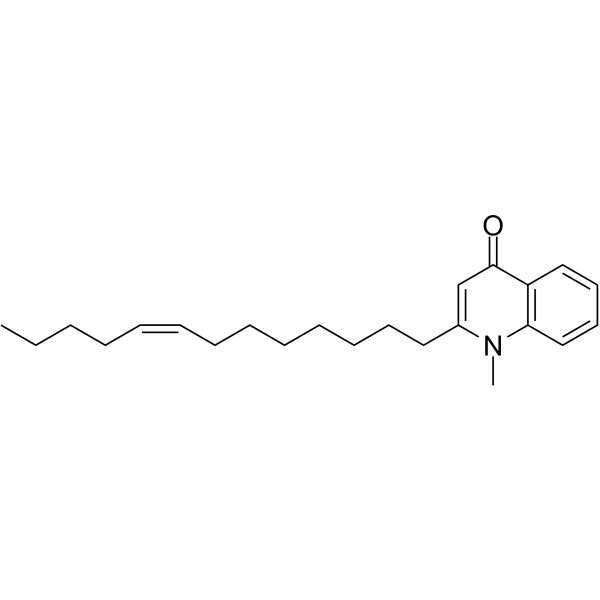
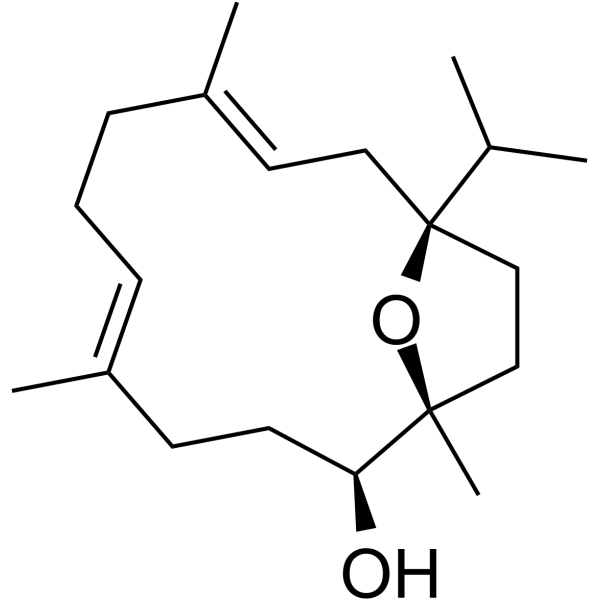
    Evocarpine, a quinolone alkaloid that could be isolated from Evodiae fructus, inhibitss Ca 2+ influx through voltage-dependent calcium channels. Antimycobacterial activity .
    Evocarpine
  • HY-111013

    Drug Derivative Adrenergic Receptor Cardiovascular Disease
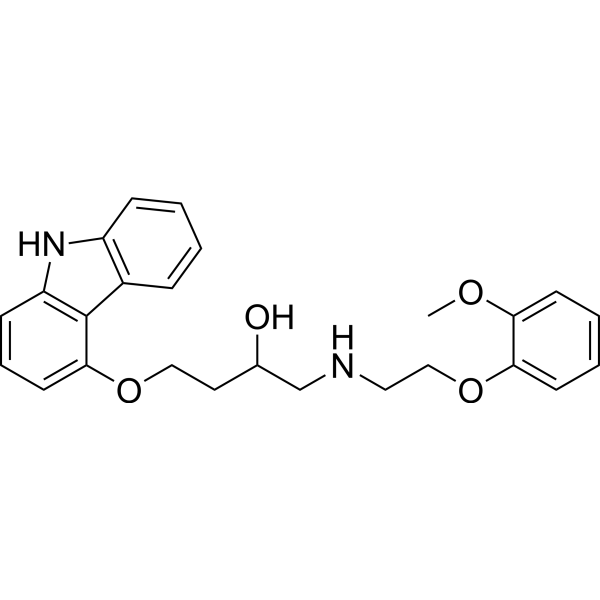
    VK-II-86 is a Carvedilol (HY-B0006) analogue lacking antagonist activity at β-adrenoceptors, in hypokalaemia. VK-II-86 prevents hypokalaemia-induced ventricular arrhythmia through multi-channel effects. VK-II-86 prevents all hypokalaemia-induced changes in ion channel activity and oxidative stress .
    VK-II-86
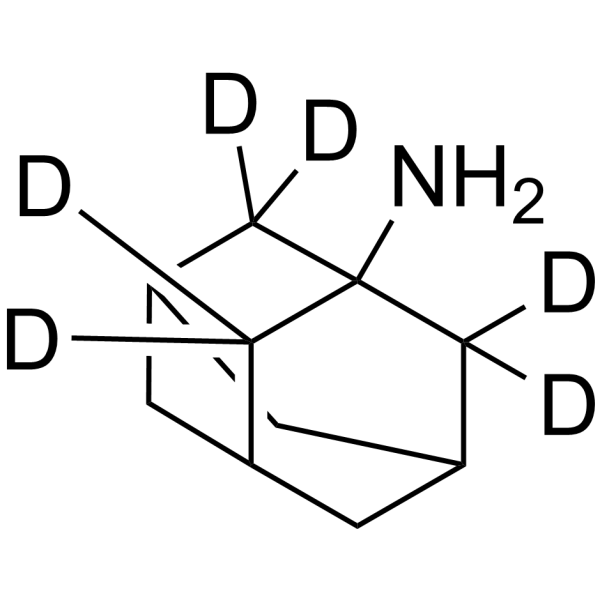
  • HY-B0402S

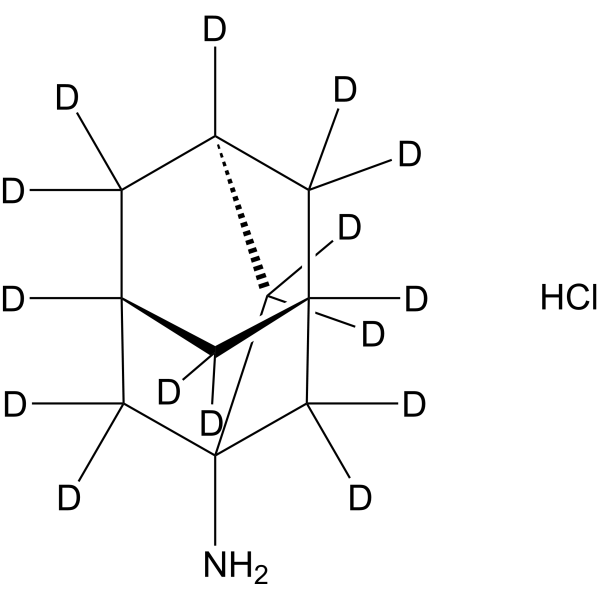
    1-Adamantanamine-d15; 1-Aminoadamantane-d15

    Influenza Virus Orthopoxvirus SARS-CoV Apoptosis Infection Neurological Disease Cancer
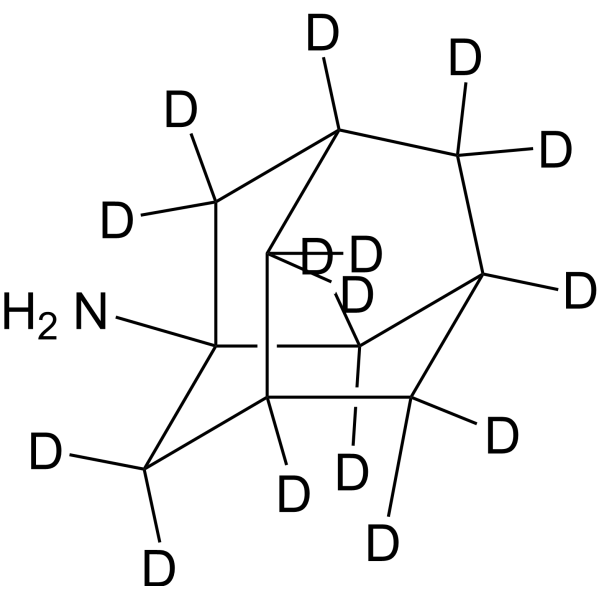
    Amantadine-d15 is the deuterium labeled Amantadine. Amantadine (1-Adamantanamine) is an antiviral agent with activity against influenza A viruses. Amantadine blocks the proton flow through the M2 ion channel (M2 proton channel of influenza A) and thus prevents the release of viral RNA into the cytoplasm of the infected cells. Amantadine is an antiparkinsonian agent .
    Amantadine-d15
  • HY-117931

    Potassium Channel Neurological Disease
    NS004 is a potassium (BK) channel activator that increases Iberiotoxin (HY-P0190) or Tetraethylammonium (HY-B1793)-sensitive whole-cell efflux currents. NS004 also significantly increased the activity of individual GH3 cell BK channels and rat brain BK channels reorganized into planar lipid bilayers, causing an increase in channel mean open time, a decrease in intermittent time, and an increase in channel voltage/calcium sensitivity .
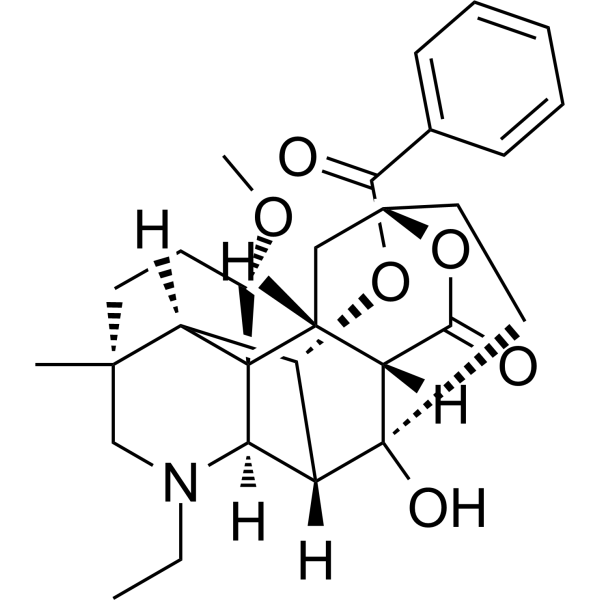
    NS004
  • HY-N12093

    Sodium Channel Parasite Infection
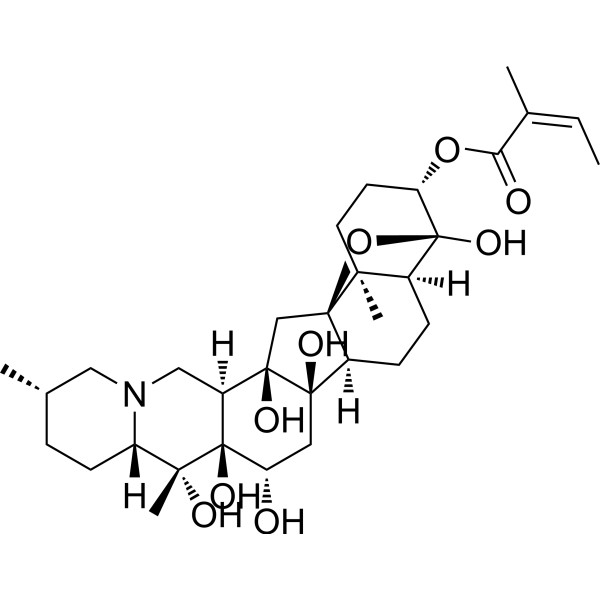
    Cevadine is a voltage-sensitive sodium channel agonist. Cevadine has insecticidal activity .
    Cevadine
  • HY-131987S

    Isotope-Labeled Compounds Sodium Channel Cardiovascular Disease
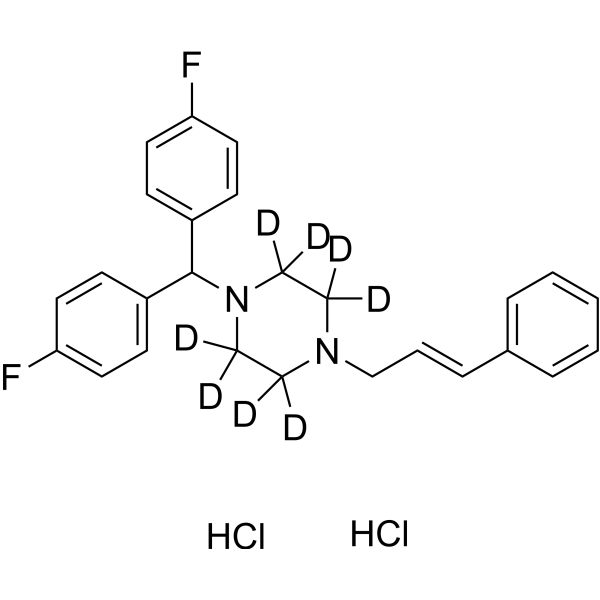
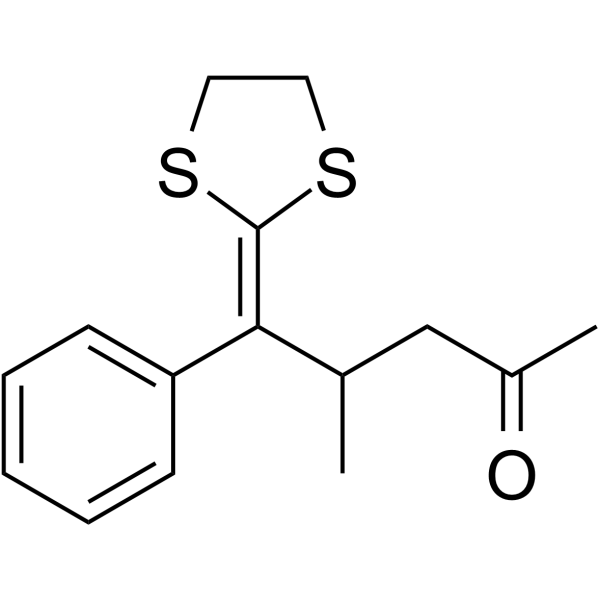
    Ethacizine-d5 is the deuterium labeled Ethacizine (HY-131987). Ethacizine is an antiarrhythmic agent with inhibitory activity on sodium channels.
    Ethacizine-d5
  • HY-172374A

    Potassium Channel Inflammation/Immunology
    KV1.3-IN-2 hydrochloride is a kv1.3 potassium channel inhibitor without affecting hERG channel activity. KV1.3-IN-2 hydrochloride can be used in research of immune-related diseases such as psoriasis, rheumatoid arthritis, and systemic lupus erythematosus .
    KV1.3-IN-2 hydrochloride
  • HY-172374

    Potassium Channel Inflammation/Immunology
    KV1.3-IN-2 is a kv1.3 potassium channel inhibitor without affecting hERG channel activity. KV1.3-IN-2 can be used in research of immune-related diseases such as psoriasis, rheumatoid arthritis, and systemic lupus erythematosus .
    KV1.3-IN-2
  • HY-A0176

    Potassium Channel Cardiovascular Disease Metabolic Disease
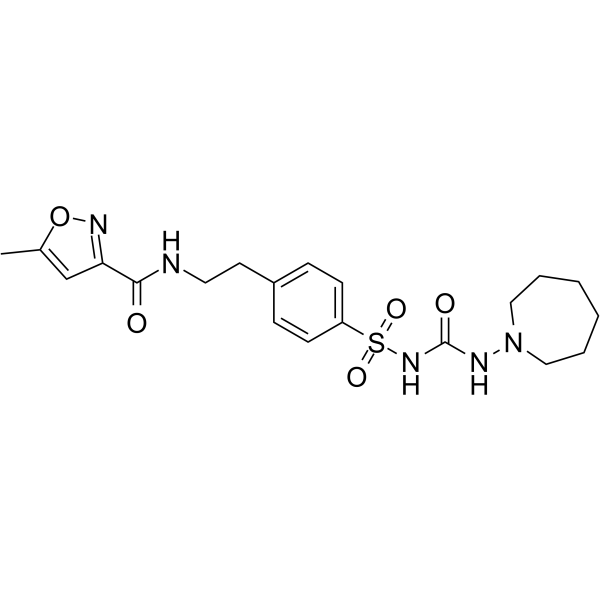
    Glisoxepide, a sulphonamide derivative, is an orally available nonselective K(ATP) channel blocker, with antihyperglycemic activity and cardiovascular regulation effect .
    Glisoxepide
  • HY-B0402B

    1-Adamantanamine sulfate; 1-Aminoadamantane sulfate

    Influenza Virus Orthopoxvirus SARS-CoV Apoptosis CDK Bcl-2 Family Infection Neurological Disease Cancer
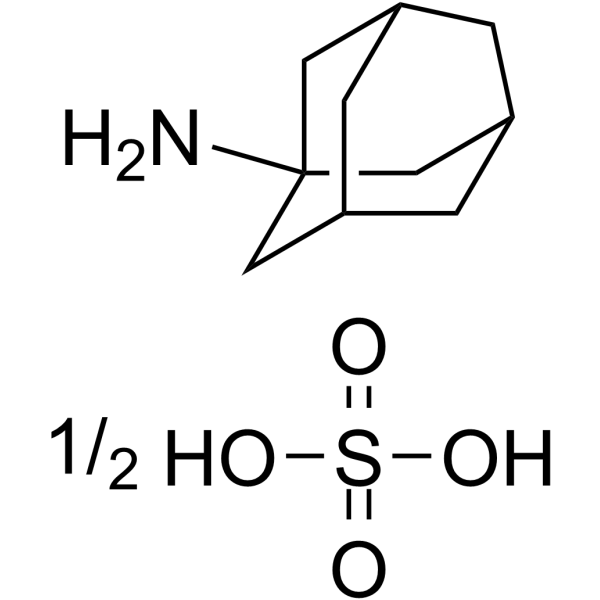
    Amantadine (1-Adamantanamine) sulfate is an orally avtive and potent antiviral agent with activity against influenza A viruses. Amantadine sulfate inhibits several ion channels such as NMDA and M2, and also inhibits Coronavirus ion channels. Amantadine sulfate also has anti-orthopoxvirus and anticancer activity. Amantadine sulfate can be used for Parkinson's disease, postoperative cognitive dysfunction (POCD) and COVID-19 research .
    Amantadine sulfate
  • HY-Z6848

    Sodium Channel Neurological Disease
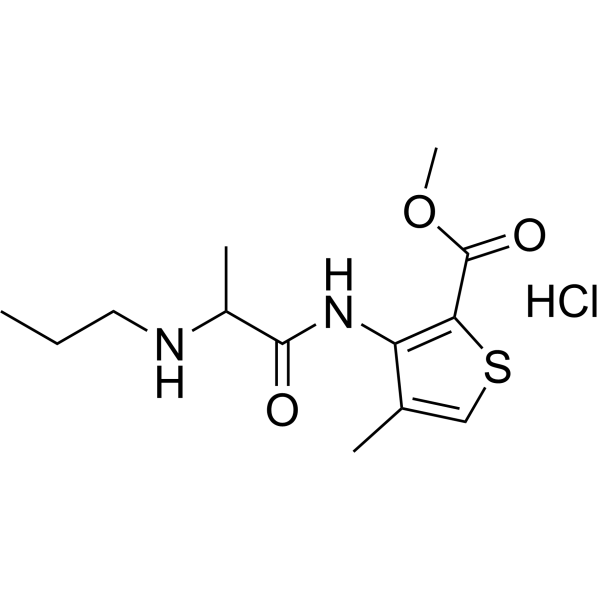
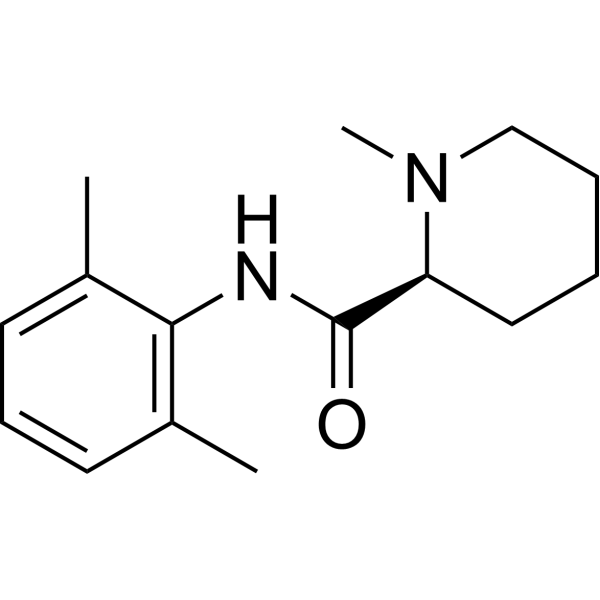
    (R)-(+)-Bupivacaine hydrochloride is a voltage-gated sodium channel inhibitor. (R)-(+)-Bupivacaine hydrochloride can selectively block the voltage-gated sodium channels on nerve cell membranes, inhibit the influx of sodium ions, and thus prevent the generation and conduction of nerve impulses, exerting local anesthetic activity. (R)-(+)-Bupivacaine hydrochloride can be used in research of acute pains .
    (R)-(+)-Bupivacaine hydrochloride
  • HY-44153

    Potassium Channel Neurological Disease
    KV2 channel inhibitor-1 is a selective KV2 channel inhibitor with IC50s of 0.2 μM and 0.41 μM for KV2.1 and KV2.2, respectively. KV2 channel inhibitor-1 possesses good selectivity over KV1.2 (IC50>10 μM). KV2 channel inhibitor-1 is >10-fold selective over NaV channels and other KV channels and displays weak activity on CaV channels .
    KV2 channel inhibitor-1
  • HY-106822

    AO-33; (±)-Losigamone; LSG

    Sodium Channel Chloride Channel Neurological Disease
    Losigamone (AO-33) is an orally active antiepileptic compound. Losigamone blocks sodium channel. Losigamone stimulates the neuronal chloride channel and enhance chloride influx. Losigamone potentiates GABA-mediated responses and reduces epileptiform activity induced by chloride channel antagonists. Losigamone can be used for epilepsy research .
    Losigamone
  • HY-N2433

    Potassium Channel Neurological Disease
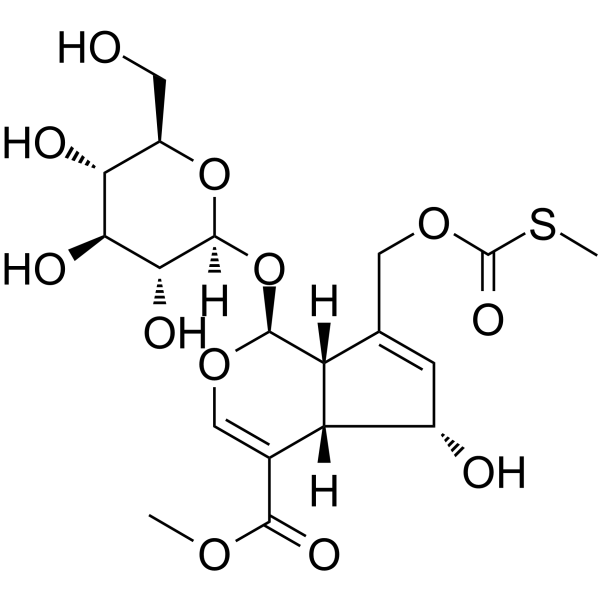
    Paederosidic acid methyl ester is a ATP‐sensitive K + channel activator, isolated from P. scandens. Paederosidic acid methyl ester exhibits significant central analgesic activity, and enhances the threshold of pain by activating ATP‐sensitive K + channel in the brain and spinal cord level .
    Paederosidic acid methyl ester
  • HY-131987

    Sodium Channel Cardiovascular Disease
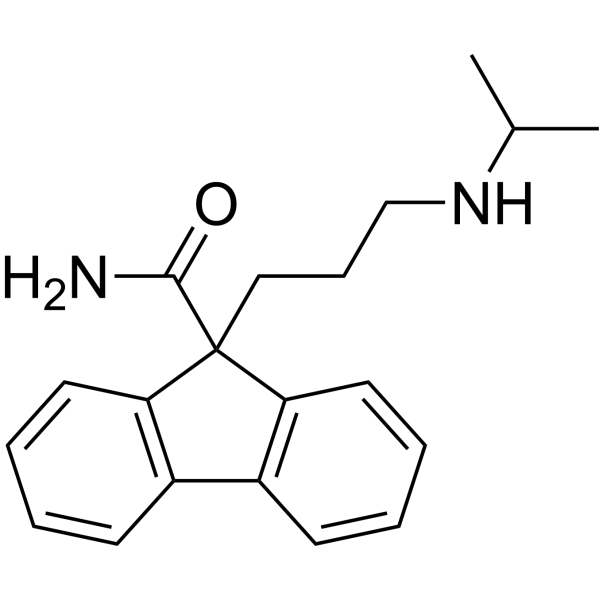
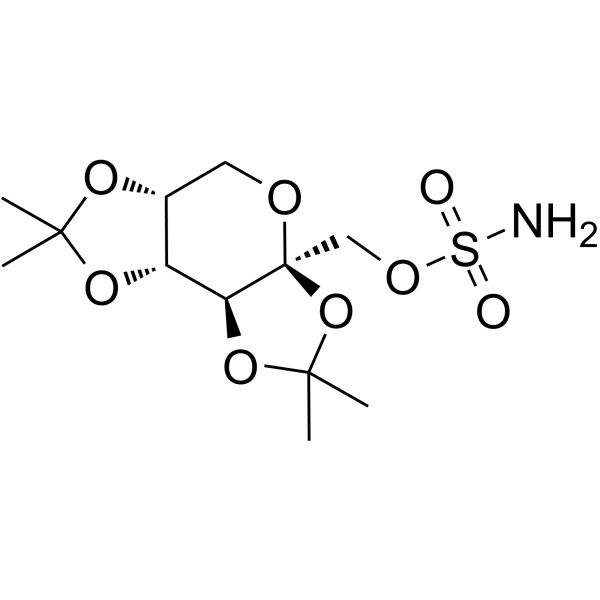
    Ethacizine is an antiarrhythmic agent with inhibitory activity on sodium channels .
    Ethacizine
  • HY-W150752

    Estrogen Receptor/ERR Calcium Channel Endocrinology
    Triphenylethylene is an aromatic hydrocarbon that possesses weak estrogenic activity. Triphenylethylene antiestrogens relax duodenal intestinal muscle via a mechanism that involves inhibition of L-type Ca 2+ channels but not activation of K + channels .
    Triphenylethylene
  • HY-121516

    Potassium Channel Others
    CM-TPMF is a K(Ca)2 channel modulator with selective activation and inhibition of K(Ca)2.1 subtypes. CM-TPMF can act on K(Ca)2.1 channels as an activator or inhibitor, and its activity is affected by the stereochemical structure. It can be used to study the physiological or pathophysiological effects of K(Ca)2.1 channels.
    CM-TPMF
  • HY-19049

    Potassium Channel Cardiovascular Disease
    CK-1649 chloride is a class III antiarrhythmic agent. CK-1649 chloride can inhibit potassium channel activity .
    CK-1649 chloride
  • HY-131261

    Drug Metabolite Inflammation/Immunology
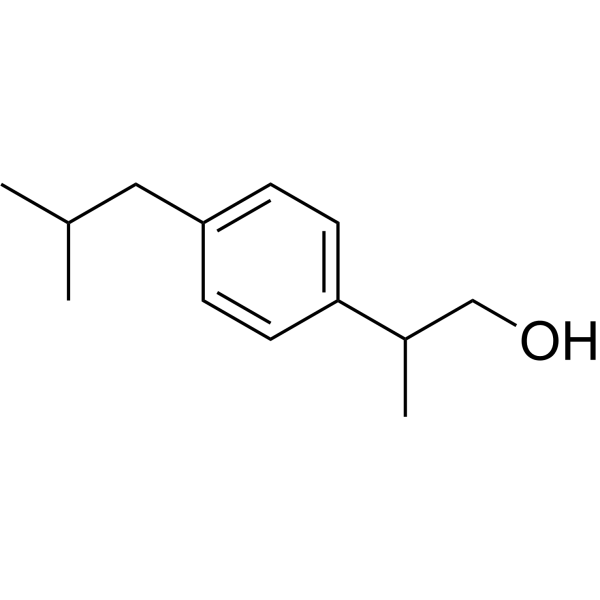
    Ibuprofen alcohol, a nonsteroidal antiinflammatory agent (NSAID), exhibits very little activity for acid-sensing ion channels (ASICs) .
    Ibuprofen alcohol
  • HY-101256

    Potassium Channel Others
    ZM226600 is an ATP-sensitive potassium channel opener (EC50: 500 nM). ZM226600 inhibits bladder spontaneous activity .
    ZM226600
  • HY-12596

    Calcium Channel Sodium Channel Potassium Channel Neurological Disease
    JNJ-26489112, a CNS-active agent, exhibits broad-spectrum anticonvulsant activity in rodents against audiogenic, electrically-induced, and chemically-induced seizures. JNJ-26489112 inhibits voltage-gated Na + channels and N-type Ca 2+ channels, and is effective as a K + channel opener. JNJ-26489112 has very weak inhibition of CA-II (IC50=35 μM) and CA-I (18 μM) .
    JNJ-26489112
  • HY-120484

    Calcium Channel Neurological Disease
    A-1048400 is an orally active and selective calcium channel inhibitor with an IC50 value of 1.4 μM for N-type channels, 1.2 μM for T-type channel. A-1048400 inhibits neurotransmitter release and reduces membrane hyperexcitability, exerting potent analgesic activity. A-1048400 is promising for research of neuropathic pain (e.g., pain induced by spinal nerve ligation and chronic constriction injury) .
    A-1048400

Inquiry Online

Your information is safe with us. * Required Fields.

Salutation


Country or Region *

Applicant Name *


Organization Name *

Department *


Email Address *


Product Name *

Cat. No.


Requested quantity *

Phone Number *


Remarks

Inquiry Online

Inquiry Information

Product Name:
Cat. No.:
Quantity:
MCE Japan Authorized Agent: