1. Search Result
Search Result
Pathways Recommended: Stem Cell/Wnt Cell Cycle/DNA Damage
Results for "

Cell metabolism

" in MedChemExpress (MCE) Product Catalog:

525

Inhibitors & Agonists

32

Screening Libraries

14

Fluorescent Dyes

29

Biochemical Assay Reagents

20

Peptides

4

Inhibitory Antibodies

146

Natural
Products

61

Isotope-Labeled Compounds

3

Click Chemistry

23

Oligonucleotides

3

GMP Molecules

Cat. No. Product Name Target Research Areas Chemical Structure
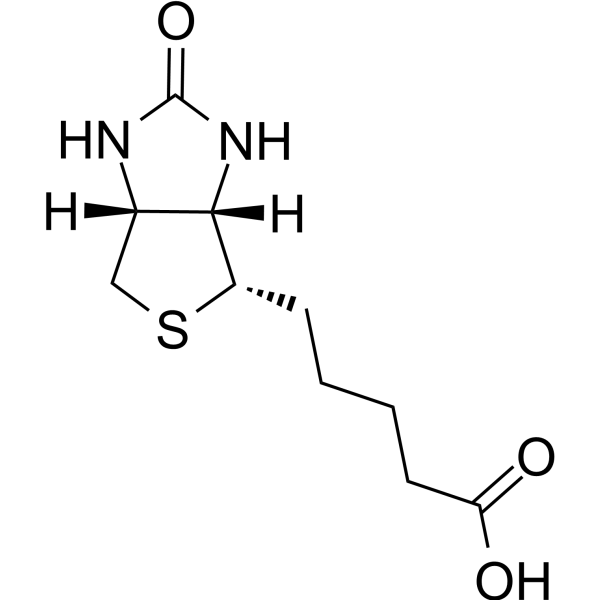
  • HY-B0511
    Biotin
    25+ Cited Publications

    Vitamin B7; Vitamin H; D-Biotin

    Environmental Pollutants Endogenous Metabolite Metabolic Disease
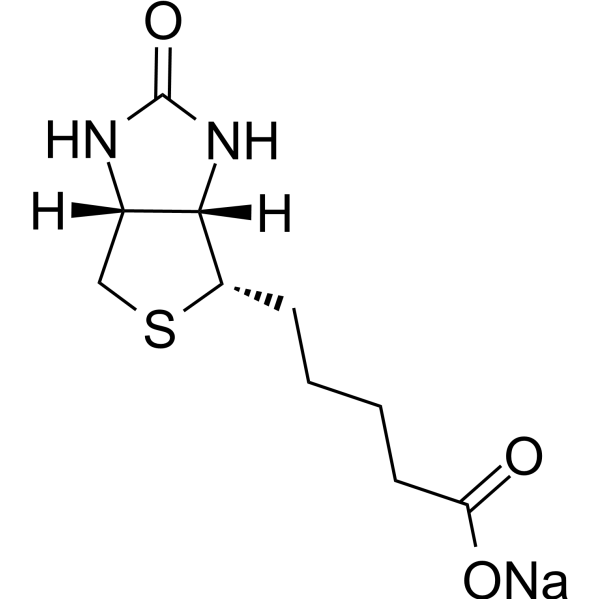
    Biotin, vitamin B7 and serves as a coenzyme for five carboxylases in humans, involved in the synthesis of fatty acids, isoleucine, and valine, and in gluconeogenesis. Biotin is necessary for cell growth, the production of fatty acids, and the metabolism of fats and amino acids .
    Biotin
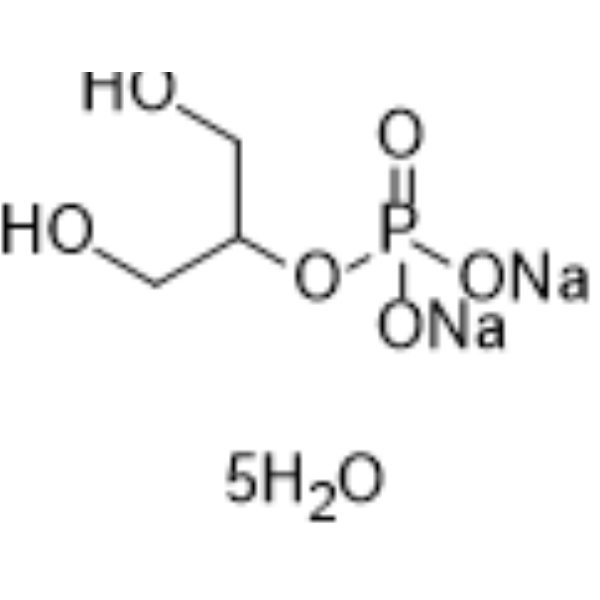
  • HY-D0886

    Phosphatase Endogenous Metabolite ERK Metabolic Disease Cancer
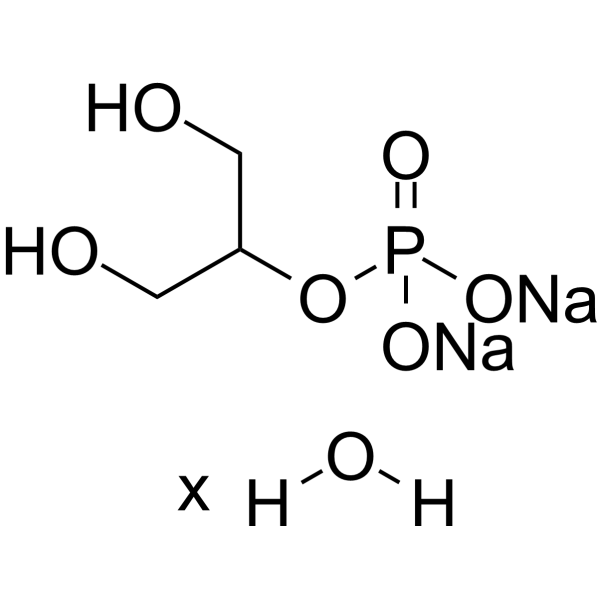
    β-Glycerophosphate disodium salt pentahydrate is a bioactive endogenous metabolite and a phosphatase inhibitor. β-Glycerophosphate disodium salt pentahydrate plays an important role in inducing and maintaining osteoblast differentiation, mineral metabolism and signal transduction, and can be used as a drug carrier to form heat-sensitive hydrogels. β-Glycerophosphate disodium salt hydrate accelerates the calcification of vascular smooth muscle cells .
    β-Glycerophosphate disodium salt pentahydrate
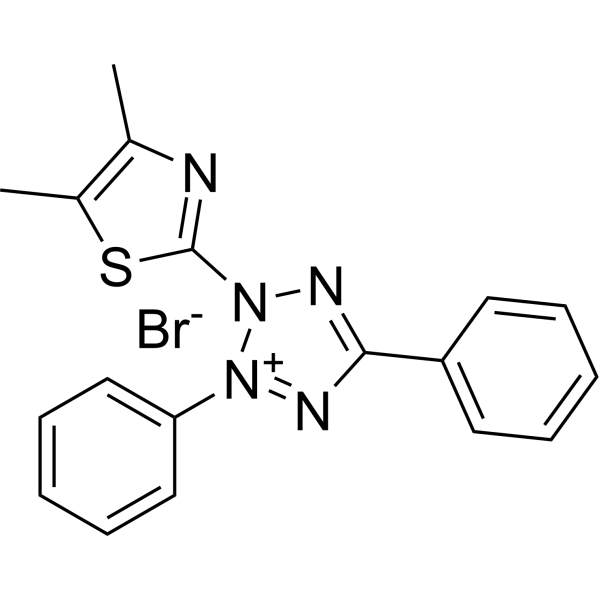
  • HY-15924
    Thiazolyl Blue
    Maximum Cited Publications
    182 Publications Verification

    MTT; Thiazolyl Blue Tetrazolium bromide; Methylthiazolyldiphenyl-tetrazolium bromide

    Fluorescent Dye Others
    Thiazolyl Blue (MTT) is a cell-permeable and positively charged tetrazolium dye that is used to detect reductive metabolism in cells. Thiazolyl Blue is taken up by cells through the plasma membrane and then reduced to formazan by intracellular NAD (P) H-oxidoreductases. Thiazolyl Blue is frequently used in colorimetric assays to measure cell proliferation, cytotoxicity, and apoptosis .
    Thiazolyl Blue
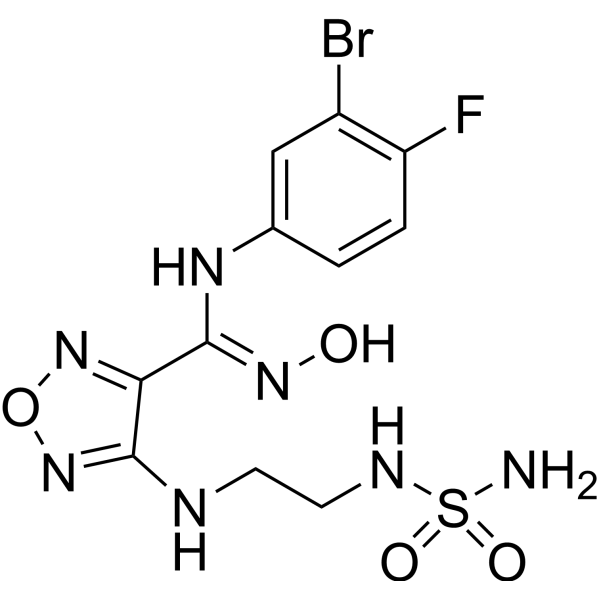
  • HY-15689
    Epacadostat
    25+ Cited Publications

    INCB 024360

    Indoleamine 2,3-Dioxygenase (IDO) Inflammation/Immunology Cancer
    Epacadostat (INCB 024360) is a potent and selective indoleamine 2,3-dioxigenase 1 (IDO1) inhibitor with an IC50 of 71.8 nM . Epacadostat can effectively reduce Trp metabolism, entailing increased activation and maturation of dendritic cells, and enhanced proliferation of effector T cells and natural killer cells (NKs), as well as attenuated Tregs expansion.
    Epacadostat
  • HY-126304

    Phosphatase Endogenous Metabolite ERK Metabolic Disease
    β-Glycerophosphate disodium salt pentahydrate is a bioactive endogenous metabolite and a phosphatase inhibitor. β-Glycerophosphate disodium salt pentahydrate plays an important role in inducing and maintaining osteoblast differentiation, mineral metabolism and signal transduction, and can be used as a drug carrier to form heat-sensitive hydrogels. β-Glycerophosphate disodium salt hydrate accelerates the calcification of vascular smooth muscle cells .
    β-Glycerophosphate disodium salt hydrate
  • HY-N0305

    5-ALA hydrochloride; δ-Aminolevulinic acid hydrochloride; 5-Amino-4-oxopentanoic acid hydrochloride

    Reactive Oxygen Species (ROS) Neurological Disease Metabolic Disease Inflammation/Immunology Cancer
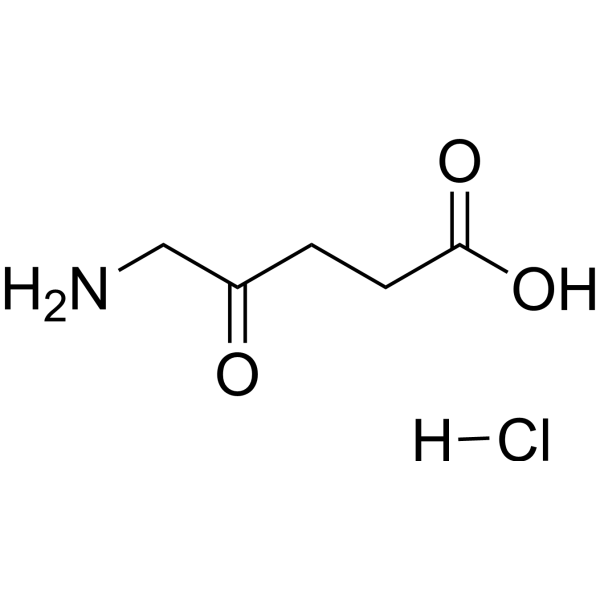
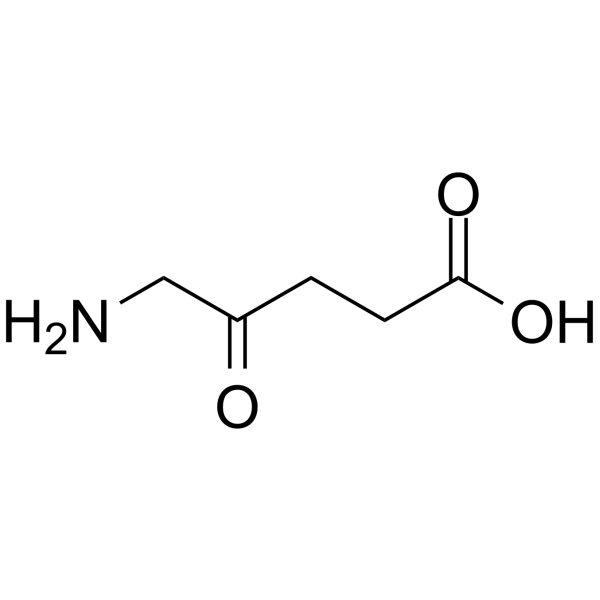
    5-Aminolevulinic acid (5-ALA; δ-Aminolevulinic acid; 5-Amino-4-oxopentanoic acid) hydrochloride is an orally active heme precursor. 5-Aminolevulinic acid hydrochloride promotes aerobic energy metabolism and increases ATP levels by enhancing the activity of cytochrome c oxidase. 5-Aminolevulinic acid hydrochloride enhances LPS-induced proinflammatory cytokine production and gene activation, and restores the phagocytic activity and ROS generation capacity of neutrophils. 5-Aminolevulinic acid hydrochloride selectively accumulates protoporphyrin IX in tumor cells; as a photosensitizer and radiosensitizer, it induces ROS burst upon light or X-ray irradiation to inhibit tumor growth. 5-Aminolevulinic acid hydrochloride can be applied to the research of septic shock, melanoma, and cancer radiotherapy .
    5-Aminolevulinic acid hydrochloride
  • HY-113498
    Sphingomyelin
    1 Publications Verification

    Endogenous Metabolite Neurological Disease Metabolic Disease Inflammation/Immunology
    Sphingomyelin is a eukaryotic sphingolipid and one of the major constituents of cell membranes and particularly abundant in the myelin sheath that surrounds neuronal axons. Sphingomyelin plays an important role in cell processes, the regulation of inflammatory responses, and signal transduction. Sphingomyelin metabolism is associated with various central nervous system diseases and Niemann–Pick disease .
    Sphingomyelin
  • HY-N5134
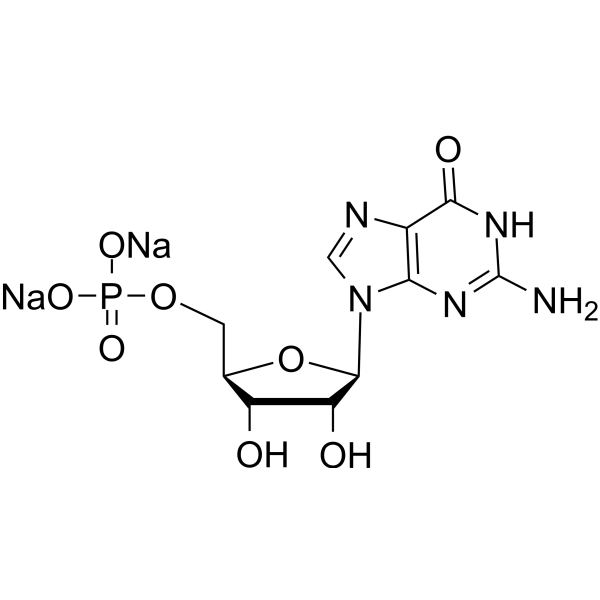
    5'-Guanylic acid
    2 Publications Verification

    5'-GMP; 5'-guanosine monophosphate

    Endogenous Metabolite iGluR Neurological Disease Metabolic Disease
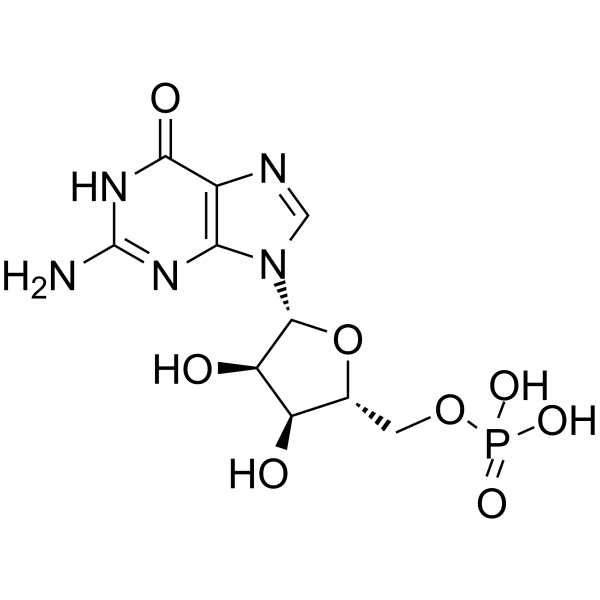
    5'-Guanylic acid is a purine nucleotide that participates in physiological processes such as energy metabolism, signal transduction, and gene expression regulation. 5'-Guanylic acid regulates the expression of genes related to fatty acid metabolism. 5'-Guanylic acid is the weak agonist for ionotropic glutamate receptors (iGluR), reduces the activity of the glutamatergic system and exhibits neuroprotective effect. 5'-Guanylic acid also causes neuronal cell death at high concentrations .
    5'-Guanylic acid
  • HY-18062
    Pyrimethamine
    10+ Cited Publications

    Pirimecidan; Pirimetamin; RP 4753

    Antifolate Parasite Infection Cancer
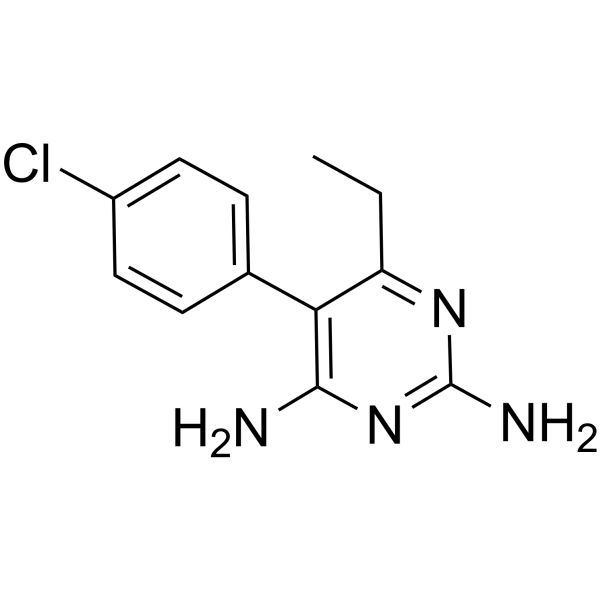
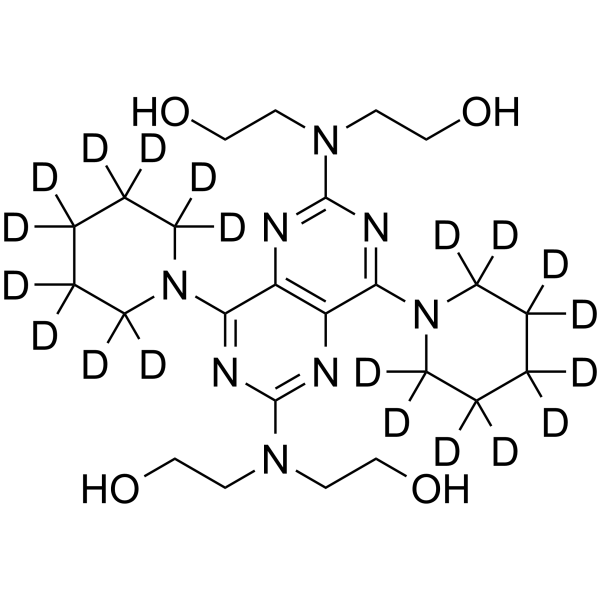
    Pyrimethamine (Pirimecidan) is a potent, orally active dihydrofolate reductase (DHFR) inhibitor. Pyrimethamine is an antimalarial agent. Pyrimethamine affects the nucleoprotein metabolism of malarial parasites by interference in the folic–folinic acid systems and affects cell division by inhibiting the conversion of dihydrofolate to tetrahydrofolate .
    Pyrimethamine
  • HY-15453
    Devimistat
    20+ Cited Publications

    CPI-613

    Apoptosis Mitochondrial Metabolism Cancer
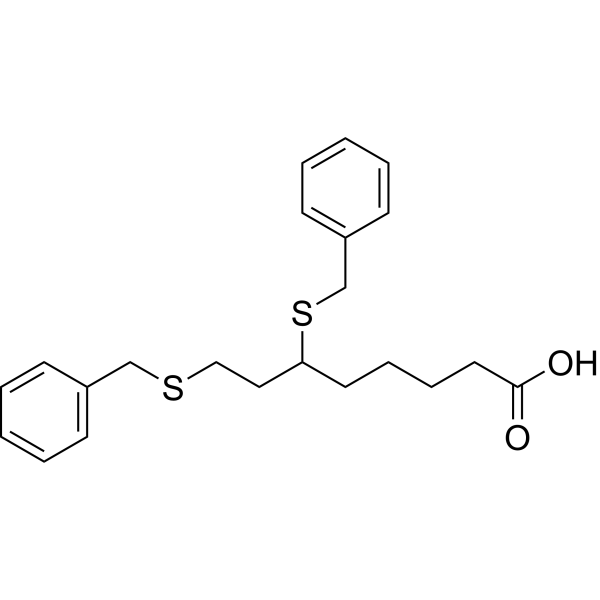
    Devimistat is a mitochondrial metabolism inhibitor. Devimistat is a lipoic acid antagonist that abrogates mitochondrial energy metabolism to induce apoptosis in various cancer cells .
    Devimistat
  • HY-B0486
    Lonidamine
    15+ Cited Publications

    AF-1890; Diclondazolic Acid; DICA

    Hexokinase Mitochondrial Metabolism Apoptosis Parasite Inflammation/Immunology Cancer
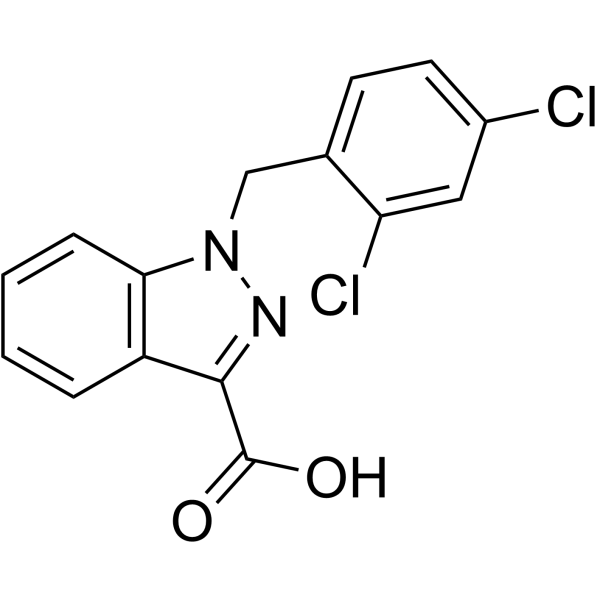
    Lonidamine (AF-1890) is a hexokinase and mitochondrial pyruvate carrier inhibitor (Ki: 2.5 μM). Lonidamine also inhibits aerobic glycolysis in cancer cells. Lonidamine can be used in the research of mitochondrial metabolism and inflammation, such as pulmonary fibrosis .
    Lonidamine
  • HY-128748

    Endogenous Metabolite Others
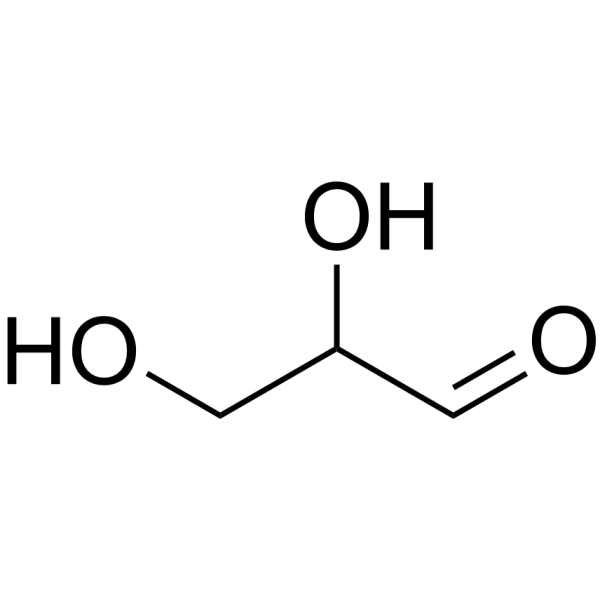
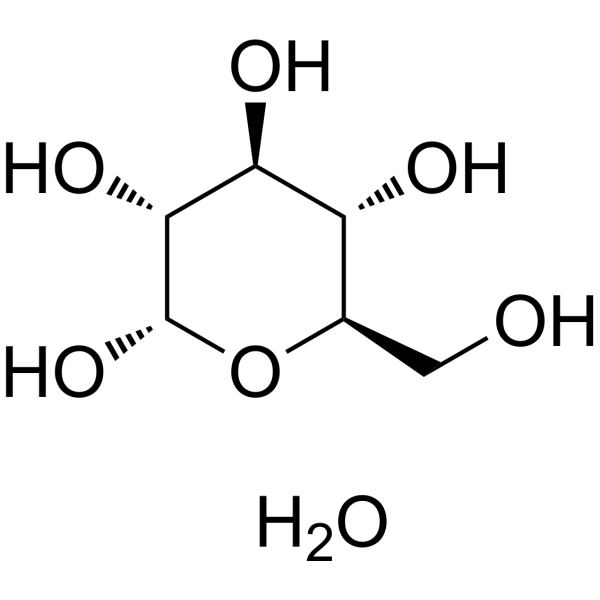
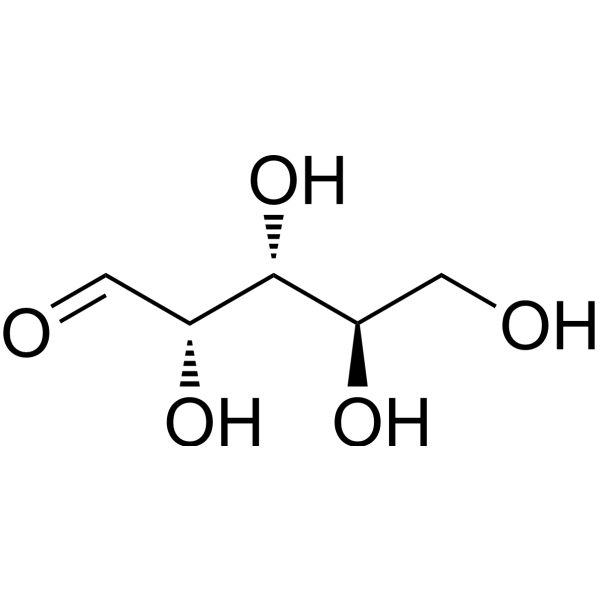
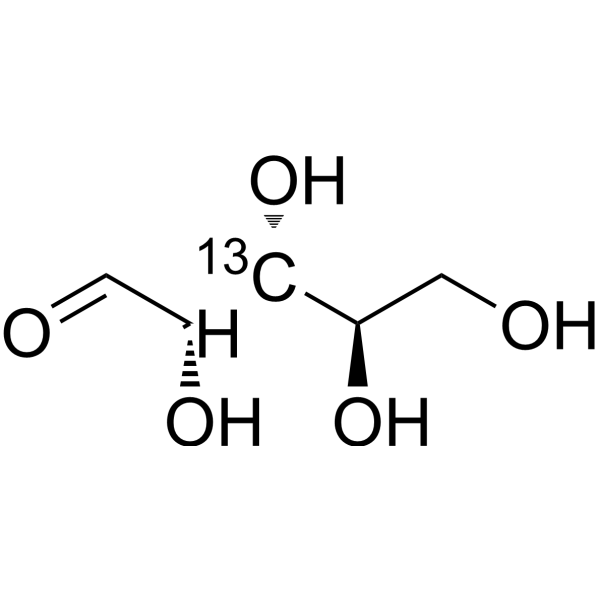
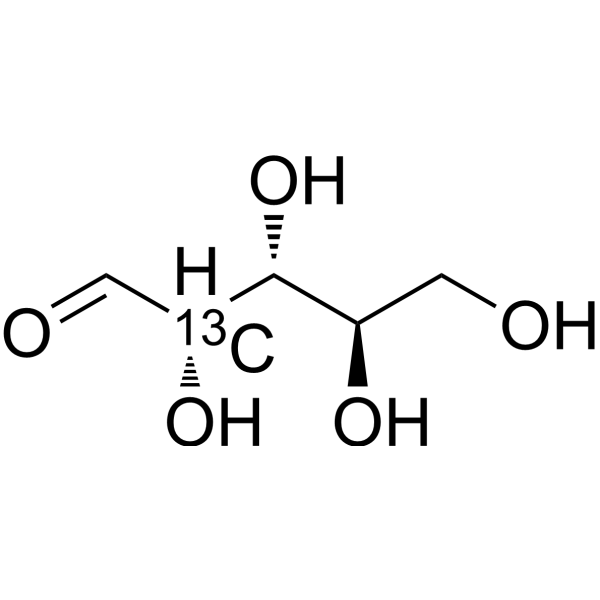
    DL-Glyceraldehyde is a bioactive substance involved in cellular energy metabolism and a key intermediate in sugar metabolism pathways (such as glycolysis and gluconeogenesis). During glycolysis, DL-Glyceraldehyde is converted by enzymes into other metabolites to provide energy for cells; during gluconeogenesis, DL-Glyceraldehyde participates in the synthesis of glucose as a precursor. In the field of medical research, DL-Glyceraldehyde can be used to study diseases related to sugar metabolism, such as diabetes, tumors, etc[1][2].
    DL-Glyceraldehyde
  • HY-114364
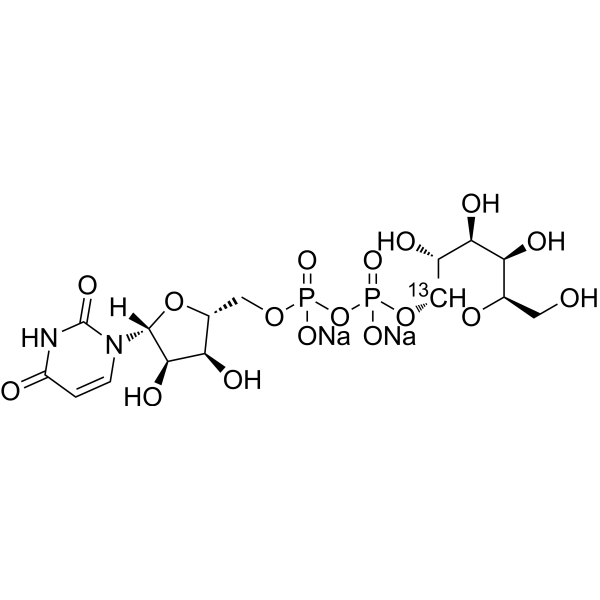
    UDP-Galactose disodium
    4 Publications Verification

    Endogenous Metabolite P2Y Receptor Metabolic Disease
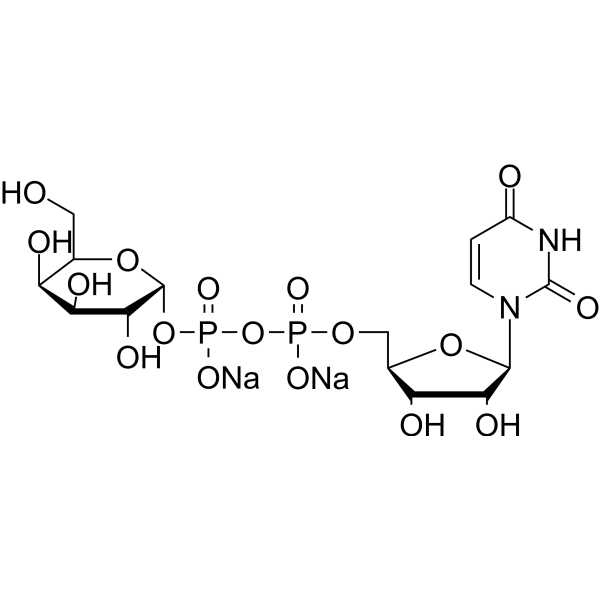
    UDP-Galactose disodium is a monosaccharide and a key glycosyl donor molecule in cells that participates in nucleotide sugar metabolism. UDP-Galactose disodium is the natural agonist of the P2Y14 receptor coupled to Gi proteins in the immune system (IC50 = 0.67 μM, hP2Y14). UDP-Galactose disodium can be used to study cell signal transduction and substance metabolism .
    UDP-Galactose disodium
  • HY-B0896

    Glyceryl triacetate; 1,2,3-Triacetoxypropane

    Environmental Pollutants Fungal Endogenous Metabolite Cancer
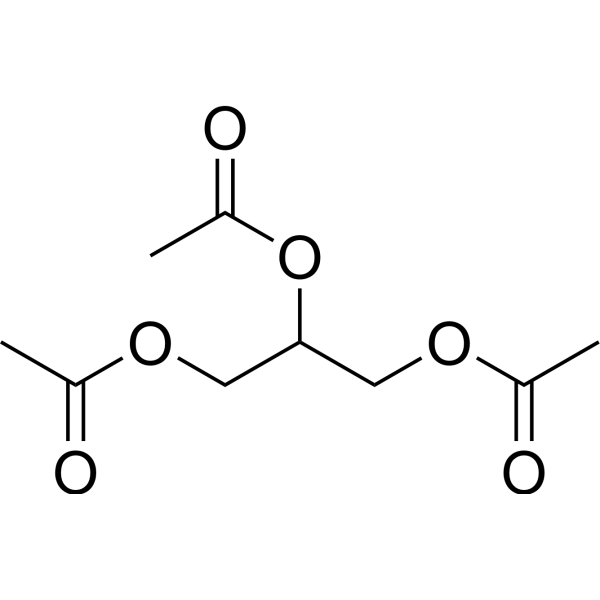
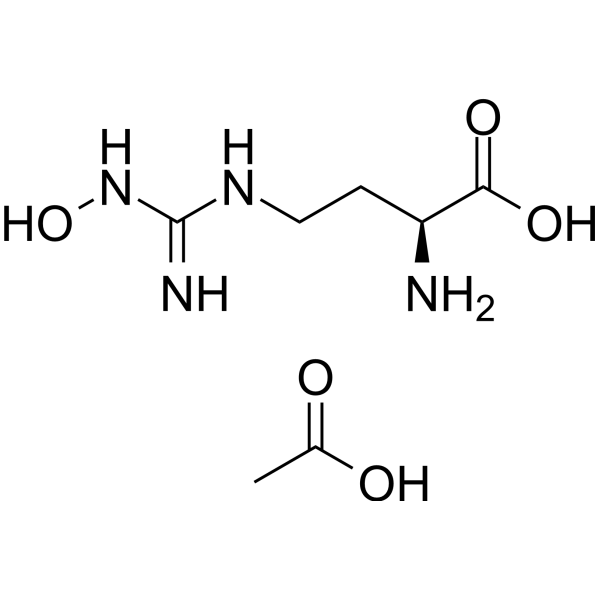
    Triacetin (Glyceryl triacetate) is a synthetic compound that is a triester of glycerol and acetic acid, orally active. Triacetin increases acetate bioavailability in glioma cells. Triacetin induces glioma cell growth arrest and Apoptosis. Triacetin freely crosses the blood brain barrier/plasma membrane. Triacetin increases histone acetylation and enhances Temozolomide (HY-17364) (TMZ) chemotherapeutic efficacy .
    Triacetin
  • HY-W010735
    ATP disodium salt hydrate
    145+ Cited Publications

    Adenosine 5'-triphosphate disodium salt hydrate

    Endogenous Metabolite Metabolic Disease Inflammation/Immunology Cancer
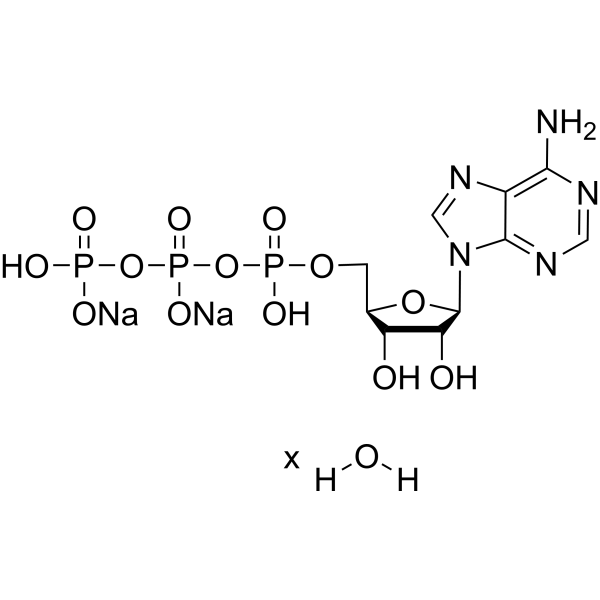
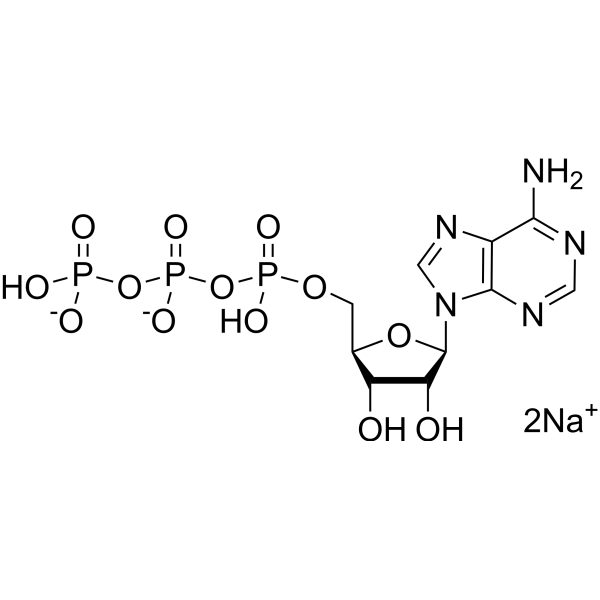
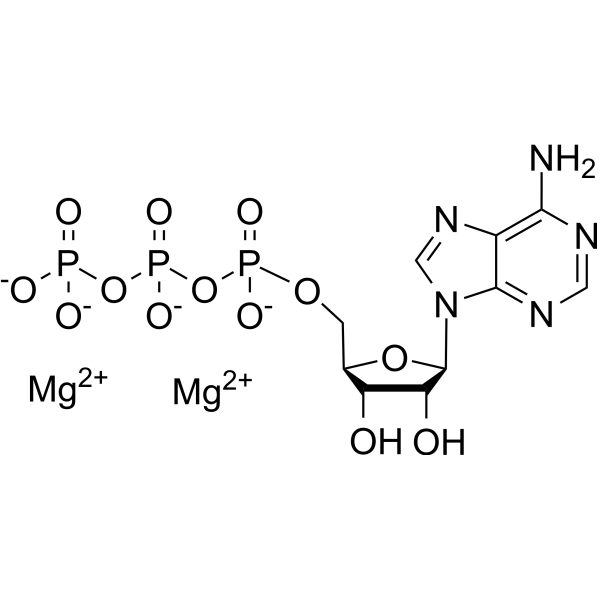
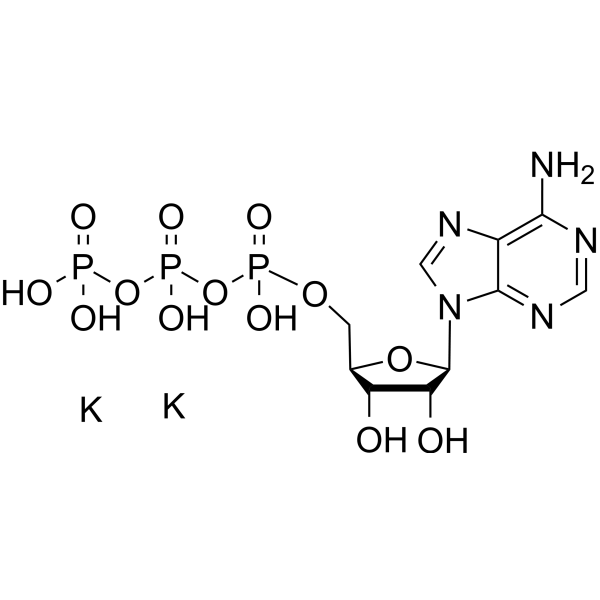
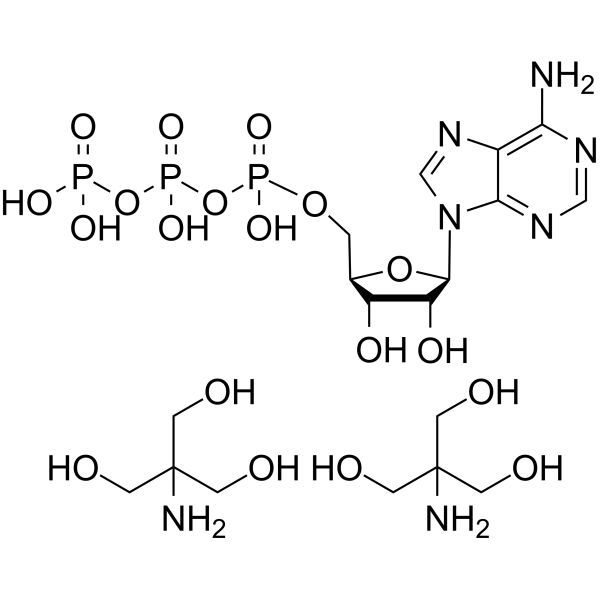
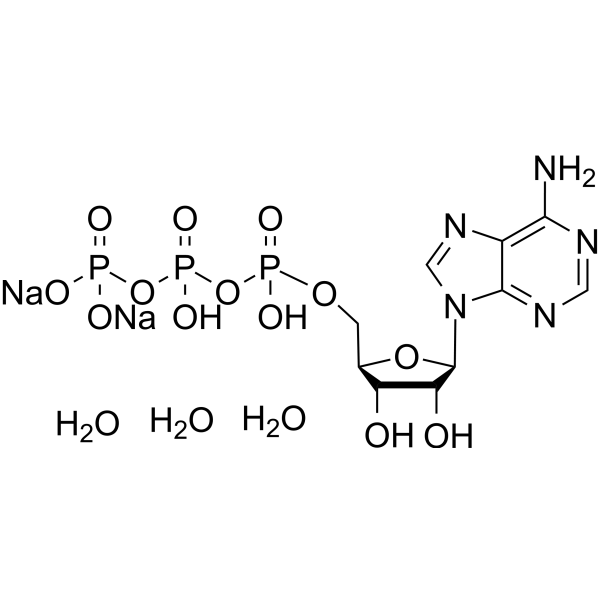
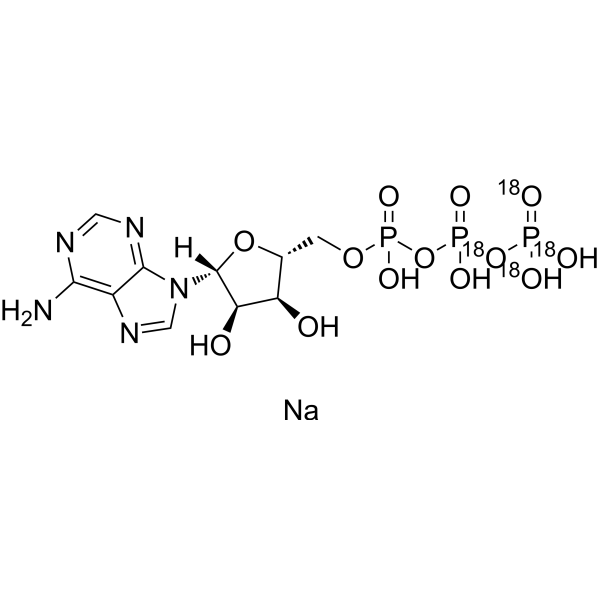
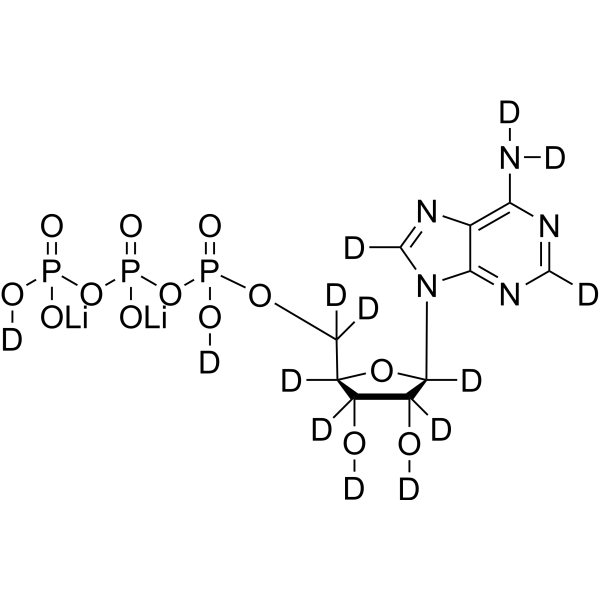
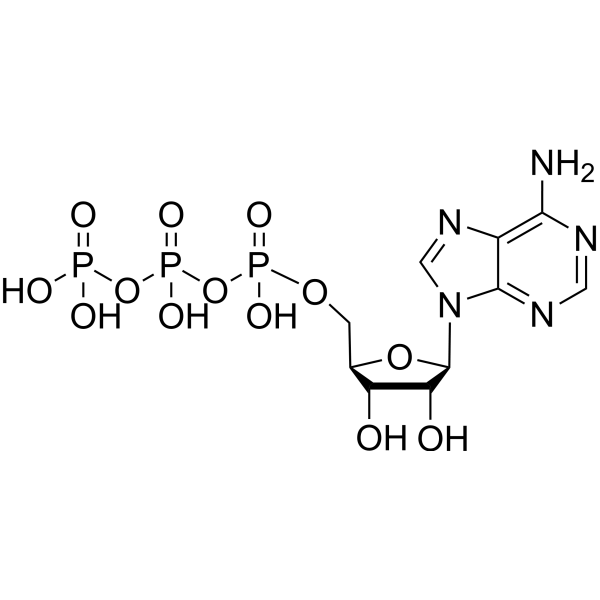
    ATP disodium salt hydrate (Adenosine 5'-triphosphatedisodium salt hydrate) is a central component of energy storage and metabolism in vivo, provides the metabolic energy to drive metabolic pumps and serves as a coenzyme in cells. ATP disodium salt hydrate is an important endogenous signaling molecule in immunity and inflammation .
    ATP disodium salt hydrate
  • HY-W104368

    Endogenous Metabolite Metabolic Disease Cancer
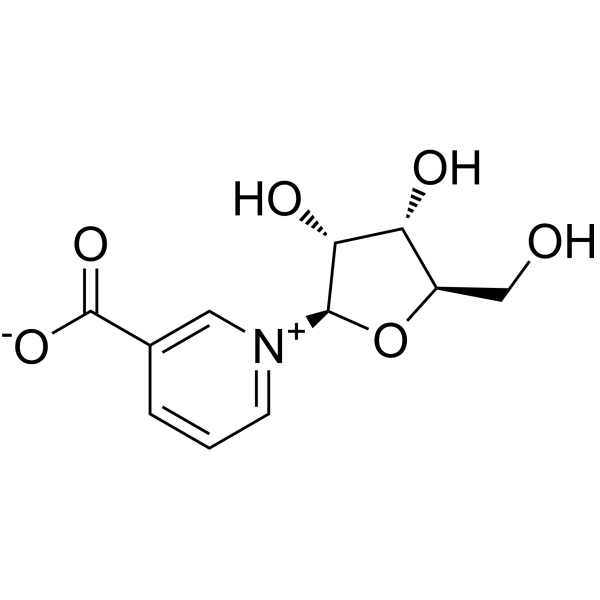
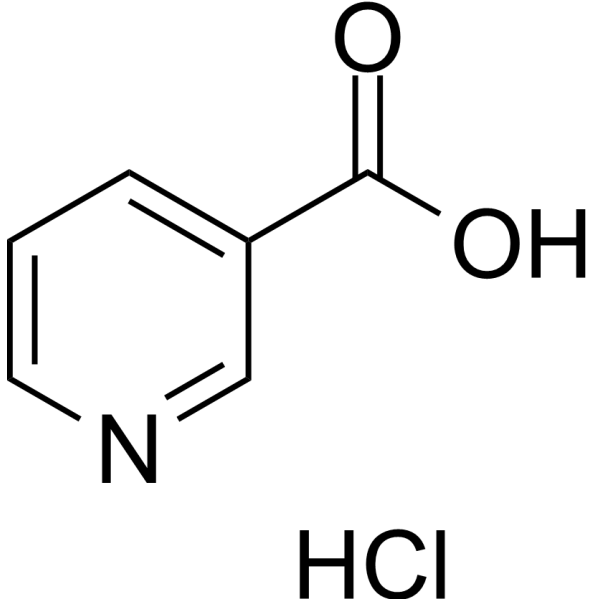
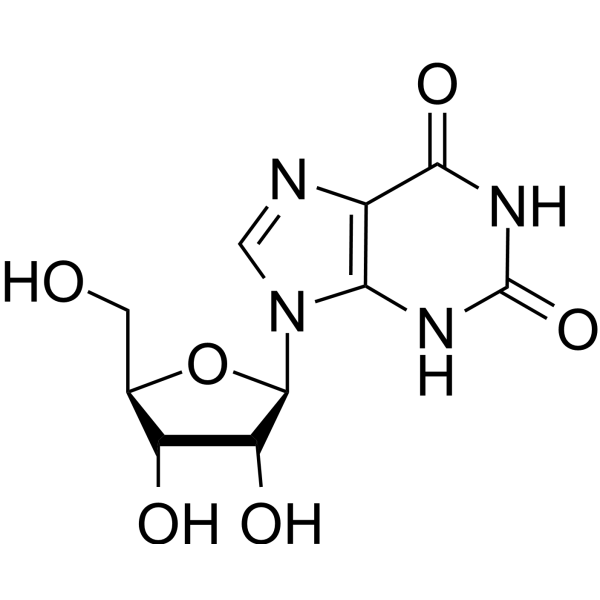
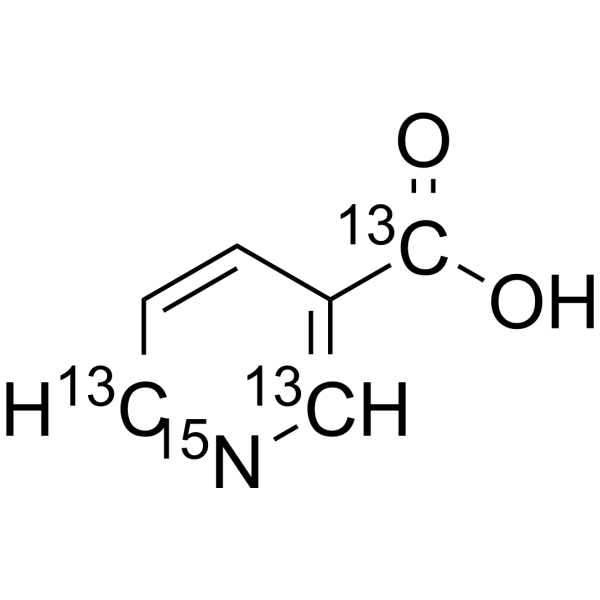
    Nicotinic acid riboside is a NAD + precursor in human cells. Nicotinic acid riboside is an authentic intermediate of human NAD + metabolism .
    Nicotinic acid riboside
  • HY-126386

    EC 3.2.1.15

    Biochemical Assay Reagents Others
    Pectinase (EC 3.2.1.15) is a mixed enzymes that hydrolyze pectic substances, it mostly presents in microorganisms and higher plants. Pectinase is involved in the metabolism of the cell wall as well as in the growth of the cell, senescence, ripening of fruits, pathogenesis and abscission process .
    Pectinase, aspergillus niger
  • HY-128746

    Endogenous Metabolite Metabolic Disease
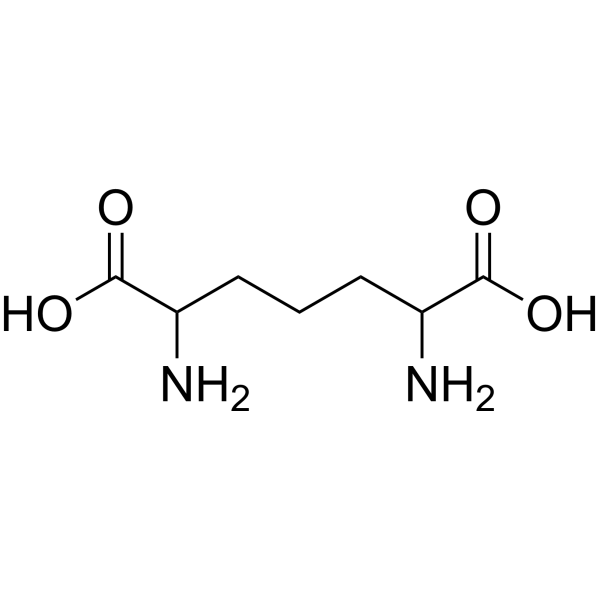
    2,6-Diaminopimelic acid is a endogenous metabolite produced in bacteria and is a component of cell wall. 2,6-Diaminopimelic acid is essential for microbial metabolism and is a potential marker for quantification of microbial proteins .
    2,6-Diaminoheptanedioic acid
  • HY-Y1314
    Dimethyl sulfone
    3 Publications Verification

    Bacterial Metabolic Disease
    Dimethyl sulfone (Methyl Sulfonyl Methane) is a metabolic product of endogenous methanethiol metabolism and intestinal bacterial metabolism. Dimethyl sulfone inhibits choriocapillary endothelial (CCE) cell proliferation, also has many biological effects, including antiinflammatory, antioxidant, and local anesthetic effects that could be neuroprotective .
    Dimethyl sulfone
  • HY-W355700

    Drug Metabolite Infection
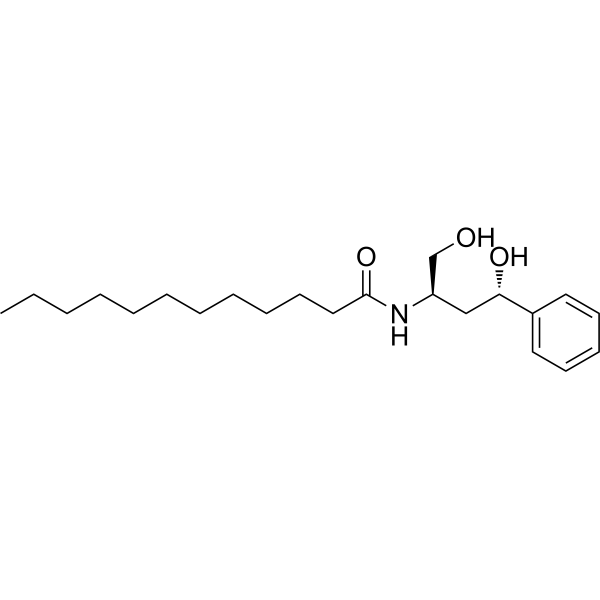
    1-oleoyl-sn-glycero-3-phosphoethanolamine (LysoPE 18:1) is a lysophosphatidylethanolamine molecule involved in phospholipid metabolism, targeting cell membrane receptors (such as G protein-coupled receptors) to regulate cell signaling pathways. 1-oleoyl-sn-glycero-3-phosphoethanolamine may activate mitogen-activated protein kinase (MAPK) signaling, promote cell migration, regulate inflammatory responses and lipid metabolism, and has both pro-inflammatory and anti-inflammatory activities. 1-oleoyl-sn-glycero-3-phosphoethanolamine is mainly used in the screening of biomarkers for metabolic diseases (such as non-alcoholic fatty liver disease and obesity), as well as the study of the mechanism of lysophospholipids in cell membrane homeostasis and signal transduction .
    1-Oleoyl-2-hydroxy-sn-glycero-3-phosphoethanolamine
  • HY-131943

    Methylenetetrahydrofolate Dehydrogenase (MTHFD) Neurological Disease Cancer
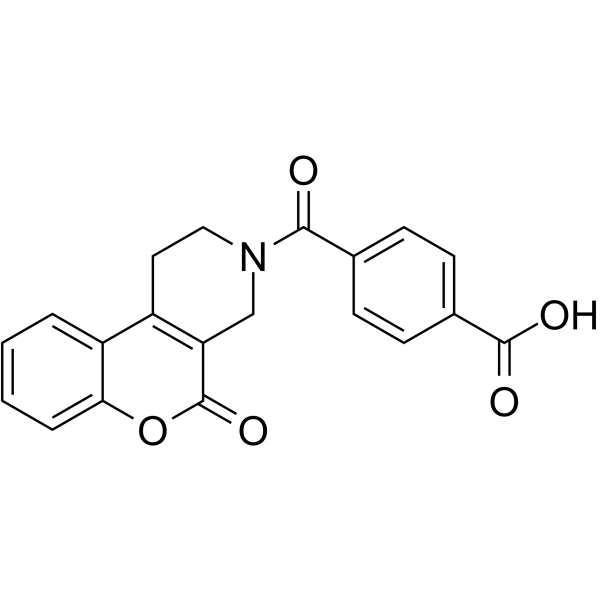
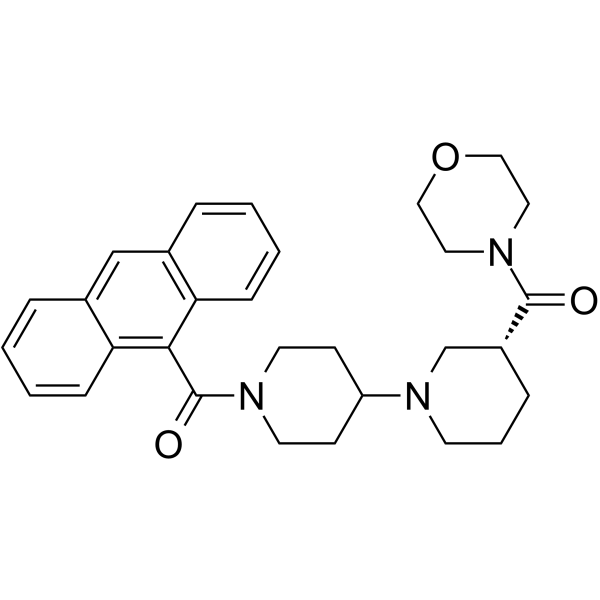
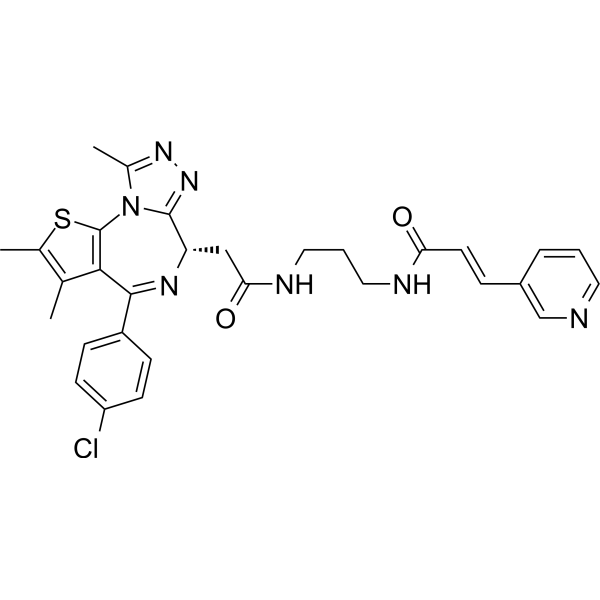
    DS44960156 is a selective MTHFD2 inhibitor with moderate to low blood-brain barrier penetration (IC50=1.6 μM, Ki=1.23 μM). DS44960156 specifically binds to the active site of MTHFD2, disrupts redox homeostasis and blocks serine-mediated one-carbon metabolism, thereby increasing the NAD +/NADH ratio and ROS levels. DS44960156 not only effectively inhibits the proliferation of glioma cells, but also enhances the sensitivity of cells to glutamine starvation-induced death. DS44960156 binds to plasma proteins, shows no mutagenicity, carcinogenicity or acute oral toxicity, and serves as a research agent for glioblastoma multiforme and other cancers .
    DS44960156
  • HY-126411

    Lipase ATP Synthase Others
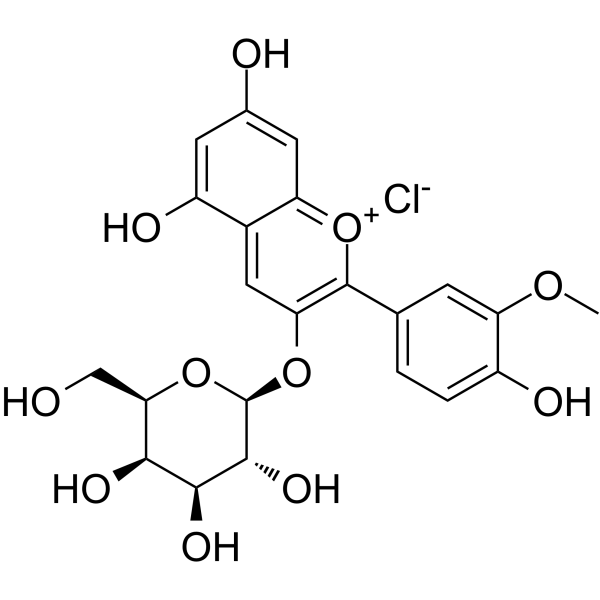
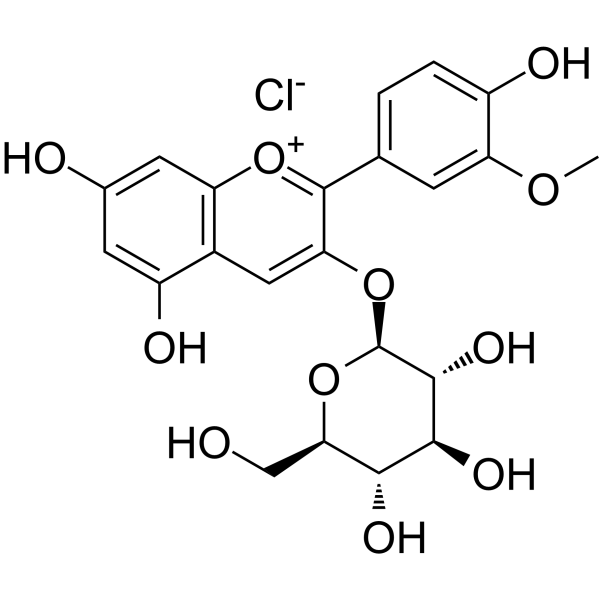
    Peonidin-3-O-galactoside chloride is an anthocyanin with antioxidant properties and blood-brain barrier permeability. Peonidin-3-O-galactoside chloride inhibits pancreatic lipase, with an IC50 value of 23.2 μg/mL against porcine pancreatic lipase. Peonidin-3-O-galactoside chloride mediates neuroprotection, regulates glucose metabolism, protects cells from high glucose-induced damage, promotes glucose uptake and increases ATP production. Peonidin-3-O-galactoside (chloride) can be used in the research of obesity and neurodegenerative diseases .
    Peonidin-3-O-galactoside chloride
  • HY-N1925
    Tea polyphenol
    2 Publications Verification

    Apoptosis Autophagy Neurological Disease Inflammation/Immunology Cancer
    Tea polyphenol is the floorboard of phenolic compounds in tea. Tea polyphenol exhibits biological activity including antioxidant and anti-cancer activities, inhibition of cell proliferation, induction of apoptosis, cell cycle arrest and modulation of carcinogen metabolism .
    Tea polyphenol
  • HY-13529
    Globalagliatin
    1 Publications Verification

    LY2608204; SY-004

    Glucokinase Metabolic Disease
    Globalagliatin (LY2608204) is an orally active glucokinase (GK) activator with an EC50 of 42 nM. Globalagliatin also stimulates glucose metabolism in rat insulinoma INS1-E cells with an EC50 of 579 nM. Globalagliatin targets both pancreatic β-cells and hepatocytes. Globalagliatin is promising for research of type 2 diabetes .
    Globalagliatin
  • HY-138825

    Pyk2 Metabolic Disease
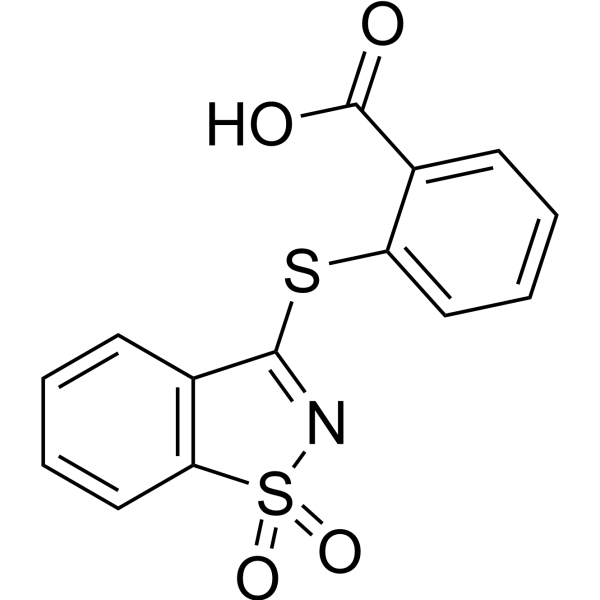
    NCGC00188636 is a novel covalent pyruvate kinase (PYK) inhibitor. NCGC00188636 blocks nucleotide binding to the active site of pyruvate kinase. NCGC00188636 can be used for the research of the metabolism of many organisms and cell types.
    NCGC00188636
  • HY-145963
    DRB18
    1 Publications Verification

    GLUT Cancer
    DRB18 is a potent pan-class GLUT inhibitor. DRB18 alters energy-related metabolism in A549 cells by changing the abundance of metabolites in glucose-related pathways. DRB18 can eventually lead to G1/S phase arrest and increase oxidative stress and necrotic cell death. DRB18 has anti-tumor activity .
    DRB18
  • HY-129099A

    PKC Estrogen Receptor/ERR Drug Metabolite Endogenous Metabolite Cancer
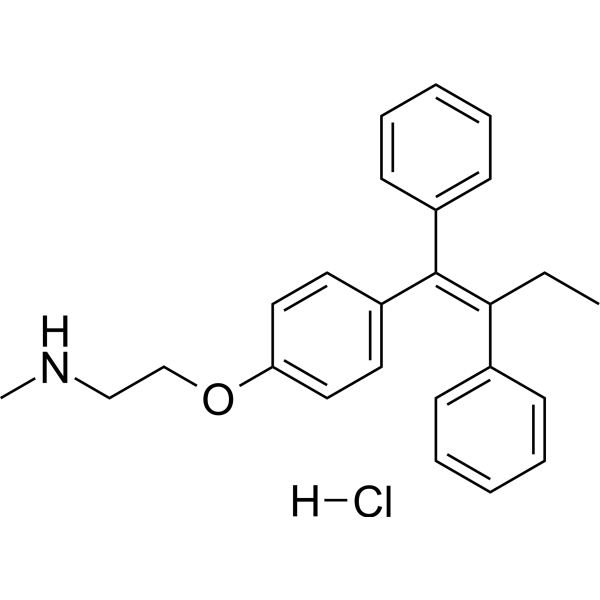
    N-Desmethyltamoxifen hydrochloride is the major metabolite of tamoxifen in humans. N-Desmethyltamoxifen, a poor antiestrogen, is a ten-fold more potent protein kinase C (PKC) inhibitor than Tamoxifen. N-Desmethyltamoxifen hydrochloride is also a potent regulator of ceramide metabolism in human AML cells, limiting ceramide glycosylation, hydrolysis, and sphingosine phosphorylation .

    N-Desmethyltamoxifen hydrochloride
  • HY-150524

    Endogenous Metabolite P2Y Receptor Metabolic Disease
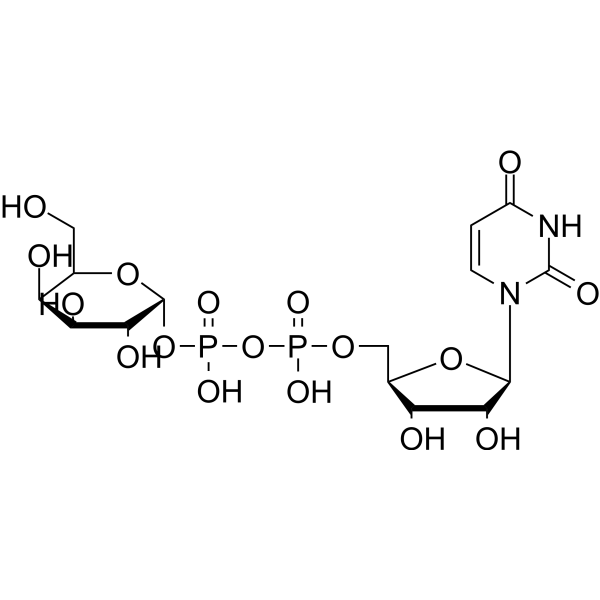
    UDP-Galactose is a monosaccharide and a key glycosyl donor molecule in cells that participates in nucleotide sugar metabolism. UDP-Galactose is the natural agonist of the P2Y14 receptor coupled to Gi proteins in the immune system (IC50 = 0.67 μM, hP2Y14). UDP-Galactose can be used to study cell signal transduction and substance metabolism .
    UDP-Galactose
  • HY-W010388AS

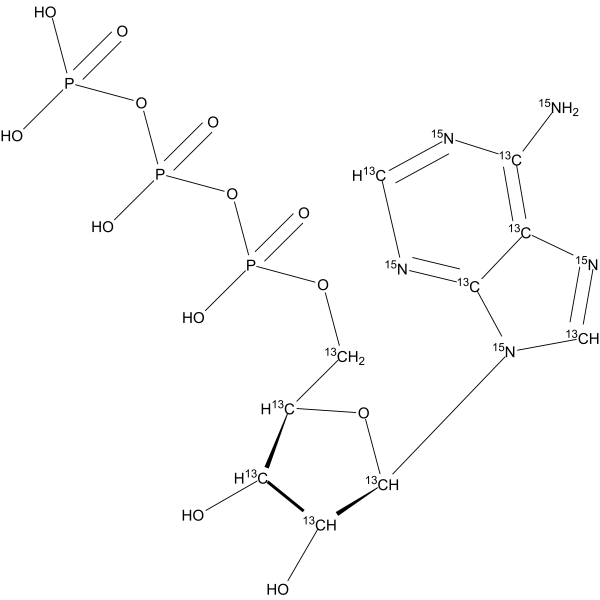
    Isotope-Labeled Compounds Endogenous Metabolite Metabolic Disease
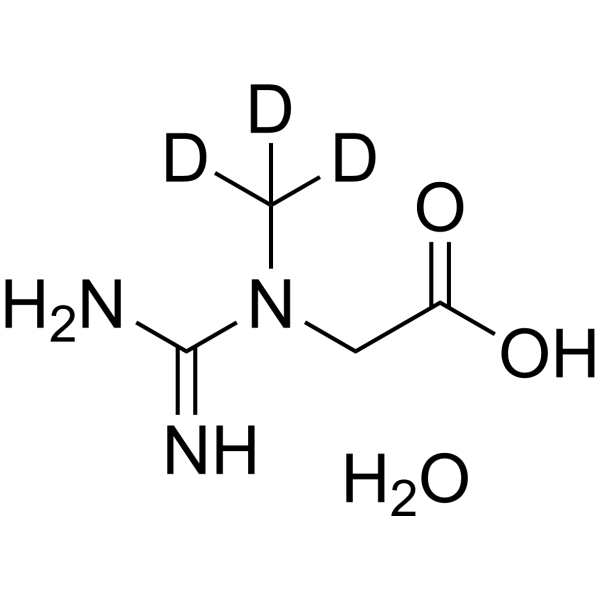
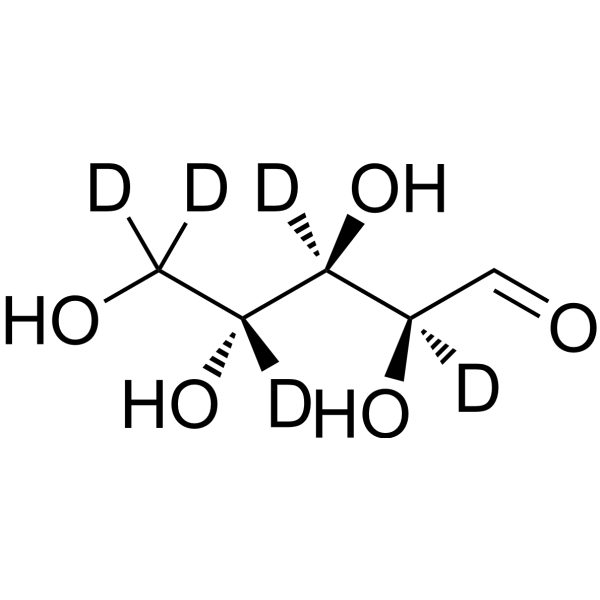
    Creatine-d3 (hydrate) is a deuterium labeled Creatine hydrate. Creatine hydrate is pivotal in energy metabolism of muscle and brain cells, both in physiological and in pathological conditions .
    Creatine-d3 hydrate
  • HY-126386B

    Macerozyme R-10

    Biochemical Assay Reagents Others
    Pectinase, rhizobia is a mixed enzymes that hydrolyze pectic substances, it mostly presents in microorganisms and higher plants. Pectinase is involved in the metabolism of the cell wall as well as in the growth of the cell, senescence, ripening of fruits, pathogenesis and abscission process .
    Pectinase, rhizobia
  • HY-162353

    Cancer
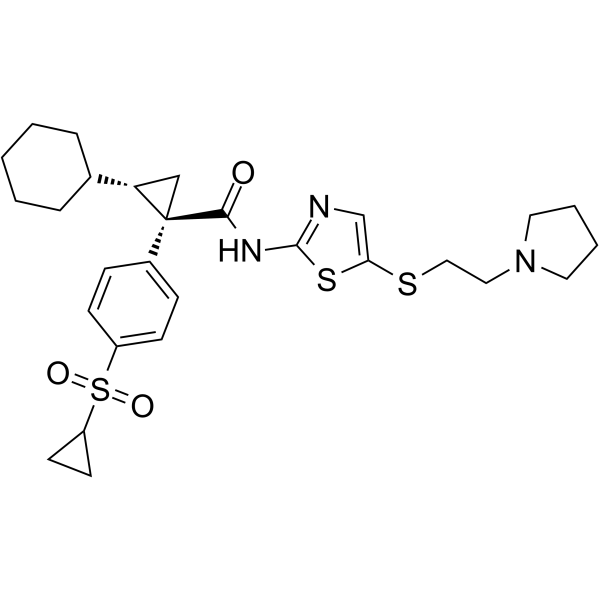
    AZ'9567 is an orally active MAT2a inhibitor with a pIC50 of 9.1. AZ'9567 binds to MAT2a allosterically, reduces the synthesis of SAM, decreases SDMA levels, and exerts antiproliferative effects on MTAP-knockout cells. AZ'9567 depletes SAM, causes methionine accumulation in plasma and tissues, triggers adaptive disorders in one-carbon metabolism, transsulfuration metabolism and lipid metabolism, and induces oxidative stress, hepatic steatosis and lipid homeostasis imbalance. AZ'9567 can be used in studies related to MTAP-deficient/deleted cancers .
    AZ'9567
  • HY-N5134R

    5'-GMP (Standard); 5'-guanosine monophosphate (Standard)

    Reference Standards Endogenous Metabolite
    5'-Guanylic acid is a purine nucleotide that participates in physiological processes such as energy metabolism, signal transduction, and gene expression regulation. 5'-Guanylic acid regulates the expression of genes related to fatty acid metabolism. 5'-Guanylic acid is the weak agonist for ionotropic glutamate receptors (iGluR), reduces the activity of the glutamatergic system and exhibits neuroprotective effect. 5'-Guanylic acid also causes neuronal cell death at high concentrations .
    5'-Guanylic acid (Standard)
  • HY-D0300
    Leucomalachite green
    1 Publications Verification

    Biochemical Assay Reagents Others
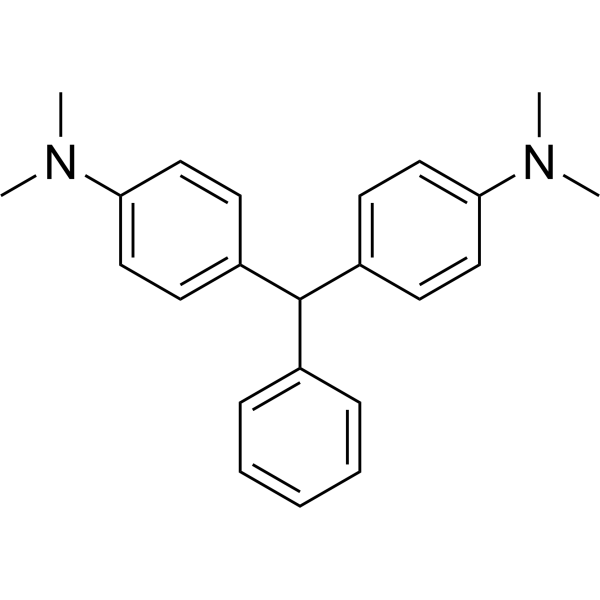
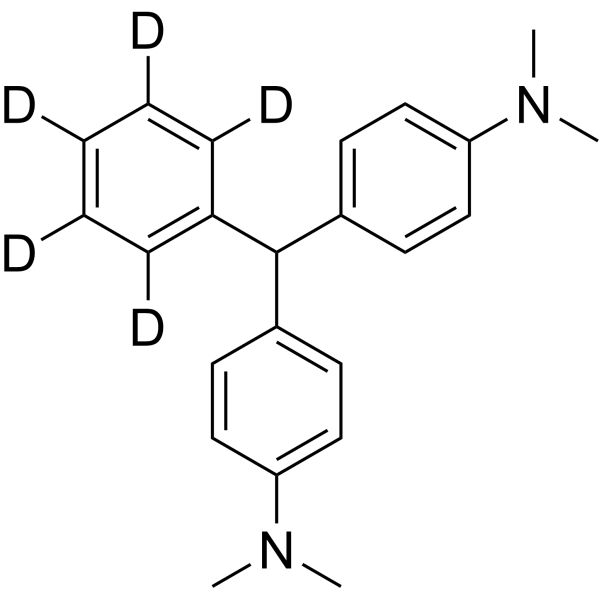
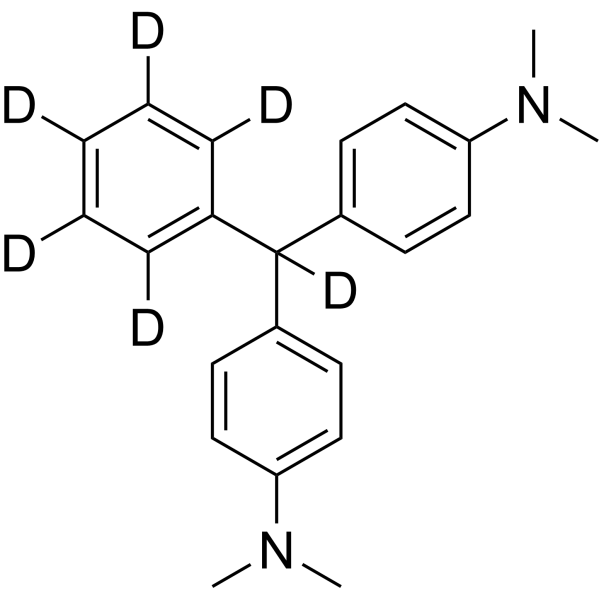
    Leucomalachite green is the major reduced metabolite of malachite green (MG) and has lower cytotoxicity (such as HEp-2 and Caco-2) than malachite green. Leucomalachite green may be involved in interfering with cell metabolism or redox balance and can be used to evaluate its potential harm to human cells as a food contaminant .
    Leucomalachite green
  • HY-109538

    Secretin Receptor Neurological Disease Metabolic Disease
    Secretin (swine), a neuroendocrine hormone, is the first hormone to be identifie and is secreted by S cells that are localized primarily in the mucosa of the duodenum. Secretin also is a 27-amino acid peptide, which acts on secretin receptors. Secretin is expressed by cells in all mature enteroendocrine cell subsets and can be prompted by fatty acids. Secretin stimulates the secretion of pancreatic water and bicarbonate. Secretin exerts various effects in organs, can be used for the research of digestive system, central nervous system and energy metabolism .
    Secretin (swine)
  • HY-156622

    HMC-C-01-A; MBS2320

    Mitochondrial Metabolism Cancer
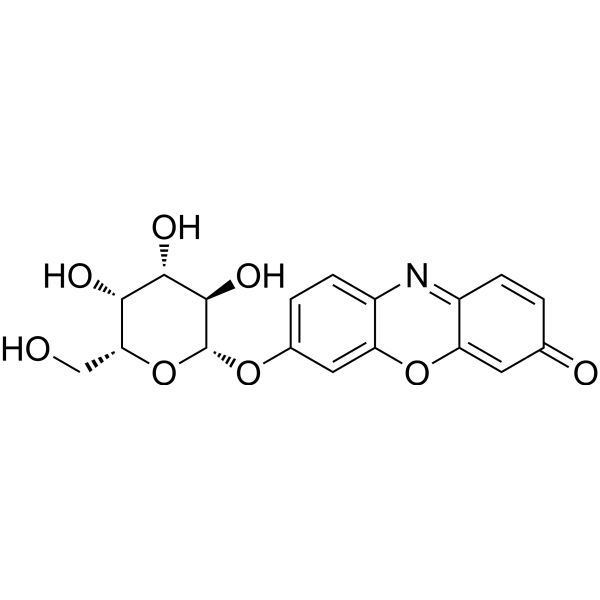
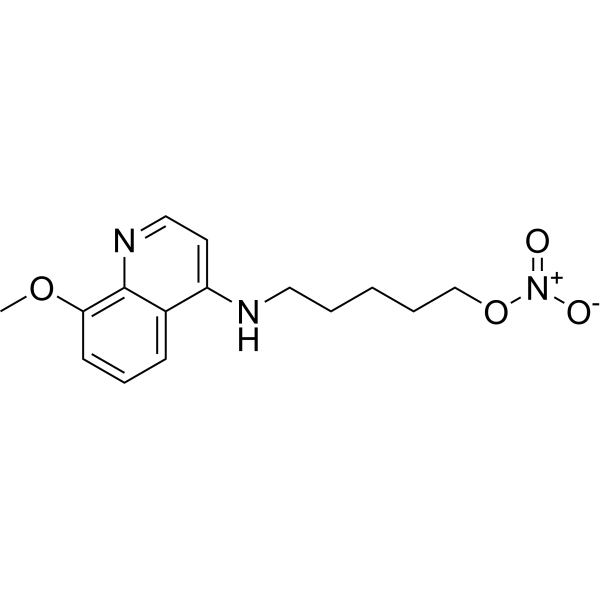
    Leramistat (HMC-C-01-A; MBS2320) is a mitochondrial complex 1 inhibitor, involving in cell metabolism immune metabolism regulation. Leramistat also inhibits ATP production in Thp1 human monocytes (IC50: 0.63 μM). Leramistat inhibits atopic dermatitis and other skin diseases autoimmune diseases, inflammatory diseases, cancer; and also inhibits osteoclast mediated disease .
    Leramistat
  • HY-147368

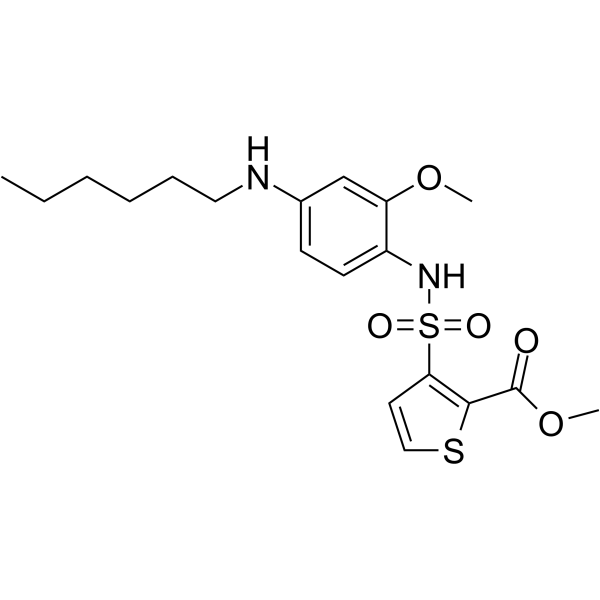
    Pyruvate Kinase Cancer
    PKM2 activator 2 (compound 28) is a pyruvate kinase M2 (PKM2) activitor with an AC50 value of 66 nM. PKM2 activator 2 can restore normal glycolytic metabolism in cells .
    PKM2 activator 2
  • HY-122753

    MDM-2/p53 Cancer
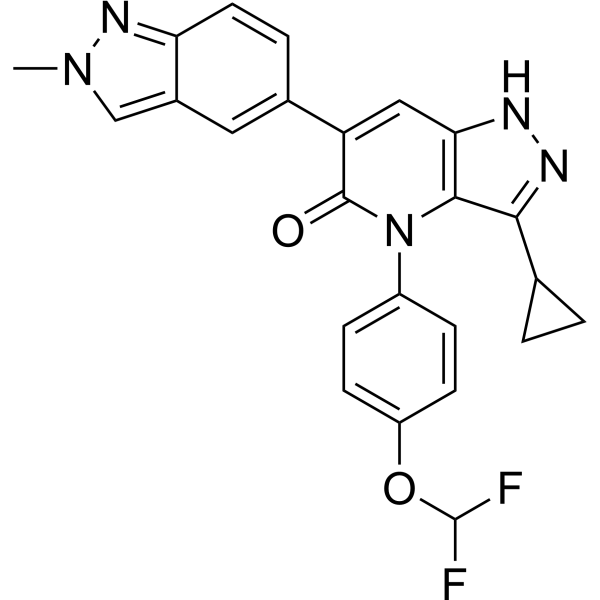
    SLMP53-1 is a wild-type and mutant p53 reactivator with promising antitumor activity. SLMP53-1 mediates the reprograming of glucose metabolism in cancer cells. SLMP53-1 depletes angiogenesis, decreasing endothelial cell tube formation and vascular endothelial growth factor (VEGF) expression levels .
    SLMP53-1
  • HY-148324

    Pyruvate Kinase Cancer
    PKM2 activator 5 (compound 8) is a PKM2 activator with an AC50 value of 0.316 µM. PKM2 activator 5 has the potential to alter the aberrant metabolism of cancer cells .
    PKM2 activator 5
  • HY-157395
    malonyl-NAC
    2 Publications Verification

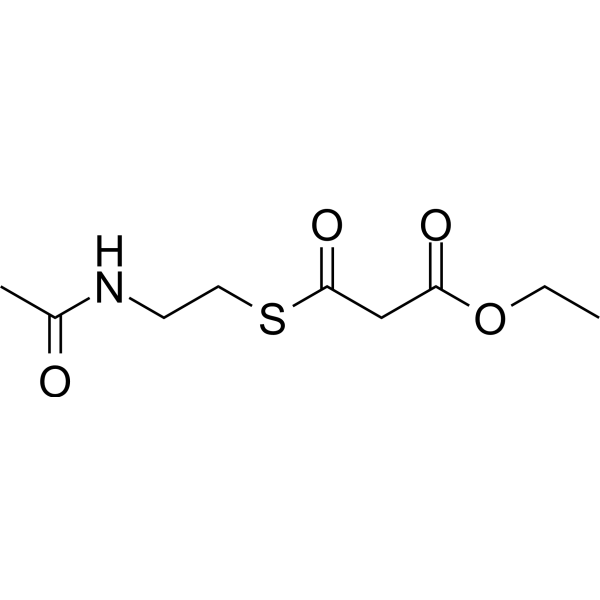
    Pyruvate Kinase Cancer
    malonyl-NAC increases cellular propylation, resulting in reduced endogenous GAPDH activity. malonyl-NAC increases GAPDH malonylation in cells and inhibits pyruvate kinase activity. In addition, malonyl-NAC limits the metabolism and proliferation of a highly glycolytic kidney cancer cell line harboring a tricarboxylic acid cycle mutation .
    malonyl-NAC
  • HY-13620

    LU 79553

    Topoisomerase Cancer
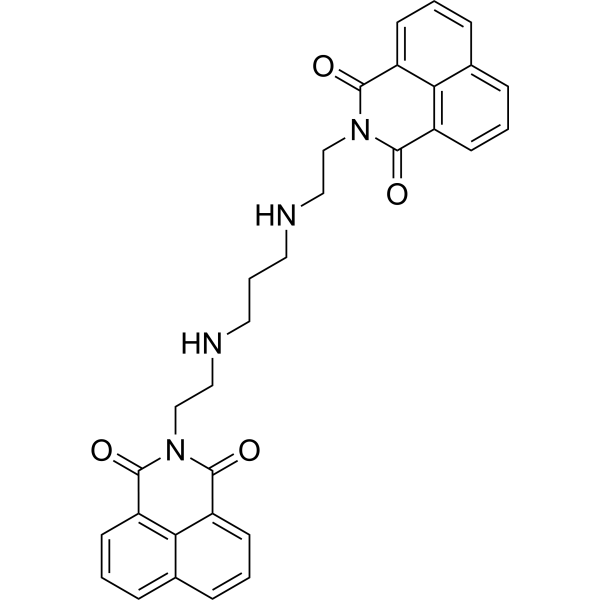
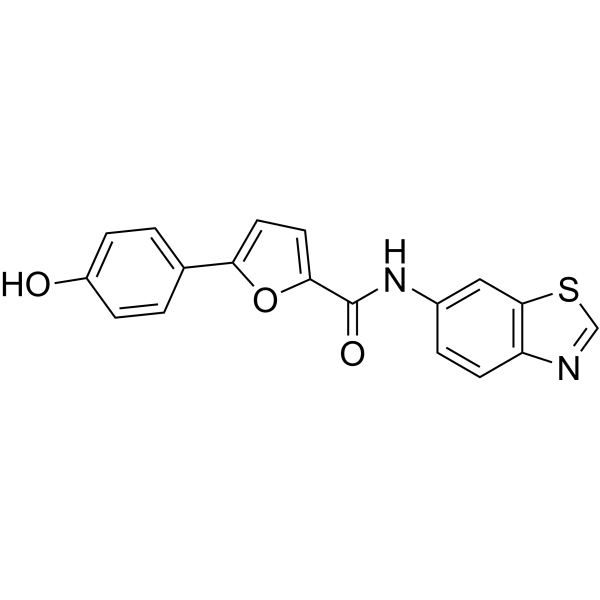
    Elinafide is an anticancer agent with a naphthalimide structure that targets DNA. Elinafide interferes with cell metabolism by inserting a planar ring into the DNA double helix and interacting with enzymes through its side chain.LU-79553 is a DNA-binding topoisomerase II inhibitor. The IC50 value of Elinafide for HT-29 cells is 0.014 μM .
    Elinafide
  • HY-126278

    Phosphoglycerate Dehydrogenase (PHGDH) Cancer
    Z1609609733 (Compound 18) is a non-covalent 3-Phosphoglycerate dehydrogenase (PHGDH) inhibitor with an IC50 of 1.46 μM. Z1609609733 significantly inhibits serine synthesis and cancer metabolism with complete abrogation of cell proliferation .
    Z1609609733
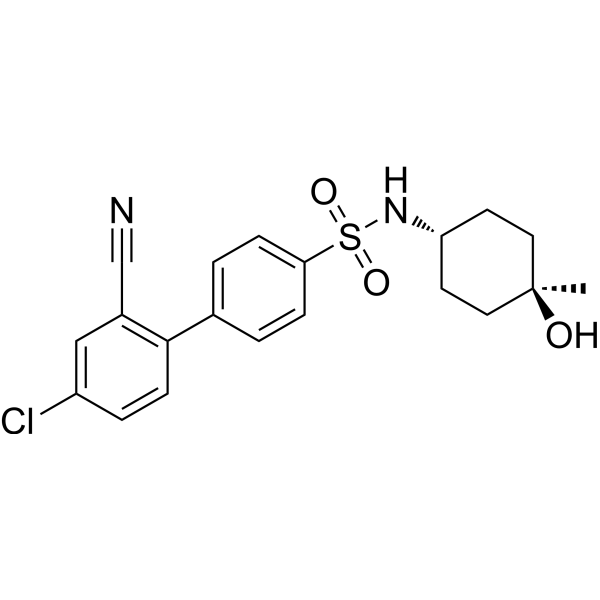
  • HY-129099

    PKC Estrogen Receptor/ERR Drug Metabolite Endogenous Metabolite Cancer
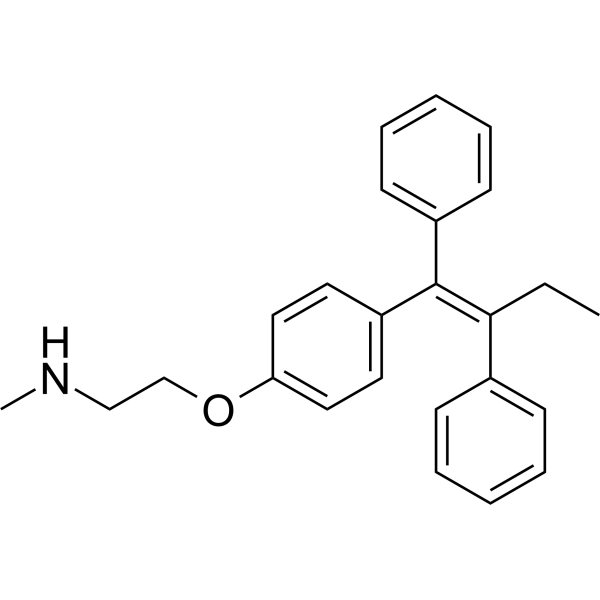
    N-Desmethyltamoxifen is the major metabolite of tamoxifen in humans. N-Desmethyltamoxifen, a poor antiestrogen, is a ten-fold more potent protein kinase C (PKC) inhibitor than Tamoxifen. N-Desmethyltamoxifen is also a potent regulator of ceramide metabolism in human AML cells, limiting ceramide glycosylation, hydrolysis, and sphingosine phosphorylation .
    N-Desmethyltamoxifen
  • HY-126386A

    Biochemical Assay Reagents Others
    Pectinase, aspergillus acne is a mixed enzymes that hydrolyze pectic substances, it mostly presents in microorganisms and higher plants. Pectinase is involved in the metabolism of the cell wall as well as in the growth of the cell, senescence, ripening of fruits, pathogenesis and abscission process .
    Pectinase, aspergillus acne
  • HY-D2418

    Fluorescent Dye Metabolic Disease
    PS-SCOTfluor-12 (compound 10) is a fluorescent probe for imaging Lactic acid (HY-B2227) metabolism in live cells. λex/λem= 485/605 nm .
    PS-SCOTfluor-12
  • HY-103658

    Miramistin

    Bacterial Infection
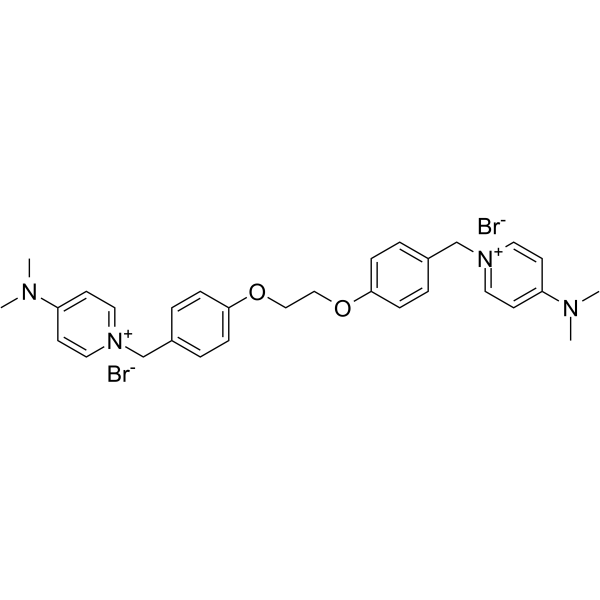
    Myramistin (Miramistin) is an antibacterial agent targeting bacterial cell membrane. Myramistin can bind to the negatively charged surface of bacteria through its cationic properties, disrupt the integrity of the bacterial cell membrane, inhibit bacterial metabolism and growth, and induce cell death, thus exerting antibacterial activity .
    Myramistin
  • HY-N1964A

    Drug Derivative Metabolic Disease
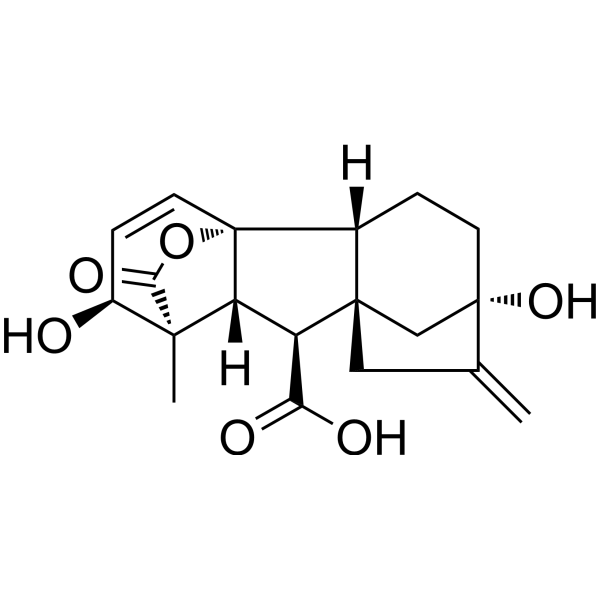
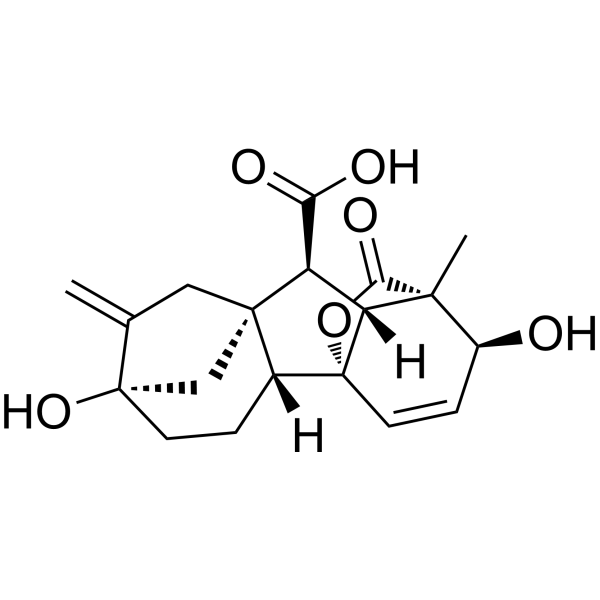
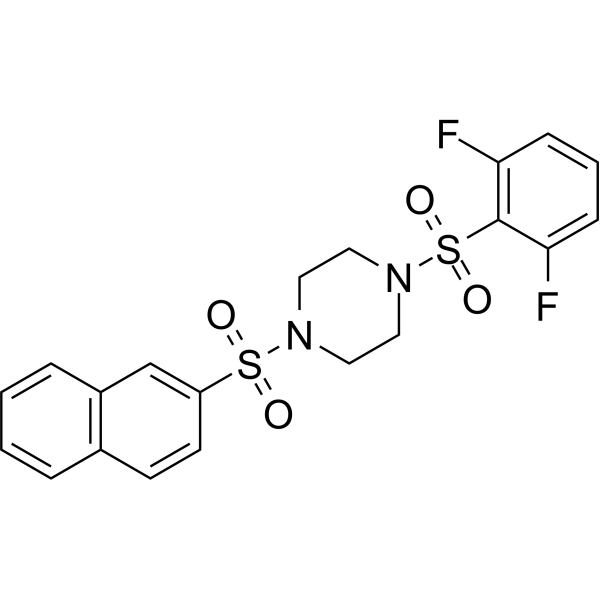
    Gibberellic acid, suitable for plant cell culture (GA3, suitable for plant cell culture) is a natural plant growth regulator with oral bioactivity. Gibberellic acid, suitable for plant cell culture governs multiple plant developmental events, including seed germination, cell elongation, floral organ formation, and rice spikelet fertility. Gibberellic acid, suitable for plant cell culture optimizes root morphology and secondary metabolite production in Echinacea purpurea hairy roots, and serves as a bioactive seed priming agent to improve chilling stress tolerance in chickpea. Gibberellic acid, suitable for plant cell culture mediates modulation of enzyme activity and secondary metabolism in plants and exerts tissue-specific regulatory effects on antioxidant systems and lipid peroxidation in rats. Gibberellic acid, suitable for plant cell culture can be used in studies of plant growth, metabolism, and abiotic stress responses .
    Gibberellic acid, suitable for plant cell culture
  • HY-59208

    Kynurine

    Endogenous Metabolite Neurological Disease Cancer
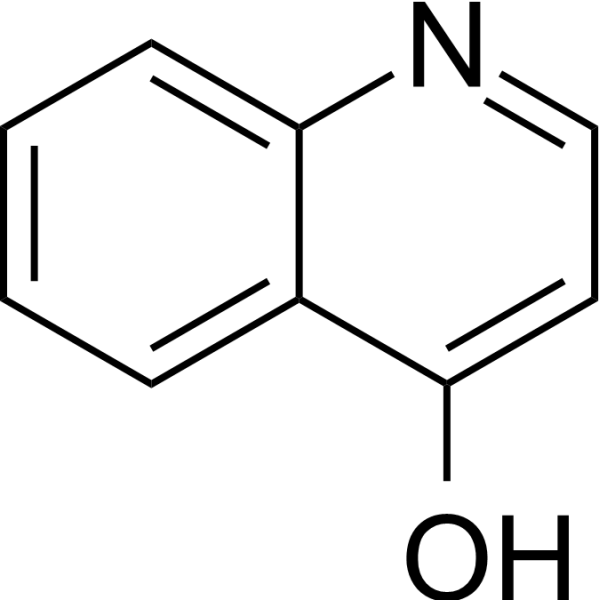
    4-Quinolone (Kynurine) is a quinoline derivative. Kynurine pathway modulates tryptophan metabolism and involves in neuroprotective effect. Kynurine promotes tumor cell survival and motility by suppressing antitumor immune .
    4-Quinolinol
  • HY-150163

    Endogenous Metabolite Metabolic Disease
    RBM14C12 is a compound with cell signal transduction activity. RBM14C12 has important uses in studying lipid metabolism and cell membrane structure. RBM14C12 can also be used to develop novel compounds to regulate the biological mechanisms of lipid-related diseases.
    RBM14C12
  • HY-167805

    Biochemical Assay Reagents
    D-Glucose 6-phosphate potassium is a biologically active compound that has the activity of being a substrate for glucose-6-phosphate isomerase. D-Glucose 6-phosphate potassium can participate in the sugar metabolism process and promote the production and utilization of energy in cells.
    D-Glucose 6-phosphate potassium
  • HY-151243

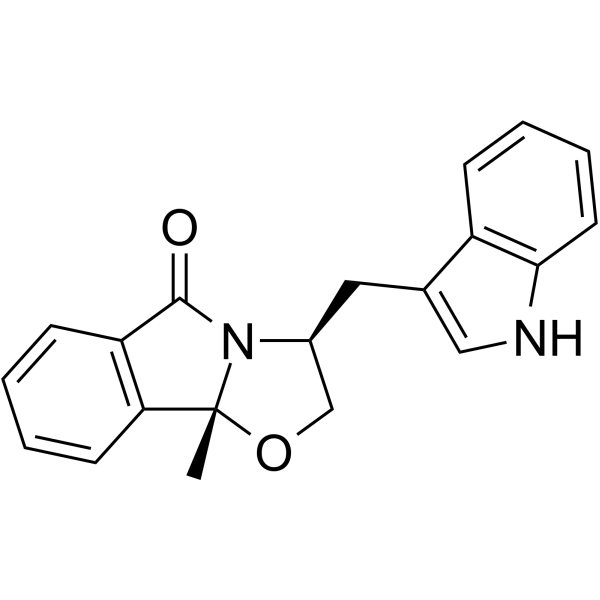
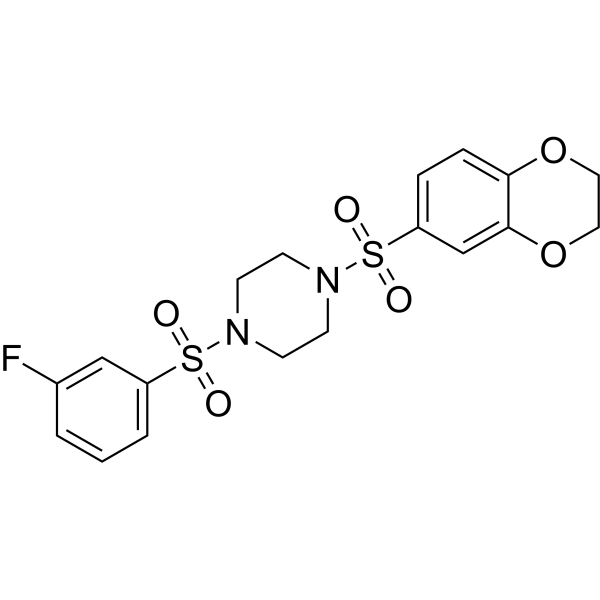
    Lactate Dehydrogenase Cancer
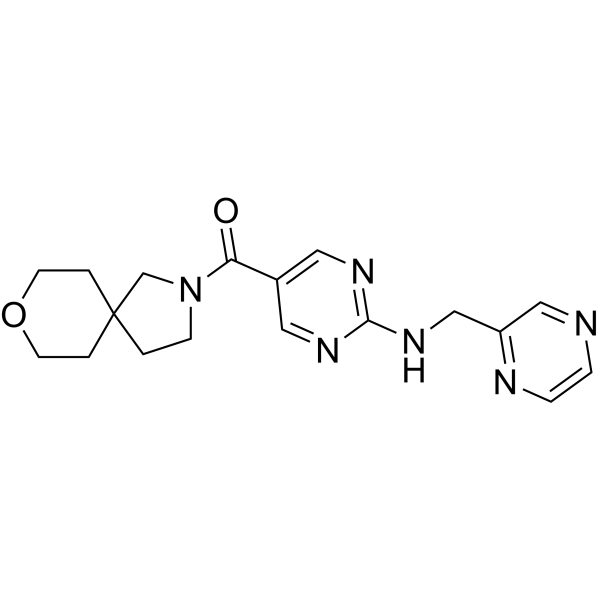
    NCATS-SM1441 (compound 52) is a lactate dehydrogenase (LDH) inhibitor (IC50=40 nM). By inhibiting the activity of LDH, NCATS-SM1441 is able to reduce the production of lactic acid in cancer cells, helping to slow or stop the proliferation of cancer cells. NCATS-SM1441 can be used to study cancer metabolism .
    NCATS-SM1441

Inquiry Online

Your information is safe with us. * Required Fields.

Salutation


Country or Region *

Applicant Name *


Organization Name *

Department *


Email Address *


Product Name *

Cat. No.


Requested quantity *

Phone Number *


Remarks

Inquiry Online

Inquiry Information

Product Name:
Cat. No.:
Quantity:
MCE Japan Authorized Agent: