1. Search Result
Search Result
Results for "

Wiki parp Inhibitors

" in MedChemExpress (MCE) Product Catalog:

620

Inhibitors & Agonists

2

Screening Libraries

2

Fluorescent Dyes

2

Biochemical Assay Reagents

3

Peptides

1

Inhibitory Antibodies

76

Natural
Products

9

Recombinant Proteins

13

Isotope-Labeled Compounds

15

Antibodies

5

Click Chemistry

41

Oligonucleotides

2

GMP Molecules

Targets Recommended:
Cat. No. Product Name Target Research Areas Chemical Structure
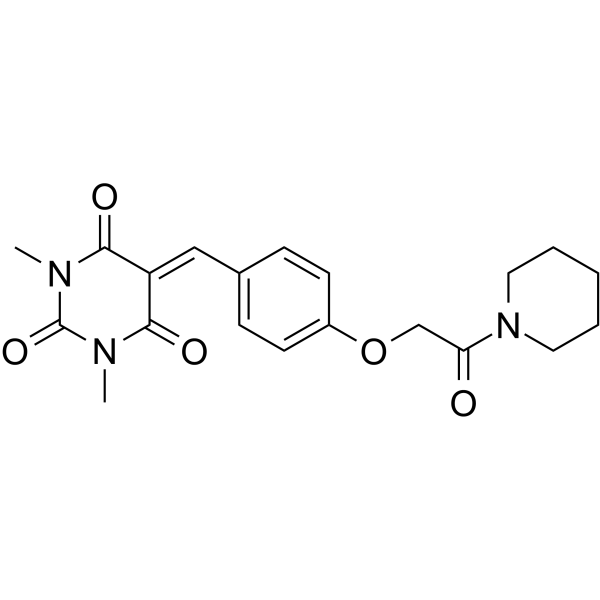
  • HY-16910
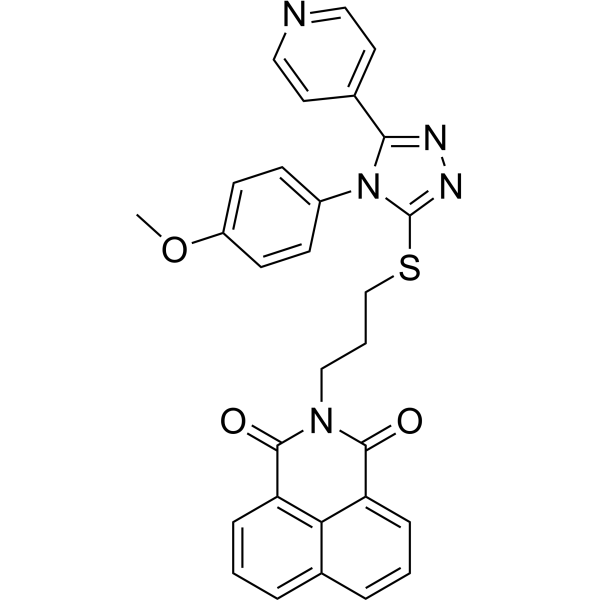
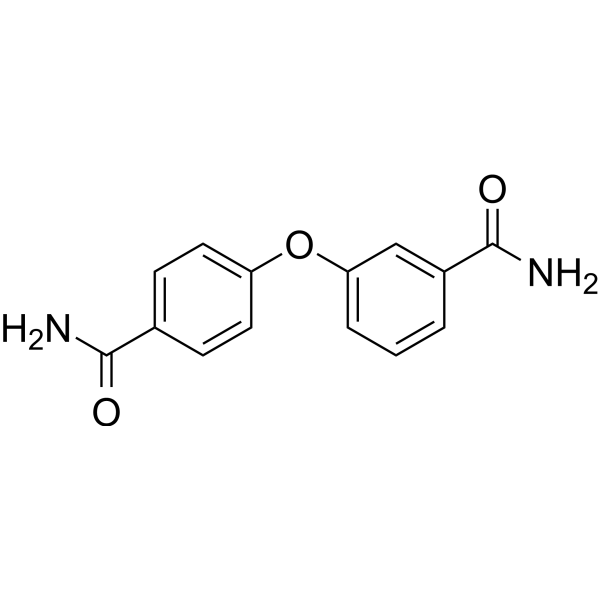
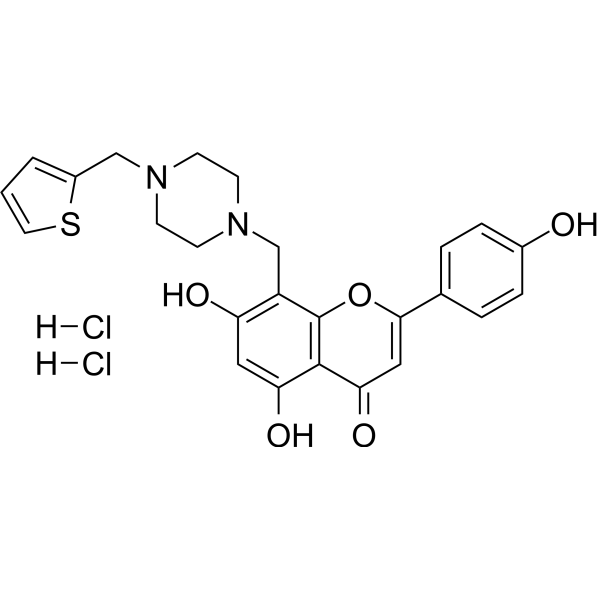
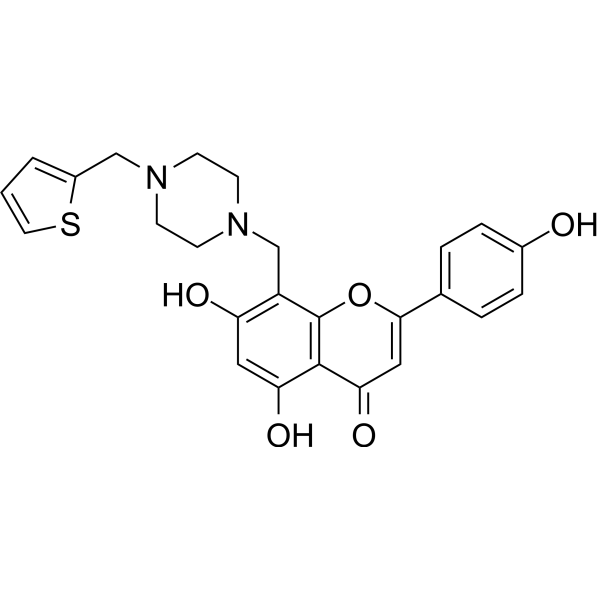
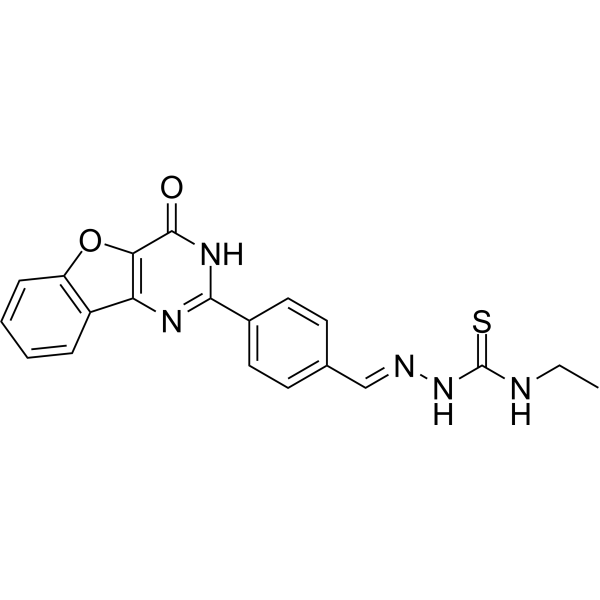
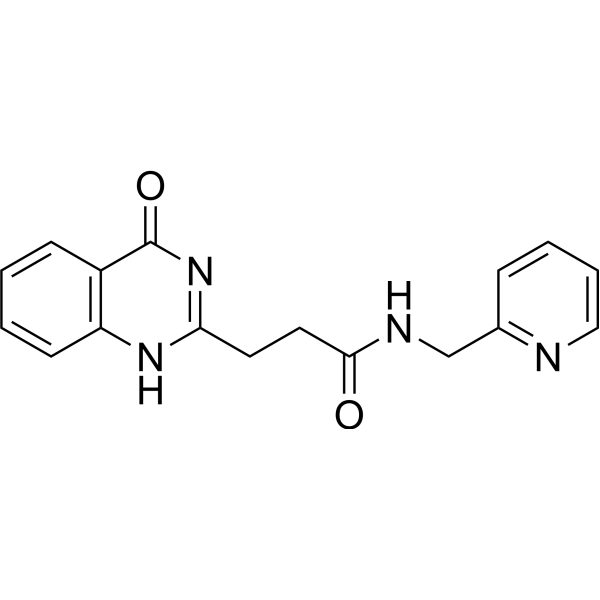
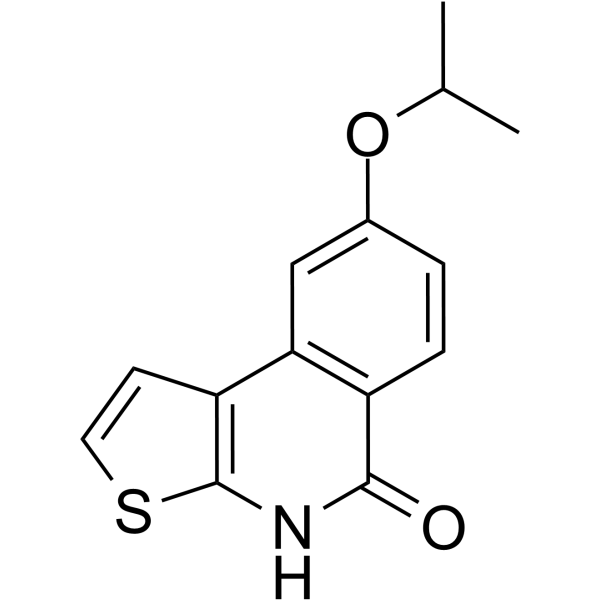
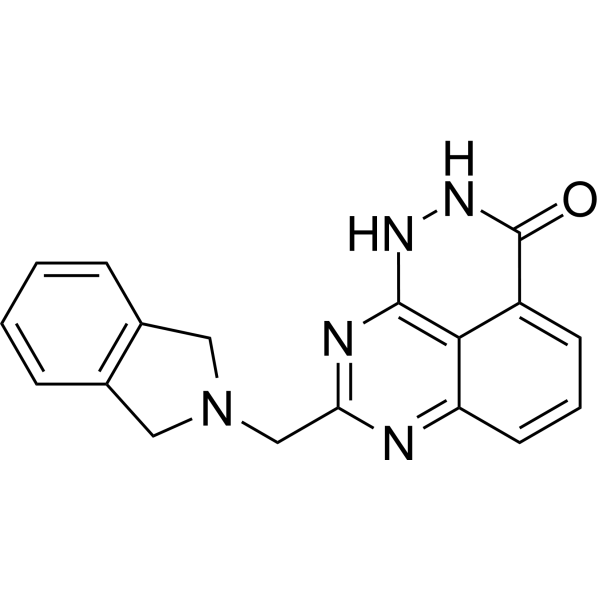
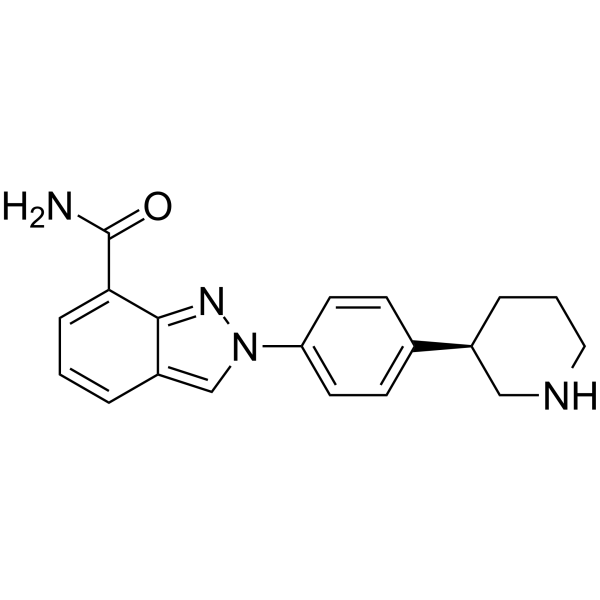
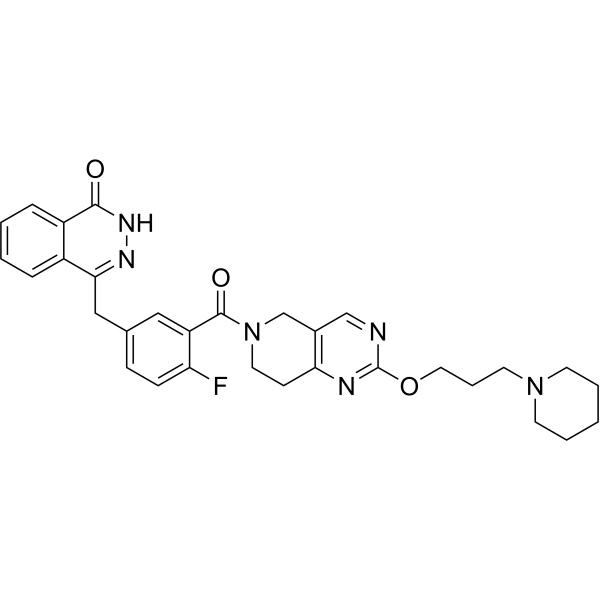
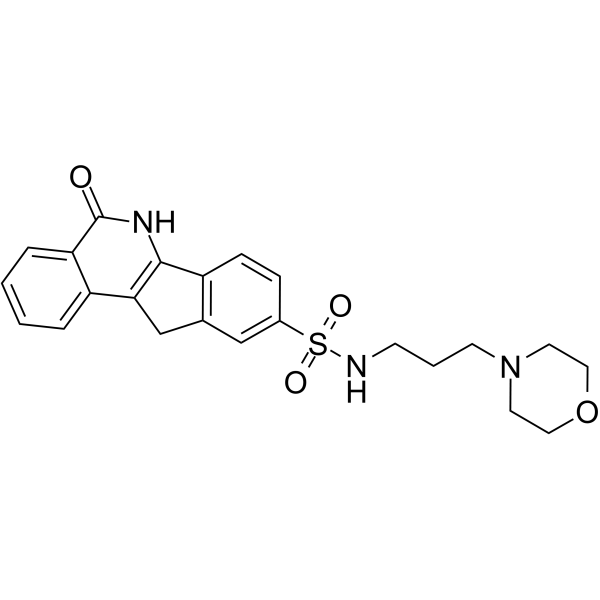
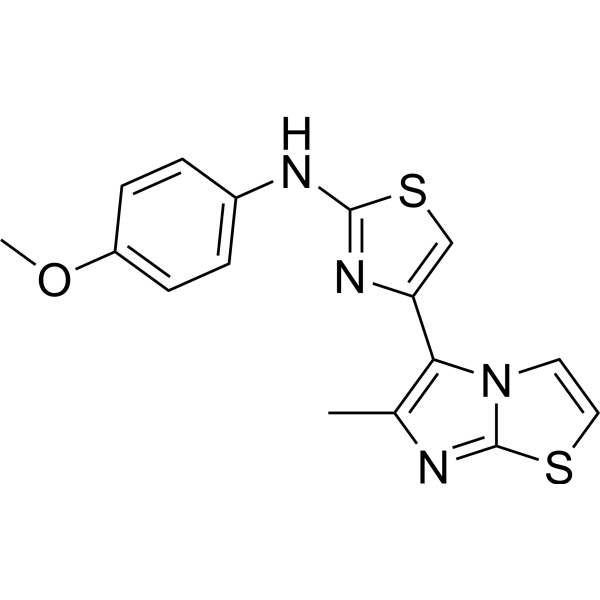
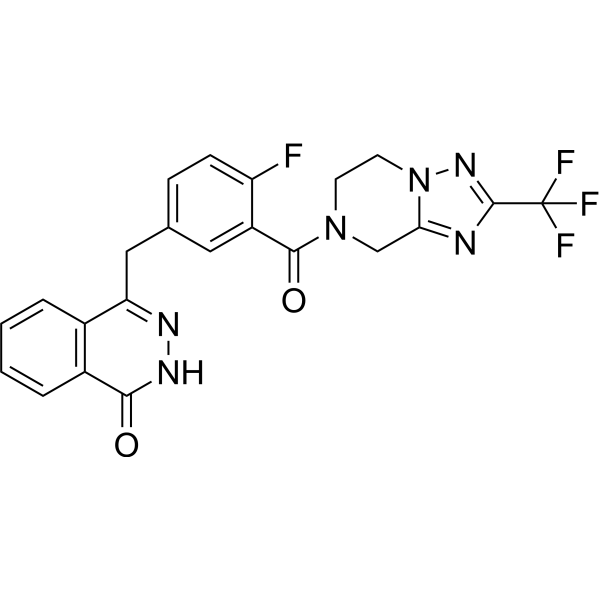
    WIKI4
    4 Publications Verification

    PARP β-catenin Wnt Cancer
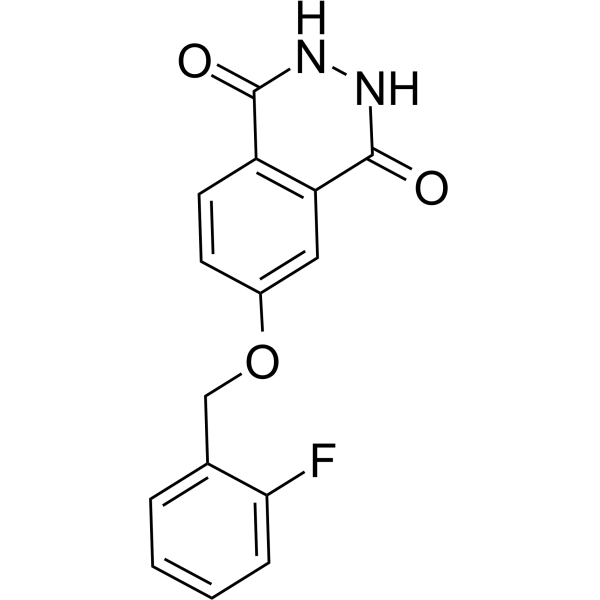
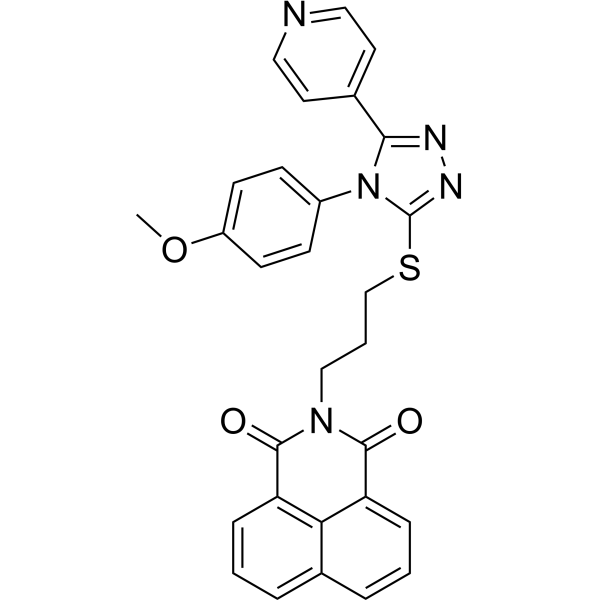
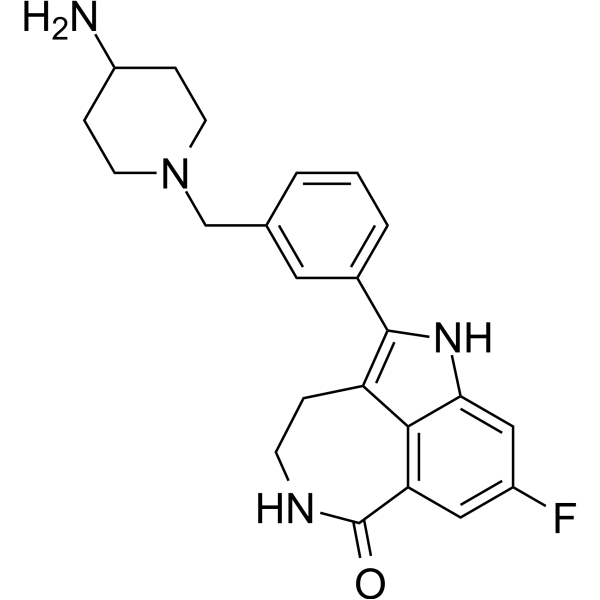
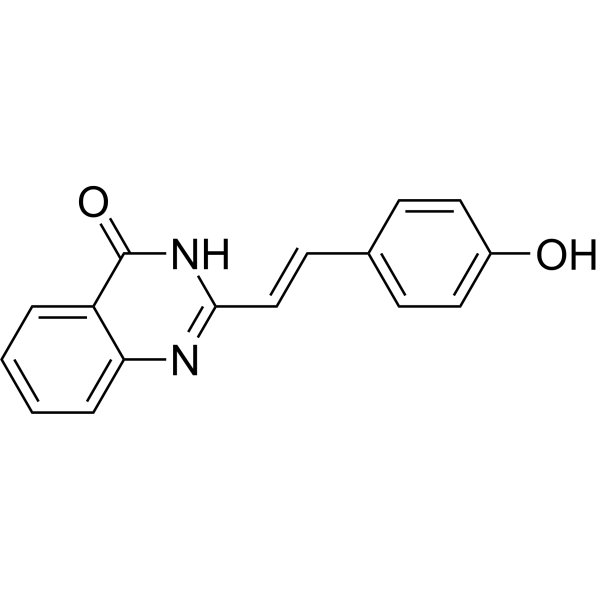
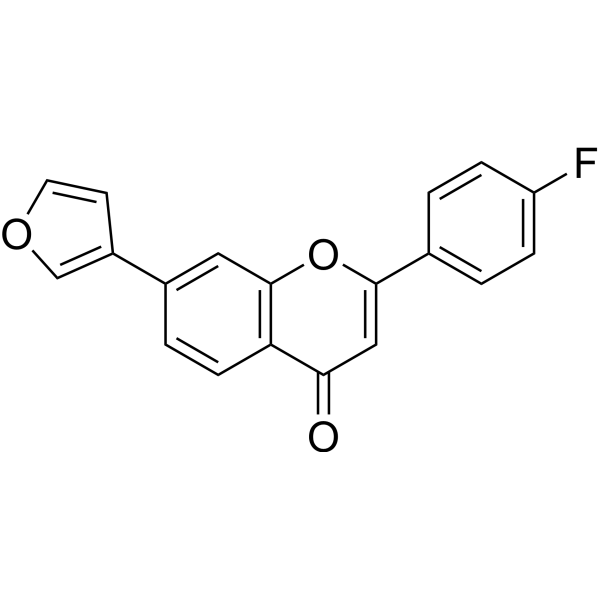
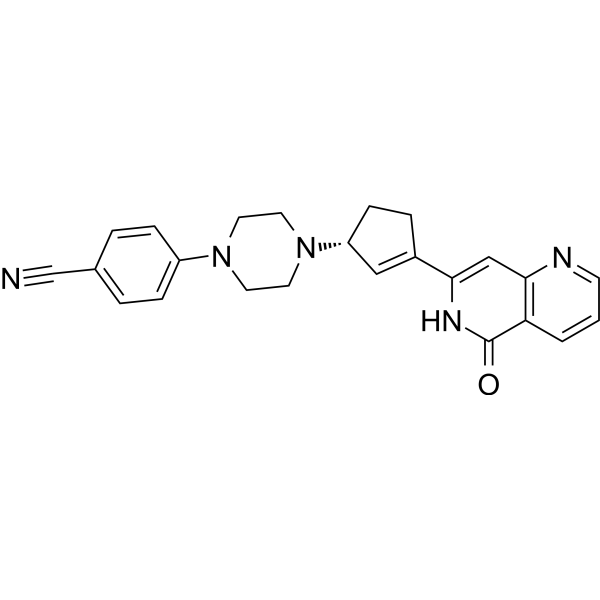
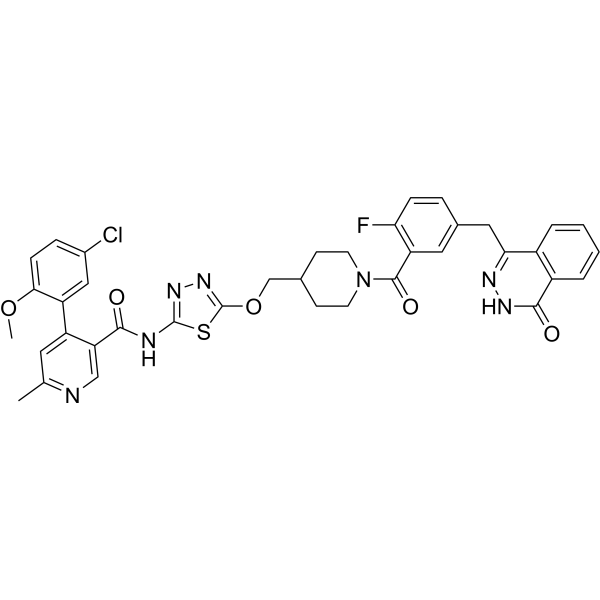
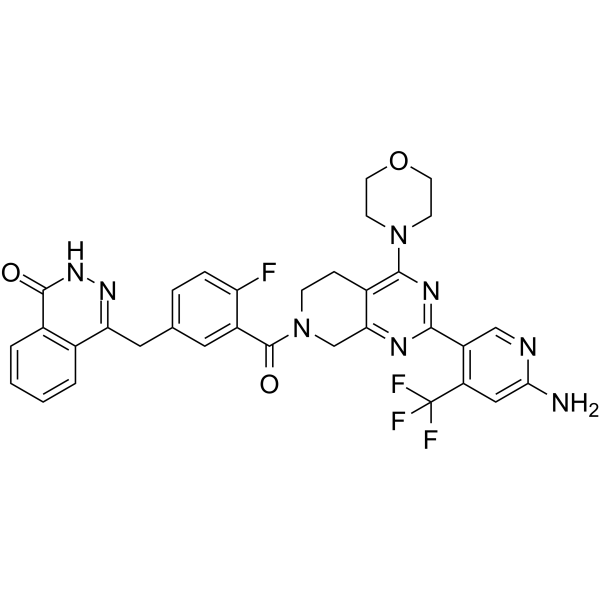
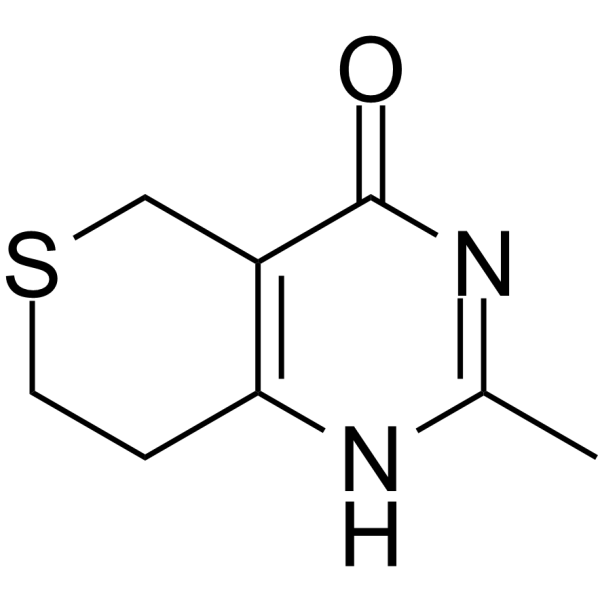
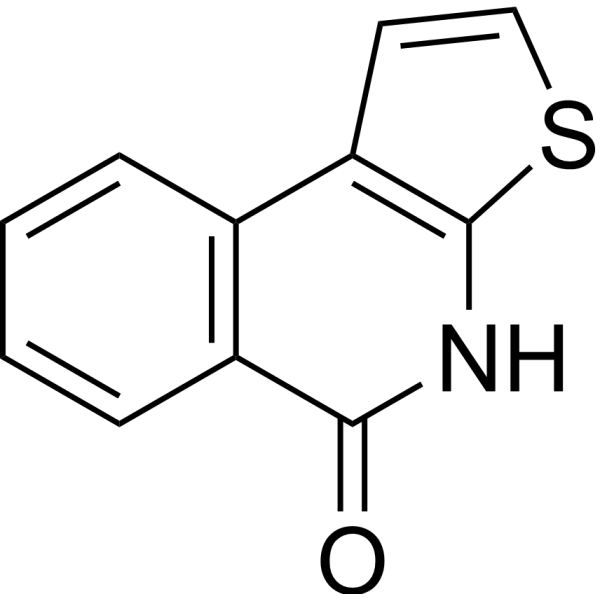
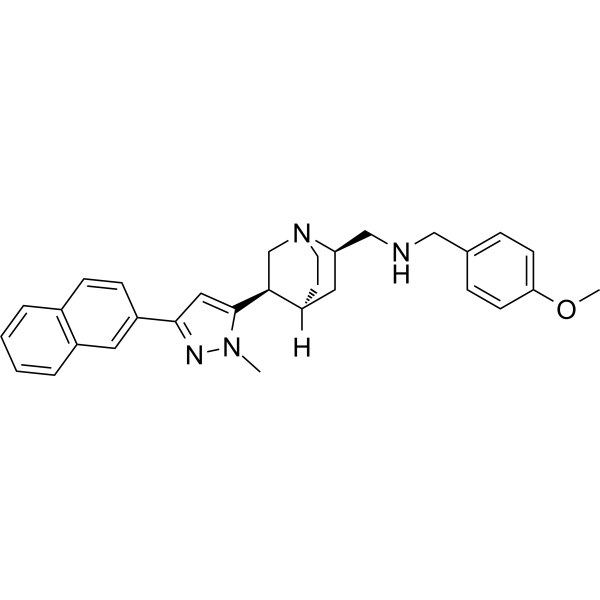
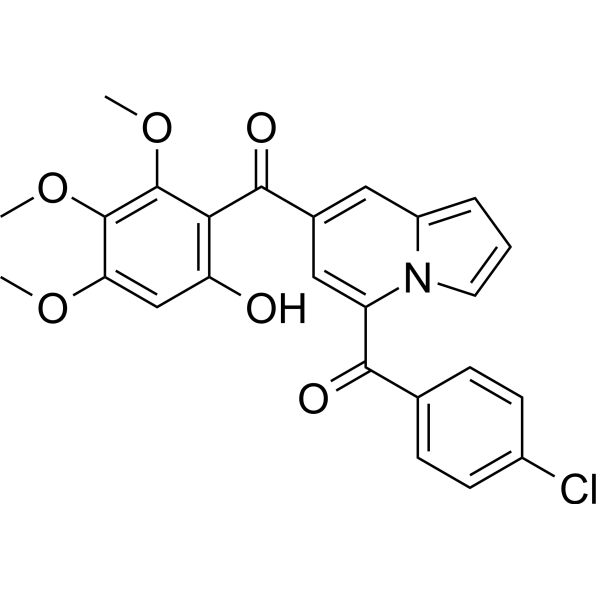
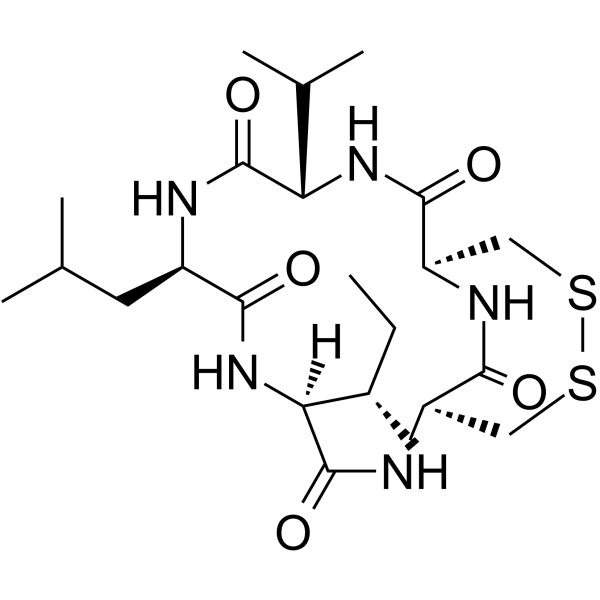
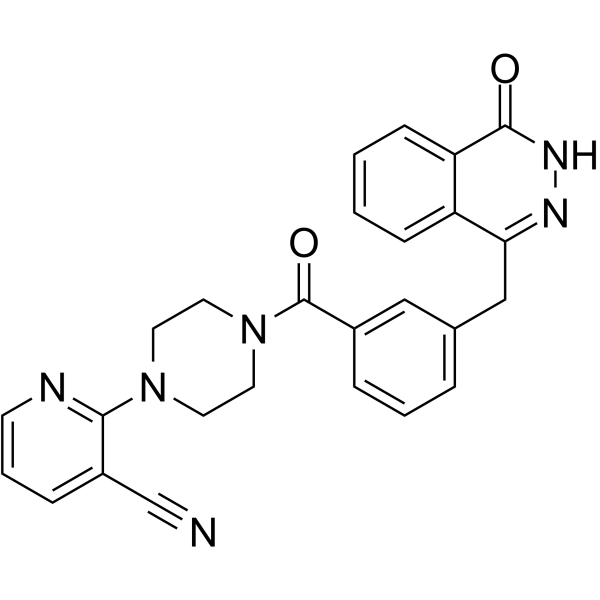
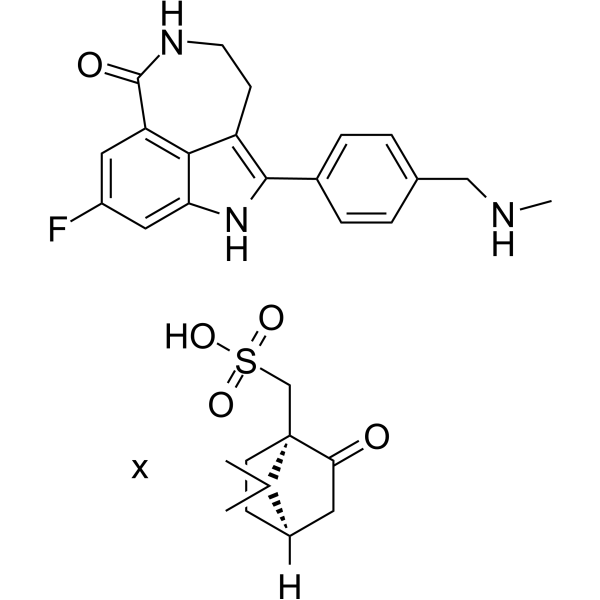
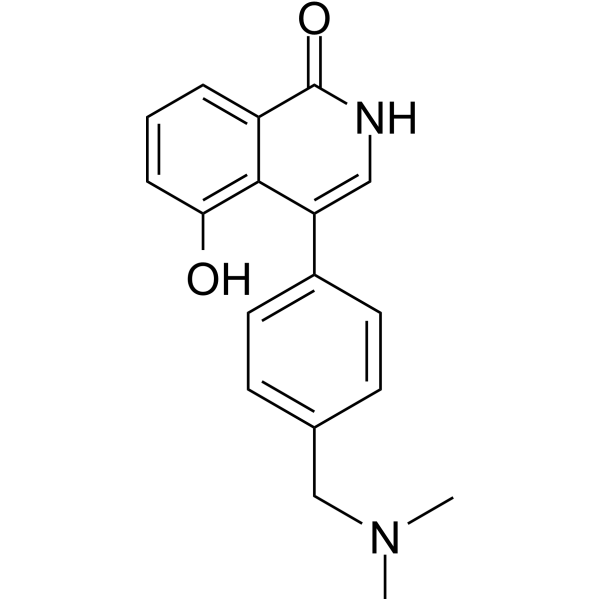
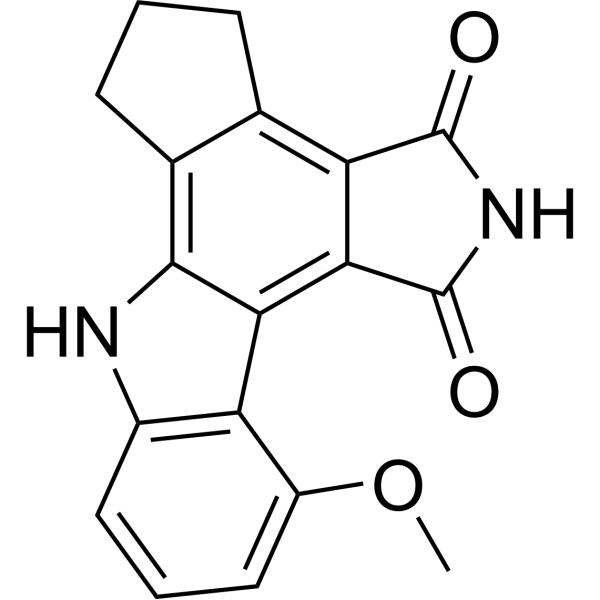
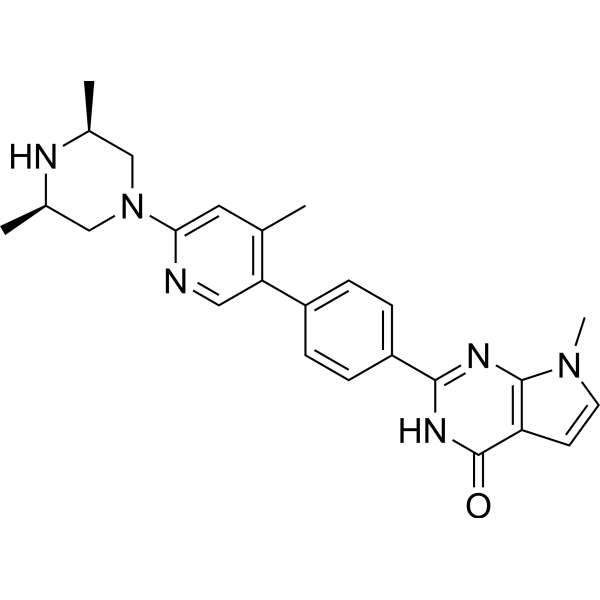
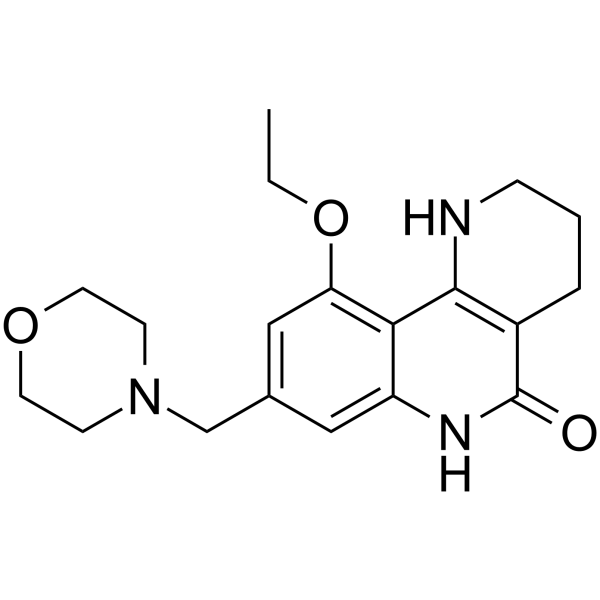
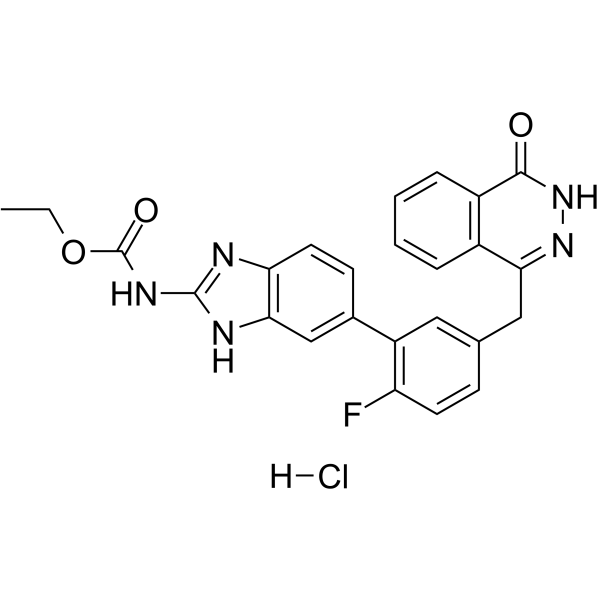
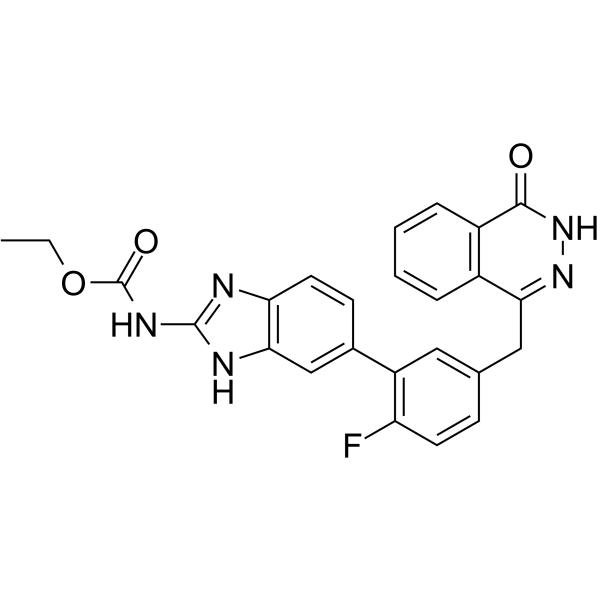
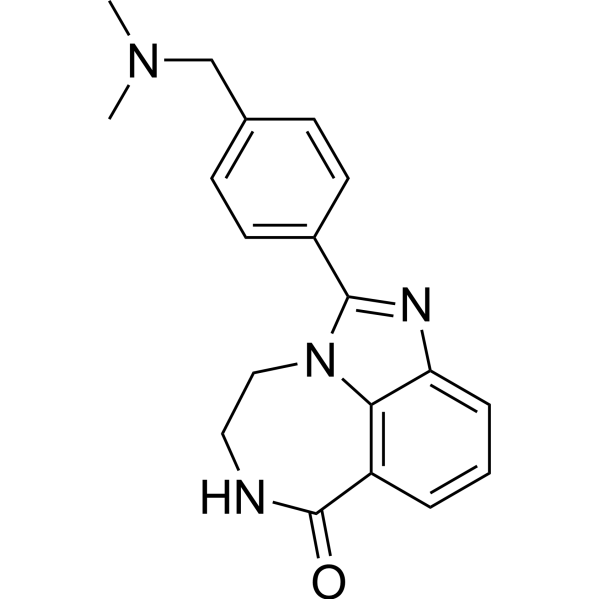
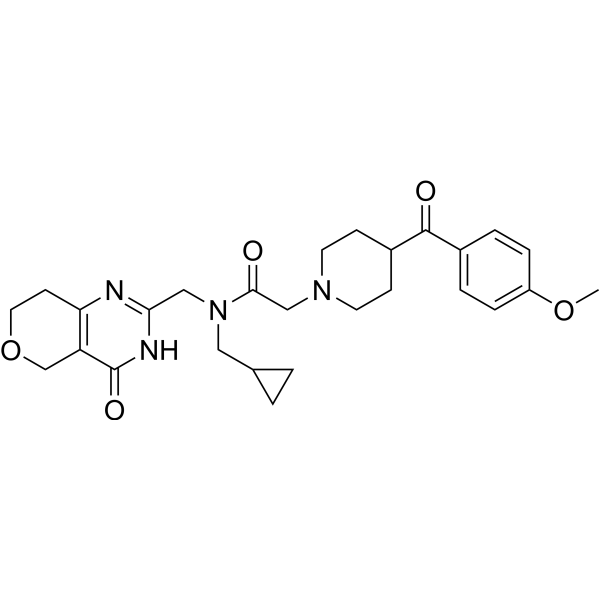
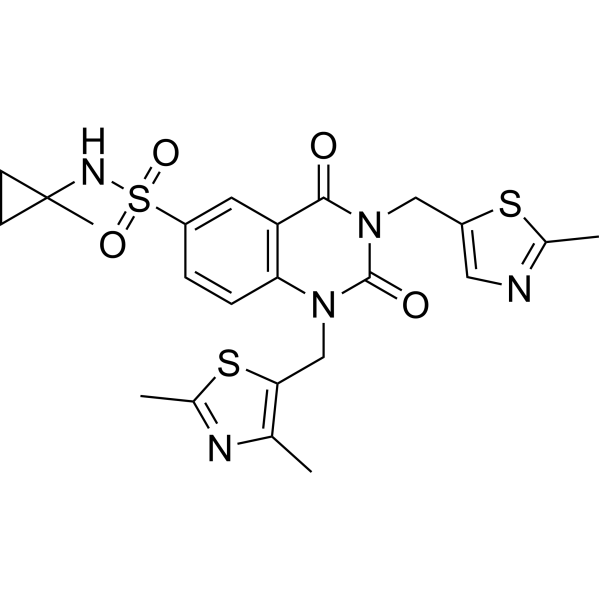
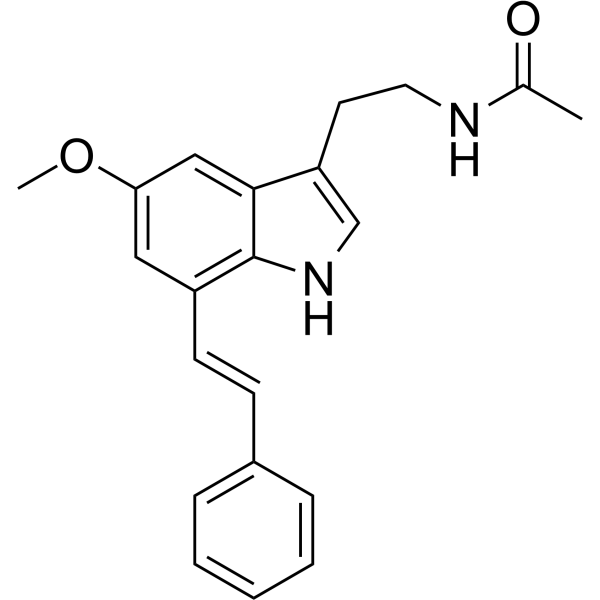
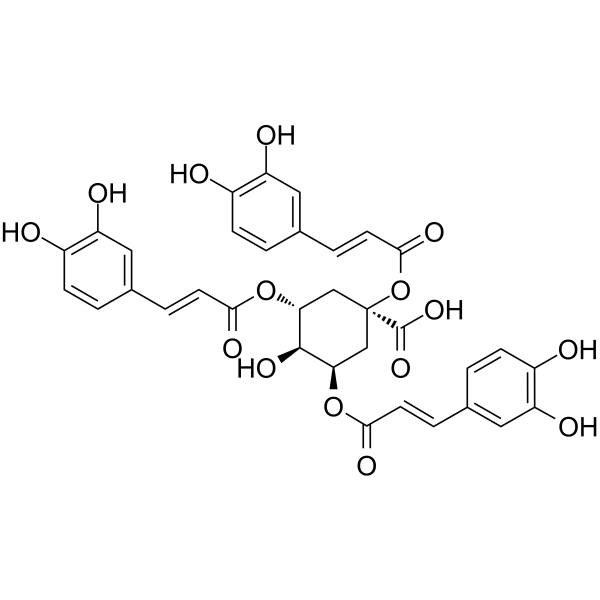
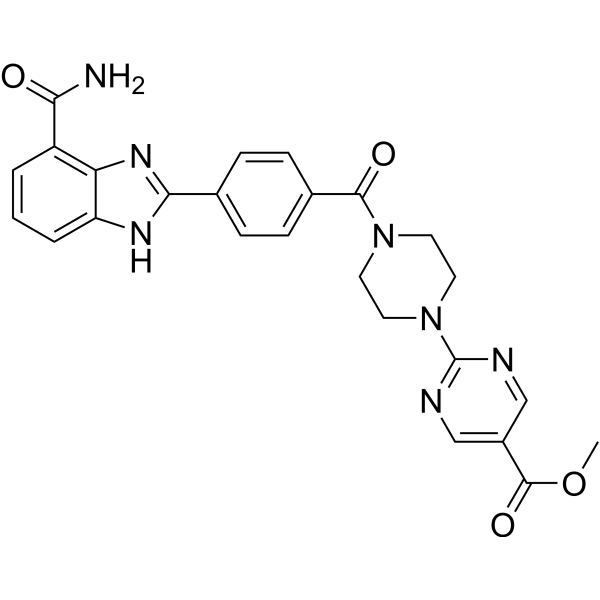
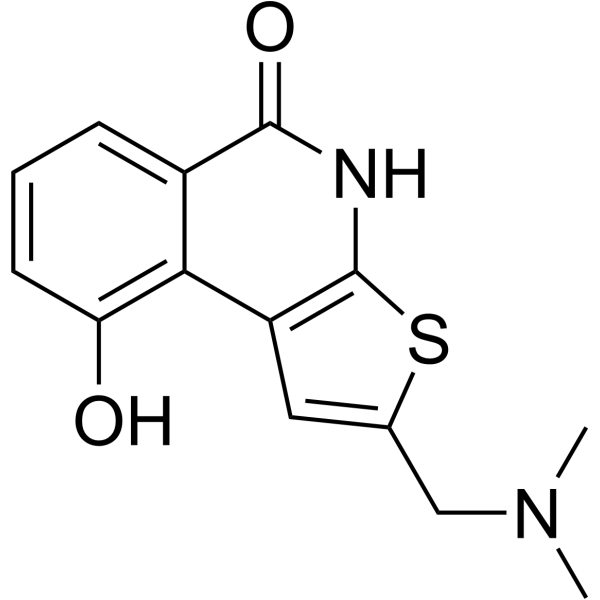
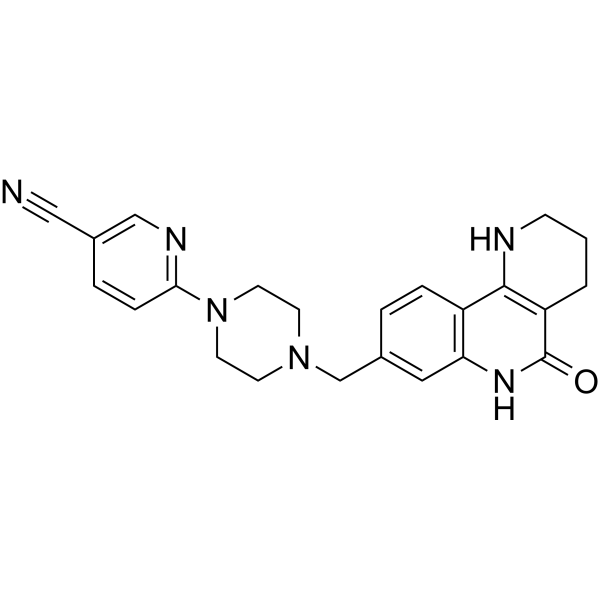
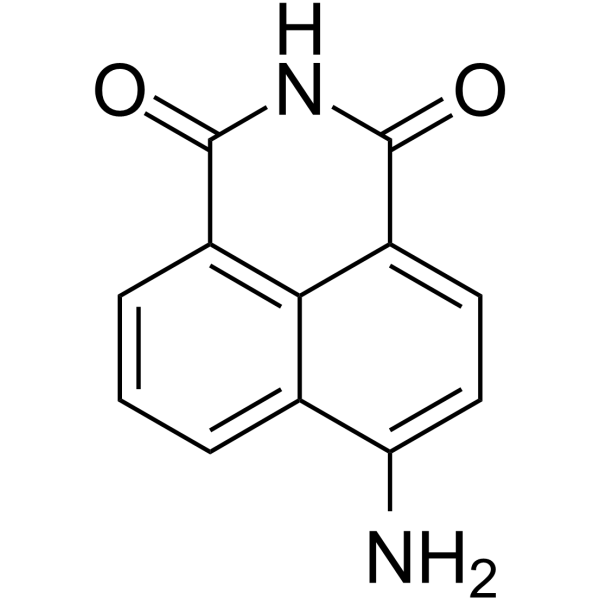
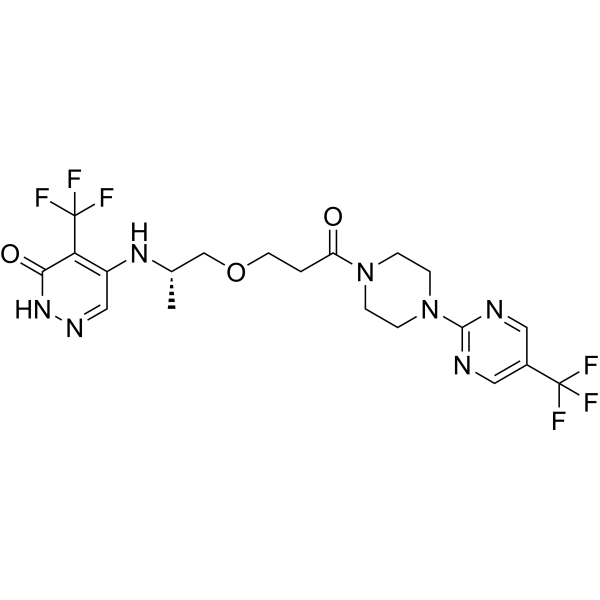
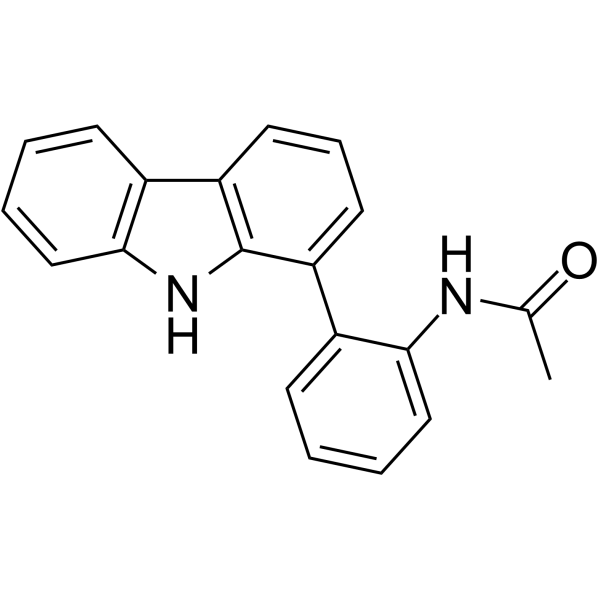
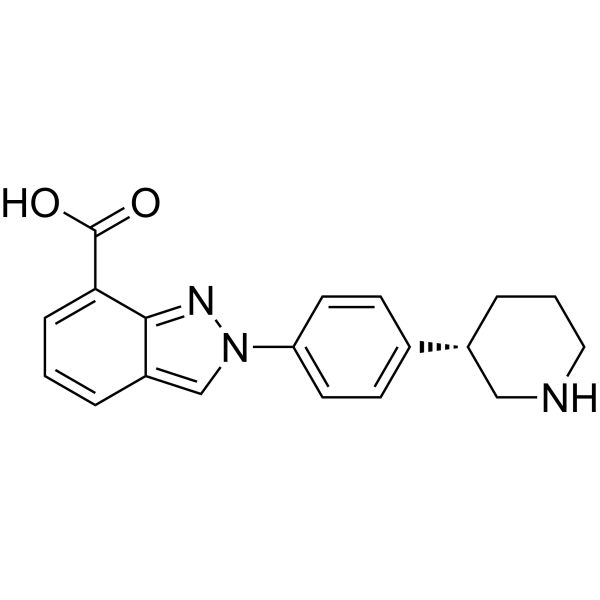
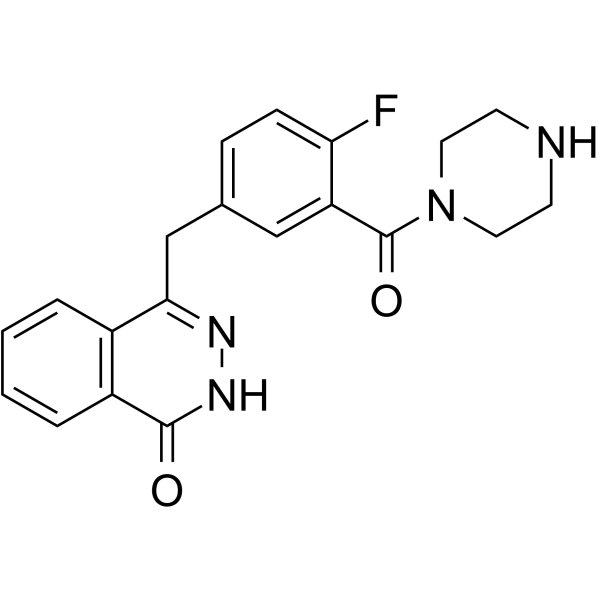
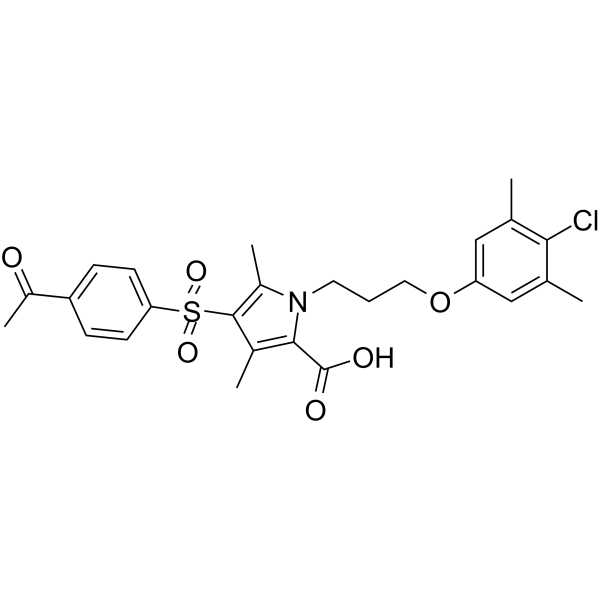
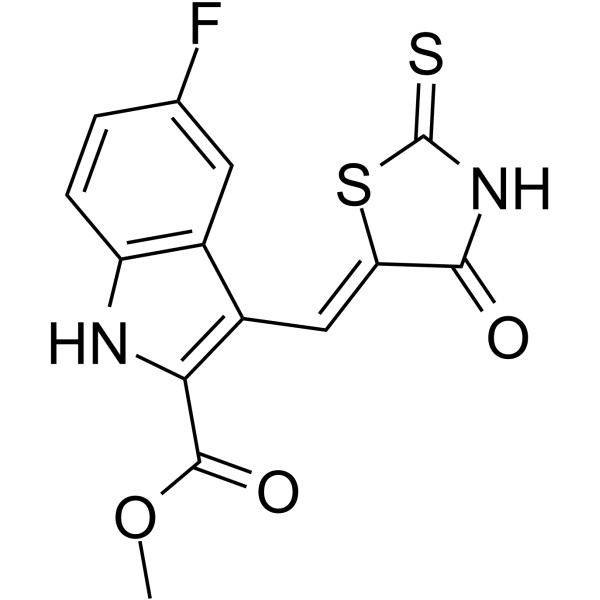
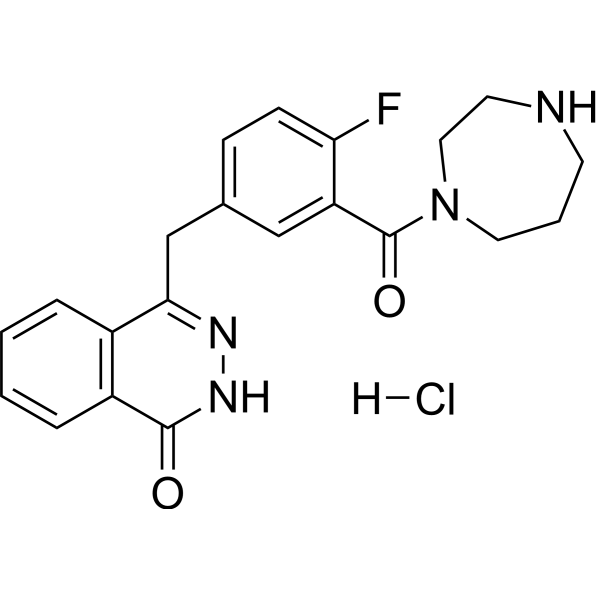
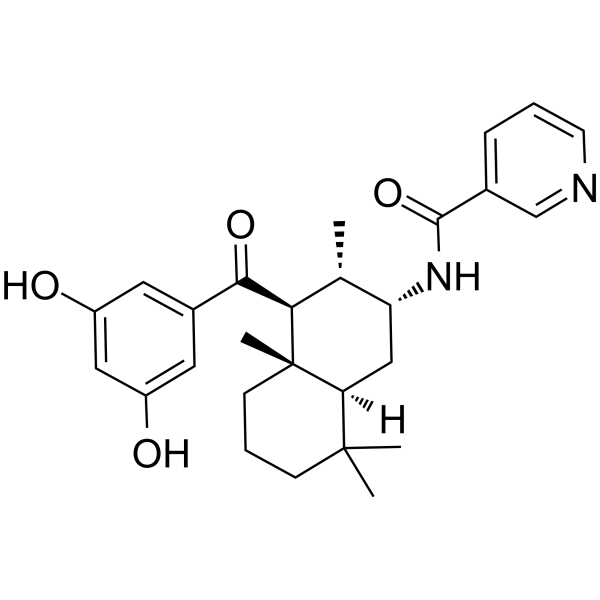
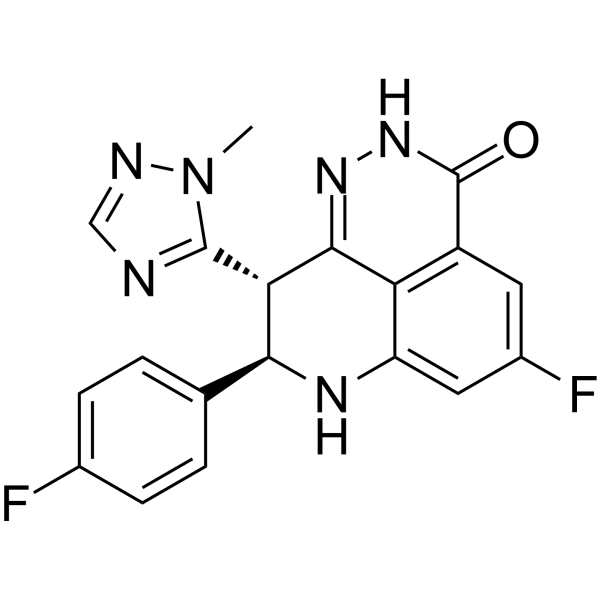
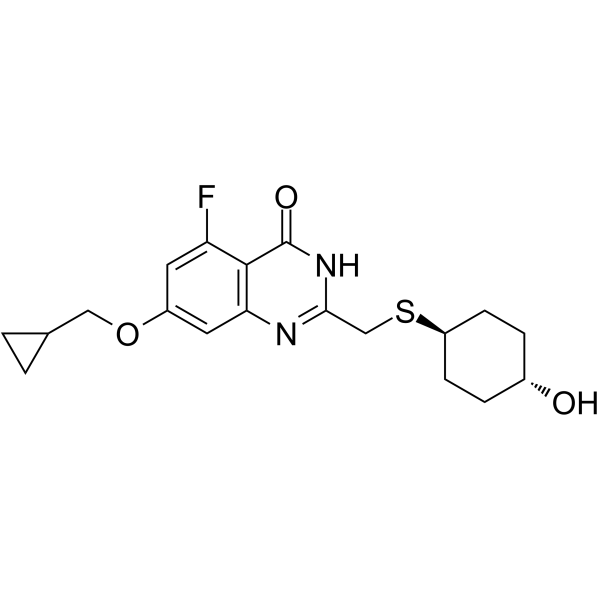
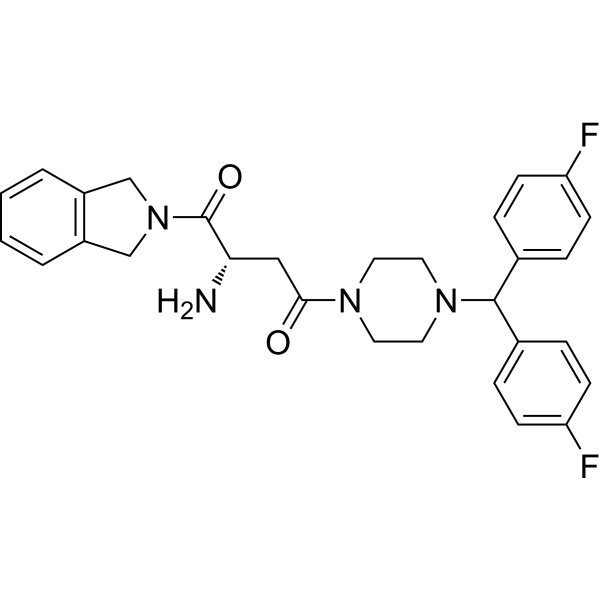
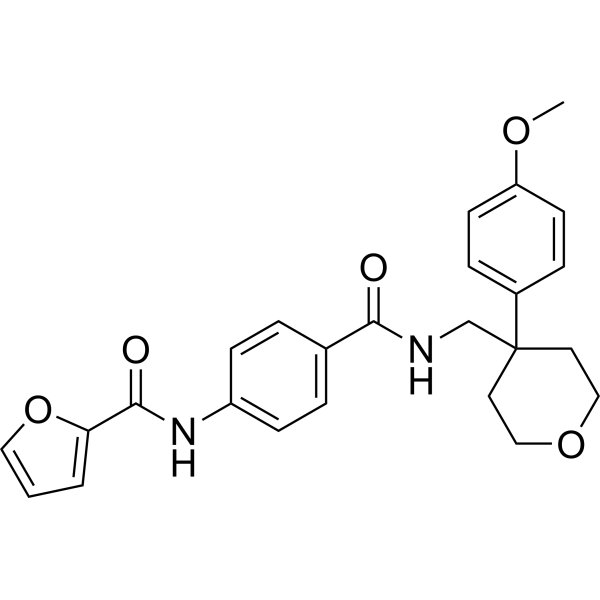
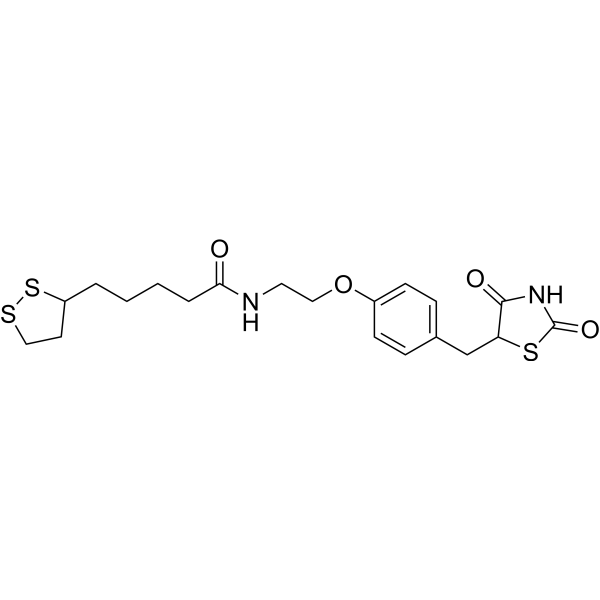
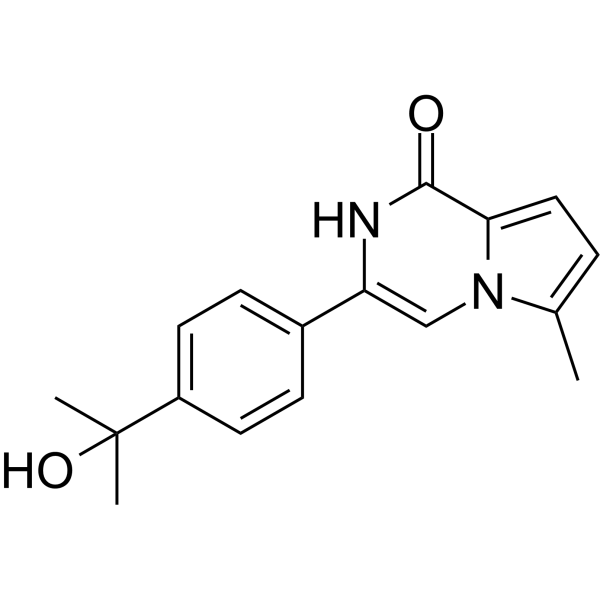
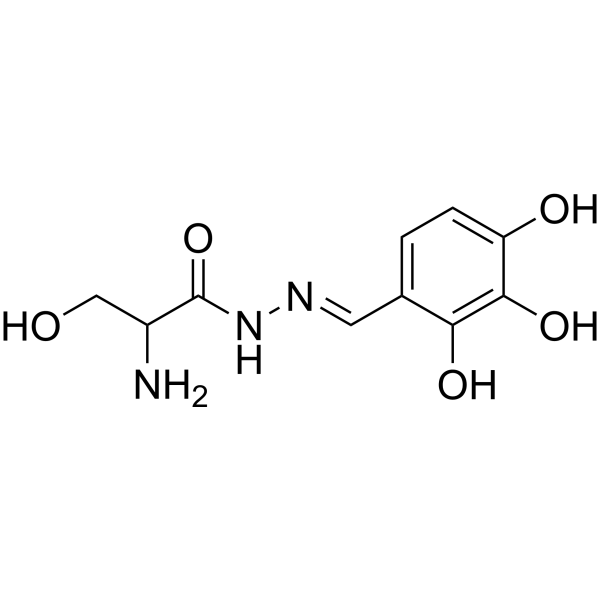
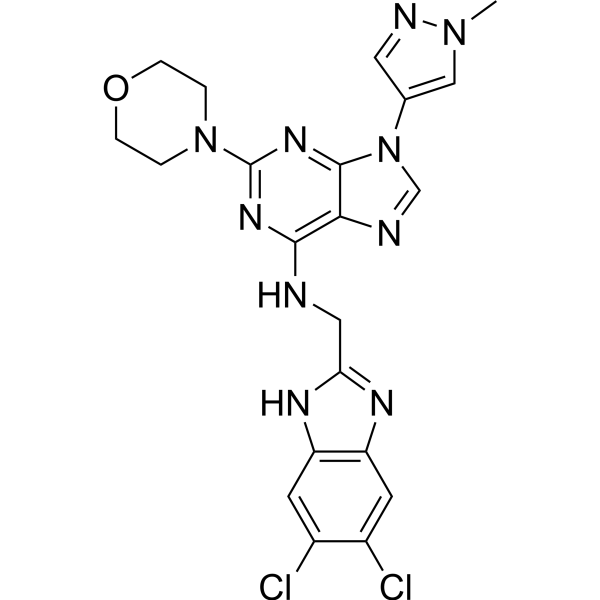
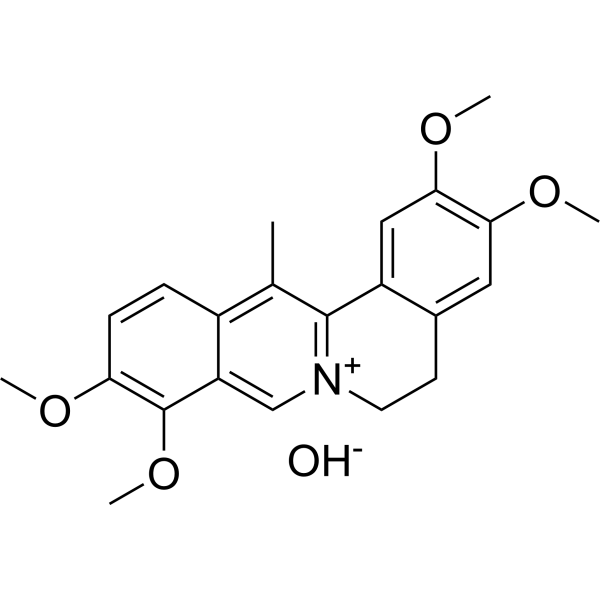
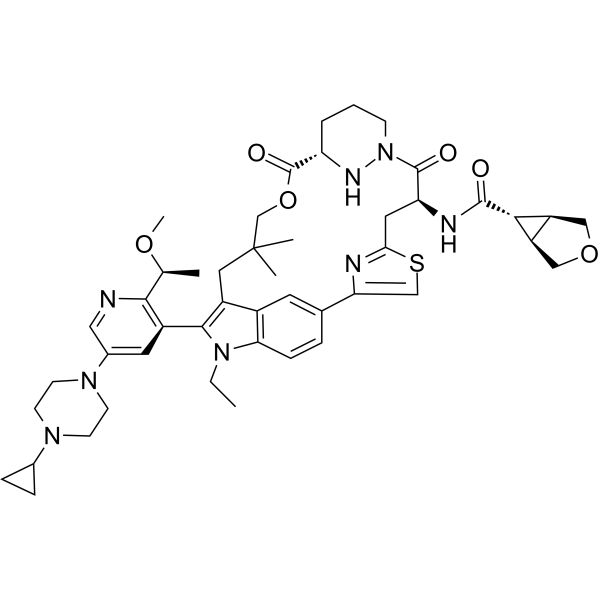
    WIKI4 is a potent tankyrase inhibitor with an IC50 of 26 nM for TNKS2. WIKI4 potently inhibits Wnt/β-catenin signaling and that its half-maximal response dose is 75 nM. WIKI4 mediates its effects on Wnt/β-catenin signaling by inhibiting the enzymatic activity of TNKS2 . WIKI4 is cytotoxic to SCLC cells with an IC50 value of 0.02 μM .
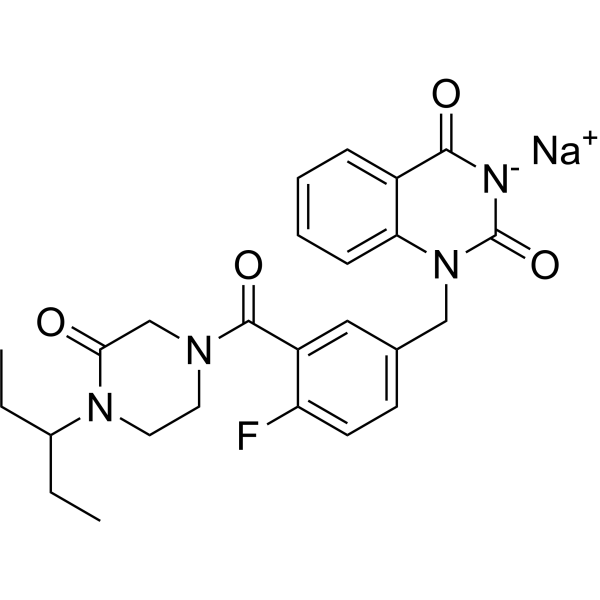
    WIKI4
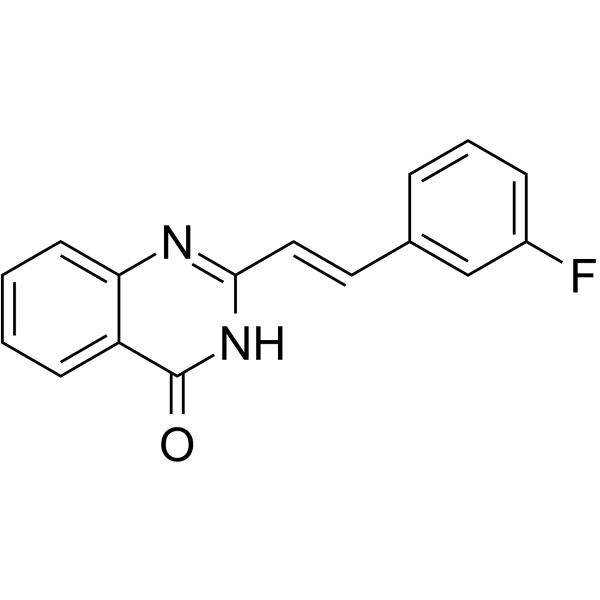
  • HY-125218

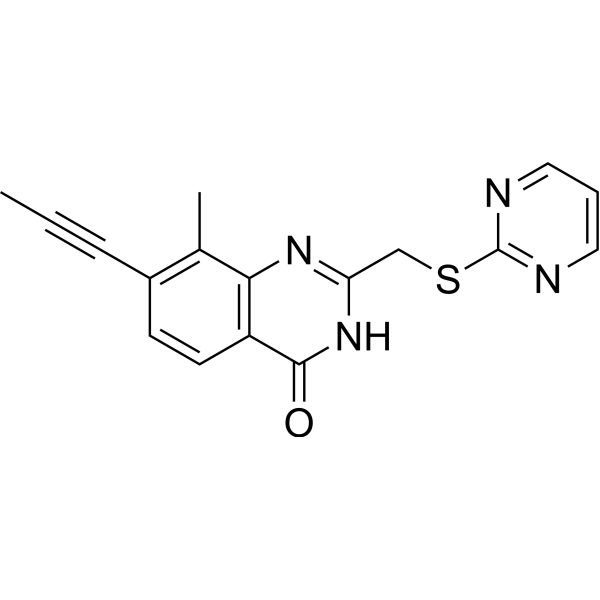
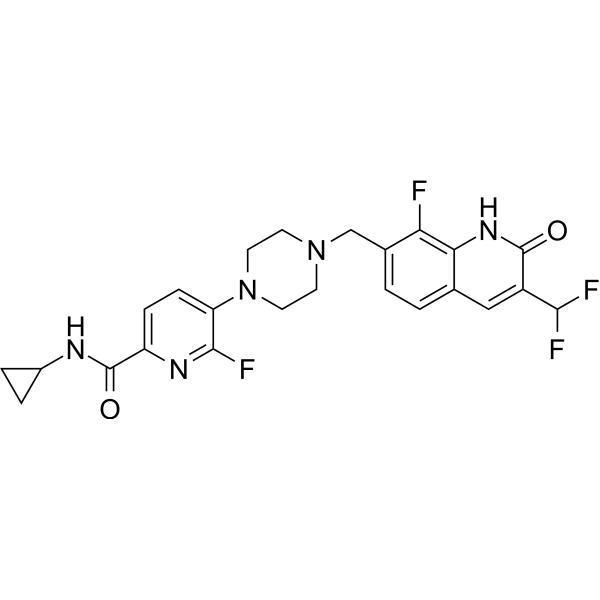
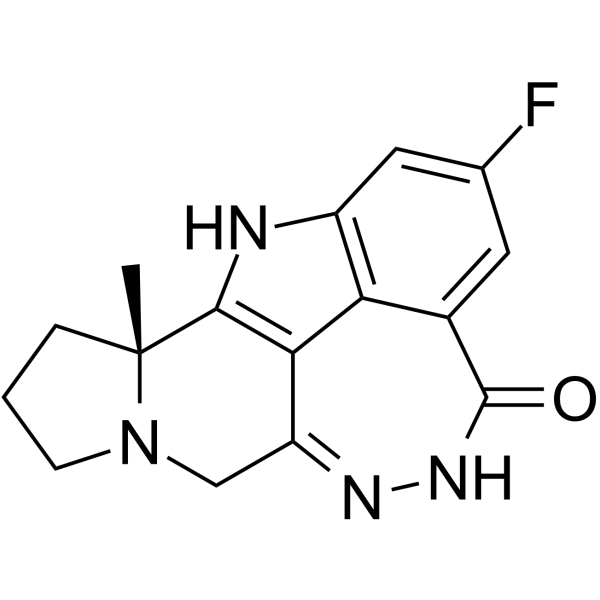
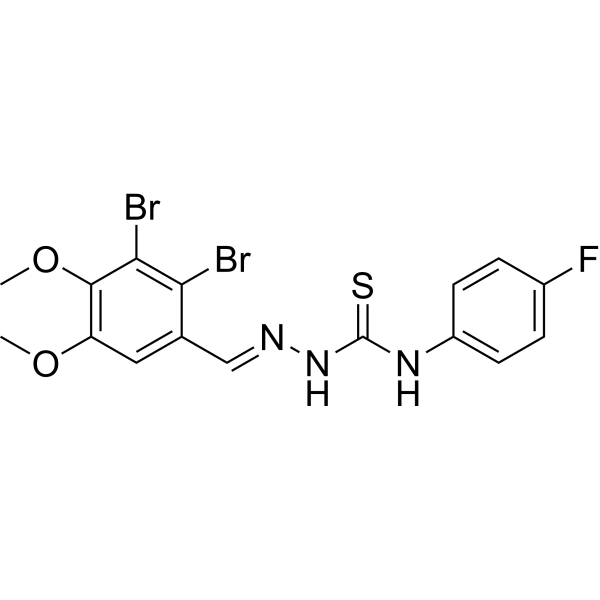
    ITK7

    PARP Cancer
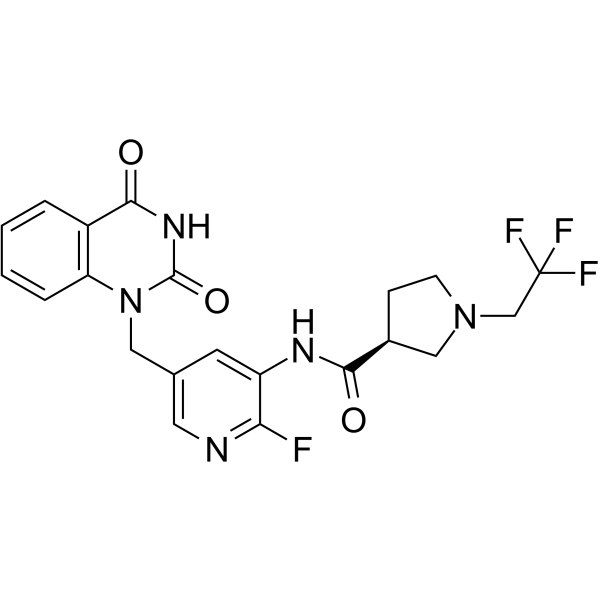
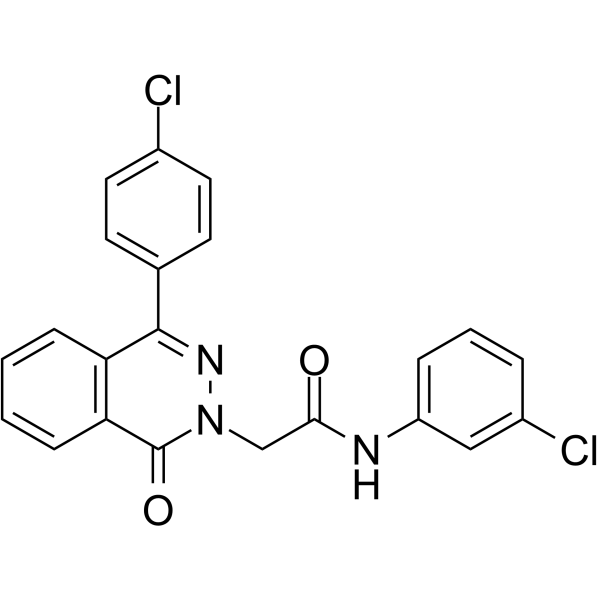
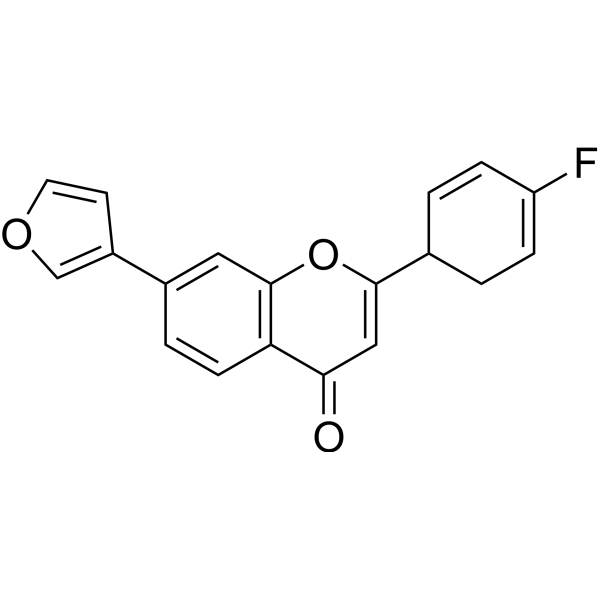
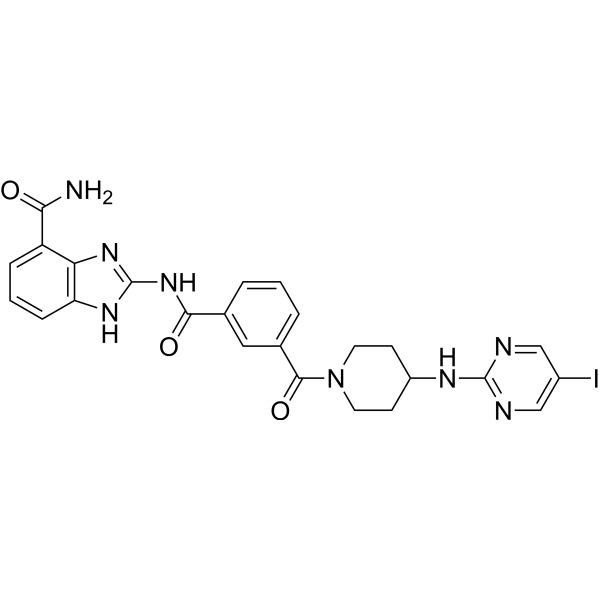
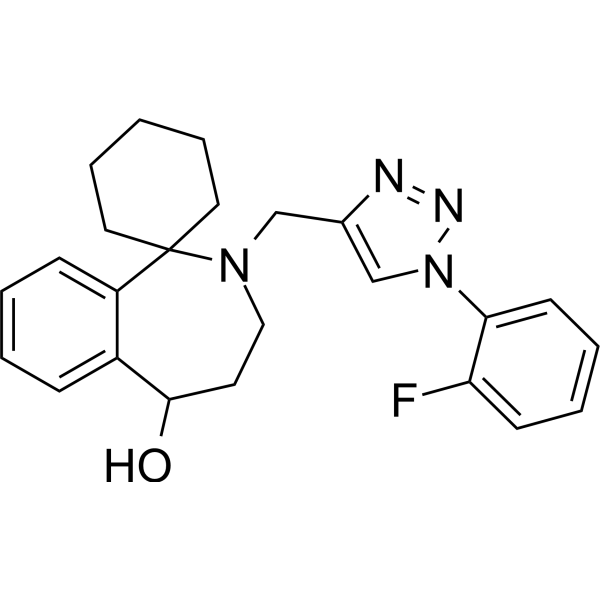
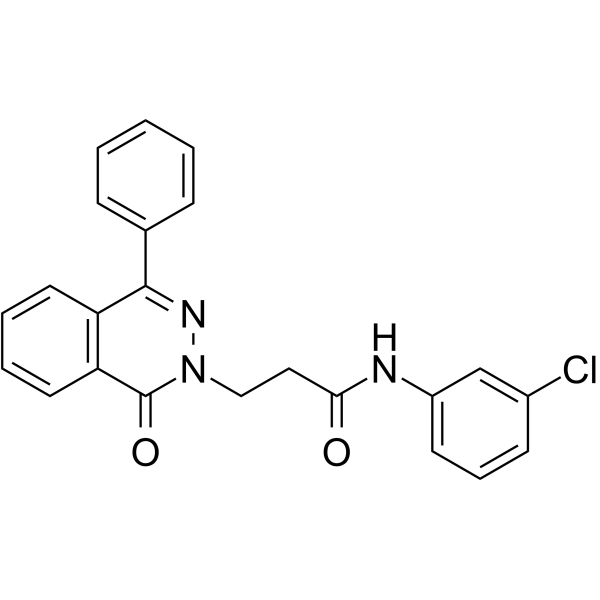
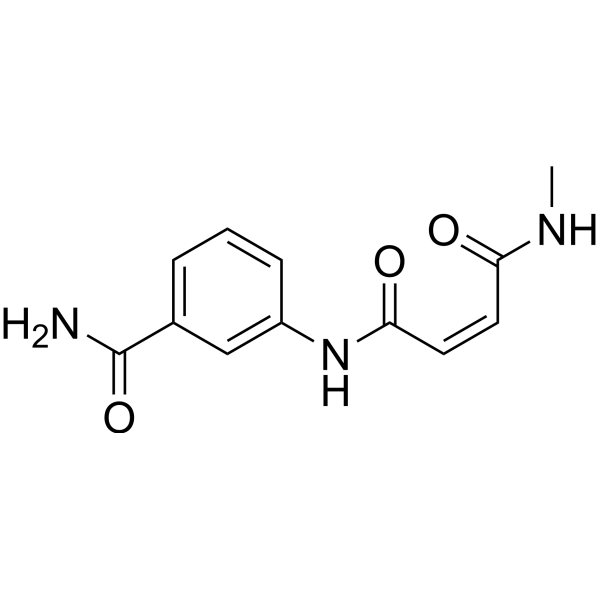
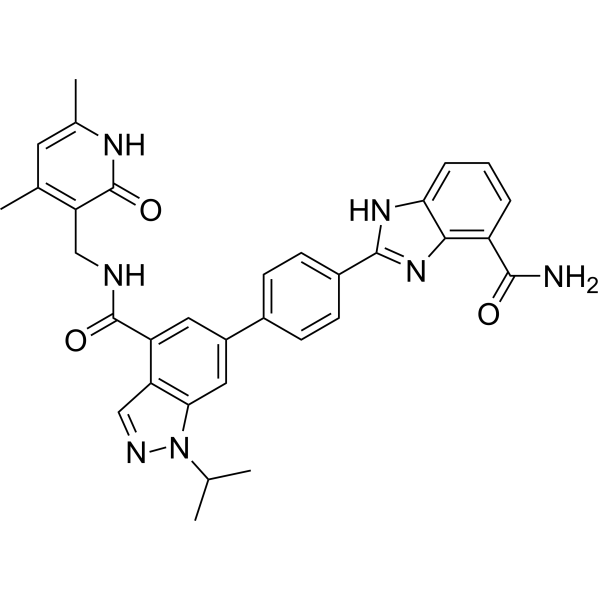
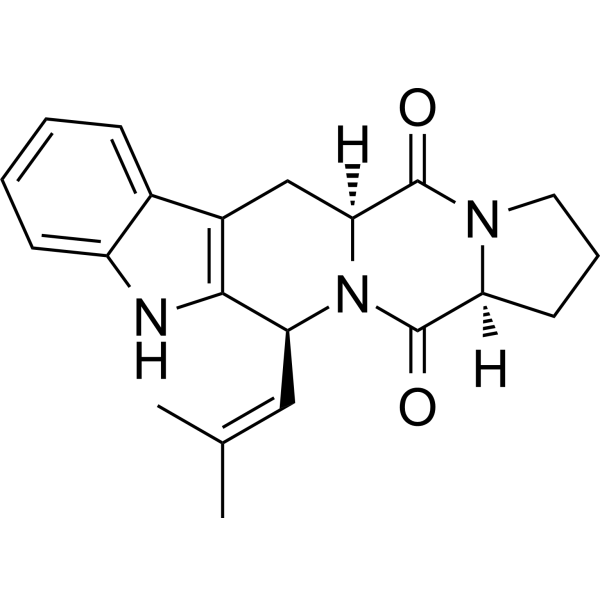
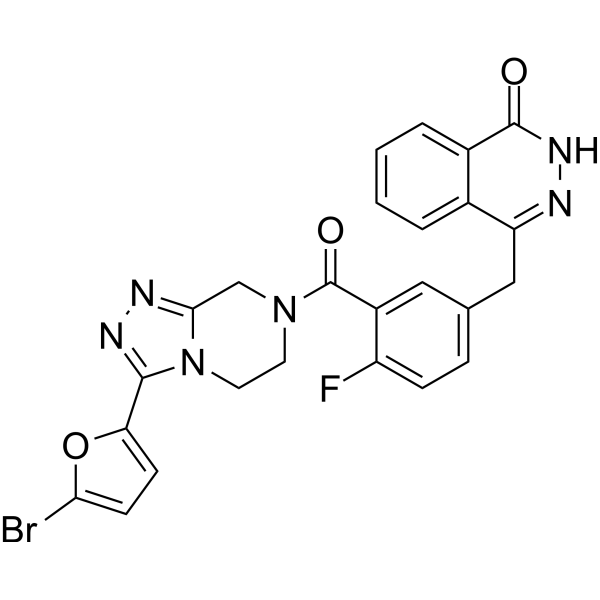
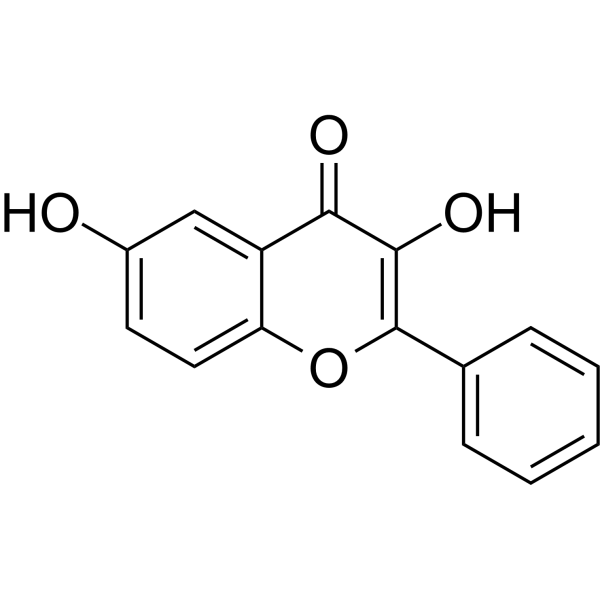
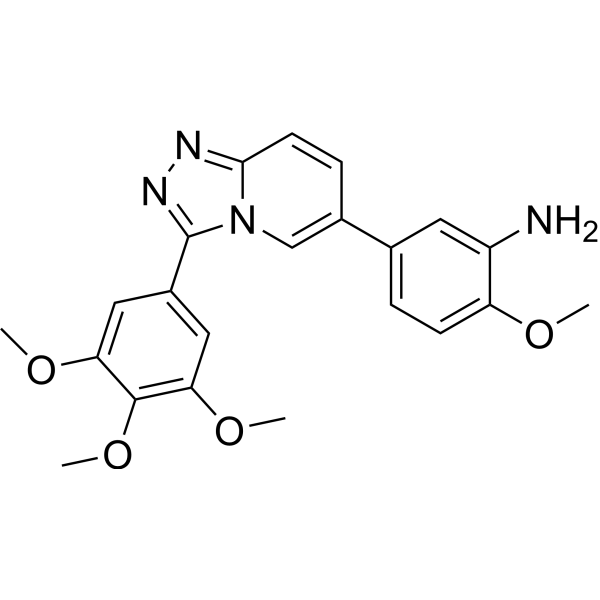
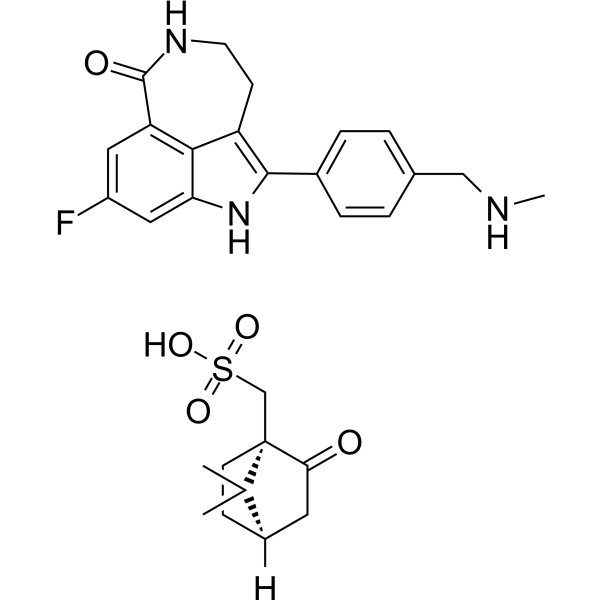
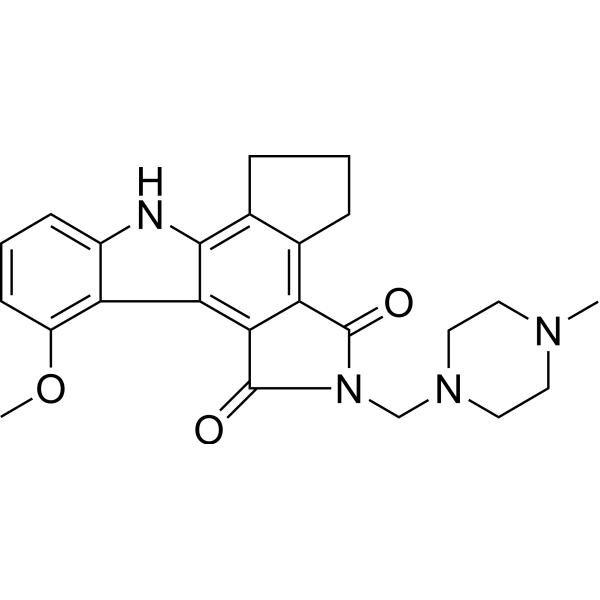
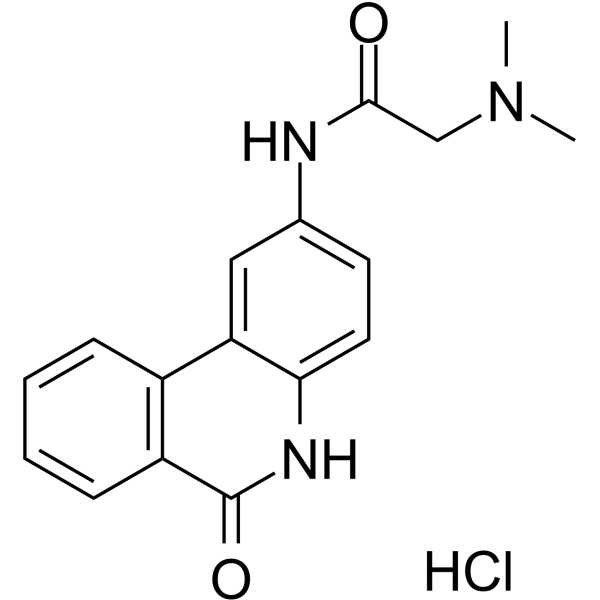
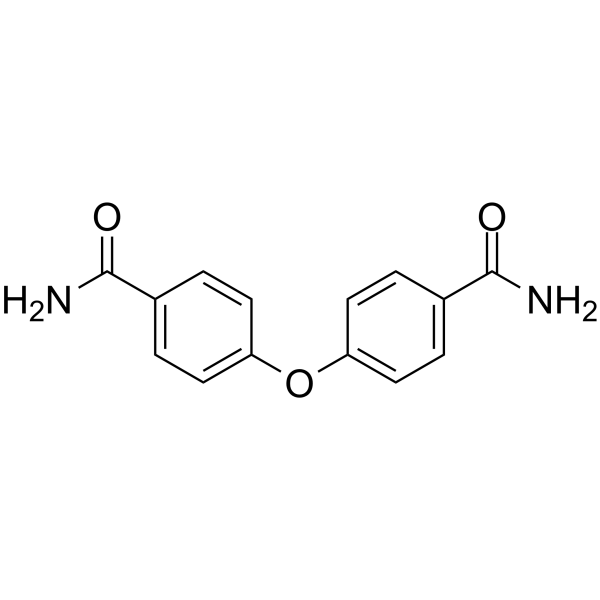
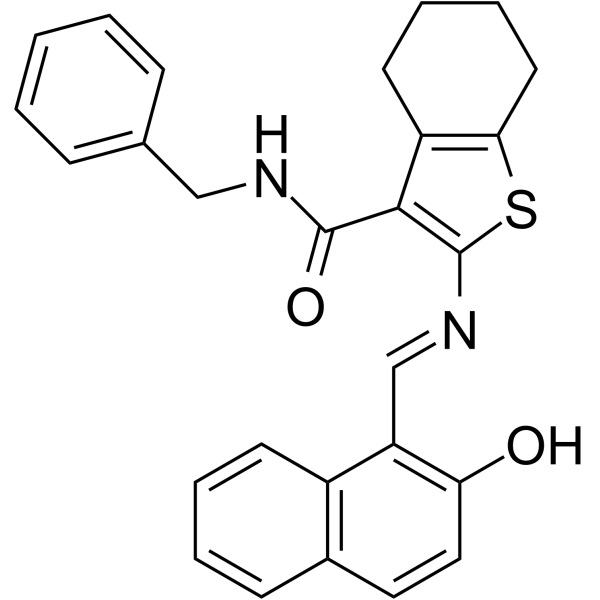
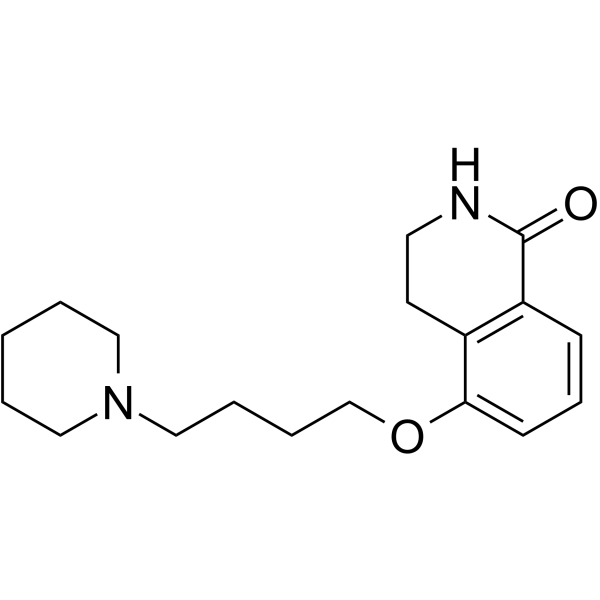
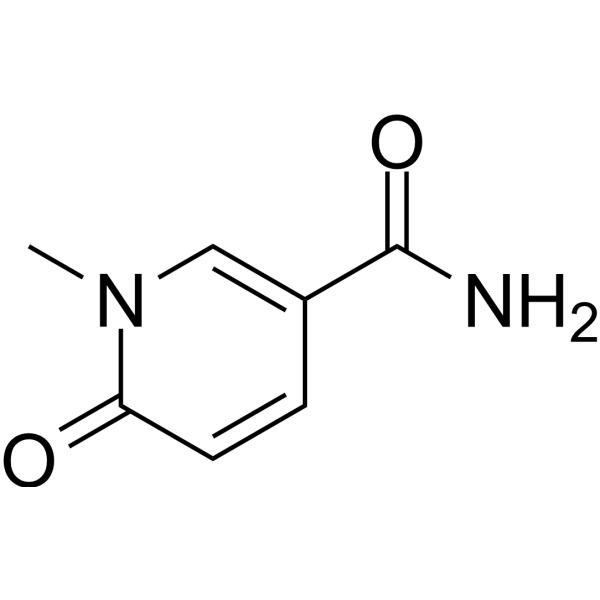
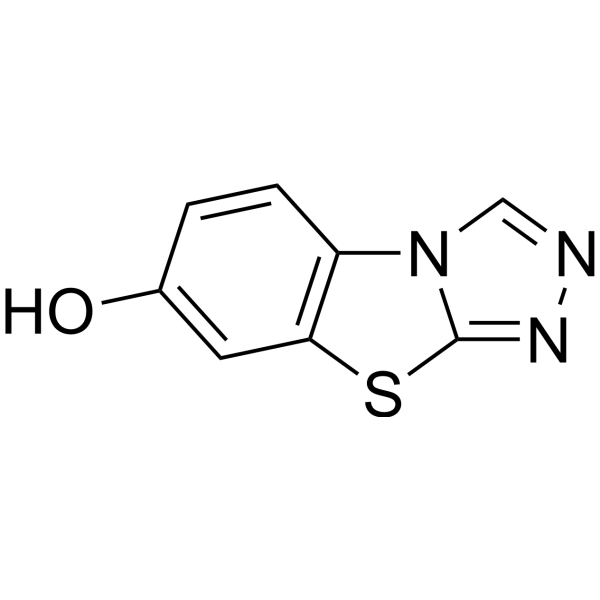
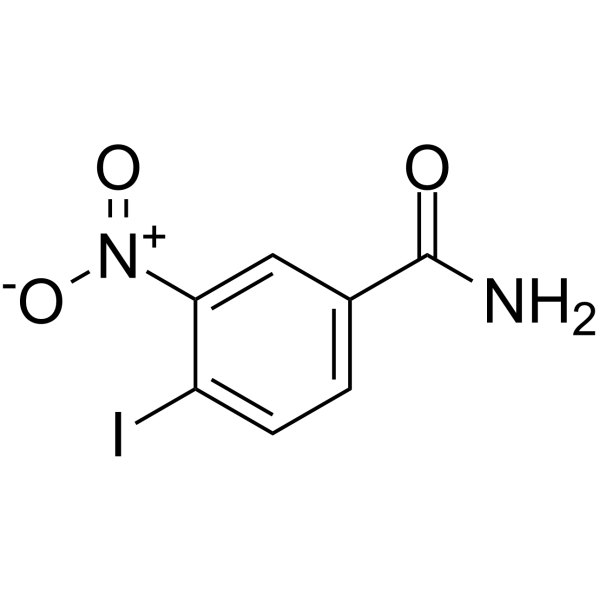
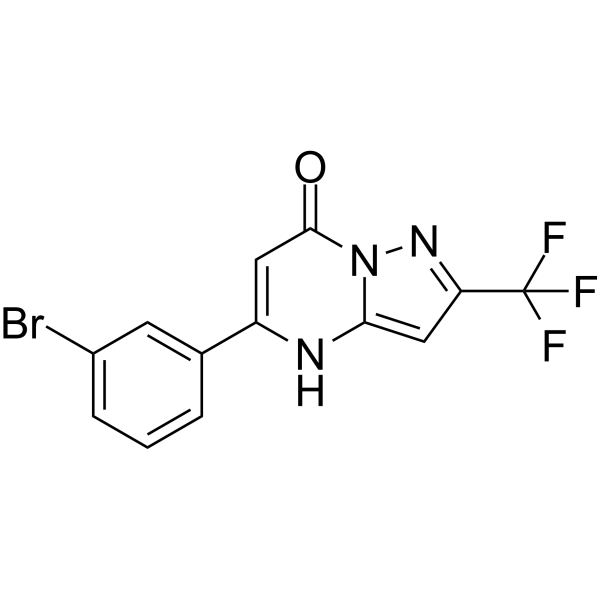
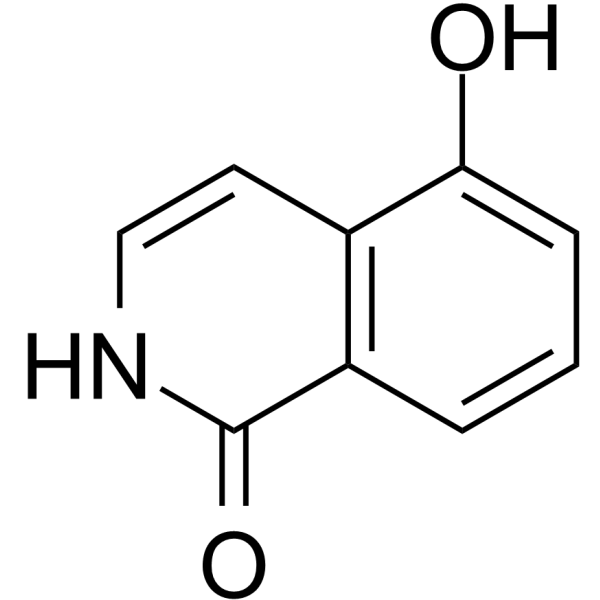
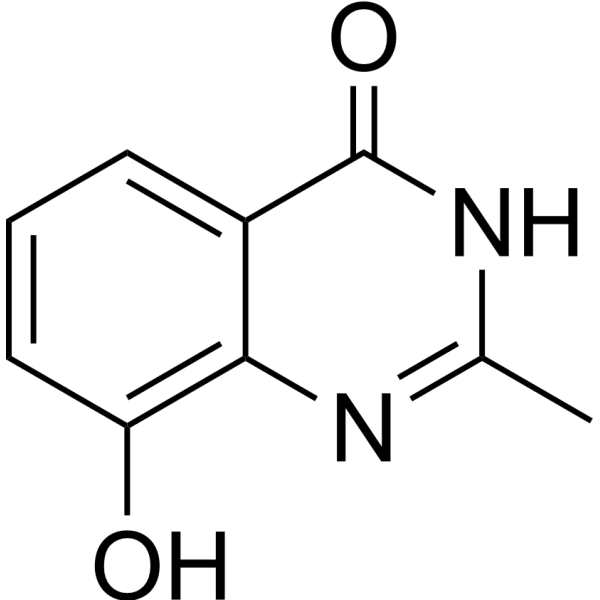
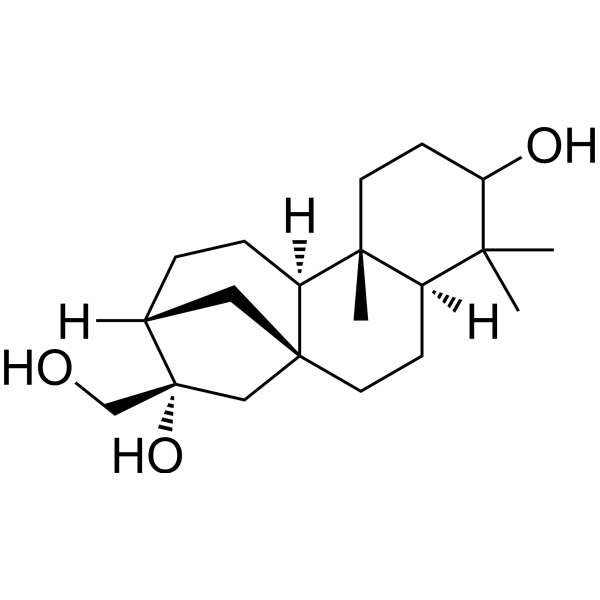
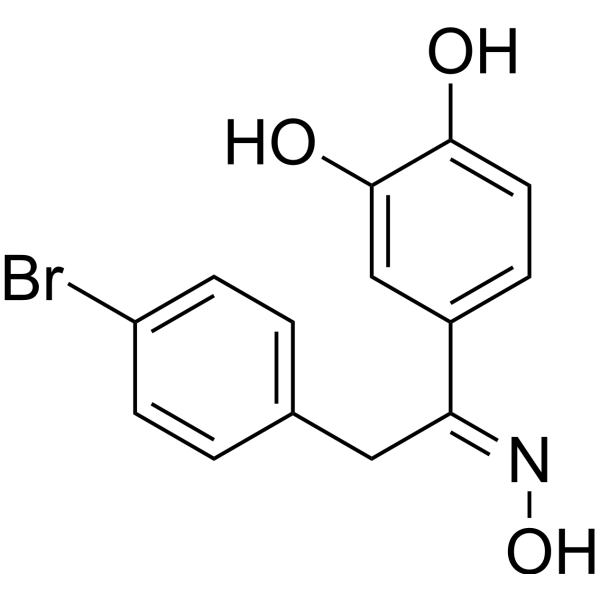
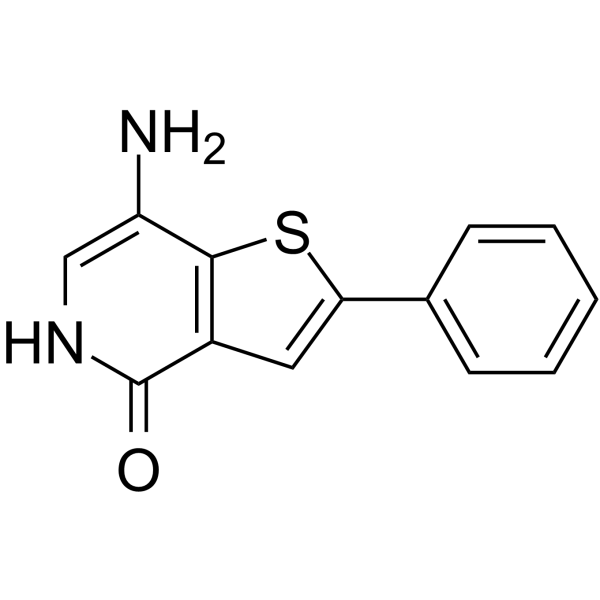
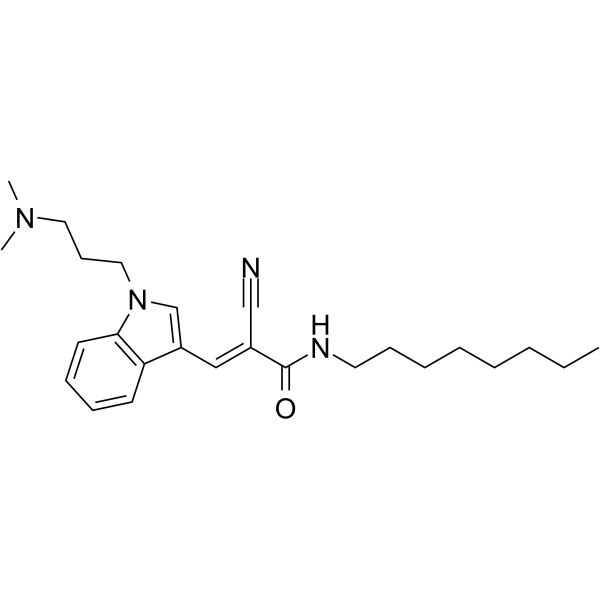
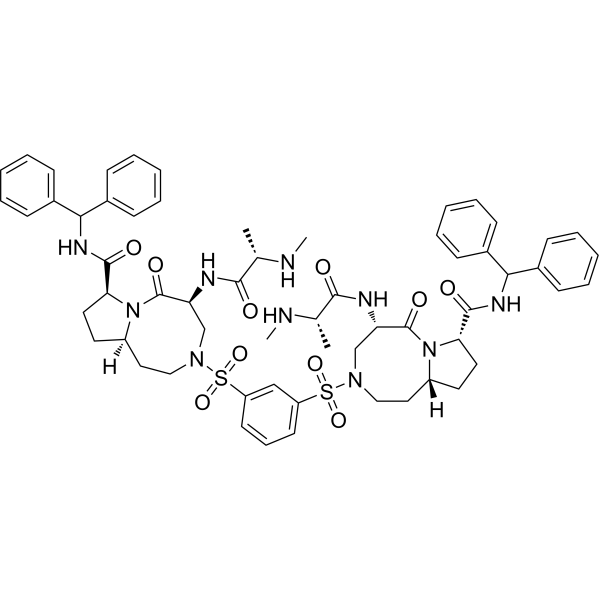
    PARP11 inhibitor ITK7 (ITK7) is a potent and selective PARP11 inhibitor. PARP11 inhibitor ITK7 can potently inhibit PARP11 with an IC50 value of 14 nM. PARP11 inhibitor ITK7 can be used for the research of cellular localization .
    PARP11 inhibitor ITK7
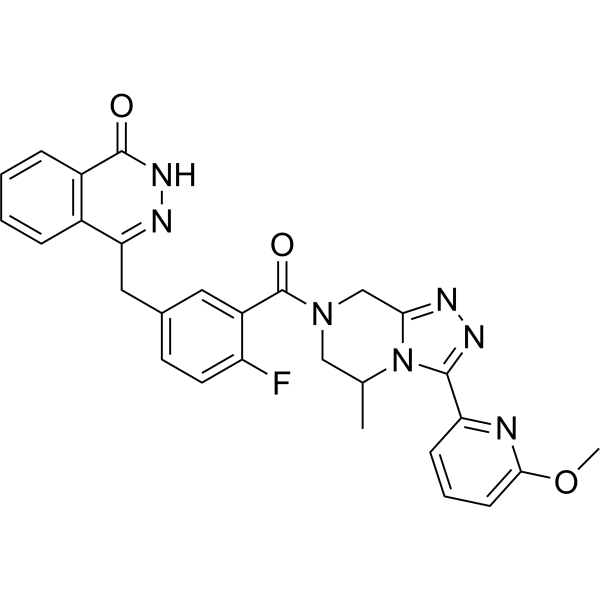
  • HY-155351

    PARP Cytochrome P450 Cancer
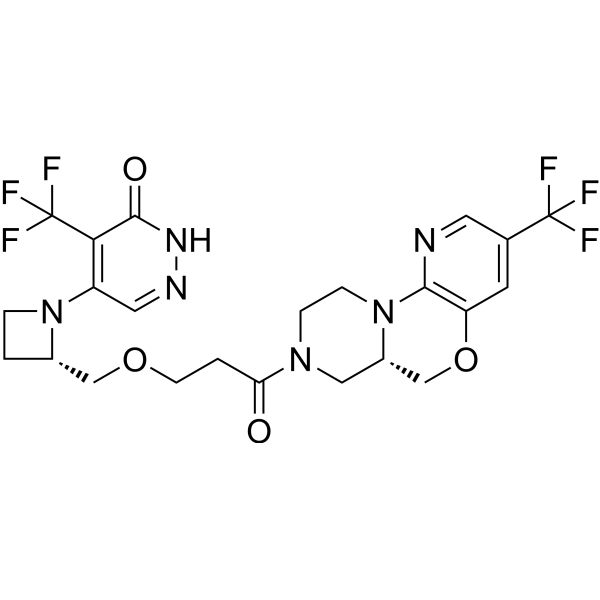
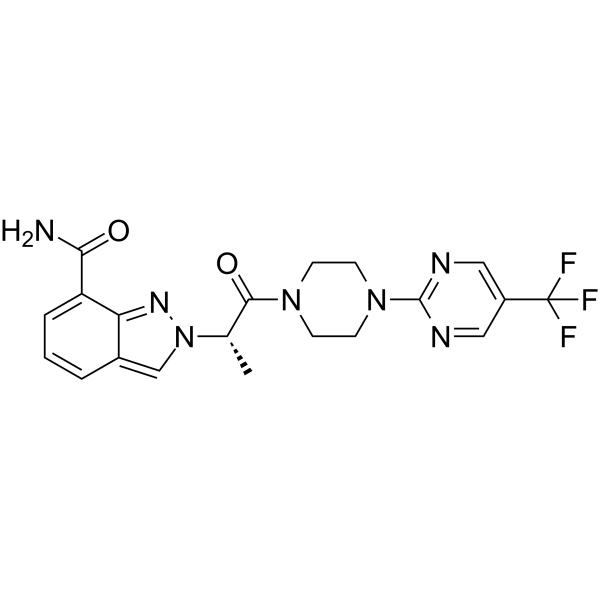
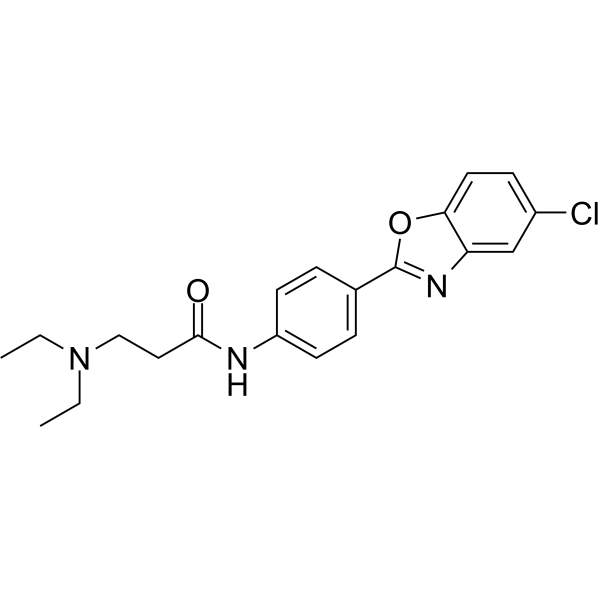
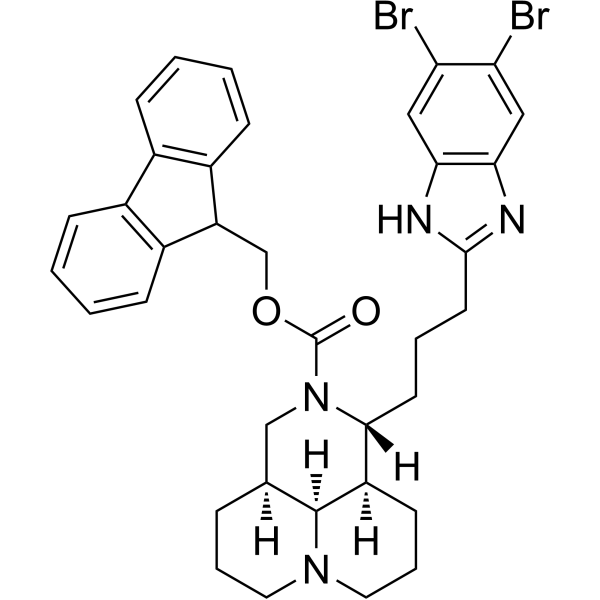
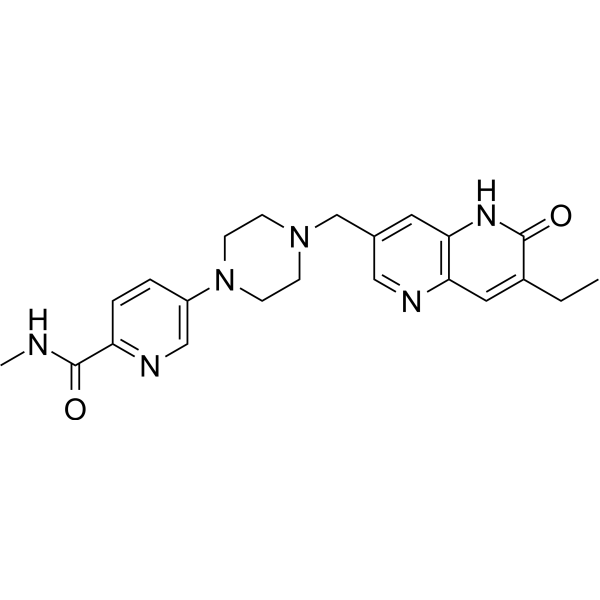
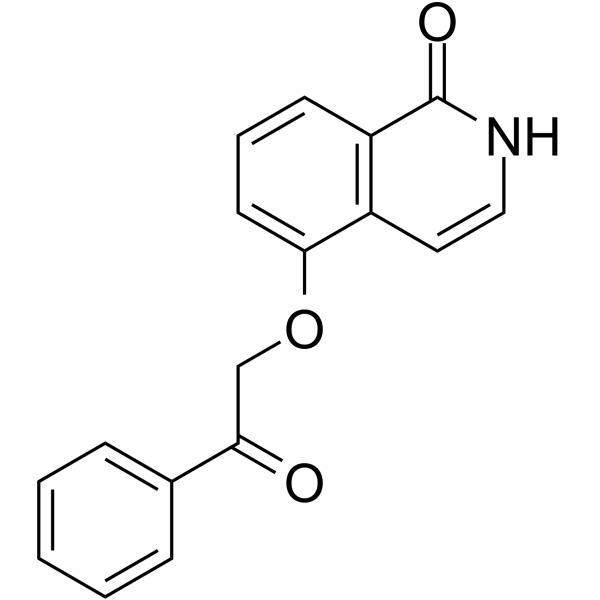
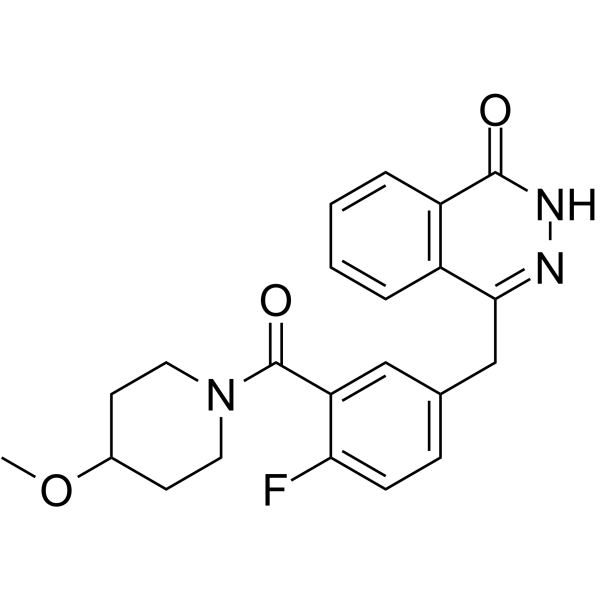
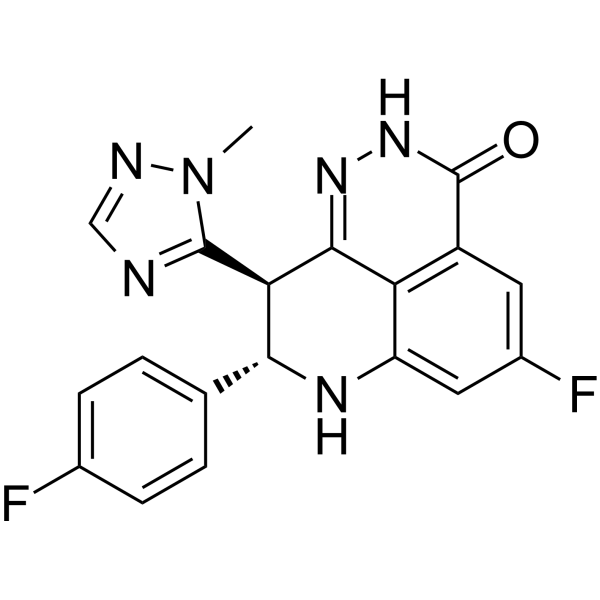
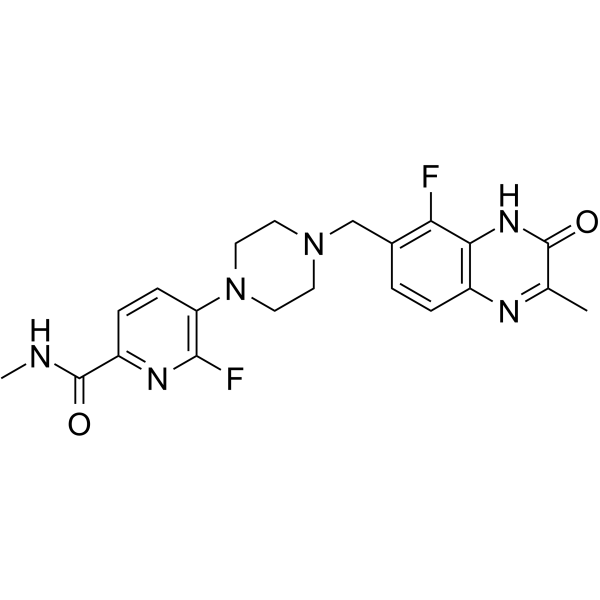
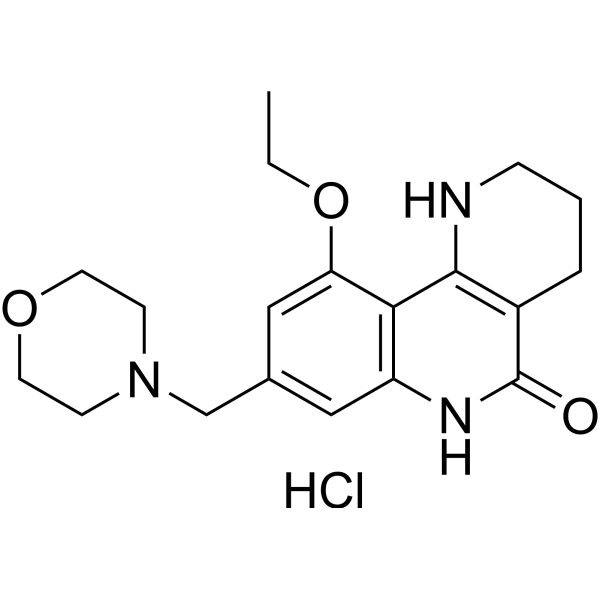
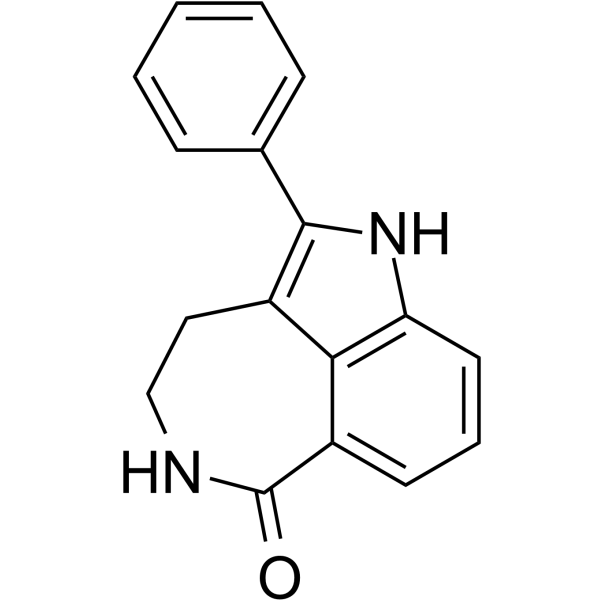
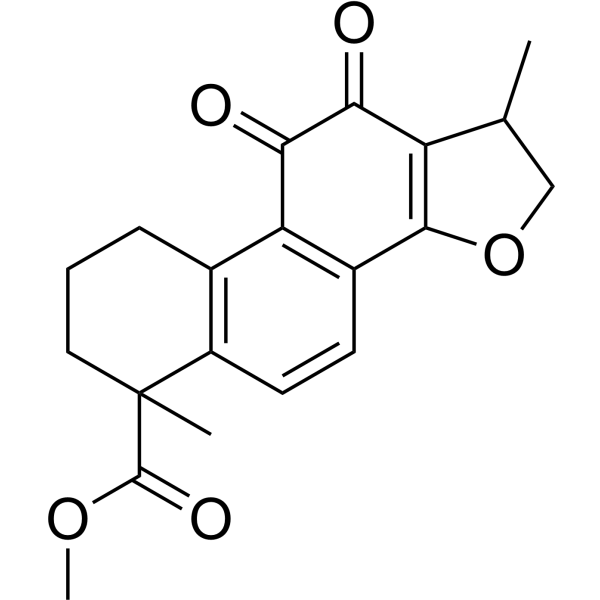
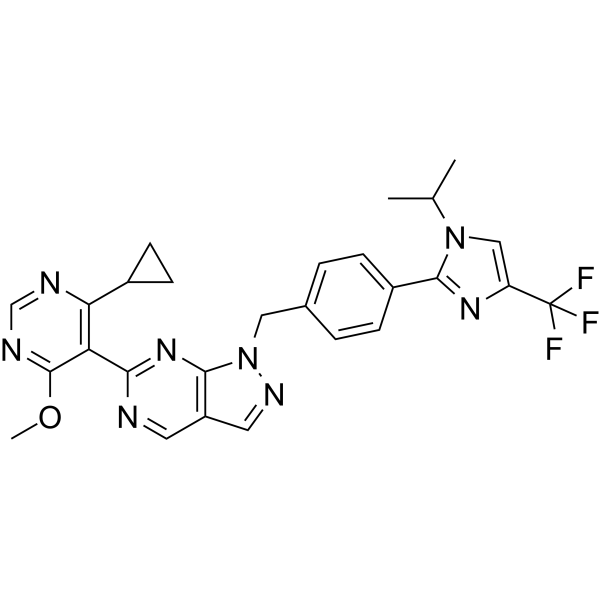
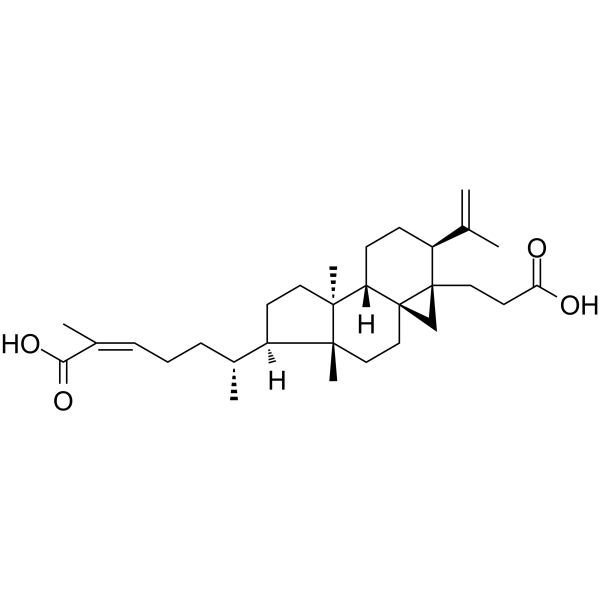
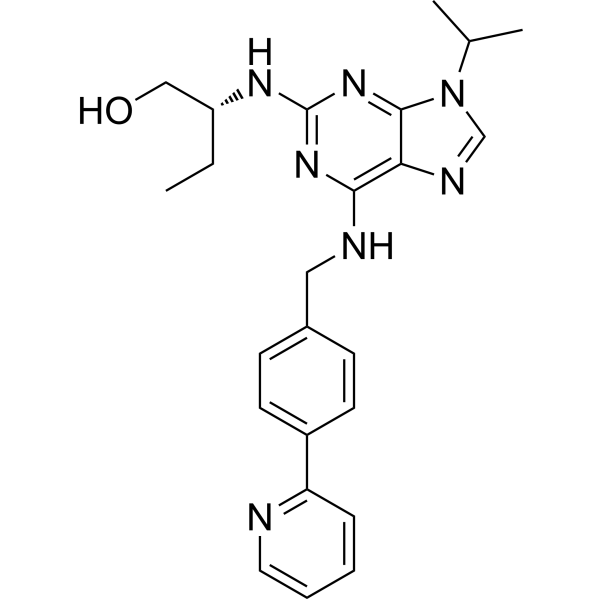
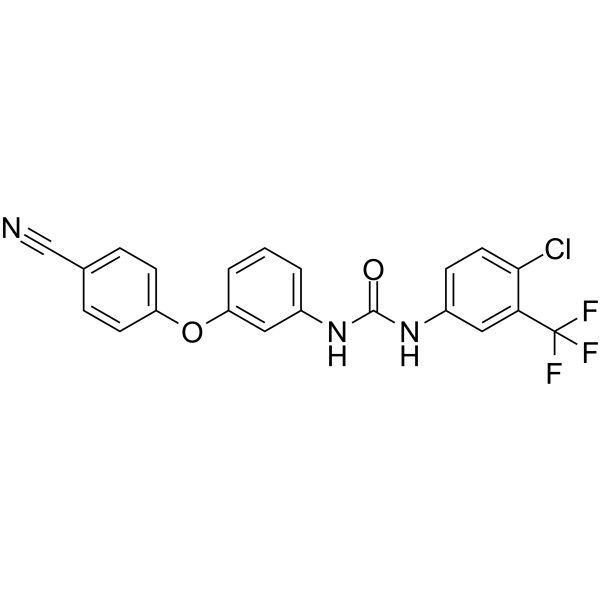
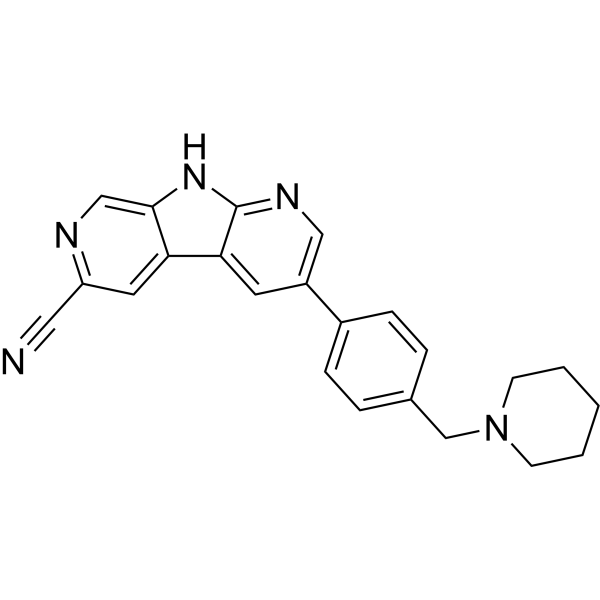
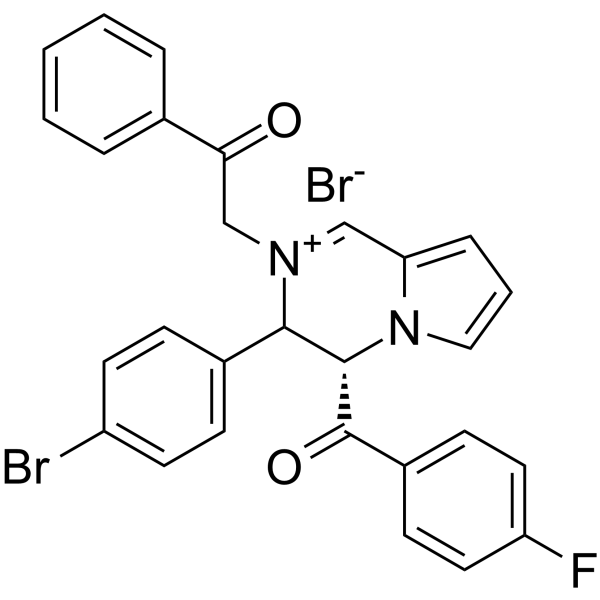
    PARP7-IN-15 is an orally active and selective PARP7 inhibitor with an IC50 of 0.56 nM. PARP7-IN-15 inhibits the enzymatic activity of PARP7 and induces anti-tumor activity against lung cancer in vivo. PARP7-IN-15 can be used for the research of lung cancer .
    PARP7-IN-15
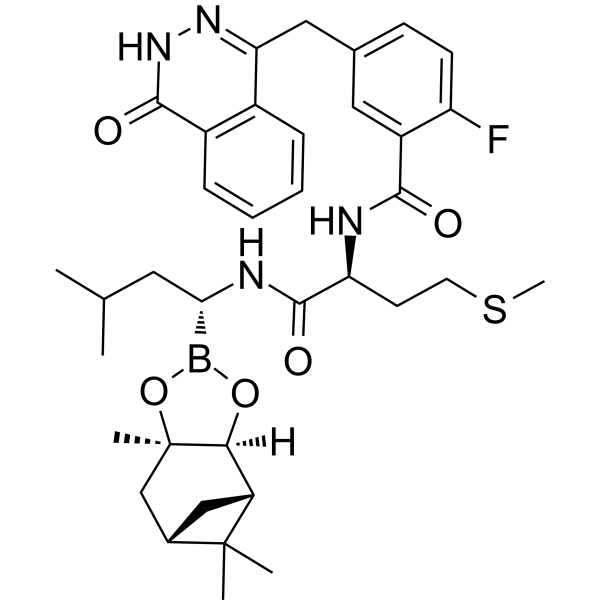
  • HY-148753

    PARP Cancer
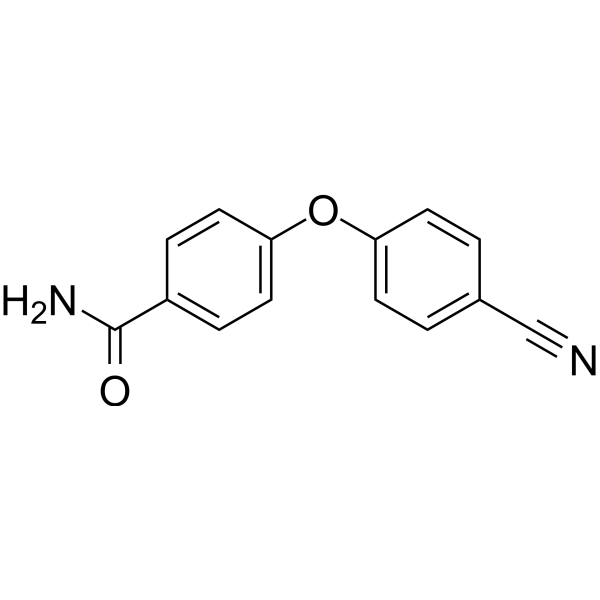
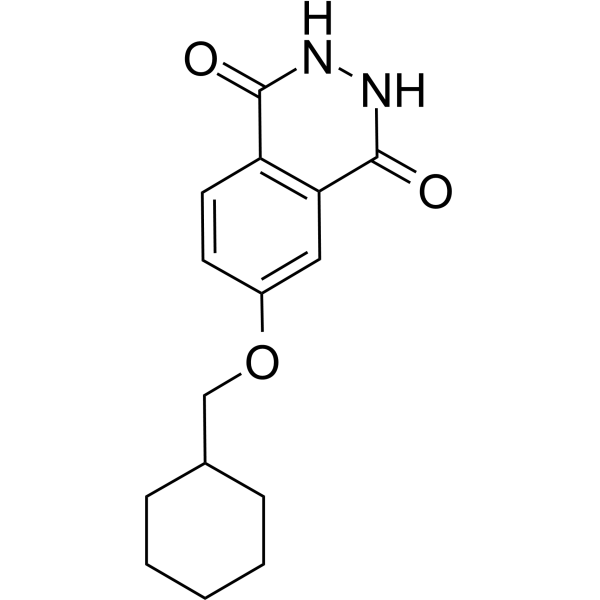
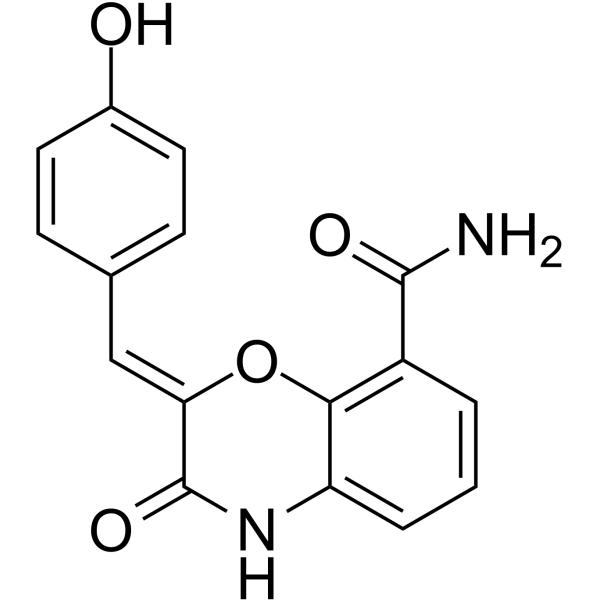
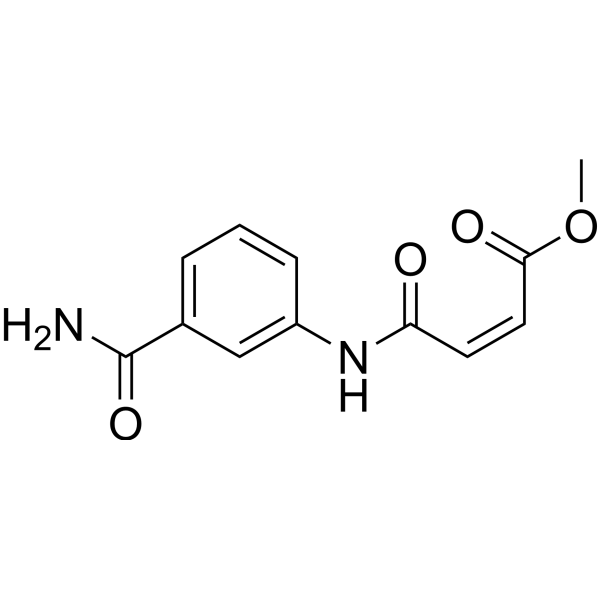
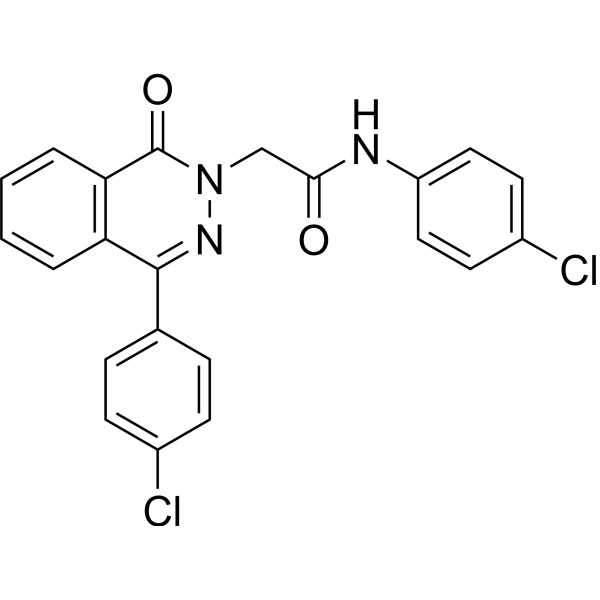
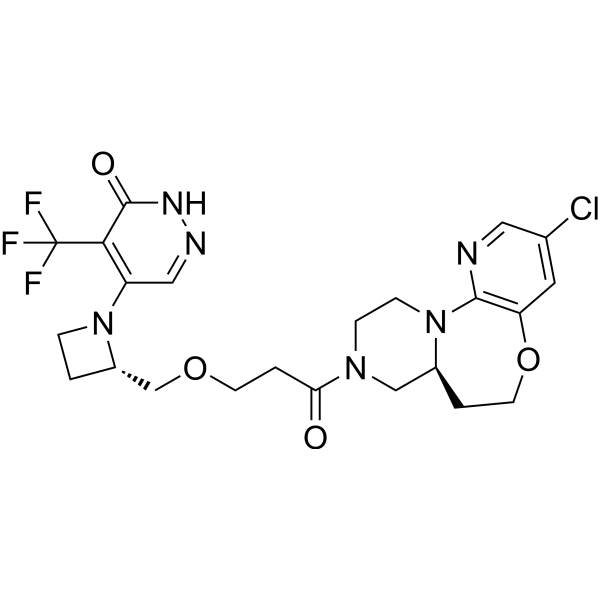
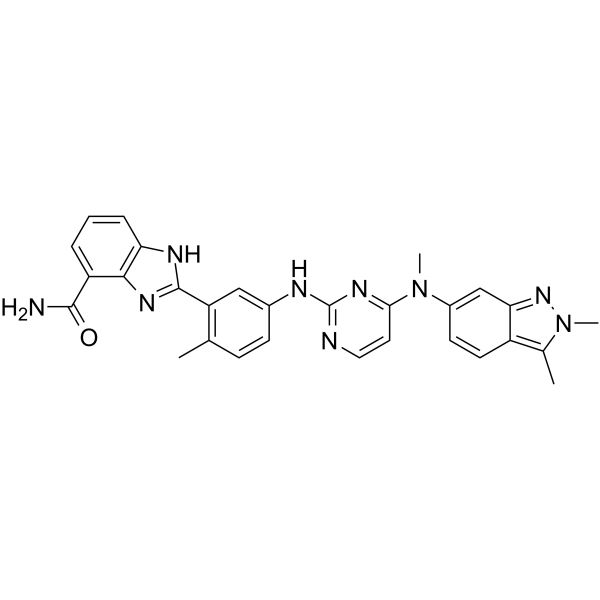
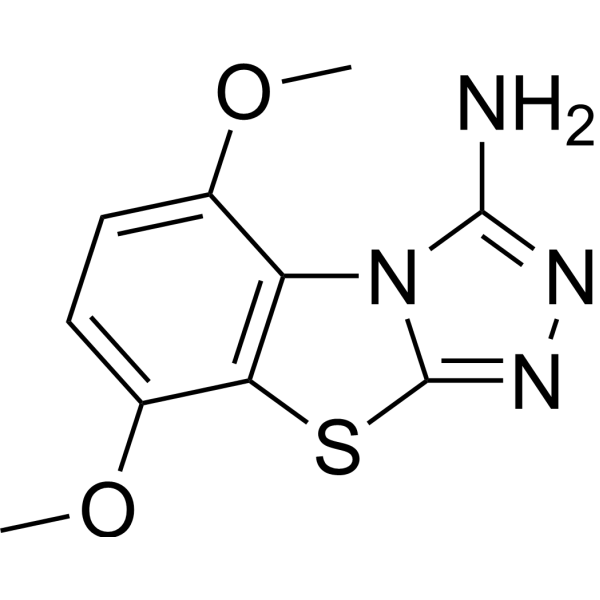
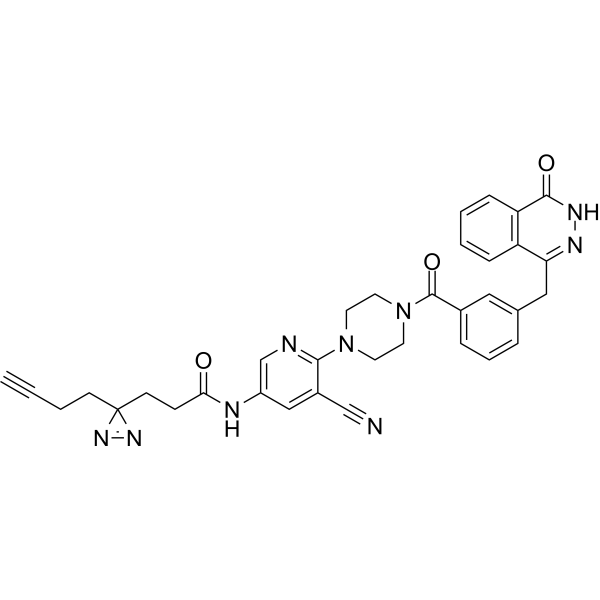
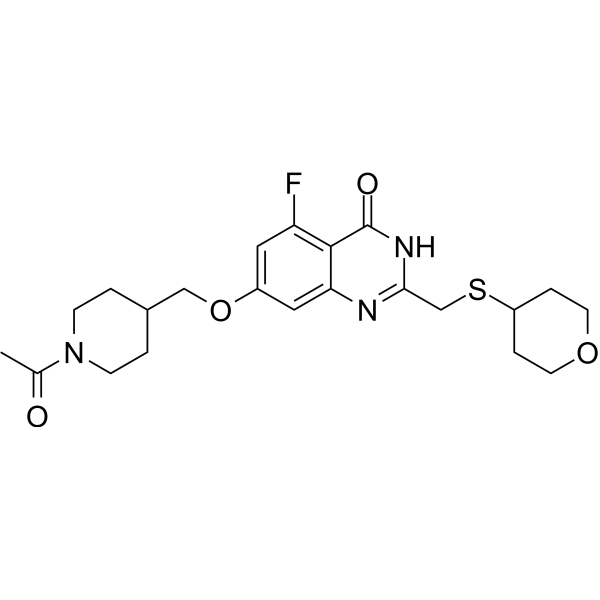
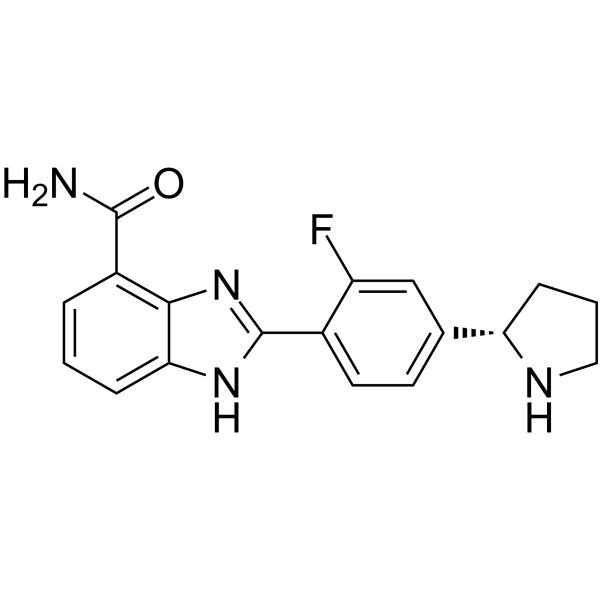
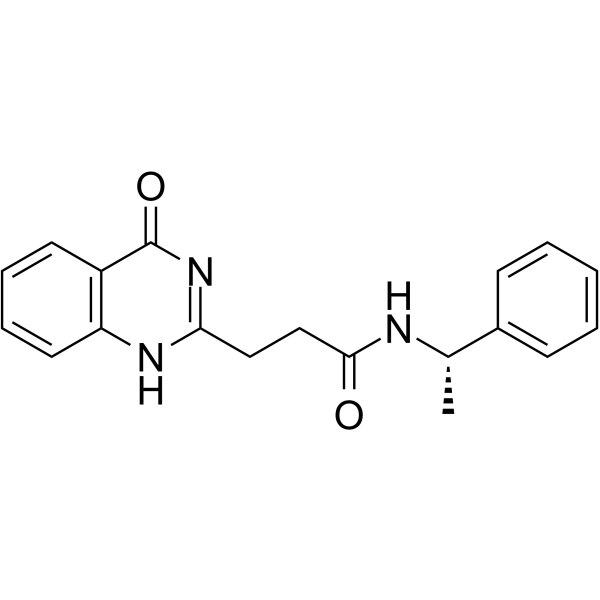
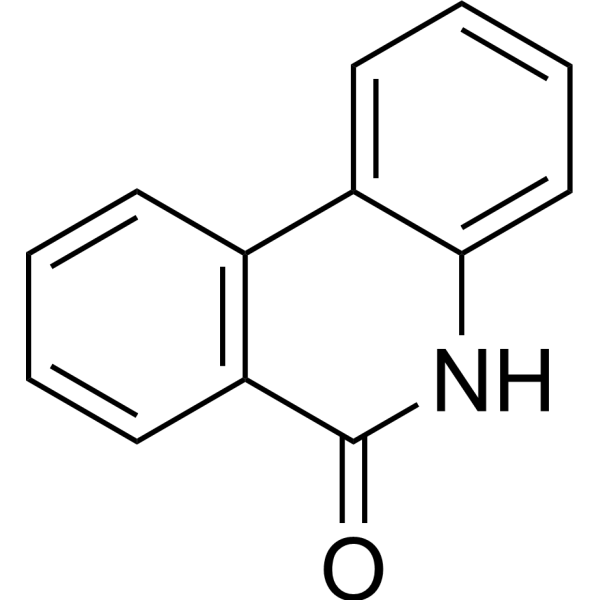
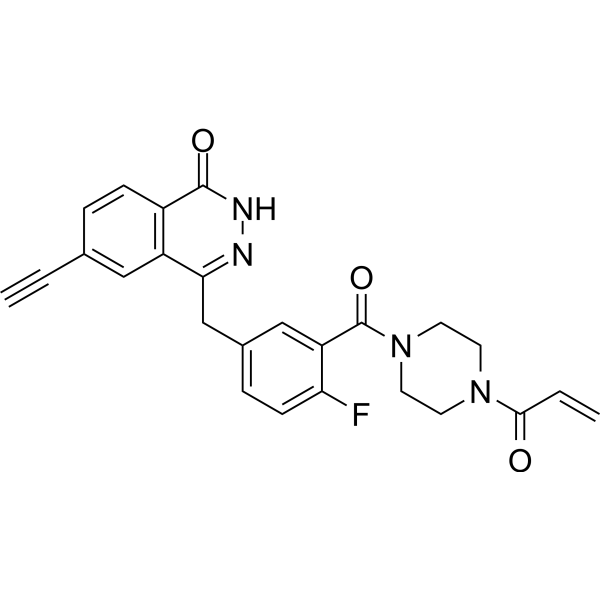
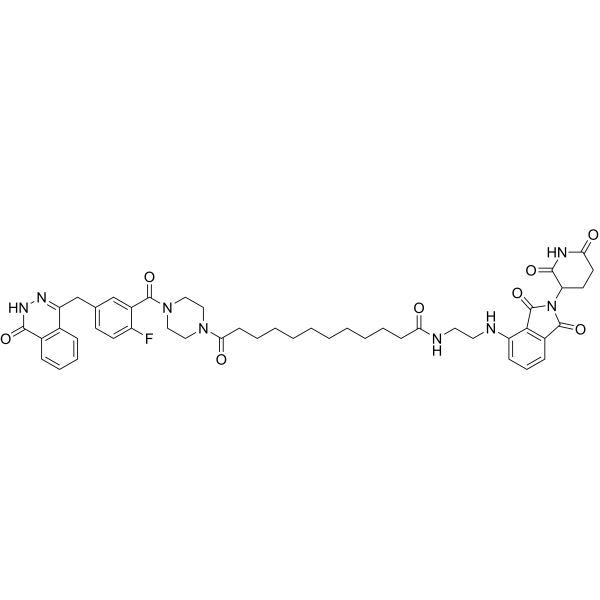
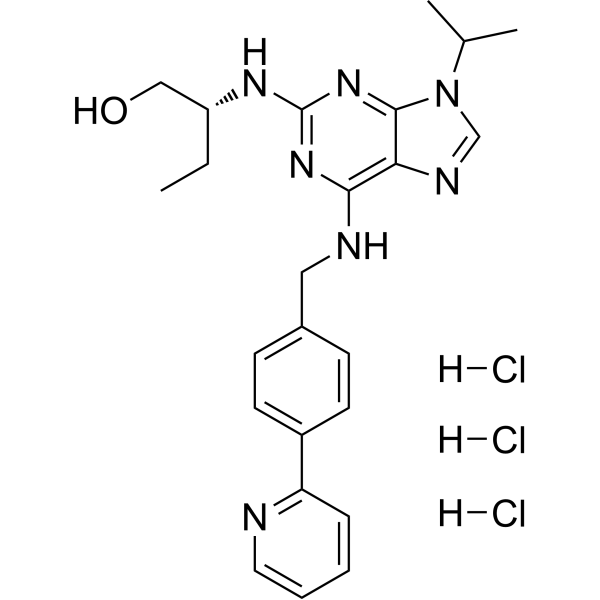
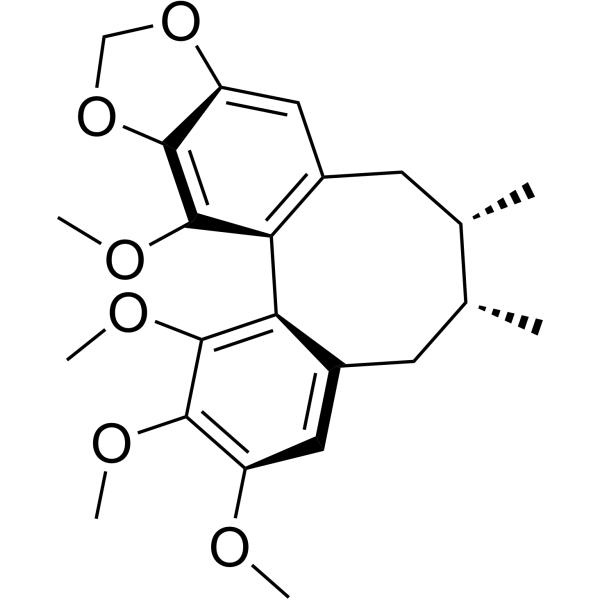
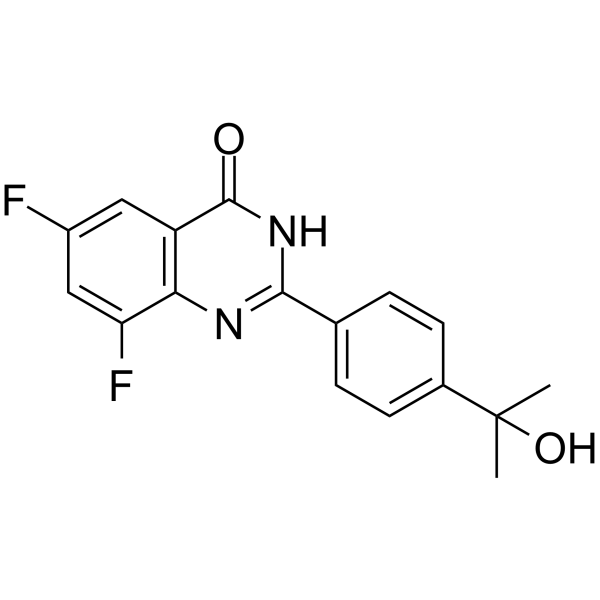
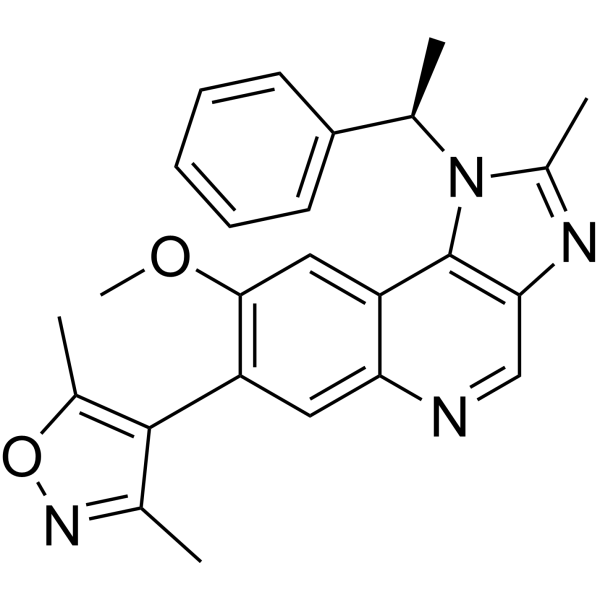
    PARP10-IN-2 is a potent mono‐ADP‐ribosyltransferase PARP10 inhibitor with an IC50 of 3.64 μM for human PARP10. PARP10-IN-2 reveals potent inhibition on PARP2 and PARP15 with IC50s of 27 μM and 11 μM for human PARP2 and human PARP15, respectively .
    PARP10-IN-2
  • HY-164926

    PARP Neurological Disease
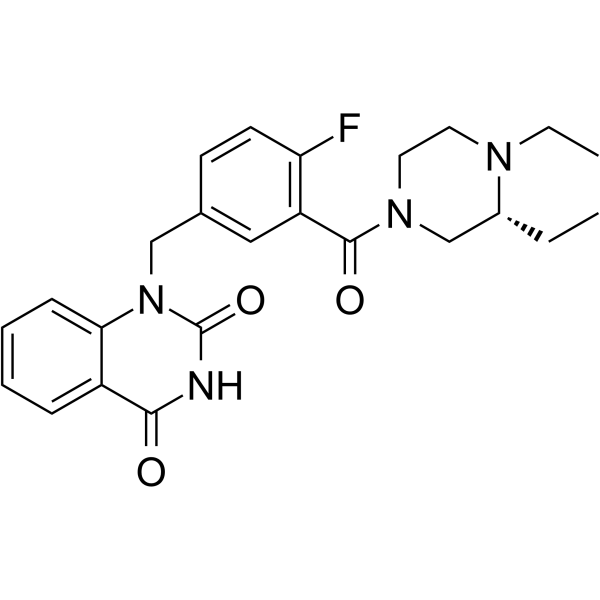
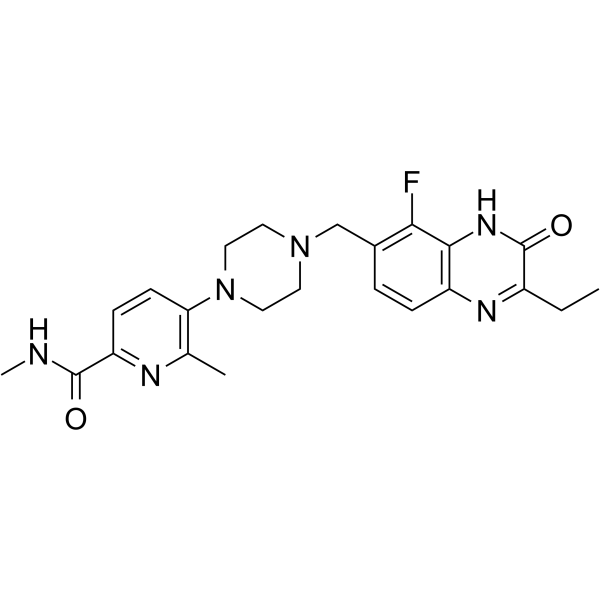
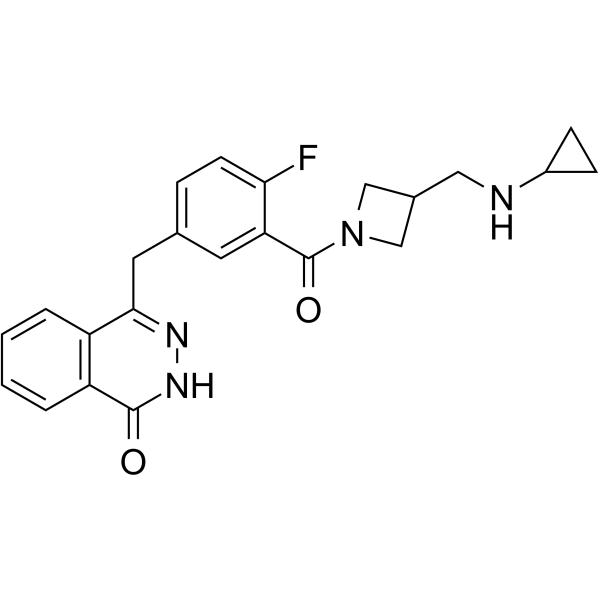
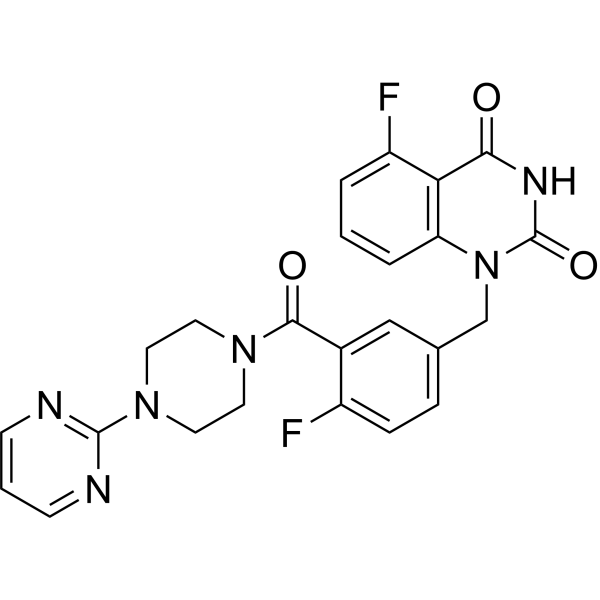
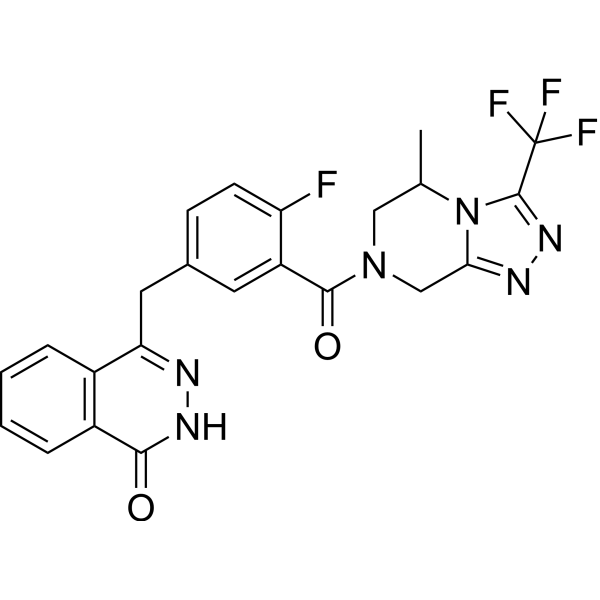
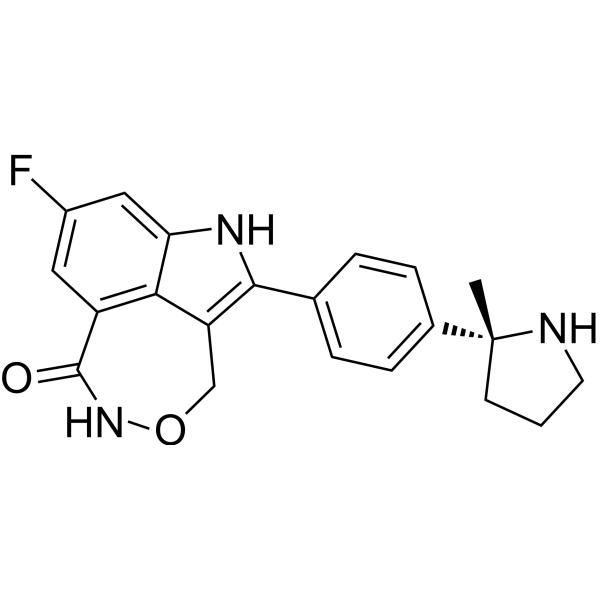
    PARP1-IN-33 (Example 6) is a PARP1 inhibitor (IC50: 0.41 nM). PARP1-IN-33 has retinal cytoprotective effect, with an EC50 of 0.02 nM (inhibition on MTS activity of H2O2 induced human retinal pigment epithelial cell) .
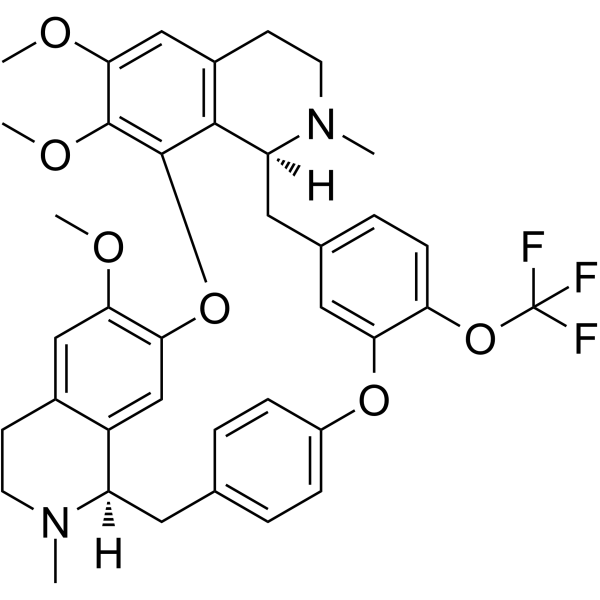
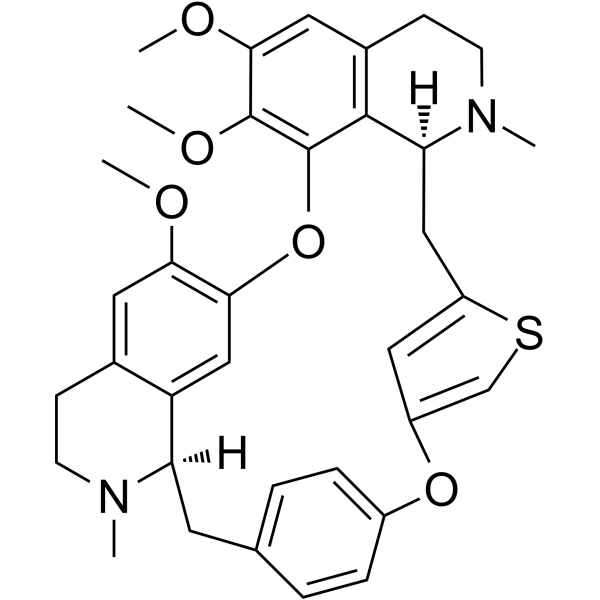
    PARP1-IN-33
  • HY-148754

    PARP Cancer
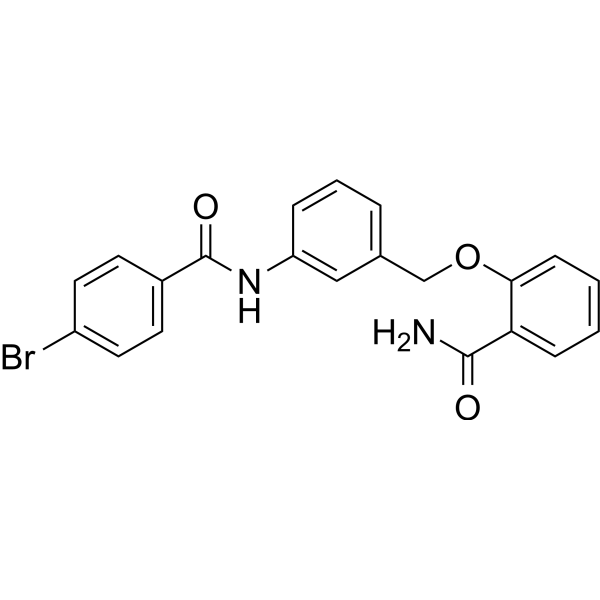
    PARP10-IN-3 is a selective mono‐ADP‐ribosyltransferase PARP10 inhibitor with an IC50 of 480 nM for human PARP10. PARP10-IN-3 reveals potent inhibition on PARP2 and PARP15 with IC50s of 1.7 μM for human PARP2 and human PARP15, respectively .
    PARP10-IN-3
  • HY-102035

    PARP Cancer
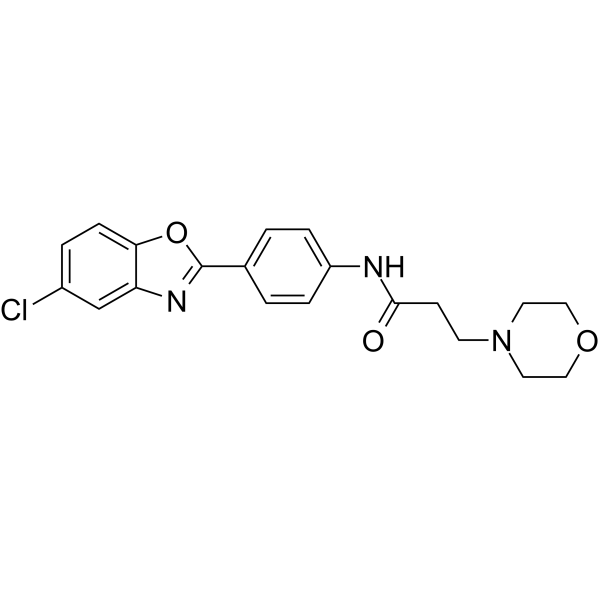
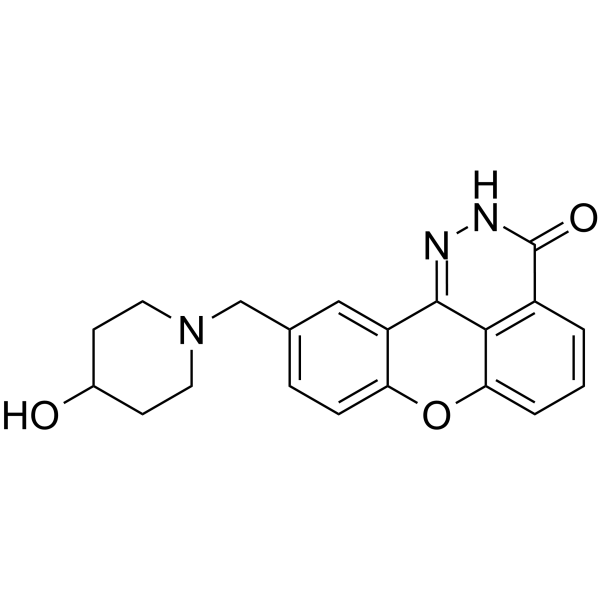
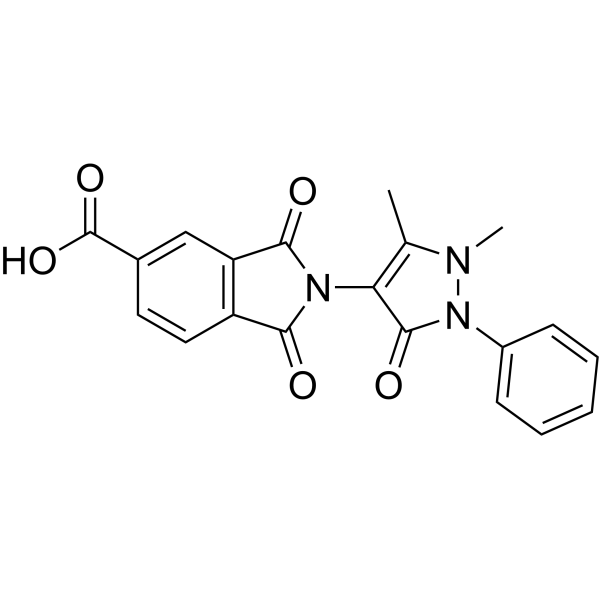
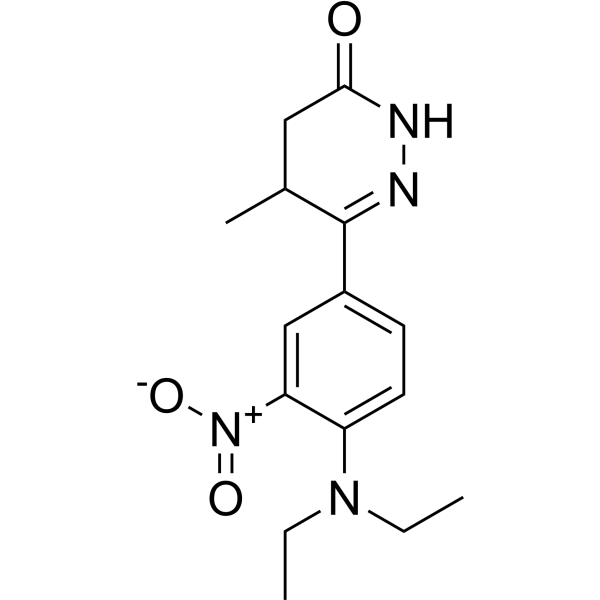
    PARP-2-IN-1 is a potent and selective PARP-2 inhibitor with an IC50 of 11.5 nM.
    PARP-2-IN-1
  • HY-163081

    PARP Cancer
    PARP7-IN-17 is a potent inhibitor of PARP7 with IC50 of 4.5 nM that has oral bioavailability. PARP7-IN-17 displays antitumor effect .
    PARP7-IN-17
  • HY-146502

    PARP Apoptosis Cancer
    PARP10/15-IN-3 (Compound 8a) is a potent PARP10 and PARP15 dual inhibitor with IC50 values of 0.14 µM and 0.40 µM against PARP10 and PARP15, respectively. PARP10/15-IN-3 is able to enter cells and rescue cells from apoptosis .
    PARP10/15-IN-3
  • HY-146501

    PARP Apoptosis Cancer
    PARP10/15-IN-2 (Compound 8h) is a potent PARP10 and PARP15 dual inhibitor with IC50 values of 0.15 µM and 0.37 µM against PARP10 and PARP15, respectively. PARP10/15-IN-2 is able to enter cells and rescue cells from apoptosis .
    PARP10/15-IN-2
  • HY-147027

    PARP Caspase Apoptosis Neurological Disease Inflammation/Immunology Cancer
    PARP-1-IN-2 (compound 11g) is a potent PARP1 inhibitor, with an IC50 of 149 nM, and ADME prediction indicates it has high blood-brain barrier permeability. PARP1-IN-2 shows significantly potent anti-proliferative activity against Human lung adenocarcinoma epithelial cell line A549. PARP1-IN-2 can induce A549 cells apoptosis .
    PARP-1-IN-2
  • HY-143398

    PARP Cancer
    PARP10/15-IN-1 (compound 8l) is a potent inhibitor of dual inhibitor of PARP10 and PARP15, with IC50s of 160 nM and 370 nM, respectively. PARP10/15-IN-1 can be used for cancer .
    PARP10/15-IN-1
  • HY-163719

    PARP Cancer
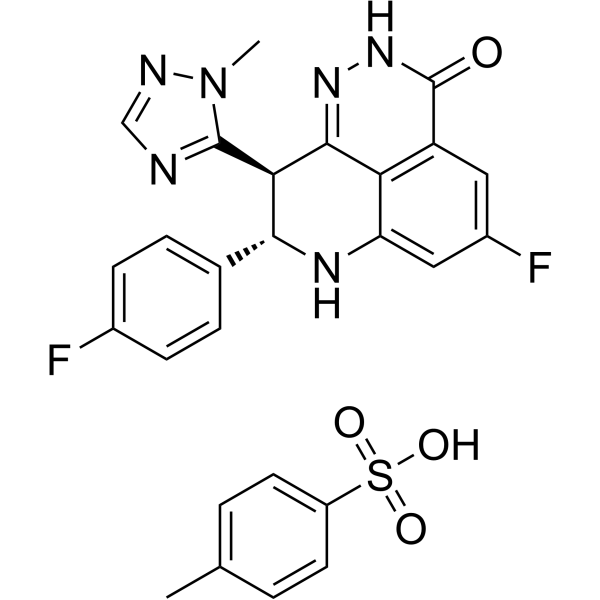
    PARP7-IN-22 (XLY-1) is a PARP7 inhibitor with an IC50 of 0.6 nM. PARP7-IN-22 (XLY-1) is orally active, enhances type I interferon signaling in vitro, restores type I interferon signaling, promotes T cell infiltration into tumor tissues, and significantly inhibits tumor growth. PARP7-IN-22 shows promise for research in the field of cancer immunotherapy .
    PARP7-IN-22
  • HY-147886
    PARP1-IN-11
    1 Publications Verification

    PARP Cancer
    PARP1-IN-11 (compound 49) is a potent PARP1 inhibitor with IC50 value of 0.082 µM. PARP1-IN-11 shows complete inhibition of PARP2 and substantially inhibits PARP3, TNKS1 and TNKS2 .
    PARP1-IN-11
  • HY-132297A
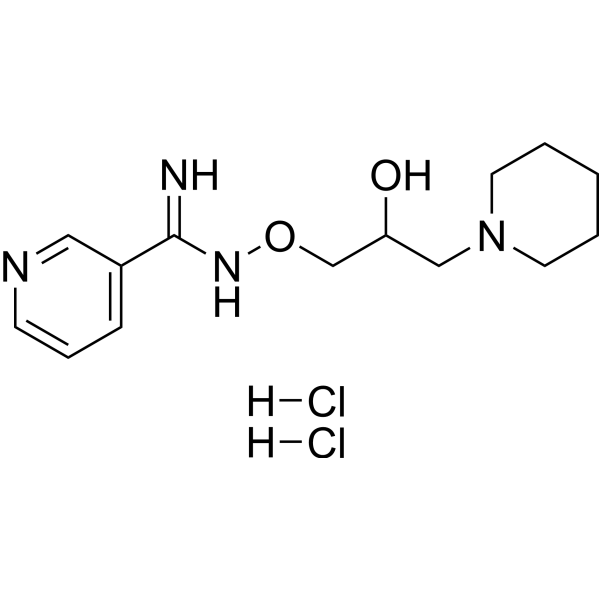
    PARP1-IN-5 dihydrochloride
    1 Publications Verification

    PARP Cancer
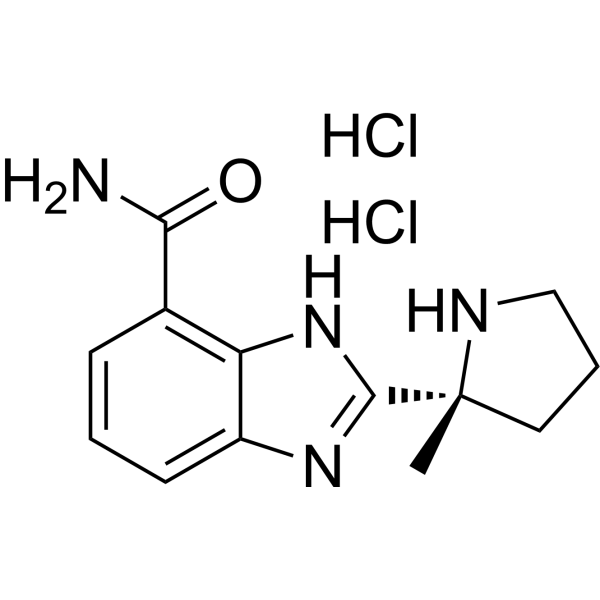
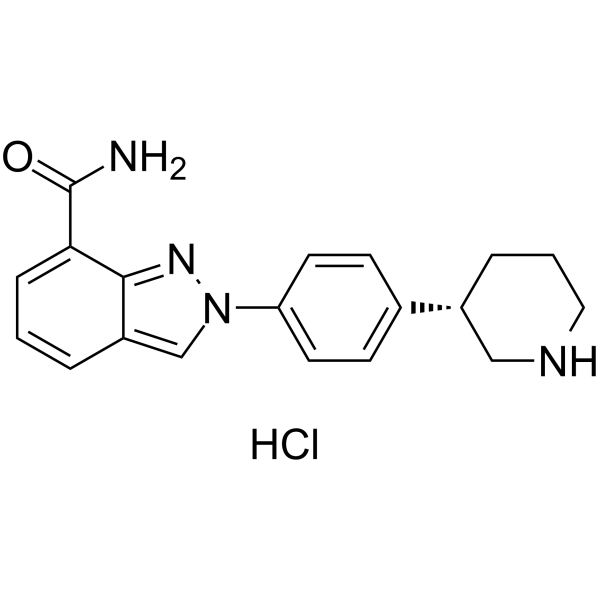
    PARP1-IN-5 dihydrochloride is a low toxicity, orally active, potent and selective PARP-1 inhibitor (IC50 =14.7 nM). PARP1-IN-5 dihydrochloride can be used for the research of cancer .
    PARP1-IN-5 dihydrochloride
  • HY-156419A

    PARP Cancer
    PARP7-IN-16 free base is the free base form of PARP7-IN-16 (HY-156419). PARP7-IN-16 free base is a selective and orally active inhibitor of PARP-1/2/7, with IC50s of 0.94, 0.87 and 0.21 nM, respectively. PARP7-IN-16 can be used for the research of breast cancer and prostate cancer .
    PARP7-IN-16 free base
  • HY-179406

    PARP DNA/RNA Synthesis Reactive Oxygen Species (ROS) Apoptosis Cancer
    PARP1-IN-49 is a selective PARP1 inhibitor with an IC50 of 23.56 nM and a Kd of 17.78 nM. PARP1-IN-49 shows a selectivity for PARP1 over PARP2. PARP1-IN-49 leads to the induction of DNA damage, cell cycle arrest, and apoptosis. PARP1-IN-49 also increases intracellular ROS levels and inhibits cell migration. PARP1-IN-49 can be used for the research of breast cancer and ovarian cancer .
    PARP1-IN-49
  • HY-D1188

    PARP Cancer
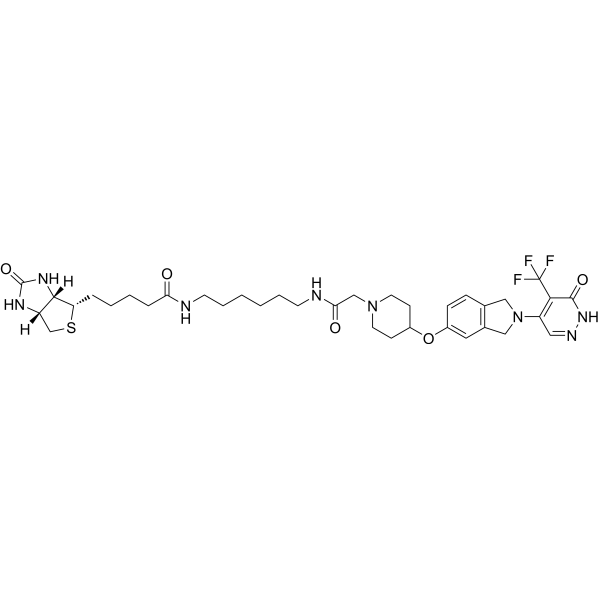
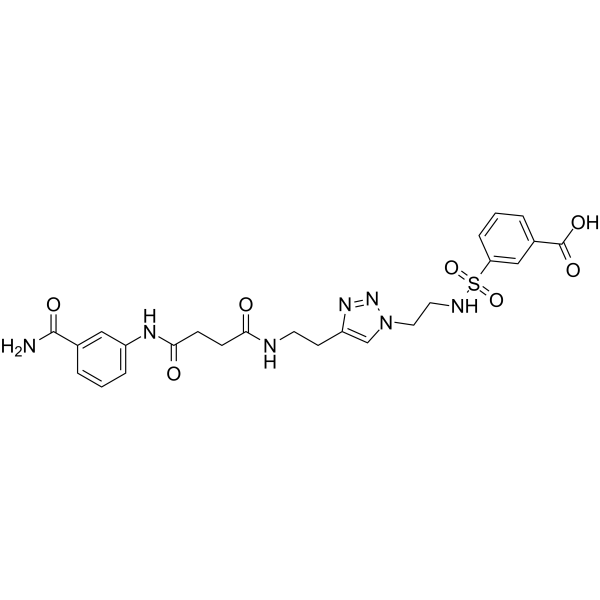
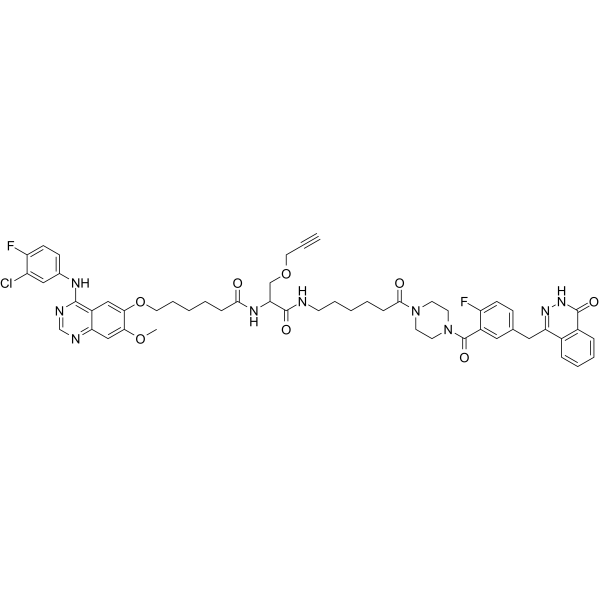
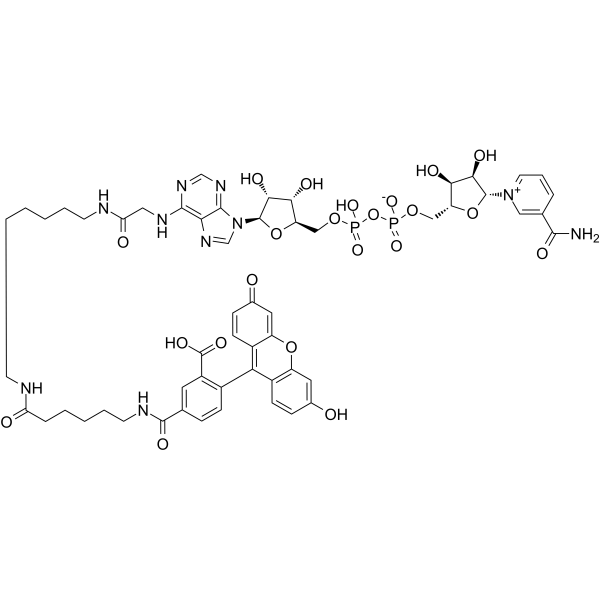
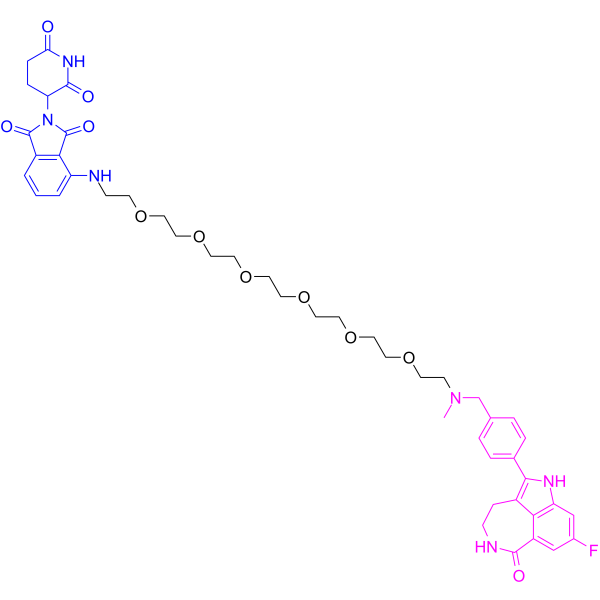
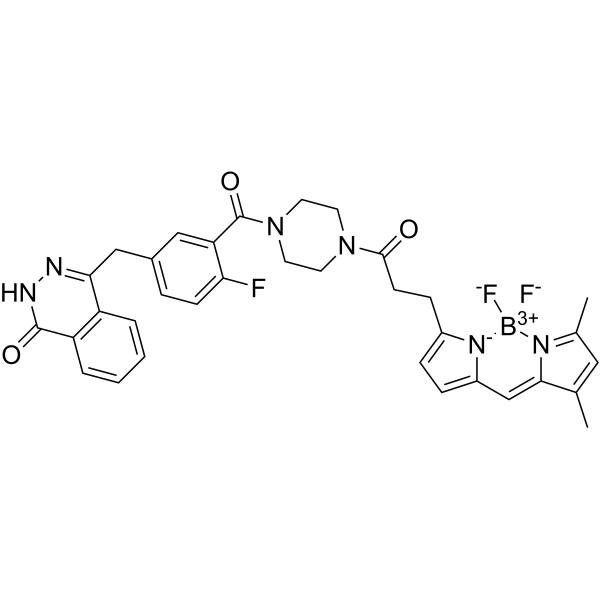
    PARP7-probe-1 is a chemiluminescent labeled PARP7 probe. PARP7-probe-1 is a biotinylated probe binding to the PARP7 active site. PARP7-probe-1 can be used for the research of PARP7 function .
    PARP7-probe-1
  • HY-105253

    PARP Neurological Disease
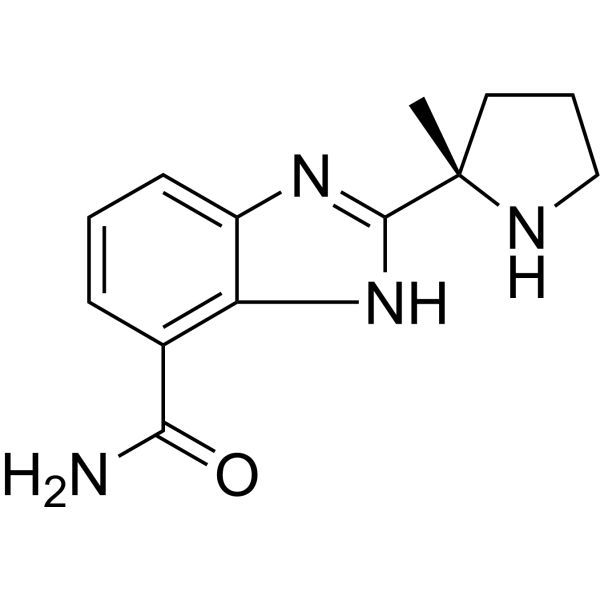
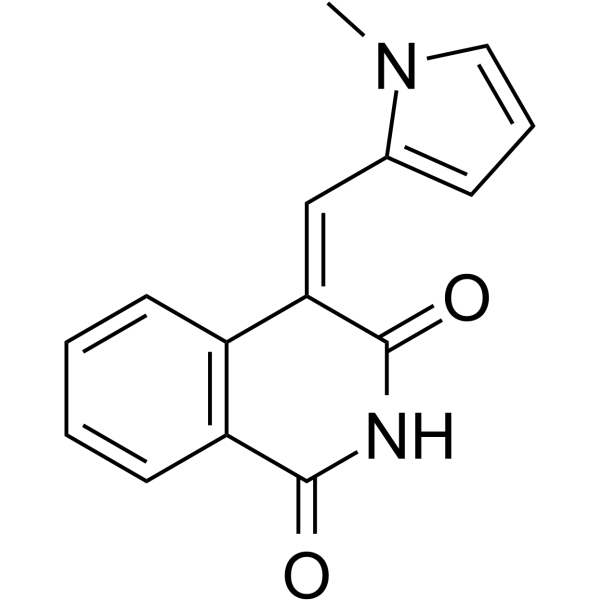
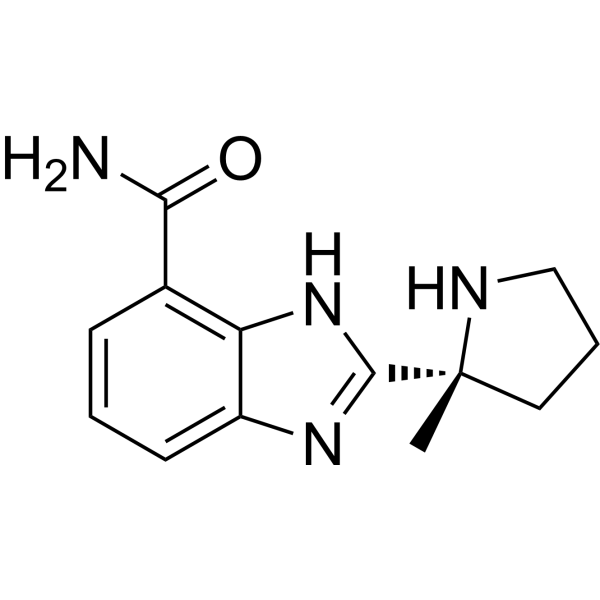
    PARP-2/1-IN-2 (Compound 4a), the enantiomer of Veliparib (HY-10129), is a potent PARP inhibitor with Kis of 2 and 5 nM against PARP-2 and PARP-1, respectively. PARP-2/1-IN-2 has an EC50 of 3 nM in a cell based assay of PARP activity .
    PARP-2/1-IN-2
  • HY-148709

    PARP Inflammation/Immunology
    ARTD10/PARP10-IN-1 (compound 23) is a potent and non-selective PARP inhibitor, targeting to mono-ADP-ribosyltransferases ARTD7/PARP15, ARTD8/PARP14, ARTD10/PARP10 and poly(ADP-ribose) polymerase-1 (ARTD1/PARP1) with IC50s of 1.7 μM, 1.6 μM, 0.8 μM, and 4.4 μM, respectively .
    ARTD10/PARP10-IN-1
  • HY-16910G

    Wnt Cardiovascular Disease Cancer
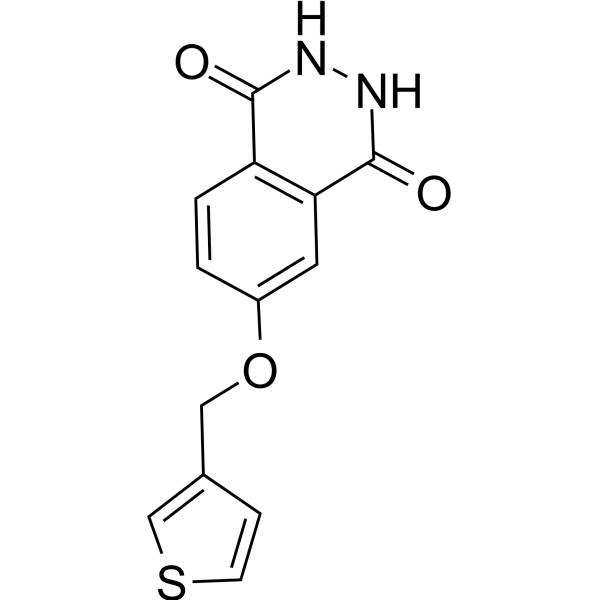
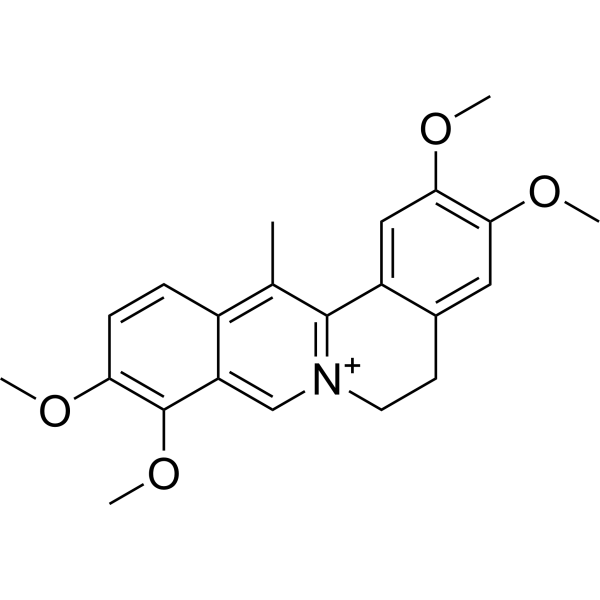
    WIKI4 (GMP) is WIKI4 (HY-16910) produced by using GMP guidelines. GMP small molecules work appropriately as an auxiliary reagent for cell therapy manufacture. WIKI4 is a potent tankyrase inhibitor .
    WIKI4
  • HY-157490

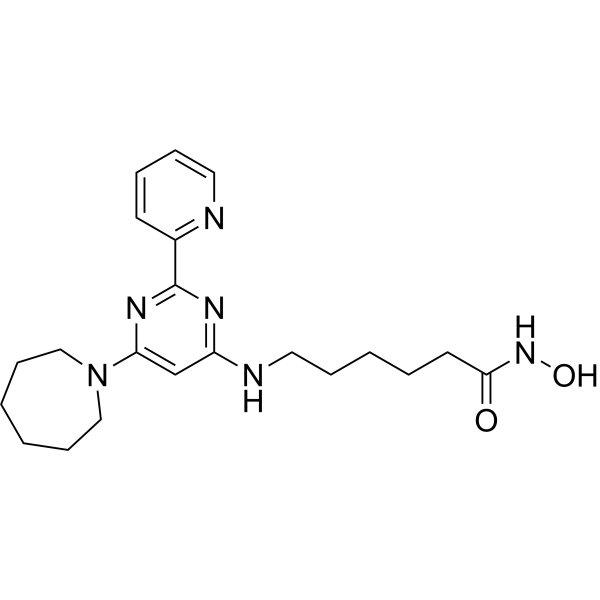
    PARP HDAC Cancer
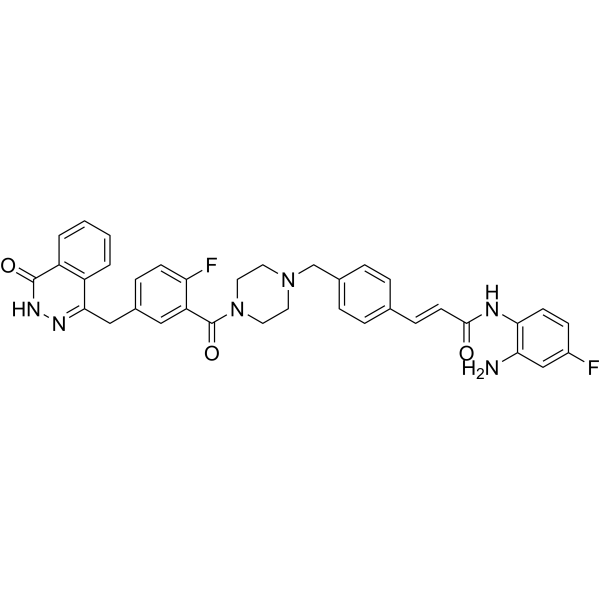
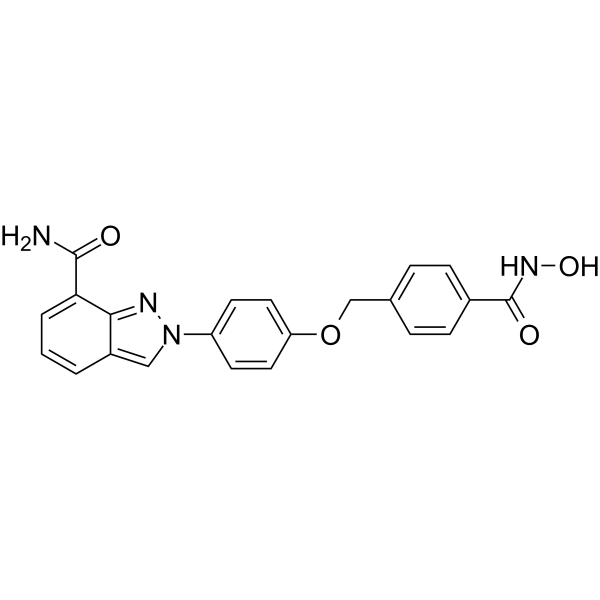
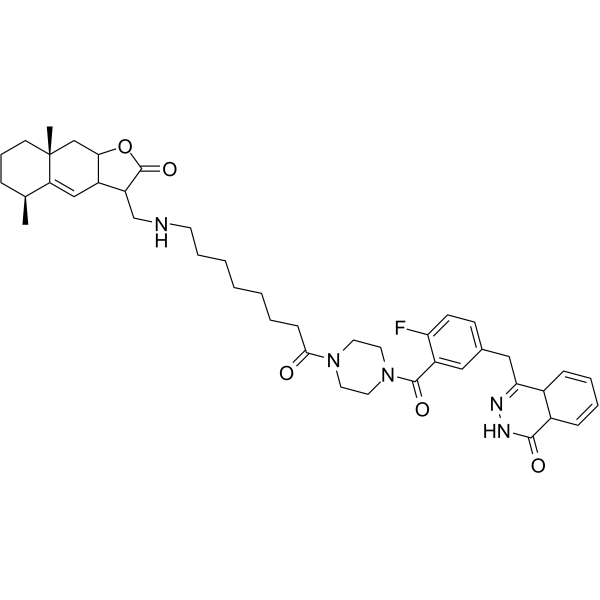
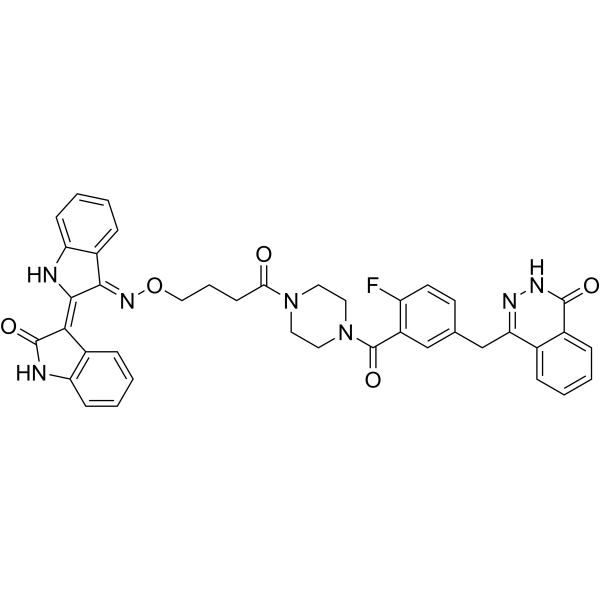
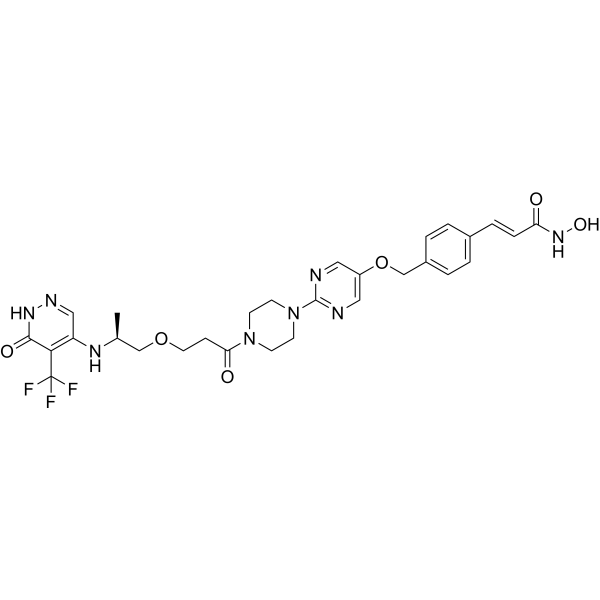
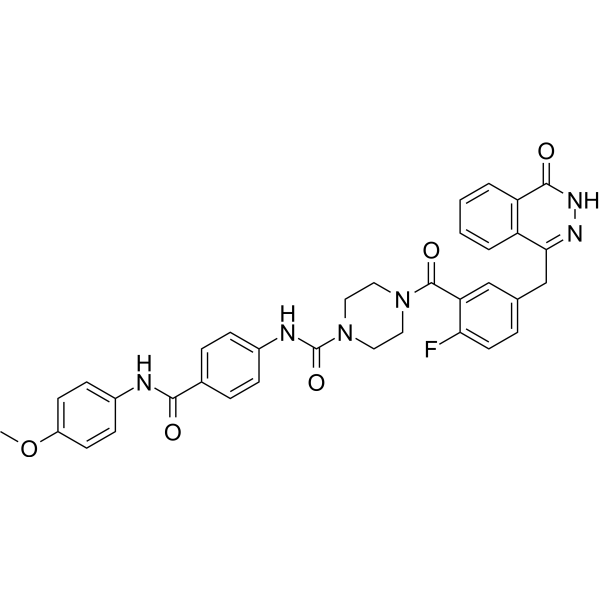
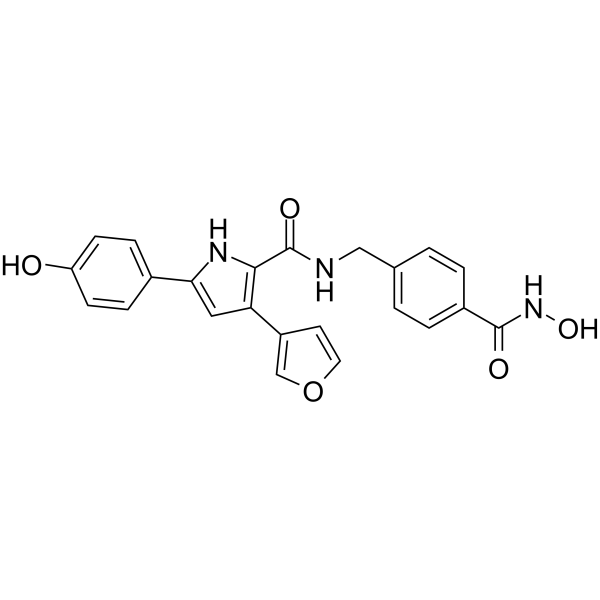
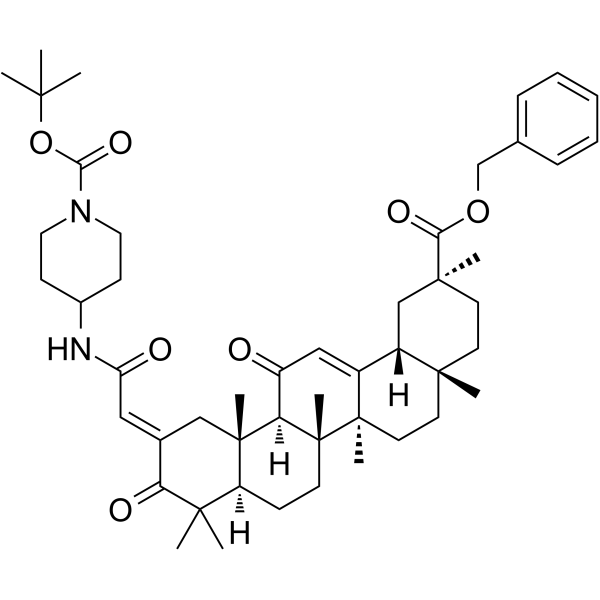
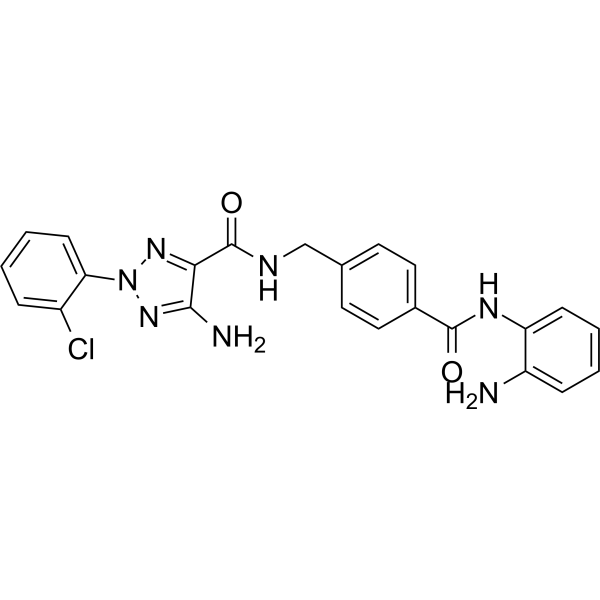
    PARP/HDAC-IN-1 (compound B102) is a potent dual inhibitor of PARP and HDAC. PARP/HDAC-IN-1 inhibits PARP1, PARP2 and HDAC1 with IC50s of 19.01, 2.13, 1690 nM, respectively .
    PARP/HDAC-IN-1
  • HY-157165

    Microtubule/Tubulin PARP Cancer
    Tubulin/PARP-IN-1 (compound 14) is a dual PARP-tubulin inhibitor with activity against endometrial cancer. Tubulin/PARP-IN-1 inhibits PARP and tubulin with IC50s of 74 nM (PARP1), 109 nM (PARP2), and 1.4 μM (Microtubule/Tubulin), respectively. Tubulin/PARP-IN-1 can induce apoptosis and autophagy and cause cell cycle arrest in the G2/M phase .
    Tubulin/PARP-IN-1
  • HY-164475

    PARP Cancer
    PARP1-IN-29 is an orally active PARP-1 inhibitor with an IC50 value of 6.3 nM. PARP1-IN-29, after being labeled with [18F], can be used for positron emission tomography (PET) imaging, specifically targeting PARP-1 in tumors. PARP1-IN-29 is applicable in the fields of oncology and imaging research, particularly for detecting PARP-1 activity in cancer .
    PARP1-IN-29
  • HY-178178

    PARP Reactive Oxygen Species (ROS) DNA/RNA Synthesis Apoptosis Cancer
    PARP1-IN-46 is a potent PARP-1 inhibitor with an IC50 of 2.4 nM. PARP1-IN-46 demonstrates remarkable anti-proliferative activity in both rat (C6) and human (U87MG) glioma cells. PARP1-IN-46 promotes PARP cleavage, triggers DNA damage, and increases ROS. PARP1-IN-46 effectively inhibits the migration, invasion and colony formation of glioma cells, and ultimately induces cell apoptosis. PARP1-IN-46 can be used to the study of glioma .
    PARP1-IN-46
  • HY-151625

    PARP Apoptosis Cancer
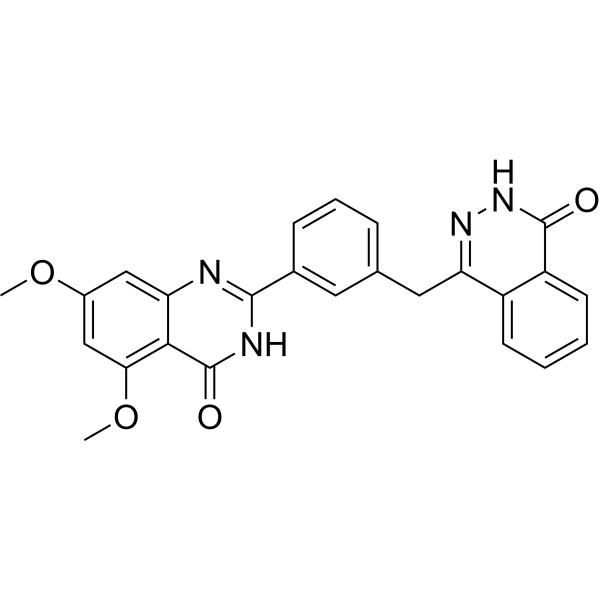
    PARP-2-IN-3 (Compound 12) is a potent PARP-2 inhibitor with an IC50 of 0.07 μM. PARP-2-IN-3 induces apoptosis and necrosis in cancer cells. PARP-2-IN-3 shows appropriate predicted pharmacokinetic parameters and oral bioavailability .
    PARP-2-IN-3
  • HY-178972

    PARP Infection Metabolic Disease Cancer
    PARP1-IN-48 (Compound 61) is a highly selective PARP1 (PARP1 IC50 = 3 nM, PARP2 IC50 = 170 nM) inhibitor. PARP1-IN-48 can be used for research on cancer, viral infections, and metabolic conditions .
    PARP1-IN-48
  • HY-132297

    PARP Cancer
    PARP1-IN-5 is a low toxicity, orally active, potent and selective PARP-1 inhibitor (IC50 =14.7 nM). PARP1-IN-5 can be used for the research of cancer .
    PARP1-IN-5
  • HY-178100

    PARP BCRP Cancer
    PARP1-IN-45 (Compound 15) is a PARP1 inhibitor with an IC50 of 17  nM. PARP1-IN-45 effectively stimulates ATPase activity of ABCG2. PARP1-IN-45 can be used for cancers like ovarian cancer research .
    PARP1-IN-45
  • HY-163492

    PARP Cancer
    PARP7-IN-19 (compound 5a) is an inhibitor of PARP7 ( IC50 ≤10nM). PARP7-IN-19 can be used in the research area of tumors .
    PARP7-IN-19
  • HY-175471

    PARP Cancer
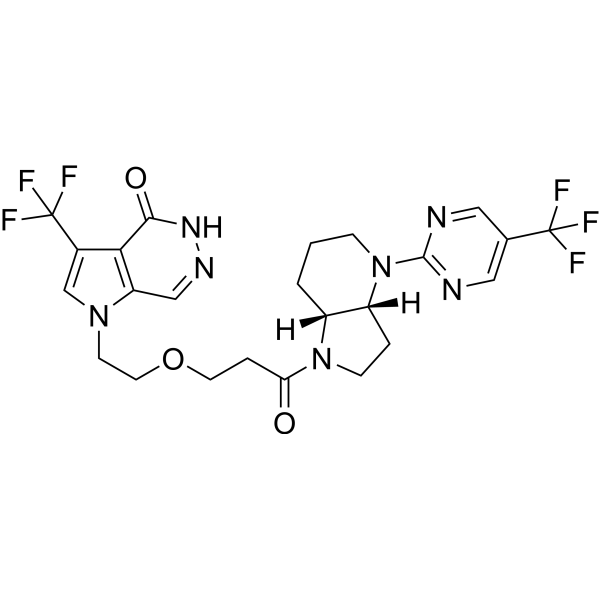
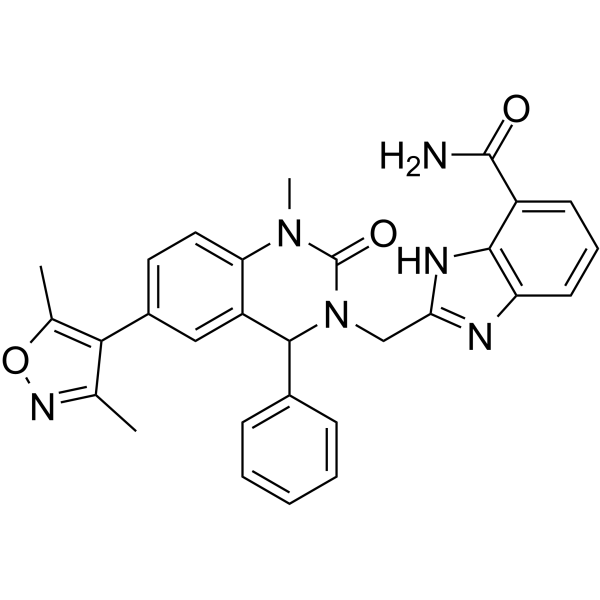
    PARP1-IN-42 (Example 43 cis-a) is a PARP1 inhibitor with IC50 <10 nM. PARP1-IN-42 can be used in cancer research .
    PARP1-IN-42
  • HY-151609

    PARP Cancer
    PARP7-IN-12 is a potent PARP7 Inhibitor with an IC50 value of 7.836 nM. PARP7-IN-12 can be used in research of cancer .
    PARP7-IN-12
  • HY-149001

    PARP Cancer
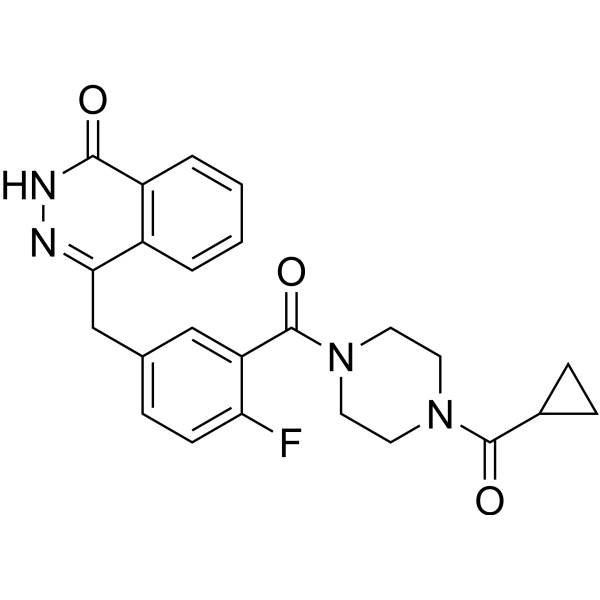
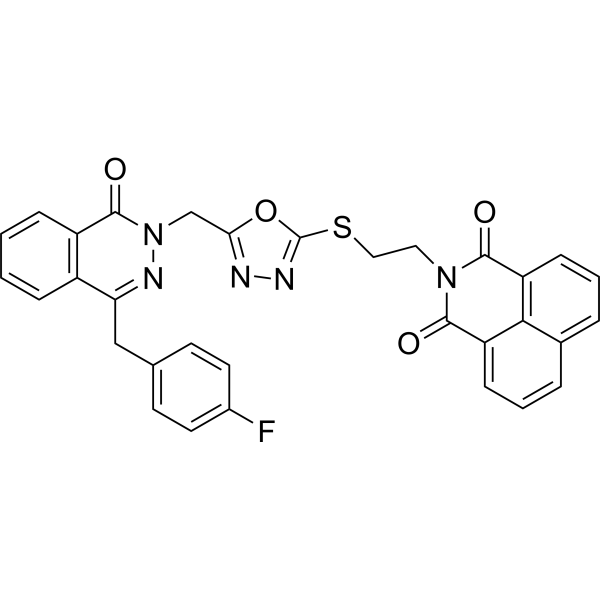
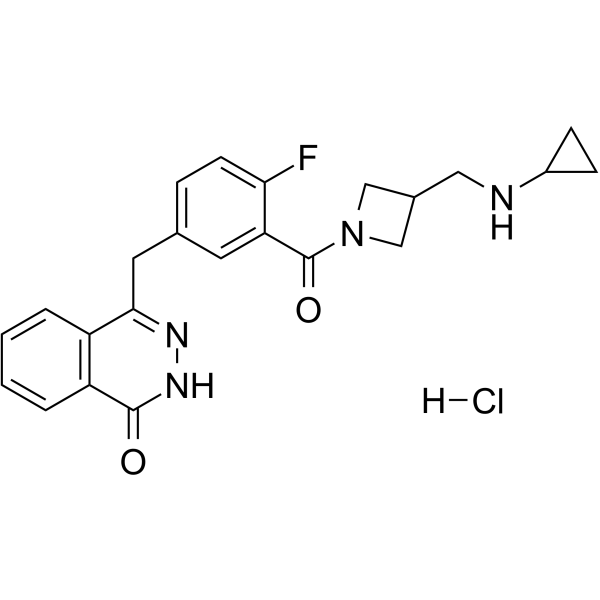
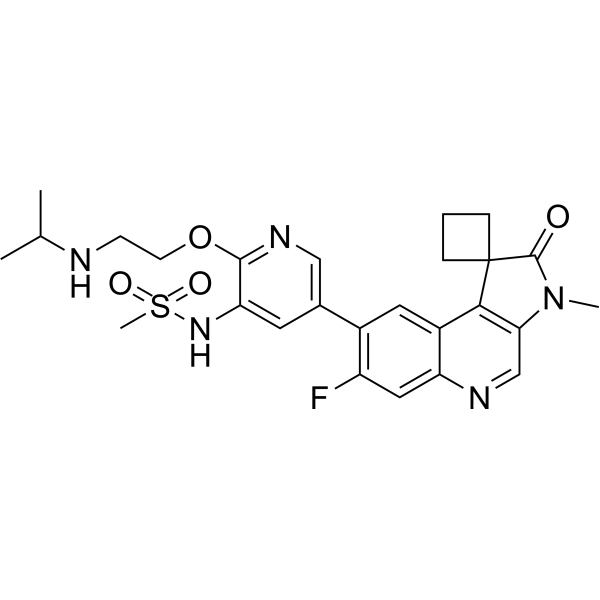
    PARP1-IN-9 (Compound 5c) is a PARP1 inhibitor with an IC50 of 30.51 nM. PARP1-IN-9 induces cell apoptosis and shows anticancer activity. PARP1-IN-9 has higher potency than Olaparib (HY-10162) .
    PARP1-IN-9
  • HY-178468

    PARP Cancer
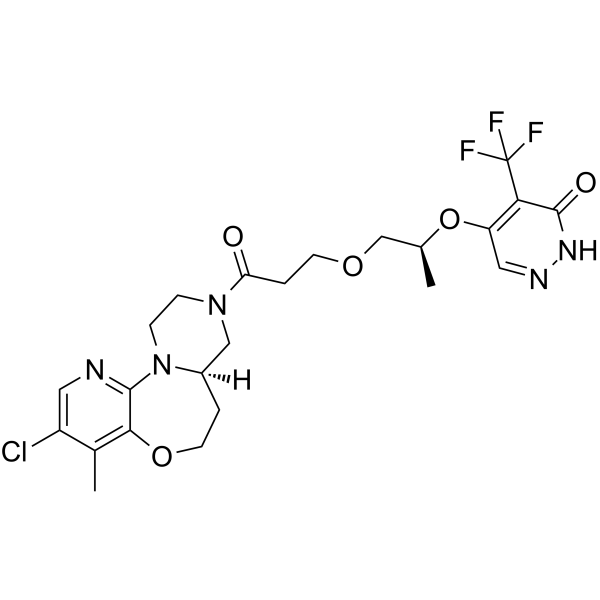
    PARP1-IN-47 (Compound 35) is a highly selective PARP1 inhibitor (IC50 <100 nM). PARP1-IN-47 blocks poly(ADP-ribosyl)ation and disrupts DNA damage repair pathways to induce tumor cell apoptosis. PARP1-IN-47 is promising for research of solid tumors and hematological malignancies .
    PARP1-IN-47
  • HY-169575

    PARP Cardiovascular Disease Neurological Disease Inflammation/Immunology Cancer
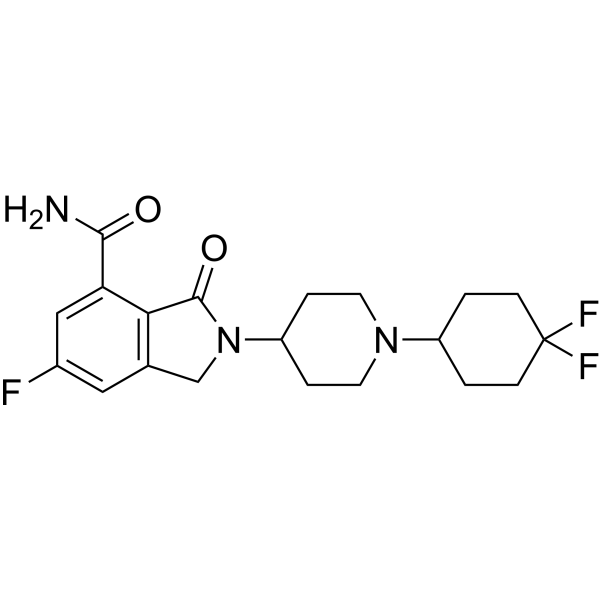
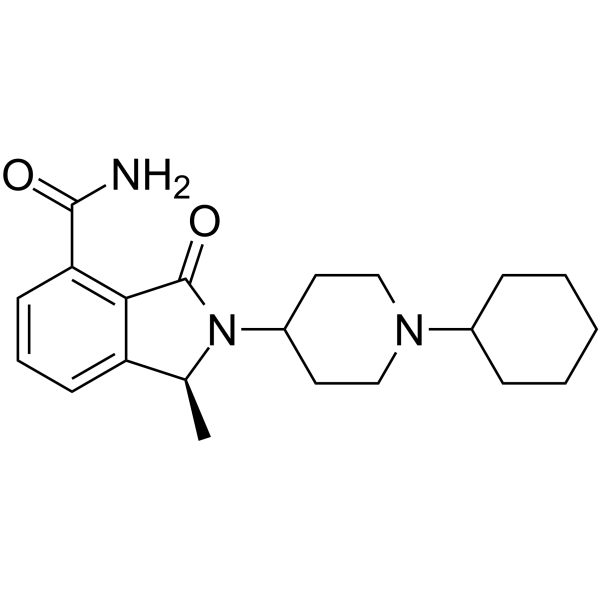
    PARP1-IN-36 (compound 11) is a 4-carboxamido-isoindolinone derivative and a selective PARP-1 inhibitor with a Kd < 0.01 μM. PARP1-IN-36 can be utilized in cancer, cardiovascular diseases, nervous system injury and inflammation research .
    PARP1-IN-36
  • HY-144642

    PARP Cancer
    PARP-1-IN-1 is a high selective and orally active PARP-1 inhibitor (IC50=0.96 nM). PARP-1-IN-1 has well tolerance and remarkable single dose activity in the MDA-MB-436 xenotransplantation model .
    PARP-1-IN-1
  • HY-178032

    PARP Apoptosis Reactive Oxygen Species (ROS) DNA/RNA Synthesis STING Cancer
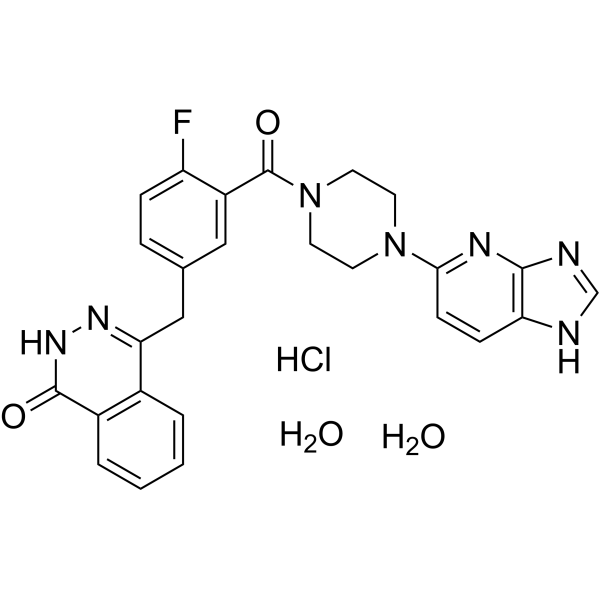
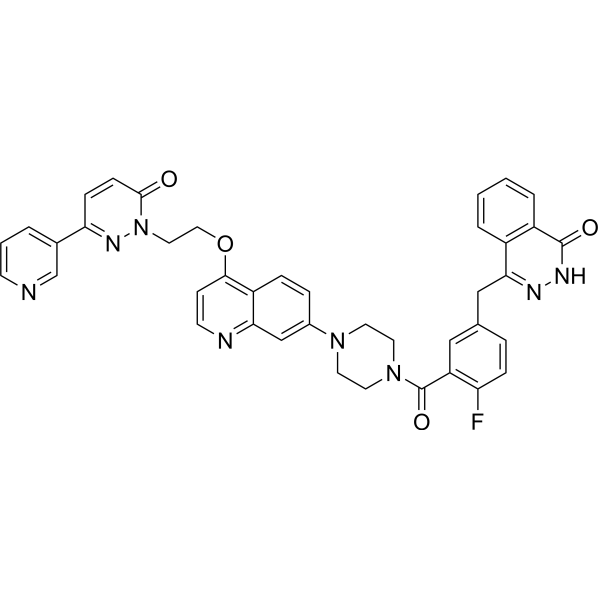
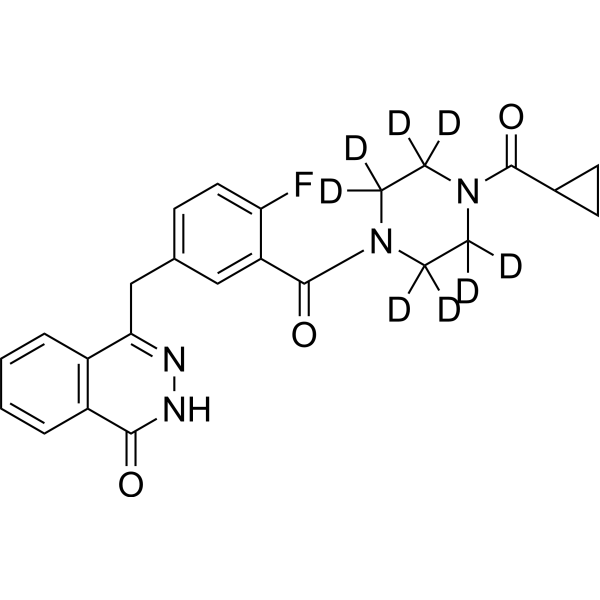
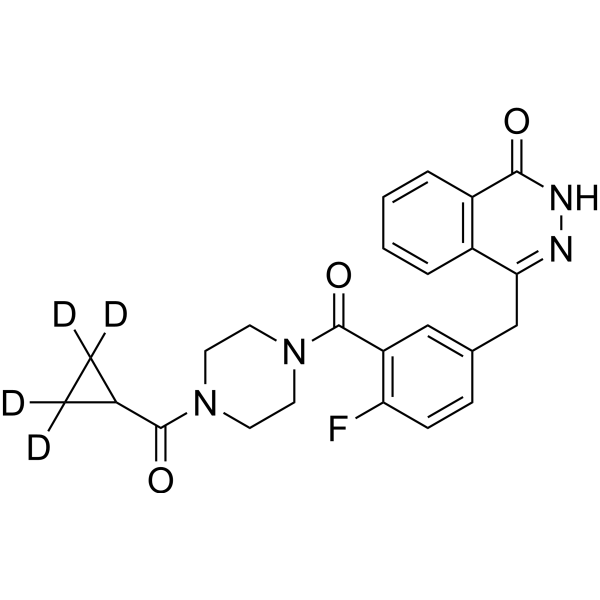
    PARP1-IN-44, an Olaparib (HY-10162) derivative, is an orally active PARP1 inhibitor (IC50 = 0.6 nM), and also inhibits PARP2 (IC50 = 1.0 nM) and PARP7 (IC50 = 7.5 nM). PARP1-IN-44 has selective antiproliferative activity against BRCA-deficient cancer cells with minimal toxicity to normal cells. PARP1-IN-44 induces G2/M phase arrest, promotes apoptosis, elevates ROS levels, disrupts mitochondrial membrane potential. PARP1-IN-44 suppresses PARylation while increasing γH2AX accumulation. PARP1-IN-44 activates the cGAS-STING pathway, upregulating IFN-β and CXCL10 expression. PARP1-IN-44 enhancing CD8+ T cell infiltration in a CT26 tumor mouse model, demonstrating robust in vivo antitumor efficacy .
    PARP1-IN-44
  • HY-156419

    PARP Cancer
    PARP7-IN-16 (compound 36) is a potent, selective and orally active inhibitor of PARP-1/2/7, with IC50s of 0.94, 0.87 and 0.21 nM, respectively. PARP7-IN-16 can be used for the research of breast cancer and prostate cancer .
    PARP7-IN-16
  • HY-173259

    PARP Cancer
    PARP7-IN-23 (compound 56) is a potent PARP7 inhibitor with an EC50 of 0.915 nM for pSTAT1 in NCI-H1373 cells. PARP7-IN-23 has the potential for cancer research .
    PARP7-IN-23
  • HY-173262

    PARP Cancer
    PARP7-IN-24 (compound 44) is a potent PARP7 inhibitor with an EC50 of 0.375 nM for pSTAT1 in NCI-H1373 cells. PARP7-IN-24 has the potential for cancer research .
    PARP7-IN-24
  • HY-161607

    PARP Cancer
    PARP7-IN-21 (compound 128) is a potent inhibitor of PARP7, with the IC50 of < 10 nM .
    PARP7-IN-21
  • HY-175482

    PARP Neurological Disease Cancer
    PARP1-IN-43 (Compound 5350) is a blood-brain barrier (BBB) permeable PARP1 inhibitor, with an IC50 of 5 nM. PARP1-IN-43 can be used for the study of homologous recombination (HR)-deficient central nerve system (CNS) cancers .
    PARP1-IN-43
  • HY-170972

    Apoptosis PARP NAMPT Cancer
    PARP1/NAMPT-IN-2 (Compound 13j) is a dual PARP/NAMPT inhibitor with IC50 values of 0.8 nM and 18 nM for PARP1 and NAMPT, respectively. PARP1/NAMPT-IN-2 can inhibit the proliferation, migration and induce apoptosis of breast cancer cells. PARP1/NAMPT-IN-2 can be used for the research of triple-negative breast cancer .
    PARP1/NAMPT-IN-2
  • HY-149398

    Apoptosis PARP CDK Cancer
    PARP-1/2-IN-2-IN-1 (Compound 12e) is a PARP1/2/CDK12 inhibitor (IC50: 34, 30 and 285 nM respectively). PARP-1/2-IN-2 inhibits DNA damage repair, promotes cell cycle arrest and apoptosis. PARP-1/2-IN-2 inhibits the growth of TNBC cells and TNBC xenograft tumor .
    PARP-1/2-IN-2
  • HY-146160

    PARP HDAC Cancer
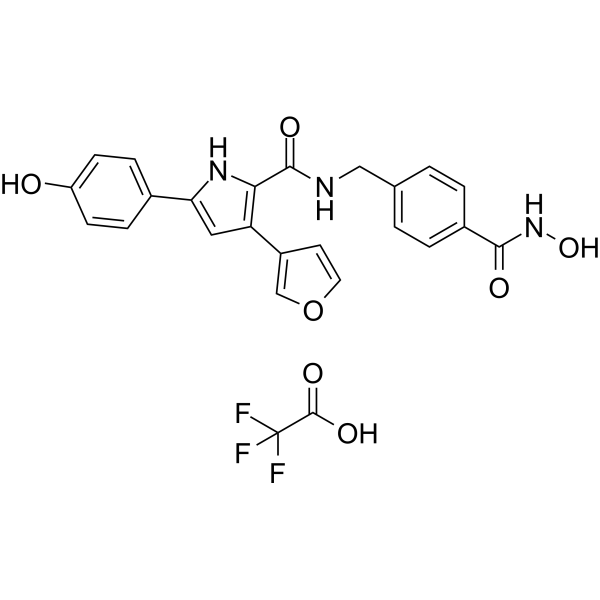
    PARP-1/HDAC-IN-1 is a PARP-1/HDAC6 dual targeting inhibitor with IC50s of 68.90 nM and 510 nM, respectively. PARP-1/HDAC-IN-1 displays remarkable anticancer, anti-migration and anti-angiogenesis activities .
    PARP-1/HDAC-IN-1
  • HY-159612

    PARP Cancer
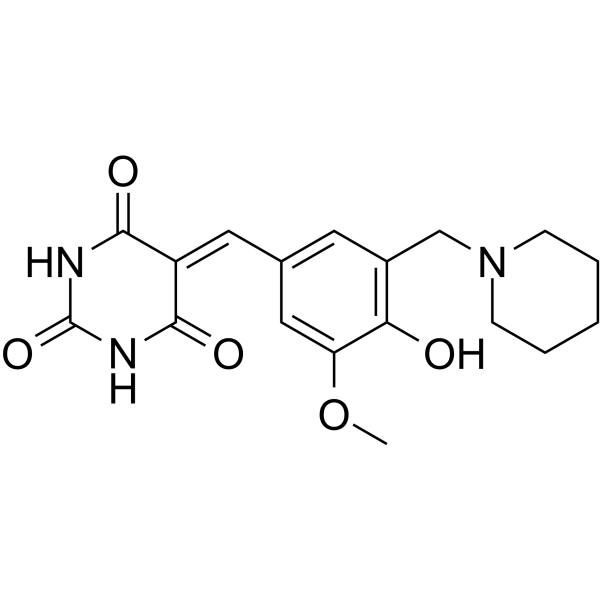
    PARP1-IN-28 (compound 1) is a PARP1 inhibitor. PARP1-IN-28 can be used in the study of cancer .
    PARP1-IN-28
  • HY-173446

    PARP Cancer
    PARP1-IN-38 (compound ent-6_P) is a potent PARP1 inhibitor with an IC50 of 10 μM. PARP1-IN-38 shows selective cytotoxic activity in BRCA mutant cancer cells
    PARP1-IN-38
  • HY-179020

    PARP VEGFR DNA/RNA Synthesis Apoptosis Autophagy Cancer
    PARP/VEGFR3-IN-1 (Compound 18) is a dual PARP-VEGFR3 target inhibitor. Its IC50 values for PARP1, PARP2, and VEGFR3 are 0.0763, 0.0366, and 4.25 nM respectively. PARP/VEGFR3-IN-1 has no inhibitory effect on VEGFR1/2 and shows subtype selectivity. PARP/VEGFR3-IN-1 exhibits significant anti-proliferative activity in various cancer cells (leukemia, lung cancer, and triple-negative breast cancer). PARP/VEGFR3-IN-1 induces DNA damage and cell cycle arrest. PARP/VEGFR3-IN-1 triggers various forms of cell death by inducing apoptosis and autophagy. PARP/VEGFR3-IN-1 can be formulated into nanodelivery systems, significantly enhancing tumor targeting and therapeutic window .
    PARP/VEGFR3-IN-1
  • HY-141486A

    PARP EGFR Ligands for Target Protein for PROTAC Others
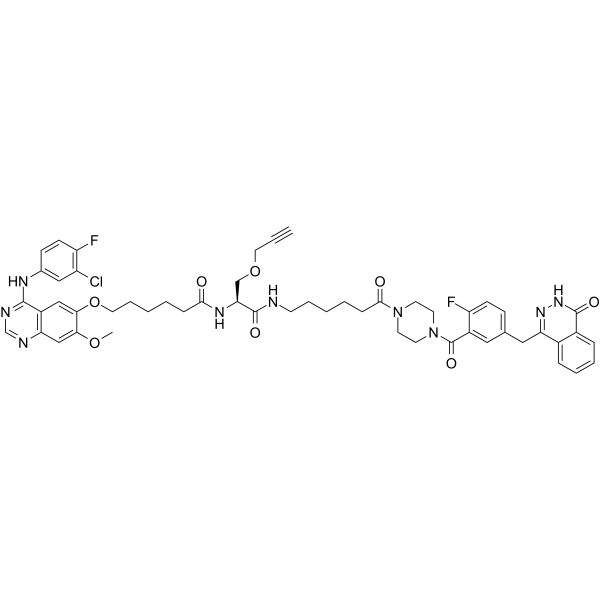
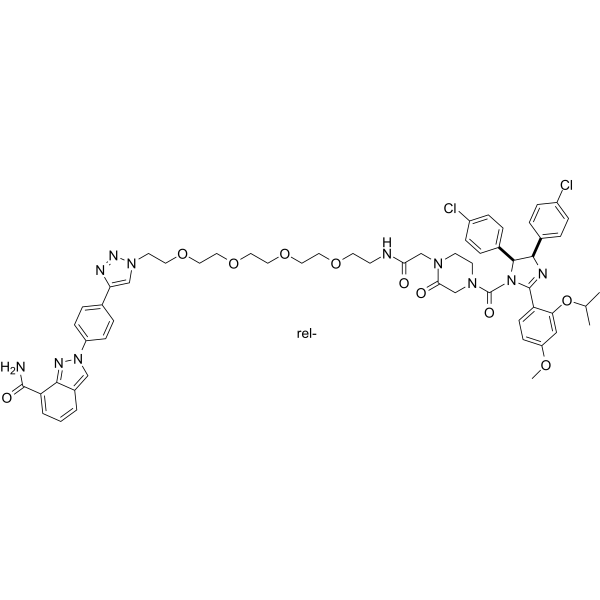
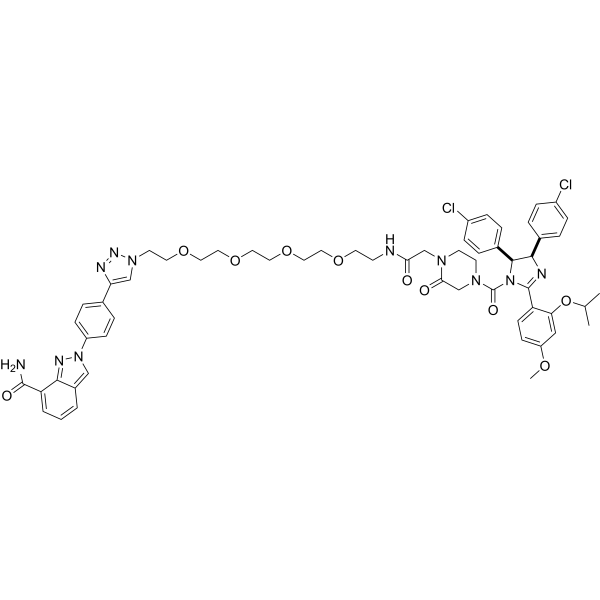
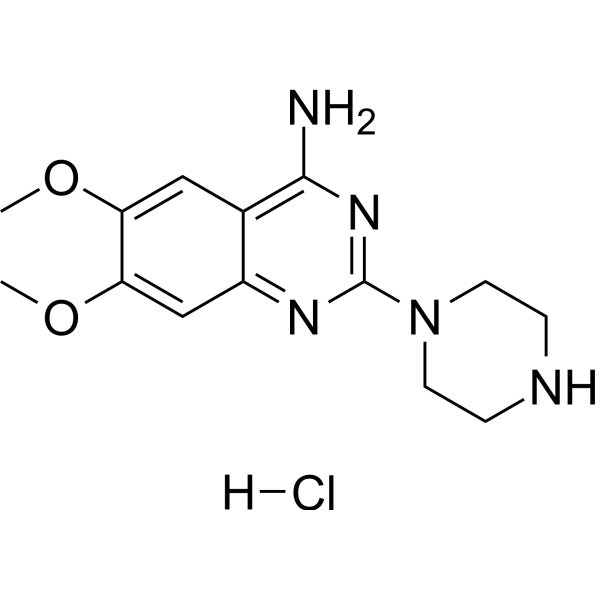
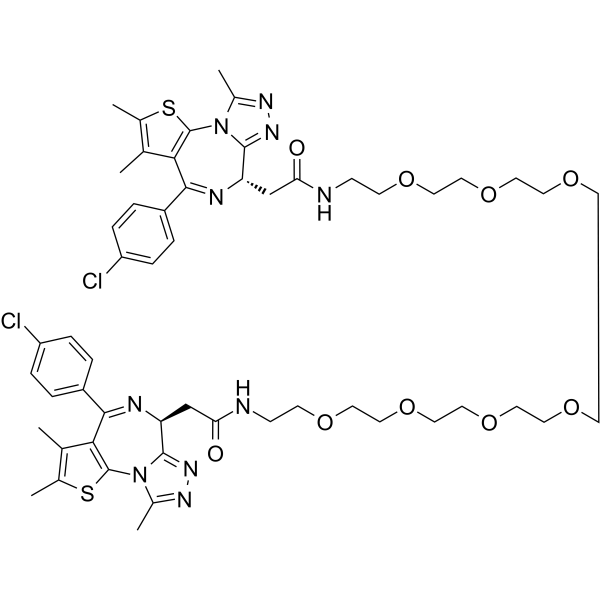
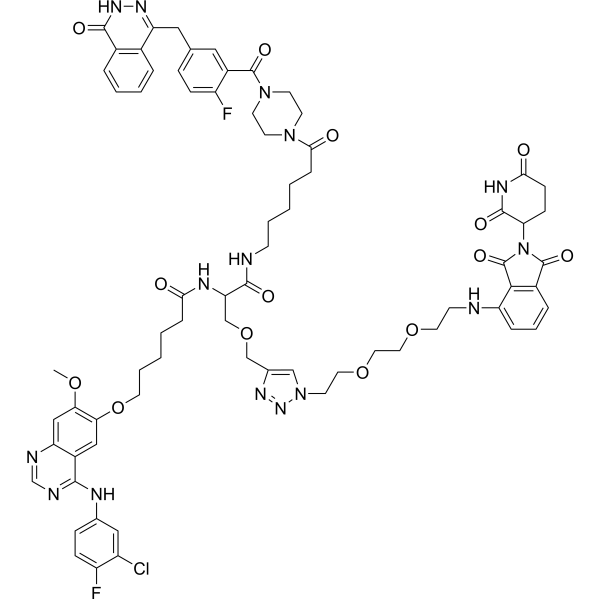
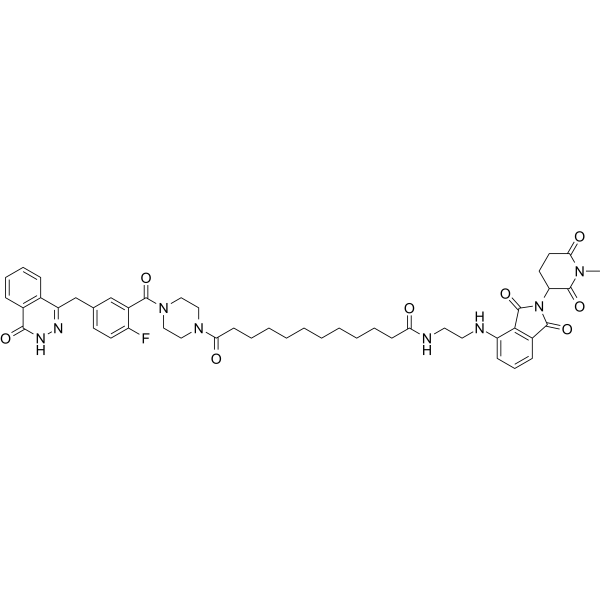
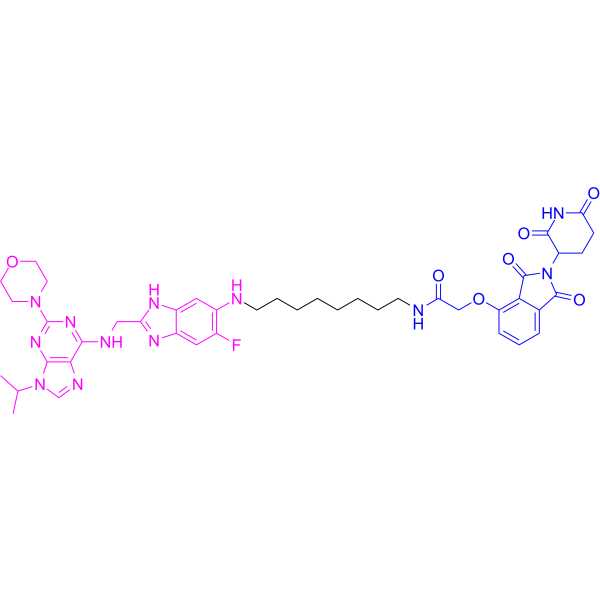
    PROTAC PARP/EGFR ligand 1 is an active compound that can be used for the synthesis of dual PARP EGFR degraders by proteolytic targeting chimera (PROTAC) technology .
    PROTAC PARP/EGFR ligand 1
  • HY-157137

    PARP Caspase Apoptosis Cancer
    PARP1-IN-17 is a PARP-1 inhibitor (IC50 = 19.24 nM for PARP-1 and = 32.58 nM for PARP-2) and induce apoptosis. PARP1-IN-17 shows excellent anti-proliferative activity .
    PARP1-IN-17

Inquiry Online

Your information is safe with us. * Required Fields.

Salutation


Country or Region *

Applicant Name *


Organization Name *

Department *


Email Address *


Product Name *

Cat. No.


Requested quantity *

Phone Number *


Remarks

Inquiry Online

Inquiry Information

Product Name:
Cat. No.:
Quantity:
MCE Japan Authorized Agent: