Search Result
Results for "
highly+potent
" in MedChemExpress (MCE) Product Catalog:
6
Biochemical Assay Reagents
47
Isotope-Labeled Compounds
| Cat. No. |
Product Name |
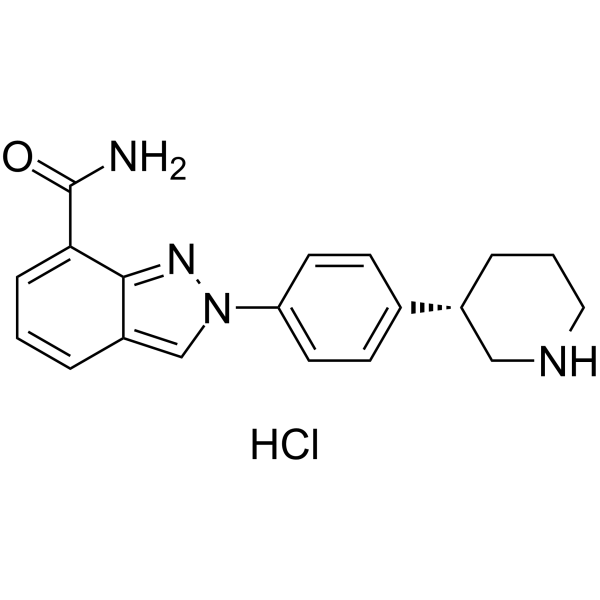
Target |
Research Areas |
Chemical Structure |
-
- HY-15659
-
-
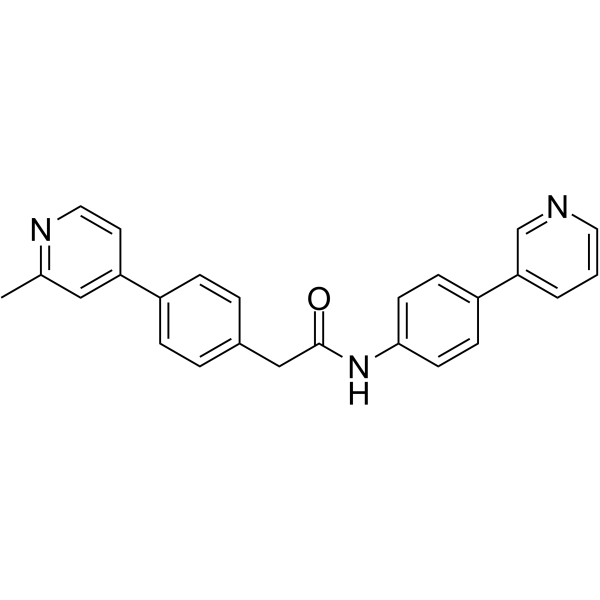
-
- HY-15836
-
-
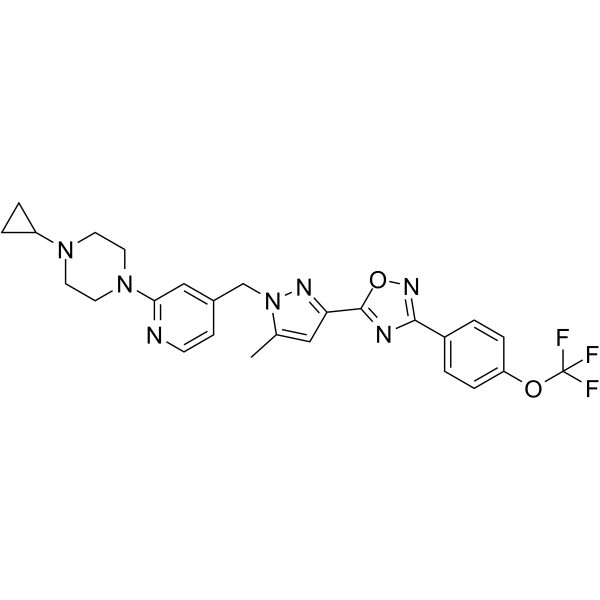
-
- HY-112588
-
-
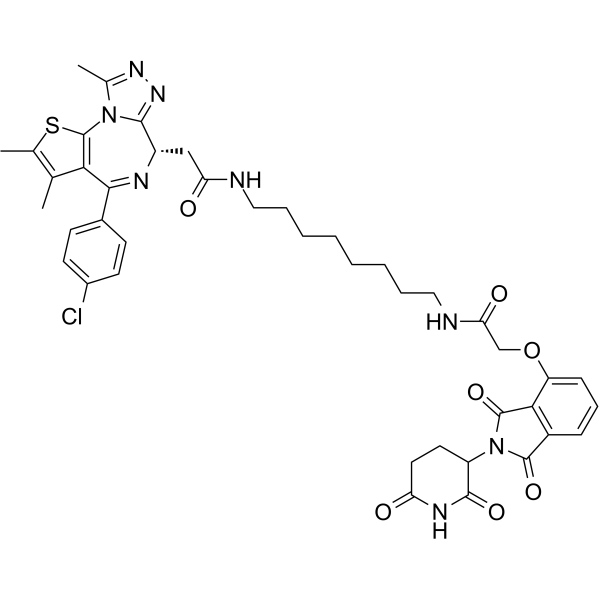
-
- HY-12857
-
|
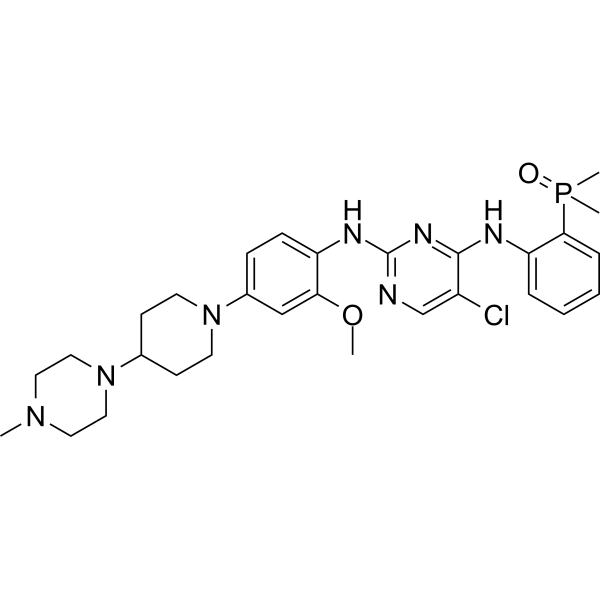
AP-26113
|
Anaplastic lymphoma kinase (ALK)
|
Cancer
|
|
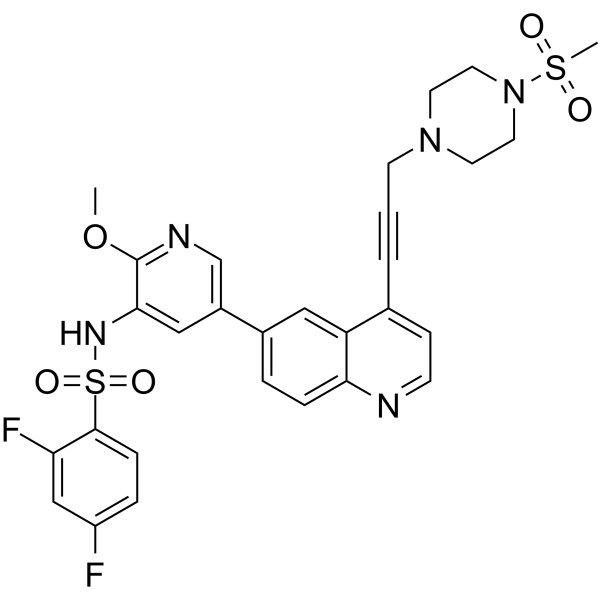
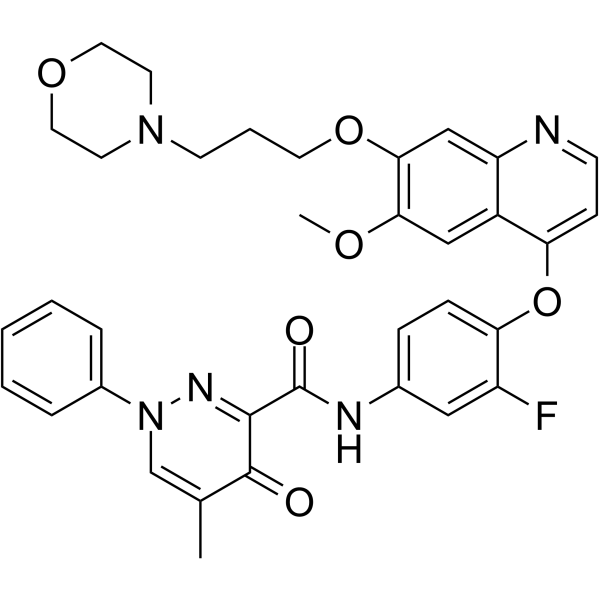
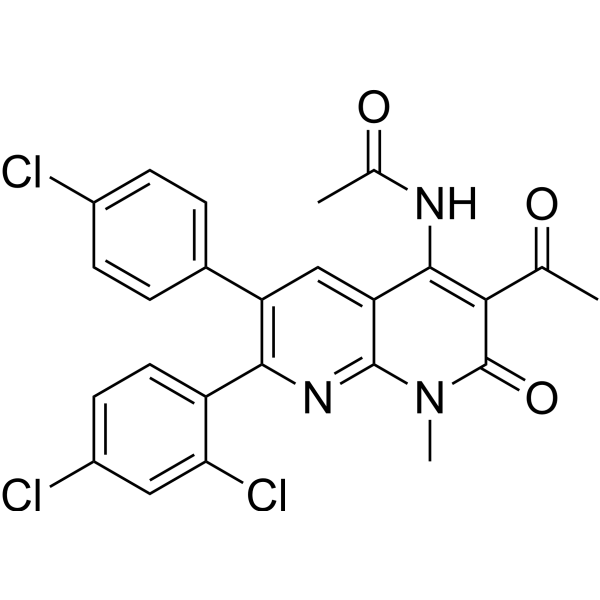
Brigatinib (AP-26113) is a highly potent, selective and orally active ALK inhibitor, with an IC50 of 0.6 nM. Brigatinib can be used for research of NSCLC .
|
-
-
- HY-10284
-
-
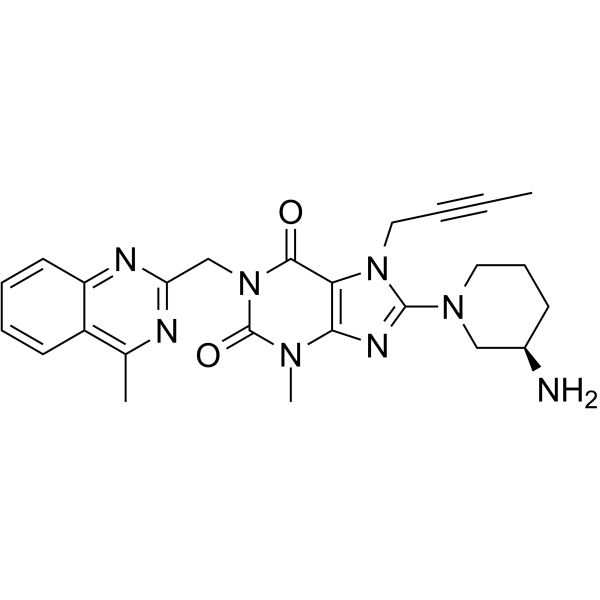
-
- HY-13074
-
|
|
PTEN
Autophagy
|
Cancer
|
|
VO-Ohpic trihydrate is a highly potent inhibitor of PTEN with an IC50 of 46±10 nM.
|
-
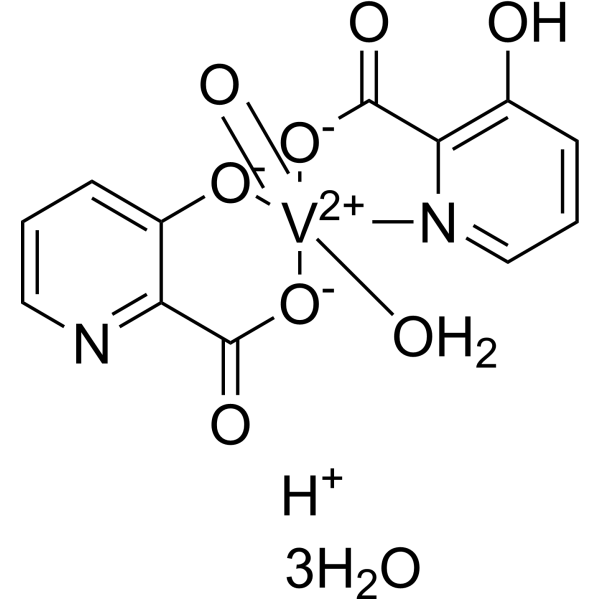
-
- HY-13500
-
-
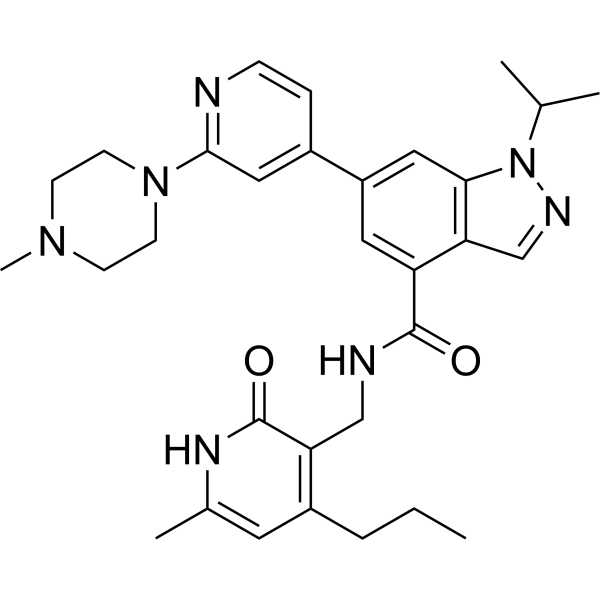
-
- HY-P1033
-
-
![[Pyr1]-Apelin-13](//file.medchemexpress.com/product_pic/hy-p1033.gif)
-
- HY-19912
-
|
HMPL-013
|
VEGFR
|
Cancer
|
|
Fruquintinib (HMPL-013) is a highly potent and selective VEGFR 1/2/3 inhibitor with IC50s of 33, 0.35, and 35 nM, respectively.
|
-
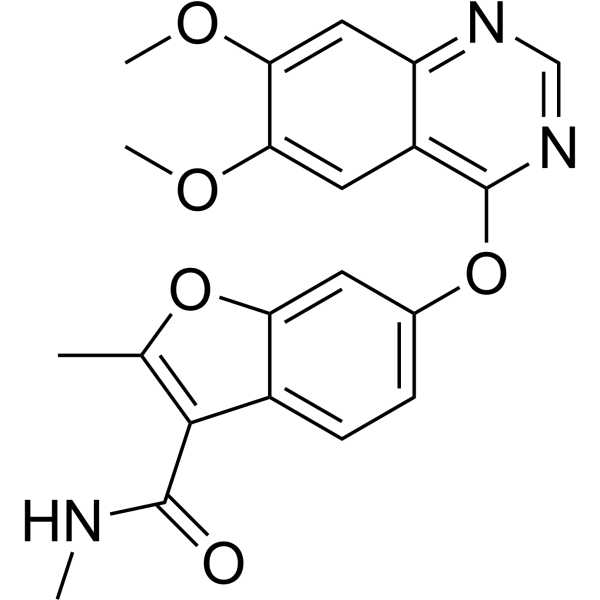
-
- HY-107418
-
-
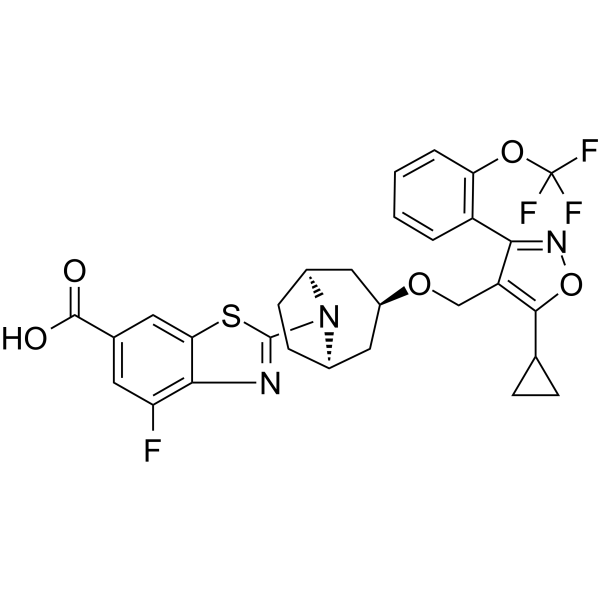
-
- HY-16925
-
-
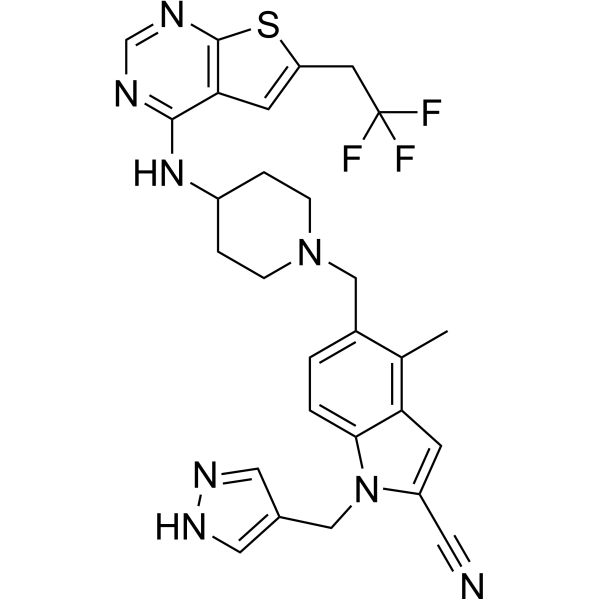
-
- HY-17621
-
-
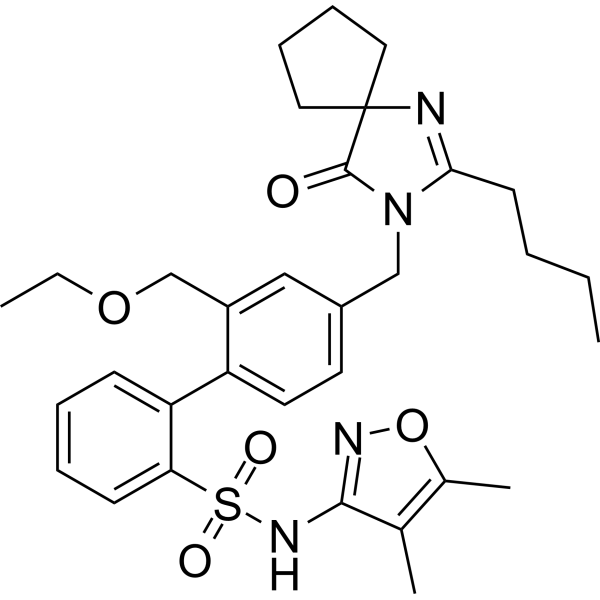
-
- HY-10268
-
|
PRT054021
|
Factor Xa
|
Cardiovascular Disease
|
|
Betrixaban (PRT054021) is a highly potent, selective, and orally efficacious factor Xa (fXa) inhibitor with an IC50 of 1.5 nM. Betrixaban shows antithrombotic effect .
|
-
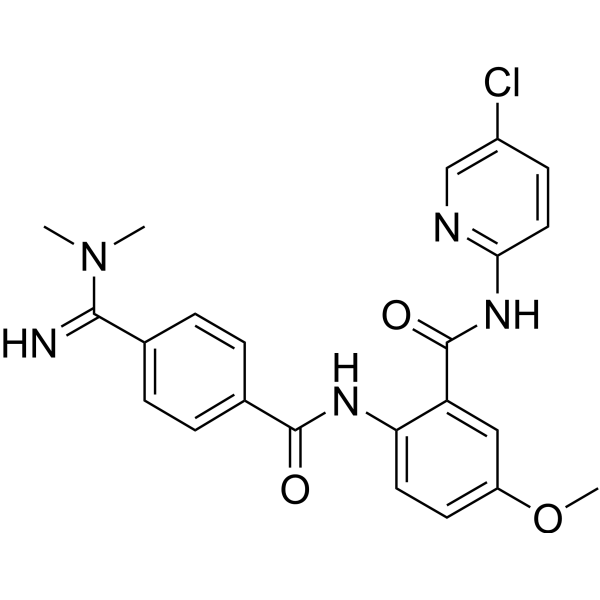
-
- HY-13252
-
-
-
- HY-15512
-
|
OTS167
|
MELK
|
Cancer
|
|
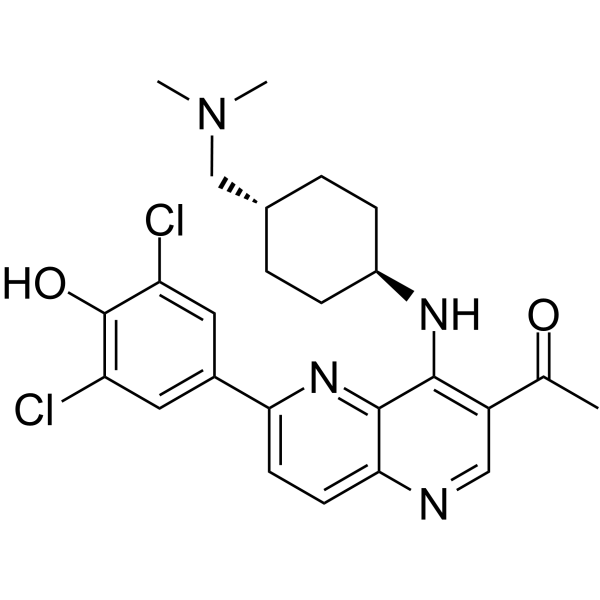
OTSSP167 (OTS167) is a highly potent and ATP-competitive MELK inhibitor with IC50 value of 0.41 nM.
|
-
-
- HY-15200
-
|
CEP-32496; RXDX-105
|
Raf
|
Cancer
|
|
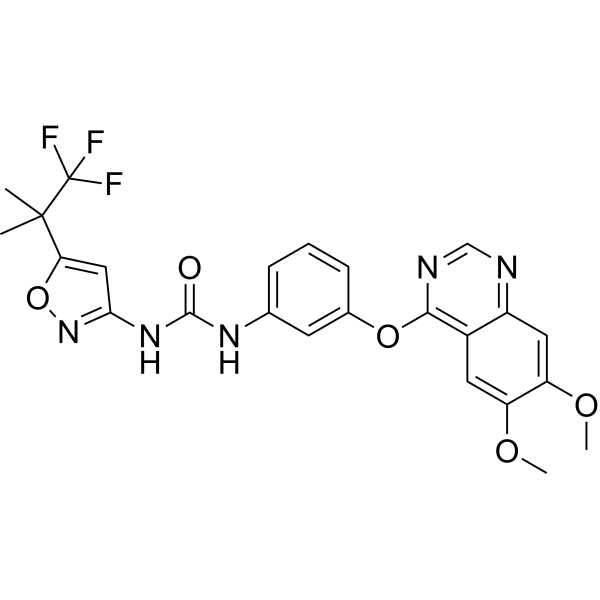
Agerafenib (CEP-32496; RXDX-105) is a highly potent and orally efficacious inhibitor of BRAF V600E with a Kd of 14 nM.
|
-
-
- HY-100471
-
-
-
- HY-15512A
-
|
OTS167 hydrochloride
|
MELK
|
Cancer
|
|
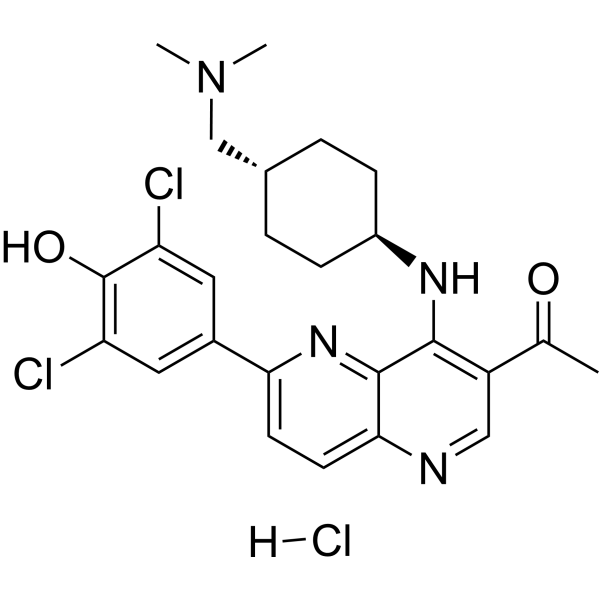
OTSSP167 (OTS167) hydrochloride is a highly potent and ATP-competitive MELK inhibitor with IC50 value of 0.41 nM.
|
-
-
- HY-P0069
-
D-JNKI-1
Maximum Cited Publications
11 Publications Verification
AM-111; XG-102
|
JNK
|
Others
|
|
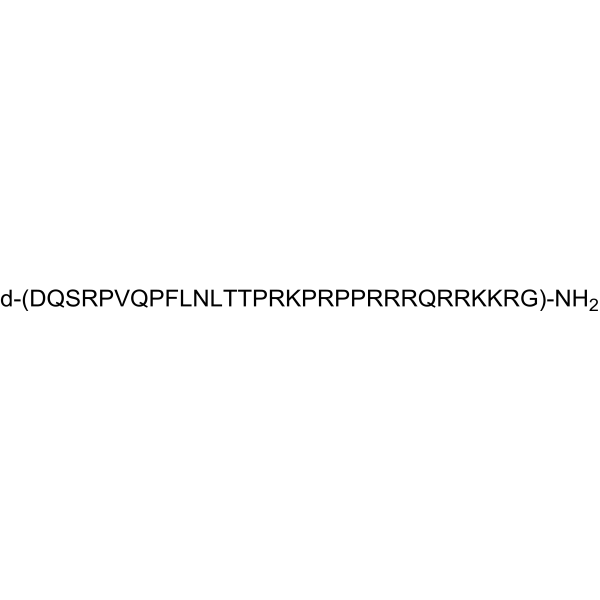
D-JNKI-1 (AM-111) is a highly potent and cell-permeable peptide inhibitor of JNK.
|
-
-
- HY-13674
-
|
NSC 153858
|
Microtubule/Tubulin
|
Cancer
|
|
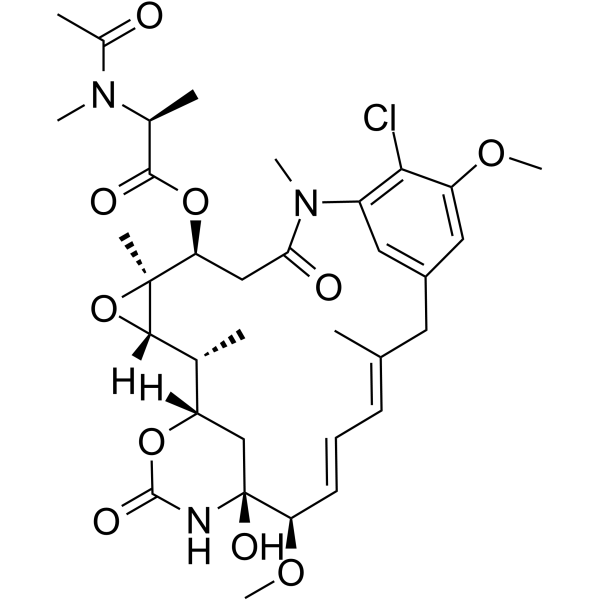
Maytansine is a highly potent microtubule-targeted compound that induces mitotic arrest and kills tumor cells at subnanomolar concentrations .
|
-
-
- HY-123672
-
-
-
- HY-12477
-
|
|
LRRK2
|
Neurological Disease
|
|
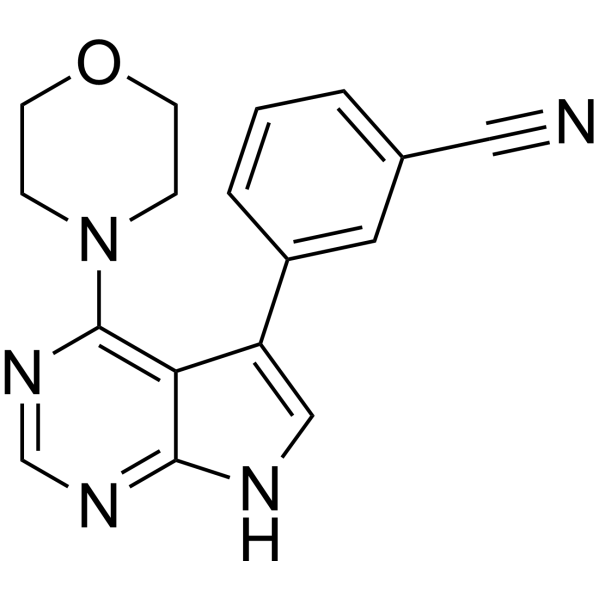
PF-06447475 is a highly potent, selective and brain penetrant LRRK2 inhibitor with an IC50 of 3 nM.
|
-
-
- HY-13060
-
|
IKK-2 Inhibitor VIII
|
IKK
|
Inflammation/Immunology
|
|
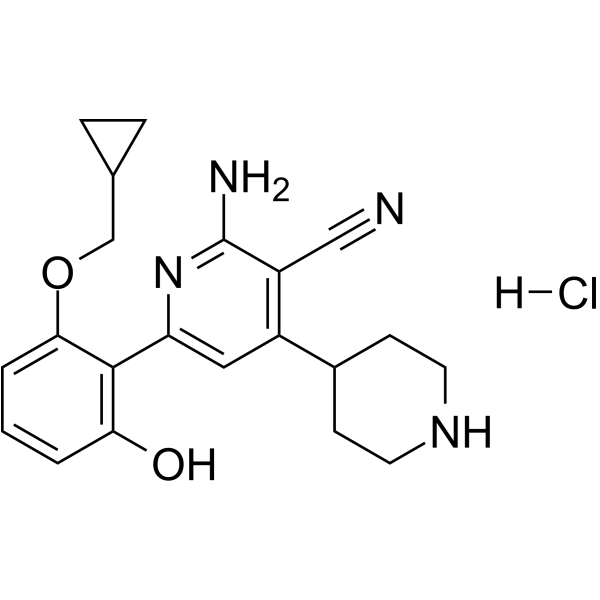
ACHP Hydrochloride (IKK-2 Inhibitor VIII) is a highly potent and selective IKK-β inhibitor with an IC50 of 8.5 nM.
|
-
-
- HY-P0283
-
-
-
- HY-19809
-
-
-
- HY-13806
-
XL388
4 Publications Verification
|
mTOR
Autophagy
|
Cancer
|
|
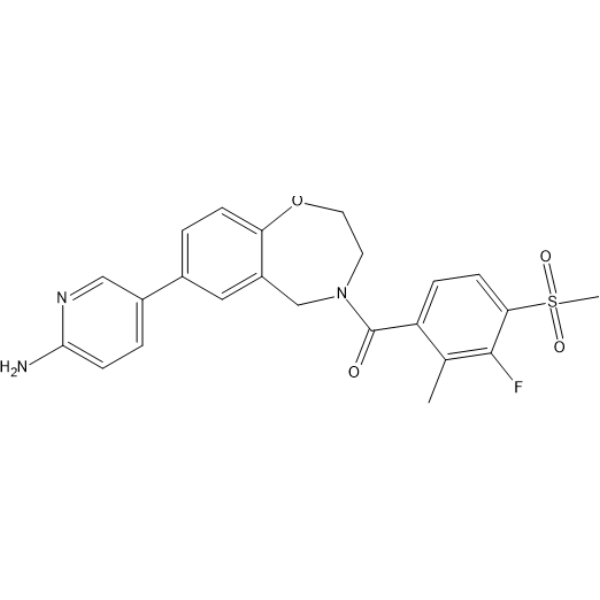
XL388 is a highly potent and ATP-competitive mTOR inhibitor with an IC50 of 9.9 nM. XL388 simultaneously inhibits both mTORC1 and mTORC2.
|
-
-
- HY-130115A
-
|
|
STING
|
Cancer
|
|
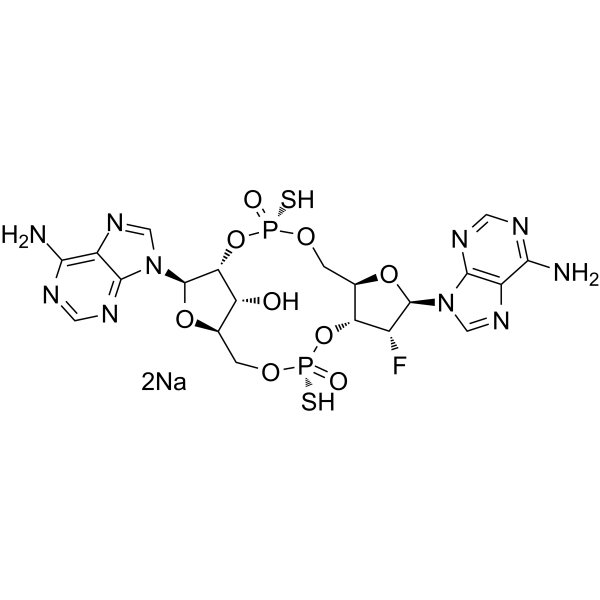
IACS-8803 disodium is a highly potent cyclic dinucleotide STING agonist. IACS-8803 disodium has a robust systemic antitumor efficacy .
|
-
-
- HY-16733
-
|
RDEA3170
|
URAT1
|
Metabolic Disease
|
|
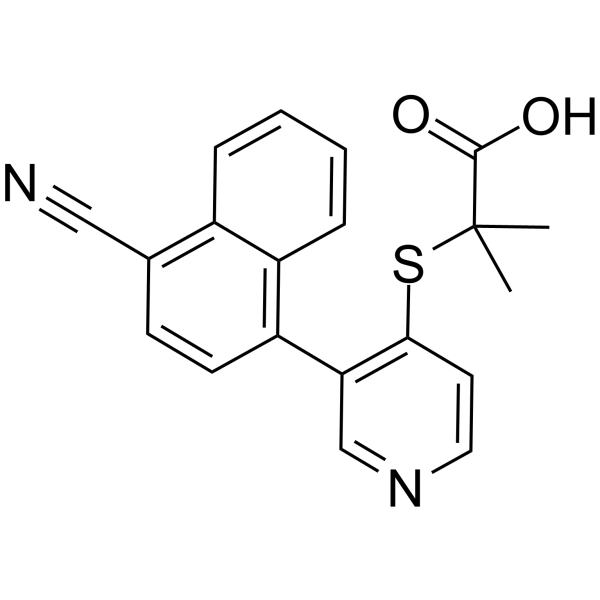
Verinurad (RDEA3170) is a highly potent and specific URAT1 inhibitor with an IC50 of 25 nM .
|
-
-
- HY-P1145
-
|
GLP-1 (1-37) human
|
GCGR
|
Metabolic Disease
|
|
Glucagon-like peptide 1 (1-37), human is a highly potent agonist of the GLP-1 receptor.
|
-

-
- HY-101192
-
|
|
EBI2/GPR183
|
Inflammation/Immunology
|
|
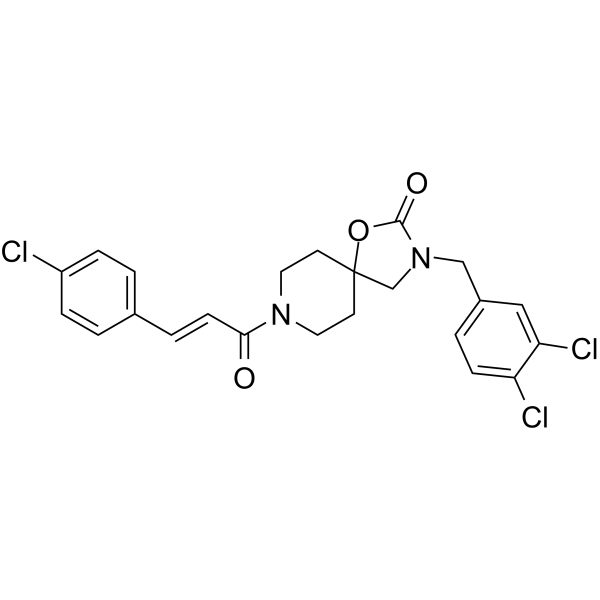
GSK682753A is a selective and highly potent inverse agonist of the epstein-barr virus-induced receptor 2 (EBI2) with an IC50 of 53.6 nM.
|
-
-
- HY-100209
-
|
TAK-013
|
GnRH Receptor
|
Endocrinology
|
|
Sufugolix (TAK-013) is a highly potent and orally available luteinizing hormone-releasing hormone (LHRH) receptor antagonist with an IC50 of 0.1 nM.
|
-
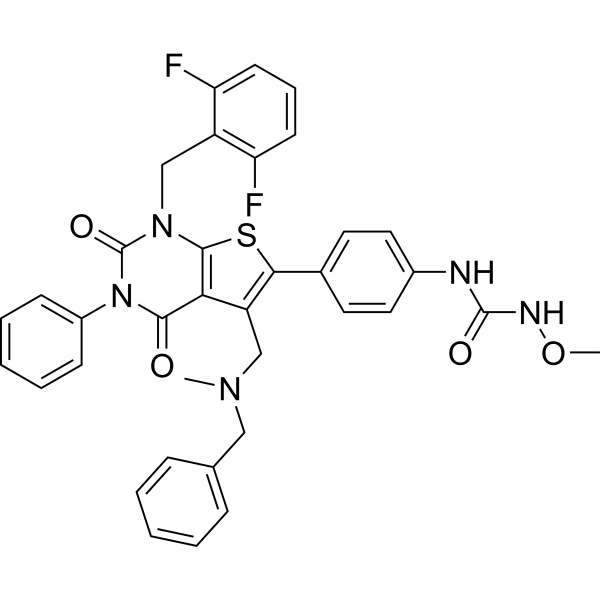
-
- HY-130121
-
|
|
OGA
|
Neurological Disease
|
|
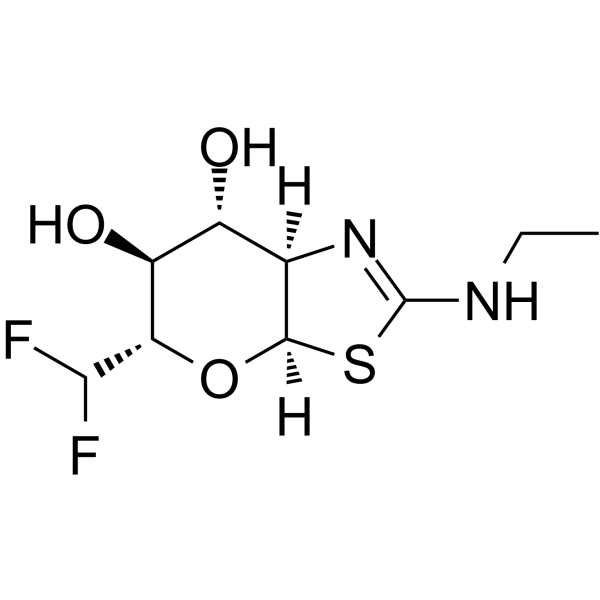
MK-8719 is a highly potent and selective O-GlcNAcase (OGA) inhibitor (Ki=7.9 nM for hOGA) with excellent CNS penetration .
|
-
-
- HY-100814
-
-
-
- HY-122280
-
-

-
- HY-101267
-
|
CHMFL-BMX 078
|
BMX Kinase
|
Cancer
|
|
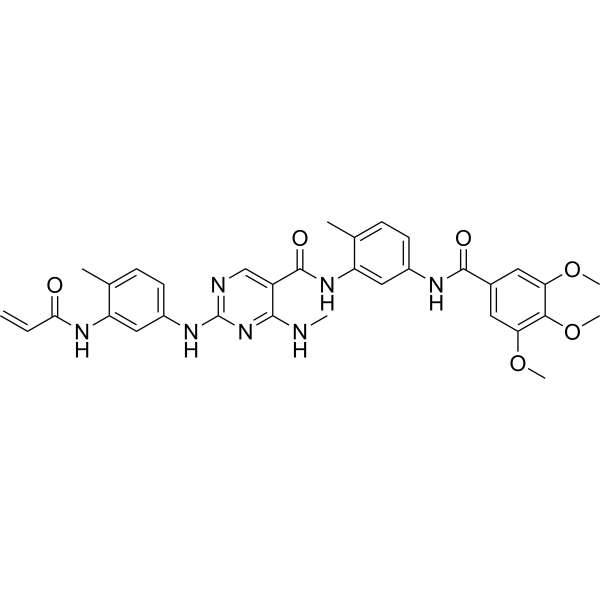
CHMFL-BMX-078 is a highly potent and selective type II irreversible BMX kinase inhibitor with an IC50 of 11 nM.
|
-
-
- HY-P1145A
-
|
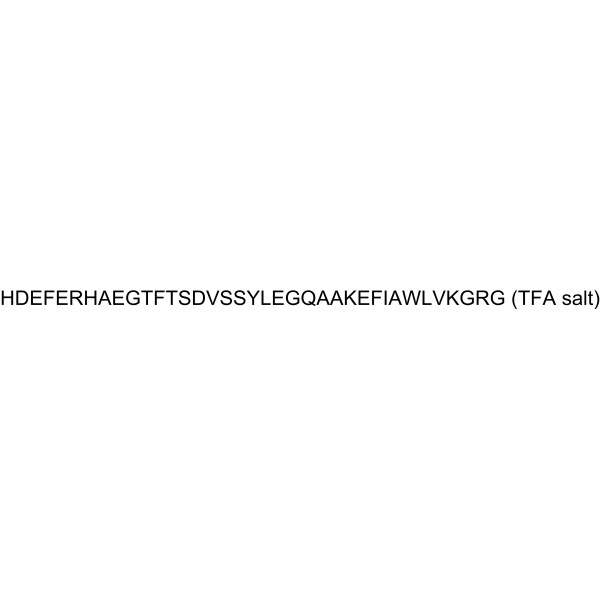
HuGLP-1 TFA
|
GCGR
|
Metabolic Disease
|
|
Glucagon-like peptide 1 (1-37), human (TFA) is a highly potent agonist of the GLP-1 receptor.
|
-
-
- HY-15530
-
-
-
- HY-155945
-
-
-
- HY-111110
-
-
-
- HY-112082
-
BAY885
1 Publications Verification
|
ERK
|
Cancer
|
|
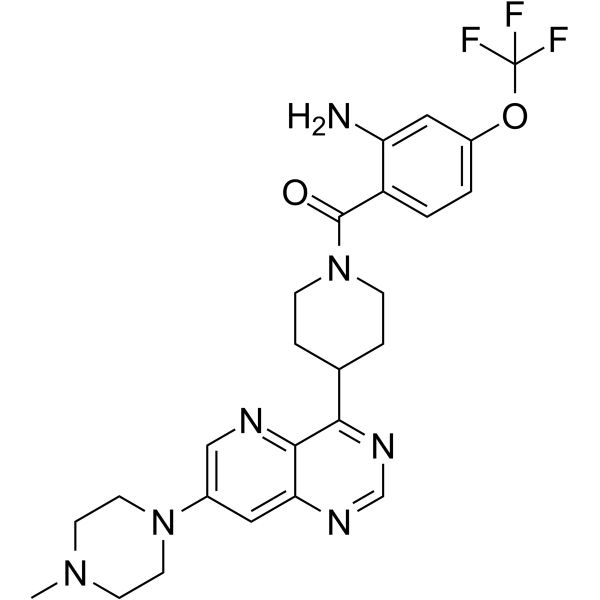
BAY885, a chemical probe, is a highly potent and selective ERK5 inhibitor with an IC50 of 35 nM. BAY885 shows weak inhibition on others kinases .
|
-
-
- HY-112113
-
|
SEL201-88; SEL-201
|
MNK
|
Cancer
|
|
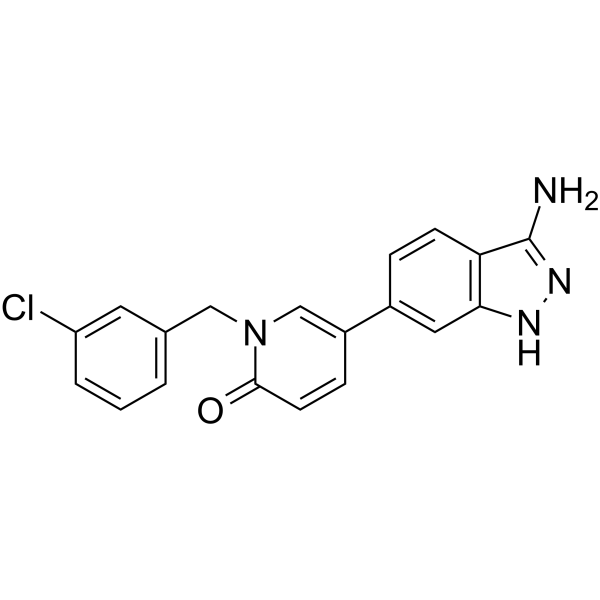
SLV-2436 is a highly potent and ATP-competitive inhibitor of MNK1 and MNK2 with IC50s of 10.8 nM and 5.4 nM, respectively.
|
-
-
- HY-W000357
-
|
|
Biochemical Assay Reagents
|
Others
|
|
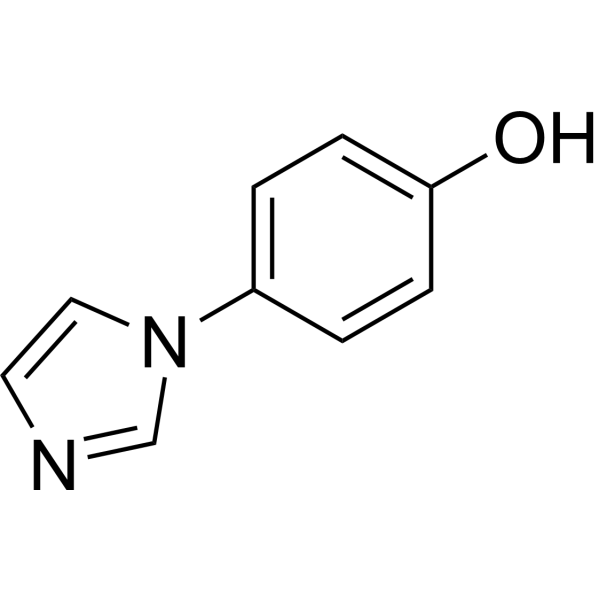
4-(Imidazol-1-yl)phenol is a highly potent signal enhancer in a horseradish peroxidase (HRP)-luminol chemiluminescence (CL) immunoassay .
|
-
-
- HY-50159
-
-
-
- HY-139648
-
-
-
- HY-111418
-
-
-
- HY-107735
-
-
-
- HY-112262
-
-
-
- HY-152092
-
|
|
MMP
|
Cancer
|
|
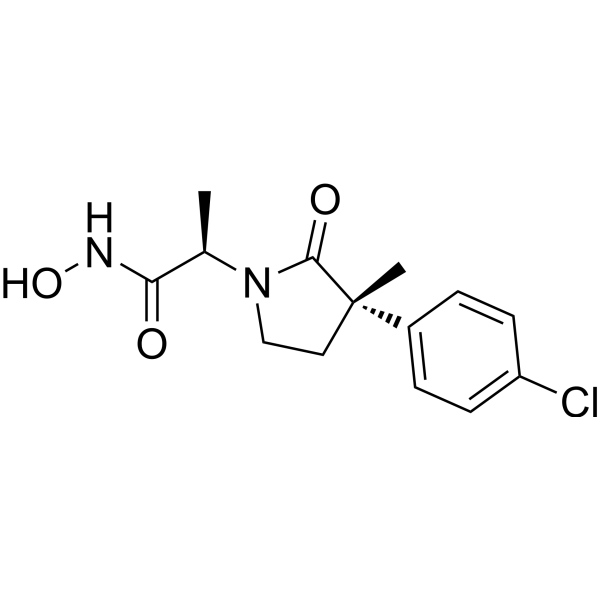
MMP-1-IN-1 (Compound 6) is a highly potent MMP-1 inhibitor with an IC50 of 0.034 μM .
|
-
-
- HY-16982
-
|
(-)-Cercosporamide
|
Fungal
MNK
PKC
|
Infection
Cancer
|
|
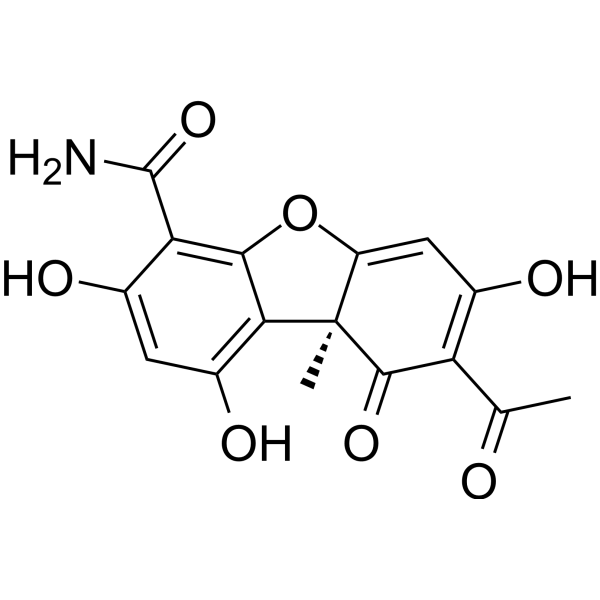
Cercosporamide is a highly potent, ATP-competitive PKC kinase inhibitor targeting to PKC1, with an IC50 of <50 nM and a Ki of <7 nM. Cercosporamide is a unique Mnk inhibitor.
|
-
-
- HY-18951
-
|
|
Btk
Apoptosis
|
Cancer
|
|
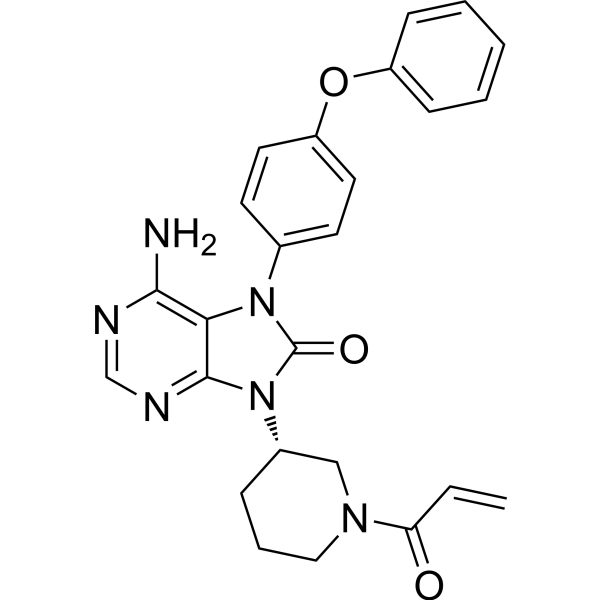
ONO-4059 analog is an analogue of ONO-4059, and ONO-4059 (HY-15771) is a highly potent and selective Btk inhibitor.
|
-
- HY-10036
-
-
- HY-50158
-
-
- HY-125879
-
-
- HY-130115
-
|
|
STING
|
Cancer
|
|
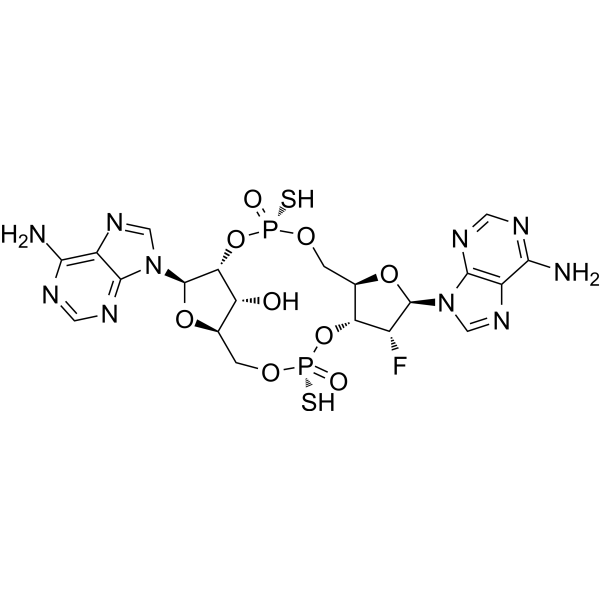
IACS-8803 is a highly potent cyclic dinucleotide STING agonist with robust systemic antitumor efficacy .
|
-
- HY-128351
-
-
- HY-100470
-
|
|
PI3K
mTOR
|
Cancer
|
|
NSC781406 is a highly potent PI3K and mTOR inhibitor with an IC50 of 2 nM for PI3Kα.
|
-
- HY-132857
-
|
|
PROTACs
|
Neurological Disease
|
|
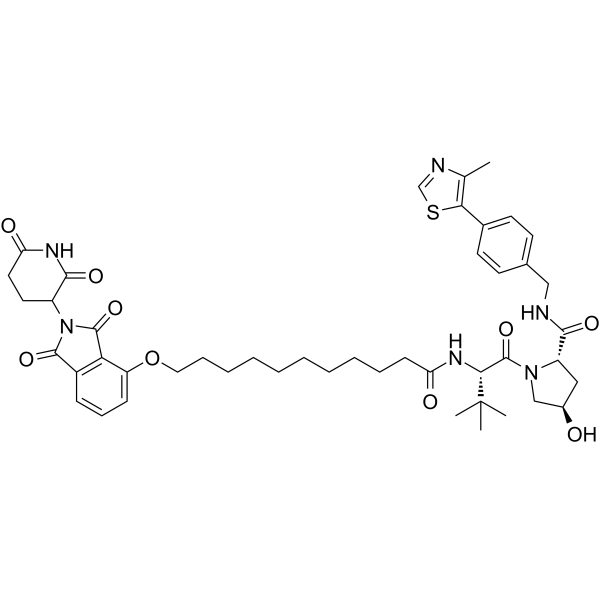
ZXH-4-130 is a highly potent and selective degrader of CRBN. ZXH-4-130 is a CRBN-VHL compound (hetero-PROTAC) .
|
-
- HY-107596
-
|
|
JNK
|
Others
|
|
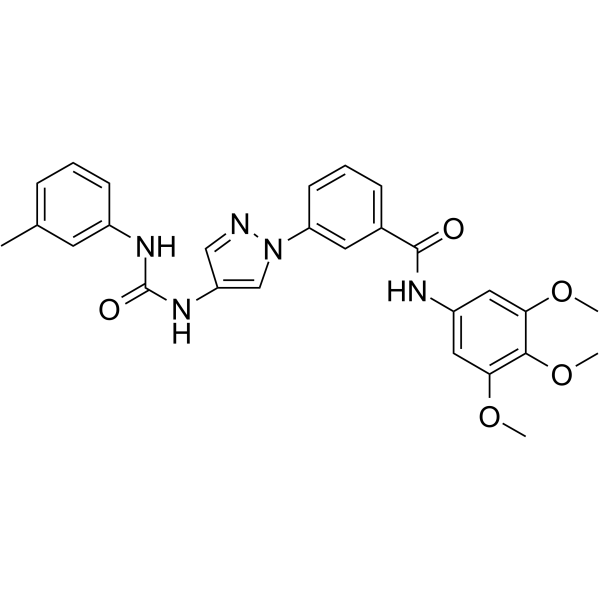
SR-3576 is a highly potent and selective JNK3 inhibitor with an IC50 of 7 nM .
|
-
- HY-133738
-
|
|
Epigenetic Reader Domain
|
Cancer
|
|
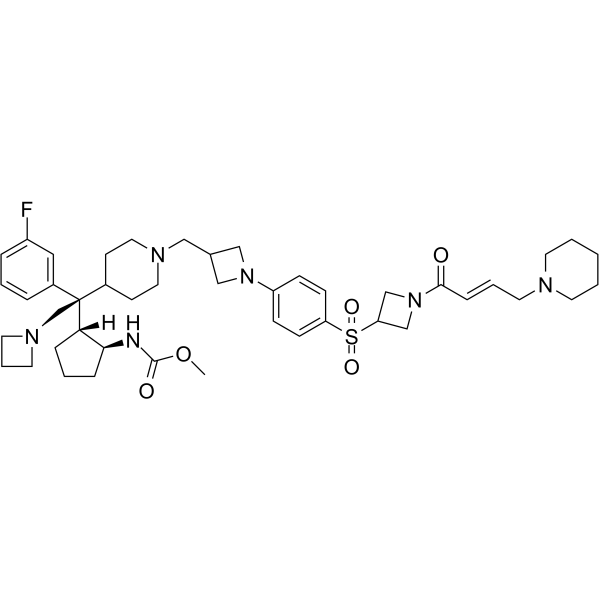
M-808 is a highly potent and efficacious covalent Menin-MLL interaction inhibitor, with a binding IC50 value of 2.6 nM .
|
-
- HY-155088
-
|
|
mGluR
|
Metabolic Disease
|
|
MK-8768 is a highly potent, orally bioavailable and selective class of mGluR2 negative allosteric modulator (IC50 of 9 .6nM) with excellent brain permeability.
|
-
- HY-100503
-
|
|
ADC Payload
|
Cancer
|
|
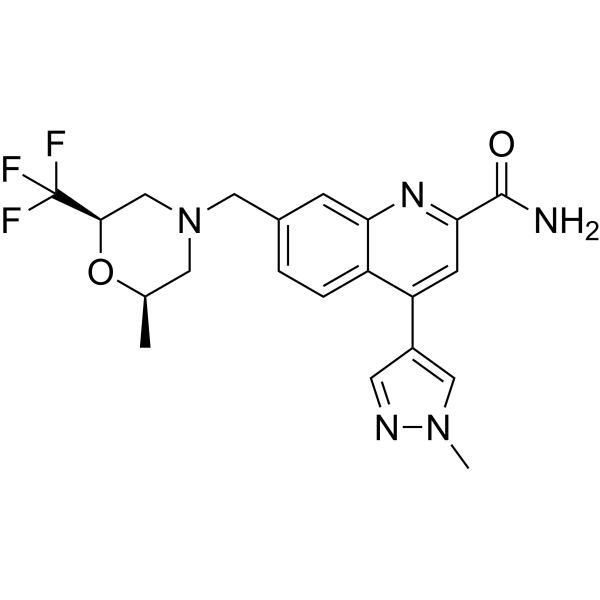
Maytansinoid DM4 is a thiol-containing maytansine derivative with highly potent cytotoxicity. Maytansinoid DM4 can be used as a cytotoxic moiety of ADC .
|
-

- HY-105117
-
-
- HY-15199
-
|
CEP-32496 hydrochloride; RXDX-105 hydrochloride
|
Raf
|
Cancer
|
|
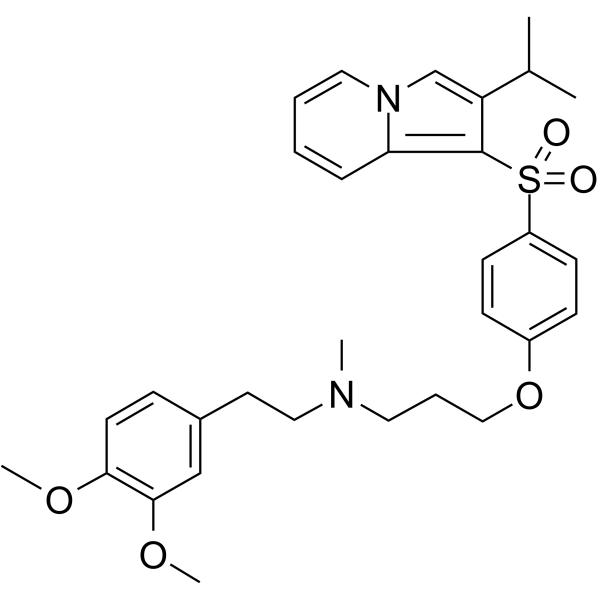
Agerafenib hydrochloride is a highly potent and orally efficacious inhibitor of BRAF V600E with a Kd of 14 nM.
|
-
- HY-115728
-
|
|
PROTACs
|
Cancer
|
|
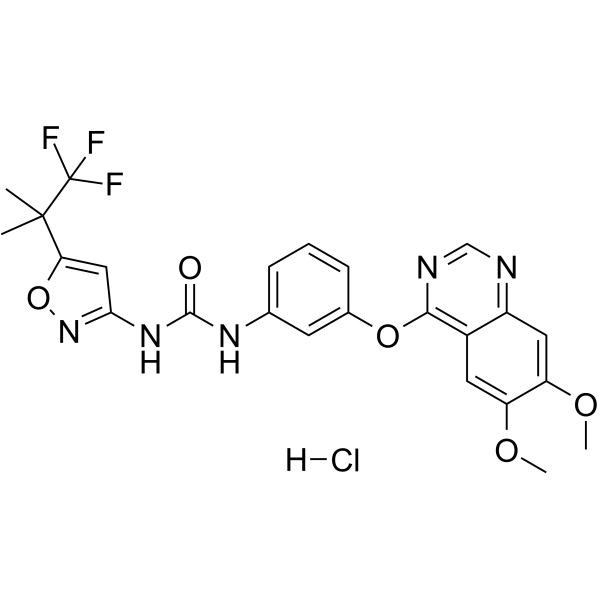
PROTAC CDK9 degrader-4 is a highly potent and efficacious CDK9 degrader for targeting transcription regulation.
|
-
- HY-145364
-
|
|
GHSR
|
Metabolic Disease
|
|
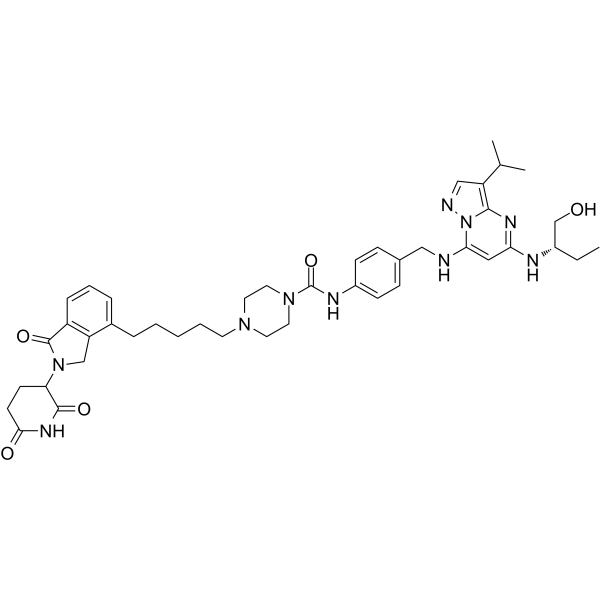
Ghrelin receptor full agonist-2 (compound 12j) is a highly potent Ghrelin receptor full agonist.
|
-
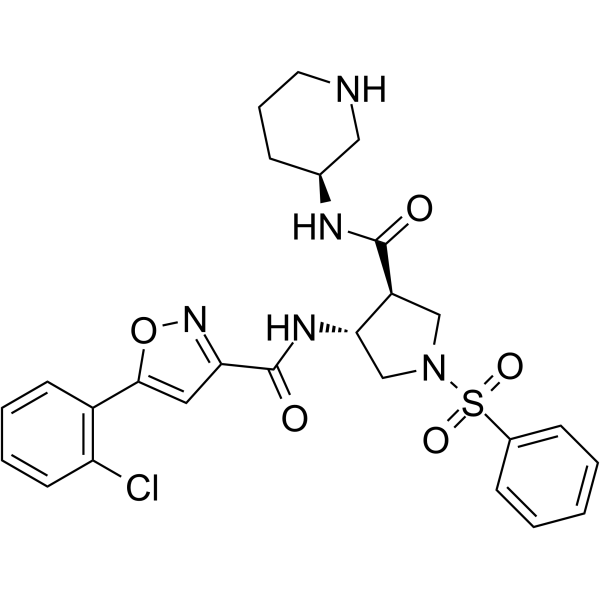
- HY-130116
-
|
|
STING
|
Cancer
|
|
IACS-8779 is a highly potent stimulator of interferon genes (STING) agonist with robust systemic antitumor efficacy .
|
-
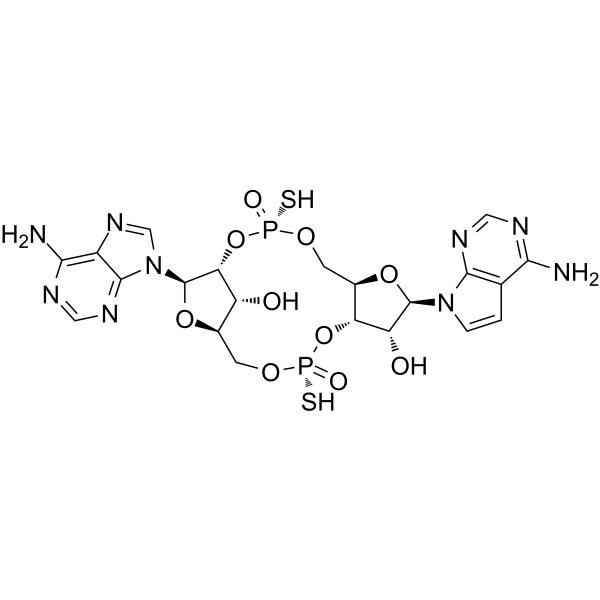
- HY-134482
-
-
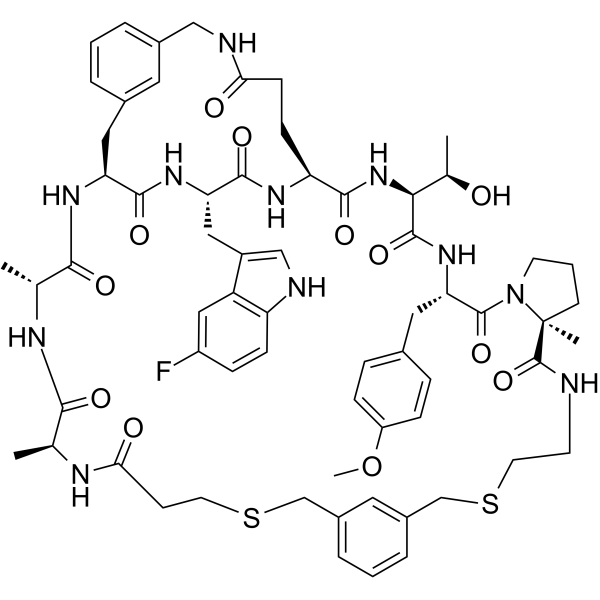
- HY-126134
-
-
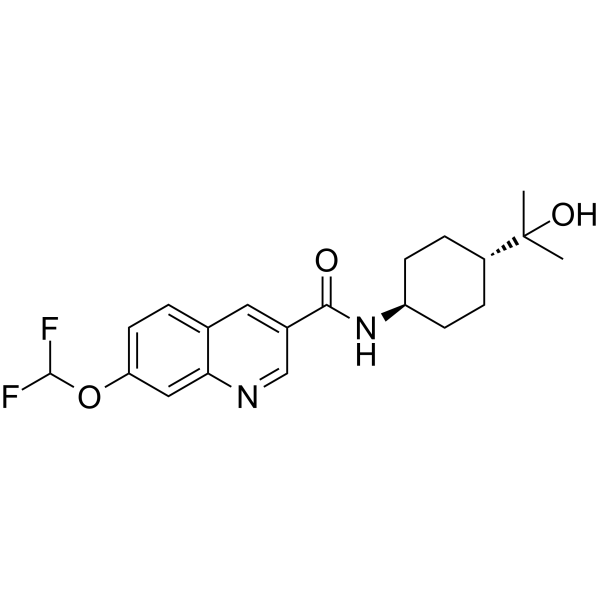
- HY-126332
-
|
|
Arginase
|
Metabolic Disease
|
|
NED-3238 is a highly potent arginase I and II inhibitor with IC50 values of 1.3 nM and 8.1 nM, respectively .
|
-

- HY-10268S
-
|
PRT054021-d6
|
Factor Xa
|
Cardiovascular Disease
|
|
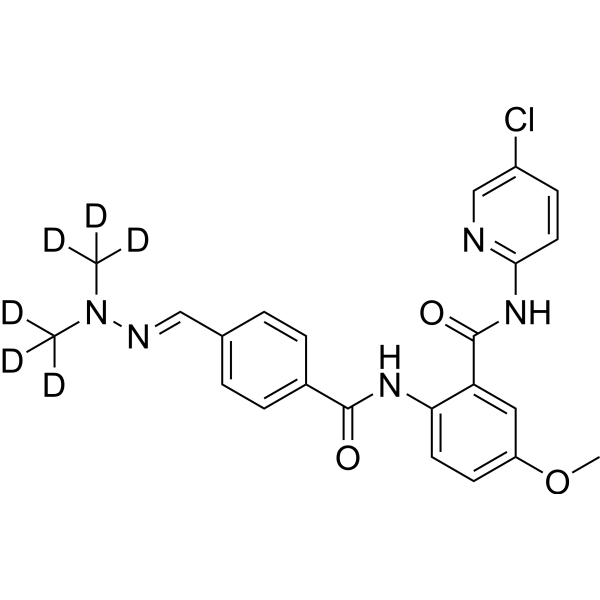
Betrixaban-d6 is a deuterium labeled Betrixaban. Betrixaban is a highly potent, selective, and orally efficacious factor Xa (fXa) inhibitor .
|
-
- HY-130115B
-
|
|
STING
|
Cancer
|
|
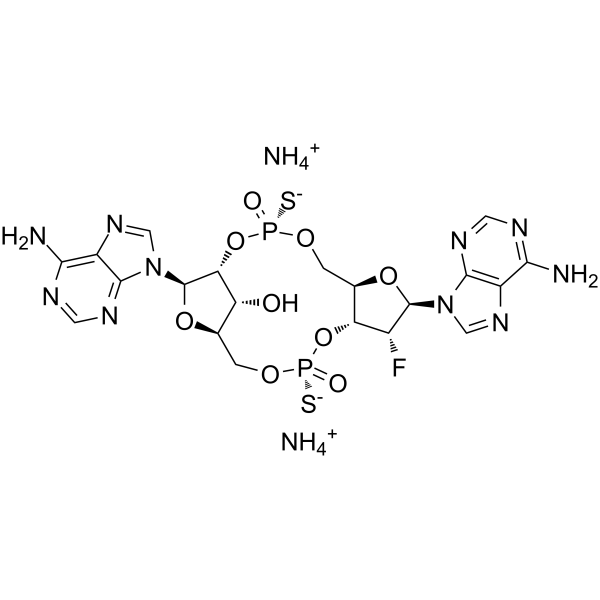
IACS-8803 diammonium is a highly potent cyclic dinucleotide STING agonist. IACS-8803 diammonium has a robust systemic antitumor efficacy .
|
-
- HY-P3547
-
|
|
Opioid Receptor
|
Others
|
|
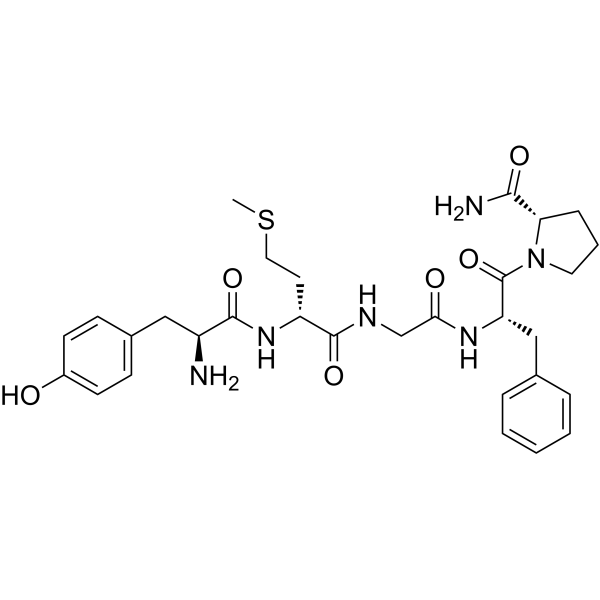
(D-Met2,Pro5)-Enkephalinamide is a highly potent opiate agonist, and shows antinociceptive activity .
|
-
- HY-10268B
-
|
PRT054021 hydrochloride
|
Factor Xa
|
Cardiovascular Disease
|
|
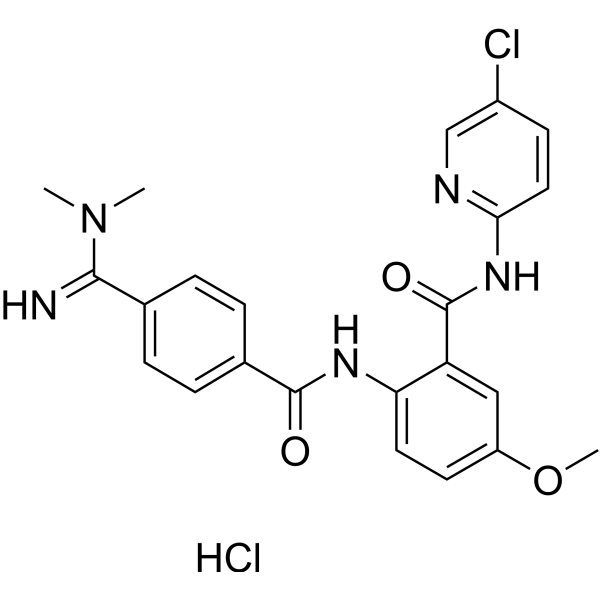
Betrixaban (PRT054021) hydrochloride is a highly potent, selective, and orally efficacious factor Xa (fXa) inhibitor with an IC50 of 1.5 nM. Betrixaban hydrochloride shows antithrombotic effect .
|
-
- HY-111368
-
|
|
MEK
|
Cancer
|
|
EBI-1051 is a highly potent and orally efficacious MEK inhibitor with an IC50 of 3.9 nM.
|
-
- HY-153782
-
|
|
HIV
|
Infection
|
|
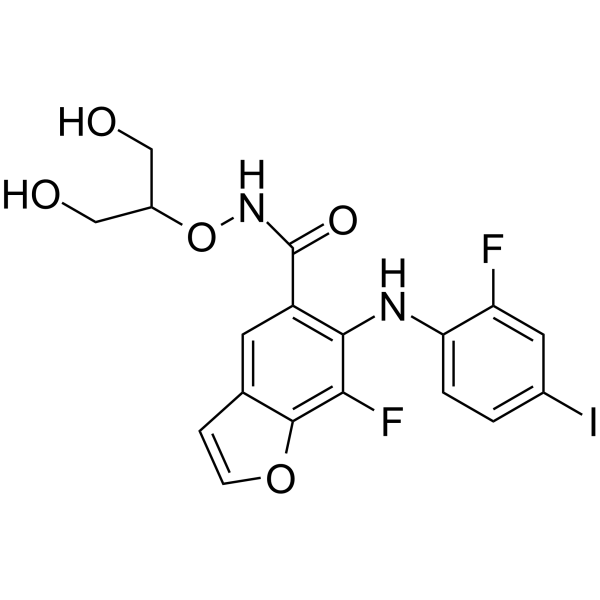
GSK878 is a highly potent, long-acting HIV-1 inhibitor with the EC50 of 39 pM .
|
-

- HY-112907
-
|
|
RIP kinase
|
Inflammation/Immunology
|
|
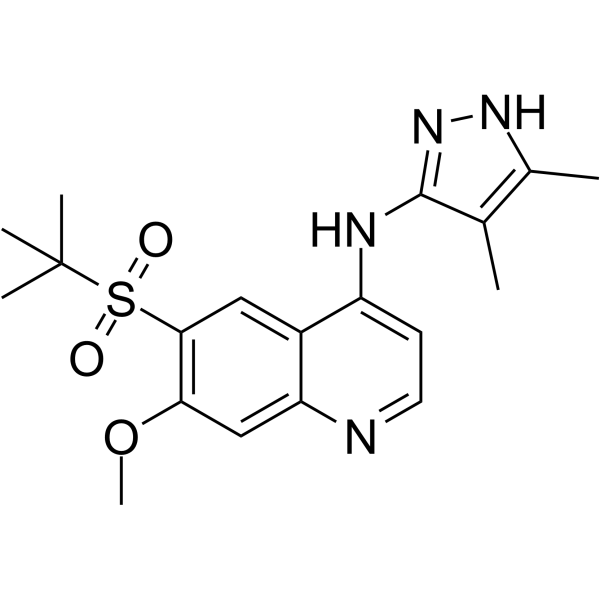
RIP2 Kinase Inhibitor 3 is a highly potent and selective inhibitor of receptor interacting protein-2 (RIP2) Kinase with an IC50 of 1 nM .
|
-
- HY-10284R
-
-

- HY-149606
-
|
|
SARS-CoV
|
Infection
|
|
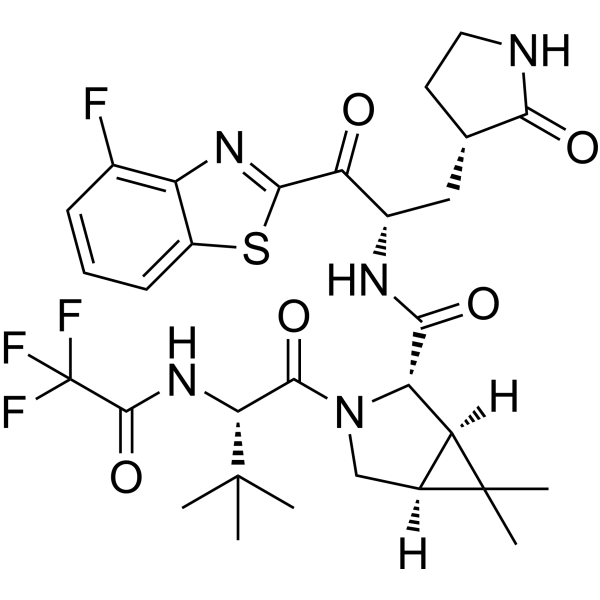
TKB245 is a highly potent SARS-CoV-2 Mpro inhibitor that effectively blocks SARS-CoV-2 replication in VeroE6 cells .
|
-
- HY-168982
-
|
|
FLT3
IRAK
|
Cancer
|
|
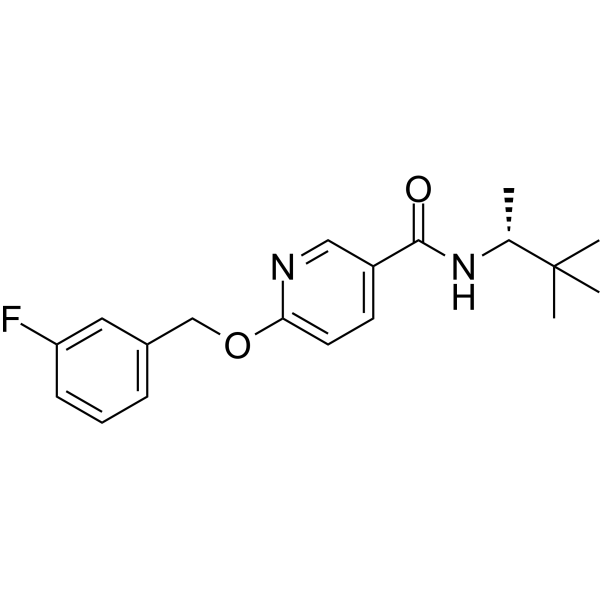
Lomonitinib is a highly potent and selective pan-FLT3/IRAK4 inhibitor with antitumor activity. Lomonitinib is promising for research of myeloid leukemia .
|
-

- HY-116067
-
-
- HY-P1331
-
-

- HY-168145
-
|
|
MAGL
|
Cancer
|
|
MAGL-IN-19 (compund 7o) is a highly potent and selective MAGL inhibitor .
|
-

- HY-105192
-
-
- HY-U00063
-
-
- HY-19191
-
-
- HY-105117R
-
|
SR 33557 (Standard)
|
Reference Standards
Calcium Channel
Parasite
|
Infection
|
|
Fantofarone (Standard) is the analytical standard of Fantofarone. This product is intended for research and analytical applications. Fantofarone is a highly potent Calcium Channel antagonist.
|
-

- HY-132880
-
|
|
PI3K
|
Cancer
|
|
GSK251 is a highly potent, highly selective, orally bioavailable inhibitor of PI3Kδ with a novel binding mode.
|
-
- HY-112081A
-
|
|
DNA/RNA Synthesis
|
Others
|
|
BAY-707 acetate is a highly potent and selective substrate-competitive inhibitor of MTH1 with superior cellular target engagement and pharmacokinetic properties.
|
-

- HY-149778
-
|
|
Fungal
|
Infection
|
|
Antifungal agent 87(10) acts as a highly potent PDT antimycotic photosensitizer (PDT-IC50 = 1 nM for T. rubrum) .
|
-
- HY-B0515AS1
-
|
|
Apoptosis
Isotope-Labeled Compounds
|
Cancer
|
|
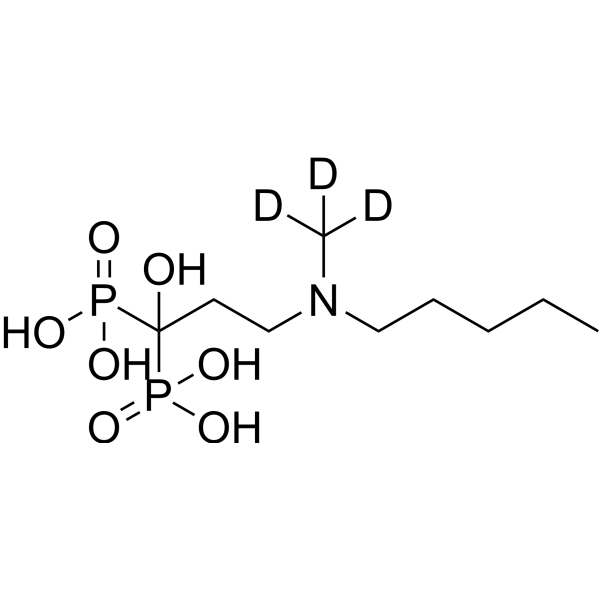
Ibandronic acid-d3 is the deuterium labeled Ibandronic acid. Ibandronic acid is a highly potent nitrogen-containing bisphosphonate used for the treatment of osteoporosis.
|
-
- HY-171234
-
-

- HY-149725
-
|
|
MMP
|
Neurological Disease
|
proMMP-9 selective inhibitor-1 (compound 33) is a highly potent and selective inhibitor of proMMP-9 activation .
|
-
- HY-B0515AS
-
|
|
Apoptosis
Isotope-Labeled Compounds
|
Cancer
|
|
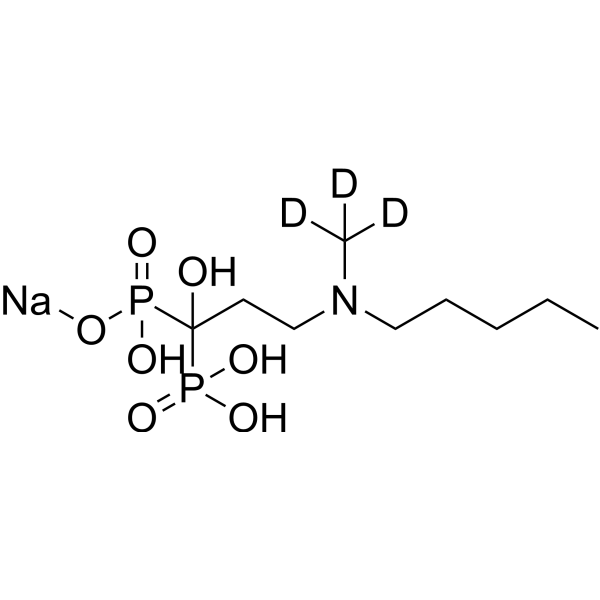
Ibandronic Acid-d3 (sodium) is the deuterium labeled Ibandronic acid. Ibandronic acid is a highly potent nitrogen-containing bisphosphonate used for the treatment of osteoporosis[1][2].
|
-
- HY-105315
-
|
|
Prostaglandin Receptor
|
Endocrinology
|
|
AFP-07 is a derivative of 7, 7-difluoroprostacyclic and is a highly potent and selective prostacyclin receptor IP receptor agonist with a Ki value of 0.561 nM .
|
-

- HY-123672S
-
-
- HY-147931
-
|
|
Enteropeptidase
|
Metabolic Disease
|
|
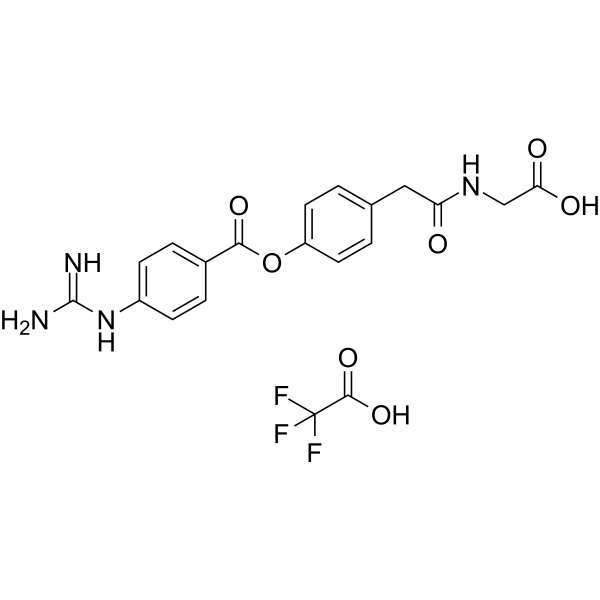
Human enteropeptidase-IN-2 (compound 1c) is a highly potent enteropeptidase inhibitor. Human enteropeptidase-IN-2 can be used for anti-obesity research .
|
-
- HY-P4008
-
|
dVDAVP
|
Vasopressin Receptor
|
Endocrinology
|
|
[Deamino-4-valine, 8-D-arginine]-Vasopressin (dVDAVP) is a highly potent and specific antidiuretic agent possessing protracted effects .
|
-
![[Deamino-4-valine, 8-D-arginine]-Vasopressin](//file.medchemexpress.com/product_pic/hy-p4008.gif)
- HY-116481
-
-

- HY-171335
-
-

- HY-111970
-
|
|
IKK
|
Inflammation/Immunology
Cancer
|
|
SAR113945 (compound 1) is a highly potent IKK-β inhibitor with an IC50 of 0.4 nM. SAR113945 is used for research on inflammatory and cancerous diseases .
|
-

- HY-115867
-
|
|
Epigenetic Reader Domain
|
Cancer
|
|
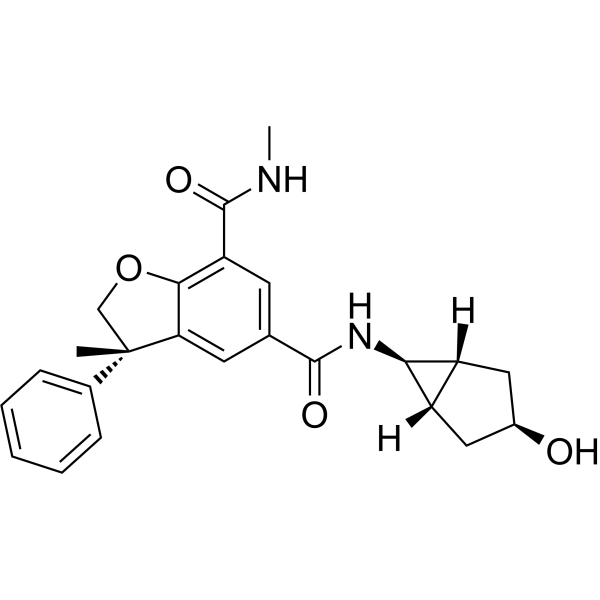
GSK852 is a highly potent, second bromodomain (BD2)-selective, bromo and extra-terminal domain (BET) inhibitor (pIC50 = 7.9).
|
-
- HY-128356
-
|
|
CD74
|
Inflammation/Immunology
|
|
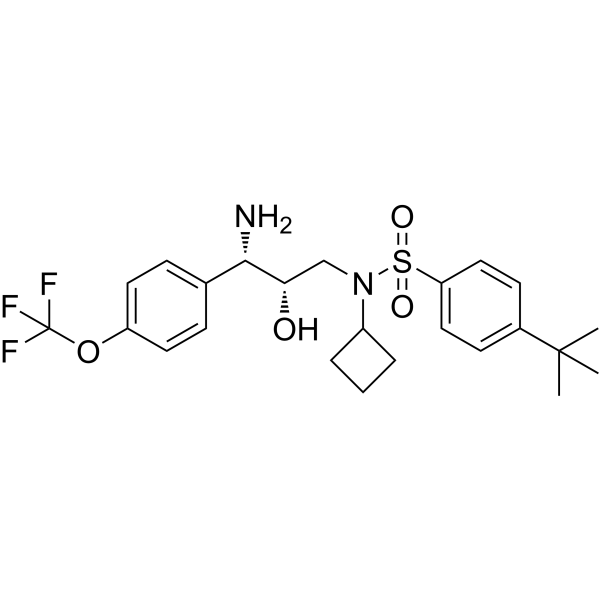
SPL-410 is an orally active, highly potent and selective hydroxyethylamine based SPPL2a (Signal Peptide Peptidase Like 2a) inhibitor, with an IC50 of 9 nM .
|
-
- HY-129293
-
|
|
Prostaglandin Receptor
|
Endocrinology
|
|
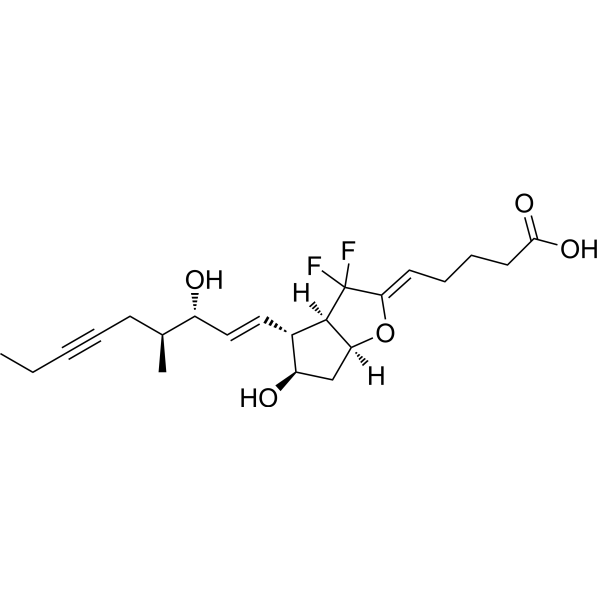
AFP-07 free acid is a derivative of 7, 7-difluoroprostacyclic and is a highly potent and selective prostacyclin receptor IP receptor agonist with a Ki value of 0.561 nM .
|
-
- HY-10268A
-
|
PRT054021 maleate
|
Factor Xa
|
Cardiovascular Disease
|
|
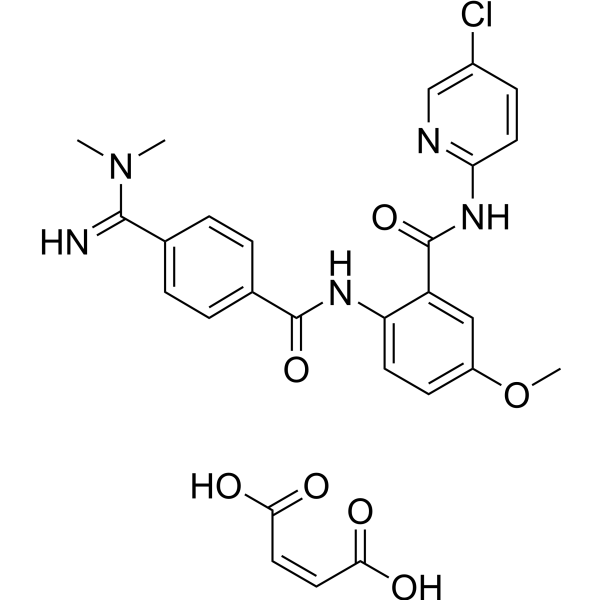
Betrixaban (PRT054021) maleate is a highly potent, selective, and orally efficacious factor Xa (fXa) inhibitor with an IC50 of 1.5 nM. Betrixaban maleate shows antithrombotic effect .
|
-
- HY-14894A
-
|
|
SGLT
|
Metabolic Disease
|
|
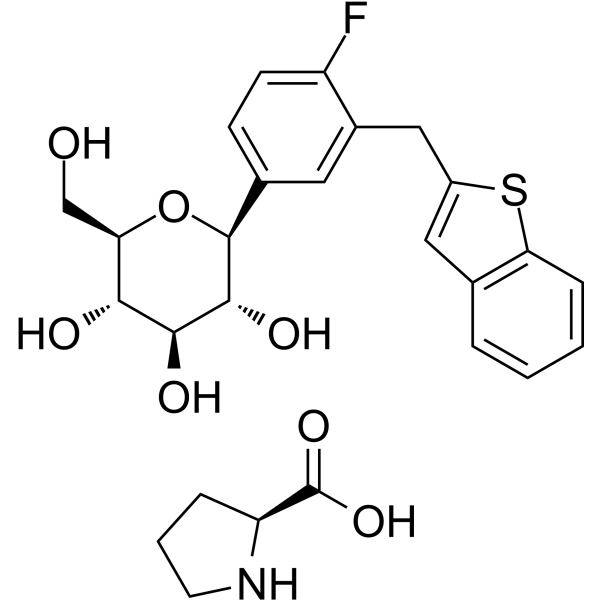
Ipragliflozin (L-Proline) is a highly potent and selective SGLT2 inhibitor with an IC50 of 2.8 nM; little and NO potency for SGLT1/3/4/5/6.
|
-
- HY-111594
-
|
|
PROTACs
|
Cancer
|
|
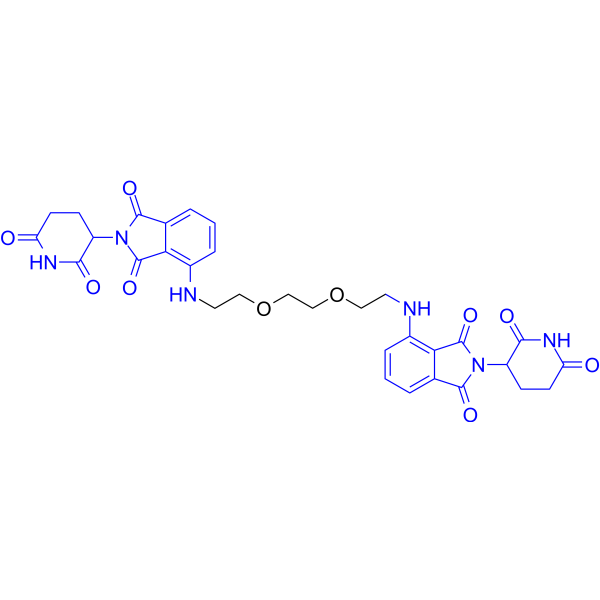
Homo-PROTAC cereblon degrader 1 (compound 15a) is a highly potent and efficient Cereblon (CRBN) degrader with only minimal effects on IKZF1 and IKZF3 .
|
-
- HY-117154
-
INH154
3 Publications Verification
|
NEKs
|
Cancer
|
|
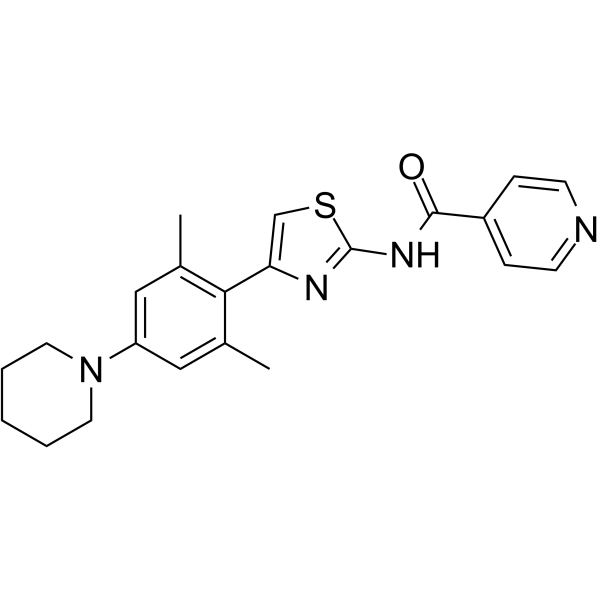
INH154 is a highly potent inhibitor for Nek2 and Hec1 binding (INH), with IC50s of 200 nM and 120 nM for INH in Hela and MB468 cells.
|
-
- HY-14975
-
|
|
p38 MAPK
Autophagy
|
Cancer
|
|
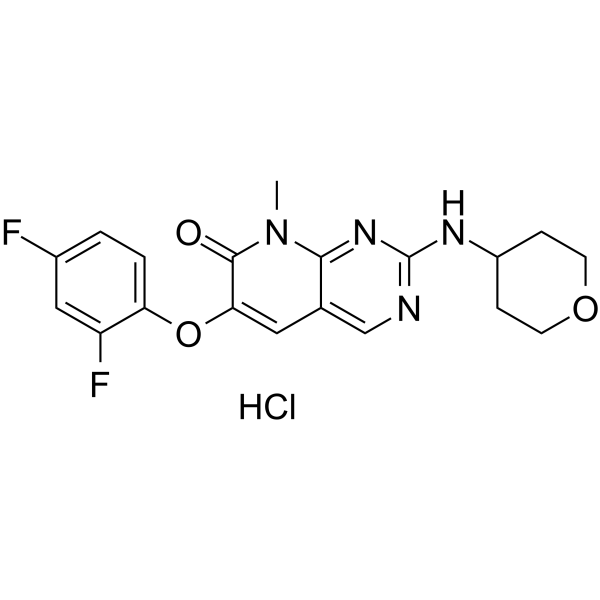
R1487 Hydrochloride is a highly potent and selective p38α inhibitor, with Kd values of 0.2 nM and 29 nM for p38α and p38β, respectively .
|
-
- HY-133555
-
|
|
mGluR
|
Neurological Disease
|
|
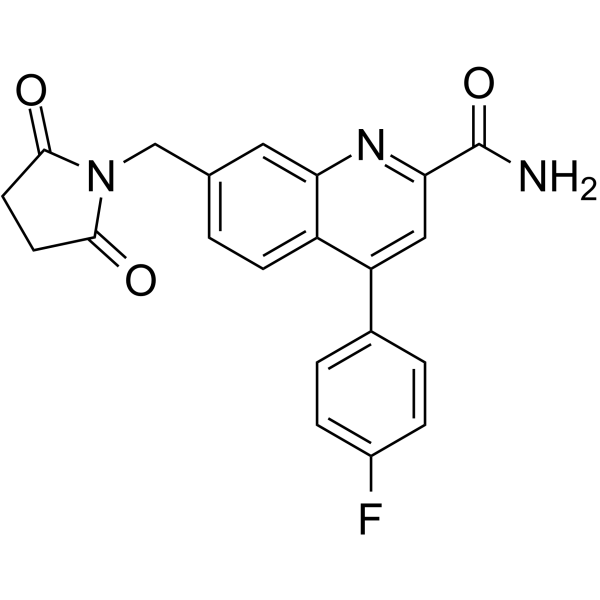
mGluR2 antagonist 1 is a highly potent, orally bioavailable and selective class of mGluR2 negative allosteric modulator (IC50 of 9 nM) with excellent brain permeability .
|
-
- HY-144319
-
|
|
HBV
|
Infection
|
|
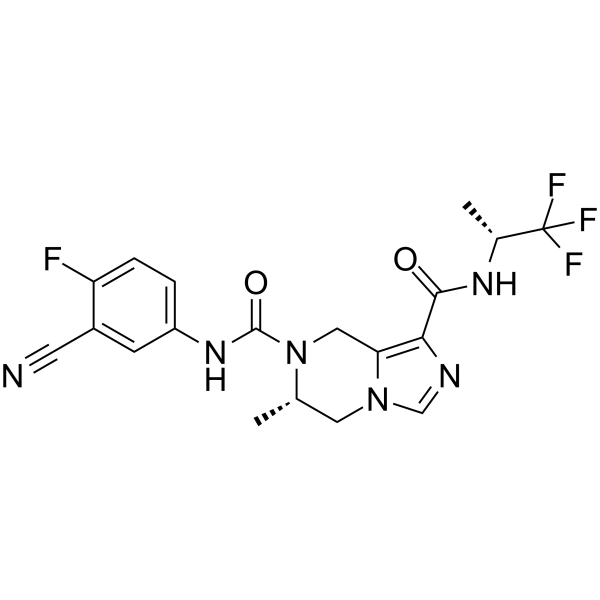
SHR5133 is a highly potent, orally active HBV capsid assembly modulator. SHR5133 displays HBV DNA reduction (EC50=26.6 nM) .
|
-
- HY-10013B
-
|
MK0364 (1R,2R)stereoisomer
|
Cannabinoid Receptor
|
Others
|
|
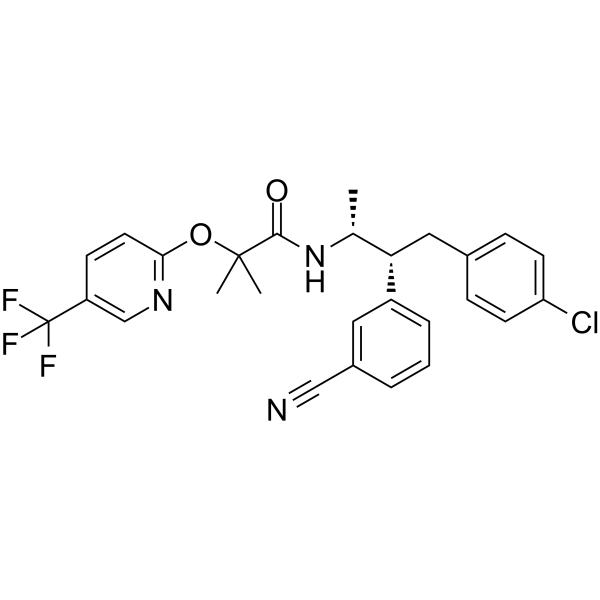
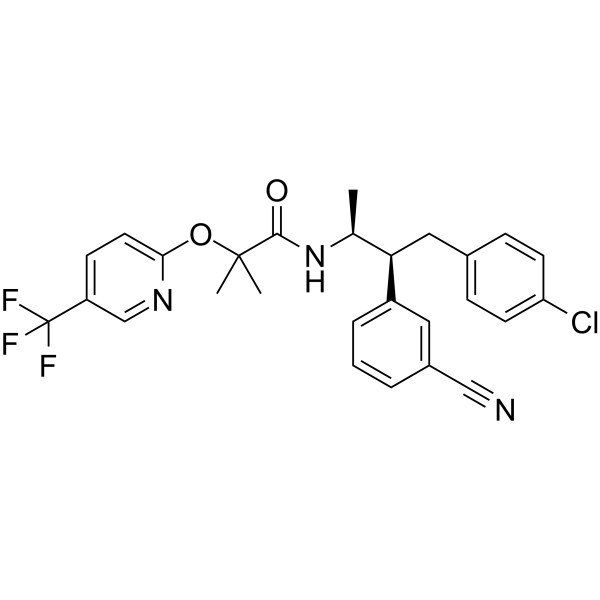
Taranabant (1R,2R)stereoisomer is the R-enantiomer of Taranabant. Taranabant is a highly potent and selective cannabinoid 1 (CB1) receptor inverse agonist.
|
-
- HY-12857S
-
-
- HY-B0790
-
|
|
NEKs
Apoptosis
|
Cancer
|
|
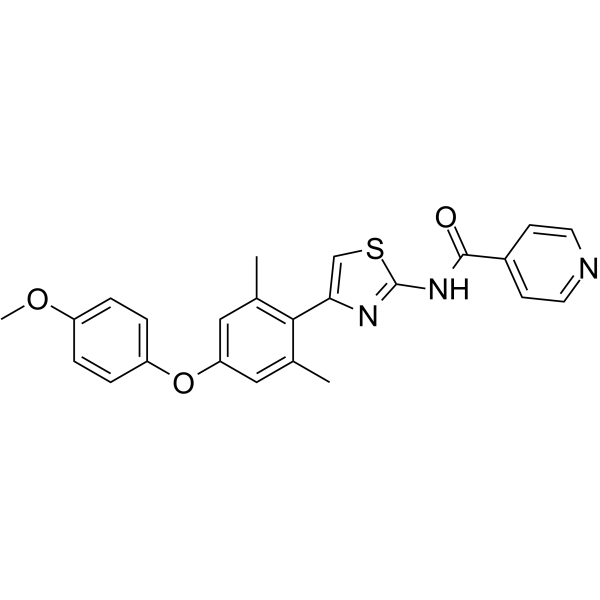
TAI-1, an orally active anticancer agent, is a highly potent first-in-class Hec1 inhibitor, with a GI50 of 13.48 nM in K562 cells .
|
-
- HY-101473A
-
|
|
Integrin
|
Cancer
|
|
EMD527040 (hydrochloride) is a highly potent and selective αvβ6 antagonist with anti-fibrotic activity. EMD527040 (hydrochloride) is used in the research of liver cancer and liver fibrosis .
|
-

- HY-13500R
-
|
|
Histone Methyltransferase
Autophagy
|
Cancer
|
|
GSK343 (Standard) is the analytical standard of GSK343. This product is intended for research and analytical applications. GSK343 is a highly potent and selective EZH2 inhibitor with an IC50 of 4 nM.
|
-

- HY-12981
-
-
- HY-15426
-
|
|
Phosphodiesterase (PDE)
|
Cancer
|
|
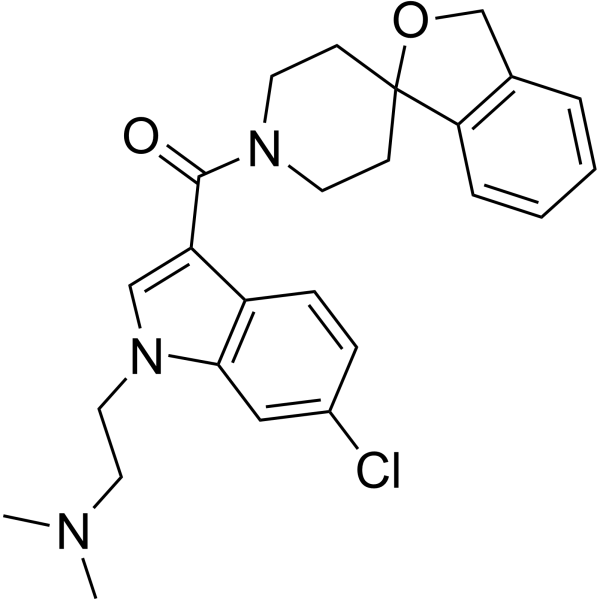
PF-04957325 is a highly potent and selective PDE8 inhibitor, with IC50s of 0.7 nM and 0.3 nM for PDE8A and PDE8B, respectively.
|
-
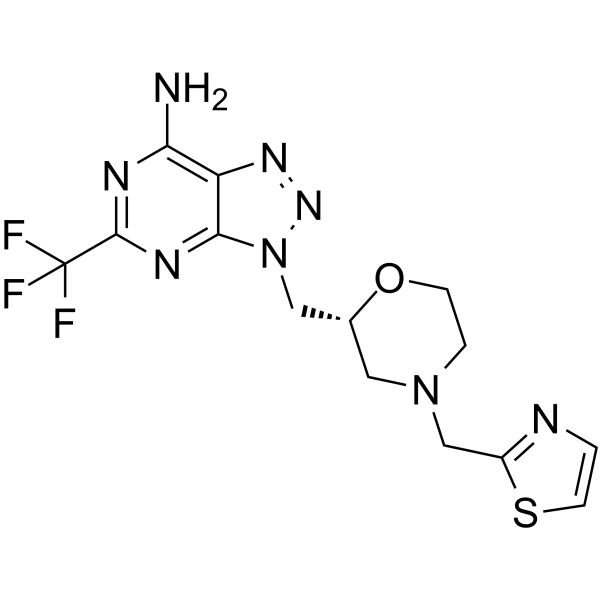
- HY-B0202S1
-
-
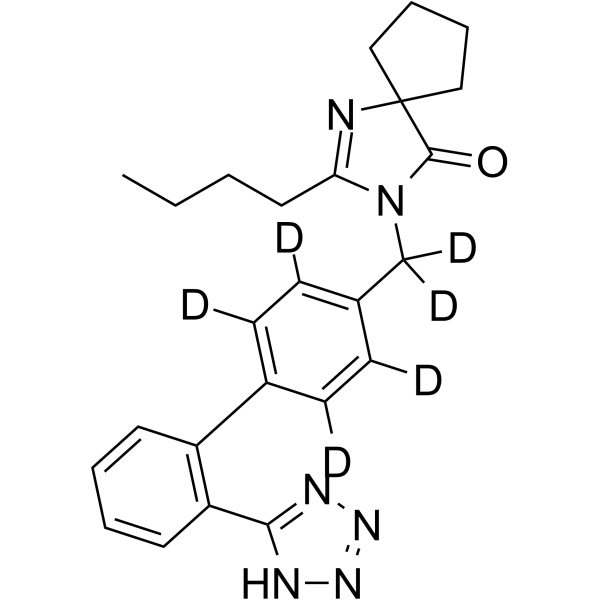
- HY-13990
-
|
TNKS656
|
PARP
Apoptosis
|
Cancer
|
|
NVP-TNKS656 is a highly potent, selective, and orally active TNKS2 inhibitor with IC50 of 6 nM, and is > 300 fold selectivity against PARP1 and PARP2.
|
-
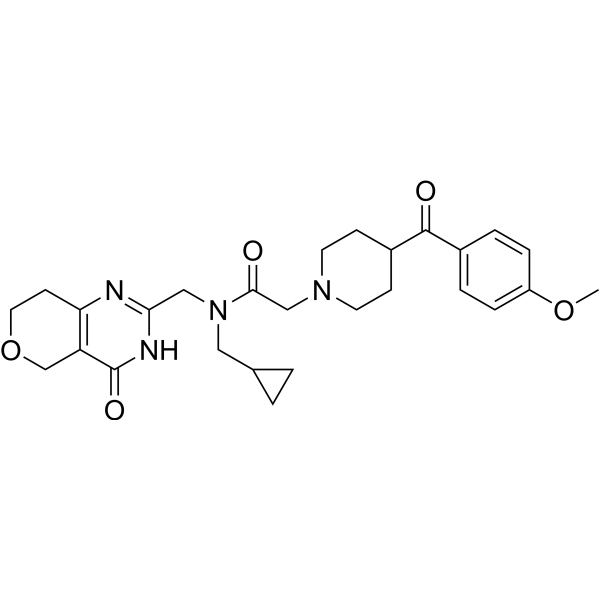
- HY-117819
-
|
|
ROR
|
Inflammation/Immunology
|
|
TMP920 is a highly potent and selective RORγt antagonist. TMP920 inhibits RORγt binding to the SRC1 peptide with an IC50 of 0.03 μM .
|
-
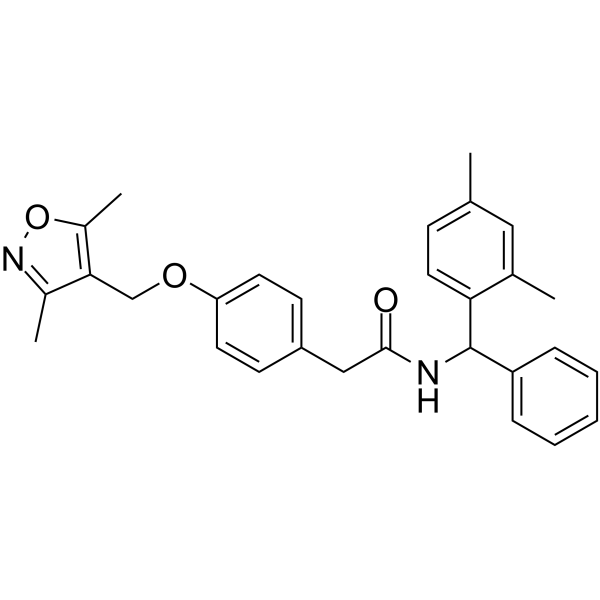
- HY-111409
-
|
|
RIP kinase
|
Inflammation/Immunology
|
|
RIP1 kinase inhibitor 1 (compound 22) is a highly potent, orally available, and brain-penetrating RIP1 kinase inhibitor (pKi=9.04) .
|
-
- HY-109588
-
|
|
Bacterial
|
Infection
|
|
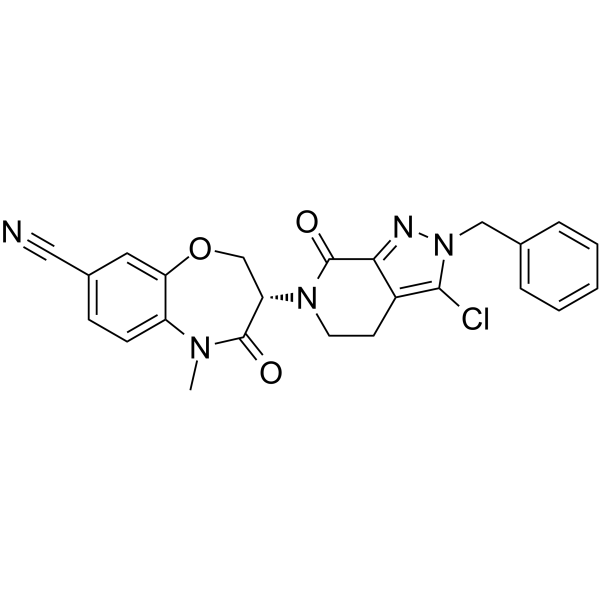
NITD-349 is an MmpL3 inhibitor that shows highly potent anti-mycobacterial activity with MIC50 of 23 nM against virulent Mycobacterium tuberculosis H37Rv.
|
-
- HY-15605
-
|
LGX818
|
Raf
|
Cancer
|
|
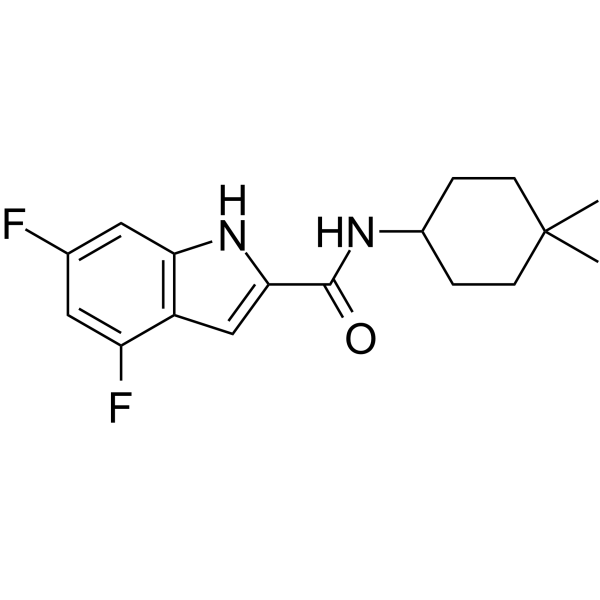
Encorafenib (LGX818) is a highly potent BRAF inhibitor with selective anti-proliferative and apoptotic activity in cells expressing BRAF V600E (EC50=4 nM).
|
-
- HY-138871
-
-

- HY-105183
-
|
|
Endothelin Receptor
|
Others
|
|
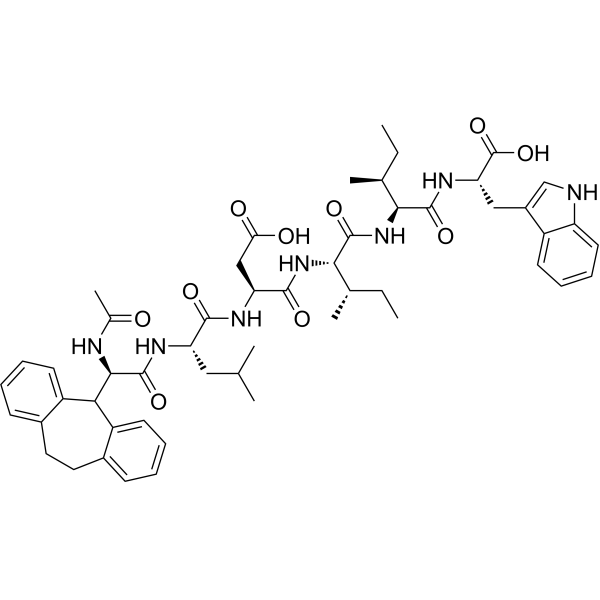
PD 145065 is a highly potent but non-selective endothelin receptor antagonist with an IC50 value of 4 nM for the ETA receptor for rabbit renal artery vascular smooth muscle cells .
|
-
- HY-16733R
-
|
RDEA3170 (Standard)
|
URAT1
Reference Standards
|
Metabolic Disease
|
|
Verinurad (Standard) is the analytical standard of Verinurad. This product is intended for research and analytical applications. Verinurad (RDEA3170) is a highly potent and specific URAT1 inhibitor with an IC50 of 25 nM .
|
-

- HY-100471R
-
|
CS-3150 (Standard); XL-550 (Standard)
|
Reference Standards
Mineralocorticoid Receptor
|
Cardiovascular Disease
|
|
Esaxerenone (Standard) is the analytical standard of Esaxerenone. This product is intended for research and analytical applications. Esaxerenone (CS-3150) is a highly potent and selective non-steroidal mineralocorticoid receptor antagonist .
|
-

- HY-149285
-
|
|
HDAC
|
Neurological Disease
|
|
NT160 is a highly potent class-IIa HDAC inhibitor with an IC50 value of 0.046 μM. NT160 can be used for the research of central nervous system diseases .
|
-
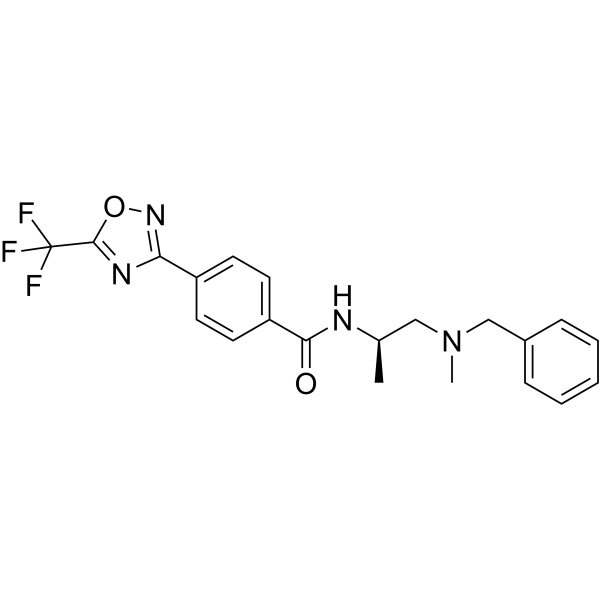
- HY-10284S5
-
-

- HY-137371R
-
|
|
Reference Standards
Bacterial
Apoptosis
Antibiotic
|
Infection
Cancer
|
|
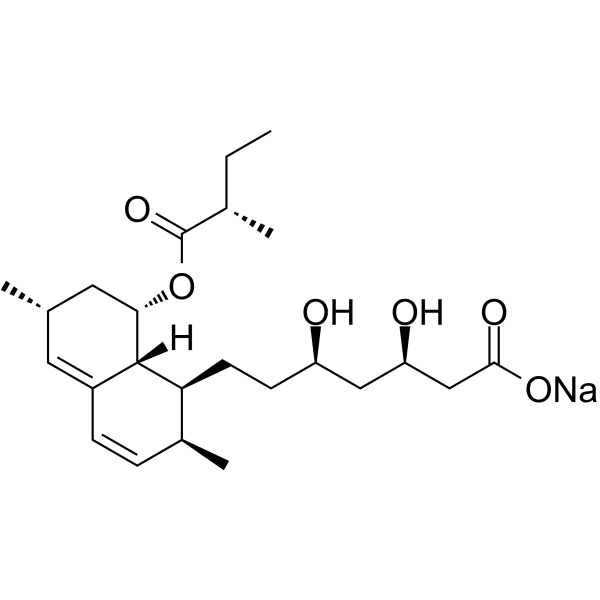
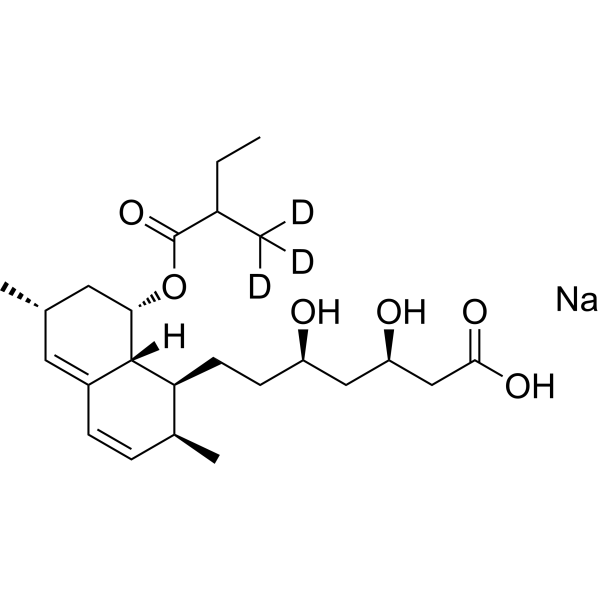
Lovastatin hydroxy acid (sodium) (Standard) is the analytical standard of Lovastatin hydroxy acid (sodium). This product is intended for research and analytical applications. Lovastatin hydroxy acid sodium (Mevinolinic acid sodium) is a highly potent inhibitor of HMG-CoA reductase with a Ki of 0.6 nM .
|
-

- HY-12176B
-
|
CGP 60536 fumarate; CGP60536B fumarate; SPP 100 fumarate
|
Renin
Autophagy
|
Cardiovascular Disease
Cancer
|
|
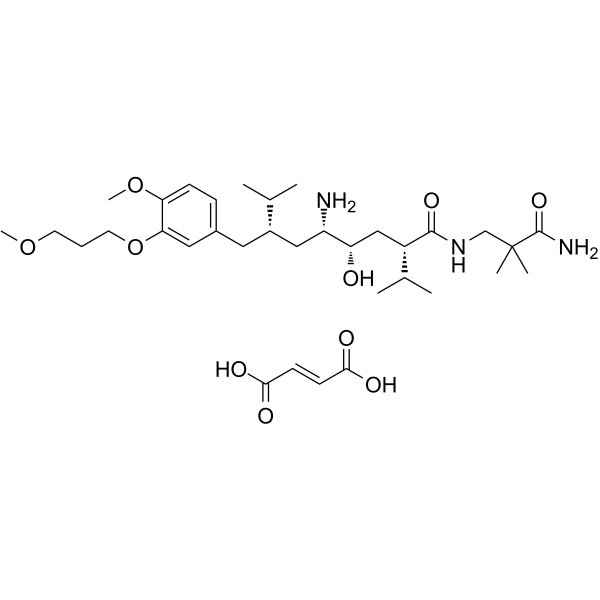
Aliskiren fumarate is an orally active, highly potent and selective renin inhibitor, with IC50 of 1.5 nM. Aliskiren fumarate can be used for the research of hypertension, cardiovascular diseases and cancer cachexia .
|
-
- HY-107677
-
|
|
nAChR
|
Neurological Disease
|
|
A 844606 is a highly potent and selective α4β2 nAChR agonist. A 844606 can be used in the study of schizophrenia, Huntington's disease, Alzheimer's disease, and Parkinson's disease .
|
-

- HY-103028A
-
GSK963
1 Publications Verification
|
RIP kinase
|
Others
|
|
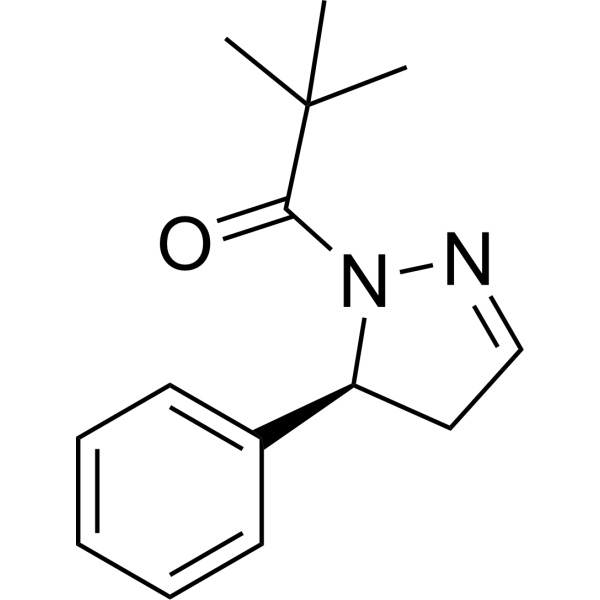
GSK963 is a chiral, highly potent and selective inhibitor of RIP1 kinase, with an IC50 of 29 nM. GSK963 is a selective and potent inhibitor of necroptosis in murine and human cells in vitro .
|
-
- HY-177508
-
|
|
Cholecystokinin Receptor
|
Neurological Disease
|
|
BC264 is a highly potent and selective CCK-B agonist that crosses the blood-brain barrier. BC264 increases dopamine in the nucleus accumbens and facilitates motivation and attention in rats .
|
-

- HY-123672R
-
|
Mevinolinic acid sodium (Standard)
|
Reference Standards
HMG-CoA Reductase (HMGCR)
|
Metabolic Disease
|
|
Lovastatin hydroxy acid (sodium) (Standard) is the analytical standard of Lovastatin hydroxy acid (sodium). This product is intended for research and analytical applications. Lovastatin hydroxy acid sodium (Mevinolinic acid sodium) is a highly potent inhibitor of HMG-CoA reductase with a Ki of 0.6 nM .
|
-

- HY-102036
-
|
|
Btk
|
Inflammation/Immunology
|
|
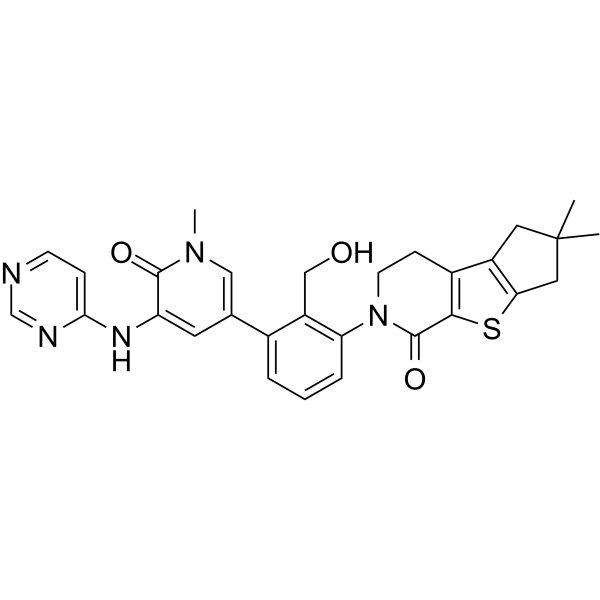
G-744 is a highly potent, selective and orally active Btk inhibitor with an IC50 of 2 nM. G-744 is metabolically stable, well tolerated and efficacious to treat arthritis .
|
-
- HY-117918
-
-

- HY-141680
-
CPS2
1 Publications Verification
|
PROTACs
CDK
|
Cancer
|
|
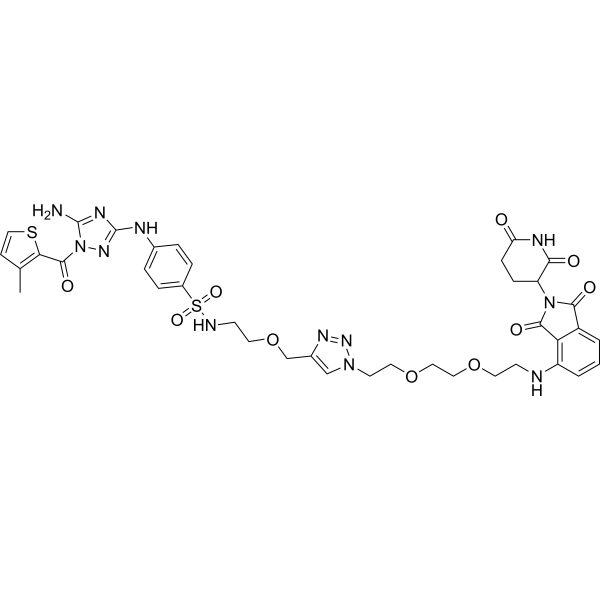
CPS2 is a first-in-class, highly potent, selective and irreversible PROTAC CDK2 degrader (IC50= 24 nM). CPS2 can be used for the research of acute myeloid leukemia .
|
-
- HY-121450
-
|
Loxtidine; AH-234844
|
Histamine Receptor
|
Cancer
|
|
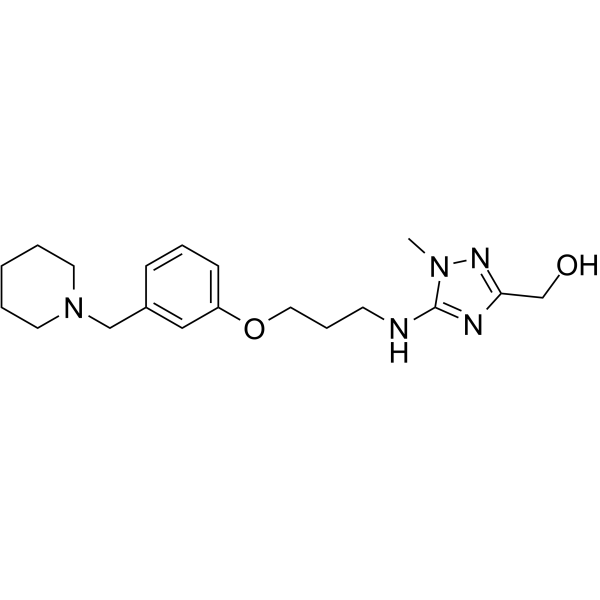
Lavoltidine (Loxtidine) is an an orally active, irreversible and highly potent histamine H2-receptor antagonist. Lavoltidine strongly inhibits gastric acid secretion and also induces hypergastrinemia .
|
-
- HY-12176
-
|
CGP 60536; CGP60536B; SPP 100
|
Renin
Autophagy
|
Cardiovascular Disease
Cancer
|
|
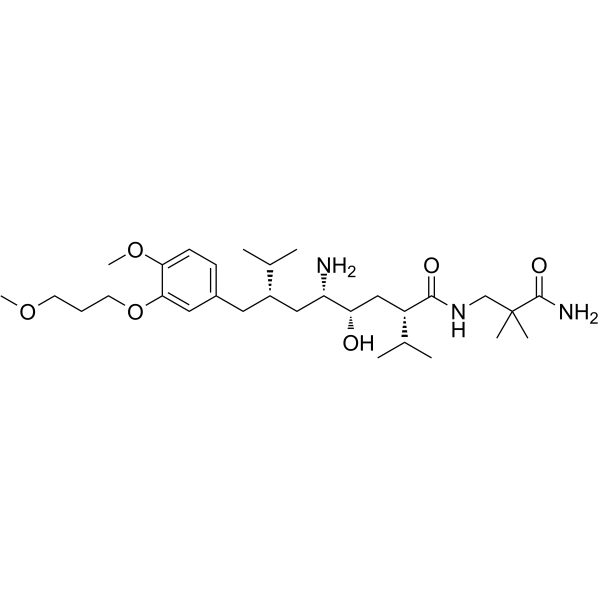
Aliskiren is an orally active, highly potent and selective renin inhibitor, with IC50 of 1.5 nM. Aliskiren can be used for the research of hypertension, cardiovascular diseases and cancer cachexia .
|
-
- HY-10284S4
-
-

- HY-137450
-
|
IMP4297; JS109
|
PARP
|
Cancer
|
|
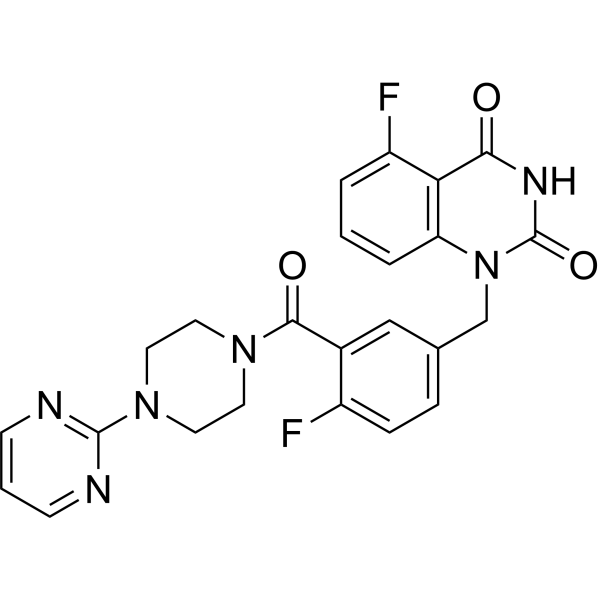
Senaparib (IMP4297) is a highly potent, selective and orally active PARP1/2 inhibitor. Senaparib (IMP4297) exhibits strong antitumor activity in animal models .
|
-
- HY-135241
-
|
|
5-HT Receptor
|
Neurological Disease
|
|
25I-NBF hydrochloride is a highly potent partial agonist for the 5-HT2A receptors receptor with a Ki value of 0.26 nM and an EC50 value of 1.6 nM .
|
-

- HY-118952
-
|
|
Sodium Channel
|
Neurological Disease
|
|
PF-06456384 is a highly potent and selective NaV1.7 inhibitor with an IC50 of 0.01 nM. PF-06456384 has the potential for formalin pain model research .
|
-
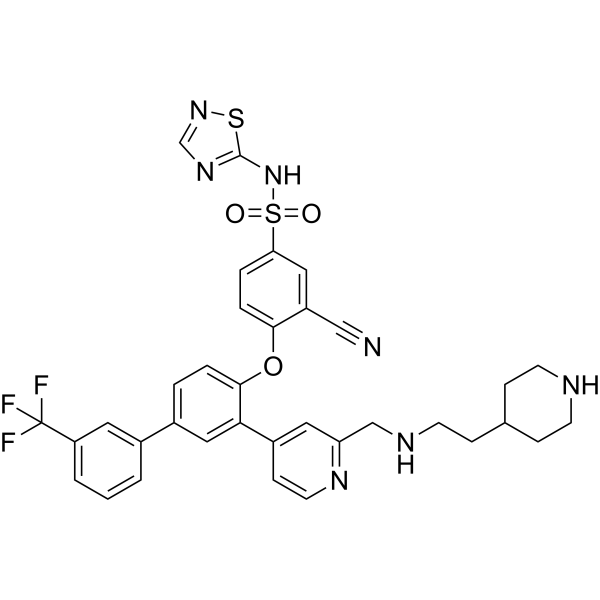
- HY-16346S
-
-
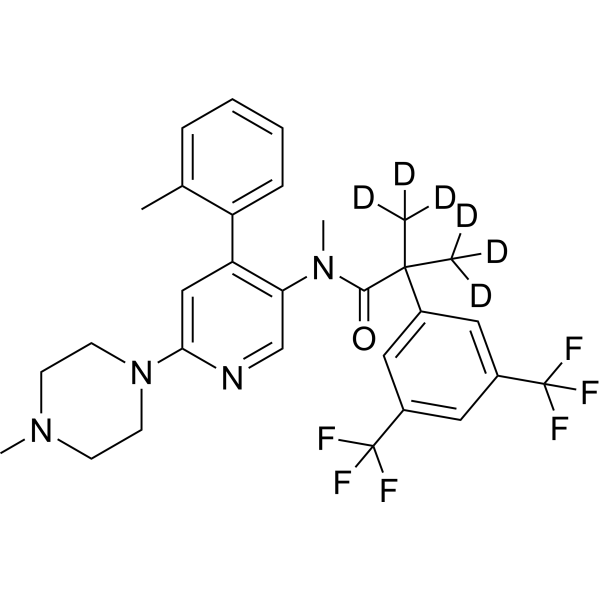
- HY-107418R
-
|
LJN452 (Standard)
|
Reference Standards
FXR
Autophagy
|
Cardiovascular Disease
|
|
Tropifexor (Standard) is the analytical standard of Tropifexor (HY-107418). This product is intended for research and analytical applications. Tropifexor (LJN452) is a highly potent agonist of FXR with an EC50 of 0.2 nM .
|
-

- HY-15592AS
-
|
GSK-1265744-d3 sodium; S/GSK1265744-d3 sodium
|
Isotope-Labeled Compounds
HIV Integrase
|
Infection
|
|
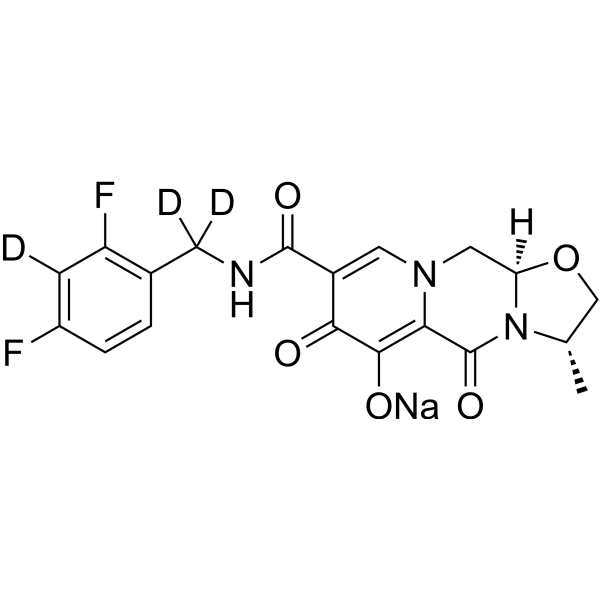
Cabotegravir-d3 (sodium) is the deuterium labeled Cabotegravir sodium. Cabotegravir sodium is a highly potent HIV integrase inhibitor with an IC50 value of 2.5 nM for HIVADA. Cabotegravir sodium is primarily metabolized by uridine diphosphate glucuronosyltr
|
-
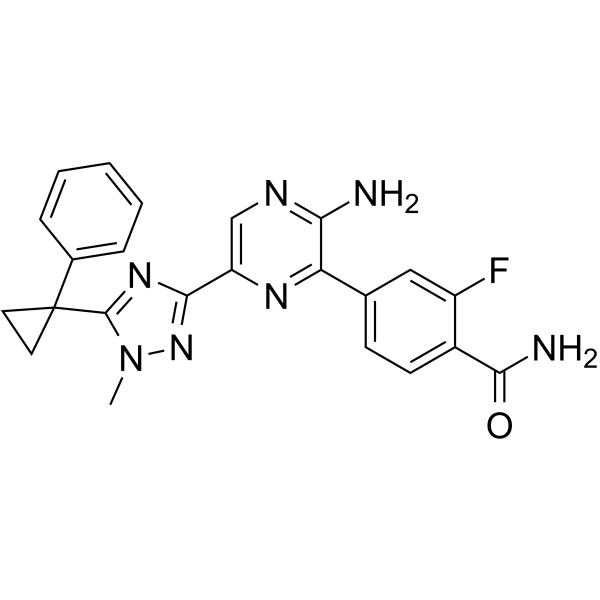
- HY-122593
-
|
|
PI3K
|
Cancer
|
|
PI3Kδ-IN-5 (compound 7n) is a highly potent and selective inhibitor of PI3Kδ with an IC50 of 0.9 nM .
|
-
- HY-18760
-
|
|
mGluR
|
Neurological Disease
|
|
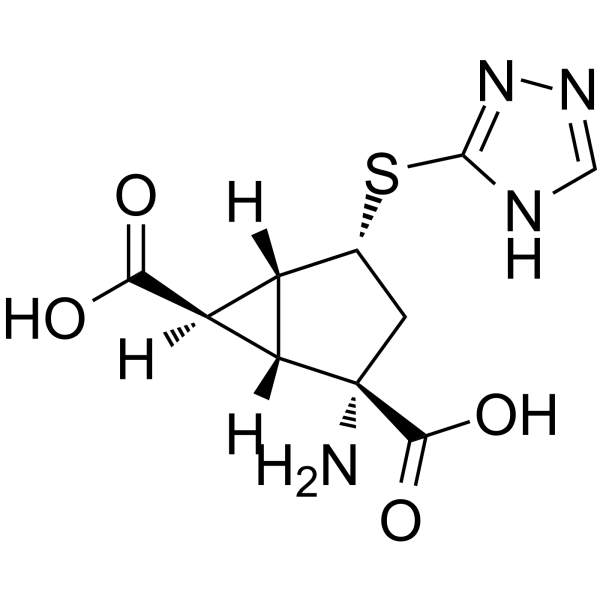
LY2812223 is a highly potent, functionally selective mGlu2 receptor agonist with mGlu2 binding affinity for mGlu2 and mGlu3 (Ki=144 nM and 156 nM, respectively) .
|
-
- HY-18169
-
|
Fab-001
|
Bacterial
|
Infection
|
|
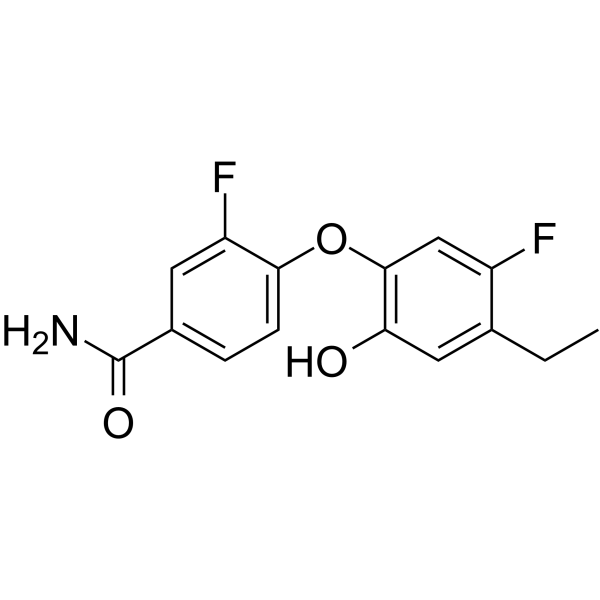
MUT056399 (Fab-001) is a highly potent inhibitor of the FabI enzyme of both S. aureus and E. coli with 50% inhibitory concentration IC50s of 12 nM and 58 nM, respectively.
|
-
- HY-19929A
-
-

- HY-145598
-
|
HMPL-523
|
Syk
|
Cancer
|
|
Sovleplenib (HMPL-523) is a highly potent, orally available and selective SYK inhibitor with an IC50 of 25 nM. Anti-tumor activity. Sovleplenib can be used for the research of immune thrombocytopenia (ITP) .
|
-
- HY-171247
-
|
|
TGF-β Receptor
|
Others
|
|
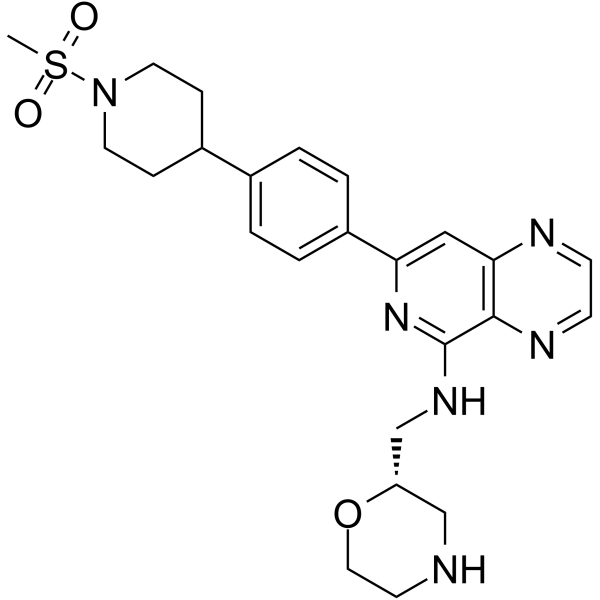
CDD-1281 is a highly potent and selective BMPR2 kinase inhibitor with an IC50 of 1.2 nM. CDD-1281 can effectively inhibit BMP-mediated gene expression .
|
-

- HY-12149
-
|
|
nAChR
|
Neurological Disease
|
|
A-867744 is a highly potent and selective type II positive allosteric modulator (PAM) of the alpha7 nicotinic acetylcholine receptors (nAChR) with an EC50 of 1.0 μM .
|
-
- HY-103236
-
|
|
E1/E2/E3 Enzyme
|
Cancer
|
|
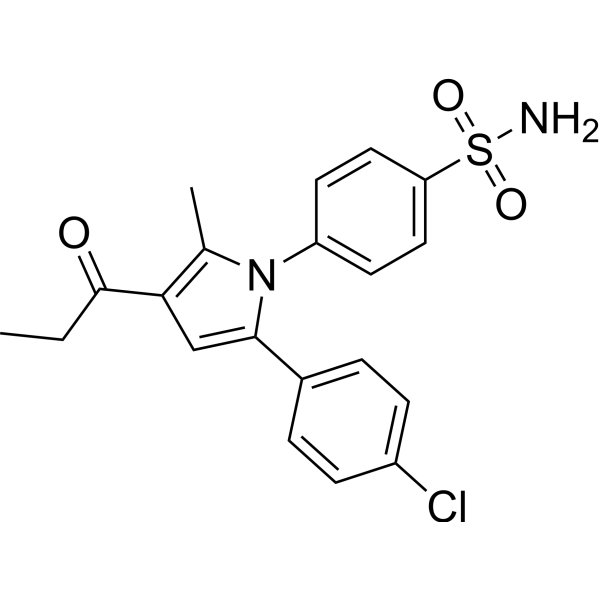
NSC232003 is a highly potent and cell-permeable UHRF1 inhibitor, which inhibits DNA methylation in vitro and disrupts DNMT1/UHRF1 interactions at a cellular level.
|
-
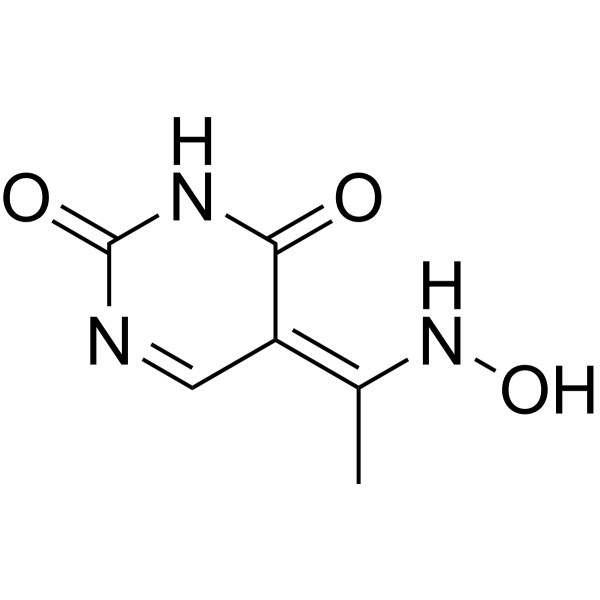
- HY-50903
-
|
BAY 59-7939
|
Factor Xa
|
Cardiovascular Disease
Cancer
|
|
Rivaroxaban (BAY 59-7939) is a highly potent, selective and direct Factor Xa (FXa) inhibitor, achieving a strong gain in anti-FXa potency (IC50 0.7 nM; Ki 0.4 nM) .
|
-
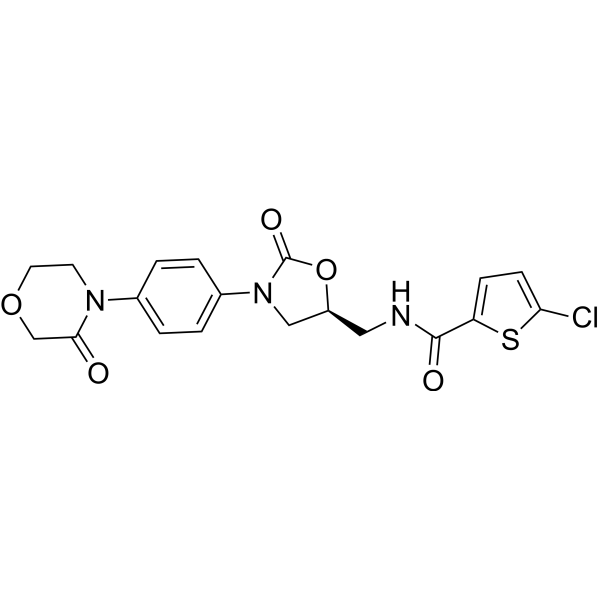
- HY-112182
-
UM-164
1 Publications Verification
DAS-DFGO-II
|
Src
p38 MAPK
Autophagy
|
Cancer
|
|
UM-164 (DAS-DFGO-II) is a highly potent inhibitor of c-Src with a Kd of 2.7 nM. UM-164 also potently inhibits p38α and p38β.
|
-
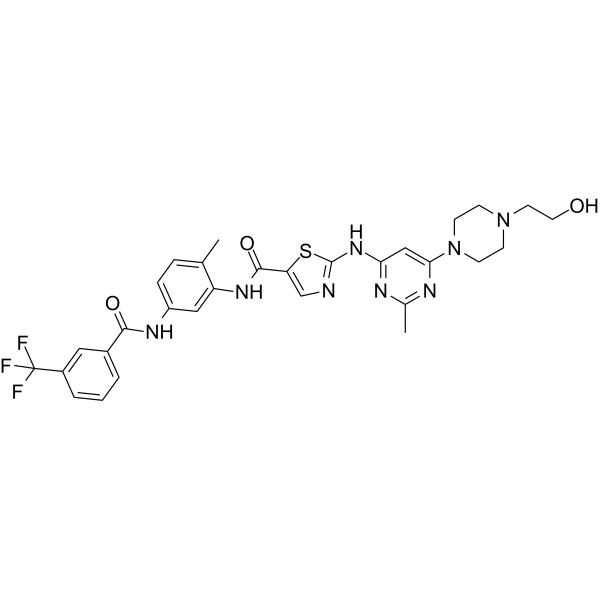
- HY-10192
-
|
TAE 684
|
Anaplastic lymphoma kinase (ALK)
Apoptosis
|
Cancer
|
|
NVP-TAE 684 (TAE 684) is a highly potent and selective ALK inhibitor, which blocks the growth of ALCL-derived and ALK-dependent cell lines with IC50 values between 2 and 10 nM .
|
-
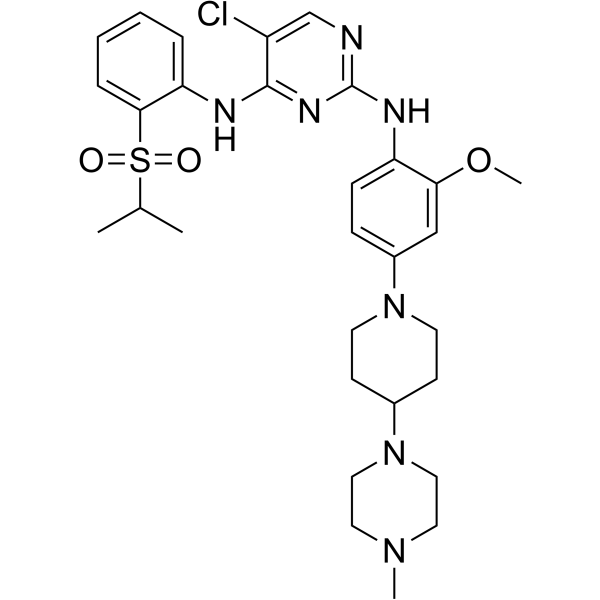
- HY-10013
-
|
MK-0364
|
Cannabinoid Receptor
|
Metabolic Disease
|
|
Taranabant is a highly potent and selective cannabinoid 1 (CB1) receptor inverse agonist that inhibits the binding and functional activity of various agonists, with a binding Ki of 0.13 nM for the human CB1R in vitro.
|
-
- HY-150793
-
-
- HY-133772
-
|
|
Drug Metabolite
|
Others
|
|
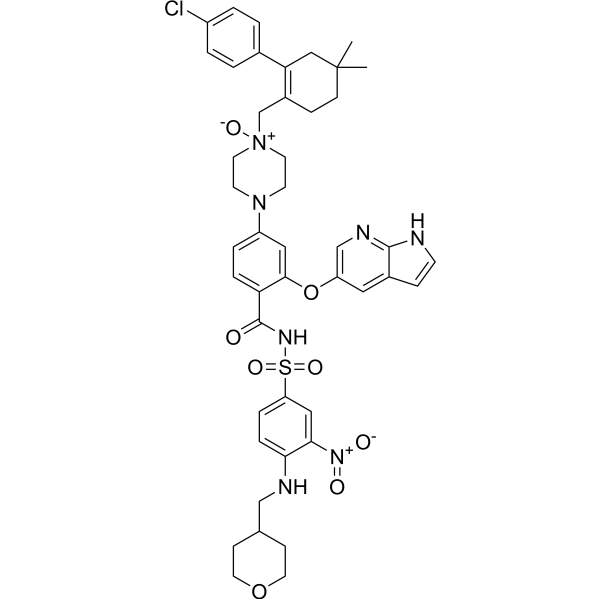
Venetoclax N-oxide is an impurity of Venetoclax. Venetoclax (ABT-199; GDC-0199) is a highly potent, selective and orally bioavailable Bcl-2 inhibitor with a Ki of less than 0.01 nM .
|
-
- HY-15531
-
Venetoclax
Maximum Cited Publications
227 Publications Verification
ABT-199; GDC-0199; RG7601
|
Bcl-2 Family
Autophagy
|
Cancer
|
|
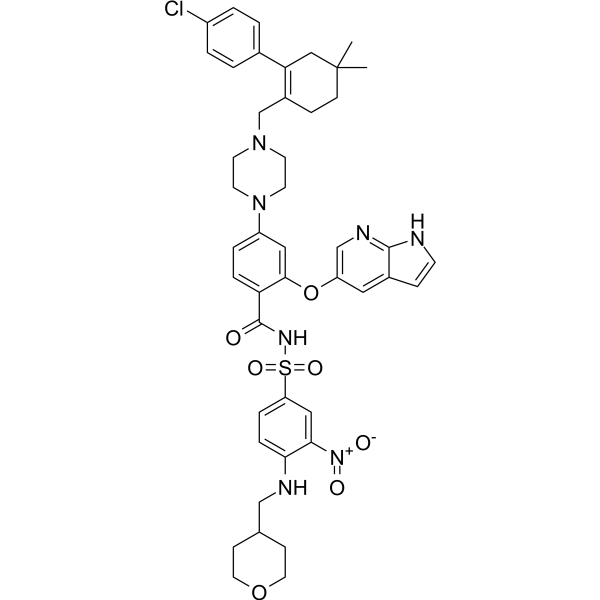
Venetoclax (ABT-199; GDC-0199) is a highly potent, selective and orally bioavailable Bcl-2 inhibitor with a Ki of less than 0.01 nM. Venetoclax induces autophagy .
|
-
- HY-109117
-
|
ORY-1001
|
Histone Demethylase
Apoptosis
|
Cancer
|
|
Iadademstat (ORY-1001) is a highly potent, orally active and selective LSD1 (KDM1A) inhibitor with antileukemic activity. Iadademstat can be used for relapsed or refractory acute myeloid leukemia research .
|
-
- HY-41940
-
|
|
Bcr-Abl
|
Cancer
|
|
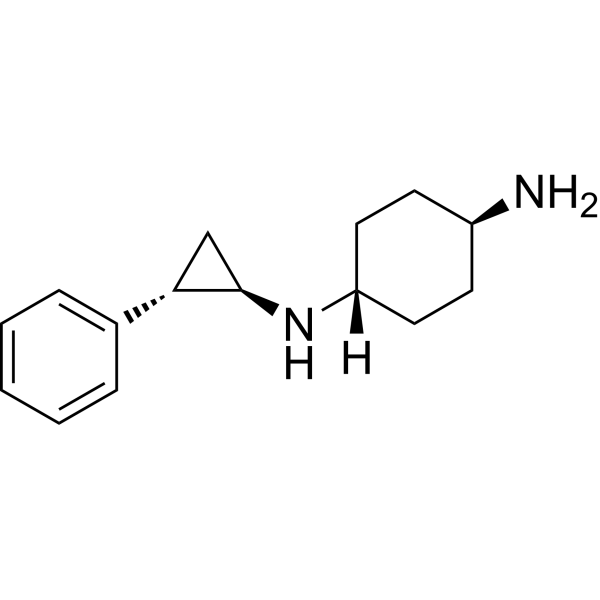
Dasatinib intermediate-1 is an intermediate in the synthesis of Dasatinib (HY-10181). Dasatinib Is a highly potent, ATP competitive, orally active dual Src/Bcr-Abl inhibitor with potent antitumor activity .
|
-

- HY-90009D
-
-
- HY-100339
-
|
|
RIP kinase
|
Endocrinology
|
|
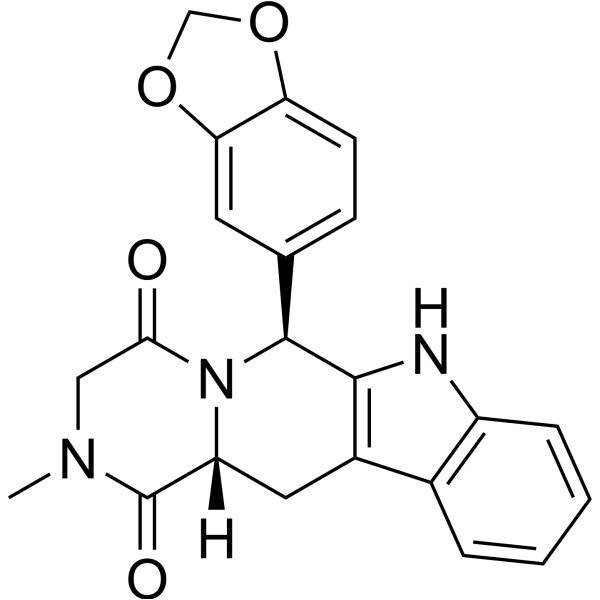
GSK583 is a highly potent, orally active and selective inhibitor of RIP2 Kinase, with IC50 of 5 nM. GSK583 inhibits both TNF-α and IL-6 production with an IC50 value of 200 nM.
|
-
- HY-19162
-
|
NSC-625487
|
Reverse Transcriptase
HIV
|
Infection
|
|
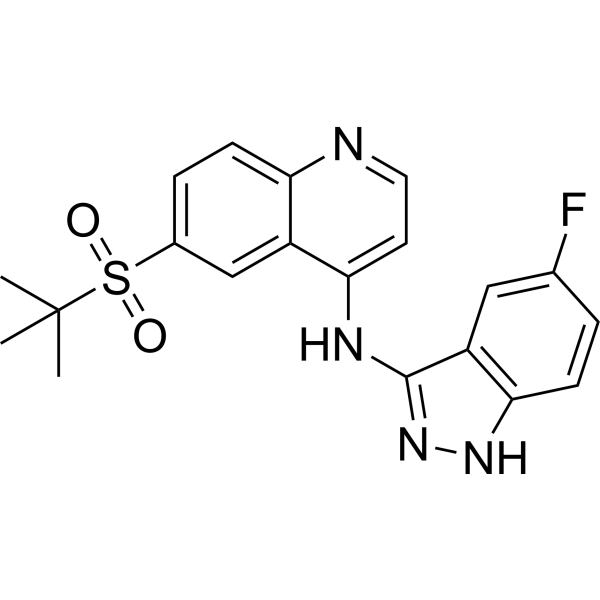
Thiazolobenzimidazole (NSC-625487) is a highly potent nonnucleoside HIV-1 reverse transcriptase inhibitor. Thiazolobenzimidazole inhibits HIV-induced cell killing and viral replication in a variety of human cell lines .
|
-

- HY-14137
-
|
SR 141716A Hydrochloride
|
Cannabinoid Receptor
Bacterial
|
Infection
Metabolic Disease
Cancer
|
|
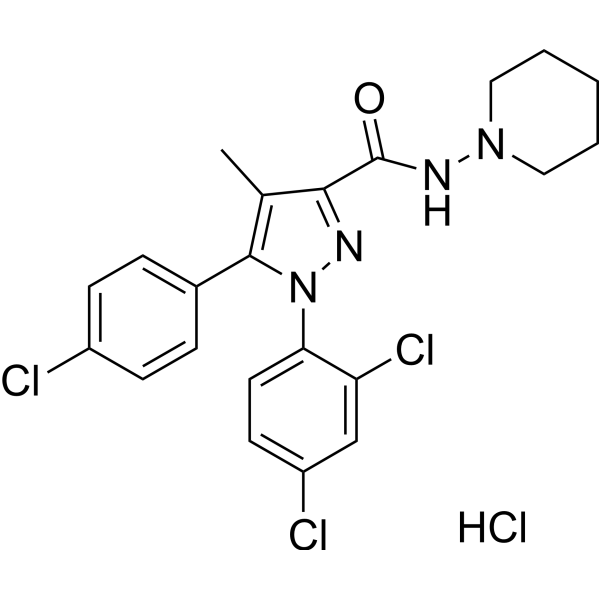
Rimonabant Hydrochloride (SR 141716A Hydrochloride) is a highly potent and selective central cannabinoid receptor (CB1) antagonist with an Ki of 1.8 nM. Rimonabant Hydrochloride (SR 141716A Hydrochloride) also inhibits Mycobacterial membrane protein Large 3 (MMPL3).
|
-
- HY-126678
-
|
Dimethyl-PBD dimer
|
ADC Payload
|
Cancer
|
|
Dimethyl-SGD-1882 (Dimethyl-PBD dimer) is a highly potent DNA alkylator, and is used as an antibody-drug conjugate (ADC) cytotoxin. PBD Dimer is a DNA alkylator which inhibits DNA replication .
|
-

- HY-134836
-
|
|
Apoptosis
METTL3
|
Cancer
|
|
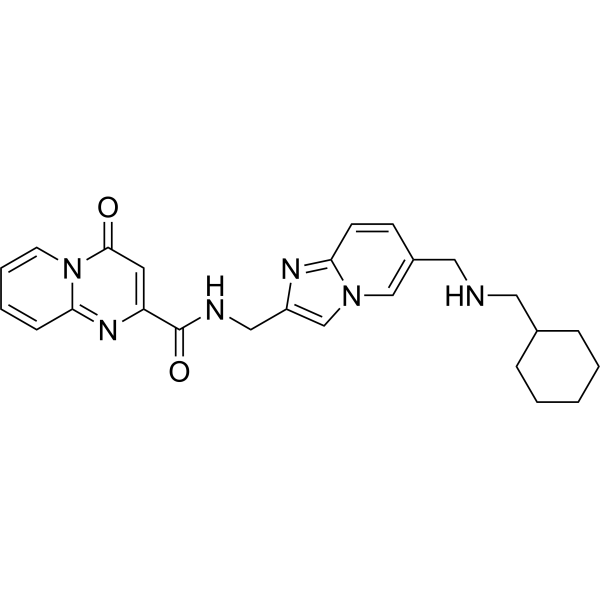
STM2457 is a first-in-class, highly potent, selective and orally active METTL3 inhibitor with an IC50 of 16.9 nM. STM2457 can be used for the research of acute myeloid leukaemia (AML) .
|
-
- HY-159650
-
|
|
Adenosine Receptor
|
Cancer
|
|
EOS-984 is a highly potent and selective ENT1 (equilibrative nucleoside transporter 1) inhibitor. EOS-984 is designed to inhibit the immunosuppressive activity of adenosine and restore immune cell proliferation .
|
-

- HY-131903
-
|
|
IRAK
|
Inflammation/Immunology
|
|
HS271 is a highly potent, orally active and selective IRAK4 inhibitor, with an IC50 of 7.2 μM. HS271 exhibits superior enzymatic and cellular activities, as well as excellent pharmacokinetic properties .
|
-
- HY-17621S
-
-
- HY-P10151
-
|
|
Endothelin Receptor
|
Cardiovascular Disease
|
|
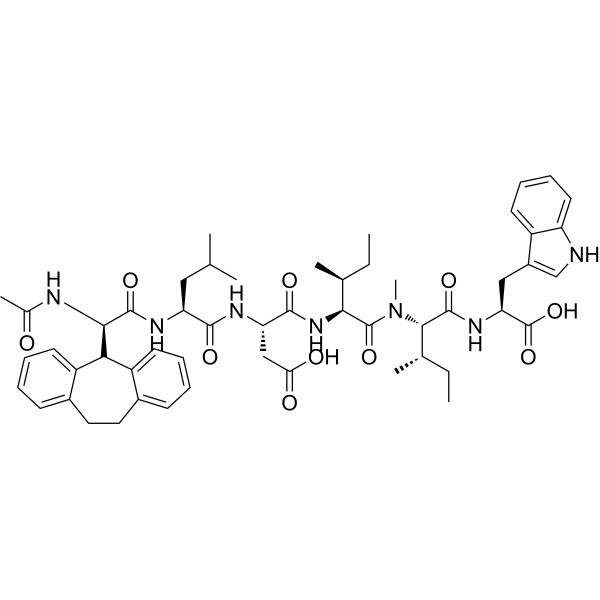
PD 156252 is a hexapeptide that is a highly potent endothelin (ET) antagonist. PD 156252 has enhanced binding affinity for rabbit ETA and rat ETB receptor subtypes with IC50 values of 1.0 and 40 nM, respectively.
|
-
- HY-150507
-
|
JNJ-78394355
|
Bcl-2 Family
|
Cancer
|
|
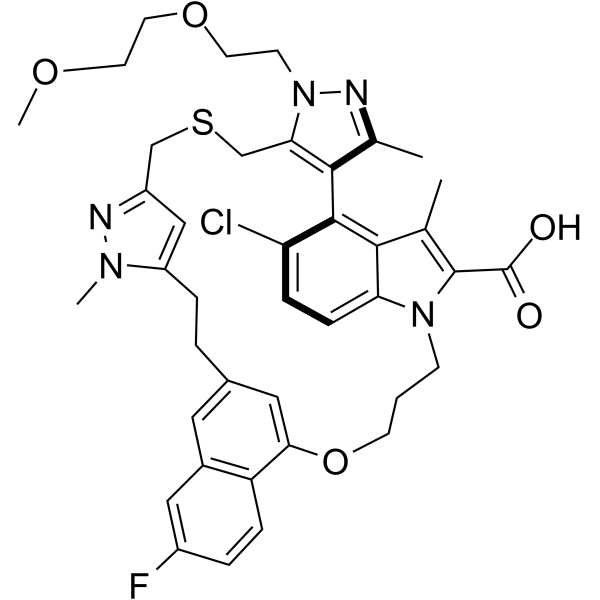
JNJ-4355, a chemical probe, is a highly potent MCL-1 (myeloid cell leukemia-1) inhibitor, with KI of 18 pM. JNJ-4355 shows antitumor activity .
|
-
- HY-151540
-
|
|
MMP
|
Cancer
|
|
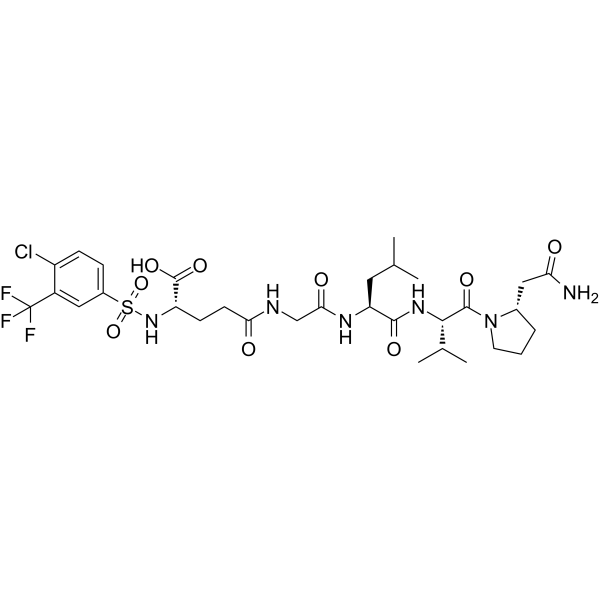
MMP-7-IN-1 is a highly potent and selective MMP-7 inhibitor with an IC50 of 10 nM. MMP-7-IN-1 can be used in the research of diseases such as cancer and fibrosis .
|
-
- HY-167877
-
|
|
p38 MAPK
|
Inflammation/Immunology
|
|
PS-166276 is a highly potent and less cytotoxic inhibitor of p38. PS166276 has an IC50 of 28 nM at p38 kinase and 170 nM in the THP-1 TNFα assay .
|
-

- HY-155090
-
|
|
ATM/ATR
|
Cancer
|
|
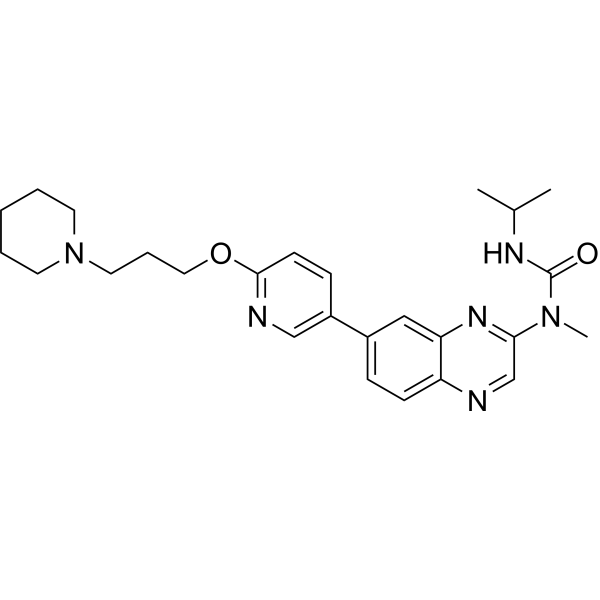
ATM Inhibitor-8 (Compound 10r) is a highly potent, selective and orally active ATM inhibitor,with an IC50 of 1.15 nM. ATM Inhibitor-8 exhibits anti-tumor activity .
|
-
- HY-19947
-
|
Glucagon receptor antagonists-4
|
GCGR
|
Metabolic Disease
|
|
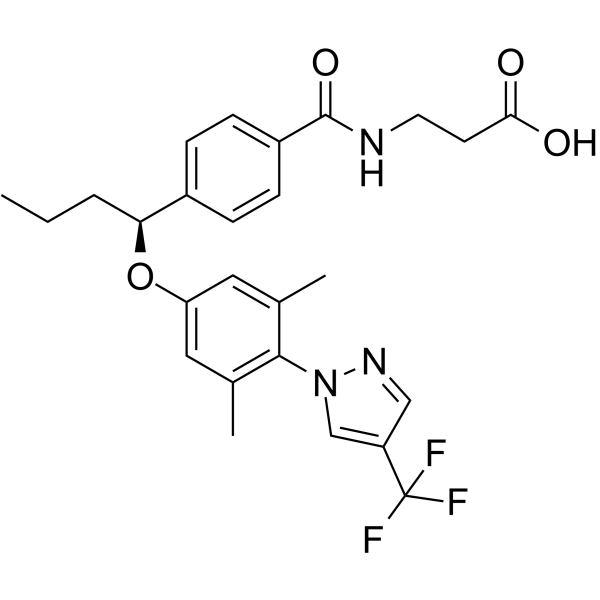
PF-06291874 is a highly potent, non-peptide and orally active glucagon receptor antagonist. PF-06291874 is under the study for type 2 diabetes mellitus (T2DM) .
|
-
- HY-18621
-
OTS514
3 Publications Verification
|
TOPK
Apoptosis
|
Cancer
|
|
OTS514 is a highly potent TOPK inhibitor with an IC50 of 2.6 nM. OTS514 strongly suppresses the growth of TOPK-positive cancer cells . OTS514 induces cell cycle arrest and apoptosis .
|
-
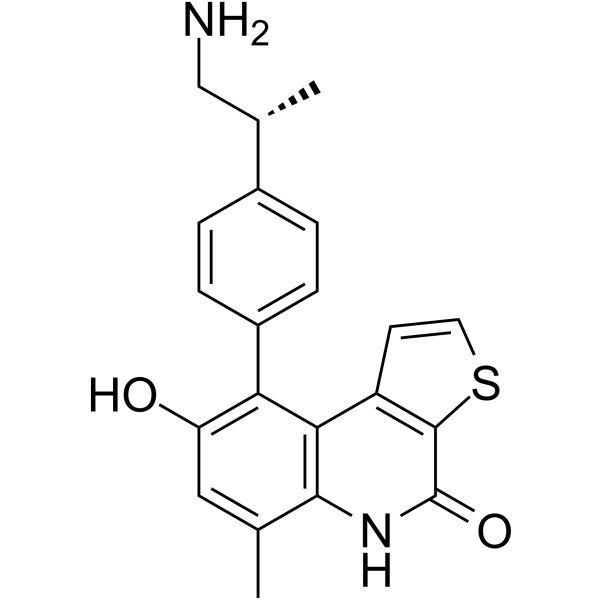
- HY-100684
-
|
|
Prolyl Endopeptidase (PREP)
FAP
|
Cancer
|
|
UAMC-1110 is a highly potent and selective inhibitor of fibroblast activation protein (FAP) with an IC50 of 3.2 nM. UAMC-1110 also inhibits prolyl oligopeptidase (PREP) with an IC50 of 1.8 μM .
|
-
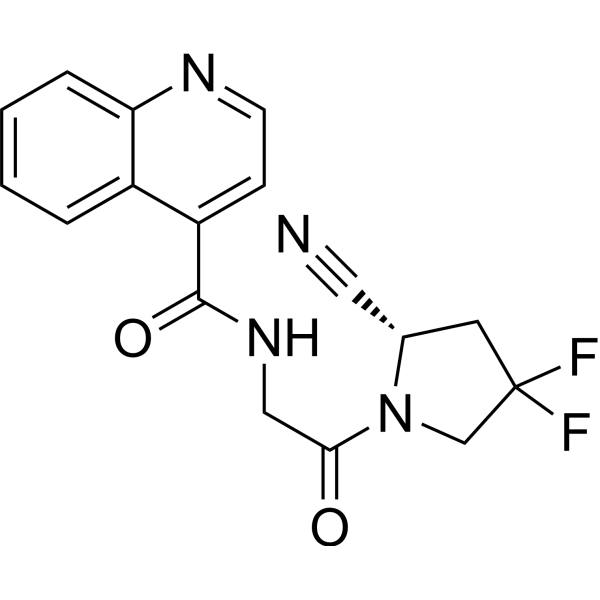
- HY-146263
-
|
|
Bacterial
|
Infection
|
|
ThrRS-IN-3 (compound 36j) is a highly potent threonyl-tRNA synthetase (ThrRS) inhibitor, with an IC50 value of 19 nM and a Kd of 34 nM for Salmonella enterica ThrRS. ThrRS-IN-3 has antibacterial activities .
|
-
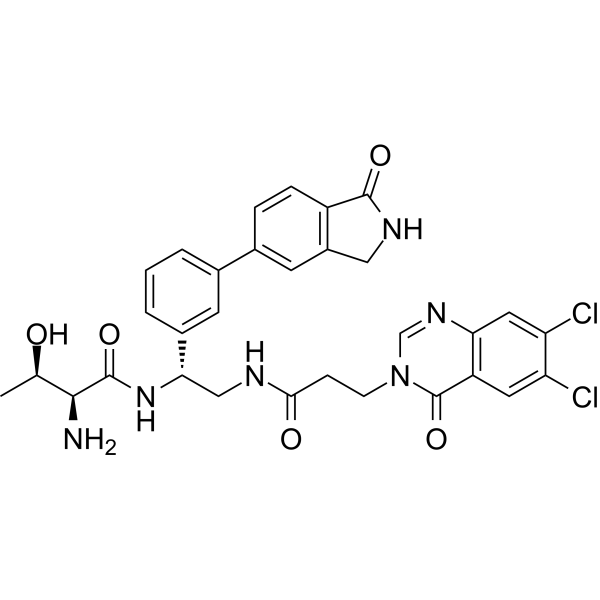
- HY-114191B
-
|
|
Somatostatin Receptor
|
Metabolic Disease
Endocrinology
|
|
SSTR5 antagonist 2 hydrochloride is a highly potent, oral active and selective somatostatin (receptor) subtype 5 (SSTR5) antagonist and has potential for the research of type 2 diabetes mellitus (T2DM) .
|
-
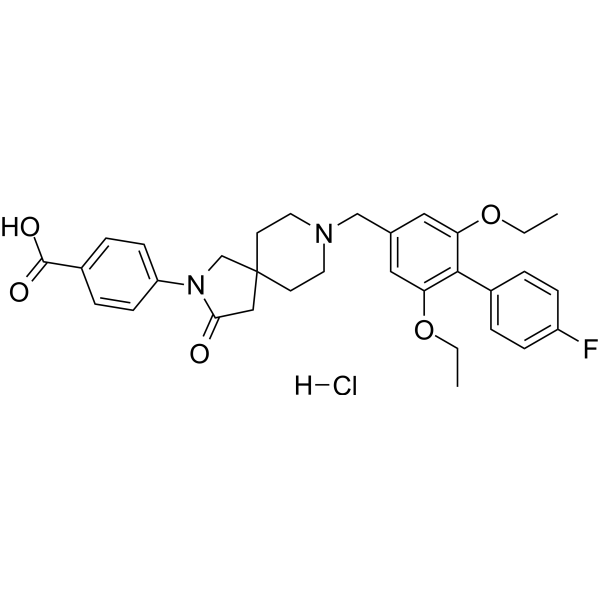
- HY-146236
-
|
|
VEGFR
|
Cancer
|
|
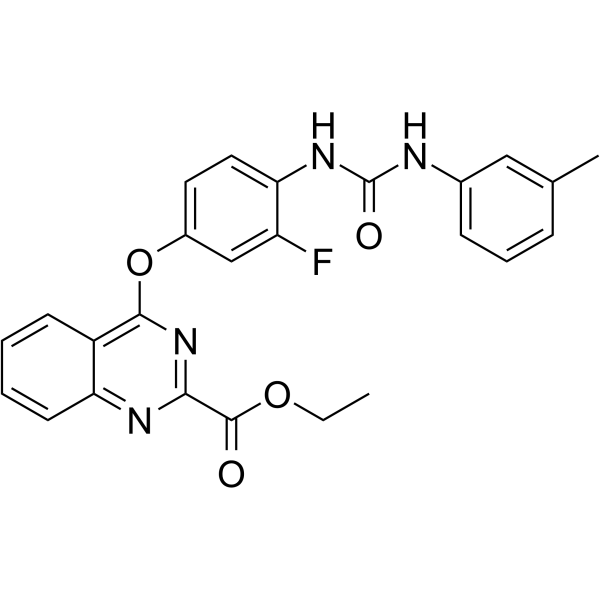
VEGFR-2-IN-27 (compound 7a) is a highly potent VEGFR-2 inhibitor with an IC50 value of 14.8 nM. VEGFR-2-IN-27 can be used for researching anticancer .
|
-
- HY-18941
-
|
LY354740; Eglumetad
|
mGluR
|
Neurological Disease
|
|
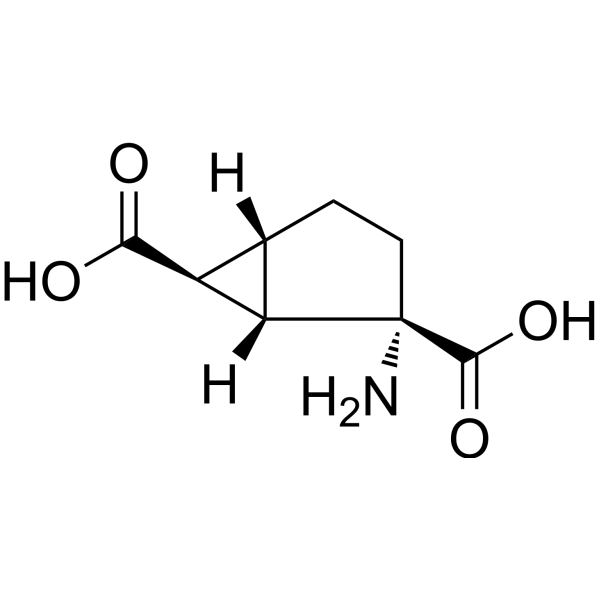
Eglumegad (LY354740) is a highly potent and selective group II (mGlu2/3) receptor agonist with IC50s of 5 nM and 24 nM on transfected human mGlu2 and mGlu3 receptors, respectively.
|
-
- HY-10801
-
|
|
Phospholipase
|
Inflammation/Immunology
|
|
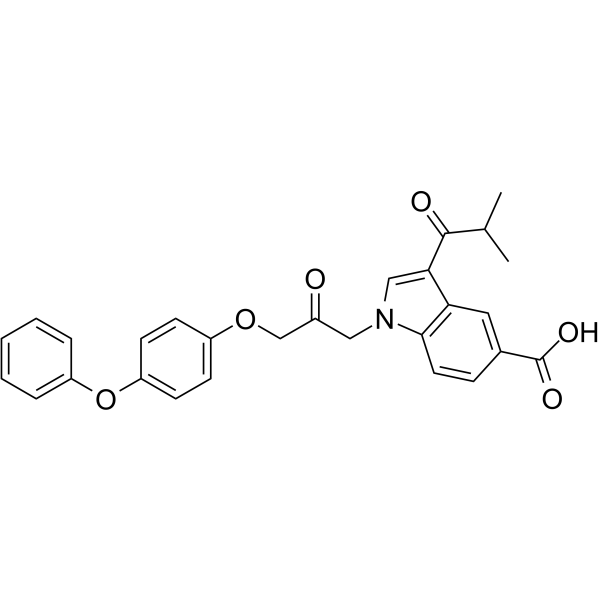
CAY10650 is a highly potent cytosolic phospholipase A2α (cPLA2α) inhibitor with an IC50 value of 12 nM. CAY10650 suppresses lipid droplets formation and PGE2 secretion .
|
-
- HY-12712
-
|
|
Adrenergic Receptor
|
Neurological Disease
|
|
L-657743 is a highly potent, highly selective, and orally active α2-adrenoceptor antagonist. L-657743 can be used in the research of neurological diseases such as depression .
|
-

- HY-120530
-
|
|
mGluR
|
Neurological Disease
|
|
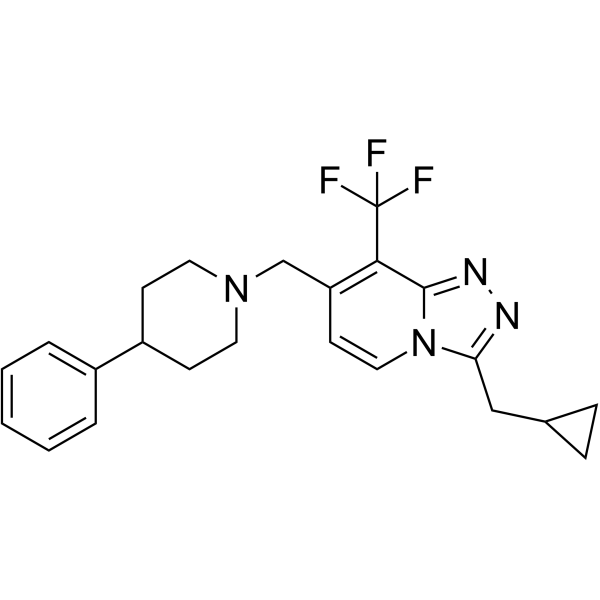
JNJ-46281222 is an metabotropic glutamate (mGlu) 2-selective, highly potent PAM (positive allosteric modulator) with nanomolar affinity (Kd = 1.7 nM) and a high modulatory potency (pEC50 = 7.71) .
|
-
- HY-15762
-
-
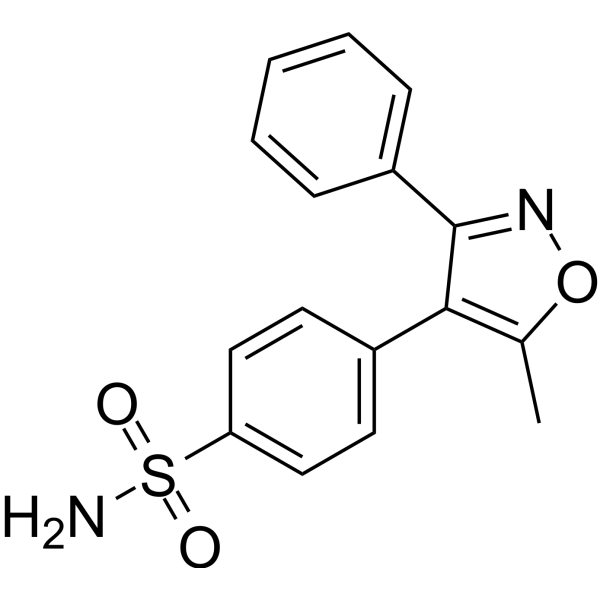
- HY-117879
-
|
|
HIV
HIV Integrase
|
Infection
|
|
PF-4776548 is a highly potent HIV integrase inhibitor. PF-477654 blocks the process of integrating HIV viral DNA into the host cell genome. PF-4776548 is promising for research of AIDS .
|
-

- HY-158407
-
|
|
Apoptosis
|
Cancer
|
|
Anticancer agent 220 is a chromanone derivative with anticancer effects. Anticancer agent 220 shows highly potent activity in the colon cancer cell lines. Anticancer agent 220 induces apoptosis and cell cycle arrest in cells .
|
-

- HY-14136
-
-
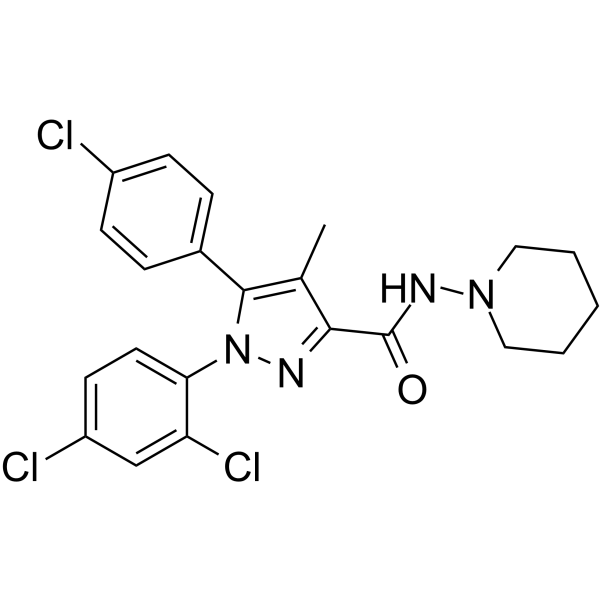
- HY-117828
-
|
|
Cholecystokinin Receptor
|
Metabolic Disease
|
|
PF-04756956 is a highly potent type 1 cholecystokinin receptor (CCK1R) agonist (EC50=0.47 nM). PF-04756956 is promising for research of obesity and related metabolic disorders .
|
-

- HY-164484
-
|
|
Raf
|
Cancer
|
|
IHMT-RAF-128, a highly potent pan-RAF inhibitor. IHMT-RAF-128 shows potent antitumor efficacy in xenograft mouse tumor models without causing any apparent toxicities .
|
-

- HY-I0454
-
|
|
Factor Xa
|
Cardiovascular Disease
|
|
Rivaroxaban EP Impurity I is an impurity of Rivaroxaban (HY-50903). Rivaroxaban EP Impurity I can be used to ensure the purity of Rivaroxaban. Rivaroxaban is a highly potent, selective and direct Factor Xa (FXa) inhibitor .
|
-

- HY-16475
-
|
|
Hedgehog
|
Cancer
|
|
TAK-441 is a highly potent and orally active hedgehog (Hh) signaling inhibitor with an IC50value of 4.4 nM. TAK-441 has strong antitumor activity in solid tumors .
|
-
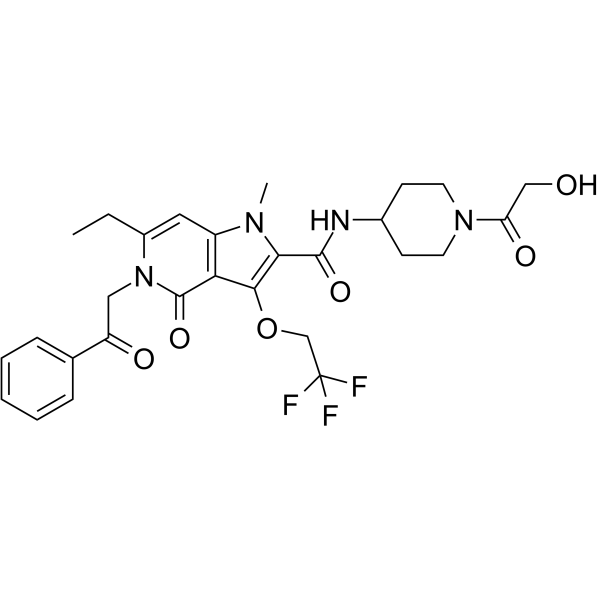
- HY-128597
-
|
|
Epigenetic Reader Domain
|
Cancer
|
|
BRD-IN-3 ((R,R)-36n) is a highly potent PCAF bromodomain (BRD) inhibitor, with an IC50 of 7 nM. BRD-IN-3 also exhibits activity against GCN5 and FALZ .
|
-
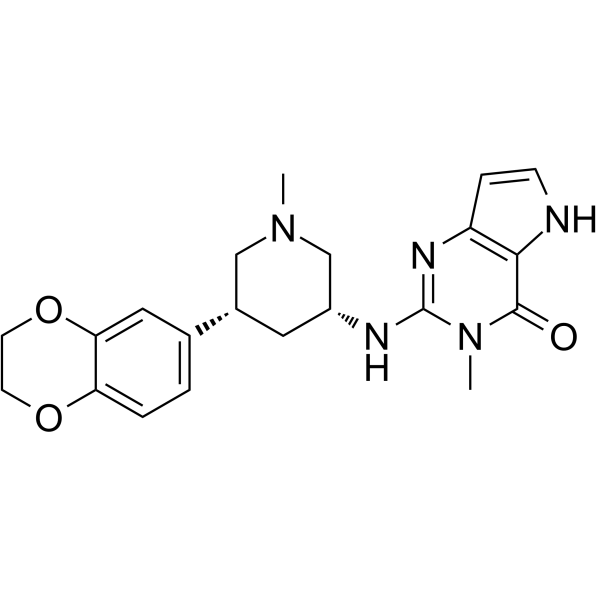
- HY-156177
-
|
|
Toll-like Receptor (TLR)
|
Inflammation/Immunology
|
|
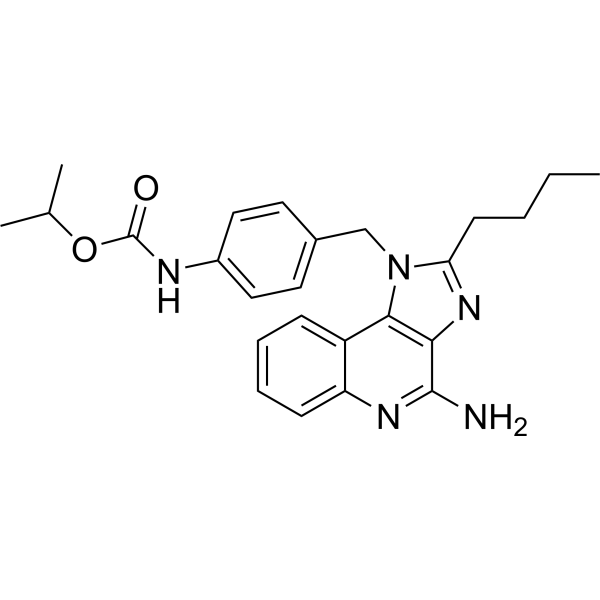
TLR7 agonist 16 (compound 16d) is a highly potent TLR7 agonist with an EC50 of 18 nM. TLR7 agonist 16 potently induces the activation of mouse macrophages and hPBMCs at low-nanomolar concentrations .
|
-
- HY-146229
-
|
|
VEGFR
|
Cancer
|
|
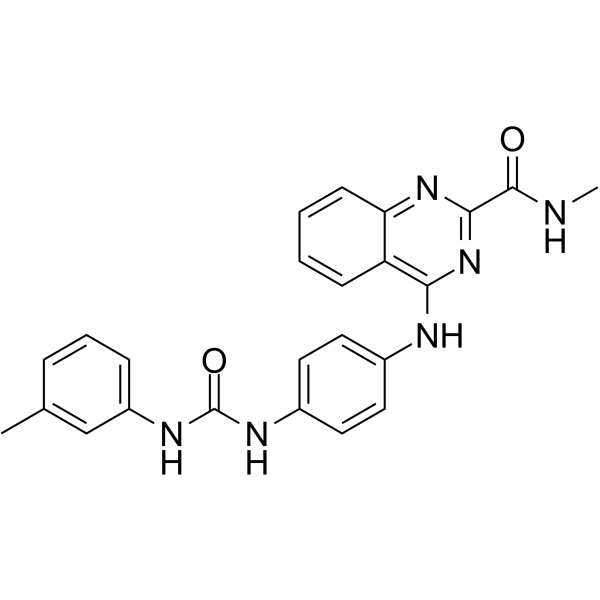
VEGFR-2-IN-25 (compound 5d) is a highly potent VEGFR-2 inhibitor with an IC50 value of 12.1 nM. VEGFR-2-IN-25 can be used for researching anticancer .
|
-
- HY-156176
-
|
|
Toll-like Receptor (TLR)
|
Inflammation/Immunology
|
|
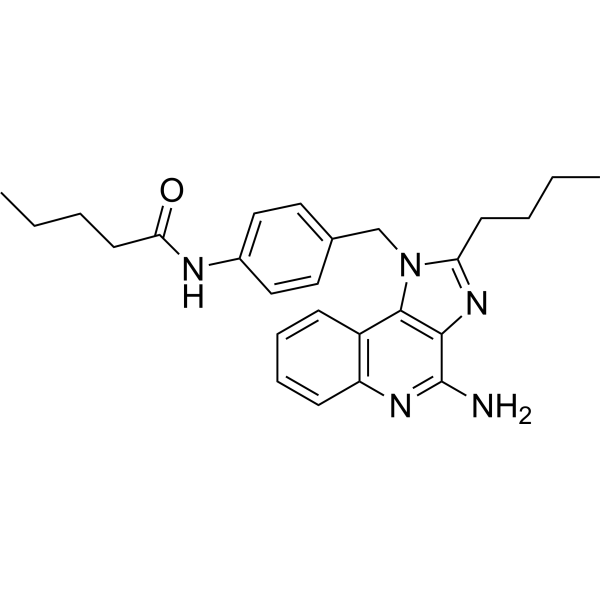
TLR7 agonist 15 (compound 16b) is a highly potent TLR7 agonist with an EC50 of 18 nM. TLR7 agonist 15 potently induces the activation of mouse macrophages and hPBMCs at low-nanomolar concentrations .
|
-
- HY-12608
-
|
JNJ-39933673
|
SGLT
|
Metabolic Disease
|
|
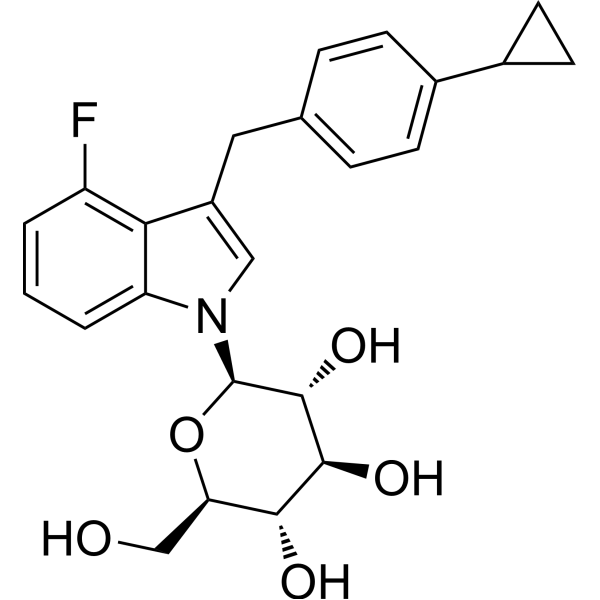
TA-1887 (JNJ-39933673) is a highly potent, selective and orally active SGLT2 inhibitor (IC50: 1.4 nM) with antihyperglycemic effects. TA-1887 can be used in the research of diabetes .
|
-
- HY-101032
-
|
|
RIP kinase
|
Inflammation/Immunology
|
|
RIPA-56 is a highly potent, selective, and metabolically stable inhibitor of receptor-interacting
protein 1 (RIP1) with an IC50 of 13 nM. RIPA-56 can be used for the treatment of systemic inflammatory response syndrome .
|
-
- HY-156175
-
|
|
Toll-like Receptor (TLR)
|
Inflammation/Immunology
|
|
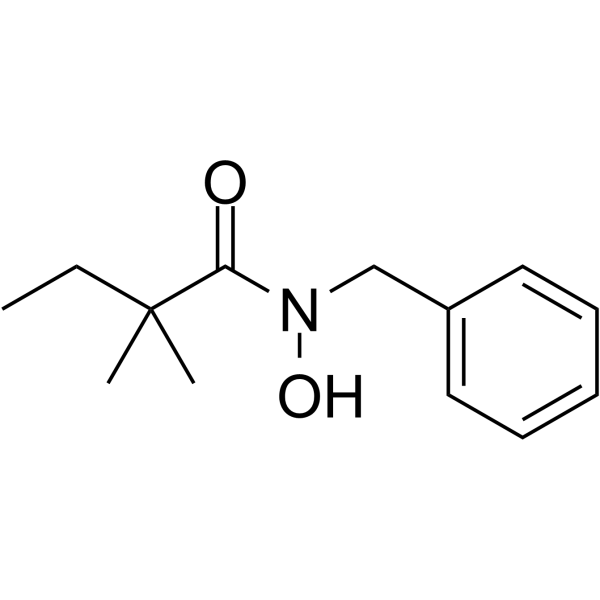
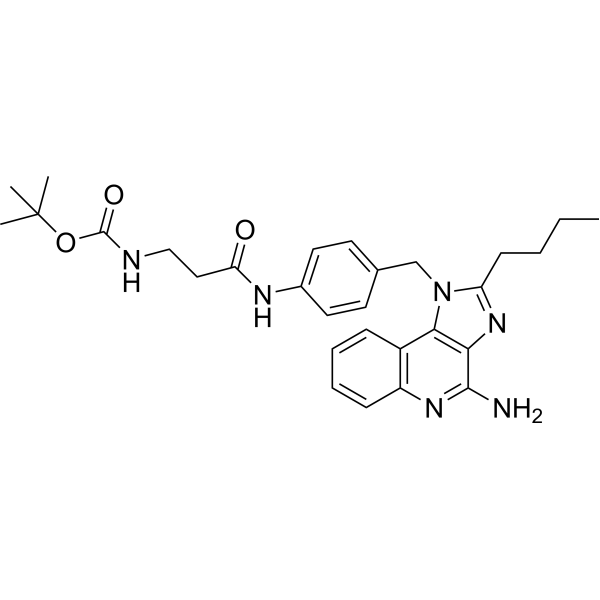
TLR7 agonist 14 (compound 17b) is a highly potent TLR7 agonist with an EC50 of 18 nM. TLR7 agonist 14 potently induces the activation of mouse macrophages and hPBMCs at low-nanomolar concentrations .
|
-
- HY-153098
-
-

- HY-19589
-
-
- HY-117923
-
|
|
mTOR
PI3K
|
Cancer
|
|
PF-06465603 is a highly potent and selective ATP-competitive kinase inhibitor and a class 1 PI3K and mTOR inhibitor. PF-06465603 is a metabolite of PF-04691502 with a terminal carboxylic acid structure .
|
-

- HY-182398
-
|
|
ERK
|
Cancer
|
|
BAY-693 is a highly potent and highly selective ERK5 inhibitor with an IC50 of 6.40 μM. BAY-693 reduces the transcriptional activity of MEF2. BAY-693 is applicable for cancer research .
|
-

- HY-113631
-
|
|
PPAR
|
Neurological Disease
Metabolic Disease
|
|
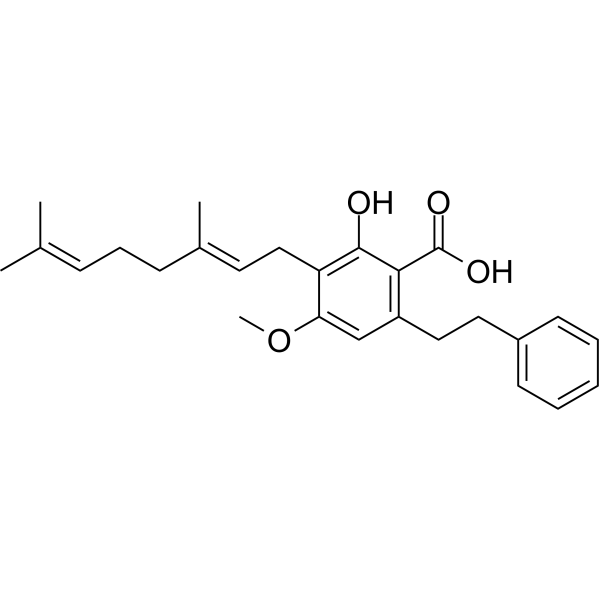
Amorfrutin B is a highly potent natural peroxisome proliferation-activated receptor γ (PPARγ) agonist with oral activity with Ki values of 19 nM and EC50 values of 73 nM, respectively. Amorfrutin B has hypoglycemic and neuroprotective activities .
|
-
- HY-119370
-
|
|
Bcr-Abl
Apoptosis
|
Cancer
|
|
CHMFL-ABL-121 is a highly potent type II ABL kinase inhibitor with IC50s of 2 nM and 0.2 nM against purified inactive ABL wt and T315I kinase protein, respectively .
|
-
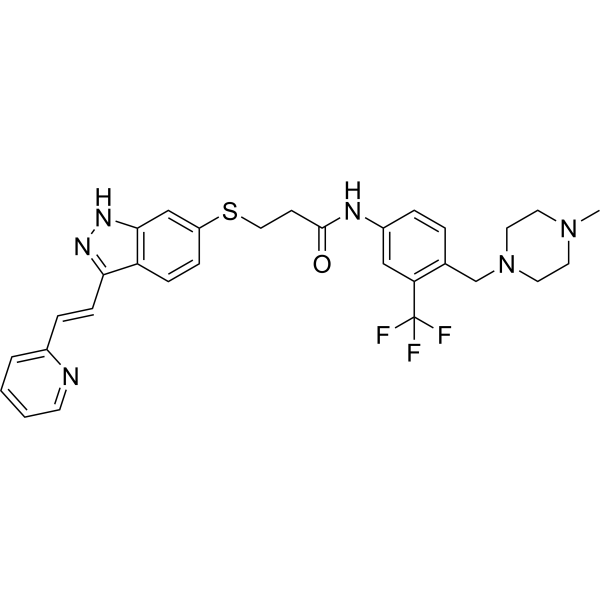
- HY-16346
-
-
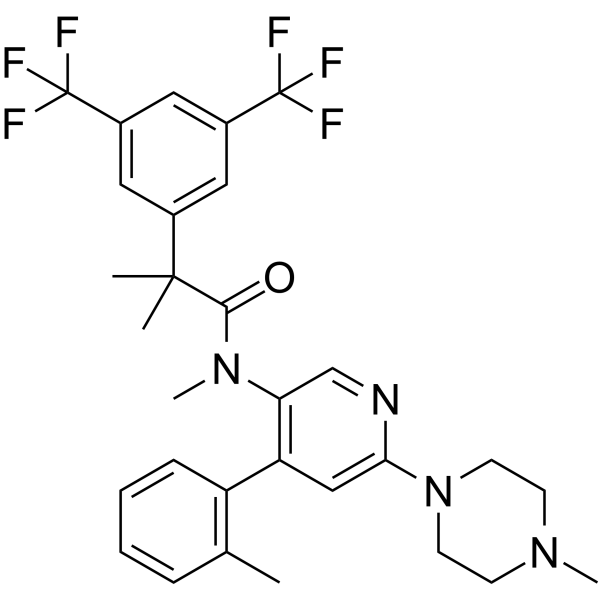
- HY-14200A
-
|
TVP1022 mesylate; S-PAI mesylate
|
Monoamine Oxidase
|
Neurological Disease
|
|
(S)-Rasagiline (TVP1022) mesylate is the relatively inactive S-enantiomer form of Rasagiline mesylate. Rasagiline mesylate is a highly potent selective irreversible MAO inhibitor with IC50s of 4.43 nM and 412 nM for rat brain MAO B and A activity, respectively .
|
-
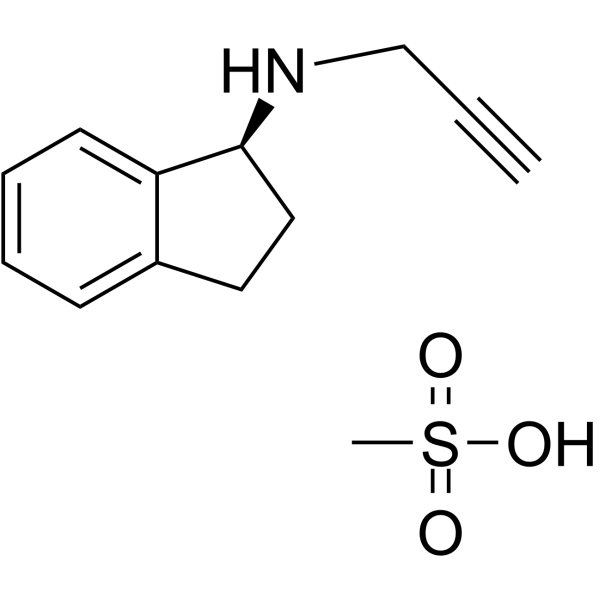
- HY-153098A
-
|
|
Complement System
|
Inflammation/Immunology
|
|
ARC186 (sodium) is an unconjugated 40KDa PEG aptamer with a sequence identical to HY-147080 Avacincaptad pegol (ARC1905) sodium. ARC1905 is highly potent complement inhibitors that function by blocking the convertase-catalyzed activation of C5.
|
-

- HY-10284S3
-
-

- HY-76948
-
|
|
Factor Xa
|
Cardiovascular Disease
|
|
5-R-Rivaroxaban is (R)-enantiomer of Rivaroxaban. Rivaroxaban (BAY 59-7939) is a highly potent and selective, direct Factor Xa (FXa) inhibitor, achieving a strong gain in anti-FXa potency (IC50 0.7 nM; Ki 0.4 nM).
|
-
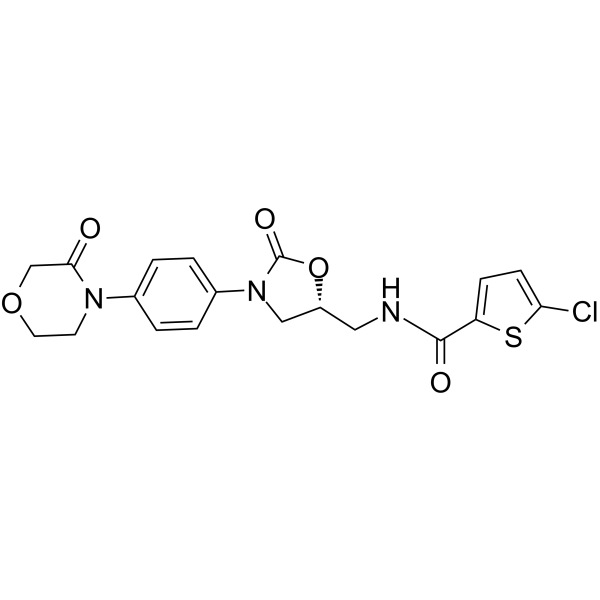
- HY-102080
-
|
|
FKBP
|
Cancer
|
|
SAFit2, a chemical probe, is a highly potent, highly selective FK506-binding protein 51 (FKBP51) inhibitor with a Ki of 6 nM and also enhances AKT2-AS160 binding .
|
-
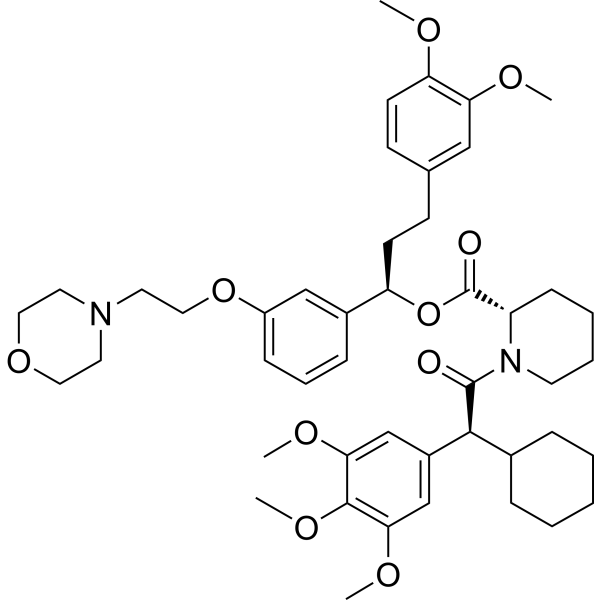
- HY-19775
-
|
|
ROR
|
Inflammation/Immunology
|
|
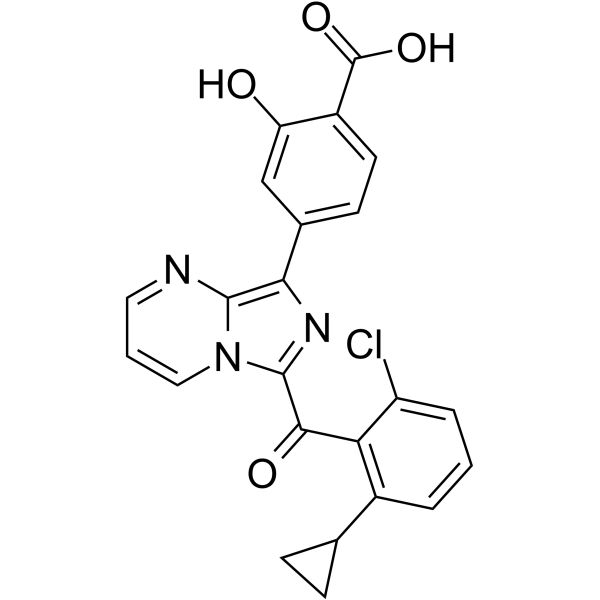
GNE-6468 is a highly potent and selective RORγ (RORc) inverse agonist with an EC50 value of 13 nM for HEK-293 cell. GNE-6468 exhibits an EC50 of 30 nM for IL-17 PBMC .
|
-
- HY-111457A
-
BAY-678
1 Publications Verification
|
Elastase
|
Inflammation/Immunology
|
|
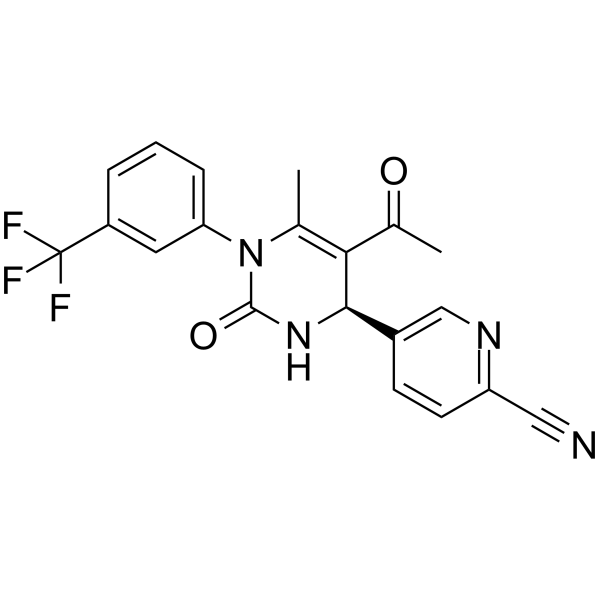
BAY-678 is an orally bioavailable, highly potent, selective and cell-permeable inhibitor of human neutrophil elastase (HNE), with an IC50 of 20 nM. BAY-678 is also nominated as a chemical probe to the public via the Structural Genomics Consortium (SGC).
|
-
- HY-100937
-
|
PD 116948
|
Adenosine Receptor
|
Cardiovascular Disease
|
|
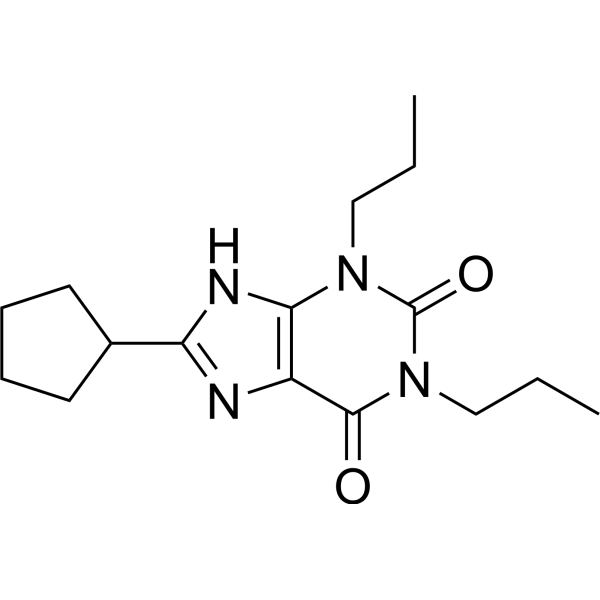
DPCPX (PD 116948), a xanthine derivative, is a highly potent and selective Adenosine A1 receptor antagonist, with a Ki of 0.46 nM in 3H-CHA binding to A1 receptors in rat whole brain membranes .
|
-
- HY-114191
-
|
|
Somatostatin Receptor
|
Metabolic Disease
Endocrinology
|
|
SSTR5 antagonist 2 (compound 10) is a highly potent, oral active and selective somatostatin (receptor) subtype 5 (SSTR5) antagonist and has potential for the research of treat type 2 diabetes mellitus (T2DM) .
|
-
- HY-149243
-
|
|
Cholinesterase (ChE)
|
Neurological Disease
|
|
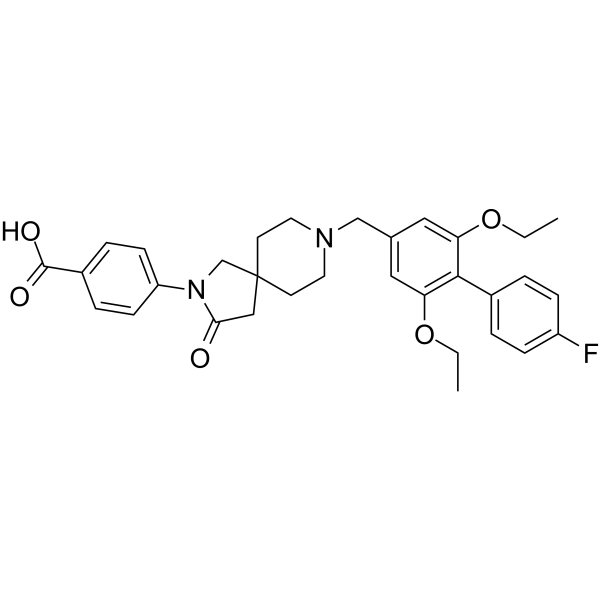
BChE-IN-16 (compound 87) is a highly potent BChE inhibitor with an IC50 of 3.8 nM for hBChE. BChE-IN-16 has low cytotoxicity, potential CNS permeability, unique adaptability and can be used in Alzheimer's disease (AD) research.
|
-
- HY-19912R
-
|
HMPL-013 (Standard)
|
Reference Standards
VEGFR
|
Cancer
|
|
Fruquintinib (Standard) is the analytical standard of Fruquintinib. This product is intended for research and analytical applications. Fruquintinib (HMPL-013) is a highly potent and selective VEGFR 1/2/3 inhibitor with IC50s of 33, 0.35, and 35 nM, respectively.
|
-

- HY-B0836A
-
|
|
Drug Isomer
Insecticide
|
Infection
|
|
(1S,3S)-λ-Cyhalothrin is an isomer of λ-Cyhalothrin (HY-B0836). λ-Cyhalothrin is a highly potent, broad-spectrum, Type II synthetic pyrethroid Insecticide .
|
-

- HY-12857R
-
|
AP-26113 (Standard)
|
Anaplastic lymphoma kinase (ALK)
Reference Standards
|
Cancer
|
|
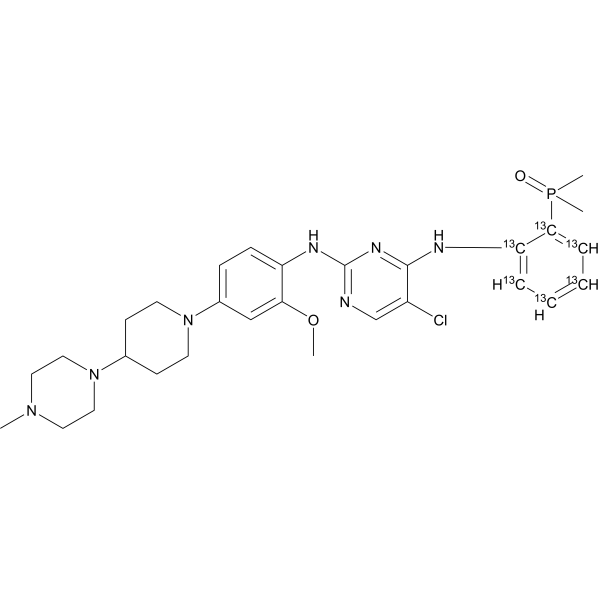
Brigatinib (Standard) is the analytical standard of Brigatinib. This product is intended for research and analytical applications. Brigatinib (AP-26113) is a highly potent, selective and orally active ALK inhibitor, with an IC50 of 0.6 nM. Brigatinib can be used for research of NSCLC .
|
-

- HY-17015
-
-
- HY-15872A
-
|
|
Farnesyl Transferase
Apoptosis
Ras
|
Infection
Cancer
|
|
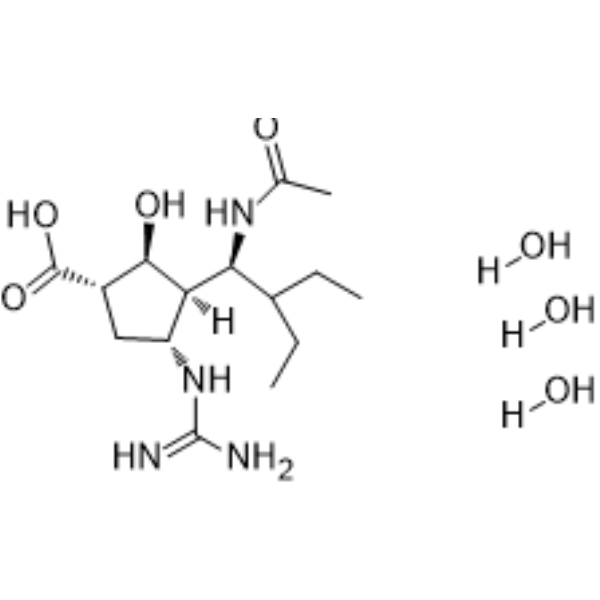
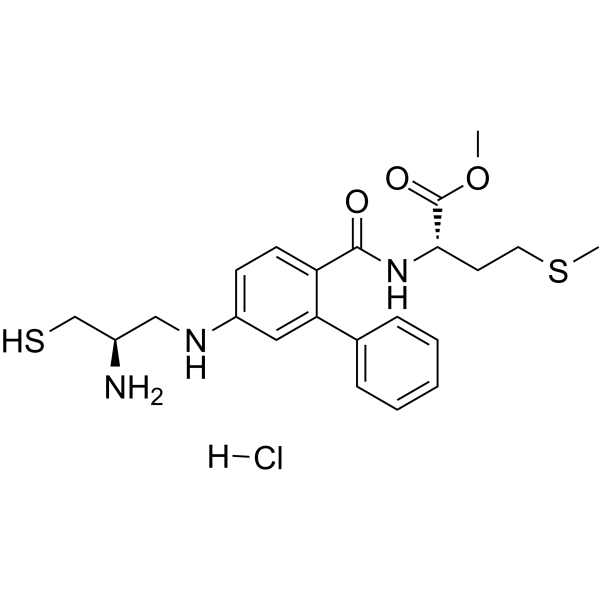
FTI-277 hydrochloride is an inhibitor of farnesyl transferase (FTase); a highly potent Ras CAAX peptidomimetic which antagonizes both H- and K-Ras oncogenic signaling. FTI-277 hydrochloride can inhibit hepatitis delta virus (HDV) infection.
|
-
- HY-19912S
-
|
|
Isotope-Labeled Compounds
VEGFR
|
Cancer
|
|
Fruquintinib-d6 is the deuterium labeled Fruquintinib (HY-19912). Fruquintinib (HMPL-013) is a highly potent and selective VEGFR 1/2/3 inhibitor with IC50s of 33, 0.35, and 35 nM, respectively.
|
-

- HY-117365
-
|
|
Epigenetic Reader Domain
|
Cancer
|
|
MI-1481 is a highly potent inhibitor of the Menin-MLL1 interaction with IC50 of 3.6 nM. MI-1481 markedly reduces cell growth of murine bone marrow cells transformed and inhibits leukemia progression .
|
-
- HY-114191A
-
|
|
Somatostatin Receptor
|
Metabolic Disease
Endocrinology
|
|
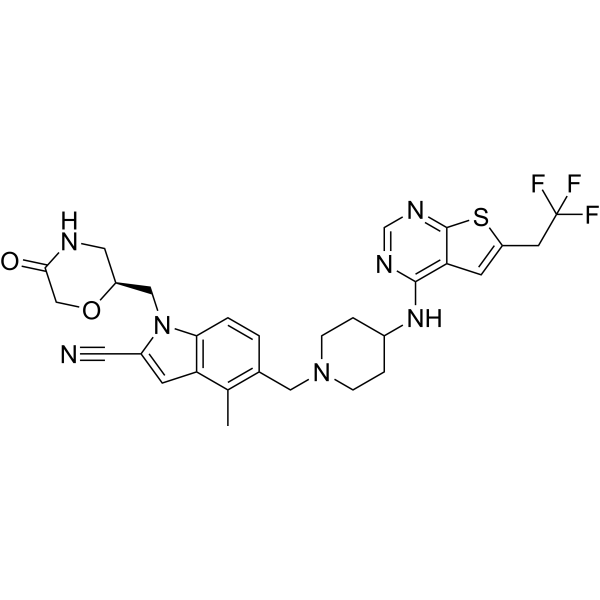
SSTR5 Antagonist 1 (compound 10) is a highly potent, oral active and selective somatostatin (receptor) subtype 5 (SSTR5) antagonist and has potential for the research of treat type 2 diabetes mellitus (T2DM) .
|
-
- HY-107735R
-
|
|
Reference Standards
Neuropeptide Y Receptor
|
Neurological Disease
|
|
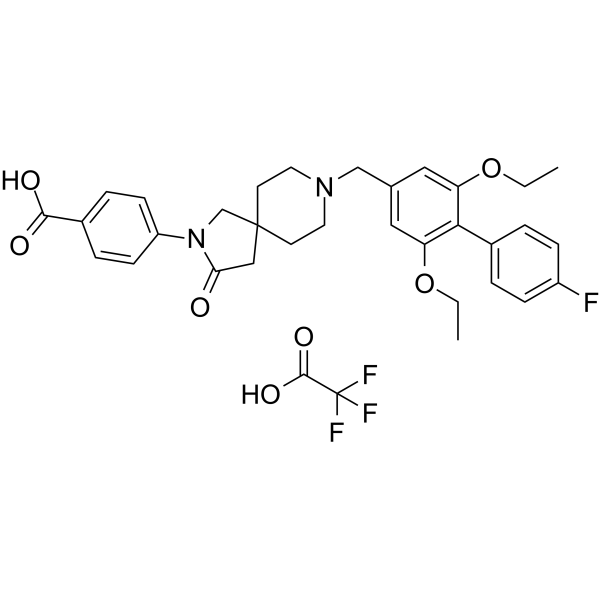
CYM 9484 (Standard) is the analytical standard of CYM 9484 (HY-107735). This product is intended for research and analytical applications. CYM 9484 is a selective and highly potent neuropeptide Y (NPY) Y2 receptor antagonist with an IC50 value of 19 nM .
|
-

- HY-15682
-
TTNPB
5 Publications Verification
Ro 13-7410; Arotinoid acid; AGN191183
|
RAR/RXR
Autophagy
Apoptosis
|
Cancer
|
|
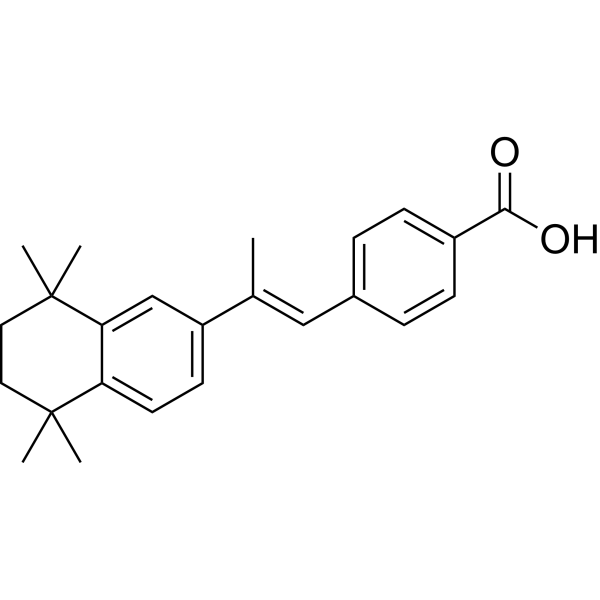
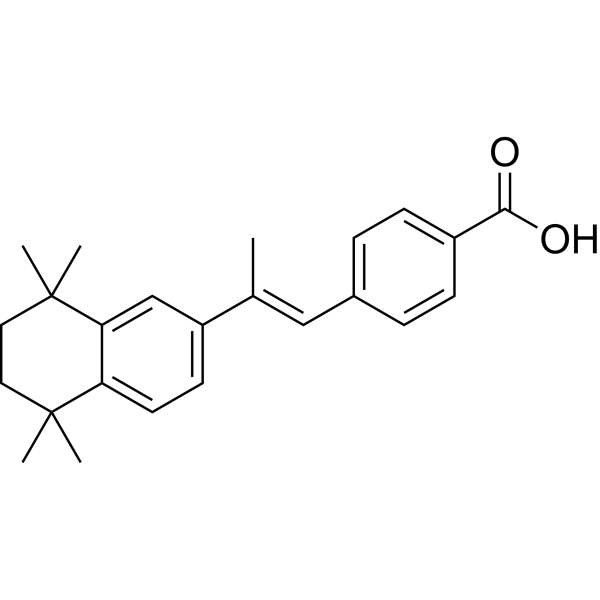
TTNPB is a highly potent RAR agonist. Competitive binding assays using human RARs yield IC50s of α=5.1 nM, β= 4.5 nM, and γ=9.3 nM, respectively.
|
-
- HY-119243
-
|
|
mGluR
|
Neurological Disease
|
|
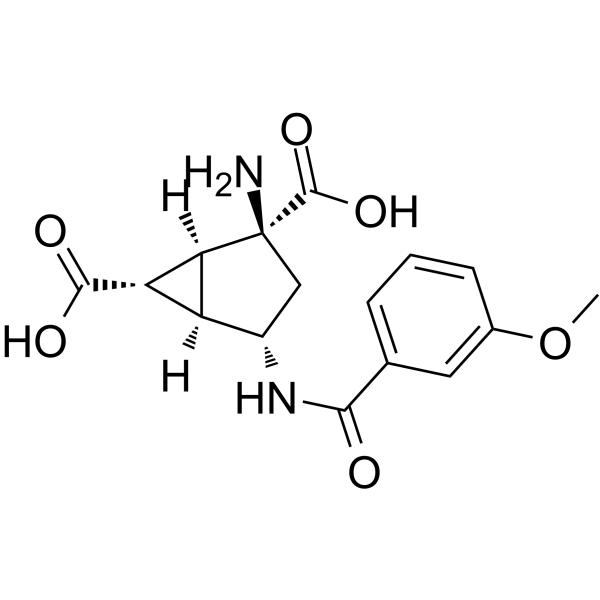
LY2794193 is a highly potent and selective mGlu3 receptor agonist (hmGlu3 Ki=0.927 nM,EC50=0.47 nM; hmGlu2 Ki=412 nM,EC50=47.5 nM) .
|
-
- HY-108435
-
-
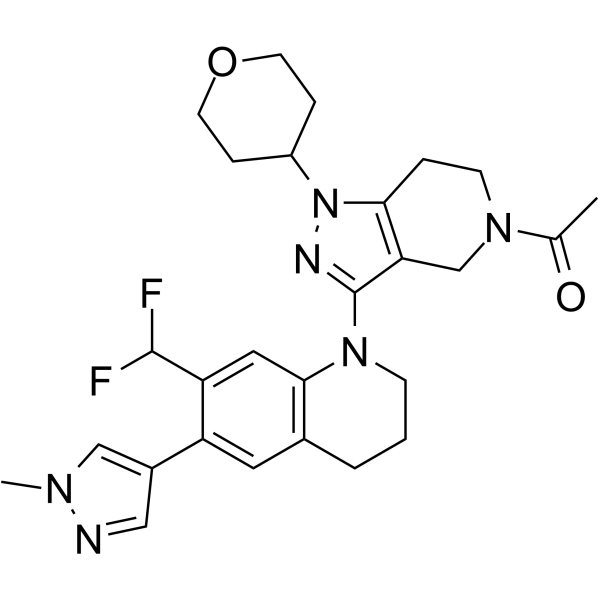
- HY-139156
-
SK-575
5 Publications Verification
|
PROTACs
PARP
|
Cancer
|
|
SK-575 is a highly potent and specific proteolysis-targeting chimera (PROTAC) degrader of PARP1, with an IC50 of 2.30 nM. SK-575 potently inhibits the growth of cancer cells bearing BRCA1/2 mutations .
|
-
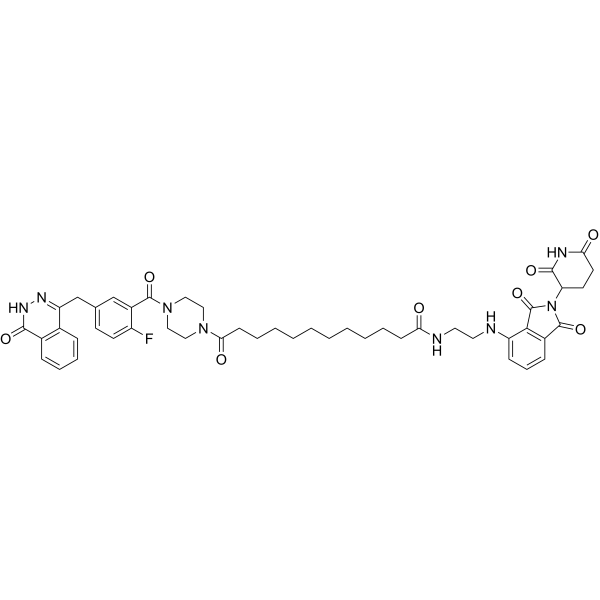
- HY-10268R
-
|
PRT054021 (Standard)
|
Reference Standards
Factor Xa
|
Cardiovascular Disease
|
|
Betrixaban (Standard) is the analytical standard of Betrixaban. This product is intended for research and analytical applications. Betrixaban (PRT054021) is a highly potent, selective, and orally efficacious factor Xa (fXa) inhibitor with an IC50 of 1.5 nM. Betrixaban shows antithrombotic effect .
|
-

- HY-13049
-
|
AZD-2171 maleate
|
VEGFR
Autophagy
PDGFR
|
Cancer
|
|
Cediranib maleate (AZD-2171 maleate) is a highly potent, orally available VEGFR inhibitor with IC50s of <1, <3, 5, 5, 36, 2 nM for Flt1, KDR, Flt4, PDGFRα, PDGFRβ, c-Kit, respectively.
|
-
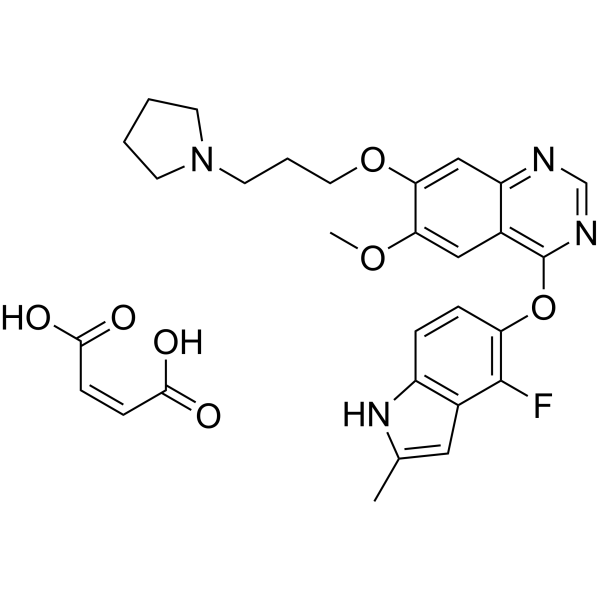
- HY-15659R
-
|
C59 (Standard)
|
Porcupine
Wnt
Reference Standards
|
Cancer
|
|
Wnt-C59 (Standard) is the analytical standard of Wnt-C59. This product is intended for research and analytical applications. Wnt-C59 (C59) is a highly potent and oral porcupine (PORCN) inhibitor with an IC50 of 74 pM.
|
-

- HY-18978
-
|
|
Adenosine Receptor
|
Inflammation/Immunology
|
|
GR79236 is a highly potent, selective and orally active adenosine A1 receptor agonist with a Kis of 3.1 nM and 1300 nM for A1 and A2 receptors, respectively. GR79236 has anti-nociceptive and anti-inflammatory actions .
|
-
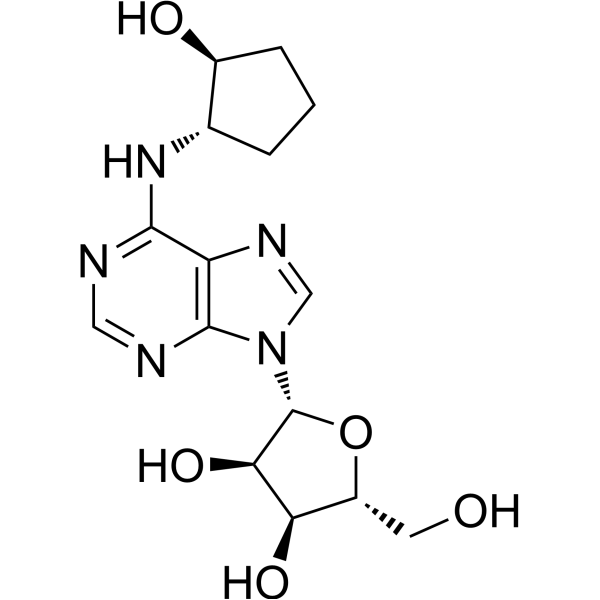
- HY-16106
-
|
BMN-673; LT-673
|
PARP
|
Cancer
|
|
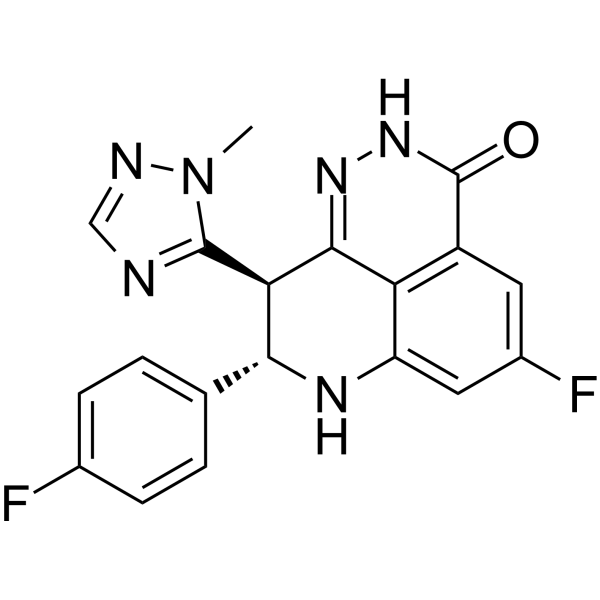
Talazoparib (BMN-673) is a highly potent, orally active PARP1/2 inhibitor.Talazoparib inhibits PARP1 and PARP2 enzyme activity with Kis of 1.2 nM and 0.87 nM, respectively. Talazoparib has antitumor activity .
|
-
- HY-151623
-
ACBI2
1 Publications Verification
|
PROTACs
Epigenetic Reader Domain
|
Cancer
|
|
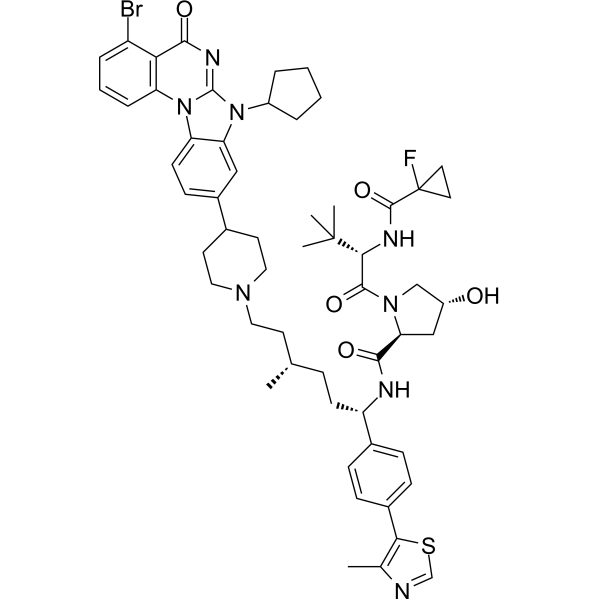
ACBI2 is a highly potent and orally active VHL PROTAC SMARCA2 degrader (EC50: 7 nM), which selectively degrades SMARCA2 with a DC50 value of 1 nM in RKO cells. ACBI2 can be used in the research of lung cancer .
|
-
- HY-128875
-
|
|
Histone Acetyltransferase
|
Cancer
|
|
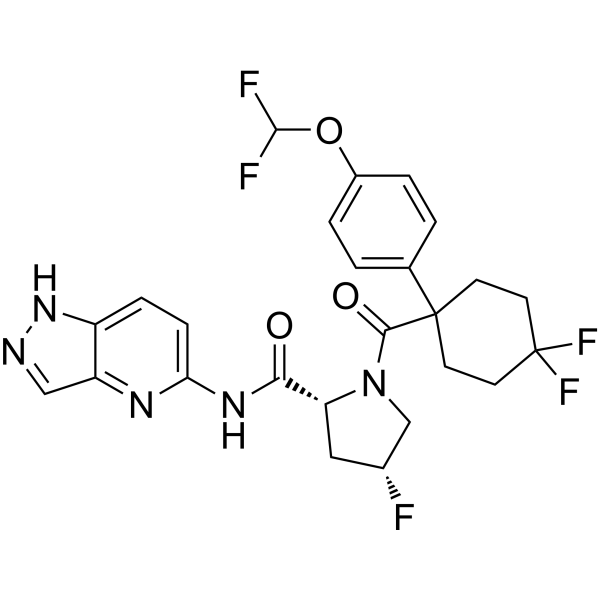
CBP/p300-IN-10 is a highly potent histone acetyltransferase EP300 and CREBBP with IC50 values of 26 nM and 39 nM, respectively. CBP/p300-IN-10 can be used to research anticancer .
|
-
- HY-14907
-
|
MPC 6827
|
Microtubule/Tubulin
|
Cancer
|
|
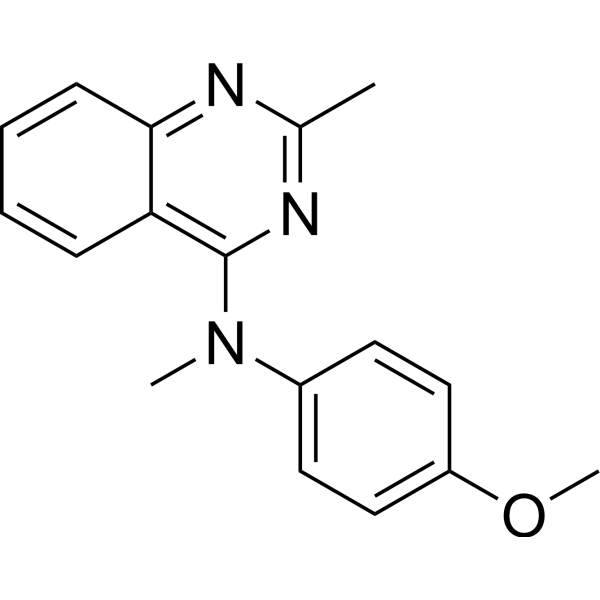
Verubulin (MPC-6827) is a highly potent and broad-spectrum microtubule blocker. Verubulin has antitumor activity against breast cancer, melanoma, and ovarian cancer. Verubulin can be used in non-small cell lung cancer research .
|
-
- HY-136285
-
|
|
Histone Acetyltransferase
|
Cancer
|
|
CPI-1612 is a highly potent, orally active EP300/CBP histone acetyltransferase (HAT) inhibitor with an IC50 of 8.1 nM for EP300 HAT. CPI-1612 has an anticancer activity .
|
-
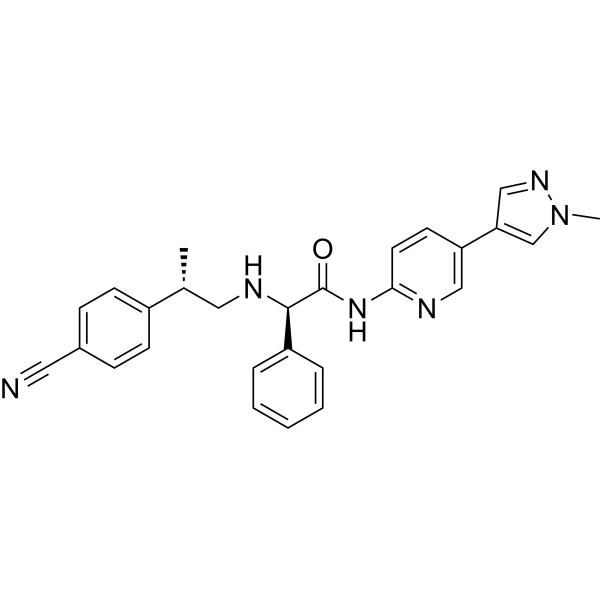
- HY-15605R
-
|
LGX818 (Standard)
|
Reference Standards
Raf
|
Cancer
|
|
Encorafenib (Standard) is the analytical standard of Encorafenib. This product is intended for research and analytical applications. Encorafenib (LGX818) is a highly potent BRAF inhibitor with selective anti-proliferative and apoptotic activity in cells expressing BRAF V600E (EC50=4 nM).
|
-

- HY-135464
-
|
|
mGluR
|
Neurological Disease
|
|
(±)-LY367385 is the racemate of LY367385. LY367385 is a highly potent and selective mGluR1a antagonist. LY367385 has an IC50 of 8.8 μM for inhibits of quisqualate-induced phosphoinositide (PI) hydrolysis, compared with > 100 μM for mGlu5a .
|
-
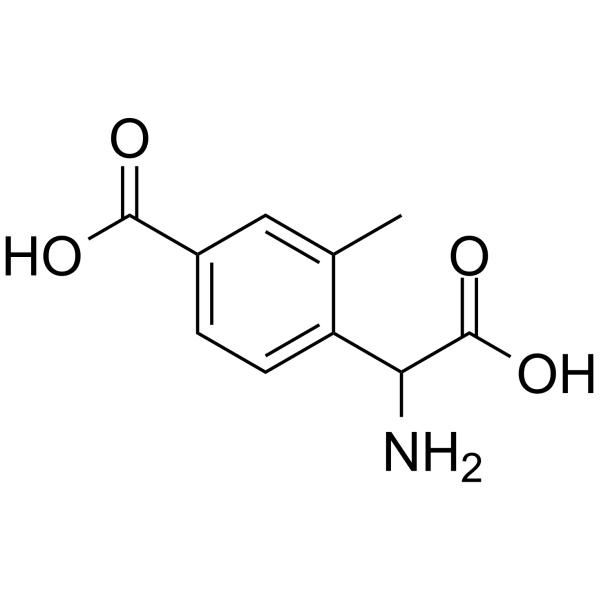
- HY-173401
-
|
|
P-glycoprotein
|
Cancer
|
|
P-gp inhibitor 29 (41) is a highly potent P-gp inhibitor and apoptosis inducer, with an IC50 of 8.9 nM in Eca109/VCR cells. P-gp inhibitor 29 (41) can be used in the research for Esophageal Cancer .
|
-

- HY-106735
-
|
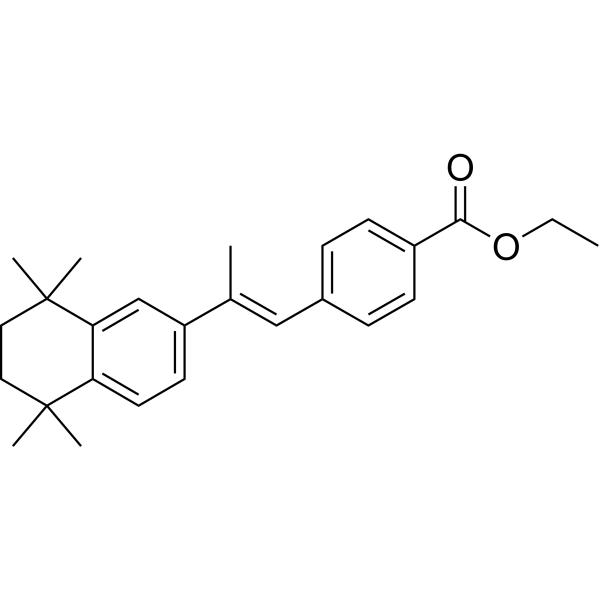
Ro 13-6298; Arotinoid ethyl ester
|
RAR/RXR
|
Inflammation/Immunology
Cancer
|
|
Arotinoid (RO 13-6298) is a retinoid, and acts as an orally active and highly potent agonist of retinoic acid receptors (RARs) with antipsoriatic effects. Arotinoid has antipapiltoma activity with an ED50 of 0.05 mg/kg. Arotinoid can be used for the research of skin carcinomas .
|
-
- HY-100470R
-
|
|
PI3K
Reference Standards
mTOR
|
Cancer
|
|
NSC781406 (Standard) is the analytical standard of NSC781406 (HY-100470). This product is intended for research and analytical applications. NSC781406 is a highly potent PI3K and mTOR inhibitor with an IC50 of 2 nM for PI3Kα.
|
-

- HY-19509
-
|
|
Reverse Transcriptase
HIV
|
Infection
|
|
IQP-0528 is a highly potent nonnucleoside reverse transcriptase inhibitor (NNRTI). IQP-0528 shows nanomolar activity against both HIV-1 and HIV-2, with EC50s of 0.2 nM and 100 nM, respectively .
|
-
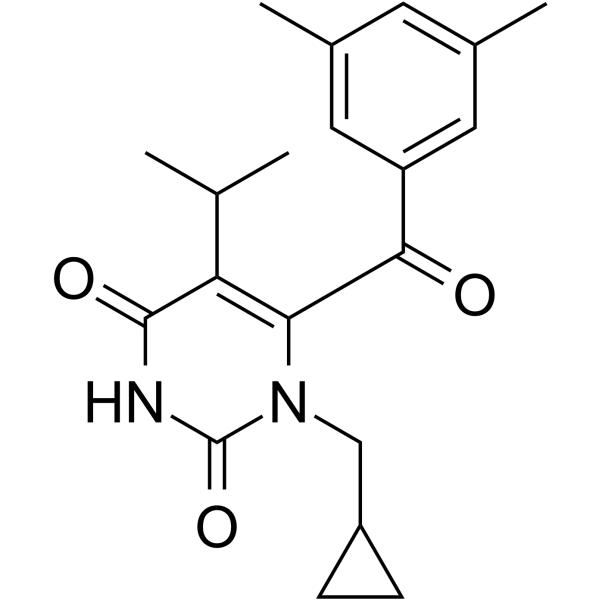
- HY-12472R
-
|
TAK-063 (Standard)
|
Phosphodiesterase (PDE)
Reference Standards
|
Neurological Disease
|
|
Balipodect (Standard) is the analytical standard of Balipodect. This product is intended for research and analytical applications. Balipodect (TAK-063) is a highly potent, selective and orally active PDE10A inhibitor with IC50 of 0.30 nM; >15000-fold selectivity over other PDEs.
|
-

- HY-15682G
-
|
Ro 13-7410; Arotinoid acid; AGN191183
|
RAR/RXR
|
Cancer
|
|
TTNPB (Ro 13-7410) (GMP) is TTNPB (HY-15682) produced by using GMP guidelines. GMP small molecules work appropriately as an auxiliary reagent for cell therapy manufacture. TTNPB is a highly potent retinoic acid receptor (RAR) agonist .
|
-
- HY-172448
-
|
|
ATM/ATR
|
Cancer
|
|
YY2201 is a highly potent and selective ATR inhibitor with an IC50 of 8 nM. YY2201 shows >200-fold more selective for ATR than mTOR. YY2201 inhibits tumor progression in broad-spectrum cancer types (such as lung cancer) .
|
-

- HY-147760
-
|
|
DYRK
|
Metabolic Disease
|
|
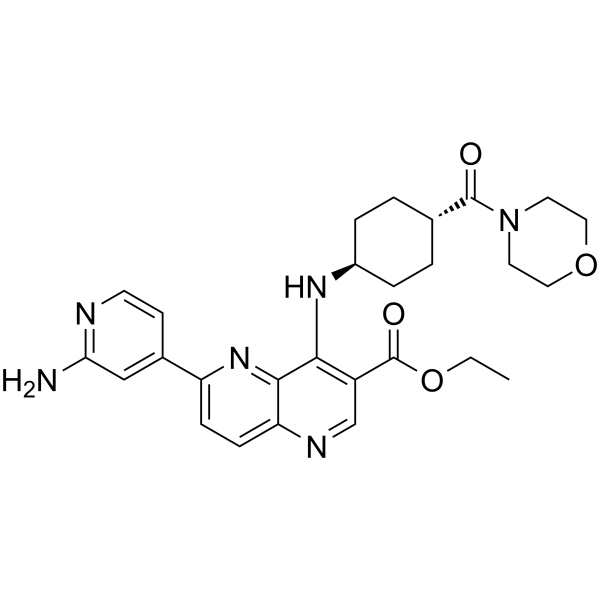
Dyrk1A-IN-2 (Compound 63) is a DYRK1A inhibitor with an EC50 of 37 nM. Dyrk1A-IN-2 exhibits highly potent human β-cell replication-promoting activity and low cytotoxicity .
|
-
- HY-149465
-
-

- HY-101192R
-
|
|
EBI2/GPR183
Reference Standards
|
Inflammation/Immunology
|
|
GSK682753A (Standard) is the analytical standard of GSK682753A (HY-101192). This product is intended for research and analytical applications. GSK682753A is a selective and highly potent inverse agonist of the epstein-barr virus-induced receptor 2 (EBI2) with an IC50 of 53.6 nM.
|
-

- HY-125286
-
|
|
CD73
|
Cancer
|
|
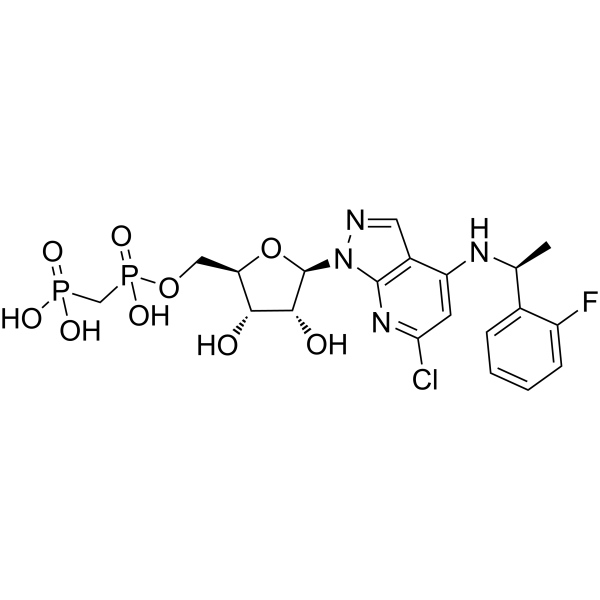
AB-680 is a highly potent, reversible and selective inhibitor of CD73 (an ecto-nucleotidase), with a Ki of 4.9 pM for hCD73, displays >10,000-fold selectivity over related ecto-nucleotidases CD39. Anti-tumor activity .
|
-
- HY-100518
-
T-26c
3 Publications Verification
|
MMP
|
Inflammation/Immunology
|
|
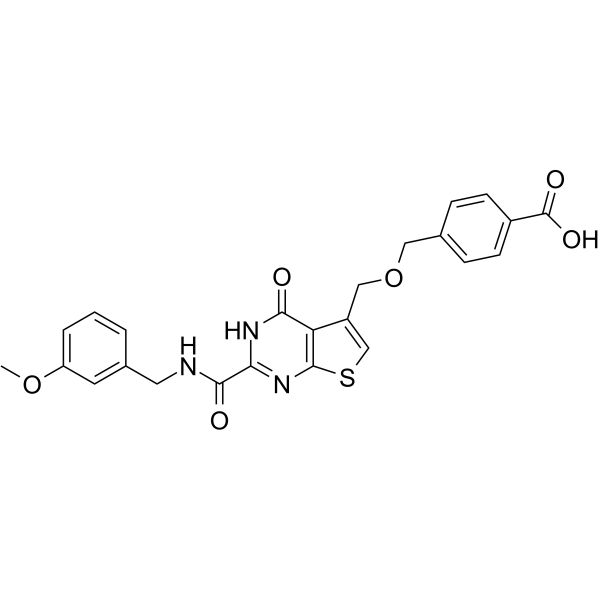
T-26c, a chemical probe, is highly potent and selective matrix metalloproteinase-13 (MMP-13) inhibitor with an IC50 of 6.75 pM and more than 2600-fold selectivity over the other related metalloenzymes .
|
-
- HY-137070
-
|
|
Drug Metabolite
|
Cardiovascular Disease
Cancer
|
|
Rivaroxaban diol is a metabolite of Rivaroxaban (HY-50903). Rivaroxaban (BAY 59-7939) is a highly potent, selective and direct Factor Xa (FXa) inhibitor, achieving a strong gain in anti-FXa potency (IC50 0.7 nM; Ki 0.4 nM) .
|
-

- HY-P2228
-
|
|
HDAC
Apoptosis
|
Cancer
|
|
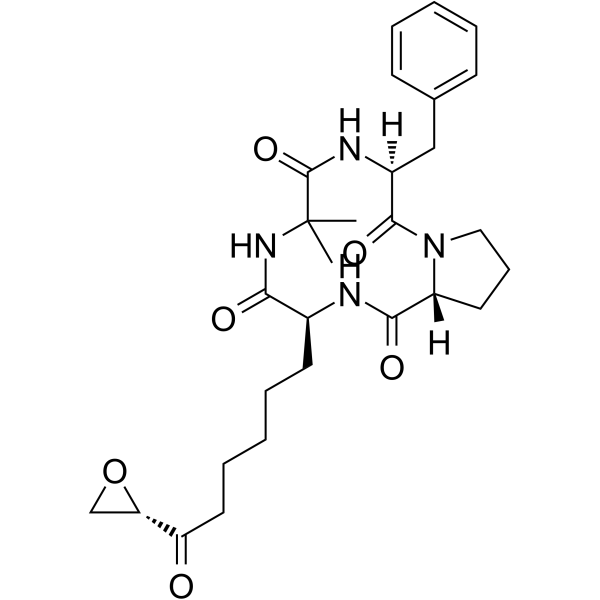
Chlamydocin (purity≥70%), a fungal metabolite, is a highly potent HDAC inhibitor, with an IC50 of 1.3 nM. Chlamydocin (purity≥70%) exhibits potent antiproliferative and anticancer activities. Chlamydocin (purity≥70%) induces apoptosis by activating caspase-3 .
|
-
- HY-12176R
-
|
CGP 60536 (Standard); CGP60536B (Standard); SPP 100 (Standard)
|
Reference Standards
Renin
Autophagy
|
Cardiovascular Disease
Cancer
|
|
Aliskiren (Standard) is the analytical standard of Aliskiren. This product is intended for research and analytical applications. Aliskiren is an orally active, highly potent and selective renin inhibitor, with IC50 of 1.5 nM. Aliskiren can be used for the research of hypertension, cardiovascular diseases and cancer cachexia .
|
-

- HY-128355
-
|
|
Indoleamine 2,3-Dioxygenase (IDO)
|
Cancer
|
|
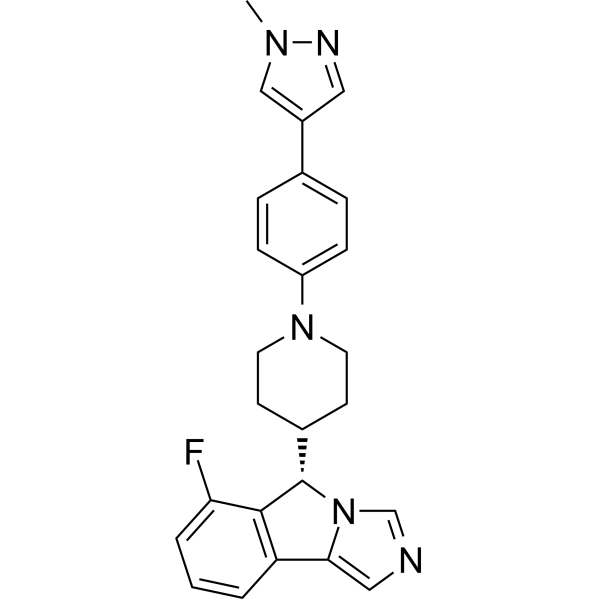
IDO/TDO-IN-1 (compound 25) is a highly potent and orally active dual indoleamine-2,3-dioxygenase (IDO) and tryptophan 2,3-dioxygenase (TDO) inhibitor with IC50s of 9.7 and 47 nM, respectively .
|
-
- HY-109193
-
|
IMR-687
|
Phosphodiesterase (PDE)
|
Cardiovascular Disease
|
|
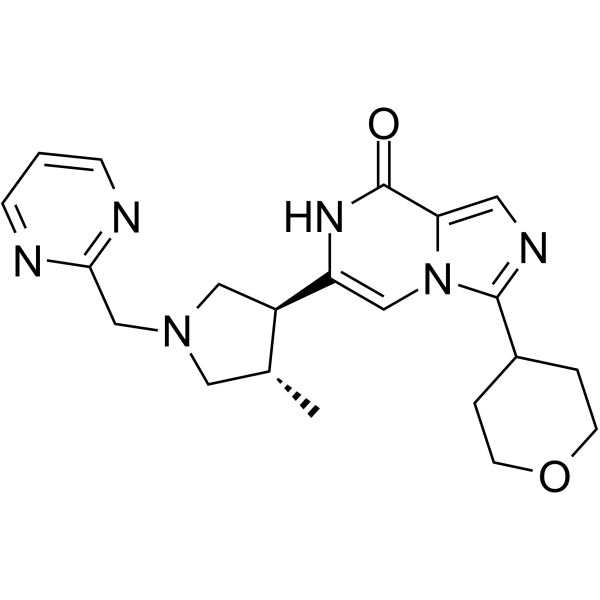
Tovinontrine (IMR-687) is a highly potent and selective phosphodiesterase-9 (PDE9) inhibitor specifically for the treatment of sickle cell disease. IC50s are 8.19 nM and 9.99 nM for PDE9A1 and PDE9A2, respectively .
|
-
- HY-148695C
-
|
|
Interleukin Related
|
Inflammation/Immunology
|
|
ADR58 sodium is a highly potent and selective human oncostatin M (OSM) antagonist, which can prevent the binding of OSM to the gp130 receptor and specifically antagonize OSM-mediated signaling. ADR58 sodium can be used in the research of rheumatoid arthritis related diseases .
|
-
- HY-143463
-
|
|
c-Met/HGFR
|
Cancer
|
|
AC-386 is a highly potent c-Met inhibitor with IC50 value of 7.42 nM. AC-386 has antiproliferative activities against certain cancer cell lines. AC-386 can be used for researching anti-cancer resistance .
|
-
- HY-15605S
-
|
LGX818-13C,d3
|
Isotope-Labeled Compounds
Raf
|
Cancer
|
|
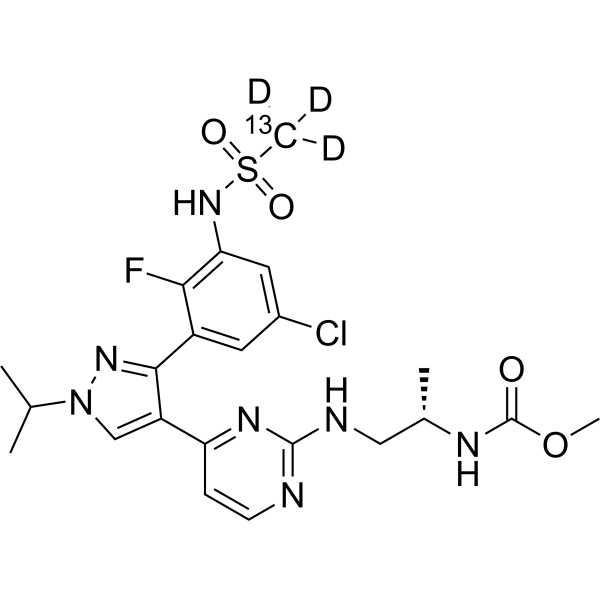
Encorafenib- 13C,d3 is the 13C- and deuterium labeled Encorafenib. Encorafenib (LGX818) is a highly potent BRAF inhibitor with selective anti-proliferative and apoptotic activity in cells expressing BRAFV600E (EC50=4 nM).
|
-
- HY-15531S
-
|
ABT-199-d8; GDC-0199-d8; RG7601-d8
|
Bcl-2 Family
Autophagy
|
Cancer
|
|
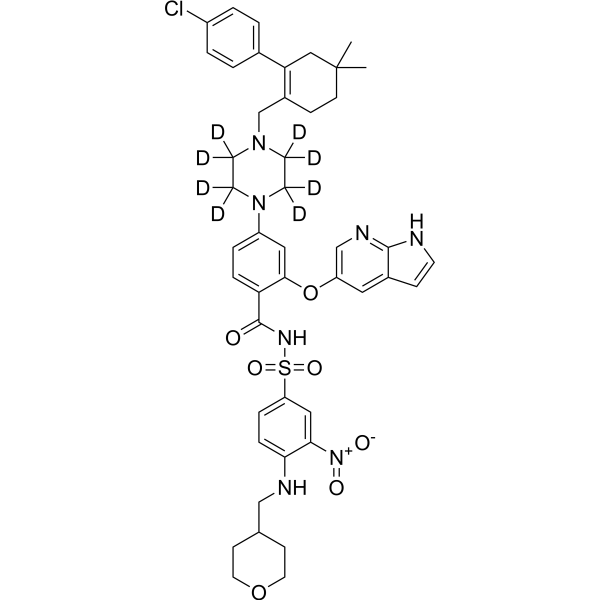
Venetoclax-d8 is deuterium labeled Venetoclax. Venetoclax (ABT-199; GDC-0199) is a highly potent, selective and orally bioavailable Bcl-2 inhibitor with a Ki of less than 0.01 nM. Venetoclax induces autophagy .
|
-
- HY-117778
-
|
|
Enolase
Bacterial
Antibiotic
|
Infection
Cancer
|
|
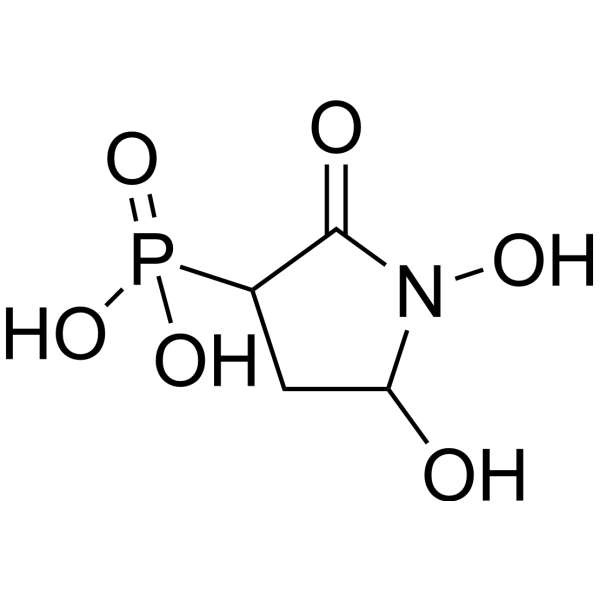
SF2312, a natural phosphonate antibiotic (Antibiotic), is a highly potent Enolase inhibitor with IC50s of 37.9 nM and 42.5 nM for human recombinant ENO1 and ENO2, respectively. SF2312 is active against bacteria under anaerobic conditions .
|
-
- HY-148695B
-
|
|
Interleukin Related
|
Inflammation/Immunology
|
|
ADR58 sodium is a highly potent and selective human oncostatin M (OSM) antagonist, which can prevent the binding of OSM to the gp130 receptor and specifically antagonize OSM-mediated signaling. ADR58 sodium can be used in the research of rheumatoid arthritis related diseases .
|
-
- HY-131034
-
|
|
Wnt
|
Others
|
|
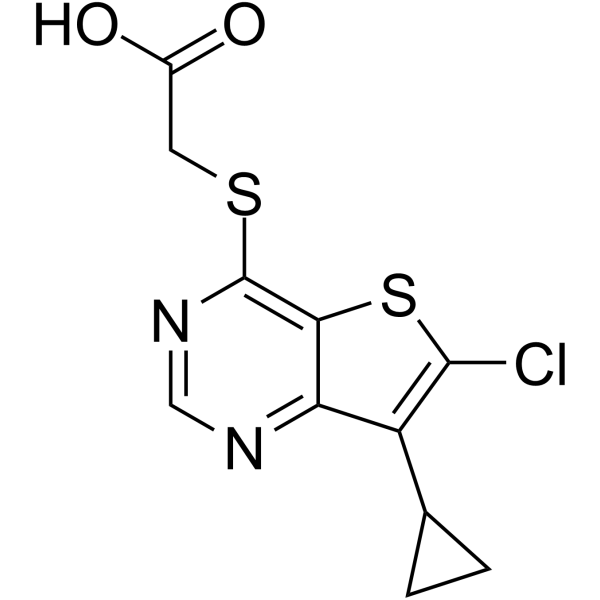
LP-922056 is an orally active, highly potent Notum Pectinacetylesterase inhibitor with EC50s of 21 nM, 55 nM in human and mouse cellular assay, respectively. LP-922056 significantly increases midshaft femur cortical bone thickness in mice and rats .
|
-
- HY-10596
-
|
|
Integrin
|
Inflammation/Immunology
|
|
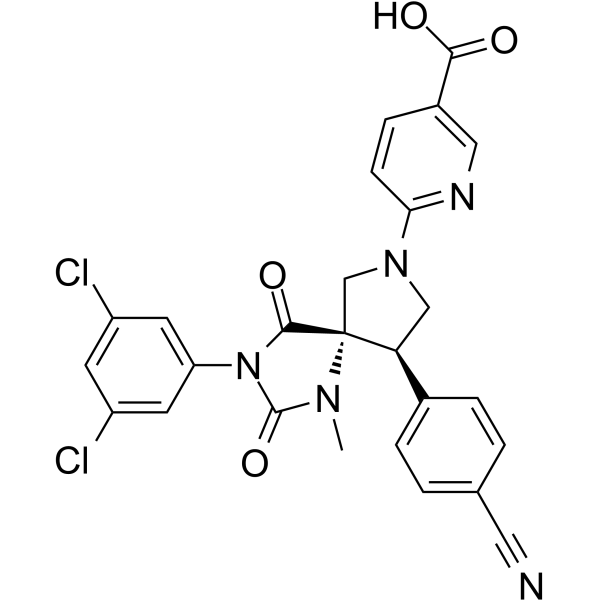
BMS-688521 is a highly potent, orally active inhibitor of the LFA-1/ICAM interaction, with an IC50 of 2.5 nM in the adhesion assay and an IC50 of 60 nM in the MLR assay. BMS-688521 is efficacious in a mouse allergic eosinophilic lung inflammation model .
|
-
- HY-112855
-
|
|
LRRK2
|
Neurological Disease
|
|
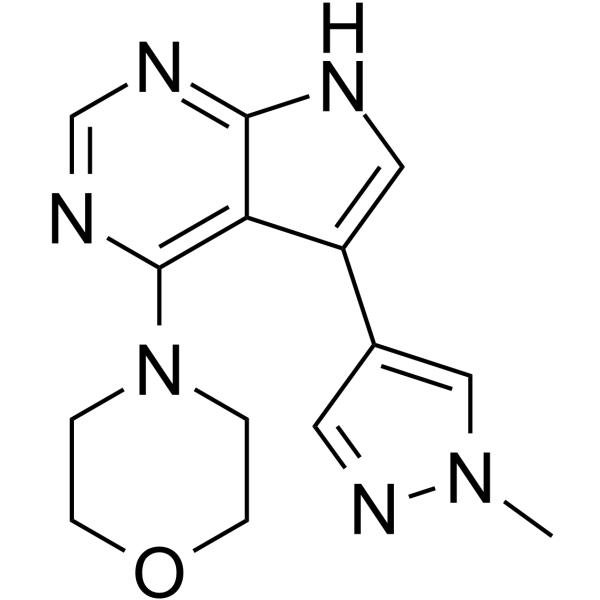
PF-06447475 is a highly potent, selective, brain penetrant LRRK2 kinase inhibitor with IC50 values of 3 nM and 11 nM for WT LRRK and G2019S LRRK2, respectively. PF-06447475 can be used for parkinson's disease (PD) research .
|
-
- HY-110048
-
|
|
Cannabinoid Receptor
|
Neurological Disease
|
|
O-2545 hydrochloride is a highly potent, water-soluble CB1/CB2 receptor agonist (with Ki values of 1.5 and 0.32 nM for CB1 and CB2 respectively), can be used for epilepsy, pain, multiple sclerosis research .
|
-

- HY-12857S2
-
-

- HY-10268S2
-
|
PRT054021-13C6
|
Isotope-Labeled Compounds
|
Cardiovascular Disease
|
|
Betrixaban- 13C6 (PRT054021- 13C6) is 13C labeled Betrixaban. Betrixaban (PRT054021) is a highly potent, selective, and orally efficacious factor Xa (fXa) inhibitor with an IC50 of 1.5 nM. Betrixaban shows antithrombotic effect .
|
-

- HY-125286A
-
|
|
CD73
|
Cancer
|
|
AB-680 ammonium is a highly potent, reversible and selective inhibitor of CD73 (an ecto-nucleotidase), with a Ki of 4.9 pM for hCD73, displays >10,000-fold selectivity over related ecto-nucleotidases CD39. Anti-tumor activity .
|
-
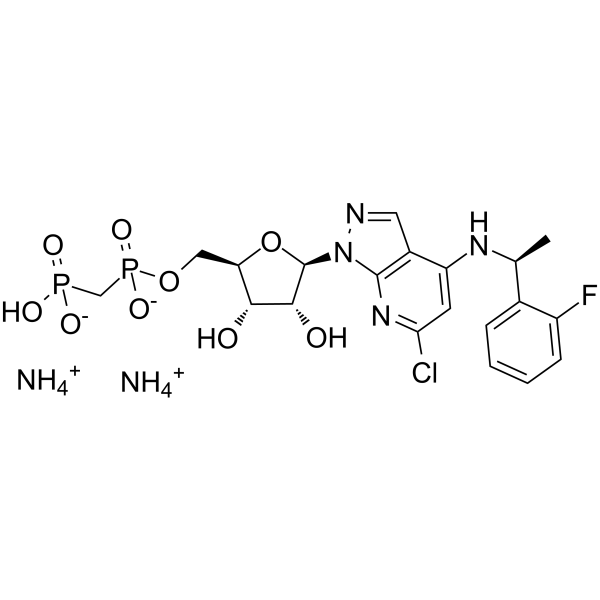
- HY-101267R
-
|
CHMFL-BMX 078 (Standard)
|
BMX Kinase
Reference Standards
|
Cancer
|
|
CHMFL-BMX-078 (Standard) is the analytical standard of CHMFL-BMX-078 (HY-101267). This product is intended for research and analytical applications. CHMFL-BMX-078 is a highly potent and selective type II irreversible BMX kinase inhibitor with an IC50 of 11 nM.
|
-

- HY-10619B
-
|
MK-4827 tosylate
|
PARP
Apoptosis
|
Cancer
|
|
Niraparib tosylate (MK-4827 tosylate) is a highly potent and orally bioavailable PARP1 and PARP2 inhibitor with an IC50 of 3.8 and 2.1 nM, respectively. Niraparib tosylate leads to inhibition of repair of DNA damage, activates apoptosis and shows anti-tumor activity .
|
-
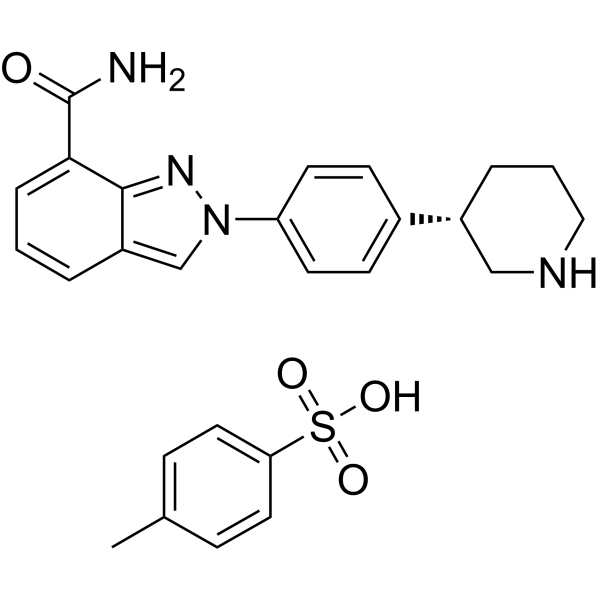
- HY-152092A
-
|
|
Drug Isomer
|
Others
|
|
(R,R)-MMP-1-IN-1 is the R,R-enantiomer of MMP-1-IN-1 (HY-152092). MMP-1-IN-1 (Compound 6) is a highly potent MMP-1 inhibitor with an IC50 of 0.034 μM .
|
-

- HY-50903R
-
|
BAY 59-7939 (Standard)
|
Reference Standards
Factor Xa
|
Cardiovascular Disease
Cancer
|
|
Rivaroxaban (Standard) is the analytical standard of Rivaroxaban. This product is intended for research and analytical applications. Rivaroxaban (BAY 59-7939) is a highly potent, selective and direct Factor Xa (FXa) inhibitor, achieving a strong gain in anti-FXa potency (IC50 0.7 nM; Ki 0.4 nM) .
|
-

- HY-14136S
-
-
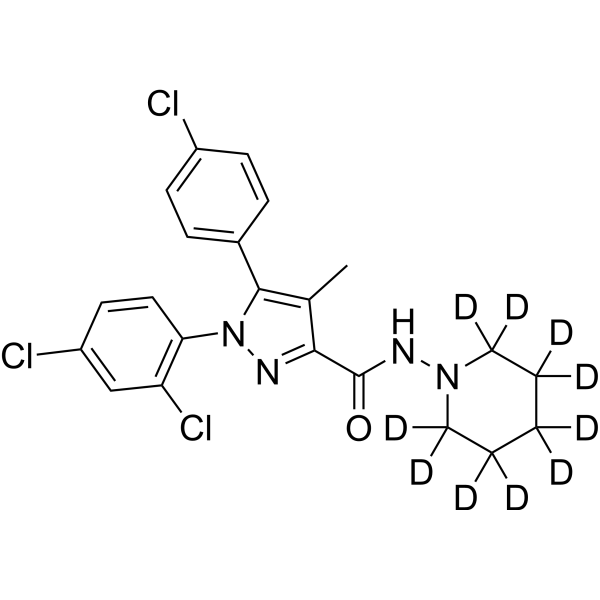
- HY-P2229
-
|
SDZ CO 611
|
Somatostatin Receptor
|
Cancer
|
|
Ilatreotide (SDZ CO61), glycated somatostatin derivative, is a highly potent glycated analog of somatostatin with improved oral activity. Ilatreotide can suppress the fasting level and postprandial release of several gastrointestinal and pancreatic hormones. Ilatreotide can be used for the research of gastroenteropancreatic tumors .
|
-
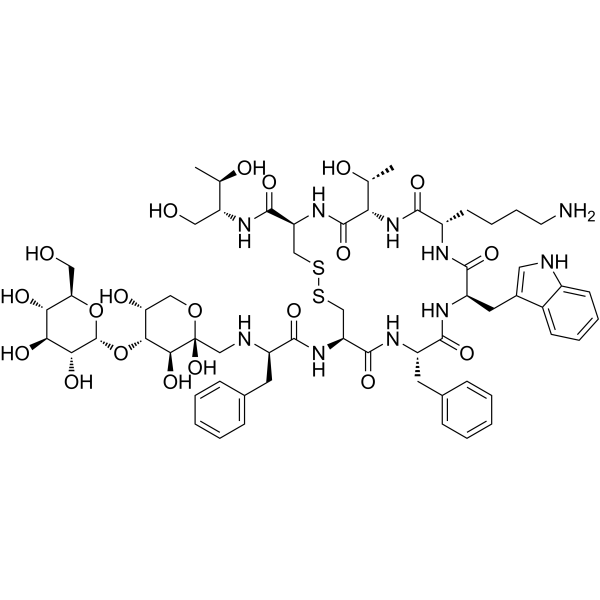
- HY-10268S1
-
|
PRT054021-dsub>4
|
Isotope-Labeled Compounds
Factor Xa
|
Cardiovascular Disease
|
|
Betrixaban-d4 (PRT054021-d4) is deuterium labeled Betrixaban. Betrixaban (PRT054021) is a highly potent, selective, and orally efficacious factor Xa (fXa) inhibitor with an IC50 of 1.5 nM. Betrixaban shows antithrombotic effect .
|
-

- HY-100947
-
-
- HY-135279
-
|
|
CFTR
|
Inflammation/Immunology
|
|
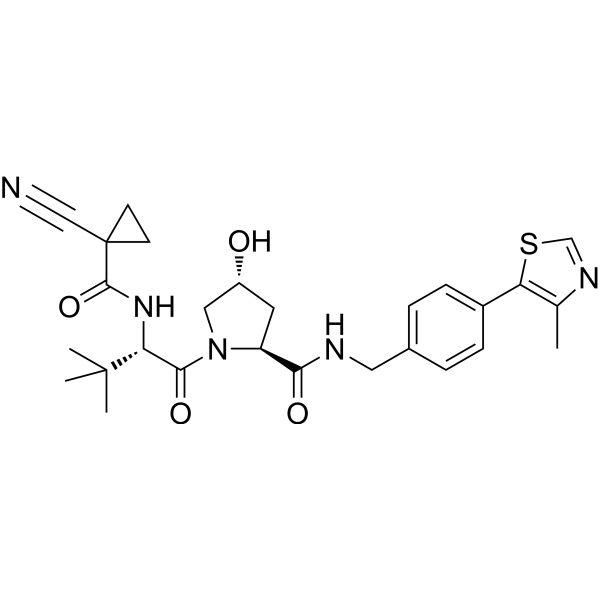
CFTR corrector 4 (Compound 13), an active (R,R)-form enantiomer, is a highly potent and orally active cystic fibrosis transmembrane conductance regulator (CFTR) corrector. CFTR corrector 4 can increase CFTR levels at the cell surface and have the potential for treatment of cystic fibrosis .
|
-
- HY-147134
-
|
|
GSK-3
|
Neurological Disease
|
|
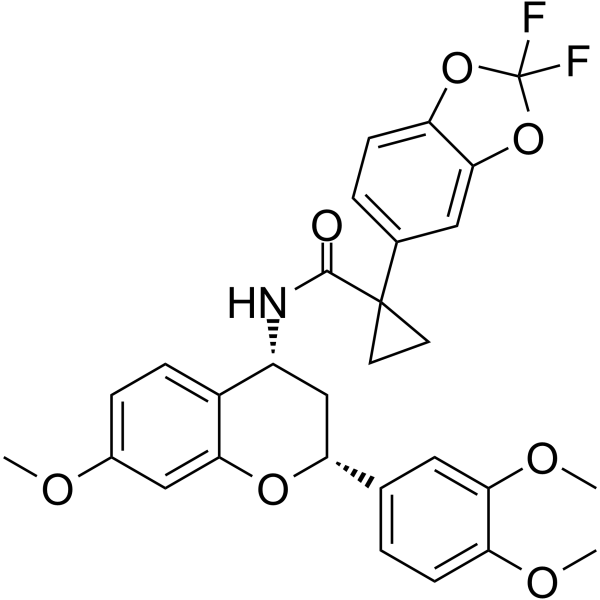
GSK-3β inhibitor 10 (compound 14a) is a highly potent GSK-3β inhibitor with an IC50 value of 80.5 nM. GSK-3β inhibitor 10 can be used for researching Alzheimer’s disease .
|
-
- HY-W517264
-
|
BM 51052 hydrochloride
|
Adrenergic Receptor
|
Cardiovascular Disease
|
|
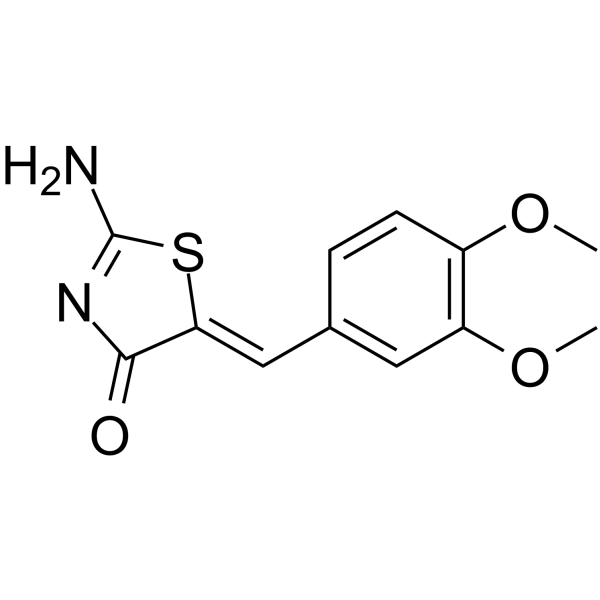
Carazolol (BM 51052) hydrochloride is a highly potent antagonist of β1/β2 adrenoceptor. Carazolol hydrochloride is also a potent, selective β3-adrenoceptor agonist. Carazolol hydrochloride can be used in the research of hypertension .
|
-

- HY-119832B
-
|
(S)-EGIS-2062 free acid; (S)-EGYT-2062 free acid
|
Histamine Receptor
|
Inflammation/Immunology
|
|
(S)-Setastine ((S)-EGIS-2062 free acid) is a non-sedating, highly potent antagonist of H1 receptor-mediated responses. (S)-Setastine has a long-lasting antihistamine effect and good oral efficacy. (S)-Setastine can be used in the research of allergic diseases .
|
-

- HY-133117
-
BAY-985
4 Publications Verification
|
IKK
|
Cancer
|
|
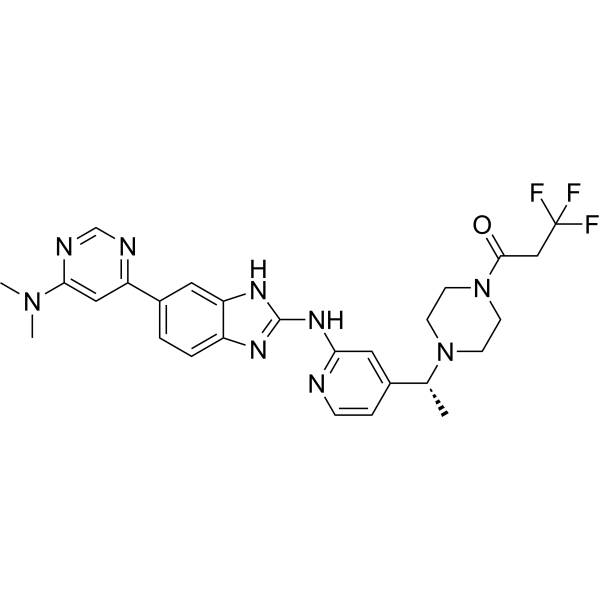
BAY-985, a chemical probe, is a highly potent, orally active and selective ATP-competitive dual inhibitor of TBK1 and IKKε with IC50s of 2/30 and 2 nM for TBK1 (low/high ATP) and IKKε, respectively. Antitumor efficacy .
|
-
- HY-W589560
-
|
|
Endogenous Metabolite
|
Cardiovascular Disease
|
|
TMA-IN-1 (Compound 7) is a highly potent, orally active and selective TMA Lyase inhibitor with an estimated Kd value of 3.2 μM. TMA-IN-1 reduces Trimethylamine oxide (TMAO) levels. TMA-IN-1 can be used for the research of heart failure .
|
-

- HY-135280
-
|
CB1 inverse agonist 1
|
Cannabinoid Receptor
|
Metabolic Disease
|
|
MRL-650 (CB1 inverse agonist 1), a chemical probe, is a highly potent, orally active, and specific inverse agonist of CB1 receptor with IC50s of 7.5 nM and 4100 nM for CB1 and CB2 receptors, respectively. Anorexigenic effects .
|
-
- HY-17468A
-
|
Ro 10-6338 sodium; PF 1593 sodium
|
NKCC
|
Cardiovascular Disease
Metabolic Disease
|
|
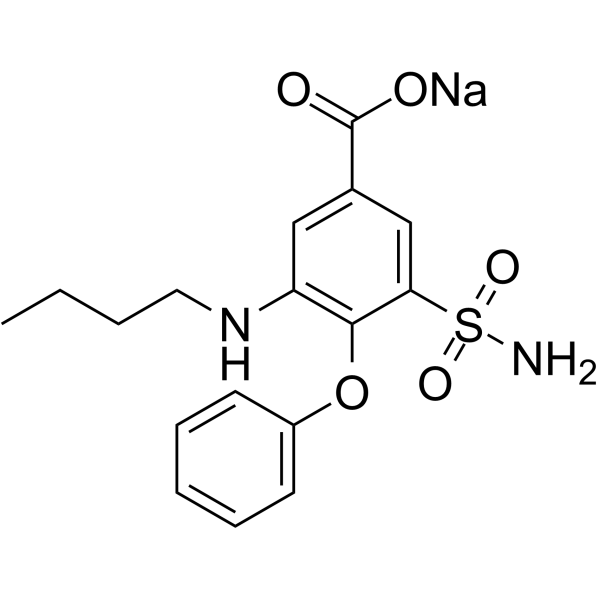
Bumetanide sodium, a highly potent loop diuretic, is a Na +-K +-Cl + cotransporter (NKCC) blocker. Bumetanide sodium is a selective NKCC1 inhibitor, and also inhibits NKCC2, with IC50s of 0.68 and 4.0 μM for hNKCC1A and hNKCC2A, respectively .
|
-
- HY-10619E
-
|
MK-4827 tosylate hydrate
|
PARP
Apoptosis
|
Cancer
|
|
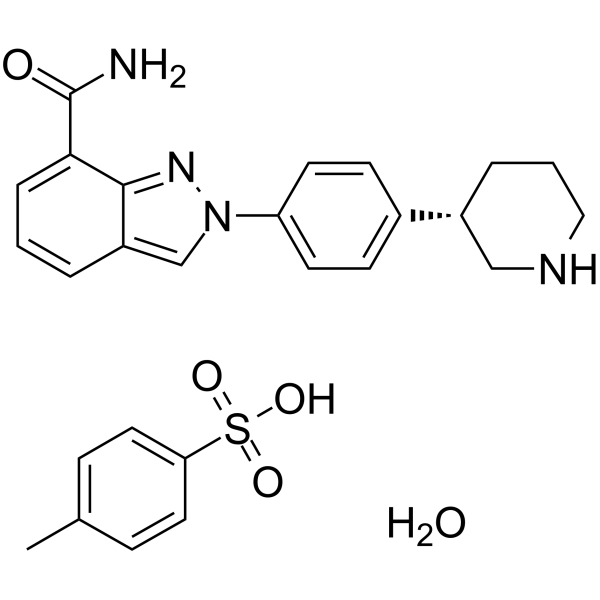
Niraparib (MK-4827) tosylate hydrate is a highly potent and orally bioavailable PARP1 and PARP2 inhibitor with IC50s of 3.8 and 2.1 nM, respectively. Niraparib tosylate hydrate leads to inhibition of repair of DNA damage, activates apoptosis and shows anti-tumor activity .
|
-
- HY-10619
-
|
MK-4827
|
PARP
Apoptosis
|
Cancer
|
|
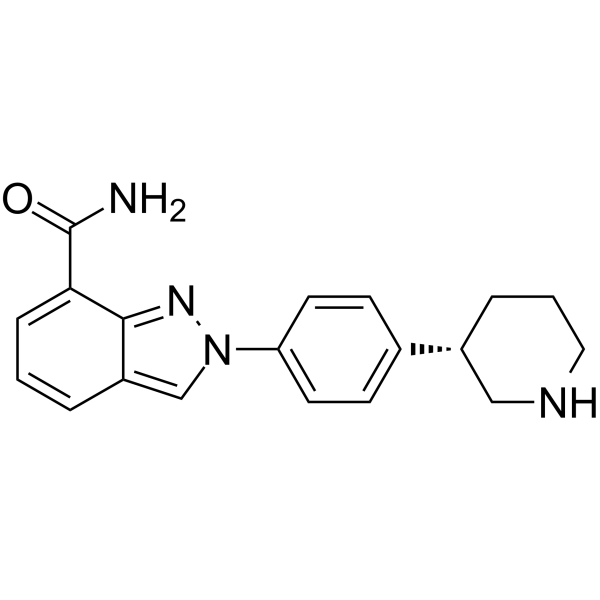
Niraparib (MK-4827) is a highly potent and orally bioavailable PARP1 and PARP2 inhibitor with IC50s of 3.8 and 2.1 nM, respectively. Niraparib leads to inhibition of repair of DNA damage, activates apoptosis and shows anti-tumor activity .
|
-
- HY-10619A
-
|
MK-4827 hydrochloride
|
PARP
Apoptosis
|
Cancer
|
|
Niraparib hydrochloride (MK-4827 hydrochloride) is a highly potent and orally bioavailable PARP1 and PARP2 inhibitor with IC50s of 3.8 and 2.1 nM, respectively. Niraparib hydrochloride leads to inhibition of repair of DNA damage, activates apoptosis and shows anti-tumor activity .
|
-
- HY-171787
-
|
|
CDK
|
Cancer
|
|
PPA-037 is an orally active, highly potent and selective inhibitor of cyclin-dependent kinase 12 (CDK12). PPA-037 induces the degradation of cyclin K (Cyclin K), enhancing antiproliferative effects on tumor cells. PPA-037 is promising for research of cancers .
|
-

- HY-18621A
-
|
|
TOPK
Apoptosis
|
Cancer
|
|
OTS514 hydrochloride is a highly potent TOPK inhibitor, which inhibits TOPK kinase activity with a median inhibitory concentration (IC50) value of 2.6 nM. OTS514 hydrochloride strongly suppresses the growth of TOPK-positive cancer cells . OTS514 hydrochloride induces cell cycle arrest and apoptosis .
|
-
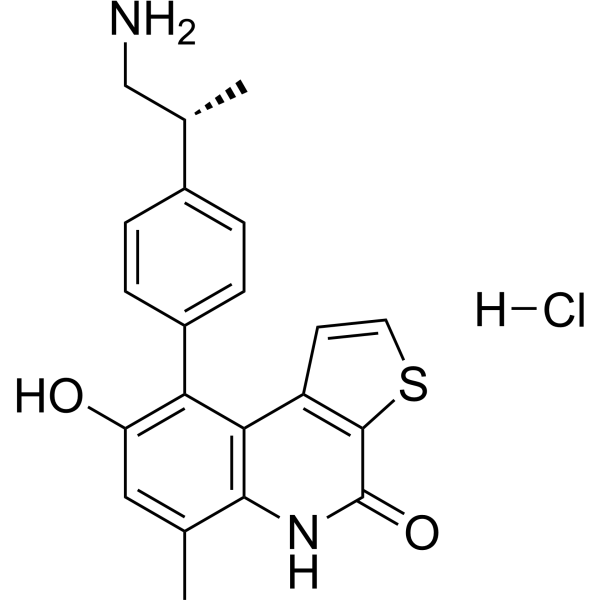
- HY-132857A
-
|
|
PROTACs
|
Neurological Disease
|
|
ZXH-4-130 TFA is a highly potent and selective degrader of CRBN. ZXH-4-130 is a CRBN-VHL compound (hetero-PROTAC). ZXH-4-130 TFA induces ~80% CRBN degradation at 10 nM in MM1.S cells .
|
-
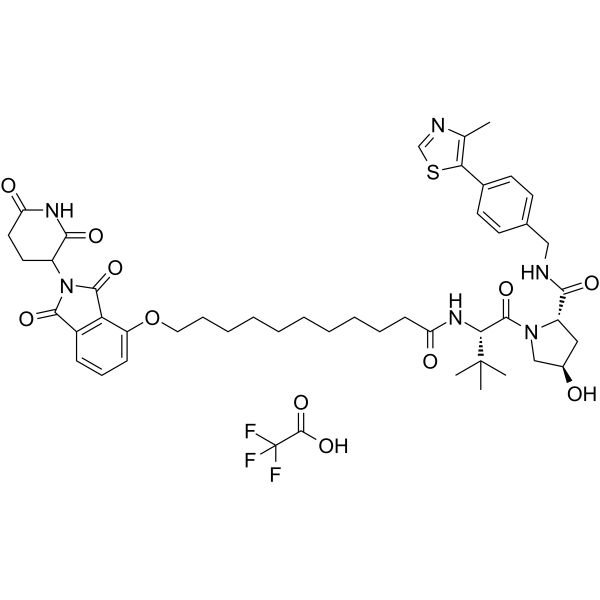
- HY-50903S
-
|
BAY 59-7939-d4
|
Factor Xa
|
Cardiovascular Disease
|
|
Rivaroxaban-d4 (BAY 59-7939-d4) is a deuterium labeled Rivaroxaban. Rivaroxaban is a highly potent,selective and direct Factor Xa (FXa) inhibitor, achieving a strong gain in anti-FXa potency (IC50 0.7 nM; Ki 0.4 nM) .
|
-
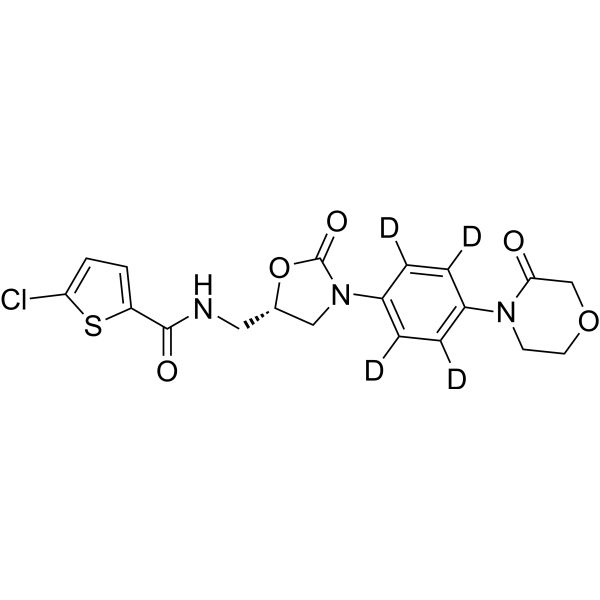
- HY-14137S
-
|
|
Isotope-Labeled Compounds
Cannabinoid Receptor
Bacterial
|
Infection
Metabolic Disease
Cancer
|
|
Rimonabant-d10 (hydrochloride) is the deuterium labeled Rimonabant hydrochloride. Rimonabant hydrochloride (SR 141716A hydrochloride) is a highly potent and selective central cannabinoid receptor (CB1) antagonist with an Ki of 1.8 nM. Rimonabant hHydrochloride (SR 141716A Hydrochloride) also inhibits Mycobacterial membrane protein Large 3 (MMPL3) .
|
-
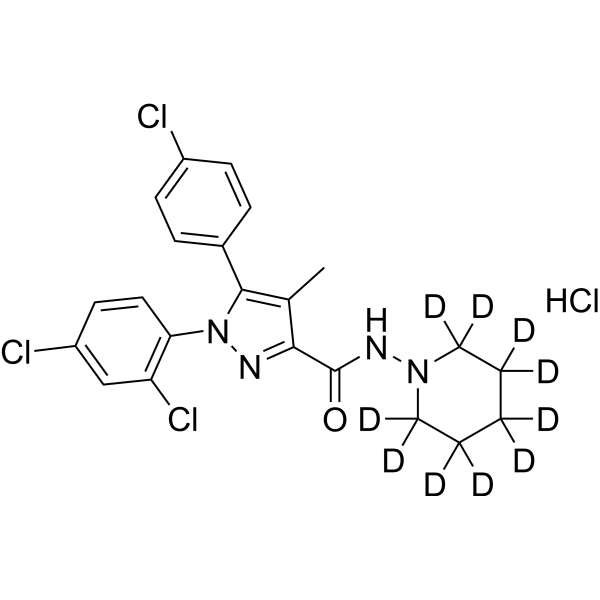
- HY-15762S
-
-
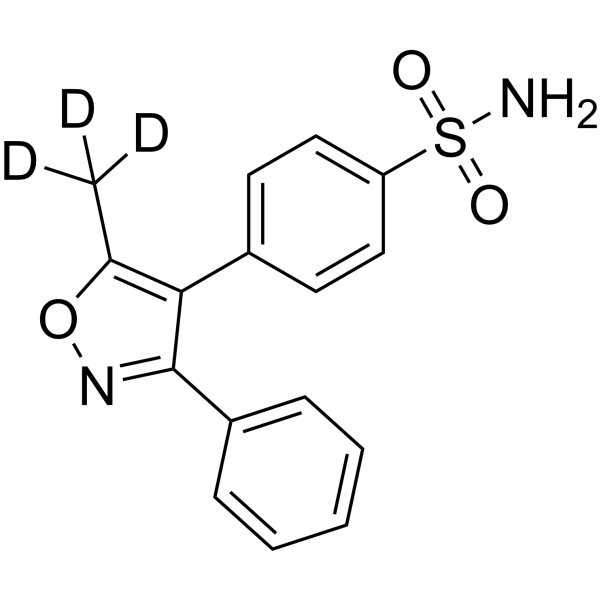
- HY-15531R
-
|
ABT-199 (Standard); GDC-0199 (Standard); RG7601 (Standard)
|
Reference Standards
Bcl-2 Family
Autophagy
|
Cancer
|
|
Venetoclax (Standard) is the analytical standard of Venetoclax. This product is intended for research and analytical applications. Venetoclax (ABT-199; GDC-0199) is a highly potent, selective and orally bioavailable Bcl-2 inhibitor with a Ki of less than 0.01 nM. Venetoclax induces autophagy .
|
-

- HY-103190
-
|
|
Adenosine Receptor
|
Neurological Disease
Cancer
|
|
MRS1220, a highly potent and selective human A3 adenosine receptor (hA3AR) antagonist with a Ki of 0.59 nM, has therapeutic potential for the research of diseases of the central nervous system . MRS1220 reduces glioblastoma tumor size and blood vessel formation in vivo .
|
-
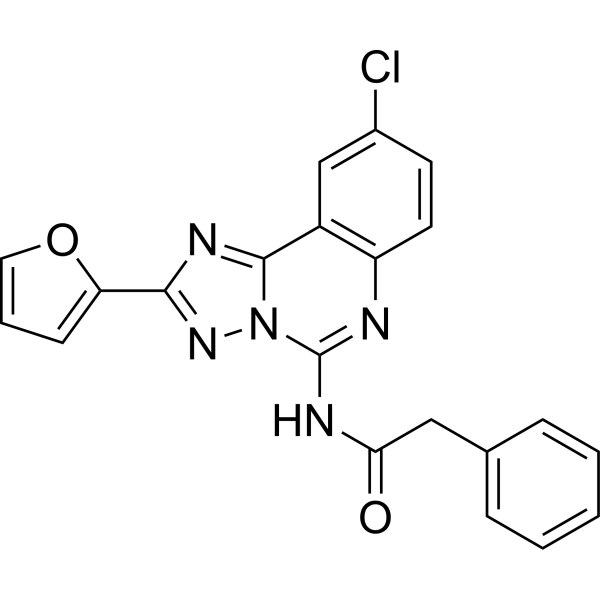
- HY-130116A
-
|
|
STING
|
Cancer
|
|
IACS-8779 disodium is a highly potent stimulator of interferon genes (STING) agonist with robust systemic antitumor efficacy. IACS-8779 disodium shows robust activation of the STING pathway in vitro and a superior systemic anti-tumor response in the B16 murine model of melanoma .
|
-
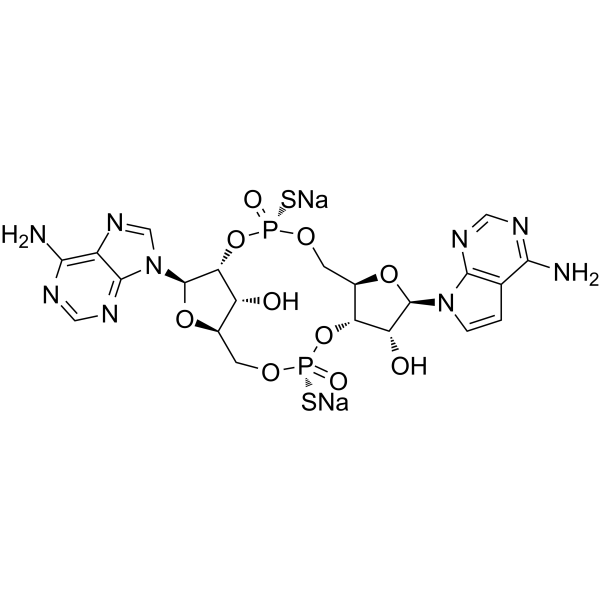
- HY-10205
-
|
AZD2171
|
VEGFR
Autophagy
PDGFR
|
Infection
Neurological Disease
Inflammation/Immunology
Cancer
|
|
Cediranib (AZD2171) is a highly potent, orally available and blood-brain barrier permeability VEGFR tyrosine kinase inhibitor with IC50s of <1, <3, 5, 5, 36, 2 nM for Flt1, KDR, Flt4, PDGFRα, PDGFRβ, c-Kit, respectively.
|
-
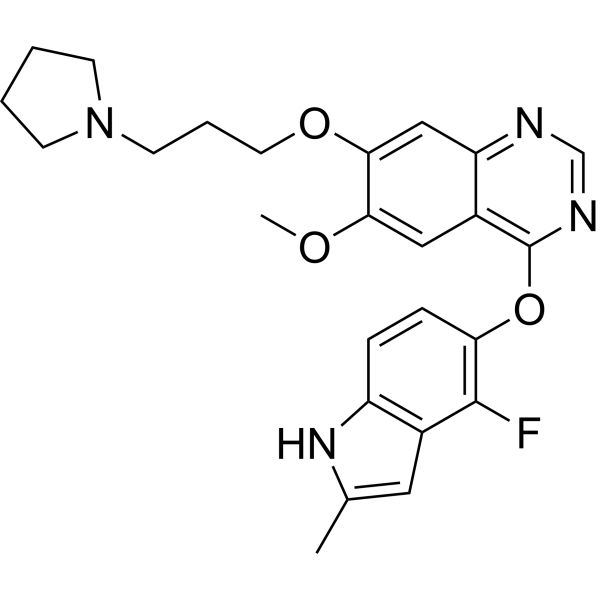
- HY-111232
-
|
|
GHSR
|
Metabolic Disease
|
|
GSK894281 is an orally active and highly potent ghrelin receptor full agonist with a pEC50 of <4.9 at the human motilin receptor. GSK894281 effectively enters the CNS. GSK894281 has the potential for constipation or to assist in emptying the colon prior to colonoscopy or colon surgery research .
|
-
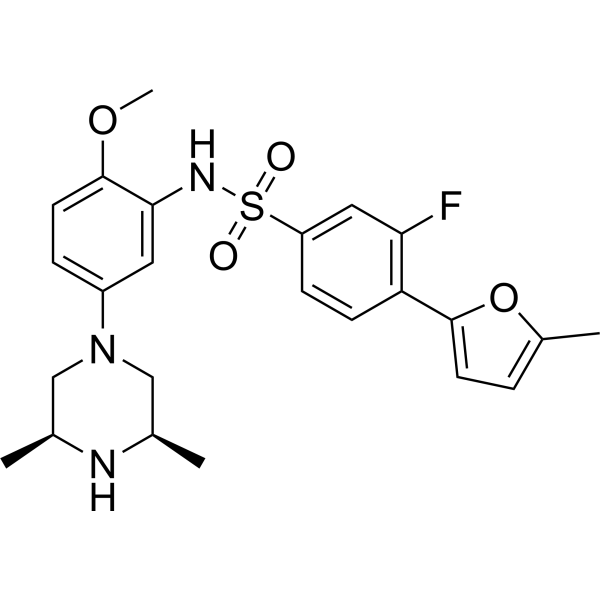
- HY-14137R
-
|
SR 141716A Hydrochloride (Standard)
|
Reference Standards
Cannabinoid Receptor
Bacterial
|
Infection
Metabolic Disease
Cancer
|
|
Rimonabant (Hydrochloride) (Standard) is the analytical standard of Rimonabant (Hydrochloride). This product is intended for research and analytical applications. Rimonabant Hydrochloride (SR 141716A Hydrochloride) is a highly potent and selective central cannabinoid receptor (CB1) antagonist with an Ki of 1.8 nM. Rimonabant Hydrochloride (SR 141716A Hydrochloride) also inhibits Mycobacterial membrane protein Large 3 (MMPL3).
|
-

- HY-111515
-
|
|
Elastase
|
Inflammation/Immunology
|
|
BAY-678 racemate is a racemate of BAY-678. BAY-678 is an orally bioavailable, highly potent, selective and cell-permeable inhibitor of human neutrophil elastase (HNE), with an IC50 of 20 nM. BAY-678 is also nominated as a chemical probe to the public via the Structural Genomics Consortium (SGC).
|
-
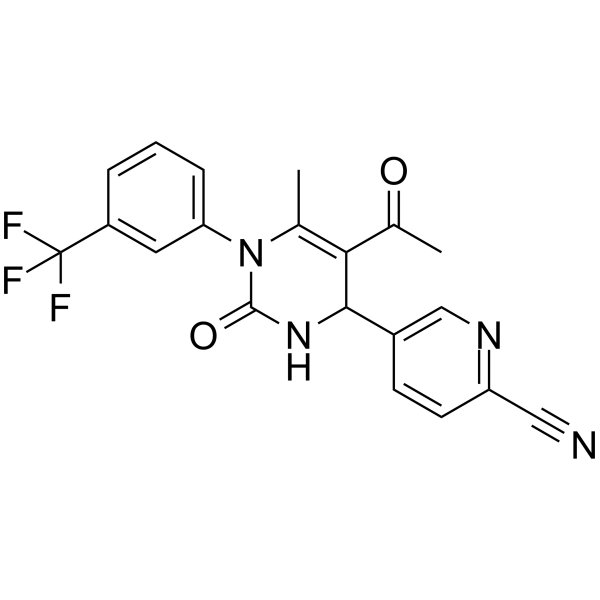
- HY-112710
-
|
|
Glucocorticoid Receptor
|
Endocrinology
Cancer
|
|
ORIC-101 is a highly potent and selective glucocorticoid receptor antagonist, with an EC50 of 5.6 nM. Anti-cancer activity. ORIC-101 is a click chemistry reagent, it contains an Alkyne group and can undergo copper-catalyzed azide-alkyne cycloaddition (CuAAc) with molecules containing Azide groups.
|
-
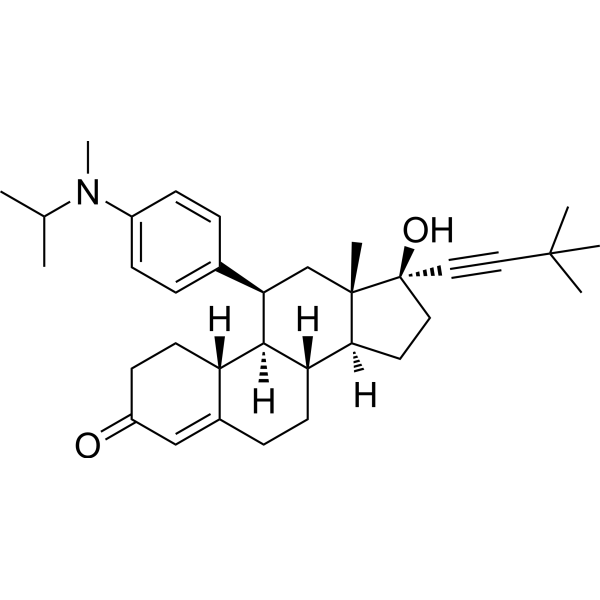
- HY-18621B
-
|
|
Apoptosis
|
Others
|
|
(S)-OTS514 is the S enantiomer of OTS514 (HY-18621). OTS514 is a highly potent TOPK inhibitor with an IC50 of 2.6 nM. OTS514 strongly suppresses the growth of TOPK-positive cancer cells . OTS514 induces cell cycle arrest and apoptosis .
|
-

- HY-116586A
-
|
|
mAChR
Sigma Receptor
|
Neurological Disease
|
|
(Rac)-AF710B is the racemate of AF710B (HY-116586). AF710B is a highly potent and selective allosteric M1 muscarinic and σ1 receptor agonist. AF710B can be used for the research of Alzheimer’s disease .
|
-

- HY-19848
-
|
LBM-642
|
PPAR
|
Metabolic Disease
|
|
Cevoglitazar (LBM-642) is an orally active and highly potent PPARα and PPARγ dual agonist. Cevoglitazar can reduce food intake, body weight, and fasting plasma insulin in obese mice and cynomolgus monkeys. Cevoglitazar has the potential for diabetes and obesity-related disorders research .
|
-

- HY-15762R
-
|
SC 65872 (Standard)
|
Reference Standards
COX
Endogenous Metabolite
|
Inflammation/Immunology
Cancer
|
|
Valdecoxib (Standard) is the analytical standard of Valdecoxib. This product is intended for research and analytical applications. Valdecoxib is a highly potent and selective inhibitor of COX-2, with IC50s of 5 nM and 140 μM for COX-2 and COX-1, respeceively. Valdecoxib can be used in the research of arthritis and pain.
|
-

- HY-42110A
-
|
|
mAChR
|
Neurological Disease
|
|
Deschloroclozapine dihydrochloride, a metabolite of Clozapine, is a highly potent muscarinic DREADDs agonist. Deschloroclozapine binds to DREADD receptor subtypes hM3Dq and hM4Di with Ki of 6.3 and 4.2 nM, respectively. [ 11C]-Deschloroclozapine is developed as a promising PET tracer for DREADD imaging .
|
-
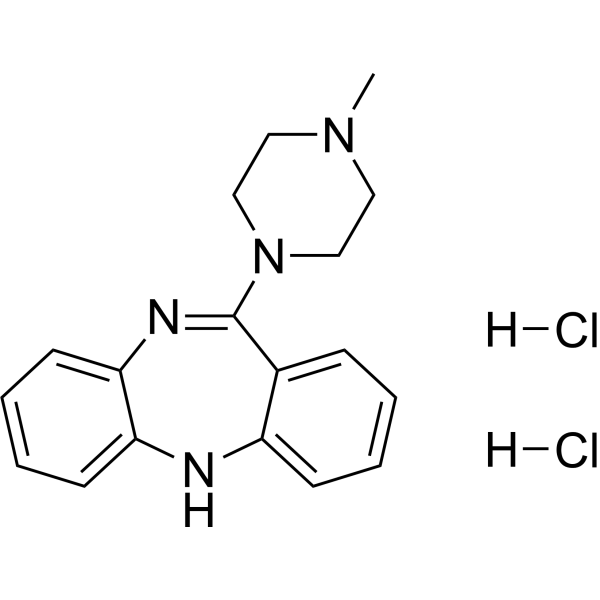
- HY-147975
-
|
|
JAK
|
Inflammation/Immunology
|
|
JAK3-IN-12 (compound 5k) is a highly potent JAK3 inhibitor with IC50 values of 9.5 nM, 18 nM and 42 nM for JAK3, JAK1 and JAK2, respectively. JAK3-IN-12 can be used for researching rheumatoid arthritis .
|
-
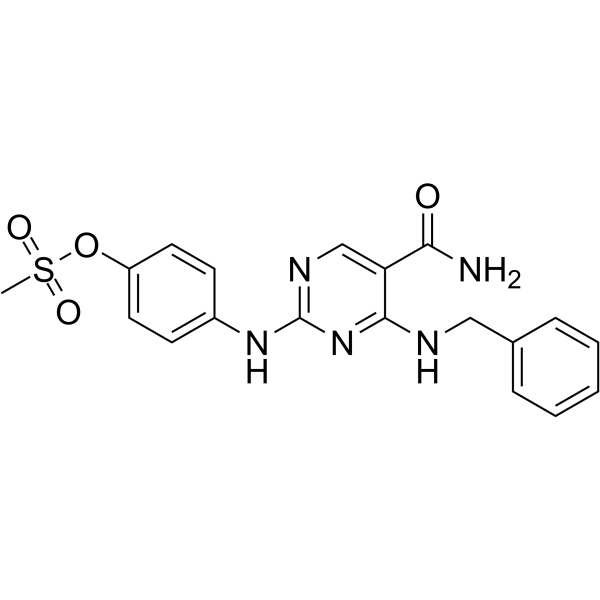
- HY-18986
-
|
MI-77301
|
MDM-2/p53
E1/E2/E3 Enzyme
Apoptosis
|
Cancer
|
|
SAR405838 (MI-77301), an analog of MI-773, is a highly potent and selective MDM2-p53 interaction inhibitor. SAR405838 binds to MDM2 with a Ki of 0.88 nM. SAR405838 induces apoptosis and has potent antitumor activity .
|
-
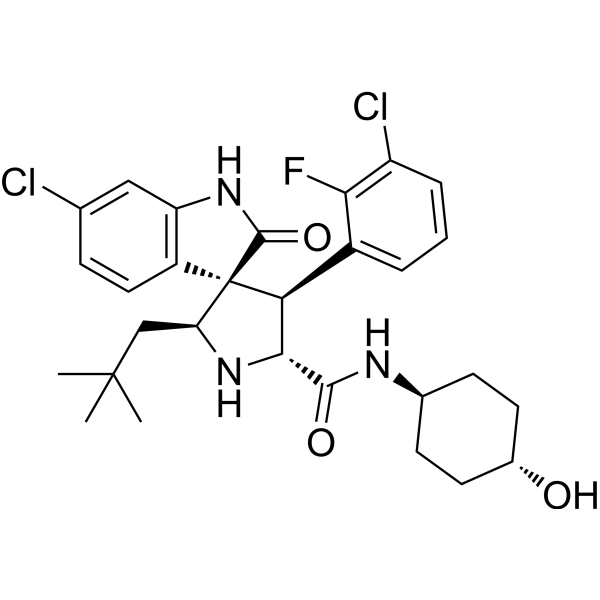
- HY-103028AR
-
|
|
Reference Standards
RIP kinase
|
Others
|
|
GSK963 (Standard) is the analytical standard of GSK963 (HY-103028A). This product is intended for research and analytical applications. GSK963 is a chiral, highly potent and selective inhibitor of RIP1 kinase, with an IC50 of 29 nM. GSK963 is a selective and potent inhibitor of necroptosis in murine and human cells in vitro .
|
-

- HY-18941B
-
|
(rel)-LY354740; (rel)-Eglumetad
|
mGluR
|
Neurological Disease
|
|
(rel)-Eglumegad ((rel)-LY354740) is a relative configuration of Eglumegad (HY-18941). Eglumegad is a highly potent and selective group II (mGlu2/3) receptor agonist with EC50s of 5 and 24 nM for transfected human mGlu2 and mGlu3 receptors, respectively .
|
-
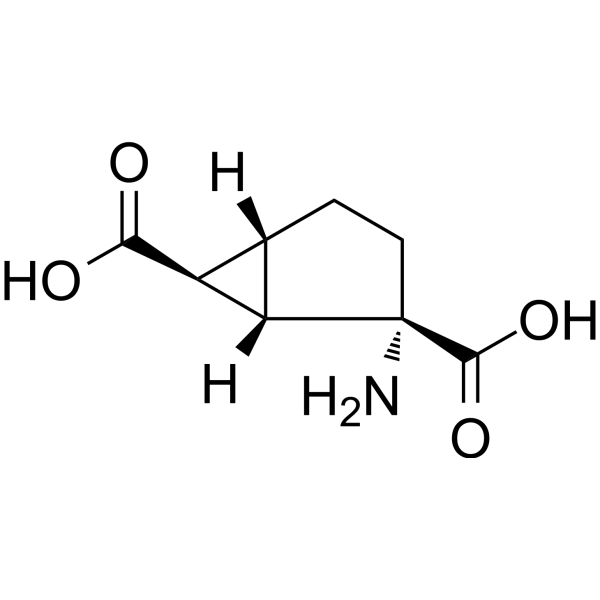
- HY-108482
-
-
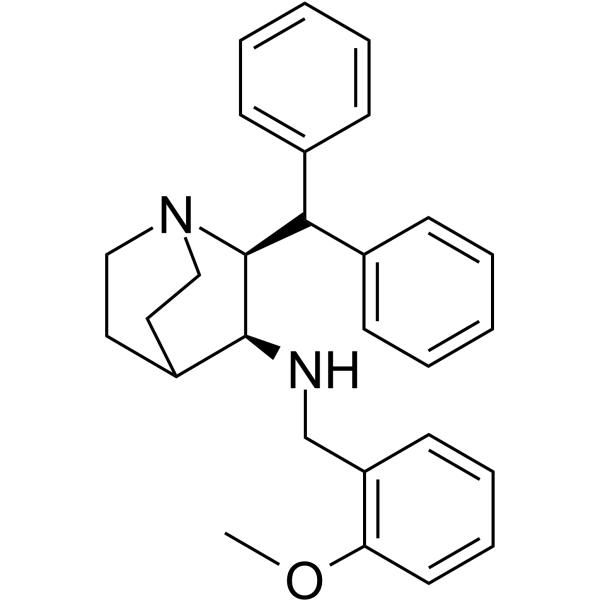
- HY-16643
-
-
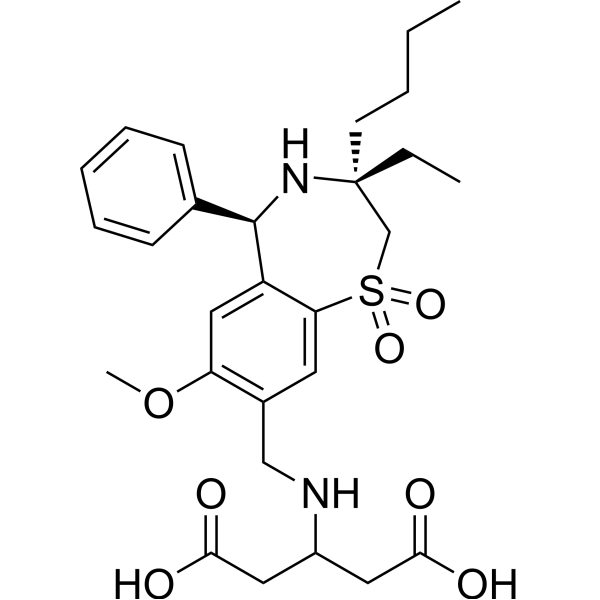
- HY-19725
-
|
|
Bcl-2 Family
|
Cancer
|
|
A-1155463, a chemical probe, is a highly potent and selective BCL-XL inhibitor with an EC50 of 70 nM in Molt-4 cell. A-1155463 is a click chemistry reagent, it contains an Alkyne group and can undergo copper-catalyzed azide-alkyne cycloaddition (CuAAc) with molecules containing Azide groups.
|
-
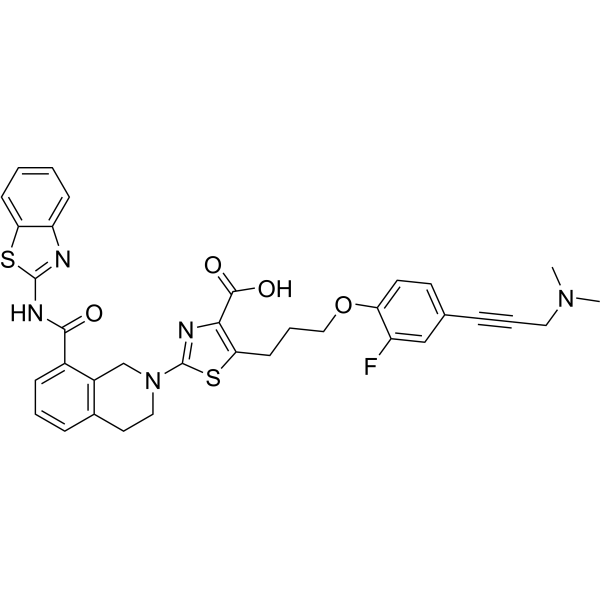
- HY-P10517
-
|
SFT
|
HIV
|
Infection
|
|
Sifuvirtide (SFT) is a potent HIV fusion inhibitor. Sifuvirtide inhibits HIV-1 mediated cell fusion in a dose-dependent manner and is highly potent against infection by primary and laboratory-adapted HIV-1 isolates of multiple genotypes. Sifuvirtide can be used in the research of anti-HIV drugs .
|
-

- HY-107701
-
|
|
iGluR
|
Neurological Disease
|
|
CGP 78608 hydrochloride is a highly potent and selective antagonist at the glycine-binding site of the NMDA receptor, with an IC50 of 6 nM. CGP 78608 hydrochloride acts as a potentiator of GluN1/GluN3A-mediated glycine currents, with an estimated EC50 in the low nM range (26.3 nM). Anticonvulsant activity .
|
-
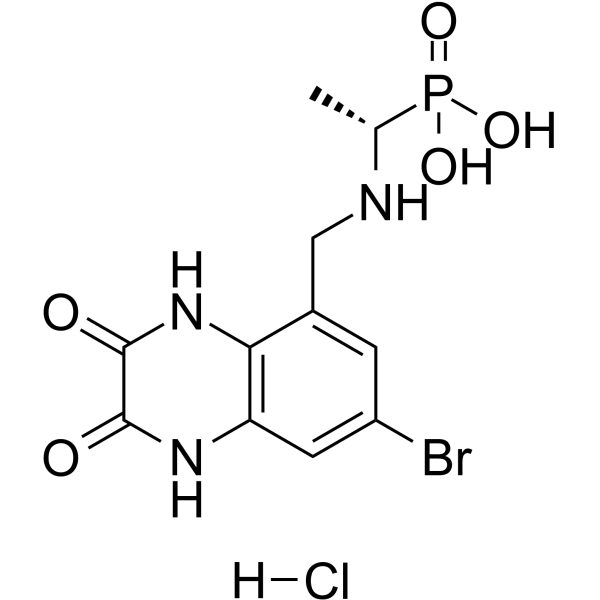
- HY-160624
-
|
|
Polo-like Kinase (PLK)
|
Cancer
|
|
CD 10899 is a hydroxylated metabolite of Volasertib (HY-12137). CD 10899 is pharmacologically active against Polo-like kinase 1 (PLK1) (IC50: 6 nM). Volasertib is an orally active, highly potent and ATP-competitive PLK1 inhibitor. CD 10899 can be used for research of cancer .
|
-
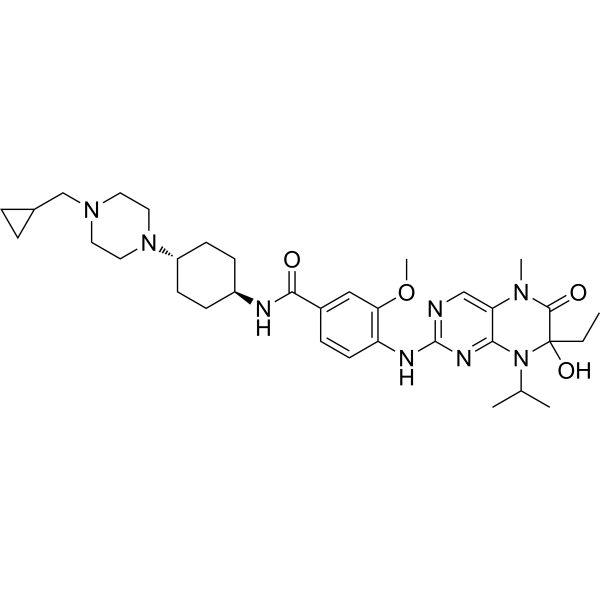
- HY-147885
-
|
|
HCV
|
Infection
|
|
HCV-IN-41 (compound 4) is a highly potent hepatitis C virus (HCV) inhibitor with an EC50 value of 0.006762 nM, 5.183 nM, 1.365 nM and 142.2 nM for HCV genotype 1b, 2a, 3a and 4a, respectively. HCV-IN-41 reduces HCV RNA replication .
|
-
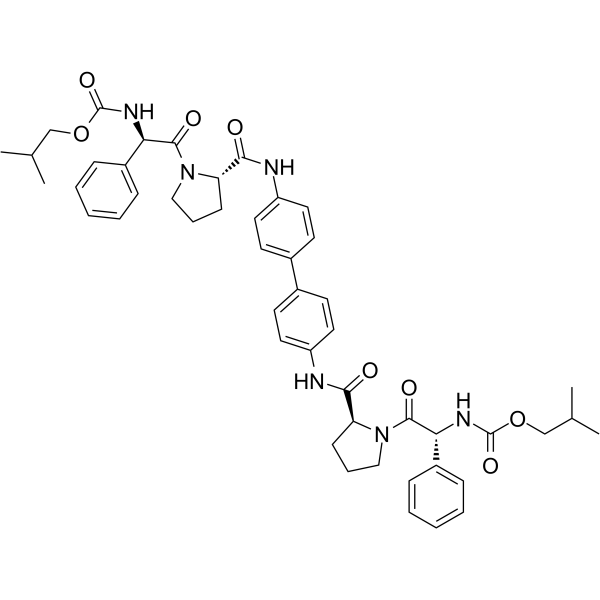
- HY-P10517A
-
|
SFT acetate
|
HIV
|
Infection
|
|
Sifuvirtide (SFT) acetate is a potent HIV fusion inhibitor. Sifuvirtide acetate inhibits HIV-1 mediated cell fusion in a dose-dependent manner and is highly potent against infection by primary and laboratory-adapted HIV-1 isolates of multiple genotypes. Sifuvirtide acetate can be used in the research of anti-HIV drugs .
|
-

- HY-18959
-
|
|
β-catenin
Wnt
|
Cancer
|
|
CWP232228, a highly potent selective Wnt/β-catenin signaling inhibitor, antagonizes binding of β-catenin to T-cell factor (TCF) in the nucleus. CWP232228 suppresses tumor formation and metastasis without toxicity through the inhibition of the growth of breast and liver cancer stem cells (CSCs) .
|
-
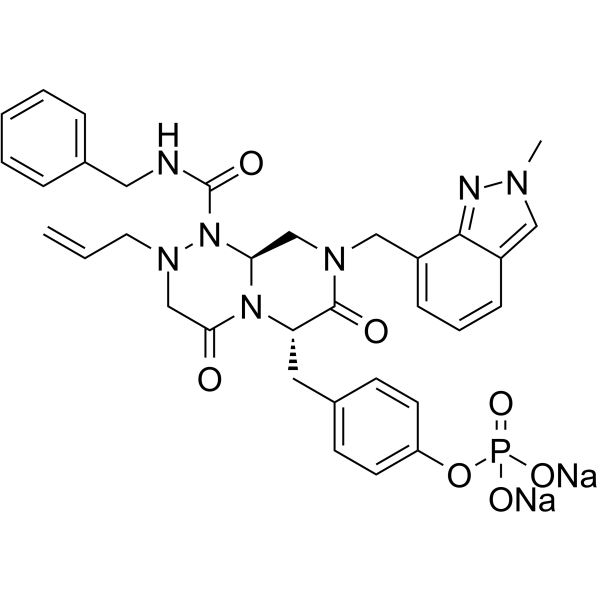
- HY-119744
-
|
|
Cannabinoid Receptor
|
Neurological Disease
|
|
BAY 38-7271 is selective and highly potent and cannabinoid CB1/CB2 receptor agonist, with Kis of 1.85 nM and 5.96 nM for recombinant human CB1 receptor and CB2 receptor, respectively. BAY 38-7271 has strong neuroprotective properties .
|
-
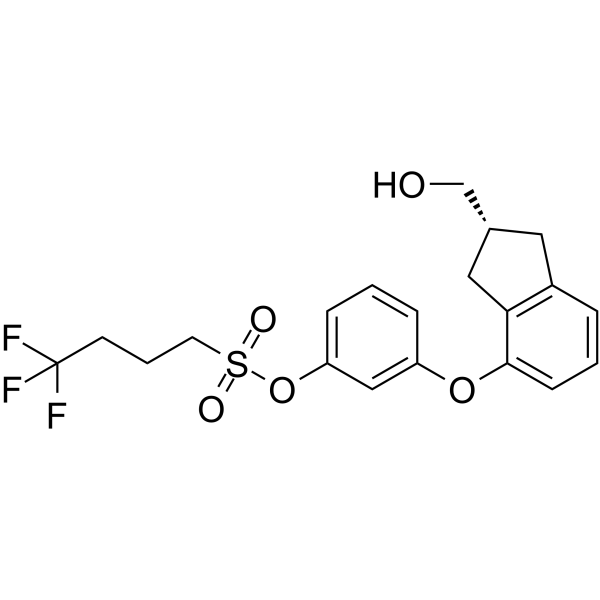
- HY-16700
-
|
|
ADC Payload
Topoisomerase
|
Cancer
|
|
PNU-159682, a metabolite of the anthracycline Nemorubicin, is a highly potent DNA topoisomerase II inhibitor with excellent cytotoxicity. PNU-159682 acts as a more potent and tolerated ADC cytotoxin than Doxorubicin for ADC synthesis. PNU-159682 can be used in EDV-nanocell technology to overcome agent resistance.
|
-
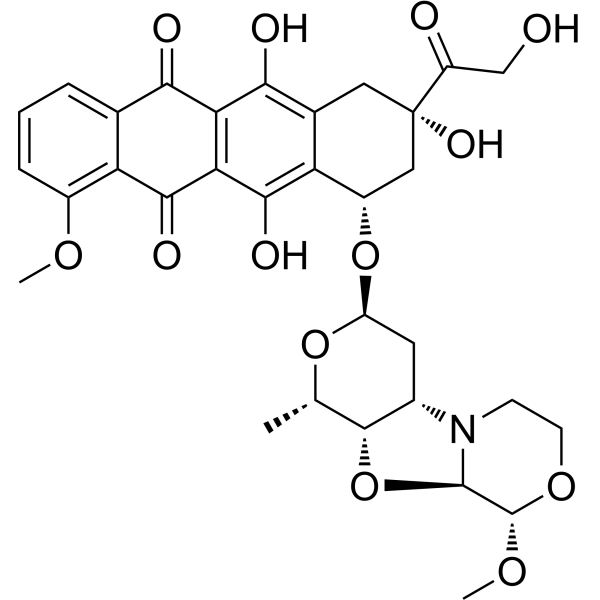
- HY-14136R
-
|
SR141716 (Standard)
|
Cannabinoid Receptor
Bacterial
Reference Standards
|
Infection
Metabolic Disease
Cancer
|
|
Rimonabant (Standard) is the analytical standard of Rimonabant. This product is intended for research and analytical applications. Rimonabant (SR141716) is a highly potent, brain penetrated and selective central cannabinoid receptor (CB1) antagonist with a Ki of 1.8 nM. Rimonabant (SR141716) also inhibits Mycobacterial membrane protein Large 3 (MMPL3).
|
-

- HY-103415
-
|
YM-09151-2; Emonapride
|
Dopamine Receptor
5-HT Receptor
|
Neurological Disease
|
|
Nemonapride is a highly potent dopamine D2 receptor antagonist with a Ki of 0.06 nM. Nemonapride also activates 5-HT1A receptor with an IC50 of 34 nM. Nemonapride is an antipsychotic that readily passes through the blood brain barrier and exhibits potent neuroleptic effects in animals .
|
-
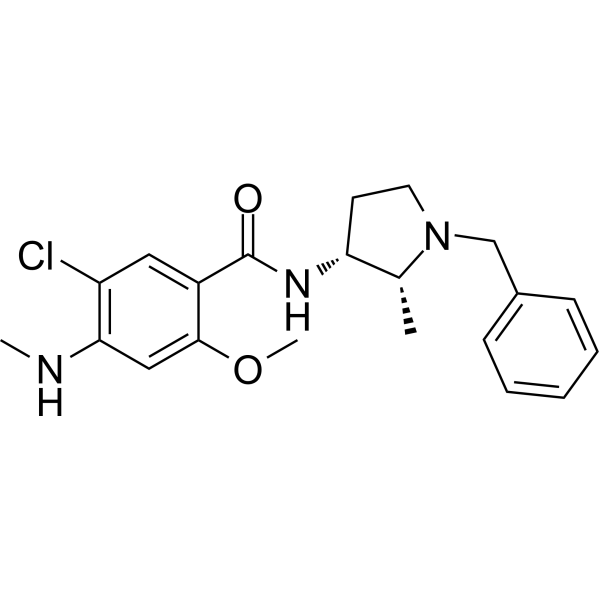
- HY-144824
-
|
|
Cytochrome P450
Monoamine Oxidase
|
Neurological Disease
Cancer
|
|
Monoamine oxidase/Aromatase-IN-1 (compound 2q) is a highly potent monoamine oxidase (MAO) and aromatase dual inhibitor with IC50s of 39 nM and 31 nM for MAO-B and aromatase, respectively. Monoamine oxidase/Aromatase-IN-1 can be used for researching neurological disorder and breast cancer .
|
-
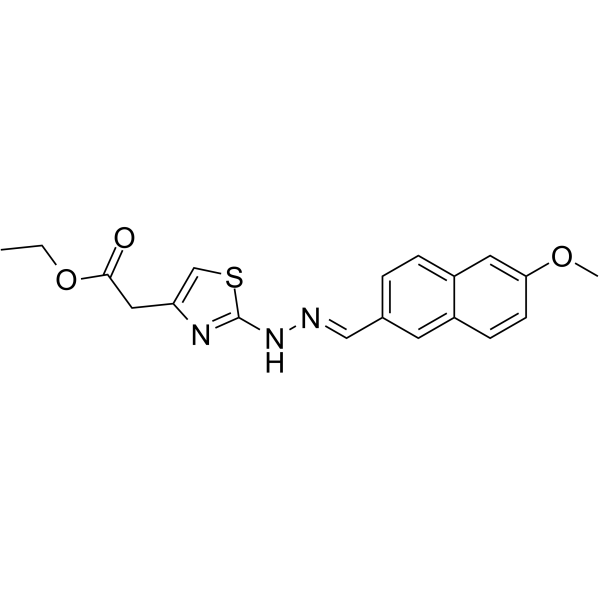
- HY-19747
-
HPOB
3 Publications Verification
|
HDAC
Apoptosis
|
Cancer
|
|
HPOB is a highly potent and selective inhibitor of HDAC6 with an IC50 of 56 nM. HPOB displays >30 fold less potent against other HDACs. HPOB enhances the effectiveness of DNA-damaging anticancer agents in transformed cells but not normal cells. HPOB does not block the ubiquitin-binding activity of HDAC6 .
|
-
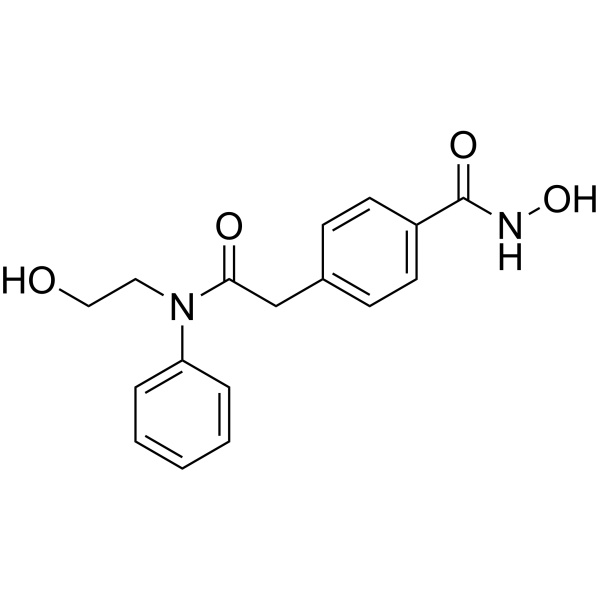
- HY-15392
-
|
|
ROCK
|
Cardiovascular Disease
|
|
Chroman 1 is a highly potent and selective ROCK inhibitor. Chroman 1 is more potent against ROCK2 (IC50=1 pM) than ROCK1 (IC50=52 pM). Chroman 1 also has inhibitory activity against MRCK, with an IC50 of 150 nM .
|
-
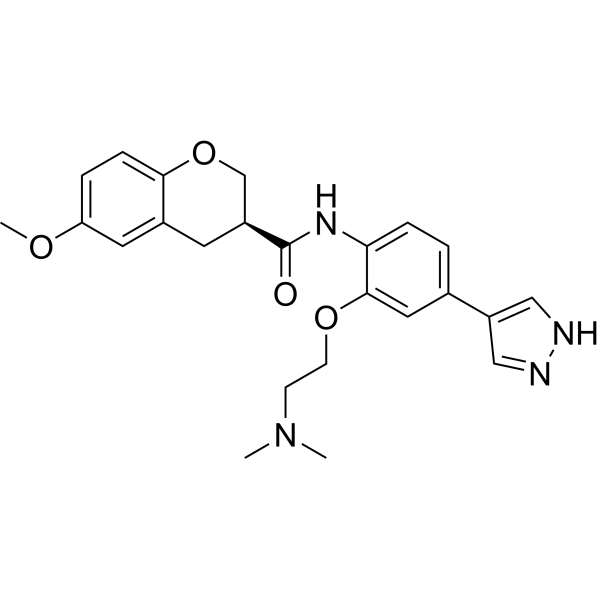
- HY-15392A
-
|
|
ROCK
|
Cardiovascular Disease
|
|
Chroman 1 dihydrochloride is a highly potent and selective ROCK inhibitor. Chroman 1 dihydrochloride is more potent against ROCK2 (IC50=1 pM) than ROCK1 (IC50=52 pM).
Chroman 1 dihydrochloride also has inhibitory activity against MRCK, with an IC50 of 150 nM .
|
-
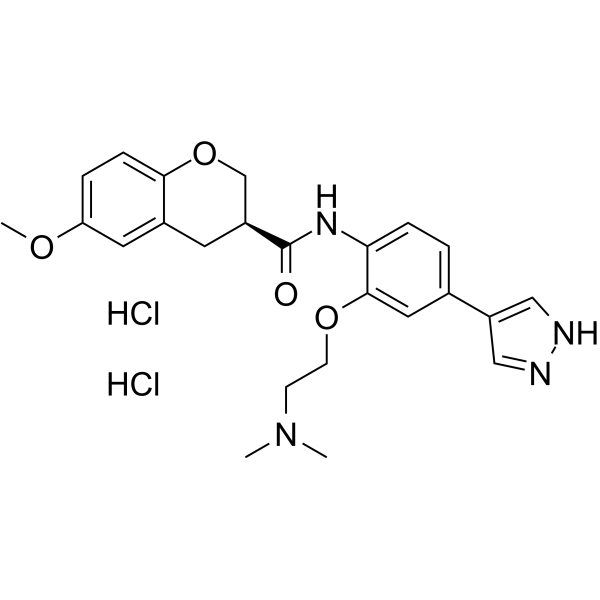
- HY-147953
-
|
|
Monoamine Oxidase
|
Neurological Disease
|
|
MAO-B-IN-13 (compound 12a) is a highly potent, reversible and blood-brain barrier (BBB) penetrant MAO-B inhibitor with an IC50 value of 10 nM. MAO-B-IN-13 has neuroprotective and antioxidant activity. MAO-B-IN-13 can be used for researching Parkinson’s disease .
|
-
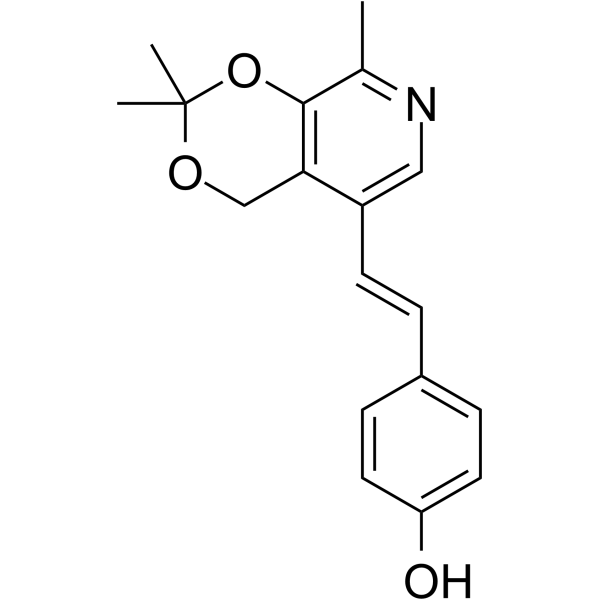
- HY-102058
-
|
|
Histone Acetyltransferase
|
Cancer
|
|
WM-1119, a chemical probe, is a highly potent and selective KAT6A inhibitor, with an IC50 of 0.25 μM for KAT6A in lymphoma cells, the binding KD values of WM-1119 with KAT6A, KAT5 and KAT7 are 2 nM, 2.2 μM, 0.5 μM , respectively .
|
-
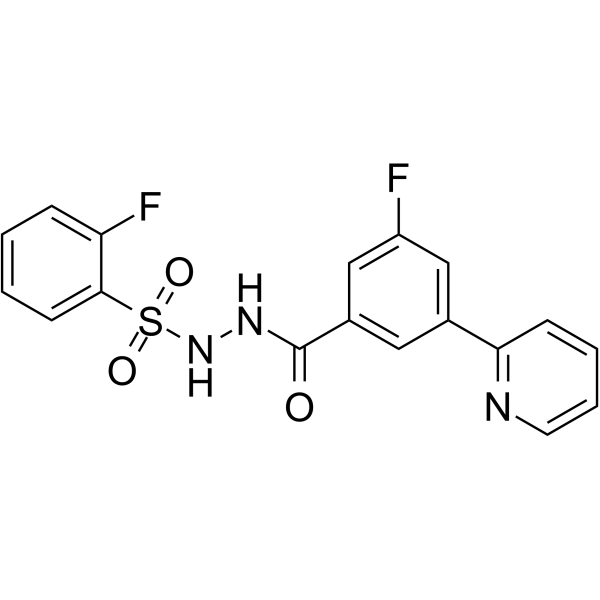
- HY-171787A
-
|
|
CDK
|
Cancer
|
|
PPA-037 TFA is an orally active, highly potent and selective inhibitor of cyclin-dependent kinase 12 (CDK12). PPA-037 TFA induces the degradation of cyclin K (Cyclin K), enhancing antiproliferative effects on tumor cells. PPA-037 TFA is promising for research of cancers .
|
-

- HY-171213
-
|
|
Toll-like Receptor (TLR)
|
Neurological Disease
|
|
NB-3 is a nicotinamide adenine dinucleotide (NAD) hydrolase SARM1 inhibitor. NB-3 intercepts NAD hydrolysis and undergoes covalent conjugation with the reaction product adenosine diphosphate ribose (ADPR). The resulting small-molecule ADPR adducts are highly potent and confer compelling neuroprotection in neurological injury .
|
-

- HY-130251
-
|
|
Methylenetetrahydrofolate Dehydrogenase (MTHFD)
|
Cancer
|
|
DS18561882 is a highly potent, isozyme-selective methylenetetrahydrofolate dehydrogenase 2 (MTHFD2) inhibitor with an IC50 value of 0.0063 μM. DS18561882 also has inhibitory effect on MTHFD1 (IC50=0.57 μM). DS18561882 exhibits a good oral pharmacokinetic profile .
|
-
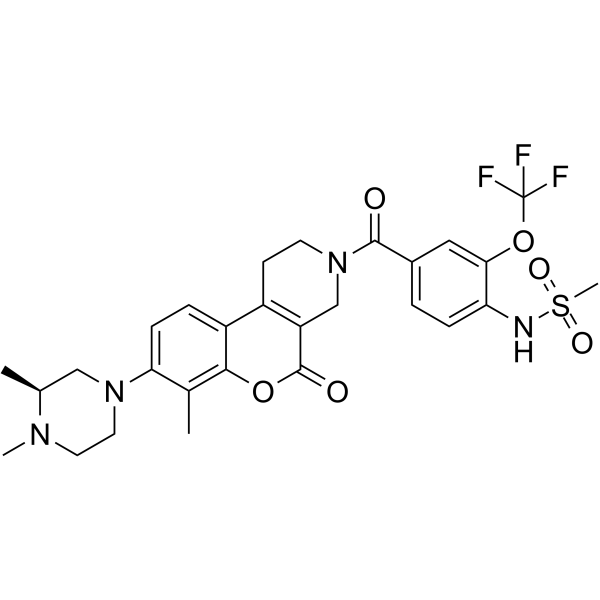
- HY-103575A
-
|
|
mGluR
|
Neurological Disease
|
|
MFZ 10-7 hydrochloride is a highly potent and selective mGluR5 NAM (negative allosteric modulator), with a Ki of 0.67 nM for rat mGluR5 . MFZ 10-7 (hydrochloride) is a click chemistry reagent, it contains an Alkyne group and can undergo copper-catalyzed azide-alkyne cycloaddition (CuAAc) with molecules containing Azide groups.
|
-
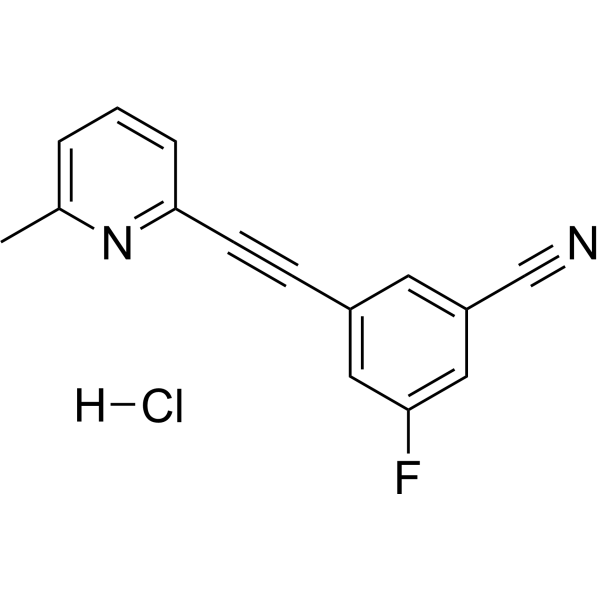
- HY-112161
-
|
BMS-986195
|
Btk
|
Cancer
|
|
Branebrutinib (BMS-986195) is a highly potent, selective covalent, irreversible inhibitor of Bruton’s tyrosine kinase (BTK), with an IC50 of 0.1 nM . Branebrutinib is a click chemistry reagent, it contains an Alkyne group and can undergo copper-catalyzed azide-alkyne cycloaddition (CuAAc) with molecules containing Azide groups.
|
-
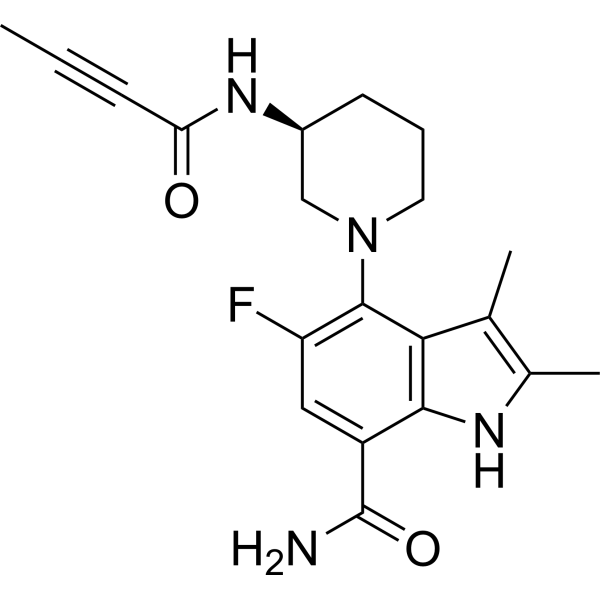
- HY-P1954
-
|
Piscidin-1 (22-42)
|
Bacterial
|
Infection
Cancer
|
|
Epinecidin-1 (Piscidin-1 (22-42)) is a highly potent, multi-functional Antimicrobial Peptide (AMP) produced by Orange-spotted grouper (Epinephelus coioides). Epinecidin-1 has many functional usages including antibacterial, antifungal, antiviral, antiprotozoal, anticancer, immunomodulatory, and wound healing properties .
|
-
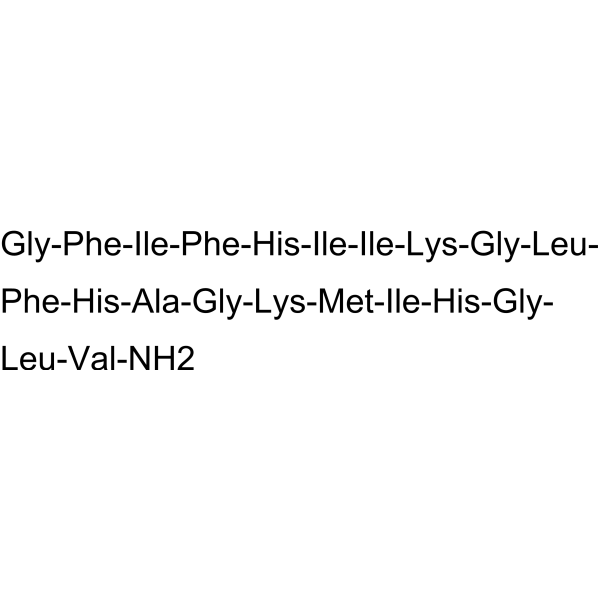
- HY-10284S
-
|
BI 1356-d4
|
Dipeptidyl Peptidase
Autophagy
Ferroptosis
|
Metabolic Disease
|
|
Linagliptin-d4 is deuterium labeled Linagliptin. Linagliptin is a highly potent, selective DPP-4 inhibitor with IC50 of 1 nM. Linagliptin-d4 is a click chemistry reagent, it contains an Alkyne group and can undergo copper-catalyzed azide-alkyne cycloaddition (CuAAc) with molecules containing Azide groups.
|
-
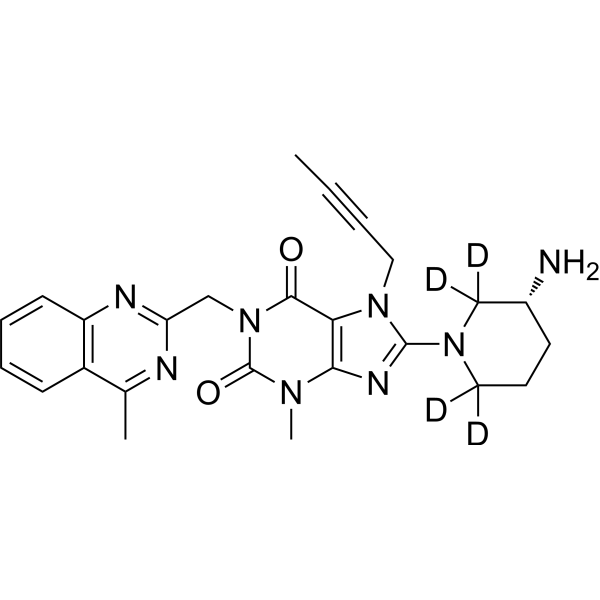
- HY-144279
-
|
|
Bacterial
|
Infection
|
|
MsbA-IN-1 is a highly potent MsbA inhibitor with IC50 of 4 nM. MsbA-IN-1 has activity against wild-type E. coli with MIC of 79 μM. MsbA-IN-1 possesses sufficient permeability across the fully intact outer membrane of Gram-negative bacteria to inhibit MsbA .
|
-
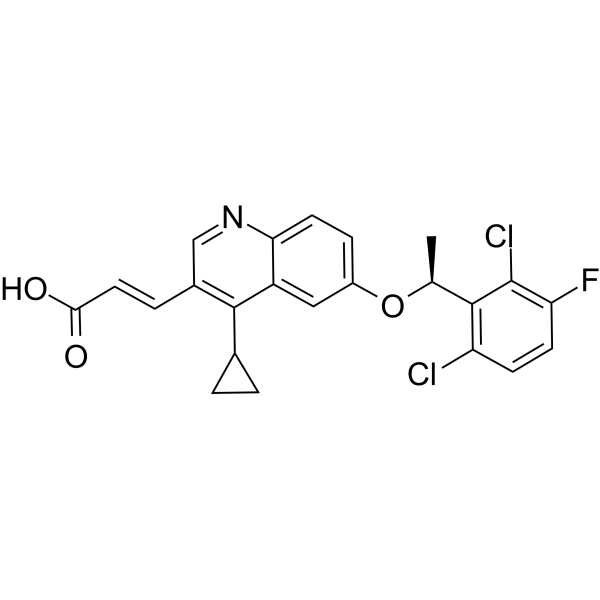
- HY-152189
-
|
|
17β-HSD
|
Cancer
|
|
S19-1035 is a highly potent and specific aldo-keto reductase 1C3 (AKR1C3) inhibitor. S19-1035 inhibits AKR1C3 with an IC50 value of 3.04 nM. S19-1035 can be used for the research of tumor .
|
-
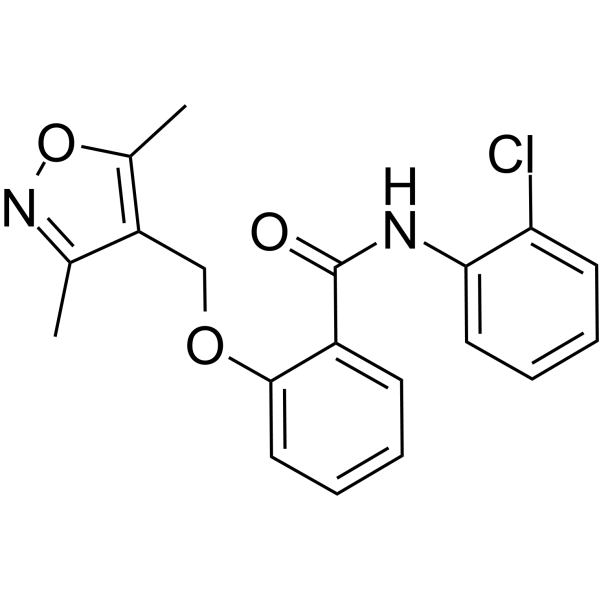
- HY-15351
-
|
NSC 675186
|
HIV
|
Infection
|
|
UC-781 (NSC 675186) is a highly potent and selective nonnucleoside reverse transcriptase inhibitor (NNRTI) of HIV-1 with an IC50 value of 5 nM. UC-781 is stable under low PH or various temperatures conditions. UC-781 has antiviral activity and resistance .
|
-
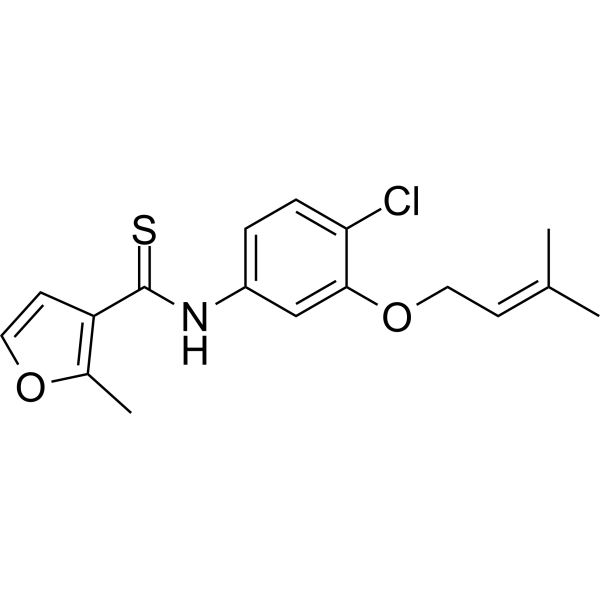
- HY-16346R
-
|
CID 6451149 (Standard)
|
Reference Standards
Neurokinin Receptor
|
Neurological Disease
Endocrinology
|
|
Netupitant (Standard) is the analytical standard of Netupitant. This product is intended for research and analytical applications. Netupitant (CID-6451149) is a highly potent, selective and orally active neurokinin-1 (NK1) receptor antagonist with a Ki of 0.95 nM for hNK1 in CHO cells. Netupitant has antiemetic affect .
|
-

- HY-100853
-
|
|
Porcupine
Wnt
|
Cancer
|
|
IWP-O1 is a highly potent Porcupine (Porcn) inhibitor, with an EC50 of 80 pM in L-Wnt-STF cells. IWP-O1 prevents the secretion of Wnt proteins. IWP-O1 suppresses the phosphorylation of Dvl2/3 and LRP6 in HeLa cells .
|
-
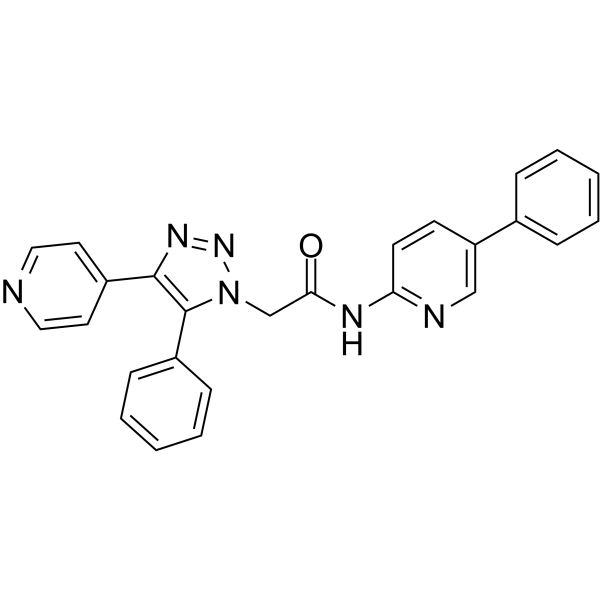
- HY-107046
-
|
|
Adenosine Receptor
|
Inflammation/Immunology
|
|
UK-432097 is a highly potent and selective A2AAR agonist with a pKi of 8.4 for human A2AAR. UK-432097 has anti-inflammatory and anti-aggregatory properties. UK-432097 has the potential for COPD (Chronic Obstructive Pulmonary Disease) research .
|
-
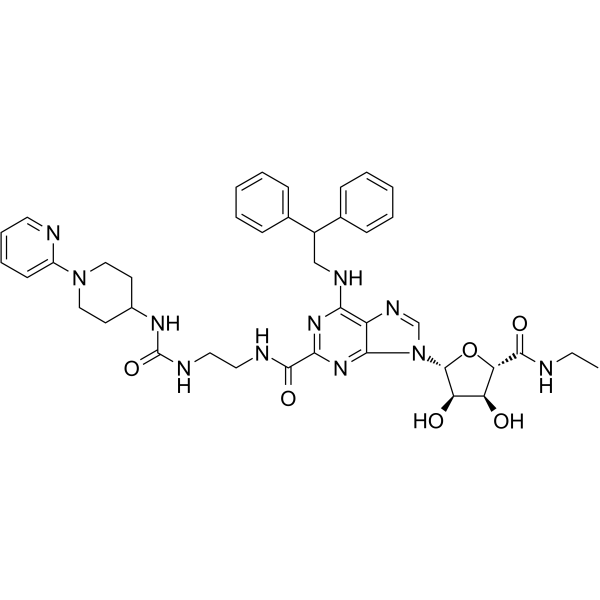
- HY-107601
-
|
ACET
|
iGluR
|
Neurological Disease
|
|
UBP316 (ACET) is a highly potent and selective kainate receptor GluK1 (GluR5) antagonist, with a Kb value of 1.4 nM. UBP316 is effective at blocking the depression of both field excitatory postsynaptic potentials (fEPSPs) and monosynaptically-evoked GABAergic transmission induced by ATPA, a GluK1 selective agonist .
|
-
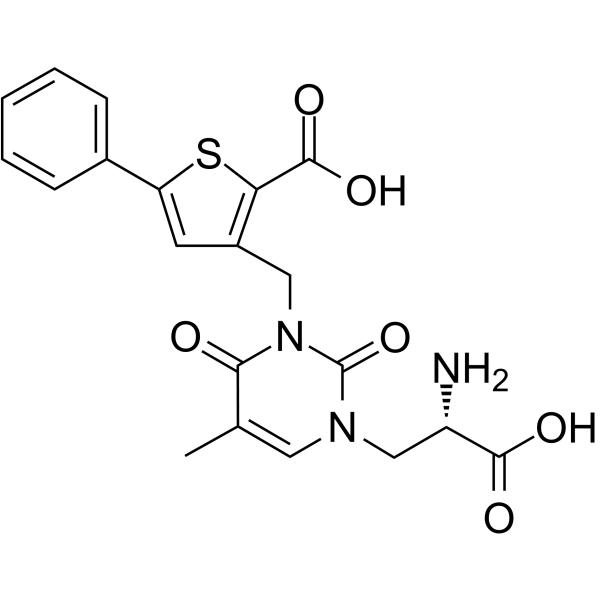
- HY-103575
-
|
|
mGluR
|
Neurological Disease
|
|
MFZ 10-7 is a highly potent and selective mGluR5 NAM (negative allosteric modulator), with a Ki of 0.67 nM for rat mGluR5 . MFZ 10-7 is a click chemistry reagent, it contains an Alkyne group and can undergo copper-catalyzed azide-alkyne cycloaddition (CuAAc) with molecules containing Azide groups.
|
-
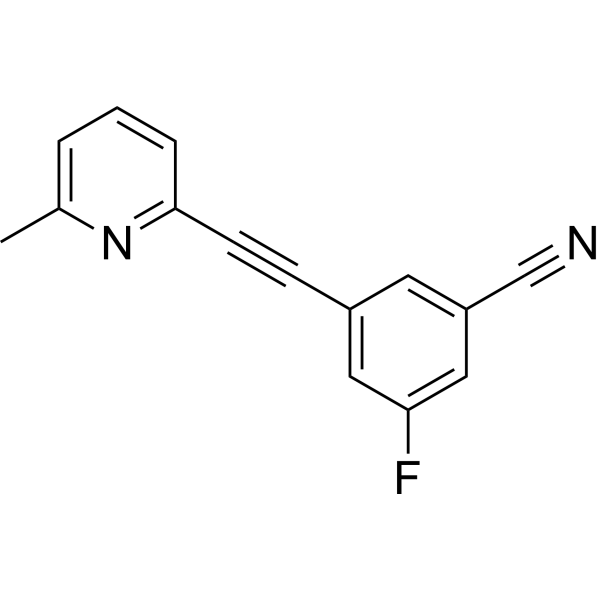
- HY-11091
-
|
BMS 561389 hydrochloride; DPC 906 hydrochloride
|
Factor Xa
Thrombin
|
Cardiovascular Disease
|
|
Razaxaban hydrochloride (BMS 561389 hydrochloride) is a highly potent, selective and orally active factor Xa inhibitor with a Ki of 0.19 nM. Razaxaban hydrochloride exhibits excellent selectivity (>5000-fold) for factor Xa over other related serine proteases. Razaxaban hydrochloride is also a potent thrombin inhibitor with a Ki of 540 nM. Razaxaban hydrochloride has strongly antithrombotic activity .
|
-
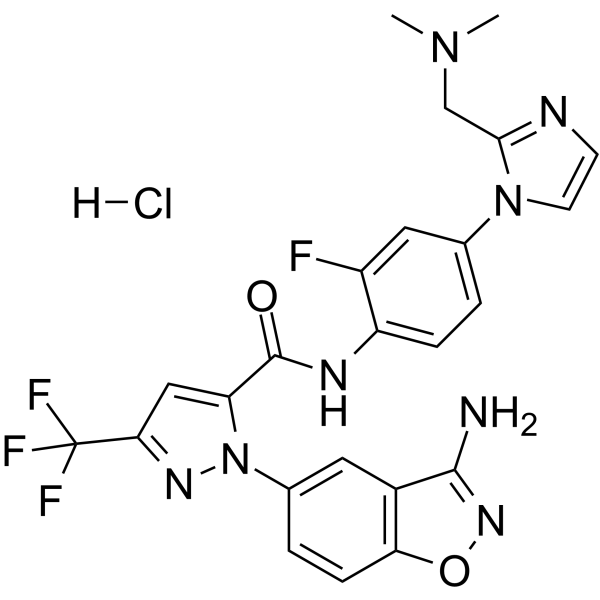
- HY-10791
-
-
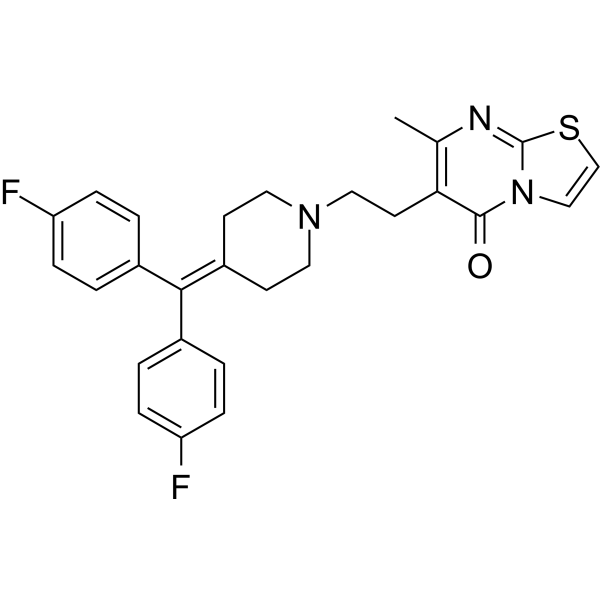
- HY-13049R
-
|
AZD-2171 maleate (Standard)
|
VEGFR
Autophagy
PDGFR
Reference Standards
|
Cancer
|
|
Cediranib (maleate) (Standard) is the analytical standard of Cediranib (maleate). This product is intended for research and analytical applications. Cediranib maleate (AZD-2171 maleate) is a highly potent, orally available VEGFR inhibitor with IC50s of <1, <3, 5, 5, 36, 2 nM for Flt1, KDR, Flt4, PDGFRα, PDGFRβ, c-Kit, respectively.
|
-

- HY-144254
-
|
|
PI3K
Akt
Apoptosis
|
Cancer
|
|
PI3Kδ-IN-10 is a highly potent and orally active PI3Kδ inhibitor with IC50 of 2 nM. PI3Kδ-IN-10 robustly suppresses the downstream AKT pathway to induce subsequent apoptosis in hepatocellular carcinoma models .
|
-
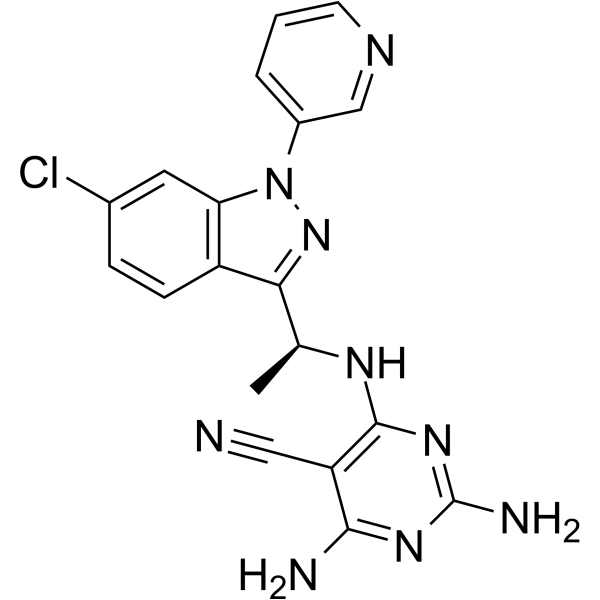
- HY-100441S3
-
-
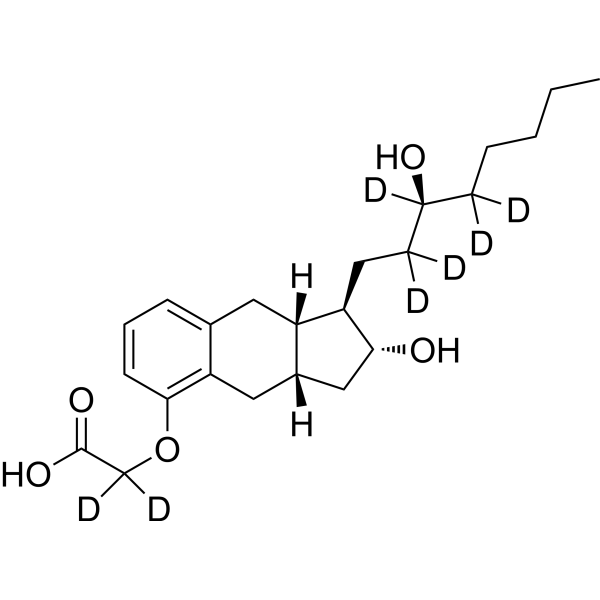
- HY-155787
-
|
|
CDK
|
Cancer
|
|
SHR5428 is a potent, orally active, selective and noncovalent inhibitor of CDK7 with highly potent CDK7 enzymatic activity (IC50=2.3 nM). SHR5428 inhibits triple negative breast cancer cellular activity on MDA-MB-468 cell (IC50=6.6 nM) .
|
-
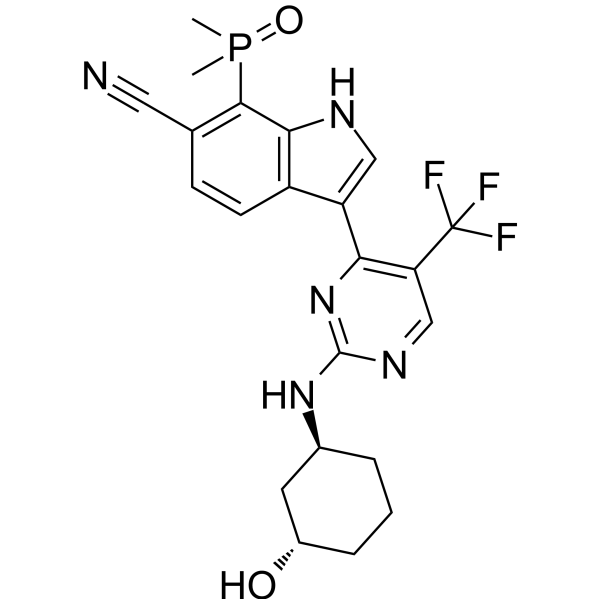
- HY-150555
-
|
|
Potassium Channel
|
Others
|
|
P-CAB agent 1 (compound B19) is a highly potent potassium-competitive acid blocker agent with an IC50 value of 60.50 nM for H +/K +-ATPase. P-CAB agent 1 has acceptable oral absorption in rats. P-CAB agent 1 can be used for researching acid-related disorders (ARDs) .
|
-
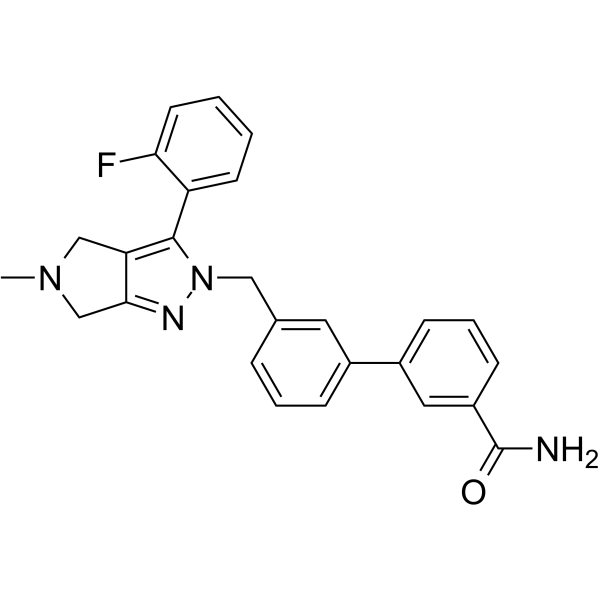
- HY-42110
-
|
|
mAChR
|
Neurological Disease
|
|
Deschloroclozapine, a metabolite of Clozapine, is a highly potent muscarinic DREADDs agonist, with blood-brain barrier permeability. Deschloroclozapine binds to DREADD receptor subtypes hM3Dq and hM4Di with Ki of 6.3 and 4.2 nM, respectively. [ 11C]-Deschloroclozapine is developed as a promising PET tracer for DREADD imaging .
|
-
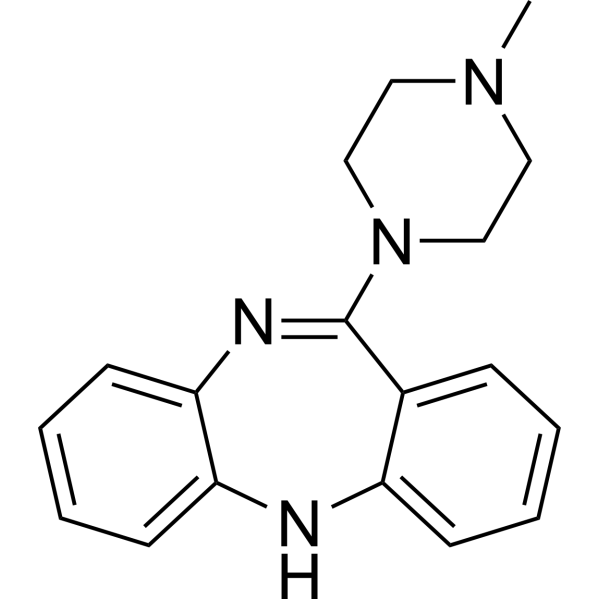
- HY-111457
-
BAY-677
1 Publications Verification
|
Elastase
|
Inflammation/Immunology
|
|
BAY-677 is an inactive control for BAY-678. BAY-678 is an orally bioavailable, highly potent, selective and cell-permeable inhibitor of human neutrophil elastase (HNE), with an IC50 of 20 nM . BAY-678 is also nominated as a chemical probe to the public via the Structural Genomics Consortium (SGC) .
|
-
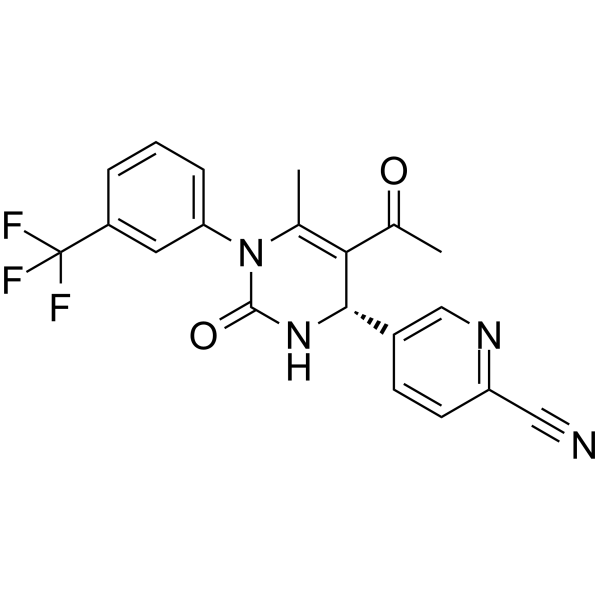
- HY-100937R
-
|
PD 116948 (Standard)
|
Reference Standards
Adenosine Receptor
|
Cardiovascular Disease
|
|
DPCPX (Standard) is the analytical standard of DPCPX. This product is intended for research and analytical applications. DPCPX (PD 116948), a xanthine derivative, is a highly potent and selective Adenosine A1 receptor antagonist, with a Ki of 0.46 nM in 3H-CHA binding to A1 receptors in rat whole brain membranes .
|
-

- HY-145835
-
|
|
PERK
|
Cancer
|
|
PERK-IN-5 is a highly potent, selectively and orally bioavailable PERK inhibitor (IC50s of 2 and 9 nM for PERK and p-eIF2α, respectively). PERK-IN-5 can significantly inhibit tumor growth in the 786-O renal cell carcinoma xenograft tumor model .
|
-
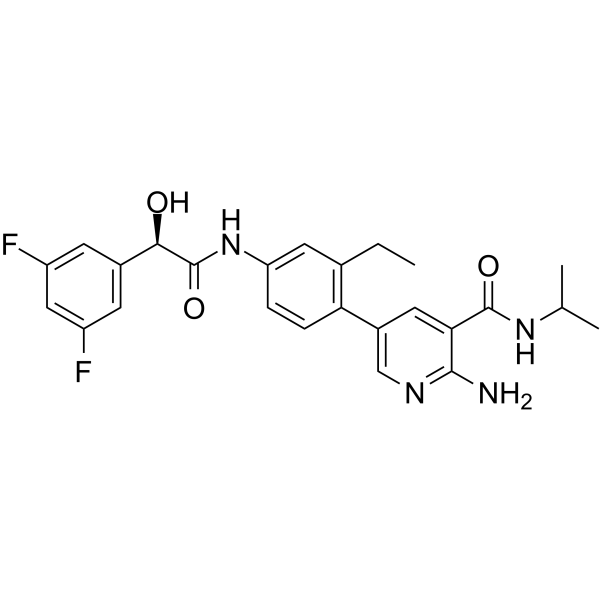
- HY-15682R
-
|
Ro 13-7410 (Standard); Arotinoid acid (Standard); AGN191183 (Standard)
|
Reference Standards
RAR/RXR
Autophagy
Apoptosis
|
Cancer
|
|
TTNPB (Standard) is the analytical standard of TTNPB. This product is intended for research and analytical applications. TTNPB is a highly potent RAR agonist. Competitive binding assays using human RARs yield IC50s of α=5.1 nM, β= 4.5 nM, and γ=9.3 nM, respectively.
|
-

- HY-124069
-
|
|
Epigenetic Reader Domain
|
Cancer
|
|
M-525 is a first-in-class, highly potent, irreversible and covalent menin-MLL protein-protein interaction inhibitor. M-525 binds to menin with an IC50 of 3 nM and achieves low nanomolar potencies in cell growth inhibition and in suppression of MLL regulated gene expression in MLL leukemia cells. Anti-leukemia activity .
|
-
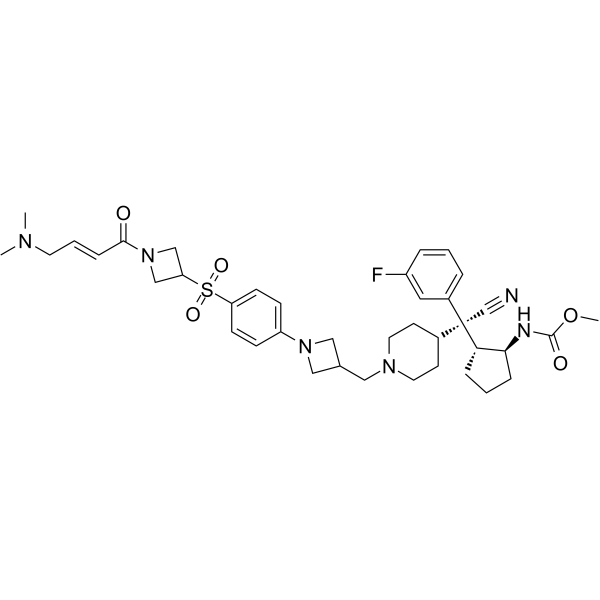
- HY-P1033S
-
-
![[Pyr1]-Apelin-13, Gly(15N) TFA](//file.medchemexpress.com/product_pic/hy-p1033s.gif)
- HY-10044
-
WYE-132
4 Publications Verification
WYE-125132
|
mTOR
Apoptosis
|
Cancer
|
|
WYE-132 (WYE-125132) is a highly potent, ATP-competitive, and specific mTOR kinase inhibitor (IC50: 0.19±0.07 nM; >5,000-fold selective versus PI3Ks). WYE-132 (WYE-125132) inhibits mTORC1 and mTORC2.
|
-
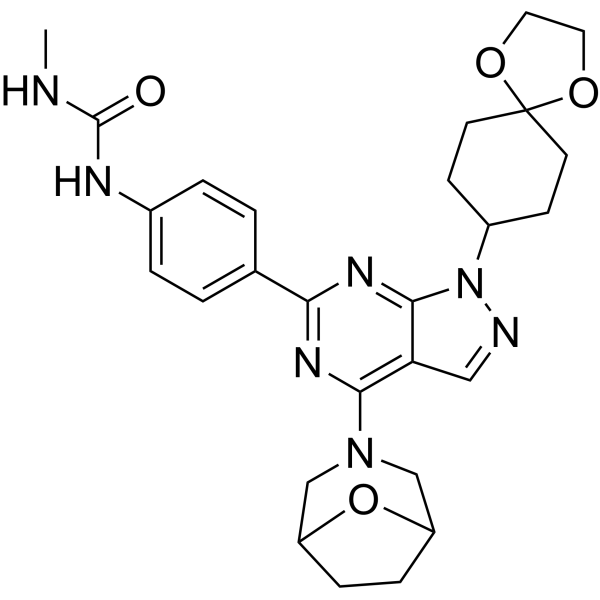
- HY-115487
-
|
|
Prostaglandin Receptor
|
Inflammation/Immunology
Cancer
|
|
MF-766 is a highly potent, selective and orally active EP4 antagonist with a Ki of 0.23 nM. MF-766 behaves as a full antagonist with an IC50 of 1.4 nM (shifted to 1.8 nM in the presence of 10% HS) in the functional assay. MF-766 can be used for cancer and inflammation diseases research .
|
-
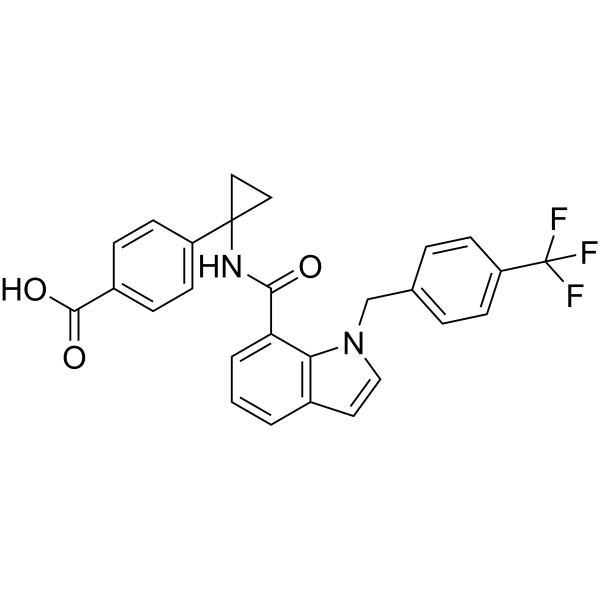
- HY-177016
-
-

- HY-11006
-
|
NU7441
|
DNA-PK
|
Cancer
|
|
KU-57788 (NU7441) is a highly potent and selective DNA-PK inhibitor with an IC50 of 14 nM. KU-57788 is an NHEJ pathway inhibitor. KU-57788 also inhibits PI3K and mTOR with IC50s of 5.0 and 1.7 μM, respectively .
|
-
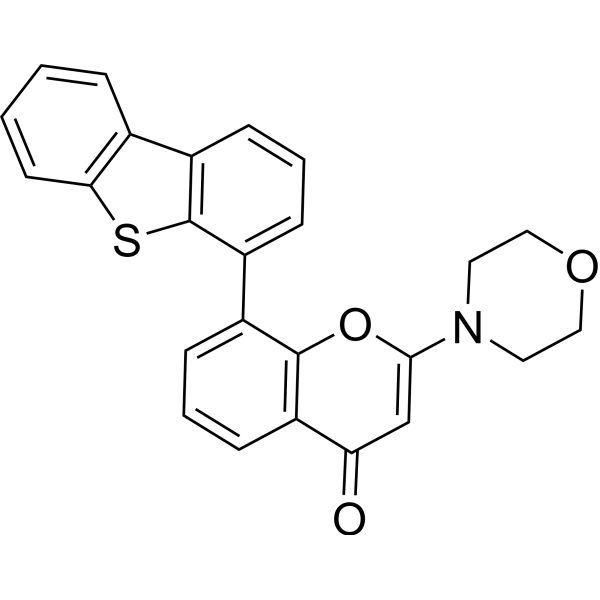
- HY-145086
-
R-PSOP
1 Publications Verification
|
Neuromedin U Receptor (NMUR)
|
Metabolic Disease
|
|
R-PSOP is highly potent and selective nonpeptidic NMUR2 antagonist. R-PSOP binds to NMUR2 with the Kis of 52 and 32 nM for the human and rat NMUR2, respectively. R-PSOP shows moderate CNS penetration. R-PSOP can be used for the research of the eating disorders, obesity, pain, and stress-related disorders .
|
-
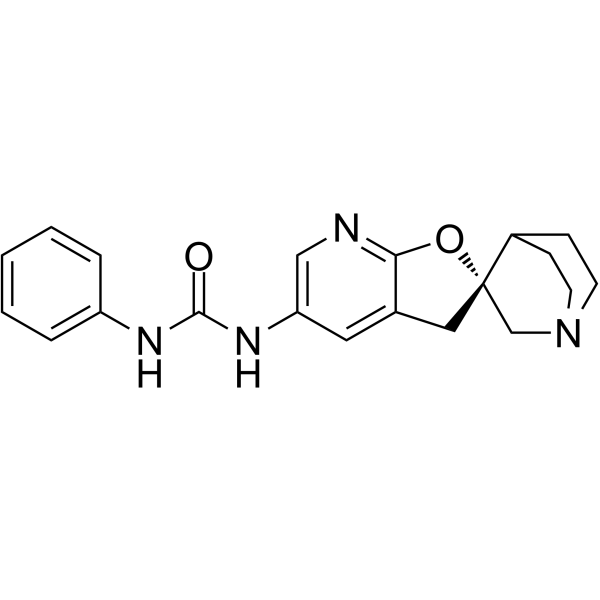
- HY-15531S1
-
|
ABT-199-d6; GDC-0199-d6; RG7601-d6
|
Isotope-Labeled Compounds
Autophagy
Bcl-2 Family
|
Cancer
|
|
Venetoclax-d6 (ABT-199-d6) is deuterium labeled Venetoclax. Venetoclax (ABT-199; GDC-0199) is a highly potent, selective and orally bioavailable Bcl-2 inhibitor with a Ki of less than 0.01 nM. Venetoclax induces autophagy .
|
-

- HY-107701A
-
|
|
iGluR
|
Neurological Disease
|
|
CGP 78608 is a highly potent and selective antagonist at the glycine-binding site of the NMDA receptor, with an IC50 of 6 nM. CGP 78608 acts as a potentiator of GluN1/GluN3A-mediated glycine currents, with an estimated EC50 in the low nM range (26.3 nM). CGP 78608 has anticonvulsant activities .
|
-

- HY-174142
-
|
|
BMX Kinase
|
Cardiovascular Disease
Inflammation/Immunology
|
|
IHMT-15130 is a highly potent irreversible BMX kinase inhibitor (IC50=1.47 nM). IHMT-15130 inhibits the secretion of inflammatory cytokines, blocks inflammatory signaling pathways, and alleviates Angiotensin II-induced myocardial hypertrophy in mice. IHMT-15130 is promising for research of myocardial hypertrophy .
|
-

- HY-P1256C
-
|
|
Neurotensin Receptor
|
Neurological Disease
|
|
JMV 449 acetate is a potent neurotensin receptor agonist. JMV 449 acetate shows an IC50 of 0.15 nM for inhibition of 125I-neurotensin binding to neonatal mouse brain and an EC50 of 1.9 nM in contracting the guinea-pig ileum. JMV 449 acetate has highly potent and long-lasting hypothermic and analgesic effects in the mouse .
|
-
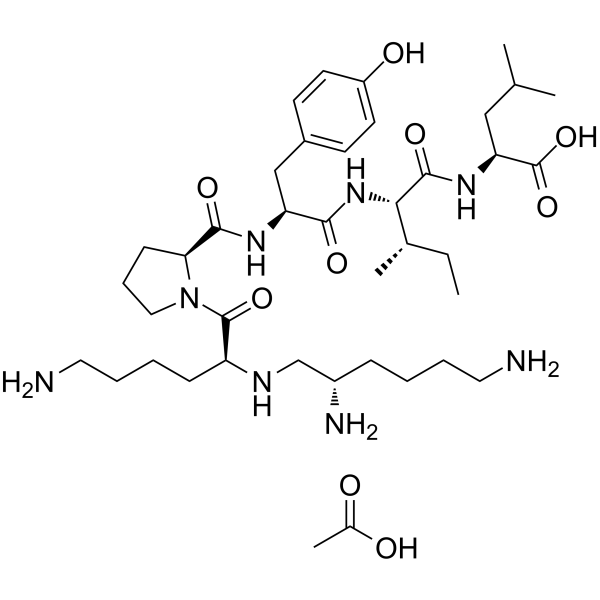
- HY-N10539
-
|
|
Others
|
Cancer
|
|
Shishijimicin C is a novel antitumor agent found from the Ascidian Didemnum proliferum. Shishijimicin C shows anti-tumor activity with highly potent cytotoxicities . Shishijimicin C is a click chemistry reagent, it contains an Alkyne group and can undergo copper-catalyzed azide-alkyne cycloaddition (CuAAc) with molecules containing Azide groups.
|
-
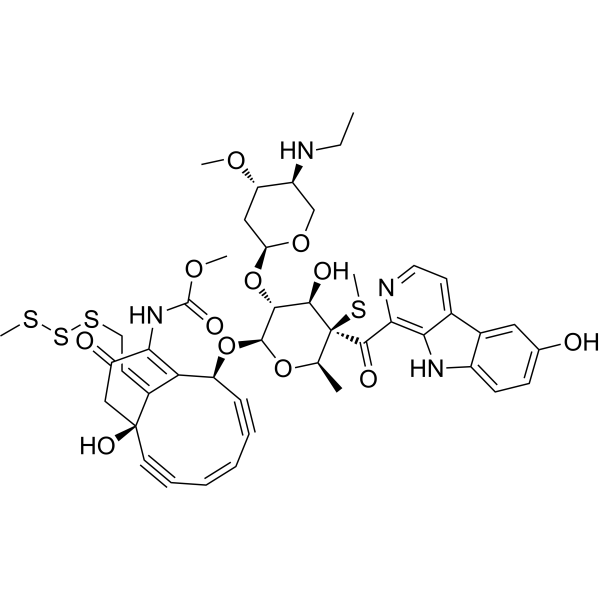
- HY-P2026
-
|
|
Natriuretic Peptide Receptor (NPR)
|
Cardiovascular Disease
|
|
A 71915 is a highly potent and competitive natriuretic peptide receptor A (ANP, NPRA) antagonist (pKi= 9.18). A 71915 displaces [ 125I]ANP dose dependently, with a Ki of 0.65 nM. A71915( pA2= 9.48) against rat ANP-induced cGMP production in NB-OK-1 cells .
|
-
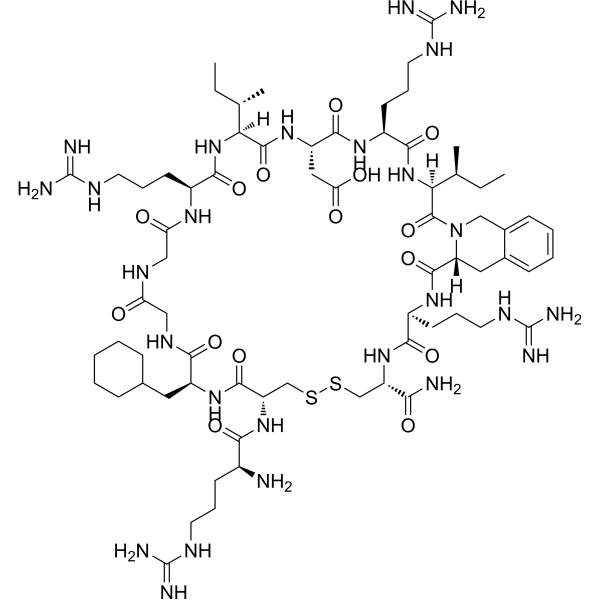
- HY-132292
-
|
|
PROTACs
Androgen Receptor
|
Cancer
|
|
ARD-2128 is a highly potent, orally bioavailable PROTAC androgen receptor (AR) degrader. ARD-2128 effectively reduces AR protein, suppresses AR-regulated genes in tumor tissues, and inhibits growth of tumor without signs of toxicity. ARD-2128 has the potential for the research of the prostate cancer .
|
-
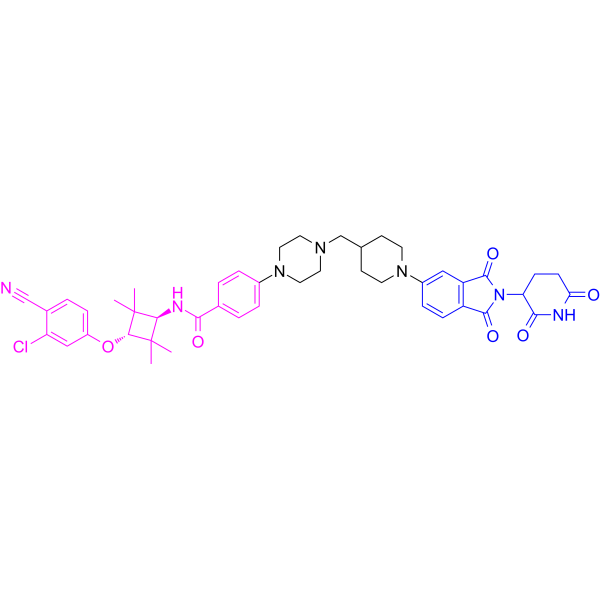
- HY-18941C
-
|
LY354740 hydrochloride; Eglumetad hydrochloride
|
mGluR
|
Neurological Disease
|
|
Eglumegad (LY354740) hydrochloride is a highly potent and selective group II (mGlu2/3) receptor agonist with IC50s of 5 and 24 nM on transfected human mGlu2 and mGlu3 receptors, respectively. Eglumegad hydrochloride protects neurons from NMDA toxicity. Eglumegad hydrochloride has anxiolytic- and antipsychotic-like effects .
|
-
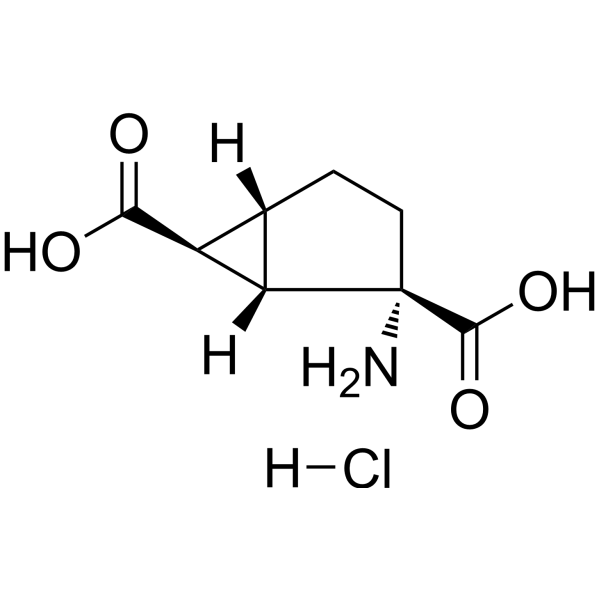
- HY-103355
-
YM022
2 Publications Verification
|
CCR
|
Metabolic Disease
|
|
YM022 is a highly potent, selective and orally active gastrin/cholecystokinin (CCK)-B receptor (CCK-BR) antagonist. YM022 shows the Ki values of 68 pM and 63 nM for CCK-B and CCK-A receptor, respectively . YM022 can inhibit gastrin-induced gastric acid secretion and histidine decarboxylase activation in vivo .
|
-
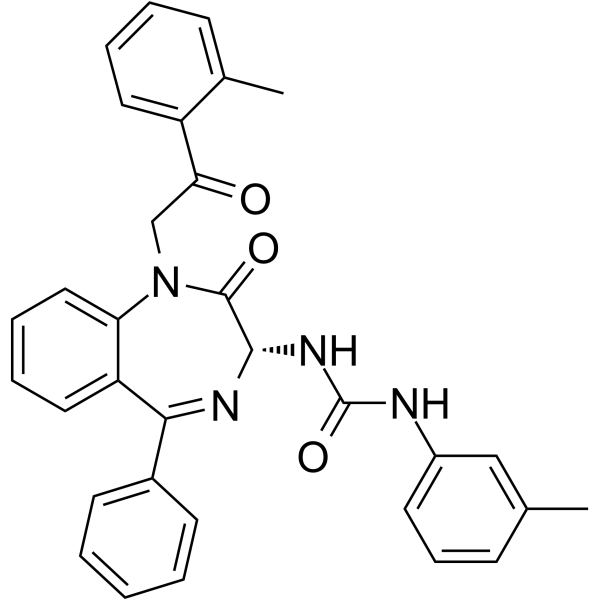
- HY-120940A
-
|
|
PAK
|
Cancer
|
|
AZ13705339 hemihydrate is a highly potent and selective PAK1 inhibitor with IC50s of 0.33 nM and 59 nM for PAK1 and pPAK1, respectively. AZ13705339 hemihydrate has binding affinities to PAK1 and PAK2, with Kds of 0.28 nM and 0.32 nM, respectively. AZ13705339 hemihydrate can be used in the research of cancers .
|
-
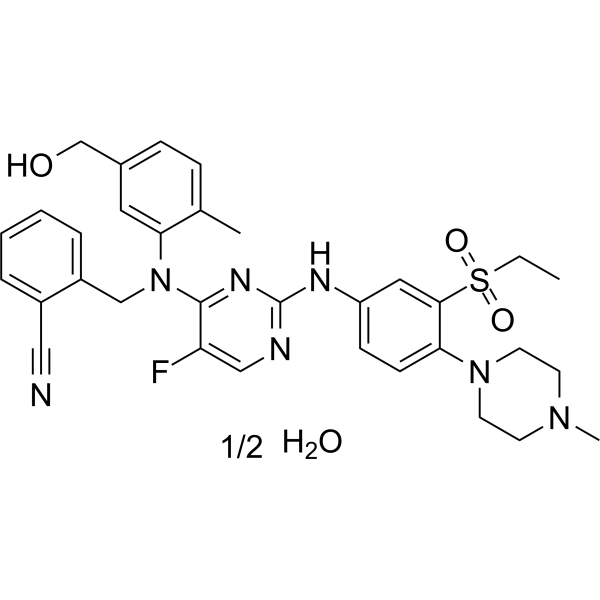
- HY-15659G
-
|
C59
|
Porcupine
Wnt
|
Cancer
|
|
Wnt-C59 (C59) GMP is a GMP grade Wnt-C59 (HY-15659). GMP small molecules works appropriately as an auxiliary reagent for cell therapy manufacture. Wnt-C59 (C59) is a highly potent and oral porcupine (PORCN) inhibitor with an IC50 of 74 pM.
|
-
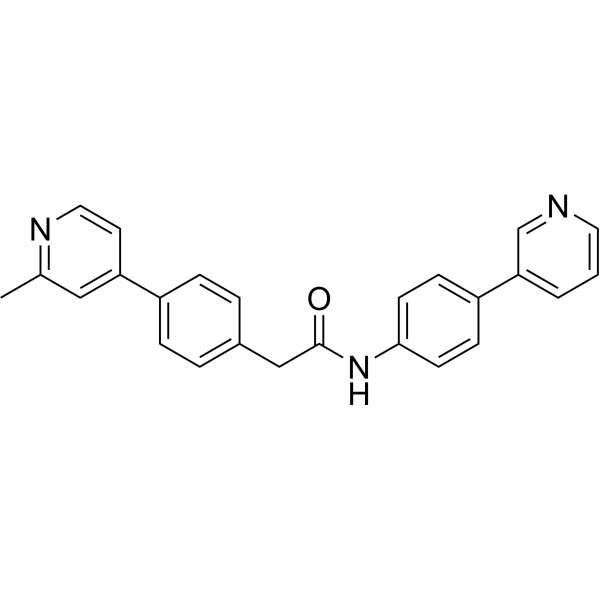
- HY-10681
-
|
PKI-587; PF-05212384
|
PI3K
mTOR
|
Cancer
|
|
Gedatolisib (PKI-587) is a highly potent dual inhibitor of PI3Kα, PI3Kγ, and mTOR with IC50s of 0.4 nM, 5.4 nM and 1.6 nM, respectively . Gedatolisib is equally effective in both complexes of mTOR, mTORC1 and mTORC2 .
|
-
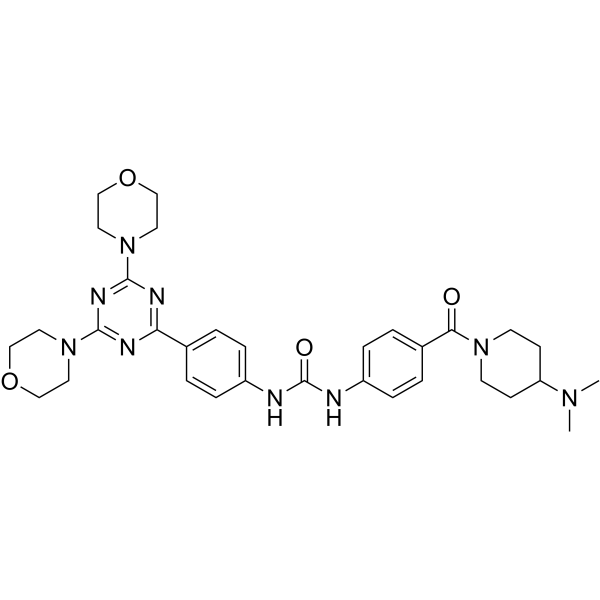
- HY-146230
-
|
|
VEGFR
|
Cancer
|
|
VEGFR-2-IN-26 (compound 5h) is a highly potent VEGFR-2 inhibitor with an IC50 value of 15.5 nM. VEGFR-2-IN-26 has good antiproliferative activity against the leukemic, non-small lung, CNS, ovarian, renal, prostate and breast cancer cells .
|
-
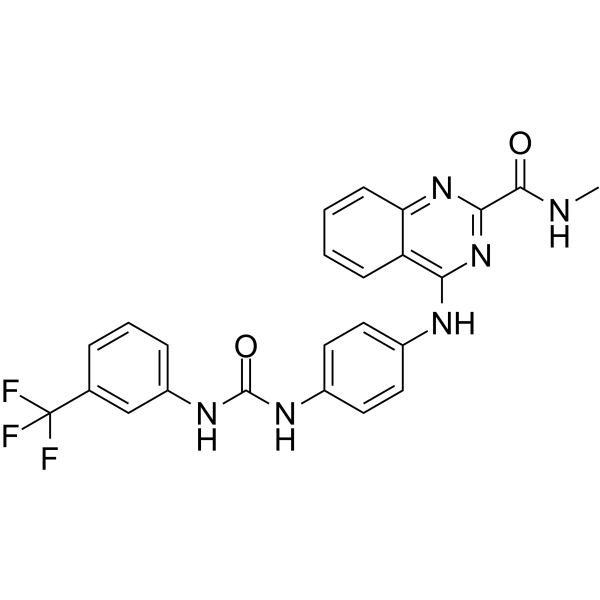
- HY-P1954A
-
|
Piscidin-1 (22-42) TFA
|
Bacterial
|
Infection
Cancer
|
|
Epinecidin-1 (Piscidin-1 (22-42)) TFA is a highly potent, multi-functional Antimicrobial Peptide (AMP) produced by Orange-spotted grouper (Epinephelus coioides). Epinecidin-1 TFA has many functional usages including antibacterial, antifungal, antiviral, antiprotozoal, anticancer, immunomodulatory, and wound healing properties .
|
-

- HY-N0315
-
Allicin
Maximum Cited Publications
17 Publications Verification
Diallyl thiosulfinate
|
Bacterial
Antibiotic
|
Infection
|
|
Allicin (diallyl thiosulfinate) is isolated from garlic including Diallyl monosulfide, Diallyl disulfide, Diallyl trisulfide, Diallyl tetrasulfide, and Methyl allyl disulphide etc. They accounts for 98% of the extract. Allicin (diallyl thiosulfinate) has highly potent antimicrobial activity, and inhibits growth of a variety of microorganisms, among them antibiotic-resistant strains .
|
-
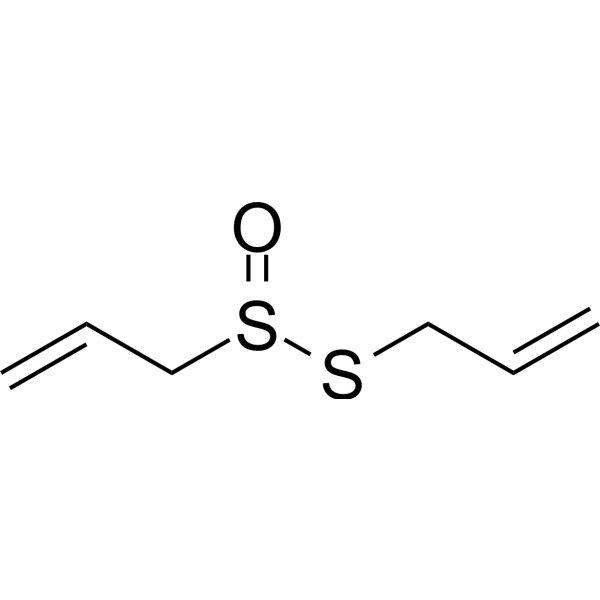
- HY-151111
-
|
|
Renin
|
Cardiovascular Disease
|
|
SPH3127 (DRI 18) is a novel, highly potent, and orally active direct renin inhibitor (recombinant human-renin IC50=0.4 nM, human plasma renin activity IC50=0.45 nM). SPH3127 shows antihypertensive effect and can be used in essential hypertension research .
|
-
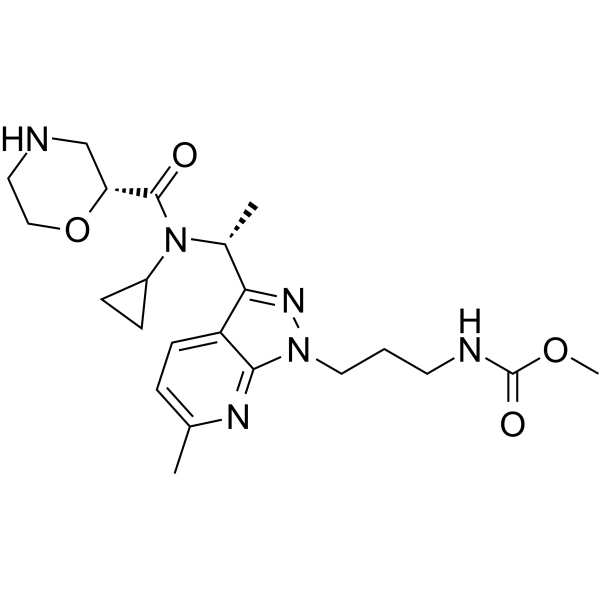
- HY-P1256
-
|
|
Neurotensin Receptor
|
Neurological Disease
|
|
JMV 449 is a potent neurotensin receptor agonist. JMV 449 shows an IC50 of 0.15 nM for inhibition of [ 125I]-neurotensin binding to neonatal mouse brain and an EC50 of 1.9 nM in contracting the guinea-pig ileum. JMV 449 has highly potent and long-lasting hypothermic and analgesic effects in the mouse .
|
-
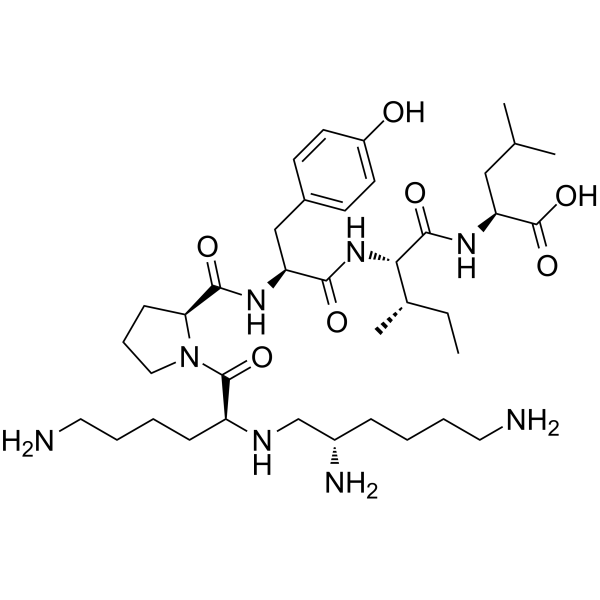
- HY-17468
-
|
Ro 10-6338; PF 1593
|
NKCC
|
Cardiovascular Disease
Metabolic Disease
|
|
Bumetanide (Ro 10-6338; PF 1593), a highly potent loop diuretic, is a Na +-K +-Cl + cotransporter (NKCC) blocker. Bumetanide is a selective NKCC1 inhibitor, but also inhibits NKCC2, with IC50s of 0.68 μM and 4.0 μM for hNKCC1A and hNKCC2A, respectively .
|
-
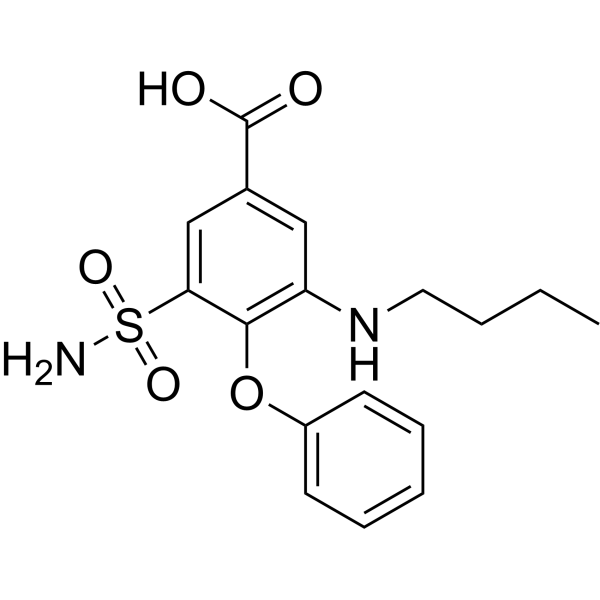
- HY-120940
-
|
|
PAK
|
Cancer
|
|
AZ13705339 is a highly potent and selective PAK1 inhibitor with IC50s of 0.33 nM and 59 nM for PAK1 and pPAK1, respectively. AZ13705339 has binding affinities to PAK1 and PAK2, with Kds of 0.28 nM and 0.32 nM, respectively. AZ13705339 can be used in the research of cancers .
|
-
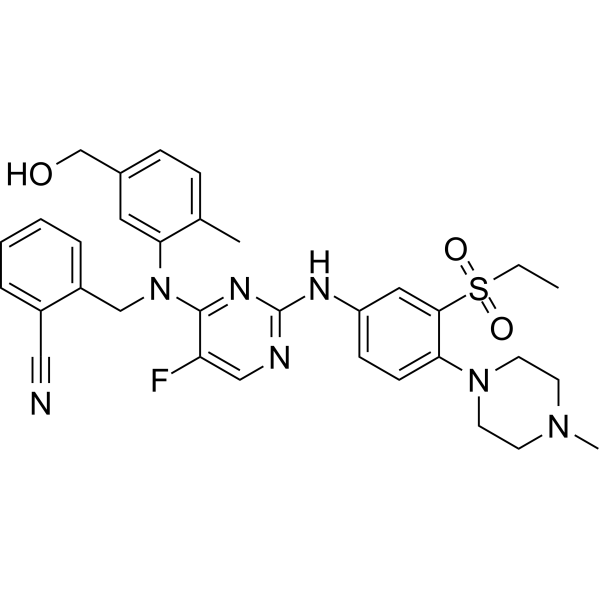
- HY-124367
-
|
|
5-HT Receptor
|
Neurological Disease
|
|
25B-NBF hydrochloride is a highly potent agonist for the 5-HT2C receptor binds human 5-HT2A receptors and rat 5-HT2C receptors with pKi values of 8.57 and 7.73, respectively .
|
-

- HY-120792
-
|
|
mAChR
|
Others
|
|
DAU 5884 is a muscarinic receptor antagonist with activity that discriminates between different muscarinic receptor subtypes. DAU 5884 discriminates between M4 and M2 receptor sites and is a highly potent M1-selective antagonist with specific activity at different muscarinic receptors characterized by radioligand binding studies and functional assays.
|
-

- HY-100339R
-
|
|
RIP kinase
Reference Standards
|
Endocrinology
|
|
GSK583 (Standard) is the analytical standard of GSK583 (HY-100339). This product is intended for research and analytical applications. GSK583 is a highly potent, orally active and selective inhibitor of RIP2 Kinase, with IC50 of 5 nM. GSK583 inhibits both TNF-α and IL-6 production with an IC50 value of 200 nM.
|
-

- HY-101523
-
|
|
CDK
|
Cancer
|
|
Cdc7-IN-1 (Compound 13) is a highly potent, selective and ATP competitive inhibitor of Cdc7 kinase, with an IC50 value of 0.6 nM at 1 mM ATP and with slow off-rate characteristics. Cdc7-IN-1 potently inhibits Cdc7 activity in cancer cells, and effectively induces cell death .
|
-
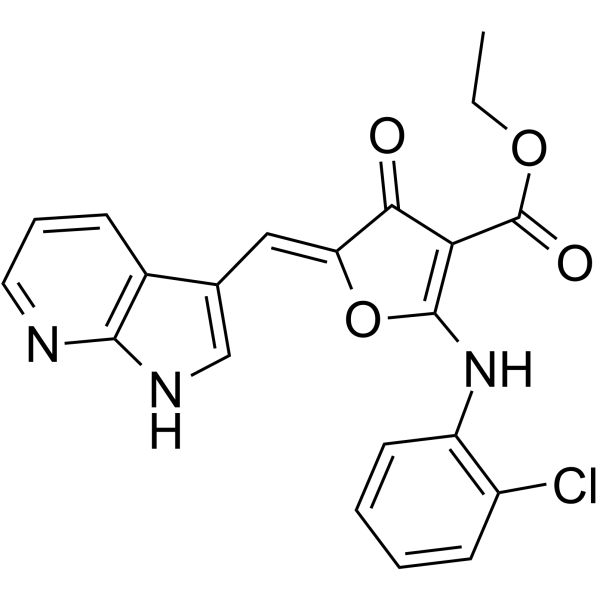
- HY-128347
-
|
|
Epigenetic Reader Domain
|
Inflammation/Immunology
Cancer
|
|
M-89 is a highly potent and specific menin inhibitor, with a Kd of 1.4 nM for binding to menin. M-89 inhibits the menin-mixed lineage leukemia (Menin-MLL) protein-protein interaction and has potential to study MLL leukemia. M-89 inhibits the cell growth in leukemia cell lines carrying MLL fusion .
|
-
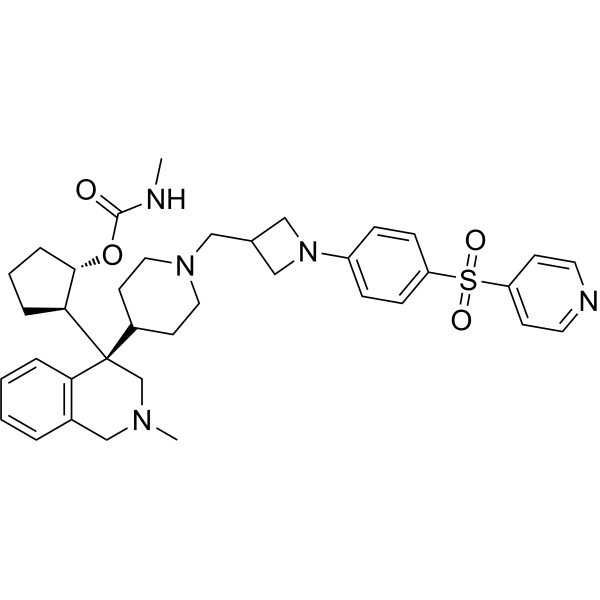
- HY-118444
-
|
|
Adenosine Receptor
|
Others
|
|
(Rac)-WRC-0571 is a highly potent, orally active and selective, non-xanthine antagonist of A1 adenosine receptors. (Rac)-WRC-0571 inhibits [3H]-N6-cyclohexyladenosine (CHA) binding to guinea pig A1-receptors with a Ki value of 1.1 nM .
|
-

- HY-175331
-
|
|
Aldose Reductase
|
Metabolic Disease
Cancer
|
|
ALR2-IN-7 (Compound 5a) is a highly potent and selective aldose reductase (ALR2/AKR1B1) inhibitor (Ki=8.71 nM). ALR2-IN-7 is promising for research of diabetic complications (e.g., retinopathy, nephropathy) and cancers .
|
-

- HY-10192R
-
|
TAE 684 (Standard)
|
Reference Standards
Anaplastic lymphoma kinase (ALK)
Apoptosis
|
Cancer
|
|
NVP-TAE 684 (Standard) is the analytical standard of NVP-TAE 684 (HY-10192). This product is intended for research and analytical applications. NVP-TAE 684 (TAE 684) is a highly potent and selective ALK inhibitor, which blocks the growth of ALCL-derived and ALK-dependent cell lines with IC50 values between 2 and 10 nM .
|
-

- HY-107327S
-
|
(±)-Carazolol-d7; DL-Carazolol-d7; Suacron-d7
|
Isotope-Labeled Compounds
Adrenergic Receptor
|
Cardiovascular Disease
|
|
Carazolol-d7 is the deuterium labeled Carazolol (HY-107327). Carazolol is a highly potent antagonist of β1/β2 adrenoceptor. Carazolol is also a potent, selective β3-adrenoceptor agonist. Carazolol can be used in the research of hypertension .
|
-
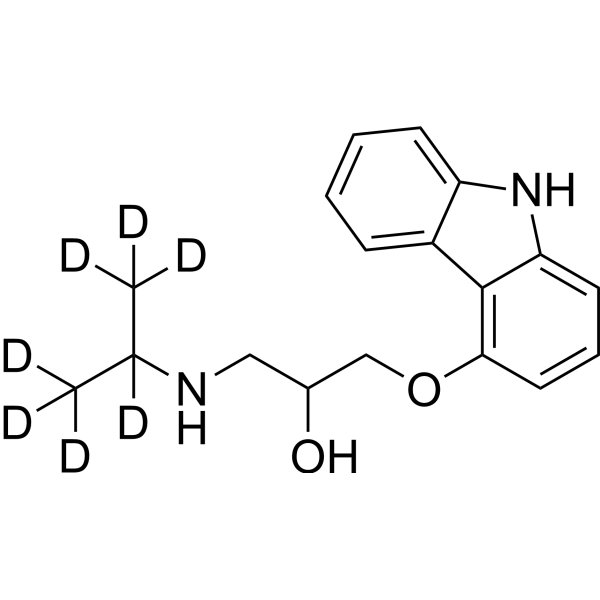
- HY-134823
-
MD-222
1 Publications Verification
|
MDM-2/p53
PROTACs
E1/E2/E3 Enzyme
|
Cancer
|
|
MD-222 is the first-in-class highly potent PROTAC degrader of MDM2. MD-222 consists of ligands for Cereblon and MDM2. MD-222 induces rapid degradation of the MDM2 protein and activation of wild-type p53 in cells. MD-222 has anticancer effects .
|
-
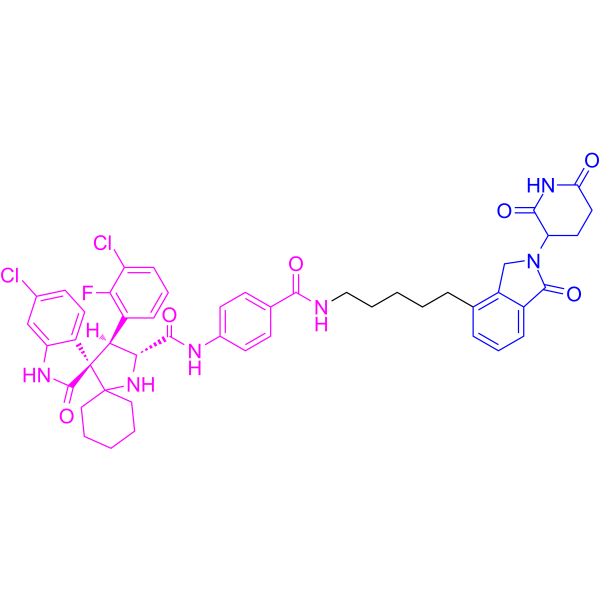
- HY-109523
-
|
|
HMG-CoA Reductase (HMGCR)
Ferroptosis
|
Cardiovascular Disease
Cancer
|
|
Cerivastatin sodium is a synthetic lipid-lowering agent and a highly potent, well-tolerated and orally active HMG-CoA reductase inhibitor, with a Ki of 1.3 nM/L. Cerivastatin sodium reduces low-density lipoprotein cholesterol levels. Cerivastatin sodium also inhibits proliferation and invasiveness of MDA-MB-231 cells, mainly by RhoA inhibition, and has anti-cancer effect .
|
-
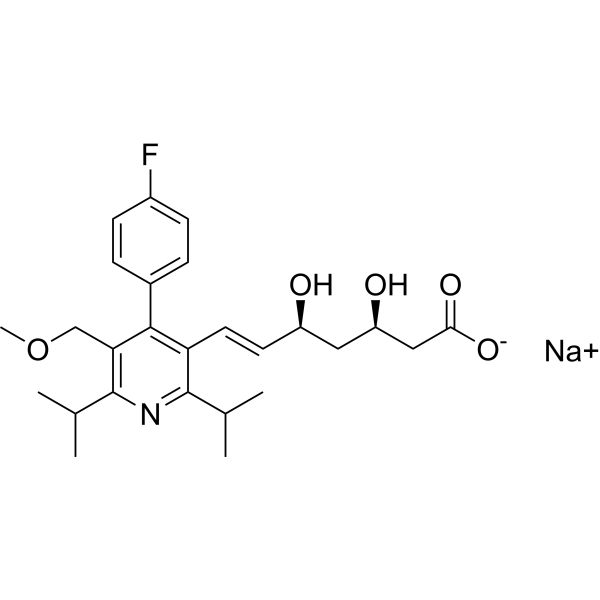
- HY-146054
-
|
|
CXCR
|
Inflammation/Immunology
|
|
CXCR4 modulator-2 (compound Z7R) is a highly potent CXCR4 modulator with an IC50 value of 1.25 nM. CXCR4 modulator-2 has acceptable stability (t1/2 = 77.1 min) in mouse serum and exhibits anti-inflammatory activity in mouse edema model .
|
-
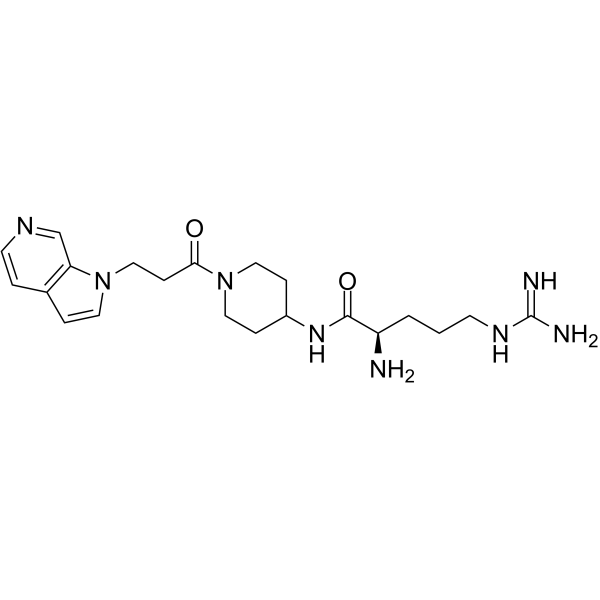
- HY-141606
-
|
BAY 94-9343
|
Microtubule/Tubulin
Antibody-Drug Conjugates (ADCs)
|
Cancer
|
|
Anetumab ravtansine (BAY 94-9343) is a selective and highly potent antibody-drug conjugate (ADC) to target maytansinoid tubulin. Anetumab ravtansine consists of a human anti-mesothelin antibody conjugated to the maytansinoid tubulin inhibitor DM4. Anetumab ravtansine shows antitumor efficacy correlated with the amount of mesothelin expressed in patient-derived xenograft tumor models .
|
-

- HY-146886
-
|
|
FLT3
|
Cancer
|
|
FLT3-IN-15 is a highly potent and orally active FLT3 inhibitor with IC50s of 0.87 nM and 0.32 nM for FLT3 and FLT3/D835Y, respectively. FLT3-IN-15 can be used for researching acute myeloid leukemia .
|
-
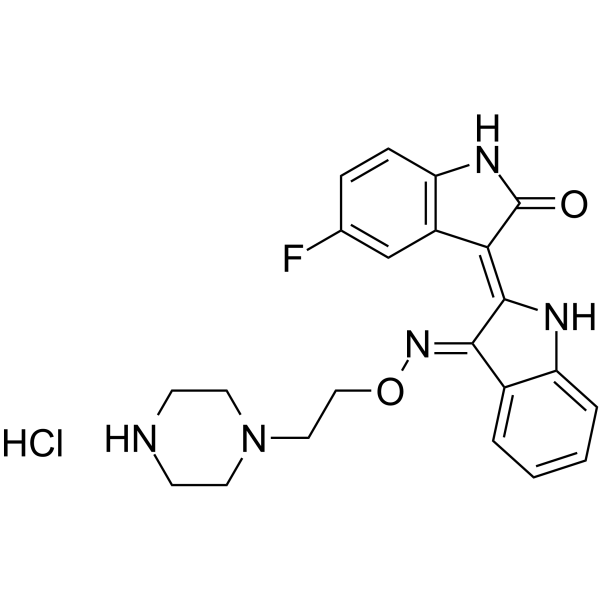
- HY-143238
-
|
|
Histone Demethylase
|
Cancer
|
|
FY-56 is a highly potent and selective LSD1/KDM1A inhibitor (IC50=42 nM) and exhibits high selectivity over MAO-A/B. FY-56 induces differentiation of MOLM-13 and MV4-11 cell and has the potential for AML research .
|
-
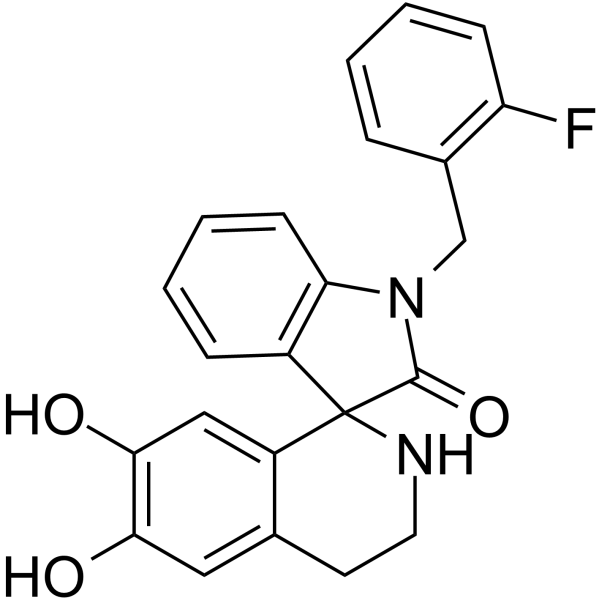
- HY-130120
-
|
|
Free Fatty Acid Receptor
PPAR
|
Metabolic Disease
|
|
HWL-088 is a highly potent and orally active free fatty acid receptor 1 (FFA1/GPR40) agonist (EC50 of 18.9 nM) with moderate PPARδ activity (EC50 of 570.9 nM) . HWL-088 improves glucose and lipid metabolism, and has anti-diabetic effects .
|
-
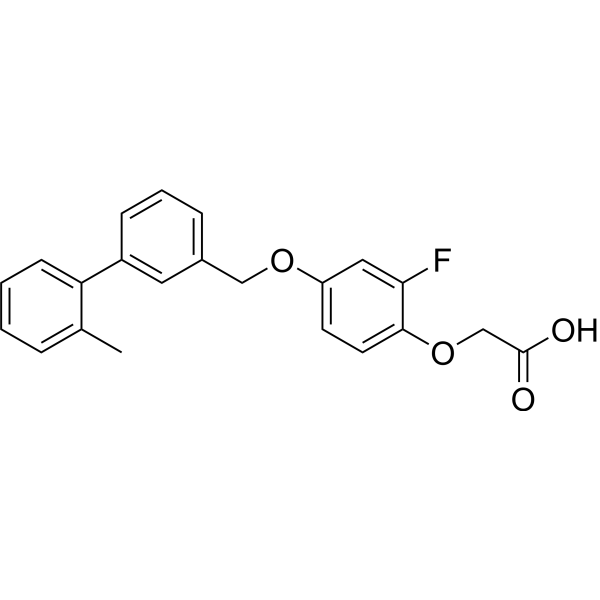
- HY-10801R
-
|
|
Reference Standards
Phospholipase
|
Inflammation/Immunology
|
|
CAY10650 (Standard) is the analytical standard of CAY10650 (HY-10801). This product is intended for research and analytical applications. CAY10650 is a highly potent cytosolic phospholipase A2α (cPLA2α) inhibitor with an IC50 value of 12 nM. CAY10650 suppresses lipid droplets formation and PGE2 secretion .
|
-

- HY-10205R
-
|
AZD2171 (Standard)
|
Reference Standards
VEGFR
Autophagy
PDGFR
|
Cancer
|
|
Cediranib (Standard) is the analytical standard of Cediranib. This product is intended for research and analytical applications. Cediranib (AZD2171) is a highly potent, orally available VEGFR tyrosine kinase inhibitor with IC50s of <1, <3, 5, 5, 36, 2 nM for Flt1, KDR, Flt4, PDGFRα, PDGFRβ, c-Kit, respectively.
|
-

- HY-B0290A
-
|
ONO-1078 hemihydrate
|
Leukotriene Receptor
Endogenous Metabolite
|
Inflammation/Immunology
|
|
Pranlukast hemihydrate is a highly potent, selective and competitive antagonist of peptide leukotrienes. Pranlukast inhibits [ 3H]LTE4, [ 3H]LTD4, and [ 3H]LTC4 bindings to lung membranes with Kis of 0.63±0.11, 0.99±0.19, and 5640±680 nM, respectively.
|
-
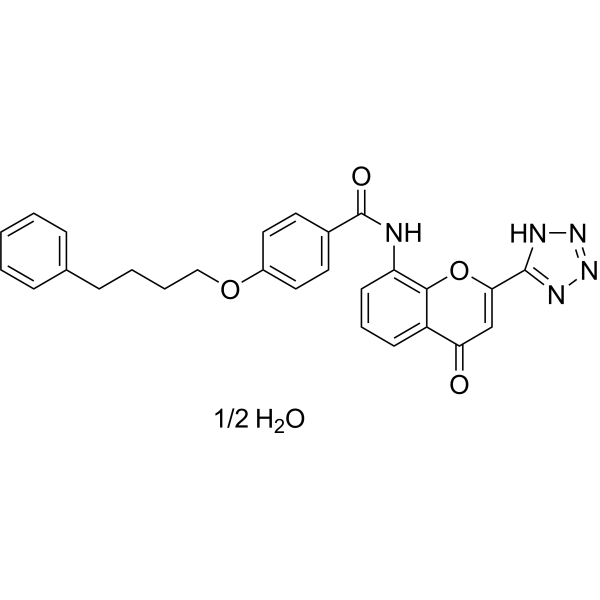
- HY-133015
-
|
|
Bcl-2 Family
|
Cancer
|
|
Mcl-1 inhibitor 3 (compound 1) is a highly potent and orally activate macrocyclic Mcl-1 inhibitor (Ki= 0.061 nM; IC50=19 nM in an OPM-2 cell viability assay). Mcl-1 inhibitor 3 shows good pharmacokinetic properties and excellent in vivo efficacy without toxicity ..
|
-
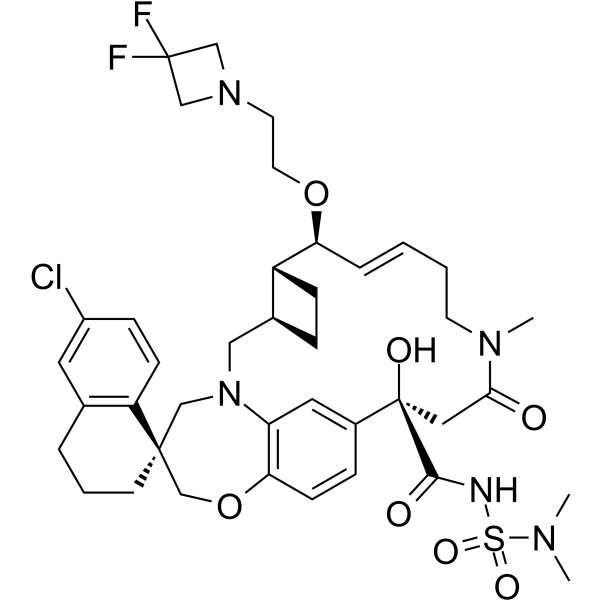
- HY-B0290
-
-
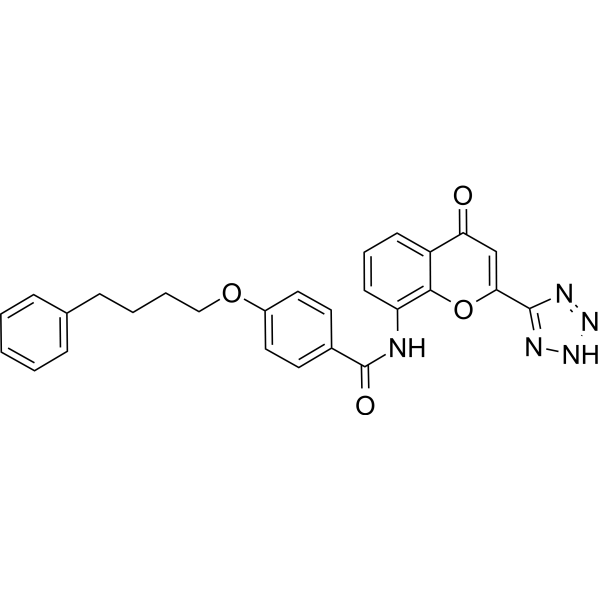
- HY-128694
-
|
SR27417
|
Platelet-activating Factor Receptor (PAFR)
|
Cardiovascular Disease
|
|
Foropafant (SR27417) highly potent, competitive, selective and orally active antagonist of platelet-activating factor (PAF) receptor, with a Ki value of 57 pM for [ 3H]PAF binding, at least 5-fold lower than that of unlabeled PAF itself. Foropafant potently inhibits PAF-induced aggregation of rabbit and human platelets .
|
-
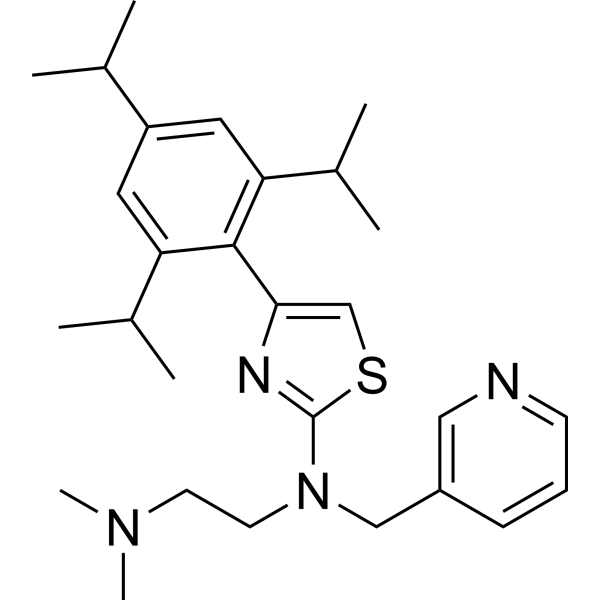
- HY-145702
-
|
|
MEK
ERK
|
Cancer
|
|
MAP855 is a highly potent, selective, ATP-competitive and orally active MEK1/2 kinase inhibitor (MEK1 ERK2 cascade IC50=3 nM, pERK EC50=5 nM). MAP855 shows equipotent inhibition of wild-type and mutant MEK1/2 .
|
-
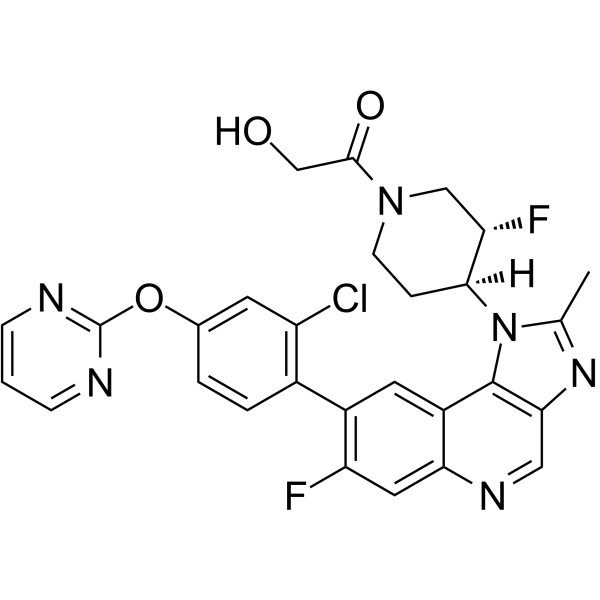
- HY-183562
-
|
UIC-94003
|
HIV
HIV Protease
|
Infection
|
|
TMC-126 (UIC-94003) is a non-peptidic HIV-1 protease (HIV-1 protease) inhibitor. TMC-126 exhibits highly potent antiproliferative activity against wild-type HIV-1. TMC-126 can be used in studies related to HIV infection [1] .
|
-

- HY-122058A
-
|
|
CXCR
HIV
|
Infection
Inflammation/Immunology
|
|
KRH-3955 hydrochloride is an orally bioavailable CXCR4 antagonist. KRH-3955 hydrochloride inhibits SDF-1α binding to CXCR4 with an IC50 of 0.61 nM. KRH-3955 hydrochloride is also a highly potent and selective inhibitor of X4 HIV-1, with an EC50 of 0.3 to 1.0 nM .
|
-
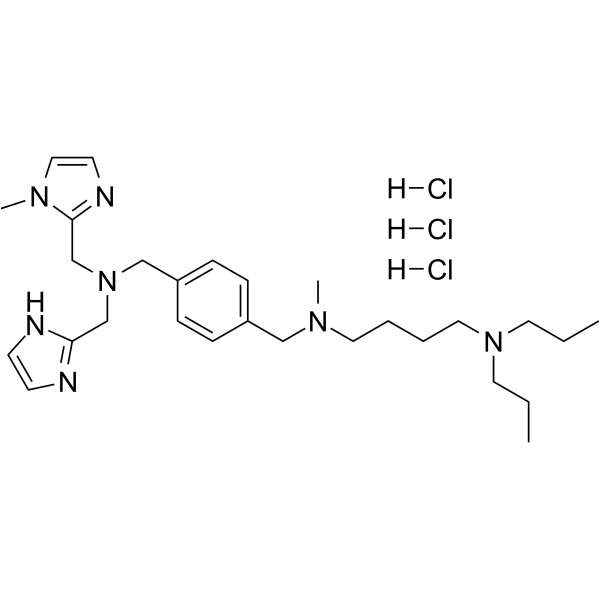
- HY-146780
-
|
|
TGF-β Receptor
|
Cancer
|
|
TGFβRI-IN-4 is a highly potent and orally active TGFβ receptor type I (TGFβRI) inhibitor, with IC50s of 44 nM and 42.5 nM for ALK5 and NIH3T3. TGFβRI-IN-4 can suppress tumor growth and tumor weight in tumor xenograft model .
|
-
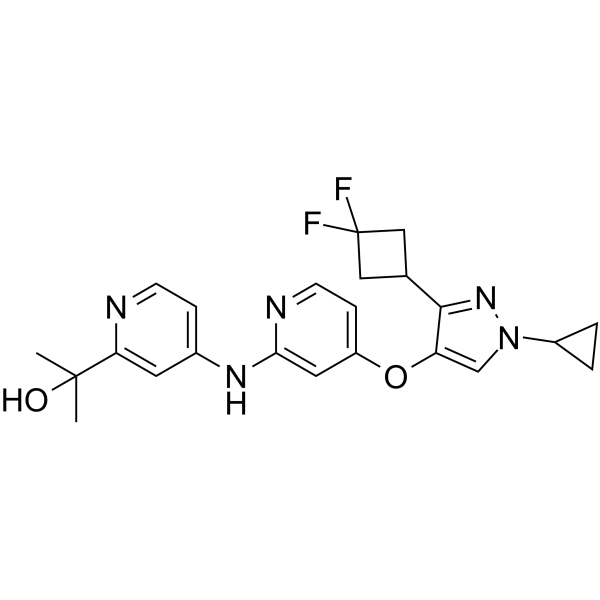
- HY-128772
-
|
|
Sodium Channel
|
Neurological Disease
|
|
XPC-6444 is a highly potent, isoform-selective, and CNS-penetrant NaV1.6 inhibitor (IC50=41 nM for hNaV1.6). XPC-6444 also displays potent block of NaV1.2 (IC50=125 nM). XPC-6444 shows anticonvulsant activity .
|
-
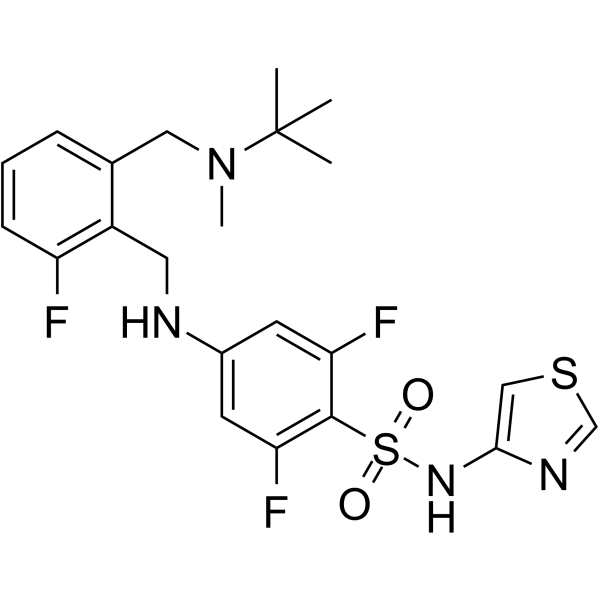
- HY-153785
-
|
|
Complement System
|
Inflammation/Immunology
|
|
NH2-C6-ARC186 sodium is a modified ARC186 (HY-153098) with NH2-C6 that can be coupled to other peptides or molecules. ARC186 is a aptamer and a highly potent complement inhibitor that function by blocking the convertase-catalyzed activation of C5 .
|
-

- HY-146662
-
|
|
PGE synthase
|
Inflammation/Immunology
|
|
HPGDS inhibitor 3 is an orally active and highly potent peripherally restricted hematopoietic prostaglandin D synthase (H-PGDS) inhibitor with IC50 value of 9.4 nM and EC50 of 42 nM, respectively. HPGDS inhibitor 3 exhibits good selectivity, good pharmacokinetic parameters in mouse, rat, and dog, and no CNS toxicity. HPGDS inhibitor 3 has anti-inflammatory activity .
|
-
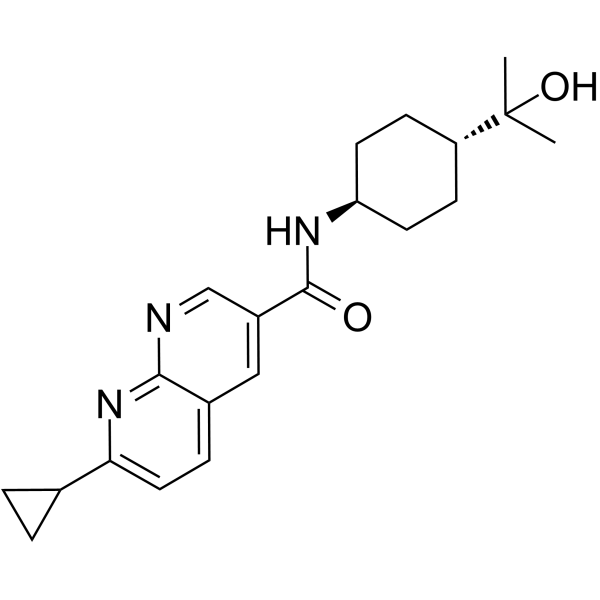
- HY-100684R
-
|
|
Prolyl Endopeptidase (PREP)
FAP
Reference Standards
|
Cancer
|
|
UAMC-1110 (Standard) is the analytical standard of UAMC-1110 (HY-100684). This product is intended for research and analytical applications. UAMC-1110 is a highly potent and selective inhibitor of fibroblast activation protein (FAP) with an IC50 of 3.2 nM. UAMC-1110 also inhibits prolyl oligopeptidase (PREP) with an IC50 of 1.8 μM .
|
-

- HY-107327S1
-
|
|
Adrenergic Receptor
Isotope-Labeled Compounds
|
Cardiovascular Disease
|
|
Carazolol-d7 (hydrochloride) is the deuterium labeled Carazolol hydrochloride (HY-W517264). Carazolol hydrochloride is a highly potent antagonist of β1/β2 adrenoceptor. Carazolol hydrochloride is also a potent, selective β3-adrenoceptor agonist. Carazolol hydrochloride can be used in the research of hypertension .
|
-
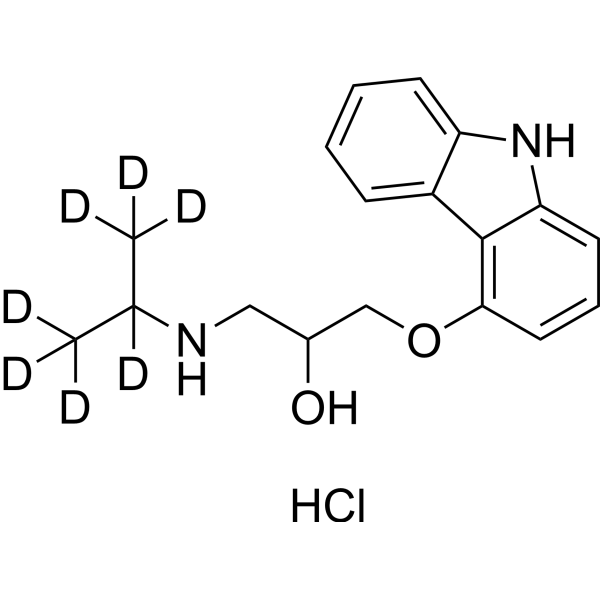
- HY-146565
-
|
|
DNA-PK
|
Cancer
|
|
DNA-PK-IN-8 is a highly potent, selective and orally active DNA-dependent protein kinase (DNA-PK) inhibitor with an IC50 value of 0.8 nM. DNA-PK-IN-8 exhibits synergistic antiproliferative activity against a series of cancer cell lines and significantly suppresses HL-60 tumor growth, when using in combination with Doxorubicin .
|
-
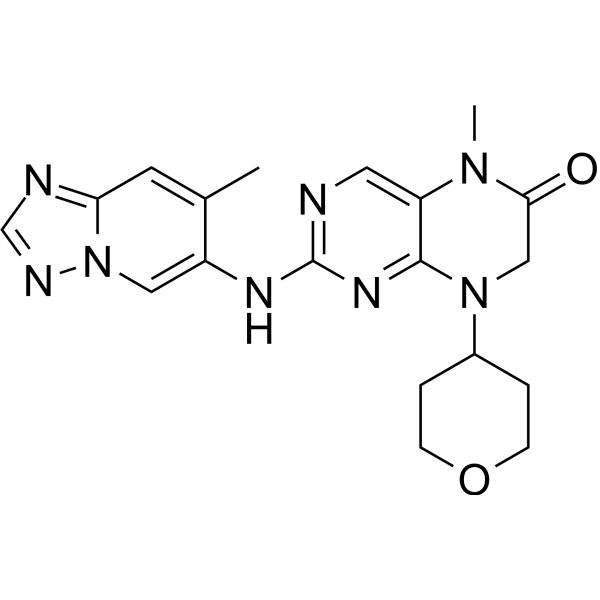
- HY-16210
-
|
BCX-1777; Immucillin-H
|
Nucleoside Antimetabolite/Analog
Apoptosis
|
Cancer
|
|
Forodesine (BCX-1777) is a highly potent and orally active purine nucleoside phosphorylase (PNP) inhibitor with IC50 values ranging from 0.48 to 1.57 nM for human, mouse, rat, monkey and dog PNP. Forodesine is a potent human lymphocyte proliferation inhibitor. Forodesine could induce apoptosis in leukemic cells by increasing the dGTP levels .
|
-
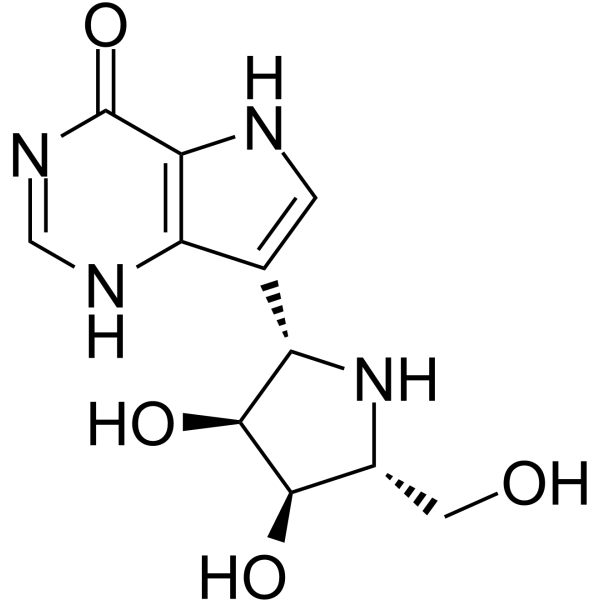
- HY-117852
-
|
TRX-13
|
EGFR
Tyrosinase
|
Cancer
|
|
CGP-59326 (TRX-13) is a highly potent and selective epidermal growth factor receptor (EGFR) tyrosine kinase inhibitor (IC50=0.027 μM). CGP-59326 blocks the EGFR signaling pathwa, demonstrating highly selective inhibition of EGFR-dependent tumor cells. CGP-59326 is promising for research of cancers .
|
-

- HY-112081
-
|
|
DNA/RNA Synthesis
|
Cancer
|
|
BAY-707, a chemical probe, is a substrate-competitive, highly potent and selective inhibitor of MTH1(NUDT1) with an IC50 of 2.3 nM. BAY-707 has a good pharmacokinetic (PK) profile to other MTH1 compounds and is well-tolerated in mice, but shows a clear lack of in vitro or in vivo anticancer efficacy .
|
-
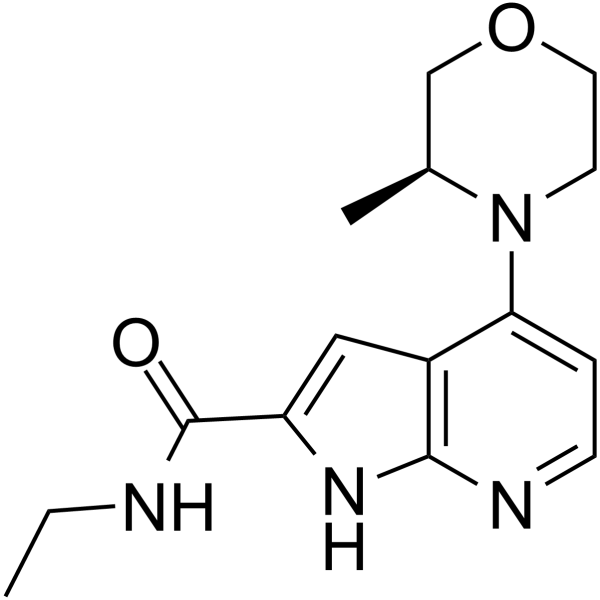
- HY-134583
-
|
|
Indoleamine 2,3-Dioxygenase (IDO)
|
Cancer
|
|
IDO1-IN-7 is a highly potent and selective indoleamine-2,3-dioxygenase-1 (IDO1) inhibitor, with an IC50 of 6.1 nM in in the cellular assay (SKOV3). IDO1-IN-7 has immunomodulatory effects. IDO1-IN-7 can be used for the research of cancer .
|
-
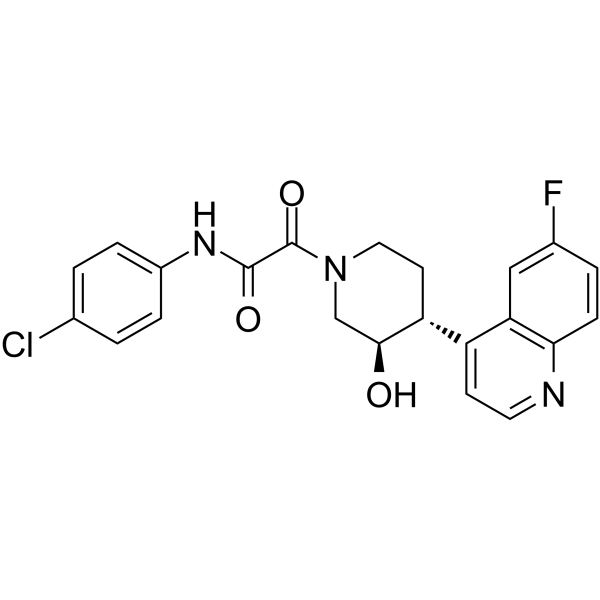
- HY-108705
-
BI-3802
3 Publications Verification
|
Molecular Glues
Bcl-2 Family
|
Cancer
|
|
BI-3802, a chemical probe, is a highly potent BCL6 degrader and inhibits the Bric-à-brac (BTB) domain of BCL6 with an IC50 of ≤3 nM. BI-3802 induces the polymerization of BCL6 and promotes BCL6 degration depended on E3 ligase SIAH1. BI-3802 has antitumor activity .
|
-
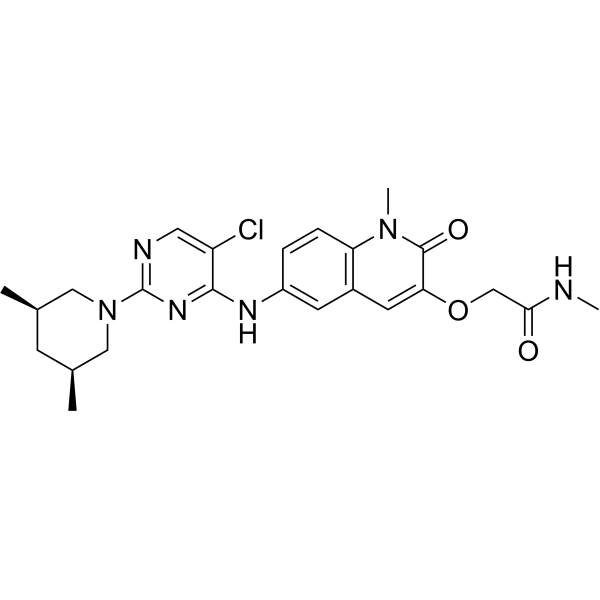
- HY-102080R
-
|
|
Reference Standards
FKBP
|
Cancer
|
|
SAFit2 (Standard) is the analytical standard of SAFit2 (HY-102080). This product is intended for research and analytical applications. SAFit2, a chemical probe, is a highly potent, highly selective FK506-binding protein 51 (FKBP51) inhibitor with a Ki of 6 nM and also enhances AKT2-AS160 binding .
|
-

- HY-147938
-
|
|
Cholinesterase (ChE)
Amyloid-β
|
Neurological Disease
|
|
AChE-IN-19 (compound A15) is a highly potent AChE inhibitor with an IC50 value of 0.56 μM, also inhibits Aβ aggregation. AChE-IN-19 has potent neuroprotective activities and nearly no toxicity on SH-SY5Y cells. AChE-IN-19 can be used for researching Alzheimer's disease .
|
-
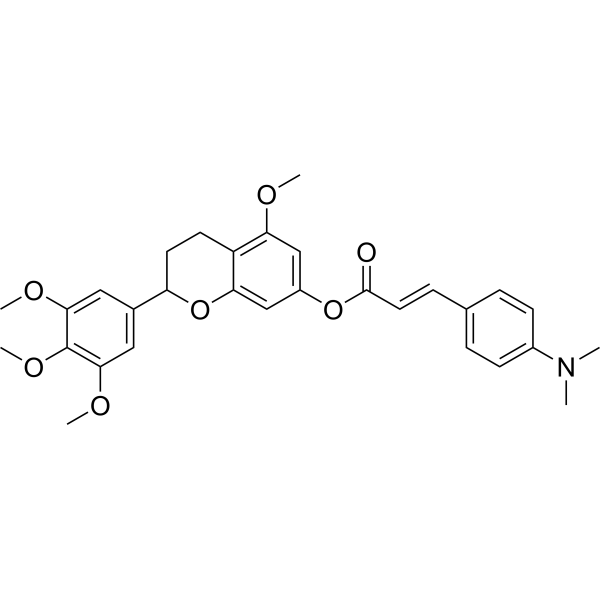
- HY-100131
-
GSK481
1 Publications Verification
|
RIP kinase
|
Inflammation/Immunology
|
|
GSK481 is a highly potent, selective, and specific receptor interacting protein 1 (RIP1) kinase inhibitor with an IC50 of 1.3 nM, which inhibits Ser 166 phosphorylation in wild-type human RIP1 (IC50=2.8 nM). GSK481 also exhibits excellent translation in the U937 cellular assay with an IC50 of 10 nM .
|
-
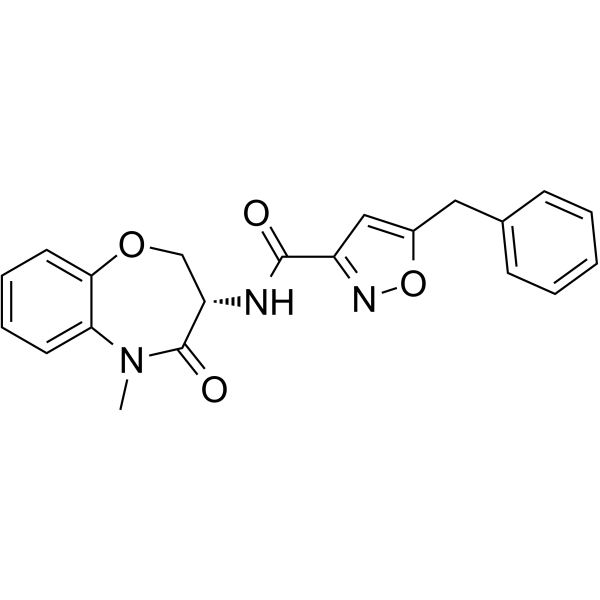
- HY-P1674
-
|
POL7080
|
Bacterial
Antibiotic
|
Infection
|
|
Murepavadin (POL7080), a 14-amino-acid cyclic peptide, is a highly potent, specific antibiotic. Murepavadin exhibits a potent antimicrobial activity for P. aeruginosa with both MIC50 and MIC90 values of 0.12 mg/L. Murepavadin also can target the lipopolysaccharide transport portin D. Murepavadin can be used for the research of bacterial resistance .
|
-
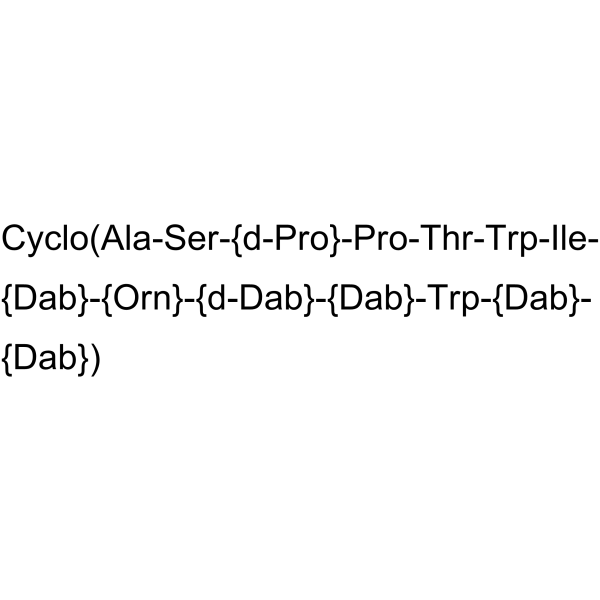
- HY-125817
-
|
|
SOS1
Ras
p38 MAPK
|
Cancer
|
|
BI-3406 (compound I-6) is an orally active, highly potent and selective inhibitor of the interaction between KRAS and Son of Sevenless 1 (SOS1) with an IC50 of 6 nM. BI-3406 potently reduces the formation of GTP-loaded KRAS, and inhibits MAPK pathway signaling. BI-3406 has anticancer activity .
|
-
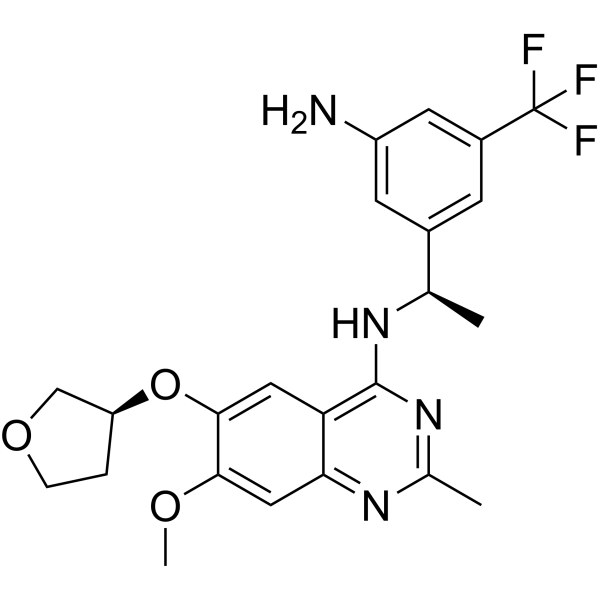
- HY-162255
-
|
|
CDK
|
Cancer
|
|
CDK2-IN-23 (Compound 17) is a kinase selective and highly potent CDK2 inhibitor (IC50 = 0.29 nM). CDK2-IN-23 shows the pharmacodynamic inhibition of CDK2 in CCNE1-amplified mouse models. CDK2-IN-23 can be used for the research of cancer .
|
-
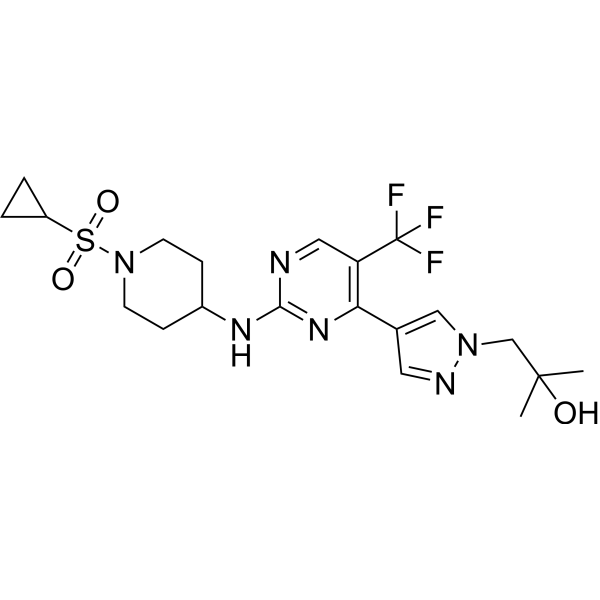
- HY-17015R
-
|
RWJ 270201 trihydrate (Standard); BCX 1812 trihydrate (Standard)
|
Reference Standards
Influenza Virus
|
Infection
|
|
Peramivir (trihydrate) (Standard) is the analytical standard of Peramivir (trihydrate). This product is intended for research and analytical applications. Peramivir trihydrate (RWJ-270201 trihydrate;BCX-1812 trihydrate) is a highly potent, selective and orally active influenza virus neuraminidase (NA) inhibitor, with IC50 values ranging from 0.9 to 4.3 nM for nine NA subtypes .
|
-

- HY-16209
-
|
BCX-1777 hydrochloride; Immucillin-H hydrochloride
|
Nucleoside Antimetabolite/Analog
Apoptosis
|
Cancer
|
|
Forodesine hydrochloride (BCX-1777 hydrochloride) is a highly potent and orally active purine nucleoside phosphorylase (PNP) inhibitor with IC50 values ranging from 0.48 to 1.57 nM for human, mouse, rat, monkey and dog PNP. Forodesine hydrochloride is a potent human lymphocyte proliferation inhibitor. Forodesine hydrochloride could induce apoptosis in leukemic cells by increasing the dGTP levels .
|
-
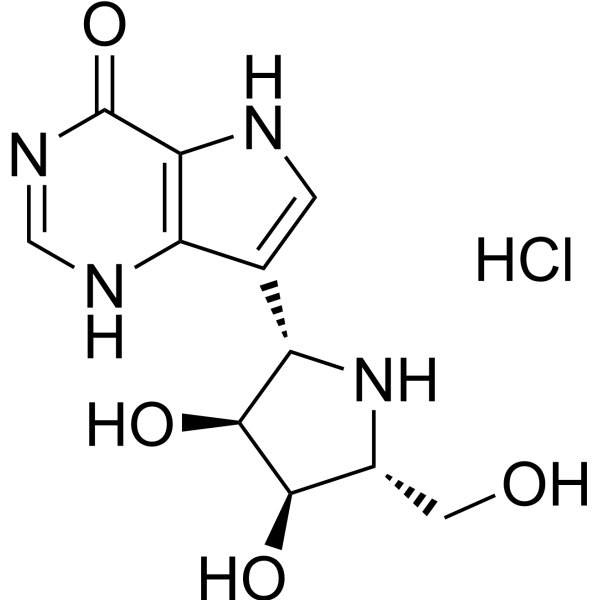
- HY-101032R
-
|
|
RIP kinase
Reference Standards
|
Inflammation/Immunology
|
|
RIPA-56 (Standard) is the analytical standard of RIPA-56 (HY-101032). This product is intended for research and analytical applications. RIPA-56 is a highly potent, selective, and metabolically stable inhibitor of receptor-interacting
protein 1 (RIP1) with an IC50 of 13 nM. RIPA-56 can be used for the treatment of systemic inflammatory response syndrome .
|
-

- HY-76948R
-
|
|
Reference Standards
Factor Xa
|
Cardiovascular Disease
|
|
5-R-Rivaroxaban (Standard) is the analytical standard of 5-R-Rivaroxaban. This product is intended for research and analytical applications. 5-R-Rivaroxaban is (R)-enantiomer of Rivaroxaban. Rivaroxaban (BAY 59-7939) is a highly potent and selective, direct Factor Xa (FXa) inhibitor, achieving a strong gain in anti-FXa potency (IC50 0.7 nM; Ki 0.4 nM).
|
-

- HY-W777156
-
|
|
Isotope-Labeled Compounds
Adrenergic Receptor
|
Cardiovascular Disease
|
|
Carazolol-d6 (hydrochloride) is deuterium labeled Carazolol hydrochloride (HY-W517264). Carazolol hydrochloride is a highly potent antagonist of β1/β2 adrenoceptor. Carazolol hydrochloride is also a potent, selective β3-adrenoceptor agonist. Carazolol hydrochloride can be used in the research of hypertension .
|
-

- HY-W975966
-
|
|
Keap1-Nrf2
|
Neurological Disease
|
|
CPDT is an orally active and highly potent inducer of phase 2 enzymes and an activator of Nrf2. The activities of key phase 2 enzymes, including glutathione S-transferase, NAD(P)H:quinone:oxidoreductase 1 and glutamate cysteine synthetase, and levels of glutathione were elevated by CPDT in rat bladder in vivo and in cultured bladder cells in vitro [2].
|
-

- HY-P10889
-
|
|
Phosphatase
|
Inflammation/Immunology
|
|
CNI103 is a highly potent and metabolically stable cell-permeable peptide inhibitor of calcineurin. CNI103 selectively blocks the interaction between calcineurin and NFATc3 (KD=16 nM), thereby preventing NFATc3 activation in vitro and in vivo. CNI103 can be used to study acute respiratory distress syndrome (ARDS) and other inflammatory diseases .
|
-

- HY-P1674A
-
|
POL7080 TFA
|
Bacterial
Antibiotic
|
Infection
|
|
Murepavadin (POL7080) (TFA), a 14-amino-acid cyclic peptide, is a highly potent, specific antibiotic. Murepavadin exhibits a potent antimicrobial activity for P. aeruginosa with MIC50 and MIC90 values both of 0.12 mg/L. Murepavadin also can target the lipopolysaccharide transport portin D. Murepavadin can be used for the research of bacterial resistance .
|
-
- HY-129458
-
|
|
HMG-CoA Reductase (HMGCR)
Ferroptosis
|
Cardiovascular Disease
Cancer
|
|
Cerivastatin is a synthetic lipid-lowering agent and a highly potent, well-tolerated and orally active HMG-CoA reductase inhibitor, with a Ki of 1.3 nM/L. Cerivastatin reduces low-density lipoprotein cholesterol levels. Cerivastatin also inhibits proliferation and invasiveness of MDA-MB-231 cells, mainly by RhoA inhibition, and has anti-cancer effect .
|
-
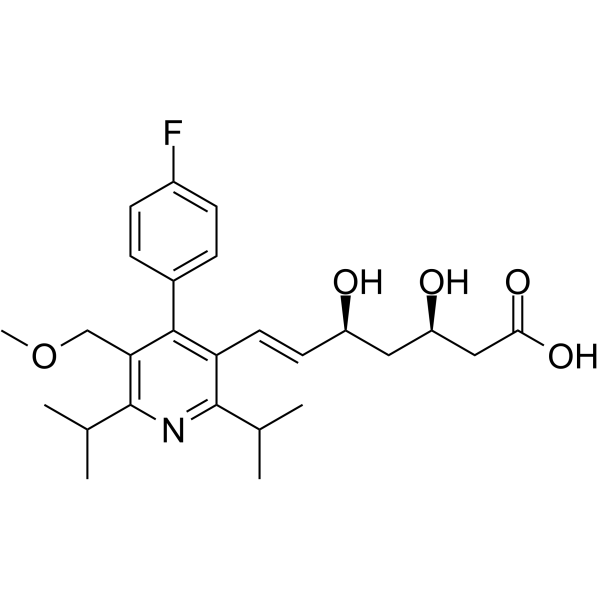
- HY-P10680
-
|
|
Liposome
|
Others
|
|
TFE-IDAtp1-LinA is a highly potent amphiphilic carrier, containing a trifluoroethyl-iminodiacetic acid analog of Stp. TFE-IDAtp1-LinA, formed nanoparticles with Cas9 RNP/ssDNA, achieved enhanced green fluorescent protein knockouts with an ED50 of 0.38 nM Cas9/sgRNA ribonucleoproteins (RNP) .
|
-

- HY-150600
-
|
|
Virus Protease
Flavivirus
|
Infection
|
|
NS2B/NS3-IN-7 (compound 26) is a highly potent Zika virus NS2B-NS3 protease inhibitor with a Ki value of 2.33 nM. NS2B/NS3-IN-7 can reduce amounts of ZIKV-infected cells .
|
-
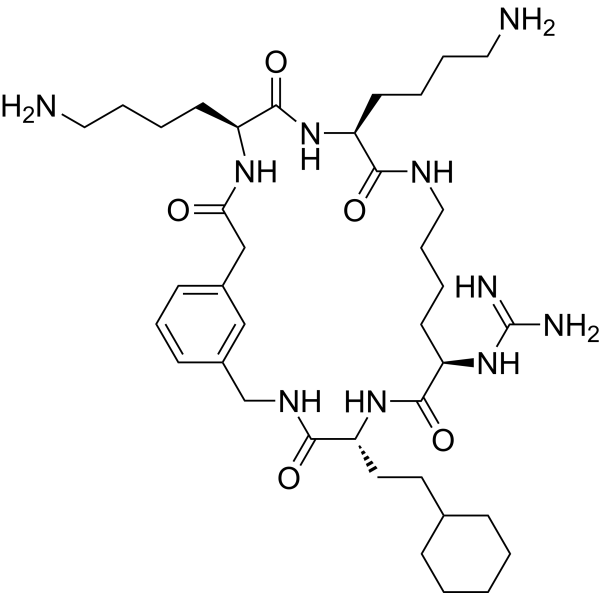
- HY-15478
-
WZ811
3 Publications Verification
|
MOFs
CXCR
|
Endocrinology
Cancer
|
|
WZ811 is an orally active, highly potent competitive antagonist of CXCR4. WZ811 efficiently inhibits CXCR4/SDF-1 (or CXCL12)-mediated modulation of cAMP levels (EC50=1.2 nM) and SDF-1 induced Matrigel invasion in cells (EC50=5.2 nM) .
|
-
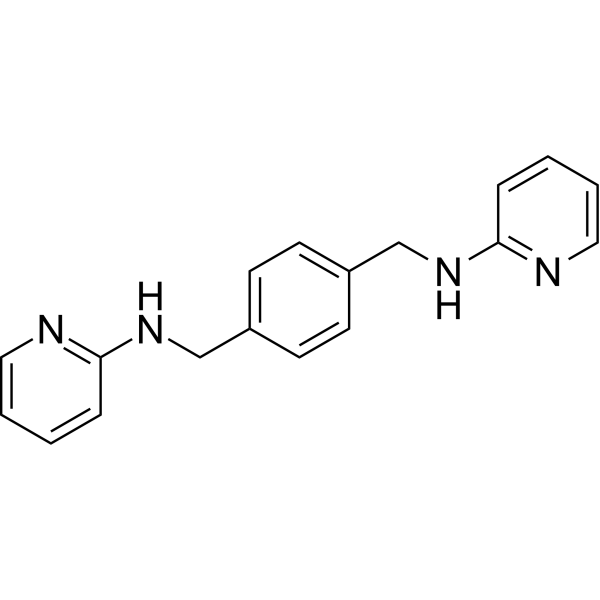
- HY-112301
-
|
BLU-667
|
RET
|
Cancer
|
|
Pralsetinib (BLU-667) is a highly potent, selective RET inhibitor. Pralsetinib (BLU-667) inhibits WT RET, RET mutants V804L, V804M, M918T and CCDC6-RET fusion with IC50s of 0.4, 0.3, 0.4, 0.4, and 0.4 nM, respectively .
|
-
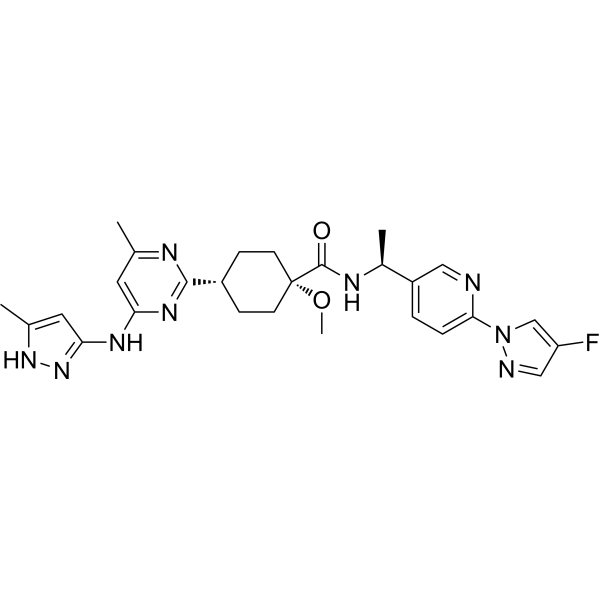
- HY-10181B
-
|
BMS-354825 monohydrate
|
Bcr-Abl
Src
Autophagy
Apoptosis
|
Cancer
|
|
Dasatinib (BMS-354825) monohydrate is a highly potent, ATP competitive, orally active dual Src/Bcr-Abl inhibitor with potent antitumor activity. The Kis are 16 pM and 30 pM for Src and Bcr-Abl, respectively. Dasatinib monohydrate inhibits Bcr-Abl and Src with IC50s of <1.0 nM and 0.5 nM, respectively . Dasatinib monohydrate also induces apoptosis and autophagy.
|
-
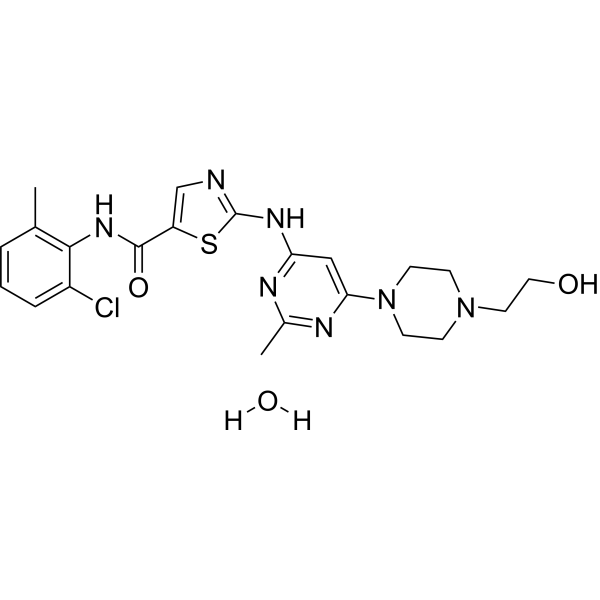
- HY-146086
-
-
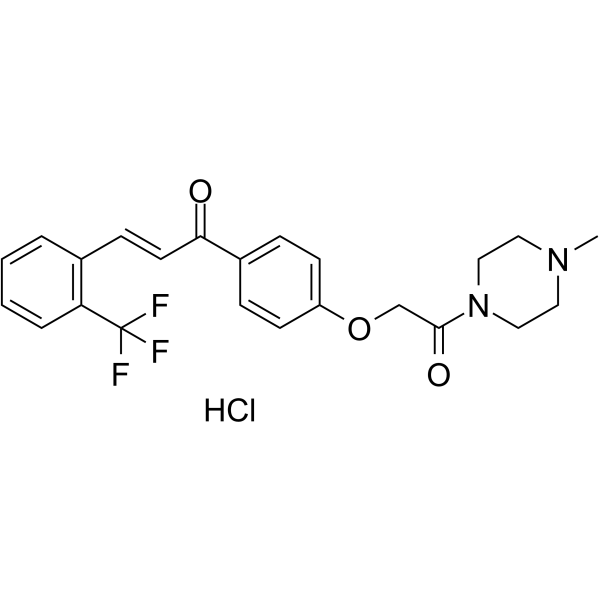
- HY-10264B
-
|
DU-176b monohydrate
|
Factor Xa
Thrombin
|
Cardiovascular Disease
Cancer
|
|
Edoxaban (DU-176b) monohydrate is an orally active, highly potent, selective, and direct Factor Xa (FXa) inhibitor with Kis of 0.561 and 2.98 nM for free human FXa and prothrombinase. Edoxaban monohydrate exhibits more than 10,000-fold selectivity over other coagulation proteases. Edoxaban monohydrate can be used for preventing thromboembolic disease research .
|
-
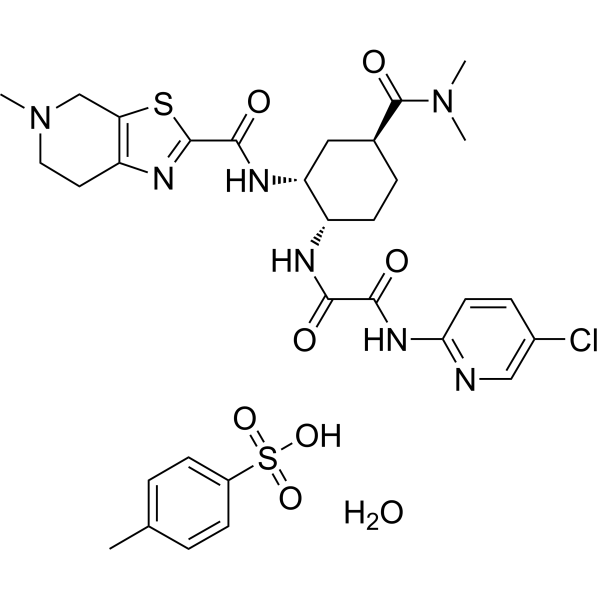
- HY-10264C
-
|
DU-176 hydrochloride
|
Factor Xa
Thrombin
|
Cardiovascular Disease
Cancer
|
|
Edoxaban (DU-176b) hydrochloride is an orally active, highly potent, selective, and direct Factor Xa (FXa) inhibitor with Ki values of 0.561 and 2.98 nM for free human FXa and prothrombinase. Edoxaban hydrochloride exhibits more than 10,000-fold selectivity over other coagulation proteases. Edoxaban hydrochloride can be used for preventing thromboembolic disease research .
|
-
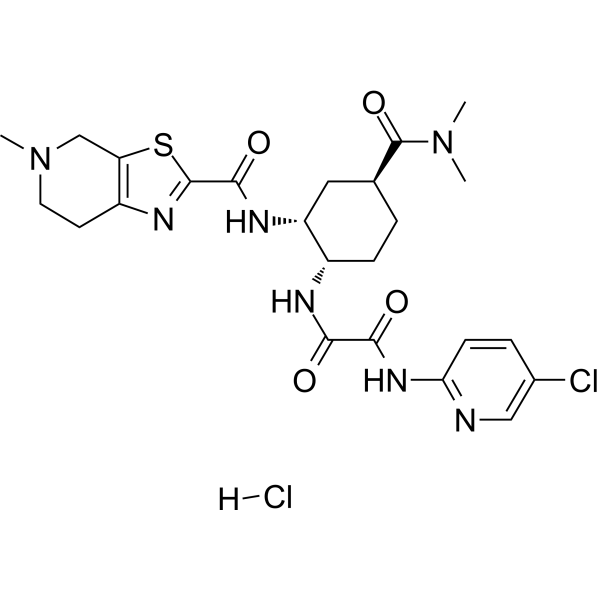
- HY-16231
-
|
|
Apoptosis
|
Cancer
|
|
GGTI-2418 is a highly potent, competitive, and selective geranylgeranyltransferase I (GGTase I) inhibitor. GGTI-2418 inhibits GGTase I and FTase activities with IC50s of 9.5 nM and 53 μM, respectively. GGTI-2418 also increases p27(Kip1) and induces significant regression of breast tumors .
|
-
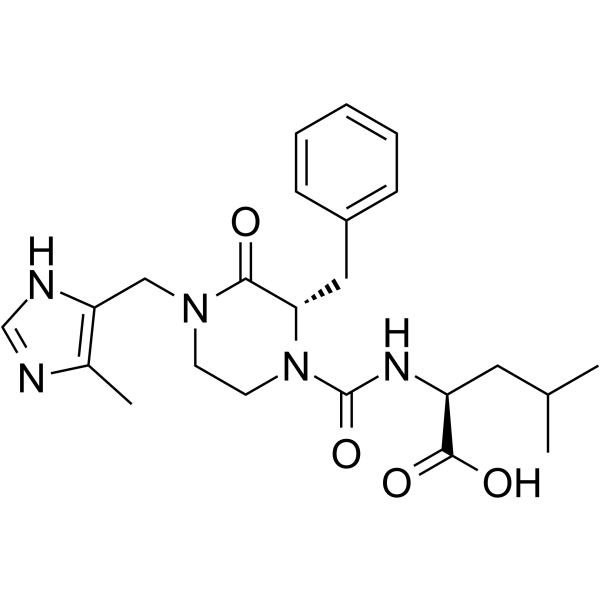
- HY-14605
-
|
(R)-AGN1135 mesylate; TVP1012 mesylate
|
Monoamine Oxidase
Autophagy
Apoptosis
|
Neurological Disease
|
|
Rasagiline (R-AGN1135) mesylate is a highly potent selective irreversible mitochondrial monoamine oxidase (MAO) inhibitor with IC50s of 4.43 nM and 412 nM for rat brain MAO B and A activity, respectively . Rasagiline (mesylate) is a click chemistry reagent, it contains an Alkyne group and can undergo copper-catalyzed azide-alkyne cycloaddition (CuAAc) with molecules containing Azide groups.
|
-
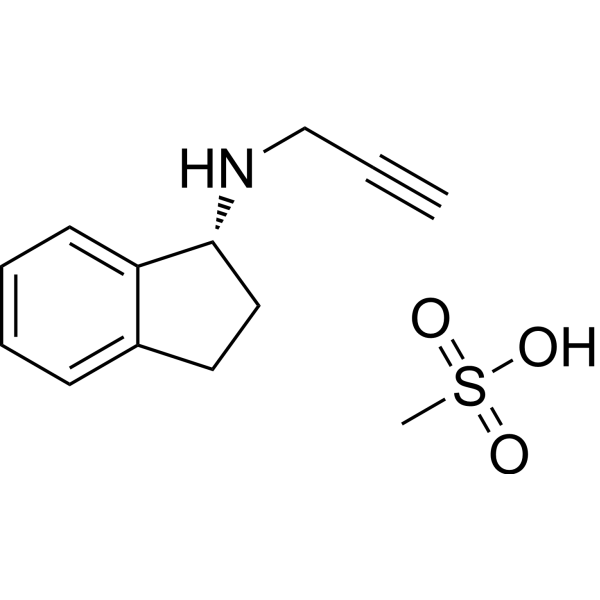
- HY-10619R
-
|
MK-4827 (Standard)
|
Reference Standards
PARP
Apoptosis
|
Cancer
|
|
Niraparib (Standard) is the analytical standard of Niraparib. This product is intended for research and analytical applications. Niraparib (MK-4827) is a highly potent and orally bioavailable PARP1 and PARP2 inhibitor with IC50s of 3.8 and 2.1 nM, respectively. Niraparib leads to inhibition of repair of DNA damage, activates apoptosis and shows anti-tumor activity .
|
-

- HY-14605A
-
|
(R)-AGN1135; TVP1012
|
Monoamine Oxidase
|
Neurological Disease
|
|
Rasagiline (R-AGN1135) is a highly potent selective irreversible mitochondrial monoamine oxidase (MAO) inhibitor with IC50s of 4.43 nM and 412 nM for rat brain MAO B and A activity, respectively . Rasagiline is a click chemistry reagent, it contains an Alkyne group and can undergo copper-catalyzed azide-alkyne cycloaddition (CuAAc) with molecules containing Azide groups.
|
-
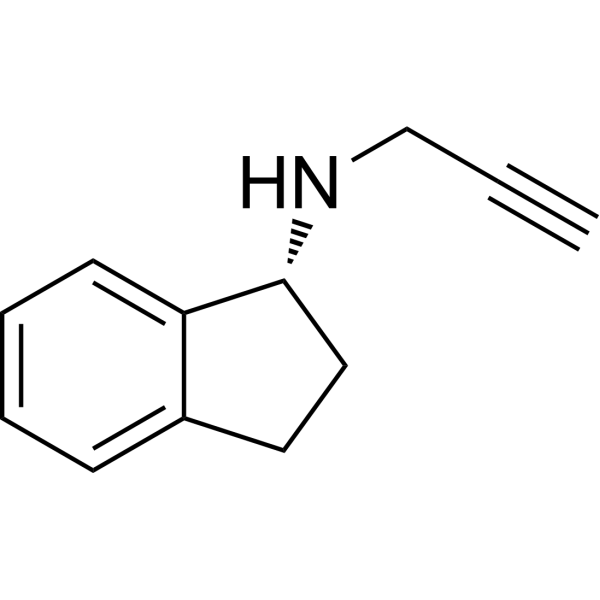
- HY-10264
-
|
DU-176
|
Factor Xa
Thrombin
|
Cardiovascular Disease
Cancer
|
|
Edoxaban (DU-176b) is an orally active, highly potent, selective, and direct Factor Xa (FXa) inhibitor with Ki values of 0.561 and 2.98 nM for free human FXa and prothrombinase. Edoxaban exhibits more than 10,000-fold selectivity over other coagulation proteases. Edoxaban can be used in preventing thromboembolic disease research .
|
-
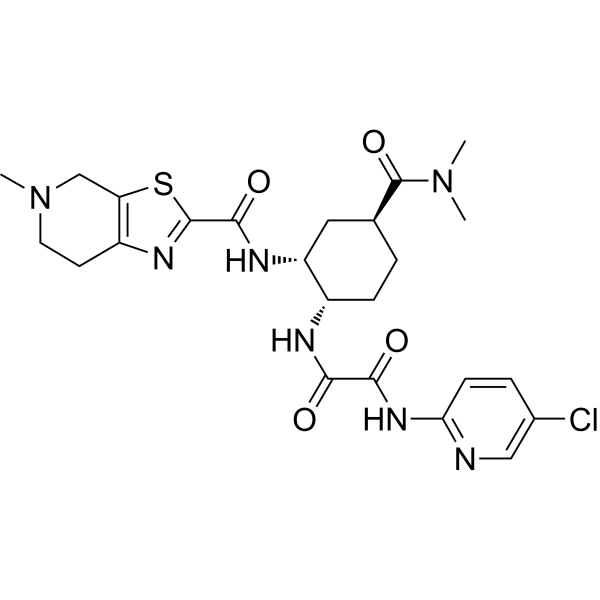
- HY-108696
-
GNE-781
5 Publications Verification
|
Epigenetic Reader Domain
Histone Acetyltransferase
|
Cancer
|
|
GNE-781 is an orally active, highly potent and selective CBP inhibitor with an IC50 of 0.94 nM in TR-FRET assay. GNE-781 also inhibits BRET and BRD4(1) with IC50s of 6.2 nM and 5100 nM, respectively. GNE-781 displays antitumor activity in an MOLM-16 AML xenograft model .
|
-
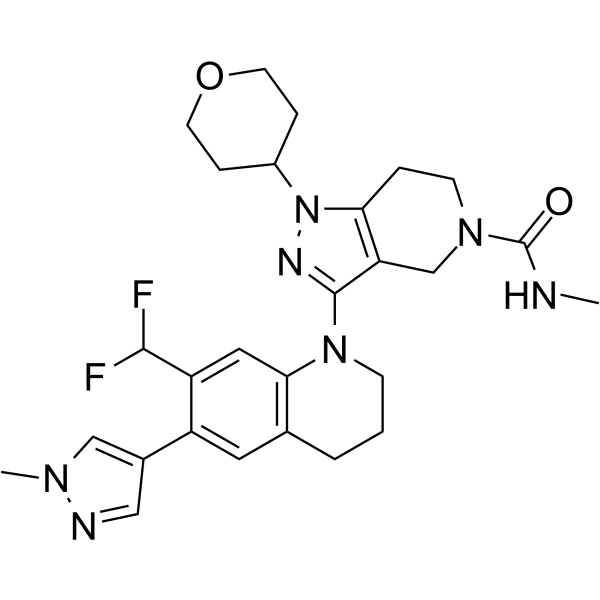
- HY-14373
-
|
ZM 242421
|
NAMPT
|
Cancer
|
|
CB30865 (ZM 242421) is a nicotinamide phosphoribosyltransferase (Nampt) inhibitor, with potent cytotoxicity. CB30865 is highly potent against a variety of human tumour cell lines (IC50 values in the 1-10 nM range) . CB30865 is a click chemistry reagent, it contains an Alkyne group and can undergo copper-catalyzed azide-alkyne cycloaddition (CuAAc) with molecules containing Azide groups.
|
-
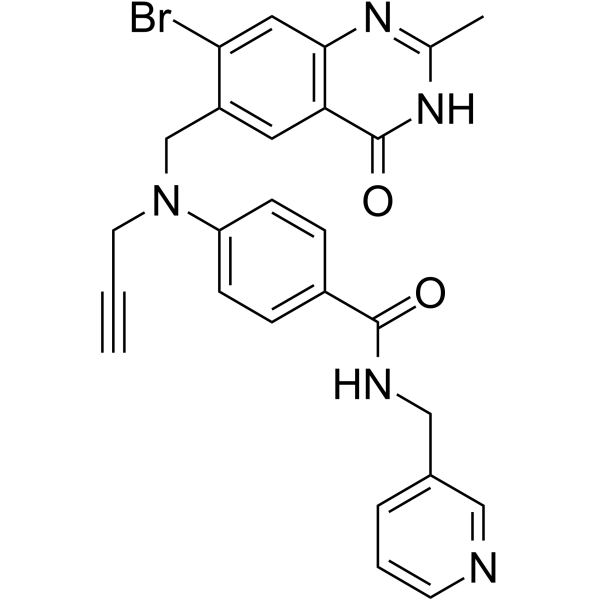
- HY-150791
-
|
|
Reactive Oxygen Species (ROS)
DNA/RNA Synthesis
|
Cancer
|
|
FLDP-5 is a blood-brain barrier (BBB) penetrant curcuminoid analogues. FLDP-5 can induce production of ROS (Reactive Oxygen Species), DNA damage and cell cycle S phase arrest. FLDP-5 exhibits highly potent tumour-suppressive effects with anti-proliferative and anti-migratory activities on LN-18 cells .
|
-
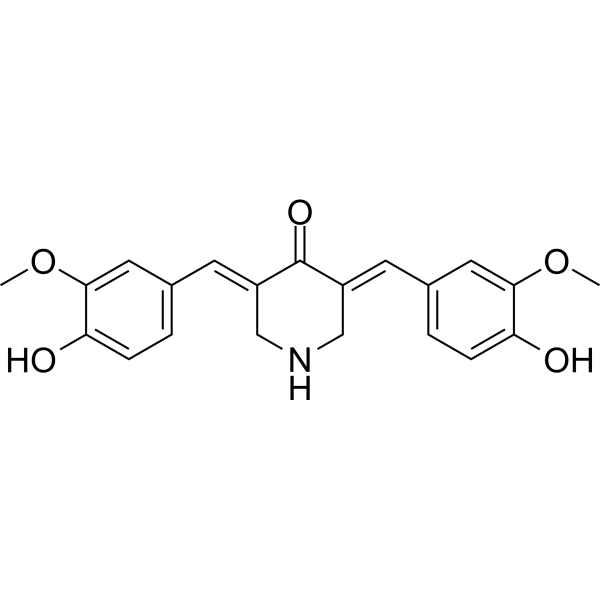
- HY-16106S1
-
|
BMN-673-d4; LT-673-d4
|
Isotope-Labeled Compounds
PARP
|
Cancer
|
|
Talazoparib-d4 (BMN-673-d4) is deuterium labeled Talazoparib. Talazoparib (BMN-673) is a highly potent, orally active PARP1/2 inhibitor.Talazoparib inhibits PARP1 and PARP2 enzyme activity with Kis of 1.2 nM and 0.87 nM, respectively. Talazoparib has antitumor activity .
|
-

- HY-143439
-
|
|
Estrogen Receptor/ERR
|
Cancer
|
|
LX-039 is a highly potent, selective and orally active estrogen receptor degrader with EC50 value of 2.29 nM. LX-039 has indole C-3 chlorine atom. LX-039 exhibits excellent mouse pharmacokinetics, low clearance, high Cmax and oral exposure. LX-039 has anti-tumor activity .
|
-
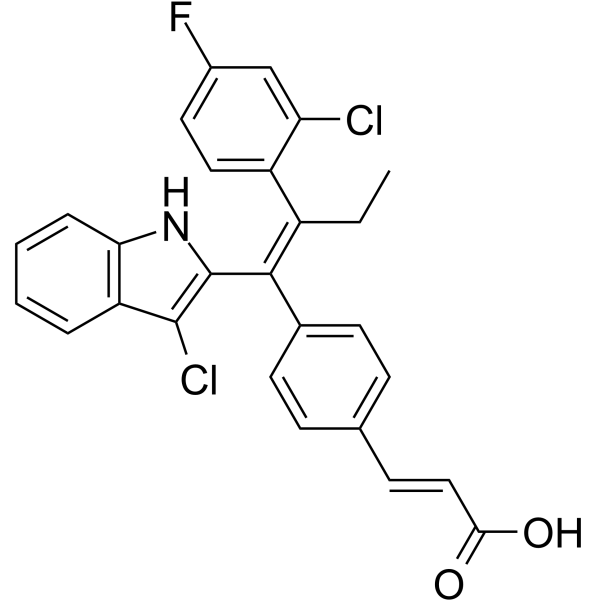
- HY-112096
-
|
NXP900
|
Src
|
Cancer
|
|
eCF506 (NXP900) is a highly potent and orally active YES1/SRC kinase inhibitor with an IC50 of 0.47 nM. eCF506 locks its target into its native “closed” conformation, thereby inhibiting both kinase activity and complex formation with protein partners. eCF506 can be used for the study of esophageal squamous cancer and breast cancer .
|
-
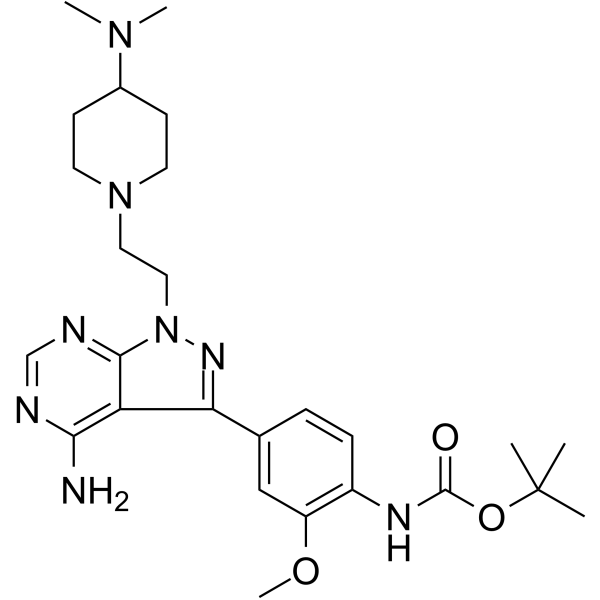
- HY-178443
-
|
|
Pim
Apoptosis
|
Cancer
|
|
Pim-1 kinase-IN-15 (Compound 15) is a highly potent and selective Pim-1 kinase inhibitor (IC50=0.212 μM). Pim-1 kinase-IN-15 induces tumor cell apoptosis and suppresses cell migration. Pim-1 kinase-IN-15 is promising for research of oncology, such as breast cancer .
|
-

- HY-10181A
-
|
BMS-354825 hydrochloride
|
Bcr-Abl
Src
Autophagy
Apoptosis
|
Cancer
|
|
Dasatinib (BMS-354825) hydrochloride is a highly potent, ATP competitive, orally active dual Src/Bcr-Abl inhibitor with potent antitumor activity. The Kis are 16 pM and 30 pM for Src and Bcr-Abl, respectively. Dasatinib hydrochloride inhibits Bcr-Abl and Src with IC50s of <1.0 nM and 0.5 nM, respectively . Dasatinib hydrochloride also induces apoptosis and autophagy.
|
-
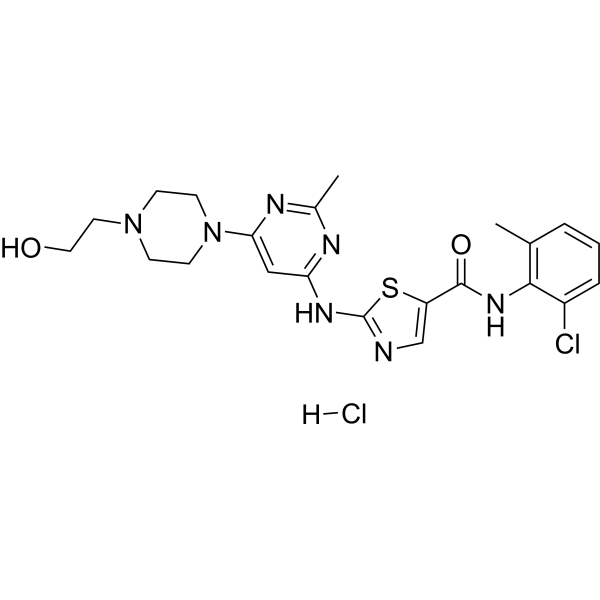
- HY-151367
-
|
|
ERK
|
Cancer
|
|
SHR2415 is a highly potent, selective and orally active ERK1/2 inhibitor. SHR2415 has inhibition activity for ERK1 and ERK2 with IC50 values of 2.8 nM and 5.9 nM, respectively. SHR2415 exhibits high potency with an IC50 value of 44.6 nM in Colo205 cells. SHR2415 can be used for the research of cancer .
|
-
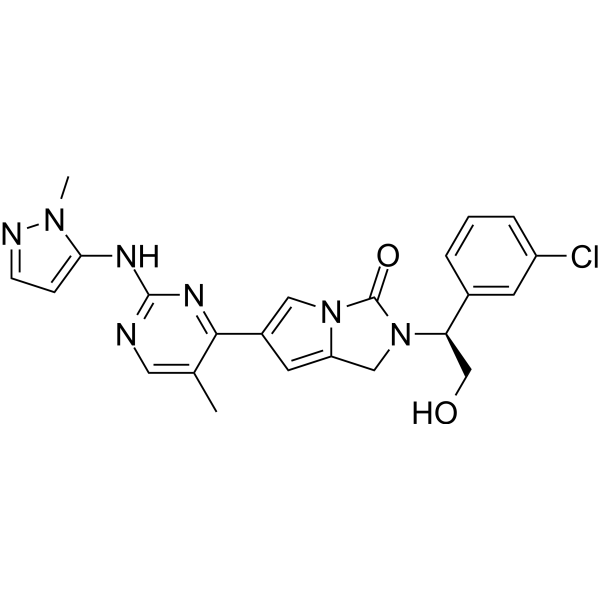
- HY-147927
-
|
|
Enteropeptidase
|
Metabolic Disease
|
|
Human enteropeptidase-IN-1 (compound 6b) is a highly potent, orally active and low systemic exposure enteropeptidase inhibitor. Human enteropeptidase-IN-1 boosts the increase in fecal protein output, and exhibits potent body weight loss in diet-induced obese (DIO) rat model. Human enteropeptidase-IN-1 can be used for anti-obesity research .
|
-
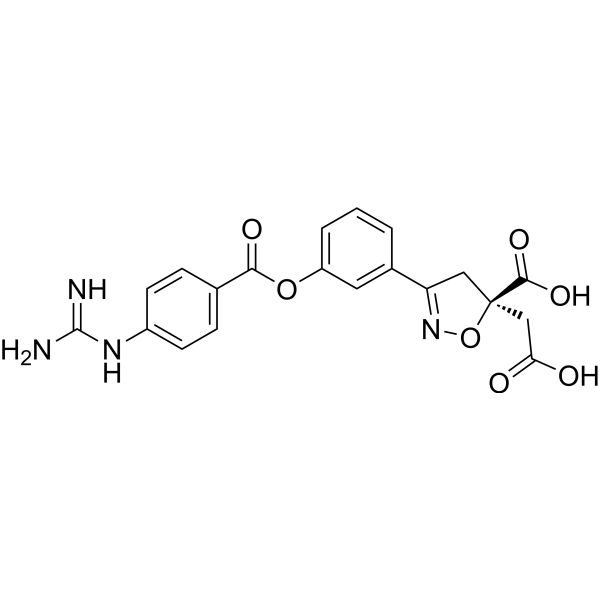
- HY-123853
-
|
|
Casein Kinase
|
Cancer
|
CAM4066 is a potent CK2α inhibitor, with an IC50 value of 300 nM. CAM4066 exhibits high selectivity, with IC50 values of 22.35, 43.55, and > 50 μM for HIPK3, DAPK3, and CLK2, respectively. CAM4066 shows no cell activity. CAM4066 can be used for the development of highly potent CK2 inhibitors .
|
-

- HY-143490
-
|
|
PAK
Apoptosis
|
Cancer
|
|
PAK4-IN-2 is a highly potent PAK4 inhibitor with IC50 value of 2.7 nM. PAK4-IN-2 can arrest MV4-11 cells at G0/G1 phase and induce cell apoptosis. PAK4-IN-2 can be used for researching cancer .
|
-
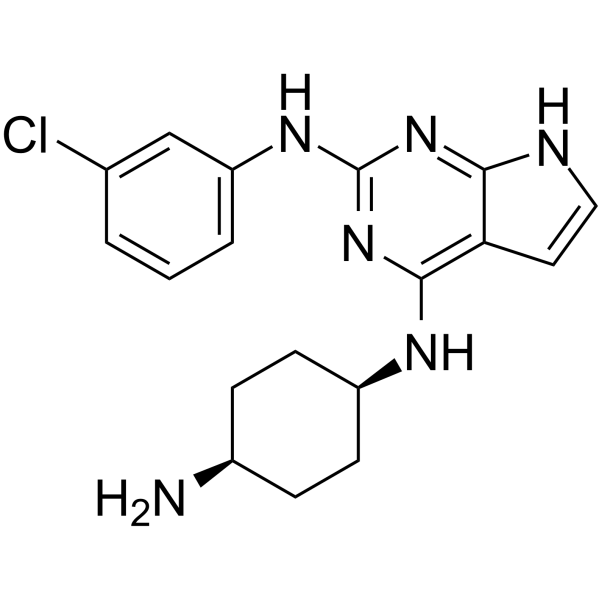
- HY-126429
-
|
|
Sodium Channel
|
Neurological Disease
|
|
Nav1.1 activator 1 (compound 4), a highly potent Nav1.1 activator with BBB penetration, increases decay time constant τ of Nav1.1 currents at 0.03 μM along with significant selectivity against Nav1.2, Nav1.5, and Nav1.6 .
|
-
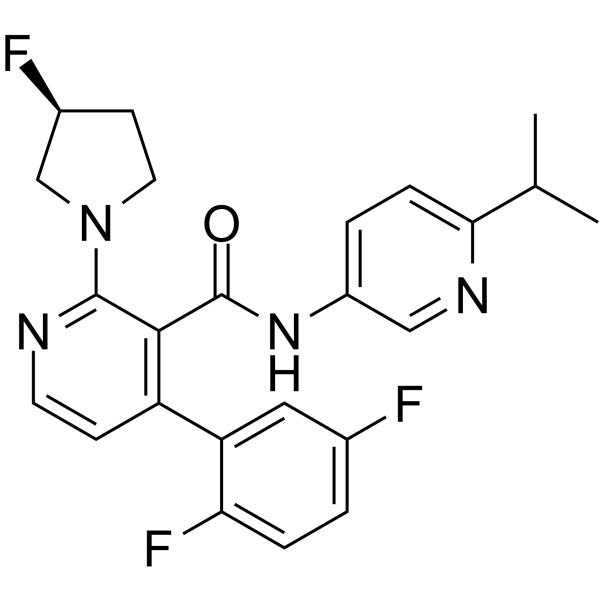
- HY-13737
-
R1530
1 Publications Verification
|
Apoptosis
VEGFR
FGFR
Mitosis
|
Cancer
|
|
R1530 is a highly potent, orally active, dual-acting mitosis/angiogenesis inhibitor, with anti-tumor and anti-angiogenic activities. R1530 is a multikinase inhibitor which binds to 31 kinases with Kd values of <500 nM. R1530 inhibits VGFR2 and FGFR1 with IC50 of 10 nM and 28 nM, respectively. R1530 triggers apoptosis (mitotic catastrophe) or senescence .
|
-
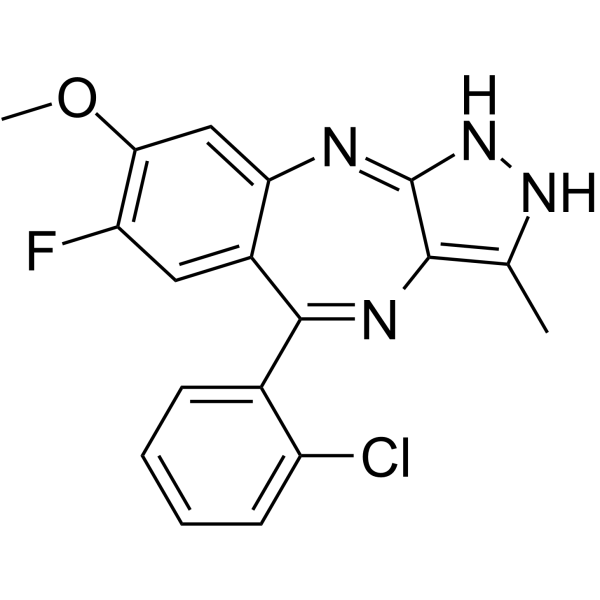
- HY-10264A
-
|
DU-176b
|
Factor Xa
Thrombin
|
Cardiovascular Disease
Cancer
|
|
Edoxaban (DU-176b) tosylate is an orally active, highly potent, selective, and direct Factor Xa (FXa) inhibitor with Kis of 0.561 and 2.98 nM for free human FXa and prothrombinase. Edoxaban tosylate exhibits more than 10,000-fold selectivity over other coagulation proteases. Edoxaban tosylate can be used for preventing thromboembolic disease research .
|
-
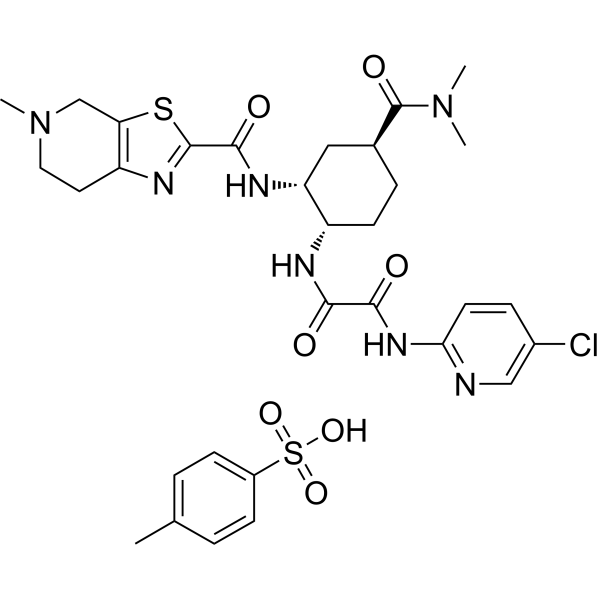
- HY-136360
-
MI-3454
3 Publications Verification
|
Epigenetic Reader Domain
|
Cancer
|
|
MI-3454 is an orally active, highly potent and selective menin-MLL1 interaction inhibitor with an IC50 of 0.51 nM. MI-3454 inhibits proliferation, induces differentiation and complete remission or regression of leukemia in mouse models of MLL1-rearranged or NPM1-mutated leukemia through downregulation of key genes involved in leukemogenesis .
|
-
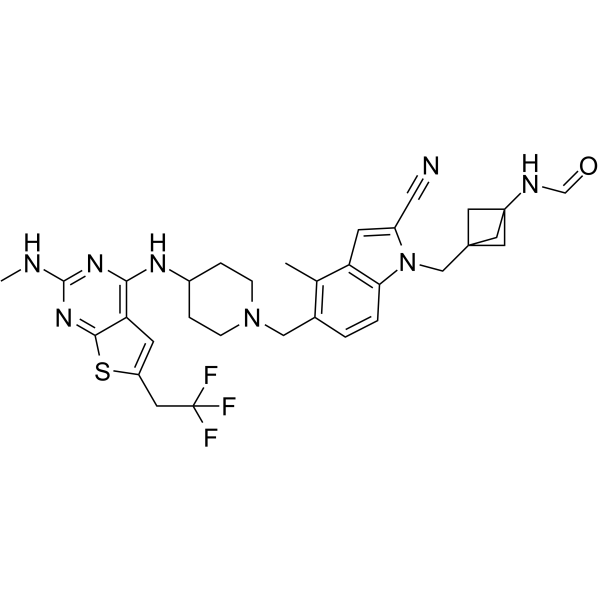
- HY-177106
-
|
|
Drug Intermediate
Ras
|
Cancer
|
|
ADT-1004 is an orally active prodrug of ADT-007 (HY-157887). ADT-007 is a reversible, highly potent and selective pan-RAS inhibitor that binds to the nucleotide-free conformation of RAS proteins and blocks their GTP activation, thereby inhibiting the downstream MAPK and AKT signaling pathways. ADT-1004 can be used for the research of pancreatic ductal adenocarcinoma .
|
-

- HY-111518
-
|
|
PROTACs
CDK
|
Cancer
|
|
JH-XI-10-02 is a PROTAC connected by ligands for Cereblon and CDK. JH-XI-10-02 is a highly potent and selective PROTAC CDK8 degrader, with an IC50 of 159 nM. JH-XI-10-02 causes proteasomal degradation, does not affect CDK8 mRNA levels. JH-XI-10-02 shows no effect on CDK19 .
|
-
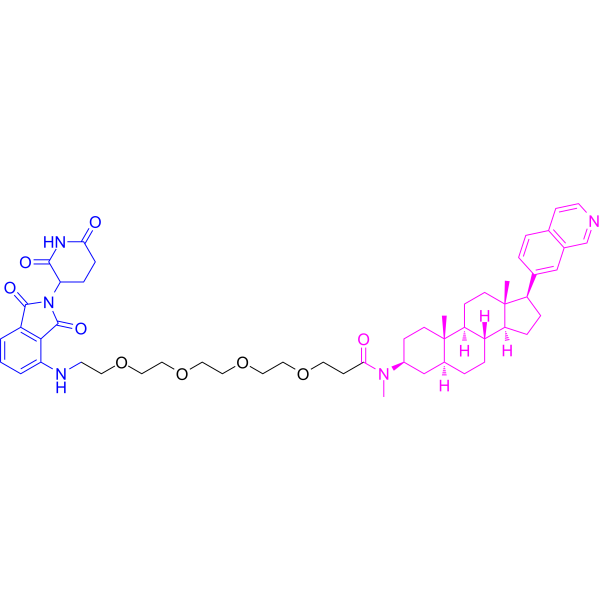
- HY-12137A
-
|
BI 6727 trihydrochloride
|
Polo-like Kinase (PLK)
Apoptosis
|
Cancer
|
|
Volasertib (BI 6727) trihydrochloride is an orally active, highly potent and ATP-competitive Polo-like kinase 1 (PLK1) inhibitor with an IC50 of 0.87 nM. Volasertib trihydrochloride inhibits PLK2 and PLK3 with IC50s of 5 and 56 nM, respectively. Volasertib trihydrochloride induces mitotic arrest and apoptosis. Volasertib trihydrochloride, a dihydropteridinone derivative, shows marked antitumor activity in multiple cancer models .
|
-
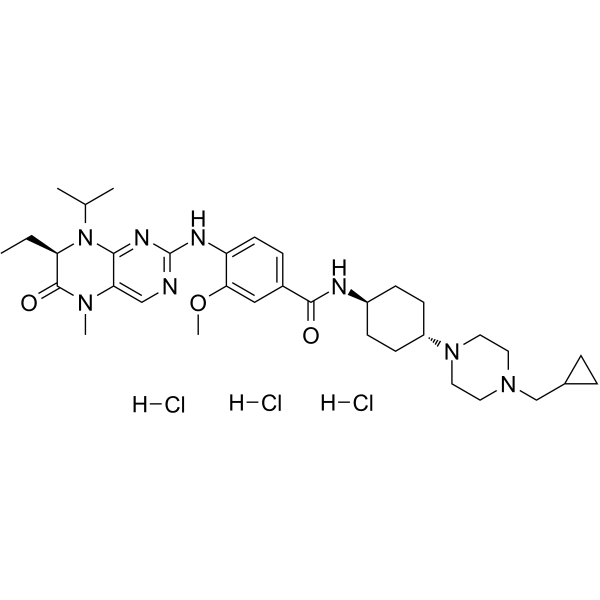
- HY-10815
-
|
|
Sigma Receptor
Apoptosis
|
Neurological Disease
Cancer
|
|
σ1 Receptor antagonist-1 is a highly potent and selective sigma 1 receptor antagonist (pKi=10.28). σ1 Receptor antagonist-1 inhibits cell growth, arrests cell cycle at G0/G1 phase and induces apoptosis of MCF-7/ADR cells .
|
-
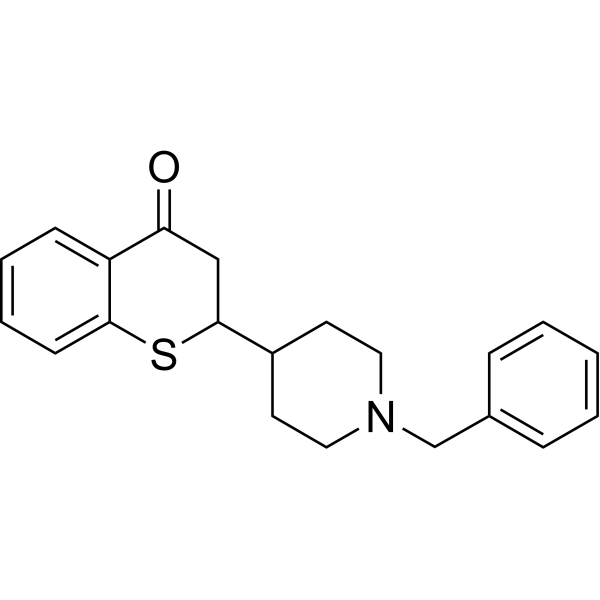
- HY-13990G
-
|
TNKS656
|
PPAR
Apoptosis
|
Cancer
|
|
NVP-TNKS656 (GMP) is NVP-TNKS656 (HY-13990) produced by using GMP guidelines. GMP small molecules works appropriately as an auxiliary reagent for cell therapy manufacture. NVP-TNKS656 is a highly potent, selective, and orally active TNKS2 inhibitor with IC50 of 6 nM, and is > 300 fold selectivity against PARP1 and PARP2.
|
-

- HY-10619AR
-
|
MK-4827 hydrochloride (Standard)
|
Reference Standards
PARP
Apoptosis
|
Cancer
|
|
Niraparib hydrochloride (Standard) is the analytical standard of Niraparib hydrochloride (HY-10619A). This product is intended for research and analytical applications. Niraparib hydrochloride (MK-4827 hydrochloride) is a highly potent and orally bioavailable PARP1 and PARP2 inhibitor with IC50s of 3.8 and 2.1 nM, respectively. Niraparib hydrochloride leads to inhibition of repair of DNA damage, activates apoptosis and shows anti-tumor activity .
|
-

- HY-10284S1
-
|
BI 1356-13C,d3
|
Isotope-Labeled Compounds
Dipeptidyl Peptidase
Autophagy
Ferroptosis
|
Metabolic Disease
|
|
Linagliptin- 13C,d3 is the 13C- and deuterium labeled Linagliptin. Linagliptin is a highly potent, selective DPP-4 inhibitor with IC50 of 1 nM. Linagliptin-13C,d3 is a click chemistry reagent, it contains an Alkyne group and can undergo copper-catalyzed azide-alkyne cycloaddition (CuAAc) with molecules containing Azide groups.
|
-
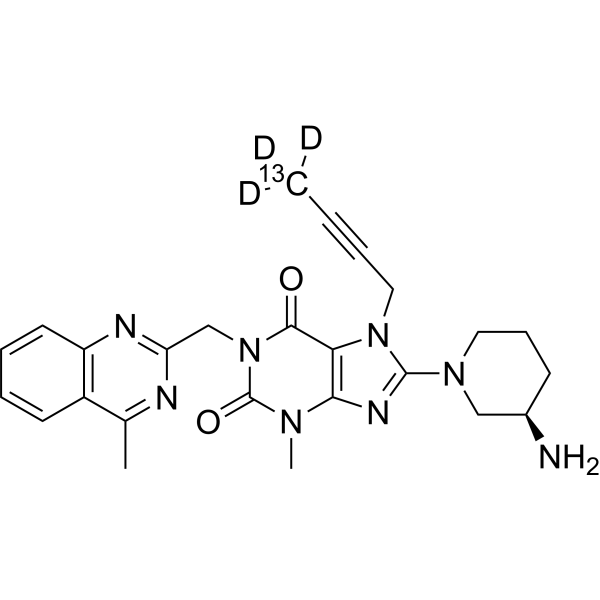
- HY-181577
-
|
|
Apoptosis
HDAC
Microtubule/Tubulin
|
Cancer
|
|
HDAC6-IN-73 is a highly potent and selective HDAC6 inhibitor with an IC50 of 0.007 μM ± 0.001, ~1771-fold selectivity over HDAC1, ~131-fold selectivity over HDAC8, and antiproliferative activity in hematological cancer cell lines.HDAC6-IN-73 can be used for the research of hematological malignancies .
|
-

- HY-114584
-
|
|
Ser/Thr Protease
|
Neurological Disease
|
|
A-953227 is a highly potent and selective inhibitor with the activity of inhibiting calcium-dependent esterase (calpain). A-953227 has enhanced selectivity for related cysteine proteases (cathepsins) and has shown good efficacy in cell experiments. A-953227 has shown broad efficacy in preclinical models for Alzheimer's disease, suggesting that it has potential benefits in inhibiting Alzheimer's disease .
|
-

- HY-P11263
-
|
|
iGluR
|
Neurological Disease
|
|
AVLX-144 is a highly potent inhibitor of postsynaptic density protein 95 (PSD-95). AVLX-144 can be used as a template to develop imaging probes for postsynaptic density (PSD) molecules, and can be labeled with fluorine-18 (¹⁸F) or tritium (³H) to visualize PSD-95 in vivo. AVLX-144 can be utilized for the study of Parkinson's disease .
|
-

- HY-14200
-
|
TVP1022; S-PAI
|
Monoamine Oxidase
|
Neurological Disease
|
|
(S)-Rasagiline (TVP1022) is the relatively inactive S-enantiomer form of Rasagiline. Rasagiline is a highly potent selective irreversible MAO inhibitor with IC50s of 4.43 nM and 412 nM for rat brain MAO B and A activity, respectively . (S)-Rasagiline is a click chemistry reagent, it contains an Alkyne group and can undergo copper-catalyzed azide-alkyne cycloaddition (CuAAc) with molecules containing Azide groups.
|
-
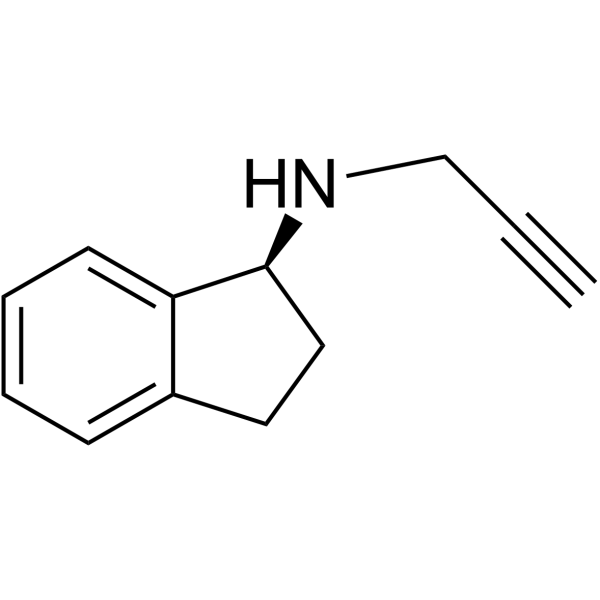
- HY-12137
-
|
BI 6727
|
Polo-like Kinase (PLK)
Apoptosis
|
Cancer
|
|
Volasertib (BI 6727) is an orally active, highly potent and ATP-competitive Polo-like kinase 1 (PLK1) inhibitor with an IC50 of 0.87 nM. Volasertib inhibits PLK2 and PLK3 with IC50s of 5 and 56 nM, respectively. Volasertib induces mitotic arrest and apoptosis. Volasertib, a dihydropteridinone derivative, shows marked antitumor activity in multiple cancer models .
|
-
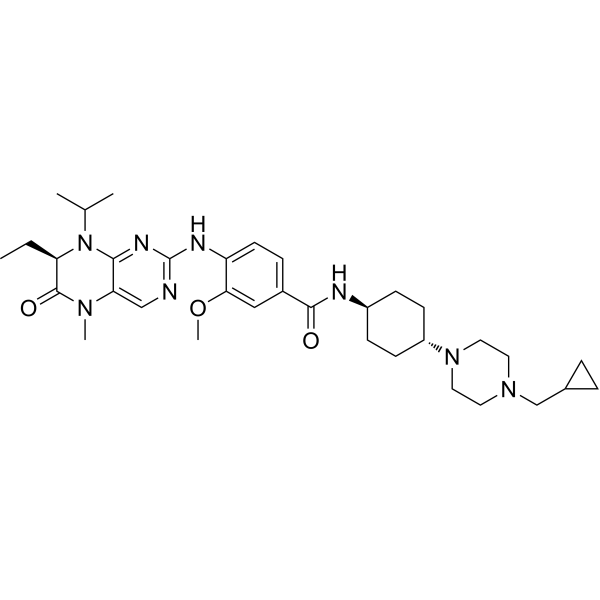
- HY-136285A
-
|
|
Histone Acetyltransferase
|
Cancer
|
|
(R,R)-CPI-1612 is the isomer of CPI-1612 (HY-136285), and can be used as an experimental control. CPI-1612 is a highly potent, orally active EP300/CBP histone acetyltransferase (HAT) inhibitor with an IC50 of 8.1 nM for EP300 HAT. CPI-1612 has an anticancer activity .
|
-
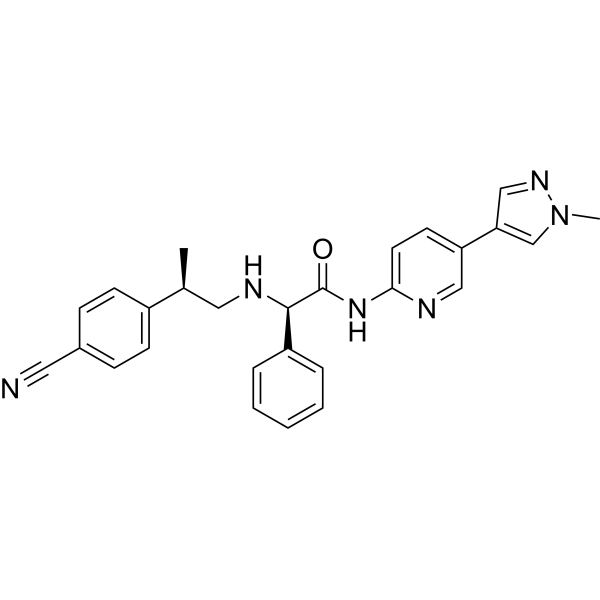
- HY-14605BS
-
|
AGN1135-13C3; TVP1012-13C3 racemic
|
Isotope-Labeled Compounds
Monoamine Oxidase
|
Neurological Disease
|
|
Rasagiline- 13C3 (mesylate racemic) is a 13C-labeled Rasagiline mesylate racemic. Rasagiline mesylate racemic is a highly potent selective irreversible mitochondrial monoamine oxidase (MAO) inhibitor . Rasagiline-13C3 (mesylate racemic) is a click chemistry reagent, it contains an Alkyne group and can undergo copper-catalyzed azide-alkyne cycloaddition (CuAAc) with molecules containing Azide groups.
|
-
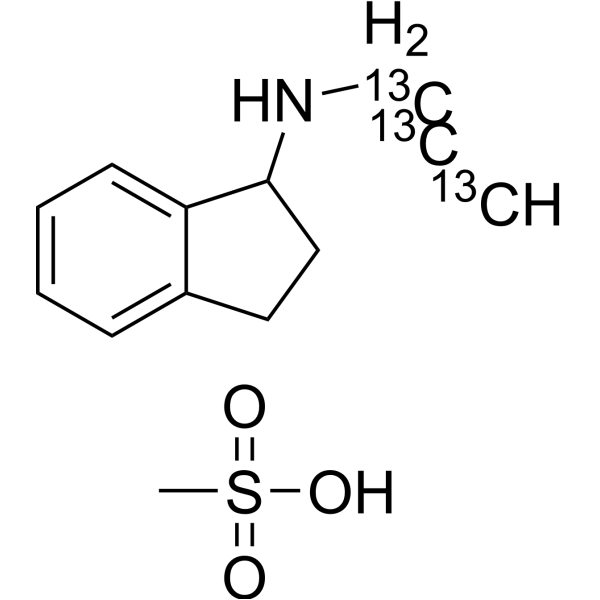
- HY-108435R
-
|
|
Reference Standards
Epigenetic Reader Domain
Histone Acetyltransferase
|
Cancer
|
|
GNE-049 (Standard) is the analytical standard of GNE-049 (HY-108435). This product is intended for research and analytical applications. GNE-049 is a highly potent and selective CBP inhibitor with an IC50 of 1.1 nM in TR-FRET assay. GNE-049 also inhibits BRET and BRD4(1) with IC50s of 12 nM and 4200 nM, respectively .
|
-

- HY-145386
-
|
|
Histone Acetyltransferase
|
Cancer
|
|
(S,S)-CPI-1612 is the isomer of CPI-1612 (HY-136285), and can be used as an experimental control. CPI-1612 is a highly potent, orally active EP300/CBP histone acetyltransferase (HAT) inhibitor with an IC50 of 8.1 nM for EP300 HAT. CPI-1612 has an anticancer activity .
|
-
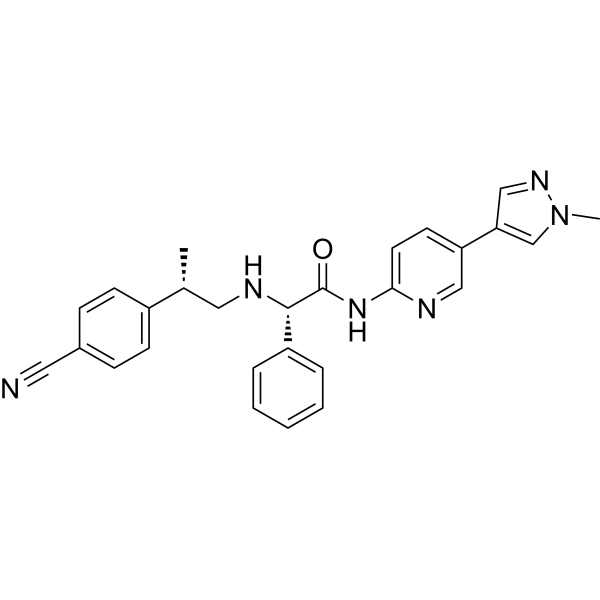
- HY-106735R
-
|
Ro 13-6298 (Standard); Arotinoid ethyl ester (Standard)
|
Reference Standards
RAR/RXR
|
Inflammation/Immunology
Cancer
|
|
Arotinoid (Standard) (Ro 13-6298 (Standard)) is the analytical standard of Arotinoid (HY-106735). This product is intended for research and analytical applications. Arotinoid (RO 13-6298) is a retinoid, and acts as an orally active and highly potent agonist of retinoic acid receptors (RARs) with antipsoriatic effects. Arotinoid has antipapiltoma activity with an ED50 of 0.05 mg/kg. Arotinoid can be used for the research of sKin carcinomas .
|
-

- HY-10791R
-
-

- HY-155368
-
|
|
Cholinesterase (ChE)
|
Neurological Disease
|
|
BChE-IN-20 (compound 7c) is a highly potent BChE-selective inhibitor and exhibits IC50s of 105 and 2.3 nM for eqBChE and hBChE, respectively. BChE-IN-20 inhibits P glycoprotein with IC50 of 0.27 μM. BChE-IN-20 is a promising template to improve design and development of BChE-selective ligands of pharmaceutical interest, including inhibitors and fluorogenic probes.
|
-
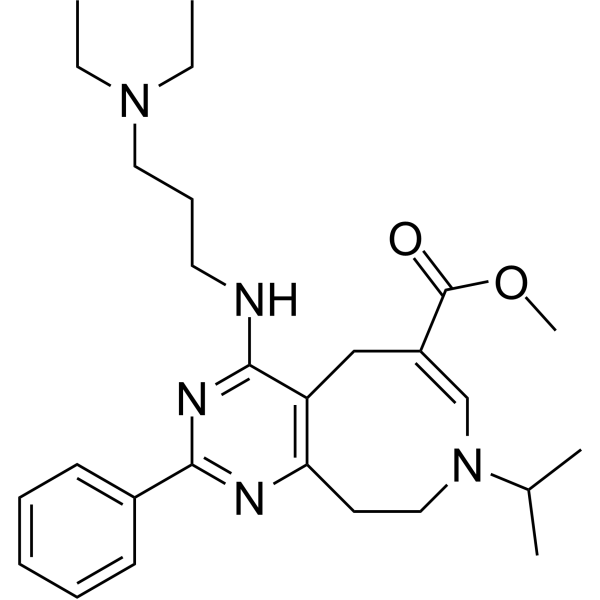
- HY-10619BR
-
|
MK-4827 tosylate (Standard)
|
Reference Standards
PARP
Apoptosis
|
Cancer
|
|
Niraparib Tosylate (Standard) is the analytical standard of Niraparib Tosylate (HY-10619B). This product is intended for research and analytical applications. Niraparib tosylate (MK-4827 tosylate) is a highly potent and orally bioavailable PARP1 and PARP2 inhibitor with an IC50 of 3.8 and 2.1 nM, respectively. Niraparib tosylate leads to inhibition of repair of DNA damage, activates apoptosis and shows anti-tumor activity .
|
-

- HY-144826
-
|
|
GSK-3
|
Neurological Disease
|
|
ZDWX-25 is a highly potent GSK-3β and DYRK1A dual inhibitor with an IC50 value of 71 nM for GSK-3β. ZDWX-25 possesses significant cytotoxic activities against SH-SY5Y and HL-7702 cells. ZDWX-25 can be used for researching alzheimer's disease .
|
-
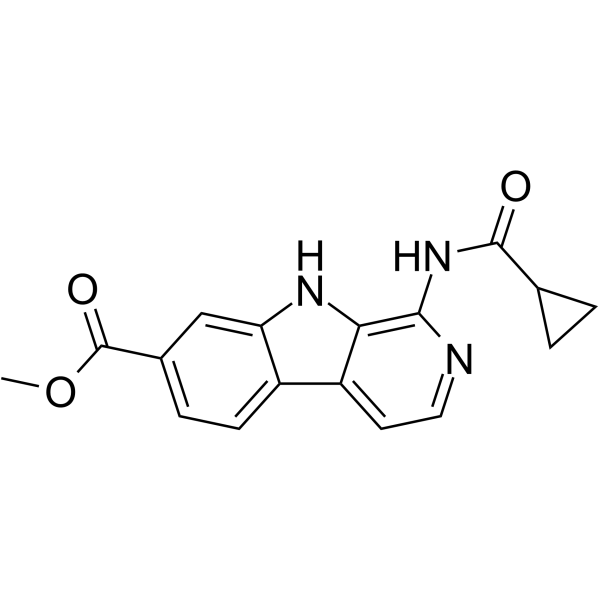
- HY-133123
-
|
|
Prostaglandin Receptor
|
Inflammation/Immunology
Cancer
|
|
EP4 receptor antagonist 1 is a highly potent and selective competitive prostanoid EP4 receptor antagonist for cancer immunotherapy. EP4 receptor antagonist 1 inhibits human and mouse EP4 receptor with IC50s of 6.1 nM and 16.2 nM, respectively. IC50s >10 μM for human EP1, EP2,and EP3 receptors .
|
-
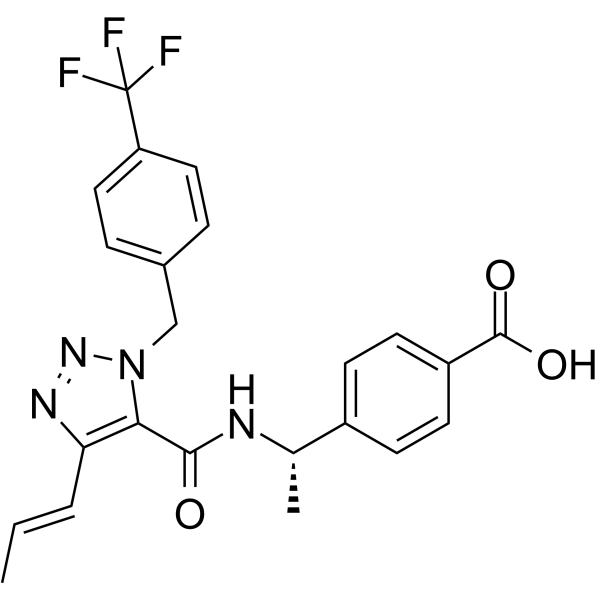
- HY-10681R
-
|
|
PI3K
mTOR
Reference Standards
|
Cancer
|
|
Gedatolisib (Standard) is the analytical standard of Gedatolisib. This product is intended for research and analytical applications. Gedatolisib (PKI-587) is a highly potent dual inhibitor of PI3Kα, PI3Kγ, and mTOR with IC50s of 0.4 nM, 5.4 nM and 1.6 nM, respectively . Gedatolisib is equally effective in both complexes of mTOR, mTORC1 and mTORC2 .
|
-

- HY-17468R
-
|
Ro 10-6338 (Standard); PF 1593 (Standard)
|
Reference Standards
NKCC
|
Cardiovascular Disease
Metabolic Disease
|
|
Bumetanide (Standard) is the analytical standard of Bumetanide. This product is intended for research and analytical applications. Bumetanide (Ro 10-6338; PF 1593), a highly potent loop diuretic, is a Na +-K +-Cl + cotransporter (NKCC) blocker. Bumetanide is a selective NKCC1 inhibitor, but also inhibits NKCC2, with IC50s of 0.68 μM and 4.0 μM for hNKCC1A and hNKCC2A, respectively .
|
-
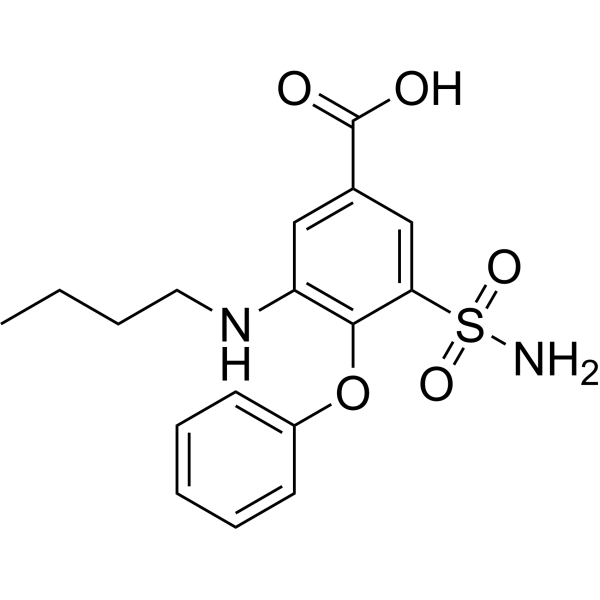
- HY-10619ER
-
|
MK-4827 tosylate hydrate (Standard)
|
Reference Standards
PARP
Apoptosis
|
Cancer
|
|
Niraparib tosylate hydrate (Standard) is the analytical standard of Niraparib tosylate hydrate (HY-10619E). This product is intended for research and analytical applications. Niraparib (MK-4827) tosylate hydrate is a highly potent and orally bioavailable PARP1 and PARP2 inhibitor with IC50s of 3.8 and 2.1 nM, respectively. Niraparib tosylate hydrate leads to inhibition of repair of DNA damage, activates apoptosis and shows anti-tumor activity .
|
-

- HY-W777079
-
|
SC 65872-13C2,15N
|
Isotope-Labeled Compounds
COX
Endogenous Metabolite
|
Cancer
|
|
Valdecoxib- 13C2, 15N (SC 65872- 13C2, 15N) is the 13C- and 15N-labeled Valdecoxib (HY-15762). Valdecoxib is a highly potent and selective inhibitor of COX-2, with IC50s of 5 nM and 140 μM for COX-2 and COX-1, respeceively. Valdecoxib can be used in the research of arthritis and pain.
|
-

- HY-101520
-
|
|
Histone Methyltransferase
|
Cancer
|
|
Dot1L-IN-1 is a highly potent and selective Dot1L inhibitor with a Ki of 2 pM and an IC50 of <0.1 nM. Dot1L-IN-1 potently suppresses H3K79 dimethylation (IC50=3 nM), as well as the activity of the HoxA9 promoter (IC50=17 nM) in HeLa and Molm-13 cells, respectively .
|
-
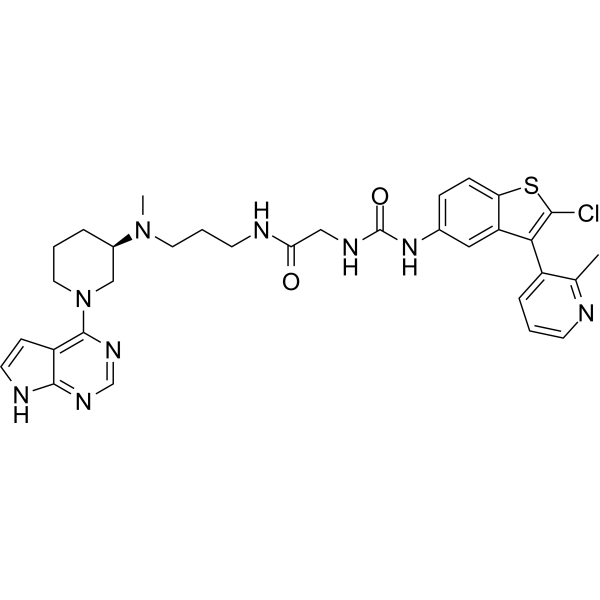
- HY-P1301
-
|
|
Opioid Receptor
|
Neurological Disease
|
|
[Arg14,Lys15]Nociceptin is a highly potent and selective NOP receptor (ORL1; OP4) agonist, with an EC50 of 1 nM. [Arg14,Lys15]Nociceptin displays high selectivity over opioid receptors, with IC50s of 0.32, 280, >10000 and 1500 nM for NOP, μ, δ and κ receptors, respectively .
|
-
![[Arg14,Lys15]Nociceptin](//file.medchemexpress.com/product_pic/hy-p1301.gif)
- HY-139004
-
|
|
Casein Kinase
|
Neurological Disease
|
|
SGC-CK2-1 is a highly potent, ATP-competitive, and cell-active CK2 chemical probe with exclusive selectivity for both human CK2 isoforms, with IC50s of 36 and 16 nM for CK2α and CK2α′respectively in the nanoBRET assay. SGC-CK2-1 can be used for the research of neurodegenerative diseases .
|
-
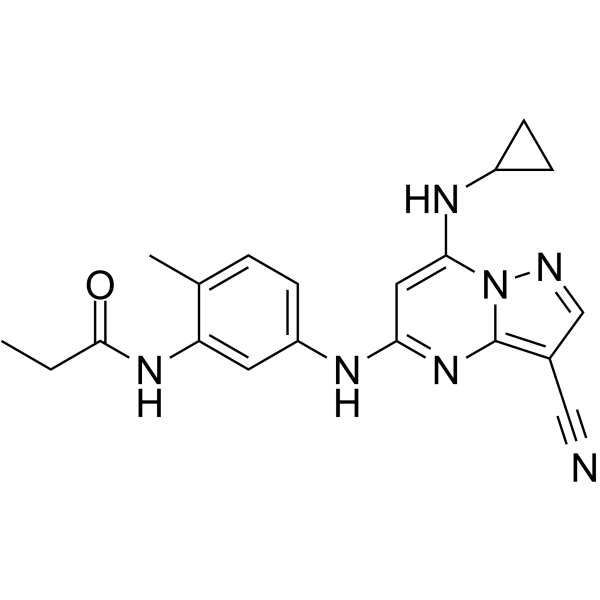
- HY-146287
-
|
|
DNA/RNA Synthesis
Apoptosis
|
Cancer
|
|
Zn(BQTC) is a highly potent mitochondrial DNA (mtDNA) and nuclear DNA (nDNA) inhibitor. Zn(BQTC) causes severe damage to the mtDNA and nDNA, sequentially disruptes mitochondrial and nuclear functions. Zn(BQTC) promotes the DNA damage-induced apoptotic signaling pathway. Zn(BQTC) has selectively antiproliferative activity against A549R cells. Zn(BQTC) can be used for researching anticancer .
|
-
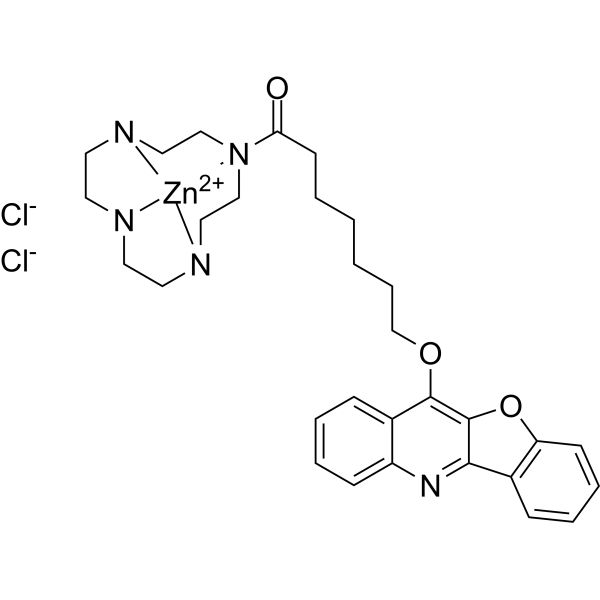
- HY-101764
-
|
SR 27897
|
Cholecystokinin Receptor
|
Metabolic Disease
|
|
Lintitript (SR 27897) is a highly potent, selective, orally active, competitive and non-peptide cholecystokinin (CCK1) receptor antagonist with an EC50 of 6 nM and a Ki of 0.2 nM. Lintitript displays > 33-fold selectivity more selective for CCK1 than CCK2 receptors (EC50 value of 200 nM). Lintitript increases plasma concentration of leptin and food intake as well as plasma concentration of insulin .
|
-
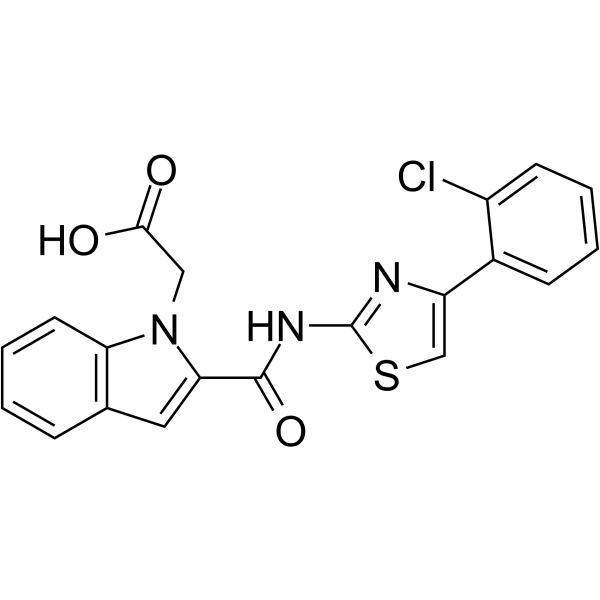
- HY-151876
-
|
|
Glucocorticoid Receptor
NF-κB
AP-1
|
Inflammation/Immunology
|
|
Glucocorticoid receptor modulator 1 is a highly potent and orally active non-steroidal selective glucocorticoid receptor modulator with an IC50 value of 9 nM and 130 nM for NF-κB and AP-1, respectively. Glucocorticoid receptor modulator 1 can effectively reduce the expression of inflammatory factors IL-6, IL-1β, TNF-α, also can relieve dermatitis in mice .
|
-
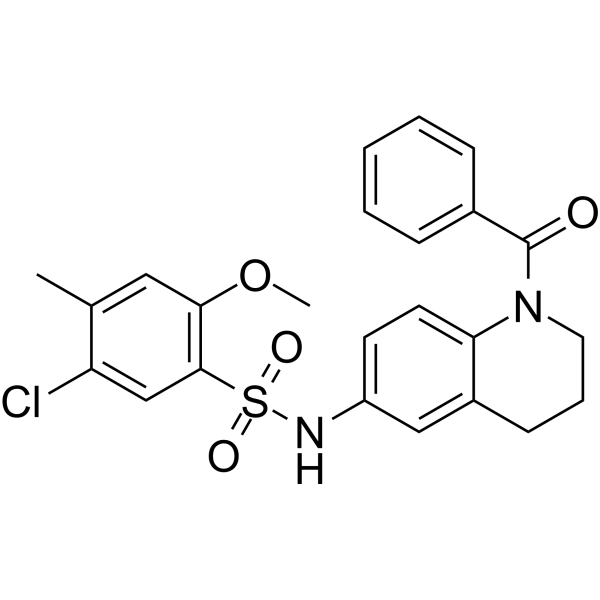
- HY-100867
-
|
TAK-659; CB-659
|
Syk
FLT3
|
Cancer
|
|
TAK-659 is a highly potent, selective, reversible and orally available dual inhibitor of spleen tyrosine kinase (SYK) and fms related tyrosine kinase 3 (FLT3), with an IC50 of 3.2 nM and 4.6 nM for SYK and FLT3, respectively. TAK-659 induces cell death in tumor cells but not in nontumor cells, and with potential for the treatment of chronic lymphocytic leukemia (CLL) .
|
-
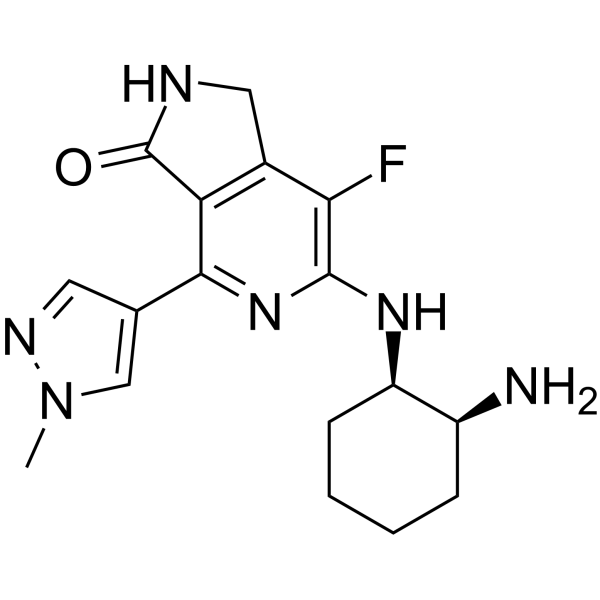
- HY-144396
-
|
|
SHP2
Phosphatase
Akt
Apoptosis
|
Cancer
|
|
SHP2-IN-8 is a highly potent, selective, and cellularly active allosteric SHP2 inhibitor with IC50 value of 23 nM and Ki of 22 nM. SHP2-IN-8 is reversible and noncompetitive. SHP2-IN-8 causes a significant thermal shift with the ΔTm of 7.01 °C. SHP2-IN-8 induces the apoptosis and inhibits the phosphorylation of AKT in Hela cells .
|
-
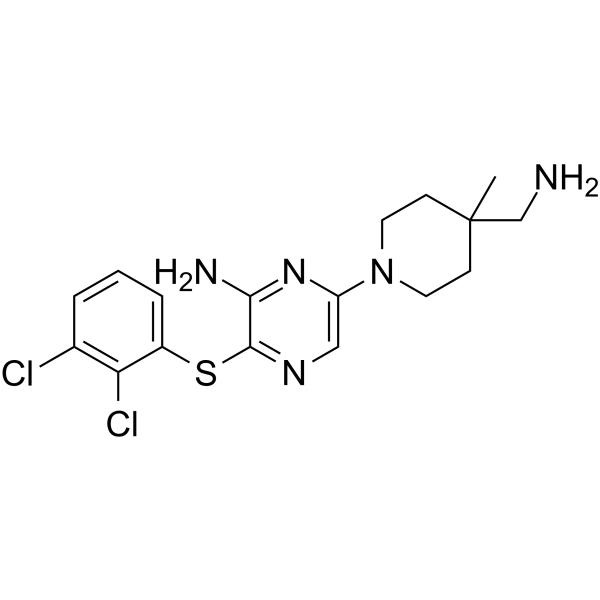
- HY-114226
-
|
FT-2102
|
Isocitrate Dehydrogenase (IDH)
|
Inflammation/Immunology
Cancer
|
|
Olutasidenib (FT-2102) is a highly potent, orally active, brain penetrant and selective inhibitor of mutant Isocitrate dehydrogenase 1 (IDH1), with IC50 values of 21.2 nM and 114 nM for IDH1- R132H and IDH1- R132C, respectively . Olutasidenib (FT-2102) is under the study in the treatment of acute myeloid leukemia (AML) or myelodysplastic syndrome (MDS) .
|
-
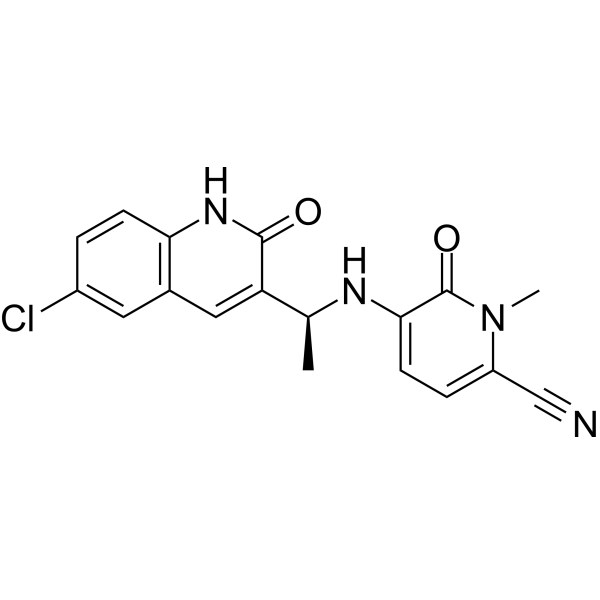
- HY-19509R
-
|
|
Reverse Transcriptase
HIV
|
Infection
|
|
IQP-0528 (Standard) is the analytical standard of IQP-0528. This product is intended for research and analytical applications. IQP-0528 is a highly potent nonnucleoside reverse transcriptase inhibitor (NNRTI). IQP-0528 shows nanomolar activity against both HIV-1 and HIV-2, with an HIV-1 EC50 of 0.2 nM and an HIV-2 EC50 of 100 nM .
|
-

- HY-153255
-
|
|
Beta-secretase
|
Neurological Disease
|
|
BACE1-IN-13 (Compound 36) is an orally active BACE1 inhibitor with an IC50 value of 2.9 nM. BACE1-IN-13 is highly potent in hAβ42 cell (IC50 = 1.3 nM). BACE1-IN-13 has cardiovascularly safty and elicits sustained Aβ42 reduction in mouse and dog animal models .
|
-
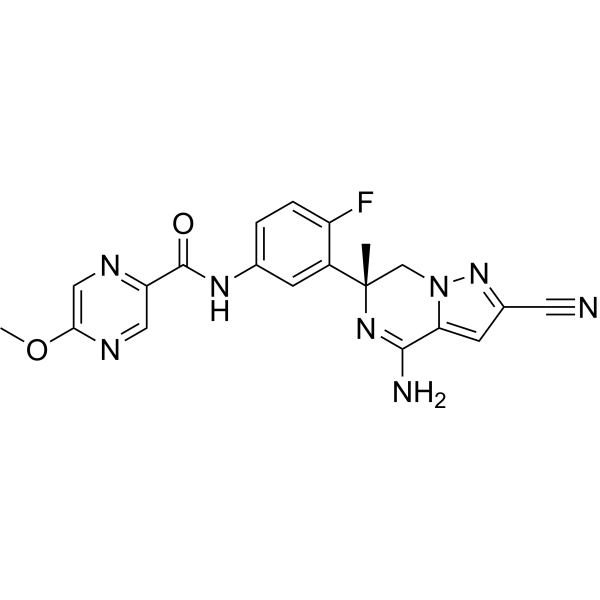
- HY-P3632
-
|
DADAD
|
Opioid Receptor
|
Neurological Disease
Metabolic Disease
|
|
[DAla2, DArg6] Dynorphin A, (1-13) (porcine) (DADAD) is an opioid peptide (dynorphinl-13, DYN) derivative found in porcine pituitary extracts. DYN is highly potent at the peripheral opioid receptors GPI and MVD, but is readily and rapidly degraded in vivo. [DAla2, DArg6] Dynorphin A, (1-13) (porcine) has some resistance to enzymatic cleavage and prevents peptide cleavage by enzymes .
|
-
![[DAla2, DArg6] Dynorphin A, (1-13) (porcine)](//file.medchemexpress.com/product_pic/hy-p3632.gif)
- HY-103274
-
|
|
Bcr-Abl
Src
c-Kit
Apoptosis
|
Neurological Disease
Cancer
|
|
PD180970 is a highly potent and ATP-competitive p210 Bcr-Abl kinase inhibitor, with an IC50 of 5 nM for inhibiting the autophosphorylation of p210 Bcr-Abl. PD180970 also inhibits Src and KIT kinase with IC50s of 0.8 nM and 50 nM, respectively. PD180970 indcues apoptosis of K562 leukemic cells, and can be used for chronic myelogenous leukemia research .
|
-
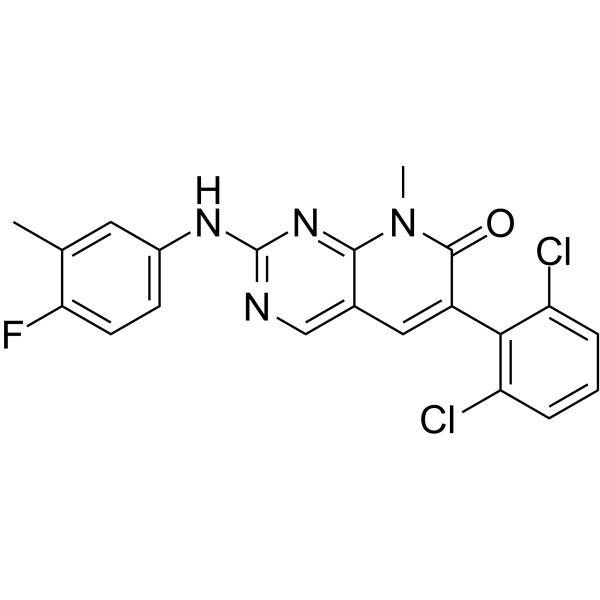
- HY-12463
-
|
|
Adrenergic Receptor
|
Inflammation/Immunology
|
|
Carmoterol hydrochloride is a highly potent, selective and long-acting β2-adrenoceptor agonist with the pEC50 of 10.19. Carmoterol has 53 times higher affinity for the β2-adrenoceptors than for the β1-adrenoceptors. Carmoterol hydrochloride can be used for the research of asthma and chronic obstructive pulmonary disease (COPD) .
|
-

- HY-16700G
-
|
|
ADC Payload
Topoisomerase
|
Cancer
|
|
PNU-159682 GMP is a GMP grade PNU-159682 (HY-16700). PNU-159682, a metabolite of the anthracycline Nemorubicin, is a highly potent DNA topoisomerase II inhibitor with excellent cytotoxicity. PNU-159682 acts as a more potent and tolerated ADC cytotoxin than Doxorubicin for ADC synthesis. PNU-159682 can be used in EDV-nanocell technology to overcome agent resistance.
|
-
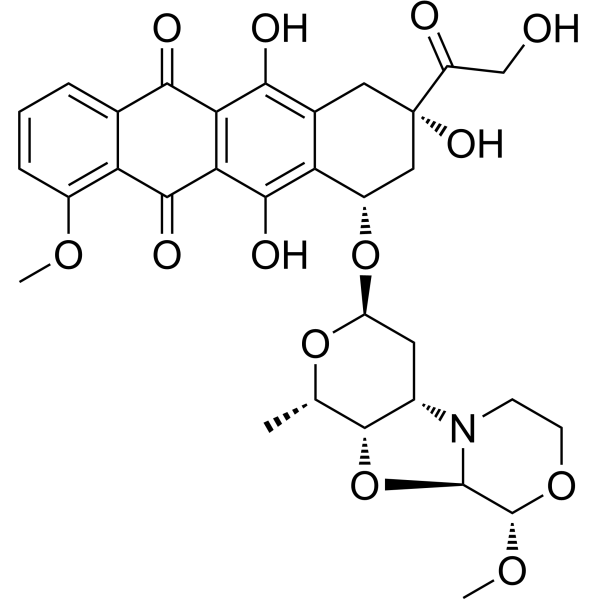
- HY-103190R
-
|
|
Reference Standards
Adenosine Receptor
|
Neurological Disease
Cancer
|
|
MRS1220 (Standard) is the analytical standard of MRS1220 (HY-103190). This product is intended for research and analytical applications. MRS1220, a highly potent and selective human A3 adenosine receptor (hA3AR) antagonist with a Ki of 0.59 nM, has therapeutic potential for the research of diseases of the central nervous system . MRS1220 reduces glioblastoma tumor size and blood vessel formation in vivo .
|
-

- HY-10596R
-
|
|
Reference Standards
Integrin
|
Inflammation/Immunology
|
|
BMS-688521 (Standard) is the analytical standard of BMS-688521 (HY-10596). This product is intended for research and analytical applications. BMS-688521 is a highly potent, orally active inhibitor of the LFA-1/ICAM interaction, with an IC50 of 2.5 nM in the adhesion assay and an IC50 of 60 nM in the MLR assay. BMS-688521 is efficacious in a mouse allergic eosinophilic lung inflammation model .
|
-

- HY-14605S
-
|
(R)-AGN1135-13C3 mesylate; TVP1012-13C3 mesylate
|
Isotope-Labeled Compounds
Autophagy
Monoamine Oxidase
Apoptosis
|
Others
|
|
Rasagiline- 13C3 ((R)-AGN1135- 13C3; TVP1012- 13C3) mesylate is the deuterium labeled Rasagiline (mesylate) (HY-14605) . Rasagiline (R-AGN1135) mesylate is a highly potent selective irreversible mitochondrial monoamine oxidase (MAO) inhibitor with IC50s of 4.43 nM and 412 nM for rat brain MAO B and A activity, respectively .
|
-
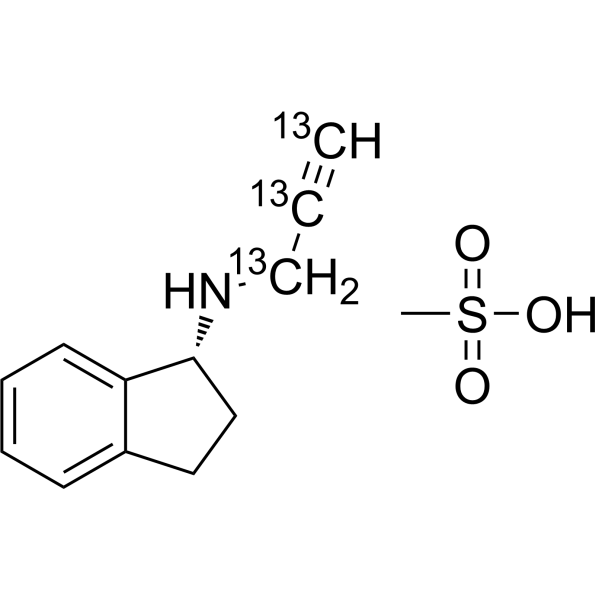
- HY-100867A
-
|
TAK-659 monohydrochloride; CB-659 monohydrochloride
|
Syk
FLT3
|
Cancer
|
|
TAK-659 hydrochloride is a highly potent, selective, reversible and orally available dual inhibitor of spleen tyrosine kinase (SYK) and fms related tyrosine kinase 3 (FLT3), with an IC50 of 3.2 nM and 4.6 nM for SYK and FLT3, respectively. TAK-659 hydrochloride induces cell death in tumor cells but not in nontumor cells, and with potential for the treatment of chronic lymphocytic leukemia (CLL) .
|
-
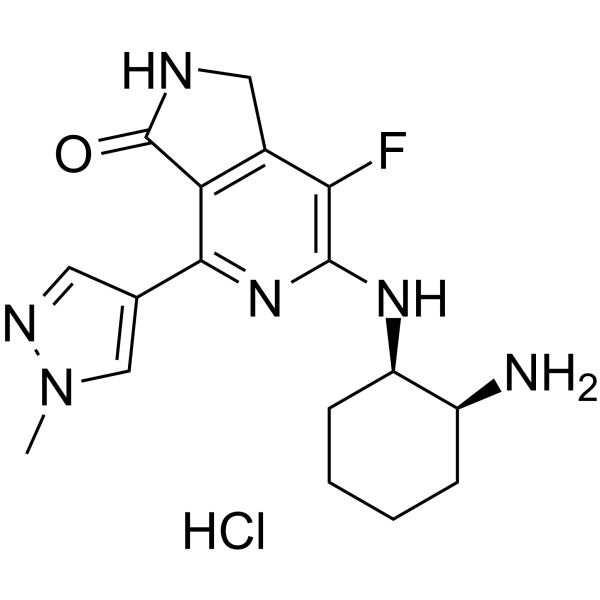
- HY-14588
-
|
ABT-378
|
HIV
HIV Protease
SARS-CoV
|
Infection
Neurological Disease
Cancer
|
|
Lopinavir (ABT-378) is a highly potent, selective peptidomimetic inhibitor of the HIV-1 protease, with Kis of 1.3 to 3.6 pM for wild-type and mutant HIV protease. Lopinavir acts by arresting maturation of HIV-1 thereby blocking its infectivity . Lopinavir is also a SARS-CoV 3CL pro inhibitor with an IC50 of 14.2 μM .
|
-
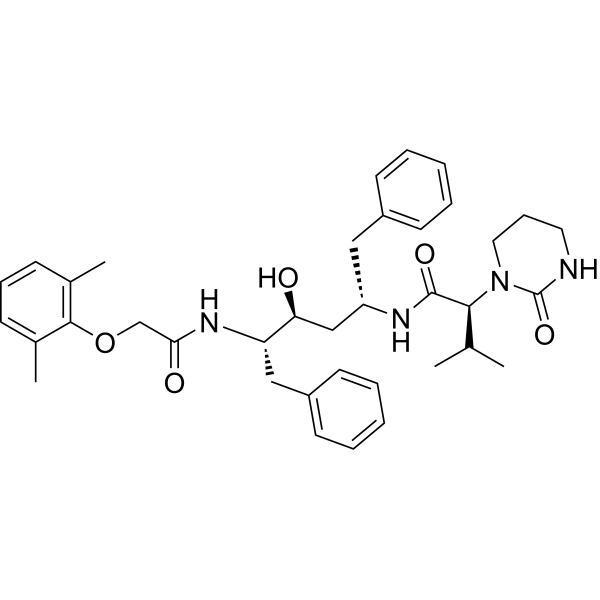
- HY-156773
-
STM3006
2 Publications Verification
|
Apoptosis
METTL3
|
Cancer
|
|
STM3006 is a highly potent, selective, and orally active inhibitor of METTL3 (IC50: 5 nM). STM3006 can reduce the m6A level, promote the formation of dsRNA, trigger a cell-intrinsic interferon response, and enhance the killing effect of T cells on tumors. STM3006 has anti-tumor activity, and its combination with anti-PD-1 immunotherapy yields better results .
|
-
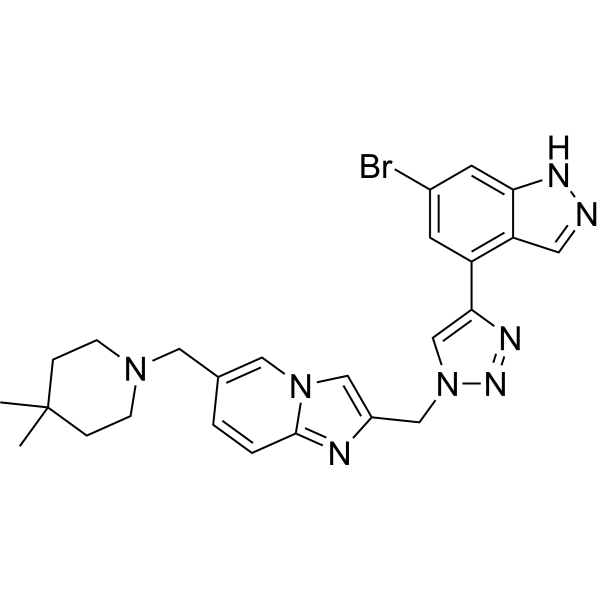
- HY-B0290S1
-
-
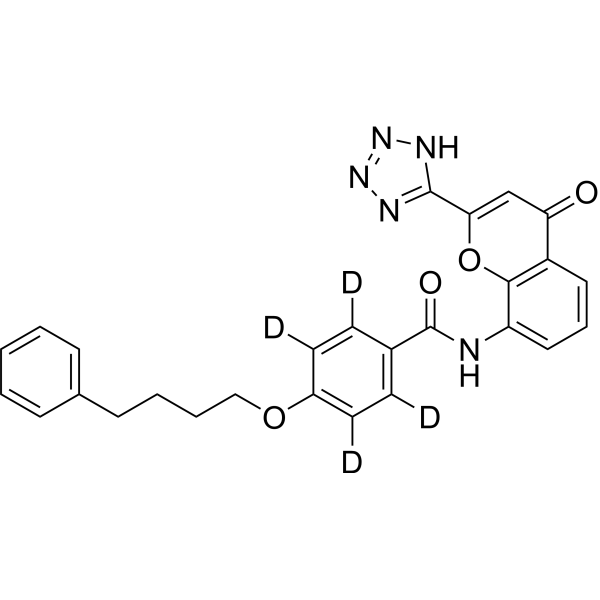
- HY-116771
-
|
|
Adrenergic Receptor
|
Metabolic Disease
|
|
CL316243 free acid is a highly potent selective β3-adrenoceptor agonist with a EC50 of 3 nM, but is an extremely poor to β1/2- receptors. CL316243 free acid is a effective stimulant of adipocyte lipolysis and increases brown adipose tissue thermogenesis and metabolic rate. CL316243 free acid has the potential for the treatment obesity, diabetes and urge urinary incontinence .
|
-

- HY-100947R
-
-

- HY-103137R
-
|
|
Reference Standards
5-HT Receptor
|
Cardiovascular Disease
Neurological Disease
|
|
Zacopride (hydrochloride) (Standard) is the analytical standard of Zacopride (hydrochloride). This product is intended for research and analytical applications. Zacopride hydrochloride is a highly potent 5-HT3 receptor antagonist with Kis of 0.38 and 373 nM for 5-HT3 and 5-HT4 receptor, respectively. Zacopride hydrochloride is also a moderate IK1 channel agonist. Zacopride hydrochloride exerts significant antiarrhythmic and cardiac protective effects .
|
-

- HY-116771A
-
|
|
Adrenergic Receptor
|
Metabolic Disease
|
|
CL316243 is a highly potent selective β3-adrenoceptor agonist with a EC50 of 3 nM, but is an extremely poor to β1/2- receptors .CL316243 is a effective stimulant of adipocyte lipolysis and increases brown adipose tissue thermogenesis and metabolic rate . CL316243 has the potential for the treatment obesity, diabetes and urge urinary incontinence .
|
-
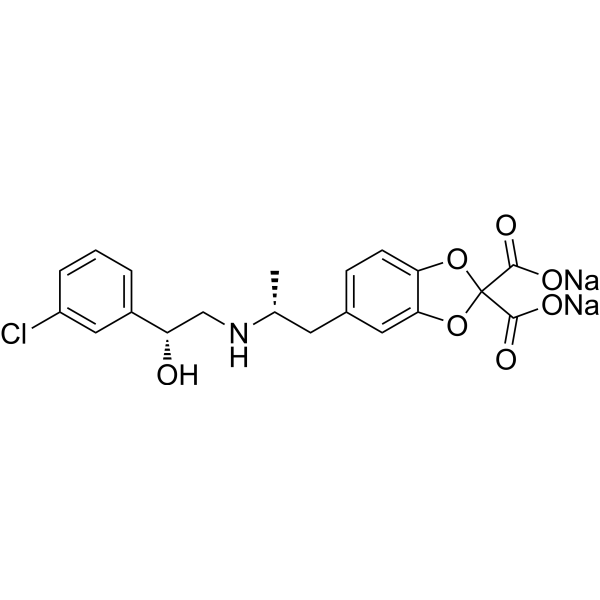
- HY-10013BR
-
|
MK0364 (1R,2R)stereoisomer (Standard)
|
Cannabinoid Receptor
Reference Standards
|
Others
|
|
Taranabant ((1R,2R)stereoisomer) (Standard) is the analytical standard of Taranabant ((1R,2R)stereoisomer) (HY-10013B). This product is intended for research and analytical applications. Taranabant (1R,2R)stereoisomer is the R-enantiomer of Taranabant. Taranabant is a highly potent and selective cannabinoid 1 (CB1) receptor inverse agonist.
|
-

- HY-B0290R
-
|
ONO-1078 (Standard)
|
Reference Standards
Leukotriene Receptor
Endogenous Metabolite
|
Inflammation/Immunology
|
|
Pranlukast (Standard) is the analytical standard of Pranlukast. This product is intended for research and analytical applications. Pranlukast is a highly potent, selective and competitive antagonist of peptide leukotrienes. Pranlukast inhibits [ 3H]LTE4, [ 3H]LTD4, and [ 3H]LTC4 bindings to lung membranes with Kis of 0.63±0.11, 0.99±0.19, and 5640±680 nM, respectively.
|
-

- HY-101520A
-
|
|
Histone Methyltransferase
|
Cancer
|
|
Dot1L-IN-1 TFA is a highly potent and selective Dot1L inhibitor with a Ki of 2 pM and an IC50 of <0.1 nM. Dot1L-IN-1 TFA potently suppresses H3K79 dimethylation (IC50=3 nM), as well as the activity of the HoxA9 promoter (IC50=17 nM) in HeLa and Molm-13 cells, respectively .
|
-
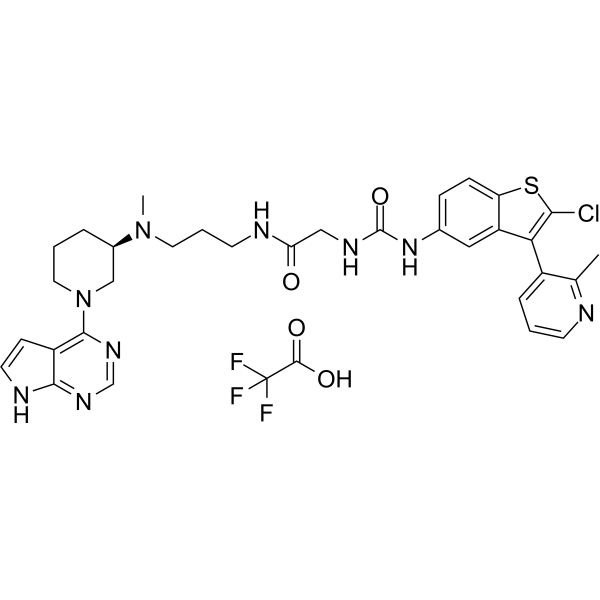
- HY-133033
-
|
|
Mitochondrial Metabolism
|
Metabolic Disease
|
|
COQ7-IN-1, a highly potent inhibitor of human coenzyme Q (COQ7), interferes with ubiquinone (UQ) synthesis. COQ7-IN-1 does not disturb physiological cell growth of human normal culture cells. COQ7-IN-1 can be used for the research of the balance between UQ supplementation pathways: de novo UQ synthesis and extracellular UQ uptake .
|
-
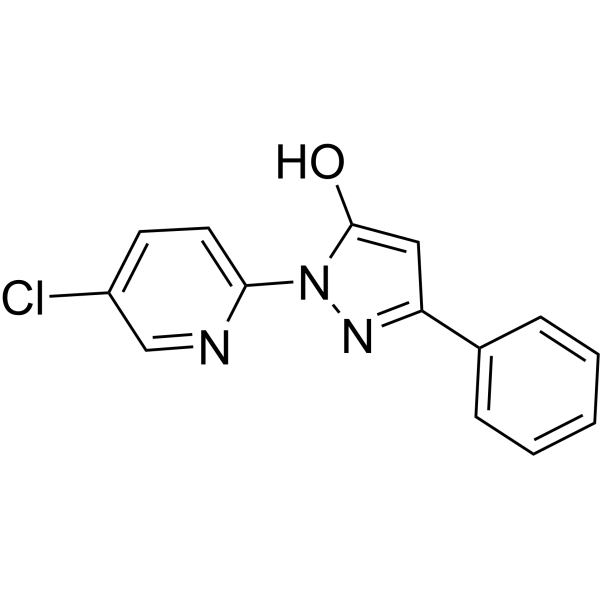
- HY-151473
-
|
|
PIKfyve
|
Infection
Cancer
|
|
PIKfyve-IN-1 is a highly potent and cell-active chemical probe that inhibits phosphatidylinositol-3phosphate 5-kinase (PIKfyve) with IC50 value of 6.9 nM. PIKfyve-IN-1 can be used for the research of PIKfyve in virology . PIKfyve-IN-1 is a click chemistry reagent, it contains an Alkyne group and can undergo copper-catalyzed azide-alkyne cycloaddition (CuAAc) with molecules containing Azide groups.
|
-
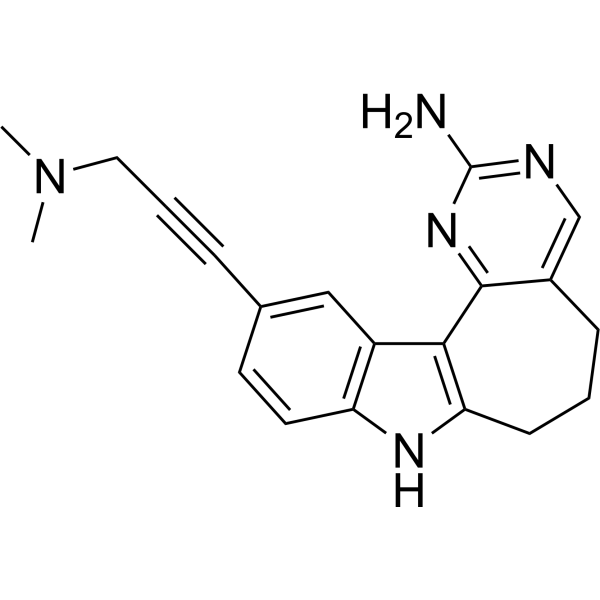
- HY-P1300
-
|
|
Opioid Receptor
|
Neurological Disease
|
|
[(pF)Phe4]Nociceptin(1-13)NH2 is a highly potent and selective NOP receptor (OP4) agonist, with a pKi of 10.68 and a pEC50 of 9.31. [(pF)Phe4]Nociceptin(1-13)NH2 displays high selectivity over δ, κ, and μ opioid receptors (>3000 fold) .
|
-
![[(pF)Phe4]Nociceptin(1-13)NH2](//file.medchemexpress.com/product_pic/hy-p1300.gif)
- HY-109523S
-
|
|
Ferroptosis
HMG-CoA Reductase (HMGCR)
Isotope-Labeled Compounds
|
Cardiovascular Disease
Cancer
|
|
Cerivastatin-d3 sodium is deuterated labeled Cerivastatin sodium (HY-109523). Cerivastatin sodium is a synthetic lipid-lowering agent and a highly potent, well-tolerated and orally active HMG-CoA reductase inhibitor, with a Ki of 1.3 nM/L. Cerivastatin sodium reduces low-density lipoprotein cholesterol levels. Cerivastatin sodium also inhibits proliferation and invasiveness of MDA-MB-231 cells, mainly by RhoA inhibition, and has anti-cancer effect .
|
-
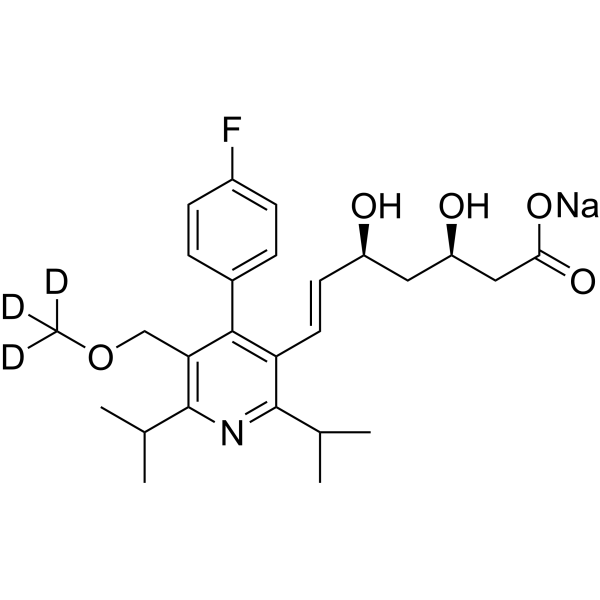
- HY-W759435
-
|
MK-4827-d5
|
Isotope-Labeled Compounds
Apoptosis
PARP
|
Cancer
|
|
Niraparib-d5 (MK-4827-d5) is the deuterium labeled Niraparib (HY-10619). Niraparib (MK-4827) is a highly potent and orally bioavailable PARP1 and PARP2 inhibitor with IC50s of 3.8 and 2.1 nM, respectively. Niraparib leads to inhibition of repair of DNA damage, activates apoptosis and shows anti-tumor activity .
|
-

- HY-P1301A
-
|
|
Opioid Receptor
|
Neurological Disease
|
|
[Arg14,Lys15]Nociceptin TFA is a highly potent and selective NOP receptor (ORL1; OP4) agonist, with an EC50 of 1 nM. [Arg14,Lys15]Nociceptin TFA displays high selectivity over opioid receptors, with IC50s of 0.32, 280, >10000 and 1500 nM for NOP, μ, δ and κ receptors, respectively .
|
-
![[Arg14,Lys15]Nociceptin TFA](//file.medchemexpress.com/product_pic/hy-p1301a.gif)
- HY-P99719
-
|
BAY 1129980; Anti-C4.4a antibody-drug conjugates
|
Antibody-Drug Conjugates (ADCs)
|
Cancer
|
|
Lupartumab Amadotin (BAY 1129980) is an antibody–drug conjugate (ADC) consisting of a fully human C4.4A (LYPD3)-targeting mAb (BAY 1135626) (HY-147281) conjugated to a novel, highly potent derivative of the microtubule-disrupting cytotoxic drug auristatin via a noncleavable alkyl hydrazide linker. Lupartumab Amadotin can be used for the research of non-small cell lung cancer .
|
-

- HY-B0290AR
-
|
ONO-1078 hemihydrate (Standard)
|
Leukotriene Receptor
Endogenous Metabolite
Reference Standards
|
Inflammation/Immunology
|
|
Pranlukast (hemihydrate) (Standard) is the analytical standard of Pranlukast (hemihydrate). This product is intended for research and analytical applications. Pranlukast hemihydrate is a highly potent, selective and competitive antagonist of peptide leukotrienes. Pranlukast inhibits [3H]LTE4, [3H]LTD4, and [3H]LTC4 bindings to lung membranes with Kis of 0.63±0.11, 0.99±0.19, and 5640±680 nM, respectively.
|
-

- HY-10181
-
-
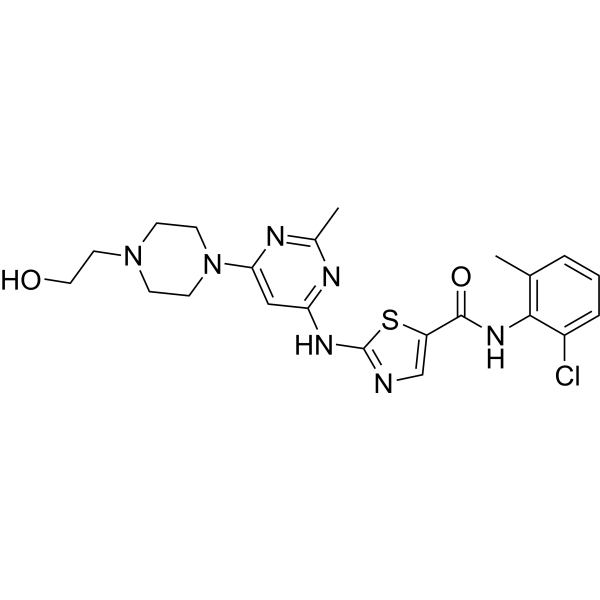
- HY-131335
-
|
|
p38 MAPK
|
Inflammation/Immunology
|
|
p38α inhibitor 2 is a highly potent and selective p38α MAPK inhibitor, with a pIC50 of 9.6. p38α inhibitor 2 inhibits the hERG ion channel (IC50=27 μM) and shows a promising selectivity profile when tested in a panel of 51 other protein kinases (<30% inhibition at 10 μM concentration) and a panel of 141 other biological targets .
|
-
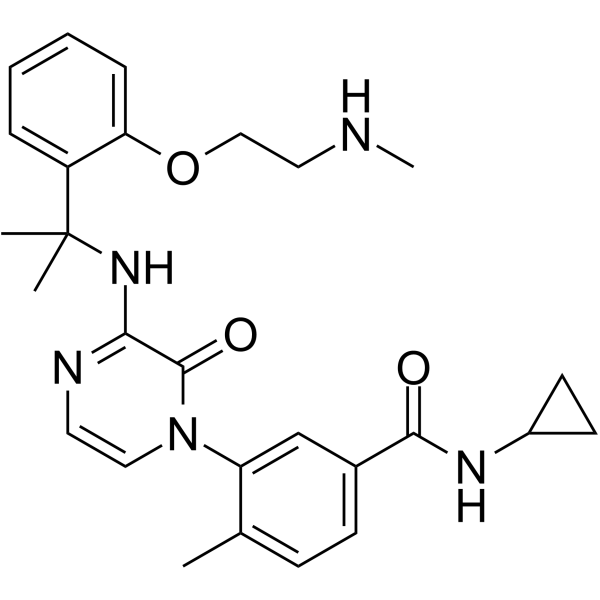
- HY-114415
-
|
|
Parasite
|
Infection
|
|
AWZ1066S is a highly potent, specific and orally active anti-Wolbachia agent with EC50 value of 121 nM. AWZ1066S also is a weak CYP2C9 inhibitor and a weak CYP3A4 inducer with IC50 values of 9.7 μM and 37 uM, respectively. AWZ1066S can be used for the research of tropical diseases such as Onchocerciasis (river blindness) and lymphatic filariasis (elephantiasis) .
|
-
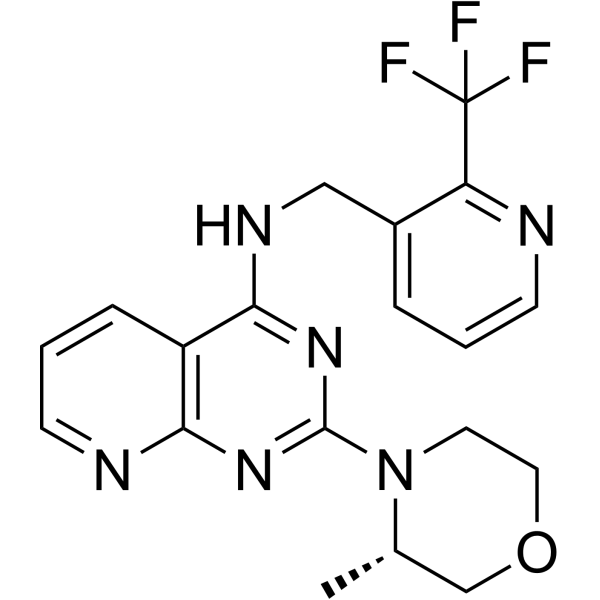
- HY-124364
-
|
|
HBV
Cytochrome P450
|
Infection
Metabolic Disease
|
|
RO6889678 is a highly potent HBV capsid formation inhibitor with a complex absorption, distribution, metabolism, and excretion (ADME) profile. RO6889678 is a potent inducer of CYP3A4 and coregulated proteins in human hepatocytes. RO6889678 is metabolized by a combination of CYP3A4-mediated oxidation and UDP-glucuronosyltransferase UGT1A3- and UGT1A1-mediated direct glucuronidation .
|
-
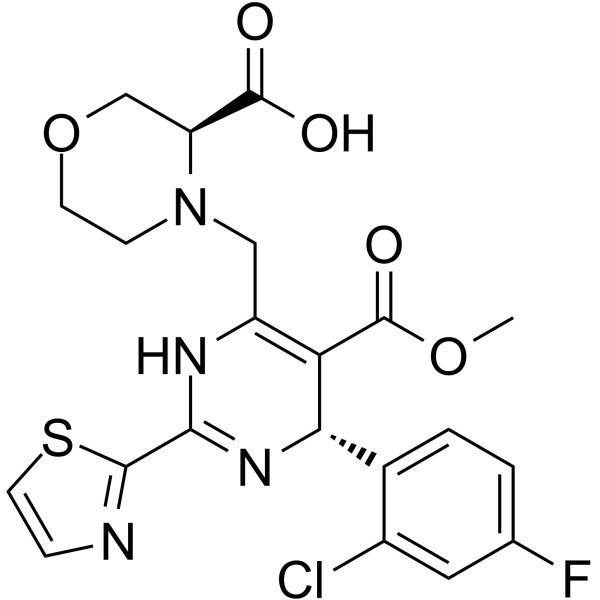
- HY-100518R
-
|
|
MMP
Reference Standards
|
Inflammation/Immunology
|
|
T-26c (Standard) is the analytical standard of T-26c (HY-100518). This product is intended for research and analytical applications. T-26c, a chemical probe, is highly potent and selective matrix metalloproteinase-13 (MMP-13) inhibitor with an IC50 of 6.75 pM and more than 2600-fold selectivity over the other related metalloenzymes .
|
-

- HY-133045
-
|
|
Ligands for E3 Ligase
|
Cancer
|
|
VHL Ligand 8 is a VHL ligand. VHL Ligand 8 can be used to synthesize ARD-266 (HY-133020), a highly potent and VHL E3 ligase-based androgen receptor (AR) PROTAC degrader. ARD-266 effectively induces degradation of AR protein in AR-positive LNCaP, VCaP, and 22Rv1 prostate cancer cell lines with DC50 values of 0.2-1 nM .
|
-
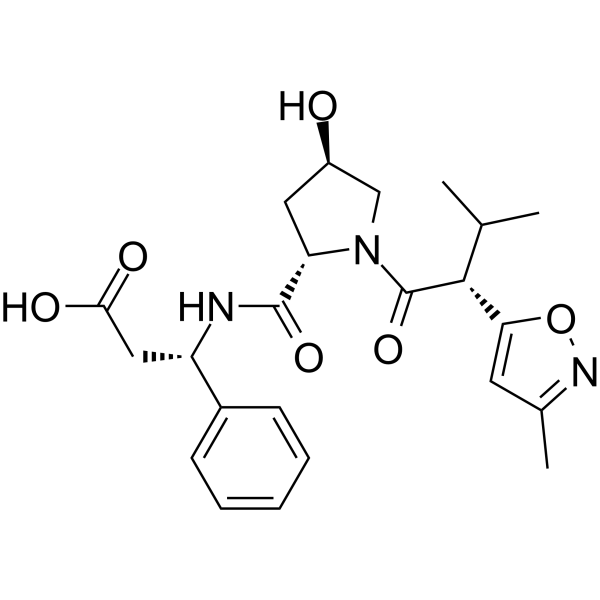
- HY-144113
-
|
|
HIV
|
Infection
|
|
HIV-1 inhibitor-14 (compound 14b) is a highly potent and broad-spectrum HIV-1 non-nucleoside reverse transcriptase (RT) inhibitor with an EC50 of 0.14 μM for HIV-1 RT. HIV-1 inhibitor-14 has inhibitory activity against HIV-1 WT and resistant strains with EC50s of 5.79 ~ 28.3 nM .
|
-
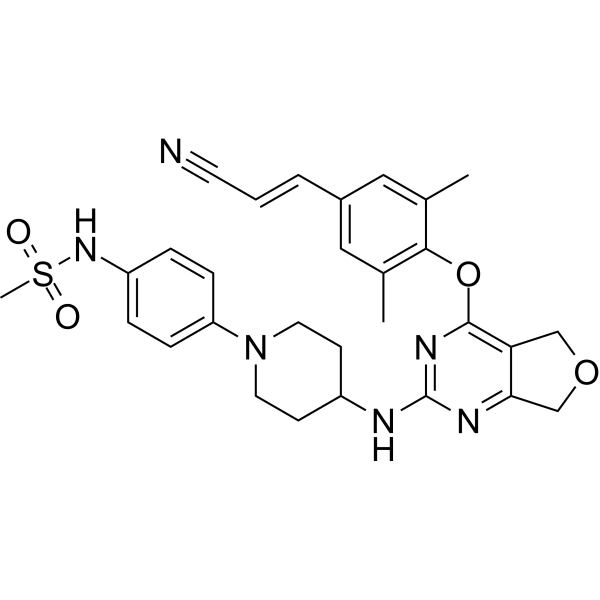
- HY-186117
-
|
|
YAP
PROTACs
|
Cancer
|
|
KG-FP-003 is a highly potent, selective, and durable TEAD PROTAC degrader (TEAD1 DC50 = 6 ± 4 nM, TEAD2 DC50 = 68 ± 15 nM, TEAD3 DC50 = 12 ± 5 nM, TEAD4 DC50 = 7 ± 5 nM). KG-FP-003 promotes ubiquitination and degradation of TEAD. KG-FP-003 exhibits anticancer activity against mesothelioma and ovarian cancer .
|
-

- HY-16999
-
|
|
MDM-2/p53
E1/E2/E3 Enzyme
Apoptosis
|
Cancer
|
|
RO8994 (Compound 4) is an orally active, highly potent and selective spiroindolinone p53-MDM2 inhibitor with an IC50 value of 5 nM (HTRF binding assays) and 20 nM (MTT proliferation assays). RO8994 induces up-regulation of p53 expression and Apoptosis in wild-type p53 cancer cells. RO8994 also inhibits tumor growth in the tumor xenograft model .
|
-
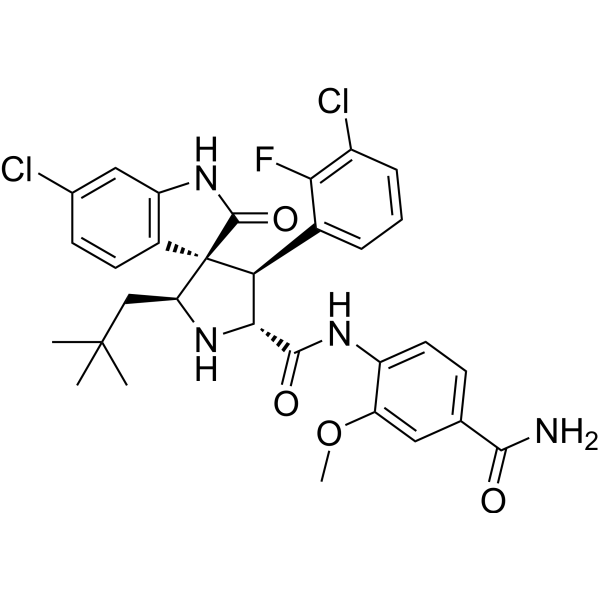
- HY-137464A
-
OATD-01
1 Publications Verification
|
Glycosidase
|
Inflammation/Immunology
|
|
OATD-01 is a highly potent, first-in-class, orally active and selective chitinase inhibitor with low nanomolar activity toward CHIT1 (hCHIT1,IC50=23 nM). OATD-01 shows excellect PK profile in multiple species and is selectivity against a panel of other off-targets. OATD-01 exhibits significant antifibrotic efficacy in vivo and can be used for pulmonary fibrosis (IPF) research .
|
-
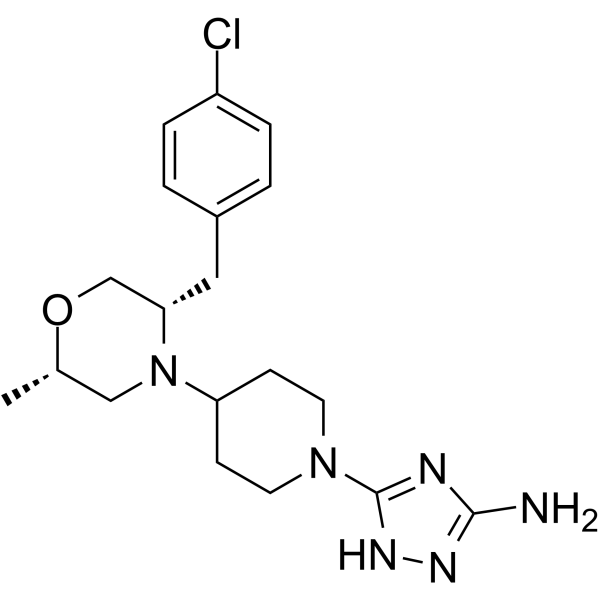
- HY-19620A
-
|
LMI070 hydrochloride; NVS-SM1 hydrochloride
|
DNA/RNA Synthesis
Potassium Channel
|
Cancer
|
|
Branaplam (LMI070; NVS-SM1) hydrochloride is a highly potent, selective and orally active survival motor neuron-2 (SMN2) splicing modulator with an EC50 of 20 nM for SMN. Branaplam hydrochloride inhibits human-ether-a-go-go-related gene (hERG) with an IC50 of 6.3 μM. Branaplam hydrochloride elevates full-length SMN protein and extends survival in a severe spinal muscular atrophy (SMA) mouse model .
|
-
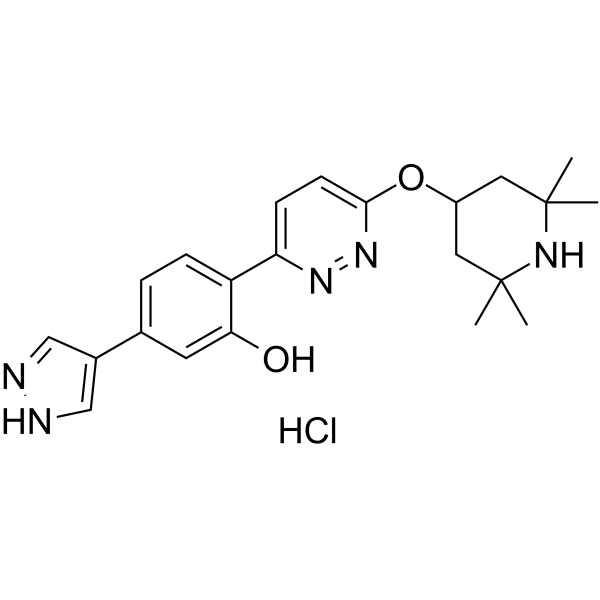
- HY-19620
-
|
LMI070; NVS-SM1
|
DNA/RNA Synthesis
Potassium Channel
|
Cancer
|
|
Branaplam (LMI070; NVS-SM1) is a highly potent, selective and orally active survival motor neuron-2 (SMN2) splicing modulator with an EC50 of 20 nM for SMN. Branaplam inhibits human-ether-a-go-go-related gene (hERG) with an IC50 of 6.3 μM. Branaplam elevates full-length SMN protein and extends survival in a severe spinal muscular atrophy (SMA) mouse model .
|
-
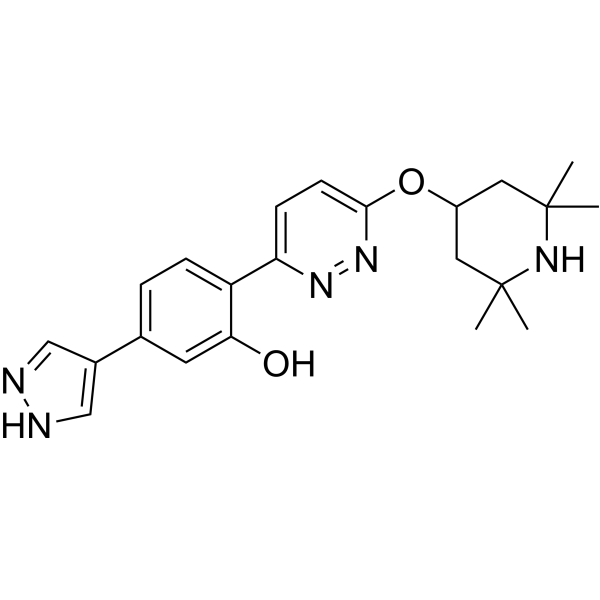
- HY-172773
-
|
|
Bacterial
|
Infection
|
|
PAA-38 is a highly potent selective inhibitor targeting bacterial prolyl-tRNA synthetase (ProRS). PAA-38 againsts Pseudomonas aeruginosa ProRS (PaProRS) with a Kd value of 0.399 nM and an IC50 value of 4.97 nM. PAA-38 againsts human cytoplasmic ProRSs (HsProRS) with an IC50 value of 35.5 nM. PAA-38 demonstrates an in vitro antibacterial activity of minimum inhibitory concentration (MIC) = 4-8 μg/mL .
|
-

- HY-170226
-
|
|
Epigenetic Reader Domain
|
Cancer
|
|
BET-IN-28 (Compound 44) is a highly potent inhibitor of bromodomain and extra-terminal domain (BET), with an IC50 value of 4.47 nM against BRD4-BD1. BET-IN-28 blocks the interaction between BET proteins and N-acetylated lysine residues on histone tails, down-regulates certain genes. BET-IN-28 can be used for hematological malignancies and solid tumors study .
|
-

- HY-118250A
-
|
|
Toll-like Receptor (TLR)
IFNAR
TNF Receptor
|
Inflammation/Immunology
|
|
GSK2245035 maleate is a highly potent and selective intranasal Toll-Like receptor 7 (TLR7) agonist with preferential Type-1 interferon (IFN)-stimulating properties. GSK2245035 maleate has pEC50s of 9.3 and 6.5 for IFNα and TFNα. GSK2245035 maleate effectively suppresses allergen-induced Th2 cytokine production in human peripheral blood cell cultures. GSK2245035 maleate is used for asthma .
|
-

- HY-115644
-
|
|
Melanocortin Receptor
|
Inflammation/Immunology
|
|
BMS-470539 dihydrochloride is a highly potent and selective melanocortin-1 receptor (MC-1R) agonist with an IC50 of 120 nM, an EC50 of 28 nM. BMS-470539 dihydrochloride does not activate MC-3R and is a very weak partial agonist at MC-4R and MC-5R. BMS-470539 dihydrochloride has potently anti-inflammatory properties .
|
-
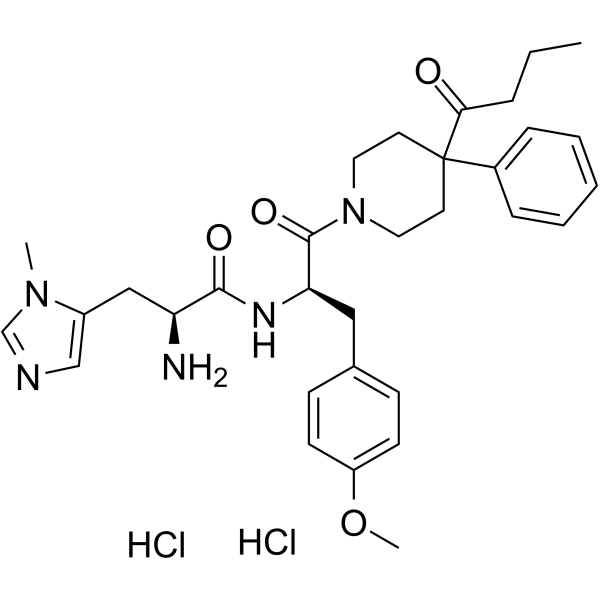
- HY-P1300A
-
|
|
Opioid Receptor
|
Neurological Disease
|
|
[(pF)Phe4]Nociceptin(1-13)NH2 TFA is a highly potent and selective NOP receptor (OP4) agonist, with a pKi of 10.68 and a pEC50 of 9.31. [(pF)Phe4]Nociceptin(1-13)NH2 TFA displays high selectivity over δ, κ, and μ opioid receptors (>3000 fold) .
|
-
![[(pF)Phe4]Nociceptin(1-13)NH2 TFA](//file.medchemexpress.com/product_pic/hy-p1300a.gif)
- HY-118250
-
|
|
Toll-like Receptor (TLR)
IFNAR
TNF Receptor
|
Inflammation/Immunology
|
|
GSK2245035 is a highly potent and selective intranasal Toll-Like receptor 7 (TLR7) agonist with preferential Type-1 interferon (IFN)-stimulating properties. GSK2245035 has pEC50s of 9.3 and 6.5 for IFNα and TFNα. GSK2245035 effectively suppresses allergen-induced Th2 cytokine production in human peripheral blood cell cultures. GSK2245035 is used for asthma .
|
-
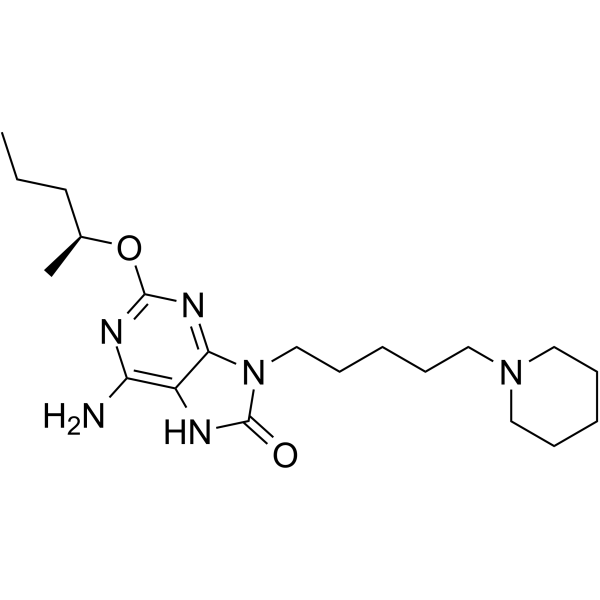
- HY-123669
-
|
|
P2Y Receptor
Drug Metabolite
|
Cardiovascular Disease
|
|
R-138727, the major active metabolite of Prasugrel (HY-15284), is a highly potent and selective irreversible antagonist of the P2Y12 receptor, with an IC50 of 2.5 μM. R-138727 covalently binds to the P2Y12 receptor on the platelet surface, blocking adenosine diphosphate-mediated platelet activation and aggregation. R-138727 can be used to study stroke, cerebral infarction and neurological deficits.
|
-
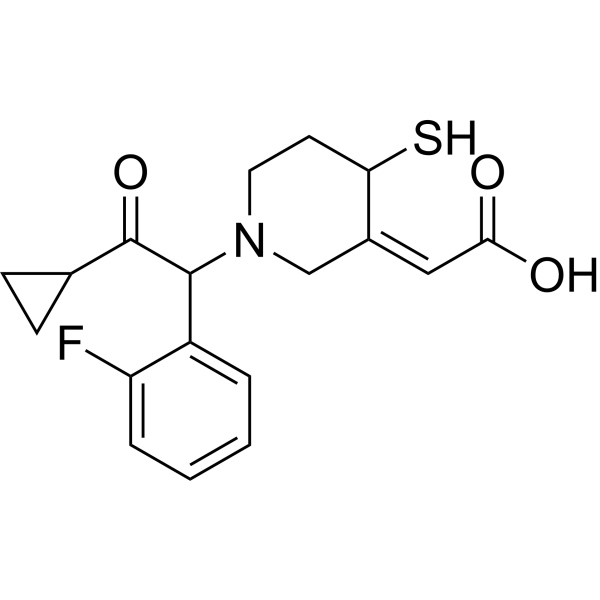
- HY-100368
-
MELK-8a
3 Publications Verification
NVS-MELK8a
|
PDGFR
Haspin Kinase
MELK
Mitosis
|
Cancer
|
|
MELK-8a (NVS-MELK8a) is a highly potent and selective maternal embryonic leucine zipper kinase (MELK) inhibitor with IC50 of 2 nM. MELK-8a also inhibits Flt3 (ITD), Haspin, PDGFRα with IC50s of 0.18, 0.19, and 0.42 μM, respectively. MELK plays an essential role in regulating cell mitosis in a subset of cancer cells .
|
-
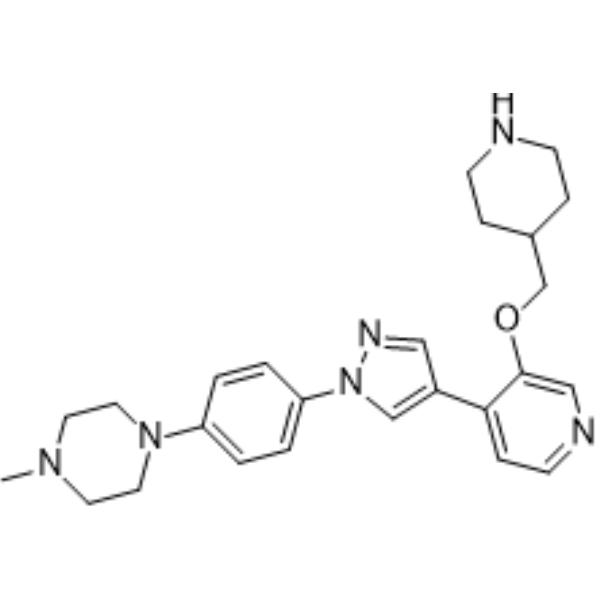
- HY-125780R
-
|
|
Drug Metabolite
Reference Standards
|
Cardiovascular Disease
Neurological Disease
|
|
Dasatinib (monohydrate) (Standard) is the analytical standard of Dasatinib (monohydrate). This product is intended for research and analytical applications. Dasatinib (BMS-354825) monohydrate is a highly potent, ATP competitive, orally active dual Src/Bcr-Abl inhibitor with potent antitumor activity. The Kis are 16 pM and 30 pM for Src and Bcr-Abl, respectively. Dasatinib monohydrate inhibits Bcr-Abl and Src with IC50s of <1.0 nM and 0.5 nM, respectively . Dasatinib monohydrate also induces apoptosis and autophagy.
|
-

- HY-111379
-
|
|
DYRK
CDK
GSK-3
|
Neurological Disease
Metabolic Disease
Cancer
|
|
EHT 5372 is a highly potent and selective inhibitor of DYRK's family kinases with IC50s of 0.22, 0.28, 10.8, 93.2, 22.8, 88.8, 59.0, 7.44, and 221 nM for DYRK1A, DYRK1B, DYRK2, DYRK3, CLK1, CLK2, CLK4, GSK-3α, and GSK-3β, respectively .
|
-
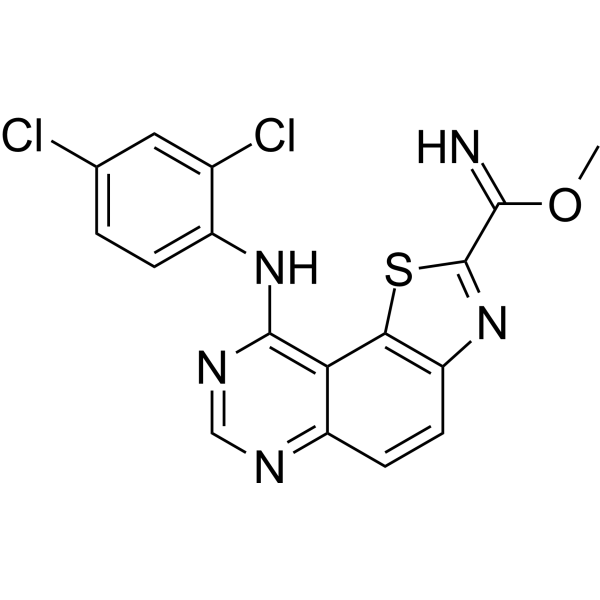
- HY-10181R
-
|
BMS-354825 (Standard)
|
Reference Standards
Bcr-Abl
Src
Autophagy
Apoptosis
|
Cancer
|
|
Dasatinib (Standard) is the analytical standard of Dasatinib. This product is intended for research and analytical applications. Dasatinib (BMS-354825) is a highly potent, ATP competitive, orally active dual Src/Bcr-Abl inhibitor with potent antitumor activity. The Kis are 16 pM and 30 pM for Src and Bcr-Abl, respectively. Dasatinib inhibits Bcr-Abl and Src with IC50s of <1.0 nM and 0.5 nM, respectively . Dasatinib also induces apoptosis and autophagy.
|
-

- HY-14605AR
-
|
(R)-AGN1135 (Standard); TVP1012 (Standard)
|
Reference Standards
Monoamine Oxidase
|
Neurological Disease
|
|
Rasagiline (Standard) is the analytical standard of Rasagiline. This product is intended for research and analytical applications. Rasagiline (R-AGN1135) is a highly potent selective irreversible mitochondrial monoamine oxidase (MAO) inhibitor with IC50s of 4.43?nM and 412?nM for rat brain MAO B and A activity, respectively . Rasagiline is a click chemistry reagent, it contains an Alkyne group and can undergo copper-catalyzed azide-alkyne cycloaddition (CuAAc) with molecules containing Azide groups.
|
-

- HY-103355R
-
|
|
Reference Standards
CCR
|
Metabolic Disease
|
|
YM022 (Standard) is the analytical standard of YM022 (HY-103355). This product is intended for research and analytical applications. YM022 is a highly potent, selective and orally active gastrin/cholecystokinin (CCK)-B receptor (CCK-BR) antagonist. YM022 shows the Ki values of 68 pM and 63 nM for CCK-B and CCK-A receptor, respectively . YM022 can inhibit gastrin-induced gastric acid secretion and histidine decarboxylase activation in vivo .
|
-

- HY-108485
-
|
|
Src
Apoptosis
Fungal
|
Infection
Inflammation/Immunology
Cancer
|
|
Damnacanthal is an anthraquinone isolated from the root of Morinda citrifolia. Damnacanthal is a highly potent, selective inhibitor of p56 lck tyrosine kinase activity. Natural Damnacanthal inhibits p56 lck autophosphorylation and phosphorylation of exogenous substrates with IC50s of 46 nM and 220 nM, respectively. Damnacanthal is a potent inducer of apoptosis with anticancer activity. Damnacanthal also has antinociceptive, anti-inflammatory effects in mice and anti-fungal activity against Candida albicans .
|
-
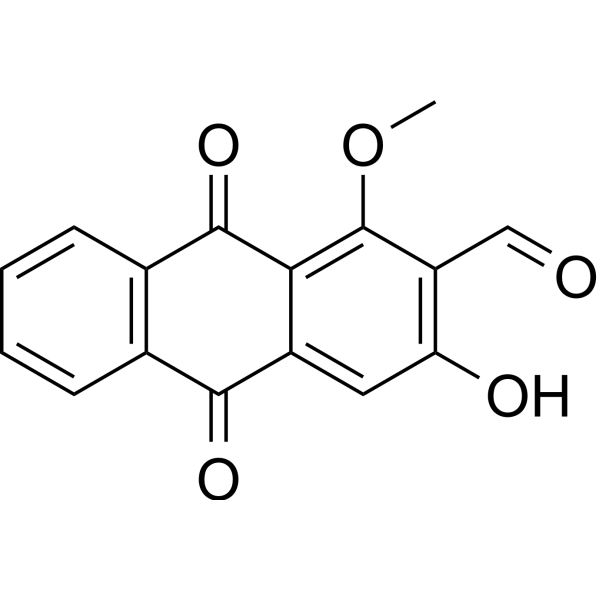
- HY-144310
-
|
|
Oxidative Phosphorylation
Mitochondrial Metabolism
|
Cancer
|
|
DX3-213B is a highly potent, orally active oxidative phosphorylation (OXPHOS) complex I inhibitor (IC50=3.6 nM). DX3-213B impairs ATP generation (IC50=11 nM), and blocks MIA PaCa-2 cell growth (GI50=11 nM). DX3-213B is used for the research of the pancreatic cancer .
|
-
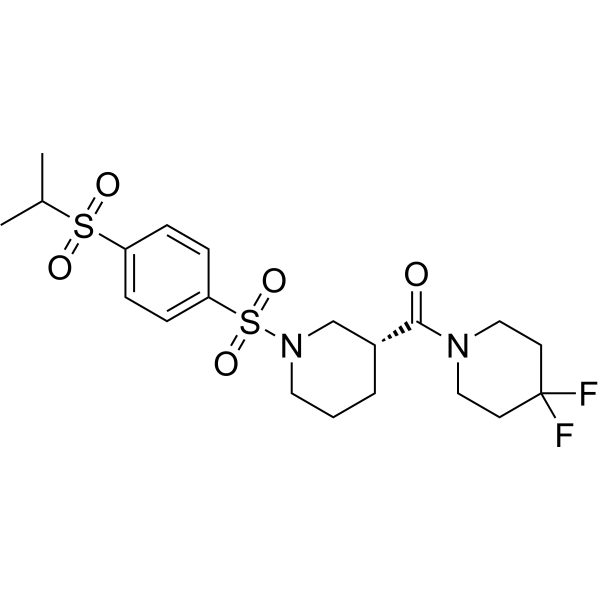
- HY-146018
-
|
|
HIV
|
Infection
|
|
HIV-1 inhibitor-23 (compound 12a) is a highly potent HIV-1 non-nucleoside reverse transcriptase inhibitor, with EC50s of 24.9 nM and 10.4 nM for HIV-1 WT and HIV-1 K103N, respectively. HIV-1 inhibitor-23 has low cytotoxicity (CC50 > 221 μM) and a favorable in vitro microsomal stability .
|
-
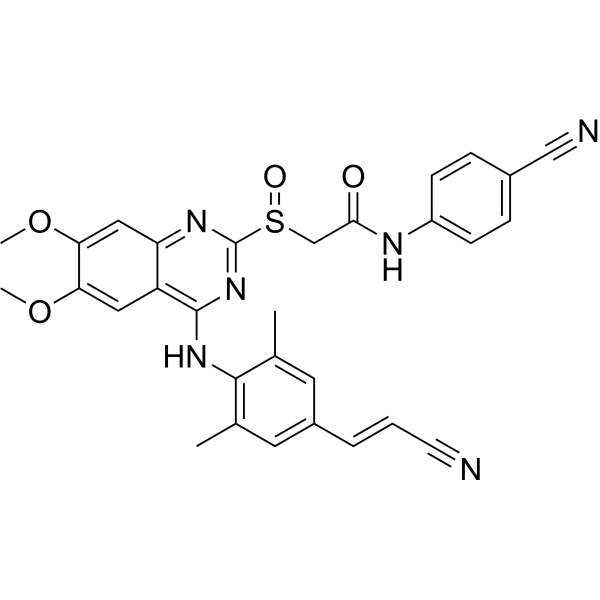
- HY-14605R
-
|
(R)-AGN1135 mesylate (Standard); TVP1012 mesylate (Standard)
|
Reference Standards
Monoamine Oxidase
Autophagy
Apoptosis
|
Neurological Disease
|
|
Rasagiline (mesylate) (Standard) is the analytical standard of Rasagiline (mesylate). This product is intended for research and analytical applications. Rasagiline (R-AGN1135) mesylate is a highly potent selective irreversible mitochondrial monoamine oxidase (MAO) inhibitor with IC50s of 4.43?nM and 412?nM for rat brain MAO B and A activity, respectively . Rasagiline (mesylate) is a click chemistry reagent, it contains an Alkyne group and can undergo copper-catalyzed azide-alkyne cycloaddition (CuAAc) with molecules containing Azide groups.
|
-

- HY-P10131
-
|
|
Radionuclide-Drug Conjugates (RDCs)
FAP
|
Cancer
|
|
3BP-3940 is a highly potent and selective peptide inhibitor of FAP that targets cancer-associated fibroblasts (CAFs) in the tumor microenvironment. 3BP-3940 can be labeled with radionuclides (such as Ga-68) for precise tumor imaging or Lu-177 for the development of targeted anticancer technologies. 3BP-3940 accumulates in tumor lesions and can be used to diagnose and inhibit various solid cancers and CAFs-related diseases .
|
-
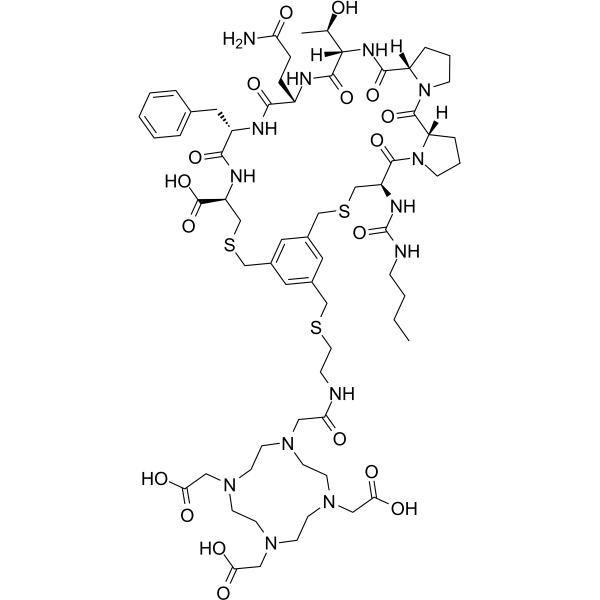
- HY-10681S
-
|
PKI-587-d8; PF-05212384-d8
|
Isotope-Labeled Compounds
PI3K
mTOR
|
Cancer
|
|
Gedatolisib-d8 (PKI-587-d8) is the deuterium labeled Gedatolisib (HY-10681). Gedatolisib (PKI-587) is a highly potent dual inhibitor of PI3Kα, PI3Kγ, and mTOR with IC50s of 0.4 nM, 5.4 nM and 1.6 nM, respectively. Gedatolisib is equally effective in both complexes of mTOR, mTORC1 and mTORC2 .
|
-

- HY-131339
-
SP-96
2 Publications Verification
|
Aurora Kinase
|
Cancer
|
|
SP-96 is a highly potent, selective and non-ATP-competitive Aurora B (IC50=0.316 nM) inhibitor and shows >2000 fold selectivity against FLT3 and KIT. SP-96 shows selective growth inhibition in NCI60 screening, incluing MDA-MD-468 (GI50=107 nM). SP-96 can be used for the research of triple negative breast cancer (TNBC) .
|
-
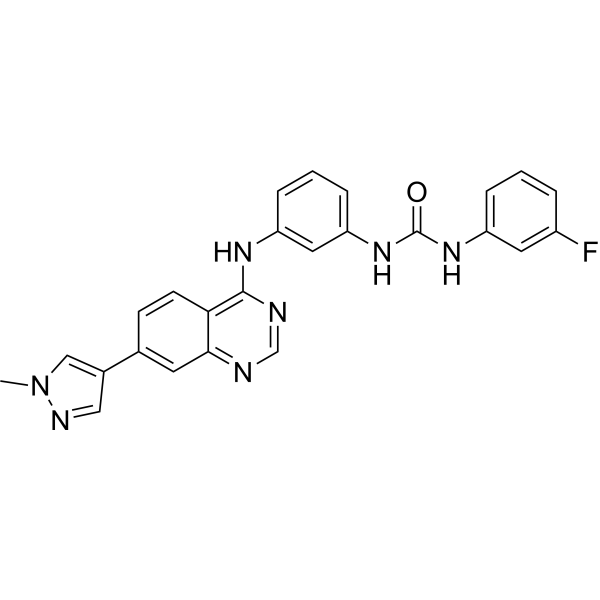
- HY-135960
-
BO-264
1 Publications Verification
|
FGFR
Apoptosis
|
Cancer
|
|
BO-264 is a highly potent and orally active transforming acidic coiled-coil 3 (TACC3) inhibitor with an IC50 of 188 nM and a Kd of 1.5 nM. BO-264 specifically blocks the function of FGFR3-TACC3 fusion protein. BO-264 induces spindle assembly checkpoint (SAC)-dependent mitotic arrest, DNA damage and apoptosis. BO-264 has broad-spectrum antitumor activity .
|
-
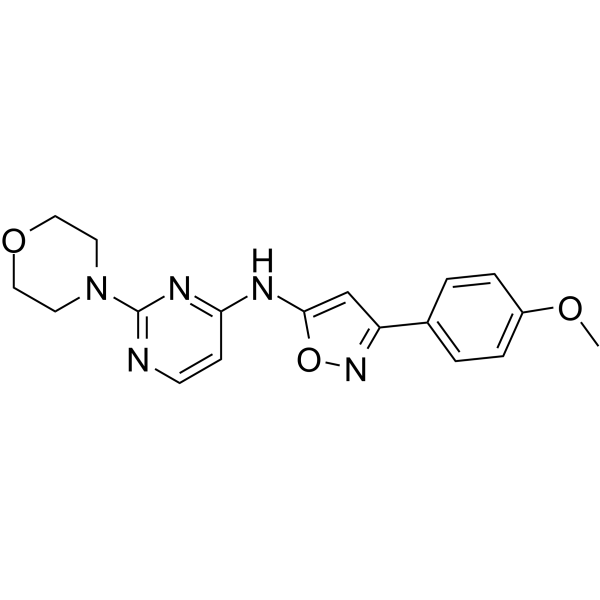
- HY-10044R
-
|
WYE-125132 (Standard)
|
mTOR
Reference Standards
Apoptosis
|
Cancer
|
|
WYE-132 (Standard) is the analytical standard of WYE-132 (HY-10044). This product is intended for research and analytical applications. WYE-132 (WYE-125132) is a highly potent, ATP-competitive, and specific mTOR kinase inhibitor (IC50: 0.19±0.07 nM; >5,000-fold selective versus PI3Ks). WYE-132 (WYE-125132) inhibits mTORC1 and mTORC2.
|
-

- HY-149912
-
|
|
Polo-like Kinase (PLK)
Trk Receptor
Apoptosis
|
Cancer
|
|
CZS-241 is an orally active and selective inhibitor of Polo-like Kinase (PLK) 4 (IC50=2.6 nM). CZS-241 inhibits TRKA with an IC50 value of 2.74 μM. CZS-241 induces apoptosis and arrests cell cycle at S/G2 phase. CZS-241 shows highly potent antiproliferative activity against leukemia cell lines, and exhibits safety against normal cell lines .
|
-
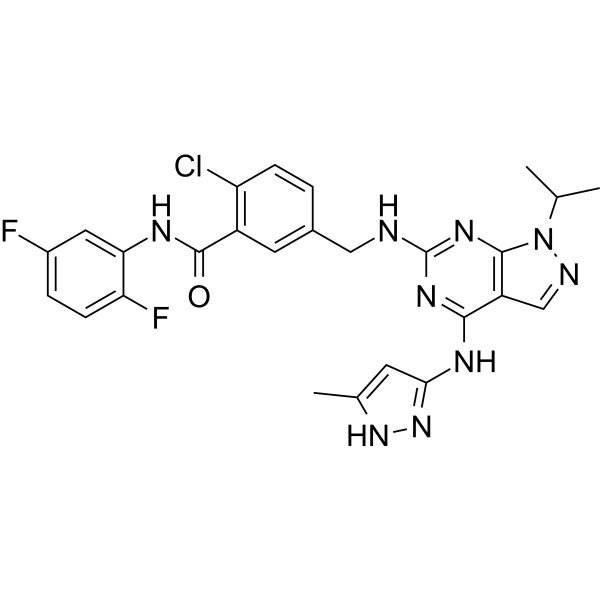
- HY-112610
-
|
|
Epigenetic Reader Domain
Histone Acetyltransferase
|
Cancer
|
|
CF53 is a highly potent, selective and orally active inhibitor of BET protein, with a Ki of <1 nM, Kd of 2.2 nM and an IC50 of 2 nM for BRD4 BD1. CF53 binds to both the BD1 and BD2 domains of BRD2, BRD3, BRD4, and BRDT BET proteins with high affinities, very selective over non-BET bromodomain-containing proteins. CF53 shows potent anti-tumor activity both in vitro and in vivo .
|
-
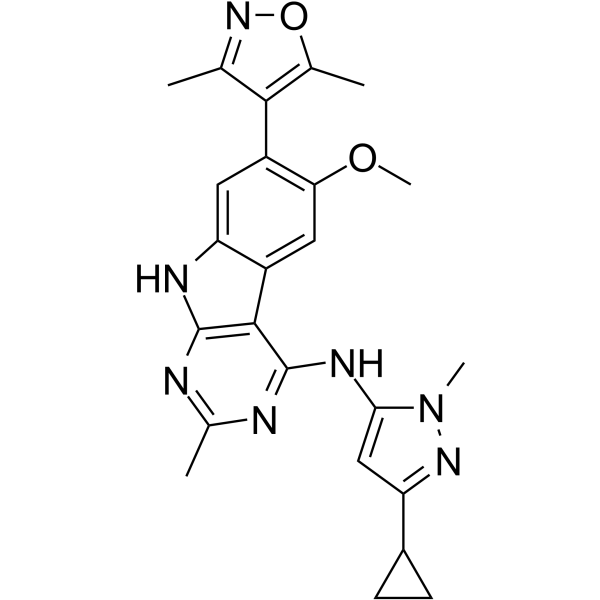
- HY-112301R
-
|
BLU-667 (Standard)
|
Reference Standards
RET
|
Cancer
|
|
Pralsetinib (Standard) is the analytical standard of Pralsetinib. This product is intended for research and analytical applications. Pralsetinib (BLU-667) is a highly potent, selective RET inhibitor. Pralsetinib (BLU-667) inhibits WT RET, RET mutants V804L, V804M, M918T and CCDC6-RET fusion with IC50s of 0.4, 0.3, 0.4, 0.4, and 0.4 nM, respectively .
|
-

- HY-139602
-
|
|
Flavivirus
Dengue Virus
Virus Protease
|
Infection
|
|
(+)-JNJ-A07 is a highly potent, orally active pan-serotype dengue virus inhibitor targeting the NS3-NS4B interaction. (+)-JNJ-A07 exerts nanomolar to picomolar activity against a panel of 21 clinical isolates. (+)-JNJ-A07 has a favourable pharmacokinetic profile that results in outstanding efficacy against dengue virus infection in mouse infection models .
|
-
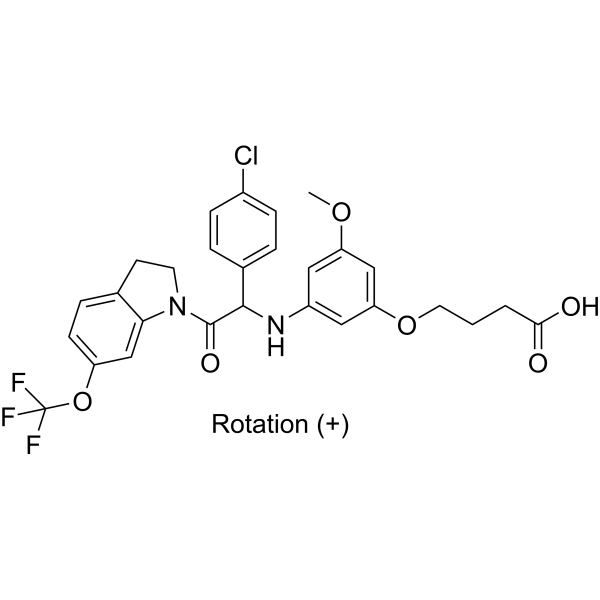
- HY-103575R
-
|
|
Reference Standards
mGluR
|
Neurological Disease
|
|
MFZ 10-7 (Standard) is the analytical standard of MFZ 10-7 (HY-103575). This product is intended for research and analytical applications. MFZ 10-7 is a highly potent and selective mGluR5 NAM (negative allosteric modulator), with a Ki of 0.67 nM for rat mGluR5 . MFZ 10-7 is a click chemistry reagent, it contains an Alkyne group and can undergo copper-catalyzed azide-alkyne cycloaddition (CuAAc) with molecules containing Azide groups.
|
-

- HY-143472
-
|
|
PI3K
Akt
Apoptosis
|
Cancer
|
|
PI3Kδ-IN-11 is a highly potent and selective PI3Kδ inhibitor with IC50 value of 27.5 nM. PI3Kδ-IN-11 dose-dependently blocks the activity of PI3K/Akt pathway. PI3Kδ-IN-11 can be used for researching B or T cell-related malignancies .
|
-
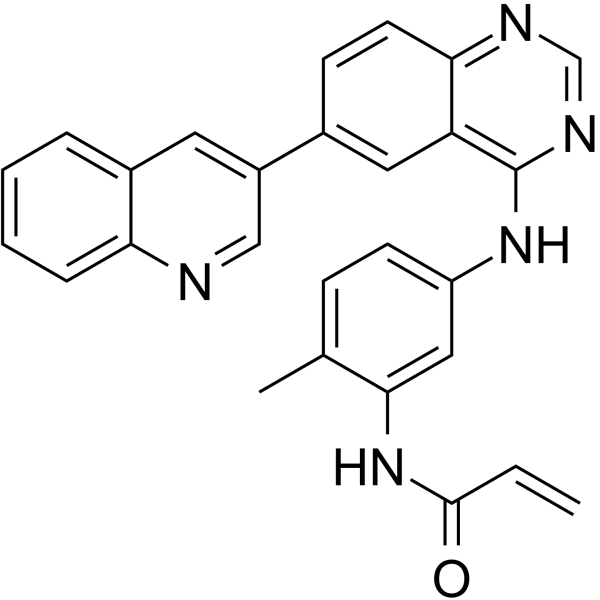
- HY-10181AR
-
|
BMS-354825 hydrochloride (Standard)
|
Reference Standards
Bcr-Abl
Src
Autophagy
Apoptosis
|
Cancer
|
|
Dasatinib (hydrochloride) (Standard) is the analytical standard of Dasatinib (hydrochloride). This product is intended for research and analytical applications. Dasatinib (BMS-354825) hydrochloride is a highly potent, ATP competitive, orally active dual Src/Bcr-Abl inhibitor with potent antitumor activity. The Kis are 16 pM and 30 pM for Src and Bcr-Abl, respectively. Dasatinib hydrochloride inhibits Bcr-Abl and Src with IC50s of <1.0 nM and 0.5 nM, respectively . Dasatinib hydrochloride also induces apoptosis and autophagy.
|
-

- HY-10264R
-
|
DU-176 (Standard)
|
Reference Standards
Factor Xa
Thrombin
|
Cardiovascular Disease
Cancer
|
|
Edoxaban (Standard) is the analytical standard of Edoxaban. This product is intended for research and analytical applications. Edoxaban (DU-176b) is an orally active, highly potent, selective, and direct Factor Xa (FXa) inhibitor with Ki values of 0.561 and 2.98 nM for free human FXa and prothrombinase. Edoxaban exhibits more than 10,000-fold selectivity over other coagulation proteases. Edoxaban can be used in preventing thromboembolic disease research .
|
-

- HY-102058R
-
|
|
Reference Standards
Histone Acetyltransferase
|
Cancer
|
|
WM-1119 (Standard) is the analytical standard of WM-1119 (HY-102058). This product is intended for research and analytical applications. WM-1119, a chemical probe, is a highly potent and selective KAT6A inhibitor, with an IC50 of 0.25 μM for KAT6A in lymphoma cells, the binding Kd values of WM-1119 with KAT6A, KAT5 and KAT7 are 2 nM, 2.2 μM, 0.5 μM , respectively .
|
-

- HY-101561
-
|
BLU-285
|
c-Kit
PDGFR
|
Cancer
|
|
Avapritinib (BLU-285) is a highly potent, selective, and orally active KIT and PDGFRA activation loop mutant kinases inhibitor with IC50s of 0.27 and 0.24 nM for KIT D816V and PDGFRA D842V, respectively. Avapritinib (BLU-285) binds the active conformation of the kinase and shows antitumor activity. Avapritinib (BLU-285) attenuates the transport function of both ABCB1 and ABCG2 .
|
-
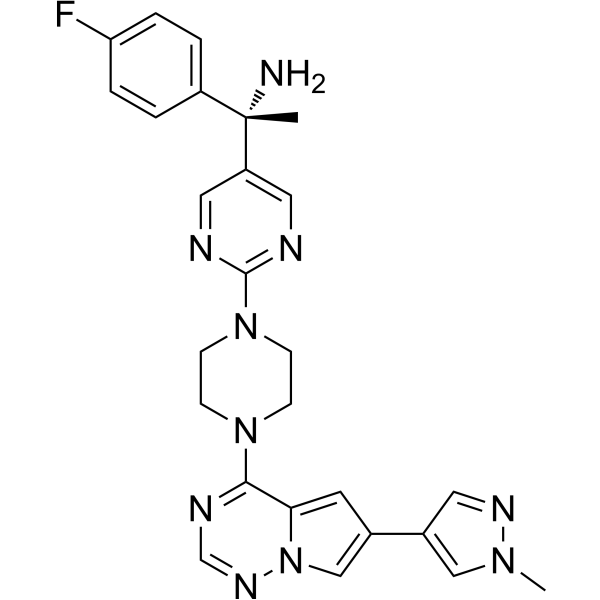
- HY-10181BR
-
|
BMS-354825 monohydrate (Standard)
|
Reference Standards
Bcr-Abl
Src
Autophagy
Apoptosis
|
Cancer
|
|
Dasatinib (monohydrate) (Standard) is the analytical standard of Dasatinib (monohydrate). This product is intended for research and analytical applications. Dasatinib (BMS-354825) monohydrate is a highly potent, ATP competitive, orally active dual Src/Bcr-Abl inhibitor with potent antitumor activity. The Kis are 16 pM and 30 pM for Src and Bcr-Abl, respectively. Dasatinib monohydrate inhibits Bcr-Abl and Src with IC50s of <1.0 nM and 0.5 nM, respectively . Dasatinib monohydrate also induces apoptosis and autophagy.
|
-

- HY-139039
-
|
|
PROTACs
CDK
|
Cancer
|
|
BSJ-4-116 is a PROTAC connected by ligands for Cereblon and CDK. BSJ-4-116 is a highly potent and selective CDK12 degrader (PROTAC) with an IC50 of 6 nM. BSJ-4-116 downregulates DDR genes through a premature termination of transcription, primarily through increasing poly(adenylation). BSJ-4-116 exhibits potent antiproliferative effects, alone and in combination with the poly(ADP-ribose) polymerase inhibitor Olaparib (HY-10162) .
|
-
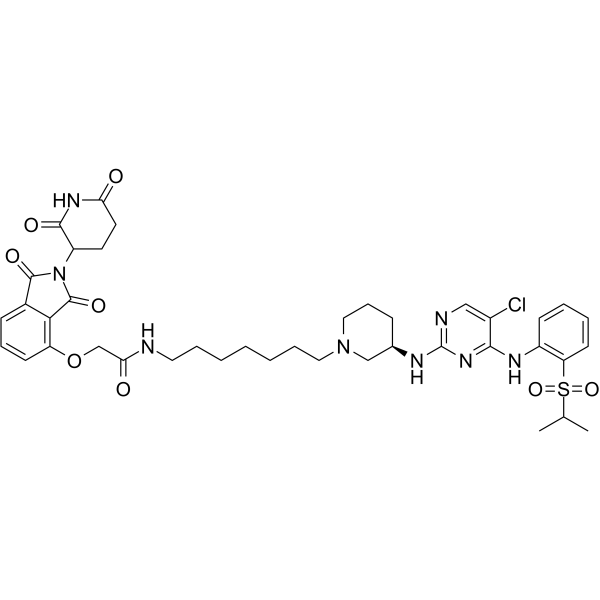
- HY-12137R
-
|
BI 6727 (Standard)
|
Polo-like Kinase (PLK)
Apoptosis
Reference Standards
|
Cancer
|
|
Volasertib (Standard) is the analytical standard of Volasertib. This product is intended for research and analytical applications. Volasertib (BI 6727) is an orally active, highly potent and ATP-competitive Polo-like kinase 1 (PLK1) inhibitor with an IC50 of 0.87 nM. Volasertib inhibits PLK2 and PLK3 with IC50s of 5 and 56 nM, respectively. Volasertib induces mitotic arrest and apoptosis. Volasertib, a dihydropteridinone derivative, shows marked antitumor activity in multiple cancer models .
|
-

- HY-146786
-
|
|
PAK
Apoptosis
|
Cancer
|
|
ZMF-10 is a highly potent PAK1 inhibitor, with IC50s of 174 nM, 1.038 μM and 1.372 μM for PAK1, PAK2 and PAK3, respectively. ZMF-10 can inhibit PAK1 activity to affect PAK1-regulated apoptosis, ER-Stress and migration in MDA-MB-231 cells. ZMF-10 can be used for researching anticancer .
|
-
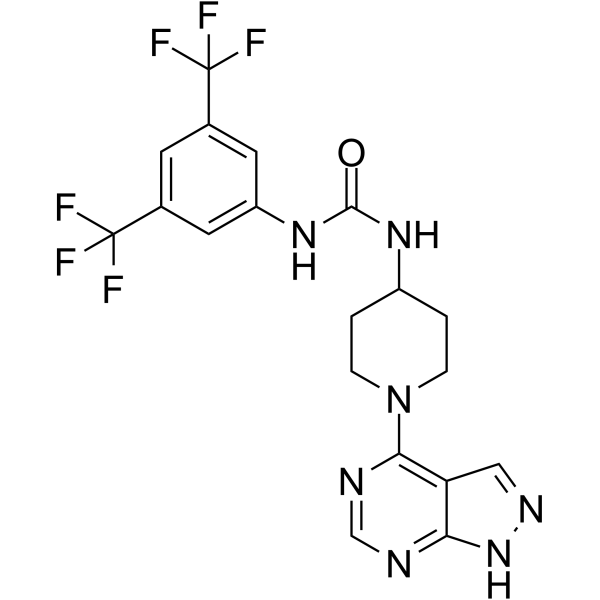
- HY-124625
-
|
|
FAK
Target Protein Ligand-Linker Conjugates
|
Infection
Cancer
|
|
BI-4464 is a highly selective, ATP competitive PTK2/FAK protein kinase inhibitor with an IC50 value of 17 nM. BI-4464 is a FAK (HY-43760) ligand and linker conjugate. BI-4464 can be used to construct proteolysis targeting chimeras (PROTACs), such as PROTAC FAK degrader 4 (HY-178467). PROTAC FAK degrader 4 is a highly potent and selective FAK PROTAC degrader .
|
-
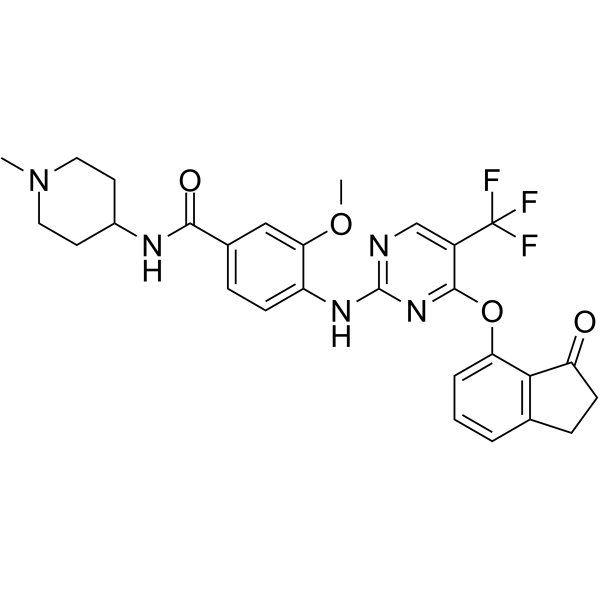
- HY-174903
-
|
|
Itk
|
Inflammation/Immunology
|
|
ITK-IN-6 is a highly potent and selective ITK inhibitor (Kd = 387 nM). ITK-IN-6 directly binds to the ITK kinase domain. ITK-IN-6 blocks the release of pro-inflammatory cytokines and the activation and differentiation of Th2 and Th17 cells. ITK-IN-6 improves asthma progression by reducing inflammatory cell infiltration, mucus and IgE production. ITK-IN-6 significantly inhibits airway inflammation and is used in asthma research .
|
-

- HY-167706
-
|
|
GPR35
|
Inflammation/Immunology
|
|
Diethyl-Lodoxamide is a highly potent GPR35 agonist with potential to inhibit inflammatory bowel disease. Diethyl-Lodoxamide activates GPR35 in humans, mice and rats, showing similar EC50 values. Diethyl-Lodoxamide can alleviate the clinical symptoms of DSS-induced inflammatory bowel disease in mouse models, and the effect is better than the traditional drug 5-ASA. The pharmaceutical properties of Diethyl-Lodoxamide have been optimized to better meet the requirements of drug design .
|
-

- HY-163192
-
|
|
ROR
Apoptosis
|
Cancer
|
|
W6134 is highly potent and selective RORγ covalent inhibitor with an IC50 of 0.21 μM. W6134 exhibits excellent selectivity for RORγ over RORα, RXRγ, and ERRγ. W6134 significantly inhibits RORγ transcriptional activity W6134 inhibits the proliferation and colony formation and induces apoptosis in castration-resistant prostate cancer cells (CRPC). W6134 can be used for the research of castration-resistant prostate cancers (CRPC) .
|
-
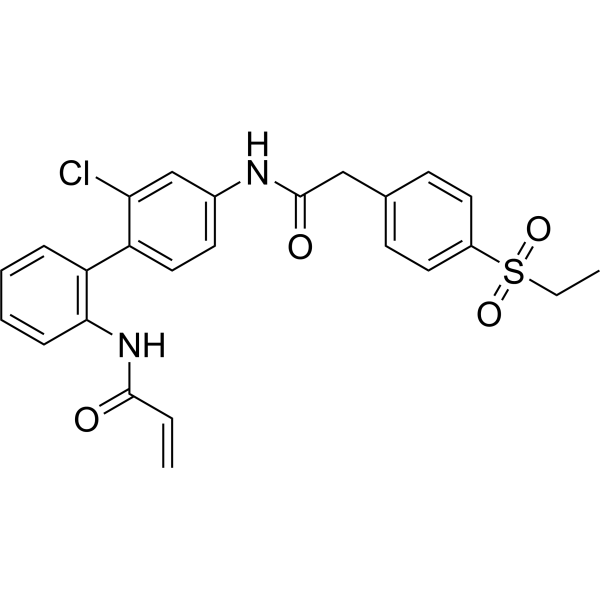
- HY-107691
-
|
|
Neurokinin Receptor
|
Neurological Disease
Endocrinology
Cancer
|
|
GR 159897 is a highly potent, selective, competitive, brain-penetrated non-peptide neurokinin 2 (NK2) receptor antagonist. GR 159897 has little or no affinity for NK1 and NK3 receptors. GR 159897 inhibits binding of [ 3H]GR100679 to human NK2 (hNK2)-CHO cells and rat colon membranes with pKis of 9.51 and 10, respectively. Antagonizes bronchoconstriction. Anxiolytic-like and anti-tumor effects .
|
-
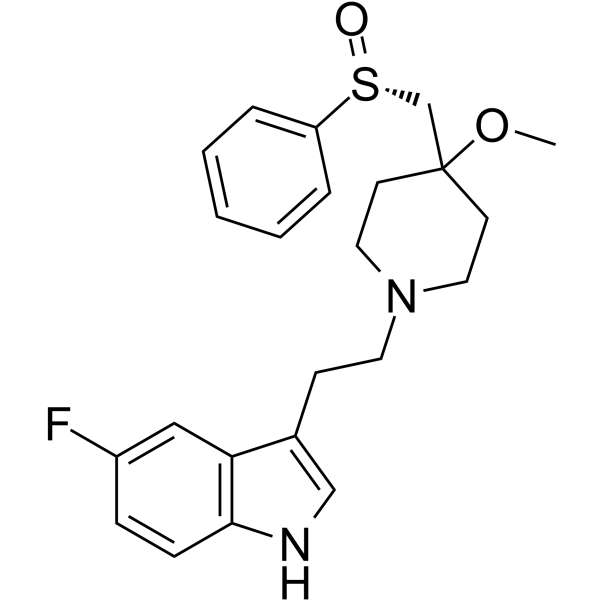
- HY-10320
-
|
BIRB 796
|
p38 MAPK
Raf
Autophagy
|
Inflammation/Immunology
Cancer
|
|
Doramapimod (BIRB 796) is an orally active, highly potent p38 MAPK inhibitor, which has an IC50 for p38α=38 nM, for p38β=65 nM, for p38γ=200 nM, and for p38δ=520 nM. Doramapimod has picomolar affinity for p38 kinase (Kd=0.1 nM). Doramapimod also inhibits B-Raf with an IC50 of 83 nM .
|
-
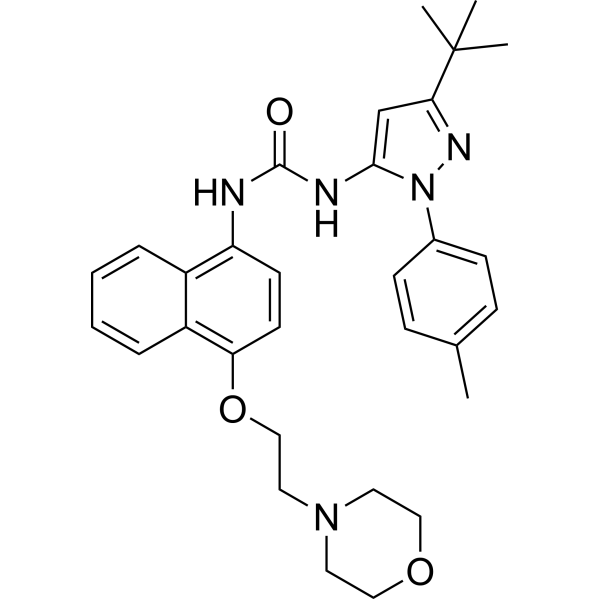
- HY-150562
-
|
|
CDK
|
Cancer
|
|
CDK9-IN-19 is a highly potent and selective CDK9 inhibitor with an IC50 value of 2.0 nM. CDK9-IN-19 has excellent cellular antiproliferative activity, moderate pharmacokinetic property and low hERG inhibition. CDK9-IN-19 significantly induces tumour growth inhibition in an MV4-11 xenograft mice model. CDK9-IN-19 can be used for researching acute myeloid leukaemia (AML) .
|
-
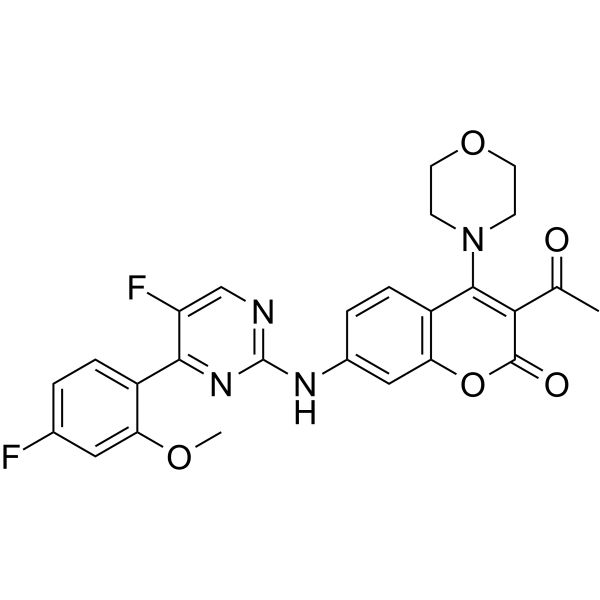
- HY-10264BR
-
|
DU-176b monohydrate (Standard)
|
Reference Standards
Factor Xa
Thrombin
|
Cardiovascular Disease
Cancer
|
|
Edoxaban tosylate monohydrate (Standard) is the analytical standard of Edoxaban tosylate monohydrate (HY-10264B). This product is intended for research and analytical applications. Edoxaban (DU-176b) monohydrate is an orally active, highly potent, selective, and direct Factor Xa (FXa) inhibitor with Kis of 0.561 and 2.98 nM for free human FXa and prothrombinase. Edoxaban monohydrate exhibits more than 10,000-fold selectivity over other coagulation proteases. Edoxaban monohydrate can be used for preventing thromboembolic disease research .
|
-

- HY-14588R
-
|
ABT-378 (Standard)
|
Reference Standards
HIV
HIV Protease
SARS-CoV
|
Infection
Cancer
|
|
Lopinavir (Standard) is the analytical standard of Lopinavir. This product is intended for research and analytical applications. Lopinavir (ABT-378) is a highly potent, selective peptidomimetic inhibitor of the HIV-1 protease, with Kis of 1.3 to 3.6 pM for wild-type and mutant HIV protease. Lopinavir acts by arresting maturation of HIV-1 thereby blocking its infectivity . Lopinavir is also a SARS-CoV 3CL pro inhibitor with an IC50 of 14.2 μM .
|
-
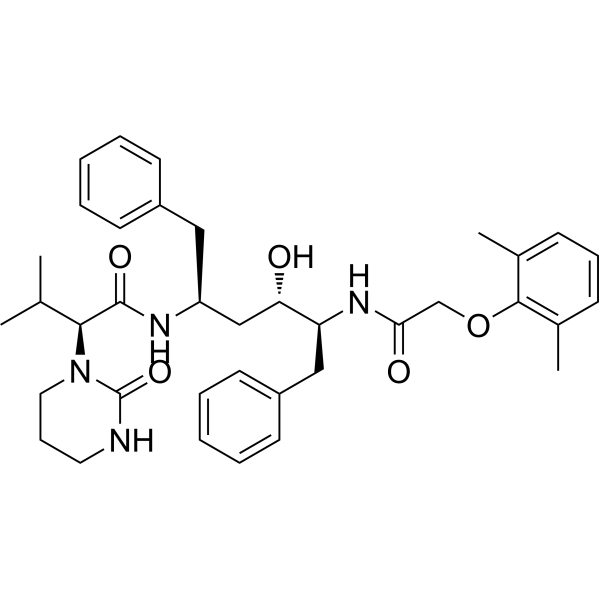
- HY-146372
-
|
|
CXCR
|
Cancer
|
|
CXCR4 antagonist 5 (compound 23) is a highly potent CXCR4 antagonist with an IC50 value of 8.8 nM. CXCR4 antagonist 5 can inhibit CXCL12-induced cytosolic calcium increase (IC50 = 0.02 nM) and inhibits CXCR4/CXLC12-mediated chemotaxis. CXCR4 antagonist 5 has good physicochemical properties and in vitro safety profiles, inhibiting CYP isozymes and hERG marginally or moderately .
|
-
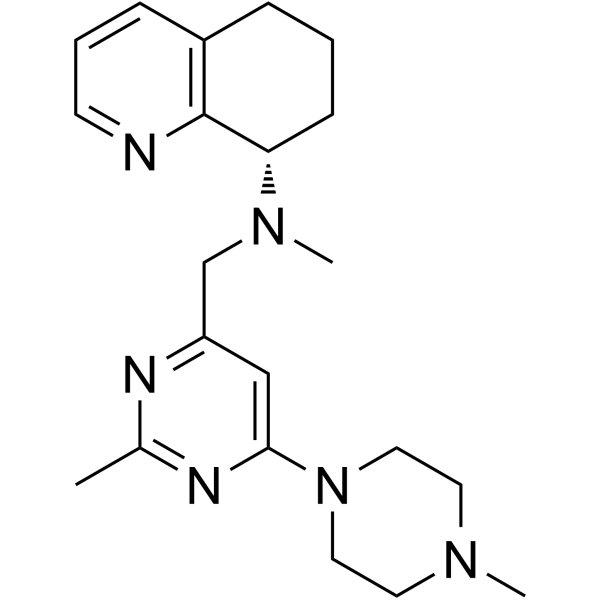
- HY-113962
-
|
7α,25-OHC
|
EBI2/GPR183
Endogenous Metabolite
|
Inflammation/Immunology
|
|
7α, 25-dihydroxycholesterol (7α,25-OHC) is a potent and selective agonist and endogenous ligand of the orphan GPCR receptor EBI2 (GPR183). 7α, 25-dihydroxycholesterol is highly potent at activating EBI2 (EC50=140 pM; Kd=450 pM). 7α, 25-dihydroxycholesterol can serve as a chemokine directing migration of B cells, T cells and dendritic cells .
|
-
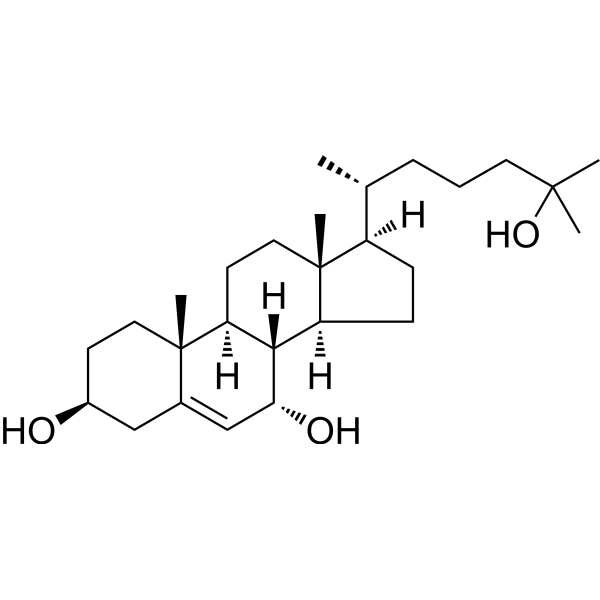
- HY-117540
-
|
|
Histone Methyltransferase
|
Cancer
|
|
ZLD10A is a highly potent and selective EZH2 inhibitor with the activity of inhibiting H3K27 methylation. ZLD10A can inhibit wild-type and mutant EZH2 with nanomolar potency and has more than 1000-fold selectivity for the other 10 histone methyltransferases. ZLD10A inhibited cell proliferation of DLBCL cell lines in a concentration- and time-dependent manner, showing a potential antiproliferative effect. ZLD10A can be used in the study of EZH2 mutant lymphomas .
|
-

- HY-100131R
-
|
|
RIP kinase
Reference Standards
|
Inflammation/Immunology
|
|
GSK481 (Standard) is the analytical standard of GSK481 (HY-100131). This product is intended for research and analytical applications. GSK481 is a highly potent, selective, and specific receptor interacting protein 1 (RIP1) kinase inhibitor with an IC50 of 1.3 nM, which inhibits Ser166 phosphorylation in wild-type human RIP1 (IC50=2.8 nM). GSK481 also exhibits excellent translation in the U937 cellular assay with an IC50 of 10 nM .
|
-

- HY-141599
-
|
ADCT 301
|
Antibody-Drug Conjugates (ADCs)
Interleukin Related
|
Cancer
|
|
Camidanlumab tesirine (ADCT 301) is an ADC comprising HuMax-TAC, a human IgG1 mAb directed against human CD25, stochastically conjugated through a dipeptide cleavable linker to a pyrrolobenzodiazepine (PBD) dimer warhead. Camidanlumab tesirine has a drug–antibody ratio (DAR) of 2.3. Camidanlumab tesirine binds human CD25 with picomolar affinity. Camidanlumab tesirine has highly potent and selective cytotoxicity against a panel of CD25-expressing human lymphoma cell lines .
|
-

- HY-117482A
-
|
|
γ-secretase
|
Neurological Disease
|
|
BPN-15606 besylate is a highly potent, orally active γ-secretase modulator (GSM), attenuates the production of Aβ42 and Aβ40 by SHSY5Y neuroblastoma cells with IC50 values of 7 nM and 17nM, respectively. BPN-15606 besylate lowers Aβ42 and Aβ40 levels in the central nervous system of rats and mice. BPN-15606 besylate has acceptable PK/PD properties, including bioavailability, half-life, and clearance .
|
-
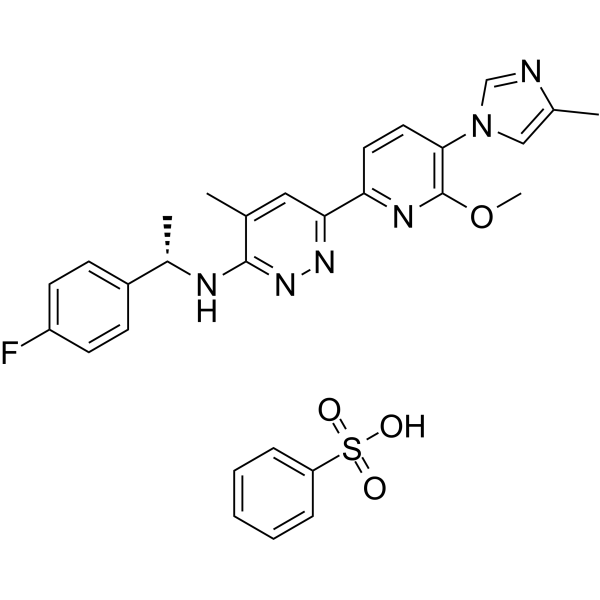
- HY-130118
-
|
|
Mas-related G-protein-coupled Receptor (MRGPR)
|
Neurological Disease
|
|
MRGPRX1 agonist 1 is a highly potent MRGPRX1 agonist (EC50=50 nM) with greater than 50-fold selectivity for δ, μ, and κ opioid receptors. MRGPRX1 agonist 1 is inactive against MRGPRC11. MRGPRC11 inhibits high voltage-activated (HVA) Ca 2+ currents, reduces neurotransmitter release, and mitigates nociceptive transmission in the spinal cord. MRGPRX1 agonist 1 is useful for the study of chronic pain, especially neuropathic pain .
|
-
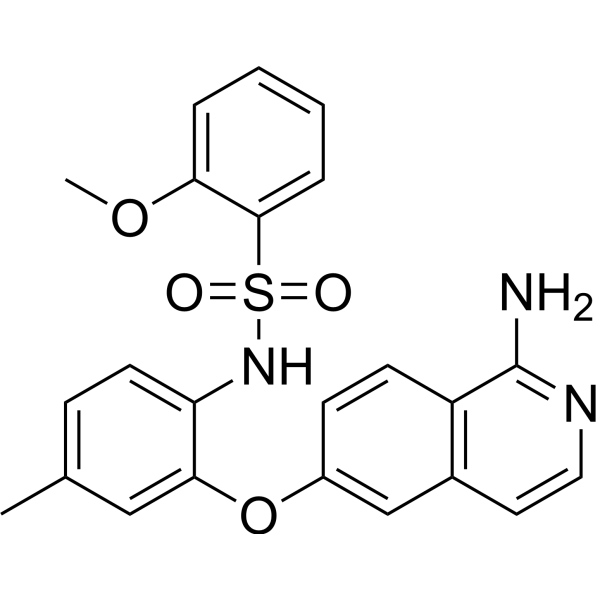
- HY-146228
-
|
|
HSP
Apoptosis
Topoisomerase
EGFR
VEGFR
|
Cancer
|
|
HSP90-IN-13 (compound 5k) is a highly potent HSP90 pan inhibitor with an IC50 value of 25.07 nM. HSP90-IN-13 has multi-target activity against EGFR, VEGFR-2 and Topoisomerase-2. HSP90-IN-13 causes cell cycle arrest at G2/M phase and induces apoptosis of MCF-7 cells through mitochondrial-mediated pathway .
|
-
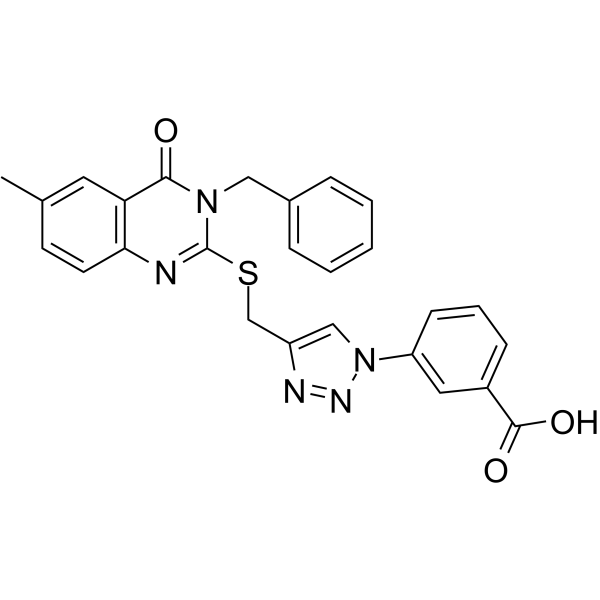
- HY-144649
-
|
|
PD-1/PD-L1
|
Cancer
|
|
PD-1/PD-L1-IN-24 is a highly potent PD-1/PD-L1 inhibitor with IC50 value of 1.57 nM. PD-1/PD-L1-IN-24 can restore T-cell function at the cellular level by significantly elevating the IFN-γ level. PD-1/PD-L1-IN-24 has low toxicity on the PBMCs .
|
-
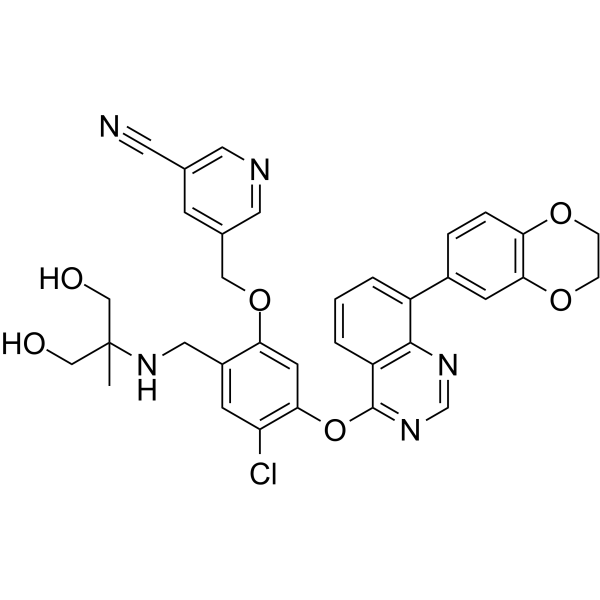
- HY-108696R
-
|
|
Reference Standards
Epigenetic Reader Domain
Histone Acetyltransferase
|
Cancer
|
|
GNE-781 (Standard) is the analytical standard of GNE-781 (HY-108696). This product is intended for research and analytical applications. GNE-781 is an orally active, highly potent and selective CBP inhibitor with an IC50 of 0.94 nM in TR-FRET assay. GNE-781 also inhibits BRET and BRD4(1) with IC50s of 6.2 nM and 5100 nM, respectively. GNE-781 displays antitumor activity in an MOLM-16 AML xenograft model .
|
-

- HY-108705R
-
|
|
Molecular Glues
Reference Standards
Bcl-2 Family
|
Cancer
|
|
BI-3802 (Standard) is the analytical standard of BI-3802 (HY-108705). This product is intended for research and analytical applications. BI-3802, a chemical probe, is a highly potent BCL6 degrader and inhibits the Bric-à-brac (BTB) domain of BCL6 with an IC50 of ≤3 nM. BI-3802 induces the polymerization of BCL6 and promotes BCL6 degration depended on E3 ligase SIAH1. BI-3802 has antitumor activity .
|
-

- HY-10181S1
-
|
BMS-354825-d4
|
Isotope-Labeled Compounds
Autophagy
Bcr-Abl
Apoptosis
Src
|
Cancer
|
|
Dasatinib-d4 (BMS-354825-d4) is deuterium labeled Dasatinib. Dasatinib (BMS-354825) is a highly potent, ATP competitive, orally active dual Src/Bcr-Abl inhibitor with potent antitumor activity. The Kis are 16 pM and 30 pM for Src and Bcr-Abl, respectively. Dasatinib inhibits Bcr-Abl and Src with IC50s of <1.0 nM and 0.5 nM, respectively . Dasatinib also induces apoptosis and autophagy.
|
-

- HY-146660
-
|
|
c-Myc
Epigenetic Reader Domain
Apoptosis
|
Cancer
|
|
BRD4 Inhibitor-18 is a highly potent BRD4 inhibitor with an IC50 value of 110 nM. BRD4 Inhibitor-18 has a hydrophobic acetylcyclopentanyl side chain. BRD4 Inhibitor-18 can significantly suppress the proliferation of MV-4-11 cells with high BRD4 level. BRD4 Inhibitor-18 has apoptosis-promoting and G0/G1 cycle-arresting activity .
|
-
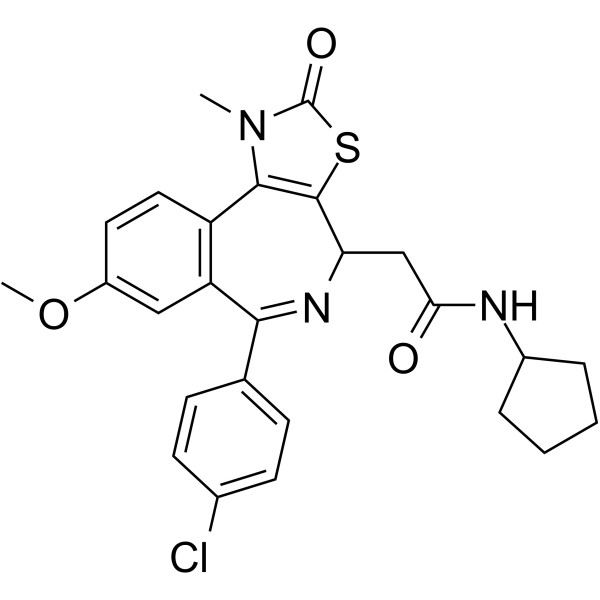
- HY-14588S1
-
|
|
Isotope-Labeled Compounds
HIV
HIV Protease
SARS-CoV
|
Infection
|
|
Lopinavir-d8 (ABT-378-d8) is the deuterium labeled Lopinavir. Lopinavir (ABT-378) is a highly potent, selective peptidomimetic inhibitor of the HIV-1 protease, with Kis of 1.3 to 3.6 pM for wild-type and mutant HIV protease. Lopinavir acts by arresting maturation of HIV-1 thereby blocking its infectivity . Lopinavir is also a SARS-CoV 3CLpro inhibitor with an IC50 of 14.2 μM .
|
-
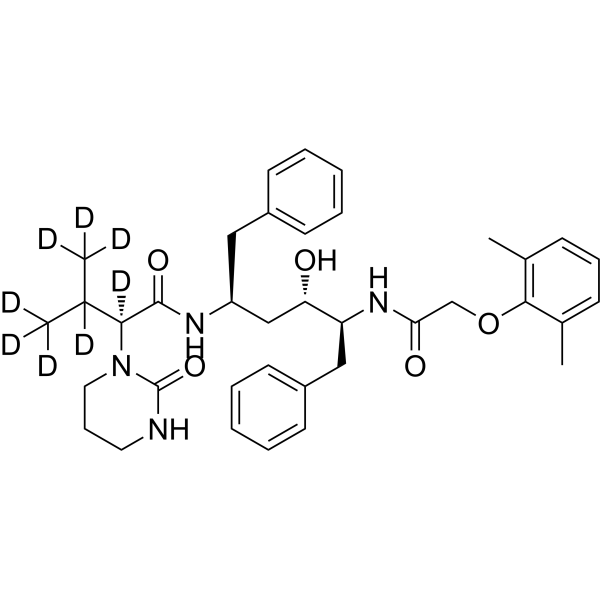
- HY-14588S2
-
|
ABT-378-d7
|
HIV
SARS-CoV
HIV Protease
Isotope-Labeled Compounds
|
Infection
Cancer
|
|
Lopinavir-d7 is deuterated labeled Lopinavir (HY-14588). Lopinavir (ABT-378) is a highly potent, selective peptidomimetic inhibitor of the HIV-1 protease, with Kis of 1.3 to 3.6 pM for wild-type and mutant HIV protease. Lopinavir acts by arresting maturation of HIV-1 thereby blocking its infectivity . Lopinavir is also a SARS-CoV 3CL pro inhibitor with an IC50 of 14.2 μM .
|
-
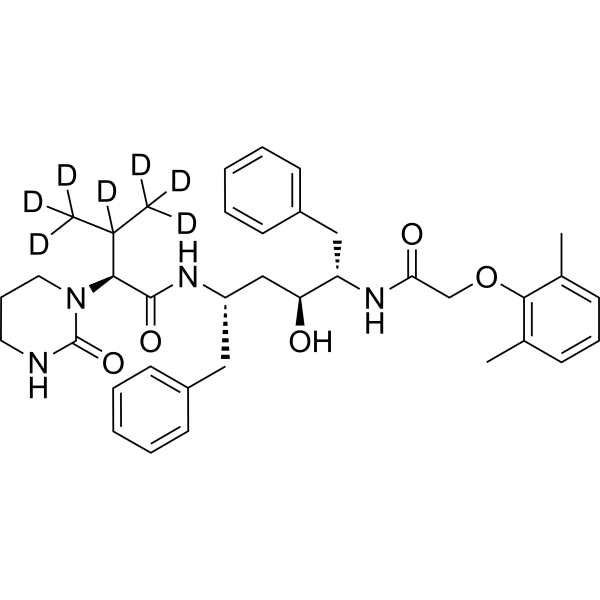
- HY-124660A
-
|
|
Endogenous Metabolite
|
Others
|
|
A-395N serves as a control probe for A-395, a highly potent and selective chemical probe targeting the polycomb protein EED, a key player in Polycomb repressive complex 2 (PRC2) responsible for transcriptional repression via histone H3K27 methylation. While A-395N bears structural similarities to A-395, it demonstrates no pharmacological activity in biochemical or cellular assays, making it an ideal control compound.
|
-

- HY-149912A
-
|
|
Polo-like Kinase (PLK)
Trk Receptor
Apoptosis
|
Cancer
|
|
CZS-241 hydrochloride is an orally active and selective inhibitor of Polo-like Kinase 4 (PLK4) (IC50=2.6 nM). CZS-241 hydrochloride inhibits TRKA with an IC50 value of 2.74 μM. CZS-241 hydrochloride induces apoptosis and arrests cell cycle at S/G2 phase. CZS-241 hydrochloride shows highly potent antiproliferative activity against leukemia cell lines, and exhibits safety against normal cell lines .
|
-

- HY-117482
-
|
|
γ-secretase
|
Neurological Disease
|
|
BPN-15606 is a highly potent, orally active γ-secretase modulator (GSM), attenuates the production of Aβ42 and Aβ40 by SHSY5Y neuroblastoma cells with IC50 values of 7 nM and 17nM, respectively. BPN-15606 lowers Aβ42 and Aβ40 levels in the central nervous system of rats and mice. BPN-15606 has acceptable PK/PD properties, including bioavailability, half-life, and clearance .
|
-
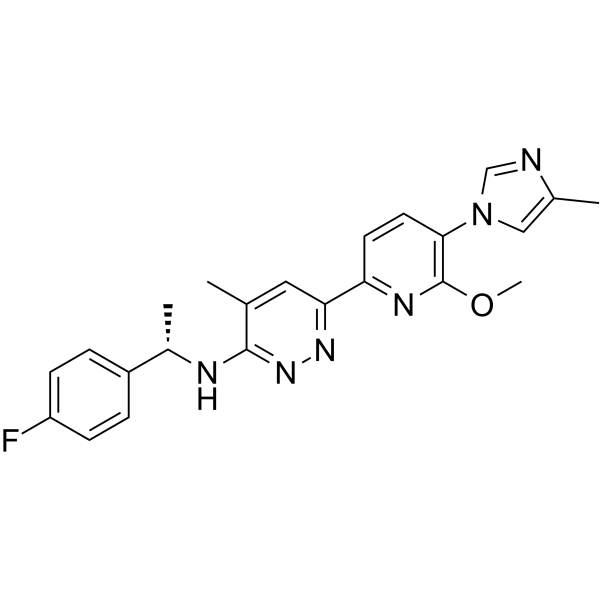
- HY-171758
-
|
|
Opioid Receptor
|
Neurological Disease
|
|
BU72 is a highly potent and long-acting agonist of μ and κ opioid receptors, and also has a partial agonist effect on δ opioid receptors (EC50 values are 0.054, 0.033, and 0.58 nM, respectively). BU72 has a strong and long-lasting analgesic effect, which is mainly mediated by μ opioid receptors. BU72 has a long-lasting activity and can partially reverse the analgesic effect of morphine. BU72 can be used in the study of opioid dependence .
|
-

- HY-18986S
-
|
MI-77301-d10
|
Isotope-Labeled Compounds
|
Cancer
|
|
SAR405838-d10 (MI-77301-d10) is the deuterium labeled SAR405838 (HY-18986). SAR405838 (MI-77301), an analog of MI-773, is a highly potent and selective MDM2-p53 interaction inhibitor. SAR405838 binds to MDM2 with a Ki of 0.88 nM. SAR405838 induces apoptosis and has potent antitumor activity .
|
-
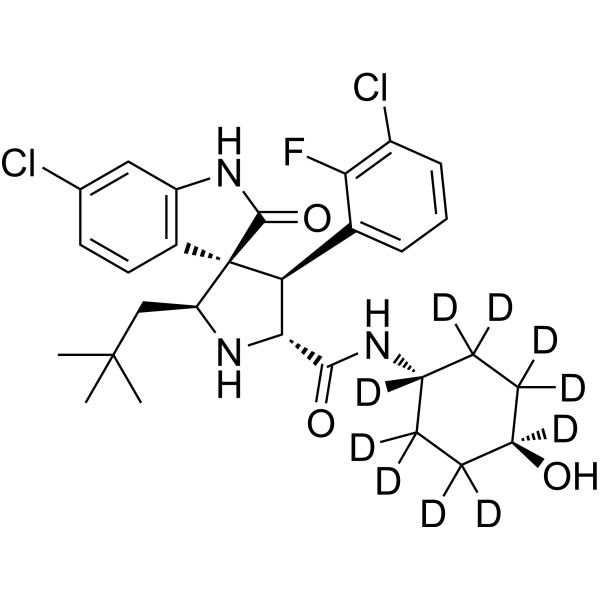
- HY-117428
-
|
|
11β-HSD
|
Metabolic Disease
|
|
INU-101 is a potent, selective and orally active 11β-hydroxysteroid dehydrogenase (11β-HSD) type 1 inhibitor. INU-101 has highly potent inhibitory activity in mouse, monkey and human 11β-HSD1, derived from liver microsomes. INU-101 can enhance insulin sensitivity and lower the fasting blood glucose level. INU-101 can be used for the research of metabolic disease, such as diabetes .
|
-

- HY-17013A
-
|
MS-209
|
P-glycoprotein
|
Cancer
|
|
Dofequidar fumarate (MS-209) is an orally active quinoline compoundthat blocks P-glycoprotein (P-gp) and multidrug resistance-associated protein-1 (MDR-1). Dofequidar fumarate has highly potent reversing effect on multidrug-resistant tumor cells. Dofequidar fumarate competitively inhibits ABCB1/P-gp, ABCC1/MRP-1, blocks the efflux of chemotherapeutic agents, increases the drug concentration in cancer cells, and enhances the chemotherapeutic effect .
|
-
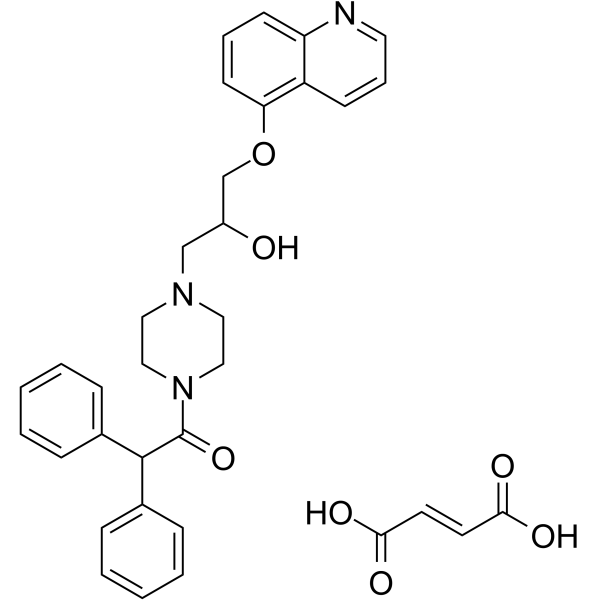
- HY-155356A
-
|
|
PROTACs
|
Cancer
|
|
YN14 mixture of diastereomers is the diastereomers of YN14 (HY-155356).
YN14 is a KRASG12C proteolysis targeting chimera (PROTAC). YN14 is highly potent and selective KRASG12C degrader and induces a stable KRASG12C: YN14: VHL ternary complex with low binding free energy (ΔG). YN14 has antiproliferative effects and significantly inhibits KRASG12C-mutant cancer cell growth .
|
-

- HY-103636
-
|
|
Sirtuin
PROTACs
|
Cancer
|
|
PROTAC Sirt2 Degrader-1 is a SirReal-based PROTAC, acts as a Sirt2 degrader, composed of a highly potent and isotype-selective Sirt2 inhibitor, a linker, and a bona fide Cereblon ligand for E3 ubiquitin ligase. PROTAC Sirt2 Degrader-1 shows an IC50 of 0.25 μM for Sirt2, with no effect on Sirt1/Sirt3 (IC50s>100 μM) .
|
-
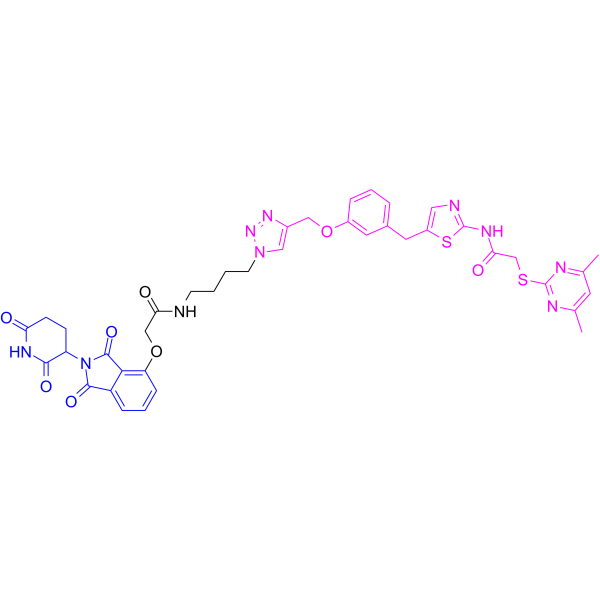
- HY-115552
-
|
|
PARP
|
Cancer
|
|
Simmiparib is a highly potent and orally active PARP1 and PARP2 inhibitor with IC50 values of 1.75 nM and 0.22 nM, respectively. Simmiparib has more potent PARP1/2 inhibition than its parent Olaparib (HY-10162). Simmiparib induces DNA double-strand breaks (DSB) accumulation and G2/M arrest in homologous recombination repair (HR)-deficient cells, thereby inducing apoptosis. Simmiparib exhibits remarkable anticancer activities in cells and nude mice bearing xenografts .
|
-
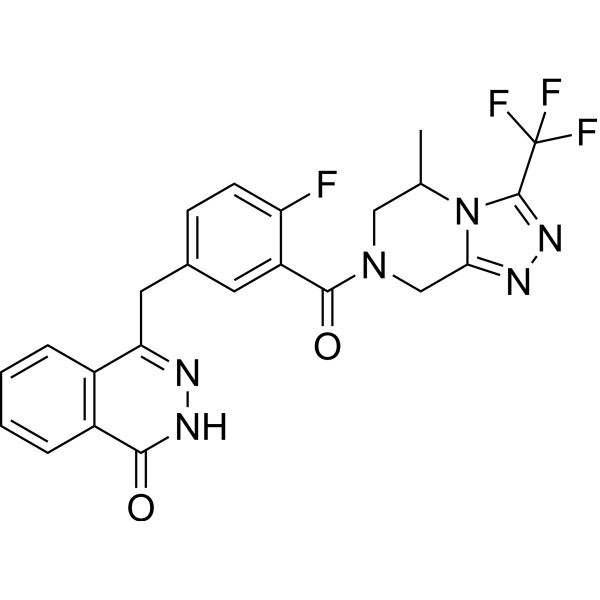
- HY-101523R
-
|
|
CDK
Reference Standards
|
Cancer
|
|
Cdc7-IN-1 (Standard) is the analytical standard of Cdc7-IN-1 (HY-101523). This product is intended for research and analytical applications. Cdc7-IN-1 (Compound 13) is a highly potent, selective and ATP competitive inhibitor of Cdc7 kinase, with an IC50 value of 0.6 nM at 1 mM ATP and with slow off-rate characteristics. Cdc7-IN-1 potently inhibits Cdc7 activity in cancer cells, and effectively induces cell death .
|
-

- HY-17013
-
|
MS-209 free base
|
P-glycoprotein
|
Cancer
|
|
Dofequidar (MS-209 free base) is an orally active quinoline compoundthat blocks P-glycoprotein (P-gp) and multidrug resistance-associated protein-1 (MDR-1). Dofequidar has highly potent reversing effect on multidrug-resistant tumor cells. Dofequidar competitively inhibits ABCB1/P-gp, ABCC1/MRP-1, blocks the efflux of chemotherapeutic agents, increases the drug concentration in cancer cells, and enhances the chemotherapeutic effect .
|
-
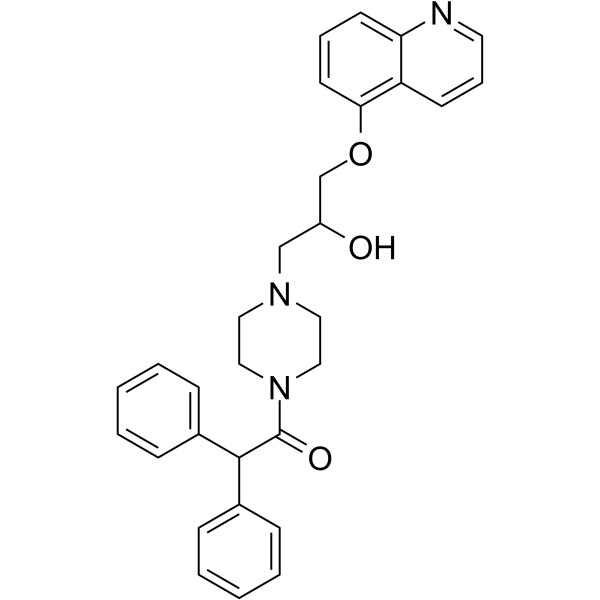
- HY-123883
-
|
|
HIV
HIV Integrase
|
Infection
|
|
MK-0536 is a highly potent HIV-1 integrase inhibitor that effectively suppresses the replication of wild-type viruses. MK-0536 retains significant antiviral activity against multiple key drug-resistant mutants such as Y143R and N155H, and shows no toxicity to uninfected cells. MK-0536 selectively blocks the strand transfer reaction of integrase by chelating magnesium ions at the active site and interacting with viral DNA and enzyme residues. MK-0536 is applicable to the study of HIV infection mechanisms .
|
-

- HY-146352
-
|
|
HIV
|
Infection
Inflammation/Immunology
|
|
HIV-1 inhibitor-28 (compound 14j2) is a highly potent and selective HIV-1 inhibitor with an EC50 of 58 nM for WT HIV-1 strain and an IC50 of 3.37 μM for HIV-1 WT reverse transcription (RT). HIV-1 inhibitor-28 exhibits relatively low cytotoxicity in MT-4 cells (CC50 = 38.6 μM). HIV-1 inhibitor-28 can be used for researching AIDS .
|
-
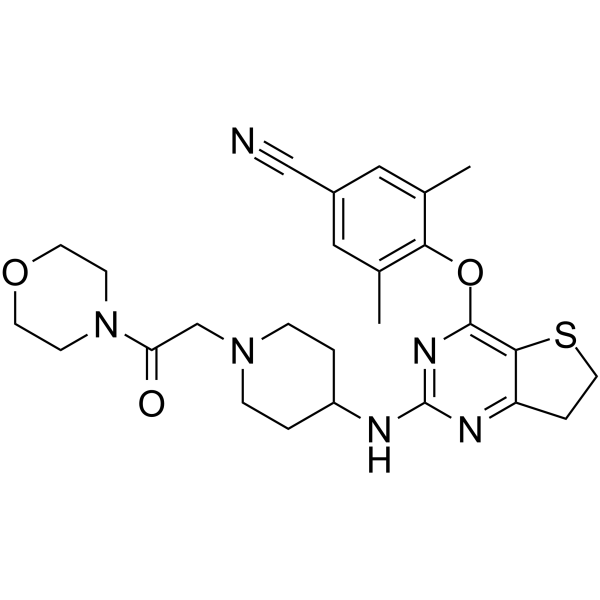
- HY-101764R
-
|
SR 27897 (Standard)
|
Reference Standards
Cholecystokinin Receptor
|
Metabolic Disease
|
|
Lintitript (Standard) (SR 27897 (Standard)) is the analytical standard of Lintitript (HY-101764). This product is intended for research and analytical applications. Lintitript (SR 27897) is a highly potent, selective, orally active, competitive and non-peptide cholecystokinin (CCK1) receptor antagonist with an EC50 of 6 nM and a Ki of 0.2 nM. Lintitript displays > 33-fold selectivity more selective for CCK1 than CCK2 receptors (EC50 value of 200 nM). Lintitript increases plasma concentration of leptin and food intake as well as plasma concentration of insulin .
|
-

- HY-185183
-
|
|
Enterovirus
DNA/RNA Synthesis
|
Infection
|
|
DTriP-22 is a highly potent and low-toxicity inhibitor of enterovirus 71 3D polymerase (EV71 3D polymerase). DTriP-22 exhibits broad-spectrum anti-RNA virus activity (particularly against picornaviruses) beyond EV71, but shows no activity against DNA viruses. DTriP-22 acts at the early stage of viral replication and exerts its function by specifically inhibiting viral RNA synthesis. DTriP-22 can be used in anti-enterovirus research .
|
-

- HY-16936
-
|
|
LRRK2
|
Neurological Disease
|
|
JH-II-127 is an orally active, highly potent, selective and brain-permeable LRRK2 inhibitor, with IC50s of 6, 2 and 48 nM for wild-type LRRK2 and LRRK2-G2019S and mutant LRRK2-A2016T. JH-II-127 inhibits Ser935 phosphorylation in all tissues of mice, including the brain. JH-II-127 can be used in the study of parkinson's syndrome .
|
-
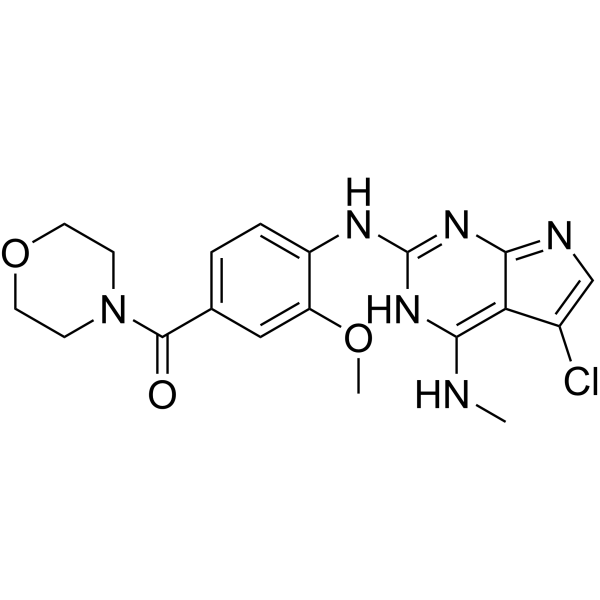
- HY-10865
-
|
|
FAAH
Autophagy
|
Neurological Disease
|
|
LY2183240 is a highly potent blocker of anandamide uptake (IC50= 270 pM; Ki=540 nM). LY2183240 is a potent, covalent inhibitor of the endocannabinoid-degrading enzyme fatty acid amide hydrolase (FAAH) with an IC50 of 12.4 nM. LY2183240 inactivates FAAH by carbamylation of the enzyme's serine nucleophile. LY2183240 also inhibits several other brain serine hydrolases with IC50s of 5.3, 0.09, 8.2 nM for MAG lipase, bh6 and KIAA1363, respectively .
|
-
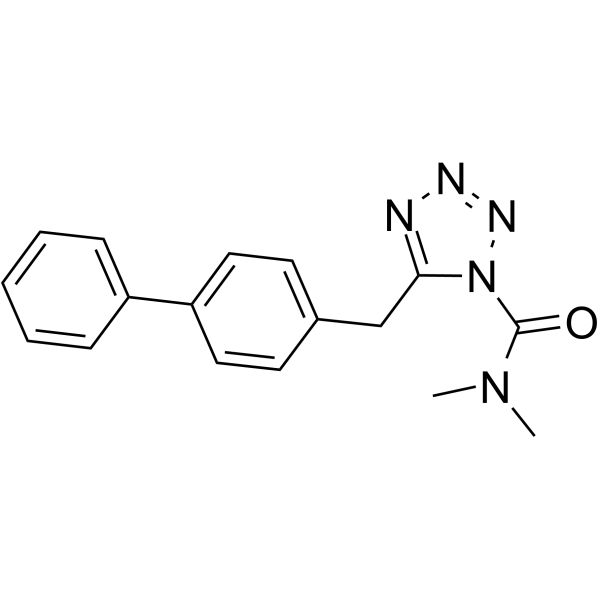
- HY-145841
-
|
|
5-HT Receptor
|
Cardiovascular Disease
|
|
5-HT2A receptor agonist-2 is a highly potent serotonin 5-HT2 receptor agonists. 5-HT2A receptor agonist-2 inspires 5-HT2A, 5-HT2B, and 5-HT2C with EC50 values of 1.7, 0.58, and 0.50 nM, respectively .
|
-
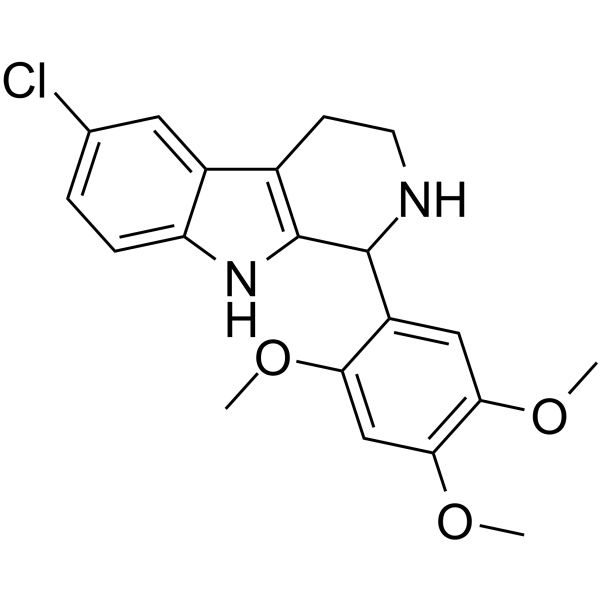
- HY-106909A
-
|
KAE-393
|
5-HT Receptor
|
Cardiovascular Disease
|
|
YM114 (KAE-393) is a highly potent and selective (5-HT)3-receptor antagonist that does not affect Veratridine (HY-N6691)- or electrical stimulation-induced bradycardia in anesthetized rats. YM114 inhibits 2-methyl-5-HT (HY-19358)-induced Bezold-Jarisch reflex, which originates from (5-HT)3-receptor located on the endings of vagal afferent nerves in the heart .
|
-

- HY-17013D
-
|
MS-209 sesquifumarate
|
P-glycoprotein
|
Cancer
|
|
Dofequidar (MS-209) sesquifumarate is an orally active quinoline compoundthat blocks P-glycoprotein (P-gp) and multidrug resistance-associated protein-1 (MDR-1). Dofequidar sesquifumarate has highly potent reversing effect on multidrug-resistant tumor cells. Dofequidar sesquifumarate competitively inhibits ABCB1/P-gp, ABCC1/MRP-1, blocks the efflux of chemotherapeutic agents, increases the drug concentration in cancer cells, and enhances the chemotherapeutic effect .
|
-

- HY-146887
-
|
|
Deubiquitinase
Apoptosis
|
Cancer
|
|
USP7-IN-9 is a highly potent ubiquitin-specific protease 7 (USP7) inhibitor with an IC50 value of 40.8 nM. USP7-IN-9 can induce apoptosis and arrest cell progression at G0/G1 and S phases in RS4; 11 cells. USP7-IN-9 reduces the protein levels of oncoproteins MDM2 and DNMT1 and increases the protein levels of tumor suppressors p53 and p21 .
|
-
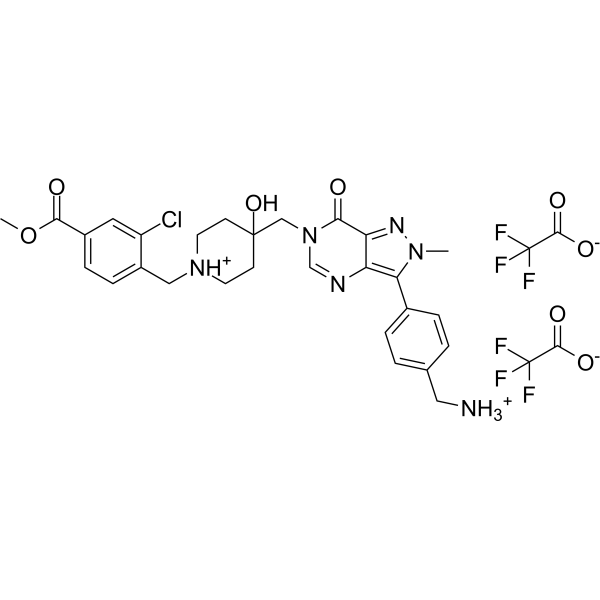
- HY-133046
-
|
|
E3 Ligase Ligand-Linker Conjugates
|
Cancer
|
|
VHL Ligand-Linker Conjugates 17 incorporates a VHL ligand for the E3 ubiquitin ligase, and a PROTAC linker. VHL Ligand-Linker Conjugates 17 can be used in the synthesis of a series of PROTACs, such as ARD-266 (HY-133020). ARD-266 is a highly potent androgen receptor (AR) PROTAC degrader . VHL Ligand-Linker Conjugates 17 is a click chemistry reagent, it contains an Alkyne group and can undergo copper-catalyzed azide-alkyne cycloaddition (CuAAc) with molecules containing Azide groups.
|
-
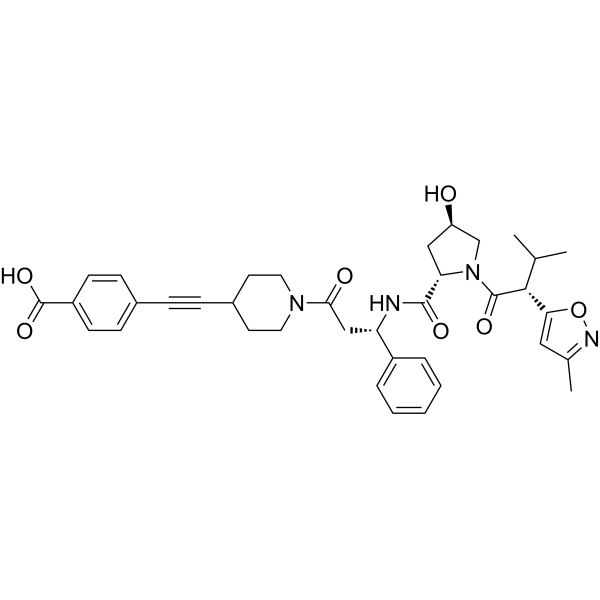
- HY-13488
-
|
|
LRRK2
MNK
|
Neurological Disease
|
|
HG-10-102-01 is a highly potent, selective, and brain-penetrable LRRK2 inhibitor, with IC50 values of 20.3 and 3.2 nM against wild-type LRRK2 and LRRK2[G2019S], respectively. HG-10-102-01 also inhibits MNK2 and MLK1, with IC50 values of 0.6 and 2.1 μM. HG-10-102-01 can be used for Parkinson's disease (PD) research .
|
-
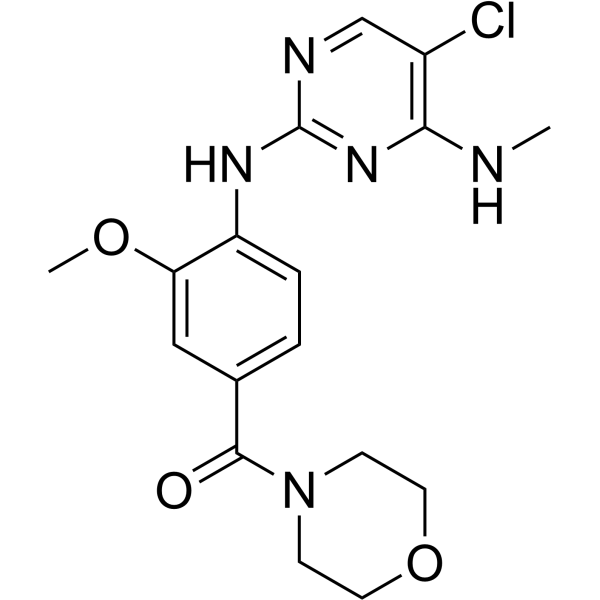
- HY-133020
-
|
|
PROTACs
Androgen Receptor
|
Cancer
|
|
ARD-266 is a highly potent and von Hippel-Lindau E3 ligase-based Androgen Receptor (AR) PROTAC degrader. ARD-266 effectively induces degradation of AR protein in AR-positive LNCaP, VCaP, and 22Rv1 prostate cancer cell lines with DC50 values of 0.2-1 nM . ARD-266 is a click chemistry reagent, it contains an Alkyne group and can undergo copper-catalyzed azide-alkyne cycloaddition (CuAAc) with molecules containing Azide groups.
|
-
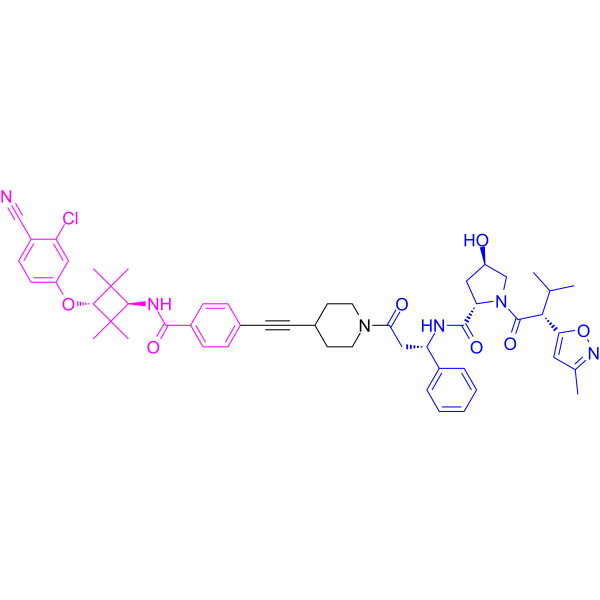
- HY-173275
-
|
|
PDGFR
|
Cancer
|
|
PDGFRα kinase inhibitor 3 (Compound L7) is a highly potent inhibitor targeting the PDGFRα D842V kinase with IC50s values of 23.8 nM and 2.1 nM in biochemical and cellular assays, respectively. PDGFRα kinase inhibitor 3 binds to the ATP-binding pocket of PDGFRα D842V to block its downstream signaling pathways and inhibit kinase activity. PDGFRα kinase inhibitor 3 can be used for gastrointestinal stromal tumors (GISTs) study .
|
-

- HY-182301
-
|
|
Renin
|
Cardiovascular Disease
|
|
CP 71362 is a renin inhibitor, a highly potent substrate-analog transition state mimic with antihypertensive properties. CP 71362 exhibits significant inhibitory activity against plasma renin from rats, dogs, and humans (IC50 values are 3 nM, 0.0033 nM, and 20 nM, respectively). CP 71362 reduces the mean arterial pressure of anesthetized and conscious sodium-depleted animals in a dose-dependent manner, and has pharmacokinetic characteristics of rapid elimination and short duration of action. CP 71362 can be used in research related to hypertension and congestive heart failure .
|
-

- HY-139659
-
|
|
PROTACs
Androgen Receptor
Progesterone Receptor
Apoptosis
|
Cancer
|
|
ARD-61 is a highly potent, effective and specific PROTAC androgen receptor (AR) degrader. ARD-61 potently and effectively induces AR and progesterone receptors (PR) degradation in AR+ cancer cell lines. ARD-61 induces apoptosis and effectively induces tumor growth inhibition in the MDA-MB-453 xenograft model in mice . ARD-61 is a click chemistry reagent, it contains an Alkyne group and can undergo copper-catalyzed azide-alkyne cycloaddition (CuAAc) with molecules containing Azide groups.
|
-
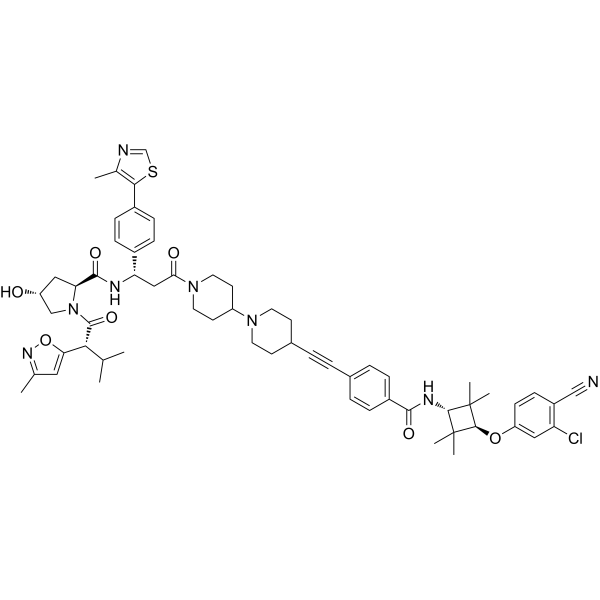
- HY-107453
-
|
PROTAC Sirt2-binding moiety 1
|
Ligands for Target Protein for PROTAC
|
Cancer
|
|
SirReal1-O-propargyl is a selective and highly potent Sirtuin 2 (Sirt2) inhibitor, with an IC50 of 2.4 μM. SirReal1-O-propargyl, the SirReal1-based moiety, binds to the cereblon ligand via a linker to form PROTAC to degrade Sirt2 . SirReal1-O-propargyl is a click chemistry reagent, it contains an Alkyne group and can undergo copper-catalyzed azide-alkyne cycloaddition (CuAAc) with molecules containing Azide groups.
|
-
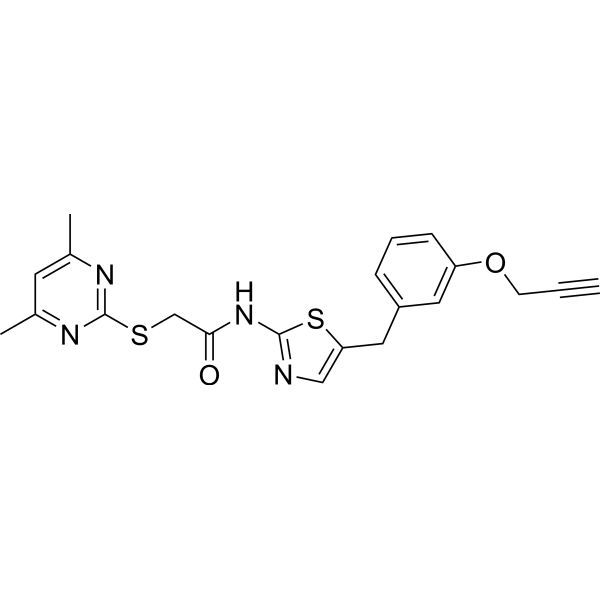
- HY-101561R
-
|
BLU-285 (Standard)
|
Reference Standards
c-Kit
PDGFR
|
Cancer
|
|
Avapritinib (Standard) is the analytical standard of Avapritinib. This product is intended for research and analytical applications. Avapritinib (BLU-285) is a highly potent, selective, and orally active KIT and PDGFRA activation loop mutant kinases inhibitor with IC50s of 0.27 and 0.24 nM for KIT D816V and PDGFRA D842V, respectively. Avapritinib (BLU-285) binds the active conformation of the kinase and shows antitumor activity. Avapritinib (BLU-285) attenuates the transport function of both ABCB1 and ABCG2 .
|
-

- HY-100867AR
-
|
TAK-659 monohydrochloride (Standard); CB-659 monohydrochloride (Standard)
|
Syk
Reference Standards
FLT3
|
Cancer
|
|
Mivavotinib (monohydrochloride) (Standard) is the analytical standard of Mivavotinib (monohydrochloride) (HY-100867A). This product is intended for research and analytical applications. TAK-659 hydrochloride is a highly potent, selective, reversible and orally available dual inhibitor of spleen tyrosine kinase (SYK) and fms related tyrosine kinase 3 (FLT3), with an IC50 of 3.2 nM and 4.6 nM for SYK and FLT3, respectively. TAK-659 hydrochloride induces cell death in tumor cells but not in nontumor cells, and with potential for the treatment of chronic lymphocytic leukemia (CLL) .
|
-

- HY-109139
-
|
NIR178; PBF509
|
Adenosine Receptor
|
Neurological Disease
Cancer
|
|
Taminadenant (NIR178; PBF509) is a highly potent and orally active adenosine A2A receptor (A2AR) antagonist. Taminadenant can antagonize A2AR agonist-mediated cAMP accumulation and impedance responses with KB values of 72.8 nM and 8.2 nM, respectively. Taminadenant reverses motor impairments in several rat models of movement disorders, including catalepsy, tremor, and hemiparkinsonism. Taminadenant can also inhibit tumor growth when combined with Spartalizumab (HY-P9972). Taminadenant reactivate the antitumor immune response .
|
-
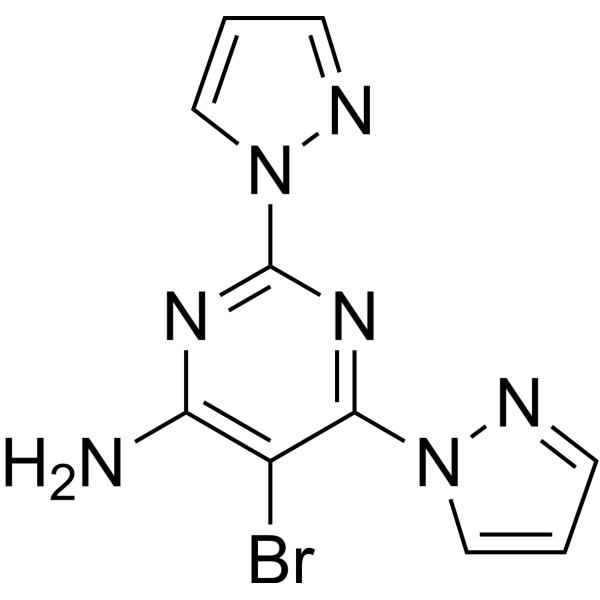
- HY-X0009
-
|
GFH009; JSH-009; SLS009
|
CDK
DYRK
Apoptosis
Bcl-2 Family
c-Myc
Caspase
PARP
DNA/RNA Synthesis
|
Metabolic Disease
Inflammation/Immunology
Cancer
|
|
Tambiciclib (GFH009, JSH-009) is an orally active, highly potent and selective CDK9 inhibitor (IC50 = 1 nM), demonstrating >200-fold selectivity over other CDKs, >100-fold selectivity over DYRK1A/B, and excellent selectivity over 468 kinases/mutants. Tambiciclib demonstrates potent in vitro and in vivo antileukemic efficacy in acute myeloid leukemia (AML) mouse models by inhibiting RNA Pol II phosphorylation, downregulating MCL1 and MYC, and inducing apoptosis. Tambiciclib can be used for AML research .
|
-

- HY-14993
-
|
|
Protease Activated Receptor (PAR)
Apoptosis
|
Cardiovascular Disease
|
|
SCH79797 is a highly potent, selective nonpeptide protease activated receptor 1 (PAR1) antagonist. SCH79797 inhibits binding of a high-affinity thrombin receptor-activating peptide to PAR1 with an IC50 of 70 nM and a Ki of 35 nM. SCH79797 inhibits thrombin-induced platelet aggregation with an IC50 of 3 μM. SCH79797 has antiproliferative and pro-apoptotic effects, and limits myocardial ischemia/reperfusion injury in rat hearts. SCH79797 also potently prevents PAR1 activation in vascular smooth muscle cells, endothelial cells, and astrocytes .
|
-
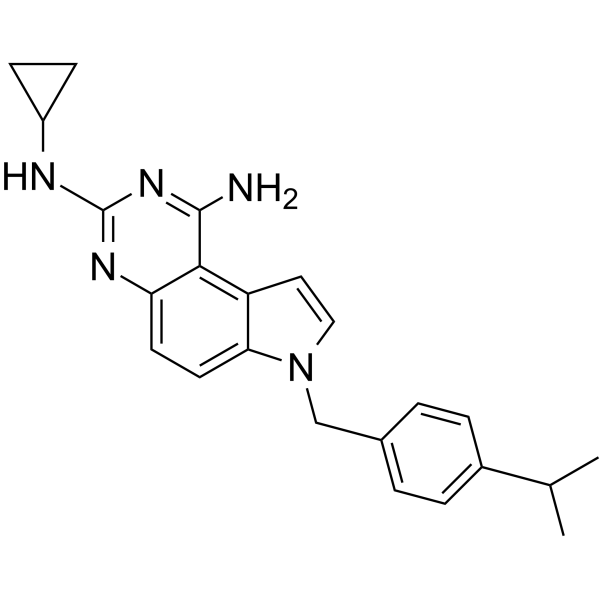
- HY-108232R
-
|
|
Organoid
Reference Standards
Akt
Autophagy
Apoptosis
|
Cancer
|
|
MK-2206 (Standard) is the analytical standard of MK-2206 (HY-108232). This product is intended for research and analytical applications. MK-2206 is an orally active, highly potent and selective allosteric Akt inhibitor, with IC50s of 8, 12, and 65 nM for Akt1, Akt2, and Akt3, respectively. Many breast cancer cell lines, and PIK3CA-mutant and cell lines with PTEN loss are sensitive to MK-2206. MK-2206 has anticancer activities .
|
-

- HY-144122
-
|
|
HIV
|
Infection
|
|
HIV-1 inhibitor-15 (compound 9d) is a highly potent and broad-spectrum HIV-1 inhibitor. HIV-1 inhibitor-15 has inhibitory activity against HIV-1 WT, L100I, K103N, Y181C, E138K with EC50s of 1.7 nM, 4 nM, 2 nM, 6 nM and 9 nM, respectively. HIV-1 inhibitor-15 has good solubility, safety profiles and favorable oral bioavailability .
|
-
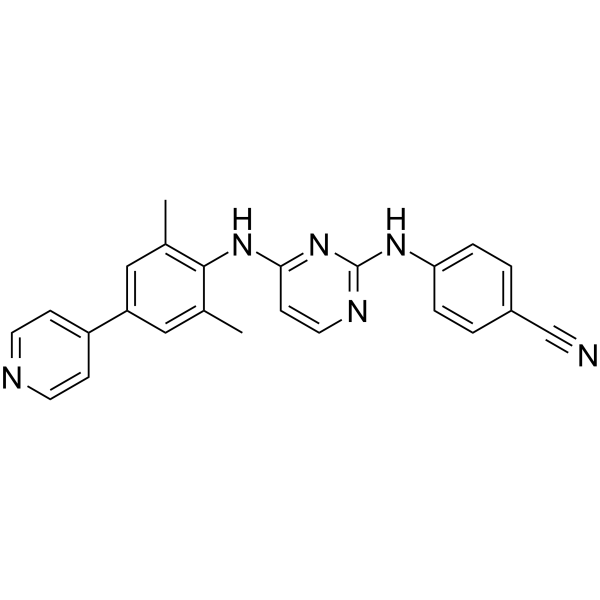
- HY-155356
-
|
|
PROTACs
Ras
|
Cancer
|
|
YN14 is a KRASG12C proteolysis targeting chimera (PROTAC). YN14 is highly potent and selective KRASG12C degrader and induces a stable KRASG12C: YN14: VHL ternary complex with low binding free energy (ΔG). YN14 has antiproliferative effects and significantly inhibits KRASG12C-mutant cancer cell growth. YN14 leads to tumor regression with tumor growth inhibition (TGI%) rates more than 100 % in the MIA PaCa-2 xenograft model.
|
-
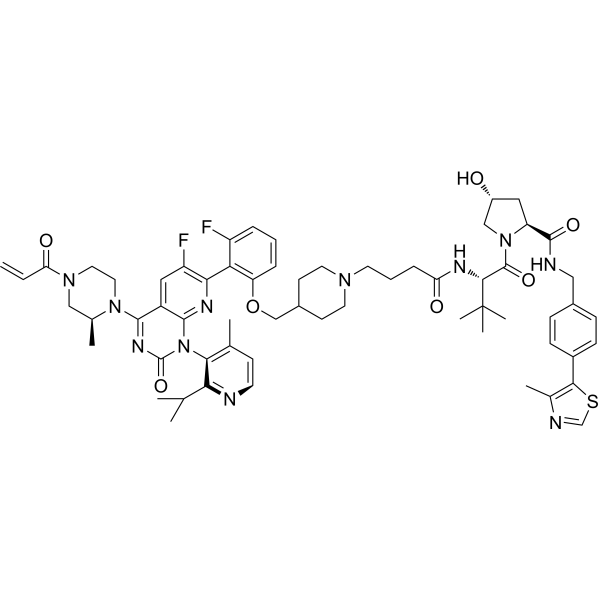
- HY-146019
-
|
|
HIV
|
Infection
|
|
HIV-1 inhibitor-24 (compound S-12a) is a highly potent HIV-1 reverse transcriptase, with an IC50 value of 9.5 nM. HIV-1 inhibitor-24 has high antiretroviral activity against WT HIV-1 with an EC50 of 1.6 nM, and exhibits relatively low cytotoxicity with a CC50 of 9.07 μM in MT-4 cells. HIV-1 inhibitor-24 is well tolerated at a dose of 2 g/kg in mice and has a significant cardiovascular safety .
|
-
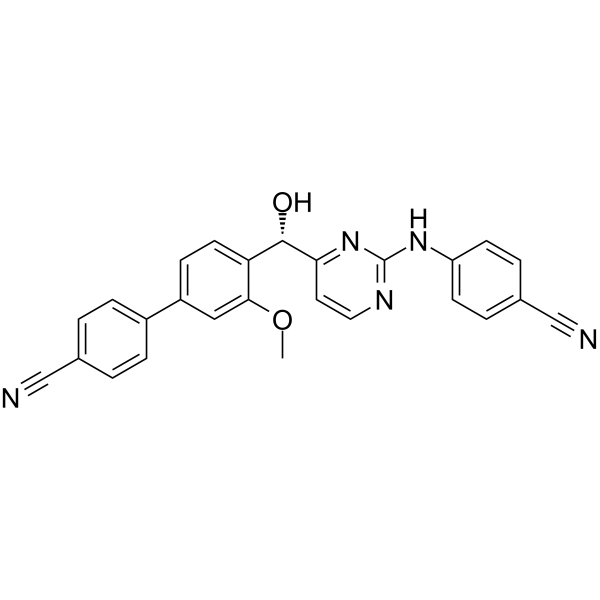
- HY-117707
-
|
|
Raf
|
Cancer
|
|
EBI-907 is an orally active and highly potent B-Raf V600E inhibitor. EBI-907 demonstrates excellent A375 and Colo-205 cellular antiproliferative activity with IC50 values of 13 nM and 14 nM, respectively. EBI-907 can also cause tumor regression in a B-Raf V600E-dependent Colo-205 tumor xenograft model of mice. EBI-907 is promising for research of melanoma and B-Raf V600E associated cancers .
|
-

- HY-112096S
-
|
NXP900-d5
|
Src
Isotope-Labeled Compounds
|
Cancer
|
|
eCF506-d5 (NXP900-d5) is deuterated labeled eCF506 (HY-112096). eCF506 is a highly potent and orally active YES1/SRC kinase inhibitor with an IC50 of 0.47 nM. eCF506 locks its target into its native “closed” conformation, thereby inhibiting both kinase activity and complex formation with protein partners. eCF506 can be used for the study of esophageal squamous cancer and breast cancer .
|
-
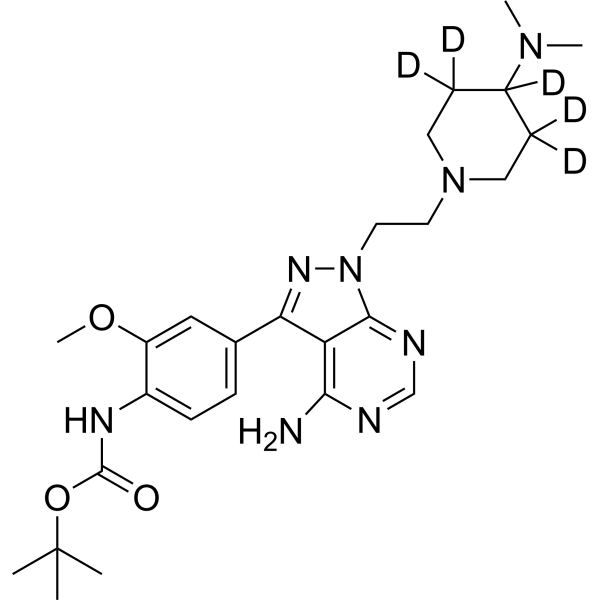
- HY-14588S
-
|
(rel)-ABT-378-d8
|
Isotope-Labeled Compounds
HIV Protease
SARS-CoV
HIV
|
Others
|
|
(rel)-Lopinavir-d8 ((rel)-ABT-378-d8) is the deuterium labeled Lopinavir (HY-14588) . Lopinavir (ABT-378) is a highly potent, selective peptidomimetic inhibitor of the HIV-1 protease, with Kis of 1.3 to 3.6 pM for wild-type and mutant HIV protease. Lopinavir acts by arresting maturation of HIV-1 thereby blocking its infectivity . Lopinavir is also a SARS-CoV 3CL pro inhibitor with an IC50 of 14.2 μM .
|
-
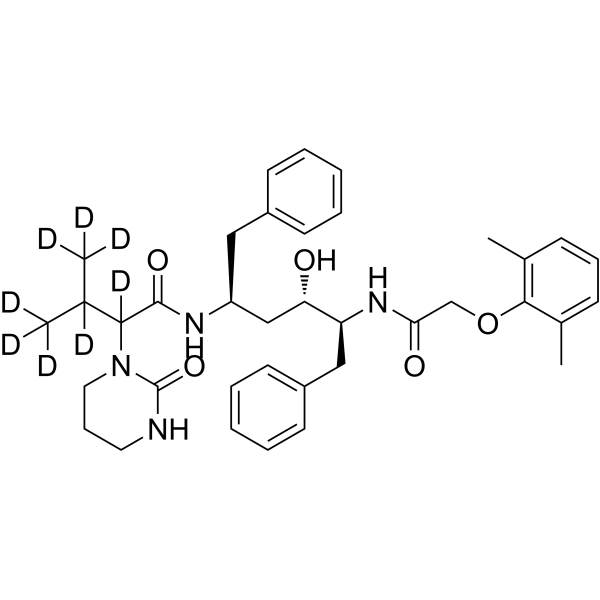
- HY-161984
-
|
|
HDAC
|
Infection
Others
|
|
HDAC-IN-76 (compound 6i) is a histone deacetylase (HDAC) inhibitor. HDAC-IN-76 IC50 values of 30 nM and 98 nM for Pf3D7 (chloroquine (HY-17589A) drug-susceptible strain) and PfDd2 (chloroquine (HY-17589A) drug-resistant strain), has a highly potent antimalarial activity against asexual blood-stage Plasmodium, respectively, and exhibits selective inhibition against parasites, with IC50 values of 7 nM and 9 nM for human HDAC1 and HDAC6, respectively, while inhibiting PfHDAC1 .
|
-

- HY-167848
-
|
XL-118
|
Others
|
Cardiovascular Disease
|
|
DMP-728 free base (XL-118) is a highly potent and selective GPIIb/IIIa antagonist with antiplatelet and antithrombotic activities. DMP-728 free base can inhibit ADP-induced human platelet aggregation in vitro, with an IC50 of 46 nmol/L, and can significantly reduce the interaction between fibrinogen and human platelets or Binding of purified human GPIIb/IIIa receptors. DMP-728 free base exhibits dose-dependent antiplatelet effects in anesthetized mongrel dogs, effectively inhibiting ADP-induced platelet aggregation and prolonging template bleeding time .
|
-

- HY-126291
-
|
|
Sodium Channel
|
Neurological Disease
|
|
GNE-616 is a highly potent, metabolically stable, orally bioavailable, and subtype selective Nav1.7 inhibitor (Ki of 0.79 nM and Kd of 0.38 nM for hNav1.7) for the treatment of chronic pain. GNE-616 shows >1000 nM Kd and >2500-fold selectivity over hNav1.1, hNav1.3, hNav1.4, and hNav1.5. Selectivity over hNav1.2 and hNav1.6 is more modest at 31- and 73-fold, respectively .
|
-
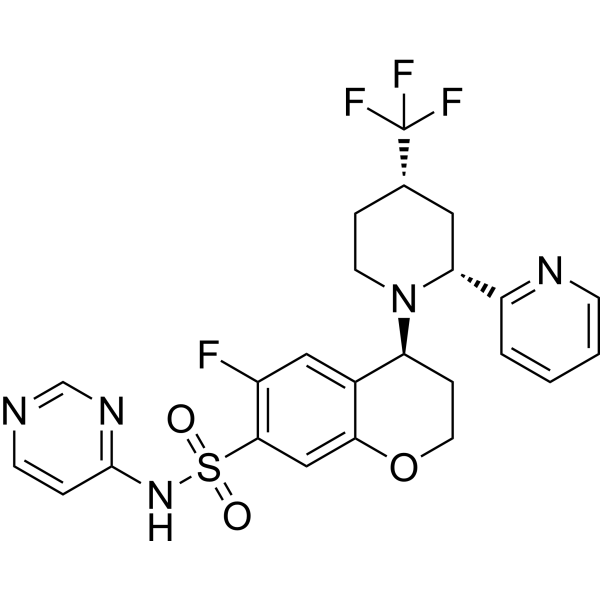
- HY-W754911
-
|
BLU-285-d3
|
Isotope-Labeled Compounds
PDGFR
c-Kit
|
Cancer
|
|
Avapritinib-d3 (BLU-285-d3) is deuterium labeled Avapritinib. Avapritinib (BLU-285) is a highly potent, selective, and orally active KIT and PDGFRA activation loop mutant kinases inhibitor with IC50s of 0.27 and 0.24 nM for KIT D816V and PDGFRA D842V, respectively. Avapritinib (BLU-285) binds the active conformation of the kinase and shows antitumor activity. Avapritinib (BLU-285) attenuates the transport function of both ABCB1 and ABCG2 .
|
-

- HY-143462
-
|
|
HDAC
c-Met/HGFR
Apoptosis
|
Cancer
|
|
c-Met/HDAC-IN-2 is a highly potent c-Met and HDAC dual inhibitor with IC50s of 18.49 nM and 5.40 nM for HDAC1 and c-Met, respectively. c-Met/HDAC-IN-2 has antiproliferative activities against certain cancer cell lines. c-Met/HDAC-IN-2 can cause G2/M-phase arrest and induce apoptosis in HCT-116. c-Met/HDAC-IN-2 can be used for researching anti-cancer resistance .
|
-
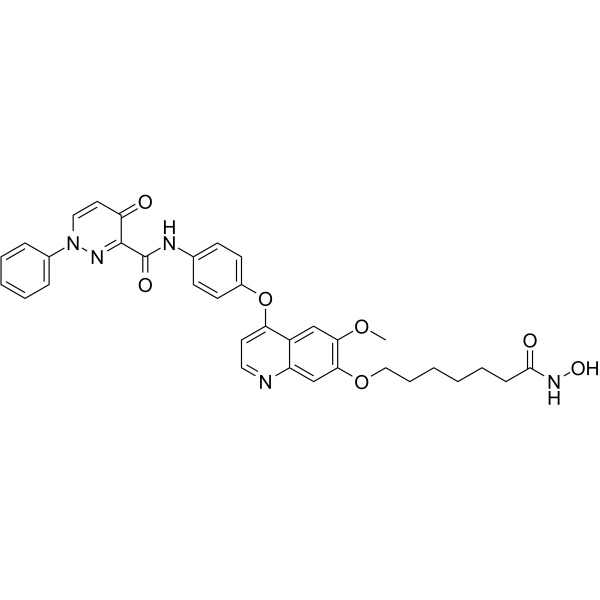
- HY-11009
-
|
|
CDK
PKC
|
Cancer
|
|
CGP60474, a highly potent anti-endotoxemic agent, is a potent cyclin-dependent kinase (CDK) inhibitor (IC50 values are 26, 3, 4, 216, 10, 200 and 13 nM for CDK1/B, CDK2/E, CDK2/A, CDK4/D, CDK5/p25, CDK7/H and CDK9/T, respectively). CGP60474 is a selective and ATP-competitive PKC inhibitor .
|
-
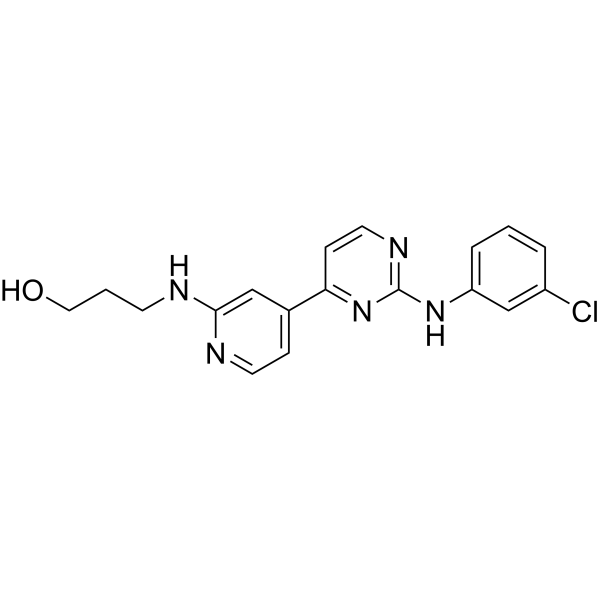
- HY-112614
-
|
|
ATM/ATR
|
Cancer
|
|
ATM Inhibitor-1 is a highly potent, selective and orally active ATM inhibitor, with an IC50 of 0.7 nM, shows weak activity against mTOR (IC50, 21 μM), DNAPK (IC50, 2.8 μM), PI3Kα (IC50, 3.8 μM), PI3Kβ (IC50, 10.3 μM), PI3Kγ (IC50, 3 μM) and PI3Kδ (IC50, 0.73 μM). ATM Inhibitor-1 exhibits anti-tumor activity .
|
-
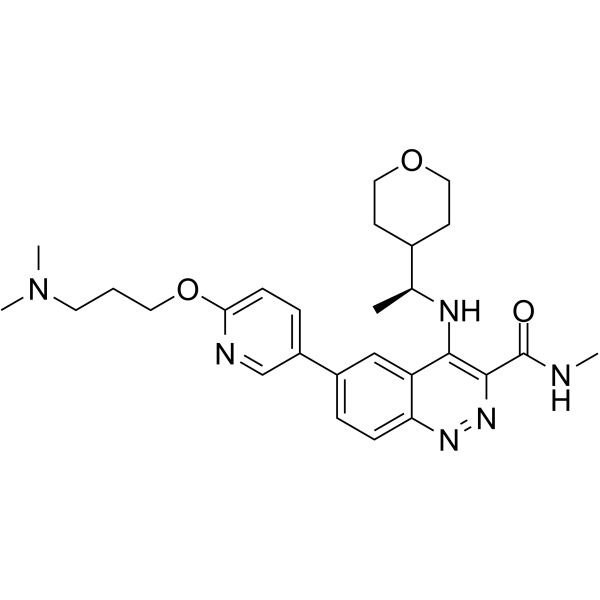
- HY-14994
-
|
|
Protease Activated Receptor (PAR)
Apoptosis
|
Cardiovascular Disease
|
|
SCH79797 dihydrochloride is a highly potent, selective nonpeptide protease activated receptor 1 (PAR1) antagonist. SCH79797 dihydrochloride inhibits binding of a high-affinity thrombin receptor-activating peptide to PAR1 with an IC50 of 70 nM and a Ki of 35 nM. SCH79797 dihydrochloride inhibits thrombin-induced platelet aggregation with an IC50 of 3 μM. SCH79797 dihydrochloride has antiproliferative and pro-apoptotic effects, and limits myocardial ischemia/reperfusion injury in rat hearts. SCH79797 dihydrochloride also potently prevents PAR1 activation in vascular smooth muscle cells, endothelial cells, and astrocytes .
|
-
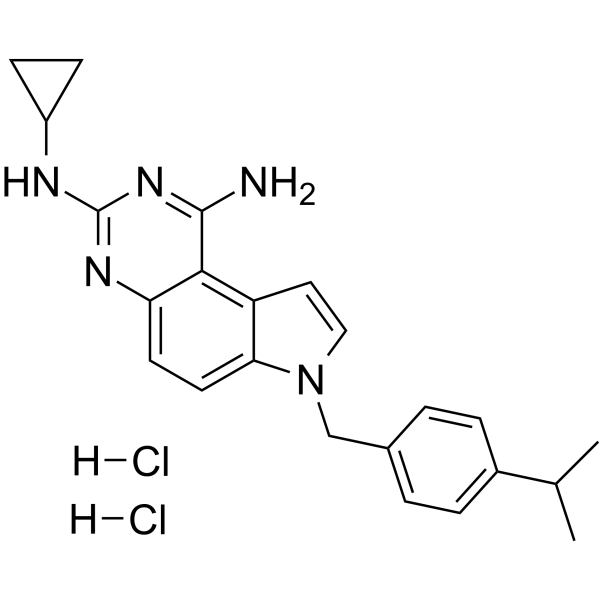
- HY-171851
-
|
|
GCGR
|
Metabolic Disease
|
|
GLP-1R agonist 32 (Compound 111) is an orally active and highly potent GLP-1R agonist with an EC50 value of 0.017 nM. GLP-1R agonist 32 exerts glucose-regulating activity by activating GLP-1R to stimulate cAMP production, promoting insulin secretion, inhibiting glucagon release, and delaying gastric emptying. GLP-1R agonist 32 is promising for research of type 2 diabetes, obesity, and related metabolic disorders .
|
-

- HY-10320R
-
|
BIRB 796 (Standard)
|
Reference Standards
p38 MAPK
Raf
Autophagy
|
Inflammation/Immunology
Cancer
|
|
Doramapimod (Standard) is the analytical standard of Doramapimod. This product is intended for research and analytical applications. Doramapimod (BIRB 796) is an orally active, highly potent p38 MAPK inhibitor, which has an IC50 for p38α=38 nM, for p38β=65 nM, for p38γ=200 nM, and for p38δ=520 nM. Doramapimod has picomolar affinity for p38 kinase (Kd=0.1 nM). Doramapimod also inhibits B-Raf with an IC50 of 83 nM .
|
-

- HY-10181GL
-
|
BMS-354825 (GMP Like)
|
Bcr-Abl
Src
Autophagy
Apoptosis
|
Cancer
|
|
Dasatinib (GMP Like) (BMS-354825 (GMP Like)) is Dasatinib (HY-10181) produced by using GMP like guidelines. GMP Like small molecules works appropriately as an auxiliary reagent for cell therapy manufacture. Dasatinib (BMS-354825) is a highly potent, ATP competitive, orally active dual Src/Bcr-Abl inhibitor with potent antitumor activity. The Kis are 16 pM and 30 pM for Src and Bcr-Abl, respectively. Dasatinib inhibits Bcr-Abl and Src with IC50s of <1.0 nM and 0.5 nM, respectively . Dasatinib also induces apoptosis and autophagy.
|
-

- HY-149295
-
|
|
PROTACs
Estrogen Receptor/ERR
Apoptosis
|
Cancer
|
|
PROTAC ERα Degrader-4 (Compound ZD12) is a highly potent and selectivePROTAC ERα degrader (Ki: 5.08 μM). PROTAC ERα Degrader-4 contains OBHSAs, linker and E3 ligase ligands. PROTAC ERα Degrader-4 shows excellent cell inhibitory and ERα degradation activity against Tamoxifen-sensitive and -resistant ER + breast cancer (BC) cells and ERα-mutated BC cells. PROTAC ERα Degrader-4 can induce apoptosis and can be used for cancer research.
|
-
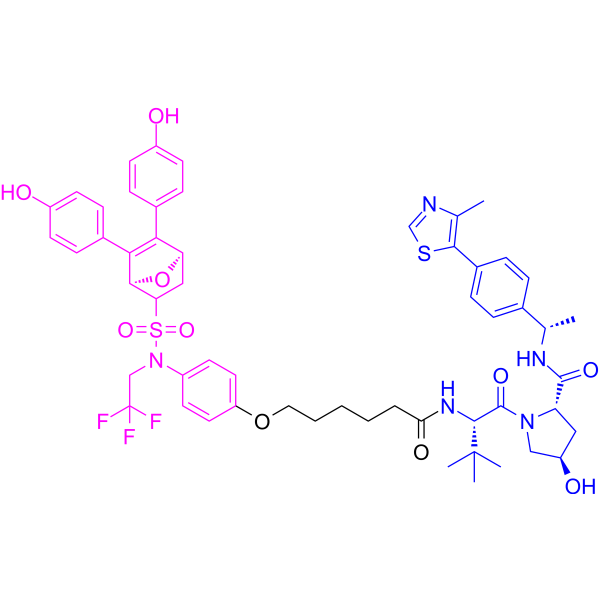
- HY-X0009A
-
|
GFH009 dimaleate; JSH-009 dimaleate; SLS009 dimaleate
|
CDK
DYRK
Apoptosis
Bcl-2 Family
c-Myc
Caspase
PARP
DNA/RNA Synthesis
|
Cancer
|
|
Tambiciclib (GFH009, JSH-009) dimaleate is an orally active, highly potent and selective CDK9 inhibitor (IC50 = 1 nM), demonstrating >200-fold selectivity over other CDKs, >100-fold selectivity over DYRK1A/B, and excellent selectivity over 468 kinases/mutants. Tambiciclib dimaleate demonstrates potent in vitro and in vivo antileukemic efficacy in acute myeloid leukemia (AML) mouse models by inhibiting RNA Pol II phosphorylation, downregulating MCL1 and MYC, and inducing apoptosis. Tambiciclib dimaleate can be used for AML research .
|
-

- HY-116163
-
|
CYM50202
|
Endogenous Metabolite
|
Others
|
|
ML350 (CYM50202) is a highly potent OPRK1 antagonist with selectivity and broad biological applications. With IC50 values of 9-16 nM, ML350 shows high selectivity for OPRK1, with selectivity of 219-382-fold and 20-35-fold relative to OPRD1 and OPRM1, respectively. ML350 exhibited favorable characteristics in in vivo pharmacokinetic analysis, including high passive membrane permeability and moderate human plasma protein binding. Extensive screening of ML350 against multiple ion channels, receptors, and transporters showed that it does not have adverse off-target effects .
|
-

- HY-100839
-
|
D,L-(tetrazol-5-yl)glycine; LY 285265
|
iGluR
|
Neurological Disease
|
|
(RS)-(Tetrazol-5-yl)glycine (D,L-(tetrazol-5-yl)glycine) is a highly potent and selective N-methyl-D-aspartate (NMDA) receptor agonist . (RS)-(Tetrazol-5-yl)glycine has EC50s of 99 nM, 1.7 μM for GluN1/GluN2D and GluN1/GluN2A, respectively . (RS)-(Tetrazol-5-yl)glycine induces seizure responses and Fos in mice .
|
-
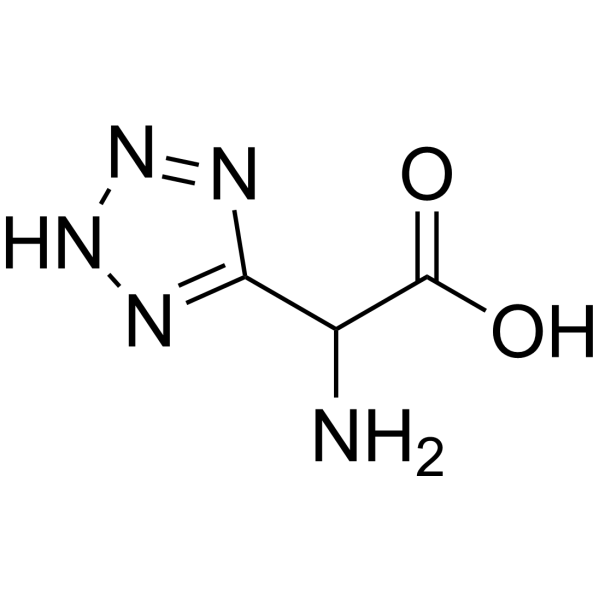
- HY-B1101
-
|
Pimetixene
|
5-HT Receptor
Histamine Receptor
|
Neurological Disease
Endocrinology
|
|
Pimethixene is antihistamine and antiserotonergic compound, acts as an antimigraine agent.
Pimethixene is a highly potent antagonist of 5-HT1A, 5-HT2A, 5-HT2B, 5-HT2C, histamine H1, dopamine D2 and D4.4 as well as muscarinic M1 and M2 receptors, with pKis of 7.63, 10.22, 10.44, 8.42, 10.14, 8.19, 7.54, 8.61 and 9.38, respectively .
|
-
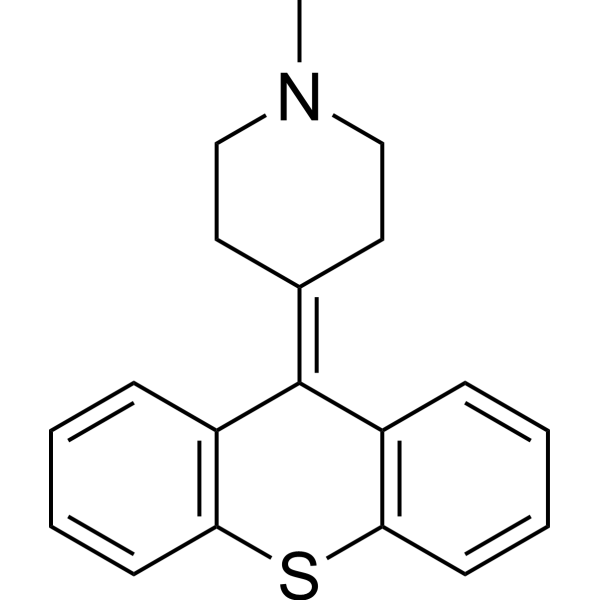
- HY-129922
-
|
|
Prostaglandin Receptor
|
Endocrinology
|
|
Prostaglandin I2 is an unstable prostanoid which, through the ‘I prostanoid’ (IP) receptor, inhibits platelet aggregation and promotes vasodilatation in pulmonary vascular beds. AFP 07 is a 7,7-difluoroprostacyclin derivative that acts as a selective and highly potent agonist for the IP receptor (Ki=0.561 nM).1 AFP 07 shows weaker affinity for EP receptors, with Ki values > 100 nM for EP1-3 and > 10 nM for EP4. 16(R)-AFP 07 is an epimer of AFP 07. Its biological properties, particularly through the IP and EP receptors, remain to be evaluated.
|
-

- HY-17013AR
-
|
MS-209 (Standard)
|
P-glycoprotein
Reference Standards
|
Cancer
|
|
Dofequidar (fumarate) (Standard) is the analytical standard of Dofequidar (fumarate). This product is intended for research and analytical applications. Dofequidar fumarate (MS-209) is an orally active quinoline compoundthat blocks P-glycoprotein (P-gp) and multidrug resistance-associated protein-1 (MDR-1). Dofequidar fumarate has highly potent reversing effect on multidrug-resistant tumor cells. Dofequidar fumarate competitively inhibits ABCB1/P-gp, ABCC1/MRP-1, blocks the efflux of chemotherapeutic agents, increases the drug concentration in cancer cells, and enhances the chemotherapeutic effect .
|
-

- HY-110391
-
|
VUF 2274
|
CCR
|
Neurological Disease
Inflammation/Immunology
|
|
BX-513 is a highly potent and selective CCR1 antagonist. BX-513 effectively inhibits the binding of radiolabeled MIP-1α and RANTES to CCR1, with Ki values of 40 nM and 60 nM, respectively. BX-513 suppresses MIP-1α-induced extracellular acidification, MIP-1α- and RANTES-induced intracellular calcium mobilization, as well as MIP-1α- and RANTES-induced migration of peripheral blood mononuclear cells. BX-513 can be used for the research of rheumatoid arthritis and multiple sclerosis .
|
-

- HY-182674
-
|
|
Sec61
HIV
Flavivirus
Neurotensin Receptor
|
Infection
Cancer
|
|
VGD020 is a highly potent and selective Sec61 translocon inhibitor . VGD020 suppresses the expression of cell surface CD4 by inhibiting signal peptide-dependent co-translational ER translocation, interferes with the initiation of ER translocation of dengue virus polyprotein, and reduces the expression of Sortilin in breast cancer cells. VGD020 exhibits broad anti-flavivirus and anti-HIV activities. VGD020 can be used in research related to dengue virus infection, Zika virus infection, yellow fever virus infection, human immunodeficiency virus infection, and breast cancer .
|
-

- HY-112461
-
|
|
P2X Receptor
|
Cardiovascular Disease
|
|
NF449 is a highly potent P2X1 receptor antagonist, with IC50s of 0.28, 0.69, and 120 nM for rP2X1, rP2X1+5, P2X2+3, respectively. NF449 is a Gsα-selective G Protein antagonist. NF449 suppresses the rate of GTP[γS] binding to Gsα-s, inhibits the stimulation of adenylyl cyclase activity, and blocks the coupling of β-adrenergic receptors to Gs .
|
-

- HY-B1101A
-
|
Pimetixene maleate
|
5-HT Receptor
Histamine Receptor
|
Neurological Disease
Endocrinology
|
|
Pimethixene maleate is antihistamine and antiserotonergic compound, acts as an antimigraine agent.
Pimethixene maleate is a highly potent antagonist of 5-HT1A, 5-HT2A, 5-HT2B, 5-HT2C, histamine H1, dopamine D2 and D4.4 as well as muscarinic M1 and M2 receptors, with pKis of 7.63, 10.22, 10.44, 8.42, 10.14, 8.19, 7.54, 8.61 and 9.38, respectively .
|
-
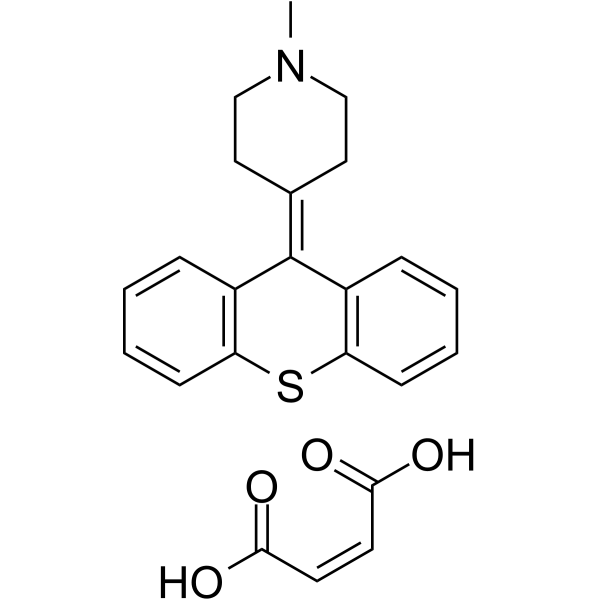
- HY-12463A
-
|
|
Adrenergic Receptor
|
Inflammation/Immunology
|
|
Carmoterol is a highly potent and selective long-acting β2-adrenergic receptor agonist with a pEC50 of 10.19. Carmoterol shows 53-fold higher affinity for β2-adrenergic receptors than for β1-adrenergic receptors. Carmoterol stimulates cyclic adenosine monophosphate accumulation, induces airway smooth muscle relaxation, inhibits bronchoconstriction, reduces thromboxane B2 release, and prolongs survival time. Carmoterol can be used in research related to asthma and chronic obstructive pulmonary disease (COPD) .
|
-

- HY-126251
-
|
|
CDK
Apoptosis
|
Cancer
|
|
CDK9-IN-7 (compound 21e) is a selective, highly potent, and orally active CDK9/cyclin T inhibitor (IC50=11 nM), which exhibits more potent over other CDKs (CDK4/cyclinD=148 nM; CDK6/cyclinD=145 nM). CDK9-IN-7 shows antitumor activity without obvious toxicity. CDK9-IN-7 induces NSCLC cell apoptosis, arrests the cell cycle in the G2 phase, and suppresses the stemness properties of NSCLC .
|
-
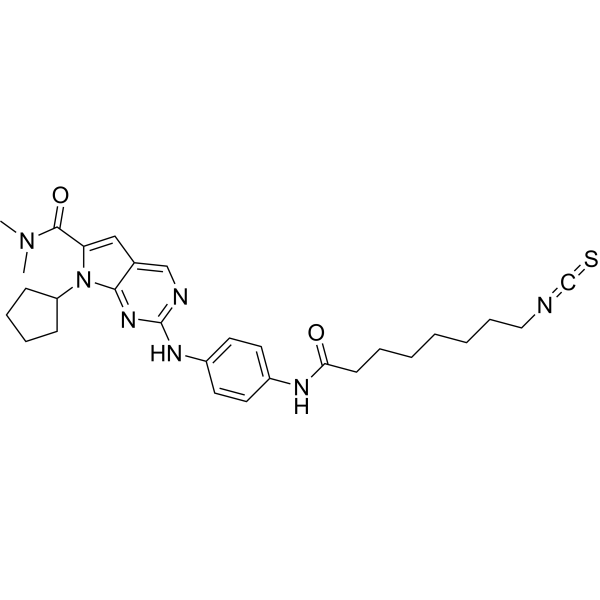
- HY-146274
-
|
|
c-Met/HGFR
Apoptosis
|
Cancer
|
|
c-Met-IN-10 (compound 26a) is a highly potent c-Met kinase inhibitor with an IC50 value of 16 nM. c-Met-IN-10 has inhibitory activity against cancer cells A549, H460 and HT-29 with IC50s of 0.56 ~ 1.59 μM. c-Met-IN-10 suppresses the colony formation on HT-29 cells, induces HT-29 and A549 cells apoptosis, and inhibits A549 cells motility. c-Met-IN-10 can be used for researching anticancer .
|
-
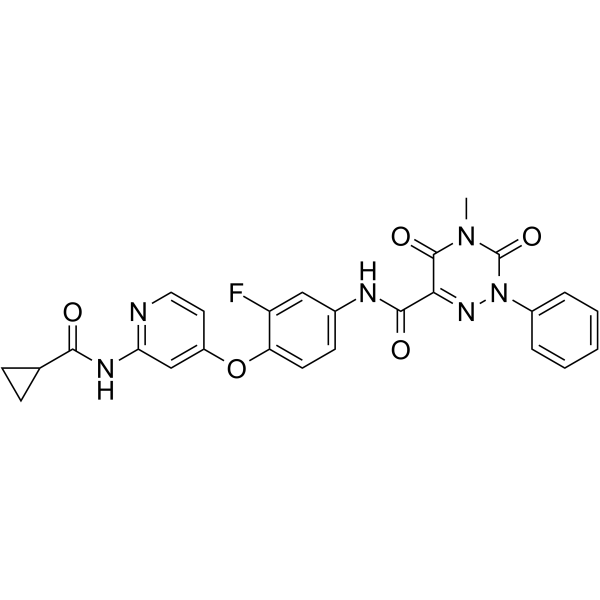
- HY-173402
-
|
|
Fungal
|
Infection
|
|
TPS1-IN-1 (Compound O1) is a highly potent and broad-spectrum TPS1 inhibitor. TPS1-IN-1 with IC50s of 14.73 μM for MoTPS1 (TPS1 of M oryzae) and 59.99 μM for BcTPS1 (TPS1 of B cinerea), respectively. TPS1-IN-1 exerts a broad-spectrum fungicidal effect by interfering with spore germination, appressorium formation, and turgor pressure accumulation of fungi. TPS1-IN-1 has good safety and has the potential to be a novel fungicide candidate compound .
|
-

- HY-13238
-
|
S/GSK1349572
|
HIV Integrase
HIV
|
Infection
|
|
Dolutegravir (S/GSK1349572) is a highly potent and orally bioavailable HIV integrase strand transfer inhibitor with an IC50 of 2.7 nM for HIV-1 integrase-catalyzed strand transfer. Dolutegravir (S/GSK1349572) inhibits HIV-1 viral replication with an IC50 of 0.51 nM in peripheral blood mononuclear cells. Dolutegravir retains a high potency against the HIV-1 Y143R, N155H, and G140S/Q148H mutants (EC50=3.6-5.8 nM) .
|
-
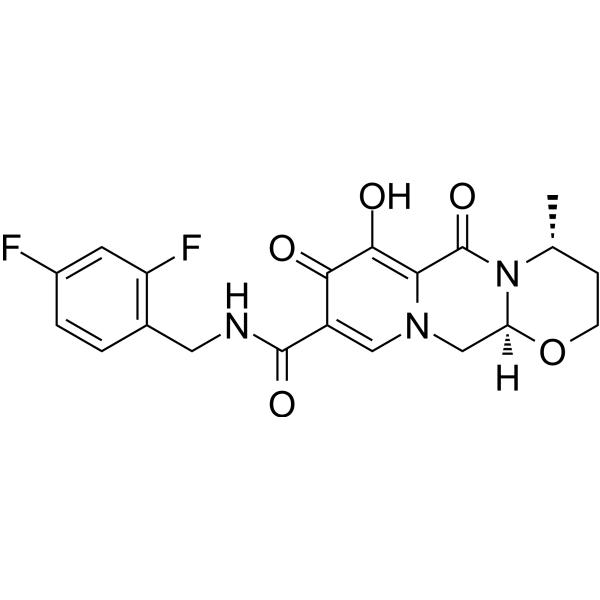
- HY-12759
-
|
|
Histone Methyltransferase
|
Cancer
|
|
CARM1-IN-1 (compound 7g) is a highly potent and selective inhibitor of CARM1 (IC50=8.6 μM, CARM1/PABP1), with low inhibitory activity against PRMT1 and SET7 (IC50 >667 μM). CARM1-IN-1 inhibits the methylation activity of CARM1 and the methylation levels of different substrates, such as PABP1, CA150, SmB, and H3. CARM1-IN-1 also inhibits the promoter activity of prostate-specific antigen (PSA) without significant cytotoxicity .
|
-
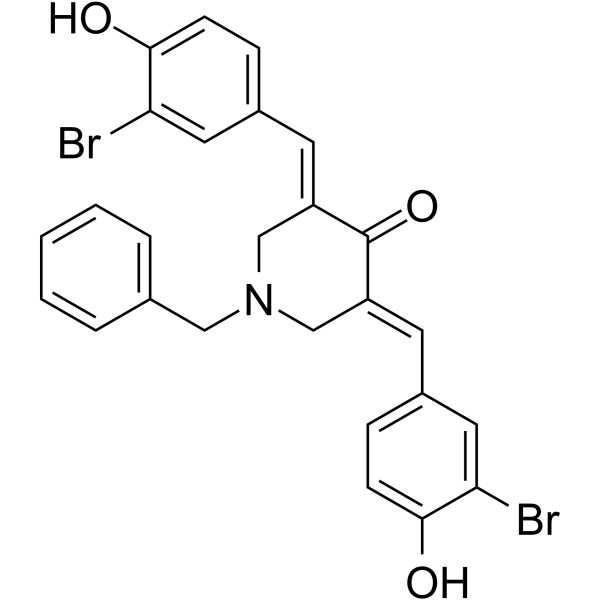
- HY-12759A
-
|
|
Histone Methyltransferase
|
Cancer
|
|
CARM1-IN-1 (compound 7g) hydrochloride is a highly potent and selective inhibitor of CARM1 (IC50=8.6 μM, CARM1/PABP1), with low inhibitory activity against PRMT1 and SET7 (IC50 >667 μM). CARM1-IN-1 hydrochloride inhibits the methylation activity of CARM1 and the methylation levels of different substrates, such as PABP1, CA150, SmB, and H3. CARM1-IN-1 hydrochloride also inhibits the promoter activity of prostate-specific antigen (PSA) without significant cytotoxicity .
|
-
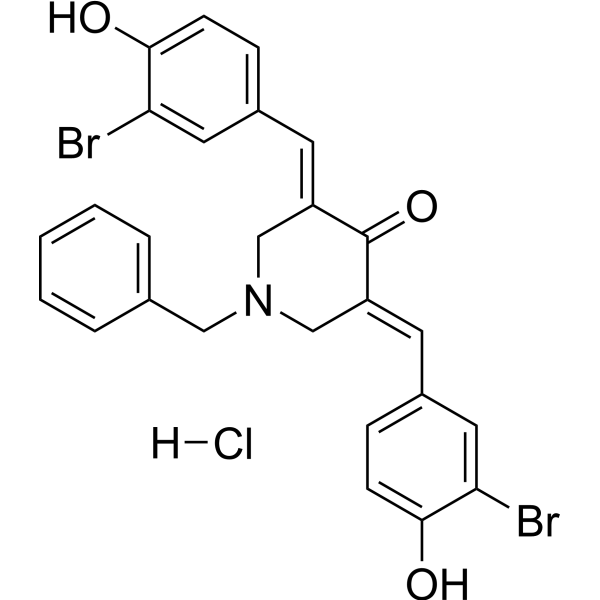
- HY-101508
-
|
|
Histone Methyltransferase
|
Cancer
|
|
GNA002 is a highly potent, specific and covalent EZH2 (Enhancer of zeste homolog 2) inhibitor with an IC50 of 1.1 μM. GNA002 can specifically and covalently bind to Cys668 within the EZH2-SET domain, triggering EZH2 degradation through COOH terminus of Hsp70-interacting protein (CHIP)-mediated ubiquitination. GNA002 efficiently reduces EZH2-mediated H3K27 trimethylation, reactivates polycomb repressor complex 2 (PRC2)-silenced tumor suppressor genes .
|
-
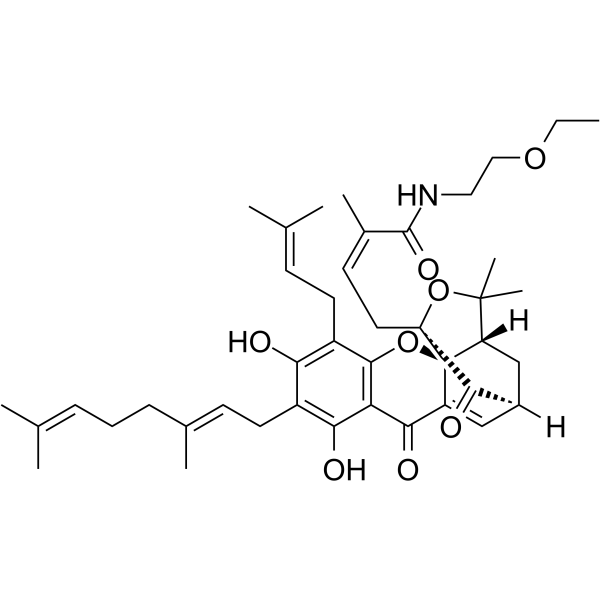
- HY-150652
-
|
|
FGFR
Apoptosis
|
Cancer
|
|
FGFR-IN-8 (Compound 17a) is a highly potent and orally active panFGFR inhibitor against wild-type and mutant FGFRs. FGFR-IN-8 shows inhibition with IC50 values of <0.5, 189.1, <0.5, 22.6, <0.5 and 7.30 nM against FGFR1, V564F-FGFR2, N549H-FGFR2, V555M-FGFR3, FGFR3 and FGFR4, respectively. GFR-IN-8 induces cancer cell apoptosis and shows anticancer activities .
|
-
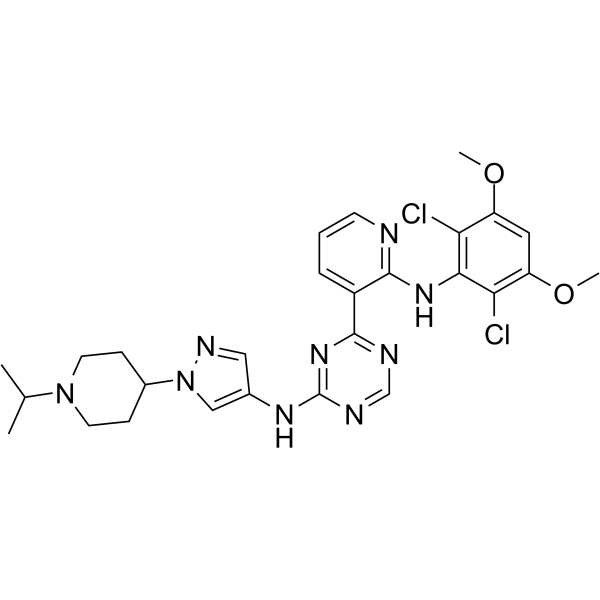
- HY-10865R
-
|
|
Reference Standards
FAAH
Autophagy
|
Neurological Disease
|
|
LY2183240 (Standard) is the analytical standard of LY2183240 (HY-10865). This product is intended for research and analytical applications. LY2183240 is a highly potent blocker of anandamide uptake (IC50= 270 pM; Ki=540 nM). LY2183240 is a potent, covalent inhibitor of the endocannabinoid-degrading enzyme fatty acid amide hydrolase (FAAH) with an IC50 of 12.4 nM. LY2183240 inactivates FAAH by carbamylation of the enzyme's serine nucleophile. LY2183240 also inhibits several other brain serine hydrolases with IC50s of 5.3, 0.09, 8.2 nM for MAG lipase, bh6 and KiAA1363, respectively .
|
-

- HY-112461A
-
|
|
P2X Receptor
|
Cardiovascular Disease
|
|
NF449 octasodium is a highly potent P2X1 receptor antagonist, with IC50s of 0.28, 0.69, and 120 nM for rP2X1, rP2X1+5, P2X2+3, respectively. NF449 octasodium is a Gsα-selective G Protein antagonist. NF449 octasodium suppresses the rate of GTP[γS] binding to Gsα-s, inhibits the stimulation of adenylyl cyclase activity, and blocks the coupling of β-adrenergic receptors to Gs .
|
-
- HY-144123
-
|
|
HIV
|
Infection
|
|
HIV-1 inhibitor-16 (compound 7a) is a highly potent HIV-1 inhibitor with an EC50 value of 1.3 nM for HIV-1 WT. HIV-1 inhibitor-16 also has certain inhibitory activity against HIV-1 K103N, E138K, Y181C and L100I strains with EC50s of 5.4 nM, 9.2 nM, 22 nM and 35 nM. HIV-1 inhibitor-16 has favorable solubility and liver microsome stability, and does not exhibit apparent CYP enzymatic inhibitory activity or acute toxicity .
|
-
- HY-13238S2
-
|
S/GSK1349572-d5
|
Isotope-Labeled Compounds
HIV Integrase
HIV
|
Infection
|
|
Dolutegravir-d5 is deuterium labeled Dolutegravir. Dolutegravir (S/GSK1349572) is a highly potent and orally bioavailable HIV integrase strand transfer inhibitor with an IC50 of 2.7 nM for HIV-1 integrase-catalyzed strand transfer. Dolutegravir (S/GSK1349572) inhibits HIV-1 viral replication with an IC50 of 0.51 nM in peripheral blood mononuclear cells. Dolutegravir retains a high potency against the HIV-1 Y143R, N155H, and G140S/Q148H mutants (EC50=3.6-5.8 nM) .
|
-
- HY-171472
-
|
|
Dopamine Receptor
|
Neurological Disease
|
|
A-86929 is a highly potent and selective dopamine D1 receptor agonist with a pKi value of 7.3. In the 6-OHDA (HY-B1081)-induced unilateral nigrostriatal lesion rat model, A-86929 significantly induces rotational behavior. It also improves motor function in the MPTP (HY-15608)-induced Parkinson's disease marmoset model. Additionally, A-86929 demonstrates potential therapeutic value in reducing cocaine-seeking behavior in rats and reversing Haloperidol (HY-14538)-induced cognitive deficits in rhesus monkeys. A-86929 can be used for research in neurological disorders .
|
-

- HY-12723
-
|
(-)-Apomorphine
|
Dopamine Receptor
Monoamine Oxidase
Reactive Oxygen Species (ROS)
JNK
ERK
Amyloid-β
Tau Protein
MMP
|
Neurological Disease
Inflammation/Immunology
Endocrinology
Cancer
|
|
Apomorphine ((-)-Apomorphine) is a potent dopamine receptor agonist. Apomorphine also inhibit MAO-A and MAO-B. Apomorphine exerts neuroprotective effect and can relax rat corpus cavernosum. Apomorphine can inhibit ROS production, DNA fragmentation and inibit JNK and ERK1/2 phosphorylation. Apomorphine can enhance degradation of intracellular Aβ40 and Aβ42, reduces tau protein levels and inhibit MMP-9 expression. Apomorphine is a highly potent radical scavenger and iron chelator. Apomorphine can be used for the researches of dementia, parkinson's disease, alzheimer disease, breast carcinoma, and erectile dysfunction .
|
-

- HY-112462
-
|
|
CDK
|
Cancer
|
|
Cdk1/2 Inhibitor III (compound 3n) is a highly potent and selective Cdk1/cyclin B and Cdk2/cyclin A inhibitor of with IC50s of 0.6 nM and 0.5 nM, respectively. Cdk1/2 Inhibitor III shows selectivity over VEGF-R2 (IC50 of 32 nM), GSK-3β (IC50 of 140 nM), and a other kinases. Cdk1/2 Inhibitor III inhibits in cell proliferation with IC50s of 20 nM, 35 nM and 92 nM for HCT-116, HeLa, and A375 cells, respectively .
|
-
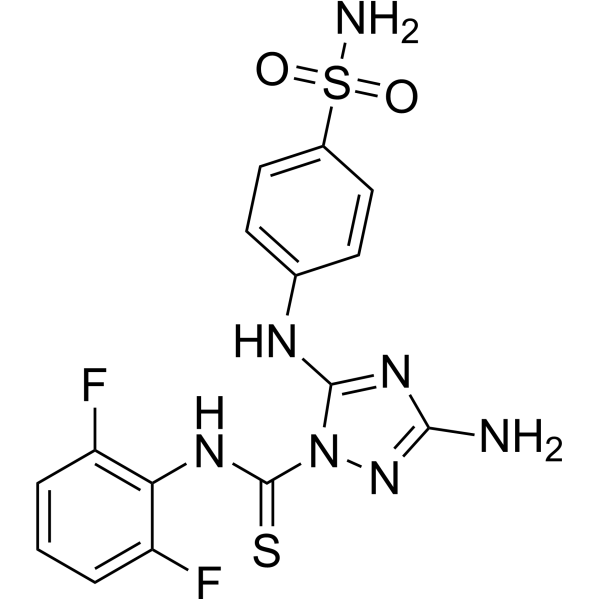
- HY-104044A
-
|
BGB-290 maleate
|
Apoptosis
|
Neurological Disease
|
|
Pamiparib maleate (BGB-290 maleate) is a highly potent and selective PARP inhibitor with neurotoxicity-inducing activity. Pamiparib maleate can effectively penetrate the blood-brain barrier and cause cerebral hemorrhage, brain atrophy, and movement disorders in zebrafish embryos exposed. Pamiparib maleate exposure downregulates the activities of acetylcholinesterase (AChE) and adenosine triphosphatase (ATPase) and leads to upregulation of oxidative stress, which triggers apoptosis and interferes with the expression of neurodevelopment-related genes. The use of pamiparib maleate is also accompanied by downregulation of the Notch signaling pathway, while activation of the Notch signaling pathway can partially rescue neurodevelopmental toxicity. Therefore, pamiparib maleate provides a reference for evaluating its potential neurotoxicity during embryonic development .
|
-

- HY-164202
-
|
|
Antibody-Drug Conjugates (ADCs)
|
Cancer
|
|
ORM-5029 is a first-in-class human epidermal growth factor receptor 2 (HER2)-targeted antibody-drug conjugate (ADC) comprised of SMol006, a highly potent GSPT1 degrader, conjugated to Pertuzumab (HY-P9912). ORM-5029 exhibits robust efficacy across 14 HER2-positive breast cancer cell lines, with IC50 values ranging from 0.3 to 14.4 nM.ORM-5029 demonstrates anti-tumor activity in the BT474 xenograft model. ORM-5029 can be used for study of breast cancer .
|
-

- HY-174133
-
|
|
17β-HSD
|
Metabolic Disease
Inflammation/Immunology
|
|
HSD17B13-IN-104 (Compound 32) is an orally active, highly potent and selective HSD17B13 inhibitor (IC50=2.5 nM). HSD17B13-IN-104 regulates hepatic lipid metabolism by inhibiting the SREBP-1c/FAS pathway. HSD17B13-IN-104 blocks HSD17B13 enzymatic activity to improve hepatic lipid accumulation. HSD17B13-IN-104 is promising for research of metabolic dysfunction-associated steatohepatitis .
|
-

- HY-13238A
-
|
S/GSK1349572 sodium
|
HIV Integrase
HIV
|
Infection
|
|
Dolutegravir sodium (S/GSK1349572 sodium) is a highly potent and orally bioavailable HIV integrase strand transfer inhibitor with an IC50 of 2.7 nM for HIV-1 integrase-catalyzed strand transfer. Dolutegravir sodium (S/GSK1349572 sodium) inhibits HIV-1 viral replication with an IC50 of 0.51 nM in peripheral blood mononuclear cells. Dolutegravir sodium (S/GSK1349572 sodium) retains a high potency against the HIV-1 Y143R, N155H, and G140S/Q148H mutants (EC50=3.6-5.8 nM) .
|
-
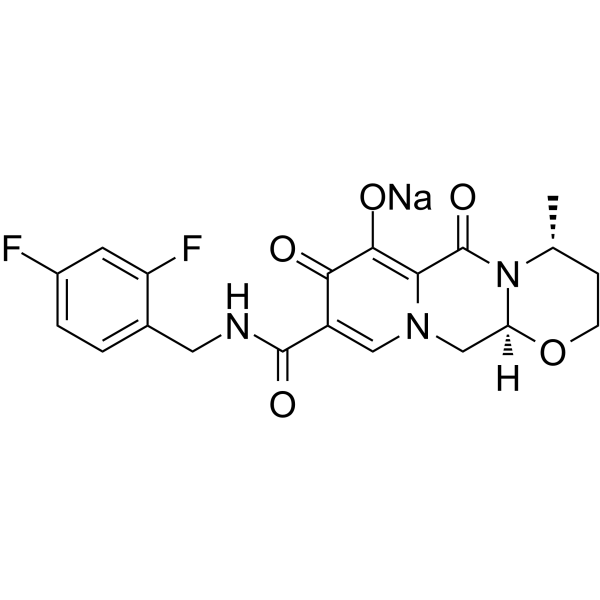
- HY-14993R
-
|
|
Protease Activated Receptor (PAR)
Apoptosis
|
Cardiovascular Disease
|
|
SCH79797 (Standard) is the analytical standard of SCH79797. This product is intended for research and analytical applications. SCH79797 is a highly potent, selective nonpeptide protease activated receptor 1 (PAR1) antagonist. SCH79797 inhibits binding of a high-affinity thrombin receptor-activating peptide to PAR1 with an IC50 of 70 nM and a Ki of 35 nM. SCH79797 inhibits thrombin-induced platelet aggregation with an IC50 of 3 μM. SCH79797 has antiproliferative and pro-apoptotic effects, and limits myocardial ischemia/reperfusion injury in rat hearts. SCH79797 also potently prevents PAR1 activation in vascular smooth muscle cells, endothelial cells, and astrocytes .
|
-

- HY-103636R
-
|
|
Reference Standards
Sirtuin
PROTACs
|
Cancer
|
|
PROTAC Sirt2 Degrader-1 (Standard) is the analytical standard of PROTAC Sirt2 Degrader-1 (HY-103636). This product is intended for research and analytical applications. PROTAC Sirt2 Degrader-1 is a SirReal-based PROTAC, acts as a Sirt2 degrader, composed of a highly potent and isotype-selective Sirt2 inhibitor, a linker, and a bona fide Cereblon ligand for E3 ubiquitin ligase. PROTAC Sirt2 Degrader-1 shows an IC50 of 0.25 μM for Sirt2, with no effect on Sirt1/Sirt3 (IC50s>100 μM) .
|
-

- HY-13238S1
-
|
S/GSK1349572-d3
|
Isotope-Labeled Compounds
HIV Integrase
HIV
|
Infection
|
|
Dolutegravir-d3 is the deuterium labeled Dolutegravir. Dolutegravir (S/GSK1349572) is a highly potent and orally bioavailable HIV integrase strand transfer inhibitor with an IC50 of 2.7 nM for HIV-1 integrase-catalyzed strand transfer. Dolutegravir (S/GSK1349572) inhibits HIV-1 viral replication with an IC50 of 0.51 nM in peripheral blood mononuclear cells. Dolutegravir retains a high potency against the HIV-1 Y143R, N155H, and G140S/Q148H mutants (EC50=3.6-5.8 nM) .
|
-
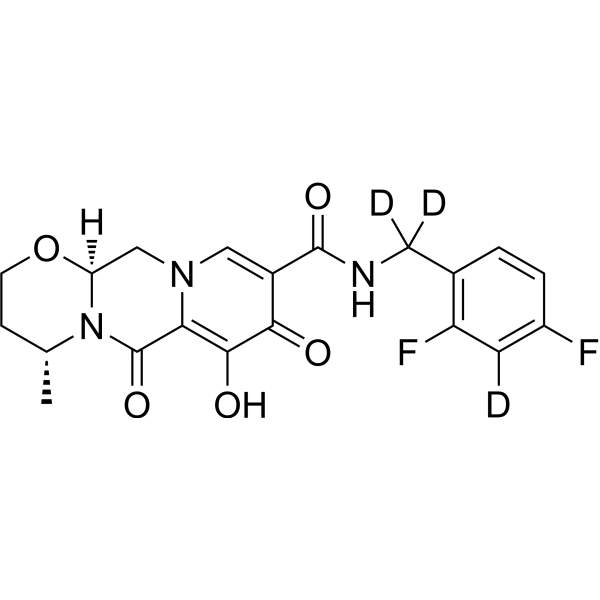
- HY-14994R
-
|
|
Protease Activated Receptor (PAR)
Apoptosis
|
Cardiovascular Disease
|
|
SCH79797 (dihydrochloride) (Standard) is the analytical standard of SCH79797 (dihydrochloride). This product is intended for research and analytical applications. SCH79797 dihydrochloride is a highly potent, selective nonpeptide protease activated receptor 1 (PAR1) antagonist. SCH79797 dihydrochloride inhibits binding of a high-affinity thrombin receptor-activating peptide to PAR1 with an IC50 of 70 nM and a Ki of 35 nM. SCH79797 dihydrochloride inhibits thrombin-induced platelet aggregation with an IC50 of 3 μM. SCH79797 dihydrochloride has antiproliferative and pro-apoptotic effects, and limits myocardial ischemia/reperfusion injury in rat hearts. SCH79797 dihydrochloride also potently prevents PAR1 activation in vascular smooth muscle cells, endothelial cells, and astrocytes .
|
-

- HY-178348
-
|
|
PARP
c-Met/HGFR
DNA/RNA Synthesis
|
Cancer
|
|
PARP1/c-Met-IN-2 is a highly potent, orally active, PARP1 (IC50 = 21.8 nM) and c-Met (IC50 = 30.2 nM) dual inhibitor. PARP1/c-Met-IN-2 can elevate the expression level of γH2AX, cause DNA damage. PARP1/c-Met-IN-2 exhibits remarkable anti-tumor efficacy in the Olaparib (HY-10162)-resistant HCT116 (HCT116OR) xenograft models. PARP1/c-Met-IN-2 can be used for the study of Colon Cancer .
|
-

- HY-19314A
-
|
RO-0622 hydrochloride; FNC hydrochloride
|
Reverse Transcriptase
HIV
HBV
HCV
|
Infection
|
|
Azvudine (RO-0622) hydrochloride is a potent nucleoside reverse transcriptase inhibitor (NRTI), with antiviral activity on HIV, HBV and HCV. Azvudine hydrochloride exerts highly potent inhibition on HIV-1 (EC50s ranging from 0.03 to 6.92 nM) and HIV-2 (EC50s ranging from 0.018 to 0.025 nM). Azvudine hydrochloride inhibits NRTI-resistant viral strains . Azvudine (hydrochloride) is a click chemistry reagent, it contains an Azide group and can undergo copper-catalyzed azide-alkyne cycloaddition reaction (CuAAc) with molecules containing Alkyne groups. It can also undergo strain-promoted alkyne-azide cycloaddition (SPAAC) reactions with molecules containing DBCO or BCN groups.
|
-
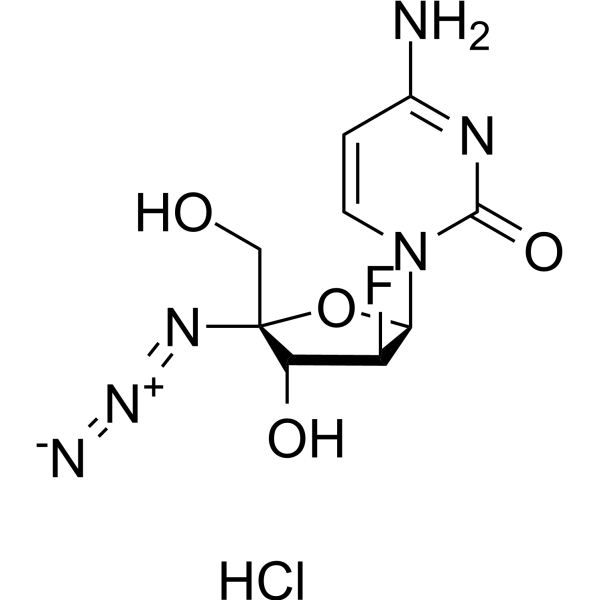
- HY-19314
-
|
RO-0622; FNC
|
Reverse Transcriptase
HIV
HBV
HCV
|
Infection
|
|
Azvudine (RO-0622) is a potent nucleoside reverse transcriptase inhibitor (NRTI), with antiviral activity on HIV, HBV and HCV. Azvudine exerts highly potent inhibition on HIV-1 (EC50s ranging from 0.03 to 6.92 nM) and HIV-2 (EC50s ranging from 0.018 to 0.025 nM). Azvudine inhibits NRTI-resistant viral strains . Azvudine is a click chemistry reagent, it contains an Azide group and can undergo copper-catalyzed azide-alkyne cycloaddition reaction (CuAAc) with molecules containing Alkyne groups. It can also undergo strain-promoted alkyne-azide cycloaddition (SPAAC) reactions with molecules containing DBCO or BCN groups.
|
-
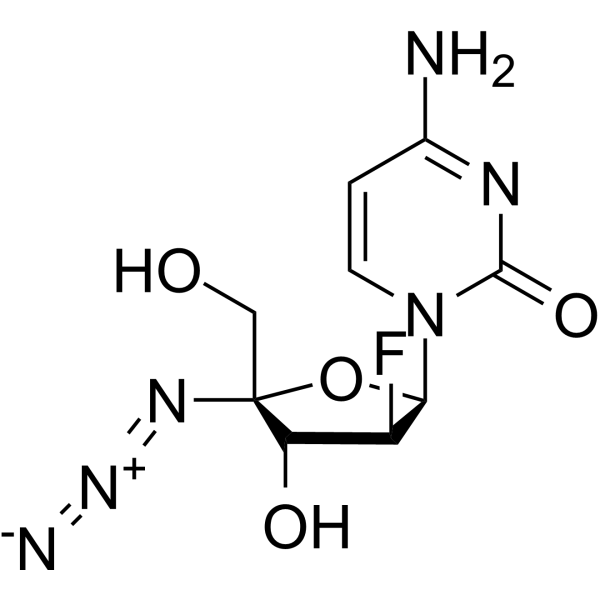
- HY-B1101AR
-
|
Pimetixene maleate (Standard)
|
Reference Standards
5-HT Receptor
Histamine Receptor
|
Neurological Disease
Endocrinology
|
|
Pimethixene maleate (Standard) is the analytical standard of Pimethixene maleate. This product is intended for research and analytical applications. Pimethixene maleate is antihistamine and antiserotonergic compound, acts as an antimigraine agent.
Pimethixene maleate is a highly potent antagonist of 5-HT1A, 5-HT2A, 5-HT2B, 5-HT2C, histamine H1, dopamine D2 and D4.4 as well as muscarinic M1 and M2 receptors, with pKis of 7.63, 10.22, 10.44, 8.42, 10.14, 8.19, 7.54, 8.61 and 9.38, respectively .
|
-

- HY-13238R
-
|
S/GSK1349572 (Standard)
|
Reference Standards
HIV Integrase
HIV
|
Infection
|
|
Dolutegravir (Standard) is the analytical standard of Dolutegravir. This product is intended for research and analytical applications. Dolutegravir (S/GSK1349572) is a highly potent and orally bioavailable HIV integrase strand transfer inhibitor with an IC50 of 2.7 nM for HIV-1 integrase-catalyzed strand transfer. Dolutegravir (S/GSK1349572) inhibits HIV-1 viral replication with an IC50 of 0.51 nM in peripheral blood mononuclear cells. Dolutegravir retains a high potency against the HIV-1 Y143R, N155H, and G140S/Q148H mutants (EC50=3.6-5.8 nM) .
|
-

- HY-101514
-
-
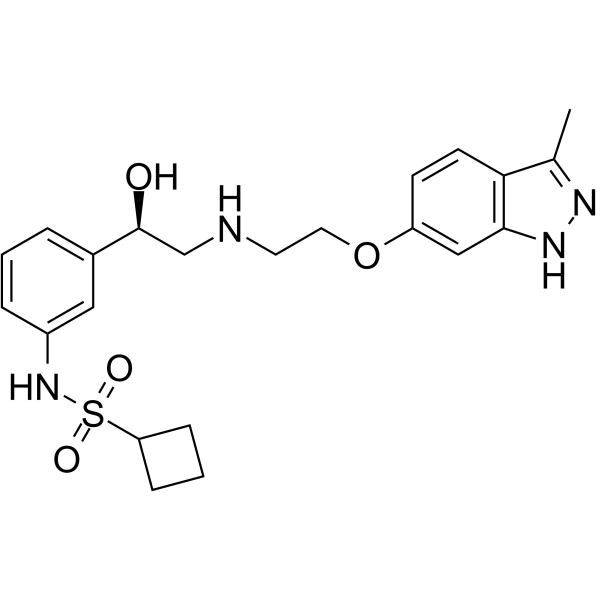
- HY-114312
-
MD-224
Maximum Cited Publications
8 Publications Verification
|
PROTACs
MDM-2/p53
E1/E2/E3 Enzyme
|
Cancer
|
|
MD-224 is a first-in-class and highly potent small-molecule human murine double minute 2 (MDM2) degrader based on the proteolysistargeting chimera (PROTAC) concept. MD-224 consists of ligands for Cereblon and MDM2. MD-224 induces rapid degradation of MDM2 at concentrations <1 nM in human leukemia cells, and achieves an IC50 value of 1.5 nM in inhibition of growth of RS4;11 cells. MD-224 has the potential to be a new class of anticancer agent . MD-224 is a click chemistry reagent, it contains an Alkyne group and can undergo copper-catalyzed azide-alkyne cycloaddition (CuAAc) with molecules containing Azide groups.
|
-
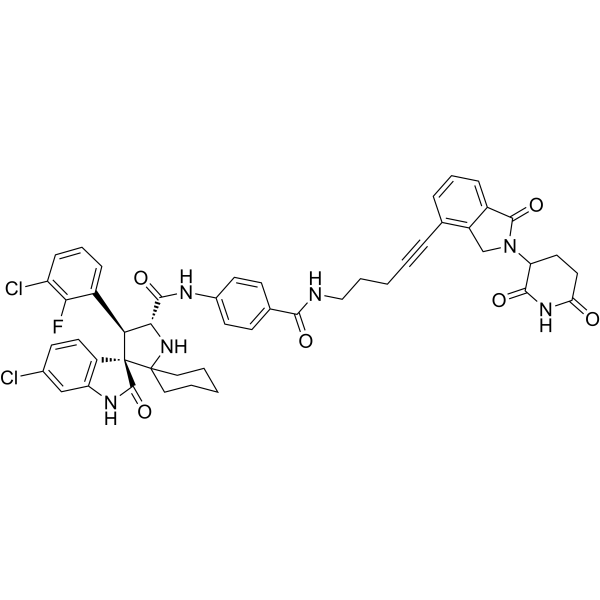
- HY-103120
-
|
|
5-HT Receptor
|
Neurological Disease
|
|
Org37684 is a highly potent 5-HT2C receptor agonist (pEC50=8.17). Org37684 exhibits a rank order of potency of 5-HT2C>5-HT2B>5-HT2A. Its selectivity for the 5-HT2C receptor is approximately 2.5 times over the 5-HT2B (pEC50=7.96) and ten times for the 5-HT2A (pEC50=7.11) receptor .
|
-
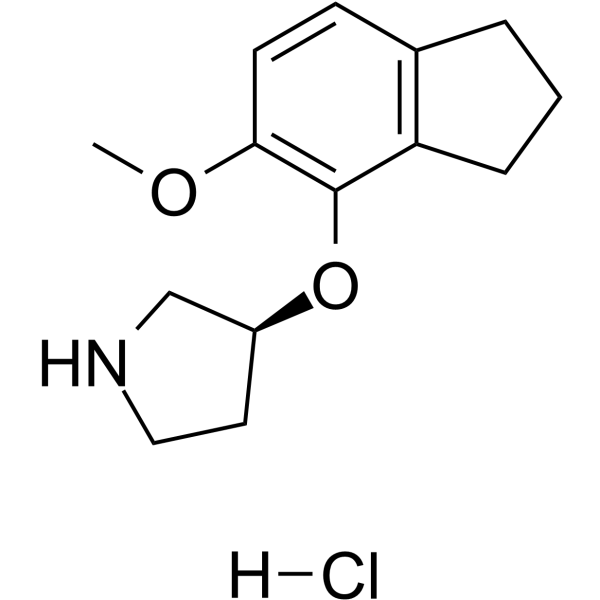
- HY-155066
-
|
|
PI3K
mTOR
Apoptosis
|
Cancer
|
|
FD274 is a highly potent PI3K/mTOR dual inhibitor with IC50s of 0.65 nM, 1.57 nM, 0.65 nM, 0.42 nM, and 2.03 nM against PI3Kα/β/γ/δ and mTOR, respectively. FD274 exhibits significant anti-proliferation of AML cell lines (HL-60 and MOLM-16). FD274 arrests HL-60 cell cycle at G1 phase and increases apoptosis. FD274 demonstrates dose-dependent inhibition of tumor growth in the HL-60 xenograft model. FD274 has the potential for acute myeloid leukemia research .
|
-
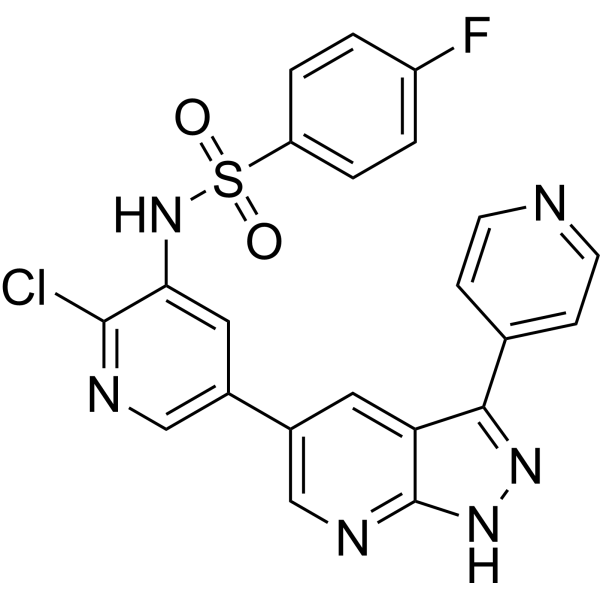
- HY-12723R
-
|
(-)-Apomorphine (Standard)
|
Reference Standards
Dopamine Receptor
Monoamine Oxidase
Reactive Oxygen Species (ROS)
JNK
ERK
Amyloid-β
Tau Protein
MMP
|
Neurological Disease
Inflammation/Immunology
Endocrinology
Cancer
|
|
Apomorphine ((-)-Apomorphine) (Standard) is the analytical standard of Apomorphine (HY-12723). This product is intended for research and analytical applications. Apomorphine is a potent dopamine receptor agonist. Apomorphine also inhibit MAO-A and MAO-B. Apomorphine exerts neuroprotective effect and can relax rat corpus cavernosum. Apomorphine can inhibit ROS production, DNA fragmentation and inibit JNK and ERK1/2 phosphorylation. Apomorphine can enhance degradation of intracellular Aβ40 and Aβ42, reduces tau protein levels and inhibit MMP-9 expression. Apomorphine is a highly potent radical scavenger and iron chelator. Apomorphine can be used for the researches of dementia, parkinson's disease, alzheimer disease, breast carcinoma, and erectile dysfunction .
|
-

- HY-101034
-
|
CHMFL-ABL-KIT-155
|
Bcr-Abl
c-Kit
Apoptosis
PDGFR
Discoidin Domain Receptor
|
Cancer
|
|
CHMFL-ABL/KIT-155 (CHMFL-ABL-KIT-155; compound 34) is a highly potent and orally active type II ABL/c-KIT dual kinase inhibitor (IC50s of 46 nM and 75 nM, respectively), and it also presents significant inhibitory activities to BLK (IC50=81 nM), CSF1R (IC50=227 nM), DDR1 (IC50=116 nM), DDR2 (IC50=325 nM), LCK (IC50=12 nM) and PDGFRβ (IC50=80 nM) kinases. CHMFL-ABL/KIT-155 (CHMFL-ABL-KIT-155) arrests cell cycle progression and induces apoptosis .
|
-
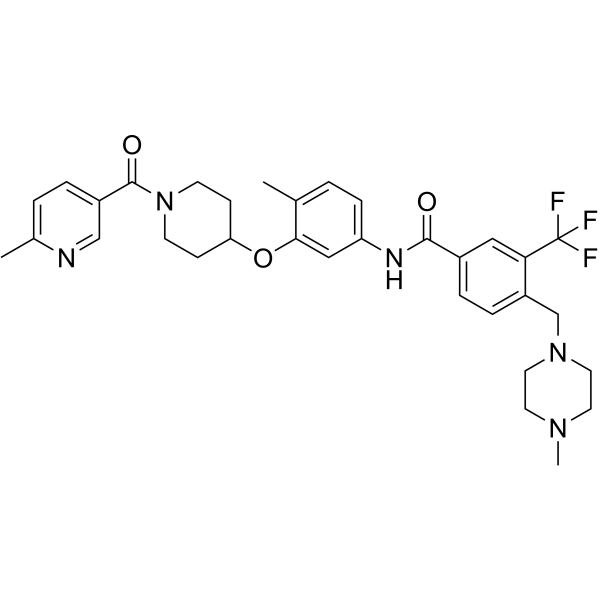
- HY-P11594
-
|
|
Neurotensin Receptor
|
Cancer
|
|
JMV 7490 is a highly potent and highly hydrophilic neurotensin receptor NTS1 probe that can be successfully labeled with 68Ga and 111In. JMV 7490 acts as an efflux inhibitor to reduce its efflux in NTS1-positive cancer cells; it also serves as an internalization inducer and is efficiently and continuously internalized by NTS1-positive cancer cells. 111In-radiolabeled JMV 7490 shows persistent uptake in NTS1-positive xenografts in nude mice, but no significant uptake in NTS1-negative xenografts. JMV 7490 can be used for in vivo tracer applications of NTS1-positive tumors and supports related research on colorectal cancer .
|
-

- HY-112296
-
T025
4 Publications Verification
|
CDK
Apoptosis
DYRK
|
Cancer
|
|
T025 is an orally active and highly potent inhibitor of Cdc2-like kinase (CLKs), with Kd values of 4.8, 0.096, 6.5, 0.61, 0.074, 1.5 and 32 nM for CLK1, CLK2, CLK3, CLK4, DYRK1A, DYRK1B and DYRK2, respectively. T025 induces caspase-3/7-mediated cell apoptosis. T025 reduces CLK-dependent phosphorylation. T025 exerts anti-proliferative activities in both hematological and solid cancer cell lines (IC50 values: 30-300 nM). T025 has an anti-tumor efficiency, mainly for MYC-driven disease research .
|
-
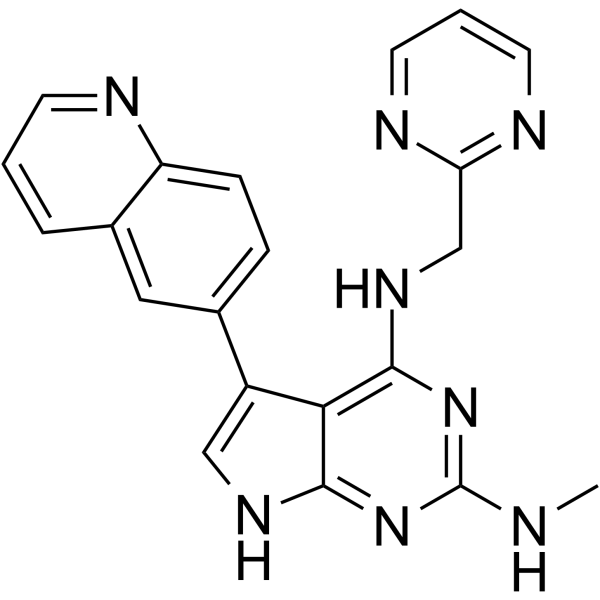
- HY-119396
-
|
|
Endogenous Metabolite
|
Cancer
|
|
DY3002 is a selective and highly potent EGFR inhibitor with activity in overcoming T790M-mediated drug resistance in non-small cell lung cancer. DY3002 exhibited superior inhibitory effects against EGFR T790M mutants in kinase assays (IC50 = 0.71 nM), compared to weaker inhibitory effects against wild-type EGFR (IC50 = 448.7 nM). DY3002 was significantly superior to rociletinib and osimertinib in selectivity, showing an extremely high selectivity index (SI = 632.0). In cell experiments, DY3002 had an IC50 value of 0.037 μM against H1975 cells, showing enhanced inhibitory potency. In addition, DY3002 was superior to other alternative compounds in terms of biological properties and did not cause hyperglycemia .
|
-

- HY-P1290
-
|
PKI-(6-22)-amide
|
PKA
|
Neurological Disease
|
|
PKA Inhibitor Fragment (6-22) amide is a highly potent and specific competitive inhibitor of PKA, with Ki values of 1.7 nM and 1.6 nM against human and bovine PKA catalytic subunits, respectively. The IC50 of PKA Inhibitor Fragment (6-22) amide targeting bovine PKA is 8.6 nM. PKA Inhibitor Fragment (6-22) amide effectively abolishes PKA activity in mouse brain and spinal cord, and exerts in vivo efficacy via intracerebroventricular administration. PKA Inhibitor Fragment (6-22) amide significantly reverses low-dose morphine analgesic tolerance in mice and blocks photoaffinity labeling of cAMP-dependent protein kinase. PKA Inhibitor Fragment (6-22) amide can be applied to research in fields related to the mechanism of morphine analgesic tolerance and skin wound healing .
|
-
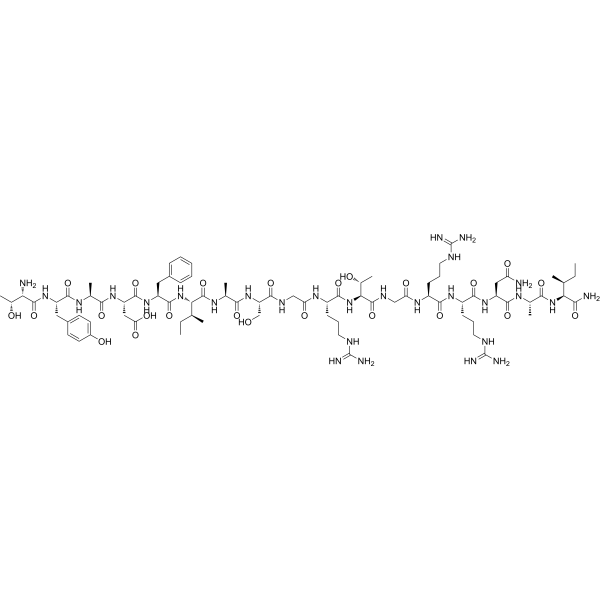
- HY-128879A
-
|
|
Phosphodiesterase (PDE)
GSK-3
Tau Protein
|
Cardiovascular Disease
Neurological Disease
Inflammation/Immunology
|
|
VP3.15 dihydrobromide is a highly potent, orally bioavailable, and CNS-penetrant PDE7-GSK3 dual inhibitor, with IC50 values of 1.59 μM and 0.88 μM against PDE7 and GSK3, respectively . VP3.15 dihydrobromide elevates intracellular cAMP levels, suppresses immune responses, enhances remyelination, limits excessive tau phosphorylation, and alleviates neuroinflammation and neuronal loss. VP3.15 dihydrobromide promotes oligodendrocyte precursor cell differentiation, improves in vivo remyelination, inhibits autoimmune encephalomyelitis, and mitigates germinal matrix-intraventricular hemorrhage-related brain injury, cerebral atrophy, ventricular enlargement, and cognitive impairment. VP3.15 dihydrobromide can be used in research related to multiple sclerosis and germinal matrix-intraventricular hemorrhage .
|
-
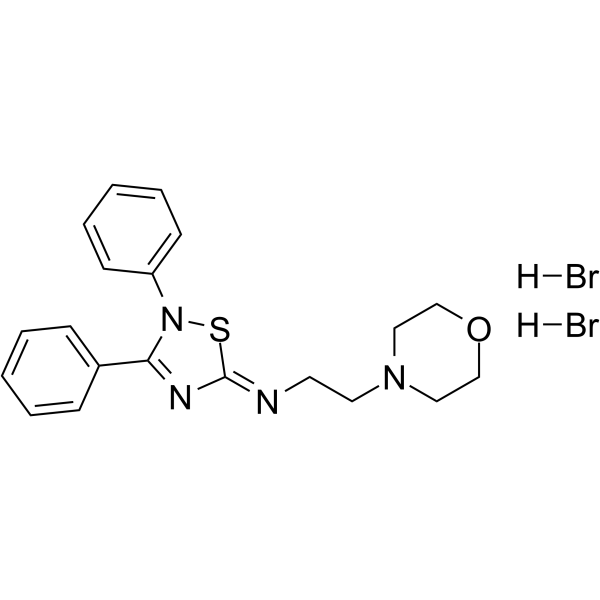
- HY-19314R
-
|
RO-0622 (Standard); FNC (Standard)
|
Reverse Transcriptase
HIV
HBV
HCV
Reference Standards
|
Infection
|
|
Azvudine (Standard) is the analytical standard of Azvudine. This product is intended for research and analytical applications. Azvudine (RO-0622) is a potent nucleoside reverse transcriptase inhibitor (NRTI), with antiviral activity on HIV, HBV and HCV. Azvudine exerts highly potent inhibition on HIV-1 (EC50s ranging from 0.03 to 6.92 nM) and HIV-2 (EC50s ranging from 0.018 to 0.025 nM). Azvudine inhibits NRTI-resistant viral strains . Azvudine is a click chemistry reagent, it contains an Azide group and can undergo copper-catalyzed azide-alkyne cycloaddition reaction (CuAAc) with molecules containing Alkyne groups. It can also undergo strain-promoted alkyne-azide cycloaddition (SPAAC) reactions with molecules containing DBCO or BCN groups.
|
-

- HY-182281
-
|
|
FLT3
STAT
Akt
ERK
Apoptosis
|
Cancer
|
|
FLT3-IN-41 is a highly potent FLT3 inhibitor. The IC50 values of FLT3-IN-41 against human FLT3-ITD and FLT3-WT are 3.16 nM and 294.7 nM, respectively. By binding to the ATP-binding pockets of FLT3-ITD and FLT3-WT and forming hydrogen bonds with hinge region residues and Phe830, FLT3-IN-41 inhibits the STAT5, Akt and Erk signaling pathways. FLT3-IN-41 induces G2/M phase arrest and promotes apoptosis in FLT3-ITD-positive acute myeloid leukemia cells, exhibiting significant antiproliferative activity. FLT3-IN-41 serves as a valuable tool for the study of acute myeloid leukemia .
|
-

- HY-146019A
-
|
|
HIV
|
Infection
|
|
HIV-1 inhibitor-25 (compound R-12a) is a highly potent HIV-1 reverse transcriptase, with an IC50 value of 0.1061 μM. HIV-1 inhibitor-25 has high antiretroviral activity against WT HIV-1 with an EC50 of 13.6 nM, and exhibits relatively low cytotoxicity with a CC50 of 33.13 μM in MT-4 cells. HIV-1 inhibitor-25 also has inhibitory activity against HIV-1 mutant strains (L100I, K103N, Y181C, Y188L, E138K, F227L+V106A) with EC50 of 0.1961 ~ 5.8136 μM. HIV-1 inhibitor-25 can be used for researching AIDS .
|
-
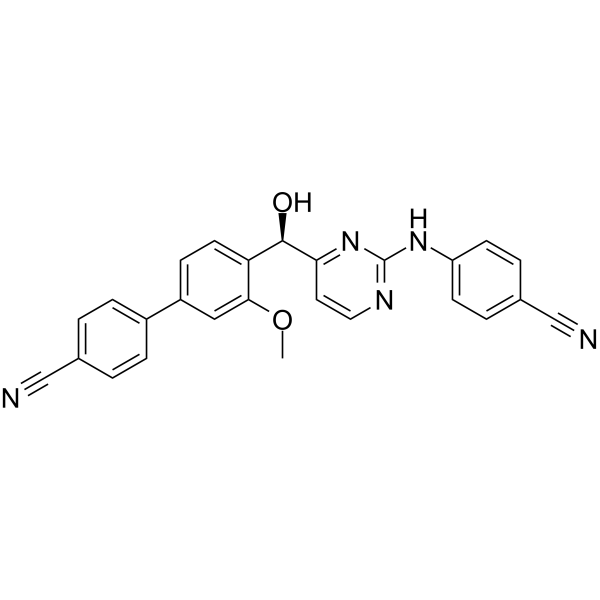
- HY-19261
-
|
|
Cholecystokinin Receptor
|
Metabolic Disease
|
|
T-0632 is a CCK A receptor antagonist that exhibits significant pharmacological properties in in vitro studies. T-0632 competitively inhibits the binding of [125I]CCK-8 to rat pancreatic CCK A receptors with a K_i value of 0.24 nM, which is significantly lower than the K_i value for guinea pig CCK B receptors. T-0632 has higher selectivity in inhibiting CCK-8-stimulated pancreatic enzyme release, with an IC_50 value of 5.0 nM, which is more advantageous than L-364,718 and loxiglumide. In rabbit gallbladder smooth muscle, the antagonistic effects of T-0632 and loxiglumide are reversible, while L-364,718 shows a persistent inhibitory effect. These results indicate that T-0632 is a highly potent, reversible and more selective CCK A receptor antagonist.
|
-

- HY-179556
-
|
|
SARS-CoV
|
Infection
|
|
SARS-CoV-2 nsp14-IN-10 is a highly potent and selective NSP14 (IC50 = 0.34 µM) S-adenosylmethionine (SAM) binding pocket inhibitor. SARS-CoV-2 nsp14-IN-10 demonstrates robust antiviral activity against SARS-CoV-2. SARS-CoV-2 nsp14-IN-10 exhibits broad-spectrum activity against other betacoronaviruses and inhibits SARS-CoV-2 at the replication stage. SARS-CoV-2 nsp14-IN-10 suppresses viral translation and exhibits immunostimulatory effects. SARS-CoV-2 nsp14-IN-10 specifically reverses NSP14-mediated alterations inhost transcriptome. SARS-CoV-2 nsp14-IN-10 can be used for the study of SARS-CoV-2 .
|
-

- HY-111997
-
|
HaloPROTAC 3
|
E3 Ligase Ligand-Linker Conjugates
|
Others
|
|
VH285-PEG4-C4-Cl (HaloPROTAC 3) is a conjugate of ligands for E3 and 16-atom-length linker. The connector of linker is Halogen group. VH285-PEG4-C4-Cl incorporates the VH285 based VHL ligand and an alkyl/ether-based linker. VH285-PEG4-C4-Cl is a highly potent and efficacious degrader of GFP-HaloTag7 with a DC50 of 19 nM. VH285-PEG4-C4-Cl is able to induce 90 % degradation of GFP-Halotag at 625 nM. VH285-PEG4-C4-Cl binds to VHL with an IC50 of 0.54 μM .
|
-
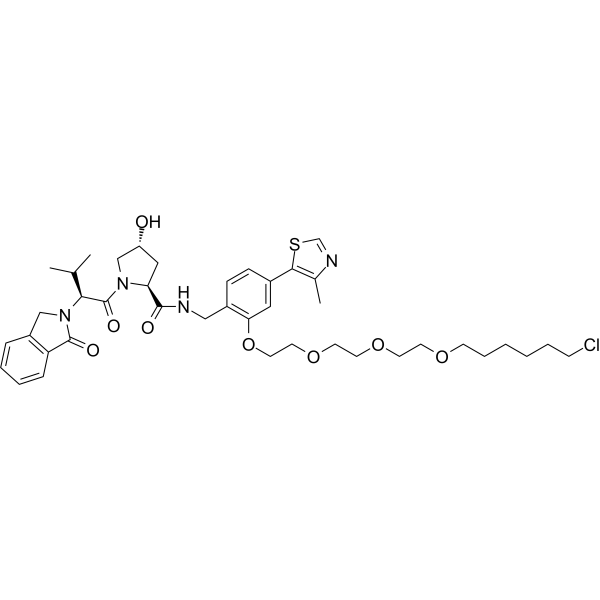
- HY-112608
-
|
|
PI3K
|
Cancer
|
|
CHMFL-PI3KD-317 is a highly potent, selective and orally active PI3Kδ inhibitor, with an IC50 of 6 nM, and exhibits over 10-1500 fold selectivity over other class I, II and III PIKK family isoforms, such as PI3Kα (IC50, 62.6 nM), PI3Kβ (IC50, 284 nM), PI3Kγ (IC50, 202.7 nM), PIK3C2A (IC50, >10000 nM), PIK3C2B (IC50, 882.3 nM), VPS34 (IC50, 1801.7 nM), PI4KIIIA (IC50, 574.1 nM) and PI4KIIIB (IC50, 300.2 nM). CHMFL-PI3KD-317 inhibits PI3Kδ-mediated Akt T308 phosphorylation in Raji cells, with an EC50 of 4.3 nM. CHMFL-PI3KD-317 has antiproliferative effects on cancer cells .
|
-
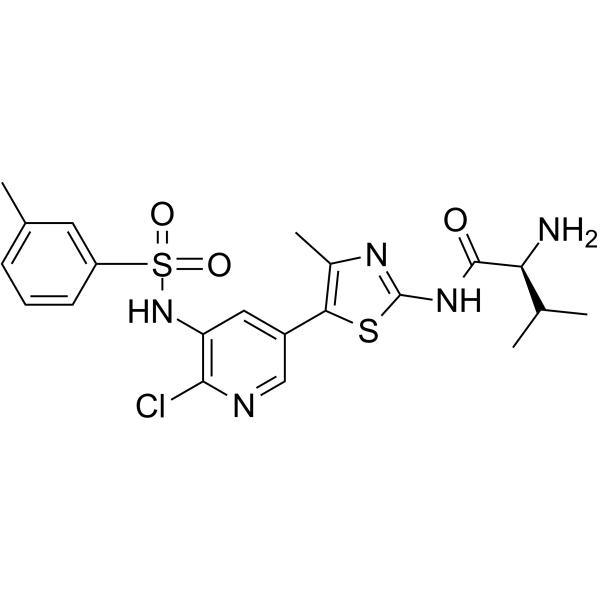
- HY-121562
-
|
|
5-HT Receptor
|
Neurological Disease
|
|
SB 714786 is a potent and selective 5-hydroxytryptamine 1D (5-HT1D) receptor antagonist. It was developed from the previously reported series of dual 5-HT1 selective 5-hydroxytryptamine reuptake inhibitors (5HT1-SSRIs). SB 714786 is the first reported highly potent and selective 5-HT1D receptor antagonist, providing an extremely useful pharmacological tool for further understanding the role of 5-HT1 receptor subtypes. It has no or very low intrinsic activity against all three receptors. SB 714786 has pKi values of 6.5, 6.7, 9.1 and 6.5 for 5-HT1A, 5-HT1B, 5-HT1D and SerT receptors, respectively, showing high selectivity for 5-HT1D receptors. These properties make SB 714786 a potential tool compound for studying the function of 5-HT1D receptors and the treatment of related diseases.
|
-

- HY-130654
-
|
VH032-C2-PEG4-N3
|
E3 Ligase Ligand-Linker Conjugates
|
Cancer
|
|
(S,R,S)-AHPC-C2-PEG4-N3 (VH032-C2-PEG4-N3) is a synthesized E3 ligase ligand-linker conjugate that incorporates the (S,R,S)-AHPC based VHL ligand and 4-unit PEG linker used in PROTAC technology. (S,R,S)-AHPC-C2-PEG4-N3 can be used in the synthesis of vRucaparib-TP4 (HY-130647). vRucaparib-TP4 a highly potent PARP1 degrader with a half-maximal degrading concentration (DC50) of 82 nM . (S,R,S)-AHPC-C2-PEG4-N3 is a click chemistry reagent, it contains an Azide group and can undergo copper-catalyzed azide-alkyne cycloaddition reaction (CuAAc) with molecules containing Alkyne groups. It can also undergo strain-promoted alkyne-azide cycloaddition (SPAAC) reactions with molecules containing DBCO or BCN groups.
|
-
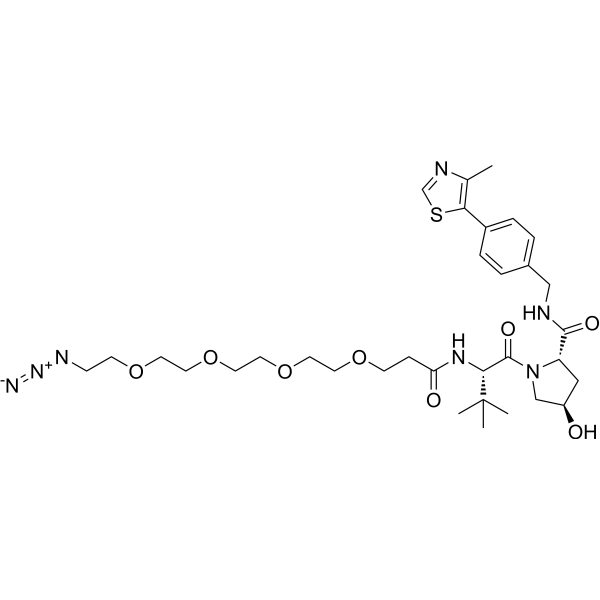
-
-
HY-L023
-
|
|
115 compounds
|
|
Antibody-Drug Conjugates (ADCs), a new class of treatment for cancer, are composed with a monoclonal antibody, a linker and a cytotoxic agent also referred to as a payload. To date, several ADCs have received market approval and more than 60 ADCs are currently in clinical trials. ADCs are one of the fastest growing classes of oncology drugs worldwide.
The payload or cytotoxic agent is the most important unit in the ADC. ADC has the capability to kill cancer cell depending on the potency of the payload. MCE provides 115 highly potent cytotoxins that contain auristatin derivatives, maytansinoids, calicheamicin, duocarmycin, pyrrolobenzodiazepines (PBDs), etc.
|
| Cat. No. |
Product Name |
Type |
-
- HY-15659G
-
|
C59
|
Fluorescent Dyes
|
|
Wnt-C59 (C59) GMP is a GMP grade Wnt-C59 (HY-15659). GMP small molecules works appropriately as an auxiliary reagent for cell therapy manufacture. Wnt-C59 (C59) is a highly potent and oral porcupine (PORCN) inhibitor with an IC50 of 74 pM.
|
-
- HY-15682G
-
|
Ro 13-7410; Arotinoid acid; AGN191183
|
Fluorescent Dyes
|
|
TTNPB (Ro 13-7410) (GMP) is TTNPB (HY-15682) produced by using GMP guidelines. GMP small molecules work appropriately as an auxiliary reagent for cell therapy manufacture. TTNPB is a highly potent retinoic acid receptor (RAR) agonist .
|
-
- HY-13990G
-
|
TNKS656
|
Fluorescent Dyes
|
|
NVP-TNKS656 (GMP) is NVP-TNKS656 (HY-13990) produced by using GMP guidelines. GMP small molecules works appropriately as an auxiliary reagent for cell therapy manufacture. NVP-TNKS656 is a highly potent, selective, and orally active TNKS2 inhibitor with IC50 of 6 nM, and is > 300 fold selectivity against PARP1 and PARP2.
|
-
- HY-16700G
-
|
|
Fluorescent Dyes
|
|
PNU-159682 GMP is a GMP grade PNU-159682 (HY-16700). PNU-159682, a metabolite of the anthracycline Nemorubicin, is a highly potent DNA topoisomerase II inhibitor with excellent cytotoxicity. PNU-159682 acts as a more potent and tolerated ADC cytotoxin than Doxorubicin for ADC synthesis. PNU-159682 can be used in EDV-nanocell technology to overcome agent resistance.
|
-
- HY-10181GL
-
|
BMS-354825 (GMP Like)
|
Fluorescent Dyes
|
|
Dasatinib (GMP Like) (BMS-354825 (GMP Like)) is Dasatinib (HY-10181) produced by using GMP like guidelines. GMP Like small molecules works appropriately as an auxiliary reagent for cell therapy manufacture. Dasatinib (BMS-354825) is a highly potent, ATP competitive, orally active dual Src/Bcr-Abl inhibitor with potent antitumor activity. The Kis are 16 pM and 30 pM for Src and Bcr-Abl, respectively. Dasatinib inhibits Bcr-Abl and Src with IC50s of <1.0 nM and 0.5 nM, respectively . Dasatinib also induces apoptosis and autophagy.
|
| Cat. No. |
Product Name |
Type |
-
- HY-15659G
-
|
C59
|
Biochemical Assay Reagents
|
|
Wnt-C59 (C59) GMP is a GMP grade Wnt-C59 (HY-15659). GMP small molecules works appropriately as an auxiliary reagent for cell therapy manufacture. Wnt-C59 (C59) is a highly potent and oral porcupine (PORCN) inhibitor with an IC50 of 74 pM.
|
-
- HY-W000357
-
|
|
Biochemical Assay Reagents
|
|
4-(Imidazol-1-yl)phenol is a highly potent signal enhancer in a horseradish peroxidase (HRP)-luminol chemiluminescence (CL) immunoassay .
|
-
- HY-15682G
-
|
Ro 13-7410; Arotinoid acid; AGN191183
|
Biochemical Assay Reagents
|
|
TTNPB (Ro 13-7410) (GMP) is TTNPB (HY-15682) produced by using GMP guidelines. GMP small molecules work appropriately as an auxiliary reagent for cell therapy manufacture. TTNPB is a highly potent retinoic acid receptor (RAR) agonist .
|
-
- HY-13990G
-
|
TNKS656
|
Biochemical Assay Reagents
|
|
NVP-TNKS656 (GMP) is NVP-TNKS656 (HY-13990) produced by using GMP guidelines. GMP small molecules works appropriately as an auxiliary reagent for cell therapy manufacture. NVP-TNKS656 is a highly potent, selective, and orally active TNKS2 inhibitor with IC50 of 6 nM, and is > 300 fold selectivity against PARP1 and PARP2.
|
-
- HY-16700G
-
|
|
Biochemical Assay Reagents
|
|
PNU-159682 GMP is a GMP grade PNU-159682 (HY-16700). PNU-159682, a metabolite of the anthracycline Nemorubicin, is a highly potent DNA topoisomerase II inhibitor with excellent cytotoxicity. PNU-159682 acts as a more potent and tolerated ADC cytotoxin than Doxorubicin for ADC synthesis. PNU-159682 can be used in EDV-nanocell technology to overcome agent resistance.
|
-
- HY-10181GL
-
|
BMS-354825 (GMP Like)
|
Biochemical Assay Reagents
|
|
Dasatinib (GMP Like) (BMS-354825 (GMP Like)) is Dasatinib (HY-10181) produced by using GMP like guidelines. GMP Like small molecules works appropriately as an auxiliary reagent for cell therapy manufacture. Dasatinib (BMS-354825) is a highly potent, ATP competitive, orally active dual Src/Bcr-Abl inhibitor with potent antitumor activity. The Kis are 16 pM and 30 pM for Src and Bcr-Abl, respectively. Dasatinib inhibits Bcr-Abl and Src with IC50s of <1.0 nM and 0.5 nM, respectively . Dasatinib also induces apoptosis and autophagy.
|
| Cat. No. |
Product Name |
Target |
Research Area |
-
- HY-P1033
-
-
- HY-P0069
-
D-JNKI-1
Maximum Cited Publications
11 Publications Verification
AM-111; XG-102
|
JNK
|
Others
|
|
D-JNKI-1 (AM-111) is a highly potent and cell-permeable peptide inhibitor of JNK.
|
-
- HY-P0283
-
-
- HY-P1145
-
|
GLP-1 (1-37) human
|
GCGR
|
Metabolic Disease
|
|
Glucagon-like peptide 1 (1-37), human is a highly potent agonist of the GLP-1 receptor.
|
-
- HY-P1290
-
|
PKI-(6-22)-amide
|
PKA
|
Neurological Disease
|
|
PKA Inhibitor Fragment (6-22) amide is a highly potent and specific competitive inhibitor of PKA, with Ki values of 1.7 nM and 1.6 nM against human and bovine PKA catalytic subunits, respectively. The IC50 of PKA Inhibitor Fragment (6-22) amide targeting bovine PKA is 8.6 nM. PKA Inhibitor Fragment (6-22) amide effectively abolishes PKA activity in mouse brain and spinal cord, and exerts in vivo efficacy via intracerebroventricular administration. PKA Inhibitor Fragment (6-22) amide significantly reverses low-dose morphine analgesic tolerance in mice and blocks photoaffinity labeling of cAMP-dependent protein kinase. PKA Inhibitor Fragment (6-22) amide can be applied to research in fields related to the mechanism of morphine analgesic tolerance and skin wound healing .
|
-
- HY-P1145A
-
|
HuGLP-1 TFA
|
GCGR
|
Metabolic Disease
|
|
Glucagon-like peptide 1 (1-37), human (TFA) is a highly potent agonist of the GLP-1 receptor.
|
-
- HY-P10131
-
|
|
Radionuclide-Drug Conjugates (RDCs)
FAP
|
Cancer
|
|
3BP-3940 is a highly potent and selective peptide inhibitor of FAP that targets cancer-associated fibroblasts (CAFs) in the tumor microenvironment. 3BP-3940 can be labeled with radionuclides (such as Ga-68) for precise tumor imaging or Lu-177 for the development of targeted anticancer technologies. 3BP-3940 accumulates in tumor lesions and can be used to diagnose and inhibit various solid cancers and CAFs-related diseases .
|
-
- HY-P2026
-
|
|
Natriuretic Peptide Receptor (NPR)
|
Cardiovascular Disease
|
|
A 71915 is a highly potent and competitive natriuretic peptide receptor A (ANP, NPRA) antagonist (pKi= 9.18). A 71915 displaces [ 125I]ANP dose dependently, with a Ki of 0.65 nM. A71915( pA2= 9.48) against rat ANP-induced cGMP production in NB-OK-1 cells .
|
-
- HY-P1674A
-
|
POL7080 TFA
|
Bacterial
Antibiotic
|
Infection
|
|
Murepavadin (POL7080) (TFA), a 14-amino-acid cyclic peptide, is a highly potent, specific antibiotic. Murepavadin exhibits a potent antimicrobial activity for P. aeruginosa with MIC50 and MIC90 values both of 0.12 mg/L. Murepavadin also can target the lipopolysaccharide transport portin D. Murepavadin can be used for the research of bacterial resistance .
|
-
- HY-P1256C
-
|
|
Neurotensin Receptor
|
Neurological Disease
|
|
JMV 449 acetate is a potent neurotensin receptor agonist. JMV 449 acetate shows an IC50 of 0.15 nM for inhibition of 125I-neurotensin binding to neonatal mouse brain and an EC50 of 1.9 nM in contracting the guinea-pig ileum. JMV 449 acetate has highly potent and long-lasting hypothermic and analgesic effects in the mouse .
|
-
- HY-P1674
-
|
POL7080
|
Bacterial
Antibiotic
|
Infection
|
|
Murepavadin (POL7080), a 14-amino-acid cyclic peptide, is a highly potent, specific antibiotic. Murepavadin exhibits a potent antimicrobial activity for P. aeruginosa with both MIC50 and MIC90 values of 0.12 mg/L. Murepavadin also can target the lipopolysaccharide transport portin D. Murepavadin can be used for the research of bacterial resistance .
|
-
- HY-P3547
-
|
|
Opioid Receptor
|
Others
|
|
(D-Met2,Pro5)-Enkephalinamide is a highly potent opiate agonist, and shows antinociceptive activity .
|
-
- HY-P2228
-
|
|
HDAC
Apoptosis
|
Cancer
|
|
Chlamydocin (purity≥70%), a fungal metabolite, is a highly potent HDAC inhibitor, with an IC50 of 1.3 nM. Chlamydocin (purity≥70%) exhibits potent antiproliferative and anticancer activities. Chlamydocin (purity≥70%) induces apoptosis by activating caspase-3 .
|
-
- HY-P1256
-
|
|
Neurotensin Receptor
|
Neurological Disease
|
|
JMV 449 is a potent neurotensin receptor agonist. JMV 449 shows an IC50 of 0.15 nM for inhibition of [ 125I]-neurotensin binding to neonatal mouse brain and an EC50 of 1.9 nM in contracting the guinea-pig ileum. JMV 449 has highly potent and long-lasting hypothermic and analgesic effects in the mouse .
|
-
- HY-P11263
-
|
|
iGluR
|
Neurological Disease
|
|
AVLX-144 is a highly potent inhibitor of postsynaptic density protein 95 (PSD-95). AVLX-144 can be used as a template to develop imaging probes for postsynaptic density (PSD) molecules, and can be labeled with fluorine-18 (¹⁸F) or tritium (³H) to visualize PSD-95 in vivo. AVLX-144 can be utilized for the study of Parkinson's disease .
|
-
- HY-P3632
-
|
DADAD
|
Opioid Receptor
|
Neurological Disease
Metabolic Disease
|
|
[DAla2, DArg6] Dynorphin A, (1-13) (porcine) (DADAD) is an opioid peptide (dynorphinl-13, DYN) derivative found in porcine pituitary extracts. DYN is highly potent at the peripheral opioid receptors GPI and MVD, but is readily and rapidly degraded in vivo. [DAla2, DArg6] Dynorphin A, (1-13) (porcine) has some resistance to enzymatic cleavage and prevents peptide cleavage by enzymes .
|
-
- HY-105183
-
|
|
Endothelin Receptor
|
Others
|
|
PD 145065 is a highly potent but non-selective endothelin receptor antagonist with an IC50 value of 4 nM for the ETA receptor for rabbit renal artery vascular smooth muscle cells .
|
-
- HY-P10517
-
|
SFT
|
HIV
|
Infection
|
|
Sifuvirtide (SFT) is a potent HIV fusion inhibitor. Sifuvirtide inhibits HIV-1 mediated cell fusion in a dose-dependent manner and is highly potent against infection by primary and laboratory-adapted HIV-1 isolates of multiple genotypes. Sifuvirtide can be used in the research of anti-HIV drugs .
|
-
- HY-P1954
-
|
Piscidin-1 (22-42)
|
Bacterial
|
Infection
Cancer
|
|
Epinecidin-1 (Piscidin-1 (22-42)) is a highly potent, multi-functional Antimicrobial Peptide (AMP) produced by Orange-spotted grouper (Epinephelus coioides). Epinecidin-1 has many functional usages including antibacterial, antifungal, antiviral, antiprotozoal, anticancer, immunomodulatory, and wound healing properties .
|
-
- HY-P10889
-
|
|
Phosphatase
|
Inflammation/Immunology
|
|
CNI103 is a highly potent and metabolically stable cell-permeable peptide inhibitor of calcineurin. CNI103 selectively blocks the interaction between calcineurin and NFATc3 (KD=16 nM), thereby preventing NFATc3 activation in vitro and in vivo. CNI103 can be used to study acute respiratory distress syndrome (ARDS) and other inflammatory diseases .
|
-
- HY-P10680
-
|
|
Liposome
|
Others
|
|
TFE-IDAtp1-LinA is a highly potent amphiphilic carrier, containing a trifluoroethyl-iminodiacetic acid analog of Stp. TFE-IDAtp1-LinA, formed nanoparticles with Cas9 RNP/ssDNA, achieved enhanced green fluorescent protein knockouts with an ED50 of 0.38 nM Cas9/sgRNA ribonucleoproteins (RNP) .
|
-
- HY-P1331
-
-
- HY-P4008
-
|
dVDAVP
|
Vasopressin Receptor
|
Endocrinology
|
|
[Deamino-4-valine, 8-D-arginine]-Vasopressin (dVDAVP) is a highly potent and specific antidiuretic agent possessing protracted effects .
|
-
- HY-P10151
-
|
|
Endothelin Receptor
|
Cardiovascular Disease
|
|
PD 156252 is a hexapeptide that is a highly potent endothelin (ET) antagonist. PD 156252 has enhanced binding affinity for rabbit ETA and rat ETB receptor subtypes with IC50 values of 1.0 and 40 nM, respectively.
|
-
- HY-P2229
-
|
SDZ CO 611
|
Somatostatin Receptor
|
Cancer
|
|
Ilatreotide (SDZ CO61), glycated somatostatin derivative, is a highly potent glycated analog of somatostatin with improved oral activity. Ilatreotide can suppress the fasting level and postprandial release of several gastrointestinal and pancreatic hormones. Ilatreotide can be used for the research of gastroenteropancreatic tumors .
|
-
- HY-P10517A
-
|
SFT acetate
|
HIV
|
Infection
|
|
Sifuvirtide (SFT) acetate is a potent HIV fusion inhibitor. Sifuvirtide acetate inhibits HIV-1 mediated cell fusion in a dose-dependent manner and is highly potent against infection by primary and laboratory-adapted HIV-1 isolates of multiple genotypes. Sifuvirtide acetate can be used in the research of anti-HIV drugs .
|
-
- HY-P1954A
-
|
Piscidin-1 (22-42) TFA
|
Bacterial
|
Infection
Cancer
|
|
Epinecidin-1 (Piscidin-1 (22-42)) TFA is a highly potent, multi-functional Antimicrobial Peptide (AMP) produced by Orange-spotted grouper (Epinephelus coioides). Epinecidin-1 TFA has many functional usages including antibacterial, antifungal, antiviral, antiprotozoal, anticancer, immunomodulatory, and wound healing properties .
|
-
- HY-P1033S
-
-
- HY-P1301
-
|
|
Opioid Receptor
|
Neurological Disease
|
|
[Arg14,Lys15]Nociceptin is a highly potent and selective NOP receptor (ORL1; OP4) agonist, with an EC50 of 1 nM. [Arg14,Lys15]Nociceptin displays high selectivity over opioid receptors, with IC50s of 0.32, 280, >10000 and 1500 nM for NOP, μ, δ and κ receptors, respectively .
|
-
- HY-P1300
-
|
|
Opioid Receptor
|
Neurological Disease
|
|
[(pF)Phe4]Nociceptin(1-13)NH2 is a highly potent and selective NOP receptor (OP4) agonist, with a pKi of 10.68 and a pEC50 of 9.31. [(pF)Phe4]Nociceptin(1-13)NH2 displays high selectivity over δ, κ, and μ opioid receptors (>3000 fold) .
|
-
- HY-P1301A
-
|
|
Opioid Receptor
|
Neurological Disease
|
|
[Arg14,Lys15]Nociceptin TFA is a highly potent and selective NOP receptor (ORL1; OP4) agonist, with an EC50 of 1 nM. [Arg14,Lys15]Nociceptin TFA displays high selectivity over opioid receptors, with IC50s of 0.32, 280, >10000 and 1500 nM for NOP, μ, δ and κ receptors, respectively .
|
-
- HY-P1300A
-
|
|
Opioid Receptor
|
Neurological Disease
|
|
[(pF)Phe4]Nociceptin(1-13)NH2 TFA is a highly potent and selective NOP receptor (OP4) agonist, with a pKi of 10.68 and a pEC50 of 9.31. [(pF)Phe4]Nociceptin(1-13)NH2 TFA displays high selectivity over δ, κ, and μ opioid receptors (>3000 fold) .
|
-
- HY-P11594
-
|
|
Neurotensin Receptor
|
Cancer
|
|
JMV 7490 is a highly potent and highly hydrophilic neurotensin receptor NTS1 probe that can be successfully labeled with 68Ga and 111In. JMV 7490 acts as an efflux inhibitor to reduce its efflux in NTS1-positive cancer cells; it also serves as an internalization inducer and is efficiently and continuously internalized by NTS1-positive cancer cells. 111In-radiolabeled JMV 7490 shows persistent uptake in NTS1-positive xenografts in nude mice, but no significant uptake in NTS1-negative xenografts. JMV 7490 can be used for in vivo tracer applications of NTS1-positive tumors and supports related research on colorectal cancer .
|
| Cat. No. |
Product Name |
Target |
Research Area |
Image |
-
- HY-141606
-
|
BAY 94-9343
|
Microtubule/Tubulin
Antibody-Drug Conjugates (ADCs)
|
Cancer
|
|
Anetumab ravtansine (BAY 94-9343) is a selective and highly potent antibody-drug conjugate (ADC) to target maytansinoid tubulin. Anetumab ravtansine consists of a human anti-mesothelin antibody conjugated to the maytansinoid tubulin inhibitor DM4. Anetumab ravtansine shows antitumor efficacy correlated with the amount of mesothelin expressed in patient-derived xenograft tumor models .
|
-

(5)
-
- HY-141599
-
|
ADCT 301
|
Antibody-Drug Conjugates (ADCs)
Interleukin Related
|
Cancer
|
|
Camidanlumab tesirine (ADCT 301) is an ADC comprising HuMax-TAC, a human IgG1 mAb directed against human CD25, stochastically conjugated through a dipeptide cleavable linker to a pyrrolobenzodiazepine (PBD) dimer warhead. Camidanlumab tesirine has a drug–antibody ratio (DAR) of 2.3. Camidanlumab tesirine binds human CD25 with picomolar affinity. Camidanlumab tesirine has highly potent and selective cytotoxicity against a panel of CD25-expressing human lymphoma cell lines .
|
-
(5)
| Cat. No. |
Product Name |
Category |
Target |
Chemical Structure |
| Cat. No. |
Product Name |
Chemical Structure |
-
- HY-15531S
-
|
|
|
Venetoclax-d8 is deuterium labeled Venetoclax. Venetoclax (ABT-199; GDC-0199) is a highly potent, selective and orally bioavailable Bcl-2 inhibitor with a Ki of less than 0.01 nM. Venetoclax induces autophagy .
|
-
-
- HY-50903S
-
1 Publications Verification
|
|
Rivaroxaban-d4 (BAY 59-7939-d4) is a deuterium labeled Rivaroxaban. Rivaroxaban is a highly potent,selective and direct Factor Xa (FXa) inhibitor, achieving a strong gain in anti-FXa potency (IC50 0.7 nM; Ki 0.4 nM) .
|
-
-
- HY-15605S
-
|
|
|
Encorafenib- 13C,d3 is the 13C- and deuterium labeled Encorafenib. Encorafenib (LGX818) is a highly potent BRAF inhibitor with selective anti-proliferative and apoptotic activity in cells expressing BRAFV600E (EC50=4 nM).
|
-
-
- HY-10284S
-
|
|
|
Linagliptin-d4 is deuterium labeled Linagliptin. Linagliptin is a highly potent, selective DPP-4 inhibitor with IC50 of 1 nM. Linagliptin-d4 is a click chemistry reagent, it contains an Alkyne group and can undergo copper-catalyzed azide-alkyne cycloaddition (CuAAc) with molecules containing Azide groups.
|
-
-
- HY-19912S
-
|
|
|
Fruquintinib-d6 is the deuterium labeled Fruquintinib (HY-19912). Fruquintinib (HMPL-013) is a highly potent and selective VEGFR 1/2/3 inhibitor with IC50s of 33, 0.35, and 35 nM, respectively.
|
-
-
- HY-B0202S1
-
|
|
|
Irbesartan-d6 is the deuterium labeled Irbesartan. Irbesartan is a highly potent and specific angiotensin II type 1 (AT1) receptor antagonist with IC50 of 1.3 nM.
|
-
-
- HY-16346S
-
|
|
|
Netupitant-d6 is the deuterium labeled Netupitant (CID-6451149), which is a highly potent and selective, orally active neurokinin-1 (NK1) receptor antagonist .
|
-
-
- HY-14136S
-
|
|
|
Rimonabant-d10 is deuterium labeled Rimonabant. Rimonabant (SR141716) is a highly potent, brain penetrated and selective central cannabinoid receptor (CB1) antagonist with a Ki of 1.8 nM. Rimonabant (SR141716) also inhibits Mycobacterial membrane protein Large 3 (MMPL3).
|
-
-
- HY-10181S1
-
|
|
|
Dasatinib-d4 (BMS-354825-d4) is deuterium labeled Dasatinib. Dasatinib (BMS-354825) is a highly potent, ATP competitive, orally active dual Src/Bcr-Abl inhibitor with potent antitumor activity. The Kis are 16 pM and 30 pM for Src and Bcr-Abl, respectively. Dasatinib inhibits Bcr-Abl and Src with IC50s of <1.0 nM and 0.5 nM, respectively . Dasatinib also induces apoptosis and autophagy.
|
-
-
- HY-10268S
-
|
|
|
Betrixaban-d6 is a deuterium labeled Betrixaban. Betrixaban is a highly potent, selective, and orally efficacious factor Xa (fXa) inhibitor .
|
-
-
- HY-14137S
-
|
|
|
Rimonabant-d10 (hydrochloride) is the deuterium labeled Rimonabant hydrochloride. Rimonabant hydrochloride (SR 141716A hydrochloride) is a highly potent and selective central cannabinoid receptor (CB1) antagonist with an Ki of 1.8 nM. Rimonabant hHydrochloride (SR 141716A Hydrochloride) also inhibits Mycobacterial membrane protein Large 3 (MMPL3) .
|
-
-
- HY-16106S1
-
|
|
|
Talazoparib-d4 (BMN-673-d4) is deuterium labeled Talazoparib. Talazoparib (BMN-673) is a highly potent, orally active PARP1/2 inhibitor.Talazoparib inhibits PARP1 and PARP2 enzyme activity with Kis of 1.2 nM and 0.87 nM, respectively. Talazoparib has antitumor activity .
|
-
-
- HY-14605BS
-
|
|
|
Rasagiline- 13C3 (mesylate racemic) is a 13C-labeled Rasagiline mesylate racemic. Rasagiline mesylate racemic is a highly potent selective irreversible mitochondrial monoamine oxidase (MAO) inhibitor . Rasagiline-13C3 (mesylate racemic) is a click chemistry reagent, it contains an Alkyne group and can undergo copper-catalyzed azide-alkyne cycloaddition (CuAAc) with molecules containing Azide groups.
|
-
-
- HY-12857S
-
|
|
|
Brigatinib- 13C6 is the 13C-labeled Brigatinib. Brigatinib (AP-26113) is a highly potent and selective ALK inhibitor, with an IC50 of 0.6 nM .
|
-
-
- HY-15592AS
-
|
|
|
Cabotegravir-d3 (sodium) is the deuterium labeled Cabotegravir sodium. Cabotegravir sodium is a highly potent HIV integrase inhibitor with an IC50 value of 2.5 nM for HIVADA. Cabotegravir sodium is primarily metabolized by uridine diphosphate glucuronosyltr
|
-
-
- HY-17621S
-
|
|
|
Sparsentan-d5 is deuterium labeled Sparsentan. Sparsentan (RE-021) is a highly potent dual angiotensin II and endothelin A receptor antagonist with Kis of 0.8 and 9.3 nM, respectively .
|
-
-
- HY-100441S3
-
|
|
|
Treprostinil-d7 (UT-15-d7) is a deuterated version of Treprostinil (HY-100441). Treprostinil is a highly potent DP1 and EP2 agonist with EC50s of 0.6 nM and 6.2 nM, respectively .
|
-
-
- HY-15531S1
-
|
|
|
Venetoclax-d6 (ABT-199-d6) is deuterium labeled Venetoclax. Venetoclax (ABT-199; GDC-0199) is a highly potent, selective and orally bioavailable Bcl-2 inhibitor with a Ki of less than 0.01 nM. Venetoclax induces autophagy .
|
-
-
- HY-14588S1
-
|
|
|
Lopinavir-d8 (ABT-378-d8) is the deuterium labeled Lopinavir. Lopinavir (ABT-378) is a highly potent, selective peptidomimetic inhibitor of the HIV-1 protease, with Kis of 1.3 to 3.6 pM for wild-type and mutant HIV protease. Lopinavir acts by arresting maturation of HIV-1 thereby blocking its infectivity . Lopinavir is also a SARS-CoV 3CLpro inhibitor with an IC50 of 14.2 μM .
|
-
-
- HY-112096S
-
|
|
|
eCF506-d5 (NXP900-d5) is deuterated labeled eCF506 (HY-112096). eCF506 is a highly potent and orally active YES1/SRC kinase inhibitor with an IC50 of 0.47 nM. eCF506 locks its target into its native “closed” conformation, thereby inhibiting both kinase activity and complex formation with protein partners. eCF506 can be used for the study of esophageal squamous cancer and breast cancer .
|
-
-
- HY-W754911
-
|
|
|
Avapritinib-d3 (BLU-285-d3) is deuterium labeled Avapritinib. Avapritinib (BLU-285) is a highly potent, selective, and orally active KIT and PDGFRA activation loop mutant kinases inhibitor with IC50s of 0.27 and 0.24 nM for KIT D816V and PDGFRA D842V, respectively. Avapritinib (BLU-285) binds the active conformation of the kinase and shows antitumor activity. Avapritinib (BLU-285) attenuates the transport function of both ABCB1 and ABCG2 .
|
-
-
- HY-13238S1
-
|
|
|
Dolutegravir-d3 is the deuterium labeled Dolutegravir. Dolutegravir (S/GSK1349572) is a highly potent and orally bioavailable HIV integrase strand transfer inhibitor with an IC50 of 2.7 nM for HIV-1 integrase-catalyzed strand transfer. Dolutegravir (S/GSK1349572) inhibits HIV-1 viral replication with an IC50 of 0.51 nM in peripheral blood mononuclear cells. Dolutegravir retains a high potency against the HIV-1 Y143R, N155H, and G140S/Q148H mutants (EC50=3.6-5.8 nM) .
|
-
-
- HY-13238S2
-
|
|
|
Dolutegravir-d5 is deuterium labeled Dolutegravir. Dolutegravir (S/GSK1349572) is a highly potent and orally bioavailable HIV integrase strand transfer inhibitor with an IC50 of 2.7 nM for HIV-1 integrase-catalyzed strand transfer. Dolutegravir (S/GSK1349572) inhibits HIV-1 viral replication with an IC50 of 0.51 nM in peripheral blood mononuclear cells. Dolutegravir retains a high potency against the HIV-1 Y143R, N155H, and G140S/Q148H mutants (EC50=3.6-5.8 nM) .
|
-
-
- HY-B0515AS1
-
|
|
|
Ibandronic acid-d3 is the deuterium labeled Ibandronic acid. Ibandronic acid is a highly potent nitrogen-containing bisphosphonate used for the treatment of osteoporosis.
|
-
-
- HY-B0515AS
-
|
|
|
Ibandronic Acid-d3 (sodium) is the deuterium labeled Ibandronic acid. Ibandronic acid is a highly potent nitrogen-containing bisphosphonate used for the treatment of osteoporosis[1][2].
|
-
-
- HY-123672S
-
|
|
|
Lovastatin-d3 hydroxy acid (sodium) is the deuterium labeled Lovastatin hydroxy acid sodium. Lovastatin hydroxy acid sodium (Mevinolinic acid sodium) is a highly potent inhibitor of HMG-CoA reductase with a Ki of 0.6 nM .
|
-
-
- HY-10284S5
-
|
|
|
Linagliptin-d6 (BI 1356-d6) is deuterium labeled Linagliptin. Linagliptin is a highly potent, selective DPP-4 inhibitor with IC50 of 1 nM.
|
-
-
- HY-10284S4
-
|
|
|
Linagliptin-d5 (BI 1356-d5) is deuterium labeled Linagliptin. Linagliptin is a highly potent, selective DPP-4 inhibitor with IC50 of 1 nM.
|
-
-
- HY-10284S3
-
|
|
|
Linagliptin-d3-1 (BI 1356-d3-1) is the deuterium labeled Linagliptin (HY-10284). Linagliptin is a highly potent, selective DPP-4 inhibitor with IC50 of 1 nM .
|
-
-
- HY-12857S2
-
|
|
|
Brigatinib-d11 (AP-26113-d11) is deuterium labeled Brigatinib. Brigatinib (AP-26113) is a highly potent, selective and orally active ALK inhibitor, with an IC50 of 0.6 nM. Brigatinib can be used for research of NSCLC .
|
-
-
- HY-10268S1
-
|
|
|
Betrixaban-d4 (PRT054021-d4) is deuterium labeled Betrixaban. Betrixaban (PRT054021) is a highly potent, selective, and orally efficacious factor Xa (fXa) inhibitor with an IC50 of 1.5 nM. Betrixaban shows antithrombotic effect .
|
-
-
- HY-15762S
-
|
|
|
Valdecoxib-d3 is the deuterium labeled Valdecoxib. Valdecoxib is a highly potent and selective inhibitor of COX-2, with IC50s of 5 nM and 140 μM for COX-2 and COX-1, respeceively. Valdecoxib can be used in the research of arthritis and pain .
|
-
-
- HY-P1033S
-
|
|
|
Pyr1]-Apelin-13, Gly(15N) TFA is a Gly 15N labeled [Pyr1]-Apelin-13. [Pyr1]-Apelin-13 is a highly potent, selective endogenous apelin receptor agonist .
|
-
-
- HY-107327S
-
|
|
|
Carazolol-d7 is the deuterium labeled Carazolol (HY-107327). Carazolol is a highly potent antagonist of β1/β2 adrenoceptor. Carazolol is also a potent, selective β3-adrenoceptor agonist. Carazolol can be used in the research of hypertension .
|
-
-
- HY-107327S1
-
|
|
|
Carazolol-d7 (hydrochloride) is the deuterium labeled Carazolol hydrochloride (HY-W517264). Carazolol hydrochloride is a highly potent antagonist of β1/β2 adrenoceptor. Carazolol hydrochloride is also a potent, selective β3-adrenoceptor agonist. Carazolol hydrochloride can be used in the research of hypertension .
|
-
-
- HY-W777156
-
|
|
|
Carazolol-d6 (hydrochloride) is deuterium labeled Carazolol hydrochloride (HY-W517264). Carazolol hydrochloride is a highly potent antagonist of β1/β2 adrenoceptor. Carazolol hydrochloride is also a potent, selective β3-adrenoceptor agonist. Carazolol hydrochloride can be used in the research of hypertension .
|
-
-
- HY-10284S1
-
|
|
|
Linagliptin- 13C,d3 is the 13C- and deuterium labeled Linagliptin. Linagliptin is a highly potent, selective DPP-4 inhibitor with IC50 of 1 nM. Linagliptin-13C,d3 is a click chemistry reagent, it contains an Alkyne group and can undergo copper-catalyzed azide-alkyne cycloaddition (CuAAc) with molecules containing Azide groups.
|
-
-
- HY-14605S
-
|
|
|
Rasagiline- 13C3 ((R)-AGN1135- 13C3; TVP1012- 13C3) mesylate is the deuterium labeled Rasagiline (mesylate) (HY-14605) . Rasagiline (R-AGN1135) mesylate is a highly potent selective irreversible mitochondrial monoamine oxidase (MAO) inhibitor with IC50s of 4.43 nM and 412 nM for rat brain MAO B and A activity, respectively .
|
-
-
- HY-W777079
-
|
|
|
Valdecoxib- 13C2, 15N (SC 65872- 13C2, 15N) is the 13C- and 15N-labeled Valdecoxib (HY-15762). Valdecoxib is a highly potent and selective inhibitor of COX-2, with IC50s of 5 nM and 140 μM for COX-2 and COX-1, respeceively. Valdecoxib can be used in the research of arthritis and pain.
|
-
-
- HY-B0290S1
-
|
|
|
Pranlukast-d4 is deuterium labeled Pranlukast. Pranlukast is a highly potent, selective and competitive antagonist of peptide leukotrienes. Pranlukast inhibits [3H]LTE4, [3H]LTD4, and [3H]LTC4 bindings to lung membranes with Kis of 0.63±0.11, 0.99±0.19, and 5640±680 nM, respectively.
|
-
-
- HY-109523S
-
|
|
|
Cerivastatin-d3 sodium is deuterated labeled Cerivastatin sodium (HY-109523). Cerivastatin sodium is a synthetic lipid-lowering agent and a highly potent, well-tolerated and orally active HMG-CoA reductase inhibitor, with a Ki of 1.3 nM/L. Cerivastatin sodium reduces low-density lipoprotein cholesterol levels. Cerivastatin sodium also inhibits proliferation and invasiveness of MDA-MB-231 cells, mainly by RhoA inhibition, and has anti-cancer effect .
|
-
-
- HY-W759435
-
|
|
|
Niraparib-d5 (MK-4827-d5) is the deuterium labeled Niraparib (HY-10619). Niraparib (MK-4827) is a highly potent and orally bioavailable PARP1 and PARP2 inhibitor with IC50s of 3.8 and 2.1 nM, respectively. Niraparib leads to inhibition of repair of DNA damage, activates apoptosis and shows anti-tumor activity .
|
-
-
- HY-14588S2
-
|
|
|
Lopinavir-d7 is deuterated labeled Lopinavir (HY-14588). Lopinavir (ABT-378) is a highly potent, selective peptidomimetic inhibitor of the HIV-1 protease, with Kis of 1.3 to 3.6 pM for wild-type and mutant HIV protease. Lopinavir acts by arresting maturation of HIV-1 thereby blocking its infectivity . Lopinavir is also a SARS-CoV 3CL pro inhibitor with an IC50 of 14.2 μM .
|
-
-
- HY-18986S
-
|
|
|
SAR405838-d10 (MI-77301-d10) is the deuterium labeled SAR405838 (HY-18986). SAR405838 (MI-77301), an analog of MI-773, is a highly potent and selective MDM2-p53 interaction inhibitor. SAR405838 binds to MDM2 with a Ki of 0.88 nM. SAR405838 induces apoptosis and has potent antitumor activity .
|
-
-
- HY-14588S
-
|
|
|
(rel)-Lopinavir-d8 ((rel)-ABT-378-d8) is the deuterium labeled Lopinavir (HY-14588) . Lopinavir (ABT-378) is a highly potent, selective peptidomimetic inhibitor of the HIV-1 protease, with Kis of 1.3 to 3.6 pM for wild-type and mutant HIV protease. Lopinavir acts by arresting maturation of HIV-1 thereby blocking its infectivity . Lopinavir is also a SARS-CoV 3CL pro inhibitor with an IC50 of 14.2 μM .
|
-
-
- HY-10268S2
-
|
|
|
Betrixaban- 13C6 (PRT054021- 13C6) is 13C labeled Betrixaban. Betrixaban (PRT054021) is a highly potent, selective, and orally efficacious factor Xa (fXa) inhibitor with an IC50 of 1.5 nM. Betrixaban shows antithrombotic effect .
|
-
-
- HY-10681S
-
|
|
|
Gedatolisib-d8 (PKI-587-d8) is the deuterium labeled Gedatolisib (HY-10681). Gedatolisib (PKI-587) is a highly potent dual inhibitor of PI3Kα, PI3Kγ, and mTOR with IC50s of 0.4 nM, 5.4 nM and 1.6 nM, respectively. Gedatolisib is equally effective in both complexes of mTOR, mTORC1 and mTORC2 .
|
-
| Cat. No. |
Product Name |
|
Classification |
-
- HY-14605A
-
|
(R)-AGN1135; TVP1012
|
|
Alkynes
|
|
Rasagiline (R-AGN1135) is a highly potent selective irreversible mitochondrial monoamine oxidase (MAO) inhibitor with IC50s of 4.43 nM and 412 nM for rat brain MAO B and A activity, respectively . Rasagiline is a click chemistry reagent, it contains an Alkyne group and can undergo copper-catalyzed azide-alkyne cycloaddition (CuAAc) with molecules containing Azide groups.
|
-
- HY-114312
-
MD-224
Maximum Cited Publications
8 Publications Verification
|
|
PROTAC Synthesis
|
|
MD-224 is a first-in-class and highly potent small-molecule human murine double minute 2 (MDM2) degrader based on the proteolysistargeting chimera (PROTAC) concept. MD-224 consists of ligands for Cereblon and MDM2. MD-224 induces rapid degradation of MDM2 at concentrations <1 nM in human leukemia cells, and achieves an IC50 value of 1.5 nM in inhibition of growth of RS4;11 cells. MD-224 has the potential to be a new class of anticancer agent . MD-224 is a click chemistry reagent, it contains an Alkyne group and can undergo copper-catalyzed azide-alkyne cycloaddition (CuAAc) with molecules containing Azide groups.
|
-
- HY-19314
-
|
RO-0622; FNC
|
|
Azide
|
|
Azvudine (RO-0622) is a potent nucleoside reverse transcriptase inhibitor (NRTI), with antiviral activity on HIV, HBV and HCV. Azvudine exerts highly potent inhibition on HIV-1 (EC50s ranging from 0.03 to 6.92 nM) and HIV-2 (EC50s ranging from 0.018 to 0.025 nM). Azvudine inhibits NRTI-resistant viral strains . Azvudine is a click chemistry reagent, it contains an Azide group and can undergo copper-catalyzed azide-alkyne cycloaddition reaction (CuAAc) with molecules containing Alkyne groups. It can also undergo strain-promoted alkyne-azide cycloaddition (SPAAC) reactions with molecules containing DBCO or BCN groups.
|
-
- HY-14605
-
|
(R)-AGN1135 mesylate; TVP1012 mesylate
|
|
Alkynes
|
|
Rasagiline (R-AGN1135) mesylate is a highly potent selective irreversible mitochondrial monoamine oxidase (MAO) inhibitor with IC50s of 4.43 nM and 412 nM for rat brain MAO B and A activity, respectively . Rasagiline (mesylate) is a click chemistry reagent, it contains an Alkyne group and can undergo copper-catalyzed azide-alkyne cycloaddition (CuAAc) with molecules containing Azide groups.
|
-
- HY-19314A
-
|
RO-0622 hydrochloride; FNC hydrochloride
|
|
Azide
|
|
Azvudine (RO-0622) hydrochloride is a potent nucleoside reverse transcriptase inhibitor (NRTI), with antiviral activity on HIV, HBV and HCV. Azvudine hydrochloride exerts highly potent inhibition on HIV-1 (EC50s ranging from 0.03 to 6.92 nM) and HIV-2 (EC50s ranging from 0.018 to 0.025 nM). Azvudine hydrochloride inhibits NRTI-resistant viral strains . Azvudine (hydrochloride) is a click chemistry reagent, it contains an Azide group and can undergo copper-catalyzed azide-alkyne cycloaddition reaction (CuAAc) with molecules containing Alkyne groups. It can also undergo strain-promoted alkyne-azide cycloaddition (SPAAC) reactions with molecules containing DBCO or BCN groups.
|
-
- HY-14373
-
|
ZM 242421
|
|
Alkynes
|
|
CB30865 (ZM 242421) is a nicotinamide phosphoribosyltransferase (Nampt) inhibitor, with potent cytotoxicity. CB30865 is highly potent against a variety of human tumour cell lines (IC50 values in the 1-10 nM range) . CB30865 is a click chemistry reagent, it contains an Alkyne group and can undergo copper-catalyzed azide-alkyne cycloaddition (CuAAc) with molecules containing Azide groups.
|
-
- HY-139659
-
|
|
|
PROTAC Synthesis
|
|
ARD-61 is a highly potent, effective and specific PROTAC androgen receptor (AR) degrader. ARD-61 potently and effectively induces AR and progesterone receptors (PR) degradation in AR+ cancer cell lines. ARD-61 induces apoptosis and effectively induces tumor growth inhibition in the MDA-MB-453 xenograft model in mice . ARD-61 is a click chemistry reagent, it contains an Alkyne group and can undergo copper-catalyzed azide-alkyne cycloaddition (CuAAc) with molecules containing Azide groups.
|
-
- HY-14200
-
|
TVP1022; S-PAI
|
|
Alkynes
|
|
(S)-Rasagiline (TVP1022) is the relatively inactive S-enantiomer form of Rasagiline. Rasagiline is a highly potent selective irreversible MAO inhibitor with IC50s of 4.43 nM and 412 nM for rat brain MAO B and A activity, respectively . (S)-Rasagiline is a click chemistry reagent, it contains an Alkyne group and can undergo copper-catalyzed azide-alkyne cycloaddition (CuAAc) with molecules containing Azide groups.
|
-
- HY-133020
-
|
|
|
PROTAC Synthesis
|
|
ARD-266 is a highly potent and von Hippel-Lindau E3 ligase-based Androgen Receptor (AR) PROTAC degrader. ARD-266 effectively induces degradation of AR protein in AR-positive LNCaP, VCaP, and 22Rv1 prostate cancer cell lines with DC50 values of 0.2-1 nM . ARD-266 is a click chemistry reagent, it contains an Alkyne group and can undergo copper-catalyzed azide-alkyne cycloaddition (CuAAc) with molecules containing Azide groups.
|
-
- HY-130654
-
|
VH032-C2-PEG4-N3
|
|
Azide
|
|
(S,R,S)-AHPC-C2-PEG4-N3 (VH032-C2-PEG4-N3) is a synthesized E3 ligase ligand-linker conjugate that incorporates the (S,R,S)-AHPC based VHL ligand and 4-unit PEG linker used in PROTAC technology. (S,R,S)-AHPC-C2-PEG4-N3 can be used in the synthesis of vRucaparib-TP4 (HY-130647). vRucaparib-TP4 a highly potent PARP1 degrader with a half-maximal degrading concentration (DC50) of 82 nM . (S,R,S)-AHPC-C2-PEG4-N3 is a click chemistry reagent, it contains an Azide group and can undergo copper-catalyzed azide-alkyne cycloaddition reaction (CuAAc) with molecules containing Alkyne groups. It can also undergo strain-promoted alkyne-azide cycloaddition (SPAAC) reactions with molecules containing DBCO or BCN groups.
|
-
- HY-14605BS
-
|
AGN1135-13C3; TVP1012-13C3 racemic
|
|
Alkynes
|
|
Rasagiline- 13C3 (mesylate racemic) is a 13C-labeled Rasagiline mesylate racemic. Rasagiline mesylate racemic is a highly potent selective irreversible mitochondrial monoamine oxidase (MAO) inhibitor . Rasagiline-13C3 (mesylate racemic) is a click chemistry reagent, it contains an Alkyne group and can undergo copper-catalyzed azide-alkyne cycloaddition (CuAAc) with molecules containing Azide groups.
|
-
- HY-P10680
-
|
|
|
Azide
|
|
TFE-IDAtp1-LinA is a highly potent amphiphilic carrier, containing a trifluoroethyl-iminodiacetic acid analog of Stp. TFE-IDAtp1-LinA, formed nanoparticles with Cas9 RNP/ssDNA, achieved enhanced green fluorescent protein knockouts with an ED50 of 0.38 nM Cas9/sgRNA ribonucleoproteins (RNP) .
|
-
- HY-107453
-
|
PROTAC Sirt2-binding moiety 1
|
|
Alkynes
|
|
SirReal1-O-propargyl is a selective and highly potent Sirtuin 2 (Sirt2) inhibitor, with an IC50 of 2.4 μM. SirReal1-O-propargyl, the SirReal1-based moiety, binds to the cereblon ligand via a linker to form PROTAC to degrade Sirt2 . SirReal1-O-propargyl is a click chemistry reagent, it contains an Alkyne group and can undergo copper-catalyzed azide-alkyne cycloaddition (CuAAc) with molecules containing Azide groups.
|
| Cat. No. |
Product Name |
|
Classification |
-
- HY-19314
-
|
RO-0622; FNC
|
|
Nucleoside Analogs
Cytidine
|
|
Azvudine (RO-0622) is a potent nucleoside reverse transcriptase inhibitor (NRTI), with antiviral activity on HIV, HBV and HCV. Azvudine exerts highly potent inhibition on HIV-1 (EC50s ranging from 0.03 to 6.92 nM) and HIV-2 (EC50s ranging from 0.018 to 0.025 nM). Azvudine inhibits NRTI-resistant viral strains . Azvudine is a click chemistry reagent, it contains an Azide group and can undergo copper-catalyzed azide-alkyne cycloaddition reaction (CuAAc) with molecules containing Alkyne groups. It can also undergo strain-promoted alkyne-azide cycloaddition (SPAAC) reactions with molecules containing DBCO or BCN groups.
|
-
- HY-19314A
-
|
RO-0622 hydrochloride; FNC hydrochloride
|
|
Nucleoside Analogs
Cytidine
|
|
Azvudine (RO-0622) hydrochloride is a potent nucleoside reverse transcriptase inhibitor (NRTI), with antiviral activity on HIV, HBV and HCV. Azvudine hydrochloride exerts highly potent inhibition on HIV-1 (EC50s ranging from 0.03 to 6.92 nM) and HIV-2 (EC50s ranging from 0.018 to 0.025 nM). Azvudine hydrochloride inhibits NRTI-resistant viral strains . Azvudine (hydrochloride) is a click chemistry reagent, it contains an Azide group and can undergo copper-catalyzed azide-alkyne cycloaddition reaction (CuAAc) with molecules containing Alkyne groups. It can also undergo strain-promoted alkyne-azide cycloaddition (SPAAC) reactions with molecules containing DBCO or BCN groups.
|
-
- HY-153098
-
|
|
|
Aptamers
|
|
ARC186 (sodium) is an unconjugated 40KDa PEG aptamer with a sequence identical to HY-147080 Avacincaptad pegol (ARC1905) sodium. ARC1905 is highly potent complement inhibitors that function by blocking the convertase-catalyzed activation of C5.
|
-
- HY-148695B
-
|
|
|
Aptamers
|
|
ADR58 sodium is a highly potent and selective human oncostatin M (OSM) antagonist, which can prevent the binding of OSM to the gp130 receptor and specifically antagonize OSM-mediated signaling. ADR58 sodium can be used in the research of rheumatoid arthritis related diseases .
|
-
- HY-148695C
-
|
|
|
Aptamers
|
|
ADR58 sodium is a highly potent and selective human oncostatin M (OSM) antagonist, which can prevent the binding of OSM to the gp130 receptor and specifically antagonize OSM-mediated signaling. ADR58 sodium can be used in the research of rheumatoid arthritis related diseases .
|
-
- HY-153785
-
|
|
|
Aptamers
|
|
NH2-C6-ARC186 sodium is a modified ARC186 (HY-153098) with NH2-C6 that can be coupled to other peptides or molecules. ARC186 is a aptamer and a highly potent complement inhibitor that function by blocking the convertase-catalyzed activation of C5 .
|
| Cat. No. |
Product Name |
Target |
Research Areas |
Chemical Structure |
-
- HY-15682G
-
|
Ro 13-7410; Arotinoid acid; AGN191183
|
RAR/RXR
|
Cancer
|
|
TTNPB (Ro 13-7410) (GMP) is TTNPB (HY-15682) produced by using GMP guidelines. GMP small molecules work appropriately as an auxiliary reagent for cell therapy manufacture. TTNPB is a highly potent retinoic acid receptor (RAR) agonist .
|
-
-
- HY-15659G
-
|
C59
|
Porcupine
Wnt
|
Cancer
|
|
Wnt-C59 (C59) GMP is a GMP grade Wnt-C59 (HY-15659). GMP small molecules works appropriately as an auxiliary reagent for cell therapy manufacture. Wnt-C59 (C59) is a highly potent and oral porcupine (PORCN) inhibitor with an IC50 of 74 pM.
|
-
-
- HY-13990G
-
|
TNKS656
|
PPAR
Apoptosis
|
Cancer
|
|
NVP-TNKS656 (GMP) is NVP-TNKS656 (HY-13990) produced by using GMP guidelines. GMP small molecules works appropriately as an auxiliary reagent for cell therapy manufacture. NVP-TNKS656 is a highly potent, selective, and orally active TNKS2 inhibitor with IC50 of 6 nM, and is > 300 fold selectivity against PARP1 and PARP2.
|
-
-
- HY-16700G
-
|
|
ADC Payload
Topoisomerase
|
Cancer
|
|
PNU-159682 GMP is a GMP grade PNU-159682 (HY-16700). PNU-159682, a metabolite of the anthracycline Nemorubicin, is a highly potent DNA topoisomerase II inhibitor with excellent cytotoxicity. PNU-159682 acts as a more potent and tolerated ADC cytotoxin than Doxorubicin for ADC synthesis. PNU-159682 can be used in EDV-nanocell technology to overcome agent resistance.
|
-
-
- HY-10181GL
-
|
BMS-354825 (GMP Like)
|
Bcr-Abl
Src
Autophagy
Apoptosis
|
Cancer
|
|
Dasatinib (GMP Like) (BMS-354825 (GMP Like)) is Dasatinib (HY-10181) produced by using GMP like guidelines. GMP Like small molecules works appropriately as an auxiliary reagent for cell therapy manufacture. Dasatinib (BMS-354825) is a highly potent, ATP competitive, orally active dual Src/Bcr-Abl inhibitor with potent antitumor activity. The Kis are 16 pM and 30 pM for Src and Bcr-Abl, respectively. Dasatinib inhibits Bcr-Abl and Src with IC50s of <1.0 nM and 0.5 nM, respectively . Dasatinib also induces apoptosis and autophagy.
|
-
Your information is safe with us. * Required Fields.
Inquiry Information
- Product Name:
- Cat. No.:
- Quantity:
- MCE Japan Authorized Agent:





![[Pyr1]-Apelin-13](http://file.medchemexpress.com/product_pic/hy-p1033.gif)


![[Deamino-4-valine, 8-D-arginine]-Vasopressin](http://file.medchemexpress.com/product_pic/hy-p4008.gif)


![[Pyr1]-Apelin-13, Gly(15N) TFA](http://file.medchemexpress.com/product_pic/hy-p1033s.gif)


![[Arg14,Lys15]Nociceptin](http://file.medchemexpress.com/product_pic/hy-p1301.gif)

![[DAla2, DArg6] Dynorphin A, (1-13) (porcine)](http://file.medchemexpress.com/product_pic/hy-p3632.gif)


![[(pF)Phe4]Nociceptin(1-13)NH2](http://file.medchemexpress.com/product_pic/hy-p1300.gif)

![[Arg14,Lys15]Nociceptin TFA](http://file.medchemexpress.com/product_pic/hy-p1301a.gif)


![[(pF)Phe4]Nociceptin(1-13)NH2 TFA](http://file.medchemexpress.com/product_pic/hy-p1300a.gif)





