



Linerixibat
Based on 13 publication(s) in Google Scholar
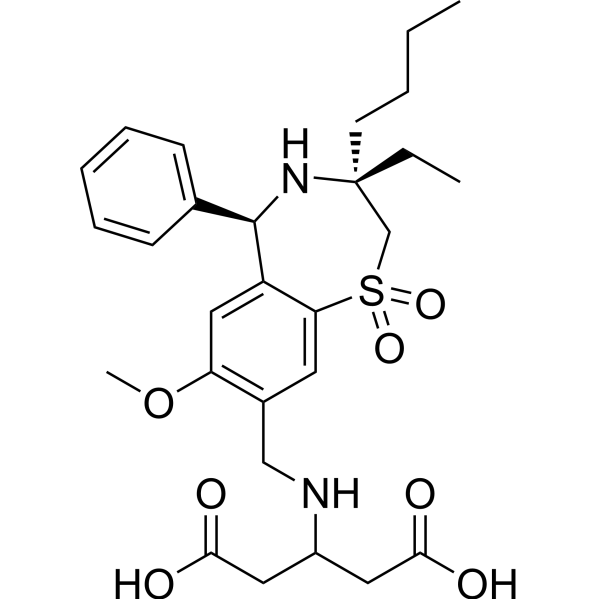
Linerixibat (GSK2330672) is a highly potent, nonabsorbable and orally active apical sodium-dependent bile acid transporter (ASBT) inhibitor with an IC50 of 42 nM human ASBT. Linerixibat can be used as lipid-lowering agent. Linerixibat has the potential for type 2 diabetes and Primary Biliary Cholangitis treatment.
For research use only. We do not sell to patients.
- Purity : 99.88%
- CAS No.: 1345982-69-5
- Formula: C28H38N2O7S
- Molecular Weight:546.68
-
Storage:Powder -20°C, 3 years , 4°C, 2 years ; In solvent -80°C, 2 years , -20°C, 1 year

To place orders, for customer services and technical support, please contact: MedChemExpress USA
Tel: 609-228-6898 E-mail: [email protected] [email protected]


-
 Biological Activity
-
Chemical Information
-
Solvent & Solubility
- Protocols
- Purity & Documentation
- References
-
 Help & FAQs


-
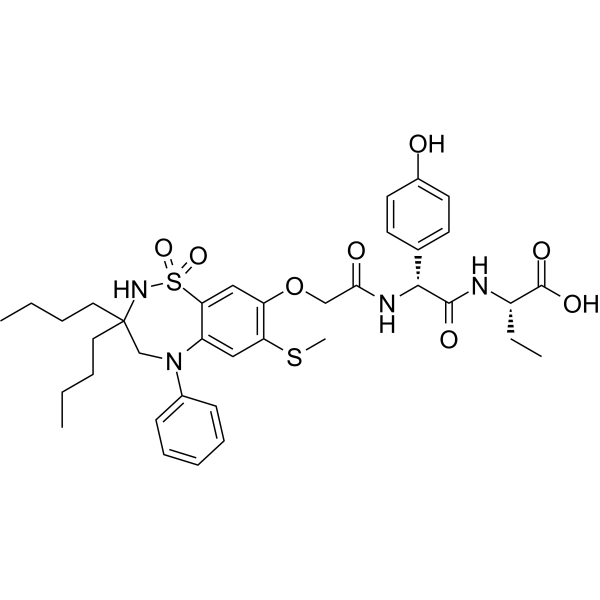
HY-109120
OdevixibatASBT Inhibitor -
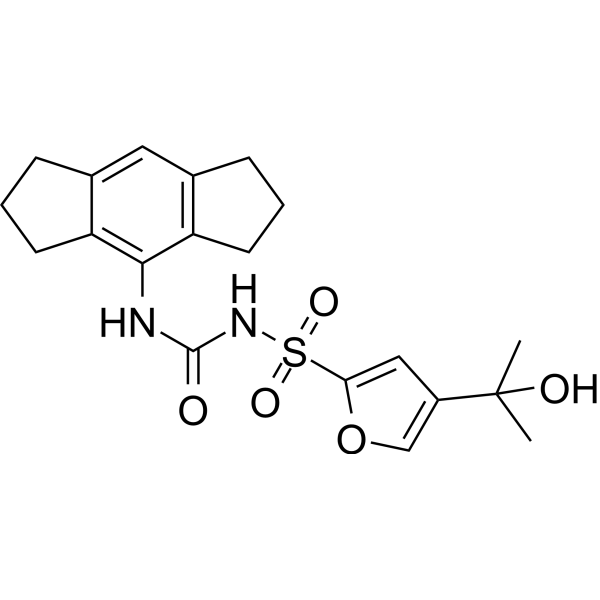
HY-12815
MCC950NLRP3 Inhibitor -
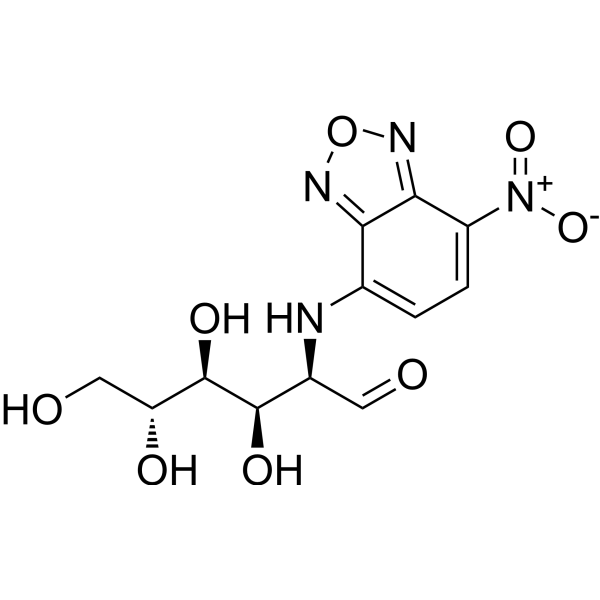
HY-116215
2-NBDGFluorescent Indicator -
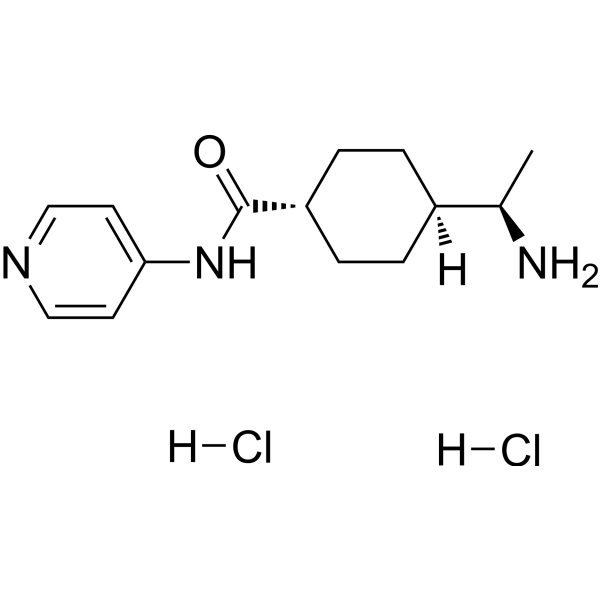
HY-10583
Y-27632 dihydrochlorideROCK Inhibitor -
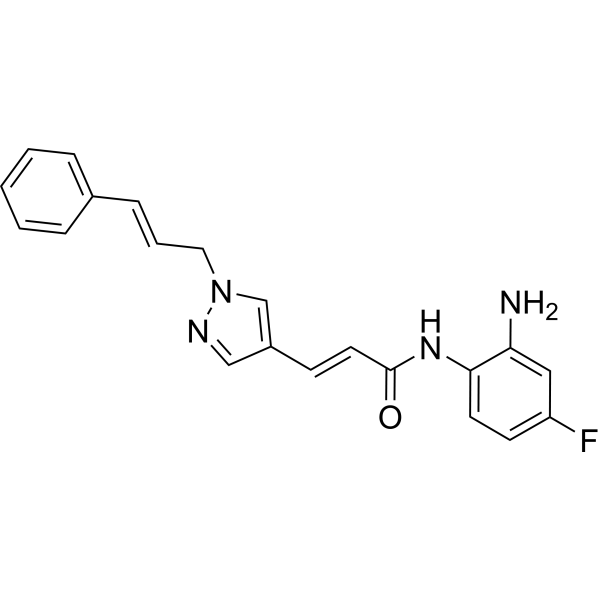
HY-13909
RGFP966HDAC3 Inhibitor -
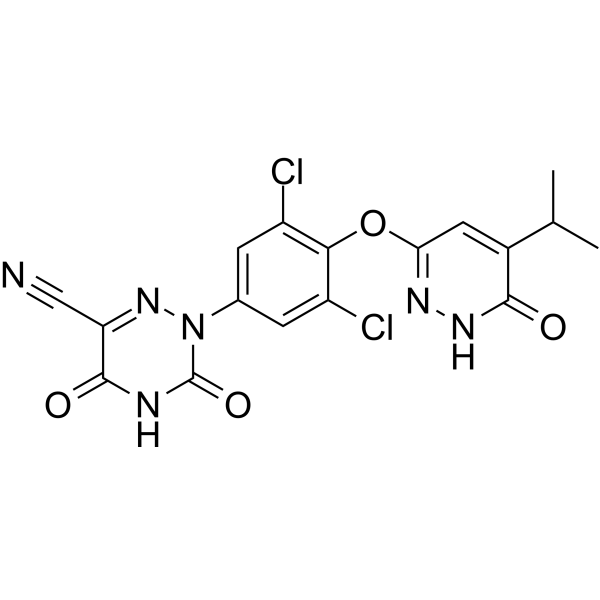
HY-12216
ResmetiromTHR-β Agonist -
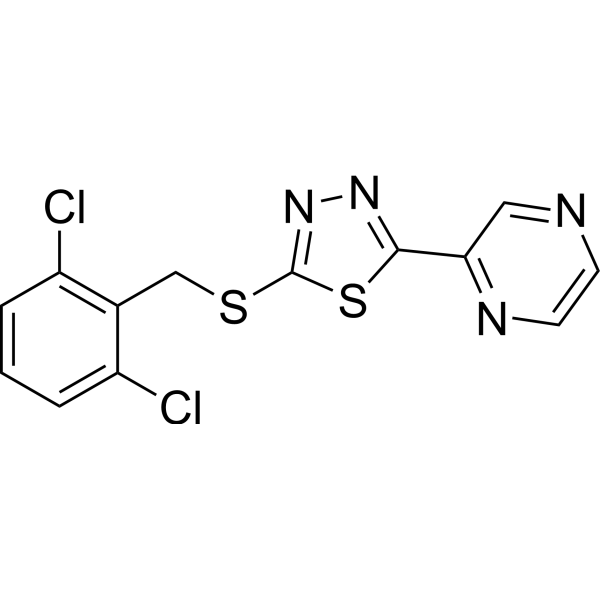
HY-18723
Yoda 1Piezo1 Agonist -
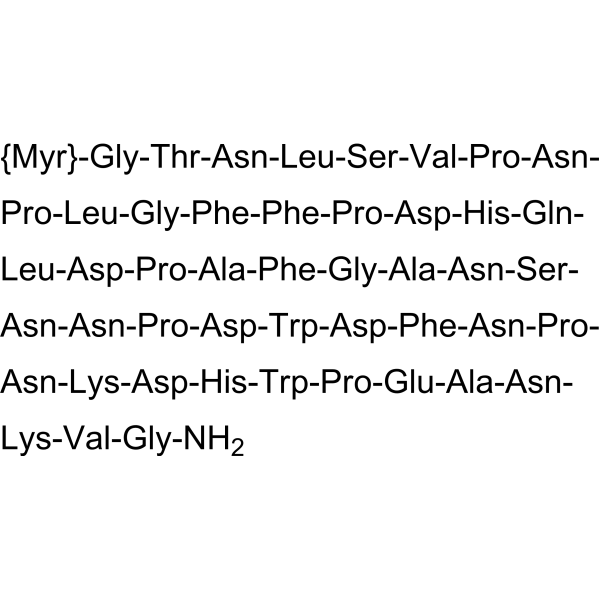
HY-P3465
BulevirtideNTCP Inhibitor -
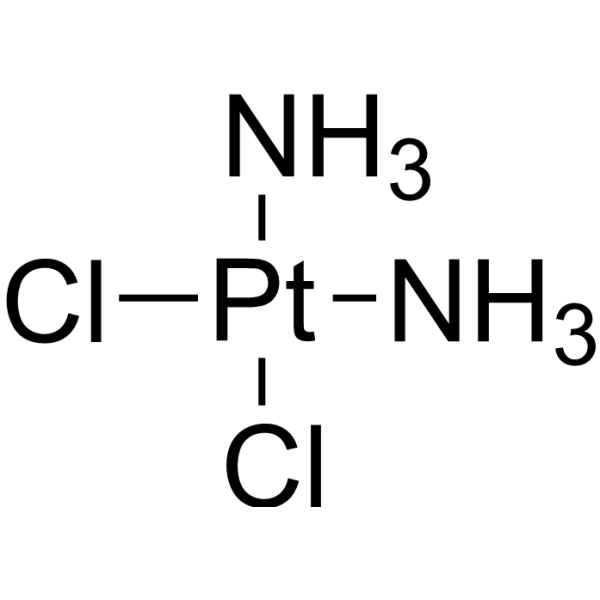
HY-17394
CisplatinDNA Alkylator -
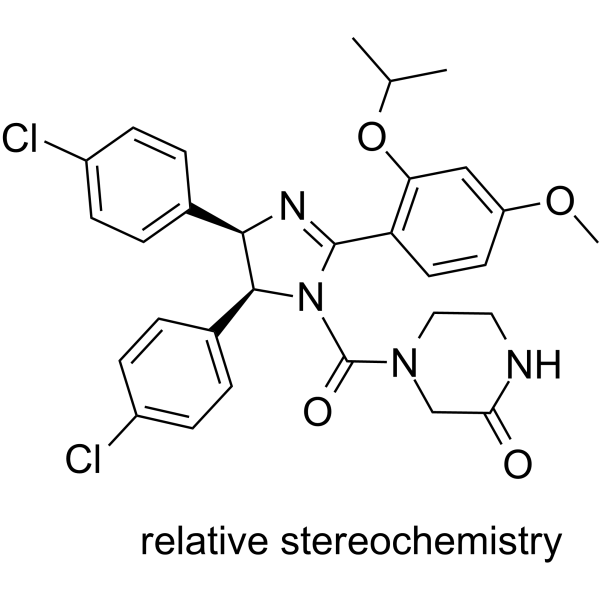
HY-50696
Nutlin-3p53-MDM2 Inhibitor -
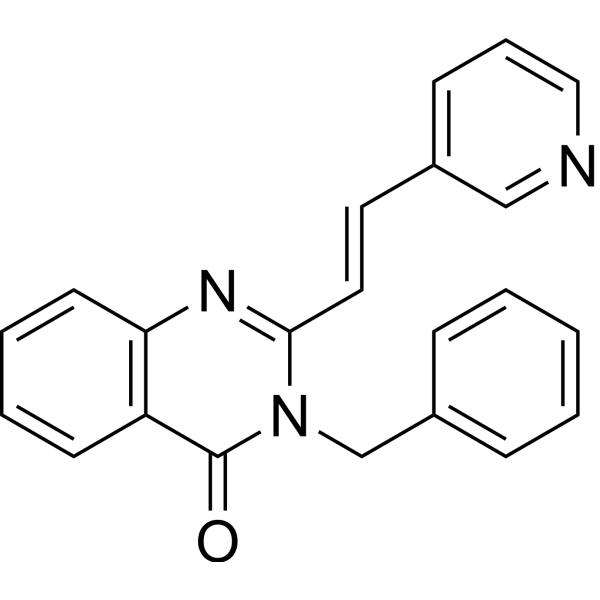
HY-101462
RAD51 Inhibitor B02RAD51 Inhibitor -
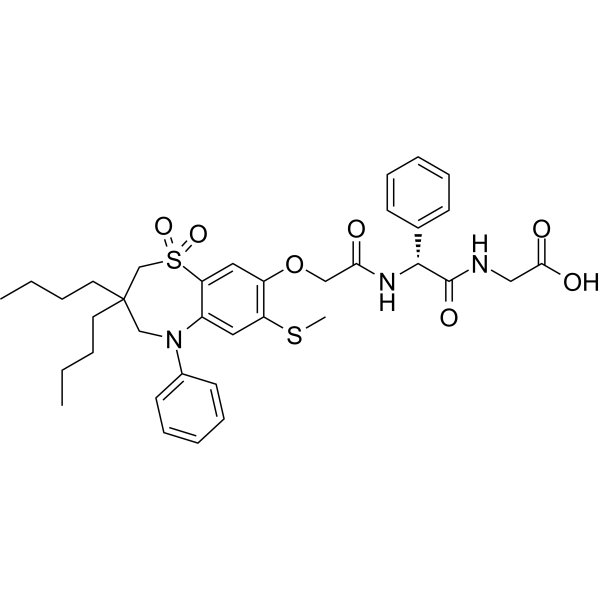
HY-15790
ElobixibatIBAT Inhibitor
Publications Citing Use of MedChemExpress (MCE) Linerixibat
More- Nat Commun. 2020 Jul 17;11(1):3612. [Abstract]
- Gut Microbes. 2025 Dec;17(1):2537753. [Abstract]
- Sci Adv. 2021 Feb 3;7(6):eaaz9857. [Abstract]
- JHEP Rep. 2023 Sep 25;6(1):100917. [Abstract]
- Cell Mol Gastroenterol Hepatol. 2021;12(3):1001-1019. [Abstract]
- Cell Rep. 2026 Jan 22;45(2):116859. [Abstract]
- Food Funct. 2021 Sep 20;12(18):8440-8453. [Abstract]
- J Lipid Res. 2023 Mar;64(3):100340. [Abstract]
- Liver Res. 2022 Dec;6(4):276-283. [Abstract]
- Cell Microbiol. 2020 Jan;22(1):e13127. [Abstract]
- Alcohol Clin Exp Res. 2021 Jun;45(6):1188-1199. [Abstract]
- Biomed Pharmacother. 2024 Oct:179:117400. [Abstract]
- Gene Expr. 2018 Aug 22;18(3):187-196. [Abstract]
 Customer Validation & Images

-
WB
-
WB


Biological Activity
Description
IC50 & Target
IC50: 42 nM (Apical sodium-dependent bile acid transporter (ASBT))[1]
Cellular Effect
|
Cell Line

|
Type | Value | Description | References |
|---|---|---|---|---|
| HEK293 | IC50 |
1.9 nM
Compound: 56, GSK2330672
|
Inhibition of rat ASBT expressed in HEK293 cells assessed as inhibition of [3H]-taurocholate uptake after 90 mins by scintillation counting analysis
Inhibition of rat ASBT expressed in HEK293 cells assessed as inhibition of [3H]-taurocholate uptake after 90 mins by scintillation counting analysis
|
[PMID: 23678871] |
| HEK293 | IC50 |
2.1 nM
Compound: 56, GSK2330672
|
Inhibition of mouse ASBT expressed in HEK293 cells assessed as inhibition of [3H]-taurocholate uptake after 90 mins by scintillation counting analysis
Inhibition of mouse ASBT expressed in HEK293 cells assessed as inhibition of [3H]-taurocholate uptake after 90 mins by scintillation counting analysis
|
[PMID: 23678871] |
| HEK293 | IC50 |
42 nM
Compound: 56, GSK2330672
|
Inhibition of human ASBT expressed in HEK293 cells assessed as inhibition of [3H]-taurocholate uptake after 90 mins by scintillation counting analysis
Inhibition of human ASBT expressed in HEK293 cells assessed as inhibition of [3H]-taurocholate uptake after 90 mins by scintillation counting analysis
|
[PMID: 23678871] |
In Vitro
The zwitterionic, nonhygroscopic, crystalline salt form of Linerixibat (Compound 56) shows good aqueous solubility at pH 7.4 (>7 mg/mL), excellent thermal stability, and did not generate reactive or humanspecific metabolite, characteristics[1].
MedChemExpress (MCE) has not independently confirmed the accuracy of these methods. They are for reference only. Further protocols information, click here.
In Vivo
MedChemExpress (MCE) has not independently confirmed the accuracy of these methods. They are for reference only.
-
Animal Model:Male Zucker Diabetic Fatty (ZDF) rat[1]
-
Dosage:0.05 mg/kg, 0.1 mg/kg, 0.5 mg/kg, 1 mg/kg, 5 mg/kg, 10 mg/kg
-
Administration:Oral gavage; twice daily; for 14 days
-
Result:Led to a 1.30-1.64% reduction in hemoglobin A1c (HbA1c), a greater than 50% reduction in nonfasted plasma glucose to below 200 mg/dL, and statistically significant higher plasma insulin.
Clinical Trial
| NCT Number | Sponsor | Condition | Start Date |
Phase
|
|---|---|---|---|---|
| NCT01329991 | Plexxikon| | 2011-05 | PHASE1 |


Chemical Information
-
CAS No. 1345982-69-5
-
Appearance Solid
-
Molecular Weight 546.68
-
Formula C28H38N2O7S
-
Color White to off-white
-
SMILES
O=C(O)CC(NCC1=C(OC)C=C(C2=C1)[C@@H](C3=CC=CC=C3)N[C@](CC)(CCCC)CS2(=O)=O)CC(O)=O
-
Synonyms
GSK2330672
-
Shipping
Room temperature in continental US; may vary elsewhere.
-
Storage
Powder -20°C 3 years 4°C 2 years In solvent -80°C 2 years -20°C 1 year


Publications (13)
-
Journal Impact Factor
-
Most Recent
-
Nat Commun
2020 Jul 17;11(1):3612. PMID: 32681035
Linerixibat purchased from MedChemExpress. Usage Cited in: Nat Commun. 2020 Jul 17;11(1):3612. [Abstract]
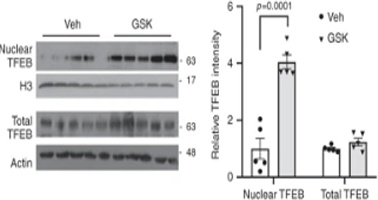
TFEB protein in total liver lysates and nuclear fractions. GSK2330672 (GSK) treatment significantly increases hepatic TFEB nuclear abundance without altering total hepatic TFEB mRNA or protein in mice.
-
Gut Microbes
Dietary cholesterol impairs cognition via gut microbiota-derived deoxycholic acid in obese mice. [Abstract]2025 Dec;17(1):2537753. PMID: 40717663 -
Sci Adv
Noninvasive imaging and quantification of bile salt hydrolase activity: From bacteria to humans. [Abstract]2021 Feb 3;7(6):eaaz9857. PMID: 33536224 -
JHEP Rep
Combined inhibition of bile salt synthesis and intestinal uptake reduces cholestatic liver damage and colonic bile salts in mice. [Abstract]2023 Sep 25;6(1):100917. PMID: 38074508 -
Cell Mol Gastroenterol Hepatol
Combined ASBT Inhibitor and FGF15 Treatment Improves Therapeutic Efficacy in Experimental Nonalcoholic Steatohepatitis. [Abstract]2021;12(3):1001-1019. PMID: 33965587 -
Cell Rep
Polystyrene nanoplastics readily penetrate intestine and cause sex-specific effects mediated by bile acids and microbiome. [Abstract]2026 Jan 22;45(2):116859. PMID: 41575856 -
Food Funct
Sargassum fusiforme fucoidan alleviates diet-induced insulin resistance by inhibiting colon-derived ceramide biosynthesis. [Abstract]2021 Sep 20;12(18):8440-8453. PMID: 34374401 -
J Lipid Res
Combining ASBT inhibitor and FGF15 treatments enhances therapeutic efficacy against cholangiopathy in female but not male Cyp2c70 knockout mice. [Abstract]2023 Mar;64(3):100340. PMID: 36737039 -
Liver Res
Effects of apical sodium-bile acid transporter inhibitor and obeticholic acid co-treatment in experimental non-alcoholic steatohepatitis. [Abstract]2022 Dec;6(4):276-283. PMID: 36819659 -
Cell Microbiol
Bile acid and bile acid transporters are involved in the pathogenesis of acute hepatopancreatic necrosis disease in white shrimp Litopenaeus vannamei. [Abstract]2020 Jan;22(1):e13127. PMID: 31610617 -
Alcohol Clin Exp Res
Gut-restricted apical sodium-dependent bile acid transporter inhibitor attenuates alcohol-induced liver steatosis and injury in mice. [Abstract]2021 Jun;45(6):1188-1199. PMID: 33885179 -
Biomed Pharmacother
Studies on absorption mechanism and pharmacokinetic properties of albendazole-bile acid conjugate: In vivo and in vitro. [Abstract]2024 Oct:179:117400. PMID: 39243427 -
Gene Expr
HNF4α Regulates CSAD to Couple Hepatic Taurine Production to Bile Acid Synthesis in Mice. [Abstract]2018 Aug 22;18(3):187-196. PMID: 29871716
Linerixibat purchased from MedChemExpress. Usage Cited in: Gene Expr. 2018 Aug 22;18(3):187-196. [Abstract]
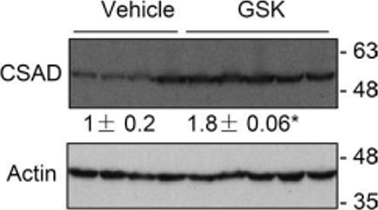
Hepatic cysteine sulfinic acid decarboxylase (CSAD) protein are significantly increased in mice treated with GSK672.


Solvent & Solubility
In Vitro:
DMSO : 50 mg/mL (91.46 mM; Need ultrasonic; Hygroscopic DMSO has a significant impact on the solubility of product, please use newly opened DMSO)
Please refer to the solubility information to select the appropriate solvent. Once prepared, please aliquot and store the solution to prevent product inactivation from repeated freeze-thaw cycles.
Storage method and period of stock solution: -80°C, 2 years; -20°C, 1 year. When stored at -80°C, please use it within 2 years. When stored at -20°C, please use it within 1 year.
Please refer to the solubility information to select the appropriate solvent. Once prepared, please aliquot and store the solution to prevent product inactivation from repeated freeze-thaw cycles.
Storage method and period of stock solution: -80°C, 2 years; -20°C, 1 year. When stored at -80°C, please use it within 2 years. When stored at -20°C, please use it within 1 year.
Concentration (start) × Volume (start) = Concentration (final) × Volume (final)
In Vivo:
Select the appropriate dissolution method based on your experimental animal and administration route.
- For the following dissolution methods, please ensure to first prepare a clear stock solution using an In Vitro approach and then sequentially add co-solvents:
- To ensure reliable experimental results, the clarified stock solution can be appropriately stored based on storage conditions. As for the working solution for In Vivo experiments, it is recommended to prepare freshly and use it on the same day.
- The percentages shown for the solvents indicate their volumetric ratio in the final prepared solution. If precipitation or phase separation occurs during preparation, heat and/or sonication can be used to aid dissolution.
Add each solvent one by one: 10% DMSO 40% PEG300 5% Tween-80 45% Saline
Solubility: 2.5 mg/mL (4.57 mM); Suspended solution; Need ultrasonic
This protocol yields a suspended solution of 2.5 mg/mL. Suspended solution can be used for oral and intraperitoneal injection.
Taking 1 mL working solution as an example, add 100 μL DMSO stock solution (25.0 mg/mL) to 400 μL PEG300, and mix evenly; then add 50 μL Tween-80 and mix evenly; then add 450 μL Saline to adjust the volume to 1 mL.
Preparation of Saline: Dissolve 0.9 g sodium chloride in ddH₂O and dilute to 100 mL to obtain a clear Saline solution.
Add each solvent one by one: 10% DMSO 90% (20% SBE-β-CD in Saline)
Solubility: ≥ 2.5 mg/mL (4.57 mM); Clear solution
This protocol yields a clear solution of ≥ 2.5 mg/mL (saturation unknown).
Taking 1 mL working solution as an example, add 100 μL DMSO stock solution (25.0 mg/mL) to 900 μL 20% SBE-β-CD in Saline, and mix evenly.
Preparation of 20% SBE-β-CD in Saline (4°C, storage for one week): 2 g SBE-β-CD powder is dissolved in 10 mL Saline, completely dissolve until clear.
In Vivo Dissolution Calculator
Please enter the basic information of animal experiments:
-
-
-
-
Recommended: Prepare an additional quantity of animals to account for potential losses during experiments.
Please enter your animal formula composition:
-
%DMSO +
Recommended: Keep the proportion of DMSO in working solution below 2% if your animal is weak.
-
%+
-
+%Tween-80 + +
-
%Saline +
The co-solvents required include: DMSO, . All of co-solvents are available by MedChemExpress (MCE). , Tween 80. All of co-solvents are available by MedChemExpress (MCE).
Working solution concentration: 0.22 mg/mL
Method for preparing stock solution: mg drug dissolved in μL DMSO. Stock solution concentration: mg/mL.
1. Take μL DMSO stock solution;
2. Add μL .
μL , mix evenly;
3. Then add μL Tween 80, mix evenly;
4. Then add μL
Please ensure that the stock solution in the first step is dissolved to a clear state, and add co-solvents in sequence. You can use ultrasonic heating (ultrasonic cleaner, recommended frequency 20-40 kHz), vortexing, etc. to assist dissolution.

Protocols
-
Research Protocol for Metabolic Diseases
AMP-activated protein kinase, AMPK, is a conserved cellular energy sensor that responds to reduced cellular energy status and coordinates metabolism by increasing ATP-generating catabolic pathways while suppressing ATP-consuming anabolic processes. In metabolic disease research, the AMPK pathway is experimentally relevant because it regulates hepatic lipid synthesis, fatty acid oxidation, glucose production, skeletal-muscle glucose disposal, mTORC1-linked biosynthesis, autophagy, mitochondrial homeostasis, and whole-body energy balance. The central pathway logic is that energy stress, metformin, exercise-like stimulation, or direct AMPK activators increase AMPKα Thr172 phosphorylation and downstream substrate phosphorylation, including ACC and RAPTOR. Phosphorylation of ACC suppresses lipogenesis and supports fatty acid oxidation, whereas phosphorylation of RAPTOR suppresses mTORC1 signaling and links cellular energy status to growth and protein synthesis control. The pathway is linked


Purity & Documentation
-
Data Sheet (282 KB)
-
SDS (538 KB)
- English - EN (538 KB)
- Français - FR (538 KB)
- Deutsch - DE (538 KB)
- Norwegian - NO (538 KB)
- Español - ES (538 KB)
- Swedish - SV (538 KB)
- Italian - IT (538 KB)
- Korean - KR (538 KB)
- Portuguese - PT (538 KB)
-
Handling Instructions (2659 KB)
References
[1]. Wu Y, et al. Discovery of a highly potent, nonabsorbable apical sodium-dependent bile acid transporter inhibitor (GSK2330672) for treatment of type 2 diabetes. J Med Chem. 2013 Jun 27;56(12):5094-114. [Content Brief]
[2]. Wang Y, et al. HNF4α Regulates CSAD to Couple Hepatic Taurine Production to Bile Acid Synthesis in Mice. Gene Expr. 2018 Aug 22;18(3):187-196. [Content Brief]
[3]. Linerixibat (GSK2330672) granted Orphan Status. September 24, 2019.


Complete Stock Solution Preparation Table
Please refer to the solubility information to select the appropriate solvent. Once prepared, please aliquot and store the solution to prevent product inactivation from repeated freeze-thaw cycles.
Storage method and period of stock solution: -80°C, 2 years; -20°C, 1 year. When stored at -80°C, please use it within 2 years. When stored at -20°C, please use it within 1 year.
| Optional Solvent | Concentration Solvent Mass | 1 mg | 5 mg | 10 mg | 25 mg |
|---|---|---|---|---|---|
| DMSO | 1 mM | 1.8292 mL | 9.1461 mL | 18.2922 mL | 45.7306 mL |
| 5 mM | 0.3658 mL | 1.8292 mL | 3.6584 mL | 9.1461 mL | |
| 10 mM | 0.1829 mL | 0.9146 mL | 1.8292 mL | 4.5731 mL | |
| 15 mM | 0.1219 mL | 0.6097 mL | 1.2195 mL | 3.0487 mL | |
| 20 mM | 0.0915 mL | 0.4573 mL | 0.9146 mL | 2.2865 mL | |
| 25 mM | 0.0732 mL | 0.3658 mL | 0.7317 mL | 1.8292 mL | |
| 30 mM | 0.0610 mL | 0.3049 mL | 0.6097 mL | 1.5244 mL | |
| 40 mM | 0.0457 mL | 0.2287 mL | 0.4573 mL | 1.1433 mL | |
| 50 mM | 0.0366 mL | 0.1829 mL | 0.3658 mL | 0.9146 mL | |
| 60 mM | 0.0305 mL | 0.1524 mL | 0.3049 mL | 0.7622 mL | |
| 80 mM | 0.0229 mL | 0.1143 mL | 0.2287 mL | 0.5716 mL |


Linerixibat Related Classifications
HY-16643 Related Classifications
 Powered by Bioz