



MI-503
Based on 8 publication(s) in Google Scholar
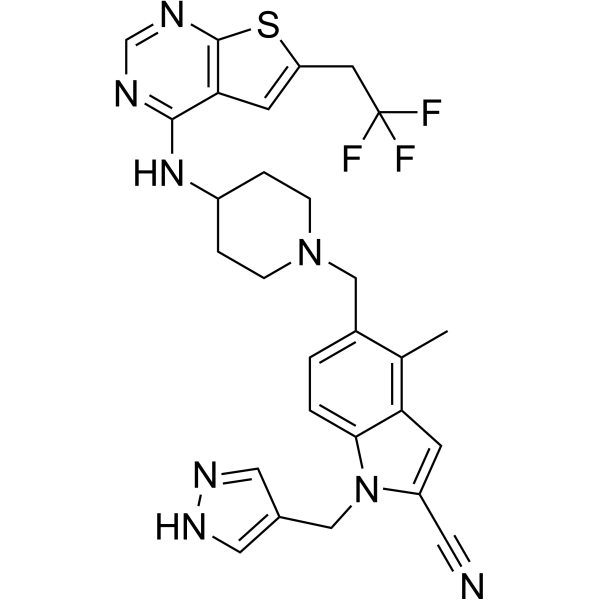
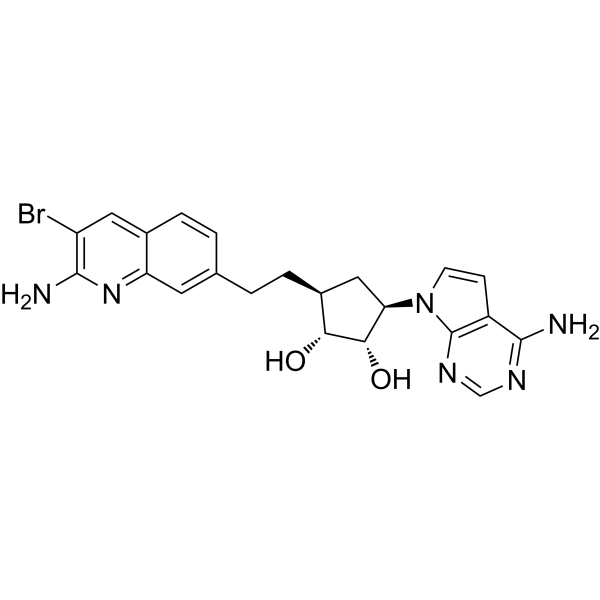
MI-503 is a highly potent and orally bioavailable small molecule inhibitor of the menin-mLL interaction.
For research use only. We do not sell to patients.
- Purity : 99.87%
- CAS No.: 1857417-13-0
- Formula: C28H27F3N8S
- Molecular Weight:564.63
-
Storage:Powder -20°C, 3 years , 4°C, 2 years ; In solvent -80°C, 2 years , -20°C, 1 year

To place orders, for customer services and technical support, please contact: MedChemExpress USA
Tel: 609-228-6898 E-mail: [email protected] [email protected]


-
 Biological Activity
-
Chemical Information
-
Solvent & Solubility
- Purity & Documentation
- References
-
 Help & FAQs


-
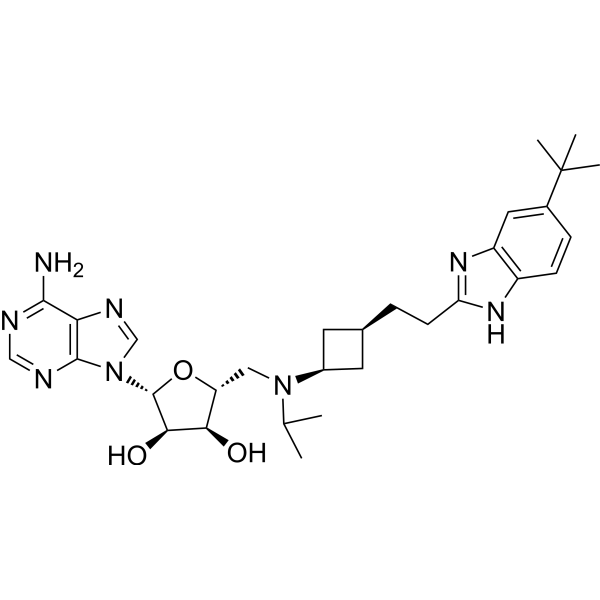
HY-15593
PinometostatDOT1L Inhibitor -
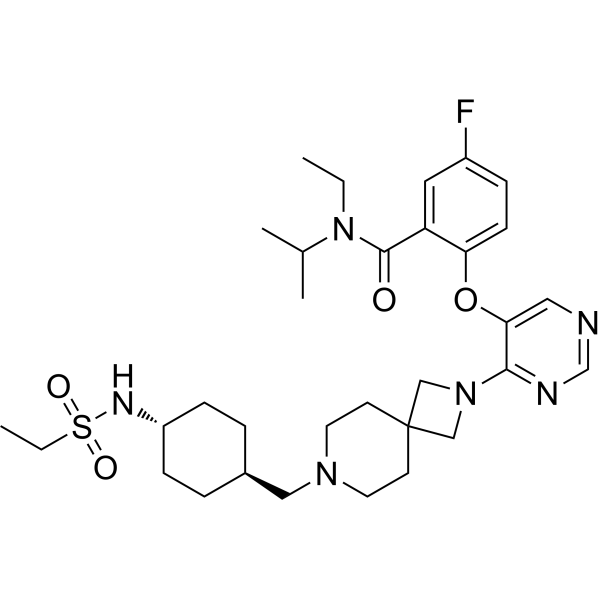
HY-136175
RevumenibMenin-MLL Inhibitor -
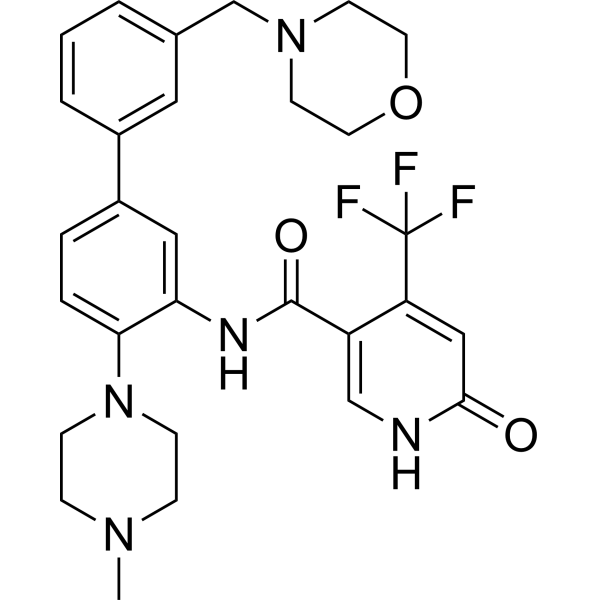
HY-16993
OICR-9429WDR5 Inhibitor -
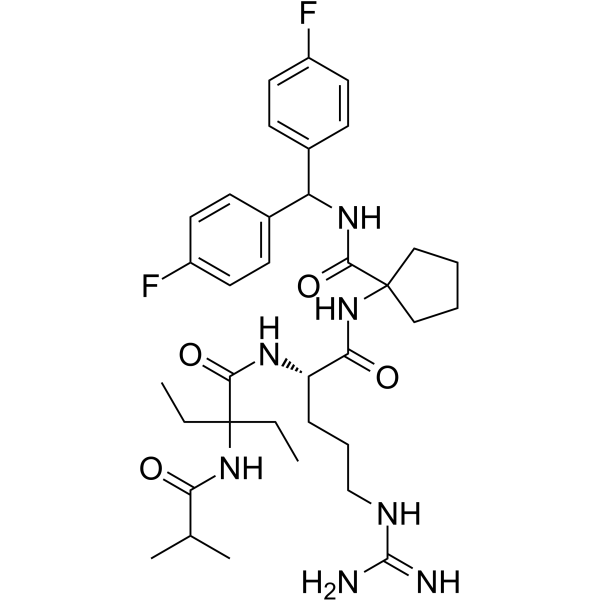
HY-12220
MM-102WDR5/MLL Inhibitor -
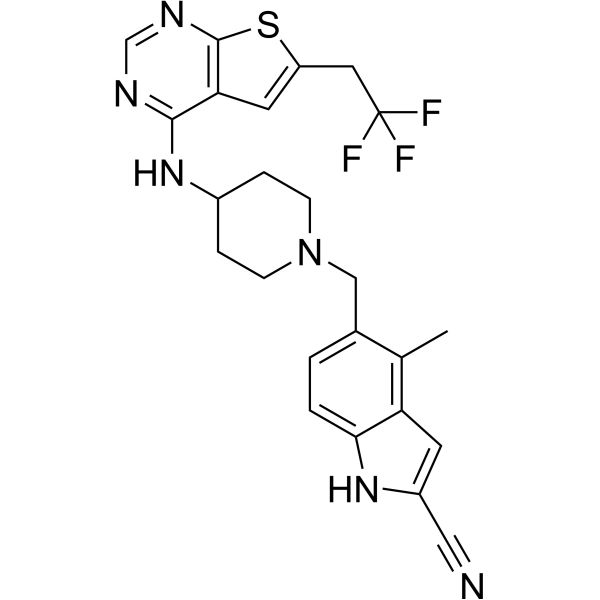
HY-19809
MI-463Menin-mLL Inhibitor -
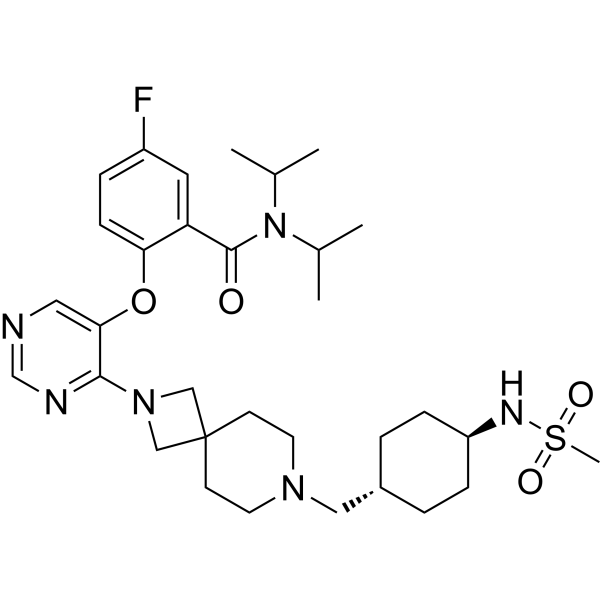
HY-114162
VTP50469Menin-MLL Interaction Inhibitor -
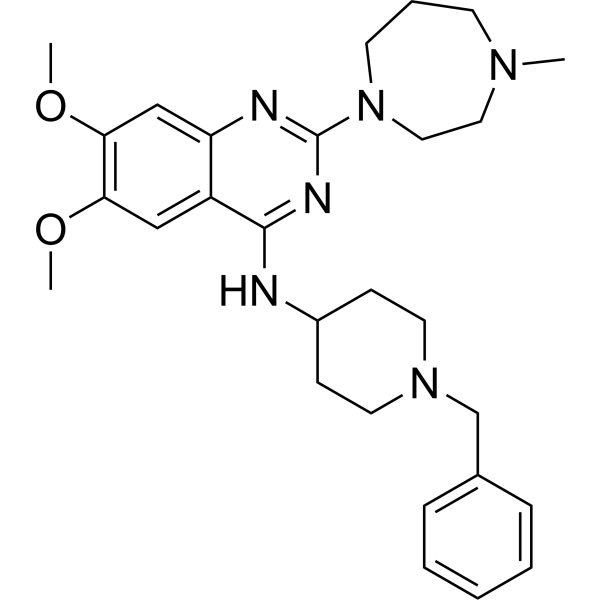
HY-10587
BIX-01294G9a/GLP Inhibitor -
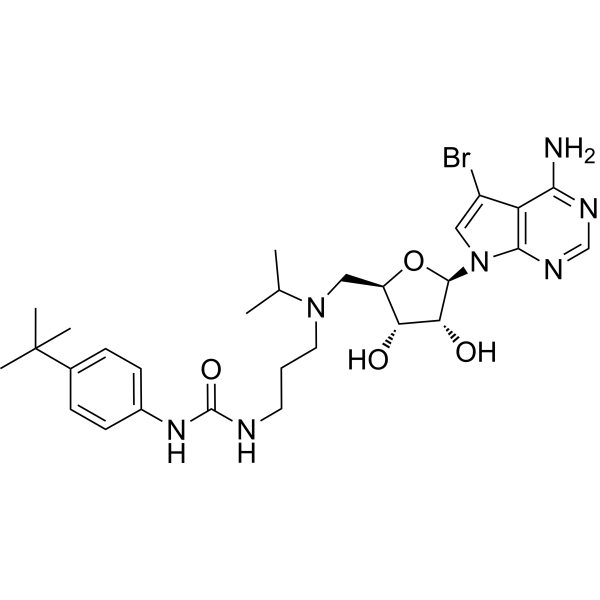
HY-15650
SGC0946DOT1L Inhibitor -
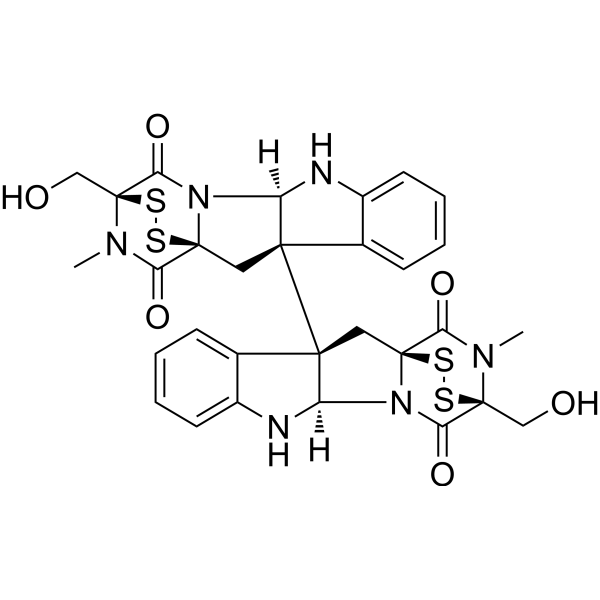
HY-N2019
ChaetocinSU(VAR)3-9 Inhibitor -
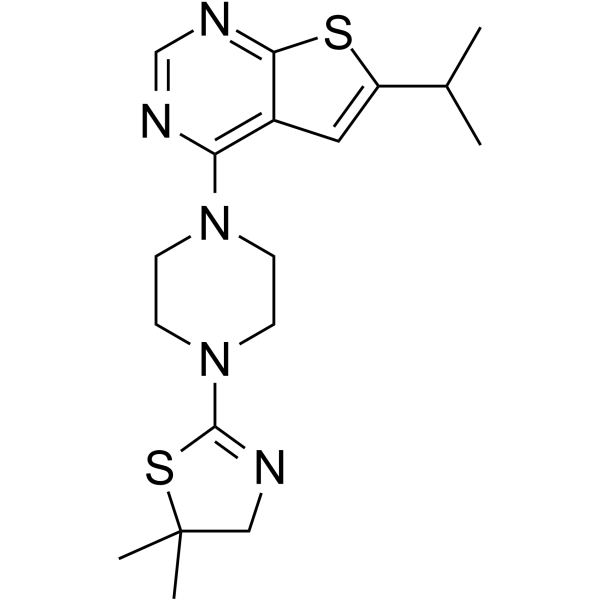
HY-15223
MI-3Menin-MLL Inhibitor -
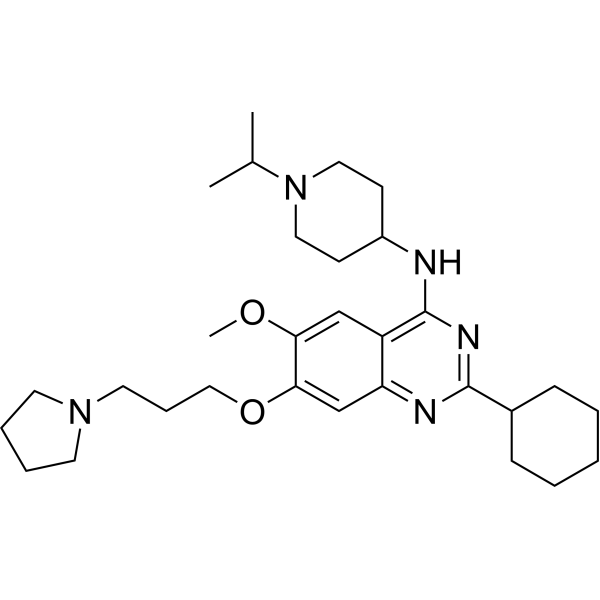
HY-15273
UNC0638G9a/GLP Inhibitor -
HY-101564
OnametostatPRMT5 Inhibitor
Publications Citing Use of MedChemExpress (MCE) MI-503
More- Nat Commun. 2025 Sep 30;16(1):8716. [Abstract]
- Nat Commun. 2023 Jul 17;14(1):4259. [Abstract]
- Nat Commun. 2022 Feb 22;13(1):1006. [Abstract]
- J Exp Clin Cancer Res. 2021 Aug 26;40(1):270. [Abstract]
- Int J Oncol. 2020 Oct;57(4):1057-1071. [Abstract]
- FASEB J. 2023 Jan;37(1):e22712. [Abstract]
- bioRxiv. 2026 May 26:2026.05.22.726988. [Abstract]
- Research Square Preprint. 2021 Aug.
 Customer Validation & Images

-
WB
-
RT-PCR
-
Cell Imaging/Staining
-
Histological Imaging/Staining
-
IHC


Biological Activity
Description
Cellular Effect
|
Cell Line

|
Type | Value | Description | References |
|---|---|---|---|---|
| Bone marrow cell | GI50 |
>5 μM
Compound: 29; MI503
|
Growth inhibition of Hoxa9/Meis1 transformed mouse bone marrow cells after 7 days by MTT assay
Growth inhibition of Hoxa9/Meis1 transformed mouse bone marrow cells after 7 days by MTT assay
|
[PMID: 26744767] |
| Bone marrow cell | GI50 |
0.22 μM
Compound: 29; MI503
|
Growth inhibition of MLL-AF9 transformed mouse bone marrow cells after 7 days by MTT assay
Growth inhibition of MLL-AF9 transformed mouse bone marrow cells after 7 days by MTT assay
|
[PMID: 26744767] |
In Vitro
MI-503 occupies the F9 and P13 pockets on menin, forming a hydrogen bond with Tyr276, and also extends beyond the P13 pocket to form hydrogen bonds with Trp341 and Glu366. Treatment of murine bone marrow cells (BMC) transformed with the mLL-AF9 oncogene with MI-503 results in substantial growth inhibition, with GI50 of 0.22 μM. The cell growth inhibitory effect of MI-503 is time-dependent, with a pronounced effect achieved after 7-10 days of treatment[1].
MedChemExpress (MCE) has not independently confirmed the accuracy of these methods. They are for reference only.
In Vivo
MedChemExpress (MCE) has not independently confirmed the accuracy of these methods. They are for reference only.


Chemical Information
-
CAS No. 1857417-13-0
-
Appearance Solid
-
Molecular Weight 564.63
-
Formula C28H27F3N8S
-
Color White to light yellow
-
SMILES
FC(F)(F)CC(S1)=CC2=C1N=CN=C2NC3CCN(CC4=CC=C(N(CC5=CNN=C5)C(C#N)=C6)C6=C4C)CC3
-
Shipping
Room temperature in continental US; may vary elsewhere.
-
Storage
Powder -20°C 3 years 4°C 2 years In solvent -80°C 2 years -20°C 1 year


Publications (8)
-
Journal Impact Factor
-
Most Recent
-
Nat Commun
A histone-centric multi-omics study shows that increased H3K4 methylation sustains triple-negative breast cancer phenotypes. [Abstract]2025 Sep 30;16(1):8716. PMID: 41028718 -
Nat Commun
Context-defined cancer co-dependency mapping identifies a functional interplay between PRC2 and MLL-MEN1 complex in lymphoma. [Abstract]2023 Jul 17;14(1):4259. PMID: 37460547
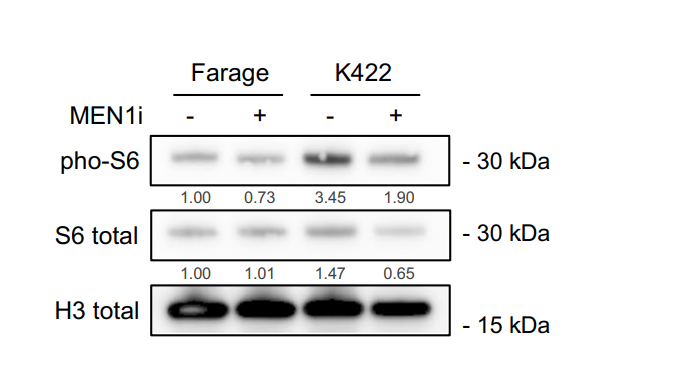
MI-503 purchased from MedChemExpress. Usage Cited in: Nat Commun. 2023 Jul 17;14(1):4259. [Abstract]
Western blot showing total and phosphorylated S6 in Farage and KARPAS422 (K422) cells with or without the treatment of MEN1 inhibitor (800 nM MI-503 for 3 days).
-
Nat Commun
Menin directs regionalized decidual transformation through epigenetically setting PTX3 to balance FGF and BMP signaling. [Abstract]2022 Feb 22;13(1):1006. PMID: 35194044
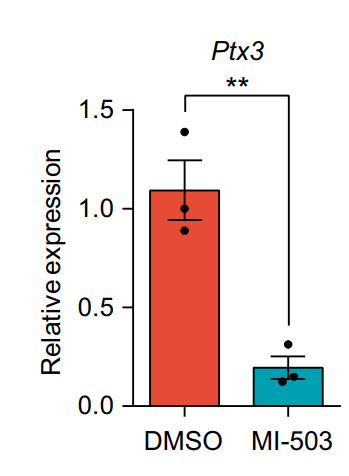
MI-503 purchased from MedChemExpress. Usage Cited in: Nat Commun. 2022 Feb 22;13(1):1006. [Abstract]
Quantitative real-time PCR analysis of Ptx3 in primary mESC treated with DMSO or MI-503(2 μM) in vitro.
-
J Exp Clin Cancer Res
MEN1 silencing aggravates tumorigenic potential of AR-independent prostate cancer cells through nuclear translocation and activation of JunD and β-catenin. [Abstract]2021 Aug 26;40(1):270. PMID: 34446068
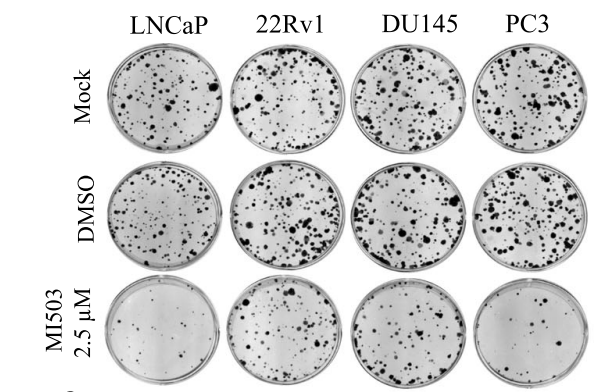
MI-503 purchased from MedChemExpress. Usage Cited in: J Exp Clin Cancer Res. 2021 Aug 26;40(1):270. [Abstract]
A significant decrease in colony formation in both AR-dependent and AR-independent PCa cells upon MI503 (2.5 μM) treatment by foci formation assays.
MI-503 purchased from MedChemExpress. Usage Cited in: J Exp Clin Cancer Res. 2021 Aug 26;40(1):270. [Abstract]
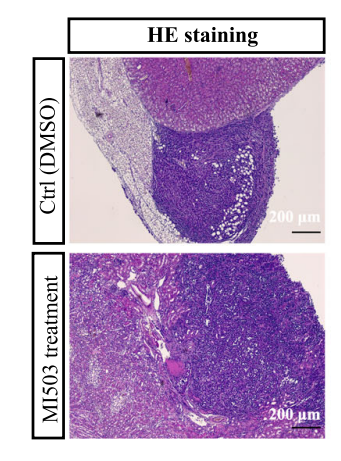
Representative images of HE stained xenografts treated with DMSO (upper) and MI503 (75 mg/kg, i.p.).
MI-503 purchased from MedChemExpress. Usage Cited in: J Exp Clin Cancer Res. 2021 Aug 26;40(1):270. [Abstract]
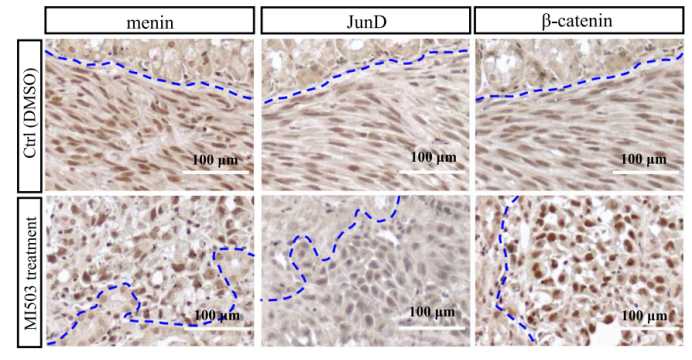
Representative images of IHC staining treated with MI503 (75 mg/kg, i.p.).
-
Int J Oncol
Menin‑MLL inhibitors induce ferroptosis and enhance the anti‑proliferative activity of auranofin in several types of cancer cells. [Abstract]2020 Oct;57(4):1057-1071. PMID: 32945449 -
FASEB J
Inhibition of MLL1-menin interaction attenuates renal fibrosis in obstructive nephropathy. [Abstract]2023 Jan;37(1):e22712. PMID: 36527439 -
bioRxiv
Spatially-Resolved Multiomic Atlas of Leiomyosarcoma Identifies Two Clinically Relevant Epigenetically-Driven Cell States. [Abstract]2026 May 26:2026.05.22.726988. PMID: 42244620 -


Solvent & Solubility
In Vitro:
DMSO : 25 mg/mL (44.28 mM; Need ultrasonic; Hygroscopic DMSO has a significant impact on the solubility of product, please use newly opened DMSO)
Please refer to the solubility information to select the appropriate solvent. Once prepared, please aliquot and store the solution to prevent product inactivation from repeated freeze-thaw cycles.
Storage method and period of stock solution: -80°C, 2 years; -20°C, 1 year. When stored at -80°C, please use it within 2 years. When stored at -20°C, please use it within 1 year.
Please refer to the solubility information to select the appropriate solvent. Once prepared, please aliquot and store the solution to prevent product inactivation from repeated freeze-thaw cycles.
Storage method and period of stock solution: -80°C, 2 years; -20°C, 1 year. When stored at -80°C, please use it within 2 years. When stored at -20°C, please use it within 1 year.
Concentration (start) × Volume (start) = Concentration (final) × Volume (final)
In Vivo:
Select the appropriate dissolution method based on your experimental animal and administration route.
- For the following dissolution methods, please ensure to first prepare a clear stock solution using an In Vitro approach and then sequentially add co-solvents:
- To ensure reliable experimental results, the clarified stock solution can be appropriately stored based on storage conditions. As for the working solution for In Vivo experiments, it is recommended to prepare freshly and use it on the same day.
- The percentages shown for the solvents indicate their volumetric ratio in the final prepared solution. If precipitation or phase separation occurs during preparation, heat and/or sonication can be used to aid dissolution.
Add each solvent one by one: 10% DMSO 40% PEG300 5% Tween-80 45% Saline
Solubility: ≥ 2.08 mg/mL (3.68 mM); Clear solution
This protocol yields a clear solution of ≥ 2.08 mg/mL (saturation unknown).
Taking 1 mL working solution as an example, add 100 μL DMSO stock solution (20.8 mg/mL) to 400 μL PEG300, and mix evenly; then add 50 μL Tween-80 and mix evenly; then add 450 μL Saline to adjust the volume to 1 mL.
Preparation of Saline: Dissolve 0.9 g sodium chloride in ddH₂O and dilute to 100 mL to obtain a clear Saline solution.
For the following dissolution methods, please prepare the working solution directly:
It is recommended to prepare fresh solutions and use them promptly within a short period of time.
The percentages shown for the solvents indicate their volumetric ratio in the final prepared solution. If precipitation or phase separation occurs during preparation, heat and/or sonication can be used to aid dissolution.
Add each solvent one by one: Corn Oil
Solubility: 25 mg/mL (44.28 mM); Suspended solution; Need ultrasonic
In Vivo Dissolution Calculator
Please enter the basic information of animal experiments:
-
-
-
-
Recommended: Prepare an additional quantity of animals to account for potential losses during experiments.
Please enter your animal formula composition:
-
%DMSO +
Recommended: Keep the proportion of DMSO in working solution below 2% if your animal is weak.
-
%+
-
+%Tween-80 + +
-
%Saline +
The co-solvents required include: DMSO, . All of co-solvents are available by MedChemExpress (MCE). , Tween 80. All of co-solvents are available by MedChemExpress (MCE).
Working solution concentration: 0.22 mg/mL
Method for preparing stock solution: mg drug dissolved in μL DMSO. Stock solution concentration: mg/mL.
1. Take μL DMSO stock solution;
2. Add μL .
μL , mix evenly;
3. Then add μL Tween 80, mix evenly;
4. Then add μL
Please ensure that the stock solution in the first step is dissolved to a clear state, and add co-solvents in sequence. You can use ultrasonic heating (ultrasonic cleaner, recommended frequency 20-40 kHz), vortexing, etc. to assist dissolution.


Purity & Documentation
-
Data Sheet (278 KB)
-
SDS (393 KB)
- English - EN (393 KB)
- Français - FR (393 KB)
- Deutsch - DE (393 KB)
- Norwegian - NO (393 KB)
- Español - ES (393 KB)
- Swedish - SV (393 KB)
- Italian - IT (393 KB)
- Korean - KR (393 KB)
- Portuguese - PT (393 KB)
-
Handling Instructions (2659 KB)
References


Complete Stock Solution Preparation Table
Please refer to the solubility information to select the appropriate solvent. Once prepared, please aliquot and store the solution to prevent product inactivation from repeated freeze-thaw cycles.
Storage method and period of stock solution: -80°C, 2 years; -20°C, 1 year. When stored at -80°C, please use it within 2 years. When stored at -20°C, please use it within 1 year.
| Optional Solvent | Concentration Solvent Mass | 1 mg | 5 mg | 10 mg | 25 mg |
|---|---|---|---|---|---|
| DMSO | 1 mM | 1.7711 mL | 8.8554 mL | 17.7107 mL | 44.2768 mL |
| 5 mM | 0.3542 mL | 1.7711 mL | 3.5421 mL | 8.8554 mL | |
| 10 mM | 0.1771 mL | 0.8855 mL | 1.7711 mL | 4.4277 mL | |
| 15 mM | 0.1181 mL | 0.5904 mL | 1.1807 mL | 2.9518 mL | |
| 20 mM | 0.0886 mL | 0.4428 mL | 0.8855 mL | 2.2138 mL | |
| 25 mM | 0.0708 mL | 0.3542 mL | 0.7084 mL | 1.7711 mL | |
| 30 mM | 0.0590 mL | 0.2952 mL | 0.5904 mL | 1.4759 mL | |
| 40 mM | 0.0443 mL | 0.2214 mL | 0.4428 mL | 1.1069 mL |


MI-503 Related Classifications
HY-16925 Related Classifications
 Powered by Bioz