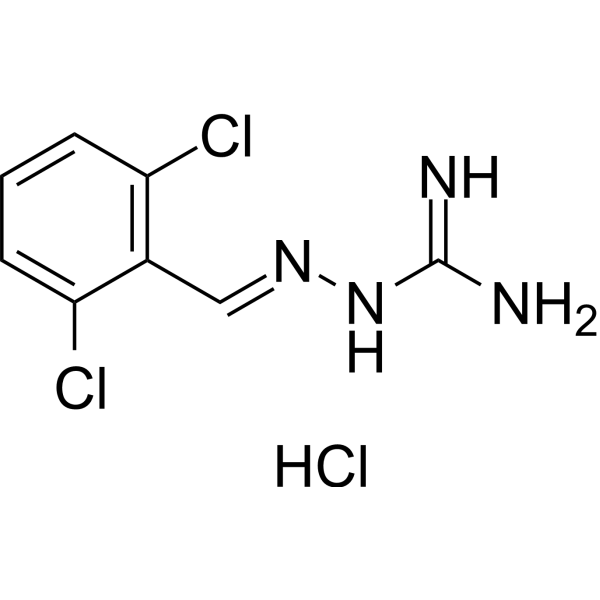
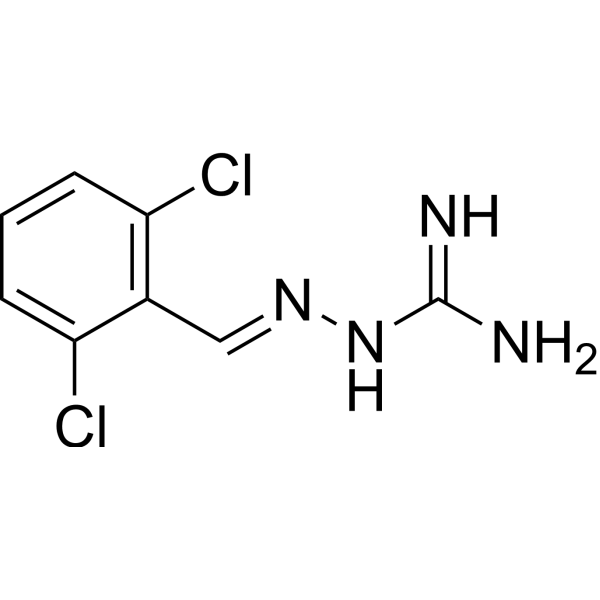
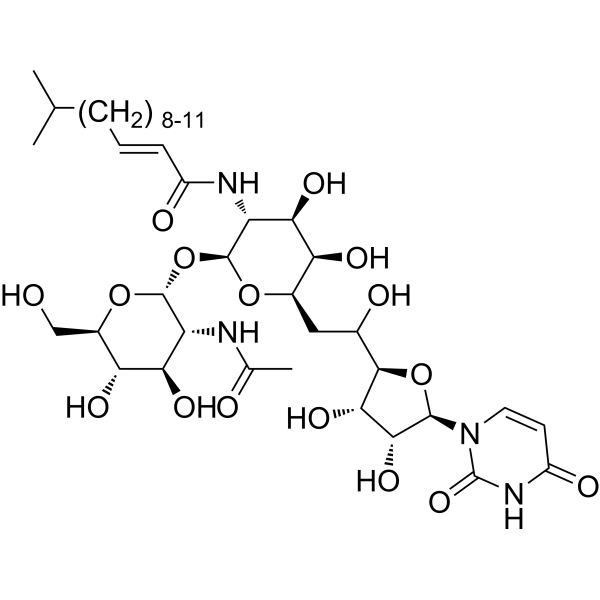
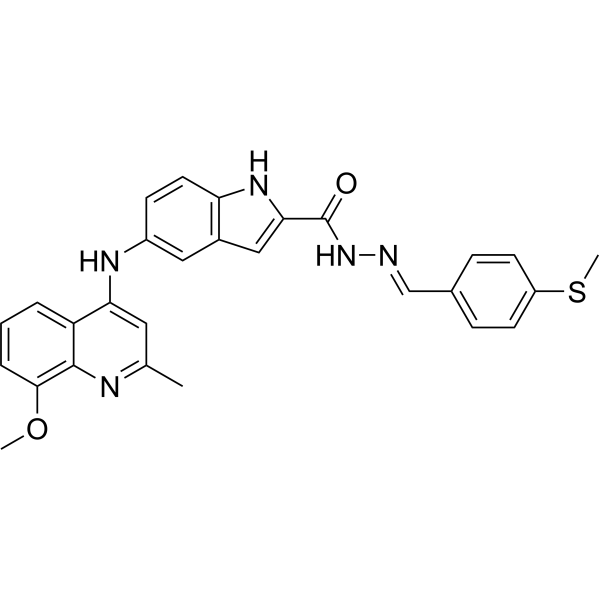
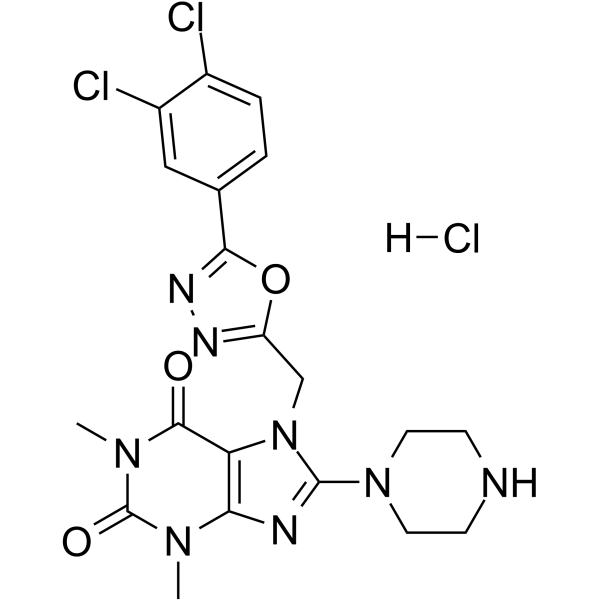
1. Search Result
Search Result
Isoforms Recommended: Estrogen receptor
Results for "

er

" in MedChemExpress (MCE) Product Catalog:

680

Inhibitors & Agonists

2

Screening Libraries

18

Fluorescent Dye

8

Biochemical Assay Reagents

20

Peptides

1

Inhibitory Antibodies

88

Natural
Products

19

Recombinant Proteins

49

Isotope-Labeled Compounds

19

Antibodies

6

Click Chemistry

6

Oligonucleotides

Targets Recommended:
Cat. No. Product Name Target Research Areas Chemical Structure
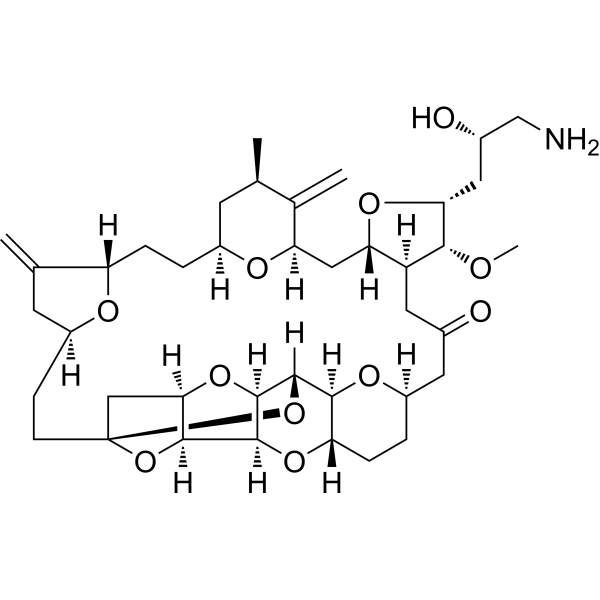
  • HY-13442
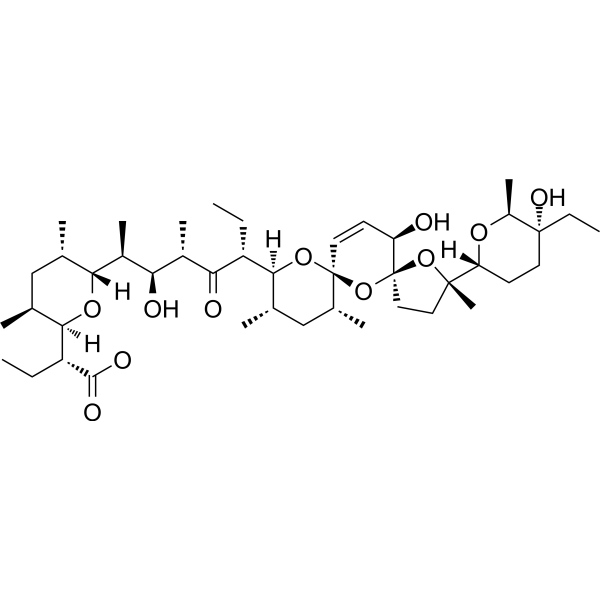
    Eribulin
    5+ Cited Publications

    B1939; E7389; er-086526

    Microtubule/Tubulin Apoptosis ADC Payload Cancer
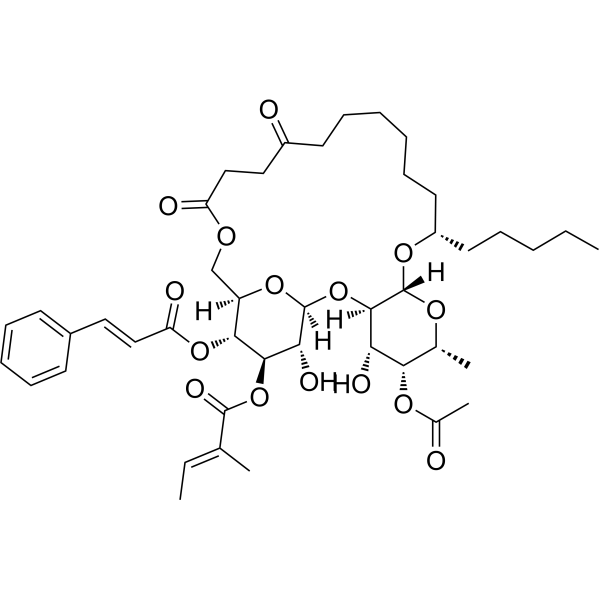
    Eribulin (E7389) is a microtubule targeting agent that is used for the research of metastatic breast cancer. Eribulin inhibits the proliferation of cancer cells by binding microtubule proteins and microtubules.
    Eribulin
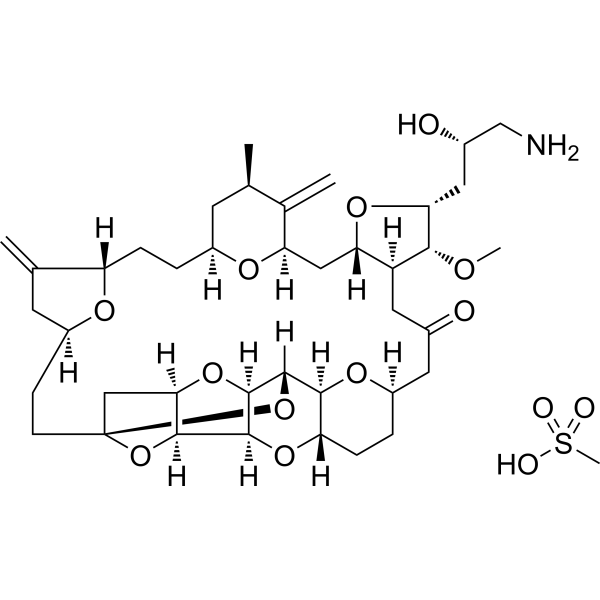
  • HY-13442A
    Eribulin mesylate
    5+ Cited Publications

    B1939 mesylate; E7389 mesylate; er-086526 mesylate

    Microtubule/Tubulin Apoptosis Cancer
    Eribulin mesylate is an inhibitor for microtubule. Eribulin mesylate inhibits the proliferation of cancer cell LM8 and Dunn, inhibits the cell migration of LM8, arrests the cell cycle at G2/M phase, and induces apoptosis in LM8. Eribulin mesylate exhibits antitumor efficacy in mouse model .
    Eribulin mesylate
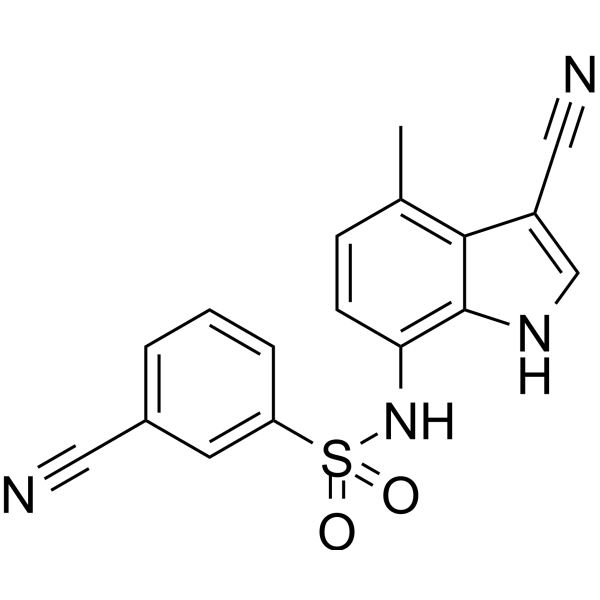
  • HY-14571
    E7820
    5 Publications Verification

    er68203-00

    Molecular Glues Integrin Infection Metabolic Disease Cancer
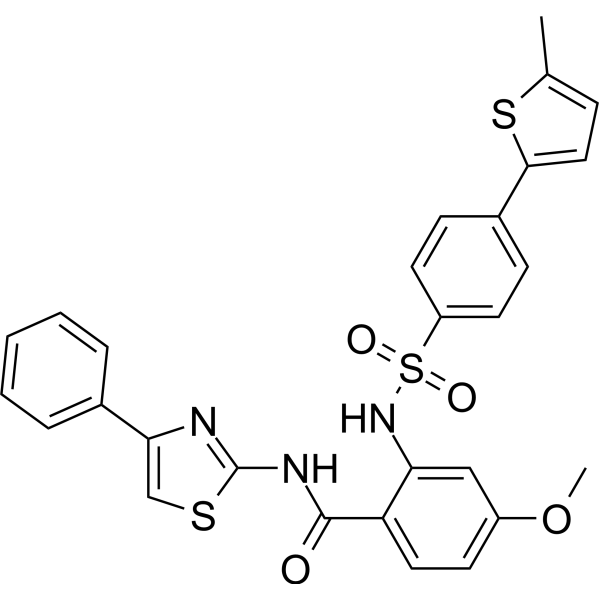
    E7820 (ER68203-00), an orally active aromatic sulfonamide derivative, is a molecular glue that induces the targeted degradation of splicing factor RBM39 by recruiting the E3 ubiquitin ligase CUL4-RBX1-DDB1-DCAF15 (CRL4 DCAF15). E7820 is an angiogenesis inhibitor suppressing an expression of integrin alpha2 subunit on endothelium. E7820 inhibits rat aorta angiogenesis with an IC50 of 0.11 μg/ml. E7820 modulates α-1, α-2, α-3, and α-5 integrin mRNA expression. E7820 can be used for the study of acute myeloid leukemia (AML) .
    E7820
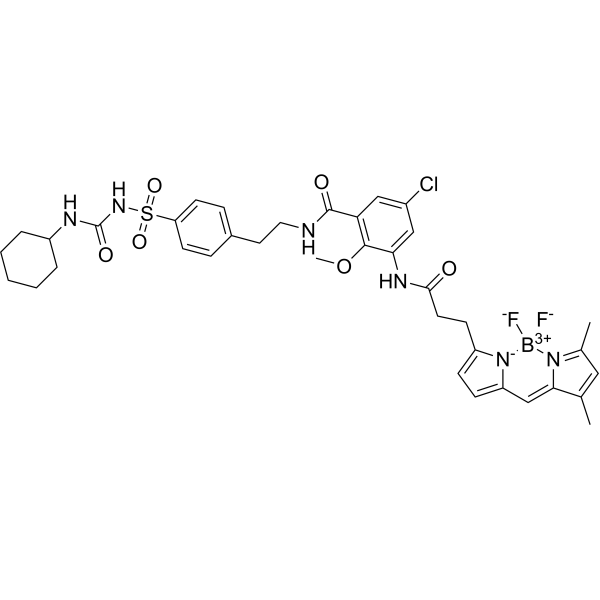
  • HY-D1297
    ER-Tracker Green
    5+ Cited Publications

    Fluorescent Dye Others
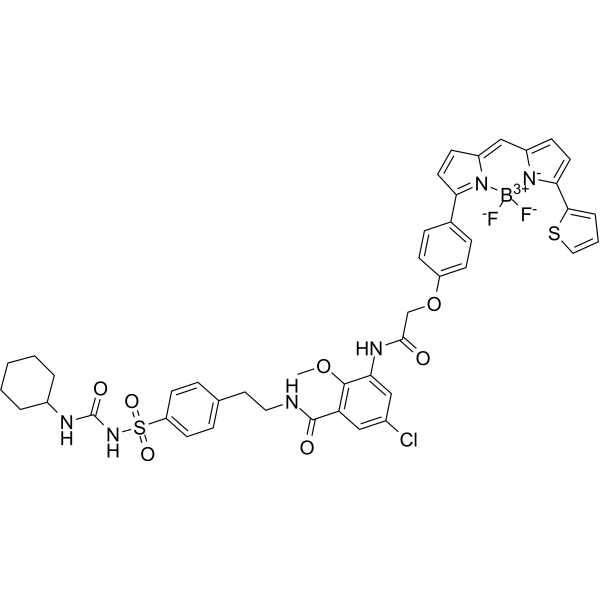
    ER-Tracker dye is a derivative of BODIPY series dyes coupled with Glibenclamide (HY-15206), highly selective binding to the endoplasmic reticulum, non-toxic to cells at low concentrations, this type of dye is an environmentally sensitive probe, and formaldehyde treatment can still retain part of the fluorescence, with high fluorescence life, good extinction coefficient and other characteristics. Glibenclamide is an atp-dependent K + channel blocker (Kir6, KATP) and CFTR Cl-channel blocker that binds in the endoplasmic reticulum. ER-Tracker is not suitable for staining cells after fixation .
    ER-Tracker Green
  • HY-D1431
    ER-Tracker Red
    4 Publications Verification

    Fluorescent Dye Cancer
    ER-Tracker dye is a derivative of BODIPY series dyes coupled with Glibenclamide (HY-15206), highly selective binding to the endoplasmic reticulum, non-toxic to cells at low concentrations, this type of dye is an environmentally sensitive probe, and formaldehyde treatment can still retain part of the fluorescence, with high fluorescence life, good extinction coefficient and other characteristics. Glibenclamide is an atp-dependent K + channel blocker (Kir6, KATP) and CFTR Cl-channel blocker that binds in the endoplasmic reticulum. ER-Tracker is not suitable for staining cells after fixation. Ex/Em=587/615 nm .
    ER-Tracker Red
  • HY-100852
    ER-000444793
    5+ Cited Publications

    Mitochondrial Metabolism Cancer
    ER-000444793 is a potent inhibitor of mitochondrial permeability transition pore (mPTP) opening. ER-000444793 inhibits mPTP with an IC50 of 2.8 μM.
    ER-000444793
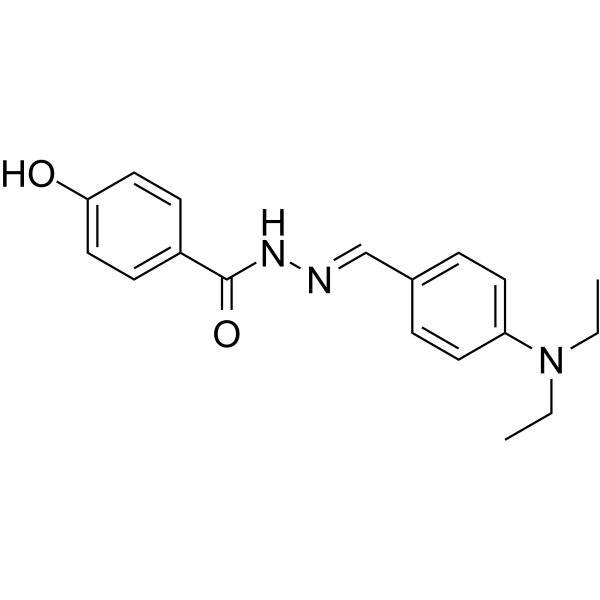
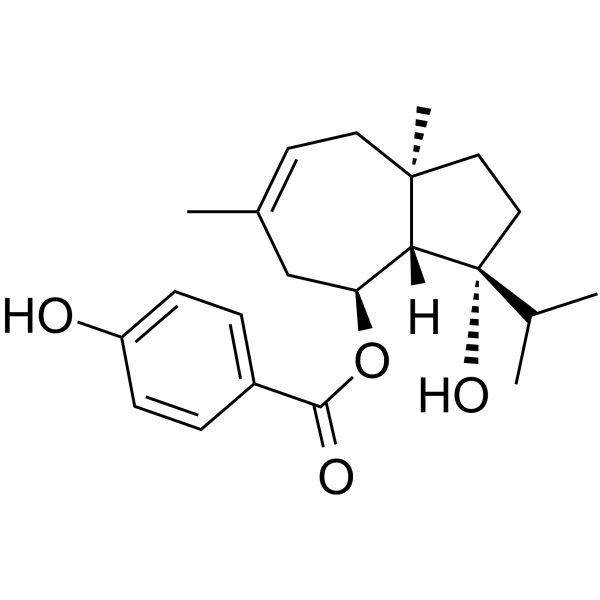
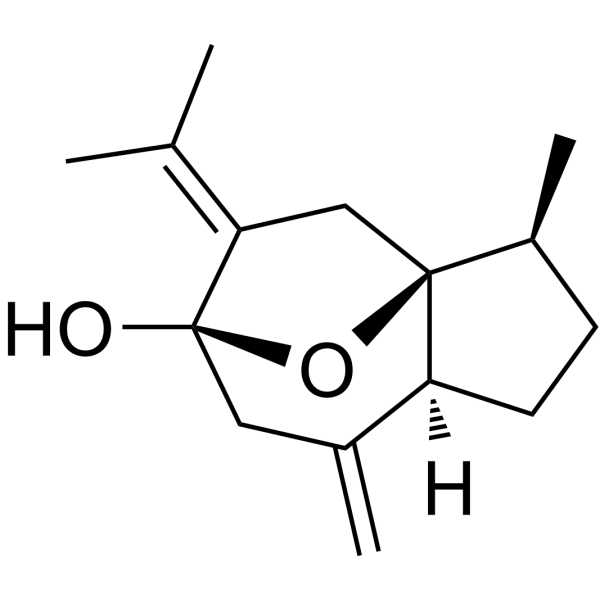
  • HY-N16308

    Fluorescent Dye Others
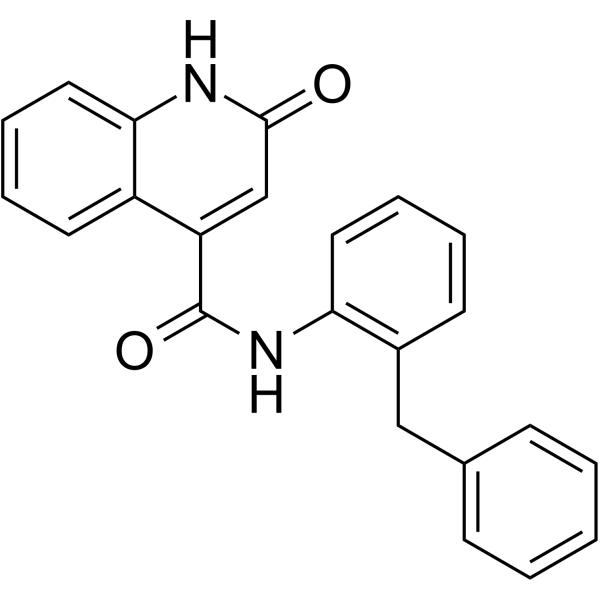
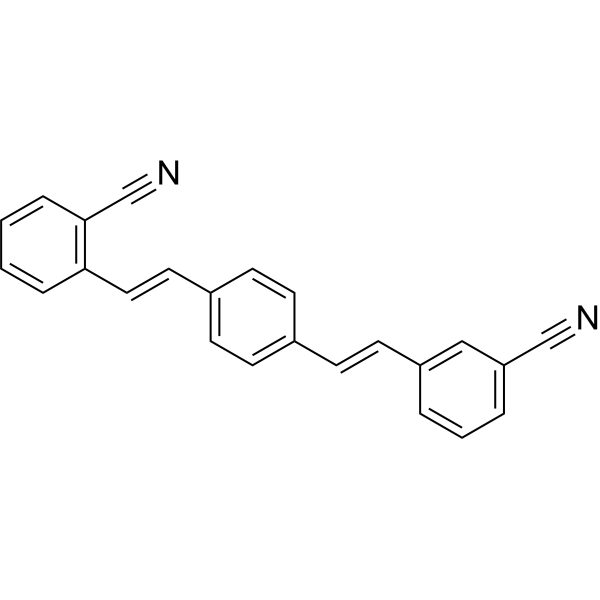
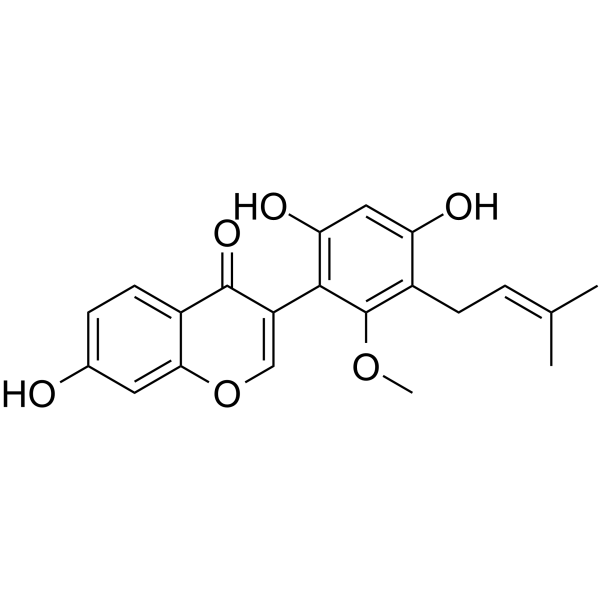
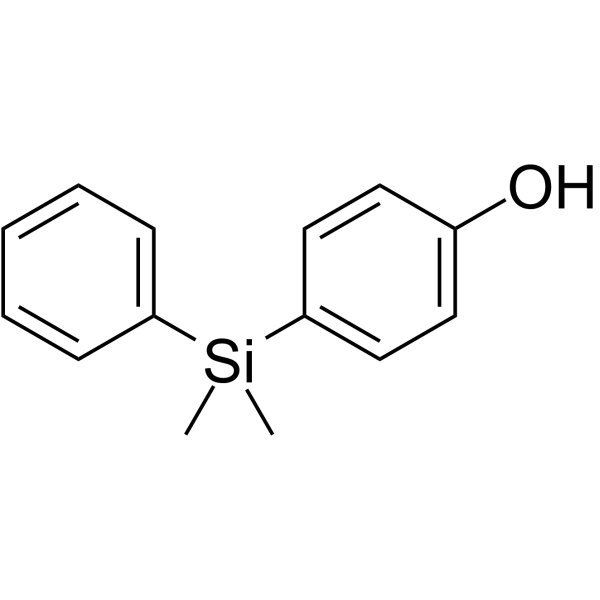
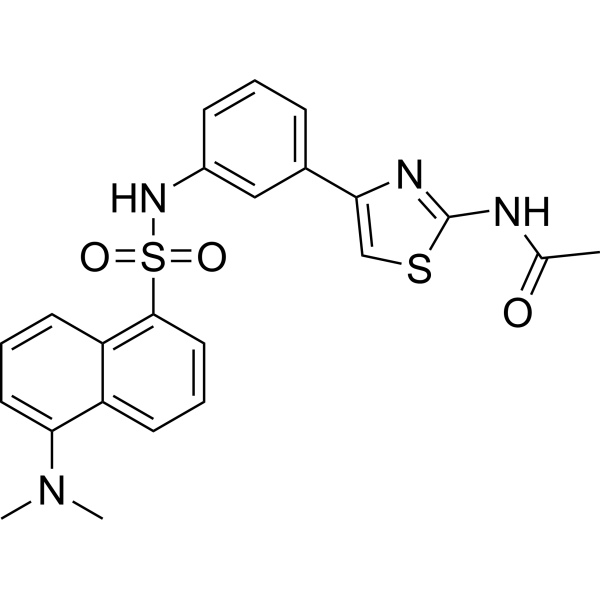
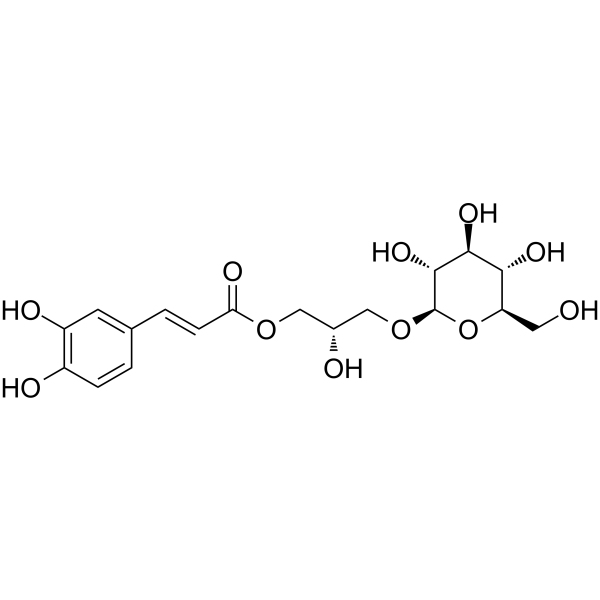
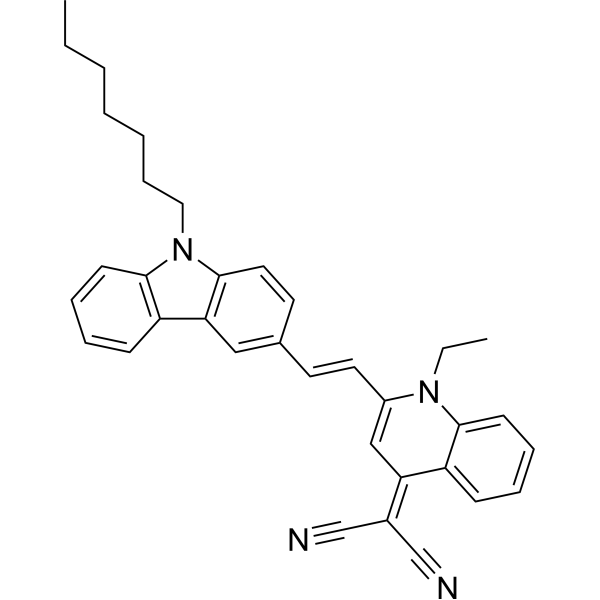
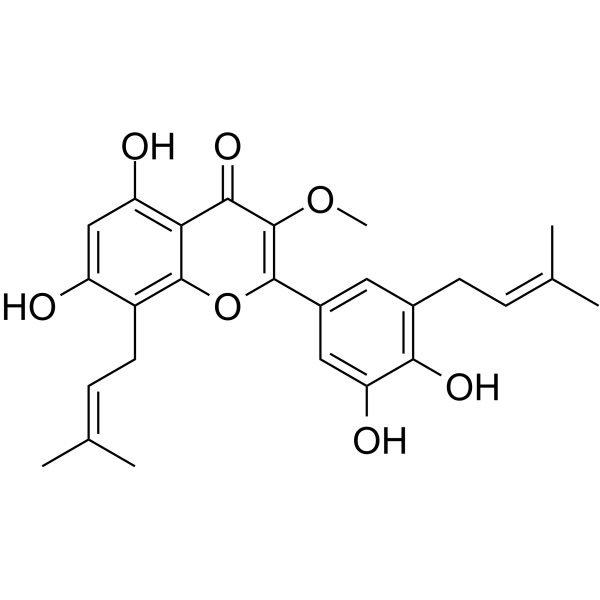
    ER-Laurdan is a derivative of the membrane-permeable fluorescent probe Laurdan (HY-D0080) that targets the endoplasmic reticulum (ER). As a membrane fluidity reporter, ER-Laurdan specifically localizes to the ER luminal membrane, and exhibits a prominent solvatochromic response to fluidity changes caused by membrane packing and exogenous saturated fatty acid stress. ER-Laurdan shows no overlapping localization with mitochondria, enables quantitative analysis of ER membrane fluidity via generalized polarization ratio measurement, and allows automatic signal masking with the help of ER markers. With high specificity and quantitative capability, ER-Laurdan serves as an important tool for investigating metabolic disorders and associated changes in the physical properties of cell membranes .
    ER-Laurdan
  • HY-14272

    BMS-207147; er-30346

    Fungal Infection Cancer
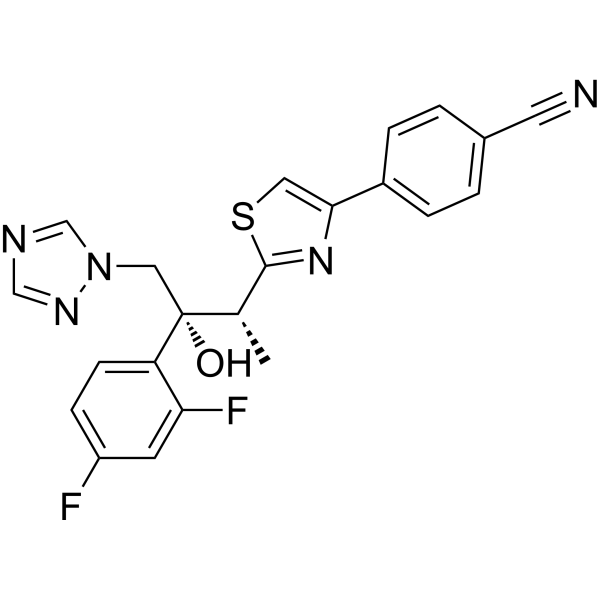
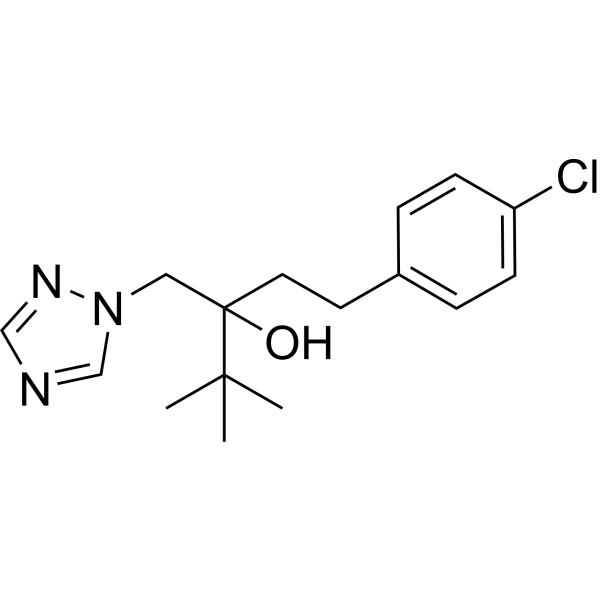
    Ravuconazole (BMS-207147;ER-30346) is an orally available triazole antifungle agent that potently inhibits a wide range of fungi.
    Ravuconazole
  • HY-14933
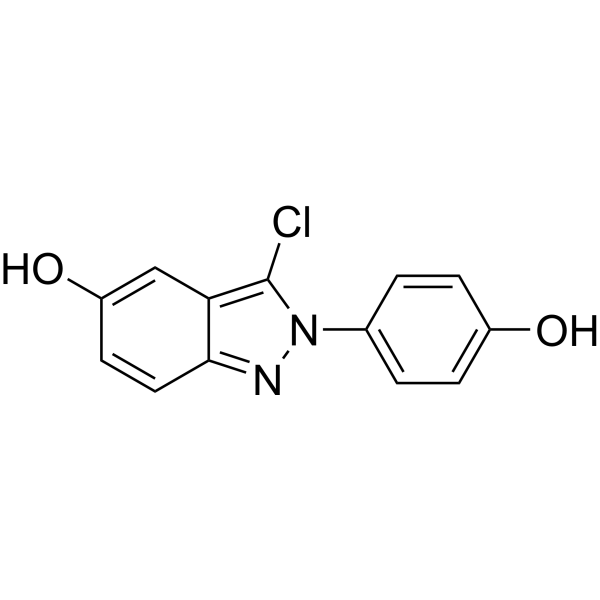
    Prinaberel
    3 Publications Verification

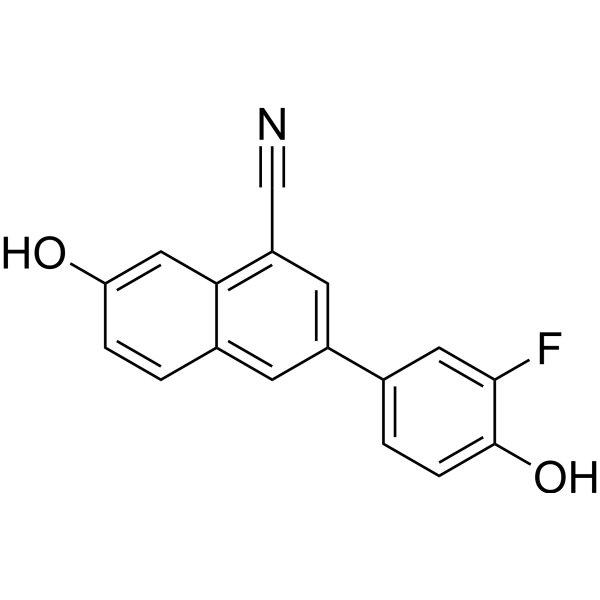
    erB-041

    Estrogen Receptor/ERR Wnt Apoptosis Cancer
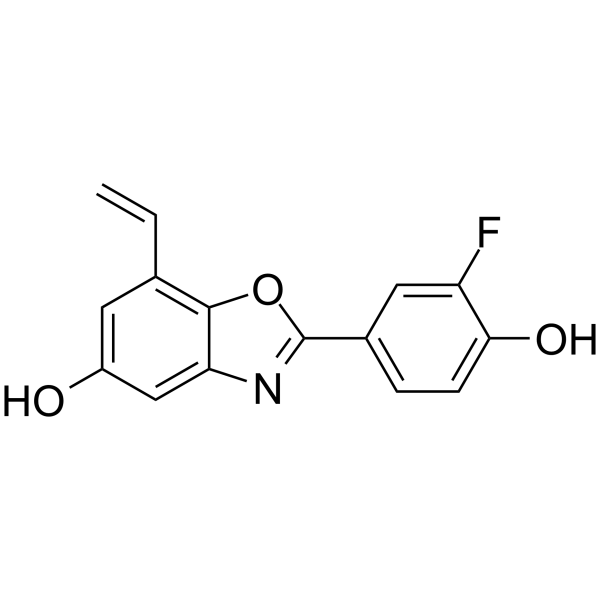
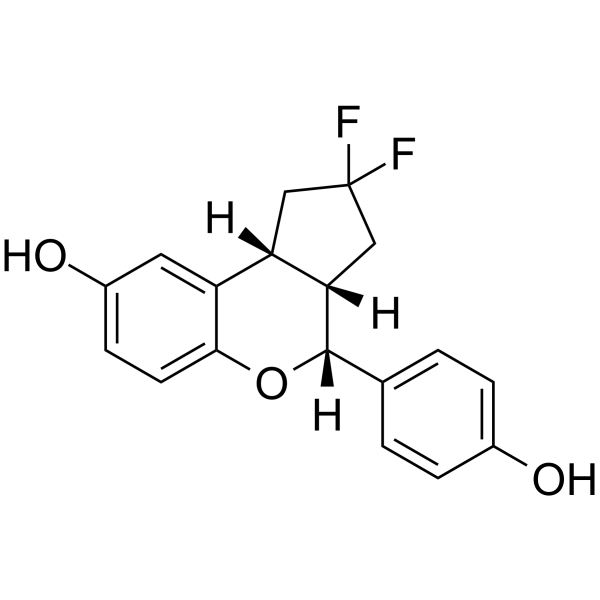
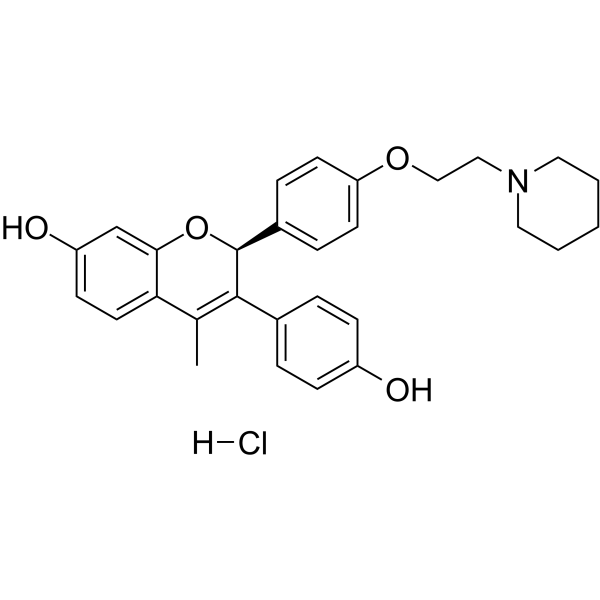
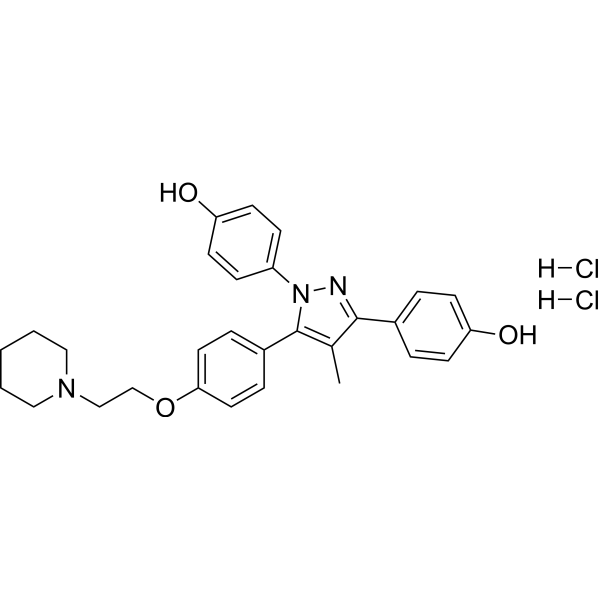
    Prinaberel (ERB-041) is a potent and selective estrogen receptor (ER) β agonist with IC50s of 5.4, 3.1 and 3.7 nM for human, rat and mouse ERβ, respectively. Prinaberel displays >200-fold selectivity for ERβ over ERα. Prinaberel is a potent skin cancer chemopreventive agent that acts by dampening the WNT/β-catenin signaling pathway. Prinaberel induces ovarian cancer apoptosis .
    Prinaberel
  • HY-D1429

    Fluorescent Dye Others
    ER-Tracker dye is a derivative of BODIPY series dyes coupled with Glibenclamide (HY-15206), highly selective binding to the endoplasmic reticulum, non-toxic to cells at low concentrations, this type of dye is an environmentally sensitive probe, and formaldehyde treatment can still retain part of the fluorescence, with high fluorescence life, good extinction coefficient and other characteristics. Glibenclamide is an atp-dependent K + channel blocker (Kir6, KATP) and CFTR Cl-channel blocker that binds in the endoplasmic reticulum. ER-Tracker is not suitable for staining fixed cells. Staining followed by fixation is possible, but cells fixed with aldehydes will only retain partial fluorescence (Ex/Em = 374/ 430-640 nm) .
    ER-Tracker Blue-White DPX
  • HY-153468

    TEQ103; Sera2

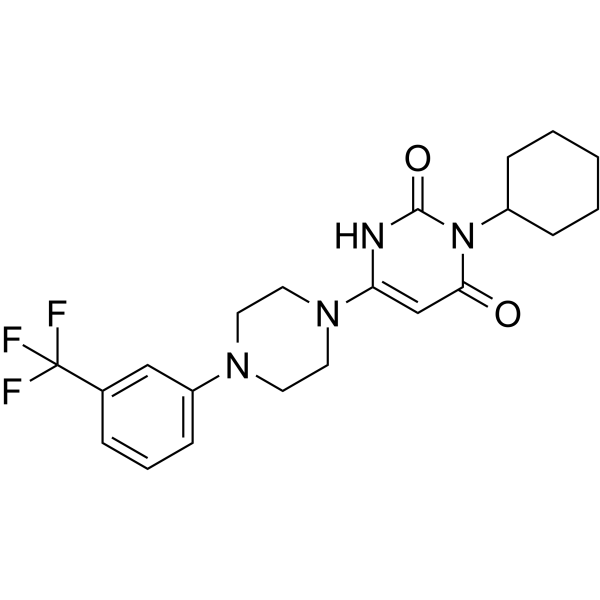
    Sodium Channel TRP Channel Cancer
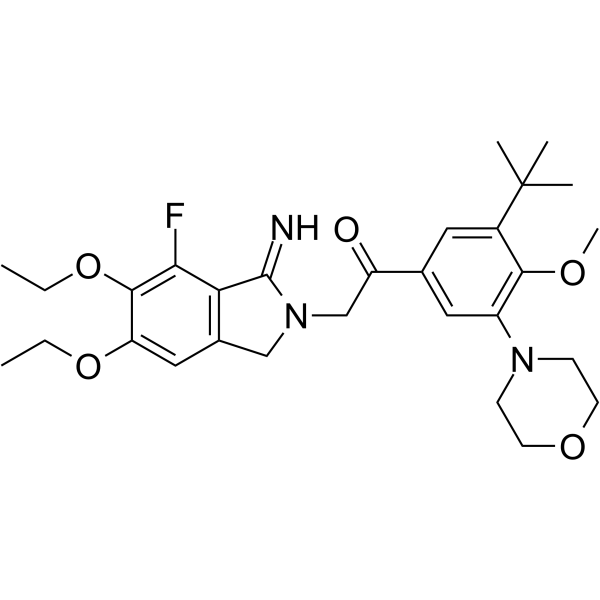
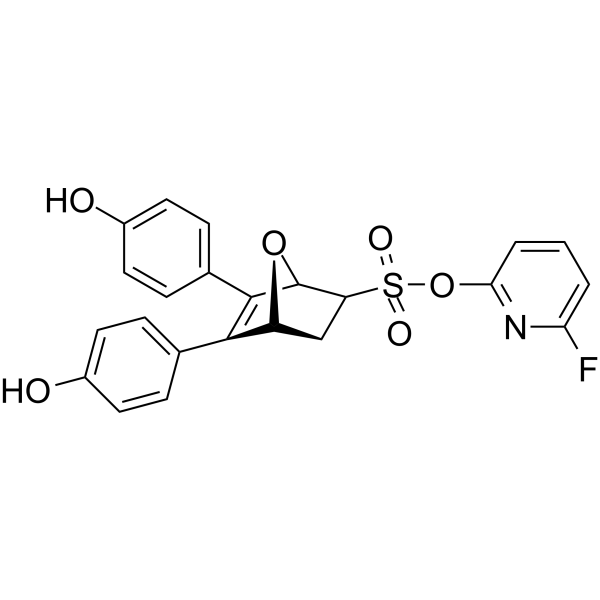
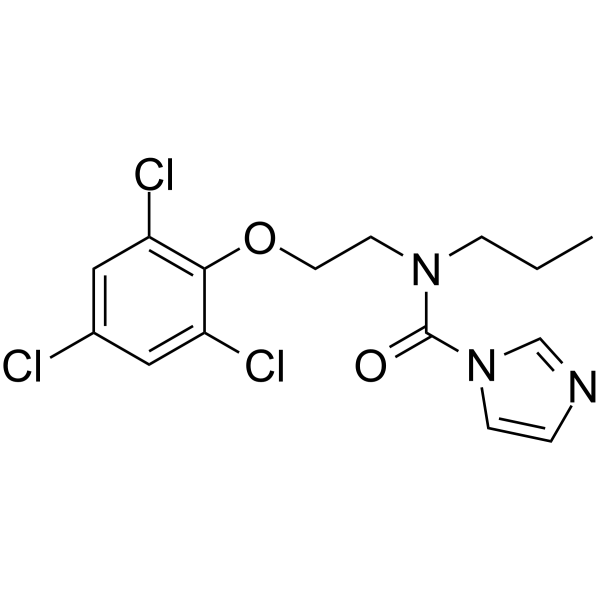
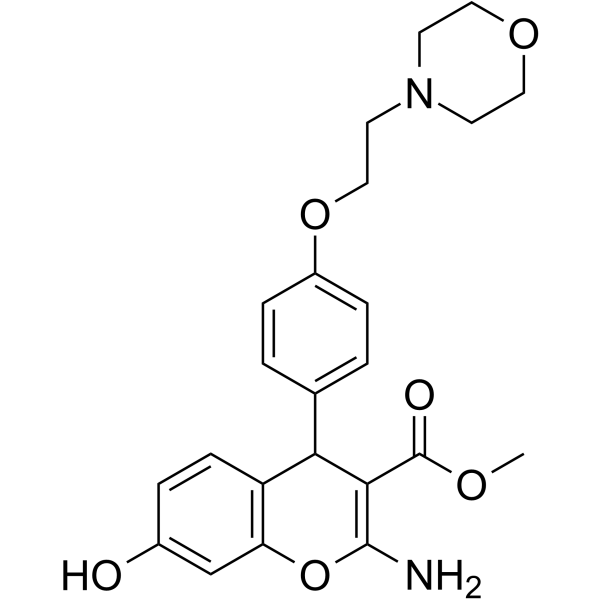
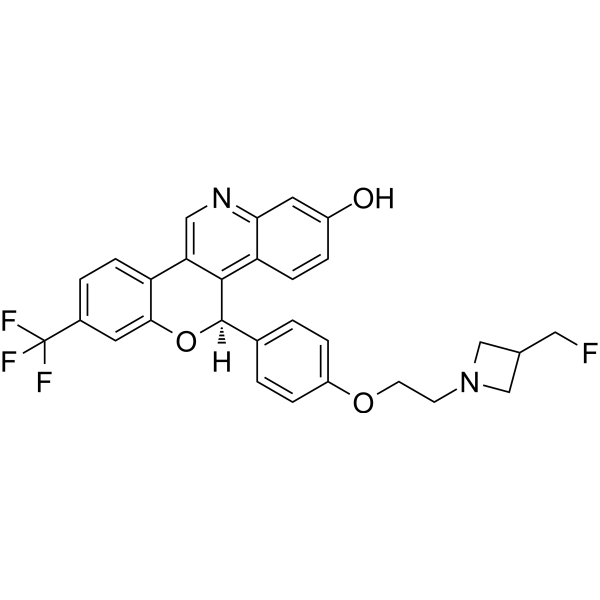
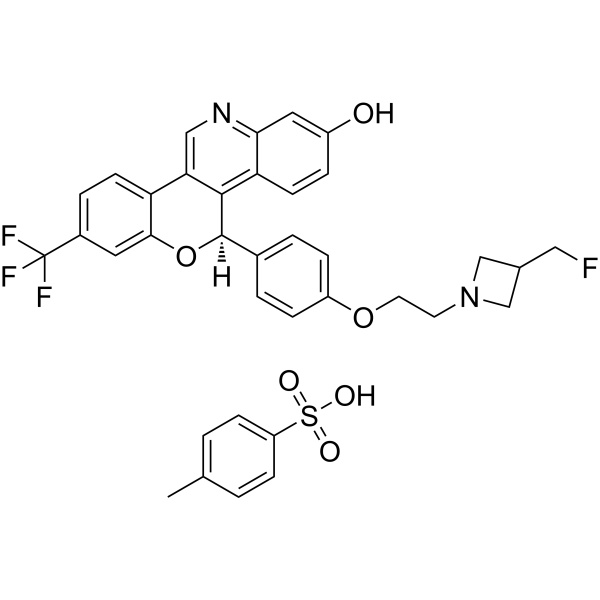
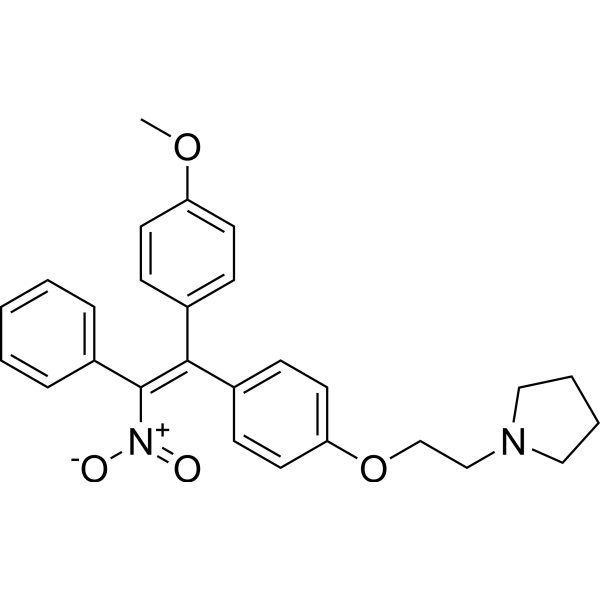
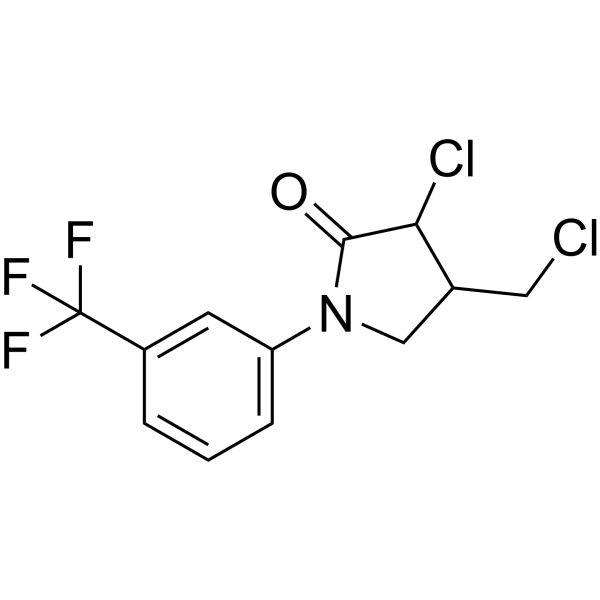
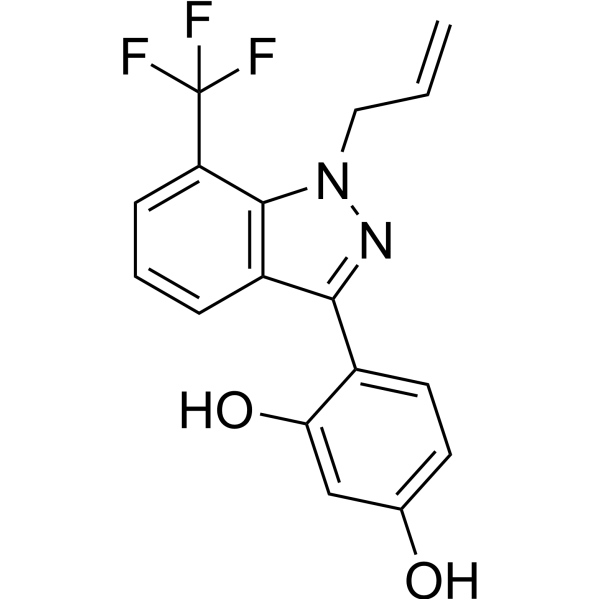
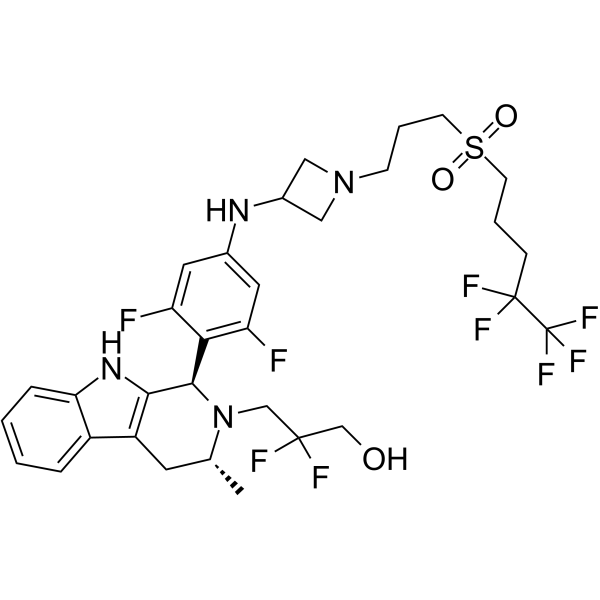
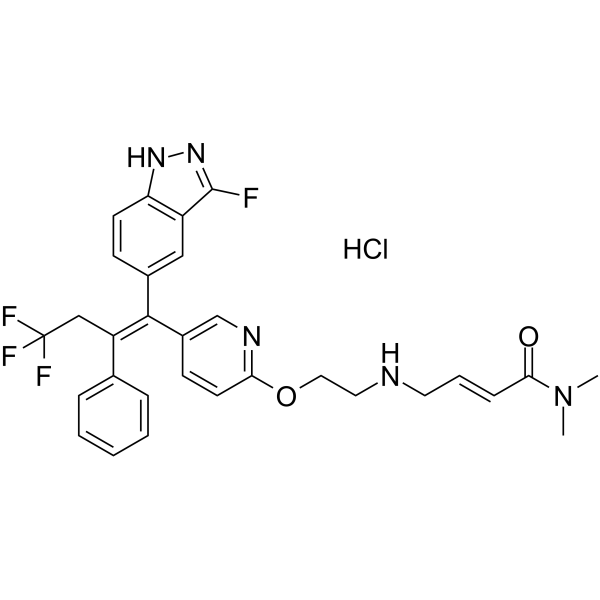
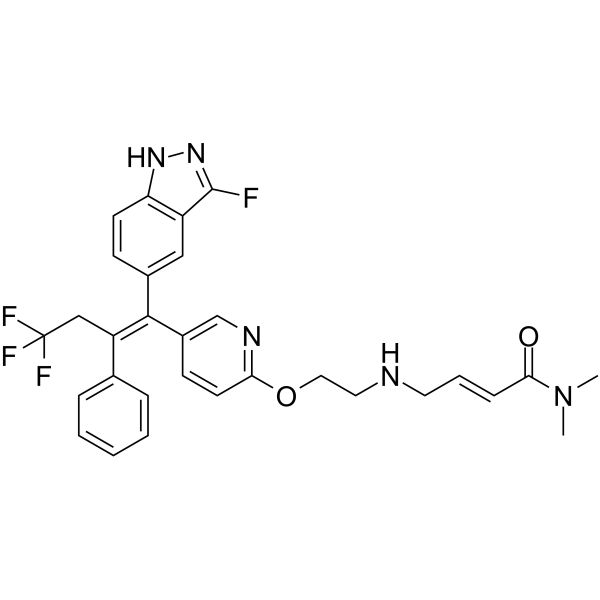
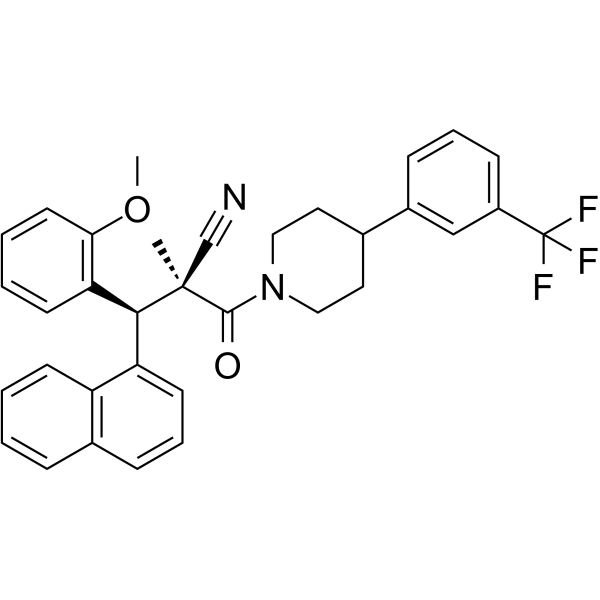
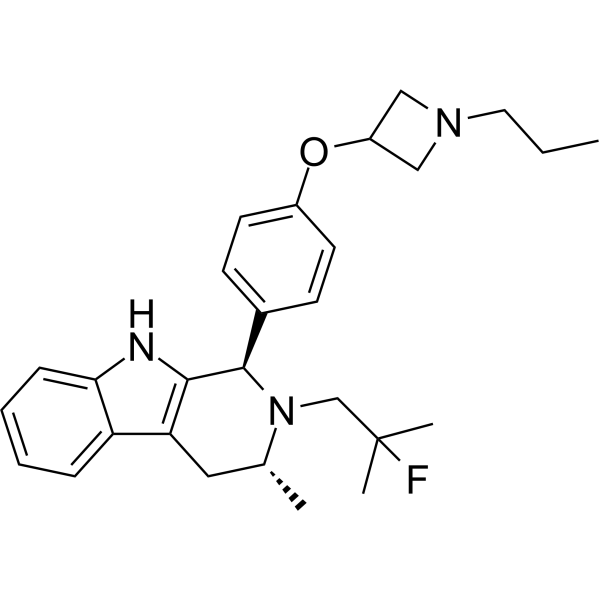
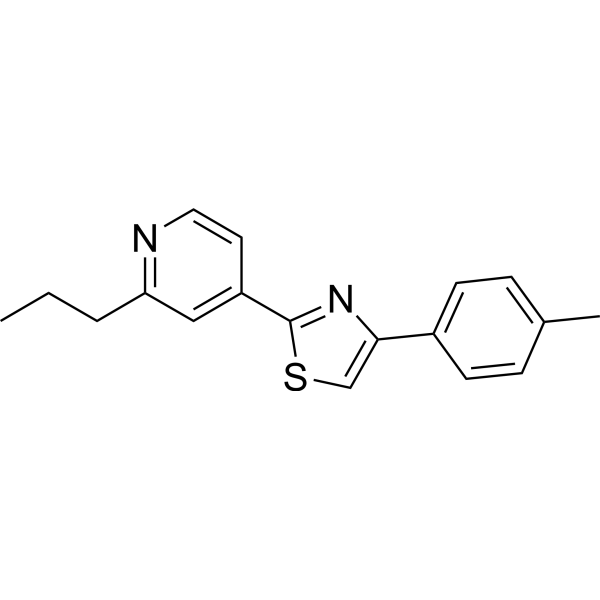
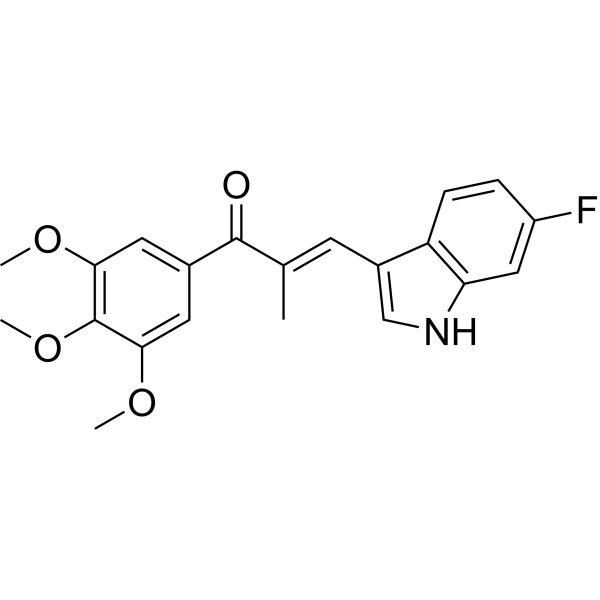
    ErSO-TFPy (TEQ103) is an ERα+ tumor cell inhibitor with low nanomolar cytotoxic activity against ERα+ breast cancer cells. ErSO-TFPy activates the sodium channel TRPM4, causes an imbalance of intracellular calcium and sodium ions. ErSO-TFPy dysregulates calcium homeostasis in ERα+ tumor cells, triggers the anticipatory unfolded protein response, and induces rapid immune cell-independent necrotic cell death. ErSO-TFPy can be used for the research of estrogen receptor alpha positive breast cancer .
    ErSO-TFPy
  • HY-42484

    eribulin intermediate

    Microtubule/Tubulin Cancer
    ER-076349 (Eribulin intermediate) is an inhibitor of tubulin polymerization, induces G2-M cell cycle arrest, and disrupts mitotic spindles. ER-076349 inhibits cancer cell growth, and inhibits tumor growth in several human tumor xenografts. ER-076349 is an analog of Halichondrin B .
    ER-076349
  • HY-D1422

    BDNCA-346

    Fluorescent Dye Others
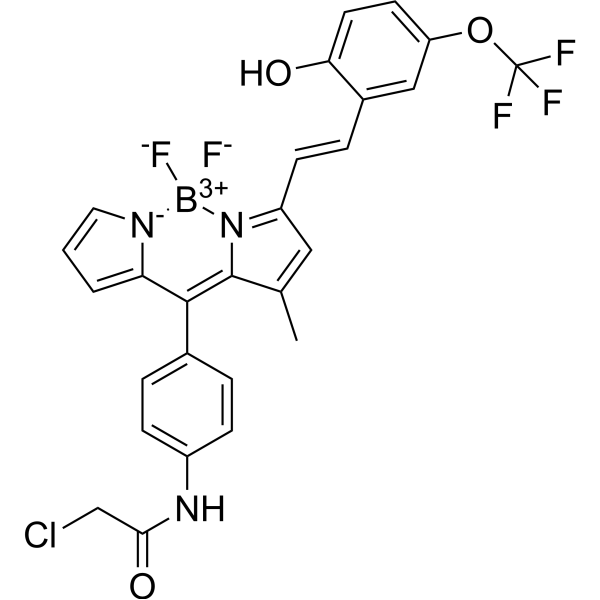
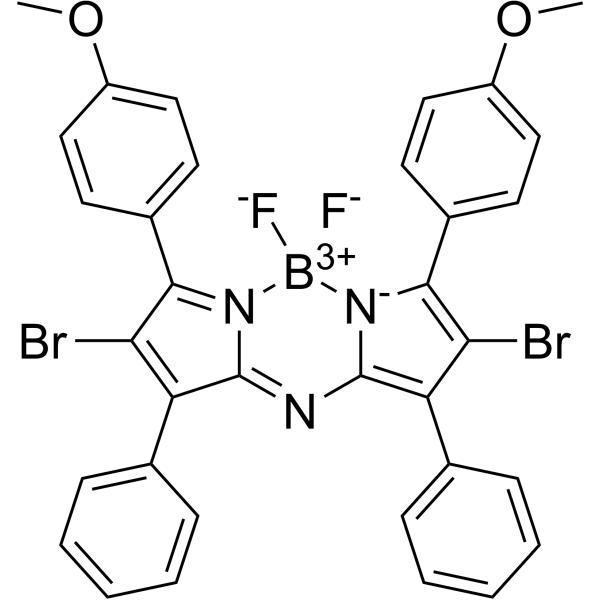
    ER Tracker Yellow is an endoplasmic reticulum-targeted temperature-visible fluorescent probe. ER Tracker Yellow has high temperature sensitivity (3.9%/°C) and is not affected by pH and Ca 2+ interference. ER Tracker Yellow can be used for real-time monitoring of local temperature changes in the ER area. ER Tracker Yellow maintains its function in fixed cells. ER Tracker Yellow is suitable for various cell lines and primary cells, such as HeLa cells, MEF cells, and other cells .
    ER Tracker Yellow
  • HY-124686

    STAT Interleukin Related TNF Receptor Inflammation/Immunology
    ER-464195-01 is an orally active calreticulin (CRT) and integrin α subunits (ITGAs) binding inhibitor. ER-464195-01 inhibits leukocyte infiltration and subsequent inflammatory cascade reactions by dissociating the binding between CRT and ITGA. ER-464195-01 down-regulates the expression of pro-inflammatory genes (such as TNF-α, IL-1β, IL-6, IL-17f) induced by DSS (HY-116282C), and inhibit the phosphorylation of STAT3 and the production of serum amyloid A (SAA). ER-464195-01 can be used for the study of inflammatory bowel disease (IBD) .
    ER-464195-01
  • HY-DY1074

    Fluorescent Dye Others
    ER-Tracker dye is a derivative of BODIPY series dyes coupled with Glibenclamide (HY-15206) , highly selective binding to the endoplasmic reticulum, non-toxic to cells at low concentrations, this type of dye is an environmentally sensitive probe, and formaldehyde treatment can still retain part of the fluorescence, with high fluorescence life, good extinction coefficient and other characteristics. Glibenclamide is an atp-dependent K + channel blocker (Kir6, KATP) and CFTR Cl-channel blocker that binds in the endoplasmic reticulum. ER-Tracker is not suitable for staining fixed cells. Staining followed by fixation is possible, but cells fixed with aldehydes will only retain partial fluorescence .
    Solvent and concentration: DMSO: 1 mM
    ER-Tracker Blue-White DPX (solution)
  • HY-18200

    E5555; er-172594-00

    Protease Activated Receptor (PAR) JAK Apoptosis Cardiovascular Disease Cancer
    Atopaxar (E5555) is a potent, orally active, selective and reversible thrombin receptor protease-activated receptor-1 (PAR-1) antagonist. Atopaxar, an antiplatelet agent, interferes with platelet signaling. Atopaxar can be used for the research of atherothrombotic disease .
    Atopaxar
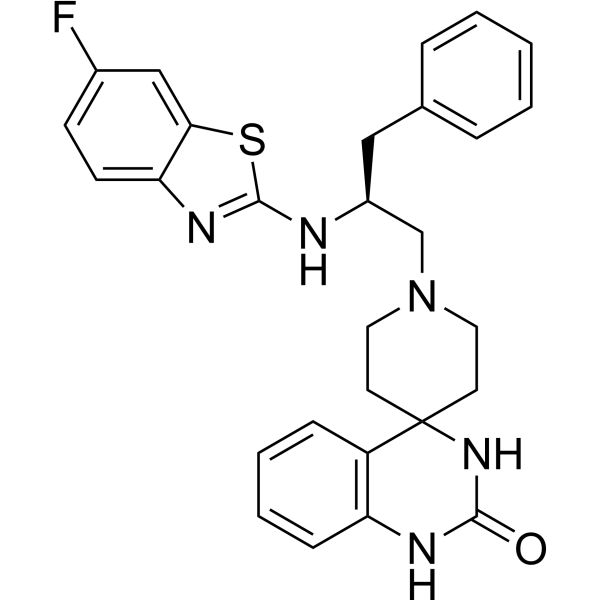
  • HY-148755

    Lipase Cancer
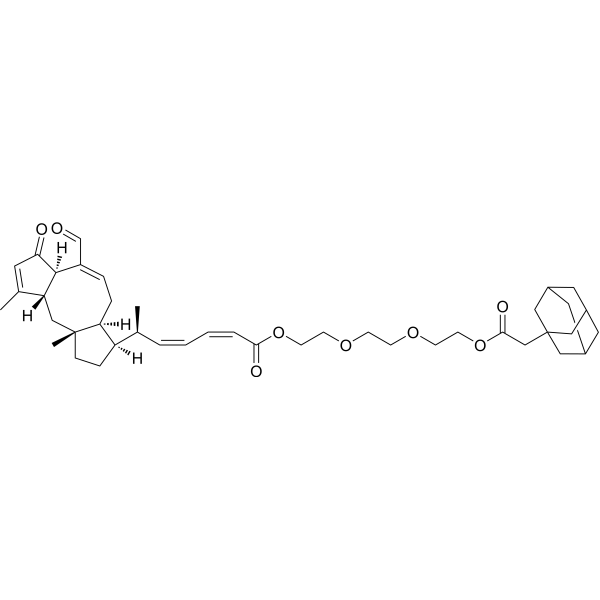
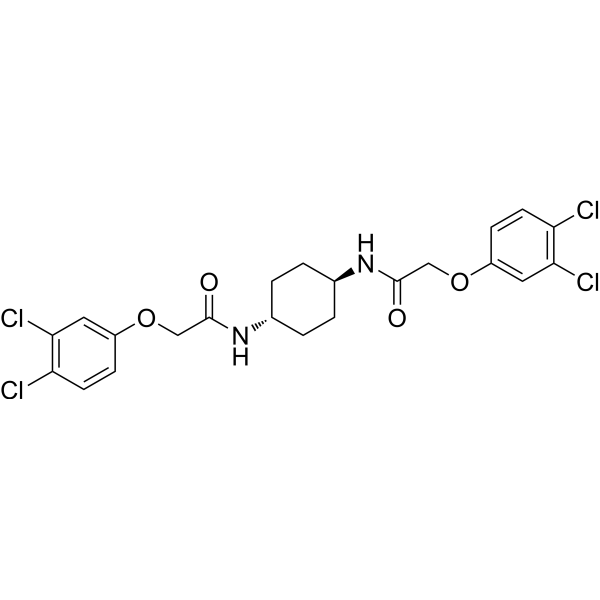
    ERX-41 is an orally active and stereospecific small molecule targeting to lysosomal acid lipase A (LIPA). ERX-41 induces endoplasmic reticulum (ER) stress resulting in cell death, indicating a function independent of LIPA but dependent on its ER localization. ERX-41 involves in a targeted strategy for solid tumors .
    ERX-41
  • HY-108531

    RAR/RXR Metabolic Disease
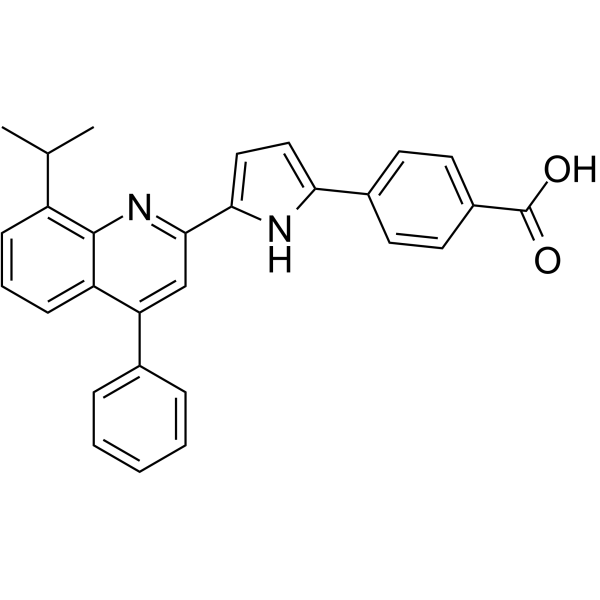
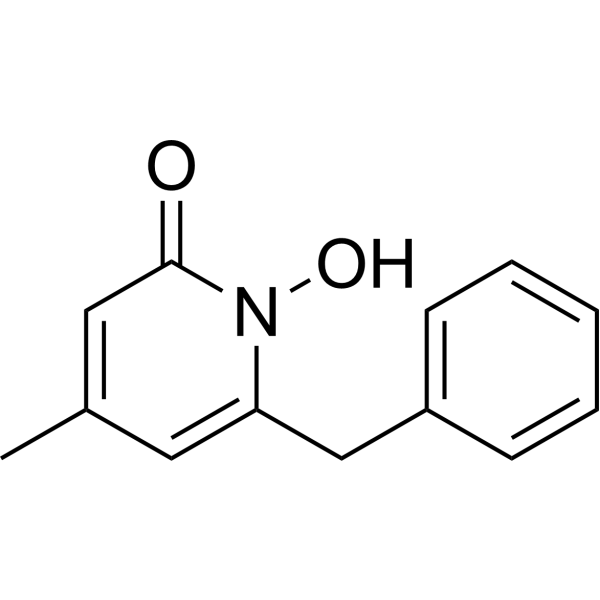
    ER 50891 is a RARα antagonist. ER 50891 can significantly antagonize the inhibitory effect of all-trans retinoic acid (ATRA) on the total cell metabolic activity and proliferation of MC3T3-E1 preosteoblasts. ER 50891 rescues ATRA-inhibited osteocalcin (OCN) expression and extracellular matrix mineralization, and suppresses alkaline phosphatase (ALP) activity synergistically. ER 50891 can be used for the study of osteoporosis related to ATRA-induced inhibition of osteoblastogenesis .
    ER 50891
  • HY-149480

    PROTACs Estrogen Receptor/ERR Cancer
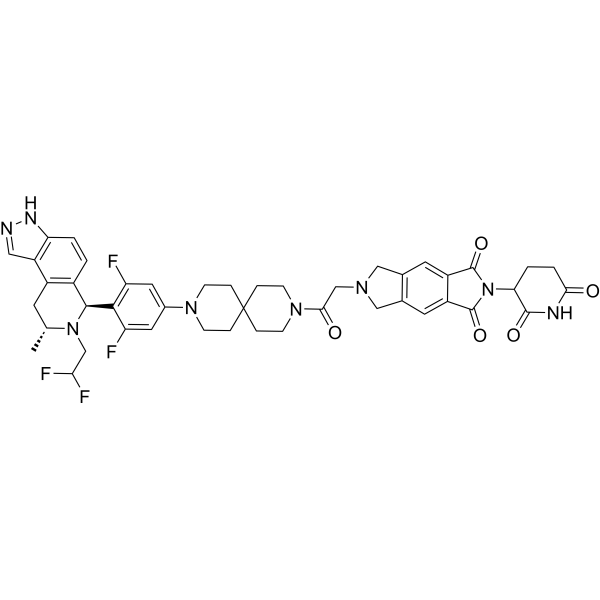
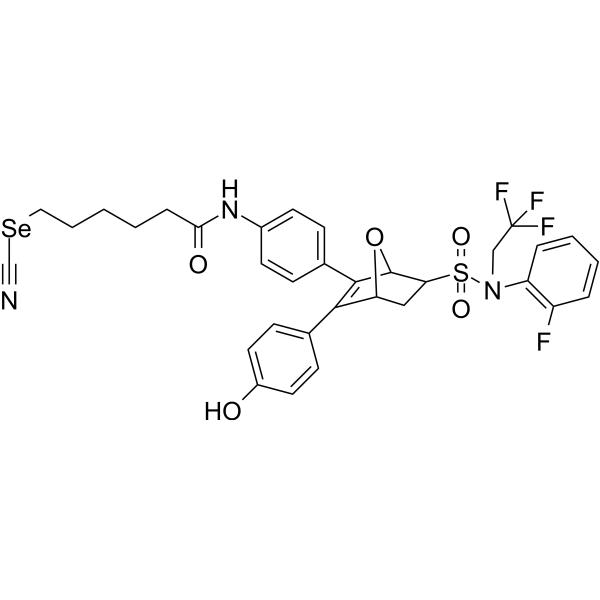
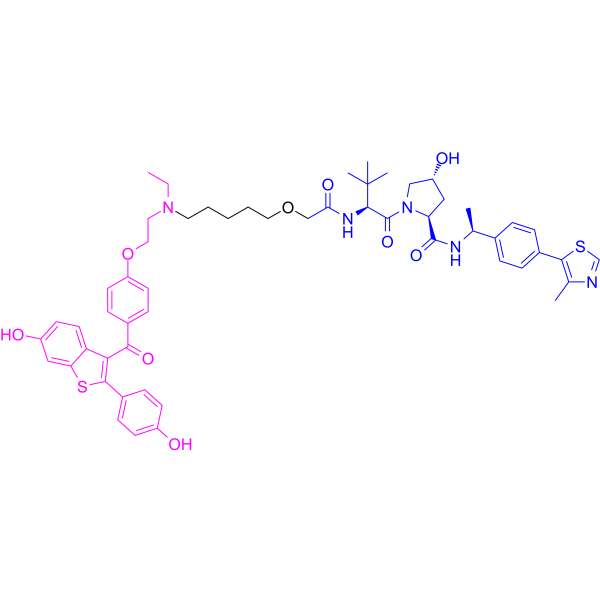
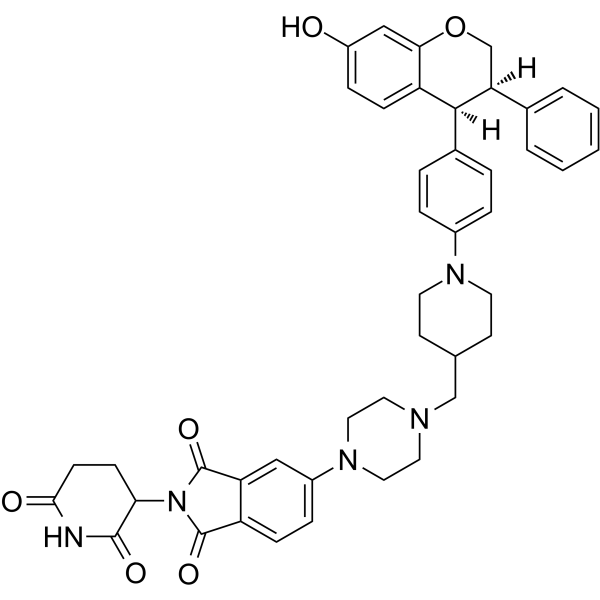
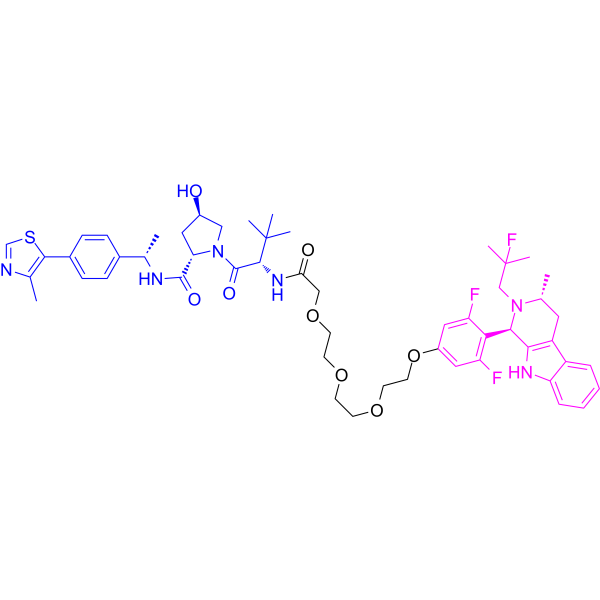
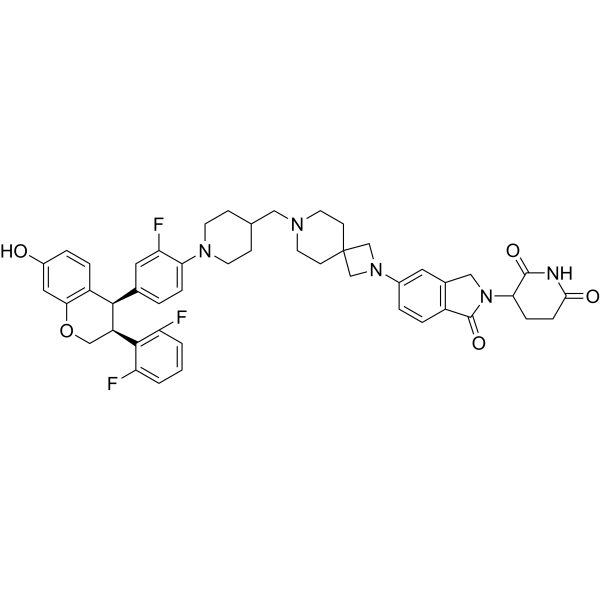
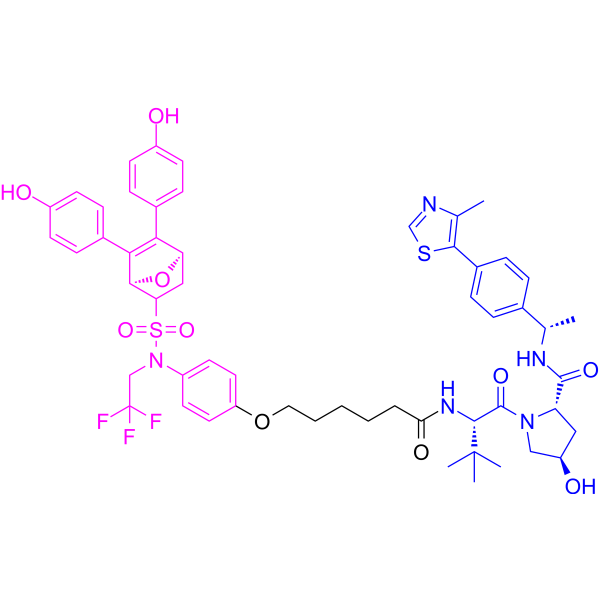
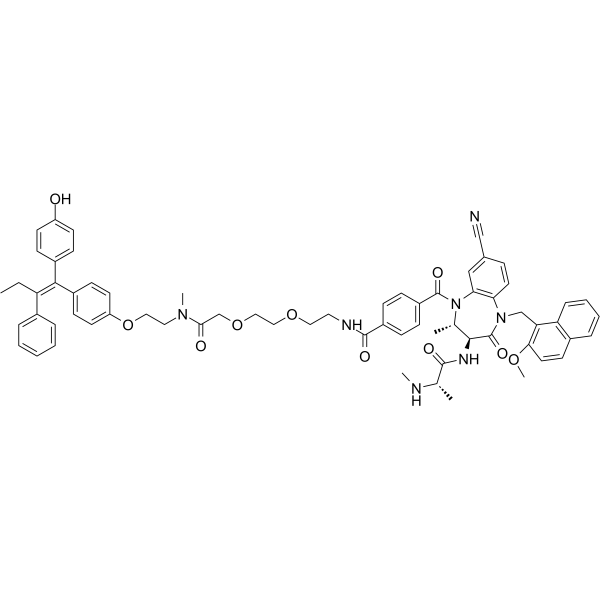
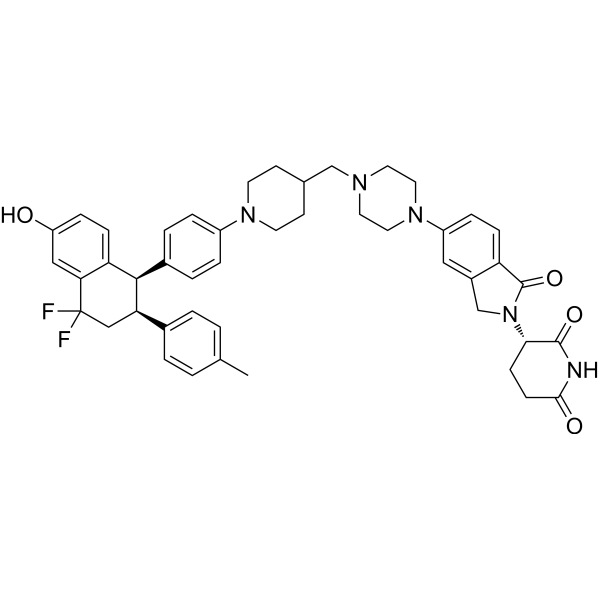
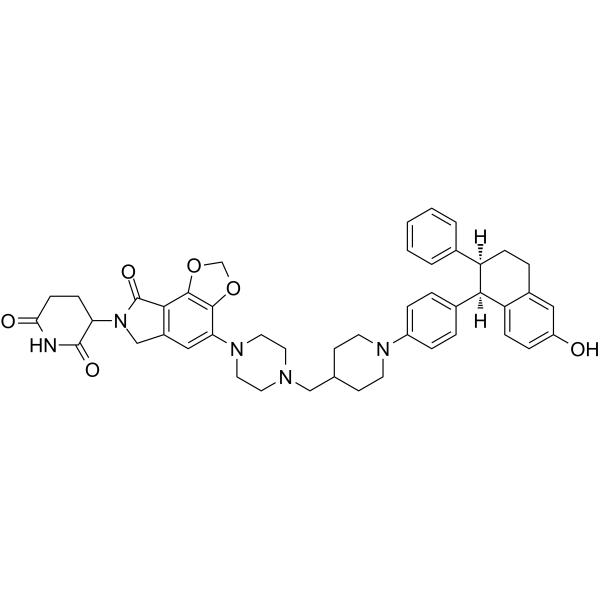
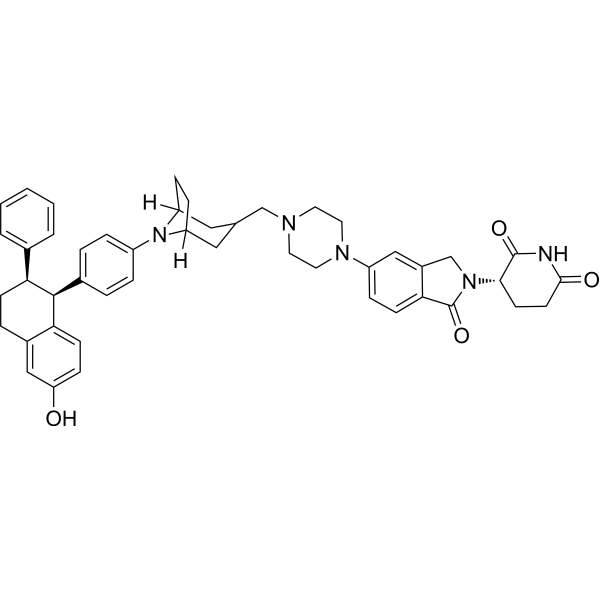
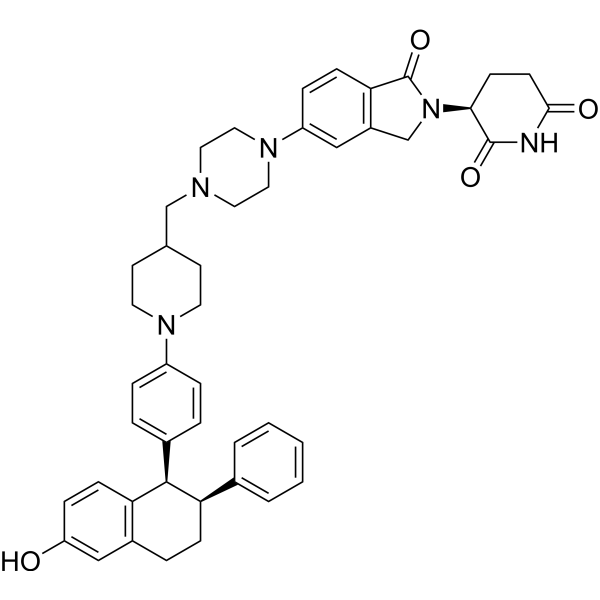
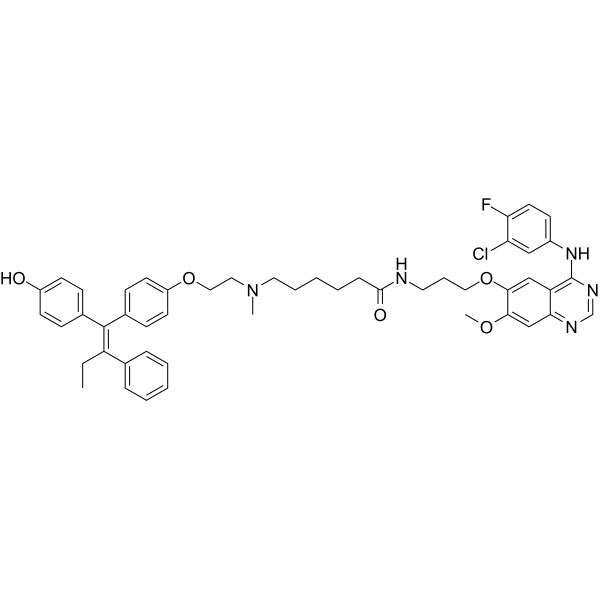
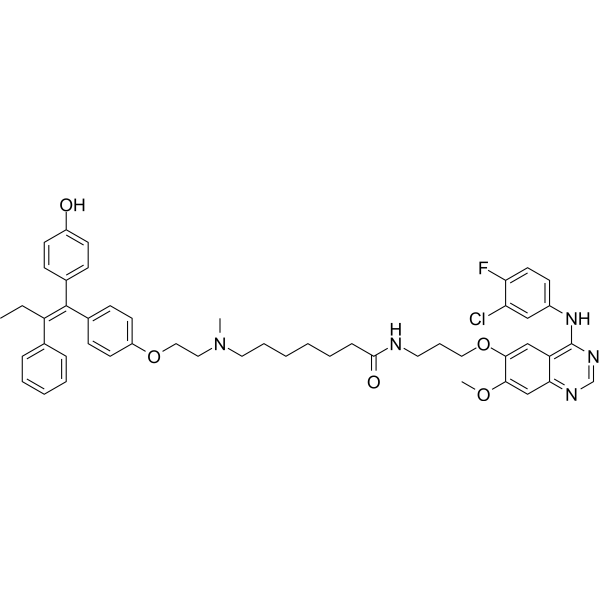
    ERD-3111 (Compound 44) is an orally active PROTAC ERα degrader (DC50: 0.5 nM). ERD-3111 inhibits tumor growth in the parental MCF-7 xenograft model with wild-type ER and two clinically relevant ESR1 mutated mice model. ERD-3111 can be used in the research of ER+ breast cancer .
    ERD-3111
  • HY-D2320

    Fluorescent Dye Others
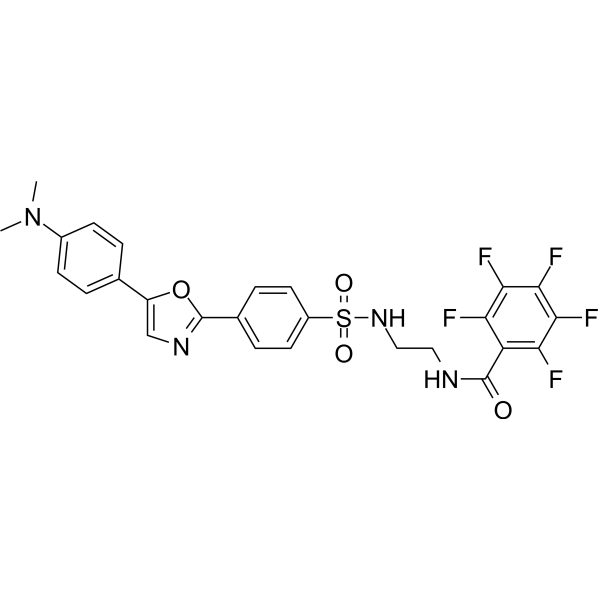
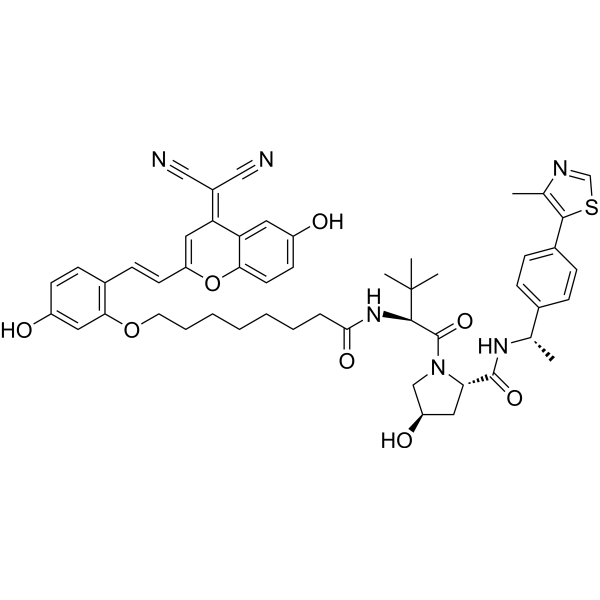
    ER Flipper-TR 28 is a flipper probe with a small molecule fluorophore that can image membrane tension in the endoplasmic reticulum (ER). ER Flipper-TR 28 bears a pentafluorophenyl group and also reacts with protein thiolate on the ER surface facing the cytoplasm .
    ER Flipper-TR 28
  • HY-DY1043

    Fluorescent Dye Others
    ER-Tracker dye is a derivative of BODIPY series dyes coupled with Glibenclamide (HY-15206) , highly selective binding to the endoplasmic reticulum, non-toxic to cells at low concentrations, this type of dye is an environmentally sensitive probe, and formaldehyde treatment can still retain part of the fluorescence, with high fluorescence life, good extinction coefficient and other characteristics. Glibenclamide is an atp-dependent K + channel blocker (Kir6, KATP) and CFTR Cl-channel blocker that binds in the endoplasmic reticulum. ER-Tracker is not suitable for staining cells after fixation .
    Solvent and concentration: DMSO: 1 mM
    ER-Tracker Green (solution)
  • HY-DY1026

    Fluorescent Dye Cancer
    ER-Tracker dye is a derivative of BODIPY series dyes coupled with Glibenclamide (HY-15206) , highly selective binding to the endoplasmic reticulum, non-toxic to cells at low concentrations, this type of dye is an environmentally sensitive probe, and formaldehyde treatment can still retain part of the fluorescence, with high fluorescence life, good extinction coefficient and other characteristics. Glibenclamide is an atp-dependent K + channel blocker (Kir6, KATP) and CFTR Cl-channel blocker that binds in the endoplasmic reticulum. ER-Tracker is not suitable for staining cells after fixation. Ex/Em=587/615 nm .
    Solvent and concentration: DMSO: 1 mM
    ER-Tracker Red (solution)
  • HY-13442C

    B1939 mesylate (purity>99%, single impurity ≤ 0.15%); E7389 mesylate (purity>99%, single impurity ≤ 0.15%); er-086526 mesylate (purity>99%, single impurity ≤ 0.15%)

    Microtubule/Tubulin Apoptosis Cancer
    Eribulin (B1939; E7389; ER-086526) mesylate (purity>99%, single impurity ≤ 0.15%) is an inhibitor for microtubule. Eribulin mesylate (purity>99%, single impurity ≤ 0.15%) inhibits the proliferation of cancer cell LM8 and Dunn, inhibits the cell migration of LM8, arrests the cell cycle at G2/M phase, and induces apoptosis in LM8. Eribulin mesylate (purity>99%, single impurity ≤ 0.15%) exhibits antitumor efficacy in mouse model .
    Eribulin mesylate (purity>99%, single impurity ≤ 0.15%)
  • HY-156722

    COX Lipoxygenase Inflammation/Immunology
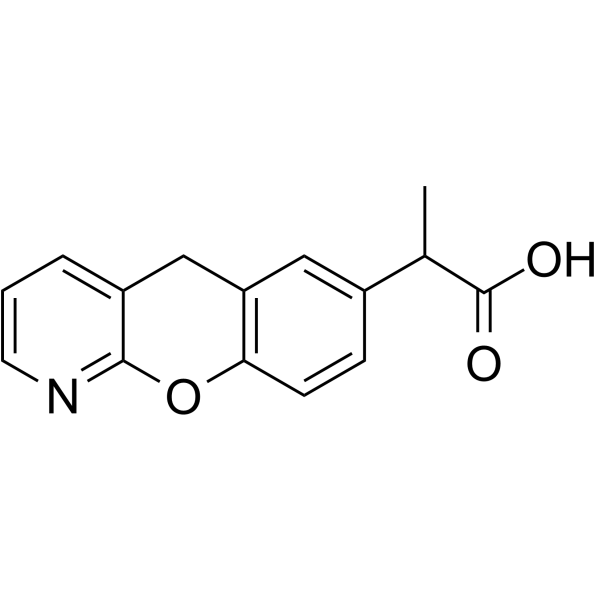
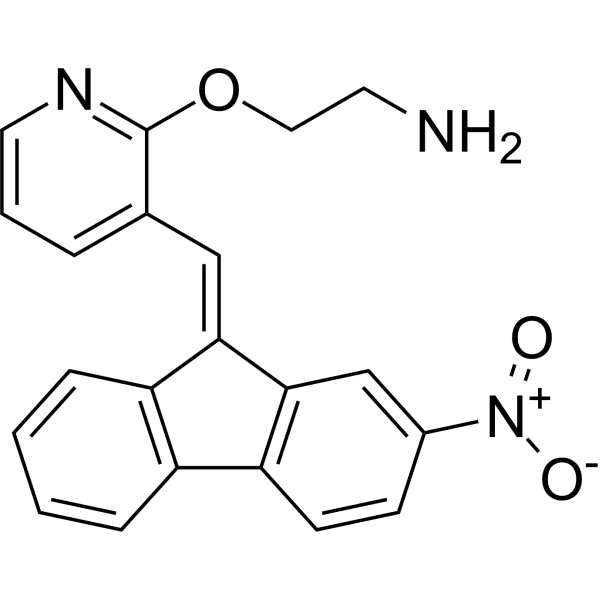
    ER-34122 is a dual 5-lipoxygenase/cyclooxygenase inhibitor with oral activity. ER-34122 has anti-inflammatory activity .
    ER-34122
  • HY-108531A

    RAR/RXR Cancer
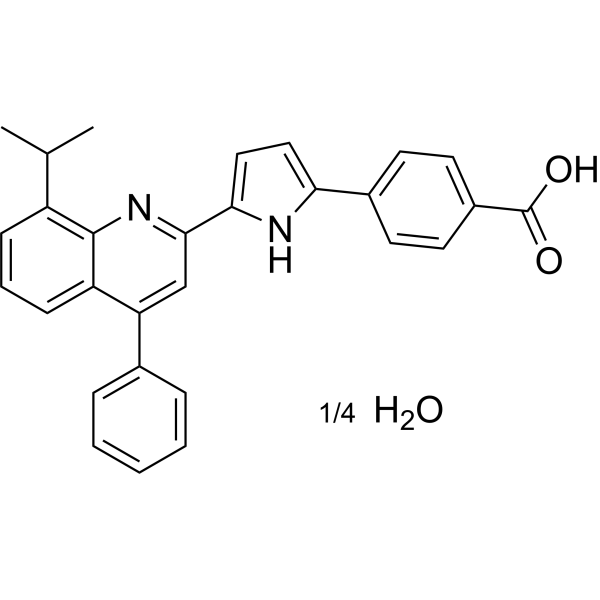
    ER 50891 quarterhydrate is a RARα antagonist. ER 50891 can significantly antagonize the inhibitory effect of all-trans retinoic acid (ATRA) on the total cell metabolic activity and proliferation of MC3T3-E1 preosteoblasts. ER 50891 rescues ATRA-inhibited osteocalcin (OCN) expression and extracellular matrix mineralization, and suppresses alkaline phosphatase (ALP) activity synergistically. ER 50891 can be used for the study of osteoporosis related to ATRA-induced inhibition of osteoblastogenesis .
    ER 50891 quarterhydrate
  • HY-153010

    PERK Neurological Disease Metabolic Disease
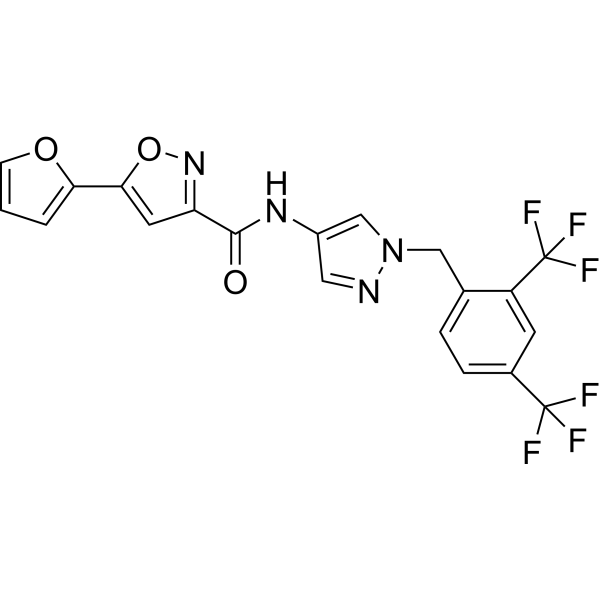
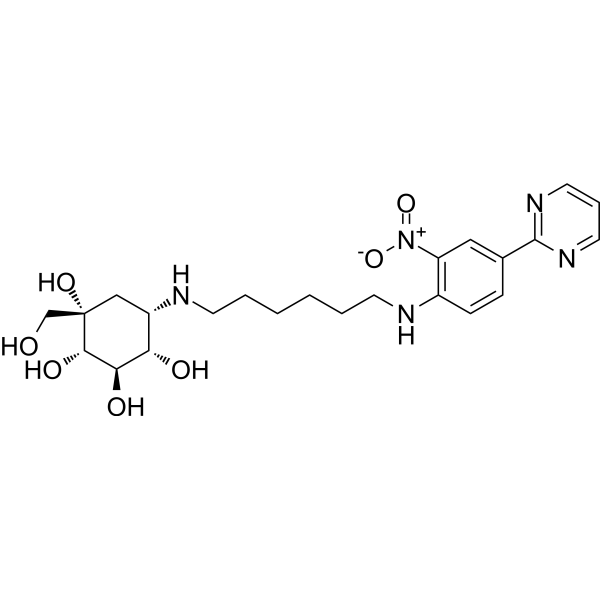
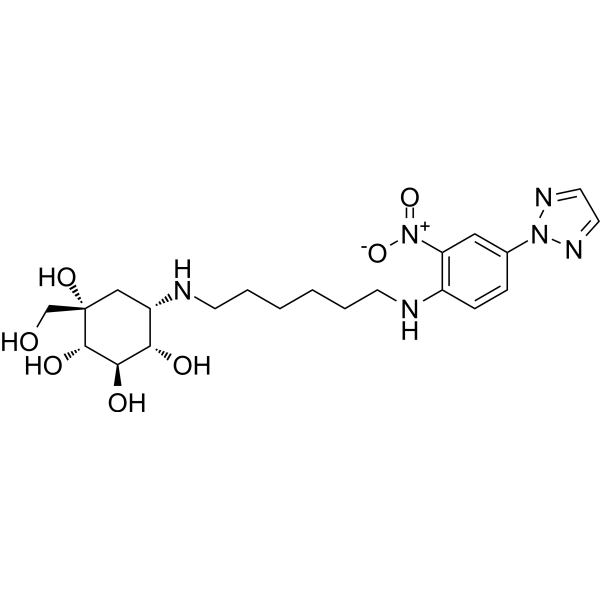
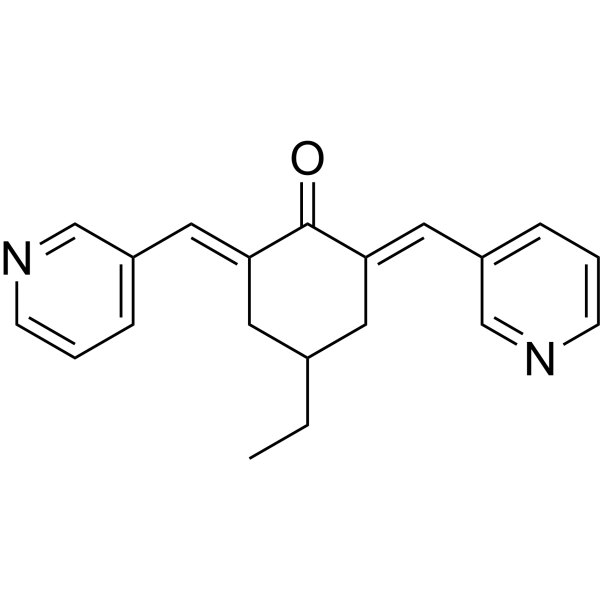
    ER proteostasis regulator-1 (compound 481) is a potent ER proteostasis regulator. ER proteostasis regulator-1 has the potential for the research of Alzheimer's disease and diabetes .
    ER proteostasis regulator-1
  • HY-141804

    BIBD-239

    Biochemical Assay Reagents Neurological Disease
    ER176 is a next generation PET radioligand for imaging 18 kDa translocator protein (TSPO), a biomarker for neuroinflammation .
    ER176
  • HY-151230

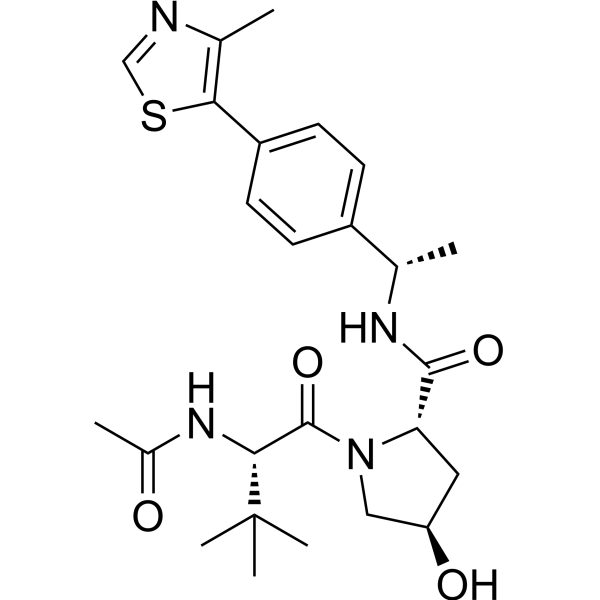
    Estrogen Receptor/ERR Cancer
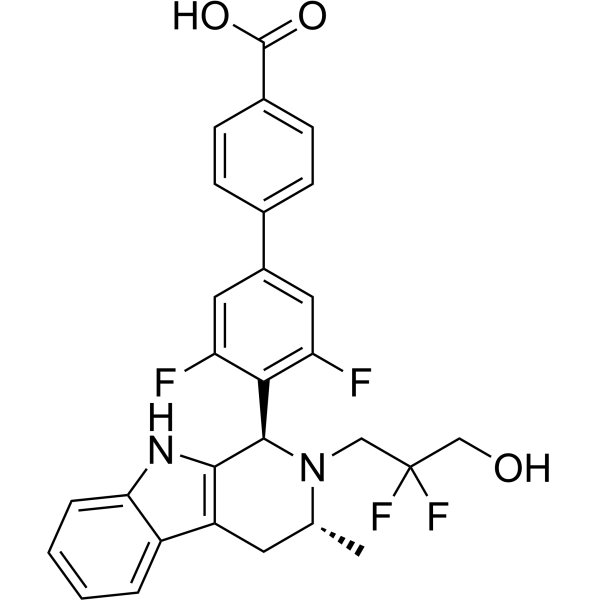
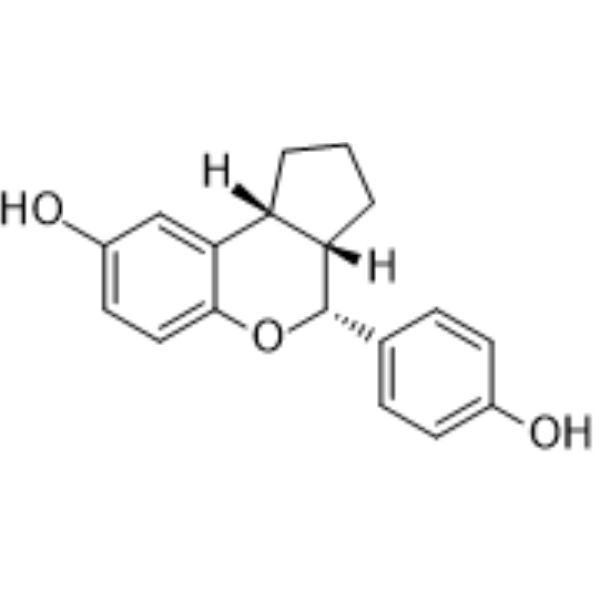
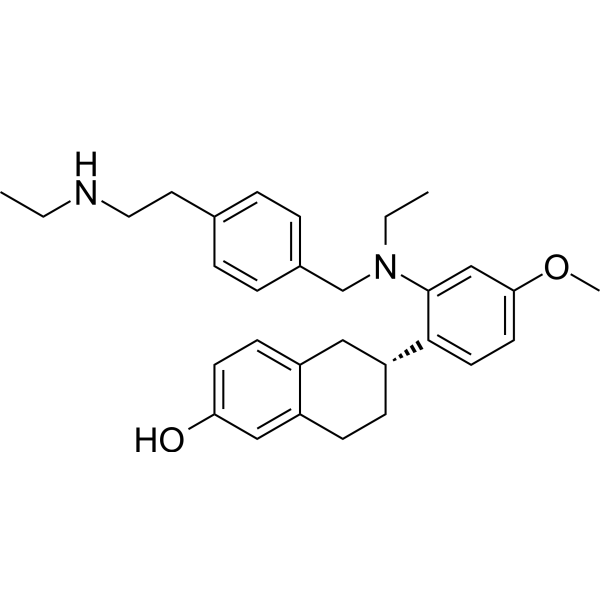
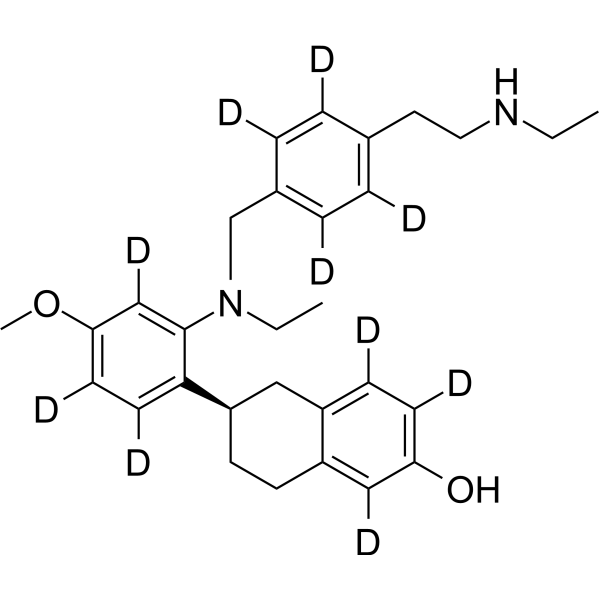
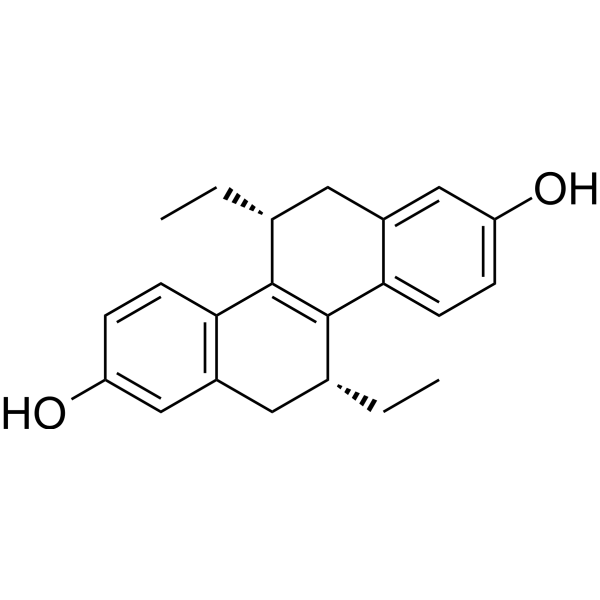
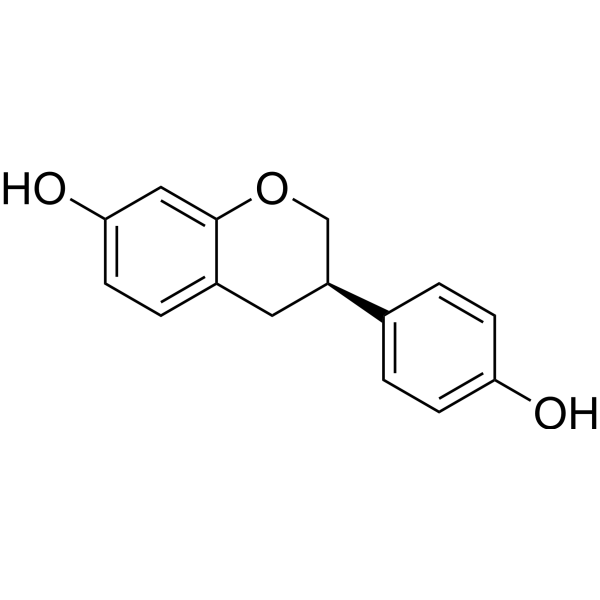
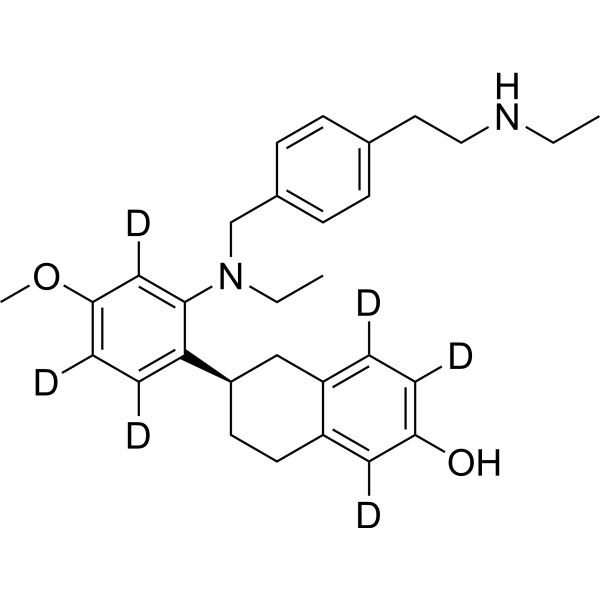
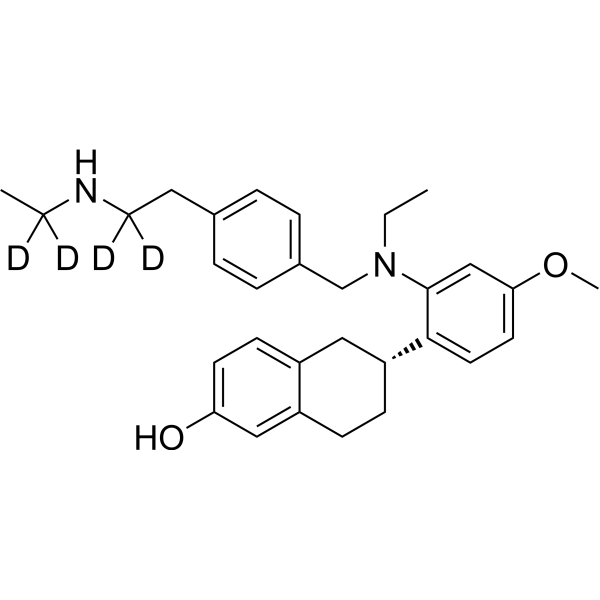
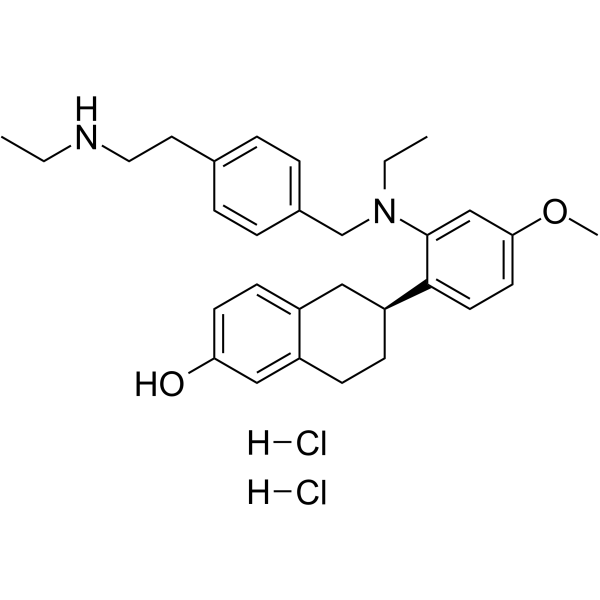
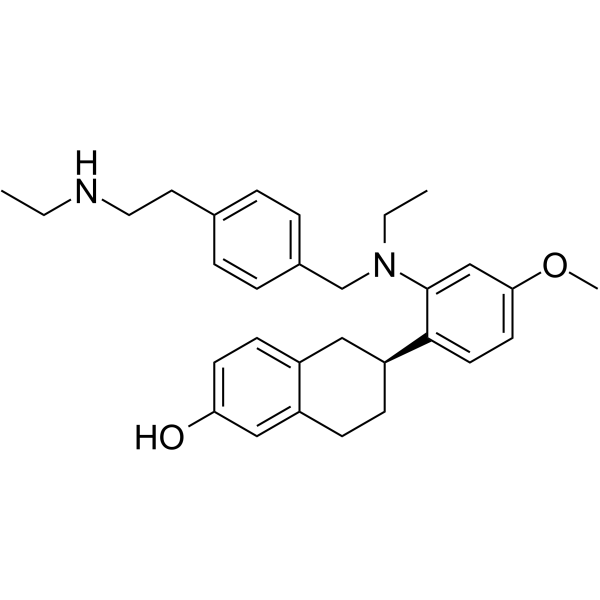
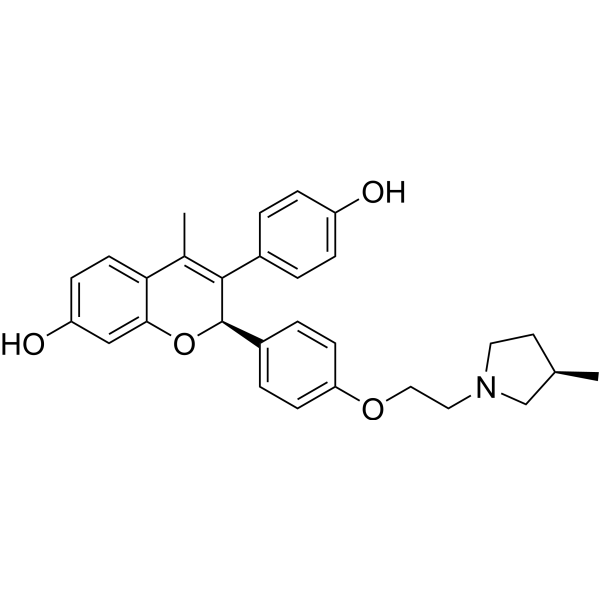
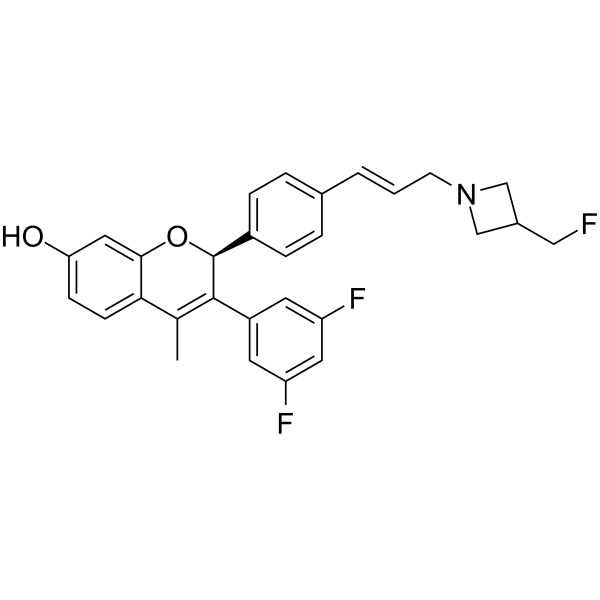
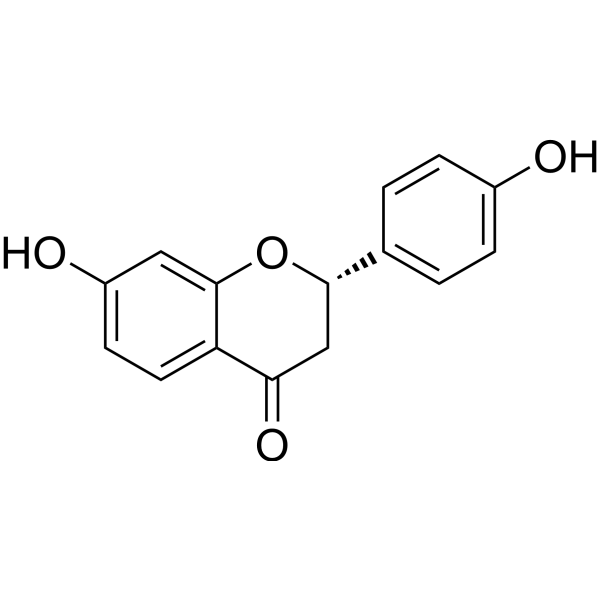
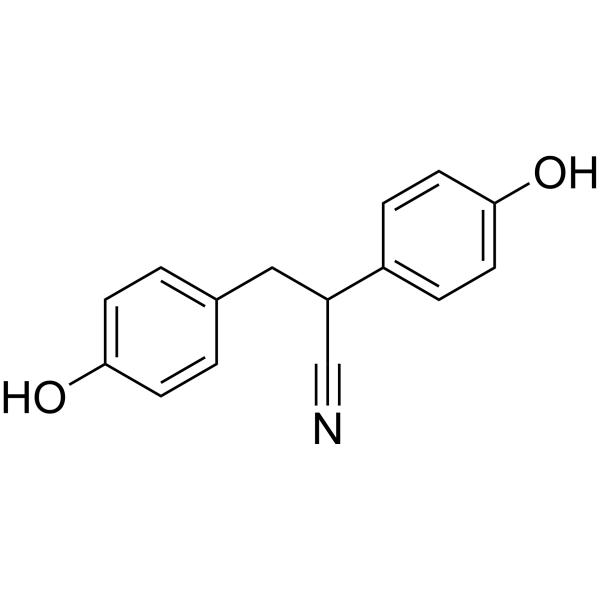
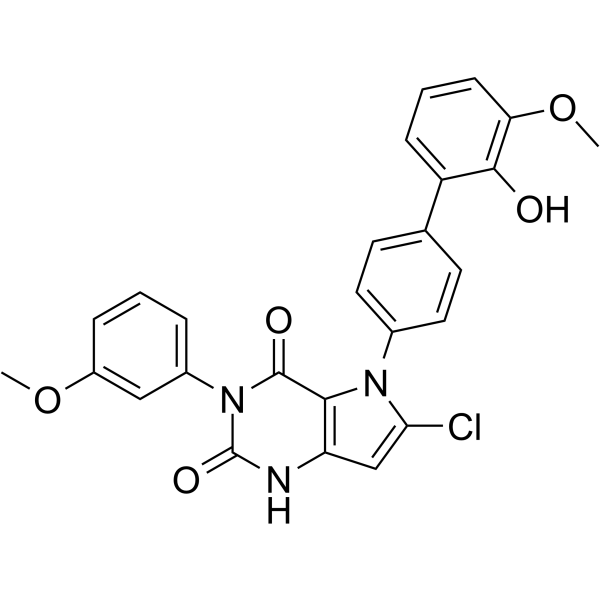
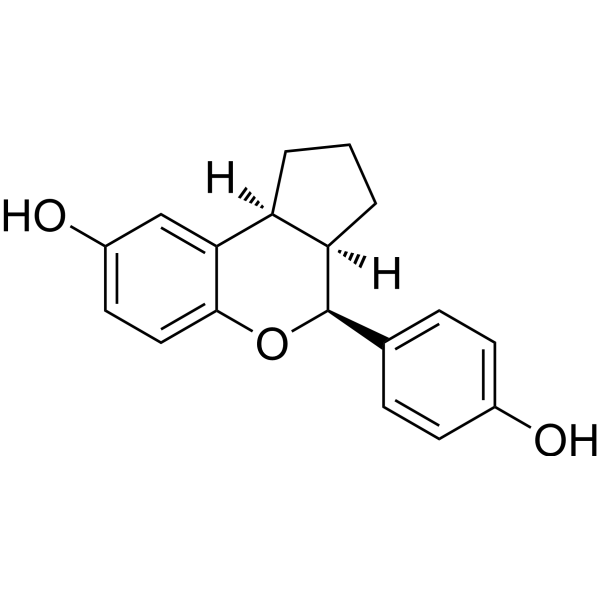
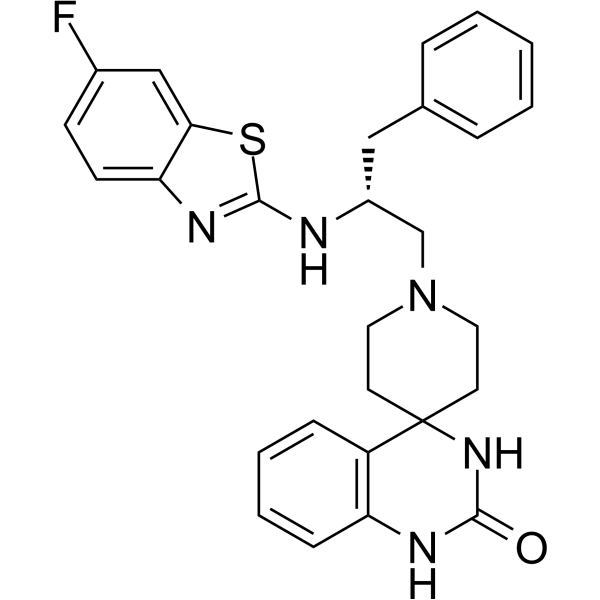
    (-)-Erteberel is a selective estrogen receptor beta (ERβ) agonist. (-)-Erteberel can be utilized in the study of diseases mediated by estrogen receptor beta (ERβ), such as prostate cancer .
    (-)-Erteberel
  • HY-164382

    TAM Receptor Cancer
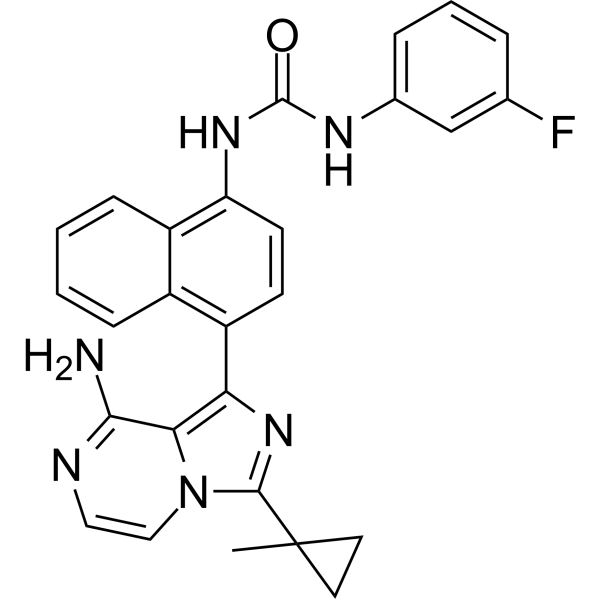
    ER-851 is a selective AXL inhibitor with oral activity with IC50 of 100 nM. ER-851 has antitumor activity .
    ER-851
  • HY-116099

    Prostaglandin Receptor Inflammation/Immunology
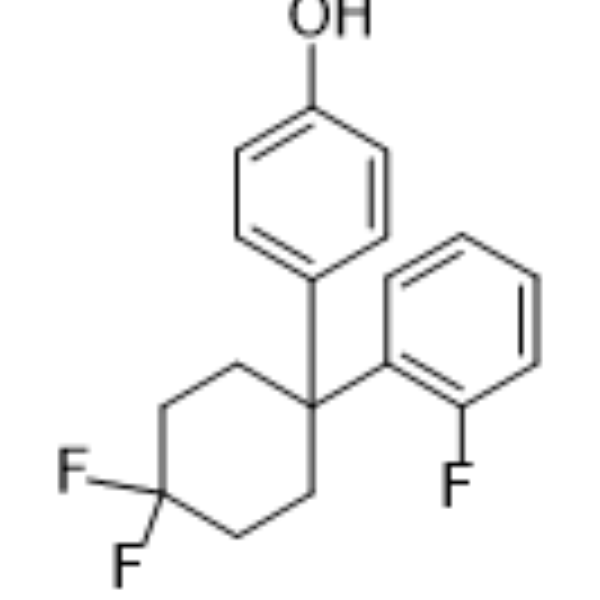
    ER-819762 is an orally active, highly selective prostaglandin E2 (PGE2) EP4 receptor antagonist with an EC50 of 70 nM against human EP4 receptor. ER-819762 can be used for rheumatoid arthritis research .
    ER-819762
  • HY-138961
    ER-27319
    1 Publications Verification

    Syk Inflammation/Immunology
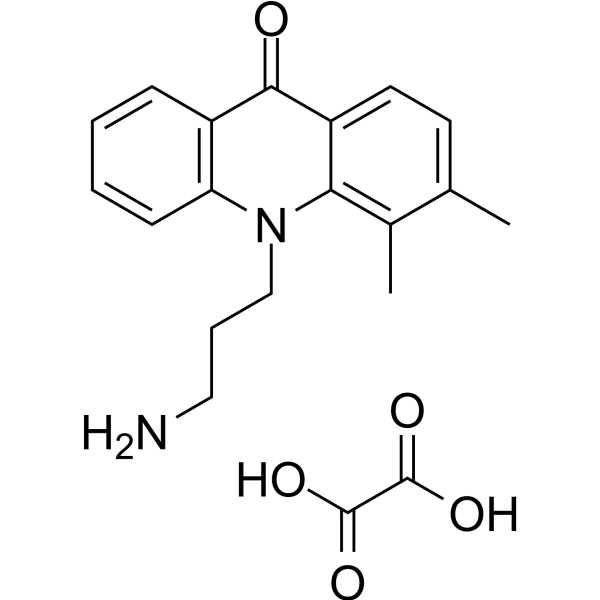
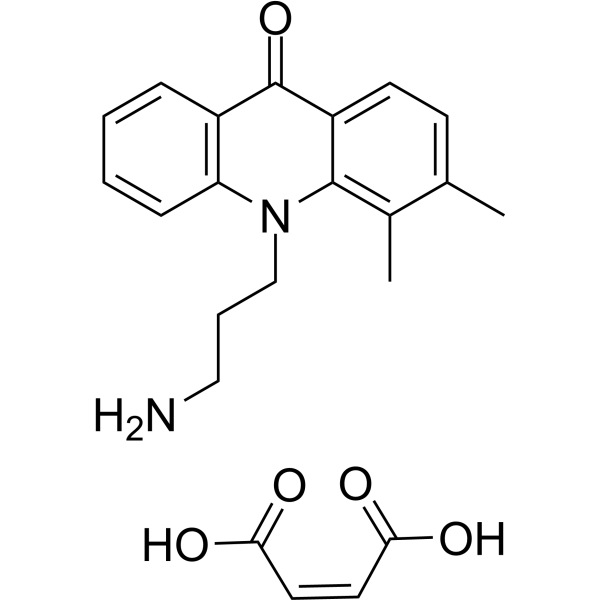
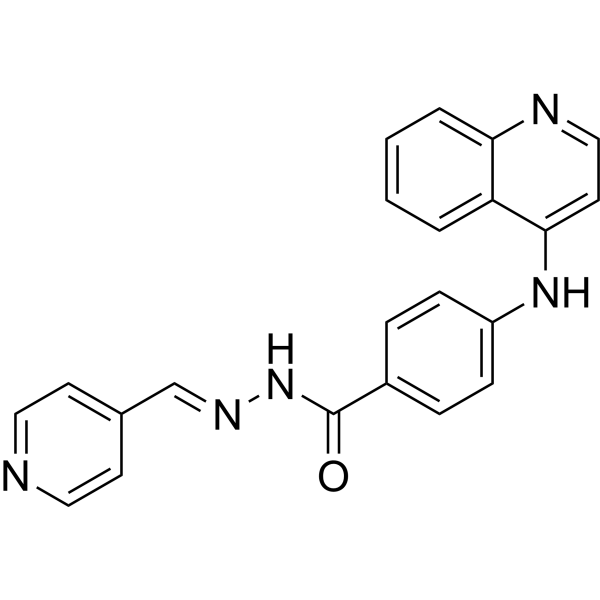
    ER-27319, an acridone derivative, is a potent and selective SYK inhibitor, and inhibits the tyrosine phosphorylation of SYK and its activity. ER-27319 inhibits the release of antigen-induced allergic mediators from human and rat mast cells with an IC50 of 10 μM and can be used for study in allergic diseases .
    ER-27319
  • HY-176955

    Estrogen Receptor/ERR Cancer
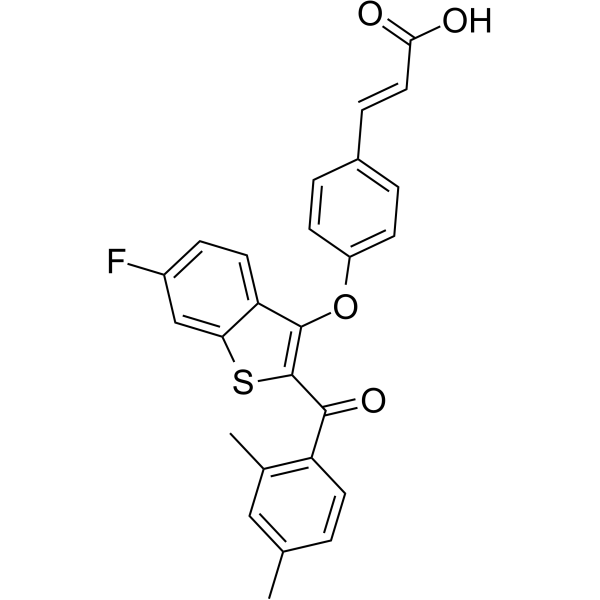
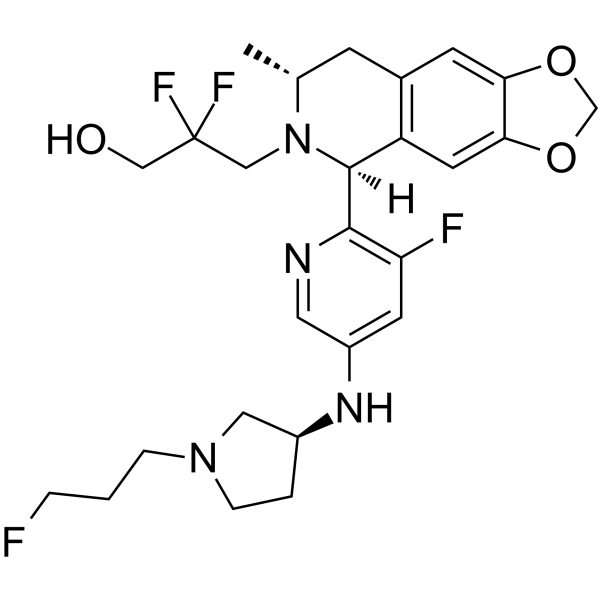
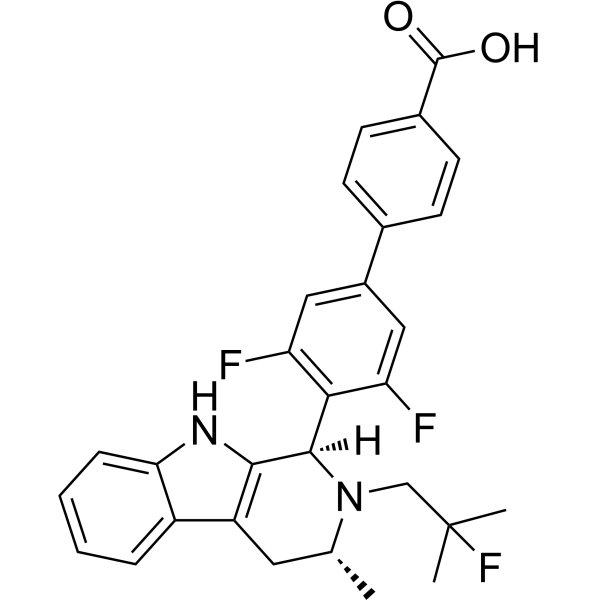
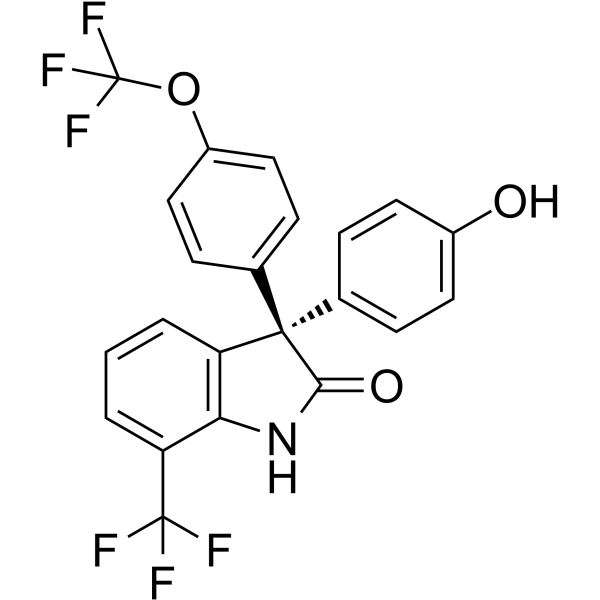
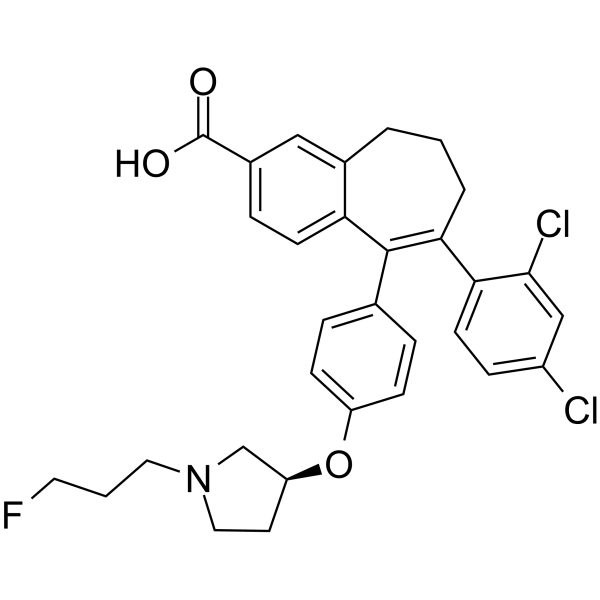
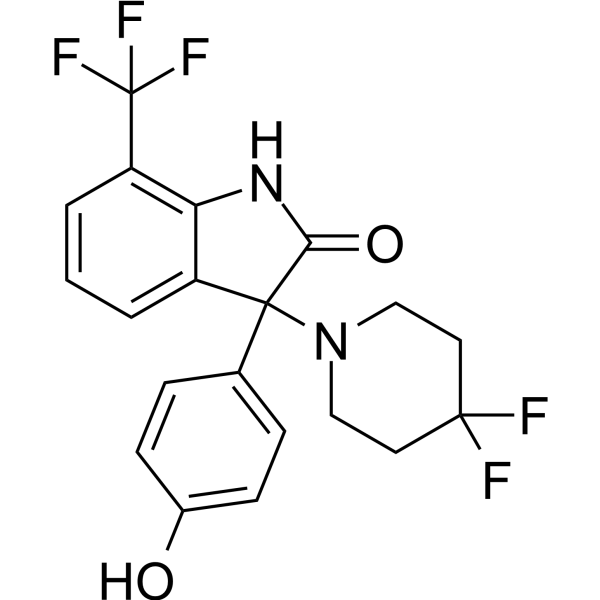
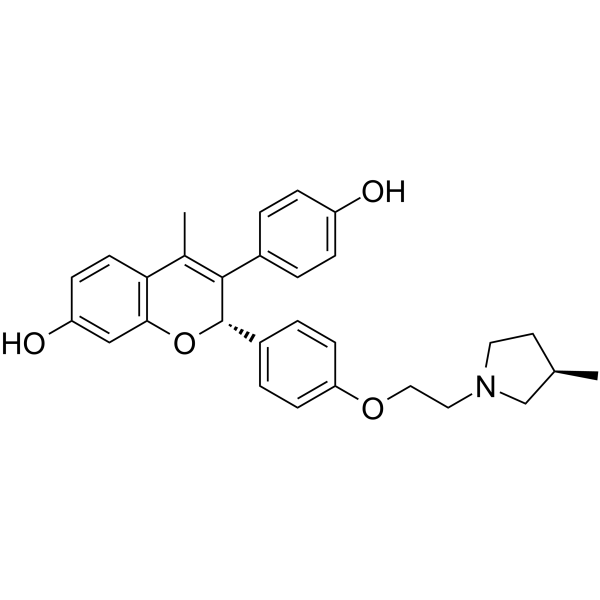
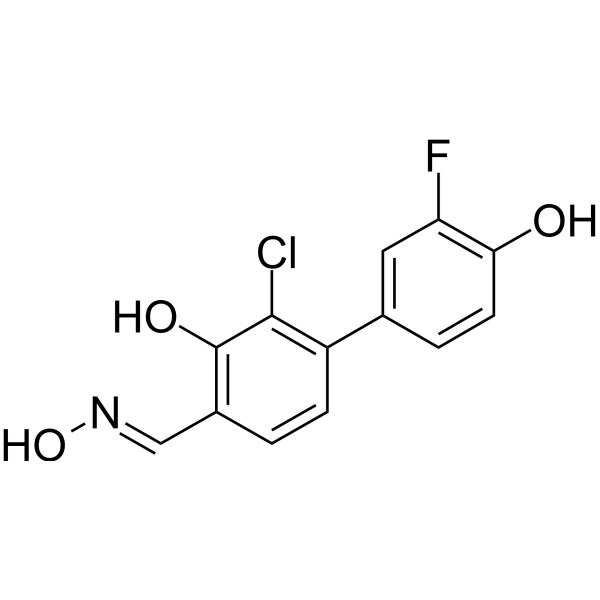
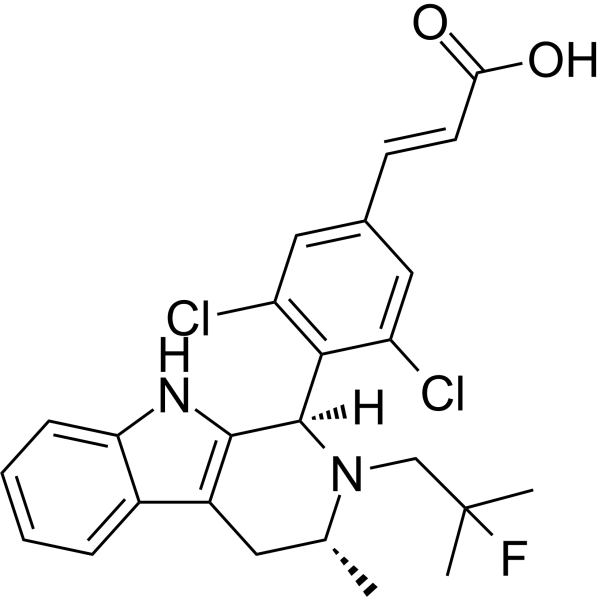
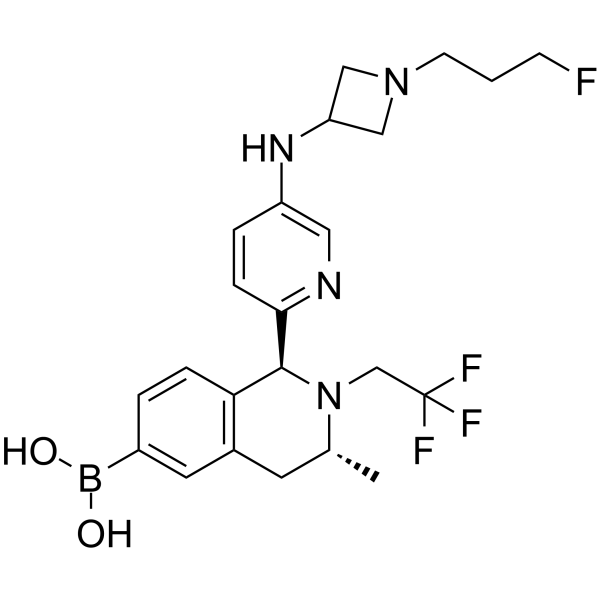
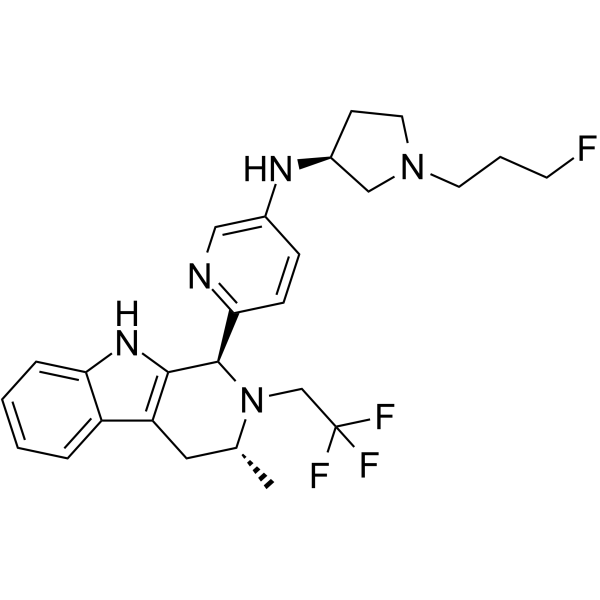
    ER degrader 12 (Example 1) is an estrogen receptor (ER) degrader with IC50 values for ERα and ERβ of 2.3 and 80.2 nM respectively (TR-FRET experiment). ER degrader 12 inhibits the proliferation of MCF-7 cells, with an IC50 of 1.53 nM. ER degrader 12 can be used for research on breast cancer .
    ER degrader 12
  • HY-170341

    Ligands for Target Protein for PROTAC Estrogen Receptor/ERR Cancer
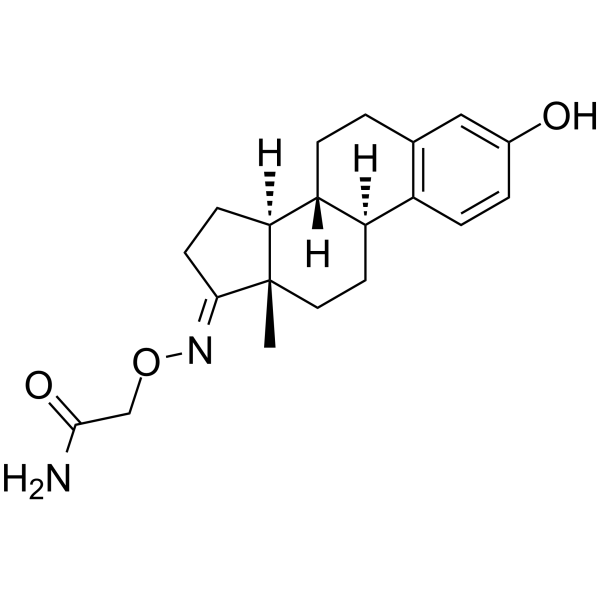
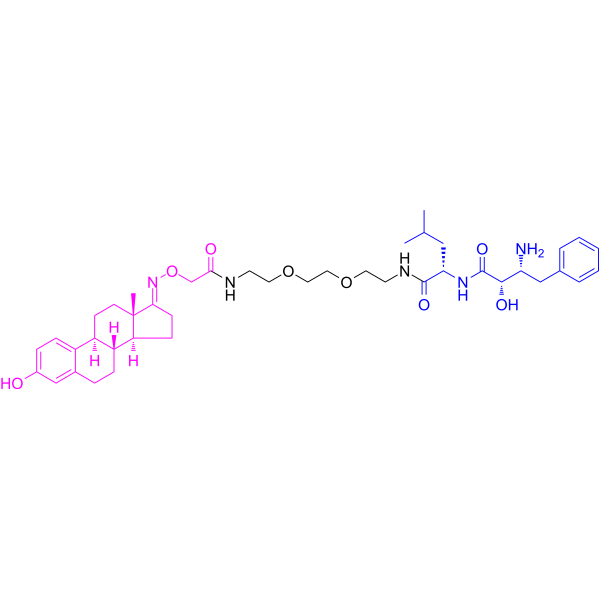
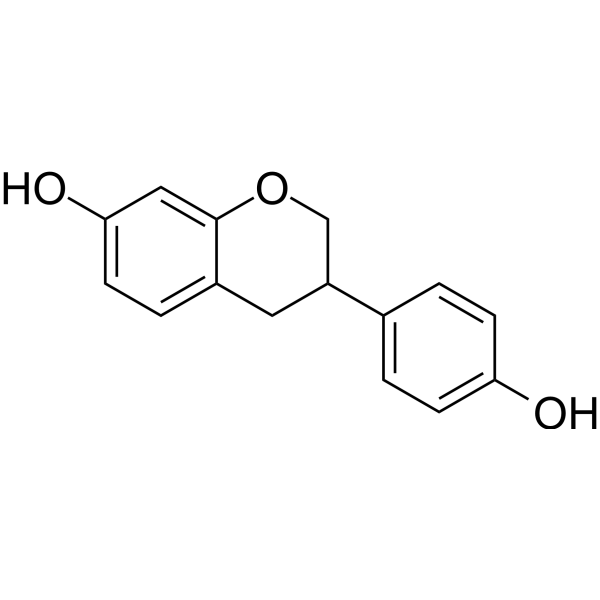
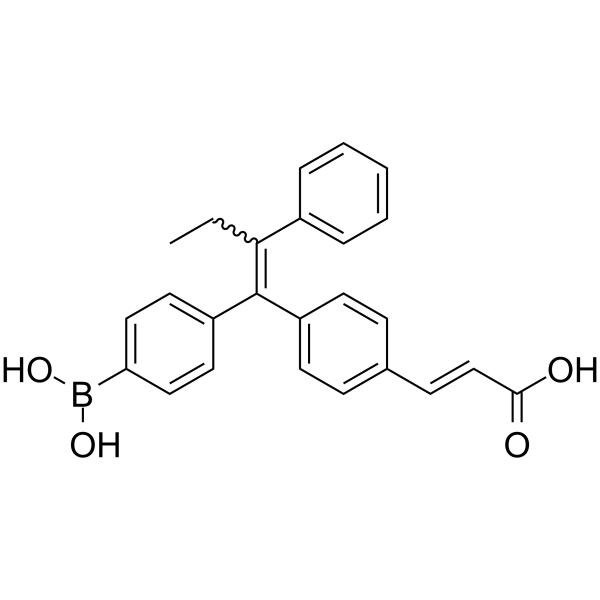
    ER ligand-6 is a target protein ligand of PROTAC ER Degrader-14 (HY-170340) .
    ER ligand-6
  • HY-144733

    Estrogen Receptor/ERR Apoptosis Cancer
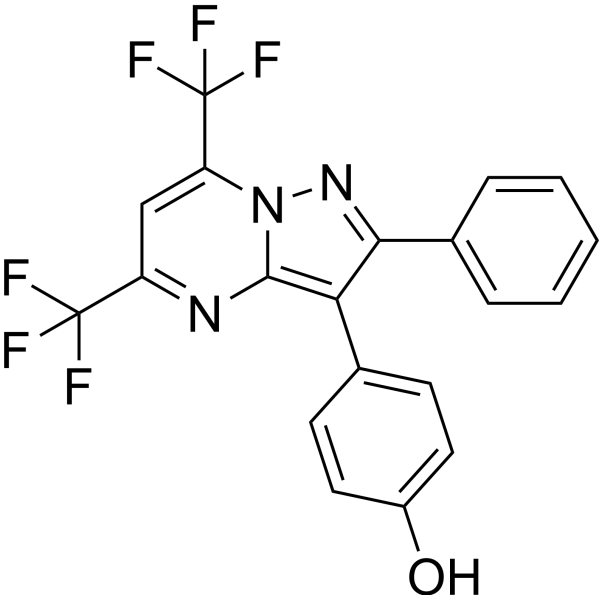
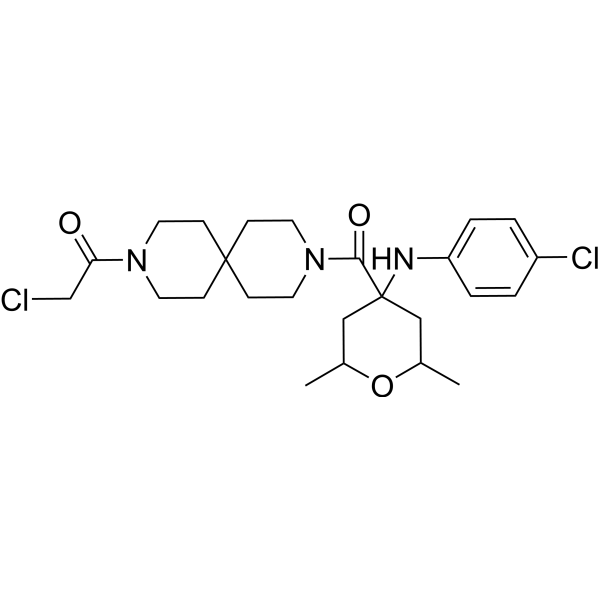
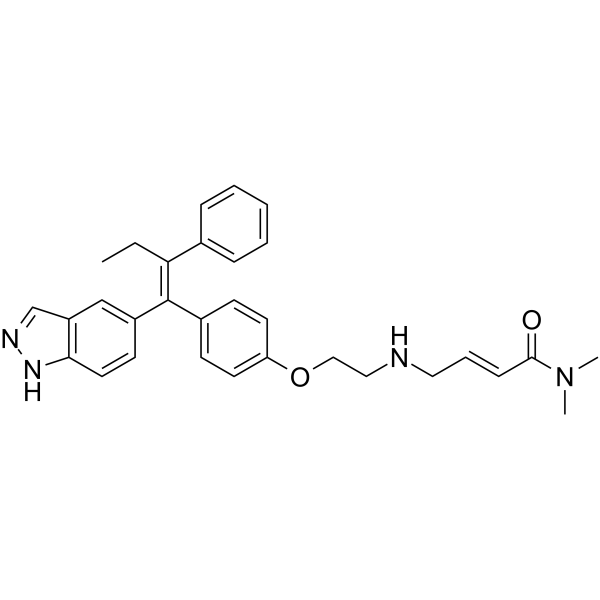
    ERα antagonist 1 (Compound 19d) is a potent, selective, covalent estrogen receptor α (ERα) antagonist. ERα antagonist 1 induces apoptosis and cell cycle G0/G1 phase arrest in MCF-7 cells .
    ERα antagonist 1
  • HY-18200B

    E5555 hydrobromide; er 172594-06

    Protease Activated Receptor (PAR) JAK Apoptosis Cardiovascular Disease Cancer
    Atopaxar (E5555) hydrobromide is a potent, orally active, selective and reversible thrombin receptor protease-activated receptor-1 (PAR-1) antagonist. Atopaxar hydrobromide, an antiplatelet agent, interferes with platelet signaling. Atopaxar hydrobromide can be used for the research of atherothrombotic disease .
    Atopaxar hydrobromide
  • HY-19468

    WAY-202196

    Estrogen Receptor/ERR Neurological Disease Inflammation/Immunology
    ERB-196 is a nonsteroidal selective estrogen receptor-β (ERβ) agonist.
    ERB-196
  • HY-168271

    Ligands for Target Protein for PROTAC Estrogen Receptor/ERR Cancer
    ER ligand-2 (Ligands for Target Protein for Compound 24) is the ligand of ER. ER ligand-2 can be used for synthesis PROTAC ER Degrader-11 (HY-168270) .
    ER ligand-2
  • HY-163812

    Molecular Glues Estrogen Receptor/ERR Cancer
    ER degrader 9 (compound 1), a bifunctional molecular glue, is a potent estrogen receptor (ER) degrader with a DC50 of ≤10 nM in MCF-7 cells. ER degrader 9 can be used for the research of breast cancer .
    ER degrader 9
  • HY-176486

    Estrogen Receptor/ERR Cancer
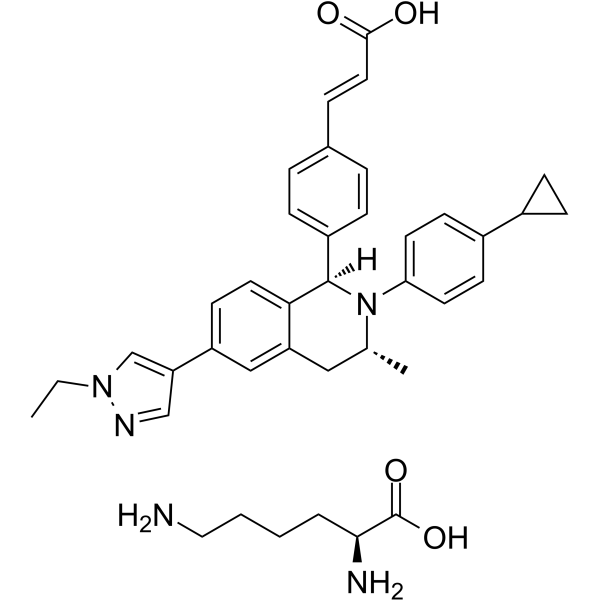
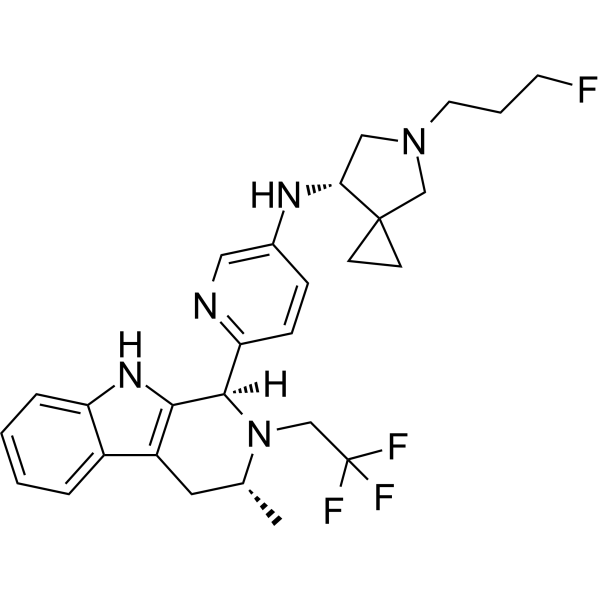
    ER degrader 11 (Compound 5) is an orally active, brain-penetrant and selective estrogen receptor (ER) degrader (ERα IC50=1.6 nM). ER degrader 11 is promising for research of breast cancer brain metastasis .
    ER degrader 11
  • HY-118385

    Microtubule/Tubulin Cancer
    ER-67880 is a potent microtubule inhibitor with an IC50 of 9.5 μM. ER-67880 exhibits anti-proliferative activity against KB, Colon 38 and P338 cells with IC50s of 0.55, 0.2 and 0.76 μg/mL. ER-67880 causes G2/M phase arrest and is accompanied by abnormal DNA replication. ER-67880 exhibits a down-regulation pattern of G1 phase-related genes. ER-67880 can be used in various cancer studies, including those of nasopharyngeal carcinoma and murine adenocarcinoma .
    ER-67880
  • HY-108489
    ER-27319 maleate
    1 Publications Verification

    Syk Inflammation/Immunology
    ER-27319 (maleate), an acridone derivative, is a potent and selective SKY inhibitor, and inhibits the tyrosine phosphorylation of SYK and its activity. ER-27319 (maleate) inhibits the release of antigen-induced allergic mediators from human and rat mast cells with an IC50 of 10 μM and can be used for study in allergic diseases [1] [2] .
    ER-27319 maleate
  • HY-176388

    Ligands for Target Protein for PROTAC Estrogen Receptor/ERR Cancer
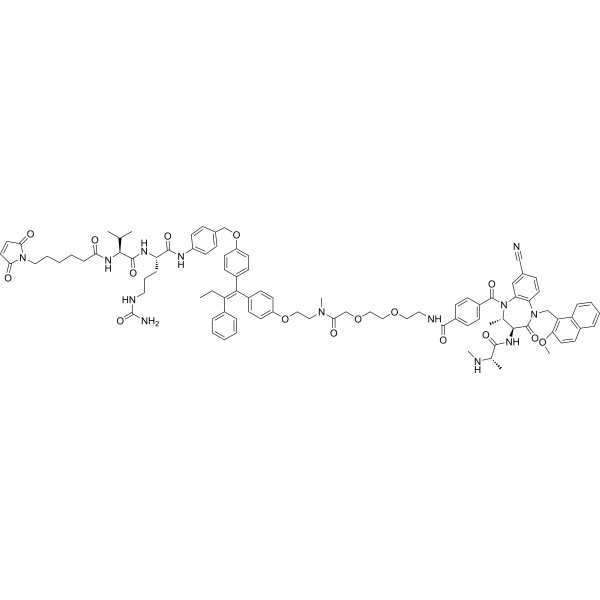
    ER ligand-12 is an estrogen receptor (ER) ligand that can be used in the synthesis of PROTACs, such as PROTAC ER Degrader-2 (HY-128528) .
    ER ligand-12
  • HY-174475

    Estrogen Receptor/ERR Ligands for Target Protein for PROTAC Cancer
    ER ligand-11 is the ligand for ERα and can be used for synthesis of PROTACs, such as PROTAC ERα Degrader-12 (HY-174453) .
    ER ligand-11
  • HY-101826A

    Phosphodiesterase (PDE) Cancer
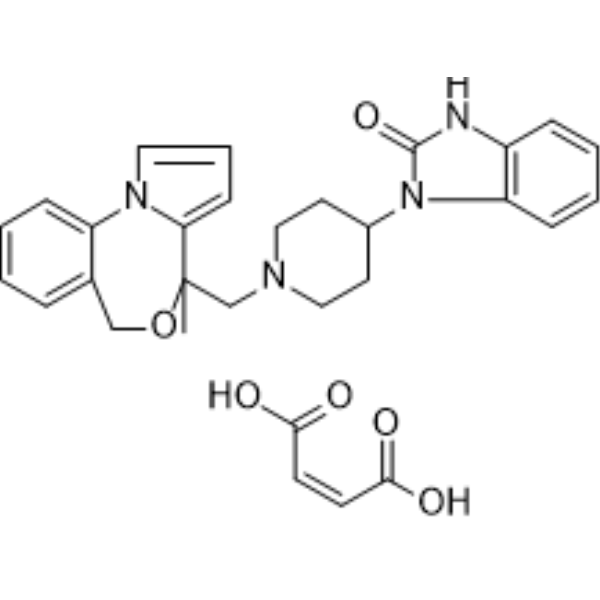
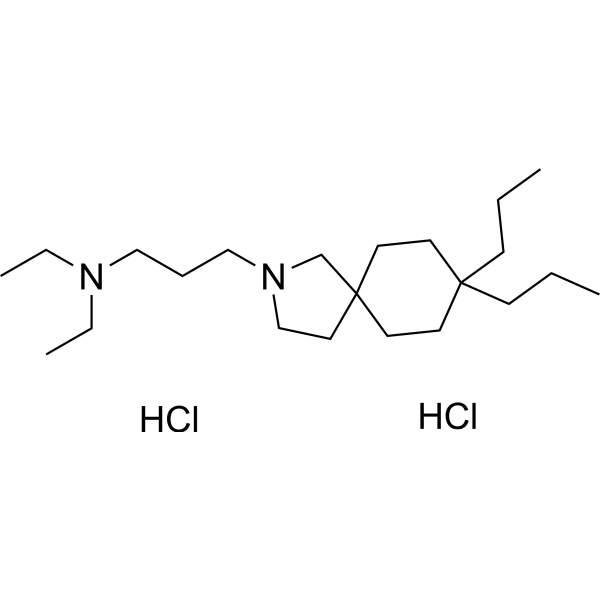
    ER21355 hydrochloride is the hydrochloride form of ER21355 (HY-101826). ER21355 hydrochloride is an inhibitor for phosphodiesterase (PDE), which is potent for ameliorating benign prostatic hyperplasia (BPH) and prostatism through increasing levels of cAMP and cGMP, and resulting a relaxation of the smooth muscle cell .
    ER21355 hydrochloride
  • HY-149970

    Estrogen Receptor/ERR Cancer
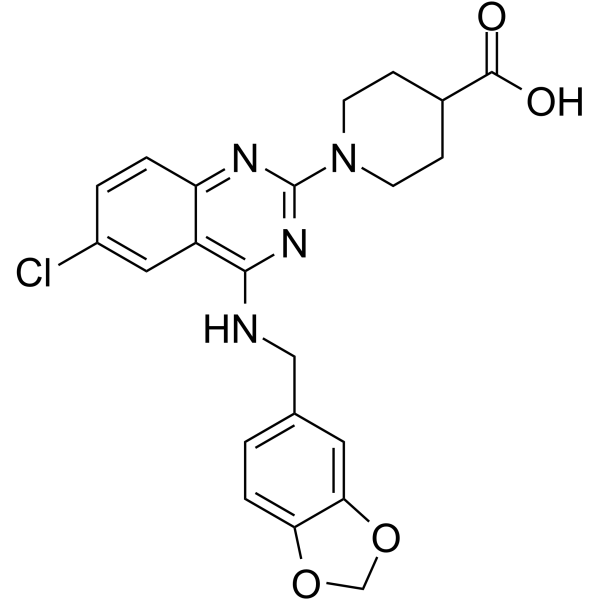
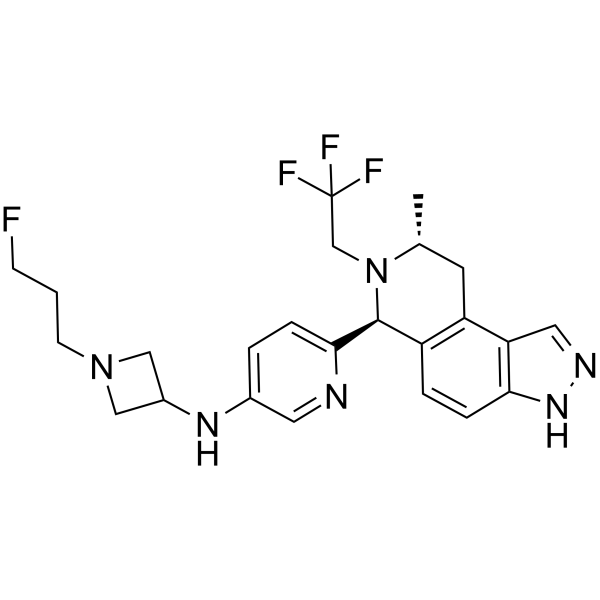
    ER degrader 5 is a potent estrogen receptor (ER) degrader. ER degrader 5 shows anti-proliferation activity. ER degrader 5 can be used for the research of breast cancer .
    ER degrader 5
  • HY-P10802

    Enterovirus Virus Protease Infection
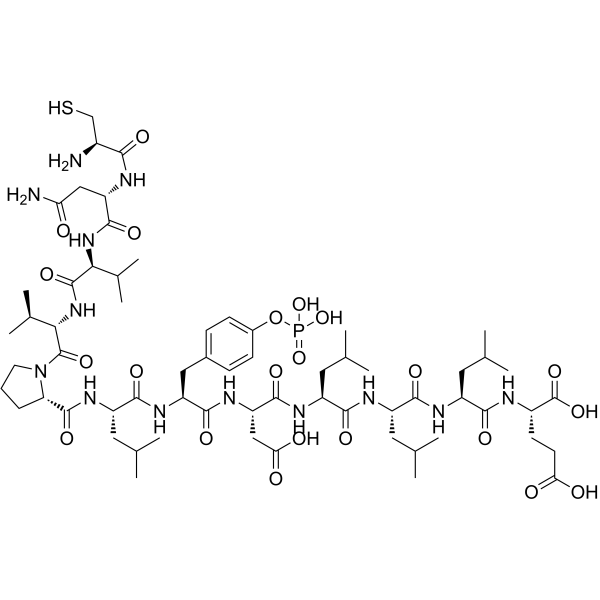
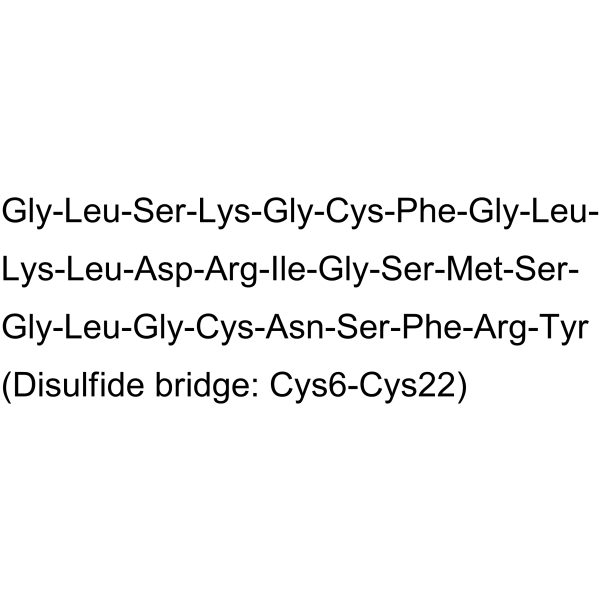
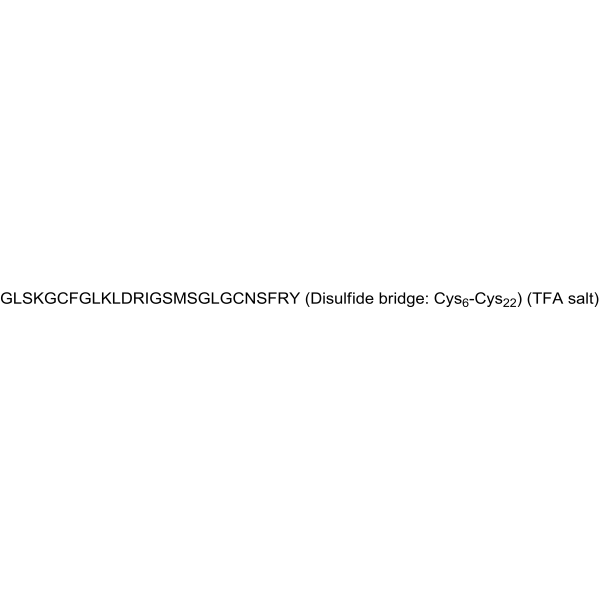
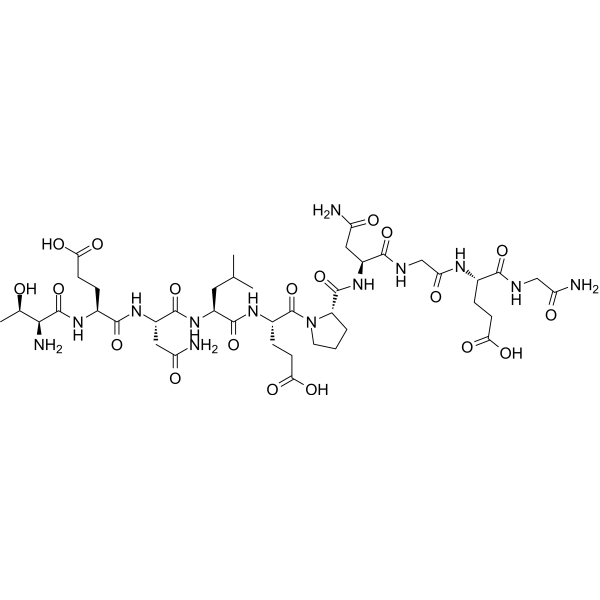
    ER-DRI is a potent peptide inhibitor that tagets EV-A71. ER-DRI directly bounds to 3A and specifically abrogates viral suppressor of RNAi activity, which unlocked the antiviral RNAi response that is suppressed by 3A. ER-DRI also potently inhibits another enterovirus, Coxsackievirus-A16, dependently of RNAi .
    ER-DRI
  • HY-155196

    Estrogen Receptor/ERR Cancer
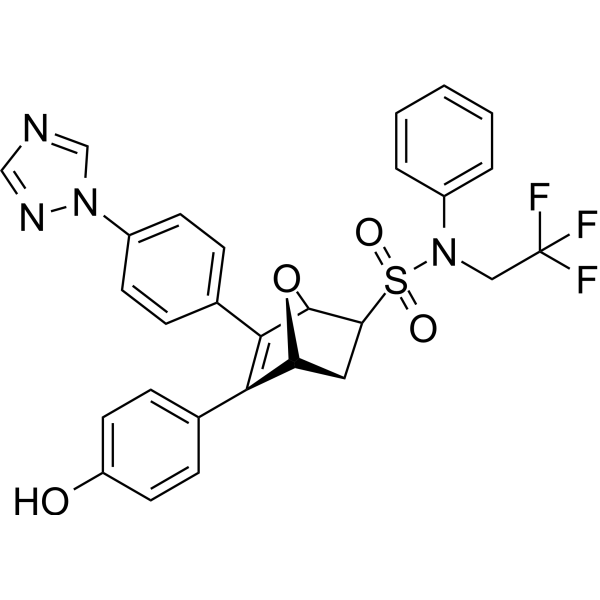
    ER degrader 6 (compound 35s) is a potent Estrogen Receptor (ER)α degrader. ER degrader 6 disrupts the microtubule network by restraining tubulin polymerization. ER degrader 6 suppresses tumor growth without noticeable poisonousness .
    ER degrader 6
  • HY-170382

    Estrogen Receptor/ERR Apoptosis Cancer
    ER covalent antagonist-1 (Compound 39D) is the antagonist for estrogen receptor α (ERα). ER covalent antagonist-1 inhibits the proliferation of ERα-positive cell MCF-7 with an IC50 of 0.98 μM, arrests the cell cycle at G0/G1 phase, and induces apoptosis. ER covalent antagonist-1 exhibits antitumor efficacy in mouse model .
    ER covalent antagonist-1
  • HY-170377

    Estrogen Receptor/ERR Potassium Channel Cancer
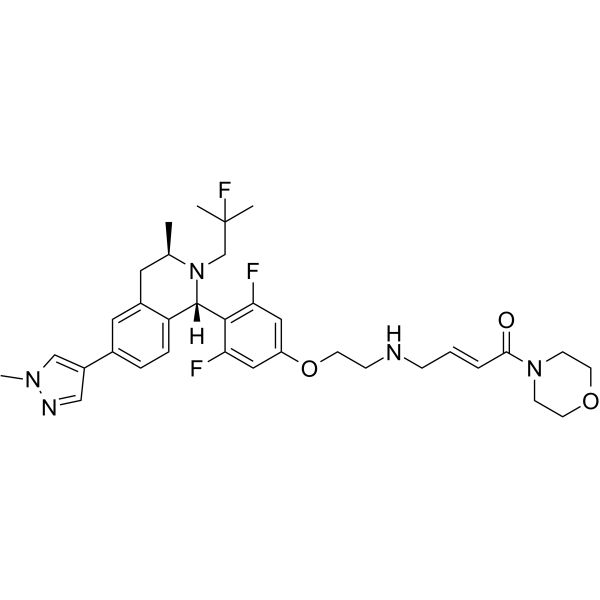
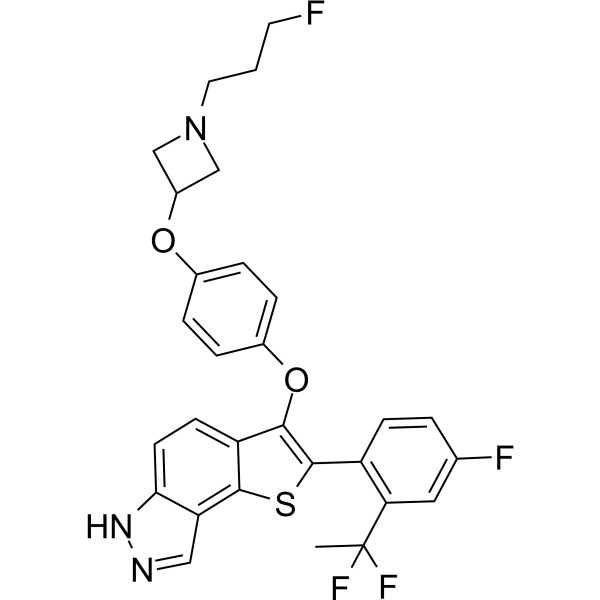
    ER degrader 10 (Compound 51) is a selective, orally active degrader and antagonist for estrogen receptor (ER) with a DC50 of 0.43 nM and an IC50 of 0.56 nM. ER degrader 10 inhibits the proliferation of ER-positive cells with IC50s of 0-15 nM. ER degrader 10 exhibits a weak inhibitory activity against hERG channel with an IC50 >40 μM. ER degrader 10 is blood-brain barrier penetrable with a brain/plasma ratio (Kp) of 3.05. ER degrader 10 exhibits antitumor efficacy in mice model .
    ER degrader 10
  • HY-201580

    Estrogen Receptor/ERR Ligands for Target Protein for PROTAC Cancer
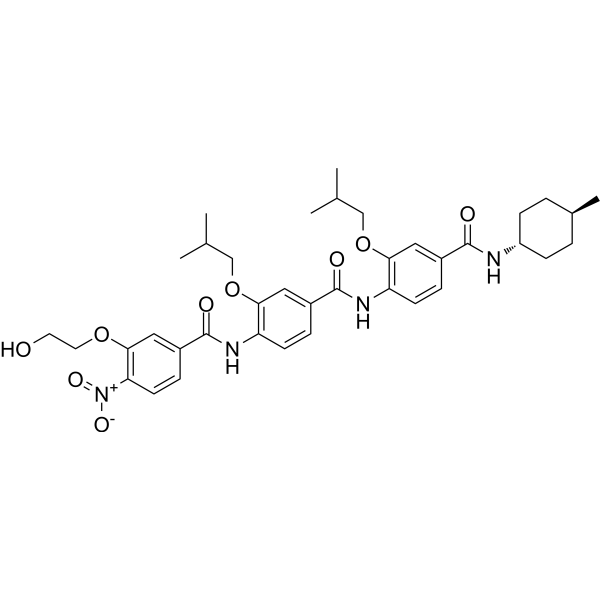
    ER ligand-8 is an ER (Estrogen Receptor/ERR) ligand that can be used to synthesize the PROTAC molecule ERD-1233 (HY-169367) .
    ER ligand-8

Inquiry Online

Your information is safe with us. * Required Fields.

Salutation


Country or Region *

Applicant Name *


Organization Name *

Department *


Email Address *


Product Name *

Cat. No.


Requested quantity *

Phone Number *


Remarks

Inquiry Online

Inquiry Information

Product Name:
Cat. No.:
Quantity:
MCE Japan Authorized Agent: