



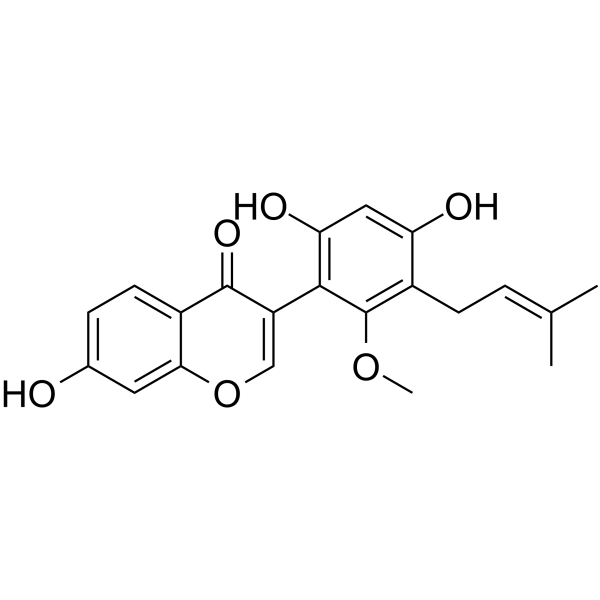
Glicoricone

Based on 1 Customer Validation
Glicoricone, a phenolic compound, is isolated from a species of licorice. Glicoricone is an inhibitor of monoamine oxidase (MAO), with an IC50 of 140 μM. Glicoricone binds to estrogen receptor (ER) and shows estrogen antagonist activity.
For research use only. We do not sell to patients.
- Purity : 96.0%
- CAS No.: 161099-37-2
- Formula: C21H20O6
- Molecular Weight:368.38
-
Storage:
4°C, protect from light
* In solvent : -80°C, 6 months; -20°C, 1 month (protect from light)

To place orders, for customer services and technical support, please contact: MedChemExpress USA
Tel: 609-228-6898 E-mail: [email protected] [email protected]


-
 Biological Activity
-
Chemical Information
- Protocols
- Purity & Documentation
- References
-
 Help & FAQs


-
HY-N6057
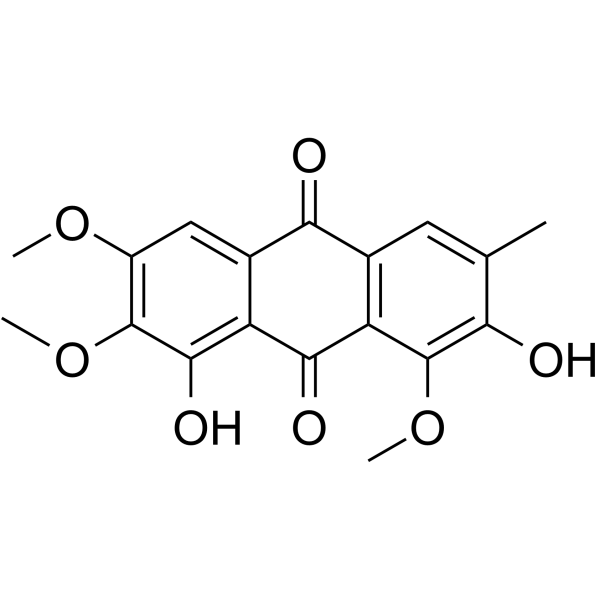
ObtusinhMAO-A Inhibitor -
HY-N0159
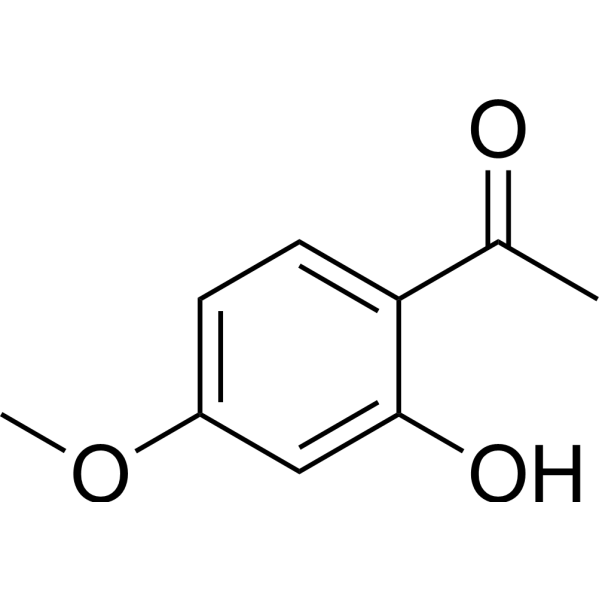
PaeonolAutophagy Inducer -

HY-N0159R
Paeonol (Standard)Autophagy Inducer -
HY-14605A
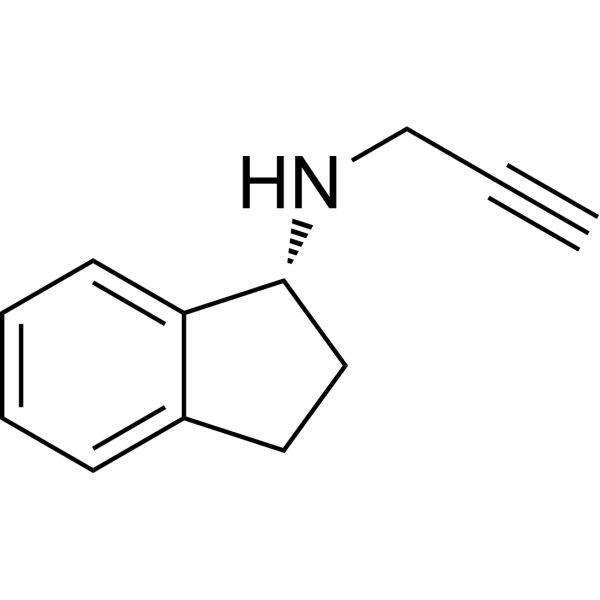
RasagilineMAO Inhibitor -
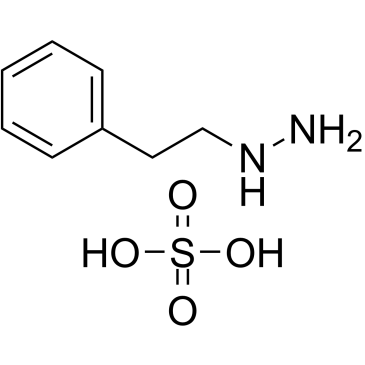
HY-B1018A
Phenelzine sulfateMAO Inhibitor -
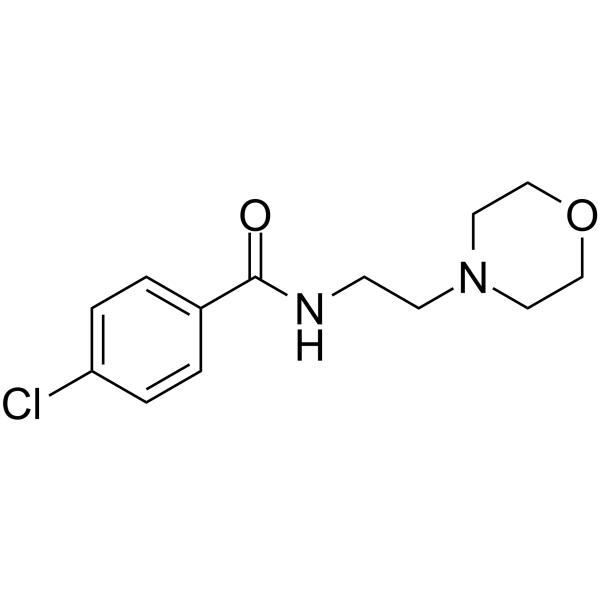
HY-B0534
MoclobemideMAOI Antidepressant -
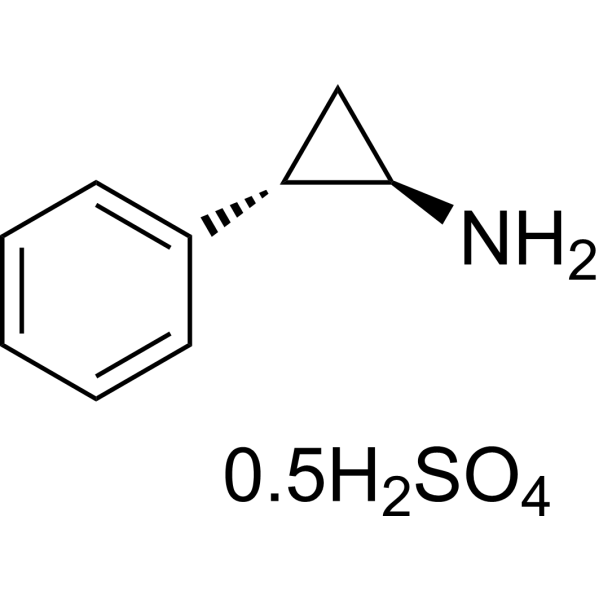
HY-B1496
Tranylcypromine hemisulfateMAO/LSD1 Inhibitor -
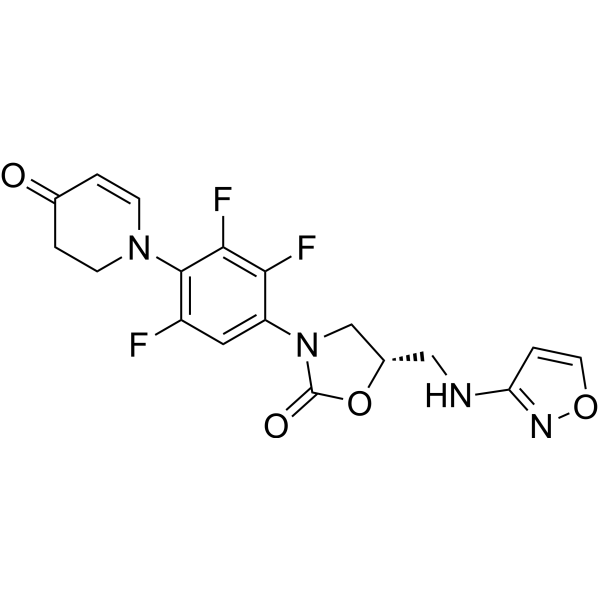
HY-19915
ContezolidAntibiotic -
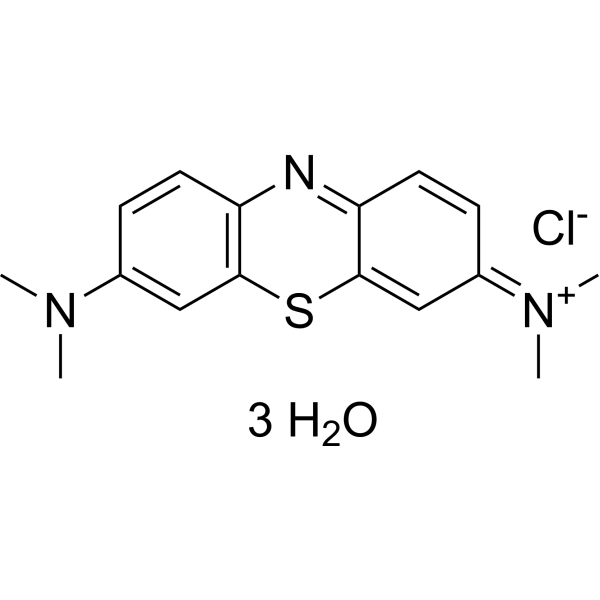
HY-B1359
Methylene blue trihydrateParasite Inhibitor -
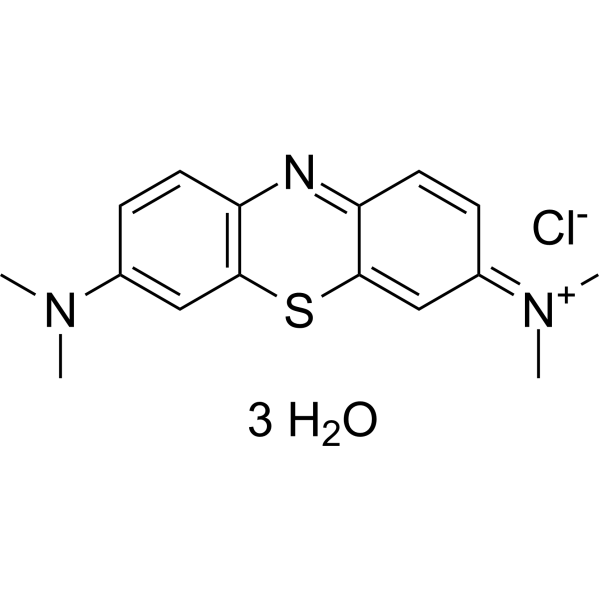
HY-B1359A
Methylene blue indicatorBiochemical Assay Reagent -
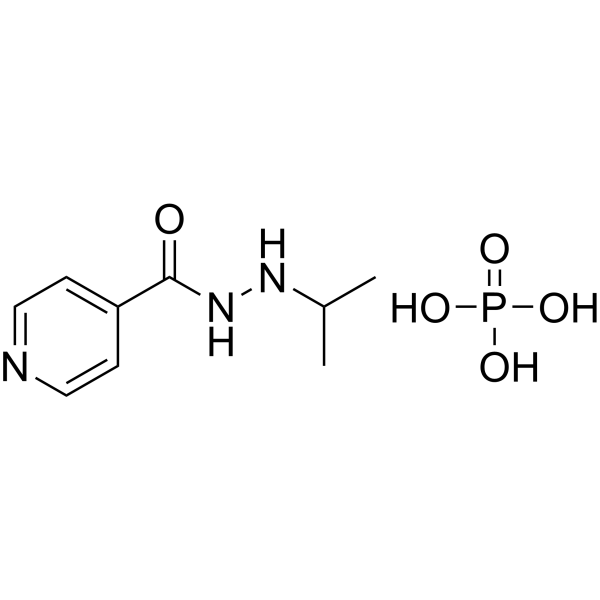
HY-B0886
Iproniazid phosphateMAO Inhibitor -
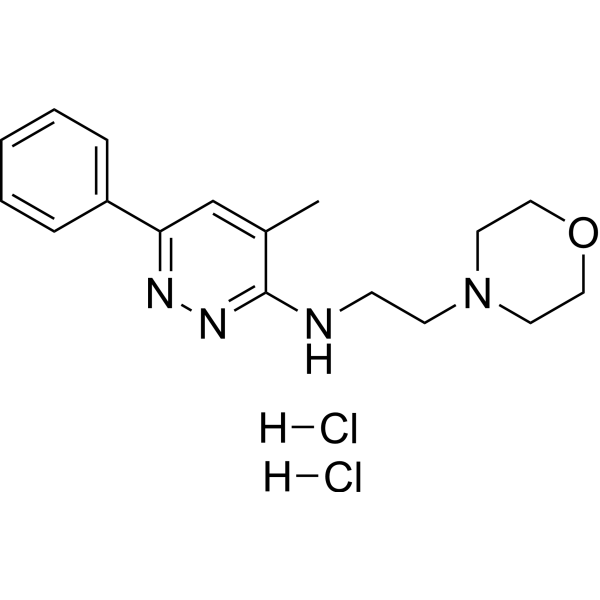
HY-B0884A
Minaprine dihydrochlorideMonoamine Oxidase Inhibitor


Biological Activity
Description
IC50 & Target
IC50: 140 μM (monoamine oxidase)[1]


Chemical Information
-
CAS No. 161099-37-2
-
Appearance Solid
-
Molecular Weight 368.38
-
Formula C21H20O6
-
Color White to yellow
-
SMILES
O=C1C(C2=C(O)C=C(O)C(C/C=C(C)\C)=C2OC)=COC3=CC(O)=CC=C13
-
Structure Classification
-
Initial Source
-
Shipping
Room temperature in continental US; may vary elsewhere.
-
Storage
4°C, protect from light
* In solvent : -80°C, 6 months; -20°C, 1 month (protect from light)

Protocols
-
Cell Cytotoxicity Assay
Cytotoxicity assays are usually based on the assessment of cell membrane damage, which can also be indirectly detected by measuring cell viability. Detection methods include MTT assay, CKK-8 assay, LDH assay and ATP assay, etc.
-
Research Protocol for Endocrine Diseases
Endocrine diseases often arise from disrupted hormone production, hormone signaling, or target-tissue responsiveness; for diabetes-focused endocrine disease models, insulin signaling regulates glucose uptake, hepatic glucose output, lipid metabolism, and β-cell compensation. Type 2 diabetes develops through interacting defects in insulin resistance, β-cell dysfunction, adipose inflammation, hepatic glucose overproduction, altered incretin signaling, and ectopic lipid metabolism. A major unresolved question is whether endocrine dysfunction is driven primarily by target-tissue insulin resistance, intrinsic β-cell failure, immune/inflammatory stress, or combined multi-organ failure that differs by disease stage.


Purity & Documentation
-
Data Sheet (267 KB)
-
SDS (252 KB)
- English - EN (252 KB)
- Français - FR (252 KB)
- Deutsch - DE (252 KB)
- Norwegian - NO (252 KB)
- Español - ES (252 KB)
- Swedish - SV (252 KB)
- Italian - IT (252 KB)
- Korean - KR (252 KB)
- Portuguese - PT (252 KB)
-
Handling Instructions (2659 KB)
References
[1]. Hatano T, et, al. Phenolic constituents of licorice. III. Structures of glicoricone and licofuranone, and inhibitory effects of licorice constituents on monoamine oxidase. Chem Pharm Bull (Tokyo). 1991 May;39(5):1238-43. [Content Brief]
[2]. Boonmuen N, et, al. Licorice root components in dietary supplements are selective estrogen receptor modulators with a spectrum of estrogenic and anti-estrogenic activities. Steroids. 2016 Jan;105:42-9. [Content Brief]

Calculators
Concentration (start) × Volume (start) = Concentration (final) × Volume (final)


Glicoricone Related Classifications
HY-N9329 Related Classifications
 Powered by Bioz