1. Search Result
Search Result
Results for "

cell+membrane

" in MedChemExpress (MCE) Product Catalog:

694

Inhibitors & Agonists

8

Screening Libraries

96

Fluorescent Dye

101

Biochemical Assay Reagents

93

Peptides

3

MCE Kits

2

Inhibitory Antibodies

79

Natural
Products

8

Recombinant Proteins

32

Isotope-Labeled Compounds

3

Antibodies

7

Click Chemistry

21

Oligonucleotides

Cat. No. Product Name Target Research Areas Chemical Structure
  • HY-D0815
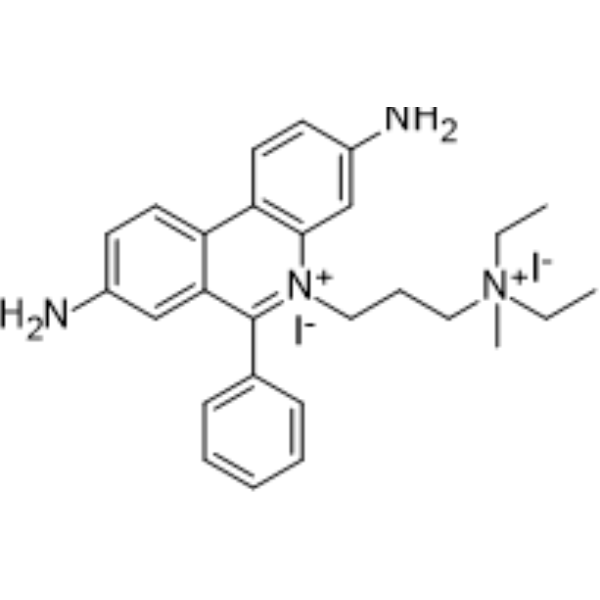
    Propidium Iodide
    135+ Cited Publications

    Fluorescent Dye DNA/RNA Synthesis Others
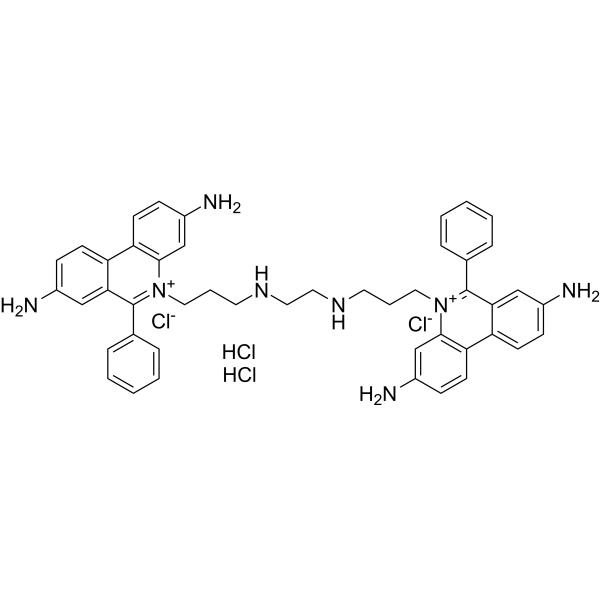
    Propidium Iodide (PI) is a nuclear staining agent that stains DNA. Propidium Iodide is an analogue of ethidine bromide that emits red fluorescence upon embedding in double-stranded DNA. Propidium Iodide cannot pass through living cell membranes, but it can pass through damaged cell membranes to stain the nucleus. Propidium Iodide has a fluorescence wavelength of 493/617 nm and a wavelength of 536/635 nm after Mosaic with DNA. Propidium Iodide is commonly used in the detection of apoptosis (apoptosis) or necrosis (necrosis), and is often used in flow cytometry analysis.
    Propidium Iodide
  • HY-17362
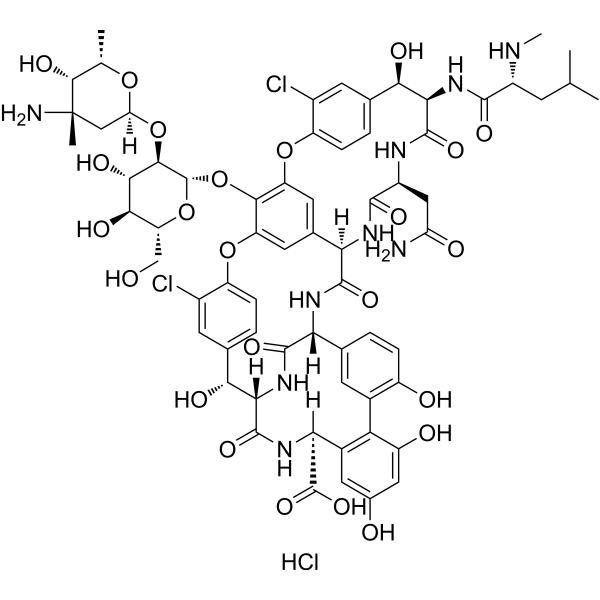
    Vancomycin hydrochloride
    Maximum Cited Publications
    94 Publications Verification

    Bacterial Autophagy Antibiotic Infection Cancer
    Vancomycin hydrochloride is an antibiotic for the treatment of bacterial infections. It acts by inhibiting the second stage of cell wall synthesis of susceptible bacteria. Vancomycin also alters the permeability of the cell membrane and selectively inhibits ribonucleic acid synthesis.
    Vancomycin hydrochloride
  • HY-D0079
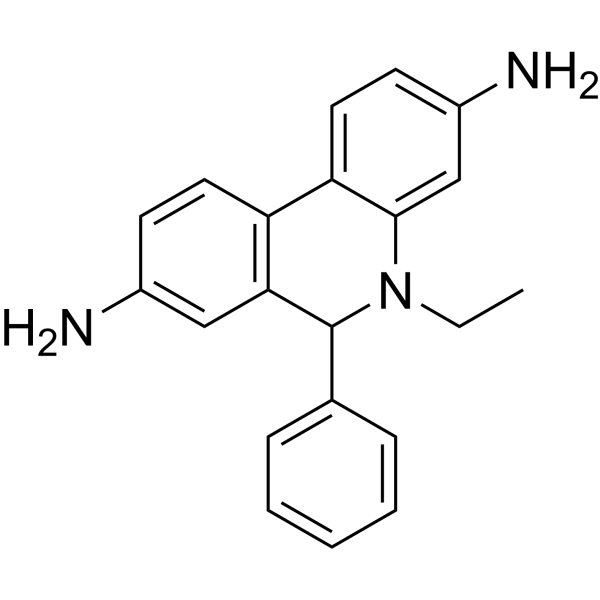
    Dihydroethidium
    170+ Cited Publications

    Hydroethidine; PD-MY 003

    Fluorescent Dye Others
    Dihydroethidium, also known as DHE, is a peroxide indicator. Dihydroethidium penetrates cell membranes to form a fluorescent protein complex with blue fluoresces. After entering the cells, Dihydroethidium is mainly localized in the cell membrane, cytoplasm and nucleus, and the staining effect is the strongest in the nucleus. Dihydroethidium produces inherent blue fluorescence with a maximum excitation wavelength of 370 nm and a maximum emission wavelength of 420 nm; after dehydrogenation, Dihydroethidium combines with RNA or DNA to produce red fluorescence with a maximum excitation wavelength of 300 nm and a maximum emission wavelength of 610 nm. 535 nm can also be used as the excitation wavelength for actual observation .
    Dihydroethidium
  • HY-D0938
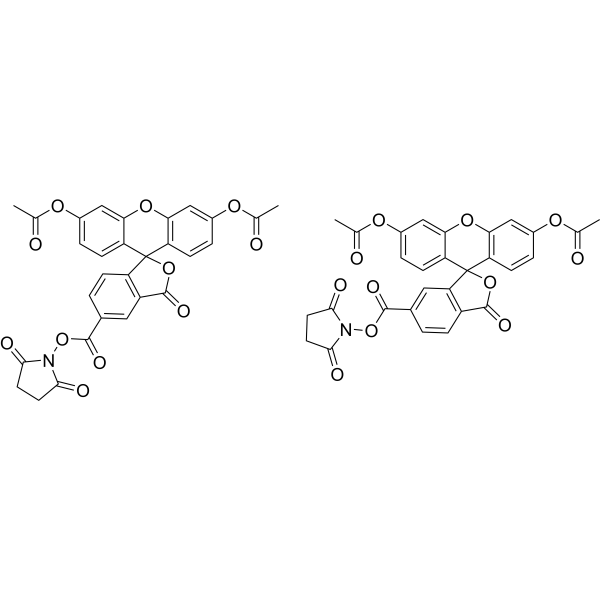
    CFDA-SE
    105+ Cited Publications

    CFSE; 5(6)-Carboxyfluorescein diacetate succinimidyl ester; 5(6)-CFDA N-succinmidyl ester

    Fluorescent Dye Others
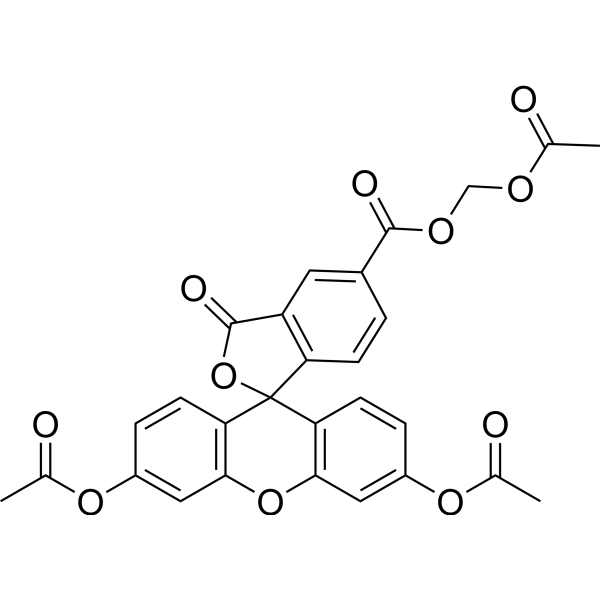
    CFDA-SE is a fluorescent dye that can penetrate the cell membrane. It can react with the free amine group in the cytoskeleton protein inside the cell, and finally form a protein complex with fluorescence. After entering the cell, CFDA-SE locates in the cell membrane, cytoplasm and nucleus, and the fluorescence staining is strongest in the nucleus . CFDA-SE dye can be uniformly inherited by the cells with cell division and proliferation, and its attenuation is proportional to the number of cell divisions. This phenomenon can be detected and analyzed by flow cytometry under the excitation light of 488 nm, and can be used to detect the proliferation of cells .
    CFDA-SE
  • HY-A0089
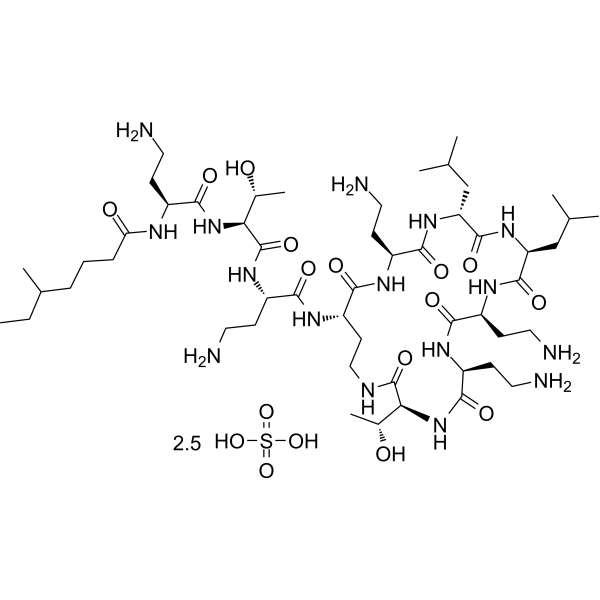
    Colistin sulfate
    25+ Cited Publications

    Polymyxin E sulfate

    Bacterial Autophagy Antibiotic Infection
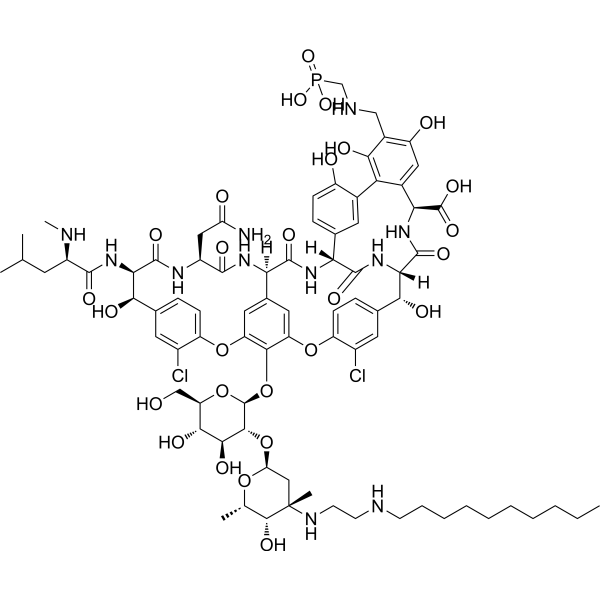
    Colistin sulfate is a polypeptide antibiotic which inhibits gram-negative bacteria by binding to lipopolysaccharides and phospholipids in the outer cell membrane of gram-negative bacteria.
    Colistin sulfate
  • HY-D0041
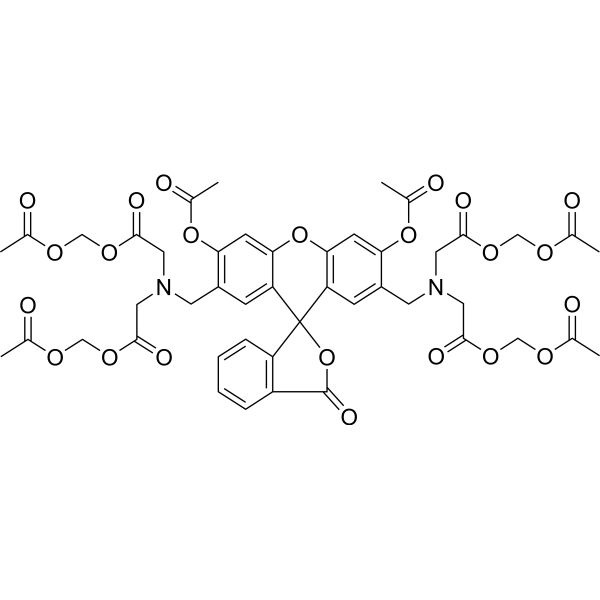
    Calcein-AM
    80+ Cited Publications

    Calcein acetoxymethyl ester

    Fluorescent Dye Cancer
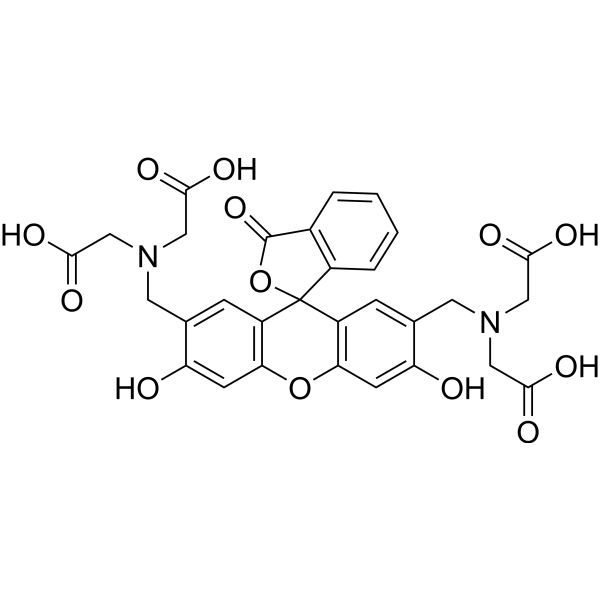
    Calcein AM, has cell membrane permeability and can easily enter the cell. Calcein AM has no fluorescence and is hydrolyzed by endogenous esterase in the cell to produce polar molecule Calcein (Calcein), which has strong negative charge and cannot permeate the cell membrane. Calcein can emit strong green fluorescence, so it is often used with Propidium Iodide for cell viability/virulence detection, excitation/emission wavelength: 494/515 nm .
    Calcein-AM
  • HY-B0739
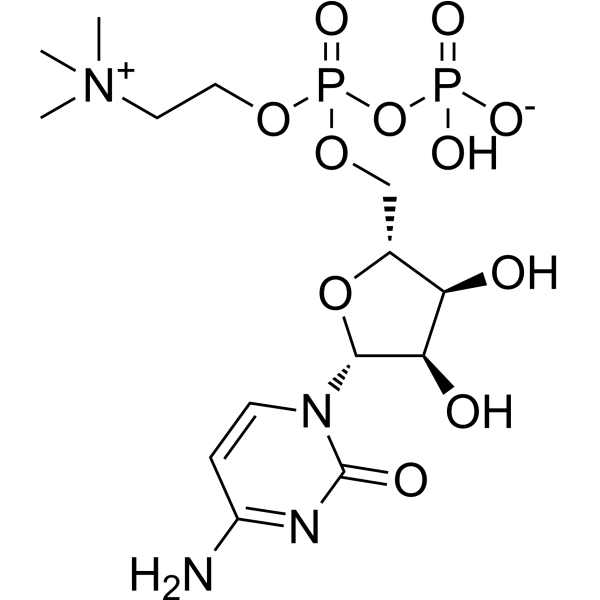
    Citicoline
    4 Publications Verification

    Cytidine diphosphate-choline; CDP-Choline; Cytidine 5'-diphosphocholine

    Apoptosis Endogenous Metabolite Reactive Oxygen Species (ROS) Caspase Neurological Disease Cancer
    Citicoline is an endogenous intermediate in the synthesis of phosphatidylcholine which is a component of cell membranes. Citicoline inhibits reactive oxygen species (ROS) and apoptosis. Citicoline can be used for neurological disease and hearing loss study .
    Citicoline
  • HY-110256
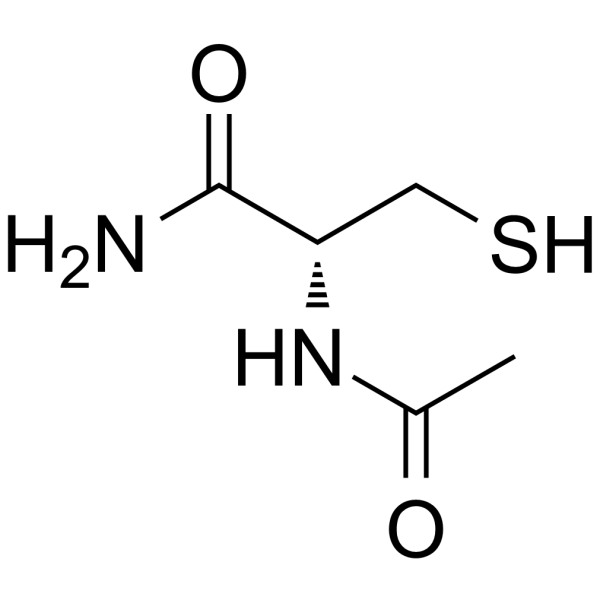
    N-Acetylcysteine amide
    10+ Cited Publications

    Reactive Oxygen Species (ROS) Neurological Disease Inflammation/Immunology
    N-Acetylcysteine amide is a cell membranes and blood brain barrier permeant thiol antioxidant and neuroprotective agent, reduces ROS production.
    N-Acetylcysteine amide
  • HY-D2908

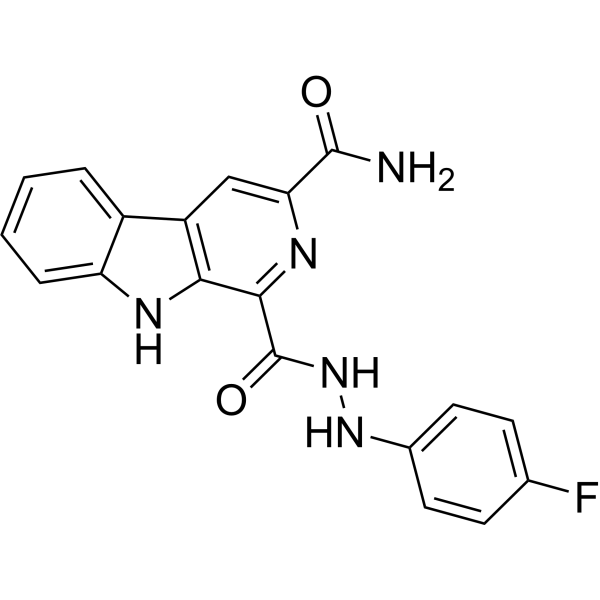
    Fluorescent Dye Others
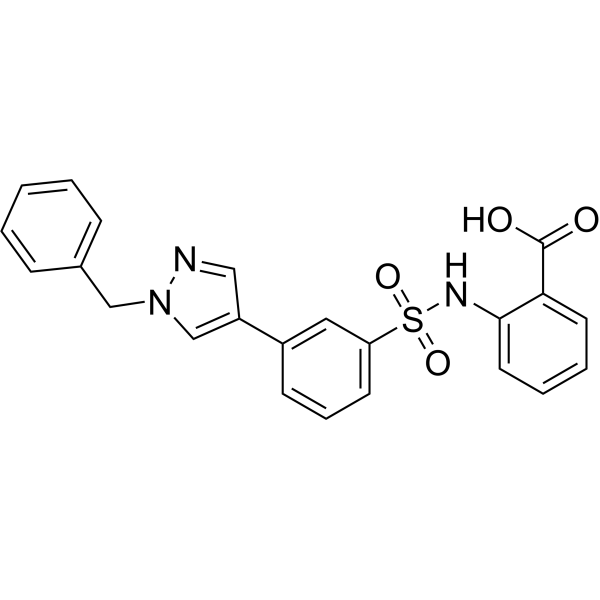
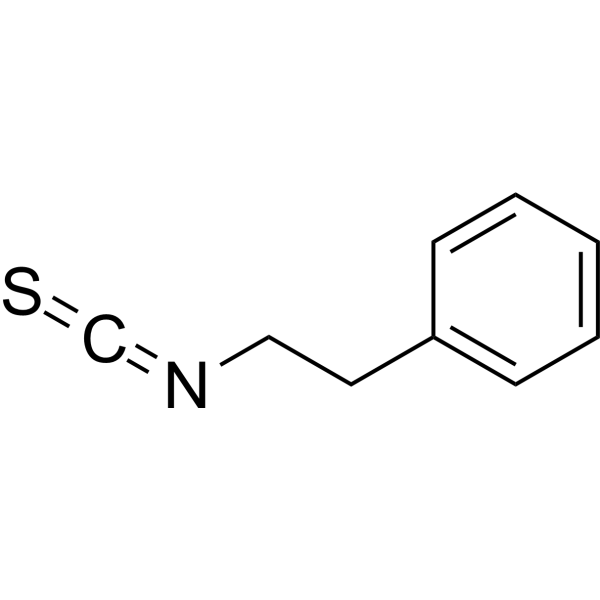
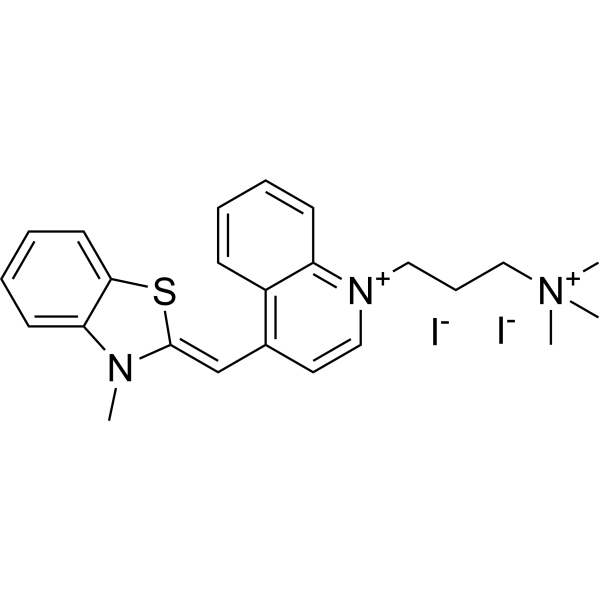
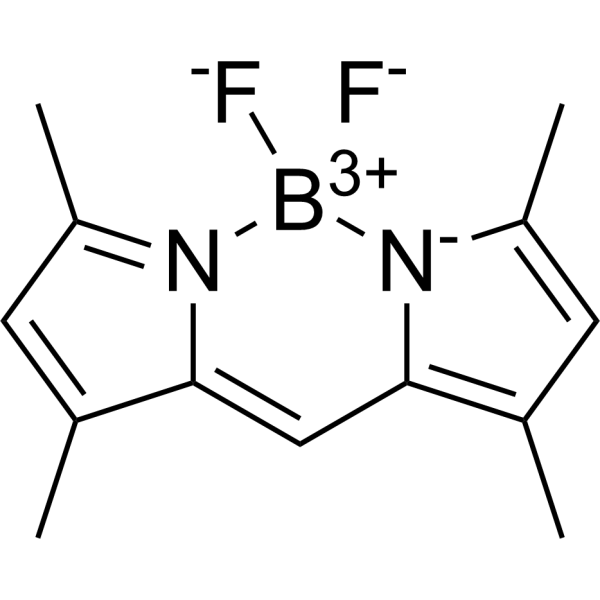
    SYTO9 is a green fluorescent nucleic acid dye (Ex = 485 nm, Em = 498 nm (DNA)/501 nm (RNA)). SYTO9 can penetrate the intact cell membrane of viable bacteria. When the cell membrane is damaged (cell death), its rate of entry into cells increases, and it competes with propidium iodide (PI) (HY-D0815), another membrane-impermeable dye, for nucleic acid binding sites. SYTO9 is widely used in fluorescence microscopy, flow cytometry, and fluorometric assays in microbiology for bacterial counting, viability assessment, and cell imaging .
    SYTO9
  • HY-101892
    DiBAC4(3)
    10+ Cited Publications

    Fluorescent Dye Others
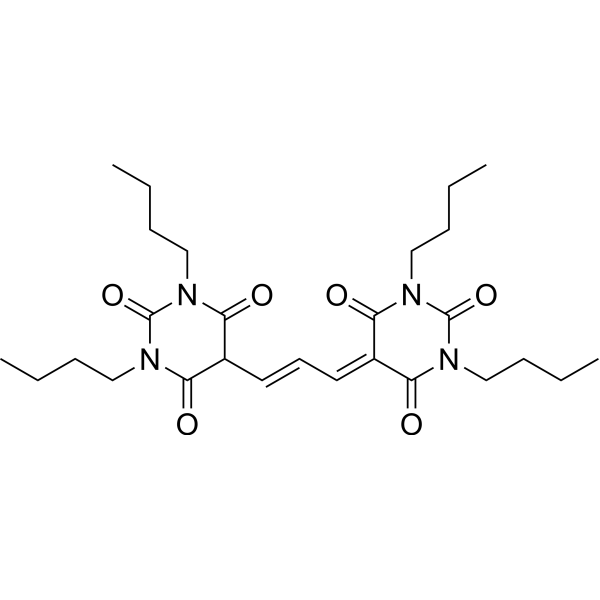
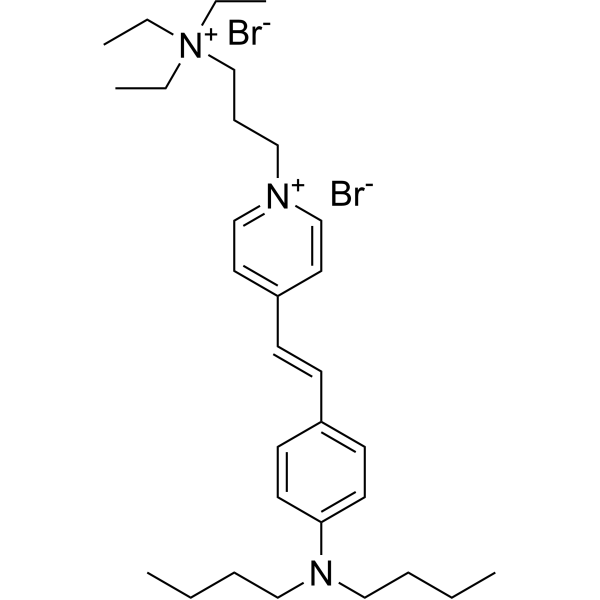
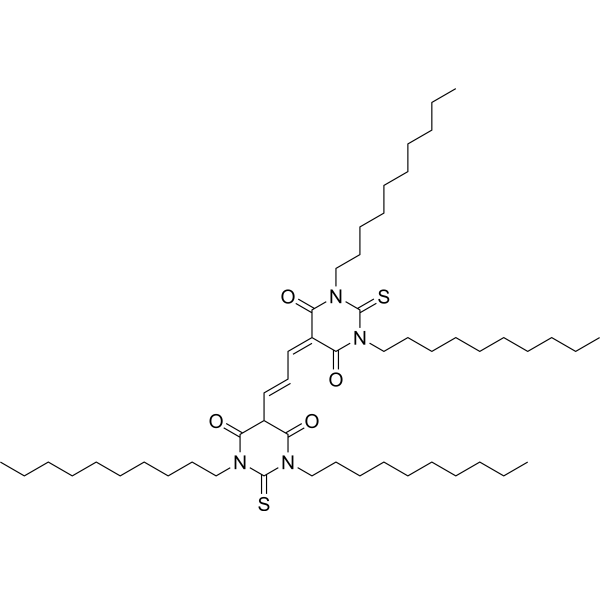
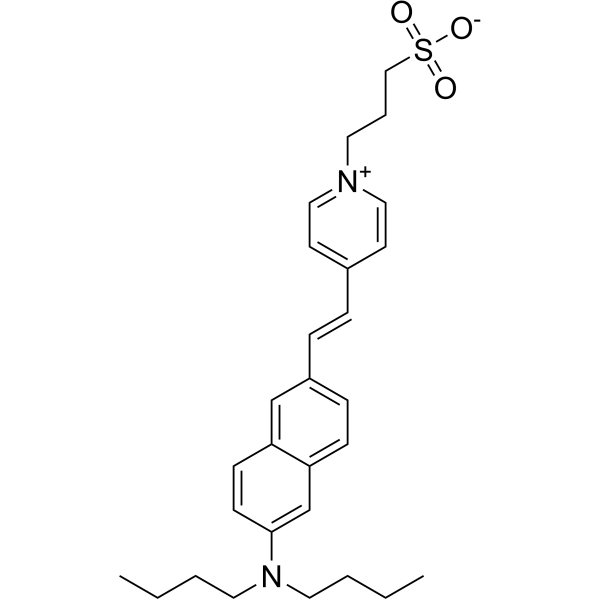
    DiBAC4(3) is a voltage-sensitive fluorescent dye (λex=490 nm, λem=505 nm). DiBAC4(3) can be used to measure cell membrane potential.
    DiBAC4(3)
  • HY-D0970
    Diphenyl Blue
    2 Publications Verification

    Direct Blue 14; Trypan Blue

    Fluorescent Dye Others
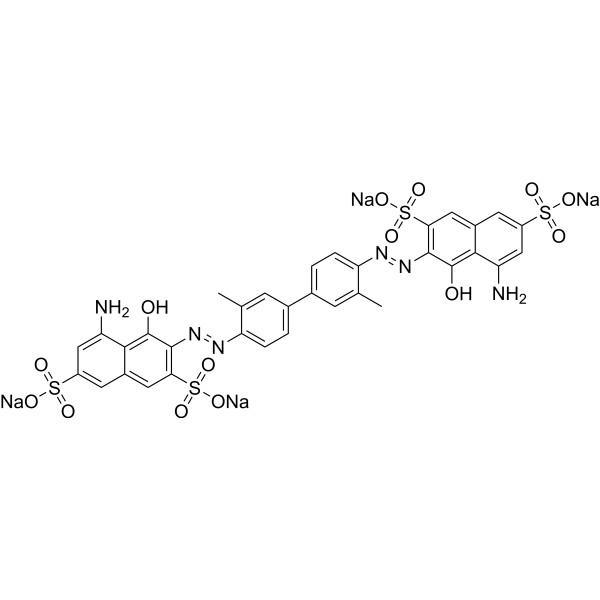
    Diphenyl Blue (Trypan Blue) is a cell active dye, the most commonly used dye for the identification of dead cells, of en used to test cell membrane integrity and cell viability. Diphenyl Blue staining is one of the methods for tissue and cell culture. When cells are deactivated or have incomplete cell membranes, Diphenyl Blue can stain them Blue. Normal living cells with intact cell membranes reject Diphenyl blue and do not stain them blue. However, macrophages are capable of phagocytosis of Diphenyl Blue, so it can be used as a living stain for macrophages .
    Diphenyl Blue
  • HY-101883

    Fluorescent Dye Others
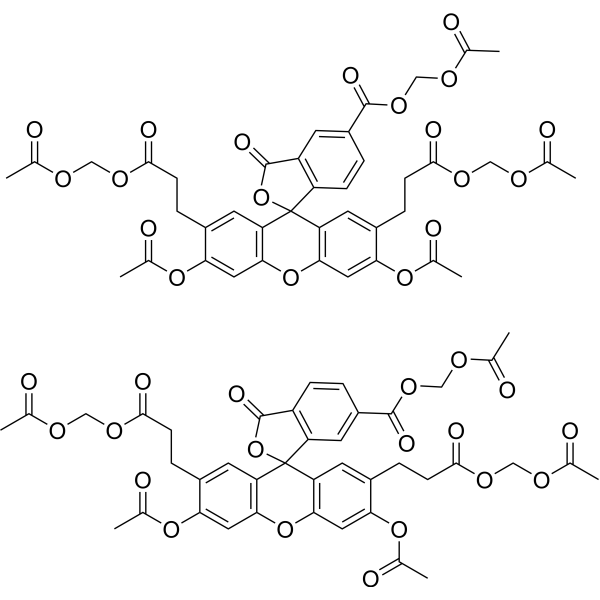
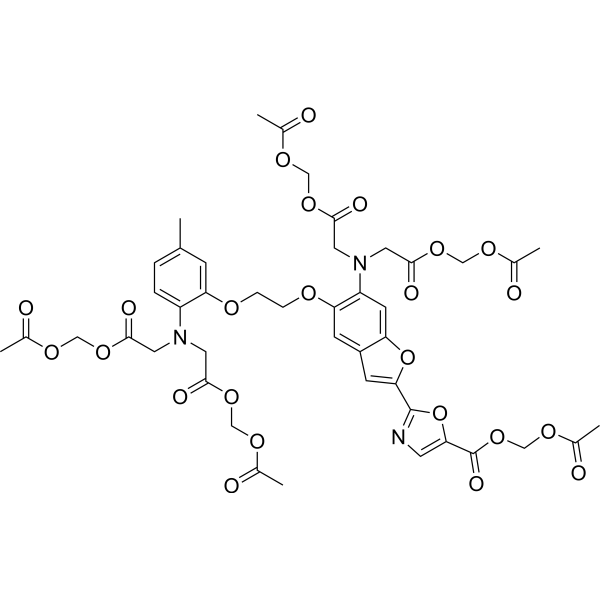
    BCECF-AM is a cell membrane permeable compound widely used as a fluorescent indicator for intracellular pH. BCECF-AM could diffuse through the cell membrane and intracellular esterase cleave the ester bond releasing BCECF (HY-101882). BCECF allows measurements in the physiological pH range 6.0-8.0. Excitation ratio: 490/440 nm; Emission intensity: 535 nm.
    BCECF-AM
  • HY-B1248
    Chlorhexidine
    10+ Cited Publications

    Environmental Pollutants Antibiotic Necroptosis Bacterial Apoptosis Infection
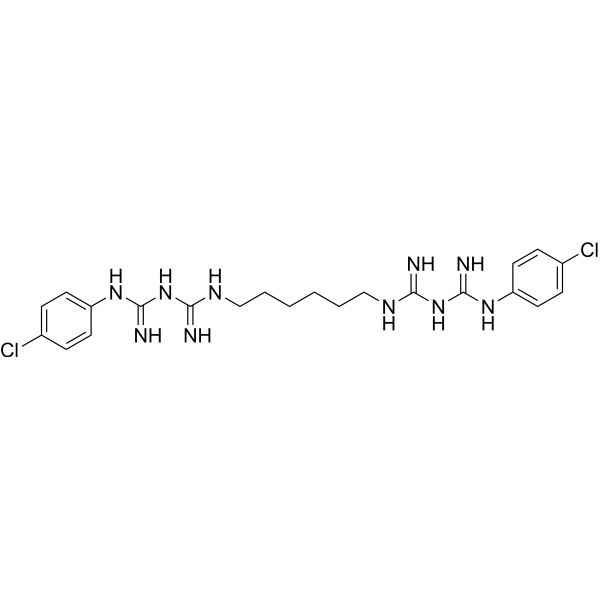
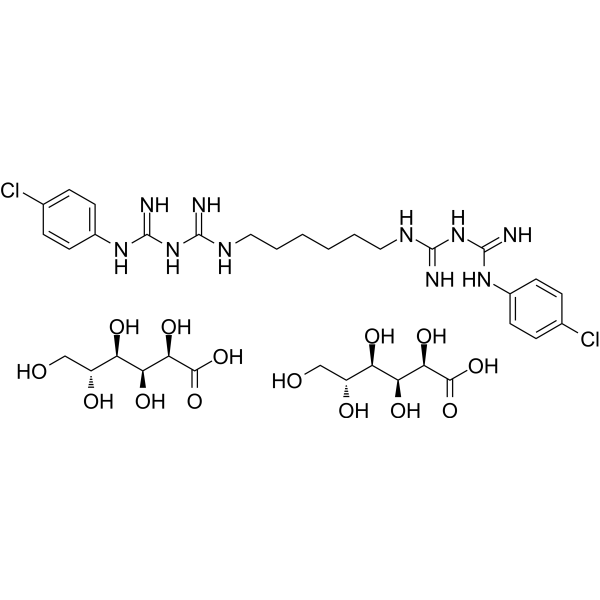
    Chlorhexidine is a orally active cationic antimicrobial agent that targets microbial cell membranes. Chlorhexidine binds to cell membrane phospholipids non-specifically, destroys membrane structure and induces leakage of cell contents. Chlorhexidine has broad-spectrum bactericidal activity against both Gram-positive and Gram-negative bacteria. Chlorhexidine can interfere with membrane permeability, cause protein precipitation and energy metabolism disorders, such as rapid inhibition of microbial growth and induction of cell death (necrosis or apoptosis) .
    Chlorhexidine
  • HY-B1776A
    Spermidine hydrochloride
    15+ Cited Publications

    Endogenous Metabolite Metabolic Disease
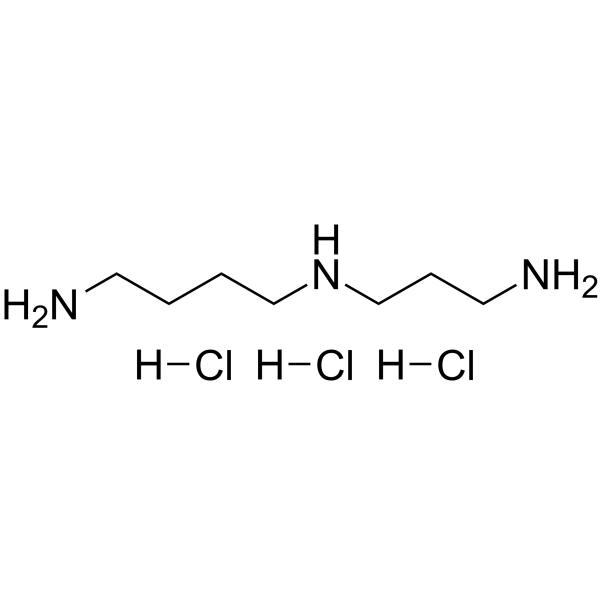
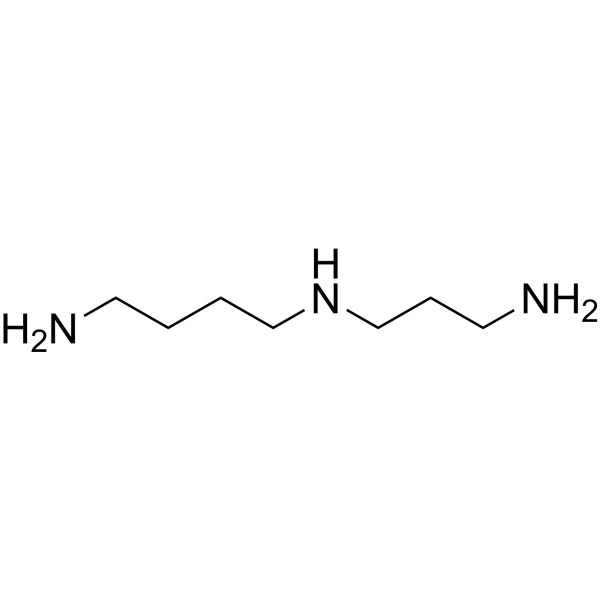
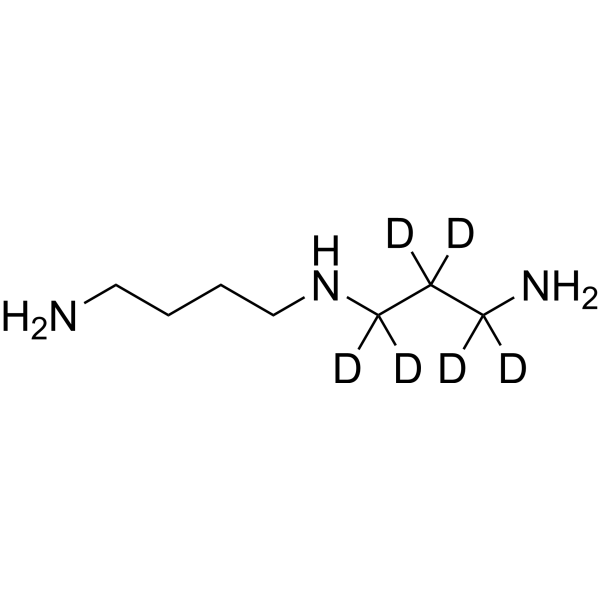
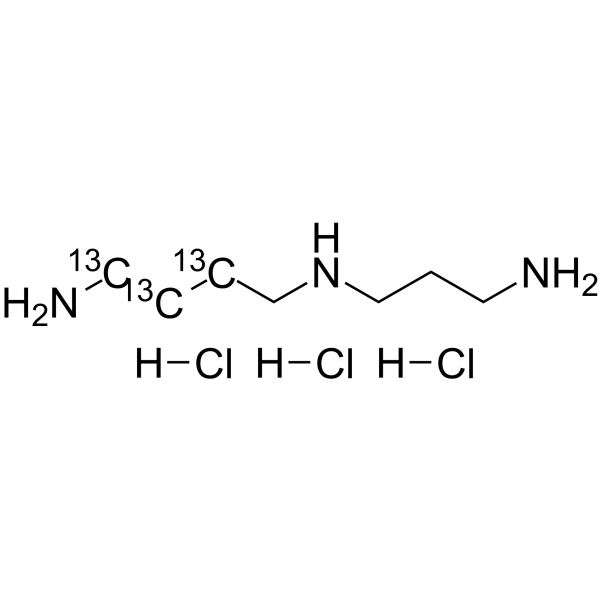
    Spermidine hydrochloride maintains cell membrane stability, increases antioxidant enzymes activities, improving photosystem II (PSII), and relevant gene expression. Spermidine hydrochloride significantly decreases the H2O2 and O2 .- contents .
    Spermidine hydrochloride
  • HY-W013699
    Chlorhexidine diacetate
    10+ Cited Publications

    Environmental Pollutants Antibiotic Necroptosis Bacterial Apoptosis Infection
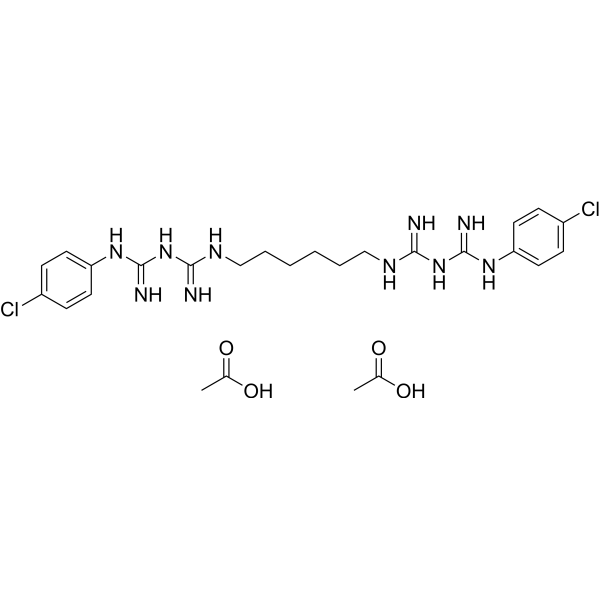
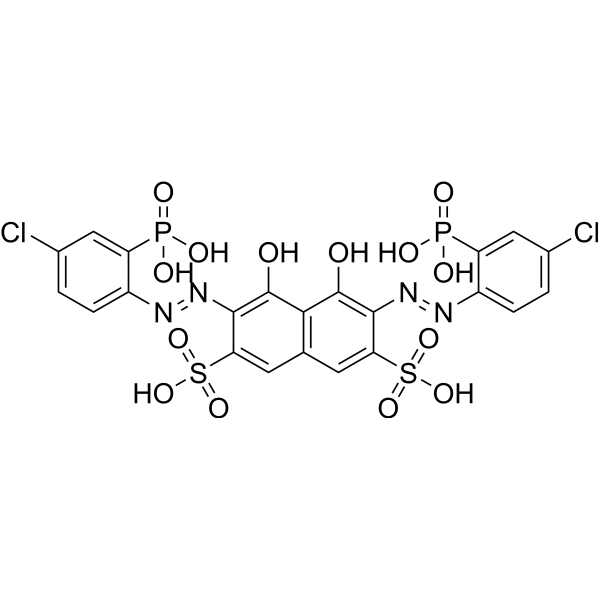
    Chlorhexidine diacetate is a orally active cationic antimicrobial agent that targets microbial cell membranes. Chlorhexidine diacetate binds to cell membrane phospholipids non-specifically, destroys membrane structure and induces leakage of cell contents. Chlorhexidine diacetate has broad-spectrum bactericidal activity against both Gram-positive and Gram-negative bacteria. Chlorhexidine diacetate can interfere with membrane permeability, cause protein precipitation and energy metabolism disorders, such as rapid inhibition of microbial growth and induction of cell death (necrosis or apoptosis) .
    Chlorhexidine diacetate
  • HY-DY1036

    Fluorescent Dye Cancer
    Calcein AM (solution) , has cell membrane permeability and can easily enter the cell. Calcein AM has no fluorescence and is hydrolyzed by endogenous esterase in the cell to produce polar molecule Calcein (Calcein) , which has strong negative charge and cannot permeate the cell membrane. Calcein can emit strong green fluorescence, so it is often used with Propidium Iodide for cell viability/virulence detection, excitation/emission wavelength: 494/515 nm .
    Solvent and concentration: DMSO: 2 mM
    Calcein-AM (solution)
  • HY-10114
    TGX-221
    15+ Cited Publications

    PI3K Cancer
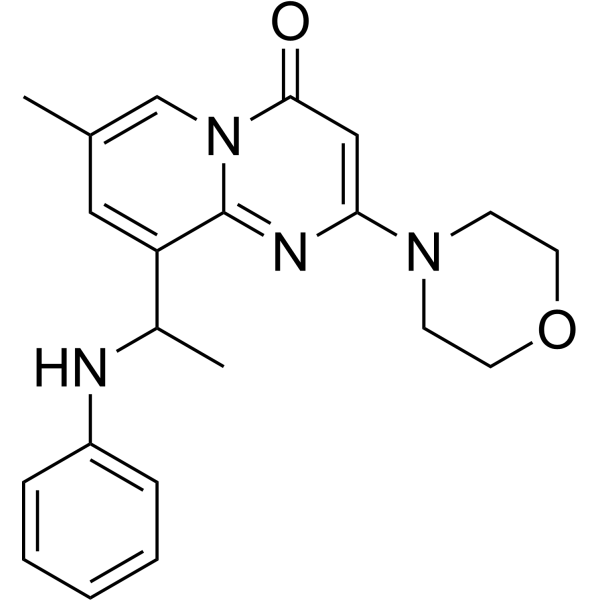
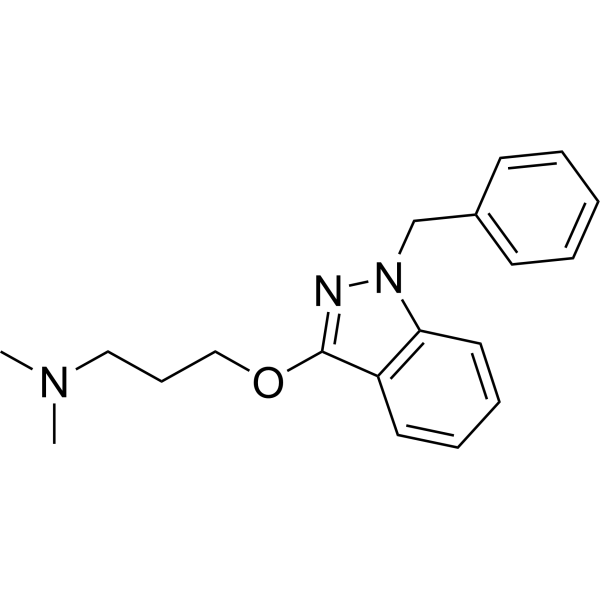
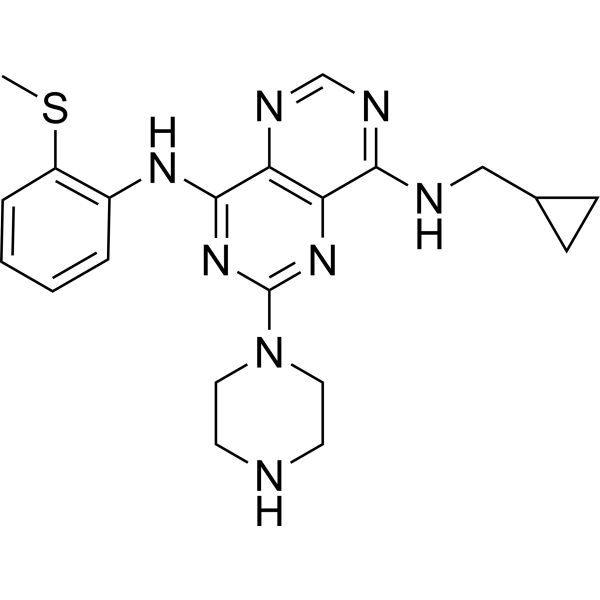
    TGX-221 is a potent, selective, and cell membrane permeable inhibitor of the PI3K p110β catalytic subunit, used for cancer treatment.
    TGX-221
  • HY-W588725A
    N3-Cho bromide
    1 Publications Verification

    Azido-choline bromide

    Biochemical Assay Reagents Others
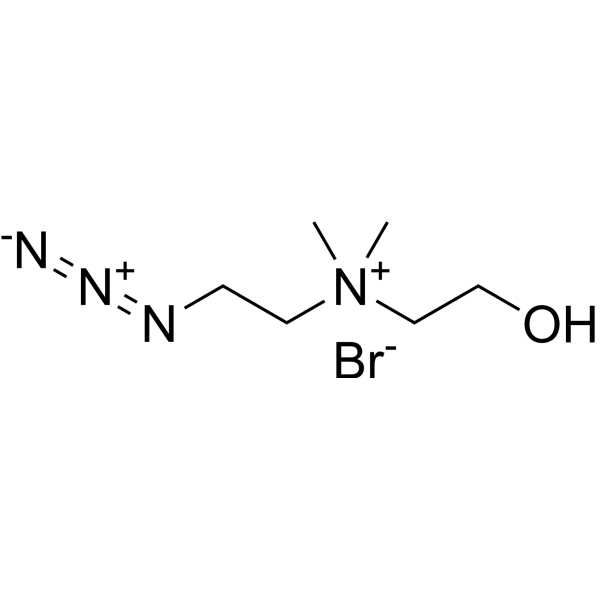
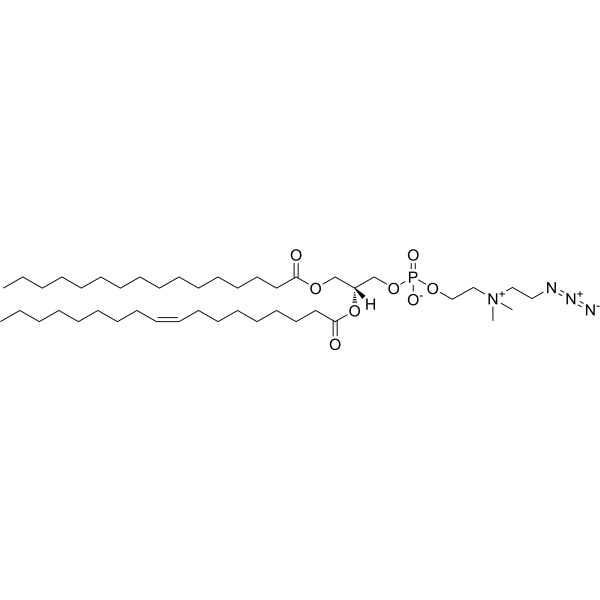
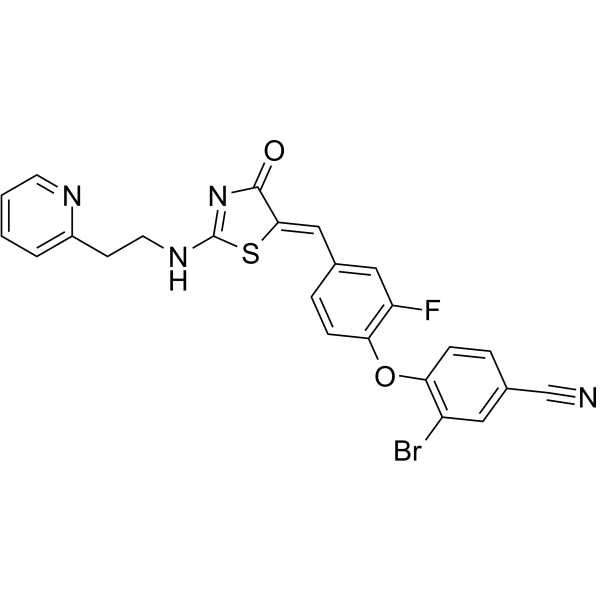
    N3-Cho (Azido-choline) bromide is a click chemistry reagent containing an azide group that can be used in the synthesis of cell membrane structures .
    N3-Cho bromide
  • HY-W749411

    Biochemical Assay Reagents Endogenous Metabolite Others
    Malondialdehyde tetrabutylammonium is a quaternary ammonium salt formed by the decomposition of polyunsaturated fatty acids in plant cell membranes. Malondialdehyde tetrabutylammonium can be used for the quantification of malondialdehyde, a biomarker of lipid peroxidation .
    Malondialdehyde tetrabutylammonium
  • HY-B0739A
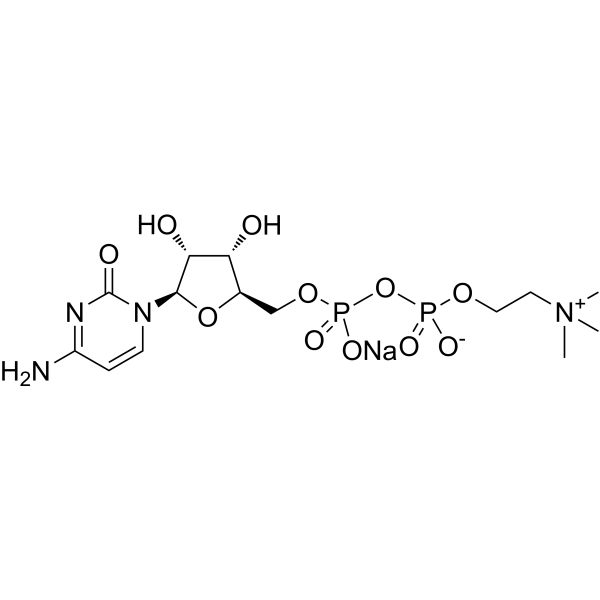
    Citicoline sodium
    4 Publications Verification

    Cytidine diphosphate-choline sodium; CDP-Choline sodium; Cytidine 5'-diphosphocholine sodium

    Endogenous Metabolite Apoptosis Reactive Oxygen Species (ROS) Caspase Neurological Disease Cancer
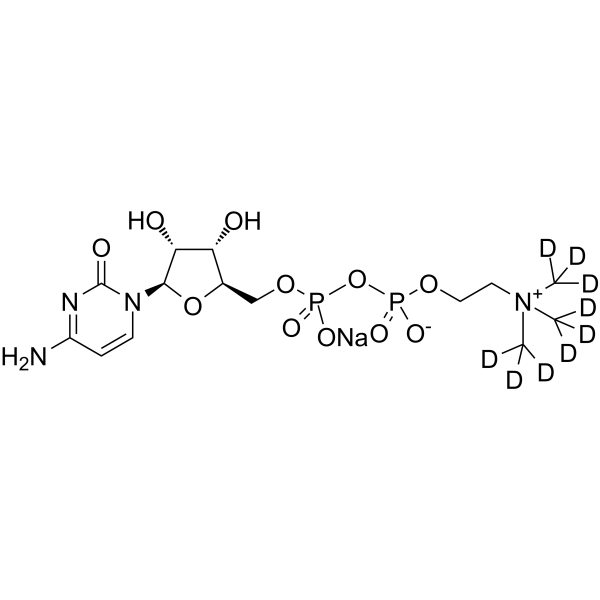
    Citicoline sodium is an endogenous intermediate in the synthesis of phosphatidylcholine which is a component of cell membranes. Citicoline sodium inhibits reactive oxygen species (ROS) and apoptosis. Citicoline sodium can be used for neurological disease and hearing loss study .
    Citicoline sodium
  • HY-128206
    I3MT-3
    5 Publications Verification

    HMPSNE

    Hippo (MST) Metabolic Disease
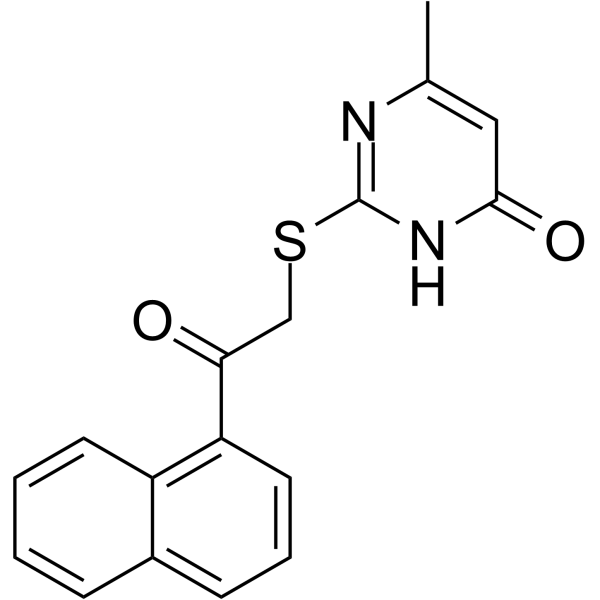
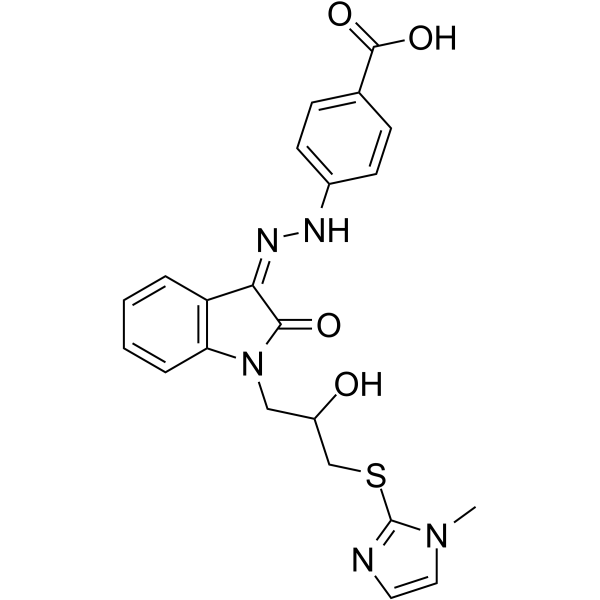
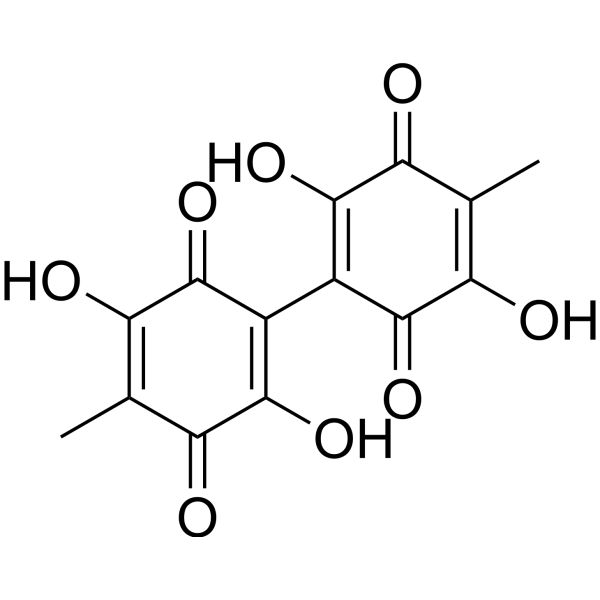
    I3MT-3 (HMPSNE) is a potent, selective, and cell-membrane permeable inhibitor of 3-Mercaptopyruvate sulfurtransferase (3MST) (IC50=2.7 μM). I3MT-3 is inactive for other H2S/sulfane sulfur-producing enzymes.?I3MT-3 targets a persulfurated cysteine residue located in the active site of 3MST .
    I3MT-3
  • HY-B1597

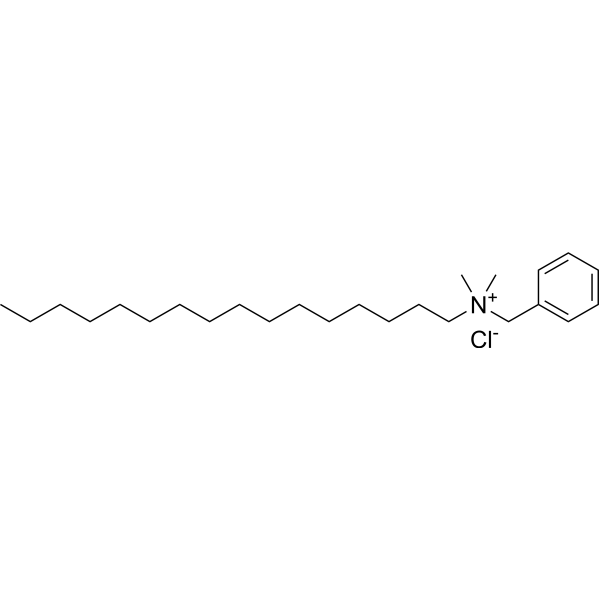
    Benzyldimethylhexadecylammonium chloride

    Bacterial Infection Inflammation/Immunology
    Cetalkonium chloride is an ammonium antiseptic agent used in many topical agents for infections of mouth, throat and eye. Cetalkonium chloride acts as anti-inflammatory amphiphilic agent. Cetalkonium chloride is a cationic surfactant, that improves the precorneal residence time and bioavailability of drugs. Cetalkonium chloride interacts with the negative charges on the bacterial cell membrane, disrupts the integrity of the cell membrane, causes leakage of cell contents and ultimately leading to bacterial death .
    Cetalkonium chloride
  • HY-B1145
    Chlorhexidine dihydrochloride
    10+ Cited Publications

    Environmental Pollutants Antibiotic Apoptosis Bacterial Necroptosis Infection
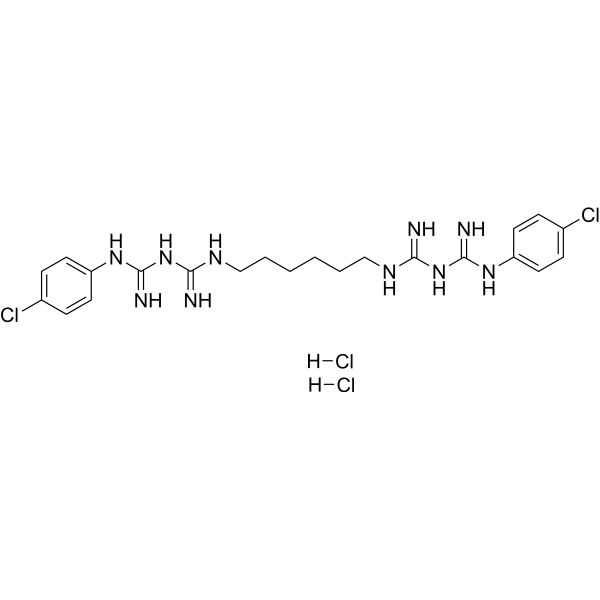
    Chlorhexidine dihydrochloride is a orally active cationic antimicrobial agent that targets microbial cell membranes. Chlorhexidine dihydrochloride binds to cell membrane phospholipids non-specifically, destroys membrane structure and induces leakage of cell contents. Chlorhexidine dihydrochloride has broad-spectrum bactericidal activity against both Gram-positive and Gram-negative bacteria. Chlorhexidine dihydrochloride can interfere with membrane permeability, cause protein precipitation and energy metabolism disorders, such as rapid inhibition of microbial growth and induction of cell death (necrosis or apoptosis) .
    Chlorhexidine dihydrochloride
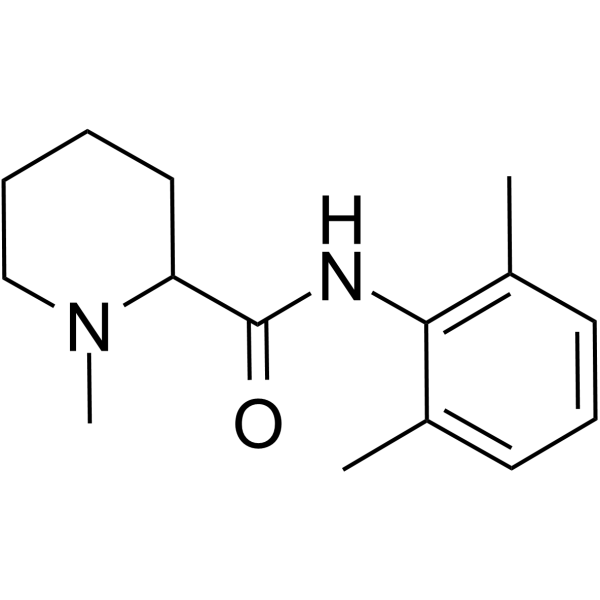
  • HY-B0517
    Mepivacaine
    1 Publications Verification

    Sodium Channel Neurological Disease
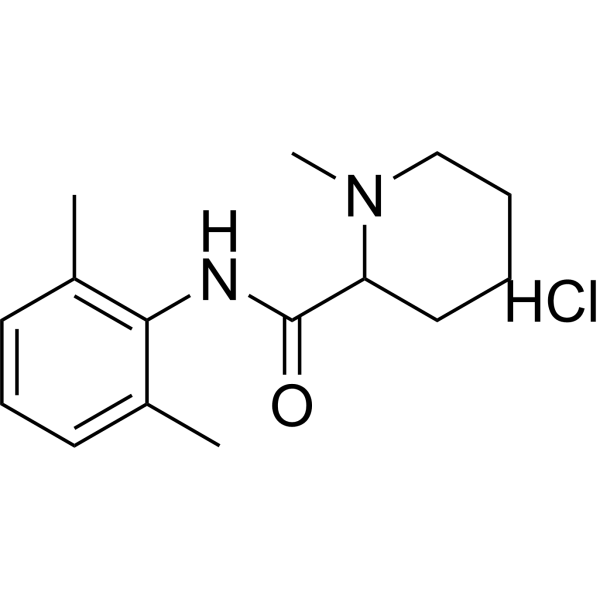
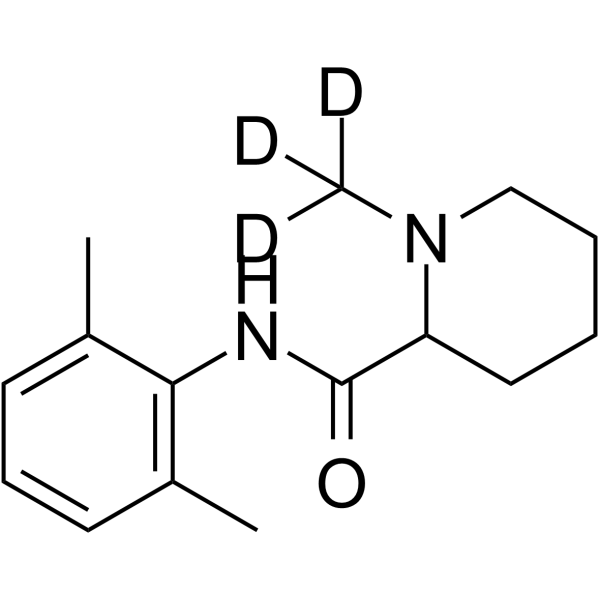
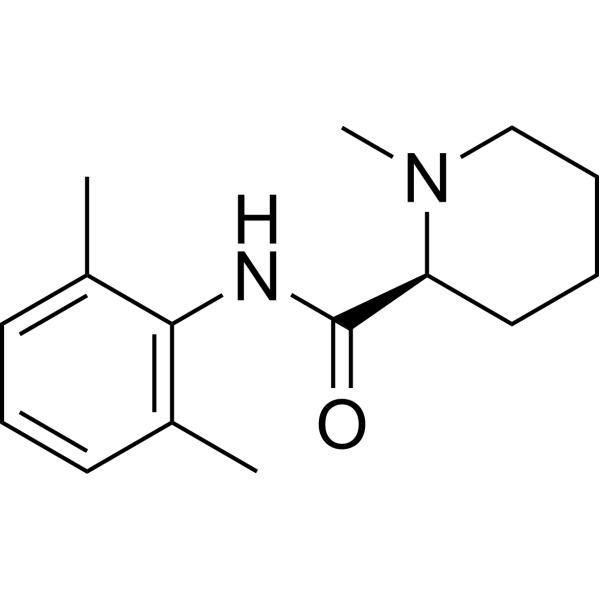
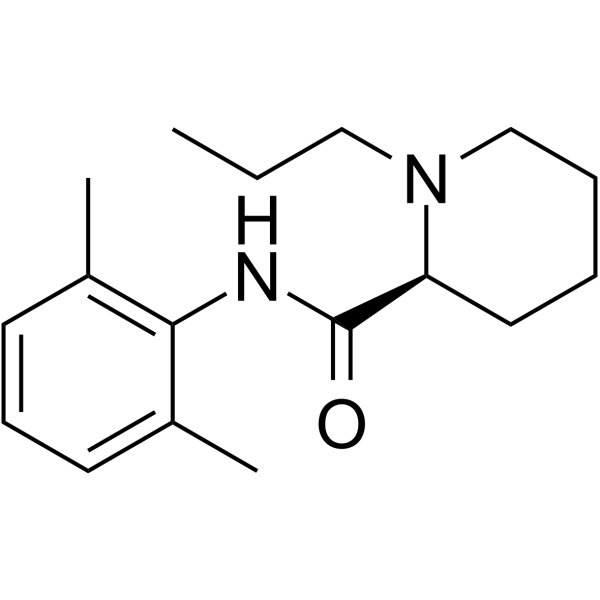
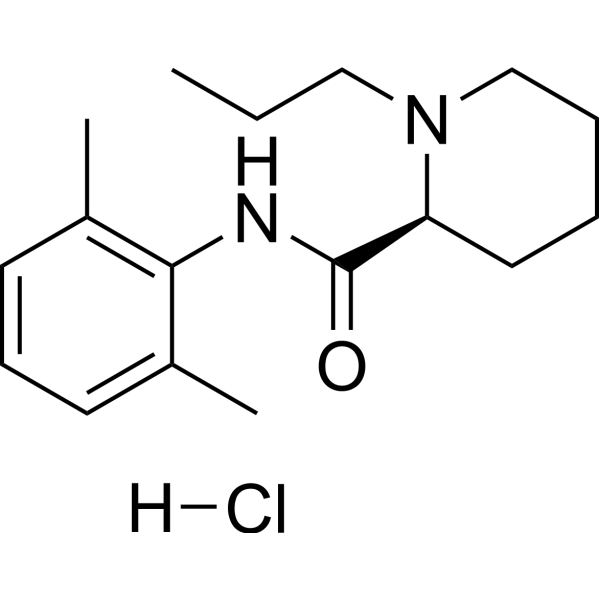
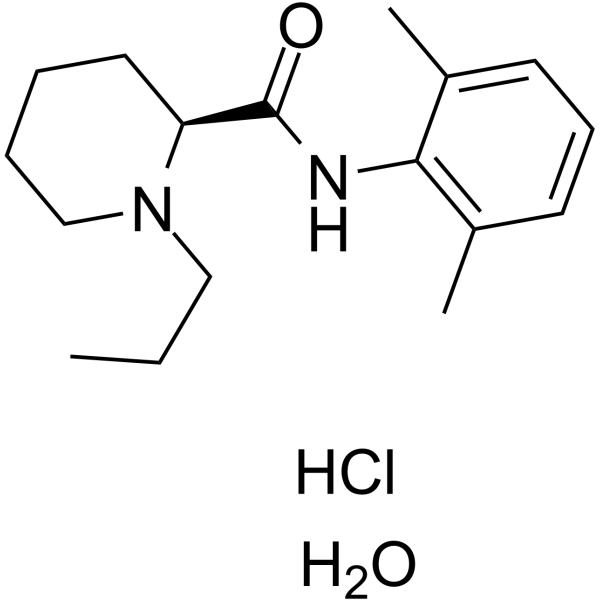
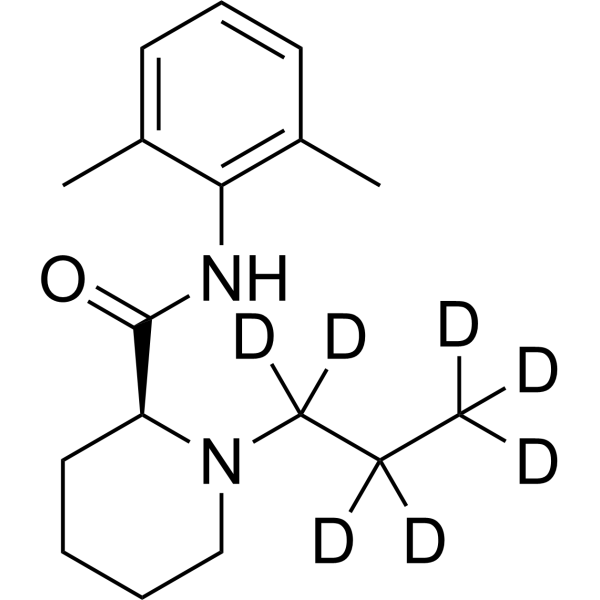
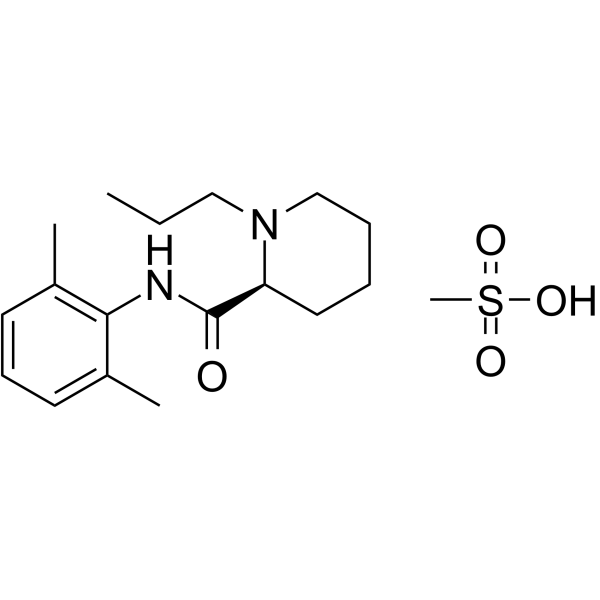
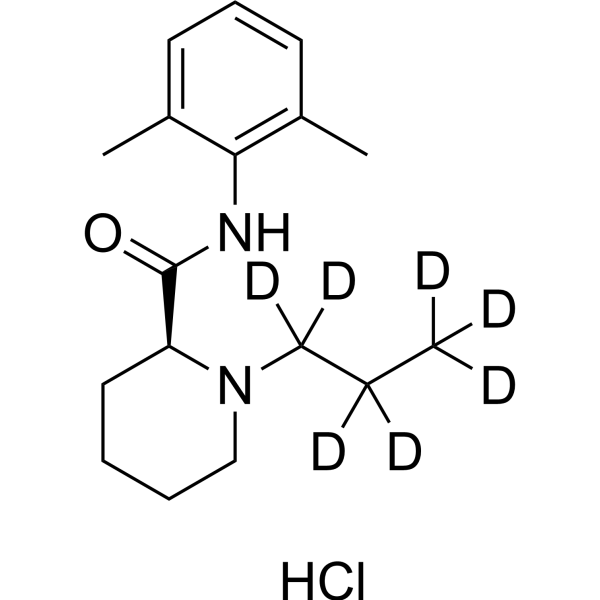
    Mepivacaine is an amide-type local anesthetic agent. Mepivacaine binds to specific voltage-gated sodium ion channels in neuronal cell membranes, which inhibits both sodium influx and membrane depolarization .
    Mepivacaine
  • HY-101883A
    BCECF Acetoxymethyl ester
    5+ Cited Publications

    Fluorescent Dye Others
    BCECF Acetoxymethyl ester is a cell membrane permeable compound widely-used as a fluorescent indicator for intracellular pH. BCECF Acetoxymethyl ester could diffuse through the cell membrane and intracellular esterase cleave the ester bond releasing BCECF (HY-101882). BCECF allows measurements in the physiological pH range 6.0-8.0. Excitation ratio: 490/440 nm; Emission intensity: 535 nm .
    BCECF Acetoxymethyl ester
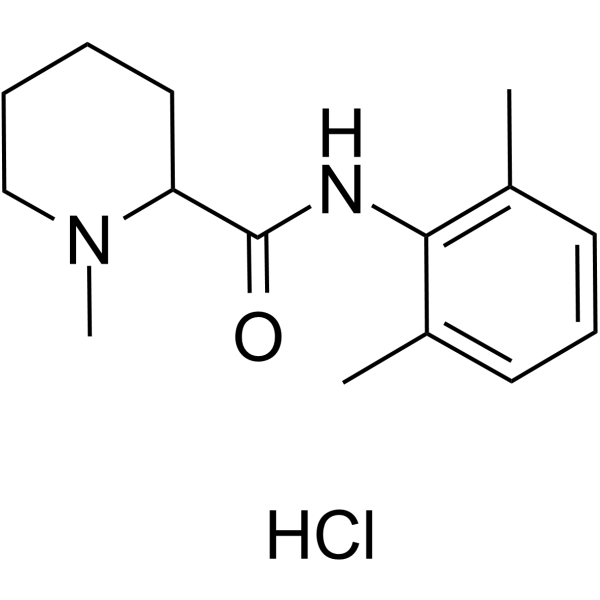
  • HY-B0517A
    Mepivacaine hydrochloride
    1 Publications Verification

    Sodium Channel Neurological Disease
    Mepivacaine hydrochloride binds to specific voltage-gated sodium ion channels in neuronal cell membranes, which inhibits both sodium influx and membrane depolarization .
    Mepivacaine hydrochloride
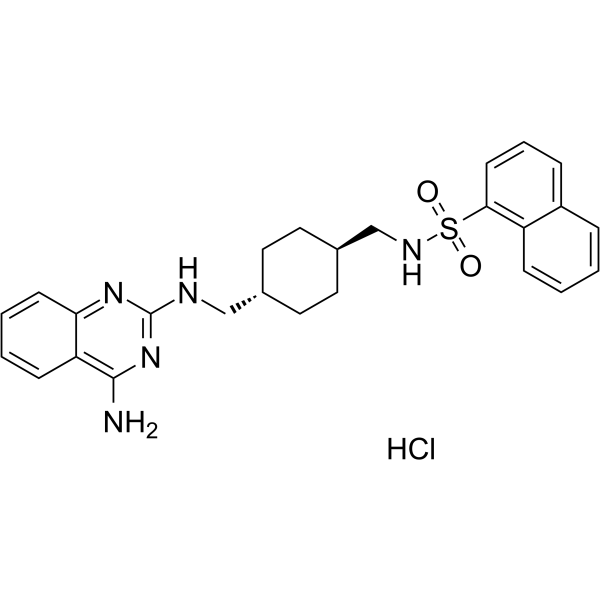
  • HY-107723

    CGP71683A

    Neuropeptide Y Receptor Neurological Disease Endocrinology
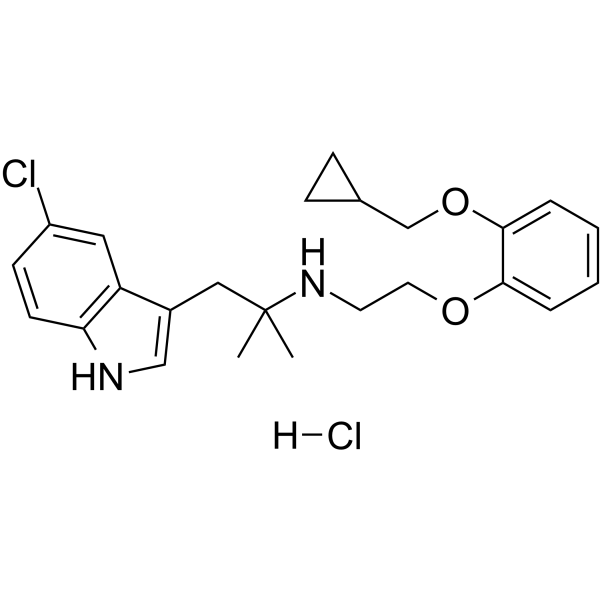
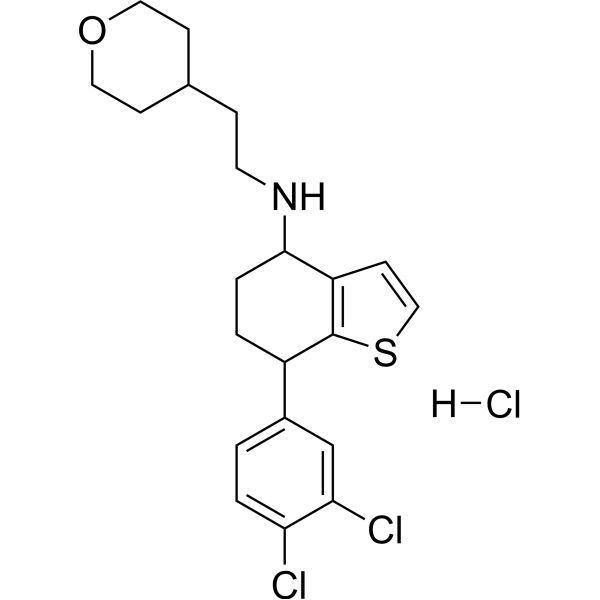
    CGP71683 hydrochloride is a competitive neuropeptide Y5 receptor antagonist with a Ki of 1.3 nM, and shows no obvious activity at Y1 receptor (Ki, >4000 nM) and Y2 receptor (Ki, 200 nM) in cell membranes.
    CGP71683 hydrochloride
  • HY-A0248B

    Antibiotic Bacterial Infection
    Polymyxin B2 is a polypeptide antibiotic that has antibacterial activity, particularly against gram-negative bacteria. Polymyxin B2 kills the bacteria by binding to lipopolysaccharide molecules on the bacterial cell membrane, disrupting the integrity of the cell membrane and causing the cell contents to leak. Polymyxin B2 can be used in antibiotic development and treatment of drug-resistant strains .
    Polymyxin B2
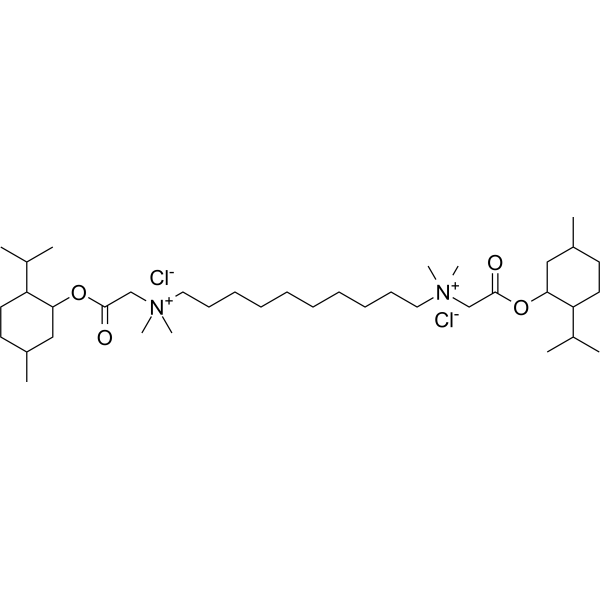
  • HY-108004

    Septefril; Decametoxin

    Bacterial Fungal Infection
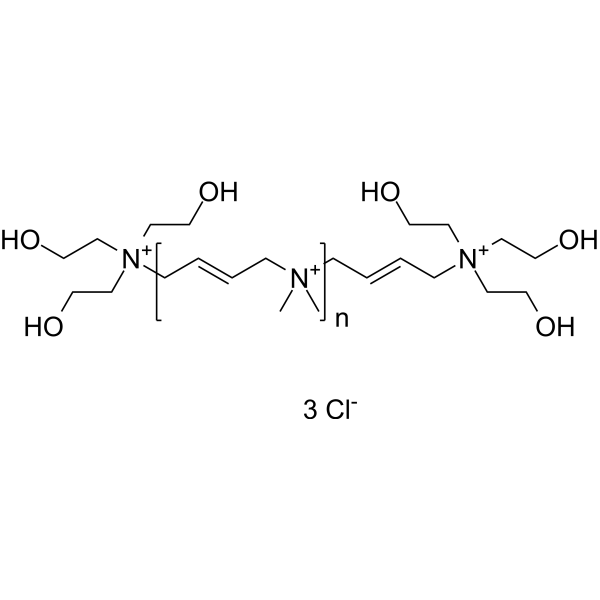
    Decamethoxine (Septefril) is a cationic gemini surfactant. Decamethoxine exhibits strong bactericidal and fungicidal effects. Decamethoxine modifies the permeability of the microbial cell membrane, resulting in the destruction and death of diverse microorganisms .
    Decamethoxine
  • HY-134665

    Flavivirus Dengue Virus DNA/RNA Synthesis Infection
    NITD-2, a dengue virus (DENV) polymerase inhibitor, inhibits the DENV RdRp-mediated RNA elongation. NITD-2 penetrates cell membrane poorly .
    NITD-2
  • HY-101336

    RS-17053

    Adrenergic Receptor Metabolic Disease Endocrinology
    RS 17053 hydrochloride is a potent and selective α1A adrenoceptor antagonist, with a pKi value of 9.1 in native cell membrane and a pA2 value of 9.8 in functional assays.
    RS 17053 hydrochloride
  • HY-W008884

    Bacterial Others
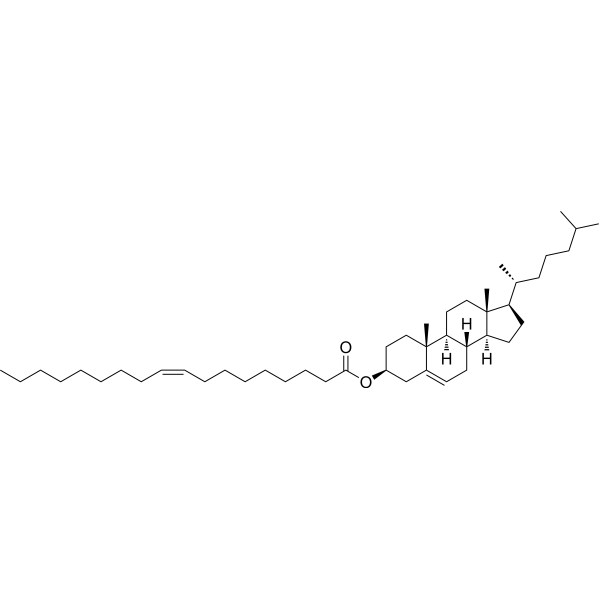
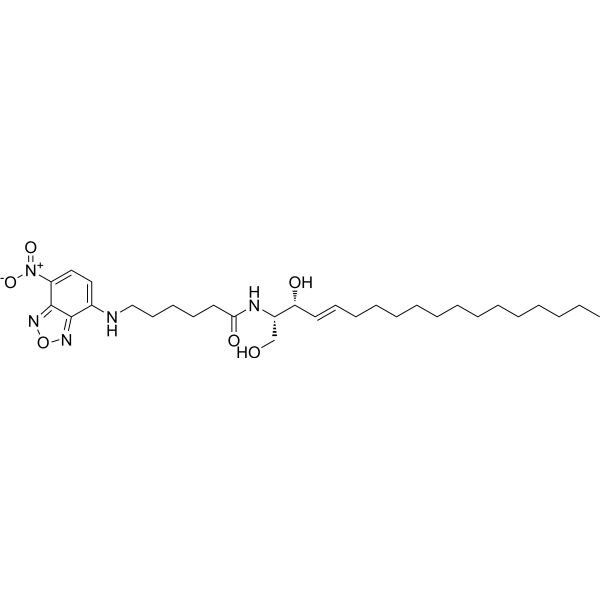
    25-NBD Cholesterol is a fluorescently labeled form of cholesterol that facilitates the distinction between exogenous and endogenous cholesterol within bacterial cell membranes, emitting green fluorescence signals.
    25-NBD Cholesterol
  • HY-143896

    STING Cancer
    STING agonist-7 is a non-nucleotide STING agonist. STING agonist-7 binds selectively to mouse STING but not human STING. STING agonist-7 penetrates cell membrane poorly .
    STING agonist-7
  • HY-121872

    MMP Neurological Disease
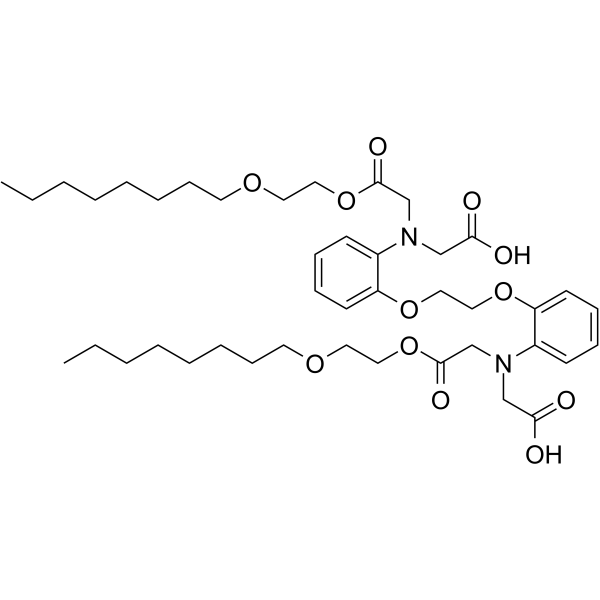
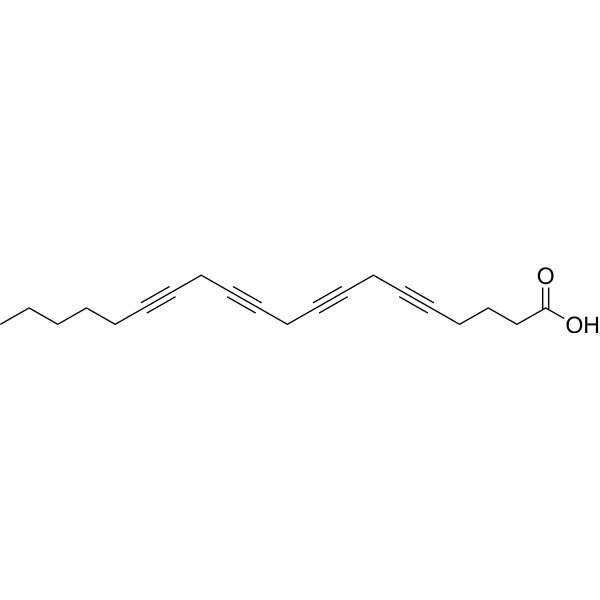
    DP-b99 is a chelator of zinc and calcium ions that acts selectively within cell membranes and has neuroprotective properties in animal models of stroke.
    DP-b99
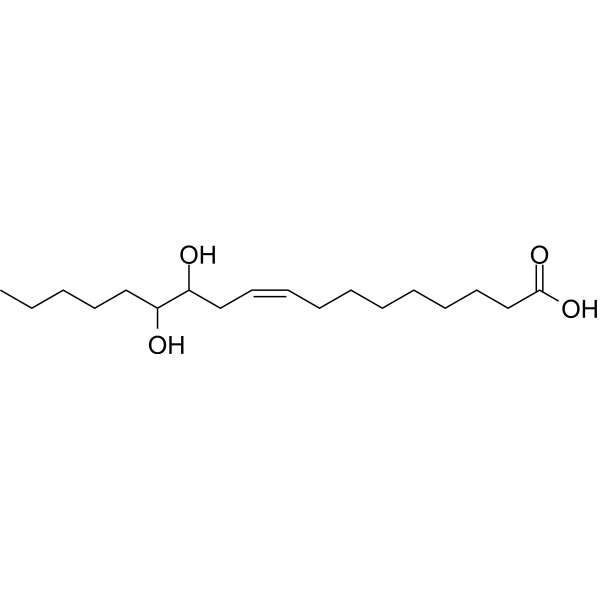
  • HY-N8633

    Endogenous Metabolite Others
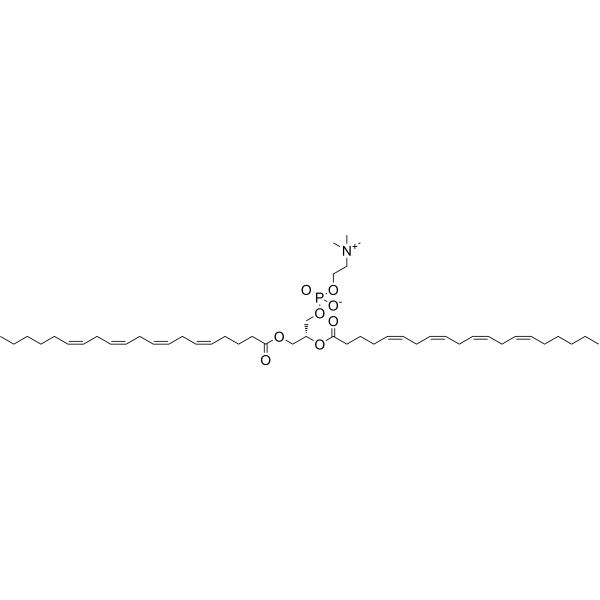
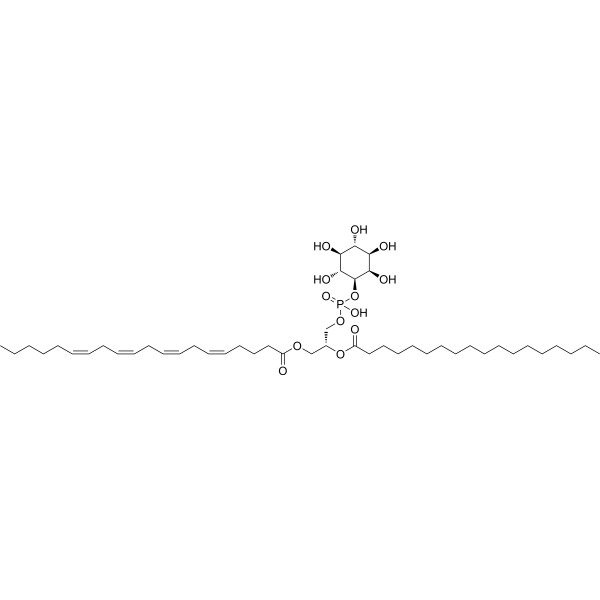
    1-Stearoyl-2-arachidonoyl-sn-glycero-3-phosphoinositol is an endogenous metabolite that is a cell membrane component .
    1-Stearoyl-2-arachidonoyl-sn-glycero-3-phosphoinositol
  • HY-171158

    Liposome Cancer
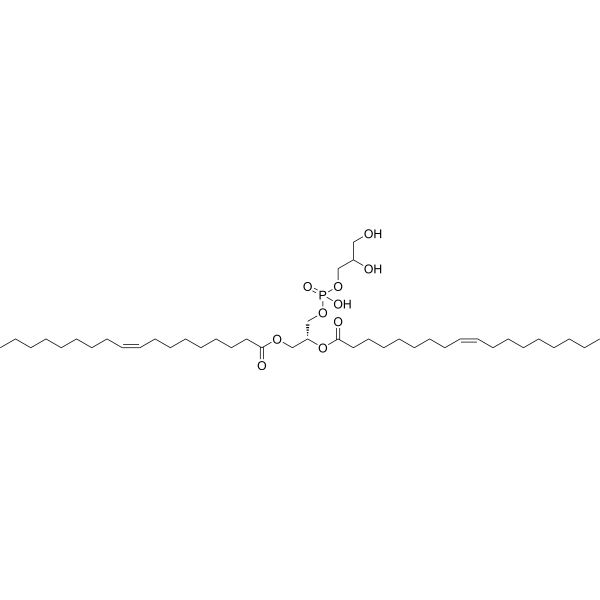
    Glycerophosphoglycerol is a precursor for phospholipid biosynthesis. Glycerophosphoglycerol supports tumor cell membrane reconstruction and proliferation by promoting phospholipid synthesis. Glycerophosphoglycerol is promising for research of breast cancers .
    Glycerophosphoglycerol
  • HY-P10103

    Caspase Cancer
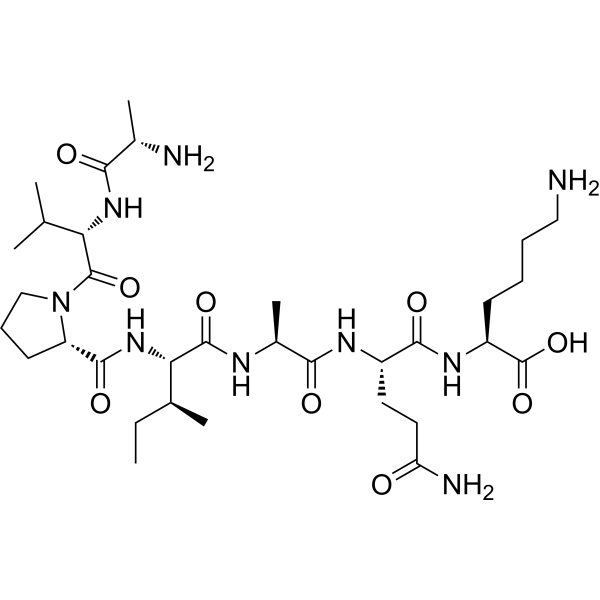
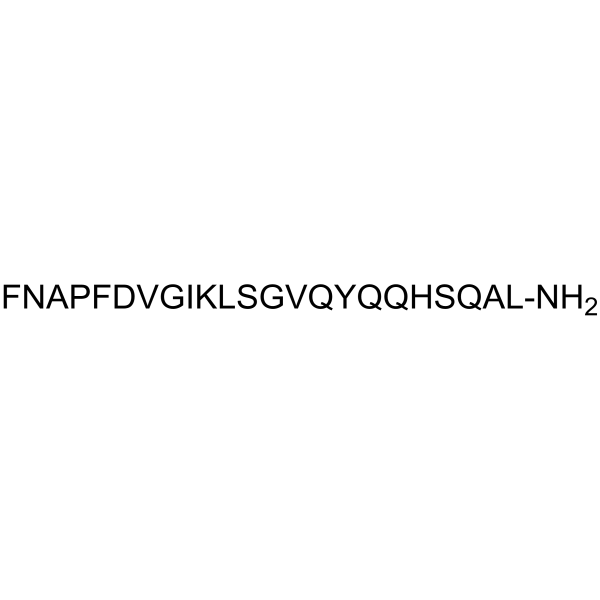
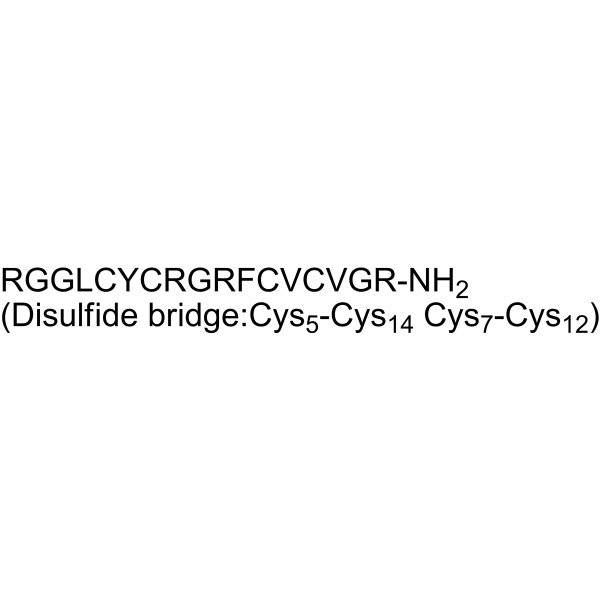
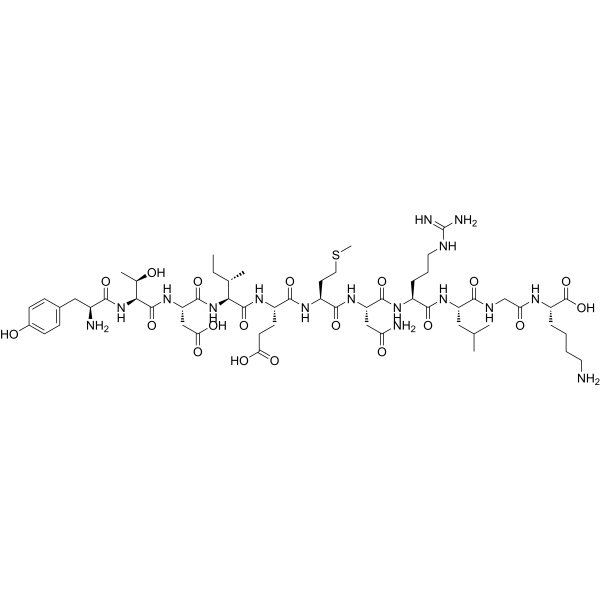
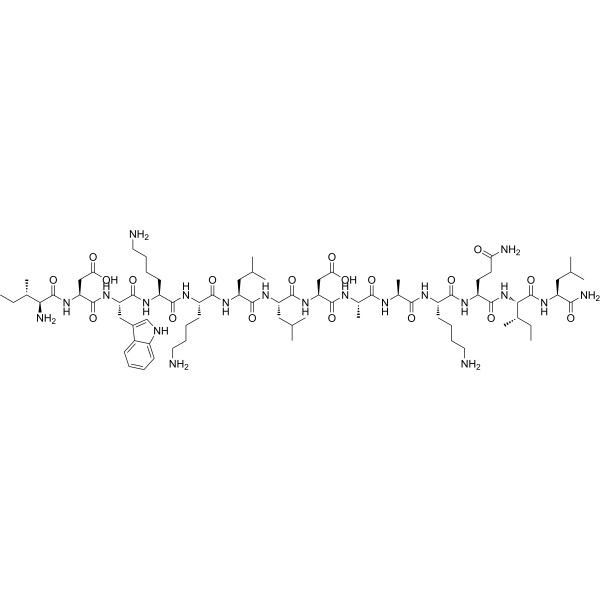
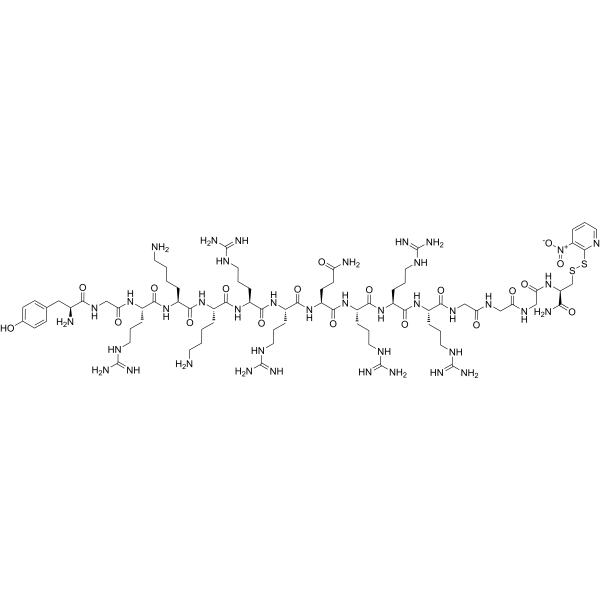
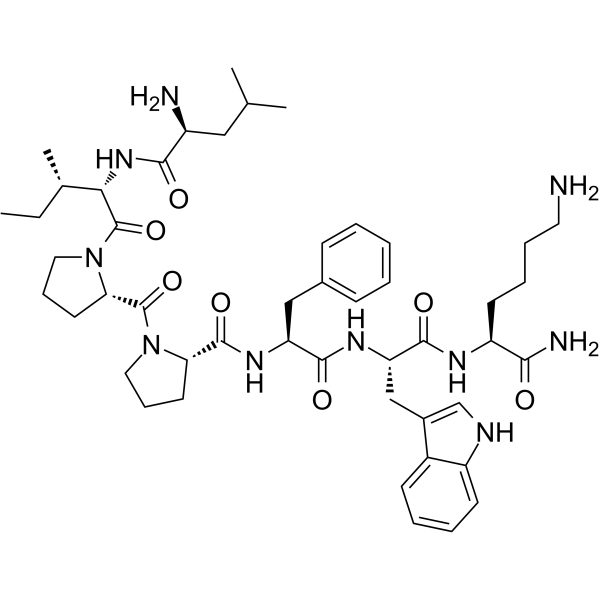
    Smac-N7 peptide, the seven N-terminal amino acid of the mitochondrial protein Smac (second mitochondria-derived activator of caspase), cannot pass through the cell membrane .
    Smac-N7 peptide
  • HY-107335

    Creatinol O-phosphate; Creatinol phosphate; Creatinolfosfate

    Biochemical Assay Reagents Cardiovascular Disease
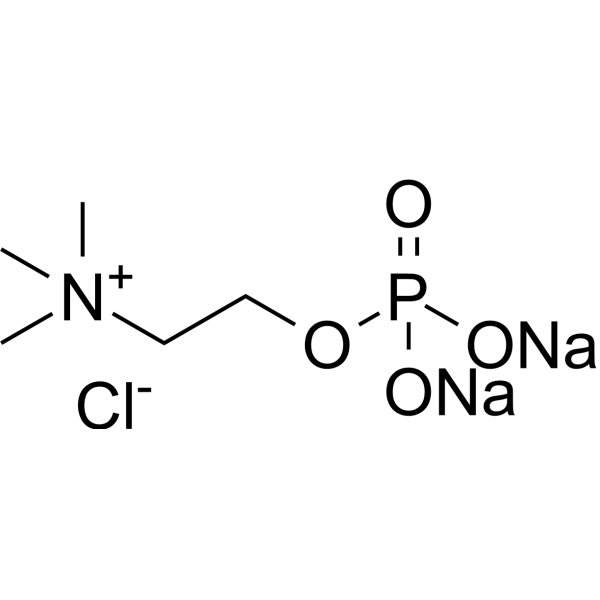
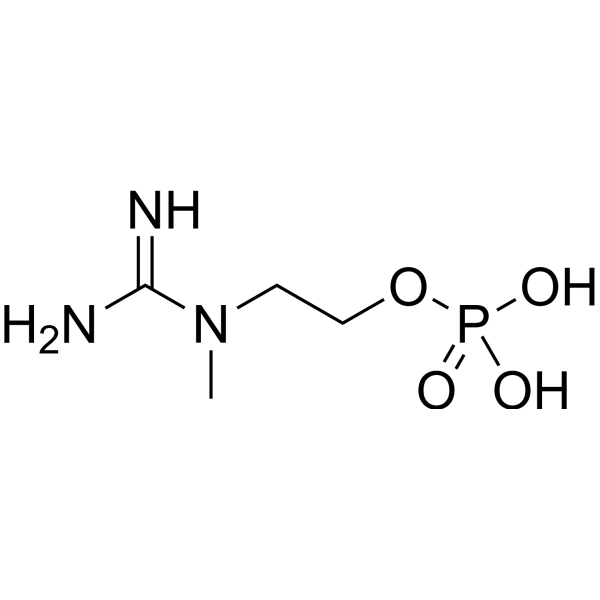
    Aplodan (Creatinol O-phosphate) is an antiischemic and antiarrhythmic agent. Aplodan has a protective action on cell membrane. Aplodan has the potential for the research of ischemic heart or acute myocardial infarction .
    Aplodan
  • HY-103658

    Miramistin

    Bacterial Infection
    Myramistin (Miramistin) is an antibacterial agent targeting bacterial cell membrane. Myramistin can bind to the negatively charged surface of bacteria through its cationic properties, disrupt the integrity of the bacterial cell membrane, inhibit bacterial metabolism and growth, and induce cell death, thus exerting antibacterial activity .
    Myramistin
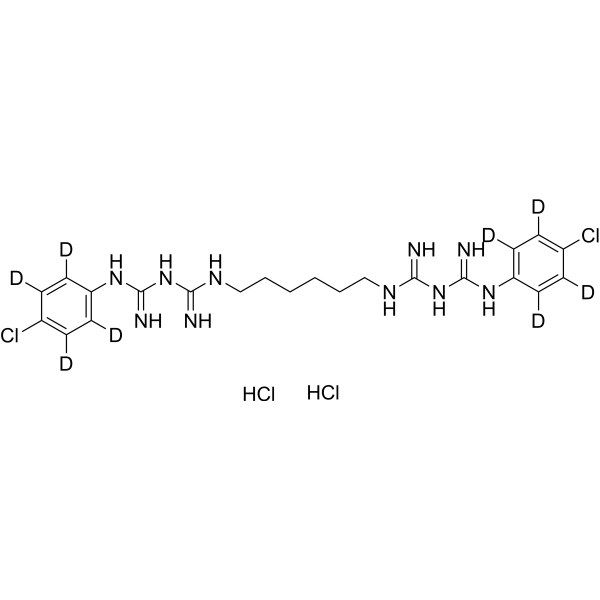
  • HY-B1145S

    Isotope-Labeled Compounds Antibiotic Bacterial Necroptosis Apoptosis Infection
    Chlorhexidine-d8 (dihydrochloride) is the deuterium labeled Chlorhexidine dihydrochloride (HY-B1145). Chlorhexidine dihydrochloride is a orally active cationic antimicrobial agent that targets microbial cell membranes. Chlorhexidine dihydrochloride binds to cell membrane phospholipids non-specifically, destroys membrane structure and induces leakage of cell contents. Chlorhexidine dihydrochloride has broad-spectrum bactericidal activity against both Gram-positive and Gram-negative bacteria. Chlorhexidine dihydrochloride can interfere with membrane permeability, cause protein precipitation and energy metabolism disorders, such as rapid inhibition of microbial growth and induction of cell death (necrosis or apoptosis) .
    Chlorhexidine-d8 dihydrochloride
  • HY-110240

    Smo Others
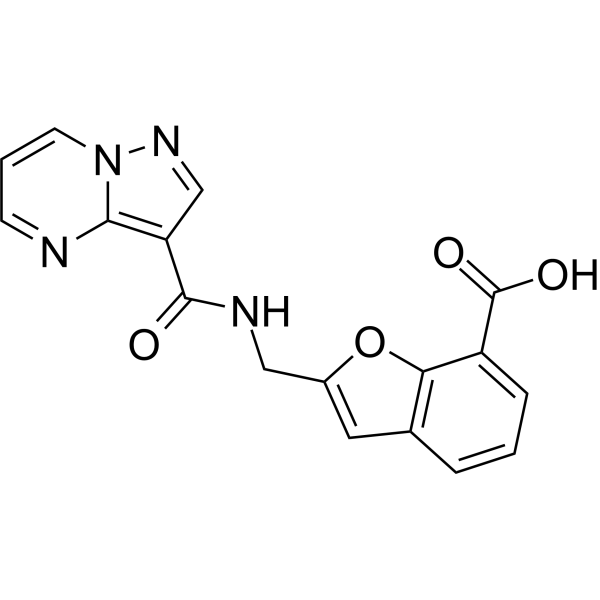
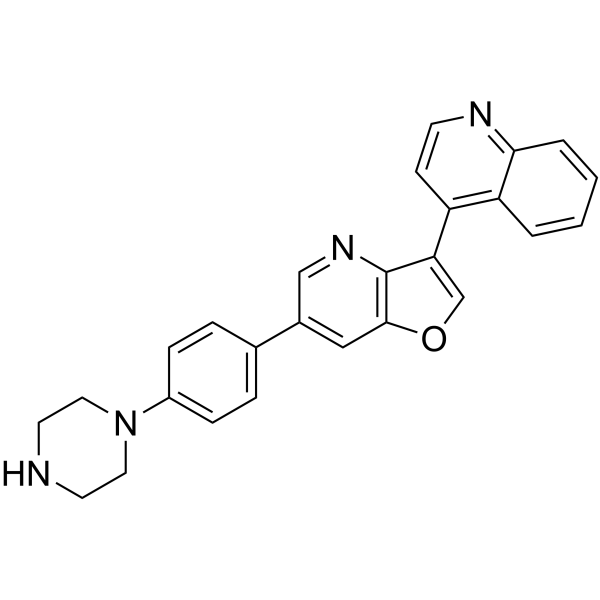
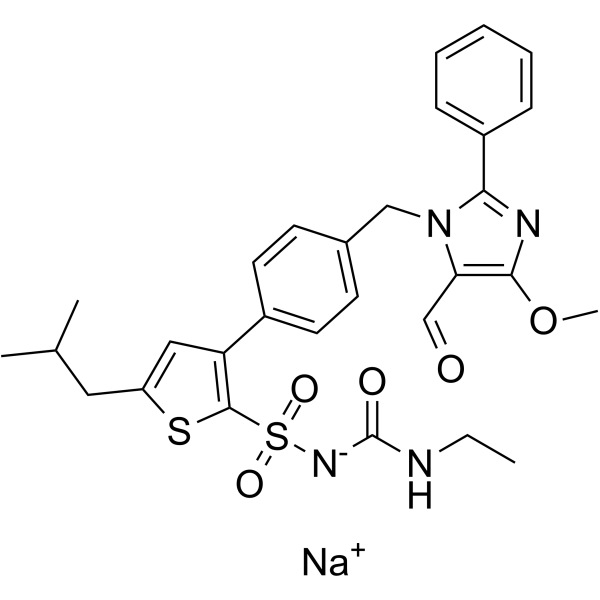
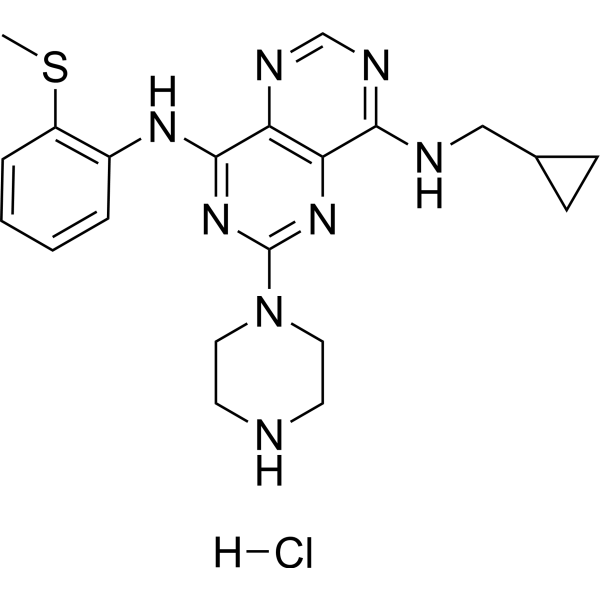
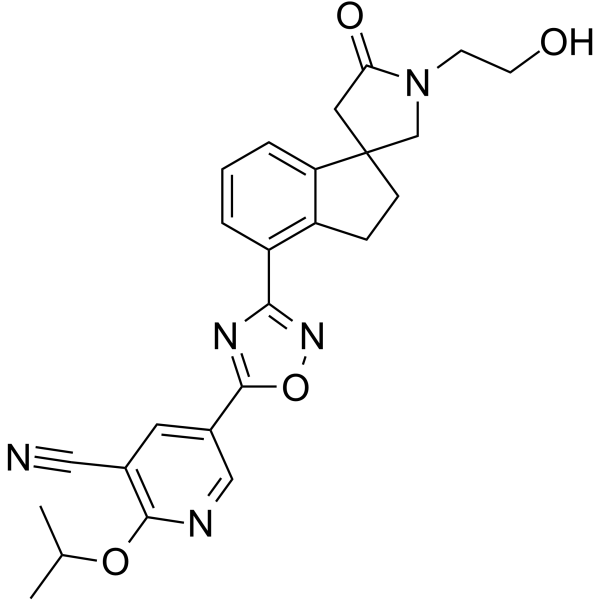
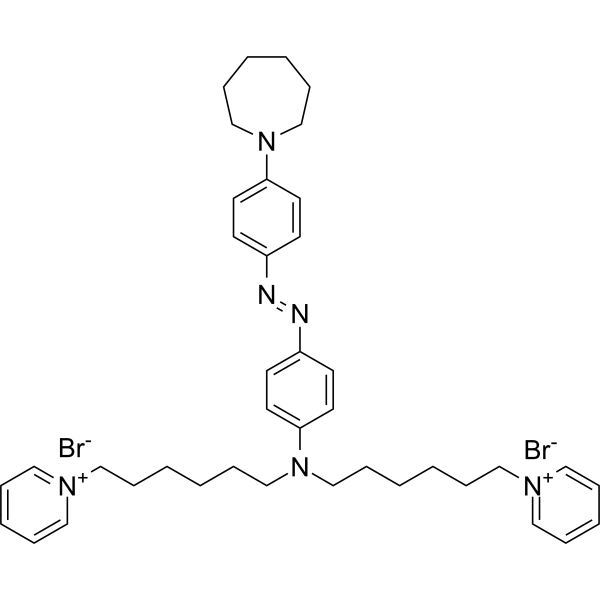
    IHR-1 is a cell membrane impermeable Smo antagonist .
    IHR-1
  • HY-W590676

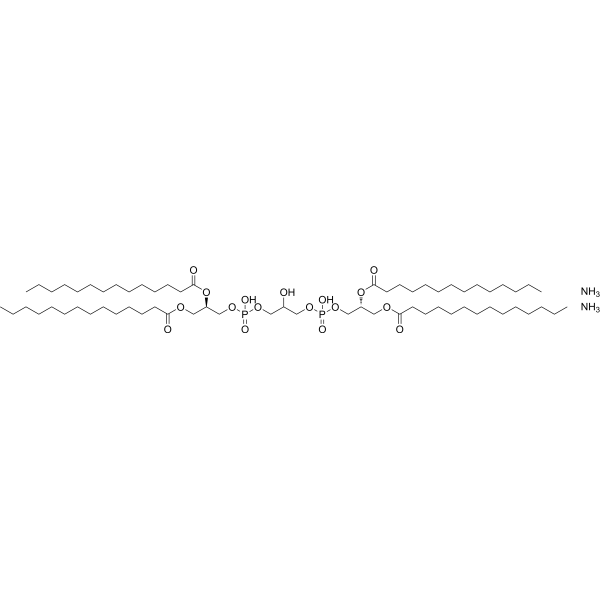
    TMCL diammonium

    Liposome Others
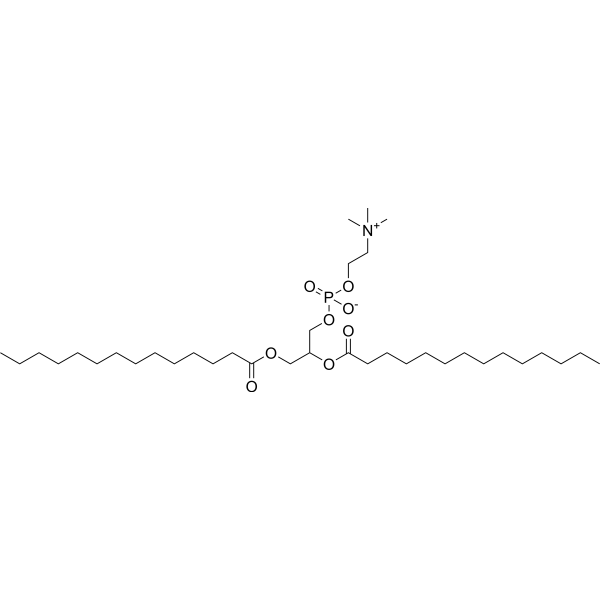
    Tetramyristoylcardiolipin (TMCL) is an anionic lipid. Tetramyristoylcardiolipin can be used to study cell membrane function and drug delivery .
    Tetramyristoylcardiolipin diammonium
  • HY-131058

    ADC Payload Cancer
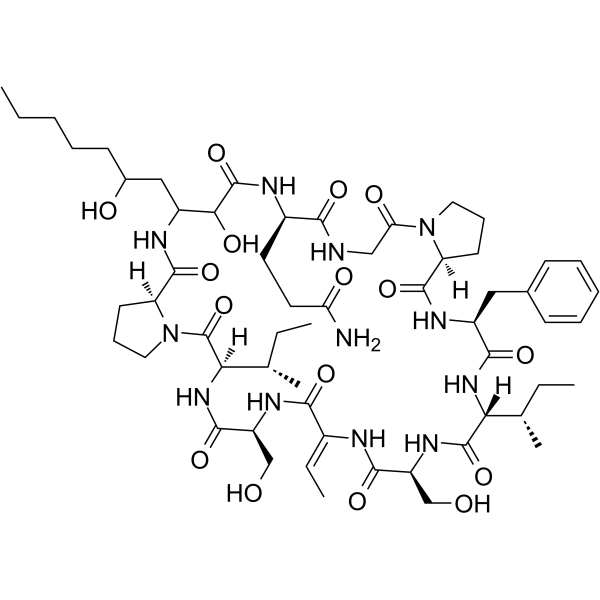
    Muscotoxin A is an ADC cytotoxin. Muscotoxin A is a cytotoxic lipopeptide that permeabilizes mammalian cell membranes and induces necrotic cell death .
    Muscotoxin A
  • HY-135745

    Environmental Pollutants Herbicide Others
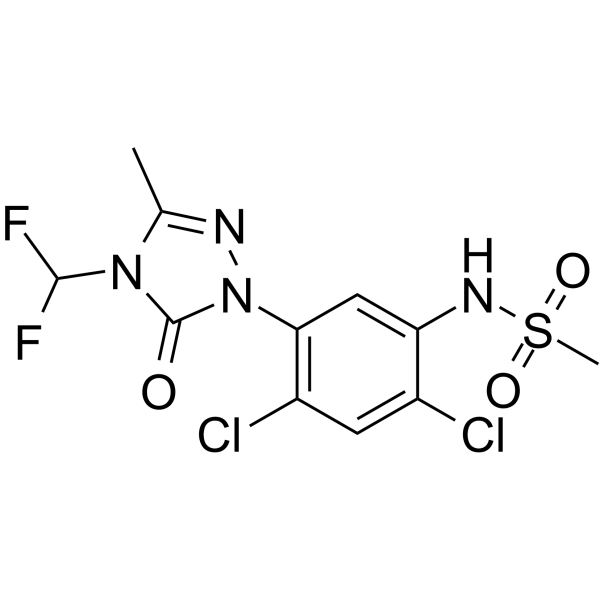
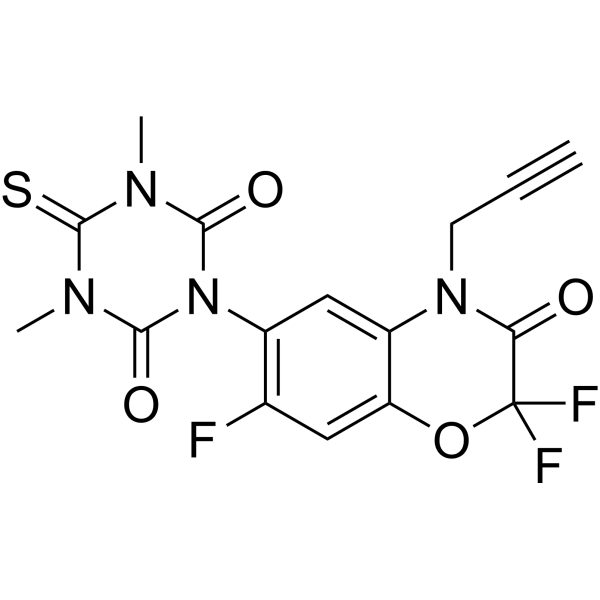
    Sulfentrazone is a phenyl triazolinone herbicide used for control of certain broadleaf and grass weed species. Sulfentrazone inhibits protoporphyrinogen oxidase, resulting in the disruption of lipid cell membranes .
    Sulfentrazone
  • HY-D1074

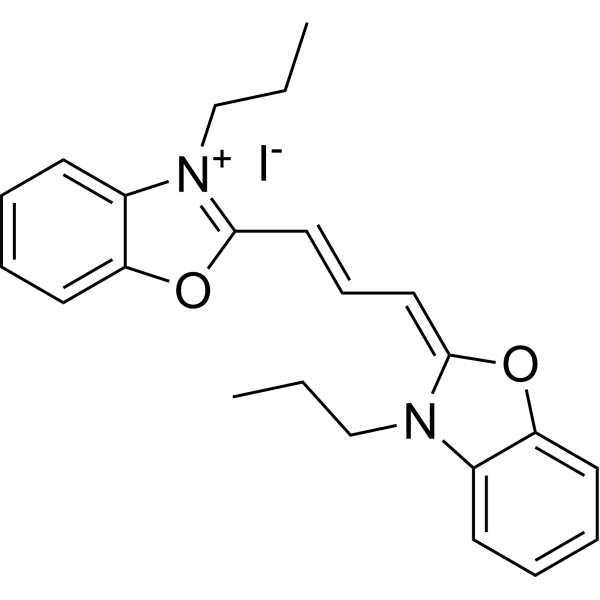
    3,3'-Dipropyloxacarbocyanine iodide

    Fluorescent Dye Others
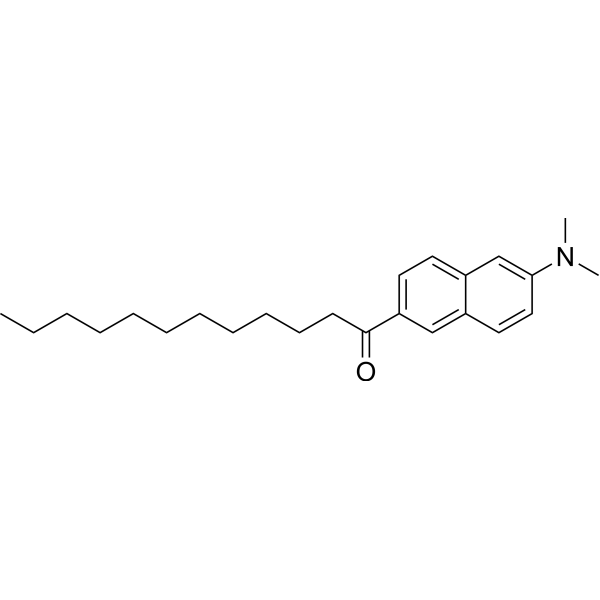
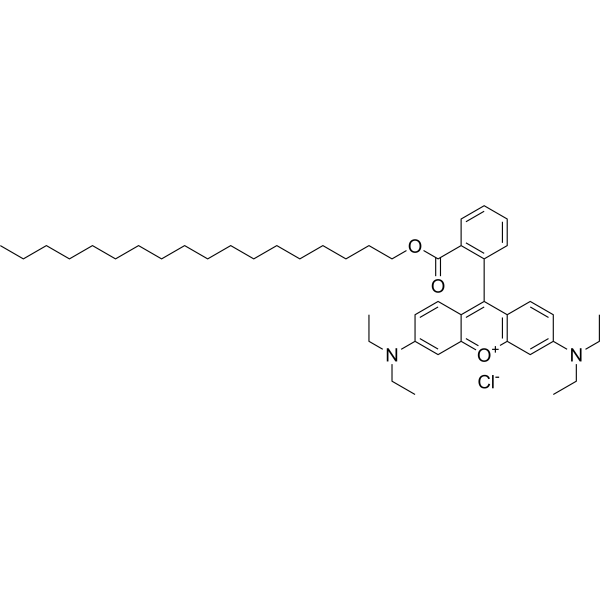
    DiOC3(3) (3,3'-Dipropyloxacarbocyanine iodide) is a green fluorescent lipophilic dye with cell membrane permeability. DiOC3(3) can be used to stain cell membranes and other lipid-soluble biological structures .
    DiOC3(3)
  • HY-159666

    Antibiotic Fungal Infection
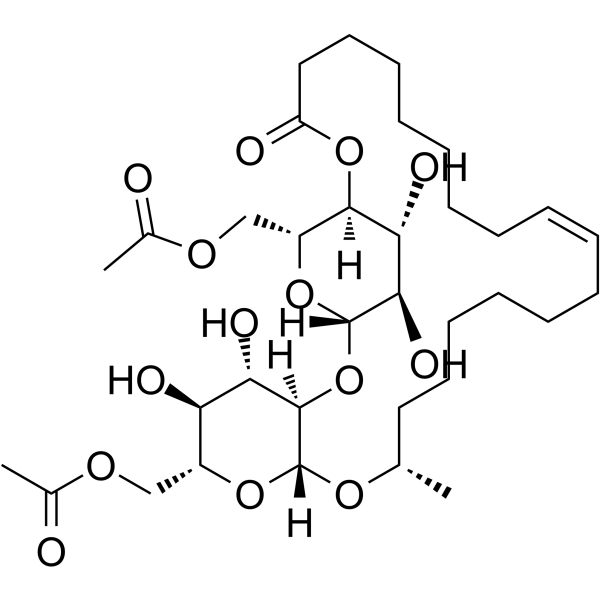
    Nystatin A1 is a polyene macrolide antifungal antibiotic that can be isolated from Streptomyces noursei. Nystatin A1 binds to ergosterol on the fungal cell membrane, increasing the permeability of the cell membrane and causing leakage of cell contents, thereby inhibiting the growth and reproduction of fungi .
    Nystatin A1
  • HY-171796

    Fungal Infection
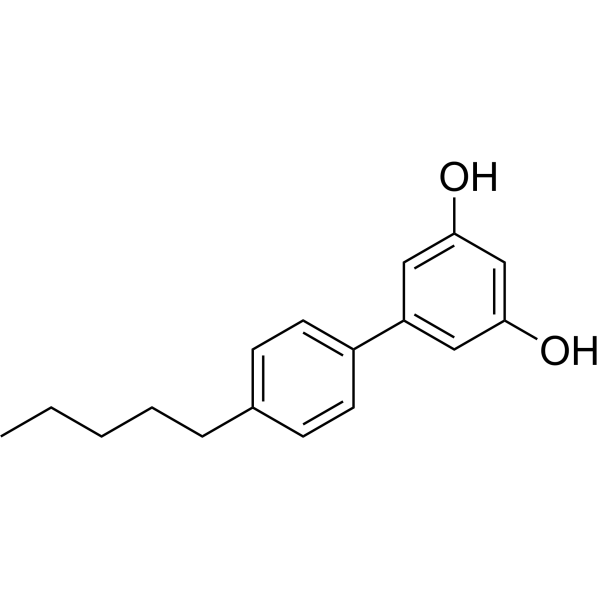
    Bromomonilicin is a selective fungal cell membrane inhibitor. Bromomonilicin exerts antifungal activity by disrupting fungal cell membrane integrity. Bromomonilicin is promising for research of plant pathogenic fungal infections (e.g., Monilinia fructicola-induced brown rot) and superficial mycoses (e.g., dermatophyte infections) .
    Bromomonilicin
  • HY-156252

    Fungal Infection
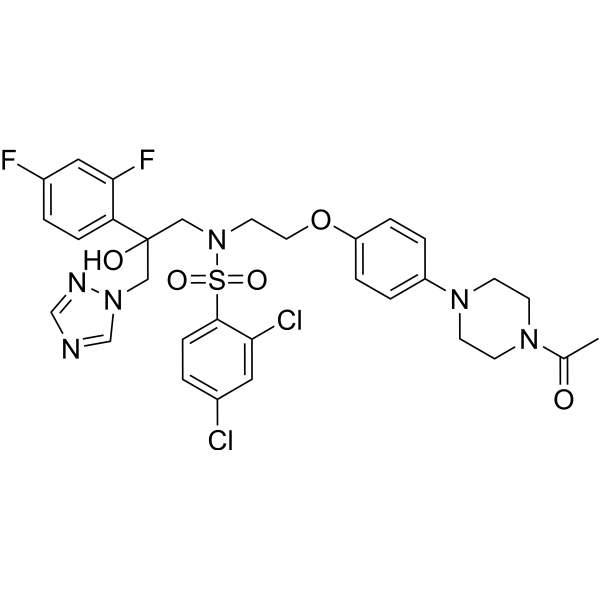
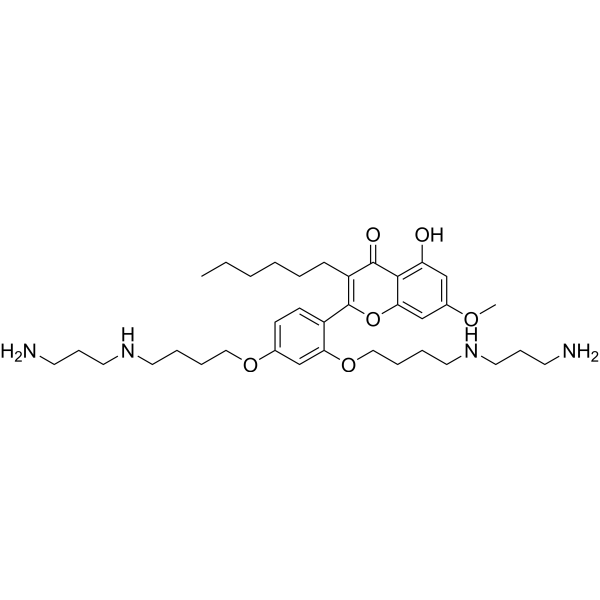
    Antifungal agent 75 (compound 6r) is a potent antifungal agent against Candida albicans. Antifungal agent 75 significantly inhibits the formation of C. albicans biofilm, increases the permeability of the cell membrane, reduces the ergosterol level of the cell membrane, damages the membrane structure, and destroys the integrity of the cell structure to exert excellent antifungal activity .
    Antifungal agent 75
  • HY-105048A

    Bacterial Infection
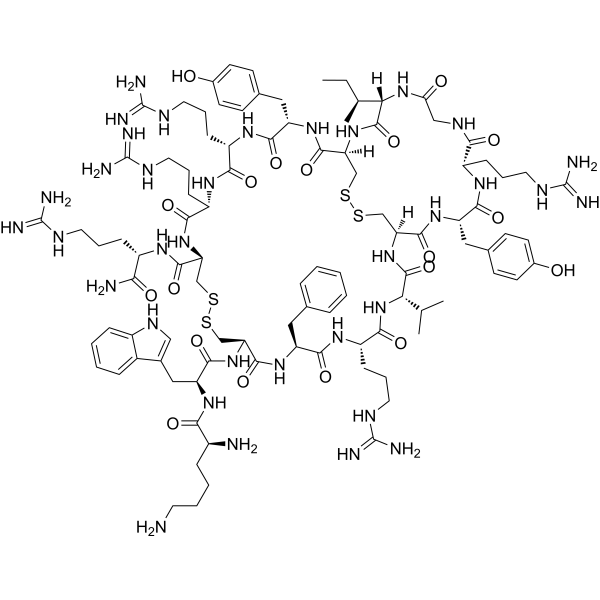
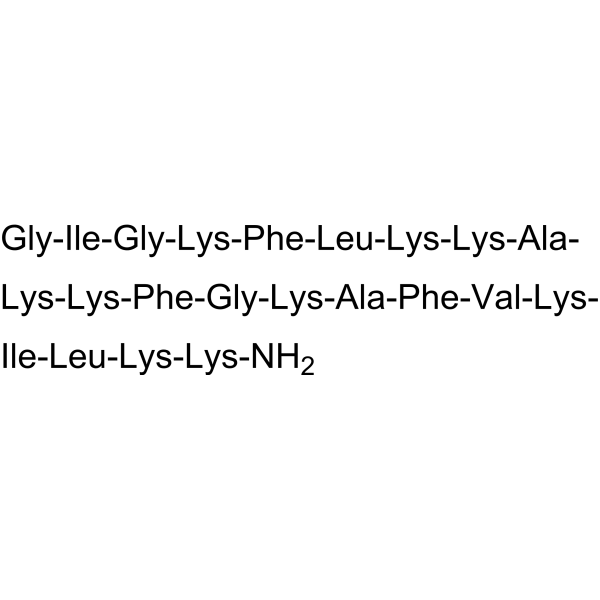
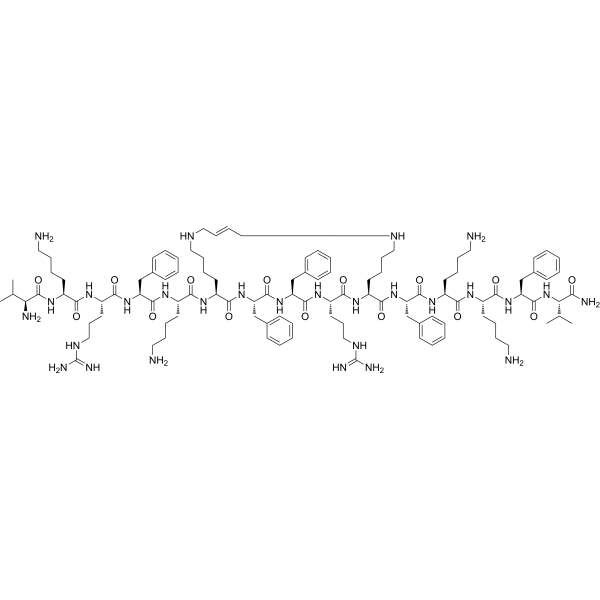
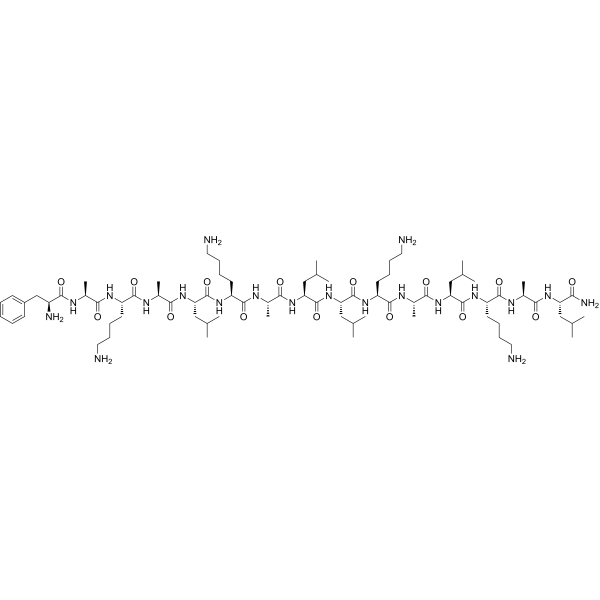
    Omiganan pentahydrochloride is a cationic peptide compound with a broad antibacterial profile. Omiganan pentahydrochloride is capable of inhibiting a variety of bacteria, including yeast, and is active against both gram-positive and gram-negative bacteria. Omiganan pentahydrochloride is able to interact with the bacterial cell membrane, causing the destruction of the cell membrane and the death of the bacteria. Omiganan pentahydrochloride can be used for the study of antimicrobial activity against pathogens commonly associated with catheter-associated infections, including strains with drug-resistant phenotypes .
    Omiganan pentahydrochloride
  • HY-B1248A

    Antibiotic Bacterial Necroptosis Apoptosis Infection
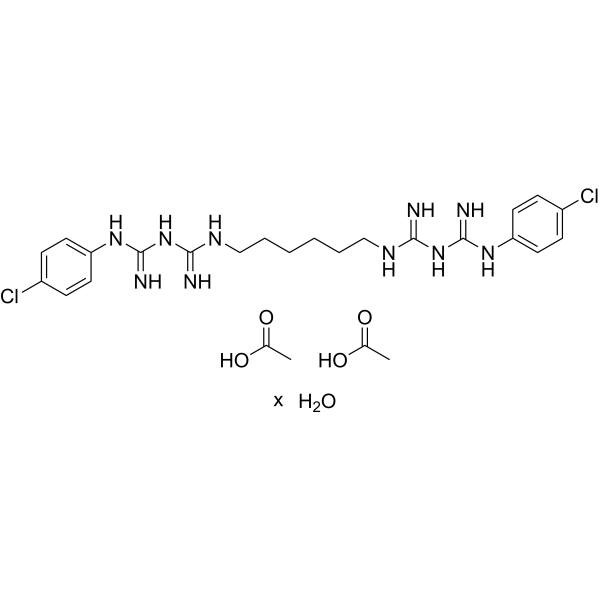
    Chlorhexidine acetate hydrate is a orally active cationic antimicrobial agent that targets microbial cell membranes. Chlorhexidine acetate hydrate binds to cell membrane phospholipids non-specifically, destroys membrane structure and induces leakage of cell contents. Chlorhexidine acetate hydrate has broad-spectrum bactericidal activity against both Gram-positive and Gram-negative bacteria. Chlorhexidine acetate hydrate can interfere with membrane permeability, cause protein precipitation and energy metabolism disorders, such as rapid inhibition of microbial growth and induction of cell death (necrosis or apoptosis) .
    Chlorhexidine acetate hydrate

Inquiry Online

Your information is safe with us. * Required Fields.

Salutation


Country or Region *

Applicant Name *


Organization Name *

Department *


Email Address *


Product Name *

Cat. No.


Requested quantity *

Phone Number *


Remarks

Inquiry Online

Inquiry Information

Product Name:
Cat. No.:
Quantity:
MCE Japan Authorized Agent: