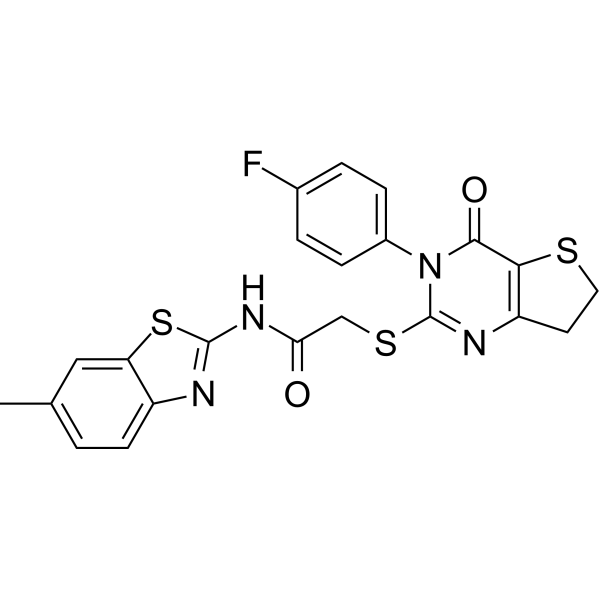
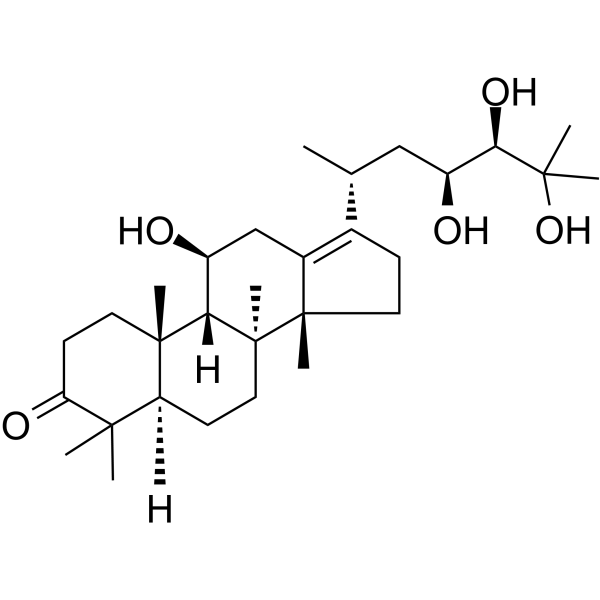
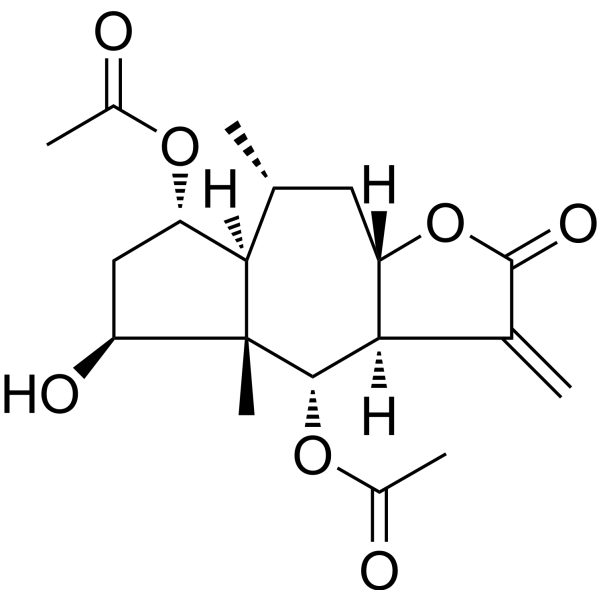
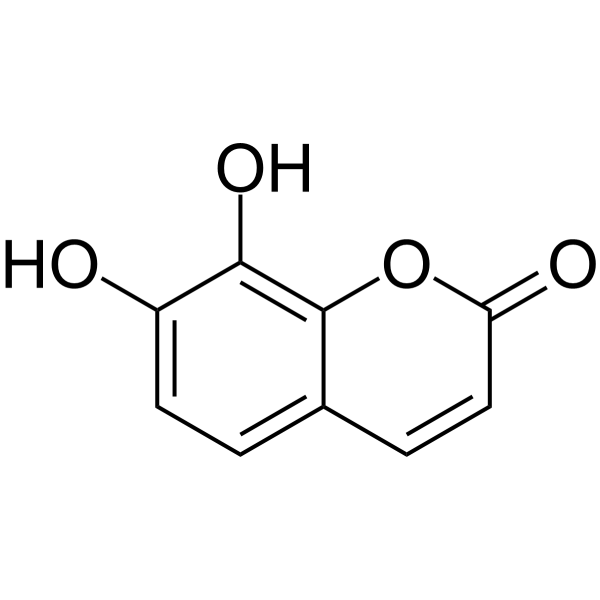
1. Search Result
Search Result
Results for "

AMPK-α1/2 DKO MEFs

" in MedChemExpress (MCE) Product Catalog:

566

Inhibitors & Agonists

5

Screening Libraries

8

Fluorescent Dyes

20

Biochemical Assay Reagents

23

Peptides

184

Natural
Products

11

Recombinant Proteins

35

Isotope-Labeled Compounds

30

Antibodies

17

Oligonucleotides

2

GMP Molecules

Targets Recommended:
Cat. No. Product Name Target Research Areas Chemical Structure
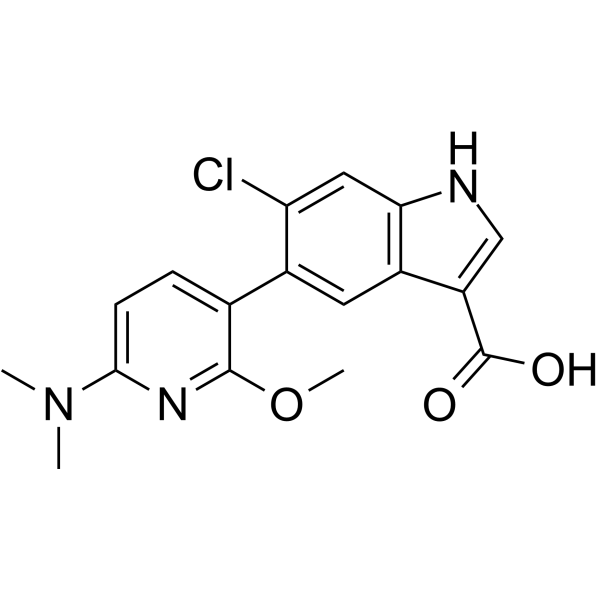
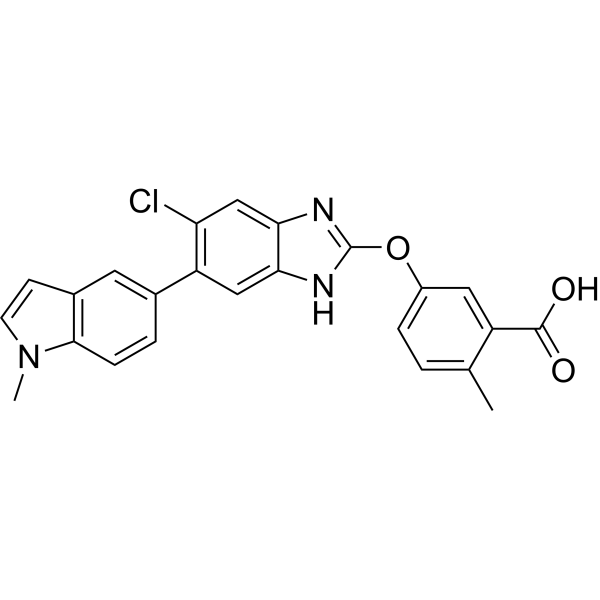
  • HY-50662
    A-769662
    40+ Cited Publications

    AMPK Metabolic Disease
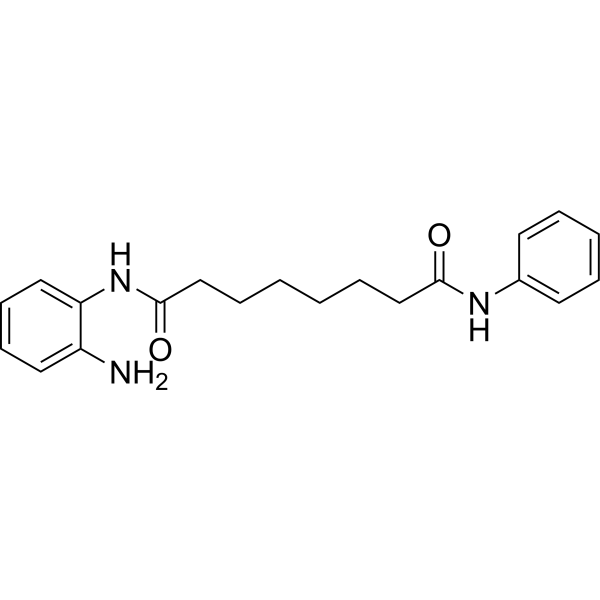
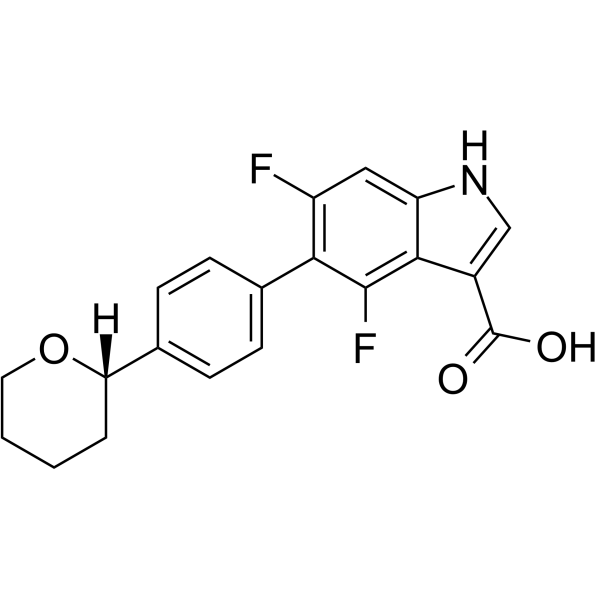
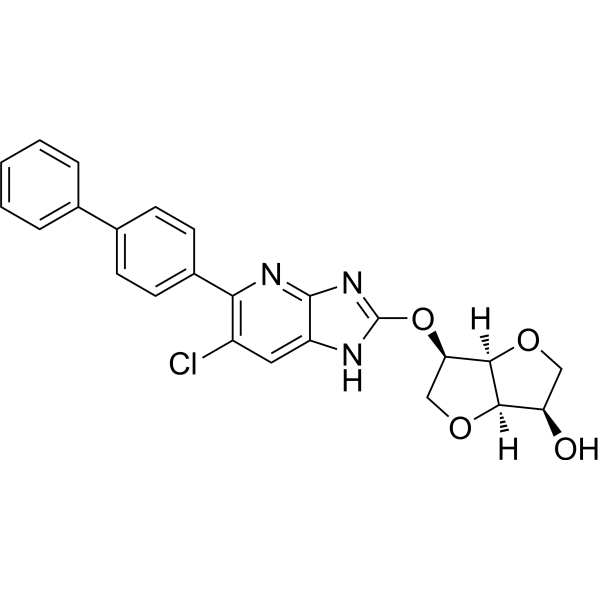
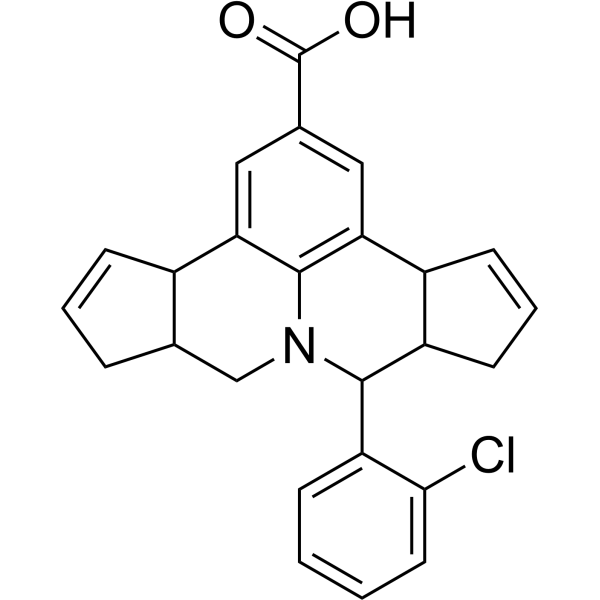
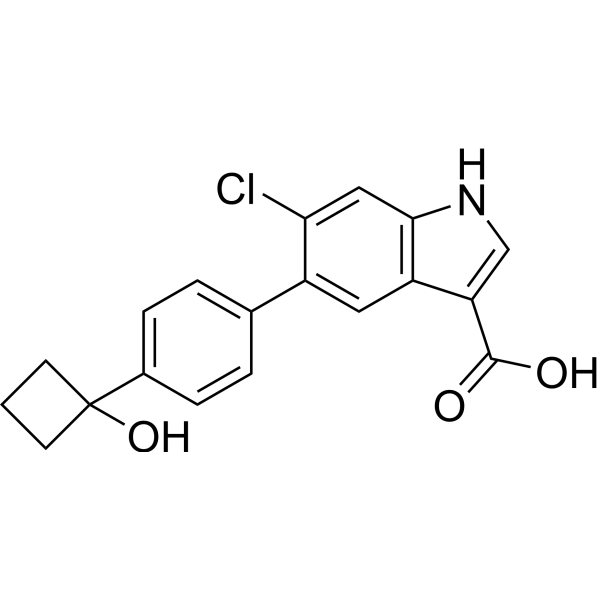
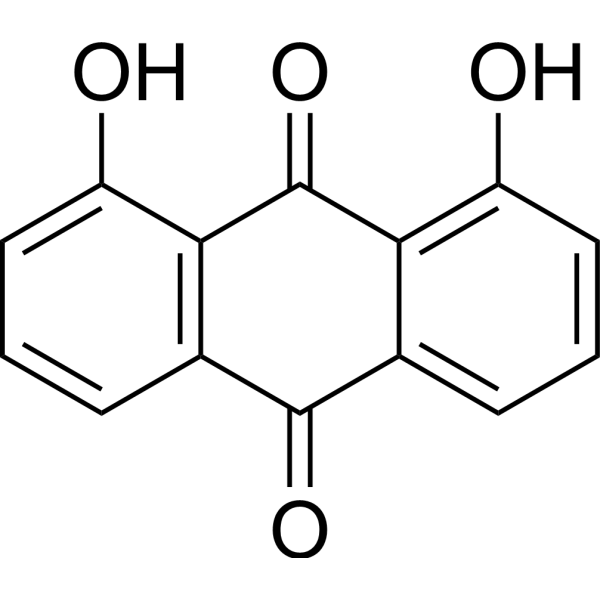
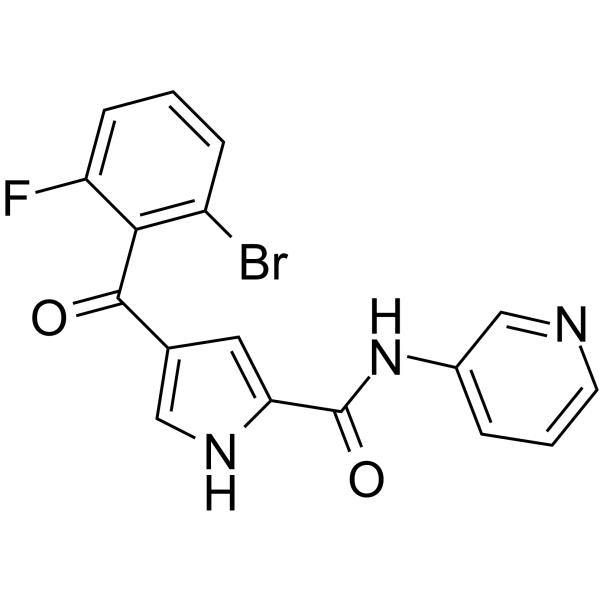
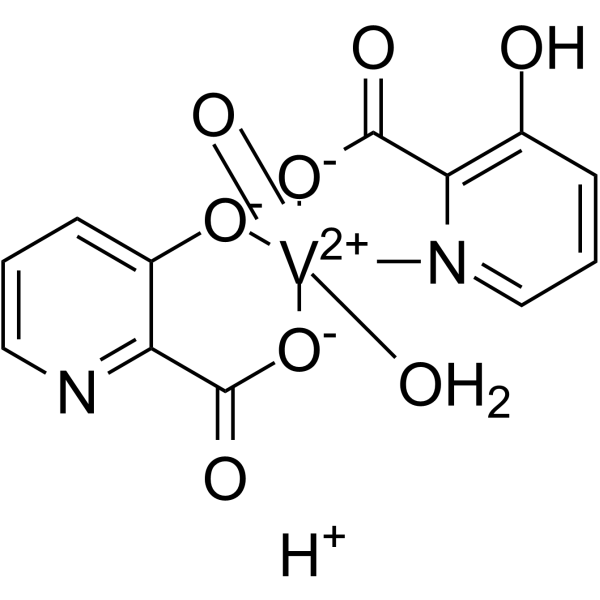
    A-769662 is a AMP-activated protein kinase (AMPK) activator. A-769662 inhibits the function of the 26S proteasome by an AMPK-independent mechanism and leads to cell cycle arrest. A-769662 directly stimulates partially purified rat liver AMPK (EC50 = 0.8 μM) and inhibits fatty acid synthesis in primary rat hepatocytes (IC50 = 3.2 μM). A-769662 can alleviate the symptoms of metabolic diseases such as type 2 diabetes .
    A-769662
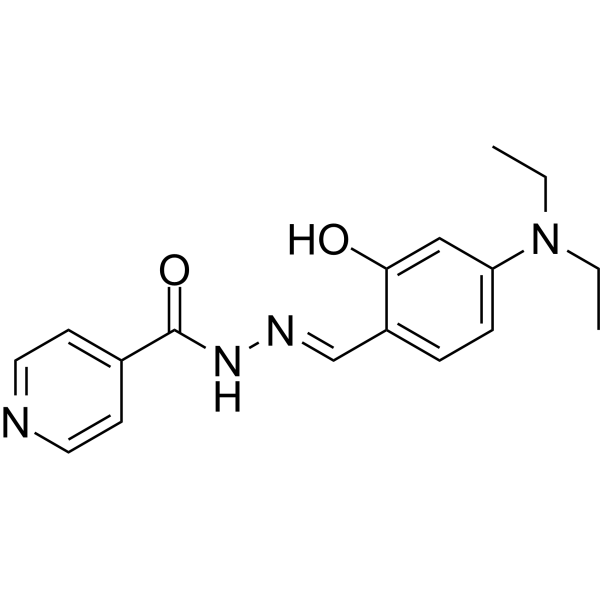
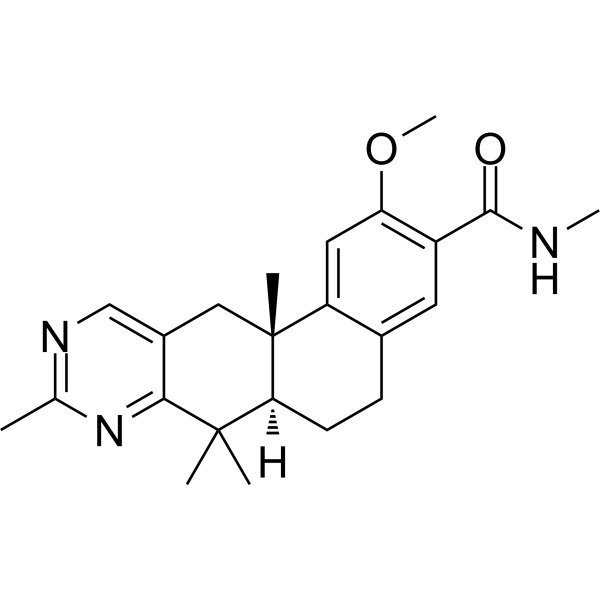
  • HY-W187305
    MASM7
    5 Publications Verification

    Mitochondrial Metabolism Others
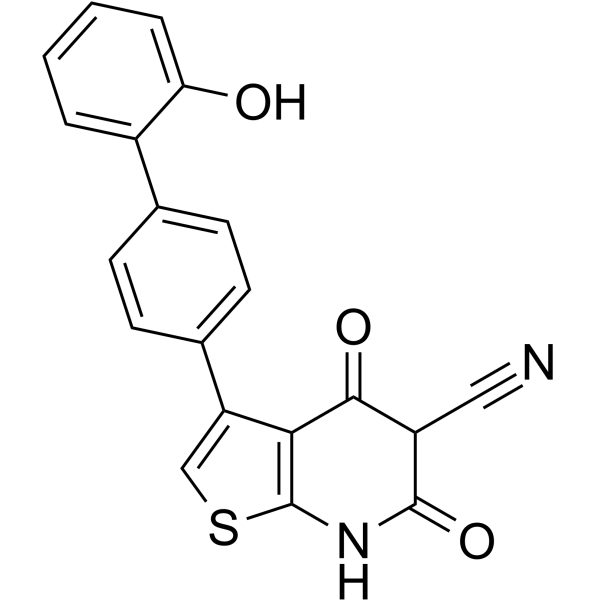
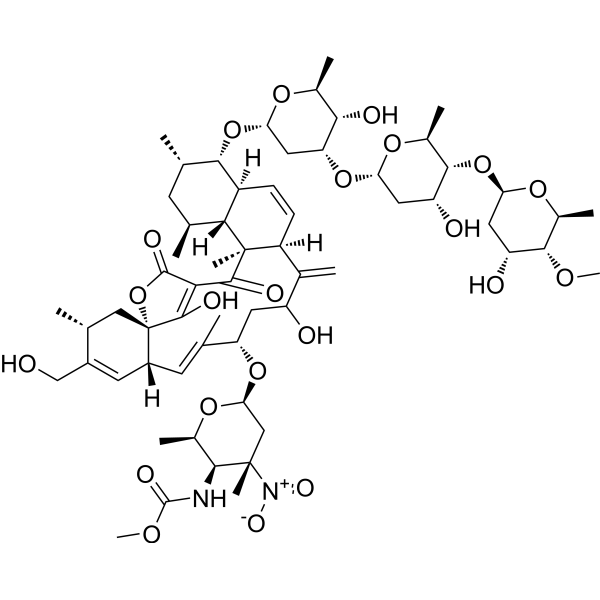
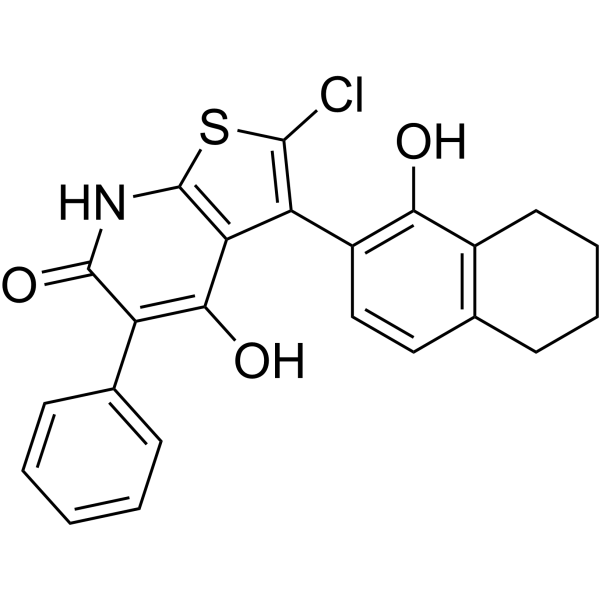
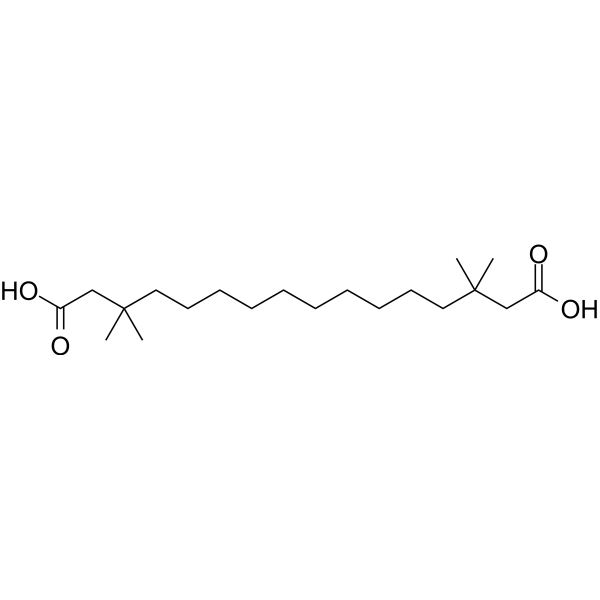
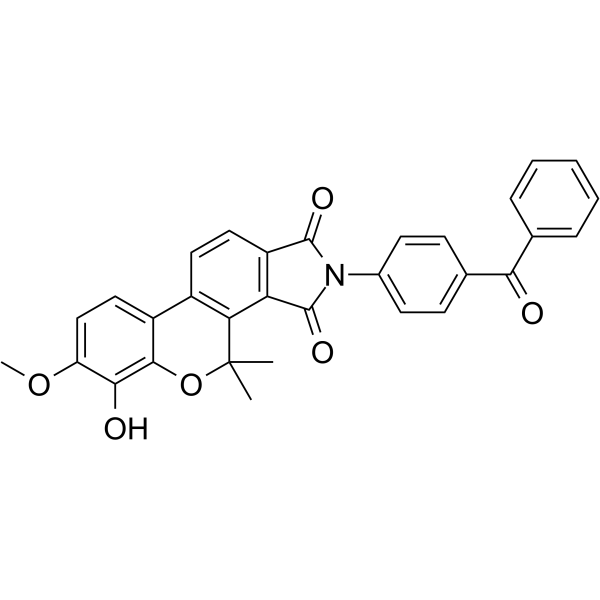
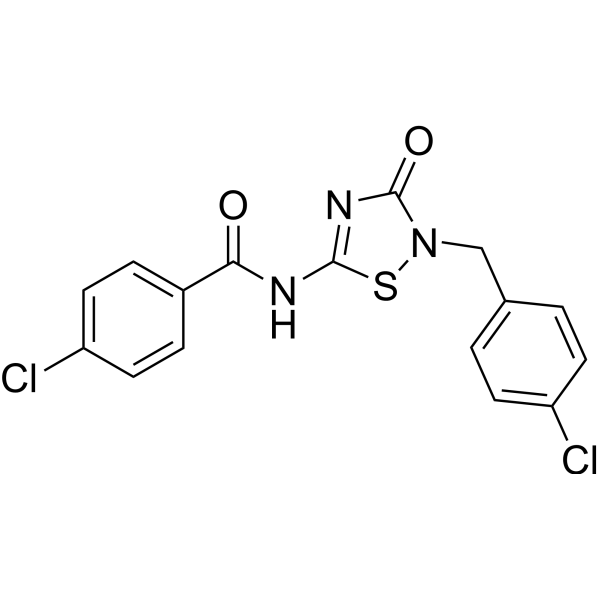
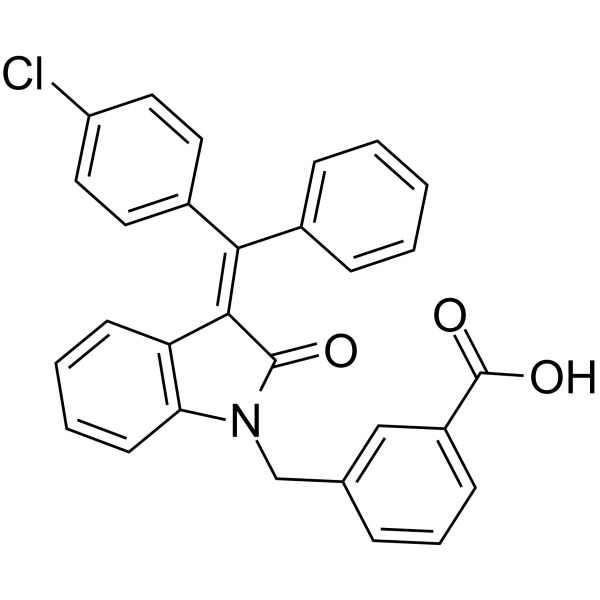
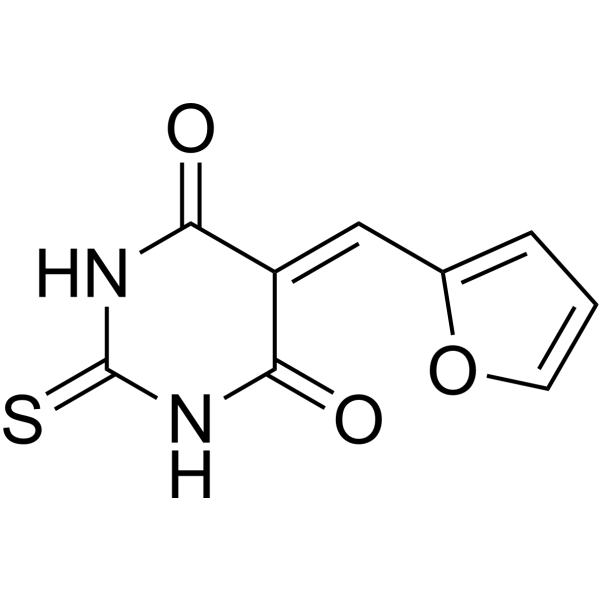
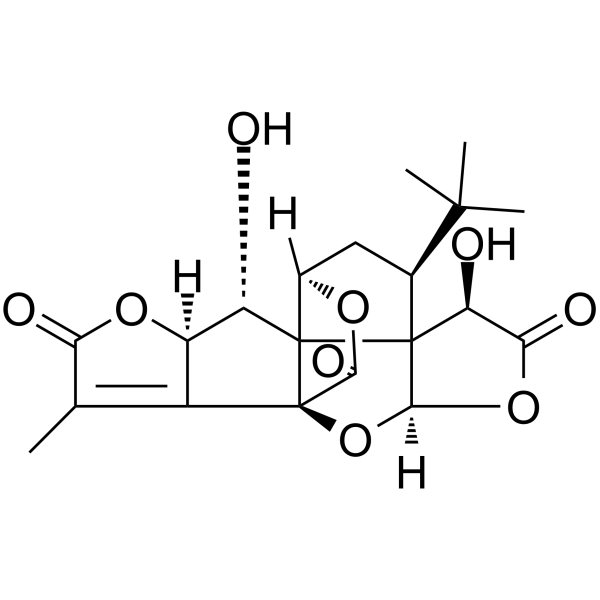
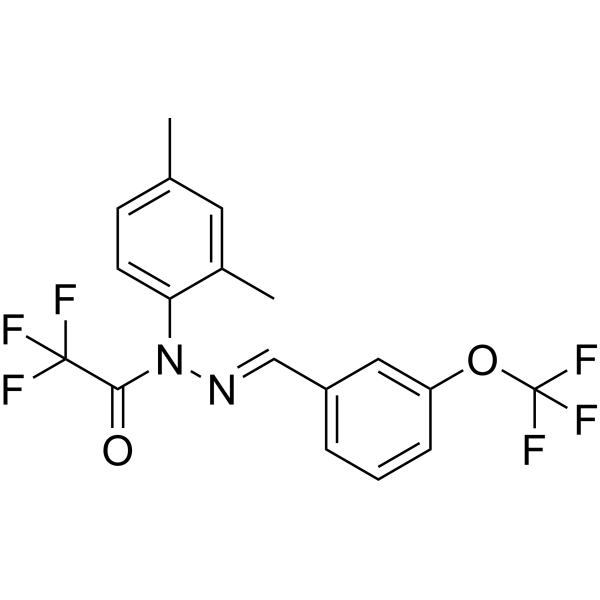
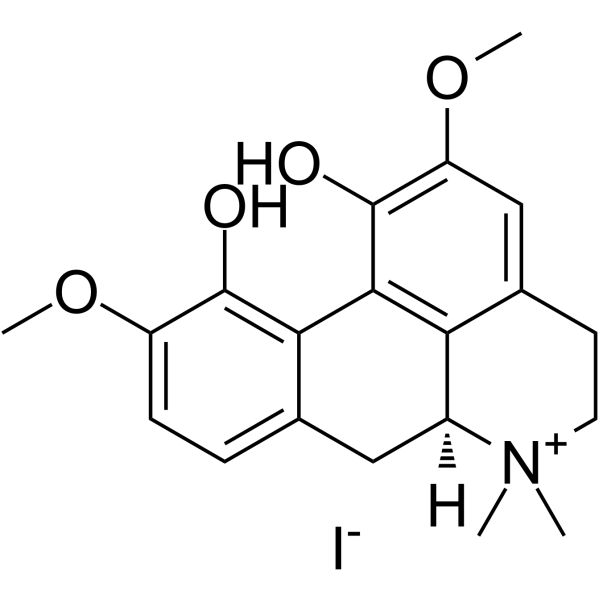
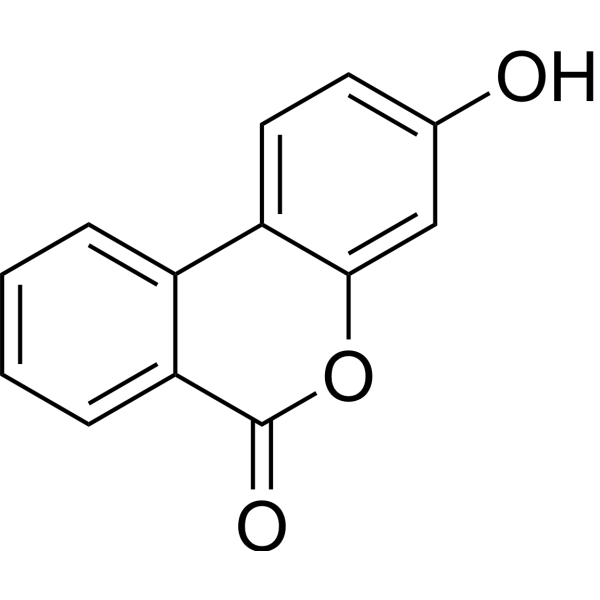
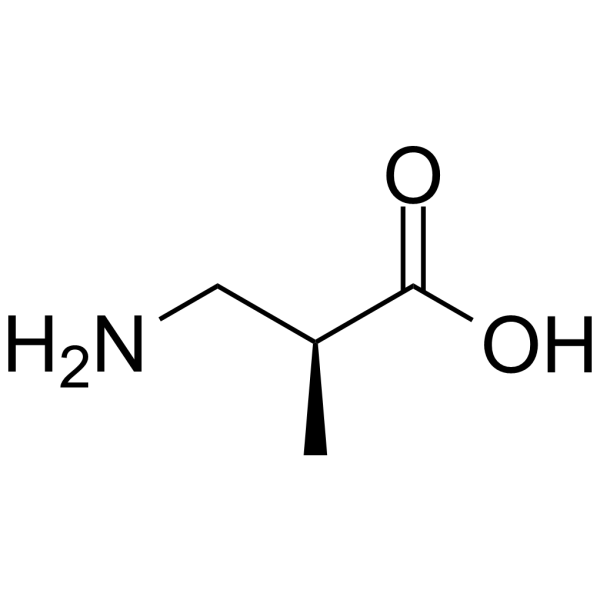
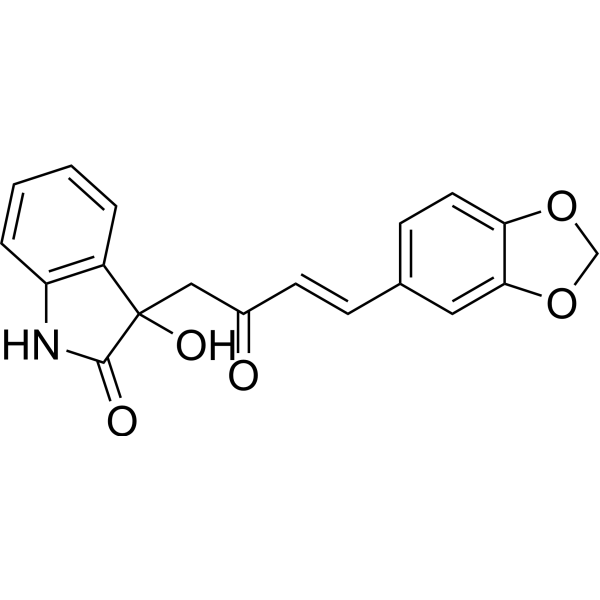
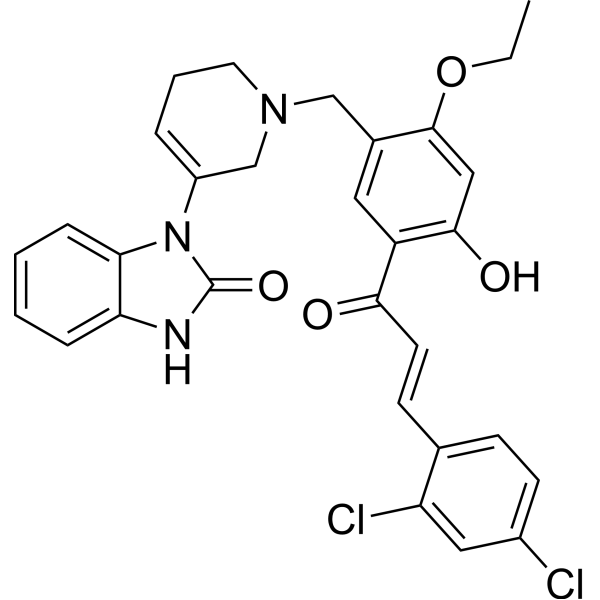
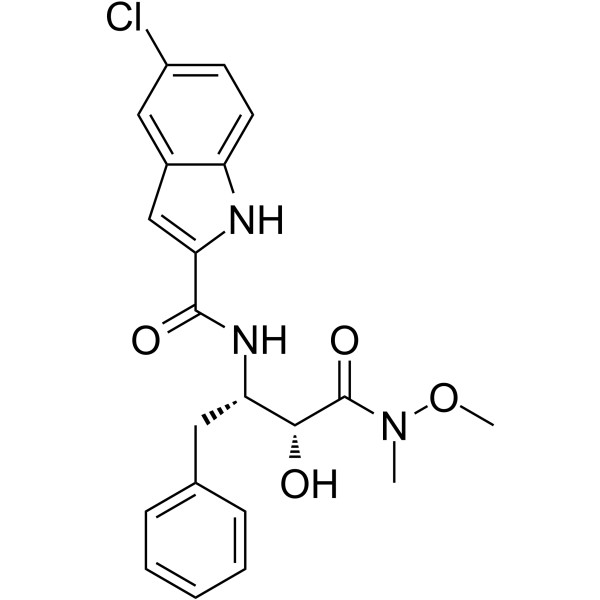
    MASM7 is a mitofusin activator, and can achieve mitochondrial fusion via mitofusins. MASM7 can increase Mito AR with an EC50 value of 75 nM in MEFs in concentration-responsively, and can promote mitochondrial fusion by directly activating MFN2 or MFN. MASM7 also demonstrates direct binding to the HR2 domain of MFN2 with Kd value of 1.1 μM .
    MASM7
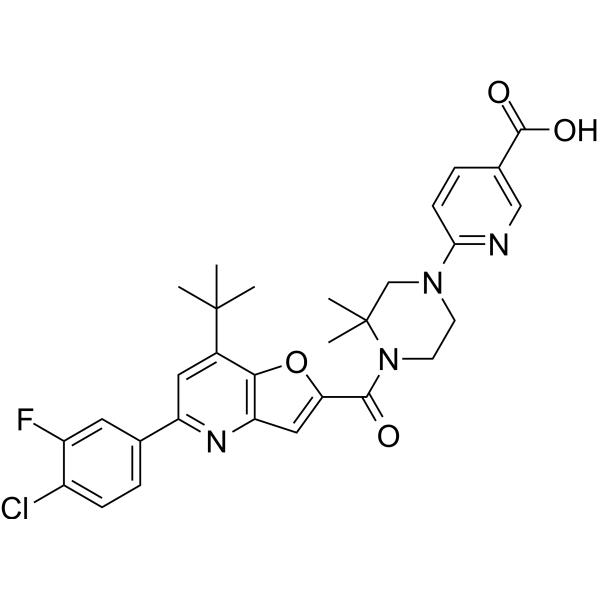
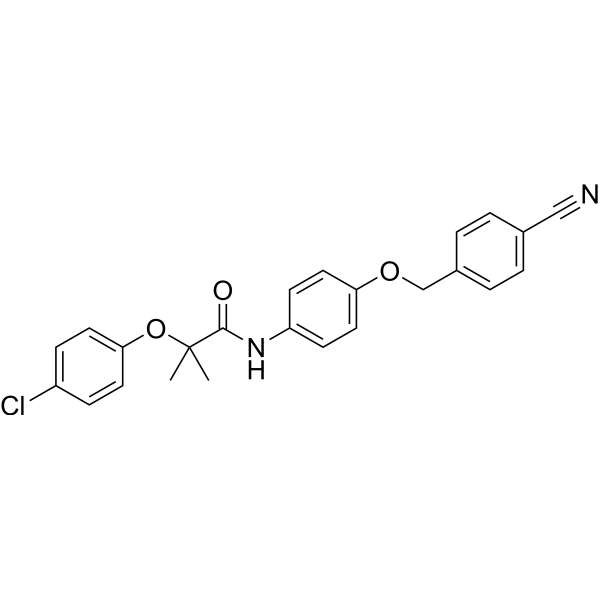
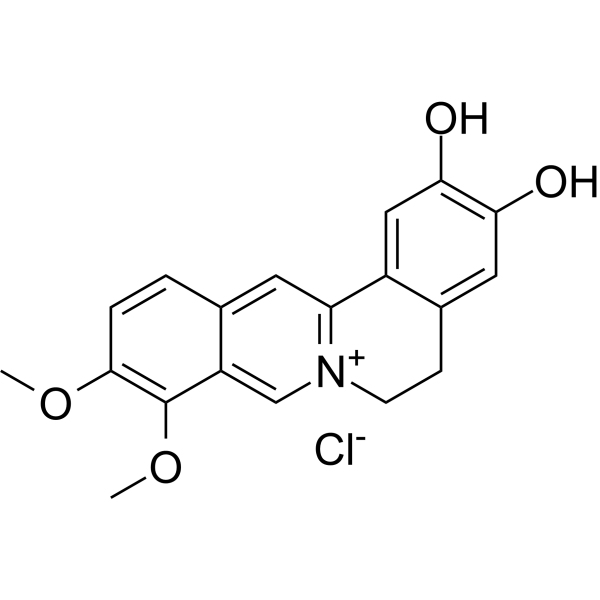
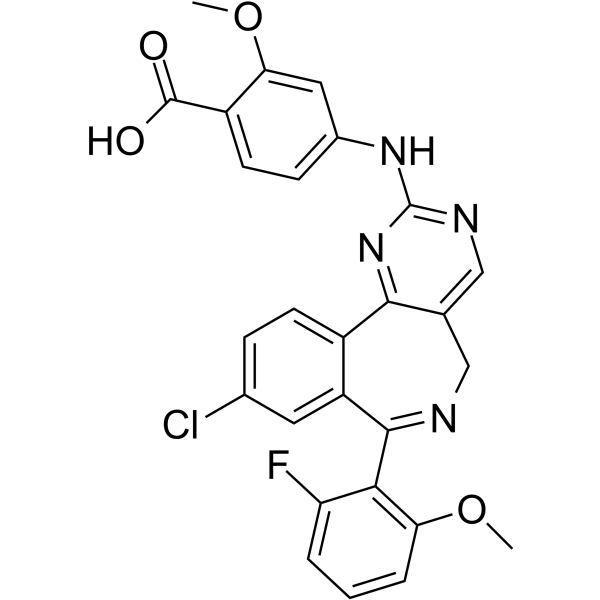
  • HY-151361
    AMPK-IN-3
    5 Publications Verification

    AMPK Cancer
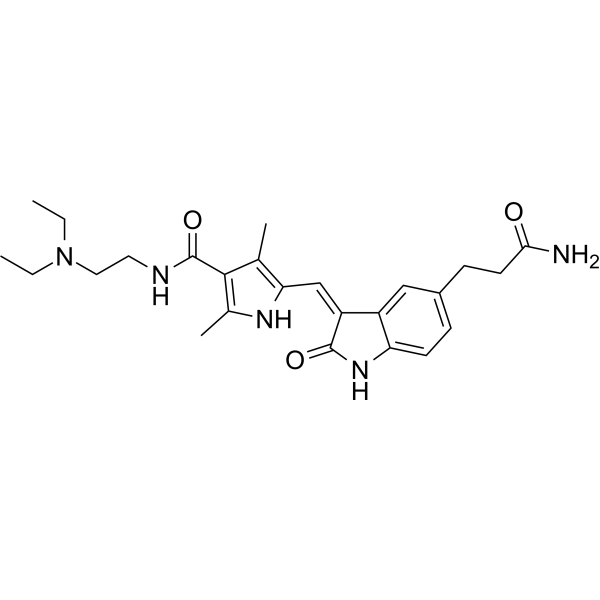
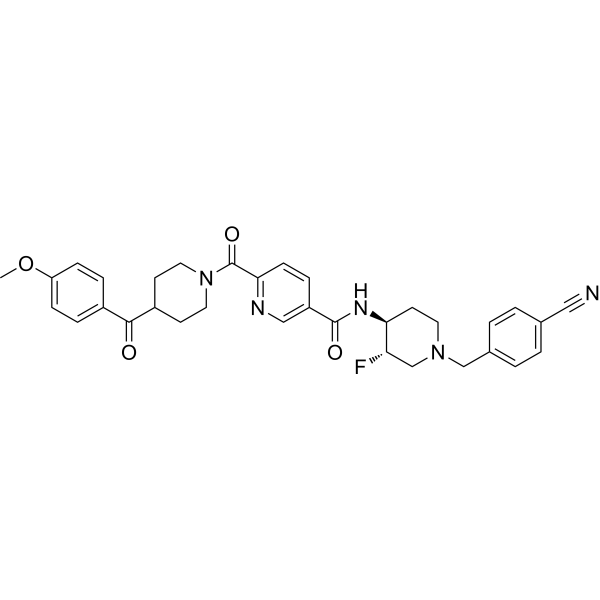
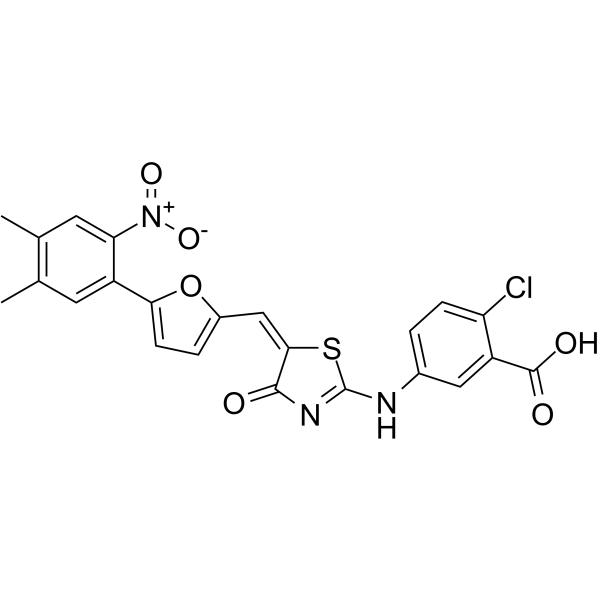
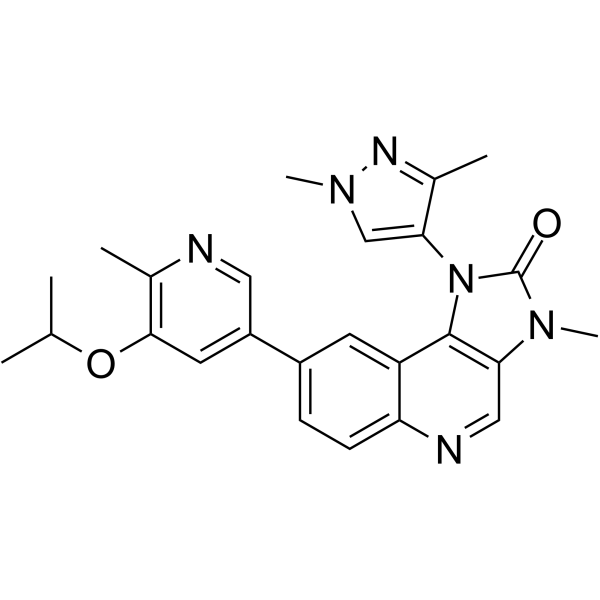
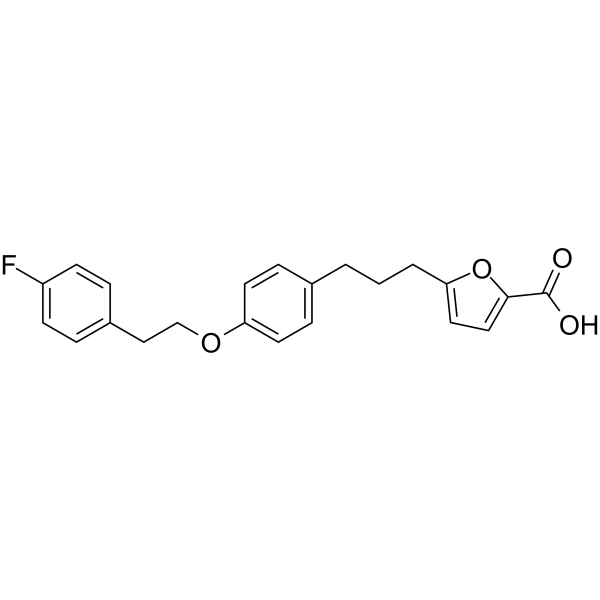
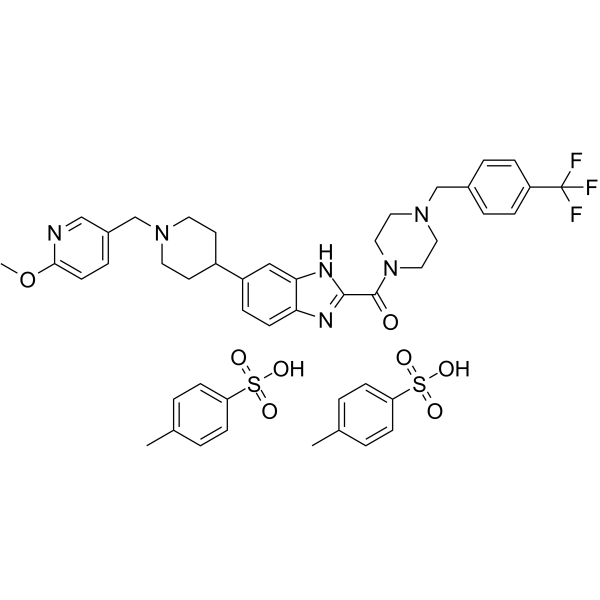
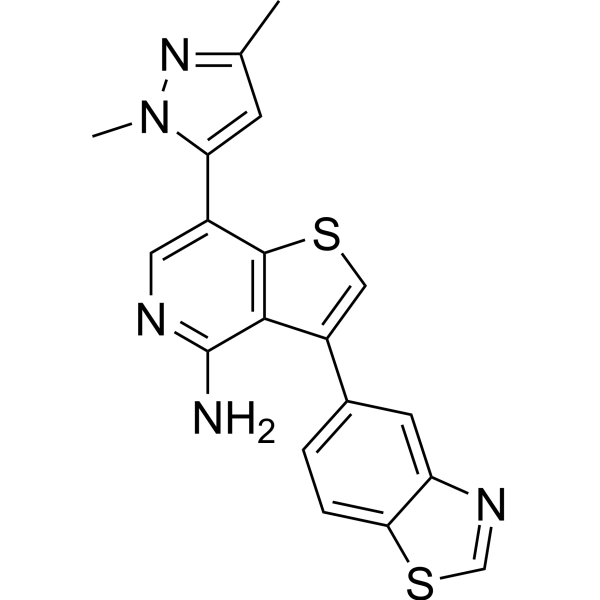
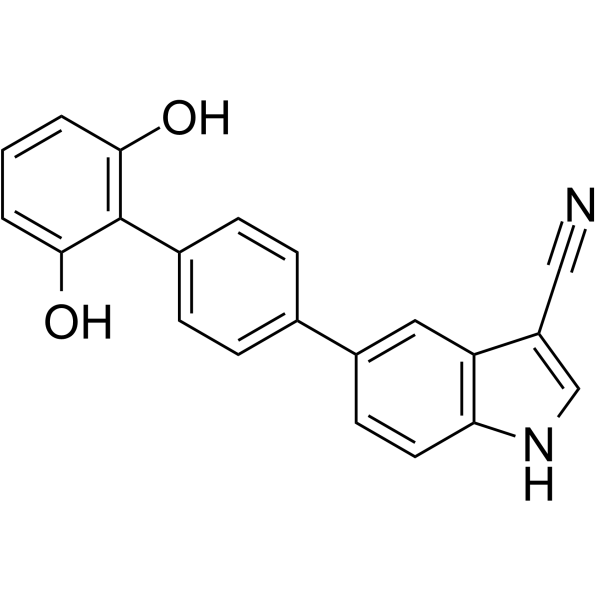
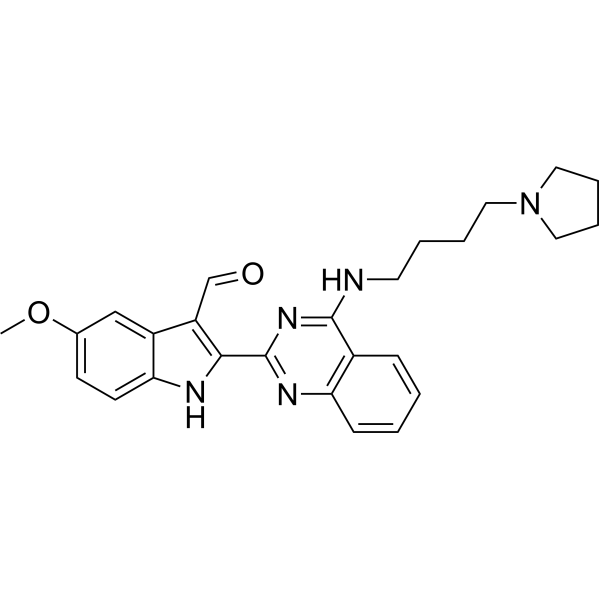
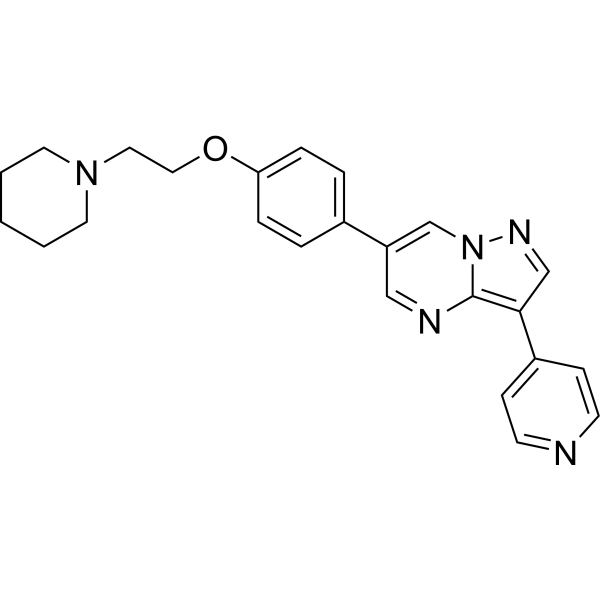
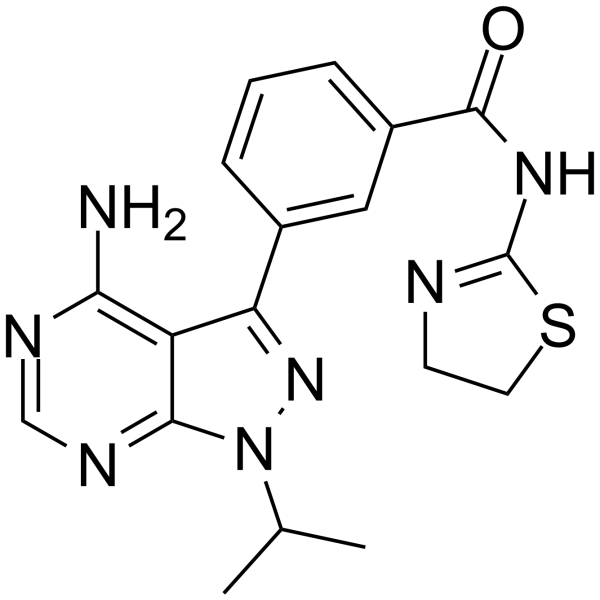
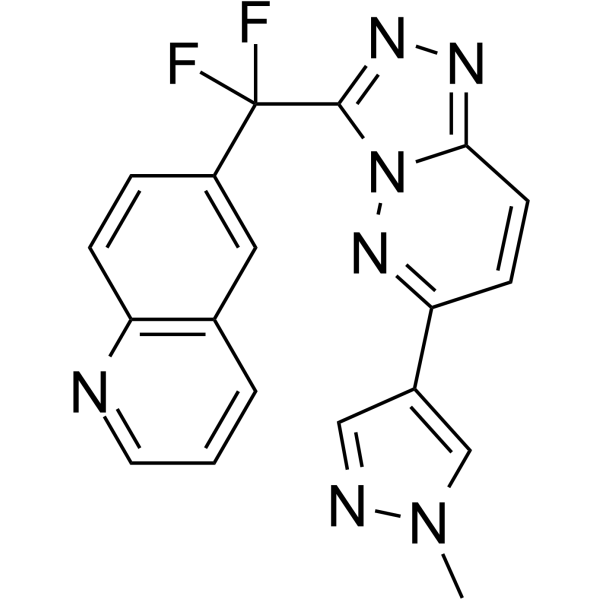
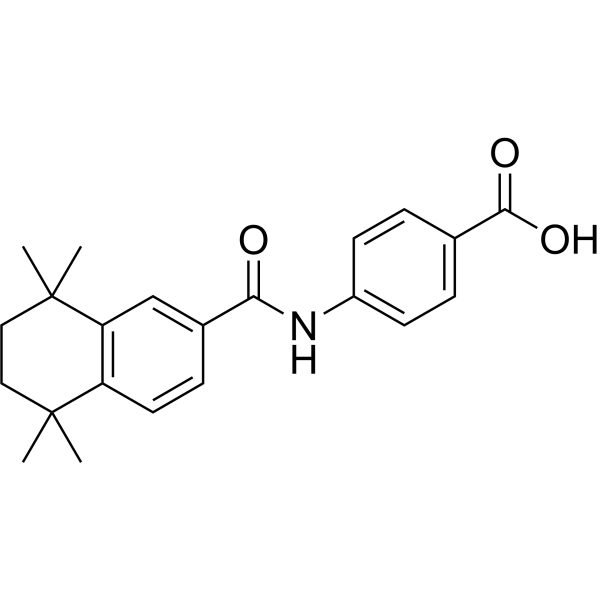
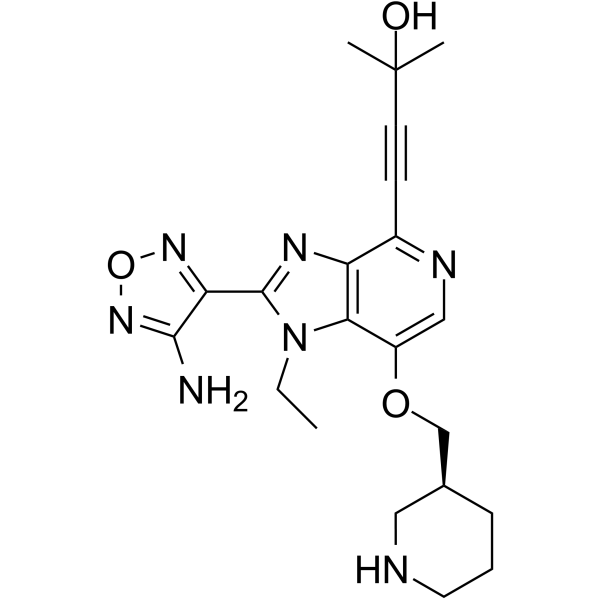
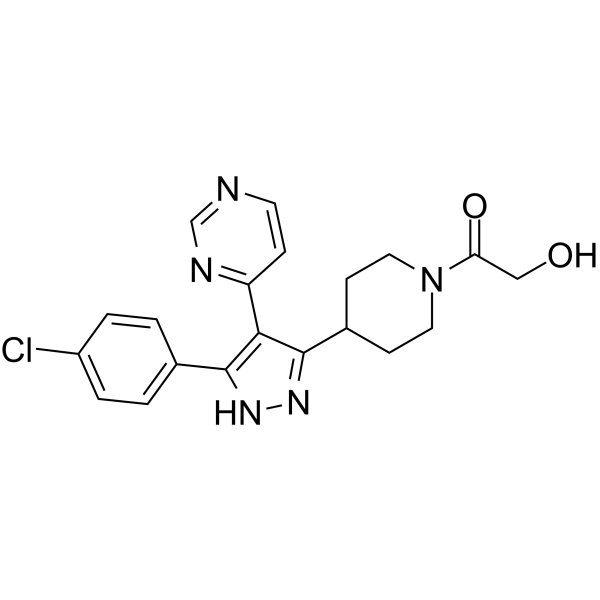
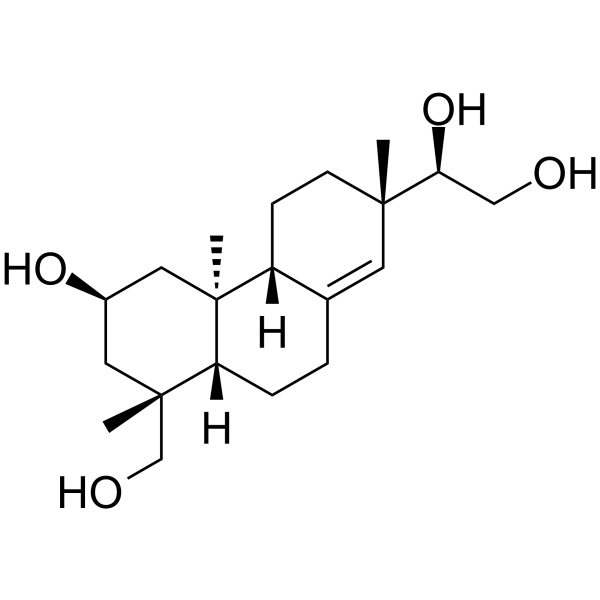
    AMPK-IN-3 (compound 67) is a potent and selective AMPK inhibitor with IC50s of 60.7, 107 and 3820 nM for AMPK (α2), AMPK (α1) and KDR, respectively. AMPK-IN-3 inhibits AMPK does not affect cell viability or cause significant cytotoxicity in K562 cells. AMPK-IN-3 can be used in study of cancer .
    AMPK-IN-3
  • HY-30216A

    α-Hydroxyisocaproic acid

    Drug Metabolite Hydroxycarboxylic Acid Receptor (HCAR) AMPK ERK Metabolic Disease Inflammation/Immunology
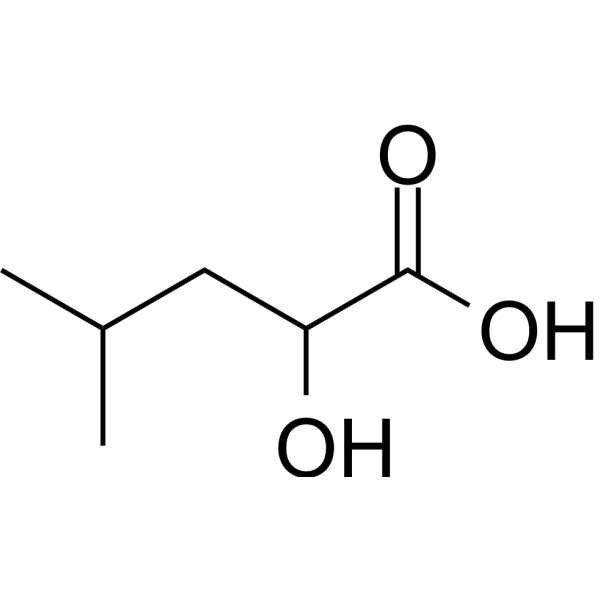
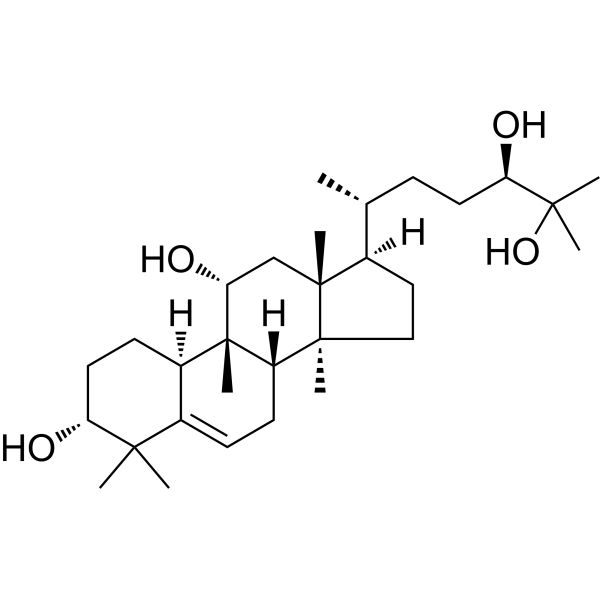
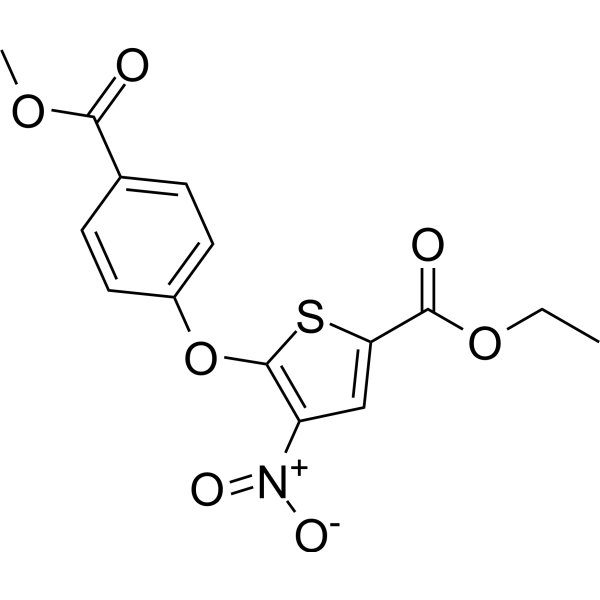
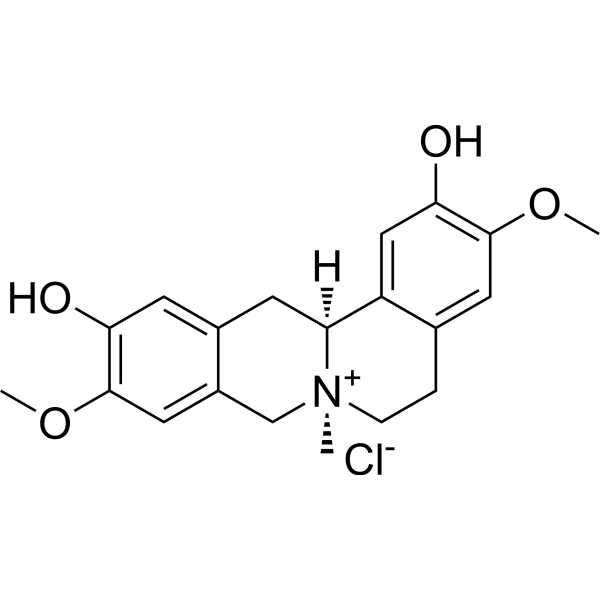
    Leucic acid (α-Hydroxyisocaproic acid) is an orally active end-product of the microbial metabolism of leucine. Leucic acid can bind to HCAR2, alters AMPK and ERK1/2 phosphorylation status, suppresses lipid synthesis, promotes catabolism, reduces adiposity, enhances lean mass and exercise capacity. Leucic acid suppresses pro-inflammatory cytokine secretion, inflammation-related gene mRNA expression. Leucic acid decreases basal protein synthesis, attenuates myotube atrophy. Leucic acid can be used for the research of obesity .
    Leucic acid
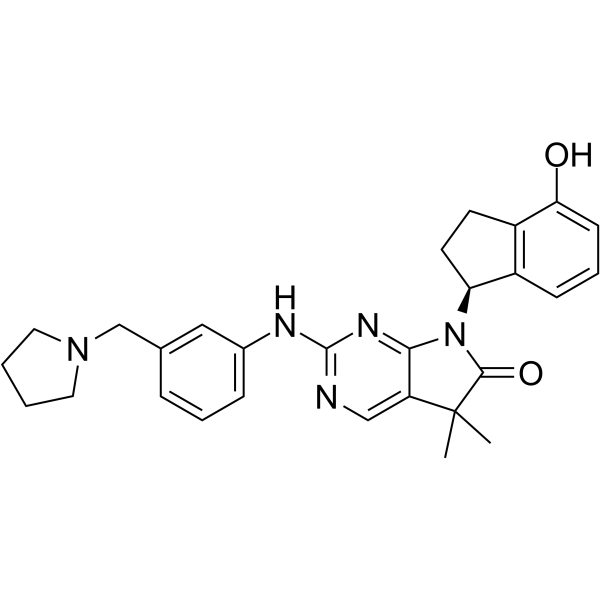
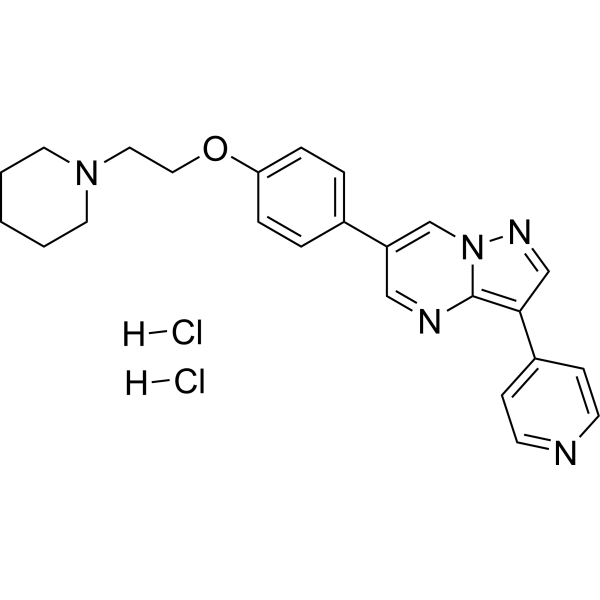
  • HY-120877

    MARK Salt-inducible Kinase (SIK) AMPK Apoptosis Cancer
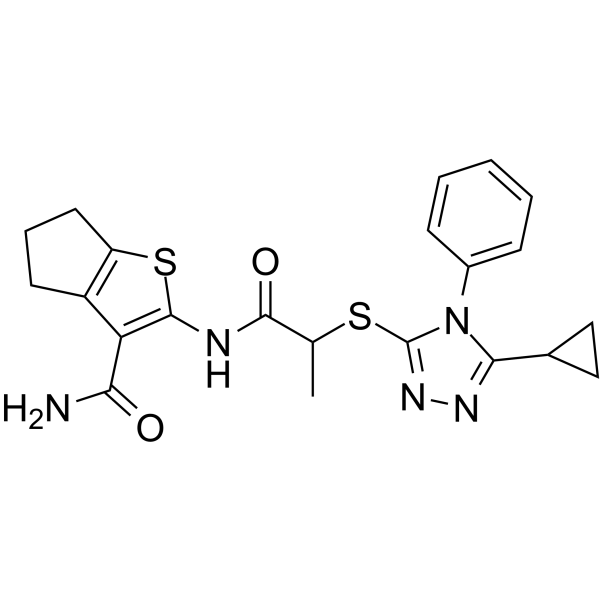
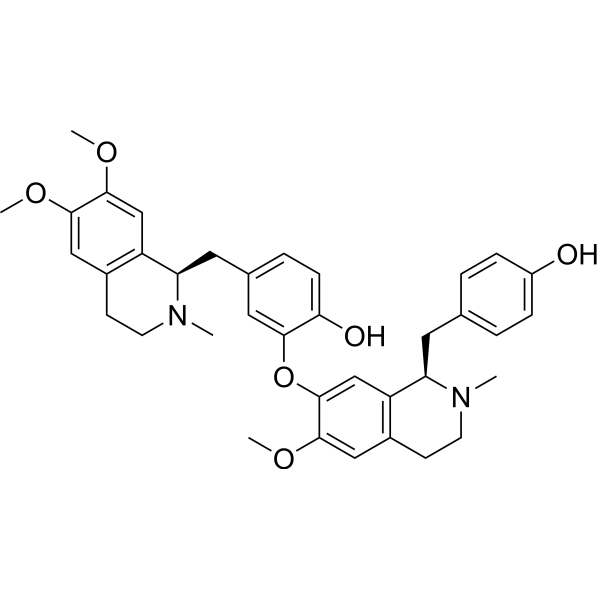
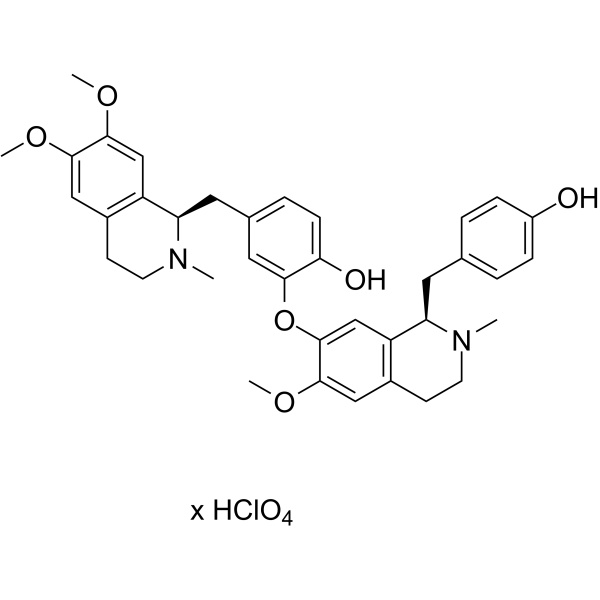
    MRT199665 is a potent and ATP-competitive, selective MARK/SIK/AMPK inhibitor with IC50s of 2/2/3/2 nM, 10/10 nM, and 110/12/43 nM for MARK1/MARK2/MARK3/MARK14, AMPKα1/AMPKα2, and SIK1/SIK2/SIK3, respectively . MRT199665 causes apoptosis in MEF2C-activated human acute myeloid leukemias (AML) cells . MRT199665 inhibits the phosphorylation of SIK substrate CRTC3 at S370 .
    MRT199665
  • HY-132177B

    Glycosidase Metabolic Disease
    α1-2,4,6 Fucosidase O (EC 3.2.1.51) is a broad specificity exoglycosidase that catalyzes the hydrolysis of terminal α1-2, α1-4 and α1-6 linked fucose residues from oligosaccharides, with α1-6 fucose residues more efficiently .
    α1-2,4,6 Fucosidase O, Omnitrophica bacterium
  • HY-P2726

    Fructose-diphosphate aldolase

    Fructose-1,6-bisphosphate aldolase Endogenous Metabolite Metabolic Disease
    Aldolase, Rabbit muscle (Fructose-diphosphate aldolase) is a glycolytic enzyme and glucose availability sensor. Aldolase, Rabbit muscle catalyzes the reversible carbon-carbon cleavage of fructose-1,6-bisphosphate to produce dihydroxyacetone phosphate and glyceraldehyde 3-phosphate. Aldolase, Rabbit muscle is an essential component for v-ATPase activity. Aldolase, Rabbit muscle participates in processes such as gluconeogenesis, the Calvin cycle and glycolysis .
    Aldolase, Rabbit muscle
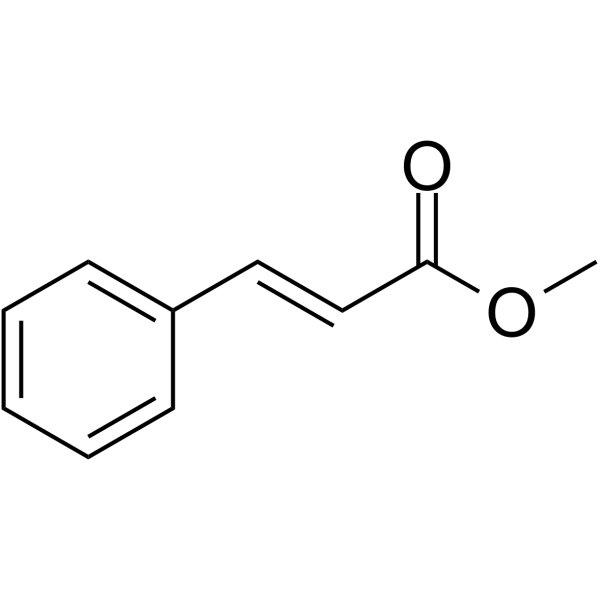
  • HY-W017212
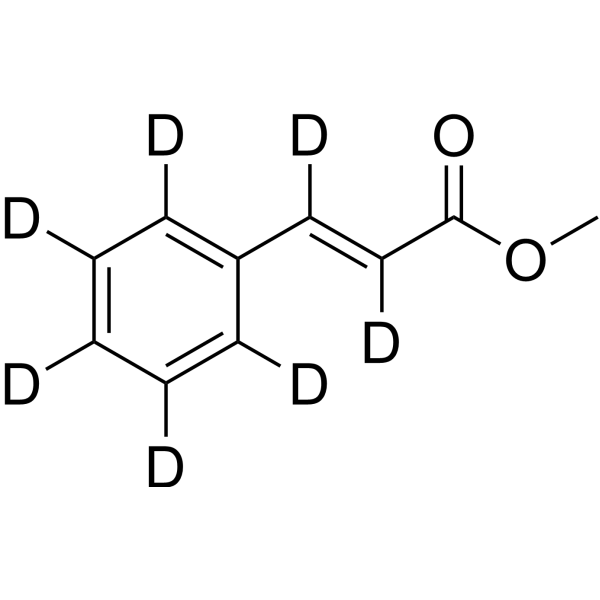
    Methyl cinnamate
    2 Publications Verification

    Methyl 3-phenylpropenoate

    Environmental Pollutants AMPK Bacterial Tyrosinase Infection Metabolic Disease
    Methyl cinnamate (Methyl 3-phenylpropenoate), an active component of Zanthoxylum armatum, is a widely used natural flavor compound. Methyl cinnamate (Methyl 3-phenylpropenoate) possesses antimicrobial activity and is a tyrosinase inhibitor that can prevent food browning. Methyl cinnamate (Methyl 3-phenylpropenoate) has antiadipogenic activity through mechanisms mediated, in part, by the CaMKK2-AMPK signaling pathway .
    Methyl cinnamate
  • HY-148016

    Protease Activated Receptor (PAR) ERK Inflammation/Immunology
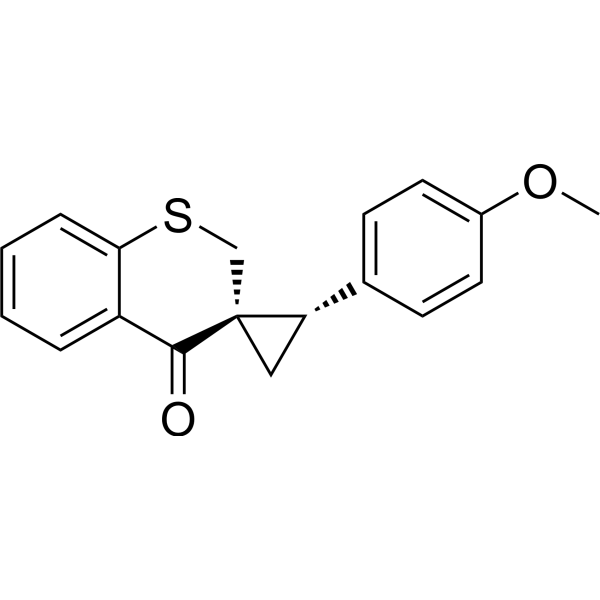
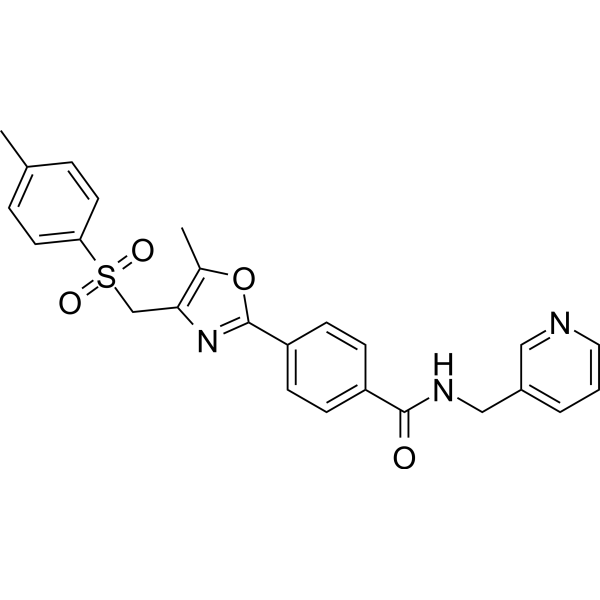
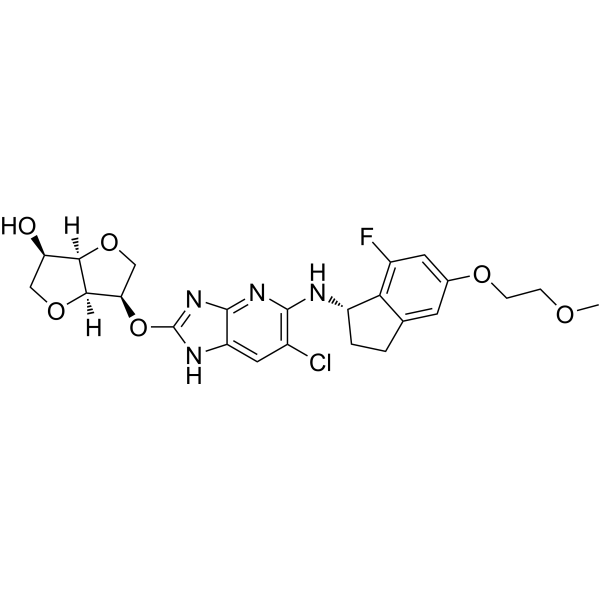
    I-287 is a orally active selective PAR2 inhibitor that acting as a negative allosteric regulator on Gαq and Gα12/13 activity and their downstream effectors. I-287 reduces Complete Freund's adjuvant (HY-153808)-induced inflammation in mice and can be used for inflammation/immunology research .
    I-287
  • HY-W011012
    Adenosine 5'-monophosphate disodium
    Maximum Cited Publications
    18 Publications Verification

    Adenosine Receptor Metabolic Disease
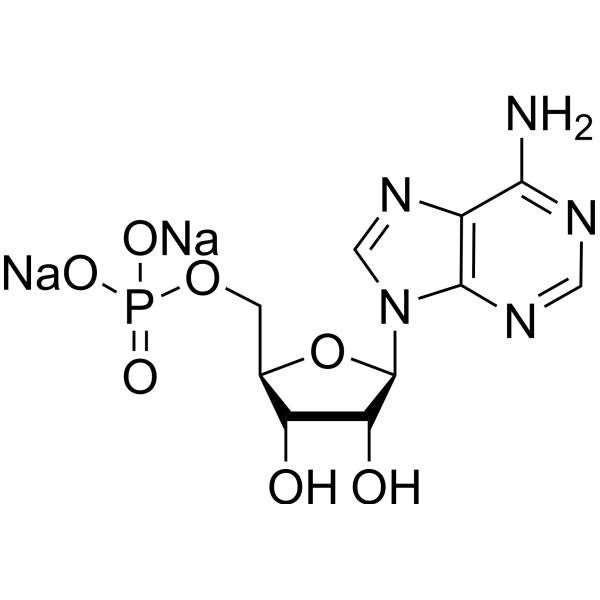
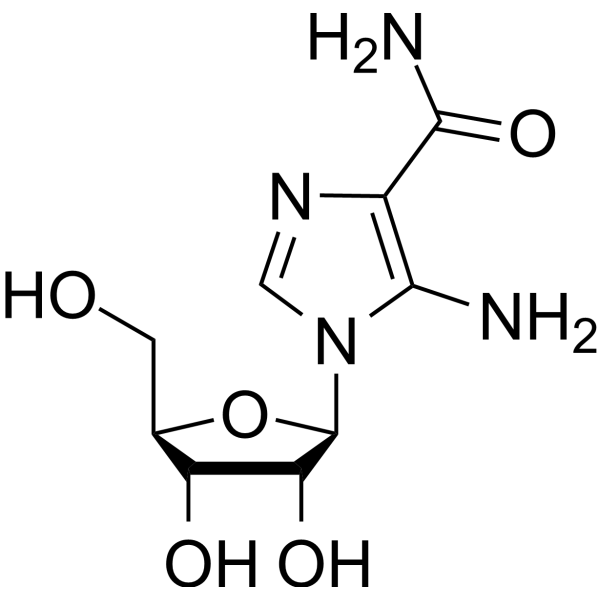
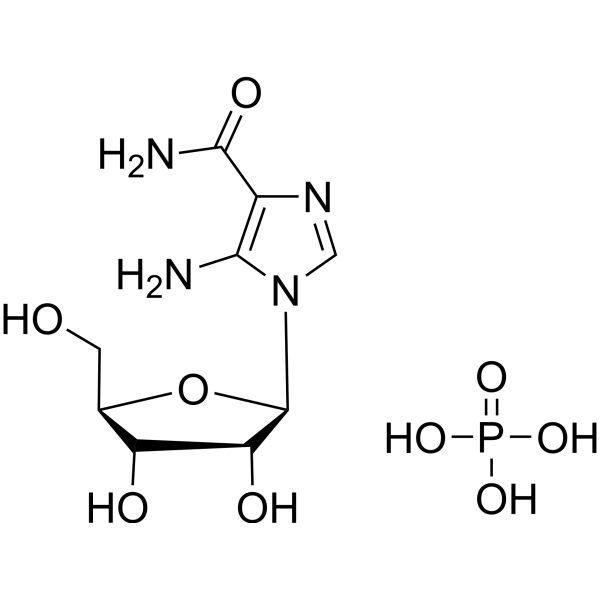
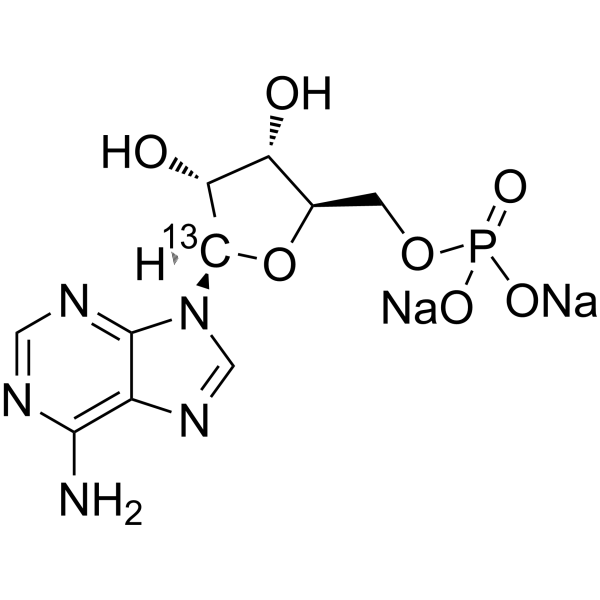
    Adenosine 5'-monophosphate disodium is an orally active purine nucleotide, and participates in ATP metabolism. Adenosine 5'-monophosphate disodium is also a ligand for adenosine 2B receptor. Adenosine 5'-monophosphate disodium can activate AMPK in skeletal muscle, and ameliorates insulin resistance and impaired glucose metabolism. Adenosine 5'-monophosphate disodium can be used for research of diabetes .
    Adenosine 5'-monophosphate disodium
  • HY-132177A

    Glycosidase Metabolic Disease
    α1-2 Fucosidase (EC 3.2.1.51) is a highly specific exoglycosidase that catalyzes the hydrolysis of linear α1-2 linked fucose residues from oligosaccharides .
    α-1-2 Fucosidase, bifidobacterium longum
  • HY-D1422

    BDNCA-346

    Fluorescent Dye Others
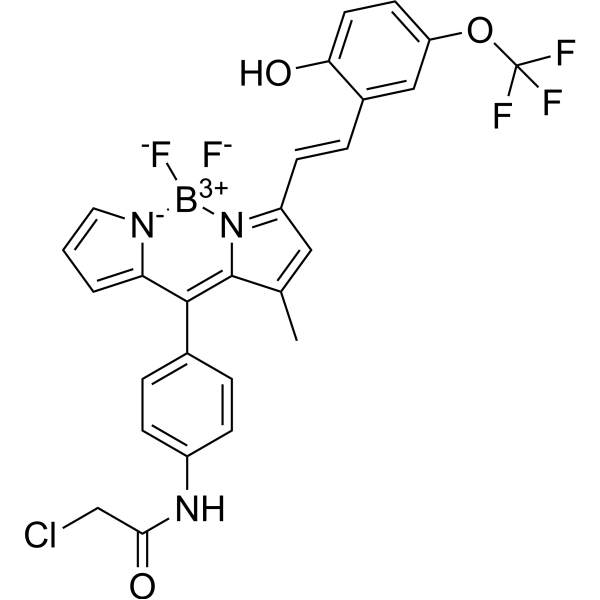
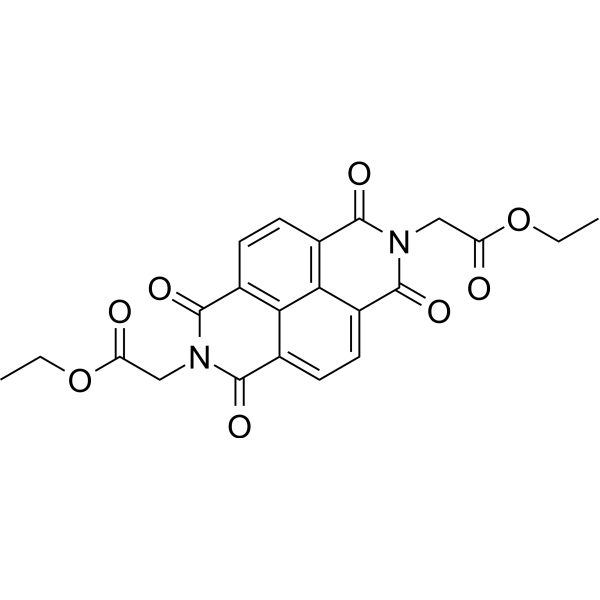
    ER Tracker Yellow is an endoplasmic reticulum-targeted temperature-visible fluorescent probe. ER Tracker Yellow has high temperature sensitivity (3.9%/°C) and is not affected by pH and Ca 2+ interference. ER Tracker Yellow can be used for real-time monitoring of local temperature changes in the ER area. ER Tracker Yellow maintains its function in fixed cells. ER Tracker Yellow is suitable for various cell lines and primary cells, such as HeLa cells, MEF cells, and other cells .
    ER Tracker Yellow
  • HY-141591

    Biochemical Assay Reagents Others
    CYT296 is a target chromatin de-condensation compound. CYT296 can improve the induction of induced pluripotent stem cell (iPSCs) mediated by defined factors (OSKM) and induce an open chromatin state in Mouse Embryonic Fibroblast (MEFs) to facilitate somatic cell reprogramming. CYT296 can be used for cell replacement therapies and drug screening research .
    CYT296
  • HY-117623

    PF-249

    AMPK Metabolic Disease
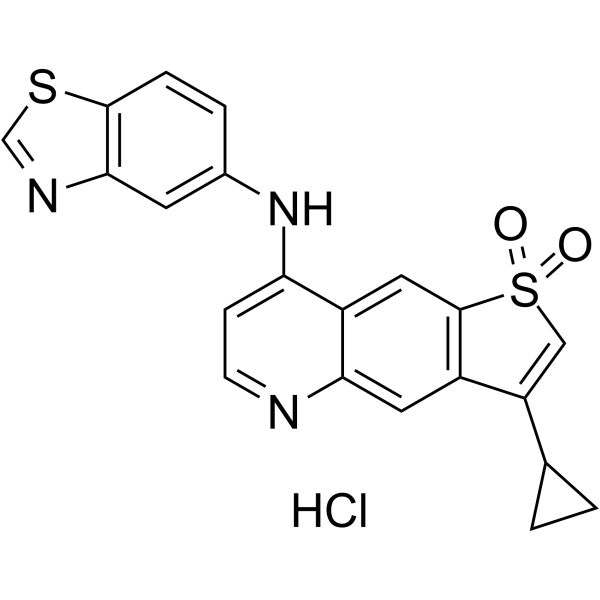
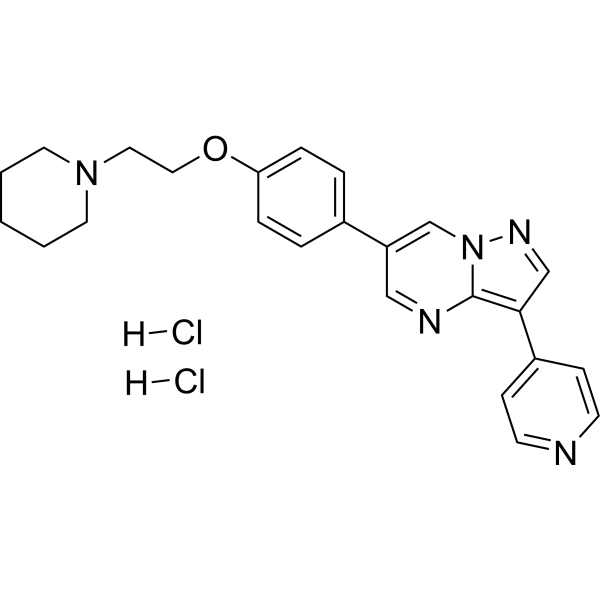
    PF-06685249 (PF-249) is a potent and orally active allosteric AMPK activator with an EC50 of 12 nM for recombinant AMPK α1β1γ1. PF-06685249 improves renal function in ZSF-1 rats with diabetic nephropathy. PF-06685249 can be used for diabetic nephropathy research .
    PF-06685249
  • HY-103238
    RSVA405
    1 Publications Verification

    AMPK STAT Autophagy Neurological Disease Metabolic Disease Inflammation/Immunology
    RSVA405 is a potent, orally active activator of AMPK, with an EC50 of 1 μM. RSVA405 facilitates CaMKKβ-dependent activation of AMPK, inhibits mTOR, and promotes autophagy to increase Aβ degradation. RSVA405 has anti-inflammatory effects through the inhibition of STAT3 function. RSVA405 can also be used for the research of obesity .
    RSVA405
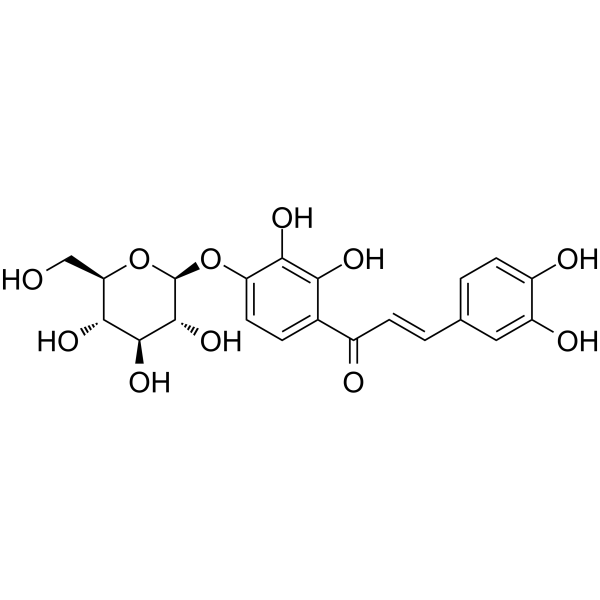
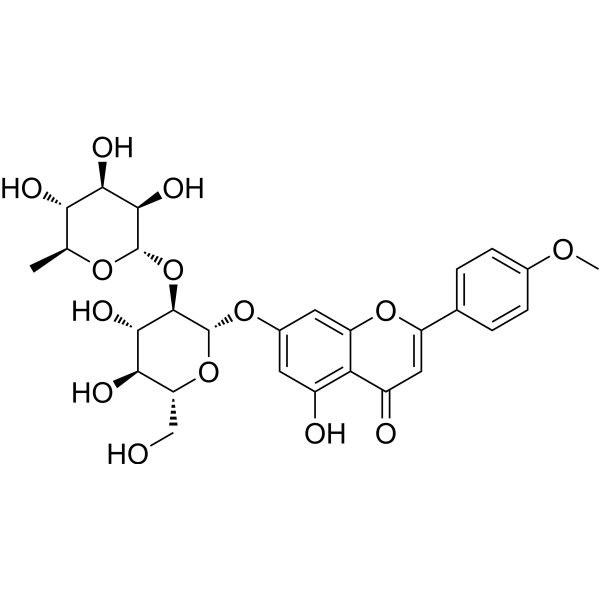
  • HY-N7676
    Marein
    3 Publications Verification

    AMPK HDAC Cardiovascular Disease Neurological Disease Metabolic Disease
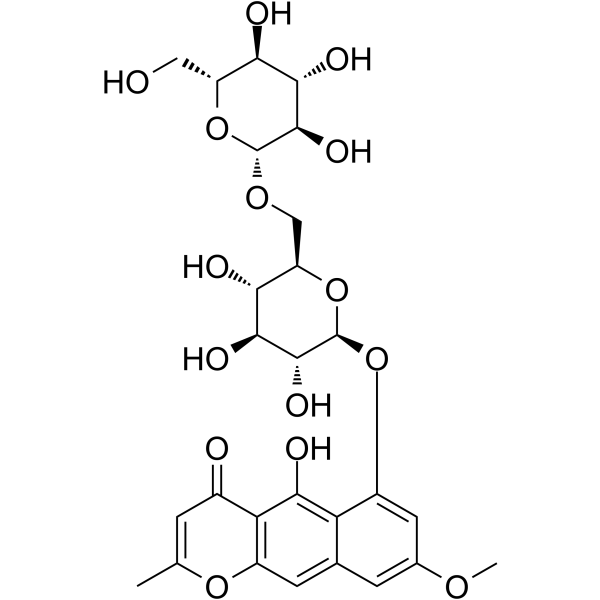
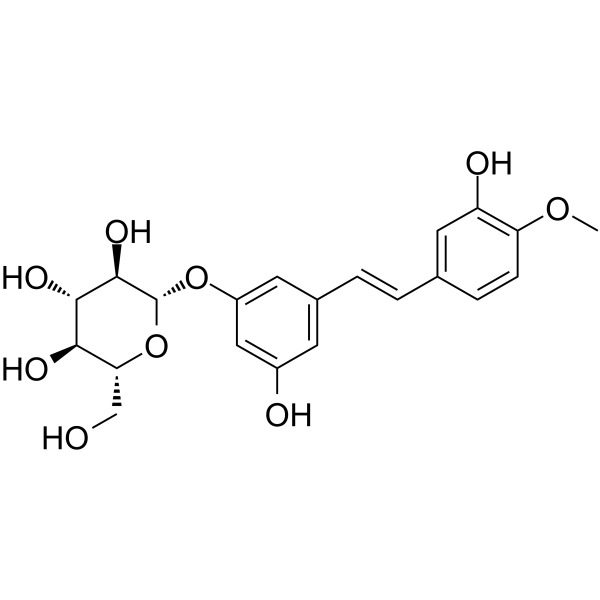
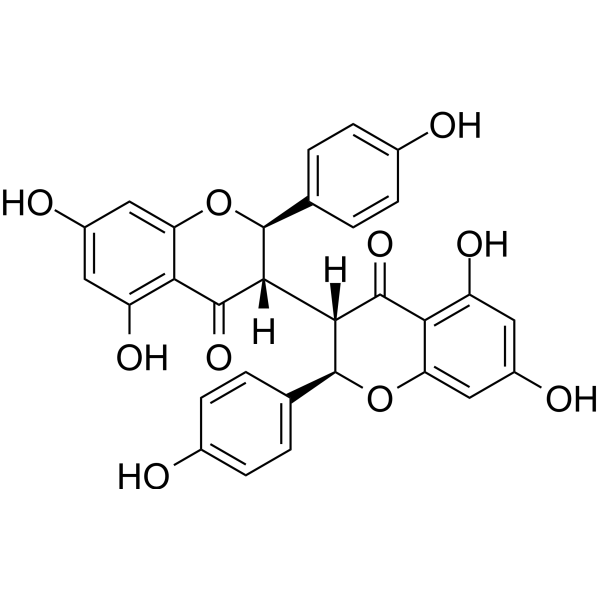
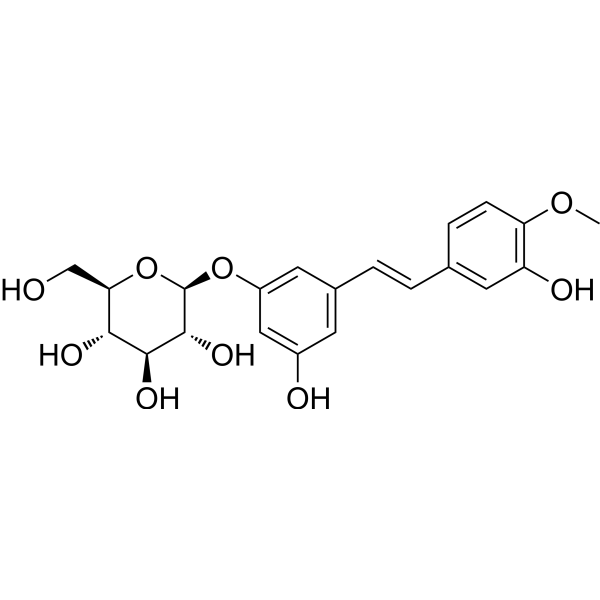
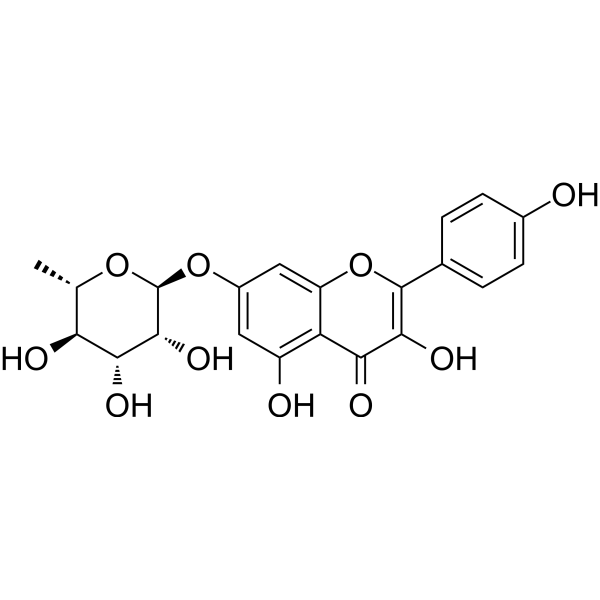
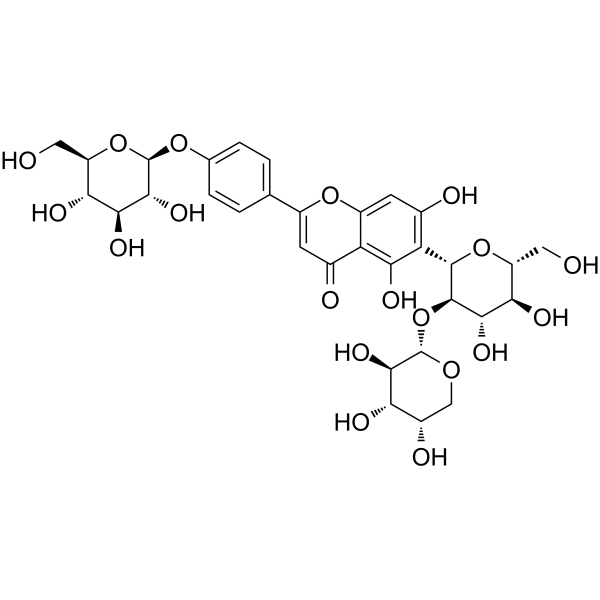
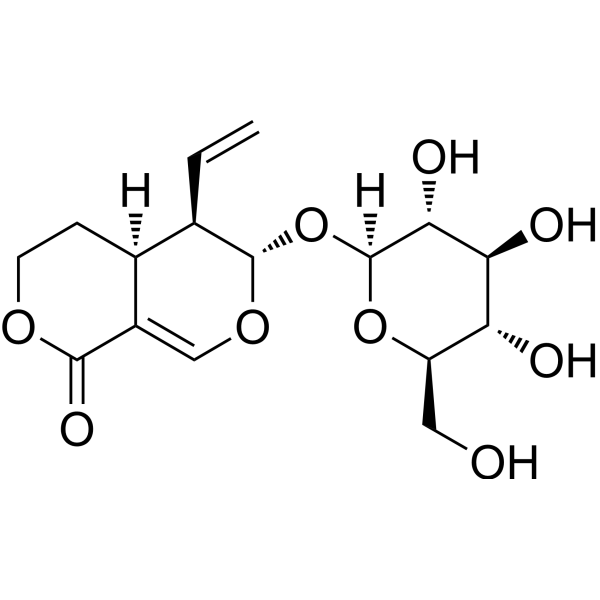
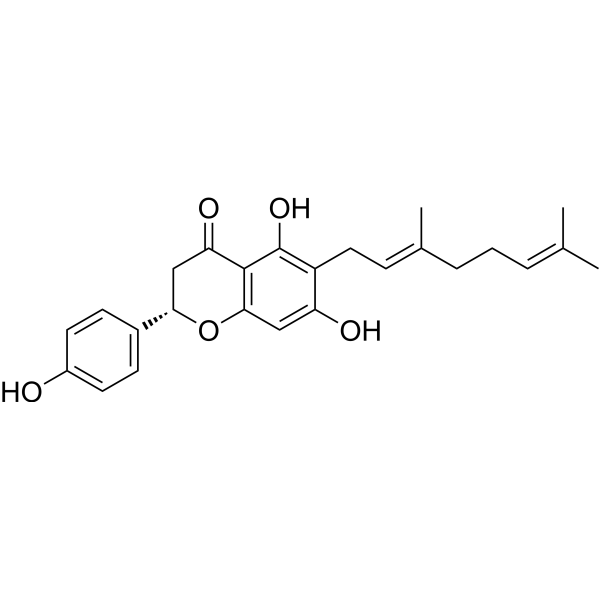
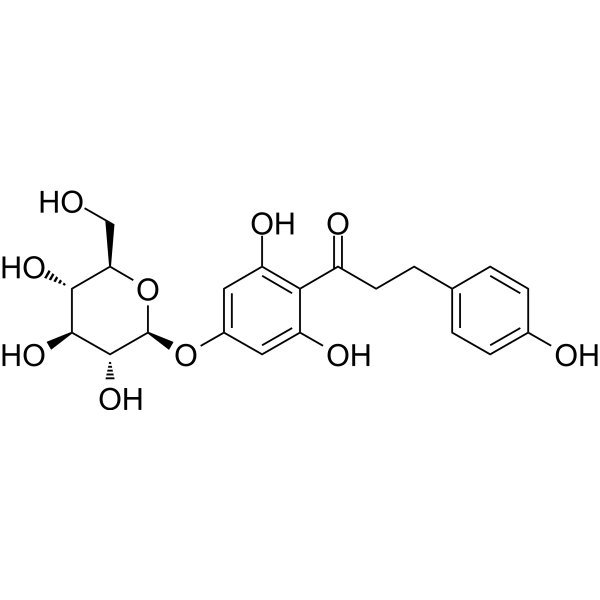
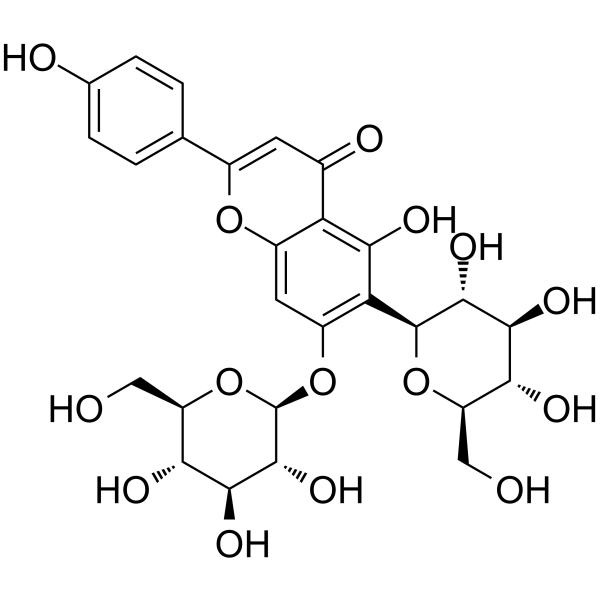
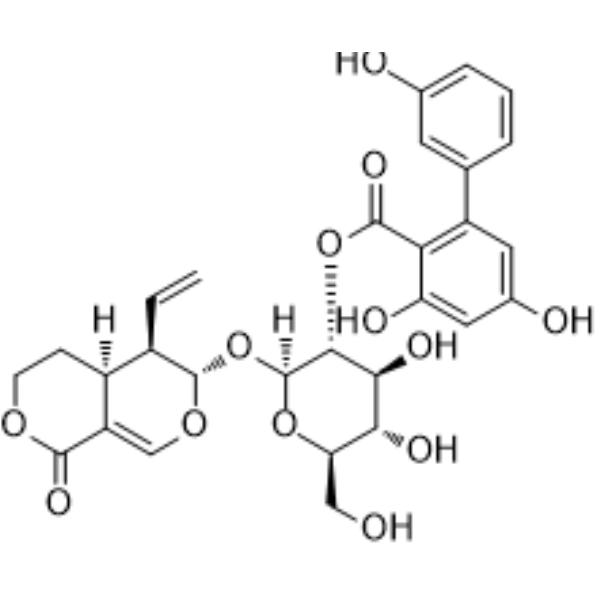
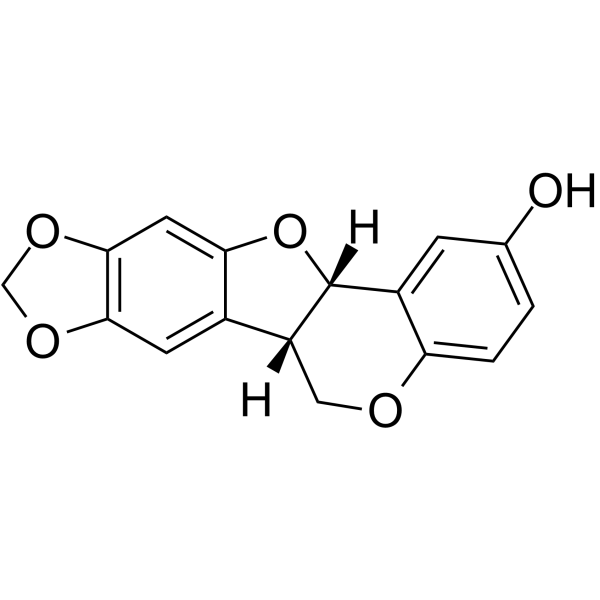
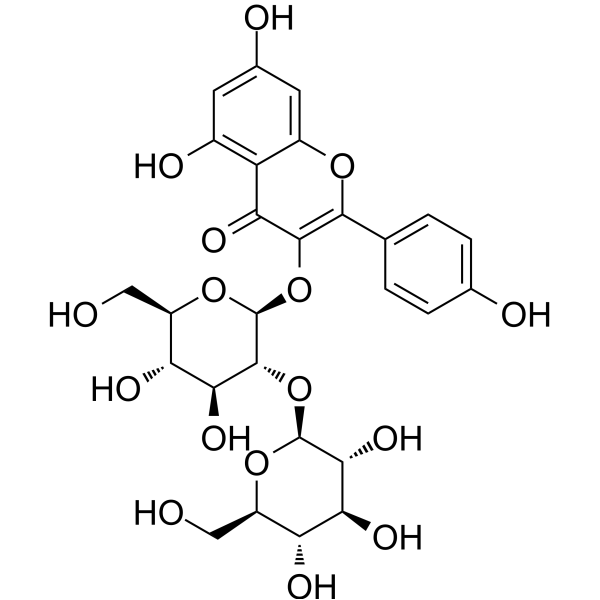
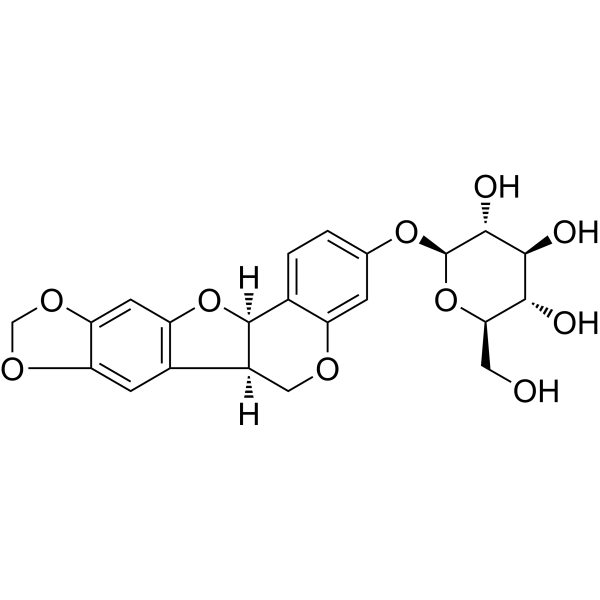
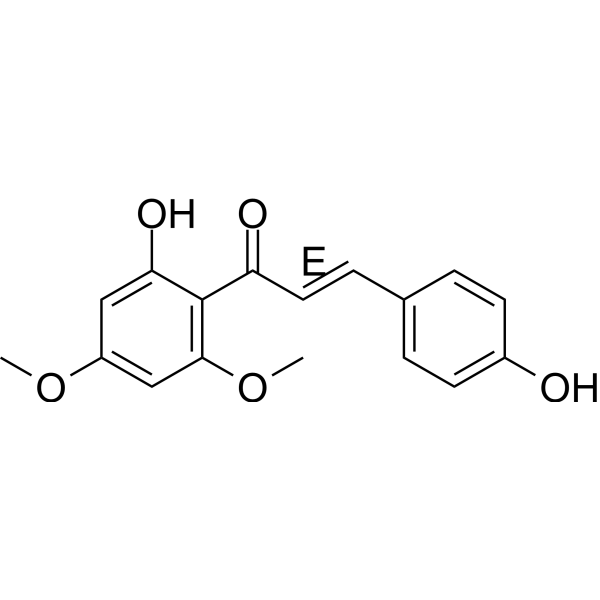
    Marein has the neuroprotective effect due to a reduction of damage to mitochondria function and activation of the AMPK signal pathway. Marein improves insulin resistance induced by high glucose in HepG2 cells through CaMKK/AMPK/GLUT1 to promote glucose uptake, through IRS/Akt/GSK-3β to increase glycogen synthesis, and through Akt/FoxO1 to decrease gluconeogenesis. Marein is a HDAC inhibitor with an IC50 of 100 μM. Marein has beneficial antioxidative, antihypertensive, antihyperlipidemic and antidiabetic effects .
    Marein
  • HY-131334

    AMPK Metabolic Disease
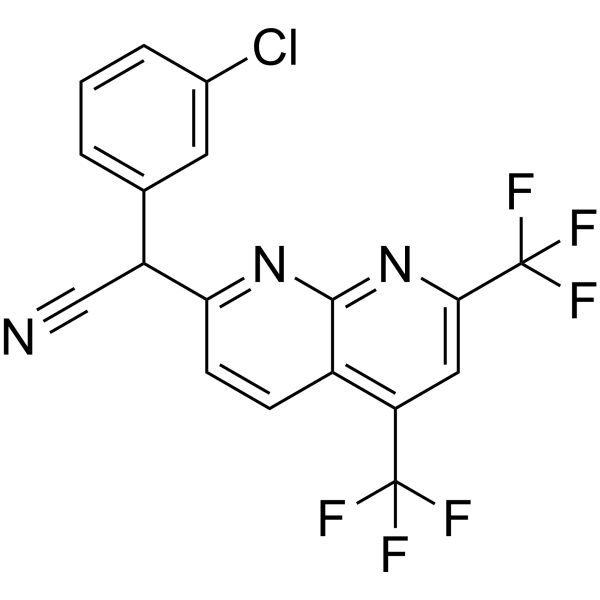
    AMPK activator 4 is a potent AMPK activator without inhibition of mitochondrial complex I. AMPK activator 4 selectively activates AMPK in the muscle tissues. AMPK activator 4 dose-dependently improves glucose tolerance in normal mice, and significantly lowers fasting blood glucose level and ameliorates insulin resistance in db/db diabetic mice. Anti-hyperglycemic effect .
    AMPK activator 4
  • HY-N9349
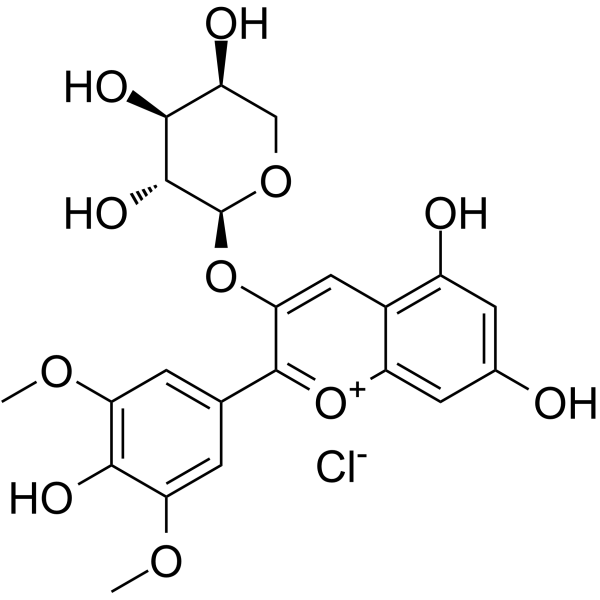
    Malvidin-3-O-arabinoside chloride
    1 Publications Verification

    AMPK Autophagy Metabolic Disease Inflammation/Immunology
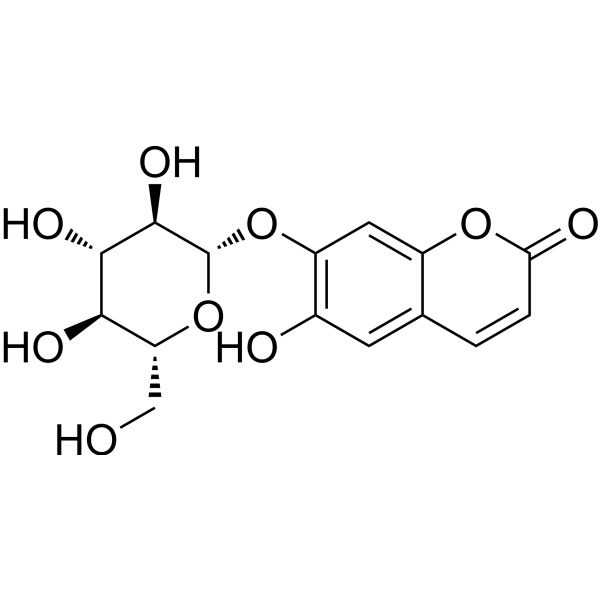
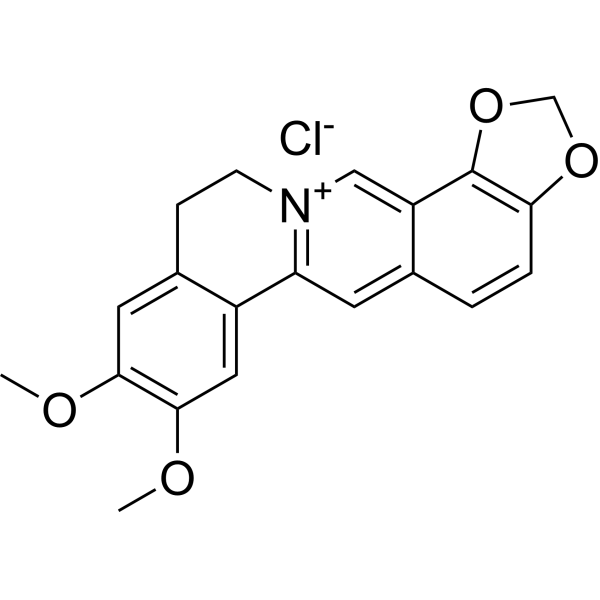
    Malvidin-3-O-arabinoside chloride ameliorates ethyl carbamate-induced oxidative damage by stimulating AMPK-mediated autophagy .
    Malvidin-3-O-arabinoside chloride
  • HY-A0144A

    Adrenergic Receptor AMPK Akt Cardiovascular Disease
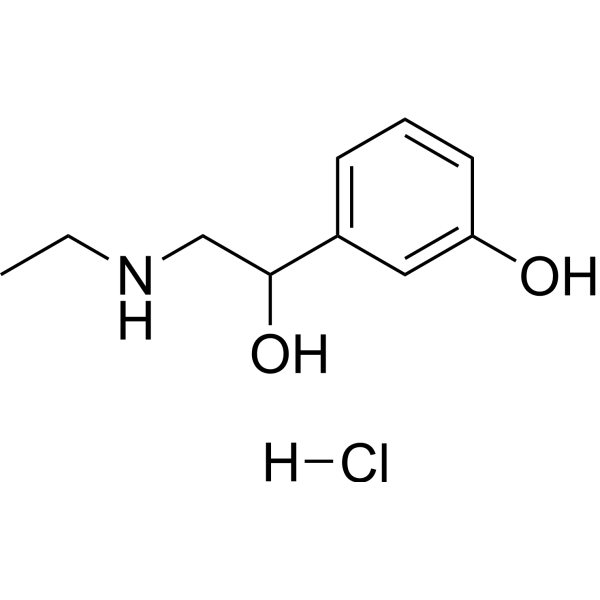
    Etilefrine hydrochloride is a sympathetic nerve agonist and AMPK activator that selectively targets α1/β1 adrenergic receptors. Etilefrine hydrochloride stimulates α1 adrenergic receptors, leading to contraction of vascular smooth muscle and increased peripheral resistance. Etilefrine hydrochloride also stimulates β1 receptors to enhance myocardial contractility and increase heart rate, thereby increasing blood pressure and improving cardiac output. Etilefrine hydrochloride also bidirectionally regulates the AMPK/Akt pathway and modulates the phosphorylation levels. Etilefrine hydrochloride can be used in cardiovascular research, such as postural hypotension, chylothorax, and improving low cardiac output .
    Etilefrine hydrochloride
  • HY-A0144

    Adrenergic Receptor AMPK Akt Cardiovascular Disease
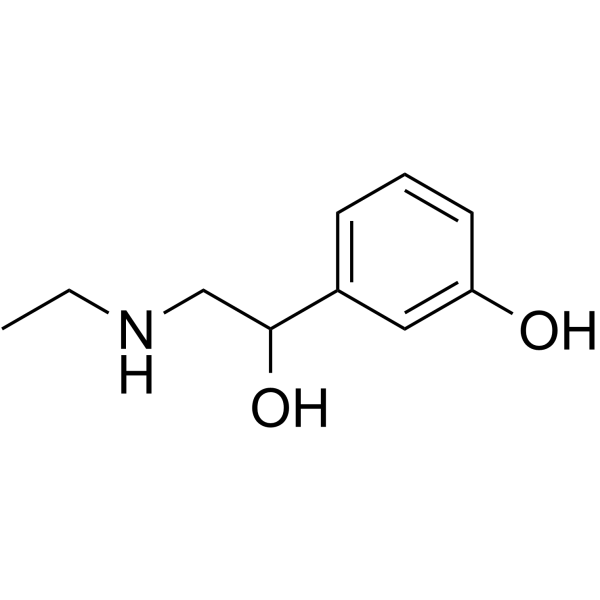
    Etilefrine is a sympathetic nerve agonist and AMPK activator that selectively targets α1/β1 adrenergic receptors. Etilefrine stimulates α1 adrenergic receptors, leading to contraction of vascular smooth muscle and increased peripheral resistance. Etilefrine also stimulates β1 receptors to enhance myocardial contractility and increase heart rate, thereby increasing blood pressure and improving cardiac output. Etilefrine also bidirectionally regulates the AMPK/Akt pathway and modulates the phosphorylation levels. Etilefrine can be used in cardiovascular research, such as postural hypotension, chylothorax, and improving low cardiac output .
    Etilefrine
  • HY-155363

    AMPK Metabolic Disease
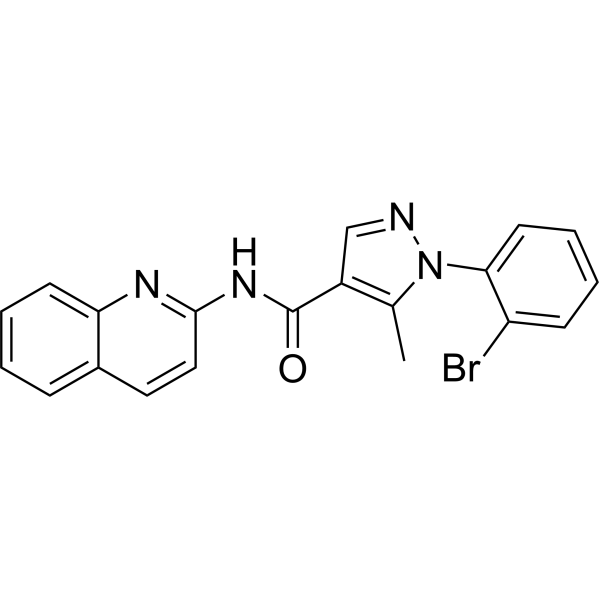
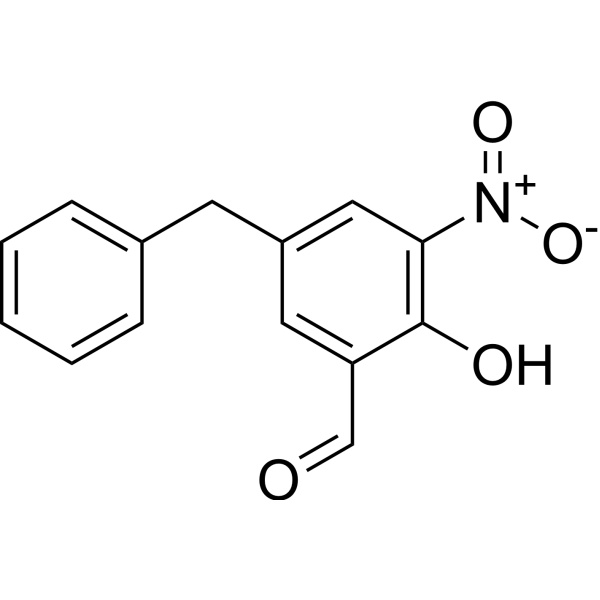
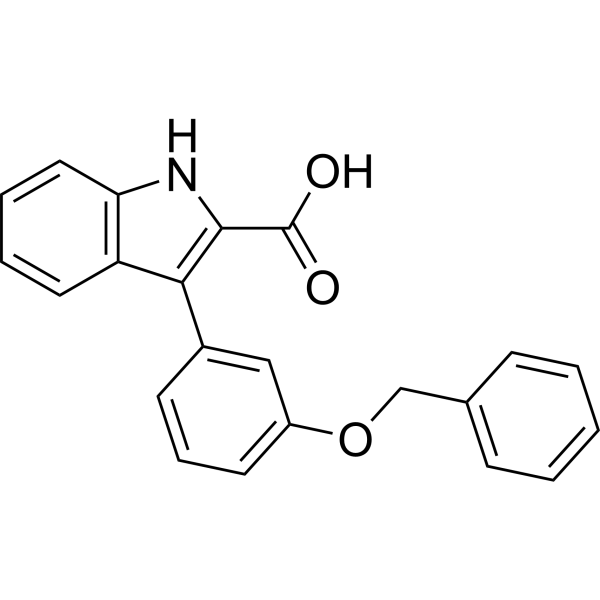
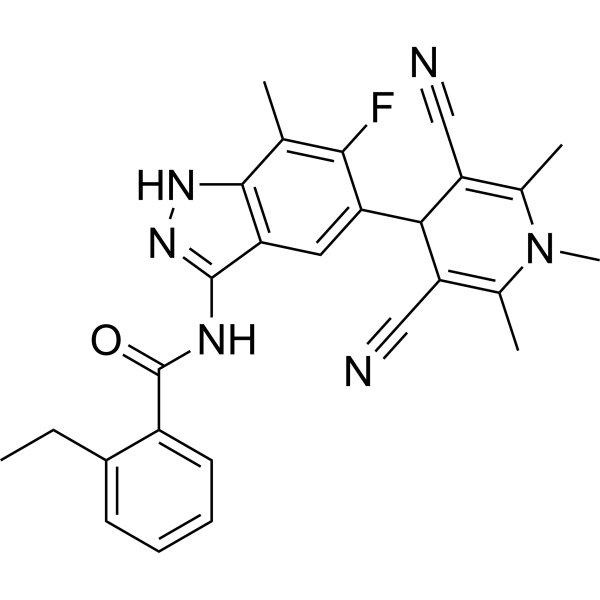
    AMPK activator 13 is a potent activator of AMPK. AMPK activator 13 inhibits mitotic clonal expansion of 3T3-L1 cells by activating AMPK pathway and enhances cell mitochondrial oxygen consumption rate. AMPK activator 13 can be used in study obesity .
    AMPK activator 13
  • HY-155943

    AMPK Cancer
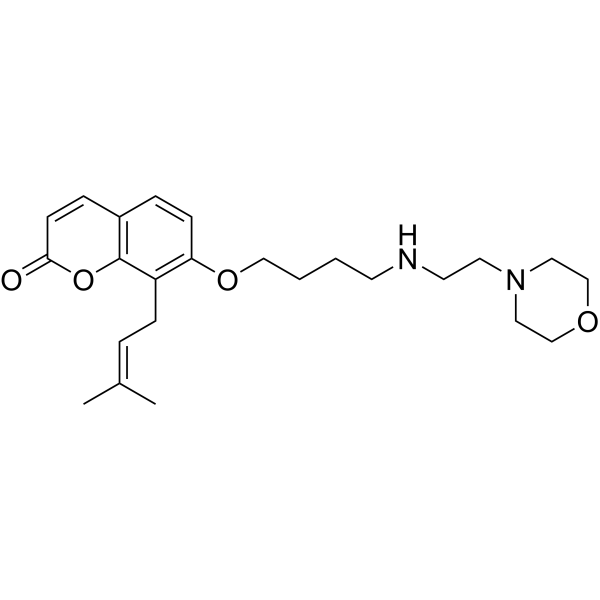
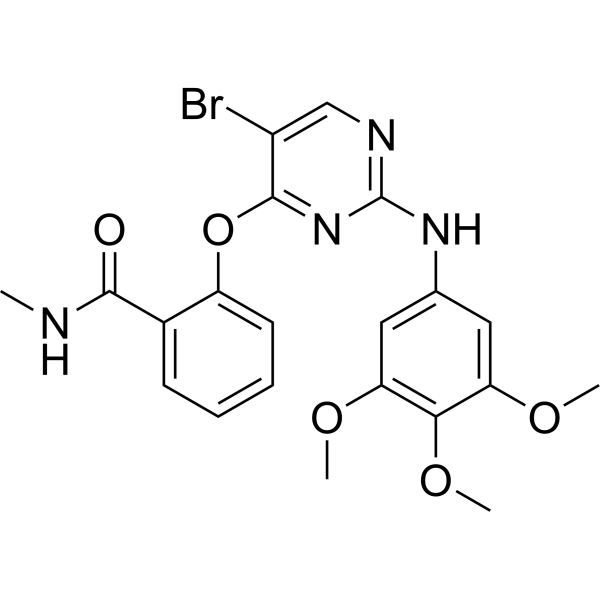
    AMPK-IN-4 (compound 19) is a potent inhibitor of (AMPK(α1) and AMPK(α2) with IC50s of 393 nM and 141 nM, respectively. AMPK-IN-4 plays an important role in cancer research .
    AMPK-IN-4
  • HY-149406

    AMPK Cancer
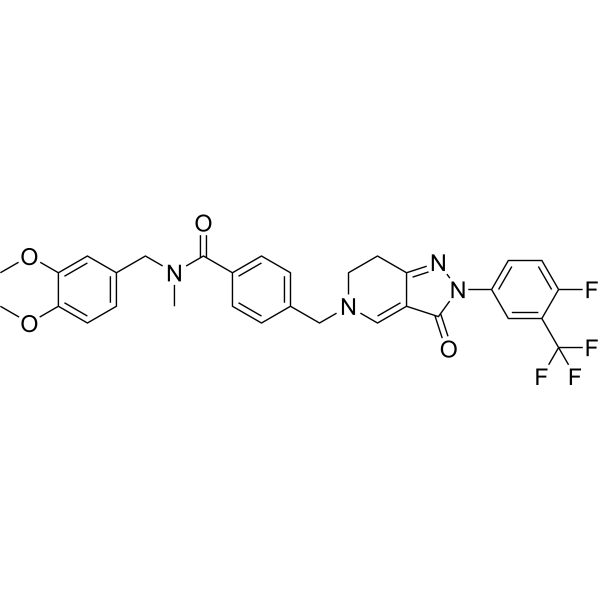
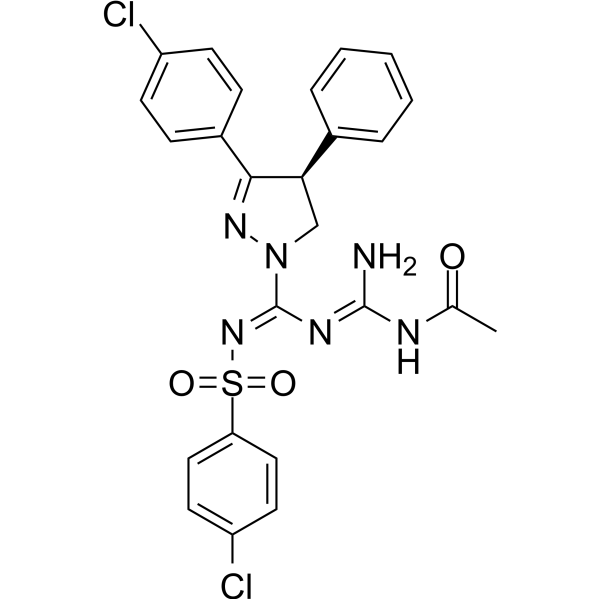
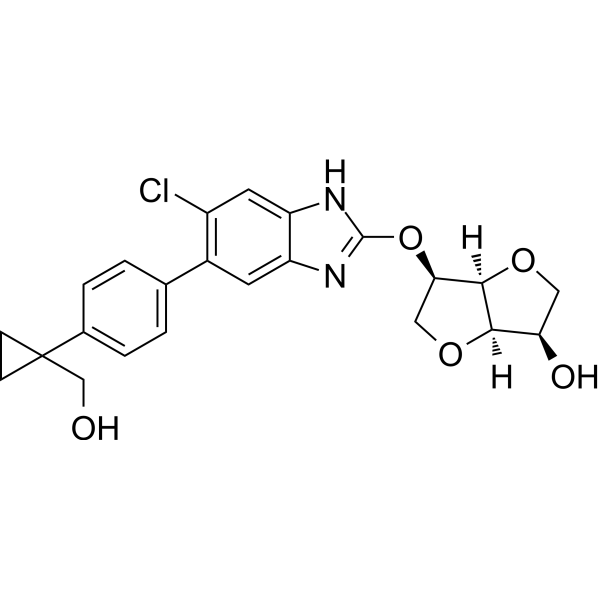
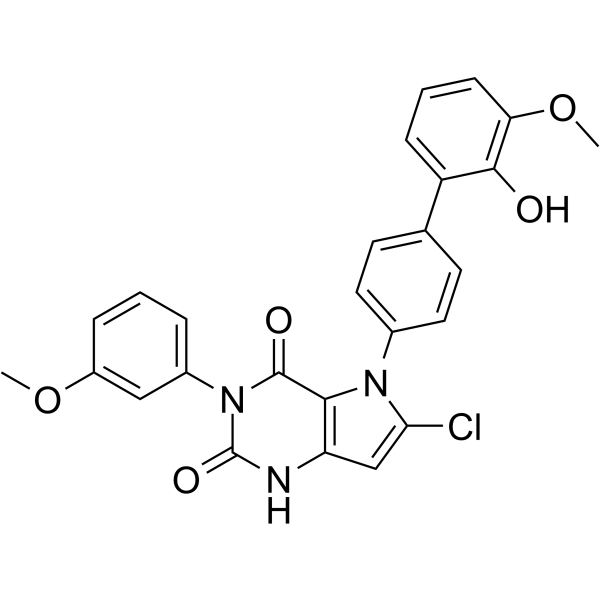
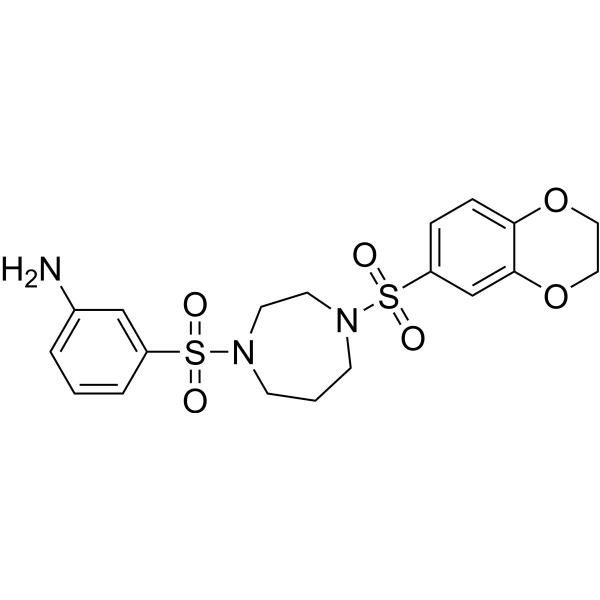
    AMPK activator 12 (compound 21) is a potent AMPK activator and GDF15 inducer. AMPK activator 12 increases GDF15 protein levels in human hepatic cells .
    AMPK activator 12
  • HY-114994

    TSH Receptor Endocrinology
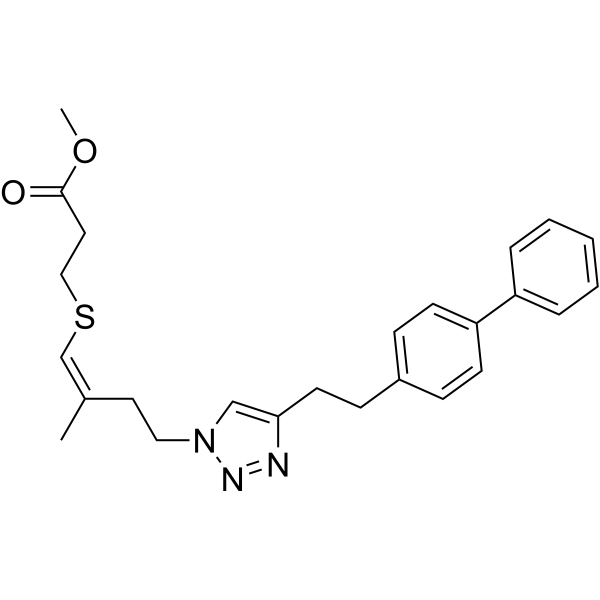
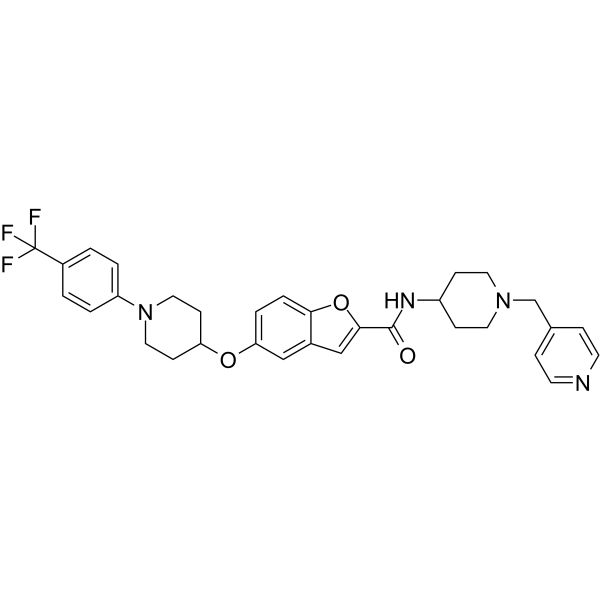
    MS437 is a potent TSH receptor (TSHR) stimulator with an EC50 value of 13x10 -8 M. MS437 shows potent activation of G, Gαq and Gα12 and up-regulation of thyroglobulin (Tg), sodium iodine symporter (NIS) and TSHR gene expressions .
    MS437
  • HY-178239

    Drug Metabolite AMPK Reactive Oxygen Species (ROS) Inflammation/Immunology
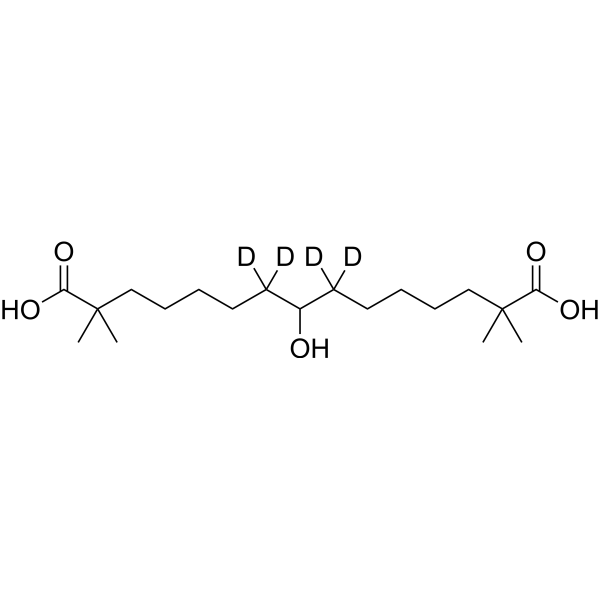
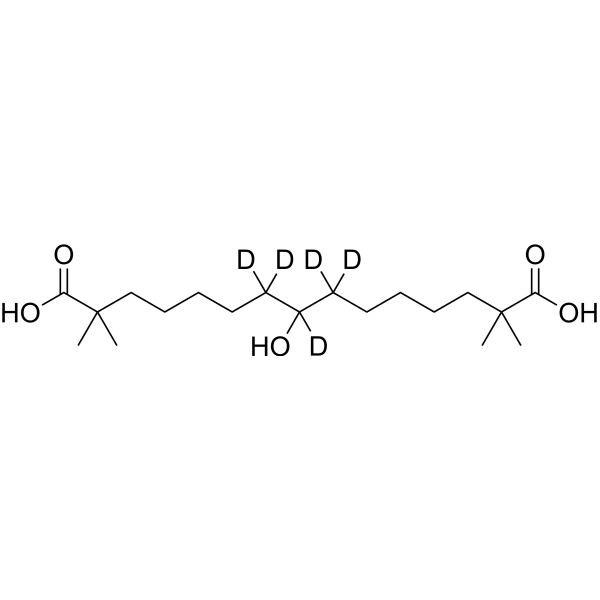
    DX-8951 Hydroxy-acid is a prodrug of phosphoramide. ProAX can effectively increase intracellular ATP levels. DX-8951 Hydroxy-acid activates the AMPK signaling pathway by increasing the AMP/ATP ratio. DX-8951 Hydroxy-acid can enhance mitochondrial function and antioxidant capacity while reducing reactive oxygen species (ROS) levels. DX-8951 Hydroxy-acid has shown significant anti-aging and longevity effects in both human fibroblast and nematode models .
    DX-8951 Hydroxy-acid
  • HY-W013816

    AMPK Akt Metabolic Disease
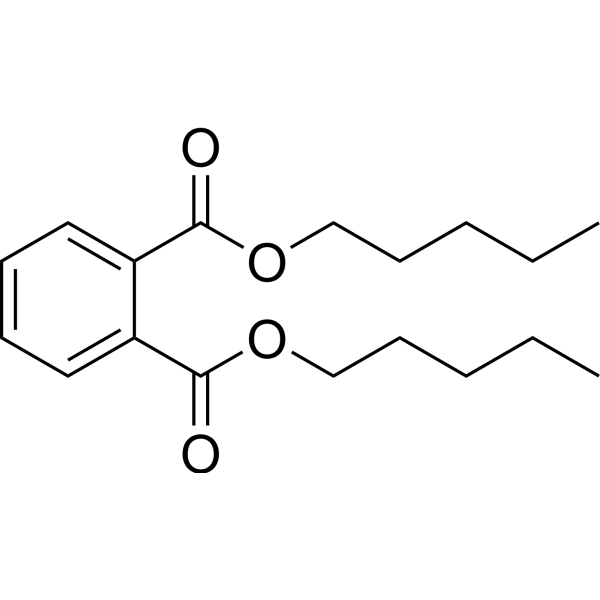
    Dipentyl phthalate is an endocrine-disrupting phthalate plasticizer. Dipentyl phthalate increases AMPK phosphorylation and decreases AKT1 phosphorylation and SIRT1 levels. Dipentyl phthalate reduces adrenocorticotropic hormone levels. Dipentyl phthalate is a testicular toxicant .
    Dipentyl phthalate
  • HY-125355
    SEC
    1 Publications Verification

    Apoptosis Annexin A Cancer
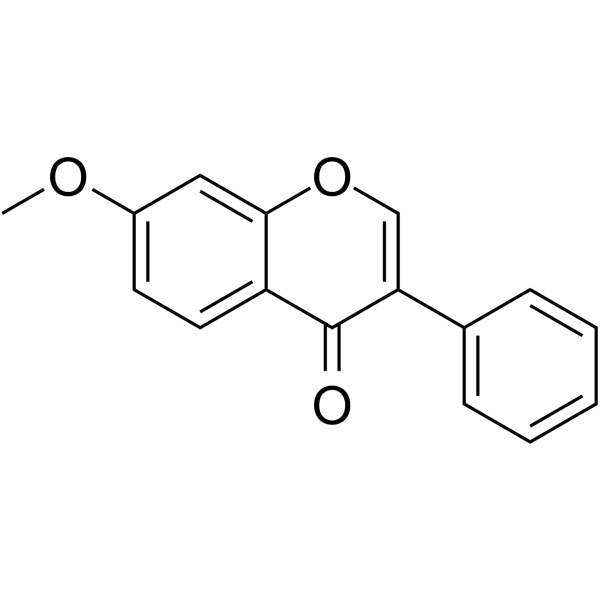
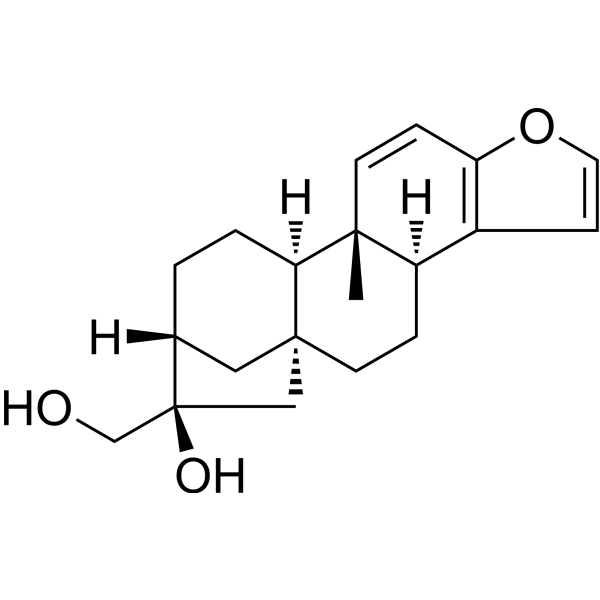
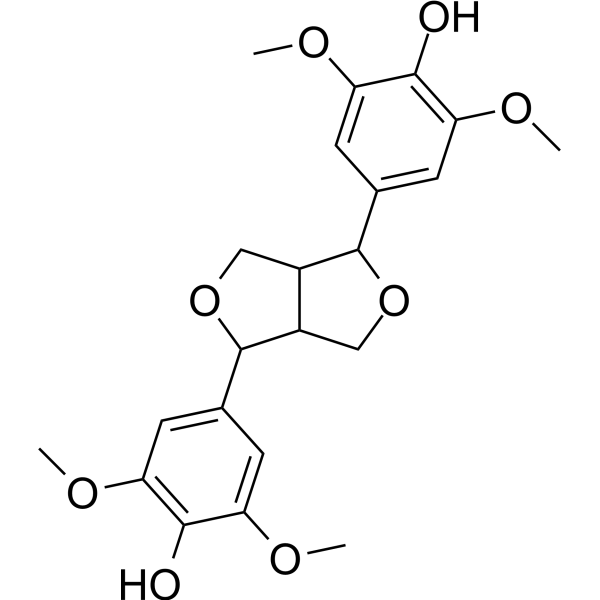
    SEC induces activation of ANXA7 GTPase via the AMPK/mTORC1/STAT3 signaling pathway. SEC selectively promotes apoptosis in cancer cells, expressing a high level of ITGB4 by inducing ITGB4 nuclear translocation .
    SEC
  • HY-120904

    AMPK Metabolic Disease
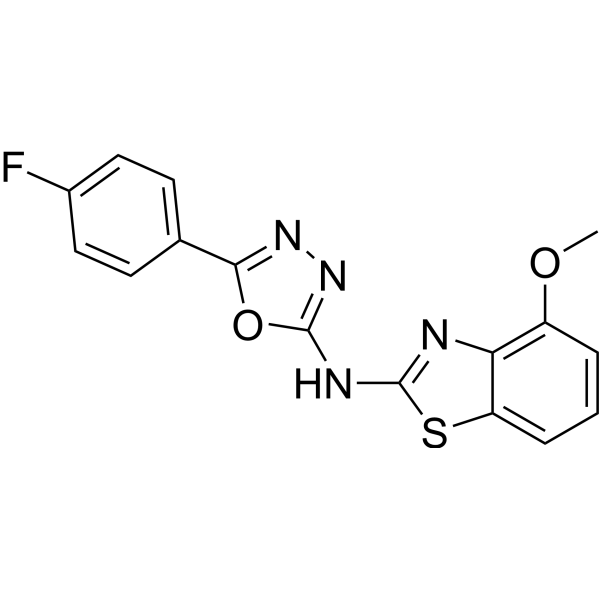
    AMPK-IN-1 is an activator of AMPK (EC50: 551 nM for isoform α2β2γ1). AMPK-IN-1 leads to eEF2 phosphorylation in a mTORC1-independent way .
    AMPK-IN-1
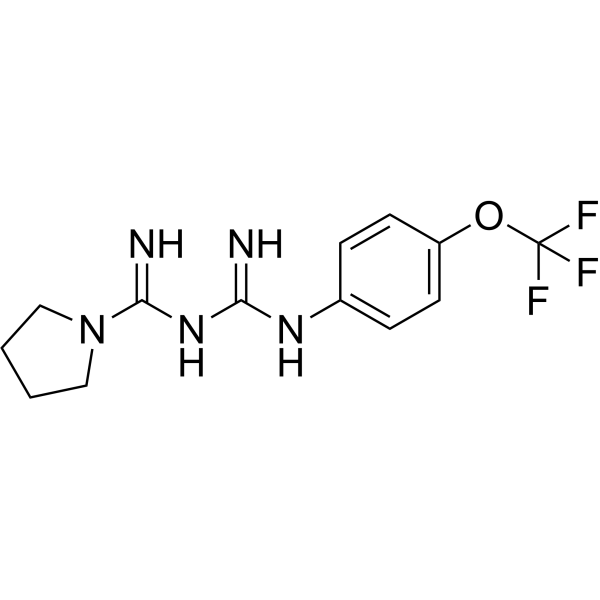
  • HY-130723A

    AMPK Cancer
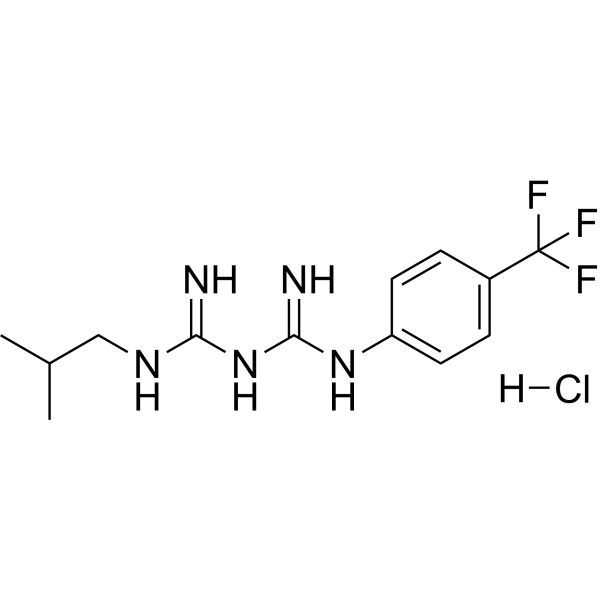
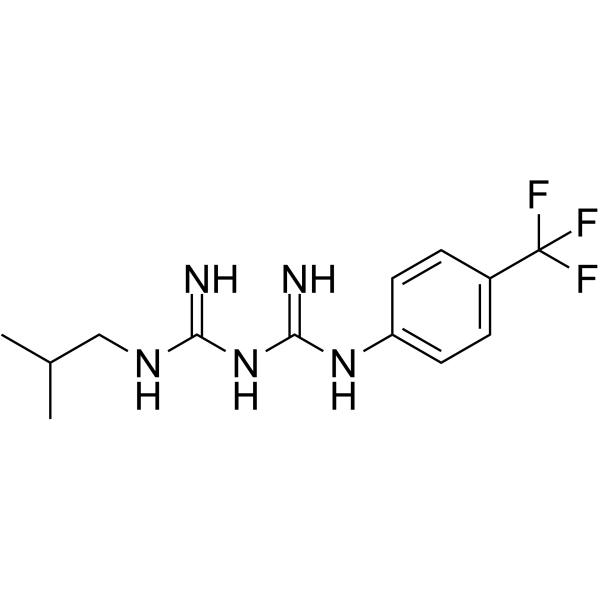
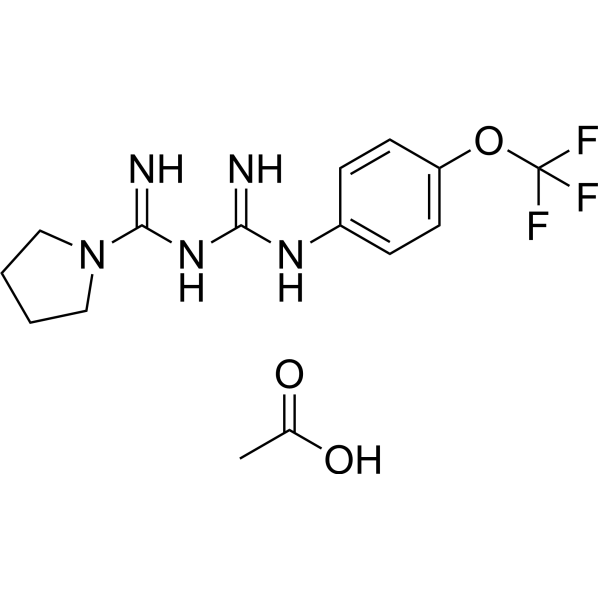
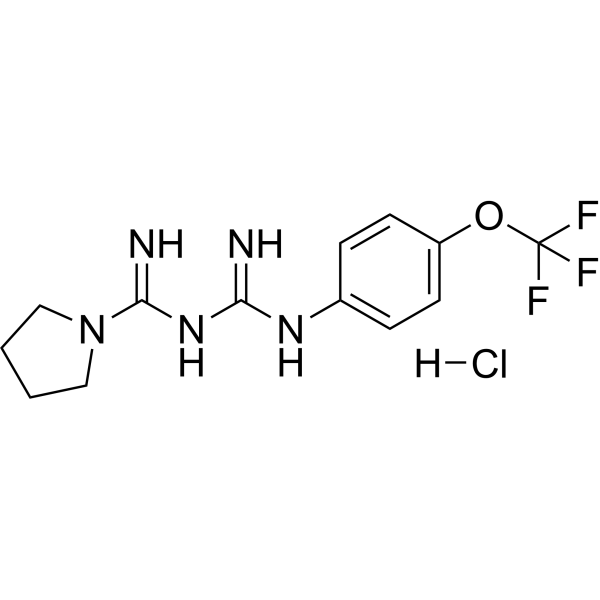
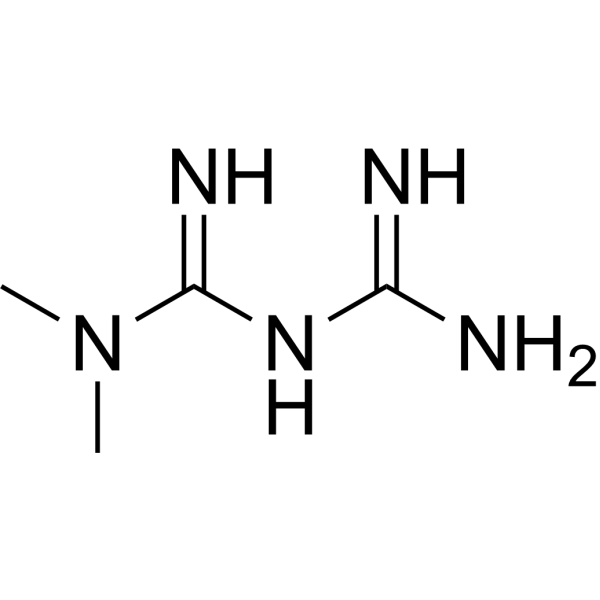
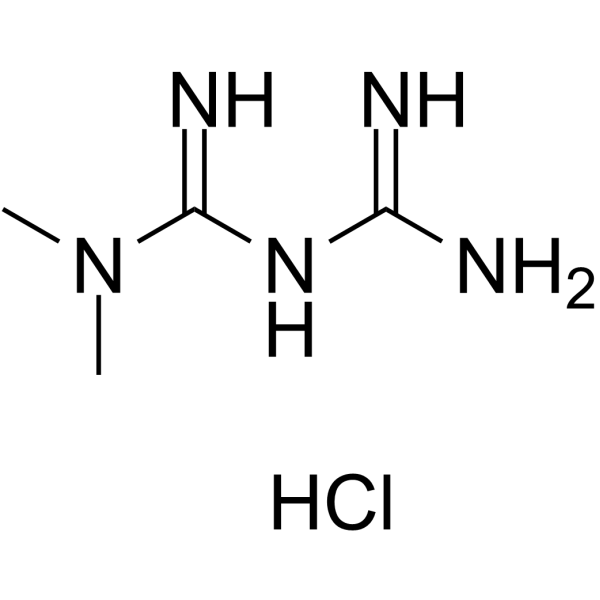
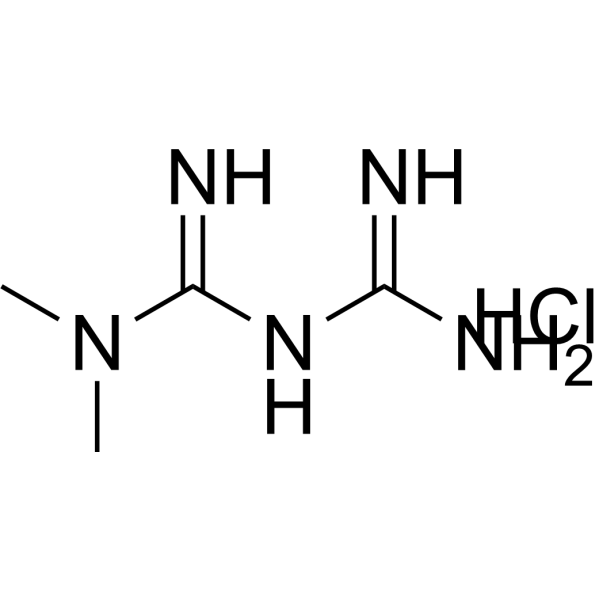
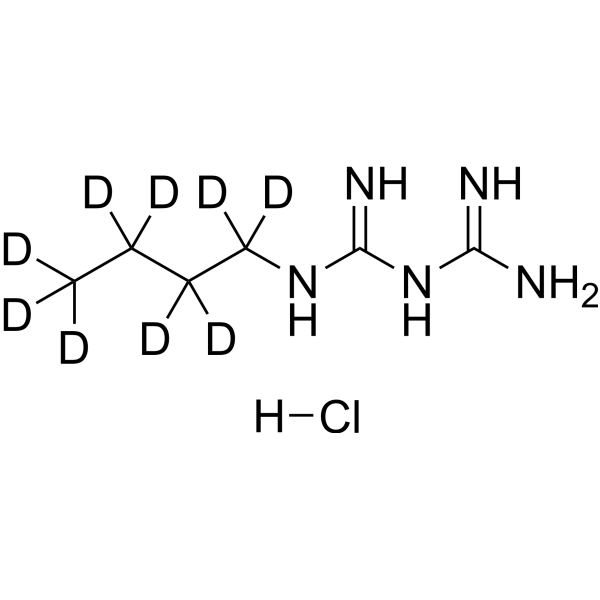
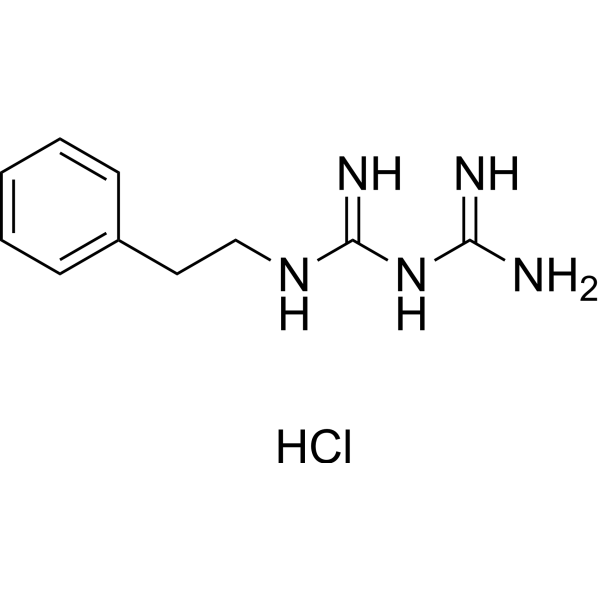
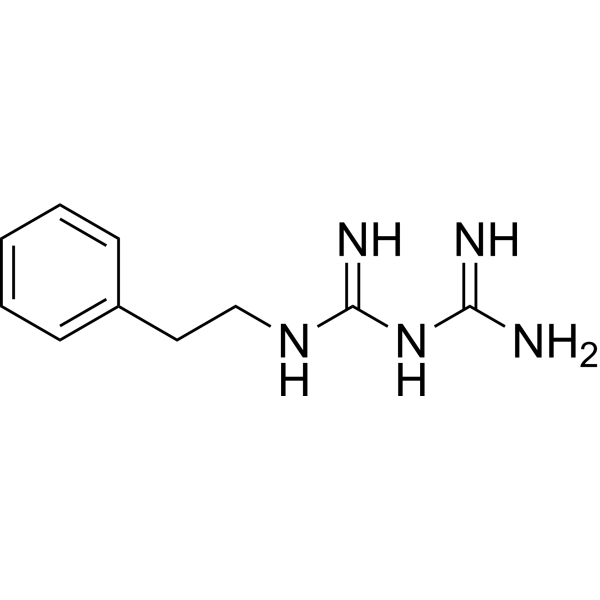
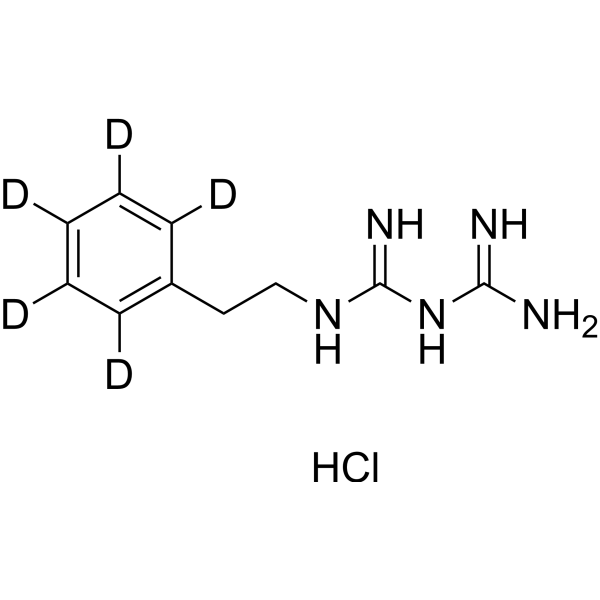
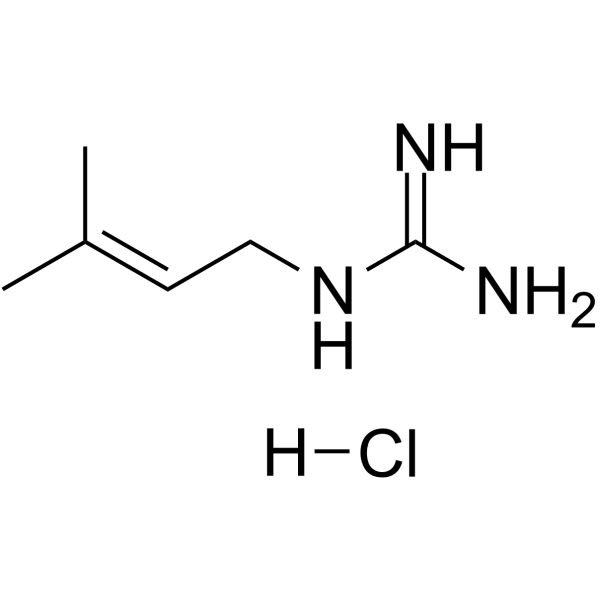
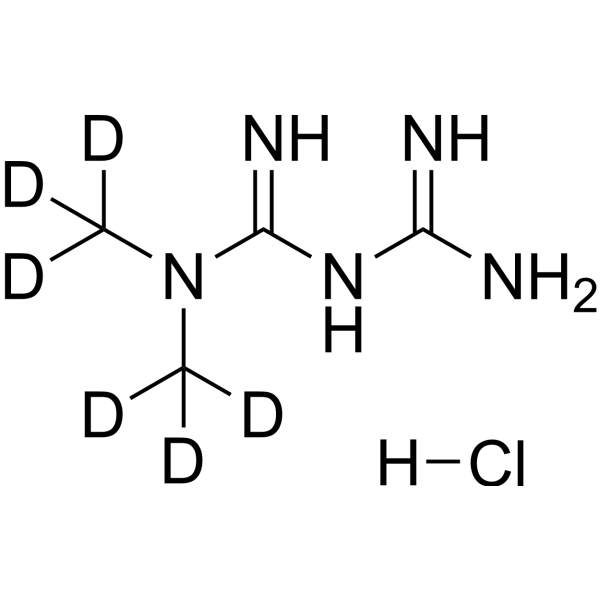
    AMPK activator 2 (compound 7a) hydrochloride, a fluorine-containing proguanil derivative, up-regulates AMPK signal pathway and downregulates mTOR/4EBP1/p70S6K. AMPK activator 2 hydrochloride inhibits proliferation and migration of human cancer cell lines (UMUC3, T24, A549) .
    AMPK activator 2 hydrochloride
  • HY-E70059

    Glucosylceramide Synthase (GCS) Cancer
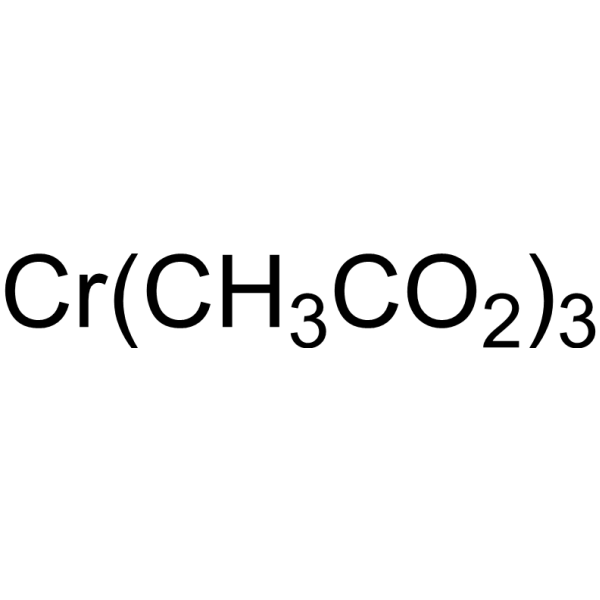
    alpha-1,2-Fucosyltransferase (α1,2FucT), i.e., alpha 1, 2-fucosyltransferase, is often used in biochemical studies. alpha-1,2-Fucosyltransferase is a rate-limiting enzyme, can catalyze the synthesis of Lewis y (a cell membrane-associated carbohydrate antigen) .
    alpha-1,2-Fucosyltransferase (α1,2FucT)
  • HY-P0136AF

    Fluorescent Dye Others
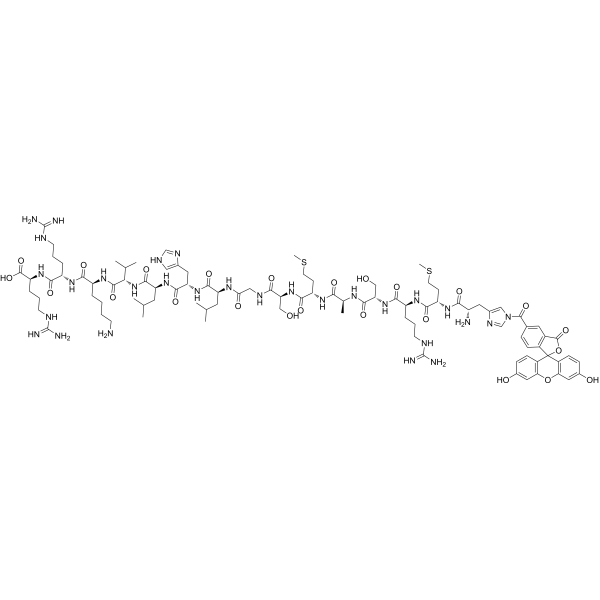
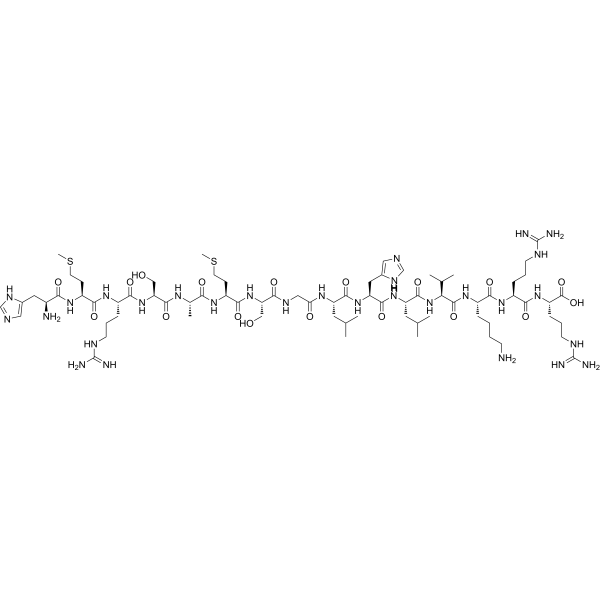
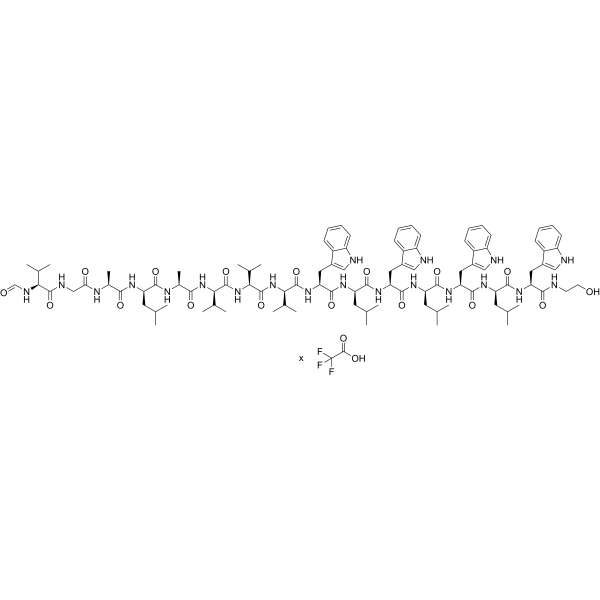
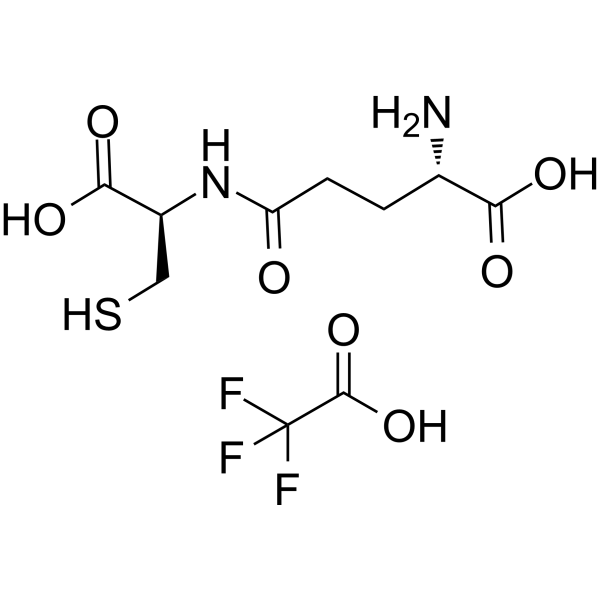
    FAM-SAMS TFA is a 5-FAM (HY-66022) labeled SAMS (HY-P0136). SAMS peptide is a specific substrate for the AMP-activated protein kinase (AMPK) .
    FAM-SAMS TFA
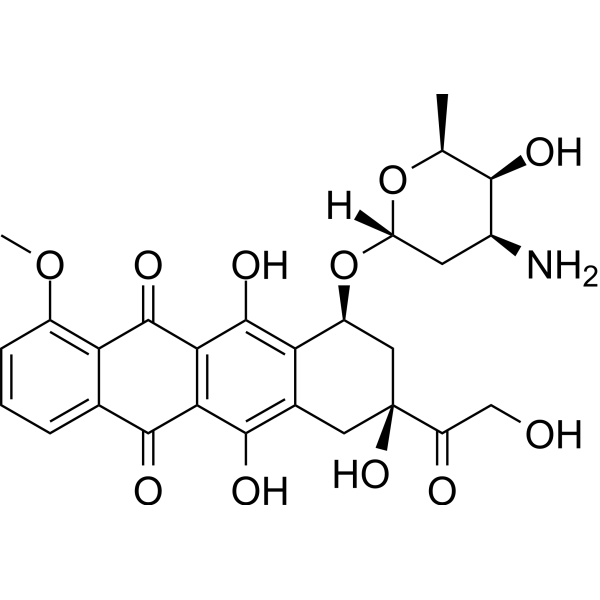
  • HY-124822
    COH-SR4
    2 Publications Verification

    AMPK Metabolic Disease Cancer
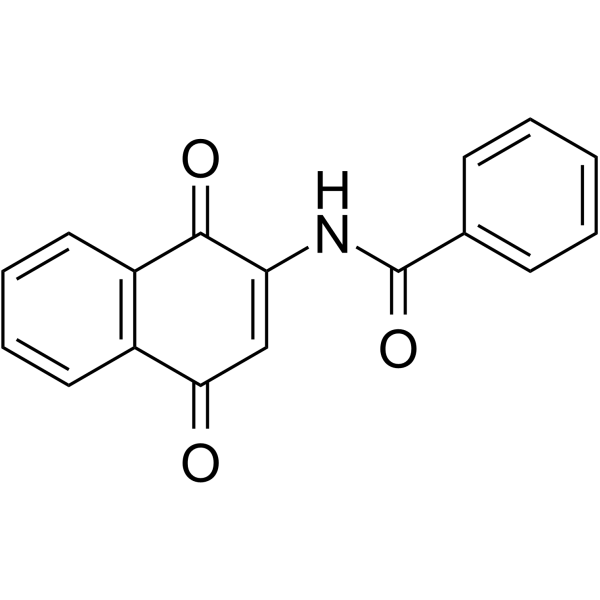
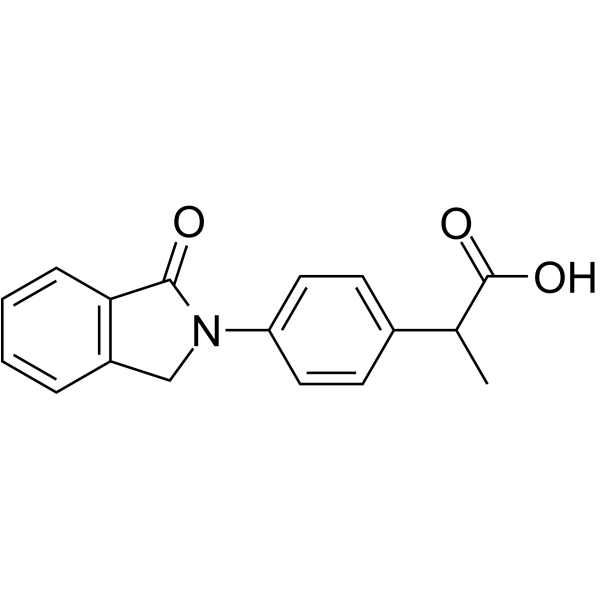
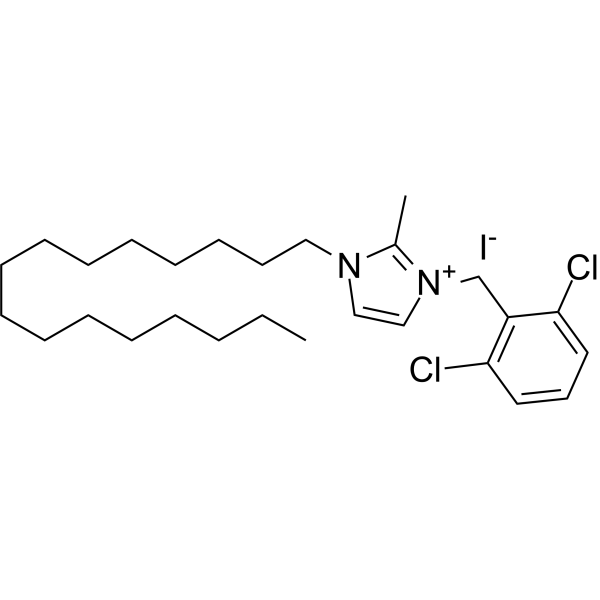
    COH-SR4 is an AMPK activator. COH-SR4 shows potent anti-proliferative activities against leukemia, melanoma, breast and lung cancers. COH-SR4 inhibits adipocyte differentiation via AMPK activation. COH-SR4 can be used for the research of obesity and related metabolic disorders .
    COH-SR4
  • HY-120877A

    MARK Salt-inducible Kinase (SIK) AMPK Apoptosis Cancer
    (R)-MRT199665 is an isomer of MRT199665 (HY-120877). MRT199665 is a potent and ATP-competitive, selective MARK/SIK/AMPK inhibitor with IC50s of 2/2/3/2 nM, 10/10 nM, and 110/12/43 nM for MARK1/MARK2/MARK3/MARK14, AMPKα1/AMPKα2, and SIK1/SIK2/SIK3, respectively. MRT199665 causes apoptosis in MEF2C-activated human acute myeloid leukemias (AML) cells. MRT199665 inhibits the phosphorylation of SIK substrate CRTC3 at S370 .
    (R)-MRT199665
  • HY-148684

    AMPK Metabolic Disease
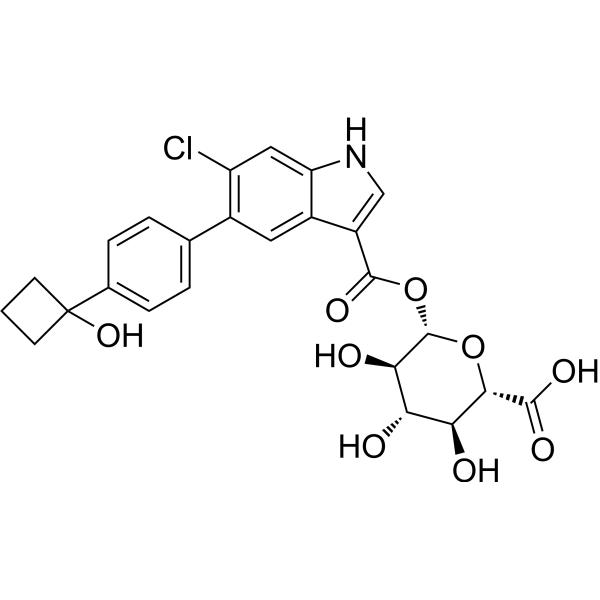
    AMPK activator 10 is an orally active, potent AMPK activator with EC150 of 44.3 nM by cell-ELISA. AMPK activator 10 increases the phosphorylation levels of ACC. AMPK activator 10 exhibits a glucose lowering effect .
    AMPK activator 10
  • HY-U00292

    AMPK Metabolic Disease
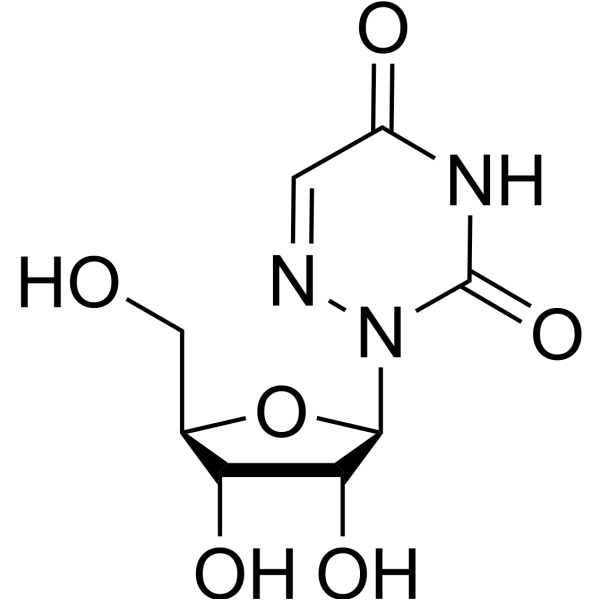
    AMPK activator 1 is an AMPK activator extracted from patent WO2013116491A1, compound No.1-75, has an EC50 of <0.1μM.
    AMPK activator 1
  • HY-E70648

    AMPK Cancer
    AMPK is an αβγ heterotrimeric serinethreonine kinase activated by decreasing concentrations of adenosine triphosphate (ATP) and increasing AMP concentrations. AMPK alpha 1 Recombinant Human Active Protein Kinase is obtained by co-expressing AMPKα1 proteins .
    AMPK alpha 1 Recombinant Human Active Protein Kinase
  • HY-W145682

    Blood Group H

    Biochemical Assay Reagents Others
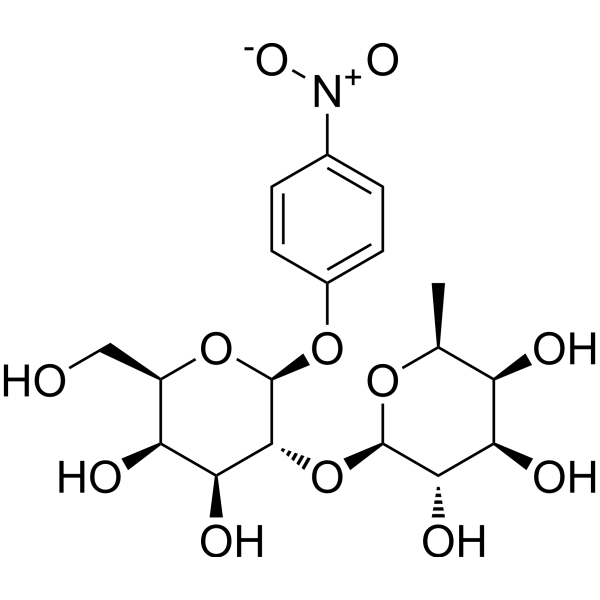
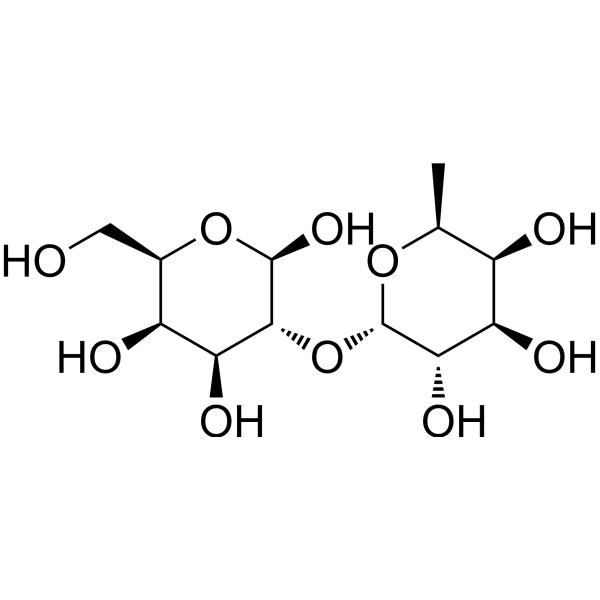
    Blood group H carbohydrate is a carbohydrate containing two monosaccharides, fucose and galactose, linked by α1-2 glycosidic bonds. It is the precursor of ABO blood group antigens, which are present on the surface of red blood cells and play a role in immune recognition and transfusion compatibility. Type H disaccharides have diverse applications in biochemical research, especially in the study of carbohydrate-protein interactions and the biosynthesis of blood group antigens. In addition, it can be used as a diagnostic tool to identify ABO blood group phenotypes.
    Blood group H disaccharide
  • HY-N4253
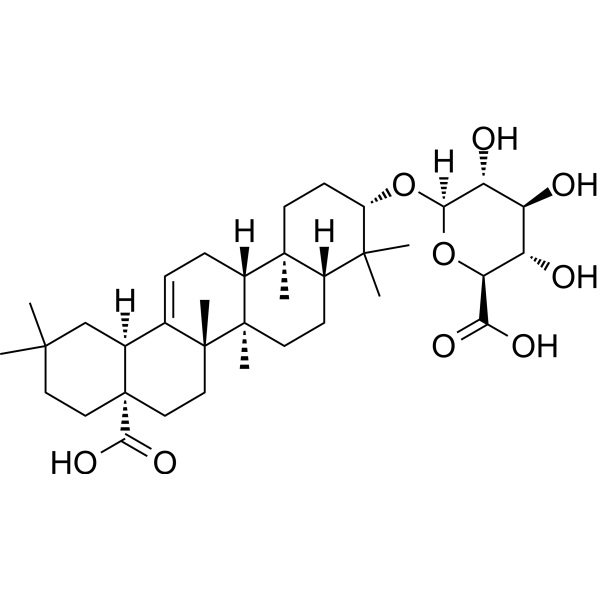
    Kudinoside D
    1 Publications Verification

    Others Metabolic Disease
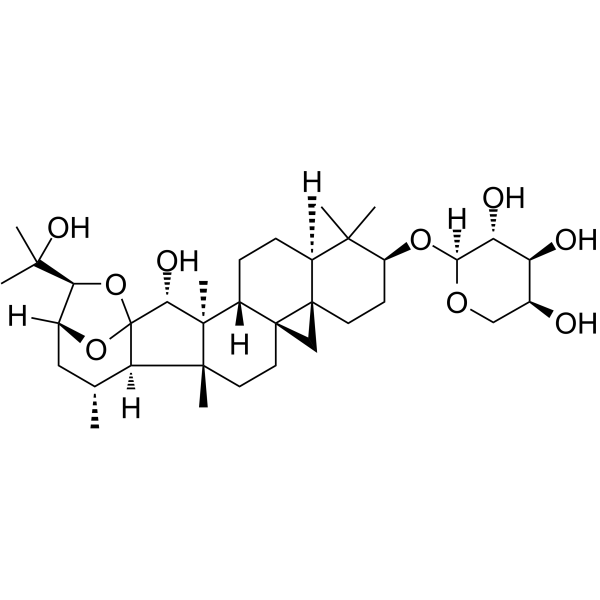
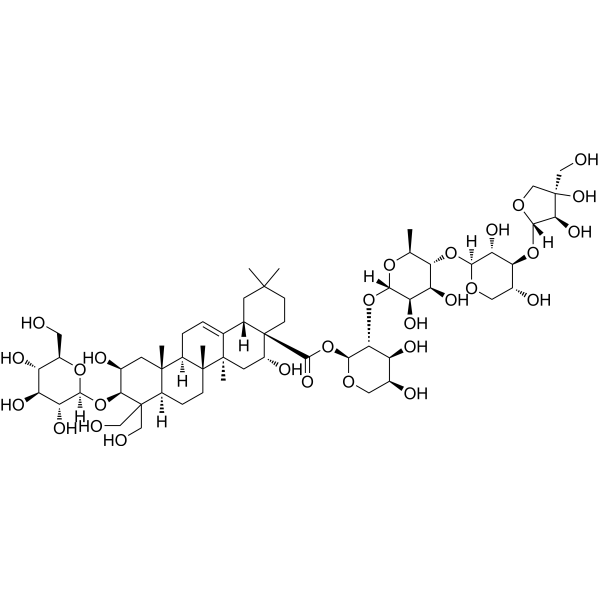
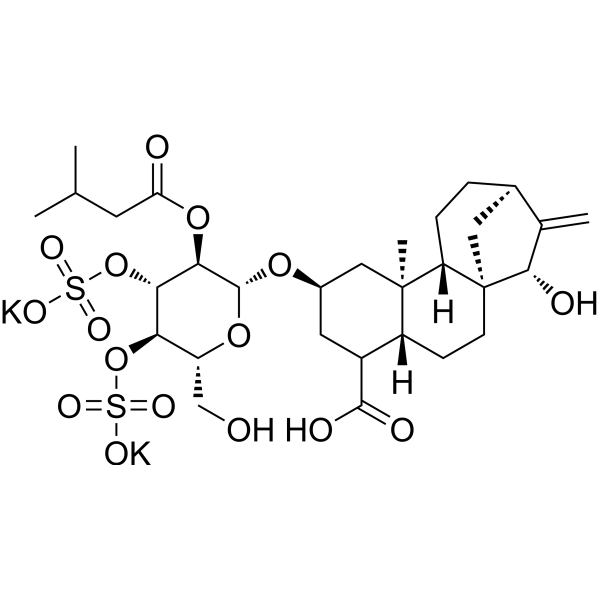
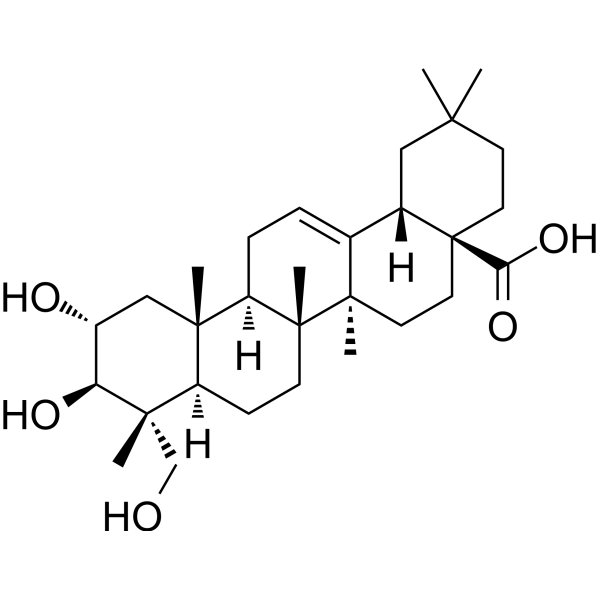
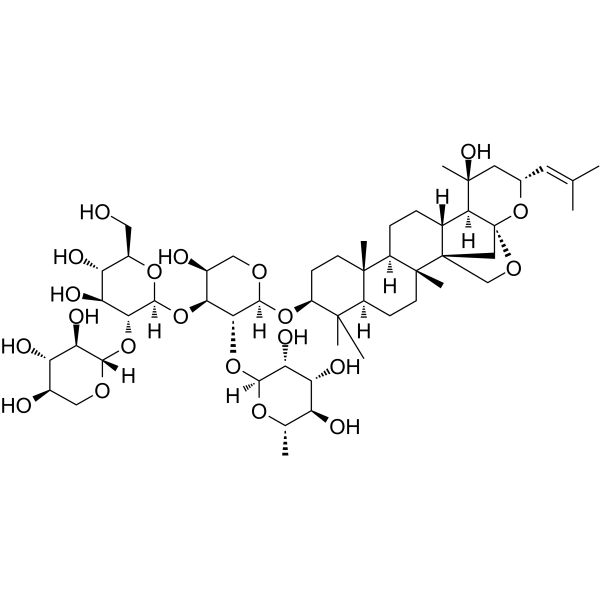
    Kudinoside D is a main natural component of triterpenoid saponin derived from Ilex kudingcha. Kudinoside D suppresses adipogenesis through modulation of the AMPK pathway in 3T3-L1 adipocytes .
    Kudinoside D
  • HY-RS08309

    Small Interfering RNA (siRNA) Others

    MEF2A Human Pre-designed siRNA Set A contains three designed siRNAs for MEF2A gene (Human), as well as a negative control, a positive control, and a FAM-labeled negative control.

    MEF2A Human Pre-designed siRNA Set A
    MEF2A Human Pre-designed siRNA Set A
  • HY-RS08312

    Small Interfering RNA (siRNA) Others

    MEF2D Human Pre-designed siRNA Set A contains three designed siRNAs for MEF2D gene (Human), as well as a negative control, a positive control, and a FAM-labeled negative control.

    MEF2D Human Pre-designed siRNA Set A
    MEF2D Human Pre-designed siRNA Set A
  • HY-RS08311

    Small Interfering RNA (siRNA) Others

    MEF2C Human Pre-designed siRNA Set A contains three designed siRNAs for MEF2C gene (Human), as well as a negative control, a positive control, and a FAM-labeled negative control.

    MEF2C Human Pre-designed siRNA Set A
    MEF2C Human Pre-designed siRNA Set A
  • HY-178239A

    Drug Metabolite AMPK Reactive Oxygen Species (ROS) Inflammation/Immunology
    DX-8951 Hydroxy-acid sodium is a prodrug of phosphoramide. DX-8951 Hydroxy-acid sodium can effectively increase intracellular ATP levels. DX-8951 Hydroxy-acid sodium activates the AMPK signaling pathway by increasing the AMP/ATP ratio. DX-8951 Hydroxy-acid sodium can enhance mitochondrial function and antioxidant capacity while reducing reactive oxygen species (ROS) levels. DX-8951 Hydroxy-acid sodium has shown significant anti-aging and longevity effects in both human fibroblast and nematode models .
    DX-8951 Hydroxy-acid sodium
  • HY-130155

    AMPK Neurological Disease
    AMPK activator C2 is a potent allosteric AMPK activator that is promising for research of epilepsy and convulsions .
    AMPK activator C2
  • HY-154973

    Oxidative Phosphorylation Mitochondrial Metabolism AMPK Metabolic Disease Cancer
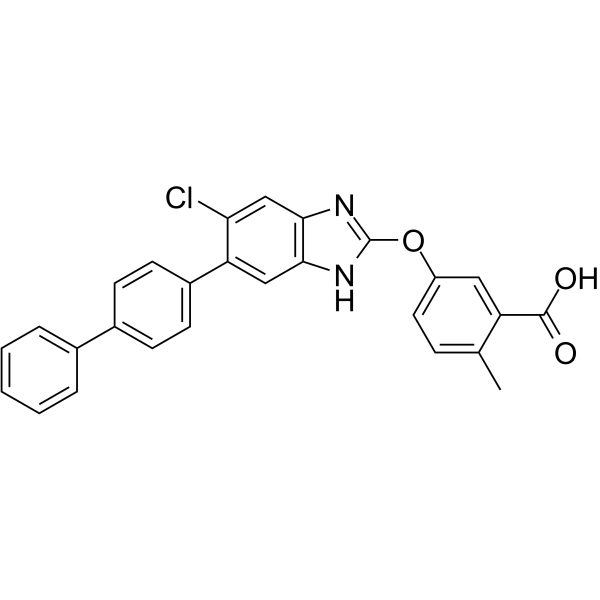
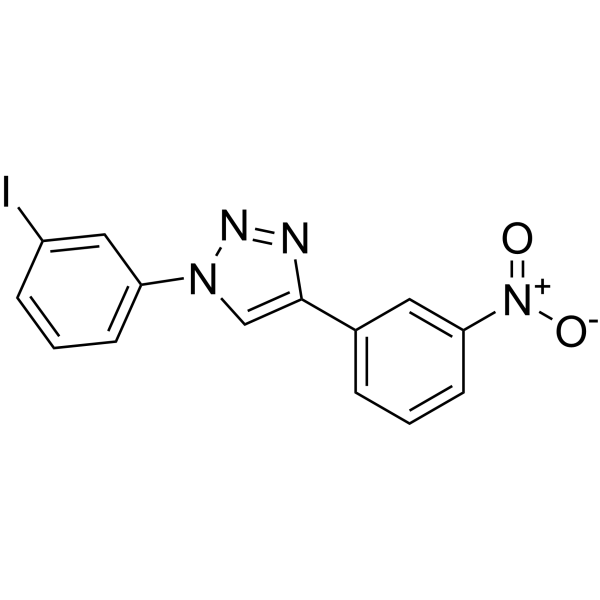
    AMPK activator 11 is an AMP-activated protein kinase (AMPK) activator with nanomolelevel antiproliferation activities against several CRCs. AMPK activator 11 selectively inhibits the RKO xenograft growth along by activating AMPK and upregulating oxidative phosphorylation (OXPHOS) ( mitochondrial metabolism ) and can be used for anti-tumor and metabolic disease research .
    AMPK activator 11
  • HY-147037

    AMPK Cardiovascular Disease Metabolic Disease
    AMPK activator 7 (compound I-3-24) is a an AMPK activator with the EC50 of 8.8 nM. AMPK activator 7 can be used for the research of diseases involving AMPK, particularly diseases such as type 2 diabetes, hyperglycemia, metabolic syndrome, obesity, hypercholesterolemia and/or hypertension .
    AMPK activator 7
  • HY-147038

    AMPK Metabolic Disease
    AMPK activator 8 (compound 2) is an AMP-activated protein kinase (AMPK) activator with EC50s of 11, 27, 4, 2, and 4 nM for rAMPK α1β1γ1, rAMPK α2β1γ1, rAMPK α1β2γ1, rAMPK α2β2γ1, rAMPK α2β2γ3, respectively. AMPK activator 8 can be used for the research of type 2 diabetes .
    AMPK activator 8
  • HY-172094

    AMPK Apoptosis Autophagy Cardiovascular Disease
    AMPK-IN-6 (compound 13a) is potent AMPK inhibitor with an IC50 value of 0.093 µM. AMPK-IN-6 induces apoptosis and inhibits autophagy. AMPK-IN-6 shows antiproliferative activity. AMPK-IN-6 has the potential for the research of pulmonary arterial hypertension .
    AMPK-IN-6
  • HY-132177I

    Biochemical Assay Reagents Others
    exo-α-1,2-Fucosidase,Bifidobacterium bifidum is a glycoside hydrolase that would release free fucose .
    exo-α-1,2-Fucosidase, Bifidobacterium bifidum
  • HY-N11924

    AMPK PPAR Metabolic Disease
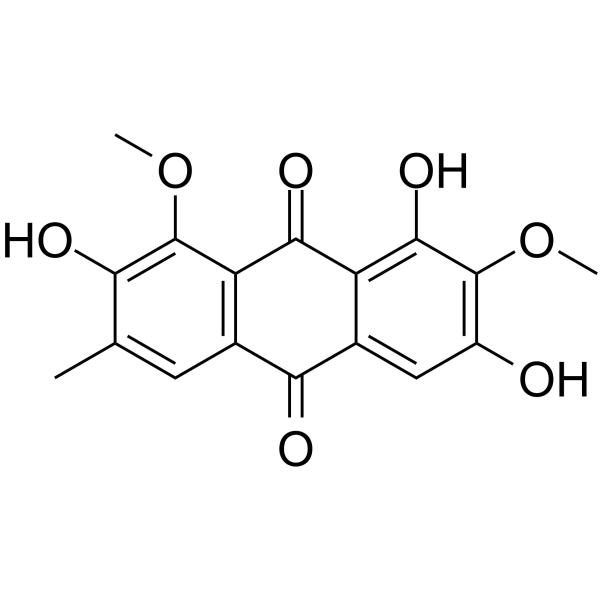
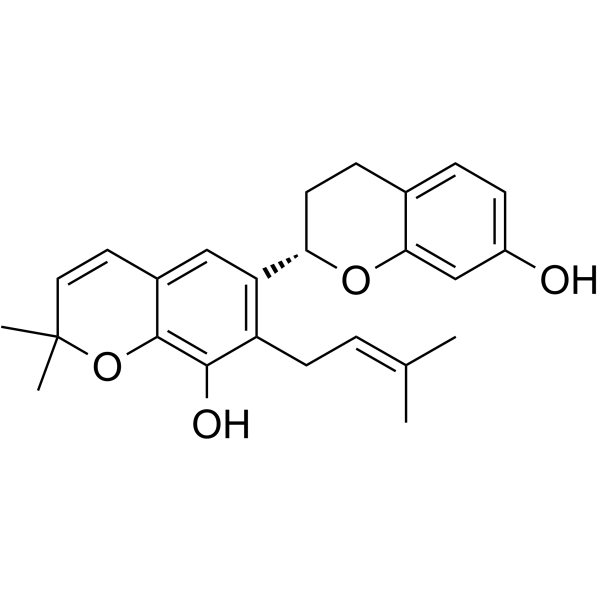
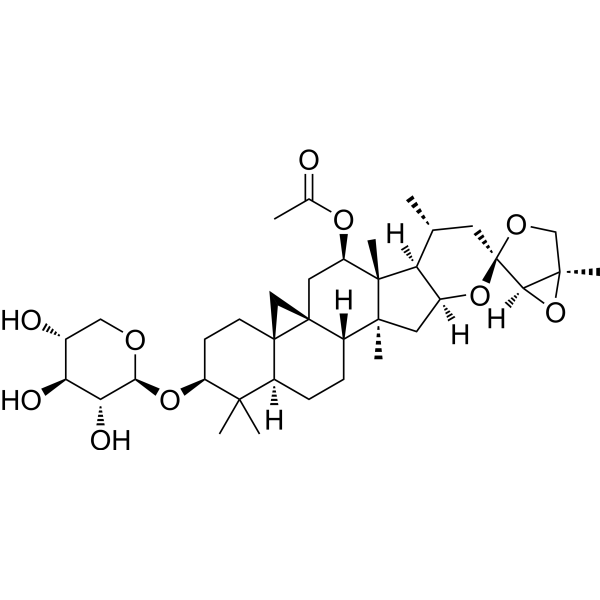
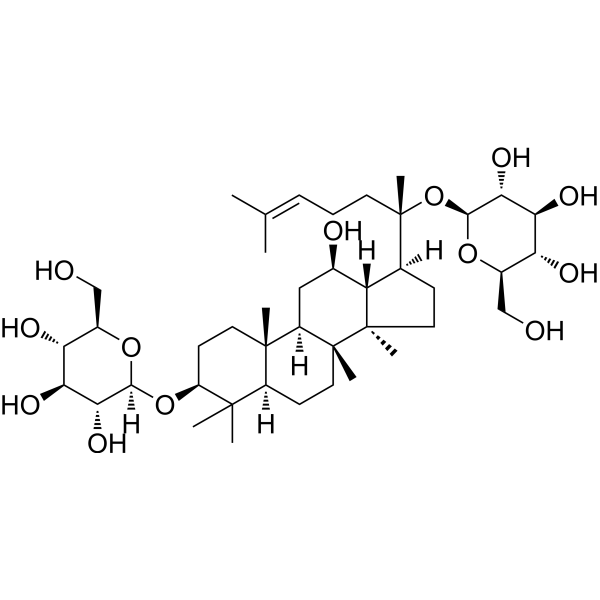
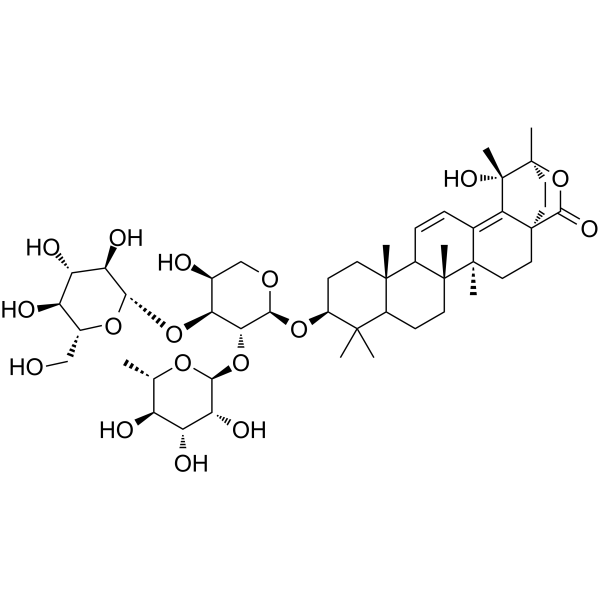
    Foenumoside B is a triterpene saponin isolated from Lysimachia foenum-graecum. Foenumoside B activates AMPK signaling, inhibits PPARγ-induced adipogenesis, and shifts lipid metabolism toward lipolysis. Foenumoside B can be used in the study of obesity and obesity-related metabolic diseases .
    Foenumoside B
  • HY-N15093

    Antibiotic Parasite Infection
    Milbemycin α12 is an antibiotic and has the effect of killing nematodes and mites .
    Milbemycin α12

Inquiry Online

Your information is safe with us. * Required Fields.

Salutation


Country or Region *

Applicant Name *


Organization Name *

Department *


Email Address *


Product Name *

Cat. No.


Requested quantity *

Phone Number *


Remarks

Inquiry Online

Inquiry Information

Product Name:
Cat. No.:
Quantity:
MCE Japan Authorized Agent: