



Bempedoic acid
Based on 25 publication(s) in Google Scholar
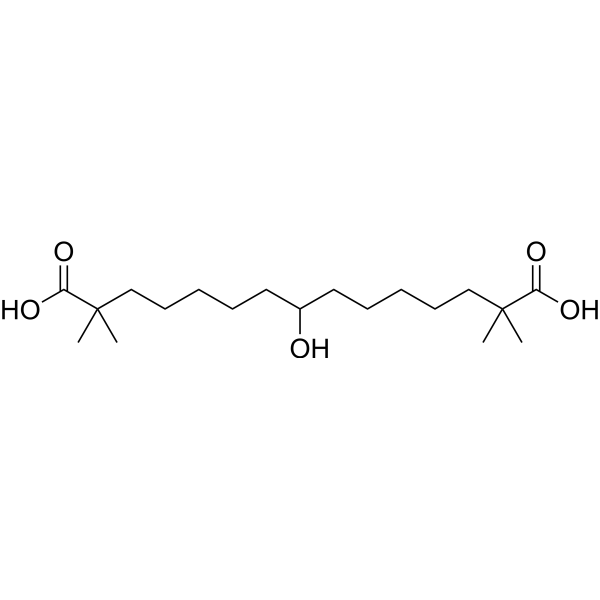
Bempedoic acid (ETC-1002) is an ATP-citrate lyase (ACL) inhibitor. Bempedoic acid (ETC-1002) activates AMPK.
For research use only. We do not sell to patients.
- Purity : 99.88%
- CAS No.: 738606-46-7
- Formula: C19H36O5
- Molecular Weight:344.49
-
Storage:Powder -20°C, 3 years , 4°C, 2 years ; In solvent -80°C, 6 months , -20°C, 1 month

To place orders, for customer services and technical support, please contact: MedChemExpress USA
Tel: 609-228-6898 E-mail: [email protected] [email protected]


-
 Biological Activity
-
Chemical Information
-
Solvent & Solubility
- Purity & Documentation
- References
-
 Help & FAQs


-
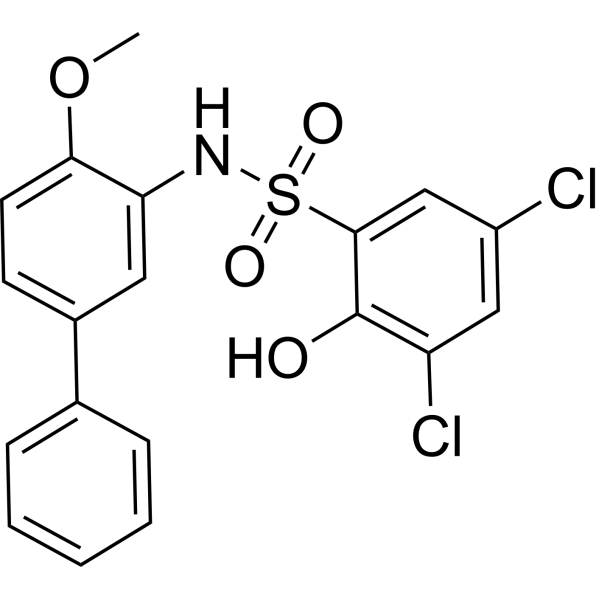
HY-16107
BMS-303141ATP Citrate Lyase Inhibitor -
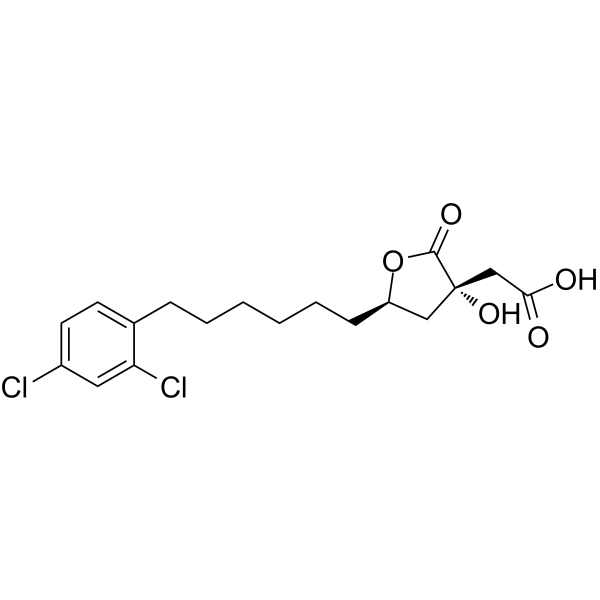
HY-16450
SB 204990ATP Citrate Lyase Inhibitor -
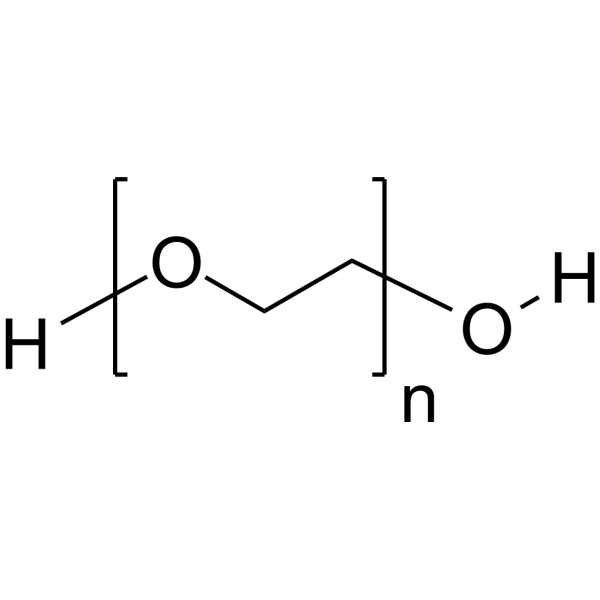
HY-Y0873
PEG300Neutral Polymer -
HY-50662
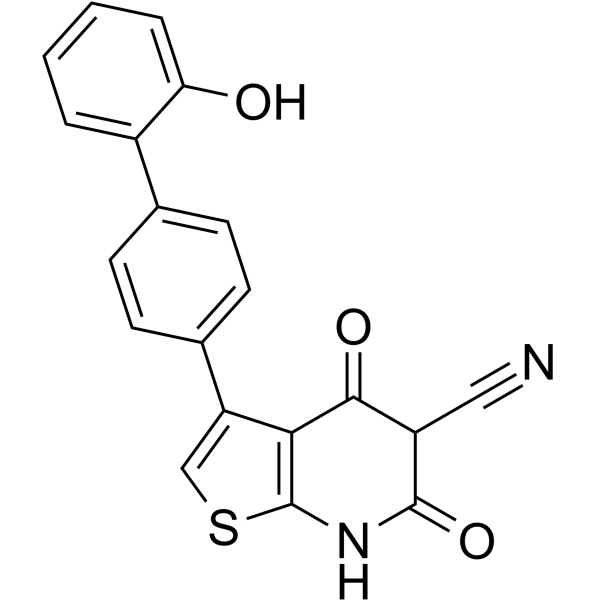
A-769662AMPK Activator -
HY-15453
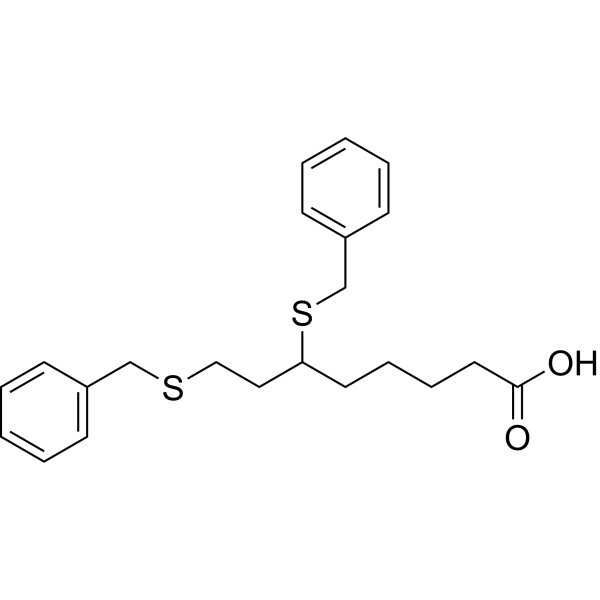
DevimistatMitochondrial Metabolism Inhibitor -
HY-127111
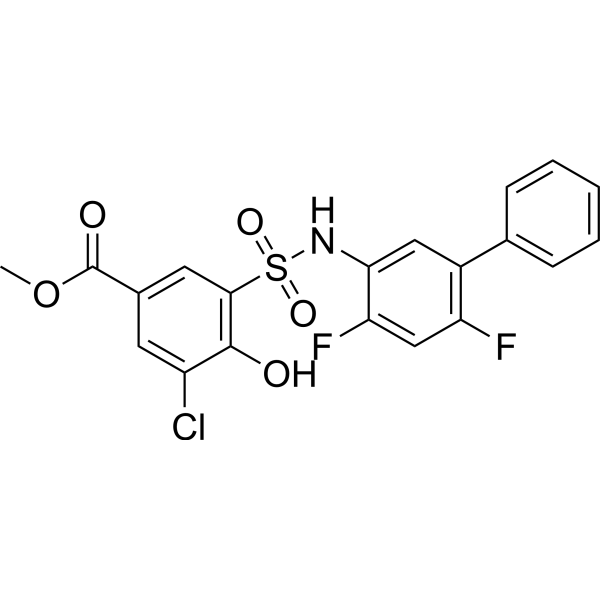
NDI-091143ATP Citrate Lyase Inhibitor -
HY-10219
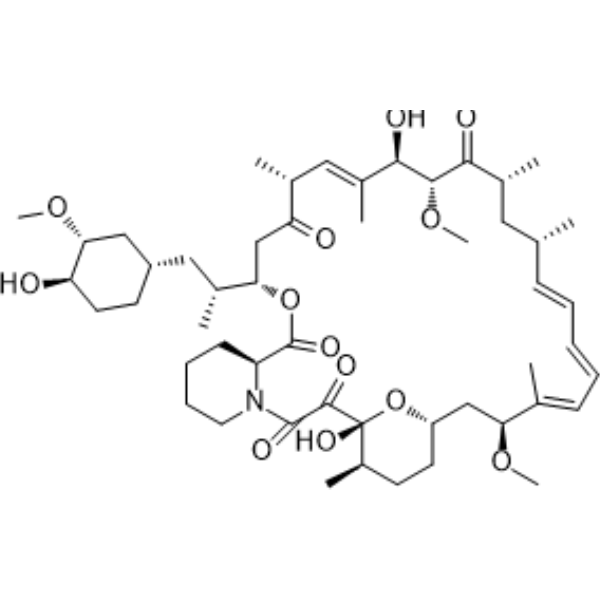
RapamycinmTOR Inhibitor -
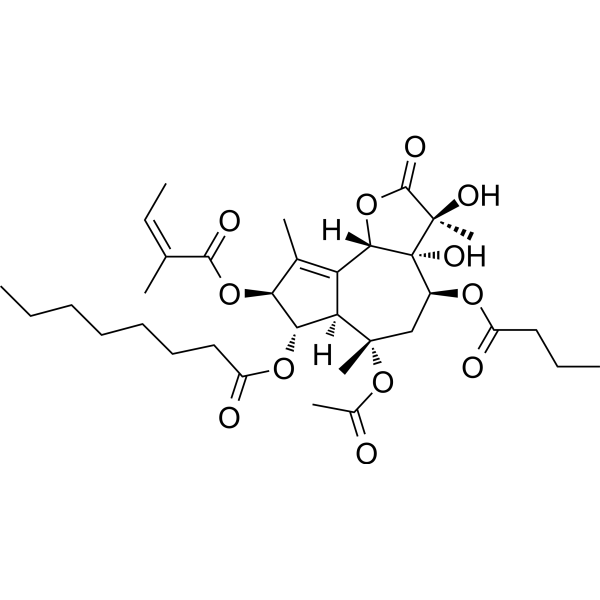
HY-13433
ThapsigarginER Stress Inducer -
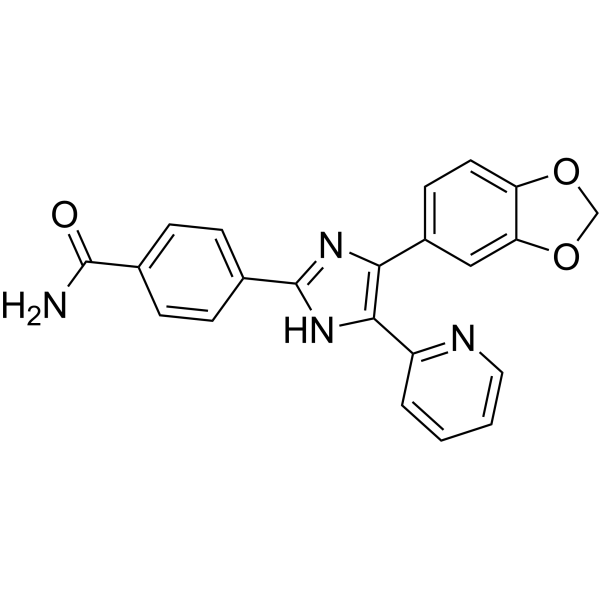
HY-10431
SB-431542TGF-β Receptor Kinase Inhibitor -
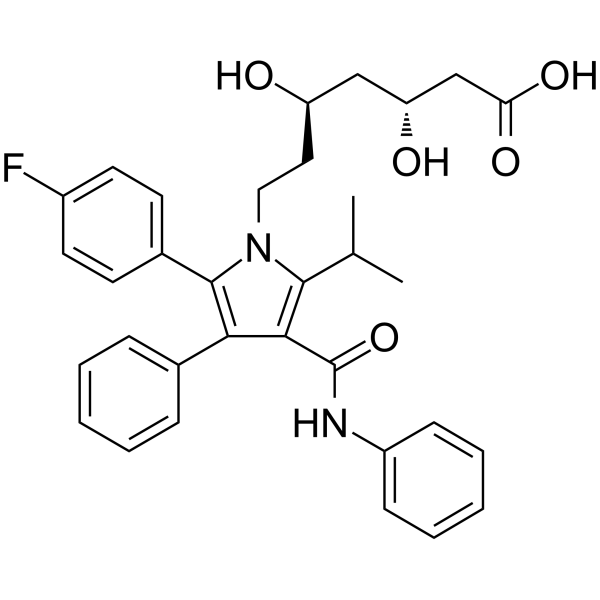
HY-B0589
AtorvastatinHMG-CoA Reductase Inhibitor -
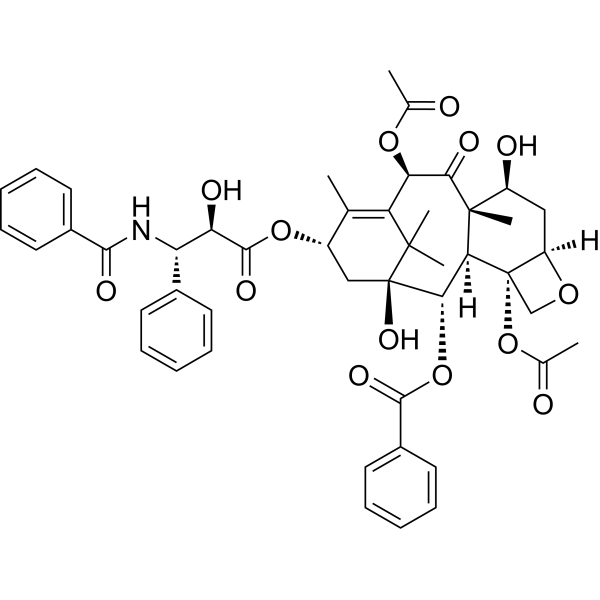
HY-B0015
PaclitaxelAntitumor Agent -

HY-Y0320
Dimethyl sulfoxide, meets analytical specification of Ch.P.Aprotic Solvent
Publications Citing Use of MedChemExpress (MCE) Bempedoic acid
More- Nature. 2025 Sep;645(8080):507-517. [Abstract]
- Cancer Cell. 2024 May 13;42(5):869-884.e9. [Abstract]
- Cell Metab. 2025 Oct 22:S1550-4131(25)00396-1. [Abstract]
- Cell Metab. 2025 Jan 7;37(1):239-254.e7. [Abstract]
- Hepatology. 2021 Jan;73(1):160-174. [Abstract]
- J Adv Res. 2025 Mar 31:S2090-1232(25)00218-8. [Abstract]
- Mol Cell. 2026 Jun 2:S1097-2765(26)00317-5. [Abstract]
- Acta Pharm Sin B. 2023 Feb;13(2):739-753. [Abstract]
- Cell Rep Med. 2025 Jul 15;6(7):102211. [Abstract]
- Research (Wash D C). 2024 Apr 23:7:0365. [Abstract]
- Cell Death Dis. 2023 Nov 7;14(11):722. [Abstract]
- Cell Death Dis. 2021 Nov 27;12(12):1113. [Abstract]
- Cell Death Dis. 2021 Jun 1;12(6):564. [Abstract]
- Br J Pharmacol. 2026 Mar 11. [Abstract]
- Life Sci. 2026 Jul 13:402:124590. [Abstract]
- Biomedicines. 2022 Jun 27;10(7):1517. [Abstract]
- BMC Cancer. 2024 Mar 25;24(1):371. [Abstract]
- Fitoterapia. 2024 Mar:173:105813. [Abstract]
- bioRxiv. 2026 Jul 10:2026.07.06.736331.
- bioRxiv. 2026 Mar 18.
- bioRxiv. 2026 Feb 1.
- Biomed Pharmacother. 2025 Mar:184:117876. [Abstract]
- SSRN. 2024 Oct 16.
- Dis Markers. 2022 Mar 16;2022:8583674. [Abstract]
- Research Square Preprint. 2022 Feb.
 Customer Validation & Images

-
Bio/Physico-chemical Assay
-
WB
-
Histological Imaging/Staining
-
Cell Imaging/Staining
-
RT-PCR
All AMPK Isoforms
More

Biological Activity
Description
IC50 & Target
[1]|
AMPK |
In Vitro
Bempedoic acid (ETC-1002) activates AMP-activated protein kinase in a Ca2+/calmodulin-dependent kinase β-independent and liver kinase β 1-dependent manner, without detectable changes in adenylate energy charge. Bempedoic acid is shown to rapidly form a CoA thioester in liver, which directly inhibits ATP-citrate lyase[1]. In cells treated with Bempedoic acid (ETC-1002), increased levels of AMP-activated protein kinase (AMPK) phosphorylation coincide with reduced activity of MAP kinases and decreased production of proinflammatory cytokines and chemokines[2].
MedChemExpress (MCE) has not independently confirmed the accuracy of these methods. They are for reference only.
In Vivo
MedChemExpress (MCE) has not independently confirmed the accuracy of these methods. They are for reference only.
Clinical Trial
| NCT Number | Sponsor | Condition | Start Date |
Phase

|
|---|---|---|---|---|
| NCT01329991 | Plexxikon| | 2011-05 | PHASE1 |


Chemical Information
-
CAS No. 738606-46-7
-
Appearance Solid
-
Molecular Weight 344.49
-
Formula C19H36O5
-
Color White to light yellow
-
SMILES
O=C(O)C(C)(C)CCCCCC(O)CCCCCC(C)(C)C(O)=O
-
Synonyms
ETC-1002; ESP-55016
-
Shipping
Room temperature in continental US; may vary elsewhere.
-
Storage
Powder -20°C 3 years 4°C 2 years In solvent -80°C 6 months -20°C 1 month


Publications (25)
-
Journal Impact Factor
-
Most Recent
-
Nature
2025 Sep;645(8080):507-517. PMID: 40739358 -
Cancer Cell
Tumor cell-intrinsic epigenetic dysregulation shapes cancer-associated fibroblasts heterogeneity to metabolically support pancreatic cancer. [Abstract]2024 May 13;42(5):869-884.e9. PMID: 38579725 -
Cell Metab
The enedioic acid analog 326E alleviates metabolic dysfunction-associated steatohepatitis via dual targeting at ACLY and PPARα. [Abstract]2025 Oct 22:S1550-4131(25)00396-1. PMID: 41130202 -
Cell Metab
Bempedoic acid suppresses diet-induced hepatic steatosis independently of ATP-citrate lyase. [Abstract]2025 Jan 7;37(1):239-254.e7. PMID: 39471816
Bempedoic acid purchased from MedChemExpress. Usage Cited in: Cell Metab. 2025 Jan 7;37(1):239-254.e7. [Abstract]
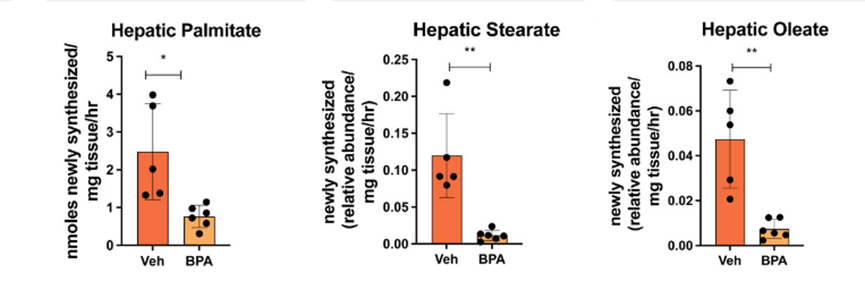
Bempedoic acid (BPA) (30 mg/kg, i.g.) yielded a significant reduction in total DNL in mice consuming sweetened water.
Bempedoic acid purchased from MedChemExpress. Usage Cited in: Cell Metab. 2025 Jan 7;37(1):239-254.e7. [Abstract]
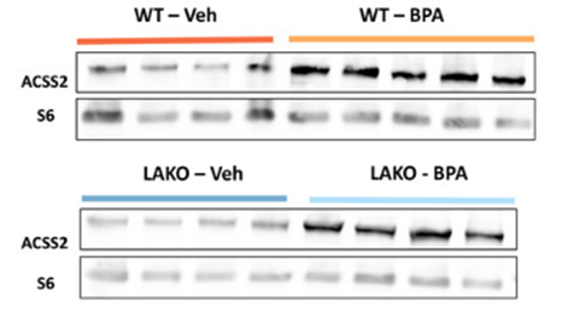
Bempedoic acid (BPA) (30 mg/kg, i.g.) also promoted ACSS2 upregulation and increases in pAMPK by western blot.
Bempedoic acid purchased from MedChemExpress. Usage Cited in: Cell Metab. 2025 Jan 7;37(1):239-254.e7. [Abstract]
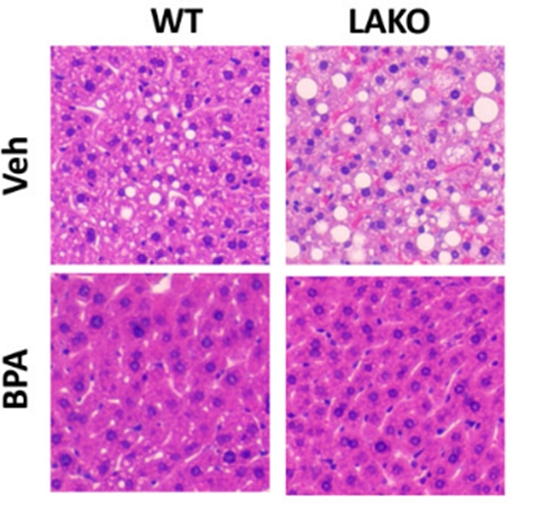
Treatment with Bempedoic acid (BPA) (30 mg/kg, i.g.) abrogated the genotype-dependent difference in liver weight and dramatically suppressed steatosis in both WT and LAKO mice.
Bempedoic acid purchased from MedChemExpress. Usage Cited in: Cell Metab. 2025 Jan 7;37(1):239-254.e7. [Abstract]
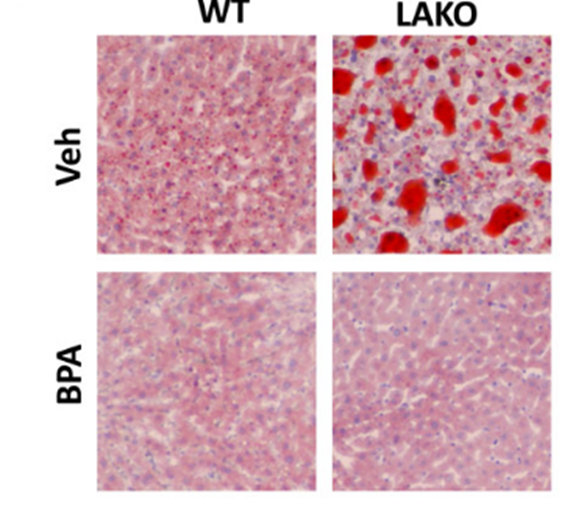
Treatment with Bempedoic acid (BPA) (30 mg/kg, i.g.) abrogated the genotype-dependent difference in liver weight and dramatically suppressed steatosis in both WT and LAKO mice.
-
Hepatology
2021 Jan;73(1):160-174. PMID: 32221968 -
J Adv Res
Metformin attenuates colitis via blocking STAT3 acetylation by reducing acetyl-CoA production. [Abstract]2025 Mar 31:S2090-1232(25)00218-8. PMID: 40174640 -
Mol Cell
2026 Jun 2:S1097-2765(26)00317-5. PMID: 42229415 -
Acta Pharm Sin B
Development of the novel ACLY inhibitor 326E as a promising treatment for hypercholesterolemia. [Abstract]2023 Feb;13(2):739-753. PMID: 36873173 -
Cell Rep Med
Augment proteasome inhibitor efficacy activates CD8+ T cell-mediated antitumor immunity in breast cancer. [Abstract]2025 Jul 15;6(7):102211. PMID: 40609539 -
Research (Wash D C)
Diabetes Primes Neutrophils for Neutrophil Extracellular Trap Formation through Trained Immunity. [Abstract]2024 Apr 23:7:0365. PMID: 38654733 -
Cell Death Dis
Pyruvate dehydrogenase kinase 1 protects against neuronal injury and memory loss in mouse models of diabetes. [Abstract]2023 Nov 7;14(11):722. PMID: 37935660 -
Cell Death Dis
ONECUT2 facilitates hepatocellular carcinoma metastasis by transcriptionally upregulating FGF2 and ACLY. [Abstract]2021 Nov 27;12(12):1113. PMID: 34839358 -
Cell Death Dis
IGF1-mediated HOXA13 overexpression promotes colorectal cancer metastasis through upregulating ACLY and IGF1R. [Abstract]2021 Jun 1;12(6):564. PMID: 34075028 -
Br J Pharmacol
Thrombospondin-4 is upregulated in abdominal aortic aneurysm: A vasoprotective response with potential therapeutic relevance. [Abstract]2026 Mar 11. PMID: 41814667 -
Life Sci
Aerobic exercise reduces lipid accumulation via ACLY-mediated metabolic remodeling to alleviate cardiac remodeling. [Abstract]2026 Jul 13:402:124590. PMID: 42442604 -
Biomedicines
2022 Jun 27;10(7):1517. PMID: 35884822 -
BMC Cancer
Single-cell transcriptional signature-based drug repurposing and in vitro evaluation in colorectal cancer. [Abstract]2024 Mar 25;24(1):371. PMID: 38528462 -
Fitoterapia
Formyl phloroglucinol meroterpenoids from the leaves of Eucalyptus globulus subsp. maidenii and their ATP-citrate lyase inhibitory activities. [Abstract]2024 Mar:173:105813. PMID: 38184174 -
-
-
-
Biomed Pharmacother
Inhibition of ATP-citrate lyase by bempedoic acid protects against abdominal aortic aneurysm formation in mice. [Abstract]2025 Mar:184:117876. PMID: 39889383
Bempedoic acid purchased from MedChemExpress. Usage Cited in: Biomed Pharmacother. 2025 Mar:184:117876. [Abstract]
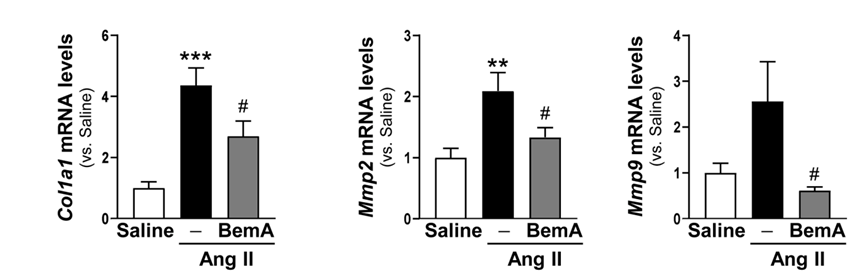
Bempedoic acid (BemA) (30 mg/kg, i.g.) attenuated the compensatory increase in aortic collagen I expression and decreased the enhanced vascular expression of Mmp-2 induced by Ang II and lowered Mmp-9 mRNA levels compared with mice receiving Ang II alone.
-
-
Dis Markers
ETC-1002 Attenuates Porphyromonas gingivalis Lipopolysaccharide-Induced Inflammation in RAW264.7 Cells via the AMPK/NF- κ B Pathway and Exerts Ameliorative Effects in Experimental Periodontitis in Mice. [Abstract]2022 Mar 16;2022:8583674. PMID: 35340409 -


Solvent & Solubility
In Vitro:
DMSO : 100 mg/mL (290.28 mM; Need ultrasonic; Hygroscopic DMSO has a significant impact on the solubility of product, please use newly opened DMSO)
Please refer to the solubility information to select the appropriate solvent. Once prepared, please aliquot and store the solution to prevent product inactivation from repeated freeze-thaw cycles.
Storage method and period of stock solution: -80°C, 6 months; -20°C, 1 month. When stored at -80°C, please use it within 6 months. When stored at -20°C, please use it within 1 month.
Please refer to the solubility information to select the appropriate solvent. Once prepared, please aliquot and store the solution to prevent product inactivation from repeated freeze-thaw cycles.
Storage method and period of stock solution: -80°C, 6 months; -20°C, 1 month. When stored at -80°C, please use it within 6 months. When stored at -20°C, please use it within 1 month.
Concentration (start) × Volume (start) = Concentration (final) × Volume (final)
In Vivo:
Select the appropriate dissolution method based on your experimental animal and administration route.
- For the following dissolution methods, please ensure to first prepare a clear stock solution using an In Vitro approach and then sequentially add co-solvents:
- To ensure reliable experimental results, the clarified stock solution can be appropriately stored based on storage conditions. As for the working solution for In Vivo experiments, it is recommended to prepare freshly and use it on the same day.
- The percentages shown for the solvents indicate their volumetric ratio in the final prepared solution. If precipitation or phase separation occurs during preparation, heat and/or sonication can be used to aid dissolution.
Add each solvent one by one: 10% DMSO 40% PEG300 5% Tween-80 45% Saline
Solubility: ≥ 2.5 mg/mL (7.26 mM); Clear solution
This protocol yields a clear solution of ≥ 2.5 mg/mL (saturation unknown).
Taking 1 mL working solution as an example, add 100 μL DMSO stock solution (25.0 mg/mL) to 400 μL PEG300, and mix evenly; then add 50 μL Tween-80 and mix evenly; then add 450 μL Saline to adjust the volume to 1 mL.
Preparation of Saline: Dissolve 0.9 g sodium chloride in ddH₂O and dilute to 100 mL to obtain a clear Saline solution.
Add each solvent one by one: 10% DMSO 90% (20% SBE-β-CD in Saline)
Solubility: ≥ 2.5 mg/mL (7.26 mM); Clear solution
This protocol yields a clear solution of ≥ 2.5 mg/mL (saturation unknown).
Taking 1 mL working solution as an example, add 100 μL DMSO stock solution (25.0 mg/mL) to 900 μL 20% SBE-β-CD in Saline, and mix evenly.
Preparation of 20% SBE-β-CD in Saline (4°C, storage for one week): 2 g SBE-β-CD powder is dissolved in 10 mL Saline, completely dissolve until clear.
Add each solvent one by one: 1% DMSO 99% Saline
Solubility: 0.57 mg/mL (1.65 mM); Suspended solution; Need ultrasonic
In Vivo Dissolution Calculator
Please enter the basic information of animal experiments:
-
-
-
-
Recommended: Prepare an additional quantity of animals to account for potential losses during experiments.
Please enter your animal formula composition:
-
%DMSO +
Recommended: Keep the proportion of DMSO in working solution below 2% if your animal is weak.
-
%+
-
+%Tween-80 + +
-
%Saline +
The co-solvents required include: DMSO, . All of co-solvents are available by MedChemExpress (MCE). , Tween 80. All of co-solvents are available by MedChemExpress (MCE).
Working solution concentration: 0.22 mg/mL
Method for preparing stock solution: mg drug dissolved in μL DMSO. Stock solution concentration: mg/mL.
1. Take μL DMSO stock solution;
2. Add μL .
μL , mix evenly;
3. Then add μL Tween 80, mix evenly;
4. Then add μL
Please ensure that the stock solution in the first step is dissolved to a clear state, and add co-solvents in sequence. You can use ultrasonic heating (ultrasonic cleaner, recommended frequency 20-40 kHz), vortexing, etc. to assist dissolution.


Purity & Documentation
-
Data Sheet (273 KB)
-
SDS (394 KB)
- English - EN (394 KB)
- Français - FR (394 KB)
- Deutsch - DE (394 KB)
- Norwegian - NO (394 KB)
- Español - ES (394 KB)
- Swedish - SV (394 KB)
- Italian - IT (394 KB)
- Korean - KR (394 KB)
- Portuguese - PT (394 KB)
-
Handling Instructions (2659 KB)
References
[1]. Pinkosky SL, et al. AMP-activated protein kinase and ATP-citrate lyase are two distinct molecular targets for ETC-1002, a novel small molecule regulator of lipid and carbohydrate metabolism. J Lipid Res. 2013 Jan;54(1):134-51. [Content Brief]
[2]. Filippov S, et al. ETC-1002 regulates immune response, leukocyte homing, and adipose tissue inflammation via LKB1-dependent activation of macrophage AMPK. J Lipid Res. 2013 Aug;54(8):2095-108. [Content Brief]


Complete Stock Solution Preparation Table
Please refer to the solubility information to select the appropriate solvent. Once prepared, please aliquot and store the solution to prevent product inactivation from repeated freeze-thaw cycles.
Storage method and period of stock solution: -80°C, 6 months; -20°C, 1 month. When stored at -80°C, please use it within 6 months. When stored at -20°C, please use it within 1 month.
| Optional Solvent | Concentration Solvent Mass | 1 mg | 5 mg | 10 mg | 25 mg |
|---|---|---|---|---|---|
| DMSO | 1 mM | 2.9028 mL | 14.5142 mL | 29.0284 mL | 72.5710 mL |
| 5 mM | 0.5806 mL | 2.9028 mL | 5.8057 mL | 14.5142 mL | |
| 10 mM | 0.2903 mL | 1.4514 mL | 2.9028 mL | 7.2571 mL | |
| 15 mM | 0.1935 mL | 0.9676 mL | 1.9352 mL | 4.8381 mL | |
| 20 mM | 0.1451 mL | 0.7257 mL | 1.4514 mL | 3.6286 mL | |
| 25 mM | 0.1161 mL | 0.5806 mL | 1.1611 mL | 2.9028 mL | |
| 30 mM | 0.0968 mL | 0.4838 mL | 0.9676 mL | 2.4190 mL | |
| 40 mM | 0.0726 mL | 0.3629 mL | 0.7257 mL | 1.8143 mL | |
| 50 mM | 0.0581 mL | 0.2903 mL | 0.5806 mL | 1.4514 mL | |
| 60 mM | 0.0484 mL | 0.2419 mL | 0.4838 mL | 1.2095 mL | |
| 80 mM | 0.0363 mL | 0.1814 mL | 0.3629 mL | 0.9071 mL | |
| 100 mM | 0.0290 mL | 0.1451 mL | 0.2903 mL | 0.7257 mL |


Bempedoic acid Related Classifications
HY-12357 Related Classifications
 Powered by Bioz