1. Search Result
Search Result
Results for "

oxidative stress inducer

" in MedChemExpress (MCE) Product Catalog:

586

Inhibitors & Agonists

1

Screening Libraries

4

Fluorescent Dyes

12

Biochemical Assay Reagents

9

Peptides

212

Natural
Products

65

Isotope-Labeled Compounds

2

Click Chemistry

1

Oligonucleotides

3

GMP Molecules

Cat. No. Product Name Target Research Areas Chemical Structure
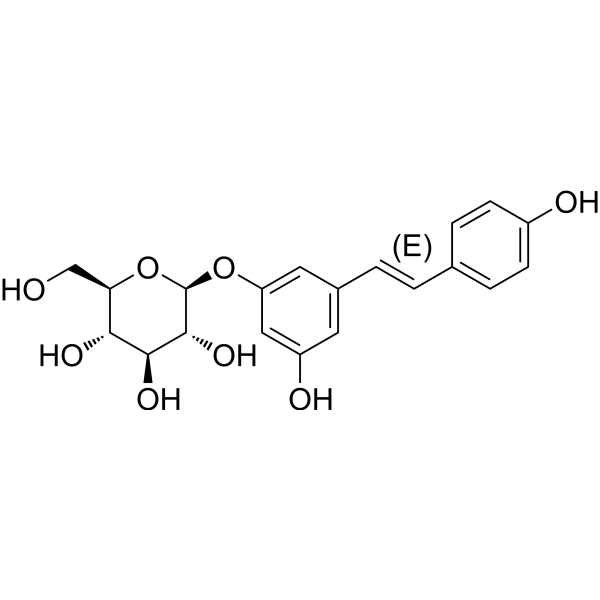
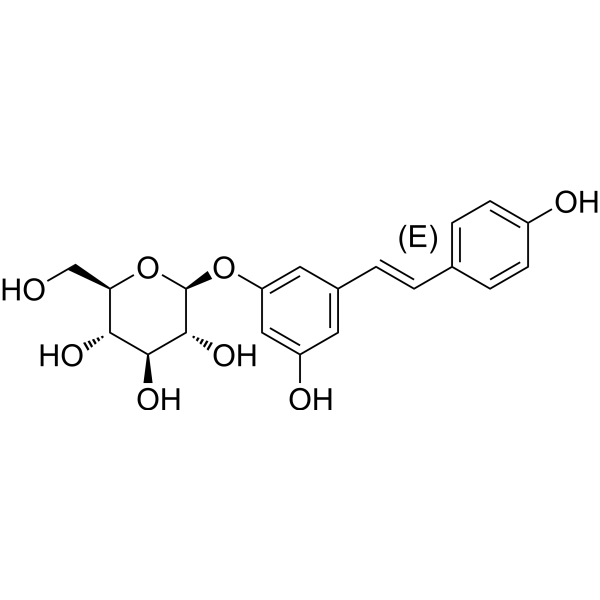
  • HY-N0120A
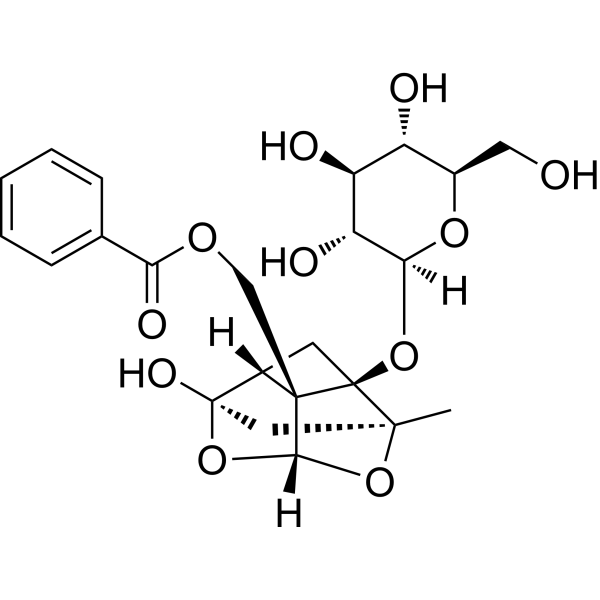
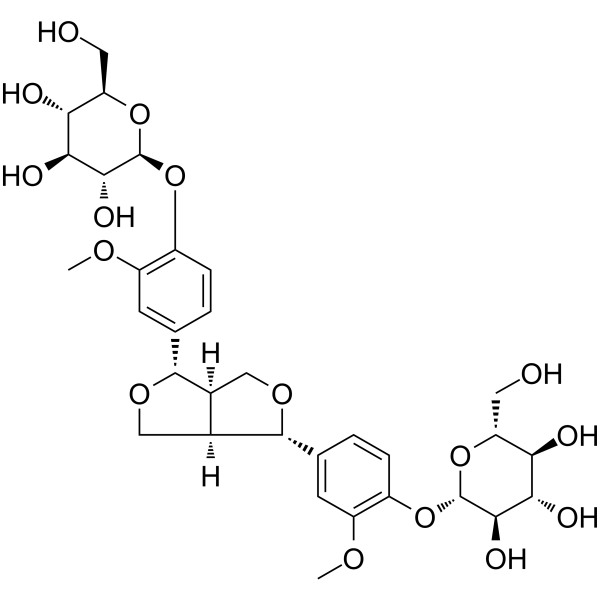
    Polydatin
    10+ Cited Publications

    Piceid

    Autophagy Apoptosis Mitophagy Inflammation/Immunology Cancer
    Polydatin (Piceid), extracted from the roots of Reynoutria japonica, a widely used traditional Chinese remedies, possesses anti-inflammatory activity in several experimental models. Polydatin (Piceid) inhibits G6PD and induces oxidative and ER stresses.
    Polydatin
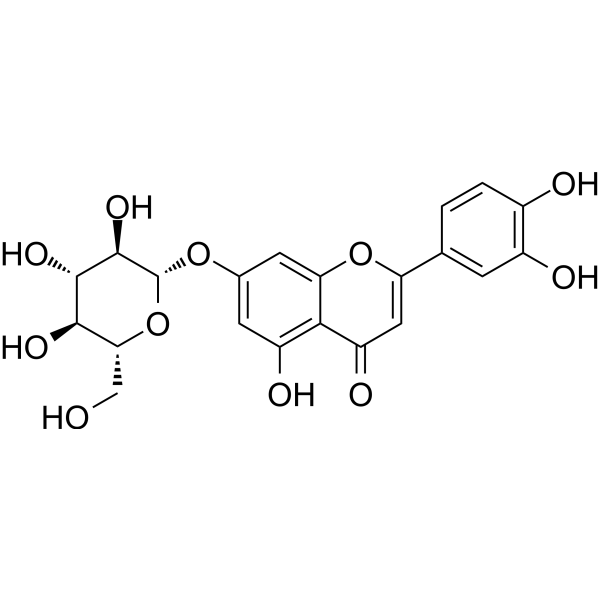
  • HY-N0540
    Cynaroside
    10+ Cited Publications

    Luteolin 7-glucoside; Luteolin 7-O-β-D-glucoside

    Influenza Virus DNA/RNA Synthesis Apoptosis Parasite Bacterial Fungal Infection Cardiovascular Disease Cancer
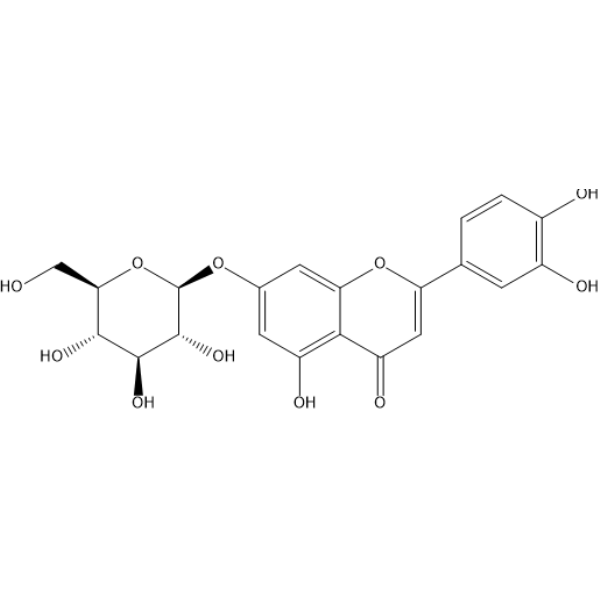
    Cynaroside (Luteolin 7-glucoside) is a flavonoid compound that exhibits anti-oxidative capabilities. Cynaroside is also a potent influenza RNA-dependent RNA polymerase inhibitor with an IC50 of 32 nM. Cynaroside also is a promising inhibitor for H2O2-induced apoptosis, has cytoprotection against oxidative stress-induced cardiovascular diseases. Cynaroside also has antibacterial, antifungal and anticancer activities, antioxidant and anti-inflammatory activities .
    Cynaroside
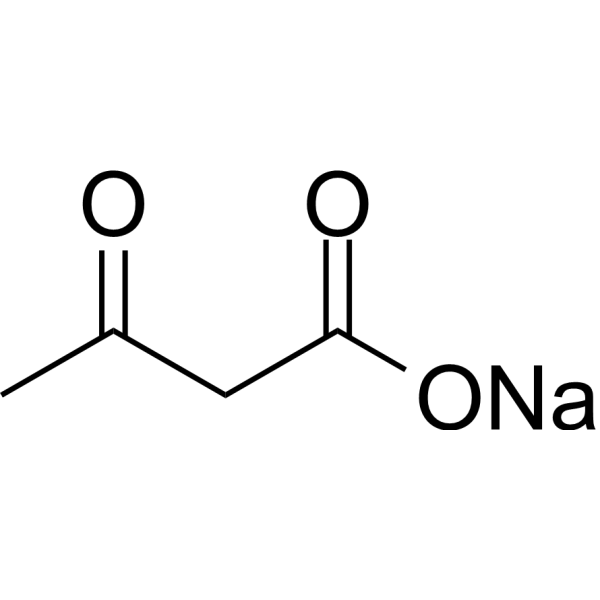
  • HY-112540B

    Endogenous Metabolite Metabolic Disease
    Acetoacetic acid sodium is an oxidative stress inducer that affects the antioxidant enzyme system and lipoprotein metabolism. Acetoacetic acid sodium induces oxidative stress by decreasing the mRNA expression and activity of superoxide dismutase (SOD), catalase (CAT), and glutathione peroxidase (GSH-Px), increasing MDA content, and inhibiting very low density lipoprotein (VLDL) assembly by downregulating apolipoprotein ApoB100, ApoE, and low density lipoprotein receptor (LDLR), leading to triglyceride (TG) accumulation in hepatocytes. Acetoacetic acid sodium can be used to study metabolic diseases .
    Acetoacetic acid sodium
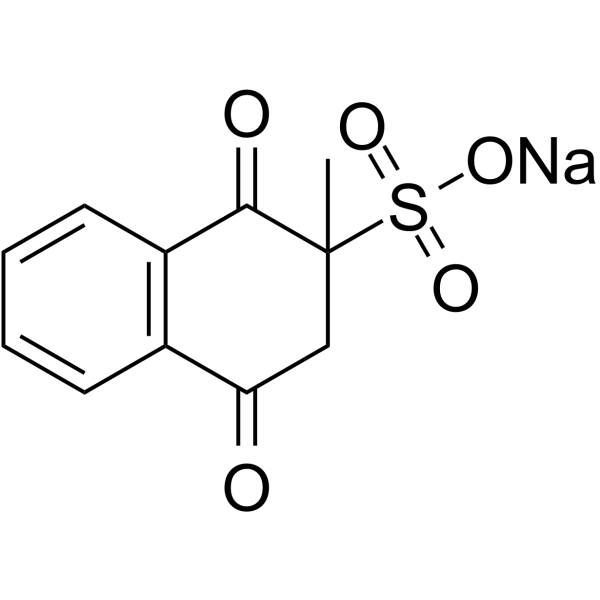
  • HY-B1897A

    Menadione sodium bisulfite; Vitamin K3 sodium bisulfite

    Endogenous Metabolite Others
    Menadione bisulfite (sodium) is used as an agent to induce acute oxidative stress, and to function as a plant-defense activator against several pathogens.
    Menadione bisulfite sodium
  • HY-113149A

    Endogenous Metabolite Reactive Oxygen Species (ROS) Neurological Disease Metabolic Disease Inflammation/Immunology
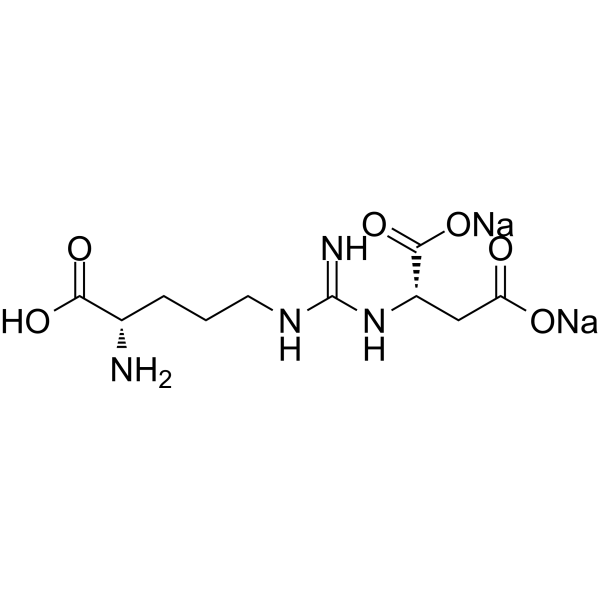
    Argininosuccinic acid disodium is an intermediate metabolite in the urea cycle, and its level is associated with argininosuccinic aciduria. Argininosuccinic acid disodium can induce oxidative stress, leading to lipid and protein oxidation, reduction of glutathione, and decrease in antioxidant enzyme activity. Argininosuccinic acid disodium can be converted into guanidinosuccinic acid, a nitric oxide mimic, under the action of nitric oxide-derived free radicals. Argininosuccinic acid disodium can be used in the research of metabolic diseases, renal failure, nervous system diseases, etc .
    Argininosuccinic acid disodium
  • HY-B0852
    Tebuconazole
    3 Publications Verification

    Environmental Pollutants Apoptosis Cytochrome P450 Fungal Infection
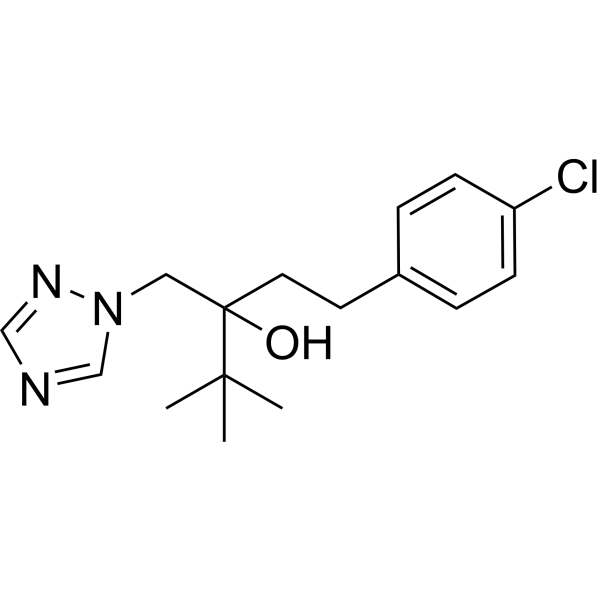
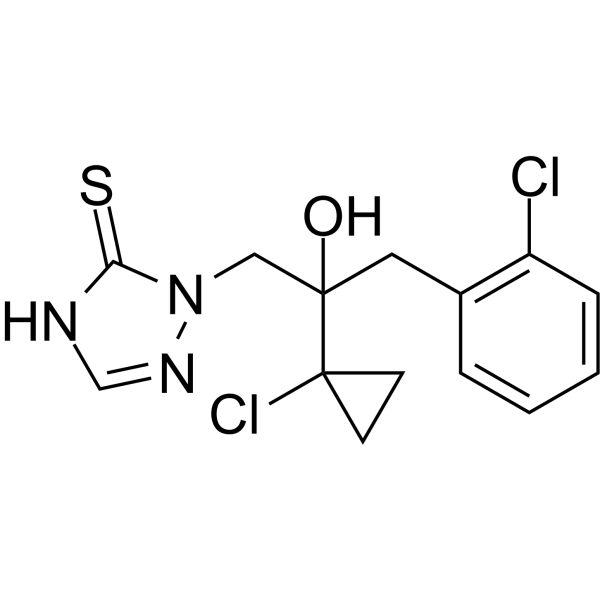
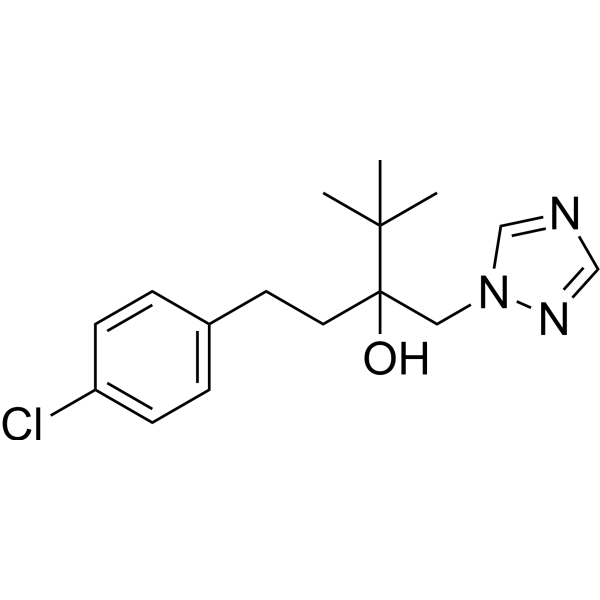
    Tebuconazole is an orally active agricultural azole fungicide which can also inhibit CYP51 with IC50s of 0.9 and 1.3 μM for Candida albicans CYP51 (CaCYP51) and truncated Homo sapiens CYP51 (Δ60HsCYP51), respectively. Tebuconazole induces lipid accumulation and oxidative stress in HepG2 Cells. Tebuconazole decreases MAC-T cells viability and proliferation, induces ER-stress-mediated apoptosis and increases oxidative stress levels in MAC-T cells .
    Tebuconazole
  • HY-112540
    Acetoacetic acid
    4 Publications Verification

    Endogenous Metabolite Metabolic Disease
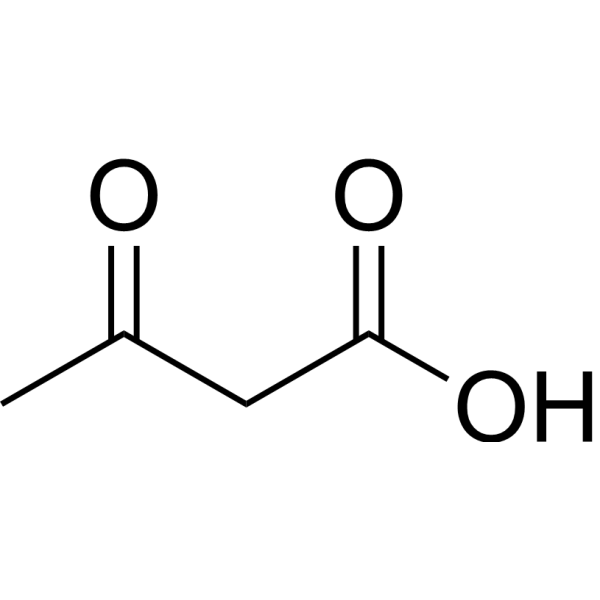
    Acetoacetic acid is an oxidative stress inducer that affects the antioxidant enzyme system and lipoprotein metabolism. Acetoacetic acid induces oxidative stress by decreasing the mRNA expression and activity of superoxide dismutase (SOD), catalase (CAT), and glutathione peroxidase (GSH-Px), increasing MDA content, and inhibiting very low density lipoprotein (VLDL) assembly by downregulating apolipoprotein ApoB100, ApoE, and low density lipoprotein receptor (LDLR), leading to triglyceride (TG) accumulation in hepatocytes. Acetoacetic acid can be used to study metabolic diseases .
    Acetoacetic acid
  • HY-113338

    8-Oxoguanine; 8-oxo-Gua

    Endogenous Metabolite Metabolic Disease
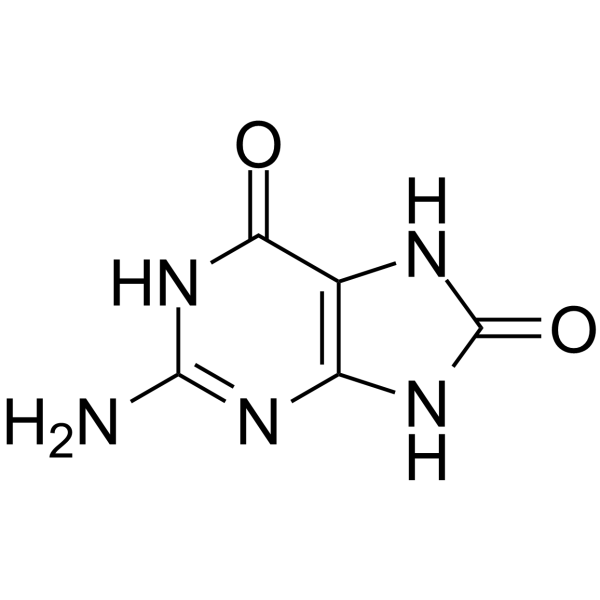
    8-Hydroxyguanine is a DNA damage product under oxidative stress, which is formed when hydroxyl radicals attack guanine in DNA. 8-Hydroxyguanine induces mutagenesis and leads to a transversion from G to T. 8-Hydroxyguanine is a marker of DNA oxidative damage .
    8-Hydroxyguanine
  • HY-113341
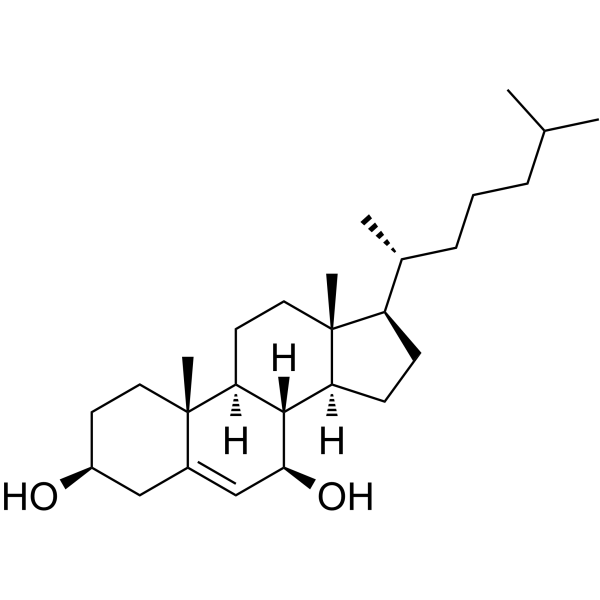
    7β-Hydroxycholesterol
    2 Publications Verification

    Reactive Oxygen Species (ROS) Apoptosis Interleukin Related Cardiovascular Disease Neurological Disease Inflammation/Immunology Cancer
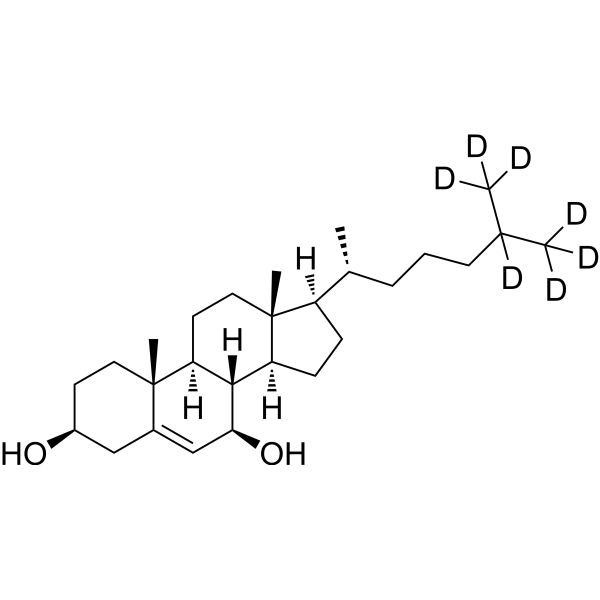
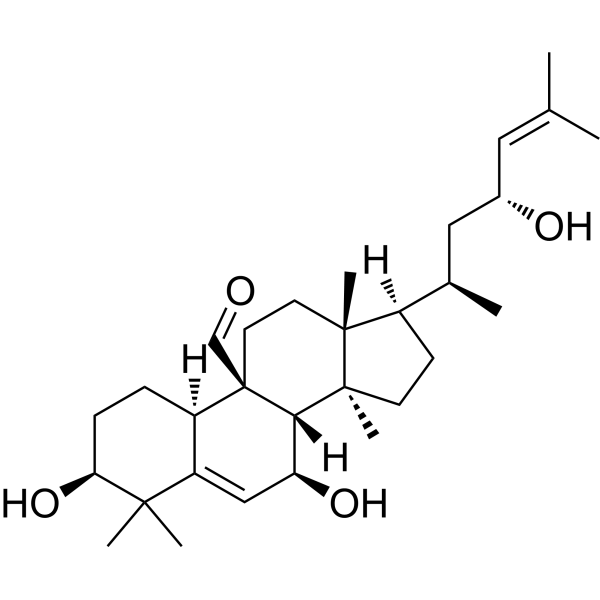
    7β-Hydroxycholesterol is an oxysterol that derived by the oxidation of cholesterol. 7β-hydroxycholesterol can induce cellular oxidative stress, apoptosis, and necrosis, resulting in cytotoxicity. 7β-hydroxycholesterol has antitumor activity .
    7β-Hydroxycholesterol
  • HY-B0926A

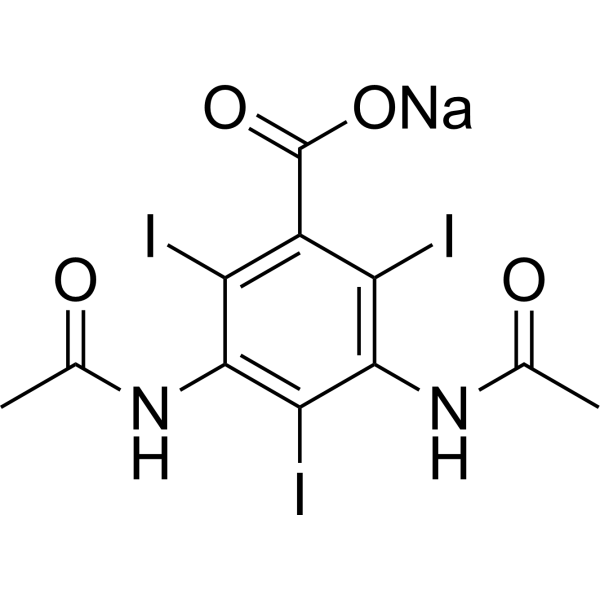
    Diatrizoic acid sodium salt; Sodium amidotrizoate

    Apoptosis Inflammation/Immunology
    Sodium diatrizoate (Diatrizoic acid sodium salt) is an iodinated radiocontrast agent and has the potential for radiographic imaging of the airways. Sodium diatrizoate induces mitochondrial turnover and oxidative stress, and activating apoptosis by dysregulating calcium .
    Sodium diatrizoate
  • HY-B0926

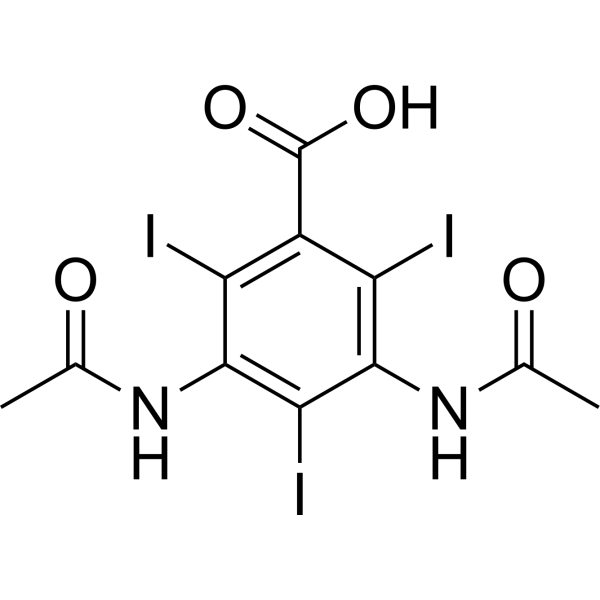
    Diatrizoate; Amidotrizoic acid

    Apoptosis Inflammation/Immunology
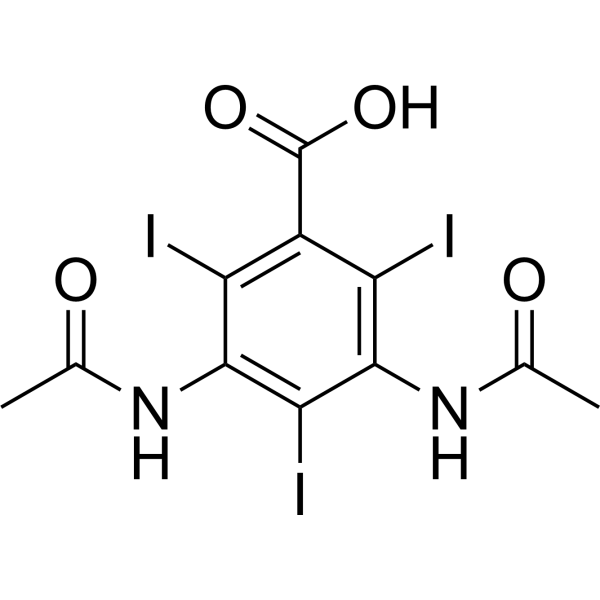
    Diatrizoic acid (Diatrizoate) is an iodinated radiocontrast agent and has the potential for radiographic imaging of the airways. Diatrizoic acid induces mitochondrial turnover and oxidative stress, and activating apoptosis by dysregulating calcium .
    Diatrizoic acid
  • HY-B1727
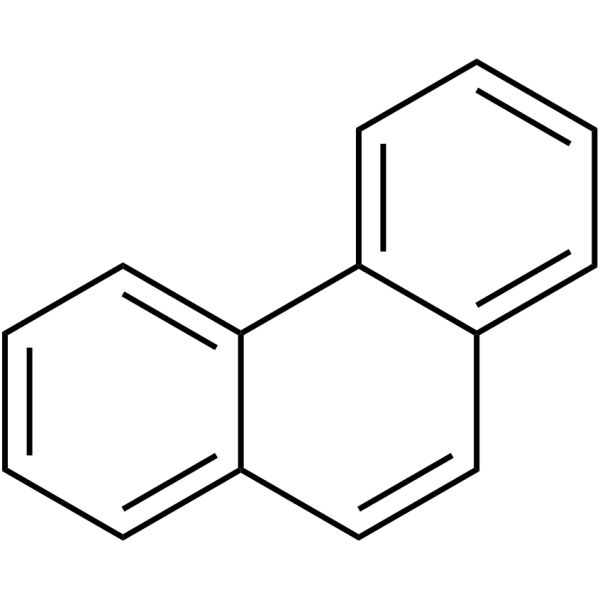
    Phenanthrene
    1 Publications Verification

    Environmental Pollutants Apoptosis Inflammation/Immunology Cancer
    Phenanthrene is an orally active polycyclic aromatic hydrocarbon (PAH) that induces inflammation, oxidative stress, and apoptosis. Additionally, phenanthrene is commonly used to detect or assess PAH pollution in the environment .
    Phenanthrene
  • HY-145157

    Biochemical Assay Reagents Metabolic Disease Cancer
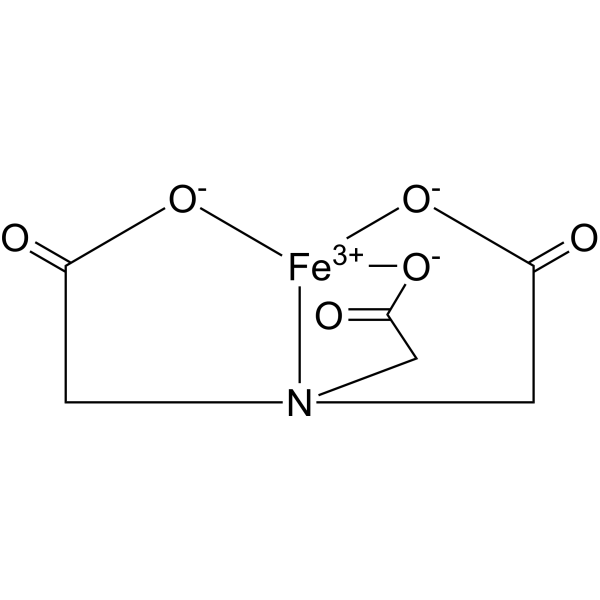
    Ferric nitrilotriacetate (Fe-NTA), a complexation of nitriloacetic acid with iron, is a highly reactive compound used to induce degenerative disorders through oxidative stress (OS). Ferric nitrilotriacetate is also used in several studies to induce hyperglycemia, glycosuria, and both renal and liver carcinogenesis .
    Ferric nitrilotriacetate
  • HY-113149

    Endogenous Metabolite Reactive Oxygen Species (ROS) Neurological Disease Metabolic Disease Inflammation/Immunology
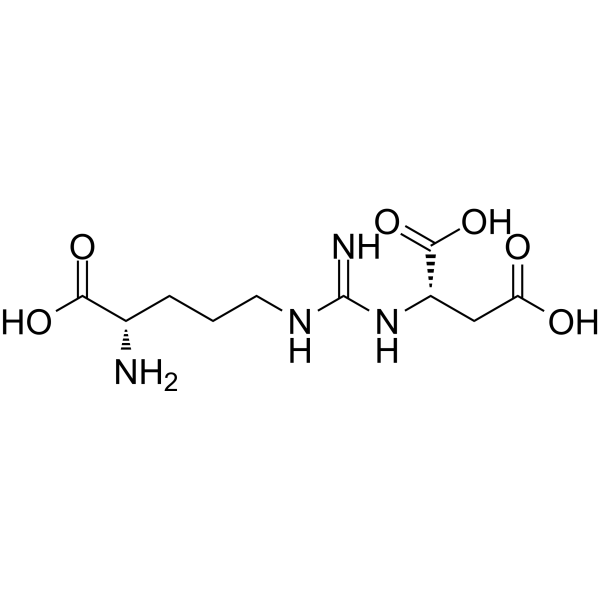
    Argininosuccinic acid is an intermediate metabolite in the urea cycle, and its level is associated with argininosuccinic aciduria. Argininosuccinic acid can induce oxidative stress, leading to lipid and protein oxidation, reduction of glutathione, and decrease in antioxidant enzyme activity. Argininosuccinic acid can be converted into guanidinosuccinic acid, a nitric oxide mimic, under the action of nitric oxide-derived free radicals. Argininosuccinic acid can be used in the research of metabolic diseases, renal failure, nervous system diseases, etc .
    Argininosuccinic acid
  • HY-N0061
    Ethyl ferulate
    3 Publications Verification

    Reactive Oxygen Species (ROS) Neurological Disease
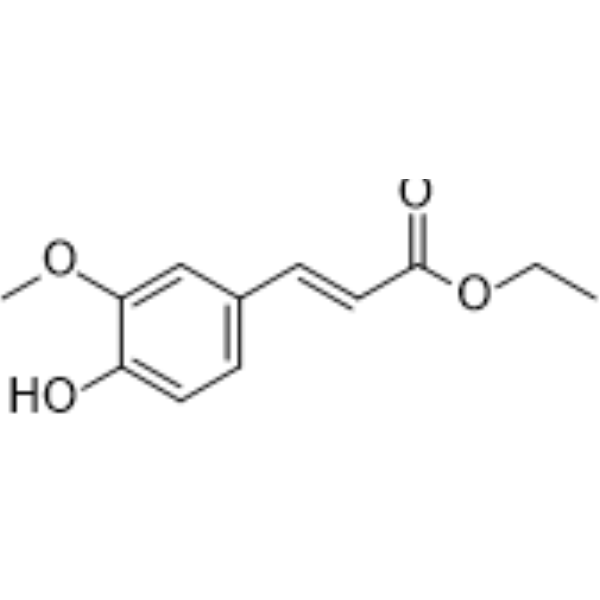
    Ethyl ferulate, a naturally lipophilic derivative of ferulic acid originally derived from Rhizoma Chuanxiong, induces heme oxygenase-1 (HO-1) and protects rat neurons against oxidative stress . Ethyl ferulate also protects neurons against amyloid β peptide (1-42)-induced oxidative stress and neurotoxicity .
    Ethyl ferulate
  • HY-30267
    4-Hydroxyphenyl acetate
    2 Publications Verification

    4-HPA; 4-Acetoxyphenol

    Quinone Reductase Endogenous Metabolite Others
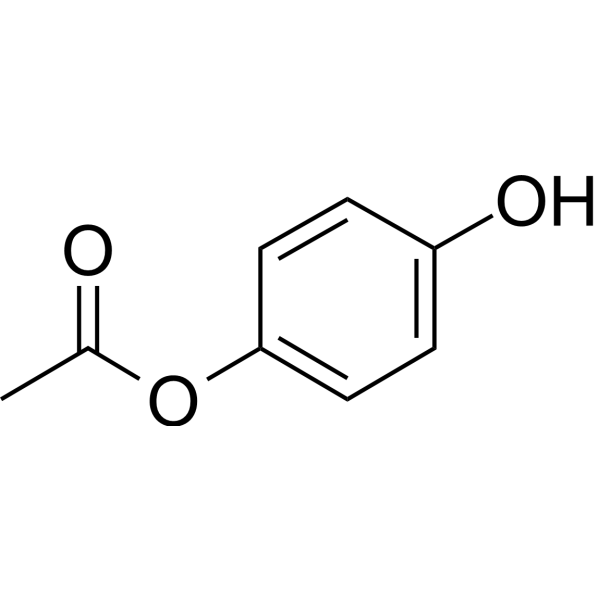
    4-Hydroxyphenyl acetate (4-HPA) is a natural antioxidant and protects cells from oxidative stress-induced necrosis. 4-Hydroxyphenyl acetate blocks the increase of cellular ROS induced by oxidative stress, and up-regulates NQO1 and HO-1 genes by stabilizing and inducing the nuclear translocation of NRF2 transcription factor .
    4-Hydroxyphenyl acetate
  • HY-B1162
    Sulisobenzone
    1 Publications Verification

    Benzophenone-4

    Environmental Pollutants Biochemical Assay Reagents Metabolic Disease
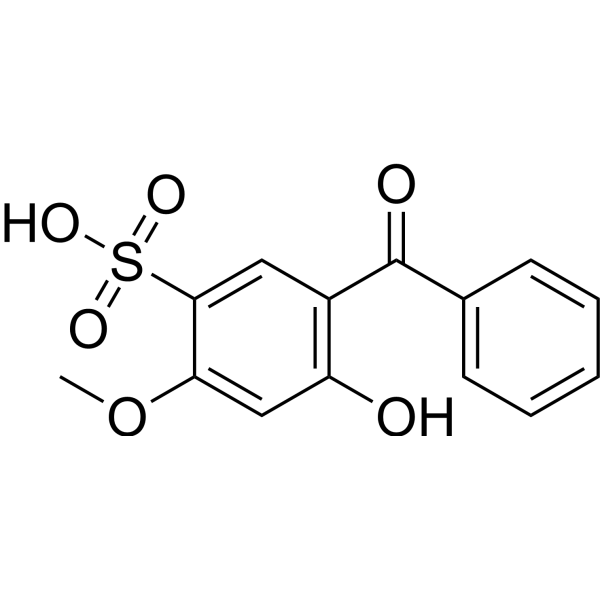
    Sulisobenzone (Benzophenone-4) is a benzophenone-type UV filter. Sulisobenzone can act as a endocrine disrupting compound. Sulisobenzone disrupts energy metabolism, nucleotide synthesis, oxidative stress response, and endocrine function. Sulisobenzone thyroid hormone biosynthesis and induces oxidative stress .
    Sulisobenzone
  • HY-112540A
    Acetoacetic acid lithium
    4 Publications Verification

    Endogenous Metabolite Metabolic Disease
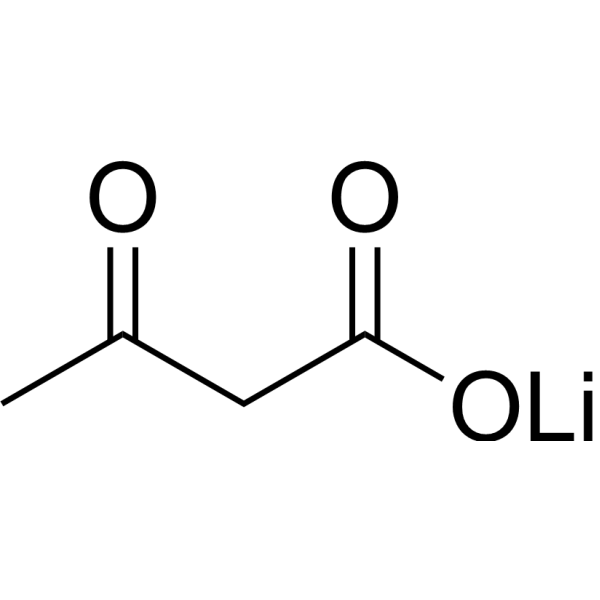
    Acetoacetic acid lithium is an oxidative stress inducer that affects the antioxidant enzyme system and lipoprotein metabolism. Acetoacetic acid lithium induces oxidative stress by decreasing the mRNA expression and activity of superoxide dismutase (SOD), catalase (CAT), and glutathione peroxidase (GSH-Px), increasing MDA content, and inhibiting very low density lipoprotein (VLDL) assembly by downregulating apolipoprotein ApoB100, ApoE, and low density lipoprotein receptor (LDLR), leading to triglyceride (TG) accumulation in hepatocytes. Acetoacetic acid lithium can be used to study metabolic diseases .
    Acetoacetic acid lithium
  • HY-N1487
    Oleanonic acid
    2 Publications Verification

    3-Oxooleanolic acid

    HIV Autophagy Ferroptosis Amyloid-β Infection Neurological Disease Inflammation/Immunology Cancer
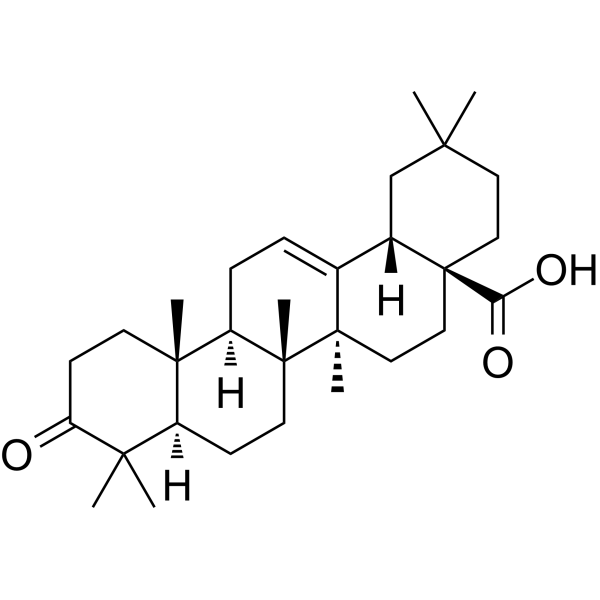
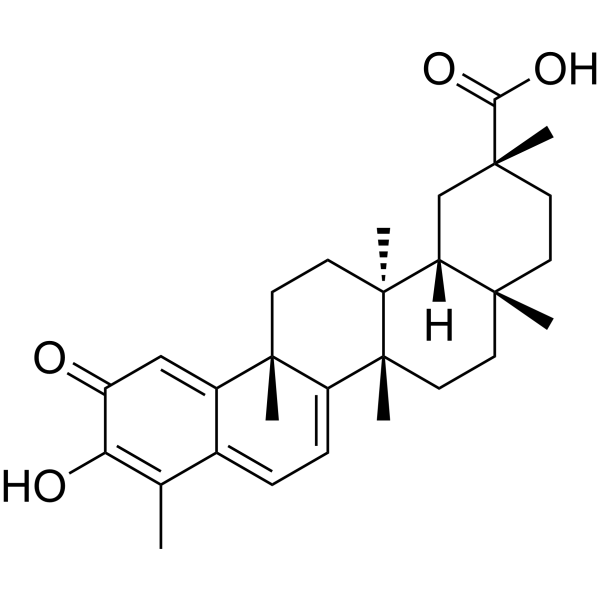
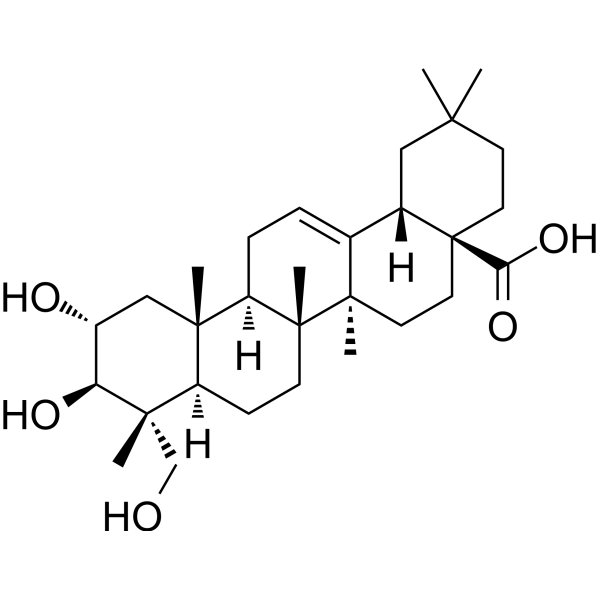
    Oleanonic acid (3-Oxooleanolic acid) is an orally available triterpene that has anti-inflammatory and insecticidal properties. In vitro, oleanonic acid can improve oxidative stress, autophagy defects, ferroptosis, mitochondrial damage, and endoplasmic reticulum stress induced by Amyloid-β, and in vivo, it can alleviate myocardial hypertrophy in rats .
    Oleanonic acid
  • HY-123230

    CGA 279202

    Environmental Pollutants Fungal Caspase Apoptosis PARP Infection Neurological Disease
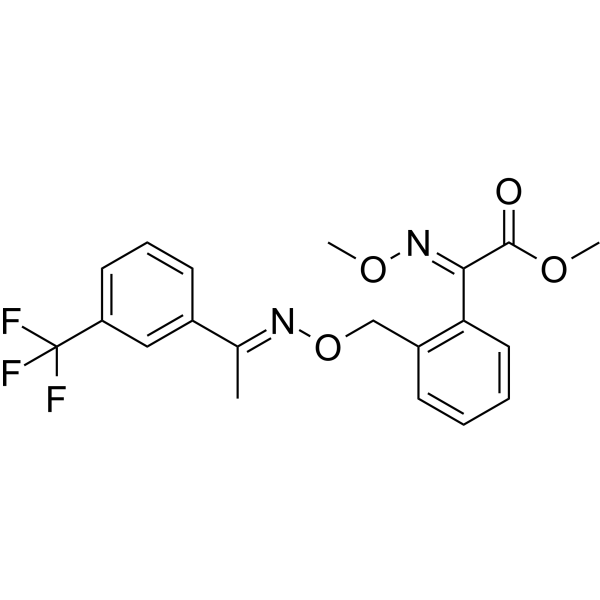
    Trifloxystrobin (CGA 279202) is a type of fungicide. Trifloxystrobin has toxicity, antiparasitic activity and induce apoptosis, oxidative stress and DNA damage. Trifloxystrobin can be used for the reaesrch of fungal diseases .
    Trifloxystrobin
  • HY-18730
    1400W
    25+ Cited Publications

    W1400

    NO Synthase Apoptosis Cardiovascular Disease Inflammation/Immunology Cancer
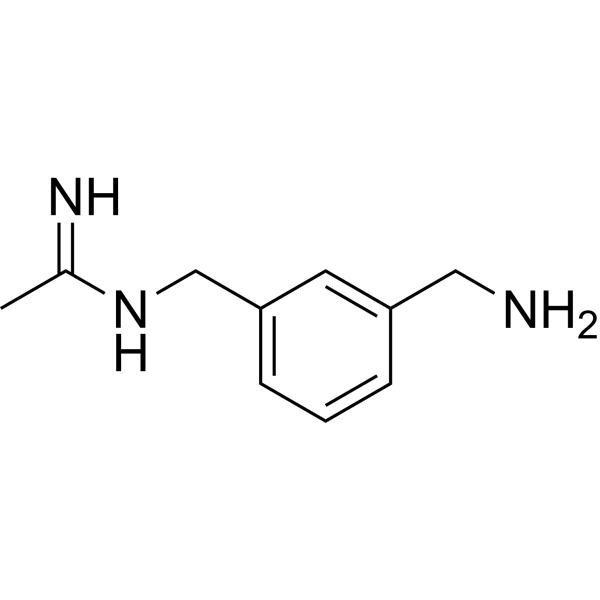
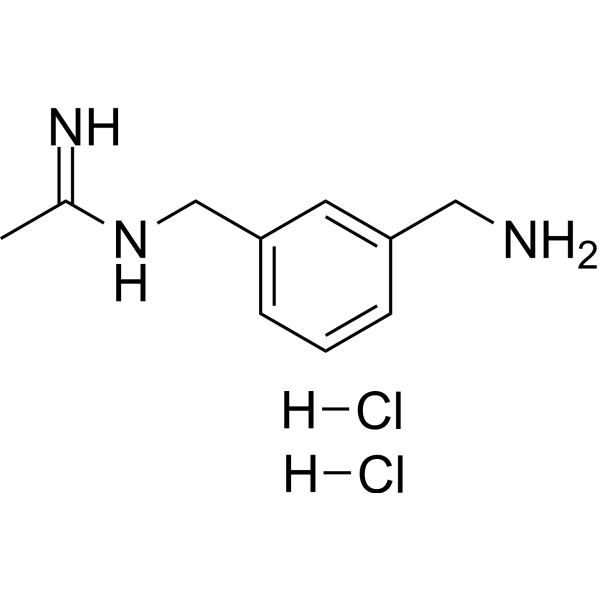
    1400W is a slow, tight binding, and highly selective inducible nitric-oxide synthase (iNOS) inhibitor, with a Kd value ≤ 7 nM. 1400W inhibits iNOS induction in microglial cells, and reduces generation of NO, thereby mitigating oxidative stress and neuronal cell apoptosis in the rat cerebral cortex, and improving the spatial memory dysfunction caused by acute hypobaric hypoxia-reoxygenation .
    1400W
  • HY-W014225
    3-Phenoxybenzoic acid
    1 Publications Verification

    3-PBA

    Apoptosis Reactive Oxygen Species (ROS) Drug Metabolite Inflammation/Immunology
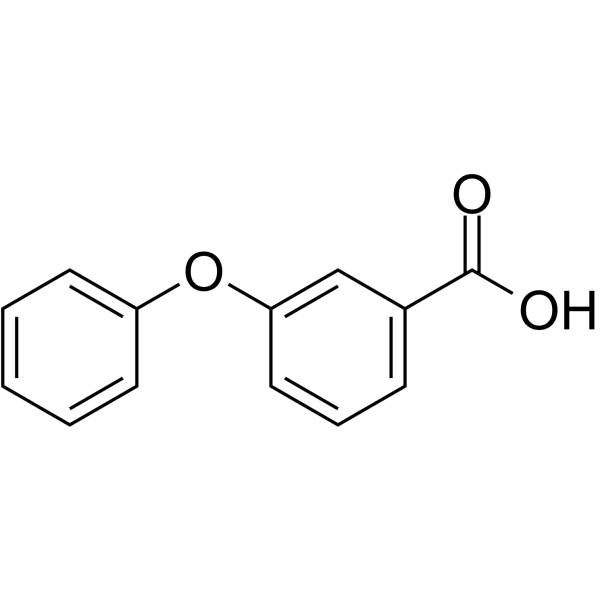
    3-Phenoxybenzoic acid is the metabolite of pyrethroid insecticides. 3-Phenoxybenzoic acid induces immunotoxicity and oxidative stress, and inhibits the phagocytic ability of macrophages .
    3-Phenoxybenzoic acid
  • HY-19364
    Ferroquine
    1 Publications Verification

    Ferrochloroquine; SSR97193

    Parasite Infection
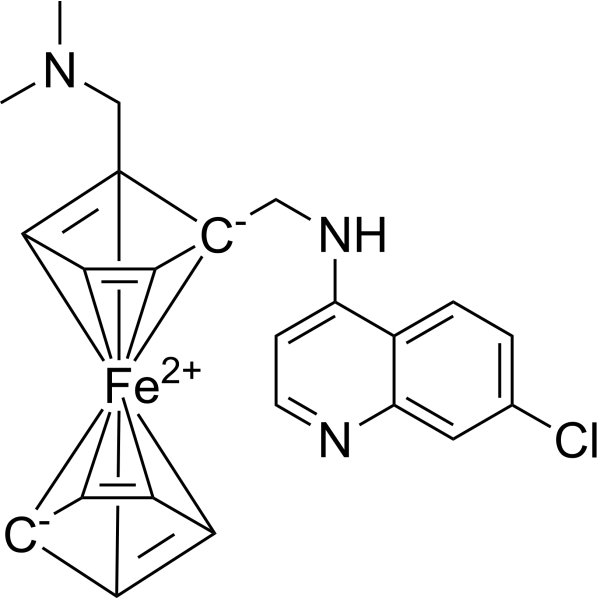
    Ferroquine (Ferrochloroquine), a ferrocenyl analogue of Chloroquine, is an antimalarial agent. Ferroquine shows parasiticidal effect on Plasmodium by inducing oxidative stress and the subsequent destruction of the membrane .
    Ferroquine
  • HY-W229874

    E1/E2/E3 Enzyme NF-κB Reactive Oxygen Species (ROS) SOD Cancer
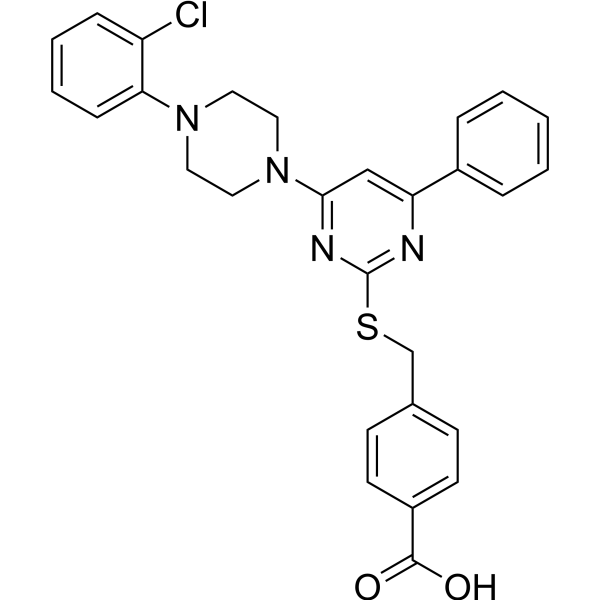
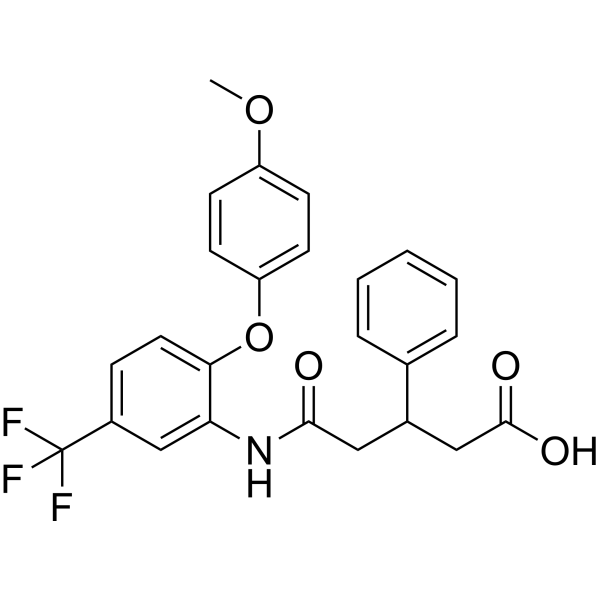
    EN106 is a potent inhibitor of FEMIB. EN106 is a cysteine-reactive covalent ligand. EN106 disrupts recognition of the key reductive stress substrate of FEM1B, FNIP1. EN106 reduces oxidative stress and rescues high glucose-induced impaired angiogenesis in HUVECs .
    EN106
  • HY-B0835

    Environmental Pollutants Reactive Oxygen Species (ROS) Cholinesterase (ChE) Caspase Apoptosis Cardiovascular Disease Neurological Disease Inflammation/Immunology
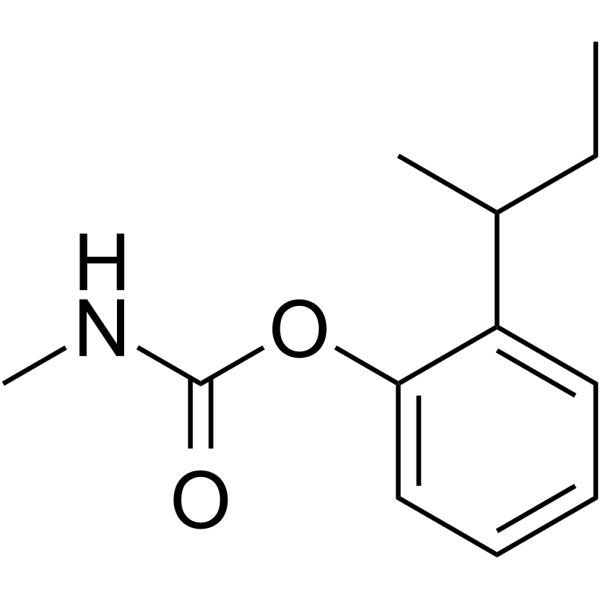
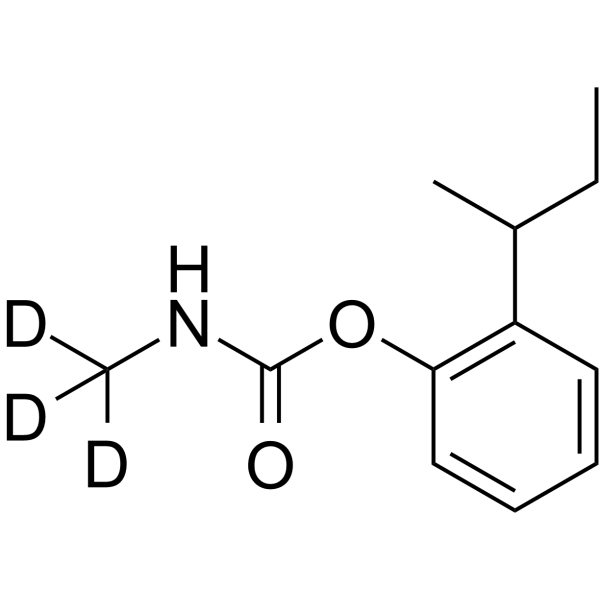
    Fenobucarb is a carbamate insecticide. Fenobucarb induces zebrafish developmental neurotoxicity through pathways involved in inflammation, oxidative stress, degeneration and apoptosis. Fenobucarb is a possible risk factor to cardiovascular and cerebrovascular systems in animals .
    Fenobucarb
  • HY-W015422

    PARP Metabolic Disease
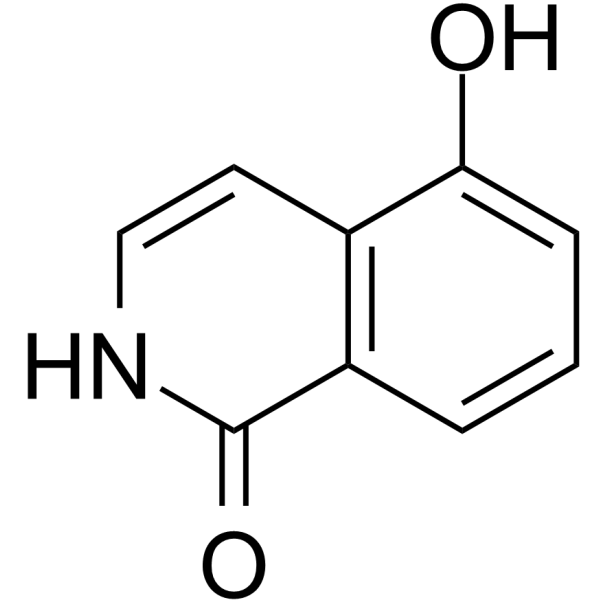
    1,5-Isoquinolinediol is a potent PARP inhibitor, with an IC50 of 0.18-0.37 μM. 1,5-Isoquinolinediol attenuates diabetes-induced NADPH oxidase-derived oxidative stress in retina .
    1,5-Isoquinolinediol
  • HY-B1727S

    Isotope-Labeled Compounds Inflammation/Immunology
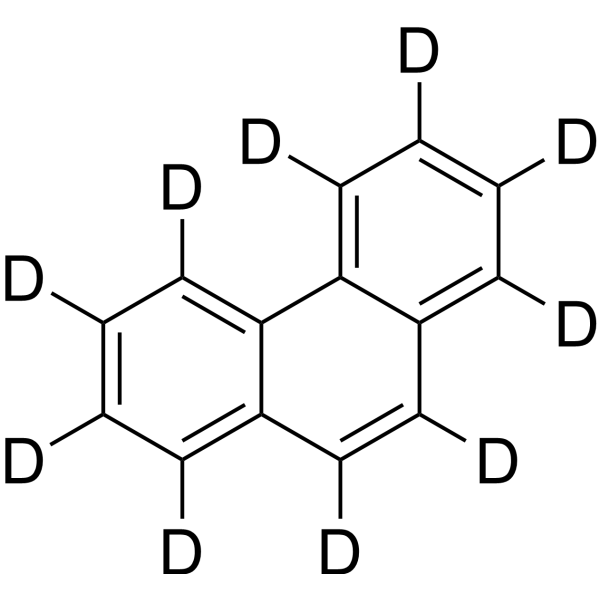
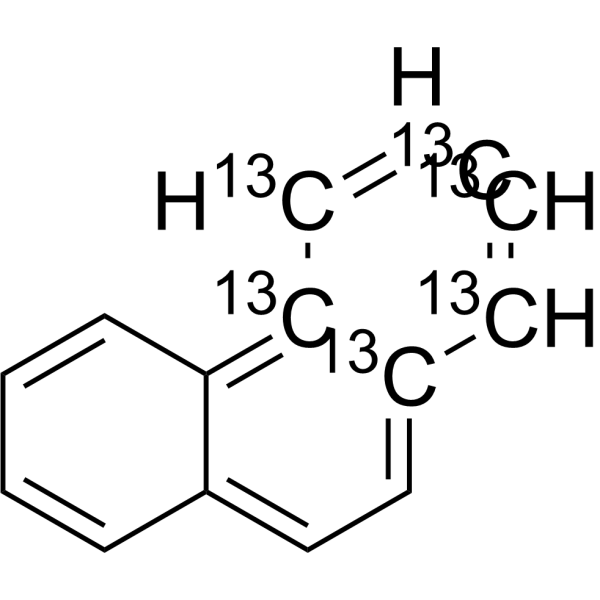
    Phenanthrene-d10 is the deuterium labeled Phenanthrene. Phenanthrene is a polycyclic aromatic hydrocarbon (PAH) and has been frequently used as an indicator for monitoring PAH contaminated matrices . Phenanthrene induces oxidative stress and inflammation .
    Phenanthrene-d10
  • HY-108351

    Necroptosis Cardiovascular Disease
    IM-54 is a selective inhibitor of oxidative stress-induced necrosis. IM-54 shows potent inhibitory activity against H2O2-induced necrosis. IM-54 acts as a potential cardioprotective agent and biological tool for investigating the molecular mechanisms of cell death .
    IM-54
  • HY-W010451

    Hydroxyhydroquinone

    PERK Eukaryotic Initiation Factor (eIF) Potassium Channel Apoptosis Cardiovascular Disease Cancer
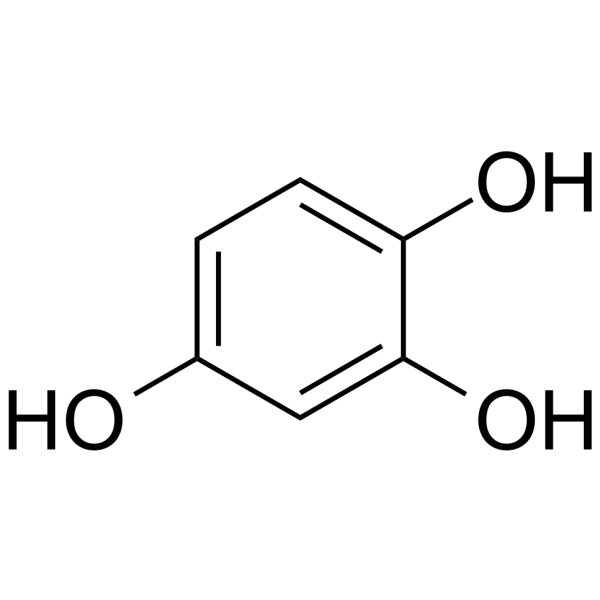
    1,2,4-Trihydroxybenzene (Hydroxyhydroquinone) is an ER stress inducer that targets proteins such as PKR-like ER kinase PERK to induce cytotoxicity. 1,2,4-Trihydroxybenzene selectively activates eIF2α phosphorylation, activates the PERK-eIF2α signaling pathway and induces stress granule formation. 1,2,4-Trihydroxybenzene subsequently exacerbates oxidative stress and causes DNA double-strand breaks, destroying organelles such as mitochondria and ER, and inducing cell death. 1,2,4-Trihydroxybenzene also has the potential to exhibit anti-tumor effect, increase blood pressure, and relieve spasm .
    1,2,4-Trihydroxybenzene
  • HY-W040262

    Environmental Pollutants Herbicide Others
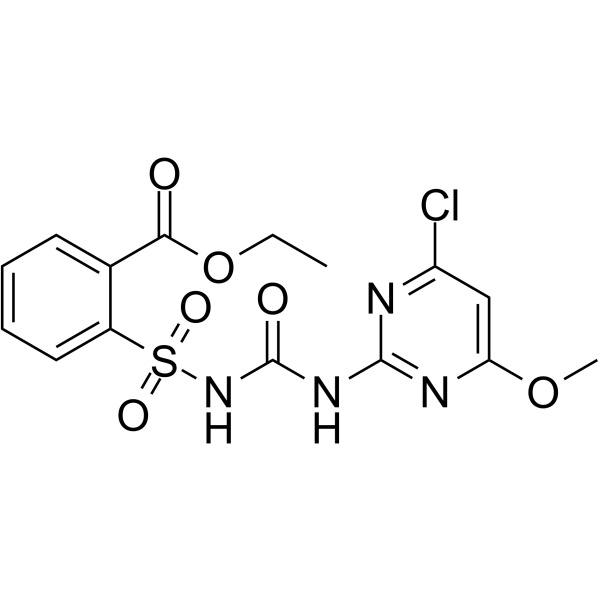
    Chlorimuron-ethyl induces oxidative stress. Chlorimuron-ethyl is an important herbicide that has been widely used in soybean production .
    Chlorimuron-ethyl
  • HY-W142432

    Biochemical Assay Reagents β-catenin Wnt Arginase TGF-beta/Smad mTOR Akt ERK Atg8/LC3 p62 Autophagy Metabolic Disease Inflammation/Immunology Cancer
    Perfluoroundecanoic acid is a perfluoroalkyl substance (PFAS). Perfluoroundecanoic acid is an orally active oxidative stress inducer. Perfluoroundecanoic acid promotes macrophage M2 polarization, activates Wnt/β-catenin signaling and enhances β-catenin nuclear accumulation. Perfluoroundecanoic acid -induced M2 phenotype macrophage accelerates tumor progression in vitro and in vivo. Perfluoroundecanoic acid induces DNA damage, reproductive and pathophysiological dysfunctions via oxidative stress in male Swiss mice. Perfluoroundecanoic acid inhibits Leydig cell development in pubertal male rats via inducing oxidative stress and autophagy. Perfluoroundecanoic acid accelerates insulitis development in a mouse model of type 1 diabetes. Perfluoroundecanoic acid can be used for the study of ovarian cancer, type 1 diabetes and inflammation .
    Perfluoroundecanoic acid
  • HY-135008
    J14
    2 Publications Verification

    Reactive Oxygen Species (ROS) Cancer
    J14 is a reversible sulfiredoxin inhibitor with an IC50 of 8.1 μM. J14 induces oxidative stress (intracellular ROS accumulation) by inhibiting sulfiredoxin, leading to cytotoxicity and cancer cell death .
    J14
  • HY-108992

    Quinone Reductase Apoptosis Reactive Oxygen Species (ROS) Cancer
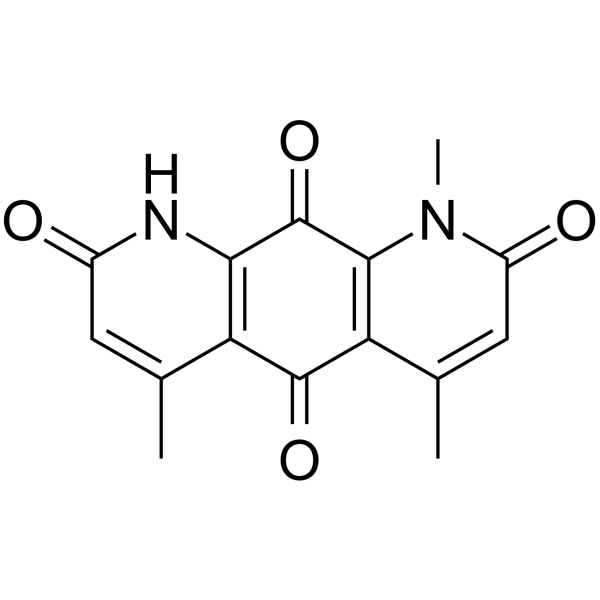
    Deoxynyboquinone, an excellent NQO1 substrate, is a potent antineoplastic agent. Deoxynyboquinone induces apoptosis in cancer cell lines. Deoxynyboquinone kills cancer cells through oxidative stress and reactive oxygen species (ROS) formation .
    Deoxynyboquinone
  • HY-B0993

    MnDPDP

    Apoptosis Neurological Disease Cancer
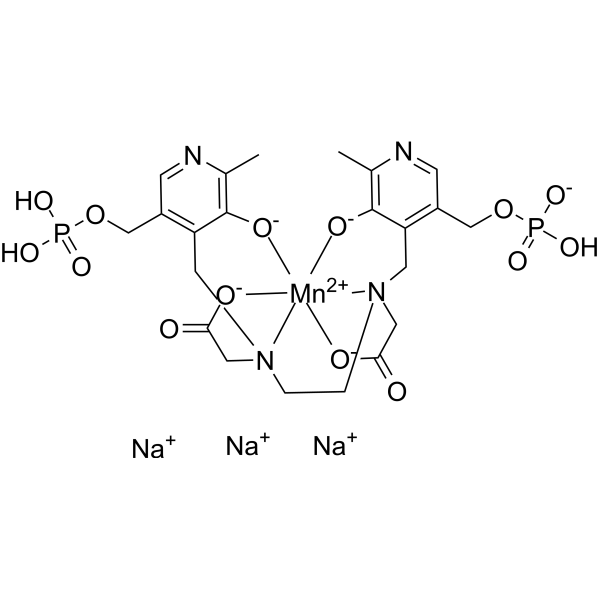
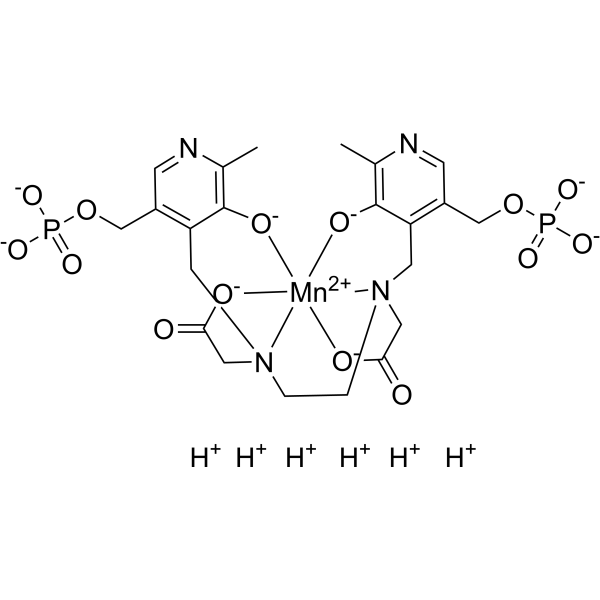
    Mangafodipir trisodium (MnDPDP), hepatocellular-specific contrast agent, is an efficacious inhibitor of CIPN (chemotherapy-induced peripheral neuropath) and other conditions caused by cellular oxidative stress. Mangafodipir trisodium shows no negative interference with the tumoricidal activity of chemotherapy .
    Mangafodipir trisodium
  • HY-Y1004

    Decyl alcohol

    Environmental Pollutants Biochemical Assay Reagents Parasite Apoptosis Infection
    1-Decanol (Decyl alcohol) is a nematicidal agent derived from Houttuynia cordata, with an LC50 of 31.5 μg/mL against potato cyst nematodes (PCN). 1-decanol directly damages nematode surface structures, induces cellular apoptosis, and disrupts the oxidative stress regulation system, while also downregulating defense-related metabolic pathways in potato, thereby promoting the reallocation of metabolic resources from defense to growth. 1-Decanol can be used for the research of potato cyst nematode infestation .
    1-Decanol
  • HY-N3883

    Autophagy Neurological Disease Cancer
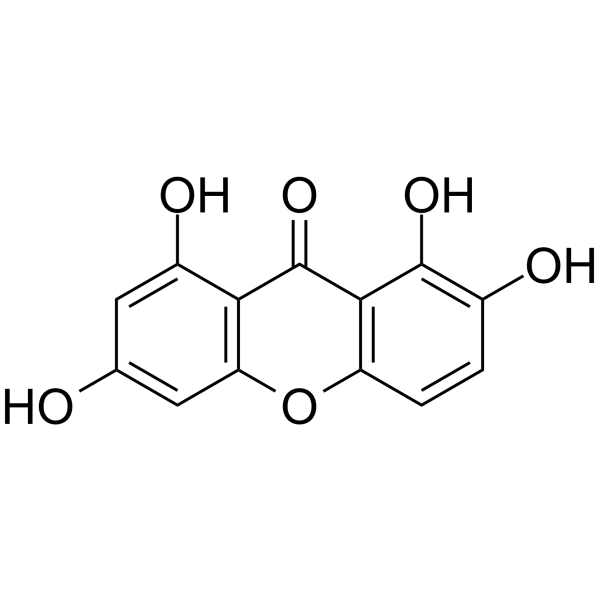
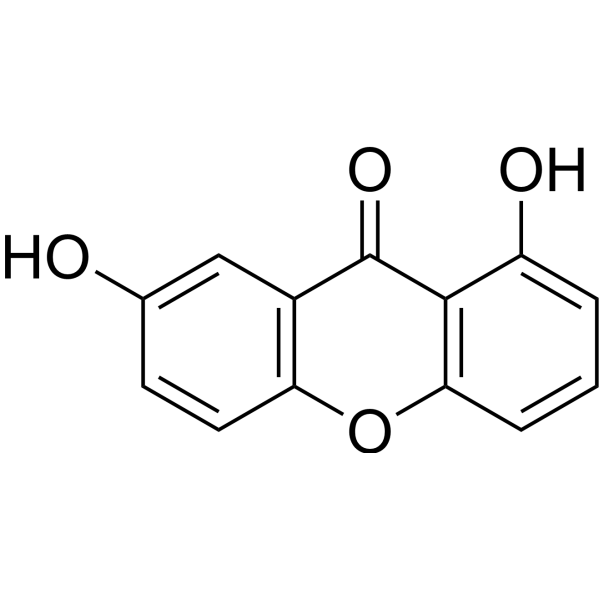
    Euxanthone, a xanthone derivative, attenuates Aβ1-42-induced oxidative stress and apoptosis by triggering autophagy. Euxanthone exhibits anti-neoplastic and neuroprotective activities .
    Euxanthone
  • HY-B0852R

    Reference Standards Cytochrome P450 Fungal Apoptosis Infection
    Tebuconazole (Standard) is the analytical standard of Tebuconazole. This product is intended for research and analytical applications. Tebuconazole is an orally active agricultural azole fungicide which can also inhibit CYP51 with IC50s of 0.9 and 1.3 μM for Candida albicans CYP51 (CaCYP51) and truncated Homo sapiens CYP51 (Δ60HsCYP51), respectively. Tebuconazole induces lipid accumulation and oxidative stress in HepG2 Cells. Tebuconazole decreases MAC-T cells viability and proliferation, induces ER-stress-mediated apoptosis and increases oxidative stress levels in MAC-T cells .
    Tebuconazole (Standard)
  • HY-139427

    β-Methylglutaconic acid

    GABA Receptor Cardiovascular Disease Neurological Disease Metabolic Disease
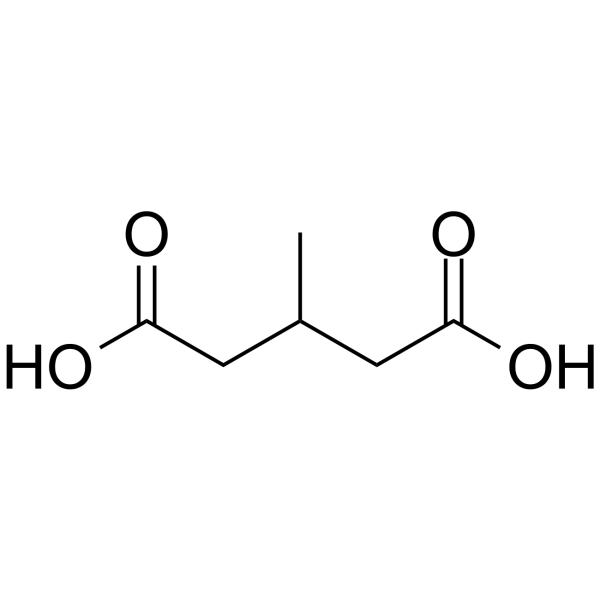
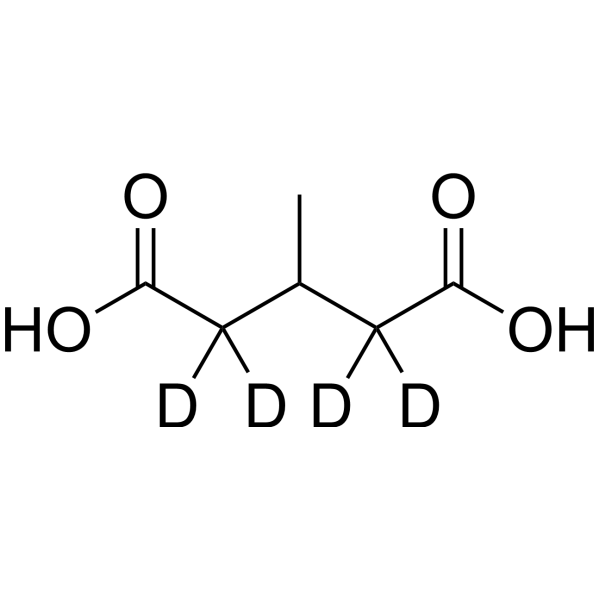
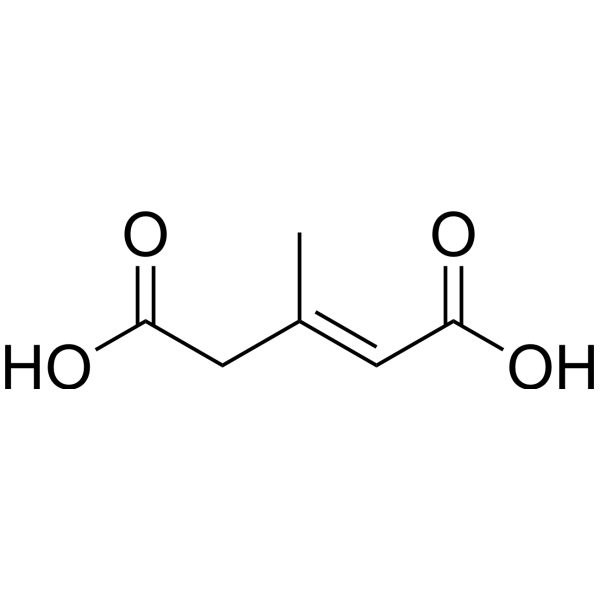
    3-Methylglutaconic acid is the major metabolites accumulating in 3-Methylglutaconic aciduria (MGTA). 3-Methylglutaconic acid can induce lipid oxidative damage and protein oxidative. 3-Methylglutaconic acid decreases the non-enzymatic antioxidant defenses in cerebral cortex supernatants to elicit oxidative stress in the cerebral cortex. 3-Methylglutaconic acid can be used for brain damage disease research .
    3-Methylglutaconic acid
  • HY-129297

    Endogenous Metabolite Metabolic Disease
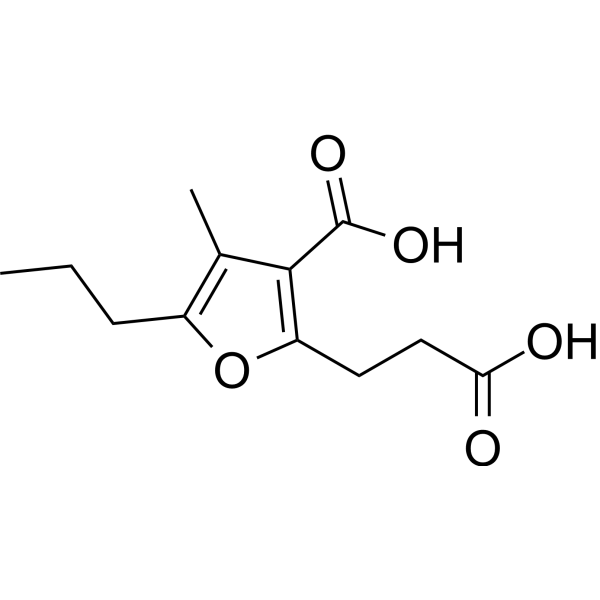
    CMPF can be found in trace constituent of urine and blood. CMPF is a biomarker of type 2 diabetes. CMPF can act on the β cell and induces impaired mitochondrial function. CMPF decreases glucose-induced ATP accumulation, and induces oxidative stress. CMPF reverses hepatic lipid accumulation and improves insulin sensitivity in obese mice .
    CMPF
  • HY-125919

    Reactive Oxygen Species (ROS) Bacterial Endogenous Metabolite Infection Inflammation/Immunology
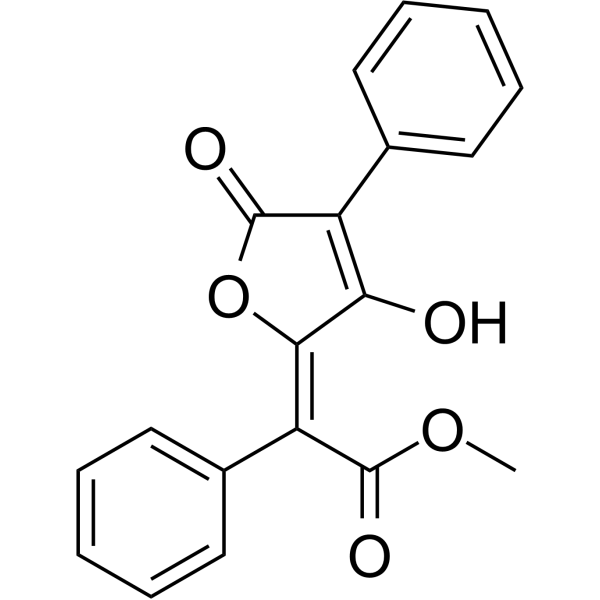
    Vulpinic acid, a lichen metabolite, decreases H2O2-induced ROS production, oxidative stress and oxidative stress-related damages in human umbilical vein endothelial cells (HUVEC). Vulpinic acid is active against staphylococci, enterococci, and anaerobic bacteria.Vulpinic acid has the potential for atherosclerosis research .
    Vulpinic acid
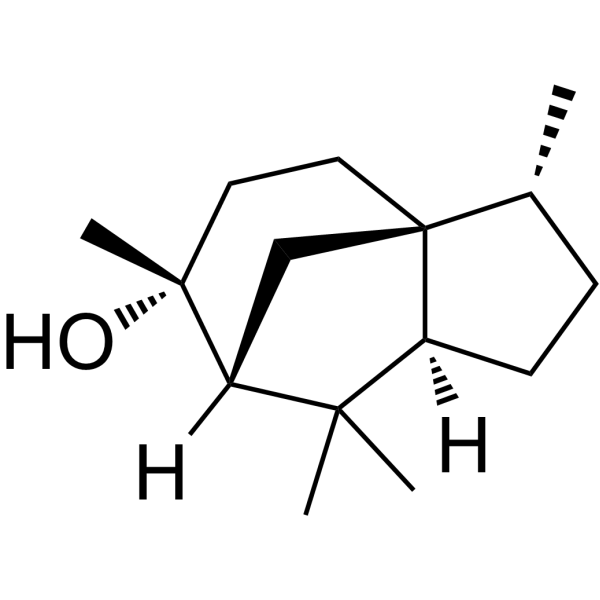
  • HY-B0871

    Environmental Pollutants Herbicide Others
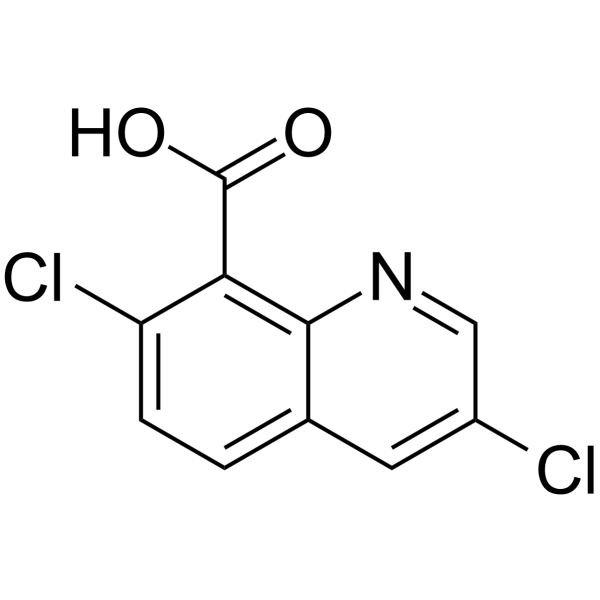
    Quinclorac, an herbicide widely applied in agriculture, induces oxidative stress due to free radical generation and changes in the antioxidant defense system .
    Quinclorac
  • HY-B1559

    Environmental Pollutants Apoptosis Infection Cancer
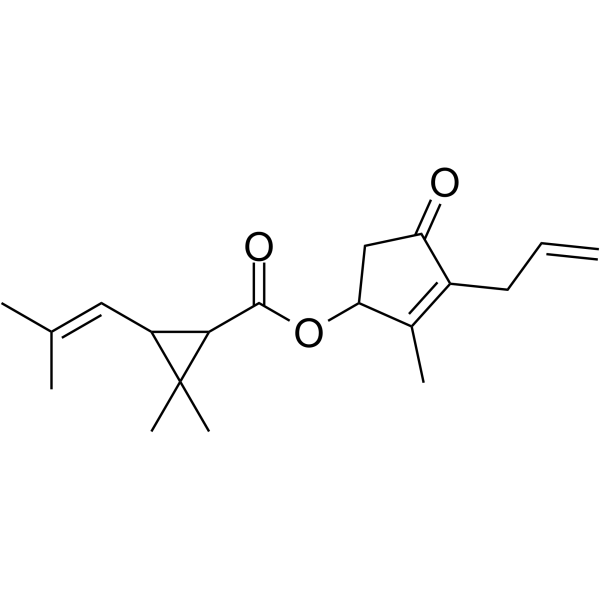
    Allethrin, a pyrethroid insecticide is a major mosquito repellent agent. Allethrin induces oxidative stress, apoptosis and calcium release in rat testicular carcinoma cells (LC540). Allethrin induces BCL-2, caspase-3 activation and release of intracellular calcium .
    Allethrin
  • HY-B2035

    Herbicide Caspase Cytochrome P450 MDM-2/p53 Interleukin Related Reactive Oxygen Species (ROS) Apoptosis Others
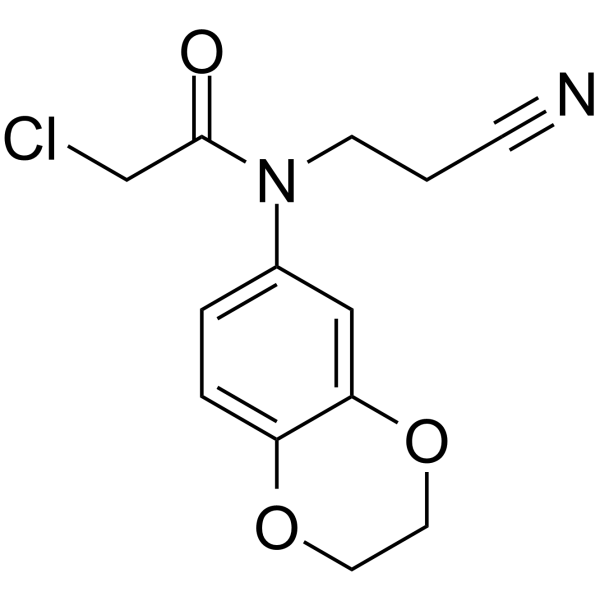
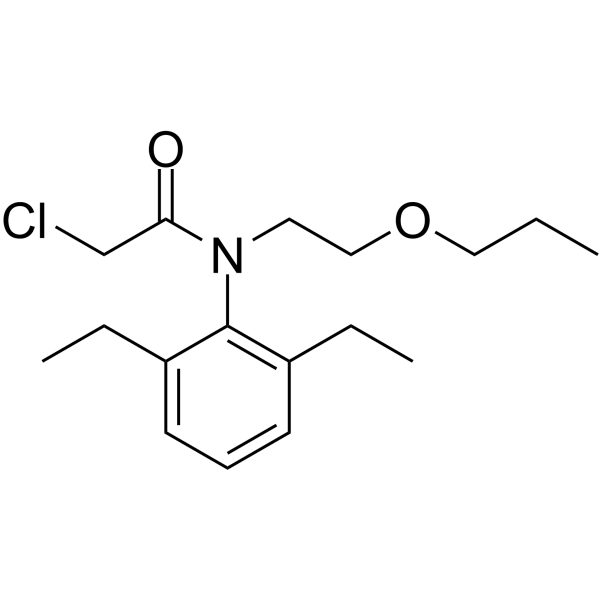
    Pretilachlor is a chloroacetamide herbicide with biological activities including endocrine disruption, oxidative stress induction, apoptosis induction, and immunotoxicity. Pretilachlor exerts its effects by interfering with hormone metabolism, inducing oxidative stress, activating apoptotic pathways, and inhibiting immune functions. Pretilachlor upregulates the transcription of P53, Mdm2, and Bbc3, and increases the activities of Caspase3 and Caspase9; it upregulates the transcription of genes in the HPG/HPT axis and the activity of aromatase; it induces oxidative stress, elevates ROS levels, and upregulates CAT, SOD, and GPX. Pretilachlor downregulates the transcription of CXCL-C1C, IL-1β, and IL-8. Pretilachlor disrupts the normal physiological processes and embryonic development of fish, exhibiting significant toxicity. Pretilachlor can be used in studies related to weeding, environmental pollution, and behavioral toxicity in fish .
    Pretilachlor
  • HY-156780
    NSC 689534
    1 Publications Verification

    Cuproptosis Cancer
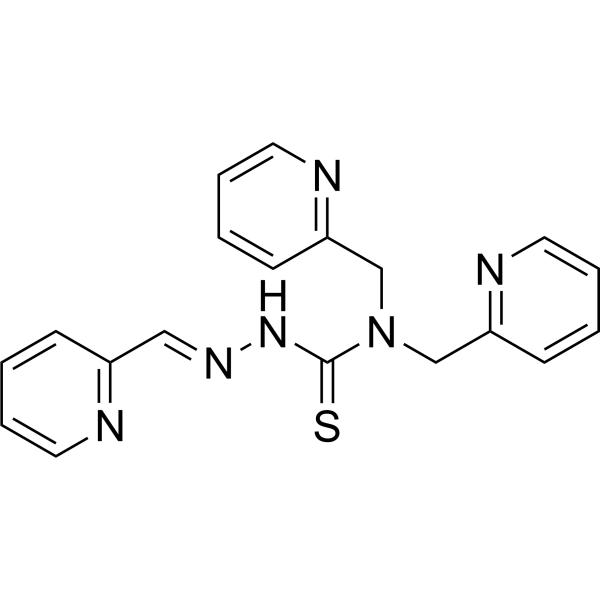
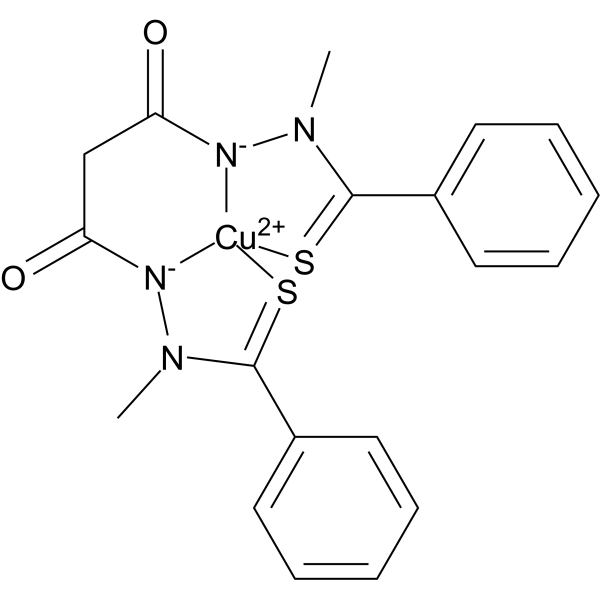
    NSC 689534 can form copper chelate with Cu 2+. NSC 689534/Cu 2+ complex is a potent oxidative stress inducer, and has antitumor activity .
    NSC 689534
  • HY-117532

    PCB 118

    Pyroptosis Cancer
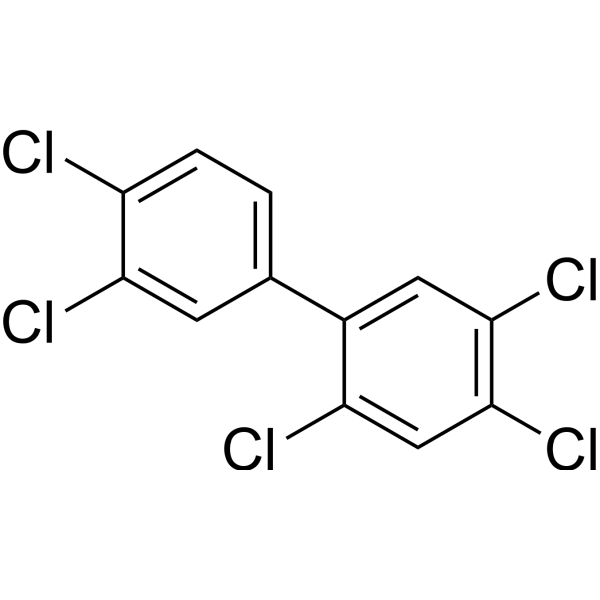
    PenCB (PCB 118) could induces pyroptosis by priming and activating NFκB-dependent NLRP3 inflammasome. PCB 118 induces oxidative stress and pyroptosis are dependent on Aryl hydrocarbon receptor (AhR) activation and subsequent cytochrome P450 1A1 upregulation .
    PenCB
  • HY-W014225S

    3-PBA-13C6

    Isotope-Labeled Compounds Apoptosis Reactive Oxygen Species (ROS) Drug Metabolite Inflammation/Immunology
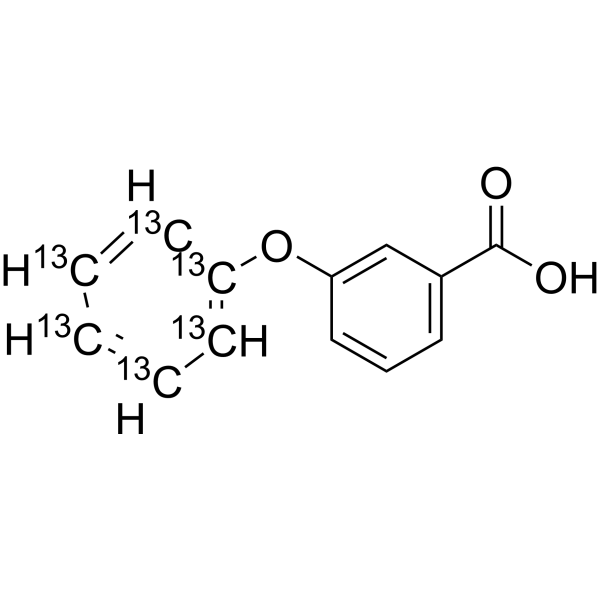
    3-Phenoxybenzoic acid- 13C6 is the 13C6 labeled 3-Phenoxybenzoic acid. 3-Phenoxybenzoic acid is the metabolite of pyrethroid insecticides. 3-Phenoxybenzoic acid induces immunotoxicity and oxidative stress, and inhibits the phagocytic ability of macrophages .
    3-Phenoxybenzoic acid-13C6
  • HY-W718423

    IDPP

    DNA/RNA Synthesis MDM-2/p53 Cancer
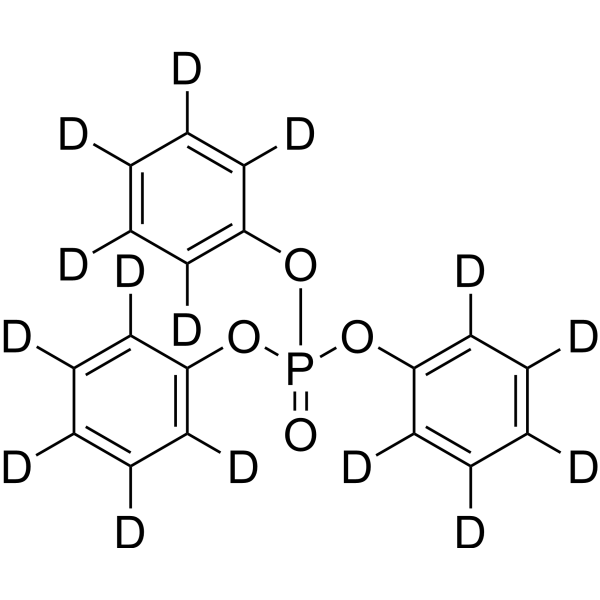
    Isodecyl diphenyl phosphate (IDPP) is a flame retardant. Isodecyl diphenyl phosphate induces cytotoxicity, DNA damage, mitochondrial dysfunction and oxidative stress in cancer cells, and mediates DNA damage and cell cycle arrest via a p53-dependent pathway .
    Isodecyl diphenyl phosphate
  • HY-W144308

    TCHQ; Tetrachloroquinol

    Drug Metabolite Necroptosis Reactive Oxygen Species (ROS) Apoptosis Metabolic Disease Cancer
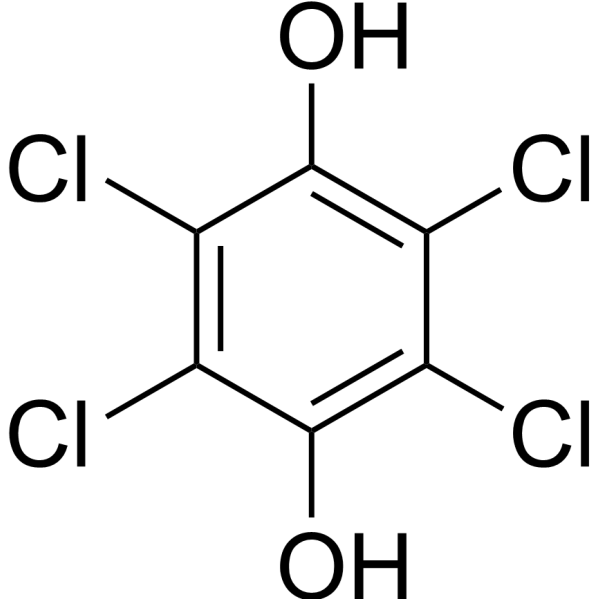
    Tetrachlorohydroquinone (TCHQ) is a metabolite of Pentachlorophenol. Tetrachlorohydroquinone induces reactive oxidant stress (ROS), inhibits apoptosis and induces necrosis in primary mouse splenocytes. Tetrachlorohydroquinone increases DNA lesions and induces oxidative stress in rodents .
    Tetrachlorohydroquinone
  • HY-N16388

    Autophagy Parasite Infection
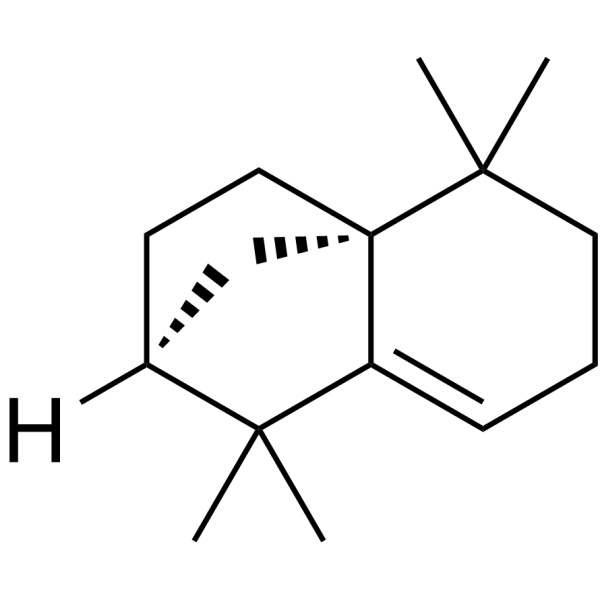
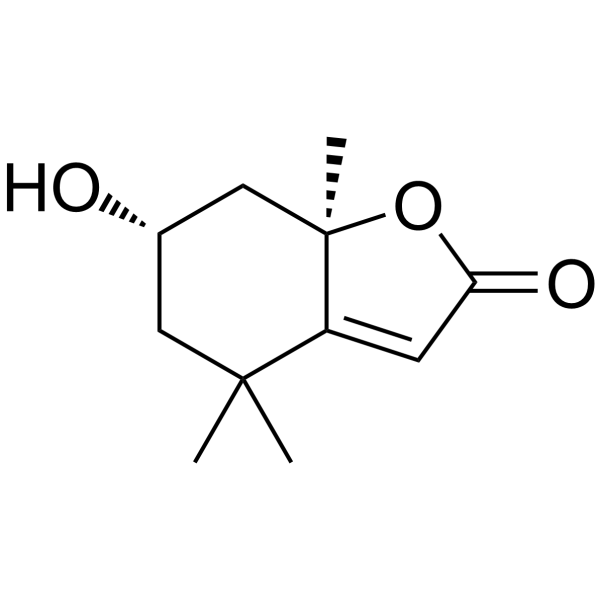
    α-Costic acid is a plant sesquiterpene that can induce oxidative stress and autophagy in tomatoes. α-Costic acid has acaricidal activity .
    α-Costic acid
  • HY-N15684

    Others Metabolic Disease
    Rhodoxanthin is a carotenoid. Rhodoxanthin exerts antioxidant activity via free radical scavenging and lipid peroxidation inhibition. Rhodoxanthin is promising for research of oxidative stress-related diseases (e.g., UV-induced skin damage) .
    Rhodoxanthin

Inquiry Online

Your information is safe with us. * Required Fields.

Salutation


Country or Region *

Applicant Name *


Organization Name *

Department *


Email Address *


Product Name *

Cat. No.


Requested quantity *

Phone Number *


Remarks

Inquiry Online

Inquiry Information

Product Name:
Cat. No.:
Quantity:
MCE Japan Authorized Agent: