



Cuprizone (Standard)
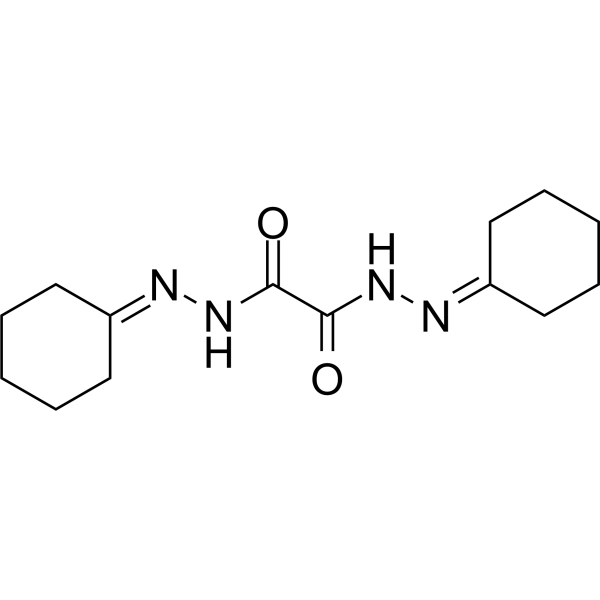
Cuprizone (Standard) is the analytical standard of Cuprizone (HY-W115718). This product is intended for research and analytical applications. Cuprizone is a copper-chelating agent that induces selective mature oligodendrocyte apoptosis and robust demyelination in C57BL/6 mouse brain, widely used as a toxic animal model of multiple sclerosis (MS) for studying de-and remyelination mechanisms.
Nos produits utilisent uniquement pour la recherche. Nous ne vendons pas aux patients.
- Pureté : 98%
- CAS No.: 370-81-0
- Formule: C14H22N4O2
- Masse moléculaire:278.36
-
Stockage:
Please store the product under the recommended conditions in the Certificate of Analysis.


To place orders, for customer services and technical support, please contact: MedChemExpress USA
Tel: 609-228-6898 E-mail: [email protected] [email protected]


-
 Product Information
-
Chemical Information
- Pureté et documentation
-
 Help & FAQs


-
HY-W115718
CuprizoneCopper Chelator -
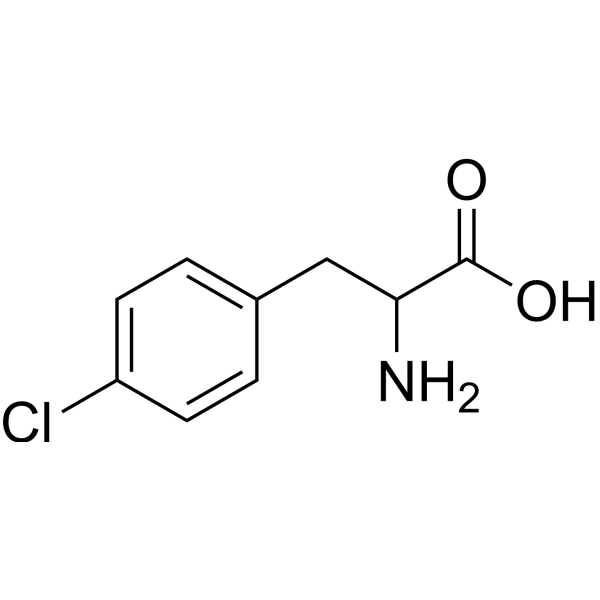
HY-B1368
FenclonineTrp Hydroxylase Inhibitor -
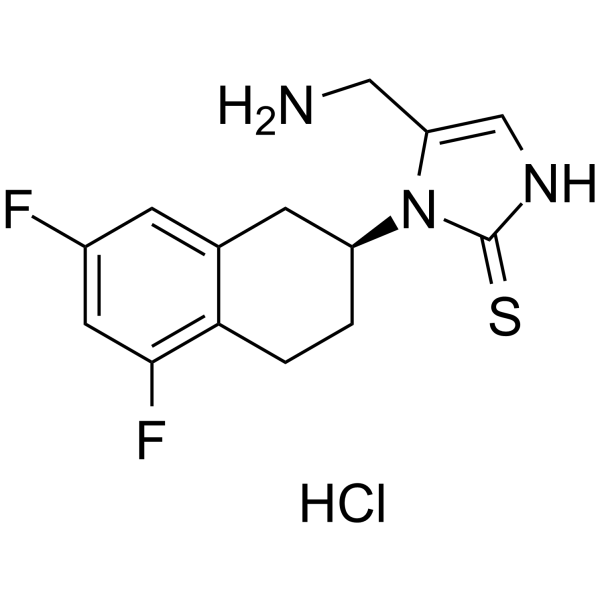
HY-13289A
Nepicastat hydrochlorideDopamine β-Hydroxylase Inhibitor -
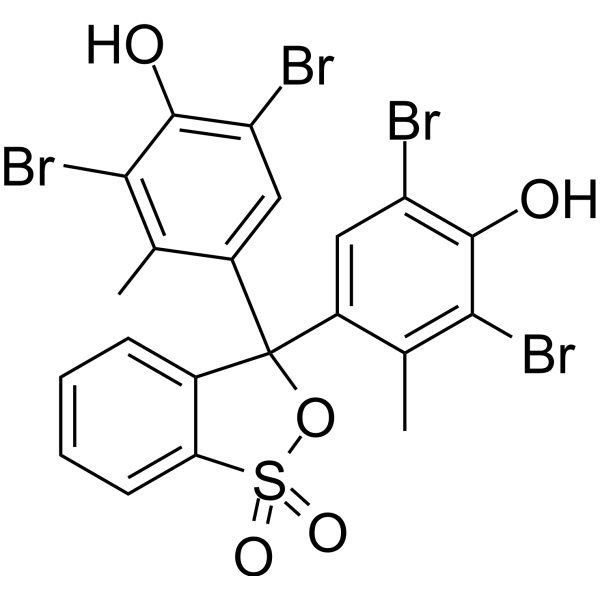
HY-W040144
Bromocresol greenpH Indicator -

HY-D0221
2,4,6-Tri-2-pyridinyl-1,3,5-triazineIron Colorimetric Reagent -
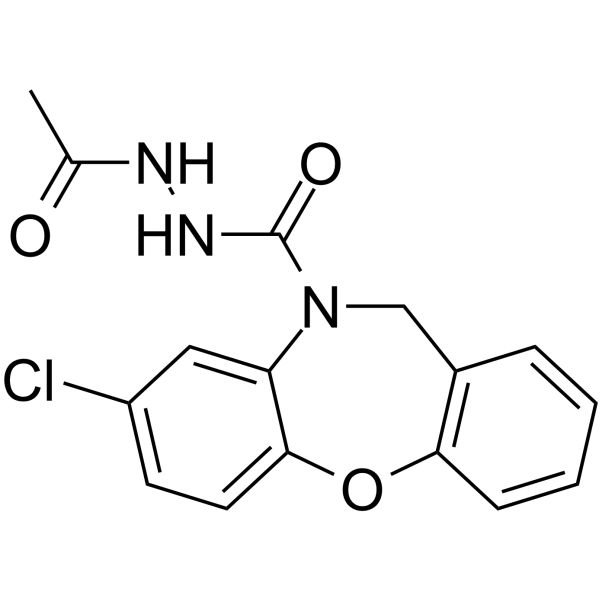
HY-102065
SC-19220EP1 Antagonist -
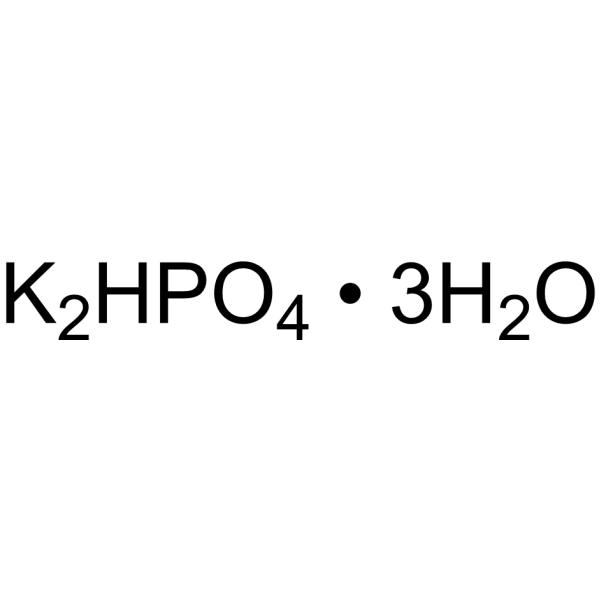
HY-W088069
Dipotassium hydrogen phosphate trihydratePharmaceutical Excipient -
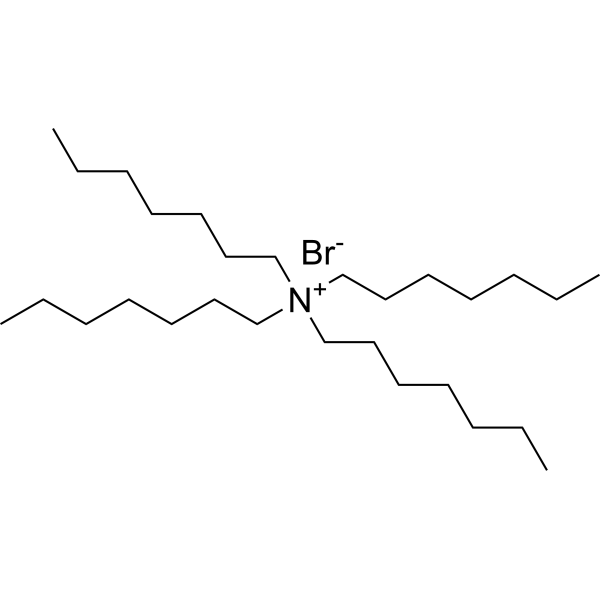
HY-W010795
Tetraheptylammonium bromide (>98%,BC)Biochemical Assay Reagent -

HY-W011757
Neocuproine hydrochloride monohydrate, 99%Metal Chelator


Product Information
Information
Application
The compound is the grade of analytical standard, which is the reference standard supplied assay. It is commonly used in qualitative, quantitative and methodological research experiments in HPLC, GC and MS.


Chemical Information
-
CAS No. 370-81-0
-
Masse moléculaire 278.36
-
Formule C14H22N4O2
-
SMILES
O=C(C(N/N=C1CCCCC\1)=O)N/N=C2CCCCC/2
-
Livraison
Room temperature in continental US; may vary elsewhere.
-
Stockage
Please store the product under the recommended conditions in the Certificate of Analysis.


Pureté et documentation
Références
[1]. Vega-Riquer JM, et al. Five Decades of Cuprizone, an Updated Model to Replicate Demyelinating Diseases. Curr Neuropharmacol. 2019;17(2):129-141. [Content Brief]
[2]. Zirngibl M, et al. Oligodendrocyte death and myelin loss in the cuprizone model: an updated overview of the intrinsic and extrinsic causes of cuprizone demyelination. Mol Neurodegener. 2022 May 7;17(1):34. [Content Brief]
[3]. Kipp M, et al. The cuprizone animal model: new insights into an old story. Acta Neuropathol. 2009 Dec;118(6):723-36. [Content Brief]
[5]. Goldberg J, et al. Anatomical Distribution of Cuprizone-Induced Lesions in C57BL6 Mice. J Mol Neurosci. 2015 Oct;57(2):166-75. [Content Brief]
[6]. Benetti F, et al. Cuprizone neurotoxicity, copper deficiency and neurodegeneration. Neurotoxicology. 2010 Sep;31(5):509-17. [Content Brief]
[7]. Zatta P, et al. Copper and zinc dismetabolism in the mouse brain upon chronic cuprizone treatment. Cell Mol Life Sci. 2005 Jul;62(13):1502-13. [Content Brief]
[9]. Matsushima GK, et al. The neurotoxicant, cuprizone, as a model to study demyelination and remyelination in the central nervous system. Brain Pathol. 2001 Jan;11(1):107-16. [Content Brief]
[10]. Zhan J, et al. The Cuprizone Model: Dos and Do Nots. Cells. 2020 Mar 31;9(4):843. [Content Brief]
[11]. Praet J, et al. Cellular and molecular neuropathology of the cuprizone mouse model: clinical relevance for multiple sclerosis. Neurosci Biobehav Rev. 2014 Nov;47:485-505. [Content Brief]

Calculators
Concentration (start) × Volume (start) = Concentration (final) × Volume (final)


Cuprizone (Standard) Related Classifications
HY-W115718R Related Classifications
 Powered by Bioz