



370-81-0
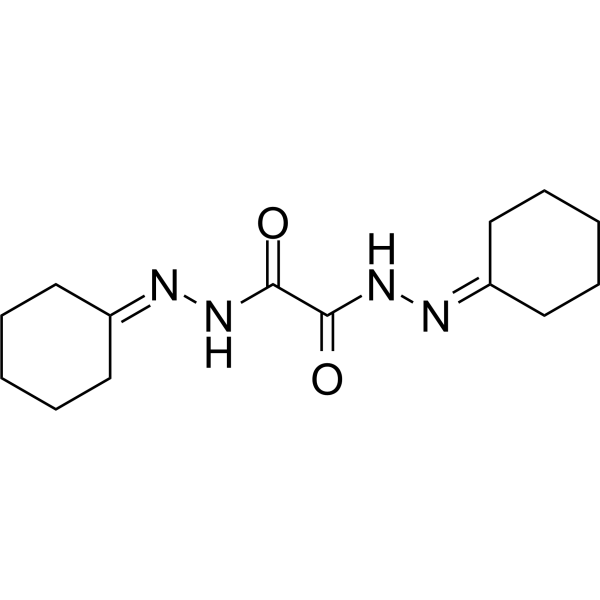
370-81-0
Chemical Structure
Cuprizone
Synonym(s): CPZ
- CAS No.: 370-81-0
- Formula:C14H22N4O2
- Molecular Weight:278.36
IUPAC Name: N'1,N'2-dicyclohexylideneoxalohydrazide
InChIKey: DSRJIHMZAQEUJV-UHFFFAOYSA-N
SMILES: O=C(C(N/N=C1CCCCC\1)=O)N/N=C2CCCCC/2
Biological Activity: Cuprizone is a copper-chelating agent that induces selective mature oligodendrocyte apoptosis and robust demyelination in C57BL/6 mouse brain, widely used as a toxic animal model of multiple sclerosis (MS) for studying de-and remyelination mechanisms[1][2][3][4][5][6][7][8][9][10][11].
| Cat. No. | Product Name | Purity | Description | Pricing | |||||||||||||||||||
|---|---|---|---|---|---|---|---|---|---|---|---|---|---|---|---|---|---|---|---|---|---|---|---|
|
|
Cuprizone | 99.61% | Cuprizone is a copper-chelating agent that induces selective mature oligodendrocyte apoptosis and robust demyelination in C57BL/6 mouse brain, widely used as a toxic animal model of multiple sclerosis (MS) for studying de-and remyelination mechanisms. | ||||||||||||||||||||
|
loading...
/
|
|||||||||||||||||||||||
|
|
Cuprizone (Standard) | ≥98% | Cuprizone (Standard) is the analytical standard of Cuprizone (HY-W115718). This product is intended for research and analytical applications. Cuprizone is a copper-chelating agent that induces selective mature oligodendrocyte apoptosis and robust demyelination in C57BL/6 mouse brain, widely used as a toxic animal model of multiple sclerosis (MS) for studying de-and remyelination mechanisms. | ||||||||||||||||||||
|
loading...
/
|
|||||||||||||||||||||||
Structural Analogs
-
Similarity Score 0.63
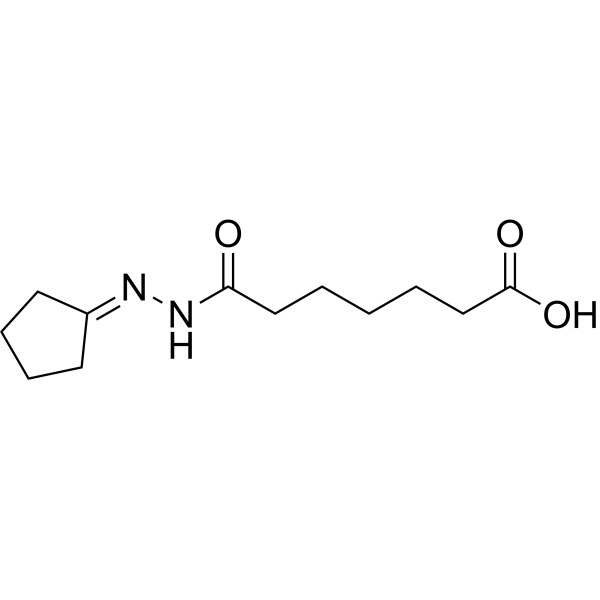 HY-100534IDE 2
-
Similarity Score 0.57
 HY-103347RM50054 (Standard)
-
Similarity Score 0.56
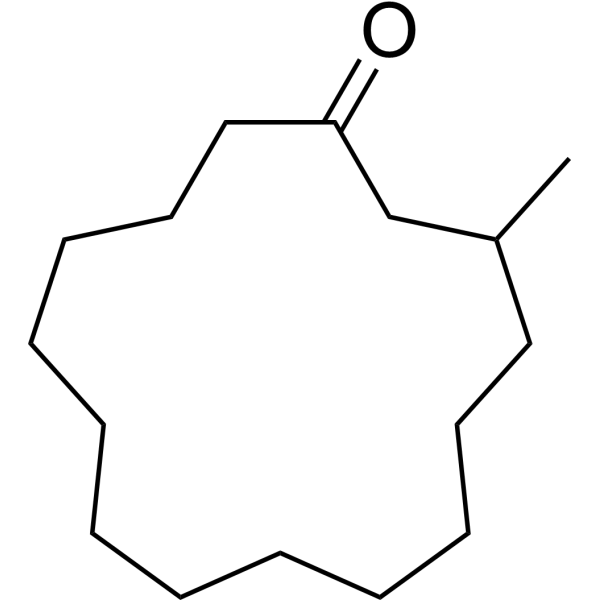 HY-N0633Muscone
-
Similarity Score 0.56
 HY-W721109(R)-(-)-Muscone
-
Similarity Score 0.52
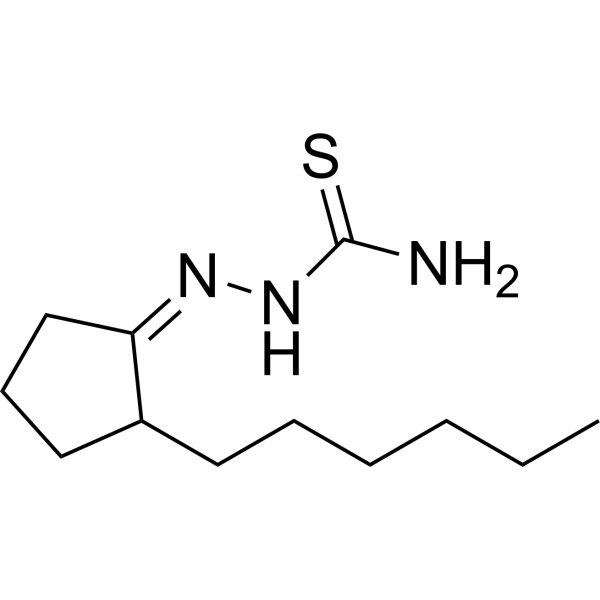 HY-116767BLT-1
-
Similarity Score 0.52
 HY-W034566Hexacyclen
-
Similarity Score 0.50
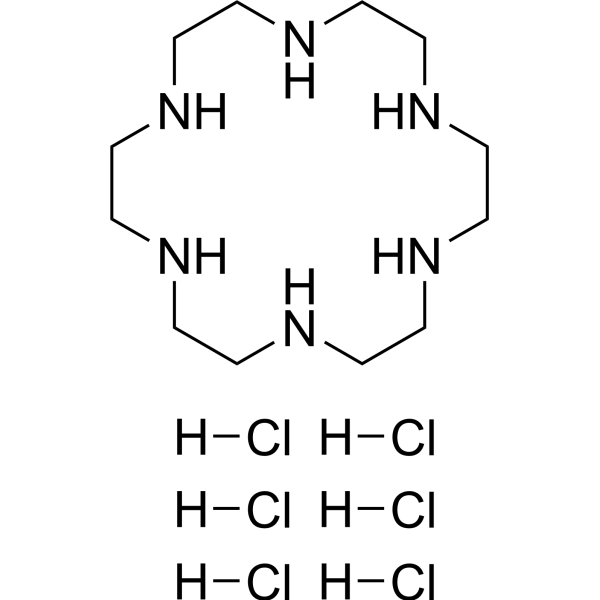 HY-W034576Hexacyclen hexahydrochloride
-
Similarity Score 0.49
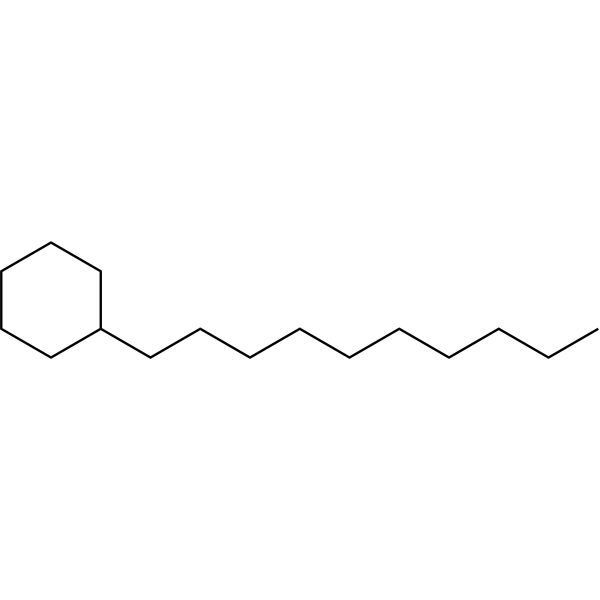 HY-W142997Decylcyclohexane
-
Similarity Score 0.49
 HY-W653724Dihydroartemisinin diketo aldehyde
-

Explore the MedChemAI to find more analogs


References
- [1]. Vega-Riquer JM, et al. Five Decades of Cuprizone, an Updated Model to Replicate Demyelinating Diseases. Curr Neuropharmacol. 2019;17(2):129-141. [Content Brief]
- [2]. Zirngibl M, et al. Oligodendrocyte death and myelin loss in the cuprizone model: an updated overview of the intrinsic and extrinsic causes of cuprizone demyelination. Mol Neurodegener. 2022 May 7;17(1):34. [Content Brief]
- [3]. Kipp M, et al. The cuprizone animal model: new insights into an old story. Acta Neuropathol. 2009 Dec;118(6):723-36. [Content Brief]
- [4]. Torkildsen Ø, et al. The cuprizone model for demyelination[J]. Acta neurologica scandinavica, 2008, 117: 72-76.
- [5]. Goldberg J, et al. Anatomical Distribution of Cuprizone-Induced Lesions in C57BL6 Mice. J Mol Neurosci. 2015 Oct;57(2):166-75. [Content Brief]
- [6]. Benetti F, et al. Cuprizone neurotoxicity, copper deficiency and neurodegeneration. Neurotoxicology. 2010 Sep;31(5):509-17. [Content Brief]
- [7]. Zatta P, et al. Copper and zinc dismetabolism in the mouse brain upon chronic cuprizone treatment. Cell Mol Life Sci. 2005 Jul;62(13):1502-13. [Content Brief]
- [8]. Gudi V, et al. (2014) Glial response during cuprizone-induced de- and remyelination in the CNS: lessons learned. Front. Cell. Neurosci. 8:73.
- [9]. Matsushima GK, et al. The neurotoxicant, cuprizone, as a model to study demyelination and remyelination in the central nervous system. Brain Pathol. 2001 Jan;11(1):107-16. [Content Brief]
- [10]. Zhan J, et al. The Cuprizone Model: Dos and Do Nots. Cells. 2020 Mar 31;9(4):843. [Content Brief]
- [11]. Praet J, et al. Cellular and molecular neuropathology of the cuprizone mouse model: clinical relevance for multiple sclerosis. Neurosci Biobehav Rev. 2014 Nov;47:485-505. [Content Brief]



