1. Search Result
Search Result
Results for "

relapsed/recurrent glioblastoma

" in MedChemExpress (MCE) Product Catalog:

590

Inhibitors & Agonists

4

Fluorescent Dyes

9

Biochemical Assay Reagents

37

Peptides

51

Inhibitory Antibodies

44

Natural
Products

1

Recombinant Proteins

21

Isotope-Labeled Compounds

2

Antibodies

4

Click Chemistry

12

Oligonucleotides

2

GMP Molecules

Cat. No. Product Name Target Research Areas Chemical Structure
  • HY-P99033
    Mosunetuzumab
    1 Publications Verification

    BTCT-4465A; RG-7828; RO7030816

    CD20 CD3 Inflammation/Immunology Cancer
    Mosunetuzumab (BTCT-4465A) is a full-length, fully humanized immunoglobulin G1 (IgG1) T-cell-dependent bispecific (TDB) antibody targeting CD20 (B cells) and CD3 (T cells). Mosunetuzumab redirects T cells to engage and eliminate malignant B cells and can be used for the research of relapsed or refractory (R/R) B-cell non-Hodgkin lymphomas (B-NHLs) .
    Mosunetuzumab
  • HY-12651A
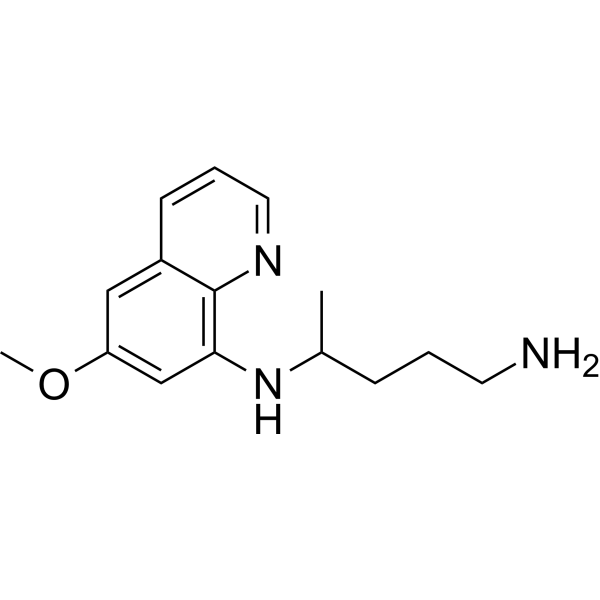
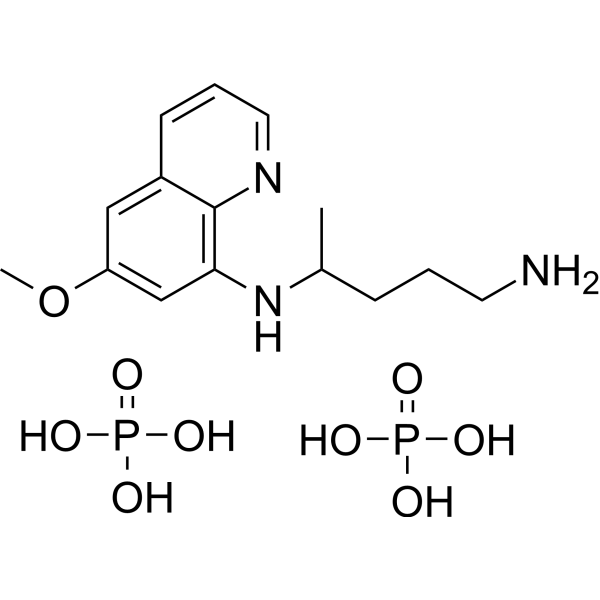
    Primaquine
    5+ Cited Publications

    Parasite Infection Cancer
    Primaquine is a potent antimalaria agent and a potent gametocytocide in falciparum malaria. Primaquine prevents relapse in vivax and ovale malaria .
    Primaquine
  • HY-10587
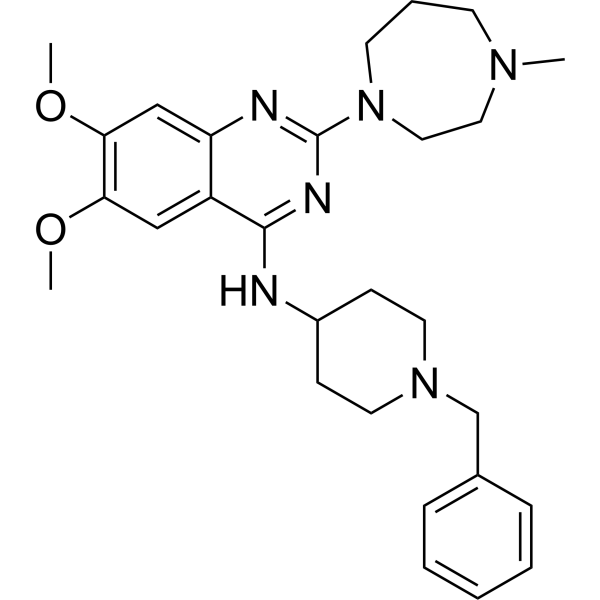
    BIX-01294
    25+ Cited Publications

    Histone Methyltransferase Autophagy Cancer
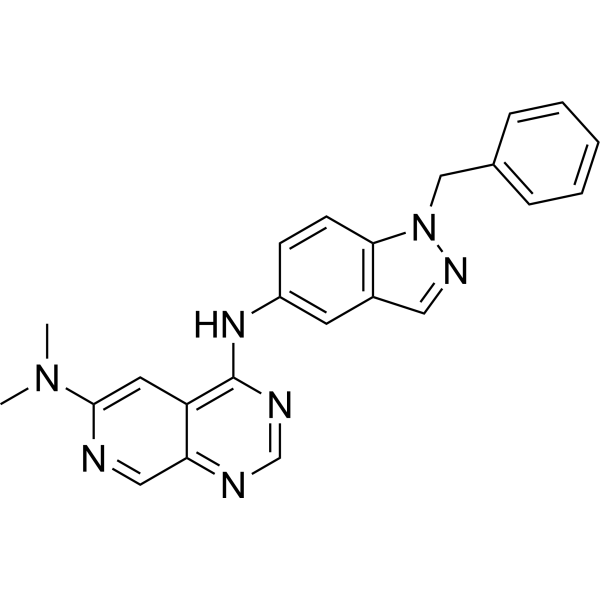
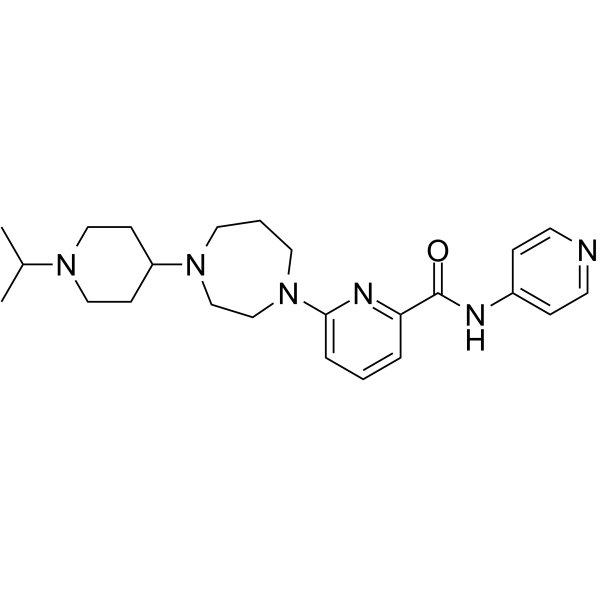
    BIX-01294 is a reversible and highly selective G9a and GLP Histone Methyltransferase inhibitor, with IC50s of of 1.7 μM and 0.9 μM, respectively. BIX-01294 inhibits G9a/GLP by competing for binding with the amino acids N-terminal of the substrate lysine residue. BIX-01294, a (1H-1,4-diazepin-1-yl)-quinazolin-4-yl amine derivative, induces necroptosis and autophagy. BIX-01294 has antitumor activity in recurrent tumor cells .
    BIX-01294
  • HY-108831A
    Natalizumab (Anti-CD49d)
    3 Publications Verification

    AN100226; BG00002

    Integrin Inflammation/Immunology Cancer
    Natalizumab (Anti-CD49d) (AN100226; BG00002) Solution is a humanized monoclonal IgG4 antibody inhibitor that selectively targets α4 integrin (CD49d), blocking the interaction of integrins such as α4β1 (VLA-4) with vascular cell adhesion molecule VCAM-1, intercellular adhesion molecule ICAM-1, and fibronectin by competitively binding to the α4 subunit. Natalizumab solution inhibits the adhesion, retention, and transendothelial migration of immune cells (such as CD4 + T cells), reducing the infiltration of inflammatory cells into the central nervous system or lesion sites, thereby exerting anti-inflammatory and immunomodulatory activity. Natalizumab (Anti-CD49d) solution is used in the study of relapsing-remitting multiple sclerosis (RRMS) and is also applied in the research of autoimmune or inflammation-related diseases such as Crohn's disease, B-cell lymphoma, and non-infectious uveitis. Natalizumab (Anti-CD49d) can also prevent lymphocytes from entering the central nervous system, thus preventing acute demyelinating relapses .
    Natalizumab (Anti-CD49d)
  • HY-109068
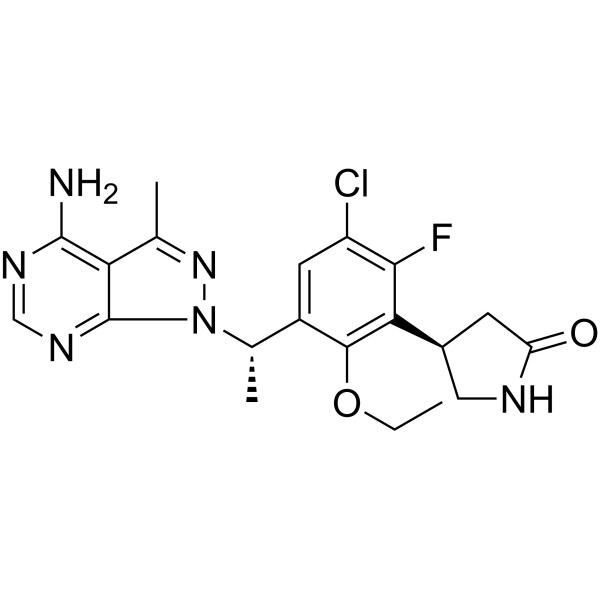
    Parsaclisib
    2 Publications Verification

    INCB050465; IBI-376

    PI3K Cancer
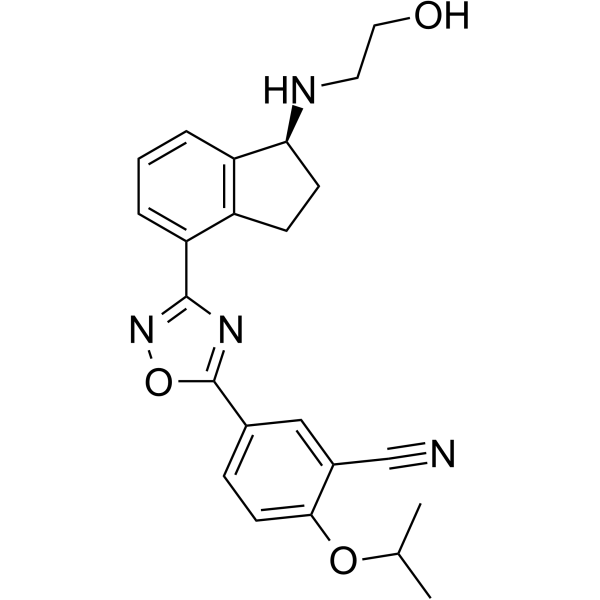
    Parsaclisib (INCB050465) is a potent, selective and orally active inhibitor of PI3Kδ, with an IC50 of 1 nM at 1 mM ATP. Parsaclisib shows approximately 20000-fold selectivity over other PI3K class I isoforms. Parsaclisib can be used for the research of relapsed or refractory B-cell malignancies .
    Parsaclisib
  • HY-144858
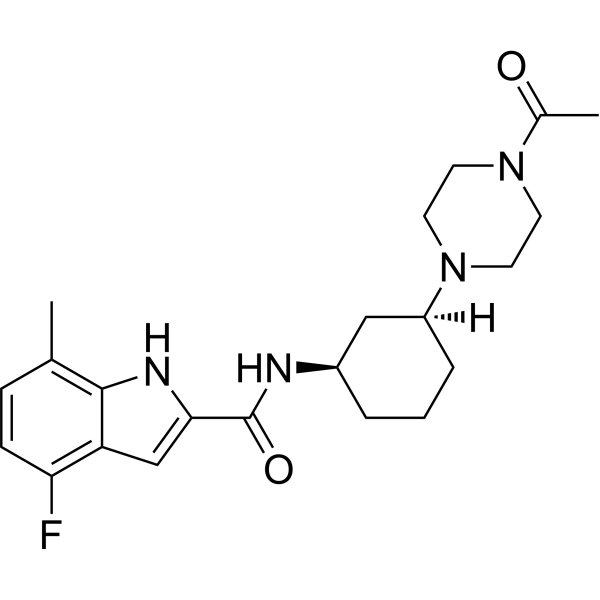
    EZM0414
    5+ Cited Publications

    Histone Methyltransferase Cancer
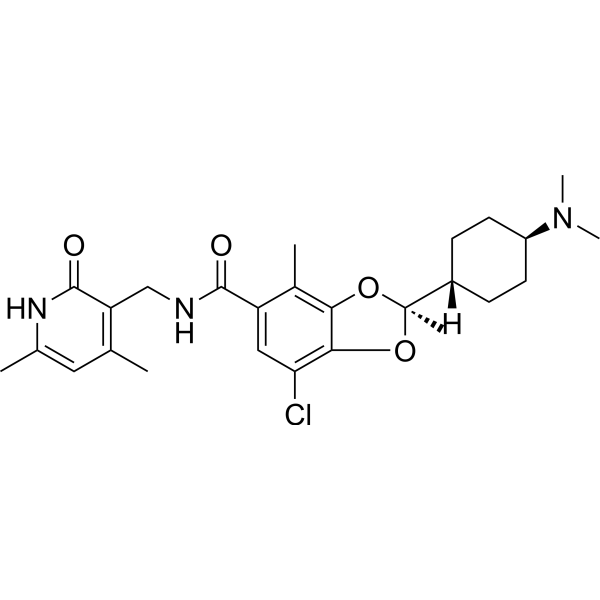
    EZM0414 is a potent, selective, orally bioavailable inhibitor of SETD2 (IC50=18 nM in SETD2 biochemical assay; IC50=34 nM in cellular assay). EZM0414 can be used for the research of relapsed or refractory multiple myeloma and diffuse large B-cell lymphoma .
    EZM0414
  • HY-P99908

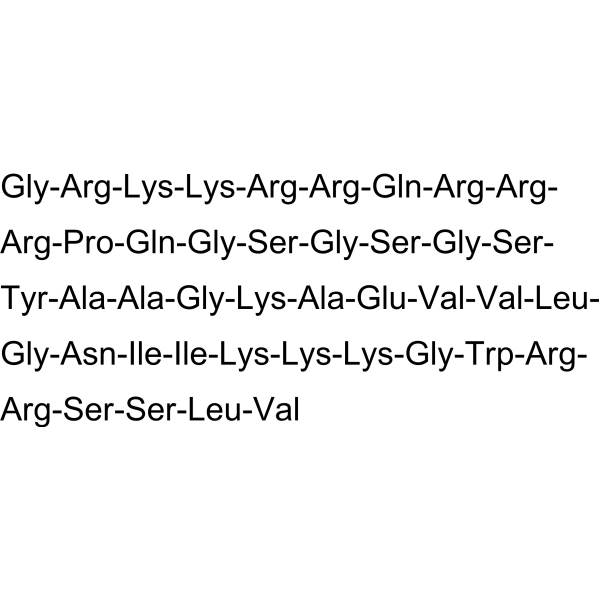
    NT-17

    Interleukin Related Cancer
    Efineptakin alfa (NT-17) is a long-acting recombinant human IL-7. Efineptakin alfa supports the proliferation and survival CD4 + and CD8 + cells in both human and mice. Efineptakin alfa can be used for glioblastoma research .
    Efineptakin alfa
  • HY-P99948

    AMG-596

    EGFR CD3 Neurological Disease Cancer
    Etevritamab (AMG-596) is a bispecific T-cell engager that targets EGFRvIII and CD3. Etevritamab simultaneously binds CD3 on T cells and EGFRvIII on glioblastoma multiforme cells, thereby forming a bridge structure. Etevritamab triggers T-cell activation, proliferation, secretion of cytotoxic substances, and tumor cell lysis. Etevritamab extends overall survival and induces tumor regression in mouse models of glioblastoma multiforme. Etevritamab can be used for research related to glioblastoma .
    Etevritamab
  • HY-B0114
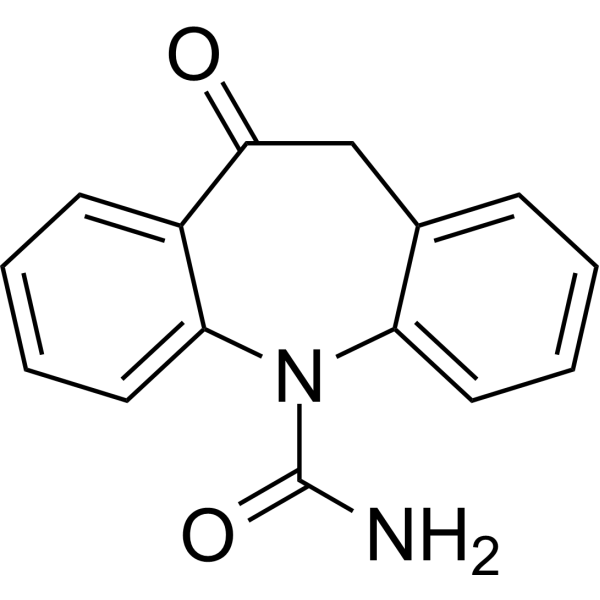
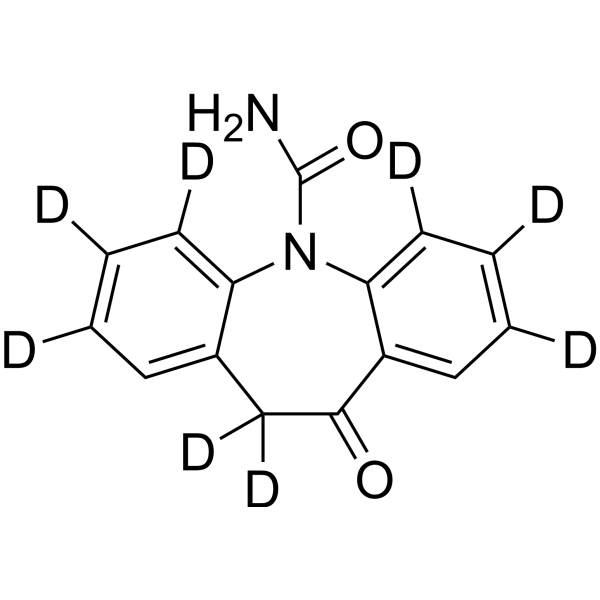
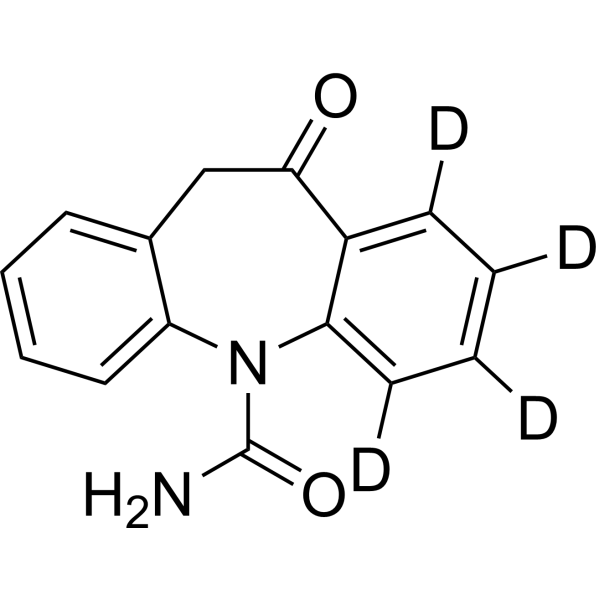
    Oxcarbazepine
    2 Publications Verification

    GP 47680

    Sodium Channel Apoptosis Neurological Disease Cancer
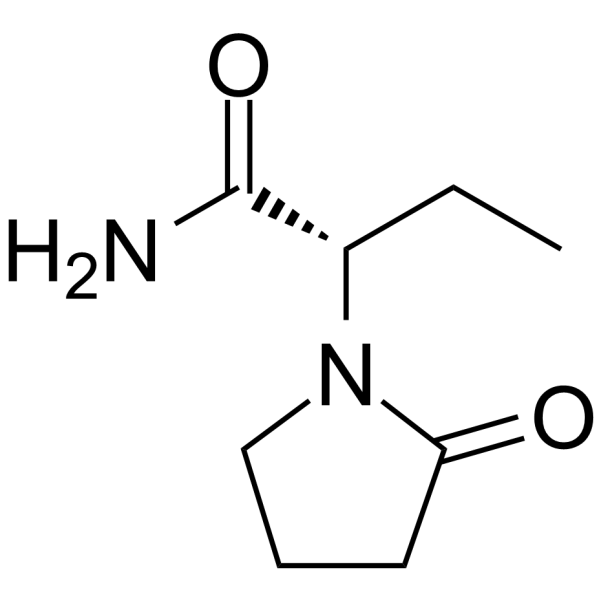
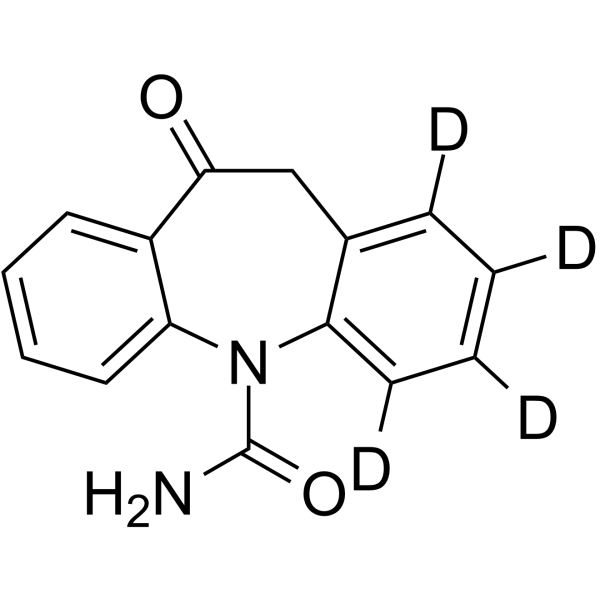
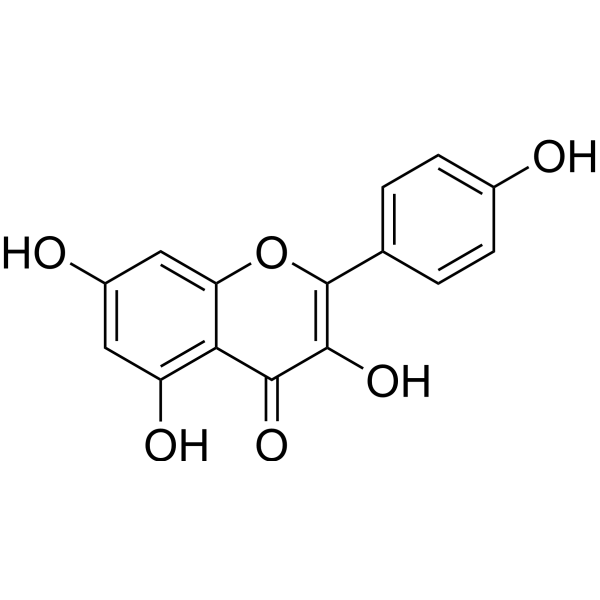
    Oxcarbazepine is a sodium channel blocker . Oxcarbazepine significantly inhibits glioblastoma cell growth and induces apoptosis or G2/M arrest in glioblastoma cell lines . Anti-cancer and anticonvulsant effects .
    Oxcarbazepine
  • HY-113315

    Endogenous Metabolite Metabolic Disease
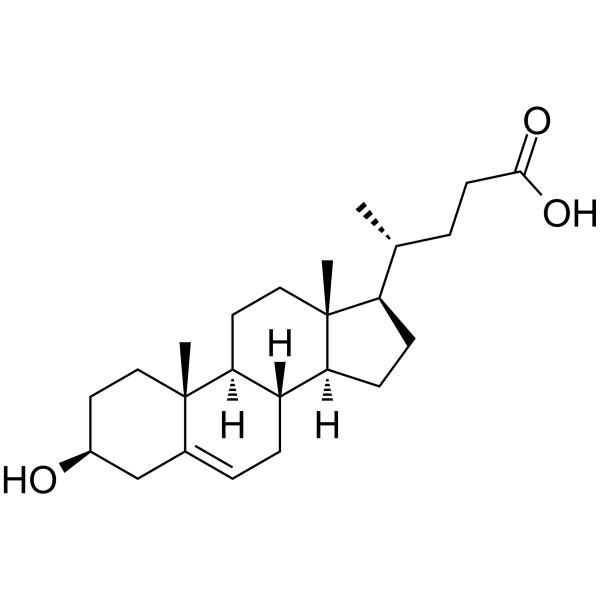
    3β-Hydroxy-5-cholenoic acid is a steroidal monohydroxy bile acid and serves as a substrate for sulfation reactions. It is applicable to the research of extrahepatic biliary atresia and recurrent intrahepatic cholestasis of pregnancy .
    3b-Hydroxy-5-cholenoic acid
  • HY-13010
    Laquinimod
    2 Publications Verification

    ABR-215062

    NF-κB Apoptosis Inflammation/Immunology
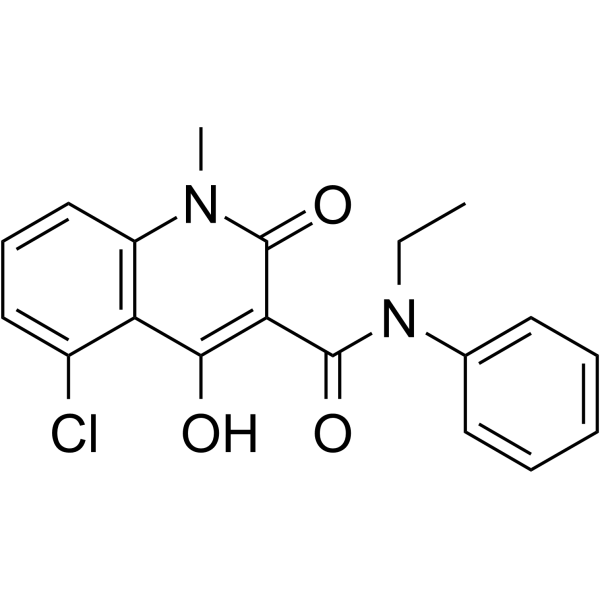
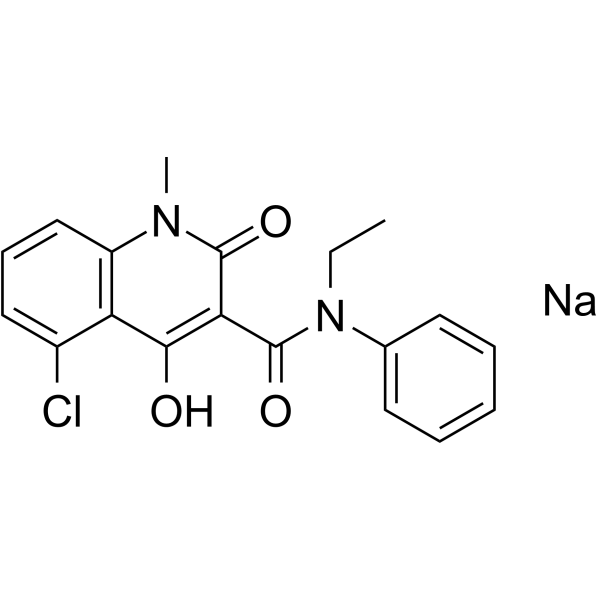
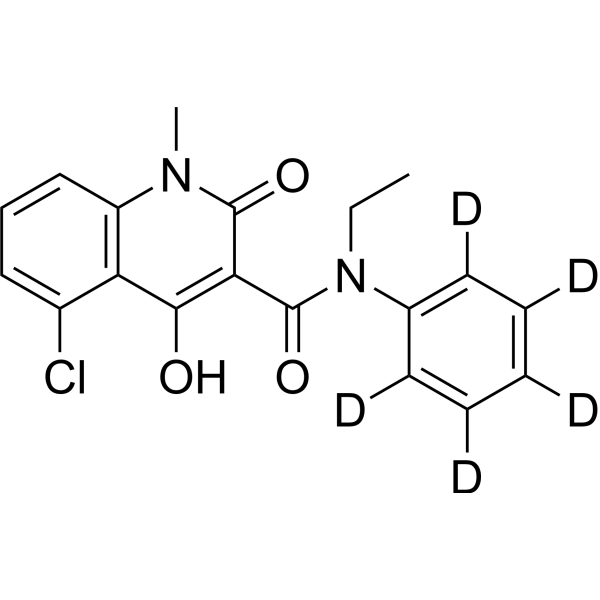
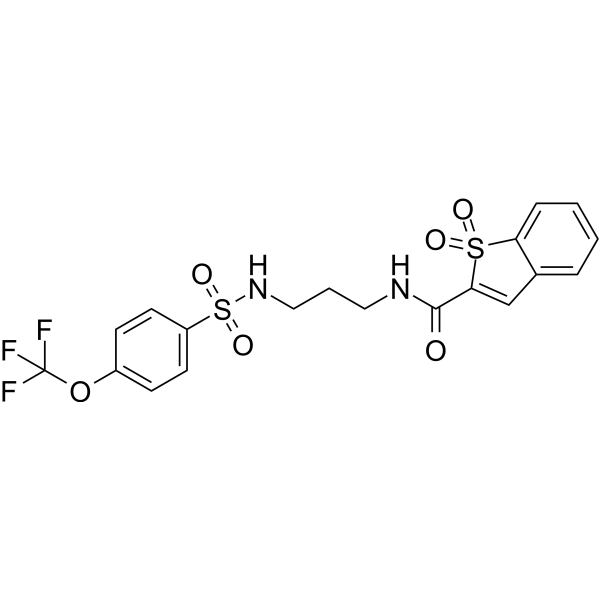
    Laquinimod (ABR-215062), an orally available carboxamide derivative, is a potent immunomodulator which prevents neurodegeneration and inflammation in the central nervous system. Laquinimod reduces astrocytic NF-κB activation to protect from Cuprizone-induced demyelination. Laquinimod has the potential for relapsing remitting (RR) and chronic progressive (CP) forms of multiple sclerosis (MS; RRMS or CPMS) as well as neurodegenerative diseases research .
    Laquinimod
  • HY-100475
    KYP-2047
    1 Publications Verification

    Apoptosis MDM-2/p53 Prolyl Endopeptidase (PREP) Neurological Disease Inflammation/Immunology Cancer
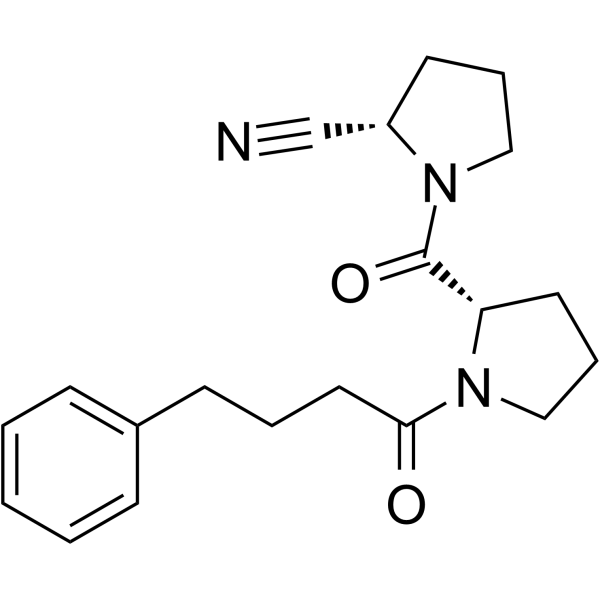
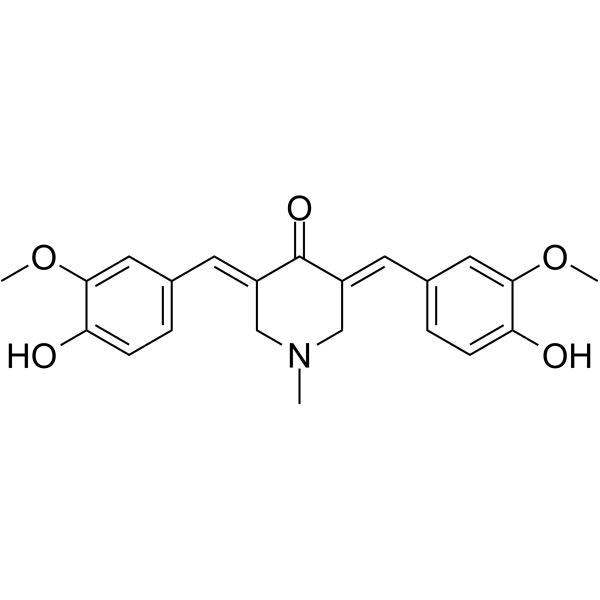
    KYP-2047 is a potent and BBB-penetrating prolyl-oligopeptidase (POP) inhibitor, with an Ki value of 0.023 nM. KYP-2047 reduces glioblastoma proliferation through angiogenesis and apoptosis modulation .
    KYP-2047
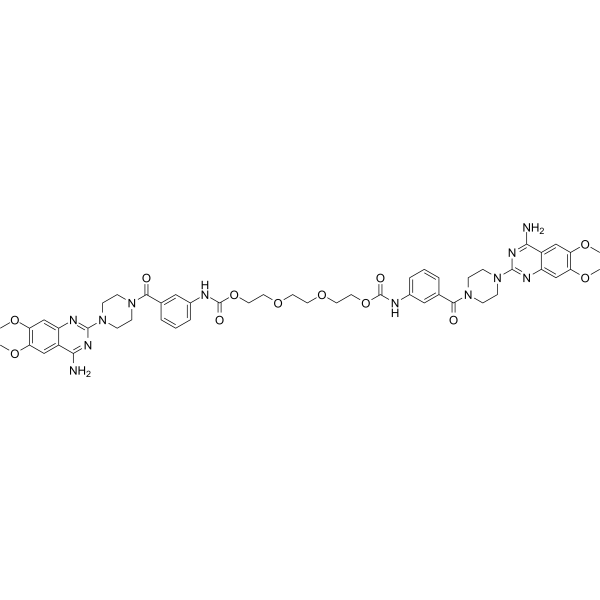
  • HY-174406

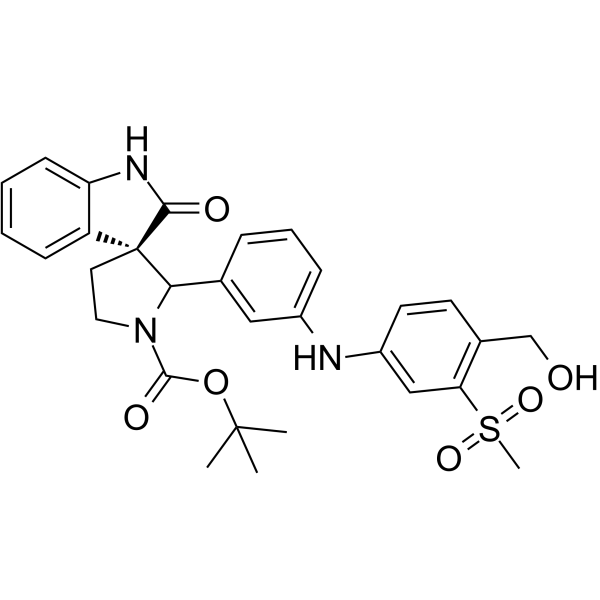
    Myosin PDGFR Reactive Oxygen Species (ROS) Ferroptosis Akt mTOR ERK Cancer
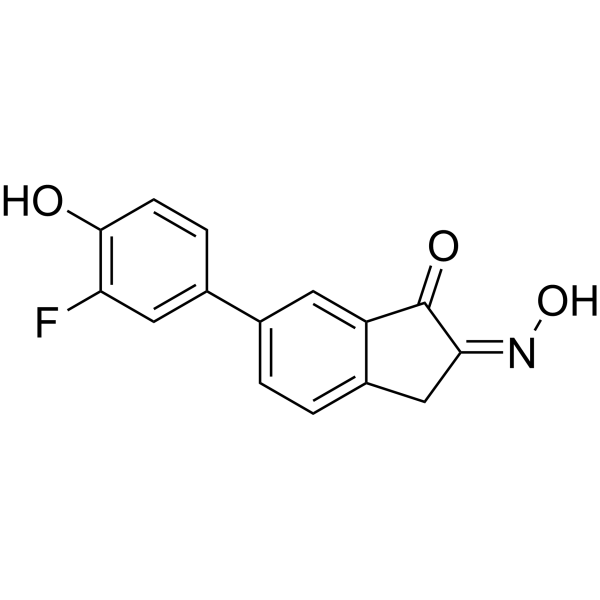
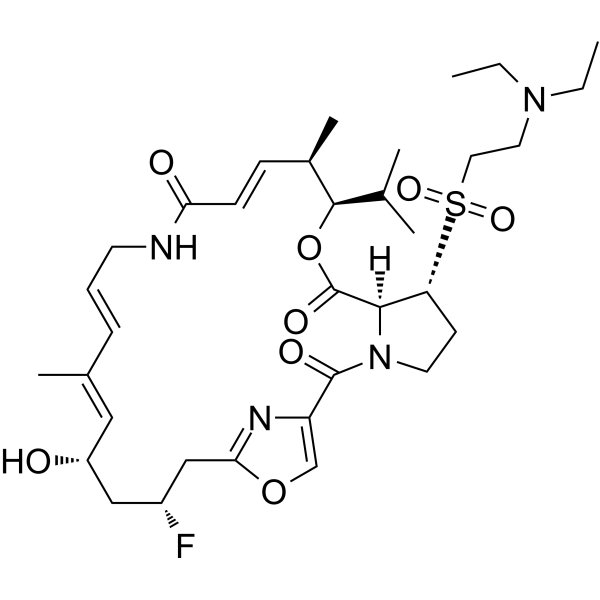
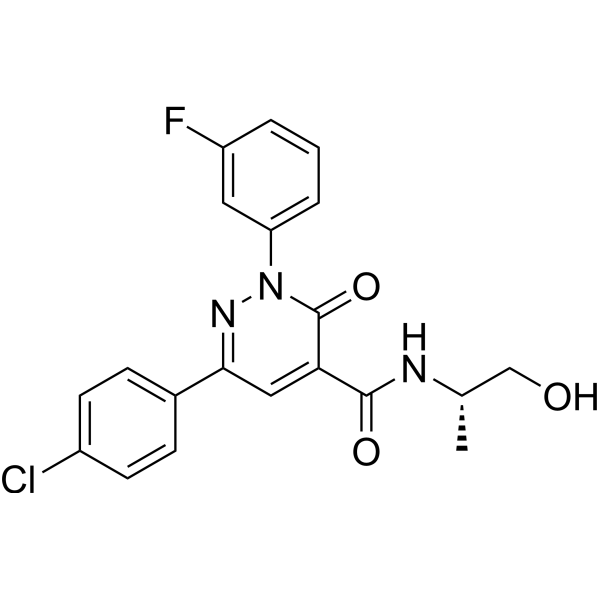
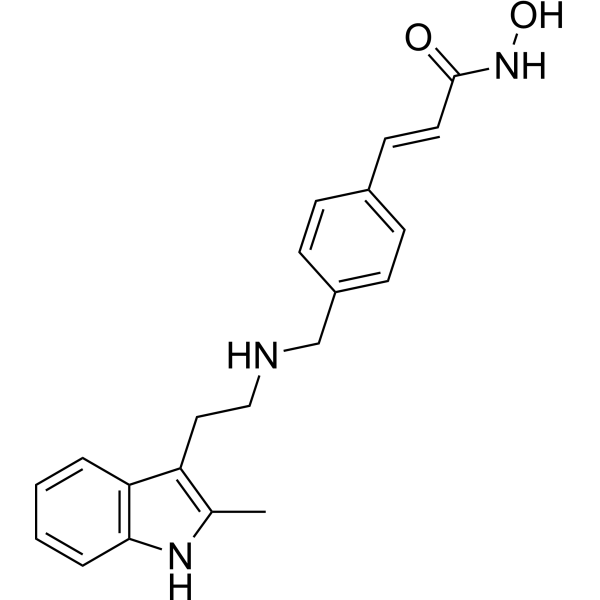
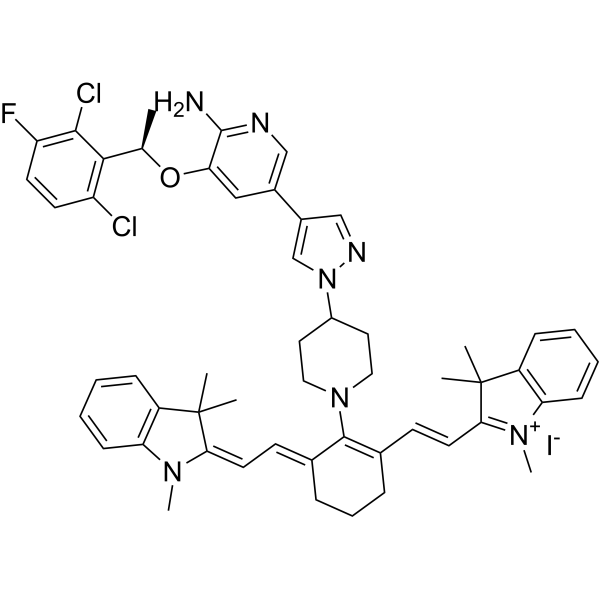
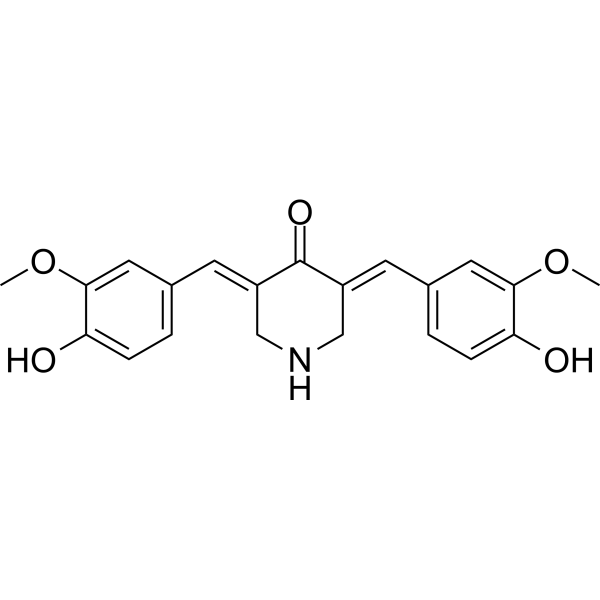
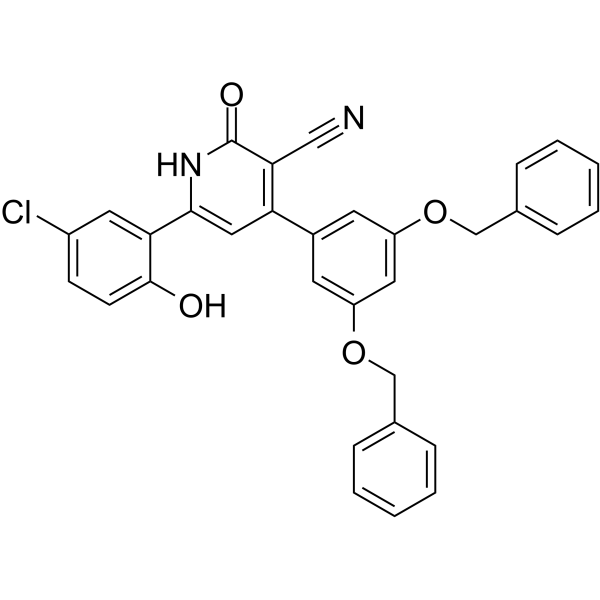
    MT-125 is a specific and well-tolerated inhibitor of non-muscle myosin IIA (Ki,NMIIA = 2.7 μM) and IIB (EC50 = 1.7 μM). MT-125 can pass through the blood-brain barrier. MT-125 induces ferroptosis and DNA damage by increasing the levels of reactive oxygen species (ROS) within tumor cells. MT-125 can enhance the PDGFR signaling pathway. MT-125 can be used for research on glioblastoma.
    MT-125
  • HY-107643

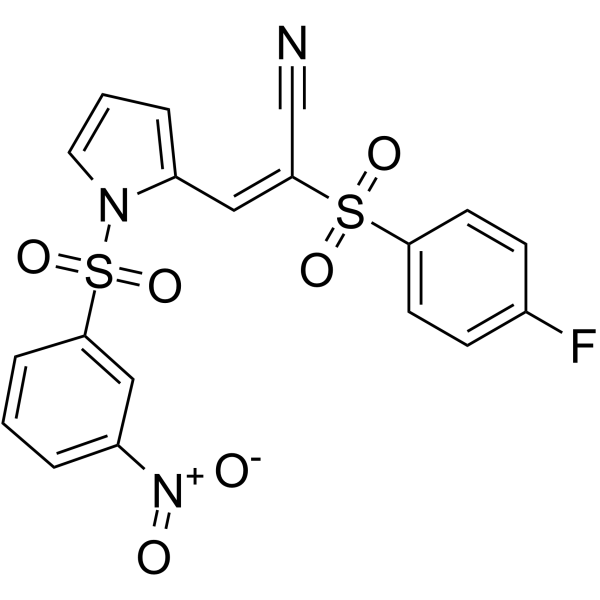
    CBLC4H10

    P-glycoprotein Cancer
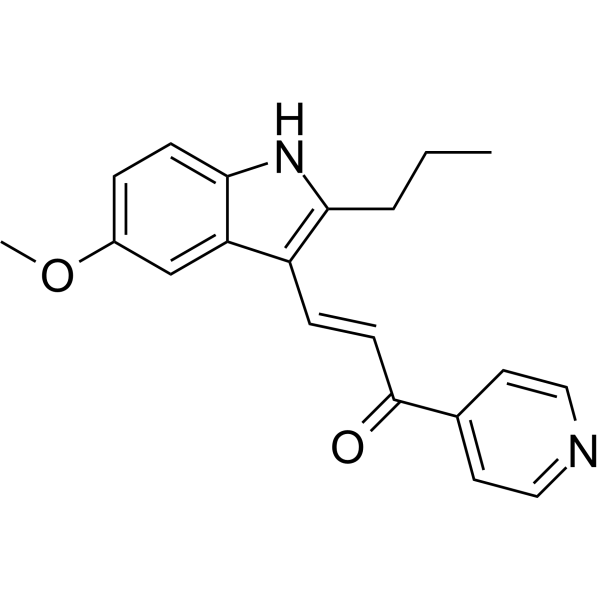
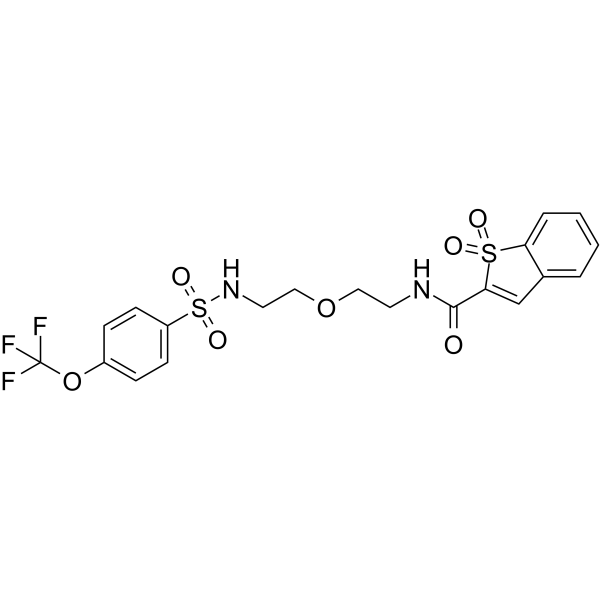
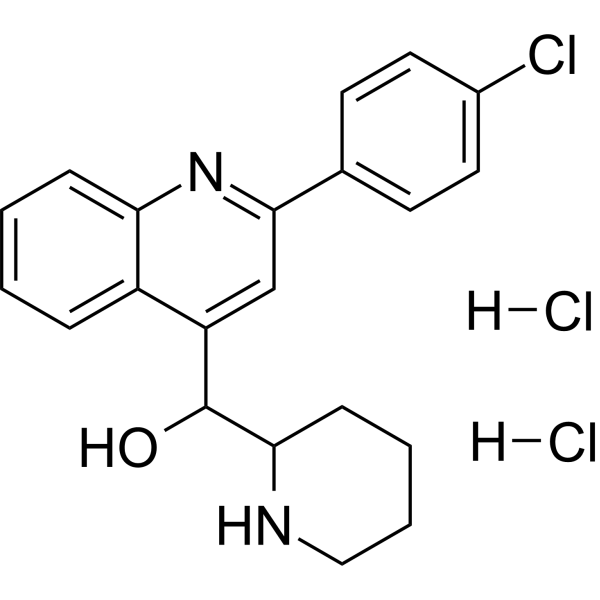
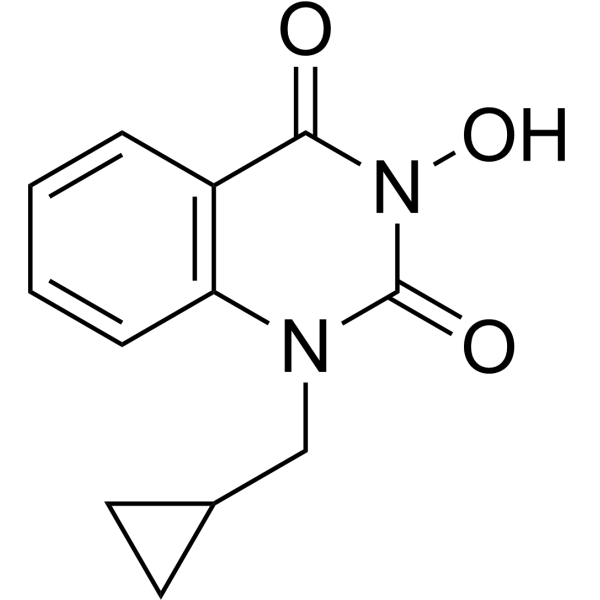
    Reversan (CBLC4H10) inhibits drug efflux mediated by P-glycoprotein (Pgp) and multidrug resistance protein 1 (MRP1), and exhibits oral activity. Reversan shows activity against glioblastoma multiforme and neuroblastoma models .
    Reversan
  • HY-W587427

    Endogenous Metabolite Monocarboxylate Transporter Neurological Disease Cancer
    D-2-Phosphoglyceric acid trisodium is a glycolysis and gluconeogenesis intermediate with altered levels linked to MCT4-modulated glycolytic pathways. D-2-Phosphoglyceric acid trisodium shows reduced intracellular levels in hypoxic glioblastoma stem cells after MCT4 knockdown. D-2-Phosphoglyceric acid trisodium can be used for the research of glioblastoma .
    D-2-Phosphoglyceric acid trisodium
  • HY-154954
    Ogremorphin
    2 Publications Verification

    OGM; GPR68-IN-1; OGM-8345

    GPR68 Ferroptosis Inflammation/Immunology Cancer
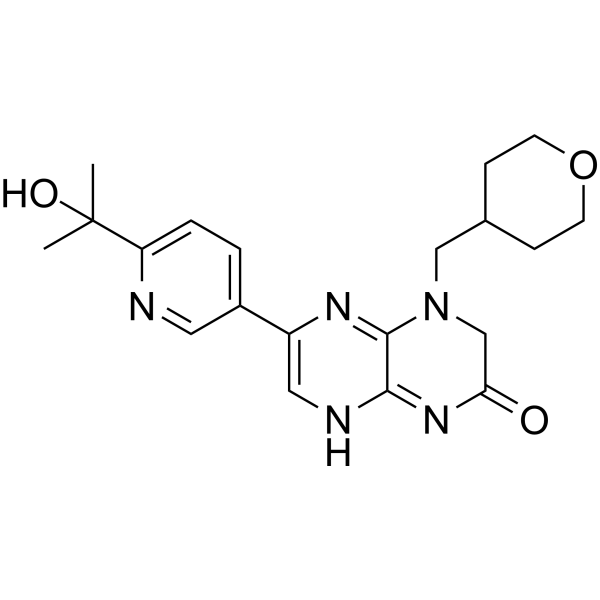
    Ogremorphin (OGM) is a G protein coupled sensor GPR68 inhibitor with anti-inflammatory and anti-tumor activities. Ogremorphin can inhibit the migration of human melanoma cells and induce ferroptosis in glioblastoma cells .
    Ogremorphin
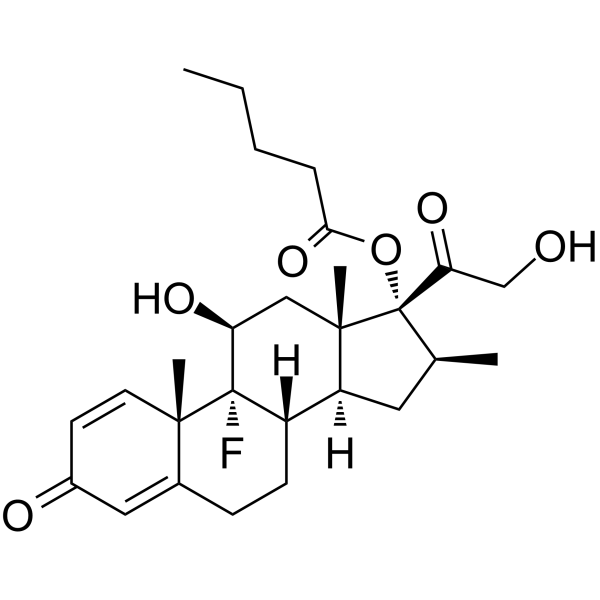
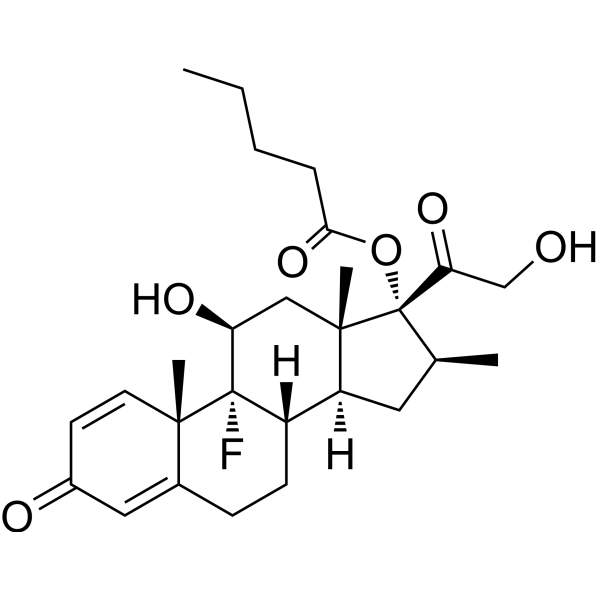
  • HY-B0727
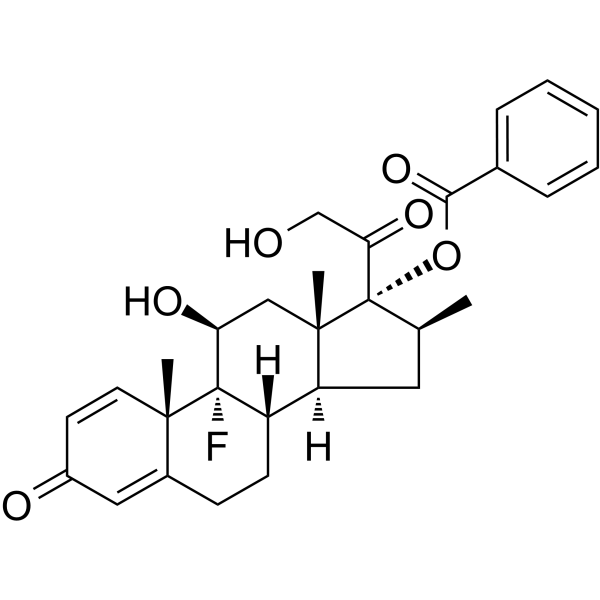
    Betamethasone valerate
    1 Publications Verification

    Betamethasone 17-valerate

    Glucocorticoid Receptor Inflammation/Immunology
    Betamethasone valerate (Betamethasone 17-valerate), the 17-valerate ester of Betamethasone, is a topical corticosteroid with anti-inflammatory activity. Betamethasone valerate is used in the treatment of recurrent aphthous stomatitis. Betamethasone valerate inhibits the binding of the radiolabeled glucocorticoid dexamethasone ( 3H dexamethasone) to human epidermis and mouse skin with IC50s of 5 and 6 nM, respectively .
    Betamethasone valerate
  • HY-45661

    NUV-422

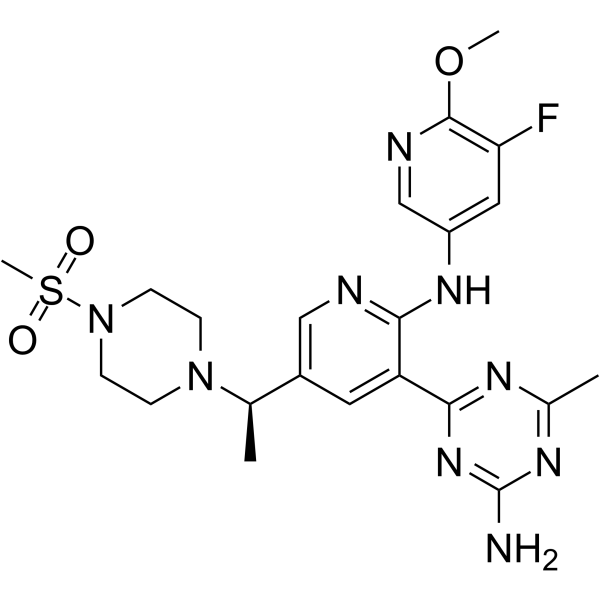
    CDK Neurological Disease Cancer
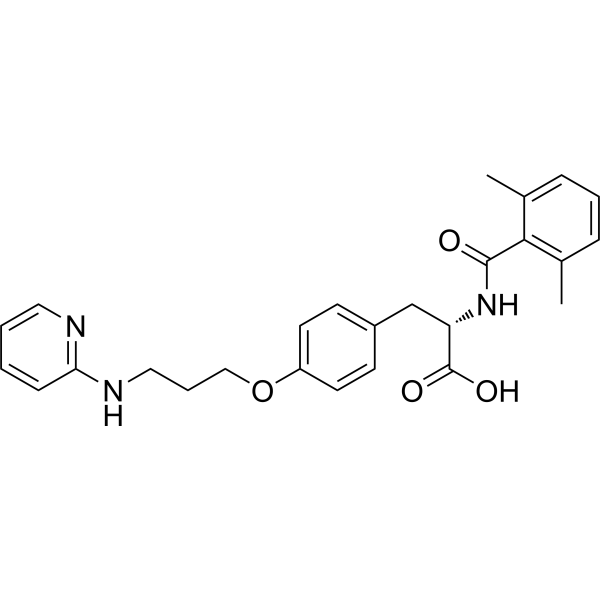
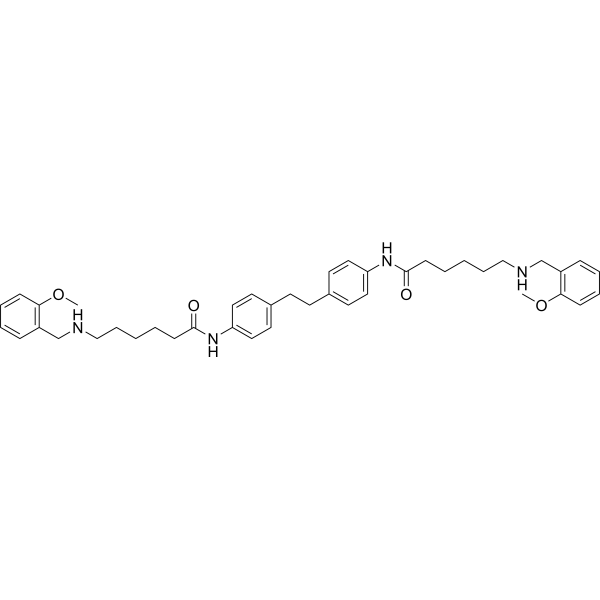
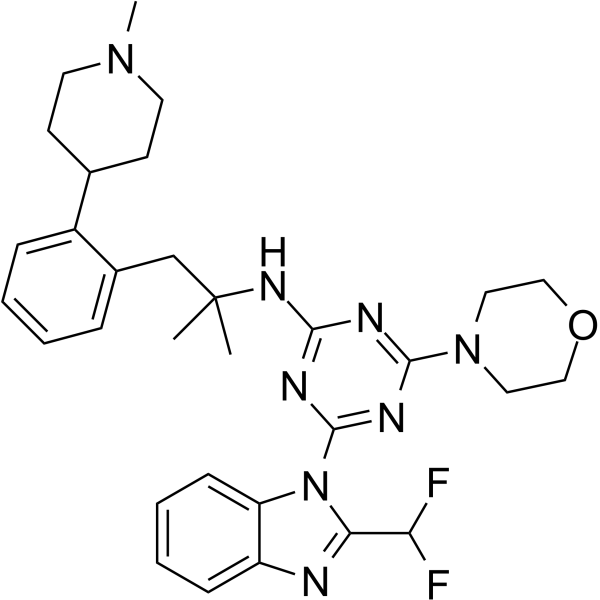
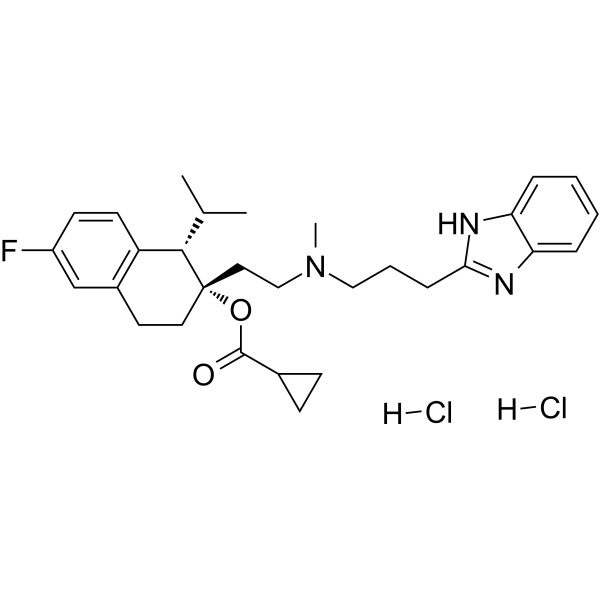
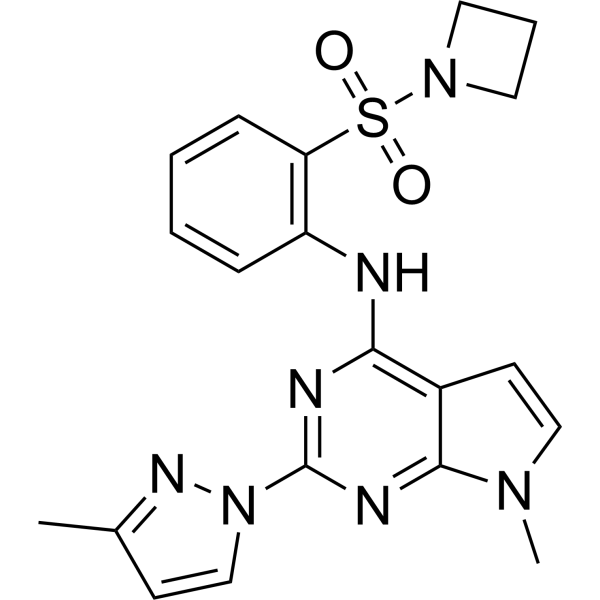
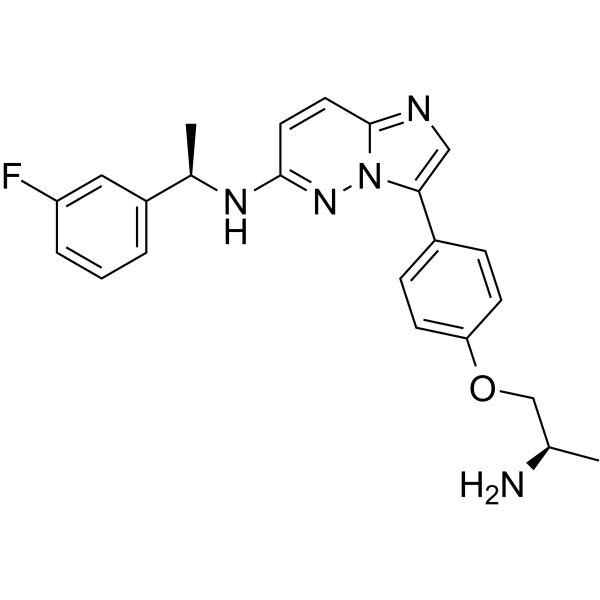
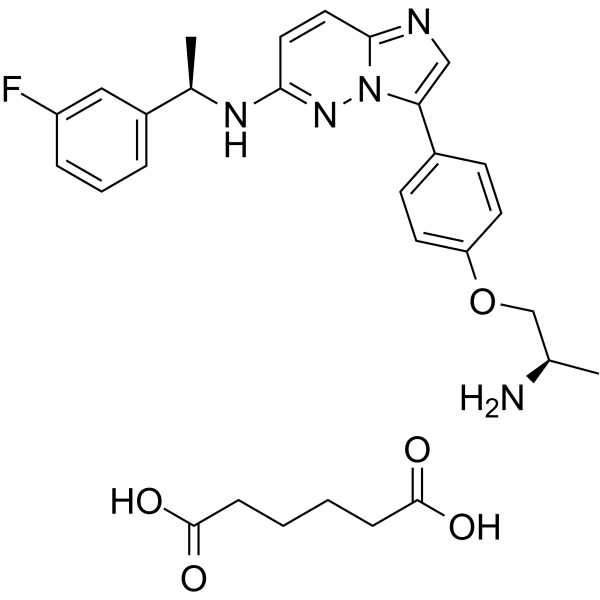
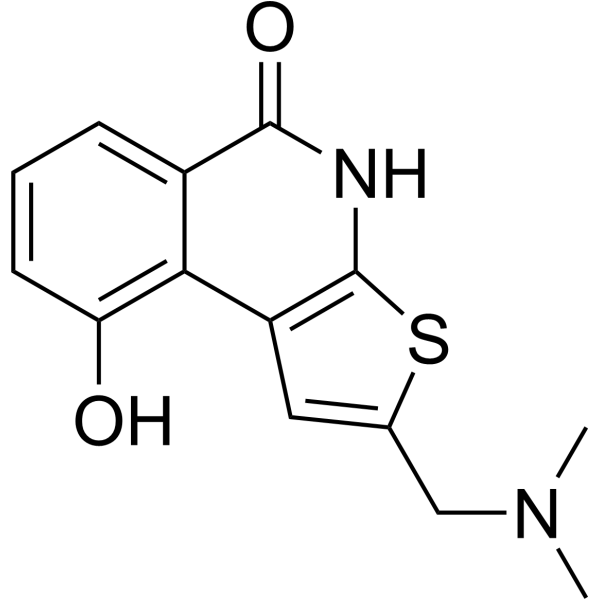
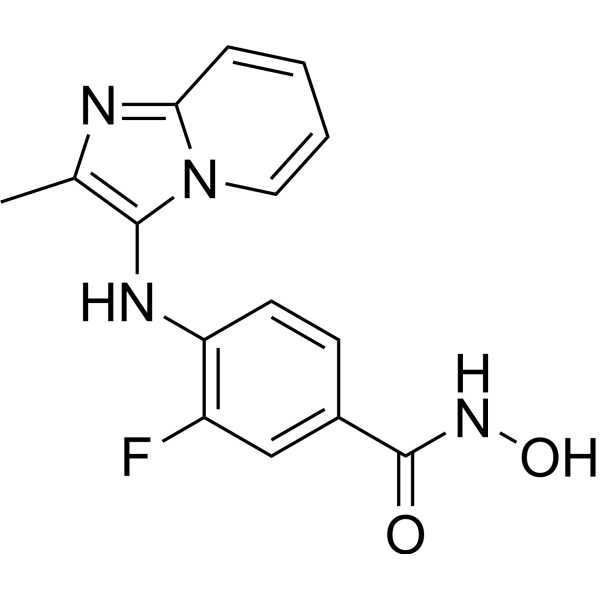
    Inixaciclib (NUV-422) is a blood-brain barrier-penetrant inhibitor of CDK2, CDK4 and CDK6. Inixaciclib inhibits cancer cell growth. Inixaciclib induces anti-tumor activity in xenograft models of glioblastoma, CDK4/CDK6 inhibitor-resistant HR + HER2 - metastatic breast cancer, and anti-androgen-resistant prostate cancer. Inixaciclib can be used for the research of relapsed or metastatic castration-resistant prostate cancer .
    Inixaciclib
  • HY-12833
    AMZ30
    1 Publications Verification

    Phosphatase Akt ERK Others
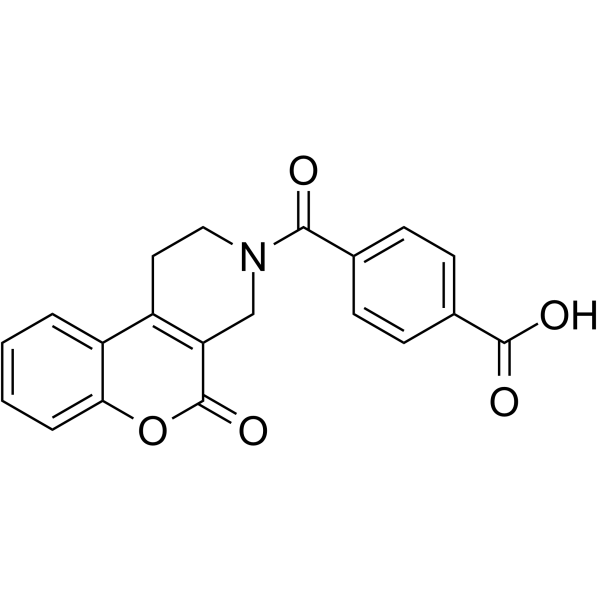
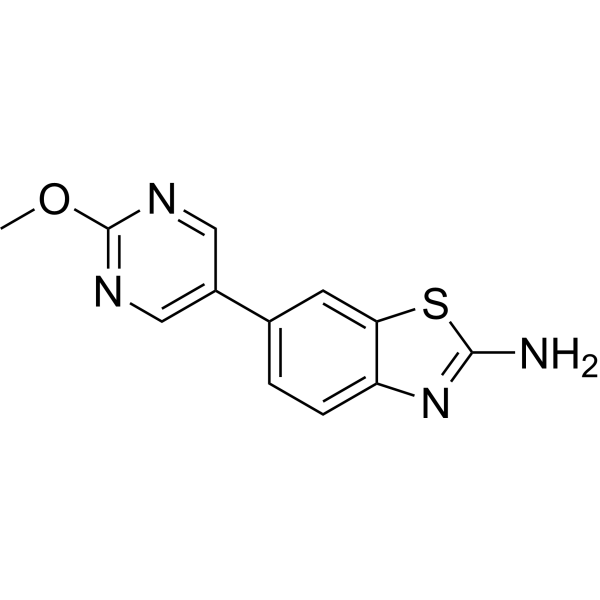
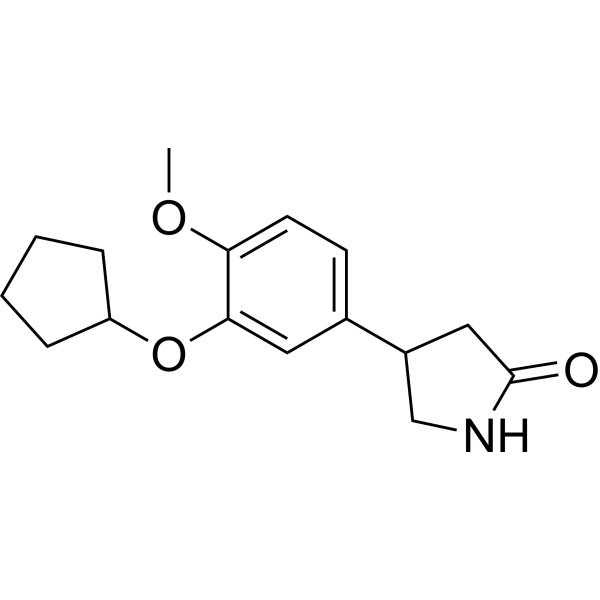
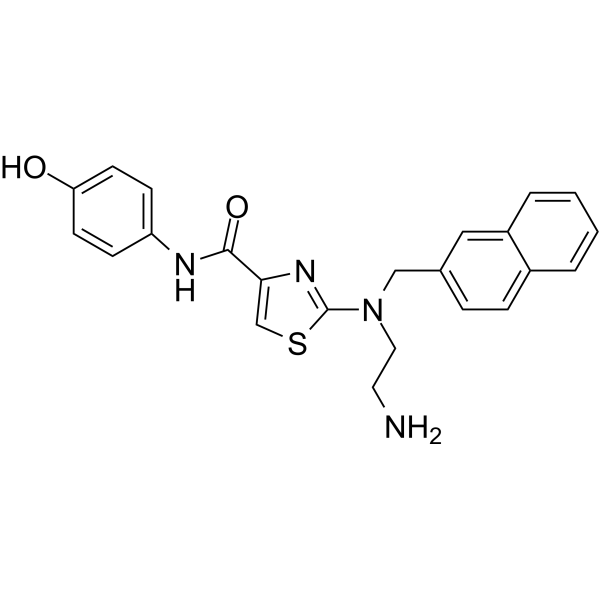
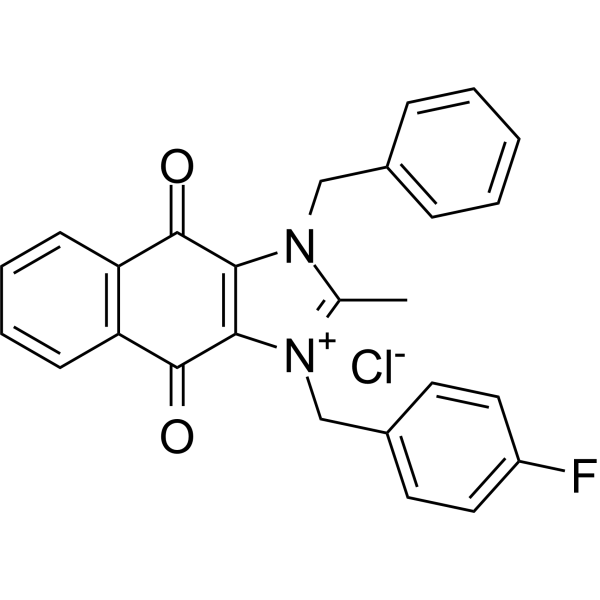
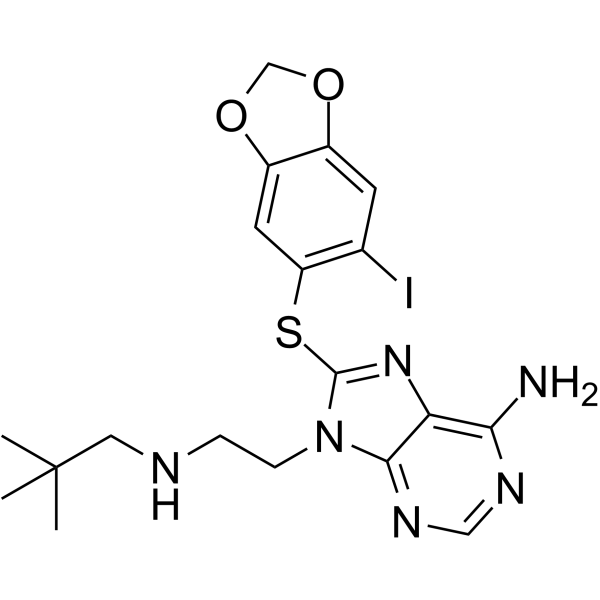
    AMZ30 is selective protein phosphatase methylesterase-1(PME-1) inhibitor with IC50s of 600 nM and 3.5 µM in human cell lysates and in HEK 293T cells, respectively. AMZ30 shows >100-fold selectivity relative to other serine hydrolases. AMZ30 reduces the demethylated form of PP2A in living cells. AMZ30 attenuates muscle cell differentiation. AMZ30 increases the resistance of U87MG and U251MG glioblastoma cells to t-BHP-induced oxidative stress. AMZ30can be used for the study of glioblastoma .
    AMZ30
  • HY-174406A

    Myosin PDGFR Reactive Oxygen Species (ROS) Ferroptosis Akt mTOR ERK Inflammation/Immunology Cancer
    MT-125 free base is a specific and well-tolerated inhibitor of non-muscle myosin IIA (Ki,NMIIA = 2.7 μM) and IIB (EC50 = 1.7 μM). MT-125 free base can pass through the blood-brain barrier. MT-125 free base induces ferroptosis and DNA damage by increasing the levels of reactive oxygen species (ROS) within tumor cells. MT-125 free base can enhance the PDGFR signaling pathway. MT-125 free base can be used for research on glioblastoma.
    MT-125 free base
  • HY-P99768

    TTAC-0001; Tanibirumab

    VEGFR Cancer
    Olinvacimab (TTAC-0001) is a fully human anti-VEGFR2 monoclonal antibody. Olinvacimab inhibits VEGF binds to KDR with a Kd value of 0.23 nM. Olinvacimab has antiangiogenic activity. Olinvacimab can be used for the research of recurrent glioblastoma and breast cancer .
    Olinvacimab
  • HY-147637

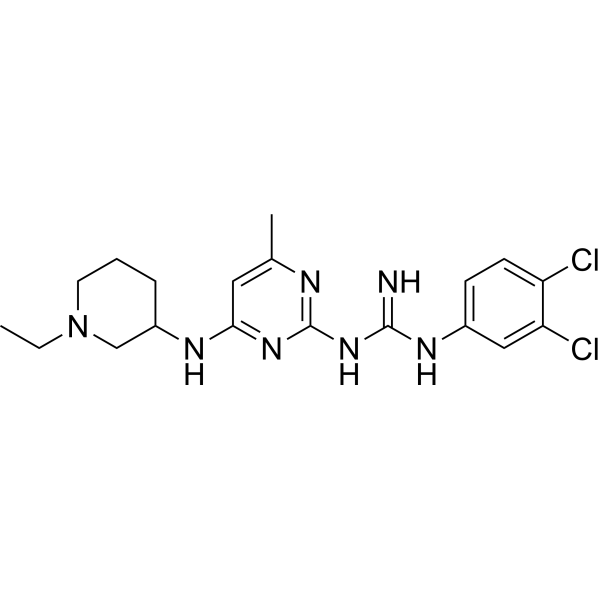
    Ephrin Receptor Cancer
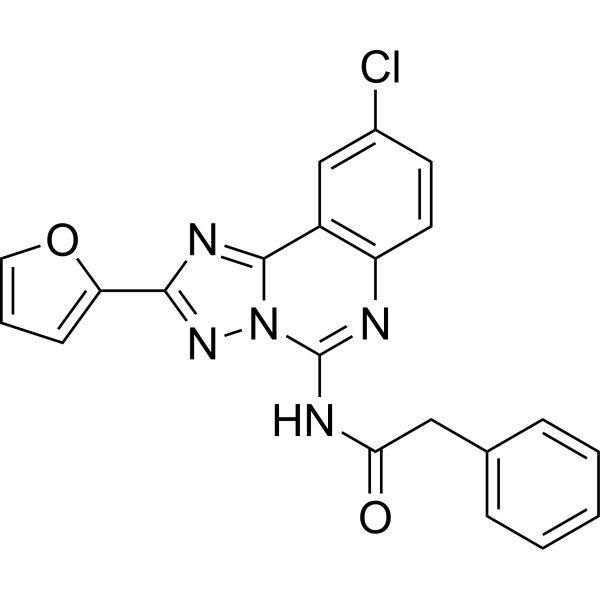
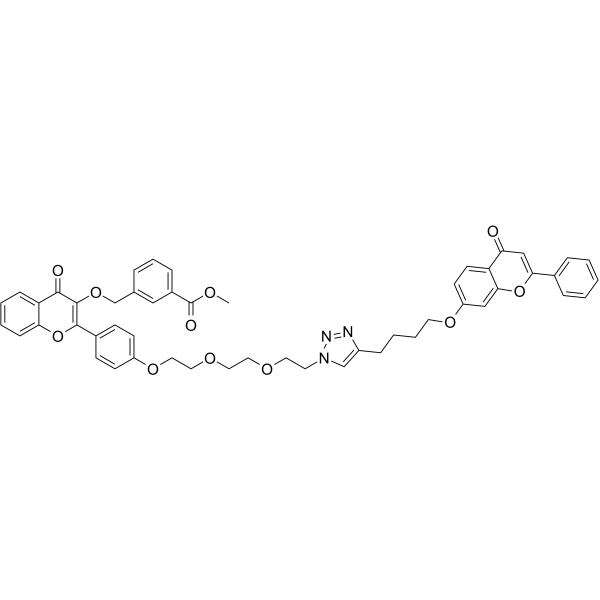
    EphA2 agonist 1 (Compound 7bg) is a potent EphA2 receptor agonist. EphA2 agonist 1 shows great potency and selectivity toward EphA2 overexpressed glioblastoma cells and stimulates EphA2 phosphorylation .
    EphA2 agonist 1
  • HY-125427

    OLIG2 Cancer
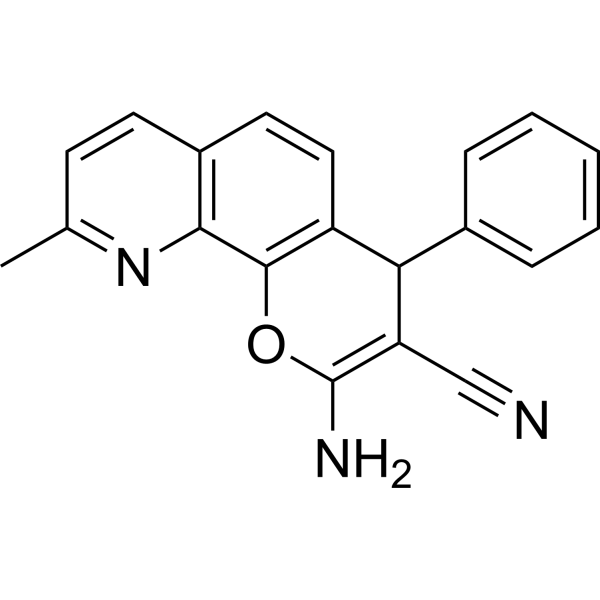
    SKOG102 is a potent OLIG2 inhibitor that is directly engaging OLIG2 and interferes with the ability of OLIG2 to bind DNA. SKOG102 can be used for the research of glioblastoma (GBM) .
    SKOG102
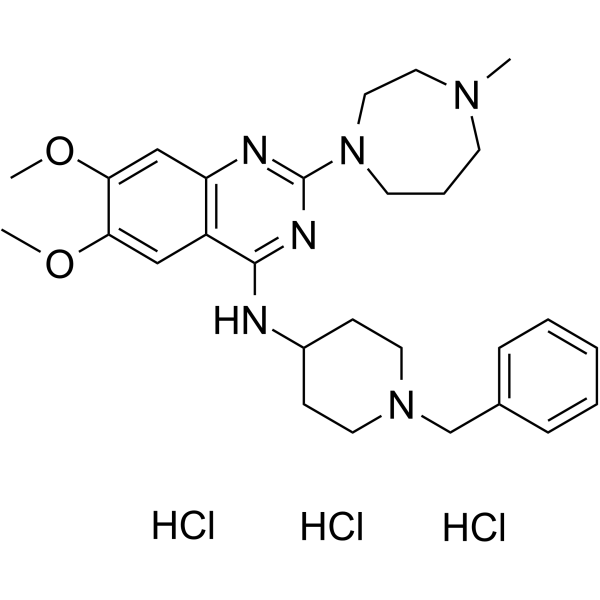
  • HY-108239
    BIX-01294 trihydrochloride
    25+ Cited Publications

    Histone Methyltransferase Autophagy Cancer
    BIX-01294 trihydrochloride is a reversible and highly selective G9a and GLP Histone Methyltransferase inhibitor, with IC50s of of 1.7 μM and 0.9 μM, respectively. BIX-01294 trihydrochloride inhibits G9a/GLP by competing for binding with the amino acids N-terminal of the substrate lysine residue. BIX-01294 trihydrochloride, a (1H-1,4-diazepin-1-yl)-quinazolin-4-yl amine derivative, induces necroptosis and autophagy. BIX-01294 trihydrochloride has antitumor activity in recurrent tumor cells .
    BIX-01294 trihydrochloride
  • HY-150124

    Integrin Apoptosis Cancer
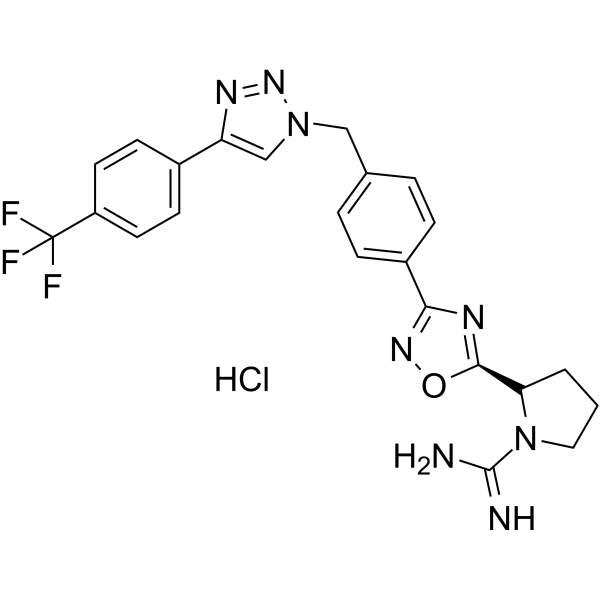
    K34c is a potent and selective α5β1 integrin antagonist. By inhibiting α5β1 integrin, K34c reduces chemotherapy-induced premature senescence and promotes apoptosis. K34c can be used in glioblastoma research .
    K34c
  • HY-167851

    CXCR Neurological Disease Cancer
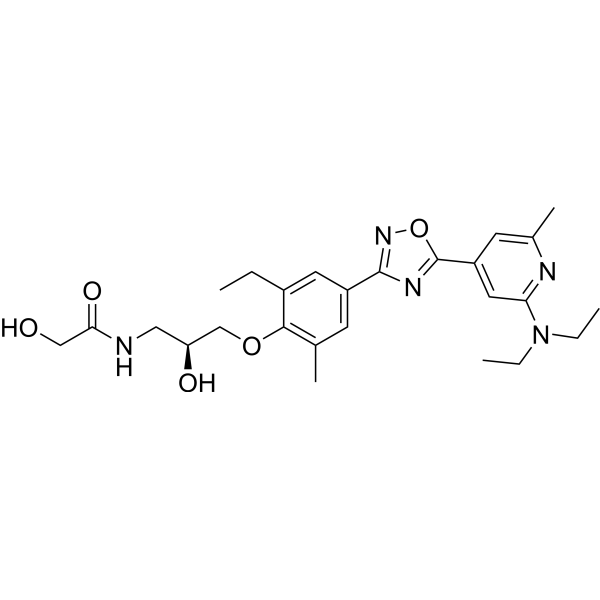
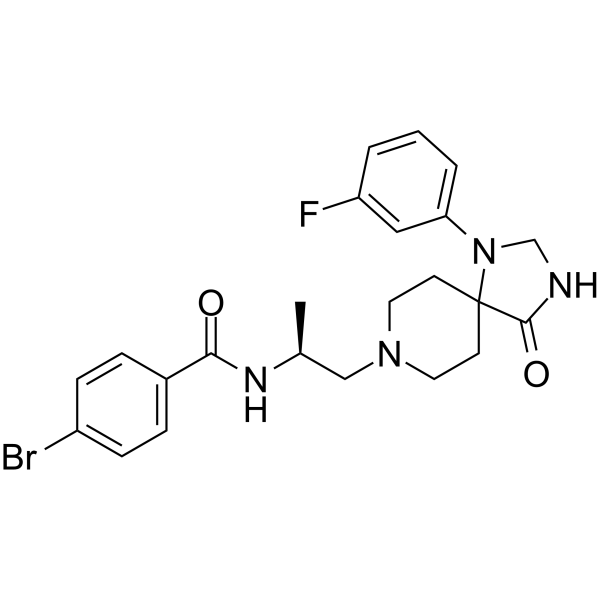
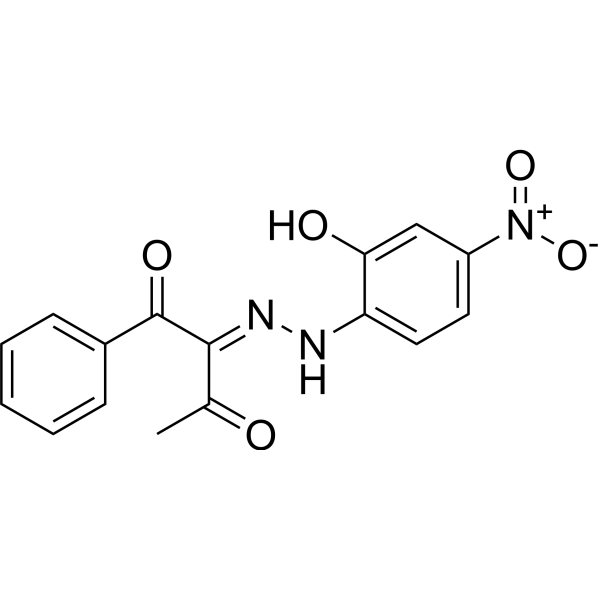
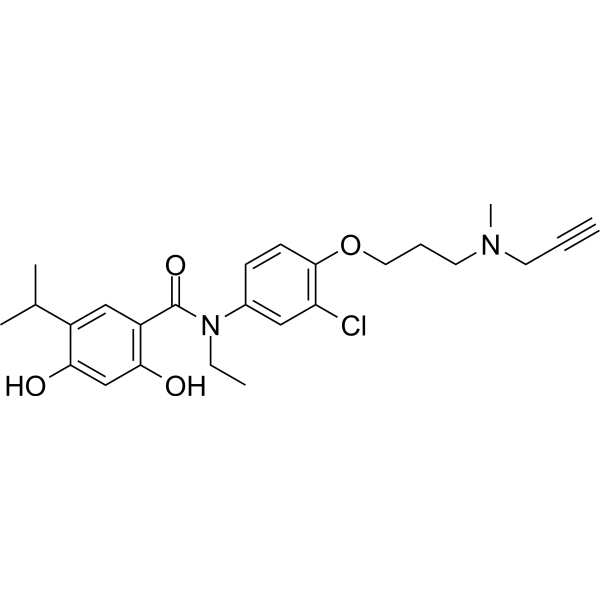
    CCX662 is a selective CXCR7 inhibitor with human IC50 values of 9 nM (buffer) and 18 nM (100% human serum), and rat IC50 of 14 nM (100% rat serum). CCX662 blocks CXCL12 binding to CXCR7, inhibits CXCR4-directed trans-endothelial migration of CXCR4 +/CXCR7 + cells. CCX662 can be used for the research of glioblastoma multiforme .
    CCX662
  • HY-159768A

    Radionuclide-Drug Conjugates (RDCs) FAP Neurological Disease Cancer
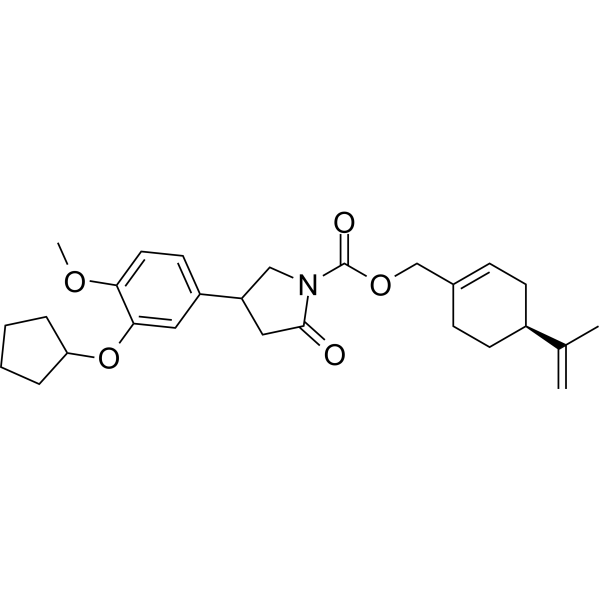
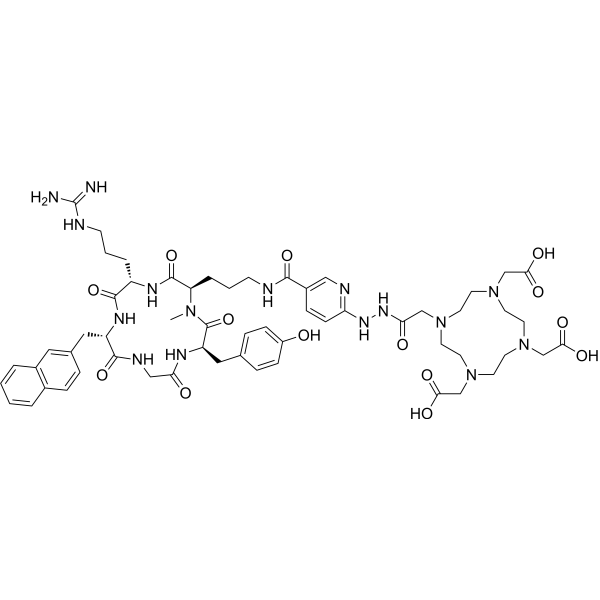
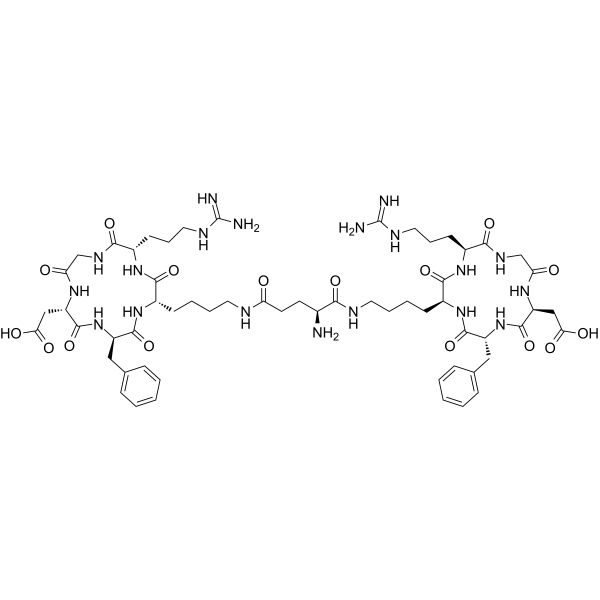
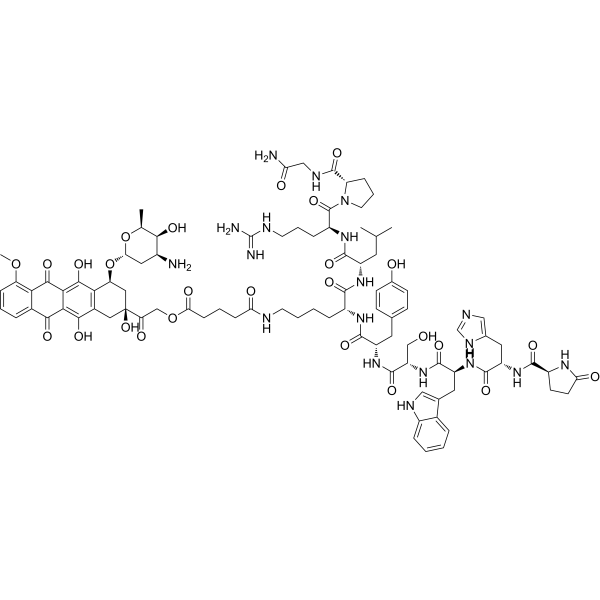
    DOTAGA.Glu.(FAPi) 2 is a FAPI homodimer in which a central glutamic acid (Glu) linker connects FAPI and a chelator. Radiolabeled with gallium- 68, lutetium- 177 or terbium- 161, DOTAGA.Glu.(FAPi) 2 is applicable to FAP-positive cancer PET imaging studies. DOTAGA.Glu.(FAPi) 2 is suitable for research related to prostate adenocarcinoma and recurrent glioblastoma multiforme .
    DOTAGA.Glu.(FAPi)2
  • HY-153773
    Z4P
    3 Publications Verification

    IRE1 Cancer
    Z4P is a BBB-penetrable IRE1 inhibitor with an IC50 of 1.13 μM. Z4P in combination with Temozolomide (HY-17364) inhibits the growth and recurrence of glioblastoma and has anti-tumor activity .
    Z4P
  • HY-112293

    EGFR Cancer
    GW2974 is a potent dual inhibitor of EGFR and HER2 with IC50 value of 0.007 μM and 0.016 μM, respectively. GW2974 demonstrates in vitro inhibition of the EGFR and HER2 and inhibits the growth of tumor cell. GW2974 can be used for glioblastoma multiforme (GBM) disease research .
    GW2974
  • HY-156679

    Thyroid Hormone Receptor Neurological Disease Cancer
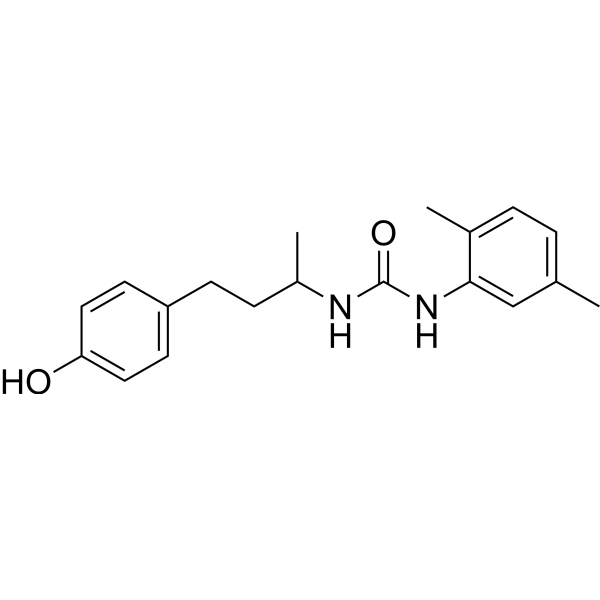
    VK-0214 is an agonist of the thyroid β receptor (TRβ). By activating the expression of ABCD2, it can reduce the accumulation of very long-chain fatty acids (VLCFAs) and further alleviate glioblastoma multiforme. VK-0214 has the effect of regulating fatty acid metabolism and can be used in the research of X-linked adrenoleukodystrophy (X-ALD) .
    VK-0214
  • HY-153708

    CAF-170

    CDK Cancer
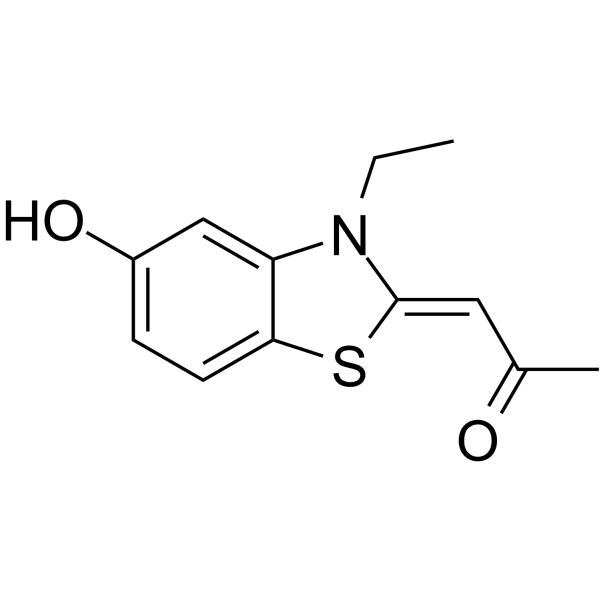
    SGC-CLK-1, a chemical probe, is a potent and selective inhibitor of Cdc2-like kinases CLK1, CLK2, and CLK4. SGC-CLK-1 can inhibit the growth of melanoma and glioblastoma cells .
    SGC-CLK-1
  • HY-149145

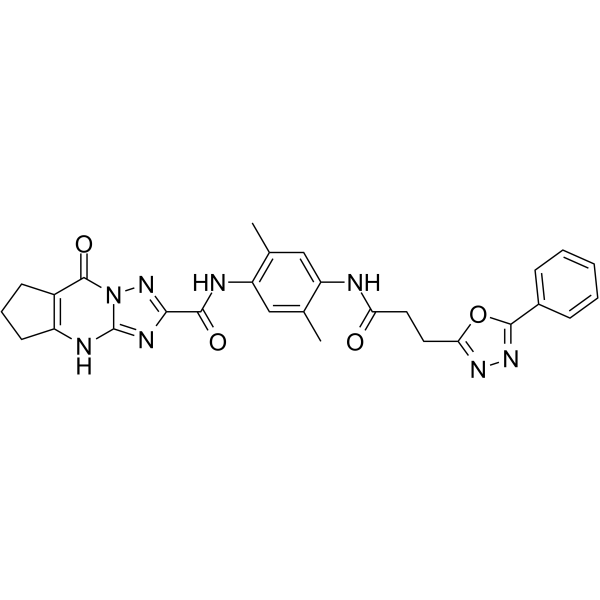
    Anaplastic lymphoma kinase (ALK) Fat Mass and Obesity-associated Protein (FTO) Cancer
    Ena15 is an ALKBH5 inhibitor. Ena15 enhances the demethylase activity of FTO. Ena15 increases m 6A RNA level, and stabilizes FOXM1 mRNA. Ena15 suppresses the growth activity of glioblastoma multiforme .
    Ena15
  • HY-176537

    Microtubule/Tubulin Cancer
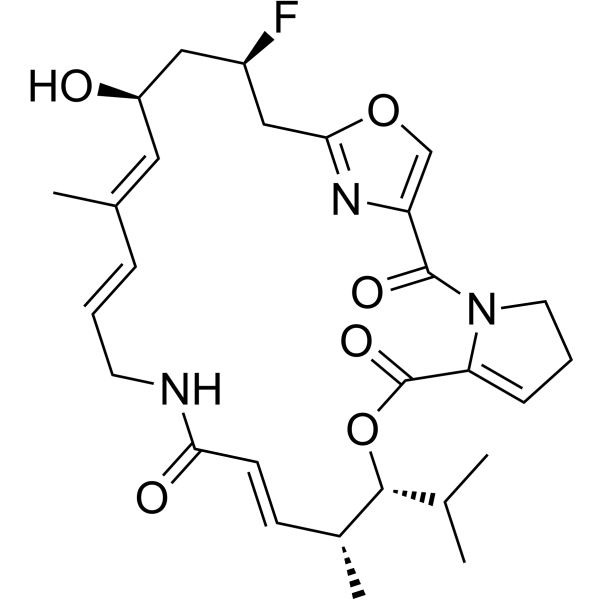
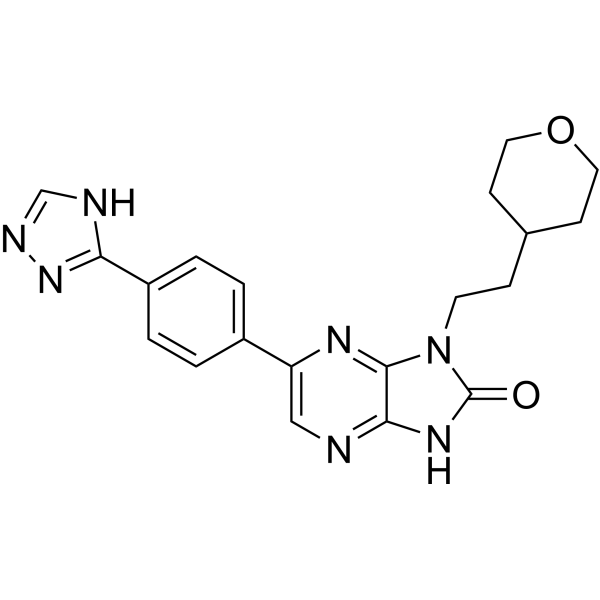
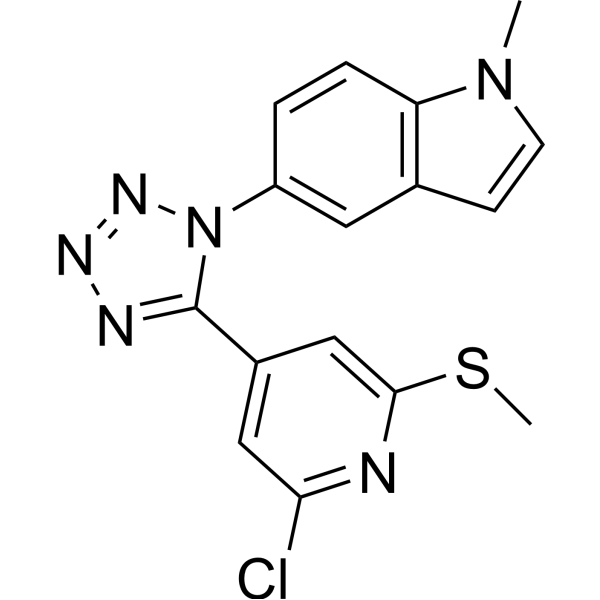
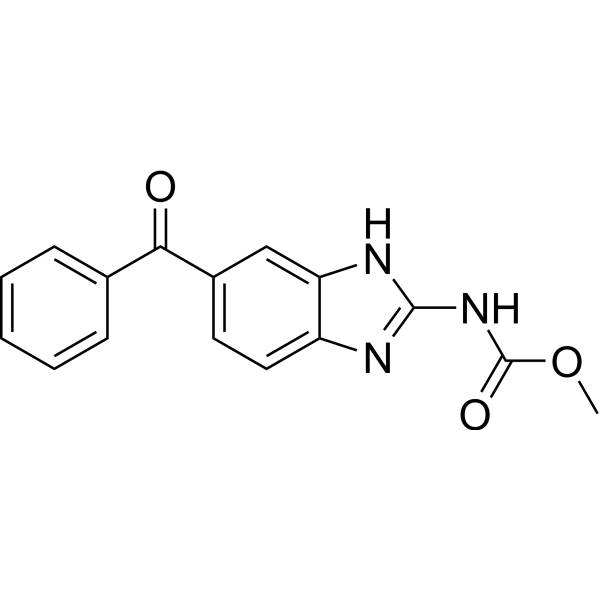
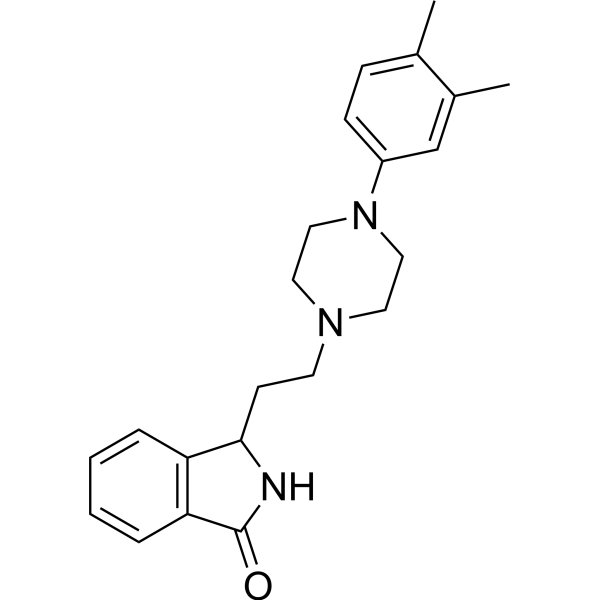
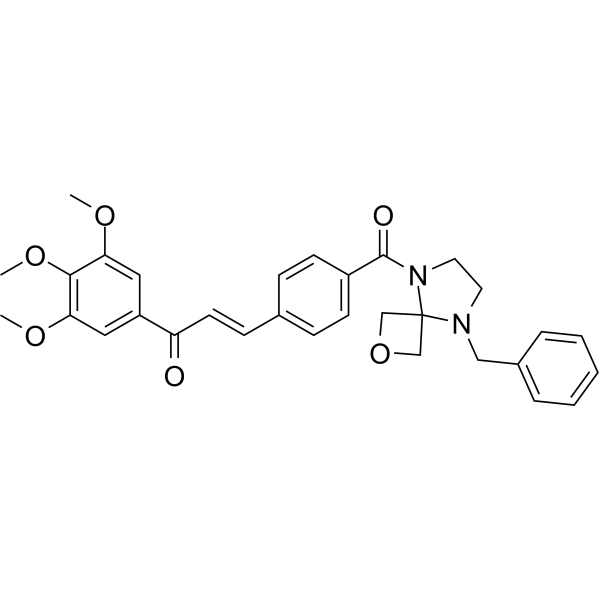
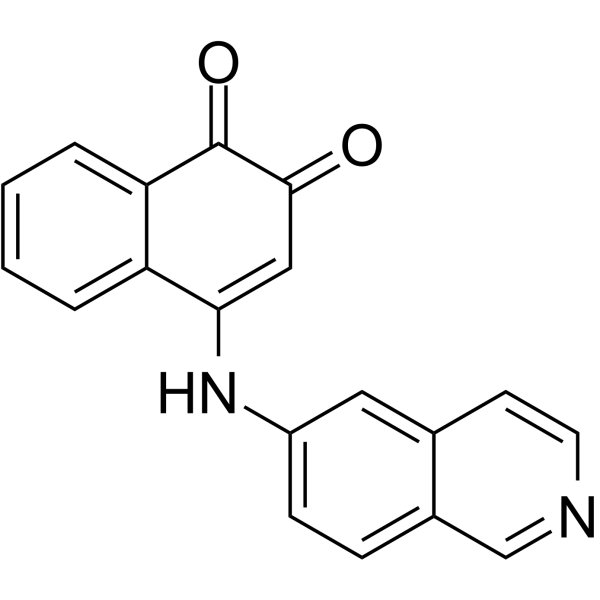
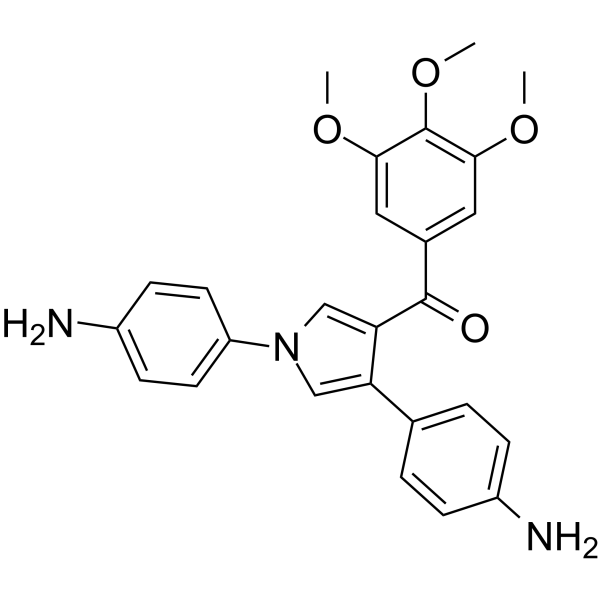
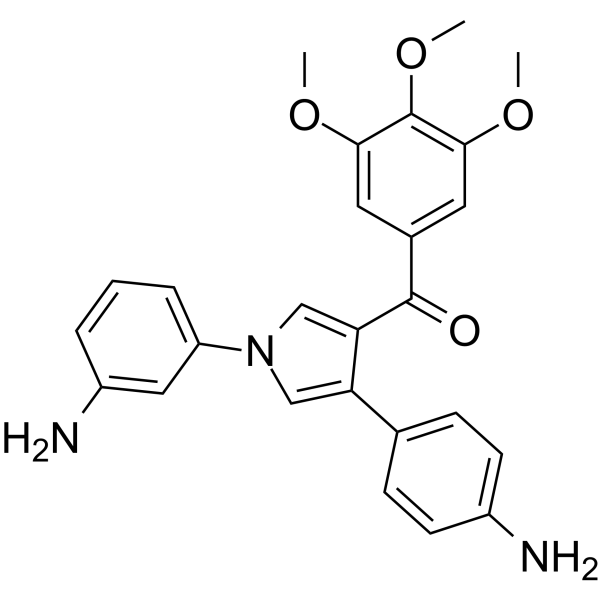
    RGN6024 is a brain-penetrant, orally active and reversible small molecule tubulin destabilizer. RGN6024 inhibits microtubule polymerization both in biochemical and cellular assays, binds to the colchicine binding pocket of β-tubulin (SPR: Kd = 6.7 μM; tryptophan assay: Kd = 7.4 μM), and triggers G2/M arrest in glioblastoma (GB) cells. RGN6024 retains activity in βIII-tubulin overexpressing cells. RGN6024 inhibits tumor growth in a GB xenograft mouse model. RGN6024 can be used for the study of glioblastoma (GB) .
    RGN6024
  • HY-125964

    Survivin Cancer
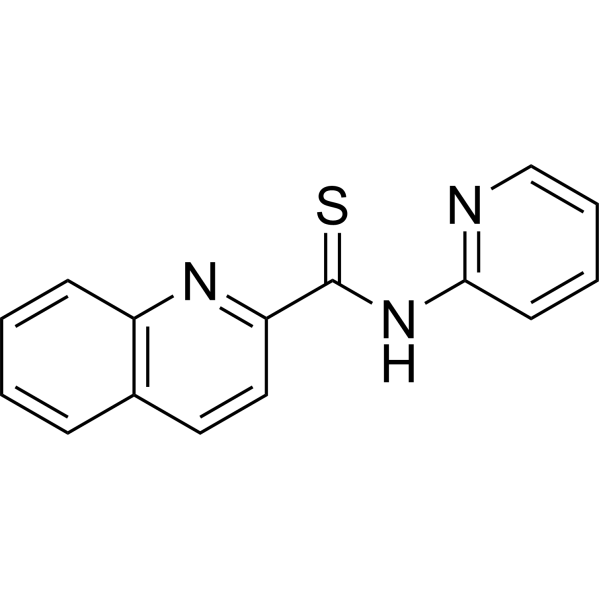
    LLP-3 is a potent Survivin inhibitor that disrupts the Survivin-Ran interaction in cancer cells. LLP-3 can be used in the research of Glioblastoma multiforme (GBM) .
    LLP-3
  • HY-149584

    Estrogen Receptor/ERR Cancer
    CIDD-0149897 is a potent, selective and brain-penetrant ERβ agonist. CIDD-0149897 exert antitumor functions in glioblastoma .
    CIDD-0149897
  • HY-P11326

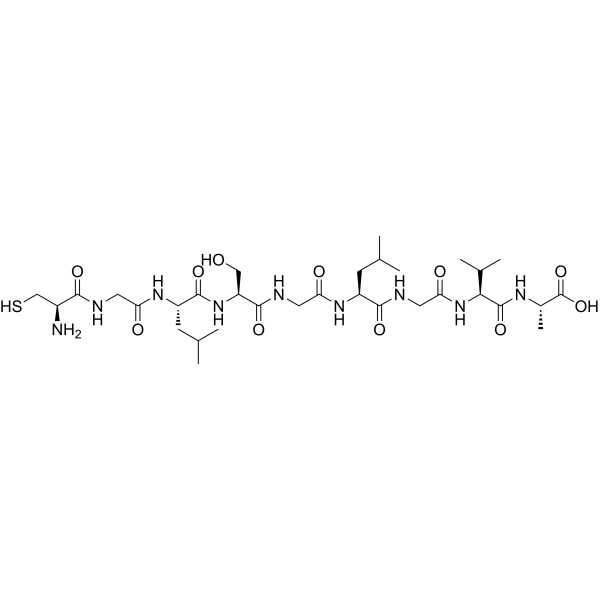
    Cathepsin Fluorescent Dye Neurological Disease Cancer
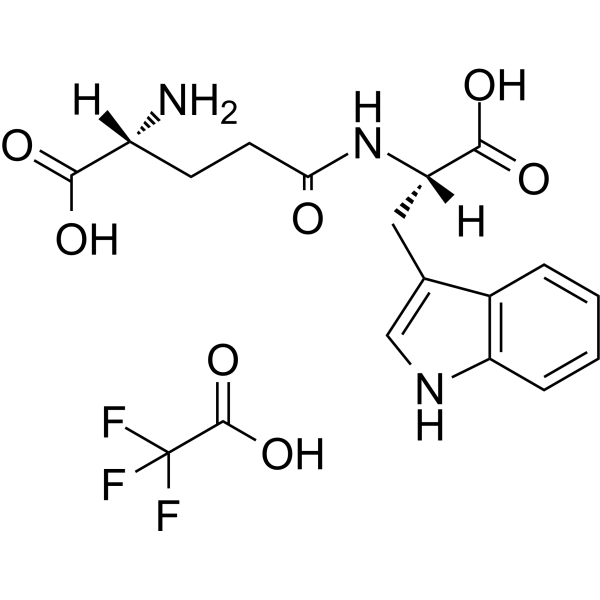
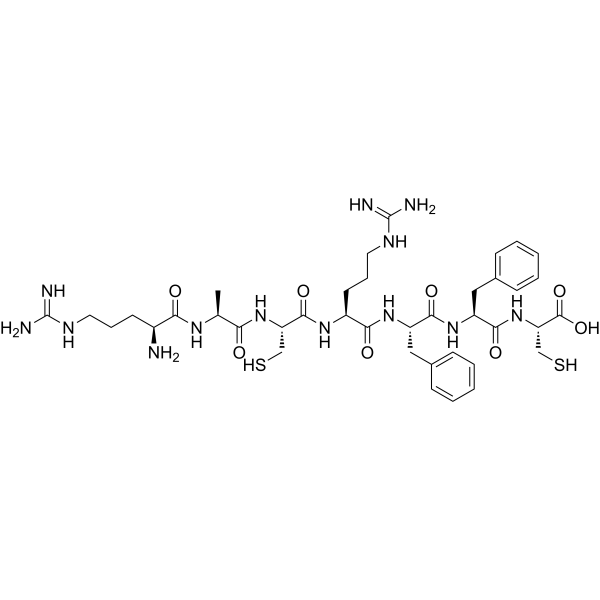
    Ac-FR-AFC TFA is a fluorometric substrate for cathepsin L. Ac-FR-AFC TFA can be used for the research of glioblastoma .
    Ac-FR-AFC TFA
  • HY-B0114R

    GP 47680 (Standard)

    Reference Standards Sodium Channel Apoptosis Neurological Disease Cancer
    Oxcarbazepine (Standard) is the analytical standard of Oxcarbazepine. This product is intended for research and analytical applications. Oxcarbazepine is a sodium channel blocker . Oxcarbazepine significantly inhibits glioblastoma cell growth and induces apoptosis or G2/M arrest in glioblastoma cell lines . Anti-cancer and anticonvulsant effects .
    Oxcarbazepine (Standard)
  • HY-142683

    Phosphatase Neurological Disease Cancer
    SCP1-IN-2 (Compound SH T-65) is a potent and selective covalent inhibitor against SCP1. SCP1-IN-2 promotes REST degradation and reduces transcriptional activity. A high level of REST protein drives the tumor growth in some glioblastoma cells. SCP1-IN-2 has the potential for the research of glioblastoma whose growth is driven by REST transcription activity .
    SCP1-IN-2
  • HY-150124A

    Integrin Apoptosis Cancer
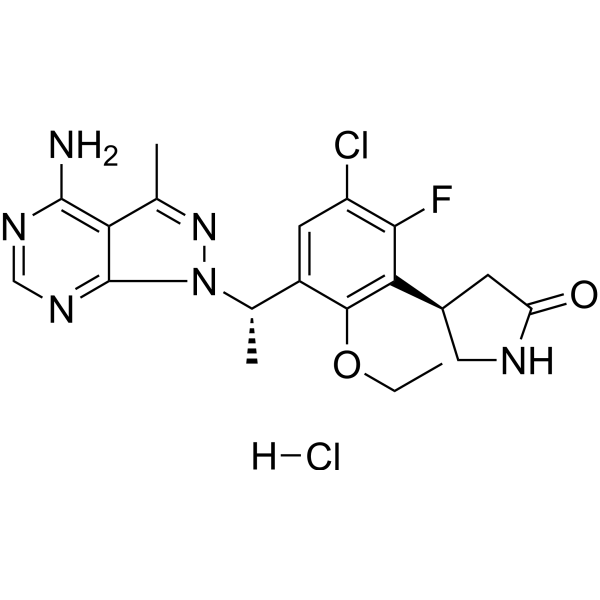
    K34c hydrochloride is a potent and selective α5β1 integrin antagonist. By inhibiting α5β1 integrin, K34c hydrochloride reduces chemotherapy-induced premature senescence and promotes apoptosis. K34c hydrochloride can be used in glioblastoma research .
    K34c hydrochloride
  • HY-152203

    Drug Derivative Cancer
    Mitochondrial respiration-IN-2 is the fluorine derivative of Virginiamycin M1 (HY-N6686). Mitochondrial respiration-IN-2 can inhibit mitochondrial translation of glioblastoma stem cells .
    Mitochondrial respiration-IN-2
  • HY-109068A
    Parsaclisib hydrochloride
    2 Publications Verification

    INCB050465 hydrochloride; IBI-376 hydrochloride

    PI3K Cancer
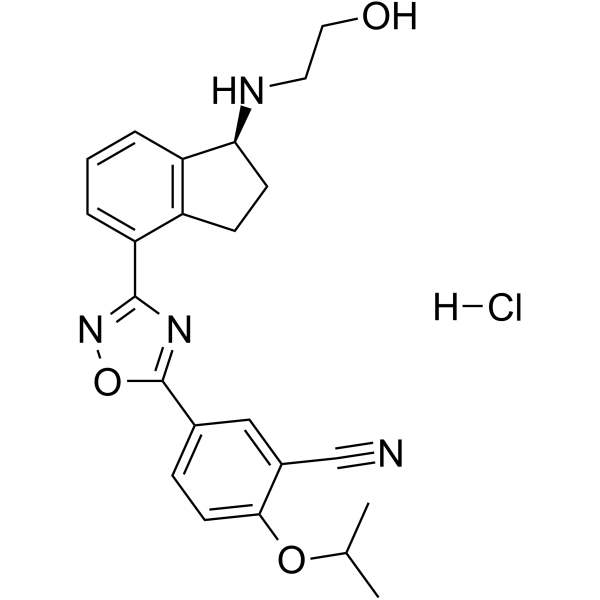
    Parsaclisib hydrochloride (INCB050465 hydrochloride) is a potent, selective and orally active inhibitor of PI3Kδ, with an IC50 of 1 nM at 1 mM ATP. Parsaclisib hydrochloride shows approximately 20000-fold selectivity over other PI3K class I isoforms. Parsaclisib hydrochloride can be used for the research of relapsed or refractory B-cell malignancies .
    Parsaclisib hydrochloride
  • HY-163193

    Atg4 Autophagy Cancer
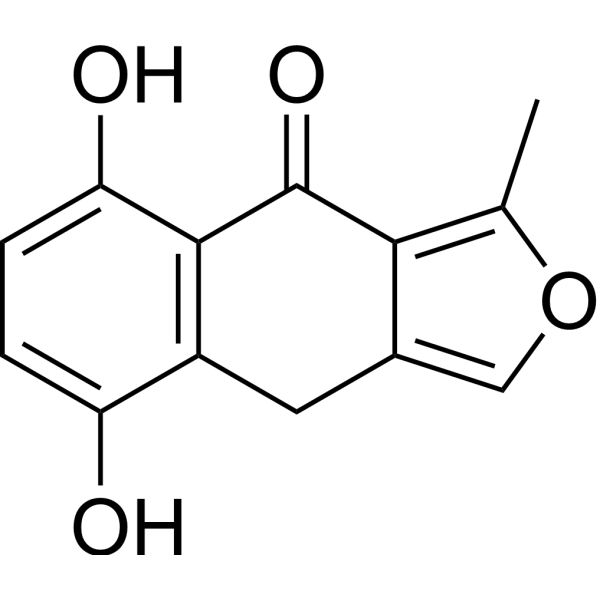
    MJO445 (Compound 7) is a ATG4B inhibitor, which inhibits the autophagy of glioblastoma .
    MJO445
  • HY-163835

    Ephrin Receptor Cancer
    UniPR1454 targets EphA2 receptor, inhibits the EphA2-ephrin A1 interaction with an IC50 of 2.6 μM. UniPR1454 inhibits the proliferation of glioblastoma cell U251 .
    UniPR1454
  • HY-157975

    Glutaminase Cancer
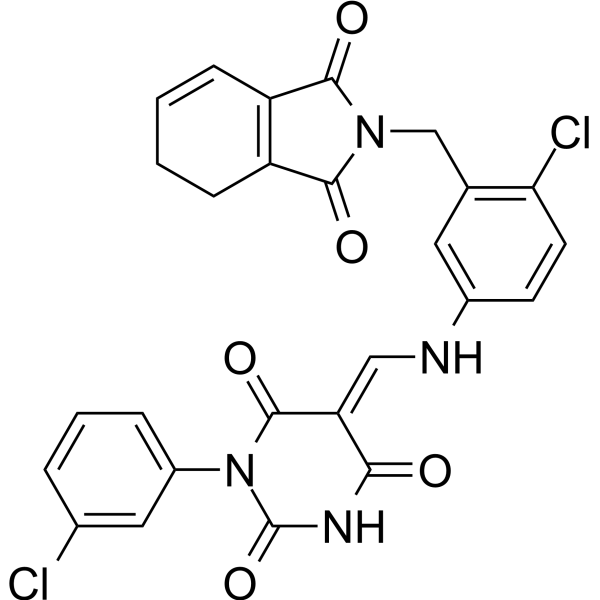
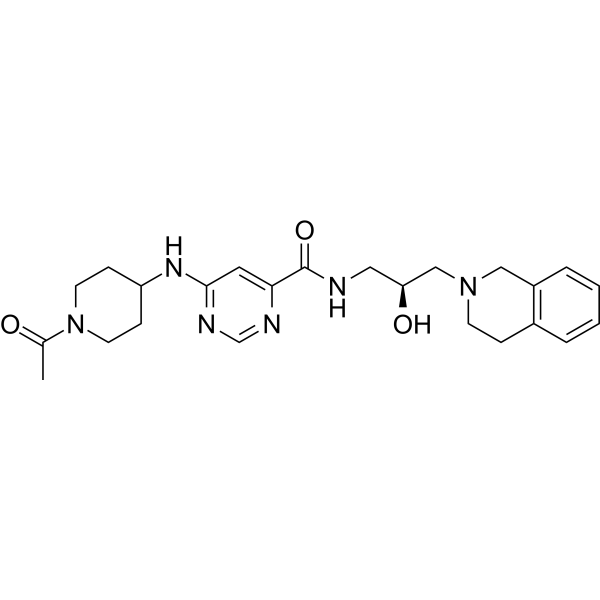
    LM11 is an inhibitor of transglutaminase 2 (TG2) with an activity of killing glioblastoma cells by maintaining TG2 in a cytotoxic conformational state .
    LM11
  • HY-129341

    JAK STAT c-Myc Neurological Disease Cancer
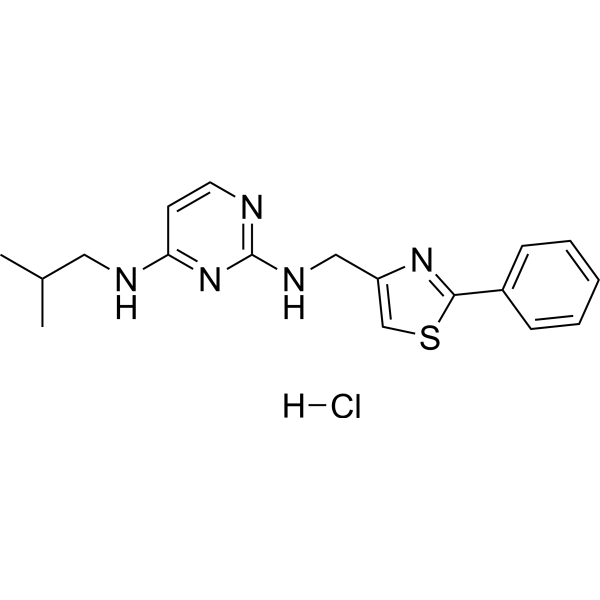
    WP1193 is a novel JAK2/STAT3 pathway inhibitor. WP1193 suppresses phosphorylation of JAK2 and STAT3. WP1193 decreases expression of stem cell markers including CD133 and c-myc. WP1193 can be used in the research of glioblastoma .
    WP1193
  • HY-P991573

    EGFR Cancer
    Anti-EGFR Antibody (D2C7) is a monoclonal antibody against EGFR. The recombinant immunotoxin D2C7-(scdsFv)-PE38KDEL constructed based on Anti-EGFR Antibody (D2C7) has antineoplastic activity in glioblastoma models .
    Anti-EGFR Antibody (D2C7)
  • HY-N8835

    p38 MAPK Neurological Disease
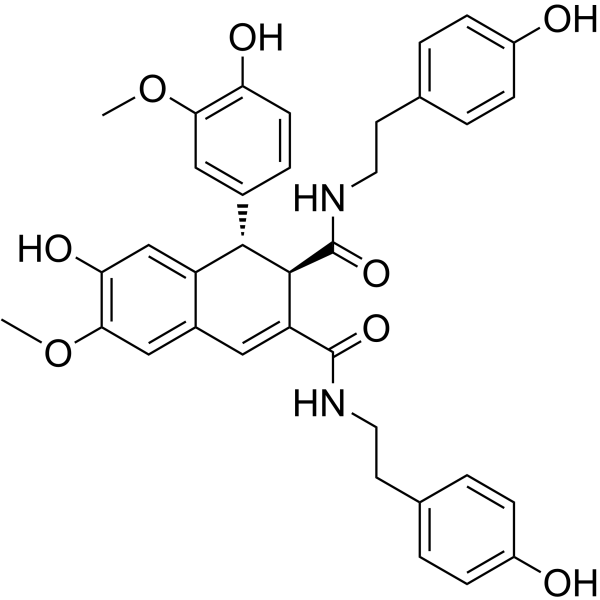
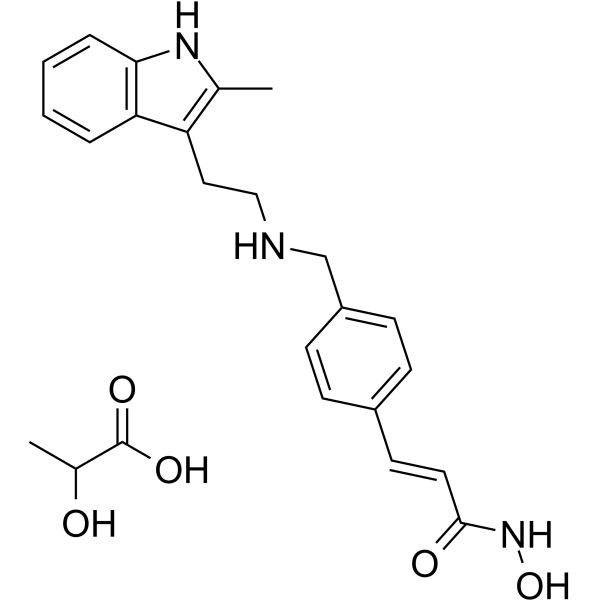
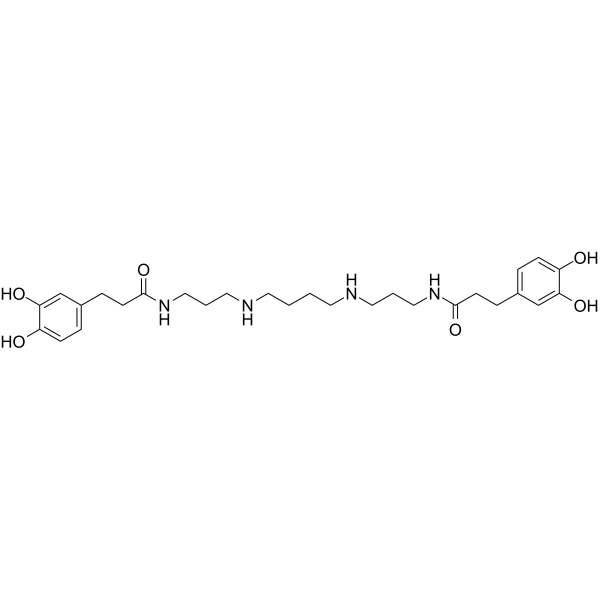
    Cannabisin D inhibits proliferation and migration of glioblastoma cells through MAPKs signaling .
    Cannabisin D
  • HY-P991470

    Neuradiab antibody

    Transmembrane Glycoprotein Cancer
    Anti-Tenascin C Antibody (Neuradiab antibody) is a human monoclonal antibody (mAb) targeting Tenascin C. Anti-Tenascin C Antibody can be used in Glioblastoma research. Recommended isotype control: Human IgG1 kappa, Isotype Control (HY-P99001) .
    Anti-Tenascin C Antibody
  • HY-133570

    HSP ADC Payload Cancer
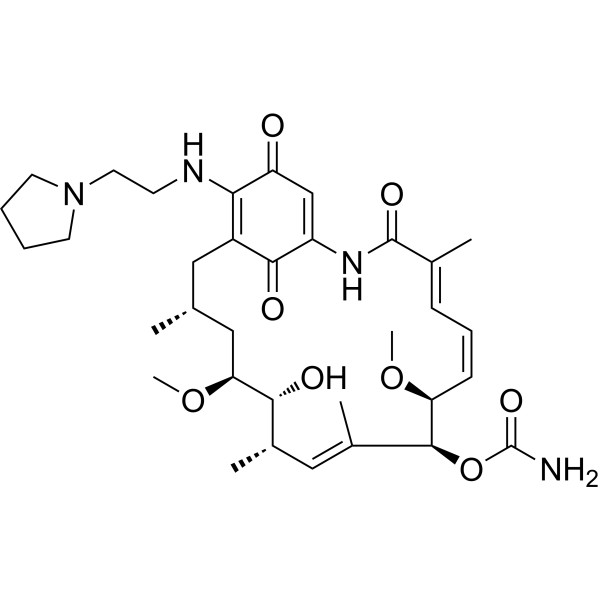
    17-AEP-GA, an HSP90 antagonist, is a potent inhibitor of glioblastoma cell proliferation, survival, migration and invasion. ADCs Toxin .
    17-AEP-GA
  • HY-163121

    Glycosyltransferase TGF-β Receptor FAK Galectin Collagen Endocrinology Cancer
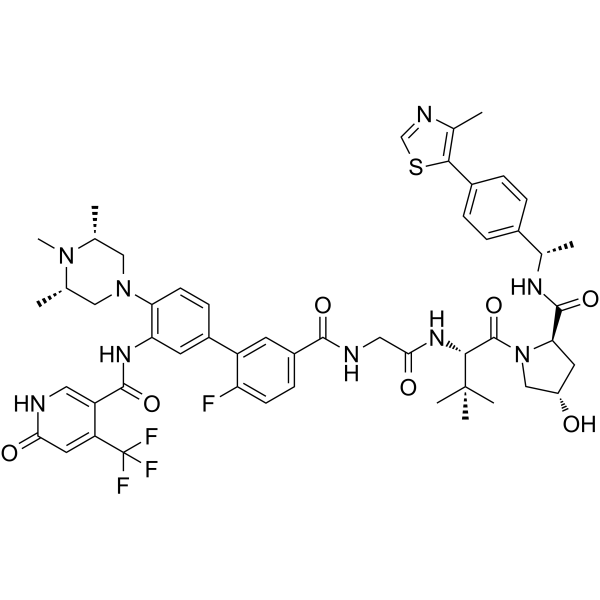
    PST3.1a is an orally active and brain-penetrant N-acetylglucosamine glycosyltransferase (MGAT5) inhibitor with a human IC50 of 2 µM. PST3.1a inhibits TGFβR and FAK signaling pathway activity. PST3.1a alters β1,6-GlcNAc N-glycans and microtubule/microfilament integrity, increases OLIG2 expression, and inhibits proliferation, migration, invasiveness, and clonogenic capacities of glioblastoma initiating cells. PST3.1a reduces invasive and proliferative capacity of glioblastoma initiating cells in orthotopic graft models, increases overall survival of orthotopic graft model mice. PST3.1a blunts MGAT5 overexpression, decreases renal fibrosis via collagen 1, collagen 4, and galectin 3 downregulation in a rat chronic kidney disease model. PST3.1a can be used for the research of glioblastoma multiforme and chronic kidney disease .
    PST3.1a

Inquiry Online

Your information is safe with us. * Required Fields.

Salutation


Country or Region *

Applicant Name *


Organization Name *

Department *


Email Address *


Product Name *

Cat. No.


Requested quantity *

Phone Number *


Remarks

Inquiry Online

Inquiry Information

Product Name:
Cat. No.:
Quantity:
MCE Japan Authorized Agent: