Search Result
Results for "
HIV-1 inhibitors
" in MedChemExpress (MCE) Product Catalog:
6
Biochemical Assay Reagents
50
Isotope-Labeled Compounds
| Cat. No. |
Nombre del producto |
Target |
Áreas de investigación |
Chemical Structure |
-
- HY-147411
-
|
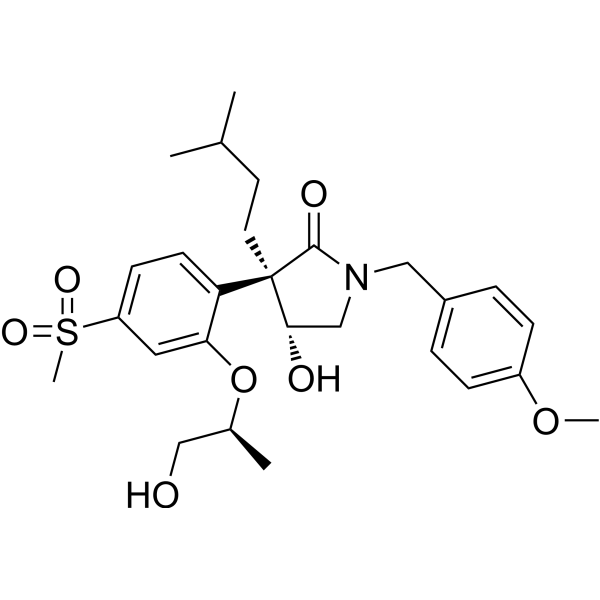
MK-8507
|
Reverse Transcriptase
HIV
|
Infection
|
|
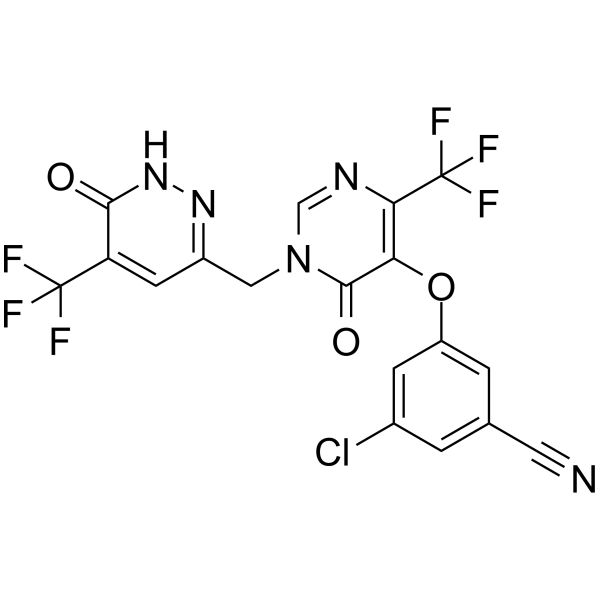
Ulonivirine is an orally active non-nucleoside HIV-1 reverse transcriptase inhibitor that binds to the classical non-nucleoside reverse transcriptase inhibitor hydrophobic binding pocket adjacent to the polymerase active site of HIV-1 reverse transcriptase. Ulonivirine can be used in studies related to HIV-1 infection .
|
-
-
- HY-106395
-
|
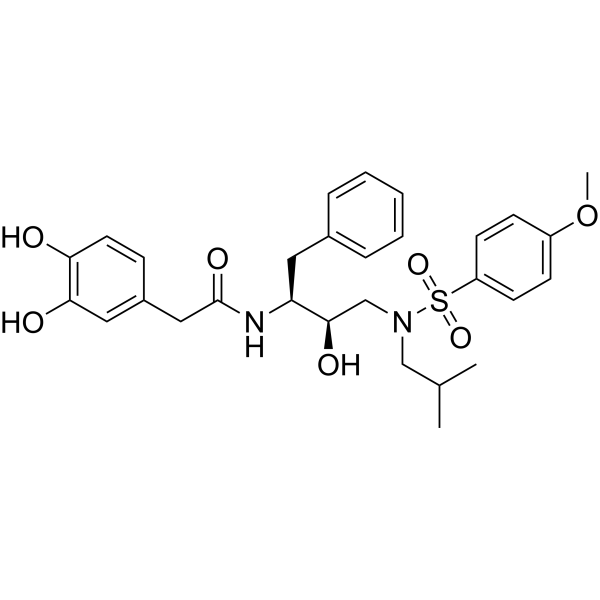
SC-52151
|
HIV Protease
HIV
|
Infection
|
|
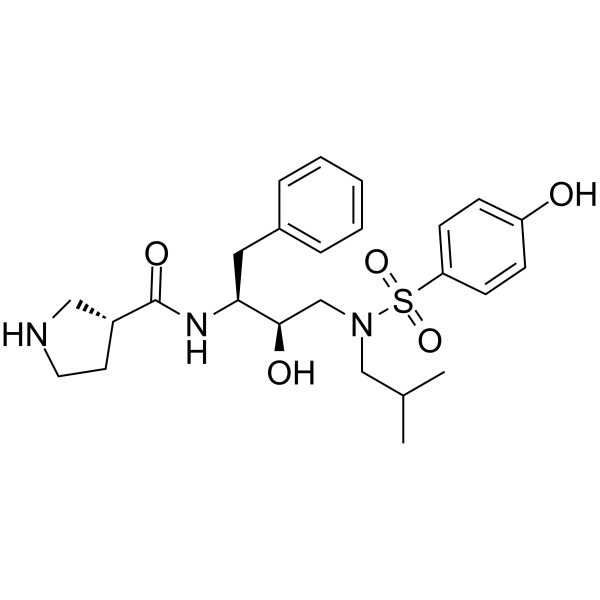
Telinavir (SC-52151) is a potent and selective HIV protease inhibitor. Telinavir inhibits lymphotropic, monocytotropic strains and field isolates of HIV type 1 (HIV-1), HIV-2, and simian immunodeficiency virus with EC50s of 26 ng/mL (43 nM). Telinavir is highly protein bound in human plasma and exhibits low partitioning into erythrocytes .
|
-

-
- HY-107485
-
-
-
- HY-150759
-
|
|
HIV
|
Infection
|
|
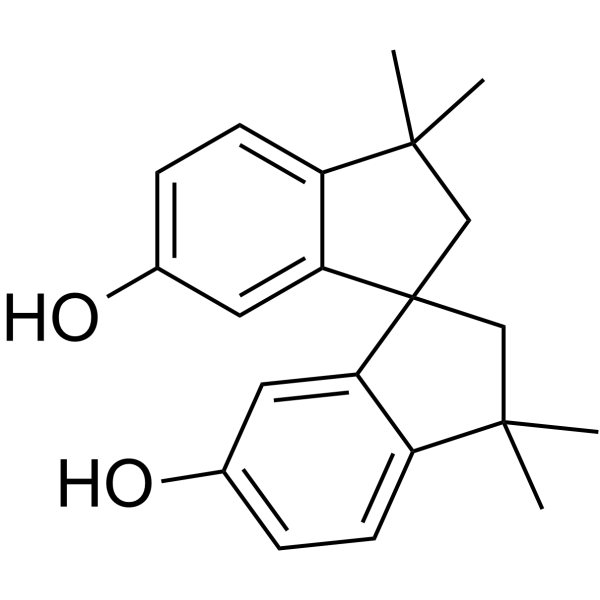
HIV-1 inhibitor-45 is a potent HIV-1 RNase H inhibitor with an IC50 value of 0.067 μM. HIV-1 inhibitor-45 shows an antiviral activity. HIV-1 inhibitor-45 shows poor cell permeability (with an apparent permeability coefficient (Papp) lower than 0.48 × 10 −6 cm/s) .
|
-
-
- HY-125183
-
|
|
HIV
|
Infection
|
|
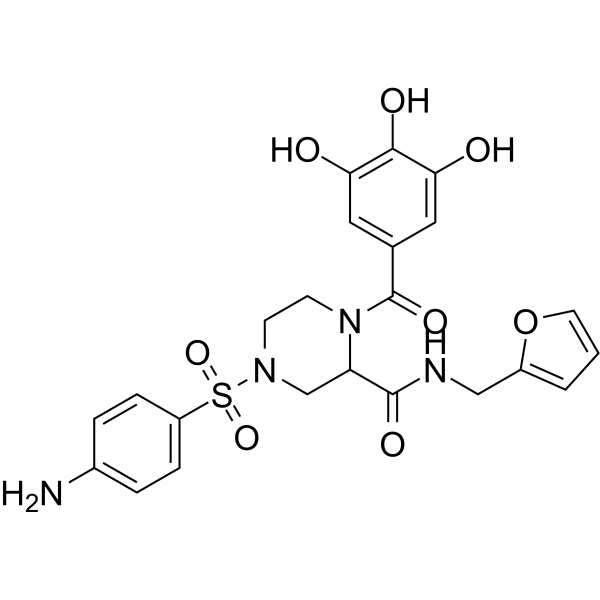
BMS-818251 is a HIV-1 attachment and entry inhibitor. BMS-818251 binds to HIV-1 Env gp120, interferes with viral attachment and entry processes, and inhibits HIV-1 viral replication. BMS-818251 can be used in studies related to HIV-1 infection .
|
-

-
- HY-112714
-
|
BMS-955176
|
HIV
|
Infection
|
|
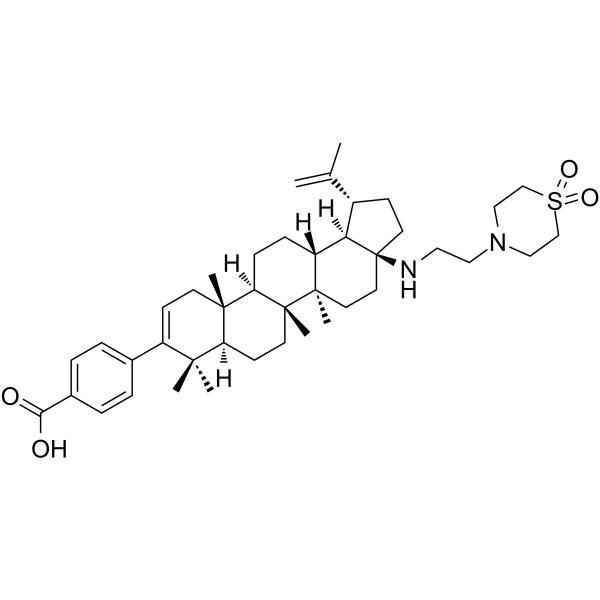
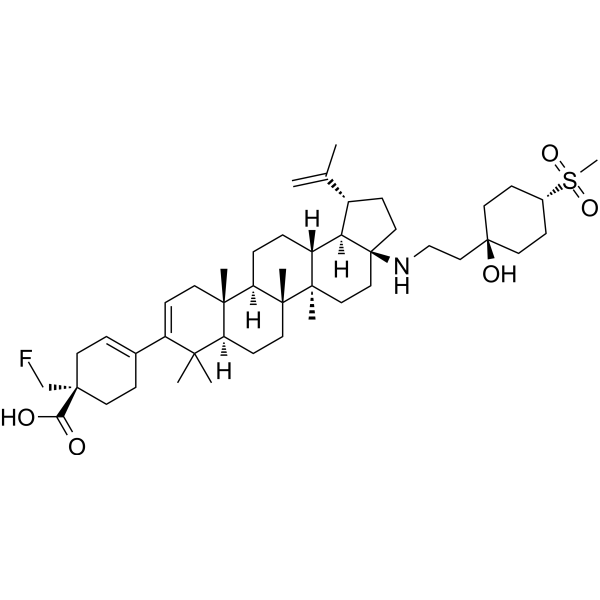
GSK3532795 (BMS-955176) is a potent, orally active, second-generation HIV-1 maturation inhibitor, with EC50s of 1.9, 10.2, 2.7 and 13 nM for HIV-1 WT, HIV-1 WT(human serum), HIV-1 V370A, and HIV-1 ΔV370, respectively .
|
-
-
- HY-179221
-
|
|
HIV
|
Infection
|
|
HIV-1-IN-89 (Compound 20a-D) is a prodrug of 20a (an HIV-1 protease inhibitor). HIV-1-IN-89 has better pharmacokinetic properties. HIV-1-IN-89 can be used for studying the resistance to HIV-1 .
|
-

-
- HY-152157
-
|
|
HIV
|
Infection
|
|
HIV-1 inhibitor-52 is a potent broad-spectrum HIV-1 activity inhibitor with EC50s of 1.6 nM-6.4 nM for WT HIV-1, HIV-1 V370A, HIV-1 ΔV370, HIV-1 V362I/V370A, HIV-1 T332S/V362I/prR41G, HIV-1 A326T/V362I/V370A, HIV-1 R361K/V362I/L363M .
|
-
-
- HY-12109
-
|
|
HIV
|
Infection
|
|
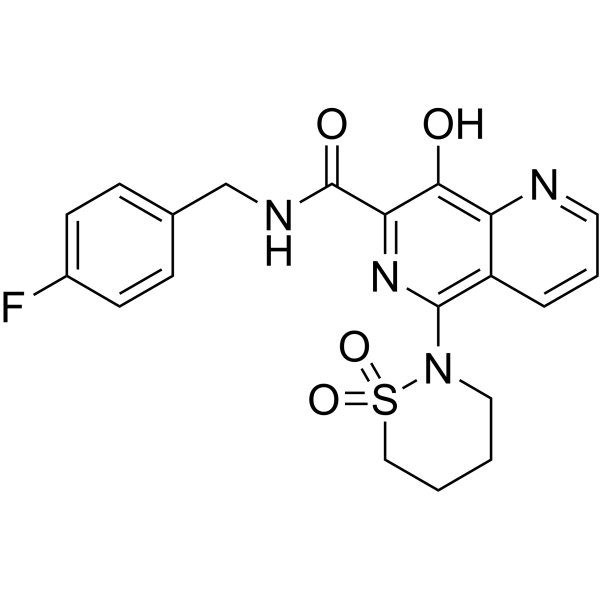
L-870810 is a potent HIV-1 IN chain transfer inhibitor with antiviral activity .
|
-
-
- HY-175351
-
|
|
HIV
Reverse Transcriptase
|
Infection
|
|
HIV-1-IN-83 (Compound 18E) is a HIV-1 non-nucleoside reverse transcriptase inhibitor with an IC50 of 0.45 μM for wild-type HIV-1 non-nucleoside reverse transcriptase. HIV-1-IN-83 has potent antiviral activity against both HIV-1 wild-type and mutant strains and improves antidrug resistance for Y188L and RES056 mutant strains. HIV-1-IN-83 has no significant toxicity up to 11.088 μM .
|
-

-
- HY-19869
-
|
|
HIV
Reverse Transcriptase
|
Infection
|
|
VRX-480773 is an efficient non-nucleoside reverse transcriptase inhibitor (NNRTI), used for HIV infection. VRX-480773 has high specificity for HIV-1, with an EC50 for wild-type HIV-1 being 0.14 nM. VRX-480773 does not inhibit HIV-2, HBV or HCV, and has no effect on human DNA polymerase α/β. VRX-480773 retains inhibitory activity against Efavirenz (HY-10572) resistant strains, with EC50s mostly < 1 nM. VRX-480773 can be used for research on AIDS .
|
-

-
- HY-15899
-
|
|
HIV Protease
HIV
Drug Metabolite
|
Infection
|
|
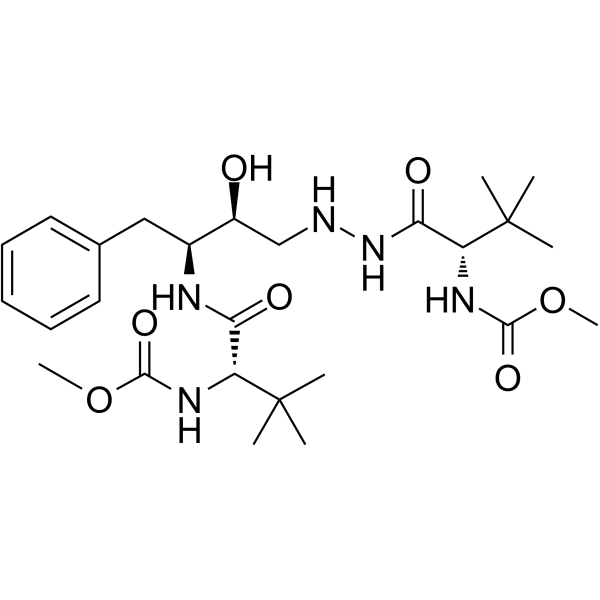
Des(benzylpyridyl) Atazanavir (compound M1) is a N-dealkylation product of Atazanavir (HY-17367) metabolite. Atazanavir is a highly selective HIV-1 protease inhibitor. Des(benzylpyridyl) Atazanavir may contribute to the effectiveness Atazanavir but also to the toxicity and interactions. Des(benzylpyridyl) Atazanavir can be used for further research of Atazanavir effects .
|
-
-
- HY-120923
-
|
|
HSP
NF-κB
HIV
Apoptosis
Caspase
|
Infection
Cancer
|
|
GUT-70, a tricyclic coumarin, is a Hsp90 inhibitor. GUT-70 activates the caspase 2, 3, 8 and 9, and induces the apoptosis in leukemic cells. GUT-70 inhibits HIV-1 replication in chronically infected cells via suppression of the NF-κB pathway. GUT-70 can be used for the study of leukemic, mantle cell lymphoma (MCL) and HIV-1 infection .
|
-

-
- HY-152560
-
|
|
HIV
|
Infection
|
|
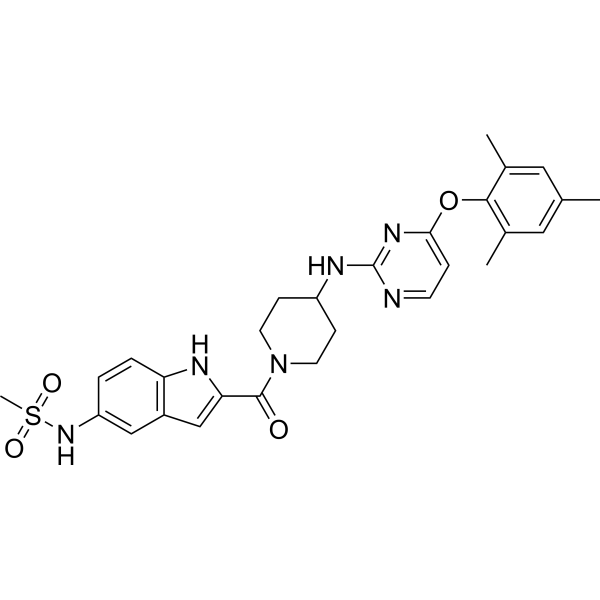
HIV-1 inhibitor-55 (compound 4d) inhibits WT HIV-1 with an EC50 value of 8.6 nM. HIV-1 inhibitor-55 also shows inhibitory potency against single and double HIV-1 mutants. HIV-1 inhibitor-55 can be used for the research of virus infection .
|
-
-
- HY-152539
-
|
|
HIV
|
Infection
|
|
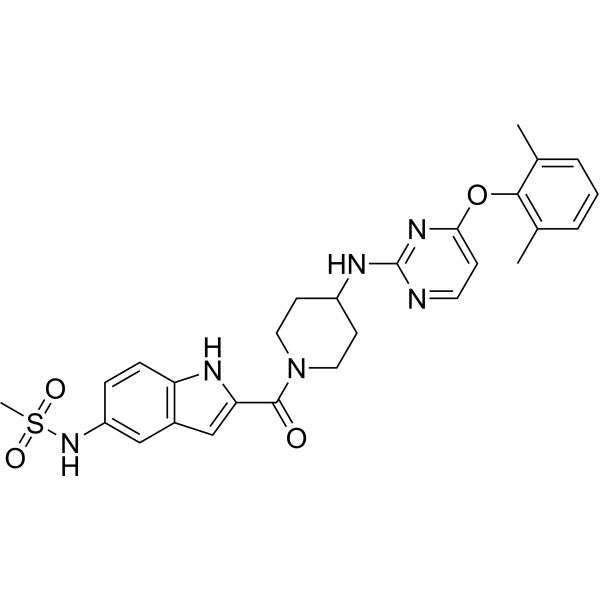
HIV-1 inhibitor-54 is a potent HIV-1 inhibitor. HIV-1 inhibitor-54 has anti-HIV activity in MT-4 cells against WT HIV-1 (strain IIIB) with an EC50 value of 0.032 μM. HIV-1 inhibitor-54 can be used for the research of virus infection .
|
-
-
- HY-146204
-
|
|
HIV
|
Infection
|
|
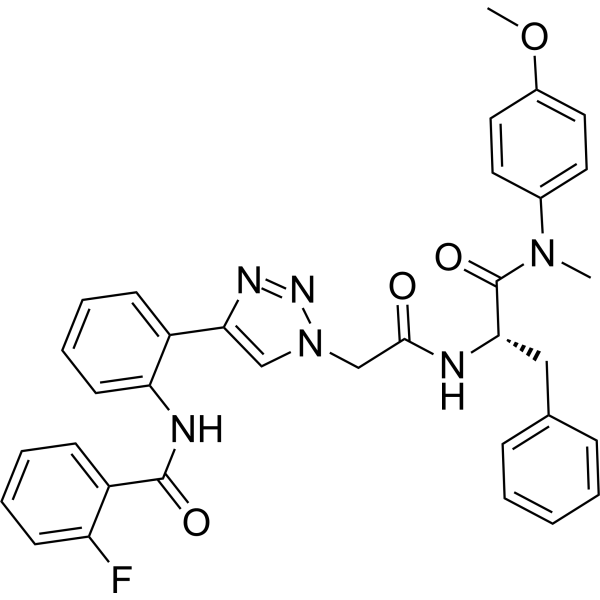
HIV-1 capsid inhibitor 1 is a potent HIV-1 Capsid inhibitor with an EC50 value of 3.13 µM. HIV-1 capsid inhibitor 1 shows antiviral activities .
|
-
-
- HY-163852
-
-

-
- HY-174998
-
|
|
HIV
HIV Protease
|
Infection
|
|
HIV-1 protease-IN-15 (Compound 27) is an orally active and selective inhibitor targeting HIV-1 protease with a pIC50 value of 9.347. HIV-1 protease-IN-15 inhibits HIV protein maturation, blocks viral replication. HIV-1 protease-IN-15 is promising for research of HIV-1 infection .
|
-

-
- HY-162461
-
|
|
Reverse Transcriptase
HIV
|
Infection
|
|
HIV-1 inhibitor-66 is an orally active non-nucleoside reverse transcription inhibitor (NNRTI). HIV-1 inhibitor-66 shows inhibitory activity against wild-type HIV-1 reverse transcriptase with an IC50 of 40 nM .
|
-

-
- HY-146353
-
|
|
HIV
|
Infection
Inflammation/Immunology
|
|
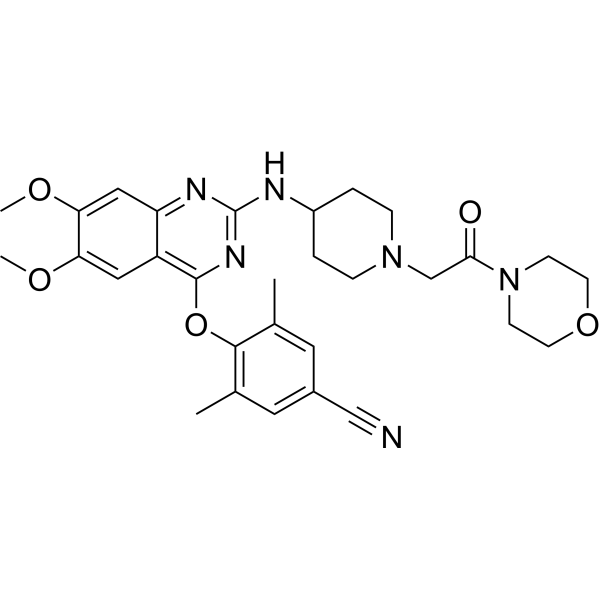
HIV-1 inhibitor-29 (compound 14d2) is a potent HIV-1 inhibitor with an EC50 of 2.18 μM for HIV-1 IIIB. HIV-1 inhibitor-29 has high anti-resistance profile toward F227L/V106A strain (EC50 = 0.974 μM), and exhibits low cytotoxicity in MT-4 cells (CC50 = 211 μM). HIV-1 inhibitor-29 can be used for researching AIDS .
|
-
-
- HY-147650
-
|
|
HIV Protease
|
Infection
|
|
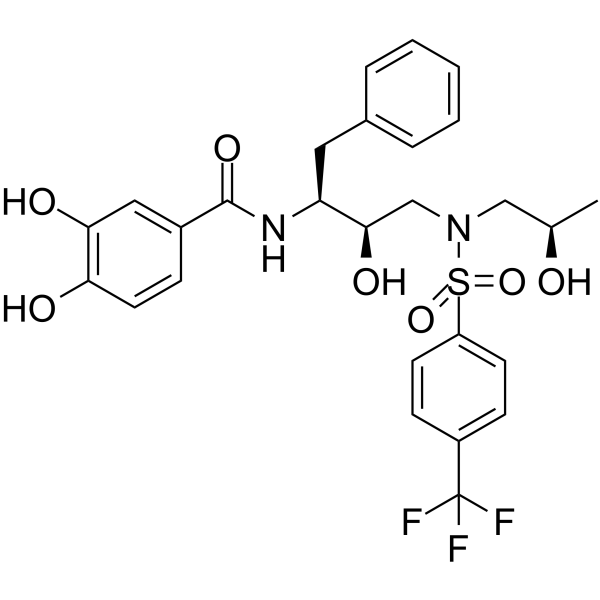
HIV-1 protease-IN-5 (Compound 13c) is a HIV-1 protease inhibitor with an IC50 of 1.64 nM. HIV-1 protease-IN-5 shows remarkable activity against wild-type and DRV-resistant HIV-1 variants .
|
-
-
- HY-163362
-
|
|
Reverse Transcriptase
PKC
HIV
|
Infection
|
|
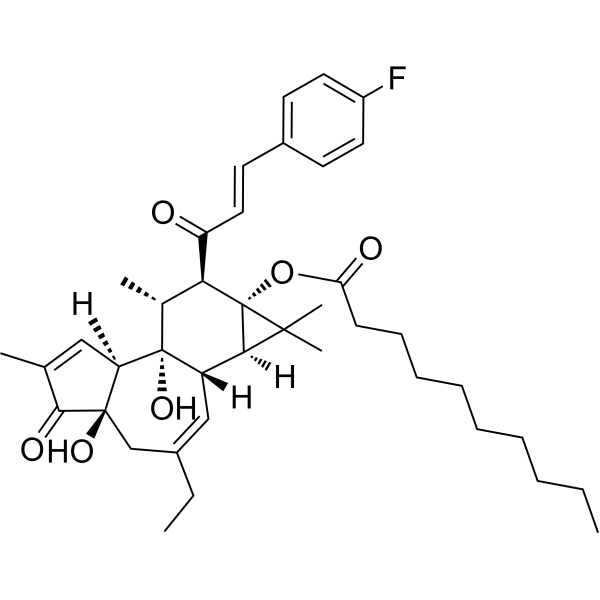
HIV-1 inhibitor-65 (compound 3c) is an inhibitor of HIV-1 (EC50: 2.9 nM) and an activator of protein kinase C (PKC). HIV-1 inhibitor-65 inhibits syncytium formation (EC50: 7.0 nM) and inhibits HIV-1 entry and HIV-1 reverse transcriptase .
|
-
-
- HY-155691
-
|
|
HIV Protease
|
Infection
|
|
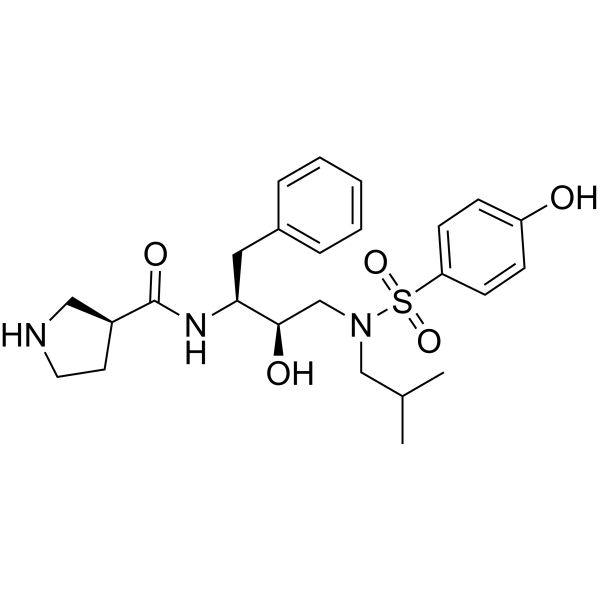
HIV-1 protease-IN-12 (compound 35b) is a HIV-1 protease inhibitor with an IC50 of 0.51 nM. HIV-1 protease-IN-12 also inhibits drug-resistant variant .
|
-
-
- HY-149350
-
|
|
HIV
|
Infection
|
|
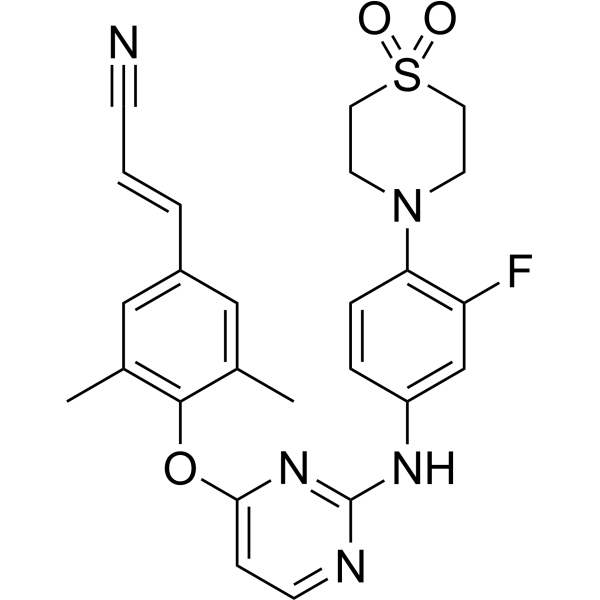
HIV-1 inhibitor-57 (Compound 12g) is a HIV inhibitor. HIV-1 inhibitor-57 is active against wild-type and five prevalent NNRTI-resistant HIV-1 strains with EC50 values ranging from 0.024 to 0.0010 μM. HIV-1 inhibitor-57 forms additional interactions with residues around the binding site in HIV-1 RT .
|
-
-
- HY-155690
-
|
|
HIV Protease
|
Infection
|
|
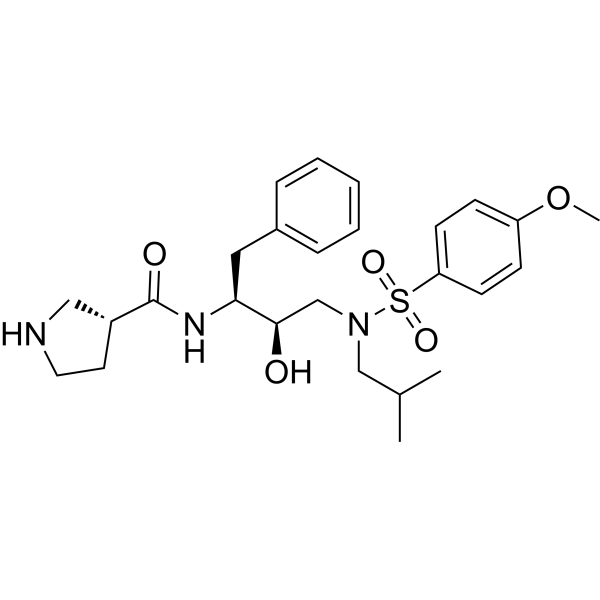
HIV-1 protease-IN-11 (compound 34a) is a HIV-1 protease inhibitor with an IC50 of 0.41 nM. HIV-1 protease-IN-11 also exhibits significant activity against drug-resistant variant .
|
-
-
- HY-164201
-
-

-
- HY-146804
-
|
|
HIV
HIV Protease
|
Infection
|
|
HIV-1 protease-IN-3 (compound 14) is a potent inhibitor of HIV-1 protease (IC50=71 nM; EC50=0.86 μM) .
|
-
-
- HY-175550
-
|
|
HIV
|
Infection
|
|
HIV-1-IN-86 (compound 6m) is a HIV-1 inhibitor with an EC50 of 0.77 μM. HIV-1-IN-86 has antiviral activity .
|
-

-
- HY-142467
-
|
|
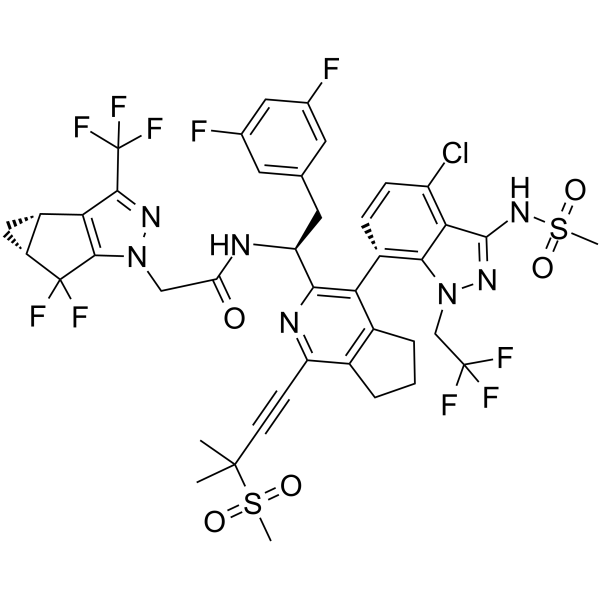
HIV
|
Infection
|
|
HIV-1 inhibitor-11, a fused pyridine ring derivative, is a HIV-1 inhibitor. WO2021104413A1 ( compound 1-1b) .
|
-
-
- HY-P10437
-
|
human α1-AT(353-372)
|
HIV
|
Infection
|
|
VIRIP (human α1-AT(353-372)) is a HIV-1 inhibitor. VIRIP blocks the entry of HIV-1 by interacting with gp41 fusion peptide. VIRIP can be used for virus research .
|
-

-
- HY-167135
-
|
|
HIV
Reverse Transcriptase
|
Infection
|
|
DPC-082 is a potent non-nucleoside reverse transcriptase inhibitor (NNRTI) of HIV-1. DPC-082 inhibits wild-type RF virus with an IC90 of 2.0 nM. DPC-082 inhibits various single and many multiple amino acid substituted HIV-1 mutant viruses .
|
-

-
- HY-161270
-
|
|
HIV Protease
|
Infection
|
|
HIV-1 protease-IN-13 (compound 18d) is a potent HIV-1 protease inhibitor with an IC50 value of 0.54 nM. HIV-1 protease-IN-13 also shows potent activity against HIV-1DRVRS (DRV-resistant mutation) and HIV-1NL4_3 variant (wild type) .
|
-
-
- HY-122256
-
|
|
HIV Integrase
|
Infection
|
|
L-870812 is a HIV-1 integration with integrase strand transfer inhibitor. L-870812 consistently blocks cell-free and cell-associated HIV-1 infection. L-870812 blocks subtype C and CRFO2_AG primary isolates. L-870812 can be used for the study of replication-deficient HIV-1 Ba-L (env) pseudovirus .
|
-

-
- HY-19162
-
|
NSC-625487
|
Reverse Transcriptase
HIV
|
Infection
|
|
Thiazolobenzimidazole (NSC-625487) is a highly potent nonnucleoside HIV-1 reverse transcriptase inhibitor. Thiazolobenzimidazole inhibits HIV-induced cell killing and viral replication in a variety of human cell lines .
|
-

-
- HY-118632
-
|
|
Reverse Transcriptase
HIV
|
Infection
|
|
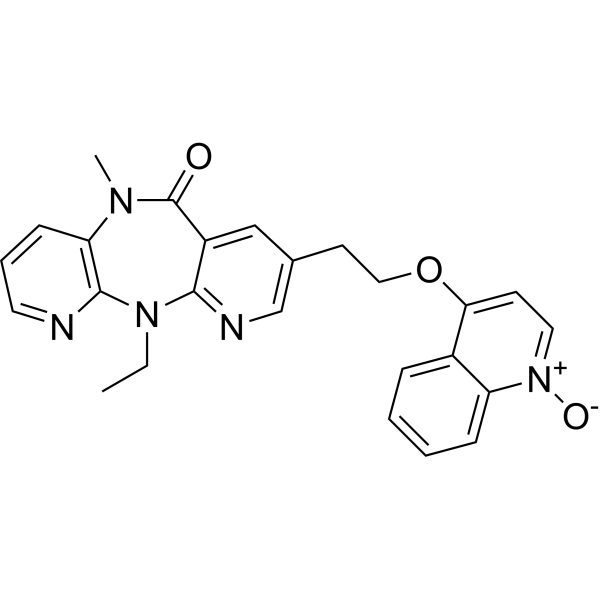
BILR 355 is a second-generation nonnucleoside reverse transcriptase inhibitor (NNRTI). BILR 355 is highly specific toward HIV-1 reverse transcriptase (RT). BILR 355 can be used for HIV infections research .
|
-
-
- HY-N13716
-
|
|
DNA/RNA Synthesis
HIV
Reverse Transcriptase
|
Infection
|
|
Lucidenic acid O is a terpene compound, is a DNA polymerases inhibitor. Lucidenic lactone inhibits calf DNA polymerase-α, rat DNA polymerase-β, and HIV-1 reverse transcriptase with IC50 values of 42 μM, 99 μM, and 69 μM, respectively .
|
-

-
- HY-N13712
-
|
|
DNA/RNA Synthesis
HIV
Reverse Transcriptase
|
Infection
|
|
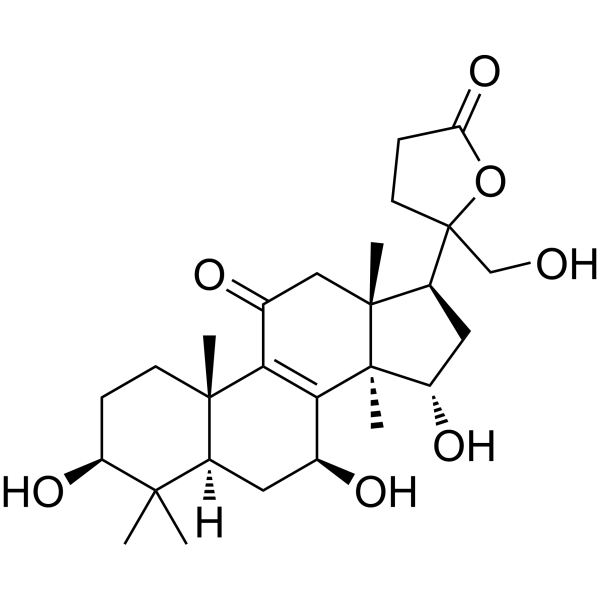
Lucidenic lactone is a terpene compound, is a DNA polymerase inhibitor. Lucidenic lactone inhibits calf DNA polymerase-α, rat DNA polymerase-β, and HIV-1 reverse transcriptase with IC50 values of 42 μM, 99 μM, and 69 μM, respectively .
|
-
-
- HY-14294
-
|
S-1153
|
Reverse Transcriptase
HIV
|
Infection
|
|
Capravirine (S-1153) is an orally active non-nucleoside reverse transcriptase inhibitor (NNRTI) with potent antiviral activity. Capravirine inhibits replication of HIV-1 strains that are resistant to nucleoside/nucleotide reverse transcriptase inhibitors and other NNRTIs. Capravirine is metabolized by the cytochrome P450 enzyme CYP3A4 .
|
-

-
- HY-174258
-
|
|
Proton Pump
HIV
SARS-CoV
|
Infection
|
|
ATPase-IN-6 is a H +/K +- ATPase inhibitor and a prazole derivative. ATPase-IN-6 has significant antiviral activity against multiple viruses, such as HIV-1 and SARS-COV2. ATPase-IN-6 can be used for antiviral infections research .
|
-

-
- HY-161986
-
|
|
HIV
|
Infection
|
|
HIV-1 inhibitor-74 (compound 10c) is a potent HIV-1 inhibitor with an EC50 value of 0.0047 µM for HIV-1 IIIB. HIV-1 inhibitor-74 shows cytotoxicity. HIV-1 inhibitor-74 inhibits WT HIV-1 RT activity with an IC50 value of 0.134 µM. HIV-1 inhibitor-74 shows broad-spectrum anti HIV-1 activity .
|
-

-
- HY-159092
-
|
|
HIV Integrase
|
Infection
|
|
HIV-1 integrase inhibitor 13 (Compound 15) is an inhibitor for HIV-1 integrase with an IC50 of 1.8 nM. HIV-1 integrase inhibitor 13 inhibits the HIV-1 WT and HIV-1 T125A, with IC50 of 21 and 580 nM, respectively .
|
-

-
- HY-163177
-
|
|
HIV
|
Infection
|
|
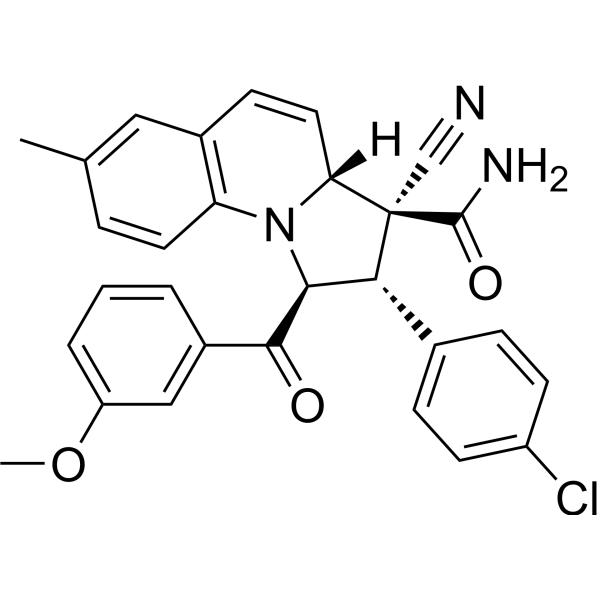
HIV-1 inhibitor-63 (compound S17) is a potent HIV-1 inhibitor. HIV-1 inhibitor-63 inhibits integrase-Ku70 complex formation with an IC50 value of 12 µM. HIV-1 inhibitor-63 inhibits HIV-1 post-integration DNA repair .
|
-
-
- HY-146089
-
|
|
HIV
|
Infection
|
|
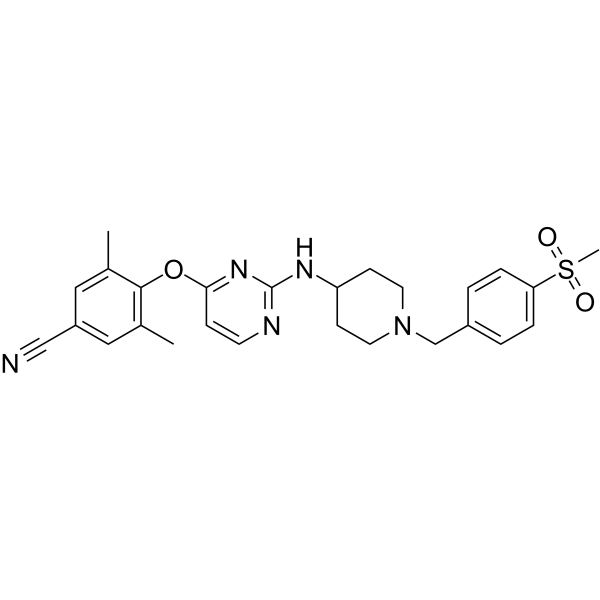
HIV-1 inhibitor-32 (compound 3c) is a potent HIV-1 inhibitor with an IC50 value of 34 nM for WT HIV-1. HIV-1 inhibitor-32 can be used for researching AIDS .
|
-
-
- HY-170969
-
|
|
HIV
HIV Protease
|
Infection
|
|
HIV-1 inhibitor-81 (Compound 14g) is an HIV-1 protease inhibitor with a Ki of 1.6 nM. HIV-1 inhibitor-81 exhibits certain antiviral activity, with an EC50 of 250 nM for HIV-1 .
|
-

-
- HY-142468
-
|
|
HIV
|
Infection
|
|
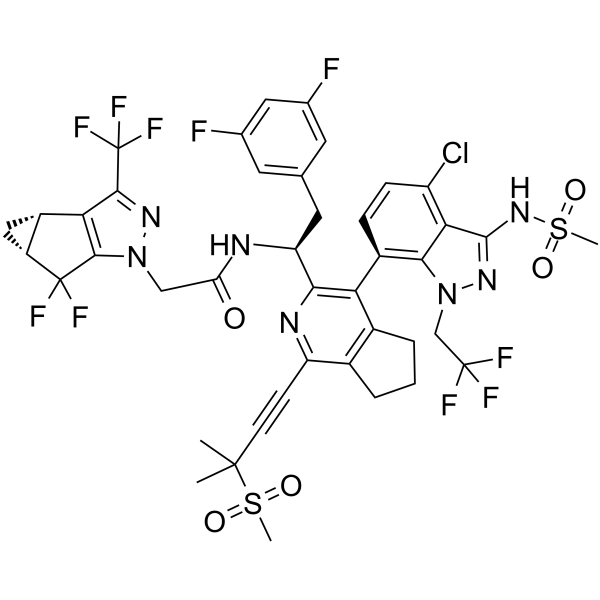
HIV-1 inhibitor-12 is potent HIV-1 inhibitor. HIV-1 inhibitor-12 inhibits HIV-1 capsid protein polymerization with an IC50 of 9 nM (WO2021104413A1, compound 1-1a) .
|
-
-
- HY-149991
-
|
|
HIV
|
Infection
|
|
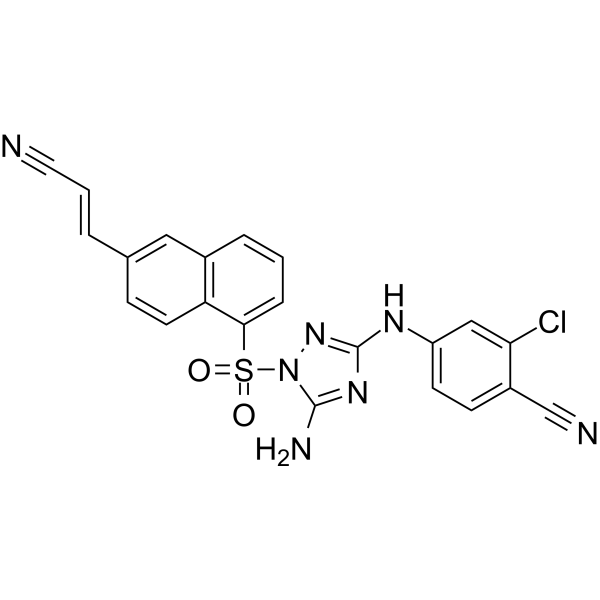
HIV-1 inhibitor-56 (compound 12126065) is a potent HIV-1 non-nucleoside reverse transcriptase inhibitor. HIV-1 inhibitor-56 has antiviral activity against wild-type HIV-1 in TZM cells with an EC50 value of 0.24 nM. HIV-1 inhibitor-56 penetrates the blood-brain barrier .
|
-
-
- HY-146088
-
|
|
HIV
|
Infection
|
|
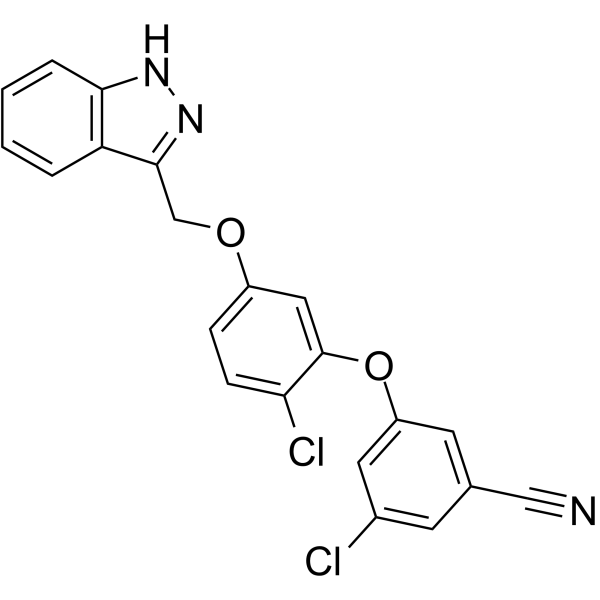
HIV-1 inhibitor-31 (compound 4) is a potent HIV-1 inhibitor. HIV-1 inhibitor-31 can be used for researching AIDS .
|
-
-
- HY-132291
-
|
|
HIV
|
Infection
|
|
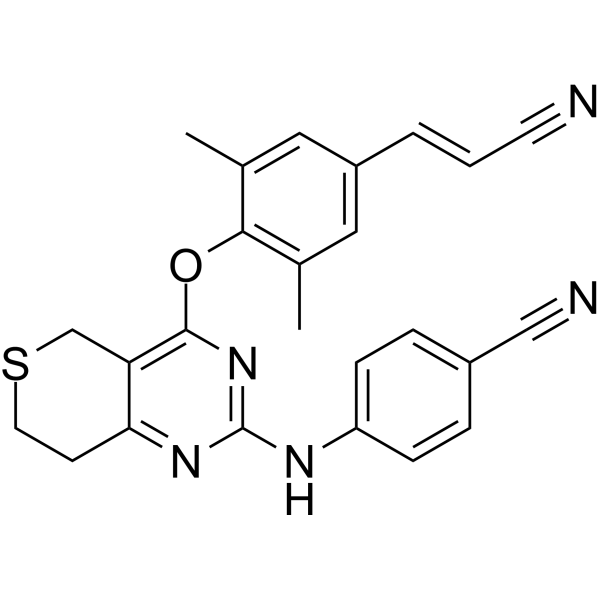
HIV-1 inhibitor-8 is an orally active, low-toxicity and potent HIV‑1 non-nucleoside reverse transcriptase inhibitor (NNRTI). HIV-1 inhibitor-8 yields exceptionally potent antiviral activities (EC50=4.44~54.5 nM) against various HIV‑1 strains. The IC50 of HIV-1 inhibitor-8 against WT HIV-1 reverse transcriptase is 0.081 μM .
|
-
-
- HY-150697
-
|
|
HIV
|
Others
|
|
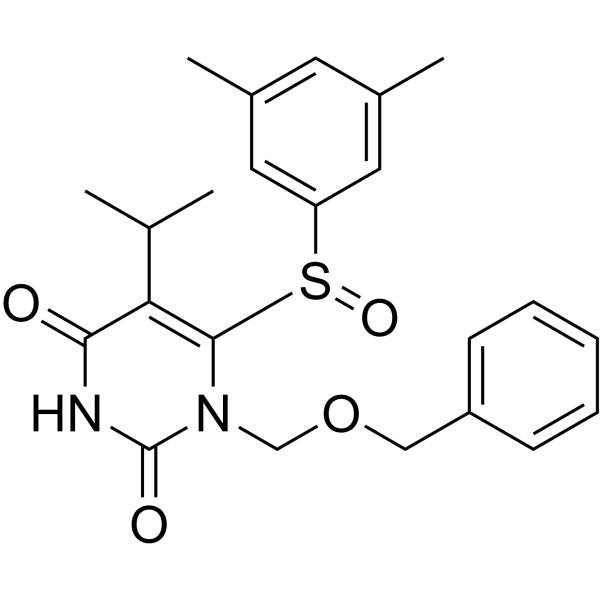
HIV-1 inhibitor-44 (compound 11l) is a HIV-1 reverse transcriptase inhibitor. HIV-1 inhibitor-44 shows inhibitory activity against wild-type HIV-1 strain with an EC50 value of 0.209 μM .
|
-
-
- HY-142253
-
|
|
HIV
|
Infection
|
|
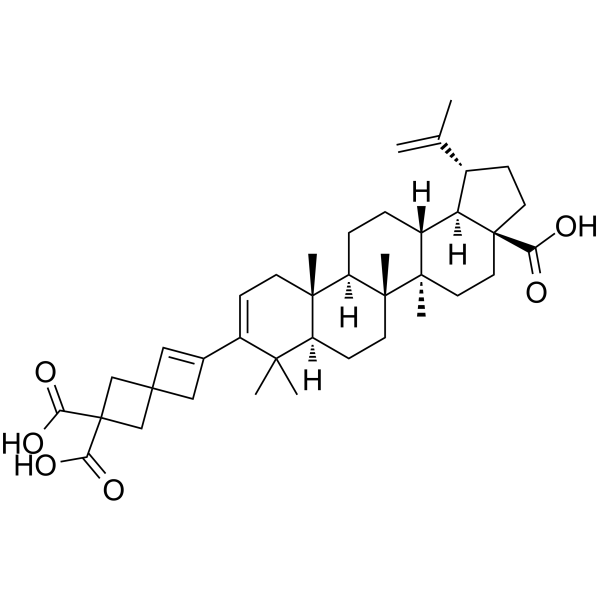
HIV-1 inhibitor-10 is a nanomolar HIV-1 maturation inhibitor.
|
-
- HY-152200
-
|
|
HIV Protease
Reverse Transcriptase
|
Infection
Inflammation/Immunology
|
|
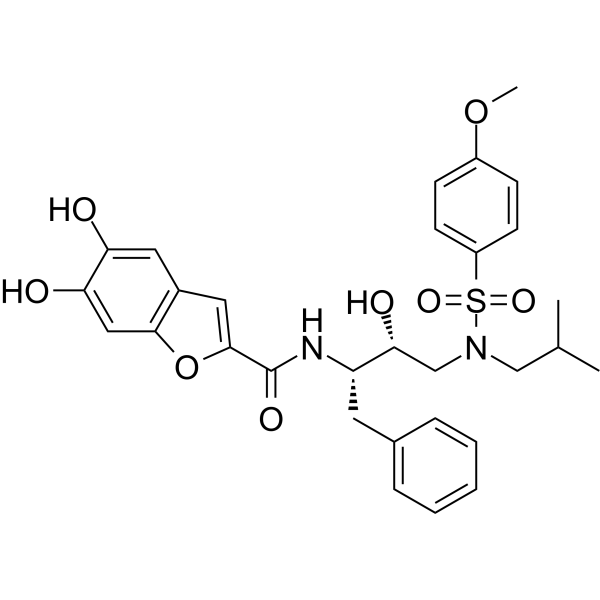
HIV-1 inhibitor-53 is a dual HIV-1 protease and reverse transcriptase inhibitor. HIV-1 inhibitor-53 inhibits HIV-1 protease (PR) and reverse transcriptase (RT) activity with IC50 values of 1.93 nM and 2.35 μM, respectively. HIV-1 inhibitor-53 can be used for the research of acquired immune deficiency syndrome (AIDS) .
|
-
- HY-163666
-
|
|
HIV
PKC
|
Infection
|
|
HIV-1 inhibitor-68 (compound 26) is a protein kinase C (PKC) activator derivative with reversal activity in HIV-1 latency. HIV-1 inhibitor-68 may be able to eliminate cells latently infected with HIV-1, .
|
-

- HY-169335
-
|
|
HIV
|
Infection
|
|
HIV-1 inhibitor-77 (compound 13) is a HIV-1 inhibitor. HIV-1 inhibitor-77 can neutralize all three tested viruses with the IC50 values of 0.14 μM, 8.28 μM and 2.92 μM for HIV-1CH58TF , HIV-1 JRFL and HIV-1 AD8, respectively .
|
-

- HY-146352
-
|
|
HIV
|
Infection
Inflammation/Immunology
|
|
HIV-1 inhibitor-28 (compound 14j2) is a highly potent and selective HIV-1 inhibitor with an EC50 of 58 nM for WT HIV-1 strain and an IC50 of 3.37 μM for HIV-1 WT reverse transcription (RT). HIV-1 inhibitor-28 exhibits relatively low cytotoxicity in MT-4 cells (CC50 = 38.6 μM). HIV-1 inhibitor-28 can be used for researching AIDS .
|
-
- HY-144112
-
|
|
HIV
|
Infection
|
|
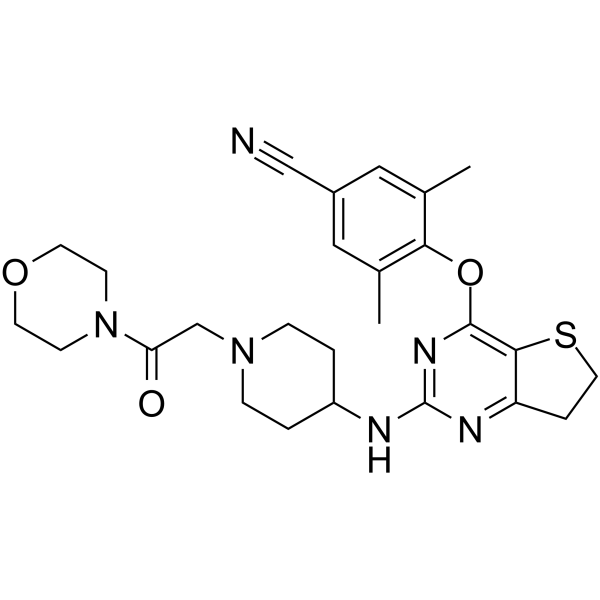
HIV-1 inhibitor-13 (compound 16c) is a orally active and potent HIV-1 non-nucleoside reverse transcriptase inhibitor (NNRTI), with IC50 of 0.14 μM (HIV-1 RT). HIV-1 inhibitor-13 shows activity against a panel of HIV-1 resistant strains, with EC50 values of 2.85-18.0 nM .
|
-
- HY-147723
-
|
|
HIV
|
Infection
|
|
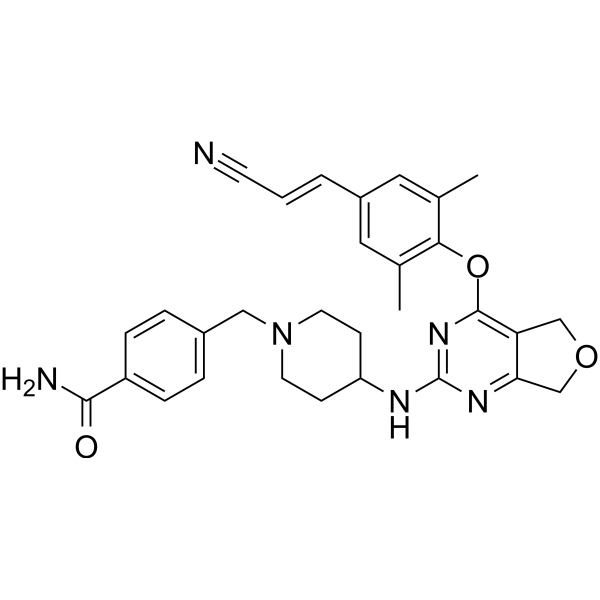
HIV-1 inhibitor-39 (compound 3c) is a potent HIV-1 inhibitor with an EC50 of >112.88 µM. HIV-1 inhibitor-39 shows anti-RT (HIV-1 reverse transcriptase) activities with an IC50 of 15.75 µM. HIV-1 inhibitor-39 shows cytotoxicity for MT-4 cells with an CC50 of 112.9 µM .
|
-
- HY-146091
-
|
|
HIV
|
Infection
|
|
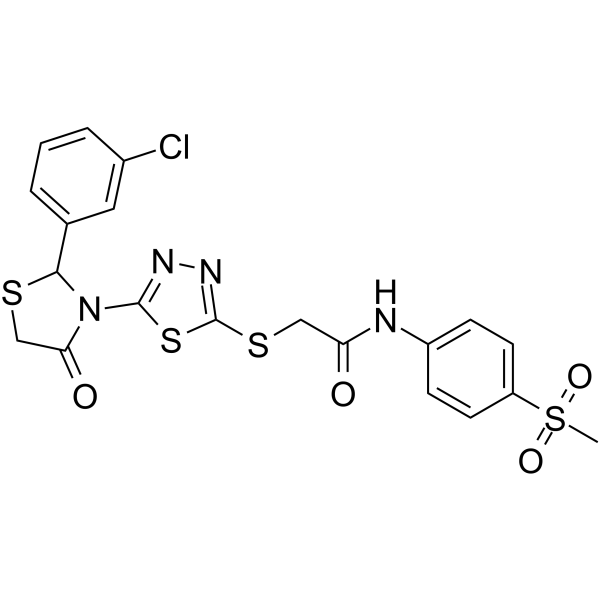
HIV-1 inhibitor-34 (compound 5q) is a potent and selective HIV-1 inhibitor with an EC50 of 6.4 nM for HIV-1 and a CC50 of 16 μM in MT-4 cells. HIV-1 inhibitor-34 can be used for researching AIDS .
|
-
- HY-146090
-
|
|
HIV
|
Infection
|
|
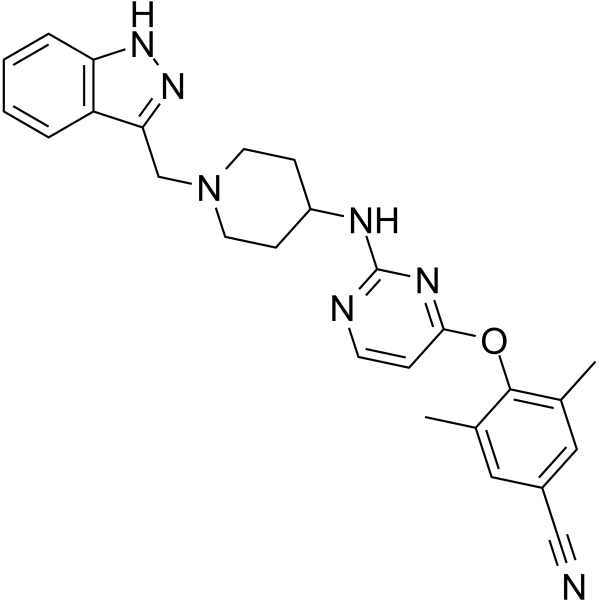
HIV-1 inhibitor-33 (compound 5n) is a potent and selective HIV-1 inhibitor with an EC50 of 8.6 nM for HIV-1 and a CC50 of 18 μM in MT-4 cells. HIV-1 inhibitor-33 can be used for researching AIDS .
|
-
- HY-147553
-
|
|
HIV
|
Infection
|
|
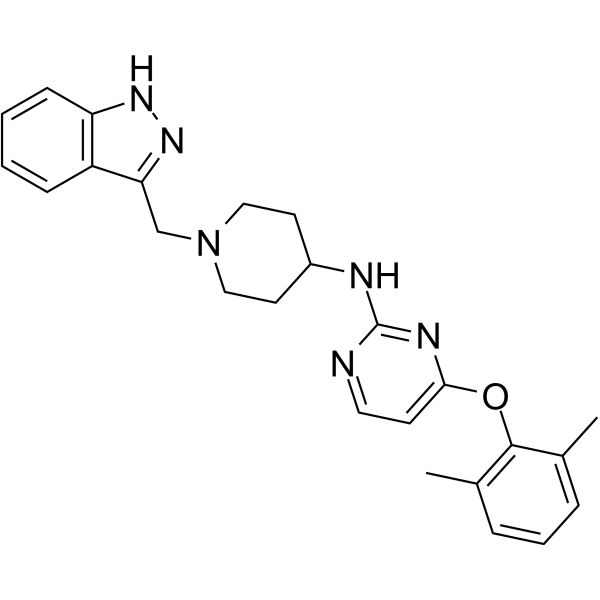
HIV-1 inhibitor-36 (Compound 2) is a potent HIV-1. HIV-1 inhibitor-36 has the potential for further development as novel latency reversing agents .
|
-
- HY-147555
-
|
|
HIV
|
Infection
|
|
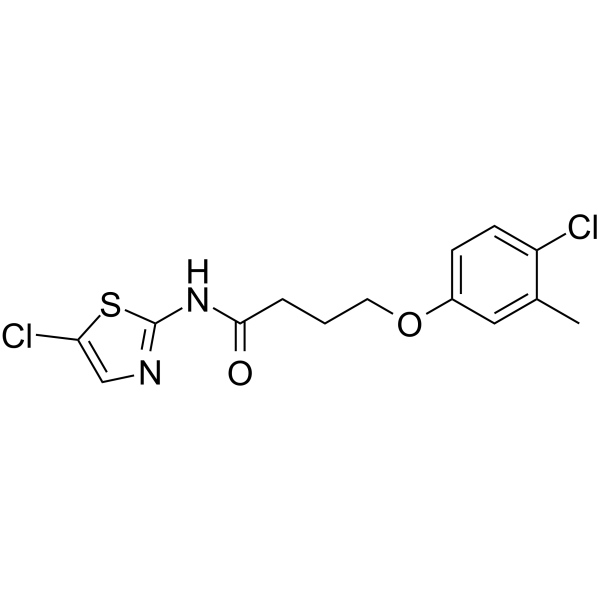
HIV-1 inhibitor-38 (Compound 91) is a potent HIV-1. HIV-1 inhibitor-38 has the potential for further development as novel latency reversing agents .
|
-
- HY-147554
-
|
|
HIV
|
Infection
|
|
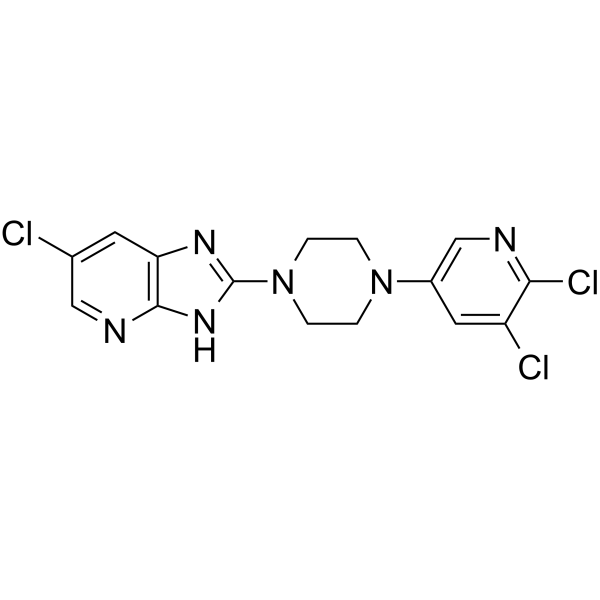
HIV-1 inhibitor-37 (Compound 83) is a potent HIV-1. HIV-1 inhibitor-37 has the potential for further development as novel latency reversing agents .
|
-
- HY-150079
-
|
|
HIV Integrase
|
Infection
|
|
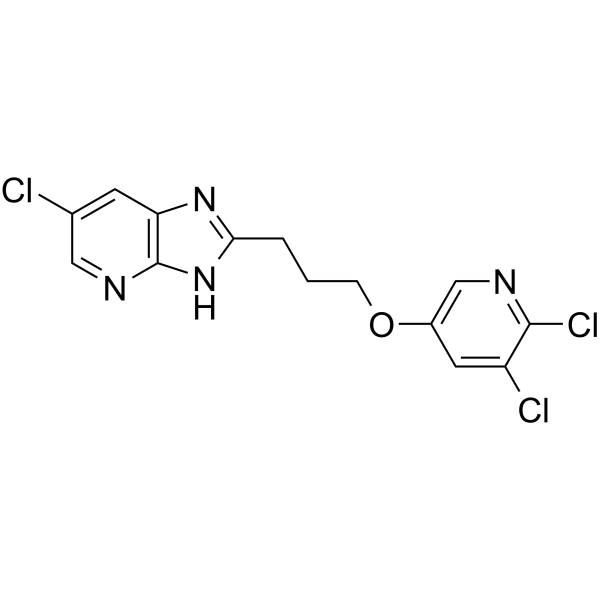
HIV-1 integrase inhibitor 10 is an orally active HIV-1 allosteric integrase inhibitor (ALLINI). HIV-1 integrase inhibitor 10 can inhibit viral outgrowth of the NLRepRluc virus in MT-2 cells with EC50 values of 3-5 nM. HIV-1 integrase inhibitor 10 can be used for the research of Human immunodeficiency virus-1 (HIV-1) .
|
-
- HY-147552
-
|
|
HIV
|
Infection
|
|
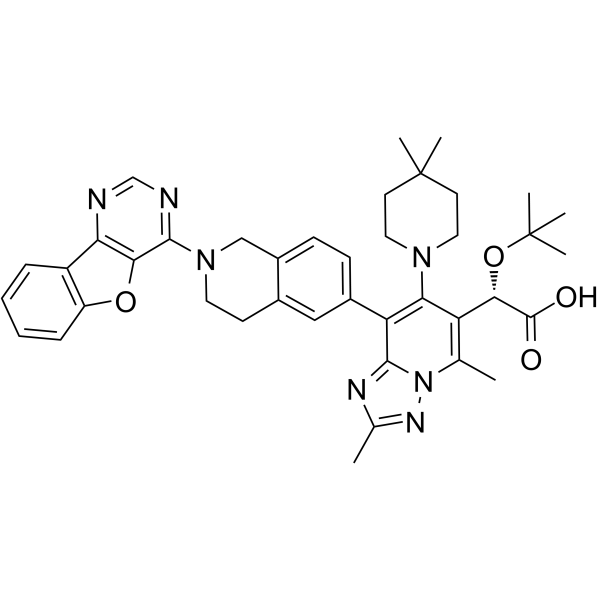
HIV-1 inhibitor-35 (compound 74) is a potent HIV-1 inhibitor with EC50s of 80 nM and 70 nM for LTR and CMV in HEK293 cells, respectively. HIV-1 inhibitor-35 has inhibitory activity against liver cancer cell HepG2 with a CC50 of 40 nM. HIV-1 inhibitor-35 can be used as HIV-1 latency reversing agent .
|
-
- HY-159091
-
|
|
HIV Integrase
|
Infection
|
|
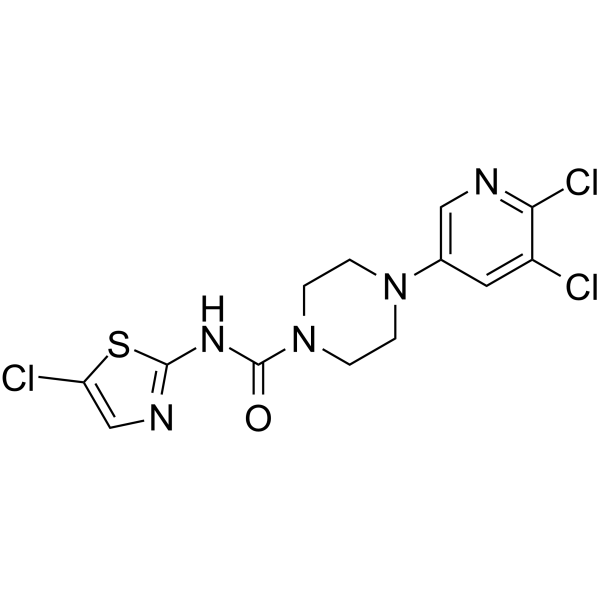
HIV-1 integrase inhibitor 12 (Compound 17) is an inhibitor for HIV-1 integrase with an IC50 of 1.4 nM. HIV-1 integrase inhibitor 12 inhibits the HIV-1 WT and HIV-1 T125A, with IC50 of 7.4 and 120 nM, respectively. HIV-1 integrase inhibitor 12 exhibits metabolic stability and Caco-2 permeability, and good pharmacokinetic characteristics with good bioavailability (64%) and low clearance (0.16 L/hr/kg) in rats .
|
-

- HY-144113
-
|
|
HIV
|
Infection
|
|
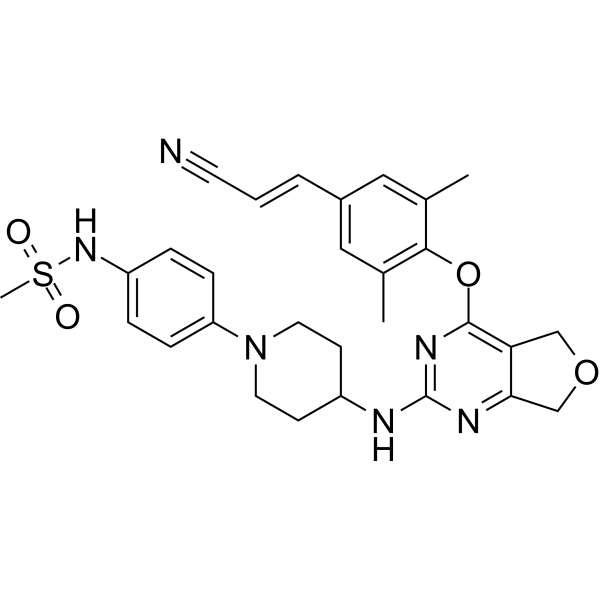
HIV-1 inhibitor-14 (compound 14b) is a highly potent and broad-spectrum HIV-1 non-nucleoside reverse transcriptase (RT) inhibitor with an EC50 of 0.14 μM for HIV-1 RT. HIV-1 inhibitor-14 has inhibitory activity against HIV-1 WT and resistant strains with EC50s of 5.79 ~ 28.3 nM .
|
-
- HY-147903
-
|
|
DNA/RNA Synthesis
HIV
|
Infection
|
|
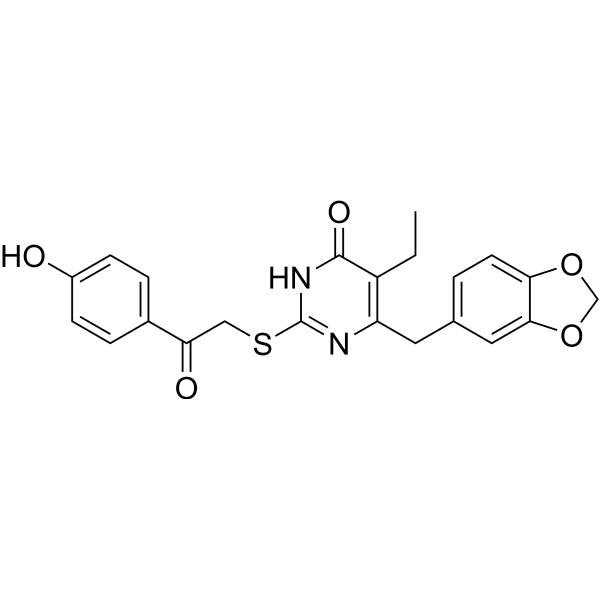
HIV-1 inhibitor-42 (compound 5b) is a potent HIV-1 inhibitor, with an IC50 of 0.06 μM. HIV-1 inhibitor-42 inhibits HIV-1 RT RNA-dependent DNA polymerase and DNA-dependent DNA polymerase, with IC50 values of 0.518 and 0.072 μM .
|
-
- HY-146308
-
|
|
HIV
|
Infection
|
|
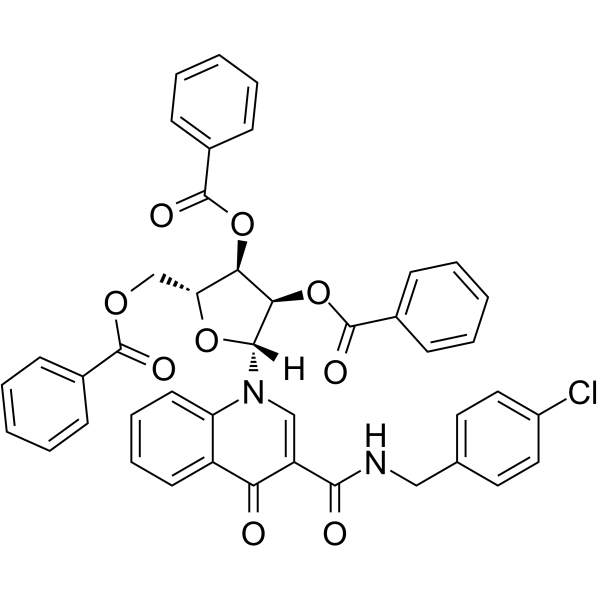
HIV-1 inhibitor-26 (compound 9a) is a potent HIV-1 reverse transcriptase (RT) inhibitor with an IC50 value of 1.4 μM. HIV-1 inhibitor-26 has low cytotoxicity with a CC50 of 1486 μM in PBMCs. HIV-1 inhibitor-26 can be used for researching AIDS .
|
-
- HY-146018
-
|
|
HIV
|
Infection
|
|
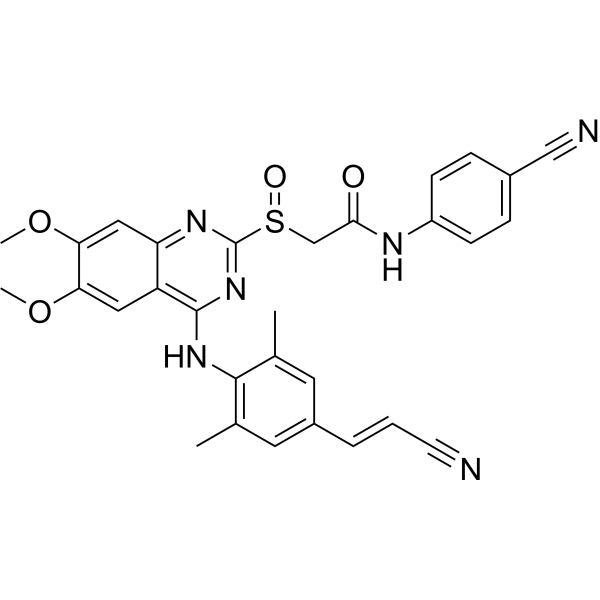
HIV-1 inhibitor-23 (compound 12a) is a highly potent HIV-1 non-nucleoside reverse transcriptase inhibitor, with EC50s of 24.9 nM and 10.4 nM for HIV-1 WT and HIV-1 K103N, respectively. HIV-1 inhibitor-23 has low cytotoxicity (CC50 > 221 μM) and a favorable in vitro microsomal stability .
|
-
- HY-168189
-
|
|
HIV
|
Infection
|
|
HIV-1 inhibitor-76 (compound 9t-2) is a non-nucleoside reverse transcriptase inhibitor of HIV-1. HIV-1 inhibitor-76 can be used in anti-HIV research .
|
-

- HY-132572
-
|
|
HIV
|
Infection
|
|
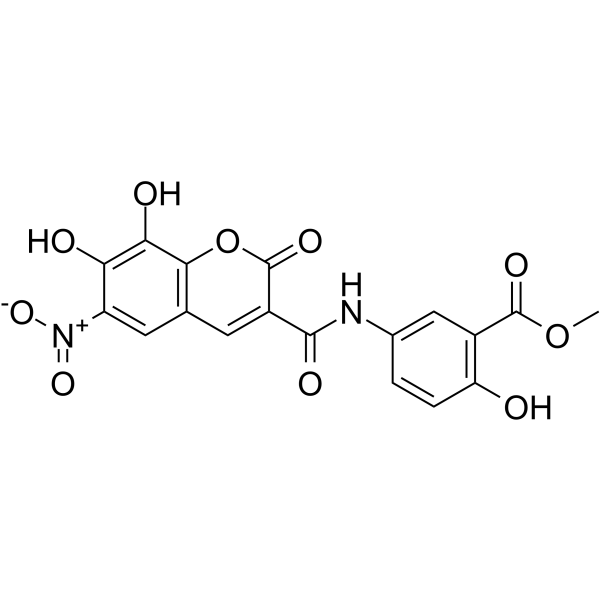
HIV-1 integrase inhibitor 9 (compound 8a) is a potent HIV-1 RNase H inhibitor with an IC50 of 12.3 μM. HIV-1 integrase inhibitor 9 shows an antiviral activity .
|
-
- HY-172093
-
|
|
HIV
|
Infection
|
|
HIV-1 inhibitor-80 (compound M44) is an HIV-1 inhibitor with an EC50 of 5-148 nM. HIV-1 inhibitor-80 shows good metabolic stability and cytotoxicity in human plasma and human liver microsomes .
|
-

- HY-163161
-
|
|
HIV
|
Infection
|
|
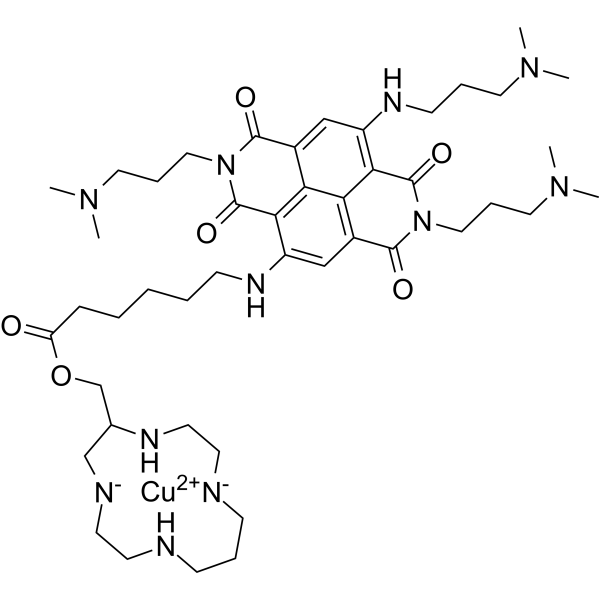
HIV-1 inhibitor-62 (compound 6) is an HIV-1 inhibitor that can be used in antiviral research .
|
-
- HY-151933
-
|
|
HIV
Reverse Transcriptase
|
Infection
|
|
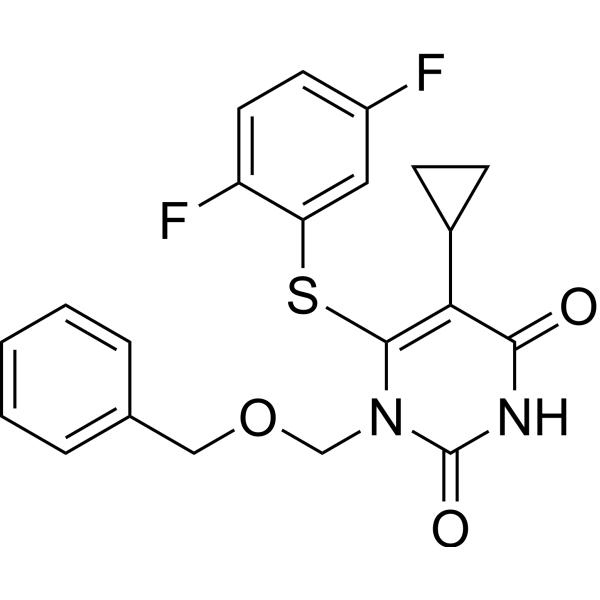
HIV-1 inhibitor-49 is an orally active HIV-1 inhibitor, is a HEPT analog. HIV-1 inhibitor-49 possesses great pharmacokinetics profiles and potent non-nucleoside reverse transcriptase inhibitory activity (IC50=30 nM). HIV-1 inhibitor-49 exerts potential safety without acute toxicity in mouse model .
|
-
- HY-146339
-
|
|
HIV
|
Infection
Inflammation/Immunology
|
|
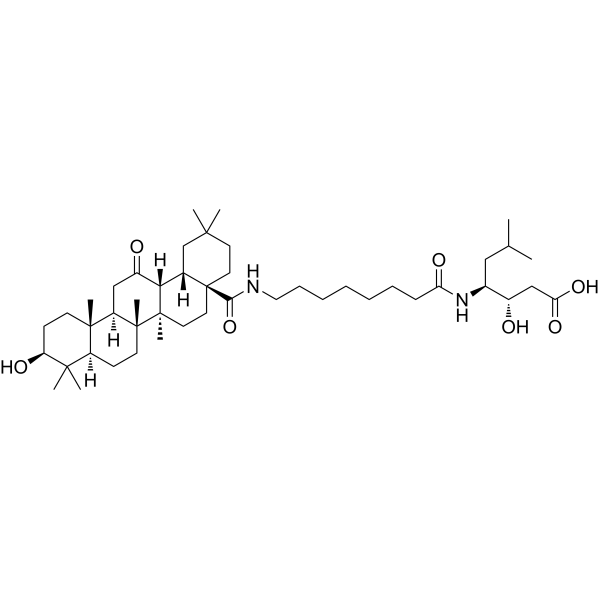
HIV-1 inhibitor-27 (compound 5) is a potent HIV-1 inhibitor with IC50s of 16 μM, 0.5 μM and 0.39 μM for HIV-1 YU2, NL4-3 and 89.6 strain, respectively. HIV-1 inhibitor-27 has low cytotoxicity with a CC50 of 128 μM in TZM-bl cells. HIV-1 inhibitor-27 can be used for researching AIDS .
|
-
- HY-147370
-
|
|
HIV
|
Infection
|
|
HIV-1 inhibitor-46 (compound 13d) is a potent HIV-1 non-nucleoside reverse transcriptase inhibitor with an EC50 value of 1.425 μM. HIV-1 inhibitor-46 can be used for the research of AIDS .
|
-
- HY-110253
-
|
HIV-1 inhibitor 18A
|
HIV
|
Infection
|
|
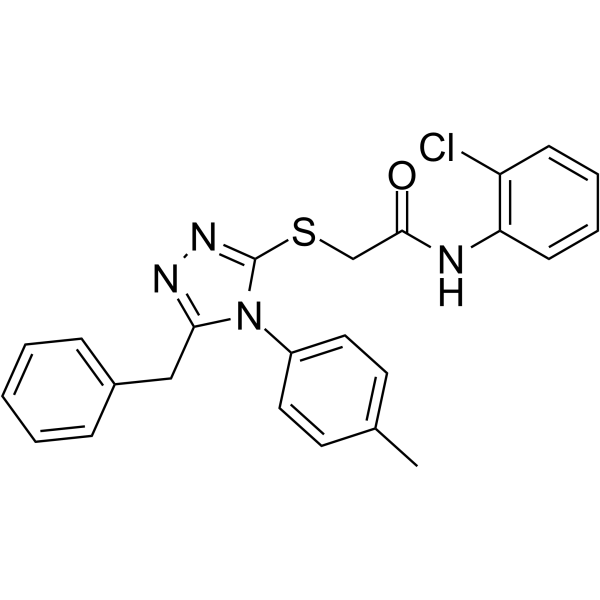
18A (HIV-1 inhibitor 18A) is a reversible broad-spectrum HIV-1 inhibitor. 18A exhibits broad inhibitory activity against multiple HIV-1 strains by blocking the function of Env .
|
-
- HY-144714
-
|
|
HIV
|
Infection
|
|
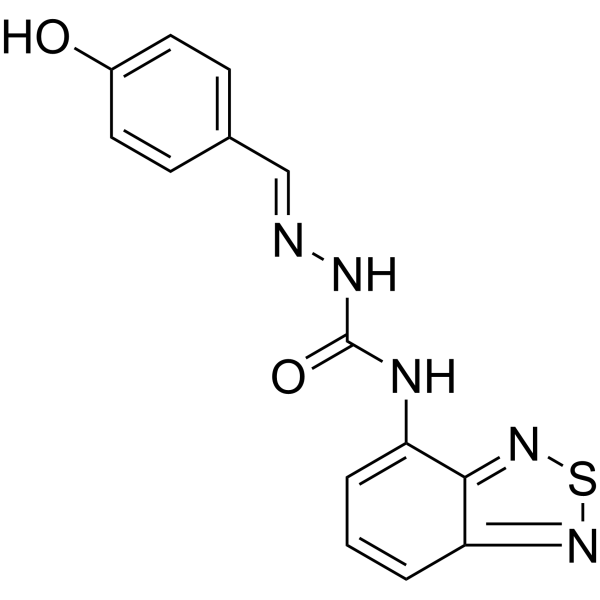
HIV-1 inhibitor-18 (compound II-13c) is a potent HIV-1 capsid inhibitor with an EC50 value of 5.14 μM for HIV-1 NL4-3. HIV-1 inhibitor-18 has certain cytotoxicity (MT-4 cells CC50 >9.51) .
|
-
- HY-144715
-
|
|
HIV
|
Infection
|
|
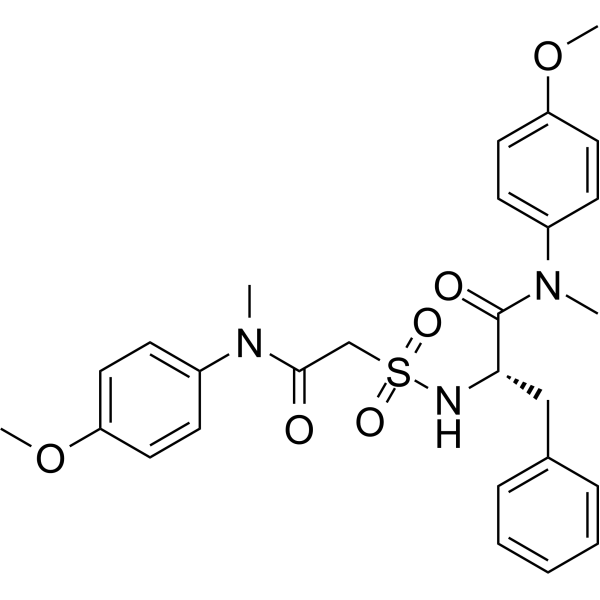
HIV-1 inhibitor-18 (compound V-25i) is a potent HIV-1 capsid inhibitor with an EC50 value of 2.57 μM for HIV-1 NL4-3. HIV-1 inhibitor-18 has certain cytotoxicity (MT-4 cells CC50 >8.55) .
|
-
- HY-130760
-
|
|
HIV Integrase
|
Infection
|
|
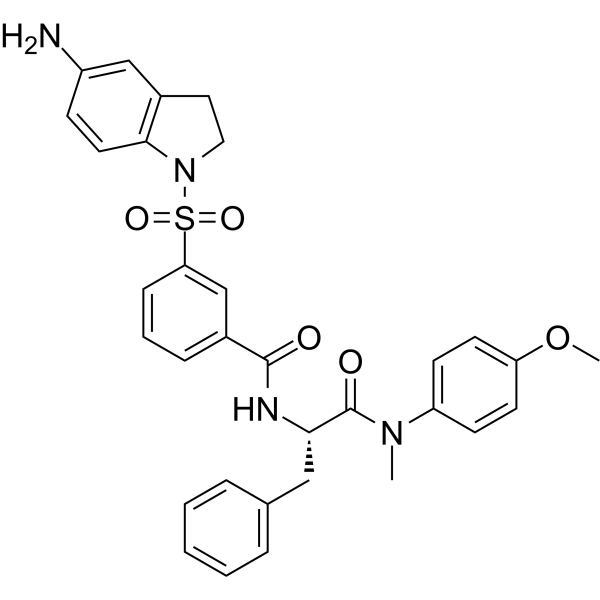
HIV-1 integrase inhibitor 7 is a potent HIV-1 integrase inhibitor, with an IC50 of 33.3 nM .
|
-
- HY-144123
-
|
|
HIV
|
Infection
|
|
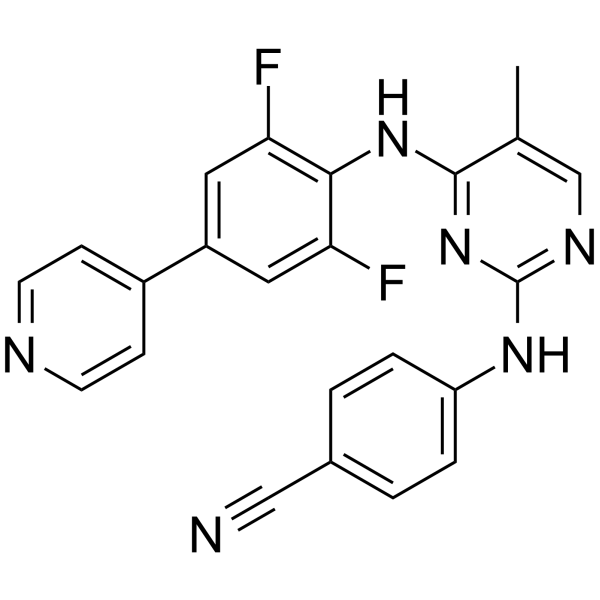
HIV-1 inhibitor-16 (compound 7a) is a highly potent HIV-1 inhibitor with an EC50 value of 1.3 nM for HIV-1 WT. HIV-1 inhibitor-16 also has certain inhibitory activity against HIV-1 K103N, E138K, Y181C and L100I strains with EC50s of 5.4 nM, 9.2 nM, 22 nM and 35 nM. HIV-1 inhibitor-16 has favorable solubility and liver microsome stability, and does not exhibit apparent CYP enzymatic inhibitory activity or acute toxicity .
|
-
- HY-169166
-
|
|
HIV Protease
|
Infection
|
|
HIV-1 protease-IN-14 (compound 5ae) is a potent HIV-1 protease inhibitor with Ki values of 0.28, 56.9 nM for WT HIV-1 PR, R41T HIV-1 PR, respectively. HIV-1 protease-IN-14 shows low cytotoxicity .
|
-

- HY-155114
-
|
|
HIV
|
Infection
|
|
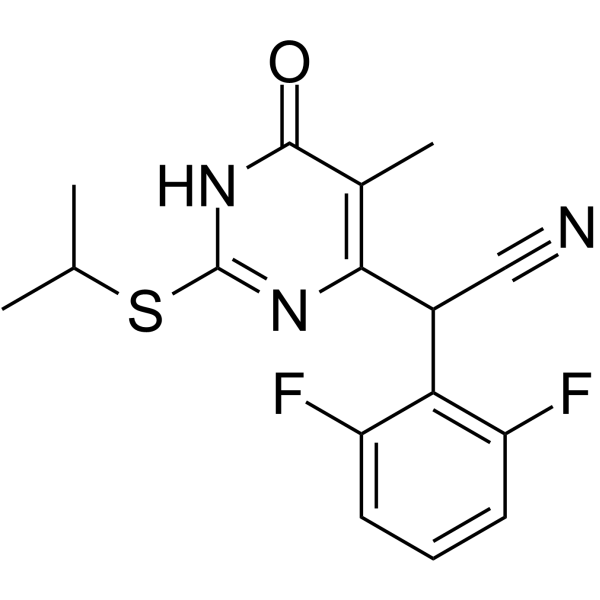
HIV-1 inhibitor-59 (Compound I-5b) is a HIV-1 inhibitor, with EC50s of 5.62-171 nM against the wild-type (WT) and mutant HIV-1 strains. HIV-1 inhibitor-59 has moderate RT enzyme inhibitory activity (IC50: 0.094-12.0 μM) .
|
-
- HY-147841
-
|
|
HIV
Reverse Transcriptase
|
Infection
|
|
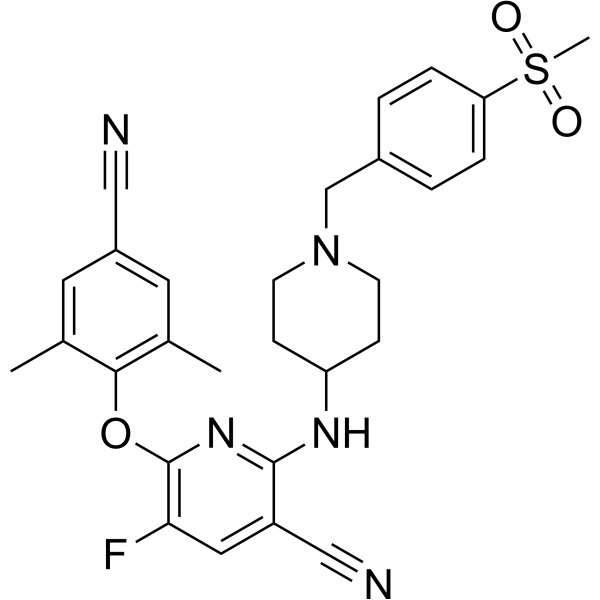
HIV-1 inhibitor-41 (Compound B23) is an orally active non-nucleoside HIV-1 reverse transcriptase inhibitor with EC50 values of 20.8 nM and 50 nM against HIV-1 WT and mutant E138K strain, respectively. HIV-1 inhibitor-41 shows low hERG, no apparent CYP enzymatic inhibition and no acute toxicity .
|
-
- HY-108820
-
|
|
HIV Integrase
HIV
|
Infection
|
|
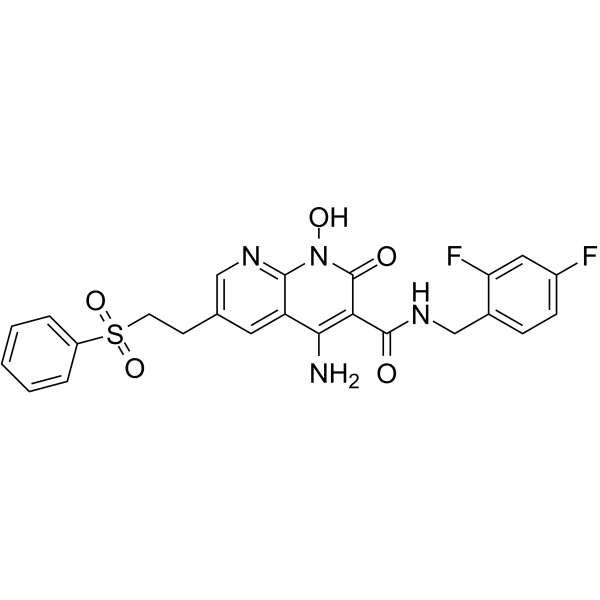
HIV-1 integrase inhibitor 4 is a HIV-1 integrase strand transfer (INST) inhibitor with an IC50 of 3.7 nM.
|
-
- HY-108817
-
|
|
HIV Integrase
HIV
|
Infection
|
|
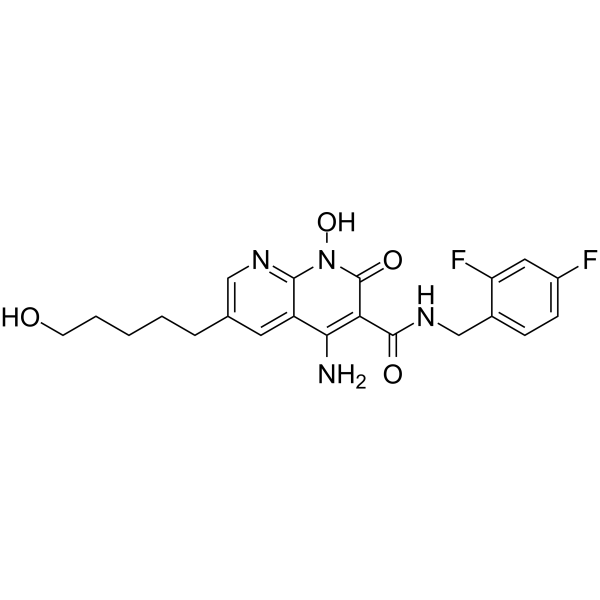
HIV-1 integrase inhibitor 3 is a HIV-1 integrase strand transfer (INST) inhibitor with an IC50 of 2.7 nM.
|
-
- HY-146017
-
|
|
HIV
|
Infection
|
|
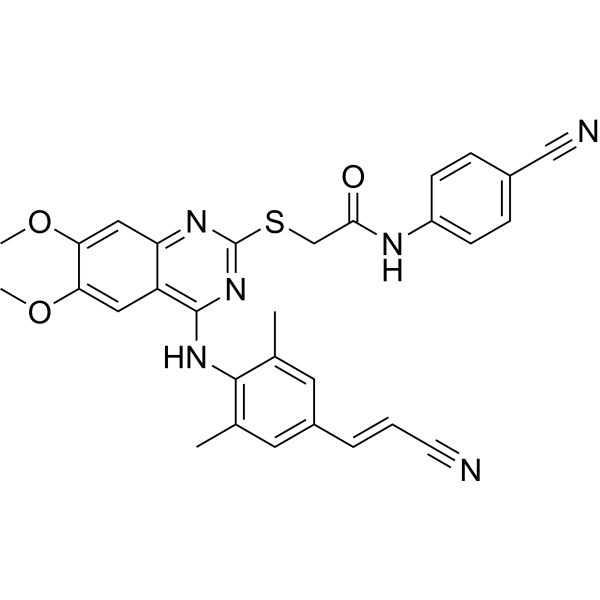
HIV-1 inhibitor-22 (compound 11a) is a potent HIV-1 non-nucleoside reverse transcriptase (RT) inhibitor, with an IC50 value of 3.63 μM for HIV-1 RT. HIV-1 inhibitor-22 has antiretroviral activity against HIV-1 WT and K103N strains with EC50s of 0.304 μM and 0.201 μM, also has low cytotoxicity (CC50 > 227 μM)
|
-
- HY-159984
-
|
|
HIV
|
Infection
|
|
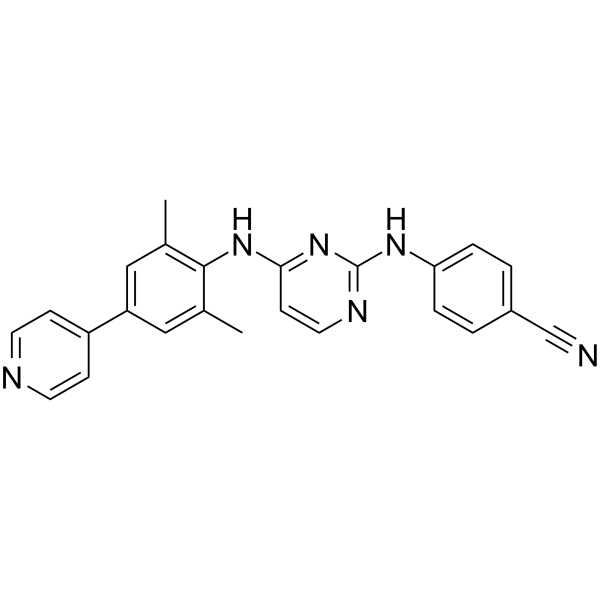
HIV-1 inhibitor-78 (compound 15f) is a potent and broad-spectrum non-nucleoside reverse transcriptase inhibitor, with an EC50 of 3 nM for wild-type HIV-1. HIV-1 inhibitor-78 can be used for the research of HIV infection .
|
-

- HY-144122
-
|
|
HIV
|
Infection
|
|
HIV-1 inhibitor-15 (compound 9d) is a highly potent and broad-spectrum HIV-1 inhibitor. HIV-1 inhibitor-15 has inhibitory activity against HIV-1 WT, L100I, K103N, Y181C, E138K with EC50s of 1.7 nM, 4 nM, 2 nM, 6 nM and 9 nM, respectively. HIV-1 inhibitor-15 has good solubility, safety profiles and favorable oral bioavailability .
|
-
- HY-112714B
-
|
BMS-955176 hydrochloride
|
HIV
|
Infection
|
|
GSK3532795 hydrochloride is a potent, orally active, second-generation HIV-1 maturation inhibitor, with EC50s of 1.9, 10.2, 2.7 and 13 nM for HIV-1 WT, HIV-1 WT(human serum), HIV-1 V370A, and HIV-1 ΔV370, respectively .
|
-

- HY-112714A
-
|
BMS-955176 oxalate
|
HIV
|
Infection
|
|
GSK3532795 oxalate is a potent, orally active, second-generation HIV-1 maturation inhibitor, with EC50s of 1.9, 10.2, 2.7 and 13 nM for HIV-1 WT, HIV-1 WT(human serum), HIV-1 V370A, and HIV-1 ΔV370, respectively .
|
-

- HY-146888
-
|
|
HIV Protease
|
Infection
|
|
HIV-1 protease-IN-2 is a potent HIV-1 protease inhibitor with an IC50 of 2.53 nM. HIV-1 protease-IN-2 shows antiviral activity against DRV (Darunavir)-sensitive or DRV-resistant HIV-1 variants .
|
-
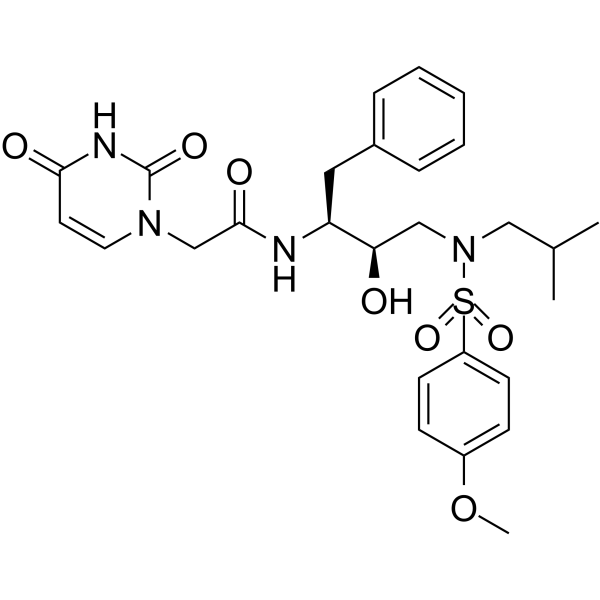
- HY-146019
-
|
|
HIV
|
Infection
|
|
HIV-1 inhibitor-24 (compound S-12a) is a highly potent HIV-1 reverse transcriptase, with an IC50 value of 9.5 nM. HIV-1 inhibitor-24 has high antiretroviral activity against WT HIV-1 with an EC50 of 1.6 nM, and exhibits relatively low cytotoxicity with a CC50 of 9.07 μM in MT-4 cells. HIV-1 inhibitor-24 is well tolerated at a dose of 2 g/kg in mice and has a significant cardiovascular safety .
|
-
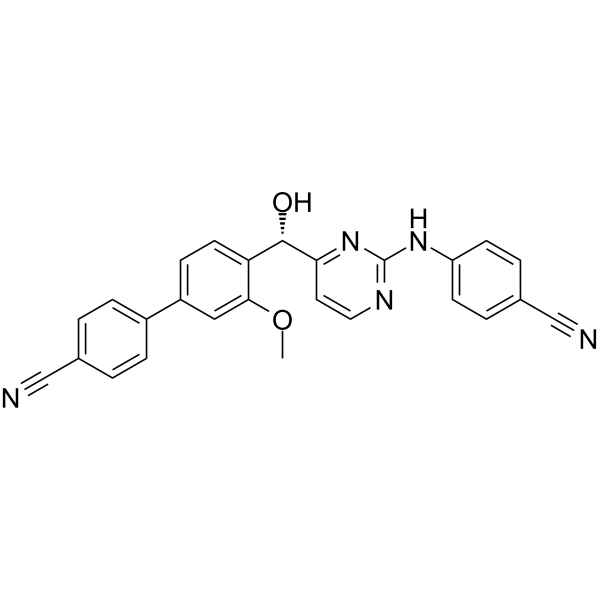
- HY-W507252
-
|
|
HIV Integrase
|
Infection
|
|
HIV-1 integrase inhibitor 11 (compound 5) is a potent inhibitor of HIV-1 integrase, with the IC50 of 125 μM .
|
-

- HY-130366
-
|
|
HIV Protease
|
Others
|
|
JG-365 is an HIV-1 protease inhibitor that binds to the active site of HIV-1 protease.
|
-

- HY-146015
-
|
|
HIV
|
Infection
|
|
HIV-1 inhibitor-21 (compound 9b) is a potent HIV-1 non-nucleoside reverse transcriptase (RT) inhibitor, with an IC50 value of 0.55 μM for HIV-1 RT. HIV-1 inhibitor-21 has antiretroviral activity against HIV-1 WT and K103N strains with EC50s of 12.7 nM and 10.4 nM, and has relatively low cytotoxicity (MT-4 cells CC50 =10.2 μM) .
|
-
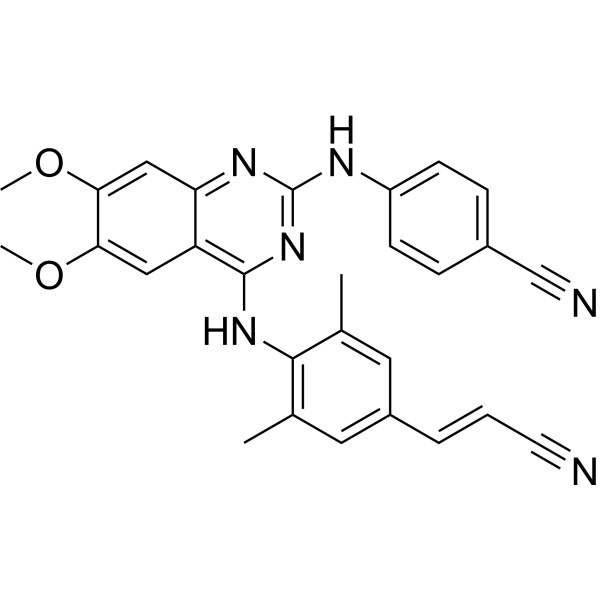
- HY-111147
-
|
|
HIV
|
Infection
|
|
RDEA-427 is a pyrrolopyrimidine derivative and also a HIV-1 non-nucleoside reverse transcriptase inhibitor (NNRTI). RDEA-427 acts on wild-type and NNRTI-resistant mutant HIV-1. RDEA-427 can be used in research related to HIV infection .
|
-

- HY-175519
-
|
|
HIV
|
Infection
|
|
NNRT-IN-11 (14l) is a potent non-nucleoside reverse transcriptase (NNRT) inhibitor with EC50 values of 6.50 to 52.9 nM against WT and a panel of HIV-1 mutants. NNRT-IN-11 has antiviral activity .
|
-

- HY-182497
-
|
|
HIV
|
Infection
|
|
U 95133 is a non-nucleoside reverse transcriptase inhibitor. U 95133 exhibits activity against both wild-type and mutant HIV-1 reverse transcriptase. U 95133 can be used in studies related to HIV infection .
|
-

- HY-107485R
-
|
|
Reference Standards
HIV Integrase
|
Infection
|
|
HIV-1 integrase inhibitor 8 (Standard) is the analytical standard of HIV-1 integrase inhibitor 8 (HY-107485). This product is intended for research and analytical applications. HIV-1 integrase inhibitor 8 is a HIV-1 integrase inhibitor, compound 8 .
|
-

- HY-N18192
-
|
|
HIV
HIV Integrase
|
Infection
|
|
Kuwanon L is an HIV-1 integrase (HIV-1 integrase) inhibitor, with IC50 values of 42 μM and 34 μM for LEDGF-dependent and LEDGF-independent integrase, respectively. Kuwanon L blocks the interaction between HIV-1 integrase and LEDGF/p75, with an IC50 of 22 μM. Kuwanon L inhibits HIV-1 replication in immune cells. Kuwanon L is applicable to research related to HIV-1 infection .
|
-

- HY-146019A
-
|
|
HIV
|
Infection
|
|
HIV-1 inhibitor-25 (compound R-12a) is a highly potent HIV-1 reverse transcriptase, with an IC50 value of 0.1061 μM. HIV-1 inhibitor-25 has high antiretroviral activity against WT HIV-1 with an EC50 of 13.6 nM, and exhibits relatively low cytotoxicity with a CC50 of 33.13 μM in MT-4 cells. HIV-1 inhibitor-25 also has inhibitory activity against HIV-1 mutant strains (L100I, K103N, Y181C, Y188L, E138K, F227L+V106A) with EC50 of 0.1961 ~ 5.8136 μM. HIV-1 inhibitor-25 can be used for researching AIDS .
|
-
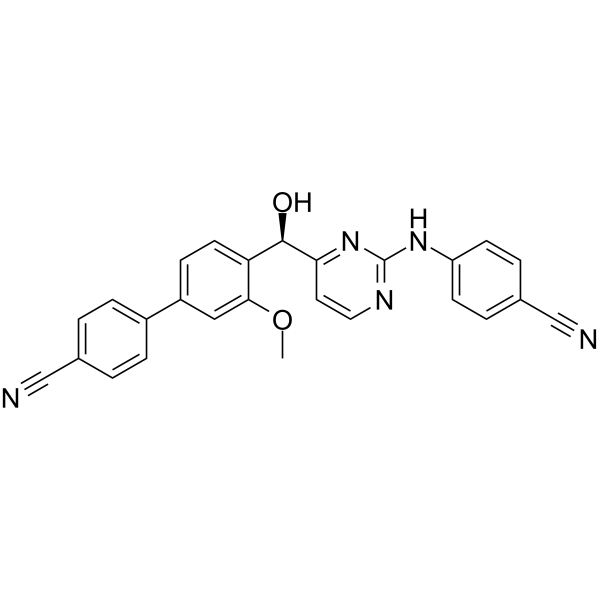
- HY-174303
-
|
|
HIV
Reverse Transcriptase
|
Infection
|
|
NNRT-IN-9 (Compound EG28) is a non-nucleoside reverse transcriptase (NNRT) inhibitor. NNRT-IN-9 has potent antiviral and anti-resistance activity against wild-type (WT) HIV-1 and various clinically relevant mutations (E138K and K103N + Y181C) with EC50s of 55, 67 and 3910 nM, respectively. NNRT-IN-9 can be used for acquired immune deficiency syndrome (AIDS) research .
|
-

- HY-152160
-
|
|
HIV
Reverse Transcriptase
|
Infection
|
|
HIV-1 invistor-50 is a non-nucleoside reverse transcriptase inhibitor (NNRTI) that targets HIV-1 reverse transcriptase (RT) (IC50=50 nM). HIV-1 inhibitor-50 shows significant antiviral activity, with EC50s of 2.22-53.3nM against HIV-1 IIIB and its mutant strains .
|
-
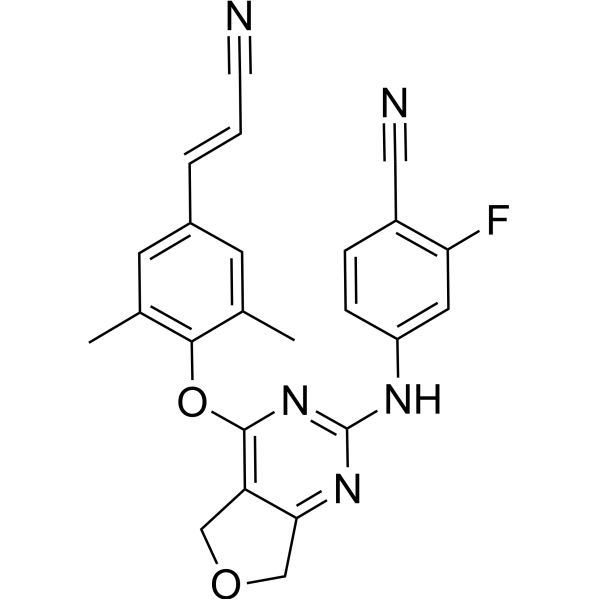
- HY-19974
-
TAK-220
3 Publications Verification
|
CCR
HIV
|
Infection
Endocrinology
|
|
TAK-220 is a selective and orally bioavailable CCR5 antagonist, with IC50s of 3.5 nM and 1.4 nM for inhibition on the binding of RANTES and MIP-1α to CCR5, respectively, but shows no effect on the binding to CCR1, CCR2b, CCR3, CCR4, or CCR7; TAK-220 also selectively inhibits HIV-1, with EC50s of 1.2 nM (HIV-1 KK), 0.72 nM (HIV-1 CTV), 1.7 nM (HIV-1 HKW), 1.7 nM (HIV-1 HNK), 0.93 nM (HIV-1 HTN), and 0.55 nM (HIV-1 HHA), and EC90s of 12 nM (HIV-1 KK), 5 nM (HIV-1 CTV), 12 nM (HIV-1 HKW), 28 nM (HIV-1 HNK), 15 nM (HIV-1 HTN), and 4 nM (HIV-1 HHA) in PBMCs.
|
-
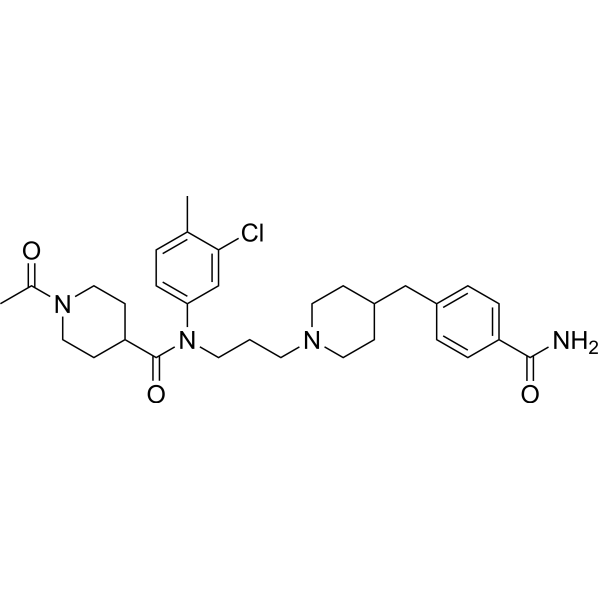
- HY-150599
-
|
|
HIV
DNA/RNA Synthesis
|
Infection
|
|
HIV-1 inhibitor-43 is a potent HIV-1 inhibitor with an EC50 of 21.3 nM, 6.2 nM, < 0.7 nM and < 0.7 nM for Y188L, K103N-Y181C, K103N and Y181C, respectively. HIV-1 inhibitor-43 can reduce HIV-1 RNA and protein p24 expression .
|
-
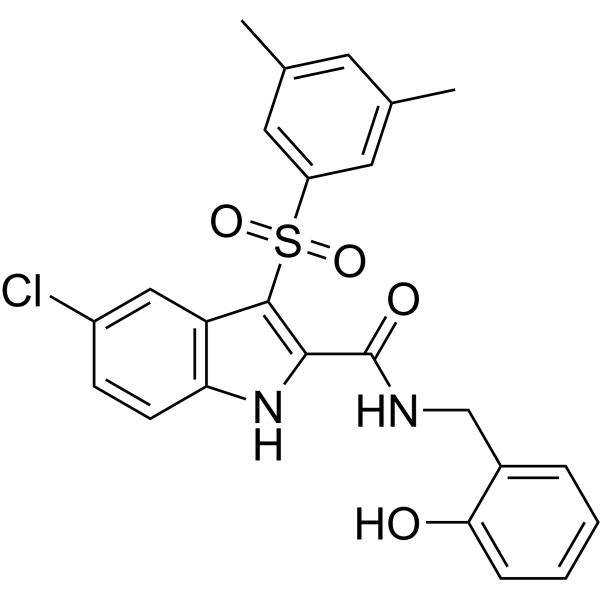
- HY-134851
-
|
|
HIV
|
Infection
|
|
HIV-1 inhibitor-6 (compound 9), a diheteroarylamide-based compound, is a potent HIV-1 pre-mRNA alternative splicing inhibitor. HIV-1 inhibitor-6 blocks HIV replication. HIV-1 inhibitor-6 is active against wild-type HIV-1IIIB (subtype B, X4-tropic) and HIV-1 97USSN54 (subtype A, R5-tropic) with EC50s of 0.6 μM and 0.9 μM, respectively. HIV-1 inhibitor-6 inhibits HIV strains resistant to agents targeting HIV reverse transcriptase, protease, integrase, and coreceptor CCR5 with EC50s ranging from 0.9 to 1.5 μM .
|
-
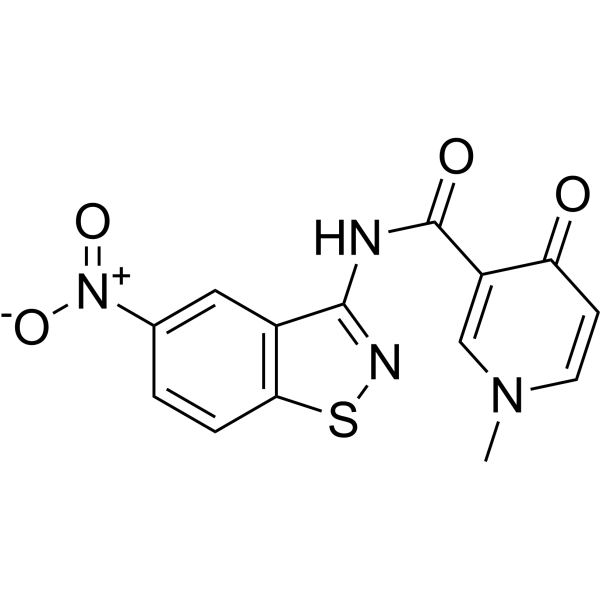
- HY-147807
-
|
|
HIV
Cytochrome P450
|
Infection
|
|
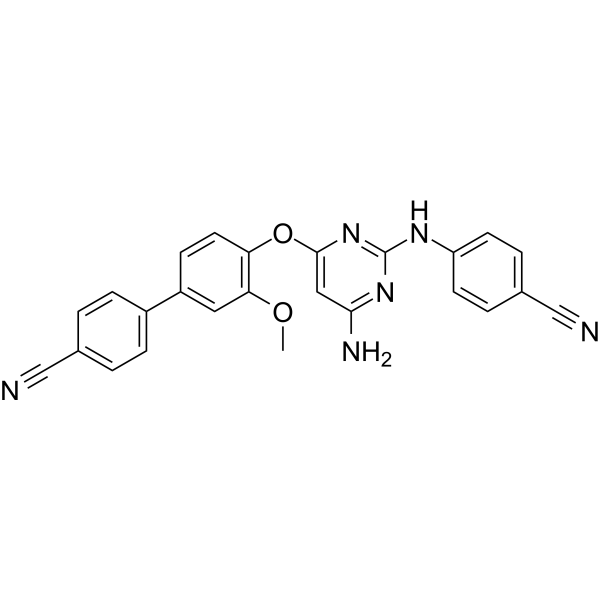
HIV-1 inhibitor-40 (Compound 4ab) is a non-nucleoside reverse transcriptase inhibitor (NNRTI) of HIV-1 with an EC50 of 1.9 nM. HIV-1 inhibitor-40 displays weak CYP sensitivity with IC50 values of 5.16 μM and 4.51 μM against CYP2C9 and CYP2C19, respectively. HIV-1 inhibitor-40 has no apparent in vivo acute toxicity .
|
-
- HY-169064
-
|
|
HIV
Reverse Transcriptase
|
Infection
|
HIV-1 inhibitor-75 is a human immunodeficiency virus 1 (HIV-1) inhibitor, with an EC50 value ranging from 0.0039 to 0.338 μM. The binding target of HIV-1 inhibitor-75 is reverse transcriptase, with an IC50 value of 0.055 μM. HIV-1 inhibitor-75 shows good in vitro metabolic stability, exhibiting moderate clearance rates and a longer half-life in human plasma and liver microsomes .
|
-

- HY-N15327
-
|
|
HIV
HIV Integrase
|
Infection
|
|
Hyrtiosal, found in the marine sponge Hyrtios erectus, is an inhibitor of the N-terminal domain (NTD) of HIV-1 integrase (HIV-1 IN) with an IC50 value of 9.60-0.86 μM. Hyrtiosal binds to the Ser17, Trp19, and Lys34 sites on the NTD of HIV-1 IN, inhibiting the binding of HIV-1 viral DNA to integrase and interfering with the formation of the pre-integrated complex of HIV-1. Hyrtiosal is promising for research of anti-HIV agents .
|
-

- HY-123415
-
|
|
HIV Protease
Renin
|
Infection
|
|
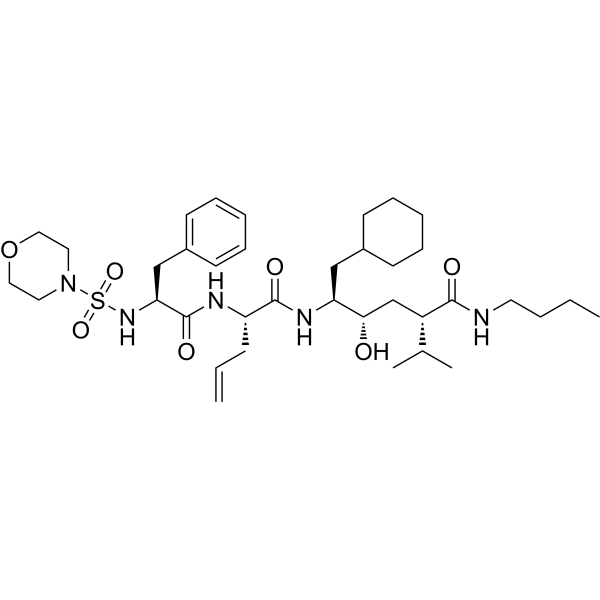
PD 134922 is a potent renin and HIV-1 protease inhibitor with an IC50 of 15 nM against HIV-1 protease .
|
-
- HY-149866
-
|
|
Cytochrome P450
HIV
Reverse Transcriptase
|
Infection
|
|
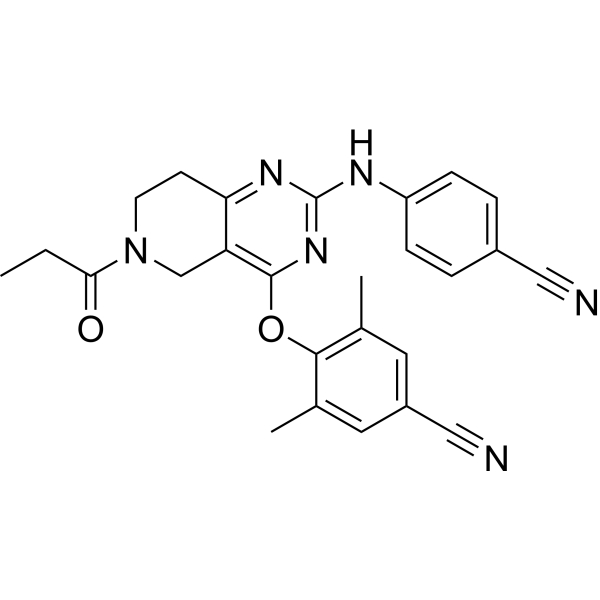
HIV-1 inhibitor-58 (Compound 10c) is a broad-spectrum antiviral agent. HIV-1 inhibitor-58 is a non-nucleoside reverse transcriptase inhibitor. HIV-1 inhibitor-58 inhibits WT strain IIIB, NNRTI-resistant strains (such as K103N and E138K) in MT-4 cells, with EC50 less than 50 nM. HIV-1 inhibitor-58 also inhibits CYP2C9 and CYP2C19 (IC50: 2.06 μM, 1.91 μM). HIV-1 inhibitor-58 can be used for HIV infection reserch .
|
-
- HY-146753
-
|
|
HIV
|
Infection
|
|
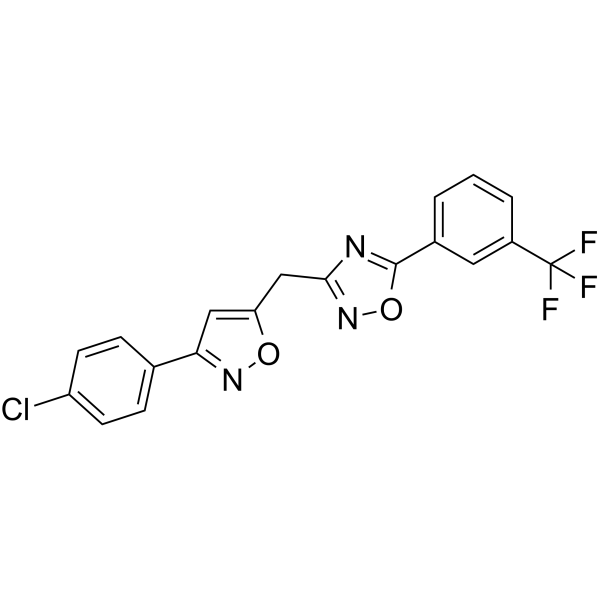
HIV-1 inhibitor-20 is a potent HIV-1 inhibitor by non-classical isosteric replacement of amide to 1,2,4-oxadiazoles .
|
-
- HY-180543
-
|
|
HIV
|
Infection
|
|
HIV-IN-13 prodrug (Compound 8) is a prodrug of an HIV inhibitor. Without the addition of glutathione (GSH), the HIV-IN-13 prodrug has no antiviral activity, but when 1 mM and 2 mM GSH are added, the EC50 values for HIV-1 are 10 μM and 8.2 μM respectively. HIV-IN-13 prodrug can be used in HIV infection research .
|
-

- HY-155076
-
|
|
HIV Protease
|
Infection
|
|
HIV-1 protease-IN-9 (compound 5b) is a HIV-1 protease inhibitor, with a Ki of 0.028 nM. HIV-1 protease-IN-9 shows potent antiviral activity, with an IC50 of 66.8 nM .
|
-
- HY-10893
-
|
|
HIV
|
Infection
|
|
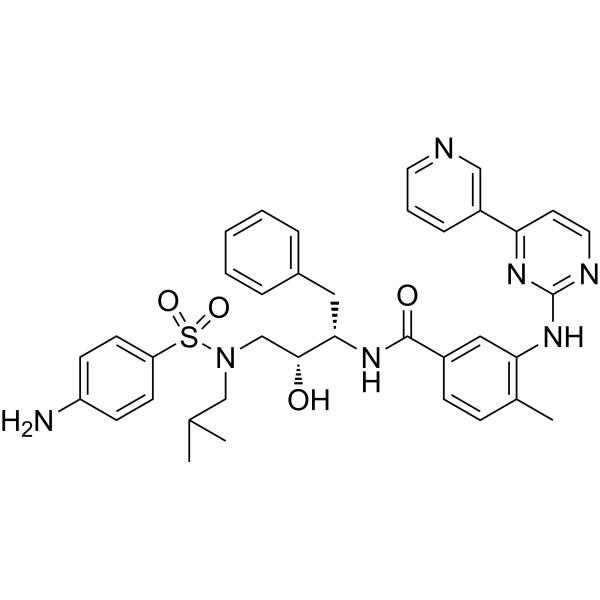
TNK-651 is a non-nucleoside HIV-1 reverse transcriptase inhibitor. TNK-651 exhibits inhibitory effects on both the HIV-1 SF33 strain and the NNRTI-resistant HIV-1 A17 strain. TNK-651 can be used for the study of HIV-1 infection .
|
-

- HY-162253
-
|
|
HIV
|
Infection
|
|
HIV-1 inhibitor-64 (Compound 7c) is a wild-type HIV-1 inhibitor that effectively suppresses the activity of HIV-1 mutants E138K/Q148K and G140S/Q148R with EC50 values of 62.5 nM and 11.3 nM, respectively. HIV-1 inhibitor-64 exhibits antiviral activity and can be used in the research of AIDS .
|
-
- HY-111079
-
|
|
HIV
Reverse Transcriptase
|
Others
|
|
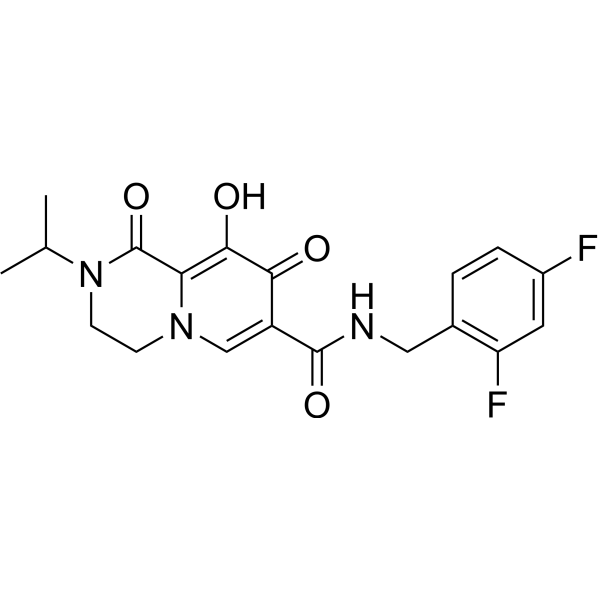
HIV-1 inhibitor-70 (compound 20) is a bifunctional inhibitor that inhibits both wild-type (WT) and K103N mutant reverse transcriptases (RTs) of HIV-1.
|
-

- HY-159150
-
|
|
HIV
|
Infection
|
|
HIV-1 inhibitor-71 (compound 2a) blocks the transport of endocytosed HIV-1 particles into nuclear envelope invagination (NEIs) that can inhibit productive infection .
|
-

- HY-139631
-
|
|
HIV
|
Infection
|
|
HIV-1 inhibitor-9 is found to be potent inhibitor against the wild-type (WT) HIV-1 strain or multiple NNRTI-resistant strains at low nanomolar levels.
|
-
- HY-181090
-
|
|
HIV
|
Infection
|
|
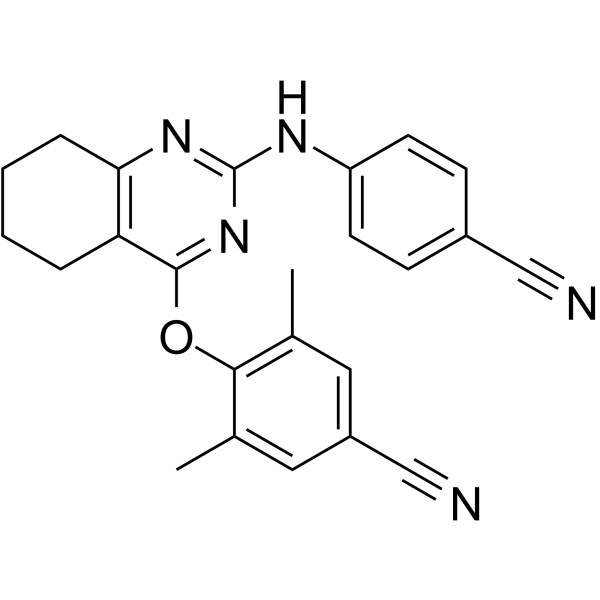
HIV-1-IN-92 is a non-nucleoside inhibitor of HIV-1 reverse transcriptase with an IC50 of 0.11 μM against HIV-1 reverse transcriptase. HIV-1-IN-92 exhibits activity against both wild-type HIV-1 IIIB and mutant HIV-1 strains. HIV-1-IN-92 can be used in research related to acquired immunodeficiency syndrome (AIDS) .
|
-

- HY-148042
-
|
|
HIV
|
Infection
|
|
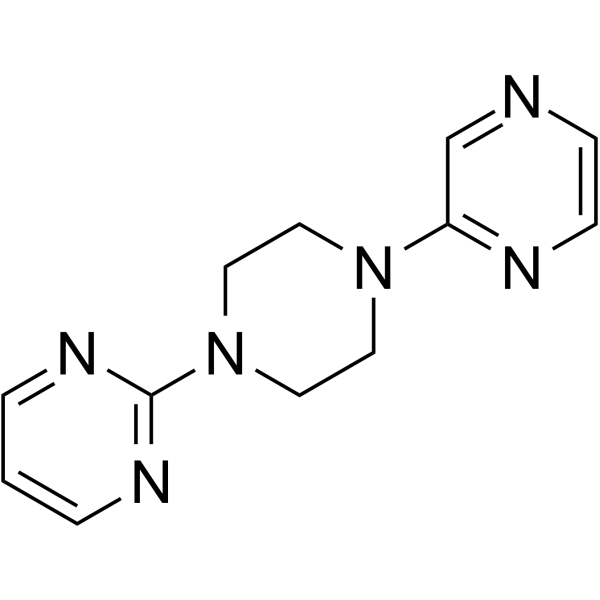
HIV-1 inhibitor-47 is an inhibitor of HIV-1, and inhibits vif-dependent degradation of human APOBEC3G, with an IC50 value of 14.33 μM. HIV-1 inhibitor-47 also involves in derivatives of 1-(2-pyrimidinyl)piperazine synthesis, with potential antianxiety, antidepressant, and antipsychotic effect .
|
-
- HY-149936
-
|
|
HIV Protease
|
Infection
|
|
HIV-1 protease-IN-8 (compound 34b) is a potent HIV-1 protease inhibitor with an IC50 value of 0.32 nM. HIV-1 protease-IN-8 displays IC50s of 0.29 μM and 1.90 μM for wild-type HIV-1 (HIV-1NL4-3) and drug-resistant variant (HIV-1MDR), respectively. HIV-1 protease-IN-8 displays robust antiviral activity against both wild-type HIV-1 and drug-resistant variant .
|
-
- HY-116113
-
|
|
HIV
DNA/RNA Synthesis
|
Infection
|
|
SJP-L-5 is an HIV-1 capsid dissociation inhibitor. SJP-L-5 exhibits inhibitory activity against multiple HIV-1 strains, with an EC50 ranging from 0.16 to 0.97 μg/mL. SJP-L-5 inhibits viral infection by blocking HIV-1 viral DNA entry into the nucleus. SJP-L-5 can be used in HIV-1 infection research .
|
-

- HY-N17741
-
|
|
HIV
Reverse Transcriptase
|
Infection
|
|
Melanochromone is an HIV-1 reverse transcriptase inhibitor that exhibits anti-HIV-1 activity. Melanochromone can be used in research related to HIV-1 infection .
|
-

- HY-123884
-
|
|
CCR
HIV
|
Infection
|
|
GSK-214096 is a selective CCR5 antagonist and an inhibitor of HIV-1 entry. GSK-214096 inhibits HIV-1 glycoprotein 120 (gp120) .
|
-

- HY-125433
-
|
|
HIV
|
Infection
|
|
A-75925 is a human immunodeficiency virus type 1 (HIV-1) proteinase inhibitor and can be utilized in HIV-1 rersearch .
|
-

- HY-19260
-
|
CGP 61755; BMS-234475
|
HIV Protease
|
Infection
|
|
Lasinavir (CGP 61755) is a selective HIV-1 protease inhibitor with an IC50 of 1 nM. Lopinavir can be used in HIV-1 infection studies .
|
-

- HY-172603
-
|
|
HIV
|
Infection
|
|
HIV-1-IN-82 (Compound L14) is an orally active small-molecule entry inhibitor for HIV-1 with an IC50 value of 0.39 μM. HIV-1 inhibitor-82 is promising for research of anti-HIV-1 infection .
|
-

- HY-19143
-
|
|
HIV
|
Infection
|
|
L-697639 is an inhibitor for HIV-1 reverse transcriptase (HIV-1 RT) with IC50 of 20-400 nM (in a template-primer-dependent manner). L-697639 exhibits antiviral activity, that inhibits 95% HIV-1 infection at concentrations of 12-200 nM in human T lymphocyte cultures .
|
-

- HY-106918
-
|
R86183; TIBO R 86183
|
Reverse Transcriptase
HIV
|
Infection
|
|
Tivirapine (R86183) is a nonnucleoside HIV-1 RT inhibitor against HIV-1-induced cytopathic effects with an EC50 value of 4 nM. Tivirapine inhibits the Yl8lC mutant of HIV-1 RT .
|
-

- HY-106958
-
|
HBY 097
|
HIV
Reverse Transcriptase
|
Infection
|
|
Talviraline is a non-nucleoside reverse transcriptase (NNRT) inhibitor that is primarily used to inhibit the replication of human immunodeficiency virus type 1 (HIV-1). Talviraline inhibits the viral replication process by binding to a specific site of HIV-1 reverse transcriptase (RT). Talviraline can be used to study the potential countermeasures and safety of HIV-1 infection .
|
-

- HY-152161
-
|
|
HIV
Reverse Transcriptase
|
Infection
|
|
HIV-1 inhibitor-51, a non-nucleoside reverse transcriptase inhibitor (NNRTI), exhibits outstanding antiviral activity against WT HIV-1 (IIIB) and a panel of mutant strains. HIV-1 inhibitor-51 has high binding affinity (KD=2.50 μM) and inhibitory activity (IC50=0.03 μM) to WT HIV-1 RT. HIV-1 inhibitor-51 has EC50s of 2.22-53.3 nM for mutant strains (L100I, K103N, Y181C, Y188L, E138K, F227L + V106A, RES056) .
|
-
- HY-10891
-
-
- HY-182678
-
|
|
HIV Integrase
|
Infection
|
|
L-731988 is an inhibitor targeting HIV-1 integrase. L-731988 inhibits HIV-1 replication by blocking integrase function. L-731988 exhibits ED50 values ranging from 0.5 μM to 3.14 μM against various HIV-1 isolates. L-731988 can be used for the research of human immunodeficiency virus type 1 (HIV-1) infection .
|
-

- HY-102014
-
|
|
HIV
|
Infection
|
|
RN-18 is a HIV-1 viral infectivity factor (HIV-1 Vif) inhibitor with an IC50 of 6 μM in nonpermissive H9 cells.
|
-
- HY-169920
-
|
|
HIV
Reverse Transcriptase
|
Infection
|
|
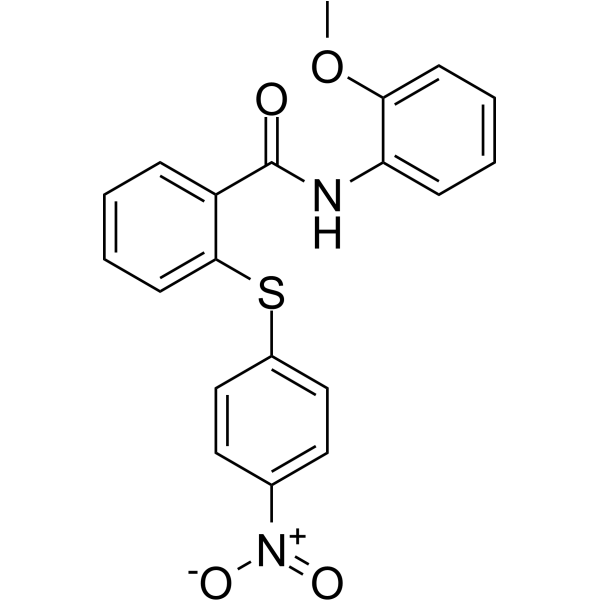
HIV-1 inhibitor-79 (Compound 3k) is an HIV inhibitor that exhibits significant inhibitory activity against HIV-1 and its common mutant strains (with IC50 values of 1.9, 1.9, 8.7, and 11 nM against HIV-1, K103, L100I, and E138K, respectively), and has low cytotoxicity and a high selectivity index (CC50 = 21.95 μM, SI = 11478). Additionally, HIV-1 inhibitor-79 also shows antiviral activity against HIV-2, with an EC50 value of 6.14 μM, and significantly inhibits the activity of HIV-1 reverse transcriptase (IC50 = 25 nM) .
|
-

- HY-N0457A
-
|
(-)-Chicoric acid; trans-Caffeoyltartaric acid
|
HIV Integrase
HIV
Endogenous Metabolite
|
Infection
Cancer
|
|
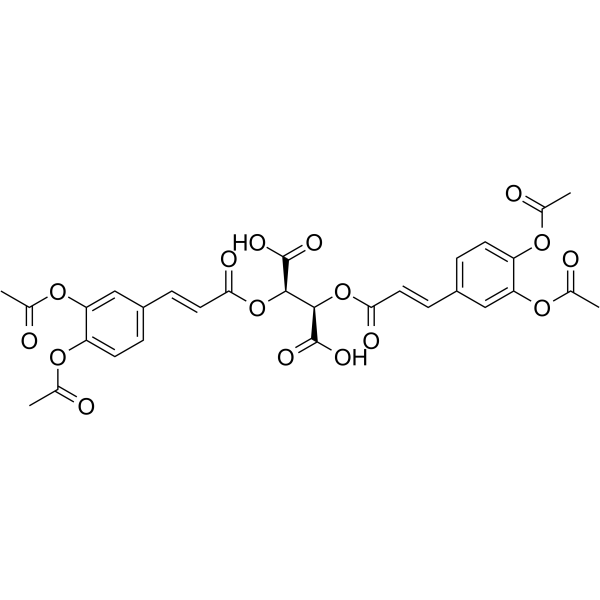
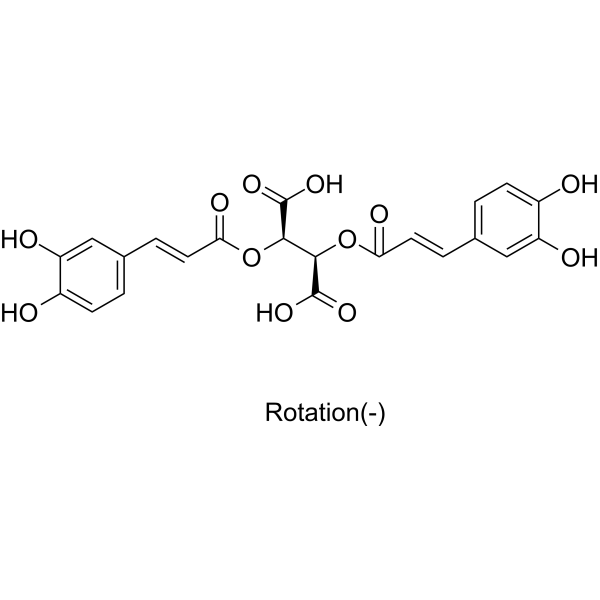
L-Chicoric Acid ((-)-Chicoric acid) is a dicaffeoyltartaric acid and a potent, selective and reversible HIV-1 integrase inhibitor with an IC50 of ~100 nM. L-Chicoric Acid inhibits HIV-1 replication in tissue culture .
|
-
- HY-183157
-
|
|
HIV
|
Infection
|
|
HIV-1-IN-93 is a HIV-1 RNase H inhibitor with an IC50 of 6.09 μM. HIV-1-IN-93 shows low cytotoxicity and can be used in studies related to HIV-1 infection .
|
-

- HY-18595
-
|
|
HIV
HIV Integrase
|
Infection
|
|
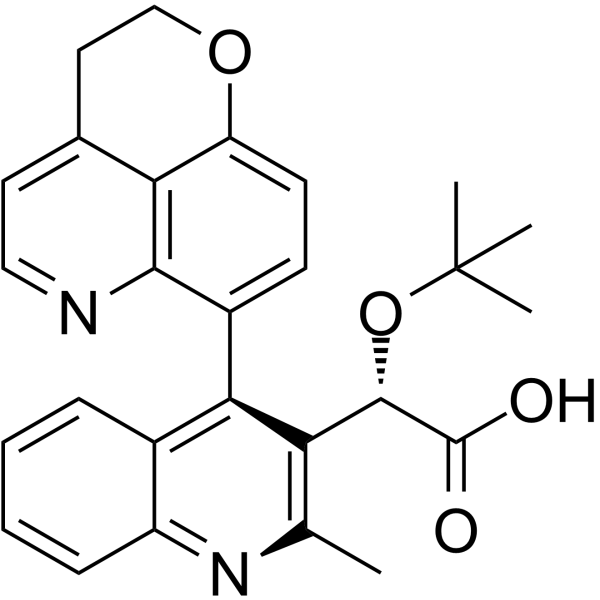
BI 224436 is a novel HIV-1 noncatalytic site integrase inhibitor with EC50 values of less than 15 nM against different HIV-1 laboratory strains.
|
-
- HY-146031
-
|
|
HIV
|
Infection
|
|
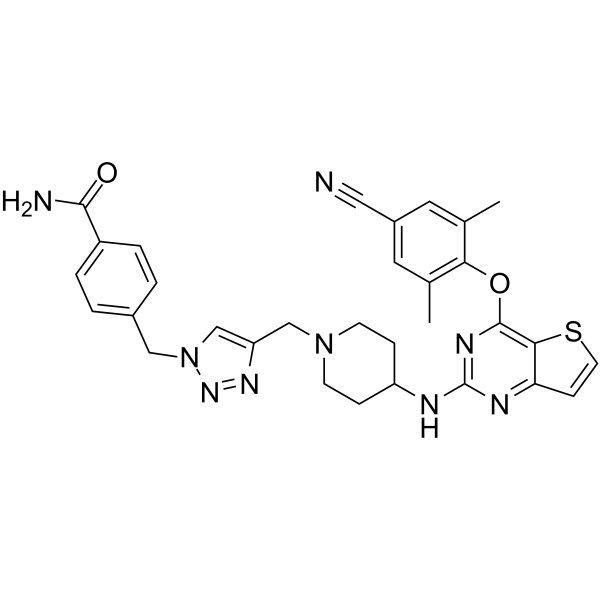
A3N19 is a potent HIV-1 non-nucleoside reverse transcriptase inhibitor, with an EC50 of 3.28 nM against HIV-1 IIIB .
|
-
- HY-116048
-
|
|
HIV Protease
HIV
|
Infection
|
|
LY-326188 is a HIV-1 protease inhibitor, with an IC50 of 0.42 nM. LY326188 exhibits potent protection of HIV-1 infected cells .
|
-

- HY-185449
-
|
|
HIV
Reverse Transcriptase
DNA/RNA Synthesis
|
Infection
|
|
HIV RT-IN-2 is a HIV reverse transcriptase inhibitor with an IC50 value of 1.2 μM for HIV-1 RT RNA-dependent DNA polymerase. HIV RT-IN-2 potently inhibits all three modes of HIV-1 RT-associated RNase H activity (internal, 3'-DNA directed, 5'-RNA directed cleavage) and inhibits HIV-1 replication. HIV RT-IN-2 can be used for the research of HIV-1 infection .
|
-

- HY-159828
-
|
VH-499; VH4011499
|
HIV
|
Infection
|
|
Dezecapavir (VH-499) is a HIV-1 capsid protein inhibitor. Dezecapavir exhibits picomolar-level antiviral activity against a variety of HIV-1 laboratory strains and clinical isolates in vitro. Dezecapavir inhibits the early and late stages of the HIV-1 life cycle, blocking nuclear import, reverse transcript production, virion assembly, maturation, and post-nuclear import/pre-integration replication processes. Dezecapavir can be used in studies related to HIV-1 infection .
|
-

- HY-13305
-
|
|
HIV
HIV Integrase
Apoptosis
PARP
|
Infection
|
|
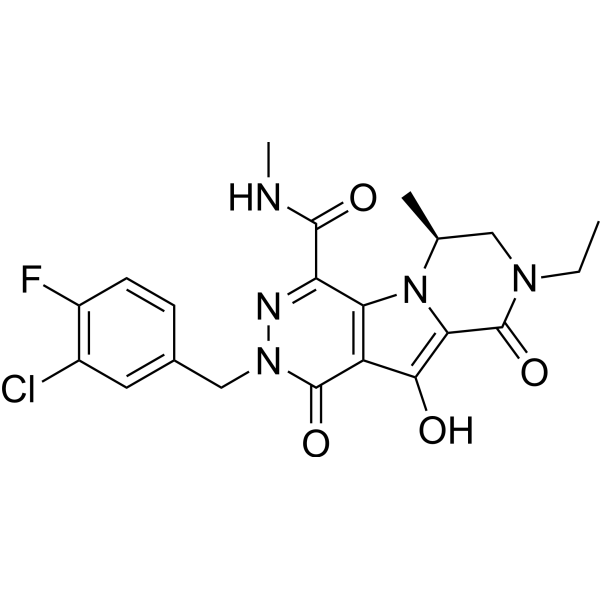
MK-2048 is a HIV-1 and HIV-1 integrase inhibitor. MK-2048 shows selective activity against HTLV-1-infected cells and retained potency against HIV-1 variants. MK-2048 induces apoptosis, inhibits cell growth, reduces proviral loads, and blocks HTLV-1 transmission and immortalization. MK-2048 can be used for the research of HIV-1 infection .
|
-
- HY-182566
-
|
|
HIV
|
Infection
|
|
ITI-367 is a HIV-1 inhibitor that targets the nuclear localization signal 1 (NLS-1) of HIV-1 matrix protein and the interaction between HIV-1 pre-integration complex (PIC) and importin-β. ITI-367 inhibits HIV-1 replication at the pre-integration stage, reduces the formation of 2-LTR circles, and sequesters viral DNA in the cytoplasm. ITI-367 can be used for the research of HIV infection .
|
-

- HY-P11152
-
|
|
HIV
|
Infection
Inflammation/Immunology
|
|
HIV-1 tat Protein (1-9) occurs extracellularly and has a role in the immunosuppression of non-HIV-1-infected T cells in acquired AIDS. HIV-1 tat Protein (1-9) is an inhibitor of DP IV. HIV-1 tat Protein (1-9) can be synthesized by phase peptide synthesis with Fmoc (N-(9-fluorenyl)methoxycarbonyl) technique using the peptide synthesizer 431A. HIV-1 tat Protein (1-9) can be studied in research on HIV-1 .
|
-

- HY-N11288
-
|
|
HIV
|
Infection
|
|
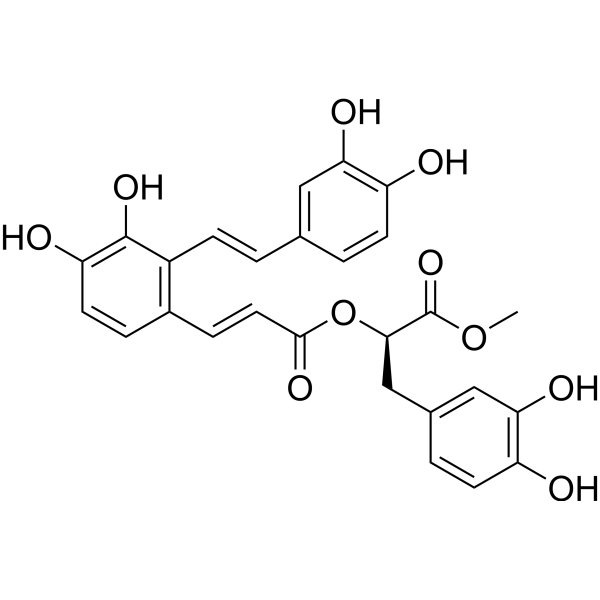
Methyl salvionolate A is a potent inhibitor of HIV-1. Methyl salvionolate A inhibits P24 antigen in HIV-1 infected MT-4 cell with an EC50 of 1.62 μg/ml. Methyl salvionolate A also inhibits HIV-1 reverse transcriptase, protease and integrase with
IC50s of 50.58, 10.73 and 7.58 μg/ml, respectively .
|
-
- HY-W003486
-
|
|
Phosphodiesterase (PDE)
|
Neurological Disease
Cancer
|
|
5,7-Dichloropyrazolo[1,5-a]pyrimidine is a PDE10A inhibitor with a Ki of 24 μM. 5,7-Dichloropyrazolo[1,5-a]pyrimidine serves as a key intermediate in the synthesis of 5,7-disubstituted pyrazolo[1,5-a]pyrimidine derivatives (HIV-1 non-nucleoside reverse transcriptase inhibitors). 5,7-Dichloropyrazolo[1,5-a]pyrimidine can be used for the research of schizophrenia .
|
-
![5,7-Dichloropyrazolo[1,5-a]pyrimidine](//file.medchemexpress.com/product_pic/hy-w003486.gif)
- HY-N2571
-
|
|
Reverse Transcriptase
HIV
Opioid Receptor
|
Infection
Neurological Disease
Cancer
|
|
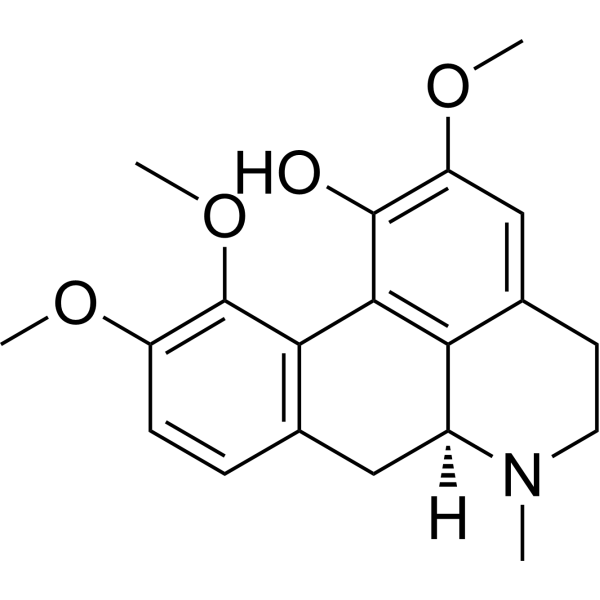
Corydine is a HIV-1 reverse transcriptase inhibitor and μ-opioid receptor (MOR) agonist, with an IC50 of 356.7 μg/mL against HIV-1 reverse transcriptase, an EC50 of 0.51 μM for MOR, and a Ki of 2.82 μM for MOR. Corydine produces antinociceptive effects by inhibiting acetic acid-induced writhing behavior in a MOR-dependent manner. Corydine inhibits the proliferation of cancer cells, mitogen-stimulated lymphocytes and IL-2-dependent cells. Corydine can be used in studies related to human immunodeficiency virus infection, visceral pain, leukemia, melanoma, bladder cancer and colon adenocarcinoma .
|
-
- HY-179586
-
-

- HY-116537
-
-

- HY-178741
-
|
|
HIV
|
Infection
|
|
KFA-027 is a HIV-1 inhibitor, with an IC50 of 0.398 nM. KFA-027 inhibits capsid-dependent early steps (reverse transcription, nuclear import, integration) and late-stage aberrant capsid assembly in the HIV-1 replication cycle. KFA-027 can be used for the study of multidrug-resistant HIV-1 infections .
|
-

- HY-P991246
-
|
|
Virus Protease
HIV
|
Infection
|
|
VRC01LS is a humanized monoclonal antibody inhibitor targeting the CD4-binding site of HIV-1 envelope glycoprotein (Env). VRC01LS blocks the binding of HIV-1 to host cell CD4 receptor, inhibiting viral entry. VRC01LS is promising for research of HIV-1 infection .
|
-

- HY-146746
-
|
|
HIV
|
Infection
|
|
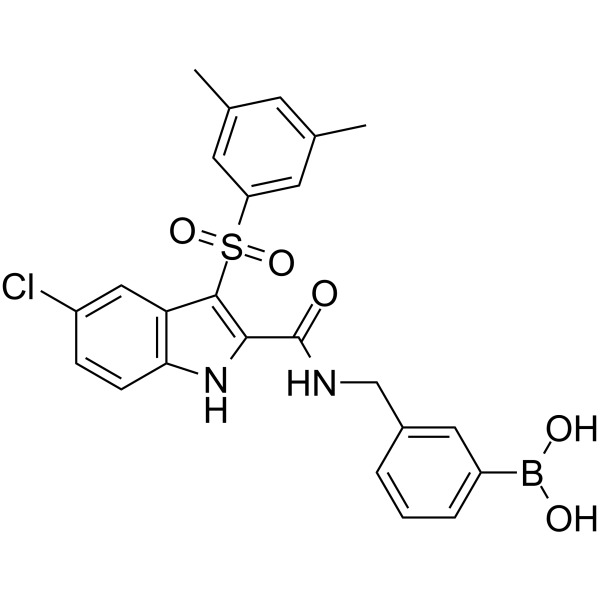
HIV-1 inhibitor-19 is a potent HIV-1 non-nucleoside reverse transcriptase inhibitor (NNRTI). HIV-1 inhibitor-19 maintains its inhibitory activity against L100I, K103N and V106A/ F227L mutant strains with EC50s of 7.3 nM, 9.2 nM and 21.0 nM, respectively.
|
-
- HY-146012
-
|
|
HIV
|
Infection
|
|
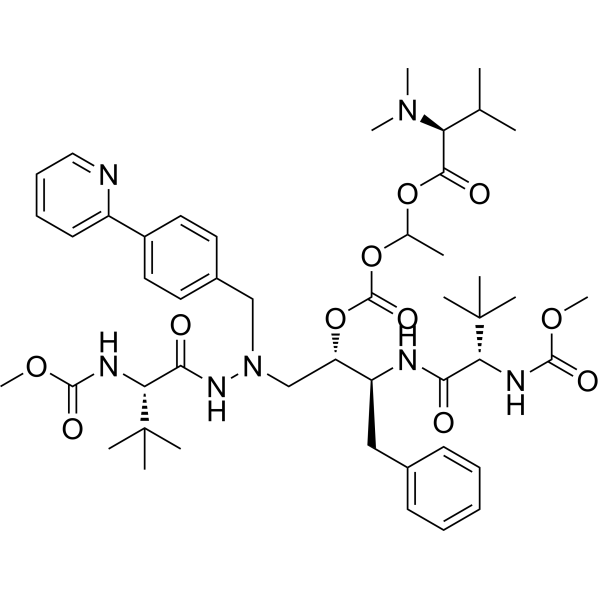
HIV-1 protease-IN-4 (Compound II-22) is a potent HIV-1 protease inhibitor. HIV-1 protease-IN-4 is a proagent of atazanavir. HIV-1 protease-IN-4 as a proagent that delivers the parent 1 to rat plasma with a 5-fold higher AUC and 67-fold higher C24 when compared to oral administration of the parent agent .
|
-
- HY-144688
-
|
|
HIV
|
Infection
|
|
HIV-1 protease-IN-1 (Compound 1e) is a potent inhibitor of HIV-1 protease with an IC50 of 90 pM. HIV-1 protease-IN-1 demonstrates antiviral activity with EC50 value of 89 nM against B-HIV. HIV-1 protease-IN-1 exhibits activity with EC50 value of 13.59 nM against C-HIV strain ZM246. HIV-1 protease-IN-1 shows remarkable activity with EC50 value of 8.23 nM against C-HIV strain Indie [1].
|
-
- HY-111964A
-
|
GS-6207 sodium
|
HIV
|
Infection
|
|
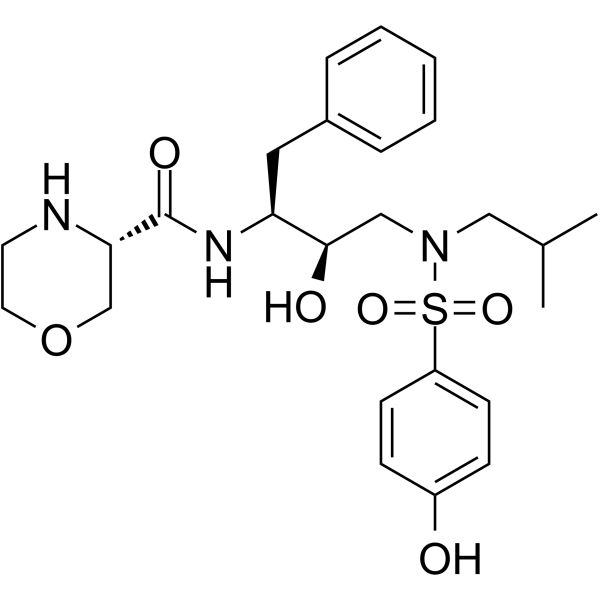
Lenacapavir (GS-6207) sodium is an HIV-1 capsid inhibitor. Lenacapavir sodium binds to the interface between capsid hexamers and CA monomers, disrupts capsid assembly and viral maturation, inhibits nuclear translocation of HIV-1 DNA, interferes with CA-mediated protein-protein interactions, reduces the formation of 2-LTR circles and pre-integration proviruses, induces aberrant capsids, and decreases the production of mature HIV-1. Lenacapavir sodium exhibits activity against a variety of HIV-1 subtypes and clinical isolates. Lenacapavir sodium is applicable to research related to human immunodeficiency virus type 1 (HIV-1) infection .
|
-

- HY-111964
-
|
GS-6207
|
HIV
|
Infection
|
|
Lenacapavir (GS-6207) is an HIV-1 capsid inhibitor. Lenacapavir binds to the interface between capsid hexamers and CA monomers, disrupts capsid assembly and viral maturation, inhibits nuclear translocation of HIV-1 DNA, interferes with CA-mediated protein-protein interactions, reduces the formation of 2-LTR circles and pre-integration proviruses, induces aberrant capsids, and decreases the production of mature HIV-1. Lenacapavir exhibits activity against a variety of HIV-1 subtypes and clinical isolates. Lenacapavir is applicable to research related to human immunodeficiency virus type 1 (HIV-1) infection .
|
-
- HY-138562
-
|
|
HIV
|
Infection
|
|
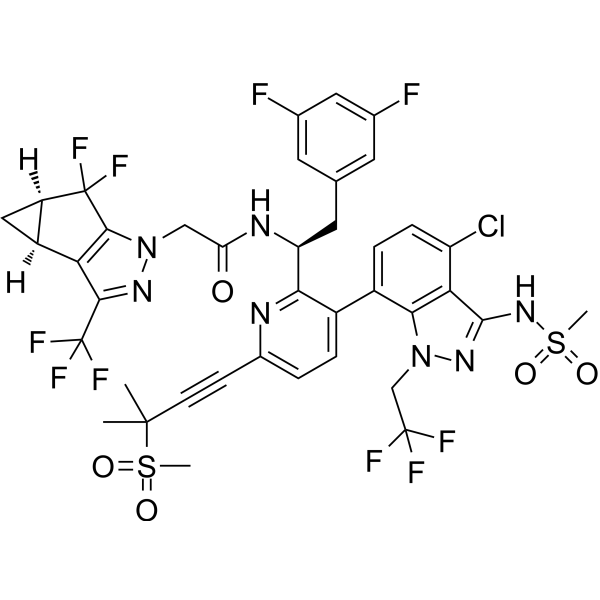
HIV-1 Nef-IN-1 is an HIV-1 Nef protein inhibitor that efficiently competes for Nef-SH3Hck interactions with a Kd of 6.7 μM .
|
-
- HY-151250
-
|
|
HIV Protease
|
Infection
|
|
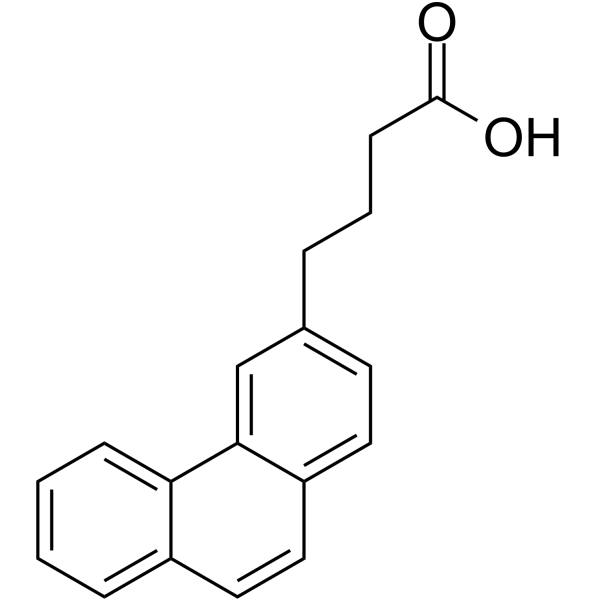
HIV-1 protease-IN-7 (compound 16) is an orally active HIV-1 protease inhibitor (IC50=3.52 nM, EC50=37 nM) .
|
-
- HY-19925
-
|
|
HIV
|
Infection
|
|
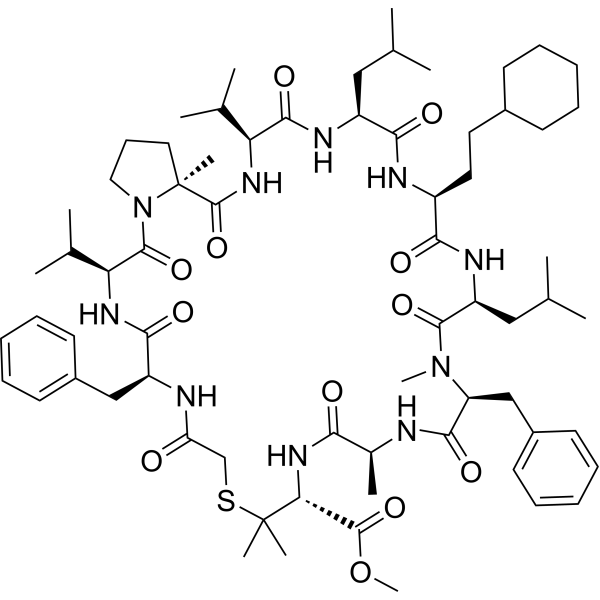
AIC-292 is a potent and selective inhibitor of HIV-1 nonnucleoside reverse transcriptase. AIC-292 inhibits wild-type HIV-1 laboratory strains at low nanomolar concentrations. AIC-292 displays potent antiviral in vivo efficacy in a mouse xenograft model. AIC-292 has the potential for the research of HIV-1 infection .
|
-
- HY-76649
-
-
- HY-150549
-
|
|
HIV Protease
HIV
|
Infection
Inflammation/Immunology
|
|
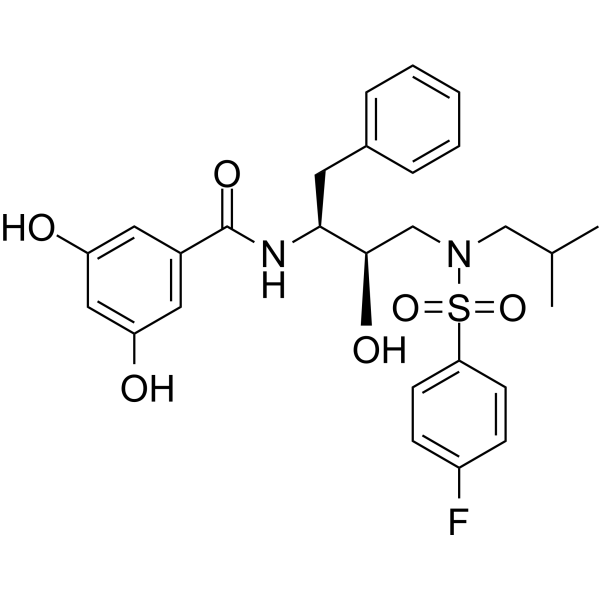
HIV-1 protease-IN-6 (compound 17d) is a potent HIV-1 protease inhibitor, with an IC50 of 21 pM and a Ki of 4.7 pM, respectively. HIV-1 protease-IN-6 exhibits potent antiviral activity to DRV (darunavir)-resistant variant, even more than wild type virus .
|
-
- HY-119490
-
|
|
Epigenetic Reader Domain
HIV
|
Infection
|
|
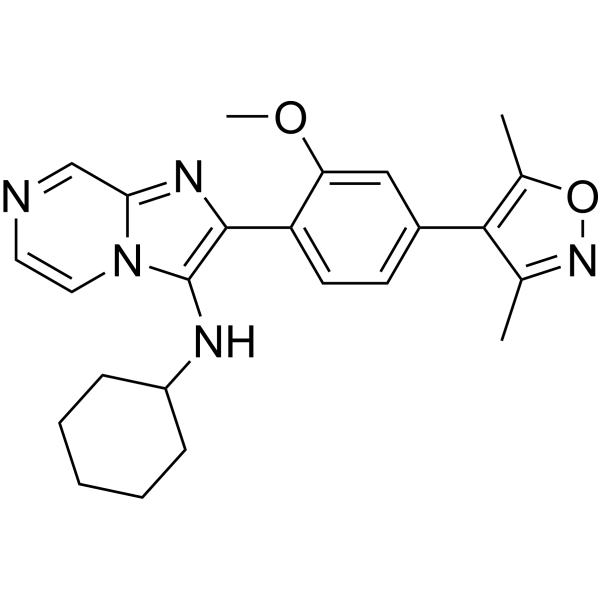
UMB-136 is a bromodomain inhibitor. UMB-136 is a promising latency-reversing agent (LRA) for HIV-1 eradication. UMB-136 reactivates HIV-1 in multiple cell models. UMB-136 enhances HIV-1 transcription and increases viral production through the release of P-TEFb .
|
-
- HY-100212
-
|
AG1776; KNI-764
|
HIV
HIV Protease
|
Infection
|
|
JE-2147 (AG1776) is a potent dipeptide protease inhibitor with a Ki of 0.33 nM for HIV-1 protease. JE-2147 has effective activities against a wide spectrum of HIV-1, HIV-2, simian immunodeficiency virus, and various clinical HIV-1 strains in vitro .
|
-
- HY-183562
-
|
UIC-94003
|
HIV
HIV Protease
|
Infection
|
|
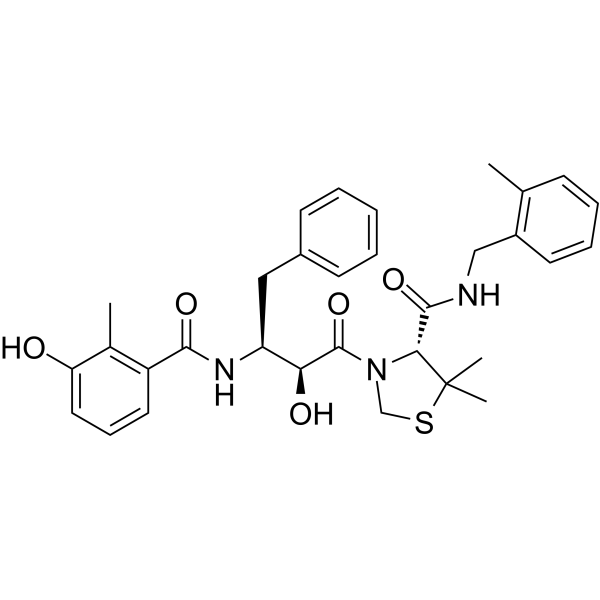
TMC-126 (UIC-94003) is a non-peptidic HIV-1 protease (HIV-1 protease) inhibitor. TMC-126 exhibits highly potent antiproliferative activity against wild-type HIV-1. TMC-126 can be used in studies related to HIV infection [1] .
|
-

- HY-125712
-
|
|
HIV
HIV Protease
|
Infection
|
|
CGP 53820 is an inhibitor for HIV protease, inhibits the complex of HIV-1 and HIV-2 protease with Ki of 9 and 53 nM for HIV-1 protease and HIV-2 protease. CGP 53820 can be used in AIDS research .
|
-

- HY-N0365
-
|
|
DNA/RNA Synthesis
HIV
|
Infection
|
|
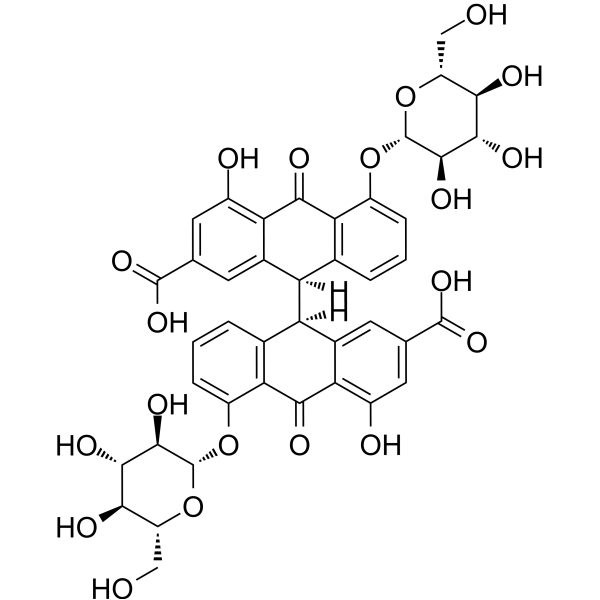
Sennoside A is an anthraquinone glycoside found in senna (Cassia angustifolia). Sennoside A is an HIV-1 inhibitor (IC50=3.8 μM) that inhibits HIV-1 replication. Sennoside A also inhibits HIV-1 reverse transcriptase (RT)-related DNA polymerase (RDDP) and ribonuclease H (Ribonuclease H) with IC50s of 1.9 μM and 5.3 μM, respectively .
|
-
- HY-182277
-
|
|
HIV Integrase
HIV
|
Infection
|
|
GSK-1264 is an HIV-1 integrase inhibitor. GSK-1264 binds to a site spanning the HIV-1 integrase catalytic core domain and C-terminal domain, mediates formation of an open polymer of HIV-1 integrase dimers via inhibitor-bridged contacts between adjacent dimers. GSK-1264 disrupts late-stage HIV replication by interfering with viral particle assembly. GSK-1264 stimulates inappropriate polymerization of HIV-1 integrase. GSK-1264 can be used for the research of HIV infection .
|
-

- HY-146365
-
|
|
DNA/RNA Synthesis
HIV
|
Infection
Inflammation/Immunology
|
|
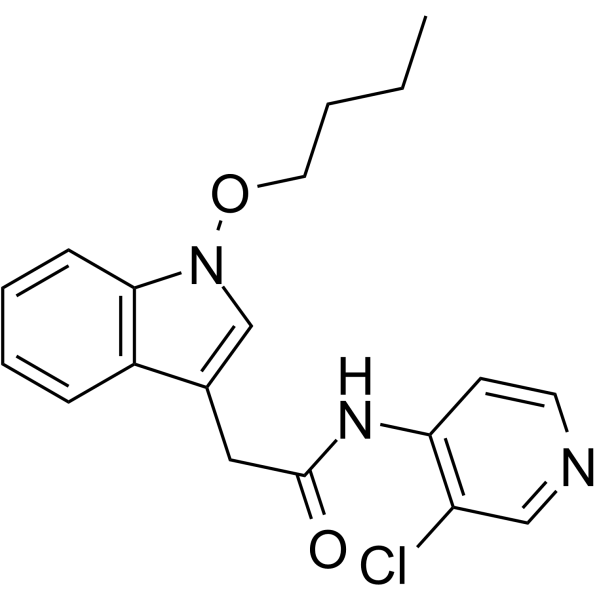
HIV-1 inhibitor-30 (compound 10i) is a potent HIV-1 inhibitor with an EC50 value of 40 nM and an IC50 value of 80 nM for HIV-1 RT DNA polymerase. HIV-1 inhibitor-30 has highly antiretroviral activity against seven non-nucleoside reverse transcriptase inhibitor (NNRTI)-resistant HIV-1 strains (RT-K103N; RT-Y181C; RT-K103N,Y181C; RT-L100I,K103N; RT-Y188L; RT-K103N,G190A; RT-K103N,V108I) with IC50s of 0.04~1.42 μM. HIV-1 inhibitor-30 can be used for researching AIDS .
|
-
- HY-N17346
-
|
|
HIV
|
Infection
|
|
Neoaspidistrin is a spirostanol saponin that can be found in the rhizomes of Aspidistra typica. Neoaspidistrin exhibits activity against HIV-1 by inhibiting viral replication. Neoaspidistrin can be used for the research of HIV-1 infection .
|
-

- HY-N7330
-
|
|
HIV Integrase
HIV
|
Infection
|
|
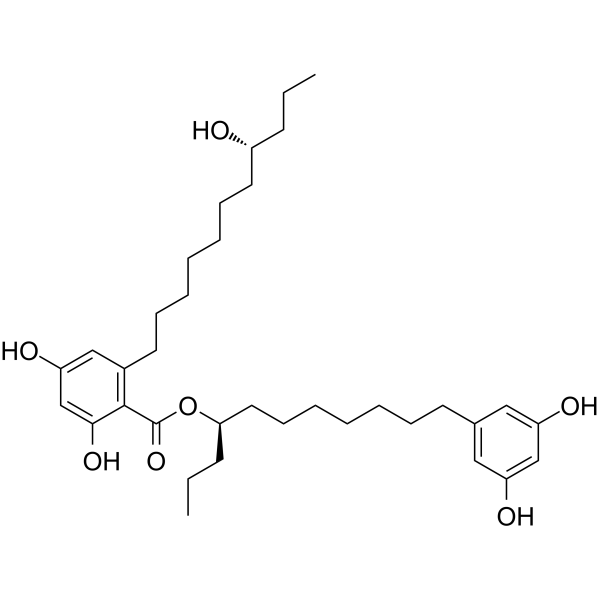
Integracin B is a potent dimeric alkyl aromatic inhibitor of HIV-1 integrase discovered from the screening of fungal extracts using an in vitro assay. Integracin B inhibits both coupled and strand transfer activity of HIV-1 integrase .
|
-
- HY-175363
-
|
|
HIV
HIV Protease
|
Infection
|
|
HIV-1-IN-84 (Compound 9) is a potent HIV-1 non-nucleoside reverse transcriptase (HIV-1 RT) inhibitor (IC50=33.89 μM, EC50=540 nM). HIV-1-IN-84 is promising for research of HIV infections .
|
-

- HY-129678
-
|
|
HIV Protease
HIV
|
Infection
|
|
UK-88947 hydrochloride is a protease inhibitor with activity in inhibiting the replication of human immunodeficiency virus HIV-1. UK-88947 hydrochloride can be added to cells before infection to block the early steps of HIV-1 replication. The use of UK-88947 hydrochloride shows its specific inhibitory effect on HIV-1. At the same time, when the virus infects cells, it inhibits the action of viral protease and affects the virus replication process .
|
-

- HY-B2224
-
|
|
HIV
Endogenous Metabolite
|
Infection
Metabolic Disease
|
|
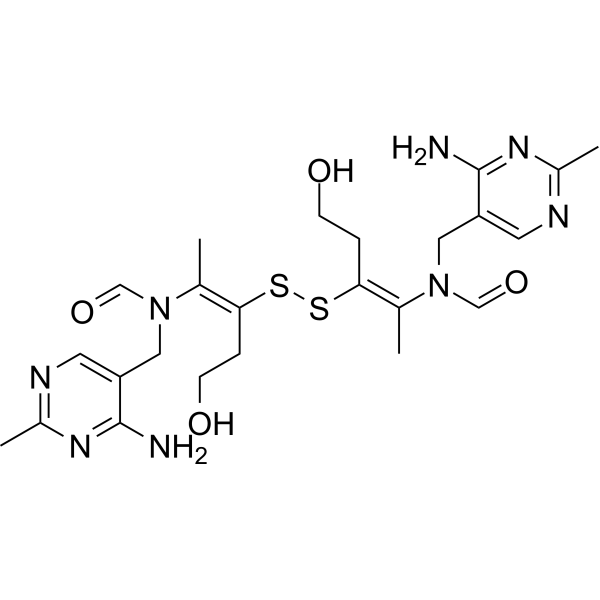
Thiamine disulfide, a vitamin B1 derivative, is an oxidized dimer of Thiamine. Thiamine disulfide is a potent HIV-1 inhibitor. Thiamine disulfide significantly depresses HIV-1 transactivator (Tat) activity .
|
-
- HY-126900
-
|
|
HIV
Reverse Transcriptase
|
Others
|
|
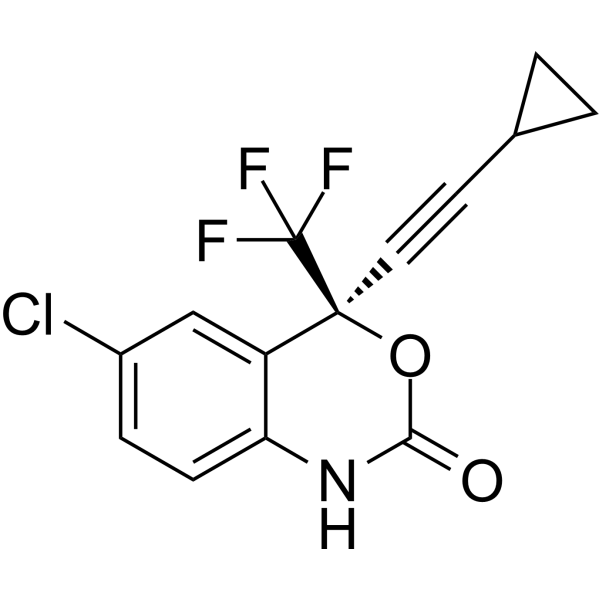
HI-253 is a non-nucleoside inhibitor of HIV-1 reverse transcriptase that has demonstrated greater activity than multiple anti-HIV compounds against both resistant and sensitive HIV-1 strains.
|
-

- HY-10572
-
-
- HY-N0365R
-
|
|
Reference Standards
HIV
|
Infection
|
|
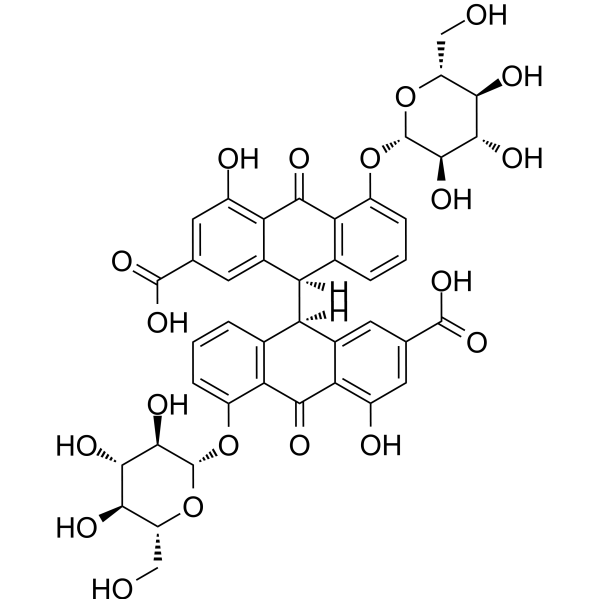
Sennoside A (Standard) is the analytical standard of Sennoside A. This product is intended for research and analytical applications. Sennoside A is an anthraquinone glycoside, found in Senna (Cassia angustifolia) . Sennoside A is a HIV-1 inhibitor effective on HIV-1 replication .
|
-
- HY-120331
-
|
|
HIV
HIV Protease
|
Infection
|
|
U-89360E is an inhibitor for HIV-1 protease. U-89360E inhibits the protease of HIV-1 wildtype, V82D mutant and V82N mutant with Ki of 20 nM, 560 nM and 2100 nM, respectively .
|
-

- HY-136972A
-
|
Biflavanone GB-1a
|
HIV
Reverse Transcriptase
|
Infection
|
|
GB-1a (Biflavanone GB-1a) is a biflavanone HIV-1 reverse transcriptase inhibitor (IC50=236 μM), with an EC50 of 38.0 μM for HIV-1 replication. GB-1a can block the conversion of HIV-1 genomic RNA to DNA and can be used in research related to AIDS (HIV-1 infection). GB-1a can be naturally extracted from the heartwood of Garcinia multiflora Champ .
|
-

- HY-105216
-
-

- HY-107123
-
|
ASC-09
|
HIV Protease
|
Infection
|
|
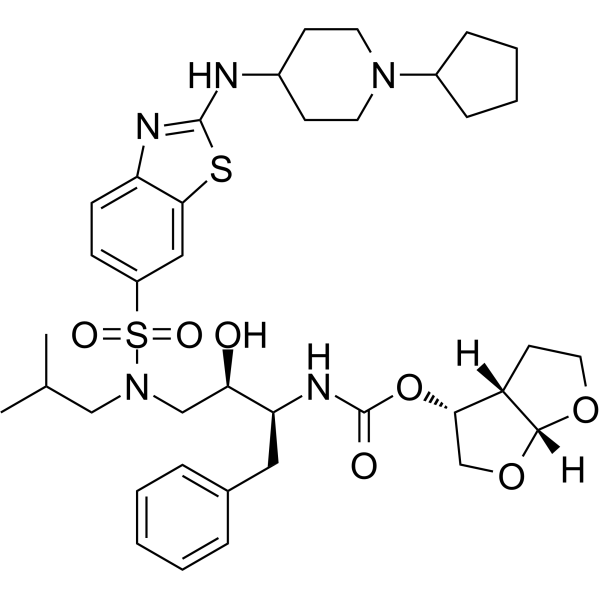
TMC310911 is a potent and orally active HIV type-1 (HIV-1) protease inhibitor with EC50 values ranged from 2.2 nM to 14.2 nM for wild-type HIV-1. TMC310911 has potent activity against a wide spectrum of recombinant HIV-1 isolates. TMC310911 has strong antiviral activity .
|
-
- HY-B0751
-
|
Amebacilin; NSC9168
|
Parasite
HIV
Antibiotic
|
Infection
|
|
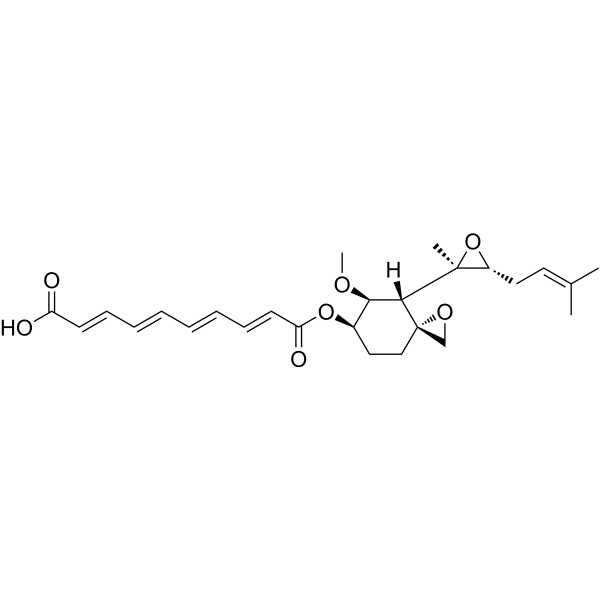
Fumagillin(NSC9168) is an antimicrobial compound first isolated in 1949 from the fungus Aspergillus fumigatu. Fumagillin can inhibits HIV‐1 infection through the inhibition of HIV-1 viral protein R (Vpr) activity.
|
-
- HY-W010937
-
|
BMIM-TFSI; BMI-TFSI
|
HIV
HIV Integrase
|
Infection
|
|
1-Butyl-3-methylimidazolium bis(trifluoromethylsulfonyl)imide (BMIM-TFSI; BMI-TFSI) is an HIV-1 integrase inhibitor. 1-Butyl-3-methylimidazolium bis(trifluoromethylsulfonyl)imide weakly inhibits recombinant HIV-1 integrase 3'-processing or strand transfer activity. 1-Butyl-3-methylimidazolium bis(trifluoromethylsulfonyl)imide can be used for the research of HIV-1 .
|
-

- HY-151938
-
|
|
HIV
|
Infection
|
|
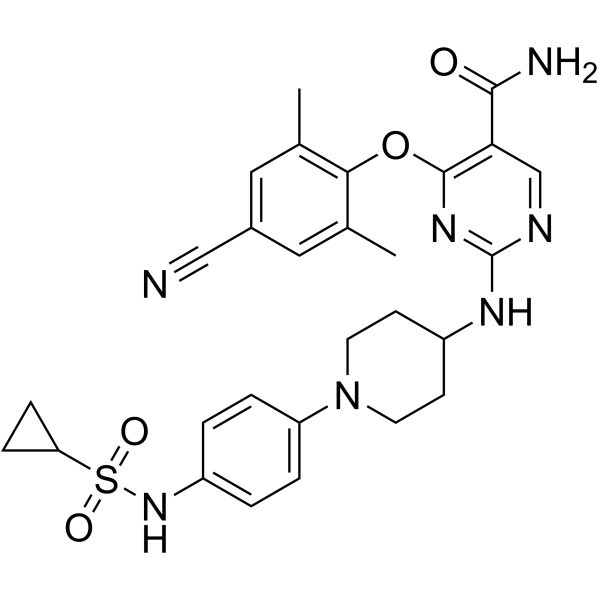
Reverse transcriptase-IN-3 is a pyrimidine-5-carboxamide derivative, acts as an inhibitor of HIV-1. Reverse transcriptase-IN-3 shows potent activity against the HIV-1 wild-type and mutant strains .
|
-
- HY-105249
-
|
|
HIV
Reverse Transcriptase
|
Infection
|
|
RDEA 806 is an orally active non-nucleoside reverse transcriptase inhibitor (NNRTI) that exhibits potent in vitro inhibitory activity against both wild-type HIV-1 (EC50 = 3.05 nM) and NNRTI-resistant HIV-1 .
|
-

- HY-W725955
-
|
BMS-663068 sodium
|
HIV
|
Infection
|
|
Fostemsavir sodium (BMS-663068 sodium) is an HIV-1 attachment inhibitor with antiviral activity against multidrug-resistant HIV-1. Co-inhibition with fostemsavir sodium also showed a trend toward reduction in markers of monocyte activation and coagulation abnormalities .
|
-

- HY-145560
-
|
A1752
|
HIV
|
Infection
|
|
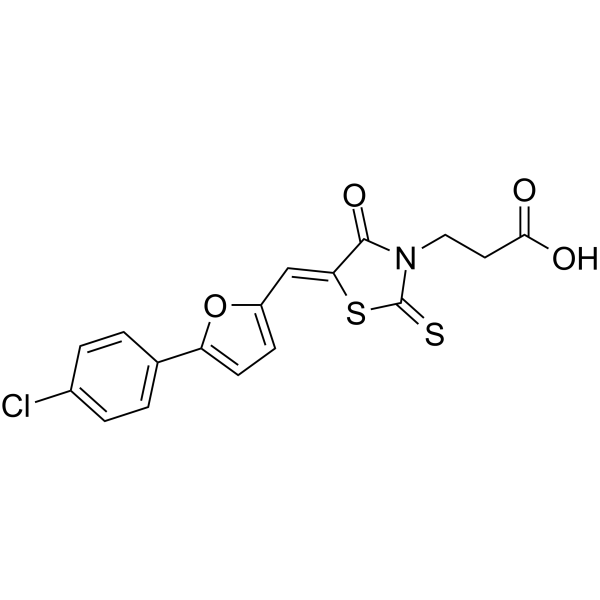
Claficapavir (A1752) is a specific nucleocapsid protein (NC) inhibitor with an IC50 around 1 μM. Claficapavir strongly binds the HIV-1 NC (Kd=20 nM) thereby inhibiting the chaperone properties of NC and leading to good antiviral activity against the HIV-1 .
|
-
- HY-105148
-
|
DMP-450
|
HIV
HIV Protease
|
Infection
|
|
Mozenavir (DMP 450) is an orally active and highly selective inhibitor of HIV-1 protease (Ki=0.3 nM). Mozenavir blocks the cleavage and processing of viral polyproteins, inhibiting the replication and maturation of HIV-1. Mozenavir is promising for research of HIV infection .
|
-

- HY-15355
-
|
R 89439
|
Reverse Transcriptase
HIV
|
Infection
|
|
Loviride (R 89439) is a non-nucleoside reverse transcriptase inhibitor (NNRTI), with an IC50 of 0.3 µM for reverse transcriptase from HIV-1. Loviride (R 89439) inhibits HIV-1, HIV-2 and SIV replication in MT-4 cells .
|
-
- HY-122156
-
|
|
HIV
|
Infection
|
|
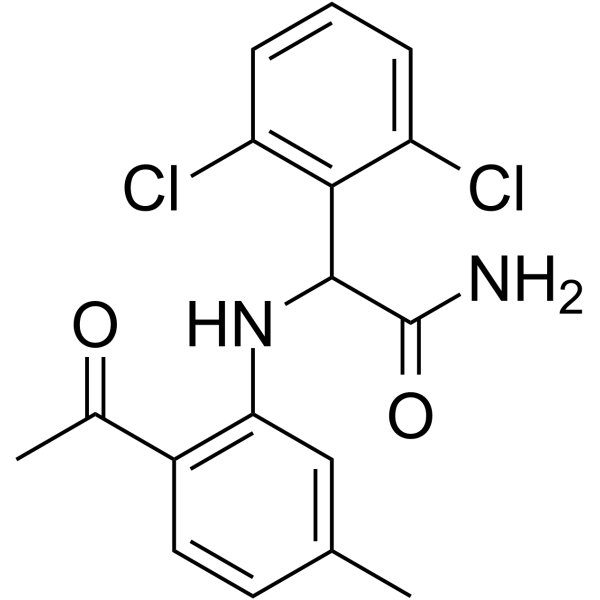
IMB-301 is a specific HIV-1 replication inhibitor that binds to hA3G (human APOBEC3G), interrupts the hA3G-Vif interaction and inhibits Vif-mediated degradation of hA3G. IMB-301 inhibits the replication of HIV-1 in H9 cells (IC50=8.63 uM). Human APOBEC3G is a restriction factor that inhibits human immunodeficiency 1 virus (HIV-1) replication .
|
-
- HY-183926
-
|
|
HIV Integrase
|
Infection
|
|
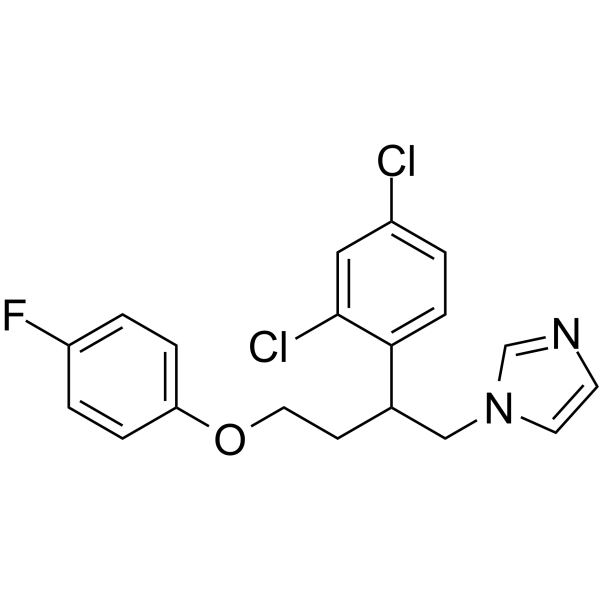
D719 is an HIV-1 integrase inhibitor. D719 binds to the hydrophobic pocket of HIV-1 integrase CCD dimer, disrupts interaction with LEDGF/P75, and prevents integrase nuclear translocation. D719 reduces HIV-1 p24 antigen production in acute infection of human T cells. D719 can be used for the research of HIV infection .
|
-

- HY-120737
-
|
|
HIV
|
Infection
|
|
L-702007 is a potent HIV-1 reverse transcriptase inhibitor .
|
-

- HY-N12716
-
-
- HY-104012
-
|
MK-8591
|
HIV
Reverse Transcriptase
|
Infection
Inflammation/Immunology
|
|
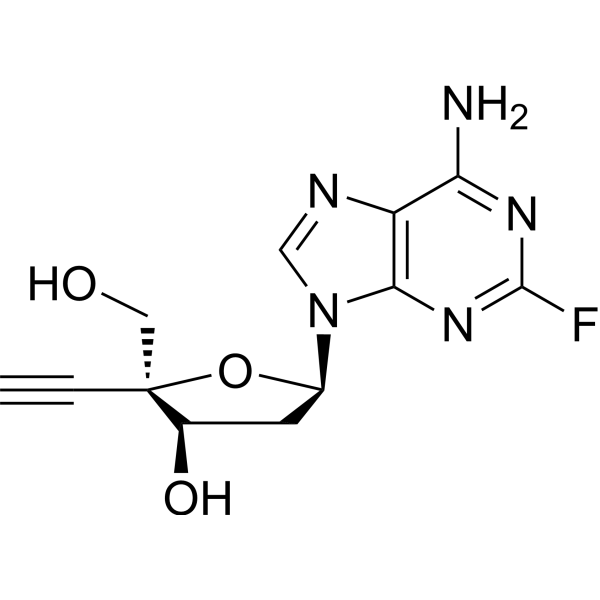
Islatravir (MK-8591) is a potent anti-HIV-1 agent, acting as a nucleoside reverse transcriptase inhibitor, with EC50s of 0.068 nM, 3.1 nM and 0.15 nM for HIV-1 (WT), HIV-1 (M184V), HIV-1 (MDR), respectively. Islatravir is a click chemistry reagent, it contains an Alkyne group and can undergo copper-catalyzed azide-alkyne cycloaddition (CuAAc) with molecules containing Azide groups.
|
-
- HY-153225
-
|
|
HIV
Reverse Transcriptase
|
Infection
|
|
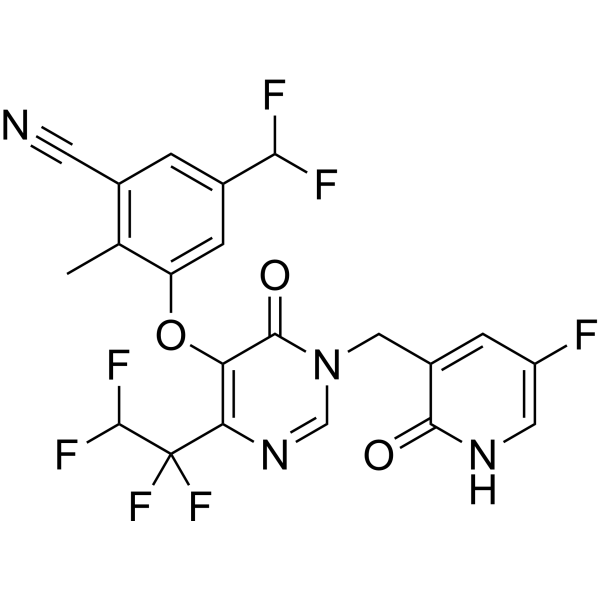
PYR01 is a non-nucleoside reverse transcriptase inhibitor and a killing activator targeting HIV infected cells. PYR01 has cytokilling and antiviral properties of HIV-1 infection with the IC50 values of 27.5nM and 39.7nM, respectively. PYR01 leads to selective cytotoxicity by promoting HIV-1 Gag-Pol dimerization and HIV-1 protease intracellular activation. PYR01 can be used in the study of HIV .
|
-
- HY-78726A
-
|
Amprenavir phosphate sodium; GW 433908 sodium
|
Drug Intermediate
HIV
HIV Protease
|
Infection
|
|
Fosamprenavir sodium is an orally active inhibitor targeting HIV-1 protease and is a prodrug of Amprenavir (HY-17430). Fosamprenavir sodium is hydrolyzed into Amprenavir (VX-478) by cell phosphatases in the intestinal epithelium. Amprenavir binds to the active site of HIV-1 protease, preventing the processing of viral gag and gag-pol polyprotein precursors, thereby inhibiting the formation of mature infectious virus particles and exerting anti-HIV-1 infection activity. Fosamprenavir sodium can be used for the study of human immunodeficiency virus (HIV-1) infection .
|
-

- HY-78726
-
|
Amprenavir phosphate; GW 433908
|
Drug Intermediate
HIV
HIV Protease
|
Infection
|
|
Fosamprenavir is an orally active inhibitor targeting HIV-1 protease and is a prodrug of Amprenavir (HY-17430). Fosamprenavir is hydrolyzed into Amprenavir (VX-478) by cell phosphatases in the intestinal epithelium. Amprenavir binds to the active site of HIV-1 protease, preventing the processing of viral gag and gag-pol polyprotein precursors, thereby inhibiting the formation of mature infectious virus particles and exerting anti-HIV-1 infection activity. Fosamprenavir can be used for the study of human immunodeficiency virus (HIV-1) infection .
|
-
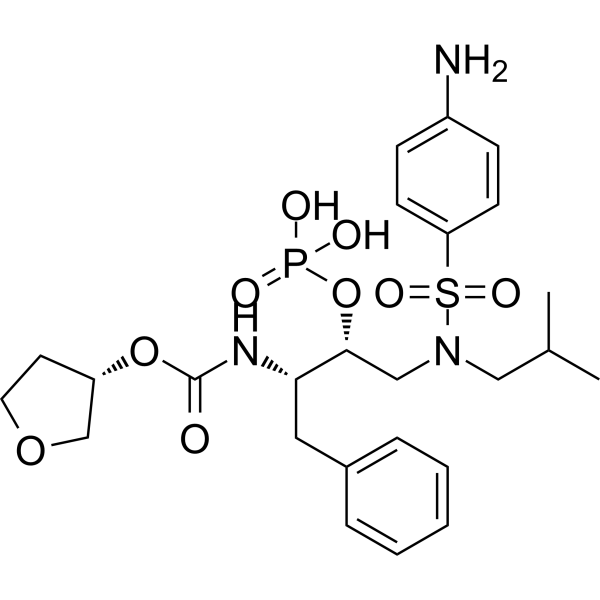
- HY-182552
-
-

- HY-128722
-
|
|
HIV
|
Infection
|
|
HIV-1 inhibitor-3 is a HIV infection inhibitor extracted from patent US2018360927 .
|
-
- HY-108255
-
|
|
HIV
|
Infection
|
|
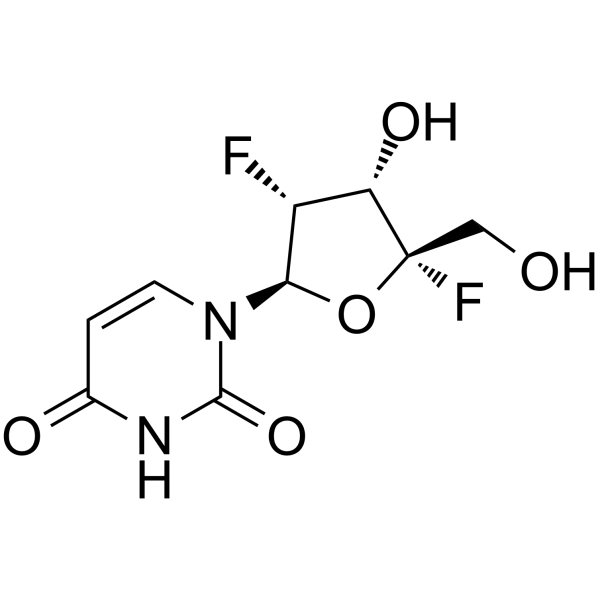
HIV-1 inhibitor-60 (compound 45) is an HIV inhibitor with the potential for the research of infection diseases .
|
-
- HY-N0457AR
-
|
(-)-Chicoric acid (Standard); trans-Caffeoyltartaric acid (Standard)
|
Reference Standards
HIV Integrase
HIV
Endogenous Metabolite
|
Infection
Cancer
|
|
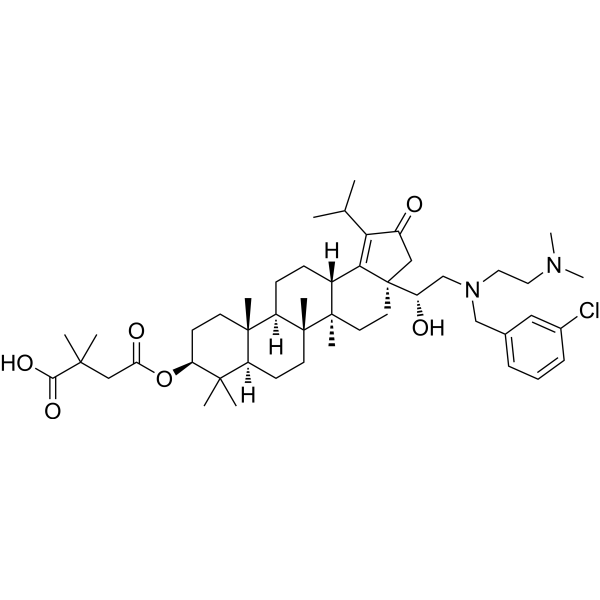
L-Chicoric Acid (Standard) is the analytical standard of L-Chicoric Acid. This product is intended for research and analytical applications. L-Chicoric Acid ((-)-Chicoric acid) is a dicaffeoyltartaric acid and a potent, selective and reversible HIV-1 integrase inhibitor with an IC50 of ~100 nM. L-Chicoric Acid inhibits HIV-1 replication in tissue culture .
|
-

- HY-P10517
-
|
SFT
|
HIV
|
Infection
|
|
Sifuvirtide (SFT) is a potent HIV fusion inhibitor. Sifuvirtide inhibits HIV-1 mediated cell fusion in a dose-dependent manner and is highly potent against infection by primary and laboratory-adapted HIV-1 isolates of multiple genotypes. Sifuvirtide can be used in the research of anti-HIV drugs .
|
-

- HY-14134
-
|
BMS-806
|
HIV
|
Infection
|
|
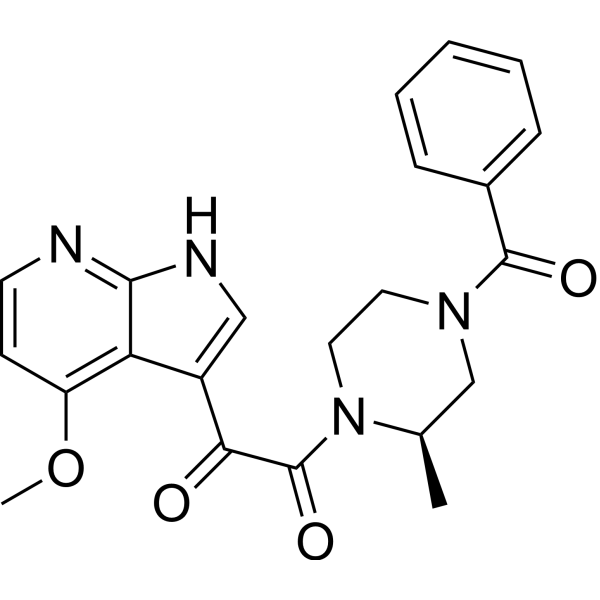
BMS-378806 is a potent HIV-1 attachment inhibitor that interferes with CD4-gp120 interactions. BMS-378806 selectively inhibits the binding of HIV-1 gp120 to the CD4 receptor with EC50 of 0.85-26.5 nM in virus.
|
-
- HY-P10517A
-
|
SFT acetate
|
HIV
|
Infection
|
|
Sifuvirtide (SFT) acetate is a potent HIV fusion inhibitor. Sifuvirtide acetate inhibits HIV-1 mediated cell fusion in a dose-dependent manner and is highly potent against infection by primary and laboratory-adapted HIV-1 isolates of multiple genotypes. Sifuvirtide acetate can be used in the research of anti-HIV drugs .
|
-

- HY-172408
-
|
|
Reverse Transcriptase
HIV
|
Infection
|
|
NNRT-IN-6 (Compound 13a) is the non-nucleoside reverse transcriptase inhibitor (NNRT) for HIV-1 reverse transcriptase (HIV-1 RT) with IC50 of 0.41 μM. NNRT-IN-6 inhibits HIV-1 wildtype and mutant strains L100I, K103N, Y181C, Y188L, E138K, F227L/V106A and RES056 with EC50 of 6.2-250 nM .
|
-

- HY-100260
-
|
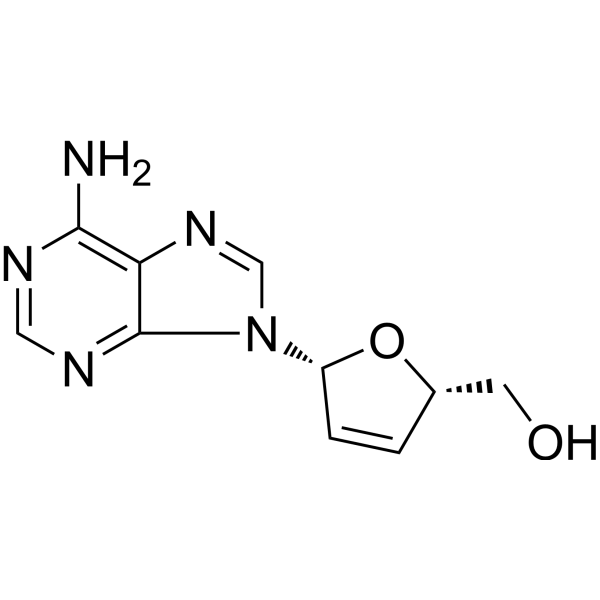
2'3'-didehydro-2'3'-dideoxyadenosine
|
HIV
|
Infection
|
|
beta-L-D4A is a nucleoside HIV-1 reverse transcriptase inhibitor.
|
-
- HY-W702986
-
|
|
HIV Protease
|
Infection
|
|
Hydroxy darunavir is a metabolite of the HIV-1 protease inhibitor Darunavir (HY-17040).
|
-

- HY-N2786
-
-
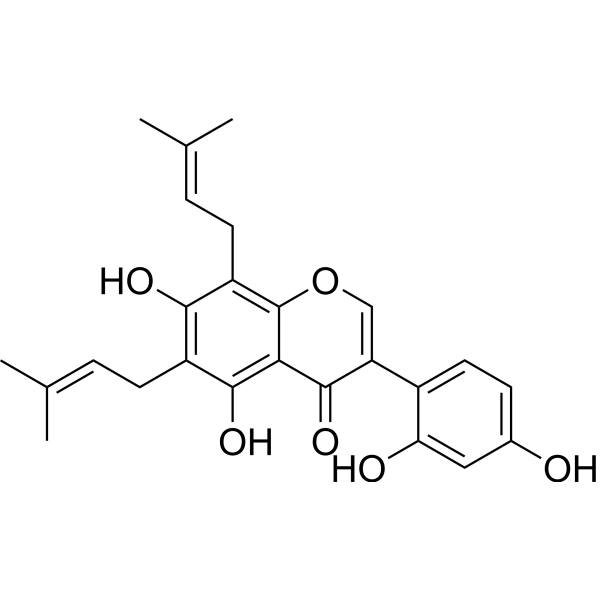
- HY-135459
-
-

- HY-P4543
-
-
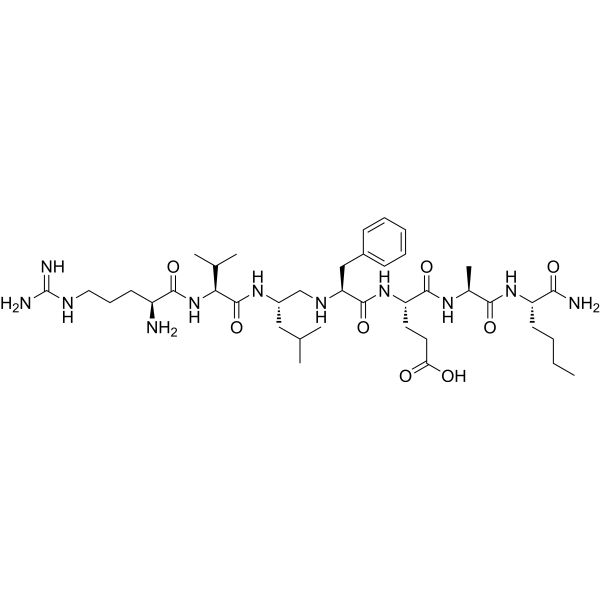
- HY-118057
-
-
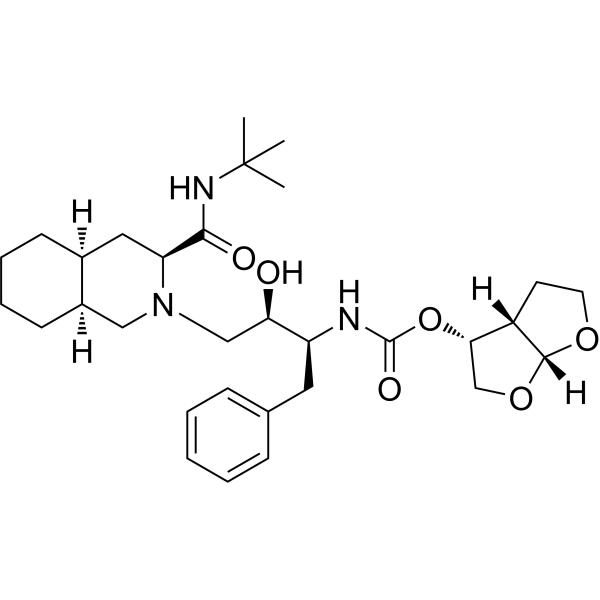
- HY-125148
-
|
|
HIV Protease
|
Infection
|
|
AQ148 is a HIV-1 protease inhibitor (Ki=137 nM). The IC50 values ??of AQ148 for the inhibition of HIV-1, HIV-2 and SIV aspartic proteases are 1.5 μM, 3.4 μM and 5 μM, respectively .
|
-

- HY-107001
-
|
(S)-DPC 961; DMP 961
|
HIV
Reverse Transcriptase
|
Infection
|
|
DPC 961 (DMP 961) is a non-nucleoside reverse transcriptase inhibitor (NNRTI). DPC 961 is a potent and specific inhibitor of HIV-1 reverse transcriptase, which inhibits the activity of HIV-1 reverse transcriptase in a non-competitive manner, thereby preventing viral replication. DPC 961 can be used for research on AIDS .
|
-

- HY-N10430
-
|
|
HIV
|
Infection
|
|
Patentiflorin A is a potent, broadspectrum HIV-1 inhibitor. Patentiflorin A also inhibits HIV drug-resistant strains .
|
-
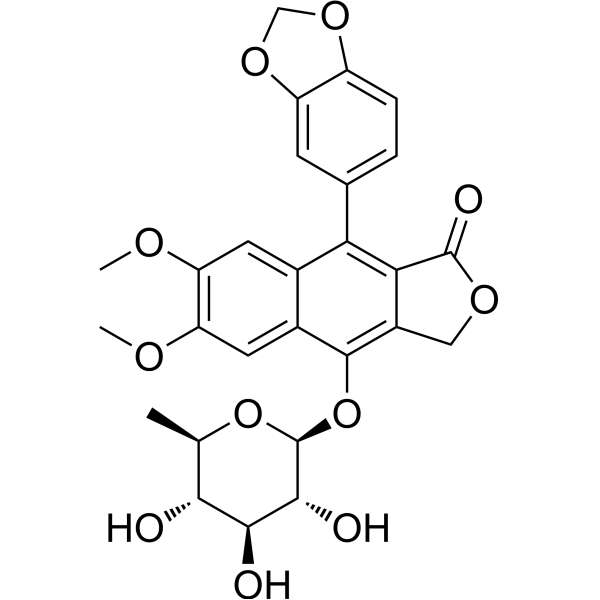
- HY-147131
-
|
|
CDK
HIV
|
Infection
|
|
CDK9-IN-30 is a CDK9 inhibitor that inhibits HIV-1 viral replication .
|
-
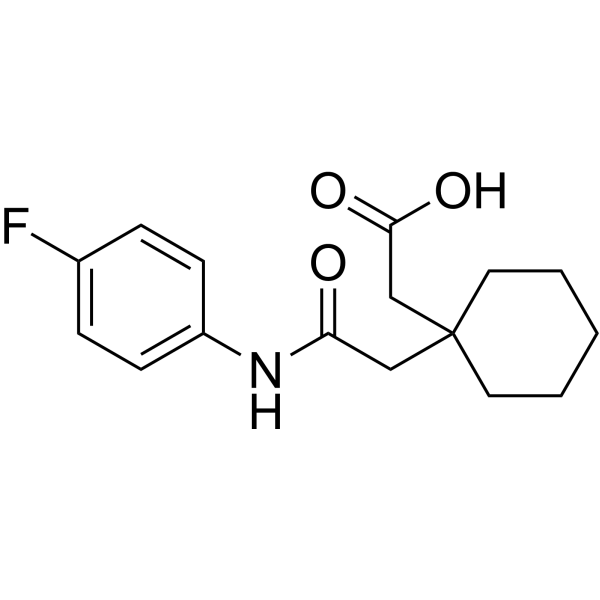
- HY-124360
-
|
|
HIV Protease
|
Infection
|
|
NIT is an inhibitor of HIV-1 protease (HIV-1p) with Ki values of 96 and 91 μM for WT HIV-1p and MDR HIV-1p, respectively .
|
-

- HY-N4100
-
|
|
TNF Receptor
HIV
SGLT
|
Infection
|
|
Trilobatin, a natural sweetener derived from Lithocarpus polystachyus Rehd , Trilobatin is an HIV-1 entry inhibitor targeting the HIV-1 Gp41 envelope . Neuroprotective effects . Trilobatin is also a SGLT1/2 inhibitor that selectively induces the proliferation of human hepatoblastoma cells .
|
-
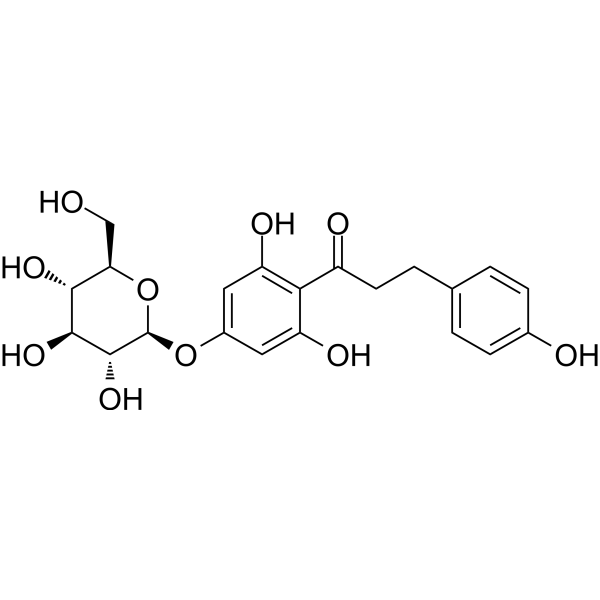
- HY-10572B
-
-

- HY-180417
-
|
|
HIV
|
Infection
Inflammation/Immunology
|
|
U 88204 is a potent HIV-1 reverse transcriptase (RT) inhibitor with an IC50 of 0.25 μM. U 88204 blocks HIV-1 replication in infected cells. U 88204 can be used for the research on HIV-infection and of acquired immunodeficiency syndrome (AIDs) .
|
-

- HY-171835
-
|
|
HIV
HIV Protease
|
Infection
|
|
DPC 684 is a potent and selective HIV-1 protease inhibitor (IC90 = 5.7-40 nM, Ki = 0.021 nM). DPC 684 competitively inhibits HIV-1 protease and blocks viral polyprotein cleavage. DPC 684 has low protein binding and broad-spectrum inhibition against a variety of wild-type and mutant HIV-1 proteases. DPC 684 has low protein binding and broad-spectrum inhibition (IC90 = 1.9-6.3 nM). DPC 684 has research significance for HIV .
|
-

- HY-145569A
-
|
GSK3640254 dihydrochloride
|
HIV
|
Infection
|
|
Fipravirimat dihydrochloride is a potent HIV-1 inhibitor. Fipravirimat dihydrochloride has the potential for HIV and AIDS research .
|
-
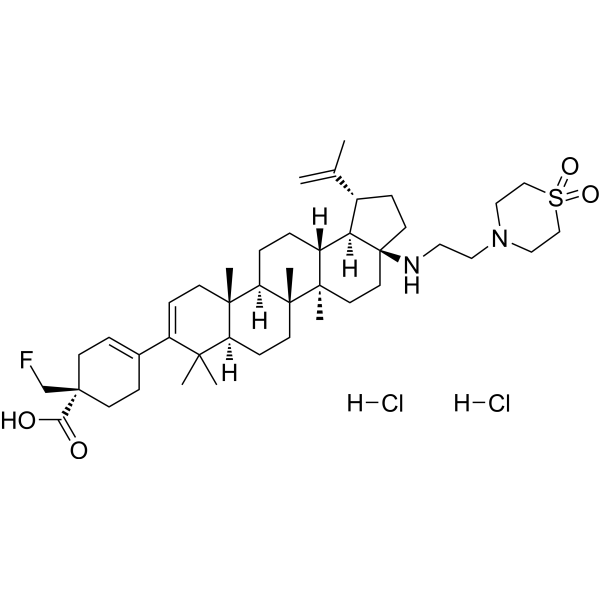
- HY-120880
-
-
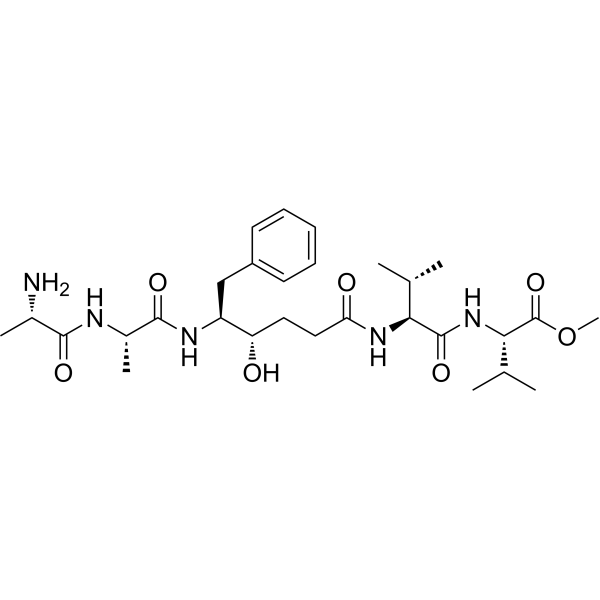
- HY-17605
-
-
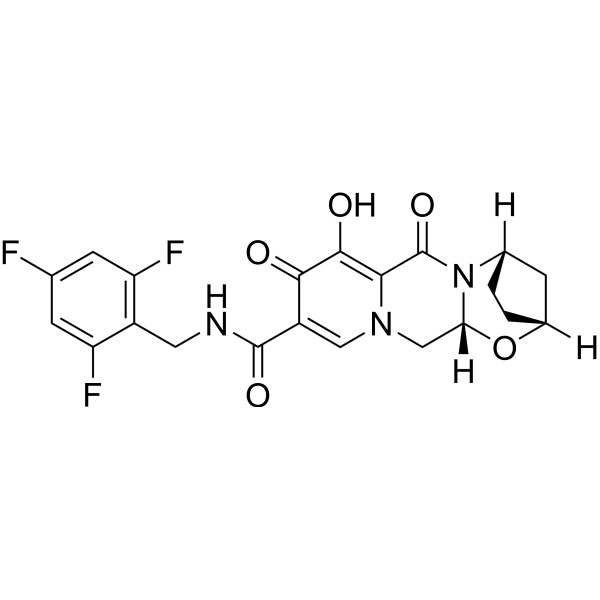
- HY-125551
-
-

- HY-145569
-
|
GSK3640254
|
HIV
|
Infection
|
|
Fipravirimat is a potent HIV-1 inhibitor. Fipravirimat has the potential for HIV and AIDS research .
|
-
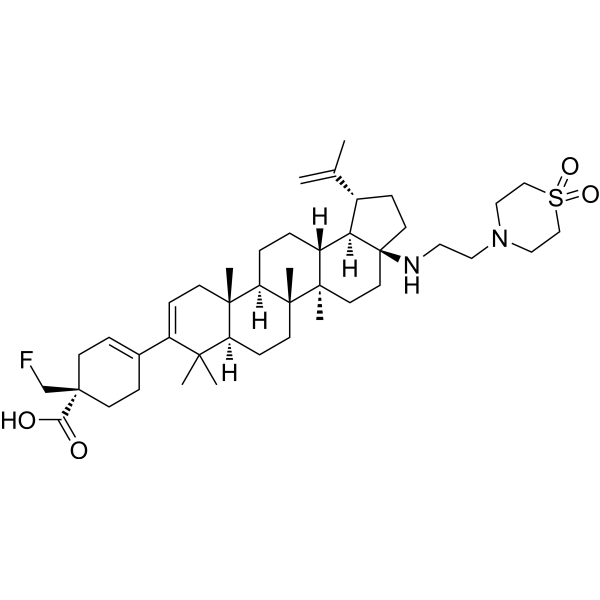
- HY-P4292
-
|
|
HIV
Amino Acid Derivatives
|
Infection
|
|
H-Gly-Pro-Gly-NH2 is a tripeptide that inhibits HIV-1 replication. H-Gly-Pro-Gly-NH2 inhibits the activity of HIV-1 IIIB and HIV-2 ROD with EC50 values of 35 µM and 30 µM, respectively. H-Gly Pro Gly NH2 inhibits HIV-1 replication in vitro by interfering with capsid formation. H-Gly Pro Gly NH2 has antiviral activity and can be used for virus research .
|
-
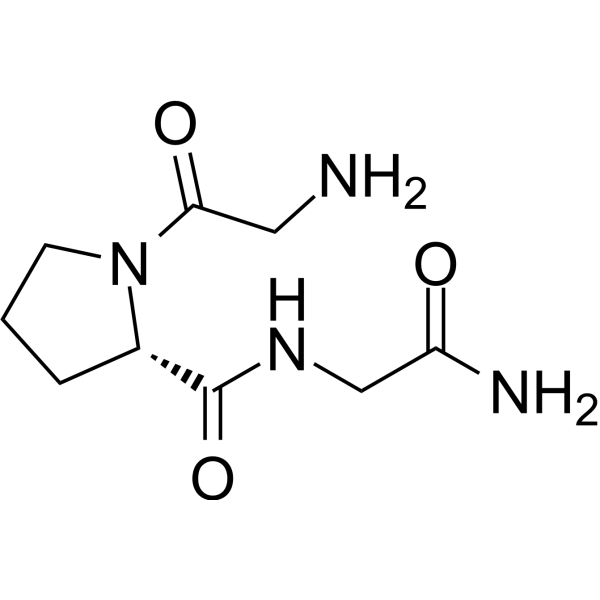
- HY-182376
-
|
|
HIV
|
Infection
|
|
JRC-I-191 is an anti-HIV-1 agent. JRC-I-191 inhibits HIV-1 YU-2 entry into cells. JRC-I-191 does not inhibit infection of cells by amphotropic murine leukemia virus. JRC-I-191 can be used for the research of HIV-1 infection .
|
-

- HY-15148
-
|
PNU-140690
|
HIV Protease
HIV
SARS-CoV
|
Infection
|
|
Tipranavir (PNU-140690) inhibits the enzymatic activity and dimerization of HIV-1 protease, exerts potent activity against multi-protease inhibitor (PI)-resistant HIV-1 isolates with IC50s of 66-410 nM . Tipranavir inhibits SARS-CoV-2 3CL pro activity .
|
-
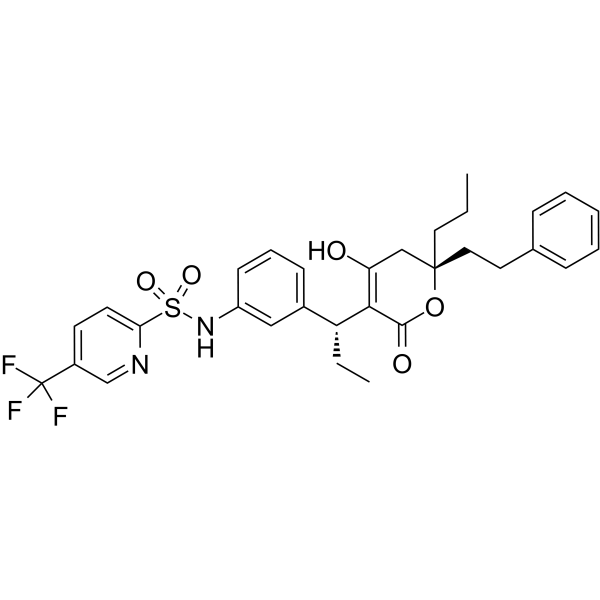
- HY-W325699
-
|
|
HIV
Reverse Transcriptase
|
Infection
|
|
HIV-1 inhibitor-48 (compound 13o) is a novel non-nucleoside reverse transcriptase inhibitor (NNRTI) and exhibits anti-HIV-1 activity .
|
-
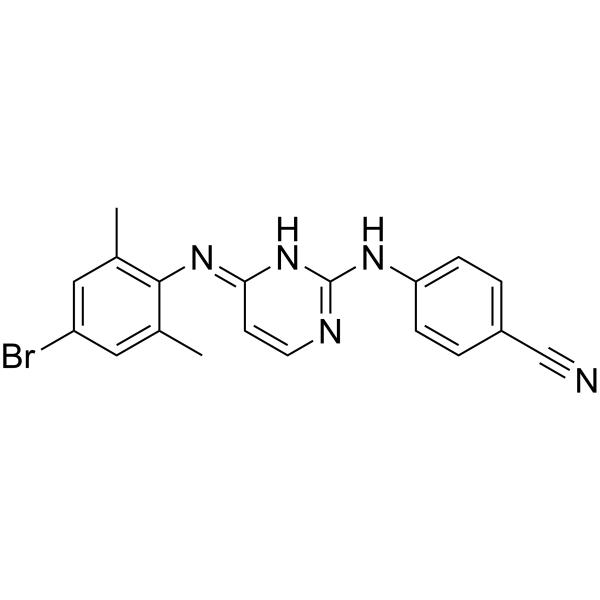
- HY-117194
-
|
|
HIV
GSK-3
|
Infection
|
|
18BIOder is a neuroprotective GSK-3β inhibitor, highly selectively inhibiting HIV-1 .
|
-
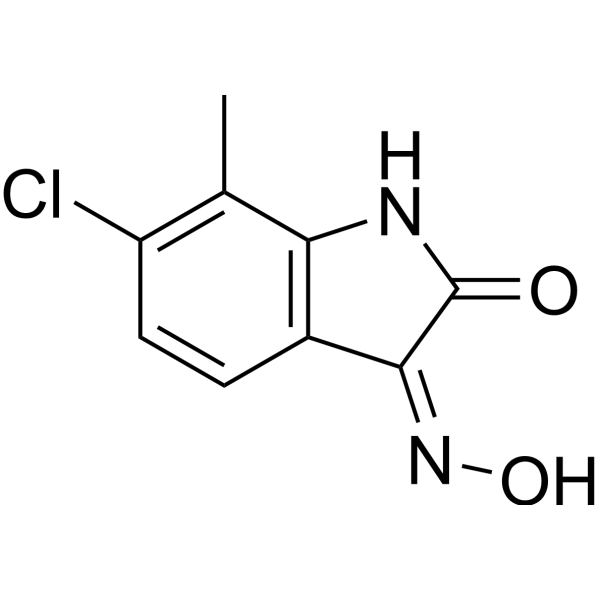
- HY-119120
-
|
|
HIV
CDK
|
Infection
Inflammation/Immunology
|
|
JTK-101 is a selective HIV inhibitor. JTK-101 selectively reduces HIV-1 mRNA synthesis by inhibiting Tat cofactors, including CDK9 and cyclin T1, thereby suppressing the transcriptional activity of HIV-1. JTK-101 may be used in the field of anti-HIV virus research .
|
-

- HY-P2138
-
|
|
HIV Protease
|
Others
|
|
U-85548E is an HIV protease inhibitor with nanomolar affinity for HIV-1 aspartic protease. By studying its structure-activity relationship, a potent nanomolar inhibitor with inhibitory effects on both HIV-1 and HIV-2 proteases was designed, and its binding mode was studied by X-ray crystallography and molecular modeling.
|
-

- HY-117556
-
|
|
HIV
|
Infection
|
|
U-104489 is a HIV-1 inhibitor with the Ki values of 0.13, 0.12 and > 100 μM aganist HIV-1 RT p66/p51 wild type (G190), G190A and G190E, respectively .
|
-

- HY-10572S1
-
-
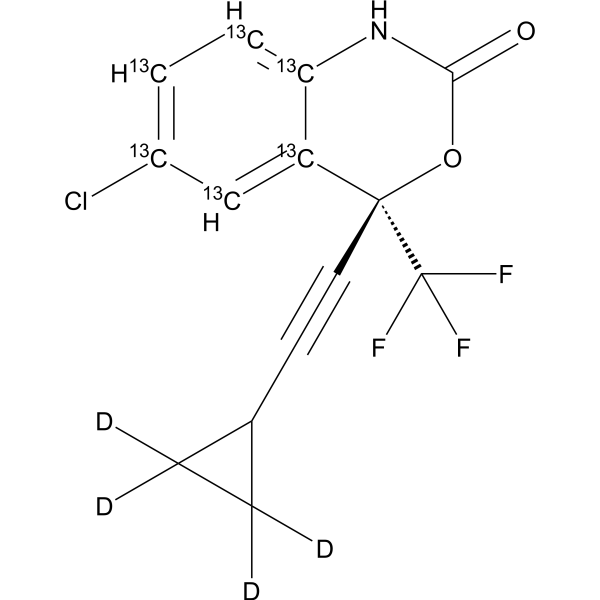
- HY-121718
-
|
|
HIV
|
Infection
|
|
DQBS can bind to HIV-1 nef protein, and inhibits Nef-dependent HIV replication .
|
-
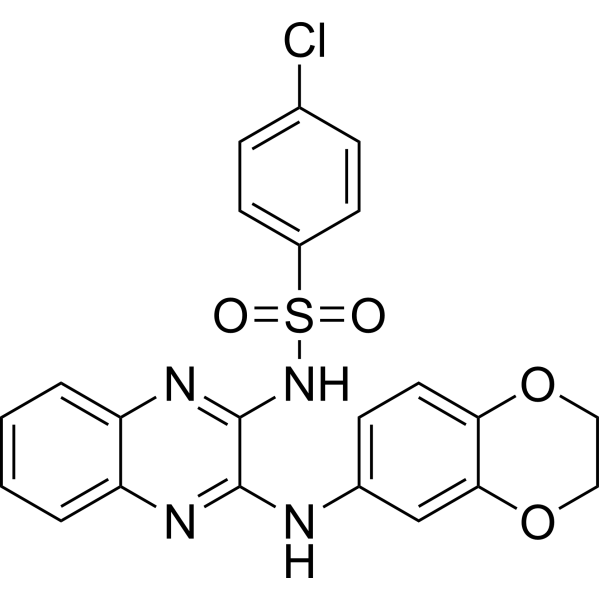
- HY-153782
-
|
|
HIV
|
Infection
|
|
GSK878 is a highly potent, long-acting HIV-1 inhibitor with the EC50 of 39 pM .
|
-

- HY-19194
-
-

- HY-177437
-
|
|
HIV
|
Infection
|
|
(±)-PM 92131 is a non-nucleoside HIV-1 inhibitor. (±)-PM 92131 has an anti-HIV-1 activity with IC50s of 45.7 and 53.8 μM for HIV-1 RF strain in XTT cytoprotection and syncytium-forming assay, respectively. (±)-PM 92131 can be used for HIV infections research .
|
-

- HY-17431
-
|
GW433908G
|
Drug Intermediate
HIV
HIV Protease
|
Infection
|
|
Fosamprenavir Calcium Salt (GW433908G) is an orally active inhibitor targeting HIV-1 protease and is a prodrug of Amprenavir (HY-17430). Fosamprenavir Calcium Salt is hydrolyzed into Amprenavir (VX-478) by cell phosphatases in the intestinal epithelium. Amprenavir binds to the active site of HIV-1 protease, preventing the processing of viral gag and gag-pol polyprotein precursors, thereby inhibiting the formation of mature infectious virus particles and exerting anti-HIV-1 infection activity. Fosamprenavir Calcium Salt can be used for the study of human immunodeficiency virus (HIV-1) infection .
|
-
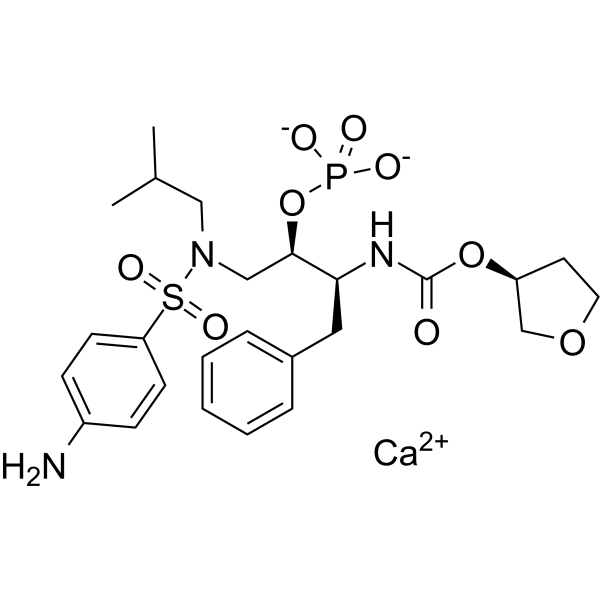
- HY-14361
-
|
|
HIV
Reverse Transcriptase
|
Infection
|
|
MK-4965 is a nonnucleoside reverse transcriptase inhibitor (NNRTI). MK-4965 displays excellent activities against not only HIV-1 wild-type (WT) virus but also against a broad panel of NNRTI-resistant viruses and can be used for the research of HIV-1 infection .
|
-
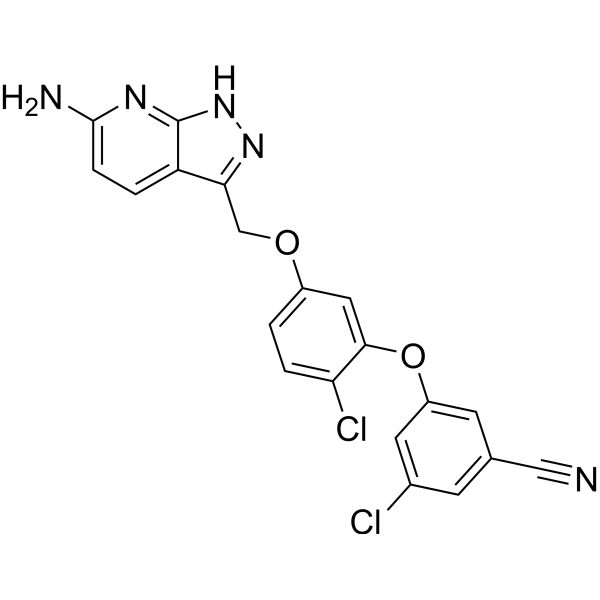
- HY-135327A
-
|
|
HIV
Fungal
|
Infection
|
|
Amphotericin B methyl ester hydrochloride is the methyl ester derivative of the polyene antibiotic Amphotericin B (A634250). Amphotericin B methyl ester hydrochloride is the cholesterol-binding compound possesses significant antifungal activity. Amphotericin B methyl ester hydrochloride disrupts HIV-1 particle production and potently inhibits HIV-1 replication .
|
-
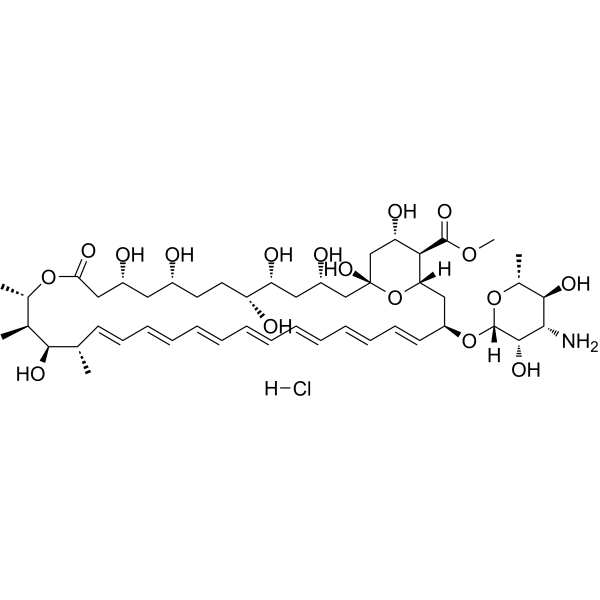
- HY-W103287
-
|
|
HIV Integrase
|
Infection
|
|
Hydroxyisoquinoline-1,3(2H,4H)-dione (compound 6a) is a HIV-1 integrase (IN) and HIV-1 reverse transcriptase (RT) ribonuclease H (RNase H) inhibitor with an IC50 value of 6.32, 5.9 µM, respectively .
|
-

- HY-135327
-
|
|
HIV
Fungal
|
Infection
|
|
Amphotericin B methyl ester is the methyl ester derivative of the polyene antibiotic Amphotericin B (A634250). Amphotericin B methyl ester is the cholesterol-binding compound possesses significant antifungal activity. Amphotericin B methyl ester disrupts HIV-1 particle production and potently inhibits HIV-1 replication .
|
-
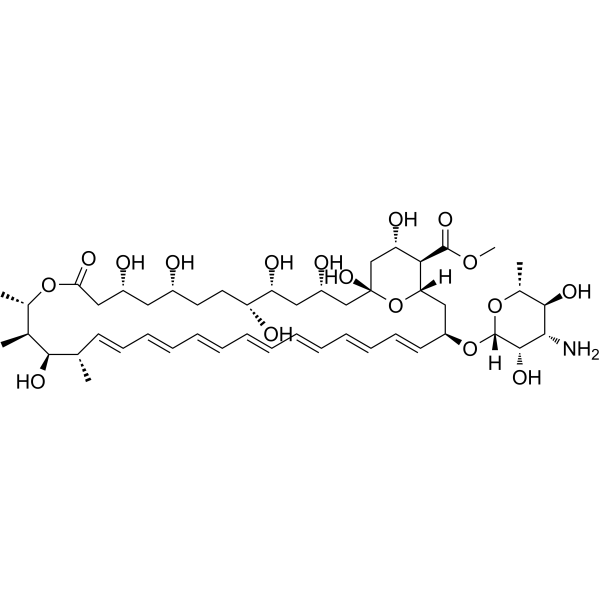
- HY-10572R
-
|
DMP 266 (Standard); EFV (Standard); L-743726 (Standard)
|
Reference Standards
Reverse Transcriptase
HIV
Autophagy
Endogenous Metabolite
Parasite
|
Infection
Cancer
|
|
Efavirenz (Standard) is the analytical standard of Efavirenz. This product is intended for research and analytical applications. Efavirenz (DMP 266) is a potent inhibitor of the wild-type HIV-1 reverse transcriptase with a Ki of 2.93 nM and exhibits an IC95 of 1.5 nM for the inhibition of HIV-1 replicative spread in cell culture .
|
-
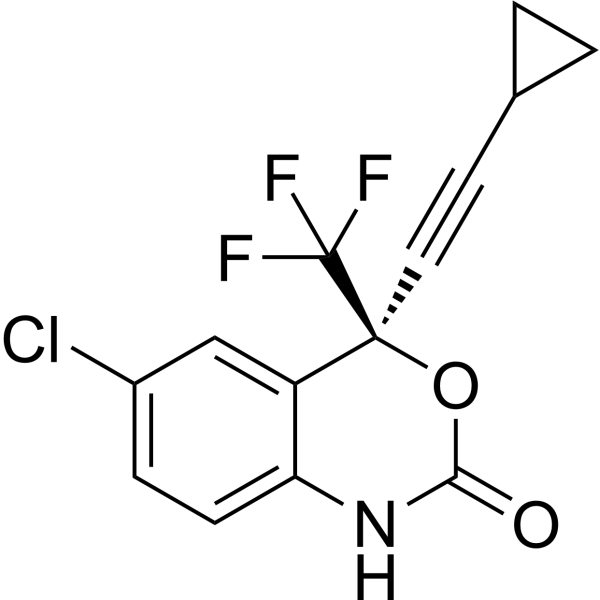
- HY-N16760
-
|
|
Microtubule/Tubulin
HIV
|
Infection
|
|
Wikstrol B (compound 5) is a biflavonoid microtubule/tubulin inhibitor and HIV-1 inhibitor. Wikstrol B has an IC50 value of 184 μM for microtubule polymerization and an EC50 of 3.02 μM against HIV-1, acting on early events of HIV-1 replication. Wikstrol B exerts antifungal activity by inducing morphological deformation of Pyricularia oryzae hyphae and exerts anti-mitotic activity by inhibiting microtubule polymerization. Wikstrol B can be used in research related to antifungal, antitumor, and anti-AIDS applications. Wikstrol B can be naturally extracted from the roots of Wikstroemia indica .
|
-

- HY-174269
-
|
|
HIV
|
Infection
|
|
HIV Capsid-IN-2 (Compound IC-2b4) is a potent HIV-1 capsid protein (CA) inhibitor. HIV Capsid-IN-2 shows inhibitory effects against both HIV-1 (EC50=0.08 μM) and HIV-2. HIV Capsid-IN-2 exerts inhibitory effects during both early and late stages of infection by directly and stably binding to HIV-1 CA .
|
-

- HY-126120
-
|
|
HIV
HIV Protease
|
Infection
|
|
BILA 1906 BS is a HIV protease inhibitor. BILA 1906 BS prevents HIV-1 replication via inhibition of viral protease-mediated cleavage of Gag and Gag-Pol polyprotein precursors during virion maturation. BILA 1906 BS blocks maturation of p24 proteins in wild-type HIV-1, impairing polyprotein processing and viral maturation. BILA 1906 BS can be used for the research of human immunodeficiency virus type 1 (HIV-1) infection .
|
-

- HY-117725
-
|
|
HIV
Reverse Transcriptase
|
Infection
|
|
S-2720 is a potent inhibitor of both immunodeficiency virus type 1 reverse transcriptase (HIV-1 RT) and HIV-1 replication. The binding sites of S-2720 and the nonnucleoside compounds overlap. The small pocket in the p66 subunit-BI-RG-587 (HY-10570) complex is most likely the target of S-2720. S-2720 is a quinoxaline derivative, which is promising for research of HIV-1 infection .
|
-

- HY-182916
-
|
|
HIV
Reverse Transcriptase
|
Infection
|
|
NNRT-IN-16, Rilpivirin (HY-10574) analogue, is a non-nucleoside reverse transcriptase inhibitor (NNRTI). NNRT-IN-16 inhibits recombinant WT HIV-1 RT with an IC50 of 0.07 μM. NNRT-IN-16 exerts antiviral activity against wild-type and drug-resistant HIV-1 mutants, shows attenuated CYP isoenzyme and hERG inhibition, reduced cytotoxicity, and improved metabolic stability in human liver microsomes. NNRT-IN-16 can be used for the research of HIV-1 infection .
|
-

- HY-175491
-
|
|
HIV
Reverse Transcriptase
|
Infection
|
|
HIV-1-IN-85 is an orally active HIV-1 inhibitor (IC50 = 72 nM). HIV-1-IN-85 exhibits strong inhibitory activity against wild-type (WT) HIV-1 and NNRTI-resistant single mutant strains (L100I, K103N, Y181C, Y188L, E138K) and moderate efficacy against double mutant strains (F227L+V106A, RES056). HIV-1-IN-85 shows good in vivo safety in ICR mice. HIV-1-IN-85 can be used for the study of HIV-1 infection .
|
-

- HY-146364
-
|
|
DNA/RNA Synthesis
HIV
|
Infection
|
|
CI-39 is an antiviral natural product. CI-39 is an NNRTI (non-nucleoside reverse transcriptase inhibit) antiviral agent with an EC50 of 3.40 μM and an CC50 of >30 μM for wild type HIV-1. CI-39 inhibits HIV-1 RT DNA polymerase and ribonuclease H activitiessup .
|
-
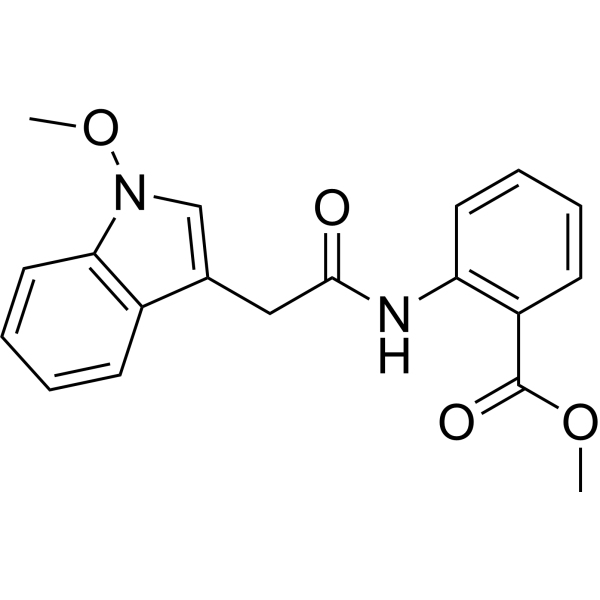
- HY-107468
-
|
|
HIV Protease
|
Infection
Inflammation/Immunology
|
|
PL-100 is a potent HIV-1 protease inhibitor with a Ki of 36 pM and an EC50 of 16 nM. PL-100 inhibits viral replication by suppressing HIV-1 protease activity and demonstrates excellent antiviral efficacy against drug-resistant HIV strains. PL-100 can be used in research on drug-resistant HIV disease .
|
-

- HY-163851
-
|
|
PROTACs
HIV
|
Infection
|
|
PROTAC Vif degrader-1 (Compound L15) is a Vif PROTAC degrader. PROTAC Vif degrader-1 has antiviral activity against HIV-1 (EC50: 33.35 μM against HIV-1IIIB). Blue: CRBN ligand (HY-10984); Black: linker; Pink: HIV-1 inhibitor(HY-163852) .
|
-

- HY-P11037
-
|
|
HIV
|
Infection
|
|
soVIRIP is a virus inhibitory peptide with an IC50 of 1.2 μM for HIV-1 . soVIRIP binds to the HIV-1 GP41 fusion peptide and inhibits viral fusion and entry into host cells. soVIRIP has broad-spectrum anti-HIV-1 activities with nontoxicity in zebrafish models. soVIRIP can used for viral infections research .
|
-

- HY-132186
-
|
|
HIV
|
Infection
|
|
Abacavir carboxylate is an inactive metabolite of the HIV-1 reverse transcriptase inhibitor Abacavir (HY-17423) .
|
-

- HY-107760
-
-
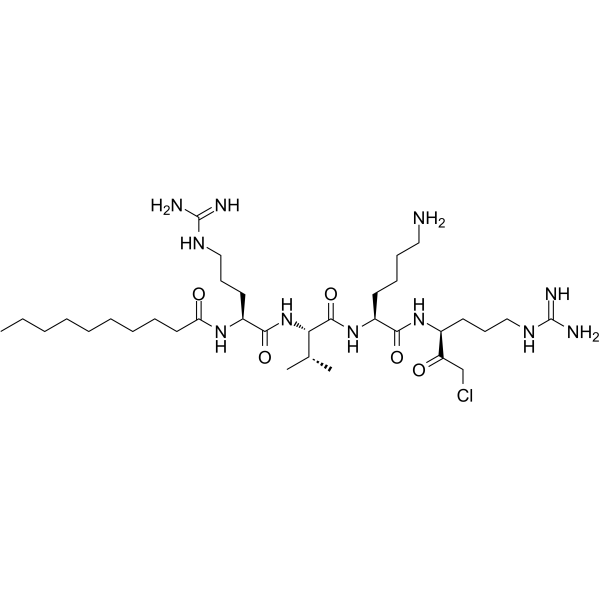
- HY-78726S
-
|
Amprenavir phosphate-d4; GW 433908-d4
|
Isotope-Labeled Compounds
Drug Intermediate
HIV
HIV Protease
|
Infection
|
|
Fosamprenavir-d4 is the Deuterium-labeled Fosamprenavir (HY-78726). Fosamprenavir is an orally active inhibitor targeting HIV-1 protease and is a prodrug of Amprenavir (HY-17430). Fosamprenavir is hydrolyzed into Amprenavir (VX-478) by cell phosphatases in the intestinal epithelium. Amprenavir binds to the active site of HIV-1 protease, preventing the processing of viral gag and gag-pol polyprotein precursors, thereby inhibiting the formation of mature infectious virus particles and exerting anti-HIV-1 infection activity. Fosamprenavir can be used for the study of human immunodeficiency virus (HIV-1) infection .
|
-
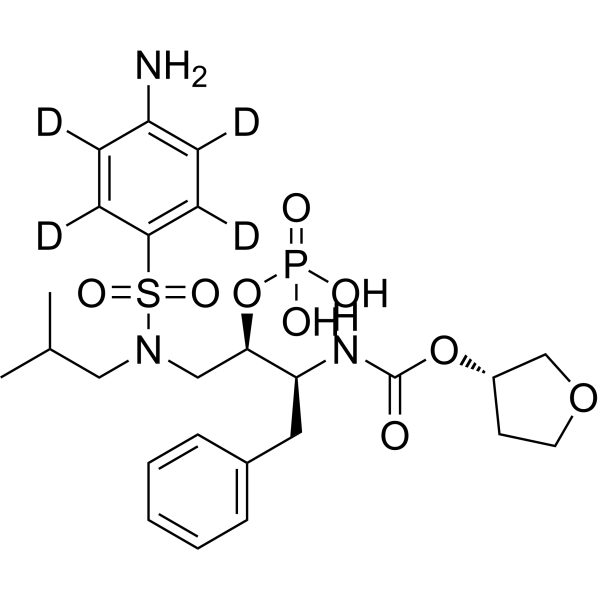
- HY-B2224R
-
|
|
Reference Standards
HIV
Endogenous Metabolite
|
Infection
Metabolic Disease
|
|
Thiamine disulfide (Standard) is the analytical standard of Thiamine disulfide. This product is intended for research and analytical applications. Thiamine disulfide, a vitamin B1 derivative, is an oxidized dimer of Thiamine. Thiamine disulfide is a potent HIV-1 inhibitor. Thiamine disulfide significantly depresses HIV-1 transactivator (Tat) activity .
|
-

- HY-168525
-
|
|
HIV
|
Infection
|
|
IC-1k is a potent HIV-1 inhibitor with EC50 values of 2.69, 97.97 nM for HIV-1 IIIB, HIV-2 ROD, respectively. IC-1k shows cytotoxicity. IC-1k shows antiviral activity .
|
-

- HY-B0751R
-
|
Amebacilin (Standard); NSC9168 (Standard)
|
Reference Standards
Parasite
HIV
Antibiotic
|
Infection
|
|
Fumagillin (Standard) is the analytical standard of Fumagillin. This product is intended for research and analytical applications. Fumagillin(NSC9168) is an antimicrobial compound first isolated in 1949 from the fungus Aspergillus fumigatu. Fumagillin can inhibits HIV‐1 infection through the inhibition of HIV-1 viral protein R (Vpr) activity.
|
-

- HY-104012R
-
|
MK-8591 (Standard)
|
Reference Standards
HIV
Reverse Transcriptase
|
Infection
Inflammation/Immunology
|
|
Islatravir (Standard) is the analytical standard of Islatravir (HY-104012). This product is intended for research and analytical applications. Islatravir (MK-8591) is a potent anti-HIV-1 agent, acting as a nucleoside reverse transcriptase inhibitor, with EC50s of 0.068 nM, 3.1 nM and 0.15 nM for HIV-1 (WT), HIV-1 (M184V), HIV-1 (MDR), respectively. Islatravir is a click chemistry reagent, it contains an Alkyne group and can undergo copper-catalyzed azide-alkyne cycloaddition (CuAAc) with molecules containing Azide groups.
|
-

- HY-115488A
-
|
|
HIV
|
Infection
|
|
BNM-III-170, CD4-mimeticcompound, is an anti-HIV-1 agent. BNM-III-170 binds to the Phe43 cavity of HIV 1 gp120. BNM-III-170 can inhibits HIV-1 viral entry into target cells. BNM-III-170 can be used for the research of HIV-1 infection .
|
-
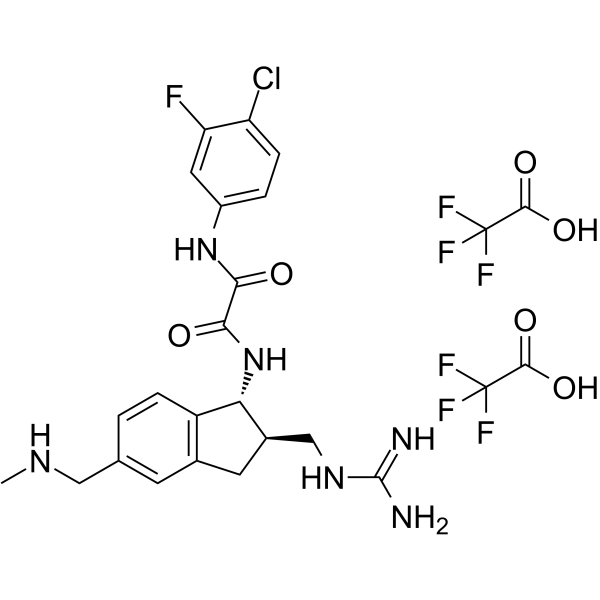
- HY-15355R
-
|
R 89439 (Standard)
|
Reverse Transcriptase
HIV
Reference Standards
|
Infection
|
|
Loviride (Standard) is the analytical standard of Loviride. This product is intended for research and analytical applications. Loviride (R 89439) is a non-nucleoside reverse transcriptase inhibitor (NNRTI), with an IC50 of 0.3 μM for reverse transcriptase from HIV-1. Loviride (R 89439) inhibits HIV-1, HIV-2 and SIV replication in MT-4 cells .
|
-

- HY-163110
-
|
|
HIV
Reverse Transcriptase
|
Infection
|
|
NNRT-IN-2 (compound 7w) is an orally available non-nucleoside reverse transcriptase inhibitor (NNRTI) with broad inhibitory effects on wild-type HIV-1 and mutant strains. NNRT-IN-2 inhibits HIV-1 reverse transcriptase with an EC50 of 22 nM. NNRT-IN-2 is insensitive to CYP and hERG and has good safety and pharmacokinetic characteristics .
|
-
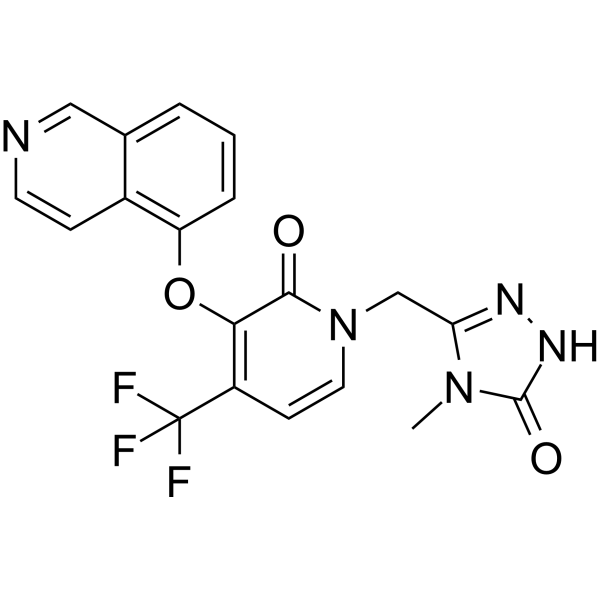
- HY-125571
-
|
|
HIV Protease
|
Infection
|
|
A 74704 is a pseudo C2-symmetric inhibitor of HIV-1 protease and its diester analog .
|
-

- HY-15354
-
-

- HY-107760A
-
-
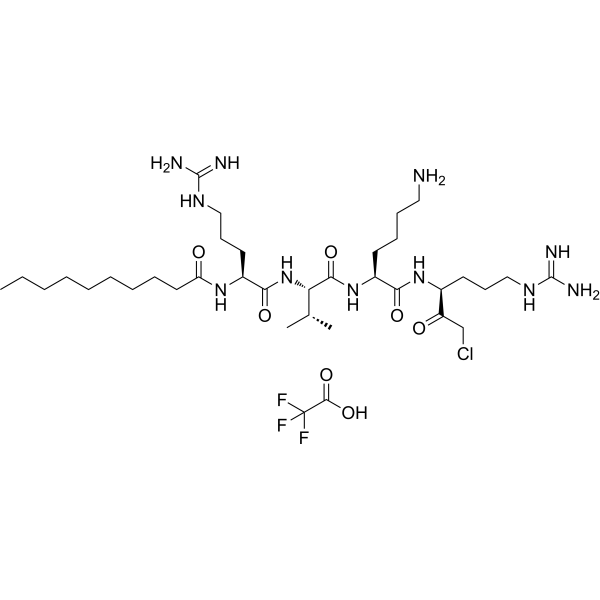
- HY-107123R
-
|
ASC-09 (Standard)
|
Reference Standards
HIV Protease
|
Infection
|
|
TMC310911 (Standard) (ASC-09 (Standard)) is the analytical standard of TMC310911 (HY-107123). This product is intended for research and analytical applications. TMC310911 is a potent and orally active HIV type-1 (HIV-1) protease inhibitor with EC50 values ranged from 2.2 nM to 14.2 nM for wild-type HIV-1. TMC310911 has potent activity against a wide spectrum of recombinant HIV-1 isolates. TMC310911 has strong antiviral activity .
|
-

- HY-130241
-
|
|
HIV
|
Infection
|
|
Reverse transcriptase-IN-1 (Compound 12z), a diarylbenzopyrimidine (DABP) analogue, is a potent, orally active HIV-1 nonnucleoside reverse transcriptase inhibitor. Reverse transcriptase-IN-1 has antiviral activity with EC50 values of 3.4 nM, 4.3 nM and 3.6 nM for HIV-1 IIIB, E138K and K103N mutants, respectively. Reverse transcriptase-IN-1 also has an IC50of 13.7 nM against HIV-1 reverse transcriptase enzyme .
|
-
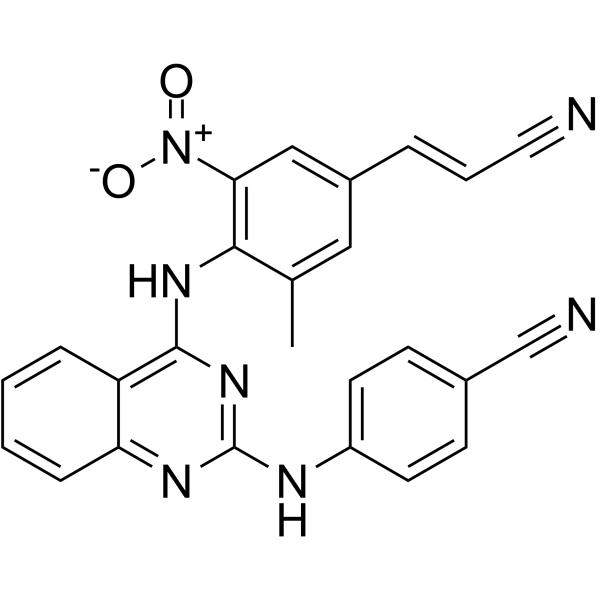
- HY-171860
-
|
|
PROTACs
HIV
|
Infection
Cancer
|
|
FC-14369 is a PROTAC degrader targeting the HIV-1 Nef protein, with a DC50 value of 160 nM. Through its bifunctional structure, FC-14369 binds to Nef and the Cereblon E3 ubiquitin ligase, induces Nef ubiquitination and proteasomal degradation, restores the expression of cell-surface CD4 and MHC-I, and inhibits HIV-1 replication. FC-14369 can be used in research on HIV infection and AIDS. FC-14369 is applicable to studies related to HIV-1 infection .
|
-

- HY-182474
-
|
Indolopyridone-1
|
Reverse Transcriptase
DNA/RNA Synthesis
HIV
|
Infection
|
|
INDOPY-1 (Indolopyridone-1) is a selective, reversible, and competitive HIV-1 reverse transcriptase inhibitor. INDOPY-1 reversibly binds to the active site of reverse transcriptase. INDOPY-1 inhibits DNA synthesis. INDOPY-1 exhibits antiviral activity against various retroviruses, including HIV-1 IIIB, HIV-1 HXB2 K103N Y181C, HIV-2 ROD, and SIV Mac251. INDOPY-1 can be used in the research of immunodeficiency virus infection .
|
-

- HY-178031
-
|
|
HIV
Reverse Transcriptase
|
Infection
|
|
HIV-1-IN-87 (Compound 11x) is a dual-site HIV-1 inhibitor targeting the non-nucleoside reverse transcriptase inhibitor binding pocket (NNIBP) and its adjacent site (NNIAS). HIV-1-IN-87 has potent antiviral activities against wild-type and mutant strains (such as L100I, K103N and Y181C) (EC50: 4.1-150 nM). HIV-1-IN-87 can be used for HIV-1 infections like acquired immune deficiency syndrome (AIDS) research .
|
-

- HY-121820
-
|
|
HIV
|
Infection
|
|
DMJ-I-228 is a CD4-mimetic. DMJ-I-228 binds to HIV-1 gp120 within the conserved Phe 43 cavity near the CD4-binding site, thereby blocking CD4 binding and inhibiting HIV-1 infection .
|
-

- HY-78726S2
-
|
Amprenavir phosphate-13C6; GW 433908-13C6
|
Isotope-Labeled Compounds
Drug Intermediate
HIV
HIV Protease
|
Infection
|
|
Fosamprenavir- 13C6 is the 13C-labeled Fosamprenavir (HY-78726). Fosamprenavir is an orally active inhibitor targeting HIV-1 protease and is a prodrug of Amprenavir (HY-17430). Fosamprenavir is hydrolyzed into Amprenavir (VX-478) by cell phosphatases in the intestinal epithelium. Amprenavir binds to the active site of HIV-1 protease, preventing the processing of viral gag and gag-pol polyprotein precursors, thereby inhibiting the formation of mature infectious virus particles and exerting anti-HIV-1 infection activity. Fosamprenavir can be used for the study of human immunodeficiency virus (HIV-1) infection .
|
-

- HY-137156
-
|
|
HIV
|
Infection
|
|
NB-64 is an orally active HIV-1 inhibitor. NB-64 is promising for research of HIV infections .
|
-

- HY-N3222
-
|
|
HIV
|
Infection
Cancer
|
|
Myriceric acid B is a potent HIV-1 entry inhibitor targeting gp41. Myriceric acid B is an antitumor agent .
|
-
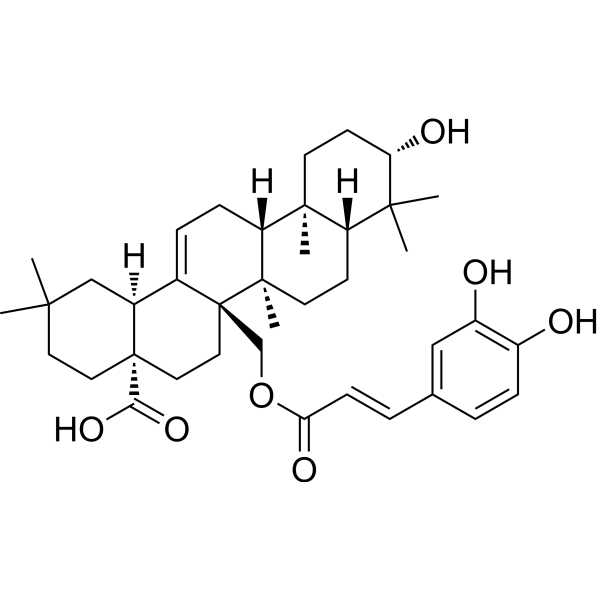
- HY-15232
-
|
GS-7340
|
HIV
Reverse Transcriptase
|
Infection
Cancer
|
|
Tenofovir alafenamide (GS-7340) is an investigational oral proagent of Tenofovir. Tenofovir is a HIV-1 nucleotide reverse transcriptase inhibitor.
|
-
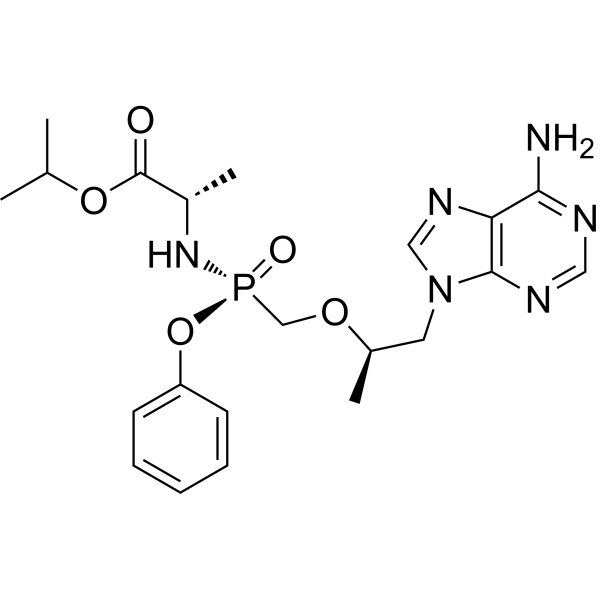
- HY-177813
-
|
|
HIV
|
Infection
|
|
148.1-38m sodium, an RNA aptamer, inhibits HIV-1 reverse transcriptase (RT) and interfere with viral replication.
|
-

- HY-15232A
-
|
GS-7340 fumarate
|
HIV
Reverse Transcriptase
|
Infection
Cancer
|
|
Tenofovir alafenamide fumarate (GS-7340 fumarate) is an investigational oral proagent of Tenofovir. Tenofovir is a HIV-1 nucleotide reverse transcriptase inhibitor.
|
-
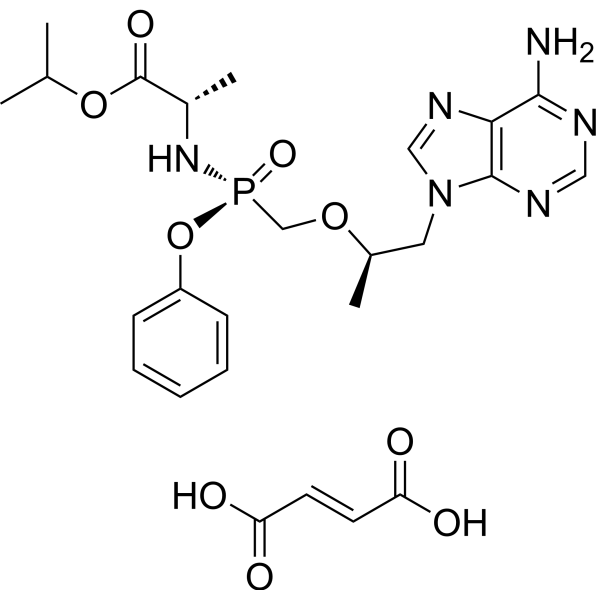
- HY-139794
-
|
|
HIV
|
Infection
|
|
SDZ283-910 is a potent human immunodeficiency virus type-1 (HIV-1) protease inhibitor .
|
-

- HY-10570
-
-
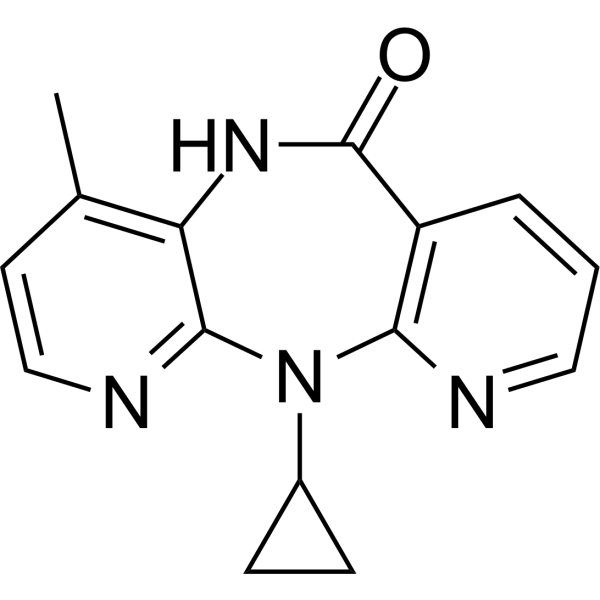
- HY-147653
-
|
|
HIV Integrase
|
Infection
|
|
Integrase-LEDGF/p75 allosteric inhibitor 1 (Compound 31h) is an orally active integrase-LEDGF/p75 (IN-LEDGF/p75) allosteric inhibitor. Integrase-LEDGF/p75 allosteric inhibitor 1 inhibits HIV-1 DNA integration and shows antiviral activity with an EC50 of 3.9 nM against HIV-1 recombinant molecular clone NL432 .
|
-
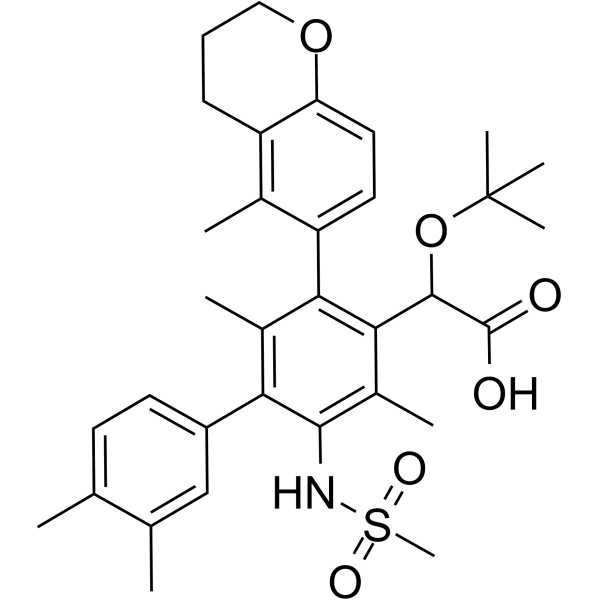
- HY-117487
-
|
|
HIV
HIV Protease
|
Infection
|
|
L-738872 is an orally active HIV-l encoded protease inhibitor. L-738872 inhibits the spread of HIV-1 in infected cells .
|
-

- HY-15379
-
|
|
HIV
|
Infection
|
|
Atevirdine is a potent non-nucleoside HIV-1 reverse transcriptase inhibitor. Atevirdine inhibits non-nucleoside reverse transcriptase that leads to viral multiplication .
|
-
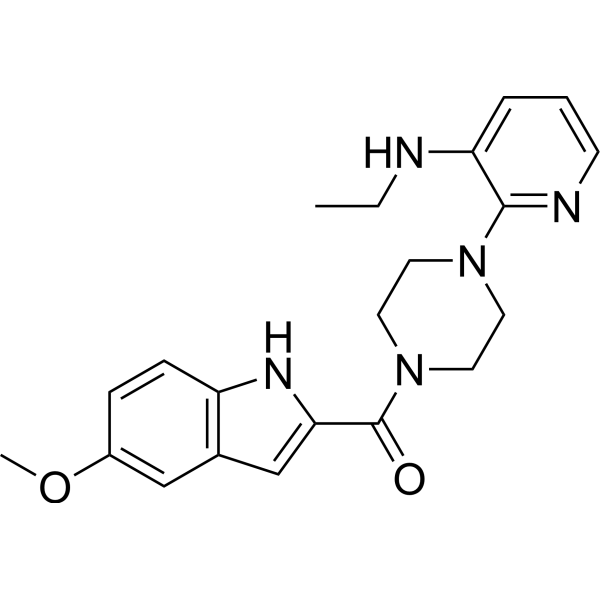
- HY-13238
-
|
S/GSK1349572
|
HIV Integrase
HIV
|
Infection
|
|
Dolutegravir (S/GSK1349572) is a highly potent and orally bioavailable HIV integrase strand transfer inhibitor with an IC50 of 2.7 nM for HIV-1 integrase-catalyzed strand transfer. Dolutegravir (S/GSK1349572) inhibits HIV-1 viral replication with an IC50 of 0.51 nM in peripheral blood mononuclear cells. Dolutegravir retains a high potency against the HIV-1 Y143R, N155H, and G140S/Q148H mutants (EC50=3.6-5.8 nM) .
|
-
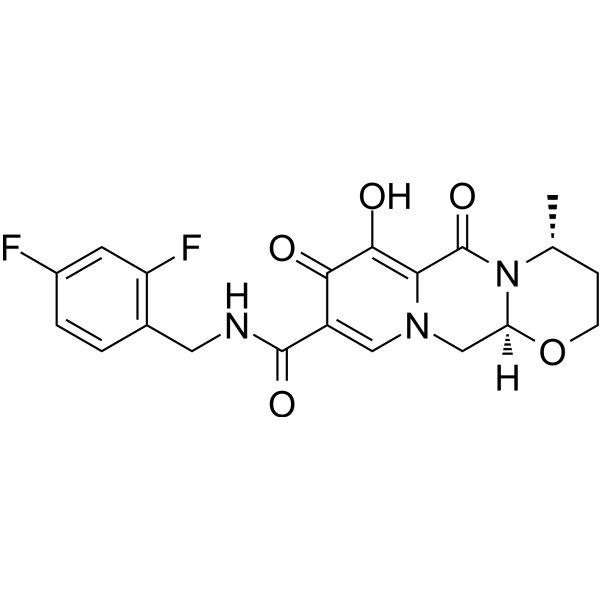
- HY-14891
-
|
GSK2248761; FDV
|
HIV
Reverse Transcriptase
|
Infection
|
|
Fosdevirine (GSK2248761) is is a potent, selective, non-nucleoside reverse transcriptase inhibitor (NNRTI) of human immunodeficiency virus type 1 (HIV-1) replication with low nanomolar activity in vitro. Fosdevirine shows good activity against a broad range of HIV-1 strains, including efavirenz (HY-10572)-resistant clinical isolates .
|
-
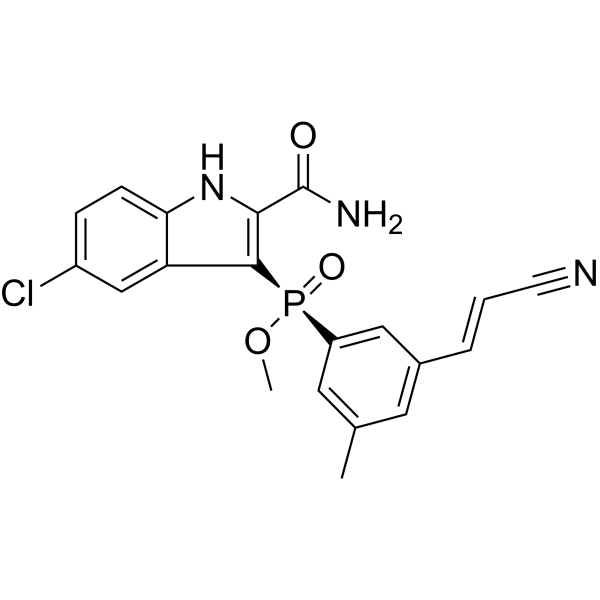
- HY-150769
-
|
|
HIV
|
Inflammation/Immunology
|
|
ZLM-66 is a potent non-nucleoside reverse transcriptase inhibitor (NNRTIs) with an IC50 of 41 nM for wild-type (WT) HIV-1 reverse transcriptase and an EC50 value of 13 nM for wild-type HIV-1. ZLM-66 is a Doravirine (HY-16767) analogs. ZLM-66 can be used for the research of AIDS .
|
-
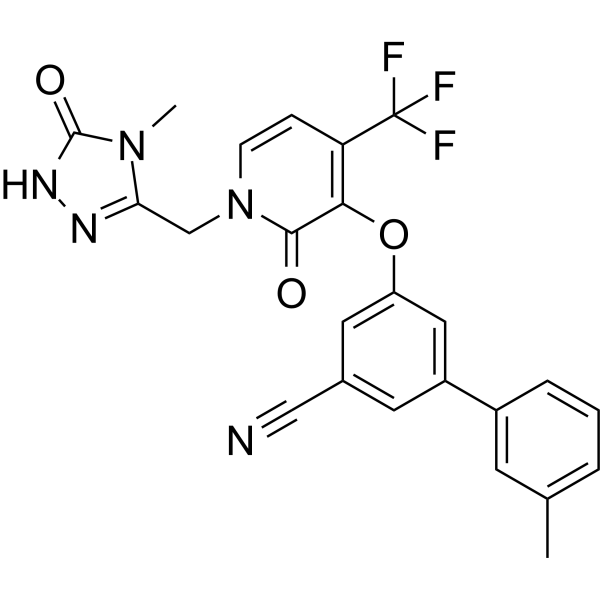
- HY-177437A
-
|
|
HIV
|
Infection
|
|
(+)-PM 92131 is the active enantiomer of (±)-PM 92131 (HY-177437). (+)-PM 92131 is a non-nucleoside HIV-1 inhibitor. (+)-PM 92131 has an anti-HIV-1 activity with EC50s of 0.8 and 0.6 μM for HIV-1 RF strain in XTT cytoprotection and syncytium-forming assay, respectively. (+)-PM 92131 can be used for HIV infections research .
|
-

- HY-W587430
-
|
Glycolithocholate sulfate disodium; Sulfolithocholylglycine disodium; SLCG disodium
|
HIV
GPR39
|
Infection
Inflammation/Immunology
|
|
Glycolithocholic acid 3-sulfate disodium is a GPR39 agonist with EC50s of 47.9 and 66.8 μM (absence of Zn 2+) and 8 and 8.7 μM (presence of Zn 2+) in M39-20 and hGPR39-2 cells, respectively. Glycolithocholic acid 3-sulfate disodium stimulates GPR39 receptors to initiate intracellular calcium signaling, independent of Zn 2+ binding sites H17 and H19. Glycolithocholic acid 3-sulfate disodium also inhibits replication of HIV-1 in vitro. Glycolithocholic acid 3-sulfate disodium can be used for the research of HIV infection and gallbladder disease .
|
-
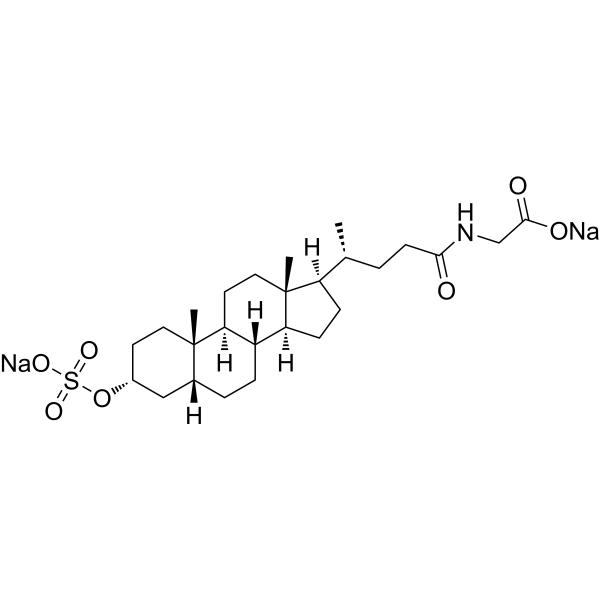
- HY-N4100R
-
|
|
TNF Receptor
Reference Standards
HIV
SGLT
|
Infection
|
|
Trilobatin (Standard) is the analytical standard of Trilobatin. This product is intended for research and analytical applications. Trilobatin, a natural sweetener derived from?Lithocarpus polystachyus?Rehd , Trilobatin?is an HIV-1 entry inhibitor targeting the HIV-1 Gp41 envelope . Neuroprotective effects . Trilobatin is also a SGLT1/2 inhibitor that selectively induces the proliferation of human hepatoblastoma cells .
|
-

- HY-14588
-
|
ABT-378
|
HIV
HIV Protease
SARS-CoV
|
Infection
Neurological Disease
Cancer
|
|
Lopinavir (ABT-378) is a highly potent, selective peptidomimetic inhibitor of the HIV-1 protease, with Kis of 1.3 to 3.6 pM for wild-type and mutant HIV protease. Lopinavir acts by arresting maturation of HIV-1 thereby blocking its infectivity . Lopinavir is also a SARS-CoV 3CL pro inhibitor with an IC50 of 14.2 μM .
|
-
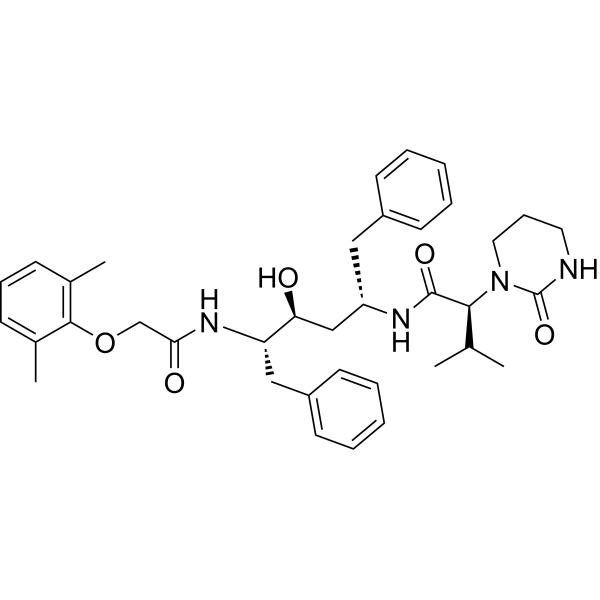
- HY-182316
-
|
|
HIV Protease
HIV
|
Infection
|
|
P-1946 is a HIV protease inhibitor with a human HIV-1 protease Ki of 2.600 nM. P-1946 has potent and selective in vitro antiviral activity and retains full antiviral activity against HIV isolates resistant to commercially available protease inhibitors. P-1946 can be used for the research of human immunodeficiency virus type 1 (HIV-1) infection .
|
-

- HY-161924
-
|
|
HIV
|
Infection
|
|
HIV-1 inhibitor-73 (compound 13c) is a potent anti-HIV-1 agent, against the whole tested viral panel with EC50 ranging from 4.68 to 229 nM .
|
-

- HY-19400
-
|
DPH-153893
|
HIV Protease
HIV
|
Infection
|
|
DPC-681 is a potent and selective inhibitor of HIV protease with IC90s for wild-type HIV-1 of 4 to 40 nM.
|
-
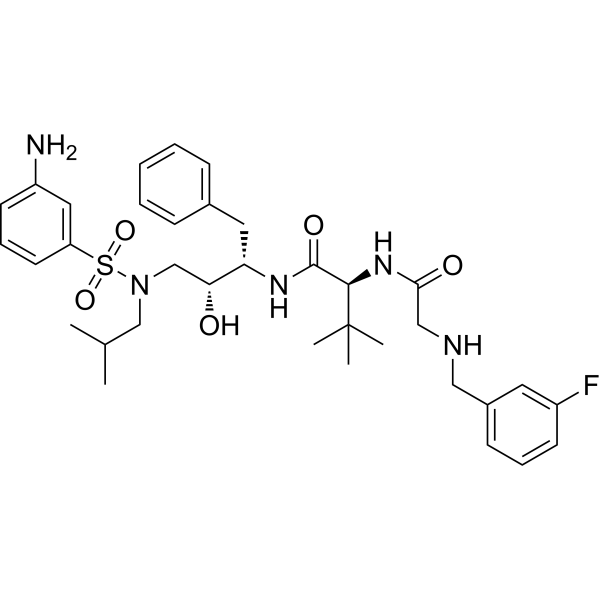
- HY-114731
-
|
|
HIV
|
Infection
|
|
Adenallene, a nucleoside analogue, is an anti-HIV compound. Adenallene inhibits replication and cytopathic effect of HIV-1 and HIV-2 .
|
-
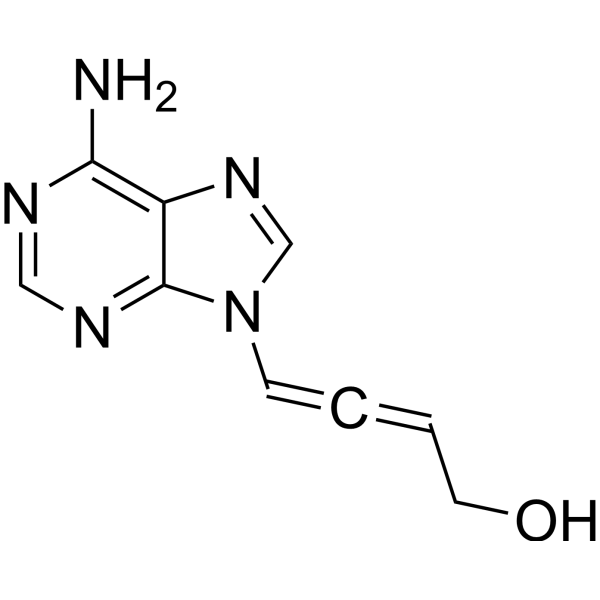
- HY-P1436
-
|
|
HIV
|
Infection
|
|
Acetyl-pepstatin is a potent classical inhibitor of aspartic proteases (PRs) with XMRV PR and HIV-1 PR Ki values of 712 nM and 13 nM .
|
-
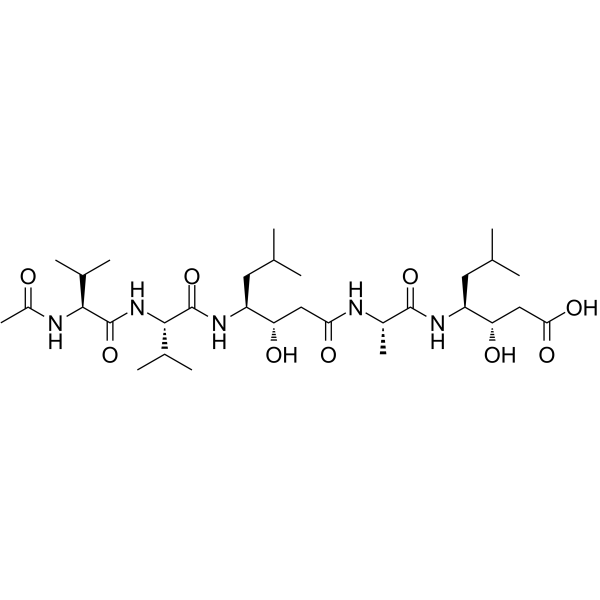
- HY-120639
-
|
|
HIV
|
Others
|
|
BMS-663749 lysine is a prodrug of an HIV-1 attachment inhibitor with the potential to enhance the delivery of the parent compound following oral administration.
|
-

- HY-106942
-
|
|
HIV
Virus Protease
|
Infection
|
|
CGP 53437 is an orally active HIV-1 protease inhibitor, with a Ki of 0.2 nM. CGP 53437 delays the onset of HIV replication .
|
-

- HY-13829
-
|
|
HIV
|
Infection
|
|
BMS-585248 is a potent, third-generation HIV-1 attachment inhibitor with a promising initial in vitro and in vivo pharmacokinetic profile .
|
-
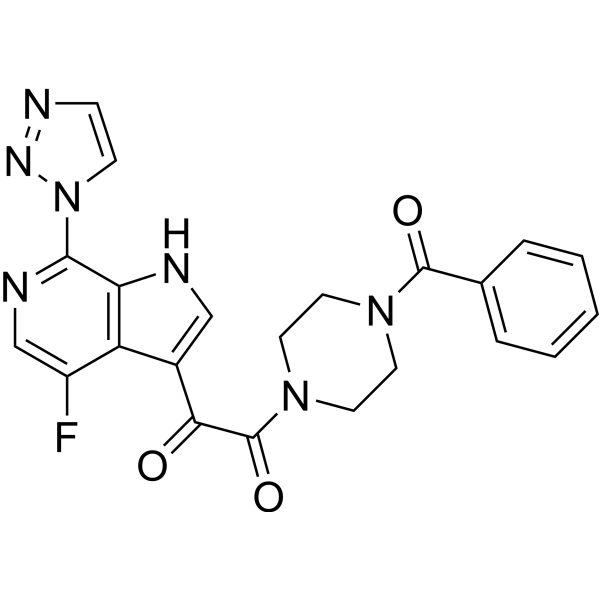
- HY-15148S1
-
|
PNU-140690-d7
|
HIV Protease
HIV
SARS-CoV
Isotope-Labeled Compounds
|
Infection
|
|
Tipranavir-d7 is deuterated labeled Tipranavir (HY-15148). Tipranavir (PNU-140690) inhibits the enzymatic activity and dimerization of HIV-1 protease, exerts potent activity against multi-protease inhibitor (PI)-resistant HIV-1 isolates with IC50s of 66-410 nM . Tipranavir inhibits SARS-CoV-2 3CL pro activity .
|
-
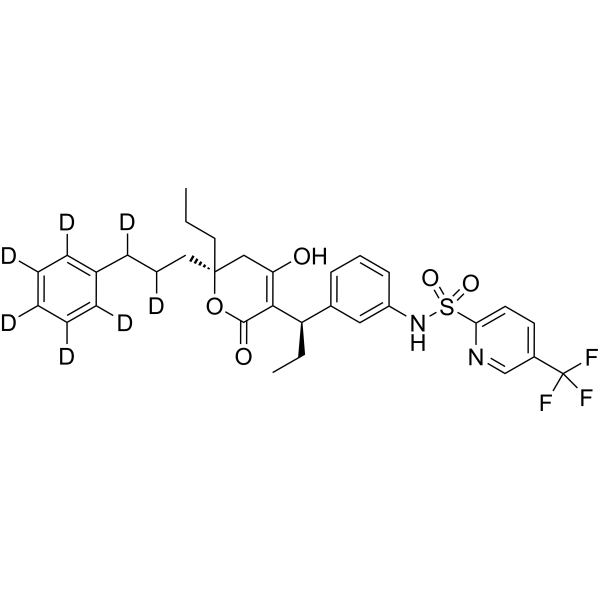
- HY-15148R
-
|
PNU-140690 (Standard)
|
Reference Standards
HIV Protease
HIV
SARS-CoV
|
Infection
|
|
Tipranavir (Standard) is the analytical standard of Tipranavir. This product is intended for research and analytical applications. Tipranavir (PNU-140690) inhibits the enzymatic activity and dimerization of HIV-1 protease, exerts potent activity against multi-protease inhibitor (PI)-resistant HIV-1 isolates with IC50s of 66-410 nM . Tipranavir inhibits SARS-CoV-2 3CL pro activity .
|
-

- HY-115488
-
|
|
HIV
|
Infection
|
|
BNM-III-170 free base, CD4-mimeticcompound, is an anti-HIV-1 agent. BNM-III-170 free base, binds to the Phe43 cavity of HIV 1 gp120. BNM-III-170 can inhibits HIV-1 viral entry into target cells. BNM-III-170 free base, can be used for the research of HIV-1 infection .
|
-

- HY-B0751S
-
|
Amebacilin-13C26; NSC9168-13C26
|
Isotope-Labeled Compounds
|
Infection
|
|
Fumagillin- 13C26 (Amebacilin- 13C26) is the 13C-labeled Fumagillin (HY-B0751). Fumagillin(NSC9168) is an antimicrobial compound first isolated in 1949 from the fungus Aspergillus fumigatu. Fumagillin can inhibits HIV‐1 infection through the inhibition of HIV-1 viral protein R (Vpr) activity.
|
-

- HY-10572BR
-
|
(Rac)-DMP 266 (Standard); (Rac)-EFV (Standard); (Rac)-L-743726 (Standard)
|
Reference Standards
Autophagy
Parasite
HIV
Endogenous Metabolite
Reverse Transcriptase
|
Infection
Cancer
|
|
(Rac)-Efavirenz (Standard) is the analytical standard of (Rac)-Efavirenz. This product is intended for research and analytical applications. (Rac)-Efavirenz is the isomer of Efavirenz (HY-10572). Efavirenz (DMP 266) is a potent inhibitor of the wild-type HIV-1 reverse transcriptase with a Ki of 2.93 nM and exhibits an IC95 of 1.5 nM for the inhibition of HIV-1 replicative spread in cell culture .
|
-

- HY-P991653
-
|
|
CCR
HIV
|
Infection
|
|
HGS004 is a humanized IgG4 monoclonal antibody inhibitor targeting CCR5. HGS004 has potent antivival activity against a diverse panel of CCR5-tropic HIV-1 and durg (such as Maraviroc (HY-13004))-resistant strains. HGS004 can be used for HIV-1 infections research .
|
-

- HY-13238S2
-
|
S/GSK1349572-d5
|
Isotope-Labeled Compounds
HIV Integrase
HIV
|
Infection
|
|
Dolutegravir-d5 is deuterium labeled Dolutegravir. Dolutegravir (S/GSK1349572) is a highly potent and orally bioavailable HIV integrase strand transfer inhibitor with an IC50 of 2.7 nM for HIV-1 integrase-catalyzed strand transfer. Dolutegravir (S/GSK1349572) inhibits HIV-1 viral replication with an IC50 of 0.51 nM in peripheral blood mononuclear cells. Dolutegravir retains a high potency against the HIV-1 Y143R, N155H, and G140S/Q148H mutants (EC50=3.6-5.8 nM) .
|
-
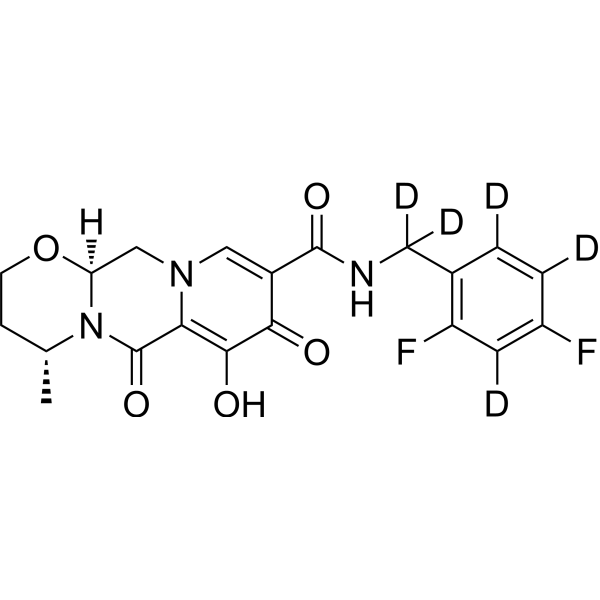
- HY-13238A
-
|
S/GSK1349572 sodium
|
HIV Integrase
HIV
|
Infection
|
|
Dolutegravir sodium (S/GSK1349572 sodium) is a highly potent and orally bioavailable HIV integrase strand transfer inhibitor with an IC50 of 2.7 nM for HIV-1 integrase-catalyzed strand transfer. Dolutegravir sodium (S/GSK1349572 sodium) inhibits HIV-1 viral replication with an IC50 of 0.51 nM in peripheral blood mononuclear cells. Dolutegravir sodium (S/GSK1349572 sodium) retains a high potency against the HIV-1 Y143R, N155H, and G140S/Q148H mutants (EC50=3.6-5.8 nM) .
|
-
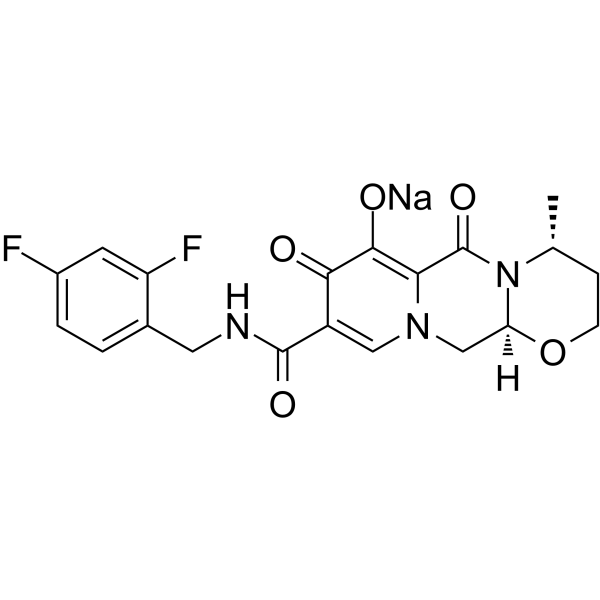
- HY-13238S1
-
|
S/GSK1349572-d3
|
Isotope-Labeled Compounds
HIV Integrase
HIV
|
Infection
|
|
Dolutegravir-d3 is the deuterium labeled Dolutegravir. Dolutegravir (S/GSK1349572) is a highly potent and orally bioavailable HIV integrase strand transfer inhibitor with an IC50 of 2.7 nM for HIV-1 integrase-catalyzed strand transfer. Dolutegravir (S/GSK1349572) inhibits HIV-1 viral replication with an IC50 of 0.51 nM in peripheral blood mononuclear cells. Dolutegravir retains a high potency against the HIV-1 Y143R, N155H, and G140S/Q148H mutants (EC50=3.6-5.8 nM) .
|
-
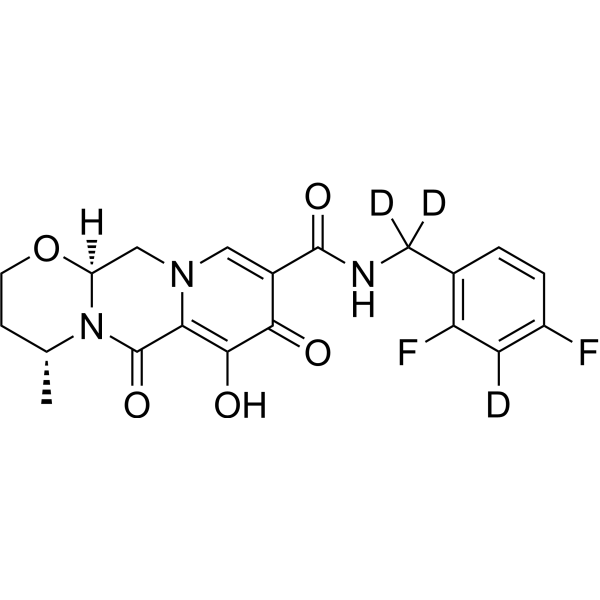
- HY-106971
-
|
|
HIV
|
Infection
|
|
PD 161374 is an inhibitor targeting the HIV-1 nucleocapsid protein NCp7. PD 161374 primarily acts on the early stages of viral replication, inhibiting the completion of reverse transcription without affecting viral entry or later assembly. PD 161374 remains active against HIV-1, HIV-2, SIV, and drug-resistant strains. PD 161374 can be used to study antiretroviral agents .
|
-

- HY-157469
-
|
NPD3064
|
HIV
|
Infection
|
|
TNT-i (NPD3064) is an inhibitor targeting M-Sec. TNT-i inhibits M-Sec-induced tunneling nanotube (TNT) formation reversibly. TNT-i reduces wild-type HIV-1 production in macrophages and M-Sec-expressing T cells. TNT-i shows low cytotoxic effects on macrophages and T cells. TNT-i can be used for the research of HIV-1 infection .
|
-

- HY-117559
-
|
|
HIV
HIV Protease
|
Infection
|
|
CGP-75355 is an inhibitor of HIV-1 protease with IC50 of 26 nM. CGP-75355 is a bis(L-tert-leucine) derivative .
|
-

- HY-15349
-
|
LY300046
|
HIV
|
Infection
|
|
Trovirdine inhibits HIV-1 RT with an IC50 of 7 nM when employing heteropolymeric primer/template (oligo-DNA/ribosomal RNA)and dGTP as substrate.
|
-
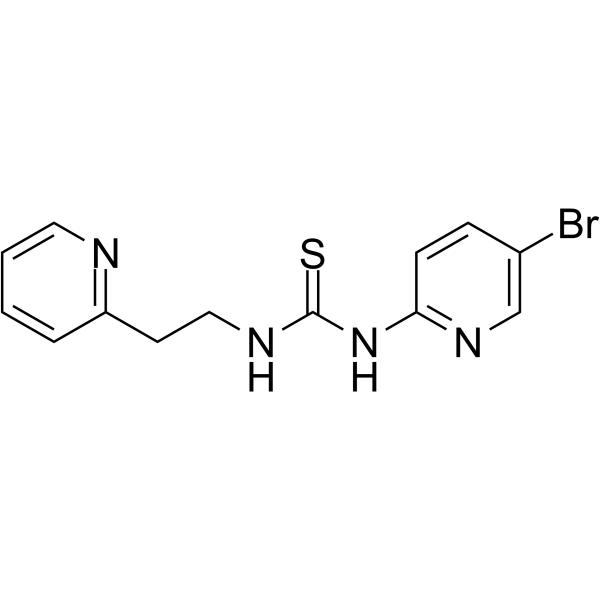
- HY-120863
-
|
|
Virus Protease
|
Infection
|
|
(Rac)-PD 135390 is a dipeptide and an HIV-1 protease inhibitor with an IC50 of 2 nM. (Rac)-PD 135390 can be utilized in antiviral research .
|
-

- HY-17367S
-
-
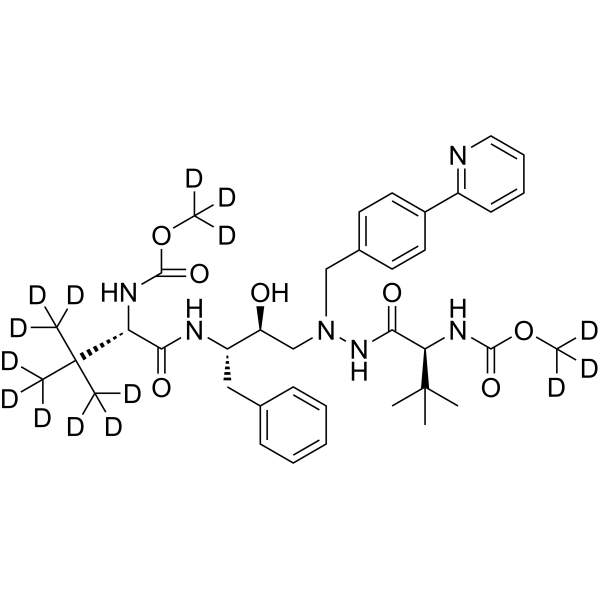
- HY-168476
-
|
|
HIV
|
Infection
|
|
BRN3OMe is a potent HIV-1 reverse transcriptase inhibitor. BRN3OMe has the potential for the research of antiviral agent .
|
-

- HY-17367S1
-
-
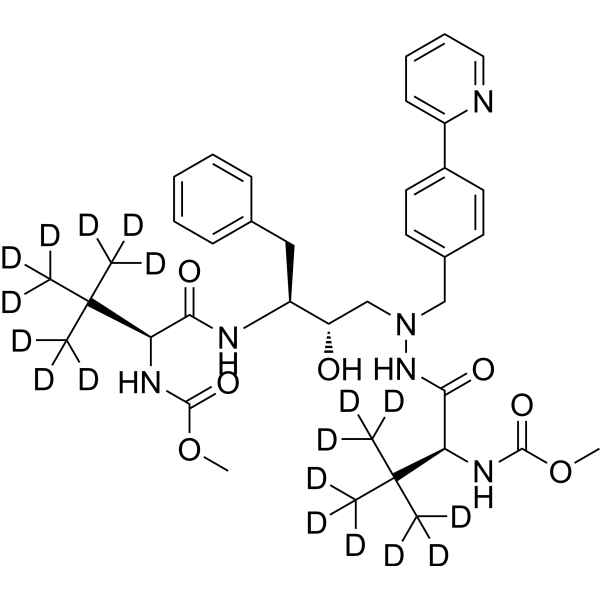
- HY-15232B
-
|
GS-7340 hemifumarate
|
HIV
Reverse Transcriptase
|
Infection
Cancer
|
|
Tenofovir alafenamide hemifumarate (GS-7340 hemifumarate) is an investigational oral proagent of Tenofovir. Tenofovir is a HIV-1 nucleotide reverse transcriptase inhibitor.
|
-
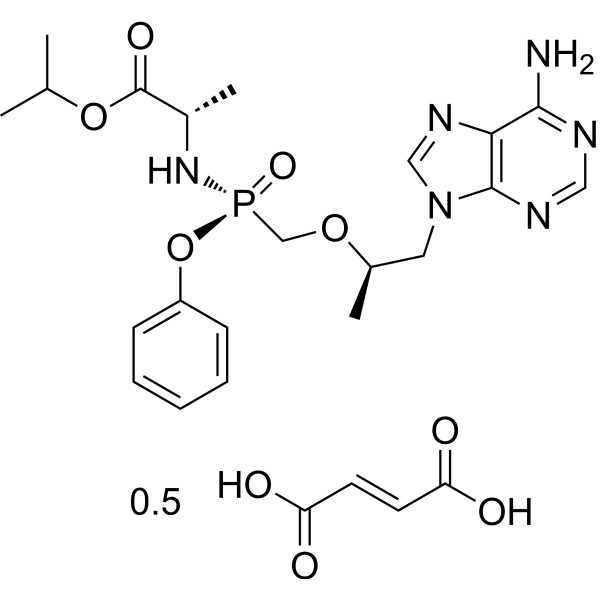
- HY-10571A
-
|
U 90152 mesylate; BHAP-U 90152 mesylate
|
HIV
Reverse Transcriptase
|
Infection
|
|
Delavirdine (U 90152) mesylate is a potent, highly specific and orally active non-nucleoside reverse transcriptase inhibitor (NNRTI). Delavirdine mesylate selectively inhibits HIV-1 reverse transcriptase (RT) (IC50=0.26 μM) over DNA polymerase α (IC50=440 μM) and polymerase δ (IC50>550 μM). Delavirdine mesylate is an inhibitor of HIV-1 replication and can can be used for the study of AIDs .
|
-
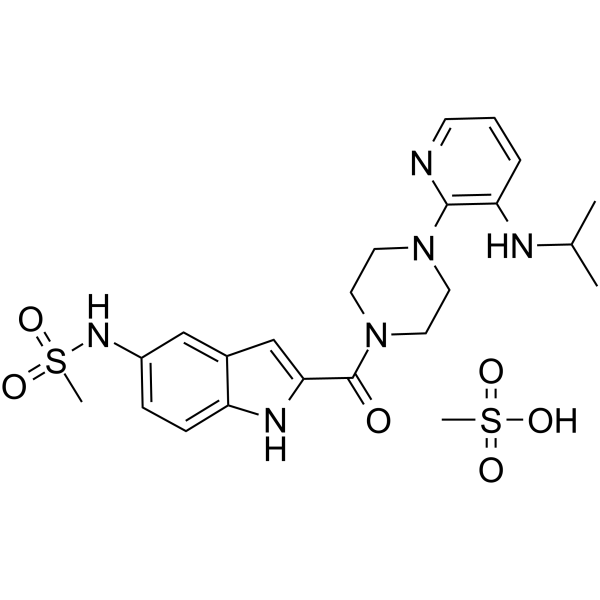
- HY-10571
-
|
U 90152; BHAP-U 90152
|
HIV
Reverse Transcriptase
|
Infection
|
|
Delavirdine (U 90152) is a potent, highly specific and orally active non-nucleoside reverse transcriptase inhibitor (NNRTI). Delavirdine selectively inhibits HIV-1 reverse transcriptase (RT) (IC50=0.26 μM) over DNA polymerase α (IC50=440 μM) and polymerase δ (IC50>550 μM). Delavirdine is an inhibitor of HIV-1 replication and can can be used for the study of AIDs .
|
-
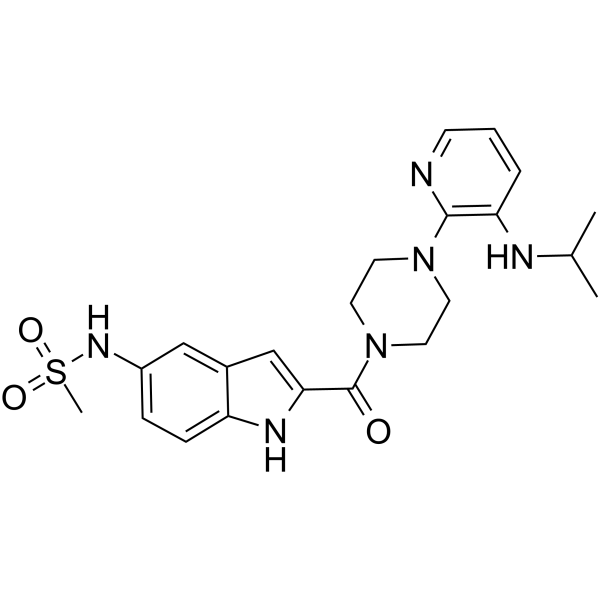
- HY-103078
-
|
|
HIV
Reverse Transcriptase
|
Infection
|
|
I-XW-053 is a specific anti-HIV-1 capsid inhibitor (IC50=164.2 μM). By binding to the CA NTD-NTD hexamerization interface and the R173 region of CTD (Kd=66.3 μM), I-XW-053 disrupts capsid function and reduces polymerization levels. I-XW-053 effectively blocks HIV-1 uncoating, inhibits reverse transcription and early replication, and exhibits broad-spectrum activity against primary HIV-1 isolates in peripheral blood mononuclear cells. I-XW-053 can be widely used in studies related to HIV-1 infection .
|
-
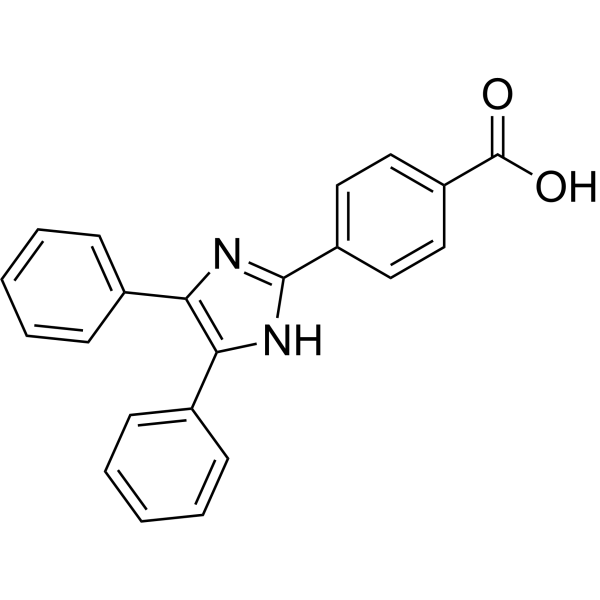
- HY-17431R
-
|
GW433908G (Standard)
|
Reference Standards
Drug Intermediate
HIV
HIV Protease
|
Infection
|
|
Fosamprenavir Calcium Salt (GW433908G) (Standard) is the analytical standard of Fosamprenavir Calcium Salt (HY-17431R). This product is intended for research and analytical applications. Fosamprenavir Calcium Salt (GW433908G) is an orally active inhibitor targeting HIV-1 protease and is a prodrug of Amprenavir (HY-17430). Fosamprenavir Calcium Salt is hydrolyzed into Amprenavir (VX-478) by cell phosphatases in the intestinal epithelium. Amprenavir binds to the active site of HIV-1 protease, preventing the processing of viral gag and gag-pol polyprotein precursors, thereby inhibiting the formation of mature infectious virus particles and exerting anti-HIV-1 infection activity. Fosamprenavir Calcium Salt can be used for the study of human immunodeficiency virus (HIV-1) infection .
|
-
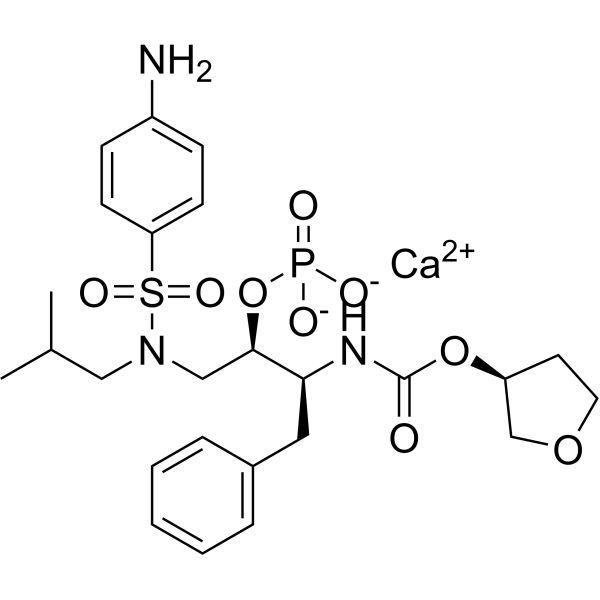
- HY-103078A
-
|
|
HIV
Reverse Transcriptase
|
Infection
|
|
I-XW-053 sodium is a specific anti-HIV-1 capsid inhibitor (IC50=164.2 μM). By binding to the CA NTD-NTD hexamerization interface and the R173 region of CTD (Kd=66.3 μM), I-XW-053 sodium disrupts capsid function and reduces polymerization levels. I-XW-053 sodium effectively blocks HIV-1 uncoating, inhibits reverse transcription and early replication, and exhibits broad-spectrum activity against primary HIV-1 isolates in peripheral blood mononuclear cells. I-XW-053 sodium can be widely used in studies related to HIV-1 infection .
|
-
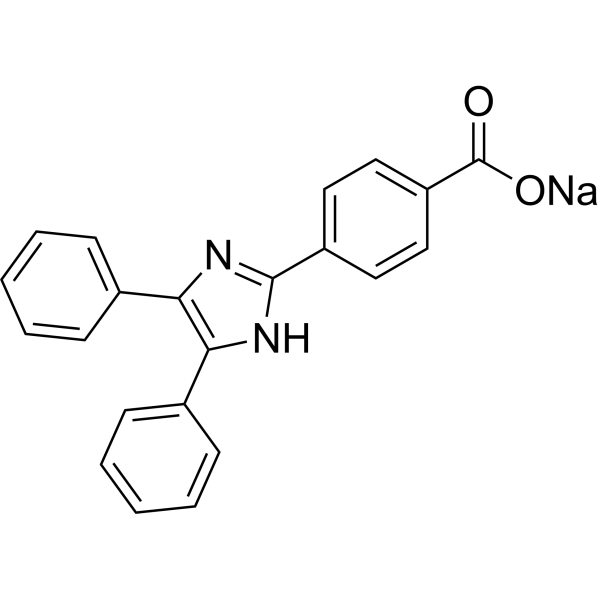
- HY-19378
-
|
PC 815
|
HIV
|
Infection
|
|
MIV-150 is a nonnucleoside reverse transcriptase (NNRT) inhibitor, blocking HIV-1 and HIV-2 infections, with an EC50<1 nM against HIV-1/HIV-2MN.
|
-
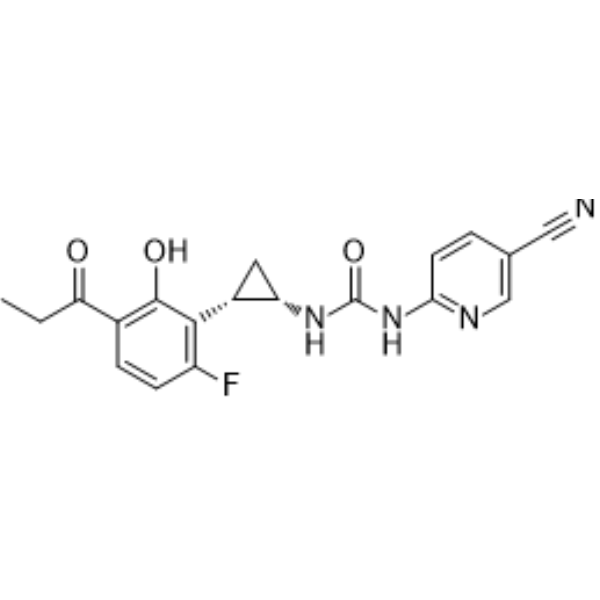
- HY-N16050
-
|
Ethyl salvionolate A
|
HIV
Reverse Transcriptase
HIV Integrase
HIV Protease
|
Infection
|
|
Ethyl salvianolate A (Ethyl salvionolate A) is an anti-HIV-1 compound that can be extracted from the roots of Salvia yunnanensis. Ethyl salvianolate A inhibits P24 antigen in HIV-1 infected MT-4 cell cultures (EC50: 1.44 μg/mL). Ethyl salvianolate A inhibits HIV-1 replicative enzymes, with IC50s of 56.38 μM (Reverse transcriptase), 12.03 μM (Protease), 14.54 μM (Integrase), respectively .
|
-

- HY-13269
-
|
|
HIV
HIV Integrase
|
Infection
Inflammation/Immunology
|
|
BMS-707035 is a potent orally active HIV-1 integrase strand transfer inhibitor (INSTI). BMS-707035 has enzyme inhibitory with an IC50 value of 3 nM. BMS-707035 also has weak CYP inhibiton and antiviral activity. BMS-707035 can be used for the research of human immunodeficiency virus-1 (HIV-1) .
|
-
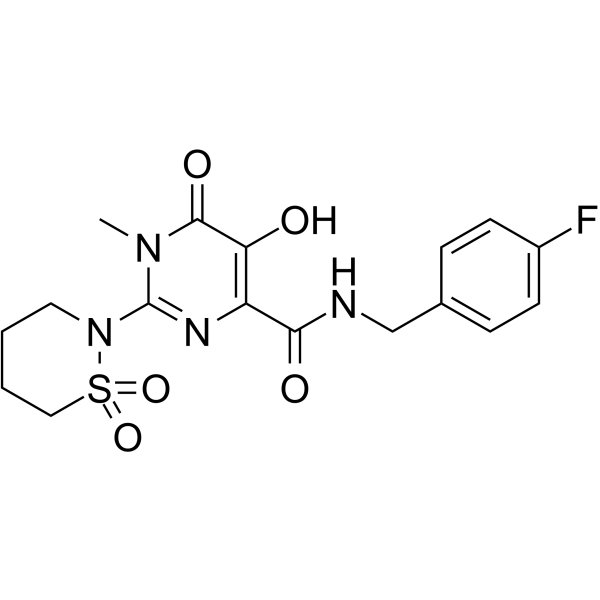
- HY-144347
-
|
|
CXCR
|
Infection
Cancer
|
|
HF51116 is a potent antagonist of CXCR4. HF51116 strongly antagonizes SDF-1α-induced cell migration, calcium mobilization, and CXCR4 internalization. HF51116 inhibits HIV-1 infection via CXCR4. HF51116 has the potential for the research of HIV-1 infection, hematopoietic stem cell mobilization, and cancer metastasis .
|
-
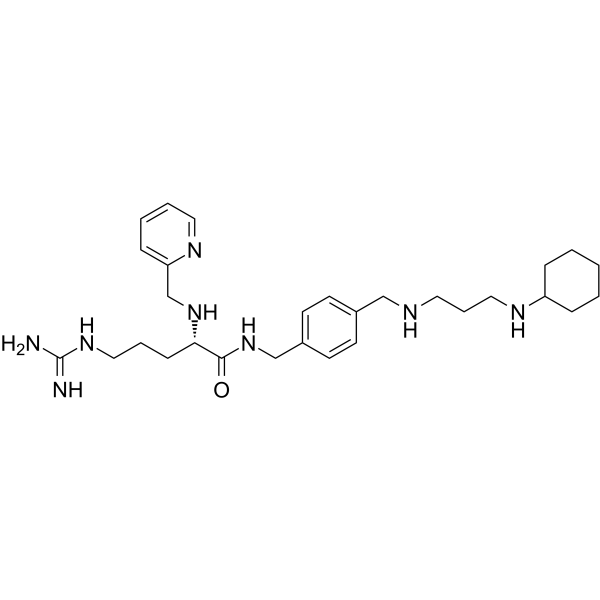
- HY-125494A
-
|
SC-55389A free base
|
HIV
HIV Protease
|
Infection
|
|
Droxinavir (SC-55389A free base) is an HIV-1 protease inhibitor. Droxinavir binds to the S2 and S2' subsites of HIV-1 protease, and this interaction is regulated by protease amino acid residue 88, where the N88S mutation confers viral resistance. Droxinavir can be used in studies related to human immunodeficiency virus type 1 infection .
|
-

- HY-I0096
-
|
|
iGluR
HIV
HIV Integrase
|
Neurological Disease
|
|
Indole-2-carboxylic acid (I2CA) is a competitive antagonist of the glycine site of the NMDA receptor (Ki=15 μM, 5-fluoro-I2CA) and an inhibitor of HIV-1 integrase. Indole-2-carboxylic acid is selective for the glycine site of the NMDA receptor and blocks the enhancement of NMDA receptor by competitively inhibiting the binding of glycine to the NMDA receptor. Indole-2-carboxylic acid can also inhibit the strand transfer activity of HIV-1 integrase by chelating Mg 2+ at the active site of integrase and interacting with the hydrophobic cavity. Indole-2-carboxylic acid can be used in the study of neurological diseases (such as stroke, epilepsy) and HIV-1 infection .
|
-
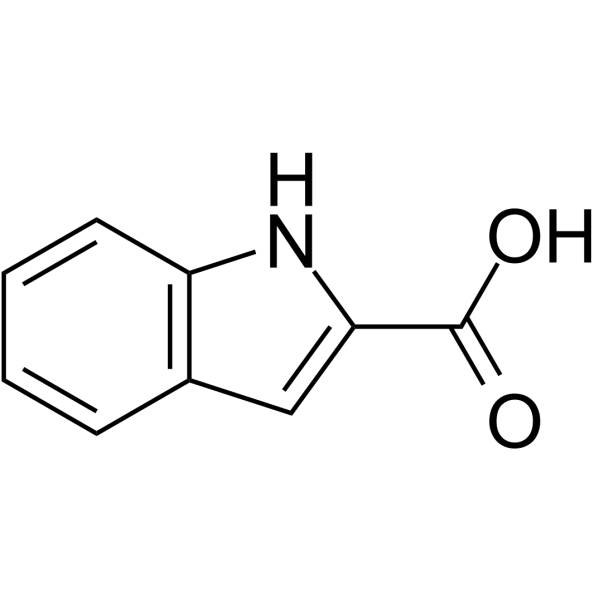
- HY-183886
-
|
|
HIV
Reverse Transcriptase
|
Infection
|
|
U 80493 is a HIV-1 reverse transcriptase inhibitor with IC50 of 20 μM. U 80493 can be used for the research of acquired immunodeficiency syndrome .
|
-

- HY-17605A
-
|
GS-9883 sodium
|
HIV Integrase
HIV
|
Infection
|
|
Bictegravir sodium is a potent inhibitor of HIV-1 integrase, with an IC50 of 7.5 nM. Bictegravir sodium exhibits potent and selective anti-HIV activity and low cytotoxicity .
|
-
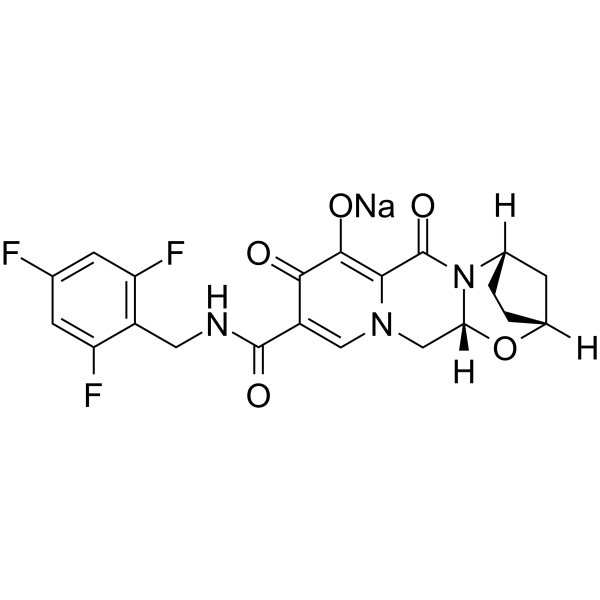
- HY-15440
-
|
BMS-626529
|
HIV
|
Infection
|
|
Temsavir (BMS-626529) is a novel attachment inhibitor that targets HIV-1 gp120 and prevents its binding to CD4 + T cells.
|
-
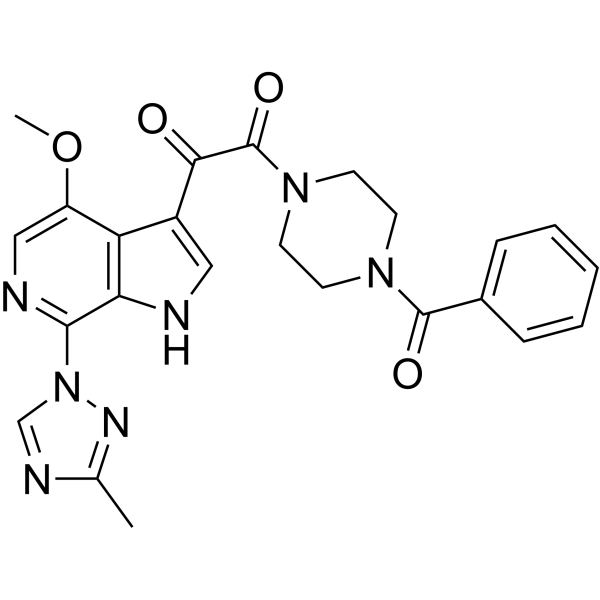
- HY-131422
-
|
|
Drug Metabolite
|
Infection
|
|
(Rac)-8-Hydroxy-efavirenz is a metabolite of Efavirenz (HY-10572), a non-nucleoside HIV-1 reverse transcriptase inhibitor .
|
-

- HY-120390
-
|
|
HIV Protease
HIV
|
Infection
|
|
L 694746 is the metabolite of L-689502 (HY-U00261). L 694746 is an inhibitor for HIV-1 protease with an IC50 of 1 nM and a Ki of 0.34 nM .
|
-

- HY-149338
-
|
|
HIV Protease
|
Infection
|
|
NNRT-IN-3 (compound 8) is an HIV-1 non-nucleoside reverse transcriptase inhibitor (EC50=0.01 μM) .
|
-
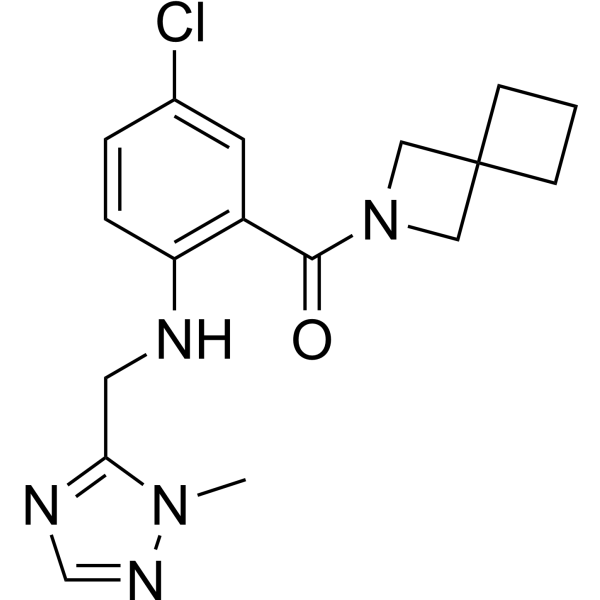
- HY-D0976
-
NF279
1 Publications Verification
|
P2X Receptor
HIV
NTPDase
CXCR
|
Infection
|
|
NF279 is a selective P2X1 receptor antagonist and NTPDase inhibitor, with a P2X1 IC50 value of 19 nM. NF279 suppresses GABA-evoked currents, reduces ATP-excited respiratory activity, alters hypoglossal nerve burst parameters, and blocks CXCR4, CCR5, CXCR3, and CXCR7-mediated calcium responses. NF279 arrests HIV-1 fusion downstream of CD4 binding, inhibits R5- and X4-tropic HIV-1 strains. NF279 can be used for the research of HIV-1 infection .
|
-
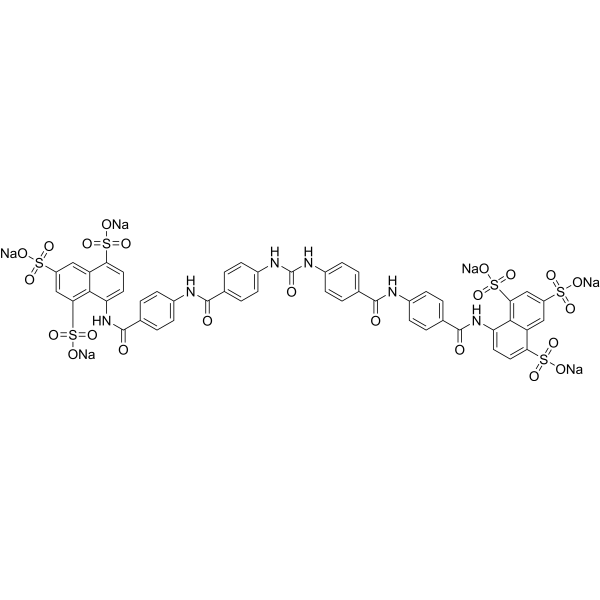
- HY-13238R
-
|
S/GSK1349572 (Standard)
|
Reference Standards
HIV Integrase
HIV
|
Infection
|
|
Dolutegravir (Standard) is the analytical standard of Dolutegravir. This product is intended for research and analytical applications. Dolutegravir (S/GSK1349572) is a highly potent and orally bioavailable HIV integrase strand transfer inhibitor with an IC50 of 2.7 nM for HIV-1 integrase-catalyzed strand transfer. Dolutegravir (S/GSK1349572) inhibits HIV-1 viral replication with an IC50 of 0.51 nM in peripheral blood mononuclear cells. Dolutegravir retains a high potency against the HIV-1 Y143R, N155H, and G140S/Q148H mutants (EC50=3.6-5.8 nM) .
|
-

- HY-174417
-
|
|
Reverse Transcriptase
HIV
Potassium Channel
Cytochrome P450
|
Infection
|
|
NNRT-IN-10 is a potent, selective and orally active non-nucleoside HIV-1 reverse transcriptase (NNRTI) inhibitor with with an EC50 values ranging from 1.16 to 18.3 nM for HIV and its mutant strains. NNRT-IN-10 exhibits good pharmacokinetic properties and favorable safety profiles. NNRT-IN-10 can be used for the study of AIDS, caused by HIV-1 .
|
-

- HY-19509R
-
|
|
Reverse Transcriptase
HIV
|
Infection
|
|
IQP-0528 (Standard) is the analytical standard of IQP-0528. This product is intended for research and analytical applications. IQP-0528 is a highly potent nonnucleoside reverse transcriptase inhibitor (NNRTI). IQP-0528 shows nanomolar activity against both HIV-1 and HIV-2, with an HIV-1 EC50 of 0.2 nM and an HIV-2 EC50 of 100 nM .
|
-

- HY-P5497
-
|
|
HIV
|
Others
|
|
C34 peptide is a biological active peptide. (This C34 peptide, also known as HR2, belongs to the helical region of gp41 of HIV, C-terminal heptad repeat 2 (HR2) defined as C helix or C peptide. It is known that HIV-1 enters cells by membrane fusion, C34 gp41 peptide is a potent inhibitors of HIV-1 fusion.)
|
-

- HY-N1372A
-
|
|
HIV
FAK
Apoptosis
Autophagy
|
Infection
Cancer
|
|
Fangchinoline is isolated from Stephania tetrandra with extensive biological activities, such as enhancing immunity, anti-inflammatory sterilization and anti-atherosclerosis. Fangchinoline, a novel HIV-1 inhibitor, inhibits HIV-1 replication by impairing gp160 proteolytic processing . Fangchinoline targets Focal adhesion kinase (FAK) and suppresses FAK-mediated signaling pathway in tumor cells which highly expressed FAK . Fangchinoline induces apoptosis and adaptive autophagy in bladder cancer .
|
-
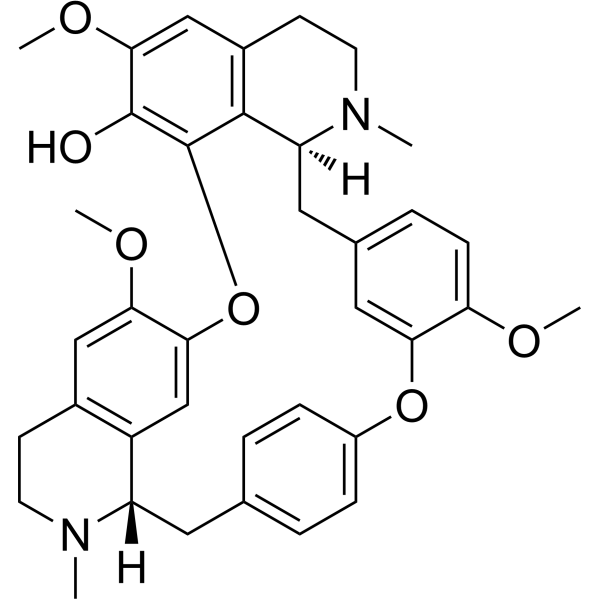
- HY-105097
-
|
U 87201E mesylate
|
HIV
Reverse Transcriptase
|
Inflammation/Immunology
|
|
Atevirdine (U 87201E) mesylate is a nonnucleoside reverse transcriptase (NNRT) inhibitor. Atevirdine mesylate can inhibit human immunodeficiency virus type 1 (HIV-1) with an IC50 of 0.06-1.6 μM. Atevirdine mesylate shows highly synergistic effects against Zidovudine/Didanosine-resistant clinical isolates of HIV-1 companied with Zidovudine (HY-17413)/Didanosine (Hy-B0249). Atevirdine mesylate can be used for the research of AIDS .
|
-

- HY-N15438
-
|
|
HIV
HIV Integrase
|
Infection
|
|
Herbacitrin is a HIV-1 reverse transcriptase and integrase inhibitor with IC50 values of 21.5 μM and 2.15 μM, respectively. Herbacitrin inhibits the growth of normal mouse embryonic cells, hybridoma HF cells, and ras/myc-transformed SFME cells, regulates the growth of ras-transformed SFME cells, and exhibits cytotoxic activity against hybridoma HF cells. Herbacitrin can be used in studies related to HIV-1 infection .
|
-

- HY-N0842
-
|
PA-457; MPC-4326; YK FH312
|
Virus Protease
|
Infection
|
|
Bevirimat (PA-457, MPC-4326, YK FH312) is an inhibitor of HIV-1 viral particle maturation.Bevirimat specifically inhibits the final rate-limiting step in Gag processing, preventing the release of the mature capsid protein (CA) from its precursor (CA-SP1), resulting in the production of immature non-infectious viral particles. Bevirimat can be used in HIV-1 infection studies .
|
-
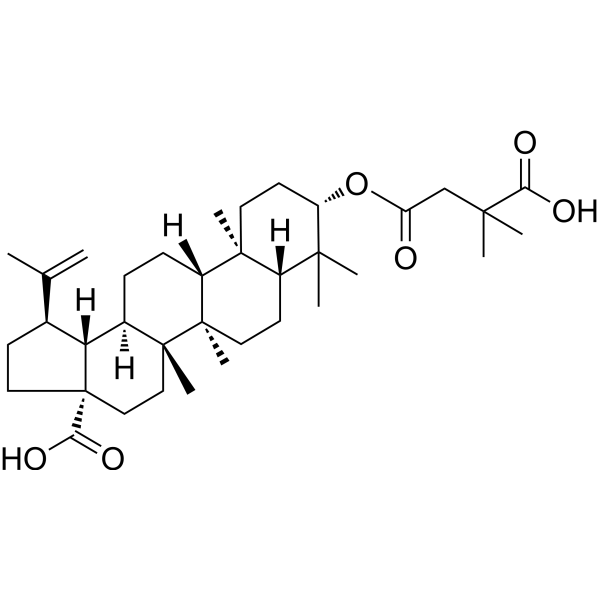
- HY-129667
-
|
|
Reverse Transcriptase
HIV
|
Infection
|
|
BM 21.1298 is a selective and high specific nonnucleoside immunodeficiency virus type 1 reverse transcriptase (HIV-1 RT) inhibitor with antiviral activity .
|
-

- HY-B1408
-
|
2-Hydroxybenzanilide
|
Environmental Pollutants
HIV Integrase
HIV
|
Infection
|
|
Salicylanilide demonstrates a wide range of biological activities including antiviral potency which can inhibit HIV virus
by targeting HIV-1 integrase or reverse transcriptase.
|
-
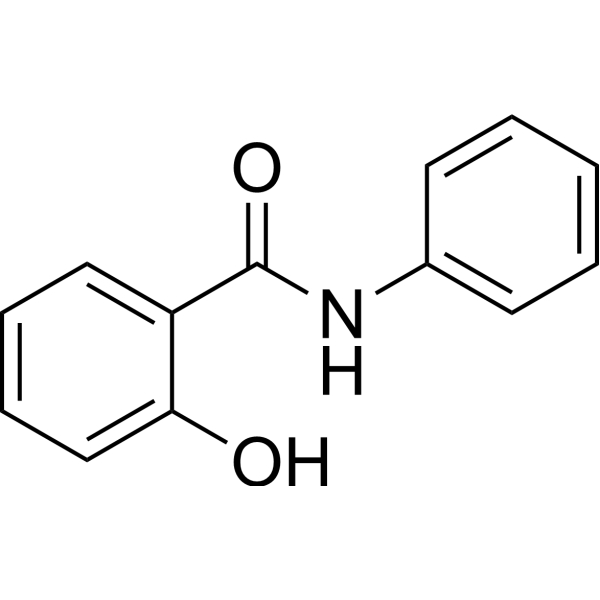
- HY-124777
-
|
|
HIV
|
Infection
|
|
NPD4456 (Compound 3) is a 3-phenylcoumarin Vpr inhibitor. NPD4456 binds to Vpr in a competitive manner. NPD4456 inhibits HIV-1 viral infection .
|
-

- HY-P10805
-
|
|
HIV
|
Infection
|
|
Capsid assembly inhibitor is a 12-mer peptide that binds the capsid (CA) domain of Gag and inhibits assembly of immature- and mature-like HIV-1 capsid particles in vitro .
|
-

- HY-18300
-
|
GLPG0634
|
JAK
HIV
|
Cancer
|
|
Filgotinib (GLPG0634) is a selective, orally available JAK1 inhibitor with anti-inflammatory and antiviral activities. Filgotinib can effectively inhibit the activities of JAK1, JAK2, JAK3 and TYK2 with IC50 values of 10 nM, 28 nM, 810 nM and 116 nM, respectively. Filgotinib also inhibits HIV-1 driven gene transcription and reduces proliferation of HIV-1 infected cells. Filgotinib can be used in the study of rheumatoid arthritis and inflammatory bowel disease .
|
-
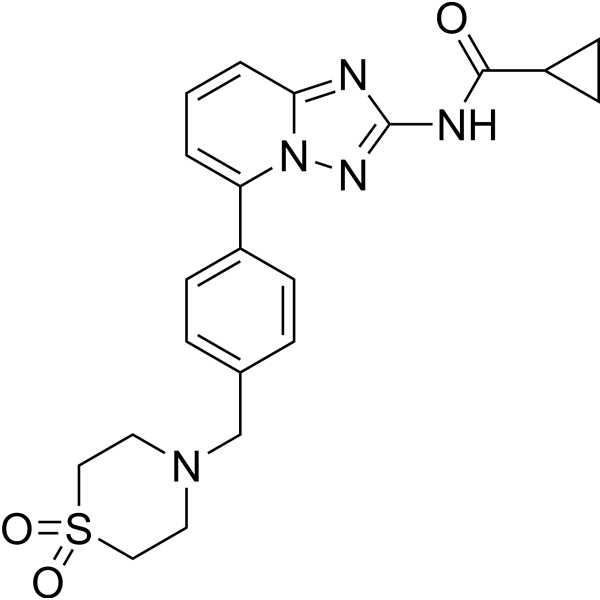
- HY-18300A
-
|
GLPG0634 maleate
|
JAK
HIV
|
Inflammation/Immunology
|
|
Filgotinib maleate (GLPG0634 maleate) is a selective, orally available JAK1 inhibitor with anti-inflammatory and antiviral activities. Filgotinib maleate can effectively inhibit the activities of JAK1, JAK2, JAK3 and TYK2 with IC50 values of 10 nM, 28 nM, 810 nM and 116 nM, respectively. Filgotinib maleate also inhibits HIV-1 driven gene transcription and reduces proliferation of HIV-1 infected cells. Filgotinib maleate can be used in the study of rheumatoid arthritis and inflammatory bowel disease .
|
-
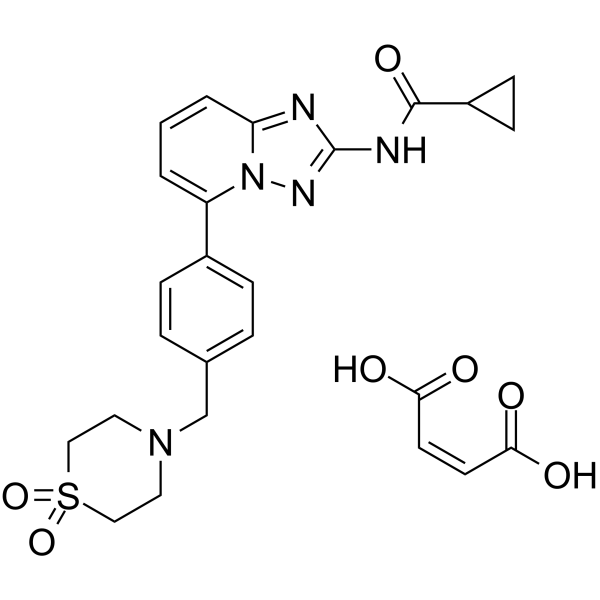
- HY-120812
-
|
|
HIV Protease
|
Infection
|
|
HIV-IN-11 is part of the hydroxylaminoglutaramide (HAPA) transition state isomeric series of HIV protease inhibitors and is a potent and selective inhibitor of HIV-1 protease. HIV-IN-11 competitively inhibits HIV-1 PR (Ki: 0.049 nM) and potently inhibits replication of HIV(IIIb)-infected MT4 lymphocytes at concentrations of 25.0-50.0 nM. HIV-IN-11 displays a longer half-life than indinavir sulfate in animal models and serves as a promising second-generation HIV protease inhibitor .
|
-

- HY-122058
-
|
|
HIV
|
Infection
|
|
KRH-3955 is a CXCR4 antagonist with good bioavailability and potent anti-HIV-1 activity. KRH-3955 can effectively inhibit the replication of X4 HIV-1, including clinical isolates from different donors. KRH-3955 also shows activity against recombinant X4 HIV-1 containing reverse transcriptase, protease and tyrosinase resistance mutations. KRH-3955 can inhibit the binding of SDF-1alpha to CXCR4 and calcium ion signaling through this receptor. KRH-3955 inhibits the binding of an antibody against CXCR4 to CXCR4, showing a potent antagonistic effect on CXCR4. KRH-3955 shows an oral bioavailability of 25.6% in rats and can inhibit the replication of X4 HIV-1 in vivo .
|
-

- HY-175031
-
|
|
HIV Protease
|
Infection
|
|
GRL-07524 (Compound 4e) is a potent inhibitor of HIV-1 protease (Ki = 0.22 nM). GRL-07524 contains oxaspirocyclic carbamates as the P2 ligands. GRL-07524 exhibits good antiviral activity with an EC50 = 210 nM. GRL-07524 binds to the HIV-1 PR active site in one of the four symmetry independent molecules along with key catalytic residues .
|
-

- HY-14135
-
|
BMS 043
|
HIV
|
Infection
Inflammation/Immunology
|
|
BMS 488043 (BMS 043) is an orally active and well-tolerated inhibitor of the attachment of human immunodeficiency virus type 1 (HIV-1) to CD4+ lymphocytes .
|
-

- HY-124644
-
|
|
HIV
Phosphatase
|
Infection
|
|
1E7-03, a low MW tetrahydroquinoline derivative targeting protein phosphatase-1, can inhibit HIV-1 transcription .
|
-

- HY-105386
-
|
|
HIV
Reverse Transcriptase
|
Infection
|
|
HI-280 is a human immunodeficiency virus type 1 (HIV-1) reverse transcriptase inhibitor. HI-280 can be used for the research of infection .
|
-

- HY-N19685
-
|
|
Drug Derivative
|
Others
|
|
3β-Hydroxy sandaracopimaric acid is a diterpene found in the leaves of Juniperus occidentalis with no significant anti-HIV-1 activity.3β-Hydroxy sandaracopimaric acid does not inhibit HIV-1 replication .
|
-

- HY-178985
-
|
|
HIV
|
Infection
|
|
HIV-1-IN-90 is a potent HIV inhibitor. HIV-1-IN-90 exhibits potent inhibitory activity against multiple drug-resistant HIV-1 strains with EC50s of 1.5-31 nM. HIV-1-IN-90 has good security. HIV-1-IN-90 can be used for research on HIV virus infection .
|
-

- HY-118711
-
|
|
HIV
Reverse Transcriptase
|
Infection
|
|
HI-346 is a non-nucleoside reverse transcriptase inhibitor (NNRTI) for HIV-1 with an IC50 value against the HIV-1 virus strain (HTLV-IIIB) of 3 nM. HI-346 is a vaginal bactericidal contraceptive agent, with its sperm-killing activity having an EC50 value of 42 μM. HI-346 shows no cytotoxicity to normal cells at effective concentrations. HI-346 can be used in anti-HIV-1 and contraceptive research .
|
-

- HY-12108
-
|
|
HIV Integrase
HIV
|
Infection
|
|
S 1360 is a potent and selective inhibitor of HIV-1 integrase. S 1360 inhibits the catalytic activity of purified integrase (
IC50: 20 nM). The EC50, and CC50 of S 1360
in MTT assay (MT-4 cells infected with HIV-1 IIIB) are 200 nM and 12 μM, respectively. S 1360 has antiviral activity against both X4 tropic and R5 tropic strains, as well as NRTI, NNRTI and PI drug-resistant variants .
|
-

- HY-14588S1
-
|
|
Isotope-Labeled Compounds
HIV
HIV Protease
SARS-CoV
|
Infection
|
|
Lopinavir-d8 (ABT-378-d8) is the deuterium labeled Lopinavir. Lopinavir (ABT-378) is a highly potent, selective peptidomimetic inhibitor of the HIV-1 protease, with Kis of 1.3 to 3.6 pM for wild-type and mutant HIV protease. Lopinavir acts by arresting maturation of HIV-1 thereby blocking its infectivity . Lopinavir is also a SARS-CoV 3CLpro inhibitor with an IC50 of 14.2 μM .
|
-
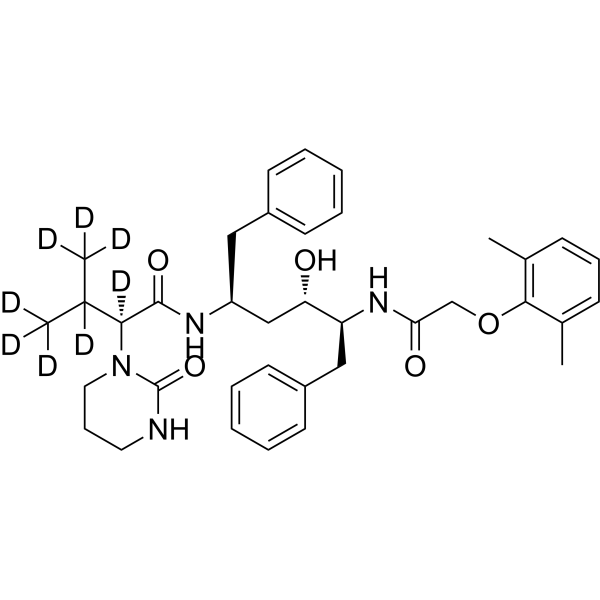
- HY-14588S2
-
|
ABT-378-d7
|
HIV
SARS-CoV
HIV Protease
Isotope-Labeled Compounds
|
Infection
Cancer
|
|
Lopinavir-d7 is deuterated labeled Lopinavir (HY-14588). Lopinavir (ABT-378) is a highly potent, selective peptidomimetic inhibitor of the HIV-1 protease, with Kis of 1.3 to 3.6 pM for wild-type and mutant HIV protease. Lopinavir acts by arresting maturation of HIV-1 thereby blocking its infectivity . Lopinavir is also a SARS-CoV 3CL pro inhibitor with an IC50 of 14.2 μM .
|
-
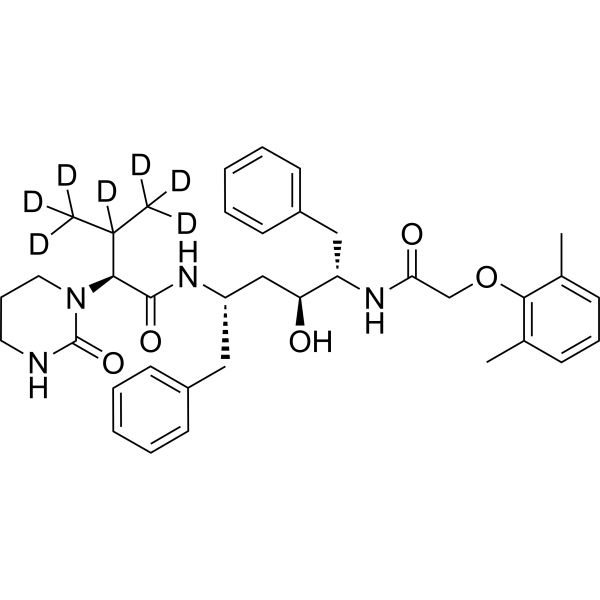
- HY-14588R
-
|
ABT-378 (Standard)
|
Reference Standards
HIV
HIV Protease
SARS-CoV
|
Infection
Cancer
|
|
Lopinavir (Standard) is the analytical standard of Lopinavir. This product is intended for research and analytical applications. Lopinavir (ABT-378) is a highly potent, selective peptidomimetic inhibitor of the HIV-1 protease, with Kis of 1.3 to 3.6 pM for wild-type and mutant HIV protease. Lopinavir acts by arresting maturation of HIV-1 thereby blocking its infectivity . Lopinavir is also a SARS-CoV 3CL pro inhibitor with an IC50 of 14.2 μM .
|
-
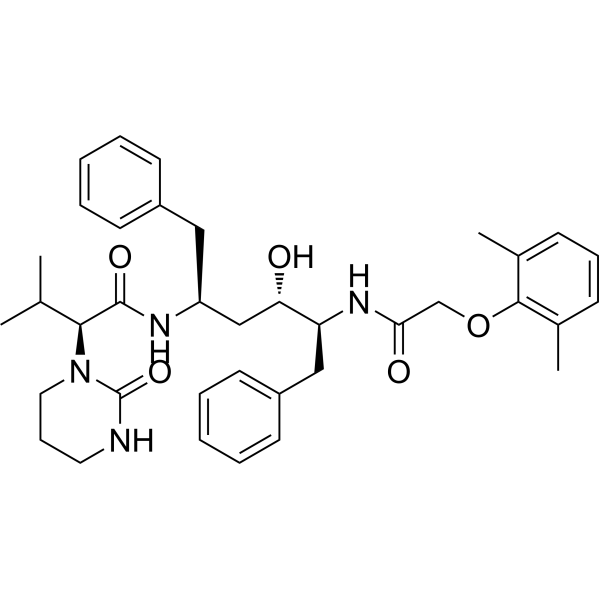
- HY-107401
-
|
SCH-351125
|
HIV
CCR
Calcium Channel
|
Infection
|
|
Ancriviroc (SCH-351125) is an orally active CCR5 antagonist with an IC50 value of 13 nM against hCCR5. Ancriviroc specifically binds to hCCR5, blocks ligand-induced signal transduction, calcium influx, GTPγS binding, chemotaxis, ligand binding, and HIV-1 entry, induces conformational changes in CCR5, and inhibits infection and replication of R5-tropic HIV-1 .
|
-

- HY-10224
-
|
LBH589; NVP-LBH589
|
HDAC
Autophagy
HIV
Apoptosis
|
Cancer
|
|
Panobinostat (LBH589; NVP-LBH589) is a potent and orally active non-selective HDAC inhibitor, and has antineoplastic activities . Panobinostat induces HIV-1 virus production even at low concentration range 8-31 nM, stimulates HIV-1 expression in latently infected cells . Panobinostat induces cell apoptosis and autophagy. Panobinostat can be used for the study of refractory or relapsed multiple myeloma .
|
-
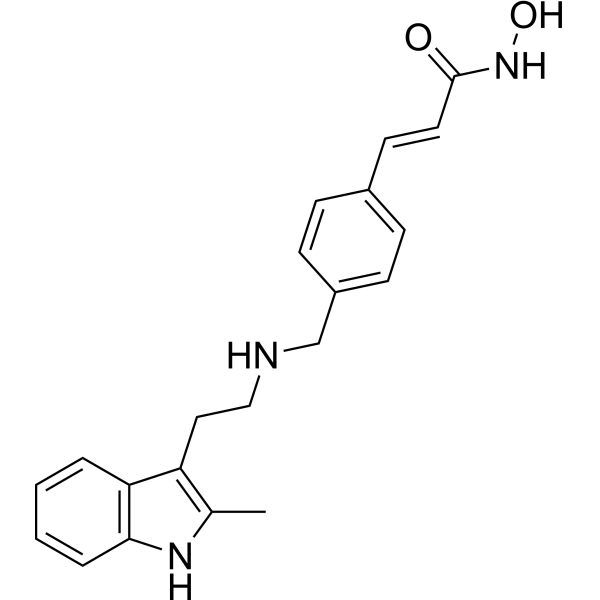
- HY-157172
-
|
|
Integrin
|
Infection
Neurological Disease
|
|
MorHap is a heroin hapten. MorHap conjugated to tetanus toxoid (TT), palm-CV2, and to monophosphoryl lipid A (MPLA)-containing liposomes partially blocks heroin-induced analgesia and hyperlocomotion in mice. MorHap designed conjugates also significantly inhibits HIV-1 binding to α4β7 receptors. MorHap can be used in research to develop vaccines related to heroin addiction and HIV-1 infection .
|
-
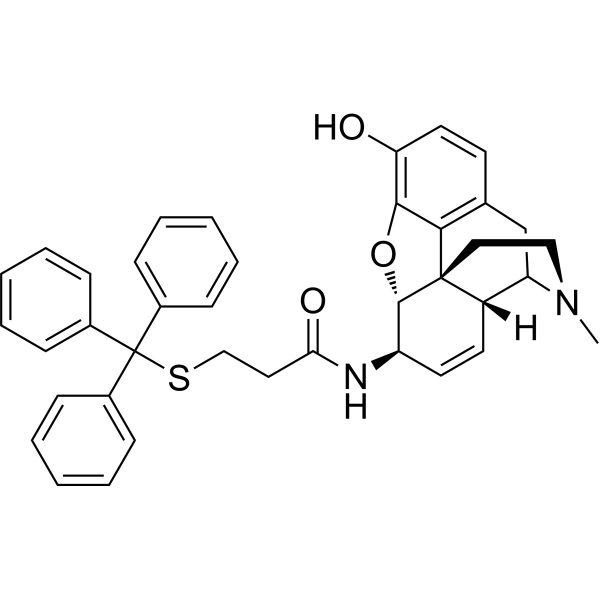
- HY-17605S1
-
-
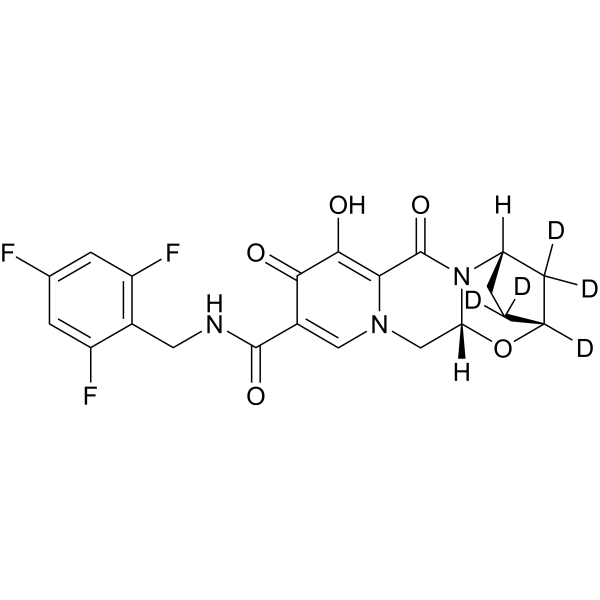
- HY-175561
-
|
|
HIV
HIV Protease
|
Infection
|
|
HIV-IN-12 (Compound A1) is a dual HIV-1 Vif and reverse transcriptase (RT) inhibitor. HIV-IN-12 is promising for research of HIV infections .
|
-

- HY-15352
-
|
DPC 083
|
Reverse Transcriptase
HIV
|
Infection
|
|
BMS 561390 (DPC 083) is an orally available non-nucleoside reverse transcriptase inhibitor (NNRTI) with broad inhibitory effects on wild-type HIV-1 and mutant strains .
|
-

- HY-17605S2
-
|
GS-9883-d4
|
HIV
HIV Integrase
|
Infection
|
|
Bictegravir-d4 is a deuterium of Bictegravir (HY-17605). Bictegravir (GS-9883) is a potent inhibitor of HIV-1 integrase with an IC50 of 7.5 nM .
|
-
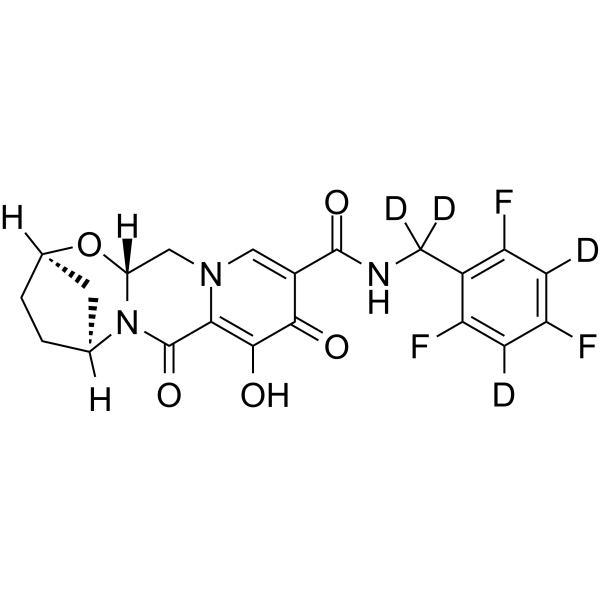
- HY-123608
-
|
|
HIV Protease
|
Infection
|
|
JE-2178 is an orally available HIV-1 protease inhibitor with IC50 and Ki values are 15 and 0.318 nM respectively. JE-2178 has antiviral activity .
|
-

- HY-178833
-
-

- HY-17041
-
|
TMC114 Ethanolate
|
HIV
HIV Protease
|
Infection
|
|
Darunavir ethanolate (TMC114 Ethanolate) is a potent HIV protease inhibitor used to treat and prevent HIV/AIDS. Darunavir has a Ki of 1 nM for wild type HIV-1 protease.
|
-
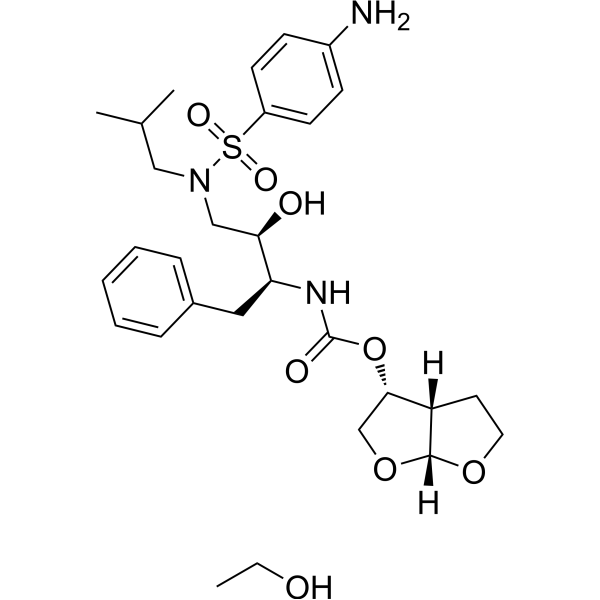
- HY-117472
-
|
|
HIV
|
Infection
|
|
DLC27-14 is a HIV Nef inhibitor with the IC50 of 15.92 μM. DLC27-14 can be used for study of HIV-1 .
|
-

- HY-N12260
-
|
|
HIV
Bacterial
|
Infection
|
|
Benanomicin A is a microbial metabolite and can be isolated from Actinomycetes.Benanomicin has antifungal activitya and inhibits HIV-1 viral infection in MT-4 cells .
|
-

- HY-164675
-
|
|
HIV
|
Infection
|
|
gp120-IN-3 (Compound 11) is a HIV-1 gp120 inhibitor with an IC50 value of 1.64 nM, which can be utilized in HIV research .
|
-

- HY-17605R
-
|
GS-9883 (Standard)
|
Reference Standards
HIV
HIV Integrase
|
Infection
|
|
Bictegravir (Standard) is the analytical standard of Bictegravir. This product is intended for research and analytical applications. Bictegravir (GS-9883) is a potent inhibitor of HIV-1 integrase with an IC50 of 7.5 nM.
|
-

- HY-123312
-
|
CK-0993548
|
Arp2/3 Complex
HIV
|
Infection
|
|
CK-548 (CK-0993548) is a Arp2/3 complex inhibitor with the IC50 of 11 μM. CK-548 inhibits HIV-1 nuclear migration and infection .
|
-

- HY-125028
-
|
|
Src
HIV
|
Infection
|
|
Hck-IN-1 (compound B9), a diphenylpyrazolo compound, is a selective Nef-dependent Hck inhibitor with IC50s of 2.8 μM, >20 μM for Nef:Hck complex and Hck, respectively. Hck-IN-1 is a direct and wide HIV-1 Nef antagonists with an IC50 of 100-300 nM for wild-type HIV-1 replication. Hck-IN-1 binds pocket residue Asn126 and has anti-retroviral activity .
|
-
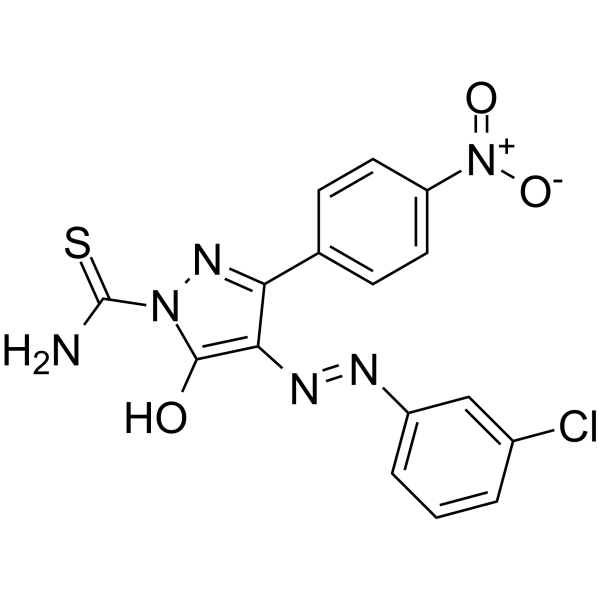
- HY-150536
-
|
|
HIV
HIV Protease
|
Infection
|
|
EP39 is a potent HIV-1 maturation inhibitor. EP39 interacts with the SP1 domain of Gag. EP39 decreases the dynamics of CA-SP1 junction, by binding to the QVT motif of the SP1 domain, and perturbs the natural coil-helix equilibrium on both sides of the SP1 domain by stabilizing the transient alpha helical structure. EP39 acts by arresting maturation of HIV-1 thereby blocking its infectivity .
|
-
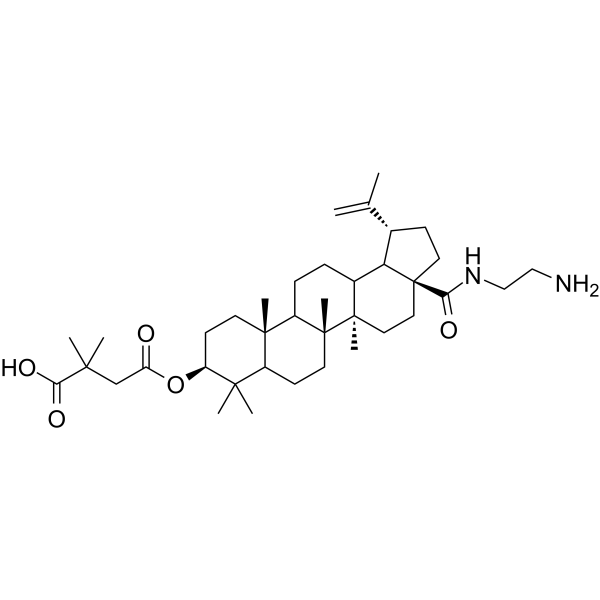
- HY-10572BS
-
|
|
Isotope-Labeled Compounds
Reverse Transcriptase
HIV
Autophagy
|
Infection
Cancer
|
|
(Rac)-Efavirenz-d4 is a labelled racemic Efavirenz. Efavirenz (DMP 266) is a potent inhibitor of the wild-type HIV-1 reverse transcriptase with a Ki of 2.93 nM and exhibits an IC95 of 1.5 nM for the inhibition of HIV-1 replicative spread in cell culture . (Rac)-Efavirenz-d4 is a click chemistry reagent, it contains an Alkyne group and can undergo copper-catalyzed azide-alkyne cycloaddition (CuAAc) with molecules containing Azide groups.
|
-
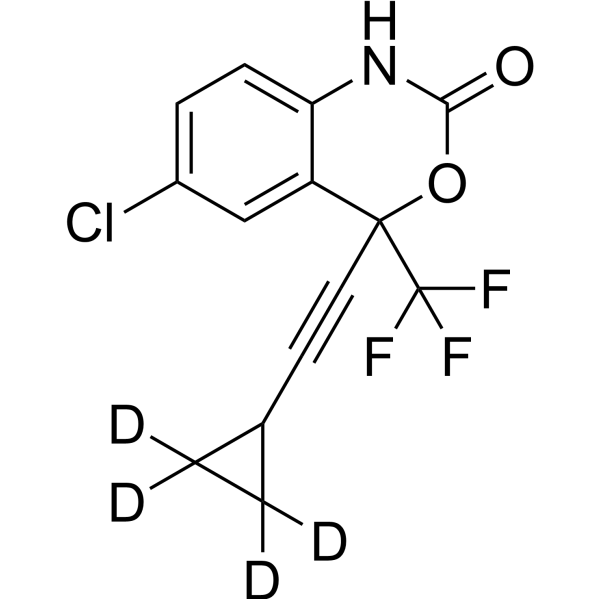
- HY-10570S
-
-
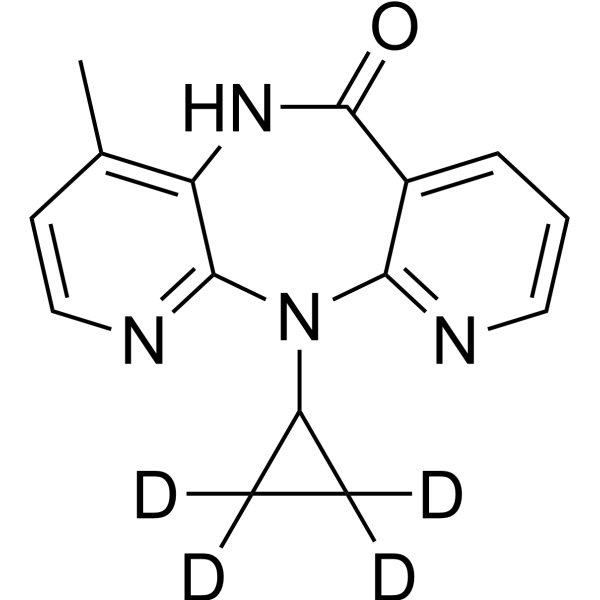
- HY-15884
-
|
|
HIV
|
Infection
|
|
GSK2838232 inhibit HIV reverse transcriptase activity across a broad panel of HIV-1 isolates, extracted from patent WO/2013090664A1, compound51.
|
-
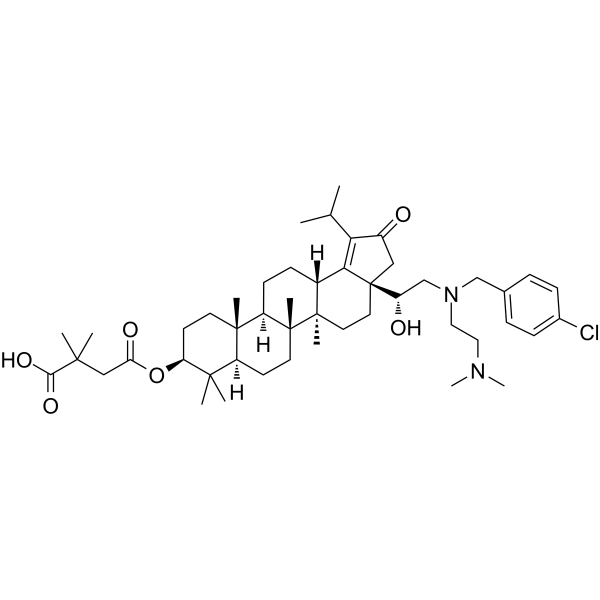
- HY-P2054
-
|
|
HIV Protease
|
Infection
|
|
Mvt-101 is a hexapeptide-based inhibitor of HIV-1 protease. Mvt-101 is also reduced-peptide-bond inhibitor. Mvt-101 inhibits reproduction of the HIV virus by blocking protease action .
|
-
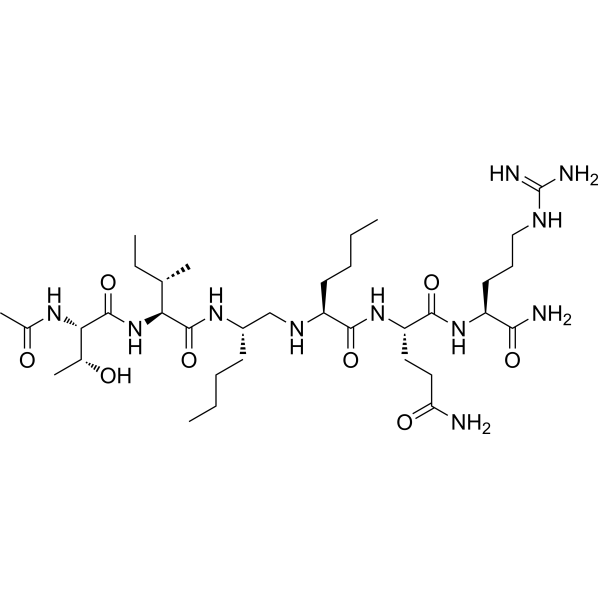
- HY-175667
-
|
|
HIV
Reverse Transcriptase
|
Infection
|
|
NNRT-IN-12 (compound 19) is a potent non-nucleoside reverse transcriptase (NNRT) inhibitor with an IC50 value of 0.107 μM for WT HIV-1 RT. NNRT-IN-12 shows anti-HIV-1 activity with EC50 value of 14.1, 5.03, 7.64, 27.1 nM for L100I, K103N, Y181C, Y188L mutant HIV-1 strains, respectively. NNRT-IN-12 shows cytotoxicity .
|
-

- HY-103078R
-
|
|
Reference Standards
HIV
Reverse Transcriptase
|
Infection
|
|
I-XW-053 (Standard) is the analytical standard of I-XW-053 (HY-103078). This product is intended for research and analytical applications. I-XW-053 is a specific anti-HIV-1 capsid inhibitor (IC50=164.2 μM). By binding to the CA NTD-NTD hexamerization interface and the R173 region of CTD (Kd=66.3 μM), I-XW-053 disrupts capsid function and reduces polymerization levels. I-XW-053 effectively blocks HIV-1 uncoating, inhibits reverse transcription and early replication, and exhibits broad-spectrum activity against primary HIV-1 isolates in peripheral blood mononuclear cells. I-XW-053 can be widely used in studies related to HIV-1 infection .
|
-

- HY-119202
-
|
(S)-BMS-806
|
HIV
|
Infection
|
|
(S)-BMS-378806 ((S)-BMS-806) is an orally bioavailable HIV-1 inhibitor with activity against gp120-CD4 interactions. (S)-BMS-378806 exhibits micromolar inhibition of HIV-1 gp120-CD4 binding. The design and synthesis of (S)-BMS-378806 was based on a comprehensive study of protein-ligand interactions, which guided the identification and design of novel symmetrical N,N'-disubstituted aminoureas and thioureas. (S)-BMS-378806, synthesized in aqueous media using microwave irradiation, was validated for its inhibitory activity in HIV-1 gp120-CD4 capture ELISA .
|
-

- HY-105268
-
|
CS-92
|
HIV
Reverse Transcriptase
Nucleoside Antimetabolite/Analog
|
Infection
|
|
AzddMeC (CS-92) is an antiviral nucleoside analogue and a potent potent, selective and orally active HIV-1 reverse transcriptase and HIV-1 replication inhibitor. In HIV-1-infected human PBM cells and HIV-1-infected human macrophages, the EC50 values of AzddMeC are 9 nM and 6 nM, respectively . AzddMeC is a click chemistry reagent, it contains an Azide group and can undergo copper-catalyzed azide-alkyne cycloaddition reaction (CuAAc) with molecules containing Alkyne groups. It can also undergo strain-promoted alkyne-azide cycloaddition (SPAAC) reactions with molecules containing DBCO or BCN groups.
|
-
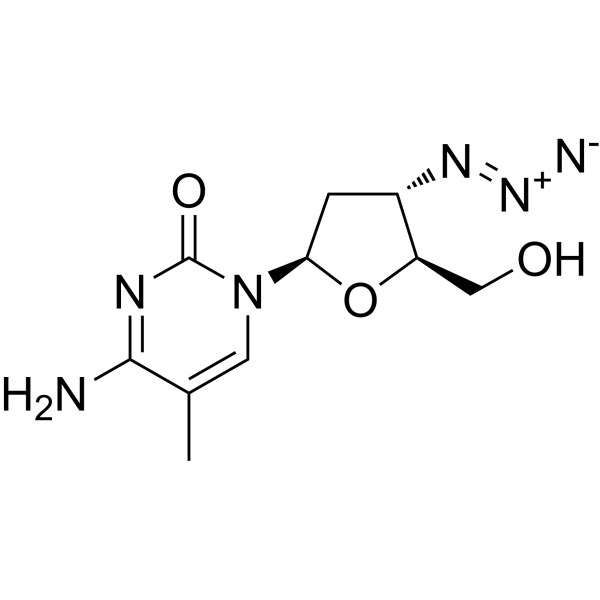
- HY-N0285S
-
-
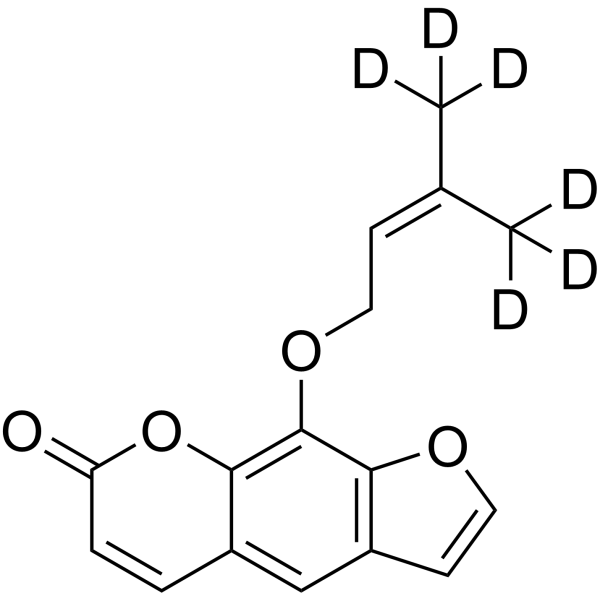
- HY-178341
-
|
|
Reverse Transcriptase
HIV
|
Infection
|
|
NNRT-IN-13 is a potent non-nucleoside reverse transcriptase (NNRT) inhibitor that directly inhibiting HIV-1 reverse transcriptase (IC₅₀ = 0.25 μM). NNRT-IN-13 exhibits excellent antiviral activity against wild-type HIV-1 (EC₅₀ = 0.0046 μM) and a broad spectrum of drug-resistant mutants. NNRT-IN-13 exhibits favorable in vivo metabolic and safety profiles. NNRT-IN-13 can be used for human immunodeficiency virus (HIV) research .
|
-

- HY-P10429
-
|
|
CXCR
|
Infection
|
|
RCP168 is a highly selective and affinity CXCR4 receptor antagonist (IC50=5 nM). RCP168 has a stronger ability than natural chemical factors to inhibit the entry of HIV-1 (human immunodeficiency virus type 1) into host cells via CXCR4 receptors. RCP168 inhibits HIV-1 infection by blocking viral binding sites or inducing receptor internalization. RCP168 can be used to analyze the interaction between CXCR4 receptor and other chemical factor receptors .
|
-

- HY-10571R
-
|
U 90152 (Standard); BHAP-U 90152 (Standard)
|
Reference Standards
HIV
Reverse Transcriptase
|
Infection
|
|
Delavirdine (Standard) is the analytical standard of Delavirdine. This product is intended for research and analytical applications. Delavirdine (U 90152) is a potent, highly specific and orally active non-nucleoside reverse transcriptase inhibitor (NNRTI). Delavirdine selectively inhibits HIV-1 reverse transcriptase (RT) (IC50=0.26?μM) over DNA polymerase?α?(IC50=440 μM) and polymerase?δ (IC50>550?μM). Delavirdine is an inhibitor of HIV-1 replication and can can be used for the study of AIDs .
|
-

- HY-18300AR
-
|
GLPG0634 maleate (Standard)
|
JAK
HIV
Reference Standards
|
Inflammation/Immunology
|
|
Filgotinib (maleate) (Standard) is the analytical standard of Filgotinib (maleate). This product is intended for research and analytical applications. Filgotinib maleate (GLPG0634 maleate) is a selective, orally available JAK1 inhibitor with anti-inflammatory and antiviral activities. Filgotinib maleate can effectively inhibit the activities of JAK1, JAK2, JAK3 and TYK2 with IC50 values of 10 nM, 28 nM, 810 nM and 116 nM, respectively. Filgotinib maleate also inhibits HIV-1 driven gene transcription and reduces proliferation of HIV-1 infected cells. Filgotinib maleate can be used in the study of rheumatoid arthritis and inflammatory bowel disease .
|
-

- HY-10571AR
-
|
U 90152 mesylate (Standard); BHAP-U 90152 mesylate (Standard)
|
Reference Standards
HIV
Reverse Transcriptase
|
Infection
|
|
Delavirdine (mesylate) (Standard) is the analytical standard of Delavirdine (mesylate). This product is intended for research and analytical applications. Delavirdine (U 90152) mesylate is a potent, highly specific and orally active non-nucleoside reverse transcriptase inhibitor (NNRTI). Delavirdine mesylate selectively inhibits HIV-1 reverse transcriptase (RT) (IC50=0.26?μM) over DNA polymerase?α?(IC50=440 μM) and polymerase?δ (IC50>550?μM). Delavirdine mesylate is an inhibitor of HIV-1 replication and can can be used for the study of AIDs .
|
-

- HY-185448
-
|
|
HIV
HIV Integrase
|
Infection
|
|
HIV RT-IN-1 is an inhibitor of HIV integrase and HIV reverse transcriptase-associated ribonuclease H. HIV RT-IN-1 is applicable to research related to HIV-1 infection .
|
-

- HY-15287
-
|
AG1341
|
HIV Protease
HIV
|
Infection
Cancer
|
|
Nelfinavir (AG-1341) is a potent and orally bioavailable HIV-1 protease inhibitor (Ki=2 nM) for HIV infection. Nelfinavir is a broad-spectrum, anticancer agent .
|
-
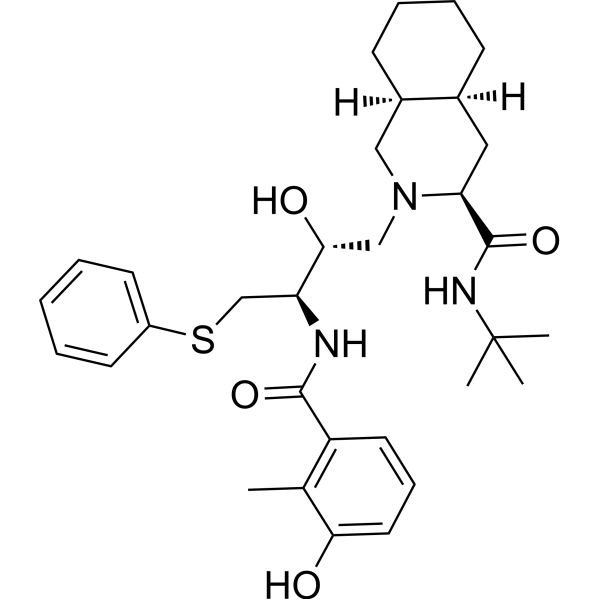
- HY-161047
-
|
|
HIV
|
Infection
|
|
Antiviral agent 45 (compound 9a) is an antiviral agent. Antiviral agent 45 inhibits HIV-1 andHIV-2 with IC50s of 35 and 3.1 nM, respectively .
|
-
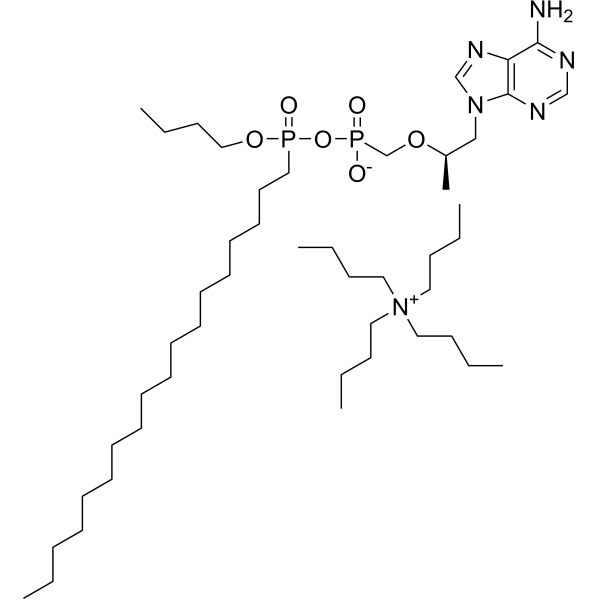
- HY-118740
-
|
|
HIV
|
Infection
|
|
L-708906 is a potent human immunodeficiency virus type 1 (HIV-1) inhibitor with an IC50 value of 12 μM. L-708906 inhibits HIV strains resistant to nonnucleoside or nucleoside reverse transcriptase inhibitors .
|
-

- HY-121611
-
|
|
HIV
|
Inflammation/Immunology
|
|
HI-236 is a potent non-nucleoside inhibitor of HIV-1 reverse transcriptase.?
HI-236 inhibits HIV activity (wild type HTLVIIB IC50p24 < 0.001 μM) .
|
-
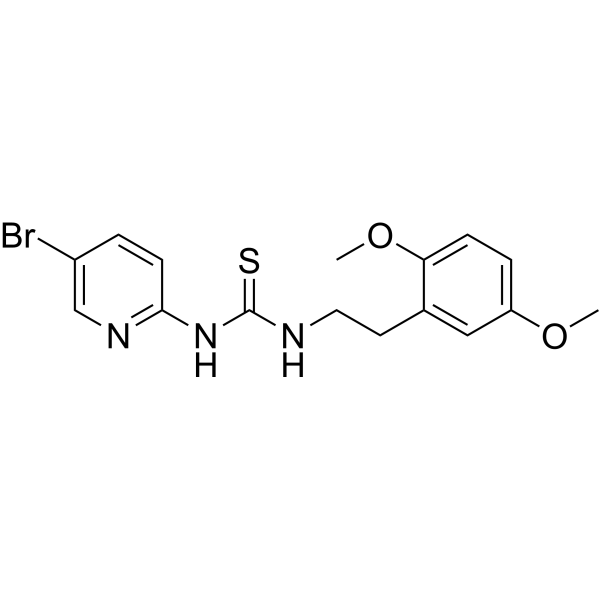
- HY-179220
-
|
|
HIV Protease
HIV
|
Infection
|
|
HIV-1-IN-88 (compound 20a) is a potent HIV‑1 protease inhibitor (IC50 = 10 pM) with an antiviral EC50 of 10.4 nM. HIV-1-IN-88 exhibits potency against the multidrug-resistant variants HIV-1Muta and HIV-1I50V with EC50 values of 30.0 and 34.3 nM, respectively. HIV-1-IN-88 can be used for HIV research .
|
-

- HY-120157
-
|
|
HIV
|
Infection
|
|
Vif-ElonginC interaction inhibitor 1 (compound VEC-5) is a potent Vif inhibitor. Vif-ElonginC interaction inhibitor 1 can restrict HIV-1 in Vif-nonpermissive cells. Vif-ElonginC interaction inhibitor 1 can protect A3G, APOBEC3C (A3C), and APOBEC3F (A3F) from Vif-mediated degradation and drastically inhibit Vif function through blocking the interaction between Vif and ElonginC. Vif-ElonginC interaction inhibitor 1 enhances A3G incorporation into HIV-1 virions to reduce viral infectivity .
|
-
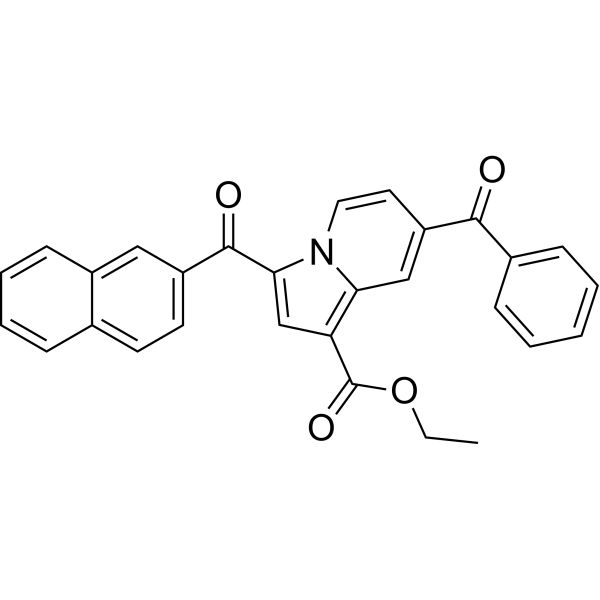
- HY-15287A
-
|
AG 1343 Mesylate
|
HIV Protease
HIV
|
Infection
Cancer
|
|
Nelfinavir Mesylate (AG 1343 Mesylate) is a potent and orally bioavailable HIV-1 protease inhibitor (Ki=2 nM) for HIV infection. Nelfinavir Mesylate (AG 1343 Mesylate) is a broad-spectrum, anticancer agent .
|
-
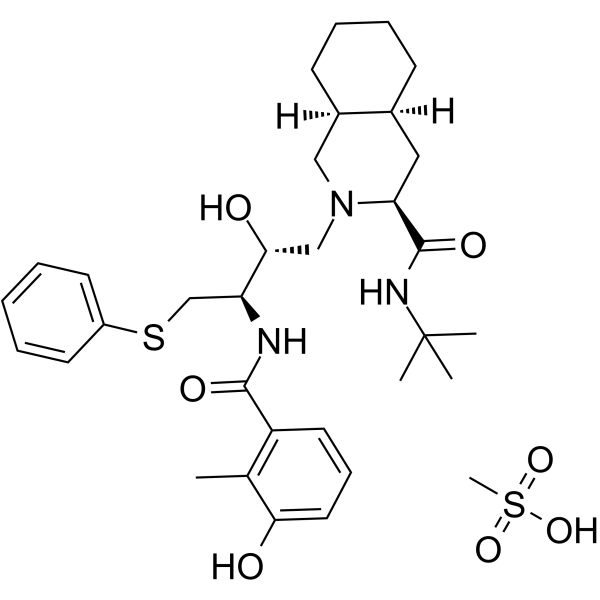
- HY-102026
-
-
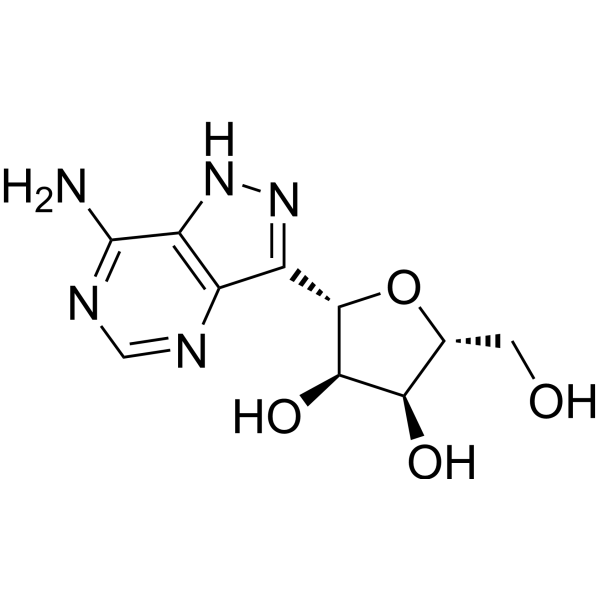
- HY-122453
-
|
|
HIV Protease
|
Infection
|
|
Palinavir is a potent human immunodeficiency virus type 1 (HIV-1) and type 2 (HIV-2) protease inhibitor with an IC50 of 0.5-30 nM . Palinavir has antiviral activity .
|
-

- HY-123768
-
|
AD-101
|
CCR
|
Infection
|
|
SCH 350581 (AD-101) is a CCR5 antagonist. SCH 350581 inhibits HIV-1 replication, viral entry into cells, and the binding of gp120 to cell lines in primary lymphocytes .
|
-

- HY-121075
-
|
|
Fluorescent Dye
Reverse Transcriptase
HIV
RSV
|
Infection
Endocrinology
Cancer
|
|
Alizarin complexone is a calcium-binding fluorescent dye. Alizarin complexone stains mineralized areas of bone by binding to calcium crystals. Alizarin complexone inhibits the reverse transcriptase activity of RAV-2, HIV-1, and RSV with IC50 values of 3.8 μg/mL, 45 μg/mL, and 100 μg/mL, respectively. Alizarin complexone exhibits antiviral activity against HIV-1 and RSV. Alizarin complexone delays RSV-induced tumor induction in chickens .
|
-
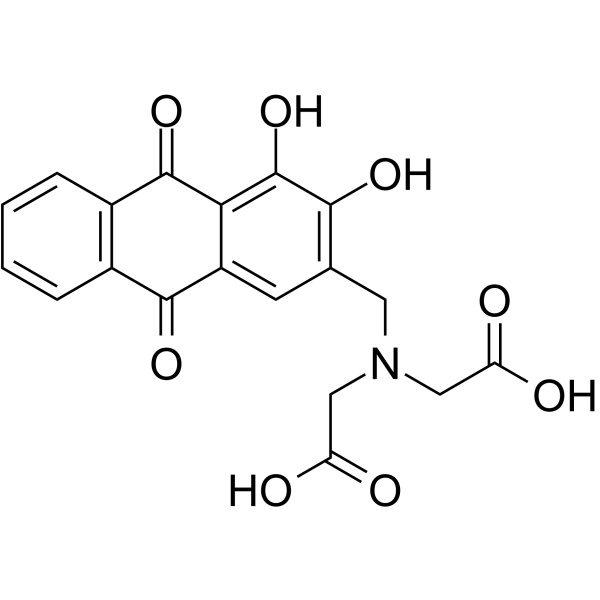
- HY-180187
-
|
|
HIV
|
Infection
|
|
019854-B06 is a potent inhibitor of Tat-mediated HIV-1 transcription (IC50 = 1.44 μM), exhibiting antiviral activity against HIV-1 (EC50 = 0.83 μM). 019854-B06 binds to Tat peptide (KD = 33.5 μM), but not to TAR RNA. 019854-B06 neither promotes Tat degradation nor disrupts the Tat/CycT1 complex, supporting a Tat-centric, nondegradative mechanism .
|
-

- HY-13269R
-
|
|
HIV
HIV Integrase
|
Infection
Inflammation/Immunology
|
|
BMS-707035 (Standard) is the analytical standard of BMS-707035. This product is intended for research and analytical applications. BMS-707035 is a potent orally active HIV-1 integrase strand transfer inhibitor (INSTI). BMS-707035 has enzyme inhibitory with an IC50 value of 3 nM. BMS-707035 also has weak CYP inhibiton and antiviral activity. BMS-707035 can be used for the research of human immunodeficiency virus-1 (HIV-1) .
|
-

- HY-N16422
-
|
|
HIV
HIV Protease
|
Infection
|
|
Mer-NF5003E is a non-nucleoside reverse transcriptase inhibitor targeting HIV-1 reverse transcriptase (RT) (EC50=50 μM). Mer-NF5003E exhibits inhibitory activity against wild-type HIV-1 and multiple NNRTI-resistant strains (e.g., K103N, Y181C). Mer-NF5003E is promising for research of HIV infections .
|
-

- HY-19618
-
BRD3308
1 Publications Verification
|
HDAC
HIV
Apoptosis
|
Infection
Metabolic Disease
|
|
BRD3308 is a highly selective HDAC3 inhibitor with an IC50 of 54 nM. BRD3308 is 23-fold selectivity for HDAC3 over HDAC1 (IC50 of 1.26 μM) or HDAC2 (IC50 of 1.34 μM). BRD3308 suppresses pancreatic β-cell apoptosis induced by inflammatory cytokines or glucolipotoxic stress, and increases functional insulin release. BRD3308 activates HIV-1 transcription and disrupts HIV-1 latency .
|
-
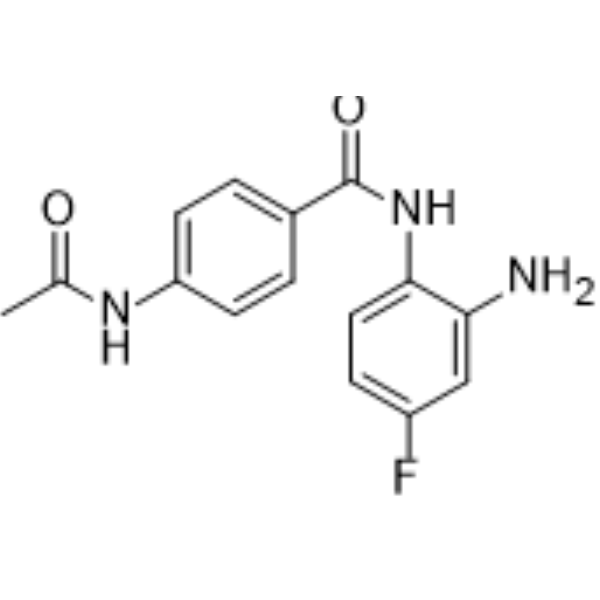
- HY-10572S
-
|
|
Reverse Transcriptase
HIV
Autophagy
|
Infection
Cancer
|
|
Efavirenz-d5 (DMP 266-d5) is the deuterium labeled Efavirenz. Efavirenz (DMP 266) is a potent inhibitor of the wild-type HIV-1 reverse transcriptase with a Ki of 2.93 nM and exhibits an IC95 of 1.5 nM for the inhibition of HIV-1 replicative spread in cell culture . Efavirenz-d5 is a click chemistry reagent, it contains an Alkyne group and can undergo copper-catalyzed azide-alkyne cycloaddition (CuAAc) with molecules containing Azide groups.
|
-
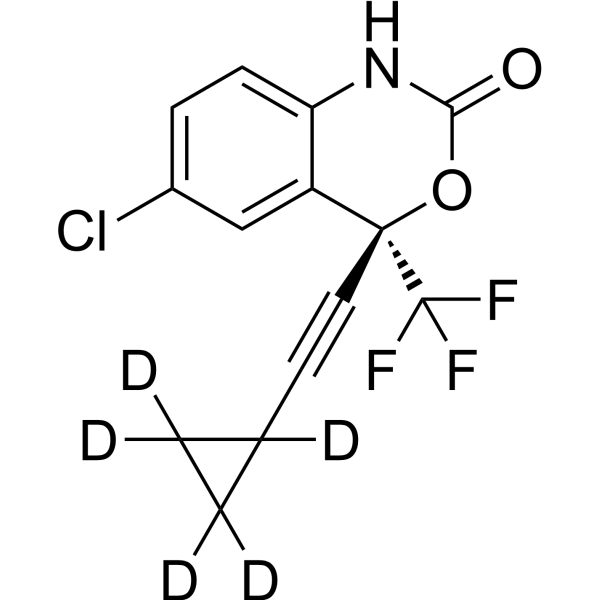
- HY-109056
-
|
R-1206
|
Drug Intermediate
HIV
Reverse Transcriptase
Carbonic Anhydrase
|
Infection
Cancer
|
|
Elsulfavirine (R-1206) is an orally active human carbonic anhydrase (carbonic anhydrase, CA) inhibitor and an allosteric inhibitor of HIV-1 non-nucleoside reverse transcriptase (NNRT). Elsulfavirine also targets and blocks the interaction between adenylosuccinate lyase (ADSL) and insulin-induced gene proteins INSIG1/2, blocks SREBP-1-mediated de novo lipid synthesis, and inhibits the proliferation of liver cancer cells. The combination of Elsulfavirine and Lenvatinib (HY-10981) produces a synergistic anti-tumor effect. Elsulfavirine is converted into the active metabolite VM1500A in vivo, blocks the DNA polymerase activity of reverse transcriptase, and inhibits HIV-1 replication. Elsulfavirine exhibits a Ki of 1960 nM-52400 nM against human carbonic anhydrase isoforms including I, VII, VI, VA, VB, IX, XIII, XIV. Elsulfavirine is used in studies related to HIV-1 infection and liver cancer .
|
-
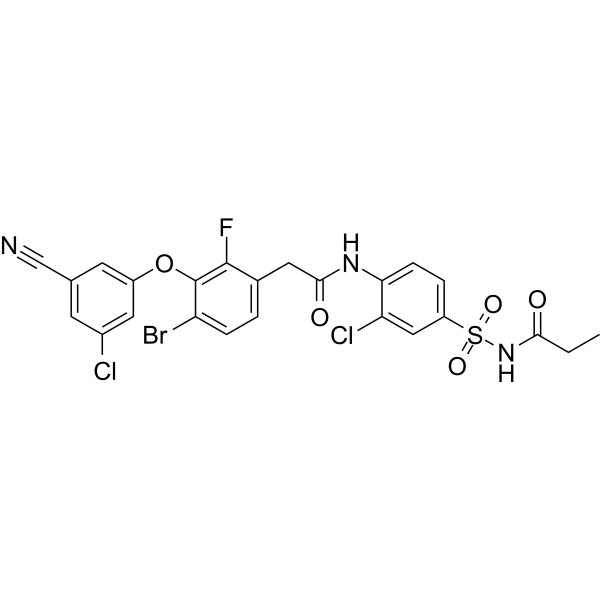
- HY-109056A
-
|
R-1206 sodium
|
HIV
Drug Intermediate
Reverse Transcriptase
Carbonic Anhydrase
|
Infection
Cancer
|
|
Elsulfavirine sodium (R-1206) is an orally active human carbonic anhydrase (carbonic anhydrase, CA) inhibitor and an allosteric inhibitor of HIV-1 non-nucleoside reverse transcriptase (NNRT). Elsulfavirine sodium also targets and blocks the interaction between adenylosuccinate lyase (ADSL) and insulin-induced gene proteins INSIG1/2, blocks SREBP-1-mediated de novo lipid synthesis, and inhibits the proliferation of liver cancer cells. The combination of Elsulfavirine sodium and Lenvatinib (HY-10981) produces a synergistic anti-tumor effect. Elsulfavirine sodium is converted into the active metabolite VM1500A in vivo, blocks the DNA polymerase activity of reverse transcriptase, and inhibits HIV-1 replication. Elsulfavirine sodium exhibits a Ki of 1960 nM-52400 nM against human carbonic anhydrase isoforms including I, VII, VI, VA, VB, IX, XIII, XIV. Elsulfavirine sodium is used in studies related to HIV-1 infection and liver cancer .
|
-

- HY-162720
-
|
|
HIV
Potassium Channel
Reverse Transcriptase
|
Infection
|
|
NNRT-IN-4 (Compound 10p) is an inhibitor for non-nucleoside reverse transcriptase (NNRT) with an IC50 of 0.713 µM for HIV-1 RT. NNRT-IN-4 exhibits antiviral efficacy, inhibits HIV-1 wildtype and mutant strains with EC50 of 6-63 nM. NNRT-IN-4 exhibits a slight inhibitory activities against hERG (IC50=25.9 µM) and CYP enzymes (IC50>50 µM). NNRT-IN-4 exhibits good tolerability and safety in mice (2 g/kg) .
|
-

- HY-N0842R
-
|
PA-457 (Standard); MPC-4326 (Standard); YK FH312 (Standard)
|
Reference Standards
Virus Protease
|
Infection
|
|
Bevirimat (Standard) is the analytical standard of Bevirimat. This product is intended for research and analytical applications. Bevirimat (PA-457, MPC-4326, YK FH312) is an inhibitor of HIV-1 viral particle maturation.Bevirimat specifically inhibits the final rate-limiting step in Gag processing, preventing the release of the mature capsid protein (CA) from its precursor (CA-SP1), resulting in the production of immature non-infectious viral particles. Bevirimat can be used in HIV-1 infection studies[1][2][3][4].
|
-

- HY-N1372AR
-
|
|
Reference Standards
HIV
FAK
Apoptosis
Autophagy
|
Infection
Cancer
|
|
Fangchinoline (Standard) is the analytical standard of Fangchinoline. This product is intended for research and analytical applications. Fangchinoline is isolated from Stephania tetrandra with extensive biological activities, such as enhancing immunity, anti-inflammatory sterilization and anti-atherosclerosis. Fangchinoline, a novel HIV-1 inhibitor, inhibits HIV-1 replication by impairing gp160 proteolytic processing . Fangchinoline targets Focal adhesion kinase (FAK) and suppresses FAK-mediated signaling pathway in tumor cells which highly expressed FAK . Fangchinoline induces apoptosis and adaptive autophagy in bladder cancer .
|
-

- HY-14588S
-
|
(rel)-ABT-378-d8
|
Isotope-Labeled Compounds
HIV Protease
SARS-CoV
HIV
|
Others
|
|
(rel)-Lopinavir-d8 ((rel)-ABT-378-d8) is the deuterium labeled Lopinavir (HY-14588) . Lopinavir (ABT-378) is a highly potent, selective peptidomimetic inhibitor of the HIV-1 protease, with Kis of 1.3 to 3.6 pM for wild-type and mutant HIV protease. Lopinavir acts by arresting maturation of HIV-1 thereby blocking its infectivity . Lopinavir is also a SARS-CoV 3CL pro inhibitor with an IC50 of 14.2 μM .
|
-
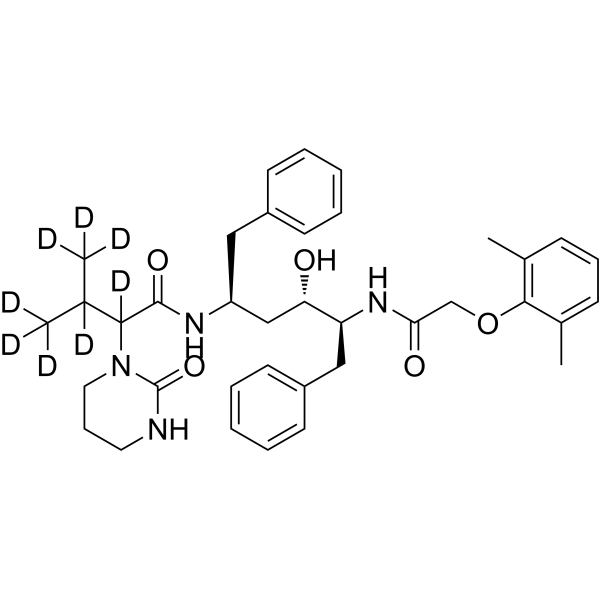
- HY-N16745
-
|
|
Parasite
HIV
HIV Protease
|
Infection
|
|
5-Hydroxynoracronycine is a selective inhibitor targeting Leishmania, HIV-1 protease, and nitric oxide (NO) production. 5-Hydroxynoracronycine has an IC50 of 93.1 μmol/L against HIV-1 protease and an IC50 of 0.19 mg/mL for scavenging DPPH free radicals. 5-Hydroxynoracronycine exerts anti-leishmanial, anti-HIV, antioxidant and antibacterial activities by inhibiting pathogen proliferation, enzyme activity and inflammation-related NO excessive production. 5-Hydroxynoracronycine can be used in the research of leishmaniasis, HIV infection, and inflammation-related diseases .
|
-

- HY-N17982
-
|
|
HIV Integrase
|
Infection
|
|
Vanillic acid 4-O-β-D-glucopyranoside is a vanillic acid glycoside with moderate antioxidant activity. Vanillic acid 4-O-β-D-glucopyranoside scavenges DPPH free radicals and superoxide anion radicals, and inhibits AAPH-induced lipid peroxidation in the linoleic acid system. The IC50 value of Vanillic acid 4-O-β-D-glucopyranoside against HIV-1 integrase is >100 μg/mL, indicating that it is not an effective HIV-1 integrase inhibitor. Vanillic acid 4-O-β-D-glucopyranoside is isolable from the ethyl acetate extract of Gardeniae Fructus.
|
-

- HY-P10308
-
|
|
HIV
|
Infection
|
|
[(Cys(Bzl)84,Glu(OBzl)85)]CD4 (81-92) is a selective inhibitor of HIV-1. [(Cys(Bzl)84,Glu(OBzl)85)]CD4 (81-92) inhibits viral infection and cell fusion by blocking the interaction between HIV-1 and CD4 molecules. [(Cys(Bzl)84,Glu(OBzl)85)]CD4 (81-92) can completely inhibit fusion formation at a concentration of 25 μM .
|
-
![[(Cys(Bzl)84,Glu(OBzl)85)]CD4 (81-92)](//file.medchemexpress.com/product_pic/hy-p10308.gif)
- HY-138561
-
|
|
Reverse Transcriptase
DNA/RNA Synthesis
HIV
|
Infection
|
|
EFdA-TP is a potent nucleoside reverse transcriptase (RT) inhibitor. EFdA-TP inhibits RT-catalyzed DNA synthesis as an effective immediate or delayed chain terminator (ICT or DCT). EFdA-TP inhibits HIV-1 RT with multiple mechanisms .
|
-
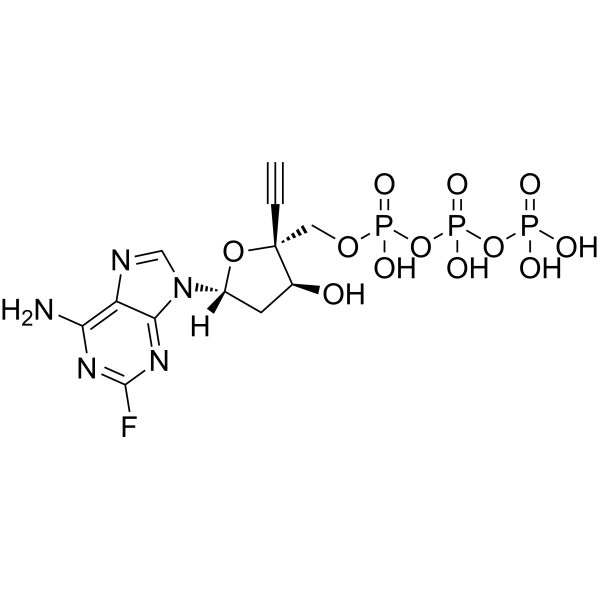
- HY-100079
-
|
Mutagenic impurity of tenofovir disoproxil
|
Drug Intermediate
|
Infection
|
|
9-Propenyladenine is a mutagenic impurity in tenofovir disoproxil fumarate. Tenofovir is an antiretroviral agent known as nucleotide analogue reverse transcriptase inhibitors, which block reverse transcriptase, a crucial virus enzyme in HIV-1 and HBV.
|
-
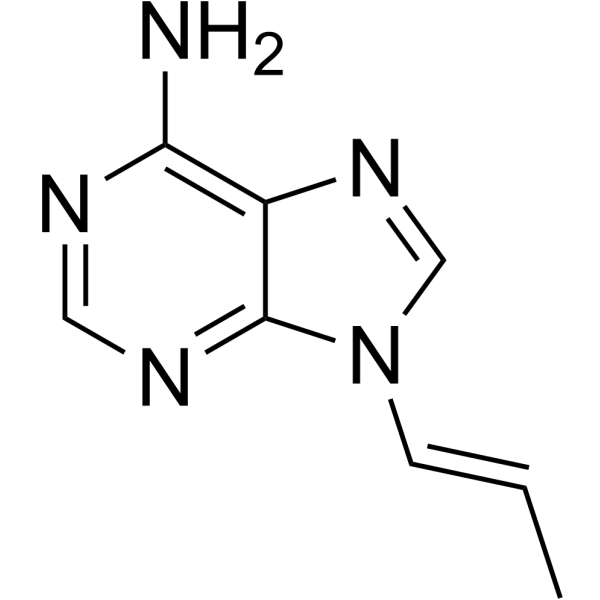
- HY-10570R
-
|
BI-RG 587 (Standard); NSC 641530 (Standard); NVP (Standard)
|
Reference Standards
HIV
Reverse Transcriptase
Parasite
|
Infection
Cancer
|
|
Nevirapine (Standard) is the analytical standard of Nevirapine. This product is intended for research and analytical applications. Nevirapine is a non-nucleoside inhibitor of HIV-1 reverse transcriptase used to treat and prevent HIV/AIDS; with a Ki of 270 μM .
|
-
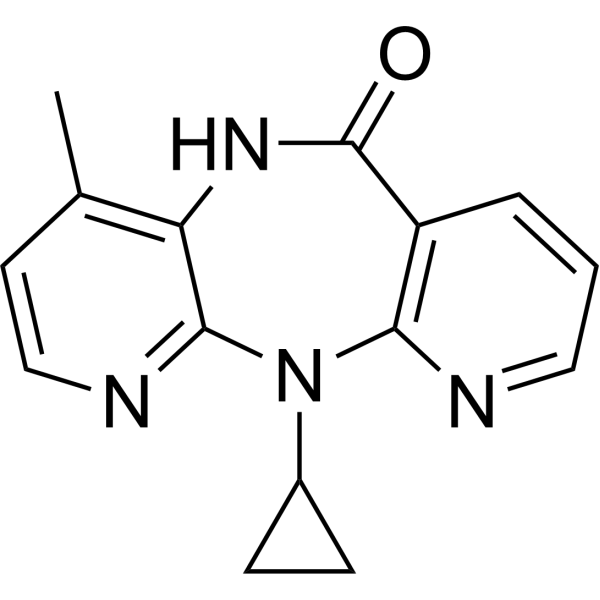
- HY-17605S4
-
-

- HY-118962
-
|
|
CCR
HIV
|
Infection
|
|
E913 is a CCR5 antagonist that competes with the binding of antibodies to CCR5 which recognize the C-terminal half of the second extracellular loop (ECL2B) of CCR5. E913 can specifically block the binding of macrophage inflammatory protein-1alpha (MIP-1alpha) to CCR5 (IC50 = 0.002 μM) and MIP-1alpha-elicited cellular Ca 2+ mobilization (IC50 = 0.02 μM). E913 inhibits the replication of laboratory and primary R5 HIV-1 strains as well as various multidrug-resistant monocyte/macrophage tropic (R5) HIV-1 (IC50 = 0.03-0.06 μM). E913 can be used for the research of infection, such as HIV-1 infection .
|
-

- HY-105268R
-
|
CS-92 (Standard)
|
Reference Standards
HIV
Reverse Transcriptase
Nucleoside Antimetabolite/Analog
|
Infection
|
|
AzddMeC (Standard) is the analytical standard of AzddMeC (HY-105268). This product is intended for research and analytical applications. AzddMeC (CS-92) is an antiviral nucleoside analogue and a potent potent, selective and orally active HIV-1 reverse transcriptase and HIV-1 replication inhibitor. In HIV-1-infected human PBM cells and HIV-1-infected human macrophages, the EC50 values of AzddMeC are 9 nM and 6 nM, respectively . AzddMeC is a click chemistry reagent, it contains an Azide group and can undergo copper-catalyzed azide-alkyne cycloaddition reaction (CuAAc) with molecules containing Alkyne groups. It can also undergo strain-promoted alkyne-azide cycloaddition (SPAAC) reactions with molecules containing DBCO or BCN groups.
|
-

- HY-17411
-
-
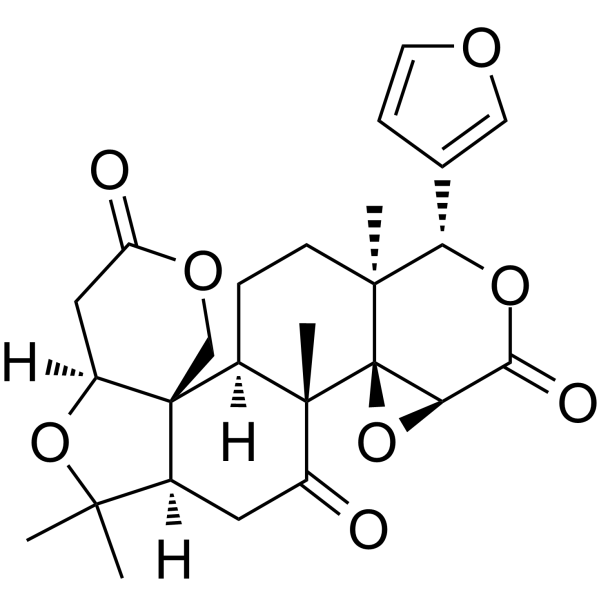
- HY-100870
-
|
ABX464
|
HIV
|
Infection
|
|
Obefazimod (ABX464) is a potent anti-HIV agent. Obefazimod inhibits HIV-1 replication in stimulated peripheral blood mononuclear cells (PBMCs) with an IC50 ranging between 0.1 μM and 0.5 μM.
|
-
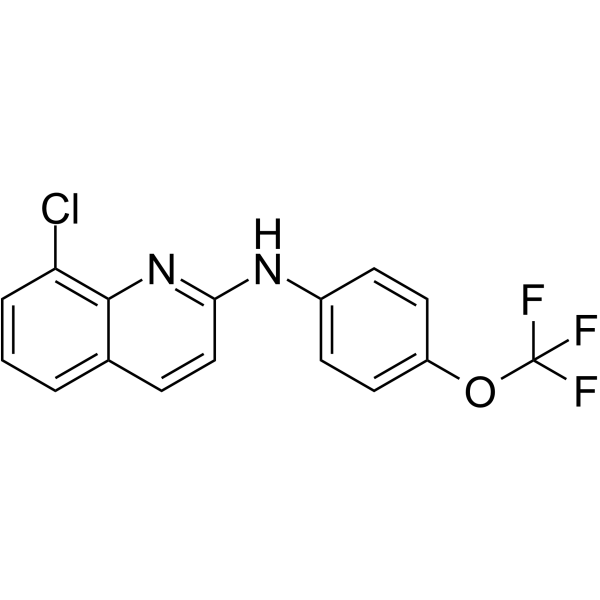
- HY-176964
-
|
PheCA
|
HIV
Fungal
|
Infection
|
|
N-Choloylphenylalanine (Compound 6273) (PheCA) is a VPR-induced growth arrest inhibitor. N-Choloylphenylalanine alleviates VPR-induced growth arrest. N-Choloylphenylalanine can be used in yeast and HIV-1 infection research .
|
-

- HY-14882A
-
|
TAK-652 Mesylate; TBR-652 Mesylate
|
CCR
HIV
|
Infection
Inflammation/Immunology
Endocrinology
|
|
Cenicriviroc Mesylate (TAK-652 Mesylate) is a dual CCR2/CCR5 antagonist, also inhibits both HIV-1 and HIV-2, and displays potent anti-inflammatory and antiinfective activity.
|
-
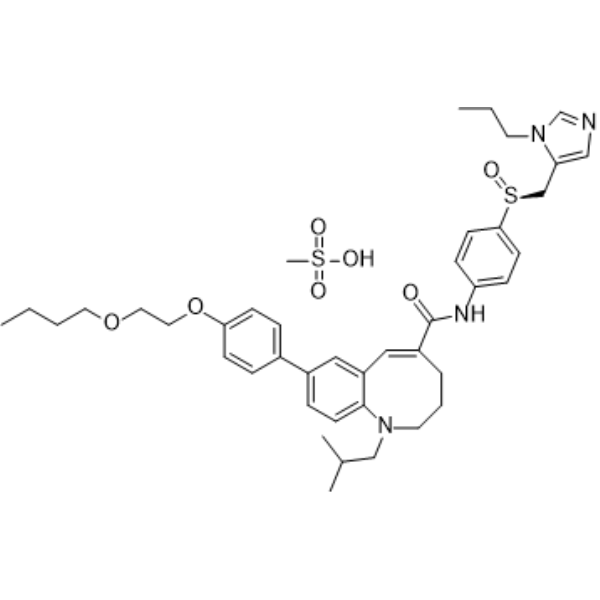
- HY-10224R
-
|
LBH589 (Standard); NVP-LBH589 (Standard)
|
Reference Standards
HDAC
Autophagy
HIV
Apoptosis
|
Infection
Cancer
|
|
Panobinostat (Standard) (LBH589 (Standard)) is the analytical standard of Panobinostat (HY-10224). This product is intended for research and analytical applications. Panobinostat is a potent and orally active non-selective HDAC inhibitor, and has antineoplastic activities . Panobinostat induces HIV-1 virus production even at low concentration range 8-31 nM, stimulates HIV-1 expression in latently infected cells . Panobinostat induces cell apoptosis and autophagy. Panobinostat can be used for the study of refractory or relapsed multiple myeloma .
|
-

- HY-10224S
-
|
LBH589-d4; NVP-LBH589-d4
|
HDAC
Autophagy
HIV
Apoptosis
|
Cancer
|
|
Panobinostat-d4 is the deuterium labeled Panobinostat. Panobinostat (LBH589; NVP-LBH589) is a potent and orally active non-selective HDAC inhibitor, and has antineoplastic activities[1][2]. Panobinostat induces HIV-1 virus production even at low concentration range 8-31 nM, stimulates HIV-1 expression in latently infected cells[4]. Panobinostat induces cell apoptosis and autophagy. Panobinostat can be used for the study of refractory or relapsed multiple myeloma[3].
|
-
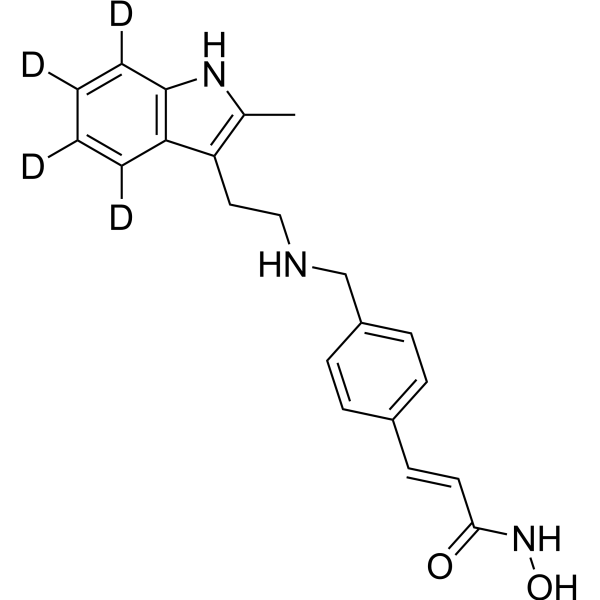
- HY-10224S1
-
|
LBH589-d4 hydrochloride; NVP-LBH589-d4 hydrochloride
|
Isotope-Labeled Compounds
HDAC
Autophagy
HIV
Apoptosis
|
Cancer
|
|
Panobinostat-d4 (hydrochloride) is deuterium labeled Panobinostat. Panobinostat (LBH589; NVP-LBH589) is a potent and orally active non-selective HDAC inhibitor, and has antineoplastic activities[1][2]. Panobinostat induces HIV-1 virus production even at low concentration range 8-31 nM, stimulates HIV-1 expression in latently infected cells[4]. Panobinostat induces cell apoptosis and autophagy. Panobinostat can be used for the study of refractory or relapsed multiple myeloma[3].
|
-
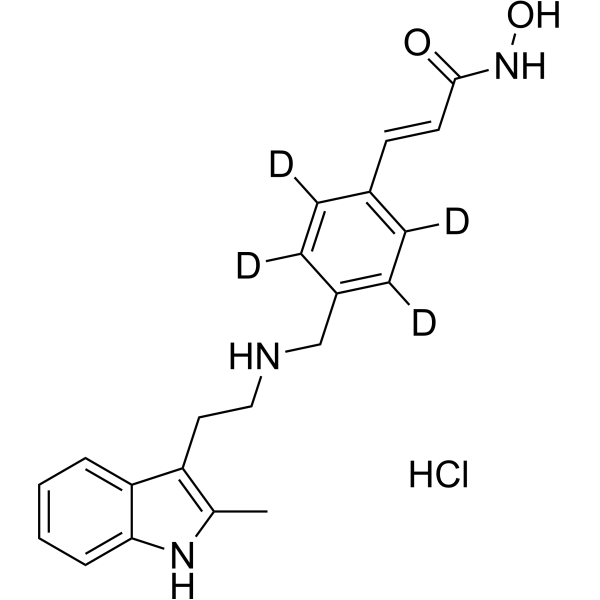
- HY-W065835
-
|
|
HIV
|
Infection
|
|
2-Bromoaldisine is a pyrrole alkaloid that can be isolated from the Red Sea: marine sponge Stylissa carter. 2-Bromoaldisine inhibits HIV-1 vector infection. 2-Bromoaldisine inhibits Raf/MEK/MAPK pathway .
|
-

- HY-108935
-
|
|
HIV Integrase
GLUT
Tyrosinase
|
Cancer
|
|
Lavendustin B is an inhibitor of HIV-1 integrase interaction with LEDGF/p75 with an IC50 of 94.07 μM. Lavendustin B is an ATP-competitive GLUT1 inhibitor with a Ki of 15 μM. Lavendustin B is also a weak inhibitor of tyrosine kinases .
|
-
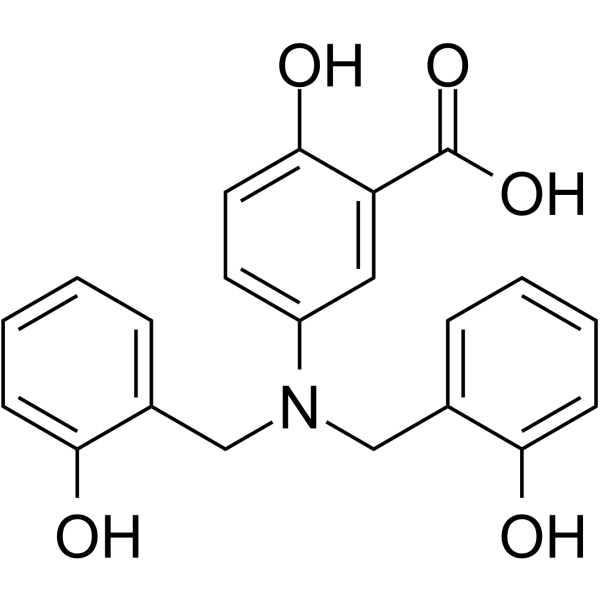
- HY-120072
-
|
PF-74
|
HIV
|
Infection
|
|
PF-3450074 (PF-74) is a specifical inhibitor of HIV-1 capsid protein (CA) and displays a broad-spectrum inhibition of HIV isolates with submicromolar potency (EC50=8-640 nM). PF-3450074 (PF-74) acts at an early stage of HIV-1 infection, inhibits viral replication by directly competing with the binding of CPSF6 and NUP153, and blocks the uncoating, assembly, and the reverse transcription steps of the viral life cycle . CPSF6: nuclear host factors cleavage and polyadenylation specific factor 6; NUP153: nucleoporin 153.
|
-
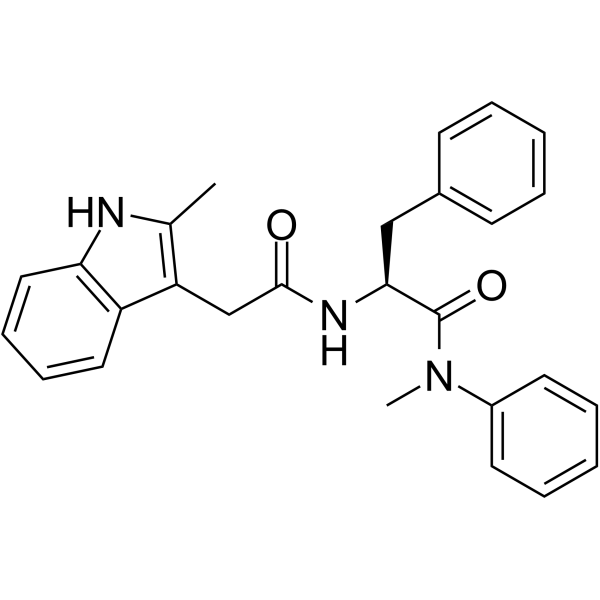
- HY-16907
-
|
S/GSK-364735
|
HIV
HIV Integrase
|
Infection
|
|
GSK-364735 is a potent antiretroviral agent against human immunodeficiency virus type 1 (HIV-1) and serves as an integrase inhibitor with an IC50 of 8 ± 2 nM. GSK-364735 can be utilized in antiviral research .
|
-

- HY-138592
-
|
7-Deaza-ddG
|
HIV
|
Infection
|
|
7-Deaza-2',3'-dideoxyguanosine (7-Deaza-ddG) is a 2′,3′-dideoxynucleoside 5′-triphosphate, which can inhibit HIV-1 reverse transcriptase with a Ki of 25 nM .
|
-
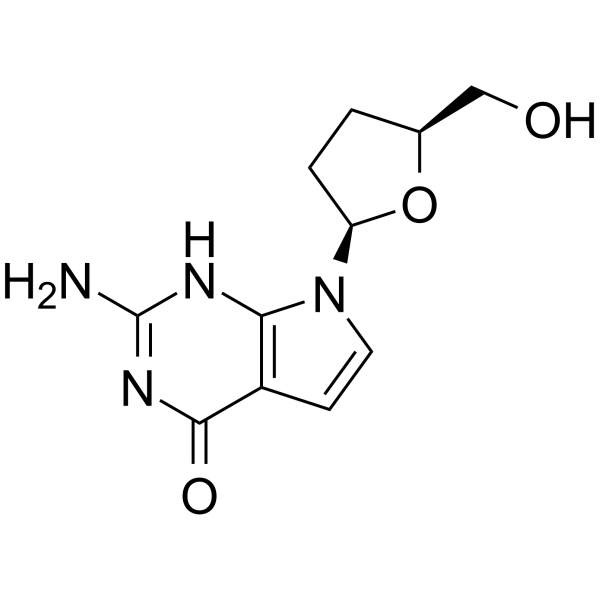
- HY-15440A
-
|
BMS-663068
|
HIV
|
Infection
|
|
Fostemsavir (BMS-663068) is the phosphonooxymethyl prodrug of BMS-626529. Fostemsavir (BMS-663068) is a novel attachment inhibitor that targets HIV-1 gp120 and prevents its binding to CD4 + T cells.
|
-
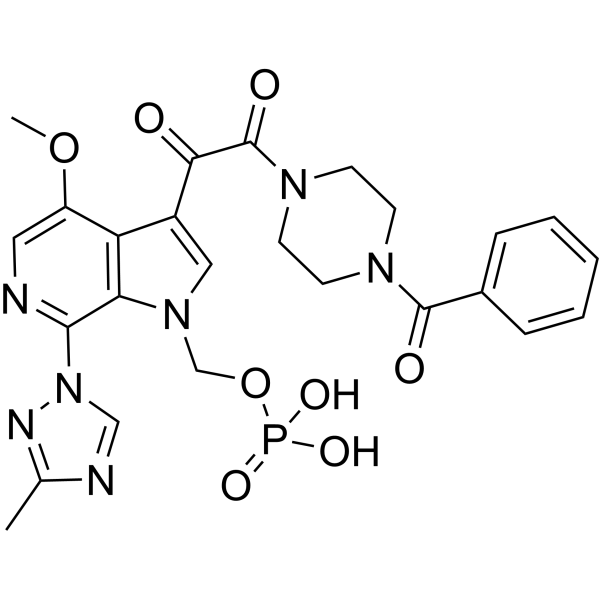
- HY-116454
-
|
|
Reverse Transcriptase
HIV
|
Infection
|
|
GSK5750 is a specific and potent HIV-1 reverse transcriptase ribonuclease H inhibitor with an IC50 value of 0.33 μM. GSK5750 is bound at the RNase H active site through a metalion chelation mechanism .
|
-

- HY-105448
-
|
|
HIV Protease
|
Infection
|
|
U-75875 is a HIV-1 protease inhibitor. U-75875 can block Gag-Pol protein processing and viral maturation and replication. U-75875 can be used for the research of infection .
|
-

- HY-103697
-
|
|
Toll-like Receptor (TLR)
|
Cancer
|
|
Gardiquimod is an imidazoline TLR7/8 agonist. Gardiquimod inhibits HIV-1 infection of macrophages and activated peripheral blood mononuclear cells (PBMCs). Gardiquimod specifically activates TLR7 at concentrations below 10 μM.
|
-
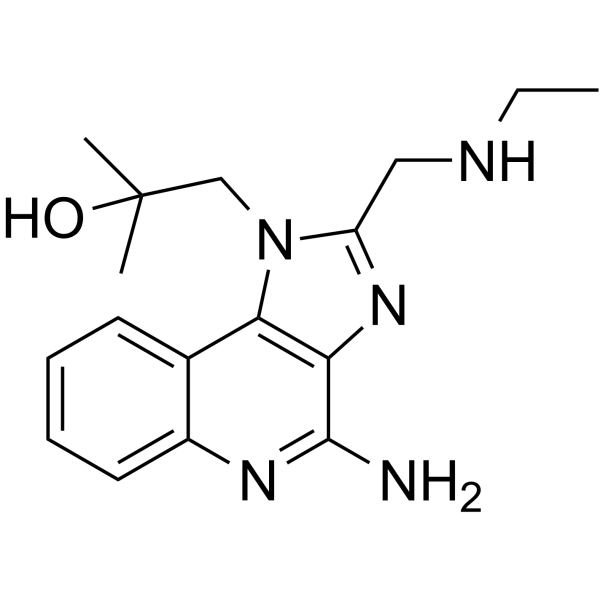
- HY-106282
-
|
|
HIV
|
Infection
|
|
BIT-225 is an inhibitor for Vpu protein through block of Vpu ion channel, and thus inhibits the release of HIV-1, especially in monocyte-derived macrophages (EC50 is 2.25 μM), without significant cytotoxicity (TC50 is 284 μM) .
|
-

- HY-N2006
-
|
|
EBV
HIV Protease
|
Infection
Inflammation/Immunology
|
|
Ganoderic acid B is a triterpene isolated from a mushroom Ganoderma lucidum. Ganoderic acid B inhibits the activation of Epstein-Barr virus (EBV) antigens as telomerase inhibitor. Ganoderic acid B is a moderately active inhibitor against HIV-1 protease (IC50: 170 μM) .
|
-
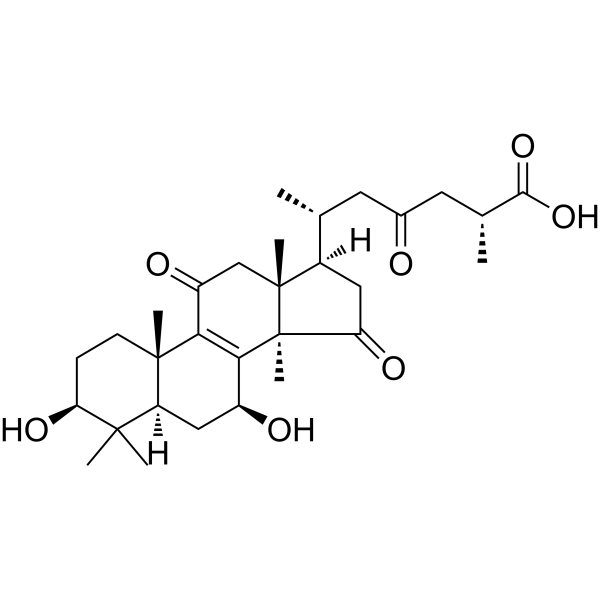
- HY-138561C
-
|
|
HIV
Reverse Transcriptase
|
Infection
|
|
EFdA-TP tetralithium is a potent nucleoside reverse transcriptase (RT) inhibitor. EFdA-TP tetralithium inhibits RT-catalyzed DNA synthesis as an effective immediate or delayed chain terminator (ICT or DCT). EFdA-TP tetralithium inhibits HIV-1 RT with multiple mechanisms .
|
-
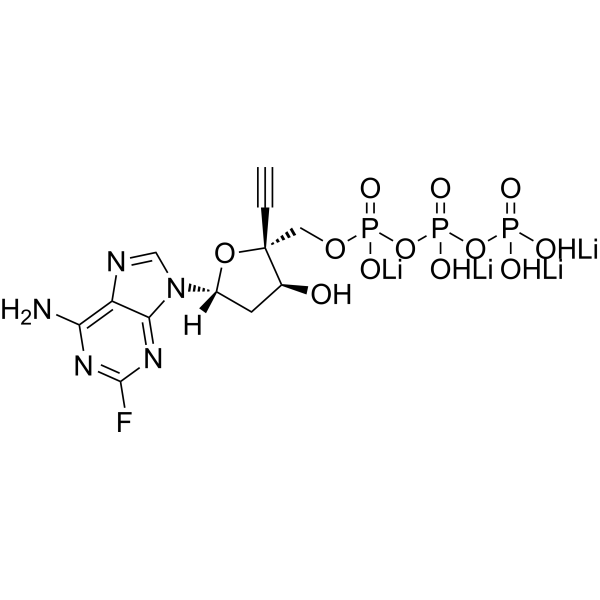
- HY-15440R
-
|
BMS-626529 (Standard)
|
HIV
Reference Standards
|
Infection
|
|
Temsavir (Standard) is the analytical standard of Temsavir. This product is intended for research and analytical applications. Temsavir (BMS-626529) is a novel attachment inhibitor that targets HIV-1 gp120 and prevents its binding to CD4+ T cells.
|
-

- HY-A0162R
-
|
|
Antibiotic
Reference Standards
Bacterial
|
Infection
|
|
Bictegravir (sodium) (Standard) is the analytical standard of Bictegravir (sodium). This product is intended for research and analytical applications. Bictegravir sodium is a potent inhibitor of HIV-1 integrase, with an IC50 of 7.5 nM. Bictegravir sodium exhibits potent and selective anti-HIV activity and low cytotoxicity .
|
-

- HY-122935
-
|
|
HIV
Reverse Transcriptase
|
Infection
|
|
Nigranoic acid is a triterpenoid separated from Schisandra chinensis. Nigranoic acid inhibits HIV-1 reverse transcriptase. Nigranoic acid exhibits protective effects on brain through PARP/AIF signaling pathway in cerebral ischemia-reperfusion animal model .
|
-
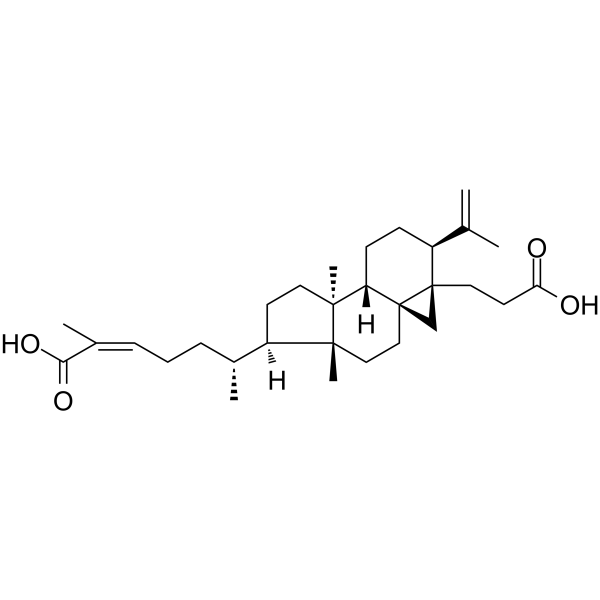
- HY-100083
-
|
|
HIV
Drug Intermediate
|
Infection
|
|
Dolutegravir intermediate-1 (Compound 11) is a synthetic intermediate. Dolutegravir intermediate-1 can be used to synthesize Dolutegravir (HY-13238). Dolutegravir is an Integrase inhibitor with potential applications in HIV-1 infection research .
|
-
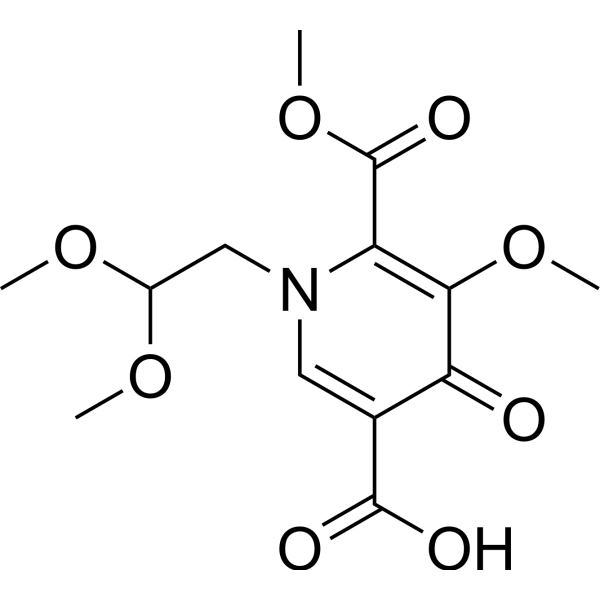
- HY-100079A
-
|
(Z)-Mutagenic Impurity of Tenofovir Disoproxil
|
HIV
|
Infection
|
|
(Z)-9-Propenyladenine is a mutagenic impurity in tenofovir disoproxil fumarate. Tenofovir is an antiretroviral agent known as nucleotide analogue reverse transcriptase (NtART) inhibitor, which blocks reverse transcriptase, a crucial virus enzyme in HIV-1 and HBV.
|
-
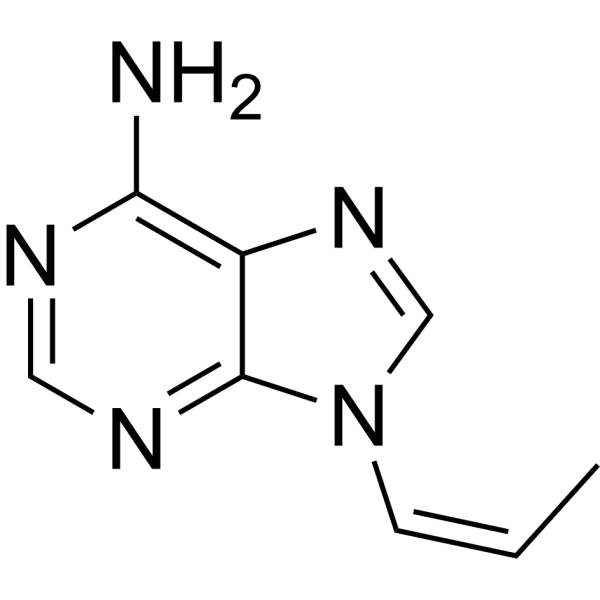
- HY-17605AR
-
|
GS-9883 sodium (Standard)
|
Reference Standards
HIV Integrase
HIV
|
Infection
|
|
Bictegravir (sodium) (Standard) is the analytical standard of Bictegravir (sodium). This product is intended for research and analytical applications. Bictegravir sodium is a potent inhibitor of HIV-1 integrase, with an IC50 of 7.5 nM. Bictegravir sodium exhibits potent and selective anti-HIV activity and low cytotoxicity .
|
-

- HY-123902
-
|
Zizanin A
|
CCR
HIV
|
Infection
|
|
Ophiobolin C inhibits CCR5 binding to the envelop protein gp120 and CD4, which is responsible for mediating the entry of HIV-1 into cells . Ophiobolin C is also cytotoxic to chronic lymphocytic leukemia cells .
|
-

- HY-W320523
-
|
|
Fluorescent Dye
Reverse Transcriptase
HIV
RSV
|
Infection
Metabolic Disease
Cancer
|
|
ALizarin complexone dihydrate is the dehydrate of Alizarin complexone (HY-121075). Alizarin complexone is a calcium-binding fluorescent dye. Alizarin complexone stains mineralized areas of bone by binding to calcium crystals. Alizarin complexone inhibits the reverse transcriptase activity of RAV-2, HIV-1, and RSV with IC50 values of 3.8 μg/mL, 45 μg/mL, and 100 μg/mL, respectively. Alizarin complexone exhibits antiviral activity against HIV-1 and RSV. Alizarin complexone delays RSV-induced tumor induction in chickens .
|
-

- HY-181888
-
|
|
HIV
HIV Protease
|
Infection
|
GRL-142 is a potent HIV-1 protease inhibitor capable of crossing the blood-brain barrier. GRL-142 exhibits extremely high inhibitory activity against both wild-type and multidrug-resistant strains (IC50=0.0094 nM). GRL-142 acts synergistically with the P2/P2' segments via a unique scaffold binding mechanism, utilizes fluorine-mediated stable interactions to maintain its bioactive conformation, adapts to p51 HIV-1 protease mutants, and maintains the flap-closed state by directly acting on the flap tip residues. GRL-142 disrupts the flap-water hydrogen bond network of wild-type protease, thereby effectively blocking viral replication. GRL-142 can be used to study HIV-1 infection and the associated neurocognitive disorder (HAND) .
|
-

- HY-161945
-
|
|
HIV
HIV Integrase
|
Infection
|
|
IN-RNA-IN-2 (compound 1a) is an inhibitor (IC50=70 nM) of the interaction between HIV-1 integrase and the viral RNA genome. IN-RNA-IN-2 exerts its anti-HIV activity by inhibiting the viral replication process .
|
-

- HY-N6773
-
|
|
HIV Protease
Fungal
|
Infection
|
|
Cytochalasin A is a cell-permeable fungal toxin that is an oxidized derivative of cytochalasin B. Cytochalasin A is an inhibitor of HIV-1 protease (IC50=3 μM) and inhibits actin polymerization and interferes with microtubule assembly by reacting with sulfhydryl groups. Antibiotic and fungicidal activitives .
|
-
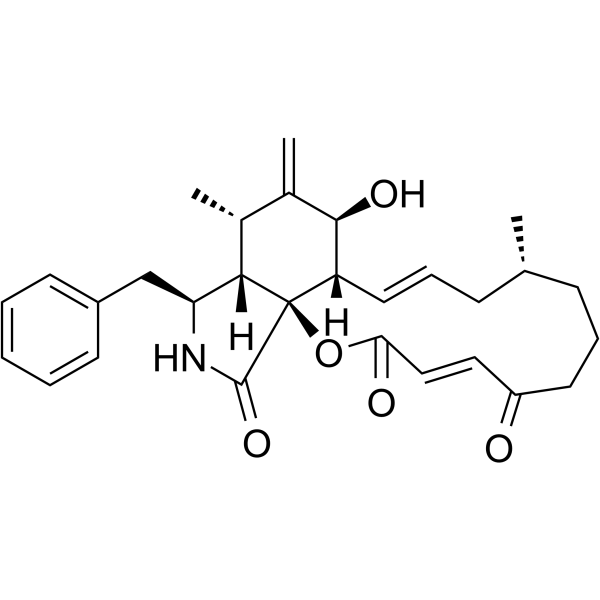
- HY-10570S3
-
|
BI-RG 587-d5; NSC 641530-d5; NVP-d5
|
Isotope-Labeled Compounds
|
Infection
Cancer
|
|
Nevirapine-d5 (BI-RG 587-d5) is deuterium labeled Nevirapine. Nevirapine is a non-nucleoside inhibitor of HIV-1 reverse transcriptase used to treat and prevent HIV/AIDS; with a Ki of 270 μM .
|
-

- HY-19135
-
|
|
HIV Protease
|
Infection
|
|
A-77003 is an inhibitor for HIV protease, with IC50 of 0.1 to 0.2 μg/ml, for HIV-1 and HIV-2 protease. A-77003 exhibits high levels of antiretroviral activity and low cytotoxicity in vitro .
|
-

- HY-14882
-
|
TAK-652; TBR-652
|
CCR
HIV
|
Infection
Endocrinology
|
|
Cenicriviroc (TAK-652) is an orally active, dual CCR2/CCR5 antagonist, also inhibits both HIV-1 and HIV-2, and displays potent anti-inflammatory and antiinfective activity .
|
-
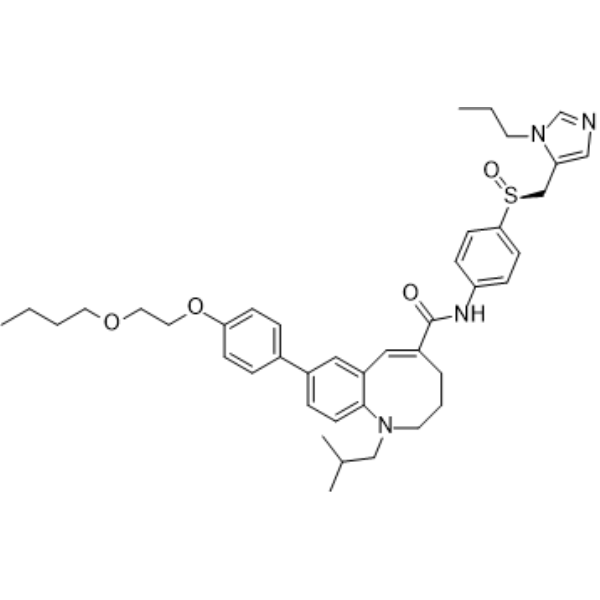
- HY-137242
-
|
|
HIV
|
Infection
|
|
Ingenol-3-palmitate, an ingenane diterpenoid, is a nature product that could be isolated from the roots of Euphorbia ebracteolata. Ingenol-3-palmitate is a potent HIV-1 (HIV) inhibitor with an IC50 value of 4.1 nM .
|
-
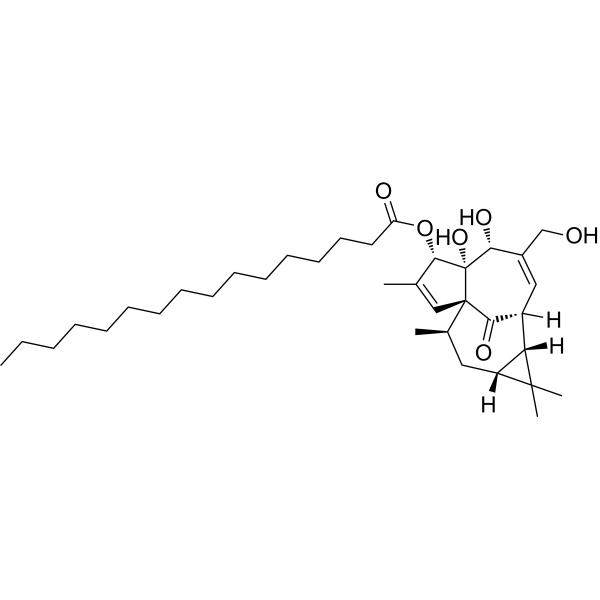
- HY-B1408R
-
|
2-Hydroxybenzanilide (Standard)
|
HIV Integrase
HIV
Reference Standards
|
Infection
|
|
Salicylanilide (Standard) is the analytical standard of Salicylanilide. This product is intended for research and analytical applications. Salicylanilide demonstrates a wide range of biological activities including antiviral potency which can inhibit HIV virus
by targeting HIV-1 integrase or reverse transcriptase.
|
-

- HY-10570S1
-
-
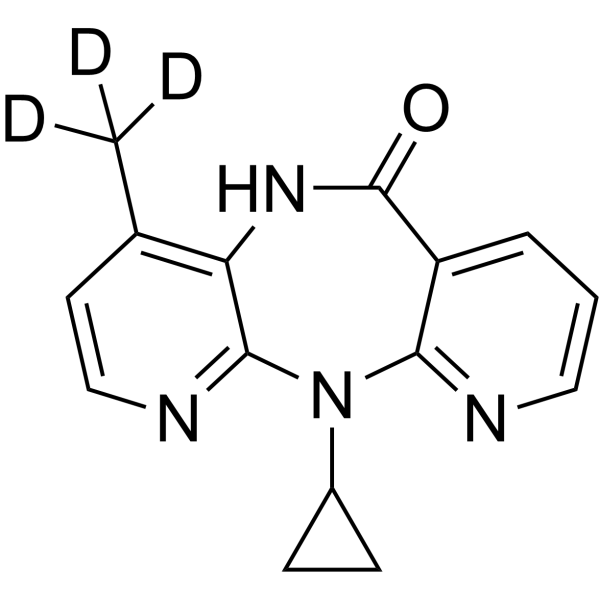
- HY-10570S2
-
-

- HY-N1034
-
|
(±)-12-Oxocalanolide A
|
HIV
|
Infection
|
|
12-Oxocalanolide A (compound 6) is a potent inhibitor of reverse transcriptase from human immunodeficiency virus type 1 (HIV-1) with an IC50 and EC50 of 2.8 and 12 μM, respectively. 12-Oxocalanolide A is the analogue of Calanolide .
|
-
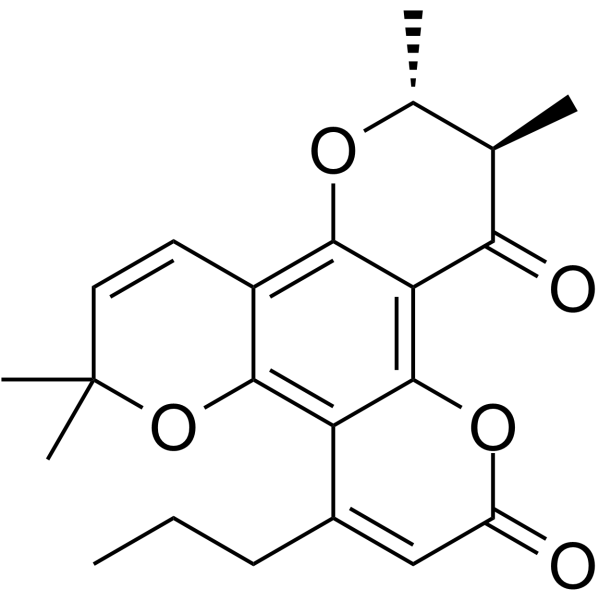
- HY-103697B
-
|
|
HIV
Toll-like Receptor (TLR)
|
Infection
Cancer
|
|
Gardiquimod (hydrochloride) is an imidazoline TLR7/8 agonist. Gardiquimod (hydrochloride) inhibits HIV-1 infection of macrophages and activates peripheral blood mononuclear cells (PBMCs). Gardiquimod (hydrochloride) specifically activates TLR7 at concentrations below 10 μM .
|
-

- HY-123066A
-
|
|
Drug Isomer
|
Others
|
|
(E)-DIDS monohydrate sodium is the E-isomer of DIDS monohydrate sodium (HY-123066). DIDS is a hRAD51 inhibitor with an IC50 value of 90 μM. DIDS exhibits significant inhibitory activity against HIV-1 integrase with an IC50 value of 5 μM .
|
-

- HY-19215
-
|
PNU-96988
|
HIV
HIV Protease
|
Infection
|
|
U-96988 (PNU-96988) is a non-peptide HIV-1 protease inhibitor with a Ki value of 38 nM. U-96988 is also effective against HIV-2 protease. U-96988 exhibits an IC50 for HIV-1IIIB of 5 μM. U-96988 can be used for research on HIV infection .
|
-

- HY-13053
-
|
Ro-0335
|
Reverse Transcriptase
|
Cancer
|
|
RO-0335 is a novel and potent diphenylether nonnucleoside reverse transcriptase inhibitor(NNRTI). RO-0335 inhibits Wt HIV-1 with an IC50 of 1.1 nM and retained activity (IC50< 100 nM) against 92% of a large number of NNRTI-resistant clinical isolates .
|
-
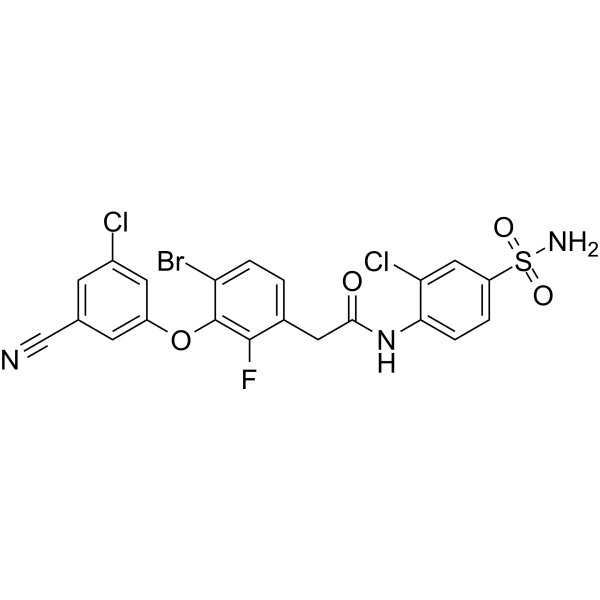
- HY-109056R
-
|
R-1206 (Standard)
|
Reference Standards
Drug Intermediate
HIV
Reverse Transcriptase
Carbonic Anhydrase
|
Infection
Cancer
|
|
Elsulfavirine (Standard) is the analytical standard of Elsulfavirine (HY-109056). This product is intended for research and analytical applications. Elsulfavirine (R-1206) is an orally active human carbonic anhydrase (carbonic anhydrase, CA) inhibitor and an allosteric inhibitor of HIV-1 non-nucleoside reverse transcriptase (NNRT). Elsulfavirine also targets and blocks the interaction between adenylosuccinate lyase (ADSL) and insulin-induced gene proteins INSIG1/2, blocks SREBP-1-mediated de novo lipid synthesis, and inhibits the proliferation of liver cancer cells. The combination of Elsulfavirine and Lenvatinib (HY-10981) produces a synergistic anti-tumor effect. Elsulfavirine is converted into the active metabolite VM1500A in vivo, blocks the DNA polymerase activity of reverse transcriptase, and inhibits HIV-1 replication. Elsulfavirine exhibits a Ki of 1960 nM-52400 nM against human carbonic anhydrase isoforms including I, VII, VI, VA, VB, IX, XIII, XIV. Elsulfavirine is used in studies related to HIV-1 infection and liver cancer .
|
-

- HY-113074
-
|
Glycolithocholate sulfate; Sulfolithocholylglycine; SLCG
|
HIV
Endogenous Metabolite
|
Infection
Inflammation/Immunology
|
|
Glycolithocholic acid 3-sulfate (SLCG) is a cholic acid derivative and a metabolite of glycolithocholic acid. Glycolithocholic acid 3-sulfate inhibits replication of HIV-1 in vitro. Glycolithocholic acid 3-sulfate can be used for the research of HIV infection and gallbladder disease .
|
-
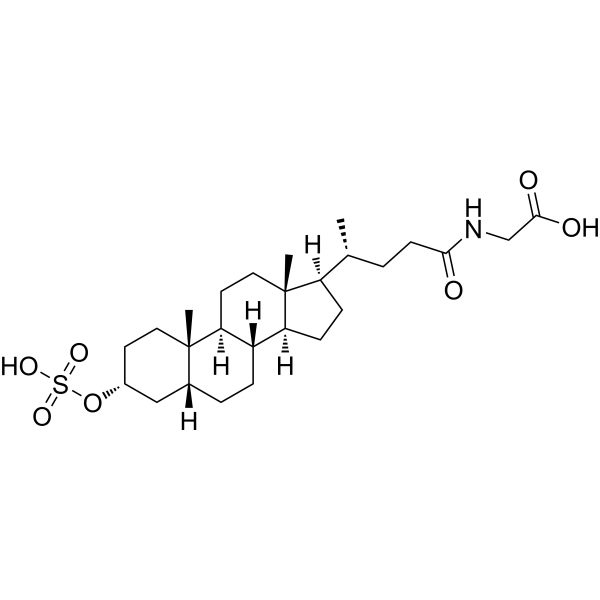
- HY-103697A
-
|
|
Toll-like Receptor (TLR)
|
Cancer
|
|
Gardiquimod diTFA is an imidazoline TLR7/8 agonist. Gardiquimod diTFA inhibits HIV-1 infection of macrophages and activated peripheral blood mononuclear cells (PBMCs). Gardiquimod diTFA specifically activates TLR7 at concentrations below 10 μM.
|
-
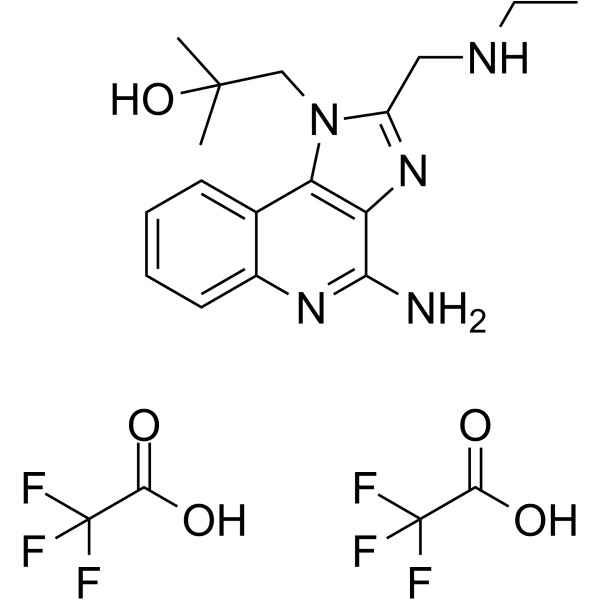
- HY-16907A
-
|
S/GSK-364735 potassium
|
HIV
HIV Integrase
|
Infection
|
|
GSK-364735 potassium (S/GSK-364735 potassium) is the potassium salt form of GSK-364735 (HY-16907). GSK-364735 potassium is an antiretroviral, that inhibits the integrase of human immunodeficiency virus type 1 (HIV-1) with an IC50 of 7.8 nM .
|
-

- HY-19509
-
|
|
Reverse Transcriptase
HIV
|
Infection
|
|
IQP-0528 is a highly potent nonnucleoside reverse transcriptase inhibitor (NNRTI). IQP-0528 shows nanomolar activity against both HIV-1 and HIV-2, with EC50s of 0.2 nM and 100 nM, respectively .
|
-
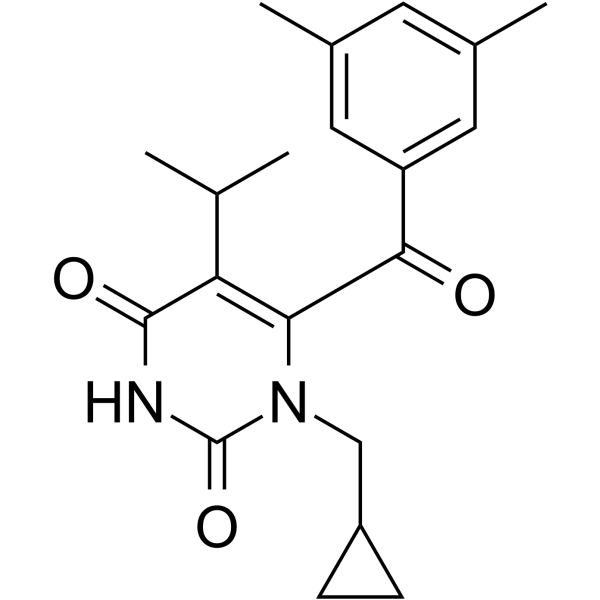
- HY-118142
-
|
|
HIV
|
Infection
|
|
4-Nitrobenzofuroxan is an antiviral compound with HIV-1 inhibitory activity. 4-Nitrobenzofuroxan also exhibits an inhibitory effect on IDO1. The application potential of 4-Nitrobenzofuroxan lies in its ability to be used to inhibit viral infection .
|
-

- HY-16907B
-
|
S/GSK-364735 sodium
|
HIV
HIV Integrase
|
Infection
|
|
GSK-364735 sodium (S/GSK-364735 sodium) is the sodium salt form of GSK-364735 (HY-16907). GSK-364735 sodium is an antiretroviral, that inhibits the integrase of human immunodeficiency virus type 1 (HIV-1) with an IC50 of 7.8 nM .
|
-

- HY-116700
-
|
|
HIV Protease
HIV
|
Infection
|
|
Hinnuliquinone is a C2-symmetric dimeric non-peptide fungal metabolite inhibitor of HIV-1 protease. Hinnuliquinone is a bis-indolyl-2,5-dihydroxybenzoquinone pigment, that can be isolated from Nodulisphorium hinnuleum .
|
-
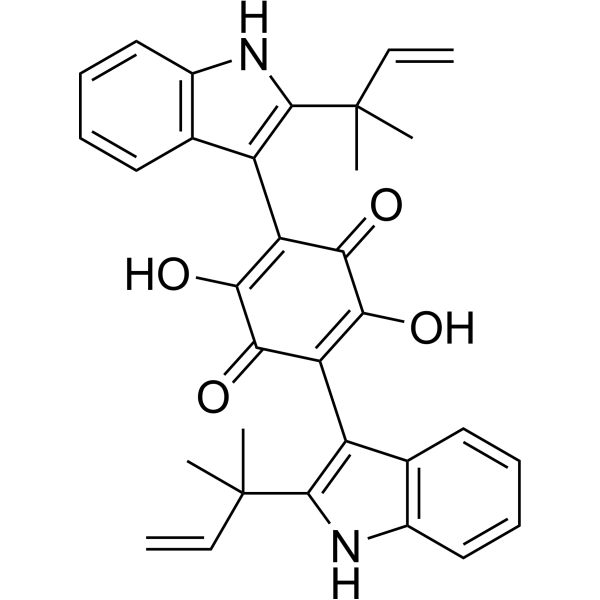
- HY-171859
-
|
|
PROTACs
HIV
|
Cancer
|
|
FC-14367 is a PROTAC degrader targeting HIV-1 Nef protein. FC-14367 forms a ternary complex by binding Nef and Cereblon E3 ubiquitin ligase, inducing Nef ubiquitination and proteasomal degradation, restoring cell-surface CD4 and MHC-I expression and inhibiting HIV-1 replication. FC-14367 can be used in research on HIV infection and AIDS . (Black: Glycolic acid (HY-W015967); Blue: 2-(2,6-Dioxopiperidin-3-yl)phthalimidine (HY-138793))
|
-

- HY-15815
-
|
|
Epigenetic Reader Domain
Apoptosis
CDK
HIV
|
Cancer
|
|
Bromosporine, a chemical probe, is a potent BET inhibitor with an IC50 value of 2.1 μM for PCAF. Bromosporine can arrest cell cycle and induce apoptosis in cancer cells. Bromosporine exhibits excellent antitumor activity in xenograft mice model when combined with 5-Fluorouracil (HY-90006). Bromosporine can increase CDK9 T-loop phosphorylation in HIV-1 latency models, resulting the protection of reactivate HIV-1 replication from latency. Bromosporine can be used to research colorectal cancer, acute myeloid leukemia (AML) and AIDS .
|
-
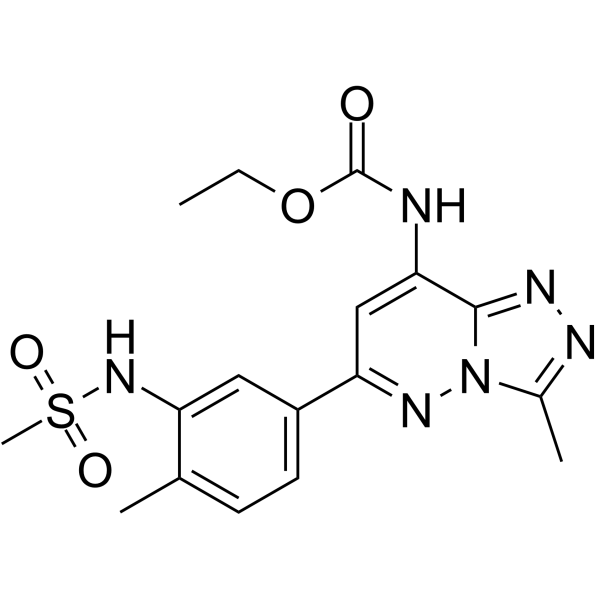
- HY-121075R
-
|
|
Reference Standards
Reverse Transcriptase
Fluorescent Dye
HIV
RSV
|
Infection
Endocrinology
Cancer
|
|
Alizarin complexone (Standard) is the analytical standard of Alizarin complexone (HY-121075). This product is intended for research and analytical applications. Alizarin complexone is a calcium-binding fluorescent dye. Alizarin complexone stains mineralized areas of bone by binding to calcium crystals. Alizarin complexone inhibits the reverse transcriptase activity of RAV-2, HIV-1, and RSV with IC50 values of 3.8 μg/mL, 45 μg/mL, and 100 μg/mL, respectively. Alizarin complexone exhibits antiviral activity against HIV-1 and RSV. Alizarin complexone delays RSV-induced tumor induction in chickens .
|
-

- HY-B1422
-
|
Aminacrine
|
Bacterial
HIV
|
Infection
|
|
9-Aminoacridine, a fluorescent probe, acts as an indicator of pH for quantitative determination of transmembrane pH gradients (inside acidic). 9-Aminoacridine is an antimicrobial. 9-Aminoacridine exerts its antimicrobial activity by interacting with specific bacterial DNA and disrupting the proton motive force in K. pneumoniae. 9-Aminoacridine is a HIV-1 inhibitor and inhibits HIV LTR transcription highly dependent on the presence and location of the amino moiety. 9-Aminoacridine inhibits virus replication in HIV-1 infected cell lines. 9-Aminoacridine is used as a Rifampin (RIF; HY-B0272) adjuvant for the multidrug-resistant K. pneumoniae infections .
|
-
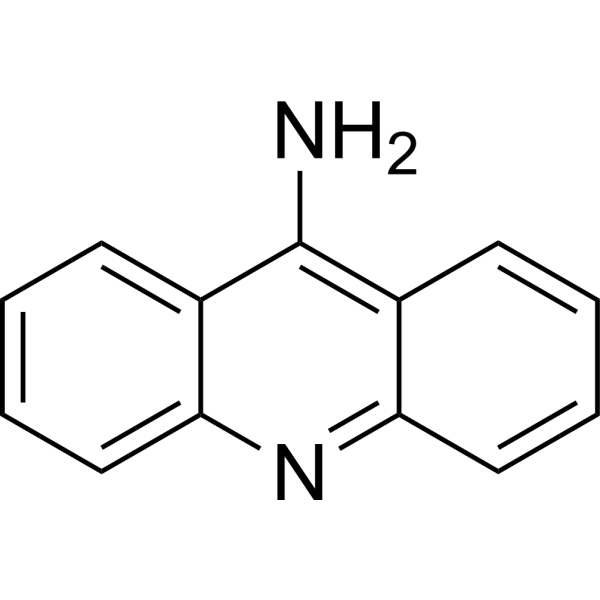
- HY-181034
-
|
|
Reverse Transcriptase
HIV
|
Infection
|
|
NNRT-IN-15 (Compound 16a) is a potent non-nucleoside reverse transcriptase (NNRT) inhibitor. NNRT-IN-15 shows an EC50 of 3 nM for WT HIV-1 and inhibits seven mutant strains (L100I, K103N, Y181C, etc.) (EC50 = 8.2-43.4 nM). NNRT-IN-15 has low cytotoxicity against MT-4 cells (CC50 = 196.46 μM). NNRT-IN-15 also inhibit WTHIV-1RT and hERG with IC50 values of 0.7599 μM and 27.455 μM. NNRT-IN-15 can be used for research of HIV-1 infection .
|
-

- HY-P4810
-
|
T140
|
CXCR
|
Infection
|
|
Polyphemusin II-Derived Peptide (T140), a CXCR4 inhibitor, shows high inhibitory activity against HIV-1 entry and the inhibitory effect on the binding of an anti-CXCR4 monoclonal antibody (12G5) to CXCR4 .
|
-
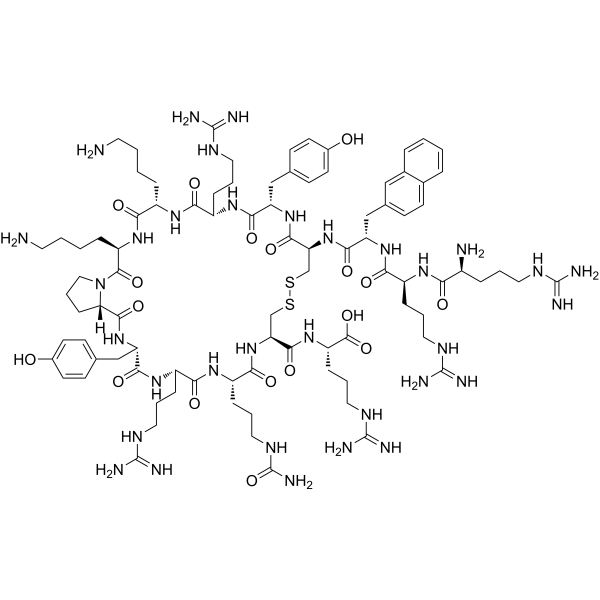
- HY-172996
-
|
|
HIV
Reverse Transcriptase
|
Infection
|
|
NNRT-IN-8 (compound 9K) is a potent non-nucleoside reverse transcriptase inhibitor with EC50 values of 0.0014, 0.0041, 0.0077 µM for WT HIV-1, K103N, E138K, respectively .
|
-

- HY-15440B
-
|
BMS-663068 Tris
|
HIV
|
Infection
|
|
Fostemsavir Tris (BMS-663068 (Tris)) is the phosphonooxymethyl proagent of BMS-626529. Fostemsavir Tris (BMS-663068 (Tris)) is a novel attachment inhibitor that targets HIV-1 gp120 and prevents its binding to CD4 + T cells.
|
-
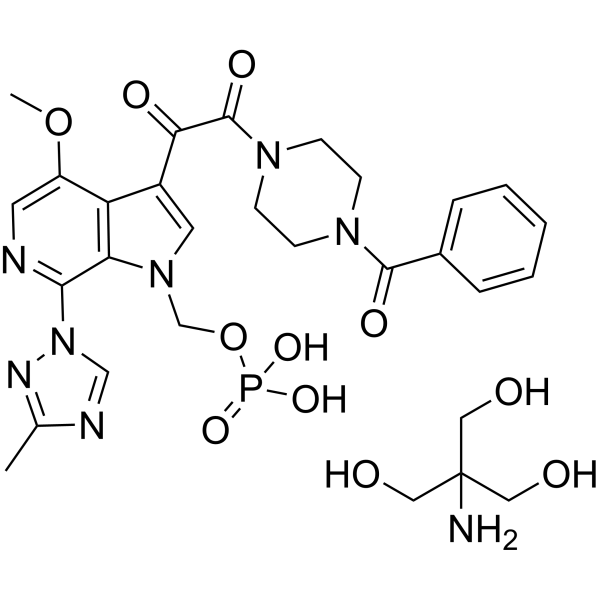
- HY-N15294
-
|
|
HIV
HIV Protease
|
Infection
|
|
3β-Hydroxy-27-p-Z-coumaroyloxyurs-12-en-28-oic acid (compound 8) is a triterpenoid ester HIV-1 protease inhibitor with the potential for use in the antiretroviral combination therapy of AIDS .
|
-

- HY-15232BR
-
|
GS-7340 hemifumarate (Standard)
|
Reference Standards
HIV
Reverse Transcriptase
|
Infection
|
|
Tenofovir alafenamide hemifumarate (Standard) is the analytical standard of Tenofovir alafenamide hemifumarate. This product is intended for research and analytical applications. Tenofovir alafenamide hemifumarate (GS-7340 hemifumarate) is an investigational oral proagent of Tenofovir. Tenofovir is a HIV-1 nucleotide reverse transcriptase inhibitor.
|
-

- HY-14922
-
|
|
Reverse Transcriptase
HIV
|
Infection
|
|
Fosalvudine tidoxil is an orally active nucleoside reverse transcriptase inhibitor (NRTI). Fosalvudine tidoxil is a prodrug derived from Alovudine (HY-B1516). Fosalvudine tidoxil is less toxic than Alovudine and can be used for the research of HIV-1 infection .
|
-
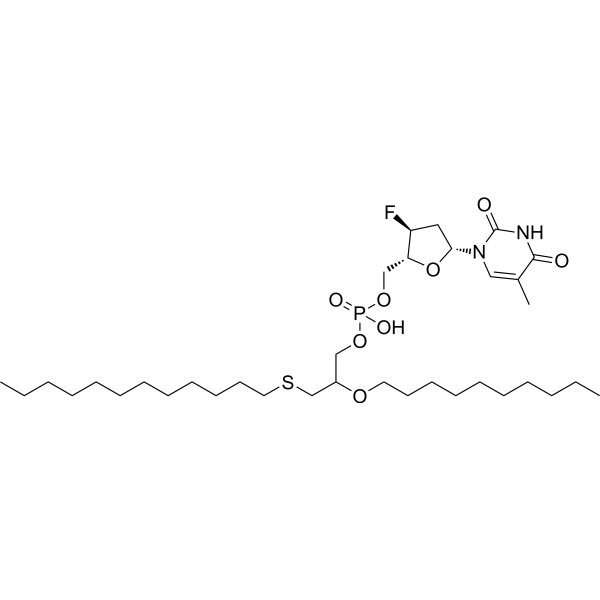
- HY-178923
-
|
|
HIV
Reverse Transcriptase
|
Infection
|
|
NNRT-IN-14 is an HIV-1 reverse transcriptase inhibitor (IC50 = 0.175 µM). NNRT-IN-14 can form hydrogen bonds with LYS101, PRO225, and PHE227, and π–π stacking with TYR181 and TRP229. NNRT-IN-14 can be used for the study of HIV .
|
-

- HY-142028A
-
|
AcycloGTP sodium (100 mM)
|
DNA/RNA Synthesis
Nucleoside Antimetabolite/Analog
HIV
Reverse Transcriptase
|
Infection
|
|
Acyclovir triphosphate (Synonyms: AcycloGTP) sodium is a Acyclovir (HY-17422) derivative that competitively inhibits viral DNA polymerase by acting as an analog to deoxyguanosine triphosphate (dGTP). Acyclovir triphosphate (sodium) (100 mM) is an inhibitor of HIV-1 reverse transcriptase. Acyclovir triphosphate (sodium) (100 mM) causes termination of viral DNA synthesis .
|
-

- HY-15232S2
-
-

- HY-P1753
-
|
|
HIV
|
Infection
|
|
VIR-165 is a modified form of virus inhibitory peptide (VIRIP) that binds the fusion peptide of the gp41 subunit and prevents its insertion into the target membrane. VIRIP inhibits a wide variety of human immunodeficiency virus type 1 (HIV-1) strains .
|
-
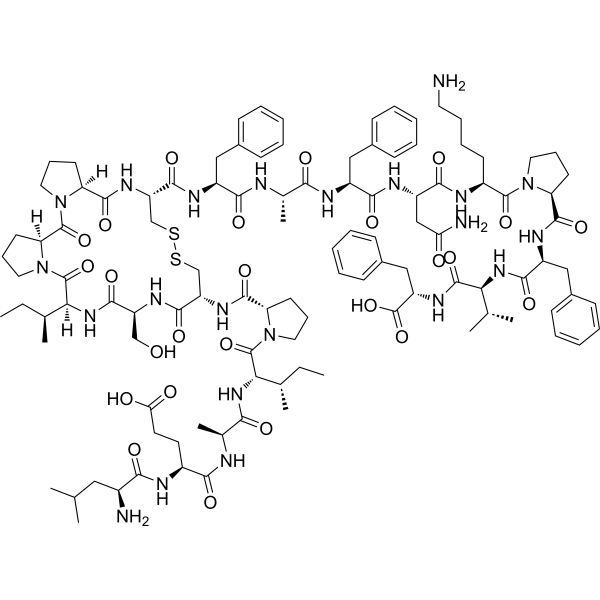
- HY-N6795
-
|
|
CRM1
HIV
Antibiotic
|
Infection
|
|
Leptomycin A, a Streptomyces metabolite, is an inhibitor of CRM1 (exportin 1) that blocks CRM1 interaction with nuclear export signals, preventing the nuclear export of a broad range of proteins. Leptomycin A suppresses HIV-1 replication. Less potent than Leptomycin B .
|
-
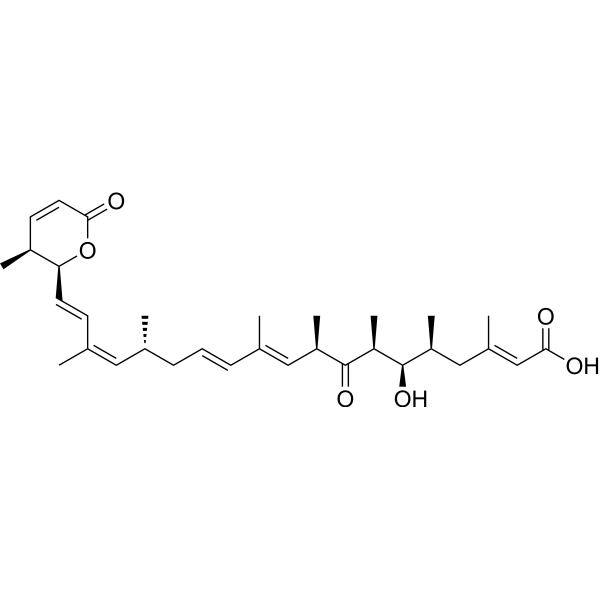
- HY-P35433
-
|
T-1249
|
HIV
|
Inflammation/Immunology
|
|
Tifuvirtide (T-1249) is a peptide human immunodeficiency virus type-1 (HIV-1) fusion inhibitor. Tifuvirtide is a synthetically designed hybrid retroviral envelope polypeptide. Tifuvirtide has antiretroviral activity. Tifuvirtide can be used for the research of HIV infection .
|
-
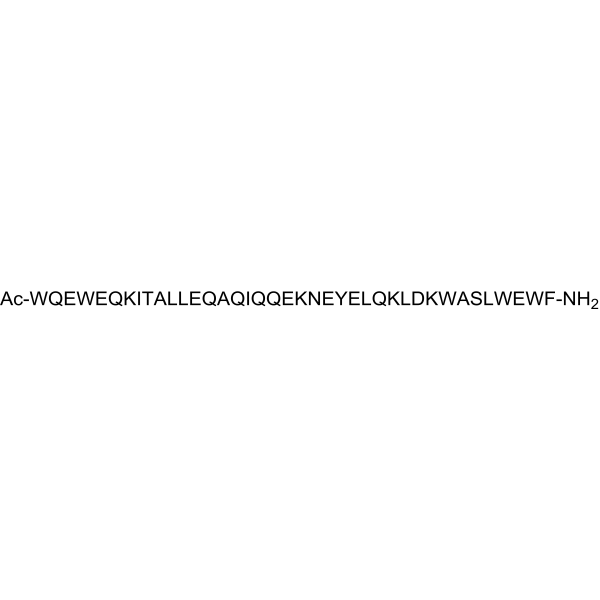
- HY-P10801
-
|
C46 peptide
|
HIV
|
Infection
|
|
mC46 (C46) peptide is a membrane-associated fusion peptide inhibitor. mC46 peptide potently inhibits HIV-1 replication and entry. mC46 also inhibits CCR5-tropic, CXCR4-tropic, and dual-tropic HIVs, SIV, and SHIV .
|
-

- HY-N17392
-
|
|
HIV
Reverse Transcriptase
|
Infection
Inflammation/Immunology
|
|
Artoheteronin is a prenylated coumarin found in the fruits of Artocarpus heterophyllus. Artoheteronin can inhibit HIV-1 reverse transcriptase activity with an EC50 of 0.18 μM. Artoheteronin shows anti-inflammatory activity and inhibits nitric oxide production. Artoheteronin can be used for the researches of HIV infection and inflammatory disease .
|
-

- HY-152233
-
|
|
HIV
|
Infection
|
|
Reverse transcriptase-IN-4 (compound F10) is a potent and selective non-nucleoside reverse transcriptase (NNRT) inhibitor with an EC50 value of 0.053 μM for wild-type HIV-1 and an EC50 value of 0.26 μM for HIV-1 mutant E138K . Reverse transcriptase-IN-4 is a click chemistry reagent, it contains an Azide group and can undergo copper-catalyzed azide-alkyne cycloaddition reaction (CuAAc) with molecules containing Alkyne groups. It can also undergo strain-promoted alkyne-azide cycloaddition (SPAAC) reactions with molecules containing DBCO or BCN groups.
|
-
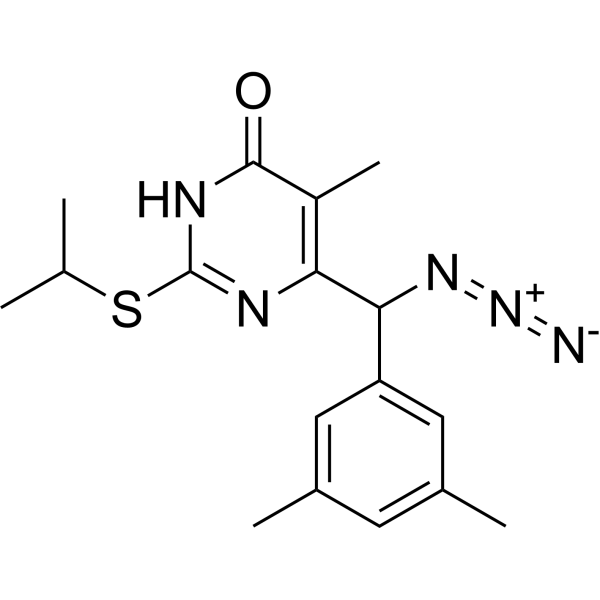
- HY-15287R
-
|
AG1341 (Standard)
|
Reference Standards
HIV Protease
HIV
|
Infection
Cancer
|
|
Nelfinavir (Standard) is the analytical standard of Nelfinavir. This product is intended for research and analytical applications. Nelfinavir (AG-1341) is a potent and orally bioavailable HIV-1 protease inhibitor (Ki=2 nM) for HIV infection. Nelfinavir is a broad-spectrum, anticancer agent .
|
-

- HY-17041R
-
|
TMC114 Ethanolate (Standard)
|
Reference Standards
HIV
HIV Protease
|
Infection
|
|
Darunavir (Ethanolate) (Standard) is the analytical standard of Darunavir (Ethanolate). This product is intended for research and analytical applications. Darunavir ethanolate (TMC114 Ethanolate) is a potent HIV protease inhibitor used to treat and prevent HIV/AIDS. Darunavir has a Ki of 1 nM for wild type HIV-1 protease.
|
-

- HY-15287S1
-
|
|
HIV
HIV Protease
Isotope-Labeled Compounds
|
Infection
Cancer
|
|
Nelfinavir-d4 is deuterated labeled Nelfinavir (HY-15287). Nelfinavir (AG-1341) is a potent and orally bioavailable HIV-1 protease inhibitor (Ki=2 nM) for HIV infection. Nelfinavir is a broad-spectrum, anticancer agent .
|
-
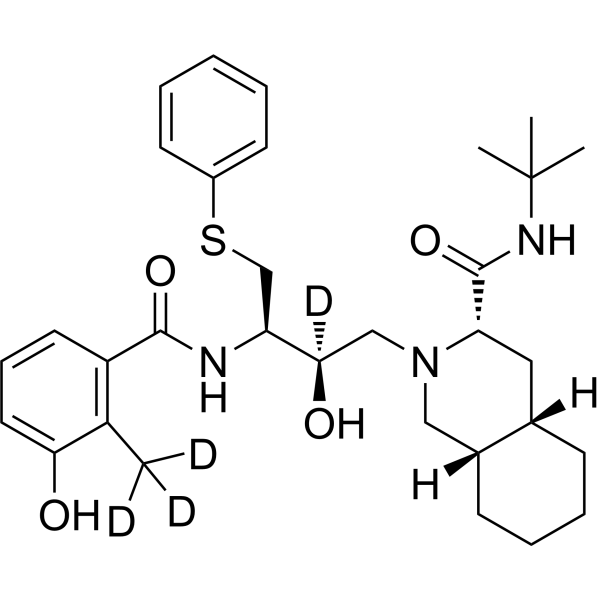
- HY-N11097
-
|
|
Apoptosis
HSV
HIV
|
Infection
Cancer
|
|
FK-3000 is a potent anti-tumor agent that inhibits the growth of carcinoma cells through apoptosis and induction cell cycle arrest. FK-3000 also exhibit antiviral effects against HSV-1 and HIV-1 .
|
-
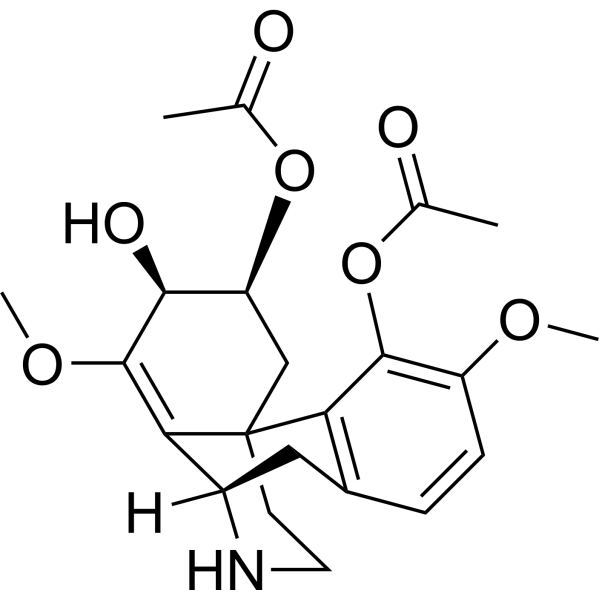
- HY-19111
-
|
TIBO-R 82150
|
HIV
Reverse Transcriptase
|
Infection
|
|
R-82150 (TIBO-R 82150) is an HIV-1 reverse transcriptase inhibitor that blocks the reverse transcription of viral RNA by binding to the non-substrate binding site of reverse transcriptase, thereby inhibiting viral replication. R-82150 does not inhibit the replication of HIV-2, other RNA viruses, and DNA viruses .
|
-

- HY-B0689
-
|
MK-639 free base; L-735524 free base
|
HIV
HIV Protease
Apoptosis
MMP
SARS-CoV
|
Inflammation/Immunology
Cancer
|
|
Indinavir (MK-639 free base) is an orally active and selective HIV-1 protease inhibitor with a Ki of 0.54 nM for PR. Indinavir exhibits anticancer activity by inhibiting the activation of MMPs-2 hydrolysis, anti-angiogenesis and inducing apoptosis. Indinavir is also a SARS-CoV 3CL pro inhibitor .
|
-
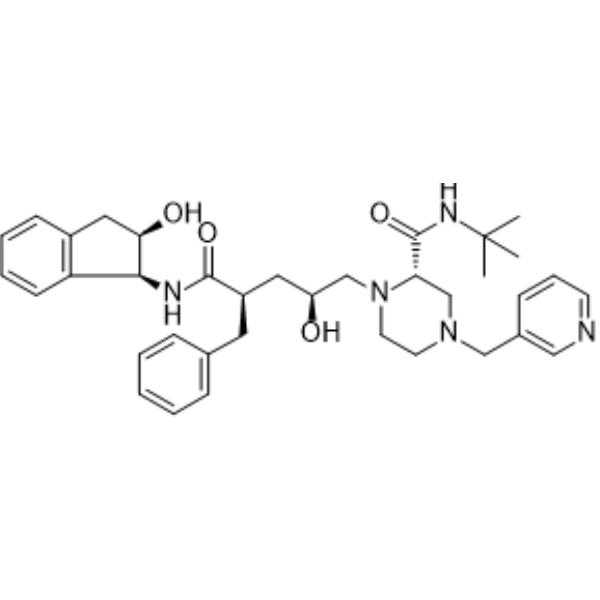
- HY-13406
-
|
Takeda 779
|
CCR
HIV
CXCR
|
Infection
Inflammation/Immunology
Endocrinology
|
|
TAK-779 is a potent and selective nonpeptide antagonist of CCR5 and CXCR3, with a Ki of 1.1 nM for CCR5, and effectively and selectively inhibits R5 HIV-1, with EC50 and EC90 of 1.2 nM and 5.7 nM, respectively, in MAGI-CCR5 cells.
|
-
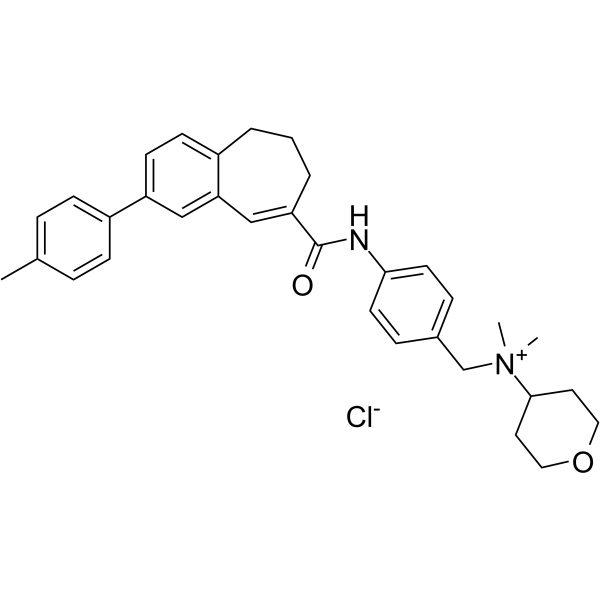
- HY-126773
-
|
|
Biochemical Assay Reagents
|
Infection
|
|
Dp2mT is a non-cytotoxic control compound, with an IC50 of >3 μM for HIV-1 transcription inhibition and an IC50 of >10 μM for cytotoxicity. Dp2mT does not bind to intracellular iron pools. Dp2mT does not inhibit CDK9 activity .
|
-

- HY-16767
-
|
MK-1439
|
HIV
Reverse Transcriptase
|
Infection
Inflammation/Immunology
|
|
Doravirine (MK-1439) is a highly specific HIV-1 nonnucleoside reverse transcriptase inhibitor with IC50s of 4.5 nM, 5.5 nM and 6.1 nM against the wild type and K103N and Y181C reverse transcriptase mutants, respectively .
|
-
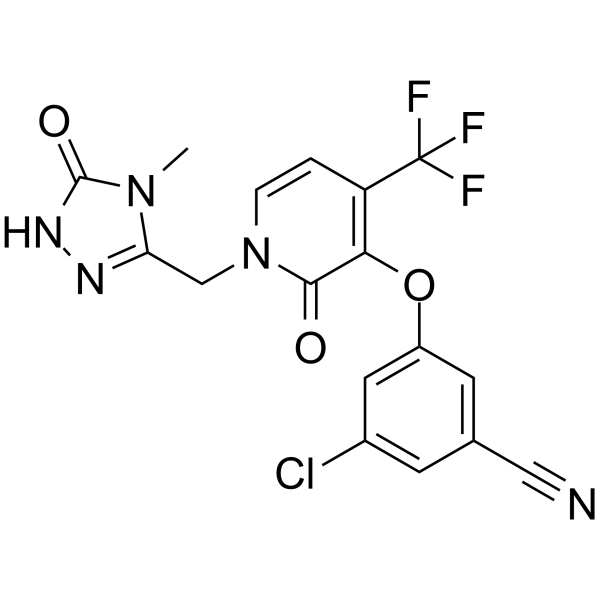
- HY-122018
-
|
|
HIV
Reverse Transcriptase
|
Infection
|
|
GS-9148 is a ribose-modified HIV-1 nucleotide reverse transcriptase (RT) inhibitor with an EC50 value of 10.6 µM. GS-9148 shows antiretroviral activity for K65R, L74V, or M184V RT mutation .
|
-

- HY-125613
-
|
|
HIV
Influenza Virus
|
Infection
|
|
ML416 is a broad-spectrum antiviral agent. ML416 inhibits host de novo pyrimidine biosynthesis, and induces a variety of interferon-stimulated genes (ISGs). ML416 can be used for the research of viral infections including alphaviruses, influenza virus, and HIV-1 .
|
-

- HY-W653961
-
|
GS-7340-d5 fumarate
|
Isotope-Labeled Compounds
Reverse Transcriptase
HIV
|
Infection
|
|
Tenofovir alafenamide-d5 fumarate (GS-7340-d5 fumarate) is the deuterium labeled Tenofovir alafenamide fumarate (HY-15232A). Tenofovir alafenamide fumarate (GS-7340 fumarate) is an investigational oral proagent of Tenofovir. Tenofovir is a HIV-1 nucleotide reverse transcriptase inhibitor.
|
-

- HY-15287AR
-
|
AG 1343 Mesylate (Standard)
|
HIV Protease
HIV
Reference Standards
|
Infection
Cancer
|
|
Nelfinavir (Mesylate) (Standard) is the analytical standard of Nelfinavir (Mesylate). This product is intended for research and analytical applications. Nelfinavir Mesylate (AG 1343 Mesylate) is a potent and orally bioavailable HIV-1 protease inhibitor (Ki=2 nM) for HIV infection. Nelfinavir Mesylate (AG 1343 Mesylate) is a broad-spectrum, anticancer agent .
|
-

- HY-14266
-
|
TMC120; R147681
|
HIV
Reverse Transcriptase
Apoptosis
Autophagy
|
Infection
|
|
Dapivirine (TMC120), the prototype of diarylpyrimidines (DAPY), is an orally active and nonnucleoside reverse transcriptase inhibitor (NRTI). Dapivirine (TMC120) binds directly to HIV-1 reverse transcriptase. Dapivirine (TMC120) regulates autophagy and induced Akt, Bad and SAPK/JNK activations .
|
-
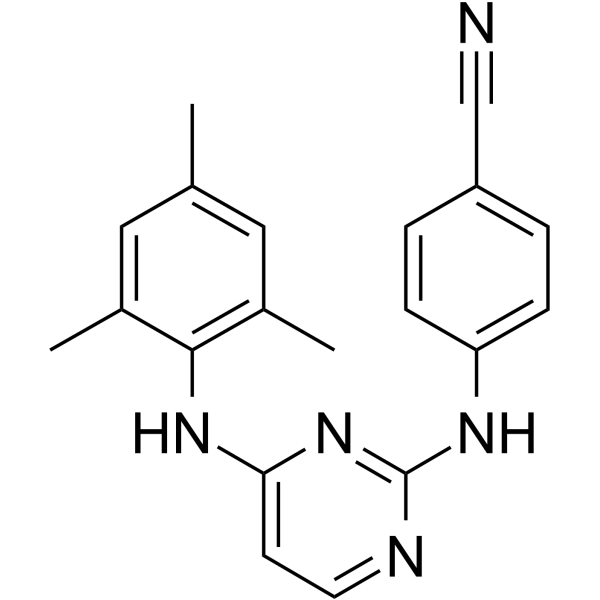
- HY-142074
-
|
(+)-Inophyllum B
|
Reverse Transcriptase
HIV
|
Infection
|
|
Inophyllum B ((+)-Inophyllum B) is a potent HIV Reverse Transcriptase inhibitor with an IC50 value of 38 nM. Inophyllum B inhibits HIV-1 (IC50=1.4 μM) in vitro cell culture. Inophyllum B can be isolated from the acetone extract of the giant African snail, Achatina fulica .
|
-
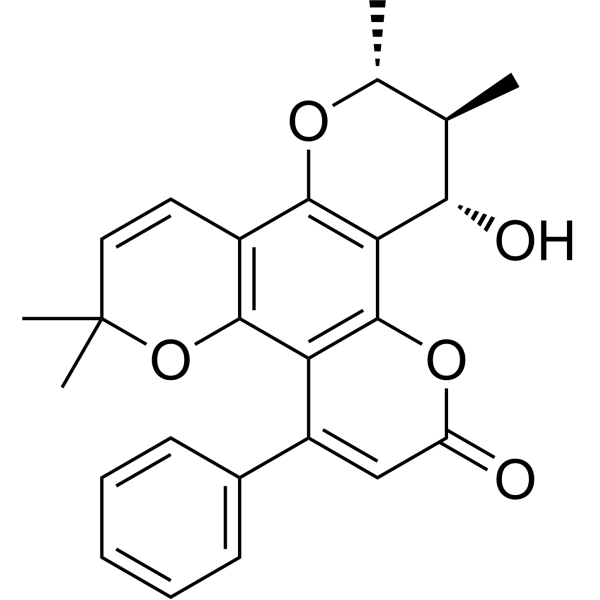
- HY-Y0788
-
|
|
HIV
|
Infection
|
|
Indoline is a derivative of Indole (HY-W001132). Indoline can use as the basic structure for CD4 mimetic compounds (CD4mcs), which triggers conformational changes of the HIV-1 envelope glycoprotein (Env) in advance, and causes viral inactivation. Indoline binds to gp120. Indoline CD4mcs can inhibit HIV-1AD8 with an IC50 in the micromolar range .
|
-

- HY-10046
-
Plerixafor
Maximum Cited Publications
102 Publications Verification
AMD 3100; JM3100; SID791
|
CXCR
HIV
|
Infection
Inflammation/Immunology
Endocrinology
Cancer
|
|
Plerixafor (AMD 3100) is a selective CXCR4 antagonist with an IC50 of 44 nM. Plerixafor, an immunostimulant and a hematopoietic stem cell (HSC) mobilizer, is an allosteric agonist of CXCR7. Plerixafor inhibits HIV-1 and HIV-2 replication with an EC50 of 1-10 nM .
|
-
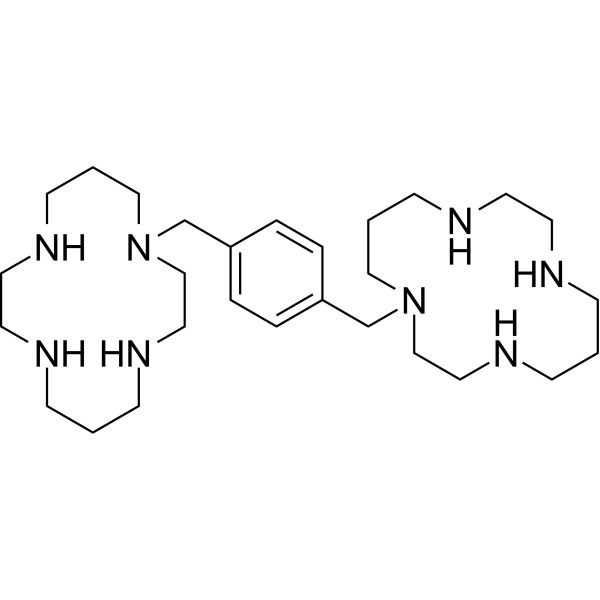
- HY-139147
-
|
ASN05260065
|
Src
|
Infection
Cancer
|
|
iHCK-37 (ASN05260065) is a potent and specific Hck inhibitor with a Ki value of 0.22 μM. iHCK-37 blocks HIV-1 viral replication with an EC50 value of 12.9 μM. iHCK-37 is used for chronic myeloid leukemia (CML) research .
|
-
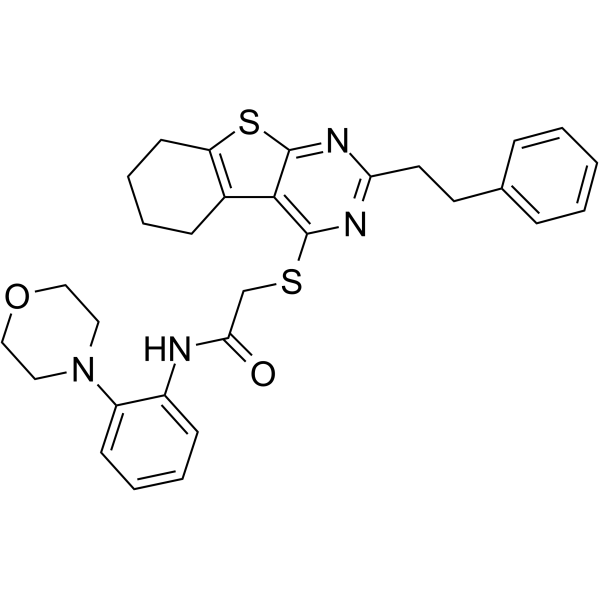
- HY-130000
-
|
STP0404
|
HIV Integrase
HIV
|
Infection
|
|
Pirmitegravir is a potent and first-in-class inhibitor of allosteric integrase (ALLINI) that targets LEDGF/p75 binding site. Pirmitegravir displays picomolar IC50 in human PBMCs with a >24,000 therapeutic index against HIV-1. Pirmitegravir harbors outstanding anti-virus and safety properties .
|
-
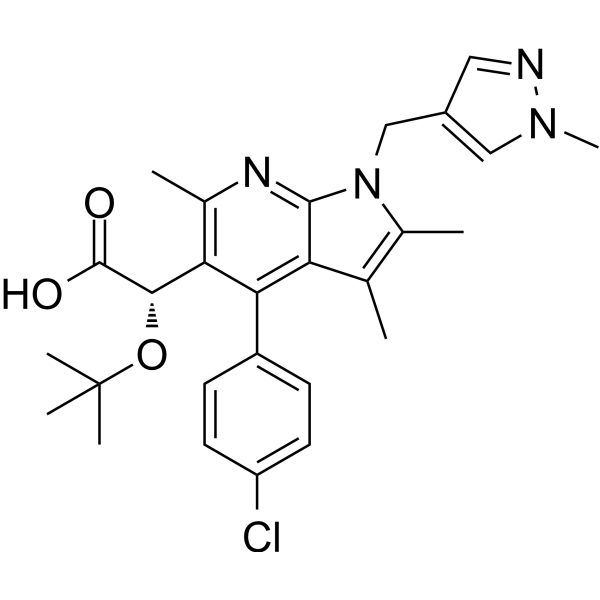
- HY-119337
-
|
|
Ser/Thr Protease
|
Infection
|
|
CE-2072 is an inhibitor of serine proteases neutrophil elastase and proteinase-3. CE-2072 inhibits HIV-1 production and p24 production in response to IL-18 or NaCl in infected U1 monocytic cells, reduces virus replication in infected peripheral blood mononuclear cells and blocks infection of permissive HeLa cells. CE-2072 suppresses activation of the HIV-1-inducing transcription factor NF-kB in U1 cells. CE-2072 is promising for research of HIV-1-related disease .
|
-

- HY-B0689A
-
|
MK-639; L735524
|
HIV
HIV Protease
SARS-CoV
Apoptosis
MMP
|
Infection
Cancer
|
|
Indinavir sulfate (MK-639) is an orally active and selective HIV-1 protease inhibitor with a Ki of 0.54 nM for PR. Indinavir sulfate exhibits anticancer activity by inhibiting the activation of MMPs-2 hydrolysis, anti-angiogenesis and inducing apoptosis. Indinavir sulfate is also a SARS-CoV 3CL pro inhibitor .
|
-
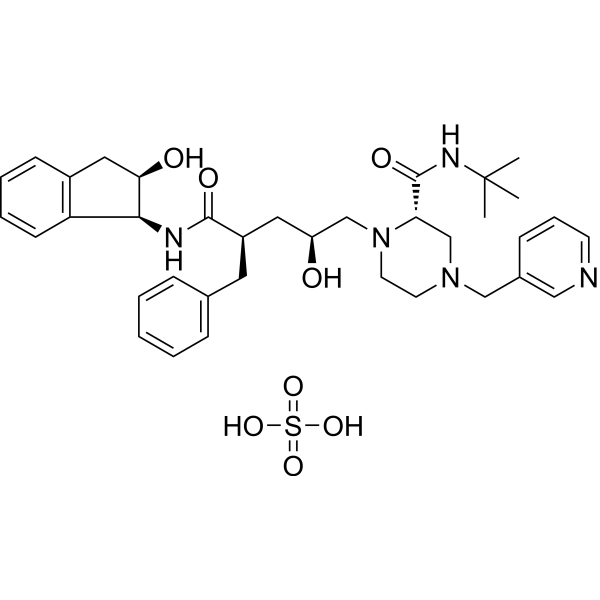
- HY-149928
-
|
|
HIV
|
Infection
|
|
NNRT-IN-1 (compound 8r) is a potent non-nucleoside reverse transcriptase (NNRT) inhibitor featuring significantly anti-resistance efficacy. NNRT-IN-1 inhibits the wild-type HIV-1 and five mutant strains with EC50s in the nanomolar range. NNRT-IN-1 displays favorable pharmacokinetic properties .
|
-
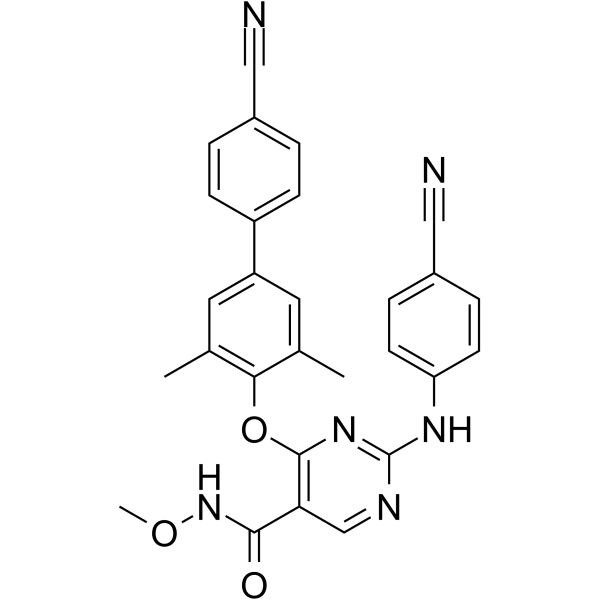
- HY-120764
-
|
|
HIV
|
Infection
|
|
PF-46396 is a potent HIV-1 inhibitor with an EC50 value of 0.206 µM. PF-46396 shows antiviral activity. PF-46396 inhibits the processing of capsid (CA)/spacer peptide 1 (SP1) (p25) Gag precursor proteins and blocks maturation of the viral core particle .
|
-

- HY-122058A
-
|
|
CXCR
HIV
|
Infection
Inflammation/Immunology
|
|
KRH-3955 hydrochloride is an orally bioavailable CXCR4 antagonist. KRH-3955 hydrochloride inhibits SDF-1α binding to CXCR4 with an IC50 of 0.61 nM. KRH-3955 hydrochloride is also a highly potent and selective inhibitor of X4 HIV-1, with an EC50 of 0.3 to 1.0 nM .
|
-
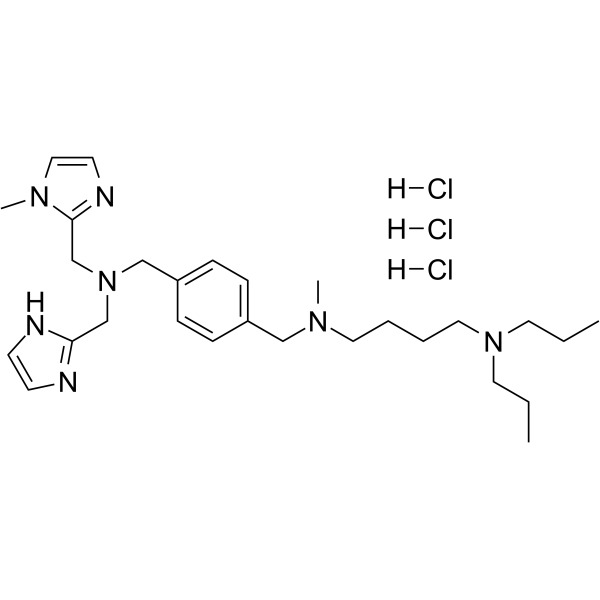
- HY-17411R
-
-

- HY-180567
-
|
|
HIV Protease
|
Infection
Inflammation/Immunology
|
|
PAC-Phe-Val is a potent HIV-1 protease inhibitor with an IC50 value of 33.10 nM. PAC-Phe-Val forms stable and strong interactions with critical active site residues, contributing to its high inhibitory potency. PAC-Phe-Val can be used for HIV/AIDS research .
|
-

- HY-P3554
-
|
|
HIV
|
Infection
|
|
Carbomethoxycarbonyl-D-Pro-D-Phe-OBzl (compound (CPF(LL)) is an HIV-1 inhibitor. Carbomethoxycarbonyl-D-Pro-D-Phe-OBzl interacts with gp120 to block gp120 binding to CD4 and preserve CD4-dependent T cell function .
|
-
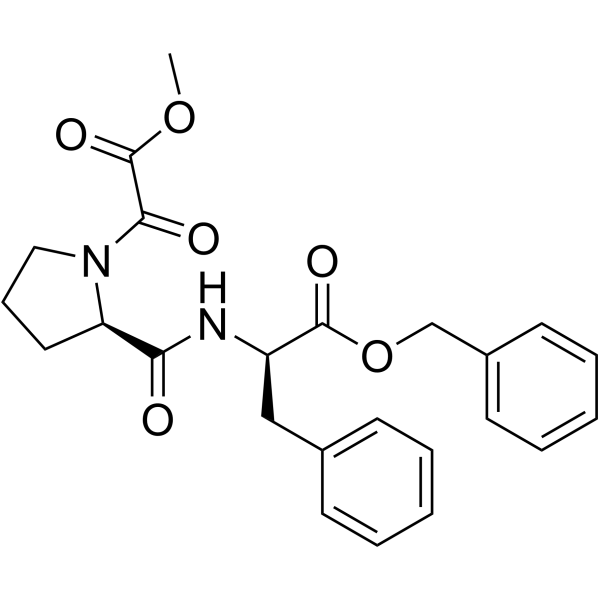
- HY-76648
-
|
|
HIV
|
Infection
|
|
NBD-556, a CD4 mimetic, is a potent HIV-1 entry inhibitor that blocks the gp120-CD4 interaction. NBD-556 shows potent cell fusion and virus-cell fusion inhibitory activity at low micromolar levels .
|
-
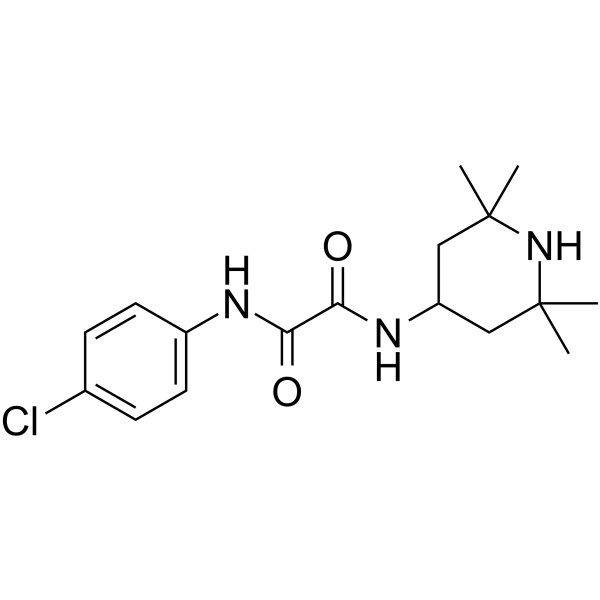
- HY-P99697
-
|
PRO 140
|
CCR
HIV
|
Infection
Cancer
|
|
Leronlimab (PRO 140) is a humanized IgG4 anti-CCR5 monoclonal antibody. Leronlimab inhibits CCR5-mediated HIV-1 viral and lung metastasis in mouse tumor models. Leronlimab can be used for the research of HIV nonalcoholic steatohepatitis (NASH) and cancer .
|
-

- HY-B1422R
-
|
Aminacrine (Standard)
|
Reference Standards
Bacterial
HIV
|
Infection
|
|
9-Aminoacridine (Standard) is the analytical standard of 9-Aminoacridine. This product is intended for research and analytical applications. 9-Aminoacridine, a fluorescent probe, acts as an indicator of pH for quantitative determination of transmembrane pH gradients (inside acidic). 9-Aminoacridine is an antimicrobial. 9-Aminoacridine exerts its antimicrobial activity by interacting with specific bacterial DNA and disrupting the proton motive force in K. pneumoniae. 9-Aminoacridine is a HIV-1 inhibitor and inhibits HIV LTR transcription highly dependent on the presence and location of the amino moiety. 9-Aminoacridine inhibits virus replication in HIV-1 infected cell lines. 9-Aminoacridine is used as a Rifampin (RIF; HY-B0272) adjuvant for the multidrug-resistant K. pneumoniae infections .
|
-

- HY-B1422S
-
|
Aminacrine-13C6
|
Bacterial
HIV
Isotope-Labeled Compounds
|
Infection
|
|
9-Aminoacridine-13C6 is the 13C-labeled 9-Aminoacridine(HY-B1422). 9-Aminoacridine, a fluorescent probe, acts as an indicator of pH for quantitative determination of transmembrane pH gradients (inside acidic). 9-Aminoacridine is an antimicrobial. 9-Aminoacridine exerts its antimicrobial activity by interacting with specific bacterial DNA and disrupting the proton motive force in K. pneumoniae. 9-Aminoacridine is a HIV-1 inhibitor and inhibits HIV LTR transcription highly dependent on the presence and location of the amino moiety. 9-Aminoacridine inhibits virus replication in HIV-1 infected cell lines. 9-Aminoacridine is used as a Rifampin (RIF; HY-B0272) adjuvant for the multidrug-resistant K. pneumoniae infections .
|
-
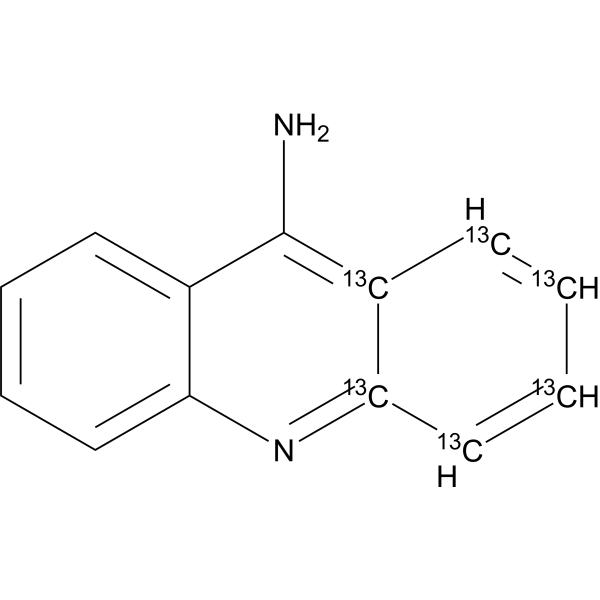
- HY-18257
-
|
|
Antibiotic
Bacterial
Dengue Virus
Amyloid-β
HIV Integrase
|
Infection
Neurological Disease
Inflammation/Immunology
|
Rolitetracycline is a highly soluble, broad-spectrum antibiotic derived from tetracycline. Rolitetracycline binds to and stabilizes bovine serum albumin, and also inhibits HIV-1 integrase, blocks Aβ fibril formation and suppresses dengue virus proliferation. Rolitetracycline mediates the inhibition of Aβ fibrils via a specific three-dimensional pharmacophore conformation, and exerts bacteriostatic and bactericidal activities. Rolitetracycline acts synergistically with Penicillin G (HY-N7139) or Cephalothin (HY-B1275A) to alter the effects on microbial growth. Rolitetracycline serves as an important tool compound for the study of bacterial infections (urinary tract infections, sepsis), HIV-1 and dengue virus infections, as well as Alzheimer's disease .
|
-
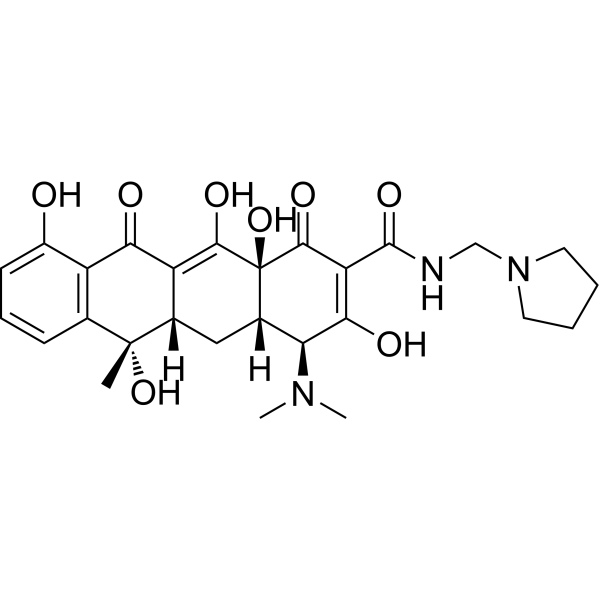
- HY-103697R
-
|
|
Toll-like Receptor (TLR)
Reference Standards
|
Cancer
|
|
Gardiquimod (Standard) is the analytical standard of Gardiquimod. This product is intended for research and analytical applications. Gardiquimod is an imidazoline TLR7/8 agonist. Gardiquimod inhibits HIV-1 infection of macrophages and activated peripheral blood mononuclear cells (PBMCs). Gardiquimod specifically activates TLR7 at concentrations below 10 μM.
|
-

- HY-15440AR
-
|
BMS-663068 (Standard)
|
Reference Standards
HIV
|
Infection
|
|
Fostemsavir (Standard) is the analytical standard of Fostemsavir. This product is intended for research and analytical applications. Fostemsavir (BMS-663068) is the phosphonooxymethyl prodrug of BMS-626529. Fostemsavir (BMS-663068) is a novel attachment inhibitor that targets HIV-1 gp120 and prevents its binding to CD4 + T cells.
|
-

- HY-17605S
-
|
|
Isotope-Labeled Compounds
|
Infection
|
|
Bictegravir- 15N,d2 (GS-9883- 15N,d2) is the 15N and deuterium labeled Bictegravir (HY-17605) . Bictegravir (GS-9883) is a potent inhibitor of HIV-1 integrase with an IC50 of 7.5 nM .
|
-
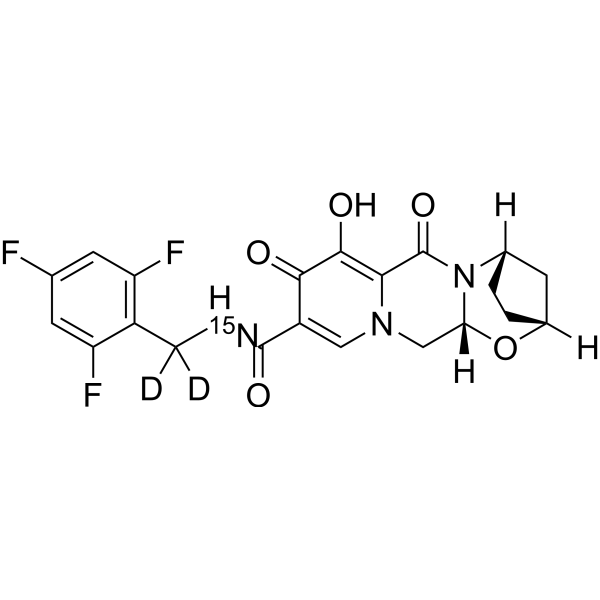
- HY-13025
-
|
|
HIV
HIV Integrase
|
Infection
|
|
HIV-1 integrase inhibitor is a click chemistry reagent, it contains an Azide group and can undergo copper-catalyzed azide-alkyne cycloaddition reaction (CuAAc) with molecules containing Alkyne groups. It can also undergo strain-promoted alkyne-azide cycloaddition (SPAAC) reactions with molecules containing DBCO or BCN groups.
|
-
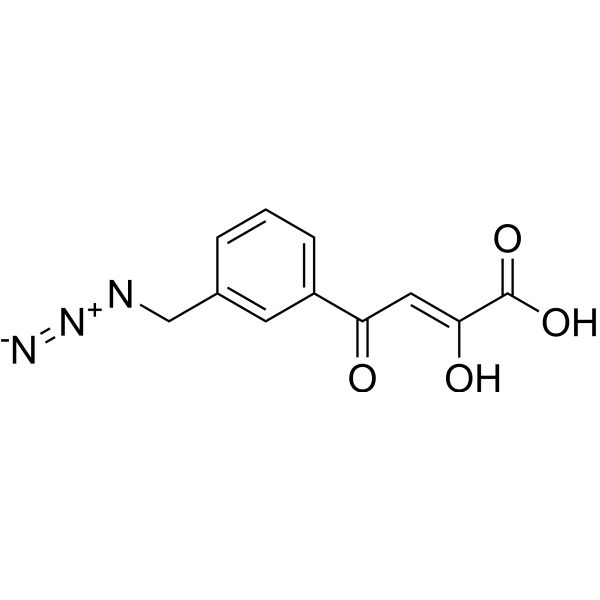
- HY-15351
-
|
NSC 675186
|
HIV
|
Infection
|
|
UC-781 (NSC 675186) is a highly potent and selective nonnucleoside reverse transcriptase inhibitor (NNRTI) of HIV-1 with an IC50 value of 5 nM. UC-781 is stable under low PH or various temperatures conditions. UC-781 has antiviral activity and resistance .
|
-
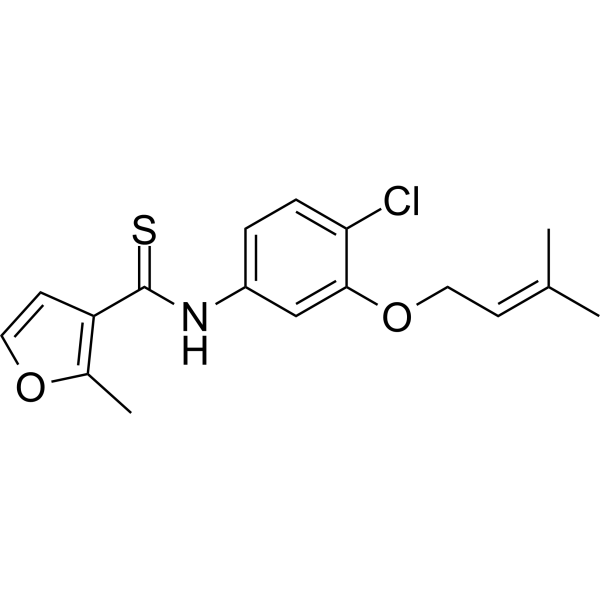
- HY-N2006R
-
|
|
EBV
Reference Standards
HIV Protease
|
Infection
Inflammation/Immunology
|
|
Ganoderic acid B (Standard) is the analytical standard of Ganoderic acid B. This product is intended for research and analytical applications. Ganoderic acid B is a triterpene isolated from a mushroom Ganoderma lucidum. Ganoderic acid B inhibits the activation of Epstein-Barr virus (EBV) antigens as telomerase inhibitor. Ganoderic acid B is a moderately active inhibitor against HIV-1 protease (IC50: 170 μM) .
|
-

- HY-122482
-
|
|
HIV
Reverse Transcriptase
Telomerase
Bacterial
|
Infection
Metabolic Disease
Cancer
|
|
β-Rubromycin, a quinone antibacterial agent, is a selective HIV-1 reverse transcriptase inhibitor with a Ki of 0.27 μM. β-Rubromycin is a potent telomerase inhibitor with an IC50 of 3 μM. β-Rubromycin inhibits the proliferation of both K-562 and HeLa cells with IC50 values of 19.5 µM and 22.7 µM, respectively .
|
-
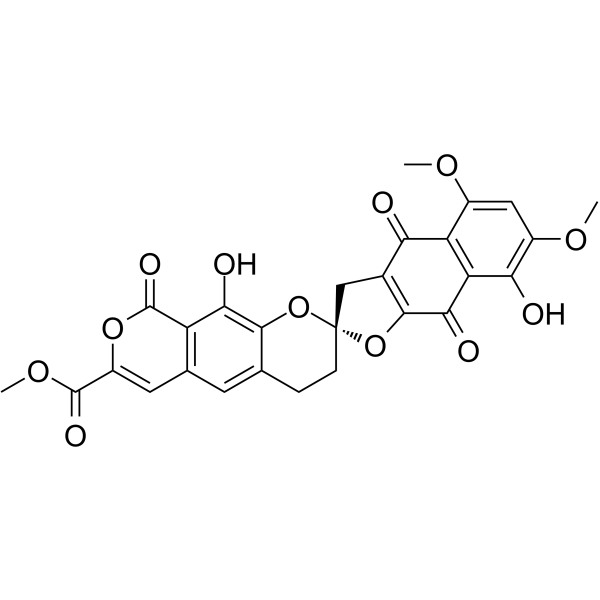
- HY-144731
-
|
|
HIV
|
Inflammation/Immunology
|
|
gp120-IN-2 (compound 4i) is a potent HIV-1 gp120 inhibitor with an IC50 of 7.5 µM and CC50 of 112.93 µM. gp120-IN-2 shows anti-HIV-1 activity. gp120-IN-2 shows cytotoxicity in a dose dependent manner in SUP-T1 cells .
|
-
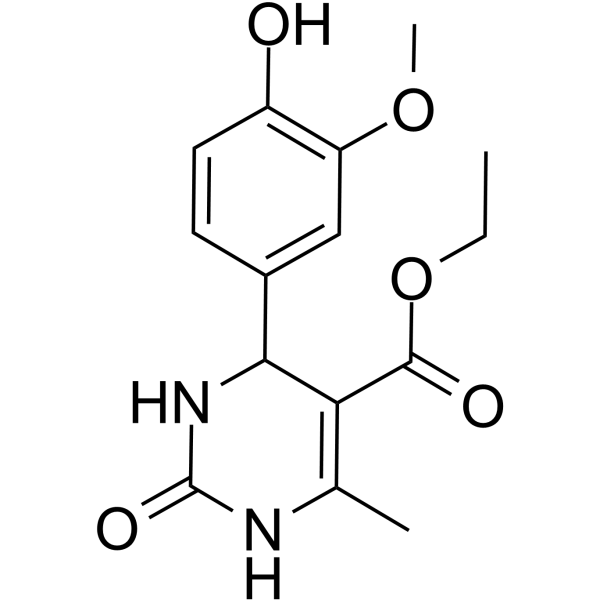
- HY-P7061A
-
|
|
Apelin Receptor (APJ)
CXCR
|
Infection
Endocrinology
|
|
ALX 40-4C Trifluoroacetate is a small peptide inhibitor of the chemokine receptor CXCR4, inhibits SDF-1 from binding CXCR4 with a Ki of 1 μM, and suppresses the replication of X4 strains of HIV-1; ALX 40-4C Trifluoroacetate also acts as an antagonist of the APJ receptor, with an IC50 of 2.9 μM.
|
-
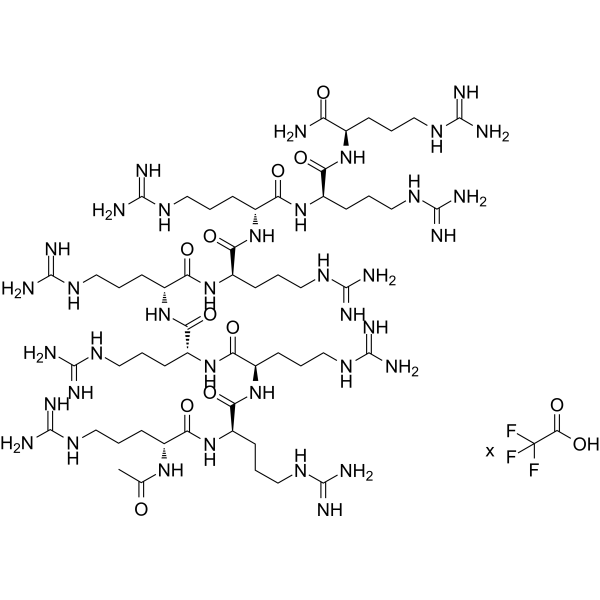
- HY-B0116
-
-
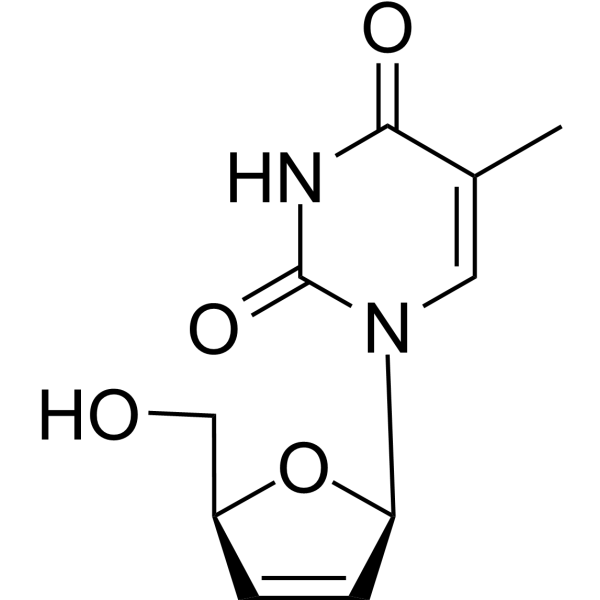
- HY-B0116A
-
-
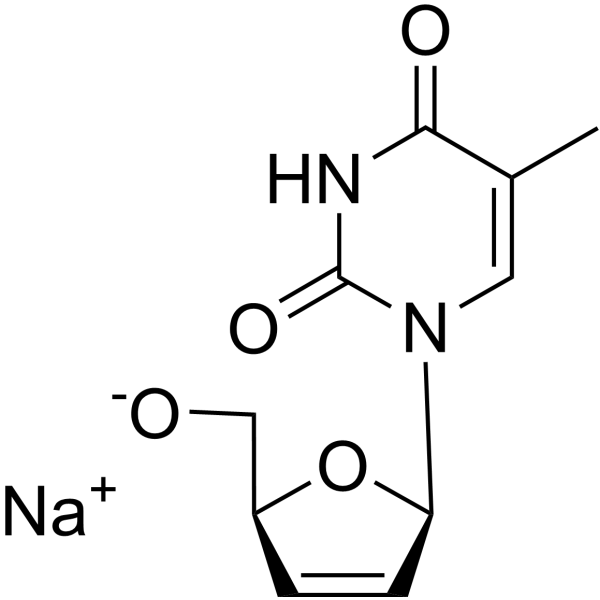
- HY-147904
-
|
|
HIV
|
Infection
|
|
HIV-IN-5 (compound 5r) is a potent HIV-1 inhibitor, with an IC50 of 0.16 μM. HIV-IN-5 shows inhibition of HIV DNA-dependent DNA polymerization activity, with an IC50 of 2.18 μM. HIV-IN-5 can bind to NNIBP (NNRTIs (non-nucleoside reverse transcriptase inhibitors) binding pocket) .
|
-
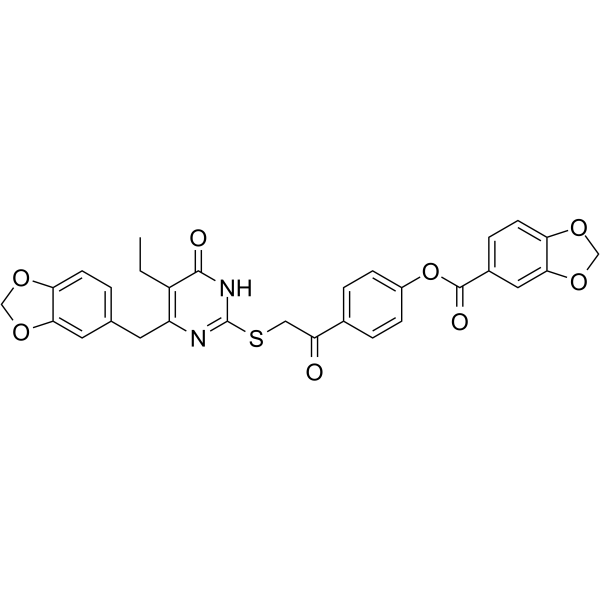
- HY-P7061
-
|
|
CXCR
Apelin Receptor (APJ)
|
Infection
Endocrinology
|
|
ALX 40-4C is a small peptide inhibitor of the chemokine receptor CXCR4, inhibits SDF-1 from binding CXCR4 with a Ki of 1 μM, and suppresses the replication of X4 strains of HIV-1; ALX 40-4C Trifluoroacetate also acts as an antagonist of the APJ receptor, with an IC50 of 2.9 μM.
|
-
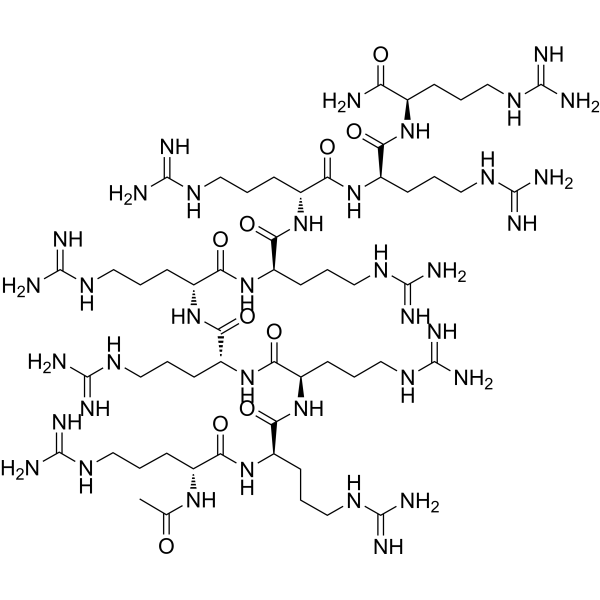
- HY-P10074
-
|
|
ERK
|
Inflammation/Immunology
|
|
TAT-MEK1 is an inhibitor ofERK2, consisting of TAT and MEK1 (N-terminal), TAT (YGRKKRRQRRR) derived from human immunodeficiency (HIV-1) transcriptional trans activator (TAT), is a cell-penetrating peptide. TAT-MEK1 IC50 in vitro for ERK2 is 29 μM .
|
-
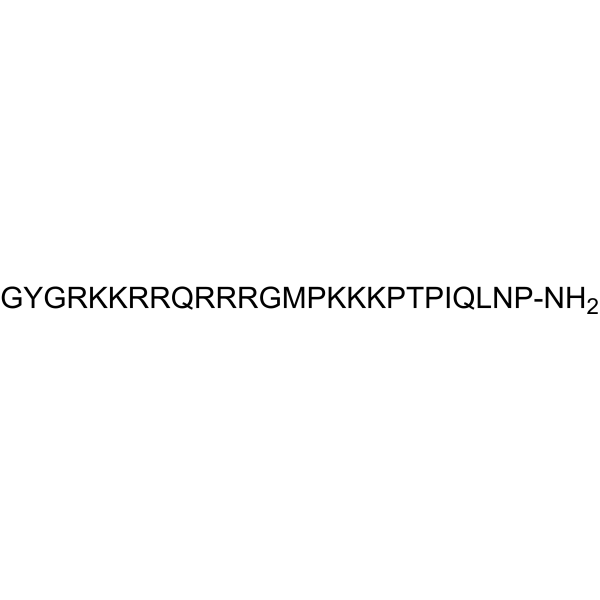
- HY-19149
-
|
|
HIV
Apoptosis
|
Infection
Inflammation/Immunology
Cancer
|
|
Ro24-7429 is a potent and orally active HIV-1 transactivator protein Tat antagonist. Ro24-7429 is also a runt-related transcription factor 1 (RUNX1) inhibitor. Ro24-7429 has anti-HIV, antifibrotic and anti-inflammatory effects .
|
-
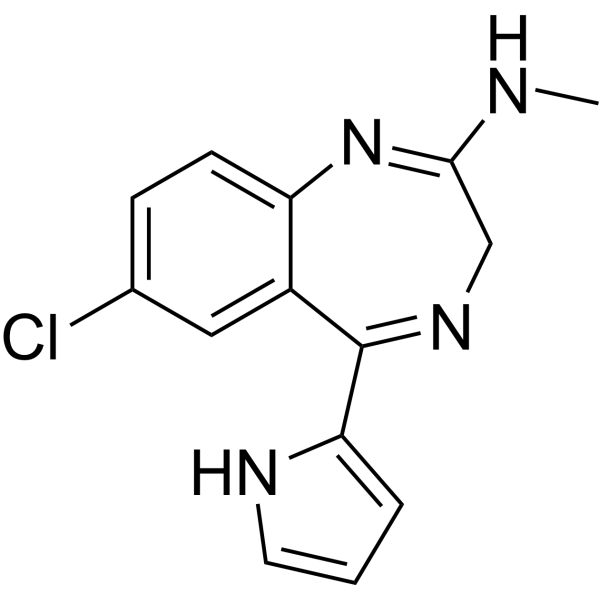
- HY-15353
-
|
MKC-442
|
HIV
|
Infection
Inflammation/Immunology
|
|
Emivirine (MKC-442) is a non-nucleoside reverse transcriptase inhibitors (NNRTIs) with Ki values of 0.20 and 0.01 μM for dTTP- and dGTP-dependent DNA or RNA polymerase activity, respectively. Emivirine displays potent and selective anti-human immunodeficiency virus type 1 (HIV-1) activity .
|
-
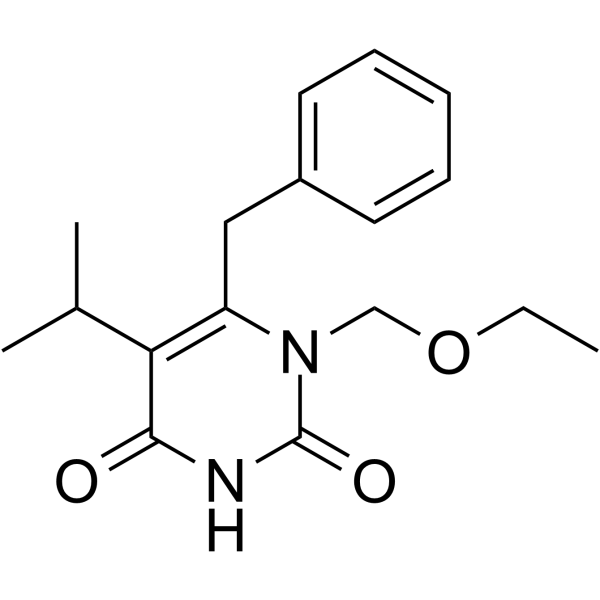
- HY-14882R
-
|
TAK-652 (Standard); TBR-652 (Standard)
|
CCR
HIV
Reference Standards
|
Infection
Endocrinology
|
|
Cenicriviroc (Standard) is the analytical standard of Cenicriviroc. This product is intended for research and analytical applications. Cenicriviroc (TAK-652) is an orally active, dual CCR2/CCR5 antagonist, also inhibits both HIV-1 and HIV-2, and displays potent anti-inflammatory and antiinfective activity .
|
-

- HY-100079R
-
|
Mutagenic Impurity of Tenofovir Disoproxil (Standard); Tenofovir Impurity 2 (Standard)
|
Reference Standards
HIV
|
Infection
|
|
9-Propenyladenine (Standard) is the analytical standard of 9-Propenyladenine. This product is intended for research and analytical applications. 9-Propenyladenine is a mutagenic impurity in tenofovir disoproxil fumarate. Tenofovir is an antiretroviral agent known as nucleotide analogue reverse transcriptase inhibitors, which block reverse transcriptase, a crucial virus enzyme in HIV-1 and HBV.
|
-
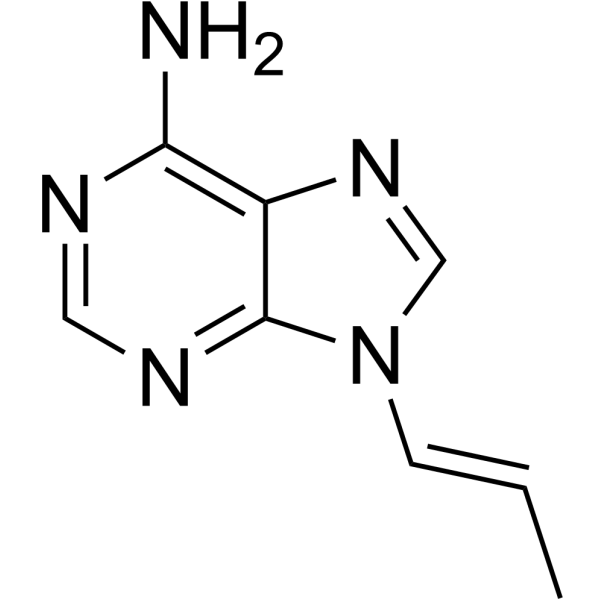
- HY-100870R
-
|
ABX464 (Standard)
|
HIV
Reference Standards
|
Infection
|
|
Obefazimod (Standard) is the analytical standard of Obefazimod (HY-100870). This product is intended for research and analytical applications. Obefazimod (ABX464) is a potent anti-HIV agent. Obefazimod inhibits HIV-1 replication in stimulated peripheral blood mononuclear cells (PBMCs) with an IC50 ranging between 0.1 μM and 0.5 μM.
|
-

- HY-B0689B
-
|
MK-639 ethanolate; L735524 ethanolate
|
Apoptosis
MMP
HIV
HIV Protease
SARS-CoV
|
Infection
Cancer
|
|
Indinavir sulfate ethanolate (MK-639 ethanolate) is an orally active and selective HIV-1 protease inhibitor with a Ki of 0.54 nM for PR. Indinavir sulfate ethanolate exhibits anticancer activity by inhibiting the activation of MMPs-2 hydrolysis, anti-angiogenesis and inducing apoptosis. Indinavir sulfate ethanolate is also a SARS-CoV 3CL pro inhibitor .
|
-
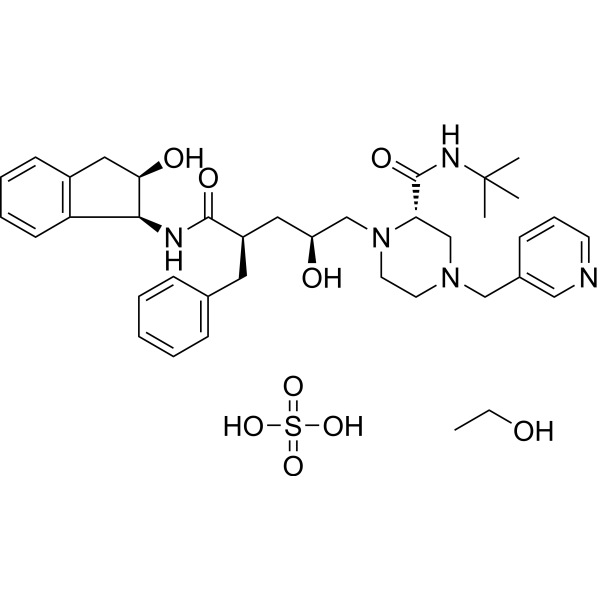
- HY-116758
-
|
di-Me-PGA1
|
DNA/RNA Synthesis
HIV
HSV
|
Infection
Cancer
|
|
16,16-Dimethyl prostaglandin A1 (di-Me-PGA1) is a prostaglandin analog that can inhibit DNA synthesis in Lewis lung carcinoma and B 16 amelanotic melanoma cells. 16,16-Dimethyl prostaglandin A1 also inhibits viral replication in both HSV and HIV-1 infection systems .
|
-
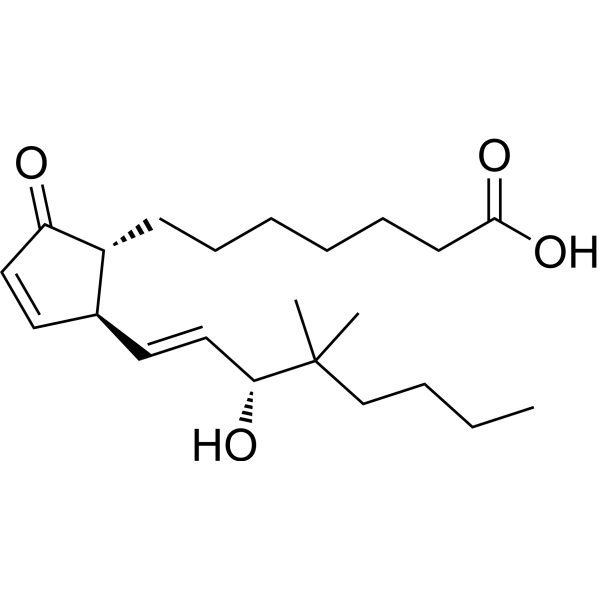
- HY-106872
-
|
9-Cl-TIBO
|
Reverse Transcriptase
HIV
DNA/RNA Synthesis
|
Infection
|
|
R82913 (9-Cl-TIBO) is a potent and high selective inhibitor of HIV-1 reverse transcriptase with antiviral activity on both an RNA template (negative strand synthesis) and a DNA template (positive strand synthesis). R82913 inhibits the replication of different strains of HIV-I in CEM cells with a median IC50 value of of 0.15 μM .
|
-

- HY-146338
-
|
|
HIV
|
Infection
|
|
RPR103611, the betulinic acid derivative, is a potent HIV-1 entry inhibitor with IC50s of 80, 0.27, and 0.17 for CCR5-tropic virus YU2, CXCR4-tropic virus NL4-3 and dual tropic virus 89.6, respectively .
|
-
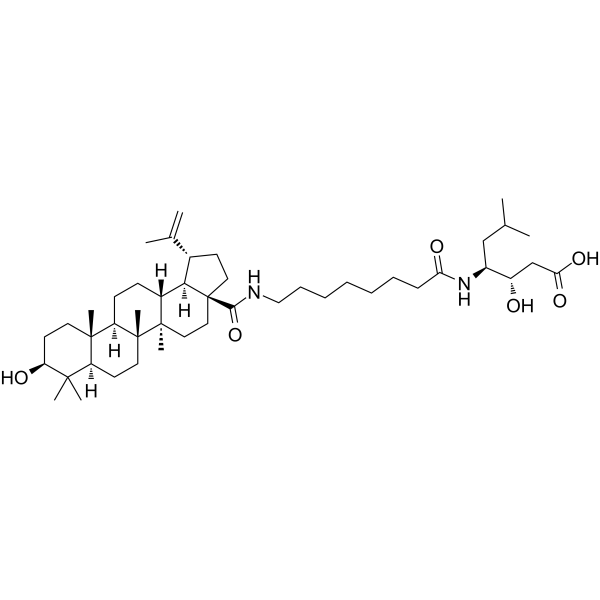
- HY-114268
-
|
|
HIV
|
Infection
|
|
BRD-K98645985 is a BAF (mammalian SWI/SNF) transcriptional repression inhibitor with an EC50 of ~2.37 μM. BRD-K98645985 binds ARID1A-specific BAF complexes, prevents nucleosomal positioning, and potently reverses HIV-1 latency, without T cell activation or toxicity .
|
-
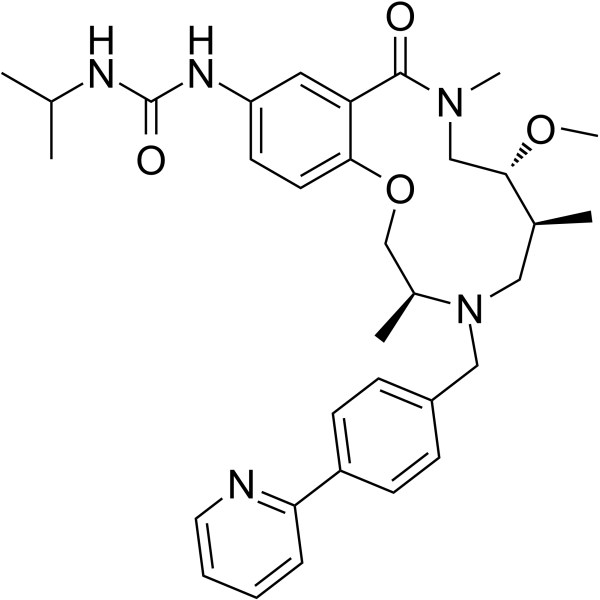
- HY-15440AS
-
|
BMS-663068-d8
|
Isotope-Labeled Compounds
HIV
|
Infection
|
|
Fostemsavir-d8 (BMS-663068-d8) is deuterium labeled Fostemsavir. Fostemsavir (BMS-663068) is the phosphonooxymethyl prodrug of BMS-626529. Fostemsavir (BMS-663068) is a novel attachment inhibitor that targets HIV-1 gp120 and prevents its binding to CD4 + T cells.
|
-

- HY-14266S
-
|
TMC120-d11; R147681-d11
|
Isotope-Labeled Compounds
HIV
Reverse Transcriptase
Apoptosis
Autophagy
|
Infection
|
|
Dapivirine-d11 is the deuterium labeled Dapivirine. Dapivirine (TMC120), the prototype of diarylpyrimidines (DAPY), is an orally active and nonnucleoside reverse transcriptase inhibitor (NRTI). Dapivirine (TMC120) binds directly to HIV-1 reverse transcriptase. Dapivirine (TMC120) regulates autophagy and induced Akt, Bad and SAPK/JNK activations .
|
-
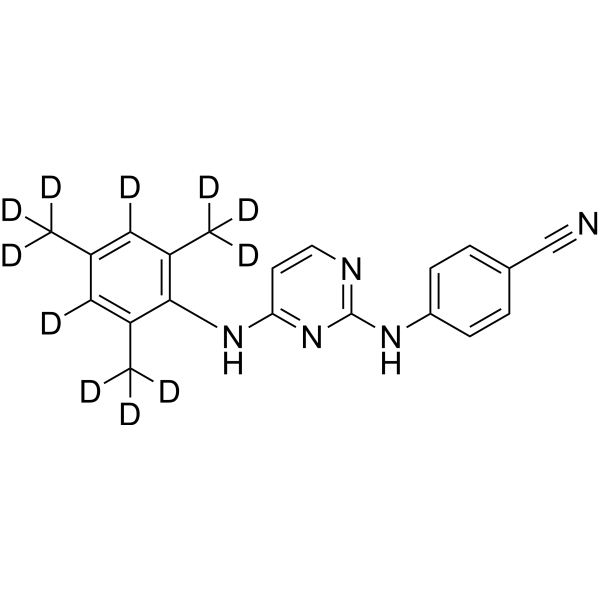
- HY-152219
-
|
|
CDK
|
Infection
Cancer
|
|
CLK1-IN-2 is metabolically stable Clk1 inhibitor. CLK1-IN-2 has selectivity for Clk1 with an IC50 value of 1.7 nM. CLK1-IN-2 can be used for the research of tumour, Duchenne's muscular dystrophy and viral infections such as HIV-1 and influenza .
|
-
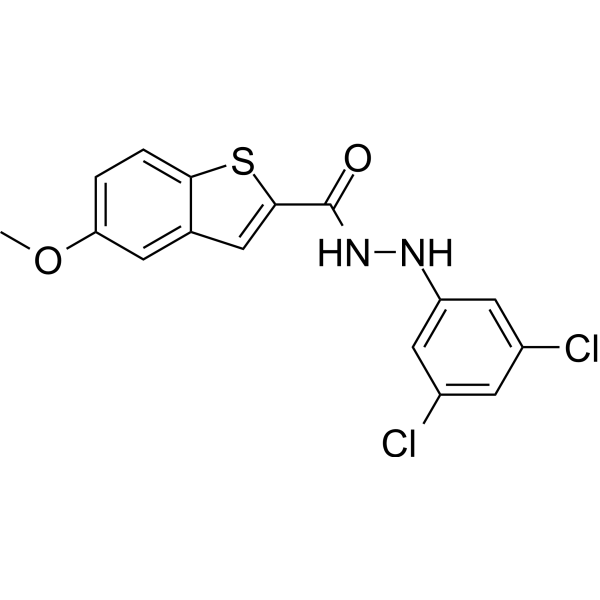
- HY-17367
-
-
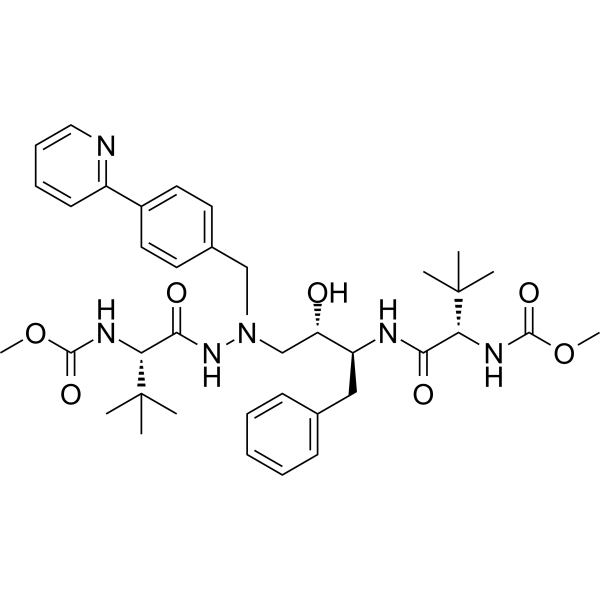
- HY-134809A
-
|
CADA hydrochloride
|
HIV
|
Infection
|
|
Cyclotriazadisulfonamide (CADA) hydrochloride is a specific CD4-targeted HIV entry inhibitor with activity against HIV-1 replication. Cyclotriazadisulfonamide hydrochloride can specifically downregulate the expression of CD4 receptors on the cell surface, effectively inhibiting HIV transmission. Cyclotriazadisulfonamide hydrochloride can inhibit HIV-1(NL4.3) and SIV(mac251), and has a synergistic effect when used in combination with cellulose acetate (CAP). Cyclotriazadisulfonamide hydrochloride can also be used as a microbial gel formulation to maintain CD4 downregulation and antiviral activity, and is a broad-spectrum anti-HIV agent.
|
-

- HY-150080
-
|
BMS-986180
|
HIV
HIV Integrase
|
Infection
|
|
GSK3739936 (BMS-986180) is a potent HIV-1 allosteric integrase inhibitor with an IC50 value of 11.1 nM and an EC50 value of 1.7 nM. GSK3739936 is also a weak CYP inhibitor (IC50>24.3 μM). GSK3739936 shows favorable pharmacokinetic property in preclinical species with rapid absorption, low to moderate clearance and excellent oral bioavailability .
|
-
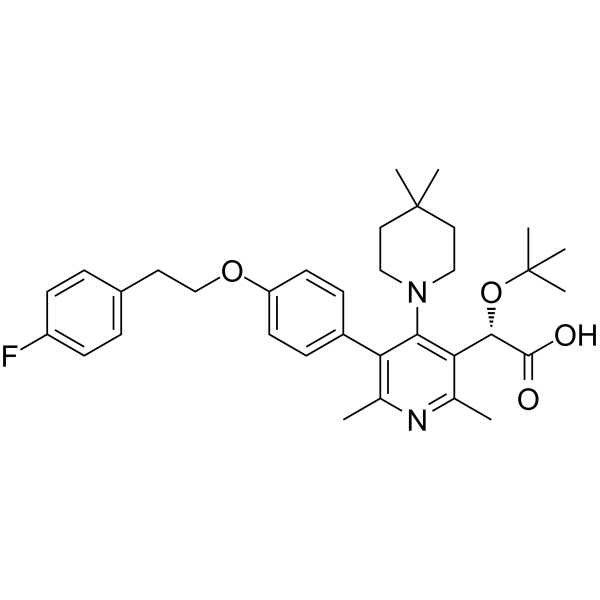
- HY-100083R
-
|
|
Reference Standards
HIV
|
Others
|
|
Dolutegravir intermediate-1 (Standard) is the analytical standard of Dolutegravir intermediate-1 (HY-100083). This product is intended for research and analytical applications. Dolutegravir intermediate-1 is a synthetic intermediate of Dolutegravir extracted from patent WO 2016125192 A2. Dolutegravir is an integrase inhibitor developed for the treatment of human immunodeficiency virus (HIV)-1 infection.
|
-

- HY-17040
-
|
TMC114; UIC-94017
|
HIV
HIV Protease
|
Infection
Inflammation/Immunology
|
|
Darunavir (TMC114), an orally active next generation HIV protease inhibitor, has a similar antiviral activity against the mutant and the wild-type viruses. Darunavir (TMC114) is potent against laboratory HIV-1 strains and primary clinical isolates (IC50 = 0.003 μM; IC90 = 0.009 μM) with minimal cytotoxicity .
|
-
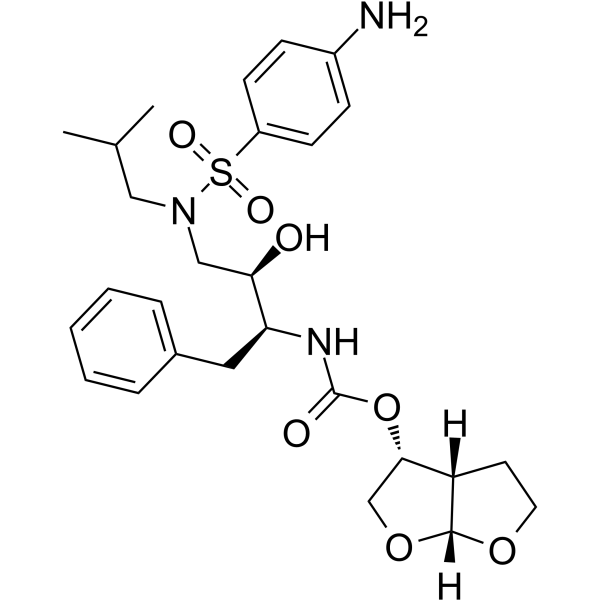
- HY-15440BR
-
|
BMS-663068 Tris (Standard)
|
HIV
Reference Standards
|
Infection
|
|
Fostemsavir Tris (Standard) is the analytical standard of Fostemsavir Tris. This product is intended for research and analytical applications. Fostemsavir Tris (BMS-663068 (Tris)) is the phosphonooxymethyl proagent of BMS-626529. Fostemsavir Tris (BMS-663068 (Tris)) is a novel attachment inhibitor that targets HIV-1 gp120 and prevents its binding to CD4+ T cells.
|
-

- HY-103697AR
-
|
|
Toll-like Receptor (TLR)
Reference Standards
|
Cancer
|
|
Gardiquimod (diTFA) (Standard) is the analytical standard of Gardiquimod (diTFA). This product is intended for research and analytical applications. Gardiquimod diTFA is an imidazoline TLR7/8 agonist. Gardiquimod diTFA inhibits HIV-1 infection of macrophages and activated peripheral blood mononuclear cells (PBMCs). Gardiquimod diTFA specifically activates TLR7 at concentrations below 10 μM.
|
-

- HY-P11158
-
|
|
Fungal
HIV
Reverse Transcriptase
|
Infection
Cancer
|
|
Gymnin is a defensin-like antifungal peptide. Gymnin has significant antifungal activities against phytopathogenic and mycotoxigenic fungi. Gymnin inhibits HIV-1 reverse transcriptase with an IC50 of 200 μM and the proliferation of tumor cells. Gymnin has a weak mitogenic activity toward murine splenocytes. Gymnin can be used for plant disease treatments research .
|
-

- HY-17377
-
|
SCH-417690 maleate; SCH-D maleate
|
CCR
HIV
|
Infection
Endocrinology
Cancer
|
|
Vicriviroc maleate (SCH-417690 maleate; SCH-D maleate) is a potent, selective, oral bioavailable and CNS penetrated antagonist of CCR5, with a Ki of 2.5 nM, and also inhibits HIV-1 in PBMC cells, with IC90s of 3.3 nM (JrFL), 2.8 nM (ADA-M), 1.8 nM (301657), 4.9 nM (JV1083) and 10 nM (RU 570).
|
-
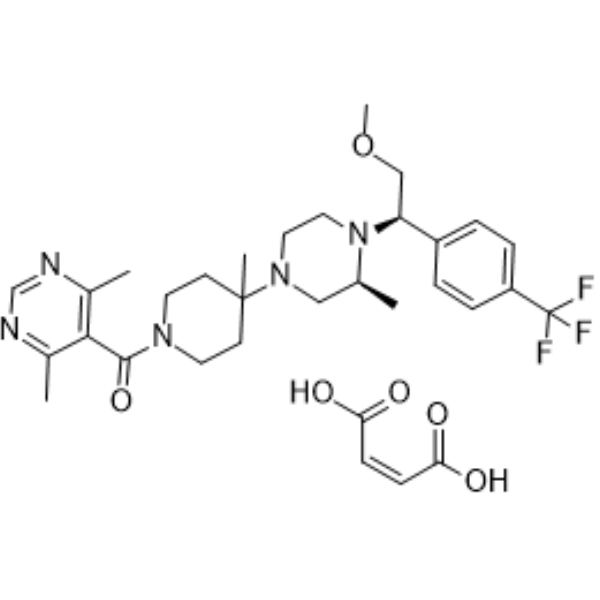
- HY-146413
-
|
|
CXCR
HIV
|
Infection
Cancer
|
|
HF50731 (compound 21) is a potent CXCR4 antagonist. HF50731 shows strong CXCR4 binding affinity, with IC50 of 19.8 nM. HF50731 effectively inhibits calcium mobilization, cell migration, and HIV-1 infection via CXCR4 coreceptor, with IC50 values of 119.2 nM, 621.4 nM and 1.5 μM .
|
-
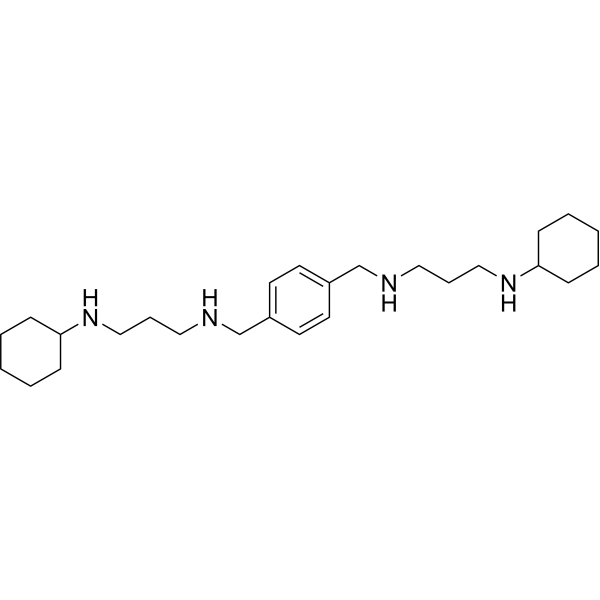
- HY-10046S
-
-
- HY-17367S4
-
-
- HY-17367S3
-
-
- HY-17367S2
-
-
- HY-122470
-
|
|
Reverse Transcriptase
HIV
|
Infection
|
|
Stampidine is a nucleoside reverse transcriptase inhibitor (NRTI) with potent and broad-spectrum anti-HIV activity. Stampidine inhibits the laboratory HIV-1 strain HTLVIIIB (B-envelope subtype) and primary clinical isolates with IC50s of 1 nM and 2 nM, respectively. Stampidine also inhibits NRTI-resistant primary clinical isolates and NNRTI-resistant clinical isolates with IC50s of 8.7 nM and 11.2 nM, respectively .
|
-
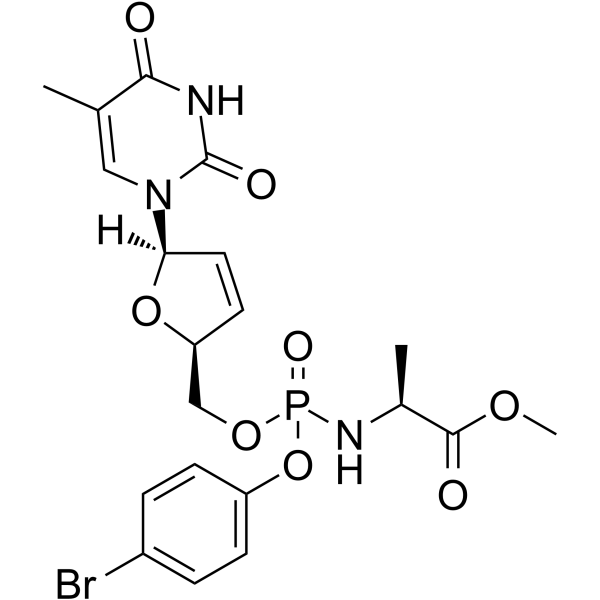
- HY-W009783A
-
|
|
HIV
Influenza Virus
|
Infection
Cancer
|
|
Deoxymannojirimycin hydrochloride is a selective class I α1,2-mannosidase inhibitor with an IC50 of 20 μM. Deoxymannojirimycin hydrochloride is also a N-linked glycosylation inhibitor. Deoxymannojirimycin hydrochloride has antiviral activity against HIV‐1 strains . Deoxymannojirimycin hydrochloride increases high mannose structures. Deoxymannojirimycin hydrochloride can be used for the study of liver cancer and colon cancer .
|
-

- HY-122920
-
|
|
HSV
CMV
Influenza Virus
HIV
NOD-like Receptor (NLR)
YB-1
|
Infection
Inflammation/Immunology
|
|
Soyasaponin II is a saponin with antiviral activity. Soyasaponin II inhibits the replication of HSV-1, HCMV, influenza virus, and HIV-1. Soyasaponin II shows potent inhibition on HSV-1 replication. Soyasaponin II serves as a inhibitor for YB-1 phosphorylation and NLRP3 inflammasome priming and could protect mice against LPS/GalN induced acute liver failure .
|
-
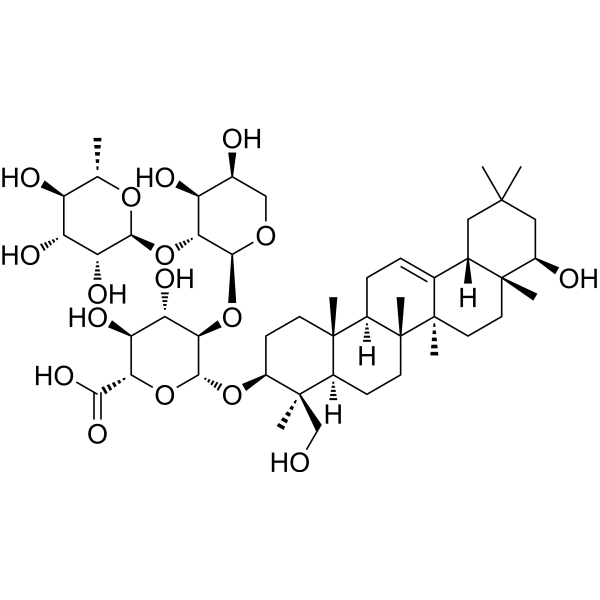
- HY-124618
-
|
|
Flavivirus
Dengue Virus
HCV
HIV
|
Infection
|
|
FGI-106 is a potent and broad-spectrum inhibitor with inhibitory activity against multiple viruses. FGI-106 is active against Ebola, Rift Valley and Dengue Fever viruses with EC50s of 100 nM, 800 nM and 400-900 nM, respectively. FGI-106 also inhibits non-hemorrhagic fever viruses HCV and HIV-1 with EC50s of 200 nM and 150 nM, respectively .
|
-
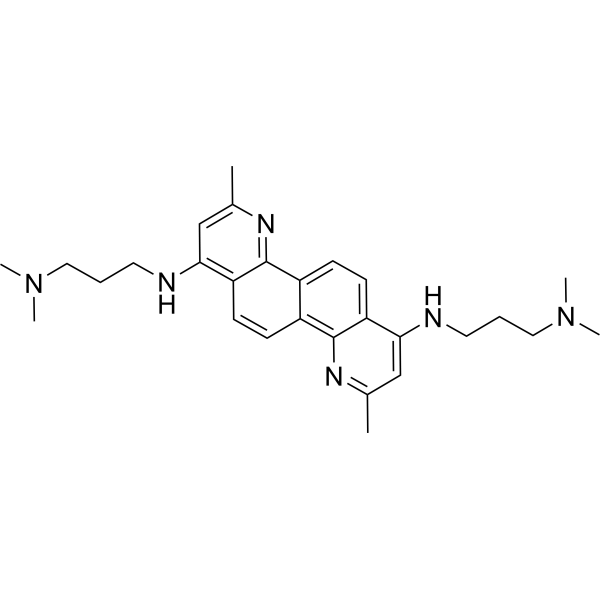
- HY-106282R
-
|
|
Reference Standards
HIV
|
Infection
|
|
BIT-225 (Standard) is the analytical standard of BIT-225 (HY-106282). This product is intended for research and analytical applications. BIT-225 is an inhibitor for Vpu protein through block of Vpu ion channel, and thus inhibits the release of HIV-1, especially in monocyte-derived macrophages (EC50 is 2.25 μM), without significant cytotoxicity (TC50 is 284 μM) .
|
-

- HY-17367AR
-
|
BMS-232632 sulfate (Standard)
|
Reference Standards
HIV
HIV Protease
SARS-CoV
Cytochrome P450
P-glycoprotein
Endogenous Metabolite
|
Infection
Cancer
|
|
Atazanavir (sulfate) (Standard) is the analytical standard of Atazanavir (sulfate). This product is intended for research and analytical applications. Atazanavir (BMS-232632) sulfate, a highly selective HIV-1 protease inhibitor, is the first protease inhibitor approved for once-daily administration . Atazanavir sulfate is a substrate and inhibitor of CYP3A4, and an inhibitor and inducer of P-glycoprotein (P-gp) . Atazanavir sulfate is also a SARS-CoV 3CLpro inhibitor with an IC50 of
3.49 μM .
|
-

- HY-14266R
-
|
TMC120 (Standard); R147681 (Standard)
|
HIV
Reverse Transcriptase
Apoptosis
Autophagy
Reference Standards
|
Infection
|
|
Dapivirine (Standard) is the analytical standard of Dapivirine. This product is intended for research and analytical applications. Dapivirine (TMC120), the prototype of diarylpyrimidines (DAPY), is an orally active and nonnucleoside reverse transcriptase inhibitor (NRTI). Dapivirine (TMC120) binds directly to HIV-1 reverse transcriptase. Dapivirine (TMC120) regulates autophagy and induced Akt, Bad and SAPK/JNK activations .
|
-

- HY-162526
-
|
|
HIV
|
Infection
|
|
HIV capsid modulator 2 (Compound 7t) is a modulator for the HIV capsid (CA) protein. HIV capsid modulator 2 exhibits antiviral activity, which inhibits HIV-1 IIIB strain and HIV-2 ROD strain with EC50 of 0.04 and 0.13 μM. HIV capsid modulator 2 is metabolically stable in human liver microsomes .
|
-

- HY-W028350
-
|
|
HIV
DNA/RNA Synthesis
|
Infection
|
|
NSC727447 is an inhibitor of ribonuclease H (Rnase H) of HIV-1 and HIV-2. NSC727447 has little activity against E. coli RNase H, but great selectivity over human Rnase H, with IC50s value of 2.0 μM, 2.5 μM, 100 μM, 10.6 μM, respectively .
|
-
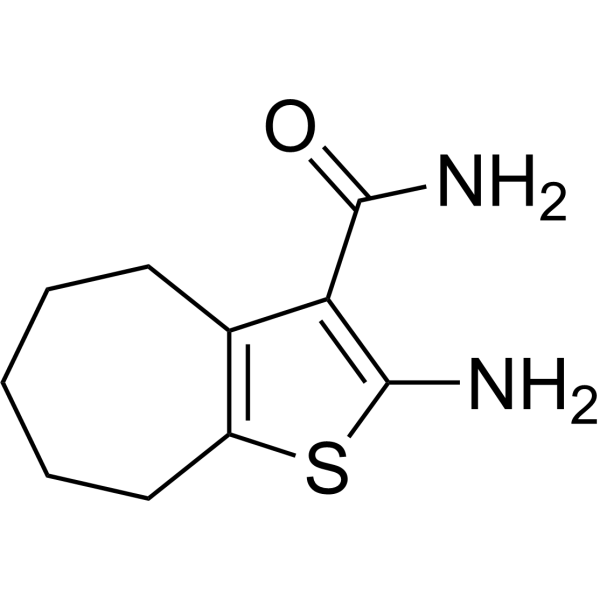
- HY-10046R
-
|
AMD 3100 (Standard); JM3100 (Standard); SID791 (Standard)
|
Reference Standards
CXCR
HIV
|
Infection
Inflammation/Immunology
Endocrinology
Cancer
|
|
Plerixafor (Standard) is the analytical standard of Plerixafor. This product is intended for research and analytical applications. Plerixafor (AMD 3100) is a selective CXCR4 antagonist with an IC50 of 44 nM. Plerixafor, an immunostimulant and a hematopoietic stem cell (HSC) mobilizer, is an allosteric agonist of CXCR7. Plerixafor inhibits HIV-1 and HIV-2 replication with an EC50 of 1-10 nM .
|
-

- HY-16776
-
|
Festinavir; BMS-986001; OBP-601
|
HIV
Reverse Transcriptase
Nucleoside Antimetabolite/Analog
|
Infection
|
|
Censavudine (OBP-601; BMS-986001), a nucleoside analog, is a nucleoside reverse transcriptase inhibitor. Censavudine is a potent HIV inhibitor with EC50 ranges from 30 nM to 81 nM and 450 nM to 890 nM for HIV-2 and HIV-1, respectively . Censavudine is a click chemistry reagent, it contains an Alkyne group and can undergo copper-catalyzed azide-alkyne cycloaddition (CuAAc) with molecules containing Azide groups.
|
-
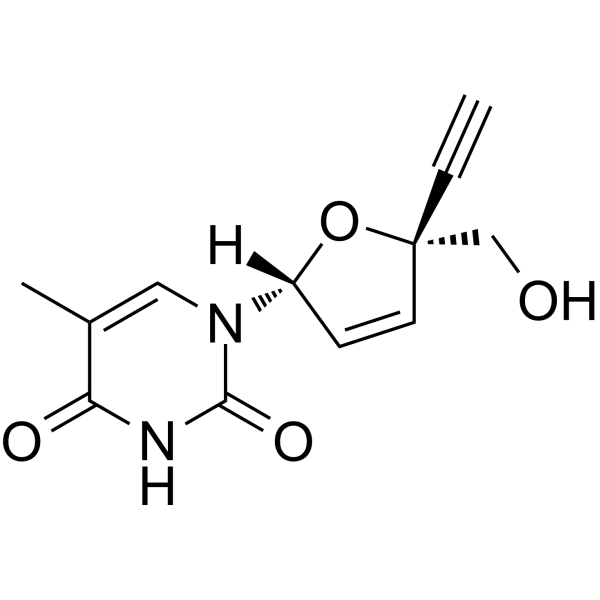
- HY-B0116S
-
-
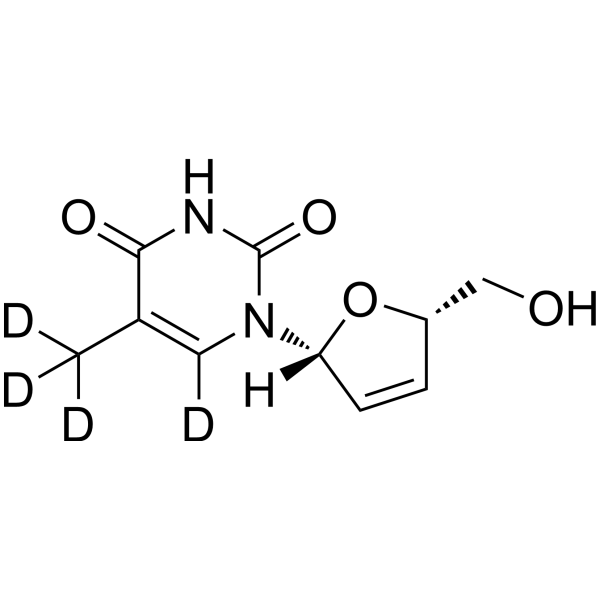
- HY-P11176
-
|
|
Fungal
HIV
|
Infection
|
|
Coccinin is an antifungal peptide. Coccinin can be purified from the seeds of large scarlet runner beans. Coccinin inhibits HIV-1 reverse transcriptase. Coccinin shows antifungal activity against M. arachidicola, F. oxysporum, P. piricola, B. cinerea, C. comatus and R. solani, with IC50s of 75, 81, 89, 109, 122 and 134 μM, respectively .
|
-

- HY-162525
-
|
|
HIV Protease
|
Infection
|
|
GS-9770 is an orally active inhibitor for HIV protease with Ki of 0.16 nM. GS-9770 exhibits antiviral activity aginst HIV-1 strains and HIV-2 strains with EC50 of 1.9-26 nM, and 26 nM. GS-9770 is metabolic stable in human liver microsomes. GS-9770 exhibits good pharmacokinetic characters in Sprague Dawley rats .
|
-

- HY-138561A
-
|
|
Reverse Transcriptase
DNA/RNA Synthesis
HIV
|
Infection
|
|
EFdA-TP tetraammonium is a potent nucleoside reverse transcriptase (RT) inhibitor. EFdA-TP tetraammonium inhibits RT-catalyzed DNA synthesis as an effective immediate or delayed chain terminator (ICT or DCT). EFdA-TP tetraammonium inhibits HIV-1 RT with multiple mechanisms . EFdA-TP (tetraammonium) is a click chemistry reagent, it contains an Alkyne group and can undergo copper-catalyzed azide-alkyne cycloaddition (CuAAc) with molecules containing Azide groups.
|
-
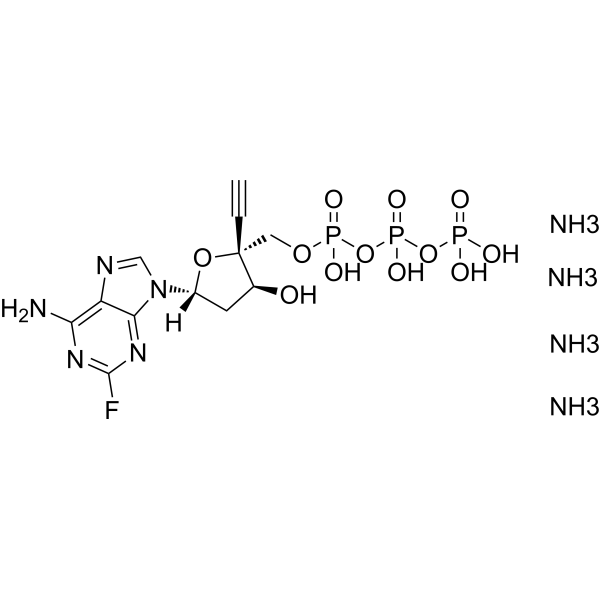
- HY-138561B
-
|
|
Reverse Transcriptase
DNA/RNA Synthesis
HIV
|
Infection
|
|
EFdA-TP tetrasodium is a potent nucleoside reverse transcriptase (RT) inhibitor. EFdA-TP tetrasodium inhibits RT-catalyzed DNA synthesis as an effective immediate or delayed chain terminator (ICT or DCT). EFdA-TP tetrasodium inhibits HIV-1 RT with multiple mechanisms . EFdA-TP (tetrasodium) is a click chemistry reagent, it contains an Alkyne group and can undergo copper-catalyzed azide-alkyne cycloaddition (CuAAc) with molecules containing Azide groups.
|
-
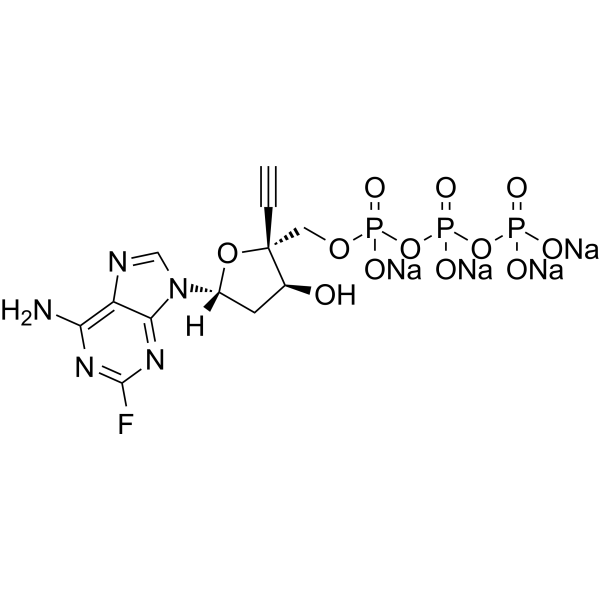
- HY-B0116R
-
-

- HY-106395A
-
|
(Rac)-SC-52151
|
HIV Protease
HIV
|
Infection
|
|
(Rac)-Telinavir ((Rac)-SC-52151) is a racemate of Telinavir (HY-106395A). Telinavir (SC-52151) is a potent and selective HIV protease inhibitor. Telinavir inhibits lymphotropic, monocytotropic strains and field isolates of HIV type 1 (HIV-1), HIV-2, and simian immunodeficiency virus with EC50s of 26 ng/mL (43 nM). Telinavir is highly protein bound in human plasma and exhibits low partitioning into erythrocytes .
|
-

- HY-124618A
-
|
|
Flavivirus
Dengue Virus
HCV
HIV
|
Infection
|
|
FGI-106 tetrahydrochloride is a potent and broad-spectrum inhibitor with inhibitory activity against multiple viruses. FGI-106 tetrahydrochloride is active against Ebola, Rift Valley and Dengue Fever viruses with EC50s of 100 nM, 800 nM and 400-900 nM, respectively. FGI-106 tetrahydrochloride also inhibits non-hemorrhagic fever viruses HCV and HIV-1 with EC50s of 200 nM and 150 nM, respectively .
|
-
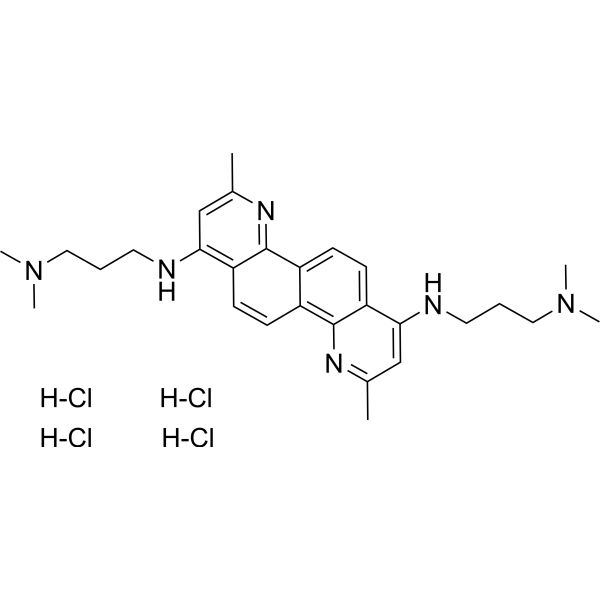
- HY-17367R
-
|
BMS-232632 (Standard)
|
Reference Standards
HIV
HIV Protease
SARS-CoV
Cytochrome P450
P-glycoprotein
Endogenous Metabolite
|
Infection
Cancer
|
|
Atazanavir (Standard) is the analytical standard of Atazanavir. This product is intended for research and analytical applications. Atazanavir (BMS-232632) is a highly selective and orally active HIV-1 protease inhibitor . Atazanavir is a substrate and inhibitor of CYP3A4, and an inhibitor of P-glycoprotein (P-gp). Atazanavir is also a SARS-CoV 3CL pro inhibitor with an IC50 of 3.49 μM. Atazanavir inhibits cardiac fibrosis, hyperlipidemia and induces malignant glioma death .
|
-

- HY-17367A
-
-
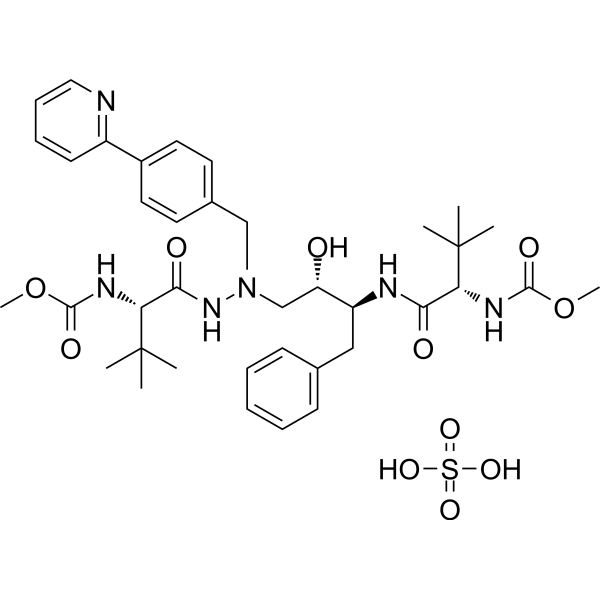
- HY-50101A
-
|
AMD-070 trihydrochloride; AMD-11070 trihydrochloride
|
CXCR
HIV
|
Infection
Endocrinology
Cancer
|
|
Mavorixafor trihydrochloride (AMD-070 trihydrochloride) is a potent, selective and orally available CXCR4 antagonist, with an IC50 value of 13 nM against CXCR4 125I-SDF binding, and also inhibits the replication of T-tropic HIV-1 (NL4.3 strain) in MT-4 cells and PBMCs with an IC50 of 1 and 9 nM, respectively.Mavorixafor trihydrochloride can be used for the study of WHIM syndrome .
|
-
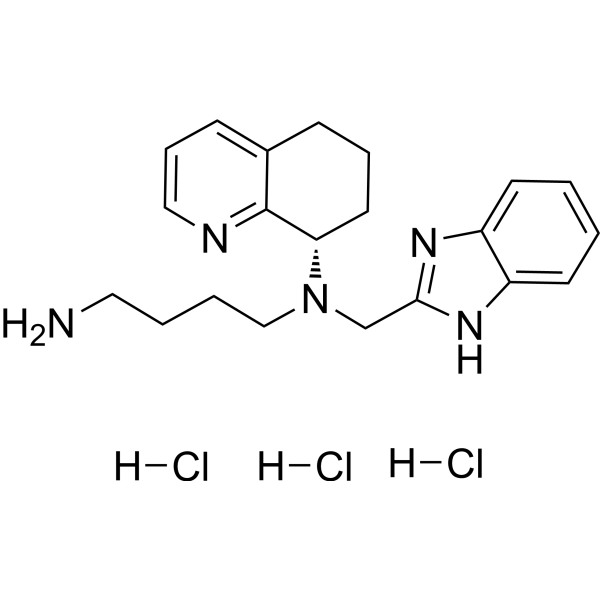
- HY-122229
-
|
|
HIV
|
Infection
|
|
GS-9822 is a potent antivira agent with nanomolar activity against wild-type HIV-1 viruses. GS-9822 potently inhibits the LEDGF/p75-integrase interaction with an IC50 of 0.07 μM. GS-9822 has high in vitro metabolic stability and favorable oral pharmacokinetic profiles with low systemic clearance in rats, dogs, and monkeys .
|
-
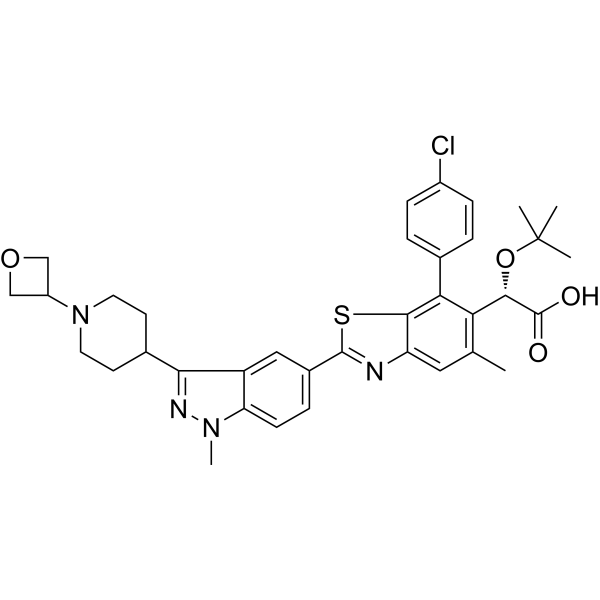
- HY-B0155
-
|
SCH 417690; SCH-D; MK-7690 free base
|
CCR
HIV
|
Infection
Cancer
|
|
Vicriviroc (SCH 417690) is an orally active CCR5 antagonist with the IC50 of 10 nM, and also inhibts MIP-1α and intracellular calcium release induced by the ligand RANTES (10 nM) with the IC50 values of 0.91 nM and 16 nM,,respectively. Vicriviroc can inhibits human immunodeficiency virus type 1 (HIV-1) infection, and can also used for study of cancer .
|
-

- HY-14266A
-
|
|
Apoptosis
Reverse Transcriptase
Autophagy
HIV
|
Infection
|
|
Dapivirine hydrochloride is a non-nucleoside reverse transcriptase inhibitor with antitumor activity. Dapivirine hydrochloride attenuates the proliferation of glioblastoma cells and induces apoptosis. Dapivirine hydrochloride modulates autophagy and activates Akt, Bad, and SAPK/JNK signaling pathways. Dapivirine hydrochloride has shown inhibitory effects on glioma cell growth both in vitro and in vivo. Dapivirine hydrochloride is also a promising drug candidate for topical microbial agents for the prevention of sexual transmission of HIV-1 .
|
-

- HY-N0492S
-
-
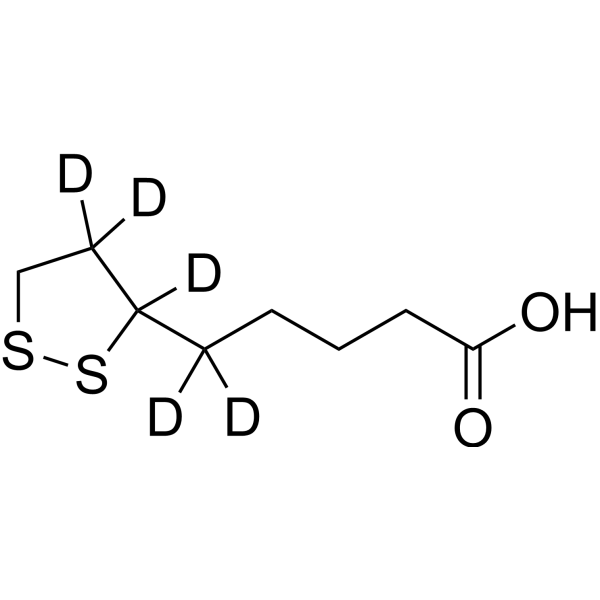
- HY-14266S1
-
|
TMC120-d4; R147681-d4
|
Isotope-Labeled Compounds
Apoptosis
Reverse Transcriptase
Autophagy
HIV
|
Infection
|
|
Dapivirine-d4 (TMC120-d4) is deuterium labeled Dapivirine. Dapivirine (TMC120), the prototype of diarylpyrimidines (DAPY), is an orally active and nonnucleoside reverse transcriptase inhibitor (NRTI). Dapivirine (TMC120) binds directly to HIV-1 reverse transcriptase. Dapivirine (TMC120) regulates autophagy and induced Akt, Bad and SAPK/JNK activations .
|
-

- HY-50101
-
|
AMD-070; AMD-11070
|
CXCR
HIV
|
Infection
Endocrinology
Cancer
|
|
Mavorixafor (AMD-070) is a potent, selective and orally available CXCR4 antagonist, with an IC50 value of 13 nM against CXCR4 125I-SDF binding, and also inhibits the replication of T-tropic HIV-1 (NL4.3 strain) in MT-4 cells and PBMCs with an IC50 of 1 and 9 nM, respectively. Mavorixafor can be used for the study of WHIM syndrome .
|
-
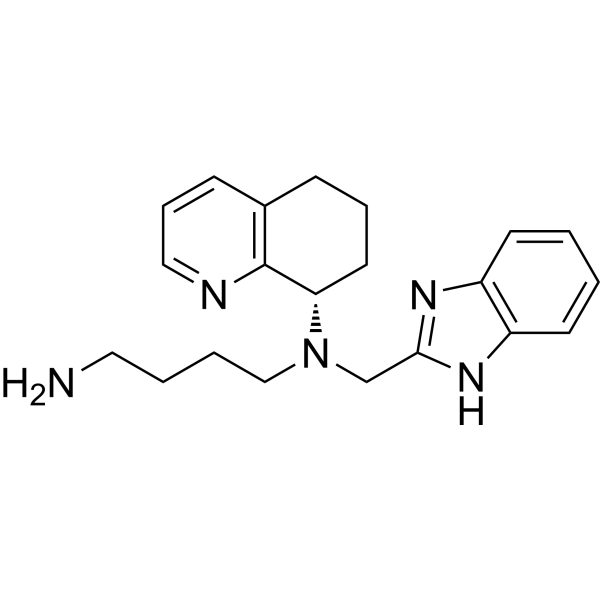
- HY-165513
-
|
|
HIV
|
Infection
|
|
Niruriside is a HIV REV/RRE complex inhibitor. Niruriside specifically inhibits the binding interaction between HIV REV protein and RRE RNA, with an IC50 of 3.3 μM, and shows no significant activity against the unrelated R17 capsid protein/operator RNA binding system. At the tested concentrations, Niruriside fails to protect CEM-SS cells from acute HIV-1 infection. Niruriside can be used in the research of human immunodeficiency virus (HIV) infection .
|
-

- HY-N1941
-
-
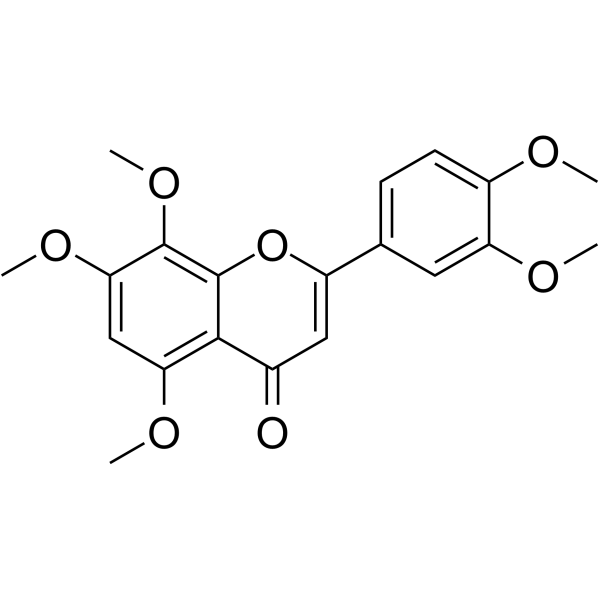
- HY-144730
-
|
|
HIV
|
Inflammation/Immunology
|
|
gp120-IN-1 (compound 4e) is a potent HIV-1 gp120 inhibitor with an IC50 of 2.2 µM and CC50 of 100.90 µM. gp120-IN-1 shows anti-HIV-1 activity. gp120-IN-1 shows cytotoxicity in a dose dependent manner in SUP-T1 cells. gp120-IN-1 shows inhibition of gp120-mediated virus enter into cells .
|
-
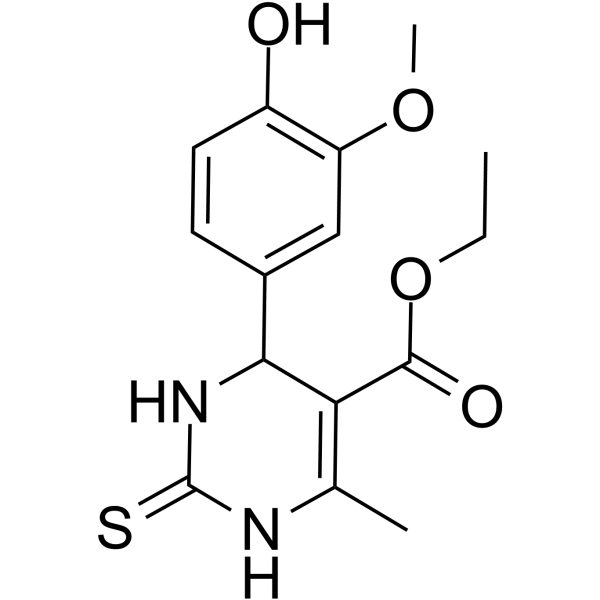
- HY-50101C
-
|
AMD-070 hydrochloride; AMD-11070 hydrochloride
|
CXCR
HIV
|
Infection
Cancer
|
|
Mavorixafor (AMD-070) hydrochloride is a potent, selective and orally available CXCR4 antagonist, with an IC50 value of 13 nM against CXCR4 125I-SDF binding. Mavorixafor hydrochloride also inhibits the replication of T-tropic HIV-1 (NL4.3 strain) in MT-4 cells and PBMCs with an IC50 of 1 nM and 9 nM, respectively. Mavorixafor hydrochloride can be used for the study of WHIM syndrome .
|
-

- HY-B0155B
-
|
SCH 417690 malate; SCH-D malate; MK-7690
|
CCR
HIV
|
Infection
Cancer
|
|
Vicriviroc (SCH 417690) malate is an orally active CCR5 antagonist with the IC50 of 10 nM, and also inhibts MIP-1α and intracellular calcium release induced by the ligand RANTES (10 nM) with the IC50 values of 0.91 nM and 16 nM,,respectively. Vicriviroc malate can inhibits human immunodeficiency virus type 1 (HIV-1) infection, and can also used for study of cancer .
|
-

- HY-N0554R
-
|
|
Reference Standards
HIV Protease
|
Infection
Cancer
|
|
Escin IA (Standard) is the analytical standard of Escin IA. This product is intended for research and analytical applications. Escin IA is a triterpene saponin isolated from Aesculus hippocastanum, which inhibits HIV-1 protease with IC50 values of 35 μM. Escin IA has anti-TNBC metastasis activity, and its action mechanisms involved inhibition of epithelial-mesenchymal transition process by down-regulating LOXL2 expression .
|
-

- HY-173009
-
|
|
PROTACs
Cyclophilin
HCV
HIV
|
Infection
|
|
PROTAC CG167 is a selective and potent CypA PROTAC degrader. PROTAC CG167 degrades CypA in a dose-dependent manner (Jurkat: DC50: 123 nM). PROTAC CG167 can inhibit HIV-1 and HCV and exhibits antiviral activity . (Pink: CypA Ligand (HY-170997); Black: Linker (HY-W123015); Blue: E3 Ligase Ligand (HY-112078))
|
-

- HY-110354
-
UCM05
2 Publications Verification
G28UCM
|
Fatty Acid Synthase (FASN)
Bacterial
|
Infection
|
|
UCM05 (G28UCM) is a fatty acid synthase (FASN) and filamentous temperature-sensitive protein Z (Ftsz) inhibitor. UCM05 inhibits fatty acid synthesis, viral replication, and Gram-positive bacterial growth. UCM05 binds to FtsZ GTP-binding sites, inhibits GTPase activity, and disrupts Z-ring localization. UCM05 can be used for the research of HSV-1/2 infection, HIV-1 infection, and Gram-positive bacterial infections[1][2][3].
|
-
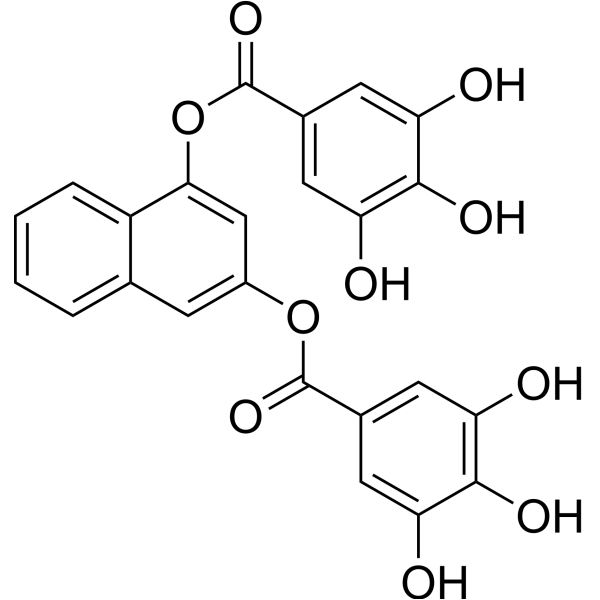
- HY-17367S5
-
-

- HY-183925
-
|
|
HIV
Dihydroorotate Dehydrogenase
|
Infection
|
|
Redoxal is a dihydroorotate dehydrogenase (DHODH) inhibitor and anti-HIV-1 agent. Redoxal induces intracellular pyrimidine depletion by inhibiting the de novo pyrimidine biosynthesis pathway, enhances the protein stability of APOBEC3G (A3G), upregulates the abundance of A3G protein in cells and progeny viral particles, thereby strengthening the host endogenous antiviral restriction mediated by A3G . Redoxal selectively targets DHOdehase at the mitochondrial level, with an IC50 of 430 nM for inhibiting DHO oxidation in human mitochondria and an IC50 of 910 nM in rat mitochondria . Redoxal can be used in studies related to HIV-1 infection .
|
-

- HY-17040R
-
|
TMC114 (Standard); UIC-94017 (Standard)
|
HIV
HIV Protease
Reference Standards
|
Infection
Inflammation/Immunology
|
|
Darunavir (Standard) is the analytical standard of Darunavir. This product is intended for research and analytical applications. Darunavir (TMC114), an orally active next generation HIV protease inhibitor, has a similar antiviral activity against the mutant and the wild-type viruses. Darunavir (TMC114) is potent against laboratory HIV-1 strains and primary clinical isolates (IC50 = 0.003 μM; IC90 = 0.009 μM) with minimal cytotoxicity .
|
-

- HY-W009783
-
|
|
HIV
Influenza Virus
|
Infection
Cancer
|
|
1-Deoxymannojirimycin hydrochloride is a selective class I α1,2-mannosidase inhibitor with an IC50 of 20 μM. 1-Deoxymannojirimycin hydrochloride is also a N-linked glycosylation inhibitor. 1-Deoxymannojirimycin hydrochloride has antiviral activity against HIV‐1 strains . 1-Deoxymannojirimycin hydrochloride increases high mannose structures. 1-Deoxymannojirimycin hydrochloride can be used for the study of liver cancer and colon cancer .
|
-
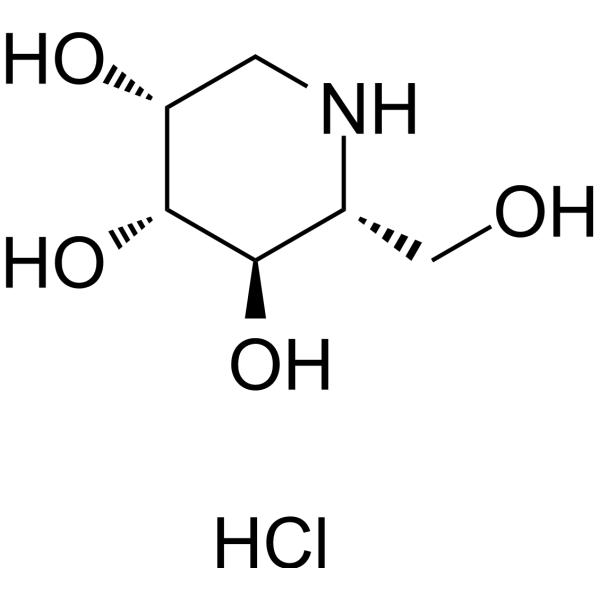
- HY-13750
-
|
SPI-1005; PZ-51; CCG-39161
|
Calcium Channel
Virus Protease
HIV
Phosphatase
|
Infection
Neurological Disease
Inflammation/Immunology
Cancer
|
|
Ebselen (SPI-1005), a glutathione peroxidase mimetic, is a potent voltage-dependent calcium channel (VDCC) blocker . Ebselen potently inhibits M pro (IC50=0.67 μM) and COVID-19 virus (EC50=4.67 μM) .Ebselen is an inhibitor of HIV-1 capsid CTD dimerization. Ebselen, an organoselenium compound, can permeate the blood-brain barrier and has anti-inflammatory, antioxidant and anticancer activity .
|
-
- HY-13207
-
|
PR-957
|
Proteasome
Bacterial
HIV
|
Infection
Inflammation/Immunology
|
|
ONX-0914 (PR-957) is a selective inhibitor of low-molecular mass polypeptide-7 (LMP7), the chymotrypsin-like subunit of the immunoproteasome. ONX-0914 blocks cytokine production and attenuates progression of experimental arthritis. ONX-0914 is a noncompetitive irreversible inhibitor of the mycobacterial proteasome (Ki=5.2 μM). ONX-0914 reactivates latent HIV-1 through p-TEFb activation mediated by HSF-1 .
|
-
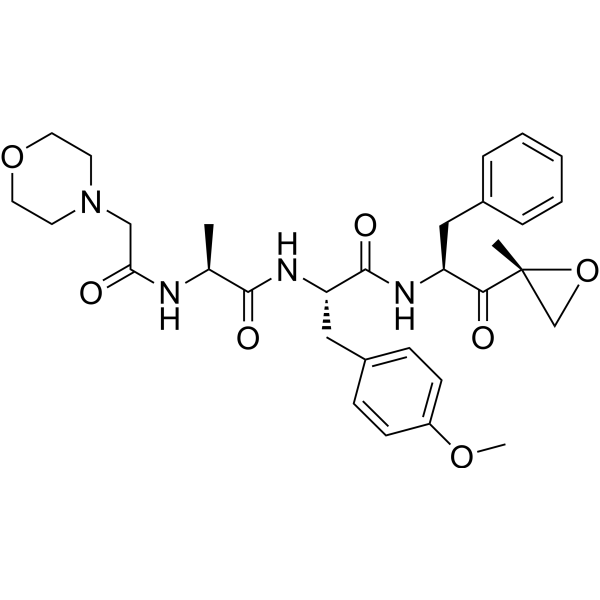
- HY-N14349
-
|
ARQ; Asterriquinone SU5504
|
EGFR
HIV
Reverse Transcriptase
|
Infection
Cancer
|
|
Asterriquinone (ARQ), a Asterriquinone analog, is a Grb-2 binding inhibitor. Asterriquinone inhibits the Grb-2 binding activity to tyrosine phosphorylated EGFR, with an IC50 of 8.37 μM. Asterriquinone is a HIV1 reverse transcriptase inhibitor with a Ki of 2.3 μM. Asterriquinone also inhibits Grb-7 and PLC-γ binding activities. .
|
-

- HY-182514
-
|
|
HIV
hnRNP
|
Infection
Cancer
|
|
BMMP is an anti-HIV-1 agent and hnRNP M modulator. BMMP modulates hnRNP M function to suppress CD44 mRNA expression. BMMP induces abnormal uncoating of the HIV viral core at the post-entry step. BMMP suppresses migration of TGF-β-stimulated lung carcinoma cells. BMMP suppresses HIV-1 reverse transcription and replication without inhibiting virion release. BMMP exerts anti-HIV-1 activity via a mechanism distinct from CA protein-binding heterocyclic compounds. BMMP can be used for the research of human immunodeficiency virus infection and non-small cell lung cancer .
|
-

- HY-112393
-
|
|
HIV
Src
PKA
PKC
|
Infection
|
|
TX-1918 is an inhibitor for eukaryotic elongation factor 2 kinase (eEF2-K) and Src kinase with IC50 of 0.44 and 4.4 μM, respectively. TX-1918 exhibits cytotoxicity in cell HepG2 and HCT116, with IC50 of 2.07 and 230 μM, respectively. TX-1918 inhibits the C-terminal domain of HIV-1 CA (CA CTD)(IC50 =3.81 μM), and inhibits the viral replication (IC50 =15.16 μM) .
|
-

- HY-B0689S1
-
|
MK-639 free base-13C4,15N; L-735524 free base-13C4,15N
|
Isotope-Labeled Compounds
Apoptosis
MMP
HIV
SARS-CoV
HIV Protease
|
Inflammation/Immunology
Cancer
|
|
Indinavir- 13C4, 15N (MK-639 (free base)- 13C4, 15N) is 13C and 15N labeled Indinavir. Indinavir (MK-639 free base) is an orally active and selective HIV-1 protease inhibitor with a Ki of 0.54 nM for PR. Indinavir exhibits anticancer activity by inhibiting the activation of MMPs-2 hydrolysis, anti-angiogenesis and inducing apoptosis. Indinavir is also a SARS-CoV 3CL pro inhibitor .
|
-

- HY-16767S1
-
|
MK-1439-13C,d3
|
Isotope-Labeled Compounds
HIV
Reverse Transcriptase
|
Infection
|
|
Doravirine-13C,d3 (MK-1439-13C,d3) is the deuterium labeled Doravirine (HY-16767). Doravirine (MK-1439) is a highly specific HIV-1 nonnucleoside reverse transcriptase inhibitor with IC50s of 4.5 nM, 5.5 nM and 6.1 nM against the wild type and K103N and Y181C reverse transcriptase mutants, respectively .
|
-

- HY-P991541
-
|
|
CCR
HIV
|
Infection
|
|
HGS101 is a fully human CCR5 monoclonal antibody with high affinity to CCR5. HGS101 binds to the 2nd extracellular loop (ECL-2) and acts as a signal antagonist. HGS101 restores Maraviroc (HY-13004) inhibition of Maraviroc-resistant HIV-1 infection of PBMCs. HGS101 shows anti-HIV activity by inhibiting CCR5 signaling in simian immunodeficiency virus-uninfected RMs models .
|
-

- HY-148642
-
|
12-hydroxy-NVP; 12-OH-NVP
|
Drug Metabolite
|
Infection
|
|
12-Hydroxynevirapine (12-hydroxy-NVP; 12-OH-NVP) is a major oxidative metabolite of Nevirapine (HY-10570). Nevirapine is a non-nucleoside reverse transcriptase inhibitor indicated for the HIV-1 infections. Nevirapine causes idiosyncratic hepatotoxicity and mild-to-severe skin rashes. 12-Hydroxynevirapine, a non-reactive metabolite, can be bioactivated by sulphotransferases (SULTs) in the liver and skin, yielding the reactive species 12-Sulphoxy-nevirapine .
|
-
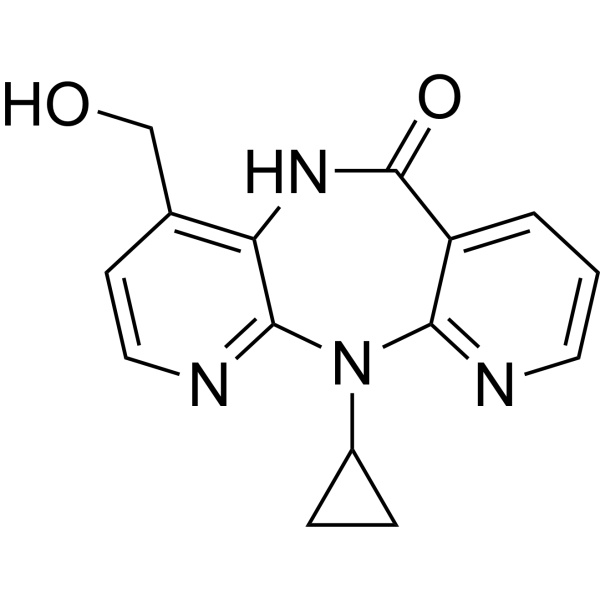
- HY-112585
-
|
TMC114-d9; UIC-94017-d9
|
HIV
HIV Protease
|
Infection
Inflammation/Immunology
|
|
Darunavir-d9 (TMC114-d9) is the deuterium labeled Darunavir. Darunavir (TMC114), an orally active next generation HIV protease inhibitor, has a similar antiviral activity against the mutant and the wild-type viruses. Darunavir (TMC114) is potent against laboratory HIV-1 strains and primary clinical isolates (IC50 = 0.003 μM; IC90 = 0.009 μM) with minimal cytotoxicity .
|
-
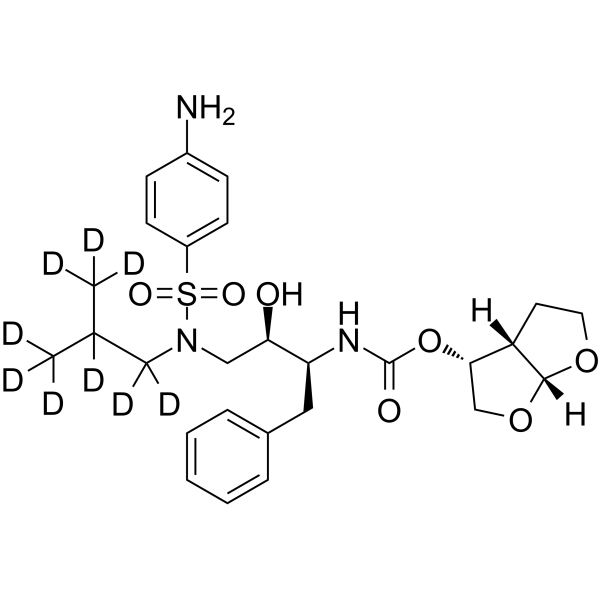
- HY-N0165
-
|
|
HIV
Reverse Transcriptase
|
Cardiovascular Disease
Infection
Inflammation/Immunology
|
|
Methyl-Hesperidin is a glycoside compound. Methyl-Hesperidin has hypotensive, coronary dilating, smooth muscle relaxing, capillary stabilizing, choleretic, and anti-ulcer activities. Methyl-Hesperidin act as a competitive substrate to inhibit HIV-1 reverse transcriptase activity. Methyl-Hesperidin potentiates coronary dilating actions of adenine nucleotides and 3'-AMP, enhances depressant action on isolated atria, and prolongs adenosine- and ATP-induced heart block in guinea pigs .
|
-
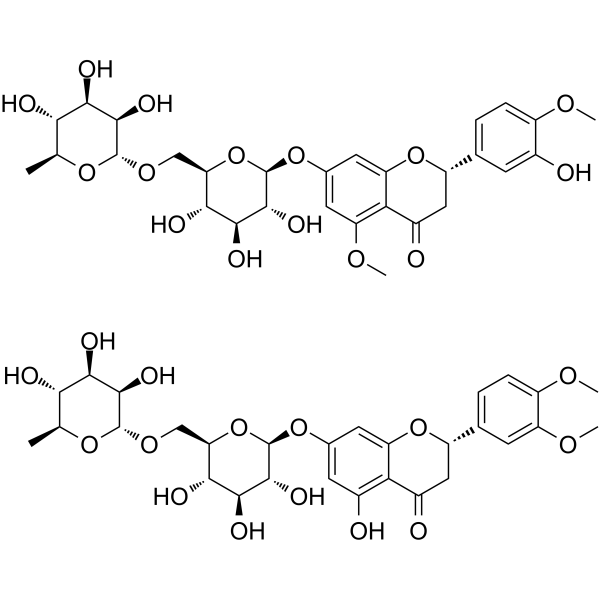
- HY-P11398
-
|
|
Bacterial
HIV
Fungal
DNA Alkylator/Crosslinker
|
Infection
Cancer
|
|
Tachyplesin II is a broad-spectrum cationic antimicrobial peptide. Tachyplesin II has significant inhibitory effects on Gram-positive bacteria, Gram-negative bacteria, and some fungi. Tachyplesin II binds to bacterial membrane lipopolysaccharides through its positive charge, disrupting membrane integrity and causing leakage of cellular contents. Tachyplesin II can bind to DNA grooves, inhibiting microbial replication, and also suppressing HIV-1 replication and the proliferation of liver cancer cells .
|
-

- HY-124870
-
|
|
HIV
|
Infection
|
|
N.41 is an antiviral agent. N.41 protects APOBEC3G (an antiviral factor) from HIV Vif protein-mediated degradation. N.41 inhibits the Vif-A3G interaction and increases cellular A3G levels and incorporation of A3G into virions, thereby attenuating virus infectivity in a Vif-dependent manner. N.41 inhibits HIV-1 viral replication in PBMCs (IC50: 8.4 μM) .
|
-

- HY-13207A
-
|
PR-957 TFA
|
Proteasome
Bacterial
HIV
|
Infection
Inflammation/Immunology
|
|
ONX-0914 (PR-957) TFA is a selective inhibitor of low-molecular mass polypeptide-7 (LMP7), the chymotrypsin-like subunit of the immunoproteasome. ONX-0914 TFA blocks cytokine production and attenuates progression of experimental arthritis. ONX-0914 TFA is a noncompetitive irreversible inhibitor of the mycobacterial proteasome (Ki=5.2 μM). ONX-0914 TFA reactivates latent HIV-1 through p-TEFb activation mediated by HSF-1 .
|
-
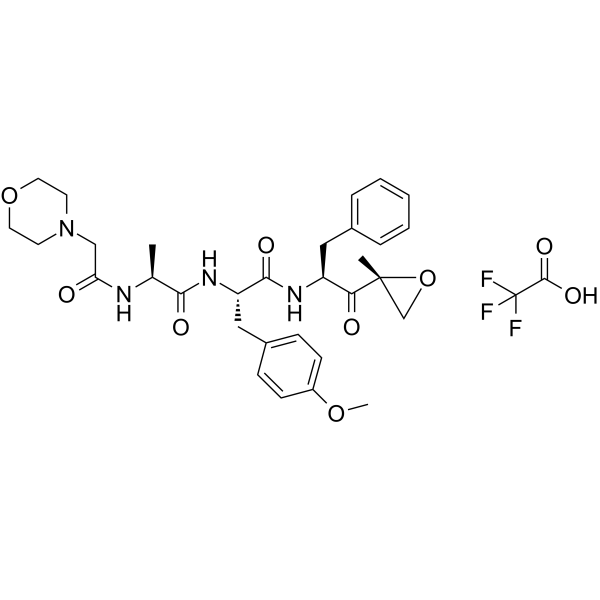
- HY-164682
-
|
|
HIV
CXCR
|
Infection
|
|
AMD 3329 octahydrobromide is a potent and selective anti-HIV-1 and HIV-2 compound with activity to inhibit viral replication. AMD 3329 blocks viral invasion by binding to the chemokine receptor CXCR4. AMD 3329 exhibits EC50 values as low as 0.8 and 1.6 nM when inhibiting HIV-1 and HIV-2 replication, showing better antiviral efficacy than AMD3100. AMD 3329 significantly inhibits the binding of specific CXCR4 monoclonal antibodies and the Ca(2+) flux induced by SDF-1alpha. AMD 3329 is also able to effectively interfere with virus-induced syncytium formation, with an EC50 value of 12 nM .
|
-

- HY-N6711
-
|
|
HIV Integrase
Bacterial
Antibiotic
Reactive Oxygen Species (ROS)
STAT
AMPK
11β-HSD
|
Infection
Metabolic Disease
|
|
Equisetin is an N-methylserine-derived acyl tetramic acid, quorum sensing inhibitor (QSI), herbicides and antibiotics. Equisetin specifically inhibits the anionic carriers of substrates in the inner mitochondrial membrane. Equisetin inhibits the activity of HIV-1 integrase, 11β-HSD1, and 2,4-dinitrophenol (Dnp)-stimulated ATPase (IC50 = ~8 nmol per mg of protein). Equisetin exhibits growth inhibition of bacteria, anti-inflammatory, amelioration of lipid-associated disorders, and cytotoxic effects .
|
-
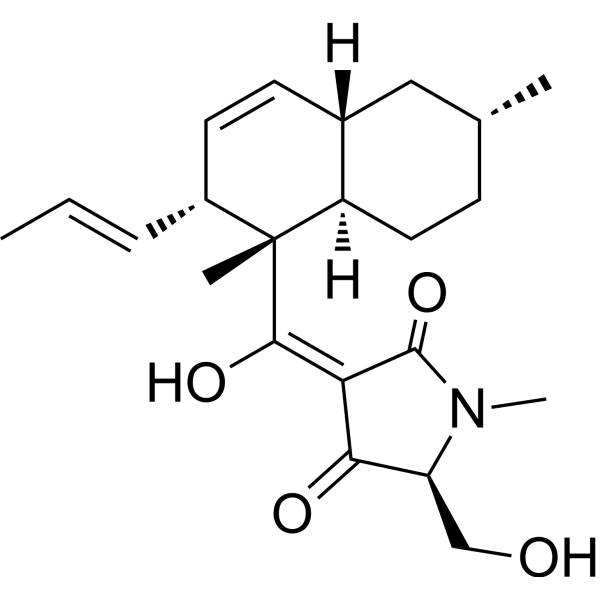
- HY-N2532
-
|
|
VSV
HIV
Proton Pump
Influenza Virus
|
Infection
Inflammation/Immunology
Cancer
|
|
Diphyllin is an orally active V-ATPase inhibitor (IC50=17 nM) and HIV-1 inhibitor (IC50=0.38 μM). Diphyllin blocks the acidification of osteoclast lysosomes and bone resorption lacunas (IC50=0.6 nM for acid influx inhibition), thereby inhibiting bone resorption. Diphyllin can effectively inhibit osteoclast-mediated bone resorption and has no effect on osteoblastic bone formation. Diphyllin can be used in the research of bone metabolism-related diseases and has the potential to inhibit diseases related to excessive bone resorption .
|
-
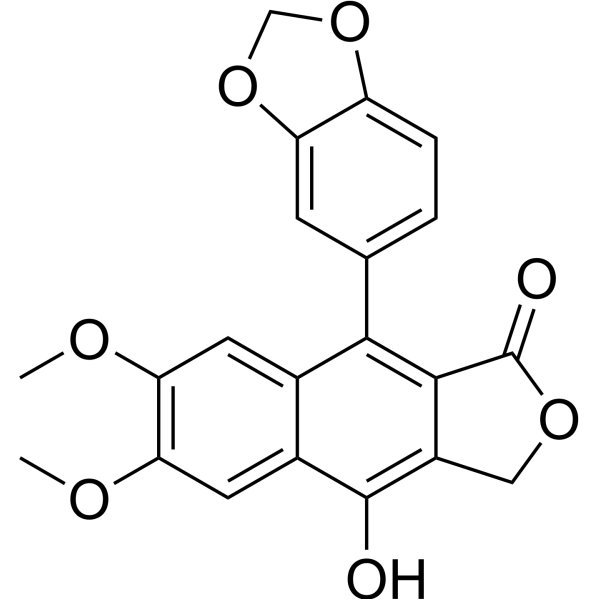
- HY-116282D
-
|
DSS (MW 450000-550000); DXS (MW 450000-550000)
|
HIV
Influenza Virus
|
Others
|
|
Dextran sulfate sodium salt (DSS) (MW 450000-550000) is a polymer of dehydrated glucose with a molecular weight of approximately 450000-550000. Dextran sulfate sodium salt with different molecular weights exhibits different biological activities. Dextran sulfate sodium salt (MW 450000-550000) inhibits replication of HIV-1 and influenza A virus. Dextran sulfate sodium salt (MW 450000-550000) can be formulated as nanoparticles and shows antibacterial activity. Dextran sulfate sodium salt (MW 450000-550000) can be used for functional material preparation .
|
-
- HY-P1066
-
|
|
Apelin Receptor (APJ)
HIV
|
Infection
|
|
Apelin-17(human, bovine) is an endogenous orphan G protein-coupled receptor APJ agonist. Apelin-17(human, bovine) binds to human APJ receptors expressed in HEK 293 cells (pIC50=9.02). Apelin-17(human, bovine) inhibits the entry of some HIV-1 and HIV-2 into the NP2/CD4 cells expressing APJ .
|
-
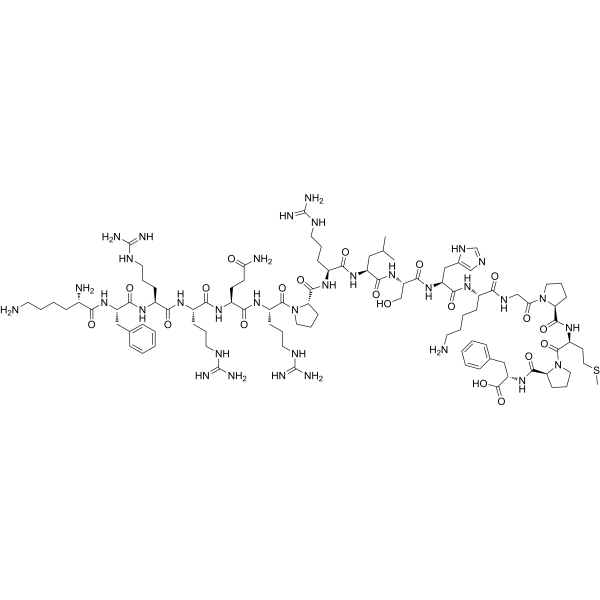
- HY-P1065
-
|
|
Apelin Receptor (APJ)
HIV
|
Infection
Cardiovascular Disease
Metabolic Disease
|
|
Apelin-36(rat, mouse) is an endogenous orphan G protein-coupled receptor APJ agonist. Apelin-36(rat, mouse) binds to APJ receptors with an IC50 of 5.4 nM, and potently inhibits cAMP production with an EC50 of 0.52 nM. Apelin-36(rat, mouse) blocks entry of some HIV-1 and HIV-2 strains into NP-2/CD4 cells expressing APJ .
|
-

- HY-14913
-
|
SPD754; AVX754
|
Nucleoside Antimetabolite/Analog
HIV
DNA/RNA Synthesis
|
Infection
|
|
Apricitabine (SPD754; AVX754), the (-) enantiomer of 2′-deoxy-3′-oxa-4′-thiocytidine (dOTC), is a highly selective and orally active HIV-1 reverse transcriptase (RT) inhibitor (Ki=0.08 μM), as well as inhibits DNA polymerases α, β, and γ with Ki value of 300 μM, 12 μM, and 112.25 μM, respectively . Apricitabine (SPD754; AVX754) shows promising antiretroviral efficacy, good tolerability and a low propensity for resistance selection in antiretroviral-naive HIV infection .
|
-
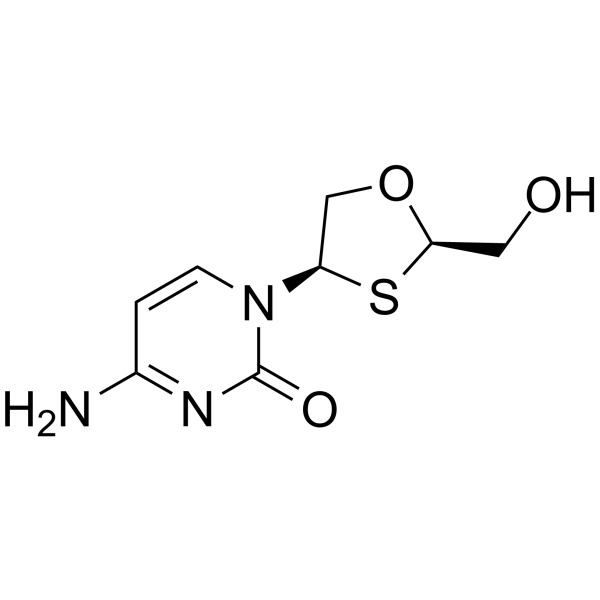
- HY-18980
-
|
Mallotoxin; NSC 56346; NSC 94525
|
PKC
Autophagy
Apoptosis
HIV
RABV
|
Infection
Cancer
|
|
Rottlerin, a natural product purified from Mallotus Philippinensis, is a specific PKC inhibitor, with IC50 values for PKCδ of 3-6 μM, PKCα,β,γ of 30-42 μM, PKCε,η,ζ of 80-100 μM. Rottlerin acts as a direct mitochondrial uncoupler, and stimulates autophagy by targeting a signaling cascade upstream of mTORC1. Rottlerin induces apoptosis via caspase 3 activation . Rottlerin inhibits HIV-1 integration and Rabies virus (RABV) infection .
|
-
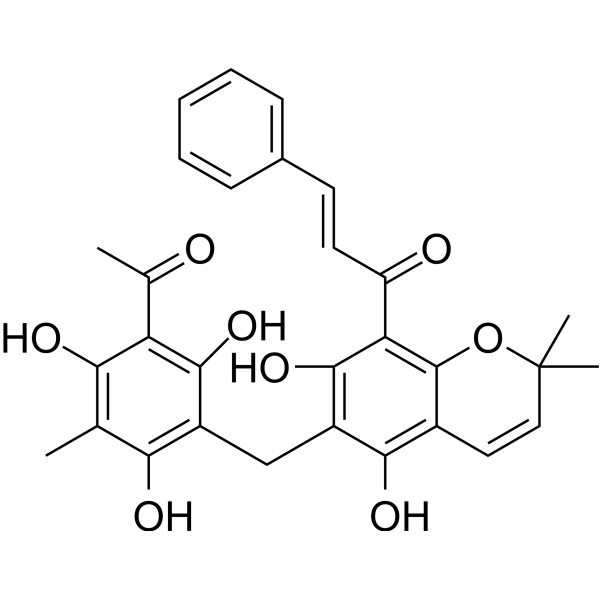
- HY-N1992
-
|
TF-3; ZP10
|
Virus Protease
HSV
HIV
Flavivirus
|
Infection
Cancer
|
|
Theaflavin 3,3'-digallate (TF-3) is a potent Zika virus (ZIKV) protease inhibitor with an IC50 of 2.3 μM. Theaflavin 3,3'-digallat directly binds to ZIKVpro (Kd=8.86 μM) and inhibits ZIKV replication. Theaflavin 3,3'-digallat inhibits the activity of gp41 and NS2B-3 protease and has antiviral activity against HSV and HIV-1 . Theaflavin 3,3'-digallate, the typical pigment in black tea, is a potent antitumor agent .
|
-
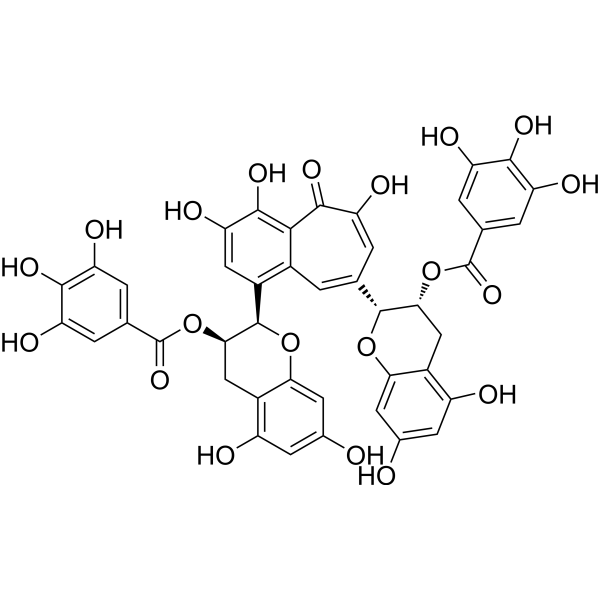
- HY-128067
-
|
Hexamethylene amiloride; HMA
|
Sodium Channel
HIV
Apoptosis
|
Infection
Cancer
|
|
5-(N,N-Hexamethylene)-amiloride (Hexamethylene amiloride) derives from an amiloride and is a potent Na +/H + exchanger inhibitor, which decreases the intracellular pH (pHi) and induces apoptosis in leukemic cells. 5-(N,N-Hexamethylene)-amiloride (Hexamethylene amiloride) is also an inhibitor of the HIV-1 Vpu virus ion channel and inhibits mouse hepatitis virus (MHV) replication and human coronavirus 229E (HCoV229E) replication in cultured L929 cells with EC50s of 3.91 μM and 1.34 μM, respectively .
|
-
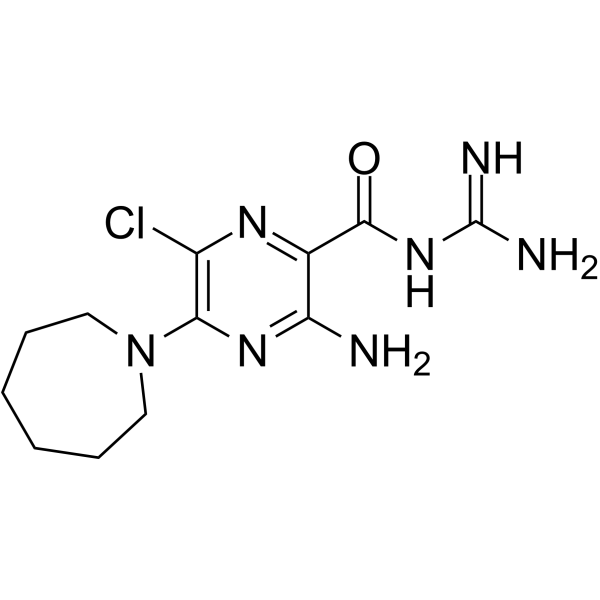
- HY-110354R
-
|
G28UCM (Standard)
|
Reference Standards
Fatty Acid Synthase (FASN)
Bacterial
|
Infection
|
|
UCM05 (Standard) is the analytical standard of Lysipressin. This product is intended for research and analytical applications. UCM05 (G28UCM) is a fatty acid synthase (FASN) and filamentous temperature-sensitive protein Z (Ftsz) inhibitor. UCM05 inhibits fatty acid synthesis, viral replication, and Gram-positive bacterial growth. UCM05 binds to FtsZ GTP-binding sites, inhibits GTPase activity, and disrupts Z-ring localization. UCM05 can be used for the research of HSV-1/2 infection, HIV-1 infection, and Gram-positive bacterial infections [1][2][3].
|
-
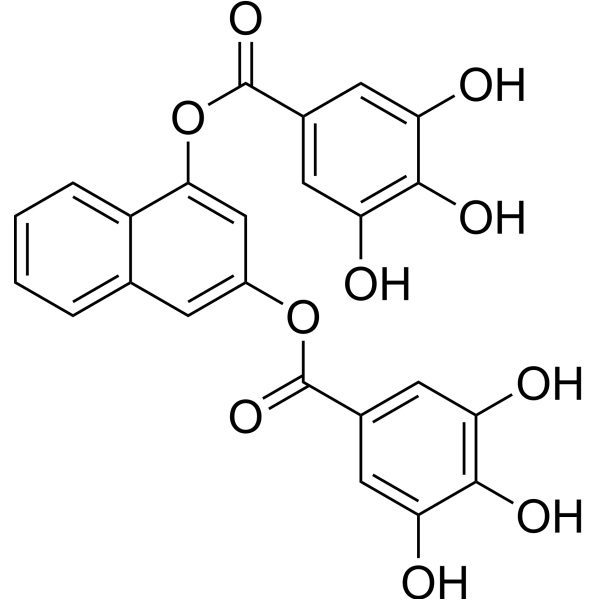
- HY-153094
-
|
|
HIV
HIV Integrase
|
Infection
|
|
BDM-2 is an IN-LEDGF allosteric inhibitor (INLAI) of HIV-1 integrase (IN refers to integrase) (IC50=47 nM) with potent anti-Retroviral (ARV) activity. BDM-2 shows IN multimerization activation effect with an AC50 value of 20 nM. BDM-2 blocks the interaction between the catalytic core domain of IN (IN-CCD) and the Integrase binding domain of LEDGF/p75 (IBD), with an IC50 value of 0.15 μM. BDM-2 exhibits highly selective and favorable cytotoxicity .
|
-
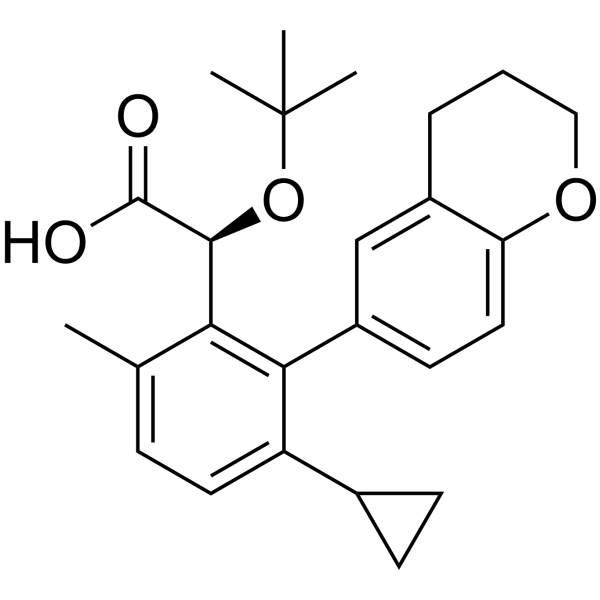
- HY-123883
-
|
|
HIV
HIV Integrase
|
Infection
|
|
MK-0536 is a highly potent HIV-1 integrase inhibitor that effectively suppresses the replication of wild-type viruses. MK-0536 retains significant antiviral activity against multiple key drug-resistant mutants such as Y143R and N155H, and shows no toxicity to uninfected cells. MK-0536 selectively blocks the strand transfer reaction of integrase by chelating magnesium ions at the active site and interacting with viral DNA and enzyme residues. MK-0536 is applicable to the study of HIV infection mechanisms .
|
-

- HY-P1065A
-
|
|
HIV
Apelin Receptor (APJ)
|
Infection
Cardiovascular Disease
Metabolic Disease
|
|
Apelin-36(rat, mouse) TFA is an endogenous orphan G protein-coupled receptor APJ agonist. Apelin-36(rat, mouse) TFA binds to APJ receptors with an IC50 of 5.4 nM, and potently inhibits cAMP production with an EC50 of 0.52 nM. Apelin-36(rat, mouse) TFA blocks entry of some HIV-1 and HIV-2 strains into NP-2/CD4 cells expressing APJ .
|
-
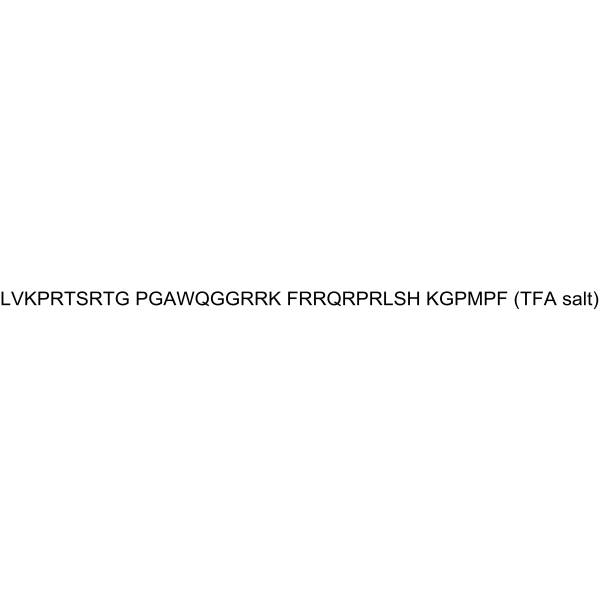
- HY-P1066A
-
|
|
HIV
Apelin Receptor (APJ)
|
Infection
|
|
Apelin-17(human, bovine) TFA is an endogenous orphan G protein-coupled receptor APJ agonist. Apelin-17(human, bovine) TFA binds to human APJ receptors expressed in HEK 293 cells (pIC50=9.02). Apelin-17(human, bovine) TFA inhibits the entry of some HIV-1 and HIV-2 into the NP2/CD4 cells expressing APJ .
|
-

- HY-135564A
-
|
|
Phosphatase
Phospholipase
HIV Protease
ERK
Autophagy
|
Infection
Cancer
|
|
RK-682 is the inhibitor for protein tyrosine phosphatase (PTPase), heparanase, phospholipase A2 and HIV-1 protease. RK-682 inhibits the dephosphorylation of CD45 (IC50 is 54 μM) and VHR (IC50 is 2.0 μM), and thereby inhibits the ERK signaling pathway. RK-682 inhibits the cell viability of cancer cell MGH-U3, T24 and UROtsa with IC50s of 78.2, 43.2 and 145 nM, respectively, arrests the cell cycle at G1/S phase, inhibits the cell migration and autophagy in MGH-U3 and T24 .
|
-

- HY-N0492
-
|
Thioctic acid; (±)-α-Lipoic acid; DL-α-Lipoic acid
|
NF-κB
HIV
Mitochondrial Metabolism
Endogenous Metabolite
Apoptosis
|
Infection
Inflammation/Immunology
Cancer
|
|
α-Lipoic Acid (Thioctic acid) is an antioxidant, which is an essential cofactor of mitochondrial enzyme complexes. α-Lipoic Acid inhibits NF-κB-dependent HIV-1 LTR activation . α-Lipoic Acid induces endoplasmic reticulum (ER) stress-mediated apoptosis in hepatoma cells . α-Lipoic Acid can be used with CPUL1 (HY-151802) to construct the self-assembled nanoaggregate CPUL1-LA NA, which has improved antitumor efficacy than CPUL1 .
|
-
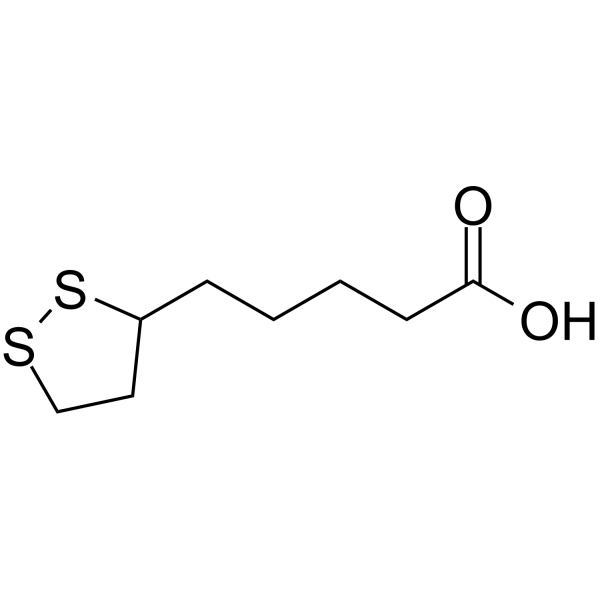
- HY-N0492A
-
|
Thioctic acid sodium; (±)-α-Lipoic acid sodium; DL-α-Lipoic acid sodium
|
NF-κB
HIV
Mitochondrial Metabolism
Endogenous Metabolite
Apoptosis
|
Infection
Inflammation/Immunology
Cancer
|
|
α-Lipoic Acid (Thioctic acid) sodium is an antioxidant, which is an essential cofactor of mitochondrial enzyme complexes. α-Lipoic Acid sodium inhibits NF-κB-dependent HIV-1 LTR activation . α-Lipoic Acid sodium induces endoplasmic reticulum (ER) stress-mediated apoptosis in hepatoma cells . α-Lipoic Acid sodium can be used with CPUL1 (HY-151802) to construct the self-assembled nanoaggregate CPUL1-LA NA, which has improved antitumor efficacy than CPUL1 .
|
-
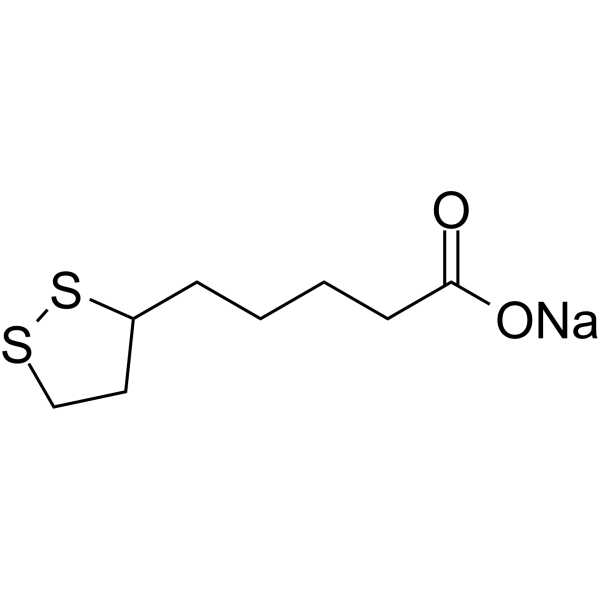
- HY-W009783R
-
|
|
Reference Standards
HIV
Influenza Virus
|
Infection
Cancer
|
|
1-Deoxymannojirimycin (hydrochloride) (Standard) is the analytical standard of 1-Deoxymannojirimycin (hydrochloride) (HY-W009783). This product is intended for research and analytical applications. 1-Deoxymannojirimycin hydrochloride is a selective class I α1,2-mannosidase inhibitor with an IC50 of 20 μM. 1-Deoxymannojirimycin hydrochloride is also a N-linked glycosylation inhibitor. 1-Deoxymannojirimycin hydrochloride has antiviral activity against HIV‐1 strains . 1-Deoxymannojirimycin hydrochloride increases high mannose structures. 1-Deoxymannojirimycin hydrochloride can be used for the study of liver cancer and colon cancer .
|
-

- HY-122204
-
|
|
HIV
|
Infection
|
|
5M038 is an inhibitor of HIV envelope-mediated fusion with potent inhibitory activity against gp41-mediated membrane fusion. 5M038 prevents the formation of the gp41 post-fusion conformation and inhibits envelope-mediated membrane fusion in cell-cell fusion and viral infectivity assays. 5M038 has shown broad fusion inhibition in tests against multiple HIV-1 subtypes, including M and T strains. 5M038 targets a highly conserved hydrophobic pocket and binds to the gp41 trimer, thereby exerting its inhibitory effect .
|
-

- HY-N0165R
-
|
|
Reference Standards
HIV
Reverse Transcriptase
|
Cardiovascular Disease
Infection
Inflammation/Immunology
|
|
Methyl-Hesperidin (Standard) is the analytical standard of Methyl-Hesperidin (HY-N0165). This product is intended for research and analytical applications. Methyl-Hesperidin is a glycoside compound. Methyl-Hesperidin has hypotensive, coronary dilating, smooth muscle relaxing, capillary stabilizing, choleretic, and anti-ulcer activities. Methyl-Hesperidin act as a competitive substrate to inhibit HIV-1 reverse transcriptase activity. Methyl-Hesperidin potentiates coronary dilating actions of adenine nucleotides and 3'-AMP, enhances depressant action on isolated atria, and prolongs adenosine- and ATP-induced heart block in guinea pigs .
|
-

- HY-116282
-
|
DSS (MW 5000); DXS (MW 5000)
|
HIV
Complement System
Apoptosis
|
Infection
Inflammation/Immunology
|
|
Dextran sulfate sodium salt (DSS) (MW 5000) is a polymer of dehydrated glucose with a molecular weight of approximately 5000. Dextran sulfate sodium salt (DSS) with different molecular weights exhibits different biological activities. Dextran sulfate sodium salt (MW 5000) is an inhibitor of complement and coagulation pathways, and belongs to the glycosaminoglycans (GAG) family. Dextran sulfate sodium salt (MW 5000) acts as an anticoagulant, antiviral, and anti-lipemic agent. Dextran sulfate sodium salt (DSS) stops HIV-1 virus adsorption to host cells. Dextran sulfate sodium salt (MW 5000) prevents NK cell-mediated cytotoxicity. Dextran sulfate sodium salt (MW 5000) inhibits instant blood-mediated inflammatory reaction (IBMIR) .
|
-

- HY-15310
-
Ivermectin
Maximum Cited Publications
48 Publications Verification
MK-933; CD-5024; K-237
|
Environmental Pollutants
Antibiotic
Mitophagy
Bacterial
Parasite
Autophagy
Flavivirus
HSV
HIV
SARS-CoV
Dengue Virus
|
Infection
Cancer
|
|
Ivermectin (MK-933) is a broad-spectrum anti-parasite agent. Ivermectin (MK-933) is a specific inhibitor of Impα/β1-mediated nuclear import and has potent antiviral activity towards both HIV-1 and dengue virus. It is a positive allosteric effector of P2X4 and the α7 neuronal nicotinic acetylcholine receptor (nAChRs). Ivermectin also inhibits bovine herpesvirus1 (BoHV-1) replication and inhibits BoHV-1 DNA polymerase nuclear import . Ivermectin is a candidate therapeutic against SARS-CoV-2/COVID-19 .
|
-
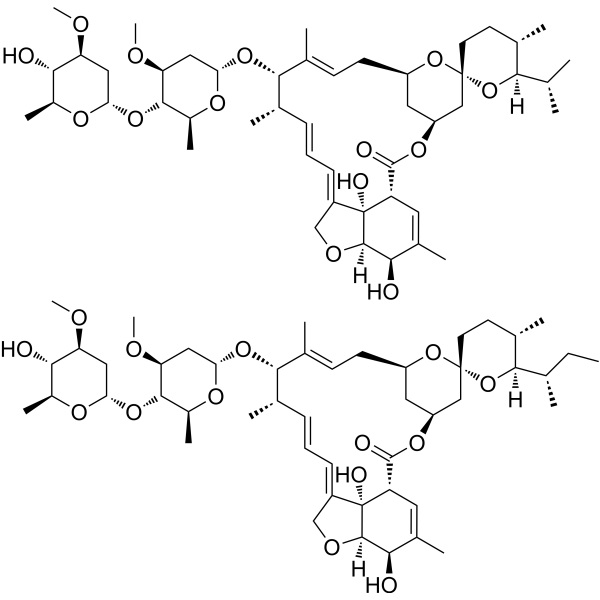
- HY-120427
-
|
NSC 658586
|
CCR
CXCR
HIV
HSV
|
Infection
Inflammation/Immunology
|
|
Cosalane (NSC 658586) is a CCR7 (IC50 = 2.43 μM) and CXCR2 antagonist (IC50 = 0.66 μM). Cosalane is an inhibitor of HIV replication with a wide range of activity against HIV-1 isolates, HIV-2, Rauscher murine leukemia virus, HSV-1, HSV-2 and human cytomegalovirus. Cosalane inhibits both attachment of gp120 to CD4. Cosalane inhibits human and murine CCR7 in response to both CCL19 and CCL21 agonists. Cosalane can be studied in research for HIV or attenuating acute graft-versus-host disease (aGVHD) in allogeneic hematopoietic stem cell transplantation (HSCT) .
|
-
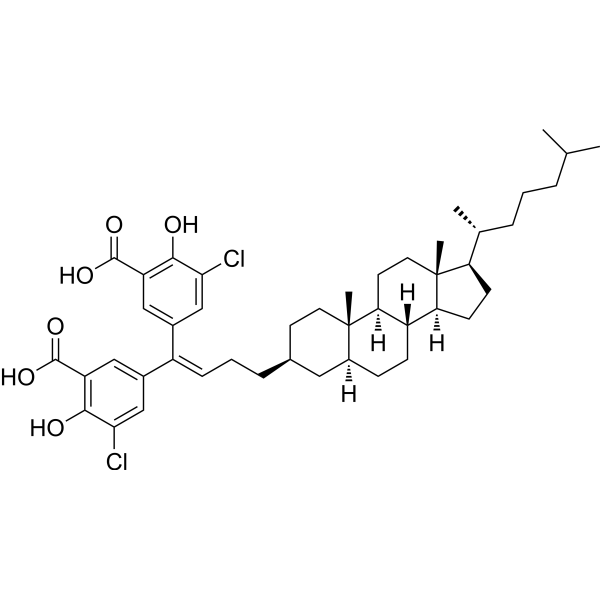
- HY-N0492AR
-
|
Thioctic acid sodium (Standard); (±)-α-Lipoic acid sodium (Standard); DL-α-Lipoic acid sodium (Standard)
|
Reference Standards
NF-κB
HIV
Mitochondrial Metabolism
Endogenous Metabolite
Apoptosis
|
Infection
Inflammation/Immunology
Cancer
|
|
α-Lipoic Acid (sodium) (Standard) is the analytical standard of α-Lipoic Acid (sodium). This product is intended for research and analytical applications. α-Lipoic Acid (Thioctic acid) sodium is an antioxidant, which is an essential cofactor of mitochondrial enzyme complexes. α-Lipoic Acid sodium inhibits NF-κB-dependent HIV-1 LTR activation. α-Lipoic Acid sodium induces endoplasmic reticulum (ER) stress-mediated apoptosis in hepatoma cells. α-Lipoic Acid sodium can be used with CPUL1 (HY-151802) to construct the self-assembled nanoaggregate CPUL1-LA NA, which has improved antitumor efficacy than CPUL1.
|
-

- HY-116973
-
|
|
HIV
|
Infection
|
|
L-738372 is a non-competitive reversible inhibitor of HIV-1 reverse transcriptase (RT) with an inhibition constant (Ki) of 140 nM against dTTP. When combined with any nucleoside analogs (such as azidothymidine triphosphate, didexoyinosine triphosphate, or didexoycytidine triphosphate), L-738372 exhibits synergistic inhibition of RT activity. L-738372 has 2-3 times more inhibitory potency against the azidothymidine-resistant RT (D67N, K70R, T215Y, K219Q) compared to the wild-type RT. L-738372 holds promise for research in the field of HIV virus treatment .
|
-

- HY-P1064
-
|
|
Apelin Receptor (APJ)
HIV
|
Infection
Cardiovascular Disease
Metabolic Disease
|
|
Apelin-36(human) is an endogenous orphan G protein-coupled receptor APJ agonist, with an EC50 of 20 nM. Apelin-36(human) shows high affinity to human APJ receptors expressed in HEK 293 cells (pIC50=8.61). Apelin-36 has been linked to two major types of biological activities: cardiovascular and metabolic. Apelin-36(human) inhibits the entry of some HIV-1 and HIV-2 into the NP2/CD4 cells expressing APJ .
|
-
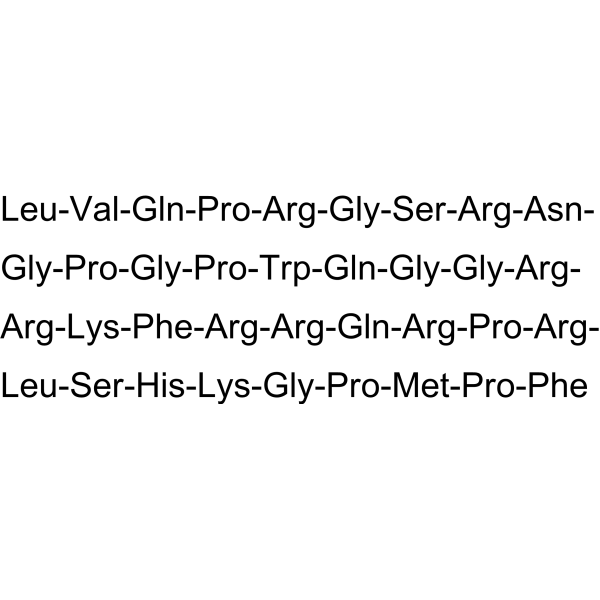
- HY-P2200
-
|
BMY-29304
|
HIV
Antibiotic
|
Infection
Inflammation/Immunology
|
|
Siamycin I (BMY-29304), a 21-residue tricyclic peptide, is a secondary metabolite in actinomycetes. Siamycin I is a HIV fusion inhibitor with ED50s of 0.05 to 5.7 μM for acute HIV type 1 (HIV-1) and HIV-2 infections. Siamycin I inhibits the gelatinase and gelatinase biosynthesis-activating pheromone (GBAP) signaling via the FsrC-FsrA two-component regulatory system in a noncompetitive manner. Siamycin I suppresses the expression of both fsrBDC and gelE-sprE transcripts. Siamycin I, a lasso peptide, interacts with lipid II and inhibits cell wall biosynthesis. Siamycin I, an antibiotic, has the potential for enterococcal infections research .
|
-
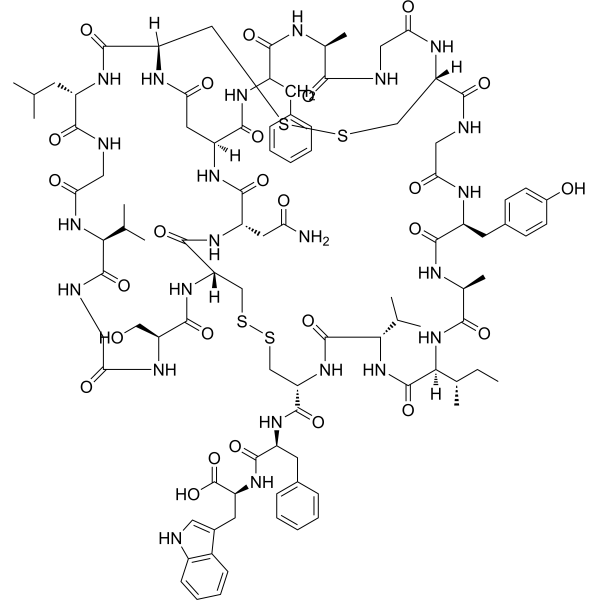
- HY-117747
-
|
JCR 424; XM 323
|
HIV Protease
|
Infection
|
|
DMP 323 is a potent, nonpeptide cyclic urea inhibitor of HIV protease, effective against both HIV type 1 and type 2. Designed using structural information and database searching, it competitively inhibits the cleavage of both peptide and HIV-1 gag polyprotein substrates. DMP 323 shows comparable potency to other highly effective HIV protease inhibitors like A-80987 and Ro-31-8959. Importantly, its efficacy against HIV protease remains unaffected by human plasma or serum, suggesting low affinity for plasma proteins. Furthermore, DMP 323 demonstrates minimal inhibition of various mammalian proteases at concentrations much higher than those needed for HIV protease inhibition, highlighting its specificity for viral targets .
|
-

- HY-N1992R
-
|
TF-3 (Standard); ZP10 (Standard)
|
Reference Standards
Virus Protease
HSV
HIV
Flavivirus
|
Infection
Cancer
|
|
Theaflavin 3,3'-digallate (Standard) is the analytical standard of Theaflavin 3,3'-digallate. This product is intended for research and analytical applications. Theaflavin 3,3'-digallate (TF-3) is a potent Zika virus (ZIKV) protease inhibitor with an IC50 of 2.3 μM. Theaflavin 3,3'-digallat directly binds to ZIKVpro (Kd=8.86 μM) and inhibits ZIKV replication. Theaflavin 3,3'-digallat inhibits the activity of gp41 and NS2B-3 protease and has antiviral activity against HSV and HIV-1 . Theaflavin 3,3'-digallate, the typical pigment in black tea, is a potent antitumor agent .
|
-

- HY-128067R
-
|
Hexamethylene amiloride (Standard); HMA (Standard)
|
Sodium Channel
HIV
Apoptosis
Reference Standards
|
Infection
Cancer
|
|
5-(N,N-Hexamethylene)-amiloride (Standard) is the analytical standard of 5-(N,N-Hexamethylene)-amiloride. This product is intended for research and analytical applications. 5-(N,N-Hexamethylene)-amiloride (Hexamethylene amiloride) derives from an amiloride and is a potent Na+/H+ exchanger inhibitor, which decreases the intracellular pH (pHi) and induces apoptosis in leukemic cells. 5-(N,N-Hexamethylene)-amiloride (Hexamethylene amiloride) is also an inhibitor of the HIV-1 Vpu virus ion channel and inhibits mouse hepatitis virus (MHV) replication and human coronavirus 229E (HCoV229E) replication in cultured L929 cells with EC50s of 3.91 μM and 1.34 μM, respectively .
|
-

- HY-116282A
-
|
DSS (MW 4500-5500); DXS (MW 4500-5500)
|
HIV
Apoptosis
Complement System
|
Infection
Inflammation/Immunology
|
|
Dextran sulfate sodium salt (DSS) (MW 4500-5500) is a polymer of dehydrated glucose with a molecular weight of approximately 4500-5500. Dextran sulfate sodium salt with different molecular weights exhibits different biological activities. Dextran sulfate sodium salt (MW 4500-5500) is an inhibitor of complement and coagulation pathways, and belongs to the glycosaminoglycans (GAG) family. Dextran sulfate sodium salt (MW 4500-5500) acts as an anticoagulant, antiviral, and anti-lipemic agent. Dextran sulfate sodium salt (MW 4500-5500) stops HIV-1 virus adsorption to host cells. Dextran sulfate sodium salt (MW 4500-5500) prevents NK cell-mediated cytotoxicity. Dextran sulfate sodium salt (MW 4500-5500) inhibits instant blood-mediated inflammatory reaction (IBMIR) .
|
-
- HY-19314A
-
|
RO-0622 hydrochloride; FNC hydrochloride
|
Reverse Transcriptase
HIV
HBV
HCV
|
Infection
|
|
Azvudine (RO-0622) hydrochloride is a potent nucleoside reverse transcriptase inhibitor (NRTI), with antiviral activity on HIV, HBV and HCV. Azvudine hydrochloride exerts highly potent inhibition on HIV-1 (EC50s ranging from 0.03 to 6.92 nM) and HIV-2 (EC50s ranging from 0.018 to 0.025 nM). Azvudine hydrochloride inhibits NRTI-resistant viral strains . Azvudine (hydrochloride) is a click chemistry reagent, it contains an Azide group and can undergo copper-catalyzed azide-alkyne cycloaddition reaction (CuAAc) with molecules containing Alkyne groups. It can also undergo strain-promoted alkyne-azide cycloaddition (SPAAC) reactions with molecules containing DBCO or BCN groups.
|
-
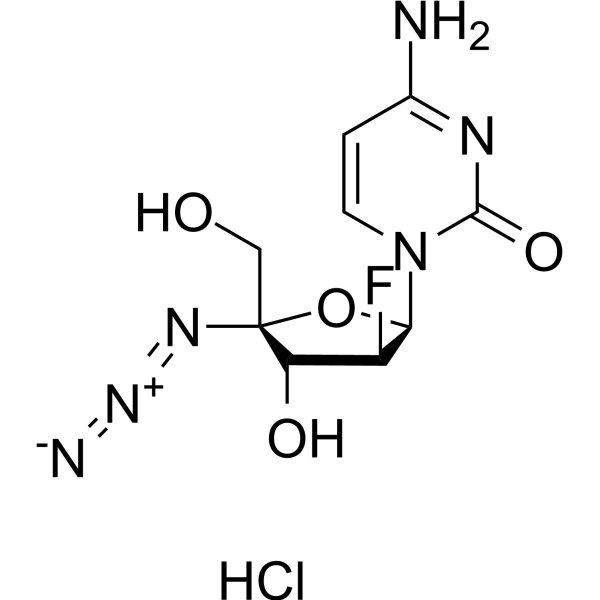
- HY-19314
-
Azvudine
Maximum Cited Publications
6 Publications Verification
RO-0622; FNC
|
Reverse Transcriptase
HIV
HBV
HCV
|
Infection
|
|
Azvudine (RO-0622) is a potent nucleoside reverse transcriptase inhibitor (NRTI), with antiviral activity on HIV, HBV and HCV. Azvudine exerts highly potent inhibition on HIV-1 (EC50s ranging from 0.03 to 6.92 nM) and HIV-2 (EC50s ranging from 0.018 to 0.025 nM). Azvudine inhibits NRTI-resistant viral strains . Azvudine is a click chemistry reagent, it contains an Azide group and can undergo copper-catalyzed azide-alkyne cycloaddition reaction (CuAAc) with molecules containing Alkyne groups. It can also undergo strain-promoted alkyne-azide cycloaddition (SPAAC) reactions with molecules containing DBCO or BCN groups.
|
-
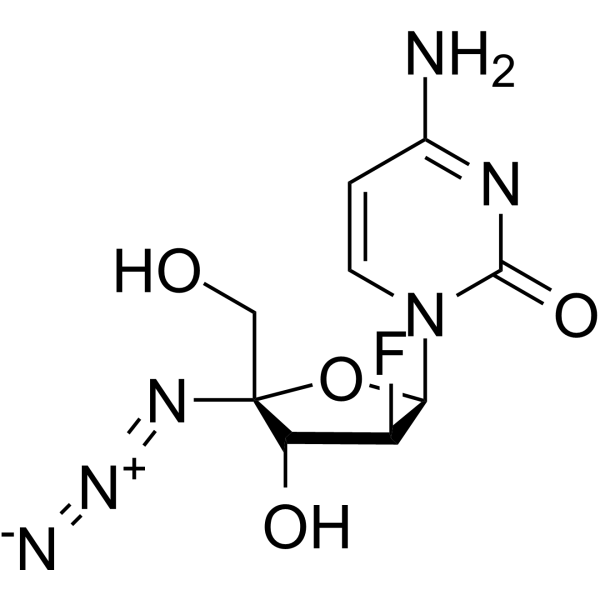
- HY-135564
-
|
|
Phosphatase
Phospholipase
HIV Protease
ERK
Autophagy
|
Infection
Cancer
|
|
RK-682 hemicalcium is the hemicalcium salt form of RK-682 (HY-135564A). RK-682 hemicalcium is the inhibitor for protein tyrosine phosphatase (PTPase), heparanase, phospholipase A2 and HIV-1 protease. RK-682 hemicalcium inhibits the dephosphorylation of CD45 (IC50 is 54 μM) and VHR (IC50 is 2.0 μM), and thereby inhibits the ERK signaling pathway. RK-682 hemicalcium inhibits the cell viability of cancer cell MGH-U3, T24 and UROtsa with IC50s of 78.2, 43.2 and 145 nM, respectively, arrests the cell cycle at G1/S phase, inhibits the cell migration and autophagy in MGH-U3 and T24 [2] .
|
-
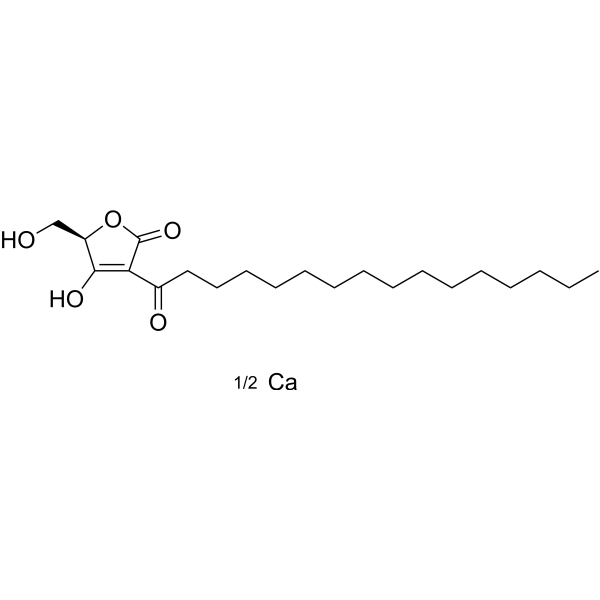
- HY-P1064A
-
|
|
HIV
Apelin Receptor (APJ)
|
Infection
Cardiovascular Disease
Metabolic Disease
|
|
Apelin-36(human) TFA is an endogenous orphan G protein-coupled receptor APJ agonist, with an EC50 of 20 nM. Apelin-36(human) TFA shows high affinity to human APJ receptors expressed in HEK 293 cells (pIC550=8.61). Apelin-36(human) TFA has been linked to two major types of biological activities: cardiovascular and metabolic. Apelin-36(human) TFA inhibits the entry of some HIV-1 and HIV-2 into the NP2/CD4 cells expressing APJ .
|
-
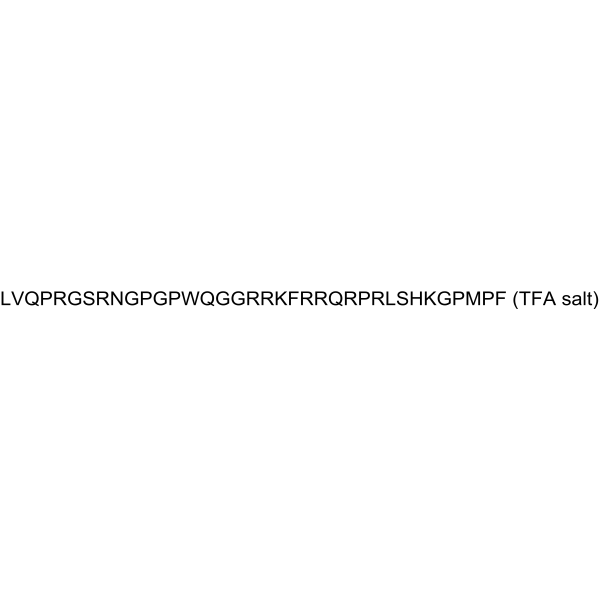
- HY-N0492R
-
|
Thioctic acid (Standard); (±)-α-Lipoic acid (Standard); DL-α-Lipoic acid (Standard)
|
Reference Standards
NF-κB
HIV
Mitochondrial Metabolism
Endogenous Metabolite
Apoptosis
|
Infection
Inflammation/Immunology
Cancer
|
|
α-Lipoic Acid (Standard) is the analytical standard of α-Lipoic Acid. This product is intended for research and analytical applications. α-Lipoic Acid (Thioctic acid) is an antioxidant, which is an essential cofactor of mitochondrial enzyme complexes. α-Lipoic Acid inhibits NF-κB-dependent HIV-1 LTR activation . α-Lipoic Acid induces endoplasmic reticulum (ER) stress-mediated apoptosis in hepatoma cells . α-Lipoic Acid can be used with CPUL1 (HY-151802) to construct the self-assembled nanoaggregate CPUL1-LA NA, which has improved antitumor efficacy than CPUL1 .
|
-
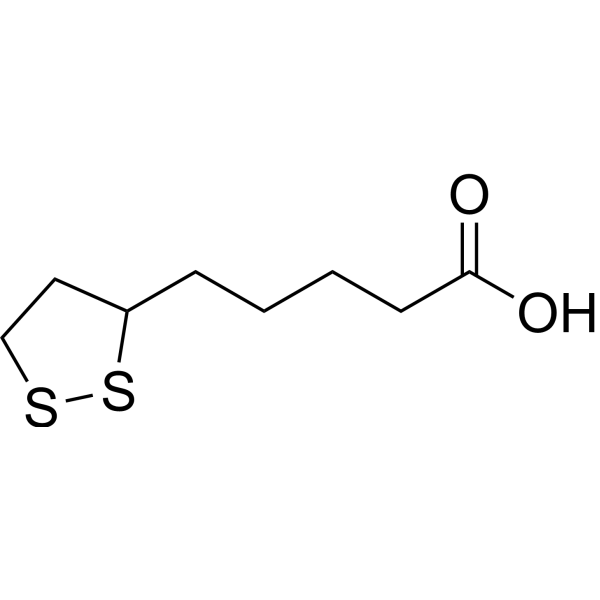
- HY-116282W
-
|
DSS (MW 6500-10000); DXS (MW 6500-10000)
|
HIV
|
Inflammation/Immunology
|
|
Dextran sulfate sodium salt (DSS) (MW 6500-10000) is a polymer of dehydrated glucose with a molecular weight of approximately 5000. Dextran sulfate sodium salt with different molecular weights exhibits different biological activities. Dextran sulfate sodium salt (MW 6500-10000) has antiviral activity against HIV-1 and HIV-2. Dextran sulfate sodium salt (MW 6500-10000) blocks the binding of virions to CD4 ⁺ T lymphocytes and inhibits syncytia formation. Dextran sulfate sodium salt (MW 6500-10000) also prevents experimental urolithiasis due to its cytoprotective actions. Moreover, because of its biocompatible and highly charged properties, Dextran sulfate sodium salt (MW 6500-10000) is a suitable choice for pharmaceutical systems .
|
-

- HY-19314R
-
|
RO-0622 (Standard); FNC (Standard)
|
Reverse Transcriptase
HIV
HBV
HCV
Reference Standards
|
Infection
|
|
Azvudine (Standard) is the analytical standard of Azvudine. This product is intended for research and analytical applications. Azvudine (RO-0622) is a potent nucleoside reverse transcriptase inhibitor (NRTI), with antiviral activity on HIV, HBV and HCV. Azvudine exerts highly potent inhibition on HIV-1 (EC50s ranging from 0.03 to 6.92 nM) and HIV-2 (EC50s ranging from 0.018 to 0.025 nM). Azvudine inhibits NRTI-resistant viral strains . Azvudine is a click chemistry reagent, it contains an Azide group and can undergo copper-catalyzed azide-alkyne cycloaddition reaction (CuAAc) with molecules containing Alkyne groups. It can also undergo strain-promoted alkyne-azide cycloaddition (SPAAC) reactions with molecules containing DBCO or BCN groups.
|
-

- HY-160267
-
|
|
HIV
DNA/RNA Synthesis
|
Infection
Neurological Disease
Cancer
|
|
iPAF1C is a inhibitor of the polymerase-associated factor 1 complex (PAF1C) with specific targeting to the PAF1 binding groove of CTR9 (a key subunit of PAF1C). iPAF1C disrupts PAF1C assembly by interfering with the PAF1-CTR9 interaction. iPAF1C selectively impairs BRD4-mediated recruitment of PAF1 to chromatin at hypoxia-responsive genes and inhibits RNA polymerase II (RNAPII) pause release. iPAF1C increases the population of HIV-1 NL4.3 Nef-IRES-GFP infected primary human CD4 +T cells in a dose-dependent manner. PAF1C can be used for the study of infection and diseases associated with abnormal hypoxic adaptation (e.g., cancers, neurological disorders) .
|
-
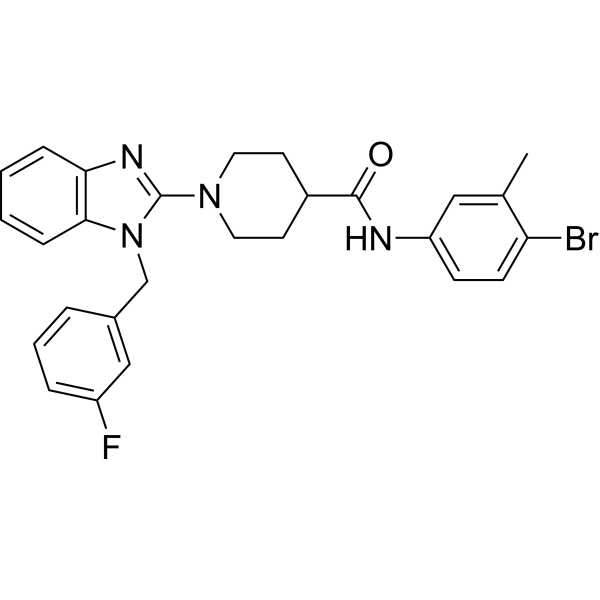
- HY-111640
-
|
|
HIV
Reverse Transcriptase
|
Infection
|
|
3'-Azido-3'-deoxy-5-methylcytidine (CS-92) is a potent xenotropic murine leukemia-related retrovirus (XMRV) inhibitor with a CC50 of 43.5 μM in MCF-7 cells. 3'-Azido-3'-deoxy-5-methylcytidine also inhibits HIV-1 reverse transcriptase with an EC50 of 0.06 μM in peripheral blood mononuclear (PBM) cells . 3'-Azido-3'-deoxy-5-methylcytidine is a click chemistry reagent, it contains an Azide group and can undergo copper-catalyzed azide-alkyne cycloaddition reaction (CuAAc) with molecules containing Alkyne groups. It can also undergo strain-promoted alkyne-azide cycloaddition (SPAAC) reactions with molecules containing DBCO or BCN groups.
|
-
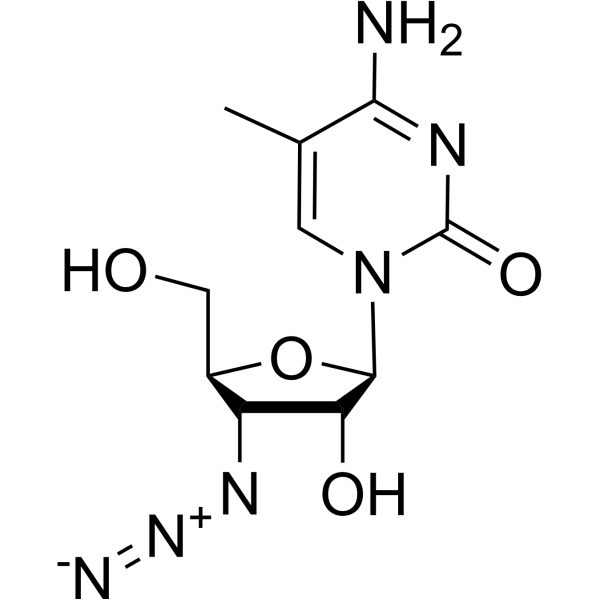
- HY-N6924
-
|
|
HIV
PIN1
Fungal
GLUT
Reactive Oxygen Species (ROS)
|
Infection
Neurological Disease
Metabolic Disease
Cancer
|
|
Zingibroside R1 is an orally active triterpene saponin with multiple biological activities including antioxidant, anti-inflammatory, antiviral, and metabolic regulatory properties. Zingibroside R1 reduces the expression of PIN family members, inhibits the expression of PLT1/PLT2, WOX5, SHR, and SCR, disrupts auxin transport and distribution, triggers plant ROS responses, and inhibits root growth. Zingibroside R1 extends the lifespan of Caenorhabditis elegans, enhances its heat stress resistance, and improves its motor ability. Hydrogel derivatives of Zingibroside R1 inhibit the proliferation of Candida albicans by binding to its β-1,3-glucan and exhibit antifungal activity. Zingibroside R1 inhibits GLUT1-mediated uptake and alleviates liver injury. Zingibroside R1 can be used in research related to neurodegenerative diseases, vulvovaginal candidiasis, acute liver injury, Ehrlich ascites tumor and HIV-1 infection .
|
-
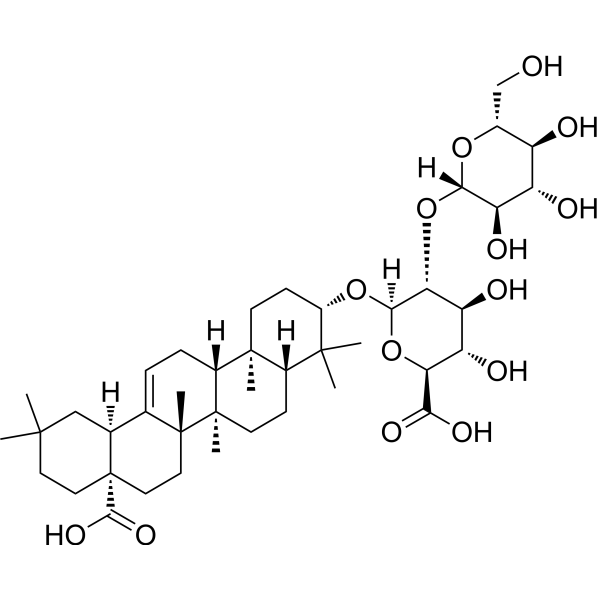
- HY-111224
-
|
|
HIV
CXCR
|
Infection
|
|
GSK812397 is a CXCR4 antagonist with potential for the treatment of HIV infection. To evaluate the clinical potential of GSK812397, kilogram-scale agent candidates are needed. Here, an improved, scalable synthetic route for the CXCR4 antagonist GSK812397 is described. This new route has been scaled up in a 50-liter stationary facility to obtain 1.2 kg of agent substance in 20% overall yield and >99% chemical and enantiomeric purity in five steps. CXC chemokine receptor 4 (CXCR4) is a 7-transmembrane protein that functions in part as a host co-receptor for multiple strains of HIV-1. It is thought that targeting CXCR4 will help inhibit the replication of several late cytopathic viruses; therefore, CXCR4 antagonists are one of the most promising new classes of experimental anti-HIV agents. GSK812397 is a potent CXCR4 antagonist and is therefore a candidate for investigation for the treatment of HIV infection.
|
-

- HY-123387
-
|
|
HIV
|
Infection
|
|
Suksdorfin is a compound isolated from the fruits of Lomatium suksdorfii. Suksdorfin has activity againstHIV-1 .
|
-

- HY-153247
-
-
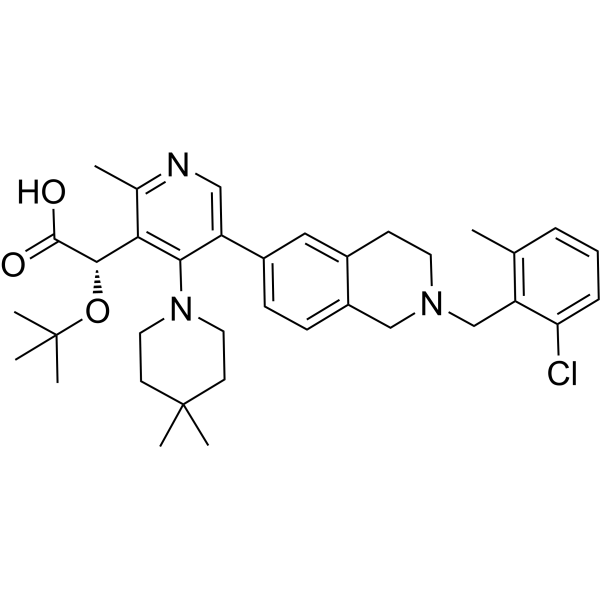
- HY-185207
-
|
|
Pyroptosis
|
Infection
Cancer
|
|
CQ80 is a PEPD/XPNPEP1 inhibitor and selective CARD8 inflammasome activator. CQ80 has IC50 values of 0.91 μM for PEPD, 43 μM for XPNPEP1. CQ80 promotes the accumulation of Xaa-Pro peptides by inhibiting PEPD and XPNPEP1, releases the fragment of CARD8 for inflammasome formation, and induces pyroptosis via GSDMD cleavage. CQ80 can be used for research on inflammasome, CARD8-expressing cancer cells, HIV-1-infected cell clearance, acute myeloid leukemia (AML) .
|
-

- HY-114634
-
|
Ketomalonic acid; Mesoxalic acid; Oxomalonic acid
|
HIV
|
Infection
|
|
Mesoxalate (Ketomalonic acid) a dicarboxylic acid and a ketonic acid which blocks HIV-1 reverse transcriptase (RT), with the IC50 of 2.2 μM .
|
-
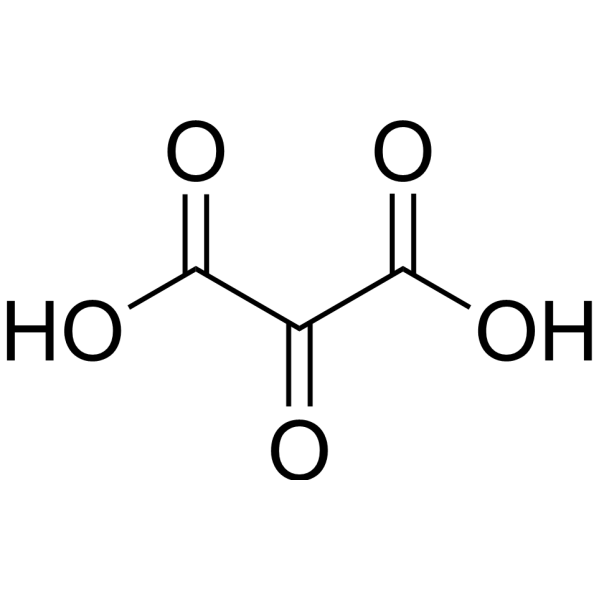
- HY-18666
-
|
|
HIV
|
Infection
|
|
D77 is anti-HIV-1 inhibitor targeting the interaction between integrase and cellular LEDGF/p75. D77 inhibits HIV-1(IIIB) replication by EC50 value of 23.8 μg/ml in MT-4 cell (5.03 μg/ml for C8166 cells).
|
-
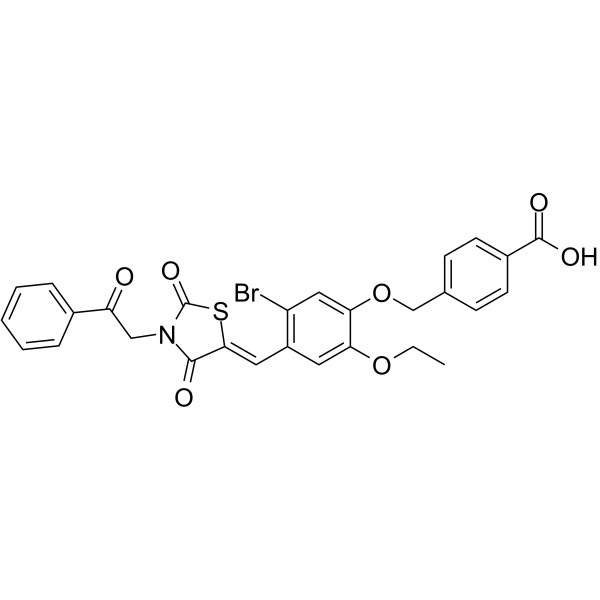
- HY-105207
-
|
|
HIV
|
Infection
|
|
L 696229 is a specific inhibitor ofhuman immunodeficiency virus type 1 (HIV-1)reverse transcriptase (RT) activity that possesses antiviral activity .
|
-
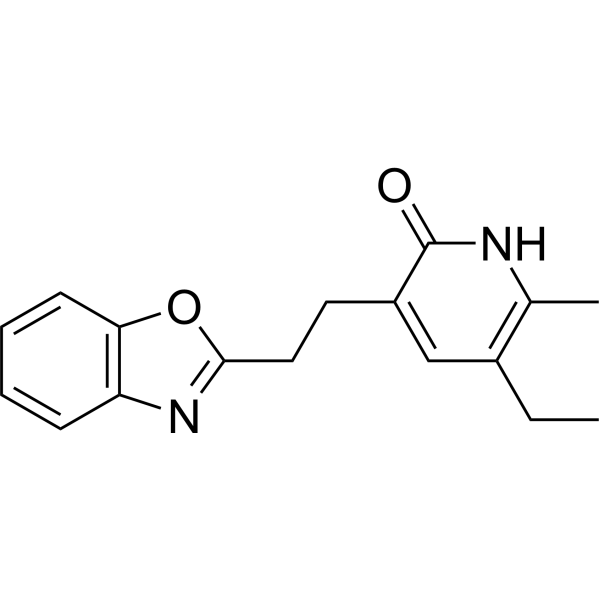
- HY-176169
-
-

- HY-N0751
-
|
|
STAT
Akt
HIV
|
Infection
Cancer
|
|
Scutellarin, an active flavone isolated from Scutellaria baicalensis, can down-regulates the STAT3/Girdin/Akt signaling in HCC cells, and inhibits RANKL-mediated MAPK and NF-κB signaling pathway in osteoclasts. Scutellarin is active against HIV-1IIIB, HIV-1(74V) and HIV-1KM018 with EC50s of 26 μM, 253 μM and 136 μM, respectively.
|
-
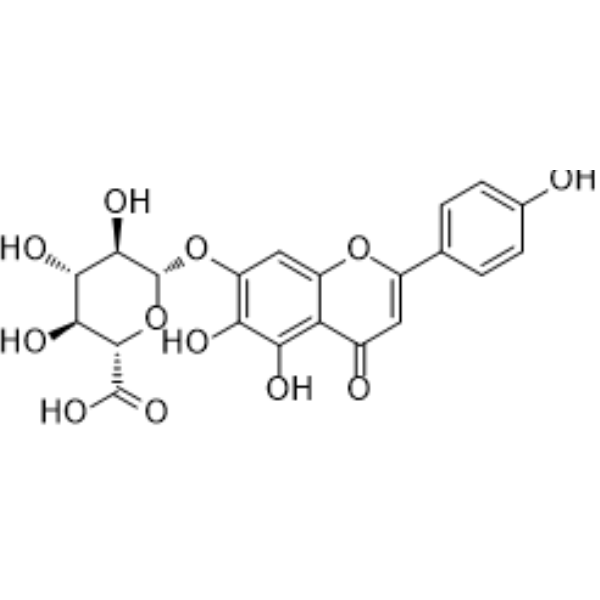
- HY-P2259
-
|
|
iGluR
HIV Integrase
Adenosine Receptor
|
Cardiovascular Disease
Neurological Disease
|
|
TAT-GluA2 3Y is a blood-brain barrier-permeable AMPA receptor inhibitory peptide that crosses cell membranes via the HIV-1 TAT protein domain. TAT-GluA2 3Y blocks the endocytosis of AMPA receptors, including the internalization of GluA1/GluA2 subunits, by disrupting interactions with the AP2, Brag2 and Syt3-GluA2 complexes, while also inhibiting long-term depression. TAT-GluA2 3Y blocks hypoxia-mediated AMPAR internalization, alleviates A1R-induced persistent synaptic inhibition, and reduces cerebral ischemic volume, neurological deficits and spatial memory deficits. TAT-GluA2 3Y blocks the effect of NLRP3 deficiency on fear generalization, inhibits amphetamine-induced behavioral/neurochemical sensitization, weakens the unconditioned stimulus-conditioned stimulus association of morphine, and promotes the extinction of morphine CPP. TAT-GluA2 3Y can be used in studies related to fear generalization, ischemic stroke, hypoxia, drug addiction and opioid addiction .
|
-
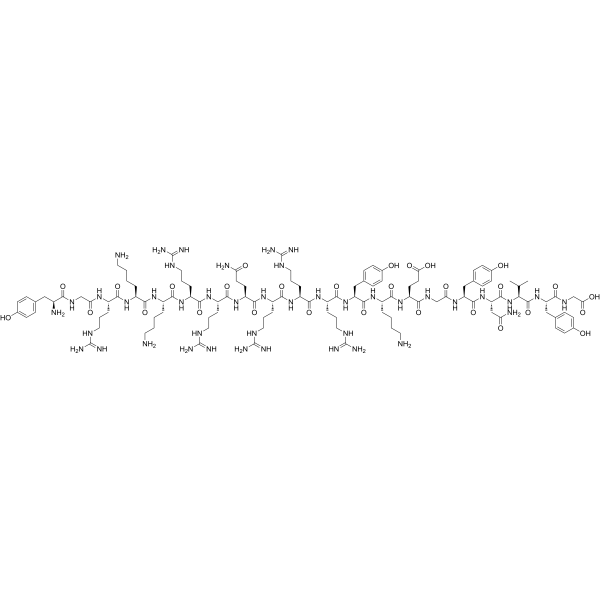
- HY-N0751R
-
|
|
Reference Standards
STAT
Akt
HIV
|
Infection
Cancer
|
|
Scutellarin (Standard) is the analytical standard of Scutellarin. This product is intended for research and analytical applications. Scutellarin, an active flavone isolated from Scutellaria baicalensis, can down-regulates the STAT3/Girdin/Akt signaling in HCC cells, and inhibits RANKL-mediated MAPK and NF-κB signaling pathway in osteoclasts. Scutellarin is active against HIV-1IIIB, HIV-1(74V) and HIV-1KM018 with EC50s of 26 μM, 253 μM and 136 μM, respectively.
|
-

- HY-P5738
-
|
|
Bacterial
|
Infection
|
|
Palicourein is a 37 amino acid cyclic polypeptide. Palicourein inhibits the in vitro cytopathic effects of HIV-1RF infection of CEM-SS cells with an EC50 value of 0.1 μM and an IC50 value of 1.5 μM .
|
-

- HY-P0052A
-
|
T20 acetate; DP178 acetate
|
HIV
|
Infection
|
|
Enfuvirtide (T20; DP178) acetate is an anti-HIV-1 fusion inhibitor peptide.
|
-
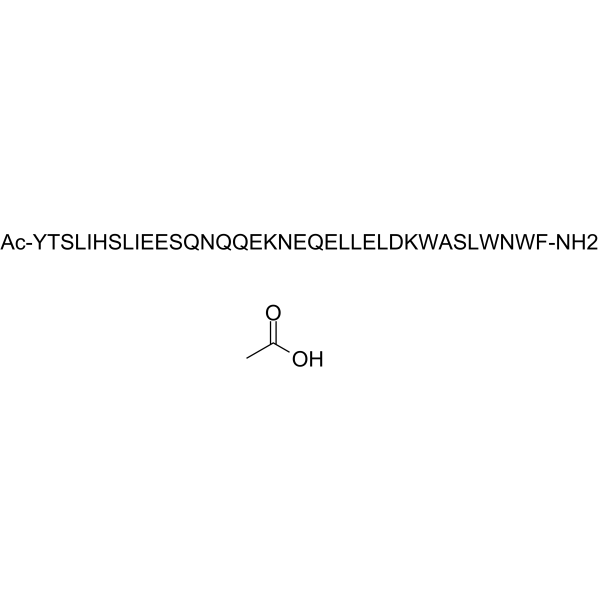
- HY-107003
-
|
GW420867X
|
HIV Protease
|
Infection
|
|
Opaviraline (GW420867X) is an anti-HIV-1 reverse transcriptase inhibitor .
|
-

- HY-14740
-
|
GS-9137; JTK-303; D06677
|
HIV Integrase
HIV
|
Infection
|
|
Elvitegravir (GS-9137; JTK-303; D06677) is an HIV integrase inhibitor for HIV-1IIIB, HIV-2EHO and HIV-2ROD with IC50 of 0.7 nM, 2.8 nM and 1.4 nM, respectively.
|
-
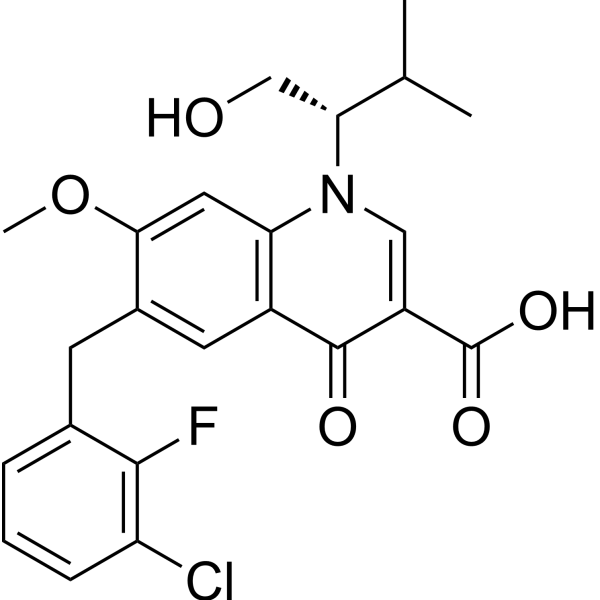
- HY-137309
-
|
|
HIV
|
Others
|
|
4-Deoxy-4α-phorbol is a tetracyclic diterpene found in E. desmondi. It has been used in the semisynthesis of inhibitors of the HIV-1-induced cytopathic effect on MT-4 cells and 4α-phorbol esters .
|
-
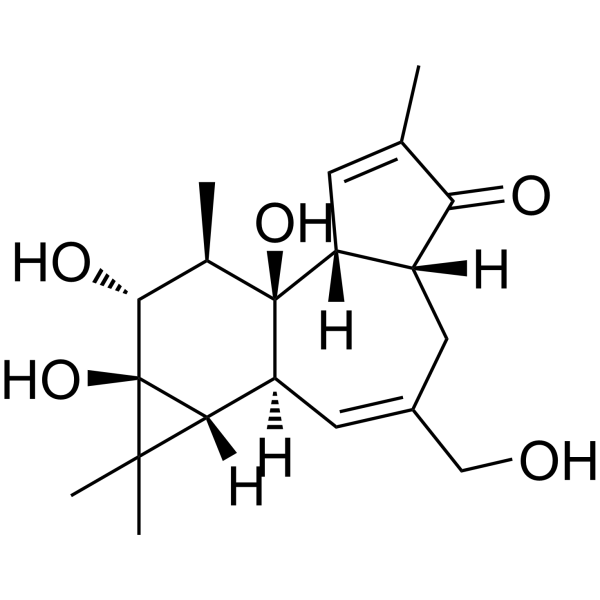
- HY-143274
-
|
|
Flavivirus
Dengue Virus
HIV
DNA/RNA Synthesis
|
Infection
|
|
DENV-IN-5 (Compound 4b) is a dengue virus (DENV) inhibitor with EC50s of 1.47, 9.23, 7.08 and 8.91 μM against DENV-I ∼ IV replication, respectively. DENV-IN-5 also inhibits HIV-1IIIB strain with an EC50 of 0.1512 μM .
|
-
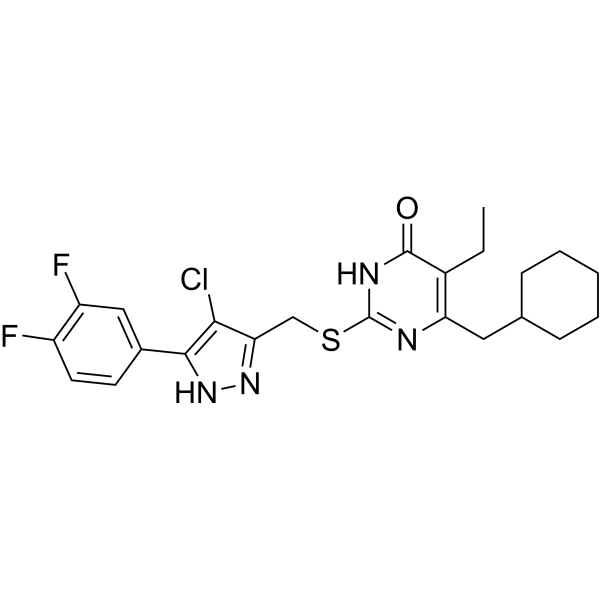
- HY-P0052
-
|
T20; DP178
|
HIV
|
Infection
|
|
Enfuvirtide (T20;DP178) is an anti-HIV-1 fusion inhibitor peptide.
|
-
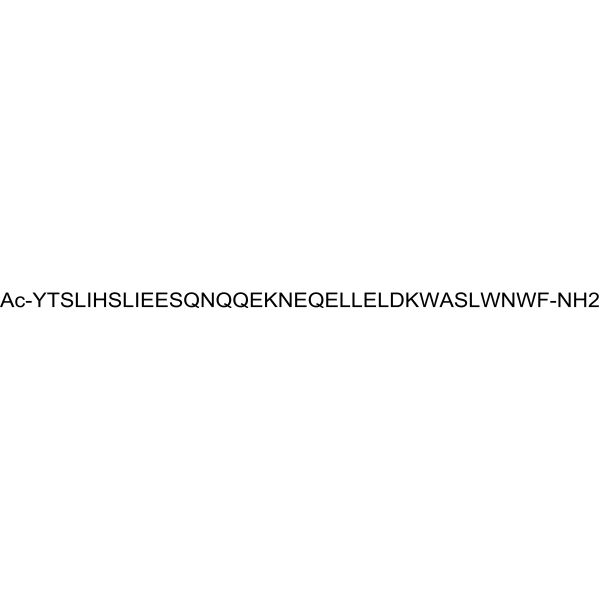
- HY-15457
-
|
API-2; NSC 154020; TCN
|
DNA/RNA Synthesis
Akt
HIV
|
Cancer
|
|
Triciribine is a DNA synthesis inhibitor, also inhibits Akt and HIV-1/2 with IC50 of 130 nM, and 0.02-0.46 μM, respectively.
|
-
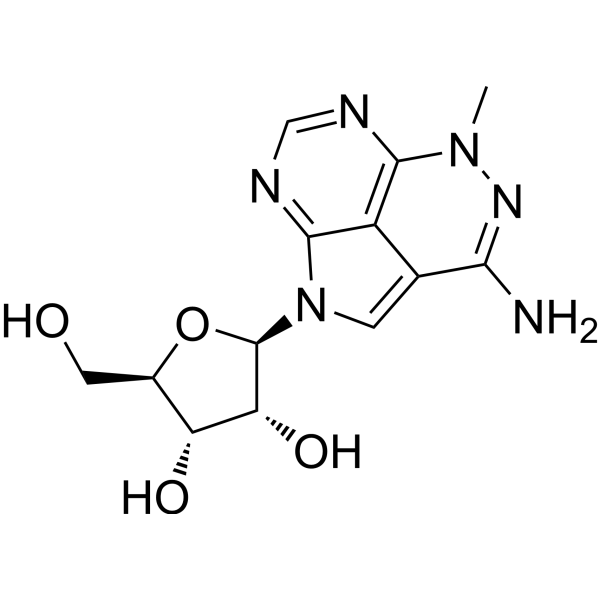
- HY-14740S
-
|
GS-9137-d8; JTK-303-d8; D06677-d8
|
Isotope-Labeled Compounds
HIV Integrase
HIV
|
Infection
|
|
Elvitegravir-d8 is deuterium labeled Elvitegravir. Elvitegravir (GS-9137; JTK-303; D06677) is an HIV integrase inhibitor for HIV-1IIIB, HIV-2EHO and HIV-2ROD with IC50 of 0.7 nM, 2.8 nM and 1.4 nM, respectively.
|
-
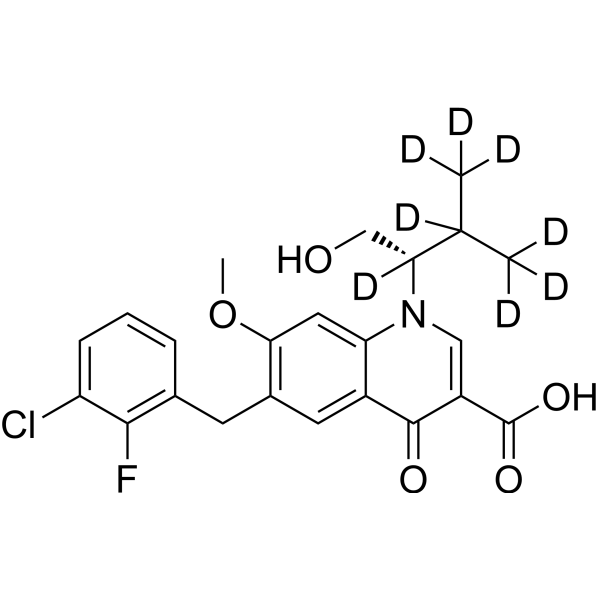
- HY-15571A
-
|
|
HIV
CCR
|
Infection
|
|
VCH-286 is a CCR5 inhibitor that exhibits potent in vitro anti-HIV-1 activity when used alone .
|
-

- HY-158258
-
|
|
HIV
|
Infection
|
|
Antiviral agent 55 (Compound 107) is an inhibitor for human immunodeficiency virus 1 and 2 (HIV 1 and HIV 2), and exhibits antiviral activity .
|
-

- HY-14740R
-
|
GS-9137 (Standard); JTK-303 (Standard); D06677 (Standard)
|
Reference Standards
HIV Integrase
HIV
|
Infection
|
|
Elvitegravir (Standard) is the analytical standard of Elvitegravir. This product is intended for research and analytical applications. Elvitegravir (GS-9137; JTK-303; D06677) is an HIV integrase inhibitor for HIV-1IIIB, HIV-2EHO and HIV-2ROD with IC50 of 0.7 nM, 2.8 nM and 1.4 nM, respectively.
|
-

- HY-N5178
-
|
|
HIV
|
Infection
|
|
Chloropeptin I inhibits the binding of gp120 to CD4 with IC50 of 2.0 μM, with the activity of selective anti-human immunodeficiency virus (HIV) .
|
-

- HY-162074
-
|
|
HIV
|
Infection
|
|
Nipamovir is an orally active anti-HIV prodrug. Nipamovir is cleaved in vivo by glutathione and other active thiols. Nipamovir inhibits the replication of HIV-1RF and HIV-192HT599 in cells, with EC50 values of 3.64 μM and 3.23 μM, respectively. Nipamovir can be used in studies related to HIV infection .
|
-
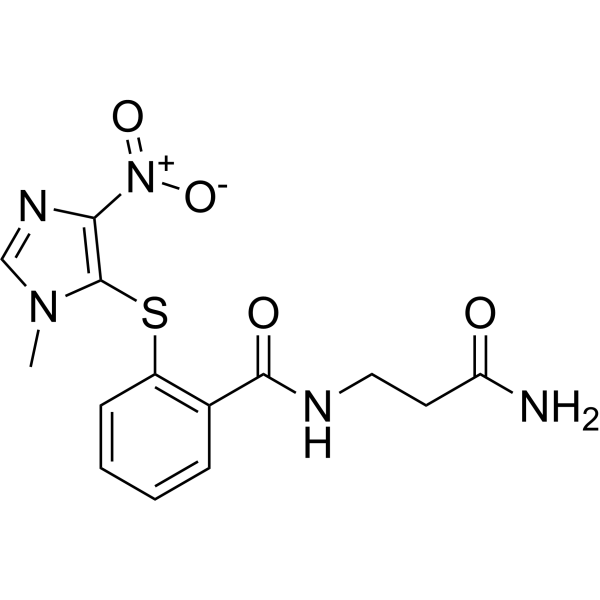
- HY-14920
-
|
Reverset; d-d4FC
|
Reverse Transcriptase
HIV
|
Infection
|
|
Dexelvucitabine (Reverset; d-d4FC), a Cytidine (HY-B0158) analog, is an orally active nucleoside reverse transcriptase inhibitor. Dexelvucitabine is a powerful agent against HIV-1-resistant viruses containing a thymidine analog and/or M184V mutation in the viral polymerase. Dexelvucitabine is a 2′-Deoxycytidine antiretroviral agent .
|
-
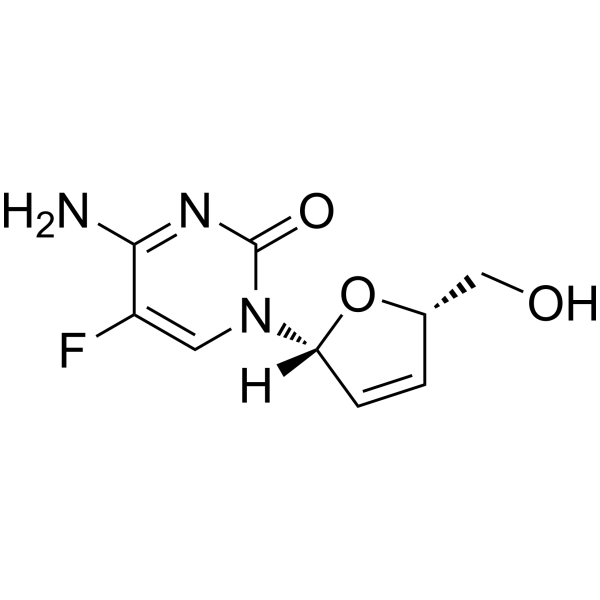
- HY-117477
-
|
|
Reverse Transcriptase
HIV
|
Infection
|
|
DPC-963 is an oral active non-nucleoside reverse transcriptase inhibitor with the IC50 of 18 nM. DPC-963 can be used for study of HIV .
|
-

- HY-132508S
-
-
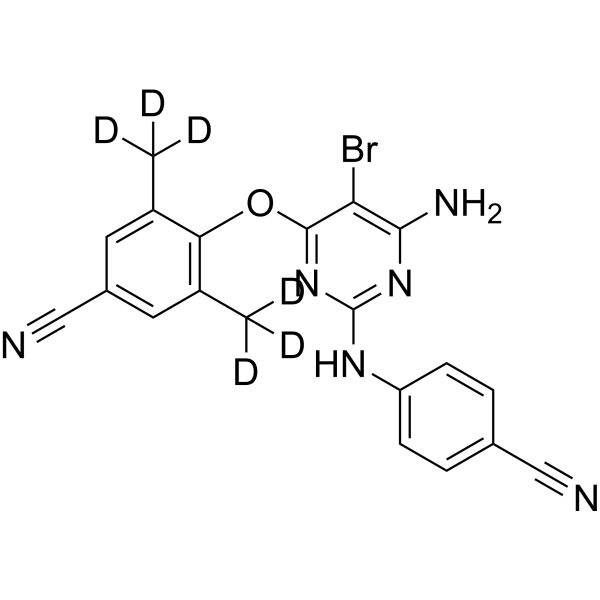
- HY-14740S2
-
|
GS-9137-13C6 ; JTK-303-13C6 ; D06677-13C6
|
Isotope-Labeled Compounds
HIV Integrase
HIV
|
Infection
|
|
Elvitegravir- 13C6 (GS-9137- 13C6) is 13C labeled Elvitegravir. Elvitegravir (GS-9137; JTK-303; D06677) is an HIV integrase inhibitor for HIV-1IIIB, HIV-2EHO and HIV-2ROD with IC50 of 0.7 nM, 2.8 nM and 1.4 nM, respectively.
|
-

- HY-14740S1
-
|
GS-9137-d6; JTK-303-d6; D06677-d6
|
Isotope-Labeled Compounds
HIV Integrase
HIV
|
Infection
|
|
Elvitegravir-d6 (GS-9137-d6) is deuterium labeled Elvitegravir. Elvitegravir (GS-9137; JTK-303; D06677) is an HIV integrase inhibitor for HIV-1IIIB, HIV-2EHO and HIV-2ROD with IC50 of 0.7 nM, 2.8 nM and 1.4 nM, respectively .
|
-

- HY-126924
-
|
|
HIV
|
Infection
|
|
(Rac)-Saphenamycin (compound CID_134184) is a gp41 inhibitor with anti-HIV-1 activity. (Rac)-Saphenamycin reveals p-p interactions with Trp571 .
|
-
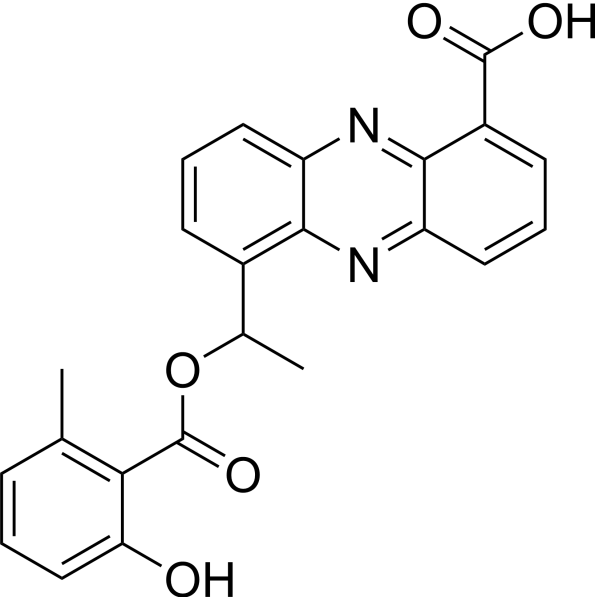
- HY-173427S
-
|
|
Reverse Transcriptase
HIV
|
Infection
|
|
ZK-316 is a potent and broad-spectrum NNRTI inhibitor with an EC50s ranging from 0.99 to 75.1 nM. ZK-316 can be used in the study of HIV .
|
-

- HY-B0249
-
-
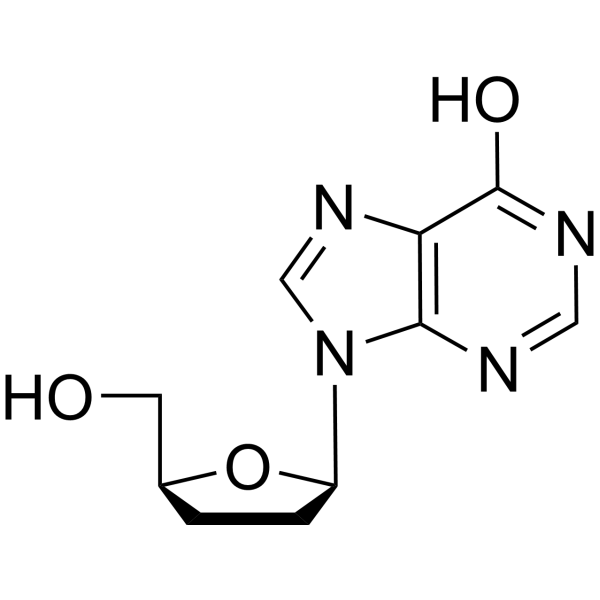
- HY-14920R
-
|
Reverset (Standard); d-d4FC (Standard)
|
Reverse Transcriptase
HIV
Reference Standards
|
Infection
|
|
Dexelvucitabine (Standard) is the analytical standard of Dexelvucitabine. This product is intended for research and analytical applications. Dexelvucitabine (Reverset; d-d4FC), a Cytidine (HY-B0158) analog, is an orally active nucleoside reverse transcriptase inhibitor. Dexelvucitabine is a powerful agent against HIV-1-resistant viruses containing a thymidine analog and/or M184V mutation in the viral polymerase. Dexelvucitabine is a 2′-Deoxycytidine antiretroviral agent .
|
-

- HY-135858
-
|
|
SARS-CoV
Parasite
HIV
|
Infection
|
|
SARS-CoV-IN-3 is an effective inhibitor of SARS-CoV replication. SARS-CoV-IN-3 shows anti-Coronavirus activity with an EC50 of 3.6 μM in Vero cells. SARS-CoV-IN-3 inhibits the 3D7 and W2 strains of P. falciparum with IC50s of 11.7 and 20.4 nM; and IC90s of 29.19 and 56 nM; respectively. SARS-CoV-IN-3 reduces HIV-1-induced cytopathic effect with an EC50 of 10 μM in MT-4 cells .
|
-
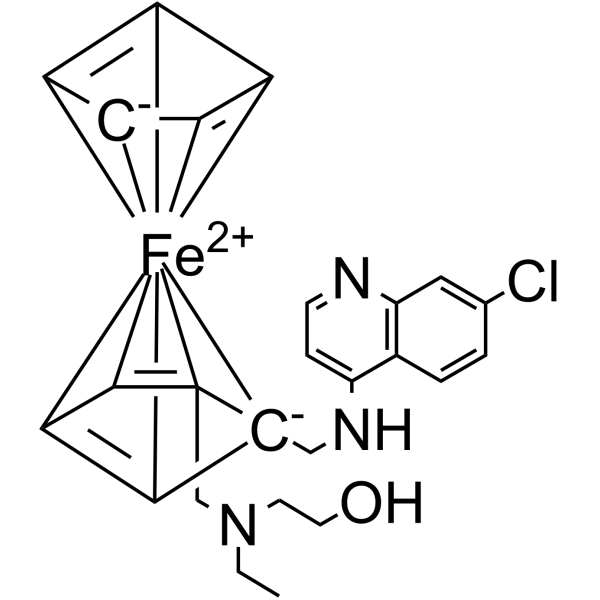
- HY-14740S3
-
|
GS-9137-d5; JTK-303-d5; D06677-d5
|
Isotope-Labeled Compounds
HIV
HIV Integrase
|
Infection
|
|
Elvitegravir-d5 (GS-9137-d5; JTK-303-d5; D06677-d5) is the deuterium labeled Elvitegravir. Elvitegravir (GS-9137; JTK-303; D06677) is an HIV integrase inhibitor for HIV-1IIIB, HIV-2EHO and HIV-2ROD with IC50 of 0.7 nM, 2.8 nM and 1.4 nM, respectively.
|
-

- HY-135856
-
|
|
SARS-CoV
Parasite
HIV
|
Infection
|
|
SARS-CoV-IN-2 is an effective inhibitor of SARS-CoV replication. SARS-CoV-IN-2 shows anti-Coronavirus activity with an EC50 of 1.9 μM in Vero cells. SARS-CoV-IN-2 inhibits the 3D7 and W2 strains of P. falciparum with IC50s of 21.5 and 30 nM; and IC90s of 51.0 and 99.9 nM; respectively. SARS-CoV-IN-2 reduces HIV-1-induced cytopathic effect with an EC50 of 2.9 μM in MT-4 cells. Antimalarial and Antiviral Activities .
|
-
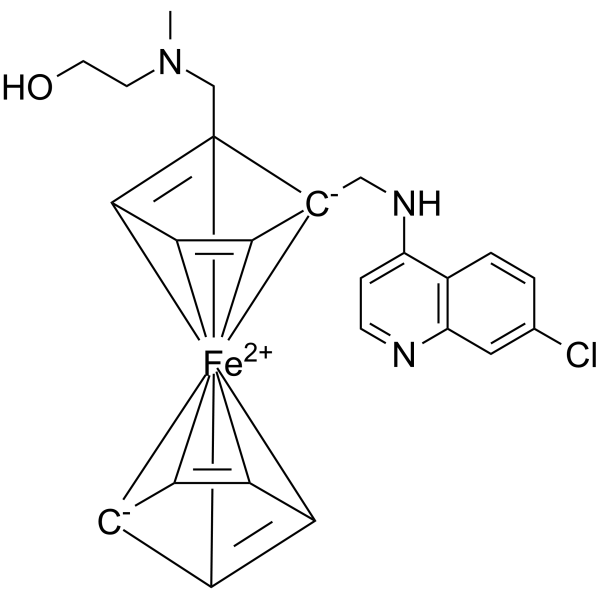
- HY-167945
-
|
|
HIV
CXCR
|
Infection
|
|
AMD-3329 is a potent and selective anti-HIV-1 and HIV-2 agent, exhibiting activity by inhibiting virus replication through binding to the chemokine receptor CXCR4, which serves as a co-receptor for the entry of X4 viruses.
|
-

- HY-B1235
-
|
N-Hydroxyacetamide
|
Bacterial
HIV
|
Infection
Inflammation/Immunology
|
|
Acetohydroxamic acid is the inhibitor for bacterial and plant urease that can be used for chronic urinary tract infections. Acetohydroxamic acid selectively inhibits arachidonic acid 5-lipoxygenase that is useful in the research of asthma. Acetohydroxamic acid inhibits the formation of advanced glycation end products, and reduces oxidative stress and inflammatory responses. Acetohydroxamic acid exhibits antiviral activity against HIV .
|
-
- HY-19232
-
|
|
HIV Protease
|
Inflammation/Immunology
|
|
R-87366 is a water-soluble human immunodeficiency virus (HIV) protease inhibitor. R-87366 has potent inhibitory for HIV protease with a Ki value of 11 nM. R-87366 can be used for the research of anti-human immunodeficiency virus (HIV) .
|
-
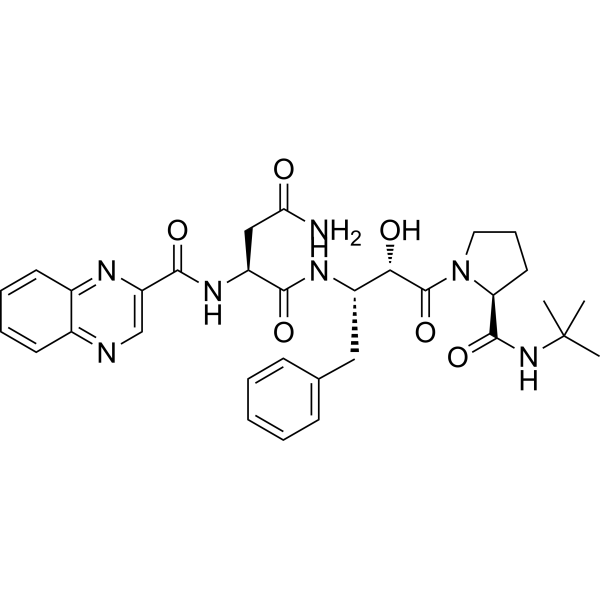
- HY-B0249R
-
|
2',3'-Dideoxyinosine (Standard); ddI (Standard)
|
Reference Standards
HIV
Reverse Transcriptase
|
Infection
|
|
Didanosine (Standard) is the analytical standard of Didanosine. This product is intended for research and analytical applications. Didanosine (2',3'-Dideoxyinosine; ddI) is a a potent and orally active dideoxynucleoside analogue, and also is a potent nucleoside reverse transcriptase inhibitor. Didanosine shows antiretroviral activity for HIV .
|
-

- HY-19851
-
|
GS-9131
|
Reverse Transcriptase
HIV
|
Cancer
|
|
Rovafovir etalafenamide (GS-9131), a proagent of the adenosine nucleotide analogue GS-9148, is an orally active nucleoside reverse transcriptase inhibitor (NRTI). Rovafovir etalafenamide is potent and active against a variety of NRTI mutants, and shows potent anti-HIV-1 activity .
|
-
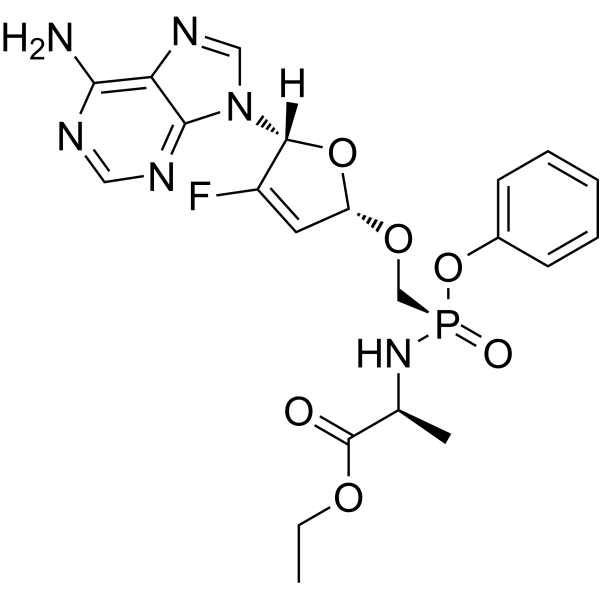
- HY-180563
-
|
|
Drug-Linker Conjugates for ADC
|
Infection
|
|
ADC 38 drug linker is a drug linker coupling agent used for ADCs, consisting of a CD4 mimic and a linker. ADC 38 drug linker can be used to synthesize antibody-drug conjugates (ADCs), such as ADC 38 .
|
-

- HY-N3094
-
|
|
HBV
HIV
|
Infection
|
|
Periglaucine A, a hasubanane-type alkaloid, can be isolated from Pericampylus glaucus. Periglaucine A can inhibits HBV surface antigen (HBsAg) secretion in Hep G2.2.15 cells. Periglaucine A also shows anti-HIV-1 activity in C8166 cells (EC50: 204 μM) .
|
-
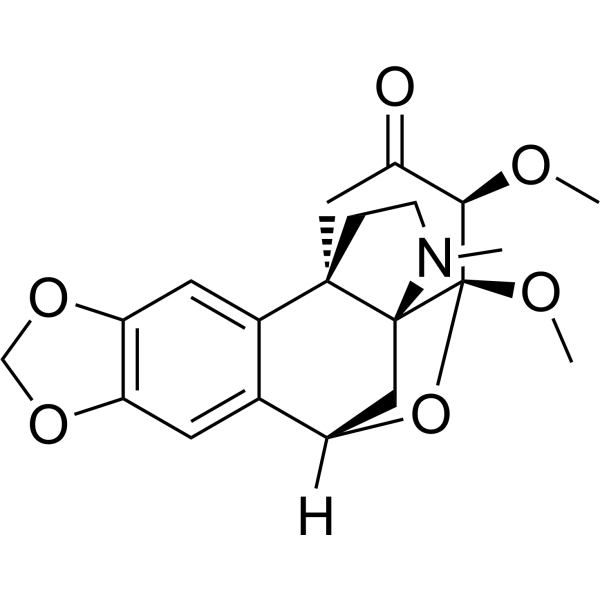
- HY-B1235R
-
|
N-Hydroxyacetamide (Standard)
|
Reference Standards
Bacterial
HIV
|
Infection
Inflammation/Immunology
|
|
Acetohydroxamic acid (Standard) is the analytical standard of Acetohydroxamic acid. This product is intended for research and analytical applications. Acetohydroxamic acid is the inhibitor for bacterial and plant urease that can be used for chronic urinary tract infections. Acetohydroxamic acid selectively inhibits arachidonic acid 5-lipoxygenase that is useful in the research of asthma. Acetohydroxamic acid inhibits the formation of advanced glycation end products, and reduces oxidative stress and inflammatory responses. Acetohydroxamic acid exhibits antiviral activity against HIV .
|
-

- HY-173427
-
|
|
Reverse Transcriptase
HIV
|
Infection
|
|
K-5a2 is the non-isotopic form of ZK-316 (HY-173427S). ZK-316 is a potent and broad-spectrum NNRTI inhibitor with an EC50 value ranging from 0.99 to 75.1 nM. ZK-316 can be used in the study of HIV .
|
-

- HY-183663
-
|
|
HIV
|
Infection
|
|
PD-159206 is an anti-HIV agent. PD-159206 inhibits early pre-integration steps of the HIV life cycle, and delays sequential progression of reverse transcription products. PD-159206 can be used for the research of HIV infection .
|
-

- HY-10574
-
|
R278474; TMC278; DB08864
|
HIV
Reverse Transcriptase
|
Infection
|
|
Rilpivirine (R278474) is a potent and specific diarylpyrimidine (DAPY) non-nucleoside reverse transcriptase inhibitor (NNRTI). Rilpivirine has high antiviral activity against wild-type HIV (EC50=0.4 nM) and mutant viruses (EC50=0.1-2.0 nM). Rilpivirine has a high genetic barrier to resistance development of HIV .
|
-
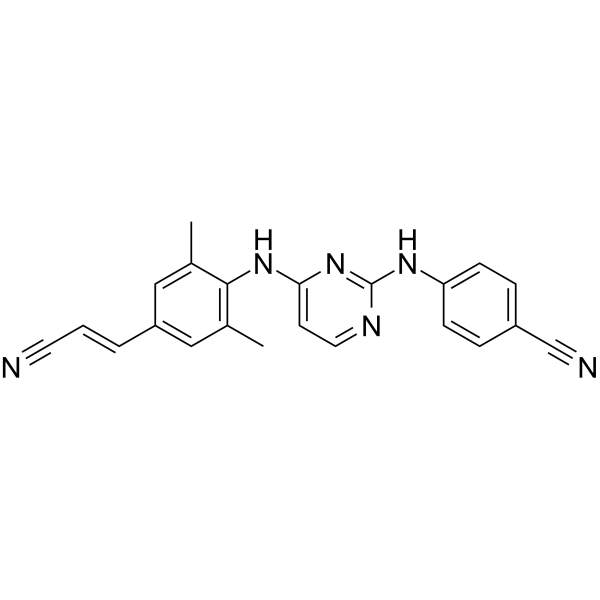
- HY-10574A
-
|
TMC-278 hydrochloride
|
SARS-CoV
MMP
|
Infection
|
|
Rilpivirine (R278474) hydrochloride is a potent and specific diarylpyrimidine (DAPY) non-nucleoside reverse transcriptase inhibitor (NNRTI). Rilpivirine hydrochloride has high antiviral activity against wild-type HIV (EC50=0.4 nM) and mutant viruses (EC50=0.1-2.0 nM). Rilpivirine hydrochloride has a high genetic barrier to resistance development of HIV .
|
-
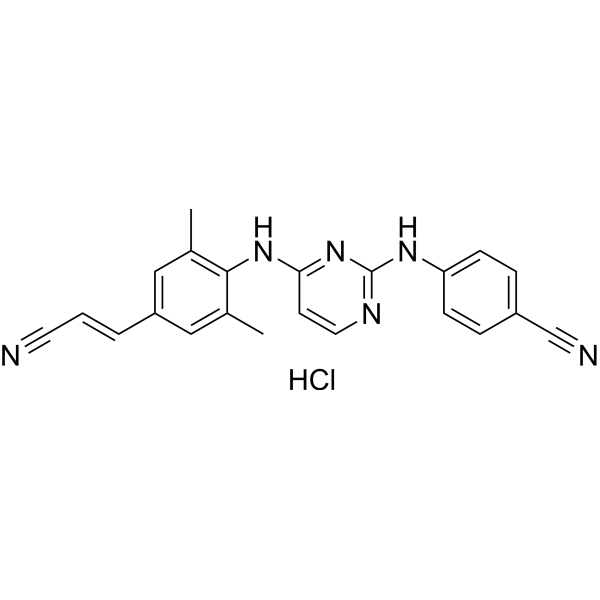
- HY-170491
-
|
|
GSK-3
|
Infection
Neurological Disease
|
|
GSK-3β inhibitor 23 (Compound 11726169) is the inhibitor for glycogen synthase kinase-3, that inhibits GSK-3β and GSK-3α with IC50 of 12.1 nM and 18.8 nM. GSK-3β inhibitor 23 exhibits antiviral activity against HIV 1. GSK-3β inhibitor 23 exhibits good metabolic stablility in mouse/human liver microsomes and plasma, but poor Caco-2 permeability (which predicts low oral bioavailability) .
|
-

- HY-P990843
-
|
|
Transmembrane Glycoprotein
|
Infection
|
|
Anti-Glycophorin A (type M) Antibody (6A7M) is a kind of mouse IgG1 κ chimeric antibody inhibitor, targeting to human Glycophorin A (type M). Anti-Glycophorin A (type M) reacts with the human glycophorin A (GPA) M allele also known as CD235a. Anti-Glycophorin A (type M) can be used for the research of infection, such as human immunodeficiency virus (HIV) .
|
-

- HY-N2996
-
|
|
HIV Protease
|
Infection
|
|
Ganodermanondiol is a melanogenesis inhibitor isolated from the Ganoderma lucidum .Ganodermanondiol exhibits potent cytoprotective effects on tert-butyl hydroperoxide-induced hepatotoxicity . Ganodermanondiol shows significant anti-HIV-1 protease activity with an IC50 of 90 μM . Ganodermanondiol exhibits a strong anticomplement activity against the classical pathway of the complement system with an IC50 of 41.7μM .
|
-
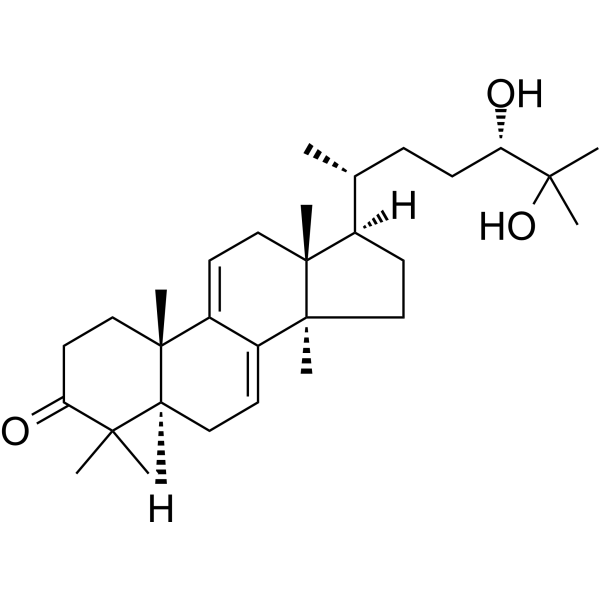
- HY-143273
-
|
|
HIV
DNA/RNA Synthesis
|
Infection
|
|
DENV-IN-6 is a potent DENV (I-IV) inhibitor with EC50s of 17.5, 13.20, 6.8 and 11.41 μM for the inhibition of DENV (I-IV) replication, respectively. DENV-IN-6 also exhibits activity of anti-HIV-1IIIB (EC50=0.0181 µM; CC50=64.92 µM) .
|
-
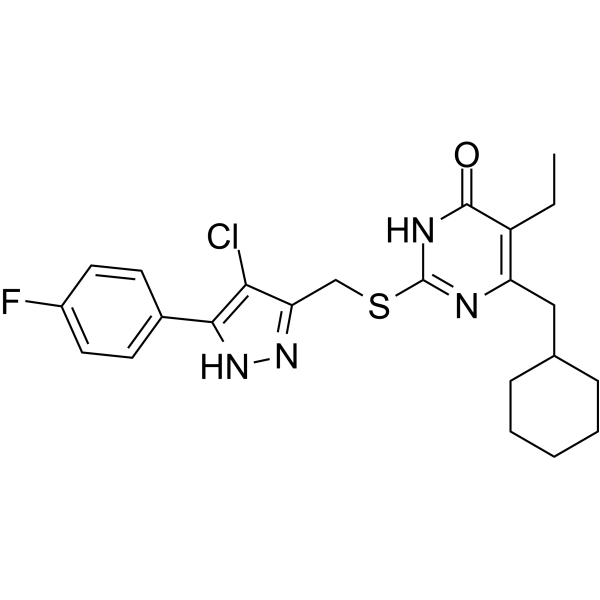
- HY-10574S
-
|
|
Isotope-Labeled Compounds
HIV
Reverse Transcriptase
|
Infection
|
|
Rilpivirine-d6 is the deuterium labeled Rilpivirine. Rilpivirine (R278474) is a potent and specific diarylpyrimidine (DAPY) non-nucleoside reverse transcriptase inhibitor (NNRTI). Rilpivirine has high antiviral activity against wild-type HIV (EC50=0.4 nM) and mutant viruses (EC50=0.1-2.0 nM). Rilpivirine has a high genetic barrier to resistance development of HIV .
|
-
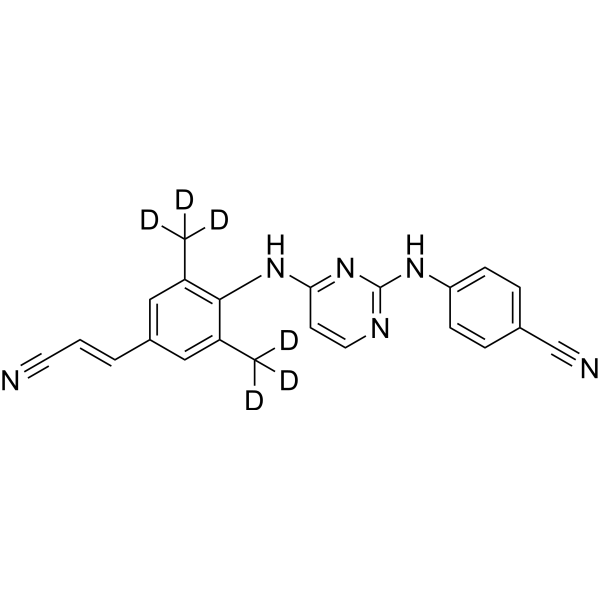
- HY-10574AR
-
|
TMC-278 hydrochloride (Standard); TMC278 hydrochloride (Standard); TMC 278 hydrochloride (Standard)
|
Reference Standards
SARS-CoV
MMP
|
Infection
|
|
Rilpivirine (hydrochloride) (Standard) is the analytical standard of Rilpivirine (hydrochloride). This product is intended for research and analytical applications. Rilpivirine (R278474) hydrochloride is a potent and specific diarylpyrimidine (DAPY) non-nucleoside reverse transcriptase inhibitor (NNRTI). Rilpivirine hydrochloride has high antiviral activity against wild-type HIV (EC50=0.4 nM) and mutant viruses (EC50=0.1-2.0 nM). Rilpivirine hydrochloride has a high genetic barrier to resistance development of HIV .
|
-

- HY-17396R
-
|
KP363 Hydrochloride (Standard)
|
Reference Standards
Fungal
Antibiotic
|
Infection
|
|
Rilpivirine (hydrochloride) (Standard) is the analytical standard of Rilpivirine (hydrochloride). This product is intended for research and analytical applications. Rilpivirine (R278474) hydrochloride is a potent and specific diarylpyrimidine (DAPY) non-nucleoside reverse transcriptase inhibitor (NNRTI). Rilpivirine hydrochloride has high antiviral activity against wild-type HIV (EC50=0.4 nM) and mutant viruses (EC50=0.1-2.0 nM). Rilpivirine hydrochloride has a high genetic barrier to resistance development of HIV .
|
-

- HY-10574R
-
|
R278474 (Standard); TMC278 (Standard); DB08864 (Standard)
|
Reference Standards
HIV
Reverse Transcriptase
|
Infection
|
|
Rilpivirine (Standard) is the analytical standard of Rilpivirine. This product is intended for research and analytical applications. Rilpivirine (R278474) is a potent and specific diarylpyrimidine (DAPY) non-nucleoside reverse transcriptase inhibitor (NNRTI). Rilpivirine has high antiviral activity against wild-type HIV (EC50=0.4 nM) and mutant viruses (EC50=0.1-2.0 nM). Rilpivirine has a high genetic barrier to resistance development of HIV .
|
-

- HY-W765997
-
|
2',3'-Dideoxyinosine-13C2,15N; ddI-13C2,15N
|
Isotope-Labeled Compounds
Reverse Transcriptase
HIV
|
Infection
|
|
Didanosine- 13C2, 15N (2',3'-Dideoxyinosine- 13C2, 15N; ddI- 13C2, 15N) is the 13C- and 15N-labeled labeled Didanosine (HY-B0249). Didanosine (2',3'-Dideoxyinosine; ddI) is a a potent and orally active dideoxynucleoside analogue, and also is a potent nucleoside reverse transcriptase inhibitor. Didanosine shows antiretroviral activity for HIV .
|
-

- HY-10574S1
-
|
R278474-13C6; TMC278-13C6; DB08864-13C6
|
Isotope-Labeled Compounds
HIV
Reverse Transcriptase
|
Infection
|
|
Rilpivirine- 13C6 (R278474- 13C6) is 13C labeled Rilpivirine. Rilpivirine (R278474) is a potent and specific diarylpyrimidine (DAPY) non-nucleoside reverse transcriptase inhibitor (NNRTI). Rilpivirine has high antiviral activity against wild-type HIV (EC50=0.4 nM) and mutant viruses (EC50=0.1-2.0 nM). Rilpivirine has a high genetic barrier to resistance development of HIV .
|
-

- HY-125810
-
|
|
HIV
Reverse Transcriptase
|
Infection
Inflammation/Immunology
|
|
4'-Ethynyl-2'-deoxyadenosine (4'-E-dA), a nucleoside reverse transcriptase (RT) inhibitor, is an antiretroviral agent which is potent against drug-resistant HIV variants, with an EC50 of 98 nM in MT-4 cells for anti-HIV-1 activity . 4'-Ethynyl-2'-deoxyadenosine is a click chemistry reagent, it contains an Alkyne group and can undergo copper-catalyzed azide-alkyne cycloaddition (CuAAc) with molecules containing Azide groups.
|
-
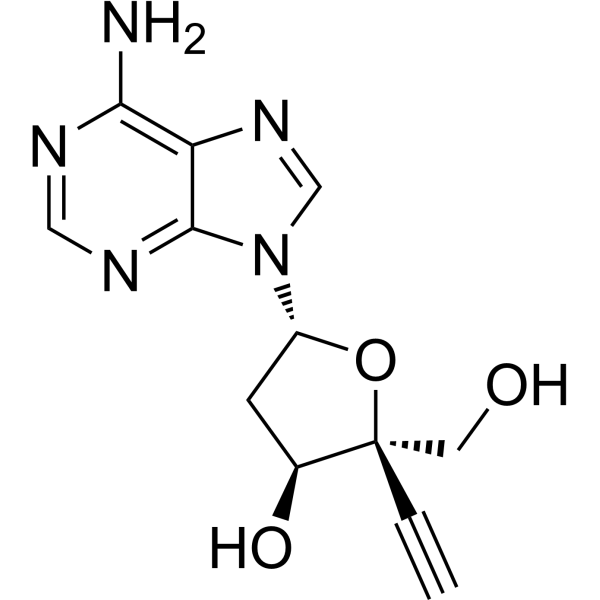
- HY-12687
-
|
TIZ
|
Bacterial
HIV
Autophagy
Parasite
IKK
Influenza Virus
|
Infection
Cancer
|
|
Tizoxanide (TIZ) is the active metabolite of Nitazoxanide, which is a thiazolide anti-infective compound against anaerobic bacteria, protozoa, and a range of viruses. Tizoxanide (TIZ) has anti-HIV-1 activities and potent inhibition of both HBV and HCV replication with values EC50 of 0.46μM and 0.15 μM, respectively. Tizoxanide also exerts anti-inflammatory effects by inhibiting the production of pro-inflammatory cytokines and suppressing of the activation of the NF-κB and the MAPK signaling pathways in LPS-treated macrophage cells .
|
-
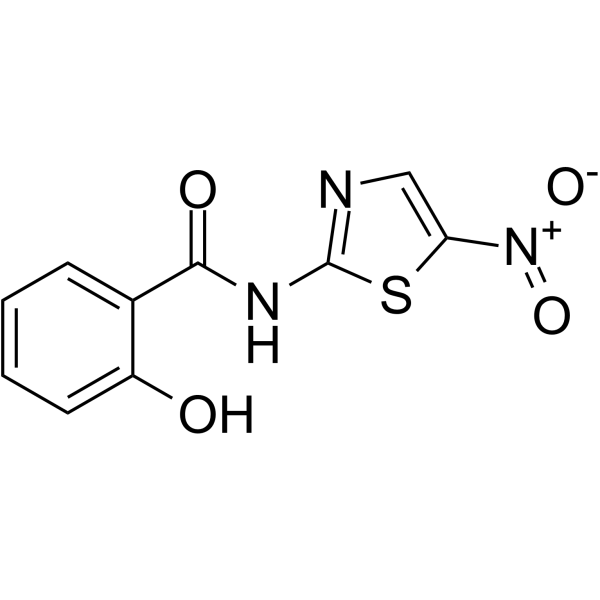
- HY-179348
-
|
|
Dipeptidyl Peptidase
HIV
Pyroptosis
|
Cancer
|
DPP9-IN-2 is a selective, potent and orally active inhibitor of Dipeptidyl Peptidase 9 (DPP9 ) with an IC50 of 12.9 nM. DPP9-IN-2 shows a SI of 59 over DPP8, and shows no significant inhibitory activity against related peptidases including DPP2, DPP4, FAP, and PREP. DPP9-IN-2 can induce cancer cells pyroptosis and has weak synergistic anti-HIV-1 activity when combined with non-nucleoside reverse transcriptase inhibitor. DPP9-IN-2 can be used for the researches of cance rand infection .
|
-

- HY-P990848
-
|
|
CTLA-4
|
Infection
Inflammation/Immunology
|
|
Anti-CTLA-4/CD152 Antibody (BN13) is a kind of mouse IgG2a κ chimeric antibody inhibitor, targeting to human CTLA-4/CD152. Anti-CTLA-4/CD152 Antibody (BN13) can neutralize CTLA-4 (cytotoxic T lymphocyte antigen-4) also known as CD152. Anti-CTLA-4/CD152 Antibody (BN13) can be used for the researches of infection and immunology, such as human immunodeficiency virus (HIV) .
|
-

- HY-12687R
-
|
TIZ (Standard)
|
Reference Standards
Bacterial
HIV
Autophagy
Parasite
IKK
Influenza Virus
|
Infection
Cancer
|
|
Tizoxanide (Standard) is the analytical standard of Tizoxanide. This product is intended for research and analytical applications. Tizoxanide (TIZ) is the active metabolite of Nitazoxanide, which is a thiazolide anti-infective compound against anaerobic bacteria, protozoa, and a range of viruses. Tizoxanide (TIZ) has anti-HIV-1 activities and potent inhibition of both HBV and HCV replication with values EC50 of 0.46μM and 0.15 μM, respectively. Tizoxanide also exerts anti-inflammatory effects by inhibiting the production of pro-inflammatory cytokines and suppressing of the activation of the NF-κB and the MAPK signaling pathways in LPS-treated macrophage cells .
|
-
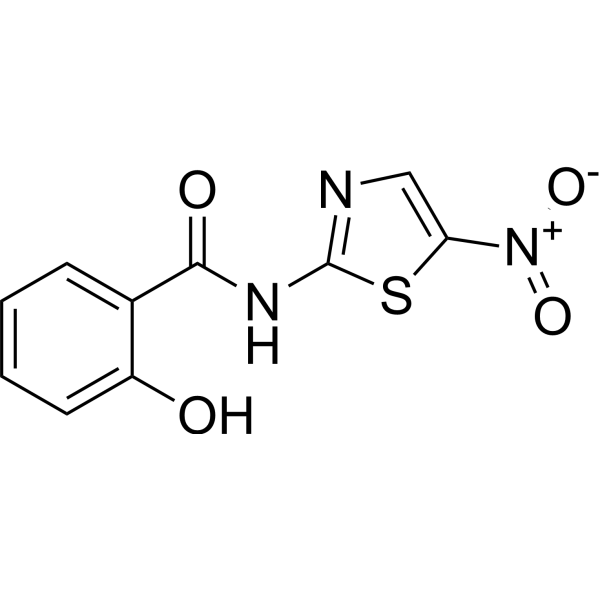
- HY-P990835
-
|
|
Integrin
|
Infection
Inflammation/Immunology
|
|
Anti-LFA-1α/CD11a Antibody (TS-1/22.1.1.13) is a kind of mouse IgG1 chimeric antibody inhibitor, targeting to human LFA-1α/CD11a. Anti-LFA-1α/CD11a Antibody (TS-1/22.1.1.13) reacts with human LFA-1α (lymphocyte function-associated antigen 1 alpha) also known as integrin alpha L chain and CD11a. Anti-LFA-1α/CD11a Antibody (TS-1/22.1.1.13) can be used for the researches of immunology and infection, such as human immunodeficiency virus (HIV) .
|
-

| Cat. No. |
Nombre del producto |
Type |
-
- HY-B1422
-
|
Aminacrine
|
Fluorescent Dyes
|
|
9-Aminoacridine, a fluorescent probe, acts as an indicator of pH for quantitative determination of transmembrane pH gradients (inside acidic). 9-Aminoacridine is an antimicrobial. 9-Aminoacridine exerts its antimicrobial activity by interacting with specific bacterial DNA and disrupting the proton motive force in K. pneumoniae. 9-Aminoacridine is a HIV-1 inhibitor and inhibits HIV LTR transcription highly dependent on the presence and location of the amino moiety. 9-Aminoacridine inhibits virus replication in HIV-1 infected cell lines. 9-Aminoacridine is used as a Rifampin (RIF; HY-B0272) adjuvant for the multidrug-resistant K. pneumoniae infections .
|
-
- HY-B1422R
-
|
Aminacrine (Standard)
|
Fluorescent Dyes
|
|
9-Aminoacridine (Standard) is the analytical standard of 9-Aminoacridine. This product is intended for research and analytical applications. 9-Aminoacridine, a fluorescent probe, acts as an indicator of pH for quantitative determination of transmembrane pH gradients (inside acidic). 9-Aminoacridine is an antimicrobial. 9-Aminoacridine exerts its antimicrobial activity by interacting with specific bacterial DNA and disrupting the proton motive force in K. pneumoniae. 9-Aminoacridine is a HIV-1 inhibitor and inhibits HIV LTR transcription highly dependent on the presence and location of the amino moiety. 9-Aminoacridine inhibits virus replication in HIV-1 infected cell lines. 9-Aminoacridine is used as a Rifampin (RIF; HY-B0272) adjuvant for the multidrug-resistant K. pneumoniae infections .
|
| Cat. No. |
Nombre del producto |
Type |
-
- HY-116282
-
|
DSS (MW 5000); DXS (MW 5000)
|
Biochemical Assay Reagents
|
|
Dextran sulfate sodium salt (DSS) (MW 5000) is a polymer of dehydrated glucose with a molecular weight of approximately 5000. Dextran sulfate sodium salt (DSS) with different molecular weights exhibits different biological activities. Dextran sulfate sodium salt (MW 5000) is an inhibitor of complement and coagulation pathways, and belongs to the glycosaminoglycans (GAG) family. Dextran sulfate sodium salt (MW 5000) acts as an anticoagulant, antiviral, and anti-lipemic agent. Dextran sulfate sodium salt (DSS) stops HIV-1 virus adsorption to host cells. Dextran sulfate sodium salt (MW 5000) prevents NK cell-mediated cytotoxicity. Dextran sulfate sodium salt (MW 5000) inhibits instant blood-mediated inflammatory reaction (IBMIR) .
|
-
- HY-Y0788
-
|
|
Biochemical Assay Reagents
|
|
Indoline is a derivative of Indole (HY-W001132). Indoline can use as the basic structure for CD4 mimetic compounds (CD4mcs), which triggers conformational changes of the HIV-1 envelope glycoprotein (Env) in advance, and causes viral inactivation. Indoline binds to gp120. Indoline CD4mcs can inhibit HIV-1AD8 with an IC50 in the micromolar range .
|
-
- HY-142028A
-
|
AcycloGTP sodium (100 mM)
|
Biochemical Assay Reagents
|
|
Acyclovir triphosphate (Synonyms: AcycloGTP) sodium is a Acyclovir (HY-17422) derivative that competitively inhibits viral DNA polymerase by acting as an analog to deoxyguanosine triphosphate (dGTP). Acyclovir triphosphate (sodium) (100 mM) is an inhibitor of HIV-1 reverse transcriptase. Acyclovir triphosphate (sodium) (100 mM) causes termination of viral DNA synthesis .
|
-
- HY-116282W
-
|
DSS (MW 6500-10000); DXS (MW 6500-10000)
|
Biochemical Assay Reagents
|
|
Dextran sulfate sodium salt (DSS) (MW 6500-10000) is a polymer of dehydrated glucose with a molecular weight of approximately 5000. Dextran sulfate sodium salt with different molecular weights exhibits different biological activities. Dextran sulfate sodium salt (MW 6500-10000) has antiviral activity against HIV-1 and HIV-2. Dextran sulfate sodium salt (MW 6500-10000) blocks the binding of virions to CD4 ⁺ T lymphocytes and inhibits syncytia formation. Dextran sulfate sodium salt (MW 6500-10000) also prevents experimental urolithiasis due to its cytoprotective actions. Moreover, because of its biocompatible and highly charged properties, Dextran sulfate sodium salt (MW 6500-10000) is a suitable choice for pharmaceutical systems .
|
-
- HY-W320523
-
|
|
Biochemical Assay Reagents
|
|
ALizarin complexone dihydrate is the dehydrate of Alizarin complexone (HY-121075). Alizarin complexone is a calcium-binding fluorescent dye. Alizarin complexone stains mineralized areas of bone by binding to calcium crystals. Alizarin complexone inhibits the reverse transcriptase activity of RAV-2, HIV-1, and RSV with IC50 values of 3.8 μg/mL, 45 μg/mL, and 100 μg/mL, respectively. Alizarin complexone exhibits antiviral activity against HIV-1 and RSV. Alizarin complexone delays RSV-induced tumor induction in chickens .
|
-
- HY-W009783A
-
|
|
Biochemical Assay Reagents
|
|
Deoxymannojirimycin hydrochloride is a selective class I α1,2-mannosidase inhibitor with an IC50 of 20 μM. Deoxymannojirimycin hydrochloride is also a N-linked glycosylation inhibitor. Deoxymannojirimycin hydrochloride has antiviral activity against HIV‐1 strains . Deoxymannojirimycin hydrochloride increases high mannose structures. Deoxymannojirimycin hydrochloride can be used for the study of liver cancer and colon cancer .
|
| Cat. No. |
Nombre del producto |
Target |
Research Area |
-
- HY-P0052
-
|
T20; DP178
|
HIV
|
Infection
|
|
Enfuvirtide (T20;DP178) is an anti-HIV-1 fusion inhibitor peptide.
|
-
- HY-107760A
-
-
- HY-P1066
-
|
|
Apelin Receptor (APJ)
HIV
|
Infection
|
|
Apelin-17(human, bovine) is an endogenous orphan G protein-coupled receptor APJ agonist. Apelin-17(human, bovine) binds to human APJ receptors expressed in HEK 293 cells (pIC50=9.02). Apelin-17(human, bovine) inhibits the entry of some HIV-1 and HIV-2 into the NP2/CD4 cells expressing APJ .
|
-
- HY-P2259
-
|
|
iGluR
HIV Integrase
Adenosine Receptor
|
Cardiovascular Disease
Neurological Disease
|
|
TAT-GluA2 3Y is a blood-brain barrier-permeable AMPA receptor inhibitory peptide that crosses cell membranes via the HIV-1 TAT protein domain. TAT-GluA2 3Y blocks the endocytosis of AMPA receptors, including the internalization of GluA1/GluA2 subunits, by disrupting interactions with the AP2, Brag2 and Syt3-GluA2 complexes, while also inhibiting long-term depression. TAT-GluA2 3Y blocks hypoxia-mediated AMPAR internalization, alleviates A1R-induced persistent synaptic inhibition, and reduces cerebral ischemic volume, neurological deficits and spatial memory deficits. TAT-GluA2 3Y blocks the effect of NLRP3 deficiency on fear generalization, inhibits amphetamine-induced behavioral/neurochemical sensitization, weakens the unconditioned stimulus-conditioned stimulus association of morphine, and promotes the extinction of morphine CPP. TAT-GluA2 3Y can be used in studies related to fear generalization, ischemic stroke, hypoxia, drug addiction and opioid addiction .
|
-
- HY-P1064
-
|
|
Apelin Receptor (APJ)
HIV
|
Infection
Cardiovascular Disease
Metabolic Disease
|
|
Apelin-36(human) is an endogenous orphan G protein-coupled receptor APJ agonist, with an EC50 of 20 nM. Apelin-36(human) shows high affinity to human APJ receptors expressed in HEK 293 cells (pIC50=8.61). Apelin-36 has been linked to two major types of biological activities: cardiovascular and metabolic. Apelin-36(human) inhibits the entry of some HIV-1 and HIV-2 into the NP2/CD4 cells expressing APJ .
|
-
- HY-P0052A
-
|
T20 acetate; DP178 acetate
|
HIV
|
Infection
|
|
Enfuvirtide (T20; DP178) acetate is an anti-HIV-1 fusion inhibitor peptide.
|
-
- HY-P7061A
-
|
|
Apelin Receptor (APJ)
CXCR
|
Infection
Endocrinology
|
|
ALX 40-4C Trifluoroacetate is a small peptide inhibitor of the chemokine receptor CXCR4, inhibits SDF-1 from binding CXCR4 with a Ki of 1 μM, and suppresses the replication of X4 strains of HIV-1; ALX 40-4C Trifluoroacetate also acts as an antagonist of the APJ receptor, with an IC50 of 2.9 μM.
|
-
- HY-P1065
-
|
|
Apelin Receptor (APJ)
HIV
|
Infection
Cardiovascular Disease
Metabolic Disease
|
|
Apelin-36(rat, mouse) is an endogenous orphan G protein-coupled receptor APJ agonist. Apelin-36(rat, mouse) binds to APJ receptors with an IC50 of 5.4 nM, and potently inhibits cAMP production with an EC50 of 0.52 nM. Apelin-36(rat, mouse) blocks entry of some HIV-1 and HIV-2 strains into NP-2/CD4 cells expressing APJ .
|
-
- HY-P2200
-
|
BMY-29304
|
HIV
Antibiotic
|
Infection
Inflammation/Immunology
|
|
Siamycin I (BMY-29304), a 21-residue tricyclic peptide, is a secondary metabolite in actinomycetes. Siamycin I is a HIV fusion inhibitor with ED50s of 0.05 to 5.7 μM for acute HIV type 1 (HIV-1) and HIV-2 infections. Siamycin I inhibits the gelatinase and gelatinase biosynthesis-activating pheromone (GBAP) signaling via the FsrC-FsrA two-component regulatory system in a noncompetitive manner. Siamycin I suppresses the expression of both fsrBDC and gelE-sprE transcripts. Siamycin I, a lasso peptide, interacts with lipid II and inhibits cell wall biosynthesis. Siamycin I, an antibiotic, has the potential for enterococcal infections research .
|
-
- HY-P1064A
-
|
|
HIV
Apelin Receptor (APJ)
|
Infection
Cardiovascular Disease
Metabolic Disease
|
|
Apelin-36(human) TFA is an endogenous orphan G protein-coupled receptor APJ agonist, with an EC50 of 20 nM. Apelin-36(human) TFA shows high affinity to human APJ receptors expressed in HEK 293 cells (pIC550=8.61). Apelin-36(human) TFA has been linked to two major types of biological activities: cardiovascular and metabolic. Apelin-36(human) TFA inhibits the entry of some HIV-1 and HIV-2 into the NP2/CD4 cells expressing APJ .
|
-
- HY-P7061
-
|
|
CXCR
Apelin Receptor (APJ)
|
Infection
Endocrinology
|
|
ALX 40-4C is a small peptide inhibitor of the chemokine receptor CXCR4, inhibits SDF-1 from binding CXCR4 with a Ki of 1 μM, and suppresses the replication of X4 strains of HIV-1; ALX 40-4C Trifluoroacetate also acts as an antagonist of the APJ receptor, with an IC50 of 2.9 μM.
|
-
- HY-P10517
-
|
SFT
|
HIV
|
Infection
|
|
Sifuvirtide (SFT) is a potent HIV fusion inhibitor. Sifuvirtide inhibits HIV-1 mediated cell fusion in a dose-dependent manner and is highly potent against infection by primary and laboratory-adapted HIV-1 isolates of multiple genotypes. Sifuvirtide can be used in the research of anti-HIV drugs .
|
-
- HY-P1436
-
|
|
HIV
|
Infection
|
|
Acetyl-pepstatin is a potent classical inhibitor of aspartic proteases (PRs) with XMRV PR and HIV-1 PR Ki values of 712 nM and 13 nM .
|
-
- HY-P5497
-
|
|
HIV
|
Others
|
|
C34 peptide is a biological active peptide. (This C34 peptide, also known as HR2, belongs to the helical region of gp41 of HIV, C-terminal heptad repeat 2 (HR2) defined as C helix or C peptide. It is known that HIV-1 enters cells by membrane fusion, C34 gp41 peptide is a potent inhibitors of HIV-1 fusion.)
|
-
- HY-P2054
-
|
|
HIV Protease
|
Infection
|
|
Mvt-101 is a hexapeptide-based inhibitor of HIV-1 protease. Mvt-101 is also reduced-peptide-bond inhibitor. Mvt-101 inhibits reproduction of the HIV virus by blocking protease action .
|
-
- HY-P4810
-
|
T140
|
CXCR
|
Infection
|
|
Polyphemusin II-Derived Peptide (T140), a CXCR4 inhibitor, shows high inhibitory activity against HIV-1 entry and the inhibitory effect on the binding of an anti-CXCR4 monoclonal antibody (12G5) to CXCR4 .
|
-
- HY-P1753
-
|
|
HIV
|
Infection
|
|
VIR-165 is a modified form of virus inhibitory peptide (VIRIP) that binds the fusion peptide of the gp41 subunit and prevents its insertion into the target membrane. VIRIP inhibits a wide variety of human immunodeficiency virus type 1 (HIV-1) strains .
|
-
- HY-P35433
-
|
T-1249
|
HIV
|
Inflammation/Immunology
|
|
Tifuvirtide (T-1249) is a peptide human immunodeficiency virus type-1 (HIV-1) fusion inhibitor. Tifuvirtide is a synthetically designed hybrid retroviral envelope polypeptide. Tifuvirtide has antiretroviral activity. Tifuvirtide can be used for the research of HIV infection .
|
-
- HY-P11158
-
|
|
Fungal
HIV
Reverse Transcriptase
|
Infection
Cancer
|
|
Gymnin is a defensin-like antifungal peptide. Gymnin has significant antifungal activities against phytopathogenic and mycotoxigenic fungi. Gymnin inhibits HIV-1 reverse transcriptase with an IC50 of 200 μM and the proliferation of tumor cells. Gymnin has a weak mitogenic activity toward murine splenocytes. Gymnin can be used for plant disease treatments research .
|
-
- HY-P11176
-
|
|
Fungal
HIV
|
Infection
|
|
Coccinin is an antifungal peptide. Coccinin can be purified from the seeds of large scarlet runner beans. Coccinin inhibits HIV-1 reverse transcriptase. Coccinin shows antifungal activity against M. arachidicola, F. oxysporum, P. piricola, B. cinerea, C. comatus and R. solani, with IC50s of 75, 81, 89, 109, 122 and 134 μM, respectively .
|
-
- HY-P1066A
-
|
|
HIV
Apelin Receptor (APJ)
|
Infection
|
|
Apelin-17(human, bovine) TFA is an endogenous orphan G protein-coupled receptor APJ agonist. Apelin-17(human, bovine) TFA binds to human APJ receptors expressed in HEK 293 cells (pIC50=9.02). Apelin-17(human, bovine) TFA inhibits the entry of some HIV-1 and HIV-2 into the NP2/CD4 cells expressing APJ .
|
-
- HY-P10437
-
|
human α1-AT(353-372)
|
HIV
|
Infection
|
|
VIRIP (human α1-AT(353-372)) is a HIV-1 inhibitor. VIRIP blocks the entry of HIV-1 by interacting with gp41 fusion peptide. VIRIP can be used for virus research .
|
-
- HY-P11152
-
|
|
HIV
|
Infection
Inflammation/Immunology
|
|
HIV-1 tat Protein (1-9) occurs extracellularly and has a role in the immunosuppression of non-HIV-1-infected T cells in acquired AIDS. HIV-1 tat Protein (1-9) is an inhibitor of DP IV. HIV-1 tat Protein (1-9) can be synthesized by phase peptide synthesis with Fmoc (N-(9-fluorenyl)methoxycarbonyl) technique using the peptide synthesizer 431A. HIV-1 tat Protein (1-9) can be studied in research on HIV-1 .
|
-
- HY-151250
-
|
|
HIV Protease
|
Infection
|
|
HIV-1 protease-IN-7 (compound 16) is an orally active HIV-1 protease inhibitor (IC50=3.52 nM, EC50=37 nM) .
|
-
- HY-P10517A
-
|
SFT acetate
|
HIV
|
Infection
|
|
Sifuvirtide (SFT) acetate is a potent HIV fusion inhibitor. Sifuvirtide acetate inhibits HIV-1 mediated cell fusion in a dose-dependent manner and is highly potent against infection by primary and laboratory-adapted HIV-1 isolates of multiple genotypes. Sifuvirtide acetate can be used in the research of anti-HIV drugs .
|
-
- HY-P4543
-
-
- HY-120880
-
-
- HY-P4292
-
|
|
HIV
Amino Acid Derivatives
|
Infection
|
|
H-Gly-Pro-Gly-NH2 is a tripeptide that inhibits HIV-1 replication. H-Gly-Pro-Gly-NH2 inhibits the activity of HIV-1 IIIB and HIV-2 ROD with EC50 values of 35 µM and 30 µM, respectively. H-Gly Pro Gly NH2 inhibits HIV-1 replication in vitro by interfering with capsid formation. H-Gly Pro Gly NH2 has antiviral activity and can be used for virus research .
|
-
- HY-P2138
-
|
|
HIV Protease
|
Others
|
|
U-85548E is an HIV protease inhibitor with nanomolar affinity for HIV-1 aspartic protease. By studying its structure-activity relationship, a potent nanomolar inhibitor with inhibitory effects on both HIV-1 and HIV-2 proteases was designed, and its binding mode was studied by X-ray crystallography and molecular modeling.
|
-
- HY-P11037
-
|
|
HIV
|
Infection
|
|
soVIRIP is a virus inhibitory peptide with an IC50 of 1.2 μM for HIV-1 . soVIRIP binds to the HIV-1 GP41 fusion peptide and inhibits viral fusion and entry into host cells. soVIRIP has broad-spectrum anti-HIV-1 activities with nontoxicity in zebrafish models. soVIRIP can used for viral infections research .
|
-
- HY-P10805
-
|
|
HIV
|
Infection
|
|
Capsid assembly inhibitor is a 12-mer peptide that binds the capsid (CA) domain of Gag and inhibits assembly of immature- and mature-like HIV-1 capsid particles in vitro .
|
-
- HY-P10429
-
|
|
CXCR
|
Infection
|
|
RCP168 is a highly selective and affinity CXCR4 receptor antagonist (IC50=5 nM). RCP168 has a stronger ability than natural chemical factors to inhibit the entry of HIV-1 (human immunodeficiency virus type 1) into host cells via CXCR4 receptors. RCP168 inhibits HIV-1 infection by blocking viral binding sites or inducing receptor internalization. RCP168 can be used to analyze the interaction between CXCR4 receptor and other chemical factor receptors .
|
-
- HY-P10308
-
|
|
HIV
|
Infection
|
|
[(Cys(Bzl)84,Glu(OBzl)85)]CD4 (81-92) is a selective inhibitor of HIV-1. [(Cys(Bzl)84,Glu(OBzl)85)]CD4 (81-92) inhibits viral infection and cell fusion by blocking the interaction between HIV-1 and CD4 molecules. [(Cys(Bzl)84,Glu(OBzl)85)]CD4 (81-92) can completely inhibit fusion formation at a concentration of 25 μM .
|
-
- HY-A0162R
-
|
|
Antibiotic
Reference Standards
Bacterial
|
Infection
|
|
Bictegravir (sodium) (Standard) is the analytical standard of Bictegravir (sodium). This product is intended for research and analytical applications. Bictegravir sodium is a potent inhibitor of HIV-1 integrase, with an IC50 of 7.5 nM. Bictegravir sodium exhibits potent and selective anti-HIV activity and low cytotoxicity .
|
-
- HY-P10801
-
|
C46 peptide
|
HIV
|
Infection
|
|
mC46 (C46) peptide is a membrane-associated fusion peptide inhibitor. mC46 peptide potently inhibits HIV-1 replication and entry. mC46 also inhibits CCR5-tropic, CXCR4-tropic, and dual-tropic HIVs, SIV, and SHIV .
|
-
- HY-P3554
-
|
|
HIV
|
Infection
|
|
Carbomethoxycarbonyl-D-Pro-D-Phe-OBzl (compound (CPF(LL)) is an HIV-1 inhibitor. Carbomethoxycarbonyl-D-Pro-D-Phe-OBzl interacts with gp120 to block gp120 binding to CD4 and preserve CD4-dependent T cell function .
|
-
- HY-P10074
-
|
|
ERK
|
Inflammation/Immunology
|
|
TAT-MEK1 is an inhibitor ofERK2, consisting of TAT and MEK1 (N-terminal), TAT (YGRKKRRQRRR) derived from human immunodeficiency (HIV-1) transcriptional trans activator (TAT), is a cell-penetrating peptide. TAT-MEK1 IC50 in vitro for ERK2 is 29 μM .
|
-
- HY-P1065A
-
|
|
HIV
Apelin Receptor (APJ)
|
Infection
Cardiovascular Disease
Metabolic Disease
|
|
Apelin-36(rat, mouse) TFA is an endogenous orphan G protein-coupled receptor APJ agonist. Apelin-36(rat, mouse) TFA binds to APJ receptors with an IC50 of 5.4 nM, and potently inhibits cAMP production with an EC50 of 0.52 nM. Apelin-36(rat, mouse) TFA blocks entry of some HIV-1 and HIV-2 strains into NP-2/CD4 cells expressing APJ .
|
-
- HY-P5738
-
|
|
Bacterial
|
Infection
|
|
Palicourein is a 37 amino acid cyclic polypeptide. Palicourein inhibits the in vitro cytopathic effects of HIV-1RF infection of CEM-SS cells with an EC50 value of 0.1 μM and an IC50 value of 1.5 μM .
|
-
- HY-P11398
-
|
|
Bacterial
HIV
Fungal
DNA Alkylator/Crosslinker
|
Infection
Cancer
|
|
Tachyplesin II is a broad-spectrum cationic antimicrobial peptide. Tachyplesin II has significant inhibitory effects on Gram-positive bacteria, Gram-negative bacteria, and some fungi. Tachyplesin II binds to bacterial membrane lipopolysaccharides through its positive charge, disrupting membrane integrity and causing leakage of cellular contents. Tachyplesin II can bind to DNA grooves, inhibiting microbial replication, and also suppressing HIV-1 replication and the proliferation of liver cancer cells .
|
| Cat. No. |
Nombre del producto |
Target |
Research Area |
Image |
-
- HY-P99697
-
|
PRO 140
|
CCR
HIV
|
Infection
Cancer
|
|
Leronlimab (PRO 140) is a humanized IgG4 anti-CCR5 monoclonal antibody. Leronlimab inhibits CCR5-mediated HIV-1 viral and lung metastasis in mouse tumor models. Leronlimab can be used for the research of HIV nonalcoholic steatohepatitis (NASH) and cancer .
|
-

(5)
-
- HY-P991246
-
|
|
Virus Protease
HIV
|
Infection
|
|
VRC01LS is a humanized monoclonal antibody inhibitor targeting the CD4-binding site of HIV-1 envelope glycoprotein (Env). VRC01LS blocks the binding of HIV-1 to host cell CD4 receptor, inhibiting viral entry. VRC01LS is promising for research of HIV-1 infection .
|
-
(5)
-
- HY-P990835
-
|
|
Integrin
|
Infection
Inflammation/Immunology
|
|
Anti-LFA-1α/CD11a Antibody (TS-1/22.1.1.13) is a kind of mouse IgG1 chimeric antibody inhibitor, targeting to human LFA-1α/CD11a. Anti-LFA-1α/CD11a Antibody (TS-1/22.1.1.13) reacts with human LFA-1α (lymphocyte function-associated antigen 1 alpha) also known as integrin alpha L chain and CD11a. Anti-LFA-1α/CD11a Antibody (TS-1/22.1.1.13) can be used for the researches of immunology and infection, such as human immunodeficiency virus (HIV) .
|
-
(5)
-
- HY-P991653
-
|
|
CCR
HIV
|
Infection
|
|
HGS004 is a humanized IgG4 monoclonal antibody inhibitor targeting CCR5. HGS004 has potent antivival activity against a diverse panel of CCR5-tropic HIV-1 and durg (such as Maraviroc (HY-13004))-resistant strains. HGS004 can be used for HIV-1 infections research .
|
-
(5)
-
- HY-P991541
-
|
|
CCR
HIV
|
Infection
|
|
HGS101 is a fully human CCR5 monoclonal antibody with high affinity to CCR5. HGS101 binds to the 2nd extracellular loop (ECL-2) and acts as a signal antagonist. HGS101 restores Maraviroc (HY-13004) inhibition of Maraviroc-resistant HIV-1 infection of PBMCs. HGS101 shows anti-HIV activity by inhibiting CCR5 signaling in simian immunodeficiency virus-uninfected RMs models .
|
-
(5)
-
- HY-P990843
-
|
|
Transmembrane Glycoprotein
|
Infection
|
|
Anti-Glycophorin A (type M) Antibody (6A7M) is a kind of mouse IgG1 κ chimeric antibody inhibitor, targeting to human Glycophorin A (type M). Anti-Glycophorin A (type M) reacts with the human glycophorin A (GPA) M allele also known as CD235a. Anti-Glycophorin A (type M) can be used for the research of infection, such as human immunodeficiency virus (HIV) .
|
-
(5)
-
- HY-P990848
-
|
|
CTLA-4
|
Infection
Inflammation/Immunology
|
|
Anti-CTLA-4/CD152 Antibody (BN13) is a kind of mouse IgG2a κ chimeric antibody inhibitor, targeting to human CTLA-4/CD152. Anti-CTLA-4/CD152 Antibody (BN13) can neutralize CTLA-4 (cytotoxic T lymphocyte antigen-4) also known as CD152. Anti-CTLA-4/CD152 Antibody (BN13) can be used for the researches of infection and immunology, such as human immunodeficiency virus (HIV) .
|
-
(5)
-
- HY-P992351
-
|
|
Inhibitory Antibodies
|
Infection
Cancer
|
|
ELB021 is an antibody inhibitor targeting the CD160 checkpoint. ELB021 specifically binds to CD160 on the cell surface and blocks its immune checkpoint pathway, thereby stimulating innate and adaptive anti-tumor immune responses. ELB021 effectively eliminates CD160-expressing cancer cells by enhancing T cell proliferation and CD8 + T cell-mediated cytotoxicity. Independent of PD-1 regulation, ELB021 is applicable to research related to B-cell leukemia and HIV-1 infection .
|
-

(5)
| Cat. No. |
Nombre del producto |
Category |
Target |
Chemical Structure |
-
- HY-15310
-
-
-
- HY-N0751
-
-
-
- HY-10572
-
-
-
- HY-N0492
-
-
-
- HY-N0365
-
-
-
- HY-18980
-
|
Mallotoxin; NSC 56346; NSC 94525
|
Structural Classification
Chalcones
Flavonoids
Classification of Application Fields
Phenols
Polyphenols
Euphorbiaceae
Plants
Disease Research Fields
Mallotus philippensis
Source Classification
Cancer
|
PKC
Autophagy
Apoptosis
HIV
RABV
|
|
Rottlerin, a natural product purified from Mallotus Philippinensis, is a specific PKC inhibitor, with IC50 values for PKCδ of 3-6 μM, PKCα,β,γ of 30-42 μM, PKCε,η,ζ of 80-100 μM. Rottlerin acts as a direct mitochondrial uncoupler, and stimulates autophagy by targeting a signaling cascade upstream of mTORC1. Rottlerin induces apoptosis via caspase 3 activation . Rottlerin inhibits HIV-1 integration and Rabies virus (RABV) infection .
|
-
-
- HY-17411
-
-
-
- HY-N1992
-
-
-
- HY-N0492A
-
-
-
- HY-N1372A
-
-
-
- HY-17367
-
-
-
- HY-N4100
-
-
-
- HY-W009783
-
-
-
- HY-N0457A
-
-
-
- HY-78726
-
-
-
- HY-113074
-
|
Glycolithocholate sulfate; Sulfolithocholylglycine; SLCG
|
Triterpenes
Terpenoids
Endogenous metabolite
Source Classification
|
HIV
Endogenous Metabolite
|
|
Glycolithocholic acid 3-sulfate (SLCG) is a cholic acid derivative and a metabolite of glycolithocholic acid. Glycolithocholic acid 3-sulfate inhibits replication of HIV-1 in vitro. Glycolithocholic acid 3-sulfate can be used for the research of HIV infection and gallbladder disease .
|
-
-
- HY-N2532
-
-
-
- HY-B0751
-
-
-
- HY-10571
-
|
U 90152; BHAP-U 90152
|
Infection
Classification of Application Fields
Disease Research Fields
|
HIV
Reverse Transcriptase
|
|
Delavirdine (U 90152) is a potent, highly specific and orally active non-nucleoside reverse transcriptase inhibitor (NNRTI). Delavirdine selectively inhibits HIV-1 reverse transcriptase (RT) (IC50=0.26 μM) over DNA polymerase α (IC50=440 μM) and polymerase δ (IC50>550 μM). Delavirdine is an inhibitor of HIV-1 replication and can can be used for the study of AIDs .
|
-
-
- HY-I0096
-
|
|
Ketones, Aldehydes, Acids
Endogenous metabolite
Source Classification
|
iGluR
HIV
HIV Integrase
|
|
Indole-2-carboxylic acid (I2CA) is a competitive antagonist of the glycine site of the NMDA receptor (Ki=15 μM, 5-fluoro-I2CA) and an inhibitor of HIV-1 integrase. Indole-2-carboxylic acid is selective for the glycine site of the NMDA receptor and blocks the enhancement of NMDA receptor by competitively inhibiting the binding of glycine to the NMDA receptor. Indole-2-carboxylic acid can also inhibit the strand transfer activity of HIV-1 integrase by chelating Mg 2+ at the active site of integrase and interacting with the hydrophobic cavity. Indole-2-carboxylic acid can be used in the study of neurological diseases (such as stroke, epilepsy) and HIV-1 infection .
|
-
-
- HY-17367A
-
-
-
- HY-N0165
-
-
-
- HY-N2571
-
-
-
- HY-B2224
-
-
-
- HY-17431
-
-
-
- HY-N0842
-
-
-
- HY-N2006
-
-
-
- HY-N1941
-
-
-
- HY-N6711
-
-
-
- HY-N6773
-
-
-
- HY-N6924
-
|
|
Infection
Structural Classification
Panax notoginseng (Burkill) F. H. Chen ex C. H. Chow
Classification of Application Fields
Panax japonicas C. A. Mey.
Metabolic Disease
Plants
Disease Research Fields
Saccharides
Araliaceae
Source Classification
|
HIV
PIN1
Fungal
GLUT
Reactive Oxygen Species (ROS)
|
|
Zingibroside R1 is an orally active triterpene saponin with multiple biological activities including antioxidant, anti-inflammatory, antiviral, and metabolic regulatory properties. Zingibroside R1 reduces the expression of PIN family members, inhibits the expression of PLT1/PLT2, WOX5, SHR, and SCR, disrupts auxin transport and distribution, triggers plant ROS responses, and inhibits root growth. Zingibroside R1 extends the lifespan of Caenorhabditis elegans, enhances its heat stress resistance, and improves its motor ability. Hydrogel derivatives of Zingibroside R1 inhibit the proliferation of Candida albicans by binding to its β-1,3-glucan and exhibit antifungal activity. Zingibroside R1 inhibits GLUT1-mediated uptake and alleviates liver injury. Zingibroside R1 can be used in research related to neurodegenerative diseases, vulvovaginal candidiasis, acute liver injury, Ehrlich ascites tumor and HIV-1 infection .
|
-
-
- HY-N2996
-
-
-
- HY-N0365R
-
-
-
- HY-N16050
-
-
-
- HY-137242
-
-
-
- HY-N6795
-
-
-
- HY-17411R
-
-
-
- HY-N11097
-
-
-
- HY-122920
-
-
-
- HY-N0492R
-
-
-
- HY-N10430
-
-
-
- HY-B0751R
-
-
-
- HY-N3222
-
-
-
- HY-N7330
-
-
-
- HY-10572R
-
-
-
- HY-B2224R
-
-
-
- HY-N4100R
-
-
-
- HY-N16422
-
|
|
Microorganisms
Terpenoids
Sesquiterpenes
Source Classification
|
HIV
HIV Protease
|
|
Mer-NF5003E is a non-nucleoside reverse transcriptase inhibitor targeting HIV-1 reverse transcriptase (RT) (EC50=50 μM). Mer-NF5003E exhibits inhibitory activity against wild-type HIV-1 and multiple NNRTI-resistant strains (e.g., K103N, Y181C). Mer-NF5003E is promising for research of HIV infections .
|
-
-
- HY-N1372AR
-
-
-
- HY-122935
-
-
- HY-142074
-
-
- HY-N0554R
-
-
- HY-N1992R
-
-
- HY-N0751R
-
-
- HY-N13716
-
-
- HY-N13712
-
-
- HY-N15327
-
|
|
Other Terpenoids
Animals
Terpenoids
Source Classification
|
HIV
HIV Integrase
|
|
Hyrtiosal, found in the marine sponge Hyrtios erectus, is an inhibitor of the N-terminal domain (NTD) of HIV-1 integrase (HIV-1 IN) with an IC50 value of 9.60-0.86 μM. Hyrtiosal binds to the Ser17, Trp19, and Lys34 sites on the NTD of HIV-1 IN, inhibiting the binding of HIV-1 viral DNA to integrase and interfering with the formation of the pre-integrated complex of HIV-1. Hyrtiosal is promising for research of anti-HIV agents .
|
-
- HY-N11288
-
-
- HY-N12716
-
-
- HY-N0457AR
-
-
- HY-N2786
-
-
- HY-146364
-
-
- HY-17431R
-
|
GW433908G (Standard)
|
Structural Classification
Productos naturales
Endogenous metabolite
Source Classification
|
Reference Standards
Drug Intermediate
HIV
HIV Protease
|
|
Fosamprenavir Calcium Salt (GW433908G) (Standard) is the analytical standard of Fosamprenavir Calcium Salt (HY-17431R). This product is intended for research and analytical applications. Fosamprenavir Calcium Salt (GW433908G) is an orally active inhibitor targeting HIV-1 protease and is a prodrug of Amprenavir (HY-17430). Fosamprenavir Calcium Salt is hydrolyzed into Amprenavir (VX-478) by cell phosphatases in the intestinal epithelium. Amprenavir binds to the active site of HIV-1 protease, preventing the processing of viral gag and gag-pol polyprotein precursors, thereby inhibiting the formation of mature infectious virus particles and exerting anti-HIV-1 infection activity. Fosamprenavir Calcium Salt can be used for the study of human immunodeficiency virus (HIV-1) infection .
|
-
- HY-N12260
-
-
- HY-N0842R
-
|
PA-457 (Standard); MPC-4326 (Standard); YK FH312 (Standard)
|
Triterpenes
Structural Classification
Terpenoids
Myrtaceae
Plants
Syzygium aromaticum
Source Classification
|
Reference Standards
Virus Protease
|
|
Bevirimat (Standard) is the analytical standard of Bevirimat. This product is intended for research and analytical applications. Bevirimat (PA-457, MPC-4326, YK FH312) is an inhibitor of HIV-1 viral particle maturation.Bevirimat specifically inhibits the final rate-limiting step in Gag processing, preventing the release of the mature capsid protein (CA) from its precursor (CA-SP1), resulting in the production of immature non-infectious viral particles. Bevirimat can be used in HIV-1 infection studies[1][2][3][4].
|
-
- HY-W065835
-
-
- HY-116700
-
-
- HY-N15294
-
-
- HY-N2006R
-
-
- HY-17367AR
-
-
- HY-17367R
-
-
- HY-N14349
-
-
- HY-N0492AR
-
|
Thioctic acid sodium (Standard); (±)-α-Lipoic acid sodium (Standard); DL-α-Lipoic acid sodium (Standard)
|
Productos naturales
Endogenous metabolite
Source Classification
|
Reference Standards
NF-κB
HIV
Mitochondrial Metabolism
Endogenous Metabolite
Apoptosis
|
|
α-Lipoic Acid (sodium) (Standard) is the analytical standard of α-Lipoic Acid (sodium). This product is intended for research and analytical applications. α-Lipoic Acid (Thioctic acid) sodium is an antioxidant, which is an essential cofactor of mitochondrial enzyme complexes. α-Lipoic Acid sodium inhibits NF-κB-dependent HIV-1 LTR activation. α-Lipoic Acid sodium induces endoplasmic reticulum (ER) stress-mediated apoptosis in hepatoma cells. α-Lipoic Acid sodium can be used with CPUL1 (HY-151802) to construct the self-assembled nanoaggregate CPUL1-LA NA, which has improved antitumor efficacy than CPUL1.
|
-
- HY-123387
-
-
- HY-137309
-
-
- HY-N5178
-
-
- HY-N3094
-
-
- HY-N18192
-
-
- HY-N17741
-
-
- HY-N17346
-
-
- HY-136972A
-
-
- HY-182552
-
-
- HY-N16760
-
|
|
Structural Classification
Flavonoids
Flavones
Thymelaeaceae
Phenols
Plants
Source Classification
Wikstroemia indica
|
Microtubule/Tubulin
HIV
|
|
Wikstrol B (compound 5) is a biflavonoid microtubule/tubulin inhibitor and HIV-1 inhibitor. Wikstrol B has an IC50 value of 184 μM for microtubule polymerization and an EC50 of 3.02 μM against HIV-1, acting on early events of HIV-1 replication. Wikstrol B exerts antifungal activity by inducing morphological deformation of Pyricularia oryzae hyphae and exerts anti-mitotic activity by inhibiting microtubule polymerization. Wikstrol B can be used in research related to antifungal, antitumor, and anti-AIDS applications. Wikstrol B can be naturally extracted from the roots of Wikstroemia indica .
|
-
- HY-N15438
-
-
- HY-N19685
-
-
- HY-N16745
-
|
|
Structural Classification
Alkaloids
Citrus hystrix DC.
Rutaceae
Acridone Alkaloids
Plants
Source Classification
|
Parasite
HIV
HIV Protease
|
|
5-Hydroxynoracronycine is a selective inhibitor targeting Leishmania, HIV-1 protease, and nitric oxide (NO) production. 5-Hydroxynoracronycine has an IC50 of 93.1 μmol/L against HIV-1 protease and an IC50 of 0.19 mg/mL for scavenging DPPH free radicals. 5-Hydroxynoracronycine exerts anti-leishmanial, anti-HIV, antioxidant and antibacterial activities by inhibiting pathogen proliferation, enzyme activity and inflammation-related NO excessive production. 5-Hydroxynoracronycine can be used in the research of leishmaniasis, HIV infection, and inflammation-related diseases .
|
-
- HY-N17982
-
-
- HY-N17392
-
-
- HY-W009783R
-
|
|
Alkaloids
Piperidine Alkaloids
Structural Classification
other families
Plants
Source Classification
|
Reference Standards
HIV
Influenza Virus
|
|
1-Deoxymannojirimycin (hydrochloride) (Standard) is the analytical standard of 1-Deoxymannojirimycin (hydrochloride) (HY-W009783). This product is intended for research and analytical applications. 1-Deoxymannojirimycin hydrochloride is a selective class I α1,2-mannosidase inhibitor with an IC50 of 20 μM. 1-Deoxymannojirimycin hydrochloride is also a N-linked glycosylation inhibitor. 1-Deoxymannojirimycin hydrochloride has antiviral activity against HIV‐1 strains . 1-Deoxymannojirimycin hydrochloride increases high mannose structures. 1-Deoxymannojirimycin hydrochloride can be used for the study of liver cancer and colon cancer .
|
-
- HY-N0165R
-
|
|
Structural Classification
Flavonoids
other families
Flavonones
Phenols
Polyphenols
Plants
Source Classification
|
Reference Standards
HIV
Reverse Transcriptase
|
|
Methyl-Hesperidin (Standard) is the analytical standard of Methyl-Hesperidin (HY-N0165). This product is intended for research and analytical applications. Methyl-Hesperidin is a glycoside compound. Methyl-Hesperidin has hypotensive, coronary dilating, smooth muscle relaxing, capillary stabilizing, choleretic, and anti-ulcer activities. Methyl-Hesperidin act as a competitive substrate to inhibit HIV-1 reverse transcriptase activity. Methyl-Hesperidin potentiates coronary dilating actions of adenine nucleotides and 3'-AMP, enhances depressant action on isolated atria, and prolongs adenosine- and ATP-induced heart block in guinea pigs .
|
-
| Cat. No. |
Nombre del producto |
Chemical Structure |
-
- HY-N0492S
-
|
|
|
α-Lipoic Acid-d5 is the deuterium labeled α-Lipoic Acid. α-Lipoic Acid is an antioxidant, which is an essential cofactor of mitochondrial enzyme complexes. α-Lipoic Acid inhibits NF-κB-dependent HIV-1 LTR activation . α-Lipoic Acid induces endoplasmic reticulum (ER) stress-mediated apoptosis in hepatoma cells .
|
-
-
- HY-16767S1
-
|
|
|
Doravirine-13C,d3 (MK-1439-13C,d3) is the deuterium labeled Doravirine (HY-16767). Doravirine (MK-1439) is a highly specific HIV-1 nonnucleoside reverse transcriptase inhibitor with IC50s of 4.5 nM, 5.5 nM and 6.1 nM against the wild type and K103N and Y181C reverse transcriptase mutants, respectively .
|
-
-
- HY-17605S
-
|
|
|
Bictegravir- 15N,d2 (GS-9883- 15N,d2) is the 15N and deuterium labeled Bictegravir (HY-17605) . Bictegravir (GS-9883) is a potent inhibitor of HIV-1 integrase with an IC50 of 7.5 nM .
|
-
-
- HY-78726S
-
|
|
|
Fosamprenavir-d4 is the Deuterium-labeled Fosamprenavir (HY-78726). Fosamprenavir is an orally active inhibitor targeting HIV-1 protease and is a prodrug of Amprenavir (HY-17430). Fosamprenavir is hydrolyzed into Amprenavir (VX-478) by cell phosphatases in the intestinal epithelium. Amprenavir binds to the active site of HIV-1 protease, preventing the processing of viral gag and gag-pol polyprotein precursors, thereby inhibiting the formation of mature infectious virus particles and exerting anti-HIV-1 infection activity. Fosamprenavir can be used for the study of human immunodeficiency virus (HIV-1) infection .
|
-
-
- HY-10046S
-
|
|
|
Plerixafor-d4 is the deuterium labeled Plerixafor. Plerixafor (AMD 3100) is a selective CXCR4 antagonist with an IC50 of 44 nM. Plerixafor, an immunostimulant and a hematopoietic stem cell (HSC) mobilizer, is an allosteric agonist of CXCR7. Plerixafor inhibits HIV-1 and HIV-2 replication with an EC50 of 1-10 nM .
|
-
-
- HY-17367S4
-
|
|
|
Atazanavir-d6 is deuterium labeled Atazanavir. Atazanavir (BMS-232632), a highly selective HIV-1 protease inhibitor, is the first protease inhibitor approved for once-daily administration . Atazanavir (BMS-232632) is a substrate and inhibitor of CYP3A4, and an inhibitor and inducer of P-glycoprotein (P-gp) . Atazanavir is also a SARS-CoV 3CLpro inhibitor with an IC50 of 3.49 μM .
|
-
-
- HY-10572S1
-
|
|
|
Efavirenz- 13C6 is the 13C-labeled Efavirenz. Efavirenz (DMP 266) is a potent inhibitor of the wild-type HIV-1 reverse transcriptase with a Ki of 2.93 nM and exhibits an IC95 of 1.5 nM for the inhibition of HIV-1 replicative spread in cell culture .
|
-
-
- HY-13238S1
-
|
|
|
Dolutegravir-d3 is the deuterium labeled Dolutegravir. Dolutegravir (S/GSK1349572) is a highly potent and orally bioavailable HIV integrase strand transfer inhibitor with an IC50 of 2.7 nM for HIV-1 integrase-catalyzed strand transfer. Dolutegravir (S/GSK1349572) inhibits HIV-1 viral replication with an IC50 of 0.51 nM in peripheral blood mononuclear cells. Dolutegravir retains a high potency against the HIV-1 Y143R, N155H, and G140S/Q148H mutants (EC50=3.6-5.8 nM) .
|
-
-
- HY-13238S2
-
|
|
|
Dolutegravir-d5 is deuterium labeled Dolutegravir. Dolutegravir (S/GSK1349572) is a highly potent and orally bioavailable HIV integrase strand transfer inhibitor with an IC50 of 2.7 nM for HIV-1 integrase-catalyzed strand transfer. Dolutegravir (S/GSK1349572) inhibits HIV-1 viral replication with an IC50 of 0.51 nM in peripheral blood mononuclear cells. Dolutegravir retains a high potency against the HIV-1 Y143R, N155H, and G140S/Q148H mutants (EC50=3.6-5.8 nM) .
|
-
-
- HY-14588S1
-
|
|
|
Lopinavir-d8 (ABT-378-d8) is the deuterium labeled Lopinavir. Lopinavir (ABT-378) is a highly potent, selective peptidomimetic inhibitor of the HIV-1 protease, with Kis of 1.3 to 3.6 pM for wild-type and mutant HIV protease. Lopinavir acts by arresting maturation of HIV-1 thereby blocking its infectivity . Lopinavir is also a SARS-CoV 3CLpro inhibitor with an IC50 of 14.2 μM .
|
-
-
- HY-17605S1
-
|
|
|
Bictegravir-d5 is deuterated labeled Bictegravir (HY-17605). Bictegravir (GS-9883) is a potent inhibitor of HIV-1 integrase with an IC50 of 7.5 nM.
|
-
-
- HY-10572S
-
|
|
|
Efavirenz-d5 (DMP 266-d5) is the deuterium labeled Efavirenz. Efavirenz (DMP 266) is a potent inhibitor of the wild-type HIV-1 reverse transcriptase with a Ki of 2.93 nM and exhibits an IC95 of 1.5 nM for the inhibition of HIV-1 replicative spread in cell culture . Efavirenz-d5 is a click chemistry reagent, it contains an Alkyne group and can undergo copper-catalyzed azide-alkyne cycloaddition (CuAAc) with molecules containing Azide groups.
|
-
-
- HY-10224S
-
|
|
|
Panobinostat-d4 is the deuterium labeled Panobinostat. Panobinostat (LBH589; NVP-LBH589) is a potent and orally active non-selective HDAC inhibitor, and has antineoplastic activities[1][2]. Panobinostat induces HIV-1 virus production even at low concentration range 8-31 nM, stimulates HIV-1 expression in latently infected cells[4]. Panobinostat induces cell apoptosis and autophagy. Panobinostat can be used for the study of refractory or relapsed multiple myeloma[3].
|
-
-
- HY-10224S1
-
|
|
|
Panobinostat-d4 (hydrochloride) is deuterium labeled Panobinostat. Panobinostat (LBH589; NVP-LBH589) is a potent and orally active non-selective HDAC inhibitor, and has antineoplastic activities[1][2]. Panobinostat induces HIV-1 virus production even at low concentration range 8-31 nM, stimulates HIV-1 expression in latently infected cells[4]. Panobinostat induces cell apoptosis and autophagy. Panobinostat can be used for the study of refractory or relapsed multiple myeloma[3].
|
-
-
- HY-15287S1
-
|
|
|
Nelfinavir-d4 is deuterated labeled Nelfinavir (HY-15287). Nelfinavir (AG-1341) is a potent and orally bioavailable HIV-1 protease inhibitor (Ki=2 nM) for HIV infection. Nelfinavir is a broad-spectrum, anticancer agent .
|
-
-
- HY-17367S2
-
|
|
|
Atazanavir-d9 is the deuterium labeled Atazanavir. Atazanavir (BMS-232632), a highly selective HIV-1 protease inhibitor, is the first protease inhibitor approved for once-daily administration . Atazanavir (BMS-232632) is a substrate and inhibitor of CYP3A4, and an inhibitor and inducer of P-glycoprotein (P-gp) . Atazanavir is also a SARS-CoV 3CLpro inhibitor with an IC50 of 3.49 μM .
|
-
-
- HY-10574S
-
|
|
|
Rilpivirine-d6 is the deuterium labeled Rilpivirine. Rilpivirine (R278474) is a potent and specific diarylpyrimidine (DAPY) non-nucleoside reverse transcriptase inhibitor (NNRTI). Rilpivirine has high antiviral activity against wild-type HIV (EC50=0.4 nM) and mutant viruses (EC50=0.1-2.0 nM). Rilpivirine has a high genetic barrier to resistance development of HIV .
|
-
-
- HY-78726S2
-
|
|
|
Fosamprenavir- 13C6 is the 13C-labeled Fosamprenavir (HY-78726). Fosamprenavir is an orally active inhibitor targeting HIV-1 protease and is a prodrug of Amprenavir (HY-17430). Fosamprenavir is hydrolyzed into Amprenavir (VX-478) by cell phosphatases in the intestinal epithelium. Amprenavir binds to the active site of HIV-1 protease, preventing the processing of viral gag and gag-pol polyprotein precursors, thereby inhibiting the formation of mature infectious virus particles and exerting anti-HIV-1 infection activity. Fosamprenavir can be used for the study of human immunodeficiency virus (HIV-1) infection .
|
-
-
- HY-15148S1
-
|
|
|
Tipranavir-d7 is deuterated labeled Tipranavir (HY-15148). Tipranavir (PNU-140690) inhibits the enzymatic activity and dimerization of HIV-1 protease, exerts potent activity against multi-protease inhibitor (PI)-resistant HIV-1 isolates with IC50s of 66-410 nM . Tipranavir inhibits SARS-CoV-2 3CL pro activity .
|
-
-
- HY-17367S
-
|
|
|
Atazanavir-d15 is the d15 labled Atazanavir (HY-17367). Atazanavir is a selective HIV-1 protease inhibitor .
|
-
-
- HY-17367S1
-
|
|
|
Atazanavir-d18 is the d18 labled Atazanavir (HY-17367). Atazanavir is a selective HIV-1 protease inhibitor .
|
-
-
- HY-14588S2
-
|
|
|
Lopinavir-d7 is deuterated labeled Lopinavir (HY-14588). Lopinavir (ABT-378) is a highly potent, selective peptidomimetic inhibitor of the HIV-1 protease, with Kis of 1.3 to 3.6 pM for wild-type and mutant HIV protease. Lopinavir acts by arresting maturation of HIV-1 thereby blocking its infectivity . Lopinavir is also a SARS-CoV 3CL pro inhibitor with an IC50 of 14.2 μM .
|
-
-
- HY-17605S2
-
|
|
|
Bictegravir-d4 is a deuterium of Bictegravir (HY-17605). Bictegravir (GS-9883) is a potent inhibitor of HIV-1 integrase with an IC50 of 7.5 nM .
|
-
-
- HY-10572BS
-
|
|
|
(Rac)-Efavirenz-d4 is a labelled racemic Efavirenz. Efavirenz (DMP 266) is a potent inhibitor of the wild-type HIV-1 reverse transcriptase with a Ki of 2.93 nM and exhibits an IC95 of 1.5 nM for the inhibition of HIV-1 replicative spread in cell culture . (Rac)-Efavirenz-d4 is a click chemistry reagent, it contains an Alkyne group and can undergo copper-catalyzed azide-alkyne cycloaddition (CuAAc) with molecules containing Azide groups.
|
-
-
- HY-10570S
-
|
|
|
Nevirapine-d4 is deuterium labeled Nevirapine. Nevirapine is a non-nucleoside inhibitor of HIV-1 reverse transcriptase used to treat and prevent HIV/AIDS; with a Ki of 270 μM .
|
-
-
- HY-N0285S
-
|
|
|
Imperatorin-d6 (Ammidin-d6) is the deuterium labeled Imperatorin. Imperatorin is a BChE inhibitor and HIV-1 replication inhibitor. Imperatorin shows mild activity against Gram-negative bacteria .
|
-
-
- HY-14588S
-
|
|
|
(rel)-Lopinavir-d8 ((rel)-ABT-378-d8) is the deuterium labeled Lopinavir (HY-14588) . Lopinavir (ABT-378) is a highly potent, selective peptidomimetic inhibitor of the HIV-1 protease, with Kis of 1.3 to 3.6 pM for wild-type and mutant HIV protease. Lopinavir acts by arresting maturation of HIV-1 thereby blocking its infectivity . Lopinavir is also a SARS-CoV 3CL pro inhibitor with an IC50 of 14.2 μM .
|
-
-
- HY-17605S4
-
|
|
|
Bictegravir-d7 (GS-9883-d7) is deuterium labeled Bictegravir. Bictegravir (GS-9883) is a potent inhibitor of HIV-1 integrase with an IC50 of 7.5 nM.
|
-
-
- HY-10570S1
-
|
|
|
Nevirapine-d3 (BI-RG 587-d3) is the deuterium labeled Nevirapine. Nevirapine is a non-nucleoside inhibitor of HIV-1 reverse transcriptase used to treat and prevent HIV/AIDS; with a Ki of 270 μM .
|
-
-
- HY-10570S2
-
|
|
|
Nevirapine-d8 (BI-RG 587-d8) is deuterium labeled Nevirapine. Nevirapine is a non-nucleoside inhibitor of HIV-1 reverse transcriptase used to treat and prevent HIV/AIDS; with a Ki of 270 μM .
|
-
-
- HY-15232S2
-
|
|
|
Tenofovir alafenamide-d6 (GS-7340-d6) is deuterium labeled Tenofovir alafenamide. Tenofovir alafenamide (GS-7340) is an investigational oral proagent of Tenofovir. Tenofovir is a HIV-1 nucleotide reverse transcriptase inhibitor .
|
-
-
- HY-W653961
-
|
|
|
Tenofovir alafenamide-d5 fumarate (GS-7340-d5 fumarate) is the deuterium labeled Tenofovir alafenamide fumarate (HY-15232A). Tenofovir alafenamide fumarate (GS-7340 fumarate) is an investigational oral proagent of Tenofovir. Tenofovir is a HIV-1 nucleotide reverse transcriptase inhibitor.
|
-
-
- HY-B1422S
-
|
|
|
9-Aminoacridine-13C6 is the 13C-labeled 9-Aminoacridine(HY-B1422). 9-Aminoacridine, a fluorescent probe, acts as an indicator of pH for quantitative determination of transmembrane pH gradients (inside acidic). 9-Aminoacridine is an antimicrobial. 9-Aminoacridine exerts its antimicrobial activity by interacting with specific bacterial DNA and disrupting the proton motive force in K. pneumoniae. 9-Aminoacridine is a HIV-1 inhibitor and inhibits HIV LTR transcription highly dependent on the presence and location of the amino moiety. 9-Aminoacridine inhibits virus replication in HIV-1 infected cell lines. 9-Aminoacridine is used as a Rifampin (RIF; HY-B0272) adjuvant for the multidrug-resistant K. pneumoniae infections .
|
-
-
- HY-14266S
-
|
|
|
Dapivirine-d11 is the deuterium labeled Dapivirine. Dapivirine (TMC120), the prototype of diarylpyrimidines (DAPY), is an orally active and nonnucleoside reverse transcriptase inhibitor (NRTI). Dapivirine (TMC120) binds directly to HIV-1 reverse transcriptase. Dapivirine (TMC120) regulates autophagy and induced Akt, Bad and SAPK/JNK activations .
|
-
-
- HY-15440AS
-
|
|
|
Fostemsavir-d8 (BMS-663068-d8) is deuterium labeled Fostemsavir. Fostemsavir (BMS-663068) is the phosphonooxymethyl prodrug of BMS-626529. Fostemsavir (BMS-663068) is a novel attachment inhibitor that targets HIV-1 gp120 and prevents its binding to CD4 + T cells.
|
-
-
- HY-17367S3
-
|
|
|
Atazanavir-d5 is the deuterium labeled Atazanavir. Atazanavir (BMS-232632), a highly selective HIV-1 protease inhibitor, is the first protease inhibitor approved for once-daily administration . Atazanavir (BMS-232632) is a substrate and inhibitor of CYP3A4, and an inhibitor and inducer of P-glycoprotein (P-gp) . Atazanavir is also a SARS-CoV 3CLpro inhibitor with an IC50 of 3.49 μM .
|
-
-
- HY-B0116S
-
|
|
|
Stavudine-d4 is the deuterium labeled Stavudine. Stavudine (d4T) is an orally active nucleoside reverse transcriptase inhibitor (NRTI). Stavudine has activity against HIV-1 and HIV-2. Stavudine also inhibits the replication of mitochondrial DNA (mtDNA). Stavudine reduces NLRP3 inflammasome activation and modulates Amyloid-β autophagy. Stavudine induces apoptosis .
|
-
-
- HY-14266S1
-
|
|
|
Dapivirine-d4 (TMC120-d4) is deuterium labeled Dapivirine. Dapivirine (TMC120), the prototype of diarylpyrimidines (DAPY), is an orally active and nonnucleoside reverse transcriptase inhibitor (NRTI). Dapivirine (TMC120) binds directly to HIV-1 reverse transcriptase. Dapivirine (TMC120) regulates autophagy and induced Akt, Bad and SAPK/JNK activations .
|
-
-
- HY-17367S5
-
|
|
|
Atazanavir-d24 (BMS-232632-d24) is deuterium labeled Atazanavir. Atazanavir (BMS-232632) is a highly selective and orally active HIV-1 protease inhibitor . Atazanavir is a substrate and inhibitor of CYP3A4, and an inhibitor of P-glycoprotein (P-gp). Atazanavir is also a SARS-CoV 3CL pro inhibitor with an IC50 of 3.49 μM. Atazanavir inhibits cardiac fibrosis, hyperlipidemia and induces malignant glioma death .
|
-
-
- HY-B0689S1
-
|
|
|
Indinavir- 13C4, 15N (MK-639 (free base)- 13C4, 15N) is 13C and 15N labeled Indinavir. Indinavir (MK-639 free base) is an orally active and selective HIV-1 protease inhibitor with a Ki of 0.54 nM for PR. Indinavir exhibits anticancer activity by inhibiting the activation of MMPs-2 hydrolysis, anti-angiogenesis and inducing apoptosis. Indinavir is also a SARS-CoV 3CL pro inhibitor .
|
-
-
- HY-14740S
-
|
|
|
Elvitegravir-d8 is deuterium labeled Elvitegravir. Elvitegravir (GS-9137; JTK-303; D06677) is an HIV integrase inhibitor for HIV-1IIIB, HIV-2EHO and HIV-2ROD with IC50 of 0.7 nM, 2.8 nM and 1.4 nM, respectively.
|
-
-
- HY-132508S
-
|
|
|
Etravirine-d8 is the deuterium labeled Etravirine. Etravirine (R165335) is a non-nucleoside reverse transcriptase inhibitor (NNRTI) used for the treatment of HIV .
|
-
-
- HY-14740S2
-
|
|
|
Elvitegravir- 13C6 (GS-9137- 13C6) is 13C labeled Elvitegravir. Elvitegravir (GS-9137; JTK-303; D06677) is an HIV integrase inhibitor for HIV-1IIIB, HIV-2EHO and HIV-2ROD with IC50 of 0.7 nM, 2.8 nM and 1.4 nM, respectively.
|
-
-
- HY-14740S1
-
|
|
|
Elvitegravir-d6 (GS-9137-d6) is deuterium labeled Elvitegravir. Elvitegravir (GS-9137; JTK-303; D06677) is an HIV integrase inhibitor for HIV-1IIIB, HIV-2EHO and HIV-2ROD with IC50 of 0.7 nM, 2.8 nM and 1.4 nM, respectively .
|
-
-
- HY-173427S
-
|
|
|
ZK-316 is a potent and broad-spectrum NNRTI inhibitor with an EC50s ranging from 0.99 to 75.1 nM. ZK-316 can be used in the study of HIV .
|
-
-
- HY-W765997
-
|
|
|
Didanosine- 13C2, 15N (2',3'-Dideoxyinosine- 13C2, 15N; ddI- 13C2, 15N) is the 13C- and 15N-labeled labeled Didanosine (HY-B0249). Didanosine (2',3'-Dideoxyinosine; ddI) is a a potent and orally active dideoxynucleoside analogue, and also is a potent nucleoside reverse transcriptase inhibitor. Didanosine shows antiretroviral activity for HIV .
|
-
-
- HY-10574S1
-
|
|
|
Rilpivirine- 13C6 (R278474- 13C6) is 13C labeled Rilpivirine. Rilpivirine (R278474) is a potent and specific diarylpyrimidine (DAPY) non-nucleoside reverse transcriptase inhibitor (NNRTI). Rilpivirine has high antiviral activity against wild-type HIV (EC50=0.4 nM) and mutant viruses (EC50=0.1-2.0 nM). Rilpivirine has a high genetic barrier to resistance development of HIV .
|
-
-
- HY-B0751S
-
|
|
|
Fumagillin- 13C26 (Amebacilin- 13C26) is the 13C-labeled Fumagillin (HY-B0751). Fumagillin(NSC9168) is an antimicrobial compound first isolated in 1949 from the fungus Aspergillus fumigatu. Fumagillin can inhibits HIV‐1 infection through the inhibition of HIV-1 viral protein R (Vpr) activity.
|
-
-
- HY-10570S3
-
|
|
|
Nevirapine-d5 (BI-RG 587-d5) is deuterium labeled Nevirapine. Nevirapine is a non-nucleoside inhibitor of HIV-1 reverse transcriptase used to treat and prevent HIV/AIDS; with a Ki of 270 μM .
|
-
-
- HY-14740S3
-
|
|
|
Elvitegravir-d5 (GS-9137-d5; JTK-303-d5; D06677-d5) is the deuterium labeled Elvitegravir. Elvitegravir (GS-9137; JTK-303; D06677) is an HIV integrase inhibitor for HIV-1IIIB, HIV-2EHO and HIV-2ROD with IC50 of 0.7 nM, 2.8 nM and 1.4 nM, respectively.
|
-
| Cat. No. |
Nombre del producto |
|
Classification |
-
- HY-19314
-
Azvudine
Maximum Cited Publications
6 Publications Verification
RO-0622; FNC
|
|
Azide
|
|
Azvudine (RO-0622) is a potent nucleoside reverse transcriptase inhibitor (NRTI), with antiviral activity on HIV, HBV and HCV. Azvudine exerts highly potent inhibition on HIV-1 (EC50s ranging from 0.03 to 6.92 nM) and HIV-2 (EC50s ranging from 0.018 to 0.025 nM). Azvudine inhibits NRTI-resistant viral strains . Azvudine is a click chemistry reagent, it contains an Azide group and can undergo copper-catalyzed azide-alkyne cycloaddition reaction (CuAAc) with molecules containing Alkyne groups. It can also undergo strain-promoted alkyne-azide cycloaddition (SPAAC) reactions with molecules containing DBCO or BCN groups.
|
-
- HY-16776
-
|
Festinavir; BMS-986001; OBP-601
|
|
Alkynes
|
|
Censavudine (OBP-601; BMS-986001), a nucleoside analog, is a nucleoside reverse transcriptase inhibitor. Censavudine is a potent HIV inhibitor with EC50 ranges from 30 nM to 81 nM and 450 nM to 890 nM for HIV-2 and HIV-1, respectively . Censavudine is a click chemistry reagent, it contains an Alkyne group and can undergo copper-catalyzed azide-alkyne cycloaddition (CuAAc) with molecules containing Azide groups.
|
-
- HY-19314A
-
|
RO-0622 hydrochloride; FNC hydrochloride
|
|
Azide
|
|
Azvudine (RO-0622) hydrochloride is a potent nucleoside reverse transcriptase inhibitor (NRTI), with antiviral activity on HIV, HBV and HCV. Azvudine hydrochloride exerts highly potent inhibition on HIV-1 (EC50s ranging from 0.03 to 6.92 nM) and HIV-2 (EC50s ranging from 0.018 to 0.025 nM). Azvudine hydrochloride inhibits NRTI-resistant viral strains . Azvudine (hydrochloride) is a click chemistry reagent, it contains an Azide group and can undergo copper-catalyzed azide-alkyne cycloaddition reaction (CuAAc) with molecules containing Alkyne groups. It can also undergo strain-promoted alkyne-azide cycloaddition (SPAAC) reactions with molecules containing DBCO or BCN groups.
|
-
- HY-138561
-
|
|
|
Alkynes
|
|
EFdA-TP is a potent nucleoside reverse transcriptase (RT) inhibitor. EFdA-TP inhibits RT-catalyzed DNA synthesis as an effective immediate or delayed chain terminator (ICT or DCT). EFdA-TP inhibits HIV-1 RT with multiple mechanisms .
|
-
- HY-13025
-
|
|
|
Azide
|
|
HIV-1 integrase inhibitor is a click chemistry reagent, it contains an Azide group and can undergo copper-catalyzed azide-alkyne cycloaddition reaction (CuAAc) with molecules containing Alkyne groups. It can also undergo strain-promoted alkyne-azide cycloaddition (SPAAC) reactions with molecules containing DBCO or BCN groups.
|
-
- HY-138561B
-
|
|
|
Alkynes
|
|
EFdA-TP tetrasodium is a potent nucleoside reverse transcriptase (RT) inhibitor. EFdA-TP tetrasodium inhibits RT-catalyzed DNA synthesis as an effective immediate or delayed chain terminator (ICT or DCT). EFdA-TP tetrasodium inhibits HIV-1 RT with multiple mechanisms . EFdA-TP (tetrasodium) is a click chemistry reagent, it contains an Alkyne group and can undergo copper-catalyzed azide-alkyne cycloaddition (CuAAc) with molecules containing Azide groups.
|
-
- HY-105268
-
|
CS-92
|
|
Azide
|
|
AzddMeC (CS-92) is an antiviral nucleoside analogue and a potent potent, selective and orally active HIV-1 reverse transcriptase and HIV-1 replication inhibitor. In HIV-1-infected human PBM cells and HIV-1-infected human macrophages, the EC50 values of AzddMeC are 9 nM and 6 nM, respectively . AzddMeC is a click chemistry reagent, it contains an Azide group and can undergo copper-catalyzed azide-alkyne cycloaddition reaction (CuAAc) with molecules containing Alkyne groups. It can also undergo strain-promoted alkyne-azide cycloaddition (SPAAC) reactions with molecules containing DBCO or BCN groups.
|
-
- HY-138561A
-
|
|
|
Alkynes
|
|
EFdA-TP tetraammonium is a potent nucleoside reverse transcriptase (RT) inhibitor. EFdA-TP tetraammonium inhibits RT-catalyzed DNA synthesis as an effective immediate or delayed chain terminator (ICT or DCT). EFdA-TP tetraammonium inhibits HIV-1 RT with multiple mechanisms . EFdA-TP (tetraammonium) is a click chemistry reagent, it contains an Alkyne group and can undergo copper-catalyzed azide-alkyne cycloaddition (CuAAc) with molecules containing Azide groups.
|
-
- HY-111640
-
|
|
|
Azide
|
|
3'-Azido-3'-deoxy-5-methylcytidine (CS-92) is a potent xenotropic murine leukemia-related retrovirus (XMRV) inhibitor with a CC50 of 43.5 μM in MCF-7 cells. 3'-Azido-3'-deoxy-5-methylcytidine also inhibits HIV-1 reverse transcriptase with an EC50 of 0.06 μM in peripheral blood mononuclear (PBM) cells . 3'-Azido-3'-deoxy-5-methylcytidine is a click chemistry reagent, it contains an Azide group and can undergo copper-catalyzed azide-alkyne cycloaddition reaction (CuAAc) with molecules containing Alkyne groups. It can also undergo strain-promoted alkyne-azide cycloaddition (SPAAC) reactions with molecules containing DBCO or BCN groups.
|
-
- HY-125810
-
|
|
|
Alkynes
|
|
4'-Ethynyl-2'-deoxyadenosine (4'-E-dA), a nucleoside reverse transcriptase (RT) inhibitor, is an antiretroviral agent which is potent against drug-resistant HIV variants, with an EC50 of 98 nM in MT-4 cells for anti-HIV-1 activity . 4'-Ethynyl-2'-deoxyadenosine is a click chemistry reagent, it contains an Alkyne group and can undergo copper-catalyzed azide-alkyne cycloaddition (CuAAc) with molecules containing Azide groups.
|
-
- HY-159150
-
|
|
|
Azide
|
|
HIV-1 inhibitor-71 (compound 2a) blocks the transport of endocytosed HIV-1 particles into nuclear envelope invagination (NEIs) that can inhibit productive infection .
|
-
- HY-168476
-
|
|
|
Azide
|
|
BRN3OMe is a potent HIV-1 reverse transcriptase inhibitor. BRN3OMe has the potential for the research of antiviral agent .
|
-
- HY-152233
-
|
|
|
Azide
|
|
Reverse transcriptase-IN-4 (compound F10) is a potent and selective non-nucleoside reverse transcriptase (NNRT) inhibitor with an EC50 value of 0.053 μM for wild-type HIV-1 and an EC50 value of 0.26 μM for HIV-1 mutant E138K . Reverse transcriptase-IN-4 is a click chemistry reagent, it contains an Azide group and can undergo copper-catalyzed azide-alkyne cycloaddition reaction (CuAAc) with molecules containing Alkyne groups. It can also undergo strain-promoted alkyne-azide cycloaddition (SPAAC) reactions with molecules containing DBCO or BCN groups.
|
| Cat. No. |
Nombre del producto |
|
Classification |
-
- HY-19314
-
Azvudine
Maximum Cited Publications
6 Publications Verification
RO-0622; FNC
|
|
Nucleoside Analogs
Cytidine
|
|
Azvudine (RO-0622) is a potent nucleoside reverse transcriptase inhibitor (NRTI), with antiviral activity on HIV, HBV and HCV. Azvudine exerts highly potent inhibition on HIV-1 (EC50s ranging from 0.03 to 6.92 nM) and HIV-2 (EC50s ranging from 0.018 to 0.025 nM). Azvudine inhibits NRTI-resistant viral strains . Azvudine is a click chemistry reagent, it contains an Azide group and can undergo copper-catalyzed azide-alkyne cycloaddition reaction (CuAAc) with molecules containing Alkyne groups. It can also undergo strain-promoted alkyne-azide cycloaddition (SPAAC) reactions with molecules containing DBCO or BCN groups.
|
-
- HY-B0249
-
|
2',3'-Dideoxyinosine; ddI
|
|
Nucleoside Analogs
Inosine
|
|
Didanosine (2',3'-Dideoxyinosine; ddI) is a a potent and orally active dideoxynucleoside analogue, and also is a potent nucleoside reverse transcriptase inhibitor. Didanosine shows antiretroviral activity for HIV .
|
-
- HY-19314A
-
|
RO-0622 hydrochloride; FNC hydrochloride
|
|
Nucleoside Analogs
Cytidine
|
|
Azvudine (RO-0622) hydrochloride is a potent nucleoside reverse transcriptase inhibitor (NRTI), with antiviral activity on HIV, HBV and HCV. Azvudine hydrochloride exerts highly potent inhibition on HIV-1 (EC50s ranging from 0.03 to 6.92 nM) and HIV-2 (EC50s ranging from 0.018 to 0.025 nM). Azvudine hydrochloride inhibits NRTI-resistant viral strains . Azvudine (hydrochloride) is a click chemistry reagent, it contains an Azide group and can undergo copper-catalyzed azide-alkyne cycloaddition reaction (CuAAc) with molecules containing Alkyne groups. It can also undergo strain-promoted alkyne-azide cycloaddition (SPAAC) reactions with molecules containing DBCO or BCN groups.
|
-
- HY-177813
-
|
|
|
Aptamers
|
|
148.1-38m sodium, an RNA aptamer, inhibits HIV-1 reverse transcriptase (RT) and interfere with viral replication.
|
Your information is safe with us. * Required Fields.
Inquiry Information
- Nombre del producto:
- Cat. No.:
- Cantidad:
- MCE Japan Authorized Agent:





![5,7-Dichloropyrazolo[1,5-a]pyrimidine](http://file.medchemexpress.com/product_pic/hy-w003486.gif)


![[(Cys(Bzl)84,Glu(OBzl)85)]CD4 (81-92)](http://file.medchemexpress.com/product_pic/hy-p10308.gif)





