Search Result
Results for "
Dual+inhibitor
" in MedChemExpress (MCE) Product Catalog:
1
Biochemical Assay Reagents
15
Isotope-Labeled Compounds
| Cat. No. |
Product Name |
Target |
Research Areas |
Chemical Structure |
-
- HY-10191
-
|
OSI-906
|
IGF-1R
Insulin Receptor
|
Endocrinology
Cancer
|
|
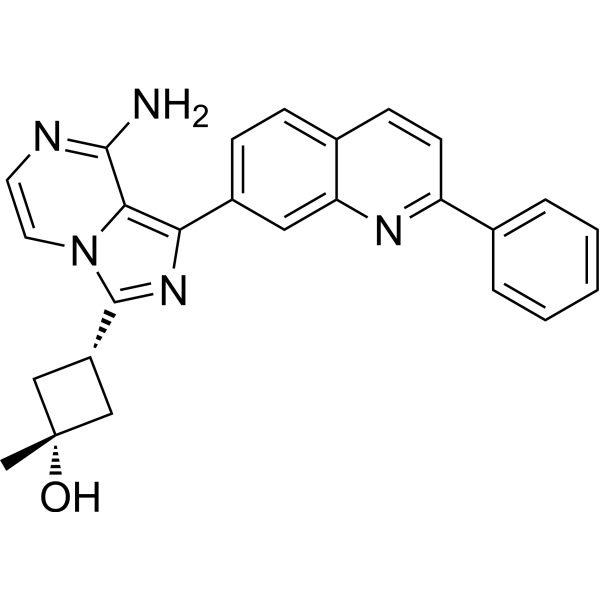
Linsitinib (OSI-906) is a potent, selective and orally bioavailable dual inhibitor of the IGF-1 receptor and insulin receptor (IR) with IC50s of 35 and 75 nM, respectively .
|
-
-
- HY-16273A
-
|
|
Farnesyl Transferase
|
Cancer
|
|
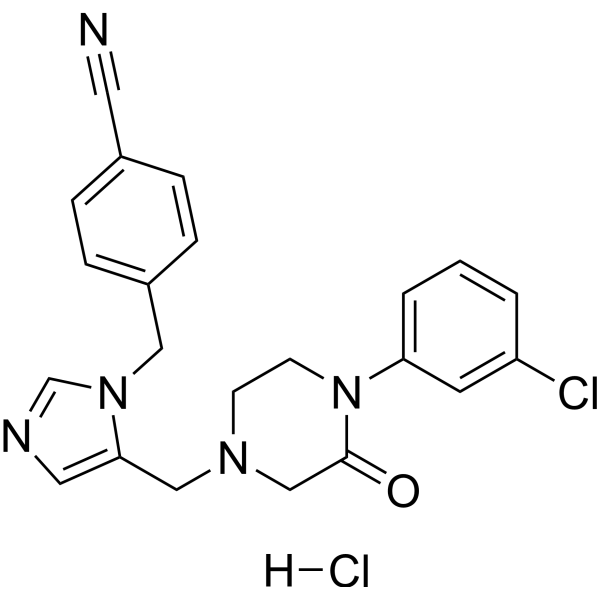
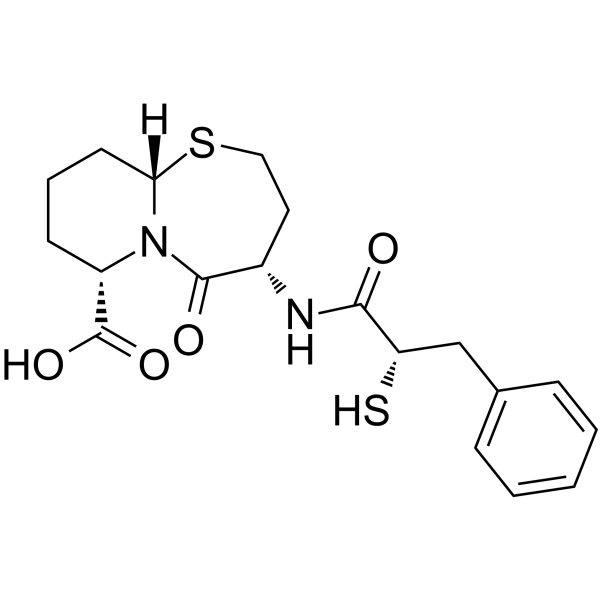
L-778123 hydrochloride is a dual inhibitor of FPTase and GGPTase-I, with IC50 values of 2 nM and 98 nM respectively.
|
-
-
- HY-B0196
-
-
-
- HY-104065
-
|
SHR-1258
|
EGFR
|
Cancer
|
|
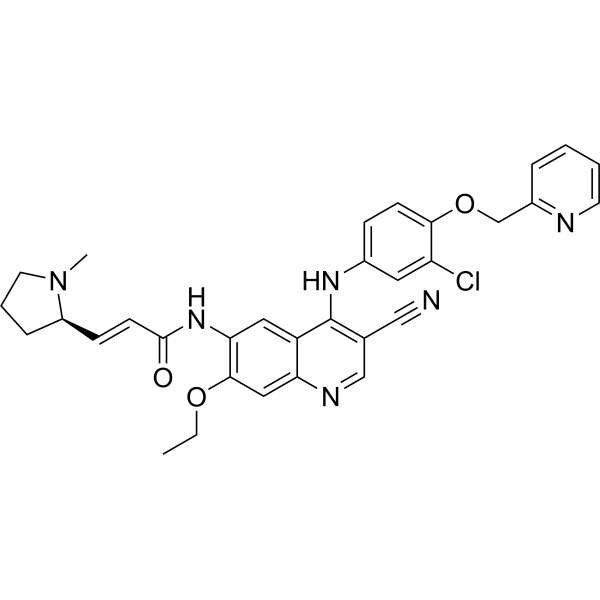
Pyrotinib (SHR-1258) is a potent and selective EGFR/HER2 dual inhibitor with IC50s of 13 and 38 nM, respectively .
|
-
-
- HY-15889
-
AMG 925
2 Publications Verification
|
FLT3
CDK
|
Cancer
|
|
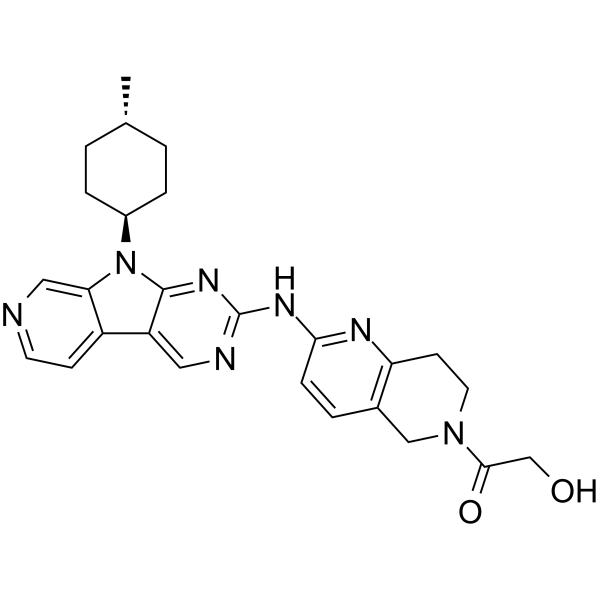
AMG 925 is a potent, selective, and orally available FLT3/CDK4 dual inhibitor with IC50s of 2±1 nM and 3±1 nM, respectively.
|
-
-
- HY-10371
-
|
LKB1/AAK1 dual inhibitor
|
Pim
|
Cancer
|
|
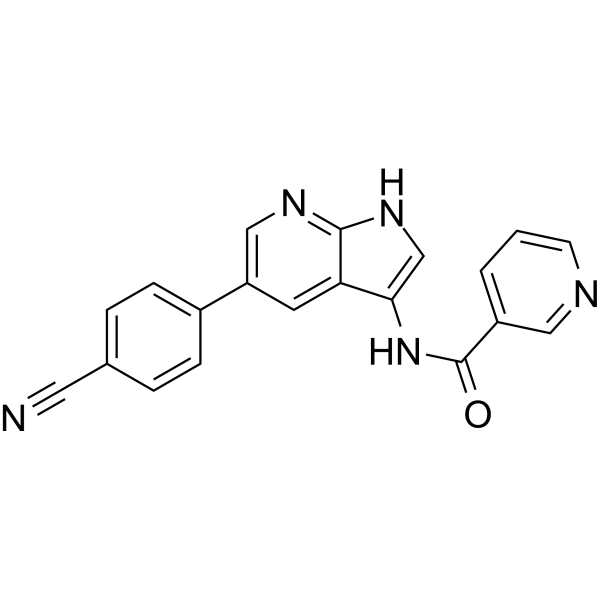
Pim1/AAK1-IN-1 is a potent multi-kinase inhibitor with Kd values of 35 nM/53 nM/75 nM/380 nM for Pim1/AAK1/MST2/LKB1 respectively, and also inhibits MPSK1 and TNIK.
|
-
-
- HY-18208
-
-
-
- HY-B0196A
-
|
Wy 45030 hydrochloride
|
Serotonin Transporter
|
Neurological Disease
Cancer
|
|
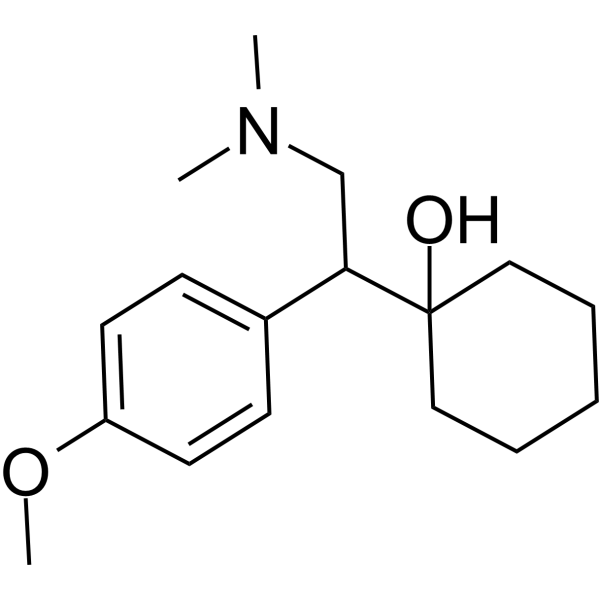
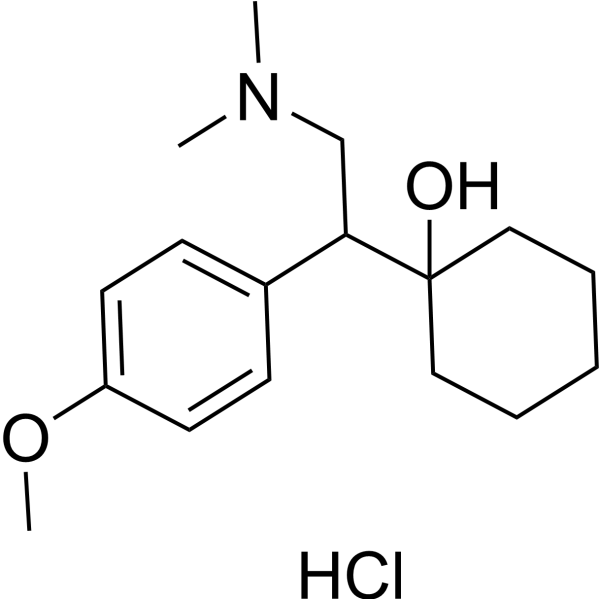
Venlafaxine hydrochloride (Wy 45030 hydrochloride) is an orally active, potent serotonin (5-HT)/norepinephrine (NE) reuptake dual inhibitor. Venlafaxine is an antidepressant .
|
-
-
- HY-13068
-
|
E-7050
|
c-Met/HGFR
VEGFR
|
Cancer
|
|
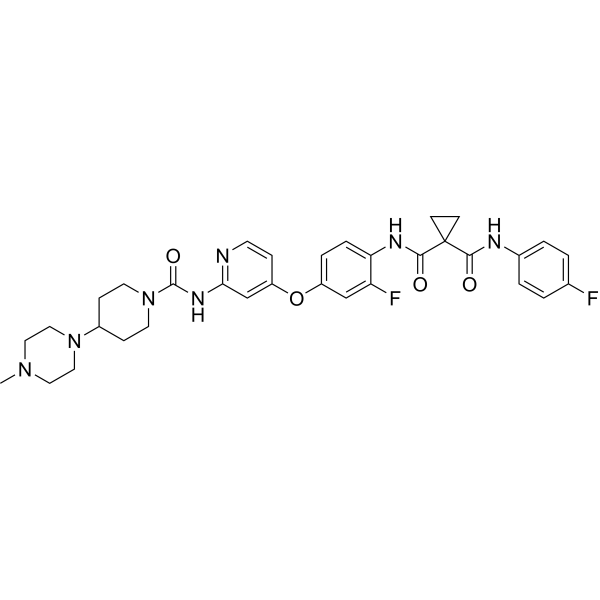
Golvatinib (E-7050) is a potent dual inhibitor of both c-Met and VEGFR2 kinases with IC50s of 14 and 16 nM, respectively.
|
-
-
- HY-111048
-
Corin
5 Publications Verification
|
Histone Demethylase
HDAC
|
Cancer
|
|
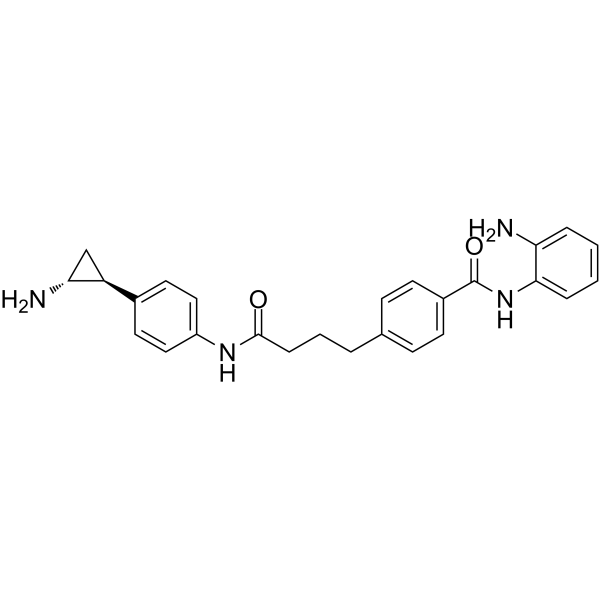
Corin is a dual inhibitor of histone lysine specific demethylase (LSD1) and histone deacetylase (HDAC), with a Ki(inact) of 110 nM for LSD1 and an IC50 of 147 nM for HDAC1.
|
-
-
- HY-100501
-
M2698
1 Publications Verification
MSC2363318A
|
Ribosomal S6 Kinase (RSK)
Akt
|
Cancer
|
|
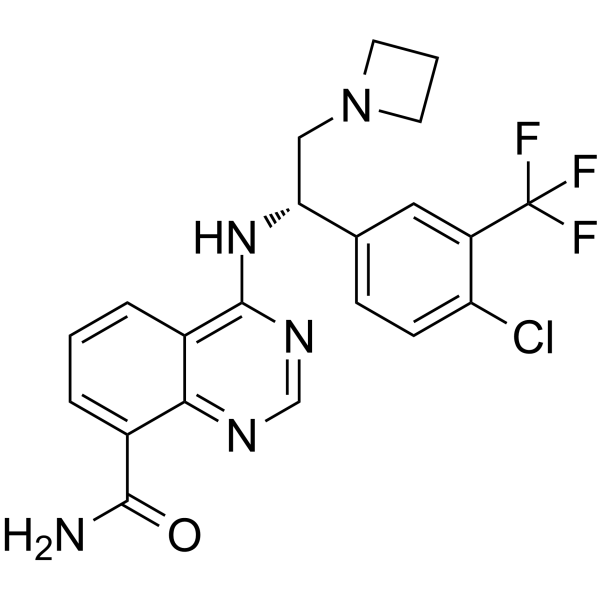
M2698 (MSC2363318A) is an orally active, ATP competitive, selective p70S6K and Akt dual-inhibitor with IC50s of 1 nM for p70S6K, Akt1 and Akt3. M2698 can cross the blood-brain barrier and has anti-cancer activity .
|
-
-
- HY-107636
-
|
|
Apoptosis
|
Cancer
|
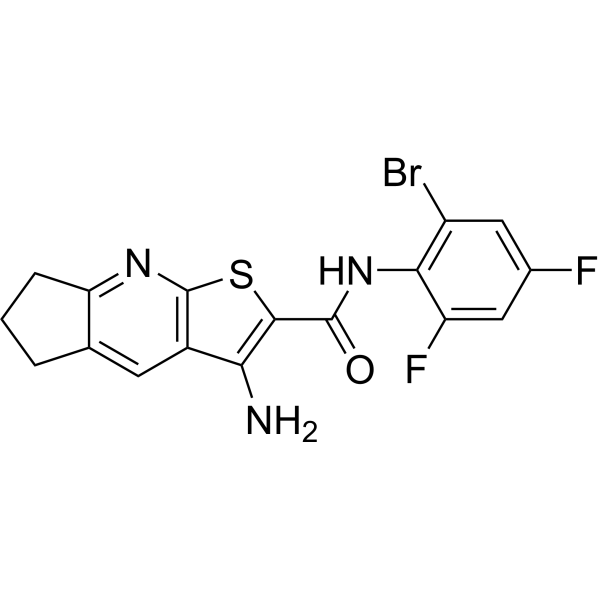
DC_AC50 is a dual inhibitor of Atox1 and CCS (copper chaperones). Inhibiting intracellular copper chaperones as a means of reducing/preventing acquired chemotherapy resistance .
|
-
-
- HY-136383
-
AZA1
1 Publications Verification
Rac1/Cdc42-IN-1
|
Ras
Apoptosis
|
Cancer
|
|
AZA1 is a potent dual inhibitor of Rac1 and Cdc42. AZA1 induces prostate cancer cells apoptosis and inhibits prostate cancer cells proliferation, migration and invasion .
|
-
-
- HY-13758A
-
|
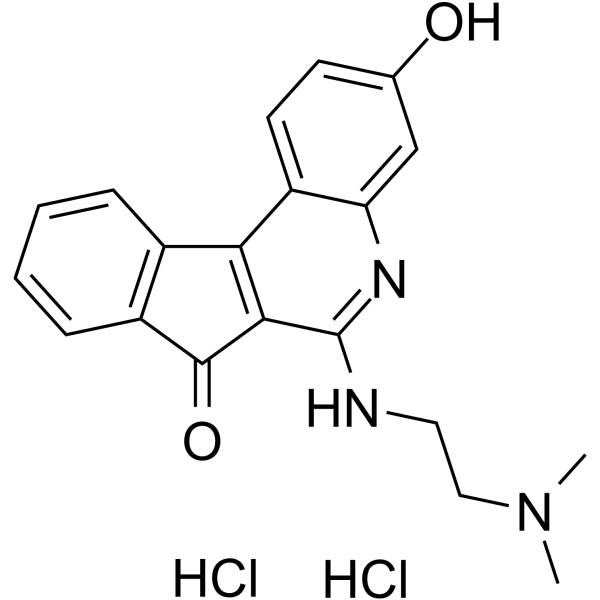
BMS-247615 dihydrochloride
|
Topoisomerase
|
Cancer
|
|
TAS-103 dihydrochloride is a dual inhibitor of DNA topoisomerase I/II, used for cancer research.
|
-
-
- HY-B0703
-
-
-
- HY-U00177
-
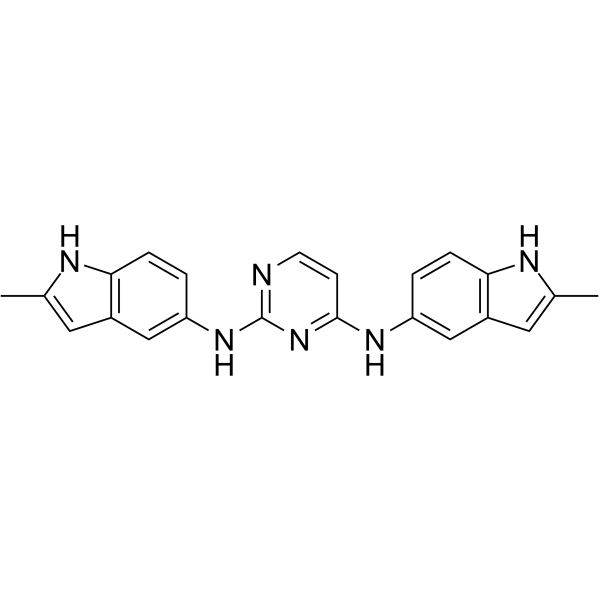
GDP366
2 Publications Verification
|
Survivin
|
Cancer
|
|
GDP366, a dual inhibitor of survivin and Op18, induces cell growth inhibition, cellular senescence and mitotic catastrophe in human cancer cells.
|
-
-
- HY-107364
-
MTX-211
3 Publications Verification
Mol 211
|
EGFR
PI3K
|
Cancer
|
|
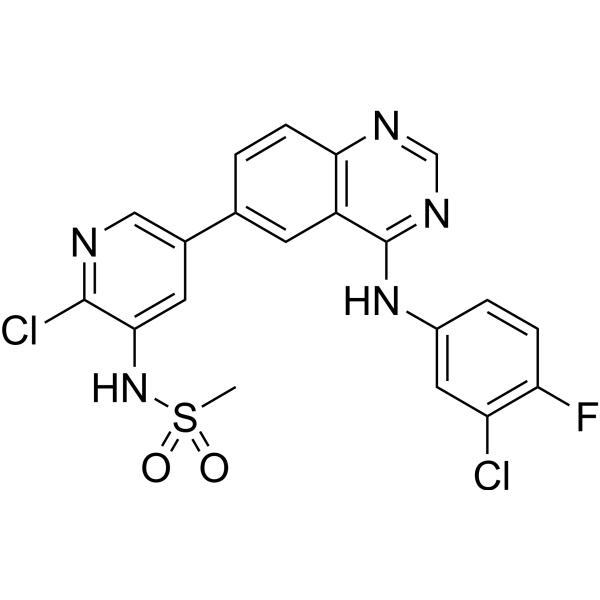
MTX-211 (Mol 211) is a dual inhibitor of EGFR and PI3K with IC50 values of <100 nM. MTX-211 can be used for the research of cancer and other diseases .
|
-
-
- HY-128035
-
|
|
Phospholipase
MAGL
|
Cardiovascular Disease
|
|
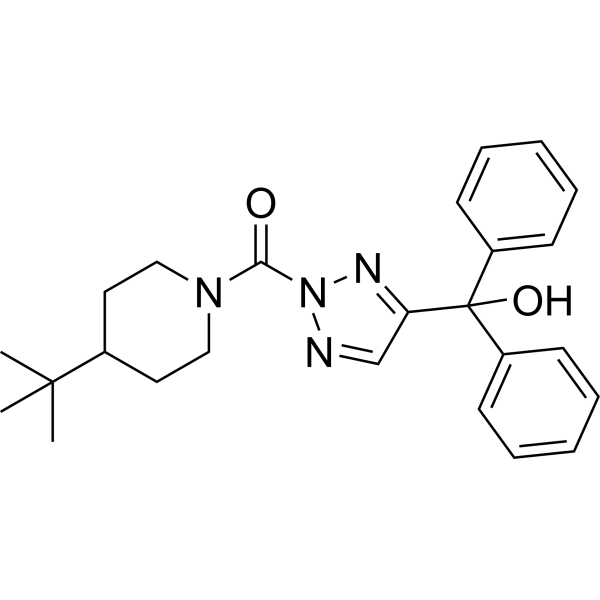
ML-211 is a potent dual inhibitor of LYPLA1 and LYPLA2 enzymes, with an IC50 value of 17 nM against LYPLA1, 30 nM against LYPLA2, and 10 nM against ABHD11 .
|
-
-
- HY-100509
-
-
-
- HY-107720
-
|
|
NO Synthase
|
Cancer
|
|
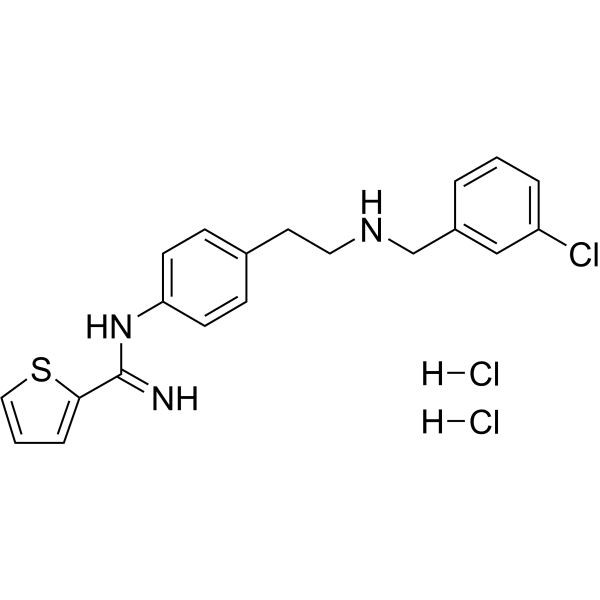
ARL-17477 is a dual inhibitor of NOS1and the autophagy-lysosomal system with anticancer activity and can inhibit tumor growth in KRAS-mutated cancers .
|
-
-
- HY-104065B
-
|
SHR-1258 dimaleate
|
EGFR
|
Cancer
|
|
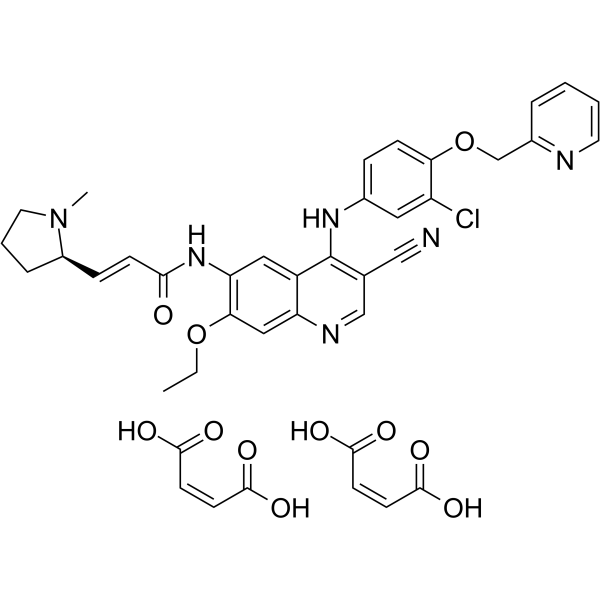
Pyrotinib dimaleate (SHR-1258 dimaleate) is a potent and selective EGFR/HER2 dual inhibitor with IC50s of 13 and 38 nM, respectively .
|
-
-
- HY-14682
-
|
|
IKK
|
Inflammation/Immunology
|
|
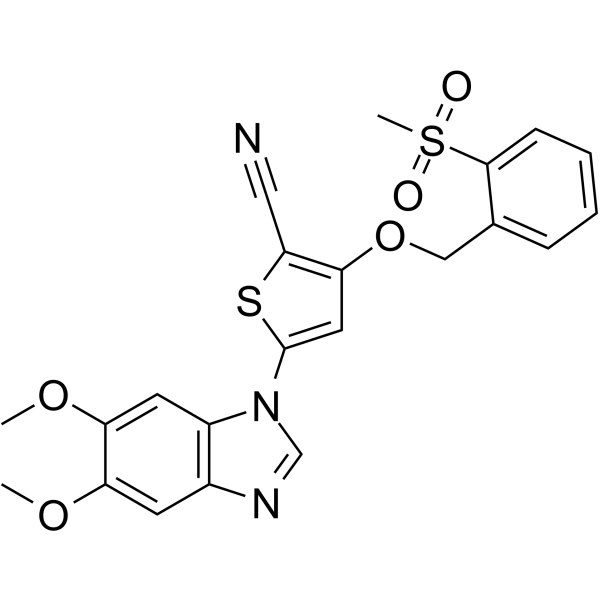
GSK319347A is a dual inhibitor of TBK1 and IKKε with IC50s of 93 nM and 469 nM, respectively. GSK319347A also inhibits IKK2 with an IC50 of 790 nM.
|
-
-
- HY-129700
-
|
|
Bcl-2 Family
|
Cancer
|
|
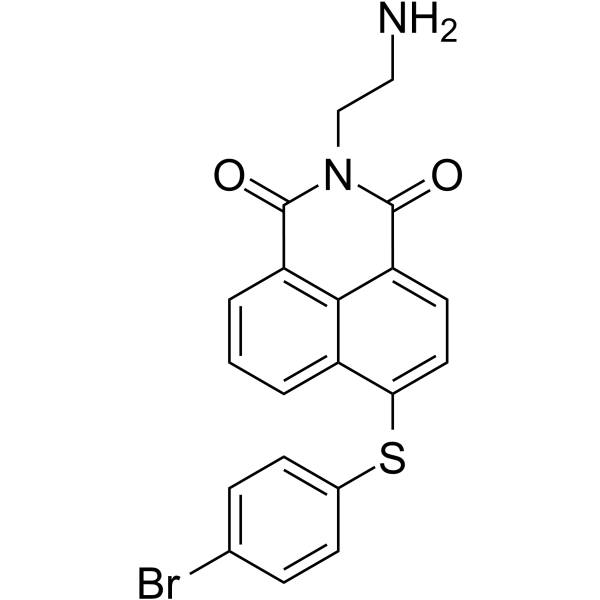
MCL-1/BCL-2-IN-2 (Compound 6) is a potent and selective Mcl-1 and Bcl-2 dual inhibitor .
|
-
-
- HY-129702
-
|
|
Bcl-2 Family
|
Cancer
|
|
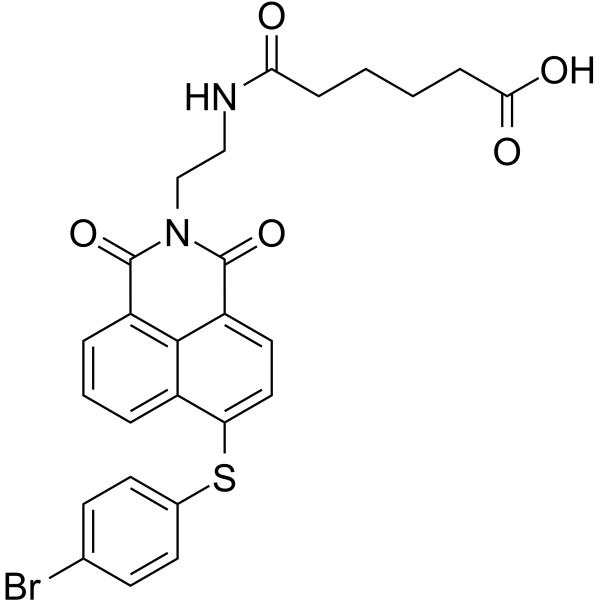
MCL-1/BCL-2-IN-4 (Compound 7) is a potent and selective Mcl-1 and Bcl-2 dual inhibitor .
|
-
-
- HY-B0196AS1
-
|
Wy 45030-d6 hydrochloride
|
Serotonin Transporter
|
Neurological Disease
|
|
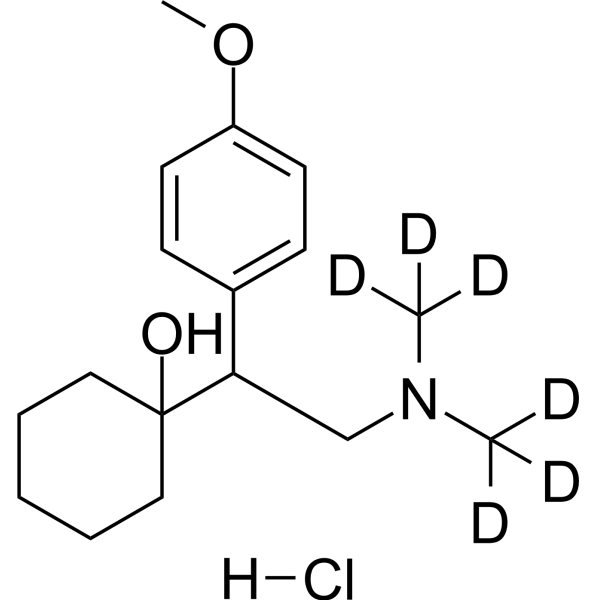
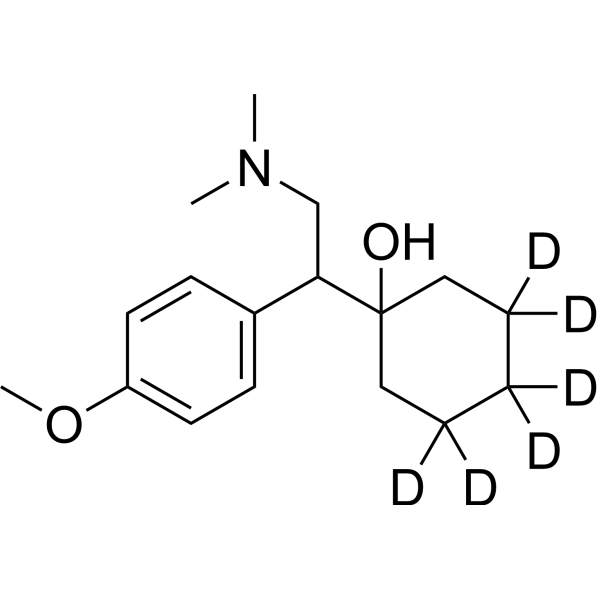
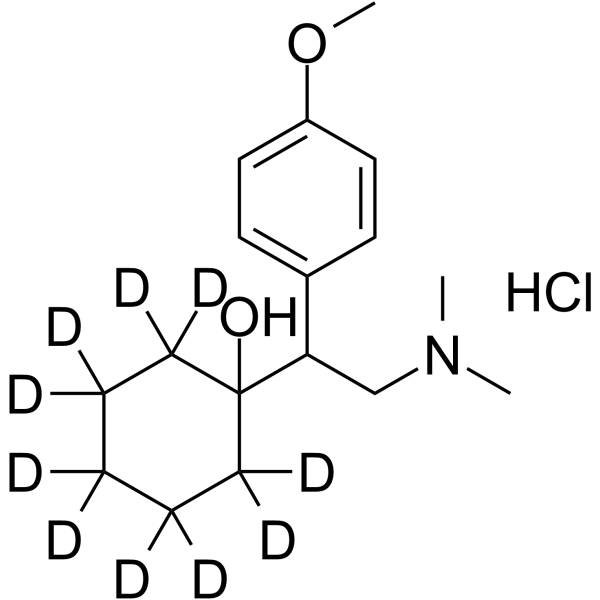
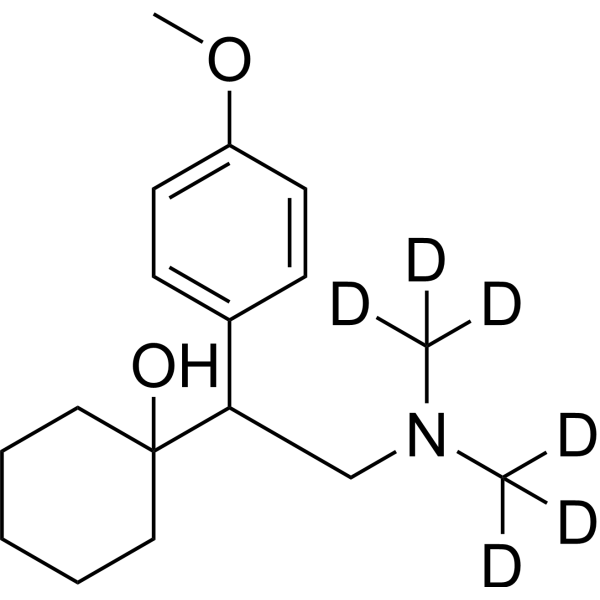
Venlafaxine-d6 (hydrochloride) is the deuterium labeled Venlafaxine hydrochloride. Venlafaxine hydrochloride (Wy 45030 hydrochloride) is an orally active, potent serotonin (5-HT)/norepinephrine (NE) reuptake dual inhibitor. Venlafaxine is an antidepressant .
|
-
-
- HY-161025
-
|
|
c-Fms
VEGFR
|
Cancer
|
|
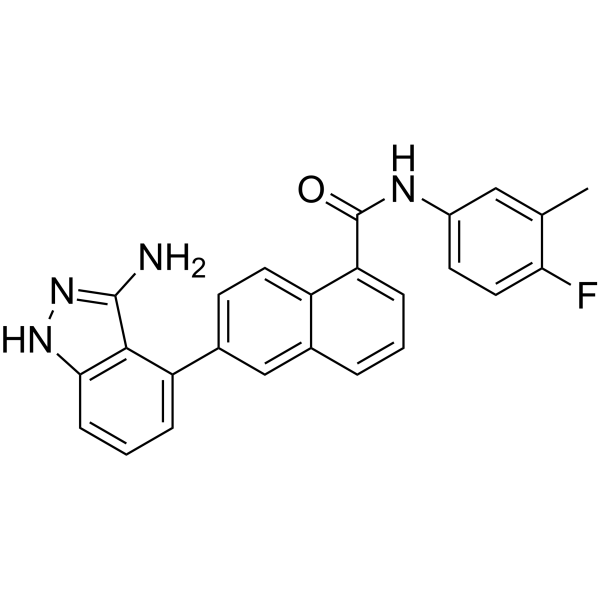
SYHA1813 is a dual inhibitor of CSF1R and VEGFR. SYHA1813 has potent antitumor activity against GBM .
|
-
-
- HY-112319
-
-

-
- HY-137996
-
|
|
Akt
mTOR
|
Metabolic Disease
|
|
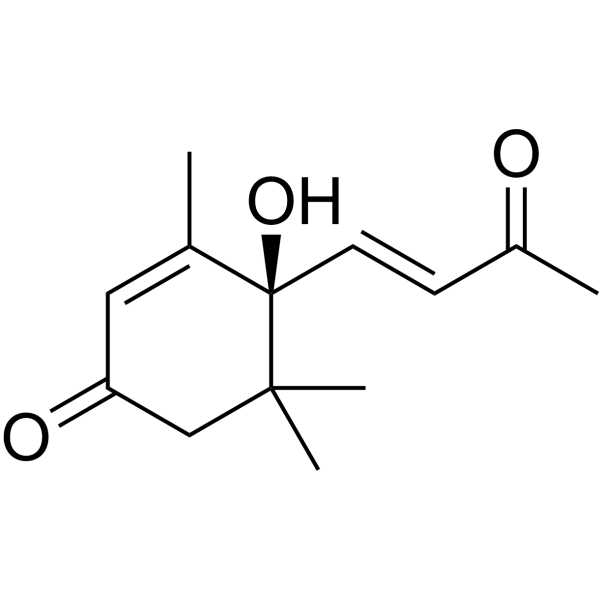
Dehydrovomifoliol is a AKT/mTOR dual inhibitor. Dehydrovomifoliol reduces lipid accumulation and lipogenesis by inhibiting the AKT/mTOR signaling pathway. Dehydrovomifoliol is used in nonalcoholic fatty liver disease research (NAFLD) .
|
-
-
- HY-120823
-
-
-
- HY-B0196S
-
-
-
- HY-13758
-
TAS-103
1 Publications Verification
BMS-247615
|
Topoisomerase
|
Cancer
|
|
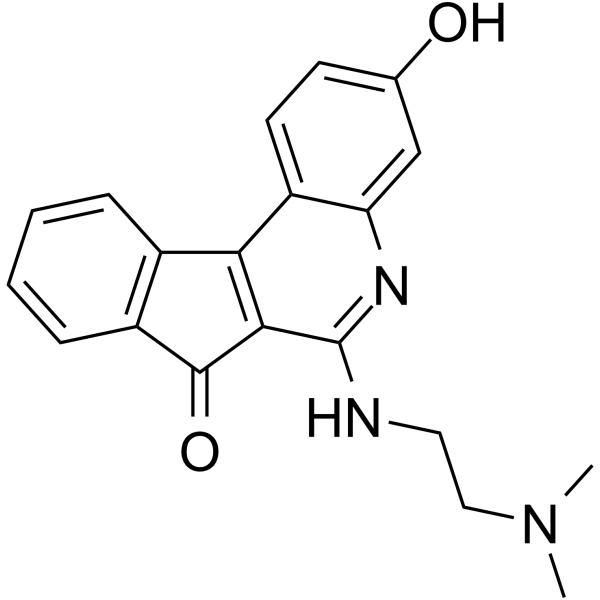
TAS-103 is a dual inhibitor of DNA topoisomerase I/II, used for cancer research.
|
-
-
- HY-122161
-
|
RWJ-355871
|
Cathepsin
|
Inflammation/Immunology
|
|
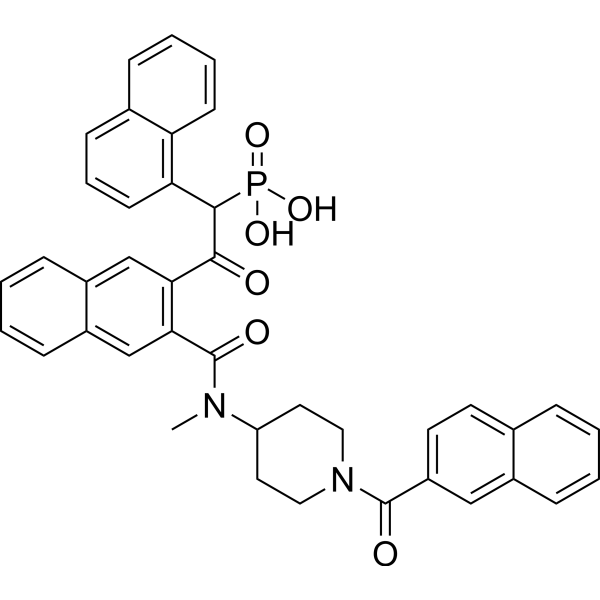
JNJ-10311795 (RWJ-355871), a potent dual inhibitor of neutrophil cathepsin G (Ki = 38 nM) and mast cell chymase (Ki = 2.3 nM), exhibits noteworthy antiinflammatory activity .
|
-
-
- HY-163733
-
-

-
- HY-N12735
-
|
|
NF-κB
NO Synthase
|
Others
|
|
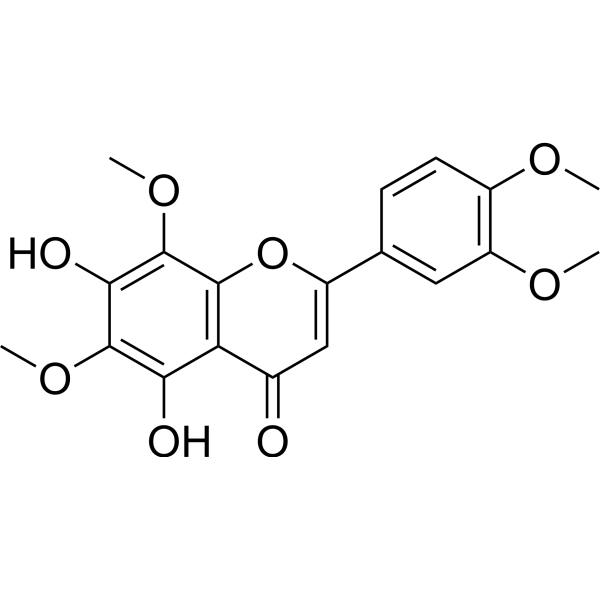
Hymenoxin (compound 7) is a dual inhibitor of iNOS and NF-κB with IC50 of 42.7 μM and 85.5 μM respectively. Hymenoxin can inhibit 16% of oxidative stress at a concentration of 125 μg/mL .
|
-
-
- HY-117608A
-
|
|
CDK
DYRK
|
Neurological Disease
Cancer
|
|
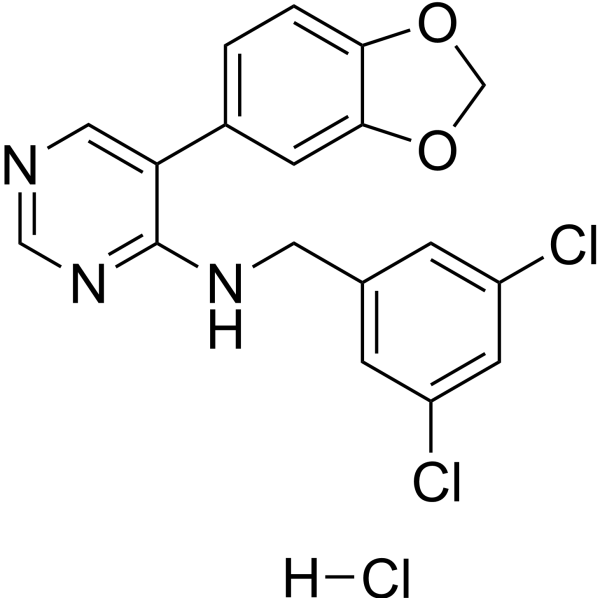
ML 315 is a selective dual inhibitor of CDK and DYRK with IC50s of 68 nM and 282 nM, respectively. ML 315 is used in cancer and neurological disease research .
|
-
-
- HY-N1322
-
|
|
Bacterial
β-glucuronidase
|
Others
|
|
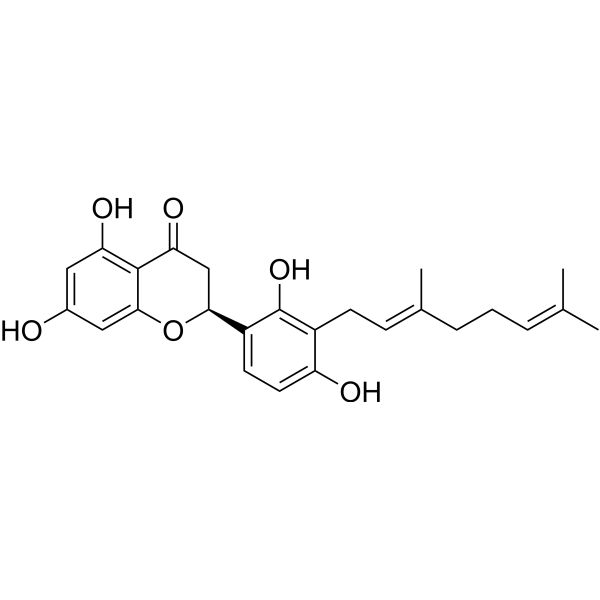
Sanggenol A acts as a dual inhibitor of nitrofuranone reduction mediated by the intestinal microbial nitrification reductases EcNfsA and EcNfsB. In addition, Sanggenol A is also an effective inhibitor of intestinal bacterial β-glucuronidase .
|
-
-
- HY-172224
-
|
|
CDK
PARP
|
Cancer
|
|
PARP1/CDK12-IN-1 (107) is a dual inhibitor of CDK12 and PARP1, with IC50 values of 285 nM and 34 nM for CDK12 and PARP1, respectively .
|
-

-
- HY-160172
-
-
-
- HY-145852
-
-
-
- HY-162124
-
|
|
NAMPT
HDAC
|
Cancer
|
|
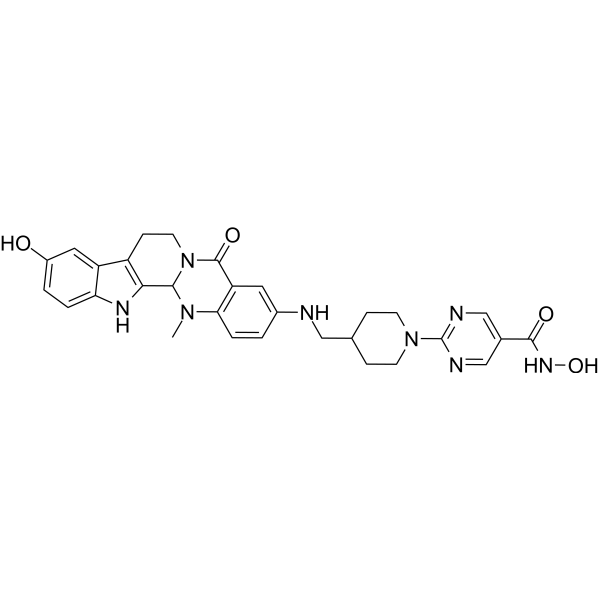
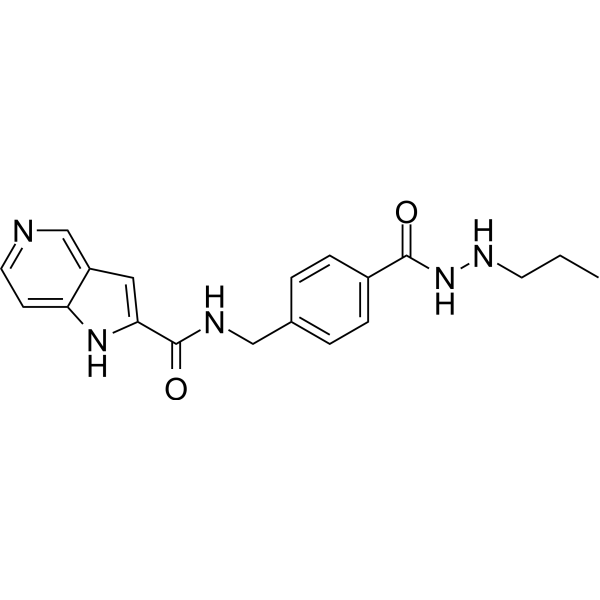
HDAC/NAMPT-IN-1 (compound 39h) is a dual inhibitor of HDAC and NAMPT with IC50 values of 0.72-37081 nM and 1618 nM .
|
-
-
- HY-105193
-
-

-
- HY-111416
-
-
-
- HY-N8890
-
|
|
Beta-secretase
γ-secretase
|
Others
|
|
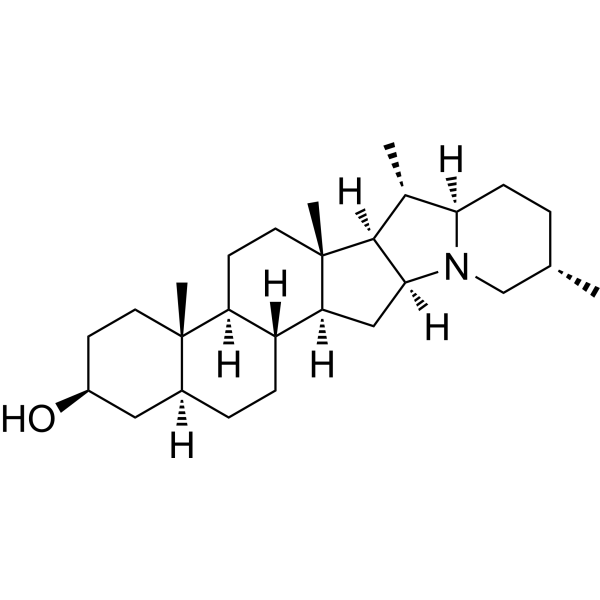
Demissidine is an alkaloid that can be isolated from potato . Demissidine is a promising dual inhibitors against β- and γ-secretase proteins in silico .
|
-
-
- HY-150322
-
|
|
SGLT
|
Metabolic Disease
|
|
SAR-7226 is a SGLT1 and SGLT2 dual inhibitor. SAR-7226 can be used for research of type 2 diabetes .
|
-

-
- HY-117608
-
|
|
CDK
DYRK
|
Neurological Disease
Cancer
|
|
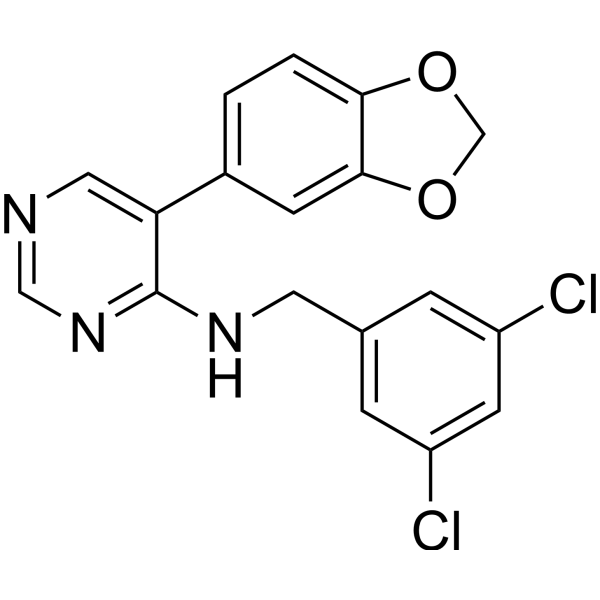
ML 315 is a selective dual inhibitor of CDK and DYRK with IC50s of 68 nM and 282 nM, respectively. ML 315 is used in cancer and neurological disease research .
|
-
-
- HY-155392
-
|
|
HDAC
Sirtuin
|
Cancer
|
|
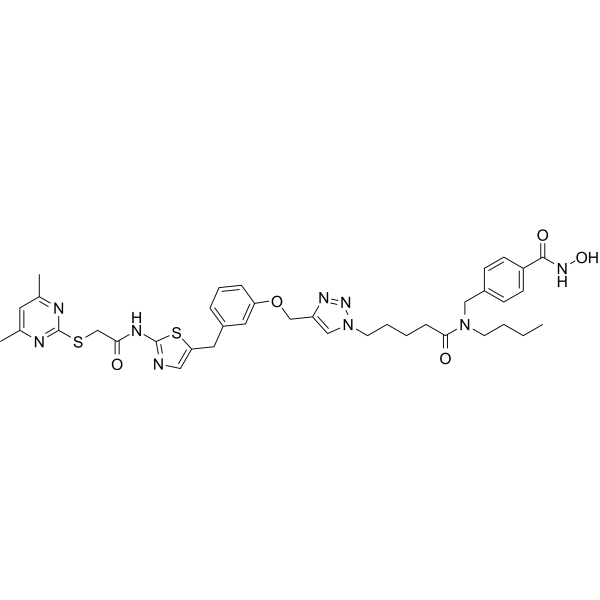
Mz325 is a dual inhibitor of HDAC and Sirt2, with the IC50 of 9.7 μM to Sirt2, that play an important role in pathogenesis of cancer and neurodegeneration .
|
-
-
- HY-111421
-
-
-
- HY-19373
-
|
3DP-10017
|
Thrombin
Factor Xa
|
Cardiovascular Disease
|
|
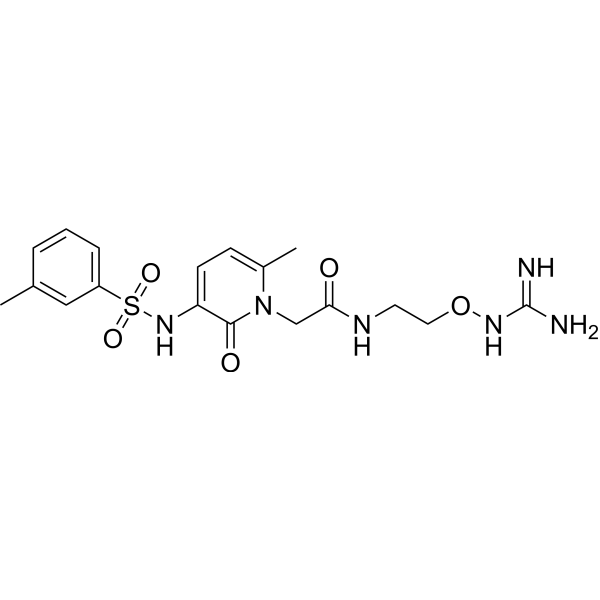
RWJ-445167 (3DP-10017) is a dual inhibitor of thrombin and factor Xa with Ki of 4.0 nM and 230 nM, respectively, exhibiting potent antithrombotic activity.
|
-
-
- HY-B0196B
-
|
|
Serotonin Transporter
|
Cancer
|
|
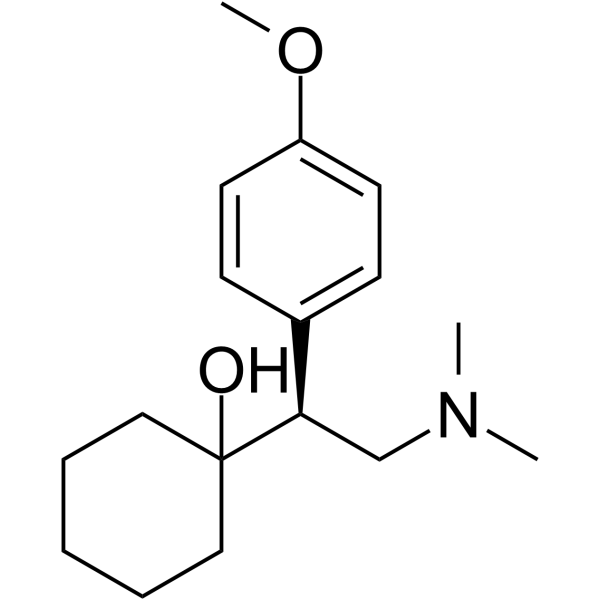
(S)-Venlafaxine is the (S)-configuration of Venlafaxine. Venlafaxine is an orally active, potent serotonin (5-HT)/norepinephrine (NE) reuptake dual inhibitor. Venlafaxine is an antidepressant agent .
|
-
-
- HY-128685
-
|
Ac12Az9
|
P-glycoprotein
BCRP
|
Cancer
|
|
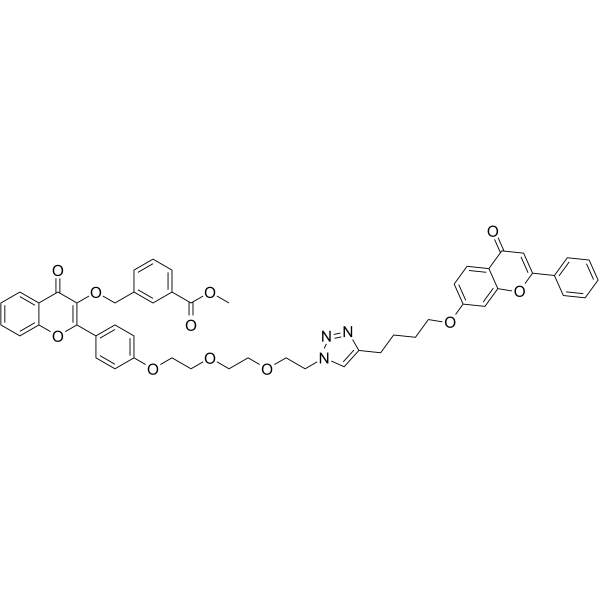
FD 12-9 is a flavonoid dimer, acts as a dual inhibitor of P-gp and BCRP, with EC50s of 285 nM and 0.9 nM, respectively. Anti-glioblastoma activity .
|
-
- HY-149471
-
|
|
Tyrosinase
|
Cancer
|
|
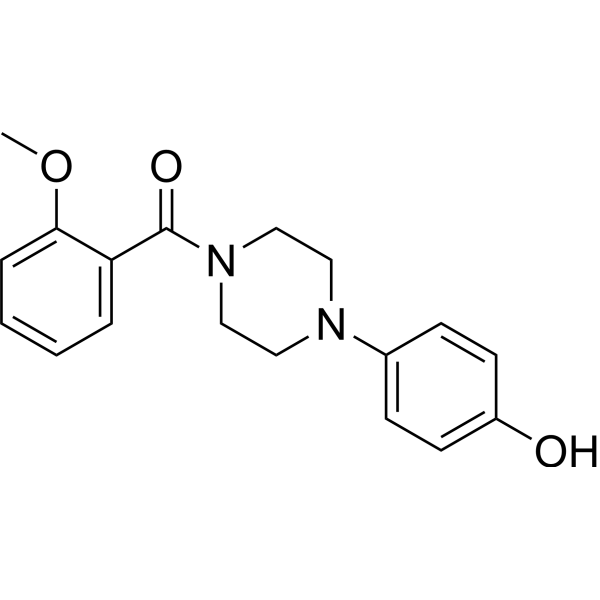
hTYR/AbTYR-IN-1 (Compound 7) is a hTYR/AbTYR dual inhibitor, with IC50s of 5.4 μM and 3.52 μM for hTYR and AbTYR respectively .
|
-
- HY-15889A
-
|
|
FLT3
CDK
|
Cancer
|
|
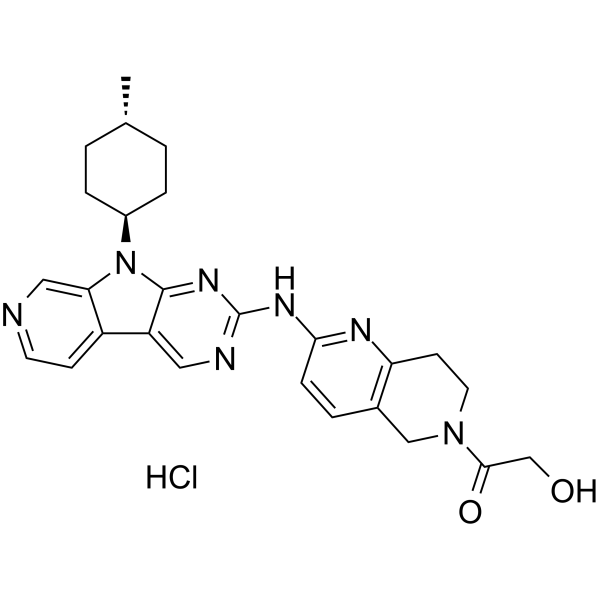
AMG 925 HCl is a potent, selective, and orally available FLT3/CDK4 dual inhibitor with IC50s of 2±1 nM and 3±1 nM, respectively.
|
-
- HY-161016
-
-
- HY-N10076
-
-
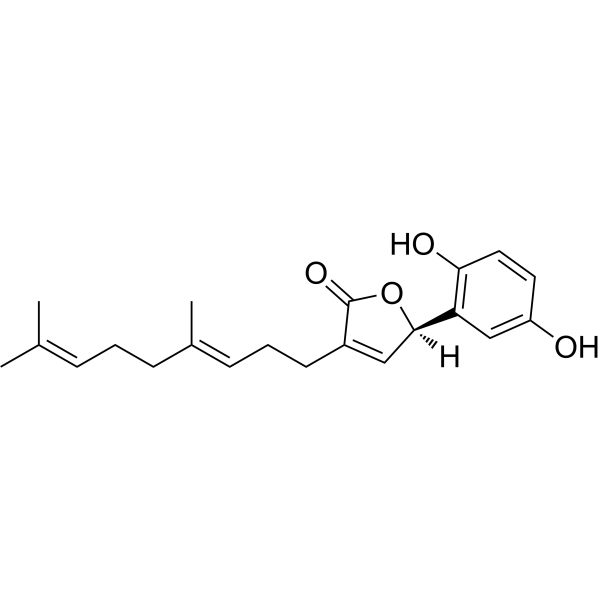
- HY-131284
-
|
|
Drug Metabolite
|
Others
|
|
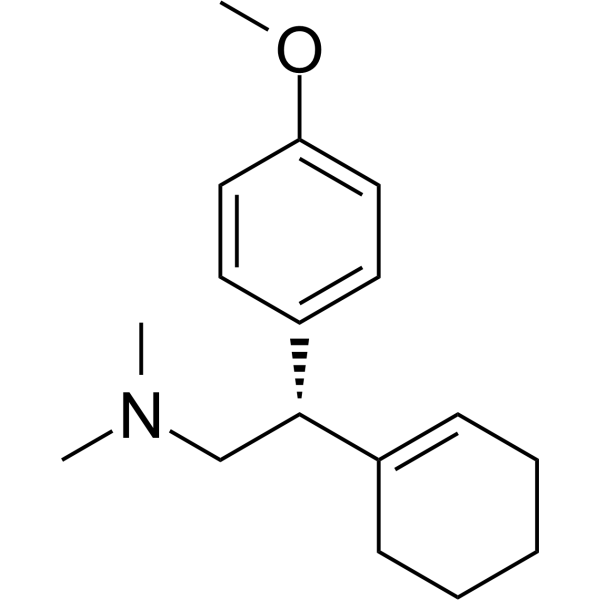
(S)-Dehydro Venlafaxine is an inactive S-enantiomer of Dehydro Venlafaxine. Dehydro Venlafaxine is an impurity of Venlafaxine hydrochloride. Venlafaxine hydrochloride (Wy 45030 hydrochloride) is a potent serotonin (5-HT) / norepinephrine (NE) reuptake dual inhibitor .
|
-
- HY-141864
-
|
|
Itk
|
Inflammation/Immunology
|
|
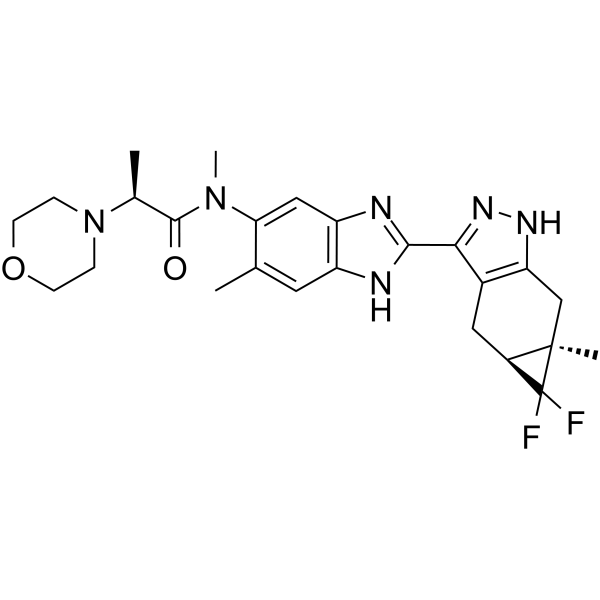
ITK/TRKA-IN-1 is a dual inhibitor of IL-2-inducible T-cell kinase (ITK) and tropomyosin receptor kinase A (TRKA) with an IC50 value of 1.0 nM and 96 % inhibition, respectively.
|
-
- HY-B0196AS
-
-
- HY-W009671
-
|
|
Lipoxygenase
|
Cancer
|
|
3-Chloroiminodibenzyl (compound 8) is a dual inhibitor of sHE and 5-LOX. 3-Chloroiminodibenzyl inhibits sHE and 5-LOX with IC50 of 140 μM and 6.5 μM, respectively .
|
-

- HY-129666
-
-

- HY-157965
-
|
|
VEGFR
FAK
|
Cancer
|
|
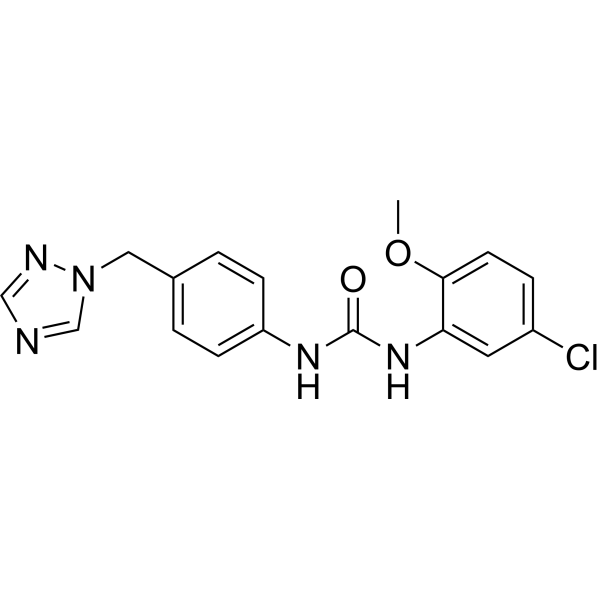
ZINC09875266 is a dual inhibitor targeting VEGFR2 and FAK that can be used in cancer research .
|
-
- HY-118779
-
-

- HY-115952
-
|
|
EGFR
|
Cancer
|
|
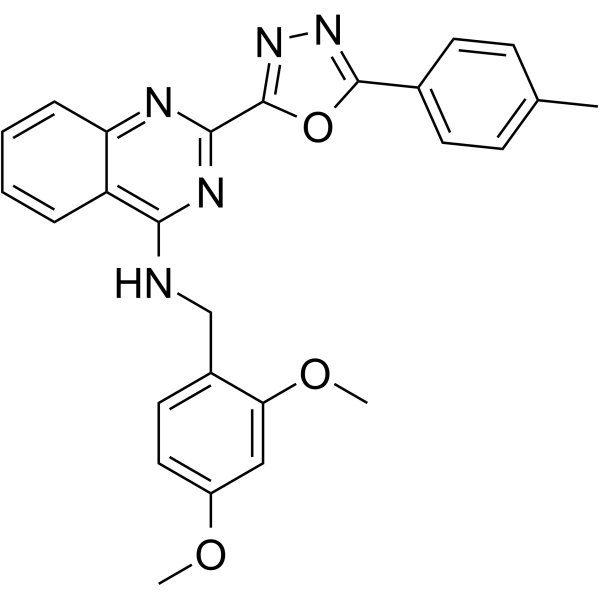
EGFR/HER2-IN-3 (Compound ZINC21942954) is a dual inhibitor of EGFR and HER2 .
|
-
- HY-160172A
-
-
- HY-18207
-
-
- HY-160944
-
|
|
Sirtuin
|
Cancer
|
|
hsa62 is a dual inhibitor for SIRT1 and SIRT2, with IC50 of 1.3 and 5.5 μM, respectively .
|
-

- HY-161978
-
|
|
CDK
|
Cancer
|
|
CDK4/6-IN-22 (Compound 1-A) is a CDK4 and CDK6 dual inhibitor .
|
-

- HY-144904
-
|
|
HDAC
|
Cancer
|
|
MC4343 is a potent and dual inhibitor of EZH2 and histone deacetylase. MC4343 has the potential for the research of cancer disease.
|
-
- HY-168170
-
|
|
VEGFR
EGFR
|
Cancer
|
|
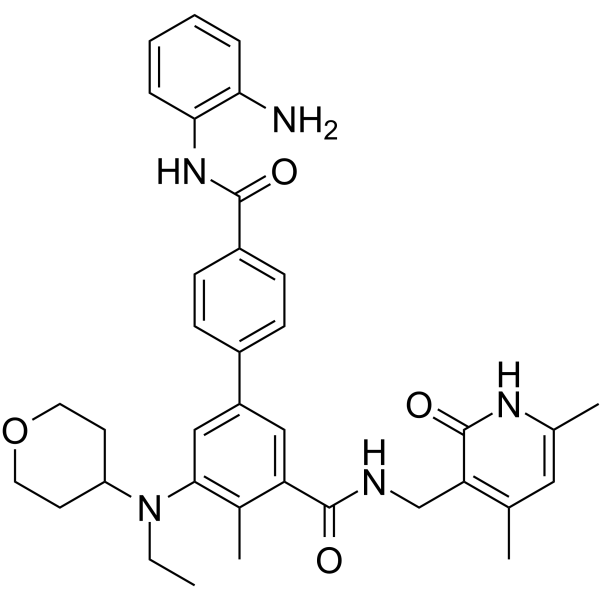
EGFR/VEGFR2-IN-2 (compound 4b) is an dual inhibitor VEGFR-2 and EGFR. .
|
-

- HY-10363
-
|
|
Bcr-Abl
Src
|
Cancer
|
|
AP 24149 is a potent Src-Abl dual inhibitor with IC50 values of 9.1, 3.6 nM for Src and Abl, respectively .
|
-
- HY-116277
-
|
|
EGFR
Epigenetic Reader Domain
|
Cancer
|
|
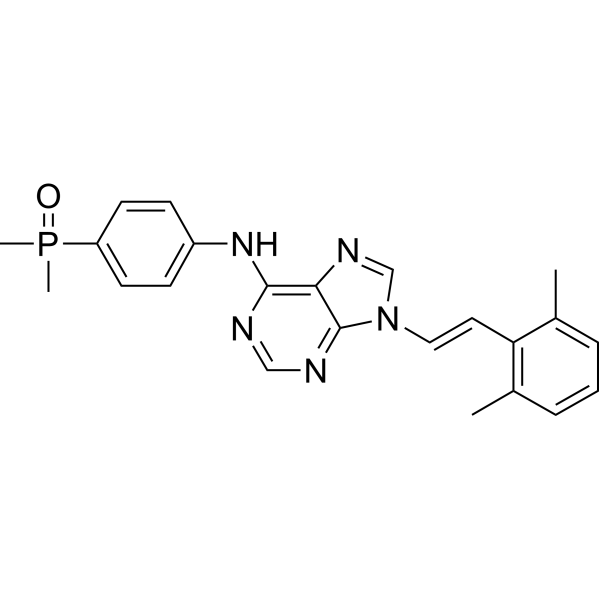
Z118332870 is a potent dual inhibitor of EGFR and BRD4, exhibiting significant potential as a therapeutic agent for overcoming resistance in cancer treatment.
|
-

- HY-168523
-
-

- HY-157090
-
-
- HY-162788
-
|
|
EGFR
|
Cancer
|
|
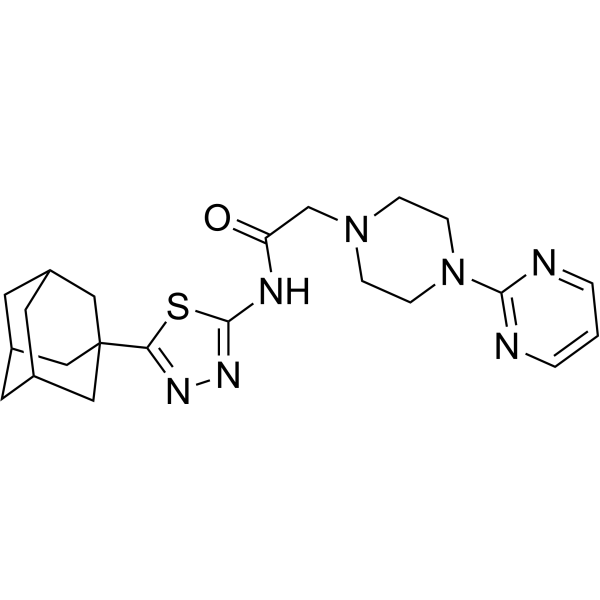
EGFR-IN-121 (compound 15) is a EGFR and VEGFR-2 dual inhibitor with IC50s of 84 and 3.5 nM, respectively .
|
-

- HY-145336
-
|
|
JAK
|
Cancer
|
|
JAK1/TYK2-IN-1 is a dual inhibitor of TYK2 and JAK1 (IC50 = 29 and 41 nM respectively).
|
-
- HY-168848
-
-

- HY-132883
-
|
|
EGFR
|
Cancer
|
|
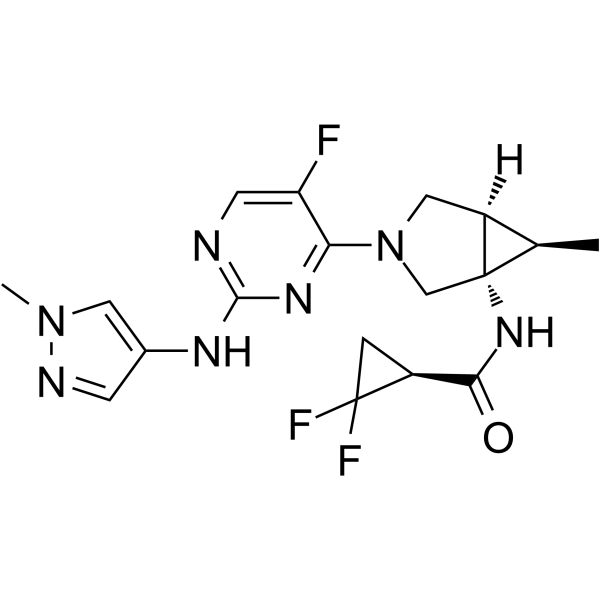
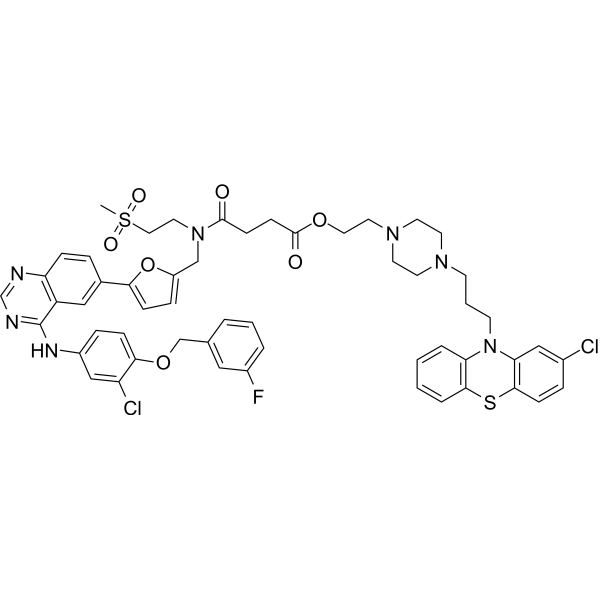
EGFR/CSC-IN-1 is a potential EGFR (IC50 10.52 nM) and cancer stem cell (CSC) dual inhibitor for triple-negative breast cancer research.
|
-
- HY-173475
-
-

- HY-137966A
-
|
AL-8520 oxalate
|
Carbonic Anhydrase
|
Cancer
|
|
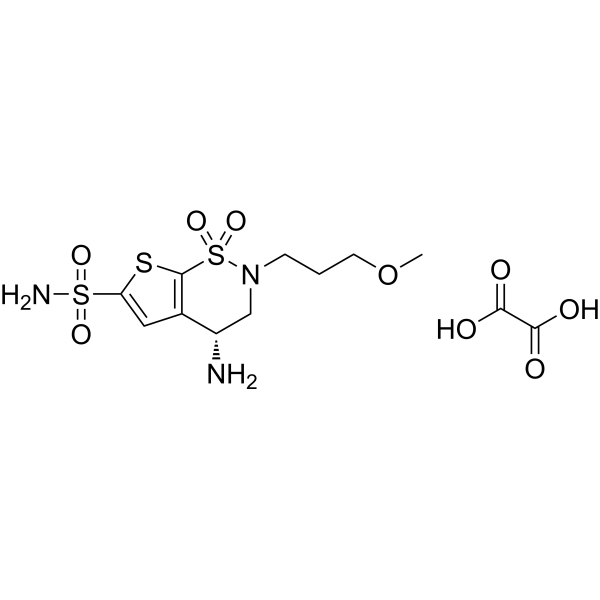
N-Desethyl Brinzolamide oxalate is a dual inhibitor of Carbonic anhydrase II and Carbonic anhydrase IV with IC50s of 1.28 and 128 nM, respectively .
|
-
- HY-123289
-
|
|
JAK
|
Inflammation/Immunology
|
|
CP-690550A is an analogue of Tofacitinib (HY-40354). CP-690550A is a dual inhibitor of JAK2 and JAK3 .
|
-

- HY-N8480
-
-
- HY-149654
-
-
- HY-161469
-
-
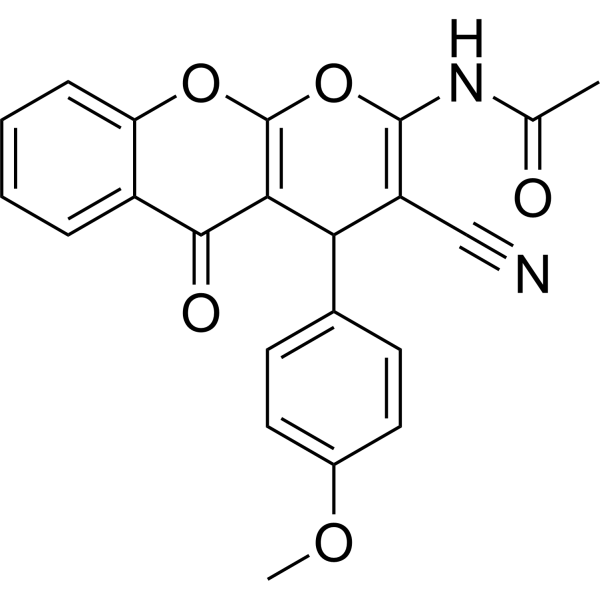
- HY-157089
-
-
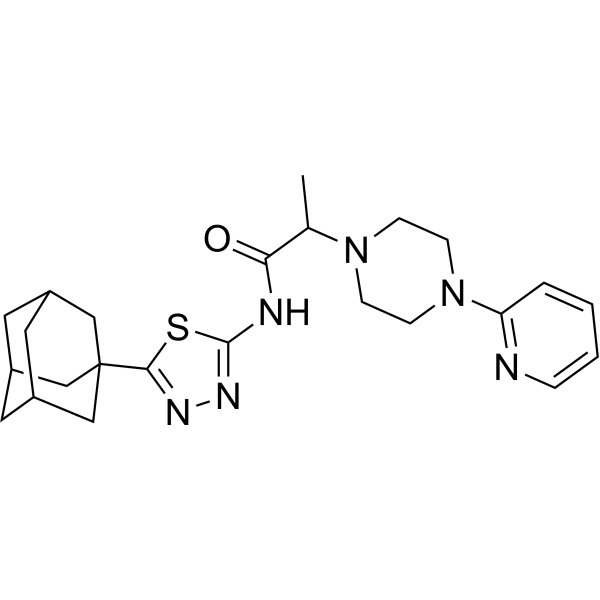
- HY-112807
-
|
|
SGLT
|
Metabolic Disease
|
|
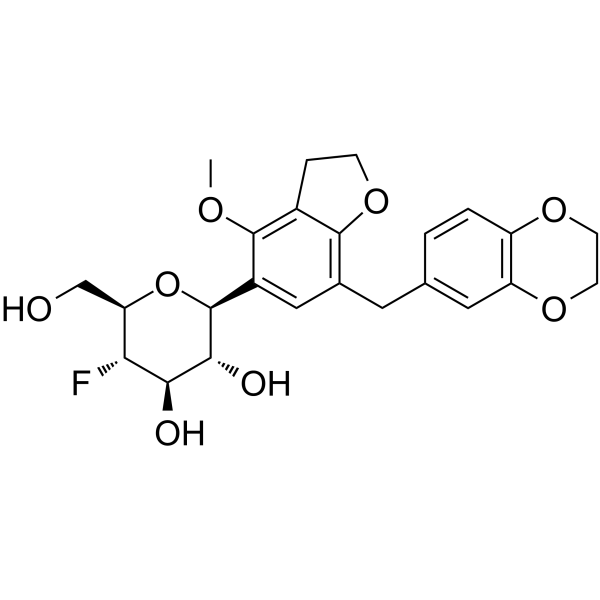
SGLT inhibitor-1 is a potent dual inhibitor of sodium glucose co-transporter proteins (SGLTs), inhibits hSGLT1 and hSGLT2 with IC50s of 43 nM and 9 nM, respectively .
|
-
- HY-172904
-
-

- HY-10725
-
|
|
Factor Xa
|
Cardiovascular Disease
|
|
Tanogitran is a dual inhibitor targeting Factor Xa and thrombin (thrombin), with Ki values of 26 and 2.7 nM, respectively. Tanogitran exhibits anticoagulant activity and can be used for research in thrombotic diseases .
|
-

- HY-114937
-
|
BIA 2-059; (R)-Licarbazepine acetate
|
Beta-secretase
Sodium Channel
|
Neurological Disease
|
|
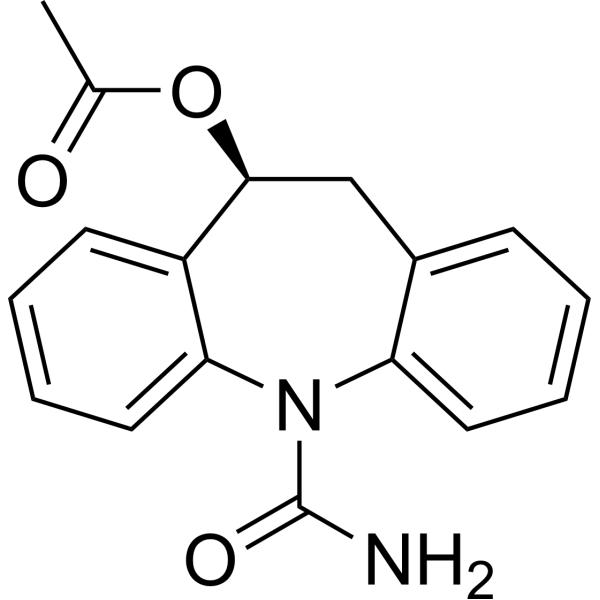
(R)-Eslicarbazepine acetate (BIA 2-059) is the R-enantiomer of Eslicarbazepine acetate (HY-B0703). Eslicarbazepine acetate is an antiepileptic agent, is a dual a dual Inhibitor of β-Secretase and voltage-gated sodium channel .
|
-

- HY-161350
-
-
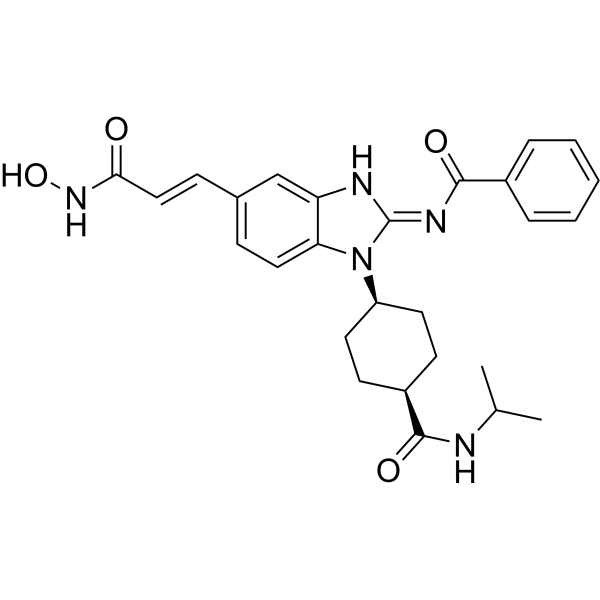
- HY-101017R
-
-

- HY-B0703R
-
|
BIA 2-093 (Standard)
|
Reference Standards
Beta-secretase
Sodium Channel
|
Neurological Disease
|
|
Eslicarbazepine acetate (Standard) is the analytical standard of Eslicarbazepine acetate. This product is intended for research and analytical applications. Eslicarbazepine acetate (BIA 2-093), an antiepileptic agent, is a dual a dual Inhibitor of β-Secretase and voltage-gated sodium channel.
|
-

- HY-N2682A
-
|
|
Carbonic Anhydrase
|
Cancer
|
|
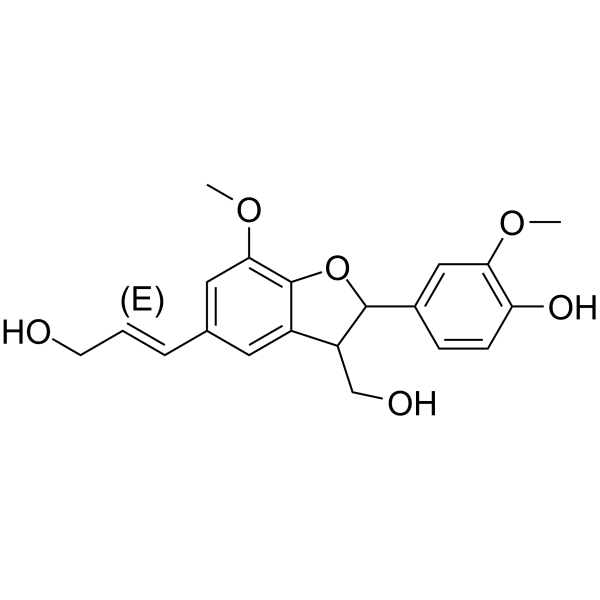
(E)-Dehydrodiconiferyl alcohol behaves as good hCA IX and hCA XII dual inhibitors . And (E)-Dehydrodiconiferyl alcohol suppresses the NF-κB nuclear translocation in connective tissue of healing area .
|
-
- HY-N12075
-
|
|
Cholinesterase (ChE)
|
Neurological Disease
|
|
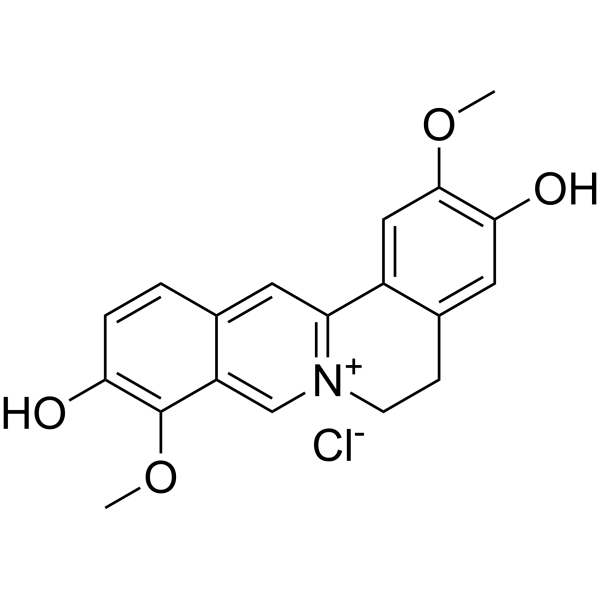
Dehydrodiscretamine chloride is a dual inhibitor of AChE and BChE with IC50s of 17.8 and 118.8 μM, respectively. Dehydrodiscretamine chloride has antioxidant activity. Dehydrodiscretamine chloride can be used in study Alzheimer’s disease .
|
-
- HY-172622
-
-

- HY-B0196S1
-
-
- HY-156796
-
|
|
ADC Payload
|
Neurological Disease
Cancer
|
|
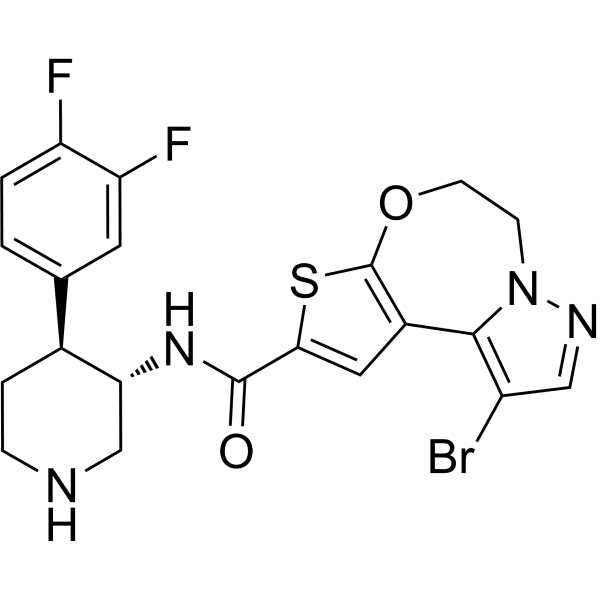
Akt/ROCK-IN-1 (B12) is a dual inhibitor for Akt and ROCK, with the IC50s of 0.023 nM and 1.47 nM, respectively. Akt/ROCK-IN-1 has antitumor activity for neuroblastoma .
|
-
- HY-B0703S
-
-
- HY-100501R
-
|
MSC2363318A (Standard)
|
Ribosomal S6 Kinase (RSK)
Reference Standards
Akt
|
Cancer
|
|
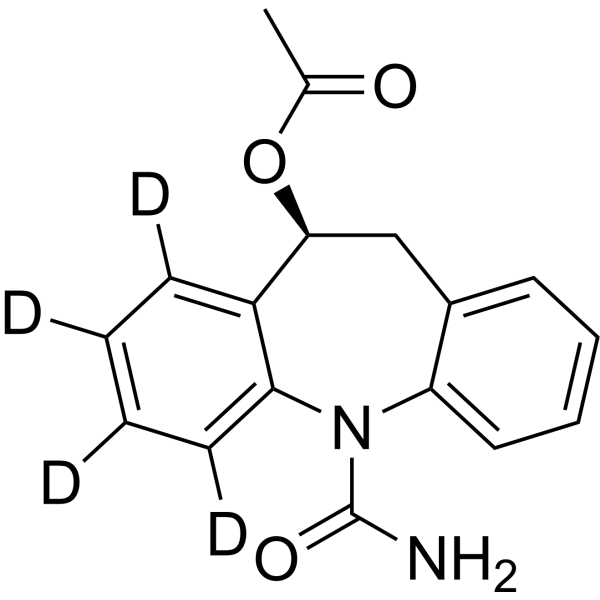
M2698 (Standard) is the analytical standard of M2698 (HY-100501). This product is intended for research and analytical applications. M2698 (MSC2363318A) is an orally active, ATP competitive, selective p70S6K and Akt dual-inhibitor with IC50s of 1 nM for p70S6K, Akt1 and Akt3. M2698 can cross the blood-brain barrier and has anti-cancer activity .
|
-

- HY-10371R
-
|
LKB1/AAK1 dual inhibitor (Standard)
|
Reference Standards
Pim
|
Cancer
|
|
Pim1/AKK1-IN-1 (Standard) is the analytical standard of Pim1/AKK1-IN-1 (HY-10371). This product is intended for research and analytical applications. Pim1/AKK1-IN-1 is a potent multi-kinase inhibitor with Kd values of 35 nM/53 nM/75 nM/380 nM for Pim1/AKK1/MST2/LKB1 respectively, and also inhibits MPSK1 and TNIK.
|
-

- HY-W755367
-
|
|
11β-HSD
|
Others
|
|
Methyl glycyrrhetinate, a 18b-glycyrrhetinic acid analogue, is a dual inhibitor of 11β-HSD1 and 11β-HSD2 .
|
-

- HY-129224
-
|
|
Epigenetic Reader Domain
|
Cancer
|
|
XS018661 is a dual inhibitor of the YEATS domains of ENL and its paralog AF9 with IC50 values of 1.6 and 3 μM as well as Kd values of 754 nM and 523 nM, respectively .
|
-

- HY-161642
-
|
|
Dengue Virus
Flavivirus
|
Infection
|
|
DENV-2/ZIKV-IN-1 (Compd 16a) is a dual inhibitor of Dengue virus (DENV) and Zika virus (ZIKV) with EC50s of 1.4 and 2.4 μM, respectively .
|
-

- HY-107424
-
BAY-299
4 Publications Verification
|
Epigenetic Reader Domain
|
Cancer
|
|
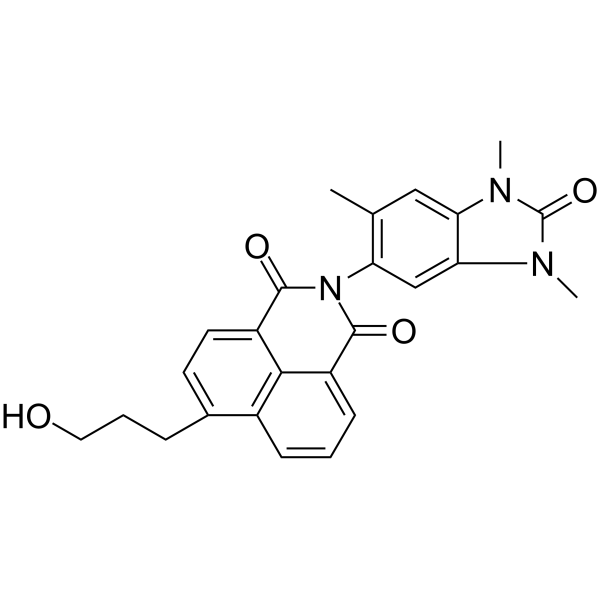
BAY-299, a chemical probe, is a very potent, dual inhibitor with IC50s of 67 nM for BRPF2 bromodomains (BD), 8 nM for TAF1 BD2, and 106 nM for TAF1L BD2.
|
-
- HY-12652
-
AZD3147
1 Publications Verification
|
mTOR
|
Cancer
|
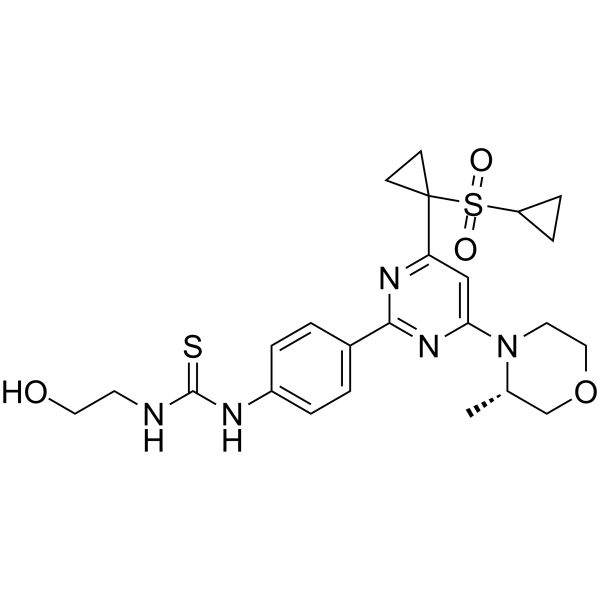
AZD3147 is a potent, orally active, selective dual inhibitor of mTORC1 and mTORC2 with an IC50 value of 1.5 nM. AZD3147 also has a selective effect on PI3K .
|
-
- HY-156754
-
-
- HY-W744263
-
-

- HY-103443
-
|
|
EGFR
|
Cancer
|
|
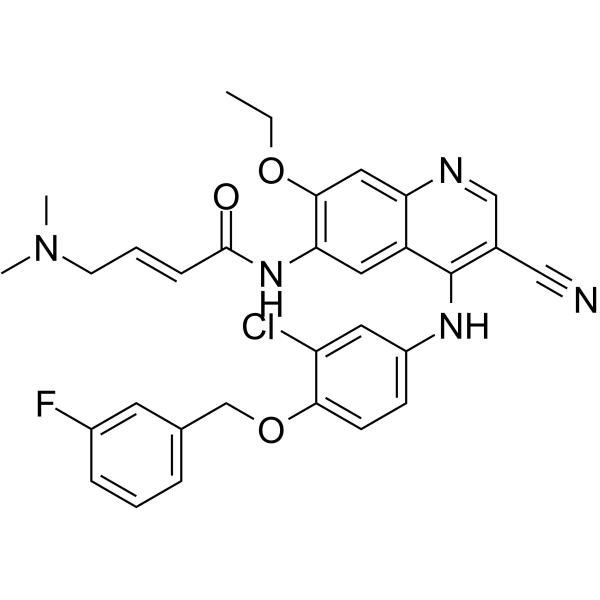
HKI-357 is an irreversible dual inhibitor of EGFR and ERBB2 with IC50s of 34 nM and 33 nM, respectively. HKI-357 suppresses EGFR autophosphorylation (at Y1068), and AKT and MAPK phosphorylation .
|
-
- HY-136860
-
|
(R)-Wy 45030
|
5-HT Receptor
|
Neurological Disease
|
|
(R)-Venlafaxine is the R-enantiomer of venlafaxine (HY-B0196), an orally active and potent dual inhibitor of serotonin (5-HT) and norepinephrine (NE) reuptake. (R)-Venlafaxine can be utilized in antidepressant research .
|
-

- HY-142645
-
|
|
RSV
|
Infection
|
|
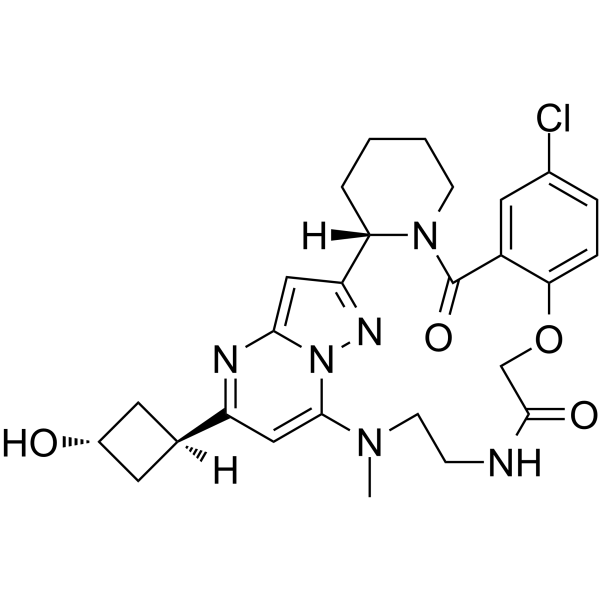
TP0591816 is a potent dual inhibitor of wild-type and mutant respiratory syncytial virus fusion proteins (wild-type, EC50 = 0.27 nM; D486N-mutant, EC50 = 0.70 nM).
|
-
- HY-173430
-
-

- HY-184134
-
-

- HY-13219R
-
|
|
COX
Lipoxygenase
Reference Standards
|
Inflammation/Immunology
|
|
Tepoxalin (Standard) is the analytical standard of Tepoxalin. This product is intended for research and analytical applications. Tepoxalin is a dual inhibitor of COX and 5-lipoxygenase (5-LO) with potent anti-inflammatory activity and a favorable gastrointestinal profile .
|
-

- HY-115951
-
|
|
EGFR
|
Cancer
|
|
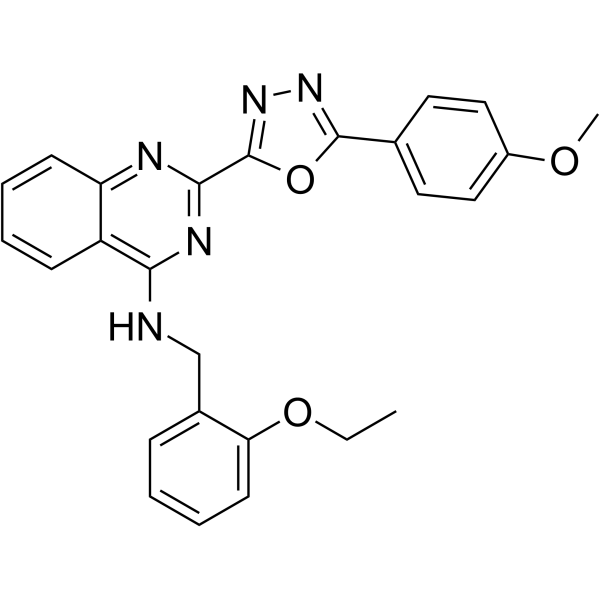
EGFR/HER2-IN-2 (Compound ZINC35560729) is a dual inhibitor of EGFR and HER2 with IC50 values of 5.02 µM and 0.83 µM against EGFR and HER2, respectively .
|
-
- HY-138818
-
|
NODVFX
|
Drug Metabolite
|
Neurological Disease
Cancer
|
|
N,O-Didesmethylvenlafaxine (NODVFX) is a metabolite of Venlafaxine (VFX; HY-B0196). Venlafaxine (Wy 45030) is an orally active, potent serotonin (5-HT)/norepinephrine (NE) reuptake dual inhibitor .
|
-

- HY-125741
-
|
|
Tie
VEGFR
|
Cancer
|
|
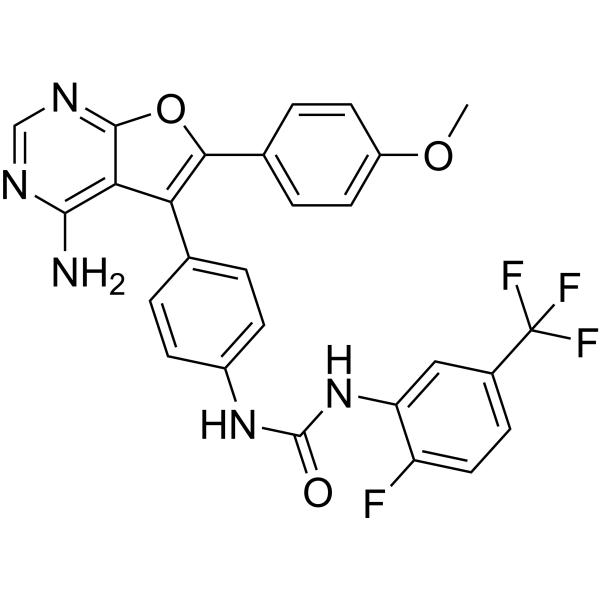
GW768505A free base is a potent dual inhibitor of VEGFR2 (KDR) and Tie-2, with a pIC50 of 7.81 for VEGFR2. GW768505A free base has anti-angiogenic activity .
|
-
- HY-112319A
-
|
|
Syk
|
Cardiovascular Disease
Inflammation/Immunology
|
|
MK-8457 is a dual inhibitor of spleen tyrosine kinase (SYK) and zeta-chain-associated protein kinase 70 (ZAP70). MK-8457 can be used for the researches of rheumatoid arthritis, hypertension .
|
-

- HY-111477
-
|
(E/Z)-RPL-554
|
Phosphodiesterase (PDE)
|
Neurological Disease
|
|
(E/Z)-Ensifentrine is a dual inhibitor of PDE3/4. (E/Z)-Ensifentrine reduces the inflammatory cells into the airways. (E/Z)-Ensifentrine has bronchodilatory and anti-inflammatory activities in vitro and in vivo model .
|
-
- HY-109108
-
|
DS-3201
|
Histone Methyltransferase
|
Cancer
|
|
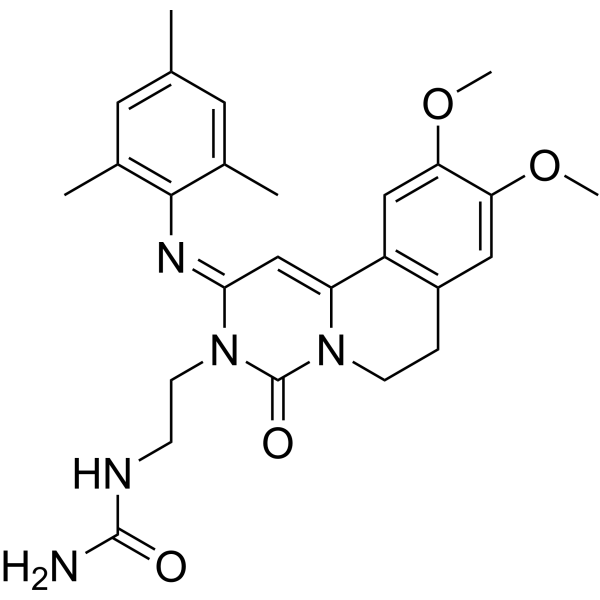
Valemetostat (DS-3201), a first-in-class EZH1/2 dual inhibitor with IC50 values <10 nM. Valemetostat can be used for the research of relapsed/refractory peripheral T-cell lymphoma .
|
-
- HY-B0196AR
-
|
Wy 45030 hydrochloride (Standard)
|
Reference Standards
Serotonin Transporter
|
Neurological Disease
Cancer
|
|
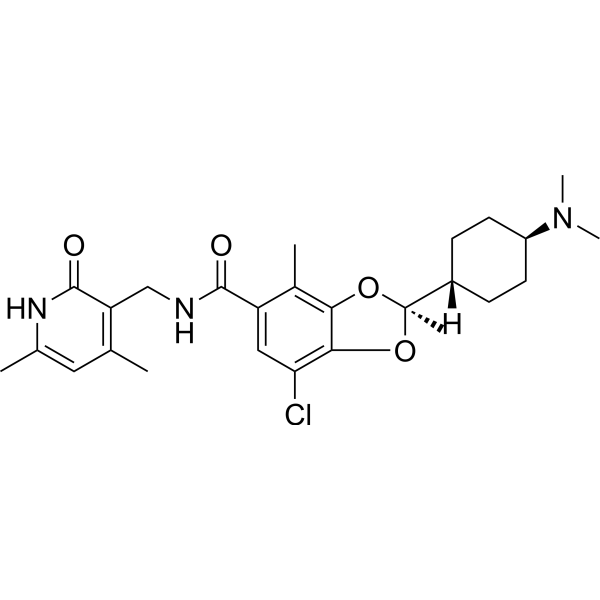
Venlafaxine (hydrochloride) (Standard) is the analytical standard of Venlafaxine (hydrochloride). This product is intended for research and analytical applications. Venlafaxine hydrochloride (Wy 45030 hydrochloride) is an orally active, potent serotonin (5-HT)/norepinephrine (NE) reuptake dual inhibitor. Venlafaxine is an antidepressant .
|
-
- HY-B0196R
-
|
Wy 45030 (Standard)
|
Serotonin Transporter
Reference Standards
|
Neurological Disease
Cancer
|
|
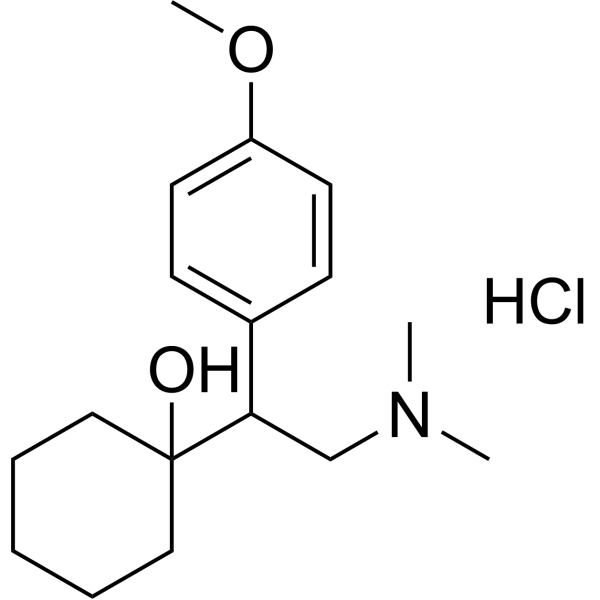
Venlafaxine (Standard) is the analytical standard of Venlafaxine. This product is intended for research and analytical applications. Venlafaxine (Wy 45030) is an orally active, potent serotonin (5-HT)/norepinephrine (NE) reuptake dual inhibitor. Venlafaxine is an antidepressant .
|
-

- HY-109108A
-
|
DS-3201 tosylate
|
Histone Methyltransferase
|
Cancer
|
|
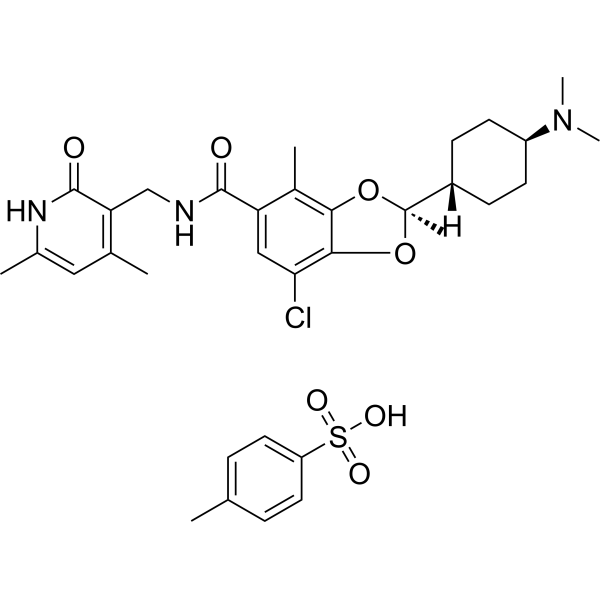
Valemetostat (DS-3201) tosylate, a first-in-class EZH1/2 dual inhibitor with IC50 values <10 nM. Valemetostat tosylate can be used for the research of relapsed/refractory peripheral T-cell lymphoma .
|
-
- HY-161355
-
|
|
Amylases
Glycosidase
|
Metabolic Disease
|
|
α-Amylase/α-Glucosidase-IN-9 (compound 5h) is a dual inhibitor for both α-amylase (IC50 = 16.4 μM) and α-glucosidase (IC50 = 31.6 μM) enzymes .
|
-
- HY-128343
-
|
|
Histone Demethylase
|
Cancer
|
|
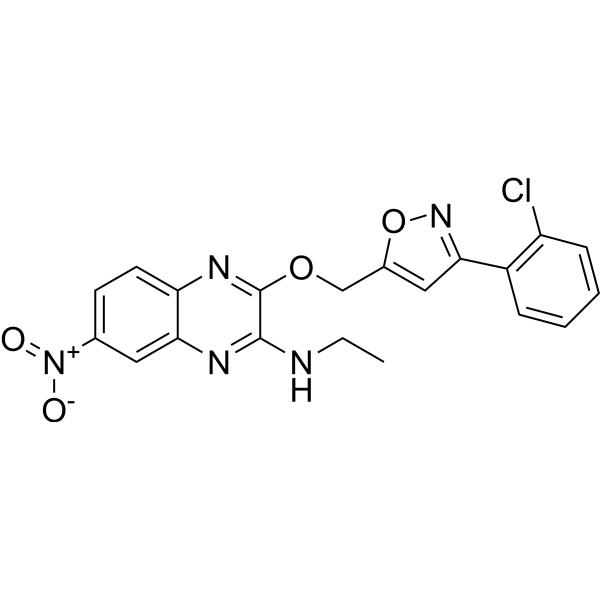
KDM4-IN-2 (Compound 19a) is a potent and selective KDM4/KDM5 dual inhibitor with Kis of 4 and 7 nM for KDM4A and KDM5B, respectively .
|
-
- HY-117421A
-
|
|
Histone Methyltransferase
DNA Methyltransferase
|
Cancer
|
|
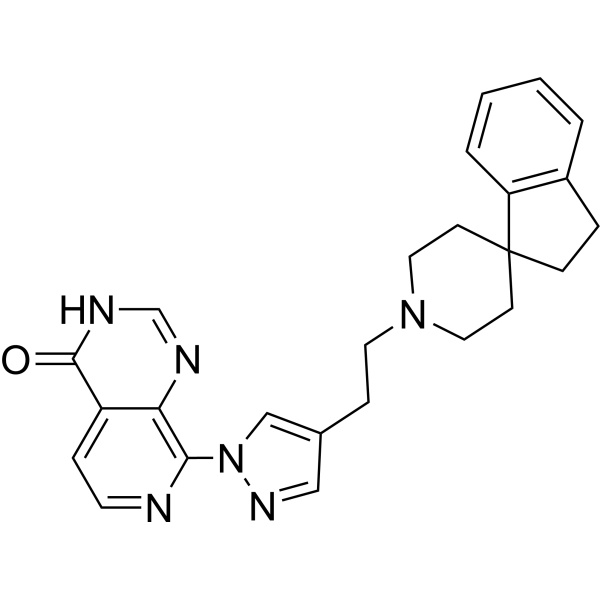
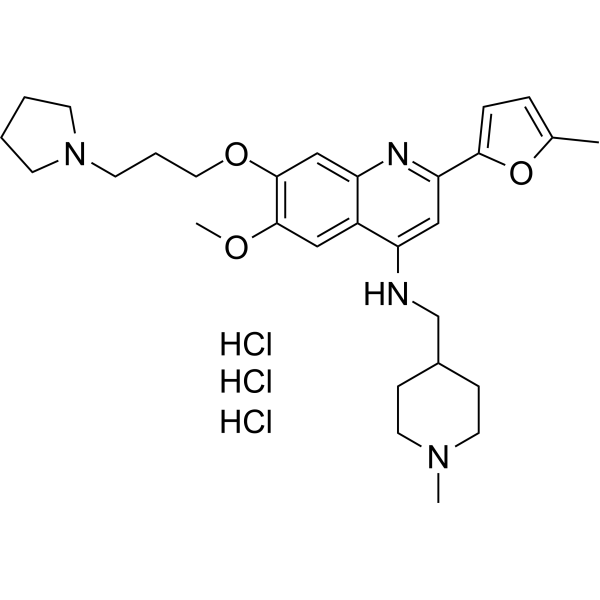
CM-579 trihydrochloride is a first-in-class reversible, dual inhibitor of G9a and DNMT, with IC50 values of 16 nM, 32 nM for G9a and DNMT, respectively. Has potent in vitro cellular activity in a wide range of cancer cells .
|
-
- HY-147772
-
-
- HY-143495
-
|
|
RSV
Influenza Virus
|
Infection
|
|
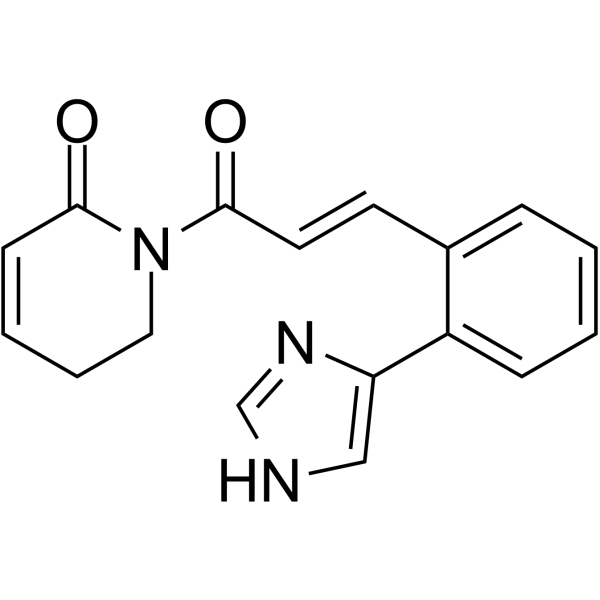
RSV-IN-3 (Compound 1) is a dual inhibitor of respiratory syncytial virus (RSV) and influenza virus A (IAV). RSV-IN-3 shows anti-RSV activity (EC50 = 32.70 μM) .
|
-
- HY-133488
-
|
|
Acyltransferase
|
Cancer
|
|
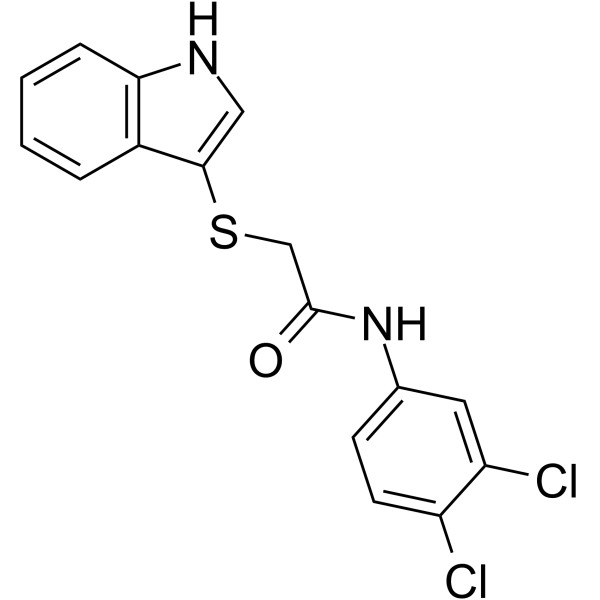
ST1072 is a dual inhibitor of CerS4 and CerS6. ST1072 significantly reduces the ability of murine T cells to proliferate and produce IFN-γ. ST1072 can be used for hematologic malignancies research .
|
-

- HY-115941
-
|
|
HDAC
Microtubule/Tubulin
Apoptosis
|
Cancer
|
|
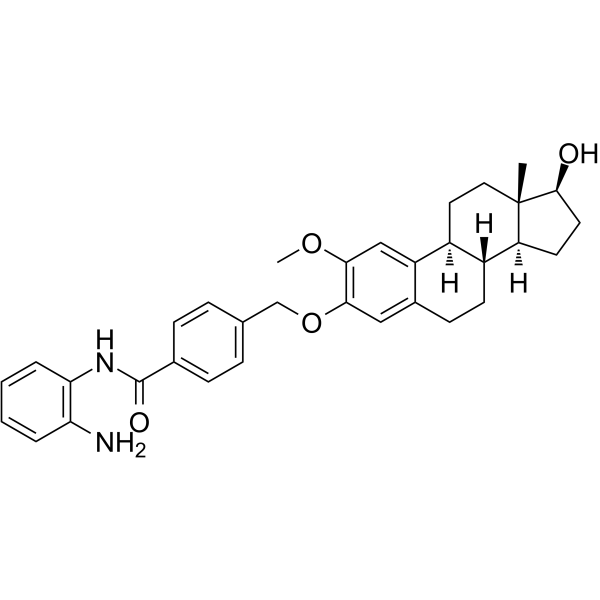
HDAC-IN-9 is a potent and selective tubulin and HDAC dual inhibitor. HDAC-IN-9 inhibits the invasion and migration of A549 cells. HDAC-IN-9 shows potent antitumor and antiangiogenic effect in vitro and in vivo .
|
-
- HY-117421
-
|
|
Histone Methyltransferase
DNA Methyltransferase
|
Cancer
|
|
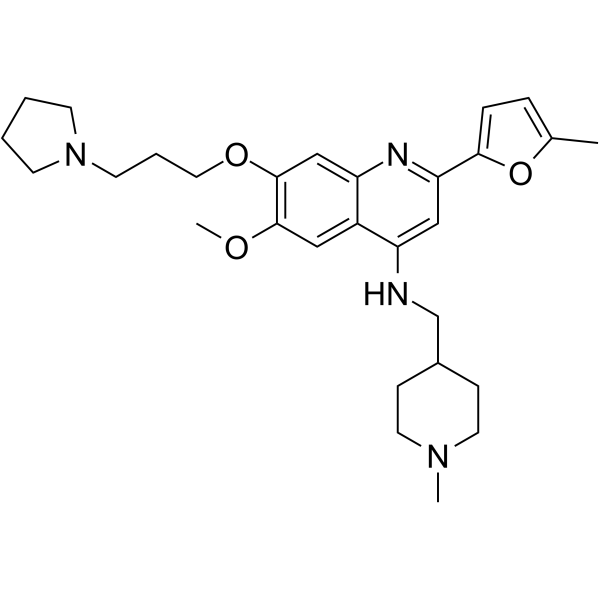
CM-579 is a first-in-class reversible, dual inhibitor of G9a and DNMT, with IC50 values of 16 nM, 32 nM for G9a and DNMT, respectively. Has potent in vitro cellular activity in a wide range of cancer cells .
|
-
- HY-103443A
-
|
|
EGFR
|
Cancer
|
|
HKI-357 dimaleate is an irreversible dual inhibitor of EGFR and ERBB2 with IC50s of 34 nM and 33 nM, respectively. HKI-357 dimaleate suppresses EGFR autophosphorylation (at Y1068), and AKT and MAPK phosphorylation .
|
-

- HY-W010144R
-
-

- HY-116273
-
|
|
Phospholipase
|
Cancer
|
|
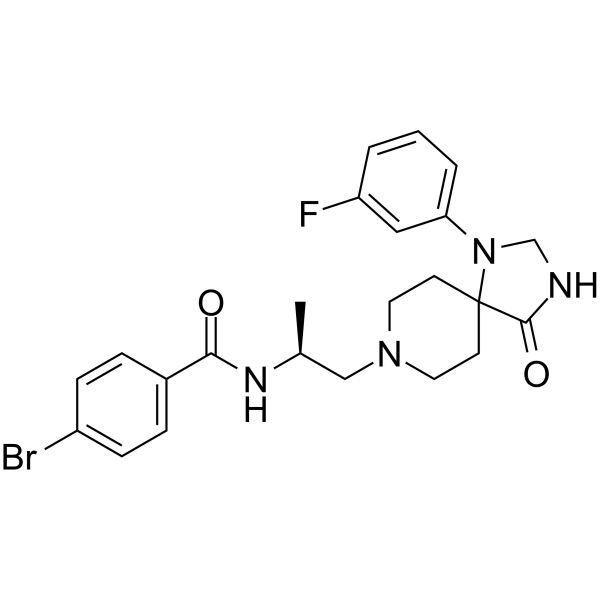
ML299 is a selective allosteric modulator and a dual inhibitor of phospholipases D1 and D2 (IC50 values are 6 and 12 nM, respectively). ML299 decreases invasive migration in U87-MG glioblastoma cells .
|
-
- HY-N12041
-
|
|
TAM Receptor
HIF/HIF Prolyl-Hydroxylase
|
Cancer
|
|
Axl-IN-16 is a dual inhibitor of Axl/HIF. Axl-IN-16 induces fruiting body formation of Flammulina velutipes. Axl-IN-16 inhibits hypoxia-inducible factor activity and receptor tyrosine kinase expression .
|
-
- HY-101776
-
|
Desmethyl-SB2343
|
mTOR
PI3K
|
Cancer
|
|
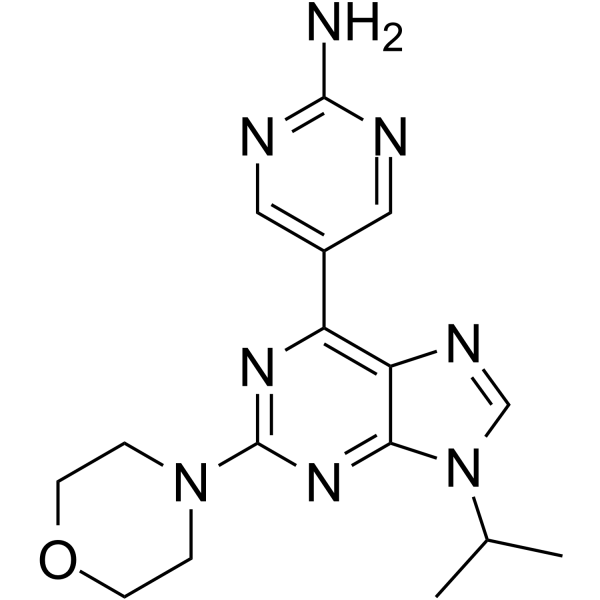
Desmethyl-VS-5584 is a dimethyl analog of VS-5584 which is an potent and selective mTOR/PI3K dual inhibitor with pyrido [2,3-d] pyrimidine structure .
|
-
- HY-143886
-
|
|
Angiotensin-converting Enzyme (ACE)
|
Cardiovascular Disease
|
|
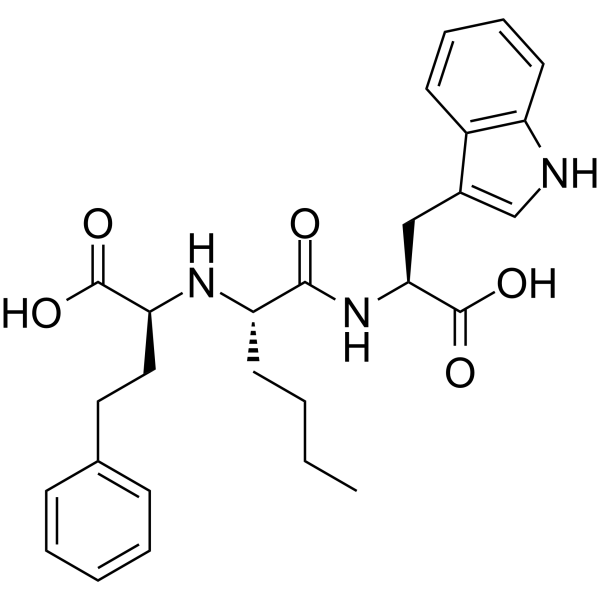
AD011 is a dual inhibitor of cACE/NEP. AD011 is synthesized based on the previously reported C-domain selective ACE inhibitor lisinopril-tryptophan. AD011 has the potential for providing the potent antihypertensive and cardioprotective benefits .
|
-
- HY-143888
-
-
- HY-13068R
-
|
E-7050 (Standard)
|
c-Met/HGFR
VEGFR
Reference Standards
|
Cancer
|
|
Golvatinib (Standard) is the analytical standard of Golvatinib. This product is intended for research and analytical applications. Golvatinib (E-7050) is a potent dual inhibitor of both c-Met and VEGFR2 kinases with IC50s of 14 and 16 nM, respectively.
|
-

- HY-143887
-
|
|
Angiotensin-converting Enzyme (ACE)
|
Cardiovascular Disease
|
|
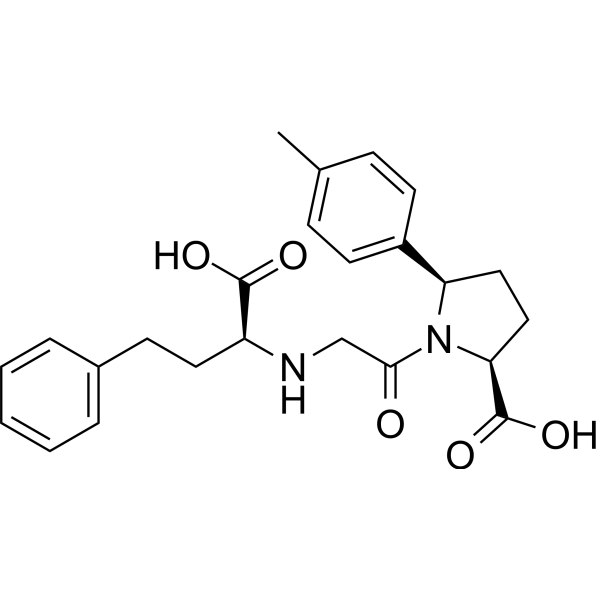
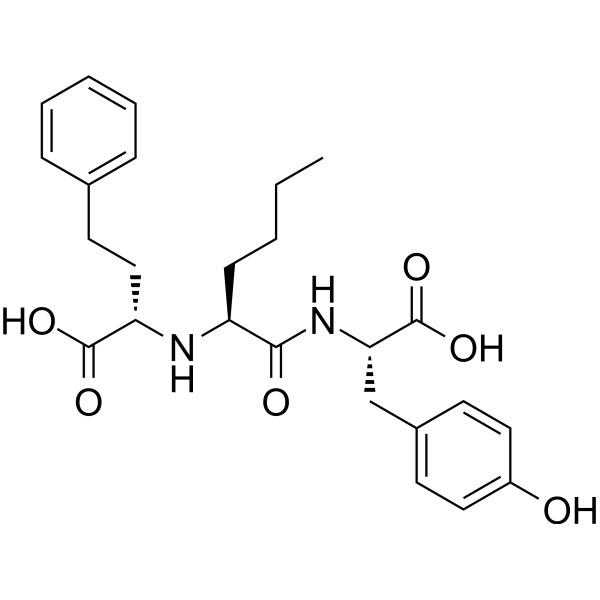
AD012 is a dual inhibitor of cACE/NEP. AD012 is synthesized based on the previously reported C-domain selective ACE inhibitor lisinopril-tryptophan. AD012 has the potential for providing the potent antihypertensive and cardioprotective benefits .
|
-
- HY-143496
-
|
|
RSV
Influenza Virus
|
Infection
|
|
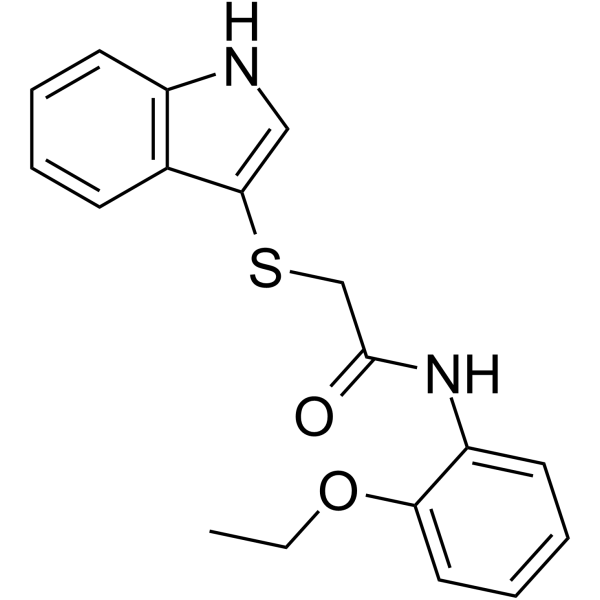
RSV-IN-4 (Compound 2) is a dual inhibitor of respiratory syncytial virus (RSV) and influenza virus A (IAV). RSV-IN-4 shows anti-RSV activity (EC50 = 11.76 μM) .
|
-
- HY-124654
-
|
|
SARS-CoV
|
Metabolic Disease
|
|
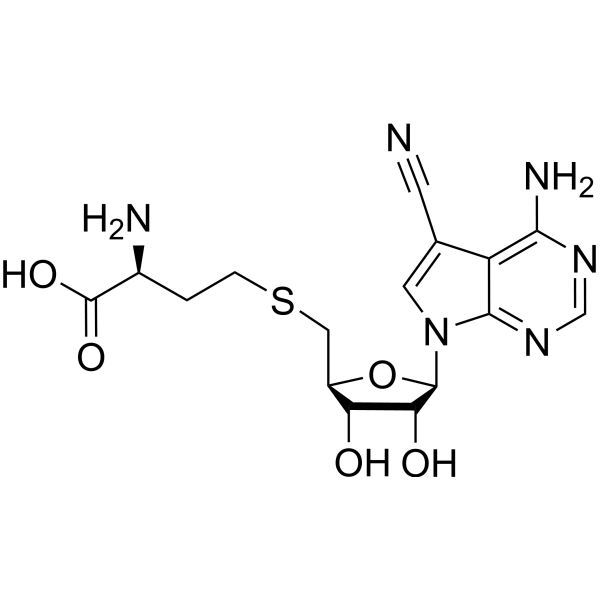
SS148 is a dual inhibitor of nsp14/nsp16 MTase. SS148 significant inhibits nsp10–nsp16 with an IC50 of 1.2 μM .
|
-
- HY-W010144
-
|
|
COX
Lipoxygenase
|
Cardiovascular Disease
Inflammation/Immunology
|
|
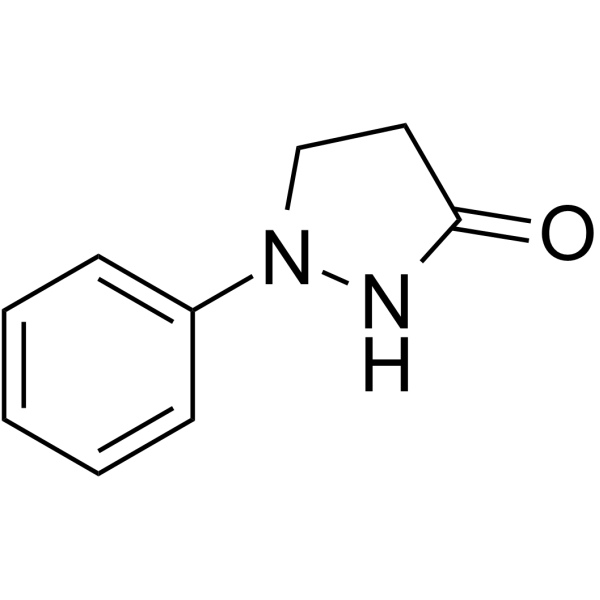
Phenidone, an orally active dual inhibitor of cyclooxygenase (COX) and lipoxygenase (LOX), ameliorates rat paralysis in experimental autoimmune encephalomyelitis. Phenidone is a potent hypotensive agent in the spontaneously hypertensive rat . Phenidone is used as a photographic developer .
|
-
- HY-170691
-
|
|
Cholinesterase (ChE)
|
Neurological Disease
|
|
hAChE/hBuChE-IN-1 (compound C2) is a dual inhibitor of cholinesterase with IC50 values of 514 nM and 358 nM for hAChE and hBuChE respectively. hAChE/hBuChE-IN-1 has oral activity and improves cognition and spatial memory .
|
-

- HY-149659
-
|
|
PI5P4K
|
Cancer
|
|
ARUK2007145 is potent, cell-active dual inhibitor of the PI5P4Kα and PI5P4Kγ isoforms (pIC50: 7.3 and 8.1, respectively) .
|
-
- HY-P0025
-
-
- HY-12036
-
|
|
PI3K
mTOR
Apoptosis
|
Cancer
|
|
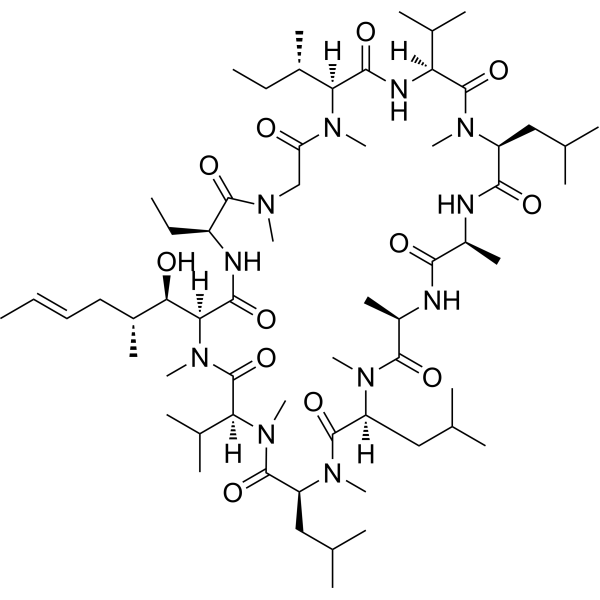
GSK1059615 is a dual inhibitor of PI3Kα/β/δ/γ (reversible) and mTOR with IC50 of 0.4 nM/0.6 nM/2 nM/5 nM and 12 nM, respectively.
|
-
- HY-160685
-
|
|
VEGFR
|
Others
|
|
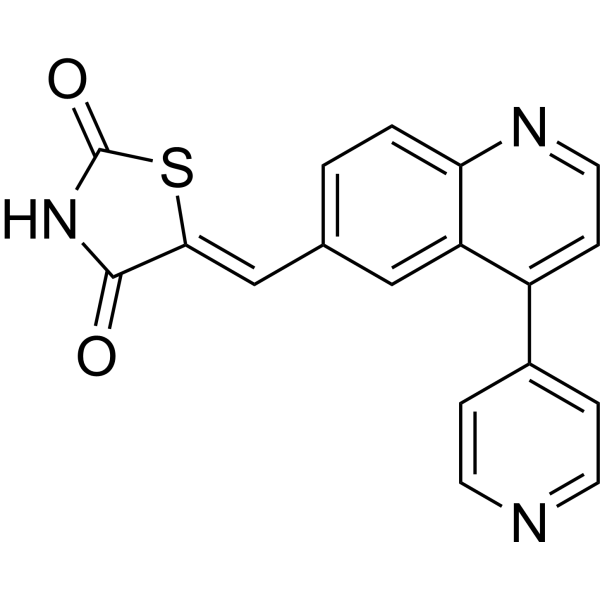
GW809897X is a dual inhibitor of Fluc and VEGFR with IC50 of 0.58 μM and 65 nM, respectively. GW809897X is a protein kinase inhibitor across ATP-dependent and -independent luciferases with potential impact on Fluc reporter assays .
|
-
- HY-160684
-
|
|
VEGFR
|
Others
|
|
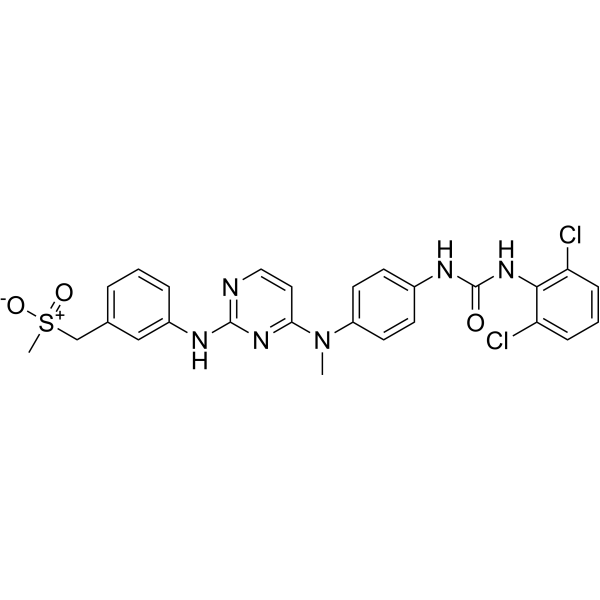
GW701427A is a dual inhibitor of Fluc and VEGFR2 with IC50 of 0.12 μM and 603 nM, respectively. GW701427A acts as a protein kinase inhibitor across ATP-dependent and -independent luciferases with potential implications for Fluc reporter assays .
|
-
- HY-170689
-
|
|
FLT3
Bcl-2 Family
|
Cancer
|
|
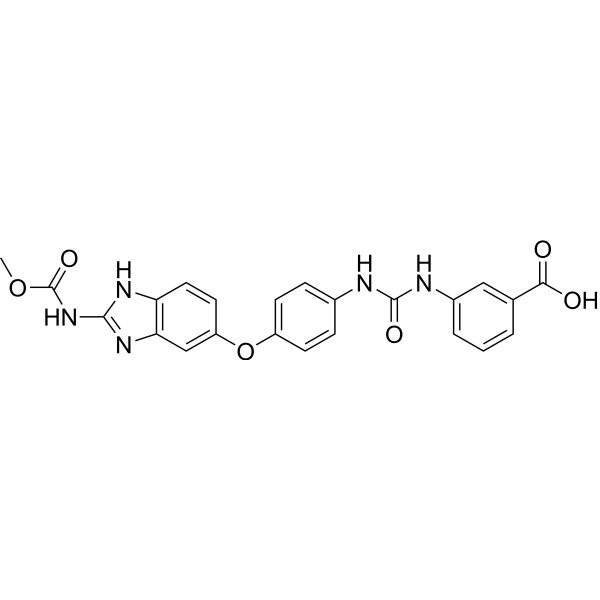
CG-3-246 is a dual inhibitor of FLT3/BCL-2, with the Kds of 63 and 4.25 nM, respectibely. CG-3-246 plays an important role in acute myeloid leukemias research .
|
-

- HY-172796
-
|
|
TAM Receptor
|
Cancer
|
|
UNC9435 (compound 44) is a dual inhibitor of TYRO3/MERTK with IC50 values of 3.7 nM and 1.1 nM, respectively. UNC9435 reduces colony formation in non-small cell lung cancer cultures
|
-

- HY-19642
-
|
MGCD265
|
TAM Receptor
c-Met/HGFR
|
Cancer
|
|
Glesatinib (MGCD265) is an orally active, potent MET/SMO dual inhibitor. Glesatinib, a tyrosine kinase inhibitor, antagonizes P-glycoprotein (P-gp) mediated multidrug resistance (MDR) in non-small cell lung cancer (NSCLC) .
|
-
- HY-B0196S3
-
-

- HY-169048
-
|
|
CDK
|
Cancer
|
|
CDK2/4-IN-2 (compound 56) is a CDK2 and CDK4 dual inhibitor with IC50s less than 100 nM. CDK2/4-IN-2 can be used in the study of cancer .
|
-

- HY-101438
-
-
- HY-163136
-
|
|
Autophagy
REV-ERB
|
Cancer
|
|
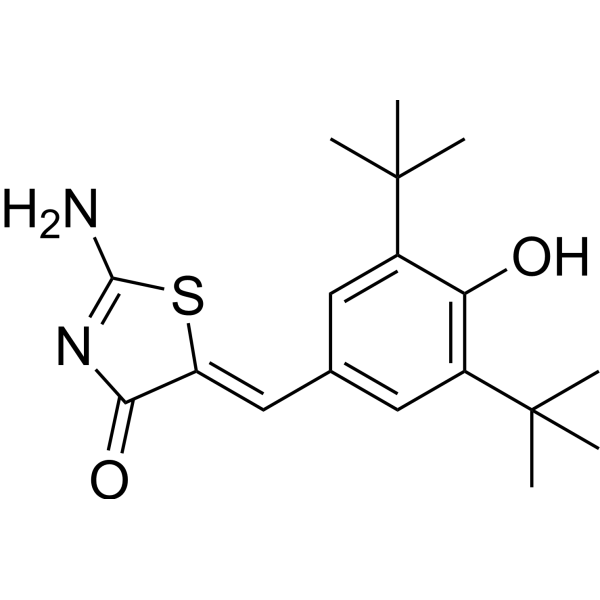
Autophagy/REV-ERB-IN-1 (compound 24) is a dual inhibitor of autophagy and REV-ERB. Autophagy/REV-ERB-IN-1 has anti-tumor activity with a CC50 value of 2.3 μM on BTB-474 cells.
|
-
- HY-129701
-
|
|
Bcl-2 Family
|
Cancer
|
|
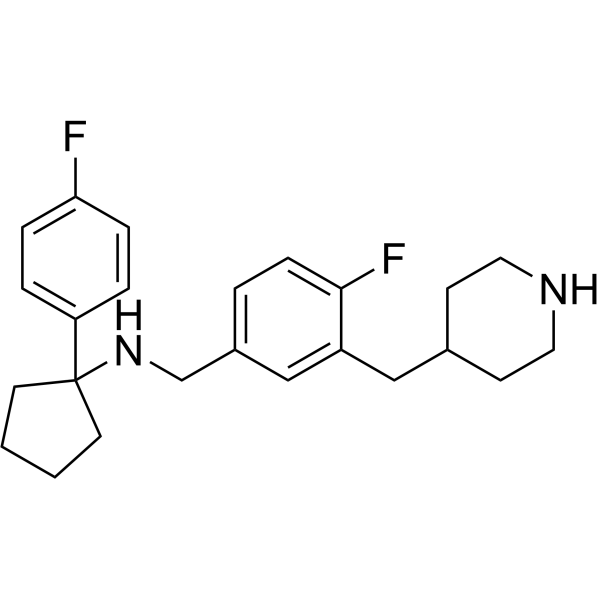
MCL-1/BCL-2-IN-3 (Compound 2) is a potent and selective Mcl-1 and Bcl-2 dual inhibitor with IC50s of 5.95 and 4.78 μM, respectively .
|
-
- HY-156423
-
|
|
Microtubule/Tubulin
JAK
|
Cancer
|
|
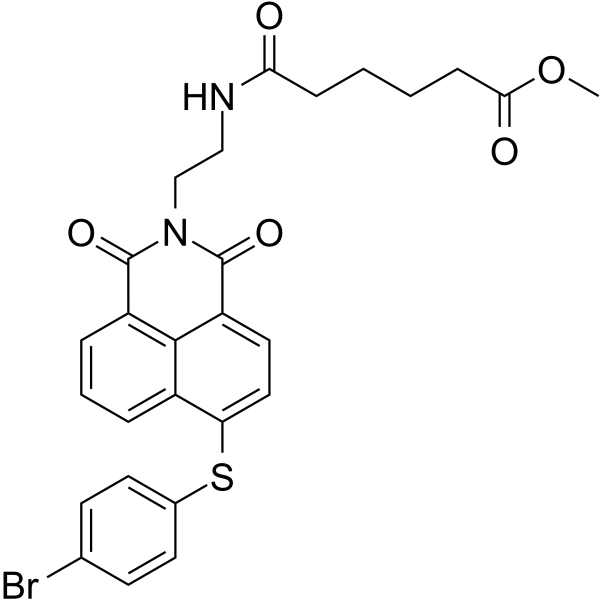
Tubulin/JAK2-IN-1 (compound 7g) is a dual inhibitor of Janus kinase 2 (JAK2) and microtubule. Tubulin/JAK2-IN-1 has potent antiproliferative activity against the cancer cells .
|
-
- HY-100509R
-
|
|
TAM Receptor
Reference Standards
c-Met/HGFR
Apoptosis
|
Cancer
|
|
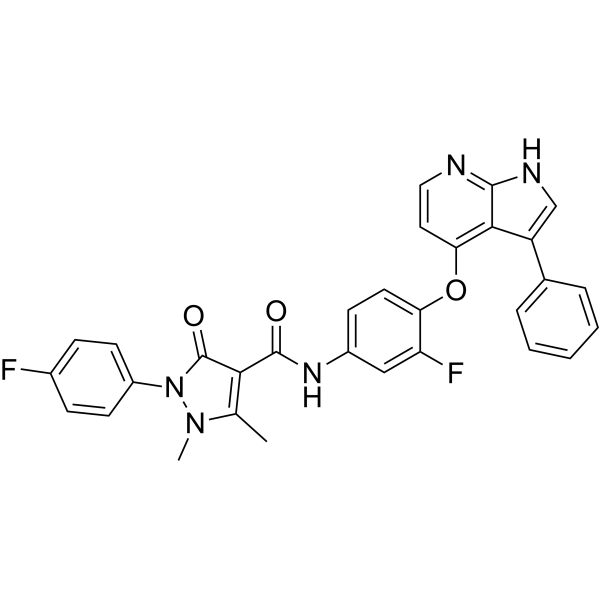
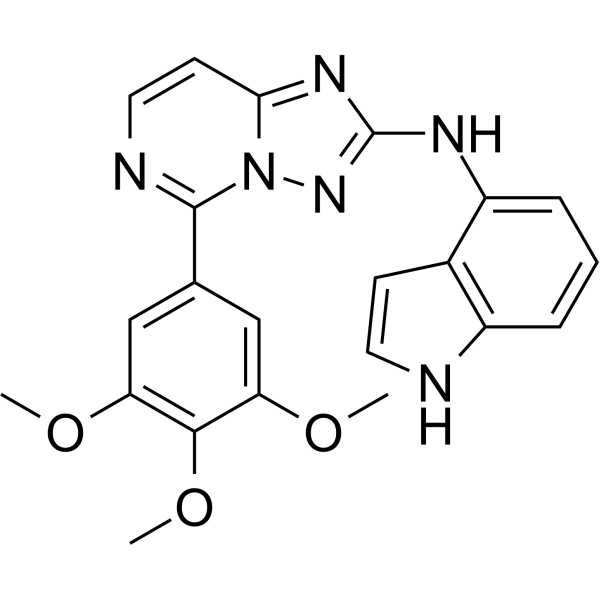
NPS-1034 (Standard) is the analytical standard of NPS-1034 (HY-100509). This product is intended for research and analytical applications. NPS-1034 is a dual inhibitor of AXL and MET with IC50s of 10.3 and 48 nM, respectively.
|
-

- HY-111427
-
|
|
CDK
|
Cancer
|
|
CDK8/19-IN-1 is a potent, selective and oral bioavailable CDK8/19 dual inhibitor, with IC50s of 0.46 nM, 0.99 nM and 270 nM for CDK8, CDK19 and CDK9, respectively.
|
-
- HY-144794
-
|
|
Apoptosis
EGFR
FAK
|
Cancer
|
|
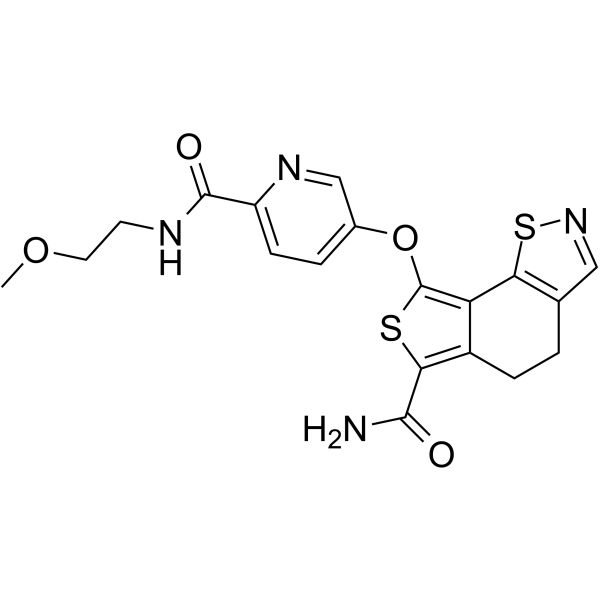
EGFR-IN-46 is a potent EGFR and FAK dual inhibitor with IC50s of 20.17 nM, 14.25 nM, respectively. EGFR-IN-46 significantly inhibits the growth of cancer cells. EGFR-IN-46 induces cell apoptosis .
|
-
- HY-149421
-
|
|
Epigenetic Reader Domain
|
Cancer
|
|
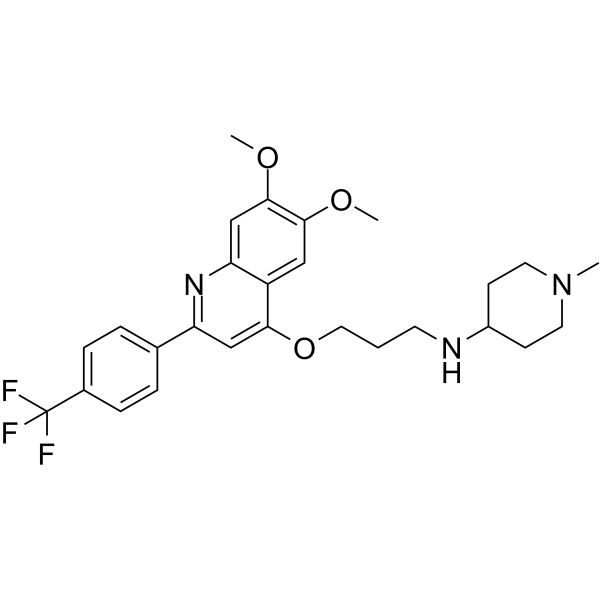
BRD7-IN-3 (compound 1-78) is a dual inhibitor of bromodomain-containing proteins BRD7/BRD9 with IC50s of 1.6 μM and 2.7 μM respectively .
|
-
- HY-19642A
-
|
MGCD265 hydrochloride
|
TAM Receptor
c-Met/HGFR
|
Cancer
|
|
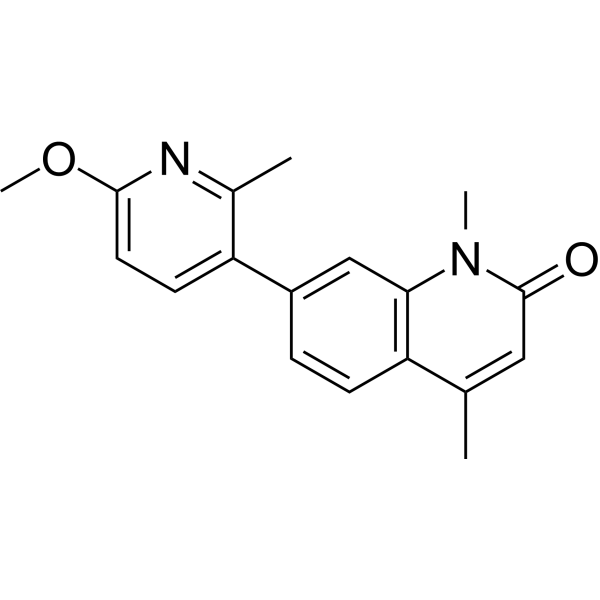
Glesatinib hydrochloride (MGCD265 hydrochloride) is an orally active, potent MET/SMO dual inhibitor. Glesatinib hydrochloride, a tyrosine kinase inhibitor, antagonizes P-glycoprotein (P-gp) mediated multidrug resistance (MDR) in non-small cell lung cancer (NSCLC) .
|
-
- HY-143398
-
|
|
PARP
|
Cancer
|
|
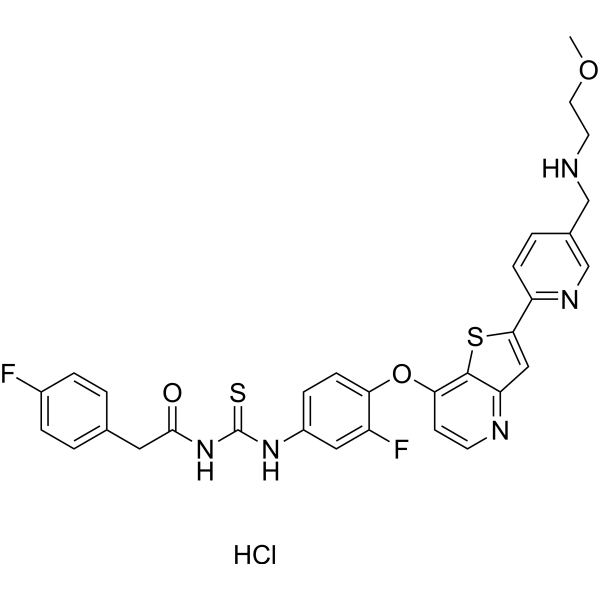
PARP10/15-IN-1 (compound 8l) is a potent inhibitor of dual inhibitor of PARP10 and PARP15, with IC50s of 160 nM and 370 nM, respectively. PARP10/15-IN-1 can be used for cancer .
|
-
- HY-144809
-
|
|
Carboxylesterase (CES)
|
Metabolic Disease
|
|
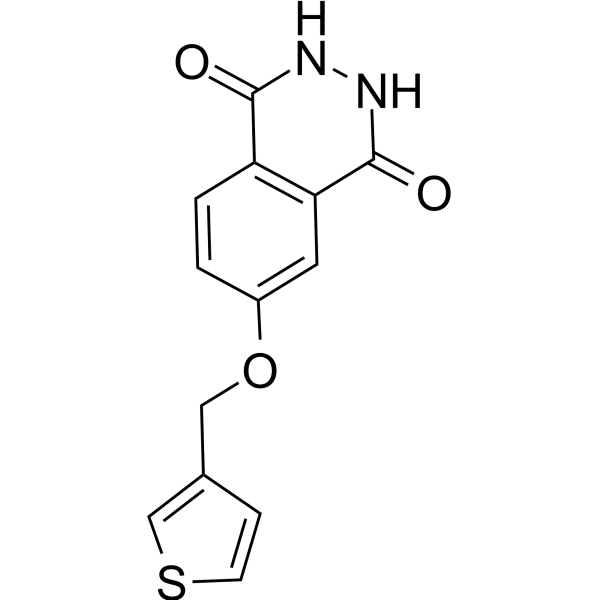
Pancreatic lipase/Carboxylesterase 1-IN-1 (Compound 39) is a potent dual inhibitor of pancreatic lipase (PL) and human carboxylesterase 1A (hCES1A) with IC50 values of 2.13 µM and 0.055 µM against PL and hCES1A .
|
-
- HY-19064
-
-

- HY-B0196S2
-
-

- HY-104065R
-
|
SHR-1258 (Standard)
|
Reference Standards
EGFR
|
Cancer
|
|
Pyrotinib (Standard) is the analytical standard of Pyrotinib (HY-104065). This product is intended for research and analytical applications. Pyrotinib (SHR-1258) is a potent and selective EGFR/HER2 dual inhibitor with IC50s of 13 and 38 nM, respectively .
|
-

- HY-168061
-
|
|
Bacterial
|
Infection
|
|
HldA/E-IN-1 (compound 8) is a dual inhibitor of HldA/E, with IC50 values of 17.2 μM and 67.8 μM for HldA/E, respectively. HldA/E-IN-1 can be used in the study of anti-bacterial infection .
|
-

- HY-141701
-
|
|
mTOR
HDAC
|
Cancer
|
|
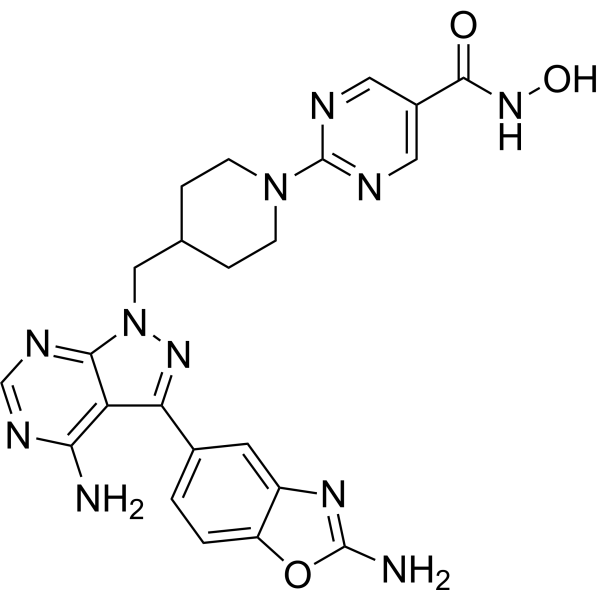
mTOR/HDAC-IN-1 (Compound 50) is a selective mTOR and HDAC dual inhibitor with IC50 values of 0.49 and 0.91 nM against mTOR and HDAC1, respectively. mTOR/HDAC-IN-1 can be studied as an anti-cancer agent .
|
-
- HY-101438A
-
-
- HY-157391
-
-
- HY-16782
-
|
ARRY-614
|
Tie
p38 MAPK
Autophagy
|
Cancer
|
|
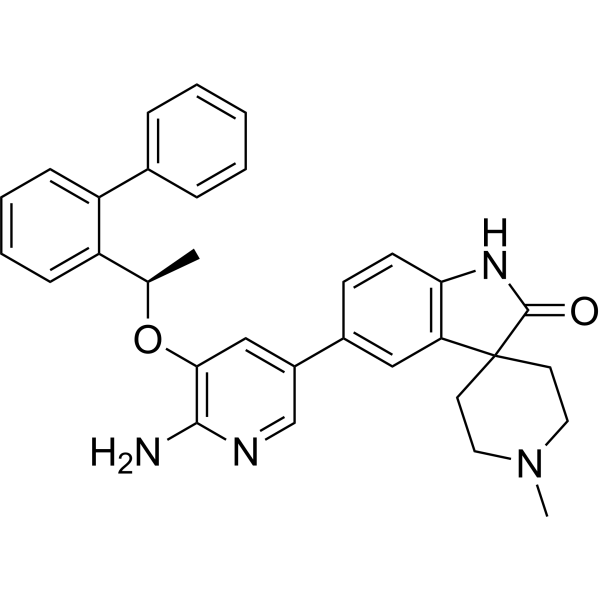
Pexmetinib is a potent Tie-2 and p38 MAPK dual inhibitor, with IC50s of 1 nM, 35 nM and 26 nM for Tie-2, p38α and p38β, respectively, and can be used in the research of acute myeloid leukemia.
|
-
- HY-155708
-
|
|
Cholinesterase (ChE)
|
Neurological Disease
|
|
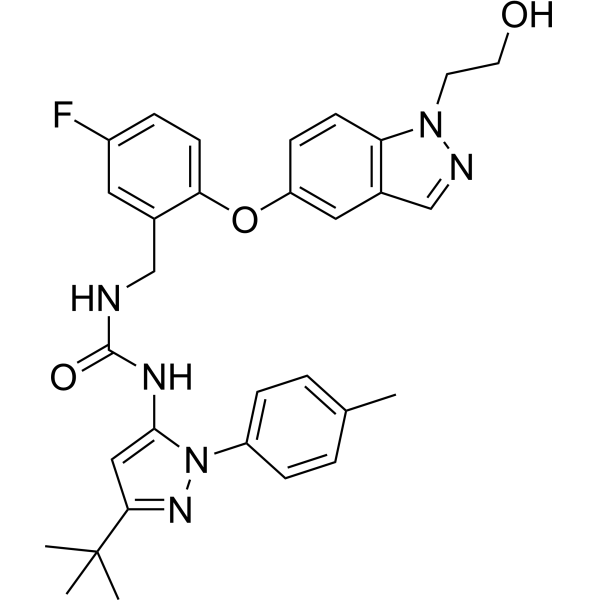
AChE/BChE-IN-13 (compound 5j) is a potent dual inhibitor of AChE and BChE with IC50s of 20.89 and 17.37 μM, respectively. AChE/BChE-IN-13 can be used in Alzheimer’s disease (AD) research .
|
-
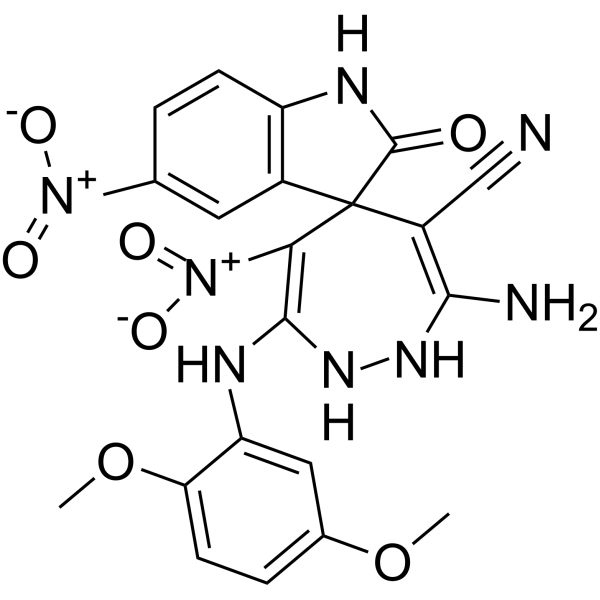
- HY-B0494
-
|
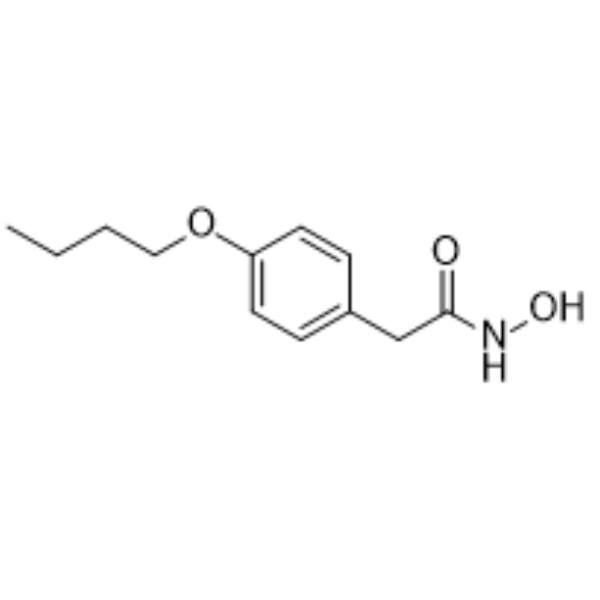
Bufexamic acid
|
HDAC
Aminopeptidase
|
Inflammation/Immunology
Cancer
|
|
Bufexamac is a selective Ⅱb HDAC (HDAC6, HDAC10) and LTA4H dual inhibitor, with Kds of 0.53 µM and 0.22 µM for HDAC6 and HDAC10. Bufexamac is a nonsteroida anti-inflammatory drug .
|
-
- HY-157490
-
|
|
PARP
HDAC
|
Cancer
|
|
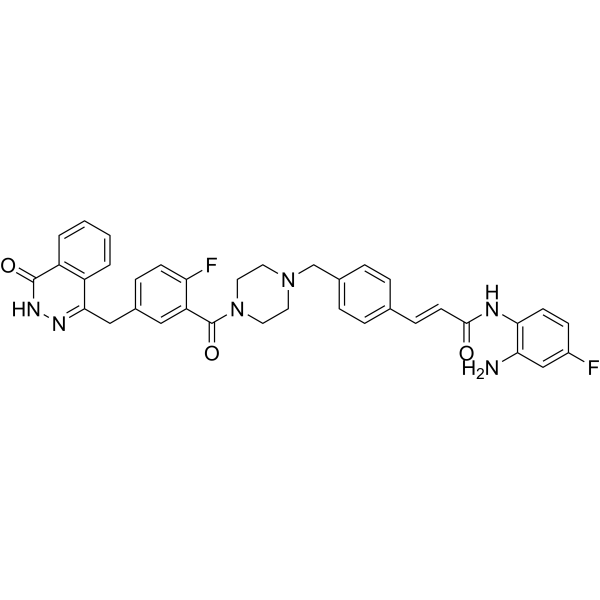
PARP/HDAC-IN-1 (compound B102) is a potent dual inhibitor of PARP and HDAC. PARP/HDAC-IN-1 inhibits PARP1, PARP2 and HDAC1 with IC50s of 19.01, 2.13, 1690 nM, respectively .
|
-
- HY-104065BR
-
|
SHR-1258 dimaleate (Standard)
|
Reference Standards
EGFR
|
Cancer
|
|
Pyrotinib dimaleate (Standard) is the analytical standard of Pyrotinib dimaleate. This product is intended for research and analytical applications. Pyrotinib dimaleate (SHR-1258 dimaleate) is a potent and selective EGFR/HER2 dual inhibitor with IC50s of 13 and 38 nM, respectively .
|
-

- HY-161019
-
|
|
JAK
|
Inflammation/Immunology
|
|
JAK1/TYK2-IN-4 is a dual inhibitor of JAK and TYK2, with IC50s of 39 nM and 21 nM, respectively. JAK1/TYK2-IN-4 has oral bioavailability .
|
-
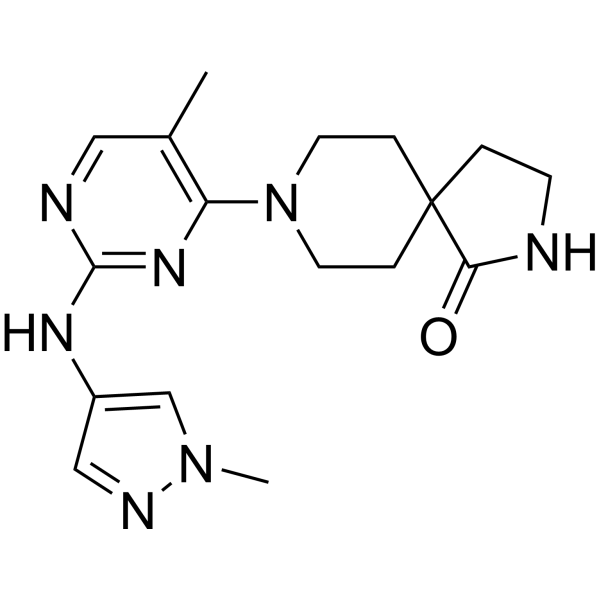
- HY-129681
-
|
|
Bcl-2 Family
|
Cancer
|
|
MCL-1/BCL-2-IN-2 (Compound Nap-1) is a potent and selective Mcl-1 and Bcl-2 dual inhibitor with IC50s of 4.45 and 3.18 μM, respectively .
|
-
- HY-145244
-
|
|
Akt
|
Cancer
|
|
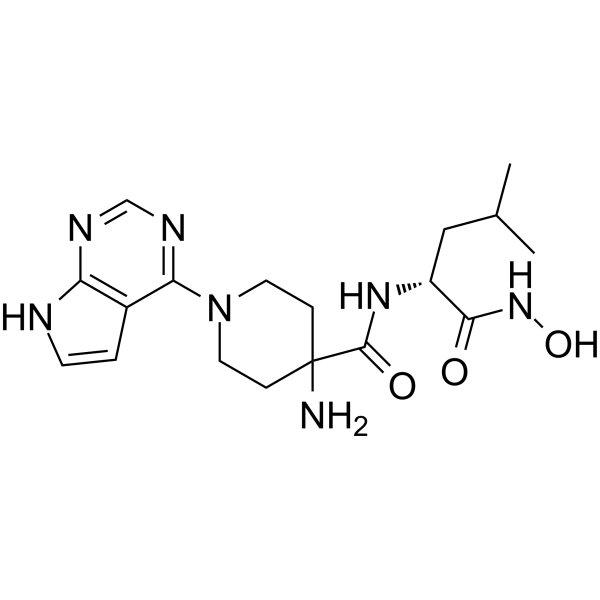
APN/AKT-IN-1 is a potent and dual inhibitor of APN and AKT with IC50s of 0.21 and 0.27 μM, respectively. APN/AKT-IN-1 can effectively inhibit the phosphorylation of GSK3β, the intracellular substrate of AKT .
|
-
- HY-N2947
-
|
|
P-glycoprotein
|
Infection
Inflammation/Immunology
|
|
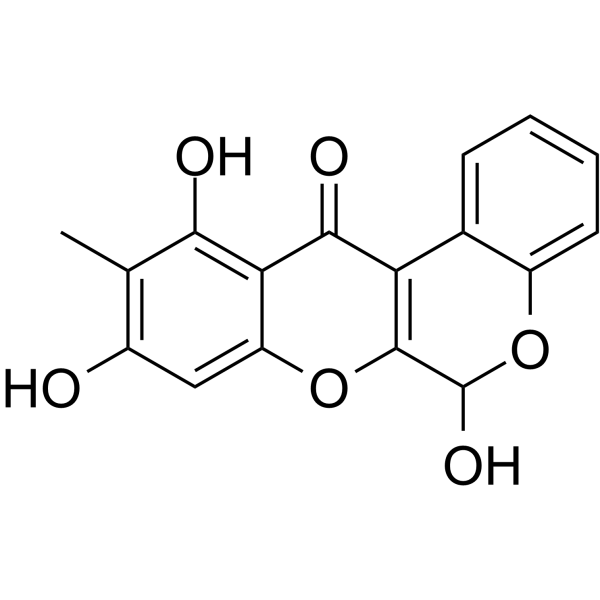
Boeravinone B, a dual inhibitor of NorA bacterial efflux pump of Staphylococcus aureus and human P-Glycoprotein, reduces the biofilm formation and intracellular invasion of bacteria. Boeravinone B act as anti-aging and anti-apoptosis phyto-molecules during oxidative stress .
|
-
- HY-149016
-
|
|
Microtubule/Tubulin
Farnesyl Transferase
|
Cancer
|
|
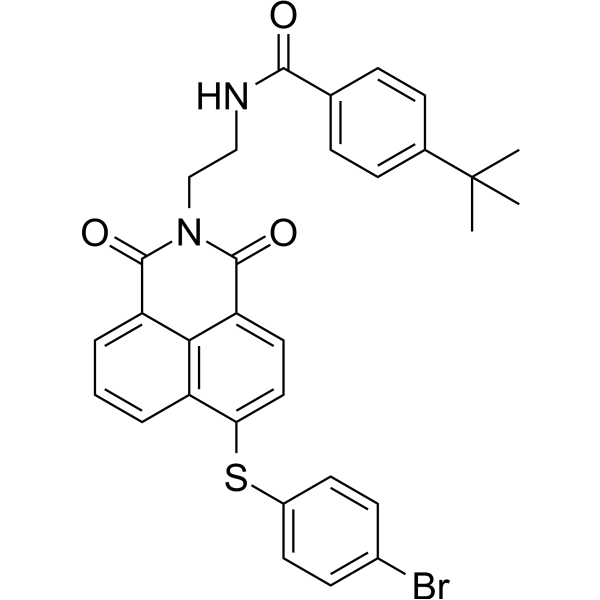
Tubulin polymerization-IN-25 (compound 17f) is a dual inhibitor of tubulin polymerization and farnesyl transferase (FTase) with IC50s of 1.11 μM and 0.39 μM, respectively. Tubulin polymerization-IN-25 displays cytotoxicity and excellent antitumor activity .
|
-
- HY-10191R
-
|
OSI-906 (Standard)
|
Reference Standards
IGF-1R
Insulin Receptor
|
Endocrinology
Cancer
|
|
Linsitinib (Standard) is the analytical standard of Linsitinib. This product is intended for research and analytical applications. Linsitinib (OSI-906) is a potent, selective and orally bioavailable dual inhibitor of the IGF-1 receptor and insulin receptor (IR) with IC50s of 35 and 75 nM, respectively .
|
-

- HY-161145
-
|
|
EGFR
Apoptosis
Microtubule/Tubulin
|
Cancer
|
|
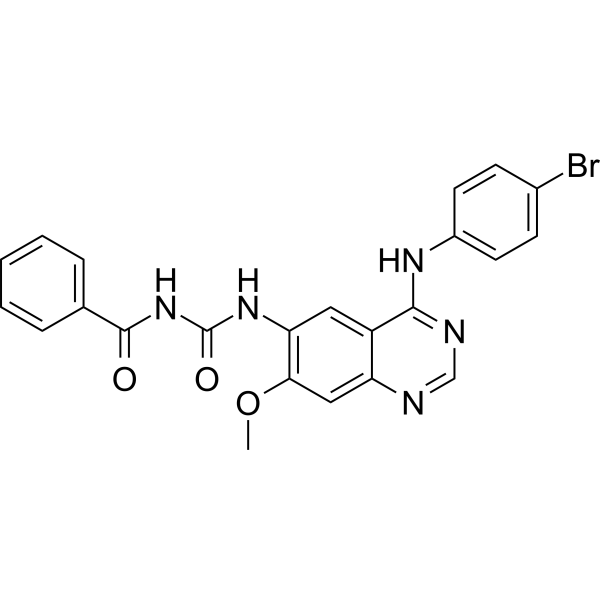
EGFR/microtubule-IN-1 (Compound 10c) is a dual inhibitor targeting EGFR and tubulin. The IC50 for inhibiting EGFR is 10.66 nM. EGFR/microtubule-IN-1 can reduce the phosphorylation levels of EGFR, AKT and ERK, hinder tubulin polymerization, and induce apoptosis .
|
-
- HY-161136
-
|
|
EGFR
STAT
|
Cancer
|
|
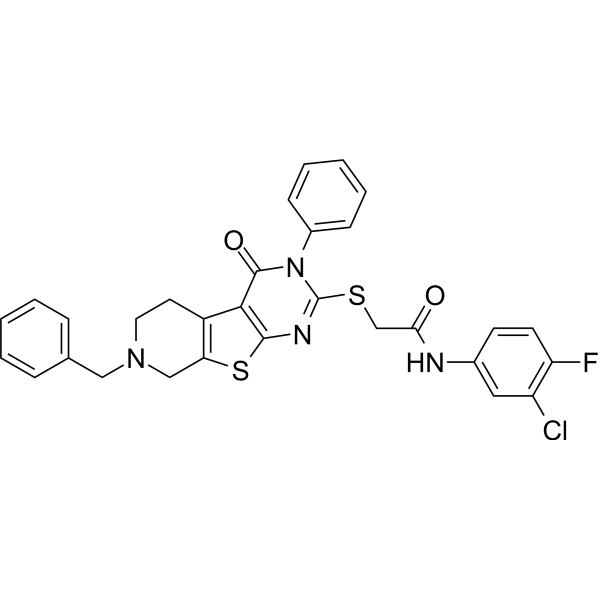
EGFR/STAT3-IN-1 (Compound 5k) is a dual inhibitor of EGFR/STAT3 with IC50 values for EGFR and STAT3 are 41 and 3.34 nM, respectively. EGFR/STAT3-IN-1 has antitumor activity .
|
-
- HY-152185
-
|
|
p38 MAPK
|
Cancer
|
|
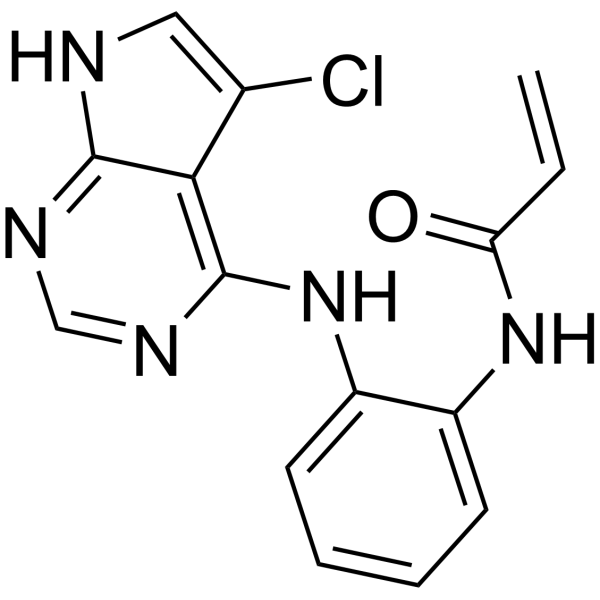
BSJ-04-122 is a covalent MKK4/7 dual inhibitor. BSJ-04-122 inhibits MKK4 and MKK7 with IC50 values of 4 nM and 181 nM, respectively. BSJ-04-122 can be used for the research of cancer .
|
-
- HY-130794
-
-
- HY-137203
-
-

- HY-114653
-
|
|
Casein Kinase
SRPK
|
Cancer
|
|
SRPIN803 is a potent CK2 and SRPK1 dual inhibitor, with IC50s of 203 nM and 2.4 μM, respectively. SRPIN803 exhibits antiangiogenic activity. SRPIN803 can be used for the research of age-related macular degeneration .
|
-
- HY-10579
-
|
SC1
|
Ribosomal S6 Kinase (RSK)
ERK
|
Cancer
|
|
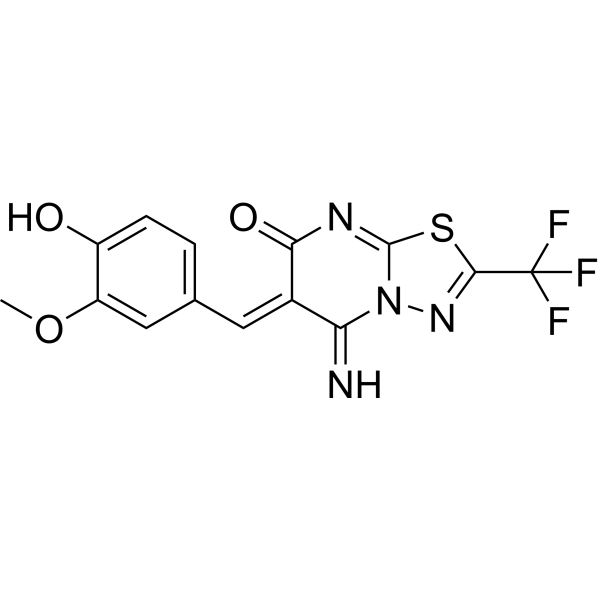
Pluripotin is a dual inhibitor of ERK1 and RasGAP with KDs of 98 nM and 212 nM, respectively. Pluripotin also inhibits RSK1, RSK2, RSK3, and RSK4 with IC50s of 0.5, 2.5, 3.3, and 10.0 μM, respectively.
|
-
- HY-130627
-
|
|
RSV
Influenza Virus
|
Infection
|
|
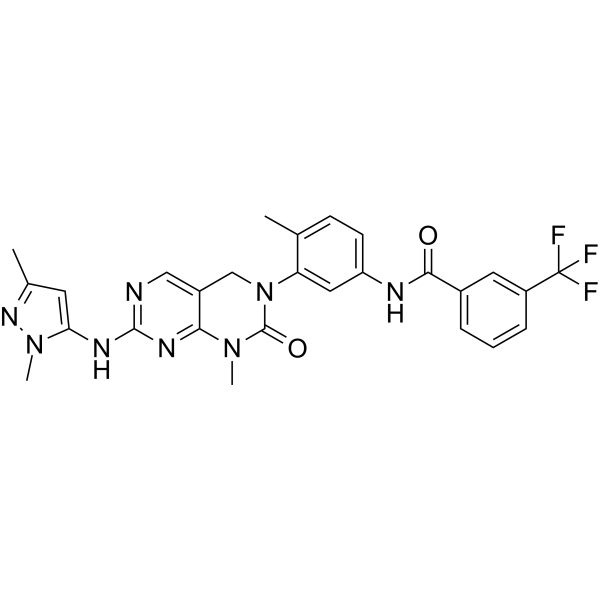
RSV/IAV-IN-2 (compound 14c) is a potent and dual inhibitor of RSV/IAV. RSV/IAV-IN-2 has lesser cytotoxicity than the clinical agent, Ribavirin. RSV/IAV-IN-2 has the potential for the research of RSV and/or IAV infections .
|
-
- HY-155773
-
|
|
FAAH
Epoxide Hydrolase
|
Cardiovascular Disease
|
|
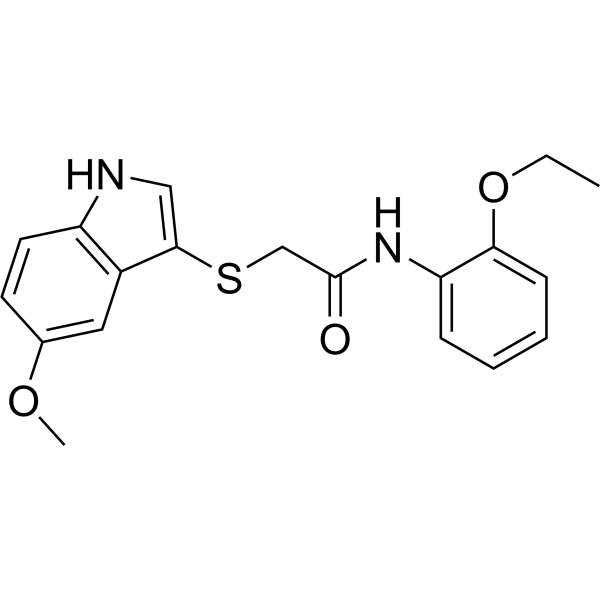
VU534 is a NAPE-PLD activator, with an EC50 of 0.30 μM. VU534 is dual inhibitors of FAAH and sEH (IC50 of 1.2 μM). VU534 increases efferocytosis in a NAPE-PLD dependent manner. VU534 has the potential for cardiometabolic diseases study [1] .
|
-
- HY-16726
-
|
CG100649
|
COX
Carbonic Anhydrase
|
Cancer
|
|
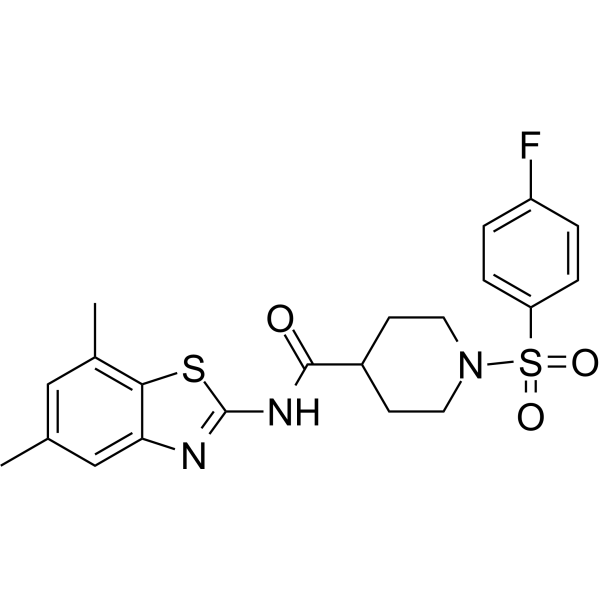
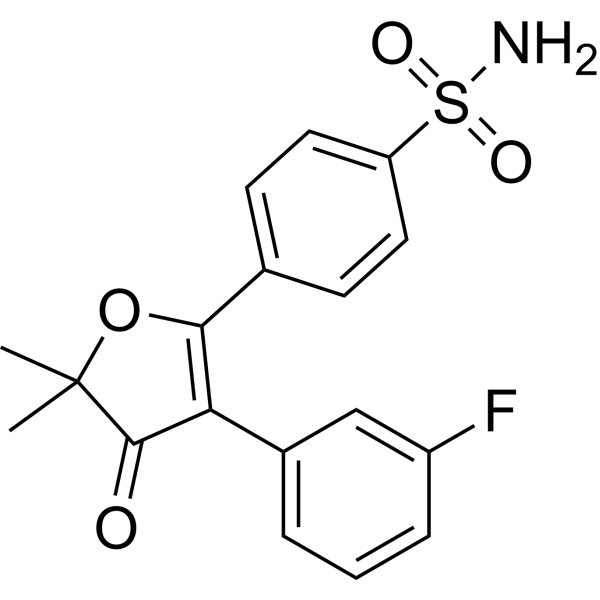
Polmacoxib (CG100649) is a first-in-class, orally active nonsteroidal anti-inflammatory agent (NSAID) which is a dual inhibitor of COX-2 (IC50 around 0.1 μg/ml) and carbonic anhydrase . Polmacoxib inhibits colorectal adenoma and tumor growth in mouse models .
|
-
- HY-130626
-
|
|
RSV
Influenza Virus
|
Infection
|
|
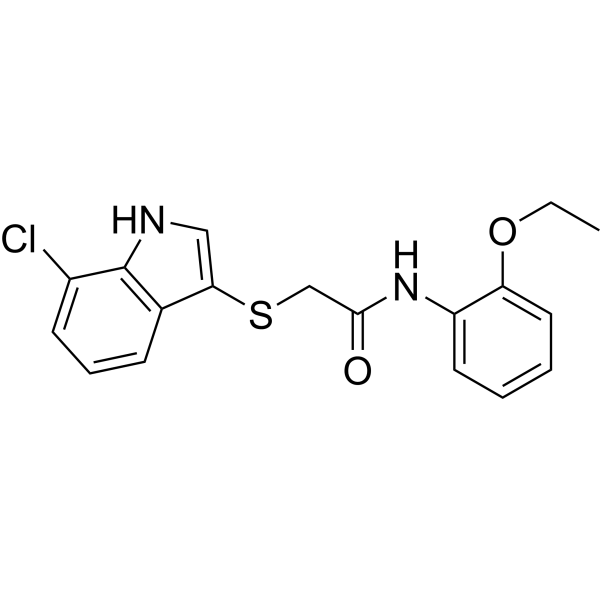
RSV/IAV-IN-1 (compound 14e) is a potent and dual inhibitor of RSV/IAV. RSV/IAV-IN-1 has lesser cytotoxicity than the clinical agent, Ribavirin. RSV/IAV-IN-1 has the potential for the research of RSV and/or IAV infections .
|
-
- HY-107720R
-
|
|
NO Synthase
Reference Standards
|
Cancer
|
|
ARL 17477 (Standard) is the analytical standard of ARL 17477 (HY-107720). This product is intended for research and analytical applications. ARL-17477 is a dual inhibitor of NOS1and the autophagy-lysosomal system with anticancer activity and can inhibit tumor growth in KRAS-mutated cancers .
|
-

- HY-100544
-
|
|
STAT
JAK
Apoptosis
|
Cancer
|
|
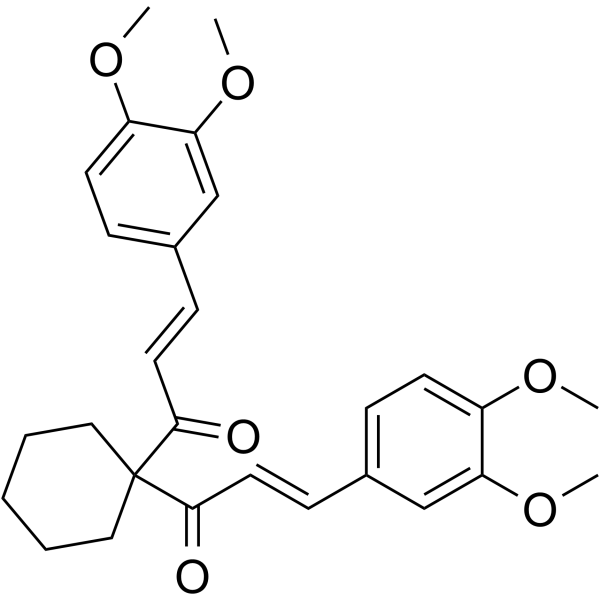
FLLL32, a synthetic analog of curcumina, is a JAK2/STAT3 dual inhibitor with anti-tumor activity. FLLL32 can inhibit the induction of STAT3 phosphorylation by IFNα and IL-6 in breast cancer cells .
|
-
- HY-168648
-
|
|
Bacterial
Fungal
Dihydrofolate reductase (DHFR)
|
Infection
|
|
DNA Gyrase/DHFR-IN-1 is a dual inhibitor of bacterial DNA gyrase and DHFR, with IC50s of 182 μM and 3.90 μM for E. coli DNA gyrase and DHFR respectively. DNA Gyrase/DHFR-IN-1 has bactericidal and antifungal activity .
|
-

- HY-126141
-
|
|
JAK
HDAC
Apoptosis
|
Cancer
|
|
JAK/HDAC-IN-1 is a potent JAK2/HDAC dual inhibitor, exhibits antiproliferative and proapoptotic activities in several hematological cell lines. JAK/HDAC-IN-1 shows IC50s of 4 and 2 nM for JAK2 and HDAC, respectively .
|
-

- HY-133117
-
BAY-985
4 Publications Verification
|
IKK
|
Cancer
|
|
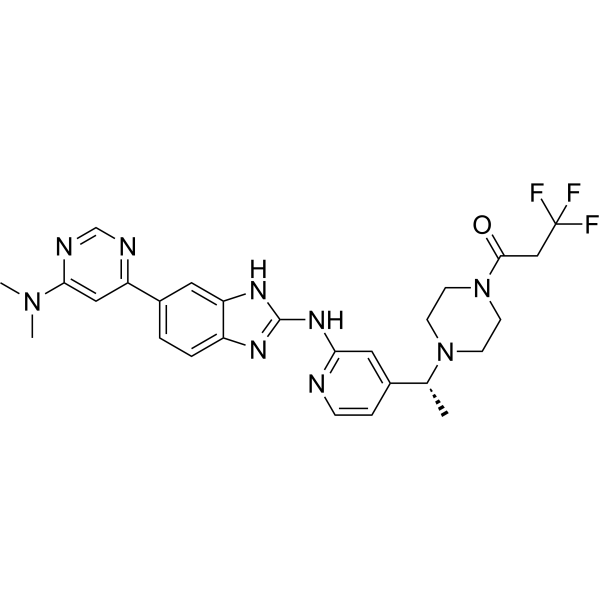
BAY-985, a chemical probe, is a highly potent, orally active and selective ATP-competitive dual inhibitor of TBK1 and IKKε with IC50s of 2/30 and 2 nM for TBK1 (low/high ATP) and IKKε, respectively. Antitumor efficacy .
|
-
- HY-182291
-
|
|
COX
|
Inflammation/Immunology
|
|
COX-1/2-IN-11 is a dual inhibitor of COX-1 and COX-2, with an IC50 of 345 nM against COX-1. COX-1/2-IN-11 can be used in the development of non-steroidal anti-inflammatory agents .
|
-

- HY-145833A
-
|
|
Epoxide Hydrolase
Cholinesterase (ChE)
|
Neurological Disease
Cancer
|
|
sEH/AChE-IN-4 (compound (+)-15) is a potent and BBB-penetrated dual inhibitor of sEH (soluble epoxide hydrolase) and AChE (acetylcholinesterase), with IC50 values of 3.1 nM (hsEH), 1660 nM (hAChE), 179 nM (hBChE, human butyrylcholinesterase), 14.5 nM (msEH), and 102 nM (mAChE), respectively .
|
-
- HY-B0196S4
-
-

- HY-161311
-
-
- HY-161351
-
|
|
Akt
STAT
Apoptosis
|
Cancer
|
|
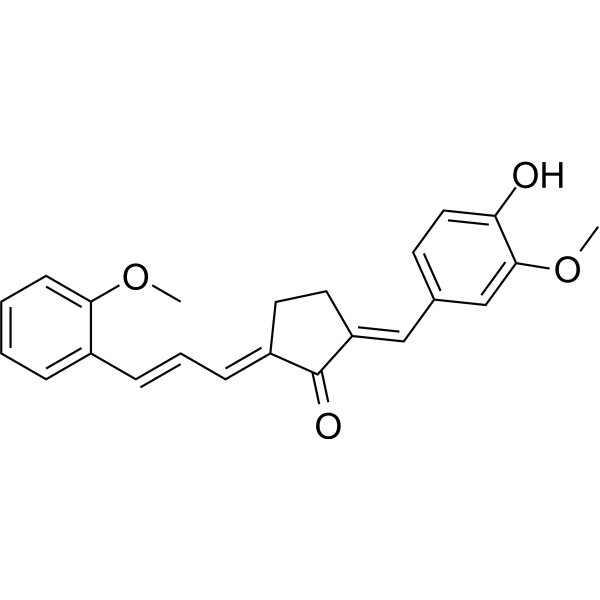
STAT3/AKT-IN-1 is a dual inhibitor for the signal transducer and activator of transcription 3 (STAT3) and protein kinase B (AKT) signalling pathway, exhibits antitumor activity against gastric cancer and induces cell apoptosis in SGC-7901 cells .
|
-
- HY-119937
-
|
|
ROCK
|
Cardiovascular Disease
Inflammation/Immunology
Cancer
|
|
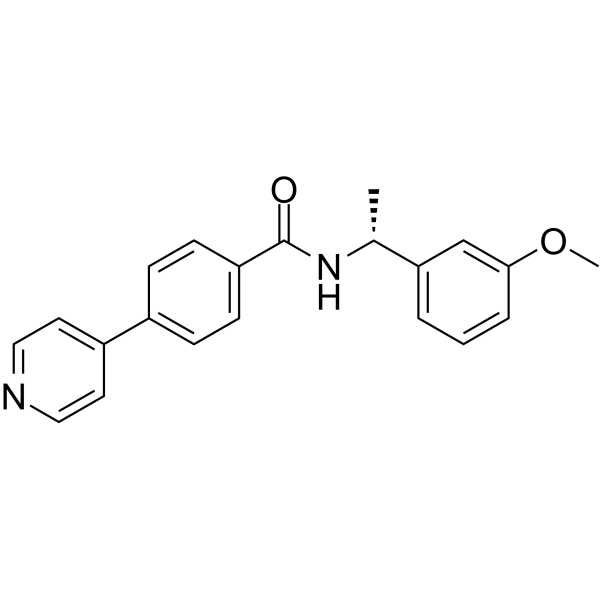
ROCK inhibitor-2 (compound 6) is a selective dual inhibitor of ROCK1 and ROCK2, with IC50 values of 160 nM and 21 nM, respectively. ROCK inhibitor-2 inhibits pMYPT1 with IC50 of 75 nM. ROCK inhibitor-2 exhibits antitumor activity .
|
-
- HY-109633
-
|
|
mTOR
PI3K
|
Cancer
|
|
PI3K/mTOR-IN-23 is a dual inhibitor of PI3K and mTOR with IC50 values of 49 and 41 nM. PI3K/mTOR-IN-23 inhibits cancer cells proliferation .
|
-
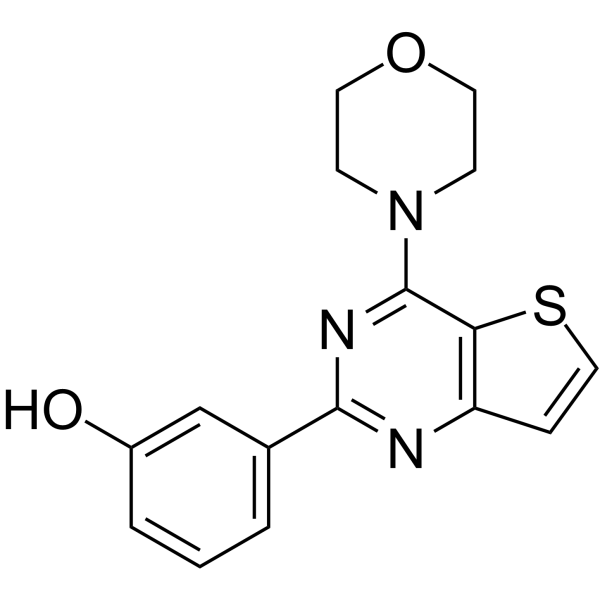
- HY-172101
-
-

- HY-161861
-
|
|
VEGFR
Akt
|
Cancer
|
|
VEGFR-2/AKT-IN-1 (compound 17) is a dual inhibitor of VEGFR-2 and AKT, with the IC50s of 0.164 μM and 0.452 μM, respectively. VEGFR-2/AKT-IN-1 has antitumor activity .
|
-

- HY-162044
-
|
|
COX
|
Inflammation/Immunology
|
|
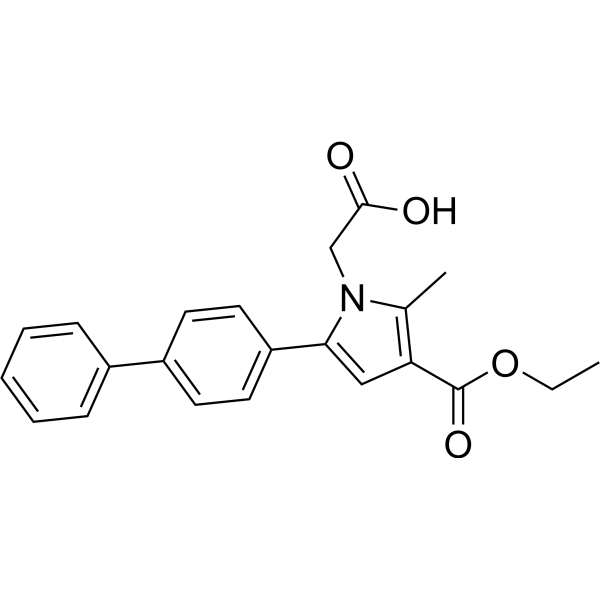
COX-1/2-IN-6 (compound 4 h) is a potent dual inhibitor of COX-1 and COX-2 with IC50s of 68 and 91 nM, respectively. COX-1/2-IN-6 can used in study inflammation diseases .
|
-
- HY-155414
-
|
|
Elastase
|
Inflammation/Immunology
|
|
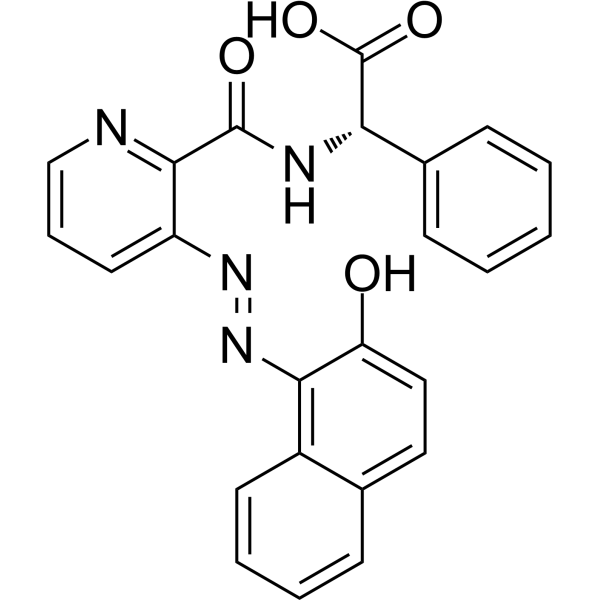
Neutrophil elastase inhibitor 5 (compound 29) is a dual inhibitor of HNE (human neutrophil elastase) and proteinase 3 (PR3) with IC50 values of 4.91 μM and 20.69 μM, respectively. Neutrophil elastase inhibitor 5 can be used in the study of neutrophil inflammatory diseases .
|
-
- HY-170580
-
|
|
Topoisomerase
|
Cancer
|
|
Topo I/II-IN-1 (compound 7t) is a potent Topo I and Topo II dual inhibitor. Topo I/II-IN-1 exhibits significant cytotoxicity against MCF-7 breast cancer cell line with an IC50 of 7.45 μM .
|
-

- HY-174328
-
|
|
Cholinesterase (ChE)
|
Neurological Disease
|
|
BChE/AChE-IN-1 (Compound 4m) is a potent dual inhibitor of acetylcholinesterase (AChE) and butyrylcholinesterase (BChE) with IC50 values of 0.7 μM and 0.2 μM, respectively. BChE/AChE-IN-1 is promising for research of neurodegenerative diseases such as Alzheimer’s disease (AD) .
|
-

- HY-129411
-
|
ACT-519276; OGT2378
|
Glucosylceramide Synthase (GCS)
|
Metabolic Disease
|
|
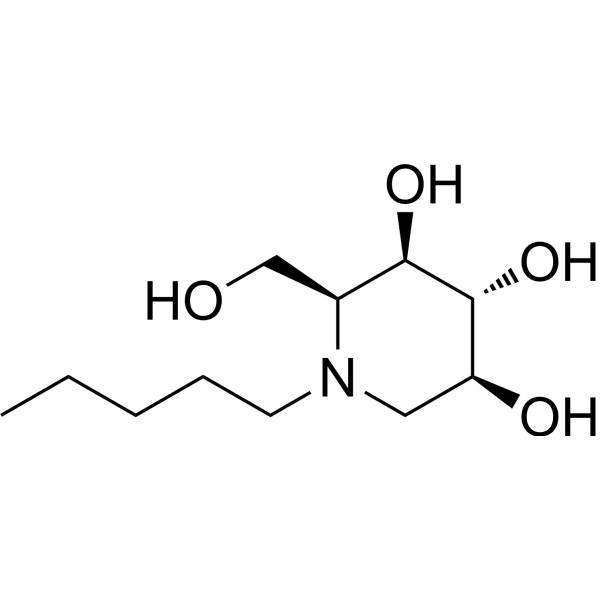
Sinbaglustat (OGT2378) is a dual inhibitor of glucosylceramide synthase (GCS) and non-lysosomal glucosyl ceramidase (GBA2). Sinbaglustat is an orally available N-alkyl iminosugar that crosses the blood-brain barrier. Sinbaglustat can be used for the research of central neurodegenerative diseases associated with lysosomal dysfunctions .
|
-
- HY-109633A
-
|
|
mTOR
PI3K
|
Cancer
|
|
PI3K/mTOR-IN-23 dihydrochloride is a dual inhibitor of PI3K and mTOR with IC50 values of 49 and 41 nM. PI3K/mTOR-IN-23 dihydrochloride inhibits cancer cells proliferation .
|
-

- HY-160682
-
|
|
EGFR
|
Others
|
|
EGFR/HER2-IN-12 (compound 14b) is a dual inhibitor of EGFR and HER2 with 81% and 51% inhibition at 10 μM. The toxicity of EGFR/HER2-IN-12 to cancer cells A431 and MDA-MB-361 was not significant .
|
-
- HY-15391
-
|
E-3810
|
VEGFR
FGFR
|
Cancer
|
|
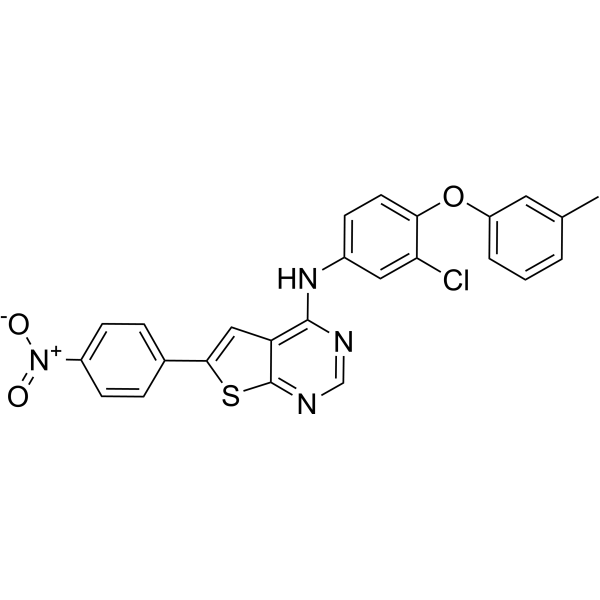
Lucitanib (E-3810) is a novel dual inhibitor of VEGFR and FGFR, potently and selectively inhibits VEGFR1, VEGFR2, VEGFR3, FGFR1 and FGFR2 with IC50s of 7 nM, 25 nM, 10 nM, 17.5 nM, and 82.5 nM, respectively .
|
-
- HY-168563
-
|
|
Cholinesterase (ChE)
FAAH
|
Neurological Disease
|
|
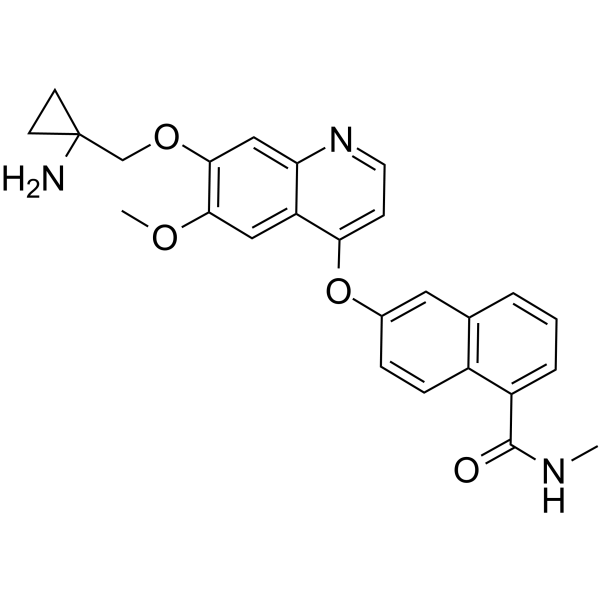
BuChE-IN-15 (compound D12) is a selective BuChE/FAAH dual inhibitor with and show IC50 values of 81 and 400 nM for hBuChE and hFFAH, respectively. BuChE-IN-15 possesses good BBB penetration, and shows neuroprotection.BuChE-IN-15 can be used for study of Alzheimer .
|
-

- HY-15391A
-
|
|
VEGFR
FGFR
|
Cancer
|
|
Lucitanib (E-3810) dihydrochloride is a novel dual inhibitor of VEGFR and FGFR, potently and selectively inhibits VEGFR1, VEGFR2, VEGFR3, FGFR1 and FGFR2 with IC50s of 7 nM, 25 nM, 10 nM, 17.5 nM, and 82.5 nM, respectively .
|
-

- HY-174141
-
|
|
MEK
mTOR
|
Cancer
|
|
LP-65 is a dual inhibitor of MEK (IC50=83.2 nM) and mTOR (IC50=40.5 nM). LP-65 blocks MEK and mTOR signaling pathways and inhibits tumor cell proliferation and migration. LP-65 is promising for research of cancers .
|
-

- HY-169821
-
|
|
SGLT
|
Metabolic Disease
|
|
SGLT1/2-IN-8 (compound 8) is a potent and orally active SGLT1/2 dual inhibitor with IC50 values of 4 nM and 1 nM, respectively. SGLT1/2-IN-8 exhibits anti-hyperglycemic effects and can be utilized in relevant research .
|
-

- HY-136809
-
|
|
Histone Methyltransferase
|
Cancer
|
|
PRMT6-IN-2 (compound 2) is a dual inhibitor of protein arginine methyltransferase PRMT6 and CARM1 with an IC50 of 30 nM. PRMT6 is abnormally expressed in many cancer cells, and PRMT6-IN-2-based derivatives have potential anticancer activity.
|
-

- HY-149874
-
BMS-502
1 Publications Verification
|
DGK
|
Inflammation/Immunology
Cancer
|
|
BMS-502 (Compound 22) is a potent dual inhibitor of diacylglycerol kinase (DGK) α and ζ with IC50 of 4.6 nM and 2.1 nM. BMS-502 enhanced T cell immune responses in mice. BMS-502 can be used in tumor immunity related research .
|
-
- HY-13018B
-
|
|
IKK
ULK
Autophagy
|
Inflammation/Immunology
Cancer
|
|
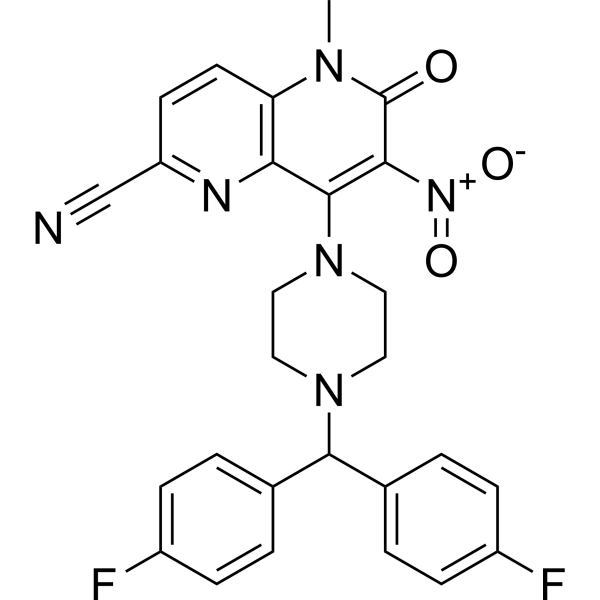
MRT67307 dihydrochloride is a dual inhibitor of the IKKε and TBK-1 with IC50s of 160 and 19 nM, respectively . MRT67307 dihydrochloride also inhibits ULK1 and ULK2 with IC50s of 45 and 38 nM, respectively. MRT67307 dihydrochloride also blocks autophagy in cells .
|
-
- HY-13018A
-
|
|
IKK
ULK
Autophagy
|
Inflammation/Immunology
Cancer
|
|
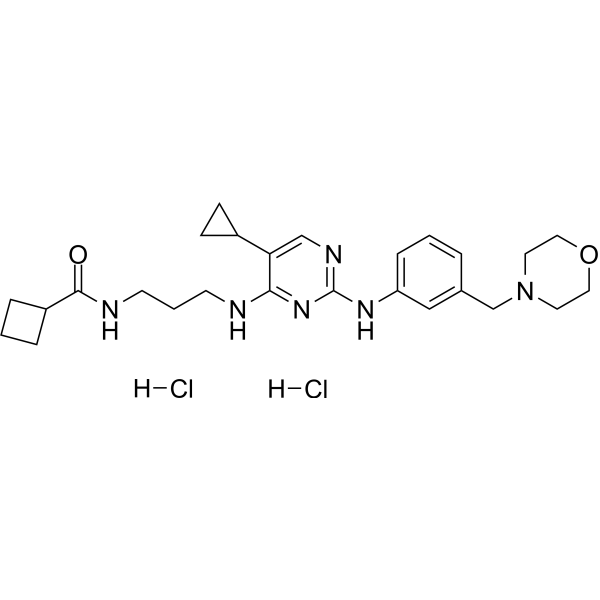
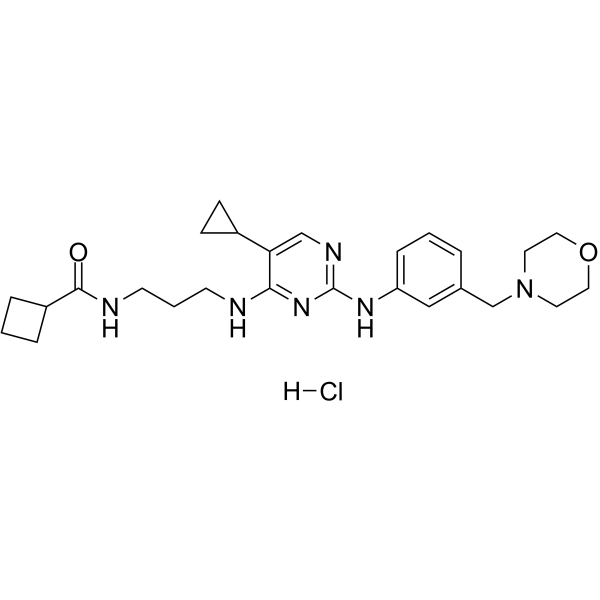
MRT67307 hydrochloride is a dual inhibitor of the IKKε and TBK-1 with IC50s of 160 and 19 nM, respectively . MRT67307 hydrochloride also inhibits ULK1 and ULK2 with IC50s of 45 and 38 nM, respectively. MRT67307 hydrochloride also blocks autophagy in cells .
|
-
- HY-115870
-
|
|
PI3K
|
Inflammation/Immunology
|
|
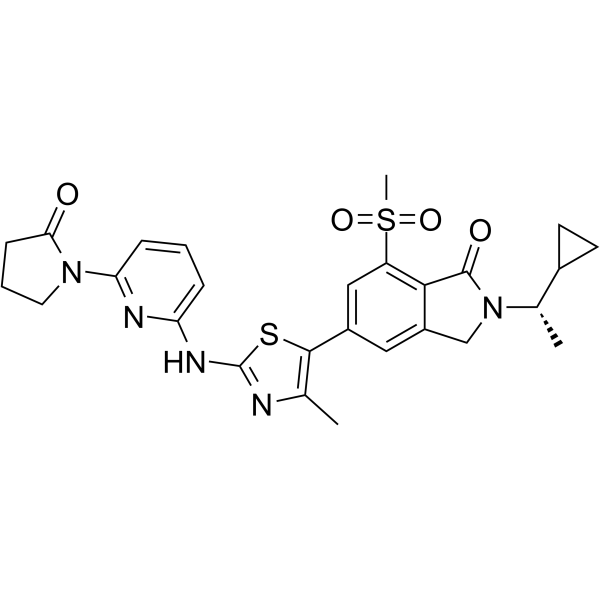
AZD8154 is a selective PI3Kγδ dual inhibitor. AZD8154 can suppress PI3Kγ and PI3Kδ signaling pathway activation. AZD8154 can be used for the researches of inflammation and immunology, such as asthma .
|
-
- HY-146999
-
|
|
Histone Methyltransferase
Epigenetic Reader Domain
Apoptosis
|
Cancer
|
|
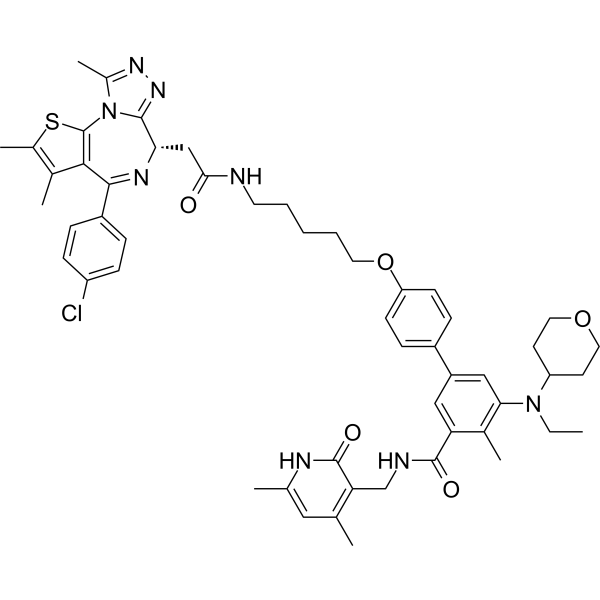
YM458 is a potent EZH2 and BRD4 dual inhibitor with IC50s of 490 nM and 34 nM, respectively. YM458 inhibits cell proliferation and colony formation and induces cell cycle arrest and apoptosis in solid cancer cells. YM458 can be used for researching anticancer .
|
-
- HY-N0232
-
|
|
COX
Lipoxygenase
Notch
Reactive Oxygen Species (ROS)
Bacterial
|
Cancer
|
|
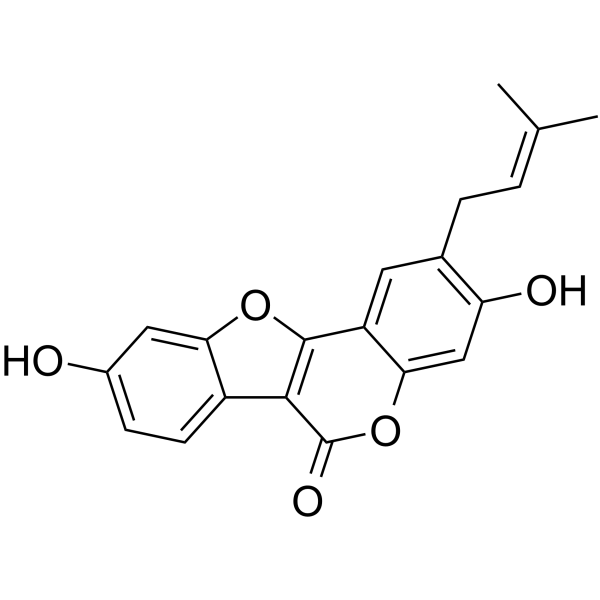
Psoralidin is a dual inhibitor of COX-2 and 5-LOX, regulates ionizing radiation (IR)-induced pulmonary inflammation.Anti-cancer, anti-bacterial, and anti-inflammatory properties . Psoralidin significantly downregulates NOTCH1 signaling. Psoralidin also greatly induces ROS generation .
|
-
- HY-13018
-
|
|
IKK
ULK
Autophagy
|
Inflammation/Immunology
Cancer
|
|
MRT67307 is a dual inhibitor of the IKKε and TBK-1 with IC50s of 160 and 19 nM, respectively . MRT67307 also inhibits ULK1 and ULK2 with IC50s of 45 and 38 nM, respectively. MRT67307 also blocks autophagy in cells .
|
-
- HY-145833
-
|
|
Epoxide Hydrolase
Cholinesterase (ChE)
|
Neurological Disease
Cancer
|
|
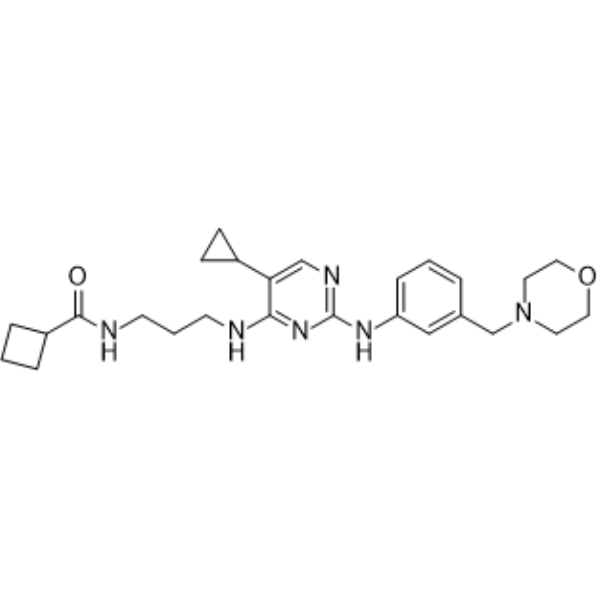
sEH/AChE-IN-3 (compound (−)-15) is a potent and BBB-penetrated dual inhibitor of sEH (soluble epoxide hydrolase) and AChE (acetylcholinesterase), with IC50 values of 0.4 nM (hsEH), 1.94 nM (hAChE), 615 (hBChE, human butyrylcholinesterase), 4.3 nM (msEH), and 2.61 nM (mAChE), respectively .
|
-
- HY-151211
-
|
|
Btk
|
Inflammation/Immunology
Cancer
|
|
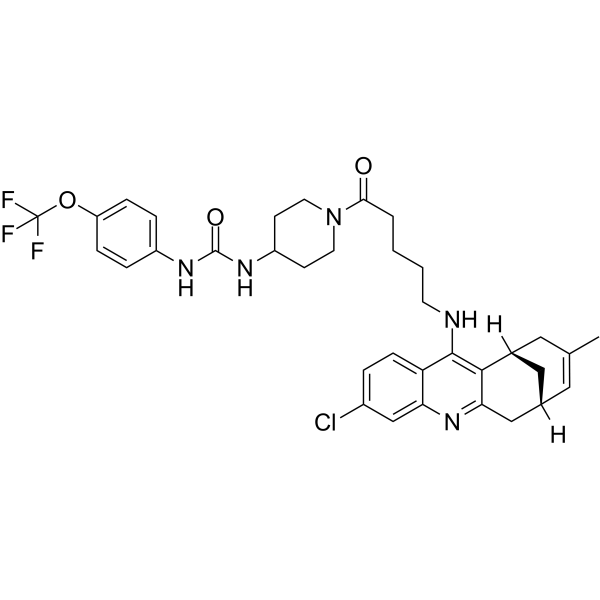
BTK-IN-16 is a dual inhibitor of BTK wild type and C481S mutant of Bruton’s tyrosine kinase (BTK) with IC50s of 5.1 and 4.1 μM. BTK-IN-16 can be used for the research of autoimmune diseases and chronic lymphocytic leukemia .
|
-
- HY-145831
-
|
|
Cholinesterase (ChE)
|
Neurological Disease
Inflammation/Immunology
|
|
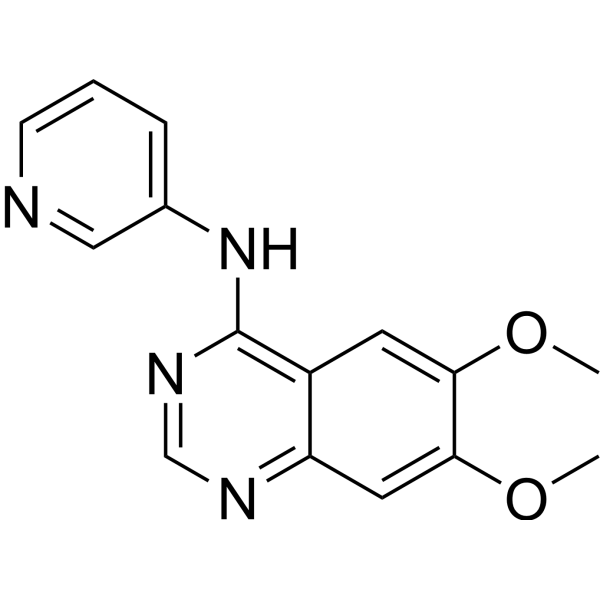
sEH/AChE-IN-1 (Compound 12a) is a dual inhibitor of the enzymes soluble epoxide hydrolase (sEH) and acetylcholinesterase (AChE). sEH/AChE-IN-1 provides cumulative effects against neuroinflammation and memory impairment. sEH/AChE-IN-1 has the potential for the research of Alzheimer's disease (AD) .
|
-
- HY-121736
-
|
AGI-026
|
Isocitrate Dehydrogenase (IDH)
|
Neurological Disease
|
|
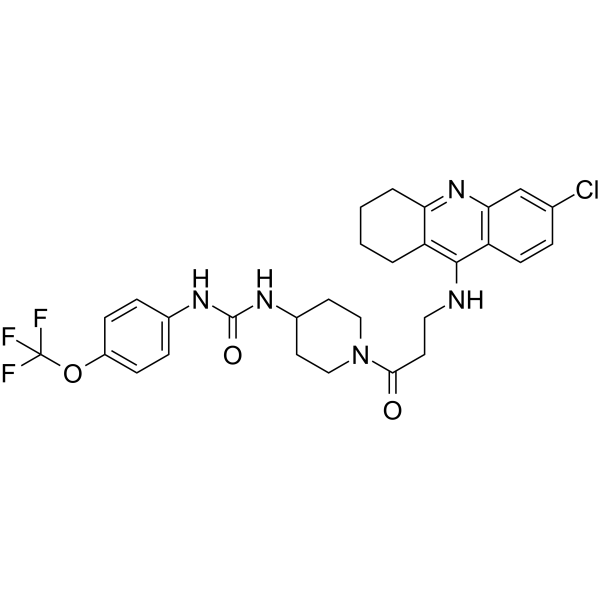
AGI-12026 is brain-penetrant dual inhibitor of mutant IDH1 and 2. AGI-12026 shows partial inhibition of the IDH1-R132H homodimer as allosteric modulators. AGI-12026 has the potential for research of glioma .
|
-
- HY-146342
-
|
|
FAAH
MAGL
|
Neurological Disease
|
|
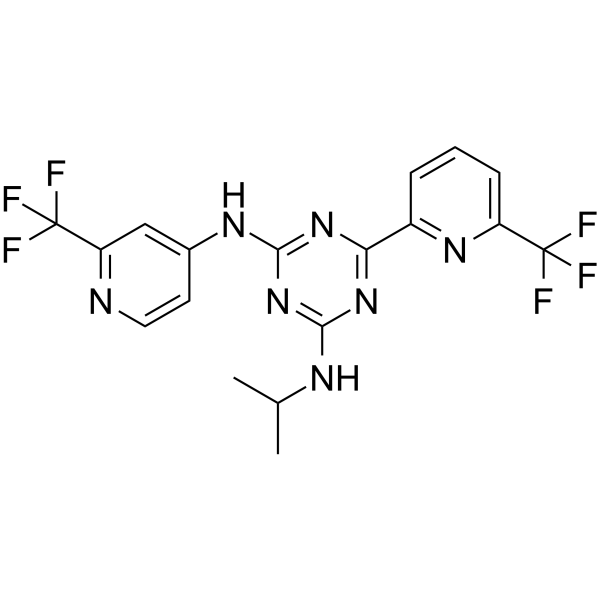
FAAH/MAGL-IN-3 (Compound 10) is an irreversible fatty acid amide hydrolase (FAAH) and monoacylglycerol lipase (MAGL) dual inhibitor with IC50 values of 179 and 759 nM against FAAH and MAGL, respectively. FAAH/MAGL-IN-3 shows low PAMPA (Parallel Artificial Membrane Permeability Assay) permeability .
|
-
- HY-160686
-
|
|
VEGFR
|
Others
|
|
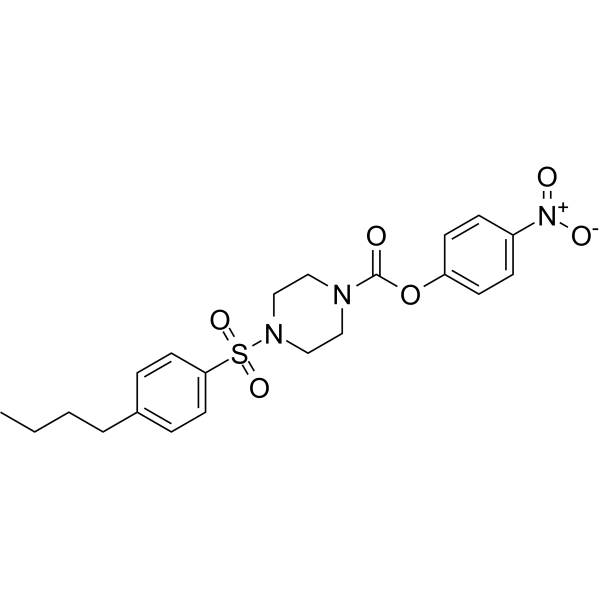
GSK248233A is a dual inhibitor of Fluc and VEGFR2 with IC50 of 1.03 μM and 2 nM, respectively. GSK248233A also shows activity against the AGC family. GSK248233A acts as a protein kinase inhibitor across ATP-dependent and -independent luciferases with potential implications for Fluc reporter assays .
|
-
- HY-163787
-
|
|
CDK
|
Cancer
|
|
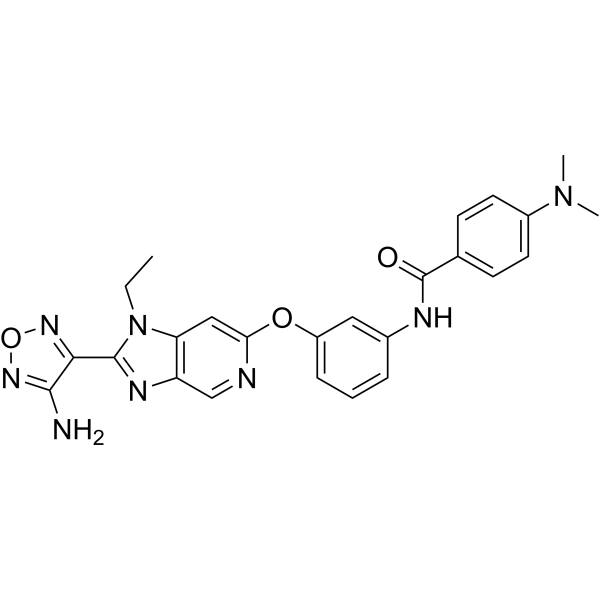
YY173 is a dual inhibitor for CDK4 and CDK6 with IC50 of 7.7 and 88 nM. YY173 inhibits the proliferation of cell Jurkat with an IC50 of 1.46 μM. YY173 can be used for synthesis of PROTAC CDK4/6 degrader 1 (HY-163786) .
|
-

- HY-146806
-
|
|
MDM-2/p53
|
Cancer
|
|
YL93 is a dual inhibitors of MDM2/4 with Ki values of 0.64 μM and 1.1 nM for MDM4 and MDM2, respectively. YL93 induces cell-cycle arrest and apoptosis. YL93 shows p53-dependent cell growth inhibition .
|
-
- HY-149638
-
|
|
Sirtuin
HSP
|
Cancer
|
|
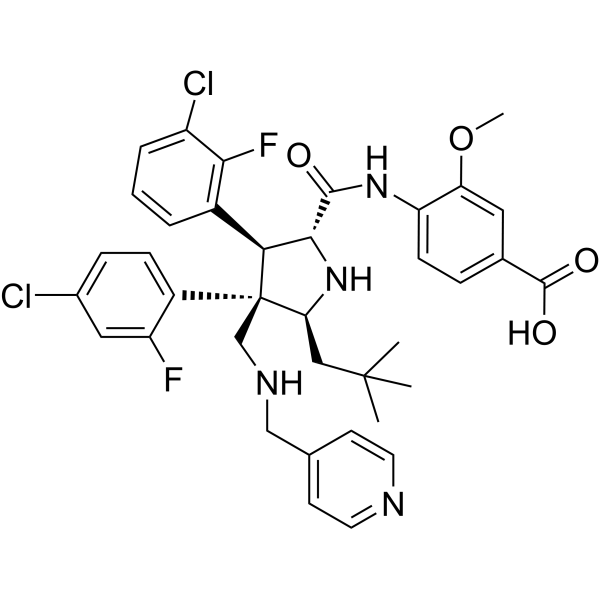
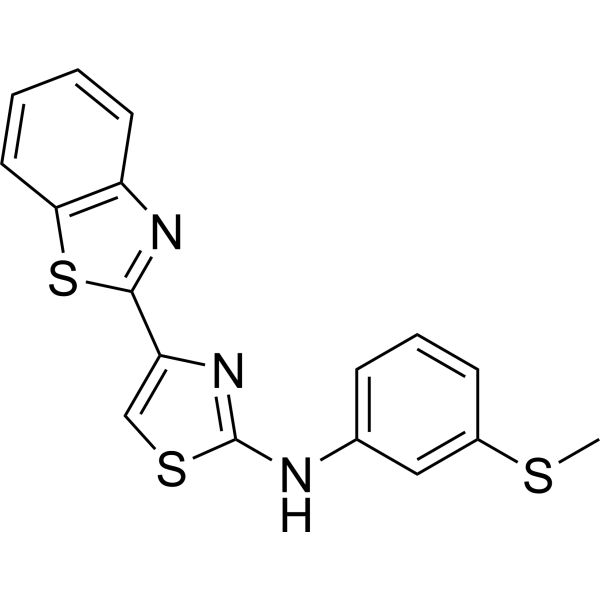
HSP70/SIRT2-IN-2 (Compounds 1a) is a dual inhibitor for SIRT2 and HSP70, with IC50 of 45.1±5.0 μM for SIRT2. HSP70/SIRT2-IN-2 has antitumor activity .
|
-
- HY-161141
-
|
|
c-Met/HGFR
|
Cancer
|
|
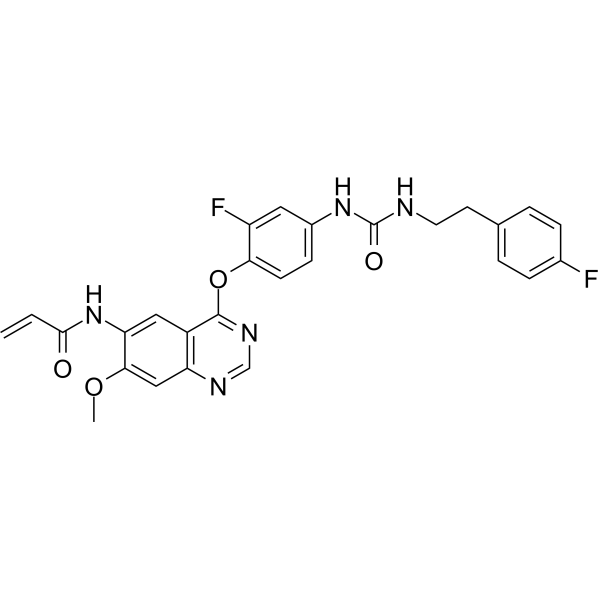
EGFR/ C-Met-in-2 (Compound H-22) is a dual inhibitor of EGFR/c-Met. EGFR/c-Met-IN-2 inhibits cell proliferation by arresting G2/M phase. EGFR/c-Met-IN-2 has antitumor activity .
|
-
- HY-N1996
-
|
|
COX
Lipoxygenase
SARS-CoV
Influenza Virus
|
Infection
Inflammation/Immunology
|
|
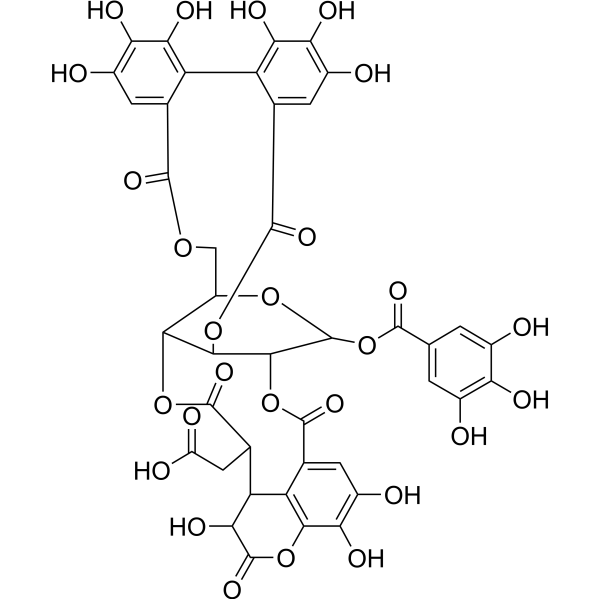
Chebulagic acid is a COX-LOX dual inhibitor isolated from the fruits of Terminalia chebula Retz, on angiogenesis. Chebulagic acid is a M2 serine to asparagine 31 mutation (S31N) inhibitor and influenza antiviral. Chebulagic acid also against SARS-CoV-2 viral replication with an EC50 of 9.76 μM.
|
-
- HY-145832
-
|
|
Cholinesterase (ChE)
|
Neurological Disease
Inflammation/Immunology
|
|
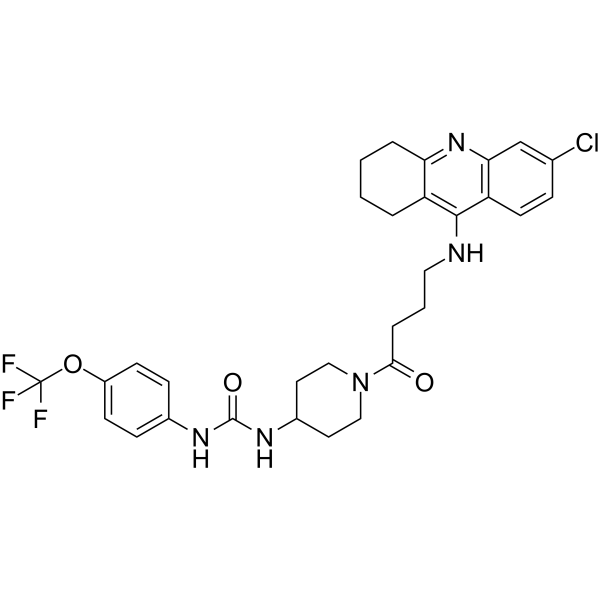
sEH/AChE-IN-2 (Compound 12b) is a dual inhibitor of the enzymes soluble epoxide hydrolase (sEH) and acetylcholinesterase (AChE). sEH/AChE-IN-2 provides cumulative effects against neuroinflammation and memory impairment. sEH/AChE-IN-2 has the potential for the research of Alzheimer's disease (AD) .
|
-
- HY-163722
-
|
|
EGFR
Dihydrofolate reductase (DHFR)
|
Cancer
|
|
EGFR/DHFR-IN-1 (Compound 10e) is a dual inhibitor of EGFR and DHFR with IC50s of 0.151 and 0.541 µM, respectively. EGFR/DHFR-IN-1 arrests the cell cycle at both G0-G1 and S phases .
|
-

- HY-151978
-
|
|
Indoleamine 2,3-Dioxygenase (IDO)
Apoptosis
|
Cancer
|
|
ZC0109 is a dual inhibitor of IDO1 and thioredoxin reductase 1 (TrxR1) with IC50s of 50 nM and 3.0 μM, respectively. ZC0109 induces ROS accumulation and cell cycle arrest at G1/S phase, thus leads to cancer cells apoptosis .
|
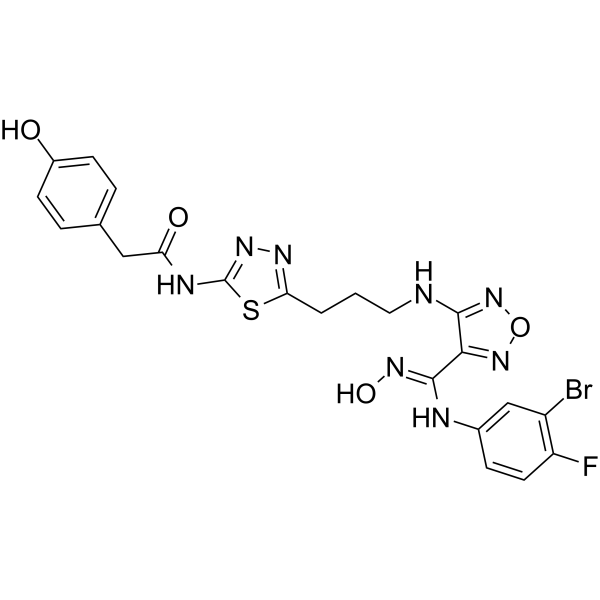
-
- HY-149637
-
|
|
Sirtuin
HSP
|
Cancer
|
|
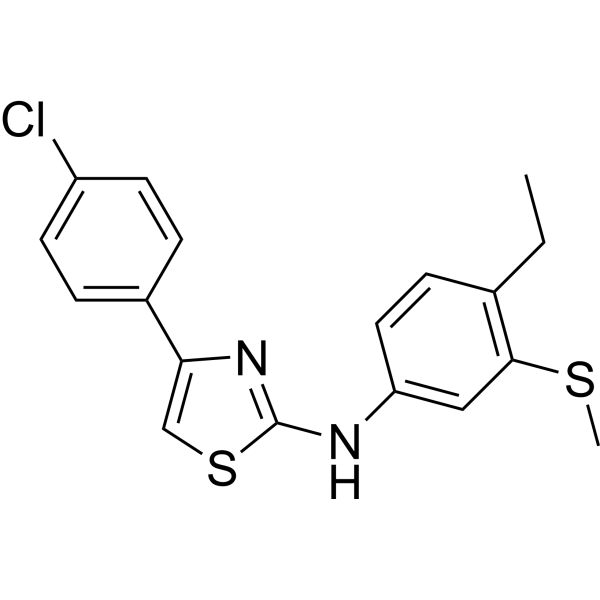
HSP70/SIRT2-IN-1 (Compounds 2a) is a dual inhibitor for SIRT2 and HSP70, with IC50 of 17.3±2.0 μM for SIRT2. HSP70/SIRT2-IN-1 has antitumor activity .
|
-
- HY-157402
-
|
|
Topoisomerase
EGFR
|
Cancer
|
|
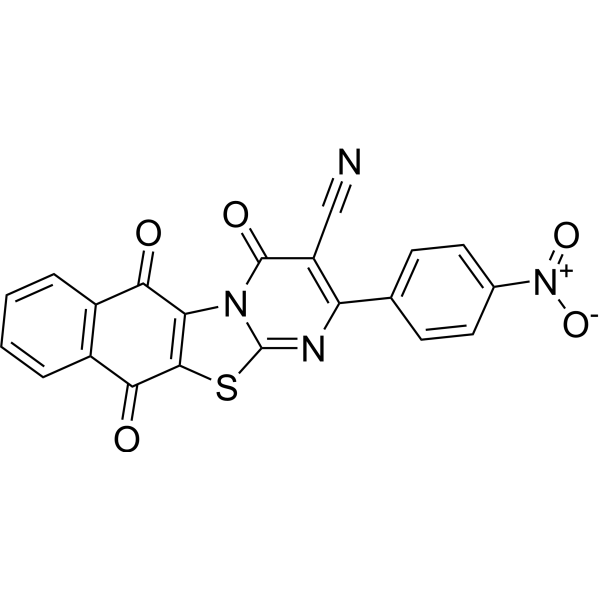
Topoisomerase II/EGFR-IN-1 is topoisomerase II/EGFR dual inhibitor. Topoisomerase II/EGFR-IN-1 has superior cytotoxic activity to MCF-7, A549 and HCT-116 cell lines, displays strong apoptotic activity and can be used for the research of cancer .
|
-
- HY-141476
-
|
|
PI3K
mTOR
|
Cancer
|
|
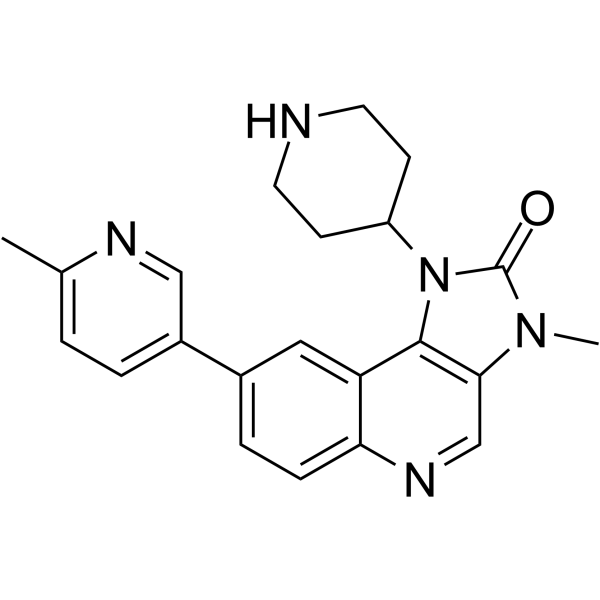
PI3K/mTOR Inhibitor-3 (compound 12), an imidazoline, is a potent PI3K and mTOR dual inhibitor. PI3K/mTOR Inhibitor-3 has anti-cancer activity .
|
-
- HY-119316A
-
|
|
HDAC
Phosphodiesterase (PDE)
|
Neurological Disease
|
|
CM-545, the cis-isomer of CM-414 (HY-119316), is a dual inhibitor of PDE5, HDAC1, HDAC2, HDAC3, and HDAC6 with pIC50 values of 7.47, 6.65, 6.14, 6.55, and 6.84, repectively .
|
-

- HY-144824
-
|
|
Cytochrome P450
Monoamine Oxidase
|
Neurological Disease
Cancer
|
|
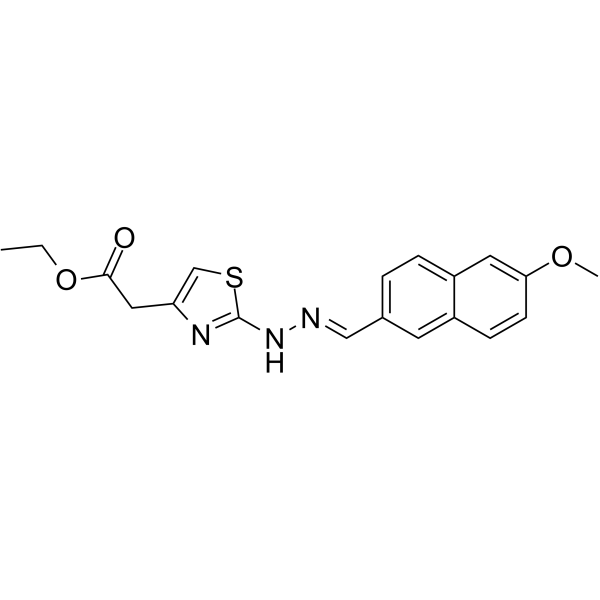
Monoamine oxidase/Aromatase-IN-1 (compound 2q) is a highly potent monoamine oxidase (MAO) and aromatase dual inhibitor with IC50s of 39 nM and 31 nM for MAO-B and aromatase, respectively. Monoamine oxidase/Aromatase-IN-1 can be used for researching neurological disorder and breast cancer .
|
-
- HY-162406
-
|
|
TAM Receptor
|
Cancer
|
|
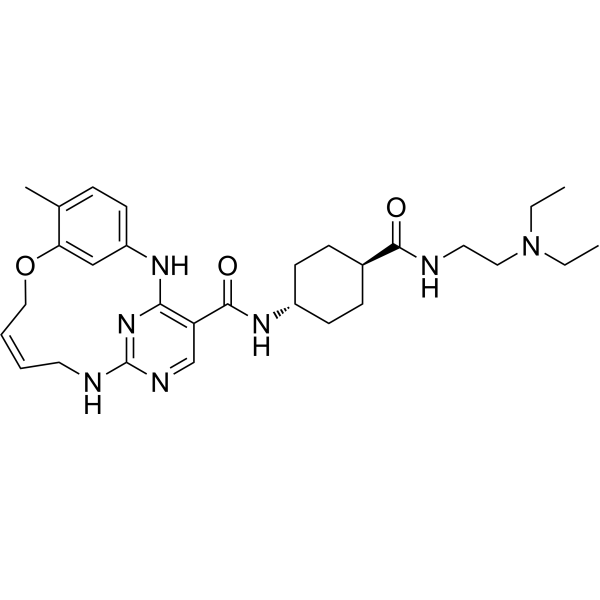
UNC8969 (compound 43) is a MERTK/AXL dual inhibitor with IC50s of 1.1±0.8 nM for MERTK and 5.3 ± 2.7 nM for AXL. UNC8969 also exerts a T1/2 of 7.3 h with 5 mg/kg i.v. in mice .
|
-
- HY-N4115R
-
|
Su 3118 (Standard)
|
Reference Standards
Monocarboxylate Transporter
|
Cardiovascular Disease
Cancer
|
|
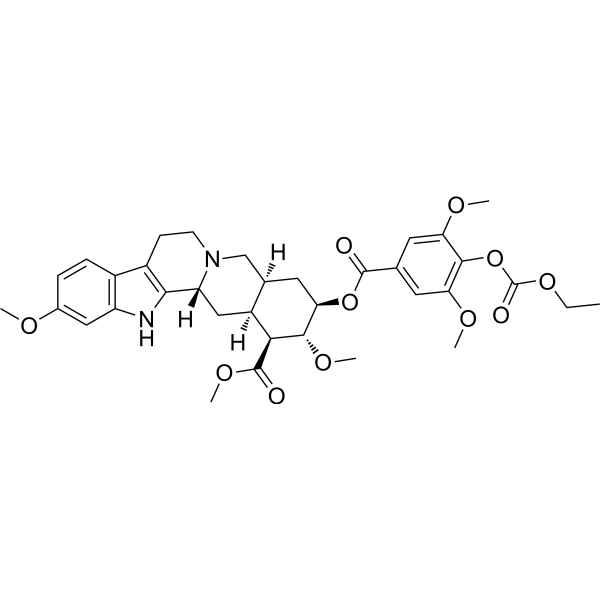
Syrosingopine (Su 3118) is an orally active lactate transporters (MCT1/MCT4) dual inhibitor, which can reduce glycolysis and induce synthetic lethality in cancer cells when combine with metformin. Syrosingopine shows anti-hypertensive activity by depleting peripheral stores of norepinephrine .
|
-

- HY-N4115
-
|
Su 3118
|
Monocarboxylate Transporter
|
Cardiovascular Disease
Cancer
|
|
Syrosingopine (Su 3118) is an orally active lactate transporters (MCT1/MCT4) dual inhibitor, which can reduce glycolysis and induce synthetic lethality in cancer cells when combine with metformin. Syrosingopine shows anti-hypertensive activity by depleting peripheral stores of norepinephrine .
|
-
- HY-145708
-
-
- HY-163282
-
|
|
HDAC
Epigenetic Reader Domain
|
Cancer
|
|
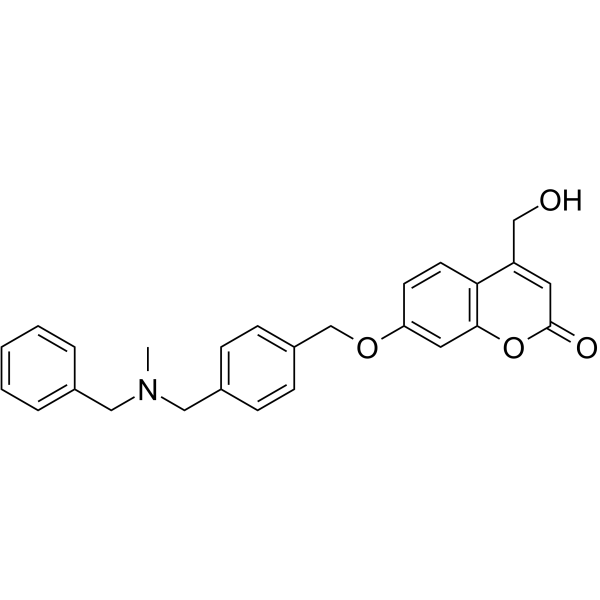
NB512 (compound 39a) is a dual inhibitor for BET and HDAC, which exhibits a efficient binding affinity with BRD4 bromodomains and HDAC1/2, with EC50s of 100-400 nM. NB512 exhibits an anti-proliferative activity towards cancer cells PaTu8988T and NMC .
|
-
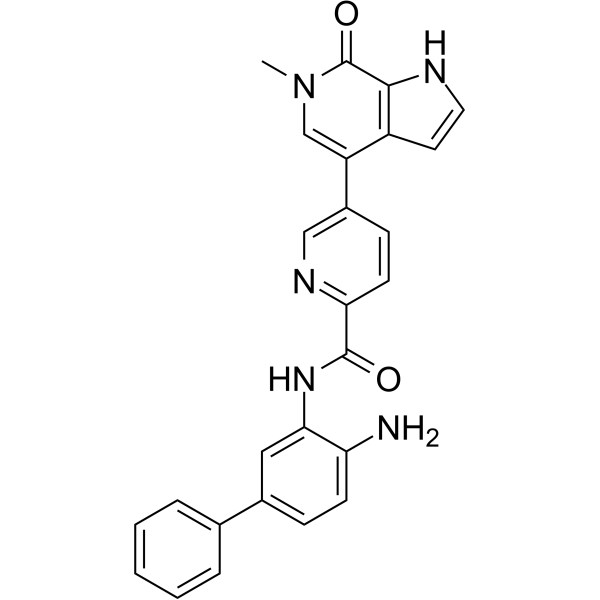
- HY-128582
-
|
|
PI3K
HDAC
|
Cancer
|
|
PI3K/HDAC-IN-1 is a potent dual inhibitor of PI3K/HDAC, potently inhibits PI3Kδ and HDAC1 with IC50s of 8.1 nM and 1.4 nM, respectively .
|
-
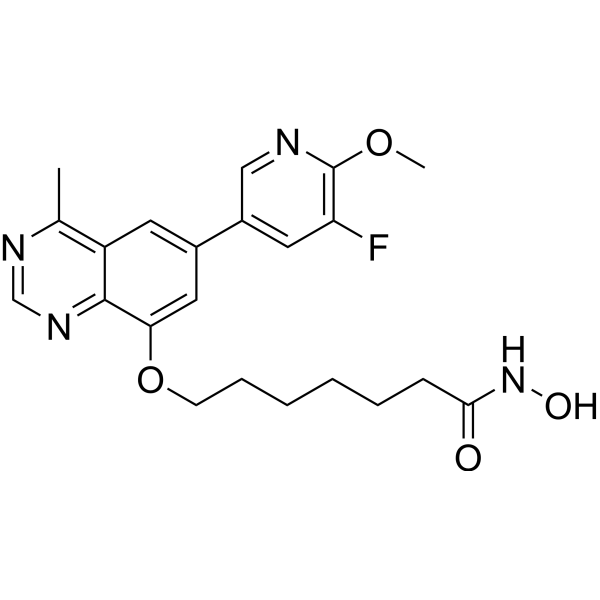
- HY-148483
-
|
|
IKK
|
Cancer
|
|
SR8185 is a potent and selective TBK1/IKKi dual inhibitor with IC50s of 3 nM and < 10 nM against IKKi and TBK1, respectively. SR8185 exhibits potent and broad spectrum antiproliferative effects on human cancer cells. SR8185 can be used for cancer research .
|
-

- HY-170781
-
|
|
LIM Kinase (LIMK)
|
Metabolic Disease
|
|
MDI-114215 (compound 85) is an allosteric LIMK1/2 dual inhibitor with good in vivo tolerance. MDI-114215 can inhibit cofilin phosphorylation in mouse brain region-induced pluripotent stem cells (iPSCs), which can be used for Fragile X Syndrome (FXS) research .
|
-

- HY-179441
-
|
|
Epoxide Hydrolase
FLAP
|
Inflammation/Immunology
|
|
sEH/FLAP-IN-2 is a selective sEH (IC50 = 12.6 nM)/FLAP dual inhibitor. sEH/FLAP-IN-2 highlights the reduction of 5-LOX/FLAP- and sEH-derived LMs, resulting in a favourable redistribution of LMs. sEH/FLAP-IN-2 can be used for the study of peritonitis .
|
-

- HY-150774
-
|
|
HDAC
HSP
Apoptosis
|
Cancer
|
|
HDAC6/HSP90-IN-2 (compound 6e) is a dual inhibitor of HDAC6 and Hsp90, with IC50s of 105.7 and 61 nM, respectively. HDAC6/HSP90-IN-2 can be used for the research of cancer .
|
-
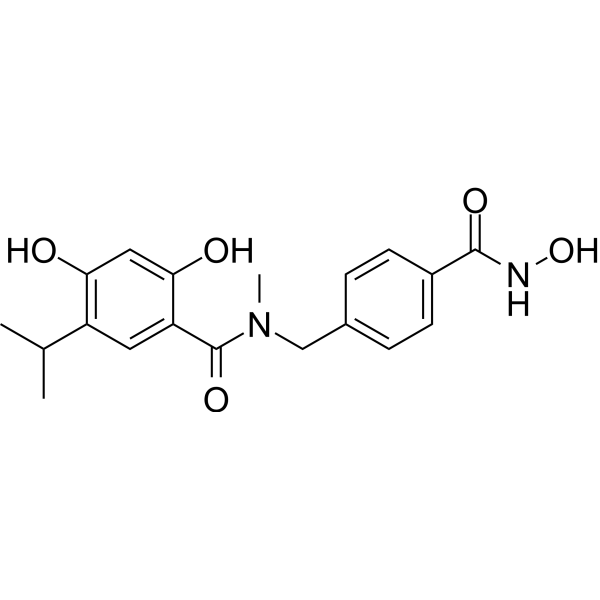
- HY-159129
-
|
|
Ser/Thr Protease
|
Cancer
|
|
hCAXII-IN-10 (Compound 18b) is a dual inhibitor of human carbonic anhydrase isoform XII (hCAXII) and cathepsin B, with a Ki value of 2.2 nM. hCAXII-IN-10 can inhibit the role of hCAXII in providing tumors with a pH microenvironment conducive to tumor growth, and is expected to be used in the study of tumor diseases .
|
-

- HY-155768
-
|
|
COX
|
Cancer
|
|
COX-1/2-IN-5 (compound 2a) is a dual inhibitor of COX1/2 (IC50=2.650 μM, 0.958 μM), with anticancer activity. COX-1/2-IN-5 inhibits liver cancer HepG2 with an IC50 of 60.75 μM .
|
-
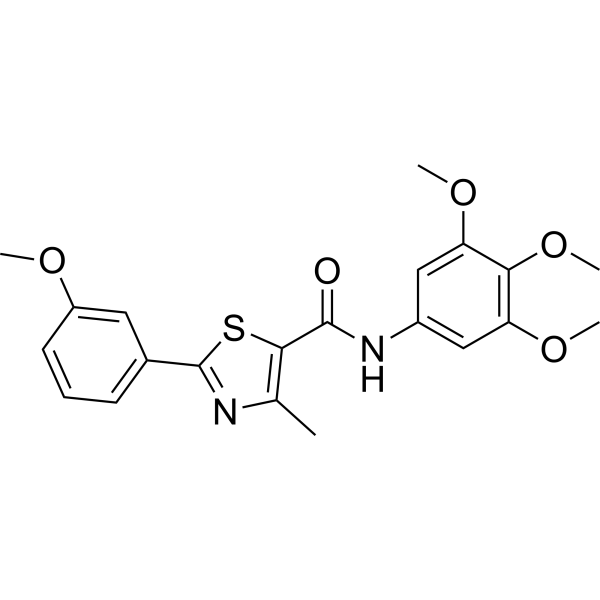
- HY-149557
-
|
|
Glycosidase
Amylases
|
Metabolic Disease
|
|
α-Amylase/α-Glucosidase-IN-5 (compound 4l) is a dual inhibitor of α-glucosidase (Glucosidase) and α-amylase (Amylases) with IC50s of 5.96 μM and 1.62 μM, respectively. α-Amylase/α-Glucosidase-IN-4 has potential antidiabetic activity .
|
-
- HY-163357
-
|
|
CDK
MDM-2/p53
|
Cancer
|
|
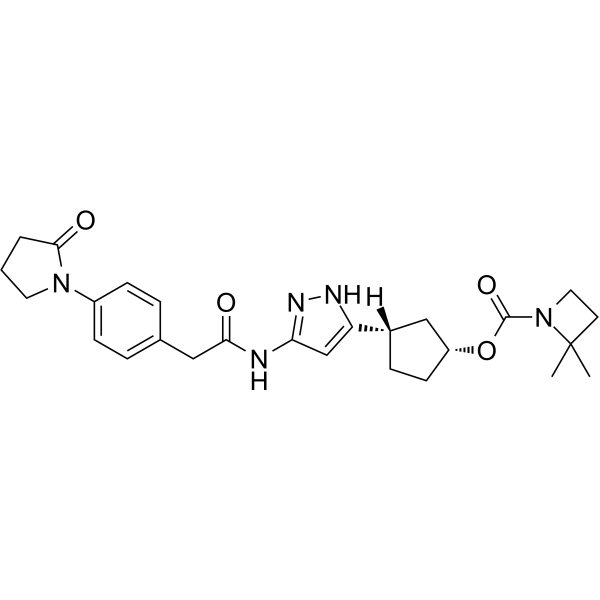
CDK2/MDM2-IN-1 (III-13) is a dual inhibitor of CDK2/MDM2 with an IC50 value of 2.60 nM for CDK2. CDK2/MDM2-IN-1 has antitumor activity .
|
-
- HY-162673
-
|
|
Amylases
Glycosidase
|
Metabolic Disease
|
|
α-Amylase/α-Glucosidase-IN-16 (compound 15) is a potent dual inhibitor of α-amylase and α-Glucosidase with IC50 values of 0.8 and 1.2 μM, respectively. α-Amylase/α-Glucosidase-IN-16 can be used in the study of diabetes mellitus (DM) .
|
-

- HY-156380
-
|
|
Amylases
Glycosidase
|
Metabolic Disease
|
|
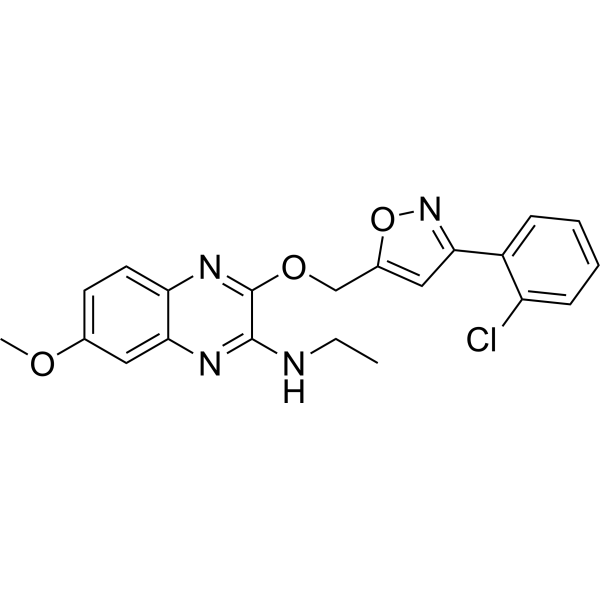
α-Amylase/α-Glucosidase-IN-6 (compound 5j) is a potent dual inhibitor of α-amylase and α-glucosidase, with IC50s of 17.0 and 40.1 µM, respectively. α-Amylase/α-Glucosidase-IN-6 exhibits anti-hyperglycemic activities .
|
-
- HY-157388
-
|
|
Histone Methyltransferase
HDAC
|
Cancer
|
|
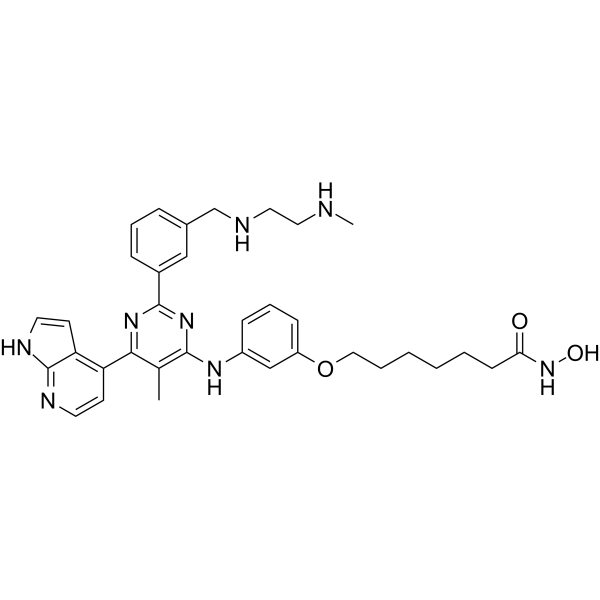
CARM1/HDAC2-IN-1 (compound CH-1) is a dual inhibitor against CARM1 and HDAC2, with IC50 values of 3.71 nM and 4.07 nM, respectively. CARM1/HDAC2-IN-1 possesses antitumor activity .
|
-
- HY-136256
-
|
DCC-3014
|
c-Fms
c-Kit
|
Cancer
|
|
Vimseltinib (DCC-3014) is a c-FMS (CSF-IR) and c-Kit dual inhibitor extracted from patent WO2014145025A2, Compound Example 10, has IC50s of <0.01 μM and 0.1-1 μM, respectively . Vimseltinib has certain oral bioavailability .
|
-
- HY-161068
-
-
- HY-152204
-
|
|
Cathepsin
|
Cancer
|
|
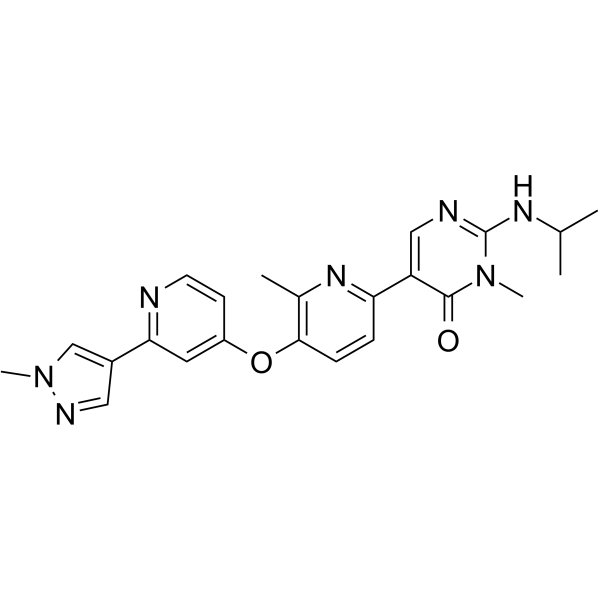
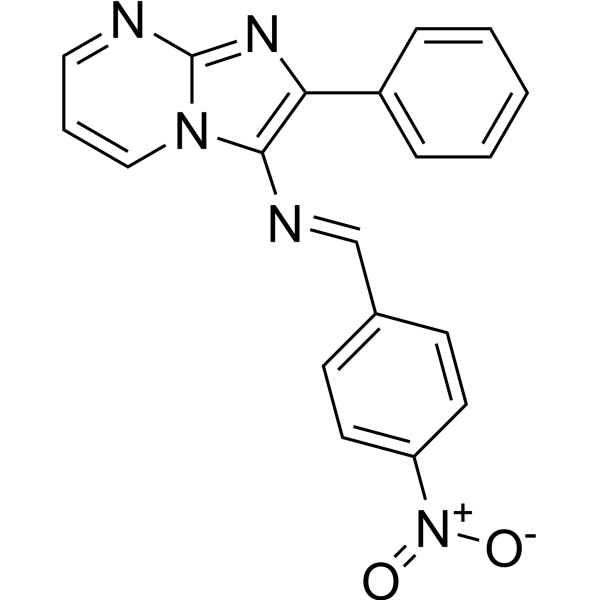
Cathepsin L/S-IN-1 is a dual inhibitor of Cathepsin L and Cathepsin S with IC50s of 4.10 μM and 1.79 μM, respectively. Cathepsin L/S-IN-1 shows a significant antimetastatic and invasive effects on pancreatic cancer BxPC-3 and PANC-1 cells .
|
-
- HY-131971
-
|
|
Cholinesterase (ChE)
|
Neurological Disease
|
|
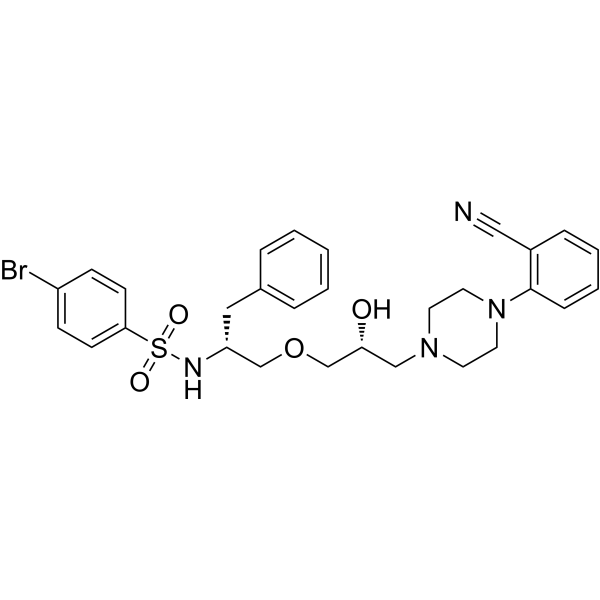
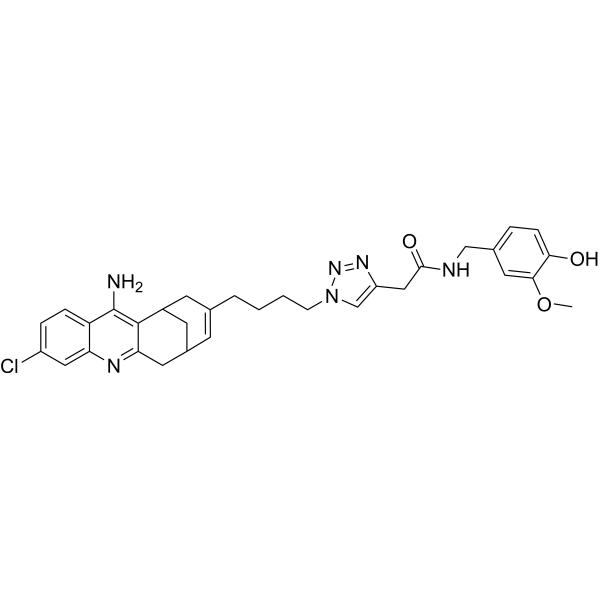
AChE/BChE-IN-1 is a potent and brain-penetrant dual inhibitor of Acetylcholinesterase and Butyrylcholinesterase, with IC50s of 1.06 and 7.3 nM for hAChE and hBChE, respectively. AChE/BChE-IN-1 also has antioxidant activity. AChE/BChE-IN-1 can be used for the research of Alzheimer’s disease .
|
-
- HY-107636R
-
|
|
Reference Standards
Apoptosis
|
Cancer
|
DC_AC50 (Standard) is the analytical standard of DC_AC50 (HY-107636). This product is intended for research and analytical applications. DC_AC50 is a dual inhibitor of Atox1 and CCS (copper chaperones). Inhibiting intracellular copper chaperones as a means of reducing/preventing acquired chemotherapy resistance .
|
-

- HY-143412
-
|
|
HDAC
DNA/RNA Synthesis
Apoptosis
|
Cancer
|
|
MIR002 is a potent and orally active DNA polymerase α (POLA1) and HDAC 11 dual inhibitor. MIR002 induces acetylation of p53, activation of p21, G1/S cell cycle arrest, and apoptosis. MIR002 shows significant antitumor activity in vivo .
|
-
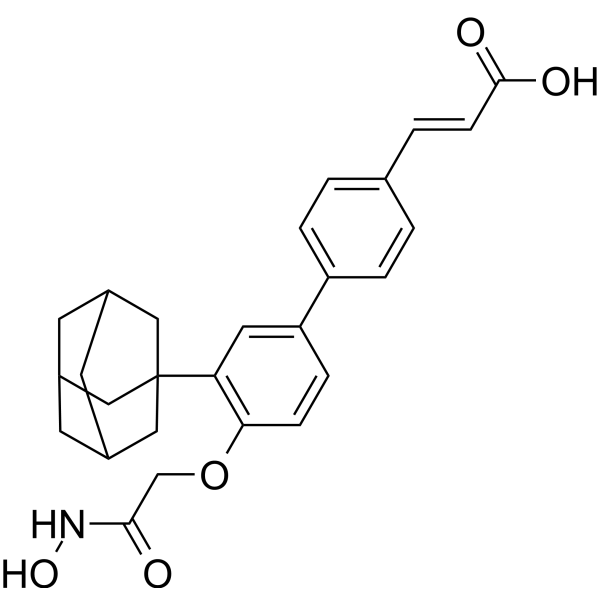
- HY-168514
-
|
|
SOS1
EGFR
|
Cancer
|
|
SOS1/EGFR-IN-2 (Compound 4) is a SOS1 and EGFR dual inhibitor with IC50s of 8.3 and 14.6 nM, respectively. SOS1/EGFR-IN-2 exhibits significant antiproliferative effect on the cancer cells haboring various KRAS mutants .
|
-

- HY-155241
-
|
|
Glycosidase
Amylases
|
Metabolic Disease
|
|
α-Amylase/α-Glucosidase-IN-4 (compound 5) is a dual inhibitor of α-glucosidase (Glucosidase) and α-amylase (Amylases) with IC50s of 0.15 μM and 1.10 μM, respectively. α-Amylase/α-Glucosidase-IN-4 has potential antidiabetic activity .
|
-
- HY-178438
-
|
|
c-Met/HGFR
Apoptosis
|
Cancer
|
|
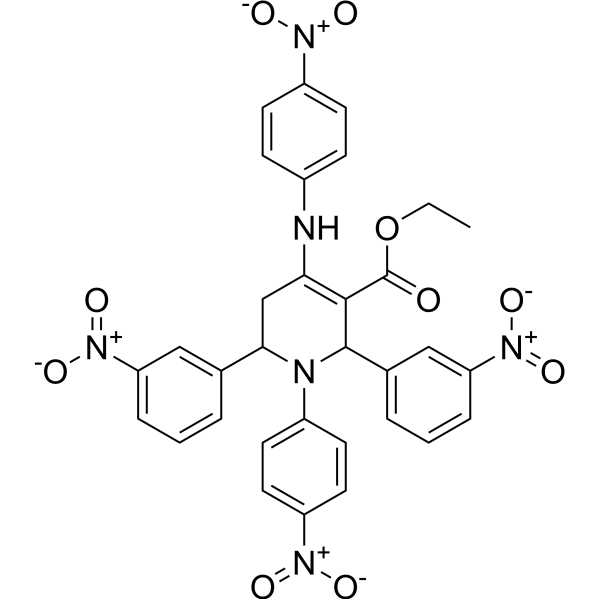
Mer/c-Met-IN-1 is a potent Mer/c-met dual inhibitor with IC50 values of 1 and 19 nM. Mer/c-Met-IN-1 can inhibit cancer cells proliferation, migration and induce apoptosis. Mer/c-Met-IN-1 can be used for the research of cancer, such as colon cancer .
|
-

- HY-105024
-
|
|
Lipoxygenase
COX
|
Inflammation/Immunology
|
|
FPL 62064 is a potent 5-lipoxygenase (5-LOX) and COX dual inhibitor, with IC50 values of 3.5 μM and 3.1 μM for RBL-1 cytosolic 5-lipoxygenase and prostaglandin synthetase (cyclooxygenase), respectively. FPL 62064 has potent anti-inflammatory activity .
|
-
- HY-174841
-
|
|
EGFR
|
Cancer
|
|
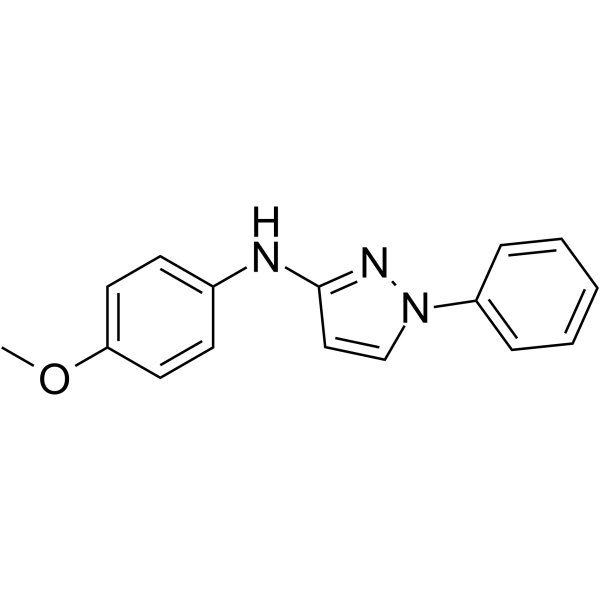
EGFR/HER2-IN-19 (Compound L1) is a dual inhibitor against epidermal growth factor receptor (EGFR) and human epidermal growth factor receptor 2 (HER2). EGFR/HER2-IN-19 is promising for research of cancers driven by EGFR/HER2 .
|
-

- HY-153254
-
|
|
Toll-like Receptor (TLR)
|
Inflammation/Immunology
|
|
BMS905 is an orally active TLR7 and TLR8 dual inhibitor (IC50s: 0.7 and 3.2 nM respectively). BMS905 inhibits TLR7 or TLR8 induced IL-6 production in human/mouse whole blood. BMS905 can be used for research of lupus .
|
-
- HY-149002
-
|
|
Topoisomerase
Apoptosis
|
Cancer
|
|
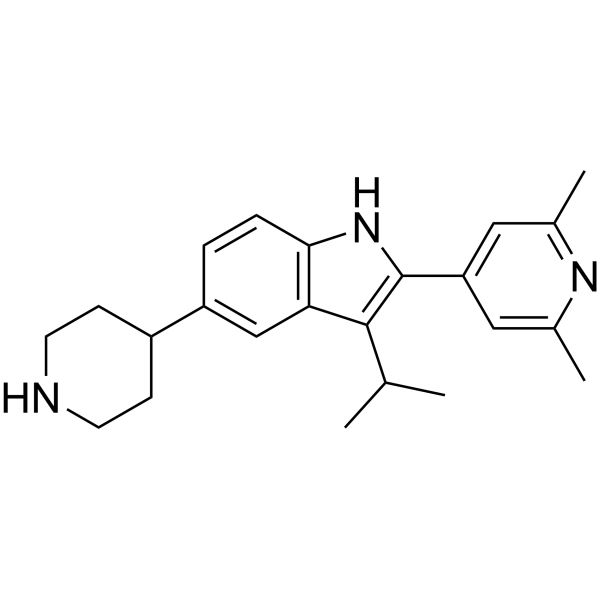
Topoisomerase I/II inhibitor 4 (compound F16) is a potent topoisomerase I (Topo I) and II (Topo II) dual inhibitor. Topoisomerase I/II inhibitor 4 inhibits cell proliferation, invasion and migration and induces apoptosis. Topoisomerase I/II inhibitor 4 can be used for liver cancer research .
|
-
- HY-117612
-
|
|
Microtubule/Tubulin
Akt
|
Cancer
|
|
KS-99 is a dual inhibitor with both tubulin polymerization inhibitory activity and Akt pathway inhibitory activity. KS-99 inhibits cancer cell proliferation and induces cancer cell apoptosis. KS-99 can be used in research related to colorectal cancer, breast cancer, lung epithelial cancer and melanoma .
|
-

- HY-10681
-
|
PKI-587; PF-05212384
|
PI3K
mTOR
|
Cancer
|
|
Gedatolisib (PKI-587) is a highly potent dual inhibitor of PI3Kα, PI3Kγ, and mTOR with IC50s of 0.4 nM, 5.4 nM and 1.6 nM, respectively . Gedatolisib is equally effective in both complexes of mTOR, mTORC1 and mTORC2 .
|
-
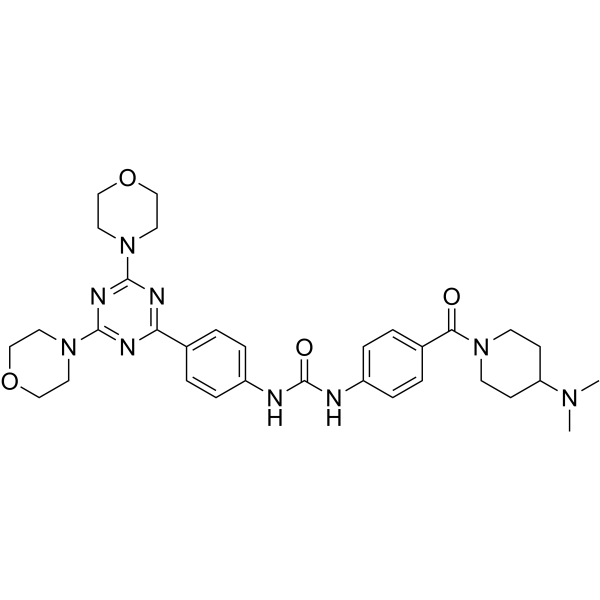
- HY-159483
-
|
|
Topoisomerase
Autophagy
Glutathione Peroxidase
|
Cancer
|
|
SelB-1 serves as a dual inhibitor for Topoisomerase I/II. SelB-1 possesses anticancer activity and can be utilized in the research of prostate cancer and colon cancer. Furthermore, SelB-1 is also capable of inducing autophagy gene expression and lipid peroxidation, while simultaneously reducing the level of GSH .
|
-

- HY-112293
-
|
|
EGFR
|
Cancer
|
|
GW2974 is a potent dual inhibitor of EGFR and HER2 with IC50 value of 0.007 μM and 0.016 μM, respectively. GW2974 demonstrates in vitro inhibition of the EGFR and HER2 and inhibits the growth of tumor cell. GW2974 can be used for glioblastoma multiforme (GBM) disease research .
|
-
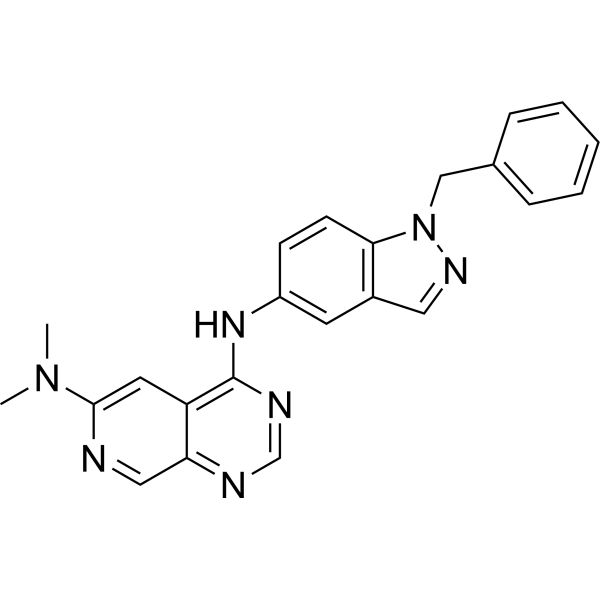
- HY-163062
-
|
|
Microtubule/Tubulin
Apoptosis
Complement System
|
Cancer
|
|
Tubulin/NRP1-IN-1 (compound TN-2) is a dual inhibitor of Tubulin and NRP1 with IC50s of 0.71 and 0.85 μM, respectively. Tubulin/NRP1-IN-1 significantly inhibits the viability of prostate tumor cell lines and induces apoptosis .
|
-
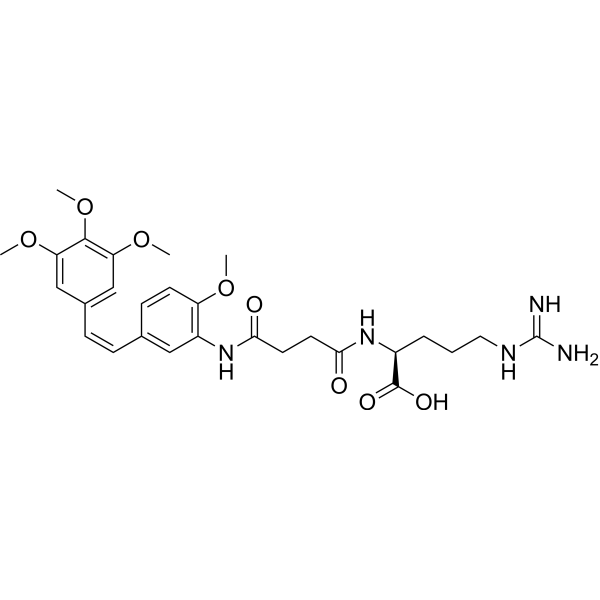
- HY-154972
-
|
|
Glycosidase
Amylases
|
Metabolic Disease
|
|
α-Amylase/α-Glucosidase-IN-3 (Compound 17) is an α-Amylase/α-Glucosidase dual inhibitor, with IC50s of 0.70 μM and 1.10 μM. α-Amylase/α-Glucosidase-IN-3 can be used for research of type-II diabetes mellitus .
|
-
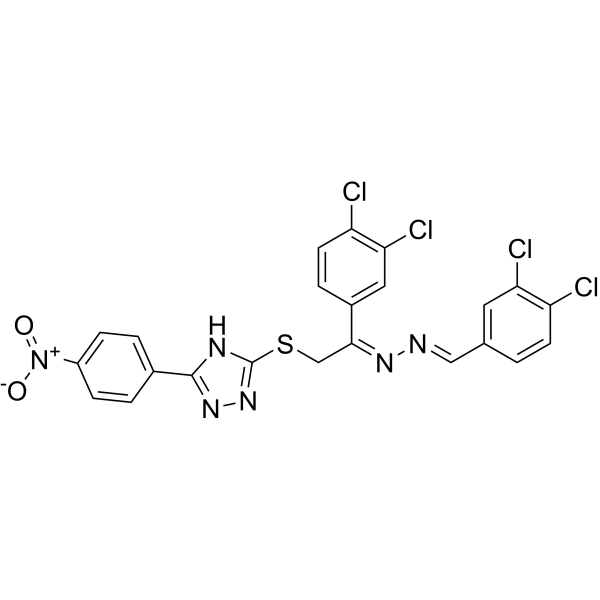
- HY-157441
-
|
|
Cholinesterase (ChE)
Amyloid-β
|
Neurological Disease
|
|
AChE/Aβ-IN-4 is a dual inhibitor of acetylcholinesterase (AChE) and β-amyloid (Aβ) aggregation, with the IC50 values of 1.72 ± 0.18 μM and 1.42 ± 0.3 μM, respectively. AChE/Aβ-IN-4 plays an impotant role in neurological disorders, such as Alzheimer’s disease .
|
-
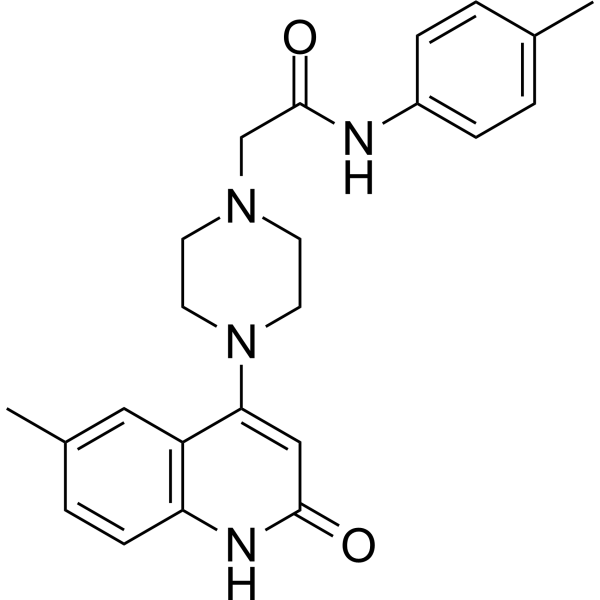
- HY-105319
-
|
|
Neprilysin
Angiotensin-converting Enzyme (ACE)
|
Cardiovascular Disease
|
|
CGS-30440 is a potent and orally active dual inhibitor of neutral endopeptidase (NEP) and angiotensin-converting enzyme (ACE). CGS-30440 exhibit antihypertensive and natriuretic effects. CGS-30440 also shows protective effect for chronic renal failure. CGS-30440 can be used for the research of cardiovascular disease, such as hypertension .
|
-

- HY-16782R
-
|
ARRY-614 (Standard)
|
Tie
p38 MAPK
Autophagy
Reference Standards
|
Cancer
|
|
Pexmetinib (Standard) is the analytical standard of Pexmetinib. This product is intended for research and analytical applications. Pexmetinib is a potent Tie-2 and p38 MAPK dual inhibitor, with IC50s of 1 nM, 35 nM and 26 nM for Tie-2, p38α and p38β, respectively, and can be used in the research of acute myeloid leukemia.
|
-

- HY-148233S
-
|
|
Casein Kinase
|
Others
|
|
JNJ-6204 is a dual inhibitor for CSNK1D (Casein Kinase 1 Delta) and CSNK1E (Casein Kinase 1 Epsilon) (CSNK1D IC50=2.3 nM; CSNK1E IC50=137 nM). JNJ-6204 shows good brain exposure .
|
-
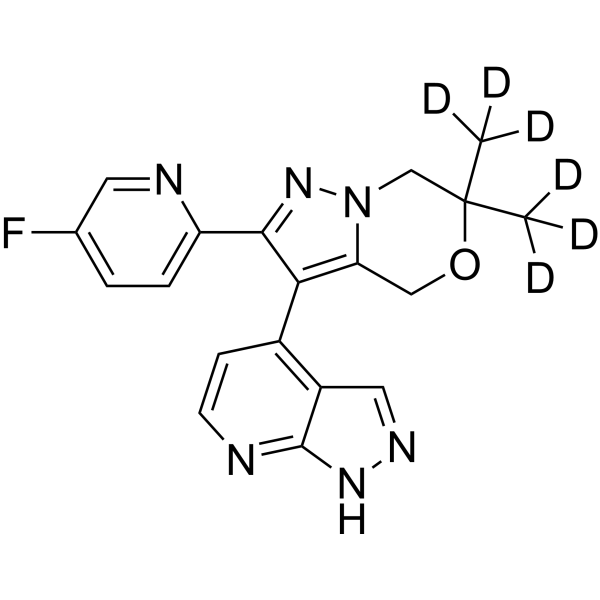
- HY-163340
-
|
|
Glucocorticoid Receptor
Androgen Receptor
|
Cancer
|
|
GA32 (compound 58r) is potent androgen receptor (AR)/glucocorticoid receptor (GR) dual inhibitor with IC50 values of 0.13 μM and 0.83 μM for AR and GR, respectively. GA32 inhibits the proliferation of Enzalutamide (HY-70002) resistance castration-resistant prostate cancer both in vitro and in vivo .
|
-
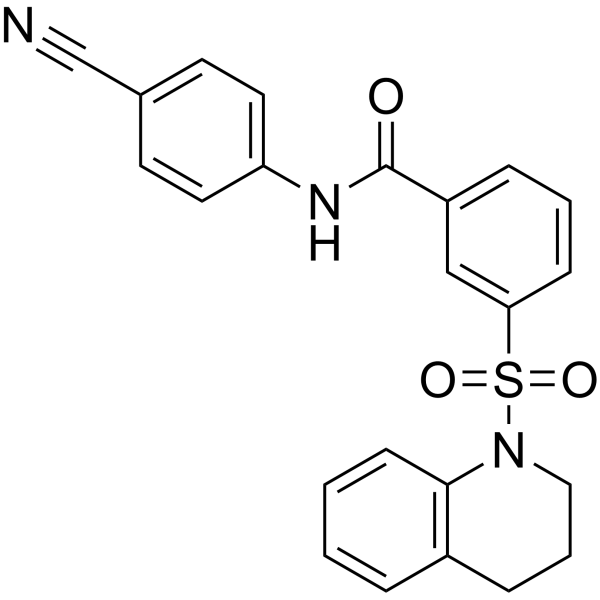
- HY-105520
-
|
|
Phosphodiesterase (PDE)
|
Inflammation/Immunology
|
|
ORG-20241 is a PDE3/PDE4 dual inhibitor. ORG-20241 has a significant bronchodilator effect and completely prevents allergen induced airway hyperresponsiveness. ORG-20241 can significantly inhibit eosinophil infiltration at high concentrations. ORG-20241 can be used for research on asthma .
|
-

- HY-163736
-
|
|
Lipoxygenase
PGE synthase
|
Inflammation/Immunology
|
|
mPGES-1/5-LOX-IN-1 (compound 3j) is a potent and orally active mPGES-1 and 5-LOX dual inhibitor with IC50 values of 0.92, 1.89 µM, respectively. mPGES-1/5-LOX-IN-1 shows anti-inflammatory impact .
|
-

- HY-112801
-
|
|
Anaplastic lymphoma kinase (ALK)
ROS Kinase
|
Cancer
|
|
F-1 is a potent ALK and ROS1 dual inhibitor, suppresses phospho-ALK and its relative downstream signaling pathways, with IC50s of 2.1 nM, 2.3 nM, 1.3 nM and 3.9 nM for ALK WT, ROS1 WT, ALK L1196M and ALK G1202R, respectively .
|
-
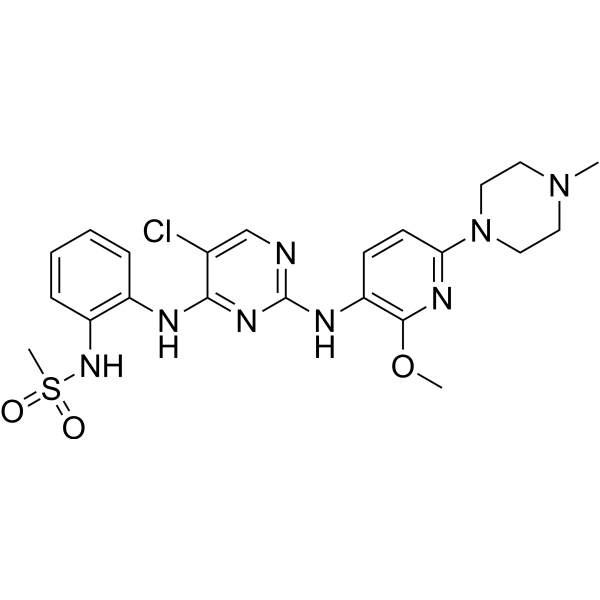
- HY-163207
-
|
|
Epoxide Hydrolase
HDAC
|
Neurological Disease
|
|
sEH/HDAC6-IN-1 (compound M9) is a selective, orally active dual inhibitor for sEH and HDAC6, with IC50s of 2 nM, 0.72 nM and 5 nM, for human sEH, murine sEH and HDAC6, respectively. sEH/HDAC6-IN-1 reveals analgesic and anti-inflammatory effects .
|
-
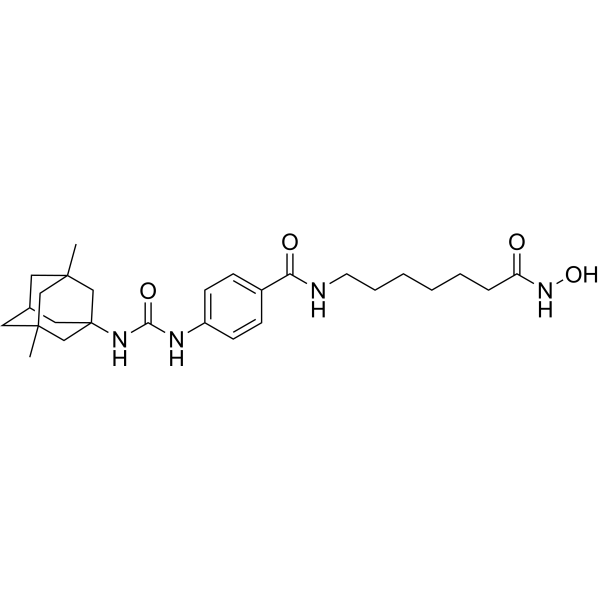
- HY-176877
-
|
|
Glucocorticoid Receptor
Interleukin Related
|
Inflammation/Immunology
|
|
Glucocorticoid receptor/IL-6-IN-2 (Compound 36) is a selective dual inhibitor targeting the glucocorticoid receptor (GR) and IL-6 signaling pathway (IC50 values of 40 nM and 19 nM, respectively). Glucocorticoid receptor/IL-6-IN-2 is promising for research of inflammatory diseases like rheumatoid arthritis and asthma .
|
-

- HY-156655
-
|
STI-1558
|
SARS-CoV
Virus Protease
Cathepsin
|
Infection
|
|
Olgotrelvir (STI-1558) is an orally active dual inhibitor of coronavirus main protease (Mpro) and human cell cathepsin (Cathepsin L). Olgotrelvir is readily converted to its active form, AC1115, in full blood and/or plasma. Olgotrelvir can effectively inhibit both SARS-CoV-2 replication and entry into host cells .
|
-
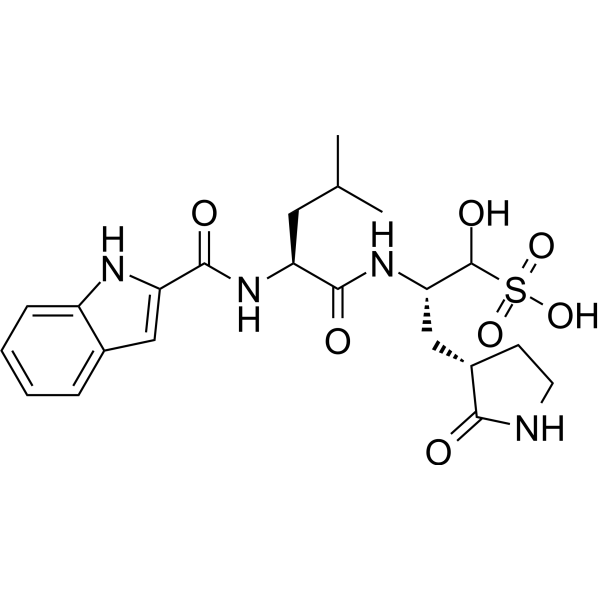
- HY-W700149
-
|
|
Isotope-Labeled Compounds
Drug Metabolite
|
Cancer
|
|
N,O-Didesmethylvenlafaxine-d3 is the deuterium labeled N,O-Didesmethylvenlafaxine (HY-138818). N,O-Didesmethylvenlafaxine (NODVFX) is a metabolite of Venlafaxine (VFX; HY-B0196). Venlafaxine (Wy 45030) is an orally active, potent serotonin (5-HT)/norepinephrine (NE) reuptake dual inhibitor .
|
-

- HY-172179
-
|
|
EGFR
VEGFR
|
Cancer
|
|
EGFR/VEGFR2-IN-5 (Compound 14) is an orally active dual inhibitor of EGFR and VEGFR2 with an IC50 value of 1.15 µM for VEGFR2 and an IC50 value of 0.28 μM for EGFR T790M. EGFR/VEGFR2-IN-5 has significant anticancer activity .
|
-

- HY-160030
-
|
|
IAP
|
Cancer
|
|
XIAP BIR2/BIR2-3 inhibitor-3 is a dual inhibitor of BIR2 and BIR2-3 with IC50s less than 1 nM. XIAP BIR2/BIR2-3 inhibitor-3 can used in study cancers .
|
-
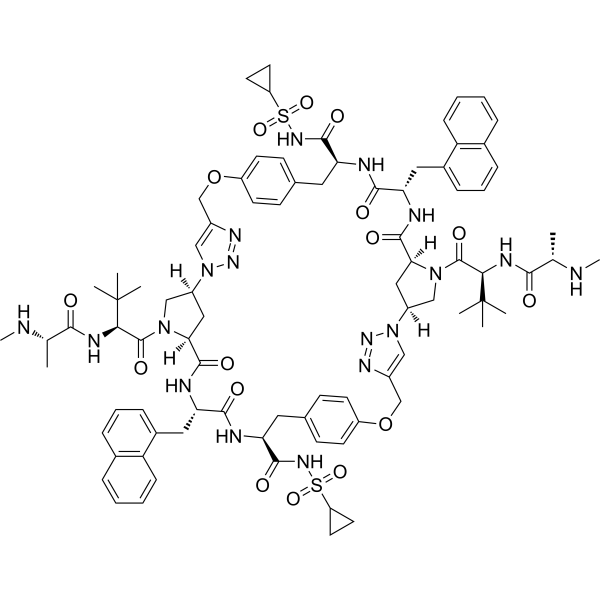
- HY-183256
-
|
|
Histone Acetyltransferase
|
Cancer
|
|
BAY-7728 is an orally active and selective dual inhibitor of KAT6A (IC50: 45 nM)/KAT6B (IC50: 95 nM). BAY-7728 can effectively inhibit tumor growth and regulate the acetylation level of histone H3K23. BAY-7728 can be used for tumor research.
|
-

- HY-156435
-
|
|
α-synuclein
|
Neurological Disease
|
|
tau protein/α-synuclein-IN-1 is a dual inhibitor of tau protein and α-synuclein. tau protein/α-synuclein-IN-1 reduces α-syn inclusions development in M17D neuroblastoma cells. tau protein/α-synuclein-IN-1 can be used in study Alzheimer’s disease .
|
-
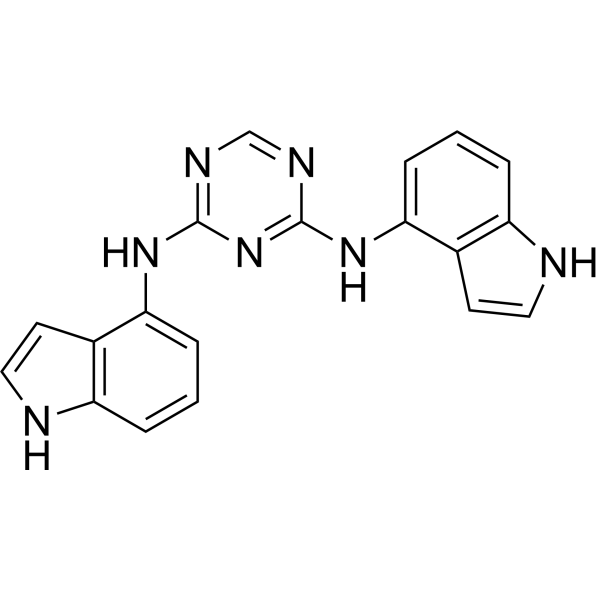
- HY-145280A
-
|
|
Indoleamine 2,3-Dioxygenase (IDO)
|
Cancer
|
|
IDO1/2-IN-1 hydrochloride (compound 4t) is the first potent IDO1/IDO2 dual inhibitor with IC50s of 28 nM and 144 nM for IDO1 and IDO2, respectively. IDO1/2-IN-1 hydrochloride exhibits antitumor activies. Orally active .
|
-
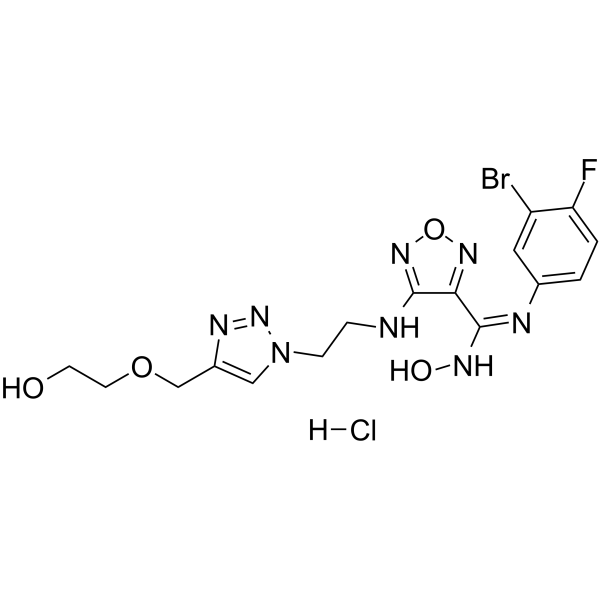
- HY-14923
-
|
AVE 7688
|
Angiotensin-converting Enzyme (ACE)
|
Metabolic Disease
|
|
Ilepatril, a dual inhibitor of angiotensin-converting enzyme (ACE) and neutral endopeptidase, has inhibitory effects in the type 2 diabetic nephropathy model in obese Zucker diabetic fatty (ZDF) rats. Ilepatril significantly reduced albuminuria in a dose-dependent manner and may be a strategy distinct from metabolic control to inhibit type 2 diabetic nephropathy .
|
-

- HY-146502
-
|
|
PARP
Apoptosis
|
Cancer
|
|
PARP10/15-IN-3 (Compound 8a) is a potent PARP10 and PARP15 dual inhibitor with IC50 values of 0.14 µM and 0.40 µM against PARP10 and PARP15, respectively. PARP10/15-IN-3 is able to enter cells and rescue cells from apoptosis .
|
-
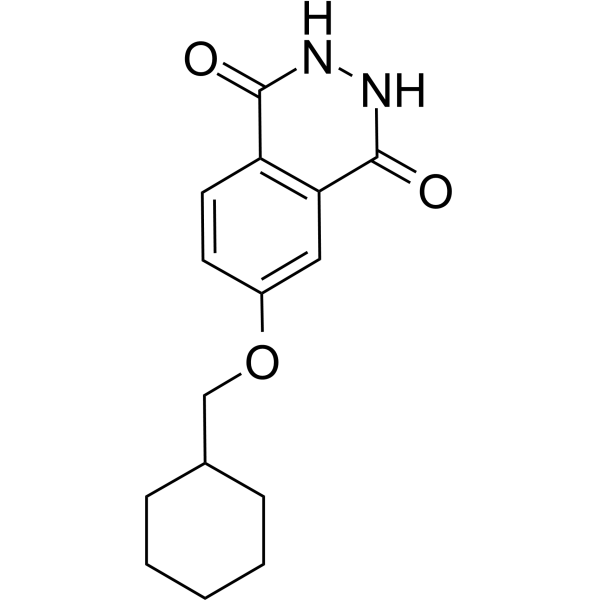
- HY-156655A
-
|
STI-1558 sodium
|
SARS-CoV
Cathepsin
Virus Protease
|
Infection
|
|
Olgotrelvir (STI-1558) sodium is an orally active dual inhibitor of coronavirus main protease (Mpro) and human cell cathepsin (Cathepsin L). Olgotrelvir sodium is readily converted to its active form, AC1115, in full blood and/or plasma. Olgotrelvir sodium can effectively inhibit both SARS-CoV-2 replication and entry into host cells .
|
-
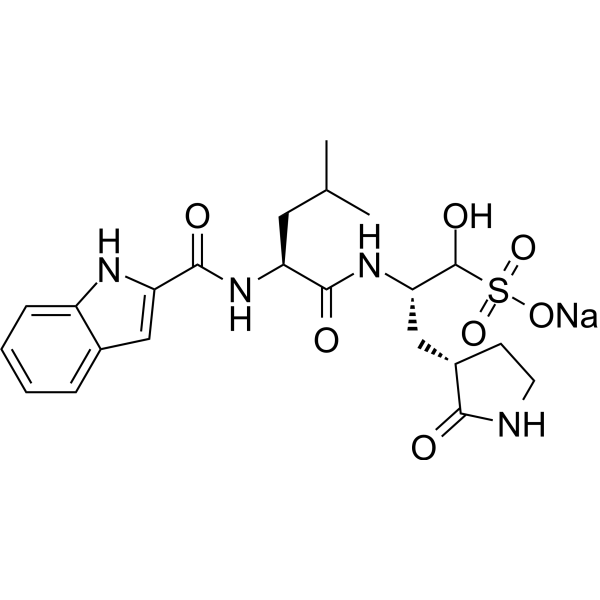
- HY-145280
-
|
|
Indoleamine 2,3-Dioxygenase (IDO)
|
Cancer
|
|
IDO1/2-IN-1 (compound 4t) is the first potent IDO1/IDO2 dual inhibitor with IC50s of 28 nM and 144 nM for IDO1 and IDO2, respectively. IDO1/2-IN-1 exhibits antitumor activies. Orally active .
|
-
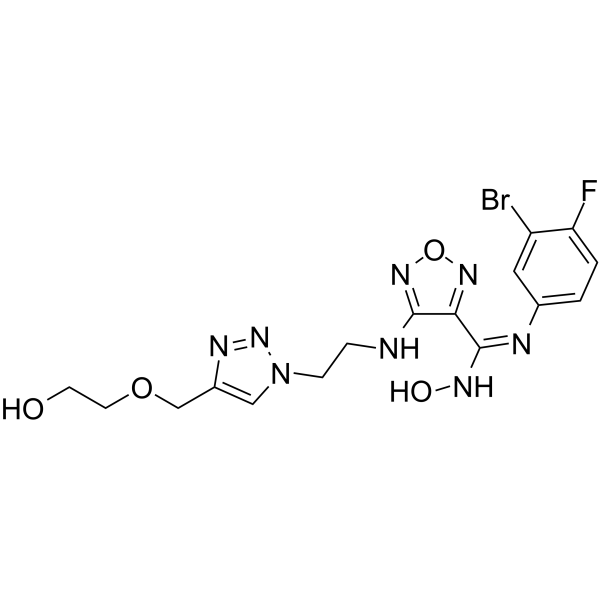
- HY-155227B
-
|
|
Anaplastic lymphoma kinase (ALK)
|
Cancer
|
|
ALK/EGFR-IN-3 is a dual inhibitor of ALK and EGFR. ALK/EGFR-IN-3 inhibits the cell proliferation of H1975, PC9, and Baf3-EML4-ALK cancer cell lines with IC50s of 0.1360, 0.0332, and 0.0339 μM, respectively .
|
-
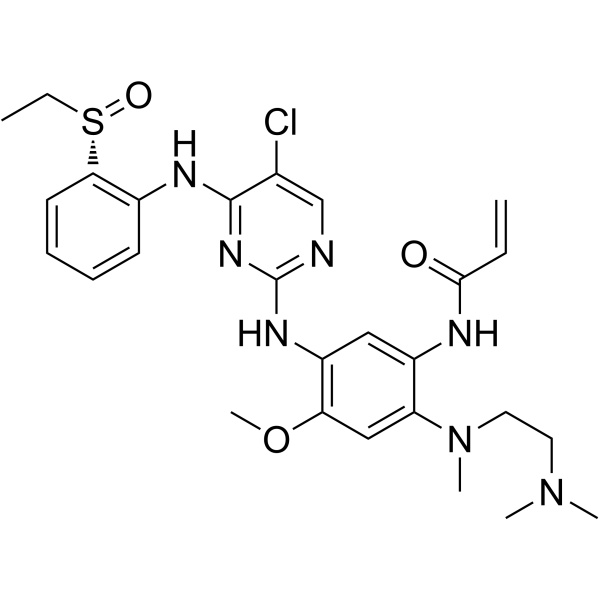
- HY-163380
-
|
|
Carbonic Anhydrase
|
Neurological Disease
|
|
CA/MAO-B-IN-1 (Compound 78) is a dual inhibitor for human brain carbonic anhydrases (CA) and Monoamine Oxidase-B (MAO-B), with IC50s of 8.8 and 7.0 nM, respectively. CA/MAO-B-IN-1 reveals a human oral absorption of 71.9% through in silico prediction .
|
-
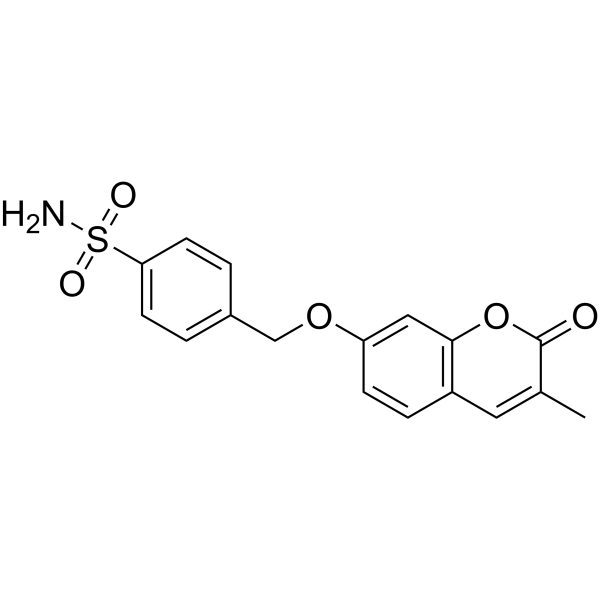
- HY-B0494R
-
|
Bufexamic acid (Standard)
|
Reference Standards
HDAC
Aminopeptidase
|
Inflammation/Immunology
Cancer
|
|
Bufexamac (Standard) is the analytical standard of Bufexamac. This product is intended for research and analytical applications. Bufexamac is a selective Ⅱb HDAC (HDAC6, HDAC10) and LTA4H dual inhibitor, with Kds of 0.53 μM and 0.22 μM for HDAC6 and HDAC10. Bufexamac is a nonsteroida anti-inflammatory drug .
|
-

- HY-U00326
-
|
|
PI3K
mTOR
|
Cancer
|
|
PI3Kα/mTOR-IN-1 is a potent PI3Kα/mTOR dual inhibitor, with an IC50 of 7 nM for PI3Kα in a cell assay, and Kis of 10.6 nM and 12.5 nM for mTOR and PI3Kα in a cell free assay , respectively.
|
-
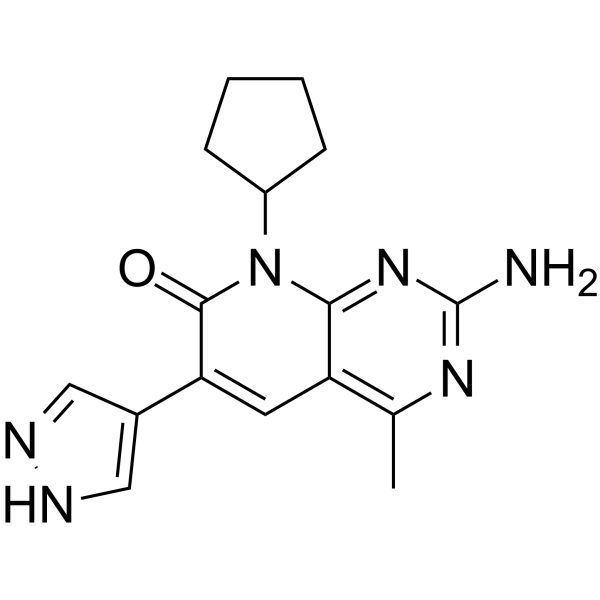
- HY-18955
-
|
|
MEK
Aurora Kinase
Apoptosis
|
Cancer
|
|
BI-847325 is an ATP competitive dual inhibitor of MEK and aurora kinases (AK) with IC50 values of 4 and 15 nM for human MEK2 and AK-C, respectively. BI-847325 is a click chemistry reagent, it contains an Alkyne group and can undergo copper-catalyzed azide-alkyne cycloaddition (CuAAc) with molecules containing Azide groups.
|
-
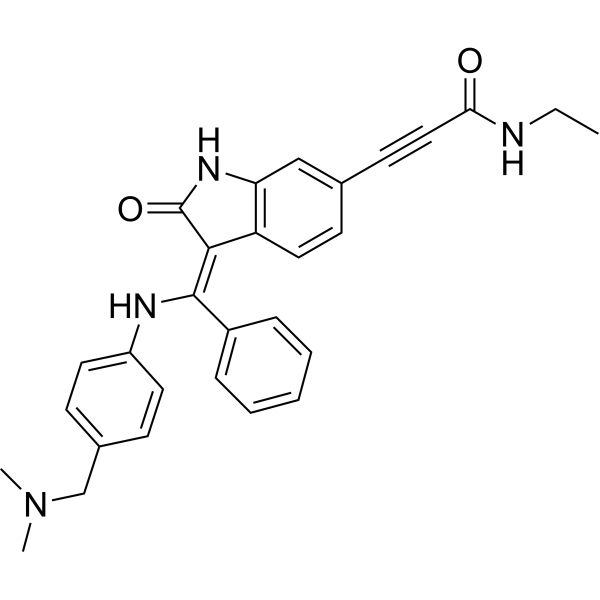
- HY-144881
-
|
|
Histone Methyltransferase
|
Inflammation/Immunology
Cancer
|
|
(S)-HH2853 (compound 200), a PYRIDINO five membered aromatic ring compound, is a potent EZH1/2 dual inhibitor with an IC50 of <100 nM for EZH2_Y641F. (S)-HH2853 has the potential to be used in the research of anti-tumor or autoimmune diseases .
|
-
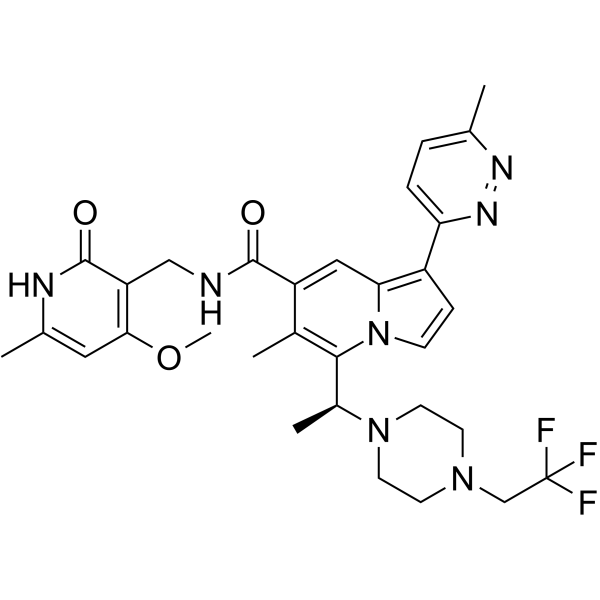
- HY-179530
-
|
|
Carbonic Anhydrase
Phosphatase
|
Cancer
|
|
CA-II/TNAP-IN-1 (compound 15) is a potent dual inhibitor against b-TNAP and b-CAII with IC50s of 0.69 and 1.25 μM, respectively. CA-II/TNAP-IN-1 exhibits anti-cancer effects. CA-II/TNAP-IN-1 can be used for cancer research .
|
-

- HY-142706
-
|
|
Monoamine Oxidase
HDAC
|
Cancer
|
|
MAO A/HDAC-IN-1 is a dual?inhibitor?of monoamine oxidase A (MAO A) and HDAC. MAO A/HDAC-IN-1 can be used for glioma research . MAO A/HDAC-IN-1 is a click chemistry reagent, it contains an Alkyne group and can undergo copper-catalyzed azide-alkyne cycloaddition (CuAAc) with molecules containing Azide groups.
|
-
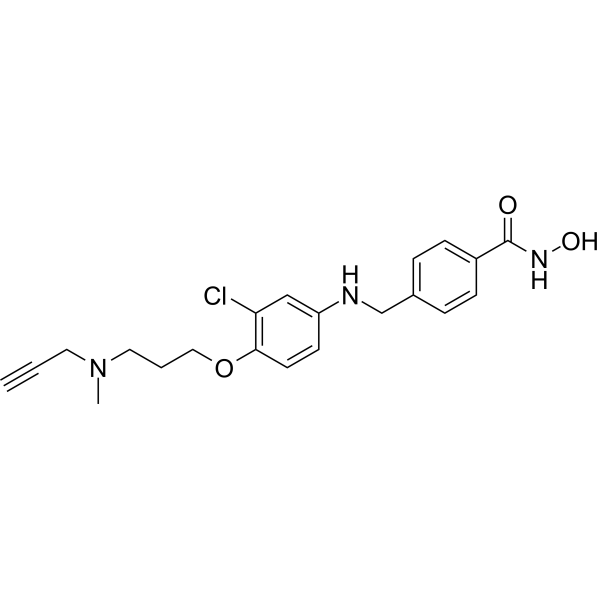
- HY-163272
-
|
|
Glutathione Peroxidase
CDK
|
Cancer
|
|
GPX4/CDK-IN-1 (Compound B9) is a dual inhibitor of GPX4 and CDK, with IC50 values of 542.5 nM, 191.2 nM and 68.1 nM for GPX4, CDK4 and CDK6, reapectively. GPX4/CDK-IN-1 shows strong cancer cell growth inhibition in vivo .
|
-
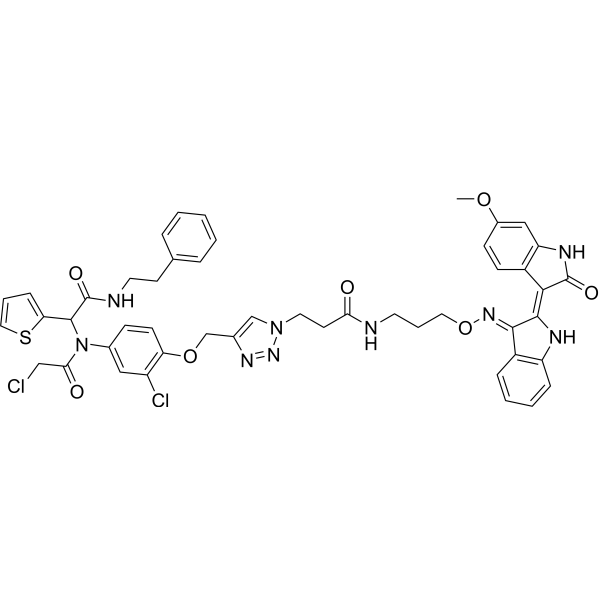
- HY-N2947R
-
|
|
Reference Standards
P-glycoprotein
|
Infection
Inflammation/Immunology
|
|
Boeravinone B (Standard) is the analytical standard of Boeravinone B. This product is intended for research and analytical applications. Boeravinone B, a dual inhibitor of NorA bacterial efflux pump of Staphylococcus aureus and human P-Glycoprotein, reduces the biofilm formation and intracellular invasion of bacteria. Boeravinone B act as anti-aging and anti-apoptosis phyto-molecules during oxidative stress .
|
-

- HY-16726R
-
|
CG100649 (Standard)
|
Reference Standards
COX
Carbonic Anhydrase
|
Cancer
|
|
Polmacoxib (Standard) is the analytical standard of Polmacoxib. This product is intended for research and analytical applications. Polmacoxib (CG100649) is a first-in-class, orally active nonsteroidal anti-inflammatory agent (NSAID) which is a dual inhibitor of COX-2 (IC50 around 0.1 μg/ml) and carbonic anhydrase . Polmacoxib inhibits colorectal adenoma and tumor growth in mouse models .
|
-

- HY-146501
-
|
|
PARP
Apoptosis
|
Cancer
|
|
PARP10/15-IN-2 (Compound 8h) is a potent PARP10 and PARP15 dual inhibitor with IC50 values of 0.15 µM and 0.37 µM against PARP10 and PARP15, respectively. PARP10/15-IN-2 is able to enter cells and rescue cells from apoptosis .
|
-
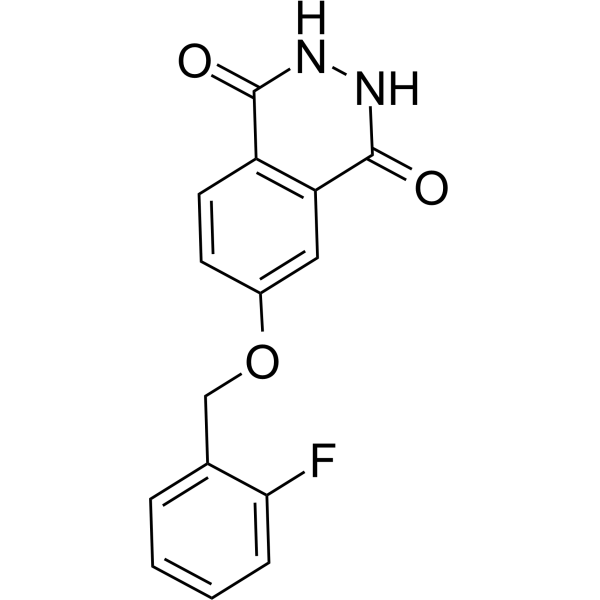
- HY-143324
-
|
|
HDAC
Adenosine Receptor
|
Cancer
|
|
A2AAR/HDAC-IN-1 (compound 14c) is an orally active, potent and balanced A2AAR/HDAC dual inhibitor, with a Ki of 163.5 nM for A2AAR and an IC50 of 145.3 nM for HDAC1. A2AAR/HDAC-IN-1 shows anticancer activity .
|
-
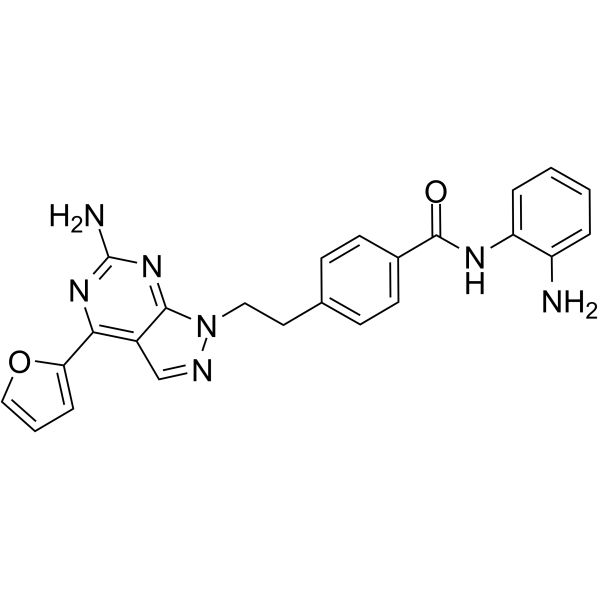
- HY-143411
-
|
|
HDAC
Apoptosis
DNA/RNA Synthesis
|
Cancer
|
|
GEM144 is a potent and orally active DNA polymerase α (POLA1) and HDAC 11 dual inhibitor. GEM144 induces acetylation of p53, activation of p21, G1/S cell cycle arrest, and apoptosis. GEM144 has significant antitumor activity in human orthotopic malignant pleural mesothelioma xenografts .
|
-
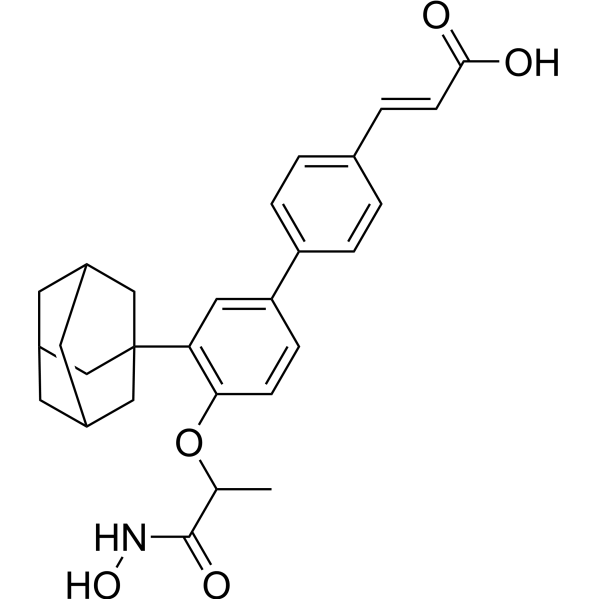
- HY-146225
-
|
|
Glycosidase
|
Metabolic Disease
|
|
α-Amylase/α-Glucosidase-IN-2 (compound 5) is a potent α-amylase and α-glucosidase dual inhibitor with IC50 values of 13.02, 13.09 µM for α-amylase and α-glucosidase, respectively. α-Amylase/α-Glucosidase-IN-2 has the potential for the research of diabetic complications .
|
-
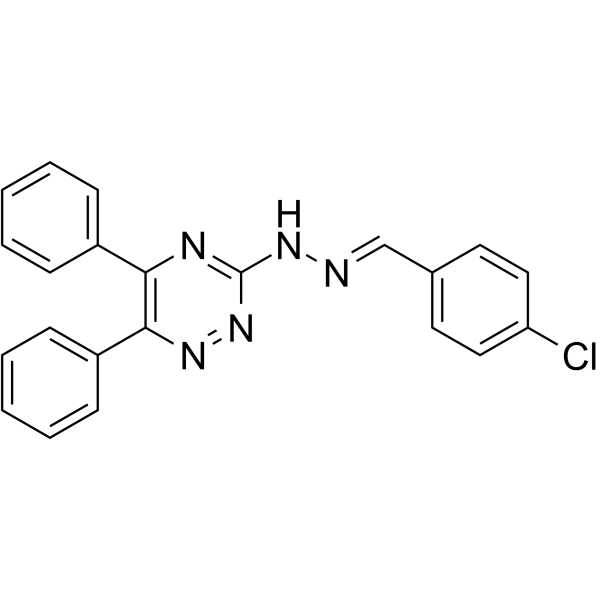
- HY-131970
-
|
|
Histone Demethylase
HDAC
|
Cancer
|
|
LSD1/HDAC6-IN-1 is an orally active dual inhibitor of lysine specific demethylase 1(LSD1)/Histone deacetylase 6 (HDAC6), with anti-tumor activity. LSD1/HDAC6-IN-1 can be used for the research of multiple myeloma (MM) .
|
-
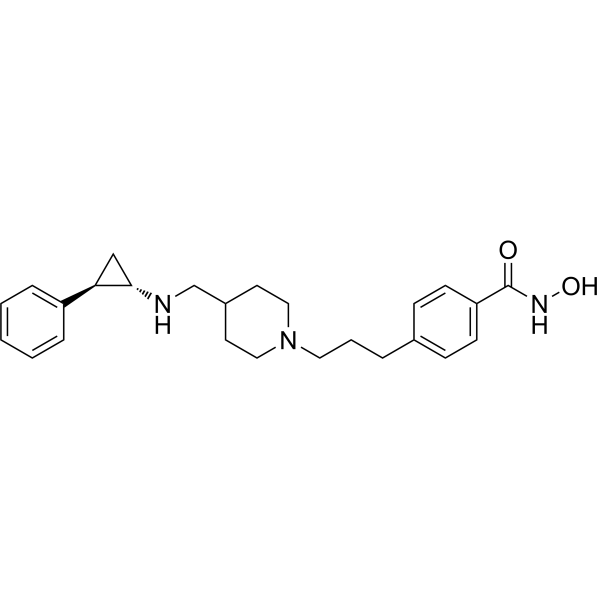
- HY-170397
-
-

- HY-101093
-
CA-170
2 Publications Verification
|
PD-1/PD-L1
|
Inflammation/Immunology
Cancer
|
|
CA-170 is an orally delivered dual inhibitor of VISTA and PD-L1. CA-170 exhibits potent rescue of proliferation and effector functions of T cells inhibited by PD-L1/L2 and VISTA with selectivity over other immune checkpoint proteins as well as a broad panel of receptors and enzymes .
|
-
- HY-120107
-
|
|
Parasite
|
Inflammation/Immunology
|
|
OAT-177 is a potent dual inhibitor targeting acidic mammalian chitinase (AMCase) and chitotriosidase (CHIT1) with an IC50=14.2 nM for human AMCase and IC50=232 nM for human CHIT1. OAT-177 is promising for research of chronic inflammatory and fibrotic-related lung diseases such as asthma and idiopathic pulmonary fibrosis .
|
-

- HY-13299
-
MK-8033
3 Publications Verification
|
c-Met/HGFR
|
Cancer
|
|
MK-8033 is an orally active ATP competitive c-Met/Ron dual inhibitor (IC50s: 1 nM (c-Met),7 nM (Ron)), with preferential binding to the activated kinase conformation. MK-8033 can be used in the research of cancers, such as breast and bladder cancers, non-small cell lung cancers (NSCLCs) .
|
-
- HY-107364R
-
|
Mol 211 (Standard)
|
Reference Standards
EGFR
PI3K
|
Cancer
|
|
MTX-211 (Standard) (Mol 211 (Standard)) is the analytical standard of MTX-211 (HY-107364). This product is intended for research and analytical applications. MTX-211 (Mol 211) is a dual inhibitor of EGFR and PI3K with IC50 values of <100 nM. MTX-211 can be used for the research of cancer and other diseases .
|
-

- HY-172790
-
|
|
COX
Lipoxygenase
|
Inflammation/Immunology
|
|
Cbz-(S,S)-Pro-Pro-allyl (compound 1a) is a dual inhibitor of cyclooxygenase-2 and 5-lipoxygenase with IC50 values of 0.146 nM, 0.003 nM, 0.64 nM for COX-1, COX-2, 5-LOX, respectively. Cbz-(S,S)-Pro-Pro-allyl has anti-inflammatory activity .
|
-

- HY-177134
-
|
|
VEGFR
c-Met/HGFR
|
Cancer
|
|
Taligantinib (Compound Example 70) is an orally active and selective dual inhibitor targeting vascular endothelial growth factor receptor 2 (VEGFR-2) and hepatocyte growth factor receptor (c-Met). Taligantinib suppresses tumor angiogenesis and cell proliferation. Taligantinib is promising for research of solid tumors such as non-small cell lung cancer and hepatocellular carcinoma .
|
-

- HY-101438AR
-
|
CI-1004 mesylate (Standard)
|
Prostaglandin Receptor
Reference Standards
Leukotriene Receptor
|
Inflammation/Immunology
Endocrinology
|
|
Darbufelone (mesylate) (Standard) is the analytical standard of Darbufelone (mesylate) (HY-101438A). This product is intended for research and analytical applications. Darbufelone mesylate (CI-1004 mesylate) is a dual inhibitor of cellular PGF2α and LTB4 production. Darbufelone potently inhibits PGHS-2 (IC50 = 0.19 μM) but is much less potent with PGHS-1 (IC50= 20 μM).
|
-

- HY-159482
-
|
|
Cholinesterase (ChE)
NOD-like Receptor (NLR)
|
Neurological Disease
|
|
SBN-284 (compound 3x) is a dual inhibitor of blood-brain permeable Cholinesterases and the NLRP3 inflammasome and is effective against EeAChE, hAChE and eqBChE, the IC50 values of are 0.37, 0.31, 0.29 μM respectively, and the EC50 of NLRP3 inflamm is 1 μM. SBN-284 can be used in Alzheimer's disease research .
|
-

- HY-168597
-
|
|
FGFR
Apoptosis
VEGFR
|
Cancer
|
|
FGFR1/VEGFR2-IN-3 (Compound 8m) is a dual inhibitor of FGFR1/VEGFR2. FGFR1/VEGFR2-IN-3 exhibits anti-proliferative and anti-migratory activities against cancer cells, and is capable of inducing cell apoptosis .
|
-

- HY-103443R
-
|
|
Reference Standards
EGFR
|
Cancer
|
|
HKI-357 (Standard) is the analytical standard of HKI-357 (HY-103443). This product is intended for research and analytical applications. HKI-357 is an irreversible dual inhibitor of EGFR and ERBB2 with IC50s of 34 nM and 33 nM, respectively. HKI-357 suppresses EGFR autophosphorylation (at Y1068), and AKT and MAPK phosphorylation .
|
-

- HY-174905
-
|
QY201
|
JAK
Cytochrome P450
|
Inflammation/Immunology
|
|
Quecitinib (QY201) is an orally active JAK1/TYK2 dual inhibitor. Quecitinib is also a substrate of cytochrome P450 3A and is mainly metabolized to mono-oxide and glucuronidation products. Quecitinib has favorable pharmacokinetic properties as well as safety. Quecitinib can be used in the research of atopic dermatitis and other autoimmune diseases .
|
-

- HY-100360A
-
|
|
Histone Methyltransferase
|
Cancer
|
|
MS049 dihydrochloride is a potent, selective, and cell-active dual inhibitor of PRMT4 and PRMT6 with IC50s of 34 nM and 43 nM, respectively. MS049 dihydrochloride reduces levels of Med12me2a and H3R2me2a in HEK293 cells. MS049 dihydrochloride is not toxic and does not affect the growth of HEK293 cells .
|
-
- HY-112816
-
MA242
1 Publications Verification
|
MDM-2/p53
Apoptosis
|
Cancer
|
|
MA242 is a specific dual inhibitor of MDM2 and NFAT1. MA242 directly binds both MDM2 and NFAT1 with high affinity, induces their protein degradation, and inhibits NFAT1-mediated transcription of MDM2. MA242 induces apoptosis in pancreatic cancer cell lines regardless of p53 status .
|
-
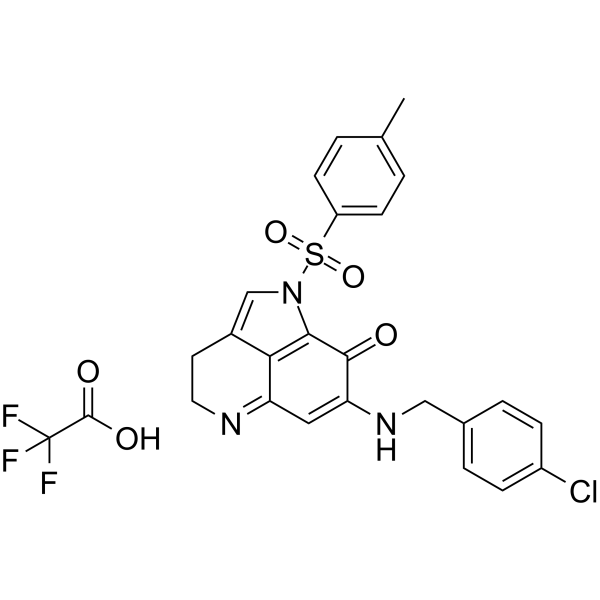
- HY-N8707
-
|
|
Parasite
HDAC
NF-κB
|
Infection
Inflammation/Immunology
Cancer
|
|
Homobutein a natural chalcones (can be found in many medicinal plants, fruits, vegetables, spices and nuts), is a potent HDACs/NF-κB dual inhibitor with IC50s of 190 and 38 μM, respectively. Homobutein also a chelator of iron (II and III) cations, shows various activities, including anticancer, anti-inflammatory, antiparasite and antioxidation .
|
-
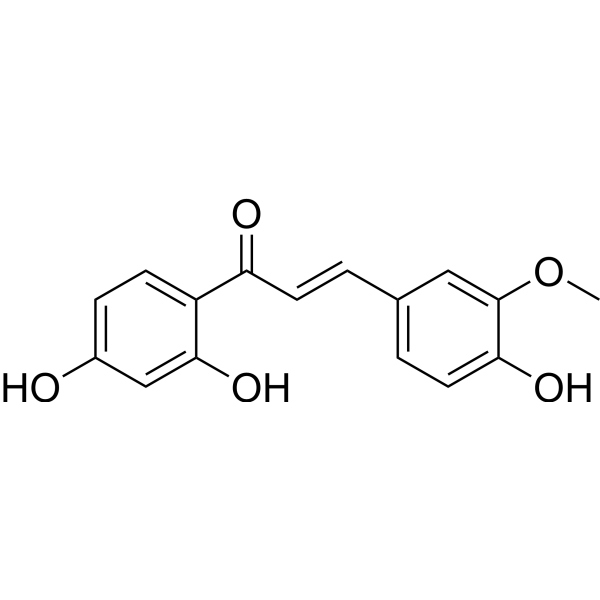
- HY-13299A
-
|
|
c-Met/HGFR
|
Cancer
|
|
MK-8033 hydrochloride is an orally active ATP competitive c-Met/Ron dual inhibitor (IC50s: 1 nM (c-Met),7 nM (Ron)), with preferential binding to the activated kinase conformation. MK-8033 hydrochloride can be used in the research of cancers, such as breast and bladder cancers, non-small cell lung cancers (NSCLCs) .
|
-
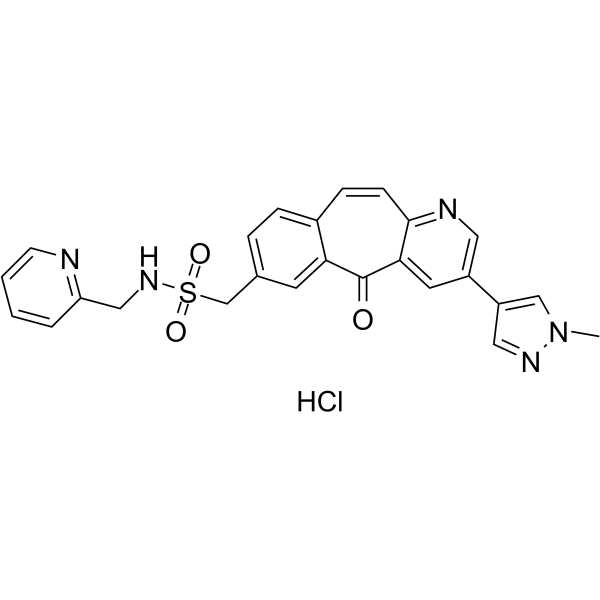
- HY-105504
-
|
|
COX
Lipoxygenase
|
Cardiovascular Disease
Inflammation/Immunology
|
|
CI-986 is a dual inhibitor of COX and 5-LOX. CI-986 can prevent the coronary vasoconstriction and the increased production of LTB(4) and LTC(4). CI-986 also has anti-inflammatory and analgesic effects. CI-986 can be used for the researches of inflammation and cardiovascular disease, such as arthritis .
|
-

- HY-107424R
-
|
|
Reference Standards
Epigenetic Reader Domain
|
Cancer
|
|
BAY-299 (Standard) is the analytical standard of BAY-299 (HY-107424). This product is intended for research and analytical applications. BAY-299, a chemical probe, is a very potent, dual inhibitor with IC50s of 67 nM for BRPF2 bromodomains (BD), 8 nM for TAF1 BD2, and 106 nM for TAF1L BD2.
|
-

- HY-12310
-
-
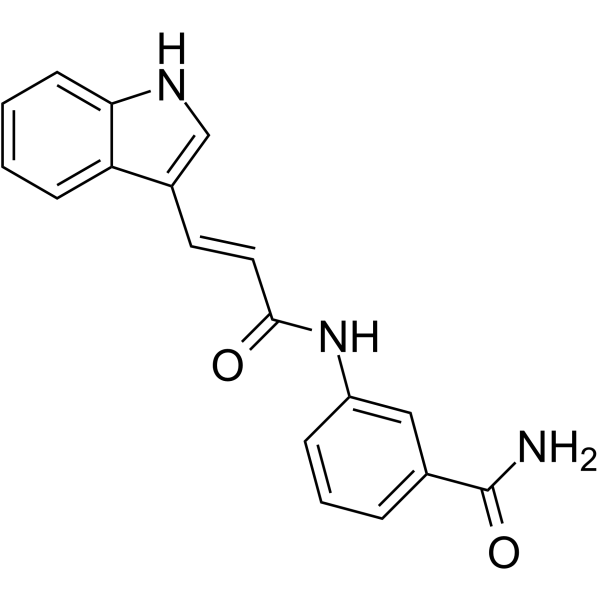
- HY-152851
-
|
IMU-935
|
ROR
Dihydroorotate Dehydrogenase
SARS-CoV
CMV
|
Infection
|
|
Izumerogant (IMU-935) is an orally active RORγ/DHODH dual inhibitor with IC50s of 10 and 98 nM against RORγ and DHODH. Izumerogant efficiently blocks the replication of SARS-CoV-2, HCMV and HAdV5 with EC50 values between 3.6 and 17 nM. Izumerogant can be used for researching antiviral properties .
|
-
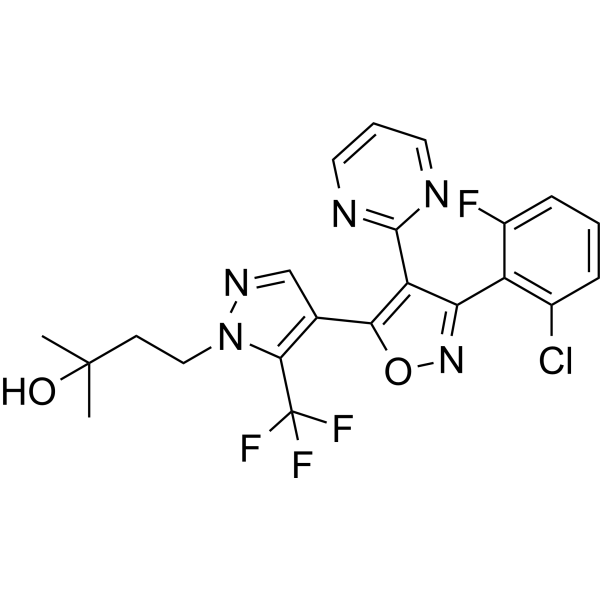
- HY-123298
-
|
|
Src
Akt
Apoptosis
|
Cancer
|
|
Chrysotoxine is a dual inhibitor of Src/Akt. Chrysotoxine suppresses cancer stem cells (CSCs) phenotypes by down-regulating Src/Akt signaling. Chrysotoxine reduces cell viability and increases apoptosis level in H460 and H23 cells instead of non-tumor cell lines. Chrysotoxine shows rapid excretion and low bioavailability in rats. Chrysotoxine is used in cancer research .
|
-
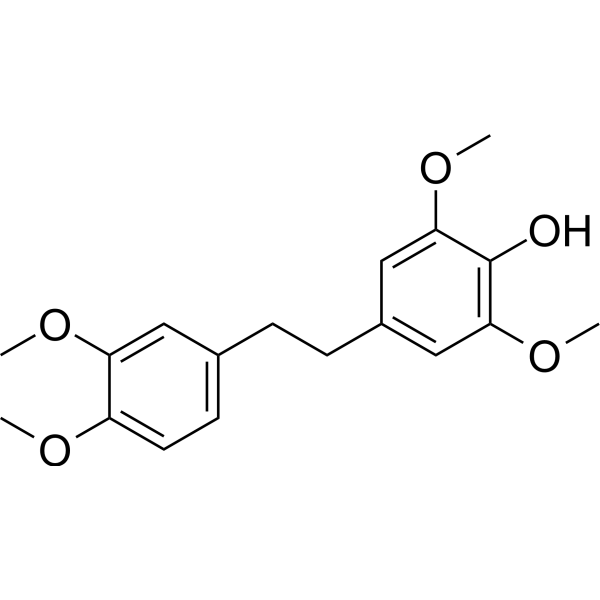
- HY-15391R
-
|
E-3810 (Standard)
|
VEGFR
FGFR
Reference Standards
|
Cancer
|
|
Lucitanib (Standard) is the analytical standard of Lucitanib. This product is intended for research and analytical applications. Lucitanib (E-3810) is a novel dual inhibitor of VEGFR and FGFR, potently and selectively inhibits VEGFR1, VEGFR2, VEGFR3, FGFR1 and FGFR2 with IC50s of 7 nM, 25 nM, 10 nM, 17.5 nM, and 82.5 nM, respectively .
|
-

- HY-N0232R
-
|
|
Reference Standards
COX
Lipoxygenase
Notch
Reactive Oxygen Species (ROS)
Bacterial
|
Cancer
|
|
Psoralidin (Standard) is the analytical standard of Psoralidin. This product is intended for research and analytical applications. Psoralidin is a dual inhibitor of COX-2 and 5-LOX, regulates ionizing radiation (IR)-induced pulmonary inflammation.Anti-cancer, anti-bacterial, and anti-inflammatory properties . Psoralidin significantly downregulates NOTCH1 signaling. Psoralidin also greatly induces ROS generation .
|
-

- HY-142817
-
|
|
G Protein-coupled Receptor Kinase (GRK)
Aurora Kinase
|
Cancer
|
|
GRK6/Aurora A-IN-1 is a dual inhibitor of G protein-coupled receptor kinase 6 (GRK6)/Aurora A, with IC50 values of 120 nM and 11 nM, respectively. GRK6 is a key kinase required for the survival of multiple myeloma (MM) cells. GRK6-IN-2 has the potential for research on multiple myeloma .
|
-
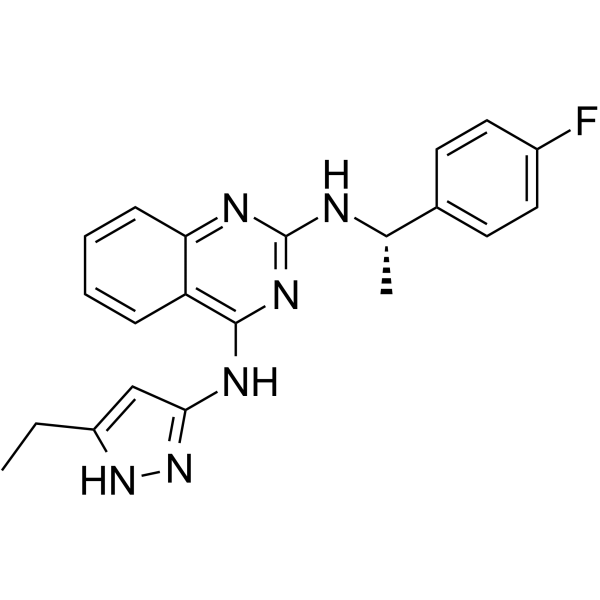
- HY-160022
-
|
|
IAP
|
Cancer
|
|
XIAP BIR2/BIR2-3 inhibitor-1 (compound 3) is a dual inhibitor of BIR2 and BIR2-3 with IC50s of 1.9 and 0.8 nM, respectively. XIAP BIR2/BIR2-3 inhibitor-1 can used in study cancers .
|
-
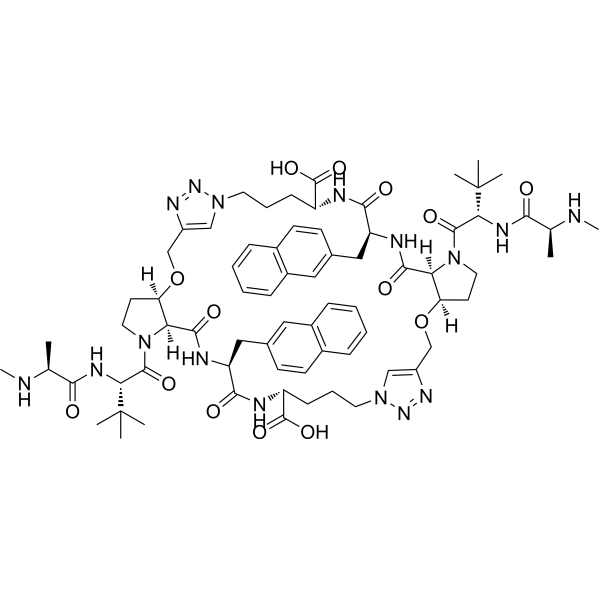
- HY-161775
-
|
|
RET
Trk Receptor
|
Cancer
|
|
RET/TRKA-IN-1 (Compound 13) is a dual inhibitor for RET (IC50=0.375 µM) and TRKA. RET/TRKA-IN-1 inhibits cell viability of LC-2 and KM12, with GI50 of 0.72 and 0.25 μM. RET/TRKA-IN-1 arrests the cell cycle at G1 phase .
|
-

- HY-151366
-
|
|
HDAC
Epigenetic Reader Domain
|
Cancer
|
|
HDAC8/BRPF1-IN-1 (Compound 23a) is a dual inhibitor of HDAC8 and BRPF1 with an IC50 of 443 nM against human HDAC8 and a Kd of 67 nM against human BRPF1. HDAC8/BRPF1-IN-1 shows low in vitro activity against HDAC1 and 6 .
|
-
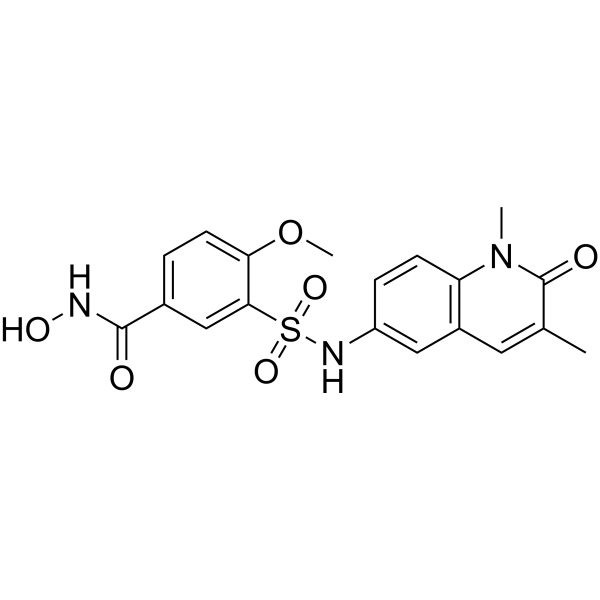
- HY-172899
-
|
|
Carbonic Anhydrase
Apoptosis
CDK
|
Cancer
|
|
Carbonic anhydrase inhibitor 33 (11D) is a dual inhibitor of CA (Carbonic anhydrase) IX/XII and CDK6, with Ki values of 19.7 nM and 26.1 nM for hCA IX and hCA XII, respectively. Carbonic anhydrase inhibitor 33 (11D) induces G1 arrest and apoptosis. Carbonic anhydrase inhibitor 33 (11D) can be used in the research for NSCLC .
|
-

- HY-172316
-
|
|
Factor Xa
|
Cardiovascular Disease
|
|
BAY 3389934 is a selective dual inhibitor of factor IIa and factor Xa, with an IC50 of 4.9 nM for factor IIa and an IC50 of 0.66 nM for factor Xa. BAY 3389934 directly inhibits the activities of factor IIa and factor Xa and regulates the common coagulation pathway. BAY 3389934 exhibits anticoagulant and organ-protective effects. BAY 3389934 can be used in the research of sepsis and coagulopathy .
|
-

- HY-163188
-
|
|
COX
Lipoxygenase
|
Inflammation/Immunology
|
|
COX-2/LOX-IN-2 (compound 6) is a dual inhibitor of COX-2/LOX with IC50s of 7.0 μM and 27.5 μM, respectively. COX-2/LOX-IN-2 has antioxidant activity and has the potential to be used in the development of nonsteroidal anti-inflammatory drugs (tNSAIDs) .
|
-
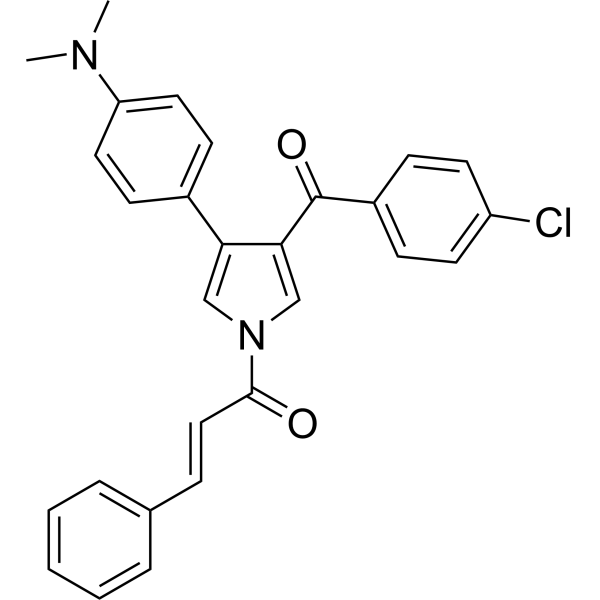
- HY-173305
-
|
|
SARS-CoV
Virus Protease
|
Infection
|
|
Mpro/PLPro-IN-2 (Compound 22l) is a non-covalent competitive dual inhibitor of the papain-like protease and main protease of SARS-CoV-2, with a Ki of 0.2 μM for the papain-like protease and a Ki of 1.1 μM for the main protease . Mpro/PLPro-IN-2 can be used in the research field of anti-SARS-CoV-2 .
|
-

- HY-121693
-
|
MDL101114ZA free base
|
VDAC
RAD51
|
Cancer
|
|
DIDS is a dual inhibitor of ABCA1 and VDAC1. DIDS also inhibits RAD51, inhibiting RAD51-mediated homologous pairing and strand exchange reactions. DIDS inhibits anion exchange and binding to red blood cell membranes, inhibits the activation of caspase-3 and -9, and can be used in cancer research .
|
-
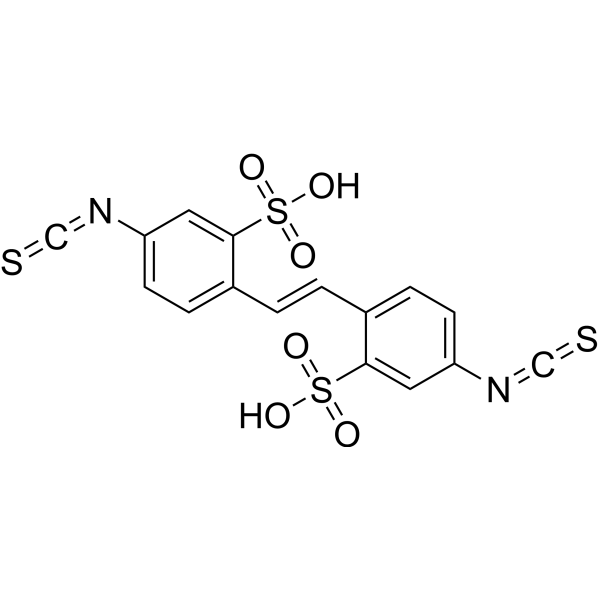
- HY-18307
-
|
|
c-Met/HGFR
|
Cancer
|
|
SYN1143 is a potent, selective and orally active dual inhibitor of c-Met/RON, with IC50s of 4 and 9 nM, respectively. SYN1143 has weak inhibitory activity on Lck, Tie2, Src, and BTK with IC50s ranging from 160 to 710 nM. SYN1143 can be used for the research of cancers that RON and c-Met are activated .
|
-
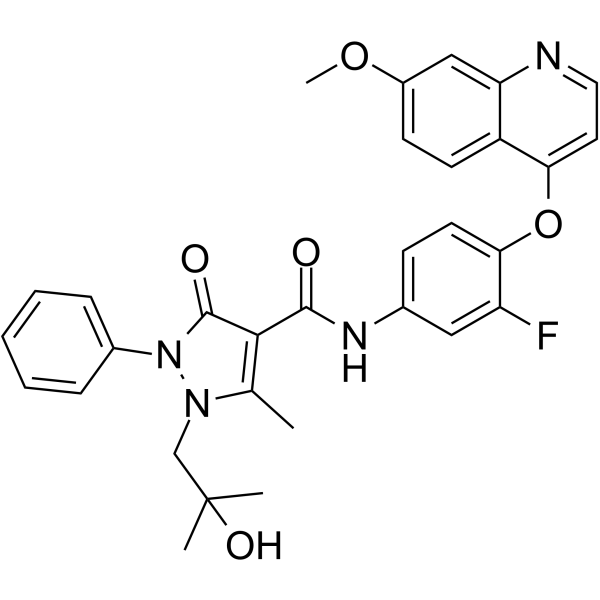
- HY-156445
-
|
|
PI3K
mTOR
|
Cancer
|
|
PI3K/mTOR Inhibitor-14 (compound Y-2) is a potent PI3K and mTOR dual inhibitor with IC50s of 171.4 nM and 10.1 nM, respectively. PI3K/mTOR Inhibitor-14 has antitumor activities .
|
-
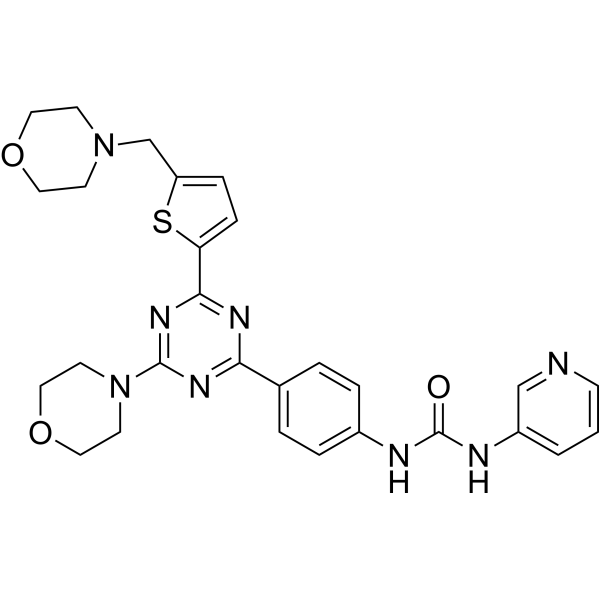
- HY-13431
-
|
|
DNA-PK
PI3K
mTOR
|
Cancer
|
|
KU-0060648 is a dual inhibitor of PI3K and DNA-PK with IC50s of 4 nM, 0.5 nM, 0.1 nM, 0.594 nM and 8.6 nM for PI3Kα, PI3Kβ, PI3Kγ, PI3Kδ and DNA-PK, respectively .
|
-
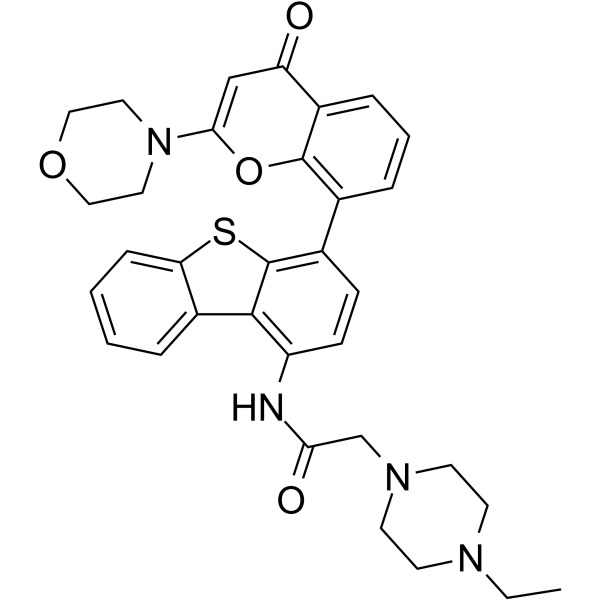
- HY-12680
-
PRN694
3 Publications Verification
|
Itk
|
Inflammation/Immunology
|
|
PRN694 is an irreversible, highly selective and potent covalent interleukin-2-inducible T-cell kinase (ITK) and resting lymphocyte kinase (RLK) dual inhibitor with IC50s of 0.3 nM and 1.4 nM, respectively. PRN694 exhibits extended target residence time on ITK and RLK, enabling durable attenuation of effector cells in vitro and in vivo .
|
-
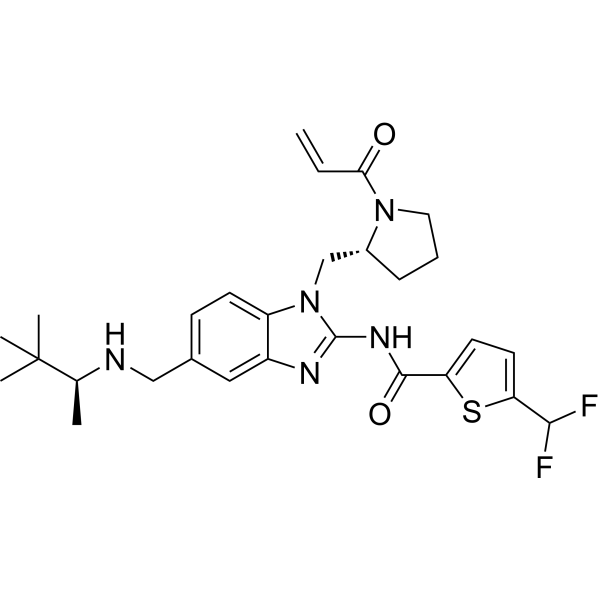
- HY-10579R
-
|
SC1 (Standard)
|
Ribosomal S6 Kinase (RSK)
ERK
Reference Standards
|
Cancer
|
|
Pluripotin (Standard) is the analytical standard of Pluripotin (HY-10579). This product is intended for research and analytical applications. Pluripotin is a dual inhibitor of ERK1 and RasGAP with KDs of 98 nM and 212 nM, respectively. Pluripotin also inhibits RSK1, RSK2, RSK3, and RSK4 with IC50s of 0.5, 2.5, 3.3, and 10.0 μM, respectively.
|
-

- HY-162906
-
|
|
HDAC
FLT3
|
Cancer
|
|
FLT3/HDAC-IN-2 is (compound 25h) a FLT3/HDAC dual inhibitor. FLT3/HDAC-IN-2 has antiproliferative activity against MOLM-13 cells. FLT3/HDAC-IN-2 can be used in acute myeloid leukemia research .
|
-

- HY-100360
-
MS049
1 Publications Verification
|
Histone Methyltransferase
|
Cancer
|
|
MS049, a chemical probe, is a potent, selective, and cell-active dual inhibitor of PRMT4 and PRMT6 with IC50s of 34 nM and 43 nM, respectively. MS049 reduces levels of Med12me2a and H3R2me2a in HEK293 cells. MS049 is not toxic and does not affect the growth of HEK293 cells .
|
-
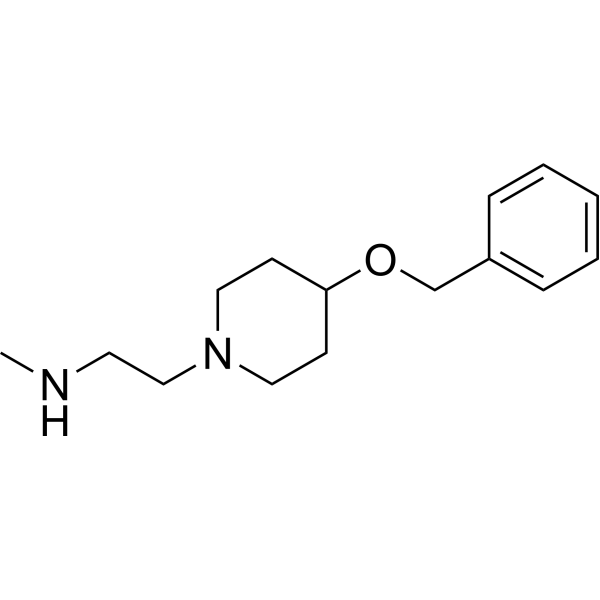
- HY-160948
-
|
|
Wee1
Checkpoint Kinase (Chk)
|
Cancer
|
|
DB07006 (compound 18) is a potent, ATP-cpmpetitive dual inhibitor of Wee1 (IC50 = 0.030 μM) and Chk1 checkpoint kinases (IC50 = 0.018 μM). DB07006 demonstrates effective abrogation of the G2/M checkpoint in combination with DNA-damaging agents in cellular models. DB07006 can be used for cancer research .
|
-

- HY-151596
-
-
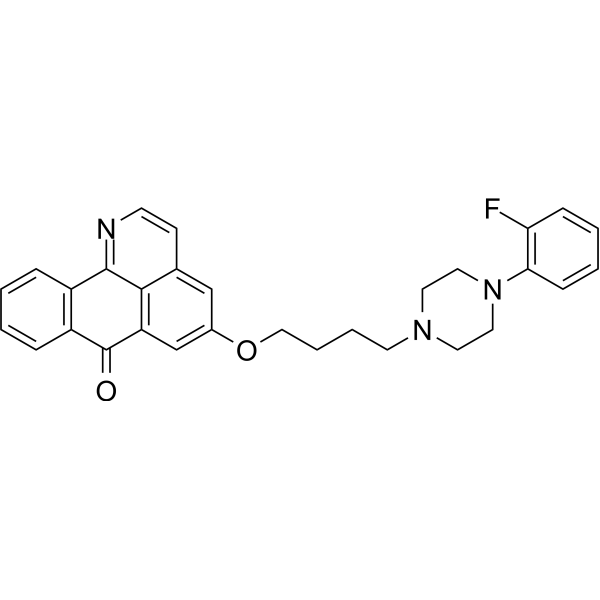
- HY-153120A
-
|
|
PI3K
mTOR
|
Cancer
|
|
PI3K/mTOR Inhibitor-13 sodium is an orally active dual inhibitor of phosphoinositol 3-kinase (PI3K) and mTOR kinase. PI3K/mTOR Inhibitor-13 sodium has potential applications in sexual diseases, solid tumor and idiopathic pulmonary fibrosis (IPF) .
|
-
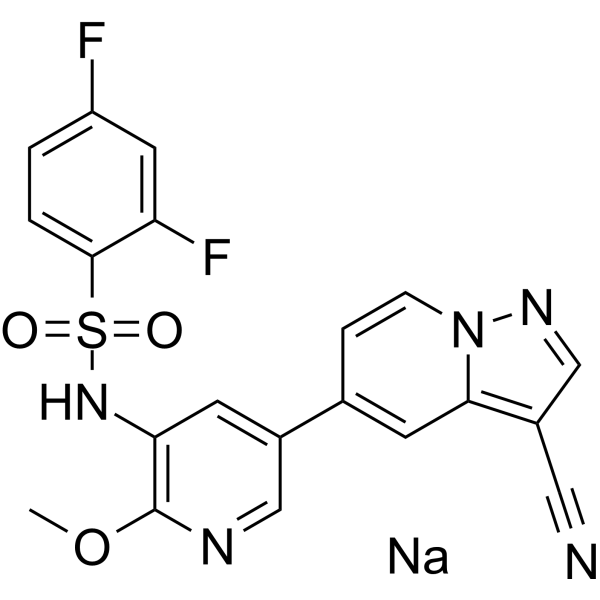
- HY-174319
-
|
|
Amylases
Glycosidase
|
Metabolic Disease
|
|
α-Amylase/α-Glucosidase-IN-20 (Compound 6b) is a dual inhibitor of α-Amylase and α-Glucosidase with IC50s of 414.57 and 924.15 μM for α-Amylase and α-Glucosidase, respectively. α-Amylase/α-Glucosidase-IN-20 shows a potent anti-diabetic activity, promising for diabetes research .
|
-

- HY-N1996R
-
|
|
Reference Standards
COX
Lipoxygenase
SARS-CoV
Influenza Virus
|
Infection
Inflammation/Immunology
|
|
Chebulagic acid (Standard) is the analytical standard of Chebulagic acid. This product is intended for research and analytical applications. Chebulagic acid is a COX-LOX dual inhibitor isolated from the fruits of Terminalia chebula Retz, on angiogenesis. Chebulagic acid is a M2 serine to asparagine 31 mutation (S31N) inhibitor and influenza antiviral. Chebulagic acid also against SARS-CoV-2 viral replication with an EC50 of 9.76 μM.
|
-

- HY-13334
-
|
NVP-BGT226 maleate
|
PI3K
mTOR
Autophagy
Apoptosis
|
Cancer
|
|
BGT226 (NVP-BGT226 maleate) is a PI3K (with IC50s of 4 nM, 63 nM and 38 nM for PI3Kα, PI3Kβ and PI3Kγ) /mTOR dual inhibitor which displays potent growth-inhibitory activity against human head and neck cancer cells .
|
-
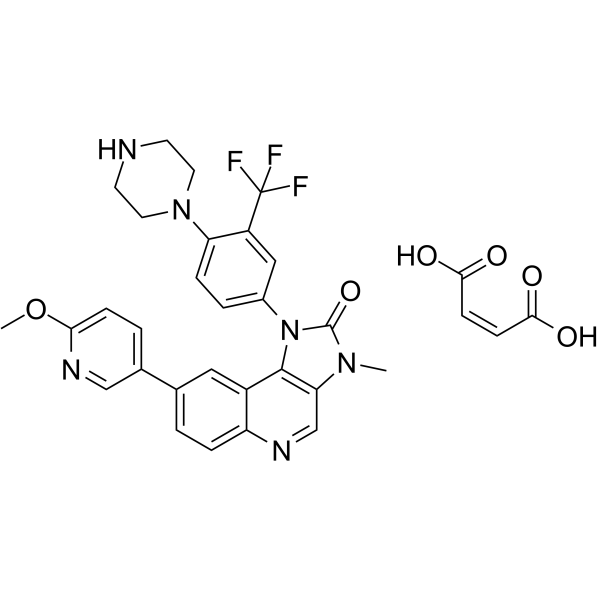
- HY-180992
-
|
|
Lactate Dehydrogenase
|
Metabolic Disease
|
|
Dual GO/LDHA-IN-1 is an orally available dual inhibitor targeting glycolate oxidase (GO) and lactate dehydrogenase A (LDHA), with Ki values of 390 nM and 40 nM, respectively. Dual GO/LDHA-IN-1 reduces hepatic LDHA levels, urinary oxalate excretion, and renal calcium-oxalate crystal deposition. Dual GO/LDHA-IN-1 is applicable for research on primary hyperoxaluria type 1 .
|
-

- HY-171027
-
|
|
Ligands for Target Protein for PROTAC
|
Cancer
|
|
PTP1B/TC-PTP IN-1 is a PTP1B and TC-PTP dual inhibitor. PTP1B/TC-PTP IN-1 can be used as a target protein ligand for the synthesis of DU-14 (PTP1B/TC-PTP PROTAC) (HY-164864) .
|
-

- HY-D0086
-
|
MDL101114ZA
|
VDAC
RAD51
|
Cancer
|
|
DIDS sodium salt (MDL101114ZA) is a dual inhibitor of ABCA1 and VDAC1. DIDS also inhibits RAD51, inhibiting RAD51-mediated homologous pairing and strand exchange reactions. DIDS inhibits anion exchange and binding to red blood cell membranes, inhibits the activation of caspase-3 and -9, and can be used in cancer research .
|
-
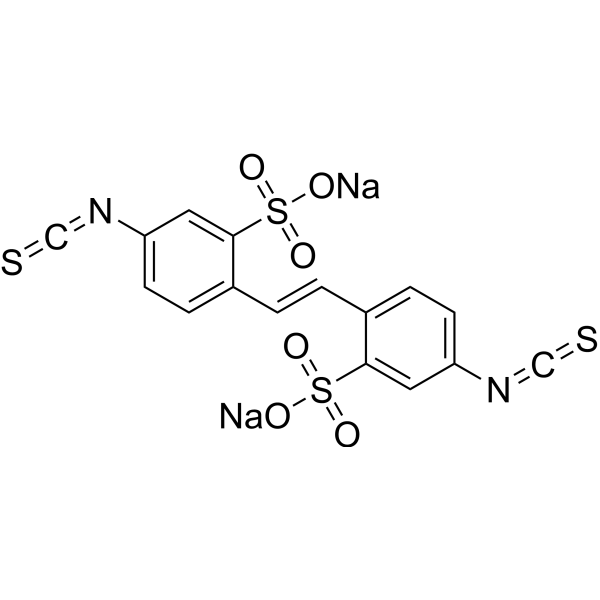
- HY-139744
-
-
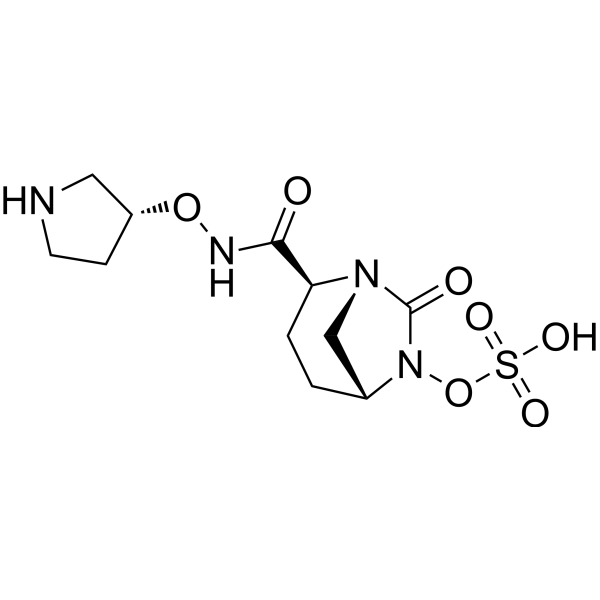
- HY-13334A
-
BGT226
5 Publications Verification
NVP-BGT226
|
PI3K
mTOR
Autophagy
|
Cancer
|
|
BGT226 (NVP-BGT226) is a PI3K (with IC50s of 4 nM, 63 nM and 38 nM for PI3Kα, PI3Kβ and PI3Kγ)/mTOR dual inhibitor which displays potent growth-inhibitory activity against human head and neck cancer cells .
|
-
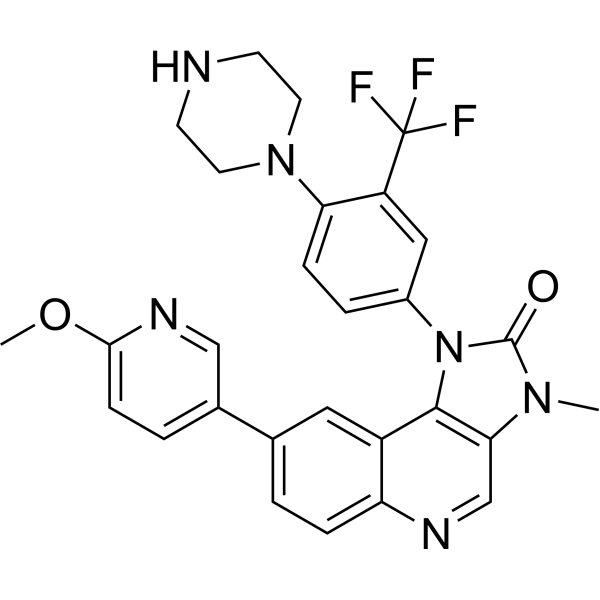
- HY-144307
-
|
|
Aurora Kinase
PKC
|
Cancer
|
|
Aurora A/PKC-IN-1 (Compound 2e) is a potent dual inhibitor of Aurora A (AurA) and PKC (α, β1, β2, and θ) kinases with IC50s of 6.9 nM and 16.9 nM for AurA and PKCα, respectively. Aurora A/PKC-IN-1 has antiproliferative activity in breast cancer cells and antimetastatic activity .
|
-
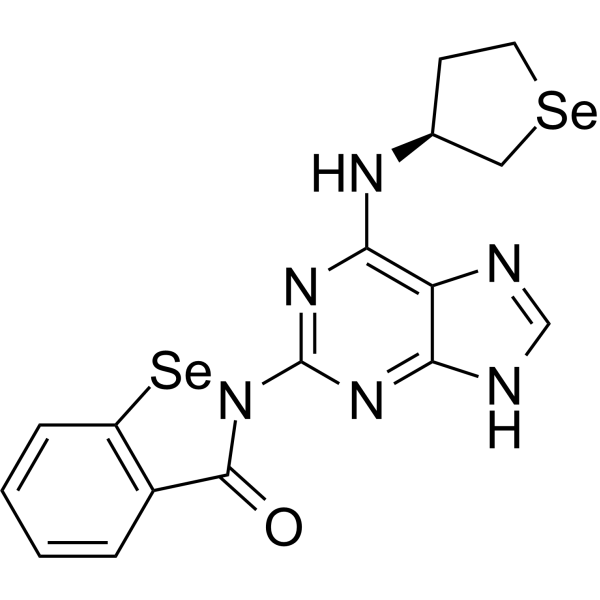
- HY-126898
-
|
|
Lipoxygenase
PGE synthase
|
Inflammation/Immunology
|
|
5-LO/mPGES1-IN-1 (Compound 16) is a dual inhibitor of microsomal prostaglandin E2 synthase-1 (mPGES-1) and 5-lipoxygenase (5-LO). IC50 values are 0.3 and 0.4 μM, respectively. 5-LO/mPGES1-IN-1 has anti-inflammatory activity .
|
-
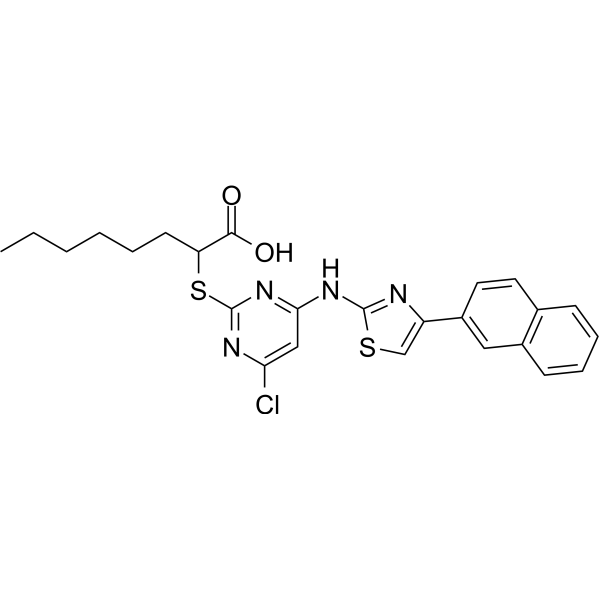
- HY-160557
-
|
|
Epigenetic Reader Domain
|
Cancer
|
|
PLK1/BRD4-IN-2 (compound 15) is a BI-2536 (HY-50698) analog and dual inhibitor that targets both Polo-like kinase 1 (PLK1) and BRD4bromodomain (BRD4-BD1 IC50=28 nM, PLK1 IC50=40 nM) .
|
-
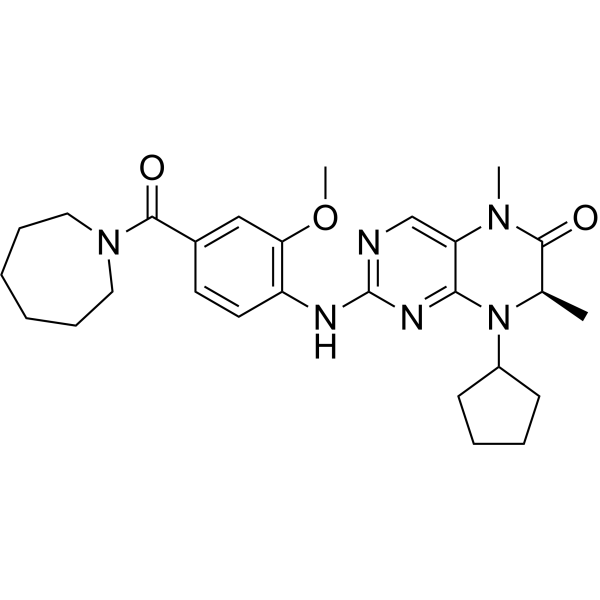
- HY-124322
-
|
|
Beta-secretase
Amyloid-β
|
Neurological Disease
Inflammation/Immunology
|
|
NB-360 is a potent, brain penetrable and orally active β‐secretase 1/2 (BACE1/BACE2) dual inhibitor with IC50 values of 5 and 6 nM. NB-360 can inhibit amyloid-β protein accumulation. NB-360 can be used for the researches of inflammation and neurological disease, such as Alzheimer's disease .
|
-
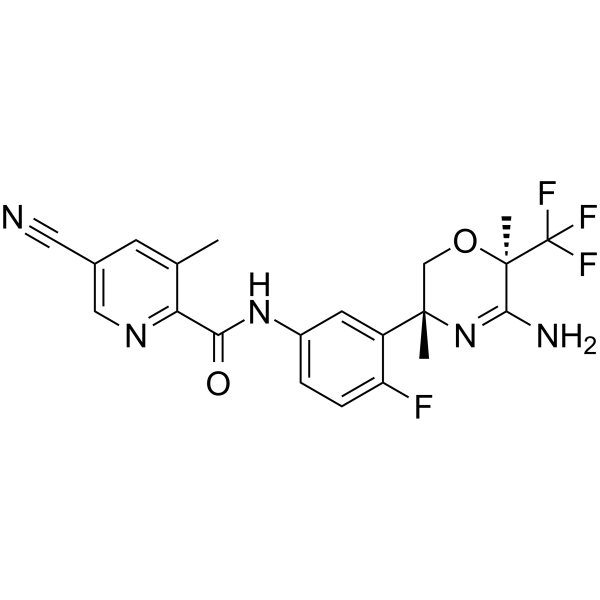
- HY-144732
-
|
|
Trk Receptor
Anaplastic lymphoma kinase (ALK)
|
Cancer
|
|
TRK/ALK-IN-1 (compound 21) is a potent and dual inhibitor of TRK and ALK. TRK/ALK-IN-1 in the enzymatic assays is in good accordance with anti-proliferative activity with IC50 values of 2.2, 9.3 and 38 nM towards TRKA, ALK WT and ALK L1196M, respectively. TRK/ALK-IN-1 has the potential for the research of cancer diseases .
|
-
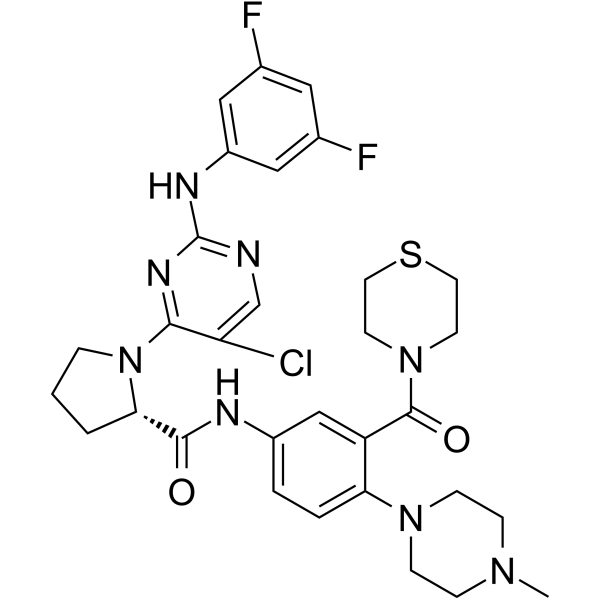
- HY-145935
-
NT219
1 Publications Verification
|
Insulin Receptor
STAT
|
Cancer
|
|
NT219 is a potent and dual inhibitor of insulin receptor substrates 1/2 (IRS1/2) and STAT3. IRS1/2 and STAT3 are major signaling junctions regulated by various oncogenes. NT219 affects IRS1/2 degradation and inhibits STAT3 phosphorylation. NT219 has the potential for the research of cancer diseases .
|
-
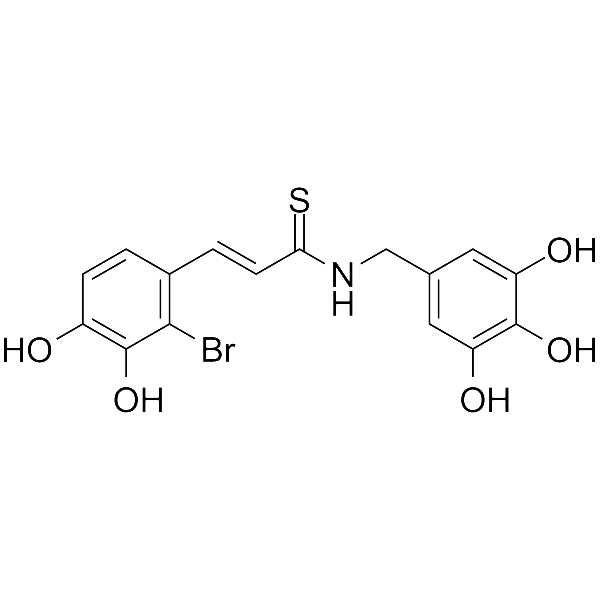
- HY-P10223
-
|
|
HIF/HIF Prolyl-Hydroxylase
|
Cancer
|
|
Cyclo CRVIIF is a dual inhibitor for hypoxia inducible factor (HIF) 1 and 2, which disrupts the interaction of both HIF1-α and HIF2-α with HIF1-β, with affinity for HIF1-α and HIF2-α PAS-B domains KD of 65 and 123 μM, respectively .
|
-
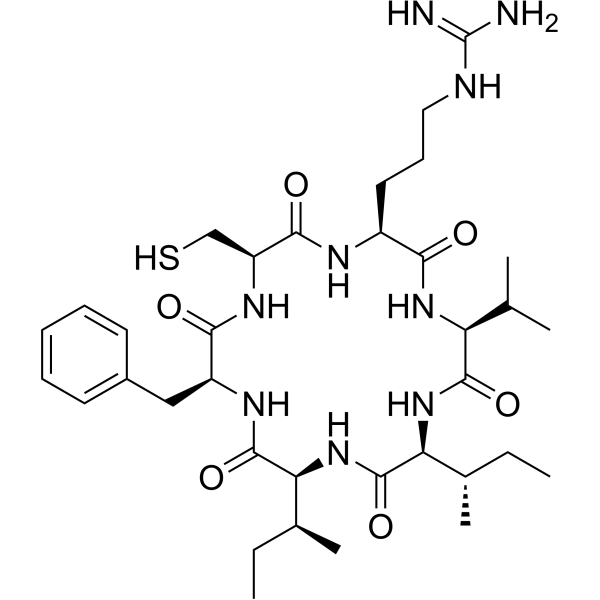
- HY-144826
-
|
|
GSK-3
|
Neurological Disease
|
|
ZDWX-25 is a highly potent GSK-3β and DYRK1A dual inhibitor with an IC50 value of 71 nM for GSK-3β. ZDWX-25 possesses significant cytotoxic activities against SH-SY5Y and HL-7702 cells. ZDWX-25 can be used for researching alzheimer's disease .
|
-
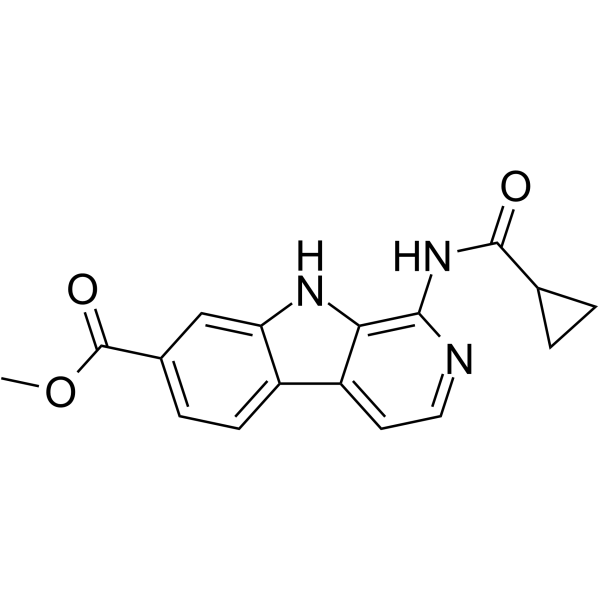
- HY-153120
-
|
|
PI3K
mTOR
|
Cancer
|
|
PI3K/mTOR Inhibitor-13 is an orally active dual inhibitor of phosphoinositol 3-kinase (PI3K) and mTOR kinase. PI3K/mTOR Inhibitor-13 has potential applications in sexual diseases, solid tumor and idiopathic pulmonary fibrosis (IPF) .
|
-
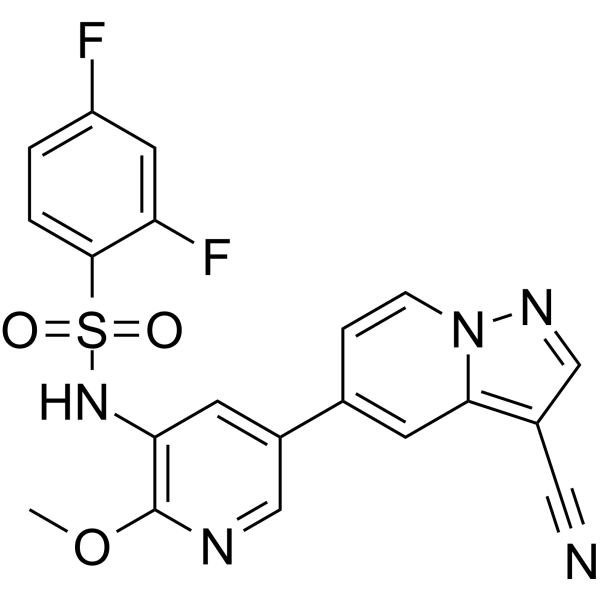
- HY-176718
-
|
|
Caspase
CDK
Telomerase
VEGFR
|
Cancer
|
|
VEGFR-2-IN-69 (Compound 5A) is a dual inhibitor of VEGFR-2 and Telomerase, which upregulates the expression of caspase 3, caspase 8 and caspase 9, while downregulating CDK-2, CDK-4 and CDK-6. VEGFR-2-IN-69 exhibits an IC50 of 15.46 µM against HCT116 cells .
|
-

- HY-112816A
-
|
|
MDM-2/p53
Apoptosis
|
Cancer
|
|
MA242 free base is a specific dual inhibitor of MDM2 and NFAT1. MA242 free base directly binds both MDM2 and NFAT1 with high affinity, induces their protein degradation, and inhibits NFAT1-mediated transcription of MDM2. MA242 free base induces apoptosis in pancreatic cancer cell lines regardless of p53 status .
|
-
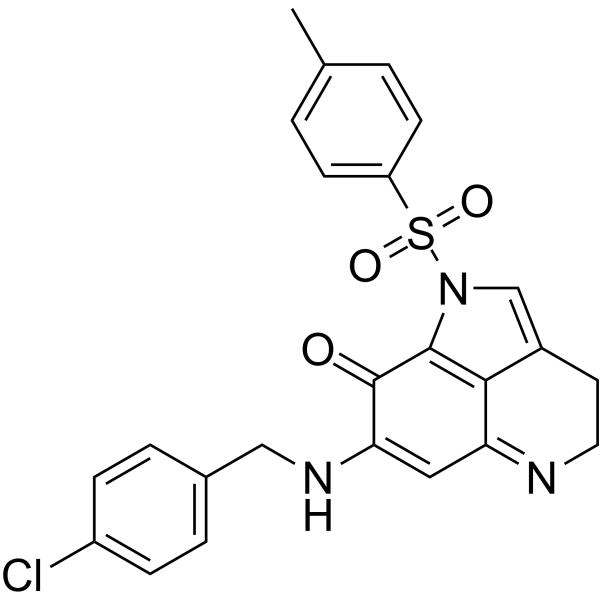
- HY-176410
-
|
|
IRAK
|
Cancer
|
|
IRAK1/4/pan-FLT3 Kinase-IN-2 (compound 27) is a potent IRAK1/4 and FLT3 dual inhibitor with IC50s of 10, 0.7, and <0.5 nM. IRAK1/4/pan-FLT3 Kinase-IN-2 extends acute myeloid leukemia model mouse survival .
|
-

- HY-10681R
-
|
|
PI3K
mTOR
Reference Standards
|
Cancer
|
|
Gedatolisib (Standard) is the analytical standard of Gedatolisib. This product is intended for research and analytical applications. Gedatolisib (PKI-587) is a highly potent dual inhibitor of PI3Kα, PI3Kγ, and mTOR with IC50s of 0.4 nM, 5.4 nM and 1.6 nM, respectively . Gedatolisib is equally effective in both complexes of mTOR, mTORC1 and mTORC2 .
|
-

- HY-P10222
-
|
|
HIF/HIF Prolyl-Hydroxylase
|
Cancer
|
|
Cyclo CRLLIF is a dual inhibitor for hypoxia inducible factor (HIF) 1 and 2, which disrupts the interaction of both HIF1-α and HIF2-α with HIF1-β, with affinity for HIF1-α and HIF2-α PAS-B domains KD of 14.5 and 10.2 μM, respectively .
|
-
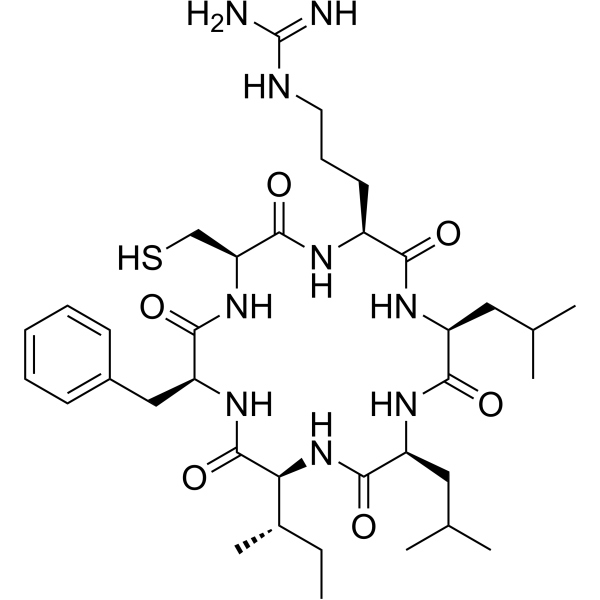
- HY-160687
-
|
|
VEGFR
|
Others
|
|
GW549390X is a dual inhibitor of Fluc and VEGFR2 with IC50 of 0.26 μM and 1.2 μM, respectively. GW549390X can bind to the ATP pocket of FLuc through the aniline side chain and is an ATP-competitive inhibitor of Fluc. GW549390X acts as a protein kinase inhibitor across ATP-dependent and -independent luciferases, with potential implications for Fluc reporter assays .
|
-
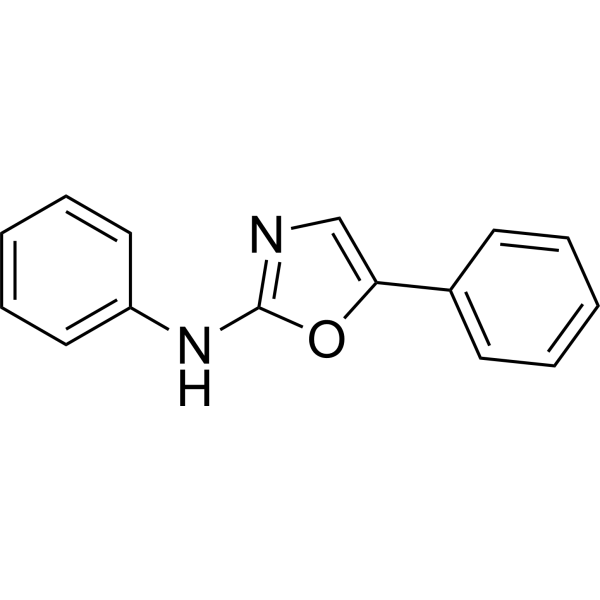
- HY-144643
-
|
|
Fungal
HDAC
Cytochrome P450
|
Inflammation/Immunology
|
|
CYP51/HDAC-IN-1 is a potent, orally active CYP51/HDAC dual inhibitor. CYP51/HDAC-IN-1 inhibits important virulence factors and down-regulated resistance-associated genes. CYP51/HDAC-IN-1 exhibits potent therapeutic effects for both tropical candidiasis and cryptococcal meningitis .
|
-
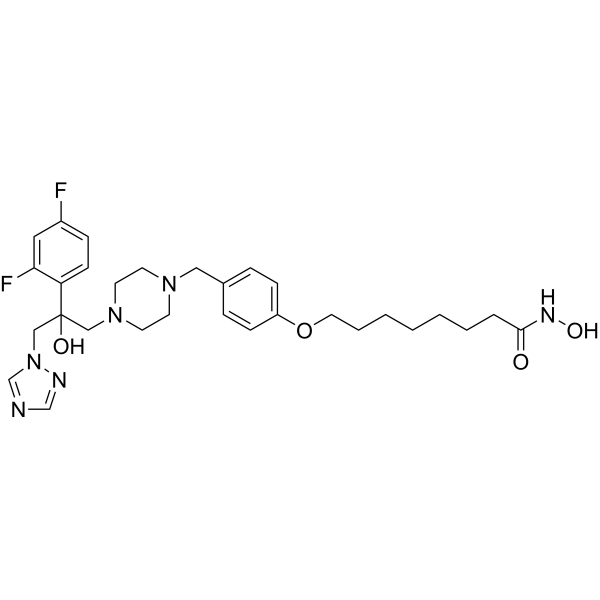
- HY-146977
-
|
|
PDK-1
|
Cancer
|
|
LDHA/PDKs-IN-1 (compound 20e) is a potent and dual inhibitor of PDKs and LDHA with IC50s of 0.8 and 0.15 μM, respectively. LDHA/PDKs-IN-1 reduces A549 cell proliferation with an EC50 of 13.2 μM and decreases the lactate formation, and increases oxygen consumption. LDHA/PDKs-IN-1 has the potential for the research of cancer diseases .
|
-
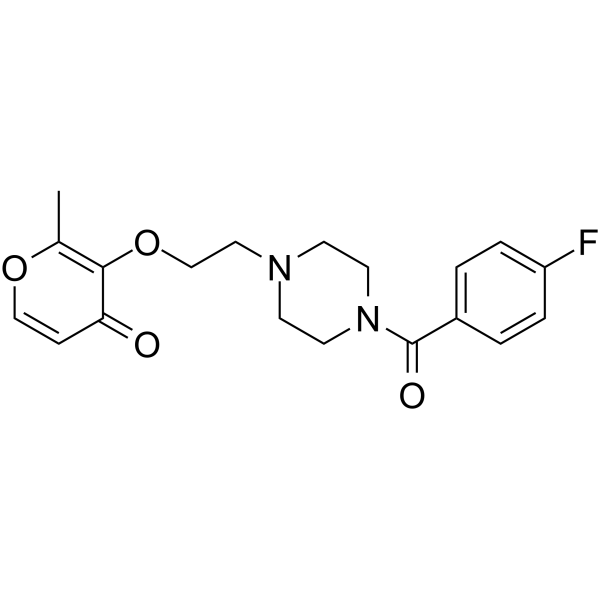
- HY-100867
-
|
TAK-659; CB-659
|
Syk
FLT3
|
Cancer
|
|
TAK-659 is a highly potent, selective, reversible and orally available dual inhibitor of spleen tyrosine kinase (SYK) and fms related tyrosine kinase 3 (FLT3), with an IC50 of 3.2 nM and 4.6 nM for SYK and FLT3, respectively. TAK-659 induces cell death in tumor cells but not in nontumor cells, and with potential for the treatment of chronic lymphocytic leukemia (CLL) .
|
-
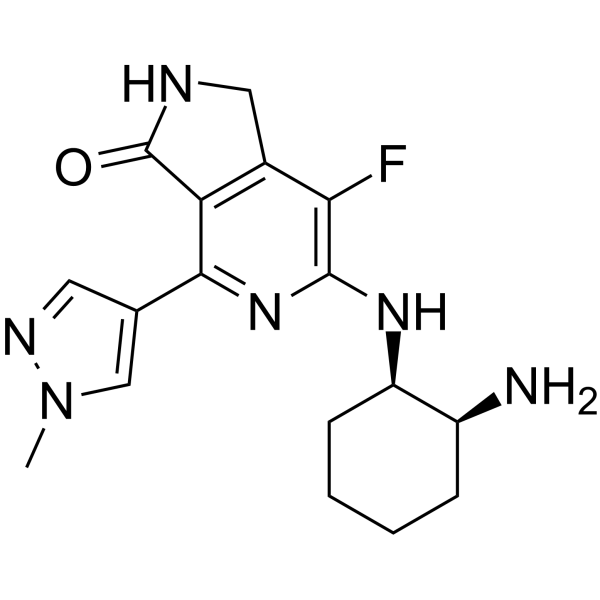
- HY-161886
-
|
|
SWI/SNF Complex
Epigenetic Reader Domain
|
Cancer
|
|
SMARCA2-IN-7 (compound 12), a dual inhibitor of BRM and BRG1 (IC50 < 0.005 for both), has an anti-tumor proliferation effect that inhibits BRG1-deleted SKMEL5 tumor proliferation with a cell proliferation activity AAC50 of 13 nM in SKMEL5. The cell proliferation activity AAC50 of KRT880 in H1299 cells was 42 nM .
|
-

- HY-180934
-
|
|
HDAC
Proteasome
Microtubule/Tubulin
|
Cancer
|
|
AMC-3-030 is a selective and potent dual inhibitor targeting HDAC6 and chymotrypsin-like proteasome with IC50 values of 884 and 4.17 nM. AMC-3-030 has a proliferation inhibitory effect. AMC-3-030 can reduce α-tubulin and β-actin levels. AMC-3-030 can be used for research of multiple myeloma .
|
-

- HY-N12008
-
|
|
OAT
|
Metabolic Disease
|
|
OAT1/3-IN-2 (compound 8) is a dual inhibitor of OAT1 and OAT3. OAT1/3-IN-2 can reverse the toxicity of Cys-Hg on HEK-OAT1 cells (10 μM) and has a potential protective effect on the kidneys. OAT1/3-IN-2 can be used to study mercury-induced kidney damage .
|
-
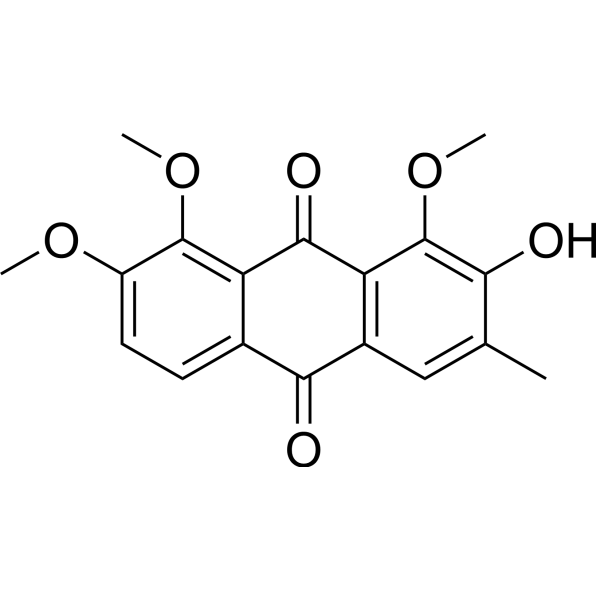
- HY-15960A
-
|
VDC-597; SN33597
|
PI3K
mTOR
Apoptosis
|
Cancer
|
|
PWT-33597 (VDC-597) is a dual inhibitor of PI3Kα and mTOR, which can effectively block the signaling downstream of PI3K and mTOR. PWT-33597 is capable of inducing tumor cell apoptosis and inhibiting tumor growth. PWT-33597 has anti-tumor activity and can be used in the research of tumors such as renal cell carcinoma .
|
-

- HY-161957
-
|
|
Topoisomerase
|
Cancer
|
|
Top1/2-IN-1 (compound 23) is an orally available dual inhibitor of Top1/2 with antiproliferative activity. Top1/2-IN-1 damages DNA with increased levels of reactive oxygen species, inducing apoptosis and cell cycle arrest in cancer cells. Top1/2-IN-1 exhibits in vivo antitumor activity in xenograft models .
|
-

- HY-130250
-
|
|
CDK
Apoptosis
|
Cancer
|
|
SR-4835 is a potent, highly selective and ATP competitive dual inhibitor of CDK12/CDK13 (CDK12: IC50=99 nM, Kd=98 nM; CDK13: Kd=4.9 nM). SR-4835 acts in synergy with DNA-damaging chemotherapy and PARP inhibitors and provokes triple-negative breast cancer (TNBC) cell death .
|
-
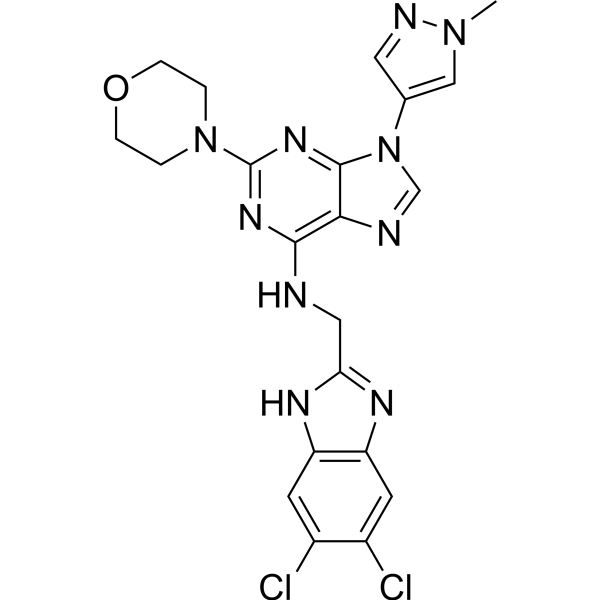
- HY-161523
-
|
|
Xanthine Oxidase
URAT1
|
Metabolic Disease
|
|
XOR/URAT1-IN-1 (Compound II15) is a dual inhibitor for xanthine oxidoreductase (XOR) and uric acid transporter 1 (URAT1), with IC50 of 6 nM and 12.9 μM. XOR/URAT1-IN-1 lowers the levels of uric acid in Potassium oxonate (HY-17511)/Hypoxanthine (HY-N0091)-induced acute hyperuricemia mouse model .
|
-

- HY-172240
-
|
TU2218 free base
|
Anaplastic lymphoma kinase (ALK)
VEGFR
|
Inflammation/Immunology
Cancer
|
|
Tosposertib (TU2218 free base) is an ALK5/VEGFR2 dual inhibitor (IC50 = 1.2 nM/4.9 nM). Tosposertib directly restores the activity of damaged cytotoxic T lymphocytes (CTLs) and natural killer cells inhibited by TGFβ and suppresses the activity and viability of regulatory T cells. Tosposertib can be used for the study of melanoma and colon cancer .
|
-
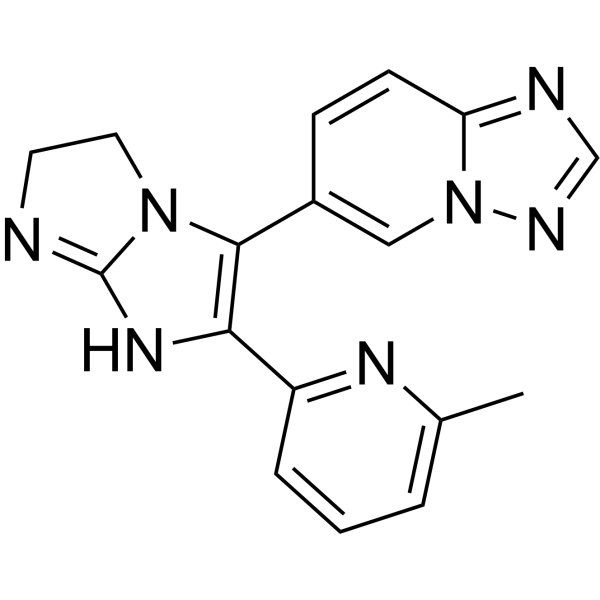
- HY-117822
-
|
|
GSK-3
|
Neurological Disease
Metabolic Disease
Cancer
|
|
BRD0209 is a potent, selective and dual inhibitor of GSK3α/β inhibitor (GSK3α IC50 = 19 nM; GSK3β IC50 = 5 nM). BRD0209 is also a reversible ATP-competitive inhibitor with fast-off kinetics (Ki = 4.2 nM, respectively). BRD0209 is a tricyclic pyrazolotetrahydroquinolinone compound. BRD0209 has the potential for the research of mood disorder diseases .
|
-
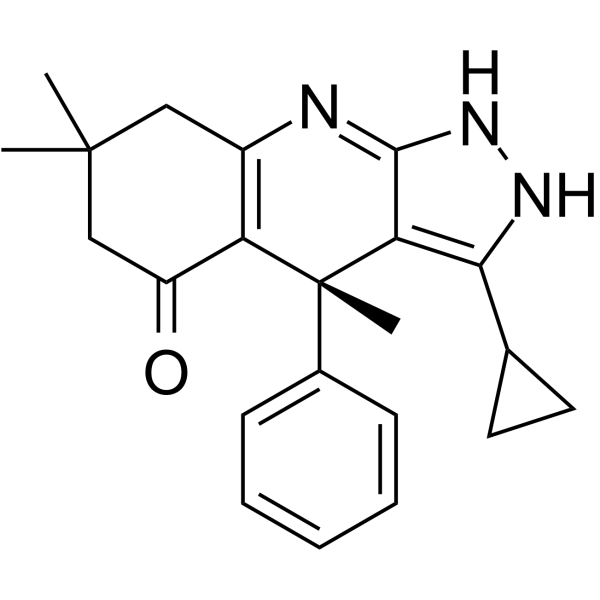
- HY-160833
-
|
|
Carbonic Anhydrase
|
Cancer
|
|
hCAIX/XII-IN-12 (Compound 6) is a potent and highly selective dual inhibitor of hCA IX and hCA XII, with Ki values of 8.2 and 5.6 nM respectively. hCAIX/XII-IN-12 exhibits significant anti-proliferative activity against colon cancer cells, and this activity remains effective under hypoxic conditions. hCAIX/XII-IN-12 can be used for research on colon cancer .
|
-

- HY-144449
-
|
|
mTOR
HDAC
Apoptosis
Autophagy
|
Cancer
|
|
mTOR/HDAC6-IN-1 is a potent mTOR and HDAC6 dual inhibitor (IC50s of 133.7 nM and 56 nM for mTOR and HDAC6, respectively). mTOR/HDAC6-IN-1 can induce significant autophagy, apoptosis and suppress migration. mTOR/HDAC6-IN-1 has potential to research Triple-negative breast cancer (TNBC) .
|
-
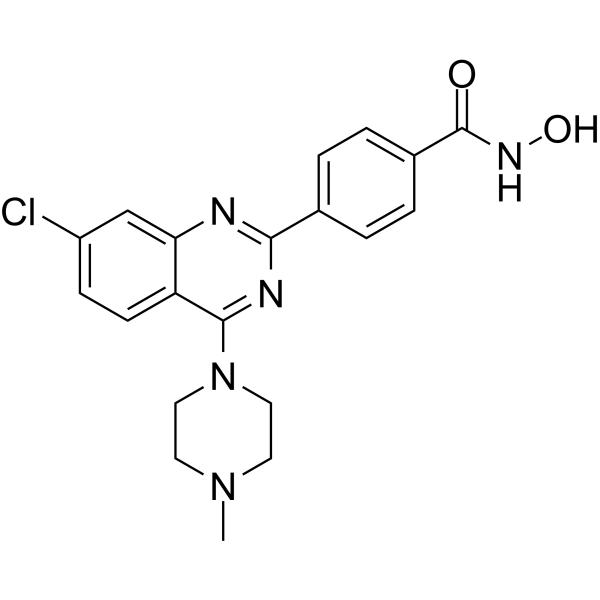
- HY-N12007
-
|
|
OAT
|
Metabolic Disease
|
|
OAT1/3-IN-1 (compound 7) is a dual inhibitor of OAT1 and OAT3. OAT1/3-IN-1 can reverse the toxicity of Cys-Hg on HEK-OAT1 cells (10 μM) and has a potential protective effect on the kidneys. OAT1/3-IN-1 can be used to study mercury-induced kidney damage .
|
-
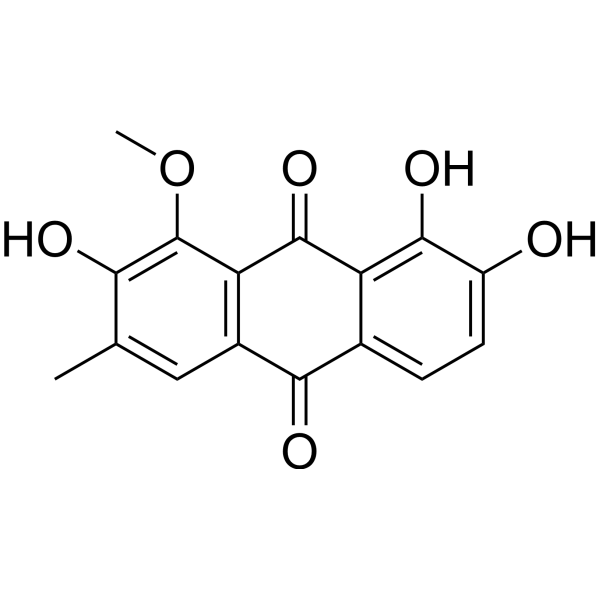
- HY-170543
-
|
|
Galectin
EGFR
Apoptosis
|
Inflammation/Immunology
|
|
Dual Galectin-3/EGFR-IN-1 (Compound 29) is the dual inhibitor for Galectin-3 and EGFR with the KD of 52.29 μM and 3.31 μM. Dual Galectin-3/EGFR-IN-1 inhibits TGF-β-induced hepatic stellate cell (HSCs) activation, induces apoptosis in LX-2 cell, and exhibits anti-liver fibrotic efficacy .
|
-

- HY-162061
-
|
|
Monoamine Oxidase
|
Neurological Disease
|
|
ChEs/MAOs-IN-1 (Compound 4i) is a dual inhibitor of cholinesterases (ChEs) and monoamine oxidases (MAOs).ChEs/MAOs-IN-1 has IC50 values of 0.048 μM, 0.89 μM, 3.58 μM, and 0.095 μM for AChE, BChE, MAO-B and MAO-B respectively. ChEs/MAOs-IN-1 can be used in the study of neurodegenerative diseases .
|
-
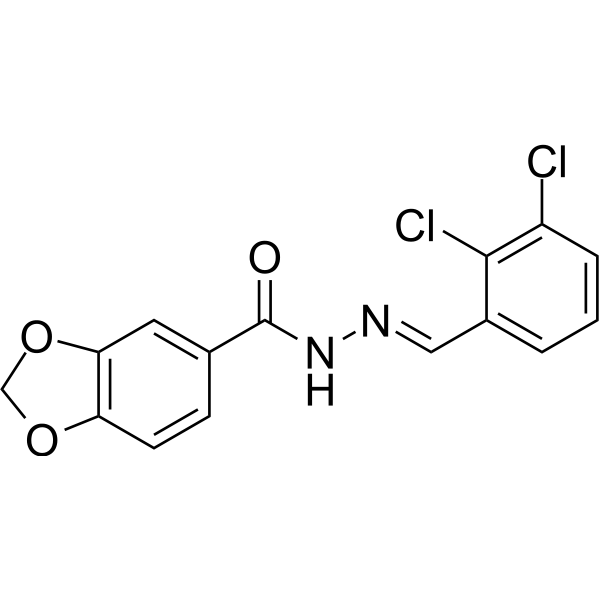
- HY-169098
-
|
|
HSP
Histone Demethylase
|
Cancer
|
|
HSP90/LSD1-IN-1 (compound 6) is a HSP90/LSD1 dual inhibitor. HSP90/LSD1-IN-1 inhibits the proliferation of prostate cancer cell lines PC-3 and DU145, with GI50 values of 0.24 and 0.30 μM, respectively .
|
-

- HY-147754
-
|
|
Btk
JAK
|
Inflammation/Immunology
|
|
JAK3/BTK-IN-6 (compound 14h) is a potent BTK and JAK3 dual inhibitor, with IC50 values of 0.6 and 0.4 nM, respectively. JAK3/BTK-IN-6 shows good metabolic stability in human liver microsome. JAK3/BTK-IN-6 can be used for hematological and immune diseases research .
|
-
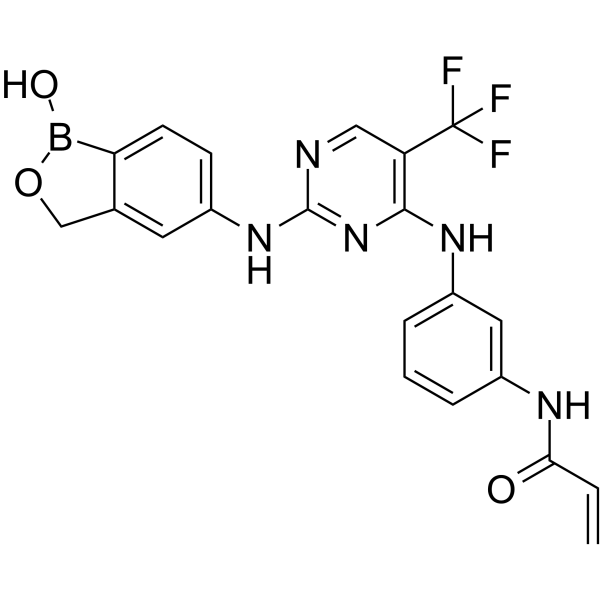
- HY-100867A
-
|
TAK-659 monohydrochloride; CB-659 monohydrochloride
|
Syk
FLT3
|
Cancer
|
|
TAK-659 hydrochloride is a highly potent, selective, reversible and orally available dual inhibitor of spleen tyrosine kinase (SYK) and fms related tyrosine kinase 3 (FLT3), with an IC50 of 3.2 nM and 4.6 nM for SYK and FLT3, respectively. TAK-659 hydrochloride induces cell death in tumor cells but not in nontumor cells, and with potential for the treatment of chronic lymphocytic leukemia (CLL) .
|
-
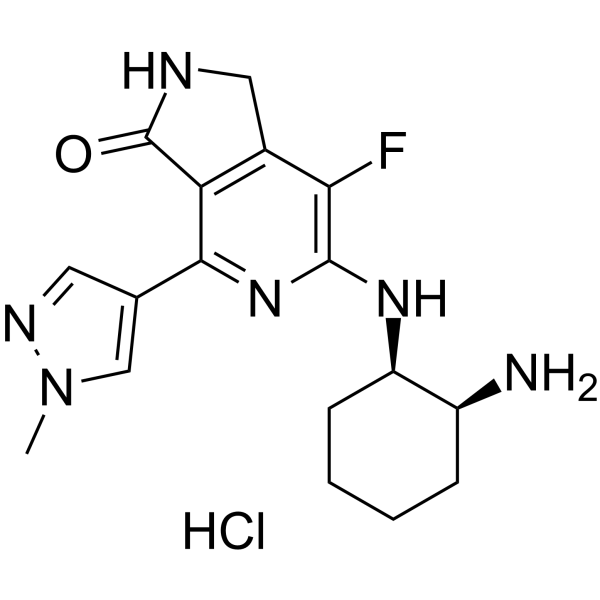
- HY-143325
-
|
|
HDAC
Adenosine Receptor
|
Cancer
|
|
A2AAR/HDAC-IN-2 is a potent A2AAR/HDAC dual inhibitor, with good binding affinity for A2AAR (Ki=10.3 nM) and good inhibitory activity against HDAC1 (IC50=18.5 nM). A2AAR/HDAC-IN-2 can be used in study of antitumor .
|
-
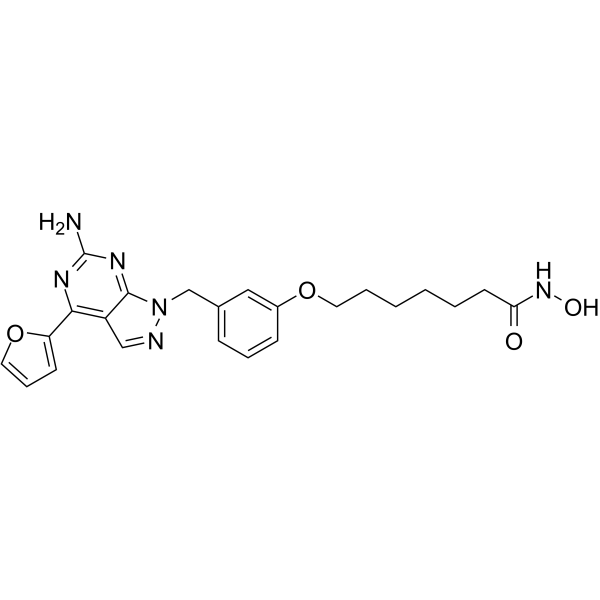
- HY-169222S
-
|
|
Dihydroorotate Dehydrogenase
ROR
SARS-CoV
|
Infection
|
|
RORγ/DHODH-IN-2 (Compound 1311) is an orally active dual inhibitor of RORγ/DHODH with IC50 values of 11.9 nM and 90 nM, respectively. RORγ/DHODH-IN-2 exhibits antiviral activity by inhibiting the activity of SARS-CoV-2, HCMV, HAdV5, and MPXV, with IC50 values of 27 nM, 20 nM, 9.1 nM, and 1.8 nM, respectively .
|
-

- HY-146978
-
|
|
PDK-1
|
Cancer
|
|
LDHA/PDKs-IN-2 (compound 20k) is a potent and dual inhibitor of PDKs and LDHA with IC50s of 1.6 and 0.7 μM, respectively. LDHA/PDKs-IN-2 reduces A549 cell proliferation with an EC50 of 15.7 μM and decreases the lactate formation, and increases oxygen consumption. LDHA/PDKs-IN-2 has the potential for the research of cancer diseases .
|
-
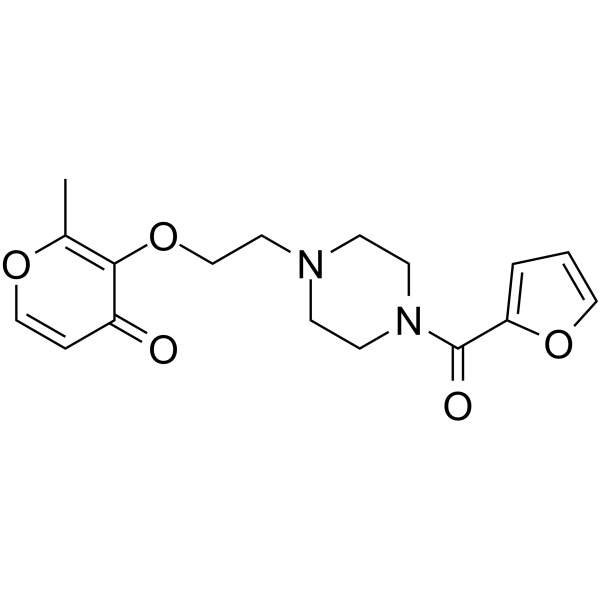
- HY-15805
-
|
|
Src
Btk
|
Cancer
|
|
KIN-8194 is an orally active dual inhibitor of HCK and BTK, with IC50 values of 0.915 and <0.495 nM, respectively. KIN-8194 impairs growth and integrin-mediated adhesion of BTKi-resistant mantle cell lymphoma (MCL). KIN-8194 overcomes ibrutinib (HY-10997) resistance with a survival benefit in TMD-8 ABC DLBCL xenografted mice .
|
-
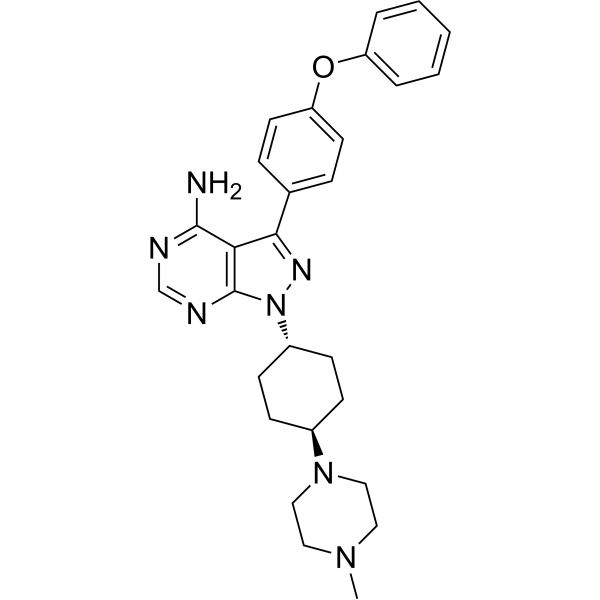
- HY-101798
-
|
|
PI3K
|
Cancer
|
|
MDVN1003 is a Bruton's tyrosine kinase (BTK) and phosphatidylinositol-3-kinase delta (PI3Kδ) dual inhibitor which prevents the activation of B cells and inhibits the phosphorylation of protein kinase B (AKT) and extracellular signal-regulated kinase 1/2 (ERK 1/2). MDVN1003 can be used for non-Hodgkin’s lymphoma (NHL) research .
|
-

- HY-183123
-
|
|
FAK
EGFR
|
Cancer
|
|
EGFR T790M/FAK-IN-1 is a dual inhibitor of EGFR T790M and FAK, with an IC50 of 99.1 nM against EGFR T790M and an IC50 of 117.7 nM against FAK. EGFR T790M/FAK-IN-1 can be used for research on pancreatic cancer, drug-resistant breast cancer, and drug-resistant lung cancer .
|
-

- HY-10424
-
|
PHA-848125
|
CDK
Autophagy
|
Cancer
|
|
Milciclib (PHA-848125) is a potent, ATP-competitive and dual inhibitor of CDK and Tropomyosin receptor kinase (TRK), with IC50s of 45, 150, 160, 363, 398 nM and 53 nM for cyclin A/CDK2, cyclin H/CDK7, cyclin D1/CDK4, cyclin E/CDK2, cyclin B/CDK1 and TRKA, respectively.
|
-
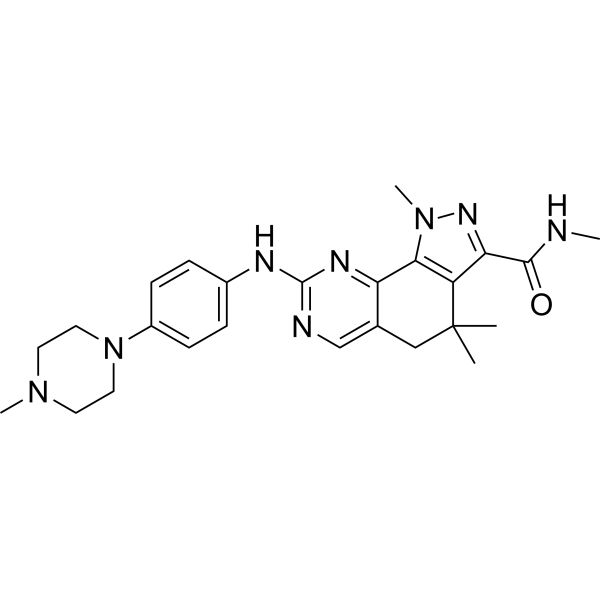
- HY-160613
-
|
|
EGFR
|
Cancer
|
|
EGFR/HER2-IN-11 (compound 20) is an orally active dual inhibitor for human epidermal growth factor receptor 2 (HER2) and epidermal growth factor receptor (EGFR), with IC50s of 7.7 and 22 nM, respectively. EGFR/HER2-IN-11 exhibits antitumor efficacy and inhibits proliferation against cancer cells BT-474 with GI50 of 601 nM .
|
-
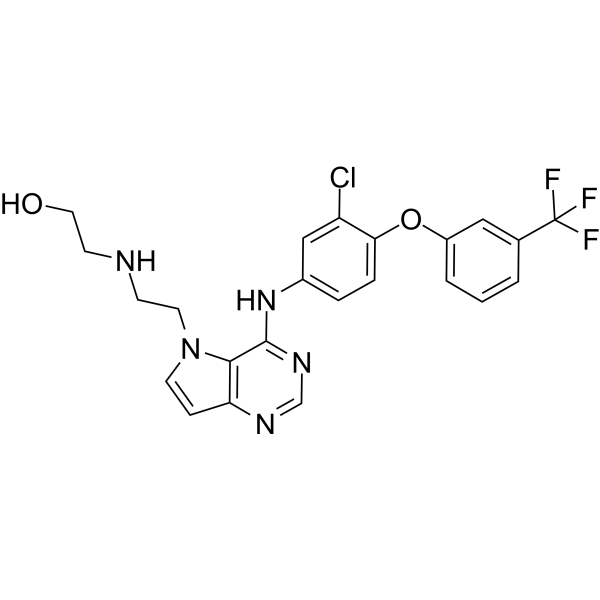
- HY-163439
-
|
|
Amylases
Glycosidase
|
Metabolic Disease
|
|
α-Amylase/α-Glucosidase-IN-12 (compound 10k) is a dual inhibitor targeting α-glucosidase and α-amylase with IC50 of 34.52 nM and 24.62 nM, respectively. α-Amylase/α-Glucosidase-IN-12 is an inhibitor designed based on triazolo[4,3-b][1,2,4]triazine and has the potential to be used in diabetes research .
|
-

- HY-168845
-
|
|
CDK
Apoptosis
|
Cancer
|
|
CDK2/9-IN-1 (compound 20a) is an orally active dual inhibitor of CDK2 and CDK9 with IC50 values are 0.004 μM and 0.009 μM respectively. CDK2/9-IN-1 induces apoptosis by regulating G2/M cell cycle arrest. CDK2/9-IN-1 has antitumor activity .
|
-

- HY-150638
-
|
|
PI3K
Apoptosis
|
Cancer
|
|
PI3Kδ/γ-IN-3 (Compound 58) is a potent and orally active PI3Kδ and PI3Kγ dual inhibitor with IC50s of 1 nM and 16 nM, respectively. PI3Kδ/γ-IN-3 induces tumor cell apoptosis and can be used for B-cell malignancies research .
|
-
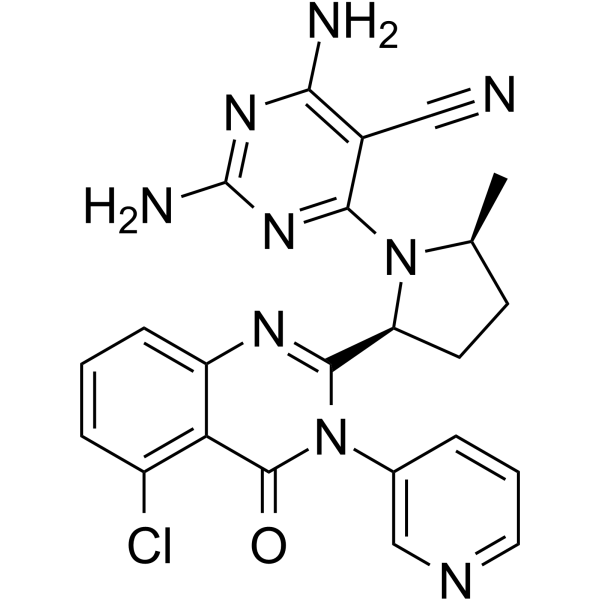
- HY-146108
-
|
|
RSV
|
Infection
|
|
RSV-IN-5 (Compound 4) is a potent dual inhibitor of wild-type and mutant respiratory syncytial virus (RSV) fusion proteins. RSV-IN-5 exhibits potent anti-RSV activities against not only wild-type A2 F protein (EC50=2.0 nM), but also D486N-mutant F protein (EC50=8.1 nM) .
|
-
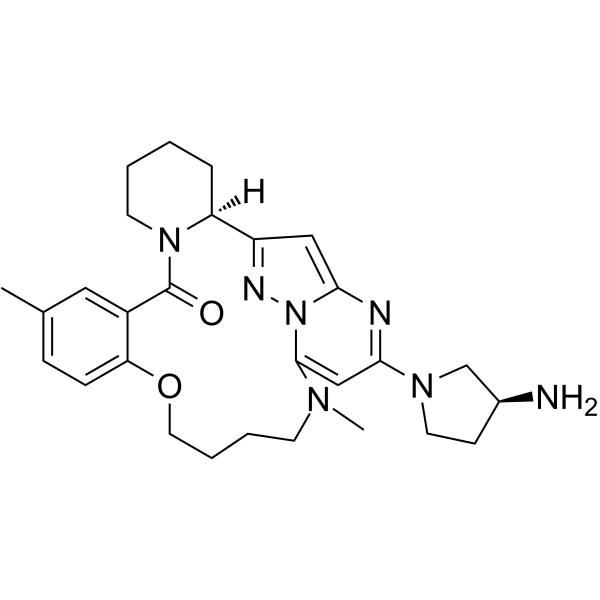
- HY-168594
-
|
|
Glycosidase
NOD-like Receptor (NLR)
|
Neurological Disease
Metabolic Disease
|
|
α-Glucosidase/NLRP3-IN-1 (Compound 8) is a dual inhibitor of α-glucosidase and NLRP3, exhibiting an IC50 of 6.6 μM against α-glucosidase and inhibiting NLRP3 in multiple cell lines at a concentration of 100 μM. α-Glucosidase/NLRP3-IN-1 demonstrates neuroprotective and antidiabetic properties, and can be utilized in relevant research .
|
-

- HY-159565
-
|
|
Bacterial
VEGFR
|
Infection
|
|
VEGFR-2/InhA-IN-1 is a pyrazole-based dual inhibitor of InhA-VEGFR with anti-tuberculosis and anti-angiogenic activities. VEGFR-2/InhA-IN-1 has good antibacterial activity against Mycobacterium tuberculosis H37Rv strain (MIC=6.25 μg/mL) and significantly inhibits VEGFR-2 (IC50=15.27 nM) .
|
-

- HY-157440
-
|
|
Amyloid-β
Reactive Oxygen Species (ROS)
Cholinesterase (ChE)
|
Neurological Disease
|
|
AChE/Aβ-IN-3 (compound AM5) is a dual inhibitor of AChE and Amyloid-β aggregation with IC50<.sub> values of 1.29 and 4.93 μM, respectively. AChE/Aβ-IN-3 has antioxidant properties that scavenge ROS and restore their normal levels. AChE/Aβ-IN-3 can be used in the study of neurological diseases, such as Alzheimer's disease .
|
-
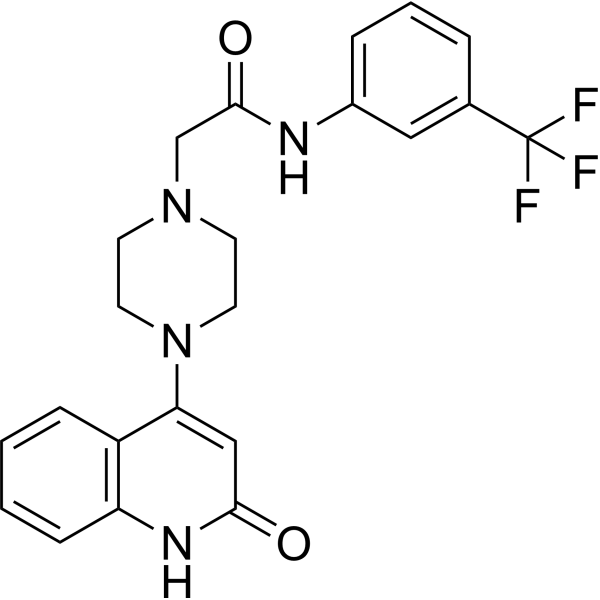
- HY-14343
-
|
|
NO Synthase
|
Neurological Disease
|
|
KLYP961 is a selective and orally active dual inhibitor of inducible and neuronal NO synthase (IC50 = 50-400 nM). KLYP961 can inhibit endotoxin-evoked plasma nitrates increases and attenuate pain behaviors in a mouse formalin model. KLYP961 can attenuate carrageenin-induced edema and inflammatory hyperalgesia and writhing response elicited by Phenylbenzoquinone (HY-W275039). KLYP961 can be used for the research of neurological disease .
|
-

- HY-153968
-
|
|
Xanthine Oxidase
URAT1
|
Metabolic Disease
|
|
URAT1&XO inhibitor 1 (compound 29) is a dual inhibitor of both URAT1 (IC50=~10 μM) and Xanthine Oxidase (IC50=1.01 μM). URAT1&XO inhibitor 1 results hypouricemic effect in potassium oxonate-induced hyperuricemia rat model. URAT1&XO inhibitor 1 is used for hyperuricemia research .
|
-
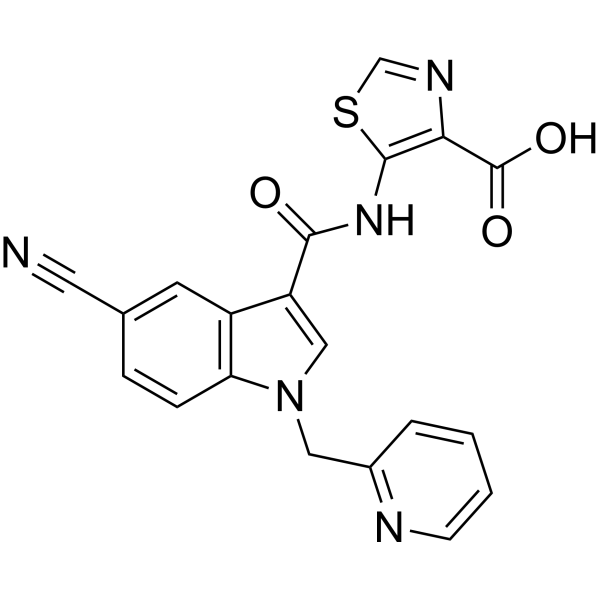
- HY-119708S
-
|
RPL-554-d6
|
Isotope-Labeled Compounds
Phosphodiesterase (PDE)
|
Inflammation/Immunology
|
|
Ensifentrine-d6 (RPL-554-d6) is deuterium labeled Ensifentrine. Ensifentrine (RPL-554) is an inhaled first-in-class dual inhibitor of phosphodiesterase 3 (PDE3) and PDE4 with IC50s of 0.4 nM and 1479 nM, respectively. Ensifentrine has bronchoprotective and anti-inflammatory activities. Ensifentrine can be used for chronic obstructive pulmonary disease (COPD) research .
|
-

- HY-143278
-
|
|
Topoisomerase
FLT3
Apoptosis
|
Cancer
|
|
FLT3-IN-13 (compound 20) is a potent and effective antileukemic topoisomerase II and FLT3 dual inhibitor with IC50 values of 2.26 μM and 2.26 μM, respectively. FLT3-IN-13 arrests cell cycle at G2/M phase and induce apoptosis. FLT3-IN-13 has anticytotoxic activity, particularly against leukemia .
|
-
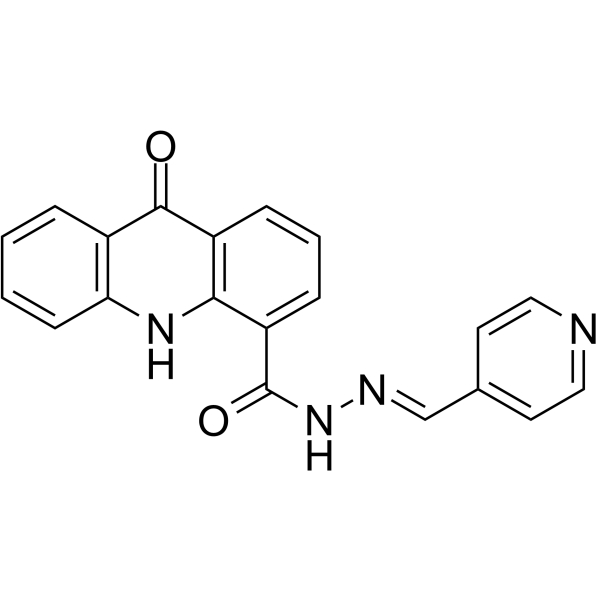
- HY-146504
-
|
|
Topoisomerase
PI3K
Apoptosis
Reactive Oxygen Species (ROS)
|
Cancer
|
|
Topoisomerase I/II inhibitor 3 (compound 7) is a potent topoisomerase I (Topo I) and II (Topo II) dual inhibitor. Topoisomerase I/II inhibitor 3 can inhibit cell proliferation, invasion and migration, and induce apoptosis by inhibiting PI3K/Akt/mTOR signaling pathway. Topoisomerase I/II inhibitor 3 can be used for liver cancer research .
|
-
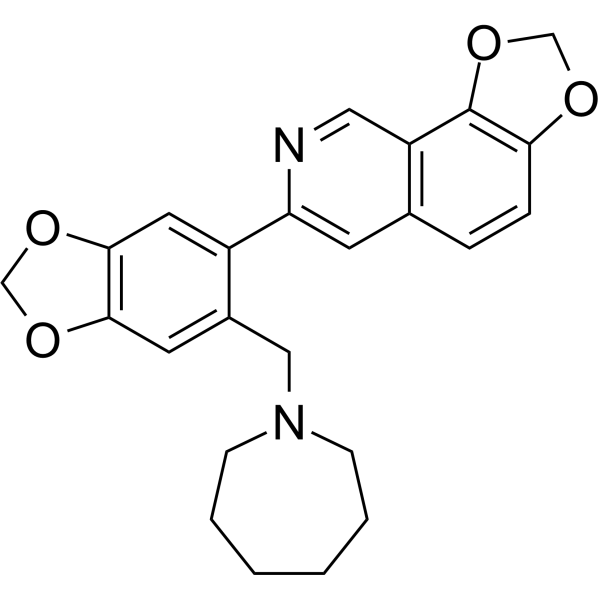
- HY-163535
-
|
|
HDAC
DNA Methyltransferase
Apoptosis
|
Inflammation/Immunology
Cancer
|
|
J208 is a dual inhibitor for histone deacetylase (HDAC) and DNA methyltransferase (DNMT). J208 inhibits proliferation of cancer cells, as well as the migration/invasion of triple-negative breast cancer (TNBC) cells. J208 induces apoptosis, arrests the cell cycle at G0/G1 phase. J2008 activates the innate immune signalling pathway in TNBC, by inducing the expression of endogenous retroviruses (ERVs) .
|
-

- HY-163710
-
|
|
VEGFR
Carbonic Anhydrase
|
Cancer
|
|
hCA/VEGFR-2 IN-5 (compound 9) is an indolone-phenylsulfonamide and a potential dual inhibitor of cancer-related hCA IX/XII and VEGFR-2. The IC50 values of hCA/VEGFR-2-IN-5 for VEGFR-2, hCA IX and hCA XII are 0.38 μM, 40 and 3.2 nM, respectively. hCA/VEGFR-2-IN-5 has antitumor activity .
|
-

- HY-155161
-
|
|
Lipoxygenase
COX
|
Inflammation/Immunology
|
|
COX-2/15-LOX-IN-4 (compound 5i) is a dual inhibitor of COX-2/15-LOX with IC50s of 0.075 μM and 1.97 μM, respectively. COX-2/15-LOX-IN-4 can inhibit LPS-induced cell production of promoting cytokines (IL-6, ROS) with specific anti-inflammatory activity .
|
-
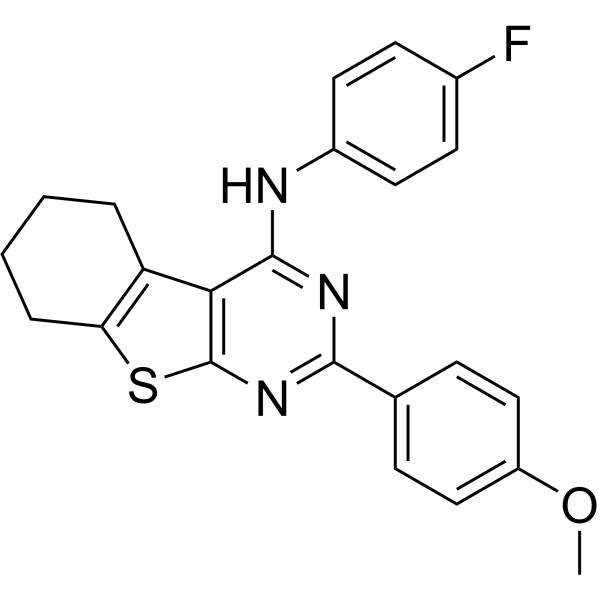
- HY-15268
-
|
|
c-Met/HGFR
PI3K
DNA-PK
mTOR
Bcr-Abl
Src
VEGFR
EGFR
PDGFR
|
Cancer
|
|
PP487 is a selective dual inhibitor of Tyrosine kinase/PI3-K, with IC50 values of 0.017 μM, 0.072 μM, 0.004 μM, 0.01 μM, 0.55 μM, 0.22 μM, and < 0.01 μM against DNA-PK, mTOR, Hck, Src, EGFR, EphB4, and PDGFR, respectively. PP487 can be used in cancer research .
|
-
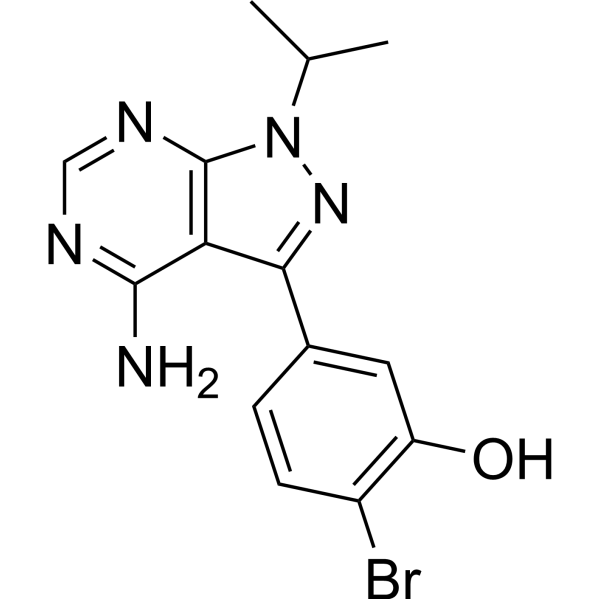
- HY-155160
-
|
|
Lipoxygenase
COX
|
Inflammation/Immunology
|
|
COX-2/15-LOX-IN-3 (compound 5k) is a dual inhibitor of COX-2/15-LOX with IC50s of 0.075 μM and 1.97 μM, respectively. COX-2/15-LOX-IN-3 can inhibit LPS-induced cell production of promoting cytokines (IL-6, ROS, and NO), with specific anti-inflammatory activity .
|
-
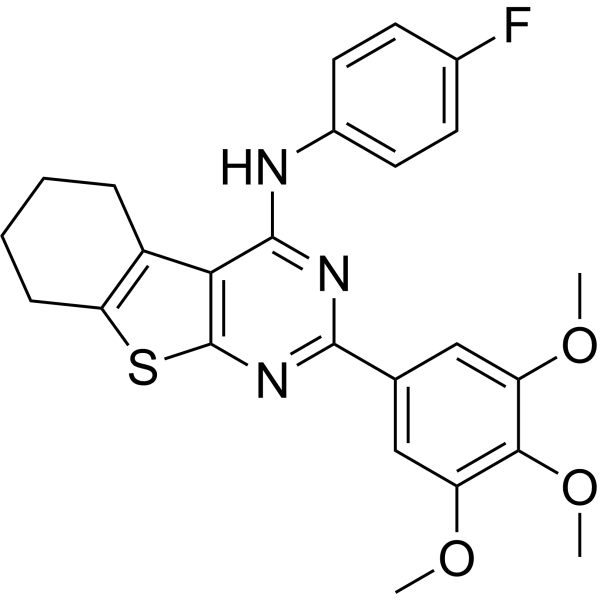
- HY-162868
-
|
|
c-Met/HGFR
HDAC
Apoptosis
|
Cancer
|
c-Met/HDAC-IN-4 is a dual inhibitor of c-Met/HDAC. The IC50 value of c-Met/HDAC-IN-4 for c-Met is 28.92 nM. c-Met/HDAC-IN-4 can induce G0/G1 phase cell cycle arrest and apoptosis in MDA-MB-231 breast cancer cells, and it inhibits the proliferation and invasion of breast cancer cell lines .
|
-

- HY-149819
-
|
|
HDAC
CDK
|
Cancer
|
CDK/HDAC-IN-3 is an orally active HDACs/CDKs dual inhibitor. CDK/HDAC-IN-3 has potent and selective inhibition of CDK9, CDK12, CDK13, HDAC1, HDAC2 and HDAC3 with IC50 values of 98.32 nM, 98.85 nM, 100 nM, 62.12 nM, 93.28nM and 82.87 nM. CDK/HDAC-IN-3 can be used for the acute myeloid leukemia (AML) .
|
-
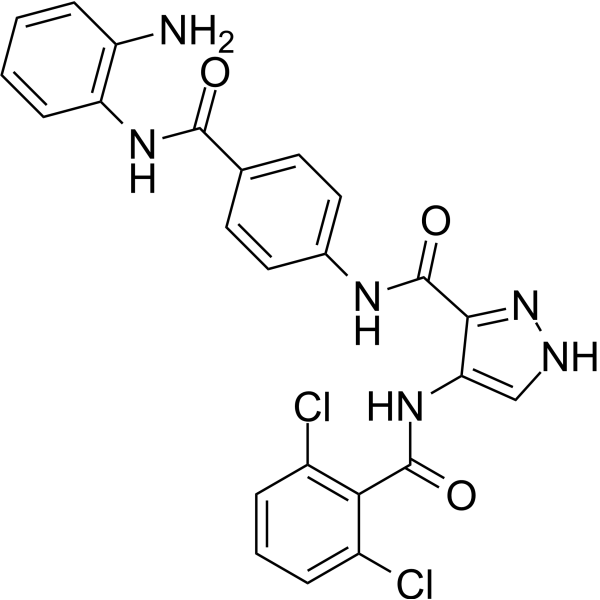
- HY-19876
-
|
Debio-0827
|
Opioid Receptor
Aminopeptidase
Neprilysin
|
Neurological Disease
Metabolic Disease
|
|
PL37 (Debio-0827) is an orally active Enkephalinase dual inhibitor (dual inhibition refers to the simultaneous inhibition of Neutral Endopeptidase and Aminopeptidase N activities). PL37 exerts its anti-hyperalgesic effects by activating μ-opioid receptors (µ-opioid receptors), with an ED50 value of 13.4 mg/kg for analgesic effects in mice. PL37 can be used to study diabetic neuropathic pain .
|
-

- HY-162332
-
|
|
Apoptosis
EGFR
JNK
|
Cancer
|
|
EGFR-PK/JNK-2-IN-1 (Compound 6c) is a dual inhibitor of EGFR-PK and JNK-2 with IC50s of 2.7 and 3.0 μM, respectively. EGFR-PK/JNK-2-IN-1 can induce apoptosis and induce cell cycle arrest at different cell phases. EGFR-PK/JNK-2-IN-1 can be used for the research of cancer .
|
-
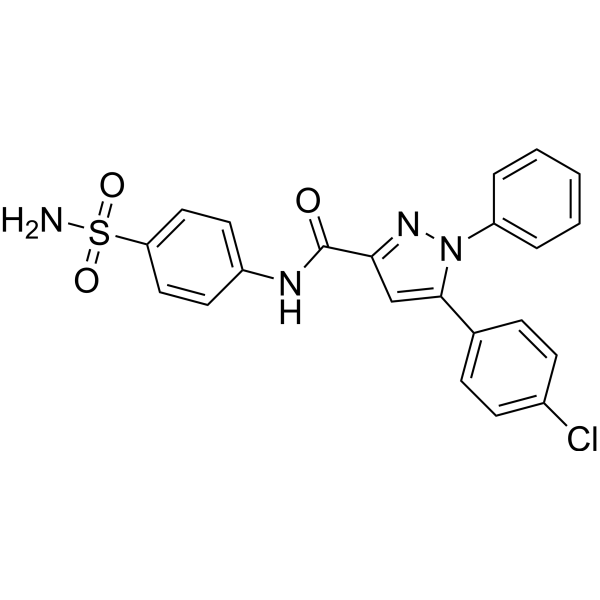
- HY-181885
-
|
|
Influenza Virus
Drug Derivative
|
Infection
|
|
Antiviral agent 80 is a conjugate of Zanamivir (HY-13210) and Amantadine (HY-13317), acting as a dual inhibitor of influenza virus M2 ion channel/neuraminidase (NA). Antiviral agent 80 exhibits potent inhibitory activity against both wild-type and drug-resistant influenza neuraminidase mutants, with an IC50 value range of 1.50 nM to 120.4 nM. Antiviral agent 80 can be used in influenza-related research .
|
-

- HY-155179
-
|
|
PAK
HDAC
|
Cancer
|
|
ZMF-23 is a PAK1/HDAC6 dual inhibitor. ZMF-23 inhibits PAK1 and HDAC6 regulated aerobic glycolysis and migration. ZMF-23 induces TNF-α-regulated necroptosis, and further enhances apoptosis. ZMF-23 inhibits the Warburg effect and cell migration. ZMF-23 can be used for research of triple-negative breast cancer (TNBC) .
|
-
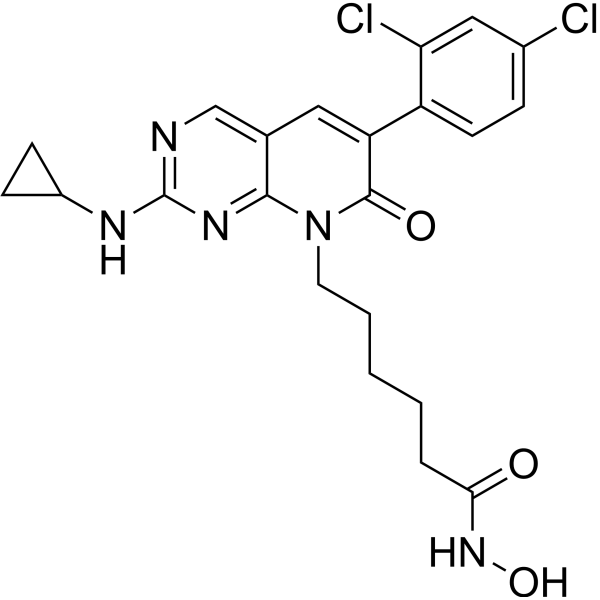
- HY-155108
-
|
|
Arginase
|
Cancer
|
|
OATD-02 is an orally active, competitive, reversible, noncovalent dual inhibitor of Arginase1 and 2. OATD-02 is a slow offset inhibitor, blocking intracellular arginases with IC50s of 20 nM (hARG1), 39 nM (hARG2), 39 nM (mARG1), and 28 nM (rARG1), respectively. OATD-02 abolishes tumor immunosuppression induced by both arginases. OATD-02 can be used for melanoma study .
|
-
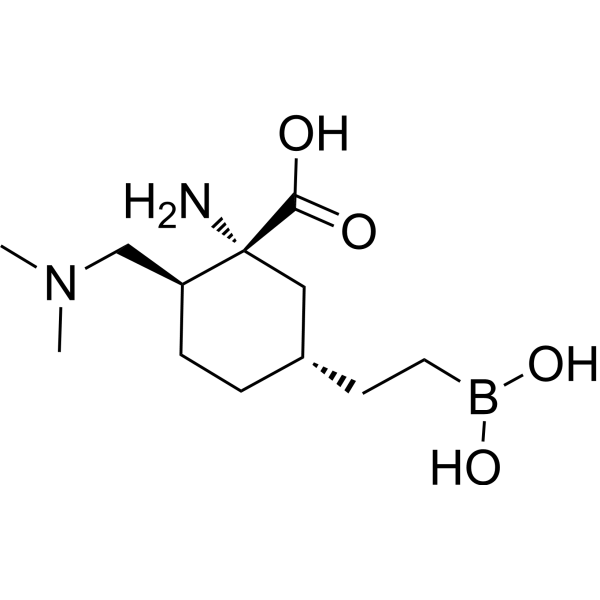
- HY-126249
-
|
|
Aurora Kinase
Polo-like Kinase (PLK)
Apoptosis
|
Cancer
|
|
AAPK-25 is a potent and selective Aurora/PLK dual inhibitor with anti-tumor activity, which can cause mitotic delay and arrest cells in a prometaphase, reflecting by the biomarker histone H3 Ser10 phosphorylation and followed by a surge in apoptosis. AAPK-25 targets Aurora-A, -B, and -C with Kd values ranging from 23-289 nM, as well as PLK-1, -2, and -3 with Kd values ranging from 55-456 nM .
|
-
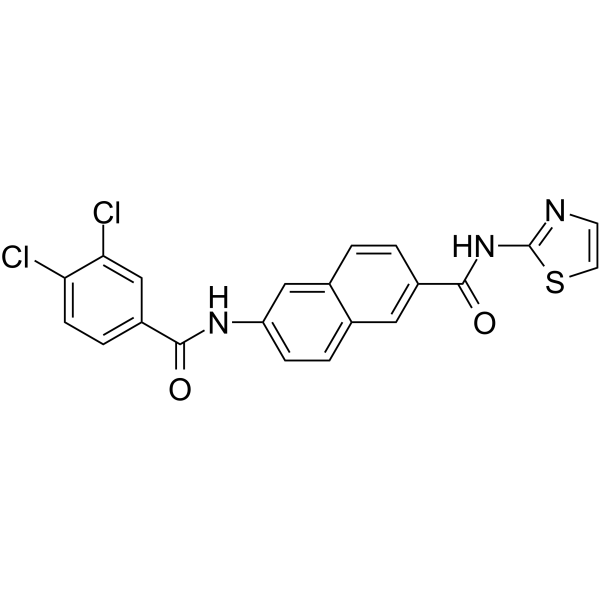
- HY-151809
-
|
|
Cytochrome P450
|
Metabolic Disease
|
|
CYP4A11/CYP4F2-IN-1 is a potent dual inhibitor of cytochrome P450 (CYP) 4A11 and CYP4F2, with IC50s of 19 nM and 17 nM, respectively. CYP4A11/CYP4F2-IN-1 has potential for the research of renal diseases .
|
-
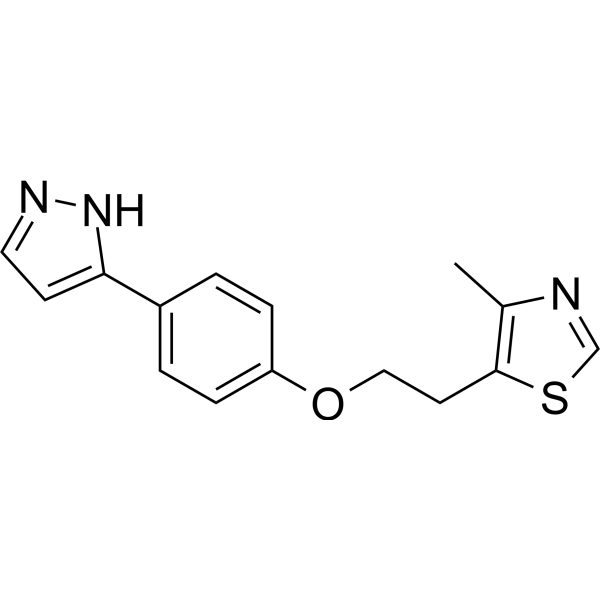
- HY-161094
-
|
|
Beta-lactamase
Bacterial
|
Infection
|
|
Metallo-β-lactamase-IN-12 is a dual inhibitor of metal β-lactamases (MβLs (NDM-1, IMP-1)) and serine β-lactamases (SβLs (OXA-48, KPC-2)), with IC50 values of 0.64 μM, 1.32 μM, 1.01 μM, and 0.57 μM, respectively. Metallo-β-lactamase-IN-12 has antibacterial activity .
|
-
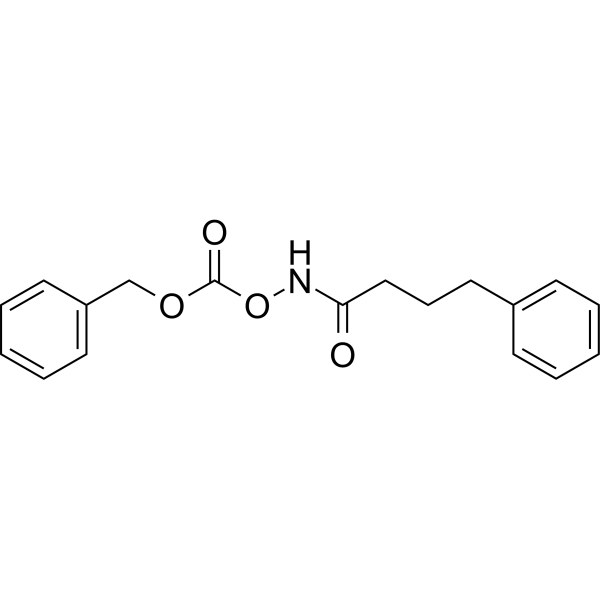
- HY-155152
-
|
|
P-glycoprotein
BCRP
|
Cancer
|
|
P-gp/BCRP-IN-2 (compound 15) is an oxadiazole derivative and a dual inhibitor of the ABC transporter P-glycoprotein (IC50: 1.6 nM) and BCRP (IC50: 600 nM). P-gp/BCRP-IN-2 also enhances the anti-proliferative effects of Doxorubicin (HY-15142A) in drug-resistant human adenocarcinoma colon cancer cell lines HT29/DX and MDCK-MDR1 cells .
|
-
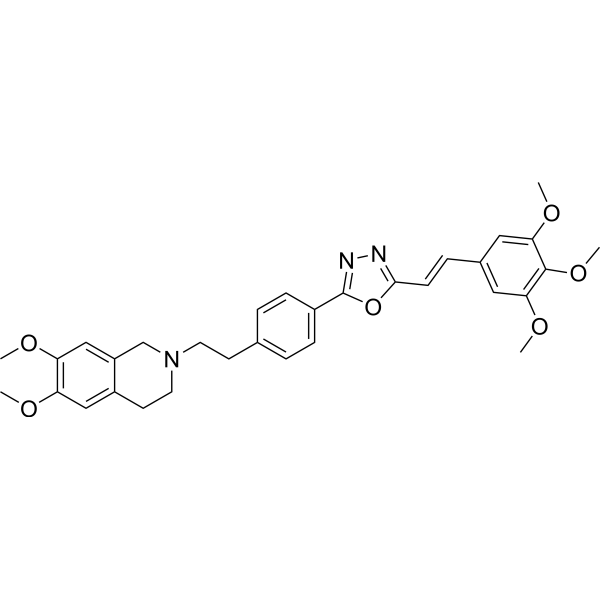
- HY-15960
-
|
VDC-597 free base
|
PI3K
mTOR
Apoptosis
|
Cancer
|
|
PWT-33597 (VDC-597) free base is a dual inhibitor of PI3Kα and mTOR, which can effectively block the signaling downstream of PI3K and mTOR. PWT-33597 free base is capable of inducing tumor cell apoptosis and inhibiting tumor growth. PWT-33597 free base has anti-tumor activity and can be used in the research of tumors such as renal cell carcinoma .
|
-

- HY-169078
-
|
|
Histone Methyltransferase
|
Cancer
|
|
ML234 is a dual inhibitor against EZH2/LSD1 with IC50 values of 0.09 and 0.12 μM, respectively. ML234 displays an excellent antiproliferative capacity against prostate cancer cell lines LNCAP, PC3 and 22RV1. ML234 suppresses the tumor growth in the 22RV1 xenograft mouse model. ML234 is promising for research of anticancer agents in prostate cancer .
|
-

- HY-155227
-
|
|
Anaplastic lymphoma kinase (ALK)
EGFR
Apoptosis
|
Cancer
|
|
ALK/EGFR-IN-1 (Compound 8l) is an ALK/EGFR dual inhibitor that blocks the phosphorylation of EGFR and ALK. ALK/EGFR-IN-1 inhibits ALK/EGFR mutants respectively, with IC50 of 4.3 nM for EGFR L858R T790M in H1975 cells and EML4-ALK in BaF3 cells, respectively. and 3.6 nM. ALK/EGFR-IN-1 may be used in NSCLC research .
|
-
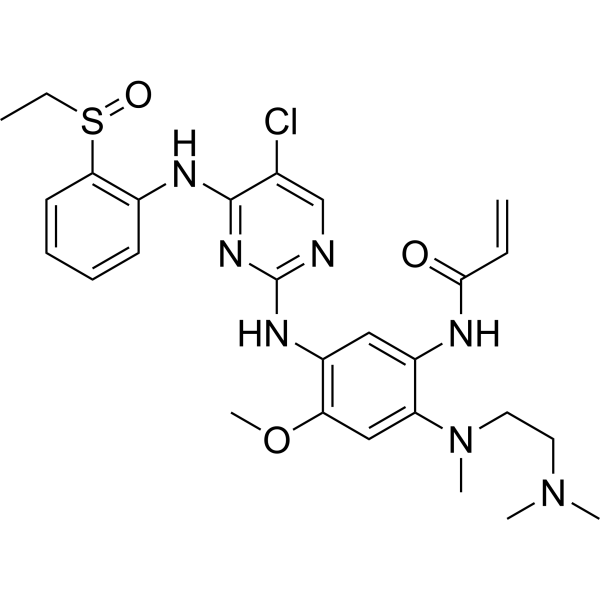
- HY-147994
-
|
|
EGFR
|
Cancer
|
|
EGFR/HER2-IN-5 (compound 6h) is an orally active irreversible dual inhibitor. EGFR/HER2-IN-5 inhibits EGFR with an IC50 value of 1.01 nM and demonstrates potent EGFR kinase inhibitory activities on L858R and T790M mutations. EGFR/HER2-IN-5 has potent antitumor efficacy in vivo and can be used for lung cancer research .
|
-
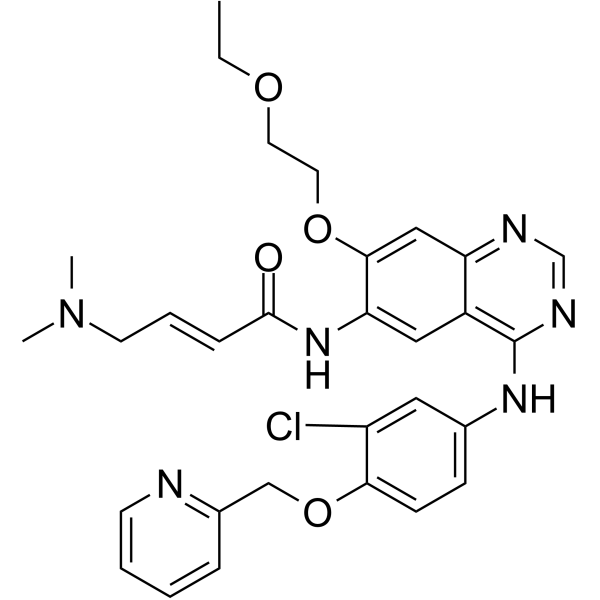
- HY-155784
-
|
|
Sirtuin
Reactive Oxygen Species (ROS)
Keap1-Nrf2
|
Cancer
|
|
SPC-180002 is a SIRT1/3 dual inhibitor, with IC50 values of 1.13 and 5.41 μM, respectively. SPC-180002 disturbs redox homeostasis via ROS generation, which leads to an increase in both p21 protein stability and mitochondrial dysfunction. SPC-180002 strongly inhibits cell cycle progression and cancer cell growth. SPC-180002 activates the Nrf2 signaling pathway .
|
-
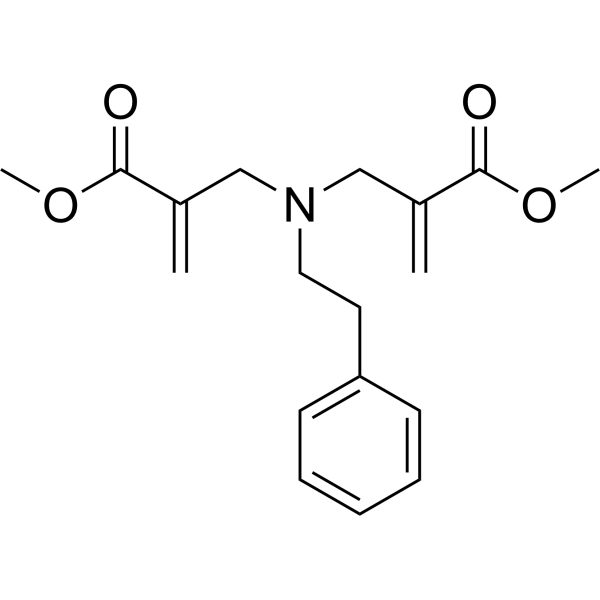
- HY-174134
-
|
|
PI4K
PKG
Parasite
|
Infection
|
|
PI4Kβ/PKG-IN-2 (Compound 20) is an orally active dual inhibitor of Plasmodium phosphatidylinositol 4-kinase beta (PI4Kβ) and cGMP-dependent protein kinase (PKG). PI4Kβ/PKG-IN-2 has potent inhibitory effects on Plasmodium. PI4Kβ/PKG-IN-2 is promising for research of malaria .
|
-

- HY-162254
-
|
|
EGFR
Ack1
|
Cancer
|
|
EGFR T790M/L858R/ACK1-IN-1 is a dual inhibitor of EGFR T790M/L858R and ACK1. IC50 values are 23 and 263 nM, respectively. EGFR T790M/L858R/ACK1-IN-1 can inhibit cell proliferation and has antitumor activity .
|
-
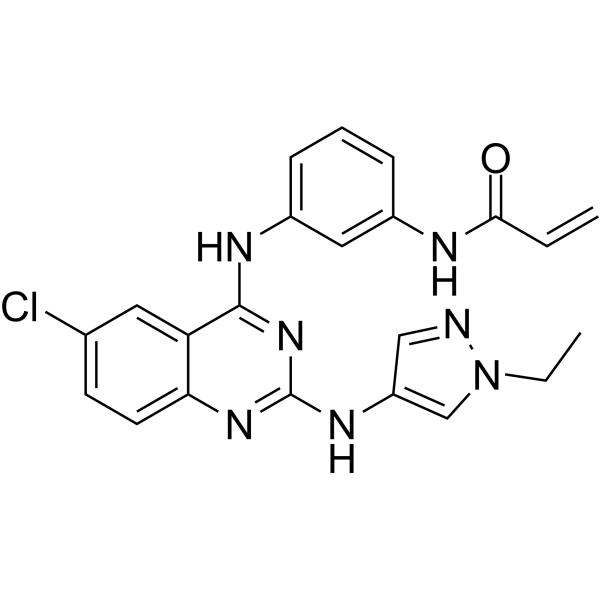
- HY-152030
-
|
|
Microtubule/Tubulin
MMP
Apoptosis
|
Cancer
|
|
Tubulin/MMP-IN-2 is dual inhibitor of tubulin and matrix metalloproteinases. Tubulin/MMP-IN-2 can strongly inhibit tubulin polymerization and induces cell apoptosis. Tubulin/MMP-IN-2 has inhibitory activities against MMP-2, MMP-3 and MMP-9 with IC50 values of 24.95 μM, 31.60 μM and 22.37 μM, respectively. Tubulin/MMP-IN-2 can be used for the research of cancer .
|
-
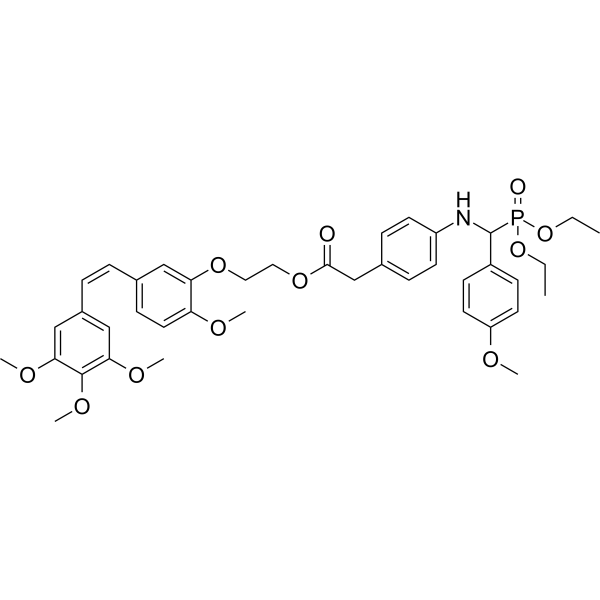
- HY-151810
-
|
|
Cytochrome P450
|
Metabolic Disease
|
|
CYP4A11/CYP4F2-IN-2 is a potent and orally active dual inhibitor of cytochrome P450 (CYP) 4A11 and CYP4F2, with IC50s of 140 nM and 40 nM, respectively. CYP4A11/CYP4F2-IN-2 has potential for the research of renal diseases .
|
-
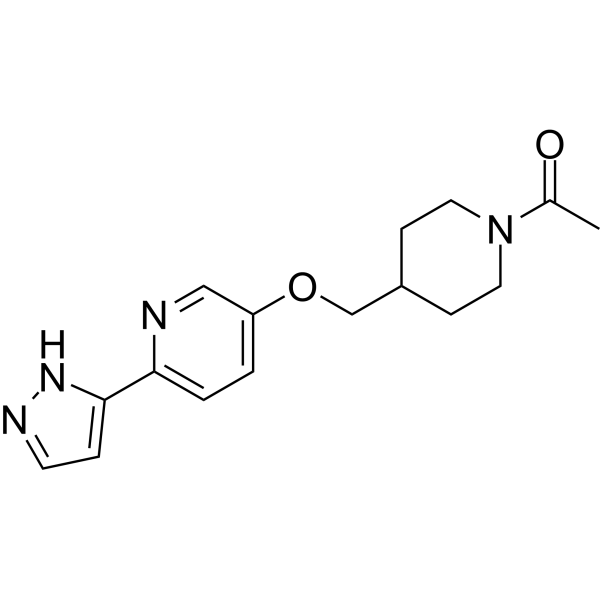
- HY-161868
-
|
|
PARP
HDAC
Apoptosis
|
Cancer
|
|
DLC-50 is a dual inhibitor for PARP-1 and HDAC-1 with IC50 of 1.2 nM and 31 nM. DLC-50 inhibits the proliferation of cancer cells MDA-MB-436, MDA-MB-231, and MCF-7 with IC50 of 0.3, 2.7 and 2.41 μM. DLC-50 induces apoptosis in MDA-MB-231, arrests the cell cycle at G2 phase .
|
-

- HY-160005
-
|
NSC 781517
|
Topoisomerase
DNA/RNA Synthesis
|
Cancer
|
|
LMP517 (NSC 781517) is a potent and non-camptothecin Topoisomerase I and II (TOP1 and TOP2) dual inhibitor. LMP517 can induce TOP1 and TOP2 cleavage complexes (TOP1ccs and TOP2ccs). LMP517 can induce cancer cells DNA damage and γH2AX production. LMP517 can be used for the research of cancer, such as small cell lung cancer .
|
-
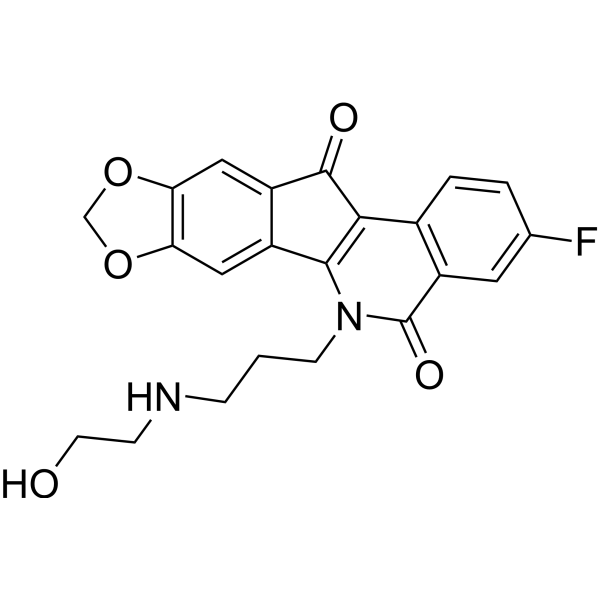
- HY-149270
-
|
|
COX
|
Inflammation/Immunology
|
|
COX-2-IN-31 (compound 7b) is an orally active and dual inhibitor of COX-2 (IC50=60 nM) and 5-LOX (IC50=1.9 μM). COX-2-IN-31 also inhibits transmembrane hCA IX(Ki=48.9 nM) and hCA XII(Ki=5.8 nM) activity. COX-2-IN-31 exhibits anti-inflammatory and analgesic activity .
|
-
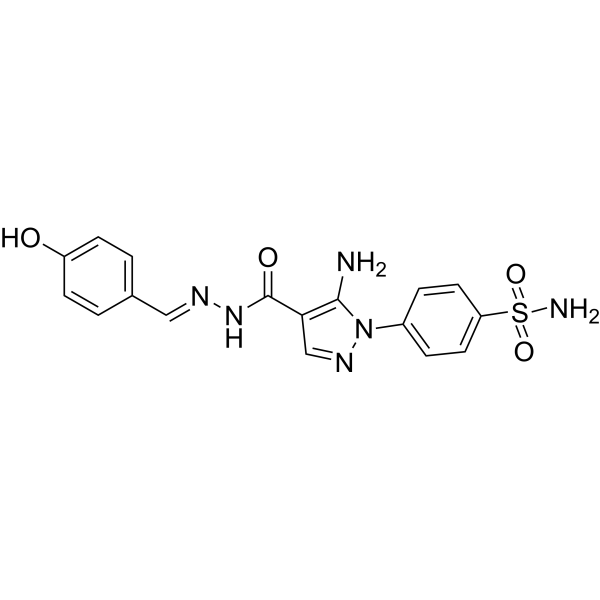
- HY-160558
-
|
|
Epigenetic Reader Domain
Polo-like Kinase (PLK)
|
Cancer
|
|
PLK1/BRD4-IN-3 (Compound 21) is a selective dual inhibitor for bromodomain 4 (BRD4) and polo-like kinase 1 (PLK1). PLK1/BRD4-IN-3 inhibits BRD4-BD1, PLK1 and BRDT-BD1, with IC50s of 0.059, 0.127 and 0.245 μM, respectively .
|
-

- HY-174130
-
|
|
Parasite
PI4K
PKG
|
Infection
|
|
PI4Kβ/PKG-IN-1 (Compound 19) is an orally active dual inhibitor targeting Plasmodium phosphatidylinositol 4-kinase beta (PI4Kβ) and cGMP-dependent protein kinase (PKG). PI4Kβ/PKG-IN-1 exhibits potent antiplasmodial activity. PI4Kβ/PKG-IN-1 is promising for research of malaria .
|
-

- HY-106720
-
|
YM 09538
|
Adrenergic Receptor
|
Cardiovascular Disease
|
|
Amosulalol (YM 09538) is an orally active and dual inhibitor of α1/β1-Adrenergic Receptor. Amosulalol exhibits antihypertensive activity via α1-Adrenergic Receptor inhibition. Amosulalol decreases reflexogenic increases in heart rate and plasma renin activity (PRA) via β1-Adrenergic Receptor inhibition in spontaneously hypertensive rats (SHR) .
|
-
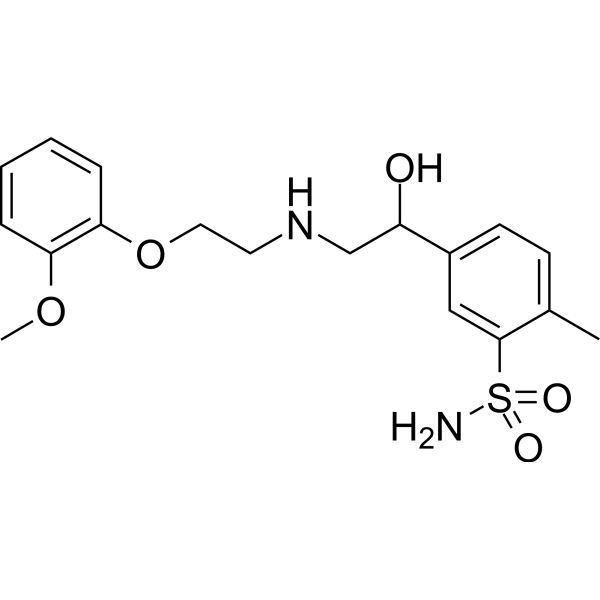
- HY-158319
-
|
|
Apoptosis
Isocitrate Dehydrogenase (IDH)
NAMPT
|
Cancer
|
|
Mutant IDH1/NAMPT-IN-1 (Compound 23h) is a dual inhibitor of mutant isocitrate dehydrogenase 1 (mutant IDH1) (IC50=14.93 nM) and nicotinamide phosphoribosyltransferase (NAMPT) (IC50=12.56 nM). Mutant IDH1/NAMPT-IN-1 can induce apoptosis. Mutant IDH1/NAMPT-IN-1 crosses the blood-brain barrier effectively .
|
-
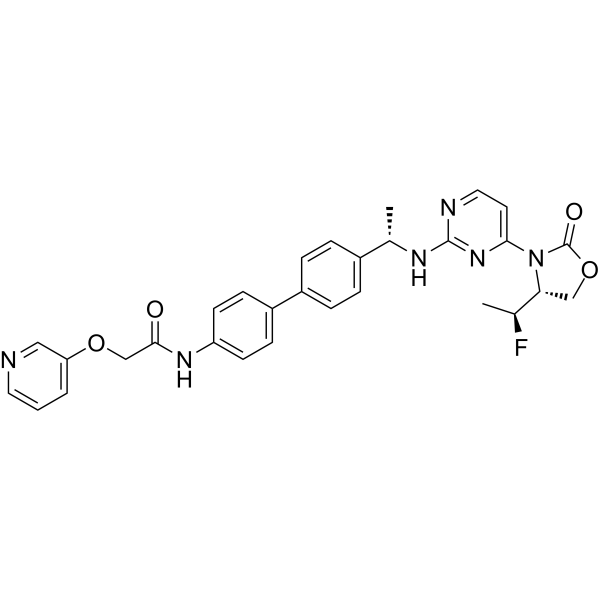
- HY-163355
-
|
|
COX
Lipoxygenase
NF-κB
|
Inflammation/Immunology
|
|
COX-2/15-LOX-IN-5 (Compound 4f) is a dual inhibitor of COX-2/15-LOX. COX-2/15-LOX-IN-5 attenuates increased NF-κB activation in RAW 264.7 macrophages mediated by lipopolysaccharide (HY-D1056). COX-2/15-LOX-IN-5 has anti-inflammatory and antioxidant activities .
|
-
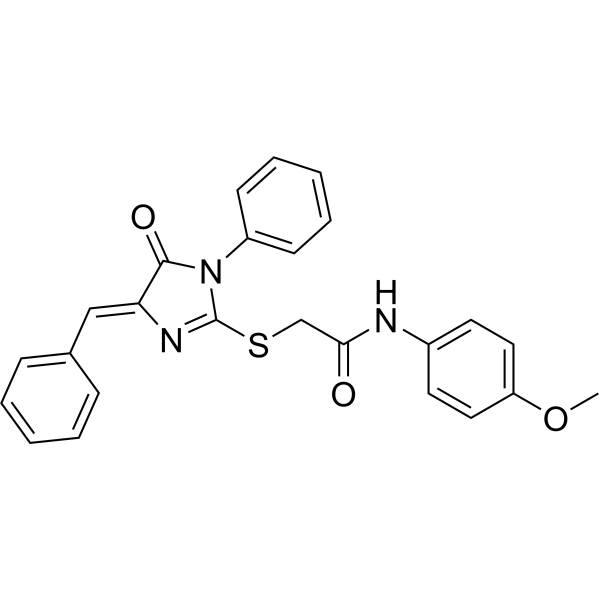
- HY-147992
-
|
|
EGFR
|
Cancer
|
|
EGFR/HER2-IN-4(compound 6d) is an orally active irreversible dual inhibitor. EGFR/HER2-IN-4 inhibits EGFR with an IC50 value of 0.6 nM and demonstrates potent EGFR kinase inhibitory activities on L858R and T790M mutations. EGFR/HER2-IN-4 has potent antitumor efficacy in vivo and can be used for lung cancer research .
|
-
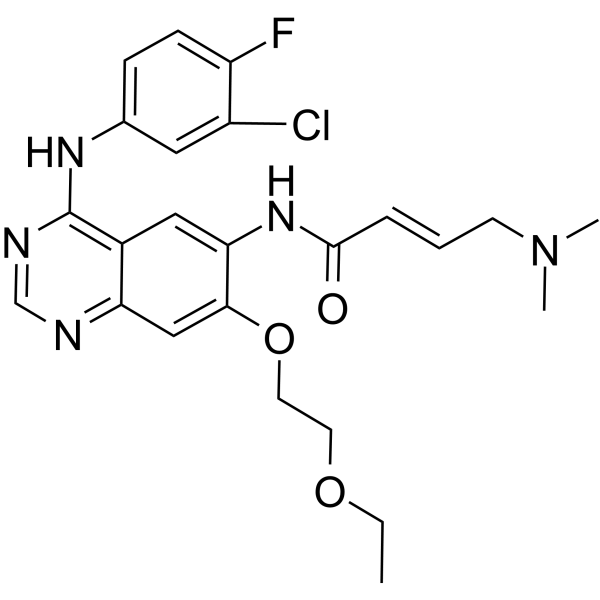
- HY-112258
-
|
|
DNA/RNA Synthesis
|
Infection
|
|
IMP-1088 is a potent human N-myristoyltransferases NMT1 and NMT2 dual inhibitor with IC50s of <1 nM for HsNMT1 and HsNMT2. IMP-1088 has a Kd of <210 pM for HsNMT1. IMP-1088 efficiently blocks rhinovirus replication by blocking rhinovirus virus-encoded protein (VP0) N-myristoylation. IMP-1088 protects host cells from the cytotoxic effects of viral infection .
|
-
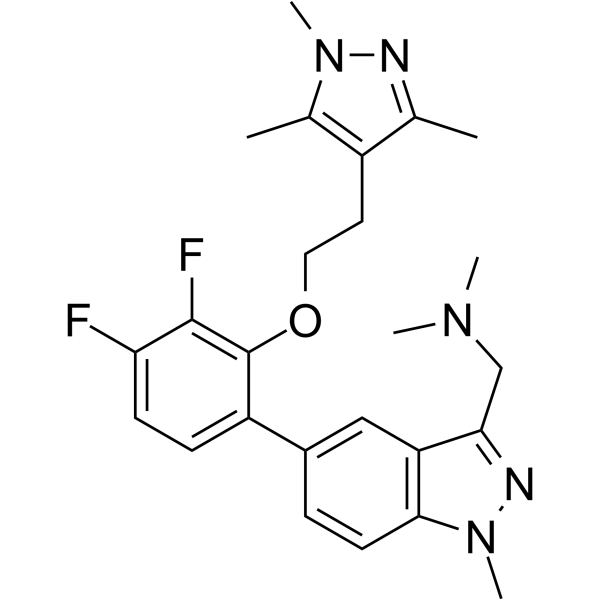
- HY-10681S
-
|
PKI-587-d8; PF-05212384-d8
|
Isotope-Labeled Compounds
PI3K
mTOR
|
Cancer
|
|
Gedatolisib-d8 (PKI-587-d8) is the deuterium labeled Gedatolisib (HY-10681). Gedatolisib (PKI-587) is a highly potent dual inhibitor of PI3Kα, PI3Kγ, and mTOR with IC50s of 0.4 nM, 5.4 nM and 1.6 nM, respectively. Gedatolisib is equally effective in both complexes of mTOR, mTORC1 and mTORC2 .
|
-

- HY-178740
-
|
|
Bacterial
EGFR
|
Infection
|
|
GI261520A is a egfr/erbb2 dual inhibitor. GI261520A inhibits PhoQ phosphorylation dose-dependently. GI261520A can downregulate the activity levels of PhoP/PhoQ. GI261520A inhibits pagC reporter expression levels with an IC50 of 3.2 μM. GI261520A inhibits PhoQc autokinase activtiy by 80%. GI261520A can permeate the eukaryotic plasmatic and vascular cell membranes and reach intravacuolar Salmonella to block intramacrophage proliferation .
|
-

- HY-128397
-
|
|
Parasite
Bcr-Abl
Src
|
Infection
|
|
CpCDPK1/TgCDPK1-IN-1 (compound 7p) is a potent CpCDPK1/TgCDPK1 dual inhibitor (IC50: 10 nM and 5.0 nM respectively). CpCDPK1/TgCDPK1-IN-1 also inhibits Abl and Src (IC50: 75 nM and 65 nM respectively). CpCDPK1/TgCDPK1-IN-1 can be used for research of toxoplasmosis .
|
-
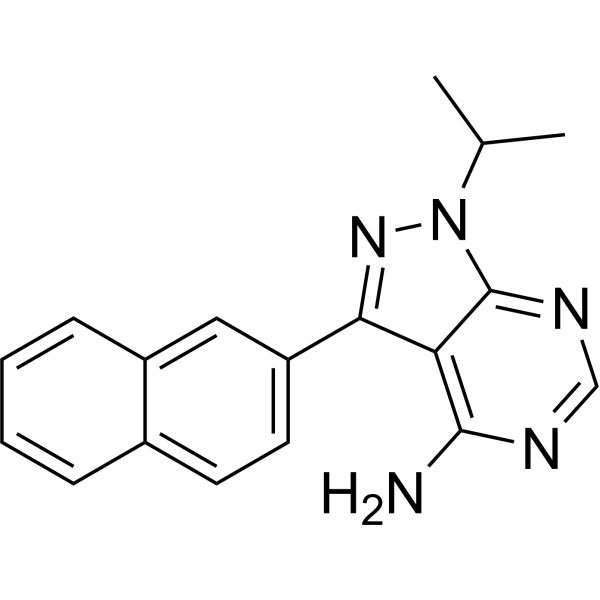
- HY-156523
-
|
|
MAP4K
|
Cancer
|
|
TNIK&MAP4K4-IN-1 (compound A-39) is a dual inhibitor of TNIK and MAP4K4/HGK with IC50s of 1.29 nM and <10 nM,respectively,in human hepaticstellate cell LX-2. TNIK&MAP4K4-IN-1 can be used for cancer and fibrosis inhibition .
|
-
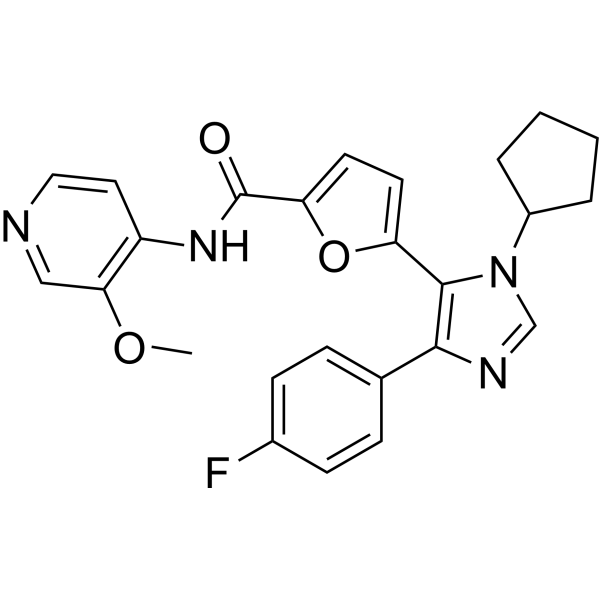
- HY-131447
-
KY19382
4 Publications Verification
A3051
|
GSK-3
Wnt
β-catenin
|
Metabolic Disease
|
|
KY19382 is a potent and orally active dual inhibitor of CXXC5-DVL and GSK3β, with IC50s of 19 and 10 nM, respectively. KY19382 activates Wnt/β-catenin signaling through inhibitory effects on both CXXC5-DVL interaction and GSK3β activity. KY19382 can be used for the research of high fat diet (HFD) induced metabolic diseases .
|
-
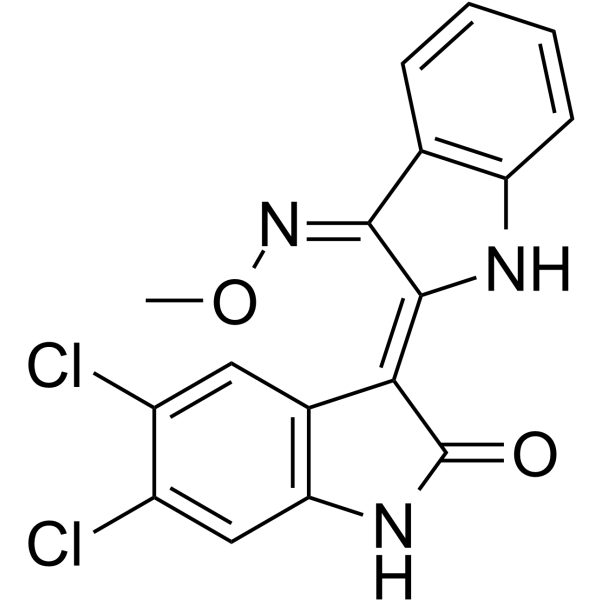
- HY-144438
-
|
|
Aurora Kinase
LIM Kinase (LIMK)
|
Cancer
|
|
Aurora/LIM kinase-IN-1 (Compound F114) is a potent and dual inhibitor of aurora and lim kinase. Aurora kinases and lim kinases are involved in neoplastic cell division and cell motility, respectively. Aurora/LIM kinase-IN-1 inhibits GBM proliferation and invasion. Aurora/LIM kinase-IN-1 is a promising new scaffold for dual aurora/lim kinase inhibitors that may be used in future agent development efforts for GBM, and potentially other cancers .
|
-
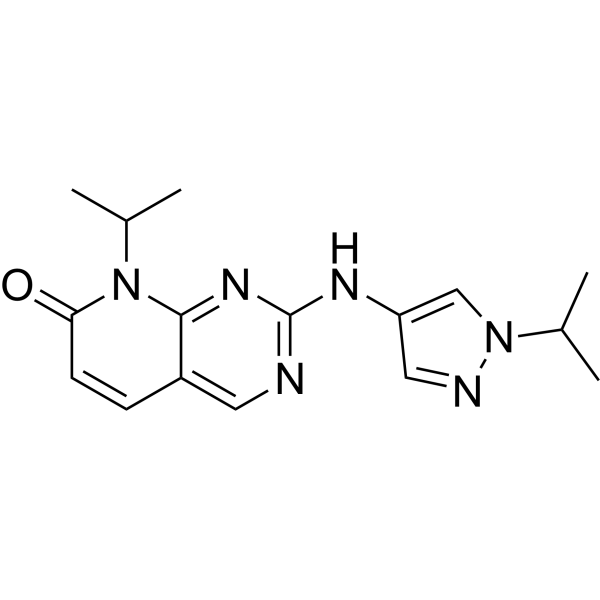
- HY-178440
-
|
|
EGFR
COX
Apoptosis
|
Inflammation/Immunology
Cancer
|
|
EGFR/COX-2-IN-2 (Compound 10a) is a dual inhibitor targeting epidermal growth factor receptor (EGFR) (IC50= 6.0 μM) and cyclooxygenase-2 (COX-2) (IC50=50 μM). EGFR/COX-2-IN-2 induces S-phase cell cycle arrest and apoptosis. EGFR/COX-2-IN-2 is promising for research of cancers and inflammation-related diseases .
|
-

- HY-183673
-
|
|
COX
|
Neurological Disease
Inflammation/Immunology
|
|
COX-1/2-IN-12 is an orally active dual inhibitor of COX-1 and COX-2, with an IC50 of 41.6 nM against human COX-1 and an IC50 of 31.1 nM against human COX-2. COX-1/2-IN-12 induces antinociceptive activity and inhibits edema in in vivo experiments. COX-1/2-IN-12 can be used in research related to inflammation and pain .
|
-

- HY-168340
-
|
|
COX
Lipoxygenase
|
Inflammation/Immunology
|
|
COX-2/15-LOX-IN-6 (Compound 5l) is the dual inhibitor for COX-2 and 15-LOX, with IC50 of 0.201 μM and 11.723 μM. COX-2/15-LOX-IN-6 inhibits the expression of PGE, TNF-α, IL-6 and iNOS in serum, and exhibits anti-inflammatory effect in Carrageenan (HY-125474)-induced rats edema model .
|
-

- HY-119708
-
|
RPL-554
|
Phosphodiesterase (PDE)
|
Infection
Neurological Disease
Inflammation/Immunology
Cancer
|
|
Ensifentrine (RPL-554) is an inhaled dual inhibitor of PDE3 and PDE4 with IC50s of 0.4 nM and 1479 nM, respectively. Ensifentrine blocks PDE3 and PDE4 enzymes, thereby increasing the levels of cyclic adenosine monophosphate (cAMP) and cyclic guanosine monophosphate (cGMP) in lung cells, dilating the bronchi, and inhibiting the activation and migration of inflammatory cells. Ensifentrine can be used in the research of chronic obstructive pulmonary disease (COPD) .
|
-
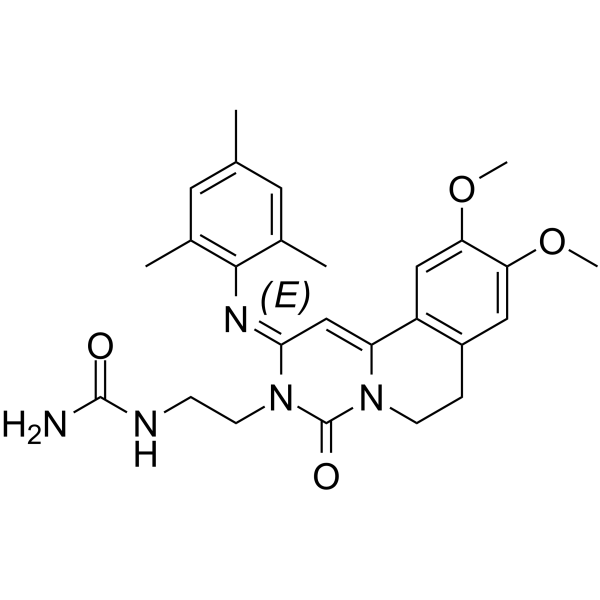
- HY-113695
-
|
|
Angiotensin-converting Enzyme (ACE)
Adrenergic Receptor
|
Cardiovascular Disease
|
|
BW A575C is a dual inhibitor against angiotensin converting enzyme (ACE) and β-adrenoceptor. BW A575C produces a competitive blockade of Isoprenaline (HY-108353)-induced tachycardia in a guinea-pig right atrial. BW A575C also inhibits Angiotensin I (HY-P1032)-induced pressor responses in rats. BW A575C is promising for research of hypertensive diseases .
|
-

- HY-106720A
-
|
YM 09538 hydrochloride
|
Adrenergic Receptor
|
Cardiovascular Disease
|
|
Amosulalol (YM 09538) hydrochloride is an orally active and dual inhibitor of α1/β1-Adrenergic Receptor. Amosulalol hydrochloride exhibits antihypertensive activity via α1-Adrenergic Receptor inhibition. Amosulalol hydrochloride decreases reflexogenic increases in heart rate and plasma renin activity (PRA) via β1-Adrenergic Receptor inhibition in spontaneously hypertensive rats (SHR) .
|
-

- HY-168171
-
|
|
ERK
Caspase
Apoptosis
|
Cancer
|
|
ERK1/2 inhibitor 11 (compound L6) is a dual inhibitor of ERK1/2, lending to DSB accumulation and ERK1/2 expression degradation. ERK1/2 inhibitor 11 lowers the levels of BCL-2, and induces DNA damage by inhibiting PARP and ERK1/2. ERK1/2 inhibitor 11 activates caspase 3 to inducing apoptosis. .
|
-

- HY-176713
-
|
|
PARP
CDK
Wnt
β-catenin
Apoptosis
|
Cancer
|
|
KWZY-11 (Compound 11) is a potent PARP/CDK6 dual inhibitor with IC50 values of 156.8, 197.3, and 13.3 nM for PARP1, PARP2, and CDK6, respectively. KWZY-11 inhibits tumor cell proliferation by regulating the Wnt/β-catenin signaling pathway. KWZY-11 induces excessive DNA damage and apoptosis in MDA-MB-231 breast cancer cells .
|
-

- HY-173298
-
|
|
PDHK
|
Inflammation/Immunology
Cancer
|
|
PDHK1-IN-2 (Compound 24) is an ATP-competitive dual inhibitor of pyruvate dehydrogenase kinases 1/2 (PDHK1/2), with an IC50 of 0.007 μM for PDHK1 and an IC50 of 0.015 μM for PDHK2. PDHK1-IN-2 can regulate immune cell metabolism and correct mitochondrial dysfunction, and is expected to be used in the research of autoimmune diseases, inflammatory diseases, cancers, and other conditions .
|
-

- HY-149578
-
|
|
Microtubule/Tubulin
HDAC
|
Cancer
|
|
Tubulin/HDAC-IN-3 (compound 12a) is a potent tubulin/HDAC dual inhibitor. Tubulin/HDAC-IN-3 effectively disrupts tubulin polymerization (IC50: 5.4 μM). Tubulin/HDAC-IN-3 exhibits potent HDAC1/8 inhibitory activities, with IC50 values of 0.155 and 0.177 μM, respectively. Tubulin/HDAC-IN-3 works through blocking cellular cycle, inducing apoptosis and inhibiting colony formation .
|
-
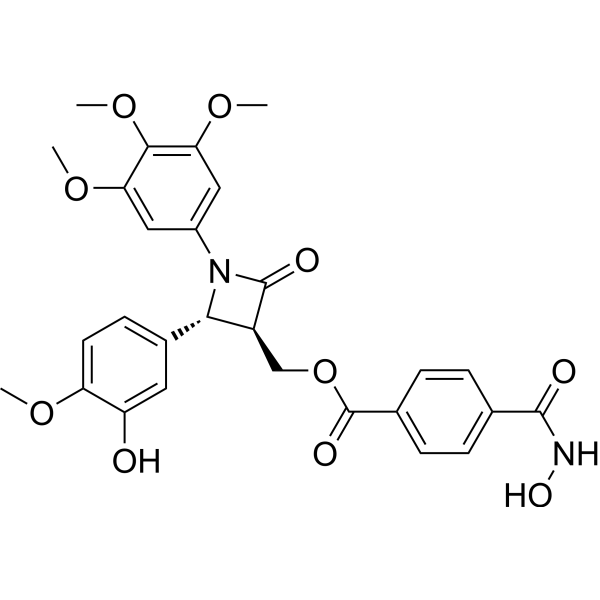
- HY-162169
-
|
|
Amylases
Glycosidase
|
Metabolic Disease
|
|
α-Amylase/α-Glucosidase-IN-8 (Compound 7p) is a potent dual inhibitor of α-amylase and α-glucosidase, with IC50s of 10.19 and 10.33 μM, respectively. α-Amylase/α-Glucosidase-IN-8 has good anti-oxidant activity(IC50 = 14.93 μM). α-Amylase/α-Glucosidase-IN-8 can be used for the research of diabetes .
|
-
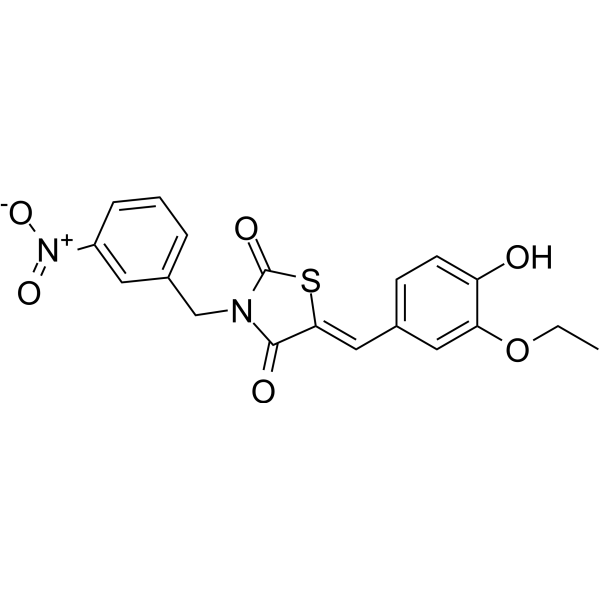
- HY-146789
-
|
|
PI3K
|
Cancer
|
|
PI3Kδ/γ-IN-2 is a potent PI3Kδ and PI3Kγ dual inhibitor with IC50s of 1 nM and 4.3 nM, respectively. PI3Kδ/γ-IN-2 has favorable oral bioavailability. PI3Kδ/γ-IN-2 has potential for battling B-cell malignancies .
|
-
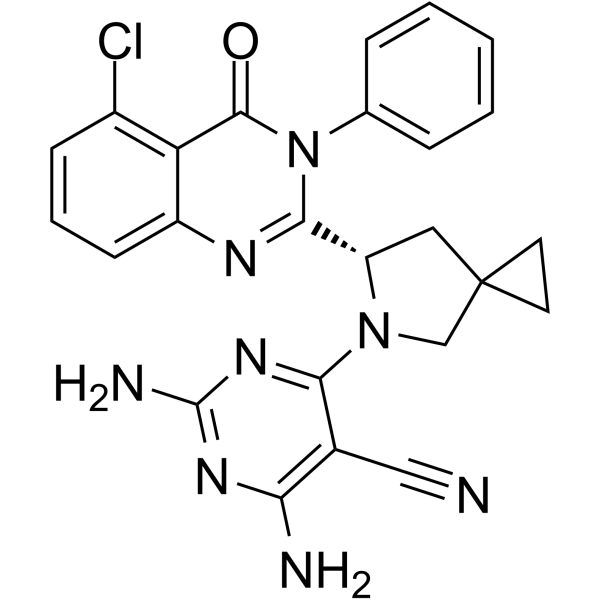
- HY-175479
-
|
|
Salt-inducible Kinase (SIK)
TNF Receptor
Interleukin Related
|
Inflammation/Immunology
|
|
GLPG4970 is a potent, selective and orally active salt-inducible kinase 2/3 (SIK2/SIK3) dual inhibitor with IC50 values of 0.3 nM and 0.7 nM. GLPG4970 has weak inhibition of hERG channel with an IC50 of 29 μM. GLPG4970 can decrease TNFα release and increase IL-10 release GLPG4970 can be used for the researches of inflammation and immunology, such as colitis .
|
-

- HY-149275
-
|
|
Pyruvate Kinase
PDK-1
Akt
EGFR
Apoptosis
|
Cancer
|
|
PKM2/PDK1-IN-1, one of shikonin thioether derivatives, is a dual inhibitor of PKM2/PDK1. PKM2/PDK1-IN-1 inhibits the proliferation of NSCLC cells, and induces apoptosis. PKM2/PDK1-IN-1 induces intercellular ROS production, and regulates the apoptotic proteins, to involves in mitochondrial and death receptor pathway .
|
-
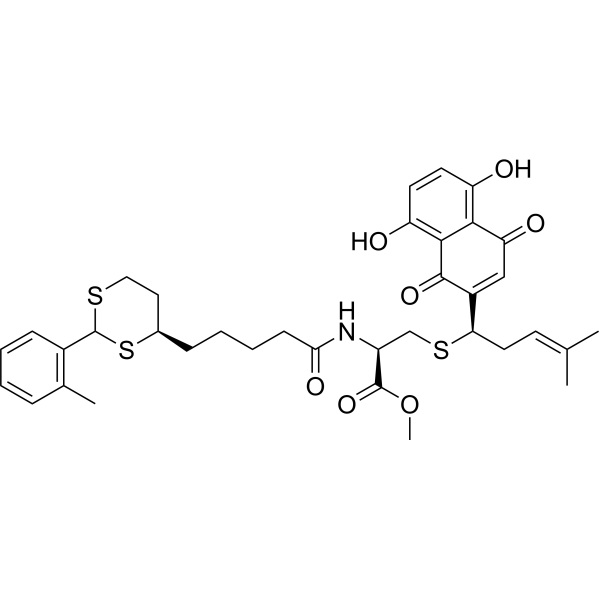
- HY-119708A
-
|
RPL-554 tosylate
|
Phosphodiesterase (PDE)
|
Inflammation/Immunology
|
|
Ensifentrine (RPL-554) tosylate is an inhaled dual inhibitor of PDE3 and PDE4 with IC50s of 0.4 nM and 1479 nM, respectively. Ensifentrine tosylate blocks PDE3 and PDE4 enzymes, thereby increasing the levels of cyclic adenosine monophosphate (cAMP) and cyclic guanosine monophosphate (cGMP) in lung cells, dilating the bronchi, and inhibiting the activation and migration of inflammatory cells. Ensifentrine tosylate can be used in the research of chronic obstructive pulmonary disease (COPD) .
|
-

- HY-174414
-
|
|
EGFR
|
Cancer
|
EGFR/HER2-IN-18 is a stable EGFR/HER2 dual inhibitor with IC50 values of 0.09 (EGFR) and 0.08 μM (HER2) respectively. EGFR/HER2-IN-18 exhibits broad-spectrum anti-cancer activity. EGFR/HER2-IN-18 induces MCF-7 cells apoptosis and inhibits the cell cycle. EGFR/HER2-IN-18 can be used for the study of breast cancer .
|
-

- HY-100006
-
|
|
ULK
Reactive Oxygen Species (ROS)
Apoptosis
GSK-3
Bcl-2 Family
|
Cancer
|
|
MRT68921 is a potent NUAK1/ULK1 dual inhibitor. MRT68921 inhibits ULK1 and ULK2 with IC50 values of 2.9 nM and 1.1 nM, respectively. MRT68921 can block cells autophagy and kill tumor cells by breaking the balance of oxidative stress signals. MRT68921 can inhibit cell proliferation and induce ROS production and apoptosis. MRT68921 can be used for the research of cancer, such as breast cancer .
|
-
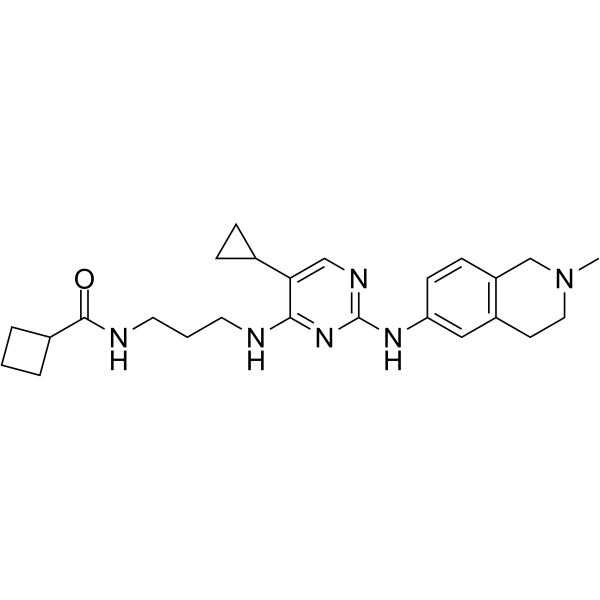
- HY-156115
-
|
|
EGFR
CDK
|
Cancer
|
|
EGFR/CDK2-IN-3 (compound 4b) is a dual inhibitor of EGFR and CDK-2 with IC50s of 71.7 and 113.7 nM, respectively. EGFR/CDK2-IN-3 induces apoptosis in MCF-7 cells and arrests the cell cycle in the S phase. EGFR/CDK2-IN-3 has significant anti-cancer cell toxicity and inhibits MCF-7 with an IC50 of 3.16 μM .
|
-
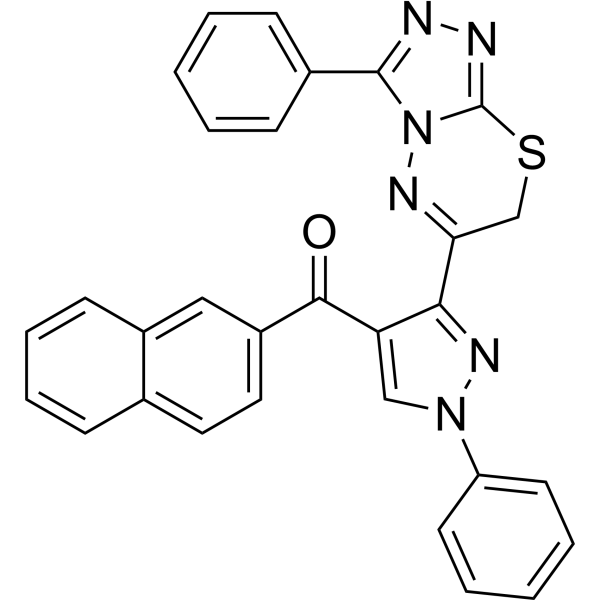
- HY-156114
-
|
|
EGFR
CDK
|
Cancer
|
|
EGFR/CDK2-IN-2 (compound 6a) is a dual inhibitor of EGFR and CDK-2 with IC50s of 19.6 and 87.9 nM, respectively. EGFR/CDK2-IN-2 induces apoptosis in MCF-7 cells and arrests the cell cycle in the S phase. EGFR/CDK2-IN-2 has significant anti-cancer cell toxicity and inhibits MCF-7 with an IC50 of 0.39 μM .
|
-
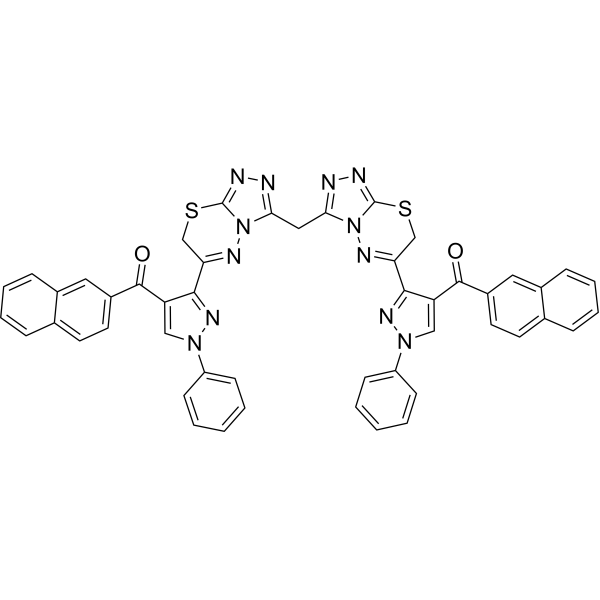
- HY-175513
-
|
|
HDAC
Apoptosis
|
Cancer
|
|
ZWZH-21 is a selective and orally active HDAC1/2 dual inhibitor with IC50 values of 34 nM for HDAC1 and 41 nM for HDAC2. ZWZH-21 can inhibit HCT116 and SW480 cells growth with IC50 values of 0.524 μM and 1.063 μM, respectively. ZWZH-21 can inhibit proliferation and migration and induces apoptosis in multiple colorectal cancer cells. ZWZH-21 can be used for the research of cancer, such as colorectal cancer .
|
-

- HY-161996
-
|
|
Indoleamine 2,3-Dioxygenase (IDO)
|
Inflammation/Immunology
|
IDO1-IN-25 is a dual inhibitor of IDO1/TDO2, with IC50 values of 0.17 μM and 3.2 μM, respectively. IDO1-IN-25 can effectively inhibit the production of NO in RAW264.7 cells stimulated by lipopolysaccharide (LPS). IDO1-IN-25 can exert anti-inflammatory effects in a mouse ear edema acute inflammation model induced by croton oil .
|
-

- HY-181056
-
|
|
EGFR
COX
|
Neurological Disease
Cancer
|
|
EGFR/COX-2-IN-3 is a selective EGFR/COX-2 dual inhibitor with IC50 values of 0.098 μM and 0.05 μM, respectively. EGFR/COX-2-IN-3 is predicted to have oral activity and blood-brain barrier permeability. EGFR/COX-2-IN-3 exhibits both potent analgesic activity and anti-glioblastoma effects. EGFR/COX-2-IN-3 can be used in the research of tumors such as glioblastoma .
|
-

- HY-173520
-
|
|
EGFR
HDAC
|
Cancer
|
|
EGFR/HDAC-IN-1 (Compound 22c2) is a potent dual inhibitor of epidermal growth factor receptor (EGFR) and histone deacetylase (HDAC) with IC50 values of 4.81 nM, 119.4 nM and 354.8 nM for EGFR, HDAC1 and HDAC3, respectively. EGFR/HDAC-IN-1 blocks the EGFR signaling pathway and affects the histone acetylation status, thereby inhibiting tumor cell proliferation. EGFR/HDAC-IN-1 is promising for research of non-small cell lung cancer (NSCLC) .
|
-

- HY-10399A
-
|
TV-3326 hydrochloride
|
Monoamine Oxidase
Cholinesterase (ChE)
|
Neurological Disease
|
|
Ladostigil (TV-3326) hydrochloride is an orally active dual inhibitor of cholinesterase and brain-selective monoamine oxidase (MAO), with IC50s of 37.1 and 31.8 μM for MAO-B and AChE, respectively. Ladostigil hydrochloride exhibits neuroprotective, antioxidant and anti-inflammatory activities. Ladostigil can be used for the research of depression and Alzheimer's disease . Ladostigil (hydrochloride) is a click chemistry reagent, it contains an Alkyne group and can undergo copper-catalyzed azide-alkyne cycloaddition (CuAAc) with molecules containing Azide groups.
|
-
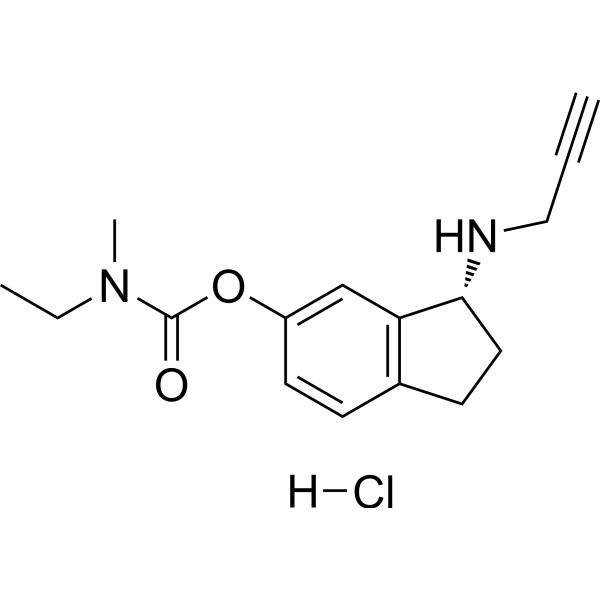
- HY-106720C
-
|
(+)-YM 09538
|
Adrenergic Receptor
|
Others
|
|
(+)-Amosulalol ((+)-YM 09538) is an isomer of Amosulalol (HY-106720), an orally active dual inhibitor of α1/β1-adrenergic receptors. Amosulalol exhibits antihypertensive activity by inhibiting α1-adrenergic receptors. Amosulalol reduces the reflex increase in heart rate and plasma renin activity (PRA) in spontaneously hypertensive rats (SHR) by inhibiting β1-adrenergic receptors.
|
-

- HY-111164
-
|
|
p38 MAPK
Phosphodiesterase (PDE)
|
Inflammation/Immunology
|
|
CBS-3595 is a dual inhibitor of p38 MAP kinase and phosphodiesterase 4 with anti-inflammatory and anti-allodynic activities. CBS-3595 reduces the production of the proinflammatory cytokine IL-6 and increases the levels of the anti-inflammatory cytokine IL-10 in rats. CBS-3595 reduces paw oedema formation in the Complete Freund’s adjuvant (CFA) (HY-153808)-induced arthritis rat model. CBS-3595 is promising for research of autoimmune diseases .
|
-

- HY-155195
-
|
|
FLT3
|
Cancer
|
|
FLT3/CHK-IN-1 (Compound 18) is a dual inhibitor of FLT3/CHK1. FLT3/CHK-IN-1 is more than 1700 times more selective to c-KI T and greatly reduces hERG affinity with an IC50 value of 58.4 μM. FLT3/CHK-IN-1 inhibits tumor growth in mouse xenotransplantation models inoculated with MV-4-11 cells .
|
-
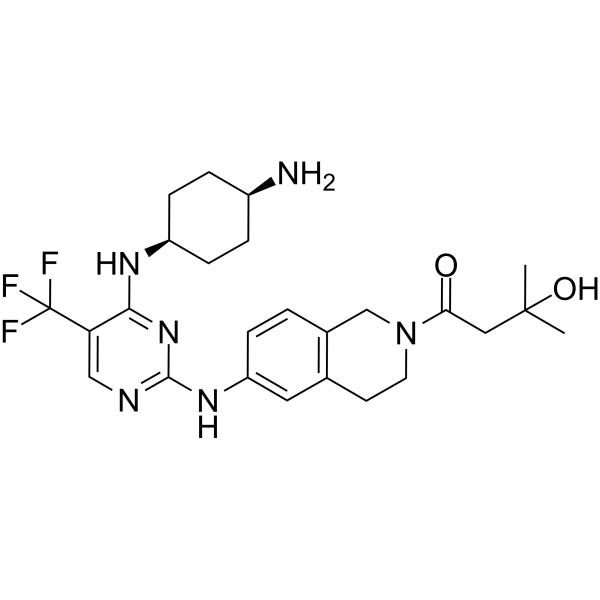
- HY-179516
-
|
|
Akt
Microtubule/Tubulin
Apoptosis
|
Cancer
|
|
AKT1-IN-11, a Podophyllotoxin (HY-15552) derivative, is a AKT1/tubulin dual inhibitor. AKT1-IN-11 down-regulates the phosphorylation level of AKT kinase in tumor cells, disrupting cell proliferation, causeing G2/M phase arrest and inducing apoptosis. AKT1-IN-11 also promotes tubulin depolymerization. AKT1-IN-11 can be used for the research of colorectal cancer .
|
-

- HY-100360R
-
|
|
Histone Methyltransferase
Reference Standards
|
Cancer
|
|
MS049 (Standard) is the analytical standard of MS049 (HY-100360). This product is intended for research and analytical applications. MS049, a chemical probe, is a potent, selective, and cell-active dual inhibitor of PRMT4 and PRMT6 with IC50s of 34 nM and 43 nM, respectively. MS049 reduces levels of Med12me2a and H3R2me2a in HEK293 cells. MS049 is not toxic and does not affect the growth of HEK293 cells .
|
-

- HY-100006B
-
|
|
ULK
Reactive Oxygen Species (ROS)
Apoptosis
GSK-3
Bcl-2 Family
|
Cancer
|
|
MRT68921 hydrochloride is a potent NUAK1/ULK1 dual inhibitor. MRT68921 hydrochloride inhibits ULK1 and ULK2 with IC50 values of 2.9 nM and 1.1 nM, respectively. MRT68921 hydrochloride can block cells autophagy and kill tumor cells by breaking the balance of oxidative stress signals. MRT68921 hydrochloride can inhibit cell proliferation and induce ROS production and apoptosis. MRT68921 hydrochloride can be used for the research of cancer, such as breast cancer .
|
-
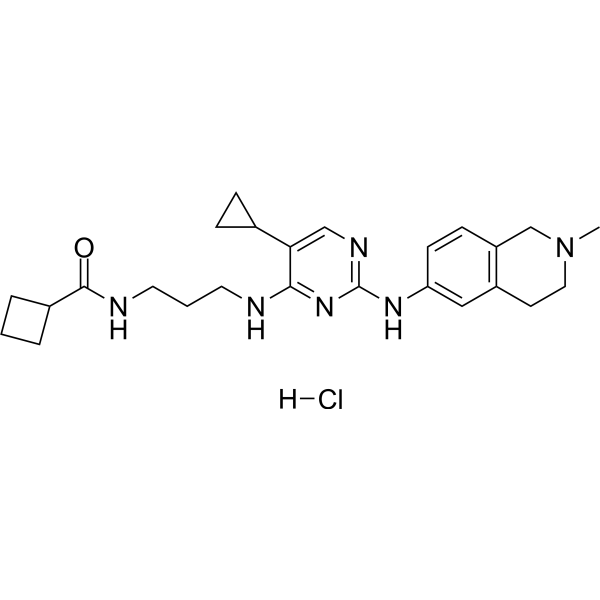
- HY-103160B
-
|
|
Adenosine Deaminase
Phosphodiesterase (PDE)
Influenza Virus
|
Infection
Cardiovascular Disease
Neurological Disease
Cancer
|
|
EHNA is a potent and selective dual inhibitor of cyclic nucleotide phosphodiesterase 2 (PDE2)(IC50=4 μM) and adenosine deaminase (ADA). EHNA exerts a concentration inhibition of the cGMP-stimulated PDE II (cGs-PDE)(IC50:0.8 μM (human), 2 μM (porcine myocardium)), but has smaller inhibitory effect on the unstimulated PDE2 activity. EHNA play roles in mediating diverse pharmacological responses, including antiviral, antitumour and antiarrhythmic effects .
|
-

- HY-144654
-
|
|
HDAC
Topoisomerase
|
Cancer
|
|
HDAC/Top-IN-1 is an orally active and pan HDAC/Top dual inhibitor with IC50s of 0.036 μM, 0.14 μM, 0.059 μM, 0.089 μM and 9.8 μM for HDAC1, HDAC2, HDAC3, HDAC6 and HDAC8. HDAC/Top-IN-1 efficiently induces apoptosis with S cell-cycle arrest in HEL cells. HDAC/Top-IN-1 has exhibits excellent in vivo antitumor efficacy .
|
-
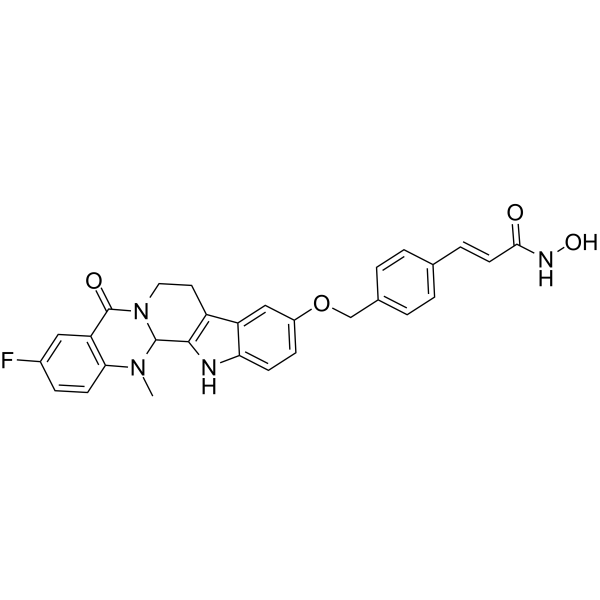
- HY-143497
-
|
|
HDAC
CDK
Apoptosis
|
Cancer
|
|
HDAC1/2 and CDK2-IN-1 (compound 14d) is a potent HDAC1, HDAC2 and CDK2 dual inhibitor, with IC50 values of 70.7, 23.1 and 0.80 μM, respectively. HDAC1/2 and CDK2-IN-1 can block the cell cycle and induce apoptosis. HDAC1/2 and CDK2-IN-1 exhibits desirable in vivo antitumor activity .
|
-
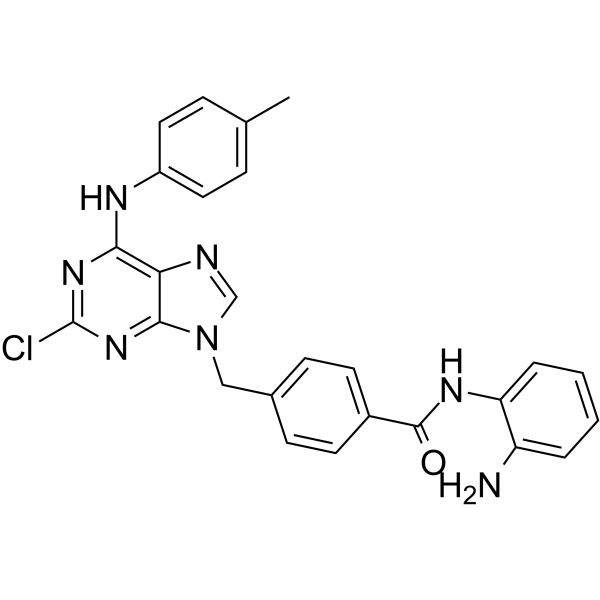
- HY-153200
-
|
|
MDM-2/p53
|
Cancer
|
|
MDM2/XIAP-IN-2 is a dual inhibitor of murine double minute 2 (MDM2) and X-linked inhibitor of apoptosis protein (XIAP). MDM2/XIAP-IN-2 degrades MDM2, and inhibits XIAP mRNA translation to inhibits cancer cells. Particularly, MDM2/XIAP-IN-2 inhibits acute lymphoblastic leukemia cell line EU-1 with an IC50 value of 0.3 μM .
|
-
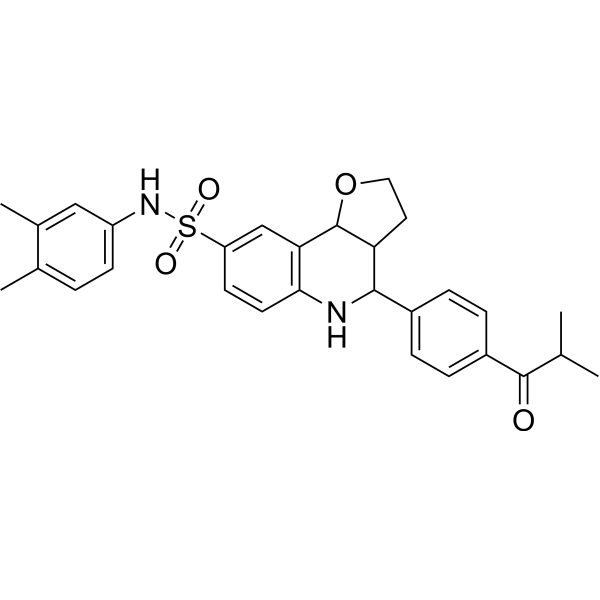
- HY-146200
-
|
|
PI3K
mTOR
|
Cancer
|
|
PI3K/mTOR Inhibitor-8 (Compound 18b) is a PI3K and mTOR dual inhibitor with IC50 values of 0.46 nM and 12 nM against PI3Kα and mTOR, respectively. PI3K/mTOR Inhibitor-8 induces HCT-116 cells apoptosis and arrests cell cycle at the G1/S phase .
|
-
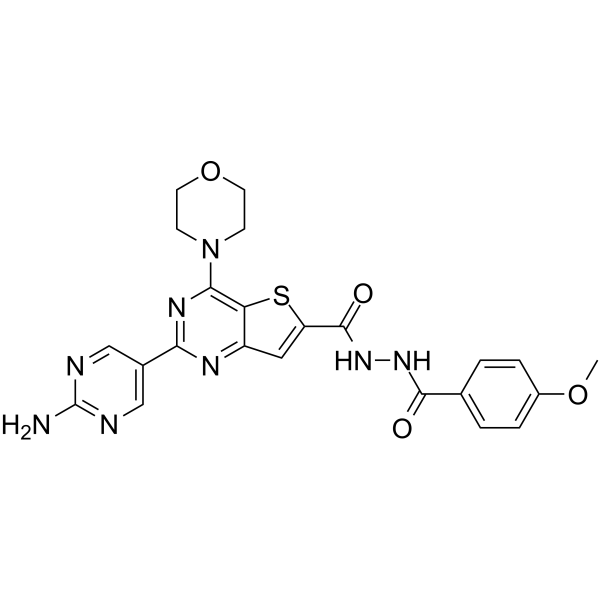
- HY-162645
-
|
|
TAM Receptor
|
Inflammation/Immunology
Cancer
|
|
BPR5K230 is a dual inhibitor for the receptor tyrosine kinase MER and AXL, with IC50 of 4.1 nM and 9.2 nM. BPR5K230 inhibits the proliferation of Ba/F3-MER with IC50 of 5 nM. BPR5K230 exhibits good pharmacokinetic characteristics in mice, exhibits anti-inflammatory and antitumor against 4T1, MDA-MB-231, MC38 and Hepa1?6 in mouse models .
|
-

- HY-N11997
-
|
|
Cholinesterase (ChE)
|
Neurological Disease
|
|
Feralolide is a dihydroisocoumarin isolated from the methanolic extract of aloe vera resin. Feralolide is also a dual inhibitor of AChE and BuChE, with IC50s of 55 μg/mL and 52 μg/mL respectively. Feralolide has antioxidant activity and inhibits 2,2-diphenyl-1-picrylhydrazyl (DPPH) and 2, 2′-azinobis-3-ethylbenzothiazoline-6-sulfonic acid (ABTS). Feralolide could be used in research into cognitive disorders such as Alzheimer's disease, potentially restoring and enhancing memory .
|
-
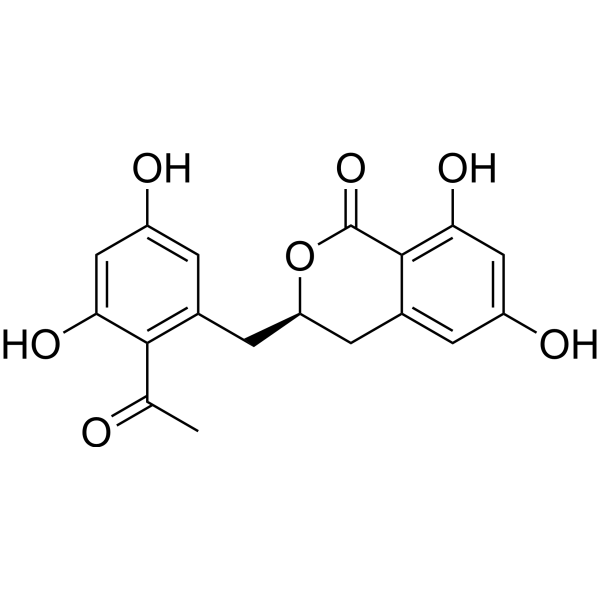
- HY-144694
-
|
|
HSP
HDAC
Fungal
|
Infection
|
|
HDAC/HSP90-IN-3 (compound J5) is a potent and selective fungal Hsp90 and HDAC dual inhibitor, with IC50 values of 0.83 and 0.91 μM, respectively. HDAC/HSP90-IN-3 shows antifungal activity against azole resistant C. albicans. HDAC/HSP90-IN-3 can suppress important virulence factors and down-regulate drug-resistant genes ERG11 and CDR1 .
|
-
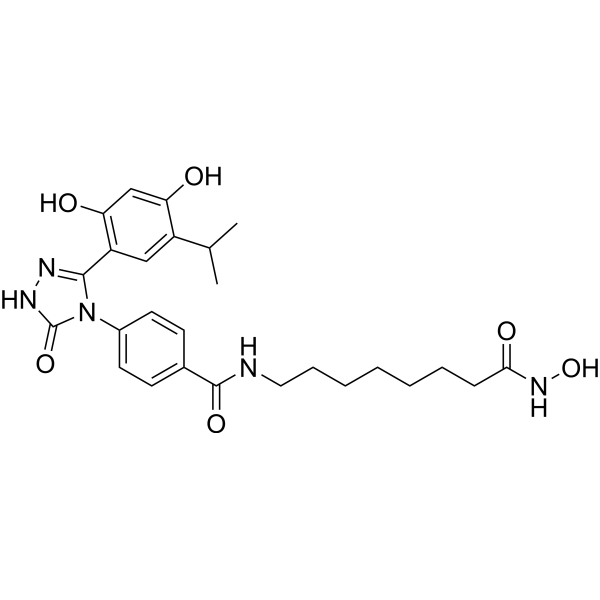
- HY-161372
-
|
|
PARP
c-Met/HGFR
Apoptosis
|
Cancer
|
|
PARP1/c-Met-IN-1 (Compound 16) is a selective dual inhibitor for PARP1 and c-Met, with IC50s of 3.3 and 32.2 nM, respectively. PARP1/c-Met-IN-1 induces cell apoptosis and cell cycle arrest in G2/M phase in MDA-MB-231 cells. PARP1/c-Met-IN-1 exhibits antitumor activity in mice .
|
-
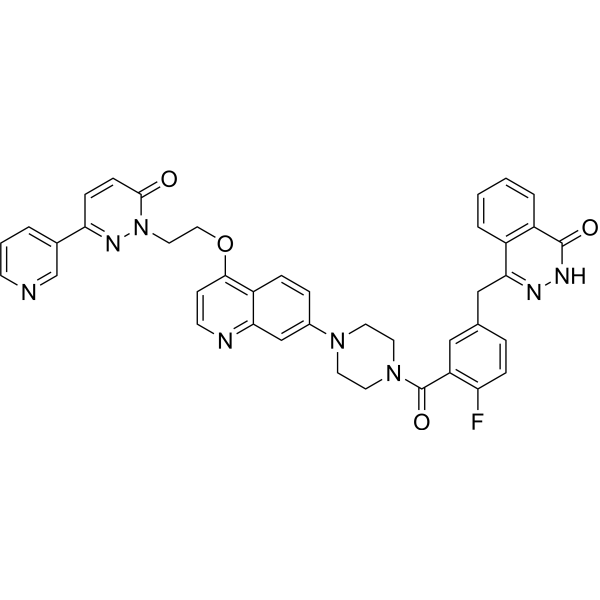
- HY-161628
-
|
|
Topoisomerase
|
Cancer
|
|
Tapcin is a dual inhibitor for topoisomerase I and topoisomerase II, with IC50 of 203 and 71 nM. Tapcin inhibits proliferations of cancer cells A-375, HeLa, Huh7.5, U2-OS, A549, Caco-2 and HT29, with IC50s of 441, 1.04, 40.5, 0.002, 0.006, 0.287 and 0.842 nM, respectively. Tapcin exhibits antitumor activity in HT29 xenograft model .
|
-

- HY-151108
-
|
|
Indoleamine 2,3-Dioxygenase (IDO)
|
Neurological Disease
Inflammation/Immunology
|
|
IDO1/TDO-IN-4 is a potent IDO1/TDO dual inhibitor, with IC50 values of 3.53 μM (IDO1) and 1.15 μM (TDO). IDO1/TDO-IN-4 forms hydrogen bond with IDO1, and π−π stacking interaction with TDO. IDO1/TDO-IN-4 can be used in the research of depression, and depression-induced infectious, metabolic, and autoimmune disorders .
|
-
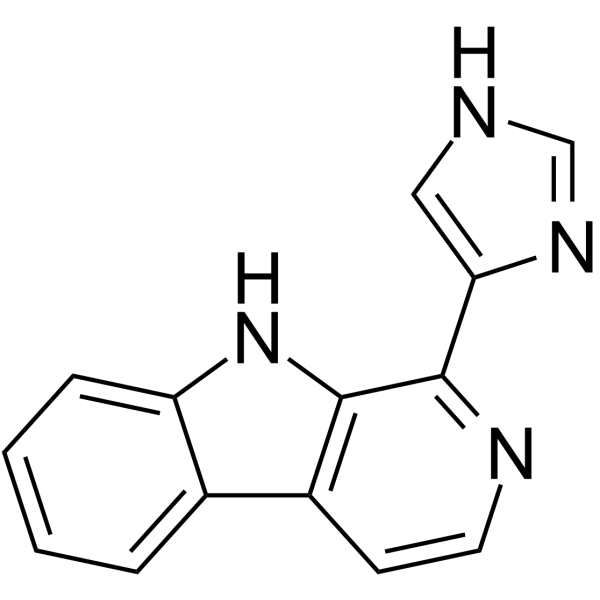
- HY-103160A
-
|
|
Adenosine Deaminase
Phosphodiesterase (PDE)
Influenza Virus
|
Infection
Cardiovascular Disease
Neurological Disease
Cancer
|
|
EHNA hydrochloride is a potent and selective dual inhibitor of cyclic nucleotide phosphodiesterase 2 (PDE2)(IC50=4 μM) and adenosine deaminase (ADA). EHNA hydrochloride exerts a concentration inhibition of the cGMP-stimulated PDE II (cGs-PDE)(IC50:0.8 μM (human), 2 μM (porcine myocardium)), but has smaller inhibitory effect on the unstimulated PDE2 activity. EHNA hydrochloride play roles in mediating diverse pharmacological responses, including antiviral, antitumour and antiarrhythmic effects .
|
-
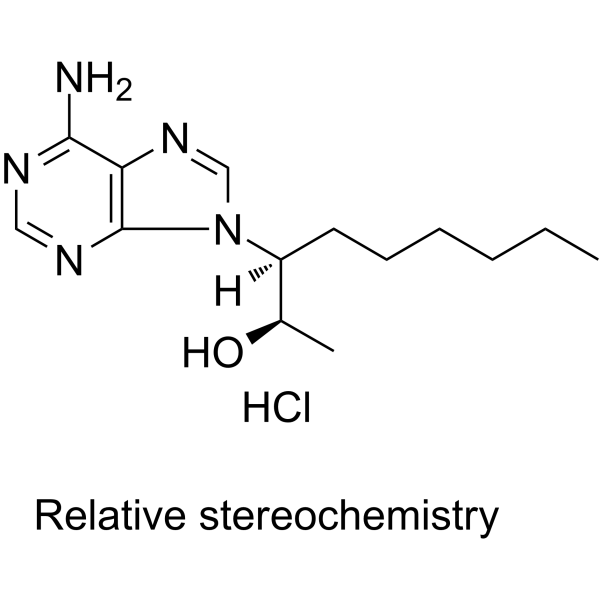
- HY-101093R
-
|
|
PD-1/PD-L1
Reference Standards
|
Inflammation/Immunology
Cancer
|
|
CA-170 (Standard) is the analytical standard of CA-170 (HY-101093). This product is intended for research and analytical applications. CA-170 is an orally delivered dual inhibitor of VISTA and PD-L1. CA-170 exhibits potent rescue of proliferation and effector functions of T cells inhibited by PD-L1/L2 and VISTA with selectivity over other immune checkpoint proteins as well as a broad panel of receptors and enzymes .
|
-

- HY-145851
-
|
|
HDAC
Topoisomerase
Apoptosis
|
Cancer
|
|
Top/HDAC-IN-1 (Compound 29b) is a topoisomerase/HDAC dual inhibitor with IC50s of 18, 230, 790, 87, and 5250 nM for HDAC1, HDAC2, HDAC3, HDAC6, and HDAC8, respectively. Top/HDAC-IN-1 exhibits potent antitumor activities against the HCT116 cell line with the IC50 of 180 nM. Top/HDAC-IN-1 efficiently induces apoptosis with G2 cell cycle arrest in HCT116 cells .
|
-
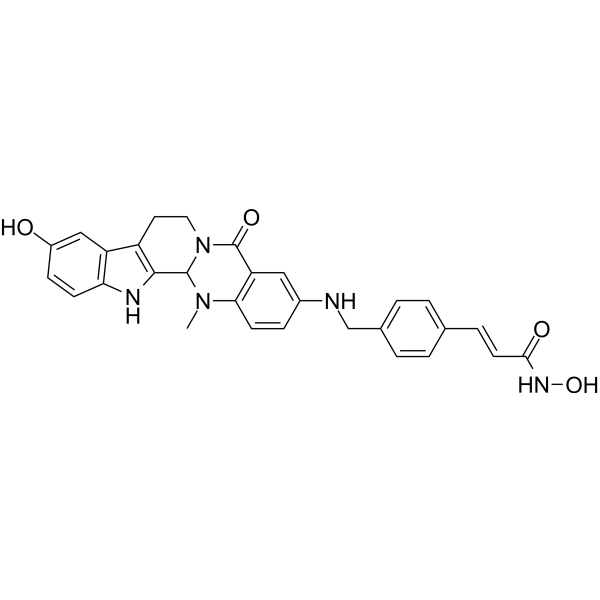
- HY-162828
-
|
|
STAT
HDAC
|
Cancer
|
|
STAT3/HDAC-IN-2 (compound 18) is a dual inhibitor of STAT3 and HDAC, inducing autophagy and apoptosis. STAT3/HDAC-IN-2 is an amphiphilic hydroxamic acid hybrid based on the natural product isopropanol lactone (IAL) and is a nanoscale anticancer agent. STAT3/HDAC-IN-2 can self-assemble in water to form nanoparticles, which have higher tumor tissue accumulation, cellular uptake and anticancer properties compared to the free state .
|
-

- HY-106720B
-
|
(-)-YM 09538
|
Adrenergic Receptor
|
Others
|
|
(-)-Amosulalol ((-)-YM 09538) is an isomer of Amosulalol (HY-106720), an orally active dual inhibitor of α1/β1-adrenergic receptors. Amosulalol exhibits antihypertensive activity by inhibiting α1-adrenergic receptors. Amosulalol reduces the reflex increase in heart rate and plasma renin activity (PRA) in spontaneously hypertensive rats (SHR) by inhibiting β1-adrenergic receptors.
|
-

- HY-100006A
-
|
|
ULK
Reactive Oxygen Species (ROS)
Apoptosis
GSK-3
Bcl-2 Family
|
Cancer
|
|
MRT68921 dihydrochloride is a potent NUAK1/ULK1 dual inhibitor. MRT68921 dihydrochloride inhibits ULK1 and ULK2 with IC50 values of 2.9 nM and 1.1 nM, respectively. MRT68921 dihydrochloride can block cells autophagy and kill tumor cells by breaking the balance of oxidative stress signals. MRT68921 dihydrochloride can inhibit cell proliferation and induce ROS production and apoptosis. MRT68921 dihydrochloride can be used for the research of cancer, such as breast cancer .
|
-
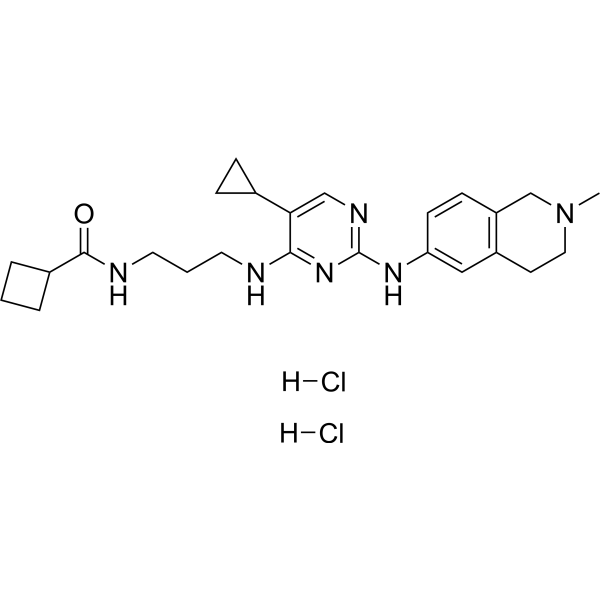
- HY-162719
-
|
|
DNA/RNA Synthesis
SARS-CoV
|
Infection
|
|
RH12 is a dual inhibitor for SARS-CoV-2 related RNA-dependent RNA polymerase (RdRp, IC50 is 4.42 nM) and human transmembrane serine protease 2 (TMPRSS2, IC50 is 4.2 nM). RH12 exhibits antiviral efficacy. RH12 inhibits viral replication and absorption, and exhibits a 90.5% virucidal effects on Vero-E6 cells. RH12 inhibits cell viability of Calu-3 with an IC50 of 17.5 nM .
|
-

- HY-168088
-
|
|
HDAC
DNA Methyltransferase
|
Cancer
|
|
DNMT1/HDAC-IN-1 (compound (R)-23a) is a DNMT1/HDAC dual inhibitor (HDAC1:IC50=0.05 μM), HDAC1 is a major HDAC isoform that interacts with DNMT1 in multiple protein complexes for transcriptional silencing of TSGs. DNMT1/HDAC-IN-1 can reshape the tumor immune microenvironment and induce tumor regression, and effectively reverse cancer-specific epigenetic abnormalities .
|
-

- HY-175524
-
|
|
Monoamine Oxidase
Cholinesterase (ChE)
|
Neurological Disease
|
|
BChE/MAO-B-IN-2 is a dual inhibitor of BChE (IC50 = 0.05 μM, Ki = 0.01 μM) and MAO-B (IC50 = 0.45 μM, Ki = 0.08 μM) with good blood-brain barrier permeability. BChE/MAO-B-IN-2 exhibits antioxidant activity, including DPPH radical scavenging, CUPRAC copper ion reduction, and superoxide anion scavenging. BChE/MAO-B-IN-2 can be used for the study of Alzheimer's disease (AD) .
|
-

- HY-183798
-
|
|
Cholinesterase (ChE)
Monoamine Oxidase
Interleukin Related
|
Neurological Disease
|
|
BChE/MAO-B-IN-6 is a dual inhibitor with inhibitory activity against both butyrylcholinesterase (BChE) and monoamine oxidase B (MAO B), with an IC50 of 557 nM against BChE and an IC50 of 142 nM against MAO B. BChE/MAO-B-IN-6 reduces IL-6 release from stimulated microglia and antagonizes 6-hydroxydopamine (HY-B1081) toxicity in neuroblastoma cells. BChE/MAO-B-IN-6 can be used in the research of neurodegenerative diseases .
|
-

- HY-178462
-
|
|
HSP
DNA/RNA Synthesis
|
Cancer
|
|
Hsp70/FoxM1-IN-1 (Compound 7d) is a potent heat shock protein 70 (Hsp70) and Forkhead box M1 (FoxM1) dual inhibitor. Hsp70/FoxM1-IN-1 demonstrates significant antiproliferative and pro-apoptotic effects in multiple solid tumor models (e.g., breast, colorectal cancer), particularly for tumors co-overexpressing Hsp70/FoxM1 .
|
-

- HY-10399
-
|
TV-3326
|
Monoamine Oxidase
Cholinesterase (ChE)
|
Neurological Disease
|
|
Ladostigil (TV-3326) is an orally active dual inhibitor of cholinesterase and brain-selective monoamine oxidase (MAO), with IC50s of 37.1 and 31.8 μM for MAO-B and AChE, respectively. Ladostigil exhibits neuroprotective, antioxidant and anti-inflammatory activities. Ladostigil can be used for the research of depression and Alzheimer's disease . Ladostigil is a click chemistry reagent, it contains an Alkyne group and can undergo copper-catalyzed azide-alkyne cycloaddition (CuAAc) with molecules containing Azide groups.
|
-
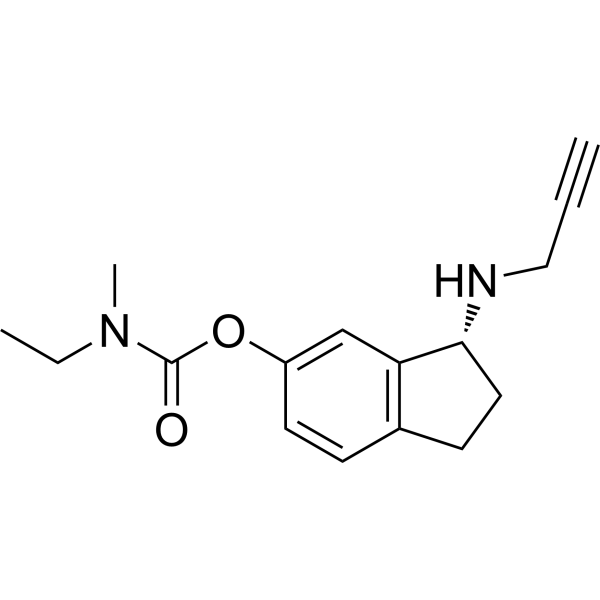
- HY-162649
-
|
|
Toll-like Receptor (TLR)
NF-κB
p38 MAPK
|
Inflammation/Immunology
|
|
TIC10g is a dual inhibitor for toll-like receptor 7 and 9 (TLR7 and TLR9), which inhibits TLR7 and TLR9 mediated TNF-α release in mouse macrophages (IC50 is 14.5 μM and 6.5 μM) and human B lymphocytes (IC50 is 7.69 μM and 11.5 μM). TIC10g inhibits the activation of NF-κB and MAPK, and exhibits anti-inflammatory activity against systemic lupus erythematosus and rheumatoid arthritis .
|
-

- HY-149630
-
|
|
VEGFR
HDAC
Apoptosis
|
Cancer
|
|
VEGFR2/HDAC1-IN-1 (compound 13) is a potent VEGFR-2/HDAC dual inhibitor, with IC50s of 57.83 nM and 9.82 nM, respectively. VEGFR2/HDAC1-IN-1 arrests the cell cycle at the S and G2 phases, and induces apoptosis in HeLa cells. VEGFR2/HDAC1-IN-1 exhibits anti-angiogenic effect .
|
-
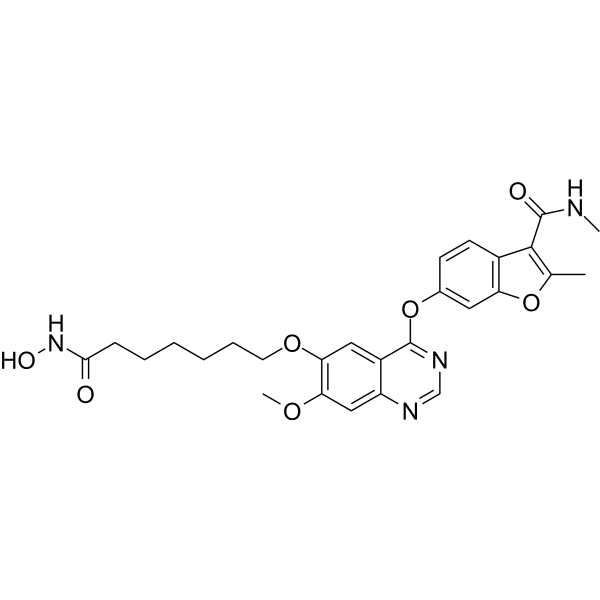
- HY-151901
-
|
|
SARS-CoV
|
Infection
|
|
SARS-CoV-2 Mpro-IN-5 is a dual Inhibitor of Main Protease (M Pro) and Cathepsin L (CatL), with IC50s of 1800 nM and 145 nM respectively. SARS-CoV-2 Mpro-IN-5 has antiviral activity against SARS-CoV2. SARS-CoV-2 Mpro-IN-5 blocks SARS-CoV2 replication in hACE2 expressing A549 cells with IC50 value of 14.7 nM .
|
-
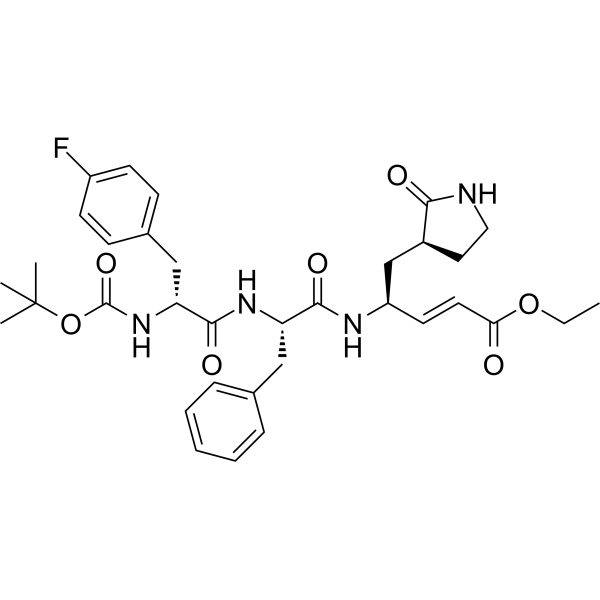
- HY-155227A
-
|
|
Anaplastic lymphoma kinase (ALK)
|
Cancer
|
|
ALK/EGFR-IN-2 is a potent dual inhibitor of ALK and EGFR. ALK/EGFR-IN-2 induces apoptosis and G0/G1 cell cycle arrest in cancer cells. ALK/EGFR-IN-2 significantly inhibits the cell proliferation of H1975, PC9, and Baf3-EML4-ALK cancer cell lines with IC50s of 0.0034, 0.0065, and 0.0018 μM, respectively .
|
-
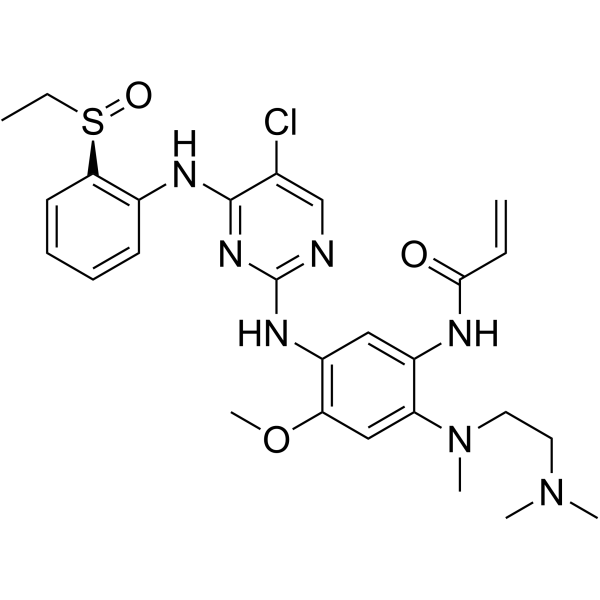
- HY-151900
-
|
|
SARS-CoV
Virus Protease
|
Infection
|
|
SARS-CoV-2 Mpro-IN-4 is a dual Inhibitor of Main Protease (M Pro) and Cathepsin L (CatL), with IC50s of 900 nM and 60 nM respectively. SARS-CoV-2 Mpro-IN-4 has antiviral activity against SARS-CoV2. SARS-CoV-2 Mpro-IN-4 blocks SARS-CoV2 replication in hACE2 expressing A549 cells with IC50 value of 8.2 nM .
|
-
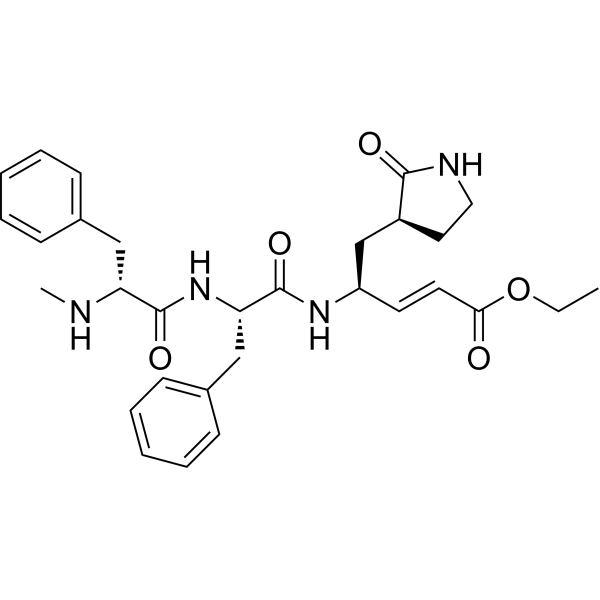
- HY-156116
-
|
|
EGFR
CDK
|
Cancer
|
|
EGFR/CDK2-IN-4 (compound 4c) is a dual inhibitor of EGFR and CDK-2 with IC50s of 89.6 and 165.4 nM, respectively. EGFR/CDK2-IN-4 induces apoptosis in MCF-7 cells and arrests the cell cycle in the S phase. EGFR/CDK2-IN-4 has significant anti-cancer cell toxicity and inhibits MCF-7 with an IC50 of 2.74 μM .
|
-
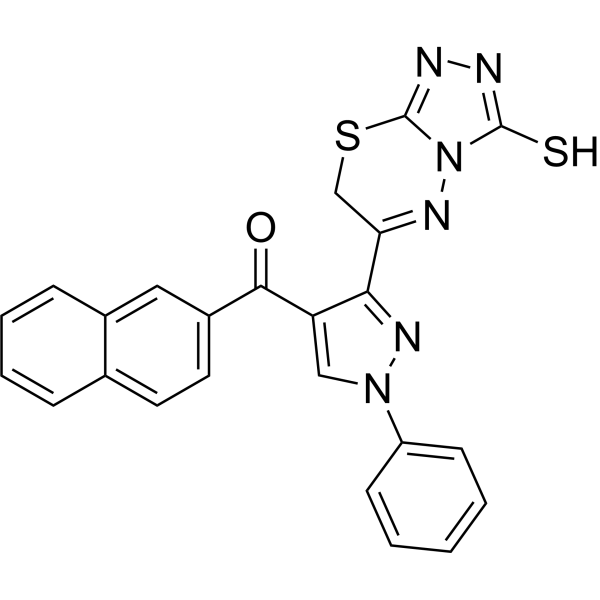
- HY-10424R
-
|
PHA-848125 (Standard)
|
Reference Standards
CDK
Autophagy
|
Cancer
|
|
Milciclib (Standard) is the analytical standard of Milciclib. This product is intended for research and analytical applications. Milciclib (PHA-848125) is a potent, ATP-competitive and dual inhibitor of CDK and Tropomyosin receptor kinase (TRK), with IC50s of 45, 150, 160, 363, 398 nM and 53 nM for cyclin A/CDK2, cyclin H/CDK7, cyclin D1/CDK4, cyclin E/CDK2, cyclin B/CDK1 and TRKA, respectively.
|
-

- HY-155728
-
|
|
Sirtuin
Apoptosis
|
Cancer
|
|
Sirt1/2-IN-3 (compound PS9) is a dual inhibitor of SIRT1/2 with IC50s of 1.4 μM (SIRT1) and 2.0 μM (SIRT2), respsectivley. Sirt1/2-IN-3 completely blocks p53 deacetylation, and increase of p53 and α-tubulin acetylation. Sirt1/2-IN-3 induces apoptosis and shows anti-proliferation activity against human leukemia cell lines .
|
-
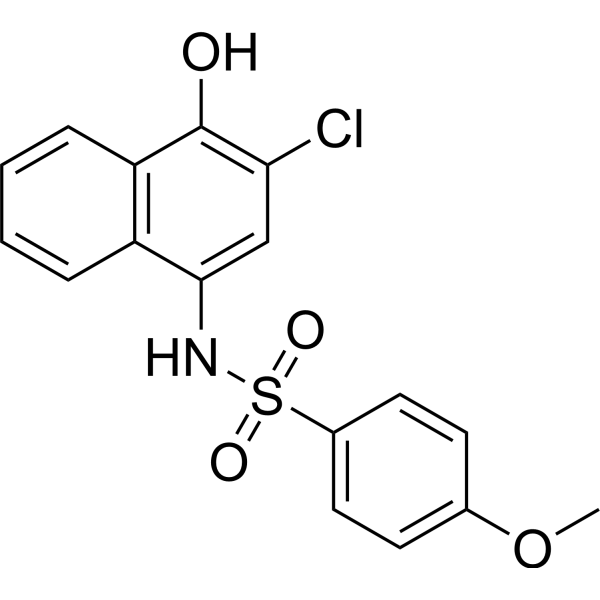
- HY-155727
-
|
|
Sirtuin
Apoptosis
|
Cancer
|
|
Sirt1/2-IN-2 (compound hsa55) is a dual inhibitor of SIRT1/2 with IC50s of 1.8 μM (SIRT1) and 2.4 μM (SIRT2), respsectivley. Sirt1/2-IN-2 completely blocks p53 deacetylation, and increase of p53 and α-tubulin acetylation. Sirt1/2-IN-2 induces apoptosis and shows anti-proliferation activity against human leukemia cell lines .
|
-
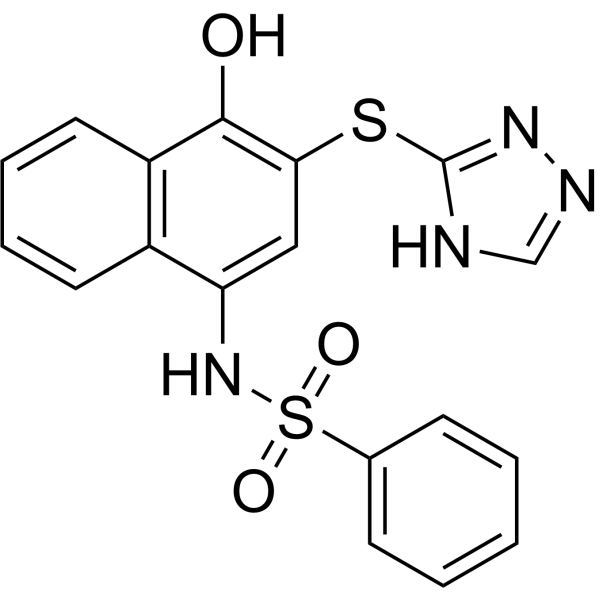
- HY-161859
-
|
|
VEGFR
STAT
|
Cancer
|
|
VEGFR-2/STAT-3-IN-1 (Compound 9f) is a dual inhibitor for VEGFR-2 (IC50=26.3 nM) and STAT-3 (IC50=5.63 nM). VEGFR-2/STAT-3-IN-1 inhibits the proliferation of cancer cells PANC1 and PC3 with IC50 of 0.14 and 0.10 µM. VEGFR-2/STAT-3-IN-1 induces apoptosis in PC3 .
|
-

- HY-143332
-
|
|
Epigenetic Reader Domain
|
Cancer
|
|
TRIM24/BRPF1-IN-2 (compound 20l) is a potent TRIM24/BRPF1 dual inhibitor, with IC50 values of 0.98 and 1.16 μM, respectively. TRIM24/BRPF1-IN-2 shows TRIM24/BRPF1 bromodomain binding affinity. TRIM24/BRPF1-IN-2 can be used for prostate cancer research .
|
-
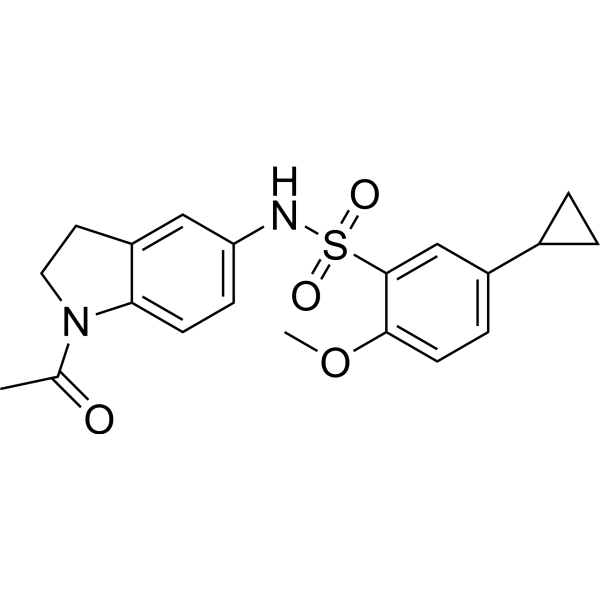
- HY-155108B
-
|
|
Arginase
|
Cancer
|
|
OATD-02 hydrochloride is the hydrochloride salt form of OATD-02 (HY-155108). OATD-02 hydrochloride an orally active, competitive, reversible, noncovalent dual inhibitor of Arginase1 and Arginase2. OATD-02 hydrochloride is a slow offset inhibitor, blocking intracellular arginases with IC50s of 20 nM (hARG1), 39 nM (hARG2), 39 nM (mARG1), and 28 nM (rARG1), respectively. OATD-02 hydrochloride bolishes tumor immunosuppression induced by both arginases. OATD-02 hydrochloride can be used for melanoma study .
|
-

- HY-159513
-
|
|
Bcl-2 Family
Apoptosis
|
Cancer
|
|
Bcl-2/Mcl-1-IN-4 (compound 20) is a dual inhibitor targeting Bcl-2 (Ki=0.49 μM) and Mcl-1 (Ki=0.51 μM). Bcl-2/Mcl-1-IN-4 significantly inhibits cancer cell proliferation and effectively induces apoptosis in U937 cells. Bcl-2/Mcl-1-IN-4 can be used in cancer research .
|
-

- HY-175034
-
|
|
Topoisomerase
Apoptosis
MDM-2/p53
Bcl-2 Family
Caspase
|
Cancer
|
|
Topoisomerase I/II-IN-1 is a dual inhibitor of topoisomerase I/II. Topoisomerase I/II-IN-1 induces G2/M arrest and apoptosis in cancer cells by upregulating p53, p21, and Bax mRNA levels, caspase-3 protein levels, and the Bax/Bcl-2 ratio, while downregulating Bcl-2. Topoisomerase I/II-IN-1 is useful in the study of various cancers, including melanoma, renal cancer, colorectal cancer, and breast cancer .
|
-

- HY-123468
-
|
|
Cyclic GMP-AMP Synthase
PKA
ERK
Tyrosine Hydroxylase
Calcium Channel
|
Cardiovascular Disease
Metabolic Disease
|
|
HA-1004 is a selective inhibitor of PKA, which can inhibit lipolysis and induce vascular relaxation. HA-1004 is also a dual inhibitor of cyclic GMP-dependent protein kinase and cyclic AMP-dependent protein, and is involved in smooth muscle, second messenger, cyclic AMP and cyclic GMP regulation mechanisms. HA-1004 is an antagonist for calcium, that can be used as a vasodilator to inhibit the contraction of rabbit aortic strips, or to antagonize ERK and tyrosine hydroxylase (TH) phosphorylation in morphine abstinence rat models .
|
-
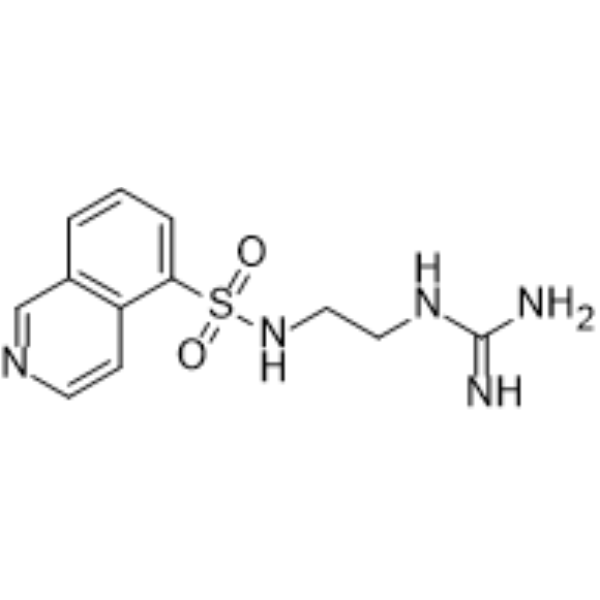
- HY-176876
-
|
|
Glucocorticoid Receptor
Interleukin Related
JAK
STAT
|
Inflammation/Immunology
|
|
Glucocorticoid receptor/IL-6-IN-1 (Compound 35) is a selective dual inhibitor targeting the glucocorticoid receptor (GR) and IL-6 signaling pathway (IC50 values of 120 nM and 59 nM, respectively). Glucocorticoid receptor/IL-6-IN-1 inhibits IL-6-induced JAK/STAT3 phosphorylation, blocking inflammatory cytokine transcription. Glucocorticoid receptor/IL-6-IN-1 is promising for research of inflammatory diseases like rheumatoid arthritis and asthma .
|
-

- HY-149633
-
|
|
EGFR
Dihydrofolate reductase (DHFR)
Apoptosis
|
Cancer
|
|
EGFR/HER2/DHFR-IN-3 (compound 4c) is a potent dual inhibitor of EGFR/HER2, with IC50s of 0.138 and 0.092 μM, respectively. EGFR/HER2/DHFR-IN-3 also inhibits DHFR, with an IC50 of 0.193 M. EGFR/HER2/DHFR-IN-3 causes arrest at the S phase of the cell cycle and induces apoptosis in MCF7 breast cancer cells .
|
-
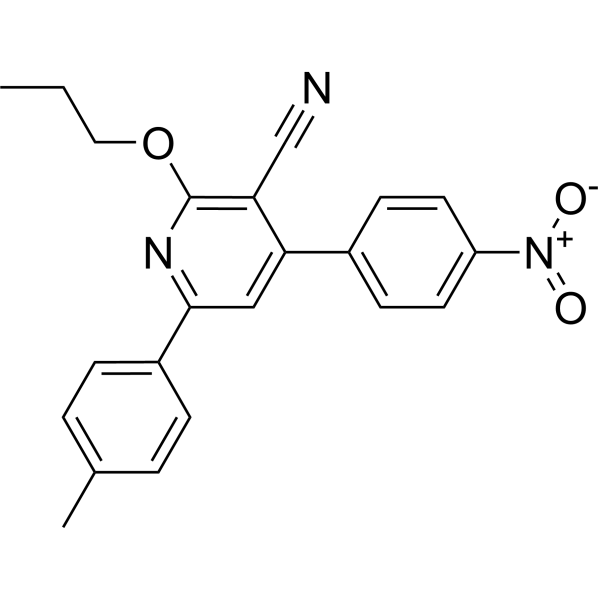
- HY-149418
-
|
|
HDAC
Cholinesterase (ChE)
Tau Protein
|
Neurological Disease
|
|
BChE/HDAC6-IN-2 (compound 29a) is a dual inhibitor of BChE and HDAC6 with IC50s of 1.8 nM and 71.0 nM, respectively. BChE/HDAC6-IN-2 has prominently neuroprotective effects and reactive oxygen species (ROS) scavenging activity. BChE/HDAC6-IN-2 is also an effective chelator of metal ion (Fe 2+ and Cu 2+). BChE/HDAC6-IN-2 inhibits phosphorylation of tau, and exhibits moderate immunomodulatory effect.
|
-
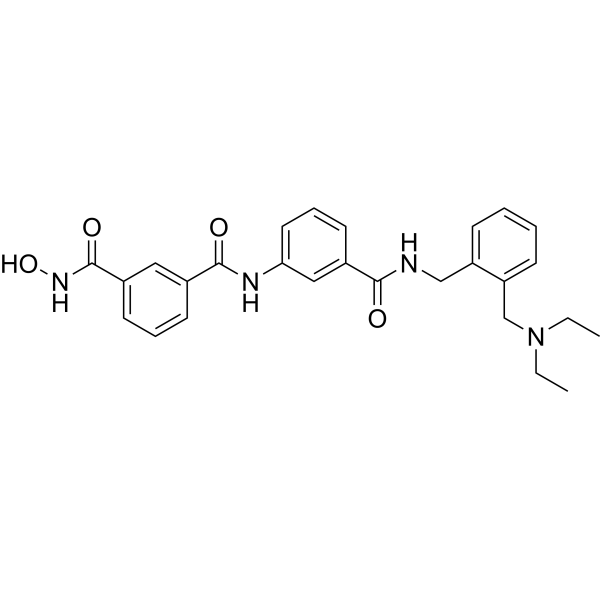
- HY-147939
-
|
|
Cholinesterase (ChE)
Amyloid-β
|
Cancer
|
|
AChE/BuChE-IN-3 is a potent and blood-brain barrier (BBB) penetrant AChE and BuChE dual inhibitor with IC50s of 0.65 μM and 5.77 μM for AChE and BuChE. AChE/BuChE-IN-3 also inhibits Aβ1-42 aggregation. AChE/BuChE-IN-3 has effectively neuroprotective activities and nearly no toxicity on SH-SY5Y cells. AChE/BuChE-IN-3 can be used for researching Alzheimer's disease .
|
-
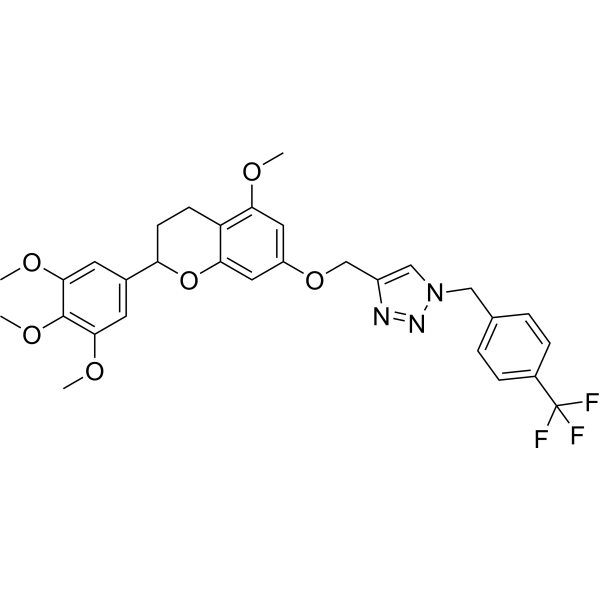
- HY-115906
-
|
|
FLT3
MNK
Apoptosis
|
Cancer
|
|
K783-0308 is a potent and selective dual inhibitor of FLT3 and MNK2 with IC50 values of 680 and 406 nM, respectively. K783-0308 inhibits the growth of MOLM-13 (IC50=10.5 µM) and MV-4-11 (IC50=10.4 µM) cells. K783-0308 promotes acute myeloid leukemia (AML) cell apoptosis and cell cycle arrests in the G0/G1 phase .
|
-
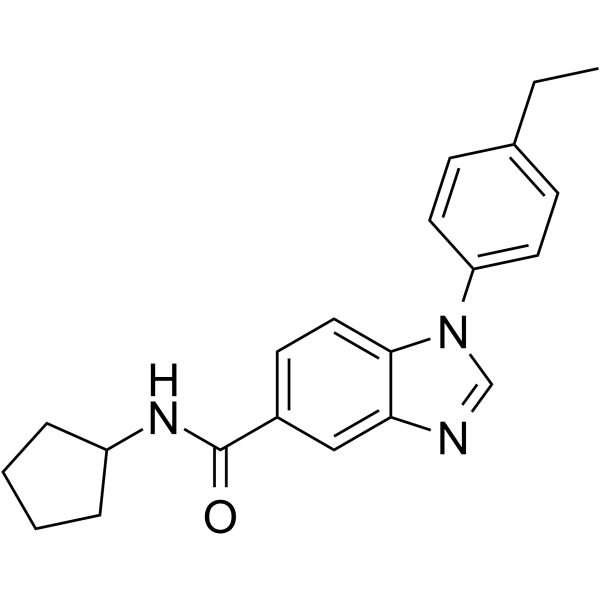
- HY-123468A
-
|
|
Cyclic GMP-AMP Synthase
PKA
ERK
Calcium Channel
|
Cardiovascular Disease
Metabolic Disease
|
|
HA-1004 dihydrochloride is a selective inhibitor of PKA, which can inhibit lipolysis and induce vascular relaxation. HA-1004 dihydrochloride is also a dual inhibitor of cyclic GMP-dependent protein kinase and cyclic AMP-dependent protein, and is involved in smooth muscle, second messenger, cyclic AMP and cyclic GMP regulation mechanisms. HA-1004 dihydrochloride is an antagonist for calcium, that can be used as a vasodilator to inhibit the contraction of rabbit aortic strips, or to antagonize ERK and tyrosine hydroxylase (TH) phosphorylation in morphine abstinence rat models .
|
-

- HY-171174
-
|
|
CDK
STAT
Wnt
|
Cancer
|
|
CDK8-IN-16 (Compound 51) is an orally active dual inhibitor for CDK8 and CDK19 wih IC50 of 5.1 nM and 5.6 nM. CDK8-IN-16 inhibits the phospho-STAT1 SER727 with an IC50 of 17.9 nM in SW620 cell, inhibits WNT signaling pathway with an IC50 of 7.2 nM in 7dF3 cell. CDK8-IN-16 exhibits good pharmacokinetic characteristics in rat models with an oral bioavailability of 57% .
|
-

- HY-177086
-
|
|
Indoleamine 2,3-Dioxygenase (IDO)
|
Cancer
|
|
IDO1/TDO-IN-9 (Compound 66) is a potent dual inhibitor targeting indoleamine 2,3-dioxygenase 1 (IDO1) and tryptophan 2,3-dioxygenase (TDO) with IC50s of <1 μM. IDO1/TDO-IN-9 inhibits the activity of IDO1 and TDO, blocking tryptophan degradation to kynurenine, restoring immune activity in the tumor microenvironment, and suppressing tumor growth. IDO1/TDO-IN-9 is promising for research of cancers .
|
-

- HY-100867AR
-
|
TAK-659 monohydrochloride (Standard); CB-659 monohydrochloride (Standard)
|
Syk
Reference Standards
FLT3
|
Cancer
|
|
Mivavotinib (monohydrochloride) (Standard) is the analytical standard of Mivavotinib (monohydrochloride) (HY-100867A). This product is intended for research and analytical applications. TAK-659 hydrochloride is a highly potent, selective, reversible and orally available dual inhibitor of spleen tyrosine kinase (SYK) and fms related tyrosine kinase 3 (FLT3), with an IC50 of 3.2 nM and 4.6 nM for SYK and FLT3, respectively. TAK-659 hydrochloride induces cell death in tumor cells but not in nontumor cells, and with potential for the treatment of chronic lymphocytic leukemia (CLL) .
|
-

- HY-175013
-
|
|
CDK
STAT
Interleukin Related
|
Inflammation/Immunology
|
|
CDK6/9-IN-2 is a highly active dual inhibitor of CDK6 (IC50 = 15 nM) and CDK9 (IC50 = 22 nM). CDK6/9-IN-2 is selective for CDK2, CDK8, and CDK11. CDK6/9-IN-2 inhibits the proliferation of HaCaT cells induced by IFN-γ/TNF-α and suppresses the STAT3 pathway and the expression of inflammatory factors. CDK6/9-IN-2 can alleviate psoriatic dermatitis and is useful in psoriasis research .
|
-

- HY-115904
-
|
|
CDK
FLT3
|
Cancer
|
|
FLT3/CDK4-IN-1 is a potent, high selective and orally active FLT3/CDK4 dual inhibitor (IC50=11 and 7 nM for FLT3 and CDK4, respectively). FLT3/CDK4-IN-1 has antiproliferative activities against certain cancer cells. FLT3/CDK4-IN-1 has good antitumor effect in vivo .
|
-
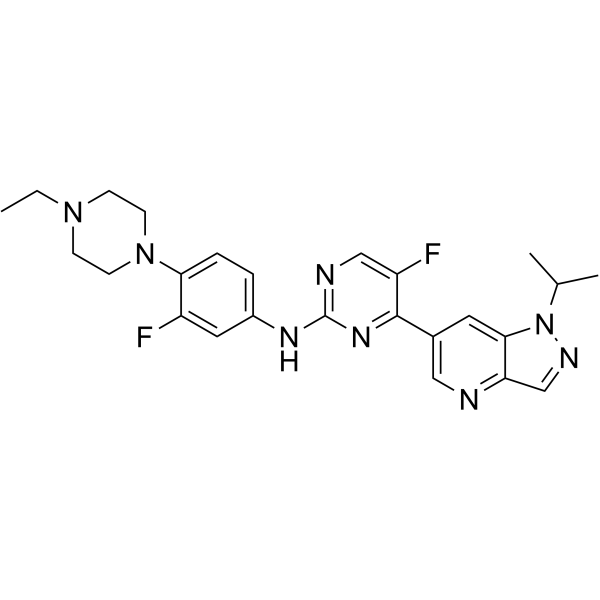
- HY-175972
-
|
|
Carbonic Anhydrase
|
Neurological Disease
Cancer
|
|
CAI/II-IN-12 is a potent and hCAI (IC50 = 7.12 μM, Ki = 9.26 μM) and hCAII (IC50 = 10.62 μM, Ki = 11.72 μM) dual inhibitor. CAI/II-IN-12 has a strong affinity for the active sites of CYP17A1, hCAI, and hCAII enzymes. Compound CAI/II-IN-12 exhibits rapid conformational stabilization, particularly in the CYP17A1 complex. CAI/II-IN-12 can be used for the study of prostate cancer therapy and glaucoma .
|
-

- HY-181929
-
|
H018
|
JAK
|
Inflammation/Immunology
|
RAI-20 (H018) is an orally active JAK1/JAK2 dual inhibitor (IC50=15.1 and 22.7 nM). RAI-20 exhibits excellent pharmacokinetic properties, including plasma stability, systemic exposure, and a long half-life. In a collagen-induced arthritis rat model, RAI-20 shows significant anti-inflammatory and anti-arthritic activities, effectively reducing paw swelling volume and arthritis index. RAI-20 can be used for research on the pathogenesis of rheumatoid arthritis .
|
-

- HY-172919
-
|
|
Phosphodiesterase (PDE)
NAMPT
Apoptosis
|
Cancer
|
|
PDEδ/NAMPT IN-1 (Compound 17d) is a dual inhibitor targeting phosphodiesterase 6 (PDE6) (KD=0.410 nM) and nicotinamide phosphoribosyl transferase (NAMPT) (IC50=2.21 nM). PDEδ/NAMPT IN-1 blocks KRAS-related signal transduction and interferes with the synthesis of nicotinamide adenine dinucleotide (NAD +), inducing apoptosis in KRAS mutant pancreatic cancer cells. PDEδ/NAMPT IN-1 is promising for research of KRAS mutant pancreatic cancer .
|
-

- HY-112348
-
|
|
Cyclic GMP-AMP Synthase
PKA
ERK
Calcium Channel
|
Cardiovascular Disease
Metabolic Disease
|
|
HA-1004 hydrochloride is a selective inhibitor of PKA, which can inhibit lipolysis and induce vascular relaxation. HA-1004 hydrochloride is also a dual inhibitor of cyclic GMP-dependent protein kinase and cyclic AMP-dependent protein (Cyclic GMP-AMP Synthase), and is involved in smooth muscle, second messenger, cyclic AMP and cyclic GMP regulation mechanisms. HA-1004 hydrochloride an antagonist for calcium, that can be used as a vasodilator to inhibit the contraction of rabbit aortic strips, or to antagonize ERK and tyrosine hydroxylase (TH) phosphorylation in morphine abstinence rat models .
|
-

- HY-172617
-
|
|
BMI1
Microtubule/Tubulin
Apoptosis
|
Cancer
|
|
APD-94 is a dual inhibitor targeting tubulin and Bmi-1. APD-94 interfers tubulin normal polymerization. APD-94 suppresses the expression of Bmi-1. APD-94 causes cell cycle arrest at the G2/M phase in cancer cells and induces apoptosis, thus inhibiting cancer cell proliferation. APD-94 represses the growth of HT29 cell xenografts in NOD/SCID mice. APD-94 can be used for colorectal cancer study .
|
-

- HY-151201
-
|
|
Steroid Sulfatase
|
Cancer
|
|
Steroid sulfatase/17β-HSD1-IN-3 (compound 19) is a dual inhibitor of steroid sulfatase (STS) and 17β-hydroxysteroid dehydrogenase type 1 (17β HSD1). Steroid sulfatase/17β-HSD1-IN-3 irreversibly inhibits hSTS activity with anIC50 value of 27 nM. Steroid sulfatase/17β-HSD1-IN-3 can be used in the study of endometriosis and other estrogen-dependent diseases .
|
-
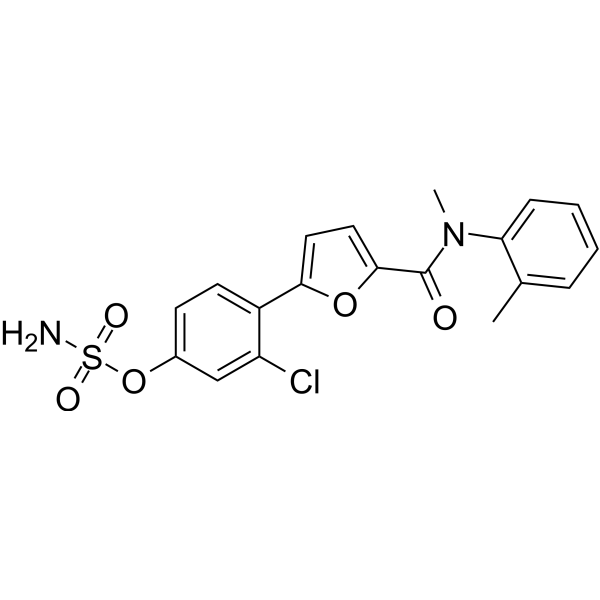
- HY-128679
-
|
|
IKK
|
Cancer
|
|
TBK1/IKKε-IN-5 (compound 1) is an orally active TBK1 and IKKε dual inhibitor, with IC50 values of 1 and 5.6 nM, respectively. TBK1/IKKε-IN-5 enhances the blockade response to PD-1 and induces immune memory in rats when combines with anti-PD-L1. TBK1/IKKε-IN-5 can be used in cancer research, especially in tumour immunity .
|
-
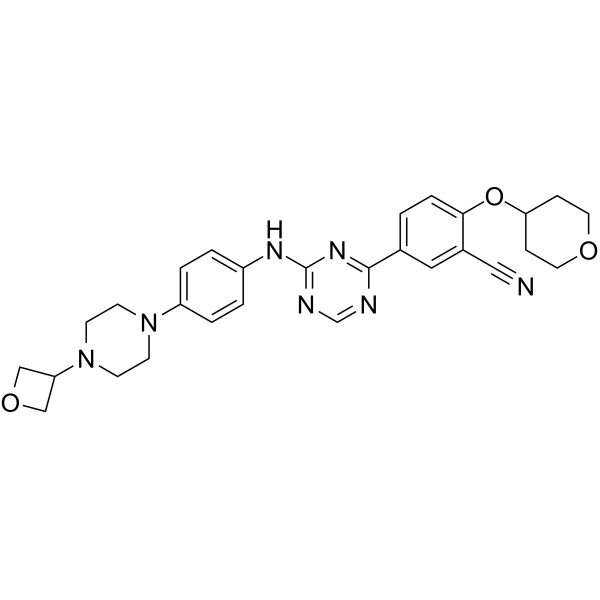
- HY-149269
-
|
|
COX
Carbonic Anhydrase
LOX-1
|
Inflammation/Immunology
|
|
COX-2-IN-30 is a benzenesulfonamide derivative, as well as an orally active and dual inhibitor of COX (IC50=49 nM for COX-2, 10.4 μM for COX-1) and 5-LOX (IC50=2.4 μM). COX-2-IN-30 also inhibits transmembrane hCA IX and hCA XII isoform with nanomolar calss Ki values. COX-2-IN-30 exhibits analgesic, anti-inflammatory, and ulcerogenic activities, and does not show acute gastric effect .
|
-
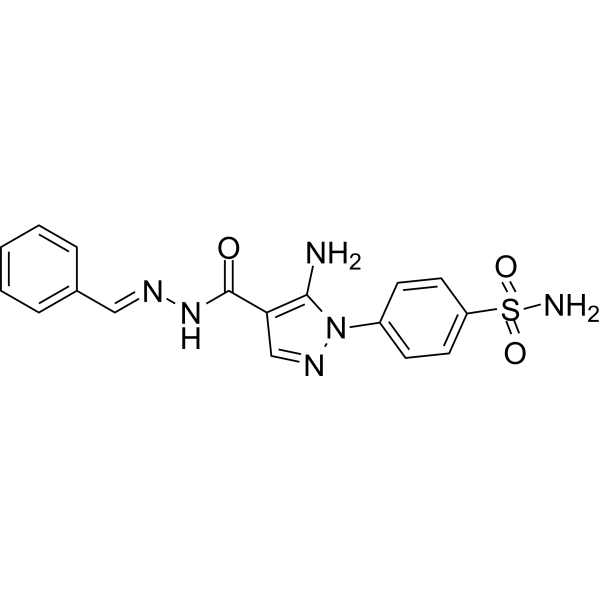
- HY-163116
-
|
|
COX
Carbonic Anhydrase
|
Neurological Disease
Inflammation/Immunology
|
|
Anti-inflammatory agent 67 (compound 7a) is a dual inhibitor of carbonic anhydrase and COX-2, a sulfonamide derivative of Polmacoxib (HY-16726), and has anti-inflammatory properties and analgesic activity. Anti-inflammatory agent 67 has IC50s of 10.4 μM and 50 nM for COX-1 and COX-2, respectively. The Ki of anti-inflammatory agent 67 binding to different isoforms of carbonic anhydrase are 48.3 nM (CA I), 42.2 nM (CA II), 52.3 nM (CA IX), and 13.3 nM (CA XII) .
|
-
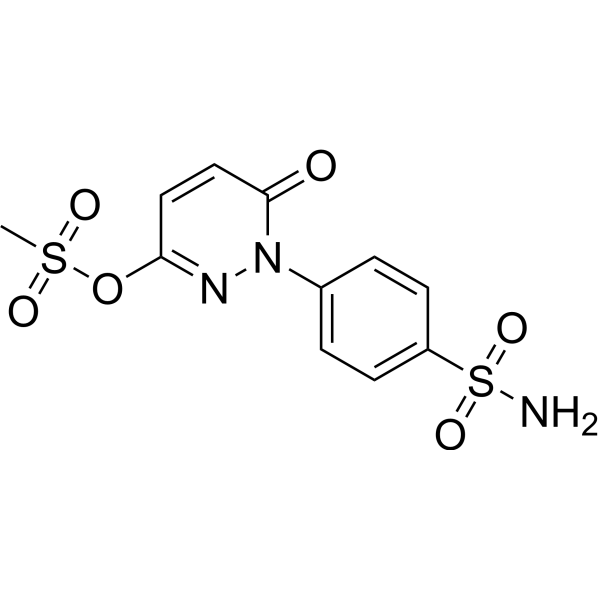
- HY-172088
-
|
|
Microtubule/Tubulin
MMP
NF-κB
Apoptosis
|
Cancer
|
|
Tubulin/MMP-IN-3 (Compound 15j) is the dual inhibitor for tubulin polymerization and MMP, and inhibits MMP-2 and MMP-9 with IC50 of 21.13 μM and 19.24 μM. Tubulin/MMP-IN-3 inhibits NF-κB signaling pathway, causes mitochondrial dysfunction and the apoptosis through a mitochondrial-dependent pathway. Tubulin/MMP-IN-3 exhibits antiproliferative activity in a variety of cancer cells, arrests the cell cycle at G2/M phase, and exhibits antitumor efficacy in mouse models .
|
-

- HY-169405
-
|
|
AAK1
HDAC
SARS-CoV
|
Infection
|
|
AAK1/HDACs-IN-1 (Compound 12) is the dual inhibitor for AAK1 and HDAC, that inhibits AAK1, HDAC1, and HDAC6 with IC50s of 15.9, 148.6, and 5.2 nM, respectively. AAK1/HDACs-IN-1 inhibits SARS-CoV-2 infection, suppresses the endocytosis of ACE2-SARS-CoV-2 complex, as well as AP2M1-ACE2 interaction .
|
-

- HY-175820
-
|
|
VEGFR
ERK
Apoptosis
EGFR
|
Cancer
|
|
AGW-11 is a potent dual inhibitor of EGFR (IC50 = 556 nM) and VEGFR2 (IC50 = 289.7 nM). AGW-11 induces apoptosis and suppresses phosphorylation of EGFR, VEGFR2, and ERK1/2 in HUVECs. AGW-11 effectively inhibits cancer cell growth, reduces HUVEC proliferation, tube formation, and invasion, thereby blocking angiogenesis. AGW-11 significantly suppresses tumor growth and decreases lung metastasis in a 4T1 xenograft mouse model. AGW-11 can be used for the study of breast cancer .
|
-

- HY-163117
-
|
|
COX
Carbonic Anhydrase
|
Neurological Disease
Inflammation/Immunology
|
|
Anti-inflammatory agent 68 (compound 7b) is a dual inhibitor of carbonic anhydrase and COX-2, a sulfonamide derivative of Polmacoxib (HY-16726), with anti-inflammatory properties and analgesic activity. Anti-inflammatory agent 68 has IC50s of 12.6 μM and 60 nM for COX-1 and COX-2, respectively. The Ki of anti-inflammatory agent 68 binding to different isoforms of carbonic anhydrase are 52.6 nM (CA I), 79.1 nM (CA II), 58.1 nM (CA IX), and 17.2 nM (CA XII) .
|
-
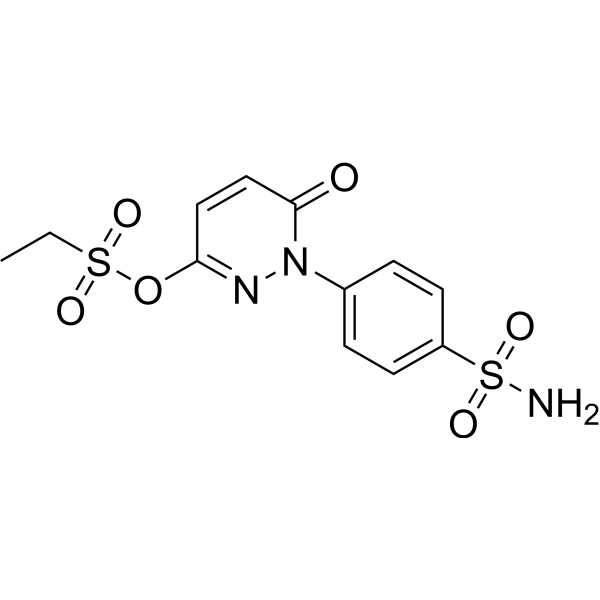
- HY-172623
-
|
|
EGFR
Caspase
Apoptosis
Bcl-2 Family
|
Cancer
|
|
EGFR/HER2-IN-17 (Compound 7h) is a dual inhibitor of epidermal growth factor receptor (EGFR) and human epidermal growth factor receptor 2 (HER2). EGFR/HER2-IN-17 inhibits cancer cell proliferation. EGFR/HER2-IN-17 interacts with the binding pockets of EGFR and HER2, activating caspase-3 and caspase-8, and decreases the expression of Bcl-2, thereby inducing apoptosis. EGFR/HER2-IN-17 is promising for research of cancers .
|
-

- HY-146293
-
|
|
HDAC
HSP
|
Cancer
|
|
HDAC6/HSP90-IN-1 (compound 17) is a potent and selective dual inhibitor of HDAC6 and HSP90, with IC50 values of 4.3 and 46.8 nM, respectively. HDAC6/HSP90-IN-1 down-regulates PD-L1 expression in INF-γ treated H1975 lung cancer cells. HDAC6/HSP90-IN-1 inhibits tumor growth in human H1975 xenograft mice .
|
-
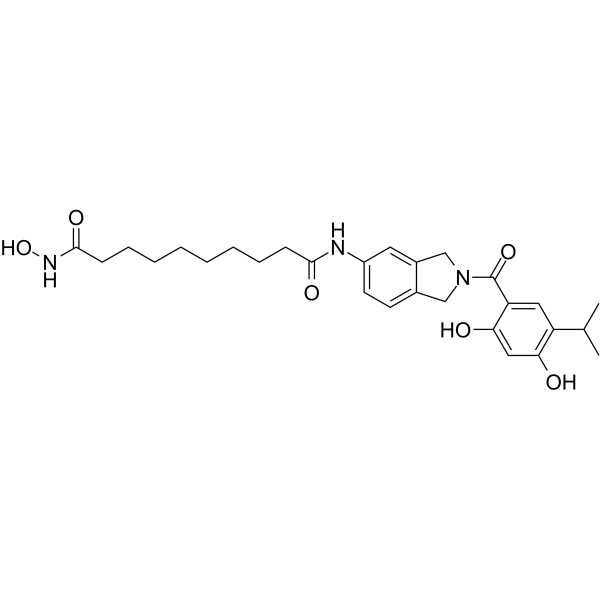
- HY-163288
-
|
|
Histone Methyltransferase
HSP
Apoptosis
|
Cancer
|
|
EZH2/HSP90-IN-29 is a dual inhibitor for EZH2 and HSP90, with IC50s of 6.29 nM and 60.1 nM, for EZH2 and HSP90, respectively. EZH2/HSP90-IN-29 increases apoptosis/necrosis-related gene expression, induces cell cycle arrest at M phase and inhibits reactive oxygen species (ROS) catabolism pathway. EZH2/HSP90-IN-29 is able to cross the blood-brain-barrier (BBB) .
|
-
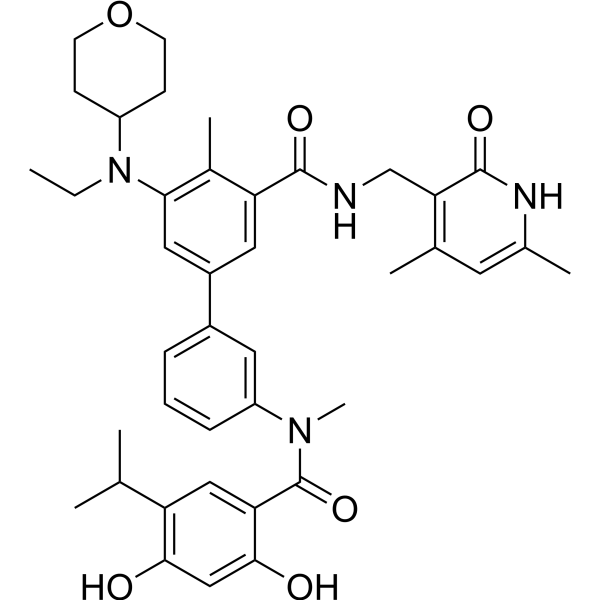
- HY-143462
-
|
|
HDAC
c-Met/HGFR
Apoptosis
|
Cancer
|
|
c-Met/HDAC-IN-2 is a highly potent c-Met and HDAC dual inhibitor with IC50s of 18.49 nM and 5.40 nM for HDAC1 and c-Met, respectively. c-Met/HDAC-IN-2 has antiproliferative activities against certain cancer cell lines. c-Met/HDAC-IN-2 can cause G2/M-phase arrest and induce apoptosis in HCT-116. c-Met/HDAC-IN-2 can be used for researching anti-cancer resistance .
|
-
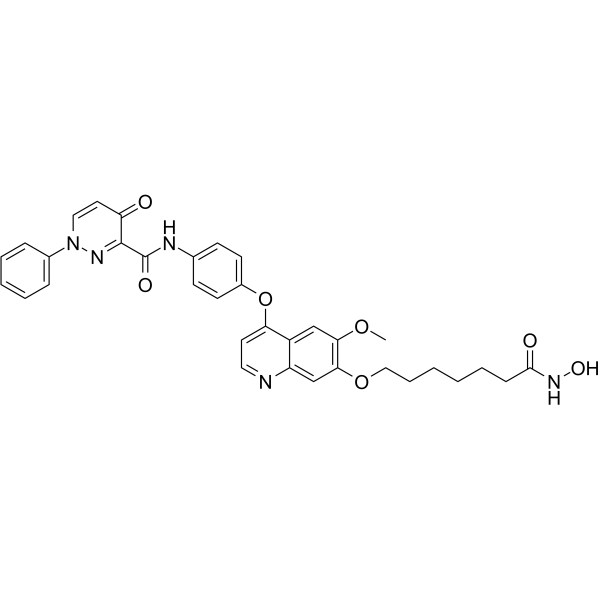
- HY-10400
-
|
TV-3326 hemitartrate
|
Monoamine Oxidase
Cholinesterase (ChE)
|
Neurological Disease
|
|
Ladostigil (TV-3326) hemitartrate is an orally active dual inhibitor of cholinesterase and brain-selective monoamine oxidase (MAO) that can cross the blood-brain barrier, with IC50s of 37.1 and 31.8 μM for MAO-B and AChE, respectively. Ladostigil hemitartrate exhibits neuroprotective, antioxidant and anti-inflammatory activities. Ladostigil hemitartrate can be used for the research of depression and Alzheimer's disease . Ladostigil (hemitartrate) is a click chemistry reagent, it contains an Alkyne group and can undergo copper-catalyzed azide-alkyne cycloaddition (CuAAc) with molecules containing Azide groups.
|
-
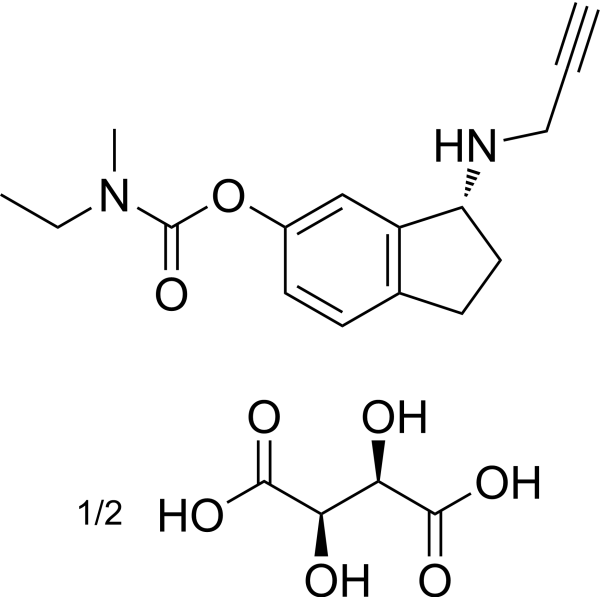
- HY-151202
-
|
|
Steroid Sulfatase
|
Cancer
|
|
Steroid sulfatase/17β-HSD1-IN-4 (compound 37) is a dual inhibitor of steroid sulfatase (STS) and 17β-hydroxysteroid dehydrogenase type 1 (17β HSD1). Steroid sulfatase/17β-HSD1-IN-4 irreversibly inhibits hSTS activity with anIC50 value of 63 nM. Steroid sulfatase/17β-HSD1-IN-4 can be used in the study of endometriosis and other estrogen-dependent diseases .
|
-
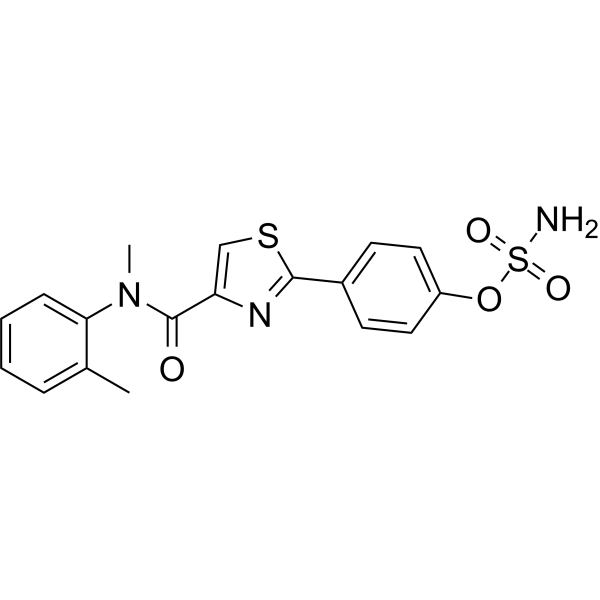
- HY-180912
-
|
|
CDK
Apoptosis
|
Cancer
|
|
HS-36 is a highly selective and orally active dual inhibitor of CDK4 and CDK9 with IC50 values of 18.9 and 4.2 nM respectively. HS-36 exhibits nanomolar-level potent activity against various cancer cells, inducing G0/G1 phase arrest and promoting cell apoptosis. HS-36 efficiently inhibits tumor growth in a mouse model of MV-4-11 tumors. HS-36 can be used for the study of acute myeloid leukemia .
|
-

- HY-144806
-
|
|
PI3K
Akt
Apoptosis
|
Cancer
|
|
PI3K/AKT-IN-1 is an effective PI3K/AKT dual inhibitor (IC50 of 6.99, 4.01 and 3.36 μM for PI3Kγ, PI3Kδ and AKT, respectively). PI3K/AKT-IN-1 has anticancer activity and acts by inhibiting PI3K/AKT axis and inducing caspase 3 dependent apoptosis .
|
-
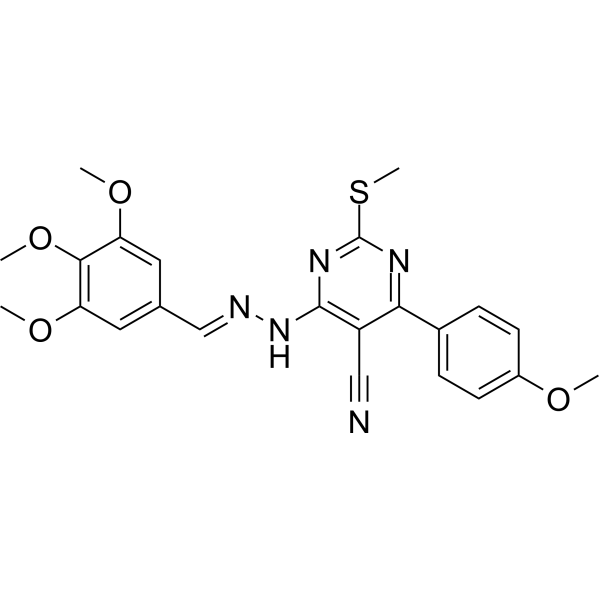
- HY-163105
-
|
|
Microtubule/Tubulin
|
Cancer
|
|
Tubulin/NEDDylation-IN-1 (compound C11) is a dual inhibitor of tubulin (Microtubule/Tubulin)-NEDDylation (IC50 for tubulin=2.40 μM), which has strong anti-proliferative activity. Neddylation is a protein post-translational modification that covalently tags the ubiquitin-like protein NEDD8 to target proteins. Tubulin/NEDDylation-IN-1 forms hydrogen bonds with residues of tubulin and E1 NEDD8 activating enzyme (NAE) through methoxy and dithiocarbamate groups and inhibits NEDDylation and microtubulin in an ATP-dependent manner. tube polymerization .
|
-
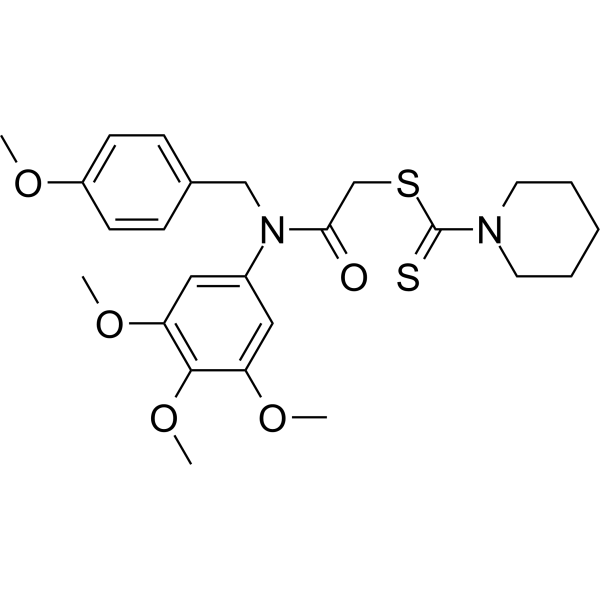
- HY-183341
-
-

- HY-153972
-
|
|
URAT1
Xanthine Oxidase
|
Metabolic Disease
Inflammation/Immunology
|
|
URAT1&XO inhibitor 2 (Compound BDEO) is a dual inhibitor of xanthine oxidase and URAT1, with IC50 of 3.3 μM for xanthine oxidase. URAT1&XO inhibitor 2 blocks uptake of uric acid in HEK293 cells expressing URAT1, with a Ki value of 0.145 μM. URAT1&XO inhibitor 2 decreases serum urate level and uric acid excretion in hyperuricemic mice. URAT1&XO inhibitor 2 can be used for research of hyperuricemia .
|
-
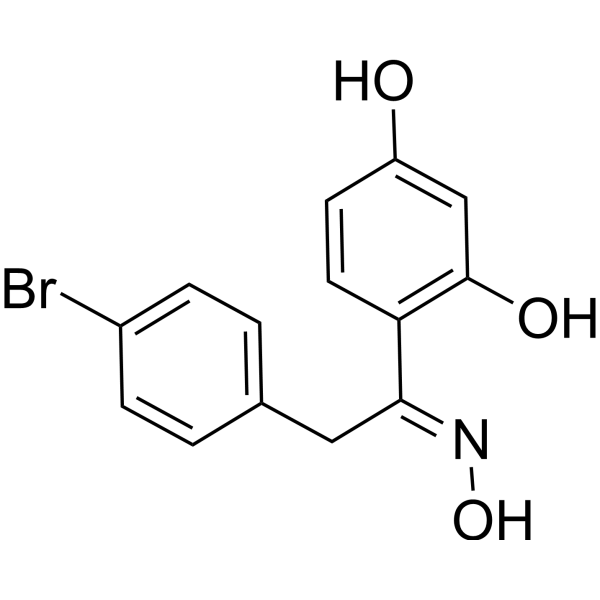
- HY-169076
-
|
|
FLT3
HDAC
Apoptosis
|
Cancer
|
FLT3/HDAC-IN-1 is a dual inhibitor of FLT3/HDAC, with IC50 values of 30.4, 52.4, and 14.7 nM for FLT3, HDAC1, and HDAC3, respectively. FLT3/HDAC-IN-1 can induce apoptosis in MV-4-11 cells and has anti-proliferative effects on FLT3 mutant-transformed BaF3 cells. FLT3/HDAC-IN-1 is being researched for its potential in treating hard-to-treat solid tumors and hematological malignancies .
|
-

- HY-103160AR
-
|
|
Reference Standards
Adenosine Deaminase
Phosphodiesterase (PDE)
Influenza Virus
|
Infection
Cardiovascular Disease
Neurological Disease
Cancer
|
|
EHNA hydrochloride (Standard) is the analytical standard of EHNA hydrochloride (HY-103160A). This product is intended for research and analytical applications. EHNA hydrochloride is a potent and selective dual inhibitor of cyclic nucleotide phosphodiesterase 2 (PDE2)(IC50=4 μM) and adenosine deaminase (ADA). EHNA hydrochloride exerts a concentration inhibition of the cGMP-stimulated PDE II (cGs-PDE)(IC50:0.8 μM (human), 2 μM (porcine myocardium)), but has smaller inhibitory effect on the unstimulated PDE2 activity. EHNA hydrochloride play roles in mediating diverse pharmacological responses, including antiviral, antitumour and antiarrhythmic effects .
|
-

- HY-155169
-
|
|
Endogenous Metabolite
|
Inflammation/Immunology
|
|
hLTA4H/hLTA4S-IN-1 is a possible dual inhibitor that has the activity of inhibiting both human leukotriene hydrolase (hLTA4H) and human leukotriene C4 synthase (hLTC4S). hLTA4H/hLTA4S-IN-1 was identified by computer-assisted methods and is able to effectively interfere with the leukotriene biosynthesis pathway in cells. hLTA4H/hLTA4S-IN-1 can be used to study inflammatory responses .
|
-

- HY-155760
-
|
|
VEGFR
Carbonic Anhydrase
|
Cancer
|
|
hCA/VEGFR-2-IN-3 (compound 8j) is an indolinonylbenzenesulfonamide and a potential dual inhibitor of cancer-associated hCA IX/XII and VEGFR-2. hCA/VEGFR-2-IN-3 inhibits VEGFR-2 (IC50=358 nM), has high binding activity to hCAs with Ki of 4.2 nM (hCA IX), 22.9 nM (hCA II), 25.1 nM (hCA I), 28.0 nM (hCA XII), respectively. hCA/VEGFR-2-IN-3 has antiproliferative activity against VEGFR-2 overexpressing breast cancer cells .
|
-
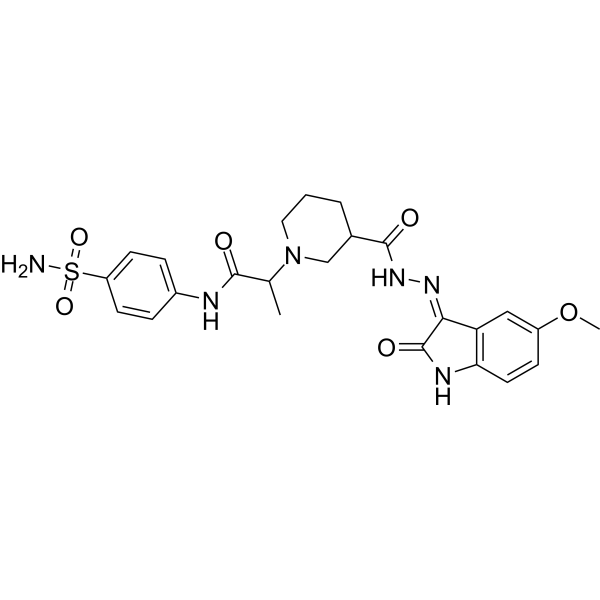
- HY-172778
-
|
|
NOD-like Receptor (NLR)
URAT1
|
Metabolic Disease
Inflammation/Immunology
|
|
HNW005 is a dual inhibitor of NLRP3 inflammasome and urate transporter 1 (URAT1). It has a KD value of 204.6 nM and an IC50 of 1.7 μM for inhibiting NLRP3 inflammasome activation, and an IC50 of 6.4 μM for inhibiting uric acid transmembrane transport. When administered at a dose of 2 mg/kg in vivo, HNW005 can achieve a uric acid reduction rate of 64.8%. It can exert anti - inflammatory, analgesic, and uric acid - lowering activities by inhibiting the activation of NLRP3 inflammasome and uric acid transmembrane transport. HNW005 can be used in the research of gouty arthritis .
|
-

- HY-159564
-
|
|
COX
NO Synthase
|
Inflammation/Immunology
|
|
iNOS/COX-2-IN-3 (compound 7d) is a dual inhibitor of iNOS and COX-2, with potential anti-inflammatory activity against LPS (HY-D1056)-induced RAW 264.7 cells (IC50=3.48 μM). iNOS/COX-2-IN-3 has good plasma stability, oral activity and gastric safety, and its inhibitory activity on iNOS and COX-2 expression is 5.43-fold and 2.37-fold that of Indomethacin (HY-14397), respectively .
|
-

- HY-146276
-
|
|
HDAC
CDK
Apoptosis
|
Cancer
|
|
CDK/HDAC-IN-2 is a potent HDAC/CDK dual inhibitor with IC50 of 6.4, 0.25, 45, >1000, 8.63, 0.30, >1000 nM for HDAC1, HDAC2, HDAC3, HDAC6,8, CDK1, CDK2, CDK4,6,7, respectively. CDK/HDAC-IN-2 shows excellent antiproliferative activities. CDK/HDAC-IN-2 induces apoptosis and cell cycle arrest at G2/M phase. CDK/HDAC-IN-2 shows potent antitumor efficacy .
|
-
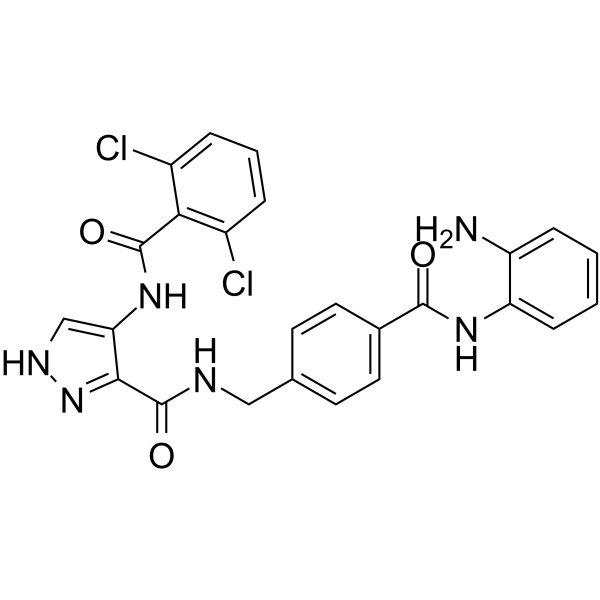
- HY-163943
-
|
|
SARS-CoV
PIKfyve
|
Infection
|
|
UNI418 is a dual inhibitor of PIKfyve and PIP5K1C with antiviral activity against SARS-CoV-2 (EC50=1.4 μM). UNI418 blocks ACE2-mediated SARS-CoV-2 viral endocytosis by inhibiting PIP5K1C (IC50=60.1 nM; Kd=61 nM). In addition, UNI418 inhibits the proteolytic activation of proteases regulated by PIKfyve (Kd=0.78 nM) to prevent SARS-CoV-2 from entering host cells .
|
-

- HY-148572
-
|
|
Indoleamine 2,3-Dioxygenase (IDO)
NAMPT
|
Cancer
|
|
NAMPT/IDO1-IN-1 is an orally active dual inhibitor of NAMPT and IDO1 with IC50s of 57.7 nM and 233 nM, respectively. NAMPT/IDO1-IN-1 blocks NAD+ biosynthesis, inhibits proliferation and migration of Paclitaxel (HY-B0015)- and FK866 (HY-50876)-resistant NSCLC cell lines (A549/R cells). NAMPT/IDO1-IN-1 has shown antitumor effects in mice and enhanced A549/R cell sensitivity to paclitaxel .
|
-
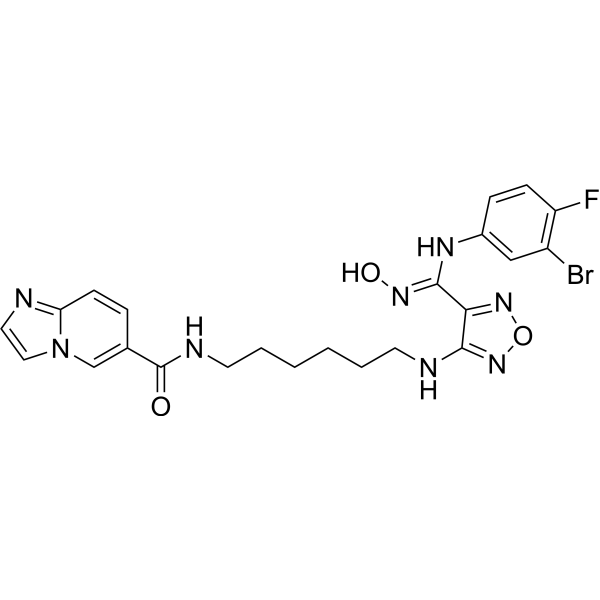
- HY-143471
-
|
PLK1/BRD4-IN-1
|
Polo-like Kinase (PLK)
Epigenetic Reader Domain
Apoptosis
Androgen Receptor
c-Myc
|
Cancer
|
|
WNY0824 (PLK1/BRD4-IN-1) is an orally active dual inhibitor of PLK1 and BET protein families, with IC50 values of 22, 402.5, 150.7, 103.9, and 311.9 nmol/L for PLK1, BRD2, BRD3, BRD4, and BRDT, respectively. WNY0824 induces cell cycle arrest and apoptosis by inhibiting AR- and MYC-mediated transcriptional processes. In addition, WNY0824 also inhibits tumor growth in Enzalutamide (HY-70002) resistant CRPC xenograft tumor models .
|
-
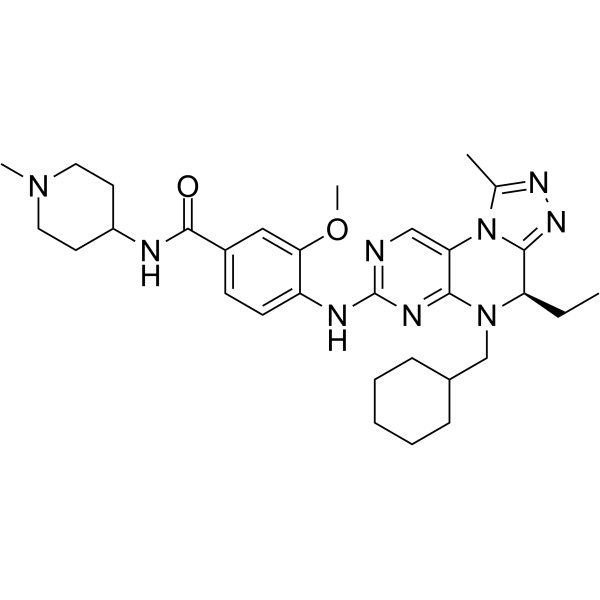
- HY-181999
-
|
|
PARP
CDK
Protease Activated Receptor (PAR)
Wnt
β-catenin
Reactive Oxygen Species (ROS)
DNA/RNA Synthesis
|
Cancer
|
|
PC8 is a selective dual inhibitor of PARP1/CDK6, with an IC50 of 0.126 μM for PARP1 and 0.197 μM for CDK6. PC8 does not alter PARP1 expression, but reduces the expression of its downstream target PAR. PC8 inhibits the canonical Wnt/β-catenin signaling pathway. PC8 induces intracellular ROS accumulation and exacerbates DNA damage. PC8 inhibits the proliferation of triple-negative breast cancer (TNBC) cells. PC8 can be used for the research of triple-negative breast cancer .
|
-

- HY-162367
-
|
|
FLT3
Checkpoint Kinase (Chk)
|
Cancer
|
|
FLT3/CHK1-IN-2 (Compound 30) is a dual inhibitor of FLT3 and CHK1, with IC50s of 25.63, 16.39, 22.80 nM for CHK1, FLT3-WT, and FLT-D835Y respectively. FLT3/CHK1-IN-2 has favorable oral PK properties and kinase selectivity. FLT3/CHK1-IN-2 can be used for research of acute myeloid leukemia (AML) .
|
-
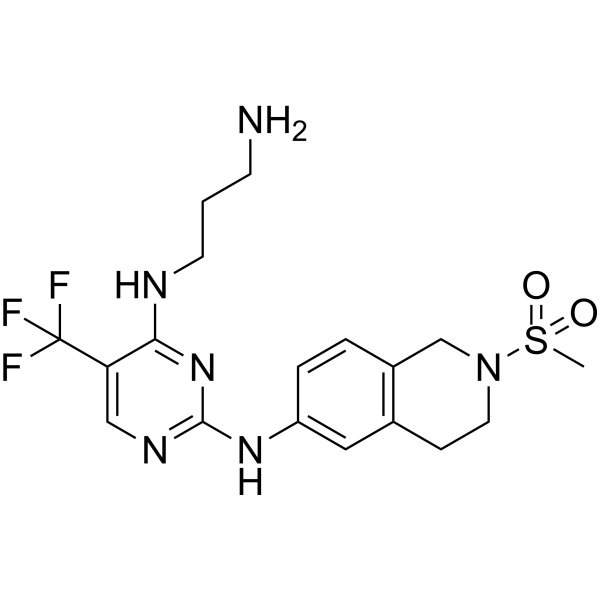
- HY-100006AR
-
|
|
ULK
Reference Standards
Reactive Oxygen Species (ROS)
Apoptosis
GSK-3
Bcl-2 Family
|
Cancer
|
|
MRT68921 (dihydrochloride) (Standard) is the analytical standard of MRT68921 (dihydrochloride) (HY-100006A). This product is intended for research and analytical applications. MRT68921 dihydrochloride is a potent NUAK1/ULK1 dual inhibitor. MRT68921 dihydrochloride inhibits ULK1 and ULK2 with IC50 values of 2.9 nM and 1.1 nM, respectively. MRT68921 dihydrochloride can block cells autophagy and kill tumor cells by breaking the balance of oxidative stress signals. MRT68921 dihydrochloride can inhibit cell proliferation and induce ROS production and apoptosis. MRT68921 dihydrochloride can be used for the research of cancer, such as breast cancer .
|
-

- HY-155523
-
|
|
Microtubule/Tubulin
HDAC
Apoptosis
|
Cancer
|
|
Tubulin/HDAC-IN-2 (Compound II-19k) is a dual inhibitor of Tubulin and HDAC, with an IC50 of 0.403 μM, 0.591μM, 3.552μM, 0.459μM for HDAC1/2/3/6. Tubulin/HDAC-IN-2 blocks cell cycle arrest at G2 phase, induces cell apoptosis. Tubulin/HDAC-IN-2 inhibits the growth of hematoma and solid tumor cells, reduces tumor metastasis, and also inhibits tumor growth in a liver tumor allograft mouse model .
|
-
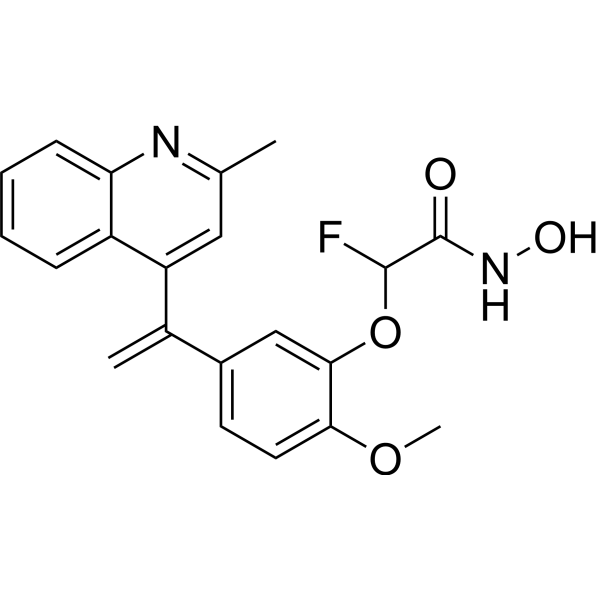
- HY-174828
-
|
|
PARP
ATM/ATR
Apoptosis
|
Cancer
|
|
ATR/PARP1-IN-1 is a potent ATR and PARP1 dual inhibitor with IC50s of 17.3 nM and 0.38 nM, respectively. ATR/PARP1-IN-1 effectively reduces cell viability, induces apoptosis and DNA damage. ATR/PARP1-IN-1 significantly impairs triple-negative breast cancer (TNBC) colony formation, migration, and invasion. ATR/PARP1-IN-1 suppresses tumor growth effectively in MDA-MB-468 xenografted mice, with no significant body weight change .
|
-

- HY-156094
-
|
|
HDAC
Histone Demethylase
Apoptosis
|
Cancer
|
|
JMJD3/HDAC-IN-1 (compound A5b) is a dual inhibitor targeting Jumonji domain-containing protein demethylase 3 (JMJD3) and histone deacetylase (HDAC1, IC50=16 nM). JMJD3/HDAC-IN-1 promotes hypermethylation of histone H3K27 and hyperacetylation of H3K9, and also cleaves caspase-7 and PARP to induce apoptosis. JMJD3/HDAC-IN-1 effectively inhibits cancer cell cloning, migration, and invasion .
|
-
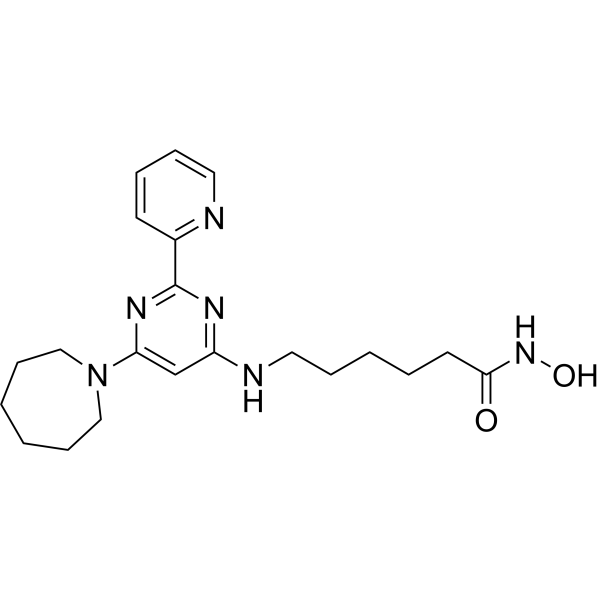
- HY-155965
-
|
|
VEGFR
PARP
Apoptosis
|
Cancer
|
|
VEGFR/PARP-IN-1 (Compound 14b) is a VEGFR/PARP dual inhibitor (IC50s: 191 nM and 60.9 nM respectively). VEGFR/PARP-IN-1 inhibits DNA damage repair, induces cell apoptosis, and arrests cell in the G2/M phase. VEGFR/PARP-IN-1 has good antiproliferative efficacy against BRCA wild-type breast cancer cells (IC50: 4.1 and 3.5 μM for MDA-MB-231 and MCF-7 cells). VEGFR/PARP-IN-1 is an antitumor and anti-metastasis agent .
|
-
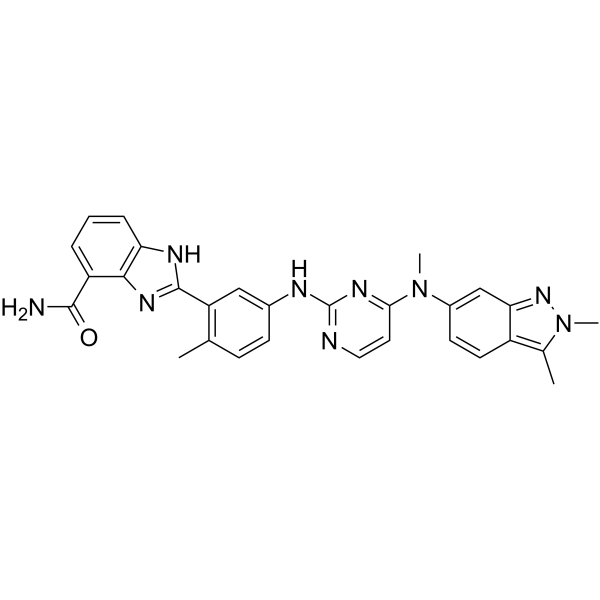
- HY-170772
-
|
|
p38 MAPK
STAT
Interleukin Related
Cathepsin
JAK
|
Inflammation/Immunology
|
|
Dual Cathepsin L/JAK-IN-1 (Compound A8) is a dual inhibitor of Cathepsin L (CTSL) and JAK, with IC50 values of 0.68 μM, 337.1 nM, 5.251 nM, 27.29 nM, and 172.6 nM for CTSL, JAK1/2/3, and TYK2, respectively. Dual Cathepsin L/JAK-IN-1 effectively blocks the activation of the MAPK, NF-κB, and JAK/STAT signaling pathways, leading to significant anti-inflammatory therapeutic effects. Dual Cathepsin L/JAK-IN-1 can be used in research on acute lung injury (ALI) .
|
-

- HY-158138
-
|
|
PARP
Topoisomerase
Apoptosis
|
Cancer
|
|
TOPOI/PARP-1-IN-1 (Compound B6) is an orally active, low cytotoxic TOPOI/PARP dual inhibitor with an IC50 value of 0.09 μM for PARP1. TOPOI/PARP-1-IN-1 can effectively inhibit the proliferation and migration of cancer cells. TOPOI/PARP-1-IN-1 also causes cell cycle arrest in the G0/G1 phase and induces apoptosis. The tumor growth inhibition rate (TGI) of TOPOI/PARP-1-IN-1 in mice is 75.4% .
|
-
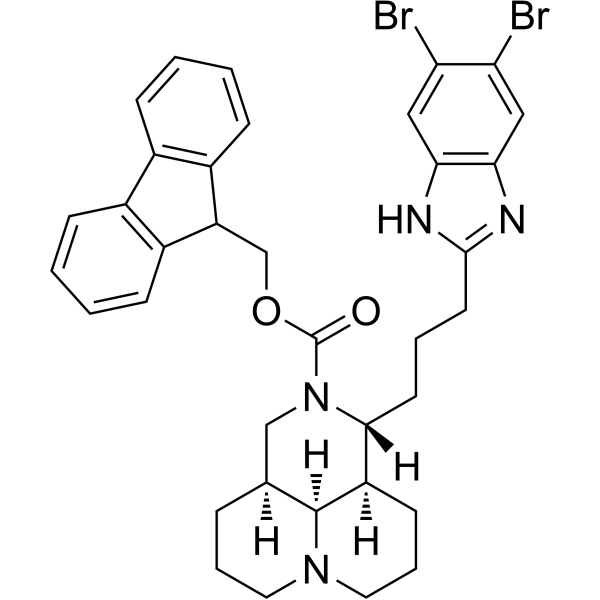
- HY-178433
-
|
|
Cholinesterase (ChE)
p38 MAPK
|
Neurological Disease
|
|
BChE/p38-α MAPK-IN-2 is a BChE and p38-α MAPK dual inhibitor. BChE/p38-α MAPK-IN-2 inhibits hBChE with an IC50 of 5.1 nM, showing 1000-fold selectivity over hAChE. BChE/p38-α MAPK-IN-2 inhibits p38α MAPK with an IC50 of 8.12 μM. BChE/p38-α MAPK-IN-2 exhibits neuroprotective effect and can be used for the research of neurological disease, such as Alzheimer’s disease .
|
-

- HY-15648F
-
|
|
Histone Demethylase
|
Cancer
|
|
GSK-J4 hydrochloride is a potent dual inhibitor of H3K27me3/me2-demethylases JMJD3/KDM6B and UTX/KDM6A with IC50s of 8.6 and 6.6 μM, respectively. GSK-J4 hydrochloride inhibits LPS-induced TNF-α production in human primary macrophages with an IC50 of 9 μM. GSK-J4 hydrochloride is a cell permeable proagent of GSK-J1 .
|
-
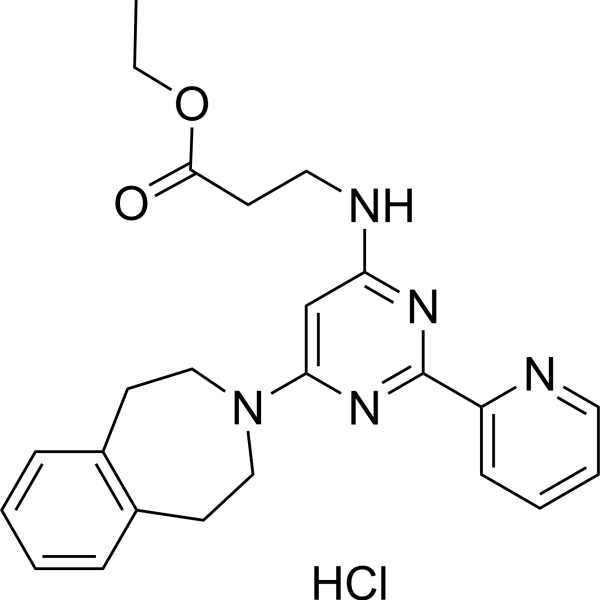
- HY-157295
-
|
|
PI3K
HDAC
|
Cancer
|
|
PI3K/HDAC-IN-3 (36) is a PI3K and HDAC dual inhibitor, with IC50 values of 0.23 nM and 172 nM for PI3Kα and HDAC1, respectively. PI3K/HDAC-IN-3 (36) suppresses AKT phosphorylation and increased H3 acetylation in MV4-11 cells. PI3K/HDAC-IN-3 (36) exhibits significant and dose-dependent anticancer efficacy in a MV4-11 xenograft model .
|
-
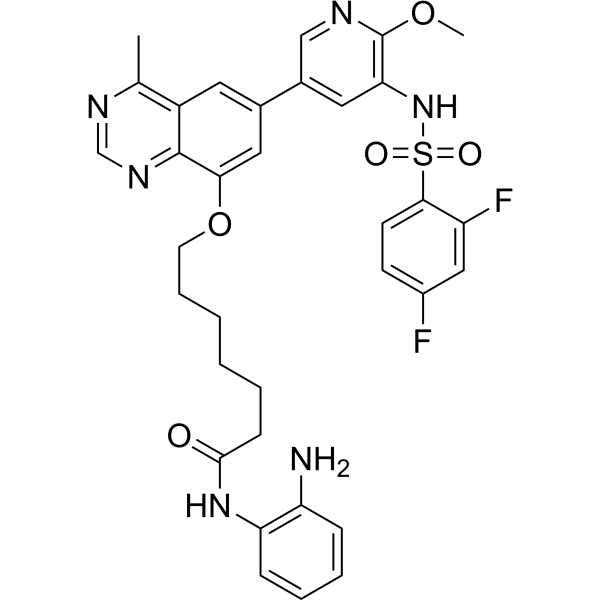
- HY-181235
-
|
|
COX
Cytochrome P450
|
Inflammation/Immunology
Cancer
|
|
COX-2/Aromatase-IN-1 is a potent dual inhibitor of COX-2 and aromatase. COX-2/Aromatase-IN-1 can simultaneously inhibit COX-2 and aromatase, significantly suppress inflammation and induce proliferation inhibition of breast cancer cells. COX-2/Aromatase-IN-1 exerts anti-breast cancer and anti-inflammatory effects in the MCF-7 breast cancer cell and carrageenan-induced rat paw edema model. COX-2/Aromatase-IN-1 can be used for the study of inflammation and breast cancer .
|
-

- HY-149250
-
|
|
MDM-2/p53
Apoptosis
|
Cancer
|
|
MDMX/MDM2-IN-2 is a potent p53-MDM2/MDMX dual inhibitors with Kis of 0.23 μM and 2.45 μM for MDM2 and MDMX, respectively. MDMX/MDM2-IN-2 inhibits the binding of p53 and MDM2 proteins. MDMX/MDM2-IN-2 restores the function of p53 and enables cell cycle arrest and apoptosis. MDMX/MDM2-IN-2 inhibits cell migration and invasion. MDMX/MDM2-IN-2 has antitumor activity .
|
-
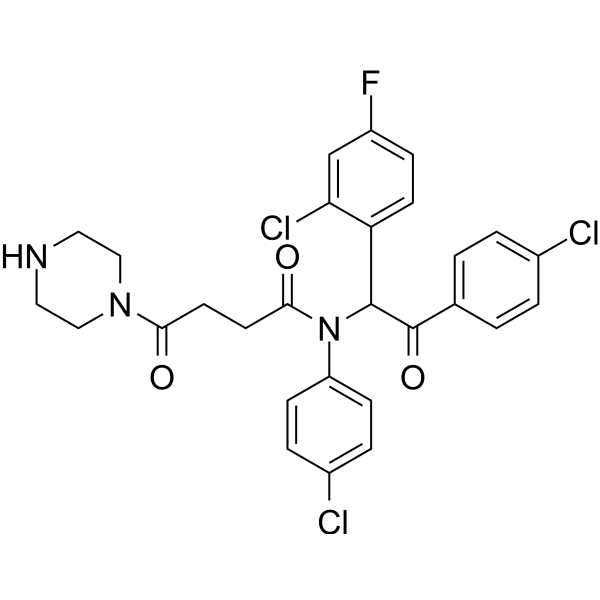
- HY-130273
-
|
|
HDAC
HSP
Microtubule/Tubulin
PD-1/PD-L1
|
Cancer
|
|
HDAC/HSP90-IN-1 (compound 20) is a potent dual inhibitor of HDAC (IC50 = 194 nM) and HSP90 (HSP90α IC50 = 153 nM). HDAC/HSP90-IN-1 induces HSP70 expression, downregulates HSP90 client proteins, and promotes acetylation of α-tubulin and histone H3 in cancer cells. HDAC/HSP90-IN-1 reduces PD-L1 expression in IFN-γ treated H1975 cells. HDAC/HSP90-IN-1 can be used for cancer research, such as lung and colon cancer .
|
-

- HY-178374
-
|
|
Beta-secretase
SARS-CoV
|
Infection
Neurological Disease
|
|
BACE-1/Mpro-IN-1 is a high brain-penetrant BACE-1 (IC50 = 0.26 μM) and SARS-CoV-2 Mpro (IC50 = 0.91 μM) dual inhibitor. BACE-1/Mpro-IN-1 binds to the aspartyl protease and cysteine protease as a mixed-type inhibitor. BACE-1/Mpro-IN-1 exhibits the most favorable docking score and a strong interaction profile. BACE-1/Mpro-IN-1 can be used for the study of COVID-19 exacerbated Neuroinflammation and Alzheimer’s disease .
|
-

- HY-156619
-
|
EVT-8565072; THB335
|
c-Kit
PDGFR
|
Metabolic Disease
Inflammation/Immunology
|
|
Labuxtinib (EVT-8565072; THB335) is a potent dual inhibitor of c-Kit and PDGFR. Labuxtinib exhibits potent inhibitory activity against wild-type c-Kit (IC50 = 0.005 μM). Labuxtinib inhibits SCF-dependent and PDGF-dependent cell proliferation, and blocks the proliferation of cells dependent on c-Kit or PDGFR signaling pathways. In animal models of skin allergy, Labuxtinib depletes skin mast cells and significantly alleviates anaphylactic shock responses. Labuxtinib can be used in research on mast cell-related diseases, respiratory diseases, inflammatory diseases, fibrotic diseases, metabolic diseases, and other related conditions .
|
-
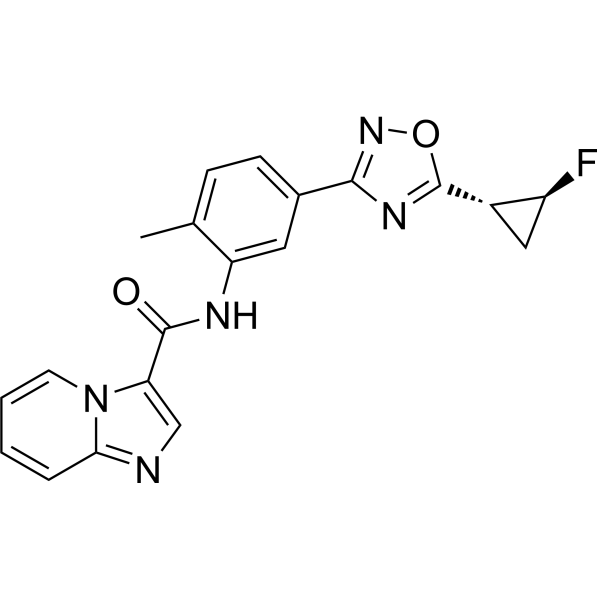
- HY-125876
-
|
|
PROTACs
Bcl-2 Family
|
Cancer
|
|
PROTAC Bcl2 degrader-1 (Compound C5) is a PROTAC based on Cereblon ligand, which potently and selectively induces the degradation of Bcl-2 (IC50, 4.94 μM; DC50, 3.0 μM) and Mcl-1 (IC50, 11.81 μM) by introducing the E3 ligase cereblon (CRBN)-binding ligand pomalidomide to Mcl-1/Bcl-2 dual inhibitor Nap-1 (Blue: CRBN ligand, Black: linker;Pink: Mcl-1/Bcl-2 inhibitor, Nap-1).
|
-
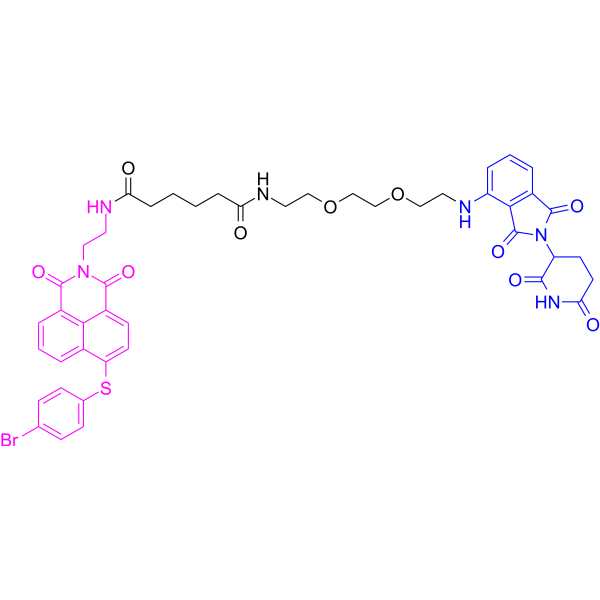
- HY-162643
-
|
|
PD-1/PD-L1
PARP
|
Cancer
|
|
Antitumor agent-169 (Compound B3) is a dual inhibitor PD-1/PD-L1 interaction and PARP7, with IC50s of 0.426 μM and 2.50 nM. Antitumor agent-169 exhibits an affinity to human PD-L1, with Ki of 20.2 nM. Antitumor agent-169 restores the T cell function, increases IFN-γ secretion. Antitumor agent-169 inhibits cell viability of MDA-MB-231 and Jurkat T, exhibits antitumor efficacy against melanoma in mouse model and good pharmacokinetic characteristics .
|
-

- HY-130274
-
|
|
HDAC
HSP
Microtubule/Tubulin
PD-1/PD-L1
|
Cancer
|
|
HDAC/HSP90-IN-2 (compound 26) is a potent dual inhibitor of HDAC (IC50 = 360 nM) and HSP90 (HSP90α IC50 = 77 nM). HDAC/HSP90-IN-2 induces HSP70 expression, downregulates HSP90 client proteins, and promotes acetylation of α-tubulin and histone H3 in cancer cells. HDAC/HSP90-IN-2 reduces PD-L1 expression in IFN-γ treated H1975 cells. HDAC/HSP90-IN-2 can be used for cancer research, such as lung and colon cancer .
|
-

- HY-155763
-
|
|
VEGFR
Carbonic Anhydrase
|
Cancer
|
|
hCA/VEGFR-2-IN-4 (compound 15b) is an indolinylbenzenesulfonamide and a potential dual inhibitor of cancer-associated hCA IX/XII and VEGFR-2. hCA/VEGFR-2-IN-4 inhibits VEGFR-2 (IC50=0.811 μM) and has high binding activity to hCAs, with Ki of 3.8 nM (hCA XII), 6.2 nM (hCA IX), 19.8 nM (hCA II), and 35.5 nM (hCA I), respectively. hCA/VEGFR-2-IN-4 has antiproliferative activity on VEGFR-2-overexpressing breast cancer cells .
|
-
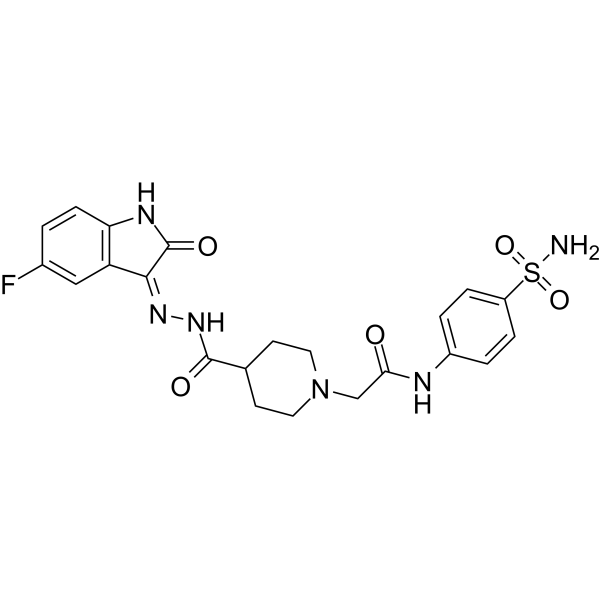
- HY-155758
-
|
|
VEGFR
Carbonic Anhydrase
|
Cancer
|
|
hCA/VEGFR-2-IN-2 (compound 8g) is an indolinonylbenzenesulfonamide and a potential dual inhibitor of cancer-associated hCA IX/XII and VEGFR-2. hCA/VEGFR-2-IN-2 inhibits VEGFR-2 (IC50=204 nM) and has high binding activity to hCAs, with Kis of 3.6 nM (hCA IX), 16.1 nM (hCA II), 16.7 nM (hCA XII), and 75.3 nM (hCA I), respectively. hCA/VEGFR-2-IN-2 has antiproliferative activity on VEGFR-2-overexpressing breast cancer cells .
|
-
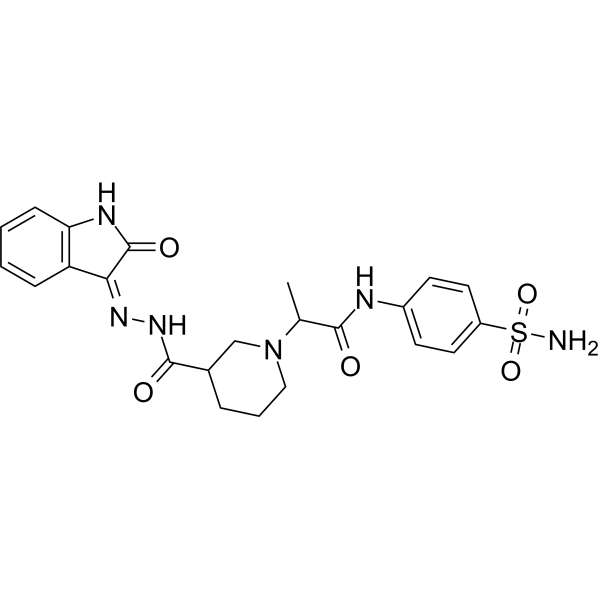
- HY-172916
-
|
|
SHP2
FGFR
p38 MAPK
ERK
|
Cancer
|
|
LC-SF-14 is a selective dual inhibitor of SHP2 and FGFR (IC50 values are 71.6 and 8.9 nM, respectively). LC-SF-14 inhibits FGFR2-FRS2α-SHP2-MAPK signaling and ERK phosphorylation. LC-SF-14 inhibits the proliferation of KATOIII cancer cells (IC50: 9.2 nM). LC-SF-14 has antitumor activity in the SNU-16 xenograft mouse model. LC-SF-14 can be used in FGFR2-driven gastric cancer research .
|
-

- HY-181236
-
|
|
COX
Cytochrome P450
|
Inflammation/Immunology
Cancer
|
|
COX-2/Aromatase-IN-2 is a potent dual inhibitor of COX-2 and aromatase. COX-2/Aromatase-IN-2 can simultaneously inhibit COX-2 and aromatase, suppress inflammation and induce proliferation inhibition of breast cancer cells. COX-2/Aromatase-IN-2 exerts anti-breast cancer and anti-inflammatory effects in the MCF-7 breast cancer cell and carrageenan-induced rat paw edema model. COX-2/Aromatase-IN-2 can be used for the study of inflammation and breast cancer .
|
-

- HY-155073
-
|
|
Microtubule/Tubulin
Apoptosis
|
Cancer
|
|
Tubulin inhibitor 35 (compound 6b) is a dual inhibitor of topoisomerase I (IC50=~50 μM) and tubulin polymerization (IC50=5.69 μM). Tubulin inhibitor 35 inhibits migration and invasion of MGC-803 and RKO cell lines,and induces apoptosis via arresting cell cycle at G2/M phase. Tubulin inhibitor 35 exhibis potent efficacy in gastrointestinal tumor inhibiton (inhibits MGC-803 (IC50=0.09 μM) and RKO (IC50=0.2 μM) cell lines) .
|
-
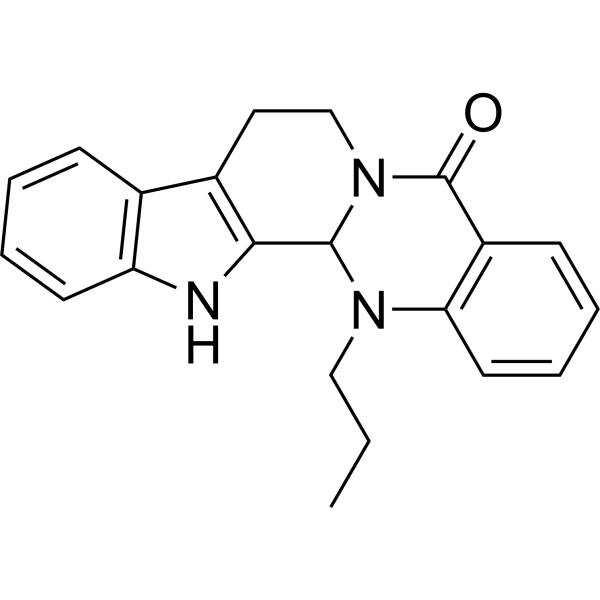
- HY-159966
-
|
|
Topoisomerase
HDAC
Reactive Oxygen Species (ROS)
Apoptosis
|
Cancer
|
|
Top/HDAC-IN-3 (Compound 31) is an orally active dual inhibitor of Topoisomerase and HDAC. Top/HDAC-IN-3 increases reactive oxygen species (ROS) levels, leading to DNA damage, thereby inhibiting cancer cell colony formation and migration, inducing cancer cell Apoptosis, and causing cell cycle arrest. In the NSCLC model, Top/HDAC-IN-3 exhibited significant antitumor effects, with a tumor growth inhibition (TGI) of 77.5% at 100 mg/kg, surpassing the efficacy of the HDAC inhibitor SAHA (HY-10221) and the combination of SAHA (HY-10221) with the topoisomerase inhibitor Irinotecan (HY-16562) .
|
-

- HY-152146
-
|
|
Apoptosis
FGFR
HDAC
|
Cancer
|
|
HDAC-IN-50 is a potent and orally active FGFR and HDAC dual inhibitor with IC50 values of 0.18, 1.2, 0.46, 1.4, 1.3, 1.6, 2.6, 13 nM for FGFR1, FGFR2, FGFR3, FGFR4, HDAC1, HDAC2, HDAC6, HDAC8, respectively. HDAC-IN-50 induces Apoptosis and cell cycle arrest at G0/G1 phase. HDAC-IN-50 decreases the expression of pFGFR1, pERK, pSTAT3. HDAC-IN-50 shows anti-tumor activity .
|
-
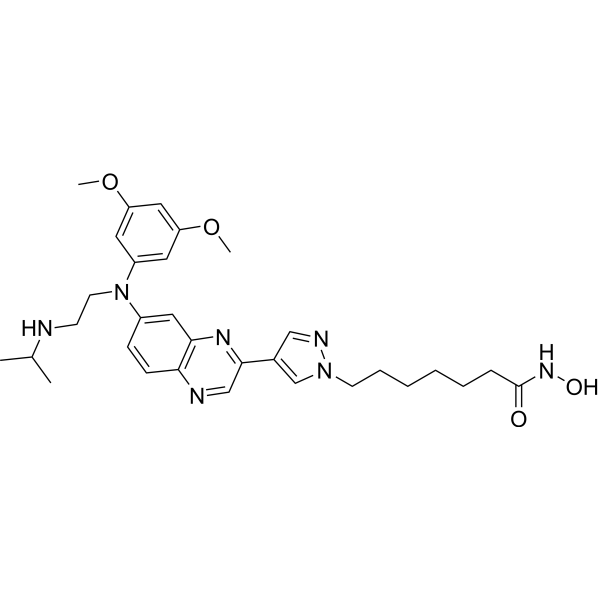
- HY-155222
-
|
|
Epigenetic Reader Domain
HDAC
|
Cancer
|
|
TW9 is a potent dual inhibitor simultaneously targeting BET and HDAC proteins with KDs of 0.069 μM, 0.231 μM for BRD4(1), BRD4(2), and an IC50 of 0.29 μM for HDAC1, respectively. TW9 is a newly generated adduct of the BET inhibitor (+)-JQ1 (HY-13030) and class I HDAC inhibitor CI994 (HY-50934). TW9 shows high potency in suppressing tumor growth in pancreatic ductal adenocarcinoma (PDAC). TW9 improves the efficacy of the chemotherapeutic agent Gemcitabine (HY-17026) .
|
-

- HY-N10009
-
|
|
NF-κB
TNF Receptor
COX
ERK
p38 MAPK
Sirtuin
|
Inflammation/Immunology
|
|
Cudraflavone B is a prenylated flavonoid with anti-inflammatory and anti-tumor properties. Cudraflavone B is also a dual inhibitor of COX-1 and COX-2. Cudraflavone B blocks the translocation of nuclear factor κB (NF-κB) from the cytoplasm to the nucleus in macrophages. Thus, Cudraflavone B inhibits tumor necrosis factor α (TNFα) gene expression and secretion. Cudraflavone B also triggers the mitochondrial apoptotic pathway, activates NF-κB, the MAPK p38, and ERK, and induced the expression of SIRT1. Thus Cudraflavone B inhibits the growth of human oral squamous cell carcinoma cells .
|
-
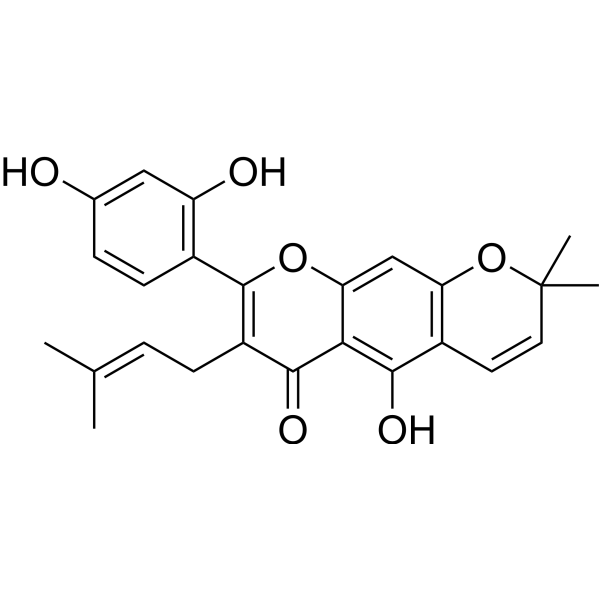
- HY-N6712
-
|
Acetopyrrothin
|
Antibiotic
Bacterial
Deubiquitinase
NOD-like Receptor (NLR)
DNA/RNA Synthesis
Pyroptosis
HMG-CoA Reductase (HMGCR)
|
Infection
Cardiovascular Disease
Cancer
|
|
Thiolutin (Acetopyrrothin) is a sulfur-containing antibiotic, which is a potent inhibitor of bacterial and yeast RNA polymerases. Thiolutin can be produced by Streptomyces. Thiolutin inhibits AMSH (IC50 = 4 μM) and Rpn11 (IC50 = 0.53 μM). Thiolutin is a dual inhibitor of BRCC36 and the NLRP3 inflammasome, exhibiting anti-inflammatory effects. Thiolutin effectively suppresses the interaction between BRCC36 and HMGCR, leading to the inhibition of HCC growth. Thiolutin attenuates pyroptosis and NLRP3 inflammasome activation. Thiolutin markedly alleviates renal injury and inflammatory process in IgAN. Thiolutin is an anti-angiogenic compound which can ease Doxorubicin-induced cardiotoxicity (DOXIC) [1][2][3][4][5].
|
-
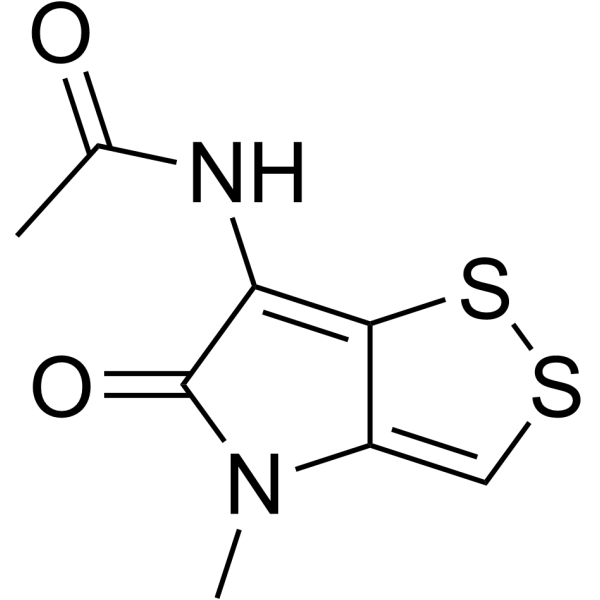
- HY-151364
-
|
|
HDAC
|
Cancer
|
|
HDAC6/8/BRPF1-IN-1 is a dual inhibitor of both HDAC6/8 and the bromodomain and PHD finger containing protein 1 (BRPF1). HDAC6/8/BRPF1-IN-1 has inhibitory activity for HDAC1, HDAC6 and HDAC8 with IC50 values of 797 nM, 344 nM and 908 nM, respectively. HDAC6/8/BRPF1-IN-1 has inhibitory activity for BRPF1 with an Kd value of 175.2 nM. HDAC6/8/BRPF1-IN-1 can be used for the research of cancer .
|
-
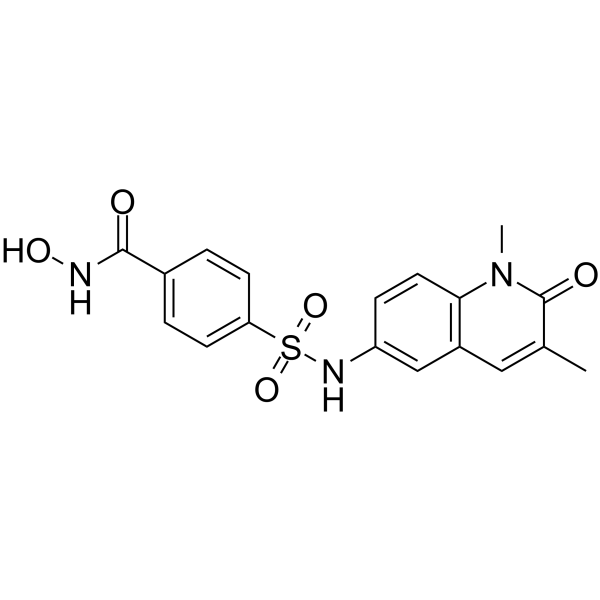
- HY-178976
-
|
|
Beta-lactamase
|
Infection
|
|
YL6113 is a potent and selective dual inhibitor of metallo-β-lactamases (MBLs) and serine-β-lactamases (SBLs). YL6113 shows inhibitory effect to MBLs, such as NDm-1, VIM-2, IMP-1, with IC50 values of 0.25, 27.16 and 3.55 μM. YL6113 shows inhibitory effect to SBLs, such as KPC-2, AmpC, OXA-48, with IC50 values of 0.2, 34.1 and 1.31 μM. YL6113 enhances the antibacterial efficacy of Meropenem (HY-13678) against carbapenem-resistant Gram-negative bacteria. YL6113 can be used for the research of infection .
|
-

- HY-10400R
-
|
TV-3326 hemitartrate (Standard)
|
Reference Standards
Monoamine Oxidase
Cholinesterase (ChE)
|
Neurological Disease
|
|
Ladostigil hemitartrate (Standard) is the analytical standard of Ladostigil hemitartrate (HY-10400). This product is intended for research and analytical applications. Ladostigil (TV-3326) hemitartrate is an orally active dual inhibitor of cholinesterase and brain-selective monoamine oxidase (MAO), with IC50s of 37.1 and 31.8 μM for MAO-B and AChE, respectively. Ladostigil hemitartrate exhibits neuroprotective, antioxidant and anti-inflammatory activities. Ladostigil hemitartrate can be used for the research of depression and Alzheimer's disease . Ladostigil hemitartrate is a click chemistry reagent, it contains an Alkyne group and can undergo copper-catalyzed azide-alkyne cycloaddition (CuAAc) with molecules containing Azide groups.
|
-

- HY-105028
-
|
CP-66248
|
COX
Lipoxygenase
Potassium Channel
MMP
|
Inflammation/Immunology
|
|
Tenidap (CP-66248) is an orally active dual inhibitor of 5-LOX and COX with anti-inflammatory and immunomodulatory properties. Tenidap downregulates the expression of IL-1 receptors in chondrocytes, reduces the release of pro-inflammatory cytokines such as IL-1, IL-6 and TNF-α, and inhibits MMP production and cartilage degradation. Tenidap also blocks bone resorption and leukocyte adhesion to vascular endothelium, interferes with ion and pH changes associated with mouse sperm capacitation, and selectively enhances the activity of hKir2.3 channels (EC50=1.3 μM). Tenidap is applicable to research related to rheumatoid arthritis .
|
-
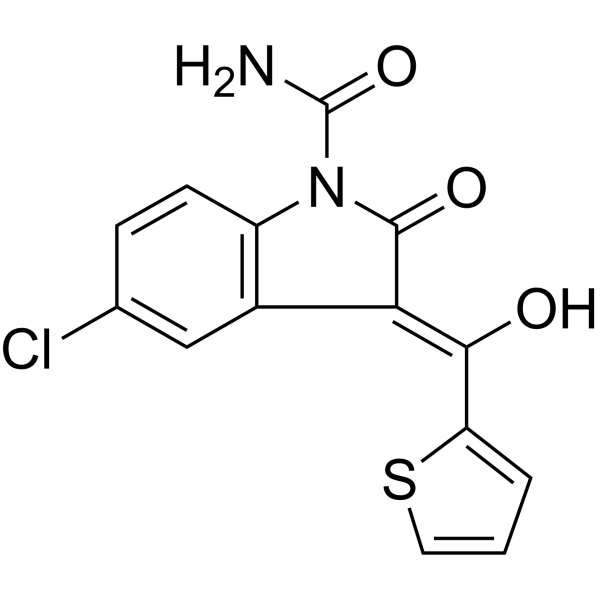
- HY-A0191
-
|
(+)-Brompheniramine; (S)-Brompheniramine
|
Endogenous Metabolite
Histamine Receptor
TRP Channel
|
Neurological Disease
Metabolic Disease
Inflammation/Immunology
|
|
Dexbrompheniramine ((+)-Brompheniramine; (S)-Brompheniramine) is a dual inhibitor of histamine H1 receptor and TRPV1 receptor that can cross the blood-brain barrier. Dexbrompheniramine exerts its effects by functionally blocking H1 receptor activity and dose-dependently inhibiting TRPV1-mediated calcium responses, including Capsaicin (HY-10448)-induced responses. The combination of Dexbrompheniramine with Cimetidine (HY-14289) eliminates histamine-induced and sham-feeding-induced drinking behavior, whereas Dexbrompheniramine alone does not induce thirst or alter sham-feeding behavior in rats. Dexbrompheniramine can be used in the research of chronic cough and related pathological mechanisms .
|
-
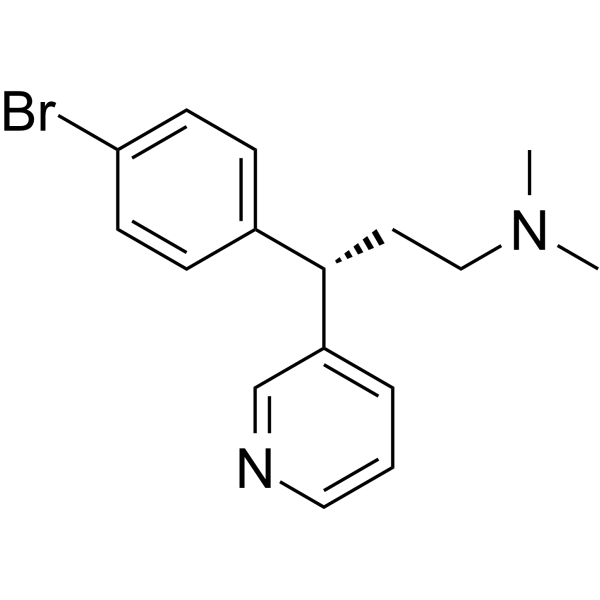
- HY-182891
-
|
|
Histone Demethylase
|
Cancer
|
|
MC4455 is a LSD1/PRMT5 dual inhibitor. MC4455 inhibits the LSD1/CoREST and PRMT5/MEP50 complex with IC50 values of 0.104 μM and 0.014 μM. MC4455 covalently binds to LSD1’s FAD cofactor, stabilizes the LSD1/CoREST complex. MC4455 induces myeloid differentiation, alters transcriptomic profiles, drives alternative splicing changes, and impairs leukemic cell viability in AML cells. MC4455 can be used for the research of acute myeloid leukemia .
|
-

- HY-138135
-
|
Fidaxomicin metabolite OP-1118
|
NF-κB
ERK
Apoptosis
Bacterial
|
Infection
|
|
OP-1118 (Fidaxomicin metabolite OP-1118) is an orally active dual inhibitor of NF-κB and ERK1/2, with low systemic plasma exposure, no accumulation, and primary excretion via feces. By inhibiting the phosphorylation of NF-κB and ERK1/2 and reducing the expression of pro-inflammatory cytokines, OP-1118 exerts significant anti-inflammatory, cytoprotective, anti-apoptotic and antibacterial activities. In Clostridium difficile infection models, OP-1118 effectively blocks toxin-mediated intestinal inflammation, cell rounding, histological damage and apoptosis, and its protective effect can be reversed by PMA (HY-18739) .
|
-

- HY-175565
-
|
|
Microtubule/Tubulin
VEGFR
Reactive Oxygen Species (ROS)
Apoptosis
|
Cancer
|
|
Tubulin/VEGFR-2-IN-1 is a dual inhibitor of tubulin and VEGFR-2 (IC50 = 1.52 μM) with anti-angiogenic activity. Tubulin/VEGFR-2-IN-1 exhibits potent cytotoxicity against the cancer cells. Tubulin/VEGFR-2-IN-1 elevates ROS production, induces apoptosis and causes G0/G1 phase arrest in HepG-2 cells. Tubulin/VEGFR-2-IN-1 inhibits the migratory ability and the clonogenic ability in HepG-2 cells. Tubulin/VEGFR-2-IN-1 can be used for the study of cancer .
|
-

- HY-A0191A
-
|
(+)-Brompheniramine maleate; (S)-Brompheniramine maleate
|
TRP Channel
Histamine Receptor
|
Inflammation/Immunology
|
|
Dexbrompheniramine ((+)-Brompheniramine; (S)-Brompheniramine) maleate is a dual inhibitor of histamine H1 receptor and TRPV1 receptor that can cross the blood-brain barrier. Dexbrompheniramine maleate exerts its effects by functionally blocking H1 receptor activity and dose-dependently inhibiting TRPV1-mediated calcium responses, including Capsaicin (HY-10448)-induced responses. The combination of Dexbrompheniramine maleate with Cimetidine (HY-14289) eliminates histamine-induced and sham-feeding-induced drinking behavior, whereas Dexbrompheniramine maleate alone does not induce thirst or alter sham-feeding behavior in rats. Dexbrompheniramine maleate can be used in the research of chronic cough and related pathological mechanisms .
|
-

- HY-W023758
-
|
4-(4-Bromo-1H-pyrazol-5-yl)pyridine
|
DNA/RNA Synthesis
|
Cancer
|
|
HDGFRP2/PSIP1-IN-1 (compound BPP) is a dual inhibitor targeting the PWWP domain of hepatocarcinogenic growth factor-related protein 2 (HDGFRP2) and its homologous protein PSIP1, hinder the development and progression of diffuse intrinsic pontine glioma (DIPG). HDGFRP2/PSIP1-IN-1 binds to HDGFRP2 with a Kd value of 7 μM and a ligand efficiency of 0.47; it binds to the PSIP1 PWWP domain with a Kd value of 27 μM; meanwhile, it has a Kd value of 14 μM for HDGFRP3, indicating its effectiveness as an inhibitor of the HDGFRP2 PWWP subfamily .
|
-

- HY-178348
-
|
|
PARP
c-Met/HGFR
DNA/RNA Synthesis
|
Cancer
|
|
PARP1/c-Met-IN-2 is a highly potent, orally active, PARP1 (IC50 = 21.8 nM) and c-Met (IC50 = 30.2 nM) dual inhibitor. PARP1/c-Met-IN-2 can elevate the expression level of γH2AX, cause DNA damage. PARP1/c-Met-IN-2 exhibits remarkable anti-tumor efficacy in the Olaparib (HY-10162)-resistant HCT116 (HCT116OR) xenograft models. PARP1/c-Met-IN-2 can be used for the study of Colon Cancer .
|
-

- HY-183658
-
|
|
URAT1
GLUT
|
Metabolic Disease
Inflammation/Immunology
|
|
URAT1/GLUT9-IN-3 is an orally active URAT1/GLUT9 dual inhibitor with IC50 values of 4.01 and 1.60 μM. URAT1/GLUT9-IN-3 inhibits URAT1-mediated uric acid uptake and GLUT9-mediated uric acid transport, reducing renal urate reabsorption. URAT1/GLUT9-IN-3 reduces serum uric acid levels in hyperuricemic mice. URAT1/GLUT9-IN-3 can be used for the researches of gout and hyperuricemia .
|
-

- HY-162772
-
|
|
Isocitrate Dehydrogenase (IDH)
Apoptosis
|
Cancer
|
|
IDH1/2-IN-1 (Compound 6b) serves as a dual inhibitor of IDH1(R132H)/IDH2(R140Q) with IC50 values of 0.22 μM and 1.6 μM, respectively. IDH1/2-IN-1 effectively inhibits tumor growth by suppressing tumor cell proliferation and enhancing host defense through the activation of antioxidant enzymes. Additionally, IDH1/2-IN-1 reduces inflammation and promotes apoptosis, demonstrating robust antitumor activity. IDH1/2-IN-1 holds potential for research in leukemia .
|
-

- HY-15648B
-
GSK-J4
Maximum Cited Publications
55 Publications Verification
|
Histone Demethylase
Apoptosis
|
Cancer
|
|
GSK-J4 is a potent dual inhibitor of H3K27me3/me2-demethylases JMJD3/KDM6B and UTX/KDM6A with IC50s of 8.6 and 6.6 μM, respectively. GSK-J4 inhibits LPS-induced TNF-α production in human primary macrophages with an IC50 of 9 μM. GSK J4 is a cell permeable proagent of GSK-J1 . GSK-J4 induces endoplasmic reticulum stress-related apoptosis .
|
-
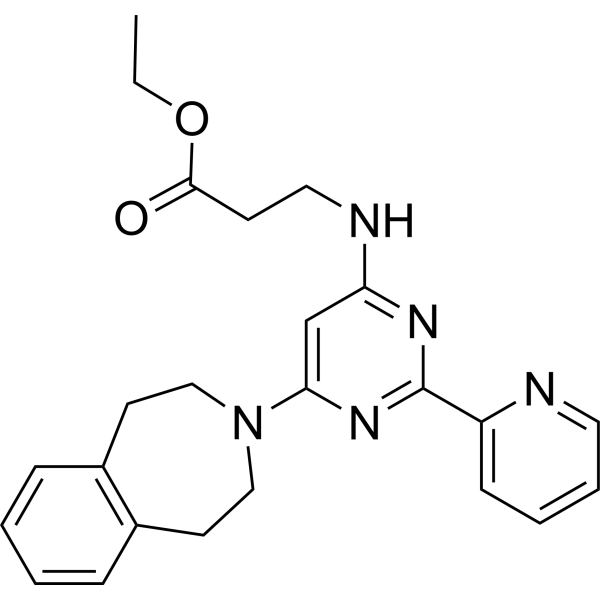
- HY-155493
-
|
|
Cytochrome P450
|
Cancer
|
|
CYP19A1/CYP11B2-IN-1 (Compound X21) is a potent and selective aromatase and
aldosterone synthase dual inhibitor with IC50s of 2.3 nM and 29 nM for aromatase (CYP19A1) and aldosterone synthase (CYP11B2), respectively. CYP19A1/CYP11B2-IN-1 has excellent antiproliferative and pro-apoptotic activity against the cancer cell. CYP19A1/CYP11B2-IN-1 can be used for research of breast cancer .
|
-
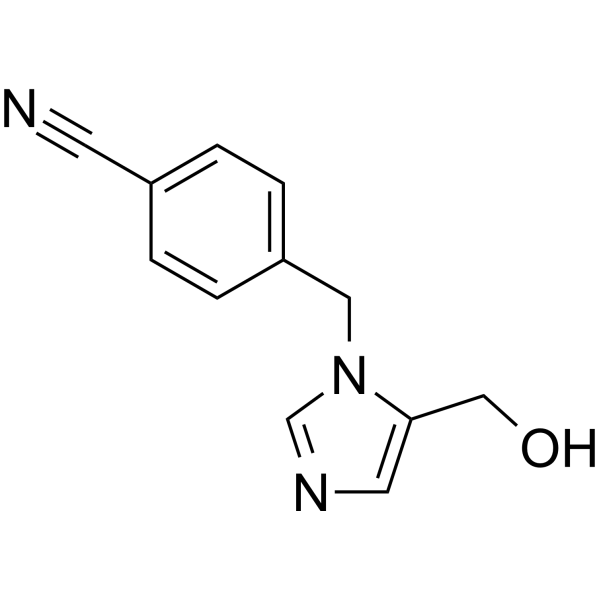
- HY-150609
-
|
|
SHP2
Phosphatase
CDK
|
Cancer
|
|
SHP2/CDK4-IN-1 (compound 10) is an orally active and potent SHP2 and CDK4 dual inhibitor, with IC50 values of 4.3 and 18.2 nM, respectively. SHP2/CDK4-IN-1 effectively induces G0/G1 arrest to prevent the proliferation of TNBC cell lines. SHP2/CDK4-IN-1 shows significant antitumor efficacy in the EMT6 syngeneic mouse model. SHP2/CDK4-IN-1 can be used for triple-negative breast cancer (TNBC) research .
|
-
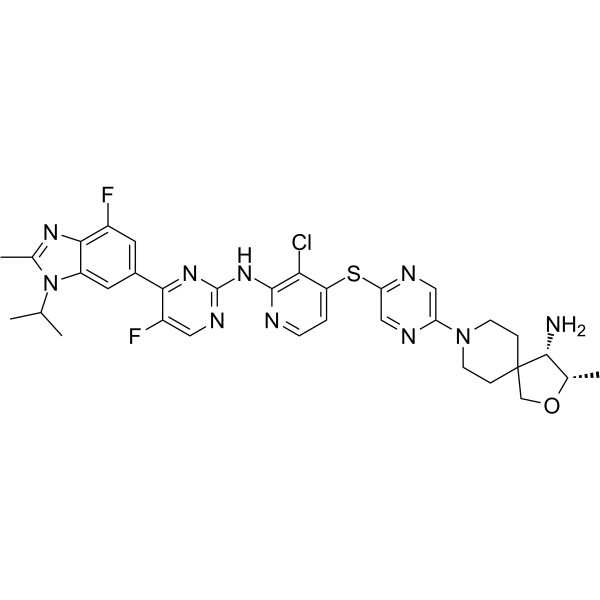
- HY-175713
-
|
|
Microtubule/Tubulin
Apoptosis
Reactive Oxygen Species (ROS)
|
Cancer
|
|
Tubulin/CDC5L-IN-1 is a Tubulin/CDC5L dual inhibitor. Tubulin/CDC5L-IN-1 targets to CDCL5 with a KD of 103.7 μM. Tubulin/CDC5L-IN-1 can inhibit multiple cancer cell proliferation and induce G2/M phase arrest. Tubulin/CDC5L-IN-1 induce cell apoptosis and ROS production. Tubulin/CDC5L-IN-1 exhibits antiangiogenic effects. Tubulin/CDC5L-IN-1 can be used for the research of cancer, such as colon carcinoma .
|
-

- HY-155580
-
|
|
Monoamine Oxidase
HSP
|
Cancer
|
|
MAO A/HSP90-IN-2 (compound 4-C) is a dual inhibitor of HSP90and MAO A with the IC50 values of 0.016 and 4.58 μM, respectively. MAO A/HSP90-IN-2 increases HSP70 expression and reduces HER2 and phospho-Akt expression, and decreases IFN-γ induced PD-L1 expression in GL26 cells. MAO A/HSP90-IN-2 inhibits the growth of Temozolomide (HY-17364) -sensitive and -resistant GBM cells, colon cancer, leukemia, non-small cell lung and other cancers, and has potential to inhibit tumor immune escape [1].
|
-
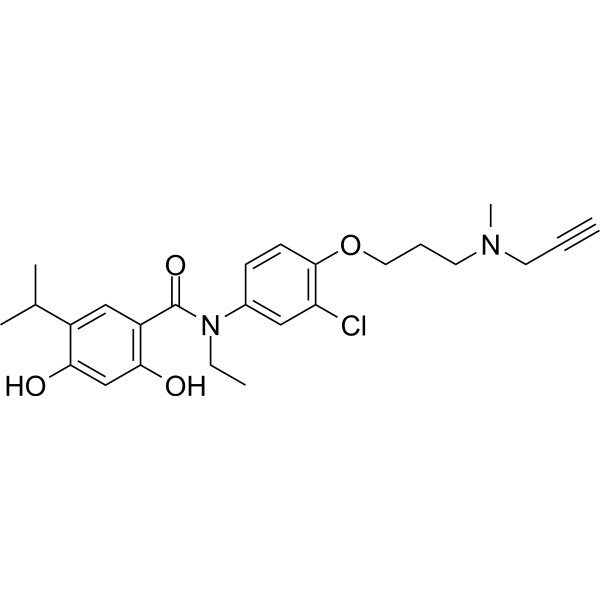
- HY-176271
-
|
|
Ferroptosis
Monoamine Oxidase
Glutathione Peroxidase
Reactive Oxygen Species (ROS)
Tau Protein
Amyloid-β
|
Neurological Disease
|
|
MAO-B-IN-45 is a dual inhibitor of ferroptosis and MAO-B. MAO-B-IN-45 shows selectivity towards MAO-B with an IC50 of 87.47 nM and selectivity exceeding 229-fold for MAO-B over MAO-A. MAO-B-IN-45 has excellent antiferroptosis activity through modulation of the iron metabolic pathway and GSH-GPX4 axis in vitro. MAO-B-IN-45 improves cognitive and behavioral impairments in 3×Tg (APP/Tau/Ps1) AD mouse and significantly reduced the levels of ferritin heavy chain 1 (FTH1), APP, and Tau phosphorylation (p-Tau) proteins in the brain.
|
-

- HY-146295
-
|
|
COX
|
Inflammation/Immunology
|
|
COX-2/5-LOX-IN-2 (5b) is a potent and dual inhibitor of COX-2/5-LOX. COX-2/5-LOX-IN-2 is a benzothiophen-2-yl pyrazole carboxylic acid derivative. COX-2/5-LOX-IN-2 shows the most potent analgesic and anti-inflammatory activities surpassing that of Celecoxib and Indomethacin. COX-2/5-LOX-IN-2 shows potent COX-1, COX-2 and 5-LOX inhibitory activity with IC50s of 5.40, 0.01 and 1.78 μM, respectively .
|
-
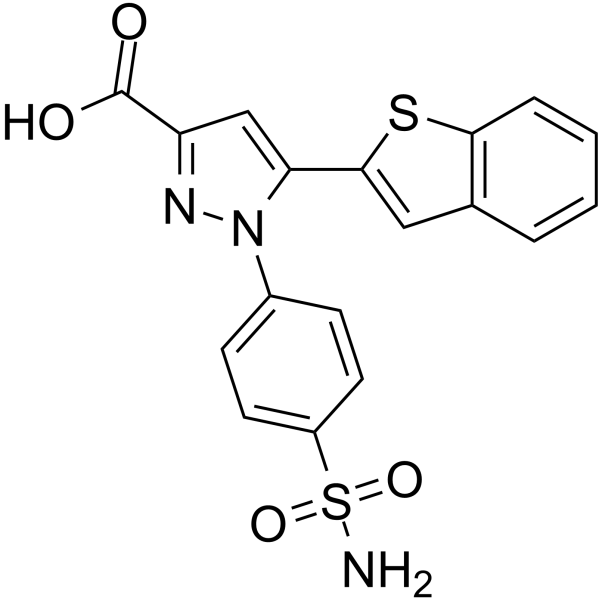
- HY-181965
-
|
|
Ras
ERK
p38 MAPK
|
Cancer
|
|
KRAS G12C-IN-78 is a selective SWII-binding KRASG12C dual inhibitor targeting both inactive and active states. KRAS G12C-IN-78 rapidly inhibits ERK1/2 phosphorylation, induces covalent adduct formation with endogenous KRASG12C, suppresses MAPK pathway gene expression, and inhibits cellular proliferation in KRASG12C mutant cells. KRAS G12C-IN-78 can be used for the research of KRASG12C mutant solid tumors, including pancreatic ductal adenocarcinoma and non-small cell lung cancer .
|
-

- HY-147613
-
|
|
PI3K
mTOR
|
Cancer
|
|
PI3K/mTOR Inhibitor-6 (Compound 19c) is a potent and dual inhibitor of PI3K/mTOR. PI3K/mTOR Inhibitor-6 displays better stability in artificial gastric fluids than gedatolisib. PI3K/mTOR Inhibitor-6 significantly suppresses the PI3K/Akt/mTOR signaling pathway at 10 μM. PI3K/mTOR Inhibitor-6 has the potential for the research of cancer diseases .
|
-
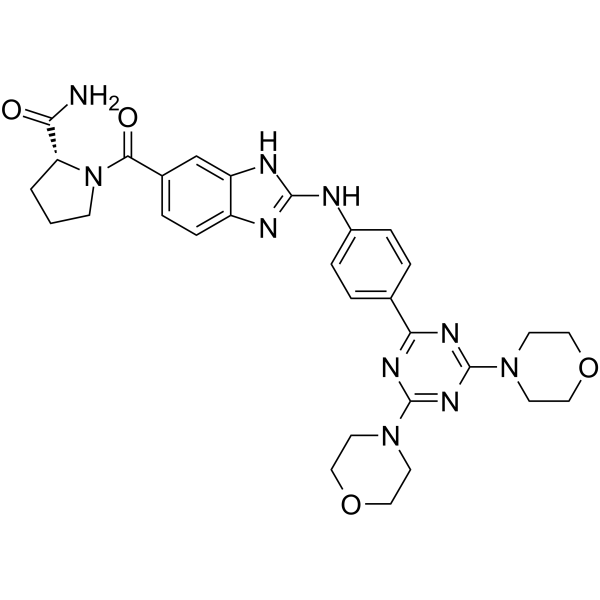
- HY-146294
-
|
|
COX
|
Inflammation/Immunology
|
|
COX-2/5-LOX-IN-1 (compound 3a) is a potent and dual inhibitor of COX-2/5-LOX. COX-2/5-LOX-IN-1 is a benzothiophen-2-yl pyrazole carboxylic acid derivative. COX-2/5-LOX-IN-1 shows the most potent analgesic and anti-inflammatory activities surpassing that of Celecoxib and Indomethacin. COX-2/5-LOX-IN-1 shows potent COX-1, COX-2 and 5-LOX inhibitory activity with IC50s of 12.13, 0.4 and 4.96 μM, respectively .
|
-
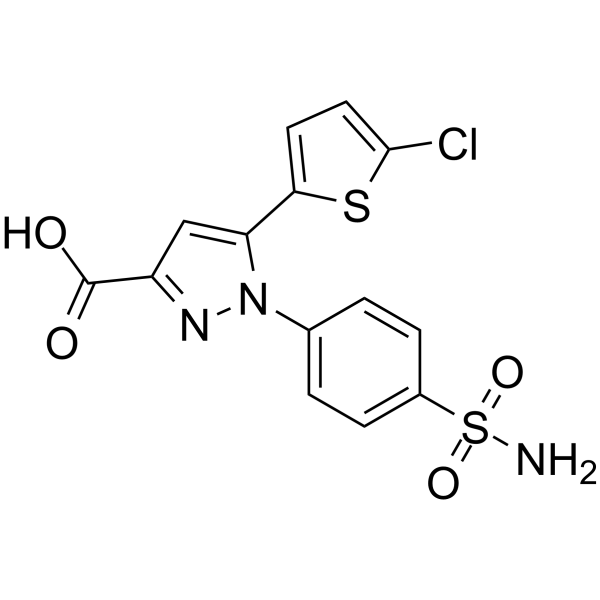
- HY-174232
-
|
|
EGFR
Carbonic Anhydrase
Caspase
|
Cancer
|
|
EGFR/CA-IX-IN-1 (Compound 14) is a dual inhibitor against epidermal growth factor receptor (EGFR) and carbonic anhydrase IX (CA-IX) with IC50 values of 5.92 nM and 63 nM, respectively. EGFR/CA-IX-IN-1 shows strong cytotoxicity against breast cancer cells (MDA-MB-231, MCF-7) with IC50 values of 5.78 μM and 8.05 μM, respectively. EGFR/CA-IX-IN-1 inhibits the catalytic activity of CA-IX, up-regulates BAX/Bcl-2, activates caspases, and arrests the cell cycle at the G1 phase. EGFR/CA-IX-IN-1 is promising for research of breast cancer .
|
-

- HY-143494
-
|
|
RSV
Influenza Virus
|
Infection
|
|
RSV/IAV-IN-3 (compound 14'i) is a dual inhibitor of respiratory syncytial virus (RSV) and influenza A virus (IAV) with EC50 values of 2.92 µM and 1.90 µM,respectively. RSV/IAV-IN-3 has antiviral effect against H1N1 and H3N2 with EC50 values of 3.25 µM and 1.50 µM in MDCK cells, respectively. RSV/IAV-IN-3 significantly inhibits the activity of luciferase in a dose-dependent manner, with an EC50 of 3.89 µM. RSV/IAV-IN-3 inhibits IAV infectivity and RdRp activity. RSV/IAV-IN-3 inhibits IAV and RSV replication at the post-entry stage .
|
-
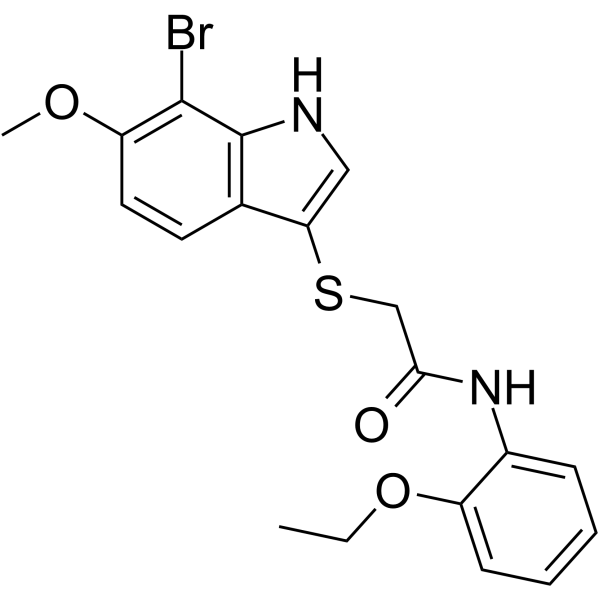
- HY-183330
-
|
|
Topoisomerase
Reactive Oxygen Species (ROS)
Apoptosis
MDM-2/p53
Caspase
Bcl-2 Family
|
Cancer
|
|
Topo I/II-IN-3 is a dual inhibitor of topoisomerase I/II (topoisomerase I/II), with an IC50 of 8.99 μM against Topo I and an IC50 of 26.92 μM against Topo II. Topo I/II-IN-3 induces DNA damage, elevates intracellular ROS levels, activates the mitochondrial apoptosis pathway, and exerts cytotoxicity against cancer cells. Topo I/II-IN-3 upregulates the expression of γ-H2AX, p53, activated caspase-9, Bax and activated caspase-3, while downregulating the expression of Bcl-2. Topo I/II-IN-3 can be used in research related to breast cancer, liver cancer and gastric cancer .
|
-

- HY-156150
-
|
|
Fungal
Cytochrome P450
PD-1/PD-L1
|
Infection
|
|
CYP51/PD-L1-IN-2 (compound L20) is a quinazoline compound with antifungal activity. CYP51/PD-L1-IN-2 is a dual inhibitor of CYP51 (IC50: 0.263 μM) and PD-L1 (IC50: 0.017 μM), which can induce early apoptosis of fungal cells in the cell cycle. CYP51/PD-L1-IN-2 also significantly reduced intracellular IL-2, NLRP3, and NF-κBp65 protein levels, induced mitochondrial damage and ROS accumulation, and ultimately led to fungal lysis and death .
|
-
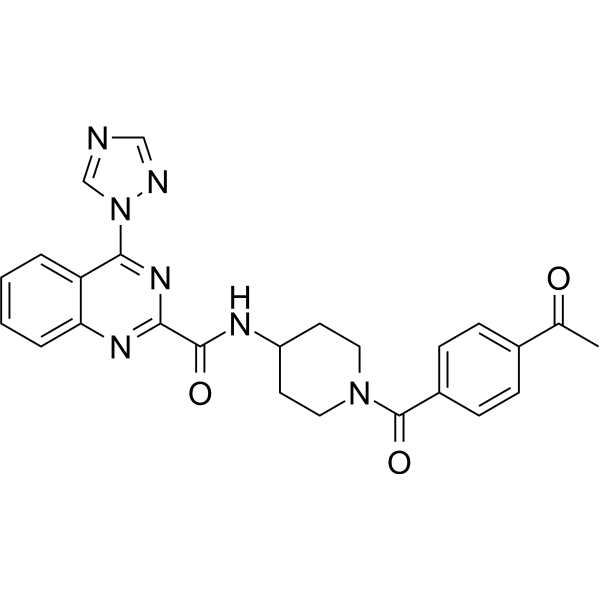
- HY-155066
-
|
|
PI3K
mTOR
Apoptosis
|
Cancer
|
|
FD274 is a highly potent PI3K/mTOR dual inhibitor with IC50s of 0.65 nM, 1.57 nM, 0.65 nM, 0.42 nM, and 2.03 nM against PI3Kα/β/γ/δ and mTOR, respectively. FD274 exhibits significant anti-proliferation of AML cell lines (HL-60 and MOLM-16). FD274 arrests HL-60 cell cycle at G1 phase and increases apoptosis. FD274 demonstrates dose-dependent inhibition of tumor growth in the HL-60 xenograft model. FD274 has the potential for acute myeloid leukemia research .
|
-
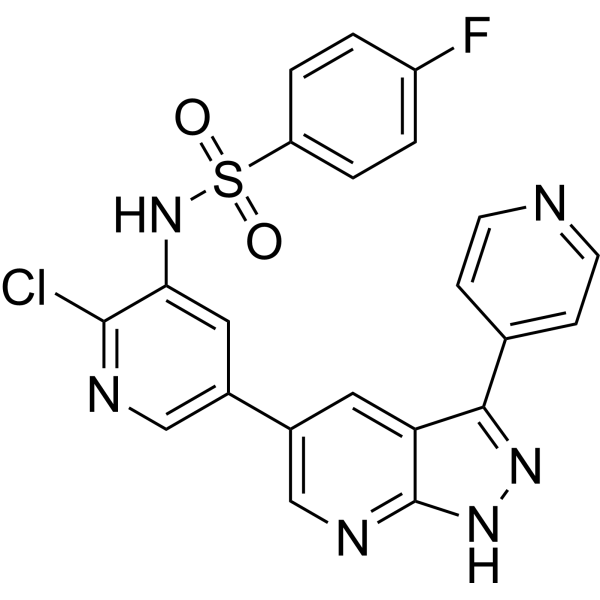
- HY-176561
-
|
|
Casein Kinase
HDAC
|
Cancer
|
|
IOR-160 is a dual inhibitor of casein kinase 2 (CK2) and HDACs. IOR-160 exhibits high selectivity for CK2 (IC50 = 1.7 nM) and broad inhibitory activity against HDAC (HDAC 1, 2, 3, and 6 with IC50s of 3.3 nM, 24.0 nM, 3.9 nM, and 13.0 nM, respectively, with low activity for HDAC8). IOR-160 modulates key cellular signaling pathways by inhibiting AKT phosphorylation and increasing acetylated α-tubulin. IOR-160 inhibits tumor growth and reduces tumor burden through dual CK2/HDAC inhibition. IOR-160 is indicated for use in triple-negative breast cancer research .
|
-

- HY-156151
-
|
|
Fungal
Cytochrome P450
PD-1/PD-L1
|
Infection
|
|
CYP51/PD-L1-IN-3 (compound L21) is a quinazoline compound with antifungal activity. CYP51/PD-L1-IN-3 is a dual inhibitor of CYP51 (IC50: 0.205 μM) and PD-L1 (IC50: 0.039 μM), which can induce early apoptosis of fungal cells in the cell cycle. CYP51/PD-L1-IN-3 also significantly reduced intracellular IL-2, NLRP3, and NF-κBp65 protein levels, induced mitochondrial damage and ROS accumulation, and ultimately led to fungal lysis and death .
|
-
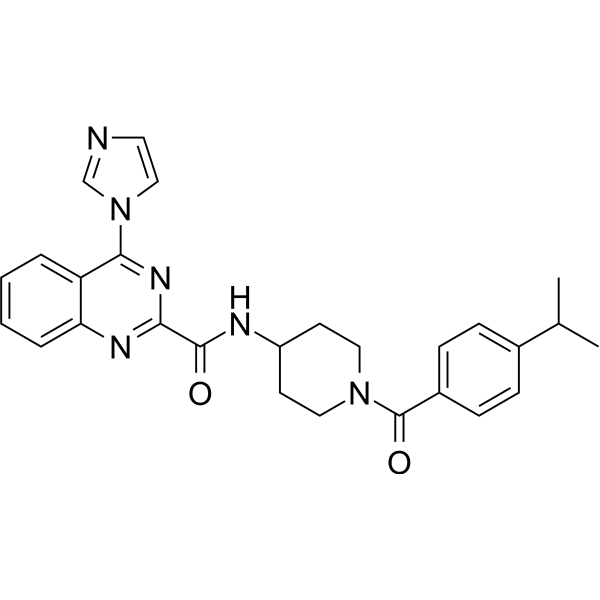
- HY-149493
-
|
|
PI3K
|
Inflammation/Immunology
Cancer
|
|
IHMT-PI3K-455 (Compound 15u) is a potent, selective, orally active PI3Kγ/δ dual inhibitor with IC50s of 7.1 nM and 0.57 nM for PI3Kγ and PI3Kδ, respectively. IHMT-PI3K-455 suppresses the AKT phosphorylation. IHMT-PI3K-455 inhibits tumor growth by recruiting and activating more CD8 + killing T cells.IHMT-PI3K-455 is used in cancer research .
|
-
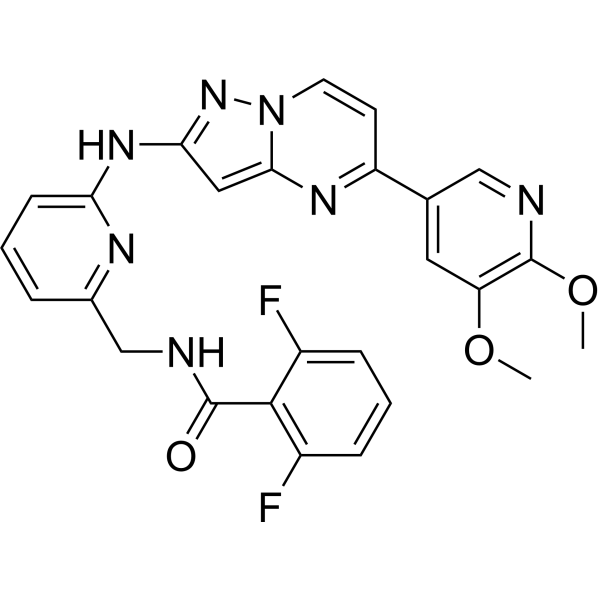
- HY-15648FR
-
|
|
Histone Demethylase
|
Cancer
|
|
GSK-J4 (hydrochloride) (Standard) is the analytical standard of GSK-J4 (hydrochloride). This product is intended for research and analytical applications. GSK-J4 hydrochloride is a potent dual inhibitor of H3K27me3/me2-demethylases JMJD3/KDM6B and UTX/KDM6A with IC50s of 8.6 and 6.6 μM, respectively. GSK-J4 hydrochloride inhibits LPS-induced TNF-α production in human primary macrophages with an IC50 of 9 μM. GSK-J4 hydrochloride is a cell permeable proagent of GSK-J1 .
|
-

- HY-147825
-
|
|
EGFR
Raf
Apoptosis
|
Cancer
|
|
EGFR/BRAFV600E-IN-1 (Compound 23) is a potent EGFR and BRAF V600E dual inhibitor with IC50s of 0.08 and 0.15 µM, respectively. EGFR/BRAFV600E-IN-1 induces apoptosis and cell cycle arrest in both pre-G1 and G2/M phases. EGFR/BRAFV600E-IN-1 exhibits antiproliferative activity againist A-549, MCF-7, Panc-1, HT-29 with IC50s of 1.2, 0.79, 1.3, and 1.23 µM, respectively .
|
-
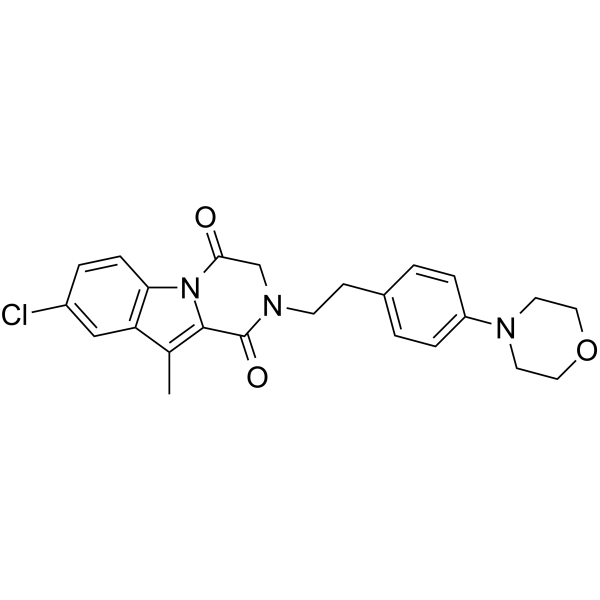
- HY-151563A
-
|
|
Deubiquitinase
|
Cancer
|
|
OTUB1/USP8-IN-1 TFA is the TFA salt form of OTUB1/USP8-IN-1 (HY-151563). OTUB1/USP8-IN-1 TFA is a dual inhibitor for OTUB1/USP8, IC50 for OTUB1 and USP8 is 0.17 and 0.28 nM, respectively. OTUB1/USP8-IN-1 TFA inhibits proliferation of NSCLC cells. OTUB1/USP8-IN-1 TFA exhibits good pharmacokinetic characters in ICR mouse, and exhibits antitumor activity in H1975 xenograft mouse model .
|
-

- HY-173280
-
|
CHNQD-01228
|
Arf Family GTPase
BMX Kinase
|
Cancer
|
|
Brefeldin A 4-O-nicotinate (CHNQD-01228) is a dual inhibitor of Arf1 and BMX proteins. The IC50 value for the proliferation of T24 cells is 0.22 μM. It can also dose-dependently inhibit the migration and colony formation of T24 cells, induce G1 phase arrest and trigger Apoptosis. Brefeldin A 4-O-nicotinate exerts its anti-cancer activity by targeting the BMX protein to inhibit the AKT/p-AKT and STAT3/p-STAT3 signaling pathways, as well as by inhibiting the Arf1 protein to eliminate bladder cancer stem cells and activate anti-tumor immunity. Brefeldin A 4-O-nicotinate can be used in the research related to bladder cancer .
|
-

- HY-156149
-
|
|
Fungal
Cytochrome P450
PD-1/PD-L1
|
Infection
|
|
CYP51/PD-L1-IN-1 (compound L11) is a quinazoline compound with antifungal activity. CYP51/PD-L1-IN-1 is a dual inhibitor of CYP51 (IC50: 0.884 μM) and PD-L1 (IC50: 0.083 μM), which can induce early apoptosis of fungal cells in the cell cycle. CYP51/PD-L1-IN-1 also significantly reduced intracellular IL-2, NLRP3, and NF-κBp65 protein levels, induced mitochondrial damage and ROS accumulation, and ultimately led to fungal lysis and death .
|
-
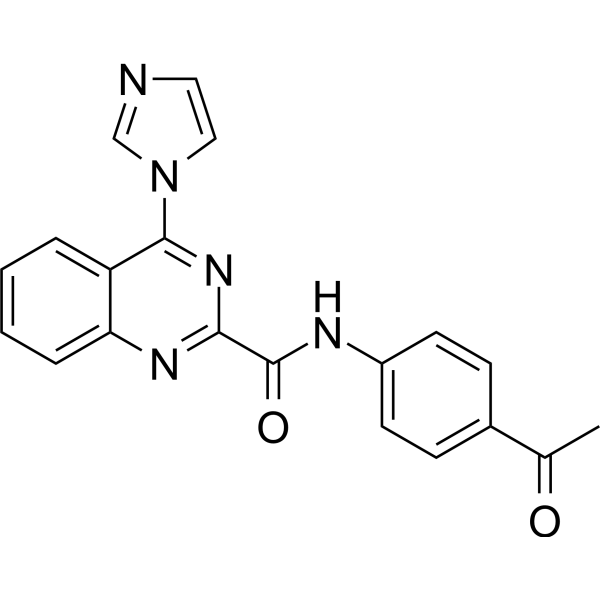
- HY-116763
-
|
|
COX
LOX-1
|
|
|
COX-2/5-LOX-IN-4 (Compound 1) is a dual inhibitor that acts on both COX-2 and 5-LOX, with IC50 values of 0.05 μM for COX-2 and 0.003 μM for 5-LOX. By inhibiting the arachidonic acid metabolism pathway, COX-2/5-LOX-IN-4 reduces the production of prostaglandins and leukotrienes, alleviating inflammatory responses. In a rat ear edema model, intravenous administration (0.01 and 0.1 mg/kg) reduced edema by 41% and 44%, respectively, demonstrating significant anti-inflammatory effects. COX-2/5-LOX-IN-4 shows promise for studying the mechanisms of inflammatory diseases .
|
-

- HY-181774
-
|
|
Phosphodiesterase (PDE)
|
Endocrinology
|
|
PDE4/5-IN-1 is a selective phosphodiesterase 4/5 (PDE4/5) dual inhibitor. PDE4/5-IN-1 functionally inhibits PDE5, PDE4B2, and PDE4D2 activity. PDE4/5-IN-1 relaxes isolated rat prostate tissue, enhances nitric oxide-induced relaxation in isolated rat prostate tissue, and reduces alpha-1 adrenoceptor-mediated contractile responses in isolated rat prostate tissue. PDE4/5-IN-1 inhibits proliferation of human hyperplastic prostate cells. PDE4/5-IN-1 can be used for the research of benign prostatic hyperplasia .
|
-

- HY-149454
-
|
|
P2Y Receptor
|
Cancer
|
|
P2Y1/P2Y12 antagonist-1 (compound 24w) is an orally available dual inhibitor of P2Y1 and P2Y12 with antiplatelet activity. P2Y1/P2Y12 antagonist-1 inhibits ADP-induced platelet aggregation in rabbit plasma with an IC50 of 4.23 μM. P2Y1/P2Y12 antagonist-1 exhibits potent inhibitory effects in rat thrombosis model.
|
-
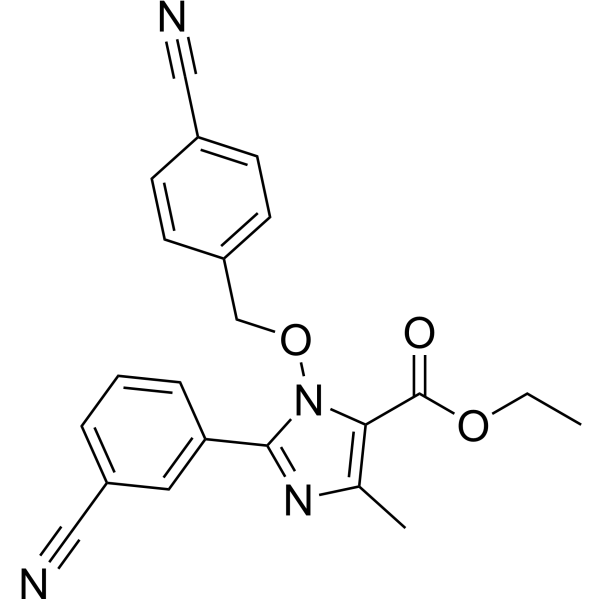
- HY-15648BR
-
|
|
Histone Demethylase
Apoptosis
|
Cancer
|
|
GSK-J4 (Standard) is the analytical standard of GSK-J4. This product is intended for research and analytical applications. GSK-J4 is a potent dual inhibitor of H3K27me3/me2-demethylases JMJD3/KDM6B and UTX/KDM6A with IC50s of 8.6 and 6.6 μM, respectively. GSK-J4 inhibits LPS-induced TNF-α production in human primary macrophages with an IC50 of 9 μM. GSK J4 is a cell permeable proagent of GSK-J1 . GSK-J4 induces endoplasmic reticulum stress-related apoptosis .
|
-

- HY-153858
-
|
|
Raf
Discoidin Domain Receptor
MEK
TNF Receptor
Interleukin Related
JAK
STAT
Ras
|
Cancer
|
|
PHI-501 is a dual inhibitor targeting RAF/DDR. PHI-501 exhibits significant anti-proliferative effects in melanoma cell lines and significantly inhibits the colony formation of drug-resistant cells. PHI-501 strongly inhibits ERK and AKT phosphorylation. PHI-501 downregulates the gene sets in drug-resistant cells of TNFA-NFKB, IL6-JAK-STAT3, and KRAS signaling pathways as well as the epithelial-mesenchymal transition (EMT) signaling pathways. PHI-501 demonstrates significant anti-tumor effects in the SK-MEL3DR xenograft model. PHI-501 can be used for research on the problem of drug resistance in melanoma .
|
-

- HY-N6893
-
|
|
NF-κB
NOD-like Receptor (NLR)
Apoptosis
Autophagy
|
Neurological Disease
Cancer
|
Ergolide is an orally active dual inhibitor targeting NF-κB/p65 and NLRP3. Ergolide blocks the NF-κB signaling pathway and the nuclear translocation of p65, and irreversibly binds to the NACHT domain of NLRP3 to inhibit inflammasome assembly. Ergolide significantly reduces the production of inflammatory mediators (e.g., NO, PGE2) and cytokines, induces cancer cell apoptosis, autophagy and ROS generation. Ergolide also enhances the anti-tumor effect of vincristine. Ergolide alleviates acute lung injury via an NLRP3-dependent mechanism, and effectively improves the survival rate and behavioral function of septic mice and inflammatory zebrafish models. Ergolide is used in the research of metastatic uveal melanoma, neurodegenerative diseases (such as Alzheimer's disease, Parkinson's disease), sepsis and acute lymphoblastic leukemia .
|
-
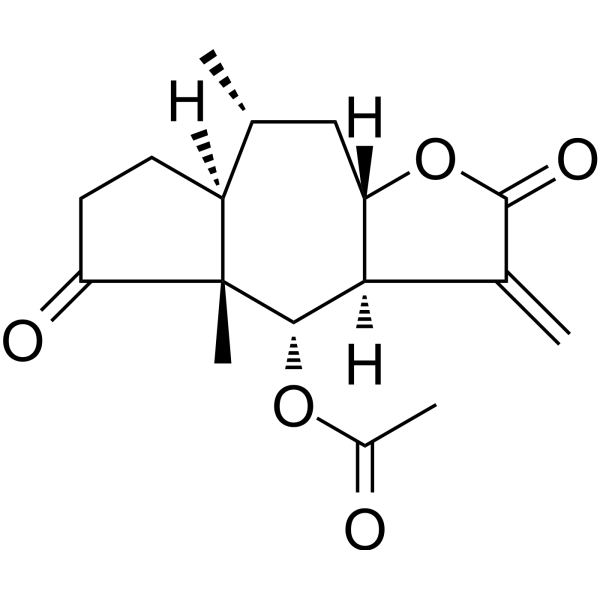
- HY-181691
-
|
|
JAK
Influenza Virus
|
Infection
|
JAK2-IN-20 is an orally active dual inhibitor targeting JAK2 kinase (IC50=49.17 nM) and influenza A virus PB2 protein (IC50=3.337 μM, Kd=2.82 μM). JAK2-IN-20 effectively blocks the JAK/STAT signaling pathway by reducing the phosphorylation levels of STAT1 and STAT3, thereby inhibiting viral replication and downregulating the expression of viral NP and PB2 proteins. In addition, JAK2-IN-20 significantly inhibits the mRNA expression of key inflammatory cytokines such as IL-6, TNF-α and IFN-β in inflammation and influenza infection models. JAK2-IN-20 serves as an important tool molecule for the study of influenza A virus infection and related pathologies .
|
-

- HY-B1451
-
|
TA-6366
|
Angiotensin-converting Enzyme (ACE)
MMP
JNK
|
Cardiovascular Disease
Neurological Disease
Metabolic Disease
Inflammation/Immunology
|
|
Imidapril hydrochloride (TA-6366) is an orally active dual inhibitor of angiotensin-converting enzyme (ACE) and MMP-9. Imidapril hydrochloride inhibits lipopolysaccharide-induced phosphorylation of c-Jun, MKK4 and JNK in monocytes, and downregulates the production of specific inflammatory factors such as TNF-α and IP-10, thereby exerting anti-inflammatory activity. Imidapril hydrochloride also effectively ameliorates mesangial expansion and reduces urinary albumin excretion by inhibiting angiotensin AngII production, lowering glomerular pressure and oxidative stress, thus delaying disease progression. Imidapril hydrochloride can also directly bind to the active site of MMP-9 to inhibit gelatinase activity, and suppress the enlargement of cerebral aneurysms without altering systemic blood pressure. Imidapril hydrochloride is widely applicable to related studies on autoimmune glomerulonephritis, diabetic nephropathy, cerebral aneurysms and other conditions .
|
-
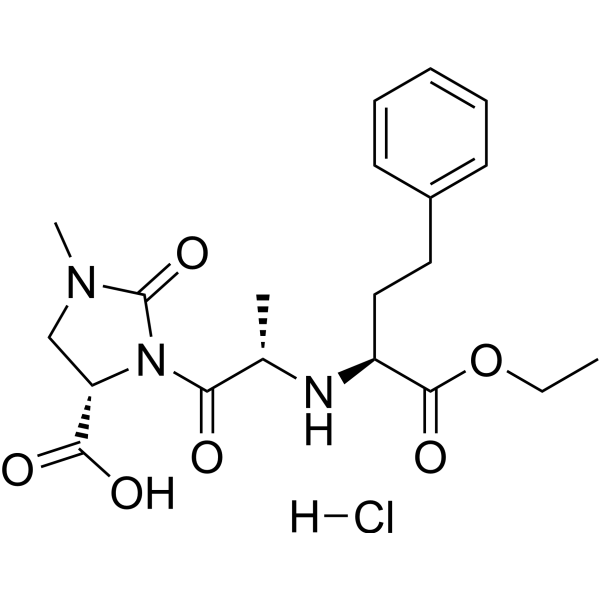
- HY-182046
-
|
|
MNK
PPAR
Eukaryotic Initiation Factor (eIF)
Stearoyl-CoA Desaturase (SCD)
|
Metabolic Disease
|
|
HD202A is an orally active, selective dual inhibitor of MNK1/MNK2 (with IC50 values of 6.09 nM and 8.06 nM, and Kd values of 1.913 μM and 5.244 μM, respectively) that inhibits the MNK-eIF4E signaling pathway. By downregulating perilipin 2 and SCD1, while upregulating adipose triglyceride lipase and PPARγ coactivator 1α, HD202A enhances mitochondrial fatty acid oxidation and redox homeostasis. HD202A effectively suppresses body weight gain, hepatic lipid accumulation and elevation of serum lipids, significantly improves glucose tolerance and insulin sensitivity of the organism, and ameliorates inflammatory features. With these comprehensive pharmacological activities, HD202A exhibits great application potential in studies of metabolic dysfunction-associated steatotic liver disease .
|
-

- HY-183327
-
|
|
PI3K
mTOR
Akt
Apoptosis
Reactive Oxygen Species (ROS)
Mitochondrial Metabolism
Bcl-2 Family
Caspase
|
Cancer
|
|
PI3K/mTOR-IN-22 is an orally active PI3K/mTOR kinase dual inhibitor with IC50 values of 400.5 nM and 8.2 nM. PI3K/mTOR-IN-22 downregulates phosphorylation of the AKT and mTOR, upregulates pro-apoptotic proteins Bax and caspase-3 and downregulates anti-apoptotic protein Bcl-2. PI3K/mTOR-IN-22 exhibits antiproliferative activity against cancer cells, induces apoptosis and ROS production, and reduces mitochondrial membrane potential. PI3K/mTOR-IN-22 exhibits antitumor activity in breast cancer mice models .
|
-

- HY-128879A
-
|
|
Phosphodiesterase (PDE)
GSK-3
Tau Protein
|
Cardiovascular Disease
Neurological Disease
Inflammation/Immunology
|
|
VP3.15 dihydrobromide is a highly potent, orally bioavailable, and CNS-penetrant PDE7-GSK3 dual inhibitor, with IC50 values of 1.59 μM and 0.88 μM against PDE7 and GSK3, respectively . VP3.15 dihydrobromide elevates intracellular cAMP levels, suppresses immune responses, enhances remyelination, limits excessive tau phosphorylation, and alleviates neuroinflammation and neuronal loss. VP3.15 dihydrobromide promotes oligodendrocyte precursor cell differentiation, improves in vivo remyelination, inhibits autoimmune encephalomyelitis, and mitigates germinal matrix-intraventricular hemorrhage-related brain injury, cerebral atrophy, ventricular enlargement, and cognitive impairment. VP3.15 dihydrobromide can be used in research related to multiple sclerosis and germinal matrix-intraventricular hemorrhage .
|
-
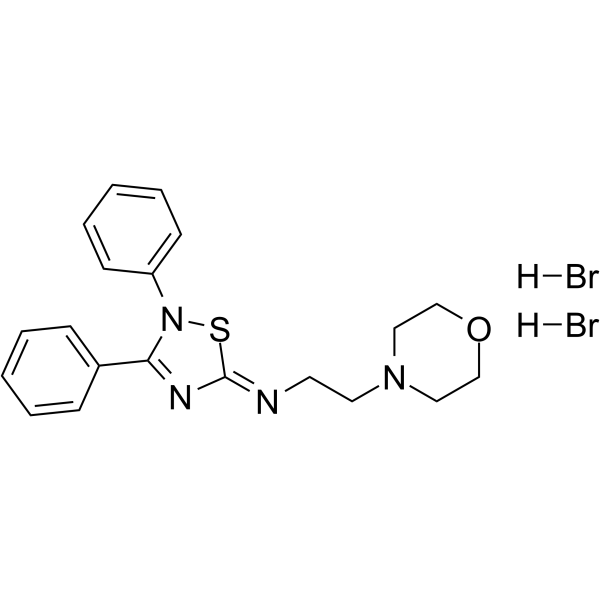
- HY-13219
-
|
|
COX
Lipoxygenase
Reactive Oxygen Species (ROS)
NF-κB
|
Neurological Disease
Inflammation/Immunology
|
|
Tepoxalin is an orally active dual inhibitor of Cyclooxygenase/Lipoxygenase, with IC50 values of 4.6 μM (sheep cyclooxygenase), 2.85 μM (rat cyclooxygenase), 0.15 μM (rat 5-lipoxygenase), and 3.0 μM (h12-lipoxygenase), respectively. Tepoxalin inhibits ROS production and NF-κB activation. Tepoxalin suppresses the production of thromboxane B2, leukotriene B4, prostaglandins and cytokines, and blocks platelet aggregation. Tepoxalin exhibits potent anti-inflammatory activity in rats with adjuvant-induced arthritis. Tepoxalin possesses analgesic activity. Tepoxalin shows no ulcerogenic activity within the anti-inflammatory dose range. Tepoxalin can be used in studies related to adjuvant-induced arthritis, skin inflammation and Alzheimer's disease .
|
-
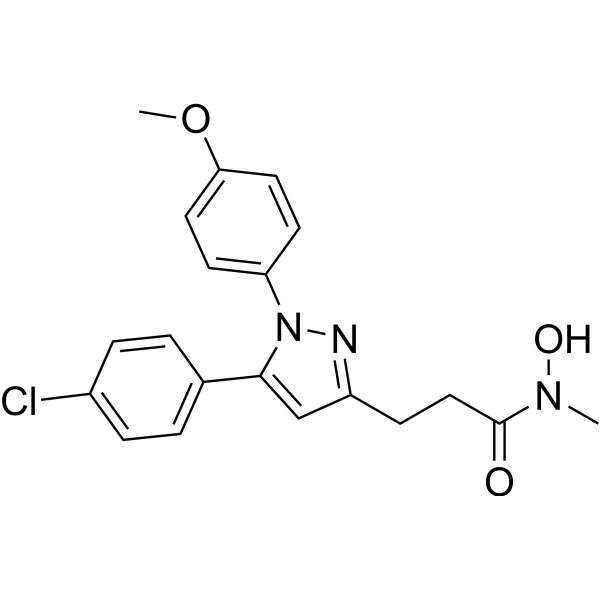
- HY-179386
-
|
|
PARP
Histone Methyltransferase
Apoptosis
Pyroptosis
Necroptosis
Reactive Oxygen Species (ROS)
PANoptosis
|
Cancer
|
|
PARP1/EZH2-IN-1 is a selective PARP1 and EZH2 dual inhibitor. PARP1/EZH2-IN-1 has IC50s of 28 nM, 414 nM and 74 nM for PARP1, PARP2 and EZH2, respectively. PARP1/EZH2-IN-1 inhibits the proliferation and migration of TNBC cells (triple-negative breast Cancer cells). PARP1/EZH2-IN-1 induces PANoptosis (Apoptosis, Pyroptosis and Necroptosis), increases the level of reactive oxygen species (ROS), and activates related inflammatory pathways. PARP1/EZH2-IN-1 can be used in triple-negative breast cancer research .
|
-

- HY-111140
-
|
|
PGE synthase
Lipoxygenase
PPAR
|
Inflammation/Immunology
|
|
YS121 is a dual inhibitor of microsomal prostaglandin E2 synthase-1 (mPGES-1; IC50 = 3.4 μM) and 5-lipoxygenase (5-LOX; IC50 = 6.5 μM). YS121 exhibits direct, reversible, and specific binding to mPGES-1 (KD = 10-14 μM) . YS121 dose-dependently reduces PGE2 production with an EC50 of 12 μM in IL-1β-stimulated A549 cells . YS121 (compound 9) activates PPAR-α and -γ (EC50 = 1 and 3.6 μM, respectively) . YS121 exhibits anti-inflammatory efficiency in human whole blood as well as in vivo. YS121 can be used for pleurisy research .
|
-
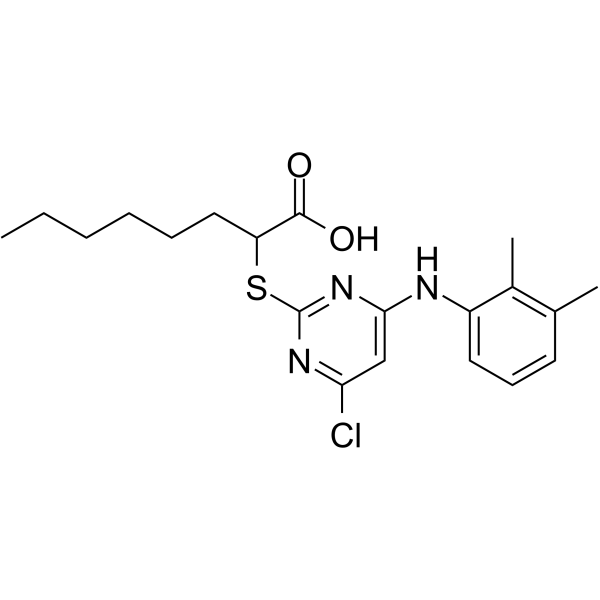
- HY-147614
-
|
|
PI3K
mTOR
|
Cancer
|
|
PI3K/mTOR Inhibitor-7 (Compound 19i) is a potent and dual inhibitor of PI3K/mTOR. PI3K/mTOR Inhibitor-7 shows 4.7-fold higher potency than the positive control gedatolisib (0.3 vs. 1.4 μM, IC50 values). PI3K/mTOR Inhibitor-7 significantly suppresses the PI3K/Akt/mTOR signaling pathway at 10 μM. PI3K/mTOR Inhibitor-7 has the potential for the research of cancer diseases .
|
-
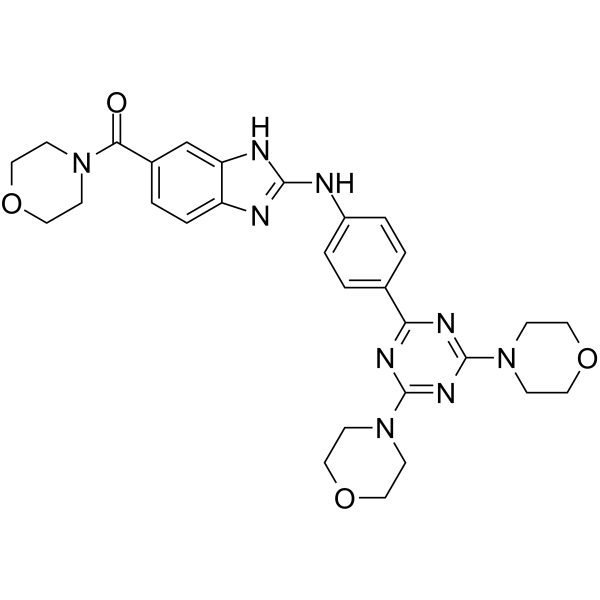
- HY-178466
-
|
|
Microtubule/Tubulin
P-glycoprotein
Apoptosis
|
Cancer
|
|
Tubulin polymerization/P-gp-IN-1 is a Tubulin polymerization/P-gp dual inhibitor. Tubulin polymerization/P-gp-IN-1 inhibits tubulin polymerization and induces G2/M arrest and apoptosis. Tubulin polymerization/P-gp-IN-1 reverses MDR by inhibiting P-gp efflux function. Tubulin polymerization/P-gp-IN-1 has dual functions: direct antitumor activity and reversal of P-gp-mediated Cisplatin (HY-17394) resistance. Tubulin polymerization/P-gp-IN-1 stable binds to the tubulin CBS (ΔG = −12.4 kcal/mol) and the P-gp hydrophobic lumen (ΔG = −10.8 kcal/mol). Tubulin polymerization/P-gp-IN-1 can be used for the study of drug-resistant cervical cancer .
|
-

- HY-179021
-
|
|
COX
Lipoxygenase
|
Cancer
|
|
COX-2/15-LOX-IN-7 is a potent, selective and orally active dual inhibitor of COX-2 and 15-LOX with IC50 values of 0.022 and 1.19 μM. COX-2/15-LOX-IN-7 also inhibits COX-1 with an IC50 value of 28.081μM. COX-2/15-LOX-IN-7 has low cytotoxicity against human colorectal cancer HT-29 and HCT116 cell lines (IC50 >100 μM for both). COX-2/15-LOX-IN-7 exhibits non-ulcerogenic performance. COX-2/15-LOX-IN-7 can be used for the research of cancer .
|
-

- HY-178029
-
|
|
Ribosomal S6 Kinase (RSK)
Topoisomerase
Apoptosis
Autophagy
Reactive Oxygen Species (ROS)
|
Cancer
|
|
RSK2/TOP2-IN-1 is a RSK2/TOP2 dual inhibitor. RSK2/TOP2-IN-1 targets key tumor progression enzymes including ribosomal S6 kinase 2 and topoisomerases IIα/IIβ. RSK2/TOP2-IN-1 shows selectivity index > 2 against all squamous cell carcinoma (SCC) cell lines. RSK2/TOP2-IN-1 can induce cell apoptosis, autophagy and ROS production. RSK2/TOP2-IN-1 can be used for the research of cancer, such as squamous cell carcinoma .
|
-

- HY-N6712R
-
|
Acetopyrrothin (Standard)
|
Reference Standards
Antibiotic
Bacterial
Deubiquitinase
NOD-like Receptor (NLR)
DNA/RNA Synthesis
Pyroptosis
HMG-CoA Reductase (HMGCR)
|
Cardiovascular Disease
Inflammation/Immunology
Cancer
|
|
Thromycin (Standard) is the analytical standard of thromycin (Acetopyrrothin) (HY-N6712). Thiolutin is a sulfur-containing antibiotic, which is a potent inhibitor of bacterial and yeast RNA polymerases. Thiolutin can be produced by Streptomyces. Thiolutin inhibits AMSH (IC50 = 4 μM) and Rpn11 (IC50 = 0.53 μM). Thiolutin is a dual inhibitor of BRCC36 and the NLRP3 inflammasome, exhibiting anti-inflammatory effects. Thiolutin effectively suppresses the interaction between BRCC36 and HMGCR, leading to the inhibition of HCC growth. Thiolutin attenuates pyroptosis and NLRP3 inflammasome activation. Thiolutin markedly alleviates renal injury and inflammatory process in IgAN. Thiolutin is an anti-angiogenic compound which can ease Doxorubicin (HY-15142A)-induced cardiotoxicity (DOXIC) [1][2][3][4][5].
|
-

- HY-178163
-
|
|
Ferroptosis
Necroptosis
RIP kinase
Reactive Oxygen Species (ROS)
Mixed Lineage Kinase
|
Inflammation/Immunology
|
|
Zharp1-163 is a dual inhibitor of ferroptosis and necroptosis. Zharp1-163 effectively blocks ferroptosis by reducing reactive oxygen species (ROS) levels and inhibits necroptosis by potently and selectively targeting RIPK1 kinase activity (KD = 240 nM; IC50 = 406.1 nM). Zharp1-163 inhibits the cellular activation of RIPK1, RIPK3 and MLKL in response to necroptotic stimulation. Zharp1-163 markedly attenuates TNF-α (HY-P1875)-induced systemic inflammatory syndrome, including the prevention of TNF-α-induced mortality and hypothermia in mice. Zharp1-163 significantly alleviates acute kidney injury associated with both necroptosis and ferroptosis in models induced by Cisplatin (HY-17394) and ischemia-reperfusion. Zharp1-163 can be used for the study of diseases associated with cell death pathways, such as kidney disease .
|
-

- HY-148862
-
|
|
Calcium Channel
Monoamine Transporter
|
Inflammation/Immunology
|
|
Cavα2δ1&NET-IN-1 (Compound 59S) is a dual inhibitor of the α2δ‑1 subunit of voltage-gated calcium channels (Cavα2δ-1) and the norepinephrine transporter (NET). Cavα2δ1&NET-IN-1 inhibits Cavα2δ-1 with a Ki of 112 nM. Cavα2δ1&NET-IN-1 inhibits NET with a Ki of 383 nM and IC50 of 67 nM. Cavα2δ1&NET-IN-1 can be used for research of pain .
|
-
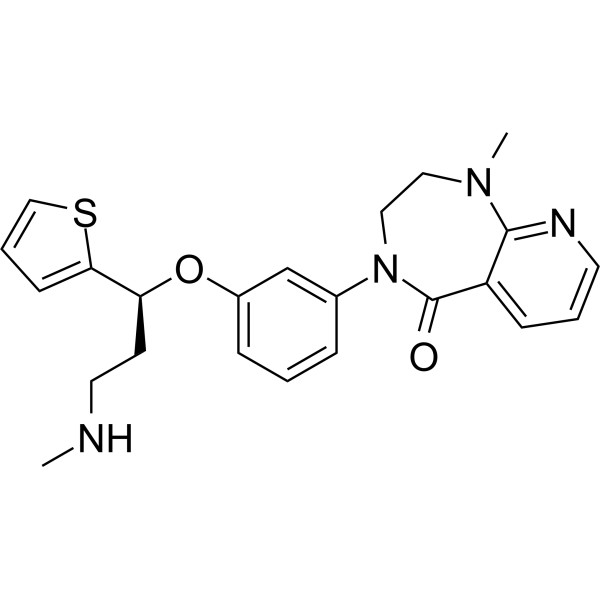
- HY-172200A
-
|
|
PD-1/PD-L1
HDAC
|
Inflammation/Immunology
Cancer
|
|
PD-L1/HDAC6-IN-1 TFA is an orally active dual inhibitor of PD-L1 and HDAC6, with IC50 values of 26.8 nM and 78 nM, respectively. PD-L1/HDAC6-IN-1 TFA binds to human and murine PD-L1 proteins with high affinity, while it reduces STAT3 phosphorylation and downregulates PD-L1 expression by inhibiting HDAC6, thus blocking the PD-1/PD-L1 interaction. PD-L1/HDAC6-IN-1 TFA exhibits potent anti-tumor activity in a mouse melanoma model. PD-L1/HDAC6-IN-1 is suitable for research on tumor immune regulation related to melanoma .
|
-

- HY-B1451A
-
|
TA-6366 free base
|
Angiotensin-converting Enzyme (ACE)
MMP
JNK
|
Cardiovascular Disease
Metabolic Disease
|
|
Imidapril (TA-6366 free base) is an orally active dual inhibitor of angiotensin-converting enzyme (ACE) and MMP-9. Imidapril inhibits lipopolysaccharide-induced phosphorylation of c-Jun, MKK4 and JNK in monocytes, and downregulates the production of specific inflammatory factors such as TNF-α and IP-10, thereby exerting anti-inflammatory activity. Imidapril also effectively ameliorates mesangial expansion and reduces urinary albumin excretion by inhibiting angiotensin AngII production, lowering glomerular pressure and oxidative stress, thus delaying disease progression. Imidapril can also directly bind to the active site of MMP-9 to inhibit gelatinase activity, and suppress the enlargement of cerebral aneurysms without altering systemic blood pressure. Imidapril is widely applicable to related studies on autoimmune glomerulonephritis, diabetic nephropathy, cerebral aneurysms and other conditions .
|
-
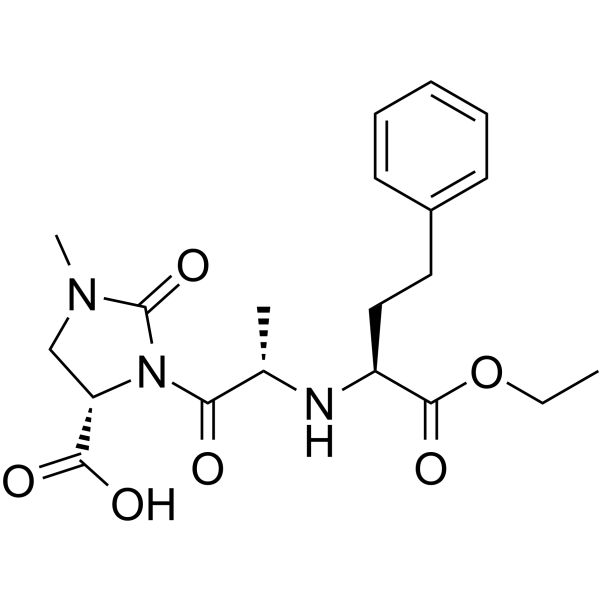
- HY-175655
-
|
|
p38 MAPK
Cholinesterase (ChE)
Interleukin Related
|
Neurological Disease
Inflammation/Immunology
|
|
BChE/p38-α MAPK-IN-1 is a selective dual inhibitor of hBChE (IC50 = 772 nM) and p38α MAPK (IC50 = 191 nM). BChE/p38-α MAPK-IN-1 reduces the production of pro-inflammatory cytokines (IL-1β, IL-6, IL-8, TNF-α) in cells. BChE/p38-α MAPK-IN-1 improves Scopolamine (HY-N0296)-induced cognitive impairment, as well as alleviates LPS (HY-D1056)-induced spatial learning impairment and exerts anti-neuroinflammatory effects in mice. BChE/p38-α MAPK-IN-1 can be used for the study of Alzheimer’s disease (AD) by targeting both cholinergic deficit and neuroinflammation .
|
-

- HY-148863
-
|
|
Calcium Channel
Monoamine Transporter
|
Inflammation/Immunology
|
|
Cavα2δ1&NET-IN-2 (Compound 45CS) is a dual inhibitor of the α2δ‑1 subunit of voltage-gated calcium channels (Cavα2δ-1) and the norepinephrine transporter (NET). Cavα2δ1&NET-IN-2 inhibits Cavα2δ-1 with a Ki of 454 nM. Cavα2δ1&NET-IN-2 inhibits NET with a Ki of 59 nM and IC50 of 7 nM. Cavα2δ1&NET-IN-2 can be used for research of pain .
|
-
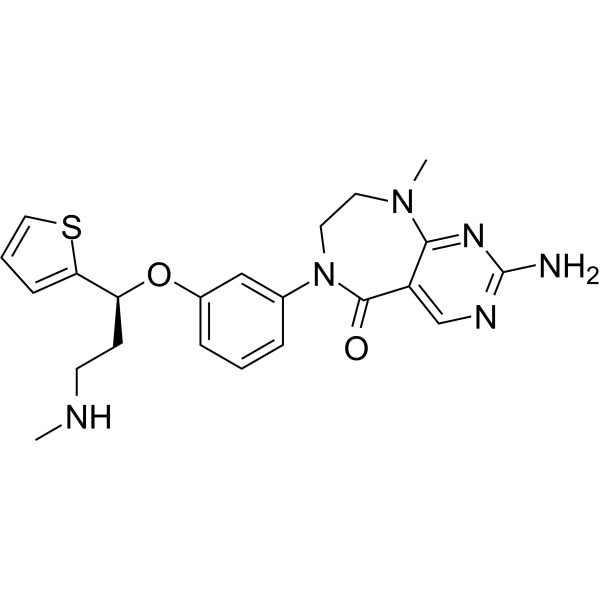
- HY-172200
-
|
|
PD-1/PD-L1
HDAC
|
Inflammation/Immunology
Cancer
|
|
PD-L1/HDAC6-IN-1 is an orally active dual inhibitor of PD-L1 and HDAC6, with IC50 values of 26.8 nM and 78 nM, respectively. PD-L1/HDAC6-IN-1 binds to human and murine PD-L1 proteins with high affinity, while it reduces STAT3 phosphorylation and downregulates PD-L1 expression by inhibiting HDAC6, thus blocking the PD-1/PD-L1 interaction. PD-L1/HDAC6-IN-1 exhibits potent anti-tumor activity in a mouse melanoma model. PD-L1/HDAC6-IN-1 is suitable for research on tumor immune regulation related to melanoma .
|
-

- HY-155577
-
|
|
Monoamine Oxidase
HSP
|
Cancer
|
|
MAO A/HSP90-IN-1 (4-b) is a MAO A/HSP90 dual inhibitor with IC50 value of 1.77 μM and 0.019 μM in Glioblastoma (GBM) GL26 cells and HSP90α, respectively. MAO A/HSP90-IN-1 (4-b) can inhibit MAO A activity, HSP90 binding and the expression of HER2 and phospho-Akt to inhibit the growth of GBM, they also reduce PD-L1 expression, which inhibits T cell activation. MAO A/HSP90-IN-1 (4-b) have potential to inhibit tumor immune escape. MAO A/HSP90-IN-1 (4-b) can be used for brain tumor-related diseases research .
|
-
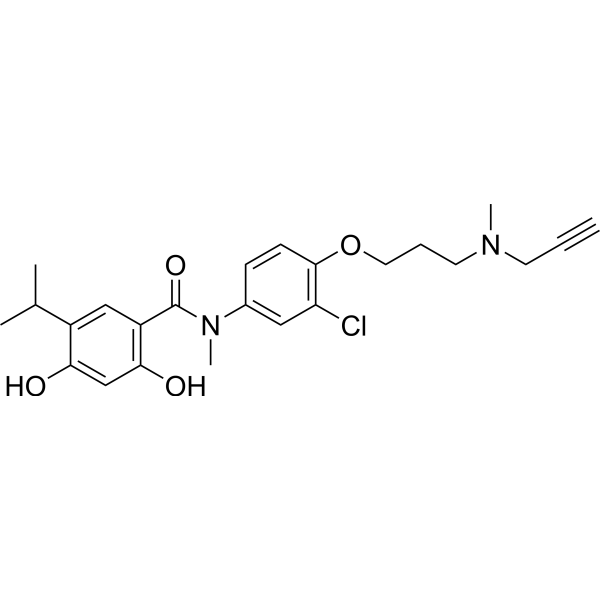
- HY-W231513
-
|
|
MASTL
Ser/Thr Protease
Aurora Kinase
|
Cancer
|
|
MASTL/Aurora A-IN-1 (Compound MA4) is a dual inhibitor of MASTL and Aurora A kinases with IC50 values of 0.56 μM and 0.16 μM, respectively. MASTL/Aurora A-IN-1 has broad-spectrum anticancer activity and has potent anticancer activity against SR (leukemia), K-562 (leukemia), MDA-MB-435 (melanoma), MOLT-4 (leukemia), and SK-MEL-2 (melanoma) cell lines in NCI-60 cancer cell lines with GI50 values of 0.023, 0.032, 0.037, 0.044, and 0.051 μM, respectively. MASTL/Aurora A-IN-1 inhibits Aurora A and MASTL kinases, inducing cell cycle G2/M arrest, thereby inhibiting cancer cell proliferation. MASTL/Aurora A-IN-1 can be used in cancer research, especially for tumors with dysregulated mitosis .
|
-

- HY-181086
-
|
|
FLT3
HDAC
Apoptosis
Reactive Oxygen Species (ROS)
|
Cancer
|
|
FLT3/HDAC-IN-3 is a dual inhibitor of FLT3 and HDAC. FLT3/HDAC-IN-3 potently inhibits FLT3 (IC50 = 14 nM), HDAC1 (IC50 = 27 nM), HDAC6 (IC50 = 20 nM), and FLT3 D853Y (IC50 = 55 nM), exhibits weak activity against HDAC8, and shows no activity against HDAC4. FLT3/HDAC-IN-3 possesses kinase selectivity, plasma stability, and stability in human liver microsomes. FLT3/HDAC-IN-3 demonstrates anti-proliferative effects in a variety of hematological malignancy cell lines. FLT3/HDAC-IN-3 shows efficacy in the Jeko-1 xenograft model without observed significant toxicity. FLT3/HDAC-IN-3 can be used in the study of hematological malignancies .
|
-

- HY-B1451S
-
|
|
Isotope-Labeled Compounds
Angiotensin-converting Enzyme (ACE)
MMP
JNK
|
Cardiovascular Disease
|
|
Imidapril-d3 hydrochloride (TA-6366-d3) is the deuterium labeled Imidapril hydrochloride. Imidapril hydrochloride (TA-6366) is an orally active dual inhibitor of angiotensin-converting enzyme (ACE) and MMP-9. Imidapril hydrochloride inhibits lipopolysaccharide-induced phosphorylation of c-Jun, MKK4 and JNK in monocytes, and downregulates the production of specific inflammatory factors such as TNF-α and IP-10, thereby exerting anti-inflammatory activity. Imidapril hydrochloride also effectively ameliorates mesangial expansion and reduces urinary albumin excretion by inhibiting angiotensin AngII production, lowering glomerular pressure and oxidative stress, thus delaying disease progression. Imidapril hydrochloride can also directly bind to the active site of MMP-9 to inhibit gelatinase activity, and suppress the enlargement of cerebral aneurysms without altering systemic blood pressure. Imidapril hydrochloride is widely applicable to related studies on autoimmune glomerulonephritis, diabetic nephropathy, cerebral aneurysms and other conditions .
|
-
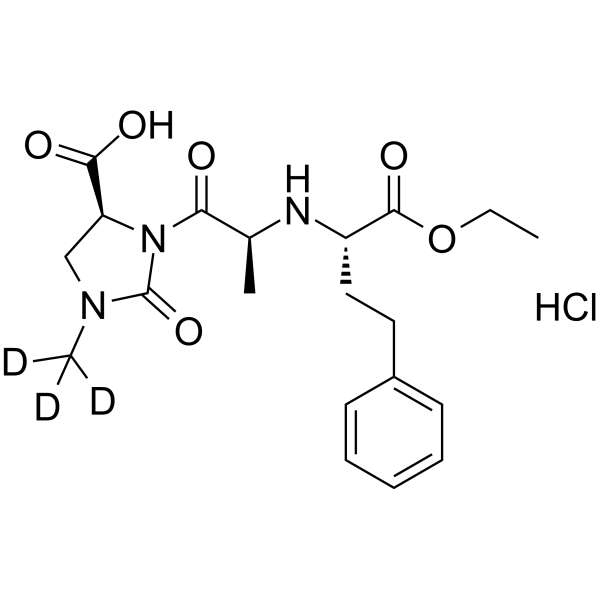
- HY-174396
-
|
|
PI3K
HDAC
Bcl-2 Family
Caspase
Reactive Oxygen Species (ROS)
Apoptosis
Histone Methyltransferase
Microtubule/Tubulin
|
Cancer
|
|
PI3Kδ/HDAC6-IN-1 (Compound 22E) is an orally active and dual inhibitor of PI3Kδ and HDAC6 with IC50 values of 2.4 nM and 6.2 nM, respectively. PI3Kδ/HDAC6-IN-1 exhibits potent antiproliferative effects on non-Hodgkin lymphoma (NHL) cells and possesses in vivo antitumor activity without significant toxicity. PI3Kδ/HDAC6-IN-1 arrests the cell cycle at the G0/G1 phase and induces apoptosis. PI3Kδ/HDAC6-IN-1 blocks the PI3K/AKT/mTOR signaling pathway and increases the acetylation levels of α-tubulin and histone H3 .
|
-

- HY-176283
-
|
|
Microtubule/Tubulin
Histone Demethylase
Apoptosis
Wee1
Bcl-2 Family
Caspase
|
Cancer
|
|
Tubulin/LSD1-IN-1 is an effective dual inhibitor of Tubulin polymerization and LSD1 (IC50 = 1.72 μM). Tubulin/LSD1-IN-1 has broad-spectrum antiproliferative activity against cancer cell lines. Tubulin/LSD1-IN-1 inhibits tubulin polymerization by targeting colchicine binding sites, thereby disrupting the microtubule network in gastric cancer cells. Tubulin/LSD1-IN-1 increases the methylation levels of H3K4me1/2 and H3K9me2/3, thereby achieving epigenetic regulation. Tubulin/LSD1-IN-1 induces G2/M arrest, promotes apoptosis, and effectively inhibits colony formation of gastric cancer cells .
|
-

- HY-178382
-
|
|
Raf
Bcr-Abl
P-glycoprotein
PERK
Apoptosis
|
Cancer
|
|
BRAFV600E/ABL2-IN-1 is a BRAFV600E (IC50 = 0.088 μM)/ABL2 (IC50 = 0.3 μM) dual inhibitor. BRAFV600E/ABL2-IN-1 can diminish P-glycoprotein expression. BRAFV600E/ABL2-IN-1 effectively inhibits p-CrkL (Abl2 signaling) and p-ERK1/2 (BRAFV600E pathway) in A375-R melanoma cells. BRAFV600E/ABL2-IN-1 causes cell cycle arrest. BRAFV600E/ABL2-IN-1 significantly increases the percentage of late apoptotic cells. BRAFV600E/ABL2-IN-1 can be used for the study of melanoma .
|
-

- HY-B1451R
-
|
TA-6366 (Standard)
|
Reference Standards
Angiotensin-converting Enzyme (ACE)
MMP
JNK
|
Cardiovascular Disease
Metabolic Disease
|
|
Imidapril (hydrochloride) (Standard) is the analytical standard of Imidapril (hydrochloride). This product is intended for research and analytical applications. Imidapril hydrochloride (TA-6366) is an orally active dual inhibitor of angiotensin-converting enzyme (ACE) and MMP-9. Imidapril hydrochloride inhibits lipopolysaccharide-induced phosphorylation of c-Jun, MKK4 and JNK in monocytes, and downregulates the production of specific inflammatory factors such as TNF-α and IP-10, thereby exerting anti-inflammatory activity. Imidapril hydrochloride also effectively ameliorates mesangial expansion and reduces urinary albumin excretion by inhibiting angiotensin AngII production, lowering glomerular pressure and oxidative stress, thus delaying disease progression. Imidapril hydrochloride can also directly bind to the active site of MMP-9 to inhibit gelatinase activity, and suppress the enlargement of cerebral aneurysms without altering systemic blood pressure. Imidapril hydrochloride is widely applicable to related studies on autoimmune glomerulonephritis, diabetic nephropathy, cerebral aneurysms and other conditions .
|
-

- HY-170944
-
|
|
HSP
Apoptosis
Caspase
|
Cancer
|
|
BAG3/HSP70-IN-1 (compound 16) is the first-in-class BAG3 and HSP70 dual inhibitor. BAG3/HSP70-IN-1 binds to BAG3 full-length, BAG3-BD, and HSP70 proteins with Kds of 33.10 μM, 27.90 μM, and 33.80 μM, respectively. BAG3/HSP70-IN-1 inhibits HeLa cells with an IC50 of 49.46 μM. BAG3/HSP70-IN-1 induces apoptosis by activating caspase 3 and caspase 9 levels in HeLa cells. BAG3/HSP70-IN-1 elevates p21 levels while reduces FOXM1 expression in HeLa cells. BAG3/HSP70-IN-1 decreases ATPase activity .
|
-

- HY-161995
-
|
|
Apoptosis
Necroptosis
FGFR
VEGFR
PDGFR
|
Cancer
|
|
FGFR1/VEGFR2-IN-2 (compound 6l) is a VEGFR2/FGFR1 dual inhibitor. The IC50 values for VEGFR2 and FGFR1 are 0.025 µM and 0.026 µM respectively, and for EGFR and PDGFR-β, the IC50 values are 0.106 µM and 0.077 µM. FGFR1/VEGFR2-IN-2 showes significant anti-cancer activity (GI=60.38%) on NCI-60 cell line, with an IC50 of 8.51 µM in T-47D cell line and anti-migration. FGFR1/VEGFR2-IN-2 acts to arrest cells in the G1 phase and promote apoptosis and necrosis; the IC50 for MCF-7 cell line exceeds 100 µM, and the IC50 for MDA-MB-231 is 69.17 µM, non-toxic to normal cells .
|
-

- HY-149254
-
|
|
Phosphatase
Aldose Reductase
|
Metabolic Disease
|
|
PTP1B/AKR1B1-IN-1 is a dual inhibitor of protein tyrosine phosphatase 1B (PTP1B) and aldose reductase (AKR1B1), with IC50s of 0.06 μM and 4.3 μM, respectively. PTP1B/AKR1B1-IN-1 also inhibits TC-PTP with an IC50 value of 9 μM. PTP1B/AKR1B1-IN-1 serves as an insulin-mimetic agent in murine myoblasts, and reduces AKR1B1-dependent sorbitol accumulation. PTP1B/AKR1B1-IN-1 inhibits development of type 2 diabetes mellitus (T2DM) to control blood glucose levels .
|
-
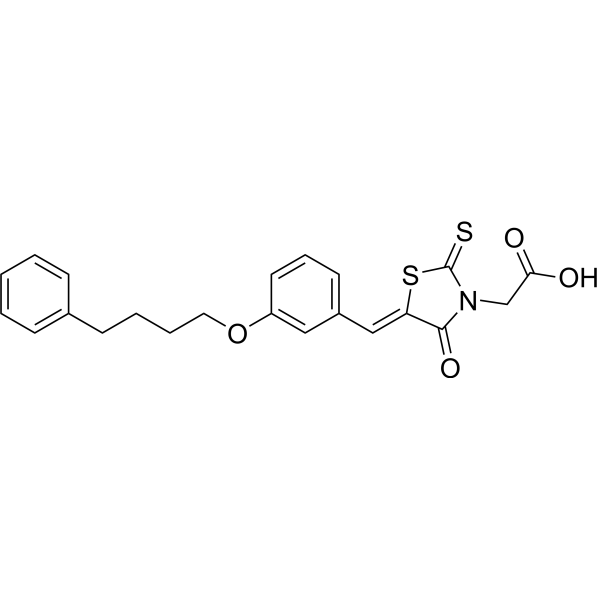
- HY-174088
-
|
|
CDK
Discoidin Domain Receptor
Apoptosis
Reactive Oxygen Species (ROS)
DNA/RNA Synthesis
|
Cancer
|
|
CDK4/6/BRD4-IN-2 (Compound PJ2) is a dual inhibitor of CDK4/6 and BRD4 with IC50 values for CDK4, CDK6, BRD4 (BD1), and BRD4 (BD2) of 168.75, 292.45, 23.17, and 3.12 nM respectively. CDK4/6/BRD4-IN-2 has a strong inhibitory effect on non-small cell lung cancer (NSCLC) cell lines. CDK4/6/BRD4-IN-2 induces cell cycle arrest, senescence and apoptosis through ROS-mediated DNA damage. CDK4/6/BRD4-IN-2 can also effectively inhibit the migration and invasion of NCI-H358 cells. CDK4/6-IN-2 can be used for the study of KRAS-mutated NSCLC .
|
-

- HY-150270A
-
|
|
P2X Receptor
Prostaglandin Receptor
NOD-like Receptor (NLR)
Caspase
Interleukin Related
|
Inflammation/Immunology
|
|
NP-1815-PX sodium is an orally active dual inhibitor of P2X4 and prostaglandin TP receptors, with an IC50 of 0.26 μM against human P2X4 receptors. NP-1815-PX sodium specifically inhibits ATP-mediated prostaglandin production, TP receptor-induced calcium elevation, and the canonical/non-canonical NLRP3 inflammasome signaling pathway. NP-1815-PX sodium selectively blocks smooth muscle contractions induced by ATP, U46619 (HY-108566) and prostaglandin F2α. NP-1815-PX sodium not only produces anti-allodynic effects in vivo, but also significantly alleviates symptoms of DNBS (HY-W324435)-induced colitis (such as weight loss and tissue damage). NP-1815-PX sodium exerts anti-inflammatory effects by downregulating IL-1β levels and Caspase-1 activity. NP-1815-PX sodium is used in studies related to asthma and inflammatory bowel disease (colitis) .
|
-
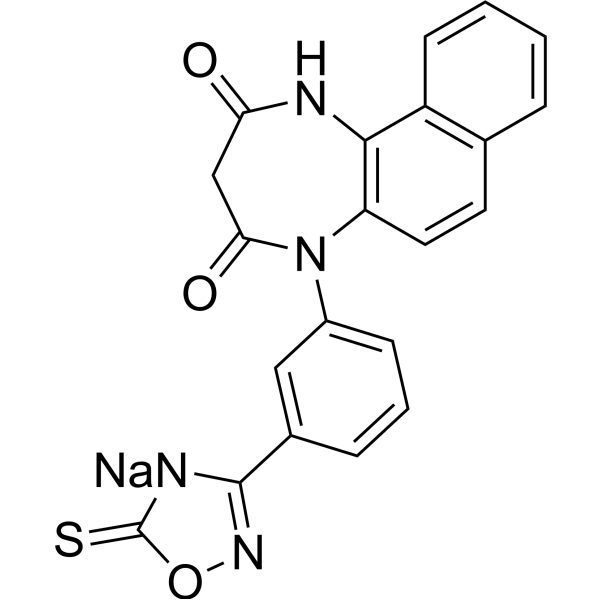
- HY-150270
-
|
|
Prostaglandin Receptor
P2X Receptor
NOD-like Receptor (NLR)
Caspase
Interleukin Related
|
Neurological Disease
Inflammation/Immunology
|
|
NP-1815-PX is an orally active dual inhibitor of P2X4 and prostaglandin TP receptors, with an IC50 of 0.26 μM against human P2X4 receptors. NP-1815-PX specifically inhibits ATP-mediated prostaglandin production, TP receptor-induced calcium elevation, and the canonical/non-canonical NLRP3 inflammasome signaling pathway. NP-1815-PX selectively blocks smooth muscle contractions induced by ATP, U46619 (HY-108566) and prostaglandin F2α. NP-1815-PX not only produces anti-allodynic effects in vivo, but also significantly alleviates symptoms of DNBS (HY-W324435)-induced colitis (such as weight loss and tissue damage). NP-1815-PX exerts anti-inflammatory effects by downregulating IL-1β levels and Caspase-1 activity. NP-1815-PX is used in studies related to asthma and inflammatory bowel disease (colitis) .
|
-
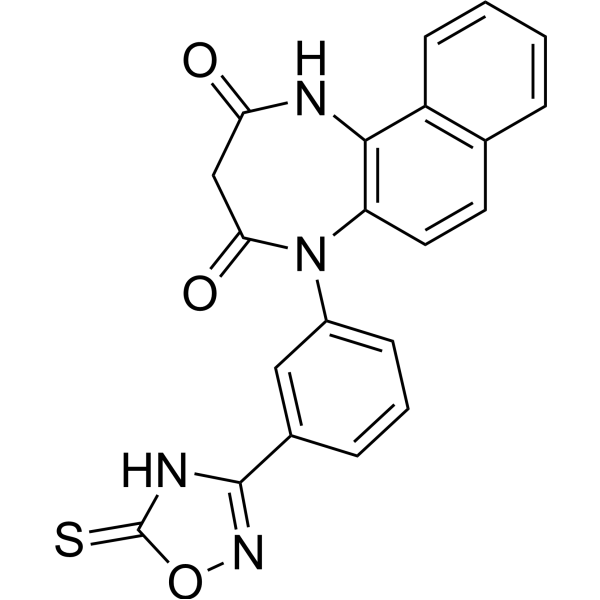
- HY-13689G
-
|
|
PKC
Histone Methyltransferase
DNA Methyltransferase
DNA/RNA Synthesis
|
Inflammation/Immunology
|
|
Go 6983 GMP is Go 6983 (HY-13689) produced by using GMP guidelines. GMP small molecules works appropriately as an auxiliary reagent for cell therapy manufacture. Go 6983 is a dual inhibitor targeting Suv39h1/2 (KMT1A/KMT1B) and PKC, as well as a transcriptional activator capable of inducing DNA hypomethylation. Go 6983 stimulates the transcription of Prdm14 by reducing Suv39h1/2 protein levels, decreasing histone modifications in the Prdm14 promoter region, and increasing the recruitment of RNA polymerase II. Go 6983 induces genome-wide DNA hypomethylation by inhibiting de novo methyltransferase expression and increasing Tet1/Tet2 levels, thereby promoting self-renewal and pluripotency maintenance of stem cells. Meanwhile, Go 6983 can block PKC-mediated signaling pathways to reduce the expression of EMT-related genes and eliminate the upregulation of antioxidant genes downstream of NRF2. Go 6983 is mainly used in mechanism studies related to myocardial ischemia/reperfusion injury .
|
-

- HY-162812
-
|
|
Apoptosis
Cholinesterase (ChE)
Tau Protein
Ferroptosis
Histamine Receptor
|
Neurological Disease
|
|
H3R antagonist 4 (compound 11L) was a dual inhibitor of cholinesterase and histamine receptor (H3R), with corresponding IC50 of 7.04 μM (eeAChE), 9.73 μM (hAChE)(reversible) and 1.09 nM (H3R) , respectively. H3R antagonist 4 inhibited the aggregation of Aβ1-42 induced by itself and Cu 2+ (95.48% and 88.63%) , and degraded the Aβ1-42 fibrils induced by itself and Cu 2+ (80.16% and 89.30%) . H3R antagonist 4 chelate biometals such as Cu 2+, Zn 2+, Al 3+, and Fe 2+. H3R antagonist 4 significantly reduced tau protein hyperphosphorylation induced by Aβ1-42 and inhibited RSL-3-induced apoptosis and ferroptosis in PC12 cells. H3R antagonist 4 had the best blood-brain barrier permeability and intestinal absorption in hCMEC/D3 and hPepT1-MDCK cells.H3R antagonist 4 ameliorates learning and memory impairment in a mouse model of Alzheimer's disease induced by scopolamine (HY-N0296) .
|
-

- HY-N0493
-
|
|
COX
Lipoxygenase
NF-κB
p38 MAPK
ERK
HIF/HIF Prolyl-Hydroxylase
Keap1-Nrf2
PI3K
Apoptosis
Autophagy
|
Neurological Disease
Inflammation/Immunology
Cancer
|
|
Pectolinarigenin is an orally active dual inhibitor of COX-2/5-LOX with anti-inflammatory, antioxidant, antitumor and neuroprotective activities. Pectolinarigenin exerts neuroprotective and anti-inflammatory effects on astrocyte inflammation via the NFκB and MAPK pathways. Pectolinarigenin inhibits LPS-induced phosphorylation of ERK1/2, N-FκB and p38MAPK, directly inhibits the enzymatic activity or binding of COX-2, 5-LOX and HIF-1α, and reduces the level of XIAP. Pectolinarigenin modifies Keap1 to promote nuclear accumulation of Nrf2, induces ARE-mediated antioxidant enzyme expression, and possesses direct free radical scavenging activity. Pectolinarigenin reduces the release of NO, proinflammatory mediators and leukotrienes, and increases the level of IL-10. Pectolinarigenin induces G2/M cell cycle arrest, apoptosis (Apoptosis) and autophagy (Autophagy) via the PI3K/AKT/mTOR signaling pathway. Pectolinarigenin reduces renal crystal deposition and inhibits melanin synthesis. Pectolinarigenin inhibits inflammation and alleviates allergy in mouse models of inflammation. Pectolinarigenin alleviates renal injury, inflammation and oxidative stress in mice by inhibiting HIF-1α activity. Pectolinarigenin can be used for the research of neurodegenerative diseases, inflammatory/allergic diseases, calcium oxalate nephrocalcinosis, gastric cancer, melasma, post-inflammatory diseases and chloasma .
|
-
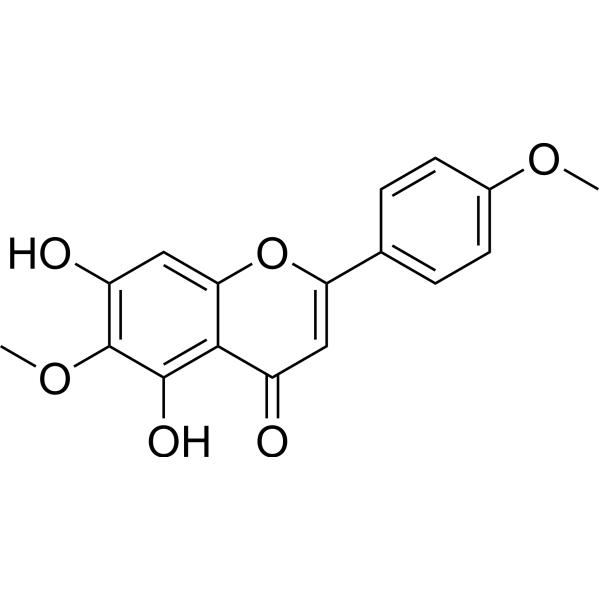
- HY-N0493R
-
|
|
Reference Standards
COX
Lipoxygenase
NF-κB
p38 MAPK
ERK
HIF/HIF Prolyl-Hydroxylase
Keap1-Nrf2
PI3K
Apoptosis
Autophagy
|
Inflammation/Immunology
|
|
Pectolinarigenin (Standard) is the analytical standard of Pectolinarigenin. This product is intended for research and analytical applications. Pectolinarigenin is an orally active dual inhibitor of COX-2/5-LOX with anti-inflammatory, antioxidant, antitumor and neuroprotective activities. Pectolinarigenin exerts neuroprotective and anti-inflammatory effects on astrocyte inflammation via the NFκB and MAPK pathways. Pectolinarigenin inhibits LPS-induced phosphorylation of ERK1/2, N-FκB and p38MAPK, directly inhibits the enzymatic activity or binding of COX-2, 5-LOX and HIF-1α, and reduces the level of XIAP. Pectolinarigenin modifies Keap1 to promote nuclear accumulation of Nrf2, induces ARE-mediated antioxidant enzyme expression, and possesses direct free radical scavenging activity. Pectolinarigenin reduces the release of NO, proinflammatory mediators and leukotrienes, and increases the level of IL-10. Pectolinarigenin induces G2/M cell cycle arrest, apoptosis (Apoptosis) and autophagy (Autophagy) via the PI3K/AKT/mTOR signaling pathway. Pectolinarigenin reduces renal crystal deposition and inhibits melanin synthesis. Pectolinarigenin inhibits inflammation and alleviates allergy in mouse models of inflammation. Pectolinarigenin alleviates renal injury, inflammation and oxidative stress in mice by inhibiting HIF-1α activity. Pectolinarigenin can be used for the research of neurodegenerative diseases, inflammatory/allergic diseases, calcium oxalate nephrocalcinosis, gastric cancer, melasma, post-inflammatory diseases and chloasma.
|
-

- HY-172889
-
|
|
PI3K
HDAC
Apoptosis
mTOR
Akt
|
Cancer
|
|
PI3K/HDAC-IN-4 (Compound 31f) is a PI3K/HDAC dual inhibitor (IC50: 0.2μM). PI3K/HDAC-IN-4 shows high selectivity for HDAC1-3 (IC50 values of 75.5 nM, 70.9 nM, and 1.9 nM, respectively). PI3K/HDAC-IN-4 is a potent PIK3 inhibitor with IC50 values of 2.5 nM, 80.5 nM, 10.0 nM, and 57.2 nM for PI3Kα, β, δ, and γ, respectively. PI3K/HDAC-IN-4 significantly induces tumor cell apoptosis by simultaneously inhibiting the PI3K/AKT/mTOR signaling pathway and HDAC1-3. PI3K/HDAC-IN-4 exhibits potent antiproliferative activity in a variety of tumor cell lines (e.g., MV4-11, Jeko-1, HL60, and MCF-7, with IC50 values of 0.2, 0.9, 0.8, and 1.5 μM, respectively). PI3K/HDAC-IN-4 can be used in the study of lymphoma and leukemia .
|
-

| Cat. No. |
Product Name |
Type |
-
- HY-D0086
-
|
MDL101114ZA
|
Fluorescent Dyes
|
|
DIDS sodium salt (MDL101114ZA) is a dual inhibitor of ABCA1 and VDAC1. DIDS also inhibits RAD51, inhibiting RAD51-mediated homologous pairing and strand exchange reactions. DIDS inhibits anion exchange and binding to red blood cell membranes, inhibits the activation of caspase-3 and -9, and can be used in cancer research .
|
-
- HY-13689G
-
|
|
Fluorescent Dyes
|
|
Go 6983 GMP is Go 6983 (HY-13689) produced by using GMP guidelines. GMP small molecules works appropriately as an auxiliary reagent for cell therapy manufacture. Go 6983 is a dual inhibitor targeting Suv39h1/2 (KMT1A/KMT1B) and PKC, as well as a transcriptional activator capable of inducing DNA hypomethylation. Go 6983 stimulates the transcription of Prdm14 by reducing Suv39h1/2 protein levels, decreasing histone modifications in the Prdm14 promoter region, and increasing the recruitment of RNA polymerase II. Go 6983 induces genome-wide DNA hypomethylation by inhibiting de novo methyltransferase expression and increasing Tet1/Tet2 levels, thereby promoting self-renewal and pluripotency maintenance of stem cells. Meanwhile, Go 6983 can block PKC-mediated signaling pathways to reduce the expression of EMT-related genes and eliminate the upregulation of antioxidant genes downstream of NRF2. Go 6983 is mainly used in mechanism studies related to myocardial ischemia/reperfusion injury .
|
| Cat. No. |
Product Name |
Type |
-
- HY-13689G
-
|
|
Biochemical Assay Reagents
|
|
Go 6983 GMP is Go 6983 (HY-13689) produced by using GMP guidelines. GMP small molecules works appropriately as an auxiliary reagent for cell therapy manufacture. Go 6983 is a dual inhibitor targeting Suv39h1/2 (KMT1A/KMT1B) and PKC, as well as a transcriptional activator capable of inducing DNA hypomethylation. Go 6983 stimulates the transcription of Prdm14 by reducing Suv39h1/2 protein levels, decreasing histone modifications in the Prdm14 promoter region, and increasing the recruitment of RNA polymerase II. Go 6983 induces genome-wide DNA hypomethylation by inhibiting de novo methyltransferase expression and increasing Tet1/Tet2 levels, thereby promoting self-renewal and pluripotency maintenance of stem cells. Meanwhile, Go 6983 can block PKC-mediated signaling pathways to reduce the expression of EMT-related genes and eliminate the upregulation of antioxidant genes downstream of NRF2. Go 6983 is mainly used in mechanism studies related to myocardial ischemia/reperfusion injury .
|
| Cat. No. |
Product Name |
Target |
Research Area |
-
- HY-P0025
-
-
- HY-P10222
-
|
|
HIF/HIF Prolyl-Hydroxylase
|
Cancer
|
|
Cyclo CRLLIF is a dual inhibitor for hypoxia inducible factor (HIF) 1 and 2, which disrupts the interaction of both HIF1-α and HIF2-α with HIF1-β, with affinity for HIF1-α and HIF2-α PAS-B domains KD of 14.5 and 10.2 μM, respectively .
|
-
- HY-P10223
-
|
|
HIF/HIF Prolyl-Hydroxylase
|
Cancer
|
|
Cyclo CRVIIF is a dual inhibitor for hypoxia inducible factor (HIF) 1 and 2, which disrupts the interaction of both HIF1-α and HIF2-α with HIF1-β, with affinity for HIF1-α and HIF2-α PAS-B domains KD of 65 and 123 μM, respectively .
|
| Cat. No. |
Product Name |
Category |
Target |
Chemical Structure |
-
- HY-N1996
-
-
-
- HY-N0232
-
-
-
- HY-N6712
-
-
-
- HY-N0493
-
|
|
Structural Classification
Flavonoids
Classification of Application Fields
Flavones
Campylotropis hirtella (Franch.) Schindl.
Phenols
Polyphenols
Plants
Compositae
Inflammation/Immunology
Disease Research Fields
Source Classification
|
COX
Lipoxygenase
NF-κB
p38 MAPK
ERK
HIF/HIF Prolyl-Hydroxylase
Keap1-Nrf2
PI3K
Apoptosis
Autophagy
|
|
Pectolinarigenin is an orally active dual inhibitor of COX-2/5-LOX with anti-inflammatory, antioxidant, antitumor and neuroprotective activities. Pectolinarigenin exerts neuroprotective and anti-inflammatory effects on astrocyte inflammation via the NFκB and MAPK pathways. Pectolinarigenin inhibits LPS-induced phosphorylation of ERK1/2, N-FκB and p38MAPK, directly inhibits the enzymatic activity or binding of COX-2, 5-LOX and HIF-1α, and reduces the level of XIAP. Pectolinarigenin modifies Keap1 to promote nuclear accumulation of Nrf2, induces ARE-mediated antioxidant enzyme expression, and possesses direct free radical scavenging activity. Pectolinarigenin reduces the release of NO, proinflammatory mediators and leukotrienes, and increases the level of IL-10. Pectolinarigenin induces G2/M cell cycle arrest, apoptosis (Apoptosis) and autophagy (Autophagy) via the PI3K/AKT/mTOR signaling pathway. Pectolinarigenin reduces renal crystal deposition and inhibits melanin synthesis. Pectolinarigenin inhibits inflammation and alleviates allergy in mouse models of inflammation. Pectolinarigenin alleviates renal injury, inflammation and oxidative stress in mice by inhibiting HIF-1α activity. Pectolinarigenin can be used for the research of neurodegenerative diseases, inflammatory/allergic diseases, calcium oxalate nephrocalcinosis, gastric cancer, melasma, post-inflammatory diseases and chloasma .
|
-
-
- HY-A0191
-
-
-
- HY-N2947
-
-
-
- HY-N6893
-
|
|
Phyllodium pulchellum (L.) Desv.
Structural Classification
Classification of Application Fields
Ketones, Aldehydes, Acids
Plants
Compositae
Inflammation/Immunology
Disease Research Fields
Piptanthus nepalensis (Hook.) D. Don
Source Classification
|
NF-κB
NOD-like Receptor (NLR)
Apoptosis
Autophagy
|
Ergolide is an orally active dual inhibitor targeting NF-κB/p65 and NLRP3. Ergolide blocks the NF-κB signaling pathway and the nuclear translocation of p65, and irreversibly binds to the NACHT domain of NLRP3 to inhibit inflammasome assembly. Ergolide significantly reduces the production of inflammatory mediators (e.g., NO, PGE2) and cytokines, induces cancer cell apoptosis, autophagy and ROS generation. Ergolide also enhances the anti-tumor effect of vincristine. Ergolide alleviates acute lung injury via an NLRP3-dependent mechanism, and effectively improves the survival rate and behavioral function of septic mice and inflammatory zebrafish models. Ergolide is used in the research of metastatic uveal melanoma, neurodegenerative diseases (such as Alzheimer's disease, Parkinson's disease), sepsis and acute lymphoblastic leukemia .
|
-
-
- HY-137996
-
-
-
- HY-N12735
-
-
-
- HY-123298
-
-
-
- HY-N1322
-
-
-
- HY-N8890
-
-
-
- HY-N10076
-
-
-
- HY-N8707
-
-
-
- HY-N1996R
-
-
-
- HY-N10009
-
|
|
Brosimopsis oblongifolia
Phenols
Polyphenols
Plants
Moraceae
Source Classification
|
NF-κB
TNF Receptor
COX
ERK
p38 MAPK
Sirtuin
|
|
Cudraflavone B is a prenylated flavonoid with anti-inflammatory and anti-tumor properties. Cudraflavone B is also a dual inhibitor of COX-1 and COX-2. Cudraflavone B blocks the translocation of nuclear factor κB (NF-κB) from the cytoplasm to the nucleus in macrophages. Thus, Cudraflavone B inhibits tumor necrosis factor α (TNFα) gene expression and secretion. Cudraflavone B also triggers the mitochondrial apoptotic pathway, activates NF-κB, the MAPK p38, and ERK, and induced the expression of SIRT1. Thus Cudraflavone B inhibits the growth of human oral squamous cell carcinoma cells .
|
-
-
- HY-118779
-
-
-
- HY-N8480
-
-
-
- HY-101017R
-
-
-
- HY-N2682A
-
-
-
- HY-N12075
-
-
-
- HY-N12041
-
-
-
- HY-N2947R
-
-
-
- HY-N0232R
-
-
-
- HY-N12008
-
-
-
- HY-N12007
-
-
-
- HY-N11997
-
|
|
Liliaceae
Coumarins
Phenols
Polyphenols
Aloe vera (L.) Burm. f.
Phenylpropanoids
Plants
Source Classification
|
Cholinesterase (ChE)
|
|
Feralolide is a dihydroisocoumarin isolated from the methanolic extract of aloe vera resin. Feralolide is also a dual inhibitor of AChE and BuChE, with IC50s of 55 μg/mL and 52 μg/mL respectively. Feralolide has antioxidant activity and inhibits 2,2-diphenyl-1-picrylhydrazyl (DPPH) and 2, 2′-azinobis-3-ethylbenzothiazoline-6-sulfonic acid (ABTS). Feralolide could be used in research into cognitive disorders such as Alzheimer's disease, potentially restoring and enhancing memory .
|
-
-
- HY-N6712R
-
-
-
- HY-N0493R
-
|
|
Structural Classification
Flavonoids
Flavones
Campylotropis hirtella (Franch.) Schindl.
Phenols
Polyphenols
Plants
Compositae
Source Classification
|
Reference Standards
COX
Lipoxygenase
NF-κB
p38 MAPK
ERK
HIF/HIF Prolyl-Hydroxylase
Keap1-Nrf2
PI3K
Apoptosis
Autophagy
|
|
Pectolinarigenin (Standard) is the analytical standard of Pectolinarigenin. This product is intended for research and analytical applications. Pectolinarigenin is an orally active dual inhibitor of COX-2/5-LOX with anti-inflammatory, antioxidant, antitumor and neuroprotective activities. Pectolinarigenin exerts neuroprotective and anti-inflammatory effects on astrocyte inflammation via the NFκB and MAPK pathways. Pectolinarigenin inhibits LPS-induced phosphorylation of ERK1/2, N-FκB and p38MAPK, directly inhibits the enzymatic activity or binding of COX-2, 5-LOX and HIF-1α, and reduces the level of XIAP. Pectolinarigenin modifies Keap1 to promote nuclear accumulation of Nrf2, induces ARE-mediated antioxidant enzyme expression, and possesses direct free radical scavenging activity. Pectolinarigenin reduces the release of NO, proinflammatory mediators and leukotrienes, and increases the level of IL-10. Pectolinarigenin induces G2/M cell cycle arrest, apoptosis (Apoptosis) and autophagy (Autophagy) via the PI3K/AKT/mTOR signaling pathway. Pectolinarigenin reduces renal crystal deposition and inhibits melanin synthesis. Pectolinarigenin inhibits inflammation and alleviates allergy in mouse models of inflammation. Pectolinarigenin alleviates renal injury, inflammation and oxidative stress in mice by inhibiting HIF-1α activity. Pectolinarigenin can be used for the research of neurodegenerative diseases, inflammatory/allergic diseases, calcium oxalate nephrocalcinosis, gastric cancer, melasma, post-inflammatory diseases and chloasma.
|
-
| Cat. No. |
Product Name |
Chemical Structure |
-
- HY-B0196AS1
-
|
|
|
Venlafaxine-d6 (hydrochloride) is the deuterium labeled Venlafaxine hydrochloride. Venlafaxine hydrochloride (Wy 45030 hydrochloride) is an orally active, potent serotonin (5-HT)/norepinephrine (NE) reuptake dual inhibitor. Venlafaxine is an antidepressant .
|
-
-
- HY-148233S
-
|
|
|
JNJ-6204 is a dual inhibitor for CSNK1D (Casein Kinase 1 Delta) and CSNK1E (Casein Kinase 1 Epsilon) (CSNK1D IC50=2.3 nM; CSNK1E IC50=137 nM). JNJ-6204 shows good brain exposure .
|
-
-
- HY-B0196S
-
|
|
|
Venlafaxine-d6 is the deuterium labeled Venlafaxine. Venlafaxine (Wy 45030) is an orally active, potent serotonin (5-HT)/norepinephrine (NE) reuptake dual inhibitor. Venlafaxine is an antidepressant .
|
-
-
- HY-B0196AS
-
|
|
|
Venlafaxine-d10 (hydrochloride) is the deuterium labeled Venlafaxine hydrochloride. Venlafaxine (Wy 45030) hydrochloride is an orally active, potent serotonin (5-HT)/norepinephrine (NE) reuptake dual inhibitor. Venlafaxine is an antidepressant .
|
-
-
- HY-119708S
-
|
|
|
Ensifentrine-d6 (RPL-554-d6) is deuterium labeled Ensifentrine. Ensifentrine (RPL-554) is an inhaled first-in-class dual inhibitor of phosphodiesterase 3 (PDE3) and PDE4 with IC50s of 0.4 nM and 1479 nM, respectively. Ensifentrine has bronchoprotective and anti-inflammatory activities. Ensifentrine can be used for chronic obstructive pulmonary disease (COPD) research .
|
-
-
- HY-B0196S1
-
|
|
|
Venlafaxine-d6-1 is deuterium labeled Venlafaxine. Venlafaxine (Wy 45030) is an orally active, potent serotonin (5-HT)/norepinephrine (NE) reuptake dual inhibitor. Venlafaxine is an antidepressant .
|
-
-
- HY-B0703S
-
|
|
|
Eslicarbazepine acetate-d4 is deuterated labeled Eslicarbazepine acetate (HY-B0703). Eslicarbazepine acetate (BIA 2-093), an antiepileptic agent, is a dual a dual Inhibitor of β-Secretase and voltage-gated sodium channel.
|
-
-
- HY-W744263
-
|
|
|
Eslicarbazepine Acetate-d3 is the deuterium labeled Eslicarbazepine acetate (HY-B0703). Eslicarbazepine acetate (BIA 2-093), an antiepileptic agent, is a dual a dual Inhibitor of β-Secretase and voltage-gated sodium channel.
|
-
-
- HY-B0196S3
-
|
|
|
Venlafaxine-d10 (Wy 45030-d10) is deuterium labeled Venlafaxine. Venlafaxine (Wy 45030) is an orally active, potent serotonin (5-HT)/norepinephrine (NE) reuptake dual inhibitor. Venlafaxine is an antidepressant .
|
-
-
- HY-B0196S2
-
|
|
|
Venlafaxine-d4 (Wy 45030-d4) is deuterium labeled Venlafaxine. Venlafaxine (Wy 45030) is an orally active, potent serotonin (5-HT)/norepinephrine (NE) reuptake dual inhibitor. Venlafaxine is an antidepressant .
|
-
-
- HY-B0196S4
-
|
|
|
Venlafaxine-d9 (Wy 45030-d9) is a deuterium labeled Venlafaxine (HY-B0196). Venlafaxine (Wy 45030) is an orally active, potent serotonin (5-HT)/norepinephrine (NE) reuptake dual inhibitor. Venlafaxine is an antidepressant .
|
-
-
- HY-W700149
-
|
|
|
N,O-Didesmethylvenlafaxine-d3 is the deuterium labeled N,O-Didesmethylvenlafaxine (HY-138818). N,O-Didesmethylvenlafaxine (NODVFX) is a metabolite of Venlafaxine (VFX; HY-B0196). Venlafaxine (Wy 45030) is an orally active, potent serotonin (5-HT)/norepinephrine (NE) reuptake dual inhibitor .
|
-
-
- HY-169222S
-
|
|
|
RORγ/DHODH-IN-2 (Compound 1311) is an orally active dual inhibitor of RORγ/DHODH with IC50 values of 11.9 nM and 90 nM, respectively. RORγ/DHODH-IN-2 exhibits antiviral activity by inhibiting the activity of SARS-CoV-2, HCMV, HAdV5, and MPXV, with IC50 values of 27 nM, 20 nM, 9.1 nM, and 1.8 nM, respectively .
|
-
-
- HY-B1451S
-
|
|
|
Imidapril-d3 hydrochloride (TA-6366-d3) is the deuterium labeled Imidapril hydrochloride. Imidapril hydrochloride (TA-6366) is an orally active dual inhibitor of angiotensin-converting enzyme (ACE) and MMP-9. Imidapril hydrochloride inhibits lipopolysaccharide-induced phosphorylation of c-Jun, MKK4 and JNK in monocytes, and downregulates the production of specific inflammatory factors such as TNF-α and IP-10, thereby exerting anti-inflammatory activity. Imidapril hydrochloride also effectively ameliorates mesangial expansion and reduces urinary albumin excretion by inhibiting angiotensin AngII production, lowering glomerular pressure and oxidative stress, thus delaying disease progression. Imidapril hydrochloride can also directly bind to the active site of MMP-9 to inhibit gelatinase activity, and suppress the enlargement of cerebral aneurysms without altering systemic blood pressure. Imidapril hydrochloride is widely applicable to related studies on autoimmune glomerulonephritis, diabetic nephropathy, cerebral aneurysms and other conditions .
|
-
-
- HY-10681S
-
|
|
|
Gedatolisib-d8 (PKI-587-d8) is the deuterium labeled Gedatolisib (HY-10681). Gedatolisib (PKI-587) is a highly potent dual inhibitor of PI3Kα, PI3Kγ, and mTOR with IC50s of 0.4 nM, 5.4 nM and 1.6 nM, respectively. Gedatolisib is equally effective in both complexes of mTOR, mTORC1 and mTORC2 .
|
-
| Cat. No. |
Product Name |
|
Classification |
-
- HY-10399A
-
|
TV-3326 hydrochloride
|
|
Alkynes
|
|
Ladostigil (TV-3326) hydrochloride is an orally active dual inhibitor of cholinesterase and brain-selective monoamine oxidase (MAO), with IC50s of 37.1 and 31.8 μM for MAO-B and AChE, respectively. Ladostigil hydrochloride exhibits neuroprotective, antioxidant and anti-inflammatory activities. Ladostigil can be used for the research of depression and Alzheimer's disease . Ladostigil (hydrochloride) is a click chemistry reagent, it contains an Alkyne group and can undergo copper-catalyzed azide-alkyne cycloaddition (CuAAc) with molecules containing Azide groups.
|
-
- HY-10400
-
|
TV-3326 hemitartrate
|
|
Alkynes
|
|
Ladostigil (TV-3326) hemitartrate is an orally active dual inhibitor of cholinesterase and brain-selective monoamine oxidase (MAO) that can cross the blood-brain barrier, with IC50s of 37.1 and 31.8 μM for MAO-B and AChE, respectively. Ladostigil hemitartrate exhibits neuroprotective, antioxidant and anti-inflammatory activities. Ladostigil hemitartrate can be used for the research of depression and Alzheimer's disease . Ladostigil (hemitartrate) is a click chemistry reagent, it contains an Alkyne group and can undergo copper-catalyzed azide-alkyne cycloaddition (CuAAc) with molecules containing Azide groups.
|
-
- HY-10399
-
|
TV-3326
|
|
Alkynes
|
|
Ladostigil (TV-3326) is an orally active dual inhibitor of cholinesterase and brain-selective monoamine oxidase (MAO), with IC50s of 37.1 and 31.8 μM for MAO-B and AChE, respectively. Ladostigil exhibits neuroprotective, antioxidant and anti-inflammatory activities. Ladostigil can be used for the research of depression and Alzheimer's disease . Ladostigil is a click chemistry reagent, it contains an Alkyne group and can undergo copper-catalyzed azide-alkyne cycloaddition (CuAAc) with molecules containing Azide groups.
|
-
- HY-159129
-
|
|
|
Azide
|
|
hCAXII-IN-10 (Compound 18b) is a dual inhibitor of human carbonic anhydrase isoform XII (hCAXII) and cathepsin B, with a Ki value of 2.2 nM. hCAXII-IN-10 can inhibit the role of hCAXII in providing tumors with a pH microenvironment conducive to tumor growth, and is expected to be used in the study of tumor diseases .
|
-
- HY-142706
-
|
|
|
Alkynes
|
|
MAO A/HDAC-IN-1 is a dual?inhibitor?of monoamine oxidase A (MAO A) and HDAC. MAO A/HDAC-IN-1 can be used for glioma research . MAO A/HDAC-IN-1 is a click chemistry reagent, it contains an Alkyne group and can undergo copper-catalyzed azide-alkyne cycloaddition (CuAAc) with molecules containing Azide groups.
|
-
- HY-169098
-
|
|
|
Alkynes
|
|
HSP90/LSD1-IN-1 (compound 6) is a HSP90/LSD1 dual inhibitor. HSP90/LSD1-IN-1 inhibits the proliferation of prostate cancer cell lines PC-3 and DU145, with GI50 values of 0.24 and 0.30 μM, respectively .
|
-
- HY-175524
-
|
|
|
Alkynes
|
|
BChE/MAO-B-IN-2 is a dual inhibitor of BChE (IC50 = 0.05 μM, Ki = 0.01 μM) and MAO-B (IC50 = 0.45 μM, Ki = 0.08 μM) with good blood-brain barrier permeability. BChE/MAO-B-IN-2 exhibits antioxidant activity, including DPPH radical scavenging, CUPRAC copper ion reduction, and superoxide anion scavenging. BChE/MAO-B-IN-2 can be used for the study of Alzheimer's disease (AD) .
|
-
- HY-159564
-
|
|
|
Azide
|
|
iNOS/COX-2-IN-3 (compound 7d) is a dual inhibitor of iNOS and COX-2, with potential anti-inflammatory activity against LPS (HY-D1056)-induced RAW 264.7 cells (IC50=3.48 μM). iNOS/COX-2-IN-3 has good plasma stability, oral activity and gastric safety, and its inhibitory activity on iNOS and COX-2 expression is 5.43-fold and 2.37-fold that of Indomethacin (HY-14397), respectively .
|
| Cat. No. |
Product Name |
Target |
Research Areas |
Chemical Structure |
-
- HY-13689G
-
|
|
PKC
Histone Methyltransferase
DNA Methyltransferase
DNA/RNA Synthesis
|
Inflammation/Immunology
|
|
Go 6983 GMP is Go 6983 (HY-13689) produced by using GMP guidelines. GMP small molecules works appropriately as an auxiliary reagent for cell therapy manufacture. Go 6983 is a dual inhibitor targeting Suv39h1/2 (KMT1A/KMT1B) and PKC, as well as a transcriptional activator capable of inducing DNA hypomethylation. Go 6983 stimulates the transcription of Prdm14 by reducing Suv39h1/2 protein levels, decreasing histone modifications in the Prdm14 promoter region, and increasing the recruitment of RNA polymerase II. Go 6983 induces genome-wide DNA hypomethylation by inhibiting de novo methyltransferase expression and increasing Tet1/Tet2 levels, thereby promoting self-renewal and pluripotency maintenance of stem cells. Meanwhile, Go 6983 can block PKC-mediated signaling pathways to reduce the expression of EMT-related genes and eliminate the upregulation of antioxidant genes downstream of NRF2. Go 6983 is mainly used in mechanism studies related to myocardial ischemia/reperfusion injury .
|
-
Your information is safe with us. * Required Fields.
Inquiry Information
- Product Name:
- Cat. No.:
- Quantity:
- MCE Japan Authorized Agent:








