1. Search Result
Search Result
Results for "

types of cancers

" in MedChemExpress (MCE) Product Catalog:

654

Inhibitors & Agonists

25

Screening Libraries

2

Fluorescent Dyes

15

Biochemical Assay Reagents

29

Peptides

76

Inhibitory Antibodies

125

Natural
Products

31

Isotope-Labeled Compounds

6

Click Chemistry

12

Oligonucleotides

1

GMP Molecules

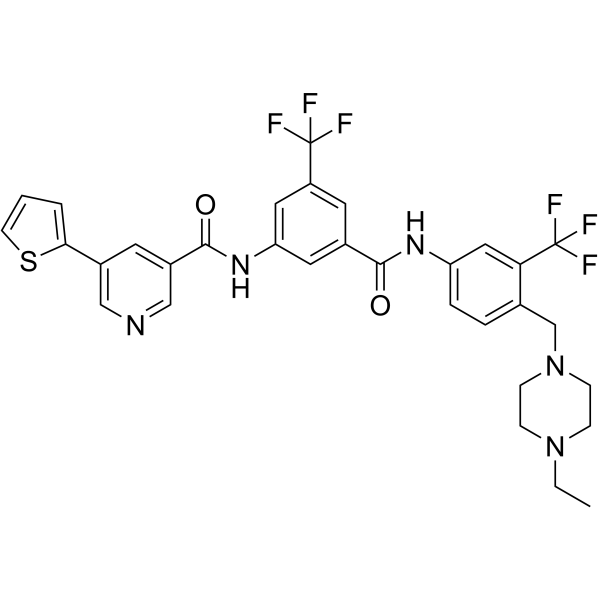
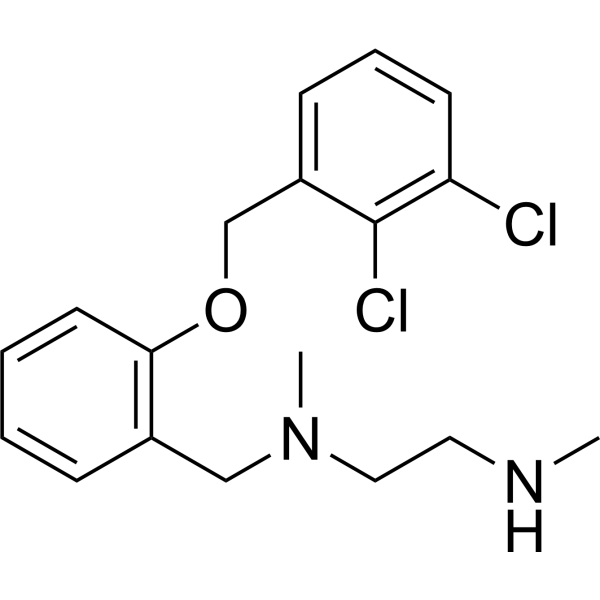
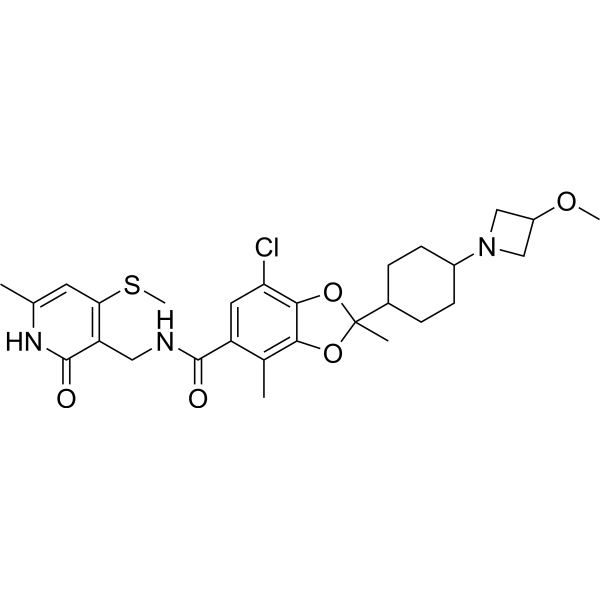
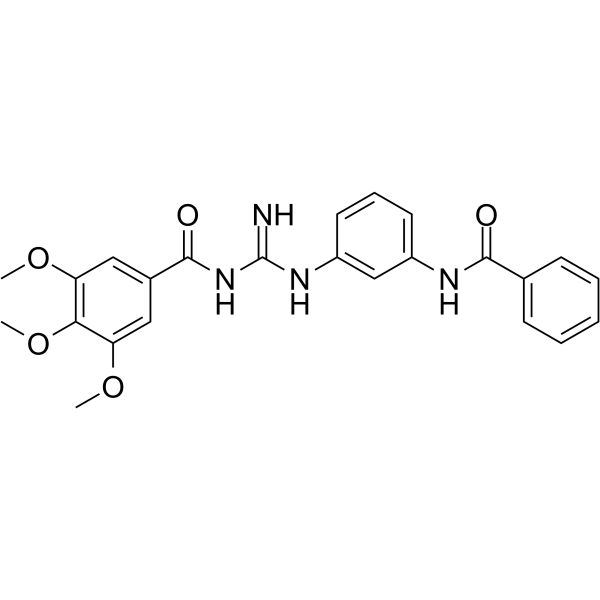
Cat. No. Product Name Target Research Areas Chemical Structure
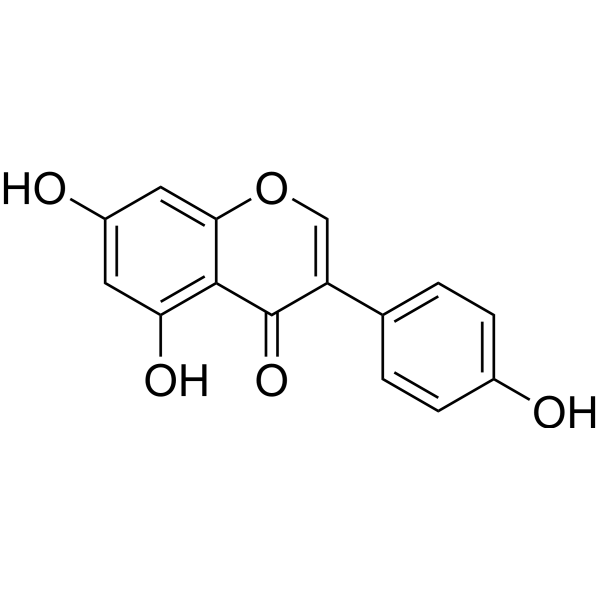
  • HY-14596
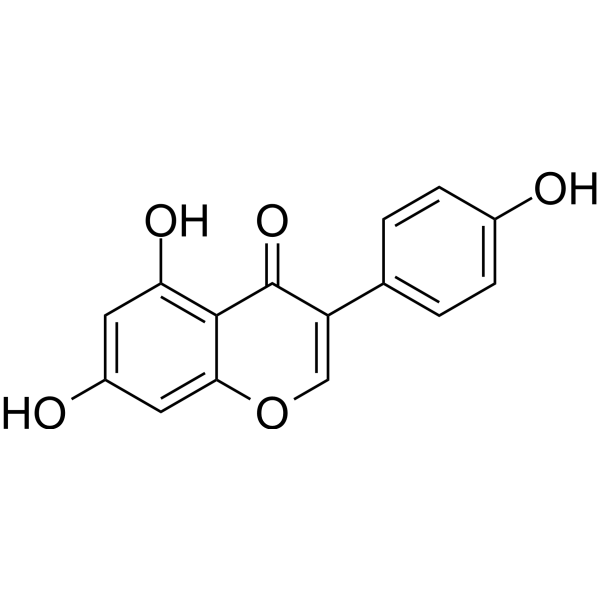
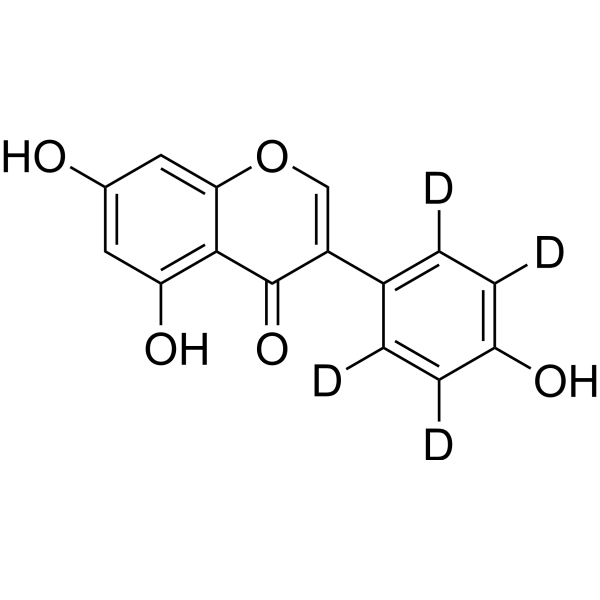
    Genistein
    Maximum Cited Publications
    88 Publications Verification

    NPI 031L

    EGFR Autophagy Apoptosis Endogenous Metabolite Cancer
    Genistein, a soy isoflavone, is a multiple tyrosine kinases (e.g., EGFR) inhibitor which acts as a chemotherapeutic agent against different types of cancer, mainly by altering apoptosis, the cell cycle, and angiogenesis and inhibiting metastasis.
    Genistein
  • HY-13780
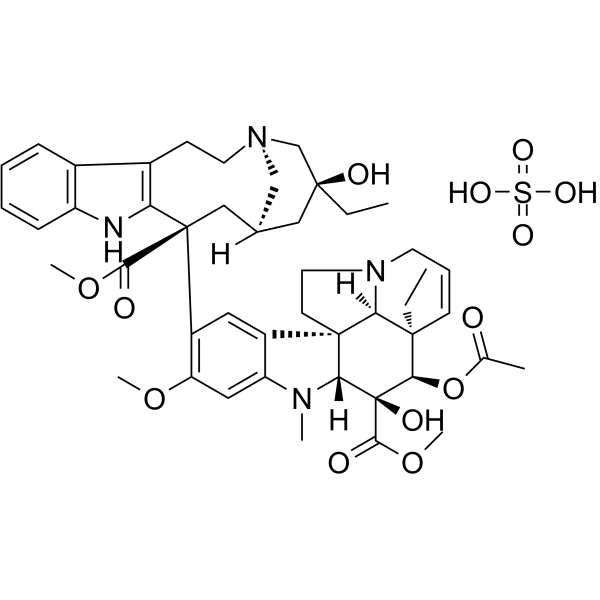
    Vinblastine sulfate
    15+ Cited Publications

    Vincaleukoblastine sulfate salt

    Microtubule/Tubulin nAChR Autophagy Cancer
    Vinblastine sulfate is a cytotoxic alkaloid used against various cancer types. Vinblastine sulfate inhibits the formation of microtubule and suppresses nAChR with an IC50 of 8.9 μM.
    Vinblastine sulfate
  • HY-P9913A
    Rituximab (anti-CD20)
    Maximum Cited Publications
    12 Publications Verification

    CD20 Inflammation/Immunology Cancer
    Rituximab (anti-CD20) is an anti-CD20 chimeric monoclonal antibody used to treat certain autoimmune diseases and types of cancer .
    Rituximab (anti-CD20)
  • HY-124584
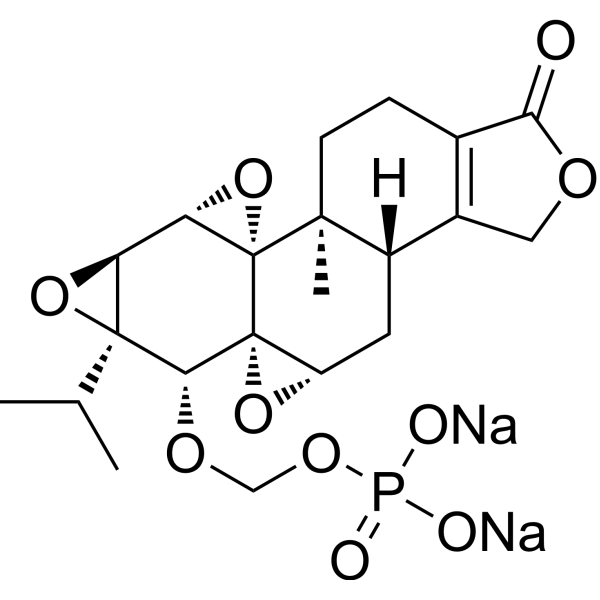
    Minnelide
    2 Publications Verification

    Apoptosis Cancer
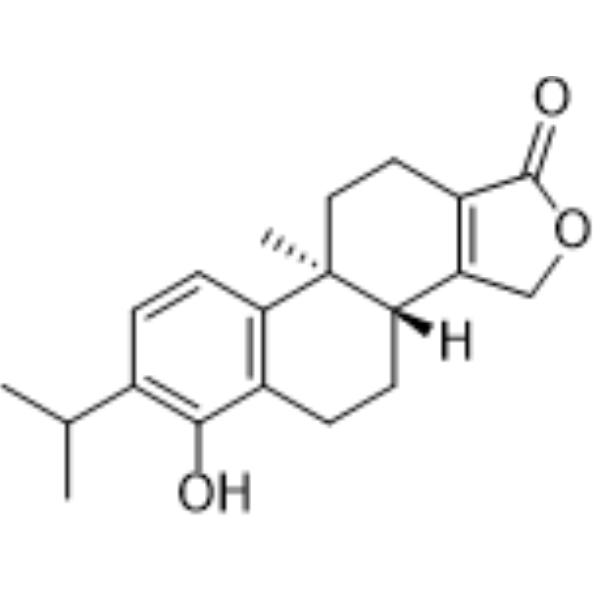
    Minnelide is a prodrug of triptolide that shows potent antitumor activity in a number of tumor types, particularly in pancreatic cancer. Minnelide promotes apoptosis .
    Minnelide
  • HY-164718

    BAY 2927088

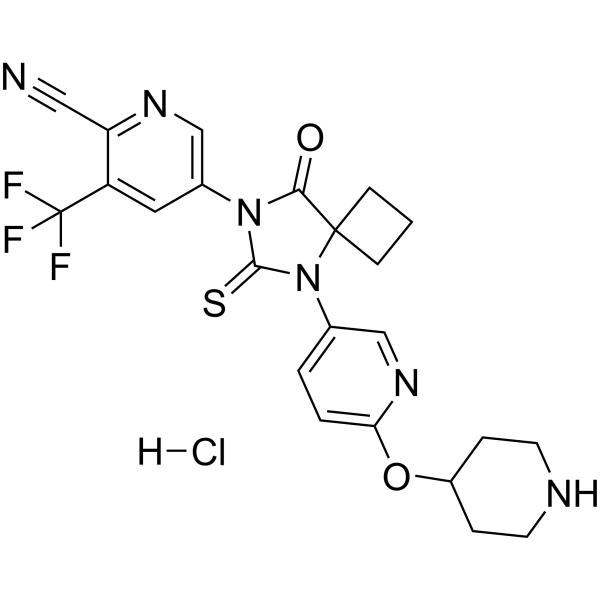
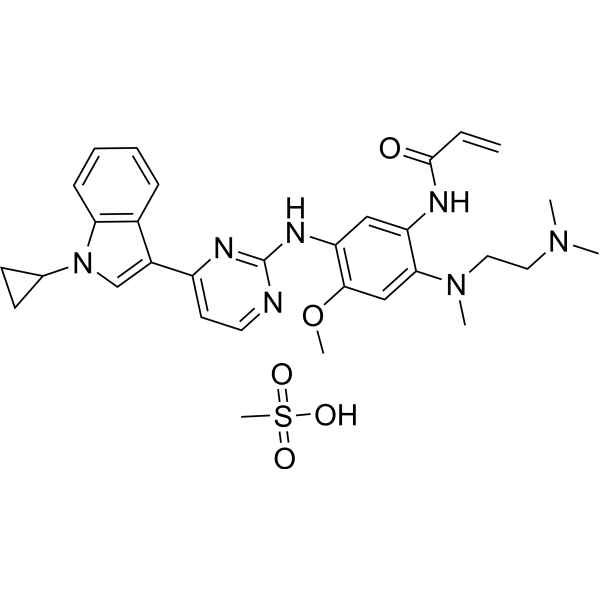
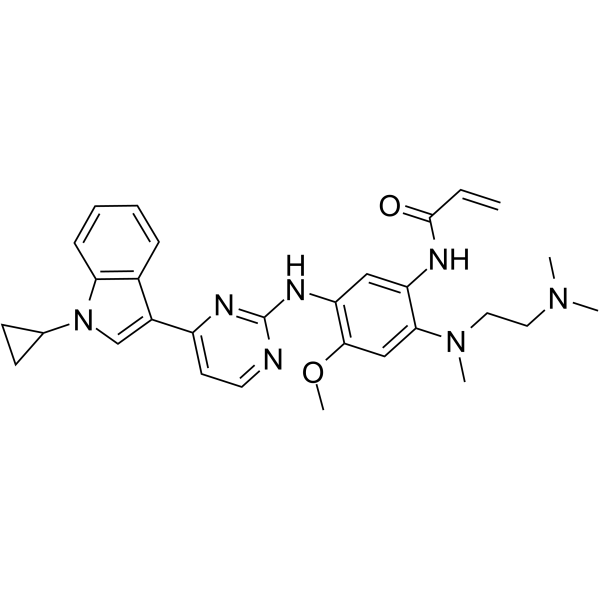
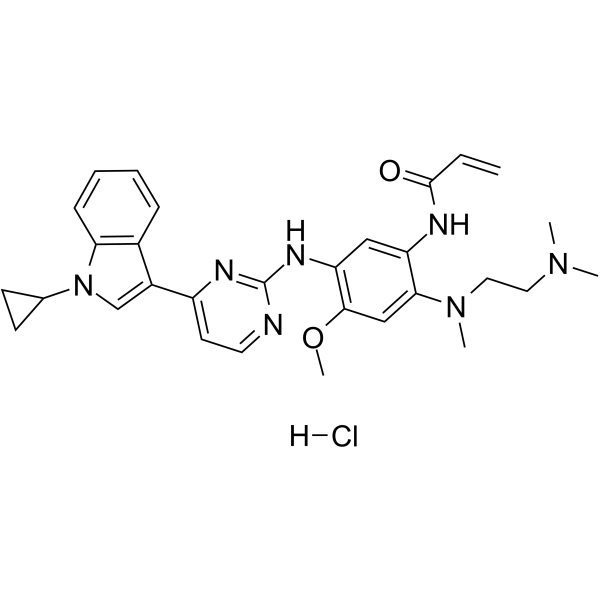
    EGFR Cancer
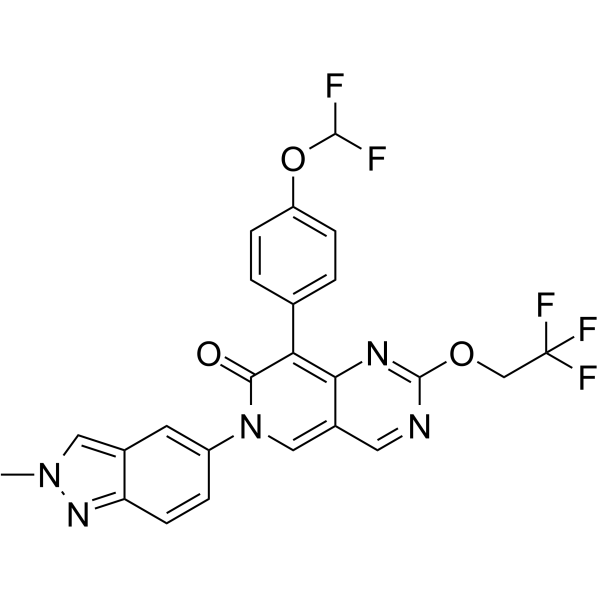
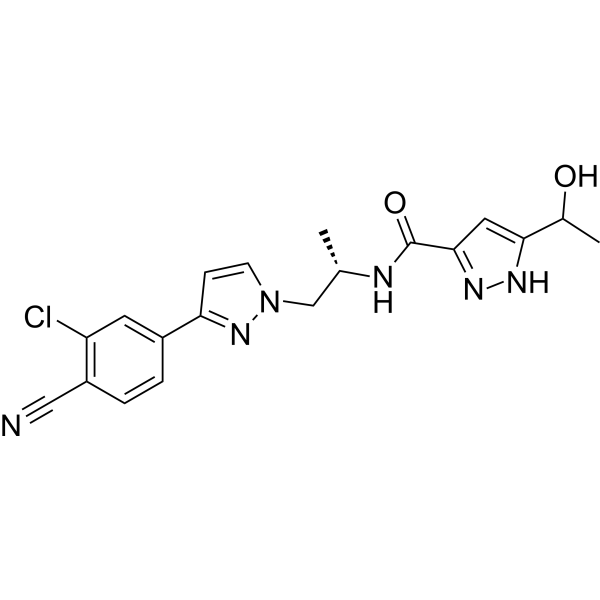
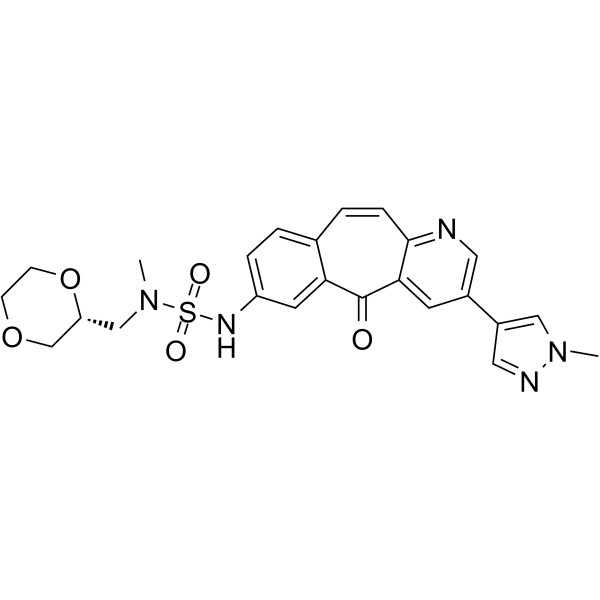
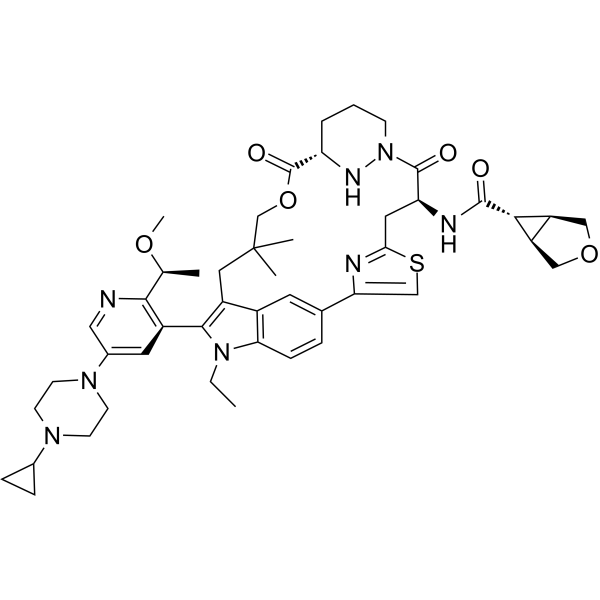
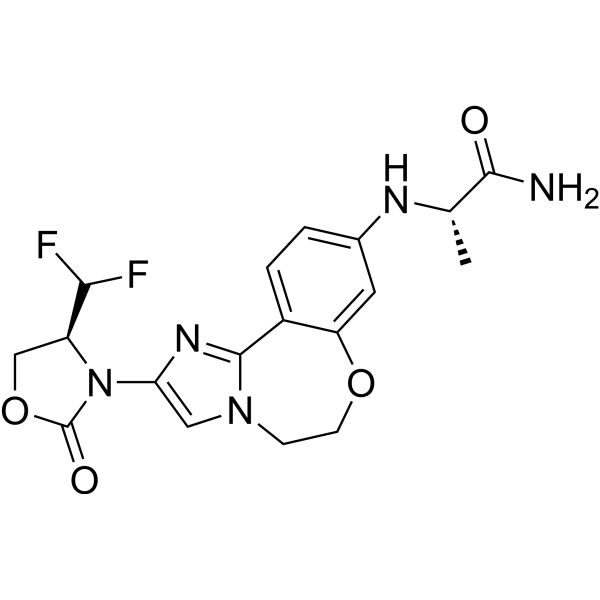
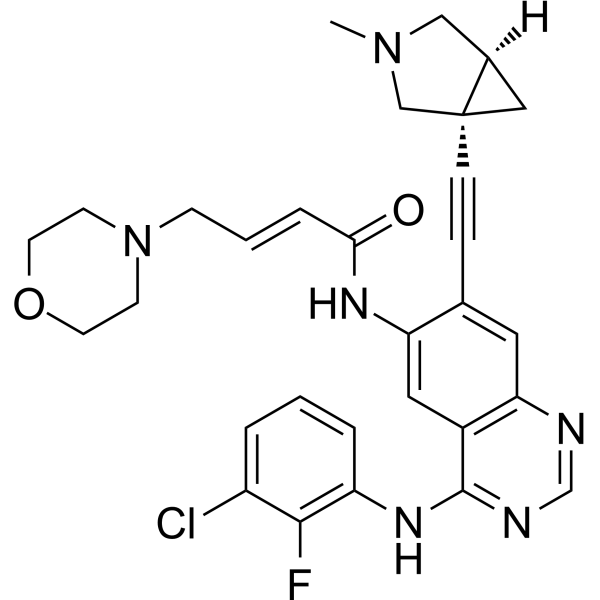
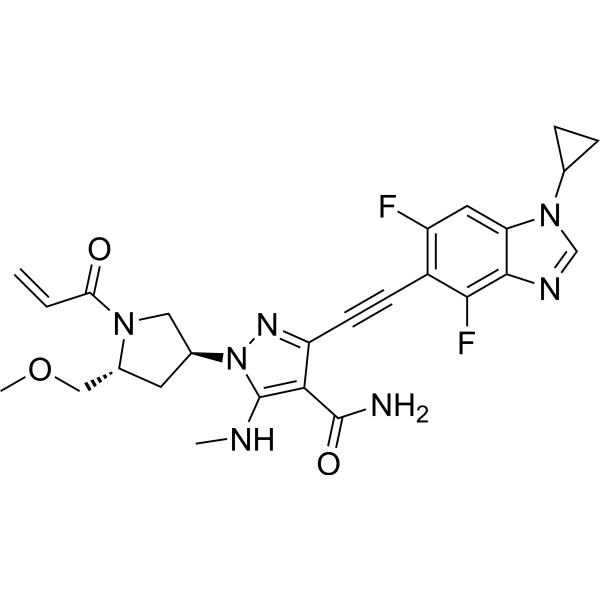
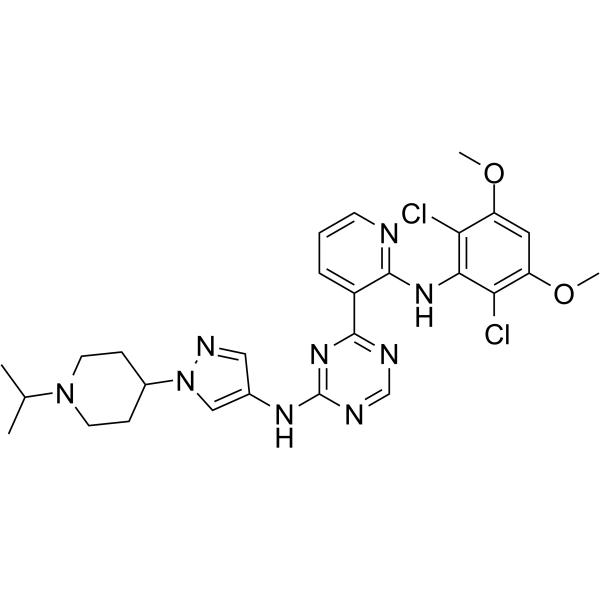
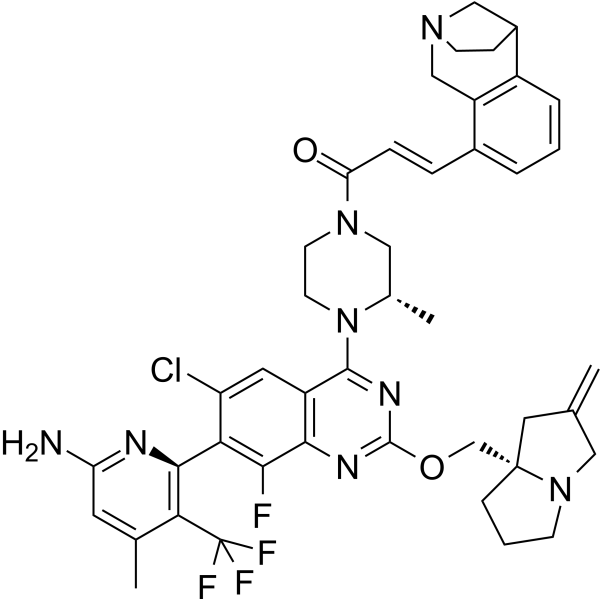
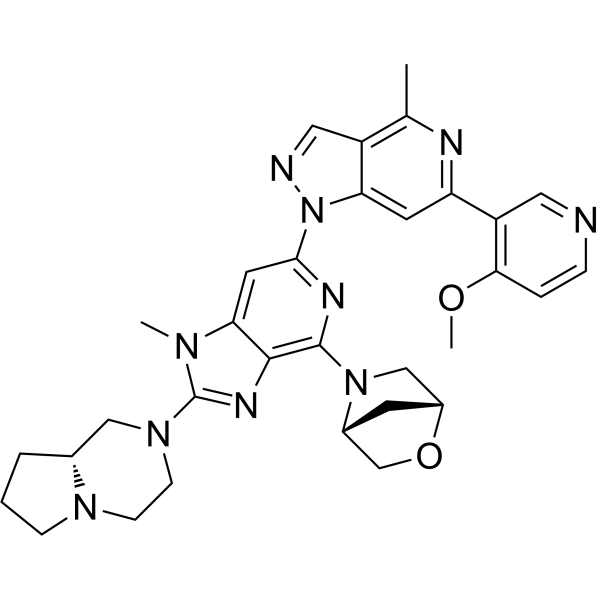
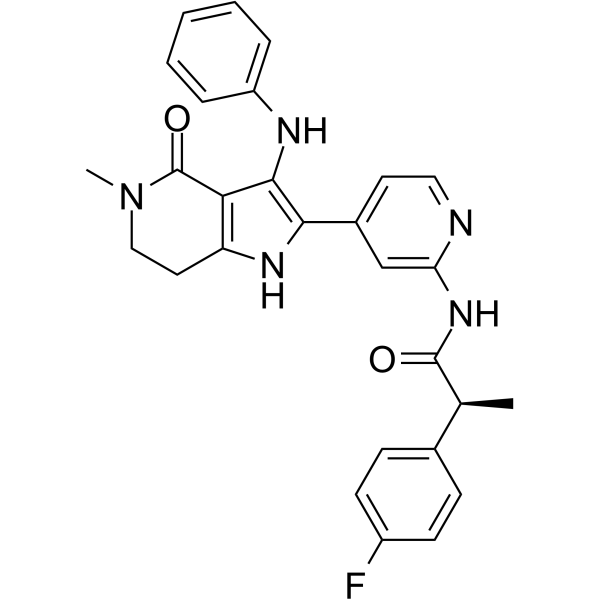
    Sevabertinib (BAY 2927088) is an orally active and reversible dual EGFR-HER2 inhibitor (IC 50 <0.5 nM for wild-type HER2, HER2 A775insYVMA, wild-type EGFR, and EGFR D770_N771insSVD). Sevabertinib has anticancer activity against lung cancer .
    Sevabertinib
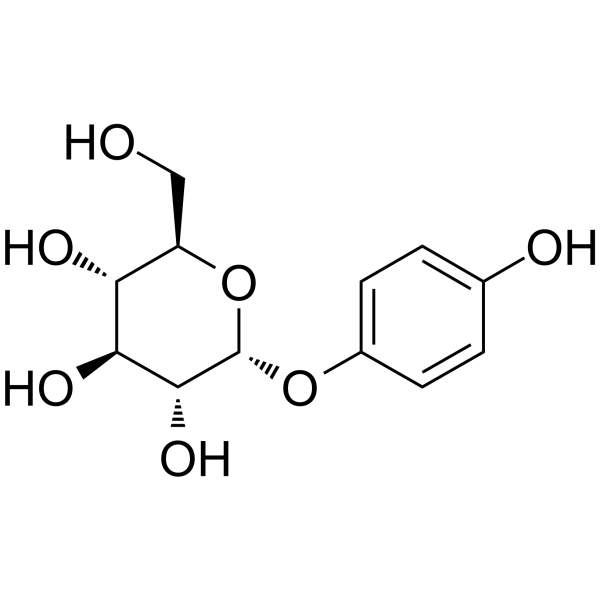
  • HY-N3002

    4-Hydroxyphenyl α-D-glucopyranoside

    Tyrosinase Neurological Disease Metabolic Disease Cancer
    α-Arbutin (4-Hydroxyphenyl α-D-glucopyranoside) is a tyrosinase inhibitor, which is used as an effective skin whiteners. α-Arbutin is promising for research of various diseases such as hyperpigmentation disorders, types of cancers, central nervous system disorders, osteoporosis, diabetes .
    α-Arbutin
  • HY-P99849

    ABT-806

    EGFR Cancer
    Depatuxizumab is a brain-penetrant and humanized tumor-specific anti EGFR monoclonal antibody. Depatuxizumab inhibits the growth of xenograft models of mutant EGFRvIII and wild-type EGFR. Depatuxizumab can be used for research on cancer .
    Depatuxizumab
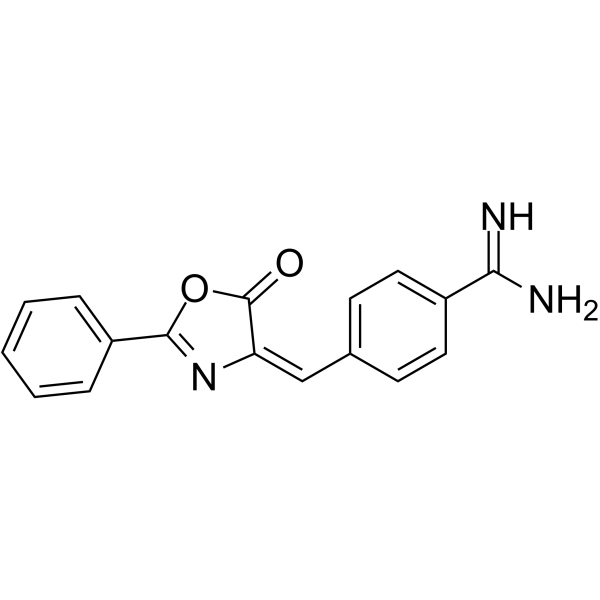
  • HY-111056
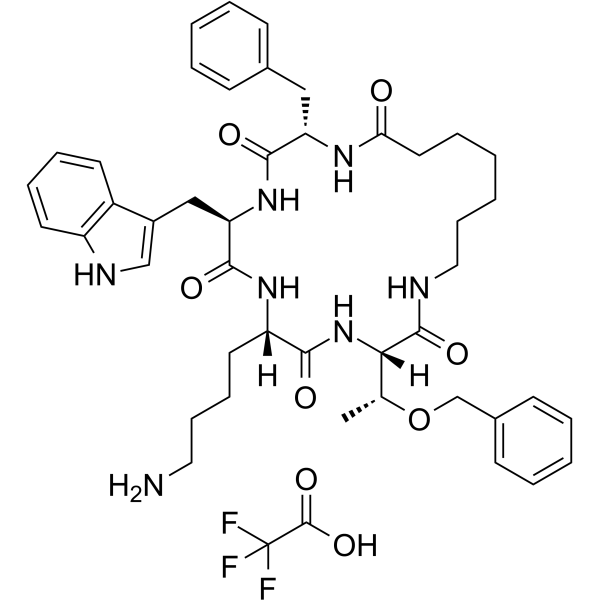
    UK122 TFA
    1 Publications Verification

    Ser/Thr Protease Cancer
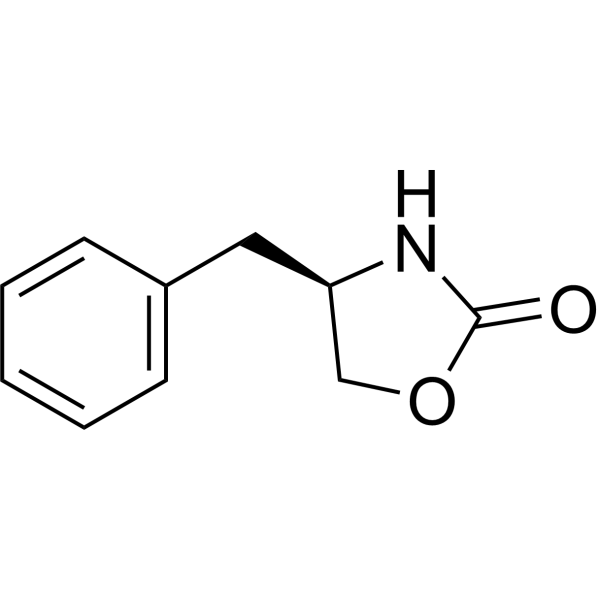
    UK122 is a potent and selective urokinase-type plasminogen activator (uPA) inhibitor with an IC50 of 0.2 μM. UK122 shows no or little inhibition of tissue-type PA (tPA), plasmin, thrombin, and trypsin (all IC50>100 μM). UK122, 4-oxazolidinone analogue, is an anticancer agent and inhibits cancer cell migration and invasion .
    UK122 TFA
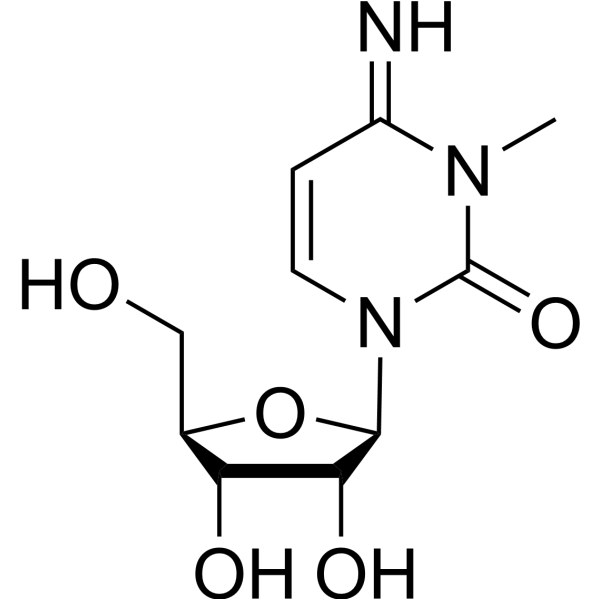
  • HY-111645
    3-Methylcytidine
    3 Publications Verification

    Nucleoside Antimetabolite/Analog Cancer
    3-Methylcytidine, a urinary nucleoside, can be used as a biomarker of four different types of cancer: lung cancer, gastric cancer, colon cancer, and breast cancer .
    3-Methylcytidine
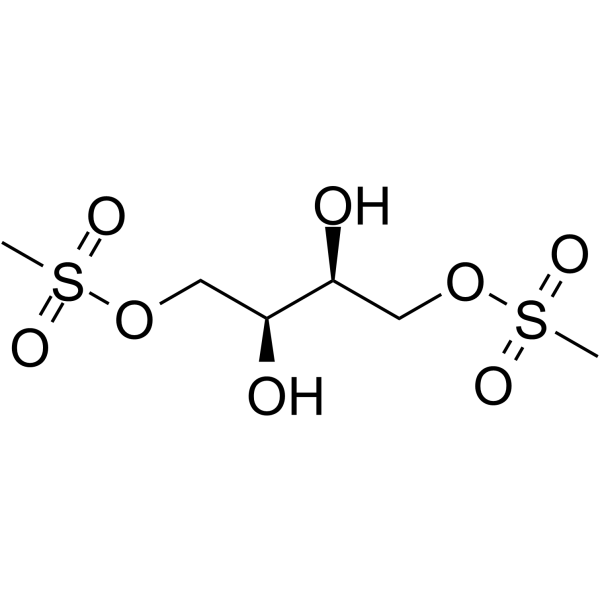
  • HY-16503
    Treosulfan
    3 Publications Verification

    NSC 39069; Treosulphan

    DNA Alkylator/Crosslinker Cancer
    Treosulfan (NSC 39069) is a bifunctional alkylating agent with activity in ovarian cancer and other solid tumor types.
    Treosulfan
  • HY-19980A
    PRIMA-1
    2 Publications Verification

    NSC-281668

    Autophagy MDM-2/p53 Ferroptosis Apoptosis Cancer
    PRIMA-1 (NSC-281668) is a mutant p53 reactivator, restores the sensitivity of TP53 mutant-type thyroid cancer cells to the histone methylation inhibitor 3-Deazaneplanocin A.
    PRIMA-1
  • HY-12643

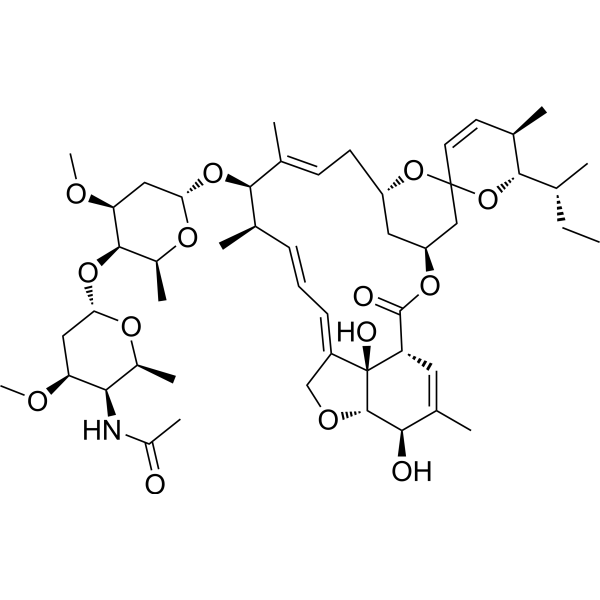
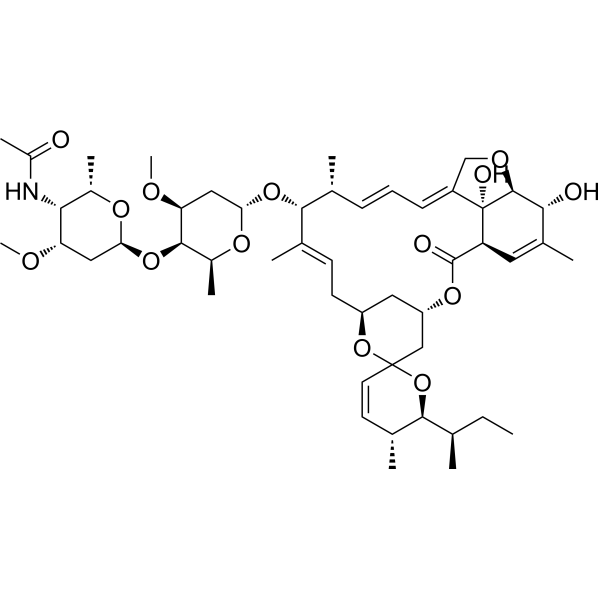
    MK-397

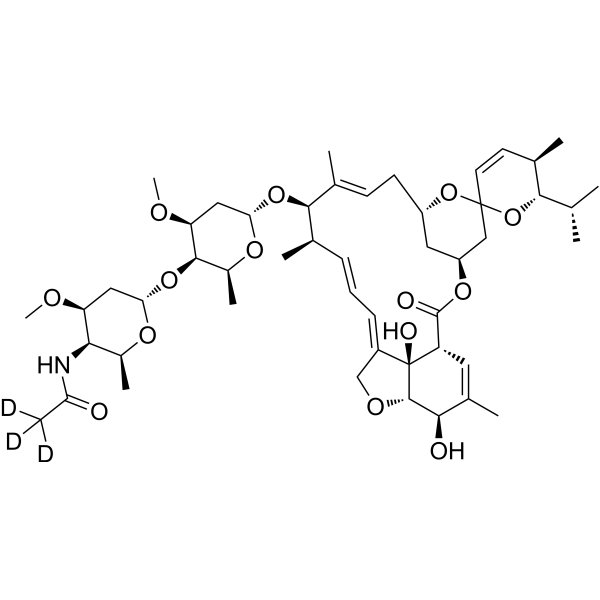
    Parasite Bacterial Reactive Oxygen Species (ROS) β-catenin Apoptosis Autophagy Infection Cancer
    Eprinomectin (MK-397) is a type of avermectin. Eprinomectin, as a broad-spectrum fungicide, has insecticidal, insecticidal and acaricidal activities. Eprinomectin induces apoptosis and autophagy in prostate cancer cells and has antitumor activity .
    Eprinomectin
  • HY-P99183

    EMD 525797; DI17E6

    Integrin Cancer
    Abituzumab (DI17E6) is a humanised anti-integrin αV monoclonal antibody (IgG2 type). Abituzumab effectively reduces the phosphorylation of FAK, Akt and ERK. Abituzumab can be used in cancer research, particularly in prostate cancer .
    Abituzumab
  • HY-18623

    Syk Src Cancer
    VI 16832 is a broad spectrum Type I kinase inhibitor which can be used as an enrichment tool for the comparative expression analysis of protein kinases in different cancer cell lines.
    VI 16832
  • HY-18343A

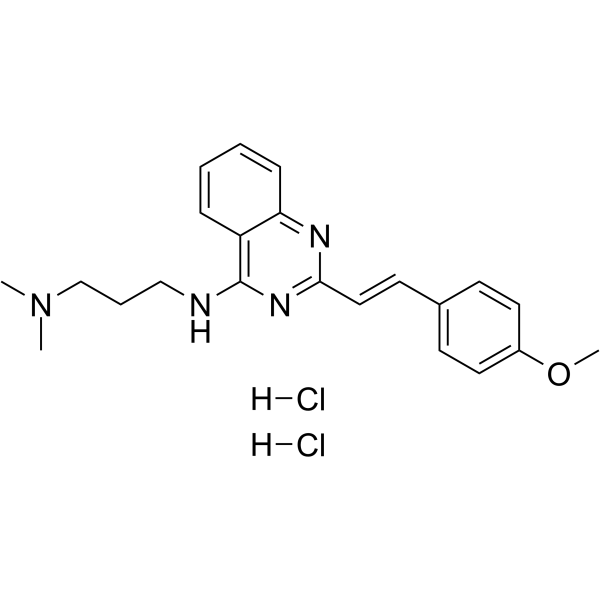
    MDM-2/p53 Cancer
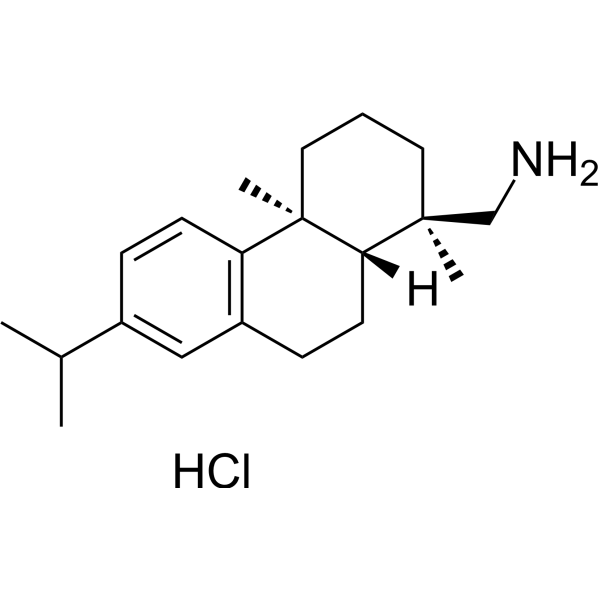
    CP-31398 dihydrochloride stabilizes the active conformation of p53 and promotes p53 activity in cancer cell lines with mutant or wild-type p53 .
    CP-31398 dihydrochloride
  • HY-NP132A

    Biochemical Assay Reagents Integrin Autophagy Apoptosis Discoidin Domain Receptor Cancer
    Recombinant humanized type III collagen (MW 55900) is a type III collagen with a molecular weight of 55900 Da. Recombinant humanized type III collagen has various biological functions, such as promoting skin extracellular matrix regeneration and improving the cell microenvironment. Recombinant humanized type III collagen inhibits the proliferation, migration, and invasion of breast cancer cells. Type III collagen functions in cell adhesion, migration, proliferation and differentiation through its interaction with integrins .
    Recombinant humanized type III collagen (MW 55900)
  • HY-NP132

    Biochemical Assay Reagents Integrin Autophagy Apoptosis Discoidin Domain Receptor Cancer
    Recombinant Humanized Type III Collagen 28.6kDa is a 28.6 kDa recombinant humanized type III collagen. Recombinant Humanized Type III Collagen possesses a variety of biological functions, such as promoting the regeneration of the skin extracellular matrix and improving the cellular microenvironment. Recombinant Humanized Type III Collagen can also inhibit the proliferation, migration and invasion of breast cancer cells. Recombinant Humanized Type III Collagen plays a role in cell adhesion, migration, proliferation and differentiation by interacting with Integrin .
    Recombinant Humanized Type III Collagen 28.6kDa
  • HY-P99413

    ASP1650

    HCV Cancer
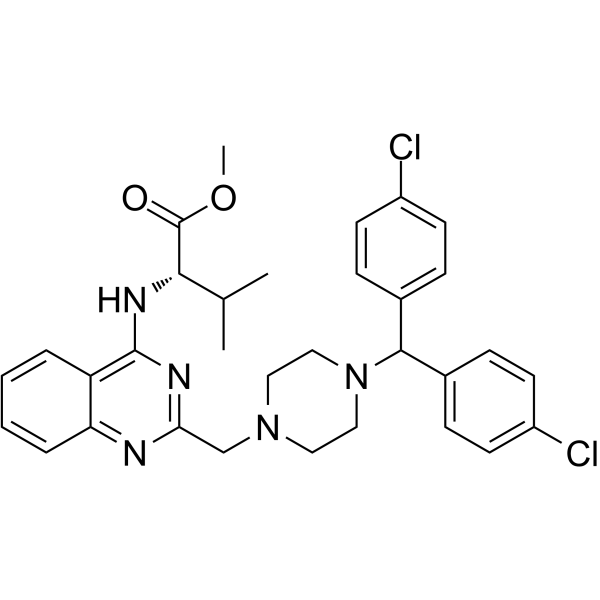
    IMAB027 (ASP1650) is a specific anti-CLDN6 mAb, while CLDN6 (Claudin 6) is a tight junction membrane protein, aberrantly expressed in various human cancer types, ovarian cancers particularly. IMAB 027 shows anti-tumor activity, and induces apoptosis in CLDN6 + ovarian and testicular cancer cell lines .
    IMAB027
  • HY-147318

    Apoptosis Cancer
    PBENZ-DBRMD is a potent iodothyronine deiodinase type 3 (DIO3) inhibitor. PBENZ-DBRMD has anti-proliferative activity and induces apoptosis. PBENZ-DBRMD can be used for cancer research .
    PBENZ-DBRMD
  • HY-121368

    Parasite Infection Inflammation/Immunology Cancer
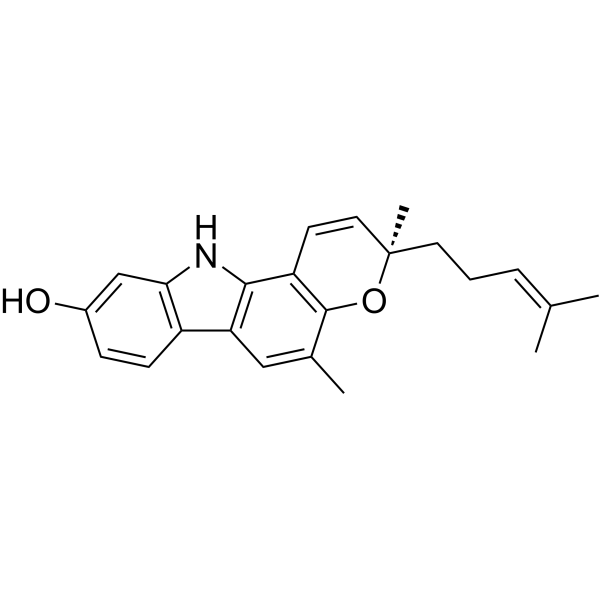
    Mahanine is a carbazole alkaloid with various biological properties. Mahanine is a potent anticancer agent against different types of cancer cells. Mahanine exhibits antileishmanial activity and can be used for Leishmania infection research research.
    Mahanine
  • HY-131503

    13-MTD; 13-Methylmyristic acid

    Apoptosis Cancer
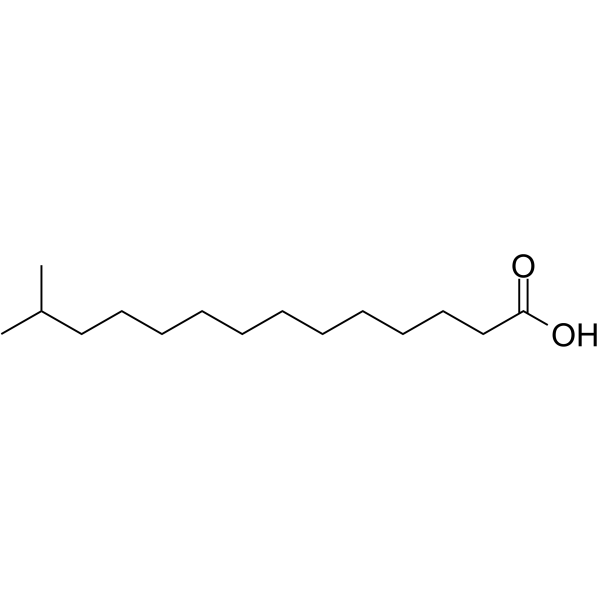
    13-Methyltetradecanoic acid (13-MTD), a saturated branched-chain fatty acid with potent anticancer effects. 13-Methyltetradecanoic acid induces apoptosis in many types of human cancer cells .
    13-Methyltetradecanoic acid
  • HY-121006

    Mitochondrial Metabolism AMPK Insulin Receptor Metabolic Disease Cancer
    Biguanide is an orally active antihyperglycemic agent. Biguanide inhibits mitochondrial ATP production, activates the LKB1-AMPK signaling pathway, and damages the energy homeostasis. Biguanide enhances insulin-receptor activation and downstream signaling. Biguanide exhibits potential in ameliorating the type 2 diabetes and the insulin-associated cancers.
    Biguanide
  • HY-P11446

    Transmembrane Glycoprotein Cancer
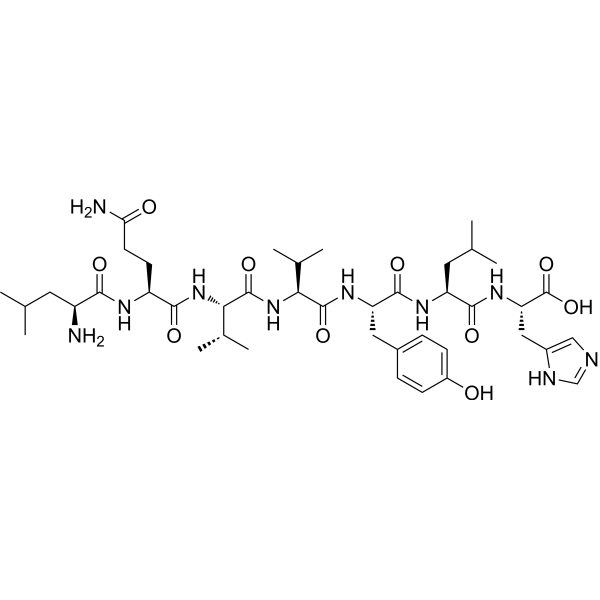
    AE105 is a 9-mer peptide probe targeting the urokinase-type plasminogen activator receptor (uPAR). AE105 binds tightly to the uPA-binding cavity of uPAR. AE105 can be used for the study of cancer .
    AE105
  • HY-N1513

    AP-1 NF-κB Cancer
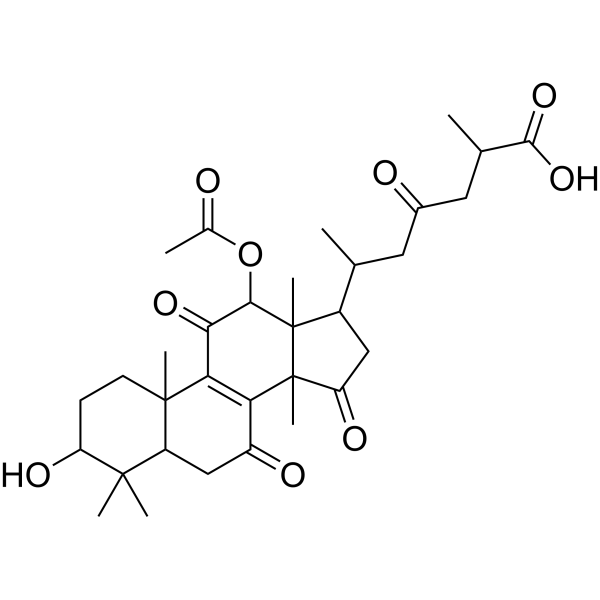
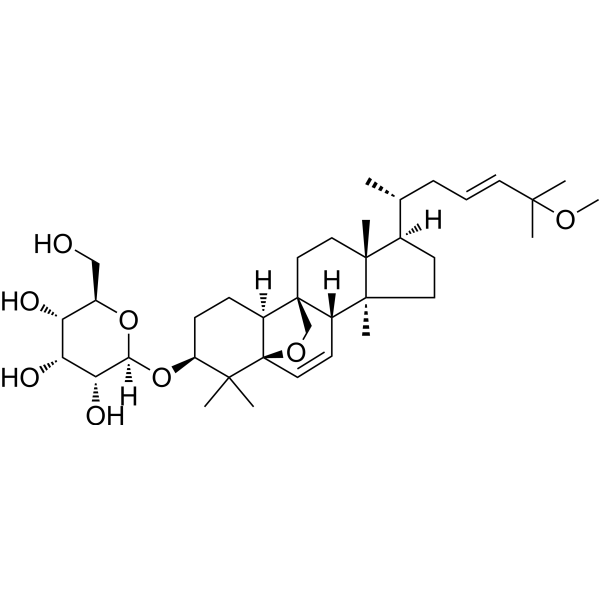
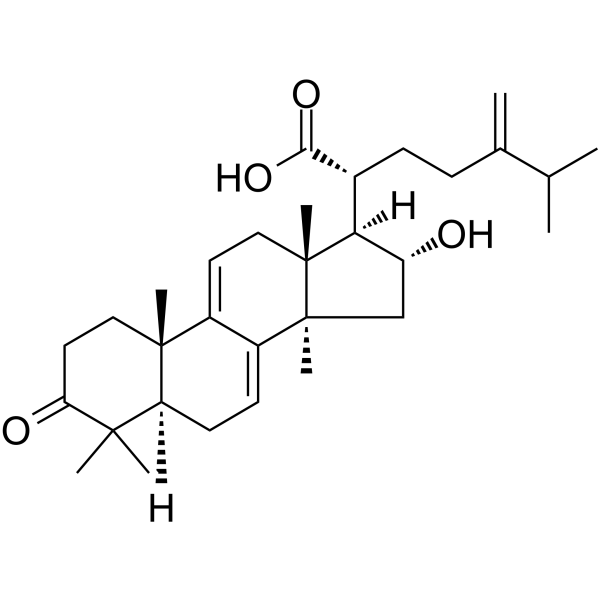
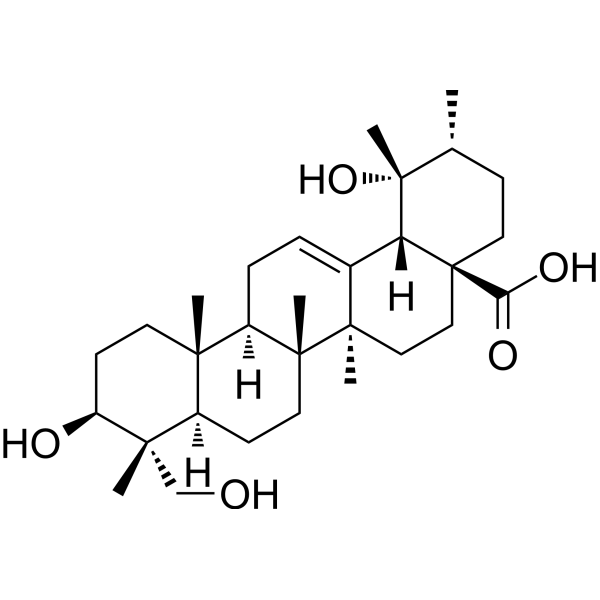
    Ganoderic acid H is a lanostane-type triterpene isolated from Ganoderma lucidum. Ganoderic acid H suppresses growth and invasive behavior of breast cancer cells through the inhibition of transcription factors AP-1 and NF-kappaB signaling .
    Ganoderic acid H
  • HY-120122

    MDM-2/p53 Cancer
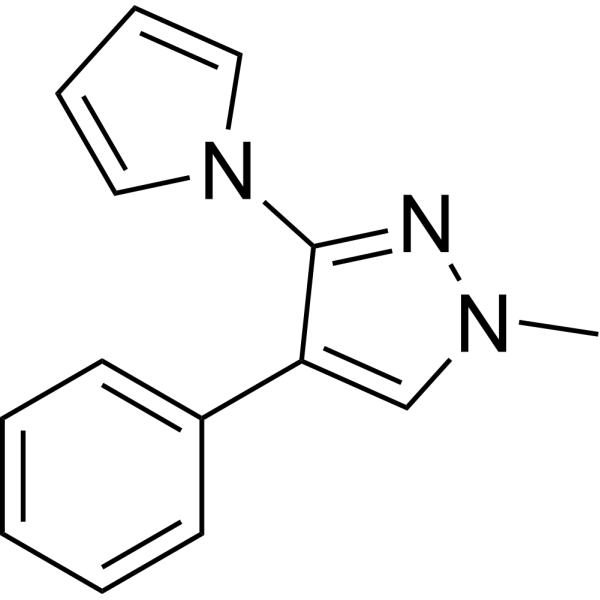
    PK7088 is a pyrazole and a specific peptide. PK7088 supports the reactivation of mutant p53 by converting it to a form exhibiting wild-type properties. PK7088 exhibit anticancer activity in cancer research .
    PK7088
  • HY-W177546

    Phosphodiesterase (PDE) Apoptosis Caspase DNA/RNA Synthesis Cancer
    CD00509 is a tyrosyl-DNA phosphodiesterase (PDE) Tdp1 inhibitor with an IC50 of 0.71 μM. CD00509 increases DNA damage and promotes apoptosis of MCF-7 cells. CD00509 can sensitize breast cancer cells and wild-type murine embryonic fibroblasts (MEFs) to Camptothecin (CPT) (HY-16560). CD00509 can be used for the study of cancers such as breast cancer .
    CD00509
  • HY-111645R

    Nucleoside Antimetabolite/Analog Reference Standards Cancer
    3-Methylcytidine (Standard) is the analytical standard of 3-Methylcytidine. This product is intended for research and analytical applications. 3-Methylcytidine, a urinary nucleoside, can be used as a biomarker of four different types of cancer: lung cancer, gastric cancer, colon cancer, and breast cancer .
    3-Methylcytidine (Standard)
  • HY-126583

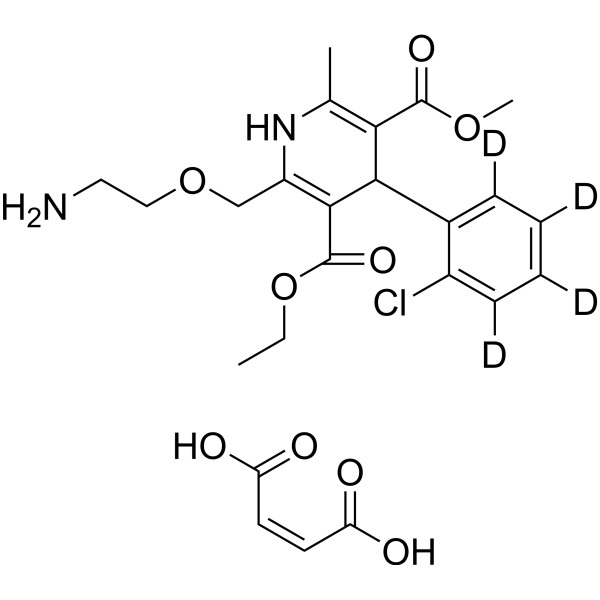
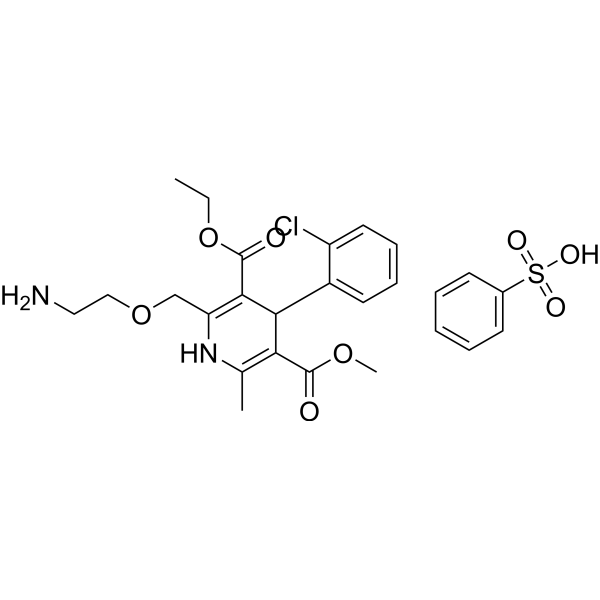
    Calcium Channel Cancer
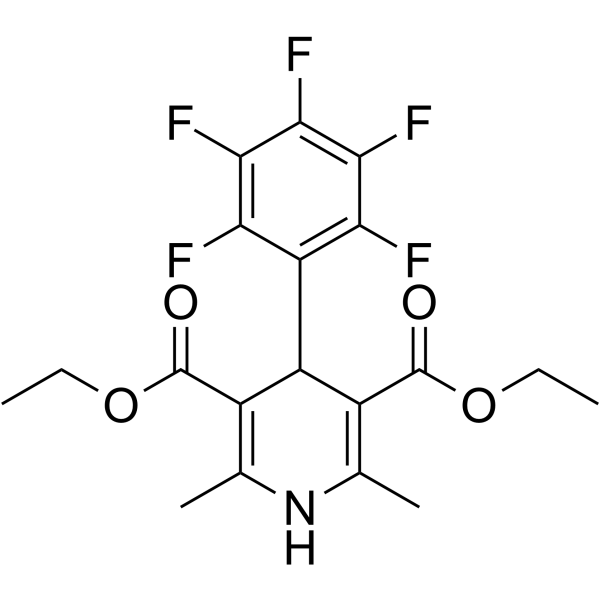
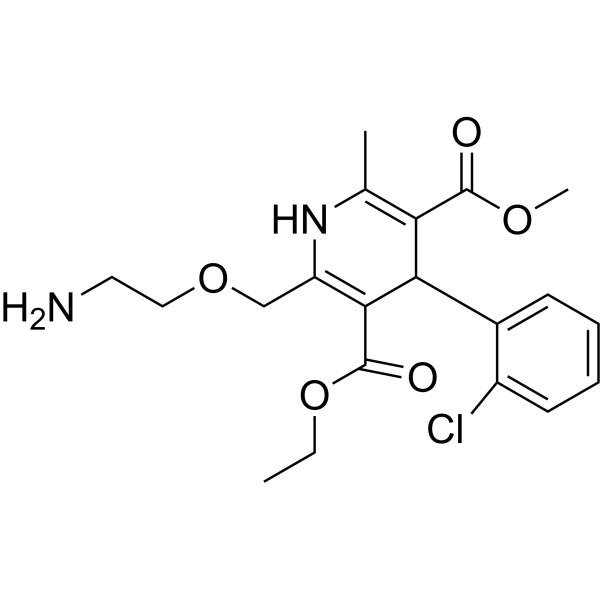
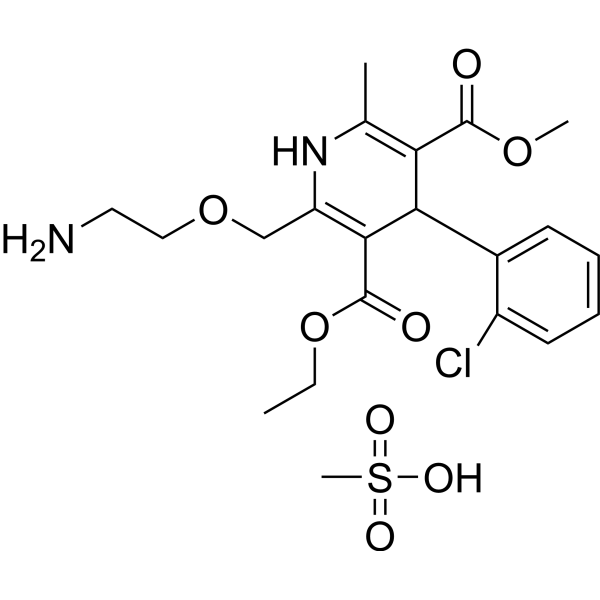
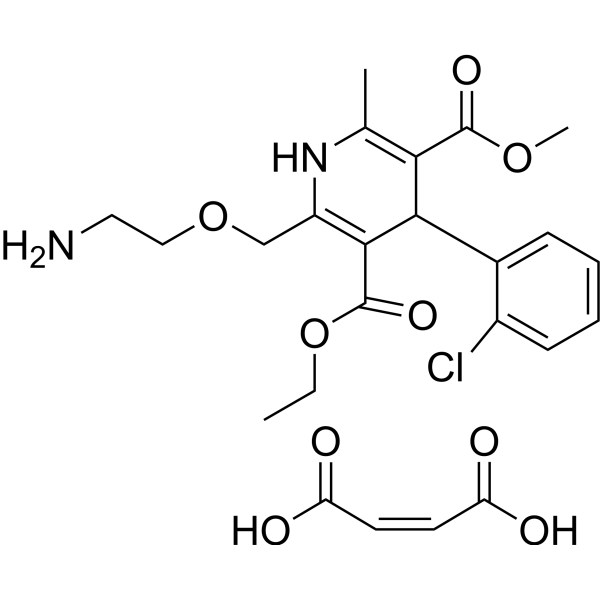
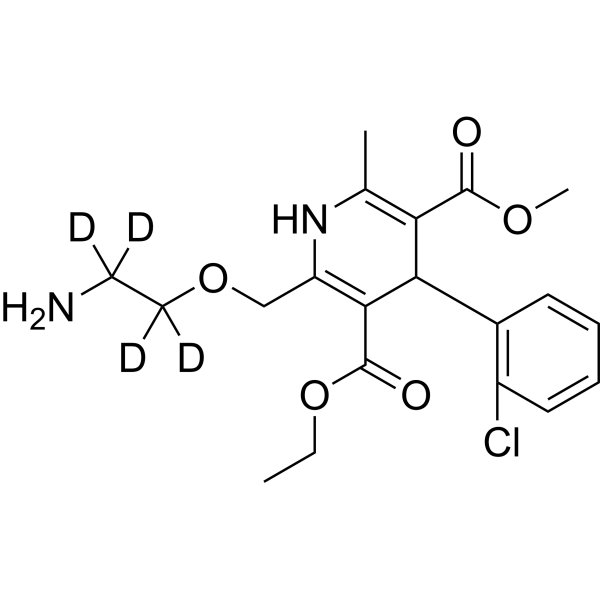
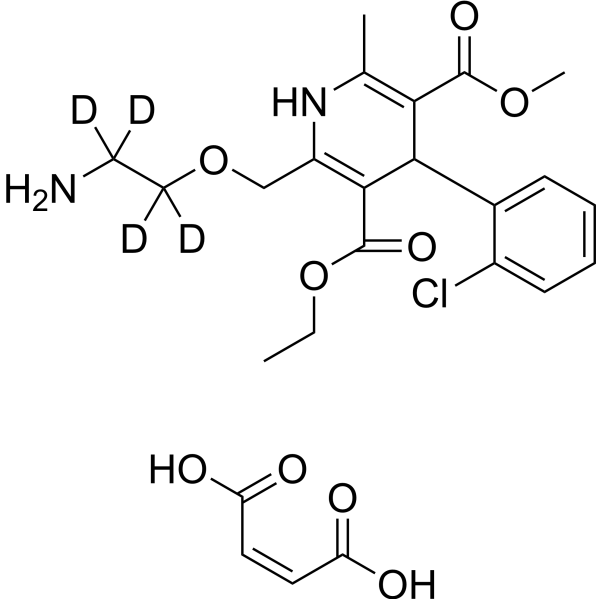
    Nemadipine-A is a specific inhibitor of the EGL-19 L-type Ca 2+ channel . Nemadipine-A, a cell-permeable L-type calcium channel inhibitor, sensitizes TRAIL-resistant cancer cells to this ligand .
    Nemadipine-A
  • HY-N3741

    Didrovaltratum

    Calcium Channel Reactive Oxygen Species (ROS) Autophagy Inflammation/Immunology Cancer
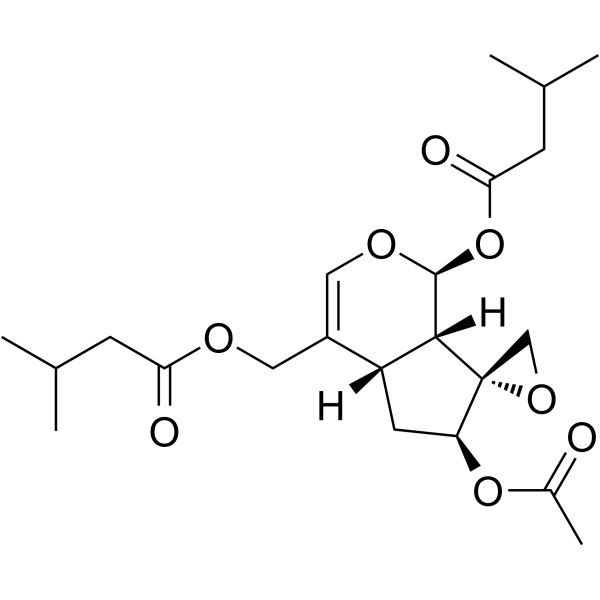
    Didrovaltrate (Didrovaltratum) is an L-type calcium channel blocker, ROS scavenger, autophagy enhancer, and lipid accumulation inhibitor. Didrovaltrate blocks L-type calcium currents in a concentration-dependent manner, shifts the current-voltage curve upward, modulates steady-state inactivation kinetics, and inhibits the nuclear translocation of glucocorticoid receptors. Didrovaltrate reduces ROS levels, downregulates the expression of muscle atrophy-related genes, enhances autophagy via lipophagy, and decreases Oleic acid-induced lipid accumulation. Didrovaltrate exhibits cytotoxic activity against cancer cells. Didrovaltrate can be used in research related to skeletal muscle atrophy, non-alcoholic fatty liver disease, breast cancer, lung cancer, gastric cancer, and prostate cancer .
    Didrovaltrate
  • HY-169903

    Apoptosis Cancer
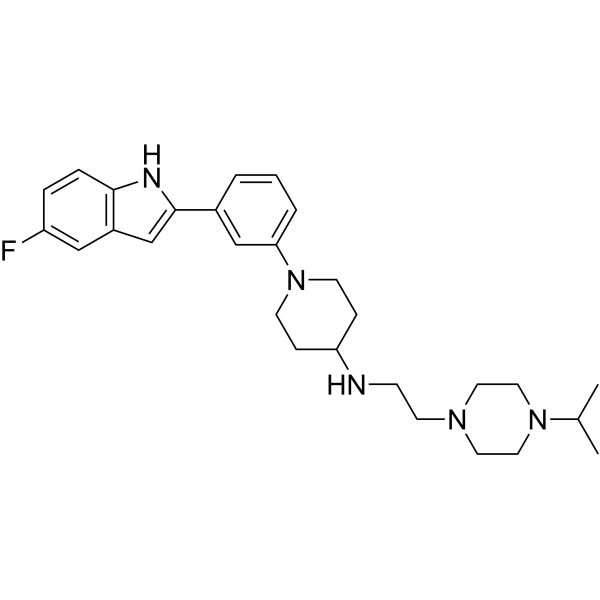
    SMIP34 is a PELP1 inhibitor. SMIP34 binds to PELP1 with a Kd of 37.4 μM. SMIP34 inhibits cancer cell proliferation and tumor progression. SMIP34 can be used for breast cancer research, and is active against wild-type (WT), mutant (MT) ER+ and therapy-resistant (TR)-ER+ breast cancer .
    SMIP34
  • HY-118982

    Reactive Oxygen Species (ROS) Cancer
    CT-2584 is a chemotherapeutic compound that reduces the expression of NKEF-B in several tumor cell types and kills tumor cells by inducing the production of ROS in mitochondria, commonly used in cancer research .
    CT-2584
  • HY-144669

    Aldehyde Dehydrogenase (ALDH) Cancer
    ALDH1A3-IN-2 (Compound 15) is a potent inhibitor of ALDH1A3 with an IC50 of 1.29 μM. Aldehyde dehydrogenases (ALDHs) are overexpressed in various tumor types including prostate cancer. ALDH1A3-IN-2 has the potential for the research of cancer diseases .
    ALDH1A3-IN-2
  • HY-77113

    Raf Cancer
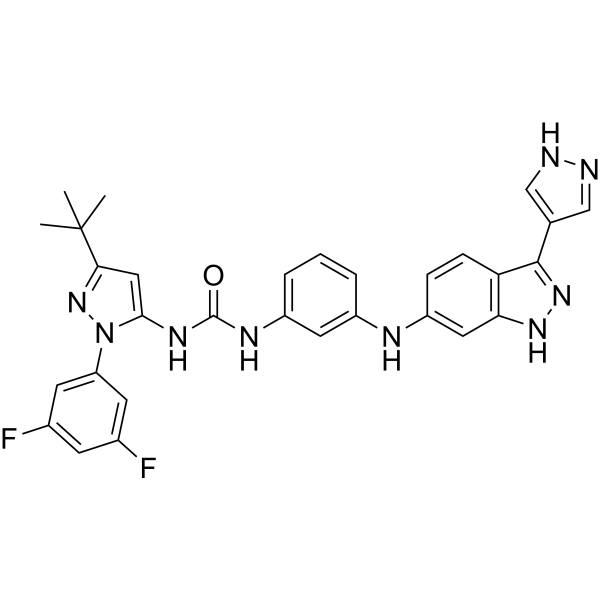
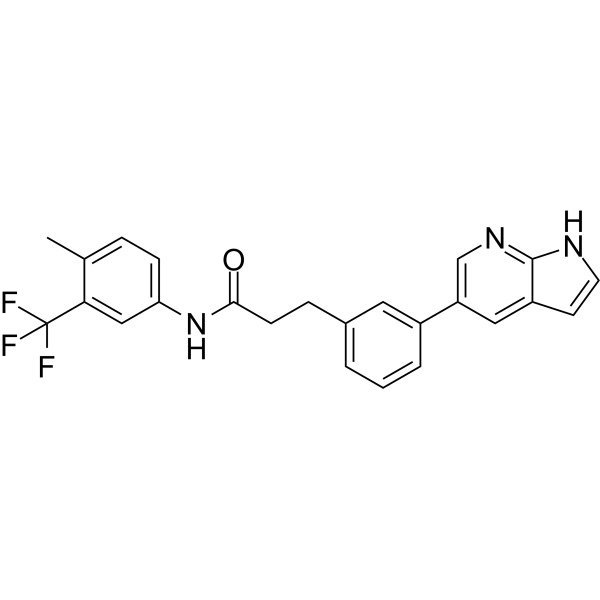
    B-Raf IN 11 is a B-Raf V600E mutant kinase inhibitor with an IC50 of 76 nM, and exhibits an IC50 of 238 nM against wild-type B-Raf kinase. B-Raf IN 11 inhibits the kinase activities of B-Raf V600E mutant and wild-type B-Raf kinase. B-Raf IN 11 is applicable to relevant research on colorectal cancer .
    B-Raf IN 11
  • HY-172448

    ATM/ATR Cancer
    YY2201 is a highly potent and selective ATR inhibitor with an IC50 of 8 nM. YY2201 shows >200-fold more selective for ATR than mTOR. YY2201 inhibits tumor progression in broad-spectrum cancer types (such as lung cancer) .
    YY2201
  • HY-19671

    SR-45023A; SR 9223i; SK&F-99085

    HMG-CoA Reductase (HMGCR) Apoptosis Cancer
    Apomine (SR-45023A) is an orally active antineoplastic agent that inhibits the mevalonate/isoprenoid pathway in cholesterol synthesis. Apomine can accelerate the degradation of 3-hydroxy-3-methylglutaryl-CoA reductase (HMGR). Apomine can also inhibit the growth of various types of cancer cells, including lung cancer, colon cancer, breast cancer, and skin cancer. Apomine is able to induce apoptosis in tumor cell lines derived from leukemia, colon cancer, liver cancer, ovarian cancer, and breast cancer .
    Apomine
  • HY-NP131

    Discoidin Domain Receptor Apoptosis Autophagy Cancer
    Recombinant Humanized Type III Collagen 10.4kDa is a novel biomaterial that have anticancer effects. Recombinant Humanized Type III Collagen 10.4kDa activates discoidin domain receptor 1 (DDR1), and thus inhibits autophagy, proliferation, and migration of cancer cells, and induces apoptosis .
    Recombinant Humanized Type III Collagen (10.4kDa)
  • HY-N8669

    LIM Kinase (LIMK) Cancer
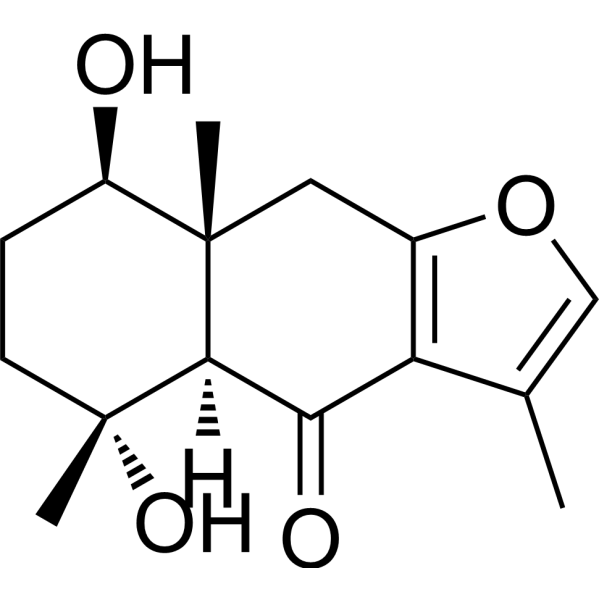
    Curcolonol is a furan type sesquiterpene. Curcolonol can be isolated from several medical herbs. Curcolonol has inhibitory activity for LIM kinase 1. Curcolonol can be used for the research of breast cancer .
    Curcolonol
  • HY-116100

    Phosphodiesterase (PDE) Neurological Disease Inflammation/Immunology Cancer
    (E/Z)-HA155 is a potent autotaxin (ATX) type I inhibitor. (E/Z)-HA155 can be used for researching cancer, fibrotic diseases, inflammation, pain and angiogenesis .
    (E/Z)-HA155
  • HY-177136

    ATP Citrate Lyase Metabolic Disease Inflammation/Immunology Cancer
    ACLY-IN-2 (Compound 7) has inhibitory effect against human ATP citrate lyase (hACLY), with an IC50 of less than 1 nM. ACLY-IN-2 can be studied in research on liver-related diseases, type-2 diabetes, autoimmunity, and cancer .
    ACLY-IN-2
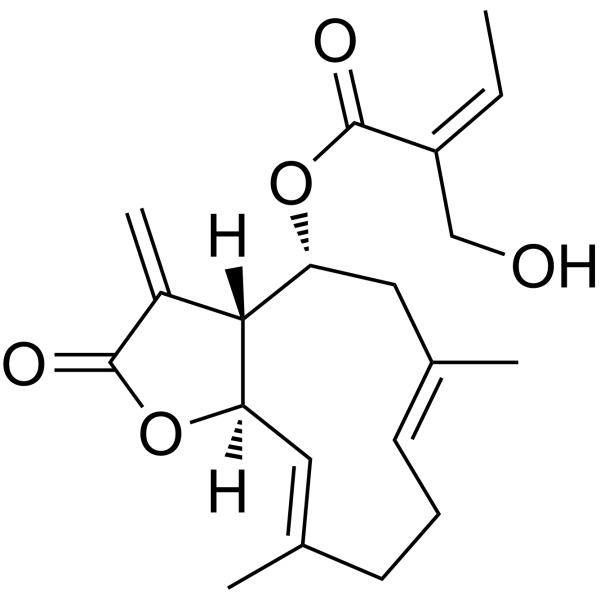
  • HY-N10588

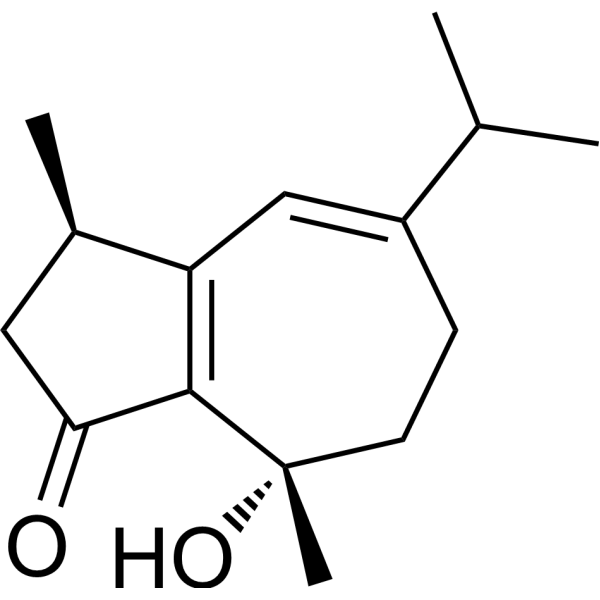
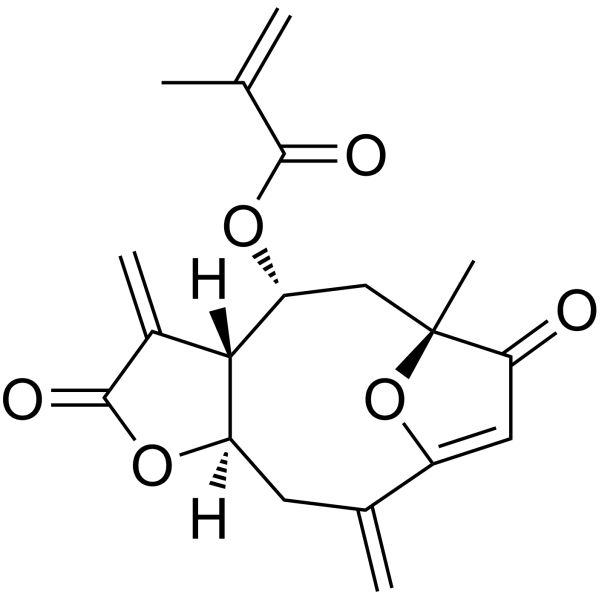
    10-epi-Nardoguaianone J

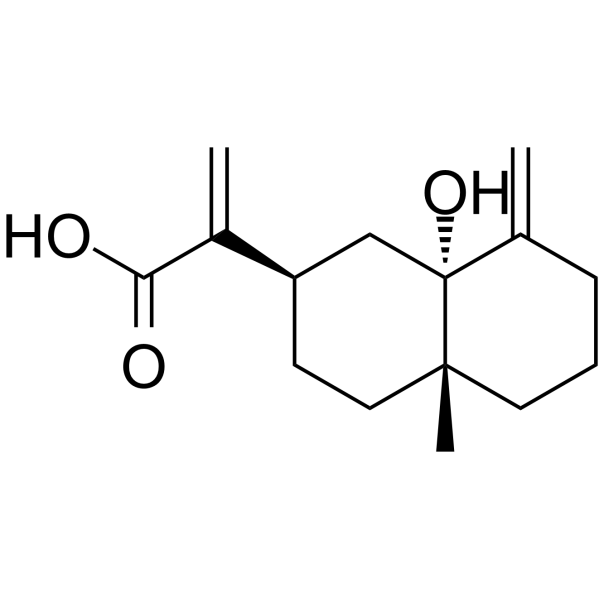
    Others Cancer
    Nardoguaianone K, a guaiane-type compound, can be isolated from Nardostachys chinensis roots. Nardoguaianone K cam be used in the research of pancreatic cancer .
    Nardoguaianone K
  • HY-N1443

    Environmental Pollutants Endogenous Metabolite Apoptosis Metabolic Disease Cancer
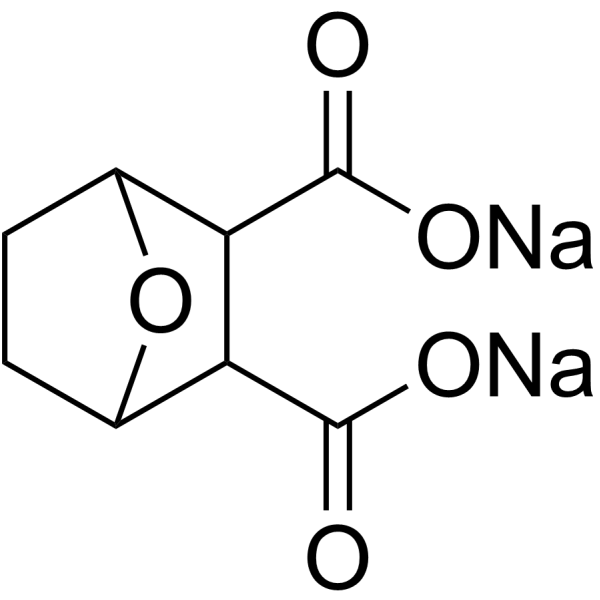
    Demethylcantharidate disodium, an endogenous metabolite, induces apoptosis in hepatocellular carcinoma cells via ER stress. Demethylcantharidate disodium shows excellent anticancer activity against multiple types of cancer .
    Demethylcantharidate disodium
  • HY-177138

    Microtubule/Tubulin Cancer
    Tubulin-IN-52 is a tubulin inhibitor. Tubulin-IN-52 demonstrates significant cytotoxicity toward a variety of cancer cell types including prostate, lung, and ovarian cancers with strong activity toward highly aggressive cancer lines (IC50 = 0.9-3.8 mM). Tubulin-IN-52 significantly inhibits the growth of established tumors without noticeable toxicity. Tubulin-IN-52 can be used for the study of cancer .
    Tubulin-IN-52
  • HY-176250

    Ras ERK Cancer
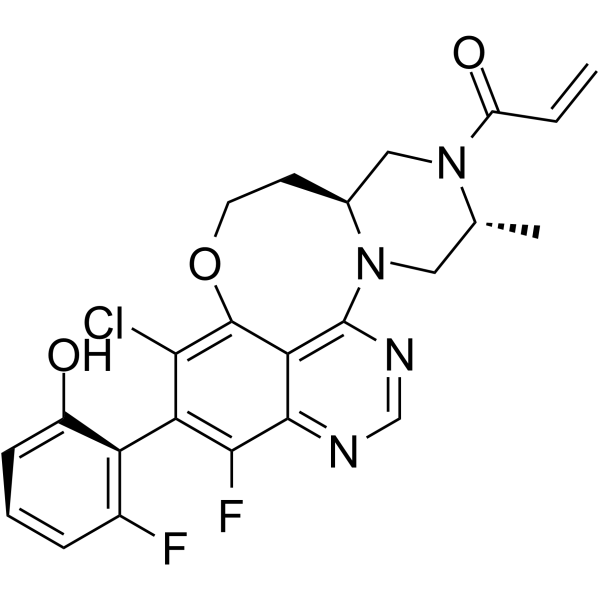
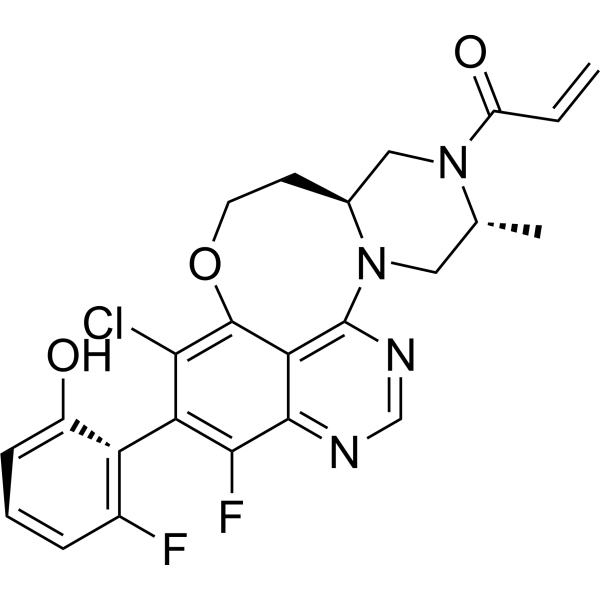
    KRAS-IN-43 (Compound 9) is a pan-KRAS inhibitor with IC50 values of 0.15 μM, 0.14 μM, and 0.47 μM against KRAS G12V, KRAS G12C and wild-type KRAS, respectively. KRAS-IN-43 disrupts the interaction between KRAS and cRAF, and inhibits ERK phosphorylation. KRAS-IN-43 is promising for research of KRAS mutation-related cancers (such as pancreatic cancer, colorectal cancer, and lung cancer) .
    KRAS-IN-43
  • HY-132885

    PARP Histone Methyltransferase Cancer
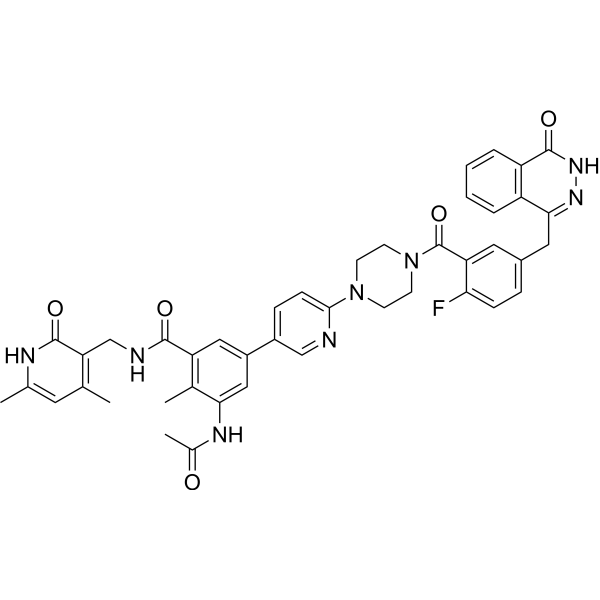
    PARP/EZH2-IN-1 is a first-in-class dual PARP (IC50 6.87 nM) and EZH2 (IC50 36.51 nM) inhibitor for triple-negative breast cancer with wild-type BRCA.
    PARP/EZH2-IN-1
  • HY-N7205

    Others Cancer
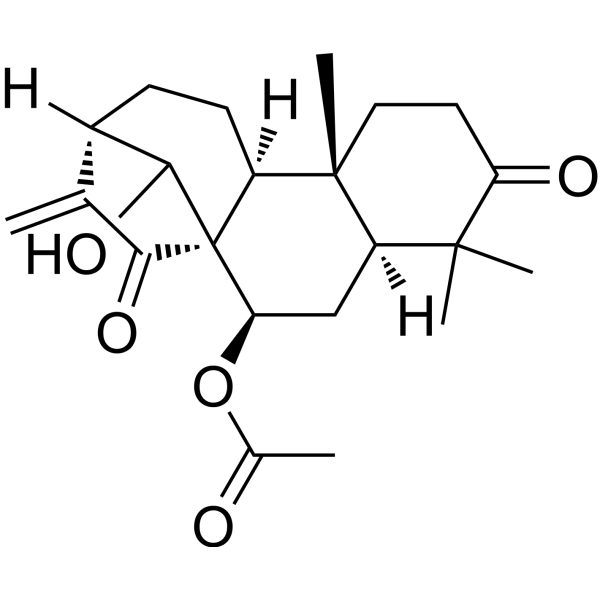
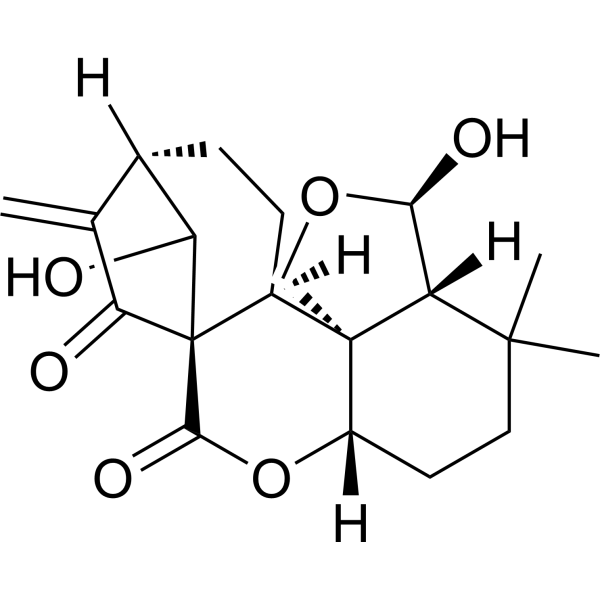
    Glaucocalyxin D is a ent-kauranoid-type diterpenoid that can be isolated from Rabdosia japonica. Glaucocalyxin D shows cytotoxicity against various human tumor cell lines. Glaucocalyxin D can be used for cancer research .
    Glaucocalyxin D
  • HY-P990251

    MMP Collagen PD-1/PD-L1 Inflammation/Immunology Cancer
    Anti-Human/Mouse denatured collagen type-I Antibody (XL313) is a mouse-derived IgG1 κ type antibody inhibitor, targeting to human/mouse denatured collagen type-I. Anti-Human/Mouse denatured collagen type-I Antibody (XL313) selectively binds to proteolyzed collagen type I. Anti-Human/Mouse denatured collagen type-I Antibody (XL313) reduces PD L1 levels in tumor cells. Anti-Human/Mouse denatured collagen type-I Antibody (XL313) can be used for the researches of cancer and inflammation, such as such as ovarian tumor .
    Anti-Human/Mouse denatured collagen type-I Antibody (XL313)
  • HY-107191

    Phosphodiesterase (PDE) Cancer
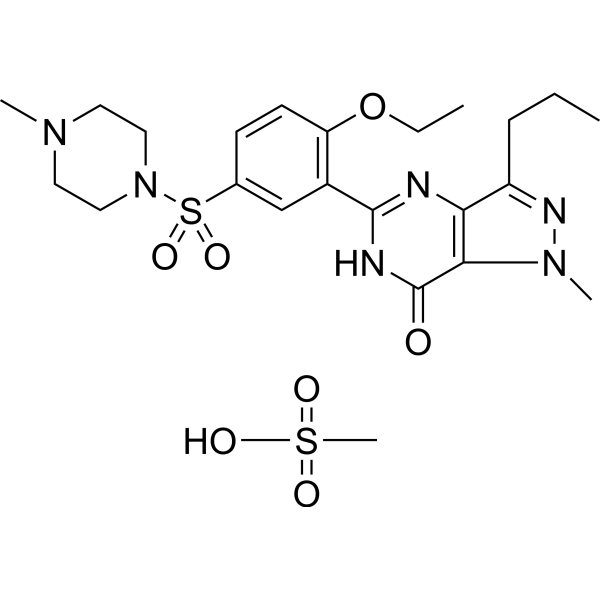
    Sildenafil Mesylate is an orally active and selective phosphodiesterase type 5 (PDE5) inhibitor. Sildenafil Mesylate can be used in studies of erectile dysfunction and cancer .
    Sildenafil Mesylate
  • HY-116135

    Apoptosis Reactive Oxygen Species (ROS) Cancer
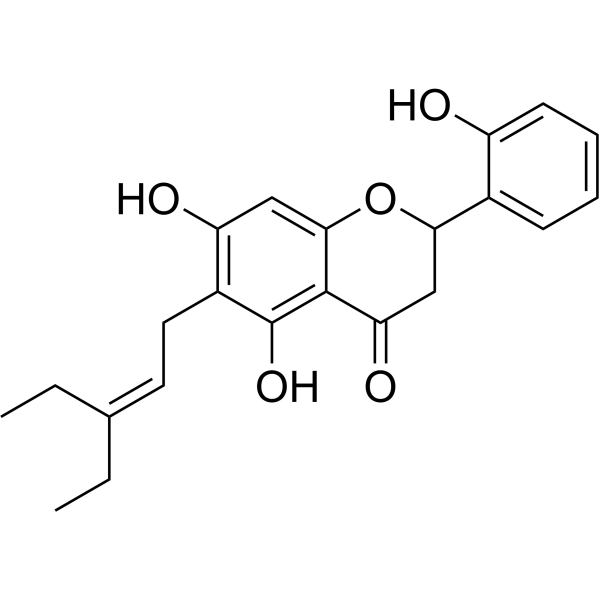
    R24 is a type of flavonoid derivative. R24 exhibits strong anti-angiogenic and anti-proliferative effects. R24 induces cell apoptosis and promotes the production of reactive oxygen species (ROS). R24 can be used for the study of cancers such as lung cancer and colorectal cancer .
    R24
  • HY-P4340

    Cathepsin Cancer
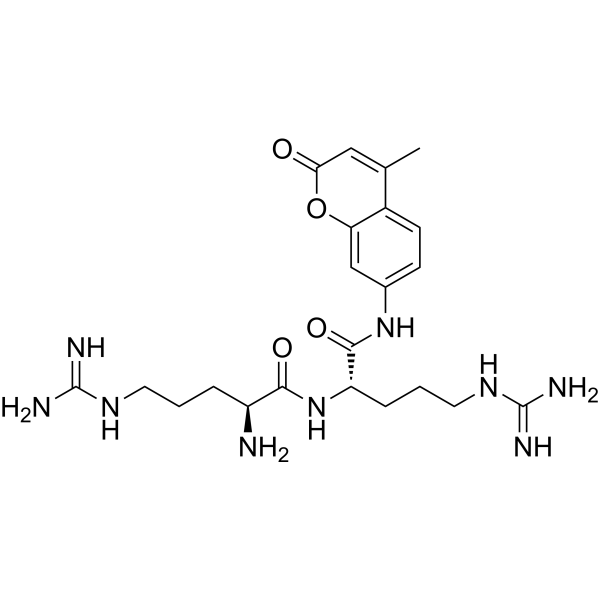
    Arg-Arg-AMC is a highly selective substrate of Cathepsin B. Arg-Arg-AMC can be used to cathepsin B activity assay in cancer cells, while cathepsin B is assocaited with cell invasive and metastatic phenotype in numerous types of cancer .
    Arg-Arg-AMC
  • HY-108524

    RAR/RXR Metabolic Disease Inflammation/Immunology Cancer
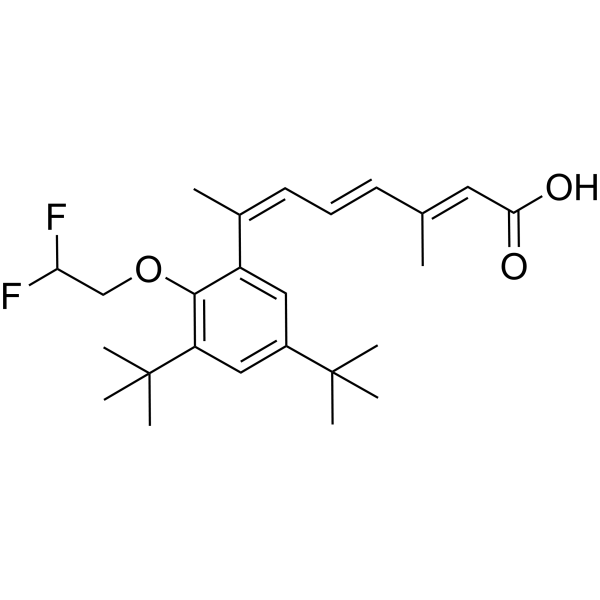
    LG101506 is a selective and orally active RXR modulator with a Ki of 2.7 nM for RXRα. LG101506 can be used for the research of type 2 diabetes and cancer .
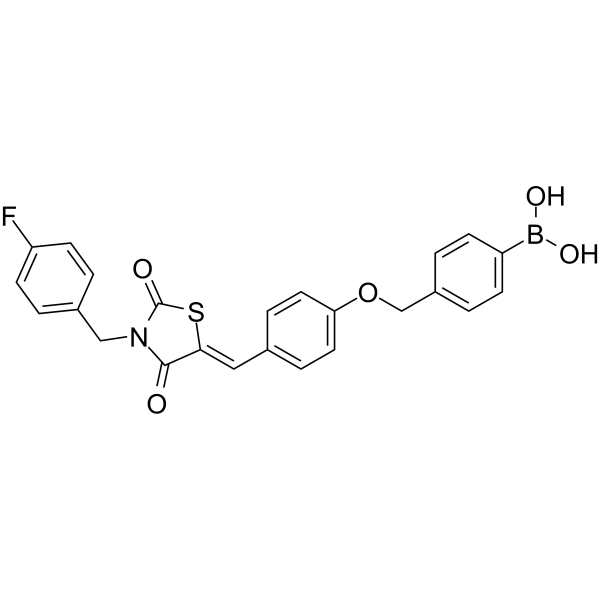
    LG101506

Inquiry Online

Your information is safe with us. * Required Fields.

Salutation


Country or Region *

Applicant Name *


Organization Name *

Department *


Email Address *


Product Name *

Cat. No.


Requested quantity *

Phone Number *


Remarks

Inquiry Online

Inquiry Information

Product Name:
Cat. No.:
Quantity:
MCE Japan Authorized Agent: