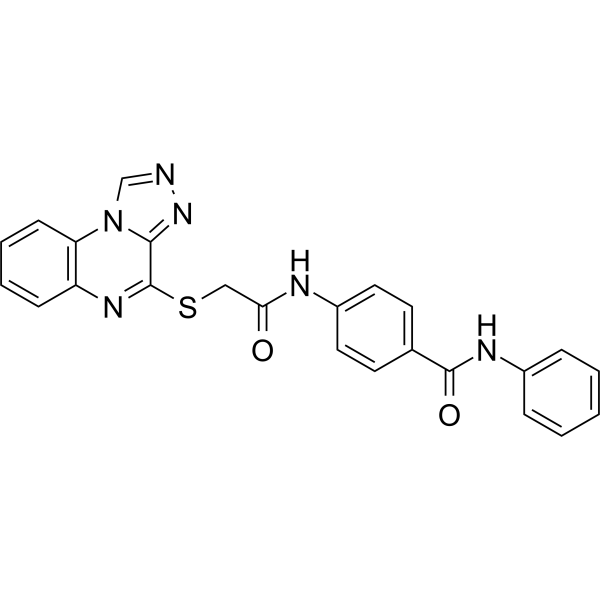
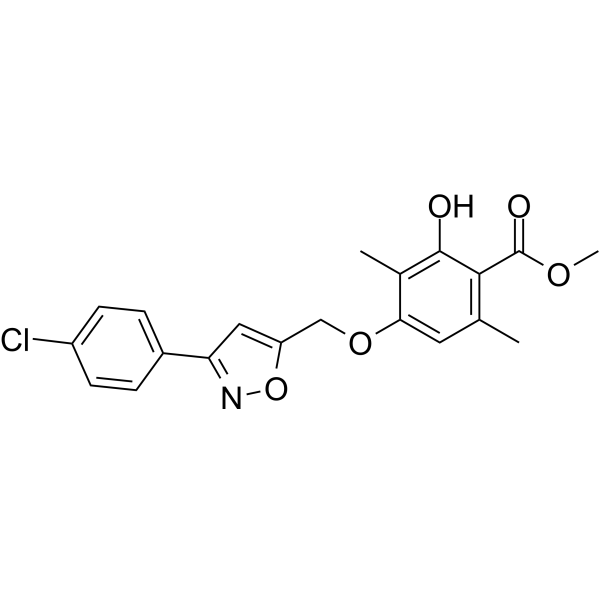
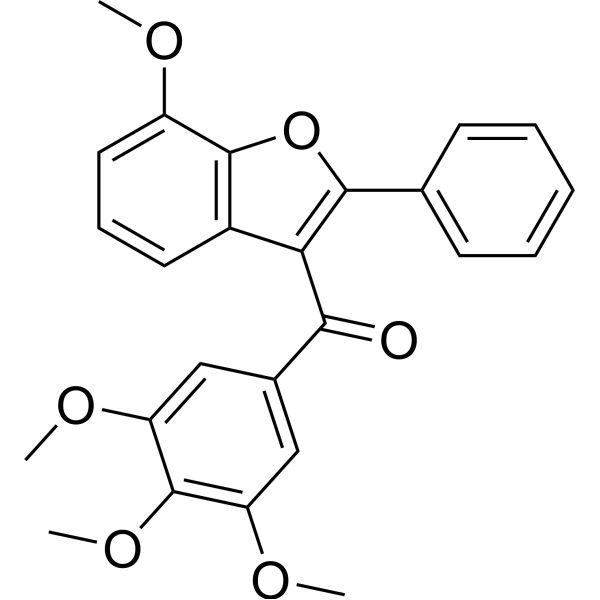
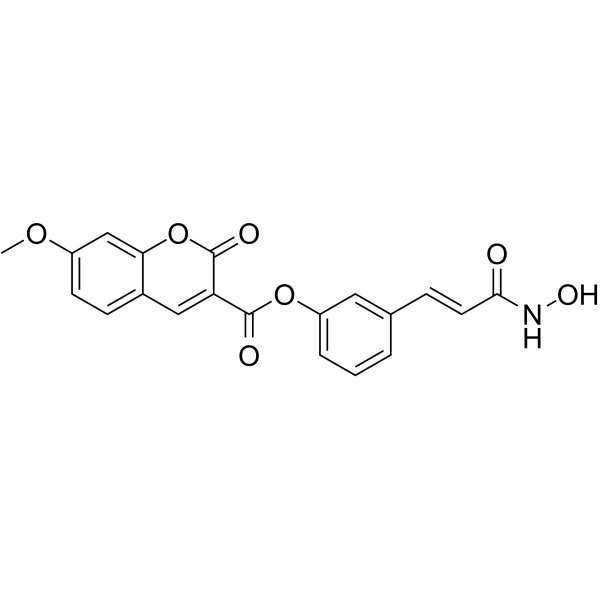
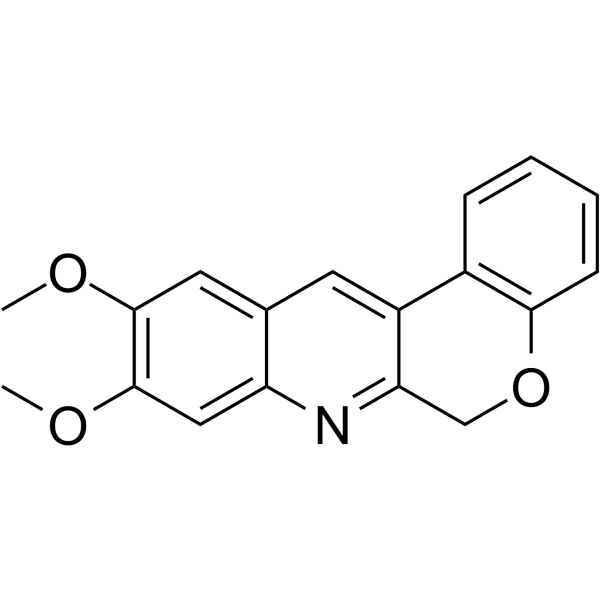
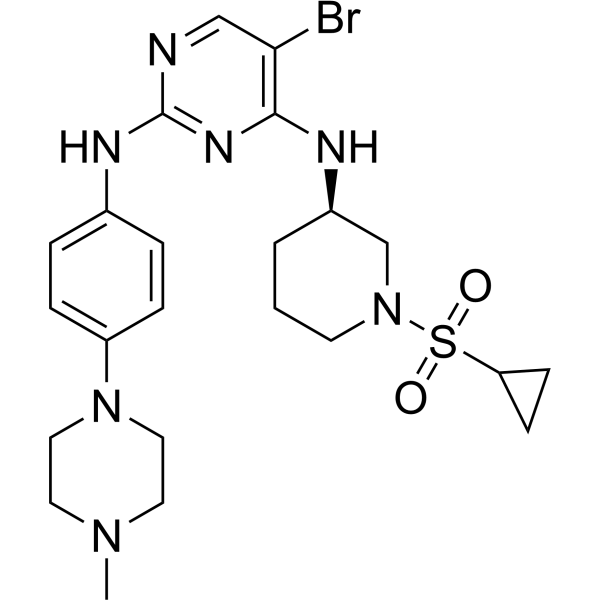
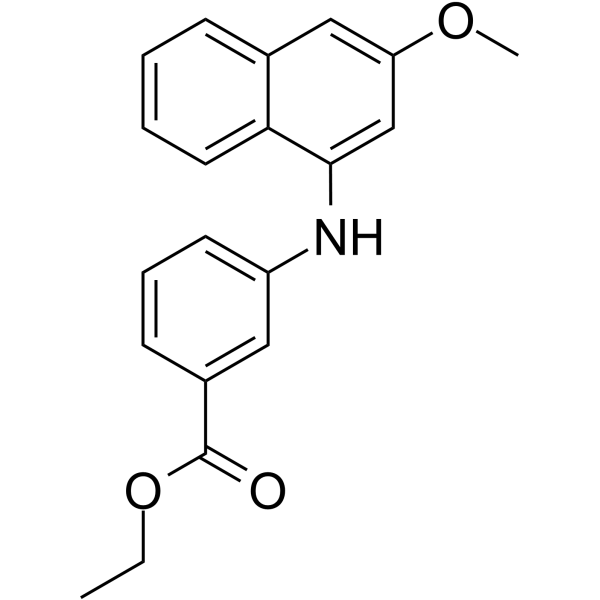
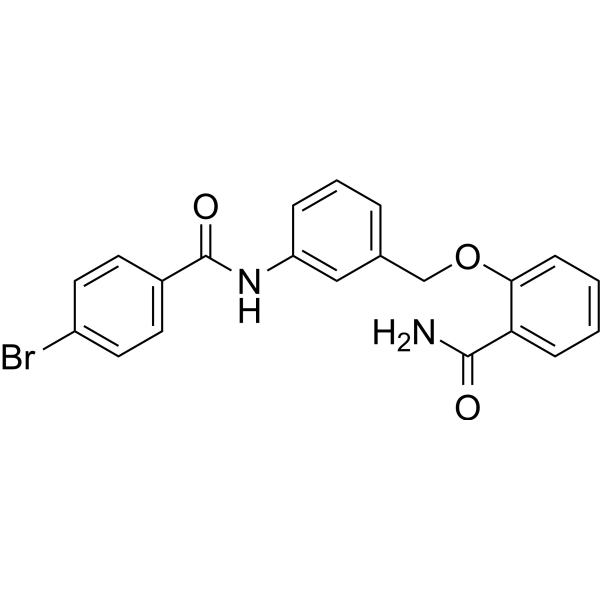
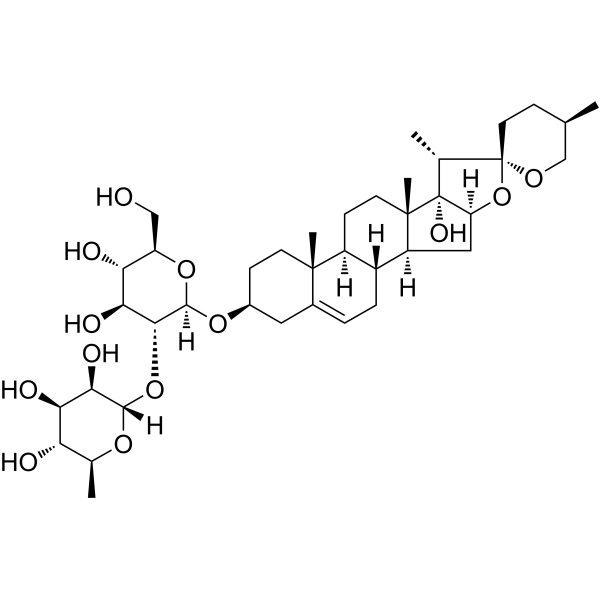
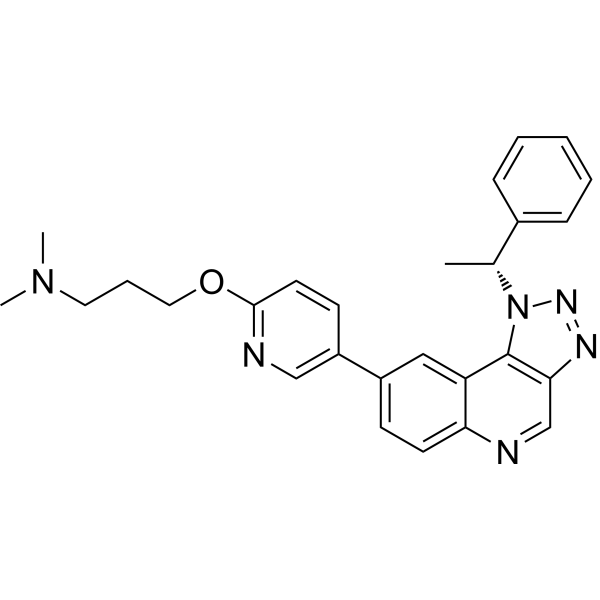
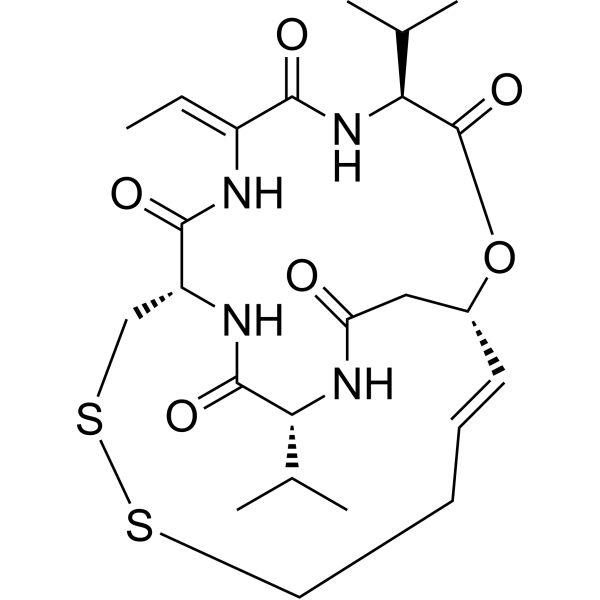
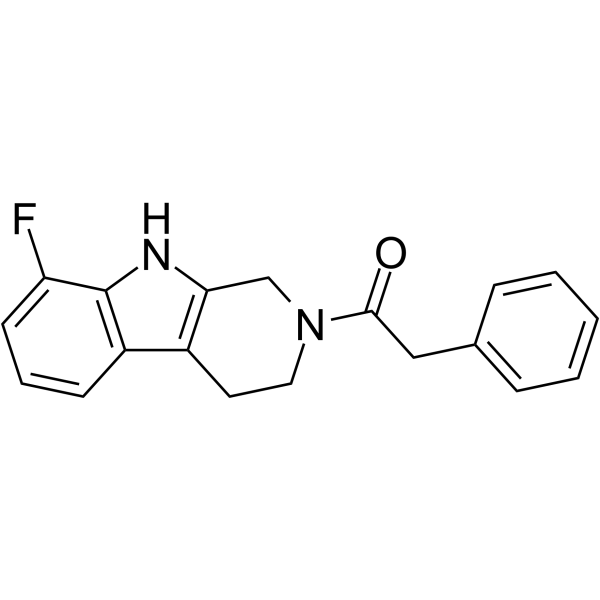
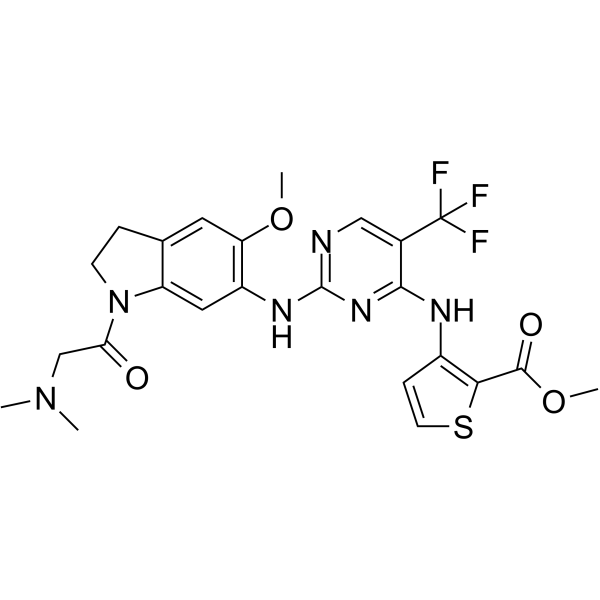
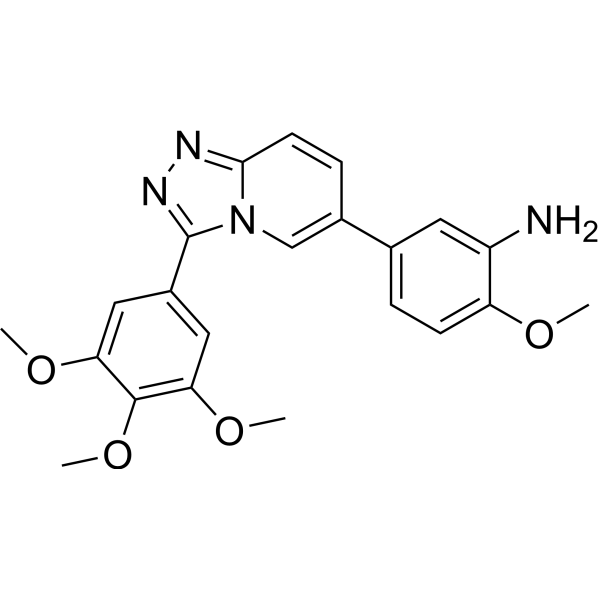
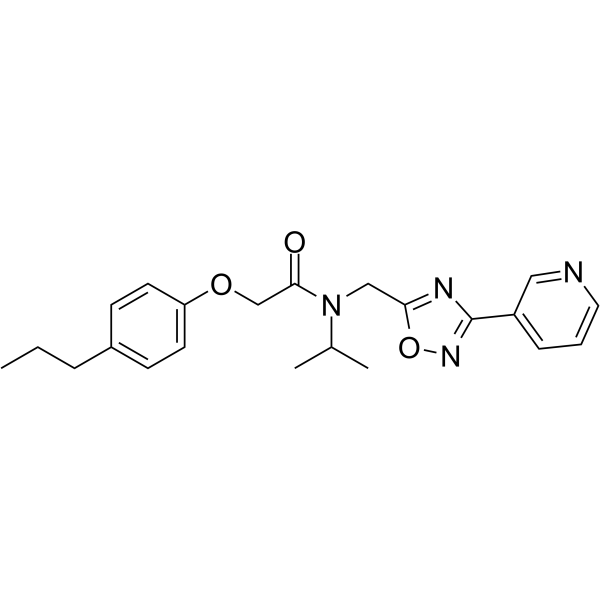
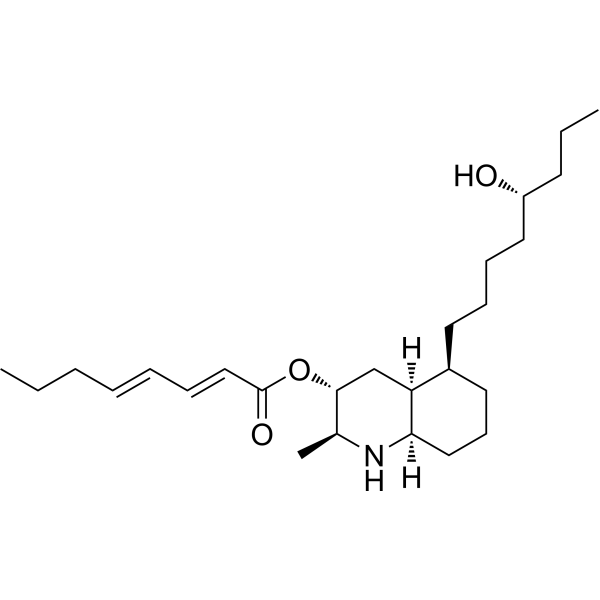
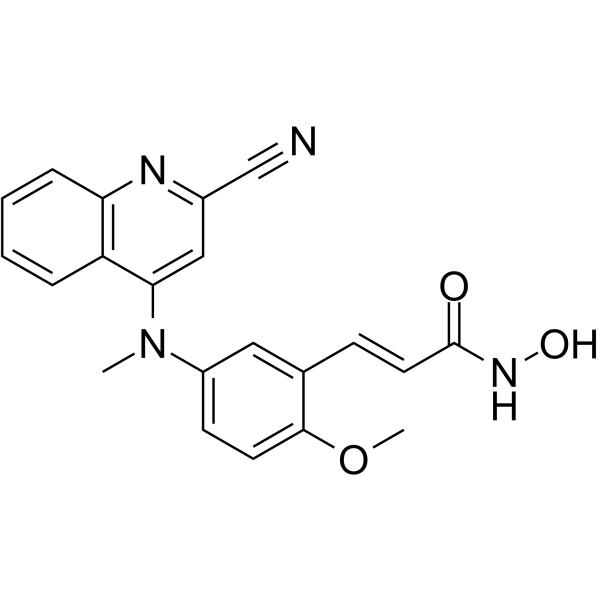
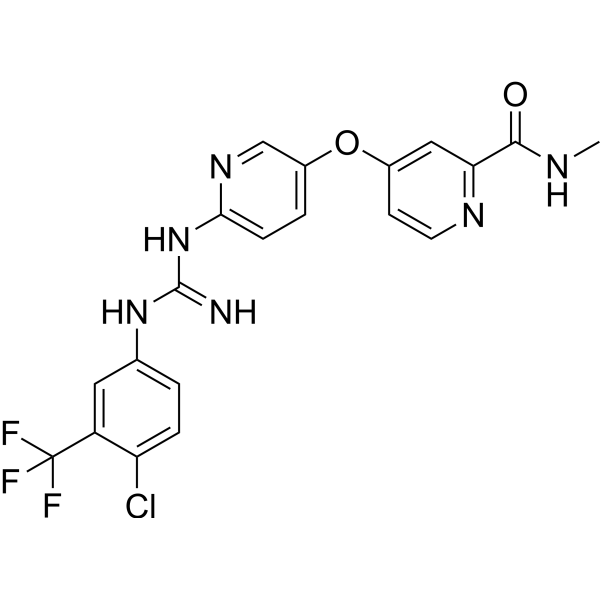
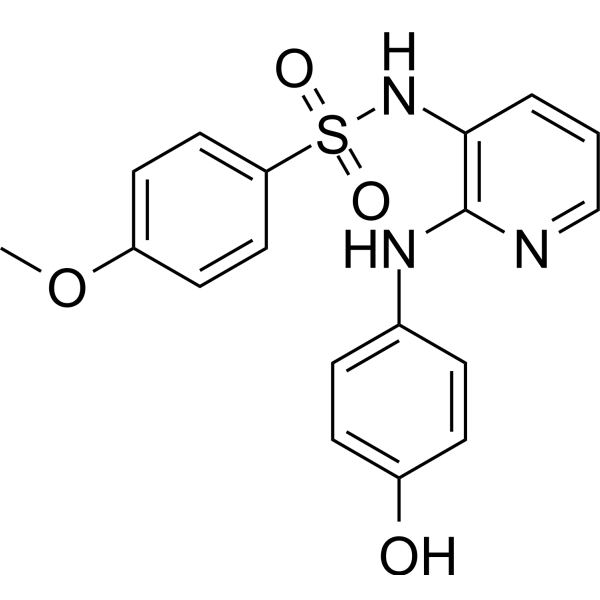
1. Search Result
Search Result
Results for "

G2M

" in MedChemExpress (MCE) Product Catalog:

642

Inhibitors & Agonists

4

Fluorescent Dye

9

Biochemical Assay Reagents

2

Peptides

4

Inhibitory Antibodies

95

Natural
Products

21

Isotope-Labeled Compounds

1

Antibodies

5

Click Chemistry

1

GMP Molecules

Cat. No. Product Name Target Research Areas Chemical Structure
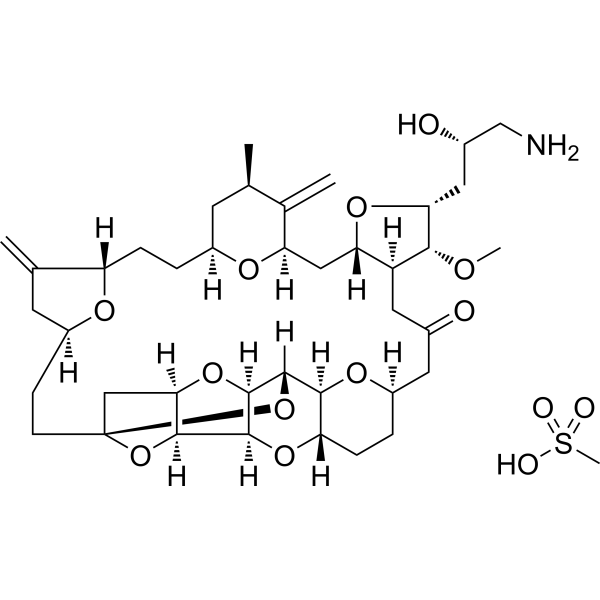
  • HY-13442A
    Eribulin mesylate
    5+ Cited Publications

    B1939 mesylate; E7389 mesylate; ER-086526 mesylate

    Microtubule/Tubulin Apoptosis Cancer
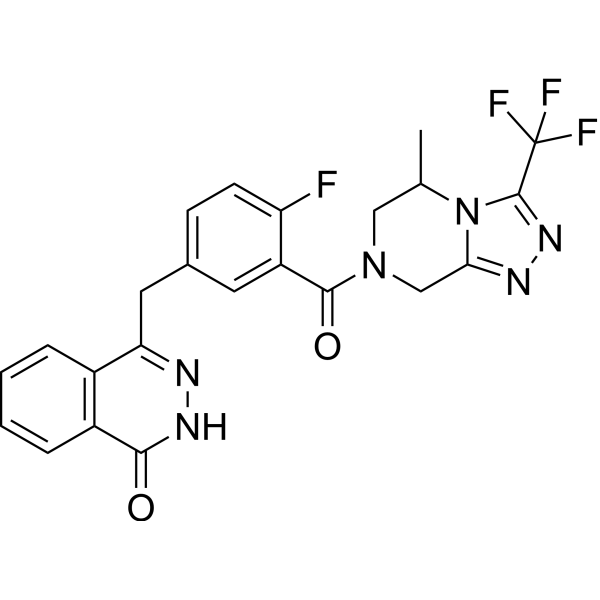
    Eribulin mesylate is an inhibitor for microtubule. Eribulin mesylate inhibits the proliferation of cancer cell LM8 and Dunn, inhibits the cell migration of LM8, arrests the cell cycle at G2/M phase, and induces apoptosis in LM8. Eribulin mesylate exhibits antitumor efficacy in mouse model .
    Eribulin mesylate
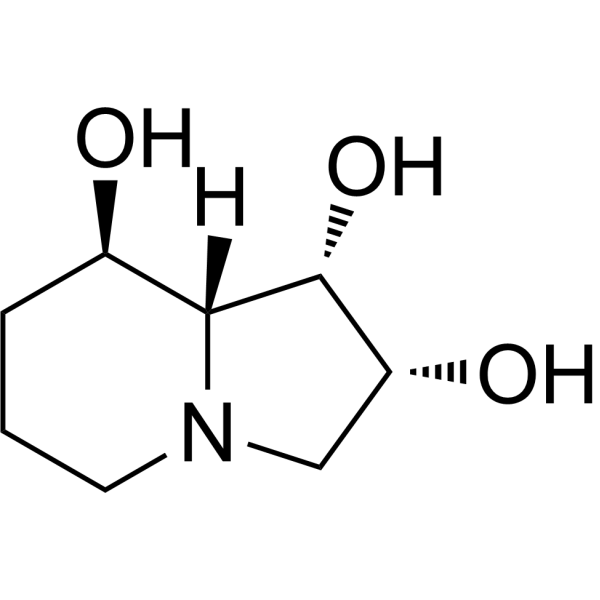
  • HY-N6722
    Swainsonine
    1 Publications Verification

    Tridolgosir

    Apoptosis Antibiotic Infection Cancer
    Swainsonine (Tridolgosir) is an natural indolizidine alkaloid, a potent and reversible α-mannosidase inhibitor. Swainsonine induces apoptosis and cell cycle arrest at G2/M phase. Swainsonine shows anti-tumor activity [2] .
    Swainsonine
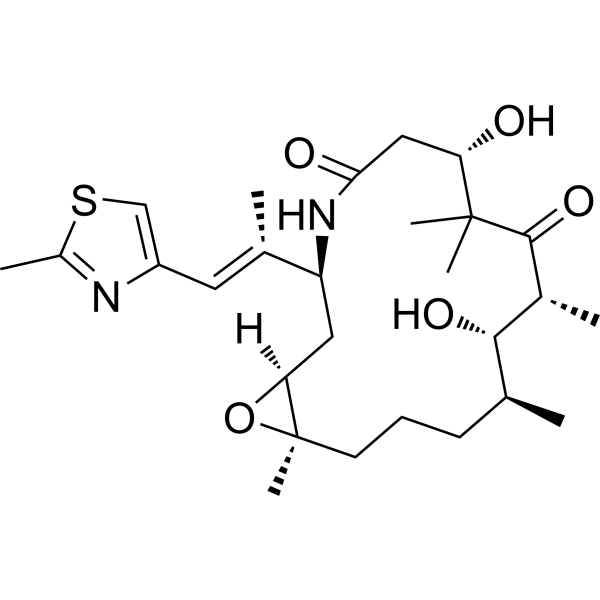
  • HY-10222
    Ixabepilone
    5+ Cited Publications

    BMS-247550; Aza-epothilone B

    Microtubule/Tubulin Apoptosis Bacterial Cancer
    Ixabepilone (BMS-247550) is an orally bioavailable microtubule inhibitor, which binds to tubulin and promotes tubulin polymerization and microtubule stabilization, thereby arrests cells in the G2-M phase of the cell cycle and induces tumor cell apoptosis.
    Ixabepilone
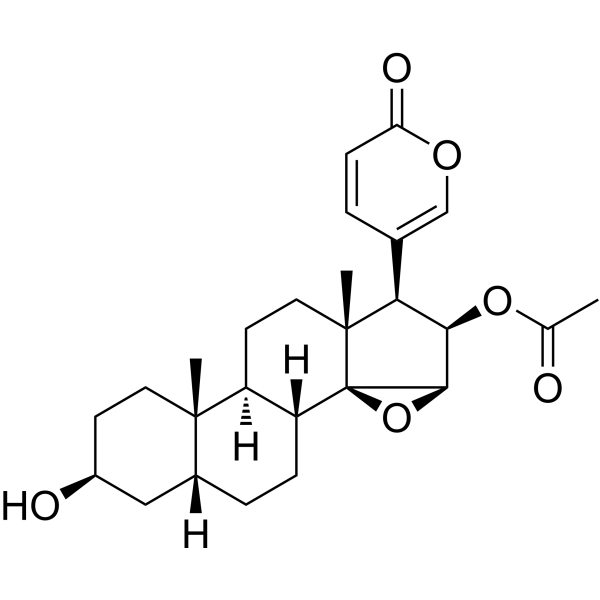
  • HY-N0421
    Cinobufagin
    5+ Cited Publications

    Cinobufagine

    Apoptosis Neurological Disease Cancer
    Cinobufagin is an anticancer agent that can be secreted by the Asiatic toad Bufo gargarizans. Cinobufagin induces the cell cycle arrests in the G1 phase or G2/M phase, leading to apoptosis in cancer cells. Cinobufagin inhibits tumor growth in melanoma and glioblastoma multiforme xenograft mouse models [2] .
    Cinobufagin
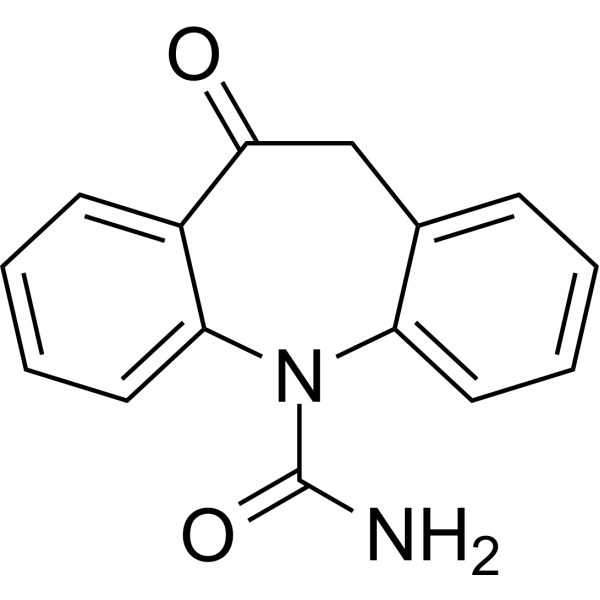
  • HY-B0114
    Oxcarbazepine
    2 Publications Verification

    GP 47680

    Sodium Channel Apoptosis Neurological Disease Cancer
    Oxcarbazepine is a sodium channel blocker . Oxcarbazepine significantly inhibits glioblastoma cell growth and induces apoptosis or G2/M arrest in glioblastoma cell lines [2]. Anti-cancer and anticonvulsant effects [2] .
    Oxcarbazepine
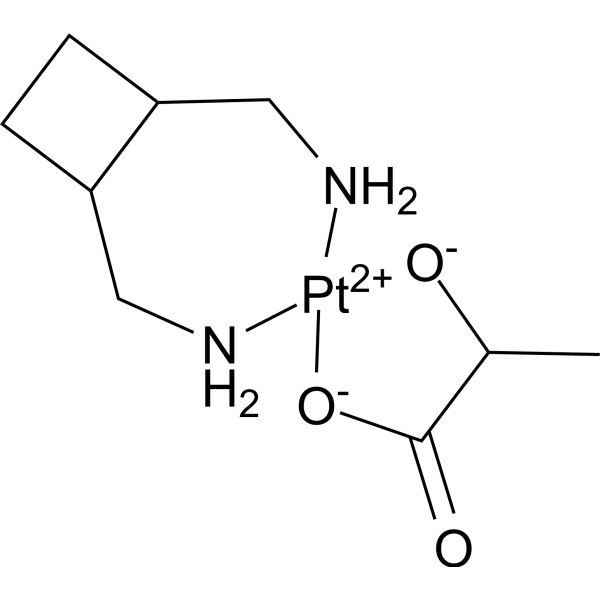
  • HY-105930
    Lobaplatin
    5 Publications Verification

    D-19466

    Apoptosis Caspase Bcl-2 Family Cancer
    Lobaplatin (D-19466) is a diastereometric mixture of platinum(II) complexe. Lobaplatin arrests cell cycle at G1 and G2/M phase. Lobaplatin induces apoptosis by increasing expressions of caspase and Bax, decreasing expression of Bcl-2. Lobaplatin can be used for research of cancer [2] .
    Lobaplatin
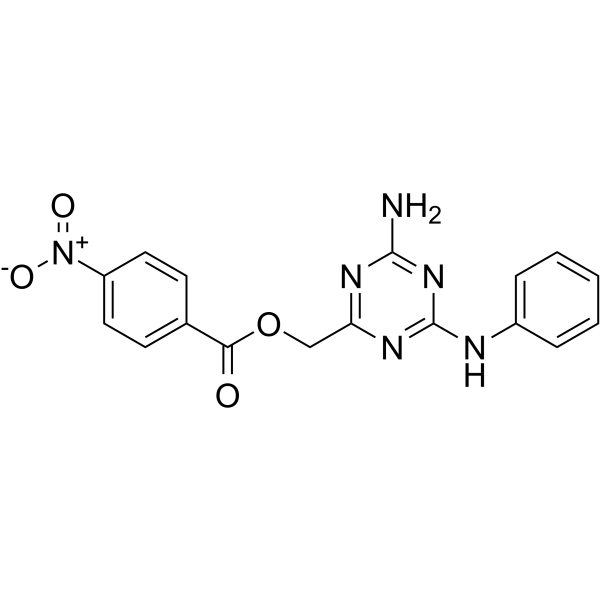
  • HY-18643
    TZ9
    2 Publications Verification

    E1/E2/E3 Enzyme Apoptosis Cancer
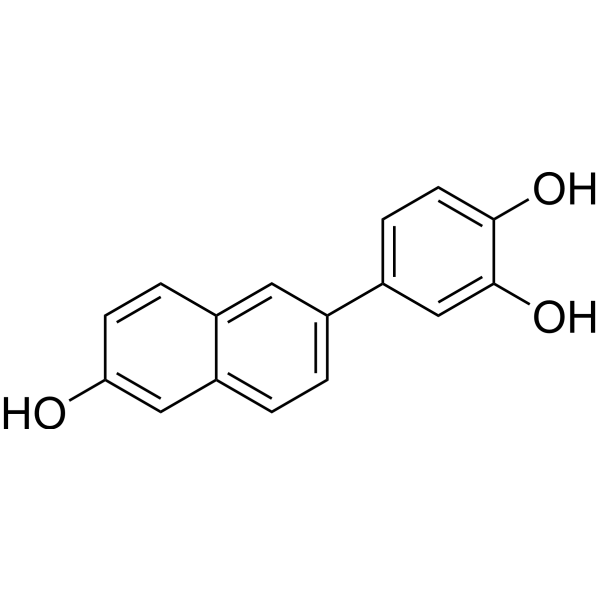
    TZ9 is a selective Rad6 inhibitor. TZ9 inhibits Rad6B-induced histone H2A ubiquitination, downregulates intracellular β-catenin, induces G2-M arrest and apoptosis, and inhibits the proliferation and migration of metastatic human breast cancer cells .
    TZ9
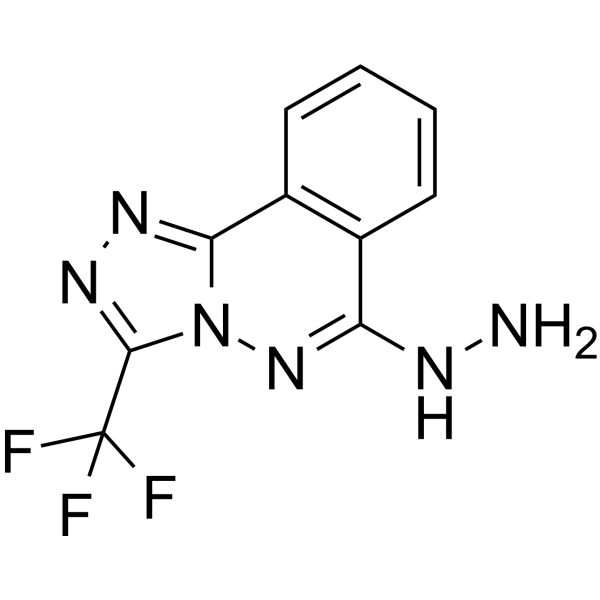
  • HY-147895
    PCAF-IN-2
    2 Publications Verification

    Histone Acetyltransferase Apoptosis Cancer
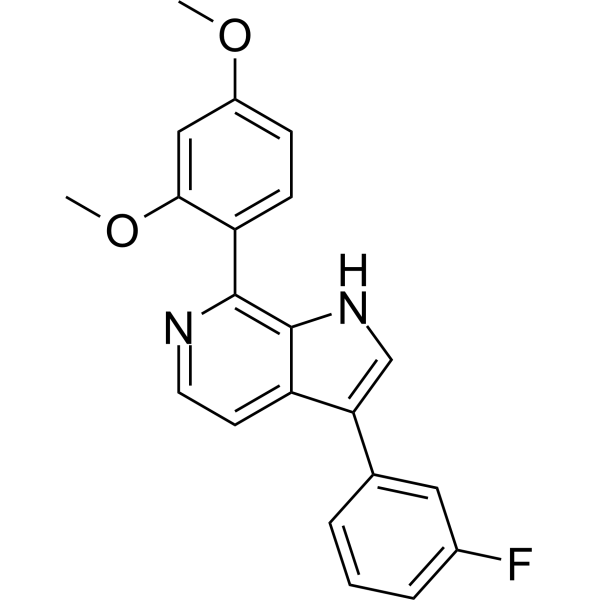
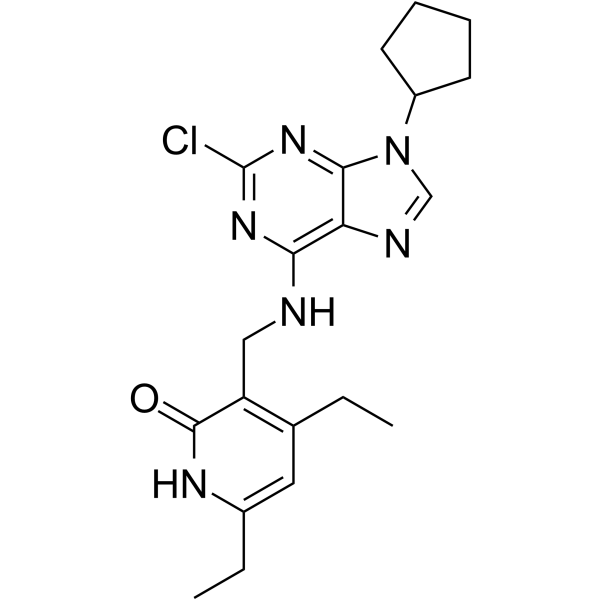
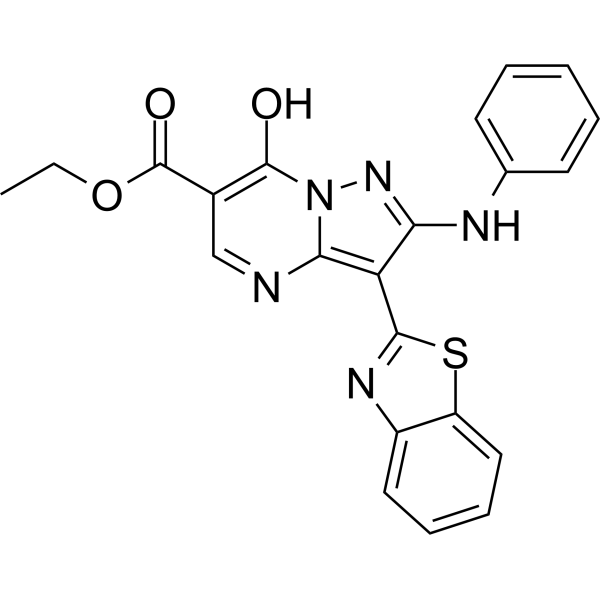
    PCAF-IN-2 (compound 17) is a potent PCAF inhibitor with an IC50 value of 5.31 µM. PCAF-IN-2 shows anti-tumour activity. CAF-IN-2 induces apoptosis and arrest the cell cycle at the G2/M phase .
    PCAF-IN-2
  • HY-N1039A

    Others Cancer
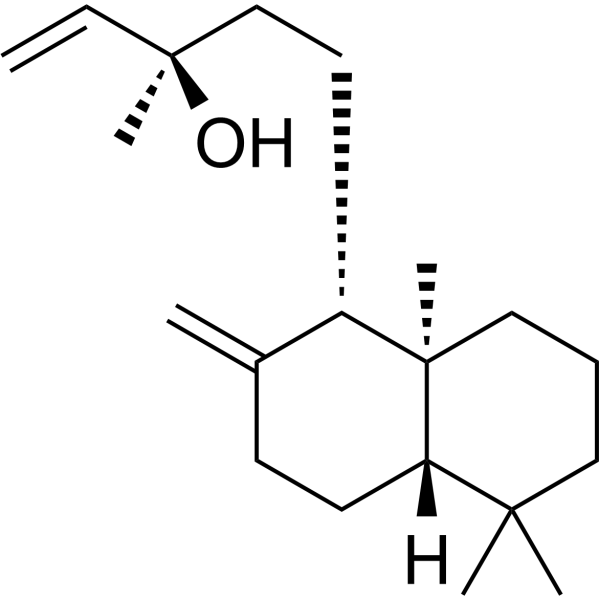
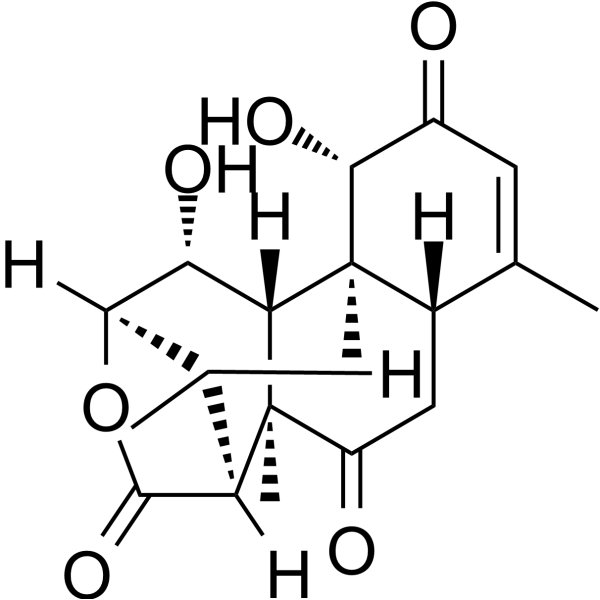
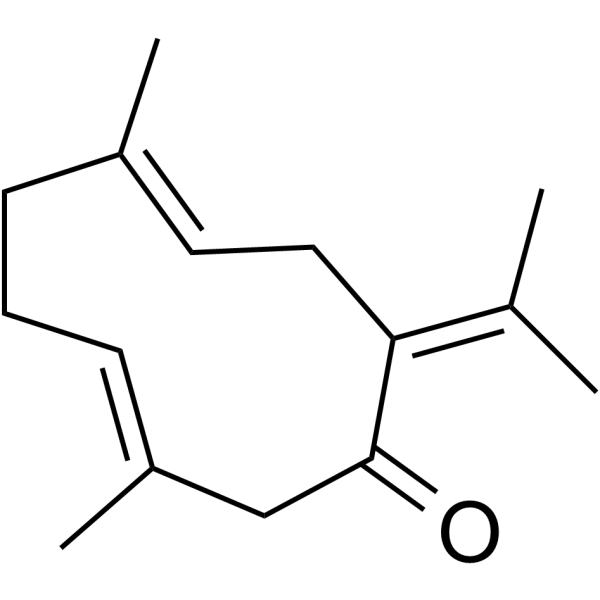
    Manool is a diterpene from Salvia officinalis. Manool induces selective cytotoxicity in cancer cells. Manool arrests the cancer cells at the G(2)/M phase of the cell cycle [2].
    Manool
  • HY-126067

    Glycosidase Apoptosis Inflammation/Immunology
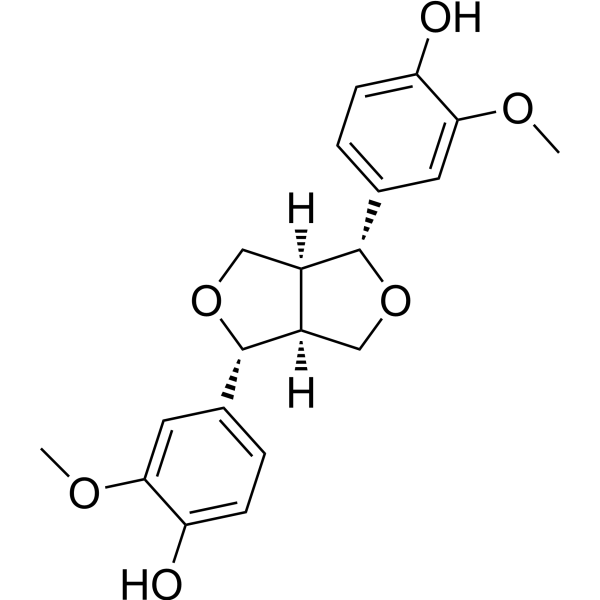
    (-)-Pinoresinol is a plant-derived tetrahydrofuran lignan that inhibits α-glucosidase and acts as a hypoglycemic agent. (-)-Pinoresinol has some anti-inflammatory effects and acts as a chemopreventive agent, inducing increased apoptosis and cell cycle G2/M arrest .
    (-)-Pinoresinol
  • HY-148870

    ADC Payload Cancer
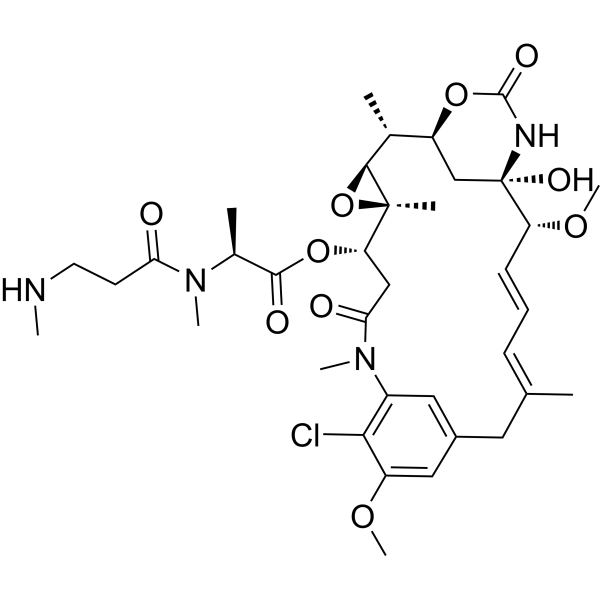
    Maytansinoid B is a kind of ADC Cytotoxin. Maytansinoid B can be used to conjugates with antibodies to form antibody-drug conjugates (ADCs). Maytansinoids are known as antimitotic agents, binding to tubulin and inhibiting microtubule assembly. Maytansinoids induces G2/M arrest in the cell cycle to induce apoptosis [2].
    Maytansinoid B
  • HY-112607

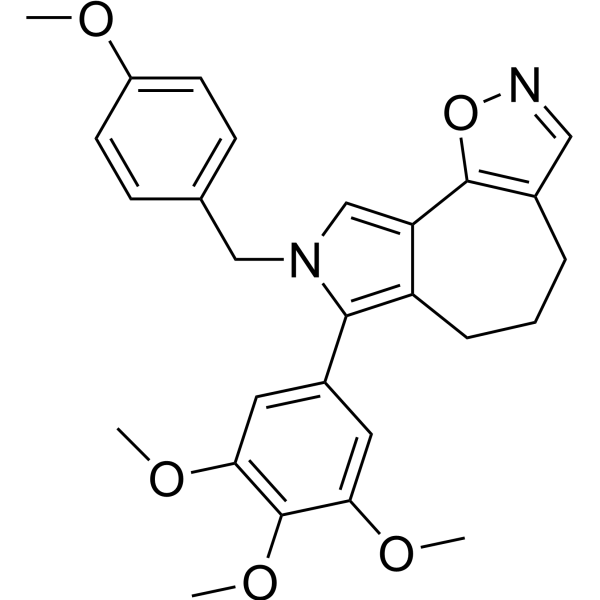
    Microtubule/Tubulin Apoptosis Cancer
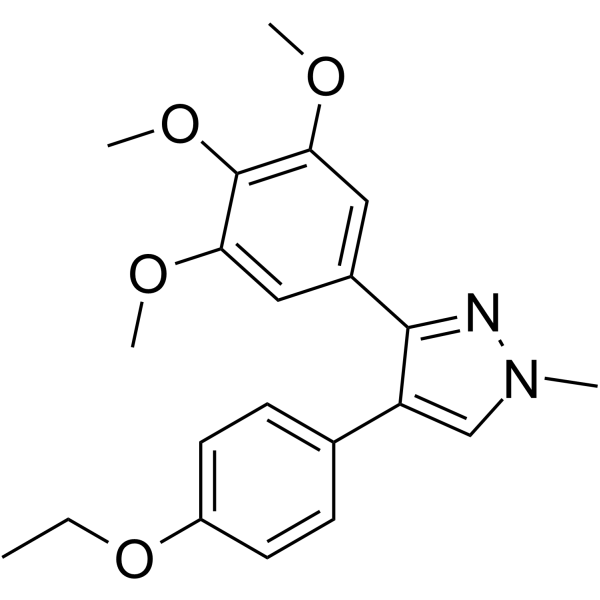
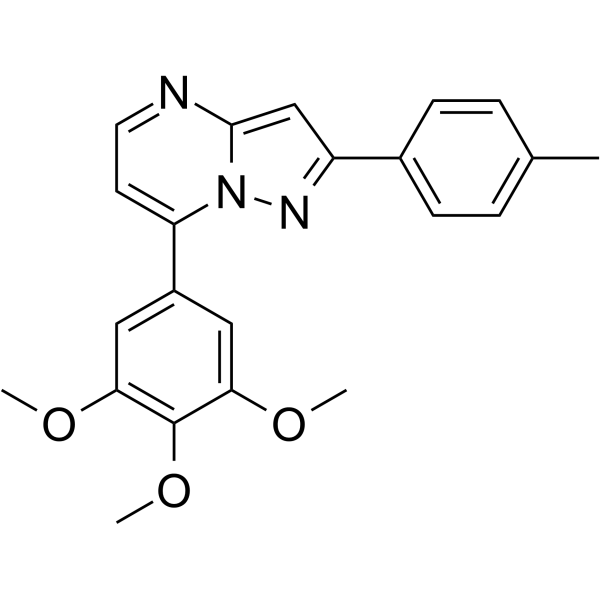
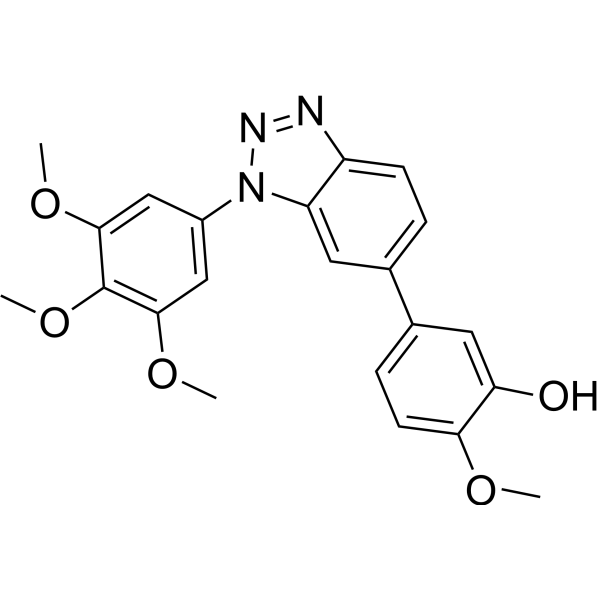
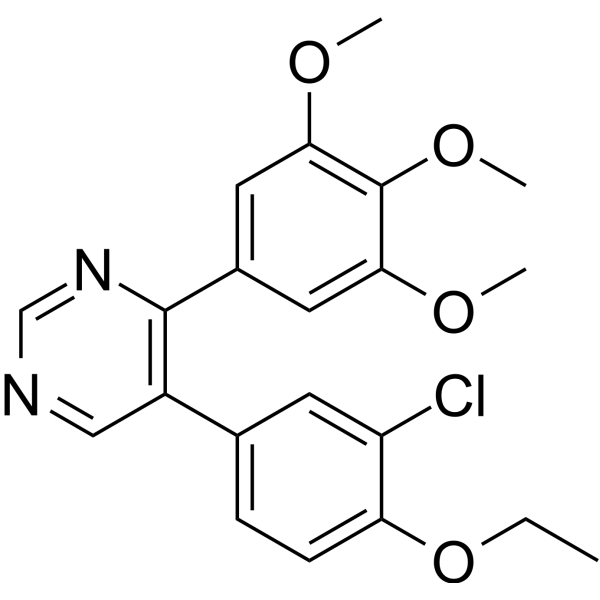
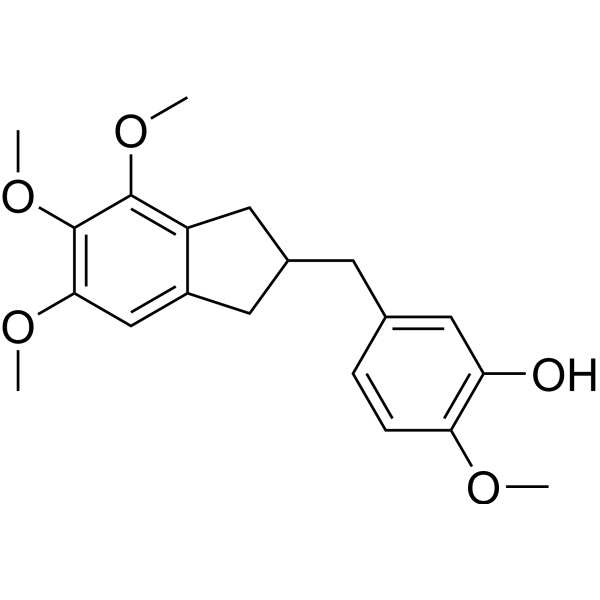
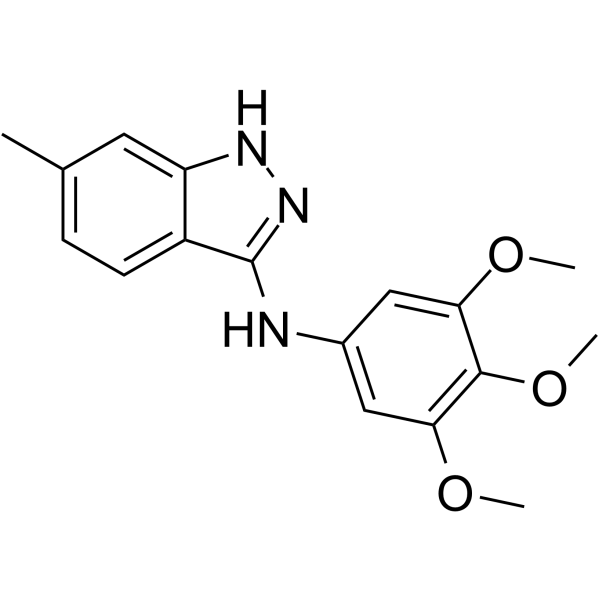
    Tubulin inhibitor 1 is a tubulin inhibitor, inhibits tubulin polymerization. Tubulin inhibitor 1 shows potent anti-tumor activity, casues cellular mitotic arrest in the G2/M phase, and induces cellular apoptosis .
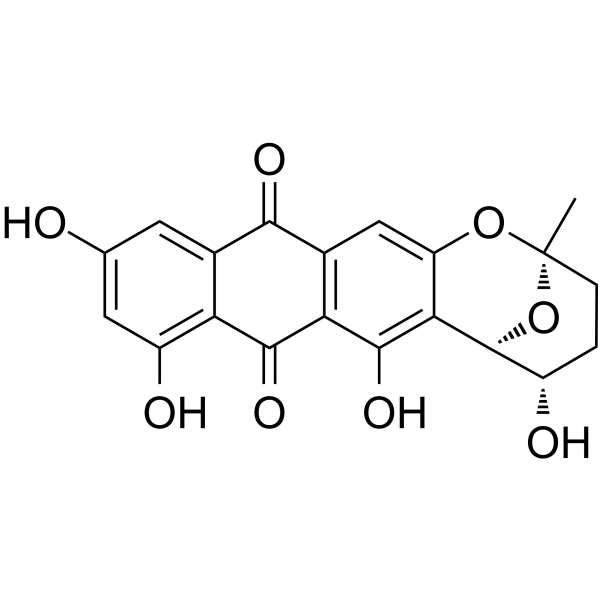
    Tubulin inhibitor 1
  • HY-N6011

    Topoisomerase Apoptosis Cancer
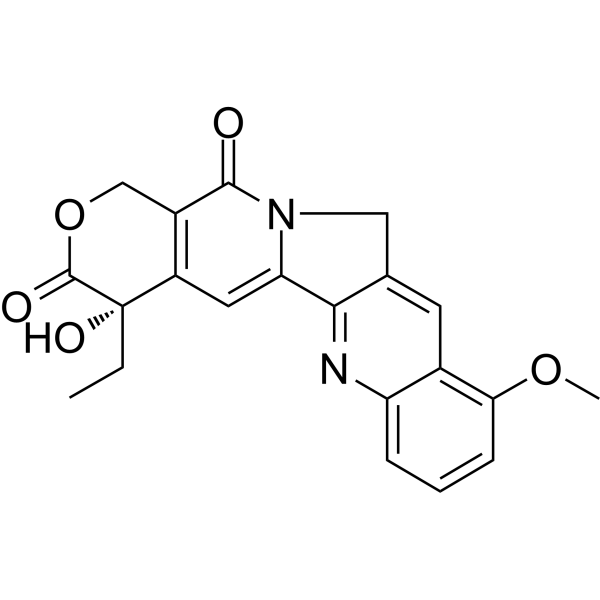
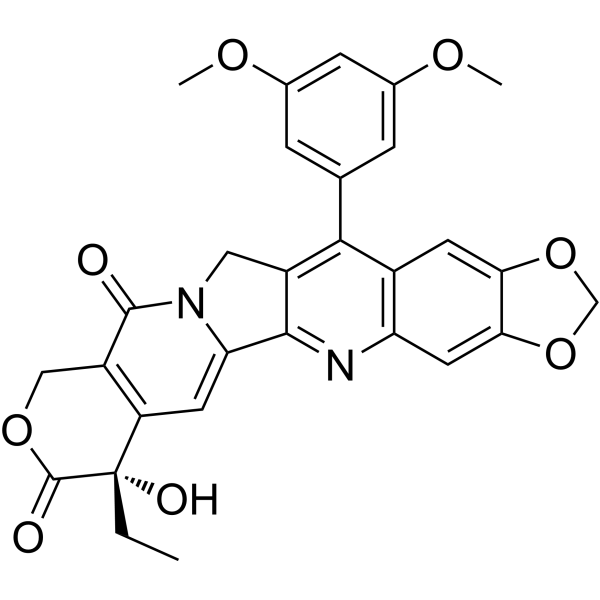
    9-Methoxycamptothecin (MCPT), isolated from Camptotheca acuminata, has antitumor activities through topoisomerase inhibition. 9-Methoxycamptothecin (MCPT) induces strong G2/M arrest and apoptosis in cancer [2].
    9-Methoxycamptothecin
  • HY-122496

    Syringidin

    Apoptosis Cancer
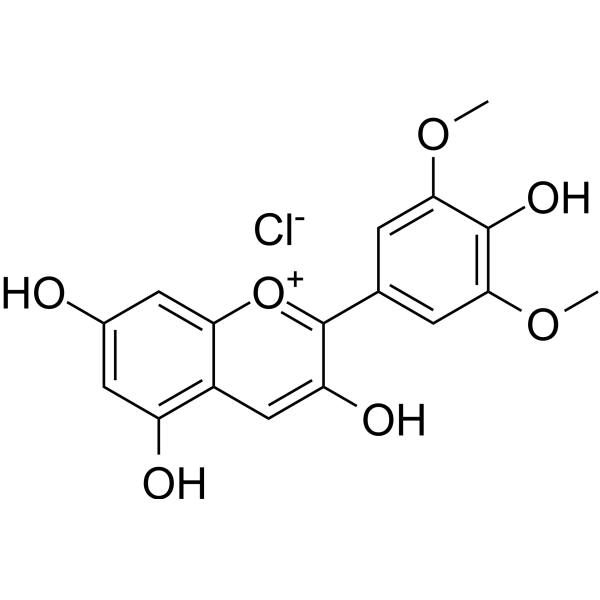
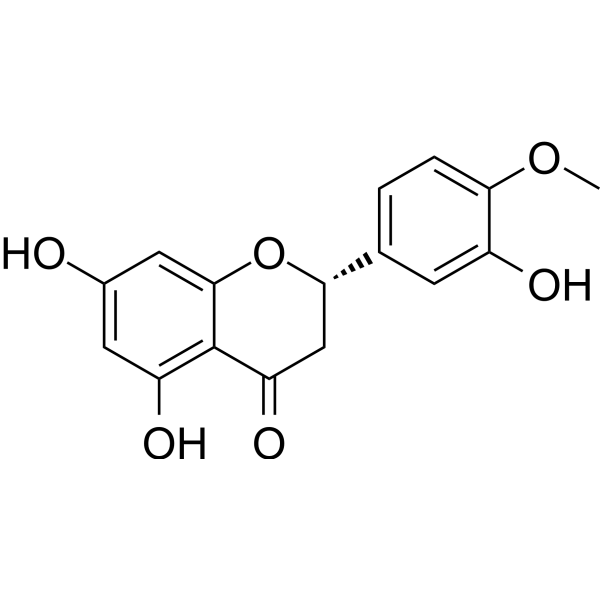
    Malvidin (chloride) is a bioactive compound isolated from grape. Malvidin shows cytotoxicity through the arrest of the G2/M phase of cell cycle and induction of apoptosis. Malvidin can be used for the research of cancer .
    Malvidin chloride
  • HY-149530

    EGFR Apoptosis Cancer
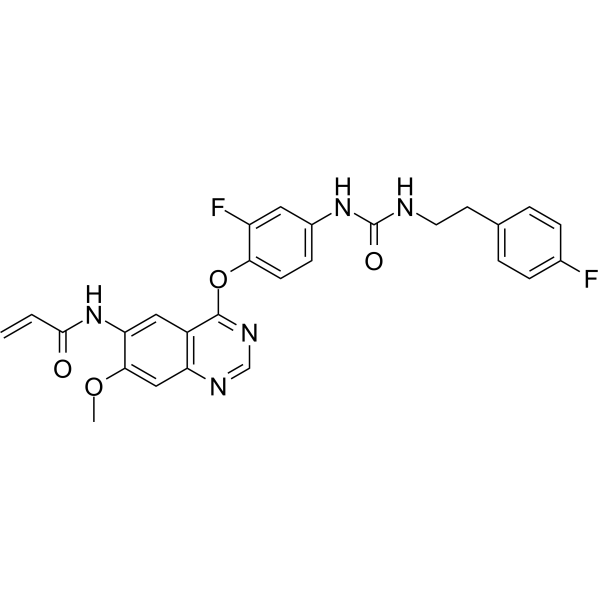
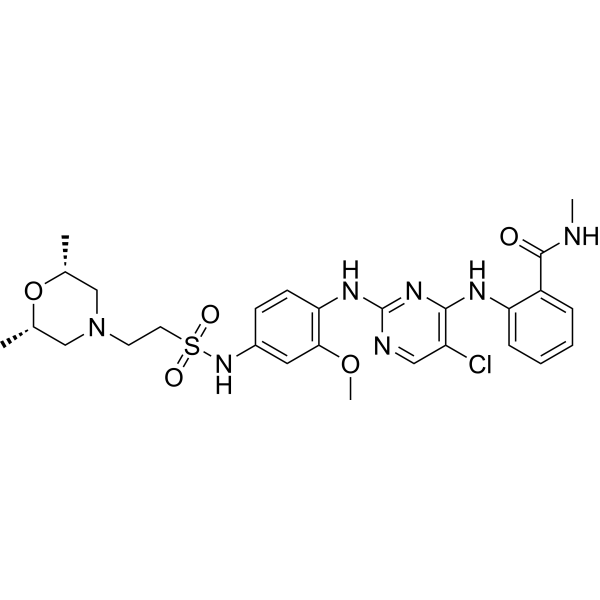
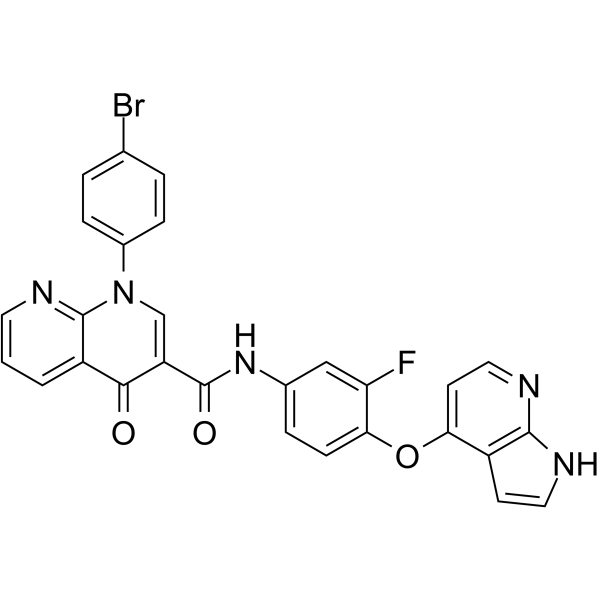
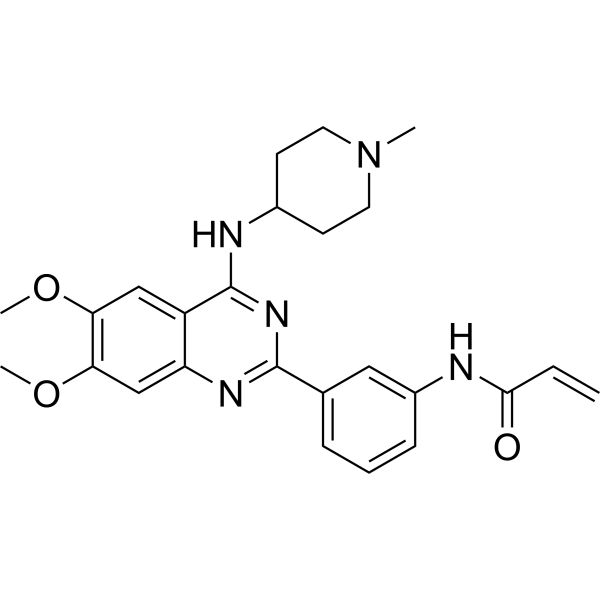
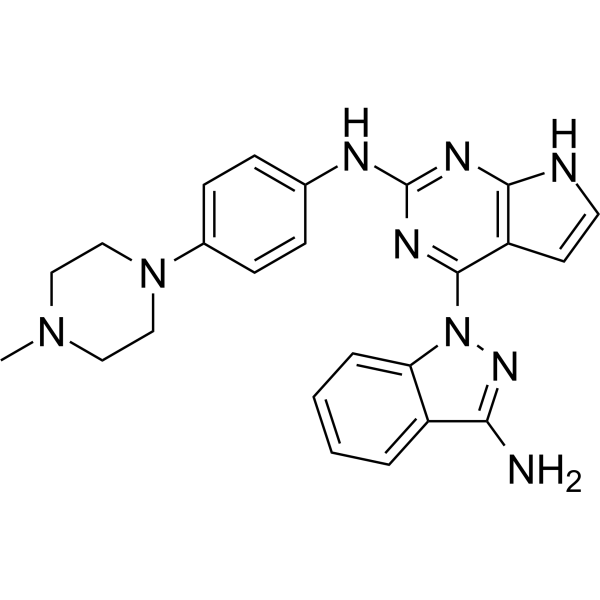
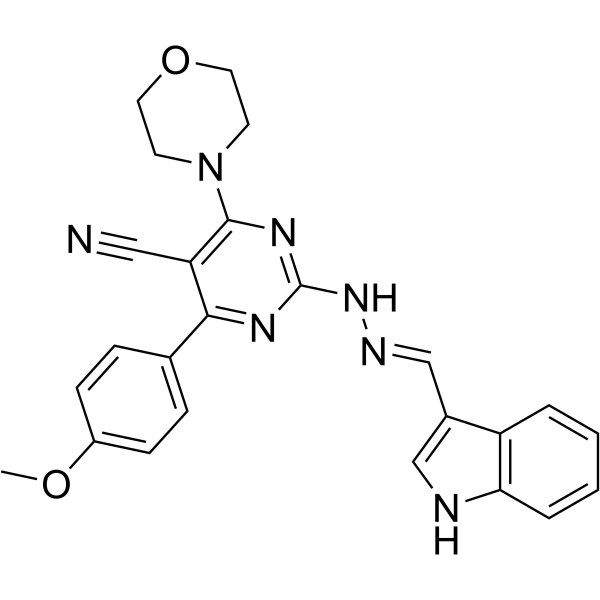
    EGFR-IN-86 (compound 4i) is an EGFR inhibitor (IC50: 1.5 nM) with high activity against glioblastoma. EGFR-IN-86 induces apoptosis and arrests the U87 cell cycle in the G2/M phase .
    EGFR-IN-86
  • HY-155439

    FAK Cancer
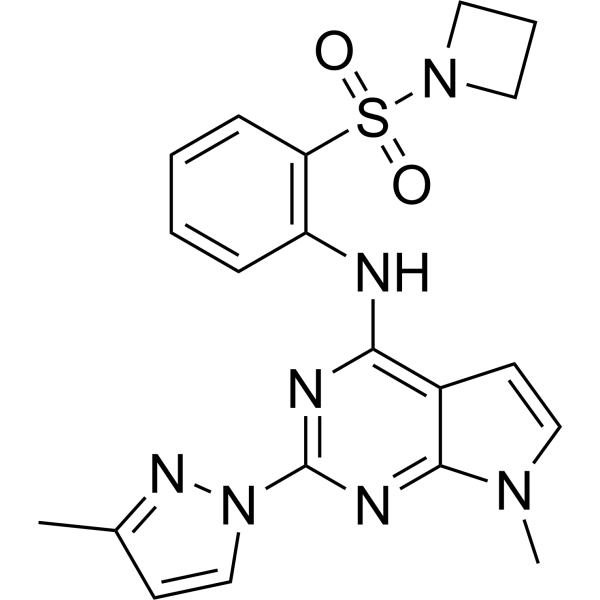
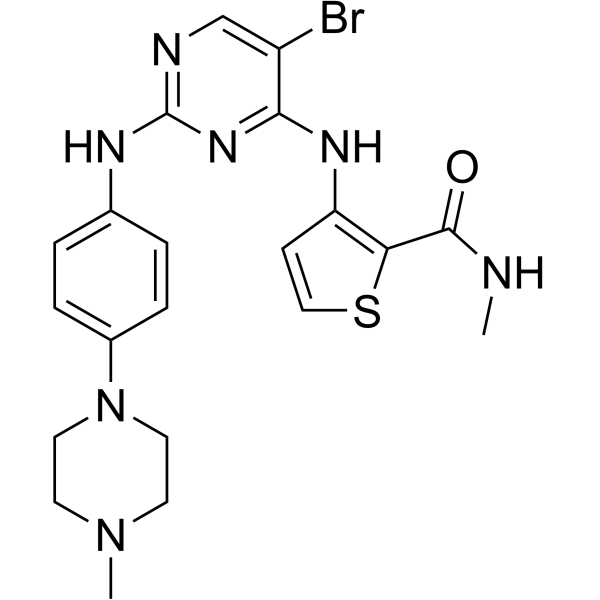
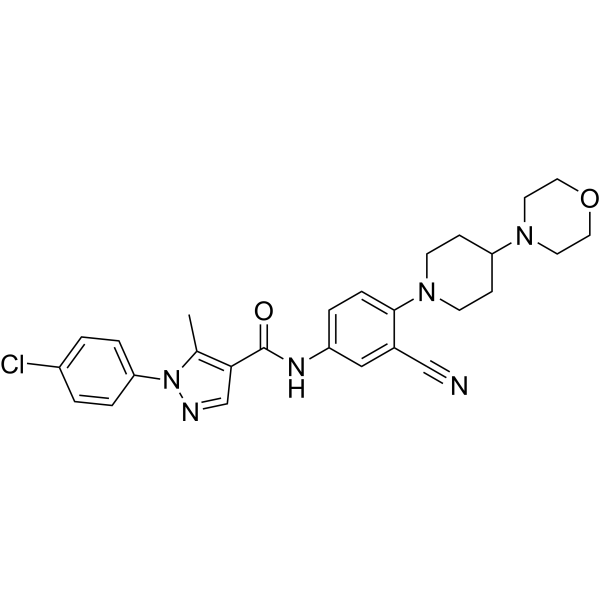
    FAK-IN-14 (compound 8d) is a focal adhesion kinase(FAK) inhibitor with an IC50 value of 0.2438 nM. FAK-IN-14 induces U87-MG cell early apoptosis and arrest the cell at the G2/M phase .
    FAK-IN-14
  • HY-118921

    Apoptosis Infection Inflammation/Immunology Cancer
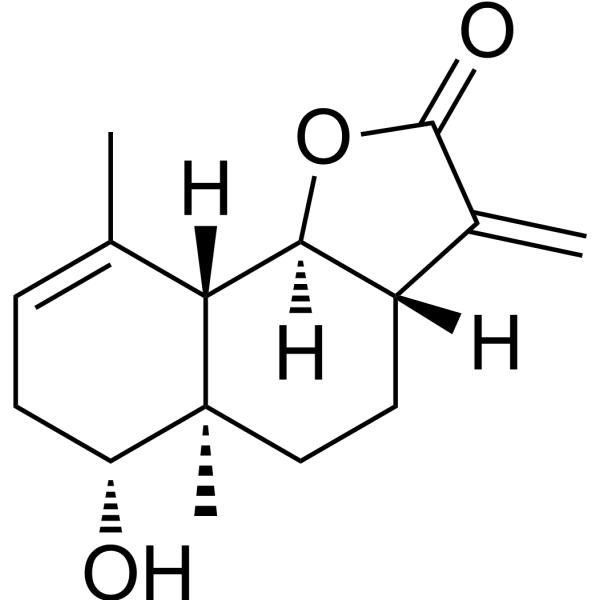
    Ovatodiolide is a compound that can be isolated from Anisomeles indica. Ovatodiolide has anti-bacterial and anti-inflammatory properties. Ovatodiolide also has anti-cancer activity that induces cell cycle G2/M arrest and apoptosis via a ROS-dependent ATM/ATR signaling pathways .
    Ovatodiolide
  • HY-162276

    Reactive Oxygen Species (ROS) DNA/RNA Synthesis Cancer
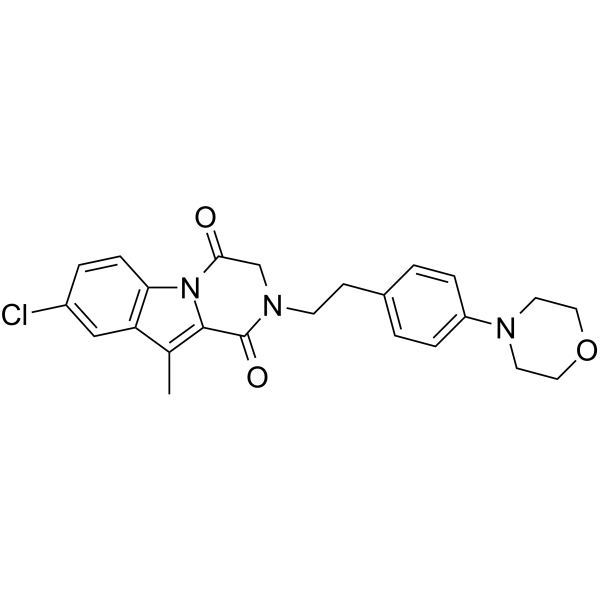
    Anticancer agent 188 (compound D43) inhibits DNA synthesis in TNBC cells, leading to cell cycle arrest at the G2/M phase. Anticancer agent 188 has anti-cancer viability by inducing ROS-mediated apoptosis and DNA damage .
    Anticancer agent 188
  • HY-124588

    DNA Methyltransferase Cancer
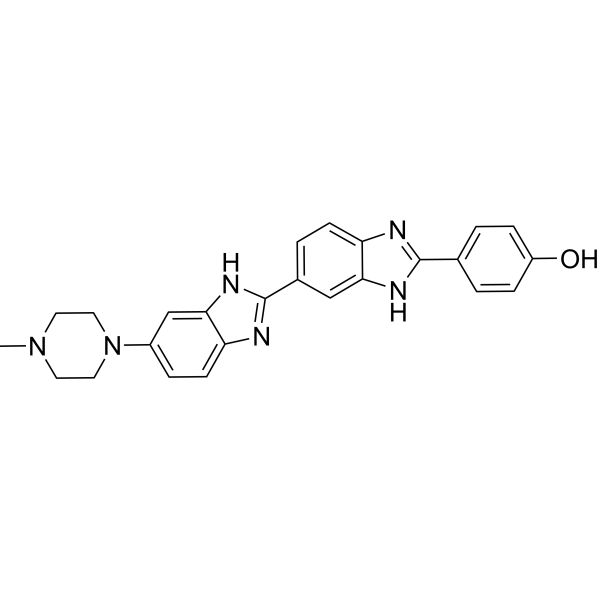
    MC3343, a DNMT inhibitor (EC50 of 5.7 μM) and a strong DNA binder, affects tumor proliferation by blocking OS cells in G1 or G2/M phases and induces osteoblastic differentiation through the specific re-expression of genes regulating this physiological process .
    MC3343
  • HY-146818

    Microtubule/Tubulin Cancer
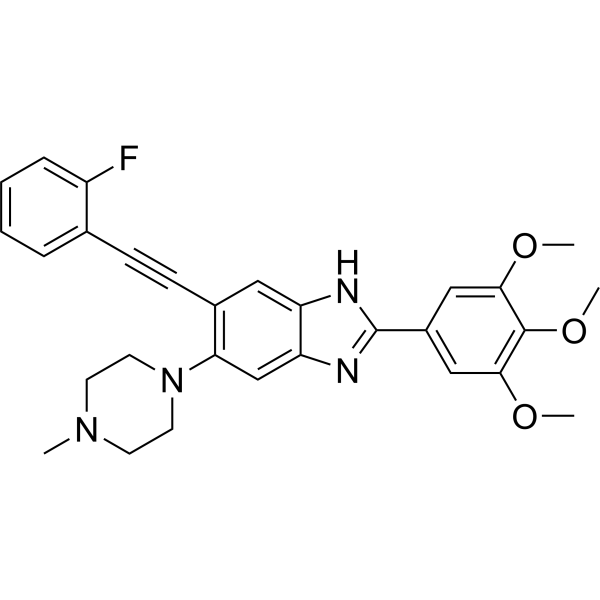
    Tubulin polymerization-IN-12 is a tubulin polymerization inhibitor (IC50=0.75 μM). Tubulin polymerization-IN-12 arrests cell cycle at G2/M phase, and exhibits cytotoxicity against cancer cells .
    Tubulin polymerization-IN-12
  • HY-149249

    Microtubule/Tubulin Apoptosis Histone Demethylase Cancer
    MY-943 is a potent tubulin polymerization and LSD1 inhibitor with anticancer activity. MY-943 induces G2/M phase arrest and apoptosis, and inhibits cell migration. MY-943 can be used for gastric cancer research .
    MY-943
  • HY-B0114R

    GP 47680 (Standard)

    Reference Standards Sodium Channel Apoptosis Neurological Disease Cancer
    Oxcarbazepine (Standard) is the analytical standard of Oxcarbazepine. This product is intended for research and analytical applications. Oxcarbazepine is a sodium channel blocker . Oxcarbazepine significantly inhibits glioblastoma cell growth and induces apoptosis or G2/M arrest in glioblastoma cell lines [2]. Anti-cancer and anticonvulsant effects [2] .
    Oxcarbazepine (Standard)
  • HY-16375

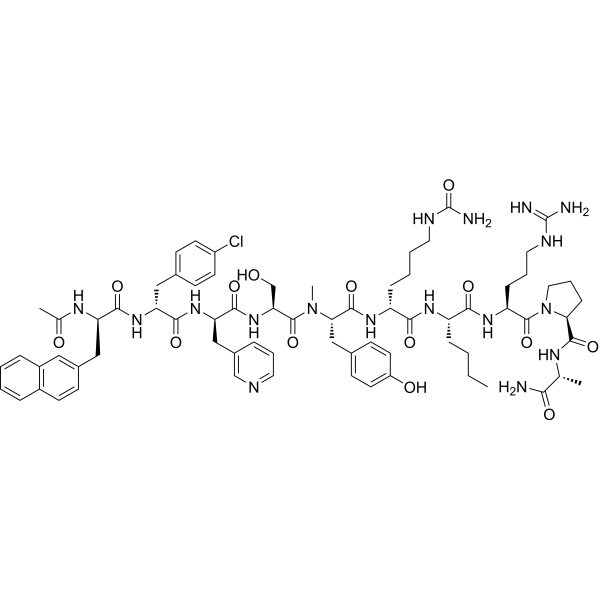
    D-63153

    GnRH Receptor Apoptosis Cancer
    Ozarelix (D-63153) is a GnRH antagonist. Ozarelix induces cell apoptosis and arrests cell in G2/M phase. Ozarelix can be used in the research of prostate cancer .
    Ozarelix
  • HY-125132

    (-)-Agelastatin A; AglA

    Apoptosis Cancer
    Agelastatin A ((-)-Agelastatin A; AglA), a tetracyclic alkaloid isolated from the sponge Agelas dendromorpha, induces apoptosis and arrests cells in the G2/M phase of the cell cycle, exhibiting antitumor activity .
    Agelastatin A
  • HY-123369

    CDK Apoptosis Cancer
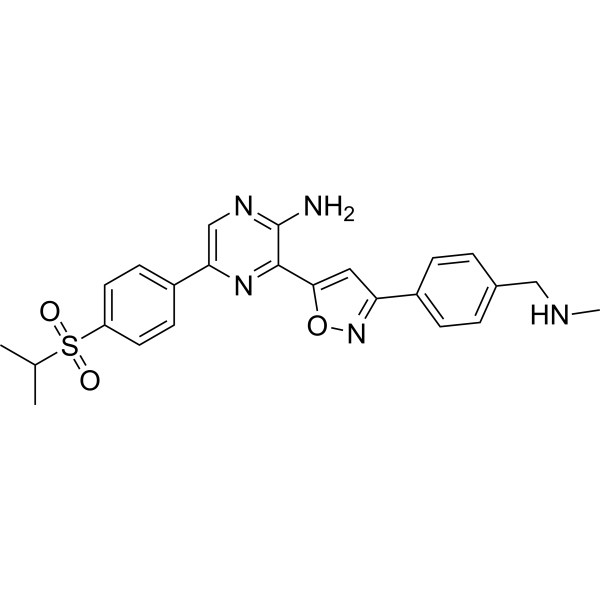
    BMI-1026 is a cyclin-dependent kinase 1 (Cdk1) inhibitor with IC50 of 2.3 nM. BMI-1026 induces apoptosis by arresting the G2-M phase .
    BMI-1026
  • HY-111425

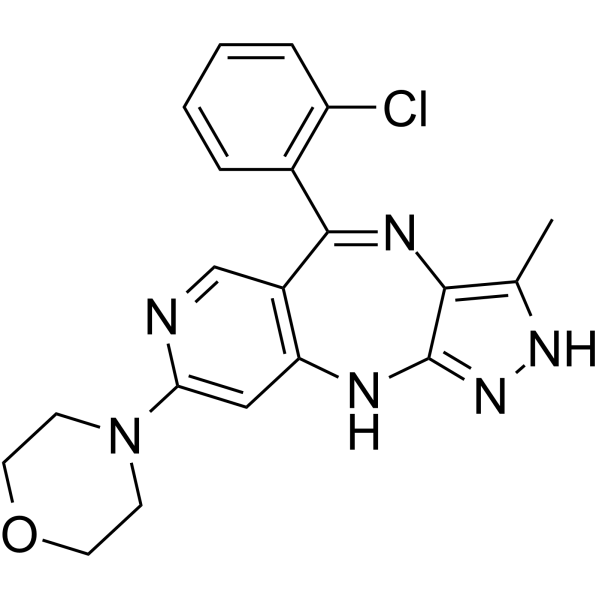
    Apoptosis Microtubule/Tubulin Mitosis Cancer
    SSE15206 is a microtubule polymerization inhibitor (GI50 = 197 nM in HCT116 cells) that overcomes multidrug resistance. Causes aberrant mitosis resulting in G2/M arrest due to incomplete spindle formation in cancer cells .
    SSE15206
  • HY-147896

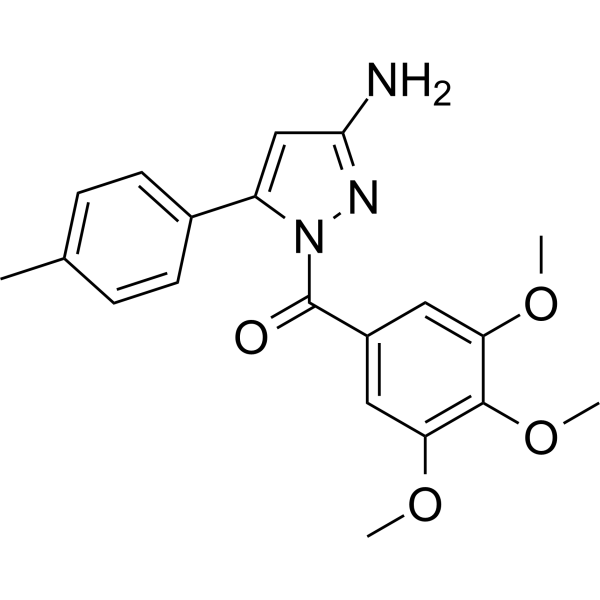
    Microtubule/Tubulin Cancer
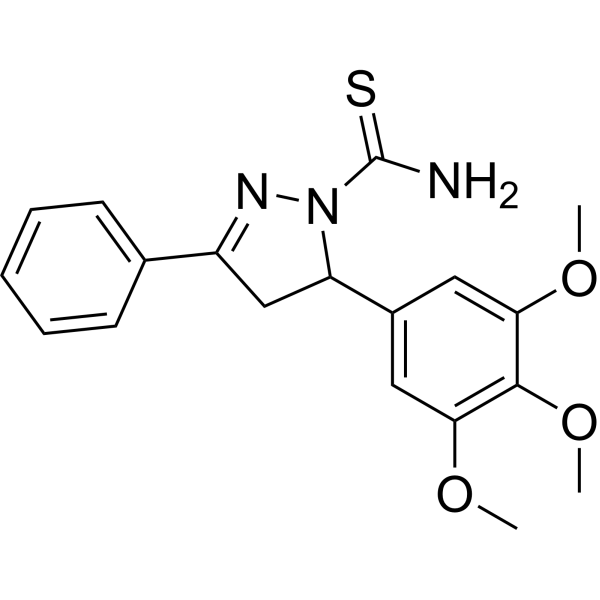
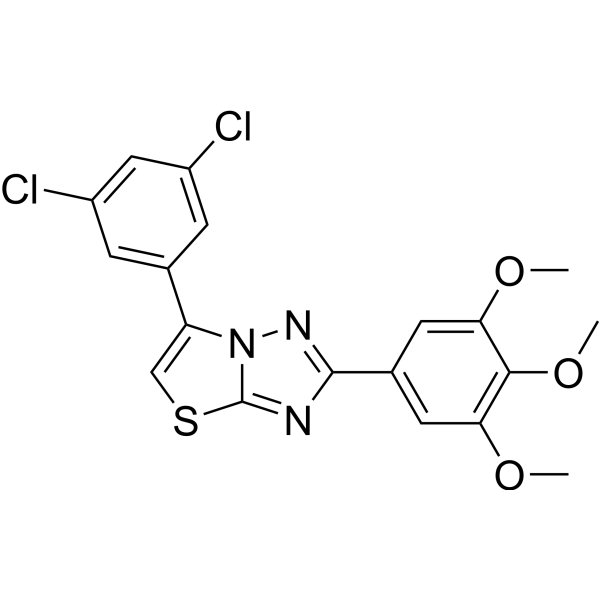
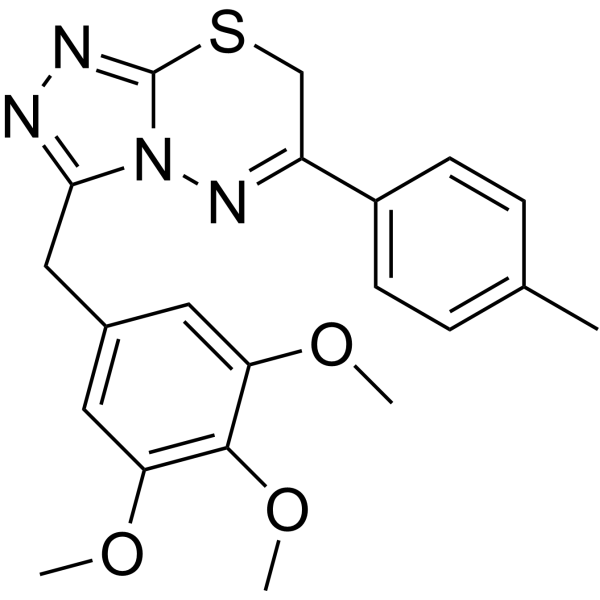
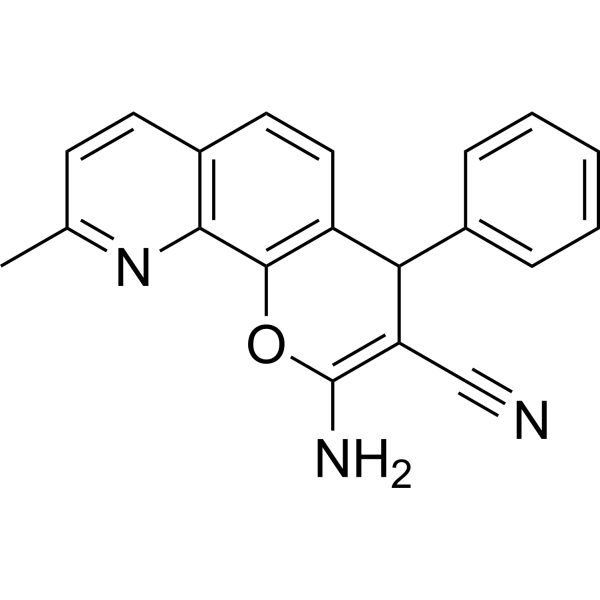
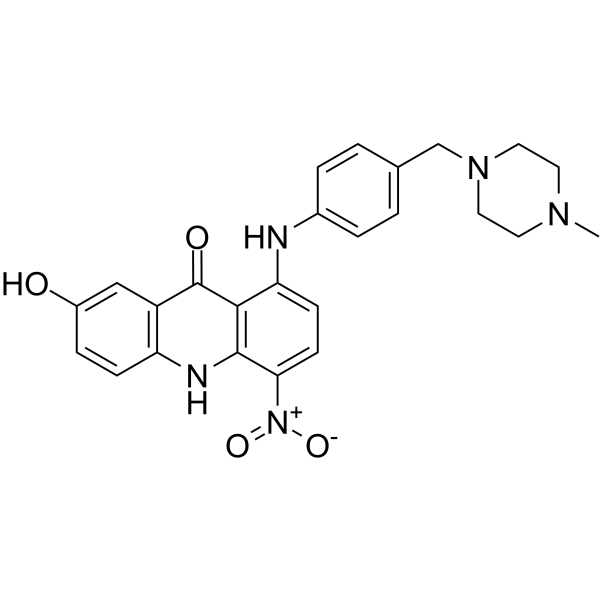
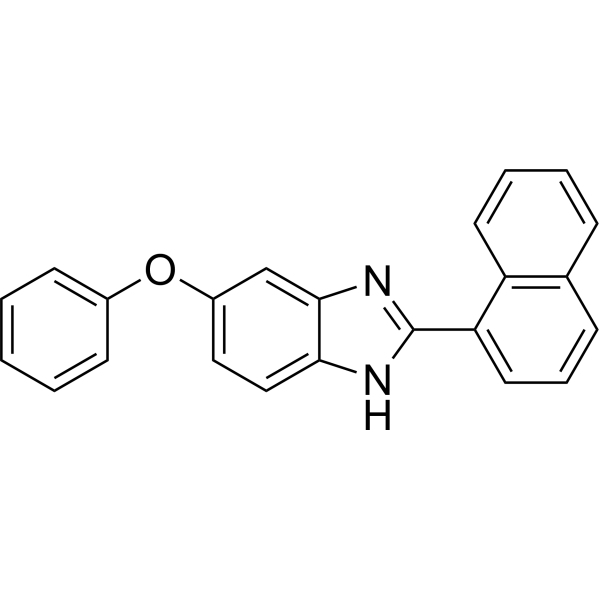
    Tubulin polymerization-IN-29 (compound 6g) is a potent tubulin polymerization inhibitor. Tubulin polymerization-IN-29 exhibits potent antiproliferative activity. Tubulin polymerization-IN-29 can induce HeLa cells arrest in G2/M phase .
    Tubulin polymerization-IN-29
  • HY-N9968

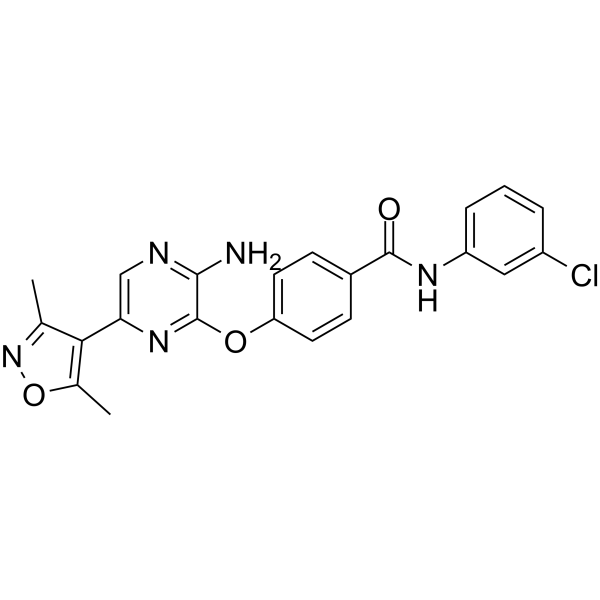
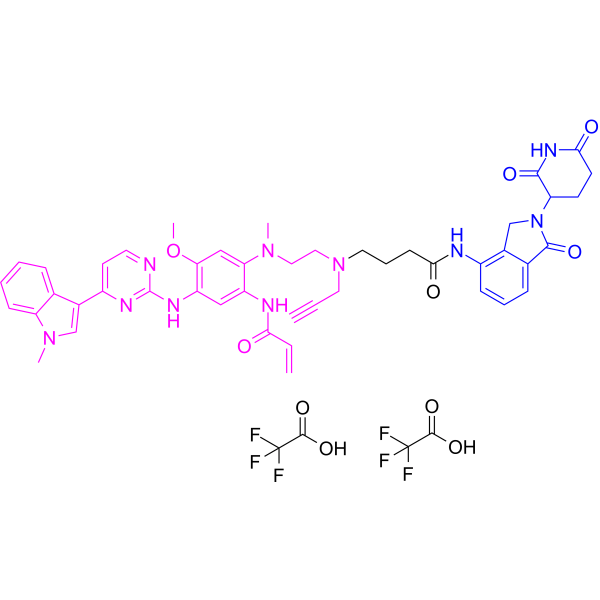
    Akt Apoptosis Cancer
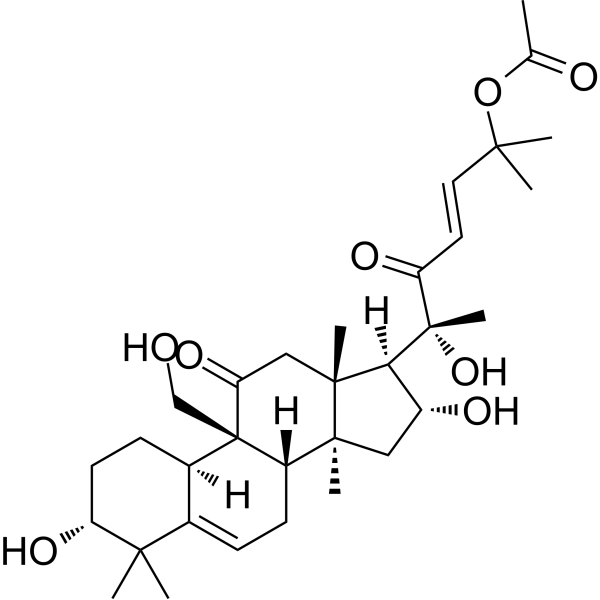
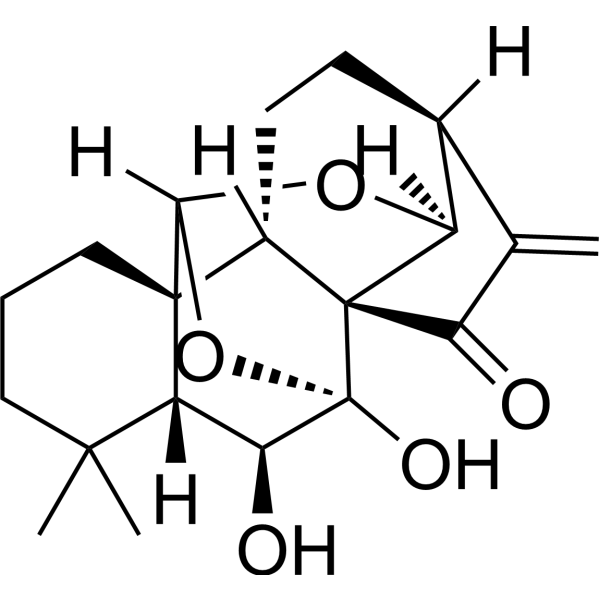
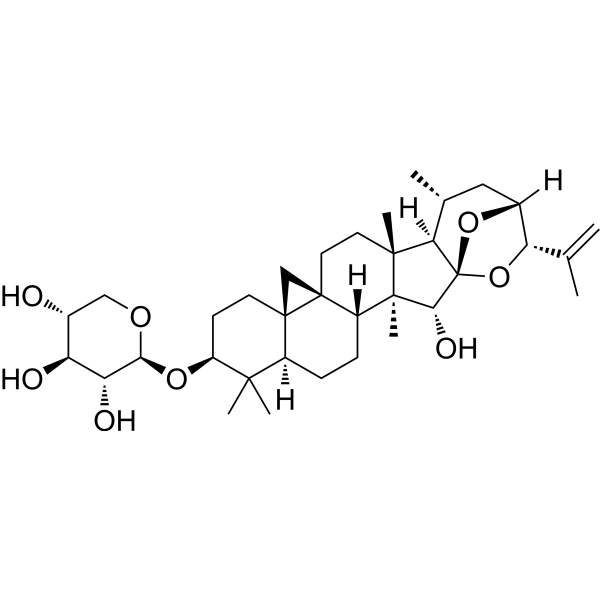
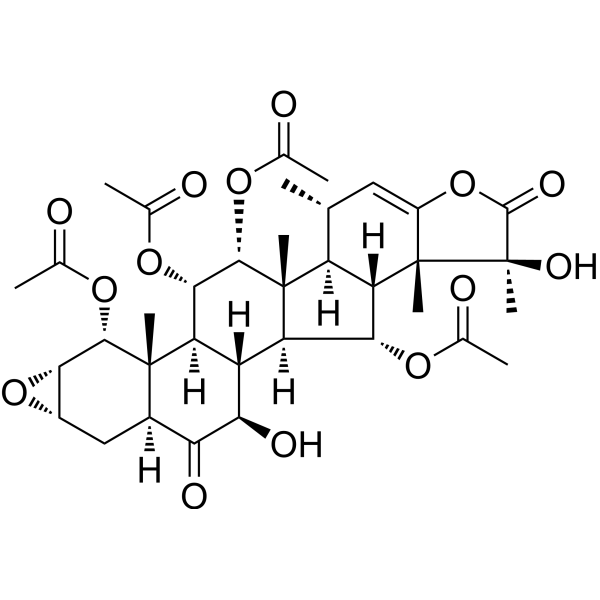
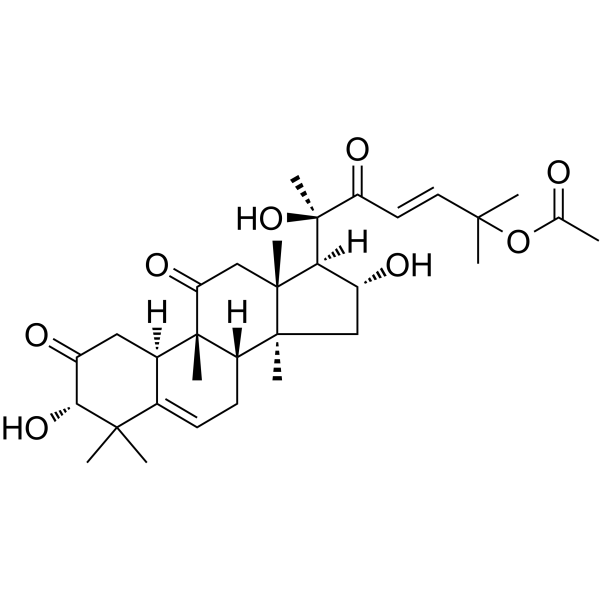
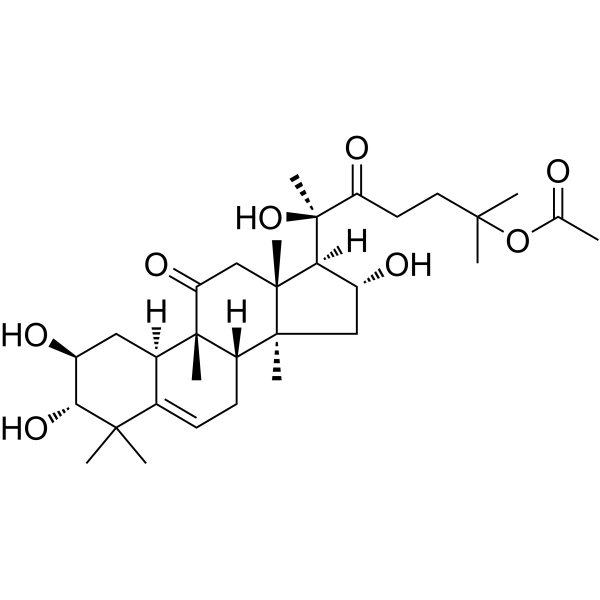
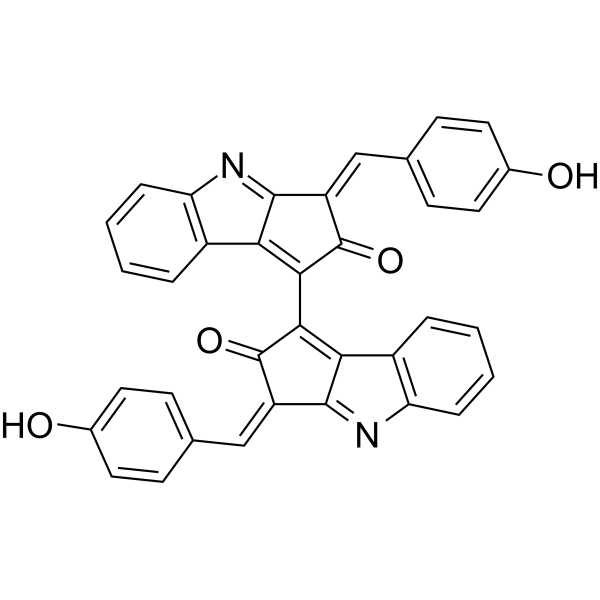
    Cucurbitacin C is a triterpenoid calabinoid that can be isolated from Cucurbitaceae plants. Cucurbitacin C has anti-cancer activity in vivo and in vitro. Cucurbitacin C can induce cell cycle arrest in G1 or G2/M phase and apoptosis by inhibiting Akt signaling .
    Cucurbitacin C
  • HY-161141

    c-Met/HGFR Cancer
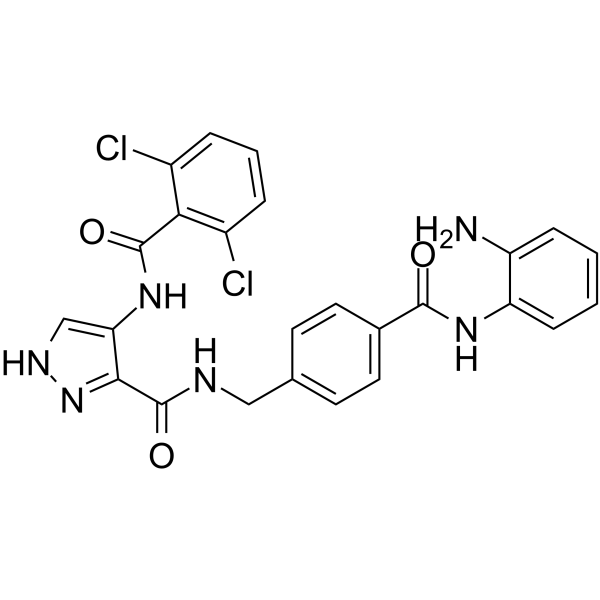
    EGFR/ C-Met-in-2 (Compound H-22) is a dual inhibitor of EGFR/c-Met. EGFR/c-Met-IN-2 inhibits cell proliferation by arresting G2/M phase. EGFR/c-Met-IN-2 has antitumor activity .
    EGFR/c-Met-IN-2
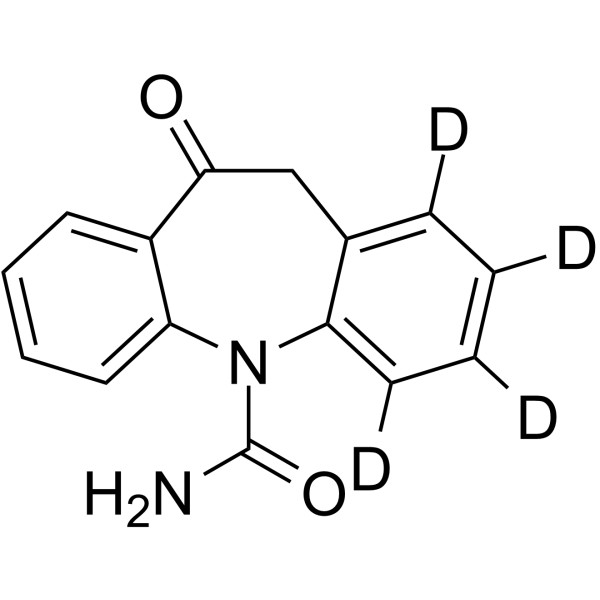
  • HY-B0114S

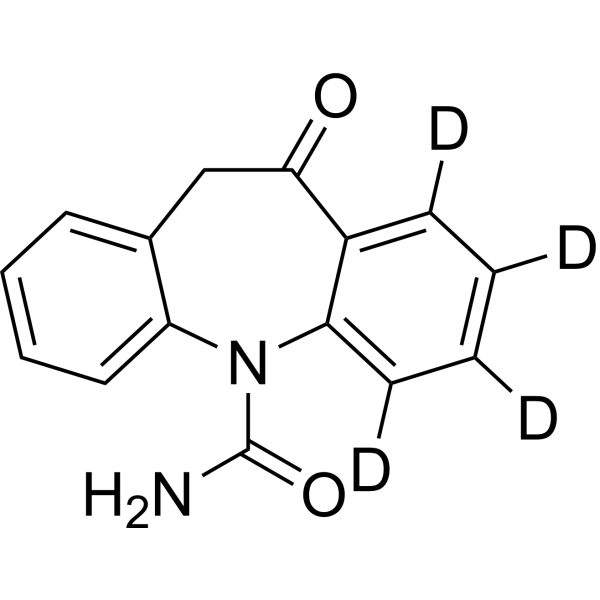
    GP 47680-d4

    Isotope-Labeled Compounds Sodium Channel Apoptosis Neurological Disease Cancer
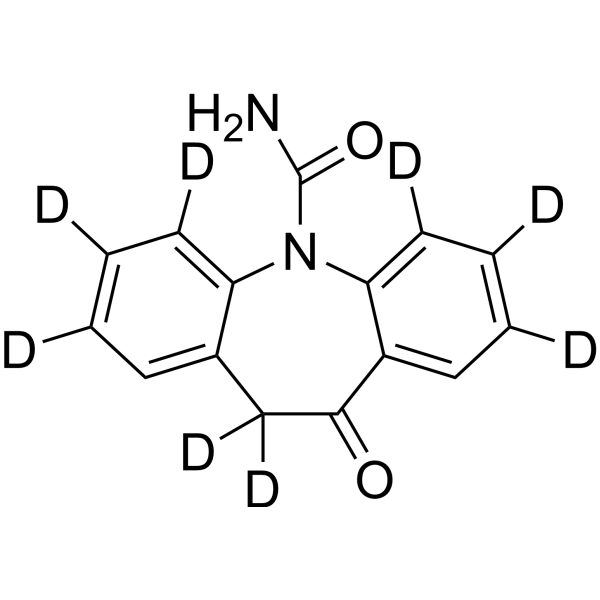
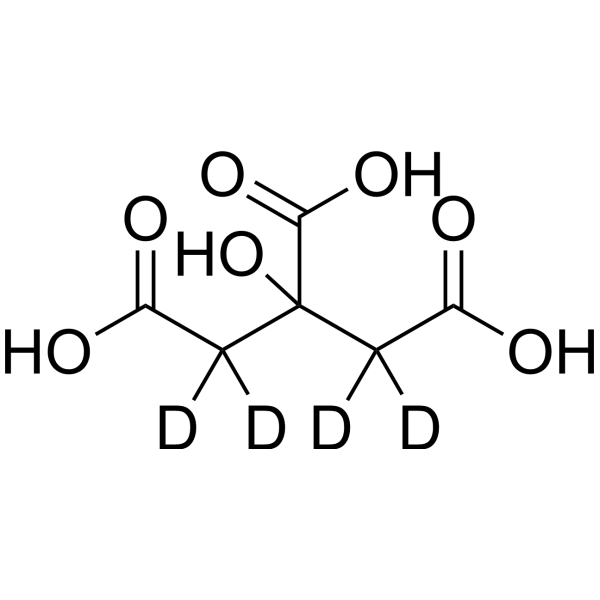
    Oxcarbazepine-d4 (GP 47680-D4) is the deuterium labeled Oxcarbazepine. Oxcarbazepine is a sodium channel blocker . Oxcarbazepine significantly inhibits glioblastoma cell growth and induces apoptosis or G2/M arrest in glioblastoma cell lines [2]. Anti-cancer and anticonvulsant effects [2] .
    Oxcarbazepine-d4
  • HY-112347

    Checkpoint Kinase (Chk) Cancer
    Isogranulatimide is a selective checkpoint kinase 1 (Chk1) inhibitor with an IC50 value of 0.1 μM. Isogranulatimide inhibits the G2/M checkpoint and inhibits the growth of p53-mutant tumor cells. Isogranulatimide is promising for research of tumors associated with DNA damage response [2].
    Isogranulatimide
  • HY-137005

    Topoisomerase Apoptosis Cancer
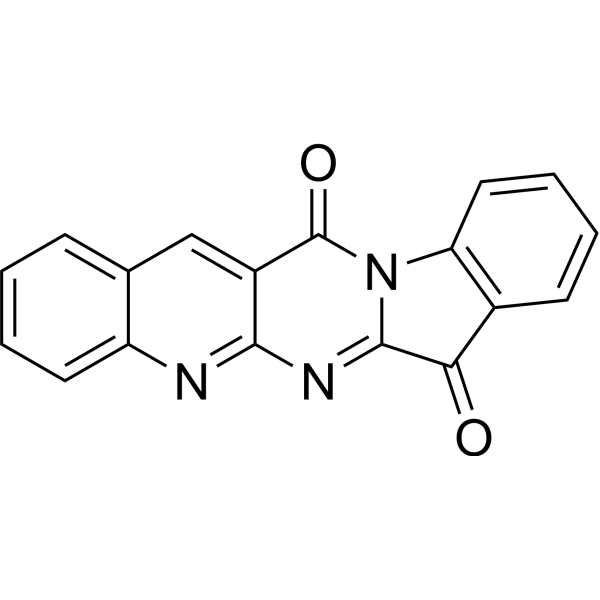
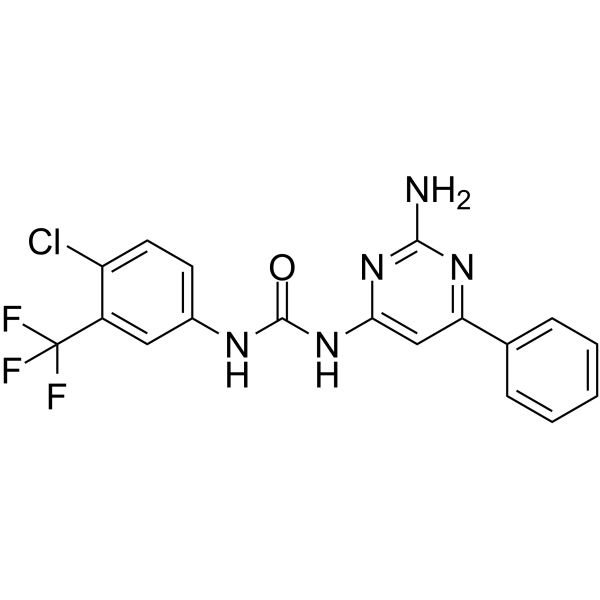
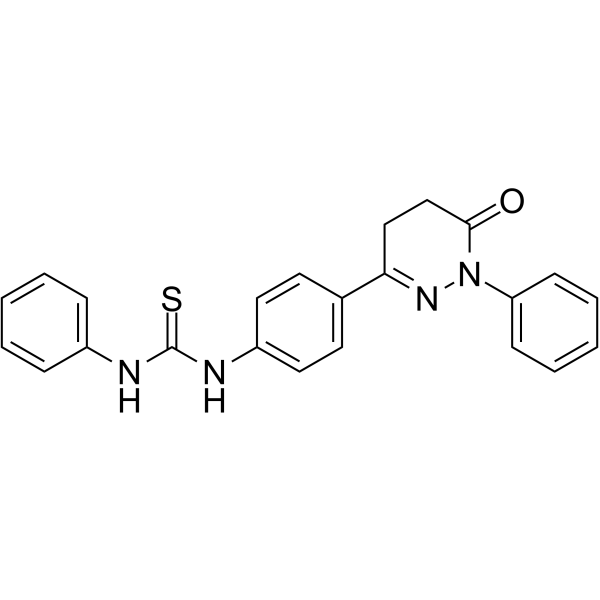
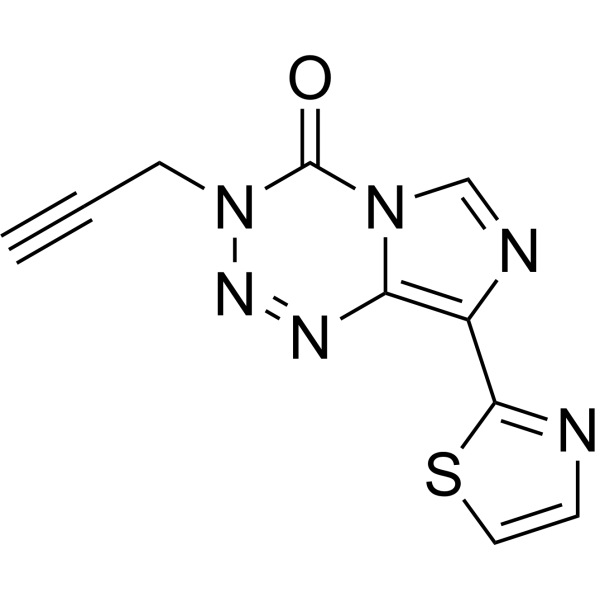
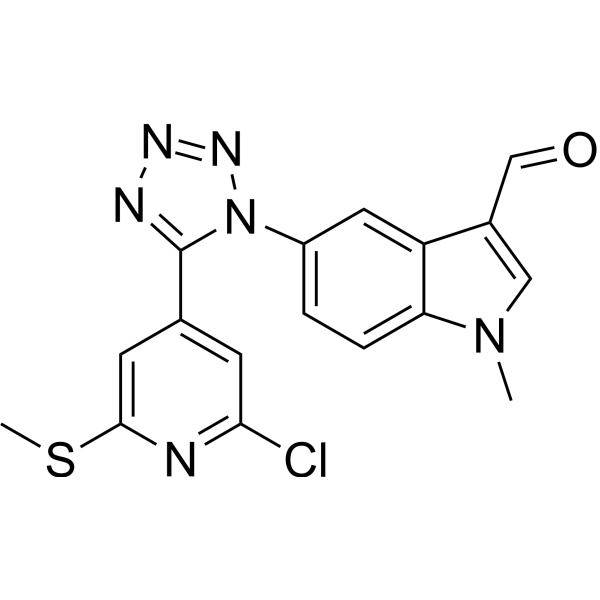
    CS1 is a potent DNA Topo II α inhibitor. CS1 displays broad-spectrum in vitro antitumor effects, low toxicity in vivo and potential anti-multidrug resistance capabilities. CS1 leads to DNA damage, cell cycle arrest at G2/M phase and apoptosis .
    CS1
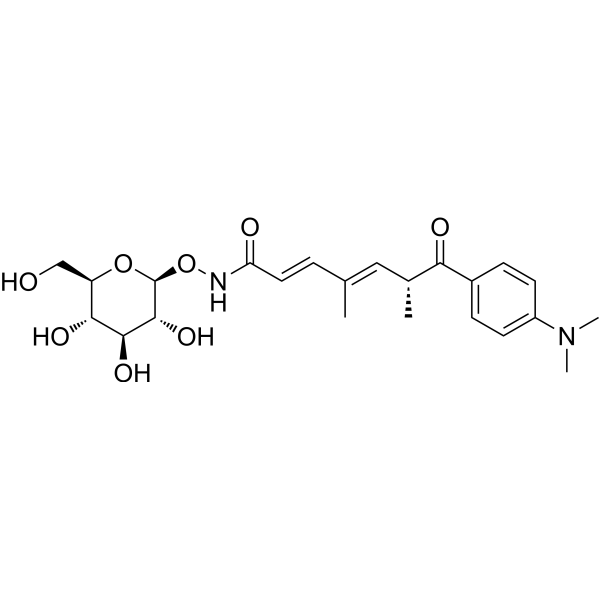
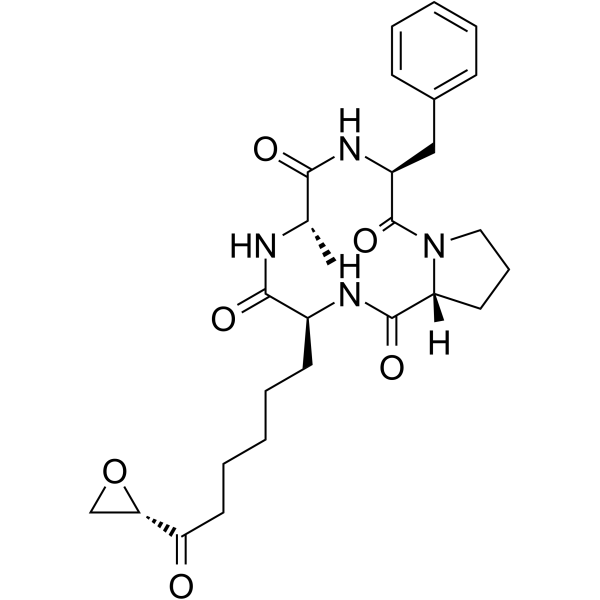
  • HY-126566

    Fungal HDAC Apoptosis Infection Cancer
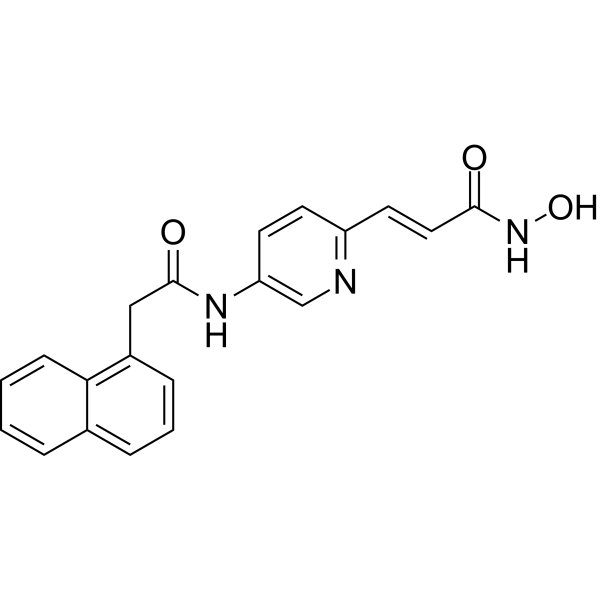
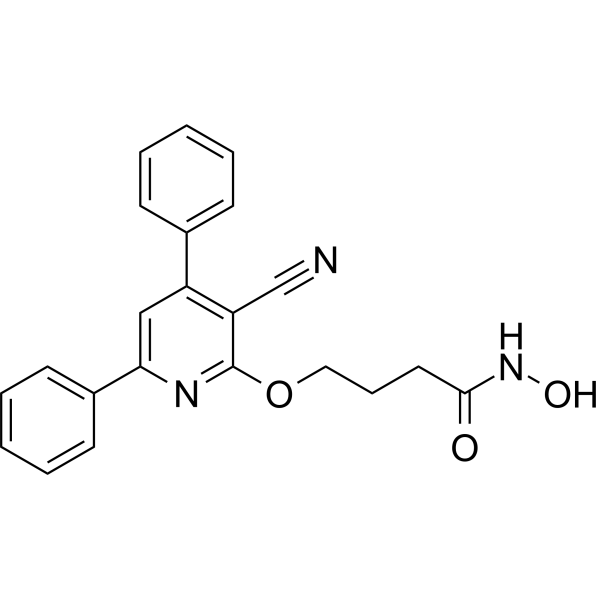
    Trichostatin C is an inhibitor for histone deacetylase (HDAC), induces apoptosis and arrests cell cycle at G2/M phase, and exhibits anticancer activity against lung cancer and urothelial bladder cancer . Trichostatin C induces differentation of Friend leukemic cells [2]. Trichostatin C exhibits antifungal activity .
    Trichostatin C
  • HY-156916

    Microtubule‐associated serine/threonine kinase (MAST) Metabolic Disease
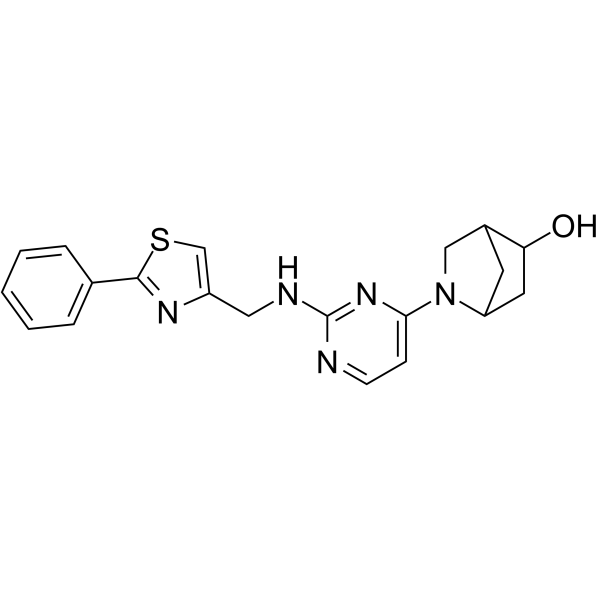
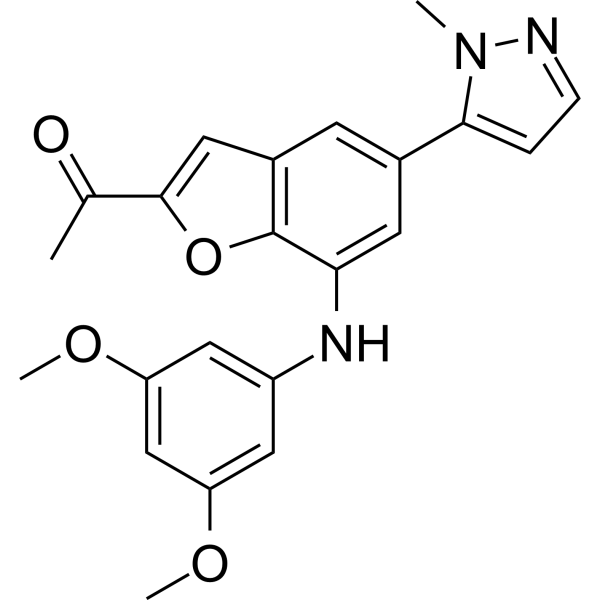
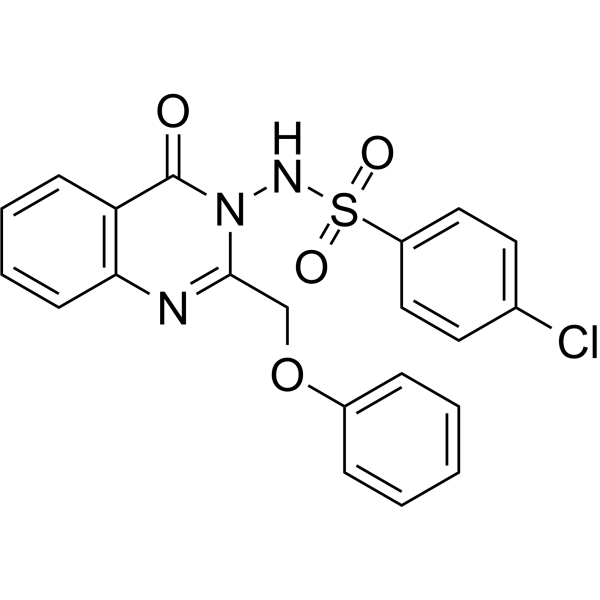
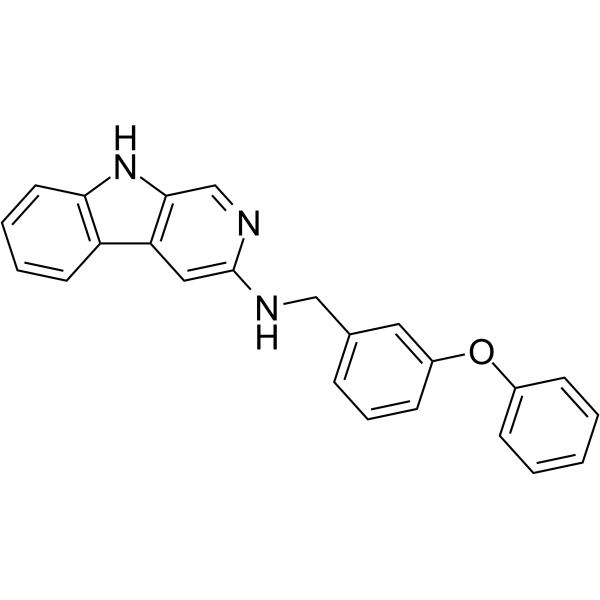
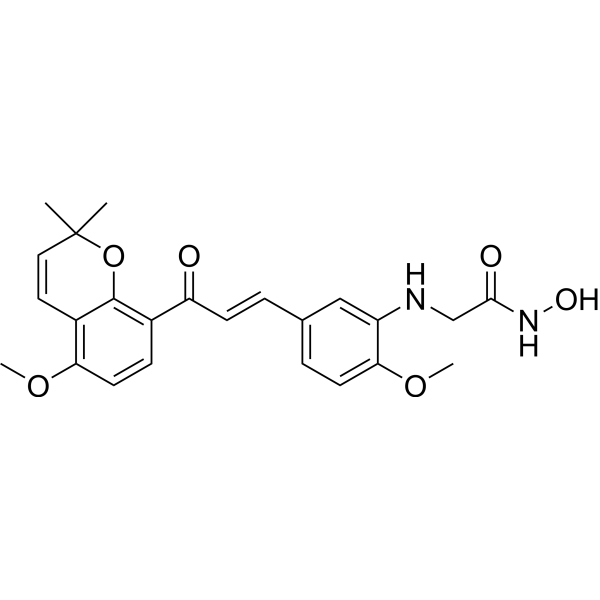
    WAY-230563 (ST045945) is a serine/threonine kinase inhibitor that can block CHK1/CHK2-mediated cell cycle checkpoints. WAY-230563 can induce G2/M phase arrest and DNA damage in tumor cells .
    ST045945
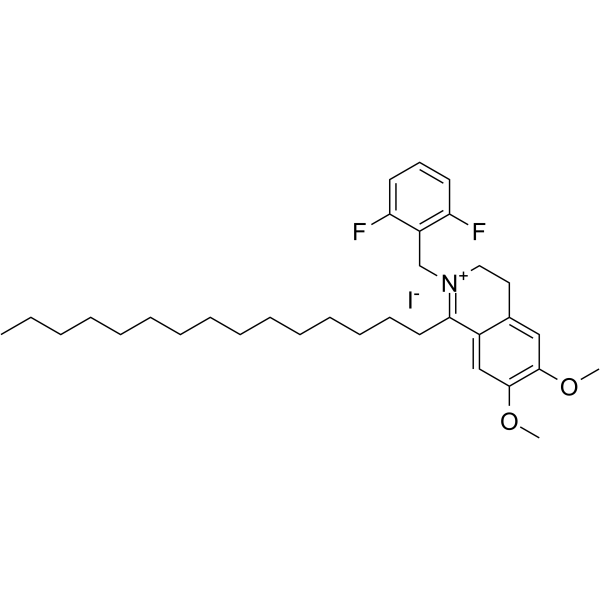
  • HY-131143

    Apoptosis Cancer
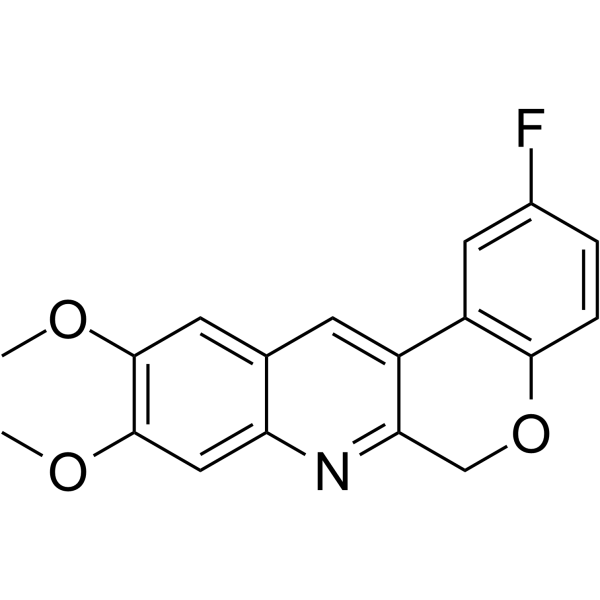
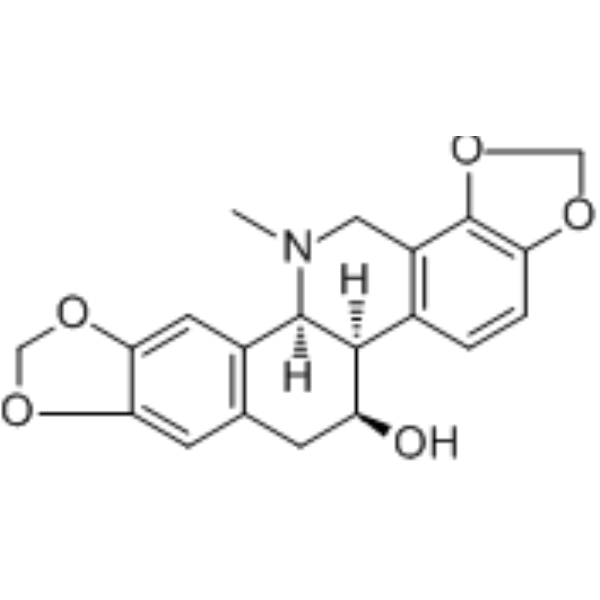
    Cadein1, an isoquinolinium derivative, leads to a G2/M delay and caspase-dependent apoptosis in cancer cells with non- functional p53 .
    Cadein1
  • HY-156183

    MDM-2/p53 ERK Cancer
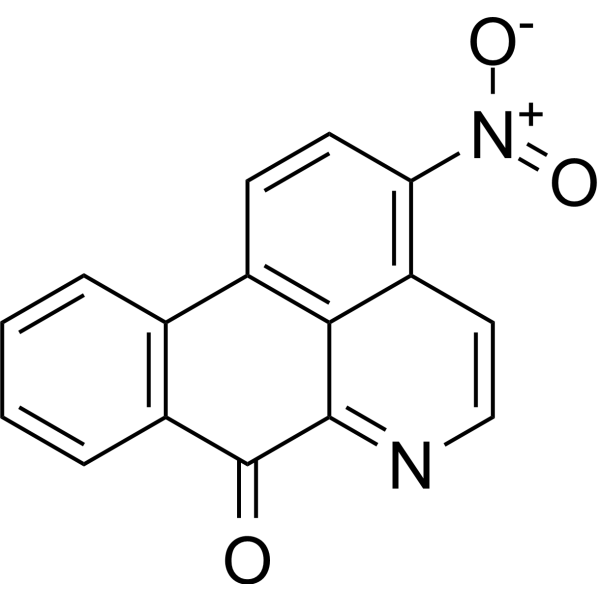
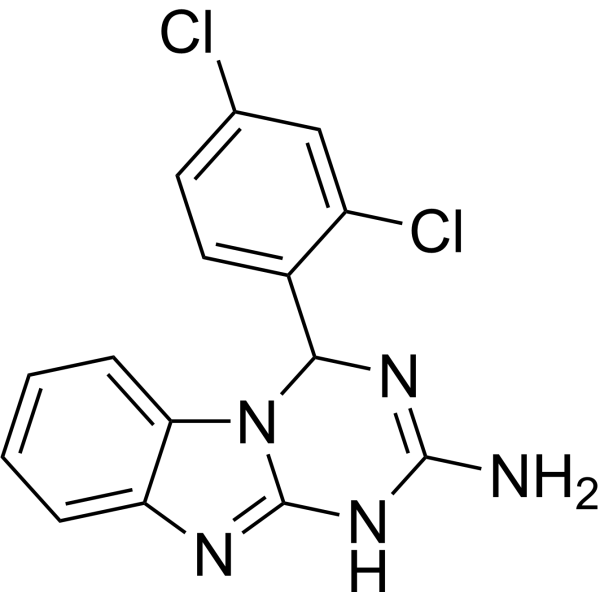
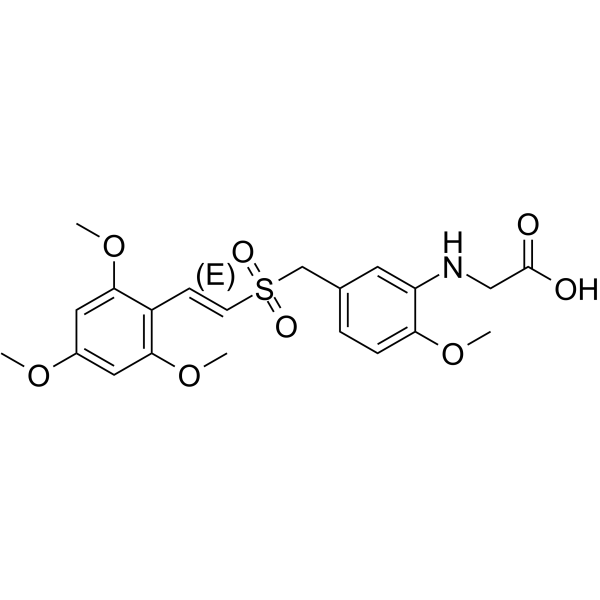
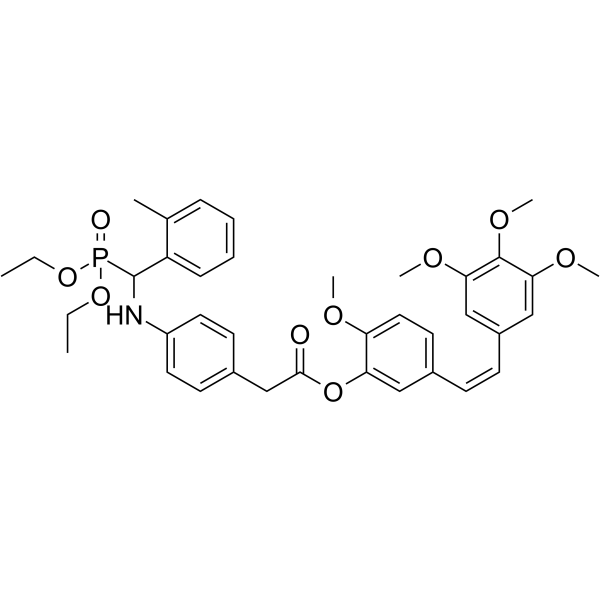
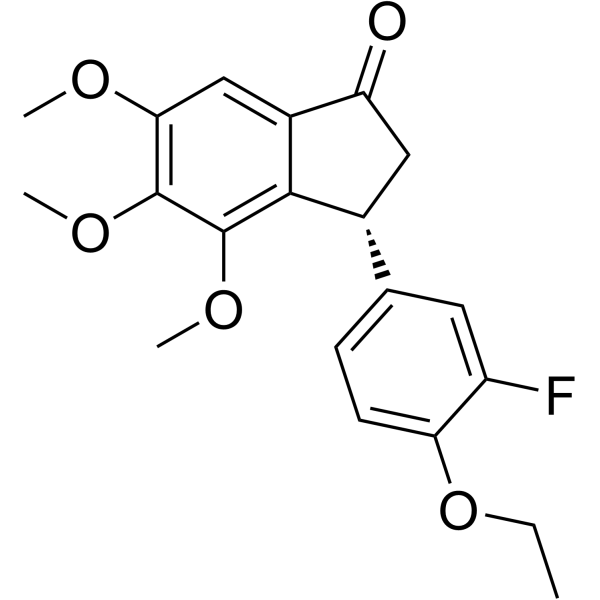
    Antiproliferative agent-37 (compound 10J) shows anti-proliferative effect by arresting the cells at the G2/M phase of the cell cycle .
    Antiproliferative agent-37
  • HY-138819

    Apoptosis Cancer
    IMB5046 is a microtubule inhibitor that induces apoptosis by blocking the G2/M phase of the cell cycle. IMB5046 has anti-tumor activity .
    IMB5046
  • HY-N10670

    Methylpluviatolide

    Apoptosis Cancer
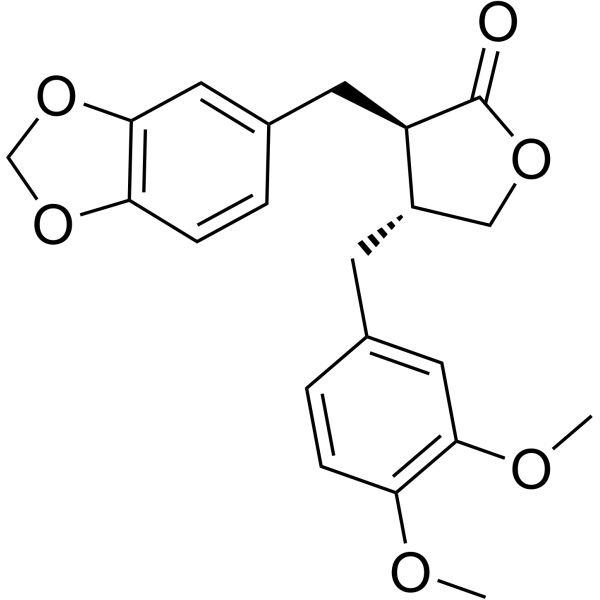
    Bursehernin (Methylpluviatolide) is an antitumor agent. Bursehernin induces Apoptosis and cell cycle arrest at G2/M phase. Bursehernin shows anti-proliferative activity [2].
    Bursehernin
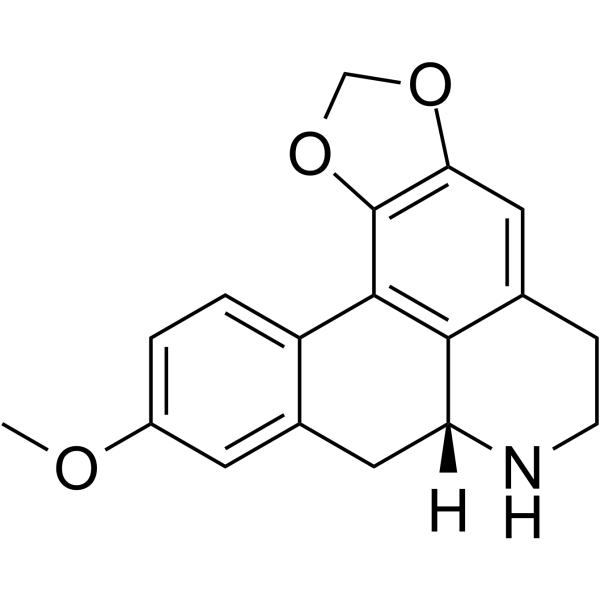
  • HY-N9534

    Reactive Oxygen Species (ROS) Apoptosis Cancer
    Xylopine is an aporphine alkaloid with cytotoxic activity on cancer cells. Xylopine induces oxidative stress, causes G2/M cell cycle arrest and apoptosis in cancer cells .
    Xylopine
  • HY-N14881

    Bacterial Infection Cancer
    Monorden E has the effect of arresting the cell cycle of Jurket cells in G1 and G2/M phases. Monorden E has anti-Aspergillus niger activity .
    Monorden E
  • HY-N14866

    Bacterial Infection Cancer
    Monorden B has the effect of arresting the cell cycle of Jurket cells in G1 and G2/M phases. Monorden B has anti-Aspergillus niger activity .
    Monorden B
  • HY-N10798

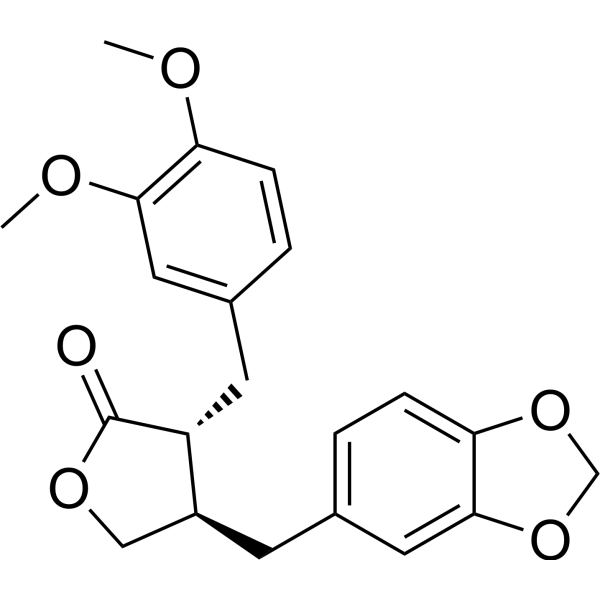
    (-)-Kusunokinin

    Apoptosis Cancer
    Kusunokinin ((-)-Kusunokinin) is a nature product that could be isolated form P. nigrum. Kusunokinin has anticancer activity. Kusunokinin arrests cell cycle at G2/M phase and induce apoptosis .
    Kusunokinin
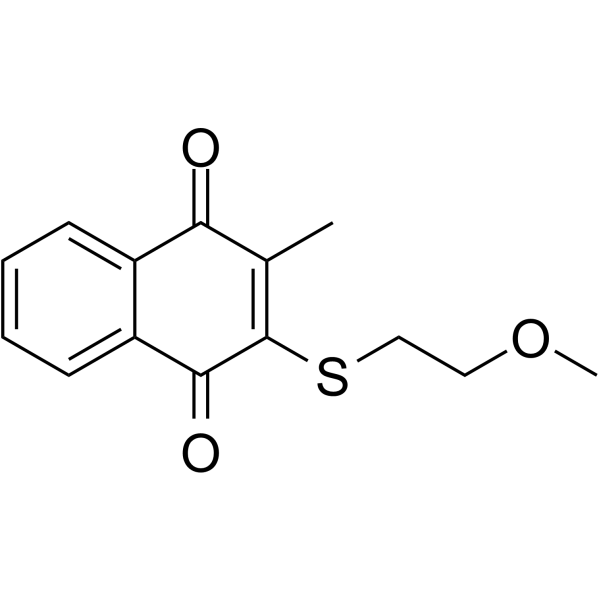
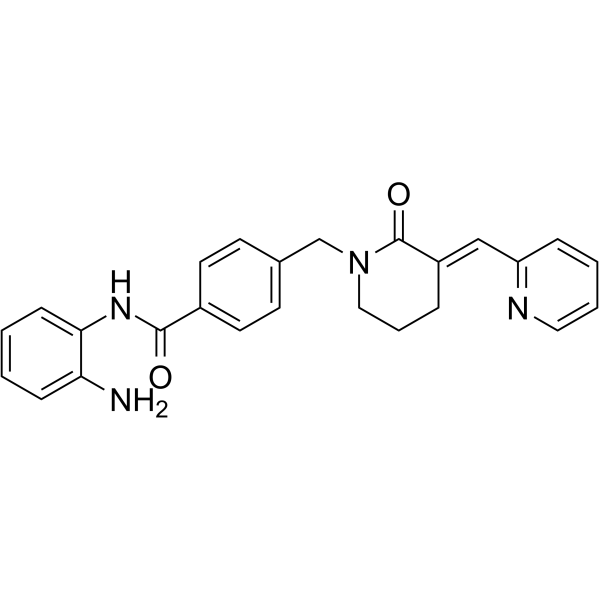
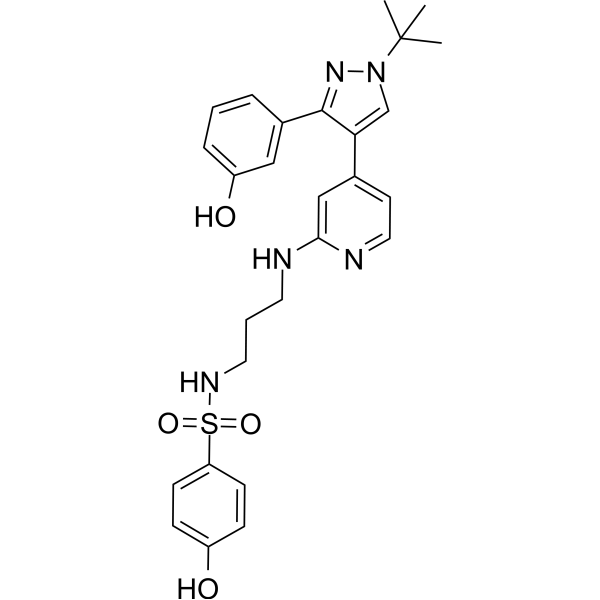
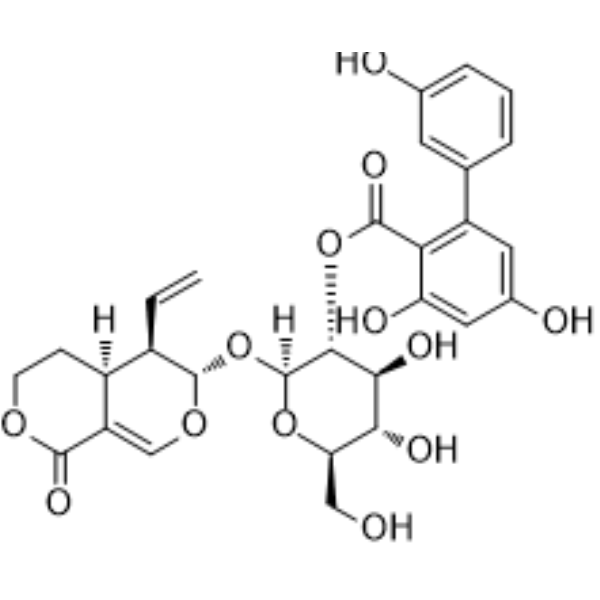
  • HY-172940

    Apoptosis Cancer
    TBP-134 induce apoptosis primarily through DR5 and causes G2/M phase arrest. TBP-134 can be used in the research for pancreatic tumor .
    TBP-134
  • HY-163444

    Apoptosis Cancer
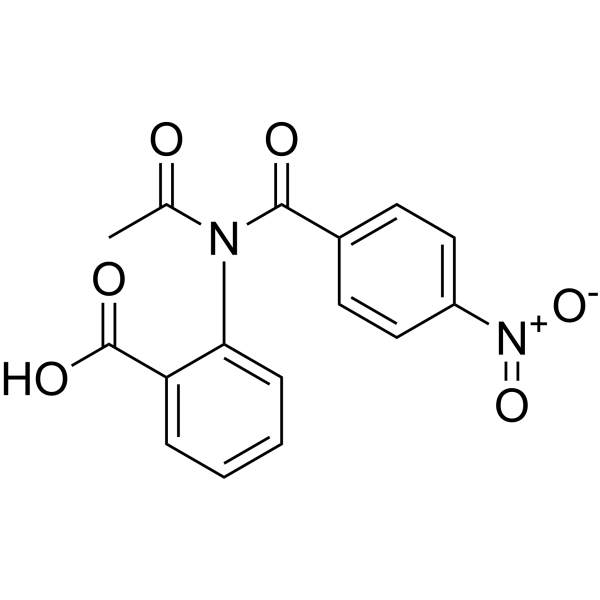
    Apoptosis inducer 15 (Compound 3) induces cell apoptosis and cell cycle arrest at G2/M phase. Apoptosis inducer 15 is cytotoxicitic without causing DNA fragmentation .
    Apoptosis inducer 15
  • HY-162108

    Apoptosis Cancer
    Antitumor agent-128 (compound 1a) is an antitumor agent that elicits cell cycle arrest in both the G2/M and S phases, triggering apoptosis in A549 cells .
    Antitumor agent-128
  • HY-147824

    Microtubule/Tubulin Apoptosis Cancer
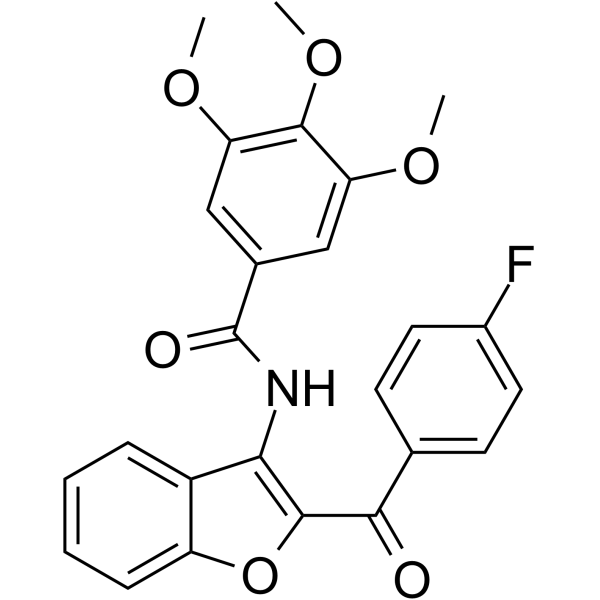
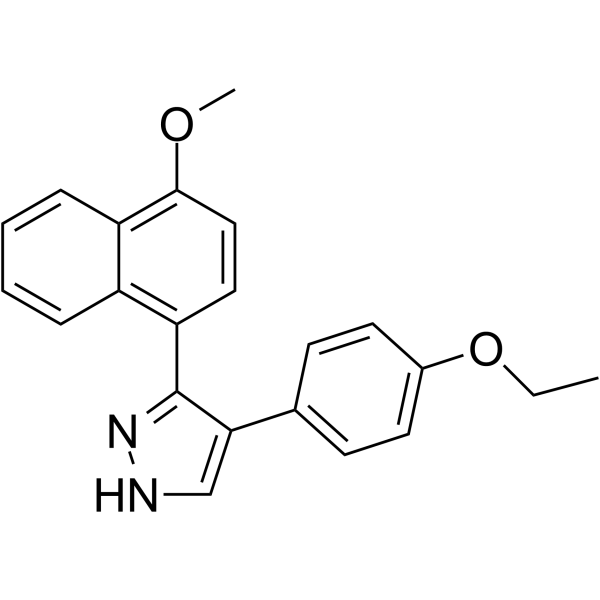
    Tubulin polymerization-IN-22 is a tubulin polymerization inhibitor with an IC50 of 8.1 μM. Tubulin polymerization-IN-22 arrests cell cycle at G2/M phase and induces apoptosis .
    Tubulin polymerization-IN-22
  • HY-147848

    Microtubule/Tubulin Cancer
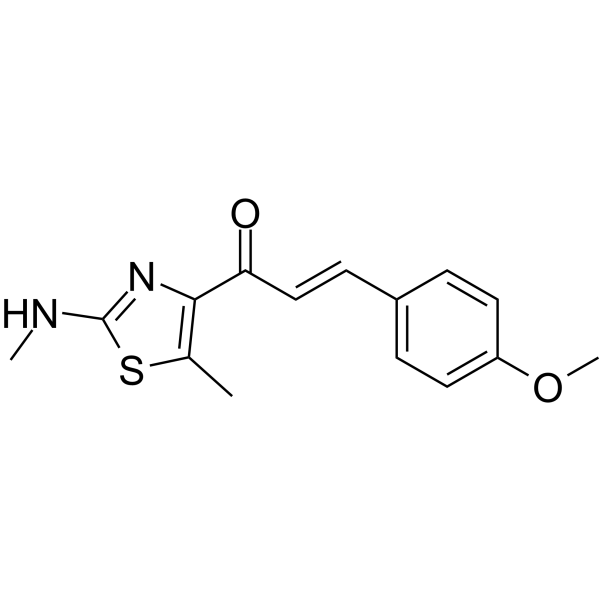
    Tubulin polymerization-IN-27 (compound 5j) is a tubulin polymerization inhibitor. Tubulin polymerization-IN-27 can arrest cell cycle at G2/M phase and induce apoptosis .
    Tubulin polymerization-IN-27
  • HY-122151

    Microtubule/Tubulin Apoptosis Cancer
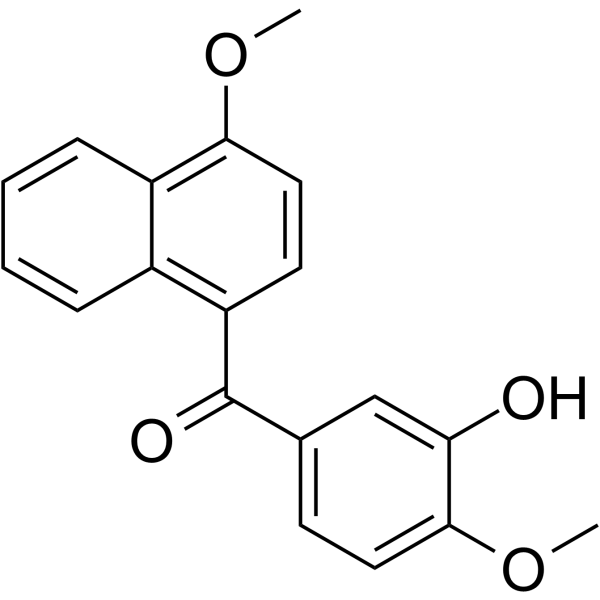
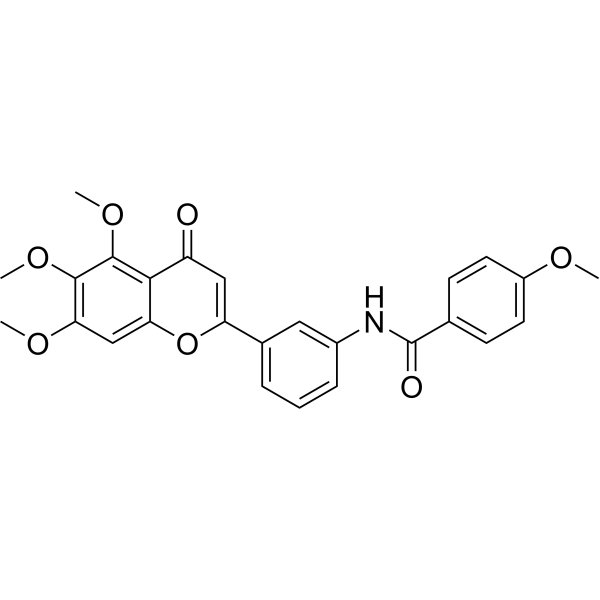
    MPT0B002 is a potent microtubule inhibitor with anticancer activities. MPT0B002 disrupts tubulin polymerization, induces apoptosis, and arrests cell cycle at the G2/M phase .
    MPT0B002
  • HY-163808

    Apoptosis Cancer
    Anticancer agent 237 (compound 13) is a potent anticancer agent. Anticancer agent 237 shows cytotoxicity. Anticancer agent 237 induces apoptosis and cell cycle arrest at the S and G2/M phases .
    Anticancer agent 237
  • HY-100761

    Microtubule/Tubulin Apoptosis Cancer
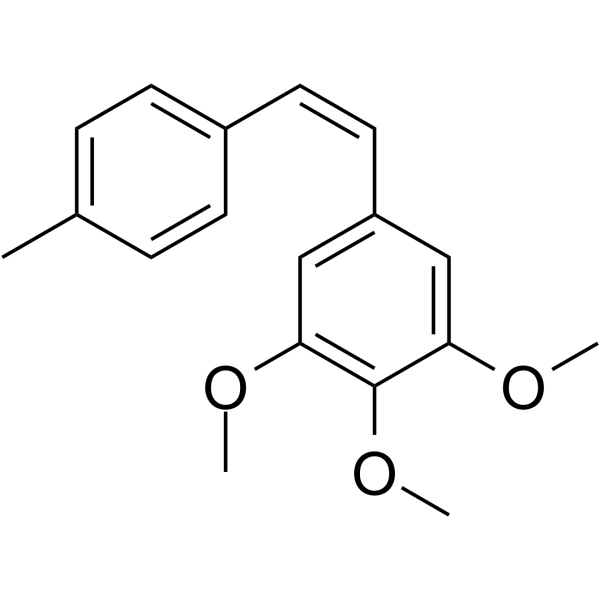
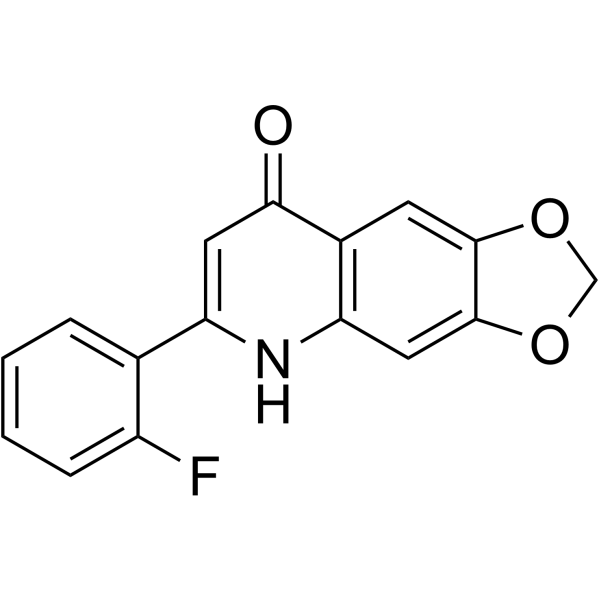
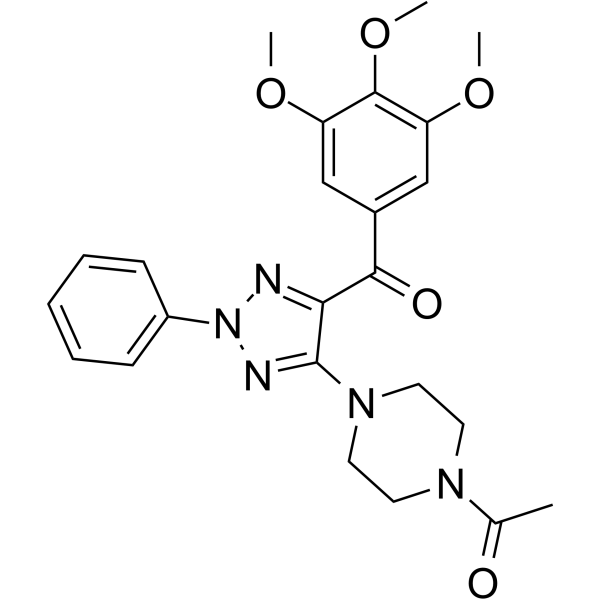
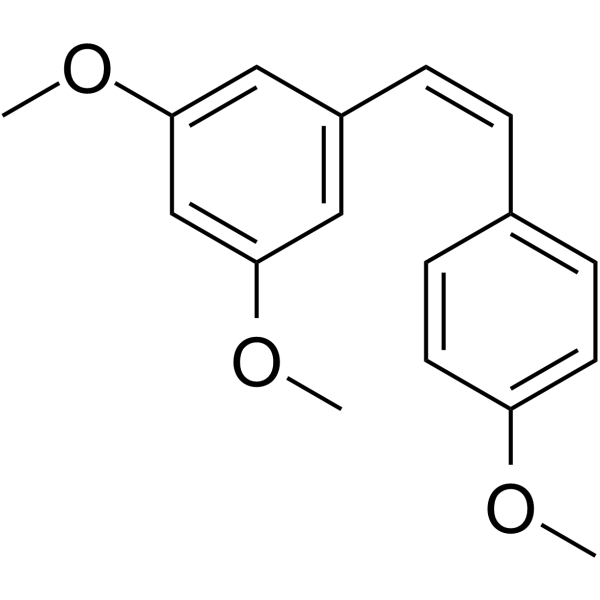
    SS28, a SRT501 analog with oral bioavailability, inhibits tubulin polymerization to cause cell cycle arrest at G2/M phase. SS28 results in apoptosis rather than necrosis tubulin .
    SS28

Inquiry Online

Your information is safe with us. * Required Fields.

Salutation


Country or Region *

Applicant Name *


Organization Name *

Department *


Email Address *


Product Name *

Cat. No.


Requested quantity *

Phone Number *


Remarks

Inquiry Online

Inquiry Information

Product Name:
Cat. No.:
Quantity:
MCE Japan Authorized Agent: