


1. Search Result
Search Result
Results for "

oxidative stress inhibitor

" in MedChemExpress (MCE) Product Catalog:

603

Inhibitors & Agonists

4

Fluorescent Dyes

10

Biochemical Assay Reagents

23

Peptides

1

MCE Kits

212

Natural
Products

62

Isotope-Labeled Compounds

1

Click Chemistry

4

Oligonucleotides

3

GMP Molecules

Cat. No. Product Name Target Research Areas Chemical Structure
  • HY-N0644
    Carnosic acid
    5+ Cited Publications

    Apoptosis Bacterial Inflammation/Immunology Cancer
    Carnosic acid is an orally active lipid absorption inhibitor. Carnosic acid has demonstrated inhibition of oxidative stress and inflammation, suppression of cell proliferation, and antibacterial activity.
    Carnosic acid
  • HY-N0120A
    Polydatin
    10+ Cited Publications

    Piceid

    Autophagy Apoptosis Mitophagy Inflammation/Immunology Cancer
    Polydatin (Piceid), extracted from the roots of Reynoutria japonica, a widely used traditional Chinese remedies, possesses anti-inflammatory activity in several experimental models. Polydatin (Piceid) inhibits G6PD and induces oxidative and ER stresses.
    Polydatin
  • HY-18731
    1400W Dihydrochloride
    25+ Cited Publications

    NO Synthase Apoptosis Cardiovascular Disease Inflammation/Immunology Cancer
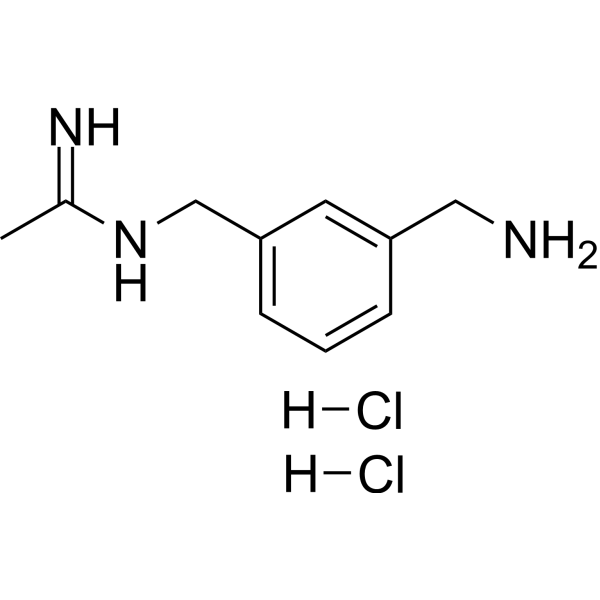
    1400W dihydrochloride is the dihydrochloride form of 1400W (HY-18730). 1400W is a slow, tight binding, and highly selective inducible nitric-oxide synthase (iNOS) inhibitor, with a Kd value ≤ 7 nM. 1400W inhibits iNOS induction in microglial cells, and reduces generation of NO, thereby mitigating oxidative stress and neuronal cell apoptosis in the rat cerebral cortex, and improving the spatial memory dysfunction caused by acute hypobaric hypoxia-reoxygenation .
    1400W Dihydrochloride
  • HY-14664A
    Fluvastatin sodium
    15+ Cited Publications

    XU 62-320

    HMG-CoA Reductase (HMGCR) Autophagy Ferroptosis Cardiovascular Disease Cancer
    Fluvastatin sodium (XU 62320) is a first fully synthetic, competitive HMG-CoA reductase inhibitor with an IC50 of 8 nM. Fluvastatin sodium protects vascular smooth muscle cells against oxidative stress through the Nrf2-dependent antioxidant pathway .
    Fluvastatin sodium
  • HY-14664
    Fluvastatin
    15+ Cited Publications

    XU 62-320 free acid

    HMG-CoA Reductase (HMGCR) Autophagy Cardiovascular Disease Cancer
    Fluvastatin (XU 62-320 free acid) is a first fully synthetic, competitive HMG-CoA reductase inhibitor with an IC50 of 8 nM. Fluvastatin protects vascular smooth muscle cells against oxidative stress through the Nrf2-dependent antioxidant pathway .
    Fluvastatin
  • HY-N0540
    Cynaroside
    10+ Cited Publications

    Luteolin 7-glucoside; Luteolin 7-O-β-D-glucoside

    Influenza Virus DNA/RNA Synthesis Apoptosis Parasite Bacterial Fungal Infection Cardiovascular Disease Cancer
    Cynaroside (Luteolin 7-glucoside) is a flavonoid compound that exhibits anti-oxidative capabilities. Cynaroside is also a potent influenza RNA-dependent RNA polymerase inhibitor with an IC50 of 32 nM. Cynaroside also is a promising inhibitor for H2O2-induced apoptosis, has cytoprotection against oxidative stress-induced cardiovascular diseases. Cynaroside also has antibacterial, antifungal and anticancer activities, antioxidant and anti-inflammatory activities .
    Cynaroside
  • HY-112540B

    Endogenous Metabolite Metabolic Disease
    Acetoacetic acid sodium is an oxidative stress inducer that affects the antioxidant enzyme system and lipoprotein metabolism. Acetoacetic acid sodium induces oxidative stress by decreasing the mRNA expression and activity of superoxide dismutase (SOD), catalase (CAT), and glutathione peroxidase (GSH-Px), increasing MDA content, and inhibiting very low density lipoprotein (VLDL) assembly by downregulating apolipoprotein ApoB100, ApoE, and low density lipoprotein receptor (LDLR), leading to triglyceride (TG) accumulation in hepatocytes. Acetoacetic acid sodium can be used to study metabolic diseases .
    Acetoacetic acid sodium
  • HY-N7264
    7α-Hydroxycholesterol
    3 Publications Verification

    HMG-CoA Reductase (HMGCR) Toll-like Receptor (TLR) Akt Src ERK MDM-2/p53 Metabolic Disease Inflammation/Immunology
    7α-Hydroxycholesterol is a cholesterol oxide and can serve as a biomarker for oxidative stress and lipid peroxidation. 7α-Hydroxycholesterol has cytotoxic and pro-inflammatory activities. 7α-Hydroxycholesterol can also inhibit sterol synthesis and reduce the activity of HMG-CoA reductase. 7α-Hydroxycholesterol can be used in the research of diseases such as diabetes and atherosclerosis .
    7α-Hydroxycholesterol
  • HY-119358
    Traumatic Acid
    3 Publications Verification

    Reactive Oxygen Species (ROS) Apoptosis Cardiovascular Disease Inflammation/Immunology
    Traumatic Acid is a wound healing agent and a cytokinin (phytohormone). Traumatic Acid enhances the biosynthesis of collagen in cultured human skin fibroblasts. Traumatic Acid inhibits MCF-7 breast cancer cells viability and enhances apoptosis and oxidative stress. Traumatic Acid can be used in studies of cancer, circulatory disorders (including arterial hypertension), and skin diseases associated with oxidative stress and impaired collagen biosynthesis .
    Traumatic Acid
  • HY-30235A

    PGE synthase Bacterial TNF Receptor Inflammation/Immunology Cancer
    Benzydamine hydrochloride is an orally administered prostaglandin synthesis inhibitor that has anti-inflammatory, analgesic, antipyretic, and antibacterial properties. Benzydamine hydrochloride can inhibit TNF-α, stabilize cell membranes, and reduce oxidative stress within cells .
    Benzydamine hydrochloride
  • HY-B0852
    Tebuconazole
    3 Publications Verification

    Environmental Pollutants Apoptosis Cytochrome P450 Fungal Infection
    Tebuconazole is an orally active agricultural azole fungicide which can also inhibit CYP51 with IC50s of 0.9 and 1.3 μM for Candida albicans CYP51 (CaCYP51) and truncated Homo sapiens CYP51 (Δ60HsCYP51), respectively. Tebuconazole induces lipid accumulation and oxidative stress in HepG2 Cells. Tebuconazole decreases MAC-T cells viability and proliferation, induces ER-stress-mediated apoptosis and increases oxidative stress levels in MAC-T cells .
    Tebuconazole
  • HY-112540
    Acetoacetic acid
    4 Publications Verification

    Endogenous Metabolite Metabolic Disease
    Acetoacetic acid is an oxidative stress inducer that affects the antioxidant enzyme system and lipoprotein metabolism. Acetoacetic acid induces oxidative stress by decreasing the mRNA expression and activity of superoxide dismutase (SOD), catalase (CAT), and glutathione peroxidase (GSH-Px), increasing MDA content, and inhibiting very low density lipoprotein (VLDL) assembly by downregulating apolipoprotein ApoB100, ApoE, and low density lipoprotein receptor (LDLR), leading to triglyceride (TG) accumulation in hepatocytes. Acetoacetic acid can be used to study metabolic diseases .
    Acetoacetic acid
  • HY-Z0478
    (-)-Limonene
    1 Publications Verification

    (S)-(-)-Limonene

    Bacterial Antibiotic CaMK Infection Cardiovascular Disease Metabolic Disease
    (-)-Limonene ((S)-(-)-Limonene) is orally active and can cause mild bronchoconstriction. (-)-Limonene alleviates cytosolic and mitochondrial oxidative stress by inhibiting the increase of calcium ions (Ca 2+) and Ca 2+/calmodulin-dependent protein kinase II (CaMKII). It also exerts anti-stress effects by inhibiting the activity of the hypothalamic-pituitary-adrenal (HPA) axis. Additionally, (-)-Limonene can be used as an antibacterial agent in aquaculture .
    (-)-Limonene
  • HY-W012788
    Maltol
    2 Publications Verification

    Environmental Pollutants Endogenous Metabolite Apoptosis Infection Neurological Disease
    Maltol, a type of aromatic compound, is an antioxidant agent. Maltol enhances neural function by mitigating oxidative stress and cell apoptosis. Maltol is an inhibitor of oxidative damage in nerve cells and is effective in preventing diabetic peripheral neuropathy (DPN). Maltol is used extensively as a safe flavoring agent and food preservative. Maltol is a metal ion chelator that can be used in the field of catalysis, cosmetics, and medicine .
    Maltol
  • HY-110228

    1,1-Dimethylbiguanide-d6 hydrochloride

    Isotope-Labeled Compounds AMPK Autophagy Mitophagy Apoptosis mTOR Cardiovascular Disease Metabolic Disease
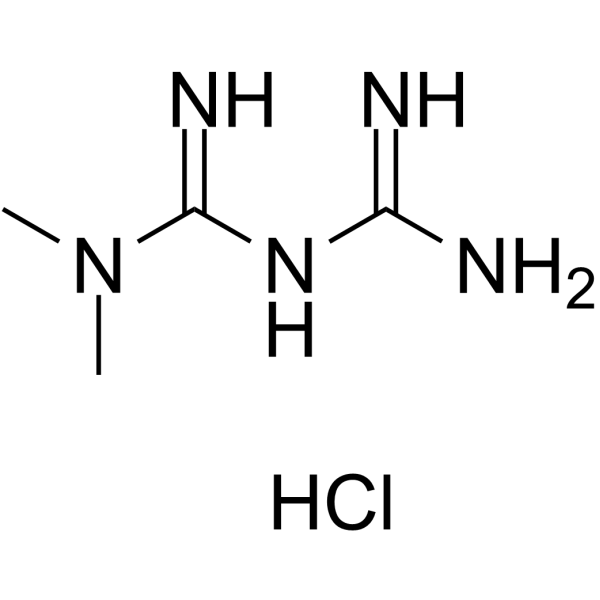
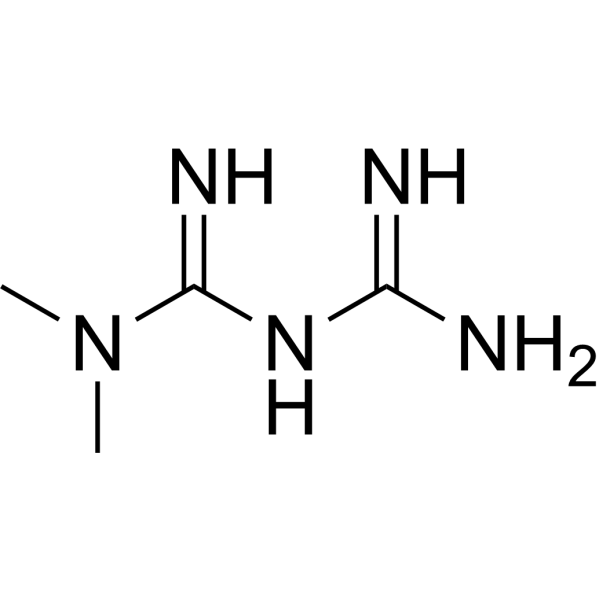
    Metformin-d6 hydrochloride is a deuterium labeled Metformin hydrochloride. Metformin hydrochloride inhibits the mitochondrial respiratory chain in the liver, leading to AMPK activation and enhancing insulin sensitivity, and can be used in the study of type 2 diabetes. Metformin hydrochloride also inhibits liver oxidative stress, nitrosative stress, inflammation, and apoptosis caused by liver ischemia/reperfusion injury. In addition, metformin hydrochloride regulates the expression of autophagy-related proteins by activating AMPK and inhibiting the mTOR signaling pathway, thereby inducing tumor cell autophagy and inhibiting the growth of renal cell carcinoma in vitro and in vivo .
    Metformin-d6 hydrochloride
  • HY-148510

    Phosphatase Apoptosis Akt ERK Reactive Oxygen Species (ROS) Cancer
    HKB99 is an allosteric inhibitor of phosphoglycerate mutase 1 (PGAM1). HKB99 induces apoptosis. HKB99 inhibits the formation of invasive pseudopodia and inhibits migration. HKB99 increases the oxidative stress, activates JNK/c-Jun and suppresses AKT and ERK. HKB99 can be used for the research of non-small-cell lung cancer (NSCLC) .
    HKB99
  • HY-W451275
    HG106
    2 Publications Verification

    Apoptosis Cancer
    HG106 is an effective SLC7A11 inhibitor. HG106 mediates apoptosis by increasing oxidative stress and endoplasmic reticulum stress, and it has antitumor activity .
    HG106
  • HY-B1018A
    Phenelzine sulfate
    5+ Cited Publications

    Monoamine Oxidase GABA Receptor Histone Demethylase Cardiovascular Disease Neurological Disease Metabolic Disease Inflammation/Immunology Cancer
    Phenelzine sulfate, an antidepressant agent, is an irreversible and orally active monoamine oxidase (MAO-A and MAO-B) inhibitor. Phenelzine sulfate inhibits GABA transaminase and primary amine oxidase (PrAO), and sequester reactive aldehydes. Phenelzine sulfate also inhibits LSD1 (Ki: 5.6 μM) and suppresses oxidative stress and lipogenesis. Phenelzine sulfate elevates neurotransmitters (serotonin, norepinephrine, dopamine). Phenelzine sulfate is studied in neurological, metabolic and cancer diseases for depression and anxiety disorders, stroke, spinal cord injury, traumatic brain injury, multiple sclerosis, Parkinson’s disease, Alzheimer’s disease, inflammatory pain, obesity and prostate cancer .
    Phenelzine sulfate
  • HY-Y0399

    Norvaline

    Amyloid-β TNF Receptor Arginase Neurological Disease Metabolic Disease
    L-Norvaline is the inhibitor for arginase, that promotes the production of NO, reduces oxidative stress, improves insulin resistance, and exhibits antioxidant and anti-hyperglycemic effects. L-Norvaline can be used in research of Alzheimer’s disease .
    L-Norvaline
  • HY-18730
    1400W
    25+ Cited Publications

    W1400

    NO Synthase Apoptosis Cardiovascular Disease Inflammation/Immunology Cancer
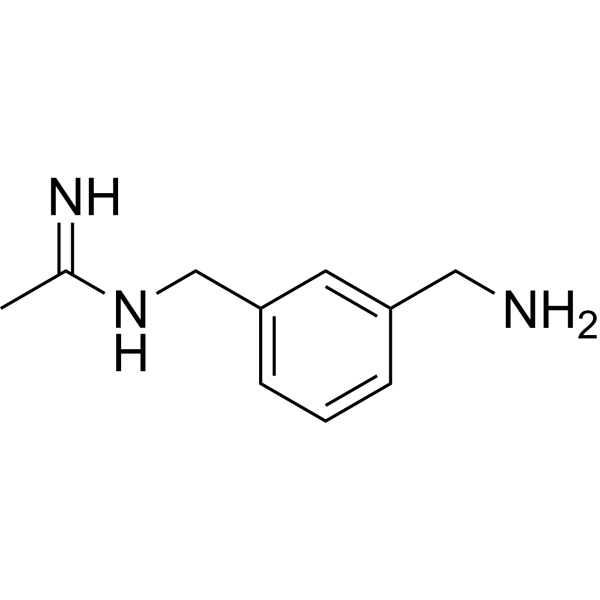
    1400W is a slow, tight binding, and highly selective inducible nitric-oxide synthase (iNOS) inhibitor, with a Kd value ≤ 7 nM. 1400W inhibits iNOS induction in microglial cells, and reduces generation of NO, thereby mitigating oxidative stress and neuronal cell apoptosis in the rat cerebral cortex, and improving the spatial memory dysfunction caused by acute hypobaric hypoxia-reoxygenation .
    1400W
  • HY-112540A
    Acetoacetic acid lithium
    4 Publications Verification

    Endogenous Metabolite Metabolic Disease
    Acetoacetic acid lithium is an oxidative stress inducer that affects the antioxidant enzyme system and lipoprotein metabolism. Acetoacetic acid lithium induces oxidative stress by decreasing the mRNA expression and activity of superoxide dismutase (SOD), catalase (CAT), and glutathione peroxidase (GSH-Px), increasing MDA content, and inhibiting very low density lipoprotein (VLDL) assembly by downregulating apolipoprotein ApoB100, ApoE, and low density lipoprotein receptor (LDLR), leading to triglyceride (TG) accumulation in hepatocytes. Acetoacetic acid lithium can be used to study metabolic diseases .
    Acetoacetic acid lithium
  • HY-115584

    Environmental Pollutants Parasite Infection
    Lufenuron is an orally active lipophilic benzoylurea insecticide and a chitin synthesis inhibitor that can used for flea and fish lice control. Lufenuron inhibits moulting of arthropods. Lufenuron induces reproductive toxicity, genotoxic effects and oxidative stresses in pregnant albino rats and their fetuses .
    Lufenuron
  • HY-W014225
    3-Phenoxybenzoic acid
    1 Publications Verification

    3-PBA

    Apoptosis Reactive Oxygen Species (ROS) Drug Metabolite Inflammation/Immunology
    3-Phenoxybenzoic acid is the metabolite of pyrethroid insecticides. 3-Phenoxybenzoic acid induces immunotoxicity and oxidative stress, and inhibits the phagocytic ability of macrophages .
    3-Phenoxybenzoic acid
  • HY-N11849
    Moracin N
    2 Publications Verification

    Ferroptosis Glutathione Peroxidase Neurological Disease
    Moracin N is a ferroptosis inhibitor that can be isolated from mulberry leaf. Moracin N exerts neuroprotective activity through preventing from oxidative stress .
    Moracin N
  • HY-N2204

    Tyrosinase Reactive Oxygen Species (ROS) Inflammation/Immunology
    Swertiajaponin is a tyrosinase inhibitor, forms multiple hydrogen bonds and hydrophobic interactions with the binding pocket of tyrosinase, with an IC50 of 43.47 μM. Swertiajaponin also inhibits oxidative stress-mediated MAPK/MITF signaling, leading to decrease in tyrosinase protein level. Swertiajaponin suppresses melanin accumulation and exhibits strong anti-oxidative activity .
    Swertiajaponin
  • HY-W229874

    E1/E2/E3 Enzyme NF-κB Reactive Oxygen Species (ROS) SOD Cancer
    EN106 is a potent inhibitor of FEMIB. EN106 is a cysteine-reactive covalent ligand. EN106 disrupts recognition of the key reductive stress substrate of FEM1B, FNIP1. EN106 reduces oxidative stress and rescues high glucose-induced impaired angiogenesis in HUVECs .
    EN106
  • HY-N4093

    trans-Astringin

    Apoptosis Ferroptosis Reactive Oxygen Species (ROS) Interleukin Related PI3K NF-κB Akt Toll-like Receptor (TLR) MyD88 Neurological Disease Metabolic Disease Inflammation/Immunology Cancer
    Astringin (trans-Astringin) is an orally active natural phenolic stilbene glucoside. Astringin can inhibit the production of oxidative stress, inflammatory factors, etc. Astringin has multiple activities such as anti-oxidation, anti-inflammation, and anti-apoptosis. Astringin is also an inhibitor of ferroptosis. Astringin can be used in the research of diseases such as acute lung injury .
    Astringin
  • HY-W015422

    PARP Metabolic Disease
    1,5-Isoquinolinediol is a potent PARP inhibitor, with an IC50 of 0.18-0.37 μM. 1,5-Isoquinolinediol attenuates diabetes-induced NADPH oxidase-derived oxidative stress in retina .
    1,5-Isoquinolinediol
  • HY-N1193

    NF-κB Inflammation/Immunology
    Sulfuretin inhibits the inflammatory response by suppressing the NF-κB pathway. Sulfuretin can be used for the research of allergic airway inflammation. Sulfuretin reduces oxidative stress, platelet aggregation, and mutagenesis . Sulfuretin is a competitive and potent inhibitor of monophenolase and diphenolase activities with the IC50 of 13.64 μM .
    Sulfuretin
  • HY-135008
    J14
    2 Publications Verification

    Reactive Oxygen Species (ROS) Cancer
    J14 is a reversible sulfiredoxin inhibitor with an IC50 of 8.1 μM. J14 induces oxidative stress (intracellular ROS accumulation) by inhibiting sulfiredoxin, leading to cytotoxicity and cancer cell death .
    J14
  • HY-112722

    PINK1/Parkin Neurological Disease
    Neurotoxin Inhibitor is a neurotoxin inhibitor. Neurotoxin Inhibitor promotes the expression of DJ-1 protein, reduces the level of oxidative stress, and thereby protects dopaminergic neurons. Neurotoxin Inhibitor can be used for the study of Parkinson's disease .
    Neurotoxin Inhibitor
  • HY-136355

    Environmental Pollutants Reactive Oxygen Species (ROS) Fungal SOD Infection Inflammation/Immunology
    Picoxystrobin is a strobilurin fungicide. Picoxystrobin controls plant diseases by inhibiting mitochondrial respiration. Picoxystrobin is highly toxic to zebrafish embryos, causing developmental abnormalities, oxidative stress, and immunotoxicity .
    Picoxystrobin
  • HY-W142432

    Biochemical Assay Reagents β-catenin Wnt Arginase TGF-beta/Smad mTOR Akt ERK Atg8/LC3 p62 Autophagy Metabolic Disease Inflammation/Immunology Cancer
    Perfluoroundecanoic acid is a perfluoroalkyl substance (PFAS). Perfluoroundecanoic acid is an orally active oxidative stress inducer. Perfluoroundecanoic acid promotes macrophage M2 polarization, activates Wnt/β-catenin signaling and enhances β-catenin nuclear accumulation. Perfluoroundecanoic acid -induced M2 phenotype macrophage accelerates tumor progression in vitro and in vivo. Perfluoroundecanoic acid induces DNA damage, reproductive and pathophysiological dysfunctions via oxidative stress in male Swiss mice. Perfluoroundecanoic acid inhibits Leydig cell development in pubertal male rats via inducing oxidative stress and autophagy. Perfluoroundecanoic acid accelerates insulitis development in a mouse model of type 1 diabetes. Perfluoroundecanoic acid can be used for the study of ovarian cancer, type 1 diabetes and inflammation .
    Perfluoroundecanoic acid
  • HY-B0993

    MnDPDP

    Apoptosis Neurological Disease Cancer
    Mangafodipir trisodium (MnDPDP), hepatocellular-specific contrast agent, is an efficacious inhibitor of CIPN (chemotherapy-induced peripheral neuropath) and other conditions caused by cellular oxidative stress. Mangafodipir trisodium shows no negative interference with the tumoricidal activity of chemotherapy .
    Mangafodipir trisodium
  • HY-N2947

    P-glycoprotein Infection Inflammation/Immunology
    Boeravinone B, a dual inhibitor of NorA bacterial efflux pump of Staphylococcus aureus and human P-Glycoprotein, reduces the biofilm formation and intracellular invasion of bacteria. Boeravinone B act as anti-aging and anti-apoptosis phyto-molecules during oxidative stress .
    Boeravinone B
  • HY-132845

    PTC857

    α-synuclein Cytochrome P450 Ferroptosis Lipoxygenase Neurological Disease
    Utreloxastat (PTC857) is an orally active and blood-brain barrier-permeable 15-lipooxygenase inhibitor. Utreloxastat is a weak inhibitor of CYP1A2 and 2B6 with an IC50 of >5.3 μM. Utreloxastat reduces oxidative stress and inhibits the consumption of reduced glutathione and ferroptosis. Utreloxastat can be used in the study of neurodegenerative diseases characterized by high levels of oxidative stress and mitochondrial pathology, such as amyotrophic lateral sclerosisc .
    Utreloxastat
  • HY-153591

    Reactive Oxygen Species (ROS) Infection Neurological Disease Inflammation/Immunology Cancer
    ROS-IN-1 is a mitochondrial ROS inhibitor. ROS-IN-1 can reduce oxidative stress or inhibit reactive oxygen species (ROS) production .
    ROS-IN-1
  • HY-B0852R

    Reference Standards Cytochrome P450 Fungal Apoptosis Infection
    Tebuconazole (Standard) is the analytical standard of Tebuconazole. This product is intended for research and analytical applications. Tebuconazole is an orally active agricultural azole fungicide which can also inhibit CYP51 with IC50s of 0.9 and 1.3 μM for Candida albicans CYP51 (CaCYP51) and truncated Homo sapiens CYP51 (Δ60HsCYP51), respectively. Tebuconazole induces lipid accumulation and oxidative stress in HepG2 Cells. Tebuconazole decreases MAC-T cells viability and proliferation, induces ER-stress-mediated apoptosis and increases oxidative stress levels in MAC-T cells .
    Tebuconazole (Standard)
  • HY-112815
    ALK2-IN-2
    1 Publications Verification

    TGF-β Receptor Cardiovascular Disease Inflammation/Immunology
    ALK2-IN-2 is an orally active and selective inhibitor of ALK2 (ACVR1), with an IC50 value of 9 nM, and over 700-fold selectivity against ALK3. ALK2-IN-2 can inhibit oxidative stress and protect endothelial cells .
    ALK2-IN-2
  • HY-148520

    Endoplasmic Reticulum Oxidoreductase 1 (ERO1) Metabolic Disease
    QM295 is an endoplasmic reticulum oxidation 1 (ERO1) inhibitor with selectively reversible thiol reactivity. QM295 can be used for the research of endoplasmic reticulum stress .
    QM295
  • HY-B2035

    Herbicide Caspase Cytochrome P450 MDM-2/p53 Interleukin Related Reactive Oxygen Species (ROS) Apoptosis Others
    Pretilachlor is a chloroacetamide herbicide with biological activities including endocrine disruption, oxidative stress induction, apoptosis induction, and immunotoxicity. Pretilachlor exerts its effects by interfering with hormone metabolism, inducing oxidative stress, activating apoptotic pathways, and inhibiting immune functions. Pretilachlor upregulates the transcription of P53, Mdm2, and Bbc3, and increases the activities of Caspase3 and Caspase9; it upregulates the transcription of genes in the HPG/HPT axis and the activity of aromatase; it induces oxidative stress, elevates ROS levels, and upregulates CAT, SOD, and GPX. Pretilachlor downregulates the transcription of CXCL-C1C, IL-1β, and IL-8. Pretilachlor disrupts the normal physiological processes and embryonic development of fish, exhibiting significant toxicity. Pretilachlor can be used in studies related to weeding, environmental pollution, and behavioral toxicity in fish .
    Pretilachlor
  • HY-W014225R

    3-PBA (Standard)

    Reference Standards Apoptosis Reactive Oxygen Species (ROS) Drug Metabolite Inflammation/Immunology
    3-Phenoxybenzoic acid (Standard) is the analytical standard of 3-Phenoxybenzoic acid. This product is intended for research and analytical applications. 3-Phenoxybenzoic acid is the metabolite of pyrethroid insecticides. 3-Phenoxybenzoic acid induces immunotoxicity and oxidative stress, and inhibits the phagocytic ability of macrophages .
    3-Phenoxybenzoic acid (Standard)
  • HY-N12735

    NF-κB NO Synthase Others
    Hymenoxin (compound 7) is a dual inhibitor of iNOS and NF-κB with IC50 of 42.7 μM and 85.5 μM respectively. Hymenoxin can inhibit 16% of oxidative stress at a concentration of 125 μg/mL .
    Hymenoxin
  • HY-119358R

    Reference Standards Reactive Oxygen Species (ROS) Apoptosis Cardiovascular Disease Inflammation/Immunology
    Traumatic Acid (Standard) is the analytical standard of Traumatic Acid. This product is intended for research and analytical applications. Traumatic Acid is a wound healing agent and a cytokinin (phytohormone). Traumatic Acid enhances the biosynthesis of collagen in cultured human skin fibroblasts. Traumatic Acid inhibits MCF-7 breast cancer cells viability and enhances apoptosis and oxidative stress. Traumatic Acid can be used in studies of cancer, circulatory disorders (including arterial hypertension), and skin diseases associated with oxidative stress and impaired collagen biosynthesis[1][2].
    Traumatic Acid (Standard)
  • HY-N12277

    Apoptosis Neurological Disease
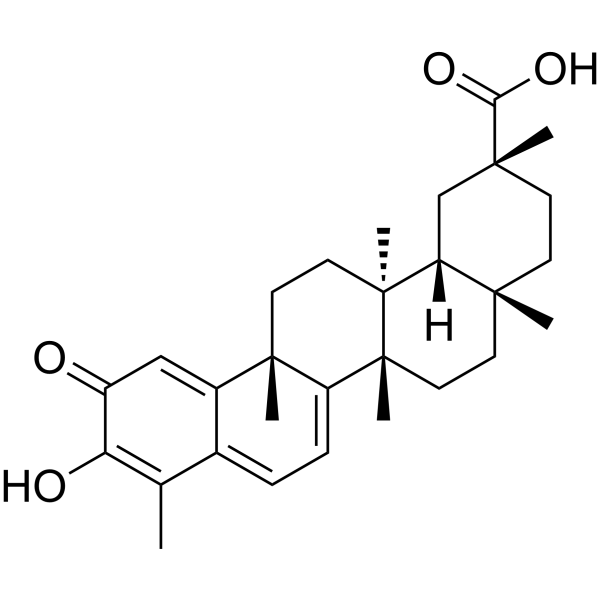
    Celosin K (compound 8) can be isolated from the seeds of Semen Celosiae. Celosin K is a potent inhibitor of neuron injury elicited by t-BHP. Celosin K inhibits oxidative stress and apoptosis, and acts of autophagy .
    Celosin K
  • HY-W014225S

    3-PBA-13C6

    Isotope-Labeled Compounds Apoptosis Reactive Oxygen Species (ROS) Drug Metabolite Inflammation/Immunology
    3-Phenoxybenzoic acid- 13C6 is the 13C6 labeled 3-Phenoxybenzoic acid. 3-Phenoxybenzoic acid is the metabolite of pyrethroid insecticides. 3-Phenoxybenzoic acid induces immunotoxicity and oxidative stress, and inhibits the phagocytic ability of macrophages .
    3-Phenoxybenzoic acid-13C6
  • HY-108966

    Beta-secretase Inflammation/Immunology
    Kushenol C, isolated from the roots of Sophora flavescens, shows anti-Inflammatory and anti-oxidative stress activities. Kushenol C inhibits BACE1 (β-site APP cleaving enzyme 1) with an IC50 of 5.45 µM .
    Kushenol C
  • HY-N8049

    Endogenous Metabolite Cardiovascular Disease Metabolic Disease
    Urolithin M7 is an orally active metabolite, which is generated through gut microbiota metabolism. Urolithin M7 inhibits oxidative stress and modulates inflammatory signaling pathways. Urolithin M7 is promising for research of gut microbiota metabolism and cardiovascular diseases .
    Urolithin M7
  • HY-W144308

    TCHQ; Tetrachloroquinol

    Drug Metabolite Necroptosis Reactive Oxygen Species (ROS) Apoptosis Metabolic Disease Cancer
    Tetrachlorohydroquinone (TCHQ) is a metabolite of Pentachlorophenol. Tetrachlorohydroquinone induces reactive oxidant stress (ROS), inhibits apoptosis and induces necrosis in primary mouse splenocytes. Tetrachlorohydroquinone increases DNA lesions and induces oxidative stress in rodents .
    Tetrachlorohydroquinone
  • HY-126752A

    Reactive Oxygen Species (ROS) Inflammation/Immunology
    Ophthalmic acid TFA, an analogue of GSH, is a marker of oxidative stress and hepatic GSH consumption. Ophthalmic acid TFA is an inhibitor of Glyoxalase I reaction .
    Ophthalmic acid TFA

Inquiry Online

Your information is safe with us. * Required Fields.

Salutation


Country or Region *

Applicant Name *


Organization Name *

Department *


Email Address *


Product Name *

Cat. No.


Requested quantity *

Phone Number *


Remarks

Inquiry Online

Inquiry Information

Product Name:
Cat. No.:
Quantity:
MCE Japan Authorized Agent:

