1. Search Result
Search Result
Pathways Recommended: Stem Cell/Wnt Cell Cycle/DNA Damage
Results for "

Cell injuries

" in MedChemExpress (MCE) Product Catalog:

550

Inhibitors & Agonists

2

Screening Libraries

7

Fluorescent Dyes

12

Biochemical Assay Reagents

56

Peptides

12

Inhibitory Antibodies

176

Natural
Products

19

Isotope-Labeled Compounds

1

Click Chemistry

4

Oligonucleotides

3

GMP Molecules

Cat. No. Product Name Target Research Areas Chemical Structure
  • HY-139414
    Lysophosphatidylcholines
    5+ Cited Publications

    Interleukin Related p38 MAPK ERK Apoptosis Inflammation/Immunology
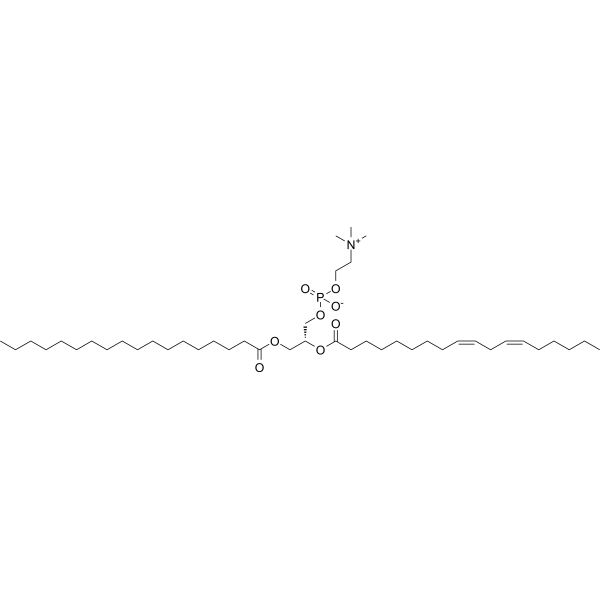
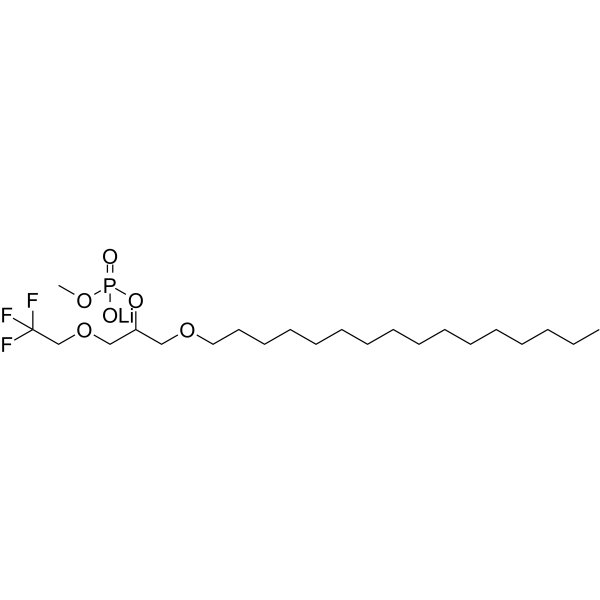
    Lysophosphatidylcholines is an orally active lysolipid and a component of oxidized low density lipoprotein (LDL). Lysophosphatidylcholines induces cell injury, the production of IL-1β and apoptosis. Lysophosphatidylcholines has a proactive effect on sepsis .
    Lysophosphatidylcholines
  • HY-N0164
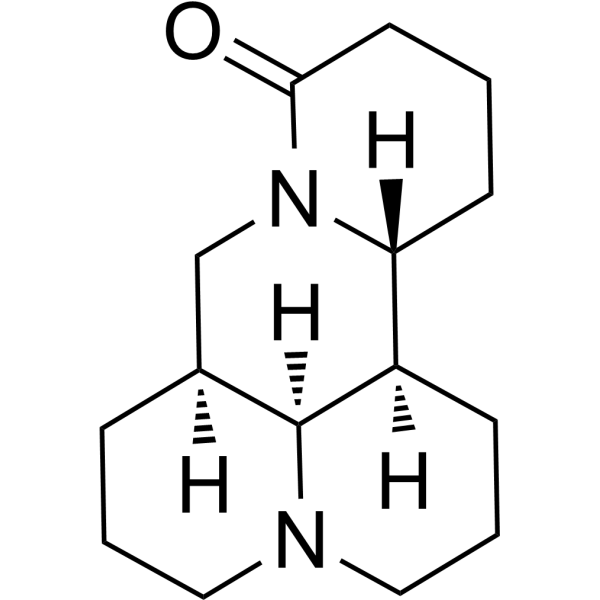
    Matrine
    15+ Cited Publications

    Matridin-15-one; Vegard; α-Matrine

    PINK1/Parkin Opioid Receptor Autophagy Mitophagy Ferroptosis Apoptosis Inflammation/Immunology Cancer
    Matrine (Matridin-15-one) is an alkaloid found in plants from the Sophora genus that can act as a kappa opioid receptor and u-receptor agonist. Matrine has a variety of pharmacological effects, including anti-cancer, anti-oxidative stress, anti-inflammation and anti-apoptosis effects. Matrine is potential in the research of disease like human non-small cell lung cancer, hepatoma, papillary thyroid cancer and acute kidney injury (AKI) .
    Matrine
  • HY-N6871
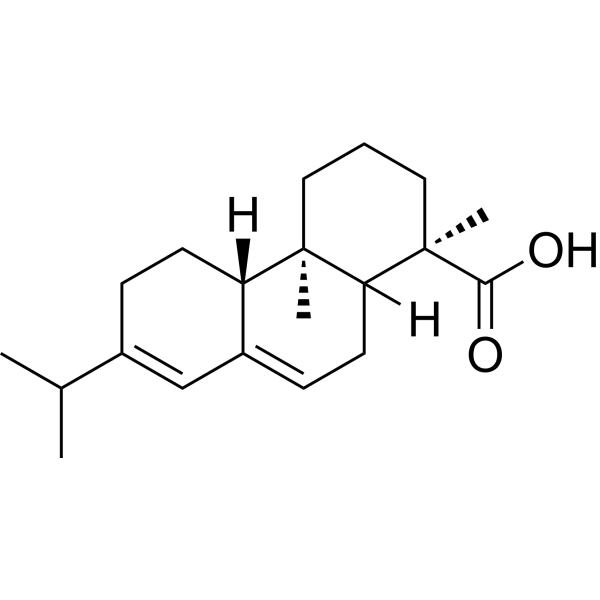
    Abietic acid
    3 Publications Verification

    Bacterial IKK Ferroptosis Infection Metabolic Disease Inflammation/Immunology Cancer
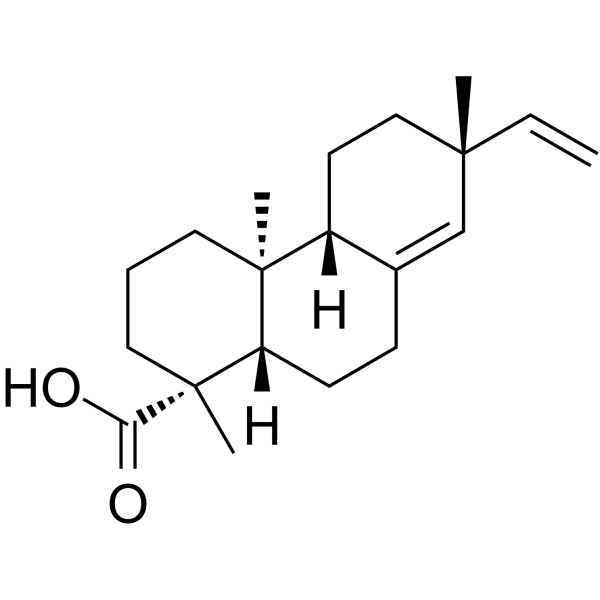
    Abietic acid, an orally active diterpene isolated from Colophony, displays significant anti-proliferative, anti-inflammatory, anti-obesity effect, bacteriostatic, cell cycle arresting and pro-apoptotic activities. Abietic acid inhibits lipoxygenase activity for allergy. Abietic acid enhances cell migration and tube formation in HUVECs. Abietic acid induces significant angiogenic potential, which is associated with upregulation of extracellular signal-regulated kinase (ERK) and p38 expression. Abietic acid attenuates sepsis-induced lung injury by inhibiting nuclear factor kappa-light-chain-enhancer of activated B cells (NF-κB) pathway to inhibit M1 macrophage polarization. Abietic acid exhibits a positive effect against liver injury by attenuating inflammation and ferroptosis. Abietic acid shows accelerated wound closure in a mouse model of cutaneous wounds. Abietic acid significantly reduces the proliferation and growth of NSCLC cells by IKKβ inhibition.Additionally, Abietic acid ameliorates psoriasis-like inflammation and modulates gut microbiota in mice. Abietic acid is promising for research in non-small-cell lung cancer (NSCLC), liver injury-related deseases and psoriasis .
    Abietic acid
  • HY-W250113
    Zymosan A
    2 Publications Verification

    Zymosan A from Saccharomyces cerevisiae

    Toll-like Receptor (TLR) Inflammation/Immunology
    Zymosan A (Zymosan A from Saccharomyces cerevisiae) is a TLR2 agonist, that targeting TLRs can prevent and suppress IR-induced intestinal injury. Zymosan A exhibits a significant radioprotective effect, and protects IR-induced intestinal injury in mice. Zymosan A promotes the regeneration of intestinal stem cells (ISCs), after IR injury .
    Zymosan A
  • HY-110267
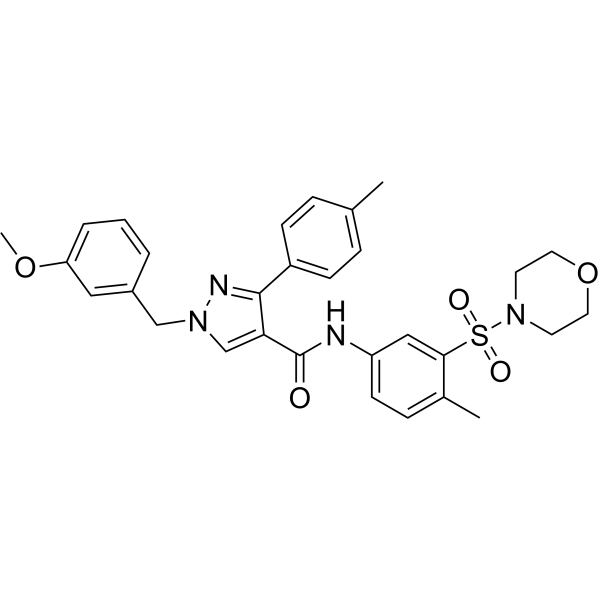
    DY268
    3 Publications Verification

    FXR Metabolic Disease
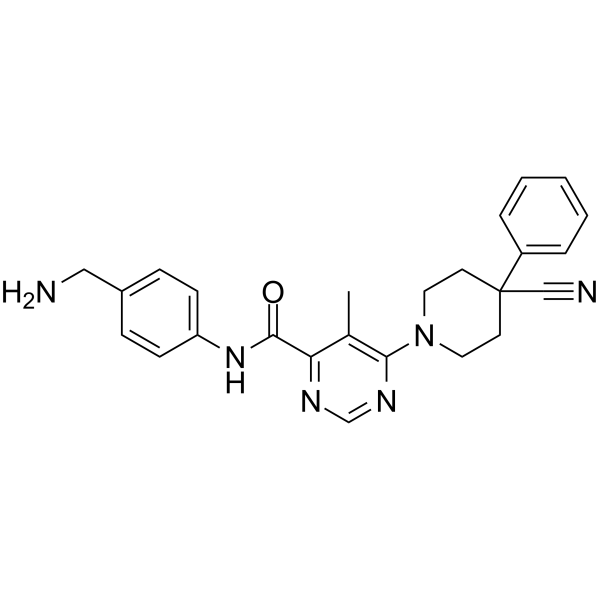
    DY268 is a farnesoid X receptor (FXR) antagonist (IC50=7.5 nM). It inhibits FXR transactivation in a cell-based assay with an IC50 value of 468 nM. DY268 can be used in the study of drug-induced liver injury (DILI) .
    DY268
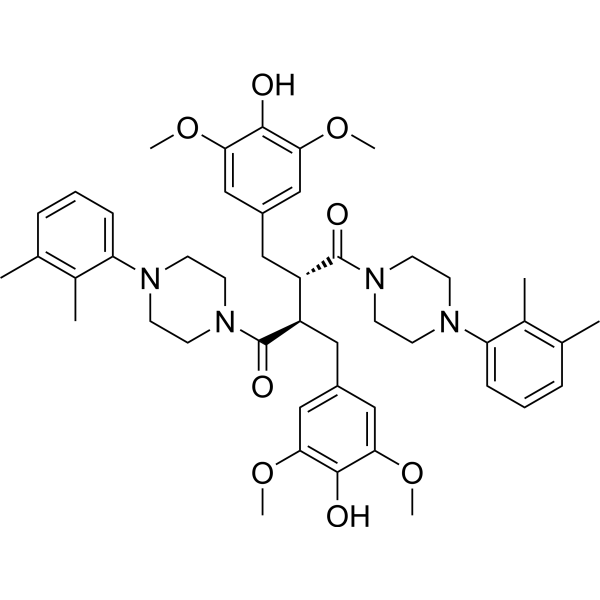
  • HY-14668
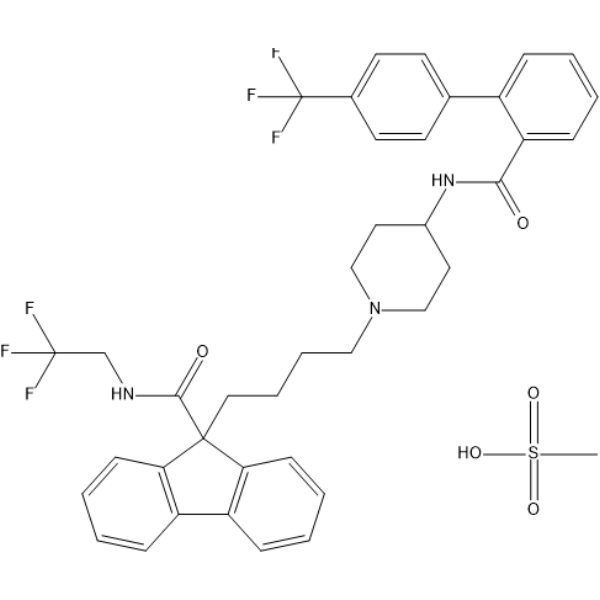
    Lomitapide mesylate
    5+ Cited Publications

    AEGR-733 mesylate; BMS-201038 mesylate

    Microsomal Triglyceride Transfer Protein (MTP) mTOR LDLR Autophagy Apoptosis Cardiovascular Disease Neurological Disease Metabolic Disease Cancer
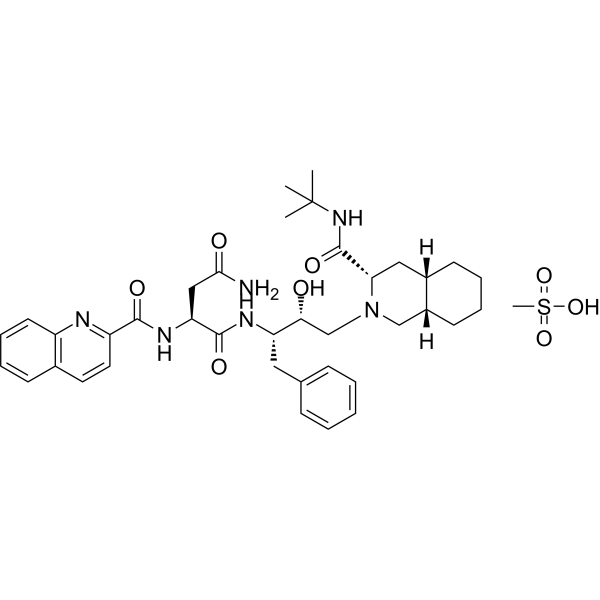
    Lomitapide (AEGR-733; BMS-201038) mesylate is an orally active microsomal triglyceride transfer protein (MTP) inhibitor and a selective mTORC1 inhibitor with lipid-lowering activity and BBB permeability. Lomitapide mesylate significantly reduces plasma LDL levels by blocking the assembly and secretion of very-low-density lipoprotein (VLDL). Lomitapide mesylate inhibits mTORC1 in an ATP-dependent manner, thereby inducing AMPK-independent autophagic cell death and suppressing cancer cell growth and apoptosis. Lomitapide mesylate also enhances tumor infiltration of CD8 + T cells. In addition, Lomitapide mesylate inhibits HDAC, improves endothelial function, effectively alleviates vascular inflammation and oxidative stress, and exerts neuroprotective effects in a cerebral ischemia/reperfusion injury model. Lomitapide mesylate can be used in research on related diseases such as colorectal cancer, breast cancer, melanoma, ischemic stroke, and familial hypercholesterolemia .
    Lomitapide mesylate
  • HY-P1120

    WKYMVm-amide; W-Peptide

    Formyl Peptide Receptor (FPR) PERK Apoptosis Neurological Disease Metabolic Disease Inflammation/Immunology Cancer
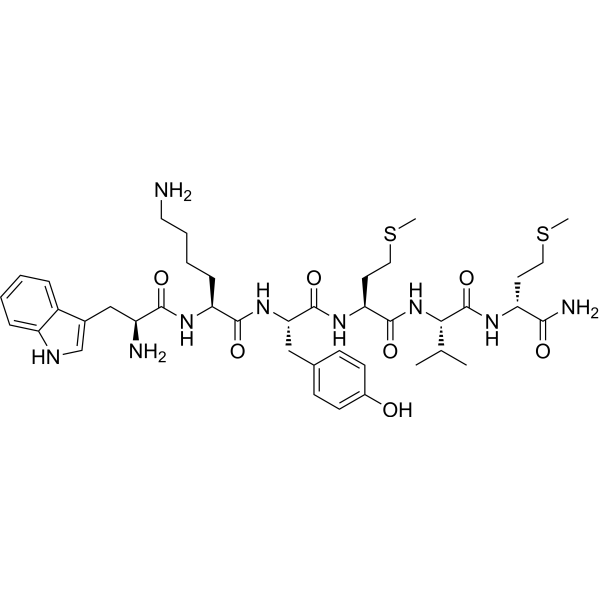
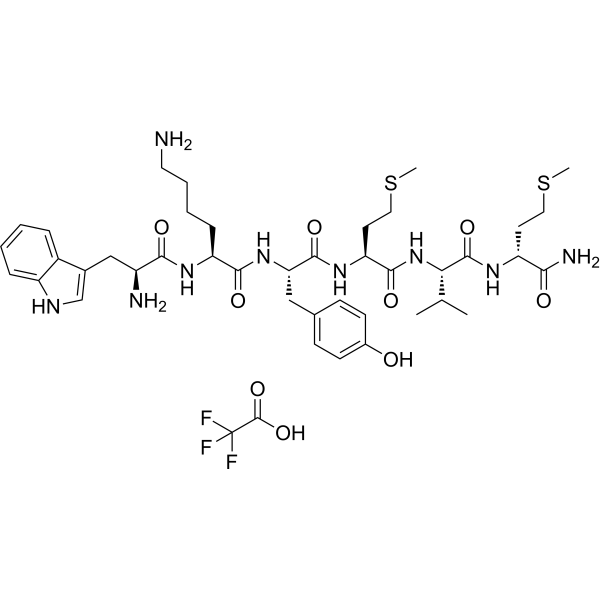
    WKYMVm is a selective formylpeptide receptor 2 (FPR2) agonist. WKYMVm has a powerful anti-inflammatory effect that can reduce lung injury and spinal cord injury. WKYMVm ameliorates obesity by regulating lipid metabolism and leptin signaling. WKYMVm is involved in the regulation of immune cells by activating FPRs. WKYMVm can promote the chemotactic migration of immune cells and inhibit the apoptosis of phagocytes. In addition, WKYMVm may play a favorable or unfavorable role in tumors, depending on the type of tumor .
    WKYMVm
  • HY-123606
    GSK484
    45+ Cited Publications

    Protein Arginine Deiminase MHC Cardiovascular Disease Inflammation/Immunology
    GSK484 is a PAD4 inhibitor that effectively inhibits protein citrullination and the formation of neutrophil extracellular traps (NETs) by blocking the catalytic activity of PAD4. GSK484 suppresses the production of histone H3, MHC-I expression, CD8 + T cell activation, proliferation and inflammatory cytokine release. GSK484 reduces inflammation and bone destruction in collagen-induced rheumatoid arthritis, alleviates pain and mast cell activation in sickle cell disease, and improves myocardial ischemia-reperfusion injury and experimental colitis. In addition, GSK484 restores intestinal microbial homeostasis by reversing ferroptosis-induced dysbiosis. GSK484 can be used to study the disease mechanisms of rheumatoid arthritis, sickle cell disease, thrombosis, myocardial injury, colitis and other conditions .
    GSK484
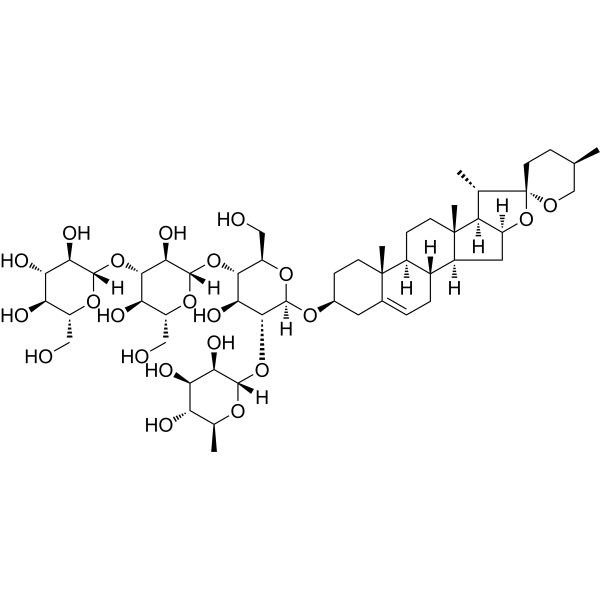
  • HY-N1990
    Gypenoside XLIX
    2 Publications Verification

    PPAR Sirtuin Keap1-Nrf2 Toll-like Receptor (TLR) NF-κB Reactive Oxygen Species (ROS) NOD-like Receptor (NLR) Apoptosis Pyroptosis Autophagy Cardiovascular Disease Neurological Disease Metabolic Disease Inflammation/Immunology
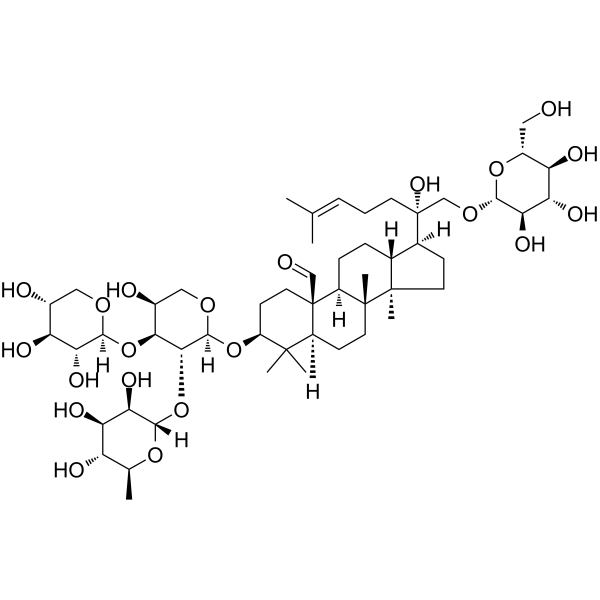
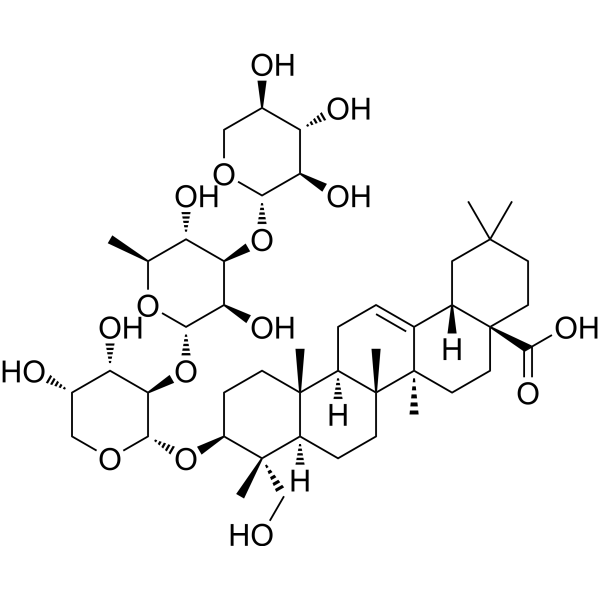
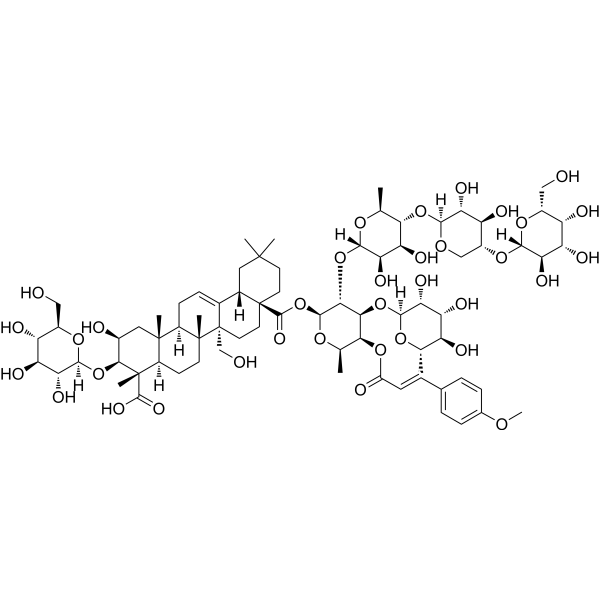
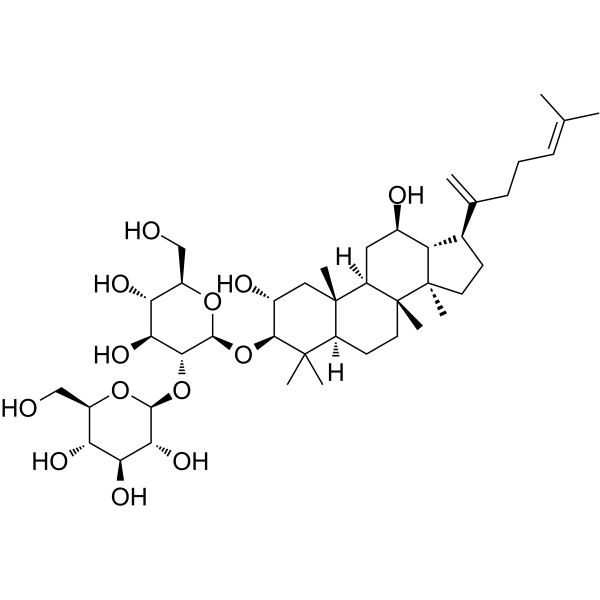
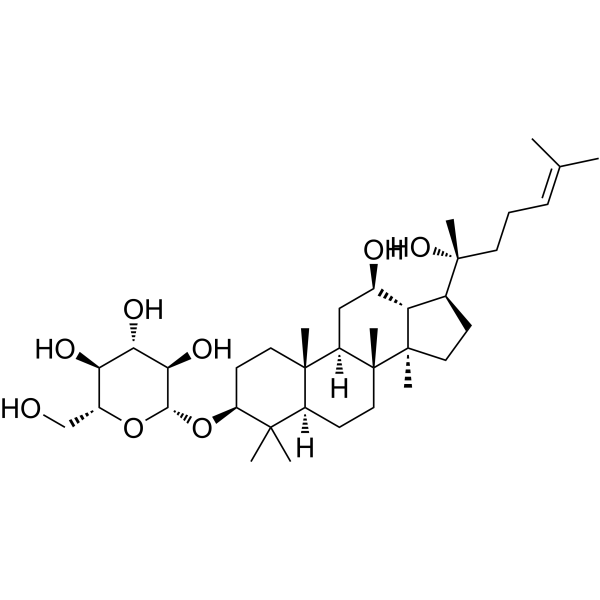
    Gypenoside XLIX is a multifunctional bioactive compound that can be isolated from Gynostemma pentaphyllum, with a Ka value of 1.58 μM for its binding to SIRT1. Gypenoside XLIX acts as a PPAR-α agonist. It inhibits the activation of TLR4-mediated NF-κB signaling pathway by activating the Sirt1/Nrf2 signaling pathway, reduces ROS accumulation, and alleviates hepatic inflammatory injury in mice with sepsis-induced liver disease. Gypenoside XLIX targets SIRT1 to block YAP-NLRP3 activation and improve sepsis-induced cardiomyopathy. Gypenoside XLIX inhibits apoptosis (Apoptosis), pyroptosis (Pyroptosis), autophagy (Autophagy), lipid peroxidation, pro-inflammatory cytokines and anti-inflammatory cytokines. Gypenoside XLIX alleviates sepsis-induced splenic injury by inhibiting inflammation and oxidative stress, and mitigates sepsis-associated encephalopathy by targeting PPAR-α. Gypenoside XLIX prevents acute kidney injury by inhibiting IGFBP7/IGF1R-mediated programmed cell death and inflammation. Gypenoside XLIX inhibits the expression and activity of vascular cell adhesion molecule-1 in cytokine-induced human endothelial cells. Gypenoside XLIX is applicable to research related to acute liver injury, lung injury, cardiomyopathy, acute splenic injury, sepsis-associated encephalopathy, acute kidney injury, atherosclerosis and chronic inflammation .
    Gypenoside XLIX
  • HY-34431

    7H-Imidazo(4,5-d)pyrimidine

    Endogenous Metabolite PARP Neurological Disease Metabolic Disease Cancer
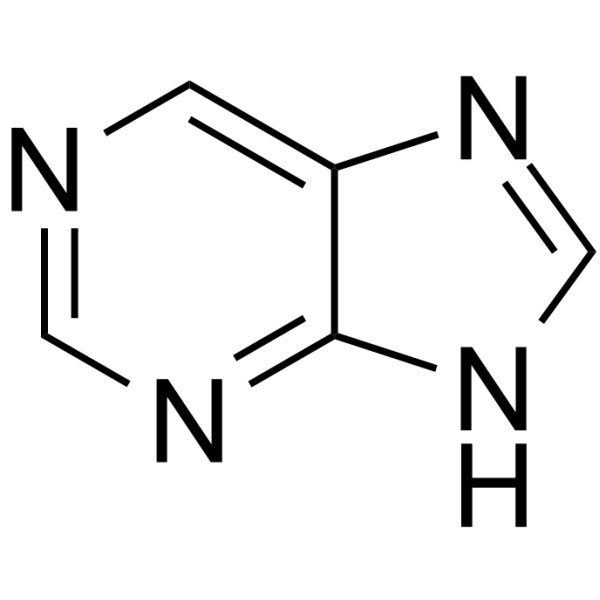
    Purine is an endogenous metabolite. Purine bases are the building blocks of the nucleic acids. Purine inhibits the activation of PARP. Purine protects against oxidant-induced cell injury. Purine can be used in the research of cancer and nervous system diseases .
    Purine
  • HY-N8278
    Dermatan sulphate sodium
    1 Publications Verification

    Thrombin Cardiovascular Disease Inflammation/Immunology
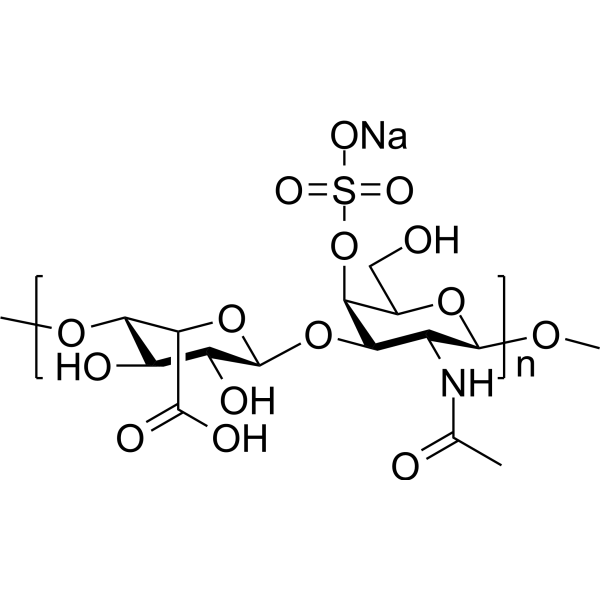
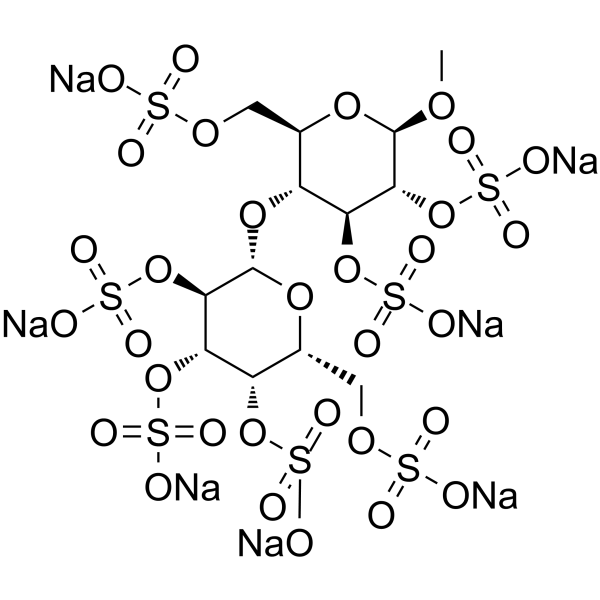
    Dermatan sulphate sodium is an oral active glycosaminoglycan and thrombin inactivator with antithrombotic activity. It selectively catalyzes the heparin cofactor II-mediated inactivation of thrombin without interacting with antithrombin III. Dermatan sulphate sodium promotes stem cell differentiation, exhibits high bioavailability, and alleviates pulmonary fibrosis injury induced by Bleomycin (HY-108345). Dermatan sulphate sodium can be used in research related to cardiovascular diseases, inflammation, and stem cell differentiation .
    Dermatan sulphate sodium
  • HY-120929
    BI8622
    4 Publications Verification

    E1/E2/E3 Enzyme c-Myc Inflammation/Immunology Cancer
    BI8622 is a specific inhibitor of the ubiquitin ligase HUWE1 with an IC50 of 3.1 μM. BI8622 can decrease the protein expression levels of c-myc and glycolytic markers as well as immune modulatory markers after HUWE1 inhibition in triple-negative breast cancer (TNBC) cell lines. BI8622 significantly protects against cisplatin (HY-17394)-induced acute kidney injury (AKI). BI8622 significantly reduces the growth of multiple myeloma (MM) cell lines and induces cell cycle arrest. BI8622 can prevent HUWE1-dependent TTBK2 ubiquitination. BI8622 can be studied in research for various diseases including medulloblastoma, acute kidney injury, breast cancer and MM .
    BI8622
  • HY-N0660

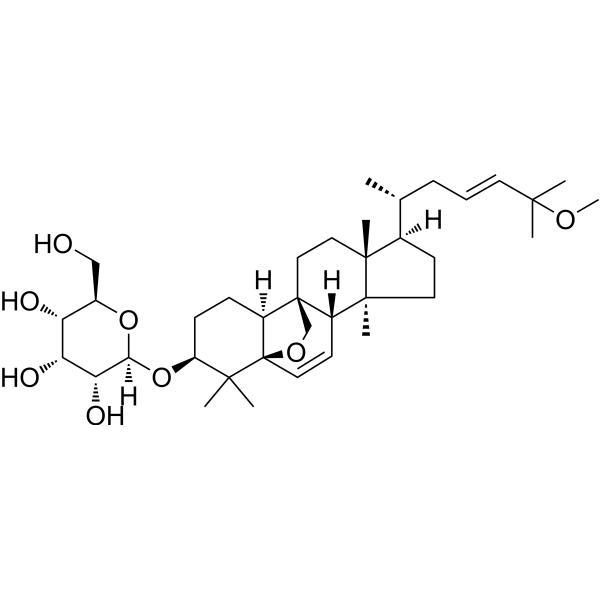
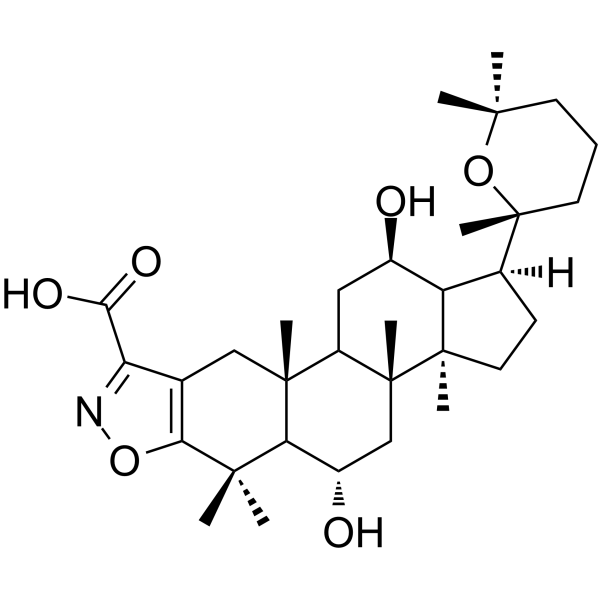
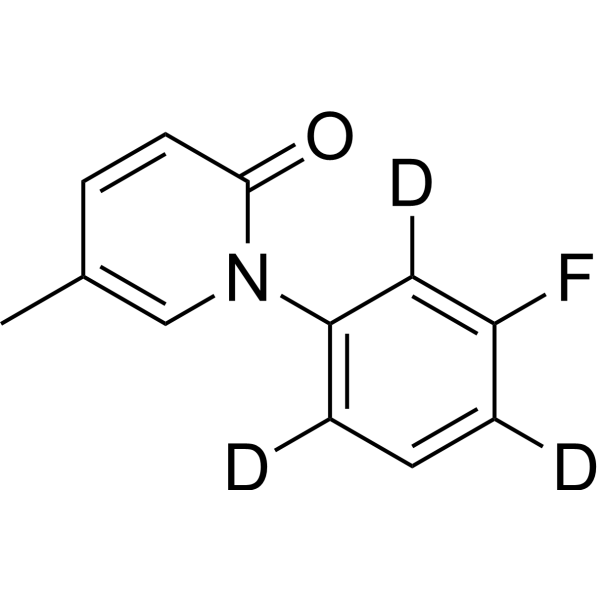
    Apoptosis PARP Caspase AMPK Autophagy VEGFR Keap1-Nrf2 STING 11β-HSD Ferroptosis PI3K Akt p38 MAPK ERK Neurological Disease Metabolic Disease Inflammation/Immunology Cancer
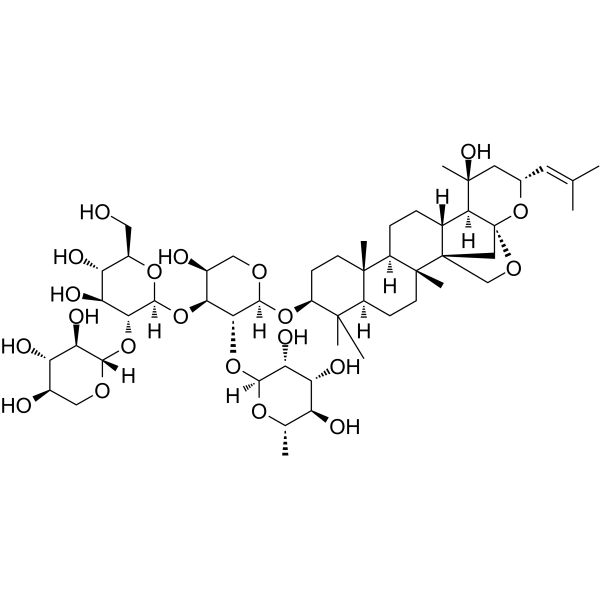
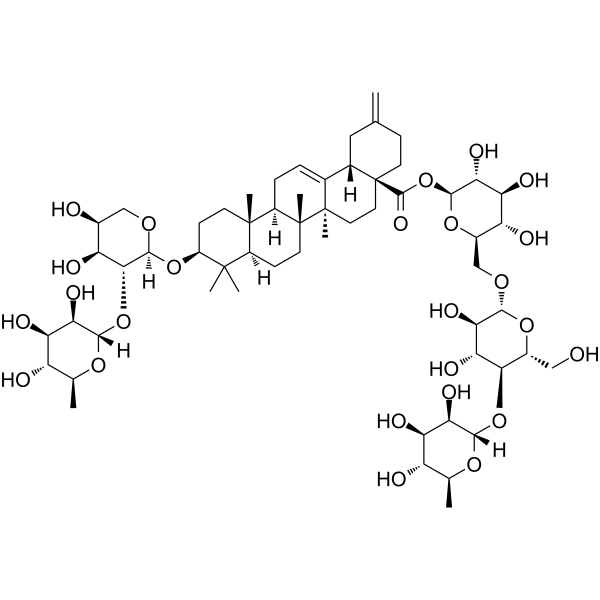
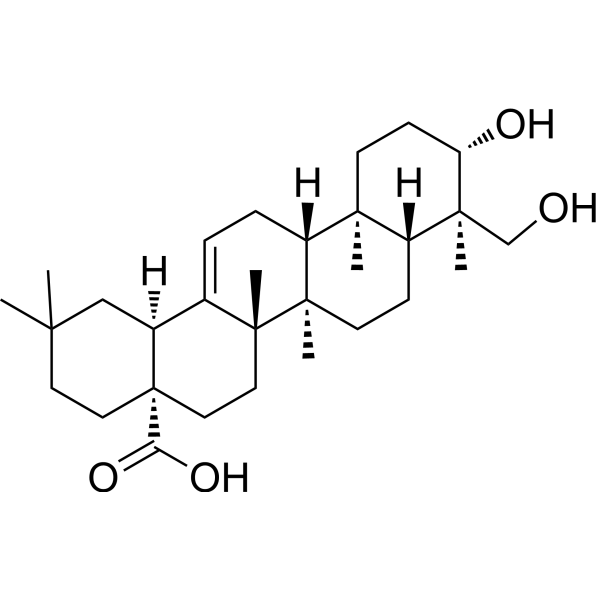
    Jujuboside B is a bioactive saponin component isolated from Ziziphi Spinosae Semen (sour jujube seed), with oral efficacy and blood-brain barrier permeability. Jujuboside B induces acute leukemia cell death and drives necroptosis apoptosis by activating the RIPK1/RIPK3/MLKL pathway. Jujuboside B upregulates the expression of NOXA, PARP and caspase-3, activates AMPK, inhibits the proliferation of breast cancer cells, and induces cell apoptosis and autophagy. Jujuboside B inhibits angiogenesis and tumor growth by blocking the VEGFR-2 signaling pathway. Jujuboside B alleviates liver injury in mice by regulating the Nrf2-STING signaling pathway . Jujuboside B alleviates liver injury by regulating anti-inflammatory responses and downregulating the expression of 11β-HSD2. Jujuboside B induces ferroptosis and overcomes radioresistance in non-small cell lung cancer via the PPARγ-ATF3-Gpx4 signaling pathway. Jujuboside B exerts inhibitory effects on platelet aggregation. Jujuboside B inhibits febrile seizures by suppressing the activity of AMPA receptors. Jujuboside B reverses chronic unpredictable mild stress-promoted tumor progression by blocking the PI3K/Akt and MAPK/ERK pathways and dephosphorylating CREB signaling. Jujuboside B is applicable to related studies on acute leukemia, breast cancer, PM2.5-induced lung injury, hepatotoxicity, liver injury, colorectal cancer, non-small cell lung cancer, thromboembolic diseases, cardiovascular diseases associated with high platelet aggregation, febrile seizures, and depressive-like phenotypes .
    Jujuboside B
  • HY-133114

    EZM-K

    Keap1-Nrf2 Autophagy Cardiovascular Disease Metabolic Disease Inflammation/Immunology Cancer
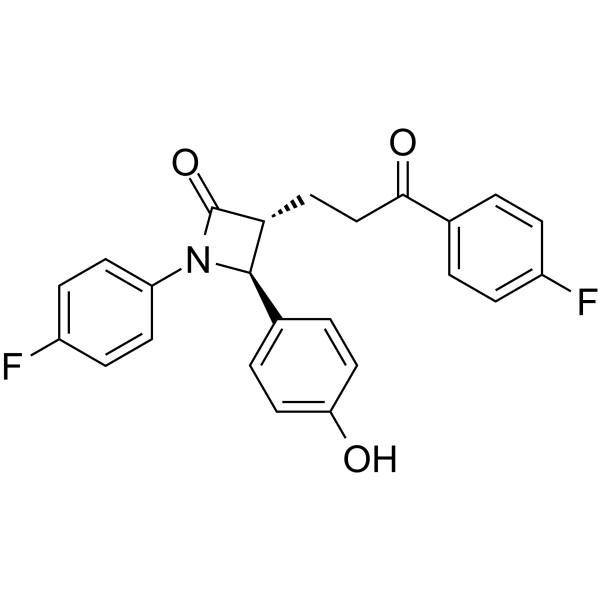
    Ezetimibe ketone is an orall active Nrf2 activator and ROS inhibitor. Ezetimibe ketone attenuates H2O2-induced reactive oxygen species production and reduces H2O2-induced apoptosis in renal tubular epithelial cells. Ezetimibe ketone suppresses renal tubular injury and inflammation .
    Ezetimibe ketone
  • HY-19667A
    BMS-561392 formate
    2 Publications Verification

    DPC 333 formate

    TNF Receptor NF-κB Apoptosis p38 MAPK Neurological Disease Inflammation/Immunology
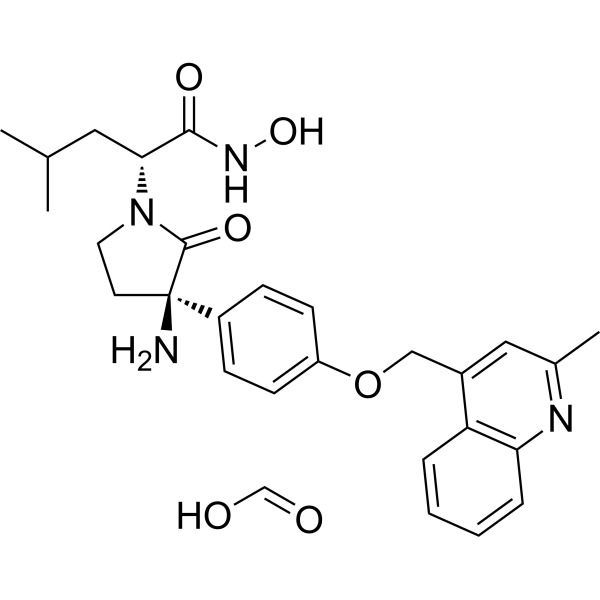
    BMS-561392 formate (DPC 333 formate) is a selective ADAM17(TACE) inhibitor. BMS-561392 formate inhibits TNF-α secretion by regulating signaling pathways such as p44 MAPK and NF-κB. BMS-561392 formate also affects the survival of central nervous system-related cells including oligodendrocytes and microglia. BMS-561392 formate promotes microglial apoptosis, enlarges the injury area and exacerbates astrogliosis in a mouse spinal cord injury model. BMS-561392 formate can be used in research related to spinal cord injury and inflammatory diseases .
    BMS-561392 formate
  • HY-106449

    DA-6034 free acid

    NF-κB COX Apoptosis ERK Calcium Channel Inflammation/Immunology Cancer
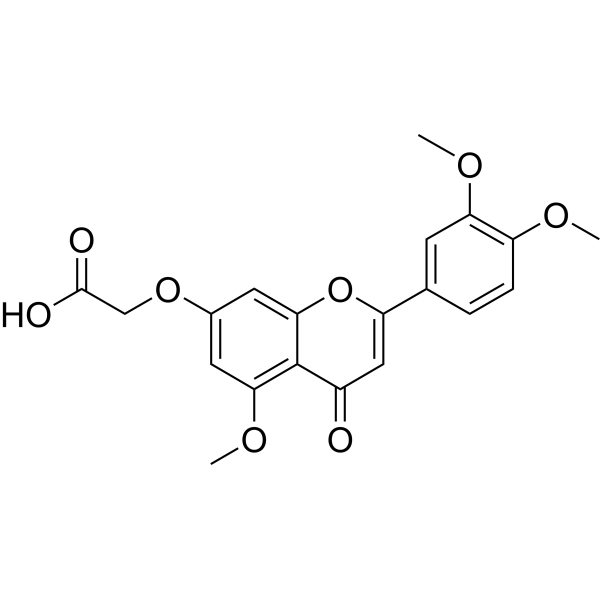
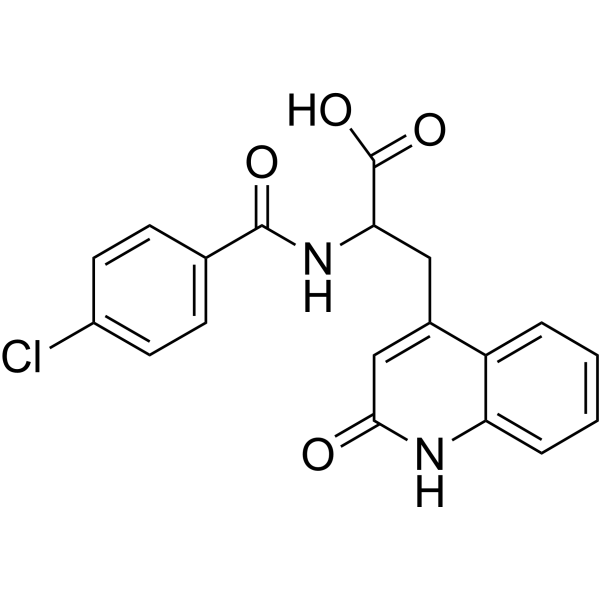
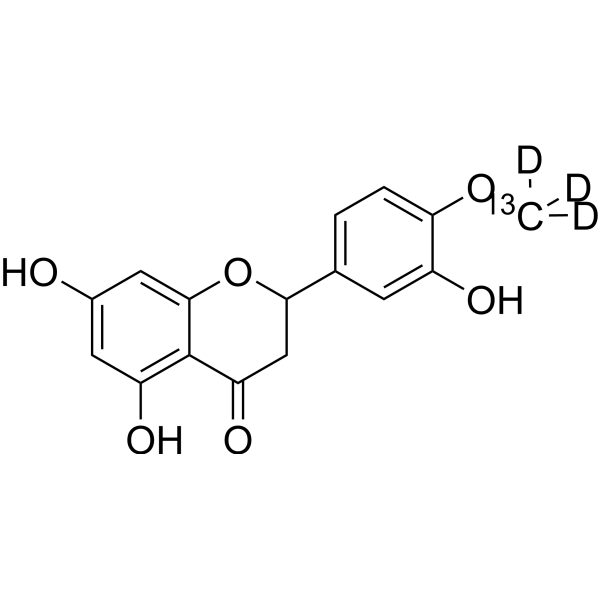
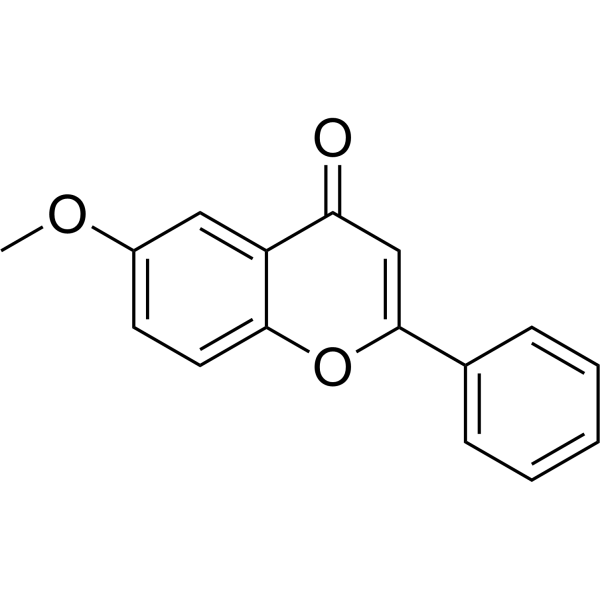
    Recoflavone (DA-6034 (free acid)), a synthetic derivative of the flavonoid Eupatilin (HY-N0783), is orally active. Recoflavone can inhibit the NF-κB pathway and induce [Ca( 2+)]i increase in epithelial cells. Recoflavone exhibits activities such as anti-inflammation, anti-tumor effects, protection of gastric and intestinal mucosa, and promotion of secretion in the ocular surface and salivary glands. Recoflavone can be used for the research of diseases such as dry eye, gastric injury, and intestinal injury .
    Recoflavone
  • HY-N2071
    Cedrol
    1 Publications Verification

    (+)-Cedrol; α-Cedrol

    Environmental Pollutants Cytochrome P450 Apoptosis Fungal Caspase Platelet-activating Factor Receptor (PAFR) Infection Neurological Disease Inflammation/Immunology Cancer
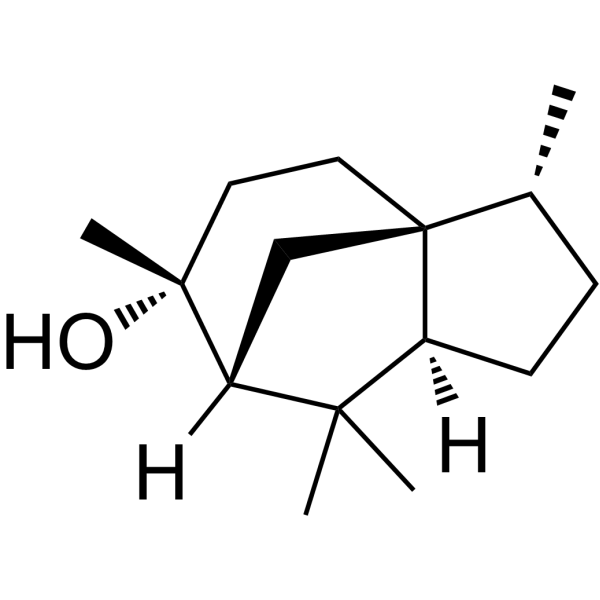
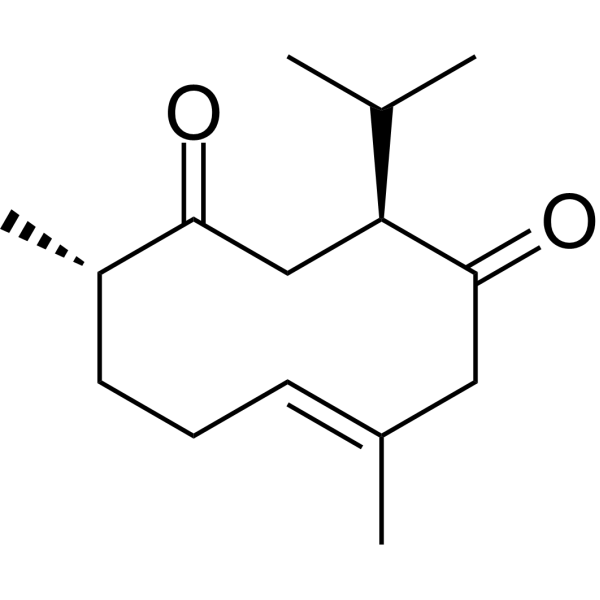
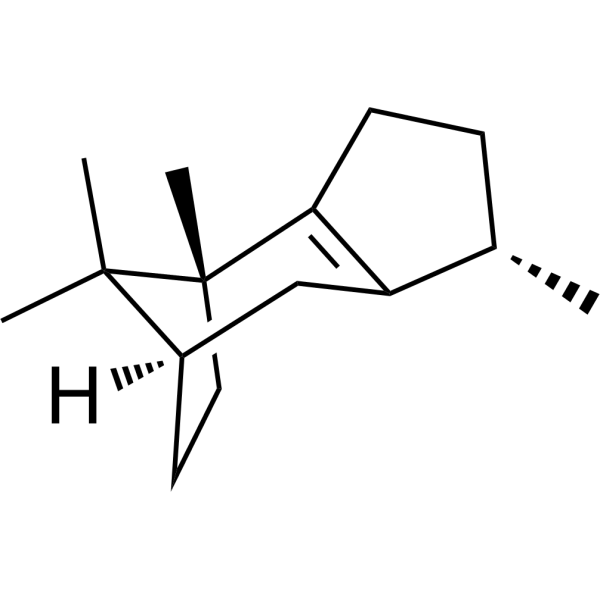
    Cedrol is a potent competitive inhibitor of cytochrome P-450(CYP) enzyme. Cedrol plays an anticancer role by inducing cell cycle arrest and Caspase-dependent apoptosis. Cedrol acts as a neutrophil agonist that can desensitize cells to subsequent stimulation of N-formyl peptides. Cedrol prevents neuropathic pain caused by chronic contractile injury by inhibiting oxidative stress and inflammation. In addition, Cedrol has antibacterial, hair loss prevention and anti-anxiety properties .
    Cedrol
  • HY-B1076
    Medrysone
    1 Publications Verification

    HMS; 6α-Methyl-11β-hydroxyprogesterone

    VEGFR CCR STAT Neurological Disease
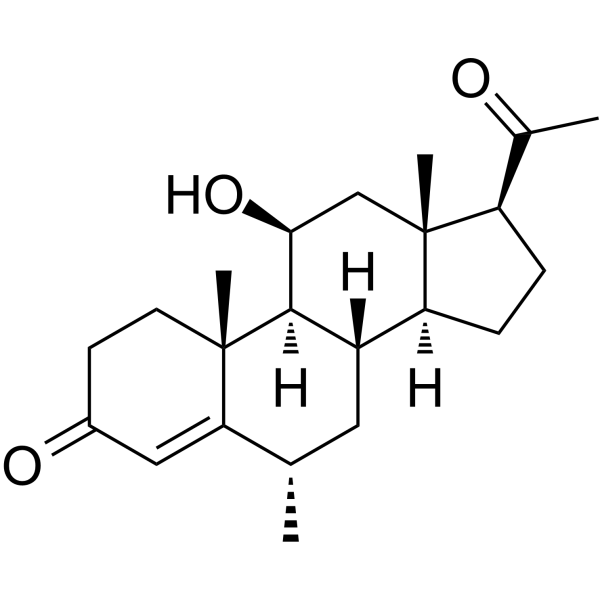
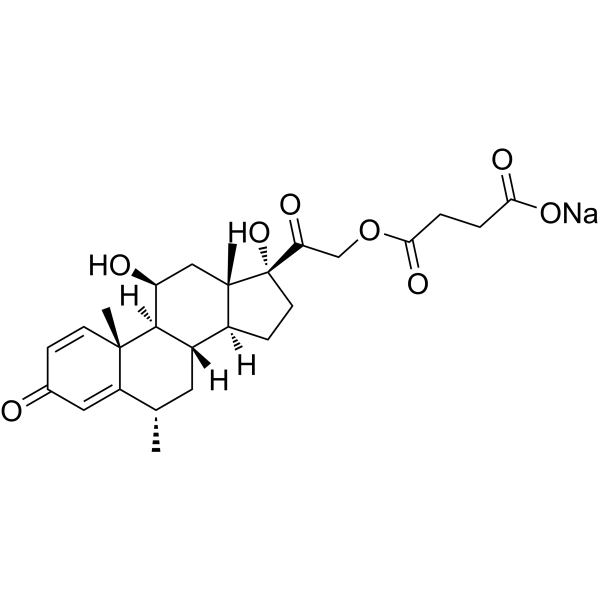
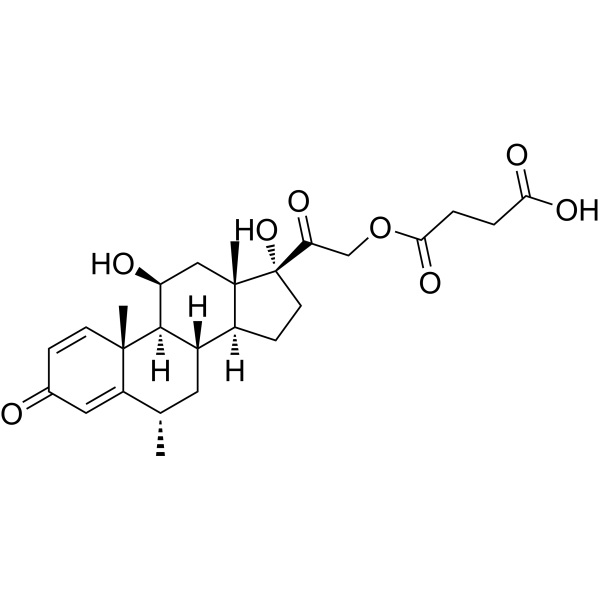
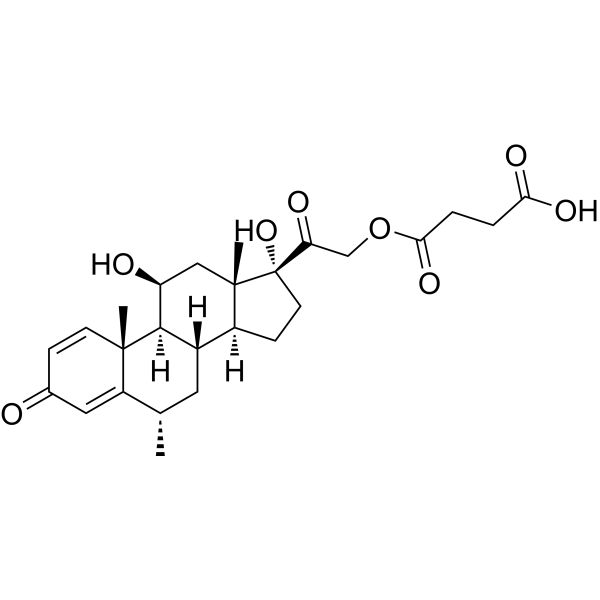
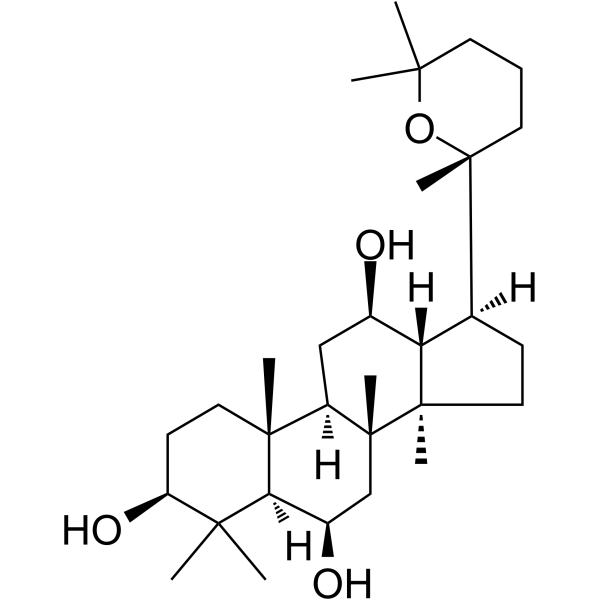
    Medrysone (HMS; 6α-Methyl-11β-hydroxyprogesterone) is a STAT6 modulator and M2 macrophage polarization inducer. Medrysone enhances IL-4-triggered STAT6 activation, upregulates the expression of M2 markers, and promotes the secretion of VEGF and CCL2. Medrysone also enhances the pro-migratory activity of M2-like macrophages toward endothelial cells. By regulating macrophage polarization and related repair pathways, Medrysone significantly promotes corneal wound repair in a rat mechanical injury model. Medrysone can be used for research related to corneal injury .
    Medrysone
  • HY-P991400

    TNF Receptor Apoptosis Interleukin Related NF-κB JNK p38 MAPK Inflammation/Immunology
    GSK1995057 is a human monoclonal antibody (mAb) targeting TNFRSF1A. GSK1995057 selectively binds to TNFR1, blocks the binding of TNF-α and LT-α, and does not interfere with TNFR2 signaling. GSK1995057 inhibits the activation of NF-κB, JNK and MAPK pathways, alleviates apoptosis (apoptosis) and inflammatory responses (inhibiting IL-1β, IL-6, IL-10, TNF-α), and prevents viability loss of human nucleus pulposus cells. GSK1995057 inhibits the expression of cytokines and neutrophil adhesion molecules in human pulmonary microvascular endothelial cell monolayers, and reduces inflammatory responses and lung injury symptoms in non-human primates. GSK1995057 forms complexes with HAVH autoantibodies, thereby activating TNFR1 and triggering the release of cytokines and IL-8 in human cells. GSK1995057 can be used in research related to intervertebral disc degeneration and acute lung injury .
    GSK1995057
  • HY-43521

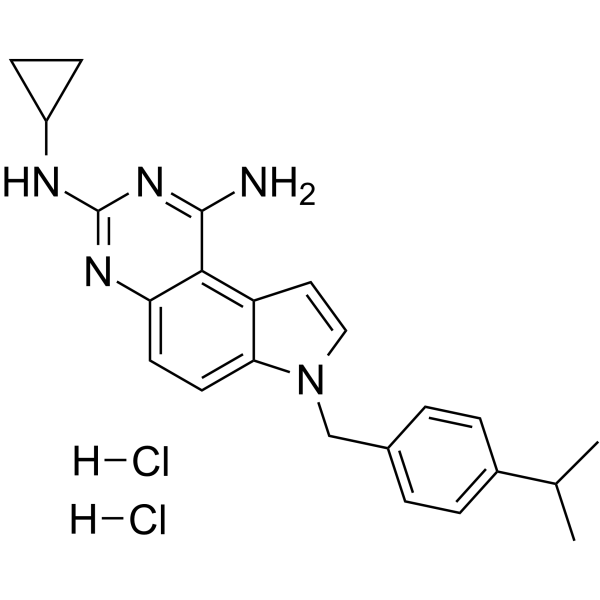
    Target Protein Ligand-Linker Conjugates Btk STAT Inflammation/Immunology Cancer
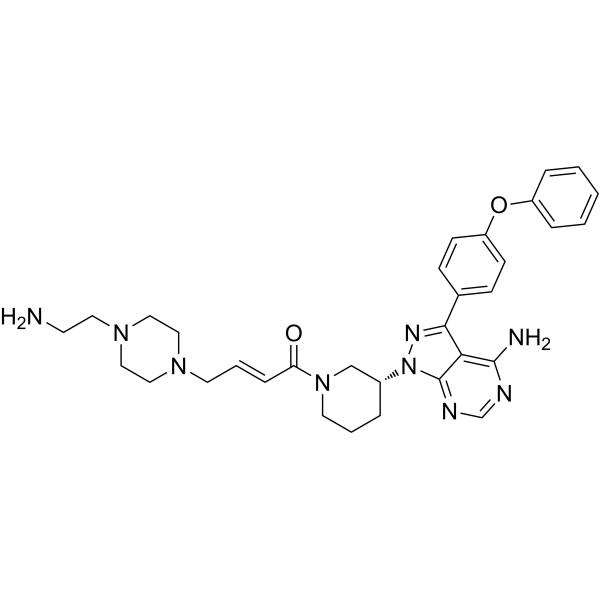
    Ibrutinib-MPEA is an orally active, blood-brain barrier permeable inhibitor of BTK and STAT5. As a derivative of Ibrutinib (HY-10997) conjugated with a PROTAC linker, Ibrutinib-MPEA allows the synthesis of a series of PROTAC molecules. Ibrutinib-MPEA significantly reduces the proliferation of neoplastic mast cells and primary mastocytoma cells by inducing apoptosis and inhibiting IgE-dependent histamine release. Ibrutinib-MPEA is applicable to the research of canine mast cell tumors, cerebral ischemia/reperfusion injury in diabetic mice, and neuroinflammation-related diseases .
    Ibrutinib-MPEA
  • HY-N3011

    PI3K Akt Pyruvate Kinase JAK STAT NF-κB Apoptosis Reactive Oxygen Species (ROS) Metabolic Disease Inflammation/Immunology Cancer
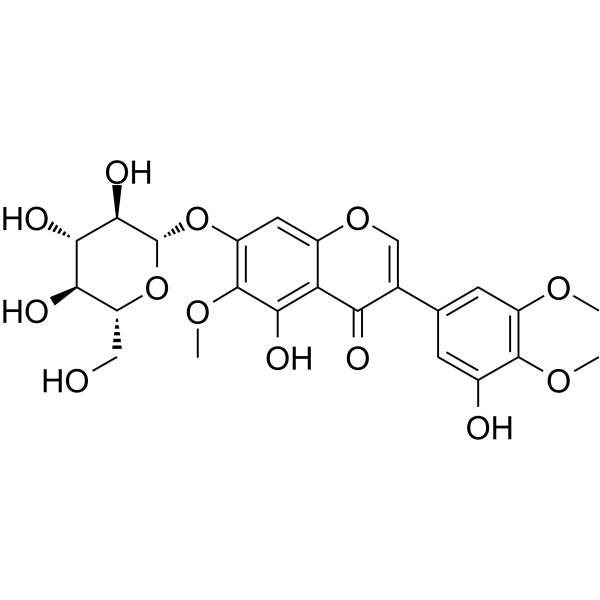
    Iridin is an orally active natural isoflavone. Iridin inhibits the PI3K/AKT and PKM2 signaling pathways, and downregulates the JAK/STAT and NF-κB pathways. Iridin induces Fas-mediated extrinsic apoptosis, G2/M cell cycle arrest, and inhibits cell proliferation. Iridin reduces inflammation, inhibits ROS production, suppresses glycolysis, and also exhibits antioxidant and antidiabetic activities. Iridin can be used in research related to gastric cancer and acute lung injury .
    Iridin
  • HY-161929

    Glutathione Peroxidase Ferroptosis Cardiovascular Disease
    GPX4 activator 2 is a GPX4 activator with a Ka value of 0.426 μM for human GPX4. GPX4 activator 2 reduces lipid hydroperoxide levels, prevents lipid peroxide accumulation, and inhibits ferroptosis. GPX4 activator 2 rescues cell death induced by Erastin (HY-15763). GPX4 activator 2 exerts cardioprotective effects in a mouse model of doxorubicin (HY-15142A)-induced myocardial injury .
    GPX4 activator 2
  • HY-N3266

    Tyrosinase Phosphatase Cholinesterase (ChE) SARS-CoV PERK JNK p38 MAPK TGF-beta/Smad Apoptosis Reactive Oxygen Species (ROS) AMPK MMP Cardiovascular Disease Infection Neurological Disease Inflammation/Immunology Cancer
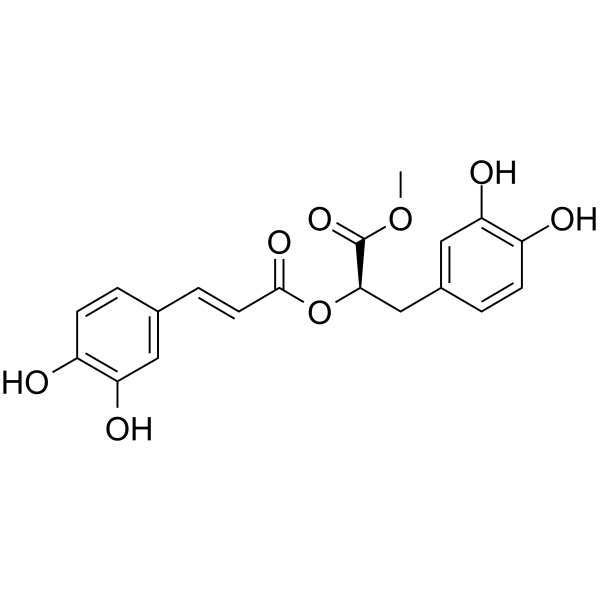
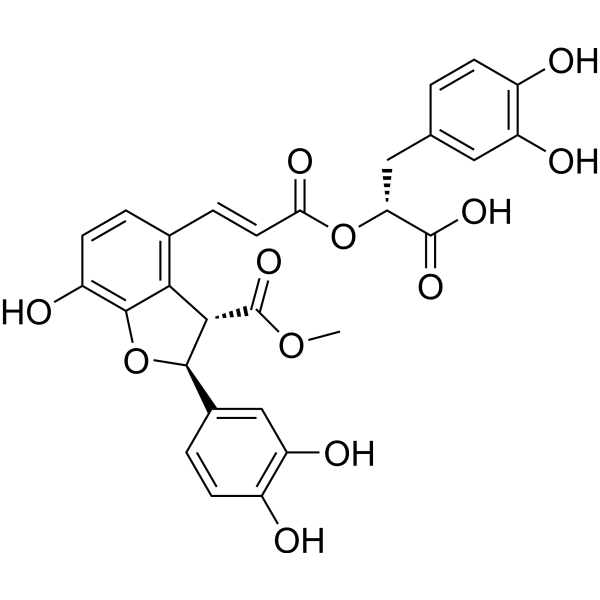
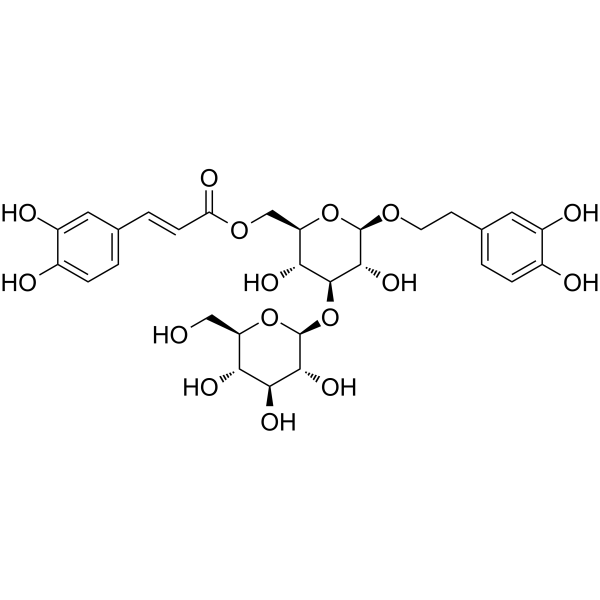
    Methyl rosmarinate is an orally active hydroxycinnamic acid. Methyl rosmarinate exhibits an IC50 of 24.70 μM and a Ki of 15.29 μM against PTP1B, an IC50 of 41.46 μg/mL against BChE, a Ki of 0.61 mM against mushroom tyrosinase, and an IC50 of 2.50 μM against SARS-CoV-2 3CLpro. Methyl rosmarinate downregulates the phosphorylation levels of ERK, JNK, p38, Smad2 and Smad3. Methyl rosmarinate activates erythrocyte BPGM and promotes the production of 2,3-BPG. Methyl rosmarinate induces apoptosis of fibroblasts. Methyl rosmarinate prolongs the survival time of hypoxic mice. Methyl rosmarinate improves insulin sensitivity. Methyl rosmarinate binds to SARS-CoV-2 3CLpro and inhibits viral replication. Methyl rosmarinate induces glioblastoma cell death. Methyl rosmarinate activates the TGR5/AMPK axis and reduces the levels of ROS and MDA. Methyl rosmarinate shows inhibitory activity against MMP-1. Methyl rosmarinate can be used in research related to pulmonary fibrosis, hypoxia-induced injury, type 2 diabetes, Alzheimer's disease, hyperpigmentation disorders, COVID-19, glioblastoma and myocardial ischemia-reperfusion injury .
    Methyl rosmarinate
  • HY-19393

    Phosphodiesterase (PDE) Cardiovascular Disease Inflammation/Immunology Cancer
    SCH 351591 is a highly selective, orally active PDE4 inhibitor, with IC50 values of 58 nM and 153 nM in humans and rats, respectively. SCH 351591 effectively inhibits pathological processes such as cytokine production, eosinophilia, airway hyperresponsiveness and bronchospasm. SCH 351591 also induces microvascular injury, activates mast cells and endothelial cells, and causes increases in serum histamine and various inflammatory factors, leading to early vascular damage. SCH 351591 has been widely used in studies related to asthma, chronic obstructive pulmonary disease and drug-induced vascular injury .
    SCH 351591
  • HY-N10424
    Brazilein
    2 Publications Verification

    Na+/K+ ATPase Apoptosis Interleukin Related NO Synthase Bacterial Parasite Cardiovascular Disease Infection Neurological Disease Inflammation/Immunology
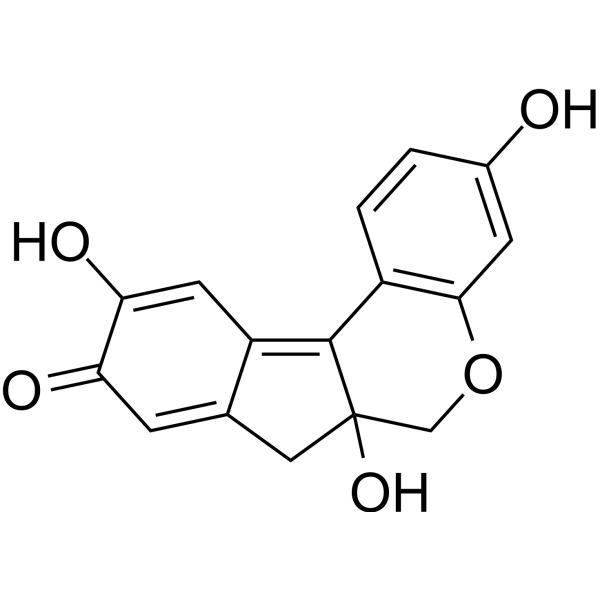
    Brazilein is a compound with anti-inflammatory and neuroprotective activities, with an IC50 of 500 μM against guinea pig Na +,K +-ATPase. Brazilein reduces iNOS mRNA expression, thereby inhibiting nitric oxide production in immune cells. Brazilein suppresses inflammatory responses by reducing the mRNA expression of TNF-α and IL-6, but has no effect on IL-1β expression. Brazilein reduces the cerebral infarction volume and improves the neurological function scores of rats with cerebral ischemia-reperfusion injury. Brazilein induces apoptosis of splenic lymphocytes in mice. Brazilein inhibits humoral immune responses in mice, and causes thymus and spleen atrophy as well as body weight loss in mice. Brazilein also possesses antimalarial and antibacterial activities. Brazilein is also a red dye. Brazilein can be used in studies related to the infection, nervous system, cardiovascular system and inflammatory diseases .
    Brazilein
  • HY-118355
    ALLM
    1 Publications Verification

    Calpain inhibitor II

    Proteasome Cathepsin Neurological Disease
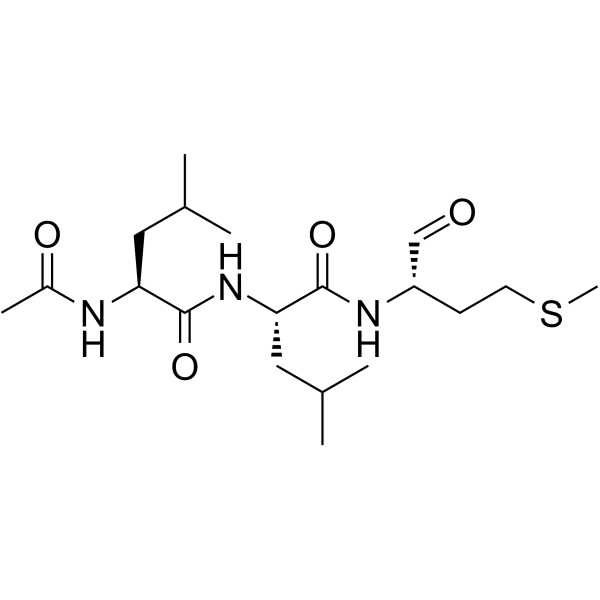
    ALLM (Calpain inhibitor II) is a potent inhibitor of calpain and cathepsin proteases. ALLM inhibits neuronal cell death and improves chronic neurological function after spinal cord injury (SCI) .
    ALLM
  • HY-P3023

    Bacterial TNF Receptor Infection Metabolic Disease Inflammation/Immunology
    Mutanolysin is a bacteriolytic agent. Mutanolysin is a muralytic enzyme that can prevent hepatic injury. Mutanolysin can digest the cell wall of S. mutans BHT and shows antibacterial activity. Mutanolysin reduces TNF-α production in isolated Kupffer cells stimulated with peptidoglycan-polysaccharide (PG-APS). Mutanolysin can be used for the researches of infection, inflammation and hepatic injury .
    Mutanolysin
  • HY-P10953

    PSP 29-mer, anti-inflammatory peptide

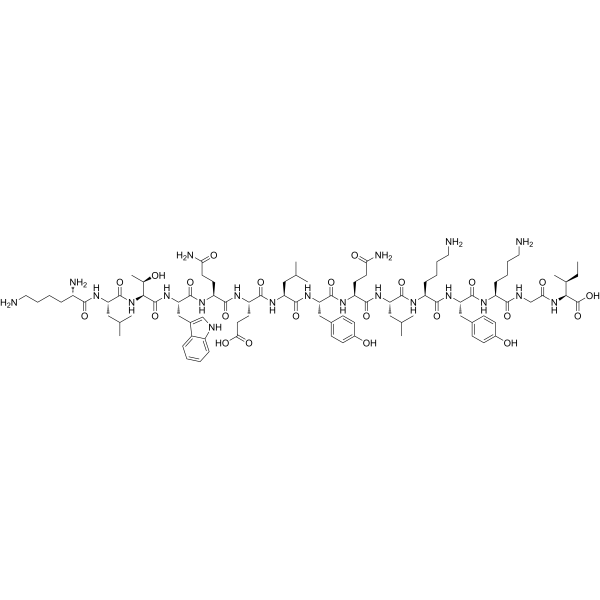
    ERK STAT Inflammation/Immunology
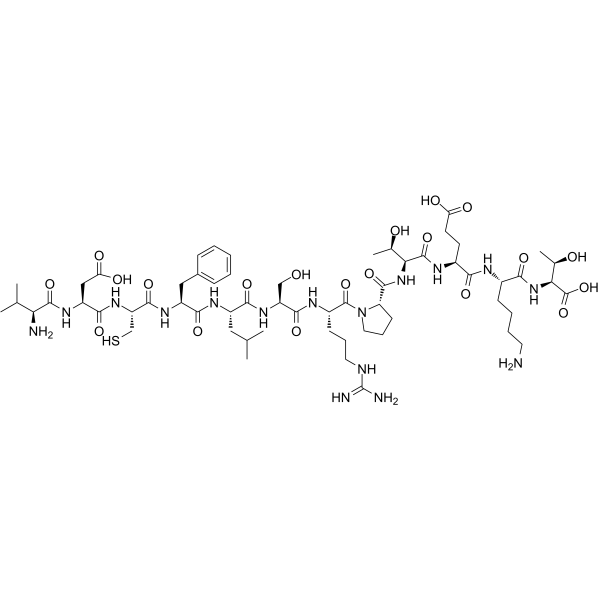
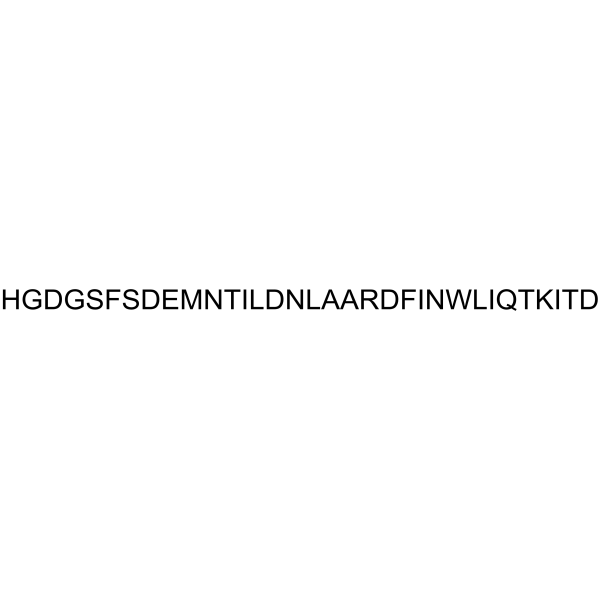
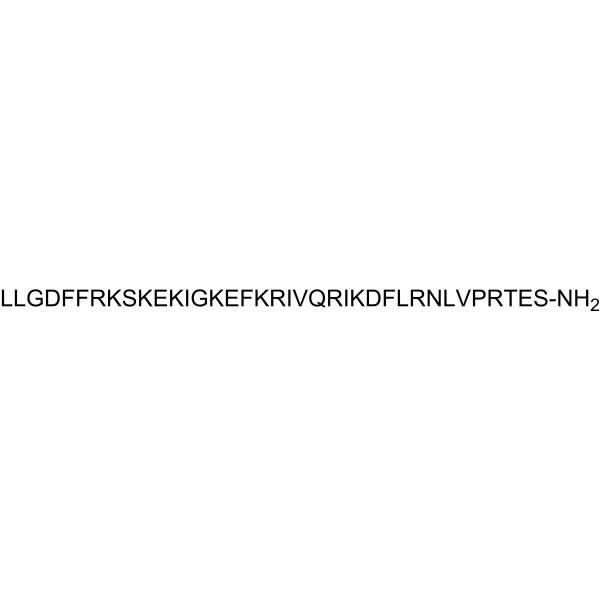
    Fulipiftide is a short peptide derived from pigment epithelium-derived factor (PEDF). Fulipiftide induces the expansion of nuclear stem cell factor +TSPC by activating ERK2 and STAT3 signaling pathways. Fulipiftide has anti-inflammatory activity and can be used in the study of acute tendon injury .
    Fulipiftide
  • HY-155751

    Interleukin Related TNF Receptor NOD-like Receptor (NLR) Inflammation/Immunology
    HMGB1-IN-1 (compound 6) displays strong NO inhibitory effect in RAW264.7 cells with IC50 value of 15.9 ± 0.6 μM. HMGB1-IN-1 inhibit the HMGB1/NF-κB/NLRP3 pathway. HMGB1-IN-1 shows good anti-inflammatory activity and good anti-sepsis effects in kidney injury .
    HMGB1-IN-1
  • HY-173425

    STING IFNAR TNF Receptor Interleukin Related Inflammation/Immunology
    STING-IN-15 is an orally active STING inhibitor, with an IC50 of 116 nM against h-STING and an IC50 of 96.3 nM against m-STING. STING-IN-15 inhibits the STING signaling pathway in cells, reduces the secretion of IFN-β and IP-10, downregulates the expression of ISG15, ISG56 and TNF-α, and suppresses the phosphorylation of TBK1/IRF3. STING-IN-15 alleviates systemic and renal inflammation induced by STING agonists in mice, reduces tissue damage and the expression of interferon pathway genes, and inhibits spontaneous tissue inflammation in mice. STING-IN-15 can be used for the research of acute kidney injury and autoimmune/inflammatory diseases .
    STING-IN-15
  • HY-W002942

    1,2,3,4-Tetrahydroquinolin-8-ol; 8-hydroxy-1,2,3,4-tetrahydroquinoline

    Ferroptosis Reactive Oxygen Species (ROS) Inflammation/Immunology
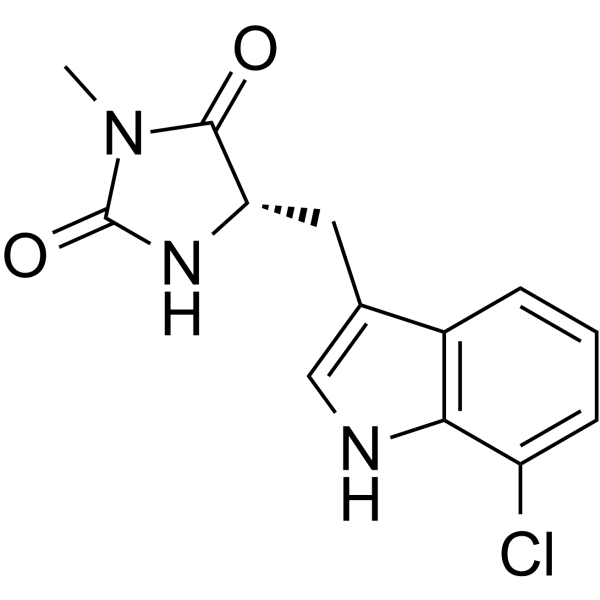
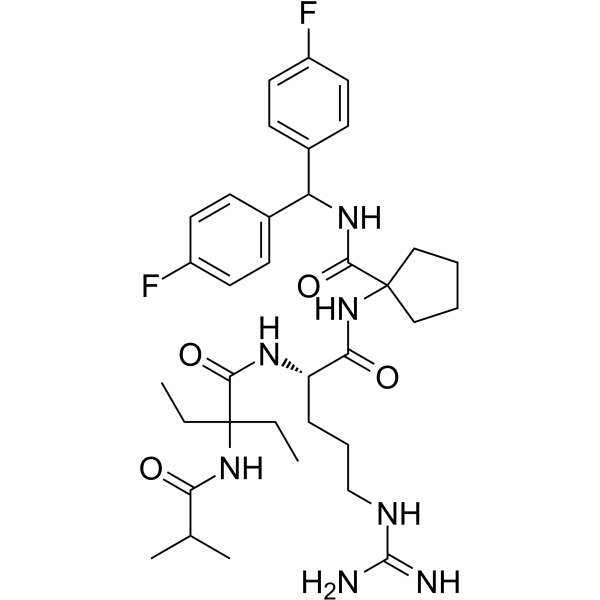
    Ferroptosis-IN-21 is a ferroptosis inhibitor that protects against renal I/R injury by suppressing ferroptosis and directly scavenging peroxyl radicals. Ferroptosis-IN-21 displays broad-spectrum anti-ferroptotic efficacy across multiple inducers in renal tubular epithelial cells, with nanomolar potency and robust suppression of lipid Reactive Oxygen Species (ROS). Ferroptosis-IN-21 significantly ameliorates renal I/R injury in mice, reducing histological damage, functional impairment, and inflammatory cytokine expression, while decreasing lipid peroxidation biomarkers such as 4-hydroxynonenal. Ferroptosis-IN-12 can be used for research in the field of ferroptosis-targeted drug development .
    Ferroptosis-IN-21
  • HY-N0670
    Tenacissoside H
    1 Publications Verification

    Tenacissimoside C

    PI3K Akt NF-κB Apoptosis Neurological Disease Inflammation/Immunology Cancer
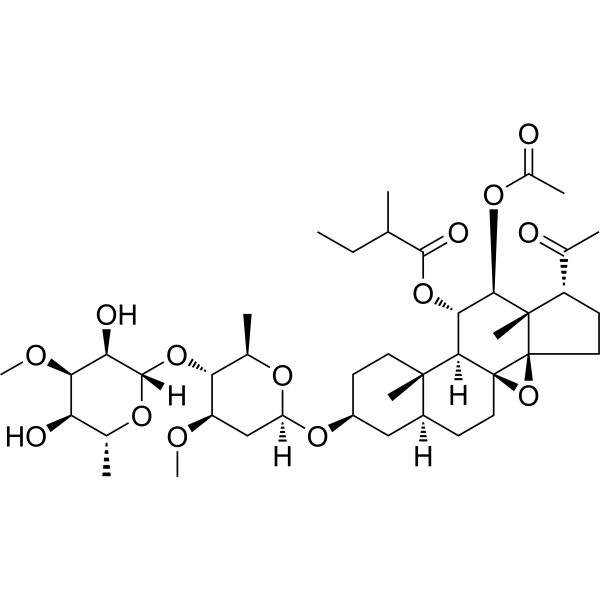
    Tenacissoside H (Tenacissimoside C) is a compound found in Caulis Marsdeniae Tenacissimae. Tenacissoside H shows anti-inflammation, anti-tumor and neuroprotective effects. Tenacissoside H inhibits PI3K/Akt and NF-κB signaling pathway. Tenacissoside H inhibits cancer cells proliferation, S phase arrest, and inhibits tumor growyh in mice. Tenacissoside H promotes neurological recovery of ischemia-reperfusion injury in mice by inhibiting inflammation and apoptosis. Tenacissoside H can be used for the research of cancer, inflammation and neurological diseases, such as esophageal cancer and cerebral ischemia .
    Tenacissoside H
  • HY-P2275

    Gap Junction Protein Neurological Disease
    Peptide5, a connexin 43 mimetic peptide, reduce animals swelling, astrogliosis, and neuronal cell death after spinal cord injury
    Peptide5
  • HY-N7880

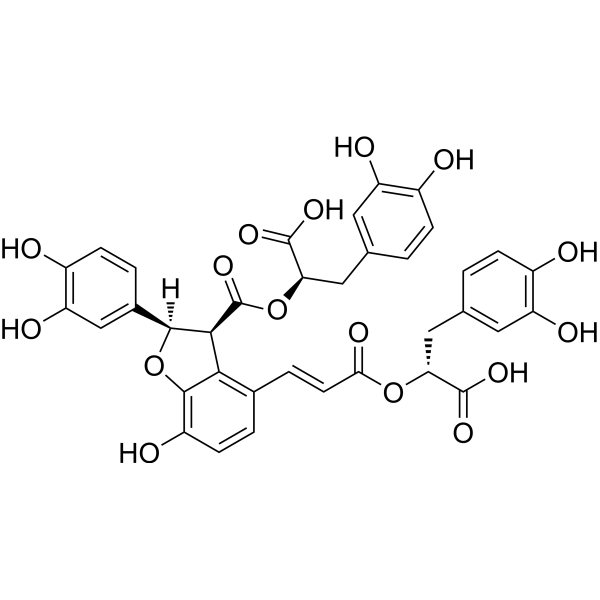
    Reactive Oxygen Species (ROS) Cancer
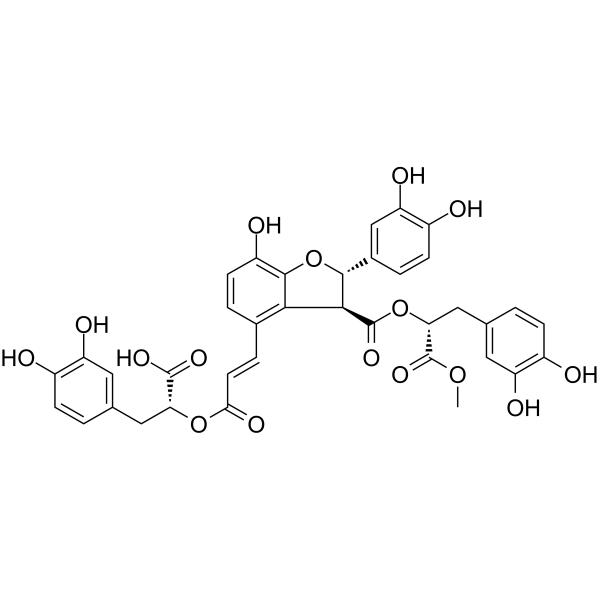
    Salvianolic acid Y is a phenolic acid with the same planar structure as Salvianolic acid B. Salvianolic acid Y rescues cell injury by H2O2 .
    Salvianolic acid Y
  • HY-P10580

    Tie PI3K Akt Cadherin Claudin Cardiovascular Disease Infection Inflammation/Immunology
    Vasculotide is a blood-brain barrier (BBB)-penetrant Tie2 agonist. Vasculotide binds to a unique domain of Tie2, induces receptor clustering to drive phosphorylation, activates downstream PI3K/Akt and eNOS pathways, enhances inter-endothelial cell junctions (such as VE-cadherin and claudin-5), and inhibits inflammatory adhesion molecules, ultimately stabilizing the vascular endothelial barrier and reducing its permeability . Vasculotide alleviates pulmonary microvascular leakage and microcirculatory dysfunction caused by cardiopulmonary bypass, acts as an adjuvant radioprotective agent to reduce acute radiation dermatitis, and promotes BBB recovery after focused ultrasound (FUS). Combination of Vasculotide with antibiotics reduces lung injury .
    Vasculotide
  • HY-11095

    mGluR CaSR PI3K Akt mTOR Autophagy Apoptosis Bcl-2 Family Caspase Cardiovascular Disease Neurological Disease
    NPS 2390 is an allosteric antagonist of calcium-sensing receptor (CaSR) and mGluR1/5. NPS 2390 inhibits the PI3K/Akt/mTOR signaling pathway, reduces hypoxia-induced intracellular calcium elevation, decreases the expression of autophagy (autophagy) proteins, regulates the expression of phenotypic marker proteins, and inhibits the proliferation of pulmonary artery smooth muscle cells. NPS 2390 attenuates the endogenous apoptosis (apoptosis) pathway, increases the expression level of Bcl-2, downregulates the expression levels of Bax, cytochrome c and caspase-3, alleviates cerebral edema and improves neurological function in rat models. NPS 2390 can be used in studies related to hypoxic pulmonary hypertension, traumatic brain injury, stroke and pain .
    NPS 2390
  • HY-121018

    BM-13505; SKF 96148

    Prostaglandin Receptor Cardiovascular Disease
    Daltroban (BM-13505) is a selective and specific thromboxane A2 (TXA2) receptor antagonist. Daltroban increase intracellular calcium in vascular smooth muscle cells. Daltroban shows protective effect in reperfusion injury .
    Daltroban
  • HY-19667

    DPC 333

    TNF Receptor NF-κB Apoptosis p38 MAPK Neurological Disease Inflammation/Immunology
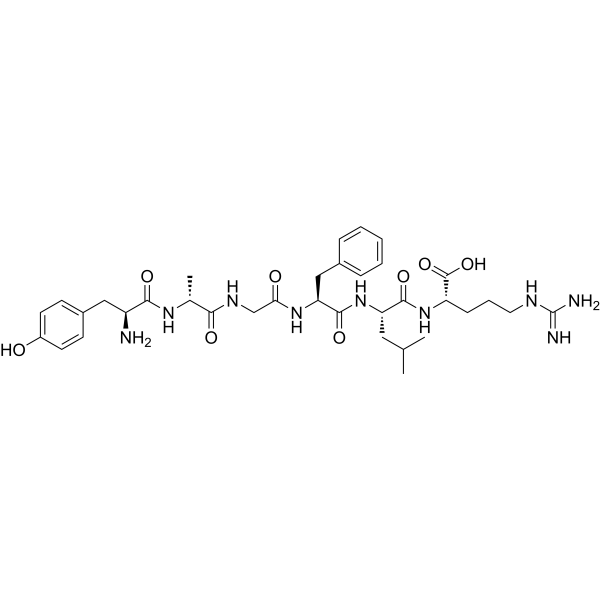
    BMS-561392 (BMS-561392) is a selective ADAM17(TACE) inhibitor. BMS-561392 inhibits TNF-α secretion by regulating signaling pathways such as p44 MAPK and NF-κB. BMS-561392 also affects the survival of central nervous system-related cells including oligodendrocytes and microglia. BMS-561392 promotes microglial apoptosis, enlarges the injury area and exacerbates astrogliosis in a mouse spinal cord injury model. BMS-561392 can be used in research related to spinal cord injury and inflammatory diseases .
    BMS-561392
  • HY-N0597
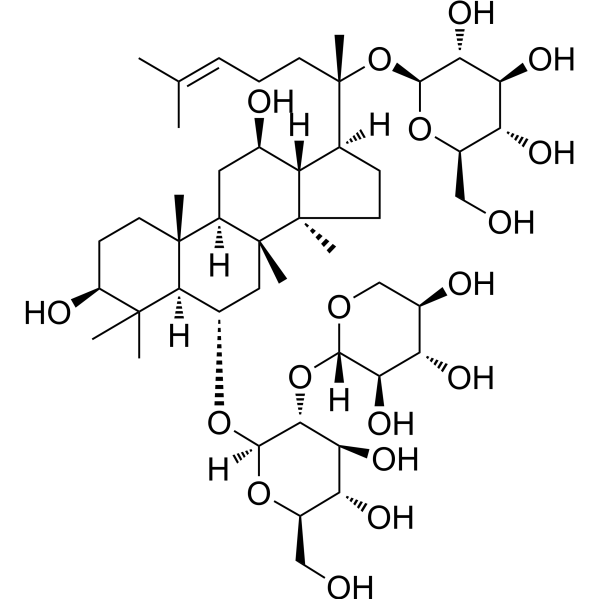
    Panaxatriol
    3 Publications Verification

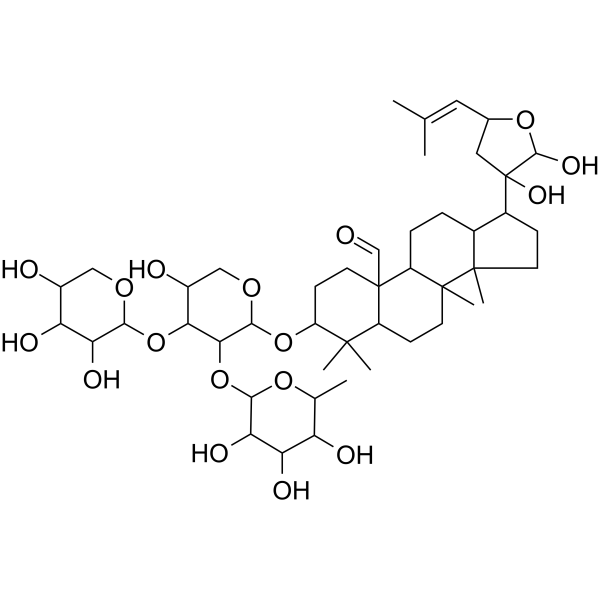
    Others Insulin Receptor Cardiovascular Disease Others Metabolic Disease Cancer
    Panaxatriol is an orally active insulin sensitizer. Panaxatriol enhances the phosphorylation levels of Akt, insulin receptor and p70S6K in skeletal muscle. Panaxatriol reduces the mRNA expression level of Atrogin1 in skeletal muscle. Panaxatriol induces apoptosis, pre-G1 cell cycle arrest and increased intracellular ROS levels in prostate cancer cells, decreases mitochondrial membrane potential, inhibits cell migration and reduces colony formation. Panaxatriol can be used in research related to insulin resistance, myocardial ischemia/reperfusion injury and prostate cancer .
    Panaxatriol
  • HY-N8248

    (+)-Eleutherin

    Topoisomerase Cardiovascular Disease
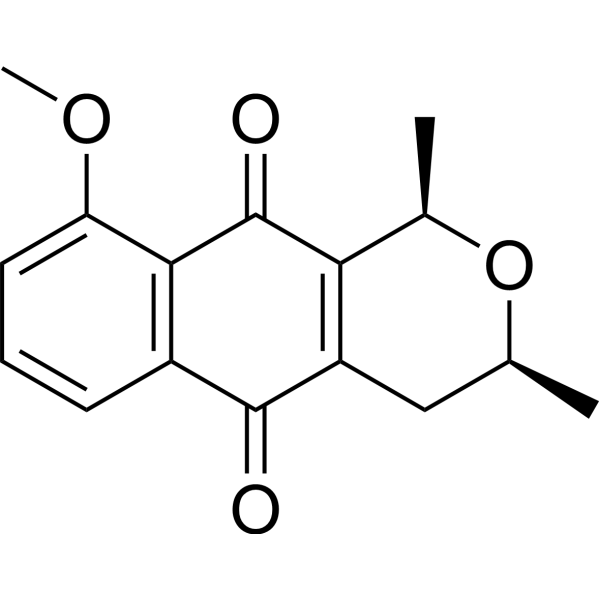
    Eleutherin is a type of naphthoquinone derivative with the protective effect against the injury ofhuman umbilical vein endothelial cells (HUVECs), which can be isolated from the edible bulbs of Eleutherine americana (Hong-Cong) .
    Eleutherin
  • HY-134259

    HOXA Cancer
    MEISi-2 is a selective inhibitor of MEIS, a key regulator of hematopoietic stem cell (HSC) self-renewal. MEISi-2 is developed for the research of cardiac injuries, hematopoiesis issues, bone marrow transplantations, and cancer .
    MEISi-2
  • HY-N7513

    TNF Receptor Drug Metabolite Cardiovascular Disease
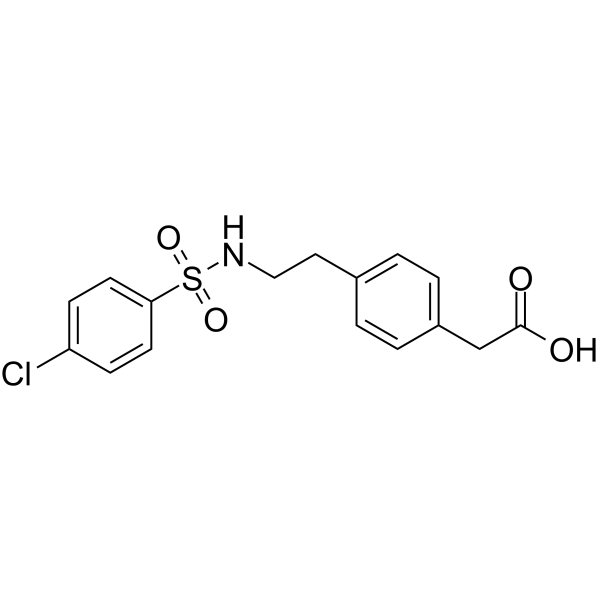
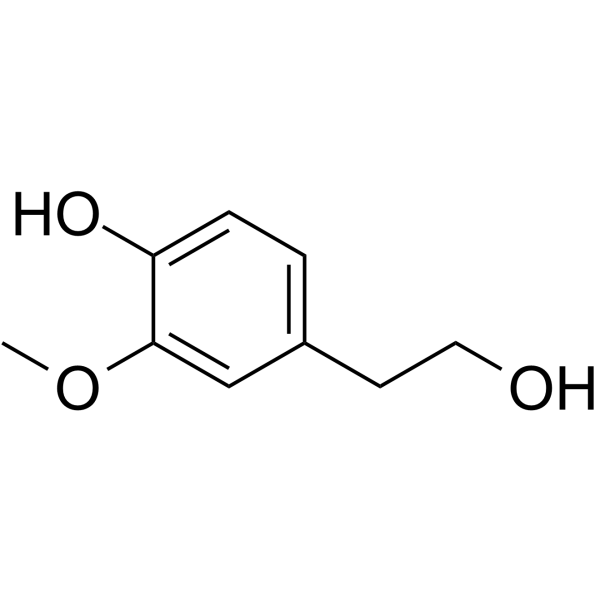
    Homovanillyl alcohol is a biological metabolite of Hydroxytyrosol. Hydroxytyrosol is a phenolic compound that is present in virgin olive oil (VOO) and wine. Homovanillyl alcohol protects red blood cells (RBCs) from oxidative injury and has protective effect on cardiovascular disease .
    Homovanillyl alcohol
  • HY-112821
    IBS008738
    3 Publications Verification

    YAP Inflammation/Immunology
    IBS008738 is a potent TAZ activator. IBS008738 stabilizes TAZ, increases the unphosphorylated TAZ level, enhances the association of MyoD with the myogenin promoter, upregulates MyoD-dependent gene transcription, and competes with myostatin in C2C12 cells. IBS008738 enhances myogenesis in C2C12 cells and facilitates muscle repair in a muscle injury model .
    IBS008738
  • HY-P5142

    ω-ACTX-Hv1; ω-Atracotoxin-HV1

    Insecticide Calcium Channel Apoptosis Necroptosis Cardiovascular Disease Neurological Disease Inflammation/Immunology
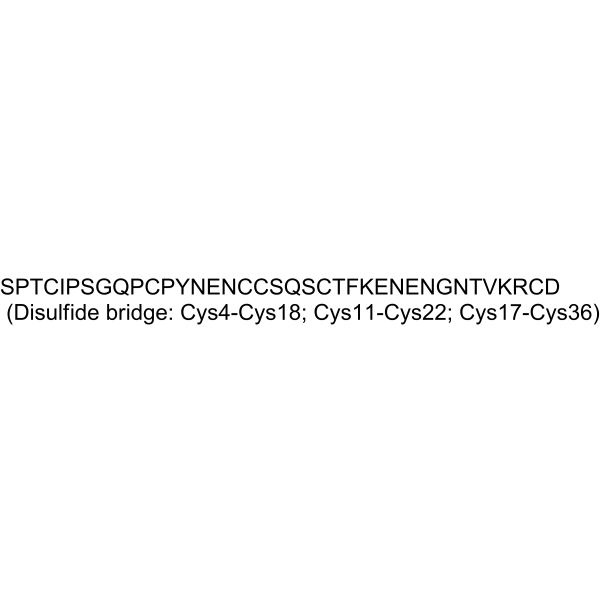
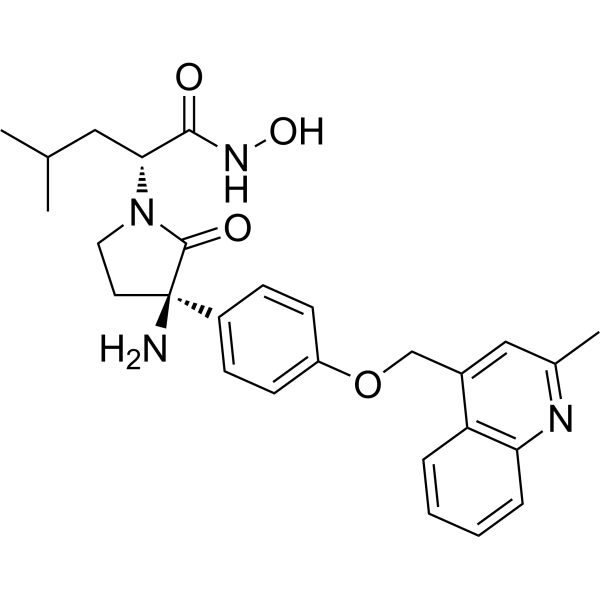
    ω-Hexatoxin-Hv1a (ω-ACTX-Hv1; ω-Atracotoxin-HV1) is an orally active insecticidal neurotoxin containing an inhibitor cystine knot motif and a selective calcium channel inhibitor. ω-Hexatoxin-Hv1a blocks L-type voltage-dependent Ca 2+ channels and reduces intracellular calcium ion concentration, thereby decreasing apoptosis, necroptosis and oxidative stress, and promoting cell recovery and energy level elevation. ω-Hexatoxin-Hv1a causes larval paralysis and death by impairing neurotransmission in the central nervous system of insects. It shows high injectable toxicity against insects of multiple orders, but exhibits weak oral toxicity. ω-Hexatoxin-Hv1a is widely applicable to studies related to ischemia-reperfusion injury, atopic dermatitis, and ischemic injury of cardiomyocytes and neurons .
    ω-Hexatoxin-Hv1a
  • HY-132595A

    QPI-1002 sodium

    MDM-2/p53 Cancer
    Teprasiran sodium is a small interfering RNA that temporarily inhibits p53-mediated cell death that underlies acute kidney injury (AKI) .
    Teprasiran sodium
  • HY-P99226

    MEDI7734; VIB7734

    SARS-CoV Human leukocyte immunoglobulin (Ig)-like receptors (LILR) Cancer
    Daxdilimab is an anti-ILT7 monoclonal antibody, ILT7 is a cell surface molecule specific to the pDC type of dendritic cells. Daxdilimab can be used in acute lung injury (ALI) in patients with COVID-19 infection research .
    Daxdilimab
  • HY-W392413

    Drug Derivative Reactive Oxygen Species (ROS) Cardiovascular Disease Neurological Disease Metabolic Disease Inflammation/Immunology
    Glutathione monoethyl ester is a glutathione derivative that can be transported into cells and hydrolyzed into glutathione. Glutathione monoethyl ester downregulates the gene expression of TEN1 and CTC1 while upregulating TERT expression. Glutathione monoethyl ester enhances telomerase activity, promotes proliferation and differentiation in aged bone marrow stromal cells, while elevating glutathione levels and reducing oxidative stress, protein aggregation and cell death in motor neuronal cells. Glutathione monoethyl ester confers broad multi-organ protection against cerebral ischemia, renal injury, liver damage, and pancreatitis. Glutathione monoethyl ester can be used for the research of amyotrophic lateral sclerosis, stroke, acute renal failure, liver injury, and acute pancreatitis .
    Glutathione monoethyl ester
  • HY-P99443

    HuDreg-55

    P-selectin Inflammation/Immunology
    Aselizumab (HuDreg-55) is an humanized IgG4 mAb against L-selectin. However, L-selectin (CD62L) is a cell adhesion molecule expressed on circulating neutrophils. It regulates migrating cells to chemotaxis towards the site of injury. Aselizumab may be account for a high rate of infections and leucopenia after truma .
    Aselizumab
  • HY-18006
    NKP608
    1 Publications Verification

    Neurokinin Receptor Wnt Bcl-2 Family β-catenin Cyclin G-associated Kinase (GAK) VEGFR Caspase Cadherin Apoptosis Neurological Disease Metabolic Disease Inflammation/Immunology Cancer
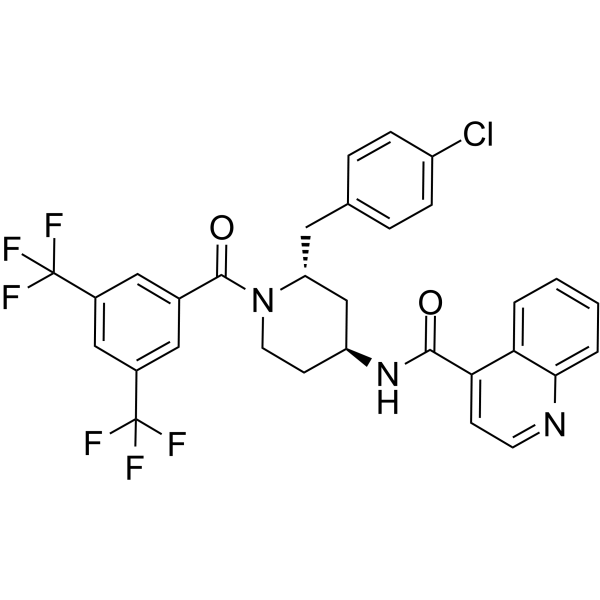
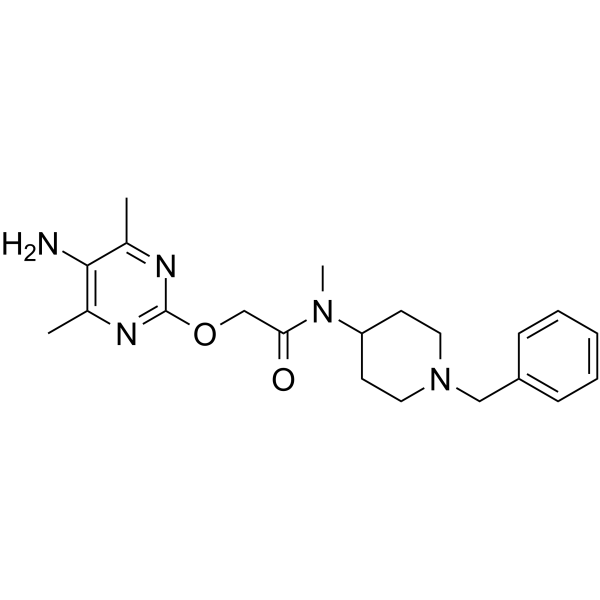
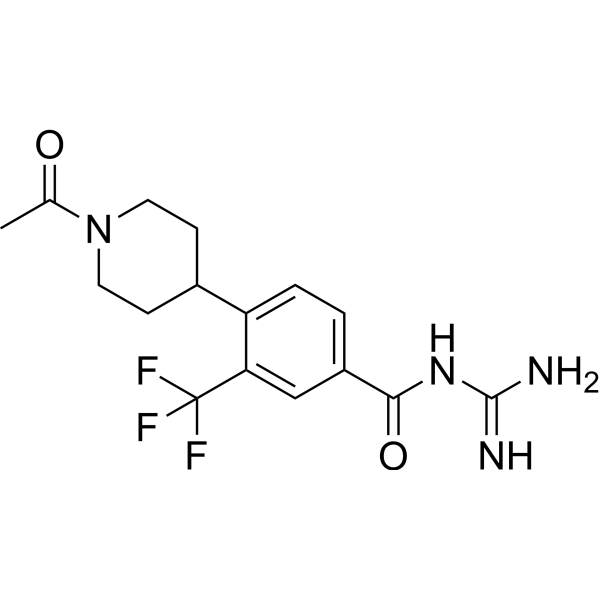
    NKP608 is a non-peptidic derivative of 4-aminopiperidine, a highly selective, orally active, neurokinin-1 (NK1) receptor antagonist with IC50 of 2.6 nM. NKP608 is active both in vitro and in vivo, showing extremely low affinity for NK2, NK3 receptors. NKP608 exerts its effects by blocking the NK₁ receptor, regulate cell proliferation and apoptosis, affect neurotransmitter functions and gastric mucosal repair mechanisms, and suppress the Wnt/β-catenin pathway in antitumor research. NKP608 is applicable to research related to various diseases, including cough, anxiety disorders, depression, gastric mucosal injury, and colorectal cancer .
    NKP608
  • HY-P3525A

    Integrin Others
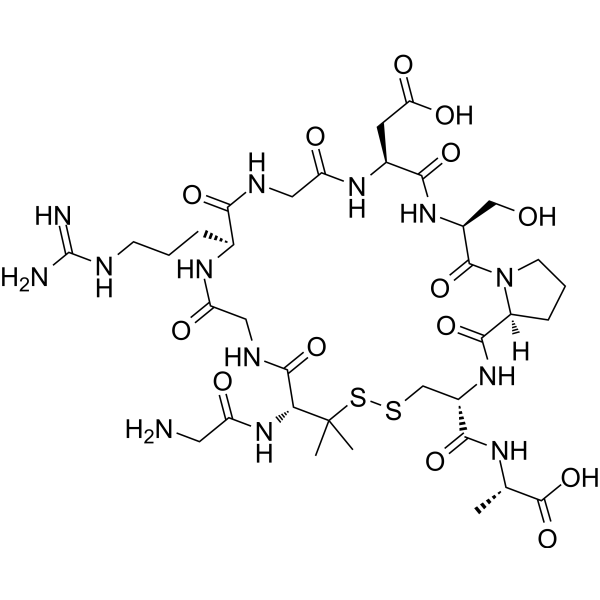
    G-Pen-GRGDSPCA TFA is an αvβ3-inhibiting RGD peptide. G-Pen-GRGDSPCA can limit neointimal hyperplasia and lumen stenosis after vascular injury, as well as regulate the migration and proliferation of smooth muscle cells. G-Pen-GRGDSPCA TFA can be used in the study of the mechanism of vascular injury repair .
    G-Pen-GRGDSPCA TFA

Inquiry Online

Your information is safe with us. * Required Fields.

Salutation


Country or Region *

Applicant Name *


Organization Name *

Department *


Email Address *


Product Name *

Cat. No.


Requested quantity *

Phone Number *


Remarks

Inquiry Online

Inquiry Information

Product Name:
Cat. No.:
Quantity:
MCE Japan Authorized Agent: