1. Search Result
Search Result
Results for "

xenograft tumors

" in MedChemExpress (MCE) Product Catalog:

820

Inhibitors & Agonists

9

Fluorescent Dyes

3

Biochemical Assay Reagents

34

Peptides

75

Inhibitory Antibodies

25

Natural
Products

7

Isotope-Labeled Compounds

13

Click Chemistry

4

Oligonucleotides

1

GMP Molecules

Cat. No. Product Name Target Research Areas Chemical Structure
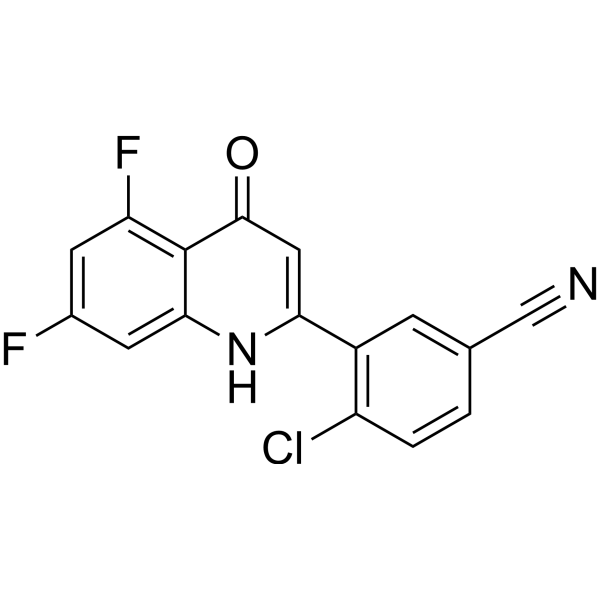
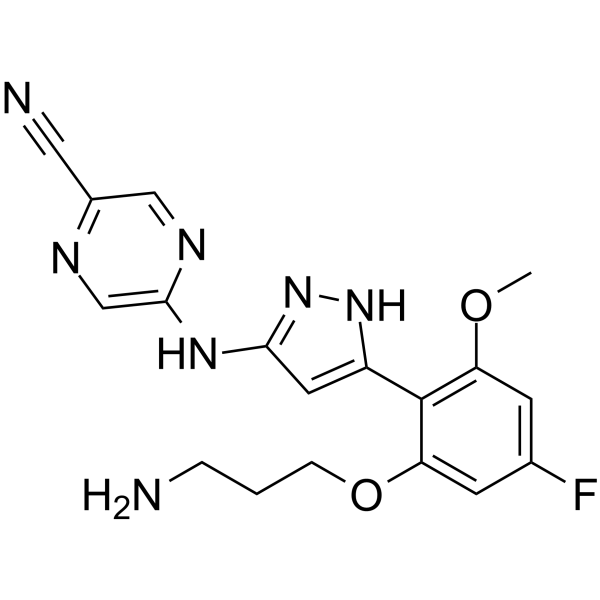
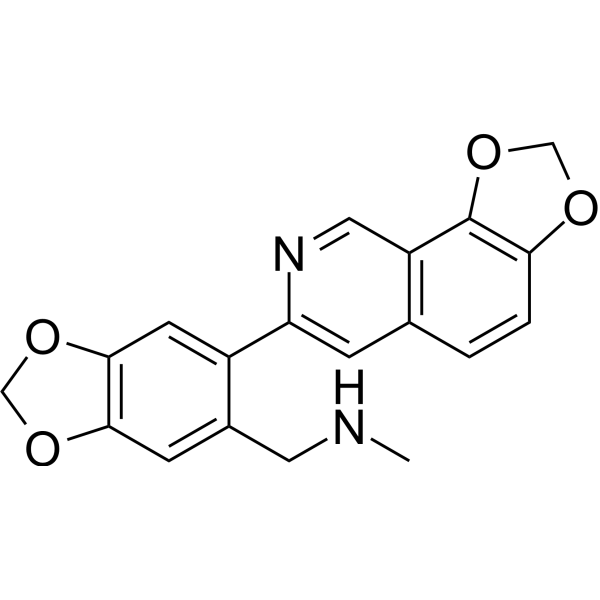
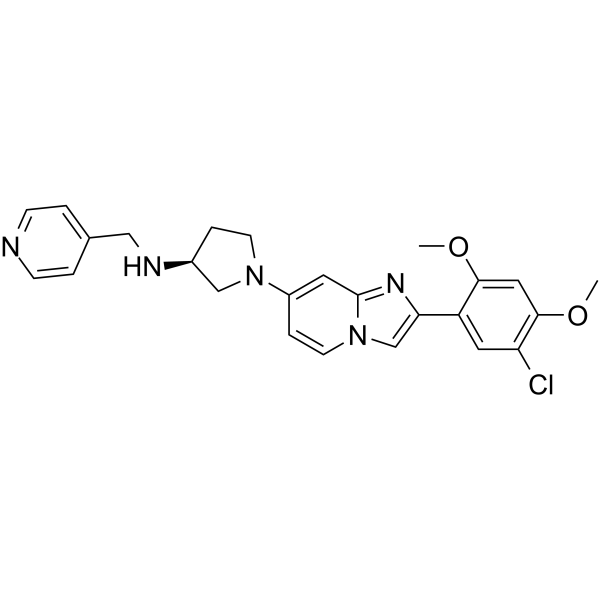
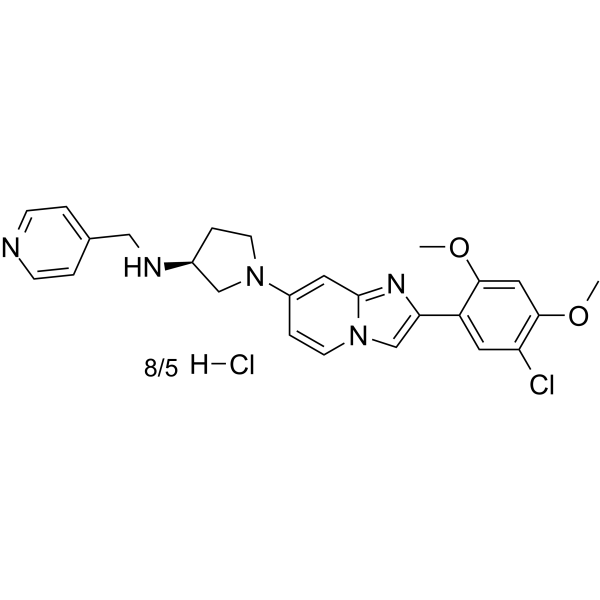
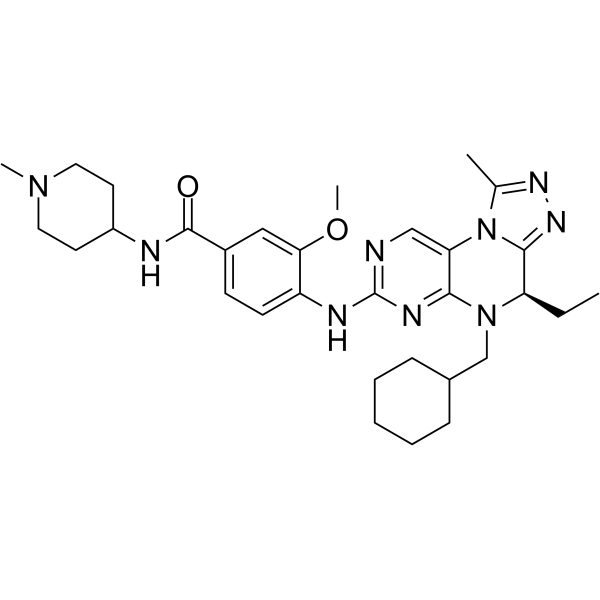
  • HY-101120
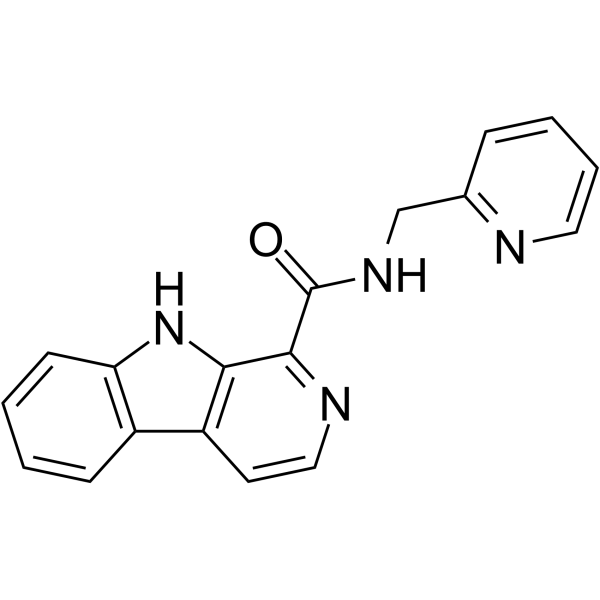
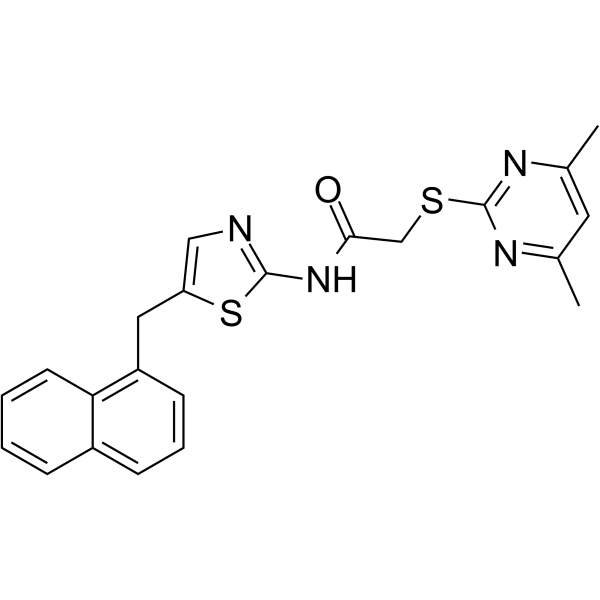
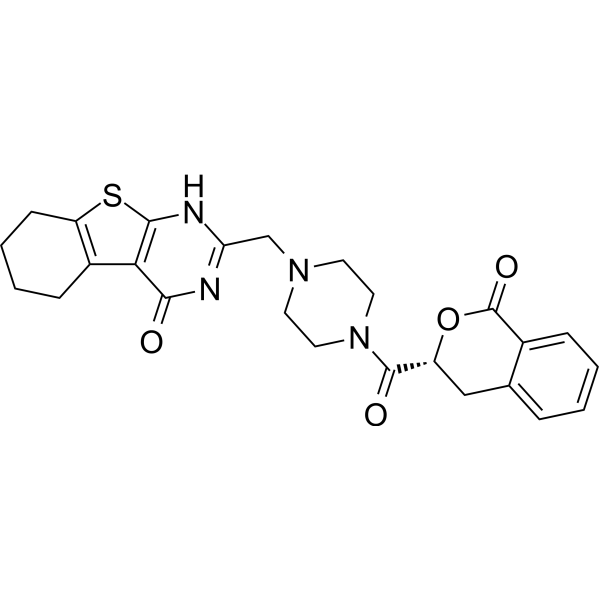
    666-15
    55+ Cited Publications

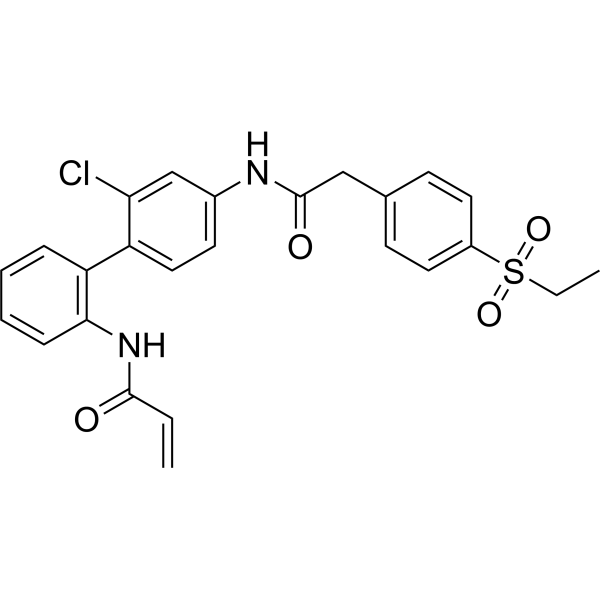
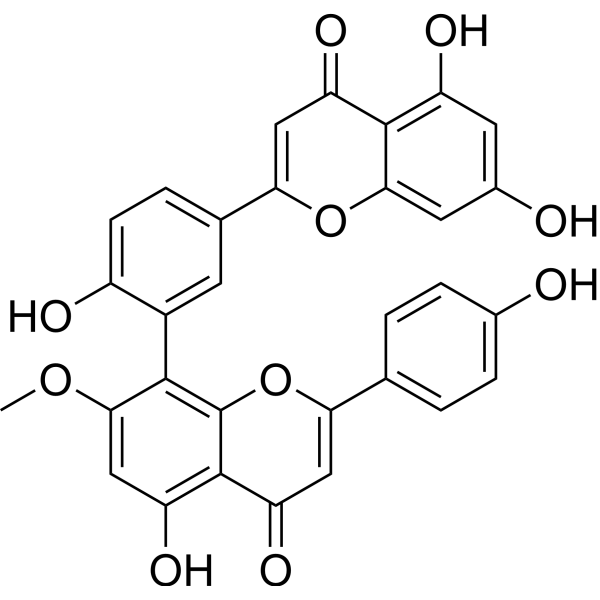
    Epigenetic Reader Domain Cancer
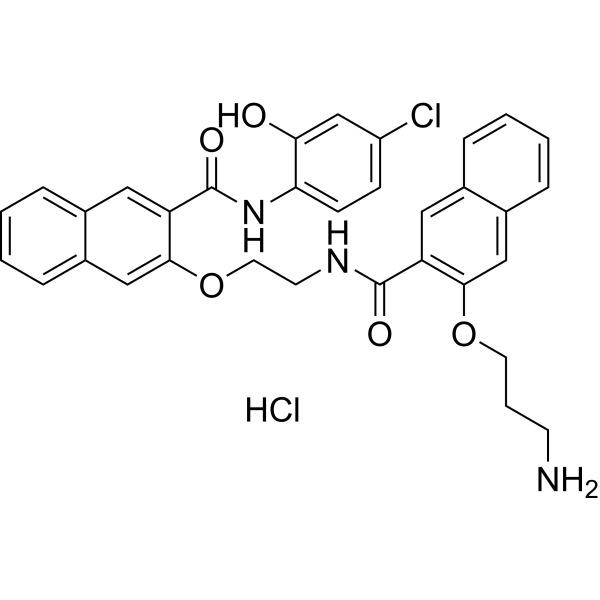
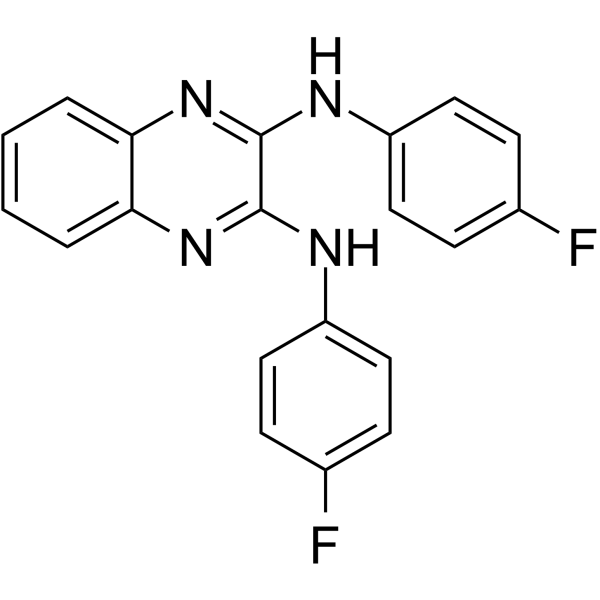
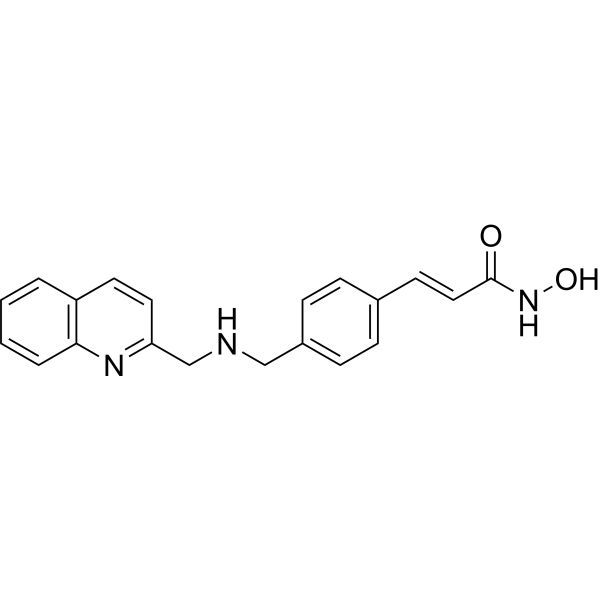
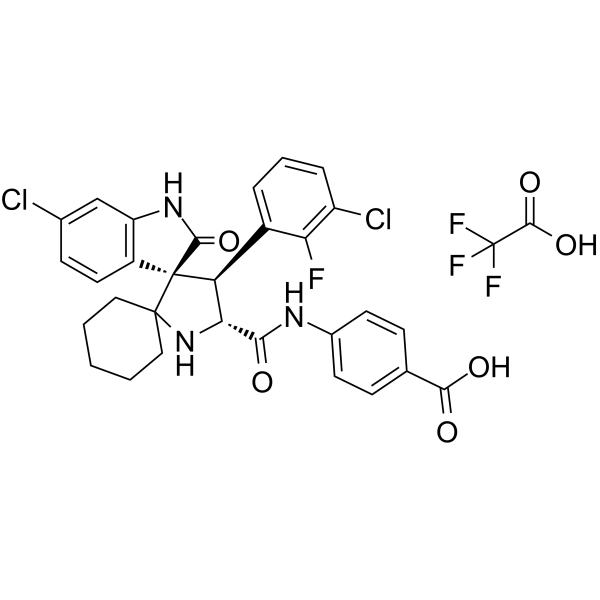
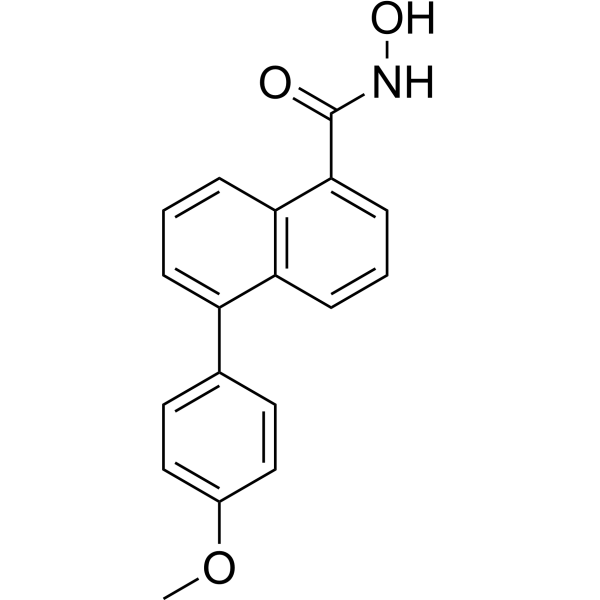
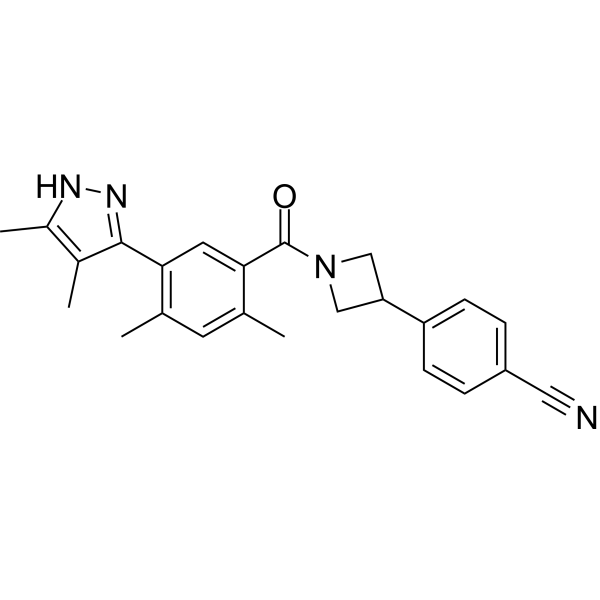
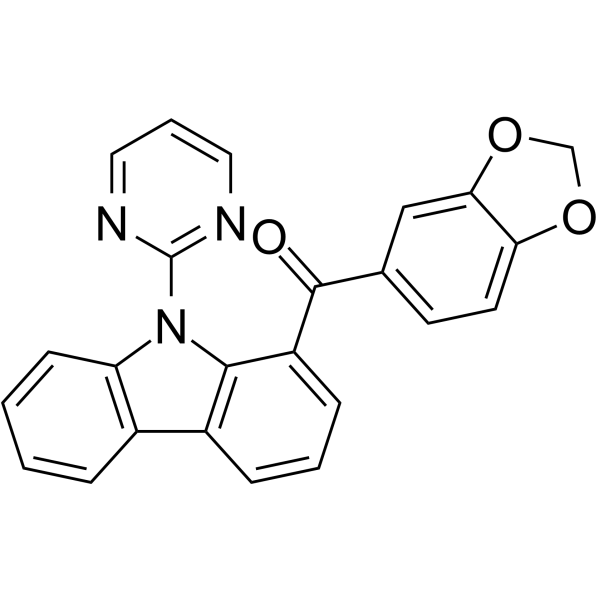
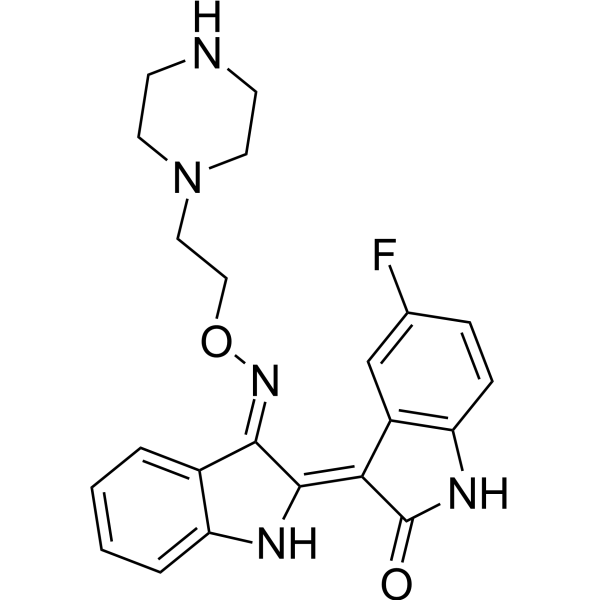
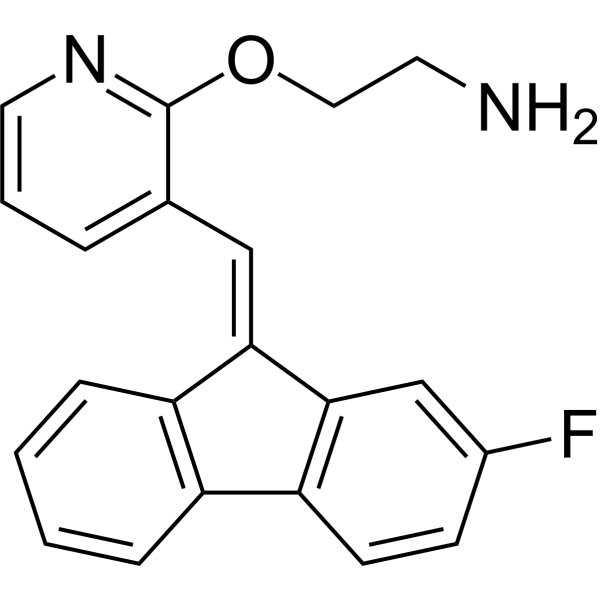
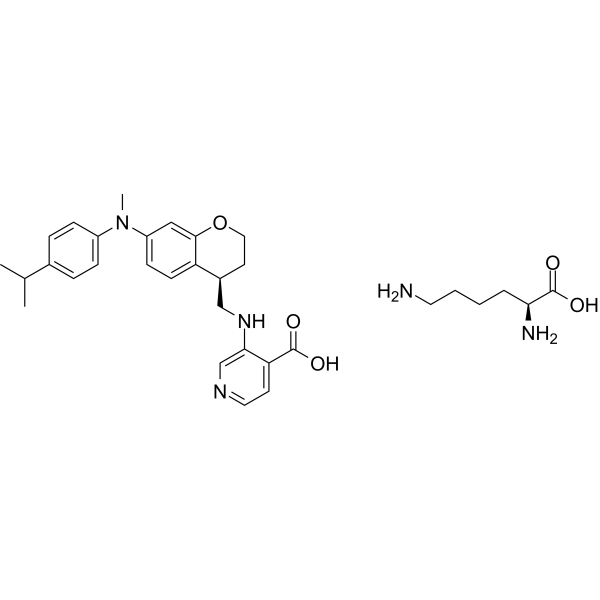
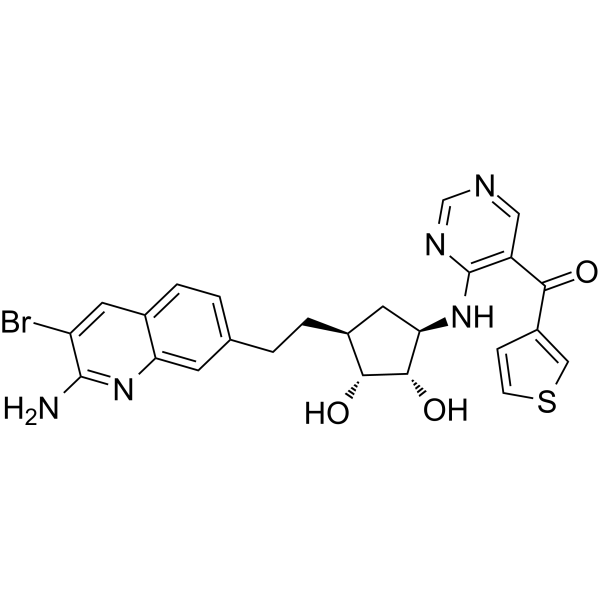
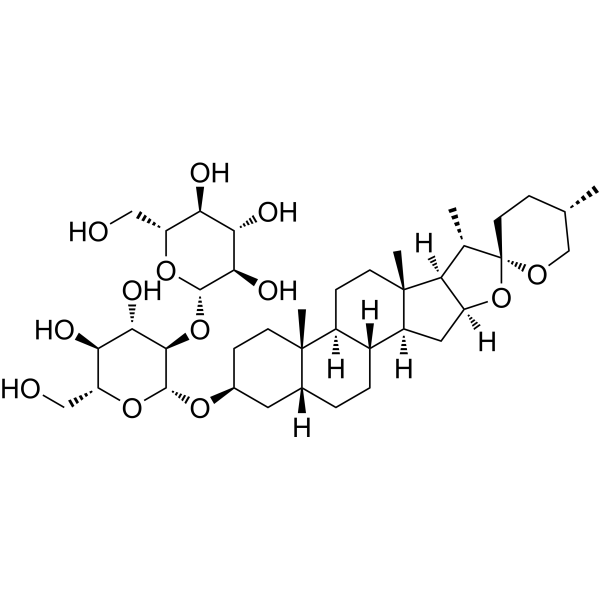
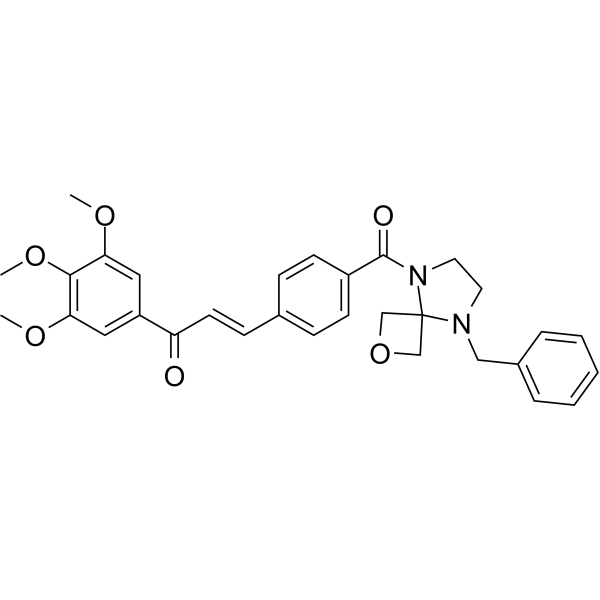
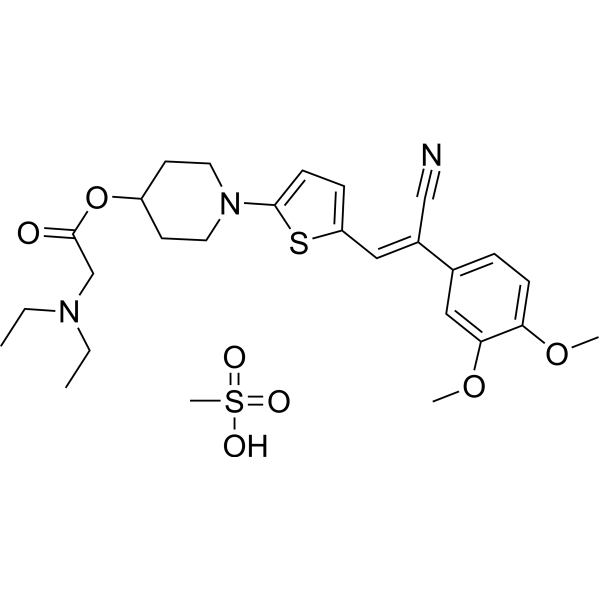
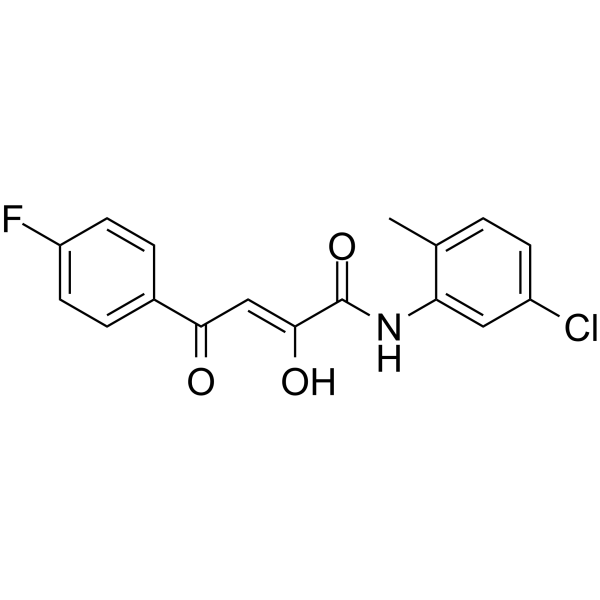
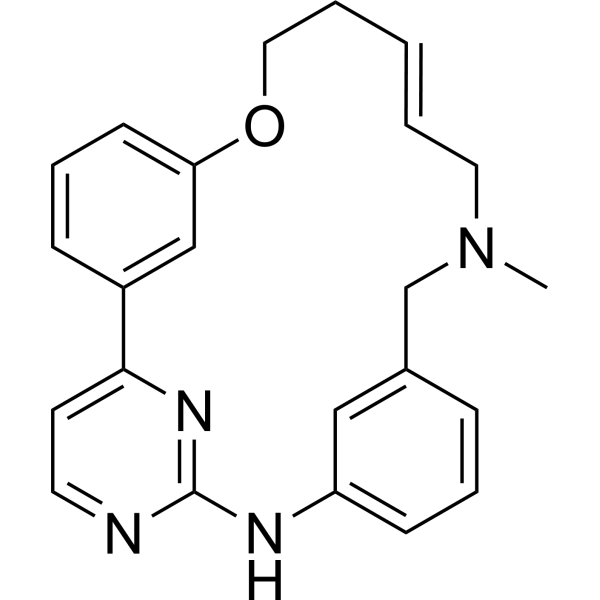
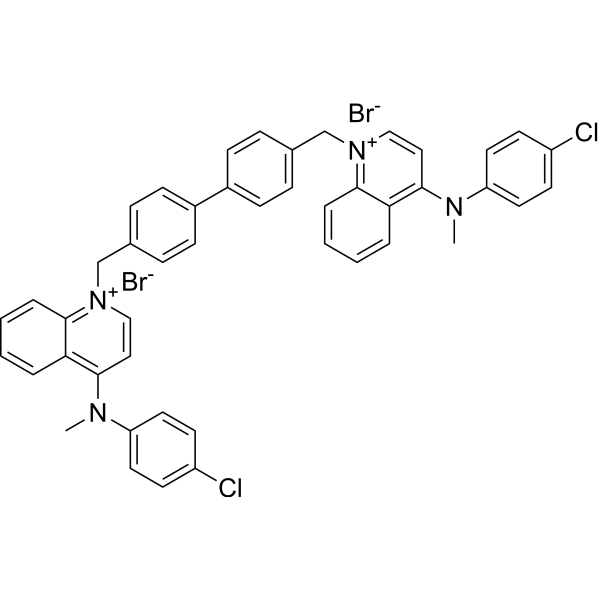
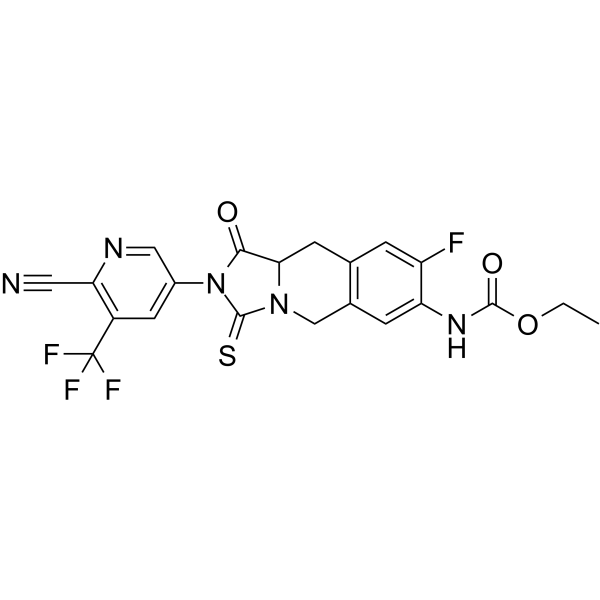
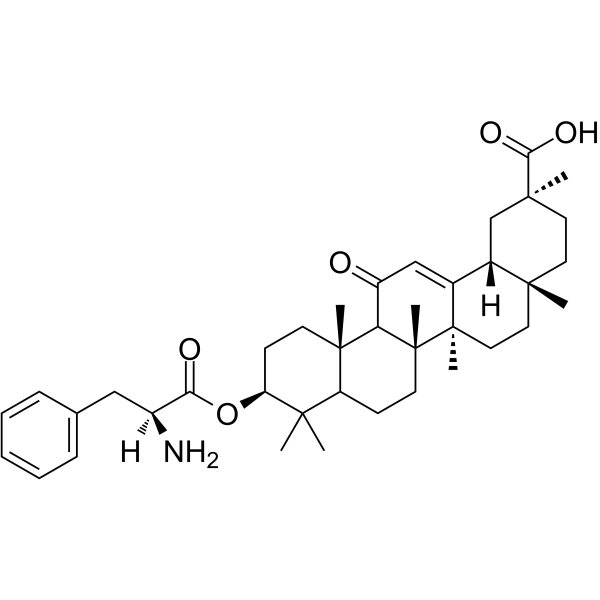
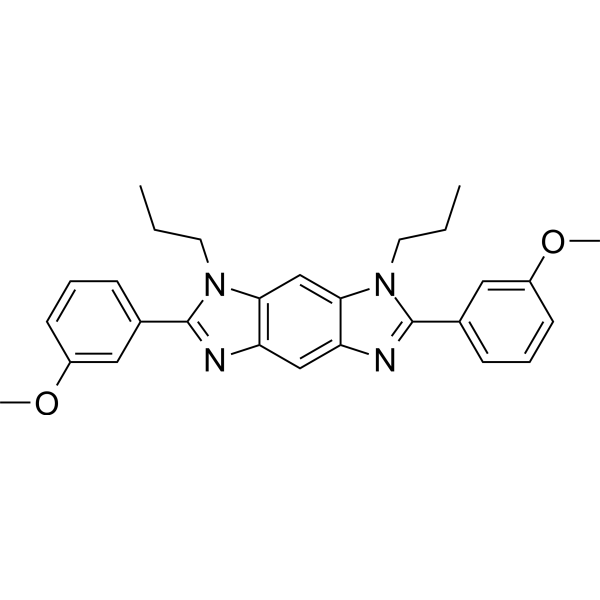
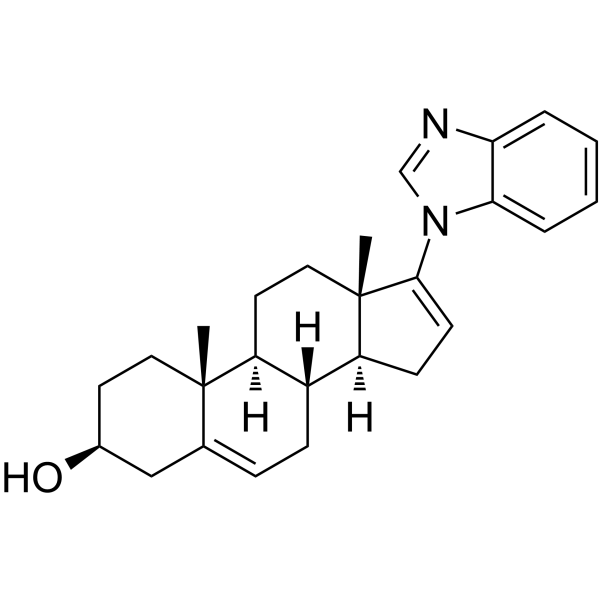
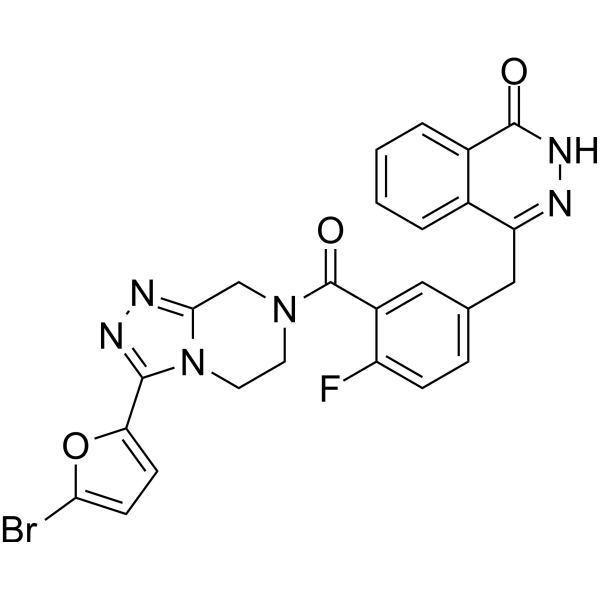
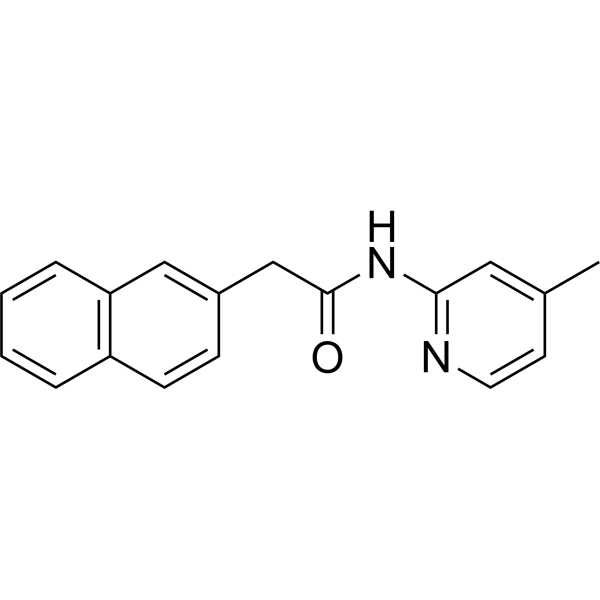
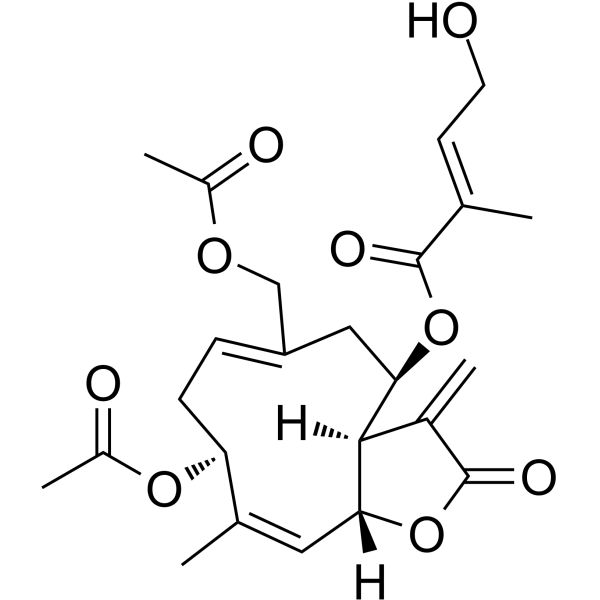
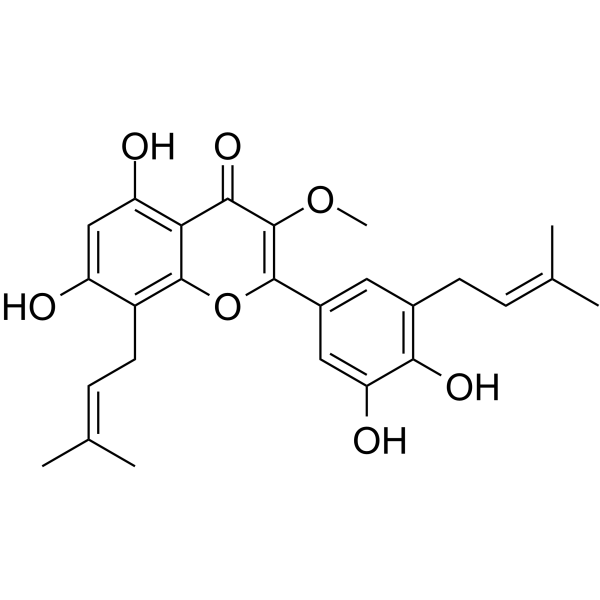
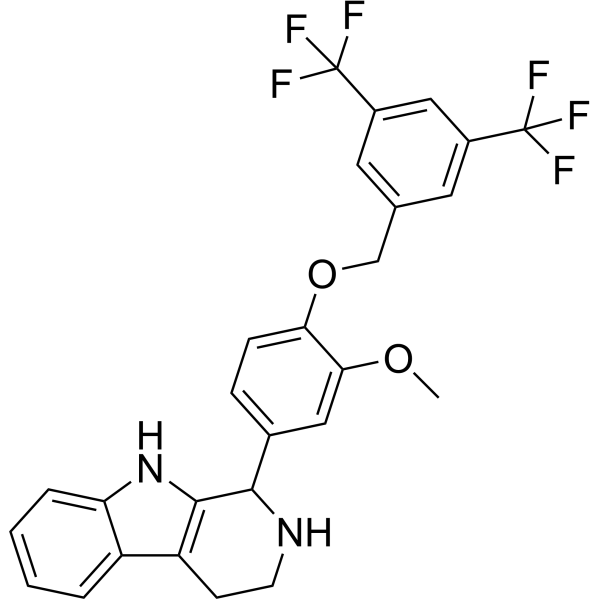
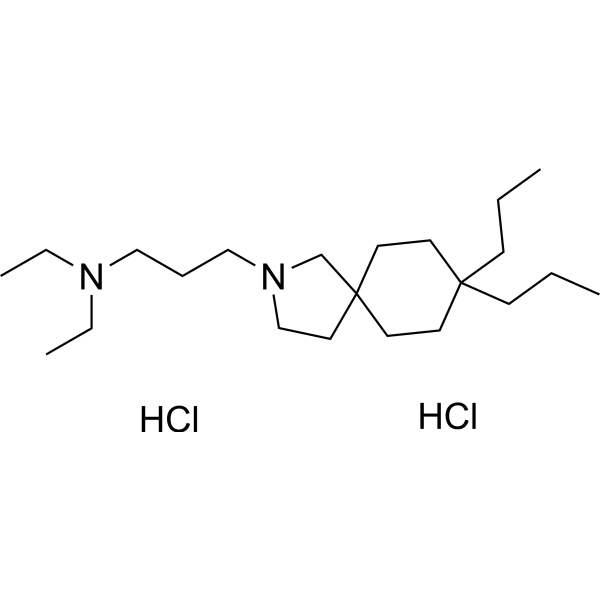
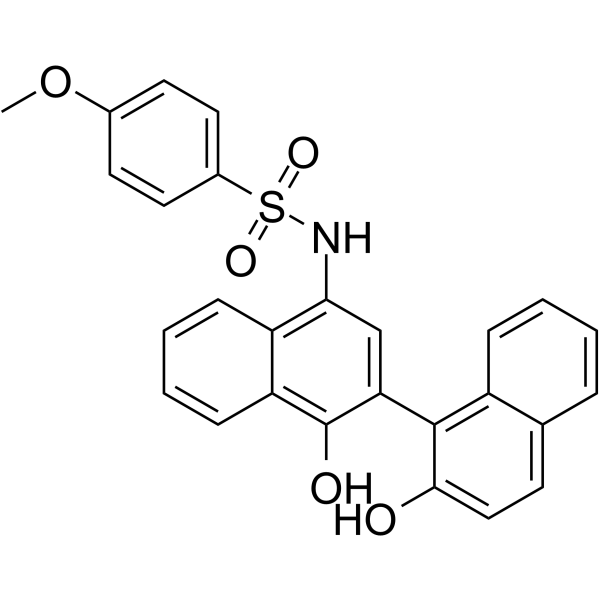
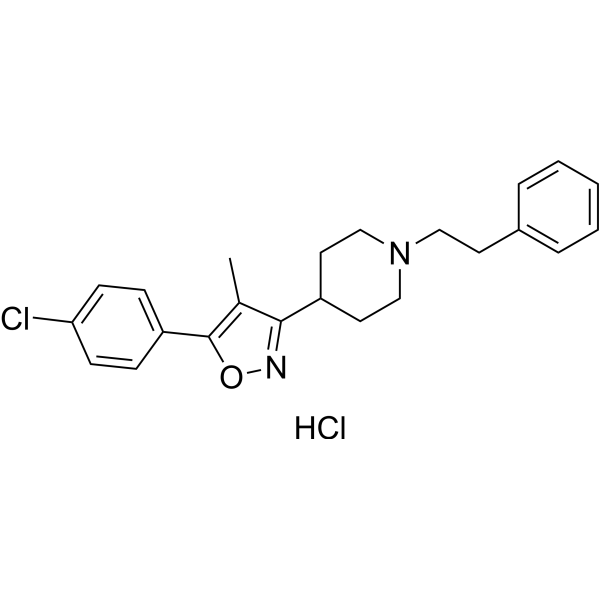
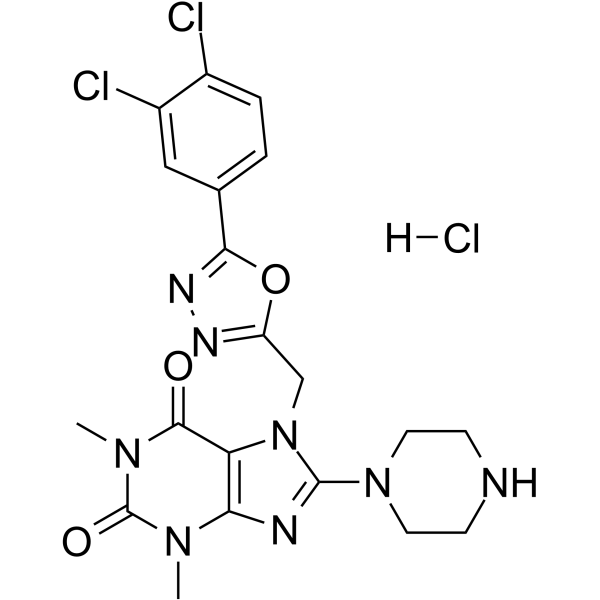
    666-15 is a potent and selective CREB inhibitor with an IC50 of 81 nM. 666-15 suppresses tumor growth in a breast cancer xenograft model .
    666-15
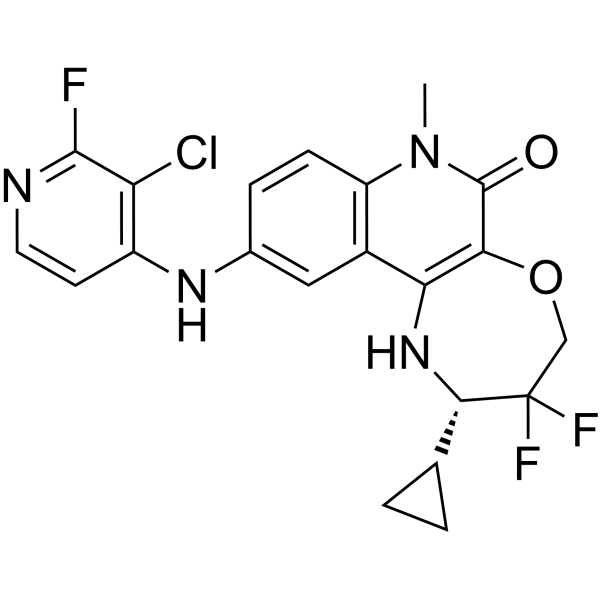
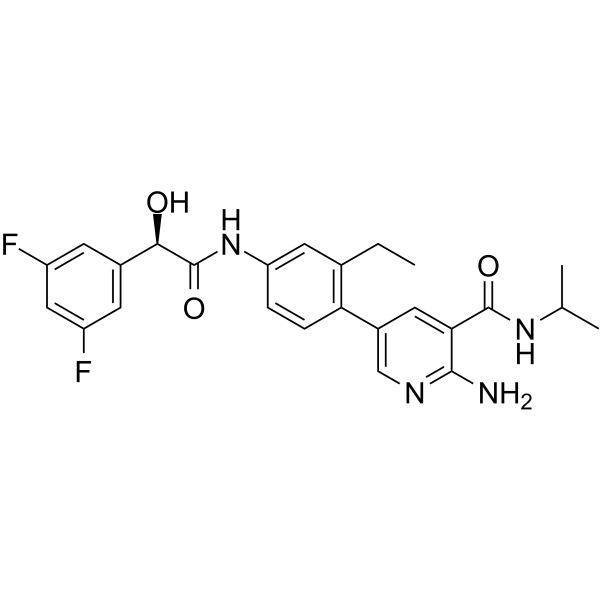
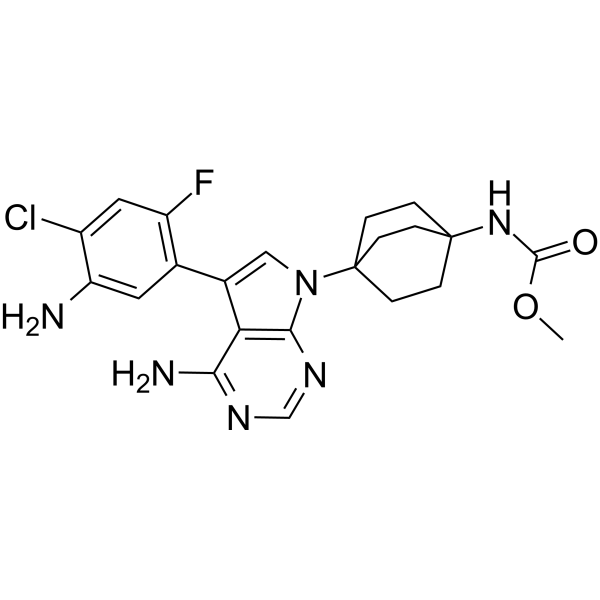
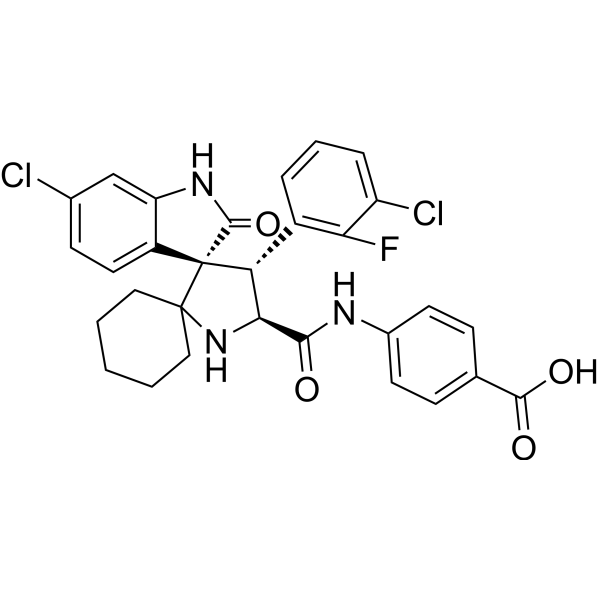
  • HY-156633
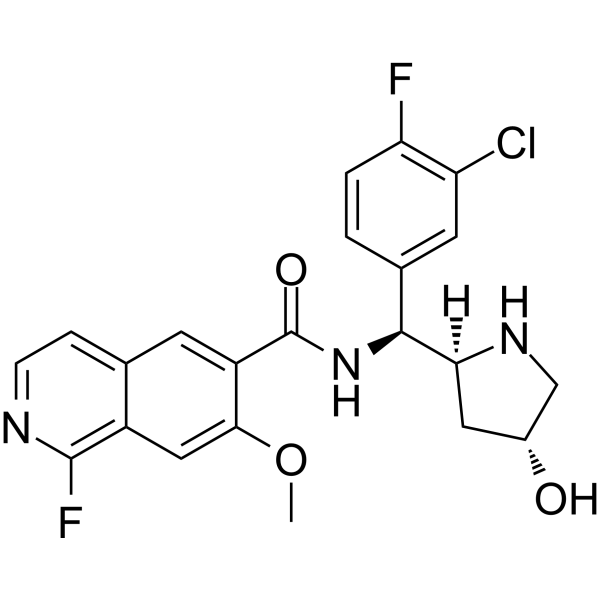
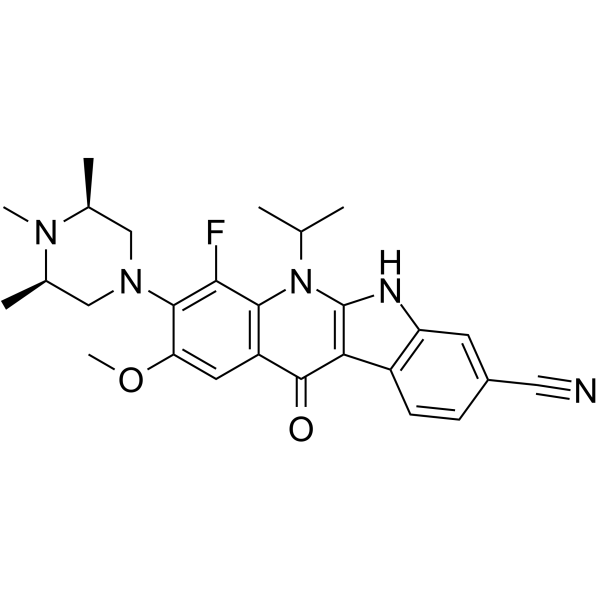
    Rezatapopt
    3 Publications Verification

    PC14586

    MDM-2/p53 Cancer
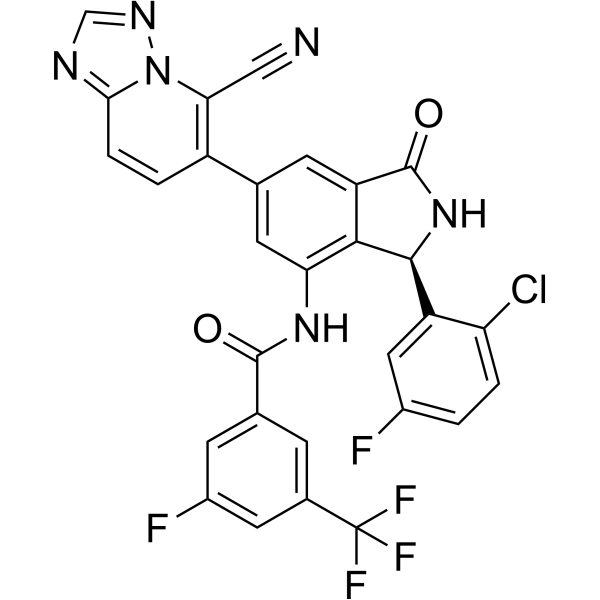
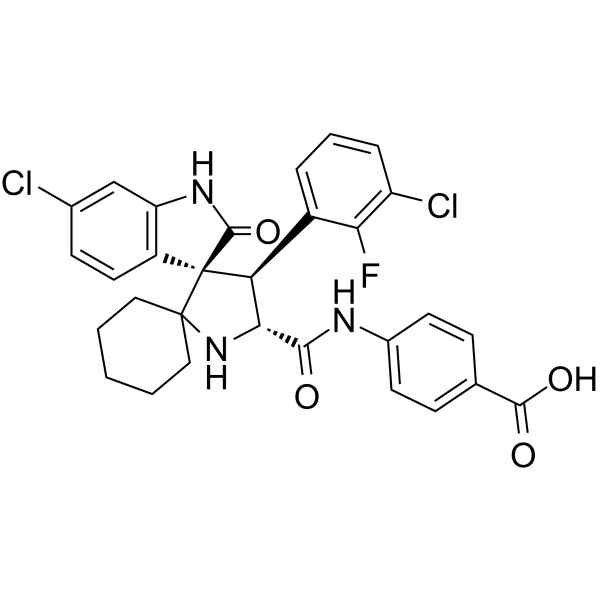
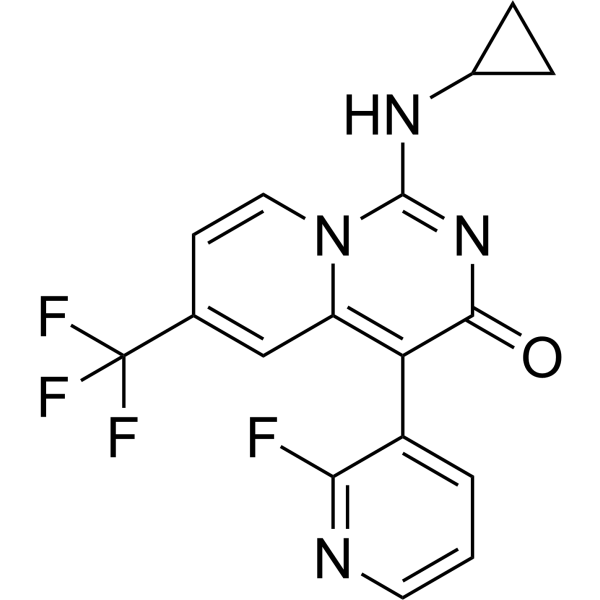
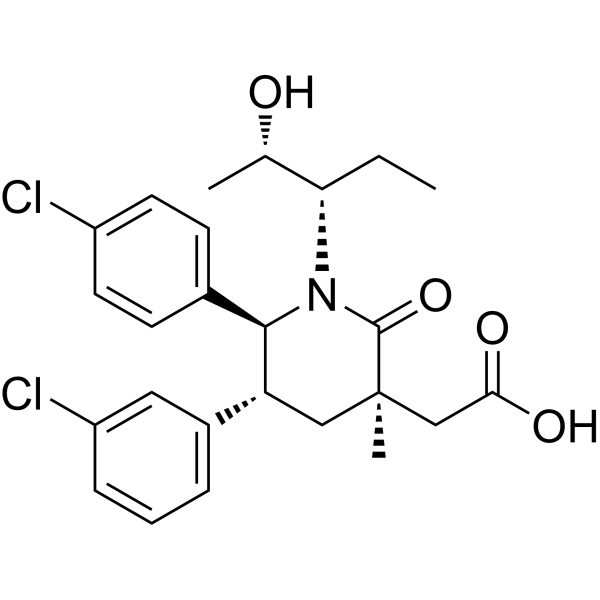
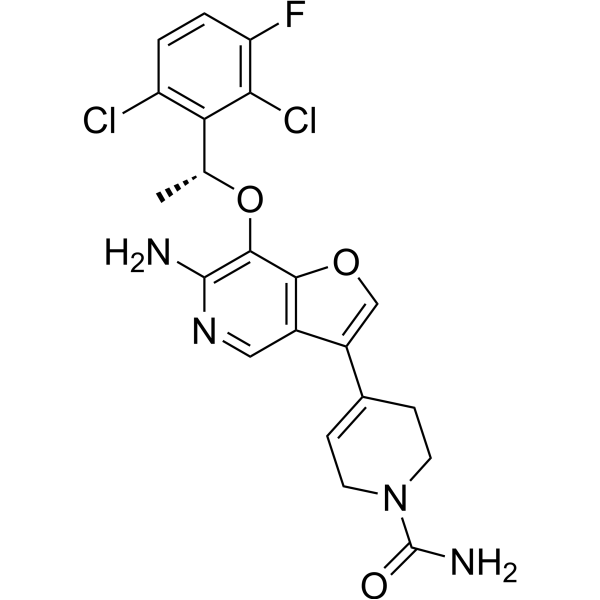
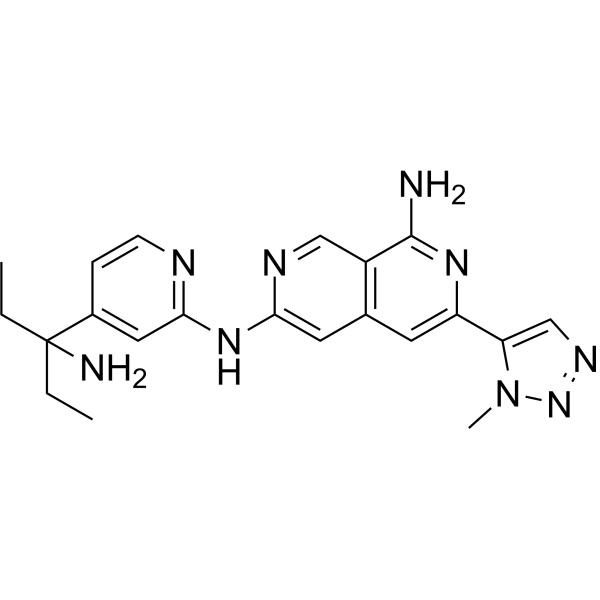
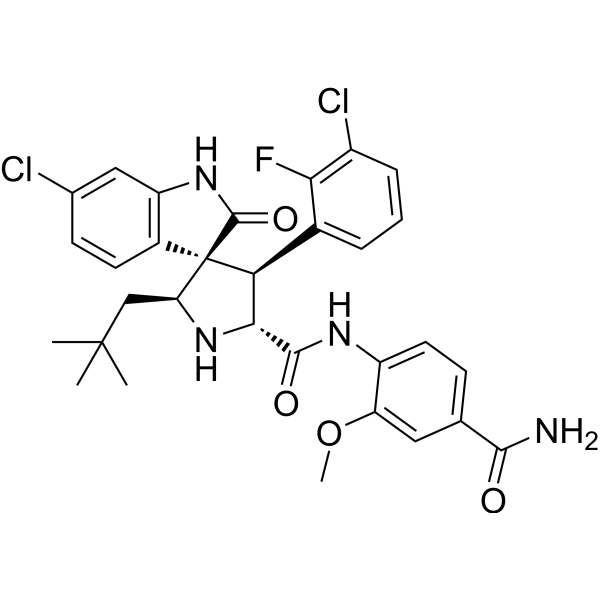
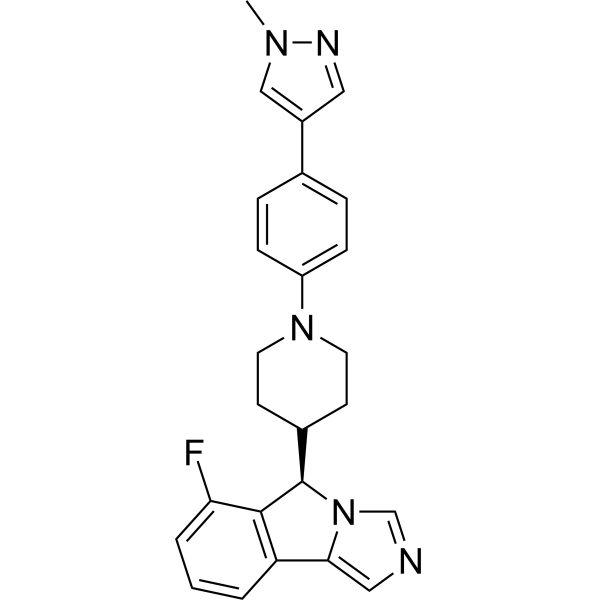
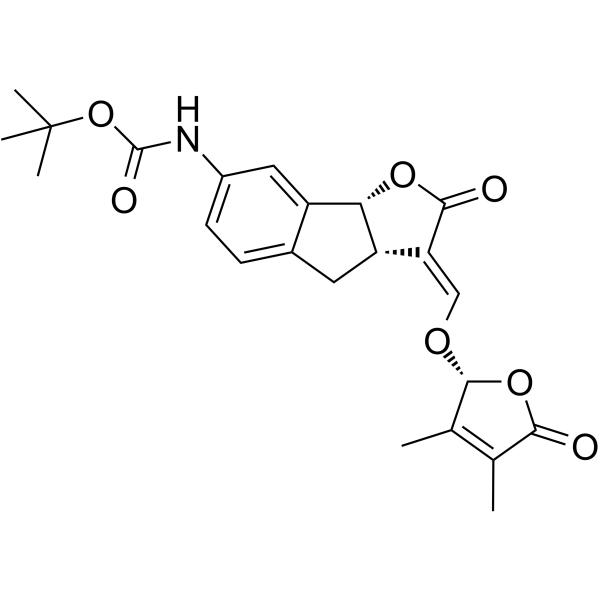
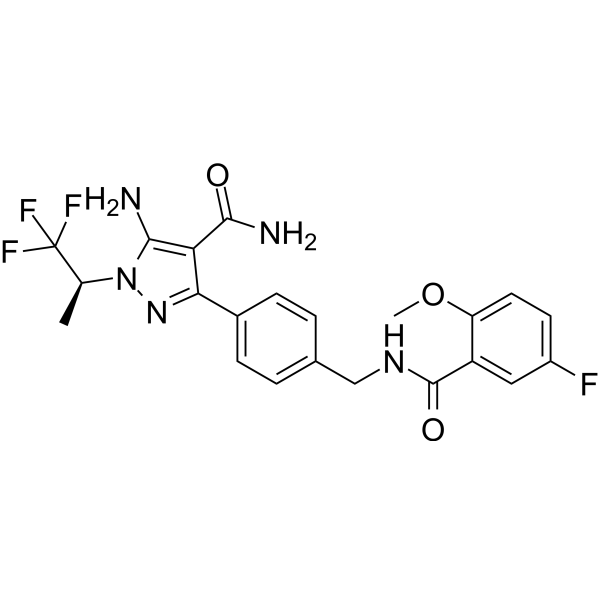
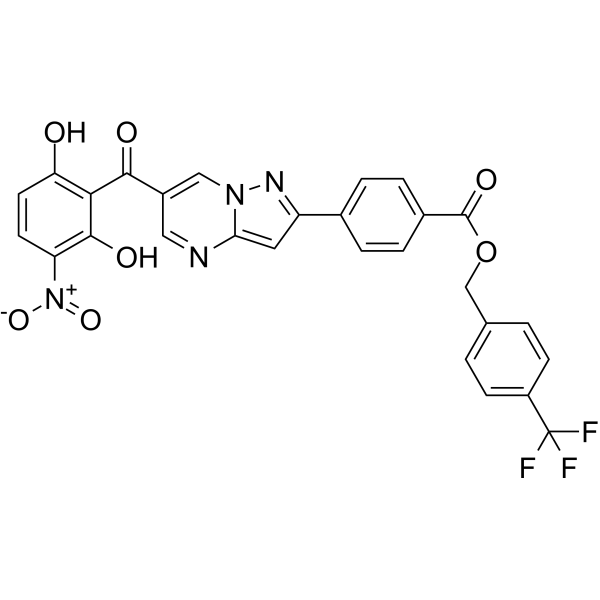
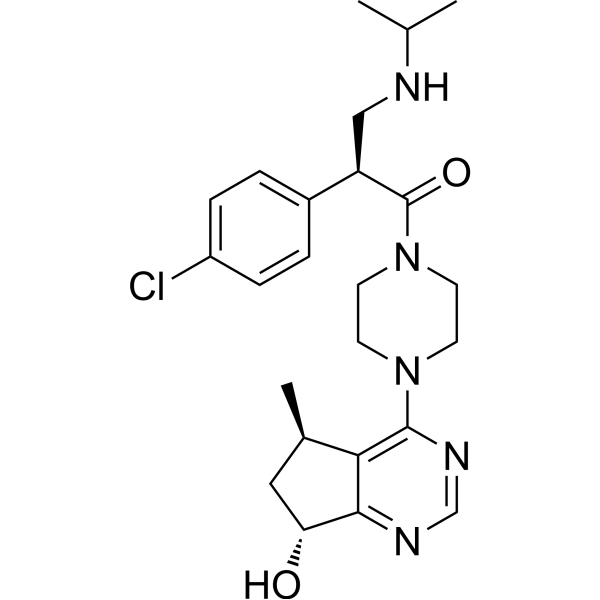
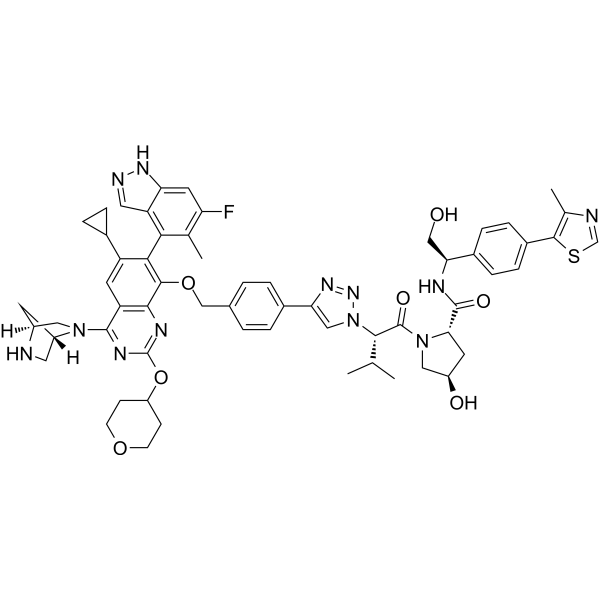
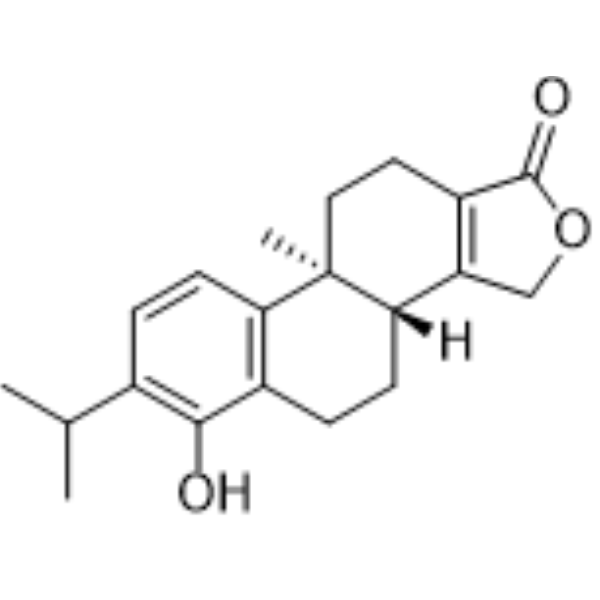
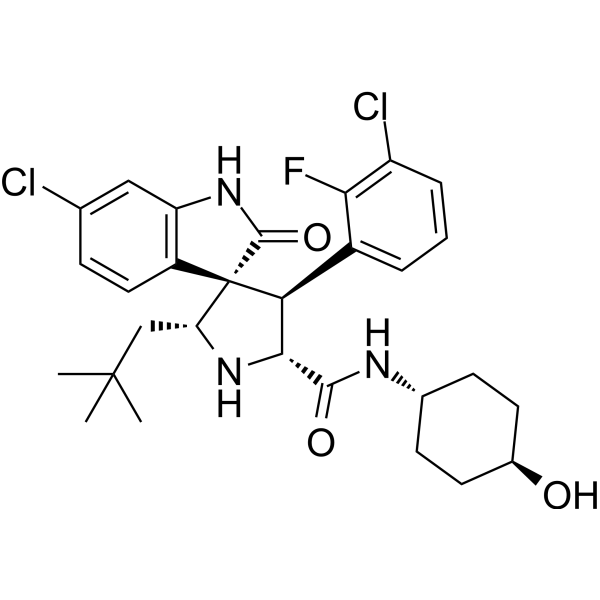
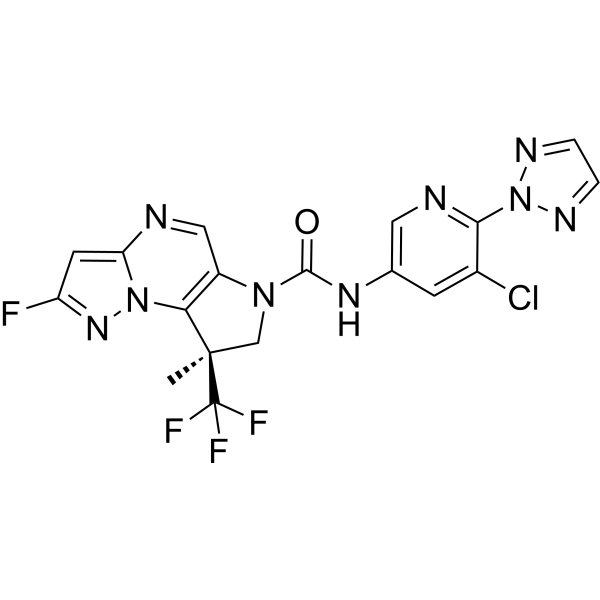
    Rezatapopt (PC14586) is an orally active antineoplastic agent. Rezatapopt binds to a pocket created by the TP53 Y220C mutation. Rezatapopt restores p53 tumor suppressor functions by stabilization of the p53 protein structure. Rezatapopt demonstrates tumor inhibition and regression in mouse models with established human tumor xenografts harboring the TP53 Y220C mutation .
    Rezatapopt
  • HY-P99275
    Patritumab
    1 Publications Verification

    AMG-888; U3-1287

    EGFR Akt ERK PARP Survivin Cancer
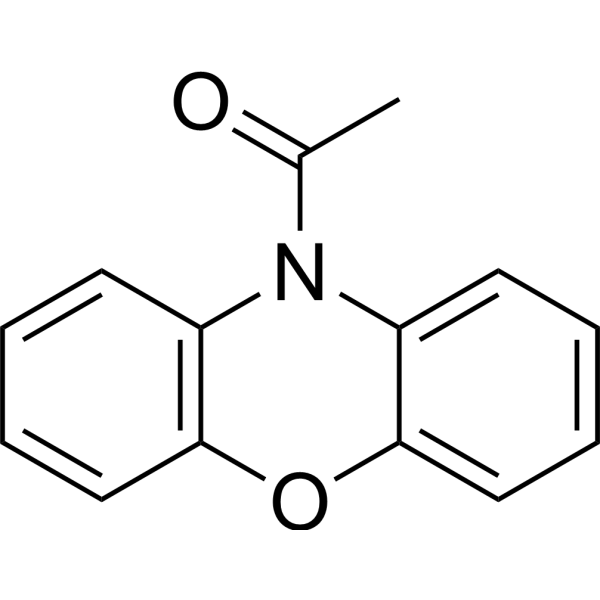
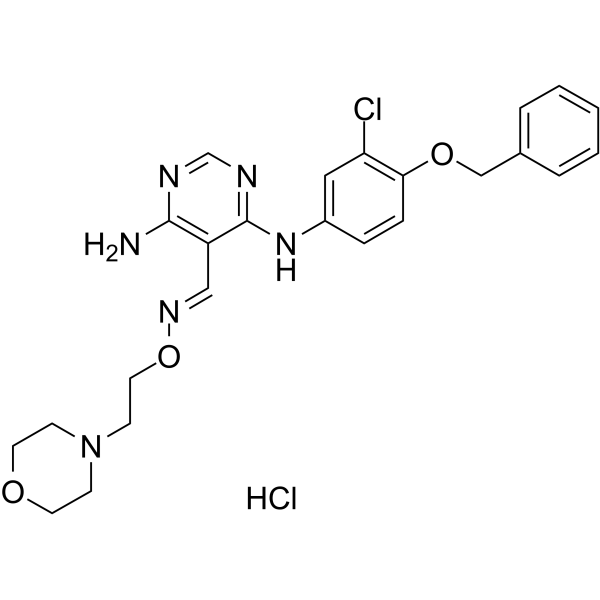
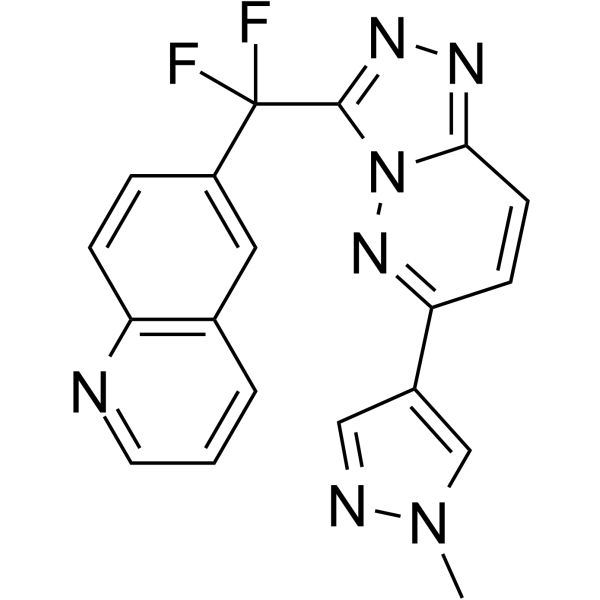
    Patritumab (Human Anti-ERBB3 Recombinant Antibody) is a neutralizing monoclonal antibody to ERBB3. Patritumab shows a synergy with Cetuximab (HY-P9905), potently inhibits the phosphorylation of EGFR, HER2, HER3, ERK, and AKT. Patritumab also induces cell apoptosis and suppresses the growth of pancreatic, non-small cell lung cancer, and colorectal cancer xenograft tumors .
    Patritumab
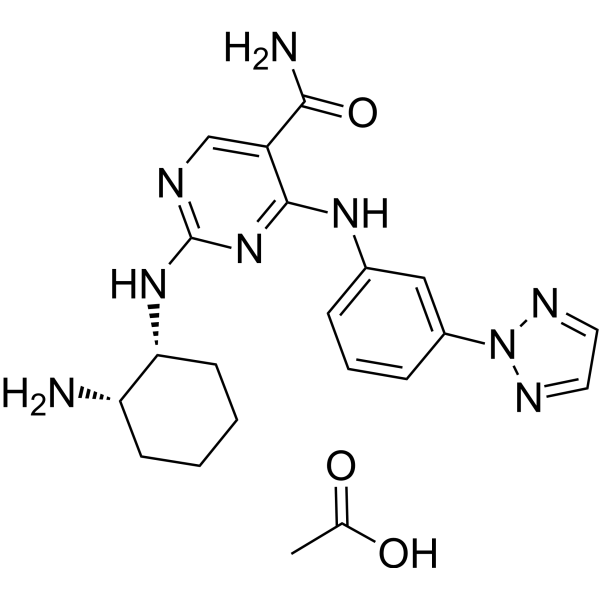
  • HY-153306
    Zovegalisib
    1 Publications Verification

    RLY-2608

    PI3K Cancer
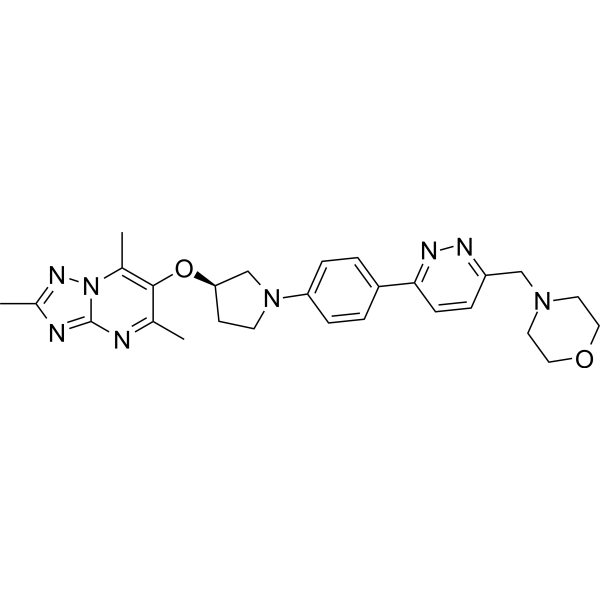
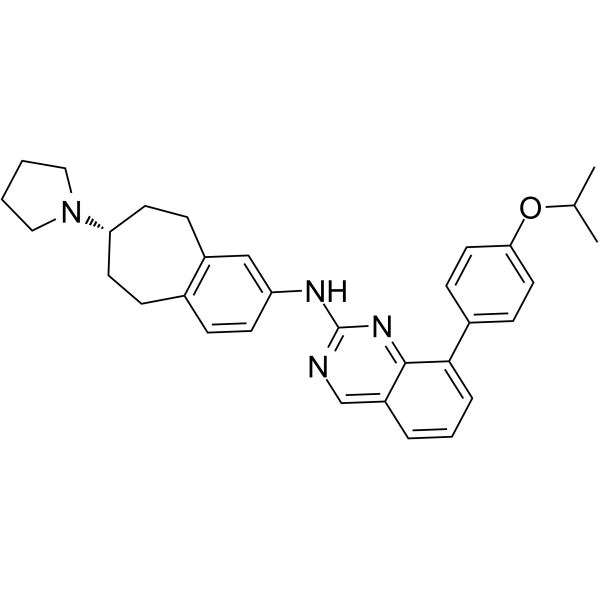
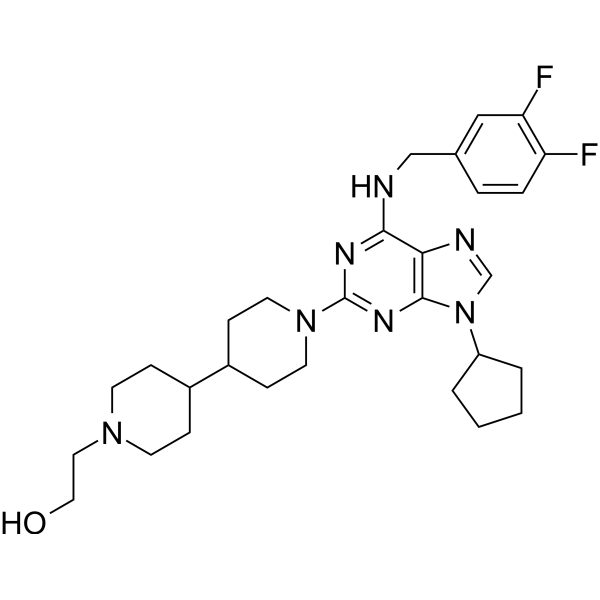
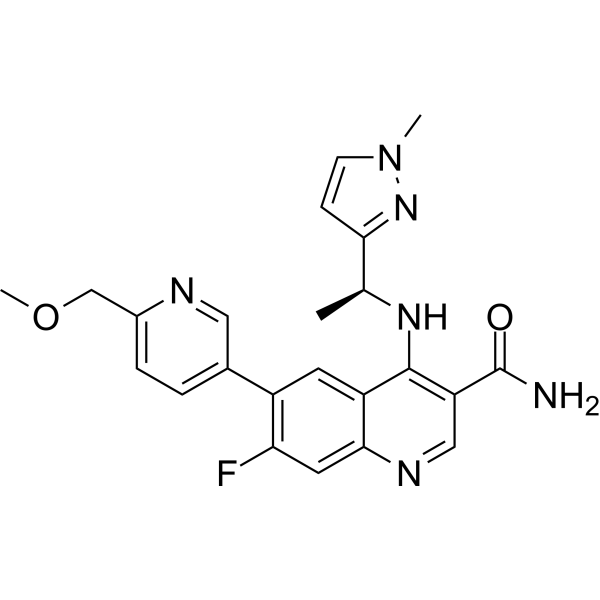
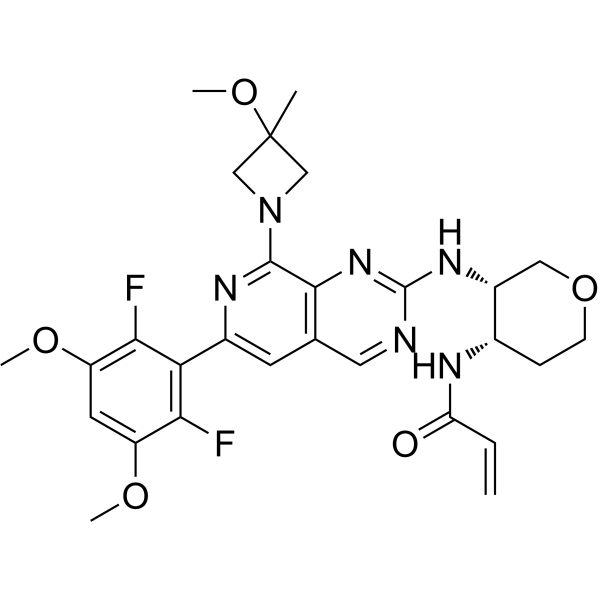
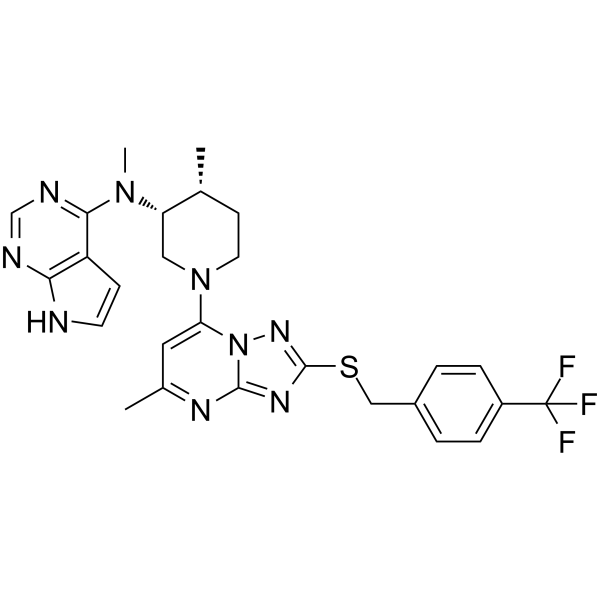
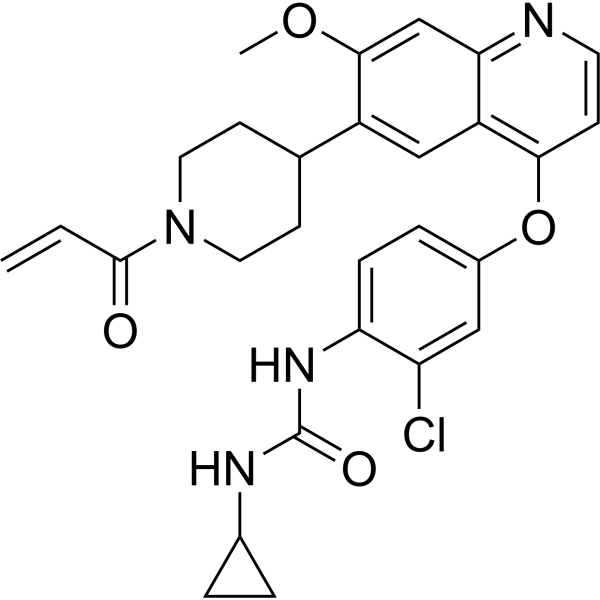
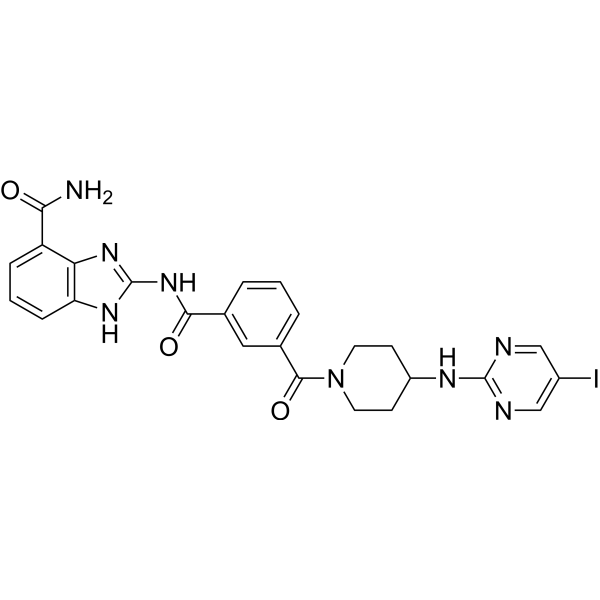
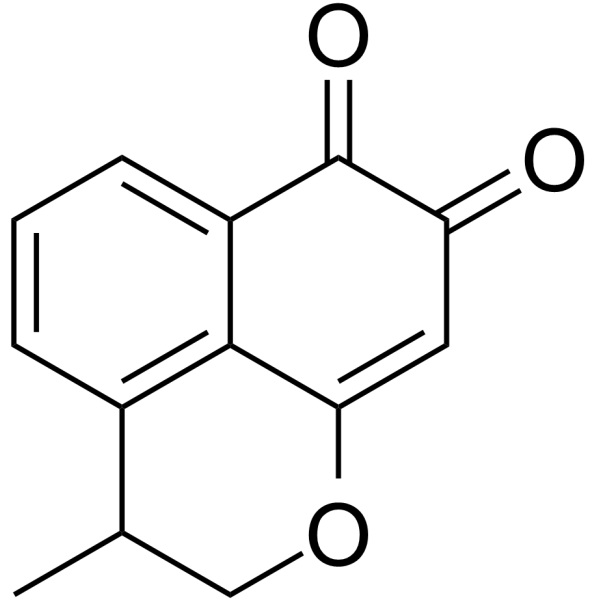
    Zovegalisib (RLY-2608) is an orally active first-in-class allosteric mutant-selective inhibitor of PI3Ka with anti-tumor activity. Zovegalisib inhibits tumor growth in PIK3CA-mutant xenograft mice models with minimal impact on insulin .
    Zovegalisib
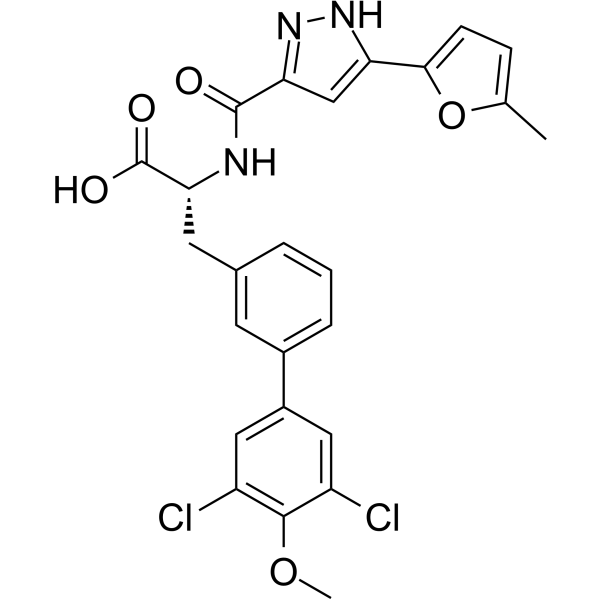
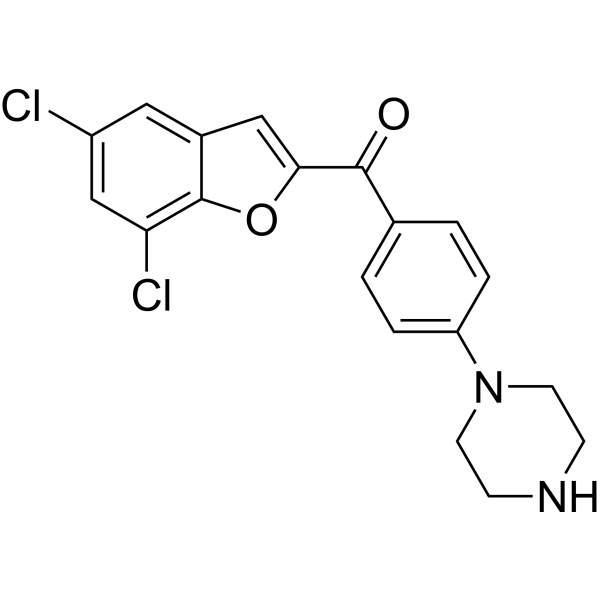
  • HY-148517
    AZD0095
    4 Publications Verification

    Monocarboxylate Transporter Cancer
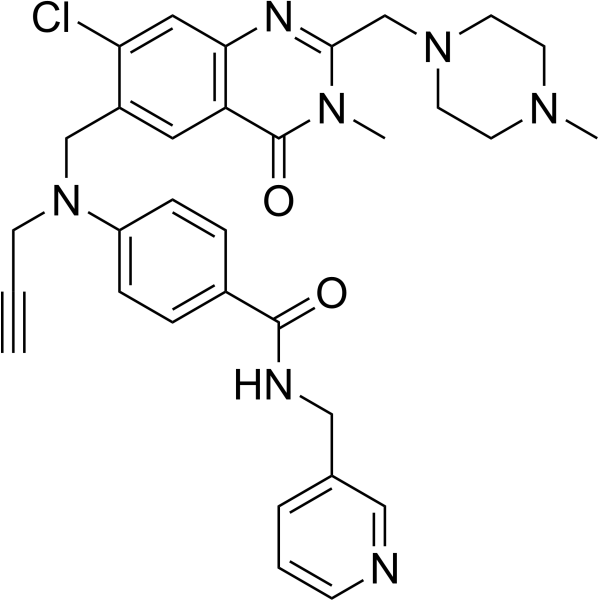
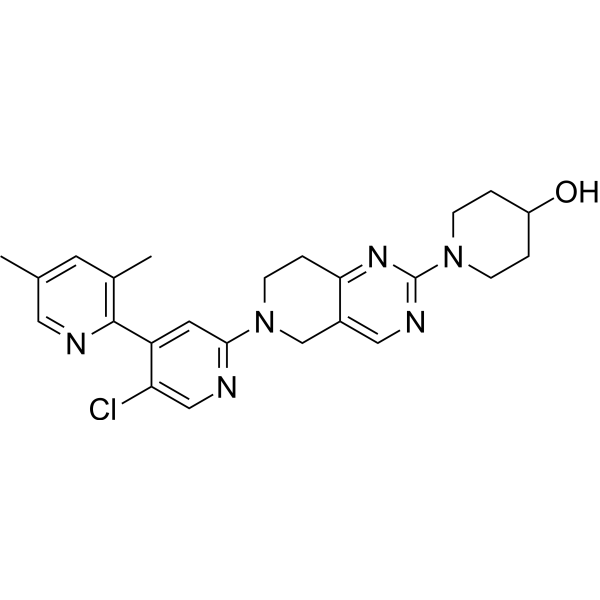
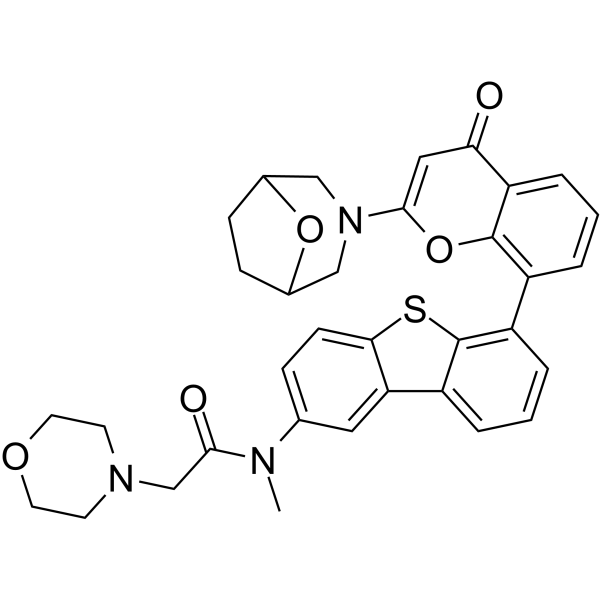
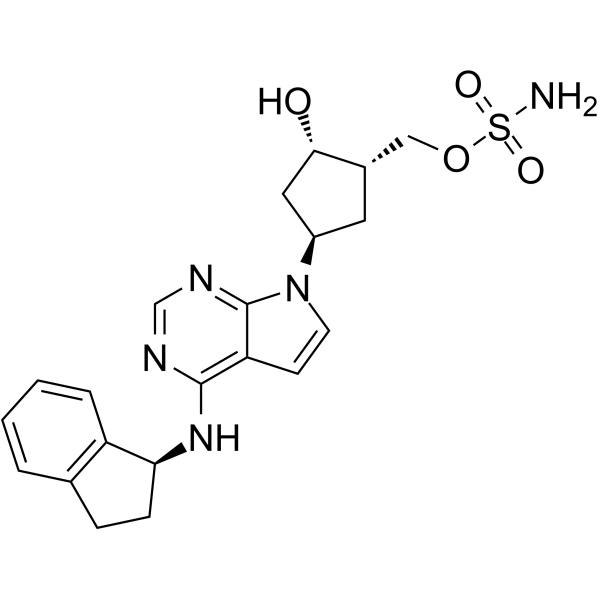
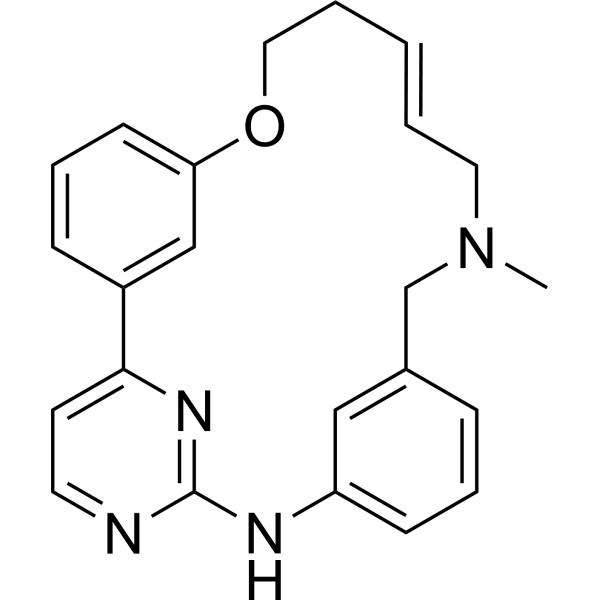
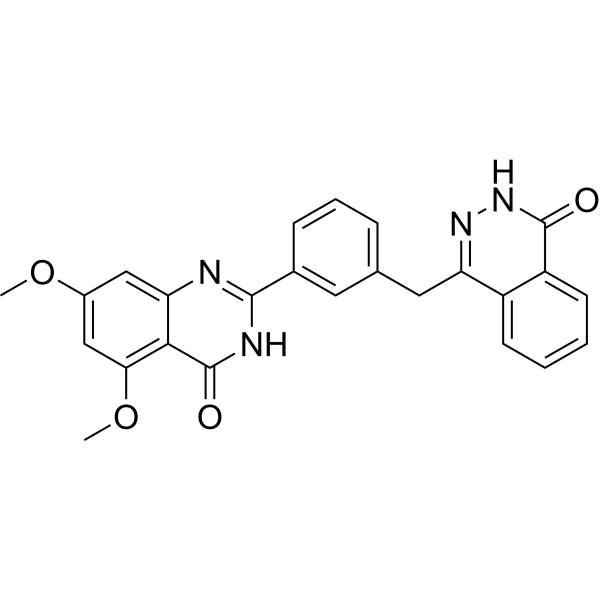
    AZD0095 is a selective and orally active MCT4 inhibitor (IC50: 1.3 nM). AZD0095 effectively inhibits the tumor growth in NCI-H358 xenograft in combination with Cediranib (HY-10205) .
    AZD0095
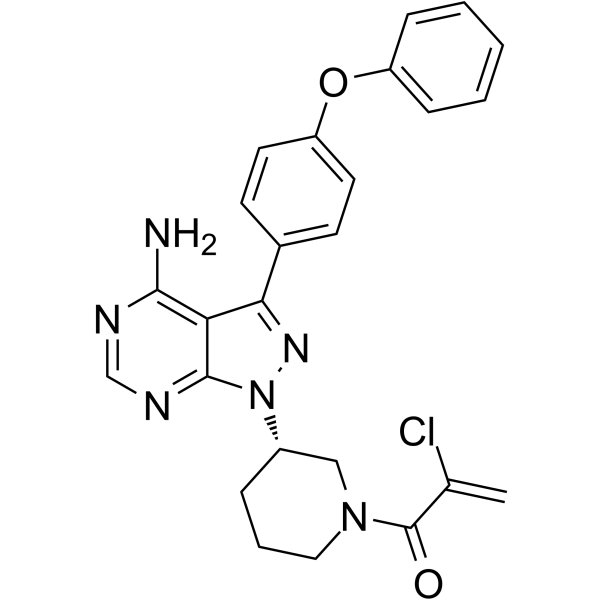
  • HY-149672

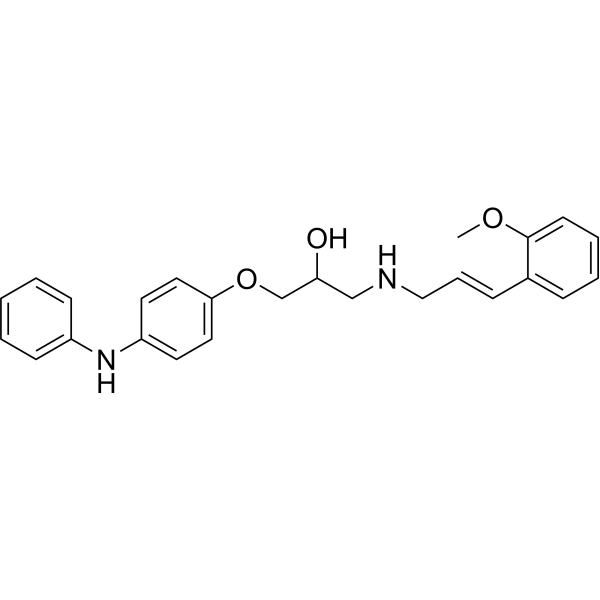
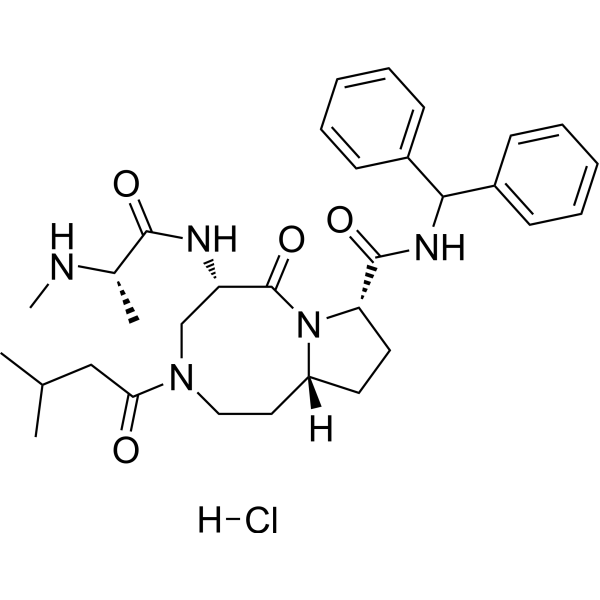
    Bcl-2 Family Apoptosis Cancer
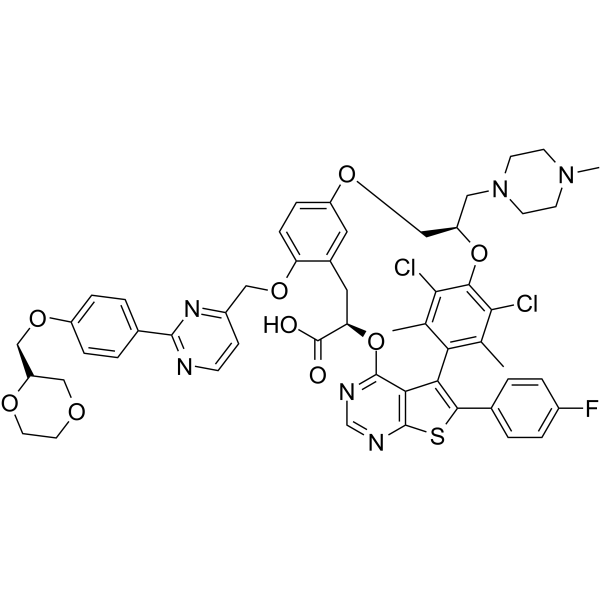
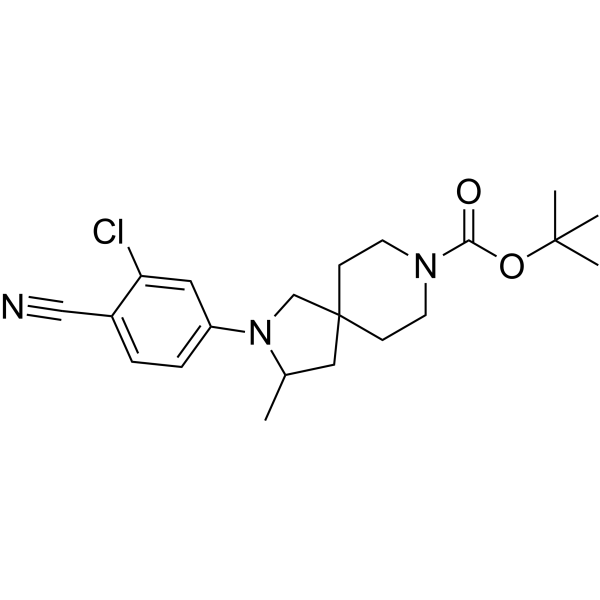
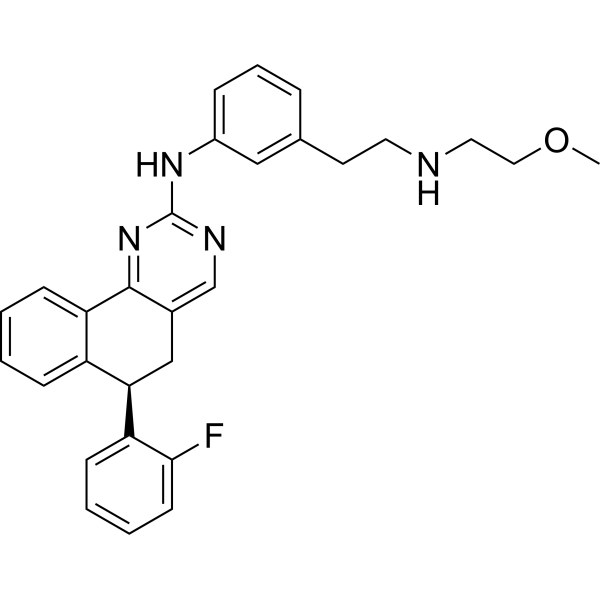
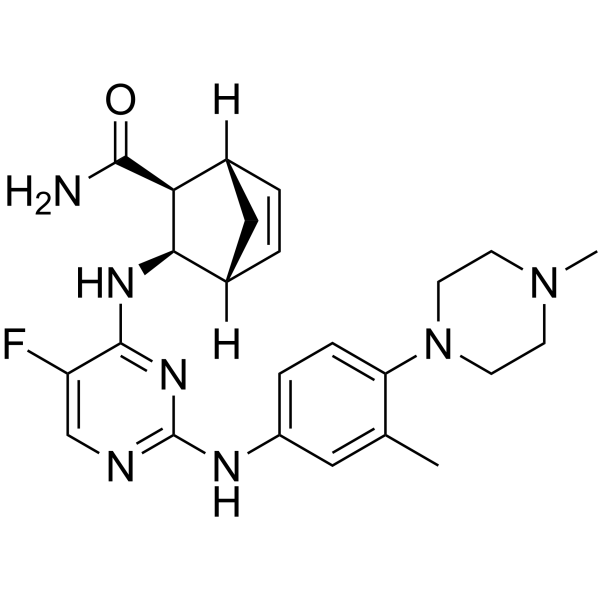
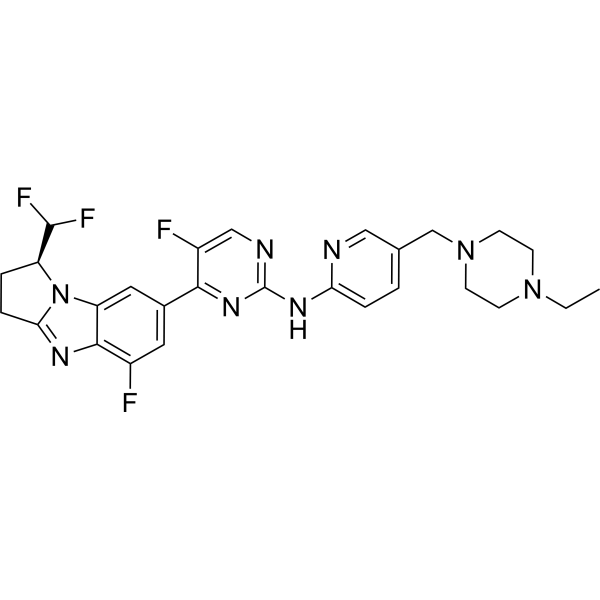
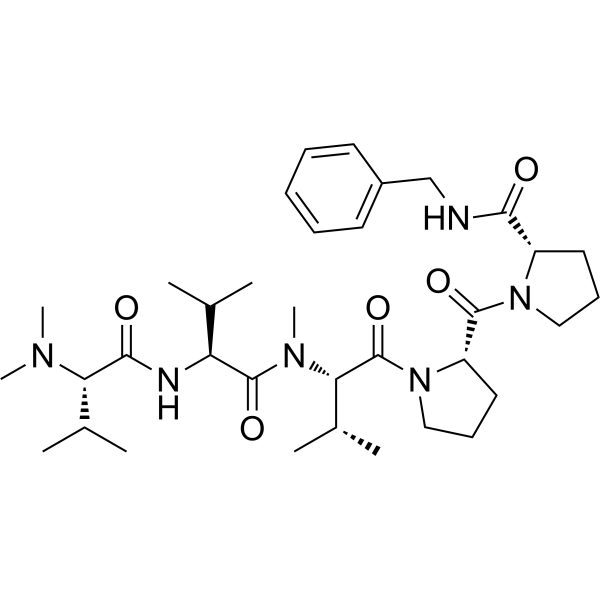
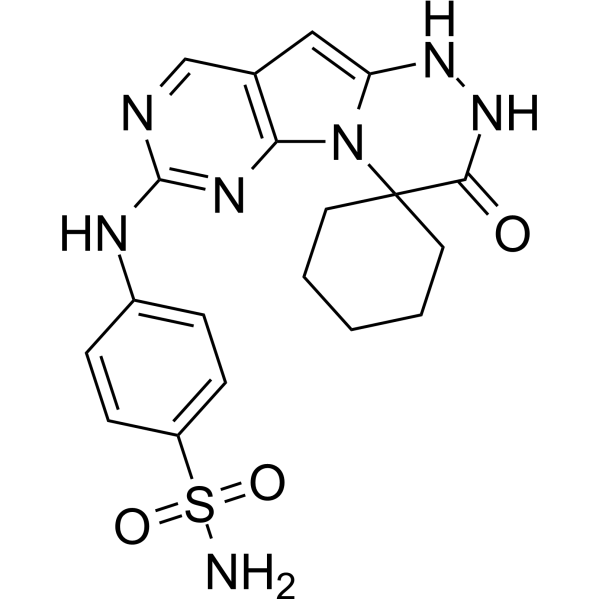
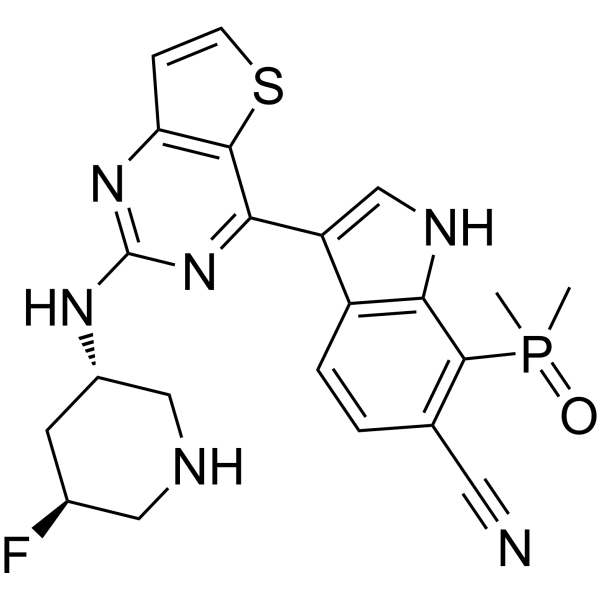
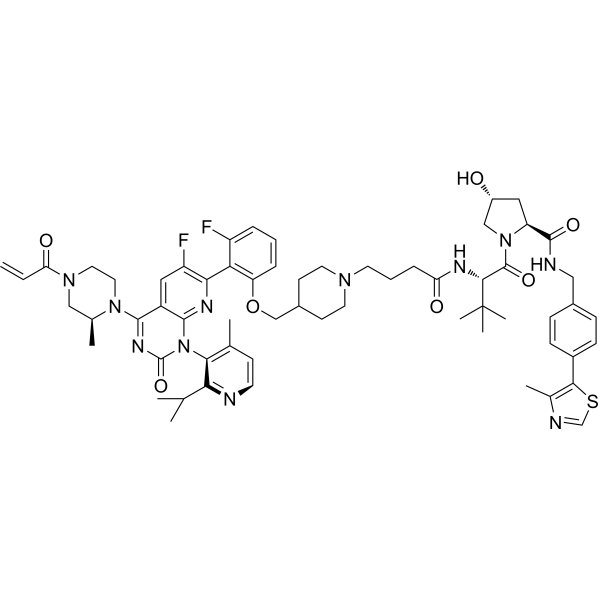
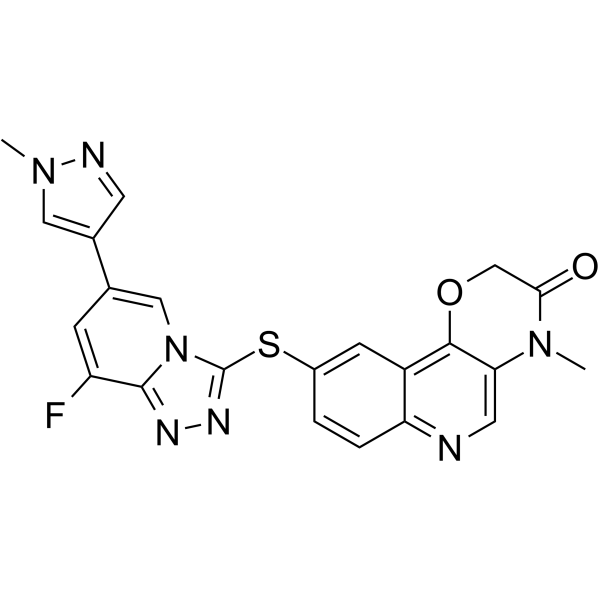
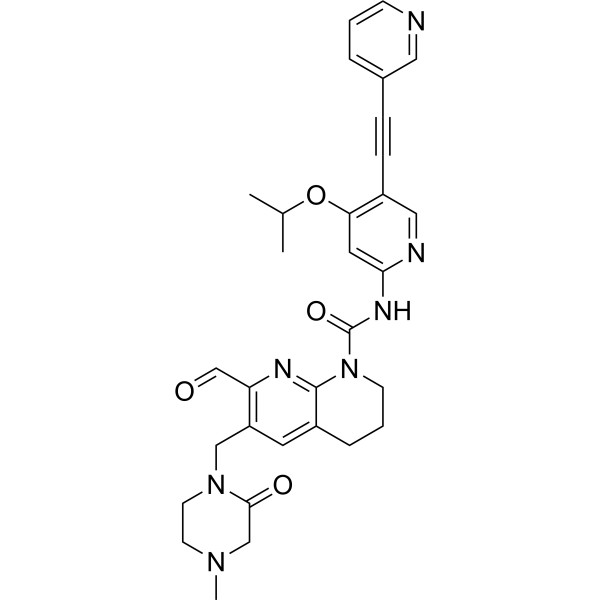
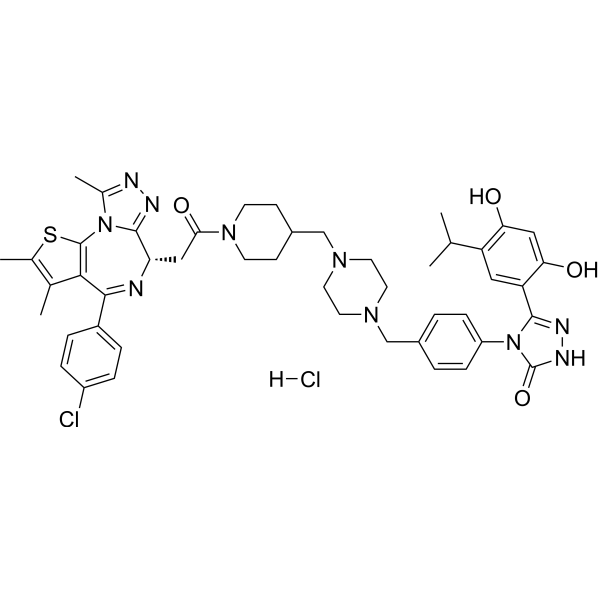
    ABBV-467 is a selective MCL-1 inhibitor (Ki: <0.01 nM). ABBV-467 induces apoptosis. ABBV-467 induces cancer cell death and inhibits tumor growth in models of hematological malignancies, such as multiple myeloma .
    ABBV-467
  • HY-P99849

    ABT-806

    EGFR Cancer
    Depatuxizumab is a brain-penetrant and humanized tumor-specific anti EGFR monoclonal antibody. Depatuxizumab inhibits the growth of xenograft models of mutant EGFRvIII and wild-type EGFR. Depatuxizumab can be used for research on cancer .
    Depatuxizumab
  • HY-P99364
    Icrucumab
    1 Publications Verification

    Anti-VEGFR1/FLT1 Reference Antibody; IMC-18F1

    VEGFR Apoptosis p38 MAPK Akt Endocrinology Cancer
    Icrucumab (Anti-VEGFR1/FLT1 Reference Antibody; IMC-18F1) is an IgG1 antibody inhibitor targeting VEGFR-1/FLT1 with anti-tumor activity. By blocking ligand-dependent phosphorylation and downstream signal transduction, Icrucumab reduces the activities of MAPK and Akt in breast cancer xenograft models, inhibits the proliferation and invasion of VEGFR-1-positive tumor cells, and reverses the conversion of M1 macrophages to the pro-tumor M2-like phenotype. Icrucumab also inhibits tumor cell proliferation, promotes apoptosis, and effectively suppresses tumor growth through direct targeting of tumors and host support mechanisms. In addition, Icrucumab exhibits a synergistic effect when combined with chemotherapeutic agents, and it is used in research related to various cancers including advanced solid malignancies, thyroid cancer, melanoma, and lung cancer .
    Icrucumab
  • HY-15323
    PRT062607 Hydrochloride
    4 Publications Verification

    P505-15 Hydrochloride

    Syk Mixed Lineage Kinase PAK Pyk2 FAK Apoptosis Src Cancer
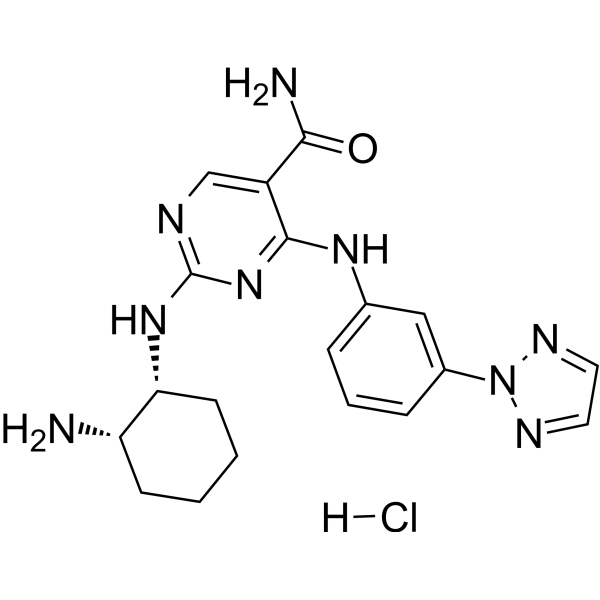
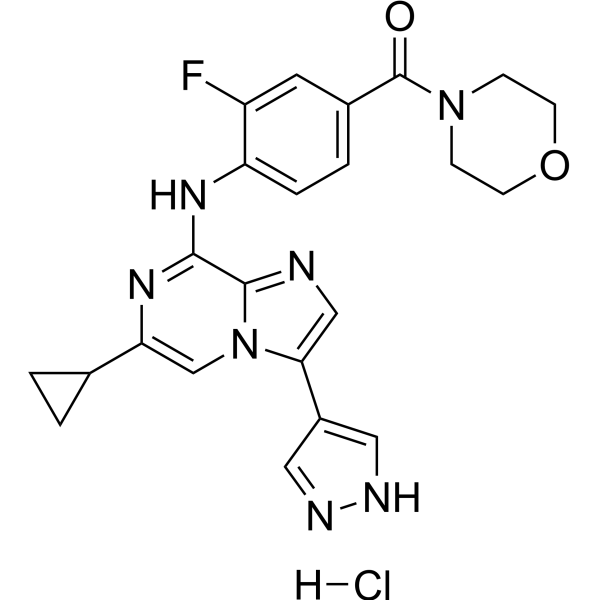
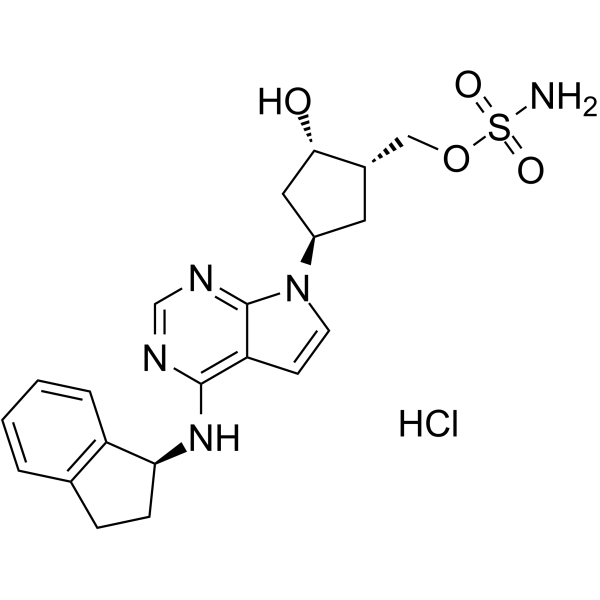
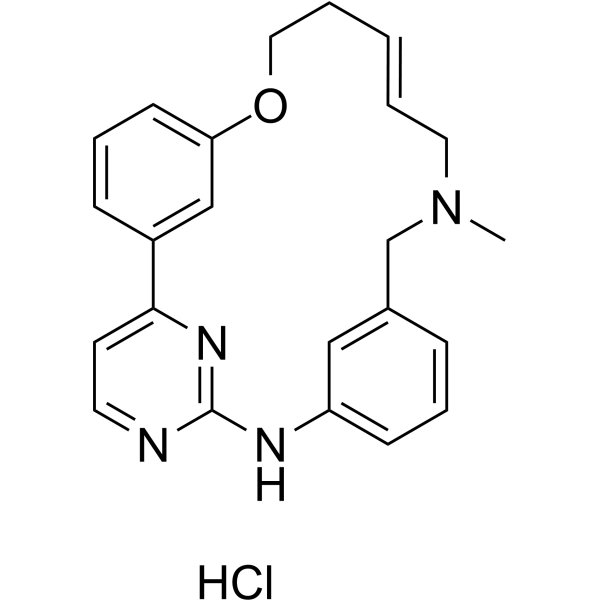
    PRT062607 (P505-15) Hydrochloride is an orally available Syk inhibitor (IC50: 1 nM) that inhibits inflammation and induction Apoptosis. PRT062607 Hydrochloride exerts potent antitumor activity in tumor xenograft mouse models .
    PRT062607 Hydrochloride
  • HY-P991577

    DS-8895A

    Ephrin Receptor Cancer
    DS-8895(DS-8895A) is an anti-EphA2 monoclonal antibody with specific binding to EphA2 receptors and EphA2-expressing cells. DS-8895, when conjugated with 89Zr, 111In, or 125I, supports molecular imaging of EphA2 expression in xenograft models. DS-8895 allows noninvasive measurement of EphA2 expresssion in tumors in vivo. .
    DS-8895
  • HY-W725179

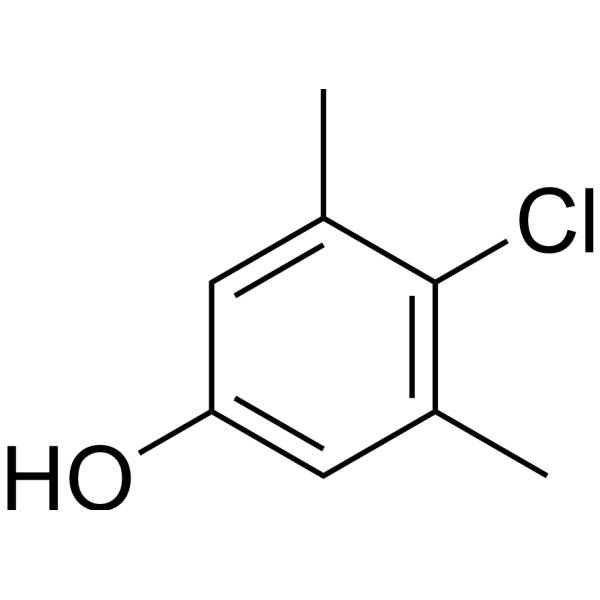
    EBV Cancer
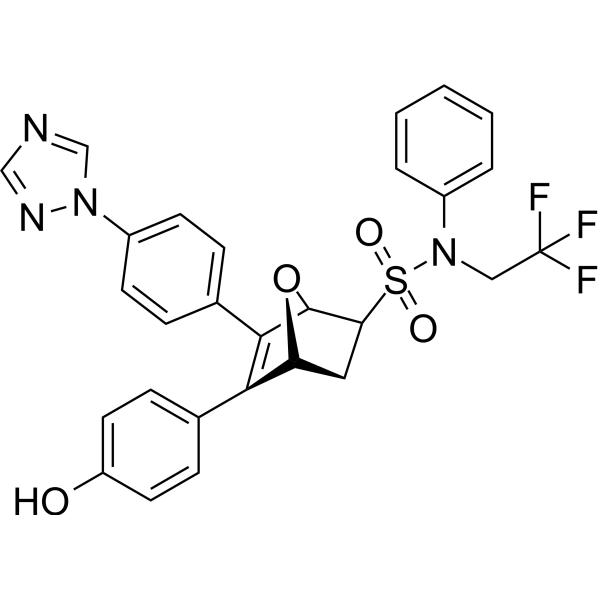
    VK-2019 is an orally bioavailable selective inhibitor of EBNA1. By binding to the protein-DNA interface to interfere with the recruitment and anchoring of the viral DNA replication machinery, VK-2019 effectively blocks the replication and proliferation of EBV in latently infected cells. VK-2019 reduces the copy number and gene expression level of Epstein-Barr virus in tumor cells, decreases the number of EBER-positive cells, and exhibits significant antiviral, immunomodulatory and antiproliferative activities. VK-2019 successfully inhibits tumor growth in EBV-dependent xenograft models. VK-2019 has favorable systemic exposure and acceptable safety profiles, and is widely used in research on advanced nasopharyngeal carcinoma and various EBV-associated cancers .
    VK-2019
  • HY-159579

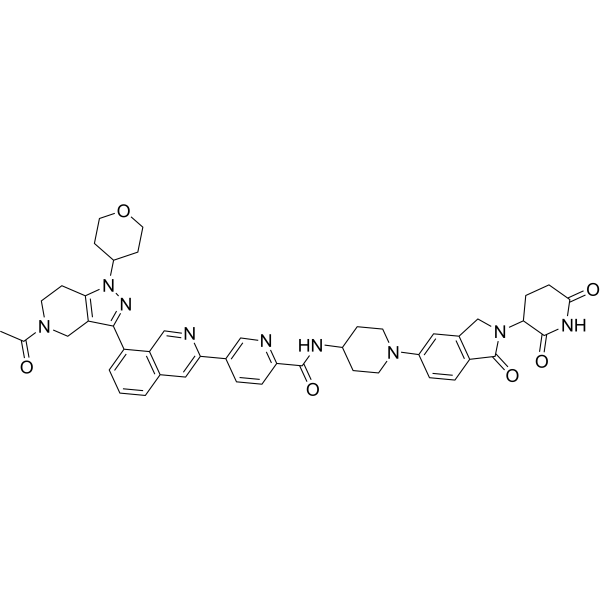
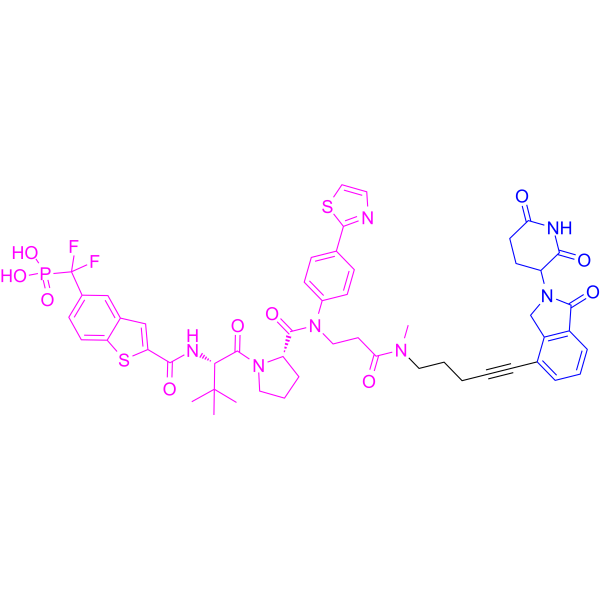
    PROTACs Epigenetic Reader Domain Cancer
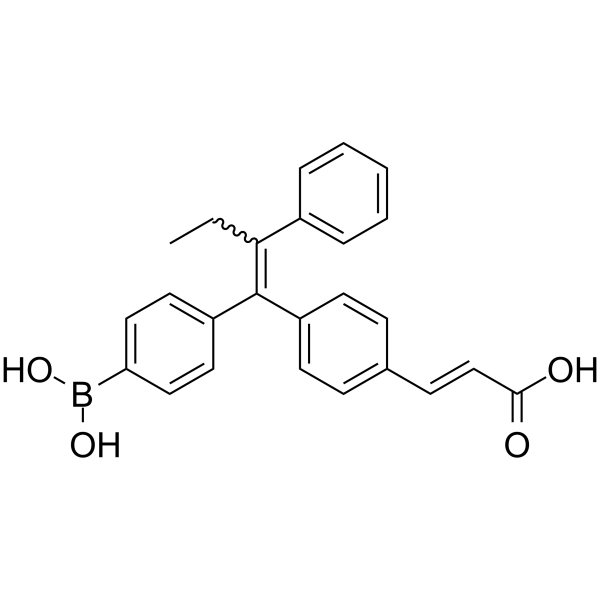
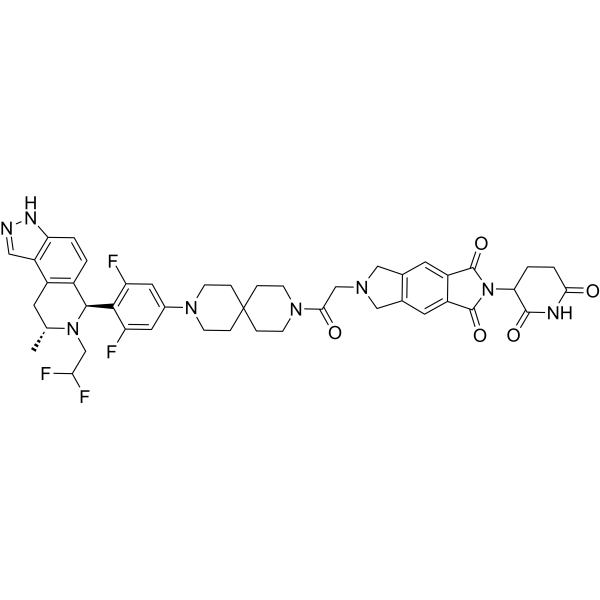
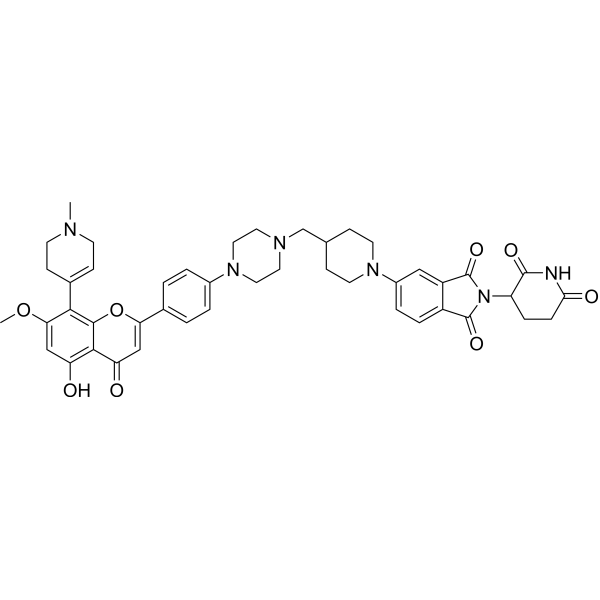
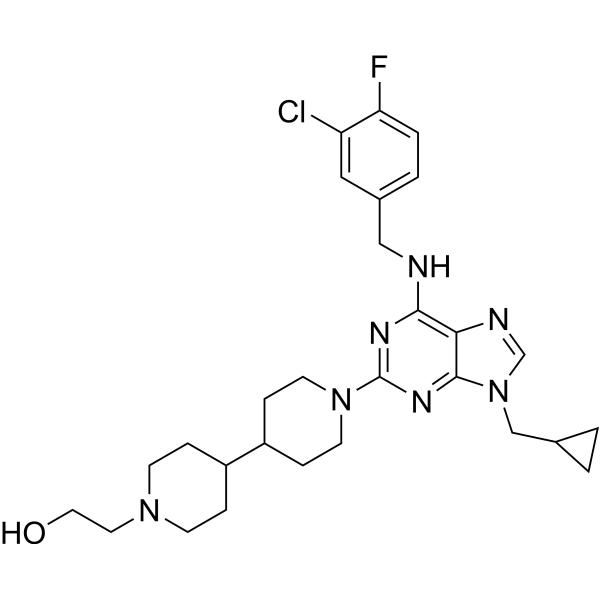
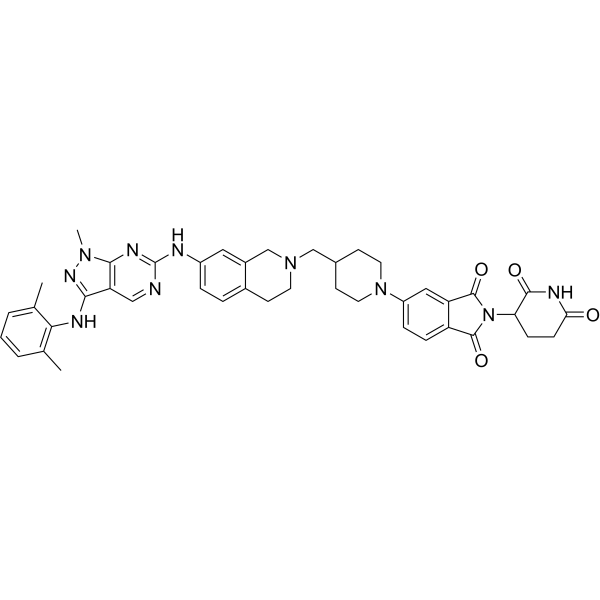
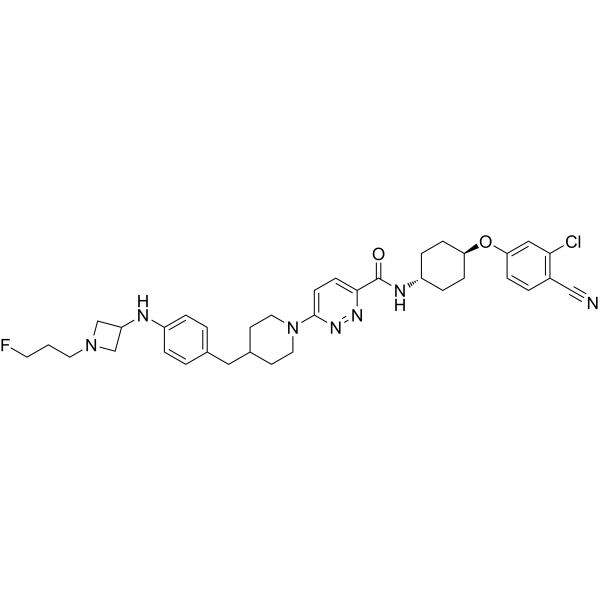
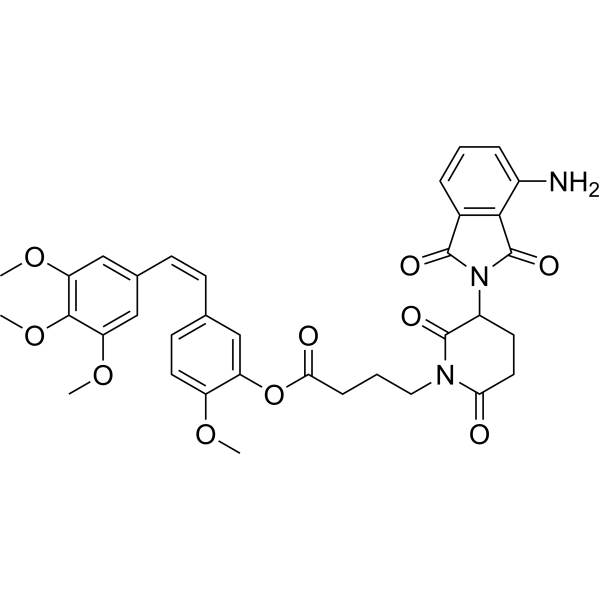
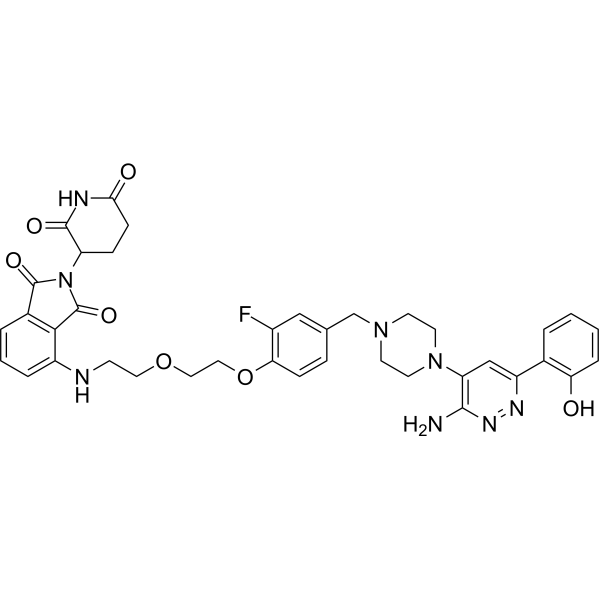
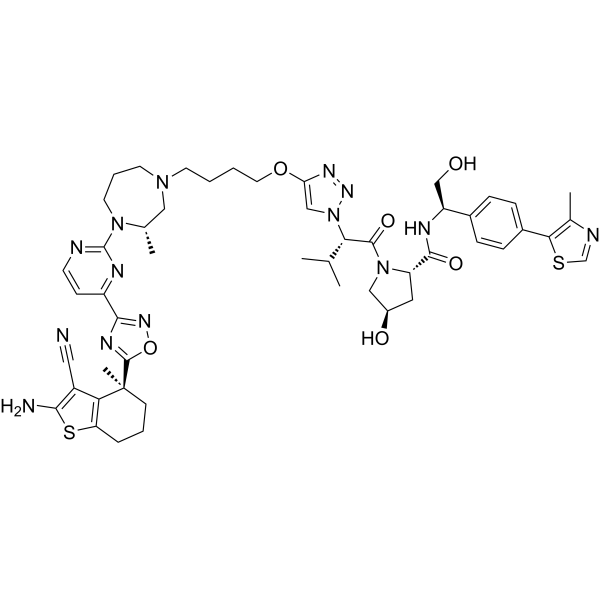
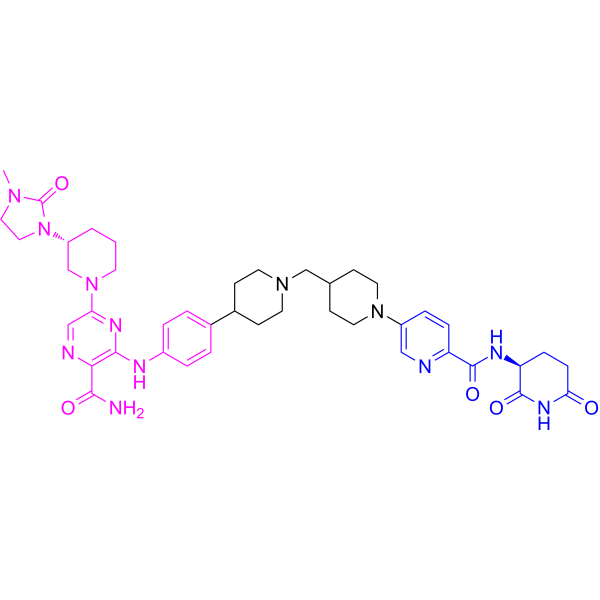
    CW-3308 is an orally active BRD9 PROTAC degrader with an DC50 of 92 nM. CW-3308 forms a ternary complex with BRD9 and cereblon to mediate BRD9 degradation. CW-3308 inhibits the viability of synovial sarcoma and rhabdoid tumor cells. CW-3308 reduces BRD9 protein levels in xenograft tumor tissues and suppresses tumor growth in xenograft models. CW-3308 can be used for the research of synovial sarcoma and rhabdoid tumors .
    CW-3308
  • HY-P5098

    Integrin Neurological Disease Cancer
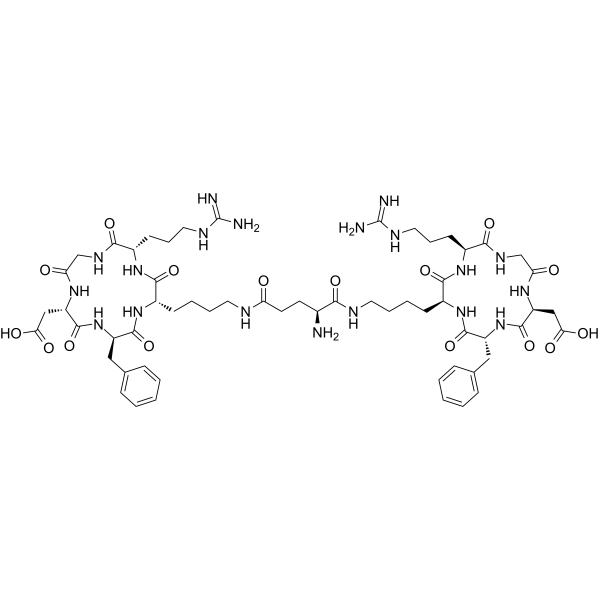
    E (c (RGDfK)) 2 is a αvβ3 integrin ligand and tumor-targeting agent. E (c (RGDfK)) 2 binds to αvβ3 integrin, mediates receptor-mediated endocytosis of conjugated payloads, and inhibits integrin-dependent cell adhesion to fibrinogen. E (c (RGDfK)) 2 inhibits the proliferation of cancer cells and endothelial cells. E (c (RGDfK)) 2 preferentially accumulates in orthotopic mouse breast tumors and human ovarian cancer xenograft tumors. E (c (RGDfK)) 2 can be used in research related to glioblastoma, lung cancer, breast adenocarcinoma and ovarian cancer .
    E(c(RGDfK))2
  • HY-P99943

    KN-046

    PD-1/PD-L1 CTLA-4 Cancer
    Erfonrilimab (KN-046) is a monoclonal antibody targeting PD-L1/CTLA-4. Erfonrilimab blocks the PD-L1 and CTLA-4 pathways, thereby regulating T cell function. Erfonrilimab enhances the secretion of IL-2 in superantigen-stimulated peripheral blood mononuclear cells. Erfonrilimab inhibits tumor growth in xenograft and double gene knock-in mouse models. Erfonrilimab can be used in research related to a variety of advanced solid tumors, including non-small cell lung cancer and nasopharyngeal carcinoma.
    Erfonrilimab
  • HY-174979

    Fat Mass and Obesity-associated Protein (FTO) Apoptosis Inflammation/Immunology Cancer
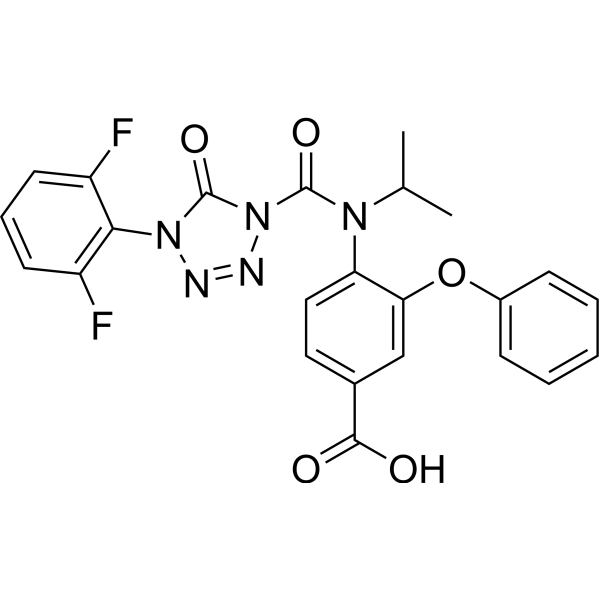
    Dac590 is an orally active and selective obesity-associated protein (FTO) inhibitor with an IC50 of 6.06 nM. Dac590 shows highly selective over ALKBH5 and ALKBH3. Dac590 suppresses oncogenic FTO signaling, induces myeloid differentiation, G1-phase cell cycle arrest, and apoptosis in acute myeloid leukemia (AML) cells. Dac590 inhibits xenograft tumor growth and prolongs survival in acute myeloid leukemia mouse models with no observed toxicity. Dac590 can be used for the research of AML .
    Dac590
  • HY-136538

    Survivin Cancer
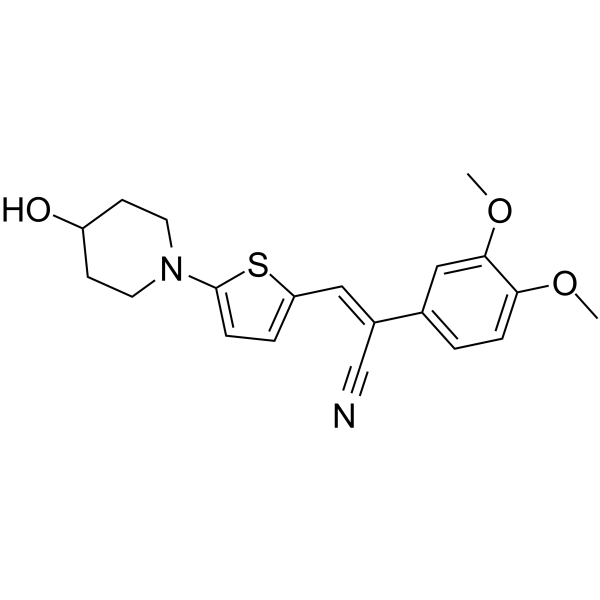
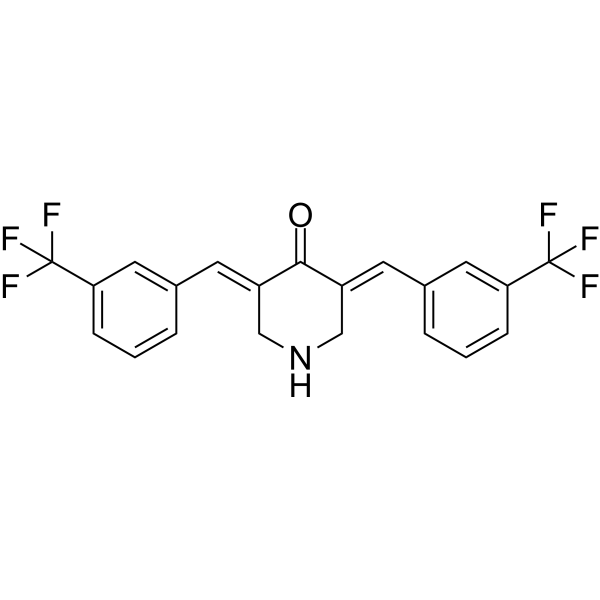
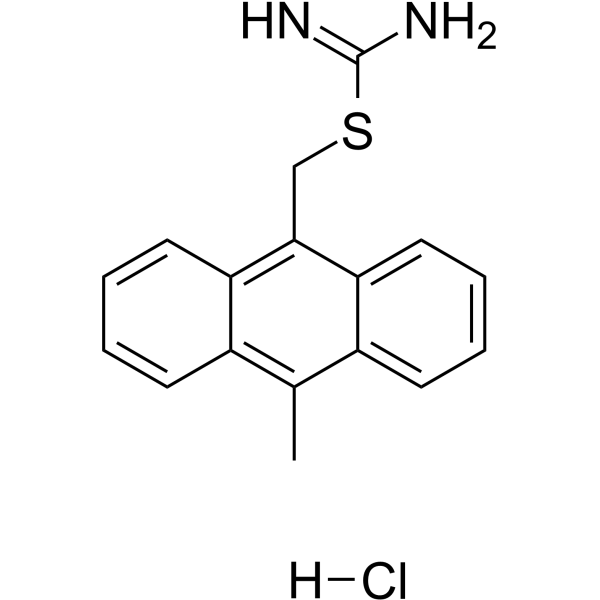
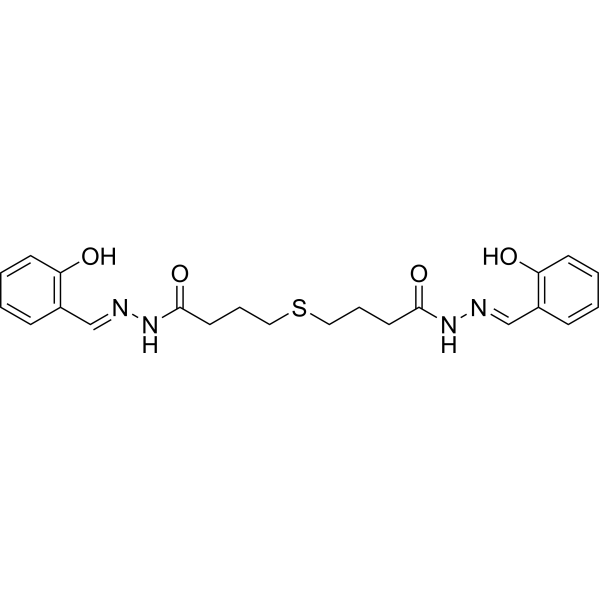
    LQZ-7I is a survivin-targeting inhibitor. LQZ-7I inhibits survivin dimerization. LQZ-7I orally effectively inhibits xenograft tumor growth and induces survivin loss in tumors .
    LQZ-7I
  • HY-42484

    Eribulin intermediate

    Microtubule/Tubulin Cancer
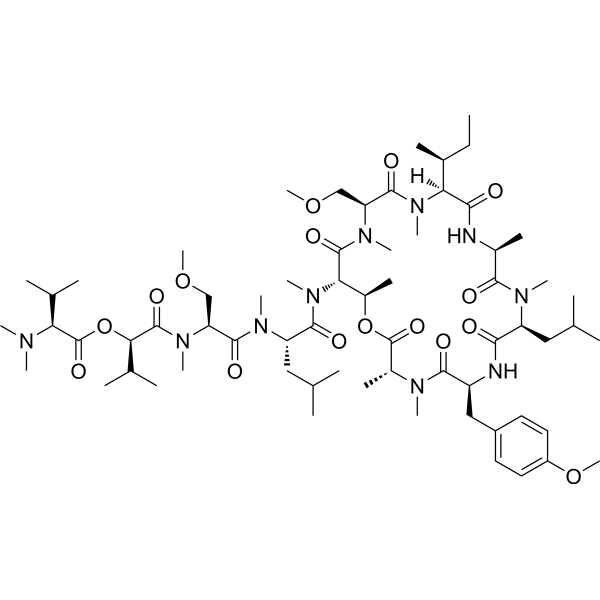
    ER-076349 (Eribulin intermediate) is an inhibitor of tubulin polymerization, induces G2-M cell cycle arrest, and disrupts mitotic spindles. ER-076349 inhibits cancer cell growth, and inhibits tumor growth in several human tumor xenografts. ER-076349 is an analog of Halichondrin B .
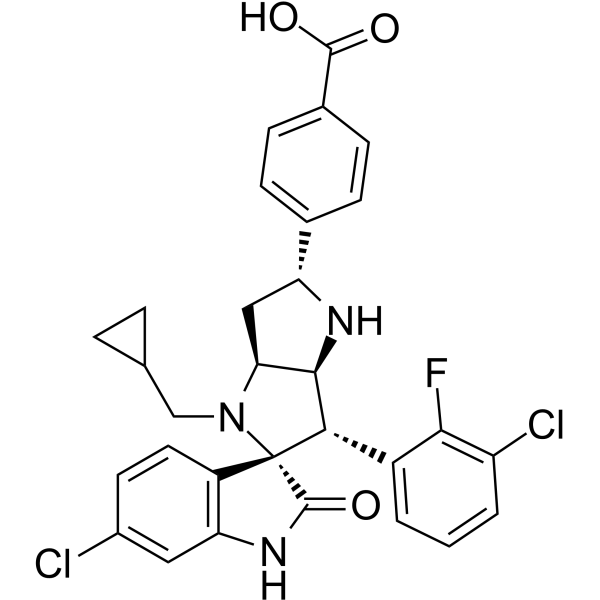
    ER-076349
  • HY-125858
    MI-1061
    3 Publications Verification

    MDM-2/p53 E1/E2/E3 Enzyme Apoptosis Cancer
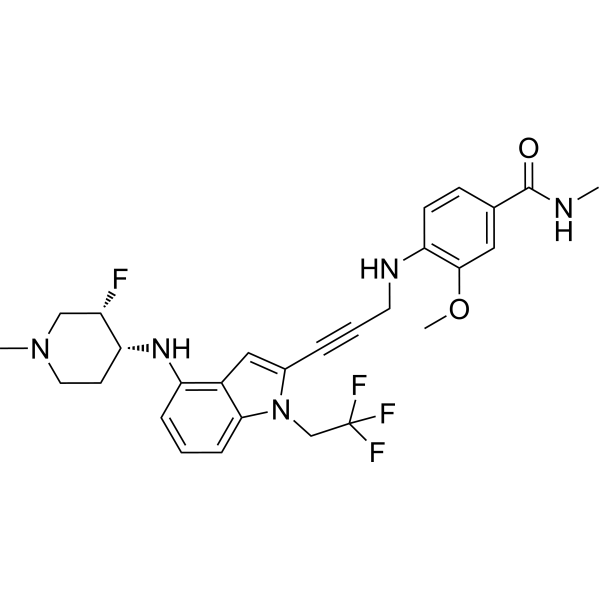
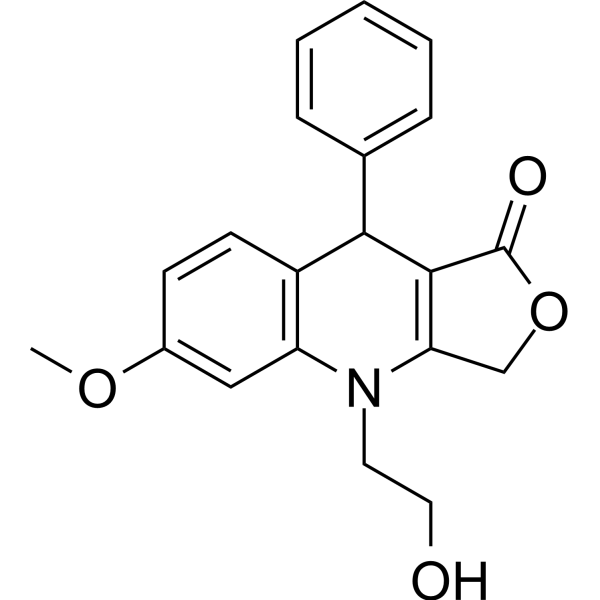
    MI-1061 is a potent, orally bioavailable, and chemically stable MDM2 (MDM2-p53 interaction) inhibitor (IC50=4.4 nM; Ki=0.16 nM). MI-1061 potently activates p53 and induces apoptosis in the SJSA-1 xenograft tumor tissue in mice. Anti-tumor activity .
    MI-1061
  • HY-178836

    Drug-Linker Conjugates for ADC Ras Cancer
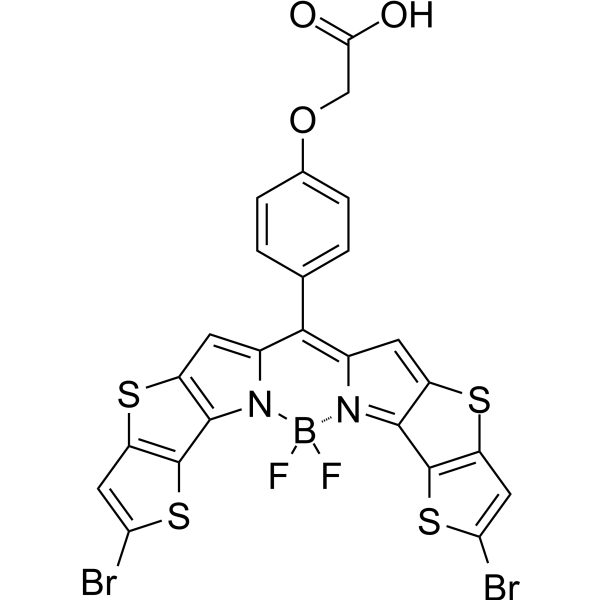
    Z56-L23 is a conjugate of RAS-targeting ADC cytotoxic payload-linker with anti-tumor activity. Z56-L23 can be conjugated with HER3 antibody, EGFR antibody or EGFRxHER3 bispecific antibody to form intact antibody-drug conjugates (ADCs). ADC molecules related to Z56-L23 effectively inhibit the proliferation of tumor cells and also significantly suppress tumor growth in xenograft mouse models. Z56-L23 can be used in the research of pancreatic cancer .
    Z56-L23
  • HY-156111
    ARD-1676
    1 Publications Verification

    PROTACs Androgen Receptor Cancer
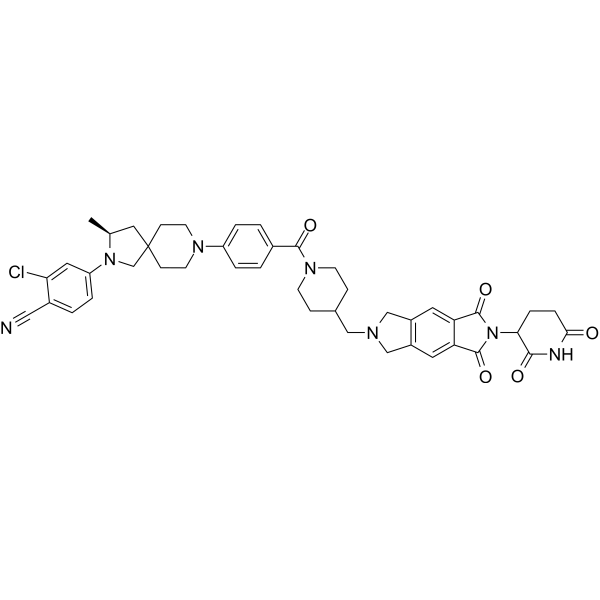
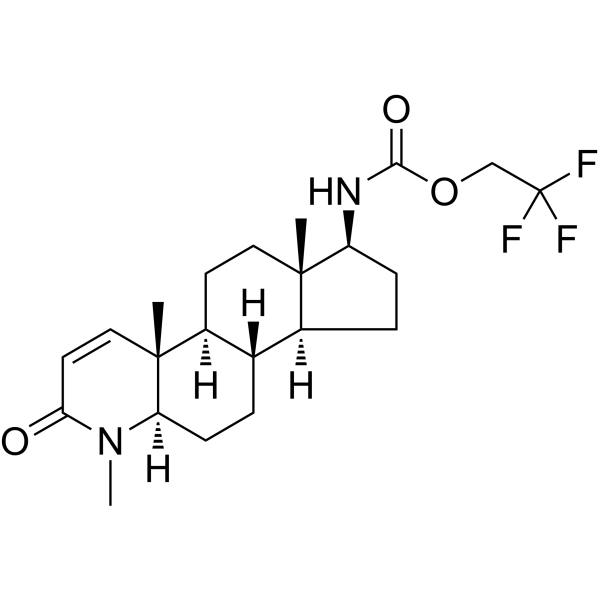
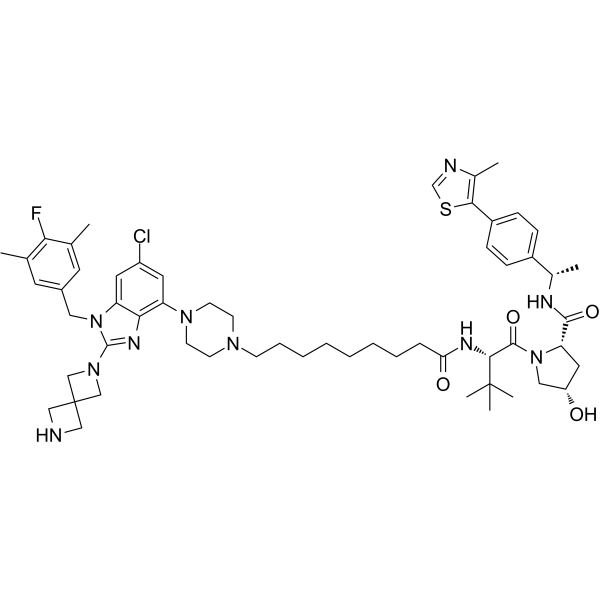
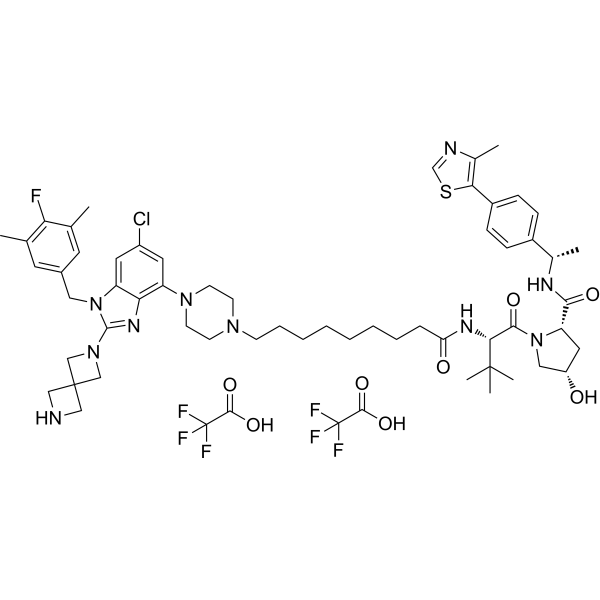
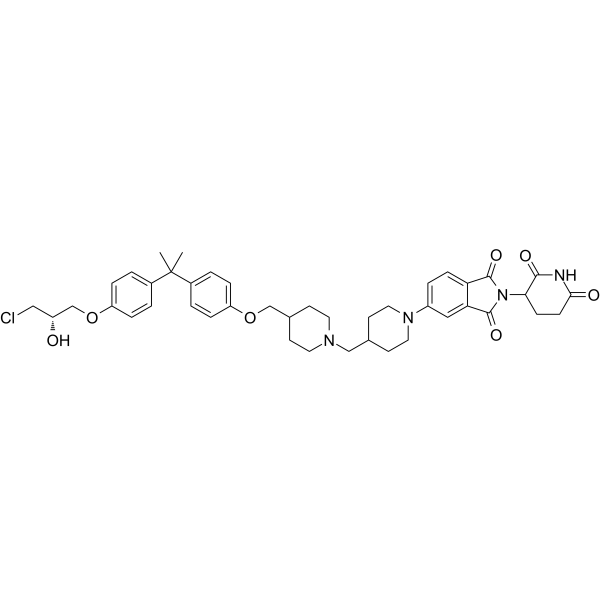
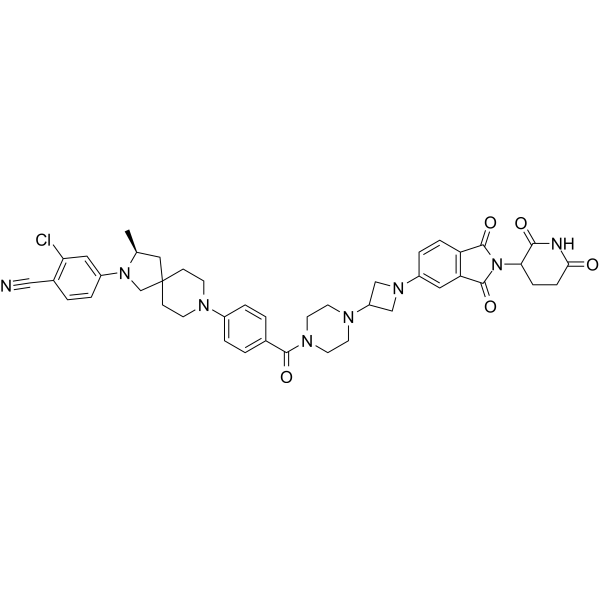
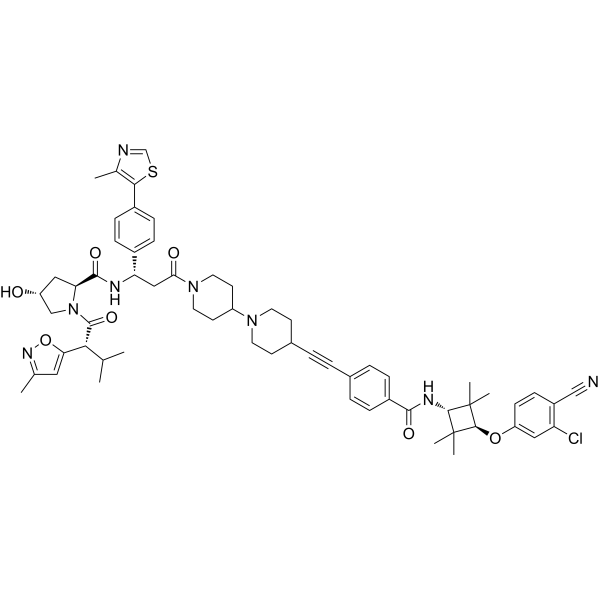
    ARD-1676 is an orally available androgen receptor (AR) PROTAC degrader, consisting of AR ligand and cereblon ligand. ARD-1676 has AR-degrading activity in vitro and in vivo and inhibits VCaP tumor growth in mouse xenograft tumor models .
    ARD-1676
  • HY-136447
    ASP4132
    1 Publications Verification

    AMPK Cancer
    ASP4132 is an orally active, potent AMPK activator with an EC50 of 18 nM. ASP4132 has anti-cancer activity and makes tumor regression in breast cancer xenograft mouse models .
    ASP4132
  • HY-P99925

    REGN421

    Notch Metabolic Disease Cancer
    Enoticumab (REGN421, SAR153192) is an IgG1κ antibody targeting human Dll4. DLL4 is a ligand of the Notch signaling pathway and regulates fatty acid uptake through non-transcriptional regulation of macropinocytosis-dependent long-chain fatty acid uptake. Specific in vivo activity of Enoticumab in an ovarian xenograft model. EGN421 (2.5 mg/kg once weekly) resulted in 86% and 83% tumor growth inhibition in mouse subcutaneous TOV-112D or intraperitoneal A2780 human tumor xenograft models, respectively .
    Enoticumab
  • HY-16405

    DNA Alkylator/Crosslinker Cancer
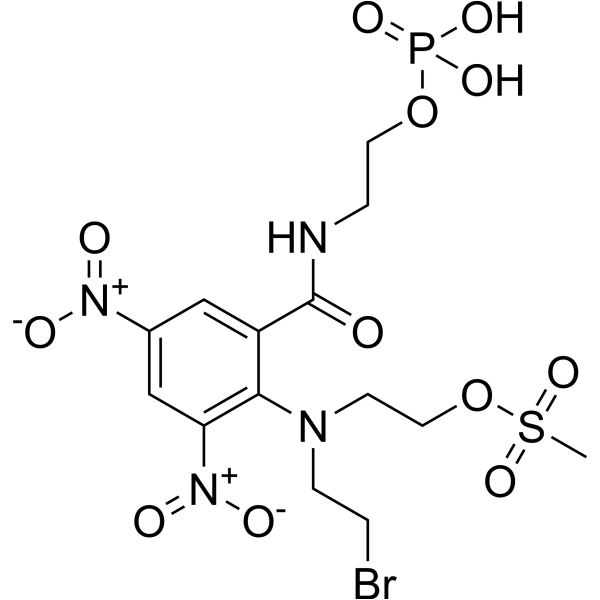
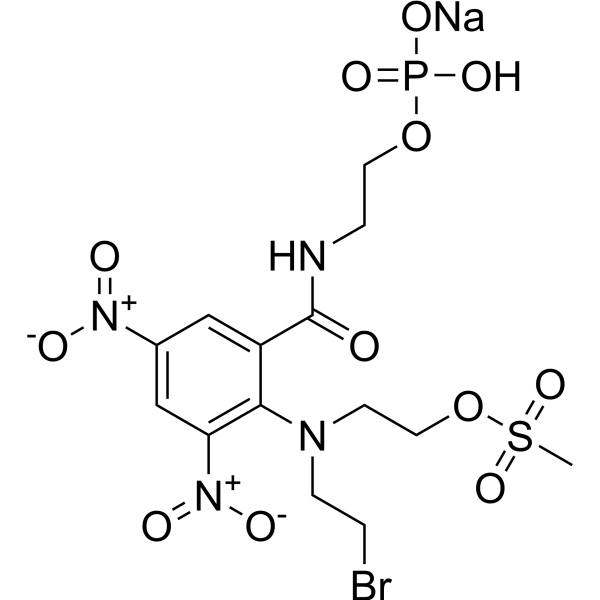
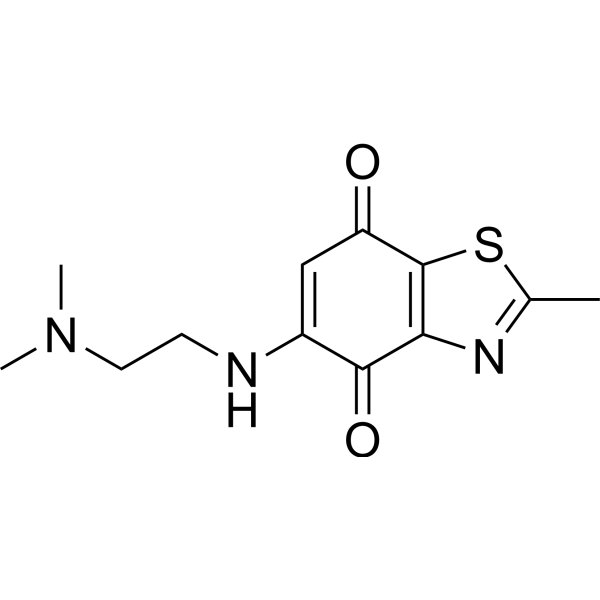
    PR-104 is a selective hypoxia-activated DNA cross-linking agent and can be used for the research of multiple tumor xenograft models. PR-104, as a nitrogen mustard pre-proagent, is converted efficiently to the more lipophilic dinitrobenzamide mustards alcohol PR-104A .
    PR-104
  • HY-106031

    Topoisomerase DNA/RNA Synthesis Cancer
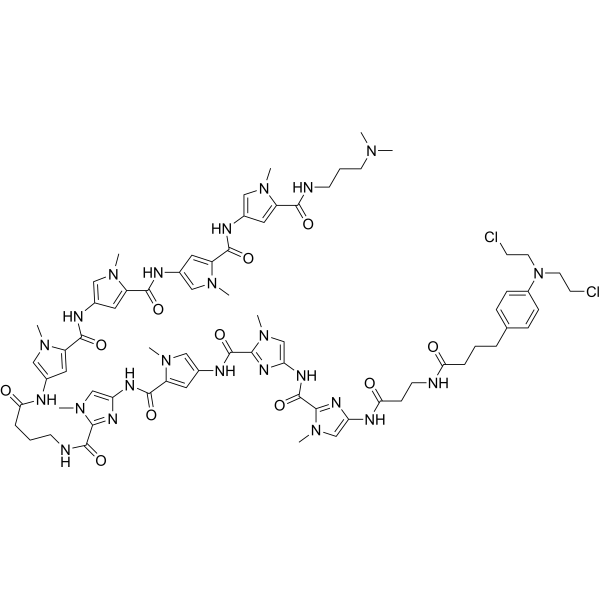
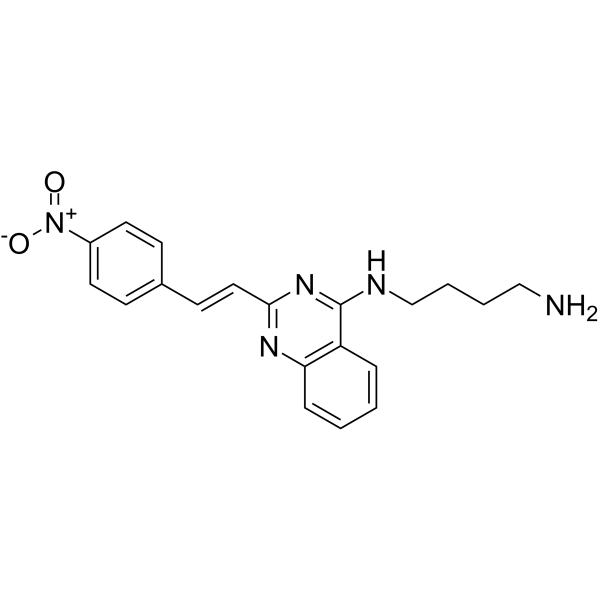
    F-14512 is an anticancer agent that utilizes the polyamine transport system (PTS) to selectively deliver polyamine-containing drugs to cancer cells. F-14512 enhances the affinity of polyamines for DNA, thereby inhibiting topoisomerase II and achieving selective cellular uptake. F-14512 exhibits significant cytotoxicity against cells with high PTS activity and induces DNA damage. F-14512 demonstrates potent antitumor activity in the MX1 breast tumor xenograft model. F-14512 can be used to study breast cancer .
    F-14512
  • HY-168566

    HSP Cancer
    EV206 is a Hsp70 binder and apoptosis inducer that binds to the N-terminal domain of Hsp70, promotes Hsp70 degradation via the ubiquitin-proteasome system, and reduces Hsp70 protein stability. EV206 induces apoptotic cell death, inhibits colony formation, and downregulates the expression of cancer stem cell-related markers in non-small cell lung cancer cells. EV206 inhibits the growth of H460 xenograft tumors in nude mice and can be used for the research of non-small cell lung cancer .
    EV206
  • HY-153364

    PPAR Cancer
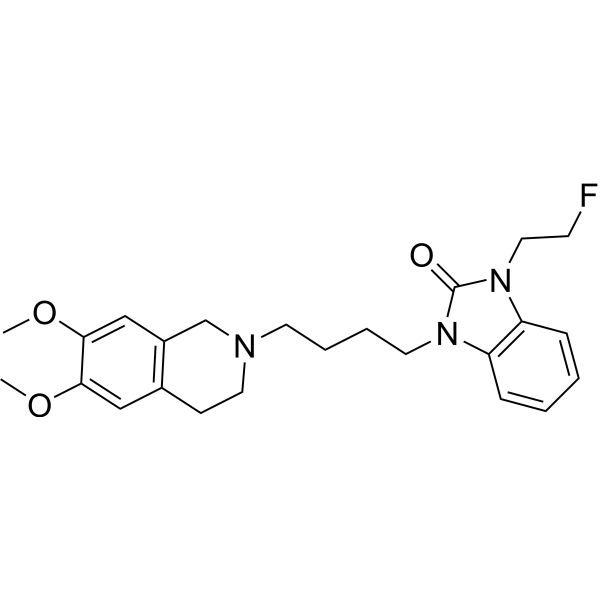
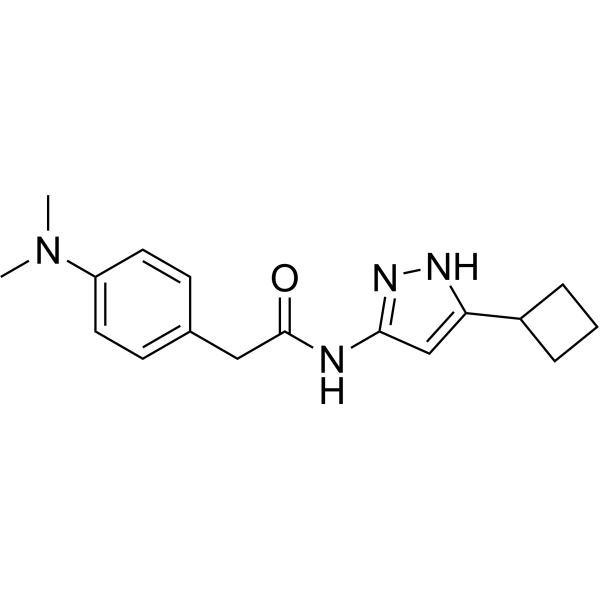
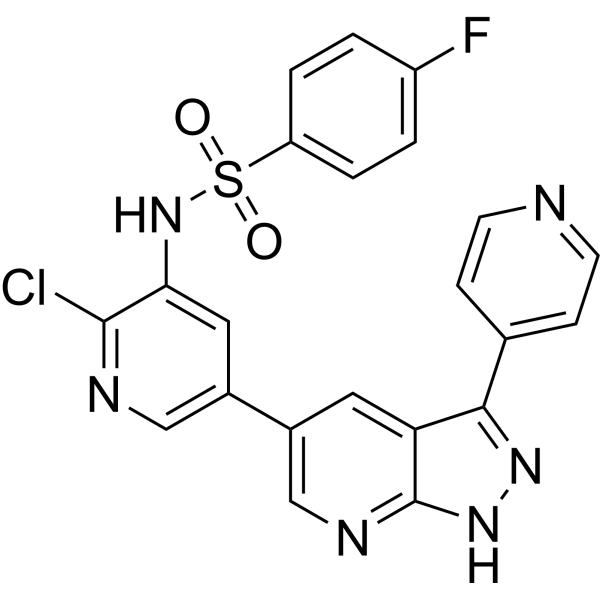
    FTX-6746 is an orally active PPARG inhibitor. FTX-6746 shows potent tumor inhibition in mouse xenograft models .
    FTX-6746
  • HY-153521

    BCL6 Cancer
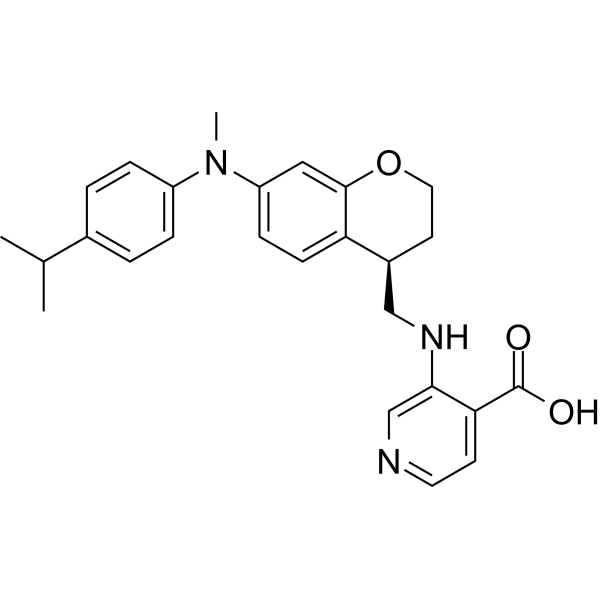
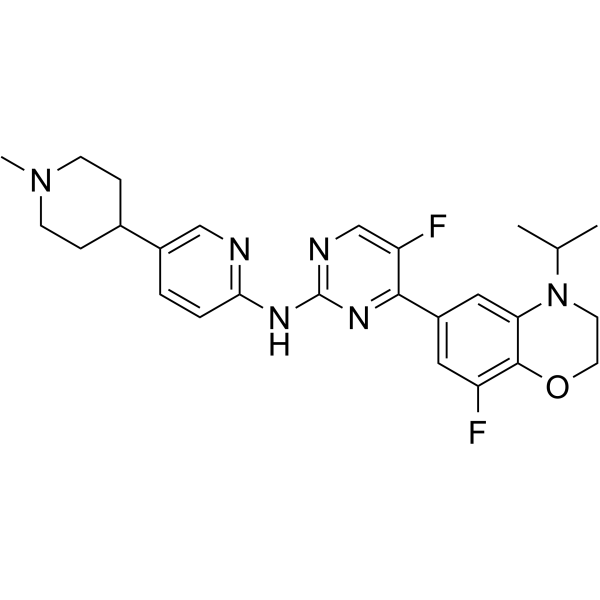
    CCT374705 is an orally active BCL6 inhibitor (IC50 = 4.8 nM) with potent antiproliferative effects in vitro. CCT374705 effectively inhibits tumor growth in a lymphoma xenograft mouse model .
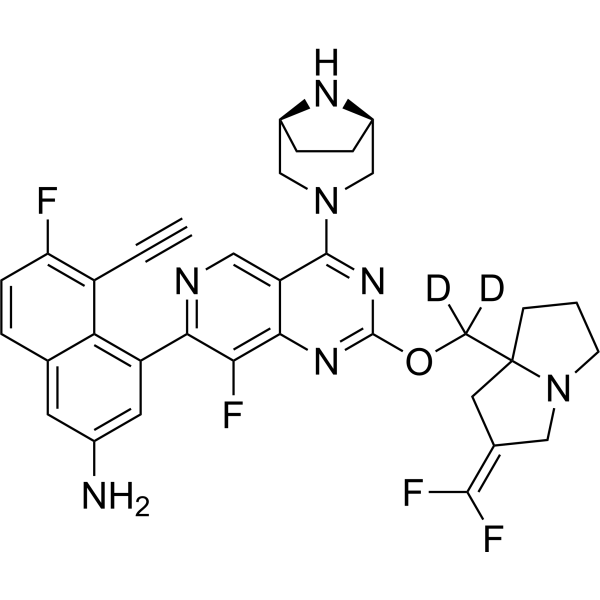
    CCT374705
  • HY-139852

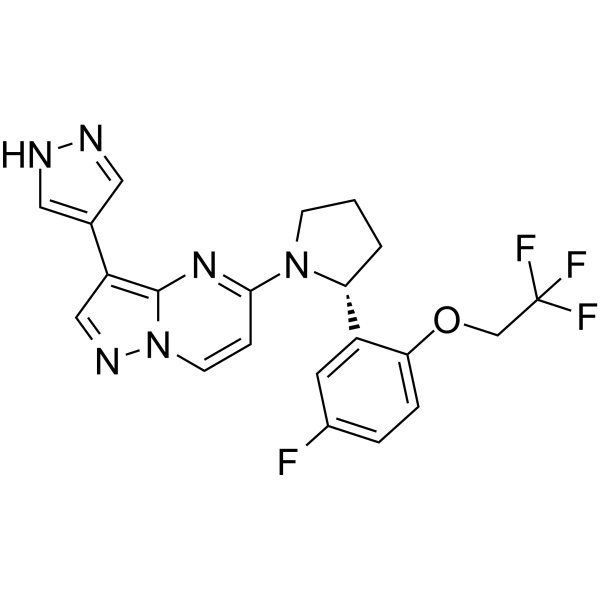
    Phosphatase Cancer
    PLAP-IN-1 is a selective PLAP inhibitor with an IC50 of 0.032 μM. PLAP-IN-1 acts as a tumor-targeting agent; its fluorescein-conjugated derivative specifically binds to PLAP-positive tumor cells in vitro and targets cervical cancer in mouse xenograft models. PLAP-IN-1 can be used in the research of cervical cancer and ovarian cancer .
    PLAP-IN-1
  • HY-172930

    Molecular Glues IKZF Family Potassium Channel Inflammation/Immunology Cancer
    PVTX-405 is a selective and oral active IKZF2 molecular glue degrader with a DC50  of  0.7 nM and a Dmax of 91%. PVTX-405 enhances degradation efficiency, significantly reduces off-target degradation, and alleviates hERG inhibition with IC50 of 48 µM. PVTX-405 significantly inhibits the growth of MC38 tumors, with greater synergistic anti-cancer efficacy in combination with immune checkpoint therapies (ICTs) (anti-PD1 or anti-LAG3) in the MC38 mouse tumor xenograft model using Crbn 391V C57BL/6 mice .
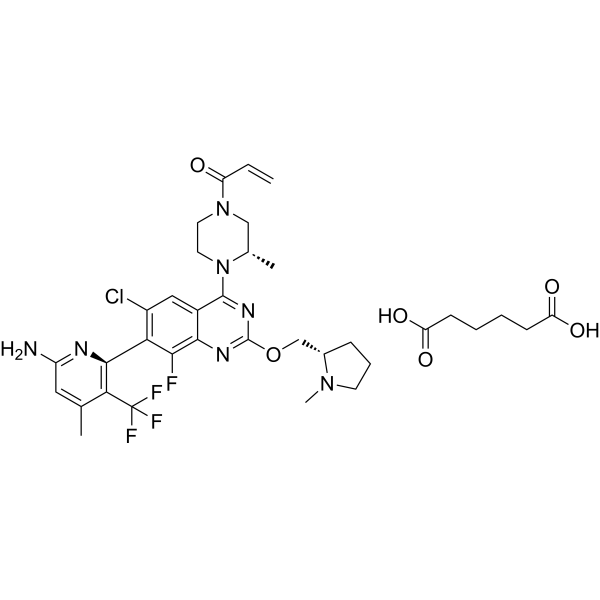
    PVTX-405
  • HY-D2062

    Fluorescent Dye Integrin Cancer
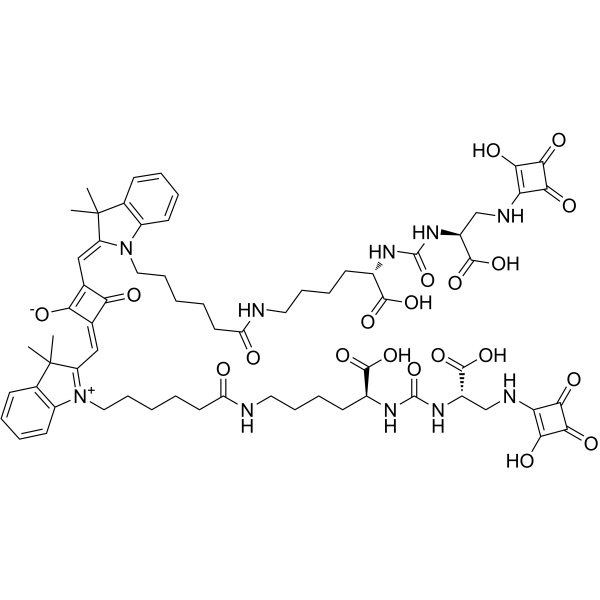
    ATTO 740 NHS ester is a near-infrared fluorescent dye and a multimodal fluorescence/photoacoustic contrast agent with excellent near-infrared emission properties and extremely high photostability. The photoacoustic signal of ATTO 740 NHS ester shows no significant decrease after continuous irradiation with a 750 nm laser for 30 min, making it suitable for in vivo fluorescence imaging and photoacoustic contrast imaging. When conjugated with the cystine knot peptide R01, ATTO 740 NHS ester enables precise detection of integrin αvβ6-positive cells and tumors in nude mouse xenograft models .
    ATTO 740 NHS ester
  • HY-169779

    p62 Cancer
    PTX80 is an antagonist of p62 with an IC50 value of 31.18 nM. PTX80 reduces tumor volume in an HCT116 colorectal cancer mouse xenograft model .
    PTX80
  • HY-157029S

    Ras Cancer
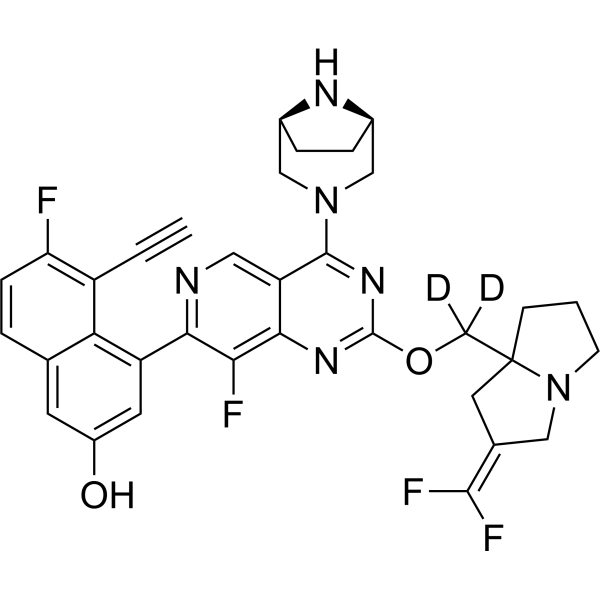
    KRASG12D-IN-1 (compound 22) is a KRAS G12D Inhibitor. KRASG12D-IN-1 has dose-dependent anti-tumor efficacy in the AsPC-1 xenograft mouse models with a tumor growth inhibition .
    KRASG12D-IN-1
  • HY-P11339

    Integrin Cancer
    c-RGD-SH is a ligand for integrin αvβ3 (Integrin αvβ3). Conjugation of c-RGD-SH with core-crosslinked polymeric micelles (CCPM) enables the synthesis of a bimodal nanoprobe, which can be labeled with Cy7 and 111In for SPECT and NIRF imaging of tumors .
    c-RGD-SH
  • HY-131446
    Chk1-IN-5
    1 Publications Verification

    Checkpoint Kinase (Chk) Cancer
    Chk1-IN-5 is a potent checkpoint kinase 1 (Chk1) inhibitor. Chk1-IN-5 inhibits Chk1 phosphorylation and inhibits tumor growth in colon cancer xenograft model .
    Chk1-IN-5
  • HY-176508

    Casein Kinase Cancer
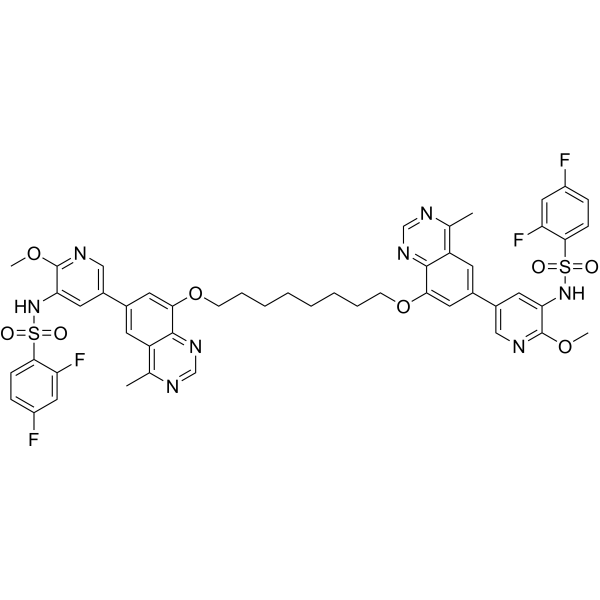
    KDX1381 is a bivalent CK2α inhibitor (IC50: 17 nM, KD: 54 nM). KDX1381 has antitumor activity in mouse 786-O and A375 tumor xenograft models. KDX1381 combined with VEGFR inhibitors or DNA damaging agents enhances antitumor efficacy in mouse hepatocellular carcinoma and glioma models .
    KDX1381
  • HY-170933

    SGK Cancer
    SGK1-IN-6 is a selective SGK1 inhibitor with an IC50 of 0.39 μM, showing selectivity over SGK2/3. SGK1-IN-6 inhibits cancer cell migration and invasion, improves SGK1 protein thermal stability. SGK1-IN-6 decreases SGK1 protein levels in tumor tissues, suppresses tumor growth in mouse xenograft models. SGK1-IN-6 can be used for the research of prostate cancer .
    SGK1-IN-6
  • HY-176772

    Drug-Linker Conjugates for ADC Topoisomerase Cancer
    QHL-1618 is a tumor microenvironment-activated drug conjugate. QHL-1618 inhibits the tumor growth in various tumor models, such as HT-1080 xenograft, CT-26 xenograft .
    QHL-1618
  • HY-157031S

    Ras Cancer
    KRASG12D-IN-2 (compound 28) is a KRAS G12D Inhibitor. KRASG12D-IN-1 has dose-dependent anti-tumor efficacy in the AsPC-1 xenograft mouse models with a tumor growth inhibition .
    KRASG12D-IN-2
  • HY-111965

    anti-EFNA4-ADC

    Antibody-Drug Conjugates (ADCs) DNA Alkylator/Crosslinker Antibiotic Apoptosis Cancer
    PF-06647263 is an ADC targeting EFNA4, consisting of EFNA4 Antibody (HY-P991109), ADC toxin Calicheamicin (HY-19609) and a linker. PF-06647263 exhibits anti-tumor activity and induces significant tumor regression in TNBC xenografts .
    PF-06647263
  • HY-145835

    PERK Cancer
    PERK-IN-5 is a highly potent, selectively and orally bioavailable PERK inhibitor (IC50s of 2 and 9 nM for PERK and p-eIF2α, respectively). PERK-IN-5 can significantly inhibit tumor growth in the 786-O renal cell carcinoma xenograft tumor model .
    PERK-IN-5
  • HY-15324
    PRT062607 acetate
    4 Publications Verification

    P505-15 acetate; PRT-2607 acetate; BIIB-057 acetate

    Syk Src Mixed Lineage Kinase PAK Pyk2 FAK Apoptosis Cancer
    PRT062607 (P505-15) acetate is an orally available Syk inhibitor (IC50: 1 nM) that inhibits inflammation and induction Apoptosis. PRT062607 acetate exerts potent antitumor activity in tumor xenograft mouse models . .
    PRT062607 acetate
  • HY-100765

    MDM-2/p53 E1/E2/E3 Enzyme Cancer
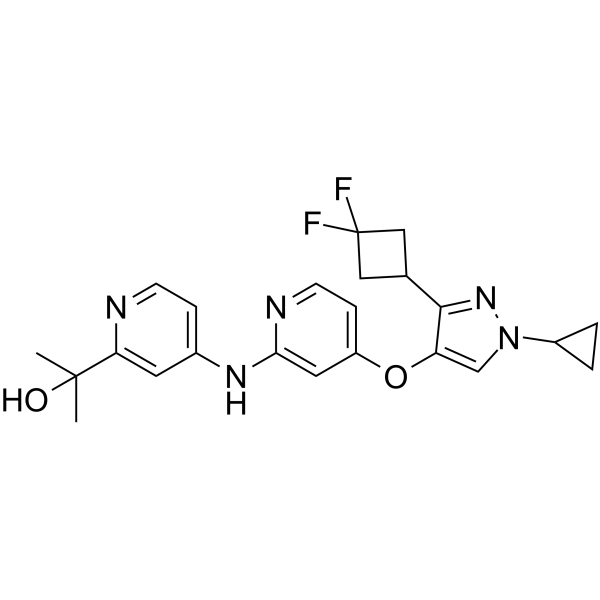
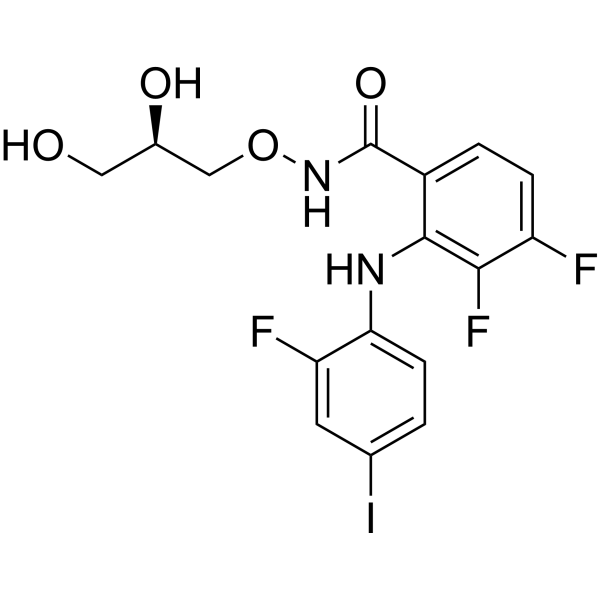
    BI-0252 is an orally active, selective MDM2-p53 inhibitor with an IC50 of 4 nM. BI-0252 can induce tumor regressions in all animals of a mouse SJSA-1 xenograft, with concomitant induction of the tumor protein p53 (TP53) target genes and markers of apoptosis .
    BI-0252
  • HY-149631

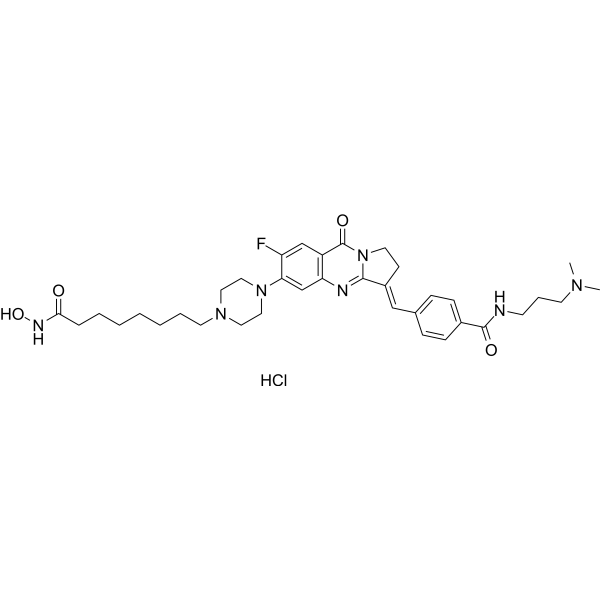
    HDAC Cancer
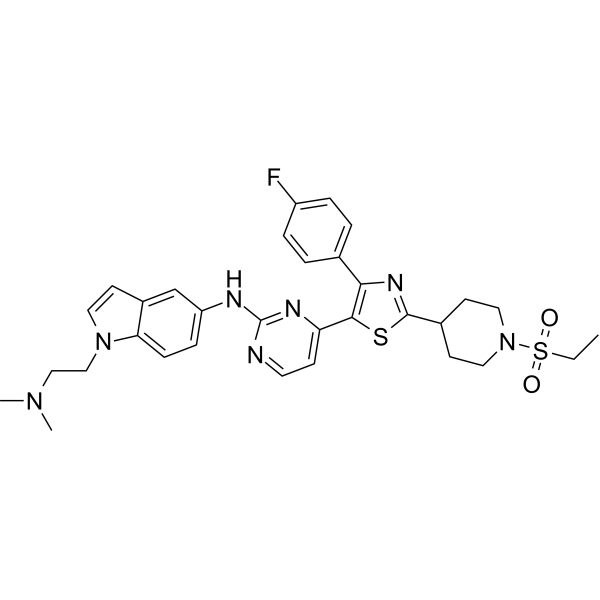
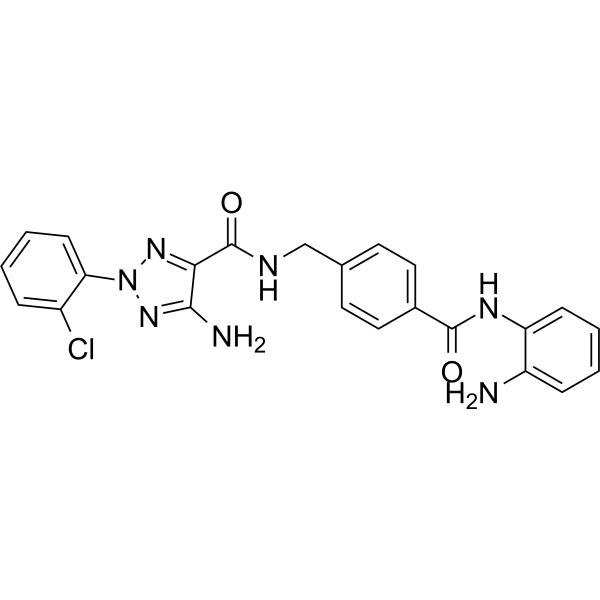
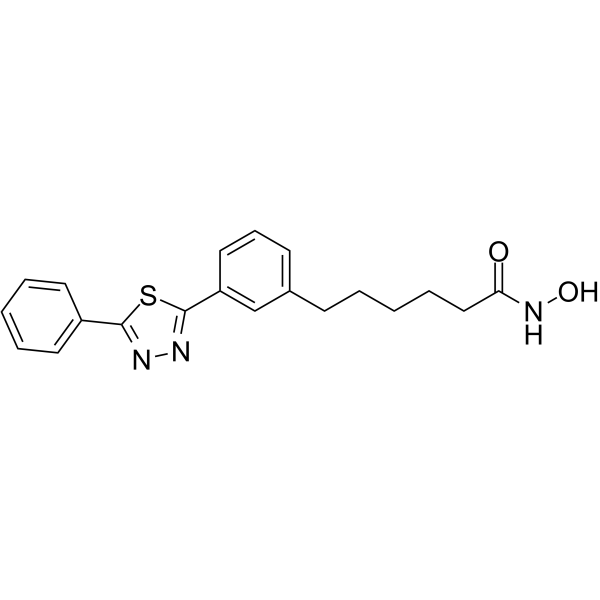
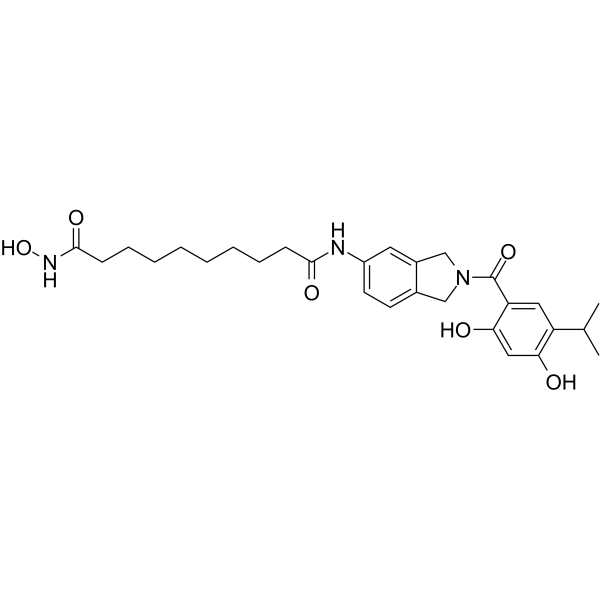
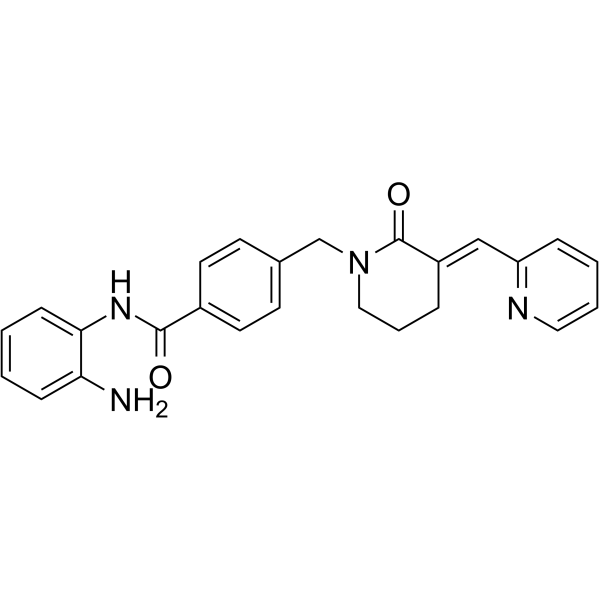
    HFY-4A is a HDAC inhibitor. HFY-4A inhibits breast cancer cell proliferation, migration, and invasion, and induces cell apoptosis. HFY-4A induces immunogenic cell death (ICD). HFY-4A inhibits tumor growth in breast cancer xenograft mouse models .
    HFY-4A
  • HY-162010

    Methionine Adenosyltransferase (MAT) Cancer
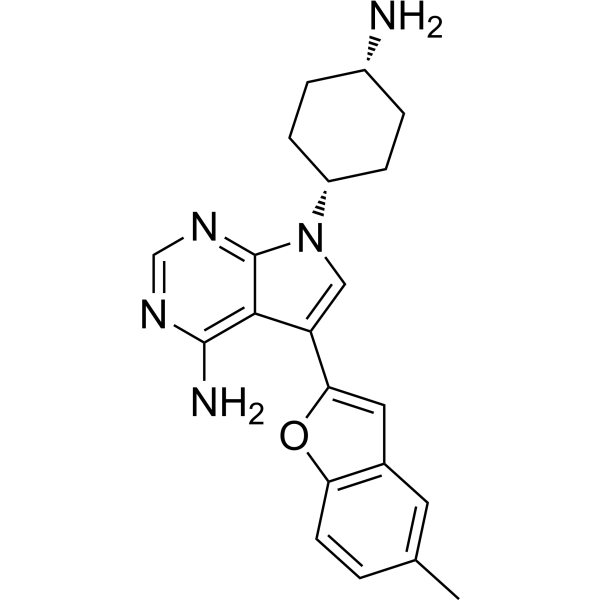
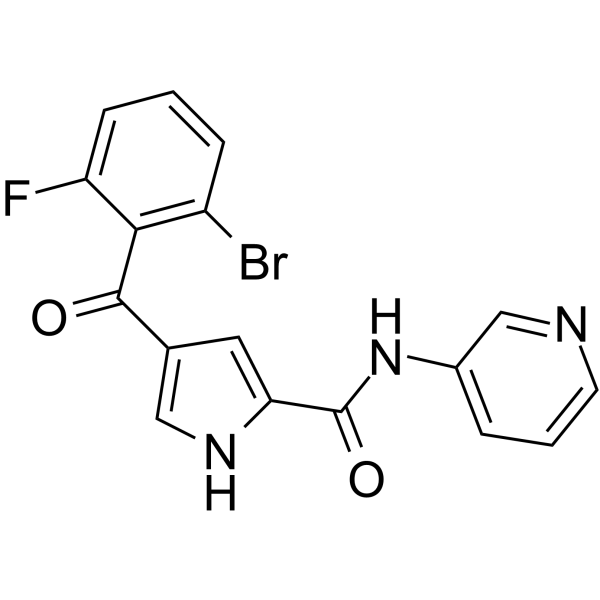
    MAT2A-IN-13 is a potent and orally active methionine adenosyltransferase 2A (MAT2A) inhibitor with a favorable pharmacokinetic profile. MAT2A-IN-13 shows in vivo potency in an HCT-116 MTAP-deleted xenograft model. MAT2A-IN-13 can be used for MTAP-Deleted tumors research .
    MAT2A-IN-13
  • HY-165606

    Oct3/4 c-Myc Apoptosis Cancer
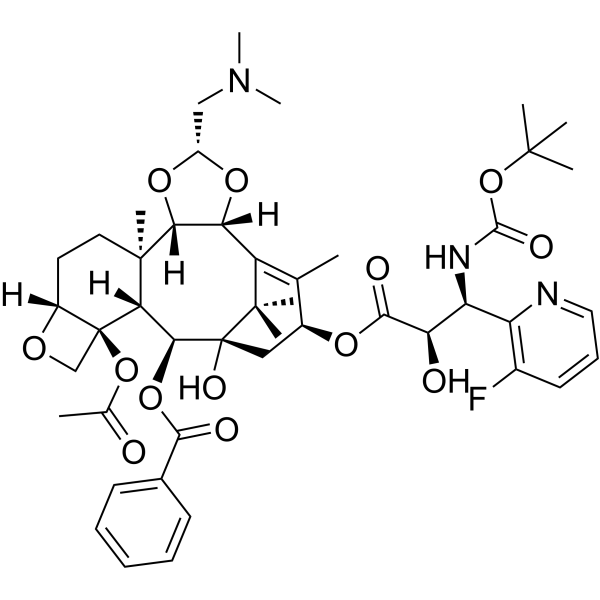
    SB-T-1214 (SBT) is a taxane. SB-T-1214 efficiently inhibits expression of stem cell-related genes (Oct4, Sox2, and c-Myc) and induces apoptosis of colon cancer spheroids with drug resistant tumorigenic CD133 +/CD44 + cells. SB-T-1214 strongly represses tumor growth in Pgp+ DLD-1 human colon tumor xenografts mice model. SB-T-1214 can be used for antitumor research, especially against tumors with drug resistance, such as colon, pancreatic and renal cancers .
    SB-T-1214
  • HY-177796

    Apoptosis CDK Caspase PARP Cancer
    TMLB-C16 is a potent and orally active B3GAT3 inhibitor with a KD of 3.962 μM. TMLB-C16 suppresses proliferation and migration, and induces cell cycle arrest and apoptosis in MHCC-97H (IC50 = 6.53 μM) and HCCLM3 cells (IC50 = 6.22 μM). TMLB-C16 inhibits tumor growth in both MHCC-97H and HCCLM3 xenograft tumor mouse models without causing obvious toxicity. TMLB-C16 can be used for hepatocellular carcinoma research .
    TMLB-C16
  • HY-177021

    Microtubule/Tubulin Apoptosis Cancer
    Tubulin-IN-51 is an orally available, potent tubulin inhibitor (IC50 = 31 nM). Tubulin-IN-51 promotes tubulin polymerization in vitro and does not compete with Paclitaxel (HY-B0015) for binding. Tubulin-IN-51 inhibits the binding of Vinblastine (HY-13780) to tubulin. Tubulin-IN-51 downregulates the proportion of cells in the G1 phase and induces apoptosis. Tubulin-IN-51 inhibits tumor growth in multiple nude mouse xenograft models .
    Tubulin-IN-51
  • HY-176740

    PROTACs Bcl-2 Family p38 MAPK Reactive Oxygen Species (ROS) Mitochondrial Metabolism Apoptosis ERK JNK Cancer
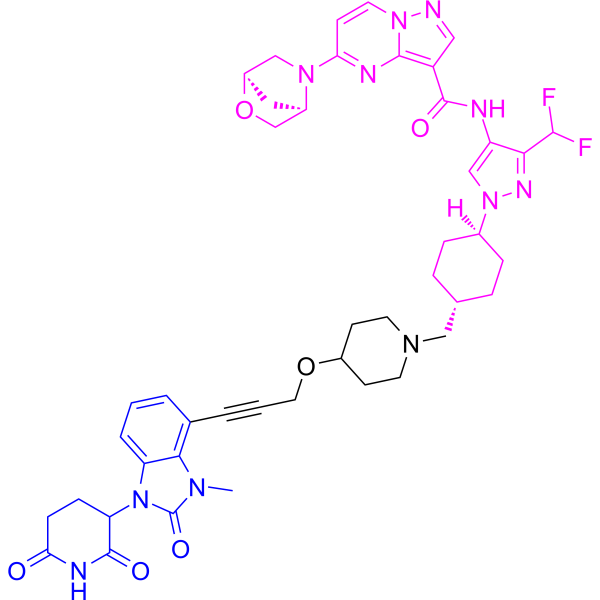
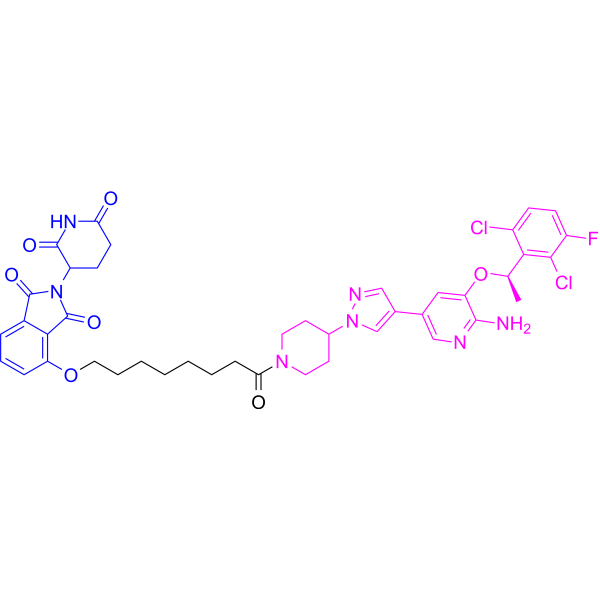
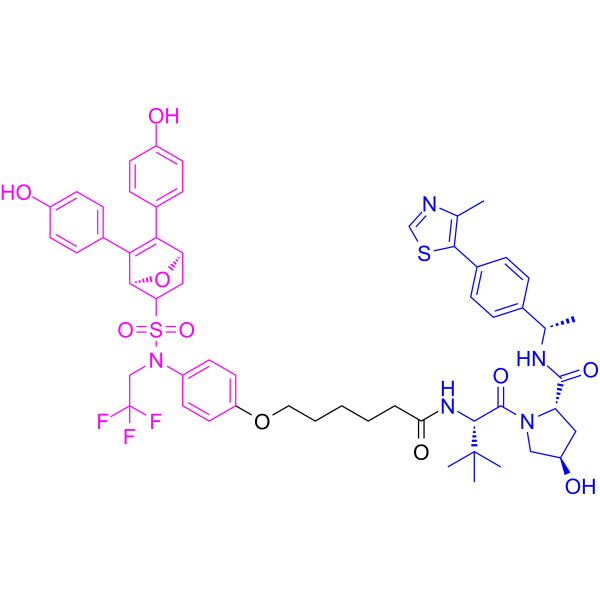
    PROTAC Bcl-xL degrader-4 (Compound 2-38-III) is a Bcl-xL PROTAC degrader. PROTAC Bcl-xL degrader-4 has strong anti-tumor activity against HepG2 cells and HUVEC cells. PROTAC Bcl-xL degrader-4 induces cells apoptosis by decreasing mitochondrial membrane potential and activating the MAPK signaling pathway. PROTAC Bcl-xL degrader-4 significantly inhibits tumor growth in xenograft tumor mouse models . Pink: MAPK ligand (HY-176741); Blue: CRBN ligase ligand (HY-10984); Black: linker (HY-W017440)
    PROTAC Bcl-xL degrader-4
  • HY-148291

    LPL Receptor Phosphodiesterase (PDE) Cancer
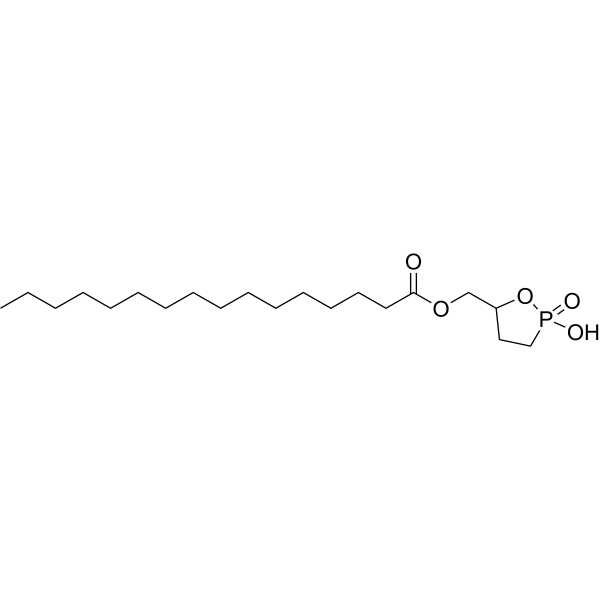
    BrP-LPA sodium is a pan-opposite agent for lysophosphatidic acid (LPA). It has antagonistic activity against LPA1 (IC50 = 4520 nM), LPA2 (IC50 = 468 nM), LPA3, and LPA4. BrP-LPA sodium also has partial agonistic activity for LPA5, with its EC50 being 1282 nM. BrP-LPA sodium has ATX inhibitory activity. BrP-LPA sodium effectively inhibits the migration and invasion of breast cancer cells. BrP-LPA sodium achieves tumor regression and anti-angiogenesis in mice breast cancer xenograft model. BrP-LPA sodium can be used for the study of breast cancer .
    BrP-LPA sodium
  • HY-126730

    Phosphatase Cancer
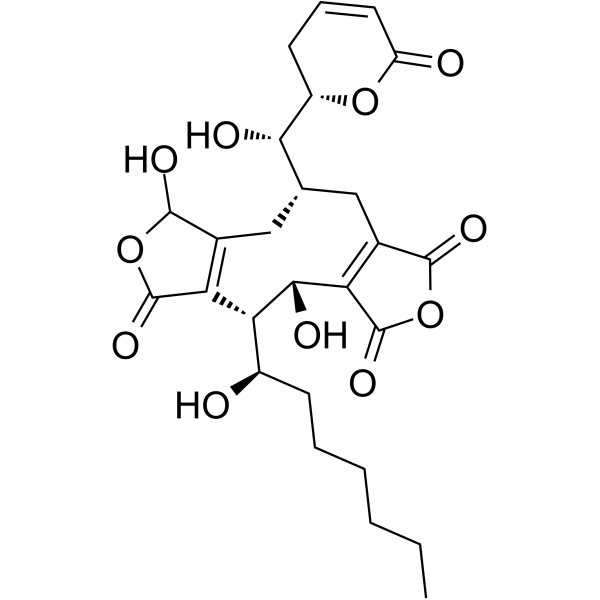
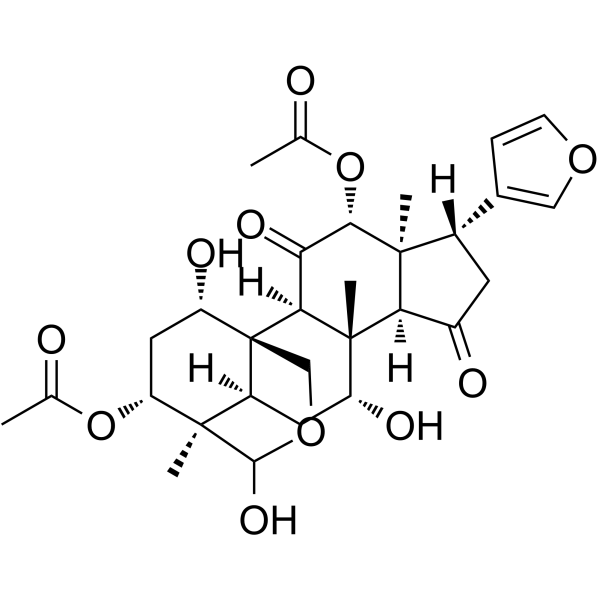
    Rubratoxin A is a natural mycotoxin and competitive inhibitor of protein phosphatase 2A (PP2A) with an IC50 of 170 nM. Rubratoxin A causes suppression of tumor metastasis and reduction of primary tumor volume in mouse xenografts .
    Rubratoxin A

Inquiry Online

Your information is safe with us. * Required Fields.

Salutation


Country or Region *

Applicant Name *


Organization Name *

Department *


Email Address *


Product Name *

Cat. No.


Requested quantity *

Phone Number *


Remarks

Inquiry Online

Inquiry Information

Product Name:
Cat. No.:
Quantity:
MCE Japan Authorized Agent: