1. Search Result
Search Result
Results for "

anti-inflammatory compound

" in MedChemExpress (MCE) Product Catalog:

914

阻害剤およびアゴニスト

25

スクリーニングライブラリ

1

蛍光色素

10

生化学アッセイ試薬

425

天然物

42

同位体標識化合物

8

クリックケミストリー

1

オリゴヌクレオチド

製品番号 製品名
  • HY-L130
    627 compounds

    Non-steroidal anti-inflammatory drugs (NSAIDs) are members of a therapeutic drug class with potent anti-inflammatory, analgesic and antipyretic activity, and are among the most widely used drugs worldwide. The most prominent NSAIDs are aspirin, ibuprofen, and naproxen.

    The main mechanism of action of NSAIDs is the inhibition of the enzyme cyclooxygenase (COX), based on which NSAIDs can be classified into two types: non-selective and COX-2 selective. Most NSAIDs are non-selective and inhibit both COX-1 and COX-2 activity.

    MCE offers a unique collection of 627 non-steroidal compounds with identified anti-inflammatory activity. MCE non-steroidal anti-inflammatory library is a useful tool for the study of anti-inflammatory drugs and pharmacology.

  • HY-L114
    1,535 compounds

    Inflammation promotes physiological and pathological processes by the activation of the immune system, local vascular system, and various cells within the damaged tissue. Accumulating epidemiological and clinical evidence shows that chronic inflammation is causally linked to various human diseases, including cerebrovascular, cardiovascular, joint, cutaneous, pulmonary, blood, liver, and intestinal diseases as well as diabetes.

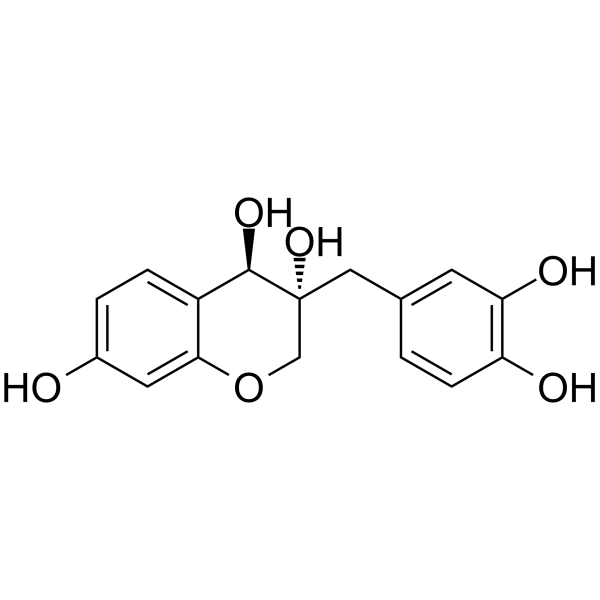
    Various natural products from Traditional Chinese Medicine (TCM) have been shown to safely suppress proinflammatory pathways and control inflammation-associated disease. MCE designs a unique collection of 1,535 Traditional Chinese Medicine active compounds with anti-inflammatory activity, which are derived from Coptis chinensis, Radix isatidis, Flos Lonicerae, Forsythia suspensa, etc. MCE Anti-inflammatory Traditional Chinese Medicine Active Compound Library is a useful tool for discovery anti-inflammatory drugs from TCM.

  • HY-L255
    79 compounds

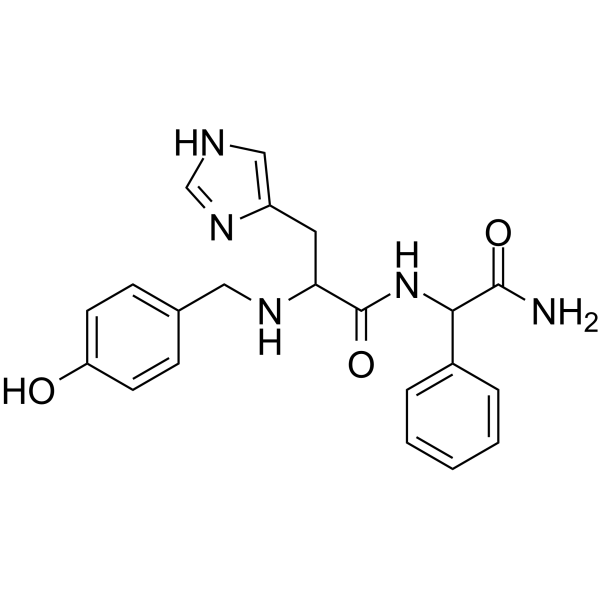
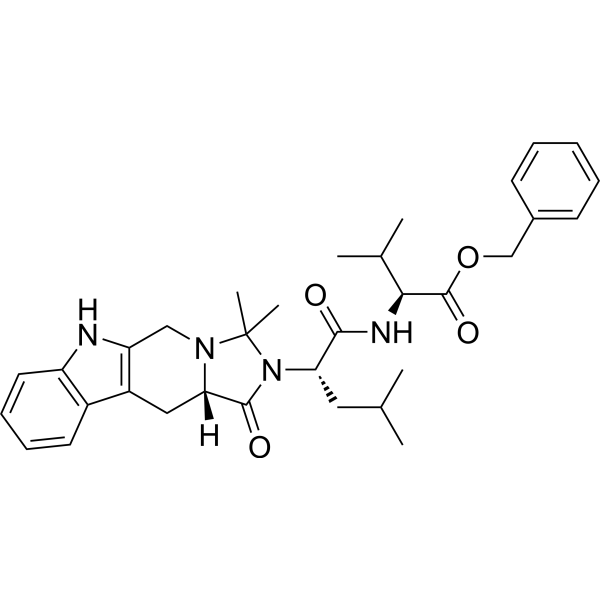
    Dipeptide compounds have attracted extensive attention in drug discovery and life science research due to their simple structures, ease of modification, and favorable biocompatibility. As small peptides composed of two amino acids, dipeptides exhibit diverse biological activities, including anti-inflammatory, antioxidant, antimicrobial, anticancer, and immunomodulatory effects, showing significant application potential in metabolic disorders, neurological diseases, and cancer research. Compared with traditional small molecules, dipeptide compounds possess favorable target-binding properties and high structural plasticity, making them valuable tools for drug screening and mechanism studies.

    The MCE Dipeptide Compound Library contains 79 dipeptide compounds and can be applied to peptide drug discovery and development.

  • HY-L218
    167 compounds

    Animal drug (also veterinary drug) refers to a drug intended for use in the diagnosis, cure, mitigation, treatment, or prevention of disease in animals. Animal Drugs @ FDA is a searchable online database that includes most FDA-approved and conditionally approved animal drugs. The major classes of veterinary drugs include antibiotics, anthelmintics, coccidiostats, nonsteroidal anti-inflammatory drugs, sedatives, corticosteroids, beta-agonists, and anabolic hormones.

    MCE has collected 167 FDA-approved veterinary drug compounds for use in scientific research.

  • HY-L042
    894 compounds

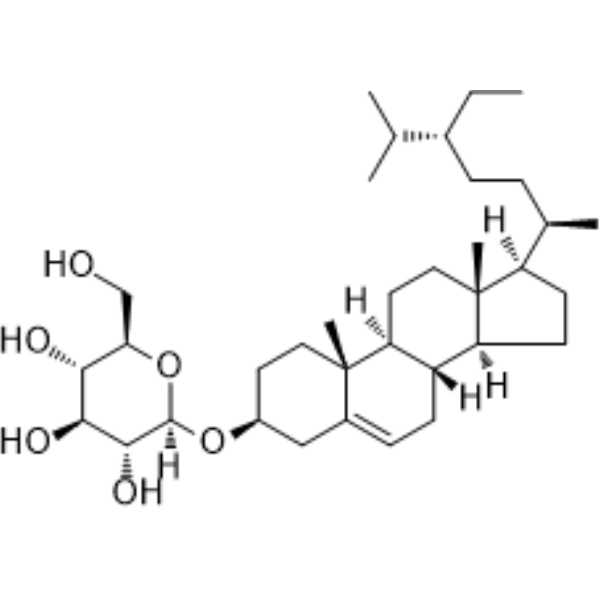
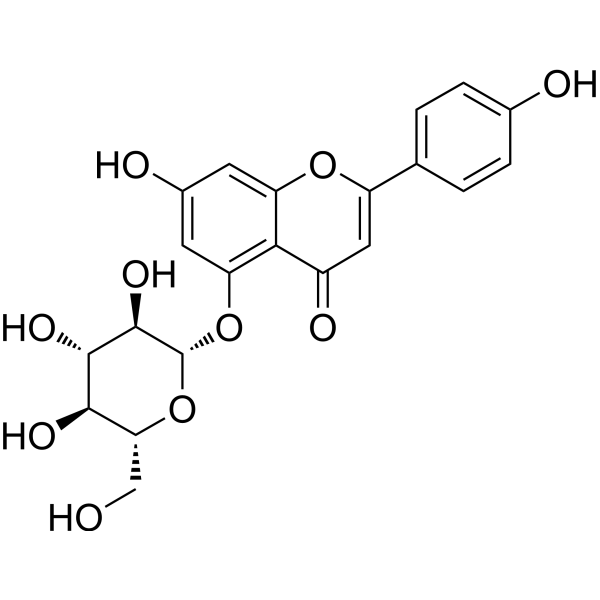
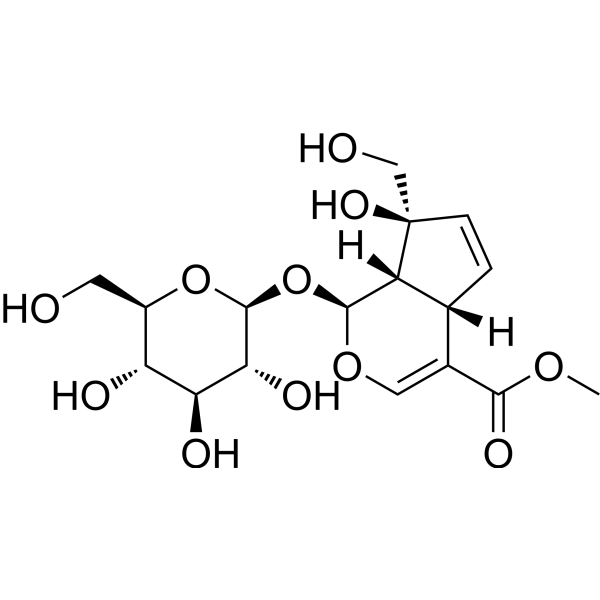
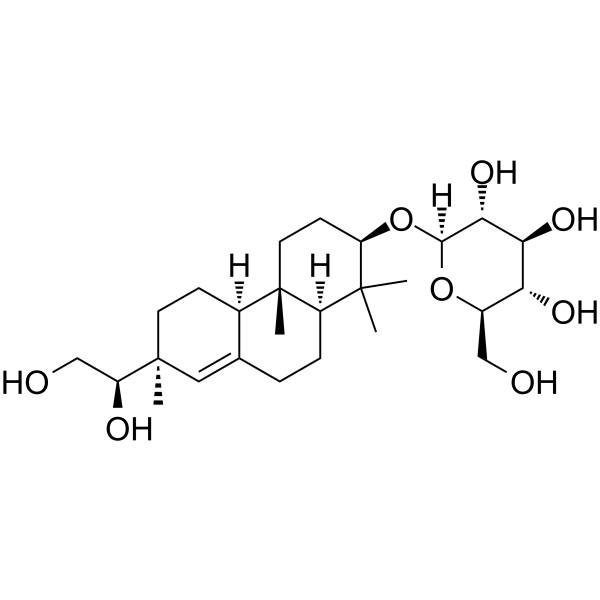
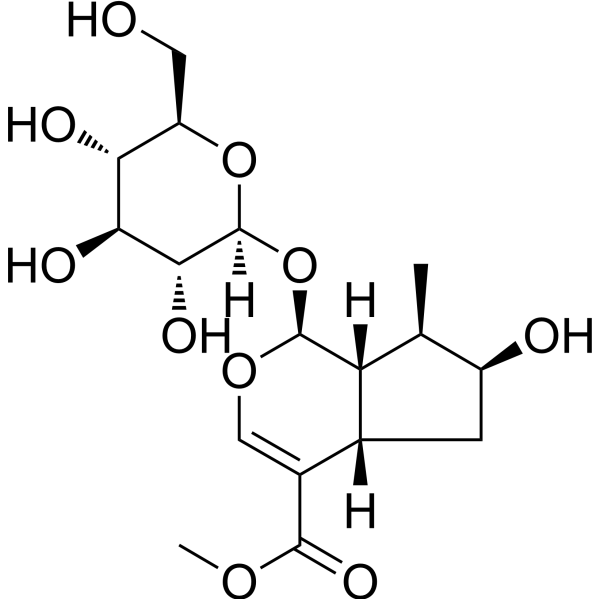
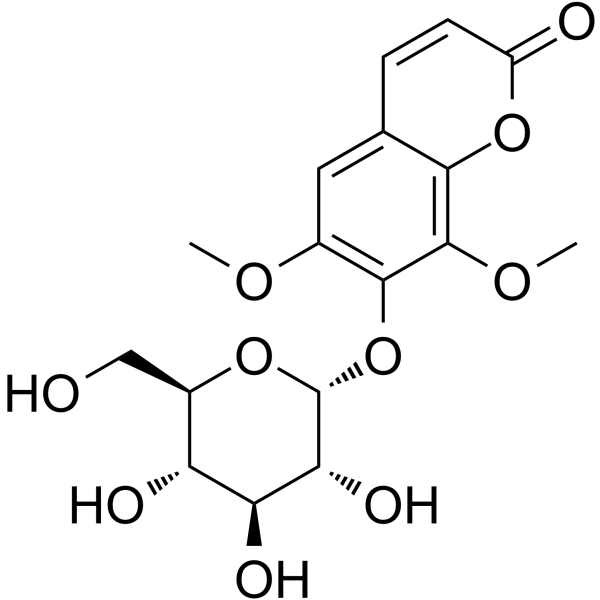
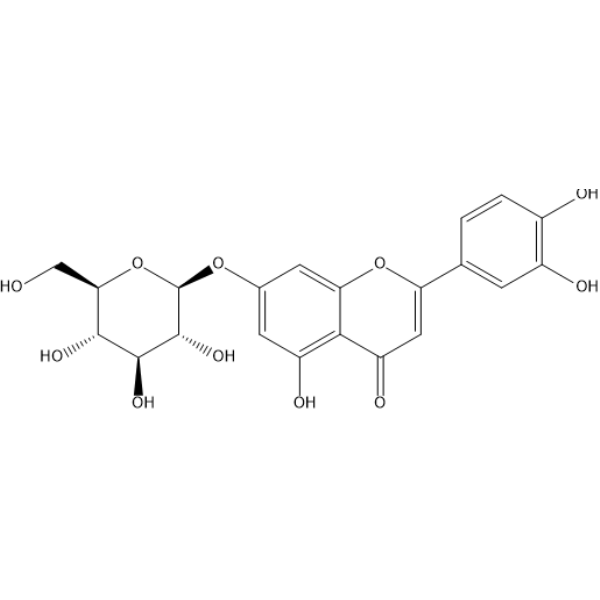
    Glycosides are compounds in which a sugar group is bonded through its anomeric carbon to another group via a glycosidic bond. Many biologically active compounds are glycosides. Glycosides comprise several important classes of compounds such as hormones, sweeteners, alkaloids, flavonoids, antibiotics, etc. The glycosidic residue can be crucial for their activity or can only improve pharmacokinetic parameters. Glycosides, which exhibit anti-inflammatory, anti-infection, anti-cancer and anti-oxidative properties, play numerous important roles in living organisms, such as streptomycin, as an aminoglycoside antibiotic, has anti-infection activity. Anthracyclines possess good antibacterial and anti-cancer activities.

    MCE Glycoside Compound Library contains a unique collection of 894 glycoside compounds and is a useful tool to discovery glycoside drugs.

  • HY-L071
    599 compounds

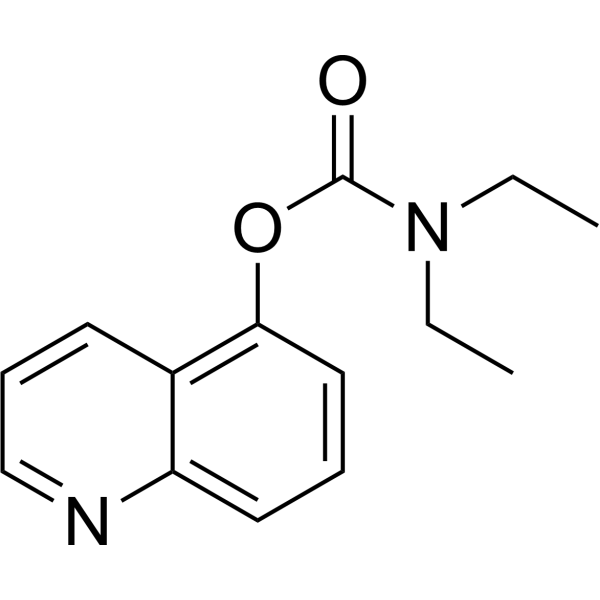
    Alkaloids are a large and complex group of cyclic compounds that contain N. About 2,000 different alkaloids have been isolated. Important alkaloids include morphine, strychnine, atropine, colchicine, ephedrine, quinine, and nicotine. Alkaloids are useful as diet ingredients, supplements, and pharmaceuticals, in medicine and in other applications in human life. They showed anti-inflammatory, anticancer, analgesics, local anesthetic and pain relief, neuropharmacologic, antimicrobial, antifungal, and many other activities. Alkaloids are also important compounds in organic synthesis for searching new semisynthetic and synthetic compounds with possibly better biological activity than parent compounds.

    MCE designs a unique collection of 599 alkaloids that all come from natural products. MCE Alkaloids Library is a useful tool for drug discovery that can be used for high throughput screening (HTS) and high content screening (HCS).

  • HY-L138
    6,484 compounds

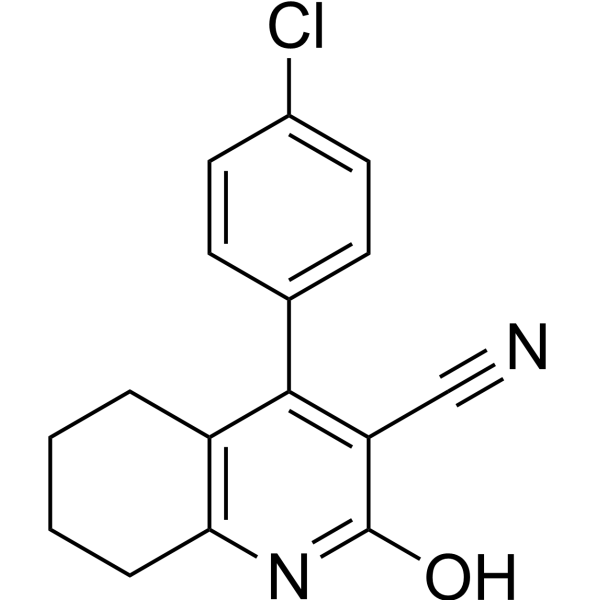
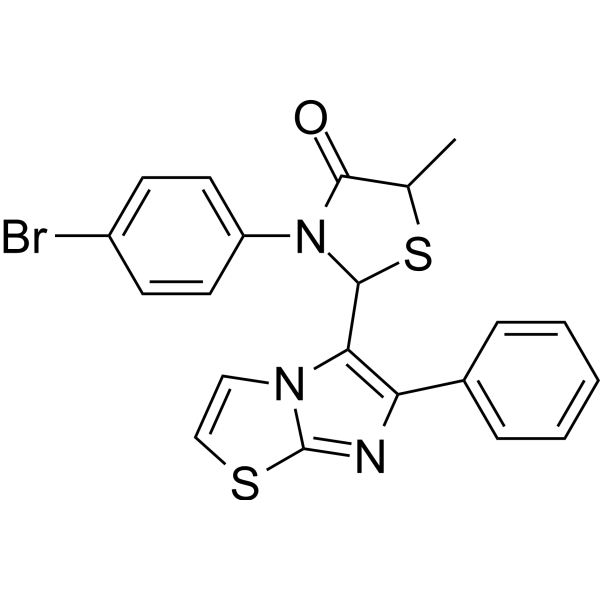
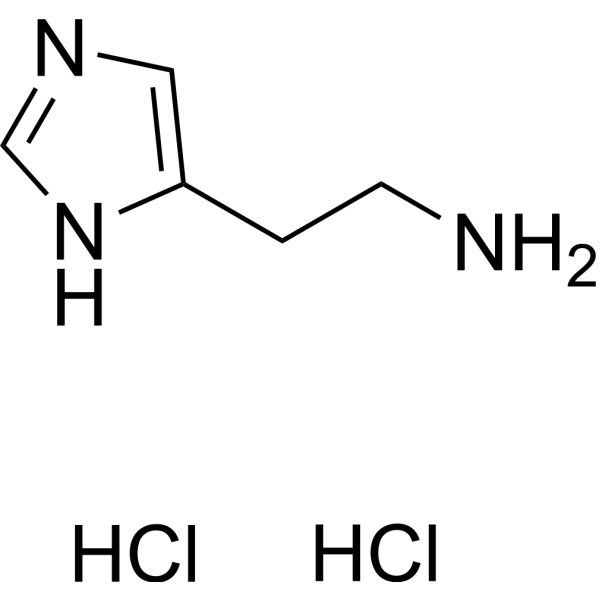
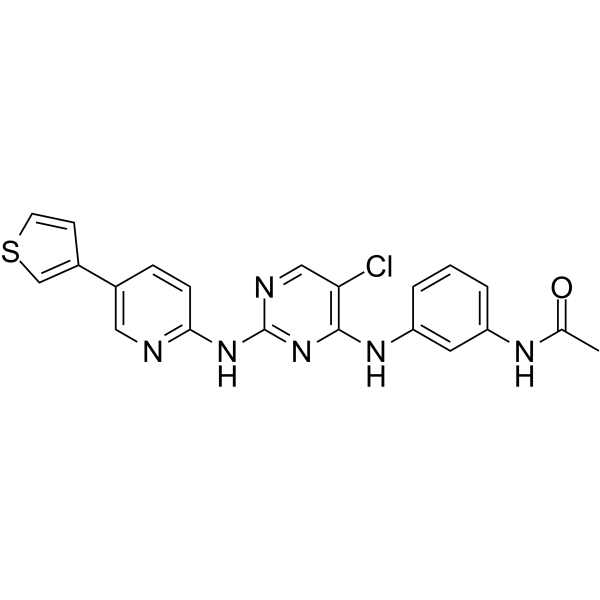
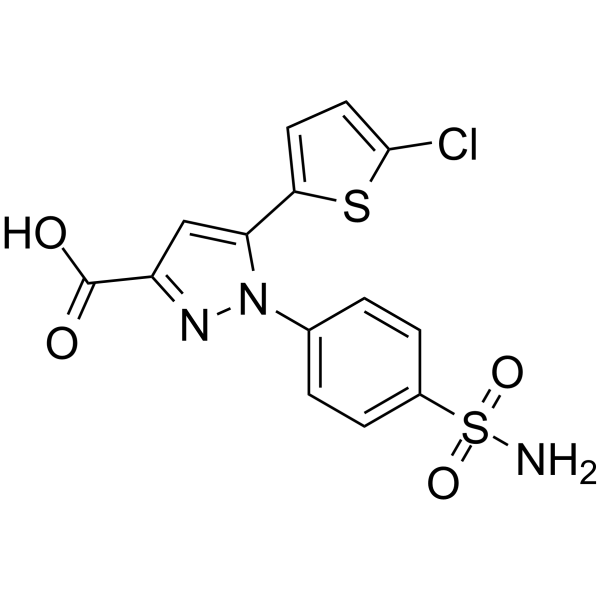
    Heterocyclic compounds are cyclic organic compounds which contain at least one hetero atom, the most common heteroatoms are nitrogen, oxygen ,and sulfur. Heterocycles are common in biology, featuring a wide range of structures from enzyme co-factors to amino acids and proteins. On the one hand, heterocycles are common structural units in approved drugs and in medicinal chemistry targets in the drug discovery process. In addition, heterocycles have been found as a key structure in medical chemistry and also they are frequently found in large percent of biomolecules such as vitamins, natural products ,and biologically active compounds including antifungal, anti-inflammatory, antibacterial, antioxidant, antiallergic, anti-HIV, antidiabetic, anticancer activity.

    MCE offers a unique collection of 6,484 heterocyclic compounds which can be used for drug discovery for high throughput screening (HTS) and high content screening (HCS). MCE heterocyclic compound library is critical for drug discovery and development.

  • HY-L084
    914 compounds

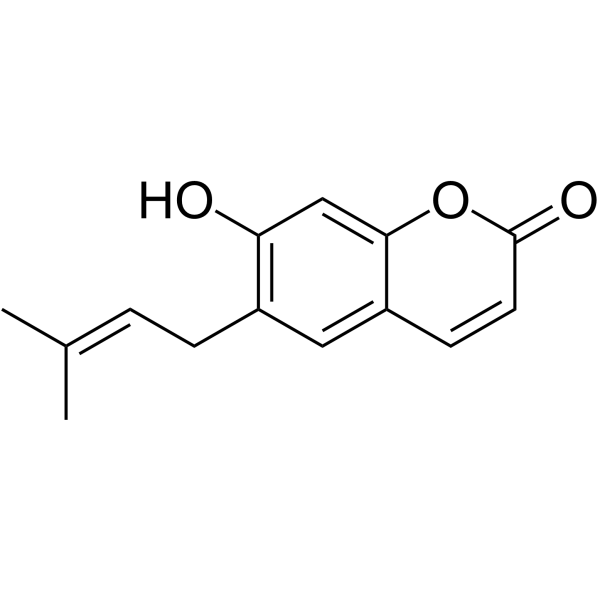
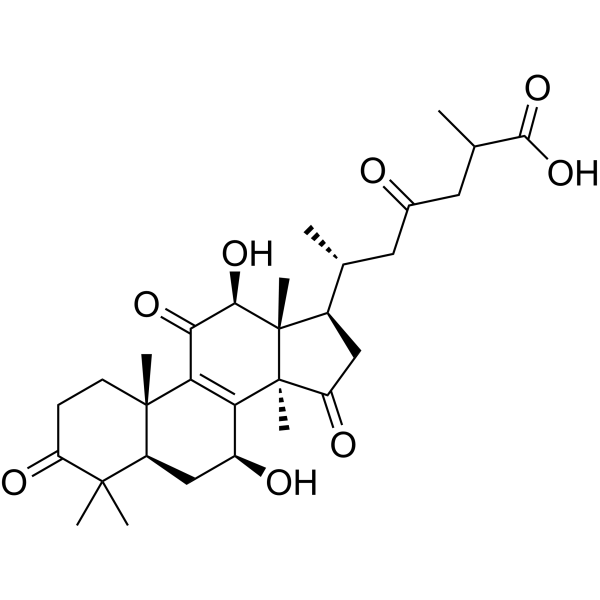
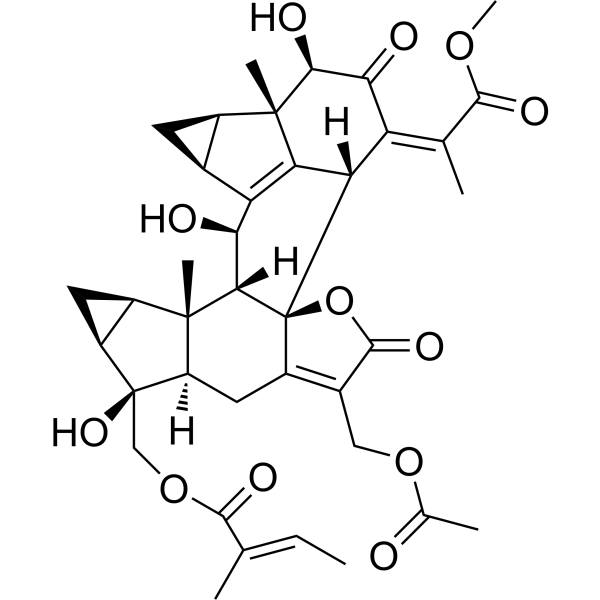
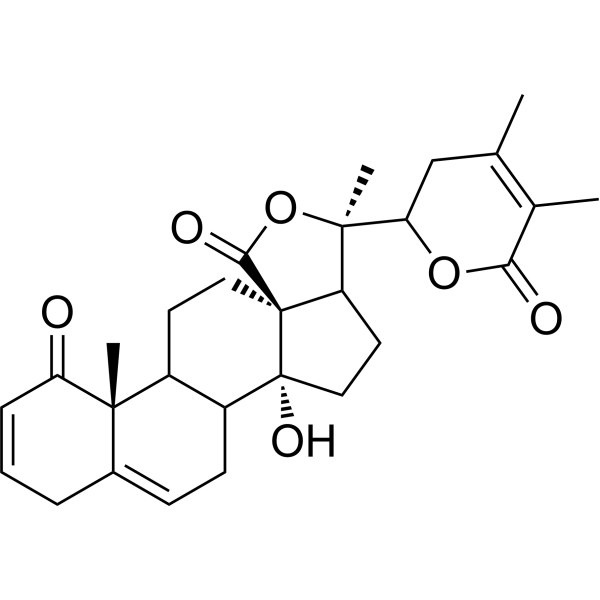
    Nature has been a source of medicinal products for millennia, with many useful active substances developed from plant sources. In the 20th century, the discovery of the penicillin was the starting point for drug discovery from microbial sources. Microorganisms, which have been considered to be a rich source of unique bioactive compounds, play an important role in the development of the chemistry of natural products and medical therapy. Microbial metabolites have proved to be affective antimicrobial agents, anti-tumor agents, enzyme inhibitors, anti-inflammatory agents, etc. Today, many microbial-originated antibiotics are available in the mark, and a large number of bioactive metabolites are used in medicine.

    MCE provides a unique collection of 914 microbial metabolites, which is an important source of lead compounds and can be used for drug discovery.

  • HY-L243
    92 compounds

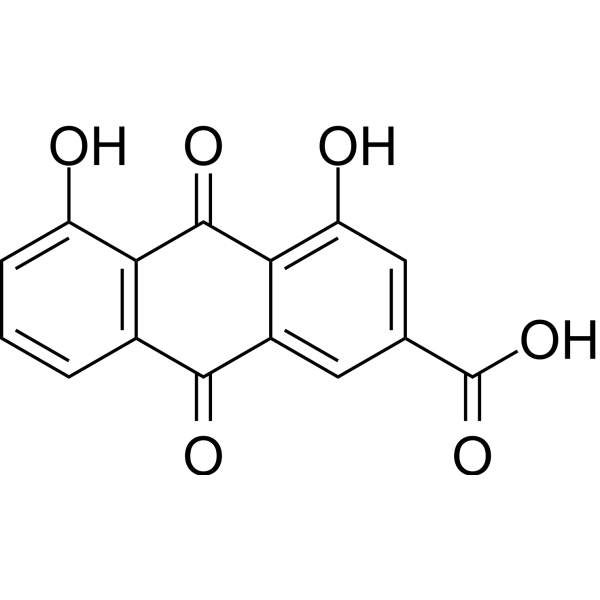
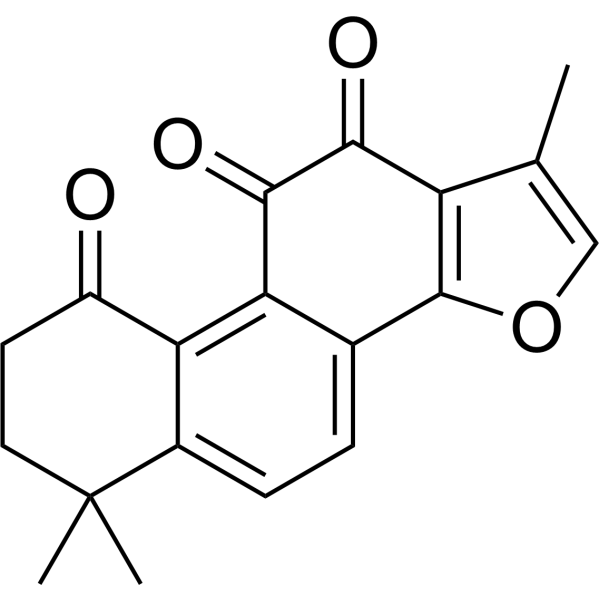
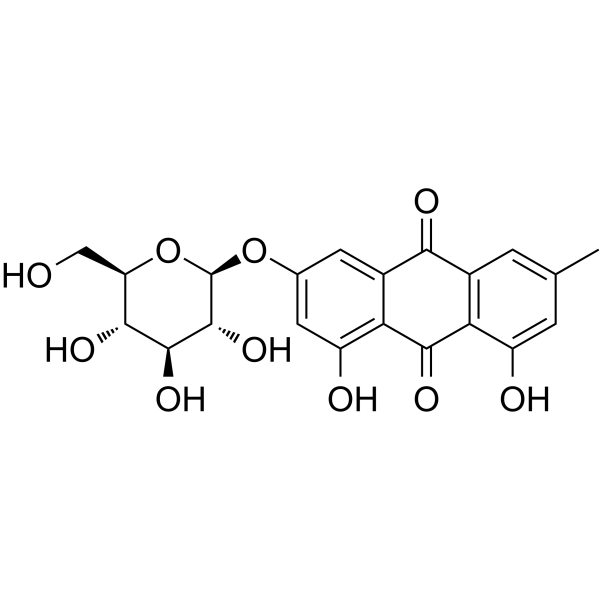
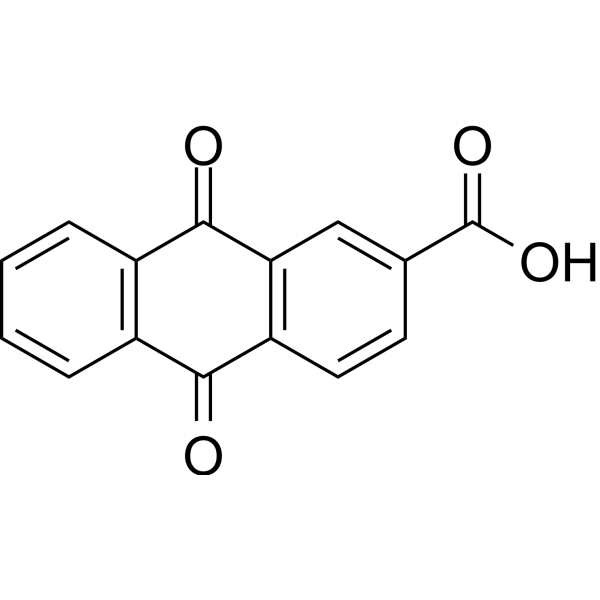
    Quinone compounds are a significant class of natural products featuring a conjugated quinone structure, widely distributed in plants, fungi, and microorganisms. Based on their core structures, they can be primarily categorized into benzoquinones, naphthoquinones, phenanthrenequinones, and anthraquinones, among others. This structural diversity endows quinone compounds with a broad spectrum of pharmacological activities, making them key components in traditional Chinese medicine (such as rhubarb, Lithospermum erythrorhizon, and Salvia miltiorrhiza). Modern research has confirmed that their activities encompass anti-tumor, anti-inflammatory, antibacterial, antiviral, antiplatelet aggregation, and neuroprotective effects, among others, establishing them as an important source for drug development.

    MCE designs a unique collection of 92 quinones that all come from natural products. MCE Quinones Library is a useful tool for drug discovery that can be used for high throughput screening (HTS) and high content screening (HCS).

  • HY-L141
    2,904 compounds

    Drug repurposing (also called drug repositioning, reprofiling, or re‑tasking) offers various advantages over developing an entirely new drug for a given indication, for example, lower risk of failure, less investment, and shorter development timelines. But drug repositioning projects are also subject to several risks, including regulatory and intellectual property issues. So the off-patent drugs are optimal for repositioning because of their immediate availability for clinical studies, with high feasibility and relatively low risk.

    MCE carefully prepared a unique collection of 2,904 off-patent drugs, which is a good choice for drug repurposing.

  • HY-L053
    1,499 compounds

    From target identification to clinical research, traditional drug discovery and development is a time-consuming and costly process, which also bears high risk. Compared with traditional drug discovery, drug repositioning or repurposing, also known as old drugs for new uses can greatly shorten the development cycle and reduce development cost, which has become a new trend of drug development. After undergoing clinical trials, approved drugs have identified bioactivities, good pharmacokinetic characteristics and safety, which can greatly improve the success rate of drug discovery. A number of successes have been achieved, such as metformin for type 2 diabetes and thalidomide for leprosy and multiple myeloma, etc.

    MCE provides a unique collection of 1,499 China NMPA (National Medical Products Administration) approved compounds, which have undergone extensive preclinical and clinical studies and have well-characterized bioactivities, safety and bioavailability properties. MCE NMPA-Approved Drug Library is a good tool for drug repurposing which could dramatically accelerate drug development.

  • HY-L155
    535 compounds

    Mitochondria, as the main place of energy supply in life, is essential to maintain normal life activities. Mitochondrial dysfunction is associated with common diseases, such as cardiovascular diseases, neurodegenerative diseases, diabetes and cancer. The heart, brain and liver rely heavily on mitochondrial function as the main organs for drug metabolism. In addition, mitochondria is also a target of many drugs, some of which induce organotoxicity by inducing mitochondrial toxicity.

    MCE contains 535 mitochondrial toxic compounds, which can be used as tool compounds for drug development and disease mechanism research.

  • HY-L035P
    6,076 compounds

    New drug development is a time-consuming and high-cost process. Drug repurposing (also called drug repositioning, reprofiling or re‑tasking) offers various advantages over developing an entirely new drug for a given indication. First, the risk of failure is lower. Second, the time frame for drug development can be reduced. Third, less investment is needed. Approved and clinical drugs, especially after phase I drugs, have identified bioactivities, good pharmacokinetic characteristics and safety, which are suitable for drug repurposing.

    MCE Drug Repurposing Compound Library plus contains 6,076 approved and passed phase I clinical drugs, which have been completed extensive preclinical and clinical studies and have well-characterized bioactivities, safety and bioavailability properties.

    MCE Drug Repurposing Compound Library plus, with more powerful screening capability, further complement MCE Drug Repurposing Compound Library (HY-L035) by adding some compounds with low solubility or stability (Part B) to this library. All those supplementary compounds are supplied in powder form.

  • HY-L035
    5,106 compounds

    New drug development is a time-consuming and high-cost process. Drug repurposing (also called drug repositioning, reprofiling or re‑tasking) offers various advantages over developing an entirely new drug for a given indication. First, the risk of failure is lower. Second, the time frame for drug development can be reduced. Third, less investment is needed. Approved and clinical drugs, especially after phase I drugs, have identified bioactivities, good pharmacokinetic characteristics and safety which are suitable for drug repurposing.

    MCE Drug Repurposing Compound Library contains 5,106 approved drugs and passed phase Ⅰclinical drugs, which have been completed extensive preclinical and clinical studies and have well-characterized bioactivities, safety and bioavailability properties.

  • HY-L046
    2,282 compounds

    Cardiovascular diseases (CVDs) are a group of disorders of the heart and blood vessels which include coronary heart disease, cerebrovascular disease, peripheral arterial disease, rheumatic heart disease, etc. CVDs are the number 1 cause of death globally. Smoking, unhealthy nutrition, aging population, lack of physical activity, arterial hypertension, or diabetes can promote cardiovascular disease like myocardial infarction or stroke. It is multifactorial and encompasses a multitude of mechanisms, such as eNOS uncoupling, reactive oxygen species formation, chronic inflammatory disorders and abnormal calcium homeostasis. Antioxidant, anti-inflammatory and anti-diabetes agents may reduce the cardiovascular disease risk.

    MCE supplies a unique collection of 2,282 compounds with confirmed anti-cardiovascular activity. These compounds mainly target metabolic enzyme, membrane transporter, ion channel, inflammation related signaling pathways. MCE Anti-Cardiovascular Disease Compound Library can be used for cardiovascular diseases related research and high throughput and high content screening for new drugs.

  • HY-L068
    576 compounds

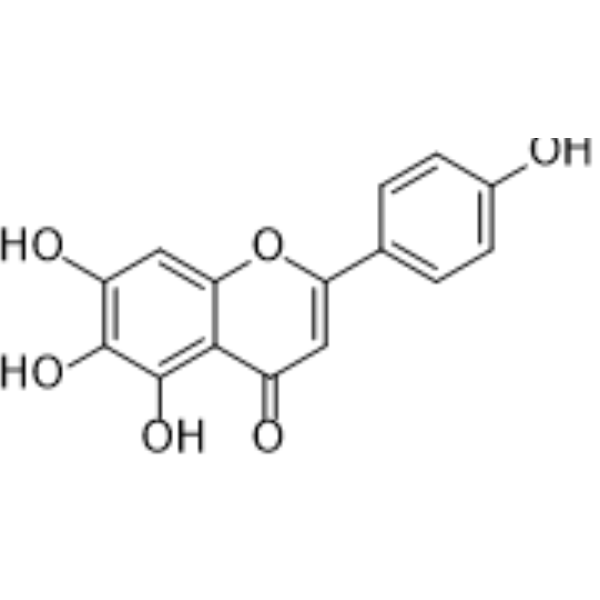
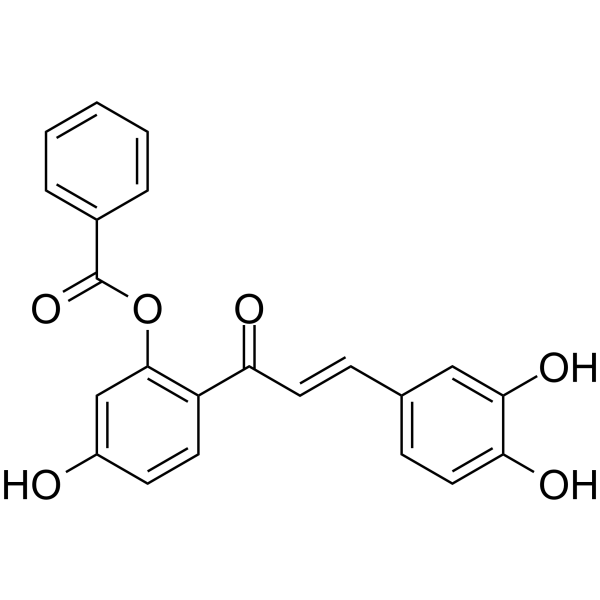
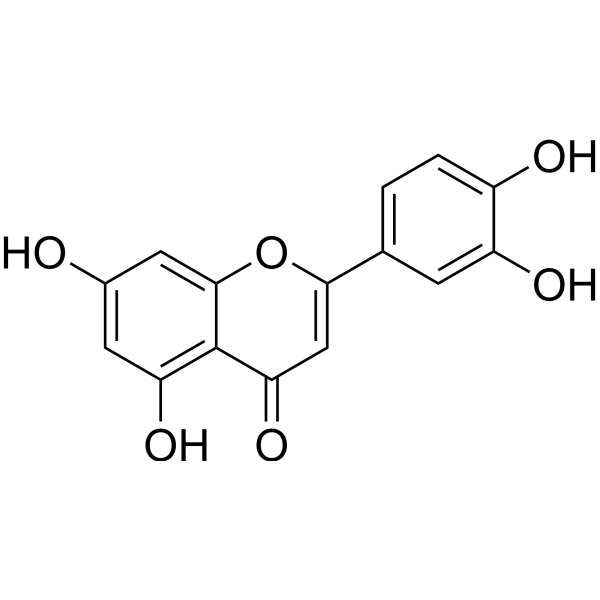
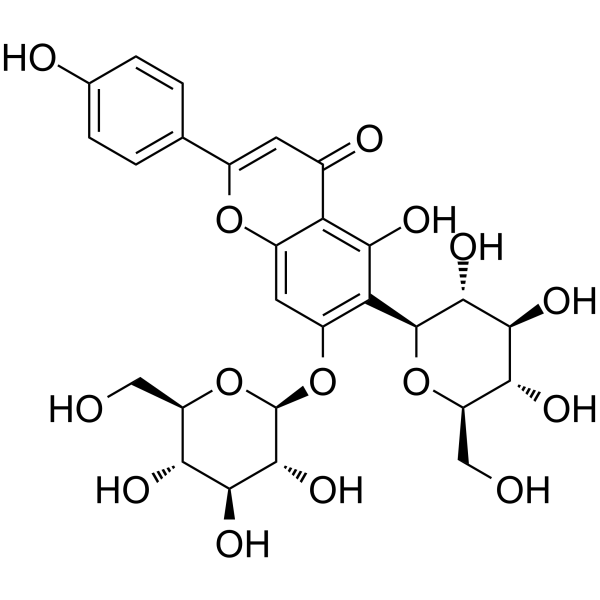
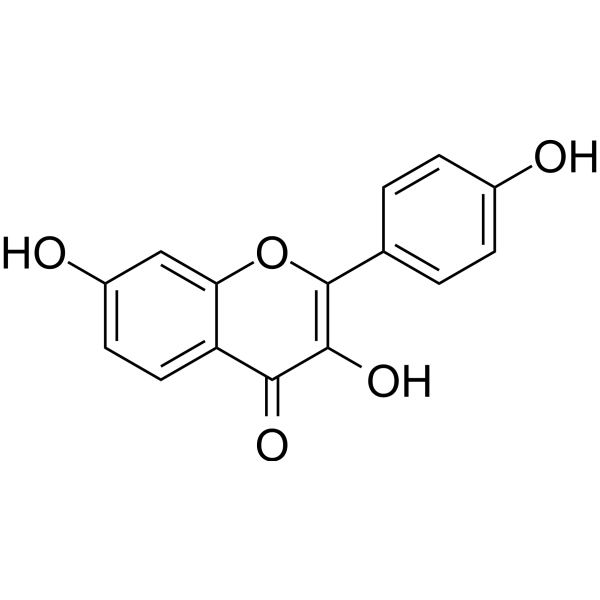
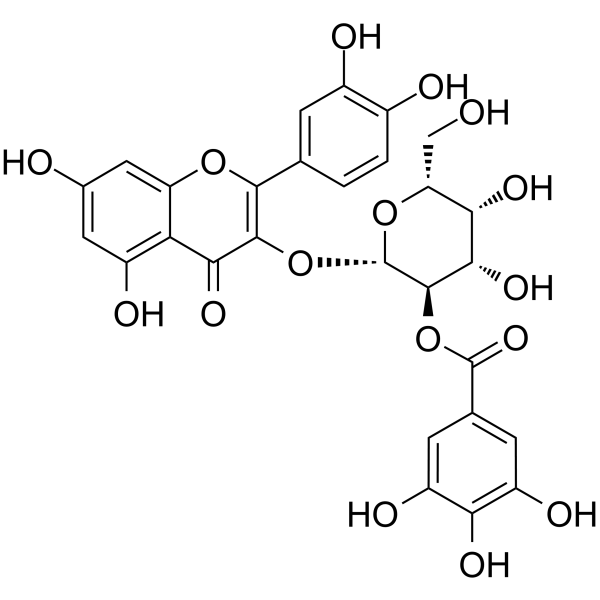
    Flavonoids are an important class of natural products; particularly, they belong to a class of plant secondary metabolites having a polyphenolic structure, widely found in fruits, vegetables and certain beverages. Flavonoids can be subdivided into different subgroups depending on the carbon of the C ring on which the B ring is attached and the degree of unsaturation and oxidation of the C ring. These subgroups are: flavones, flavonols, flavanones, flavanonols, flavanols or catechins, anthocyanins and chalcones. Flavonoids are now considered as an indispensable component in a variety of nutraceutical, pharmaceutical, medicinal and cosmetic applications. This is attributed to their anti-oxidative, anti-inflammatory, anti-mutagenic and anti-carcinogenic properties coupled with their capacity to modulate key cellular enzyme function. Naturally occurring flavonoids are known to have biological activities for use as drugs, for example, in diseases like cancer, Alzheimer’s disease (AD), atherosclerosis, etc.

    MCE offers a unique collection of 576 natural flavonoid compounds which is a useful tool for drug discovery as an important source of lead compounds.

  • HY-L022P
    3,645 compounds

    New drug development is a time-consuming and high-cost process. Drug repurposing (also called drug repositioning, reprofiling or re‑tasking) offers various advantages over developing an entirely new drug for a given indication. First, the risk of failure is lower. Second, the time frame for drug development can be reduced. Third, less investment is needed. Approved drugs have identified bioactivities, good pharmacokinetic characteristics and safety which are suitable for drug repurposing.

    MCE owns a unique collection of 3,645 approved compounds which have been completed extensive preclinical and clinical studies and have well-characterized bioactivities, safety and bioavailability properties. MCE FDA-Approved Drug Library Plus, with more powerful screening capability, further complements FDA-Approved Drug Library (HY-L022) by adding some compounds with low solubility or solution stability (Part B) to this library. All those supplementary are supplied in powder form.

  • HY-L022
    3,220 compounds

    New drug development is a time-consuming and high-cost process. Drug repurposing (also called drug repositioning, reprofiling or re‑tasking) offers various advantages over developing an entirely new drug for a given indication. First, the risk of failure is lower. Second, the time frame for drug development can be reduced. Third, less investment is needed. Approved drugs have identified bioactivities, good pharmacokinetic characteristics and safety which are suitable for drug repurposing.

    MCE owns a unique collection of 3,220 approved compounds which have been completed extensive preclinical and clinical studies and have well-characterized bioactivities, safety and bioavailability properties. MCE FDA-Approved Drug Library is a good tool for drug repurposing which could dramatically accelerate drug development.

  • HY-L076
    641 compounds

    Drug-induced liver injury (DILI; also known as drug-induced hepatotoxicity) is caused by medications (prescription or OTC), herbal and dietary supplements (HDS), or other xenobiotics that result in abnormalities in liver tests or in hepatic dysfunction that cannot be explained by other causes. Drugs are an important cause of liver injury. Drug-induced hepatic injury is the most common reason cited for withdrawal of an approved drug.

    DILI is thought to occur via several different mechanisms. Among these are direct impairment of the structural (e.g., mitochondrial dysfunction) and functional integrity of the liver; production of a metabolite that alters hepatocellular structure and function; production of a reactive drug metabolite that binds to hepatic proteins to produce new antigenic drug-protein adducts, which are targeted by hosts’ defenses (the hapten hypothesis); and initiation of a systemic hypersensitivity response (i.e., drug allergy) that damages the liver.

    MCE Drug-induced Liver Injury (DILI) Compound Library contains a unique collection of 641 hepatotoxicity causing compounds and is a powerful tool to research DILI and other drug toxicities. This library can be used to understand the mechanisms of DILI, identify biomarkers for early DILI prediction, and allow timely recognition during drug development, thus finally achieving successful DILI prevention and assessment in the pre-marketing phase.

  • HY-L139
    3,291 compounds

    Pain is a kind of distressing feeling caused by the stimulation of tissue damage. According to the International Association for the Study of Pain (IASP), pain is defined as ”An unpleasant sensory and emotional experience associated with actual or potential tissue damage, or described in terms of such damage”.

    Pain is usually classified according to its location, duration, underlying causes, and intensity. For example, acute and chronic pain, muscle pain, and nerve pain. Pain is the main symptom of most diseases, which seriously affects the quality of life and body function of patients. In the medical treatment of pain, anti-inflammatory drugs and opioid analgesic agents have traditionally been used, but the side effects are serious. In recent years, targeted drugs targeting the ERK/MAPK pathway or other targets have gradually become a research hotspot.

    MCE supplies a unique collection of 3,291 compounds targeting key proteins in the pain system. MCE Pain-Related Compound Library is a useful tool for pain related research and anti-pain drug development.

  • HY-L066
    3,729 compounds

    New drug development is a time-consuming and high-cost process. Drug repurposing (also called drug repositioning, reprofiling or retasking) offers various advantages over developing an entirely new drug for a given indication. First, the risk of failure is lower. Second, the time frame for drug development can be reduced. Third, less investment is needed. Approved drugs and pharmacopoeia collected compounds have identified bioactivities, good pharmacokinetic characteristics and safety which are suitable for drug repurposing.

    MCE owns a unique collection of 3,729 compounds from approved institutions such as FDA, EMA, NMPA, PMDA, etc. or pharmacopoeia such as USP, BP, JP, etc. These compounds have well-characterized bioactivities, safety and bioavailability properties. MCE FDA Approved & Pharmacopeial Drug Library is a good tool for drug repurposing which could dramatically accelerate drug development.

  • HY-L253
    88 compounds

    For thousands of years, natural products have always been an important source for drug discovery. Fungi, due to their unique and diverse secondary metabolic capabilities, have become a valuable resource for natural active molecules. Since the discovery of penicillin, natural products derived from fungi have demonstrated significant application value in areas such as anti-infection, anti-tumor, immune regulation, and metabolic disease research. A large number of clinical drugs, such as antibiotics, immunosuppressants, and lipid-lowering drugs, are derived from fungal metabolites or their structurally optimized derivatives.

    MCE fungal-derived compound library contains 88 structurally diverse and bioactive fungal natural products and their derivatives. It can be widely applied in various research fields such as antibacterial, anti-tumor, anti-inflammatory, immune regulation, epigenetics, and cell signaling pathways, providing high-quality tools for natural product drug development and high-throughput screening.

  • HY-L174
    264 compounds

    Macrophages are effector cells of the innate immune system, engulfing bacteria and secreting pro-inflammatory and antibacterial mediators. They are an important component of the first line defense against pathogens and tumor cells. In addition, macrophages play an important role in eliminating damaged cells through programmed cell death. Like all immune cells, macrophages originate from pluripotent hematopoietic stem cells in the bone marrow. Macrophages play key functions in many physiological processes beyond homeostasis and innate immunity, including metabolic function, cell debris clearance, tissue repair, and remodeling. In order to fulfill their different functional roles, macrophages can polarize into a series of phenotypes, including classic (pro inflammatory, M1) and alternative (anti-inflammatory, healing promoting, M2) activation states, as well as a wide range of regulatory phenotypes and subtypes. Macrophages exist in all vertebrate tissues and have a dual function in host protection and tissue damage, maintaining a good balance.

    MCE designs a unique collection of 264 macrophage related compounds. It is a good tool to be used for research on Inflammation, cancer and other diseases.

  • HY-L924
    1,488 compounds

    Boronic acid and boronic ester represent a relatively novel and promising chemical structure in drug design. Boronic acid exists in an sp²-hybridized state, possessing an empty p-orbital that can act as a Lewis acid to accept lone pairs from heteroatoms (O, N, or S). This Lewis acidity enables it to form reversible covalent bonds with amino acid residues such as lysine, serine, threonine, and histidine. Currently, five FDA-approved drugs containing boronic acid or boronic ester predominantly involve such covalent binding mechanisms in their interactions with target proteins. Furthermore, boronic acid can serve as a bioisostere for carboxylic acids, phosphates, and phenolic groups, utilized to improve pharmacokinetic properties and enhance drug efficacy.

    To date, five boron-containing drugs have been approved by the FDA. The unique properties of boronic acids and boronic esters confer significant potential in drug design, with applications spanning cancer therapy (e.g., multiple myeloma), anti-infectives (e.g., fungal infections, tuberculosis), anti-inflammatory treatments (e.g., atopic dermatitis), antibacterial agents (e.g., carbapenem-resistant bacterial infections), and Reactive Oxygen Species (ROS)-responsive prodrugs, among others. The MCE Boronic Acid/Boronic Ester Fragment Library, which contains 1,488 compounds, serves as a valuable tool for the development of boron-containing drugs.

  • HY-L022M
    3,220 compounds

    New drug development is a time-consuming and high-cost process. Drug repurposing (also called drug repositioning, reprofiling or re‑tasking) offers various advantages over developing an entirely new drug for a given indication. First, the risk of failure is lower. Second, the time frame for drug development can be reduced. Third, less investment is needed. Approved drugs have identified bioactivities, good pharmacokinetic characteristics and safety which are suitable for drug repurposing.

    MCE owns a unique collection of 3,220 approved compounds which have been completed extensive preclinical and clinical studies and have well-characterized bioactivities, safety and bioavailability properties. The package of this library is 96-well microplate with peelable foil seal, which makes the screening process easier and faster.

オンラインお問い合わせ

入力情報は安全に管理されます. 必須入力項目.

タイトル


国或いは地域 *

お名前 *


組纖名 *

デパートメント *


メールアドレス *


製品名 *

製品番号


カスタマ需要量 *

電話番号 *


必ず会社名を記載ください。個人への返信は行いません。

備考

バルクお問い合わせ

Inquiry Information

製品名:
製品番号:
数量:
MCE 日本正規代理店: