1. Search Result
Search Result
Results for "

Ten-eleven translocation (TET) methylcytosine dioxygenase

" in MedChemExpress (MCE) Product Catalog:

704

Inhibitors & Agonists

1

Screening Libraries

18

Fluorescent Dyes

14

Biochemical Assay Reagents

59

Peptides

1

MCE Kits

4

Inhibitory Antibodies

175

Natural
Products

22

Recombinant Proteins

36

Isotope-Labeled Compounds

40

Antibodies

26

Click Chemistry

15

Oligonucleotides

5

GMP Molecules

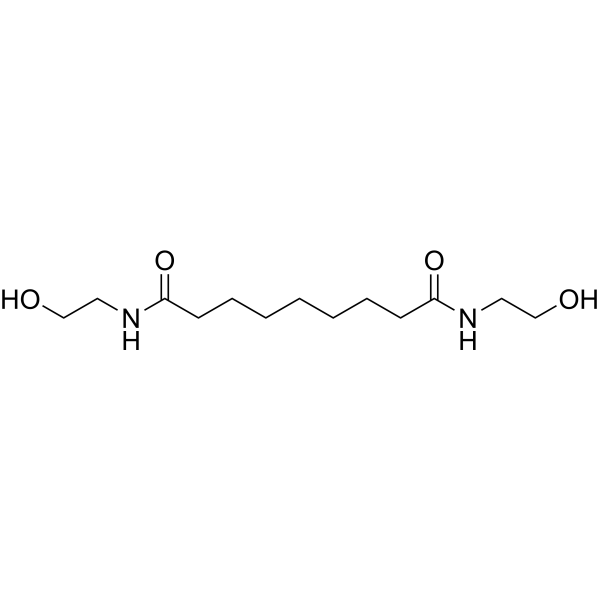
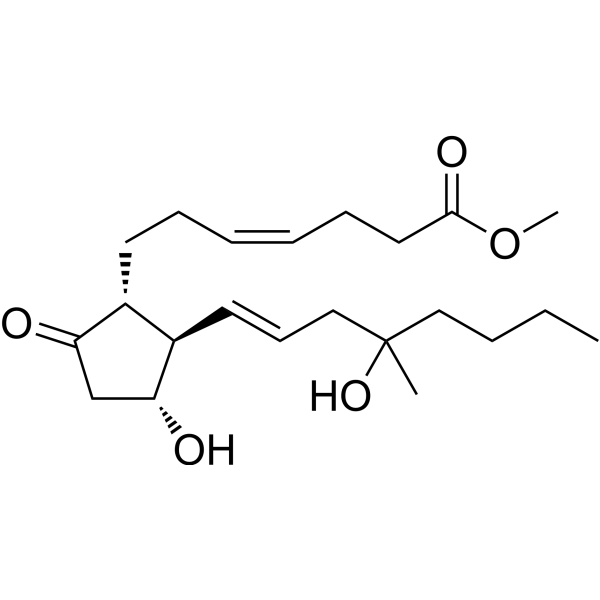
Cat. No. Product Name Target Research Areas Chemical Structure
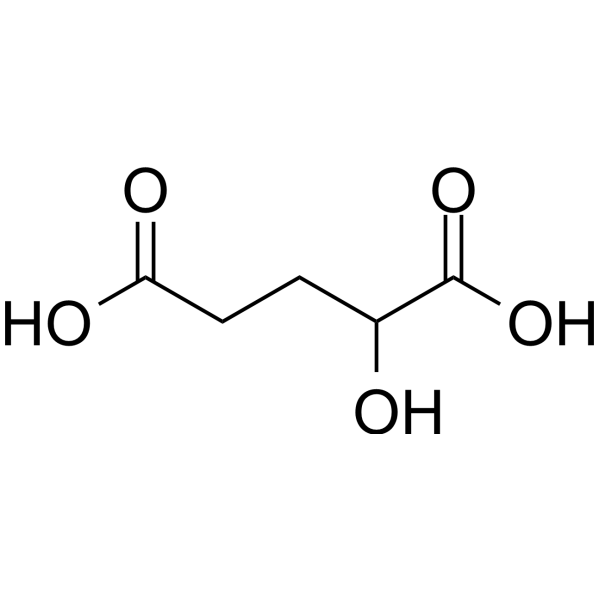
  • HY-113038B

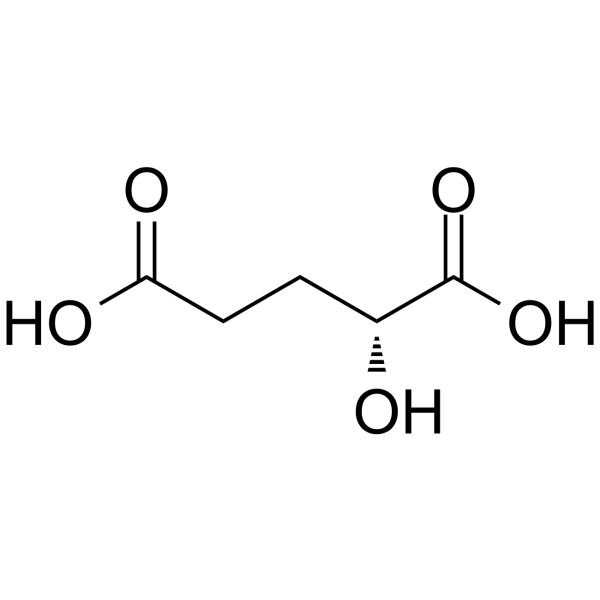
    2-Hydroxyglutarate; 2-Hydroxyglutaric acid; 2-Hydroxypentanedioic acid

    Histone Demethylase Endogenous Metabolite Cancer
    α-Hydroxyglutaric acid (2-Hydroxyglutarate) is an α-hydroxy acid form of glutaric acid. α-Hydroxyglutaric acid is a competitive inhibitor of multiple α-ketoglutarate-dependent dioxygenases, including histone demethylases and the TET family of 5-methlycytosine (5mC) hydroxylases .
    α-Hydroxyglutaric acid
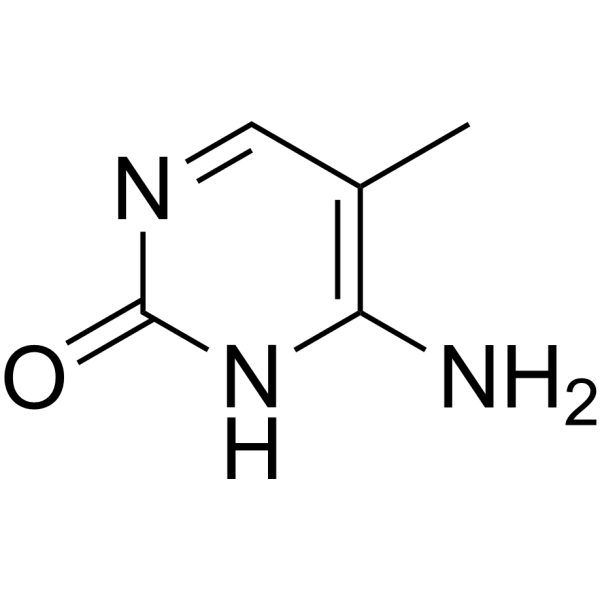
  • HY-W008091
    5-Methylcytosine
    2 Publications Verification

    DNA/RNA Synthesis Endogenous Metabolite Cancer
    5-Methylcytosine is a well-characterized DNA modification in prokaryotes and eukaryotes. 5-Methylcytosine forms symmetrical methylation on CpG dinucleotides in DNA, stabilizes tRNA/rRNA structure in RNA, and affects mRNA translation. 5-Methylcytosine can be oxidized to generate 5hmC, 5fC, and 5caC. 5-Methylcytosine can be used in epigenetics, developmental biology, and the study of diseases such as colorectal cancer and hepatocellular carcinoma .
    5-Methylcytosine
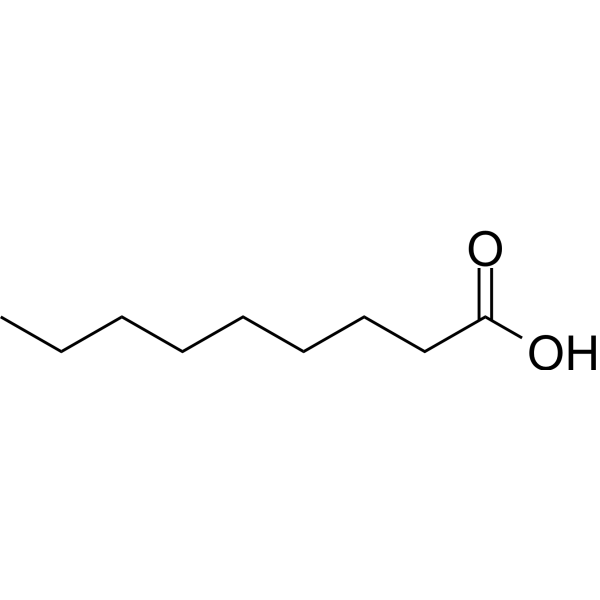
  • HY-N7057
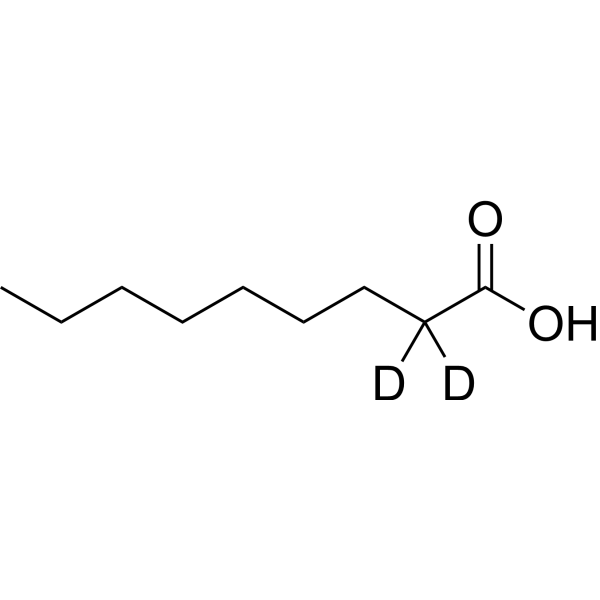
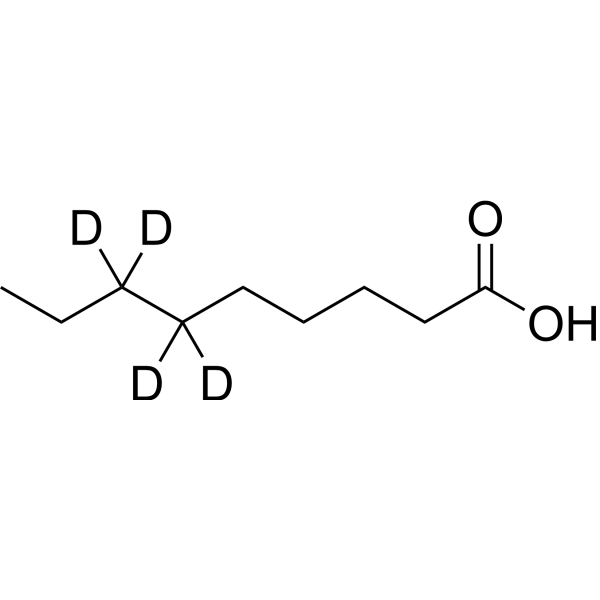
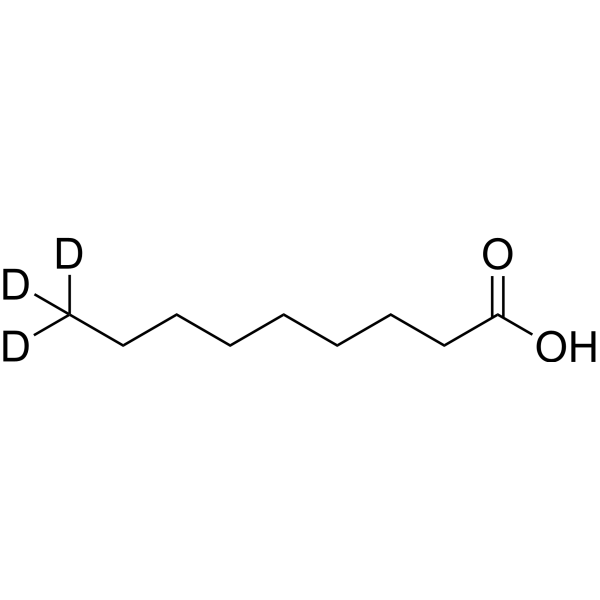
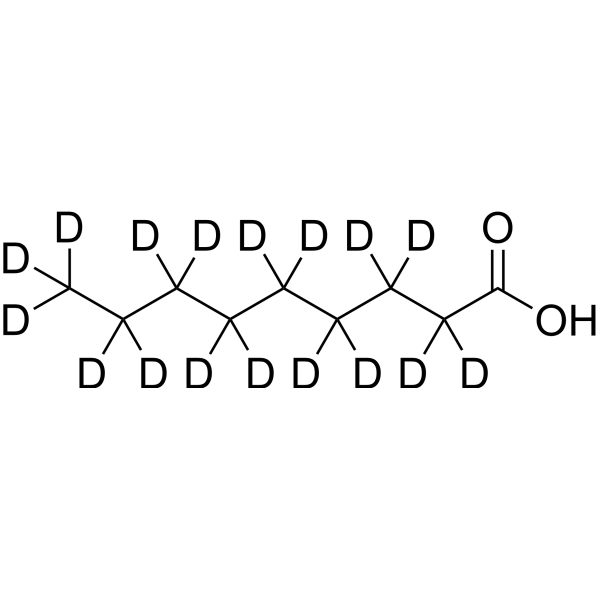
    Nonanoic acid
    1 Publications Verification

    Pelargonic acid

    Environmental Pollutants Endogenous Metabolite Bacterial Infection
    Nonanoic acid (Pelargonic acid) is a naturally-occurring saturated fatty acid with nine carbon atoms. Nonanoic acid significantly reduces bacterial translocation, enhances antibacterial activity, and remarkably increases the secretion of porcine β-defensins 1 (pBD-1) and pBD-2 .
    Nonanoic acid
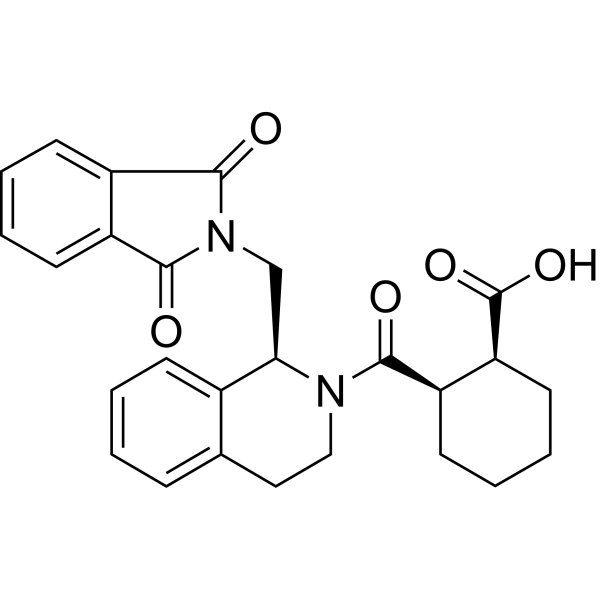
  • HY-110258
    ML334
    10+ Cited Publications

    LH601A

    Quinone Reductase Keap1-Nrf2 Cancer
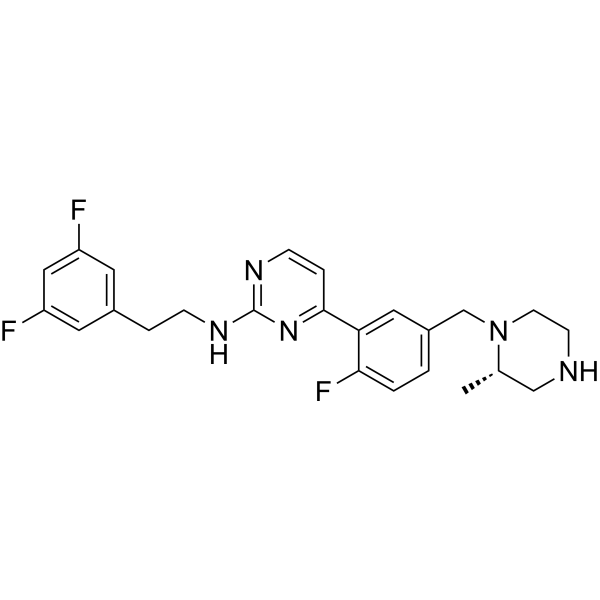
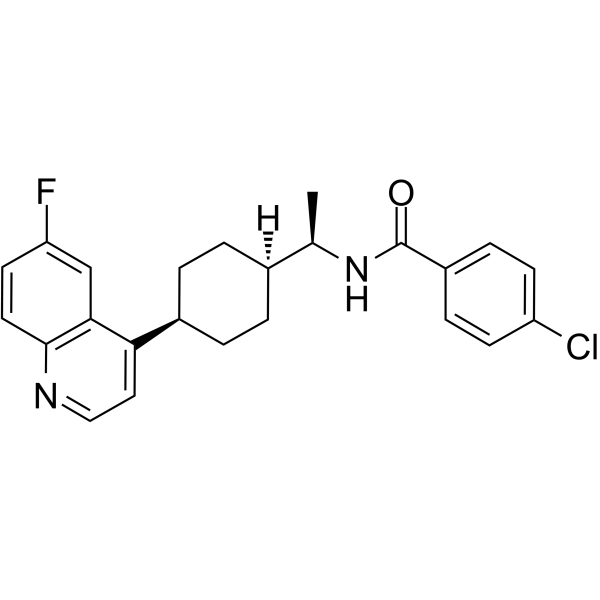
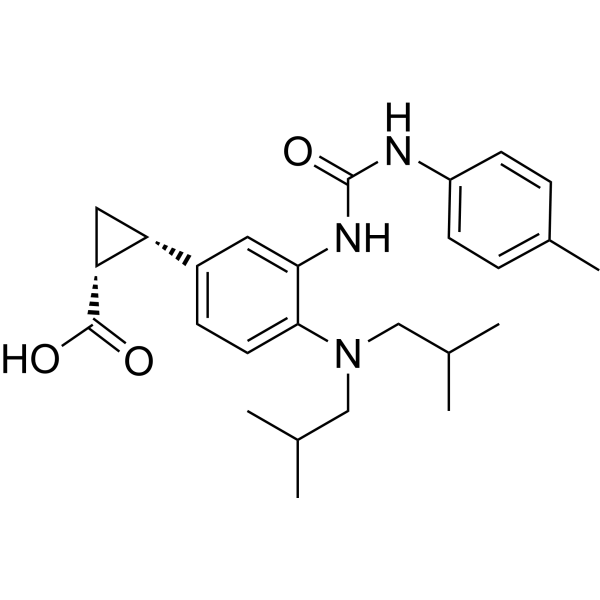
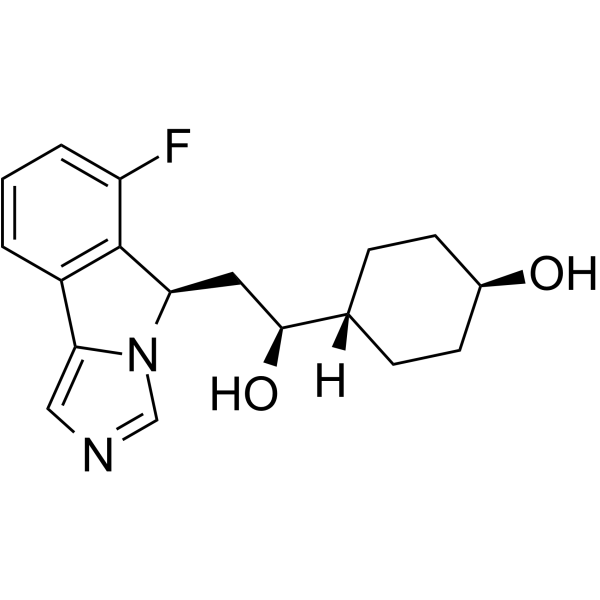
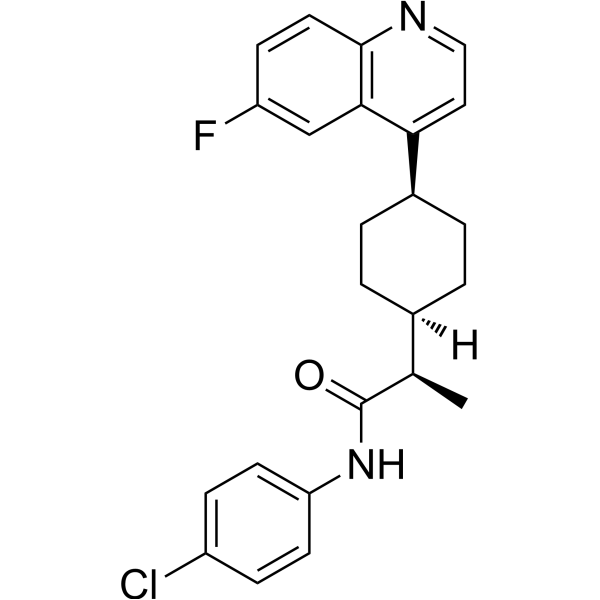
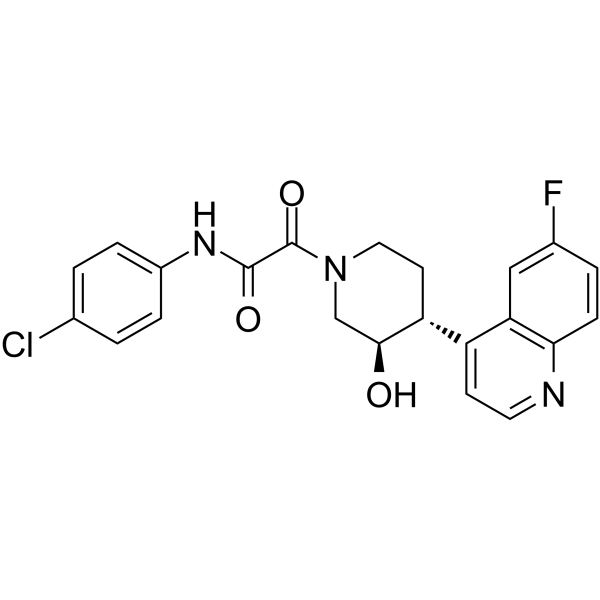
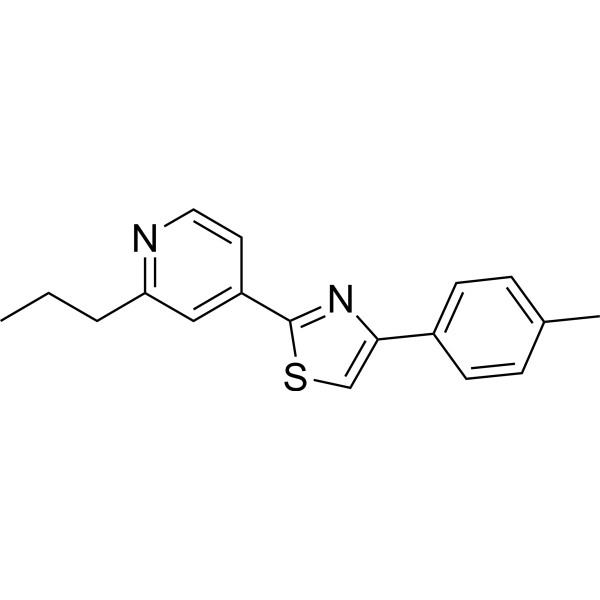
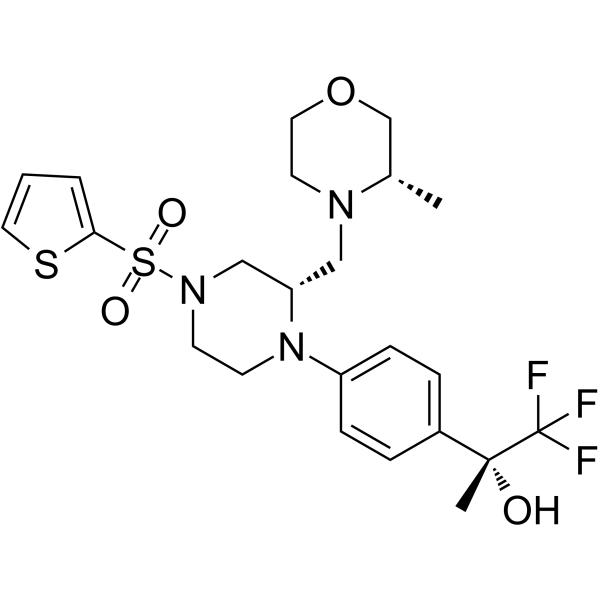
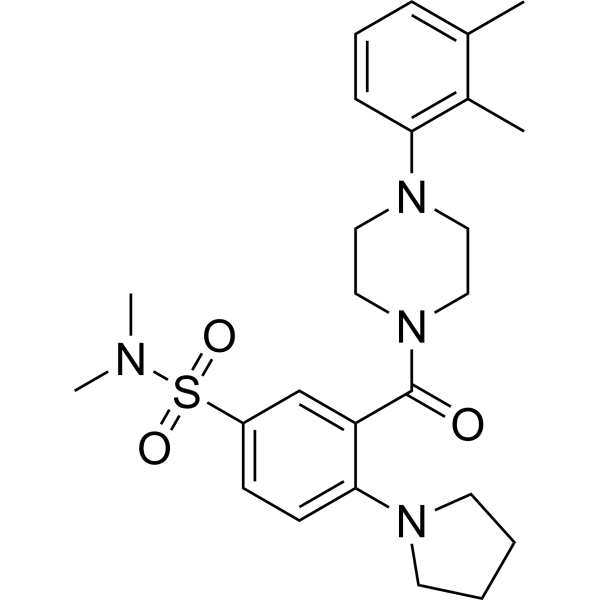
    ML334 is a potent, cell permeable activator of NRF2 by inhibition of Keap1-NRF2 protein-protein interaction. ML334 binds to Keap1 Kelch domain with a Kd of 1 μM. ML334 stimulates NRF2 expression and nuclear translocation and induces antioxidant response elements (ARE) activity .
    ML334
  • HY-122258

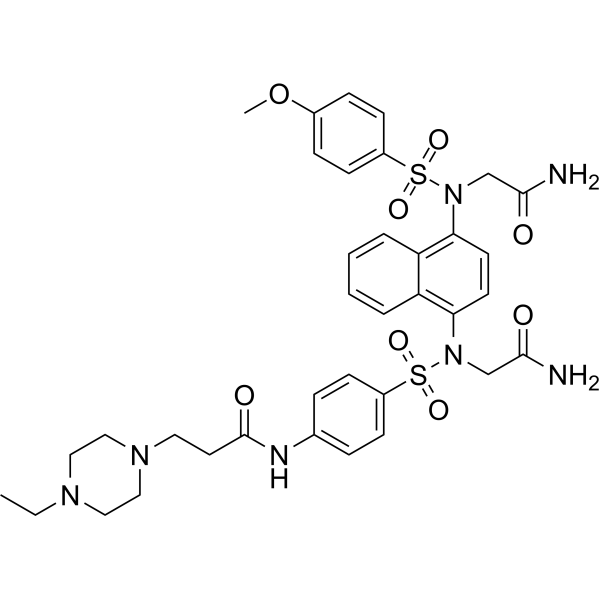
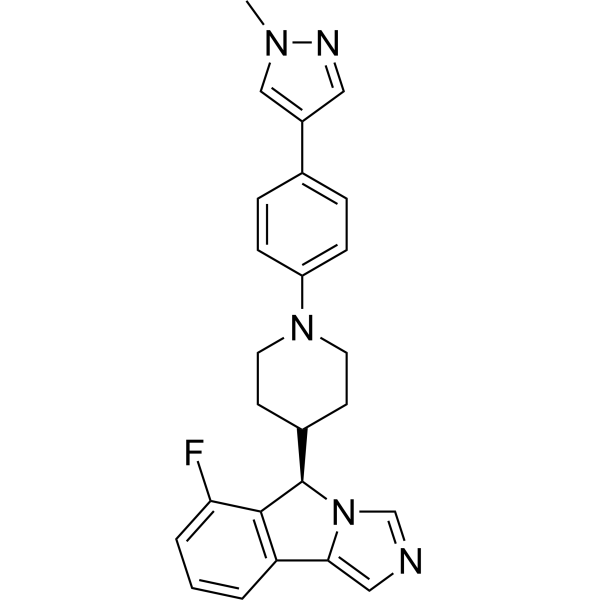
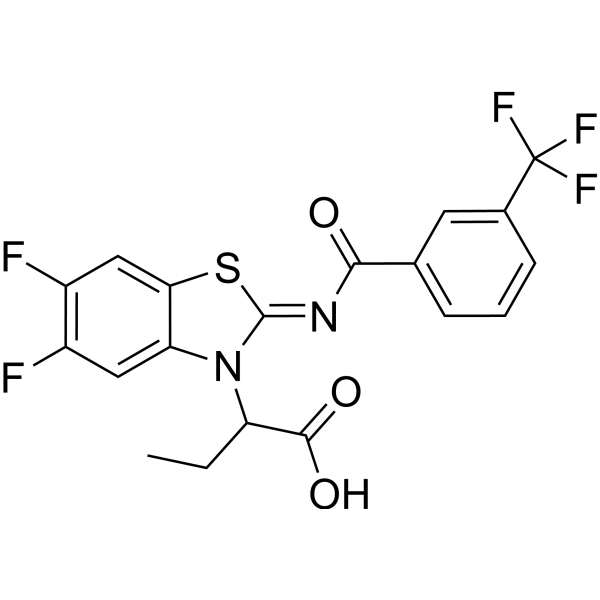
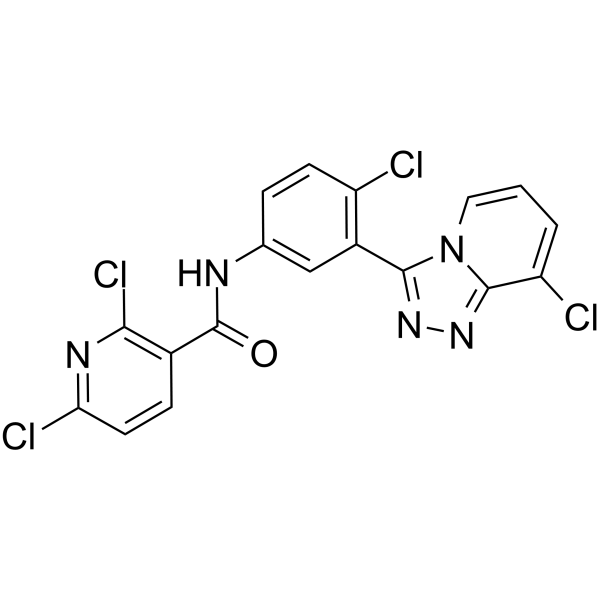
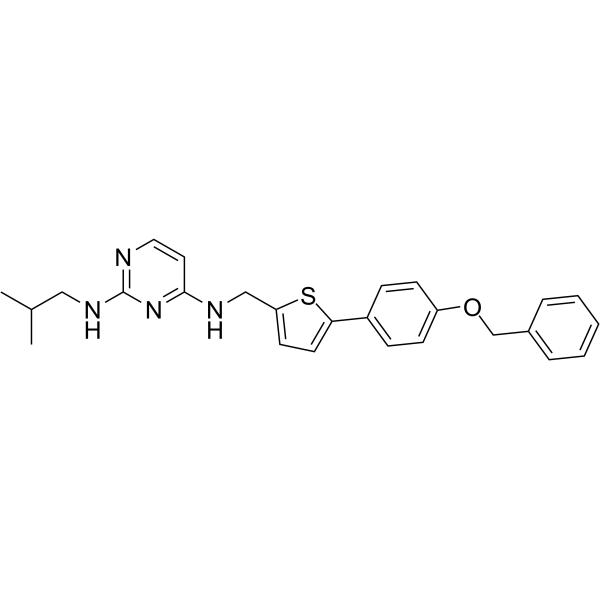
    STAT TET Protein Cancer
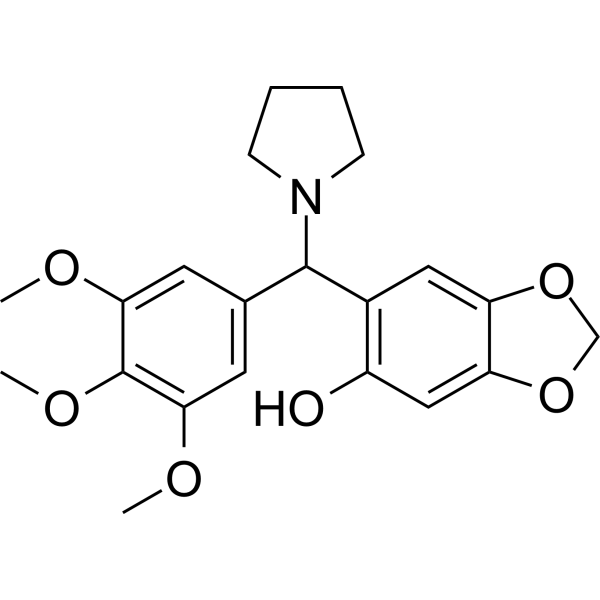
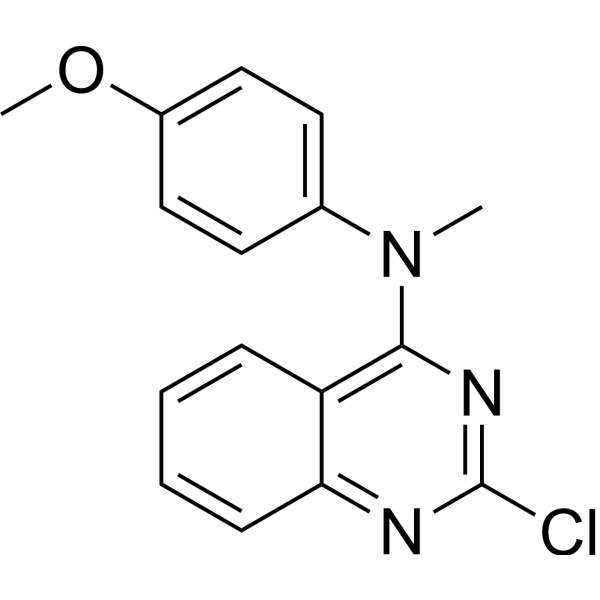
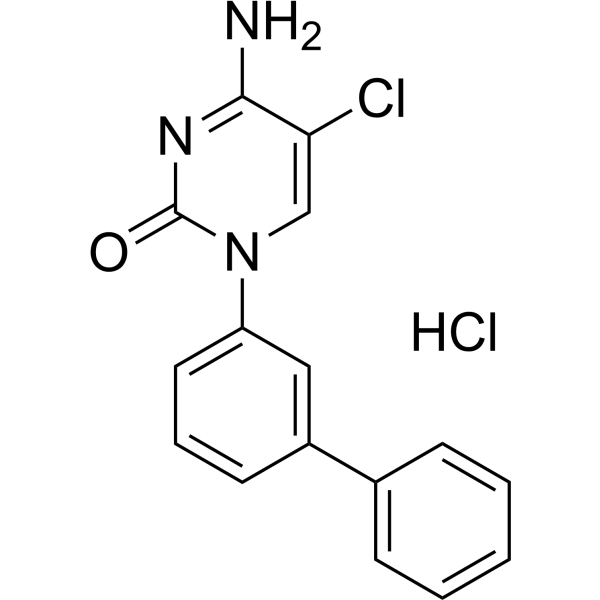
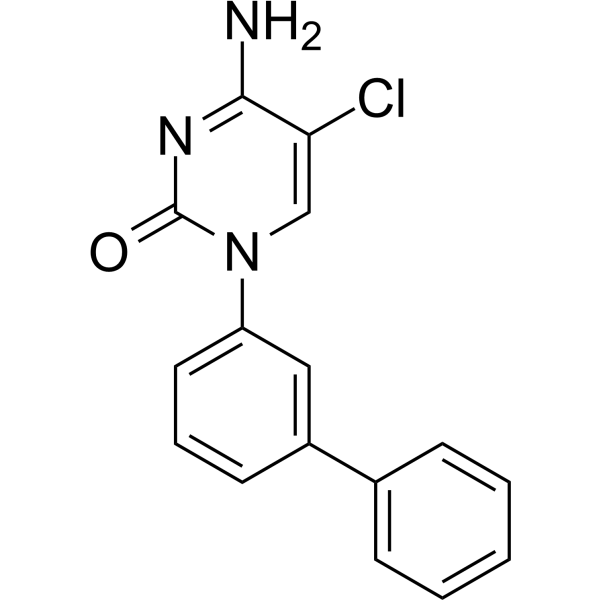
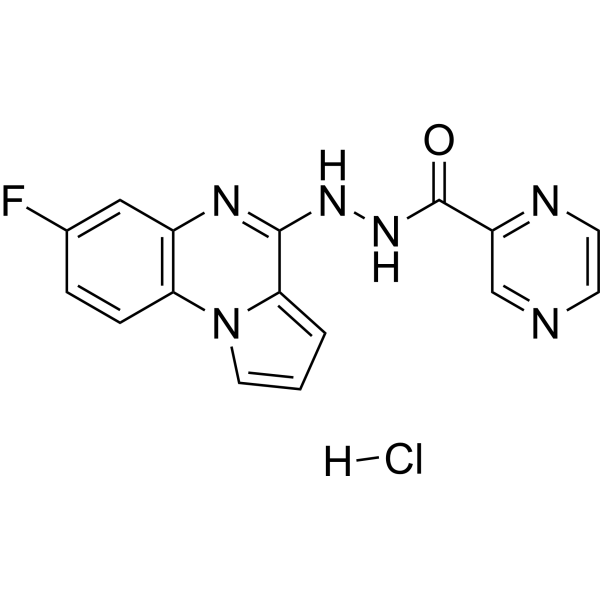
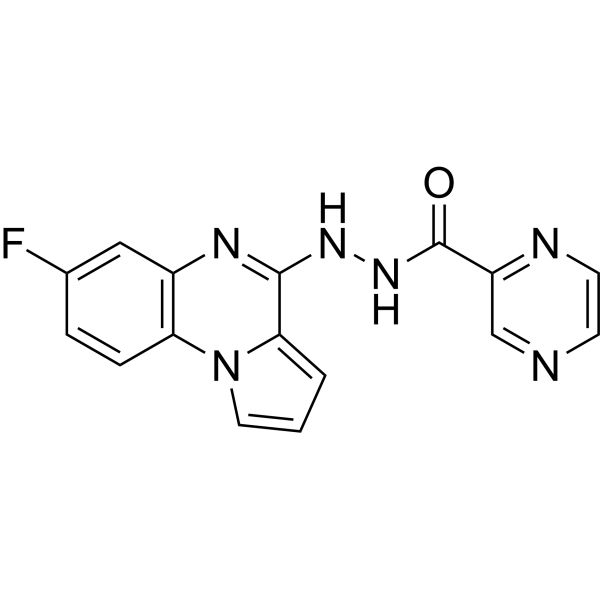
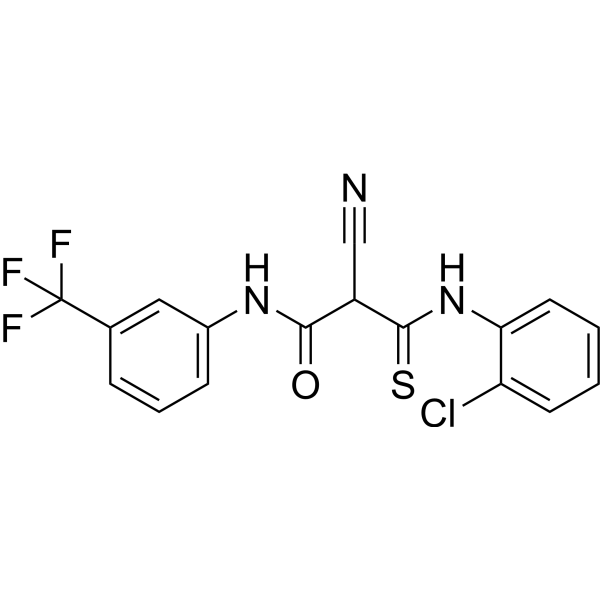
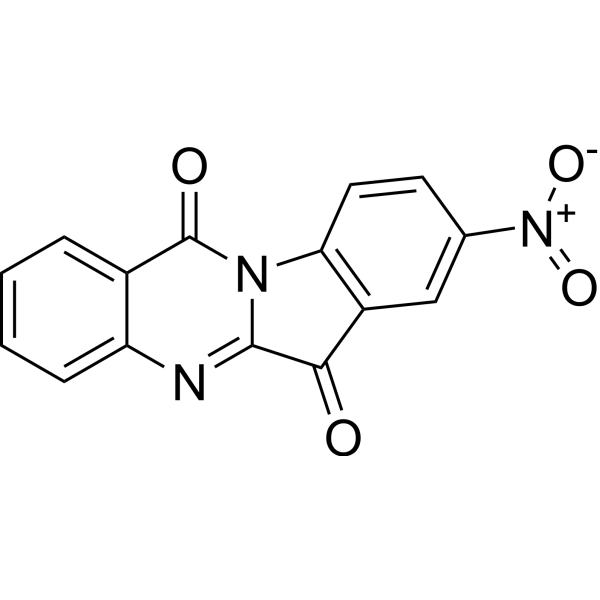
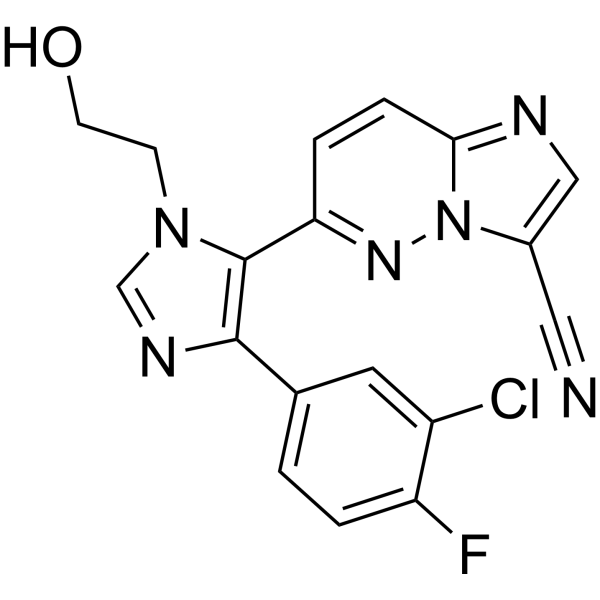
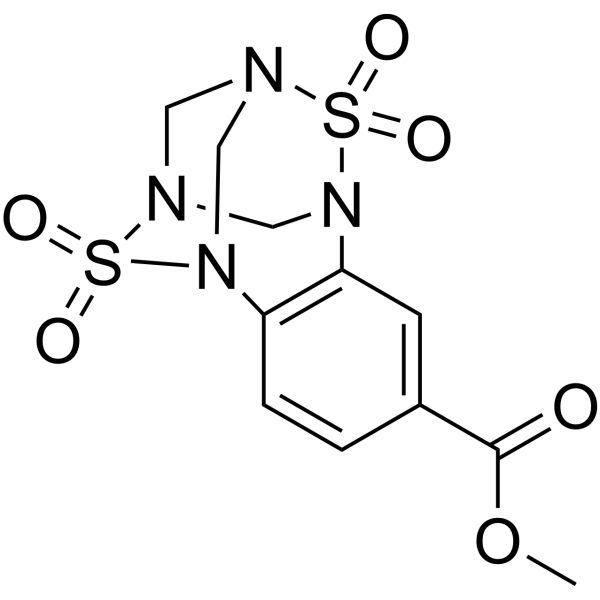
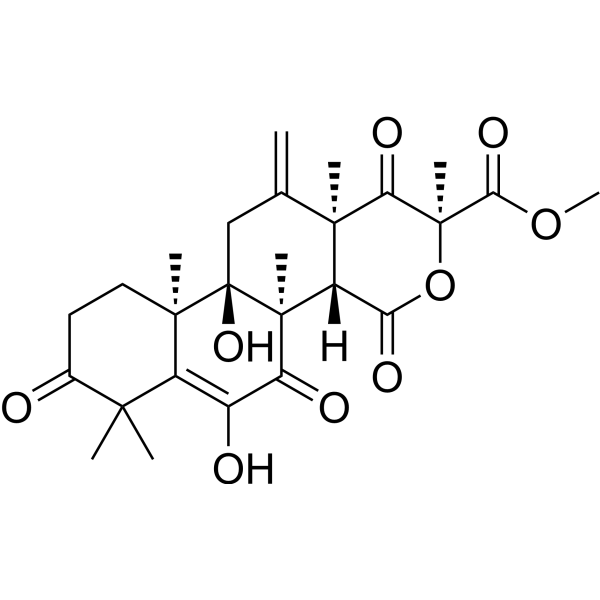
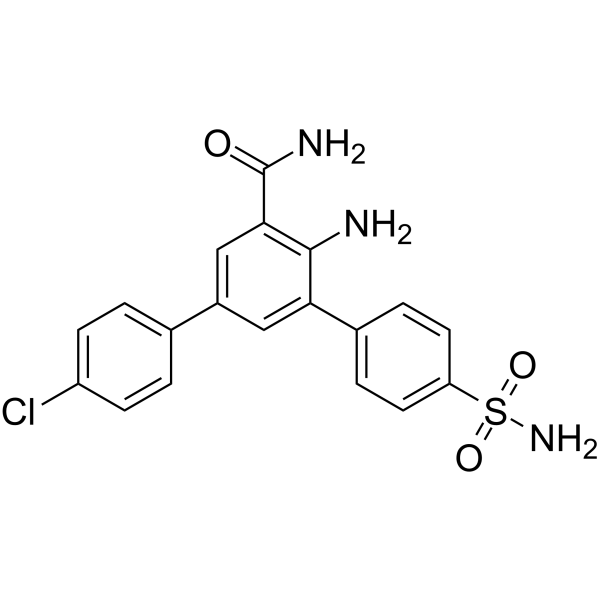
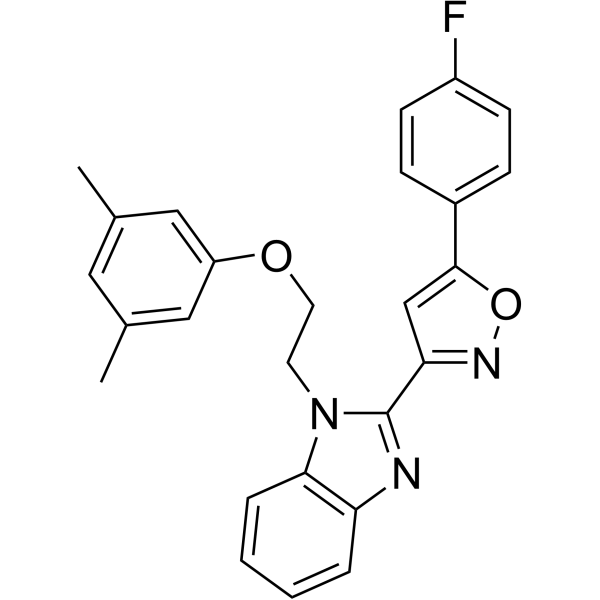
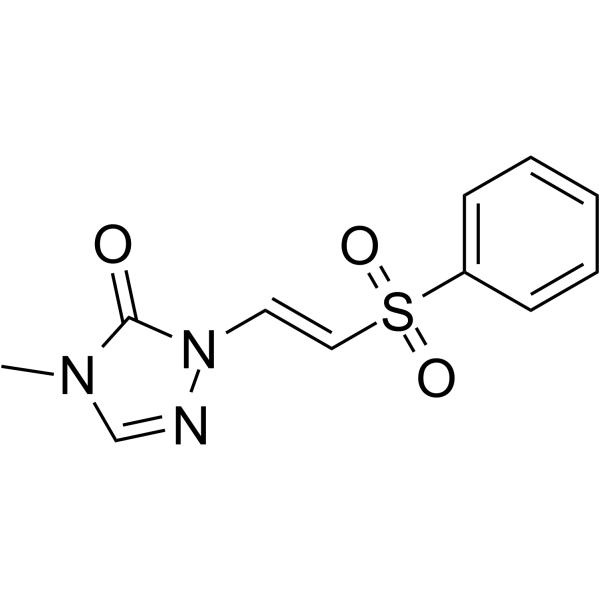
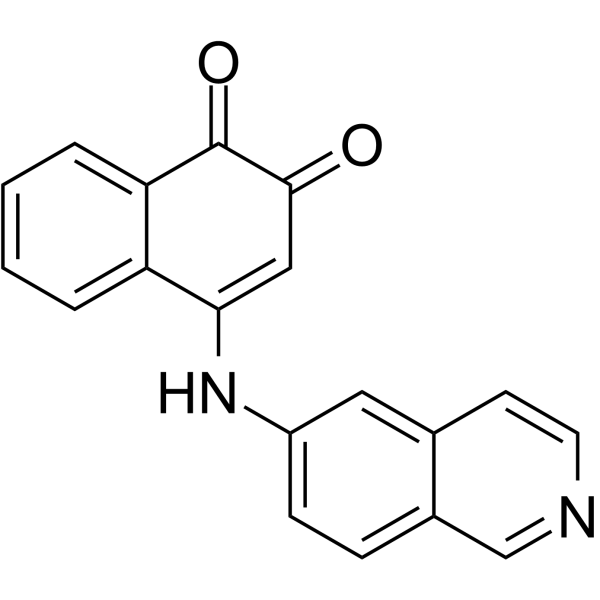
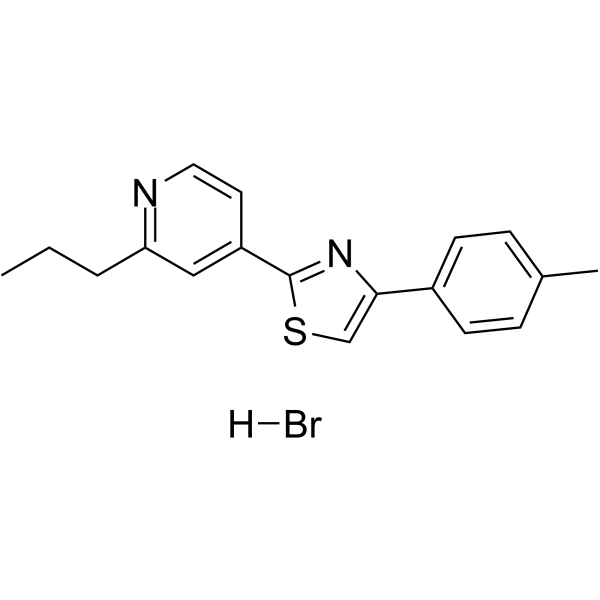
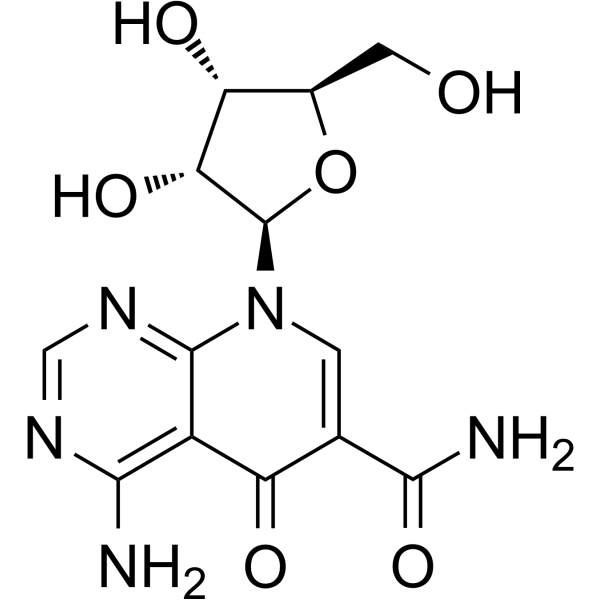
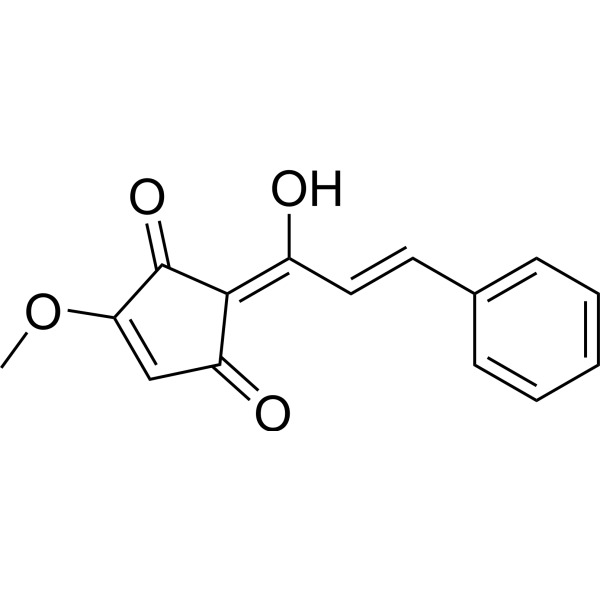
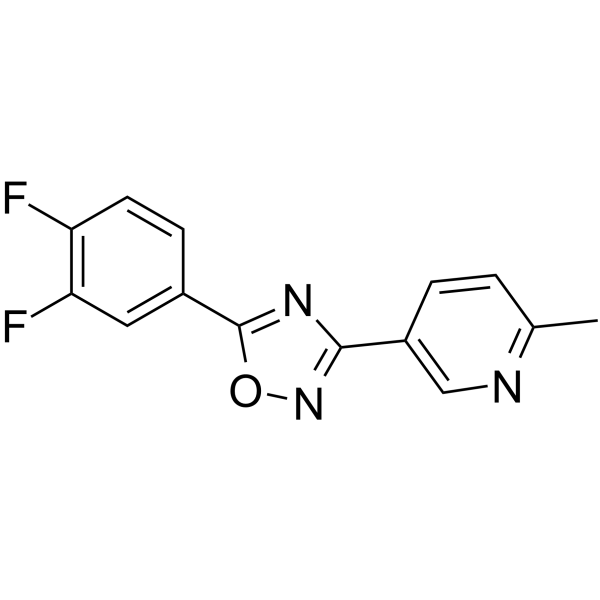
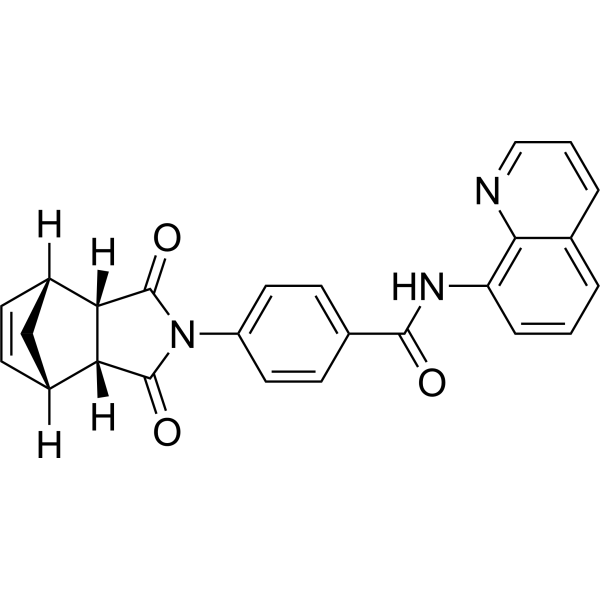
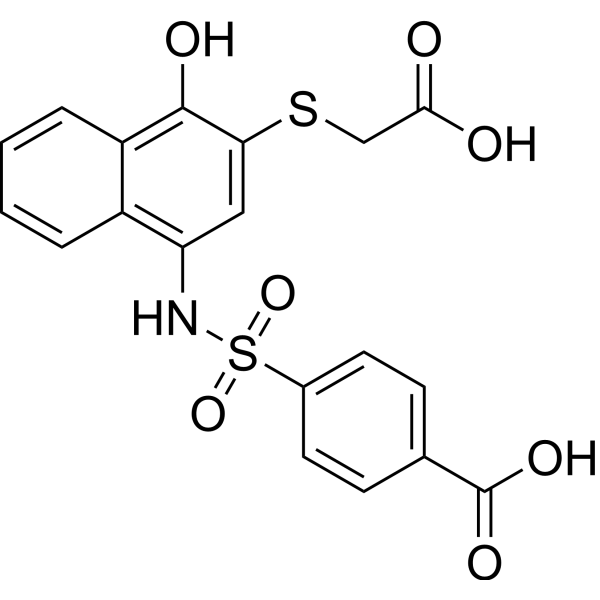
    NSC-370284 is a selective inhibitor of ten-eleven translocation 1 (TET1) and 5-hydroxymethylcytosine (5hmC). NSC-370284 significantly inhibits the level of TET1 expression via targets STAT3/5 .
    NSC-370284
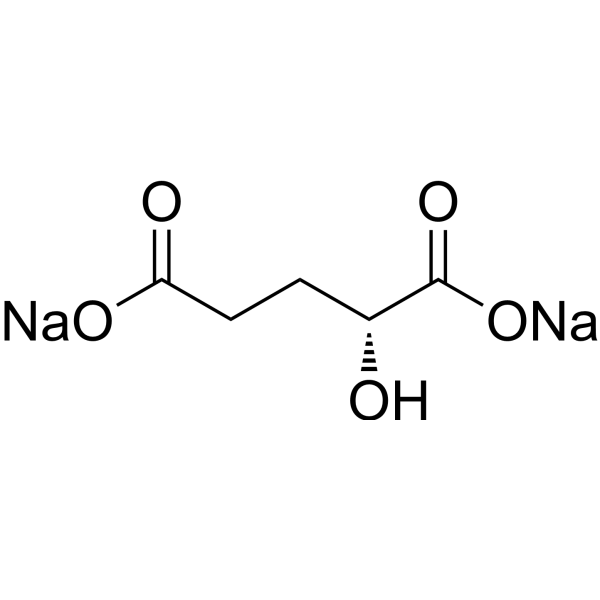
  • HY-113038A

    2-Hydroxyglutarate disodium; 2-Hydroxyglutaric acid disodium; 2-Hydroxypentanedioic acid disodium

    Histone Demethylase Endogenous Metabolite Cancer
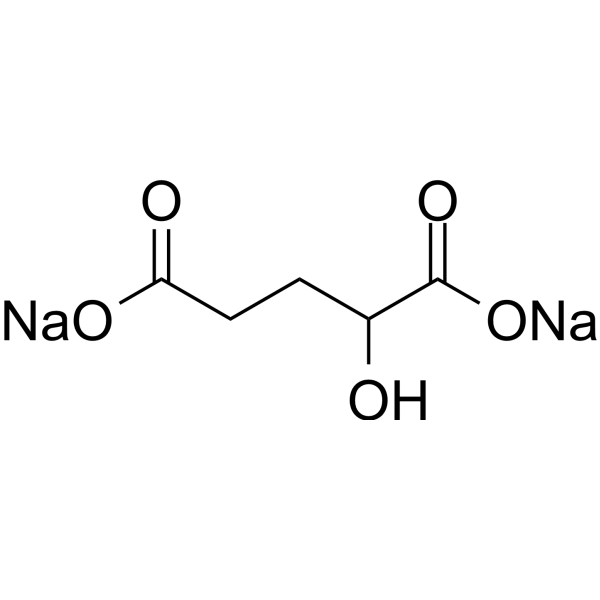
    α-Hydroxyglutaric acid (2-Hydroxyglutarate) disodium is an α-hydroxy acid form of glutaric acid. α-Hydroxyglutaric acid disodium is a competitive inhibitor of multiple α-ketoglutarate-dependent dioxygenases, including histone demethylases and the TET family of 5-methlycytosine (5mC) hydroxylases .
    α-Hydroxyglutaric acid disodium
  • HY-W006395

    Nucleoside Antimetabolite/Analog Cancer
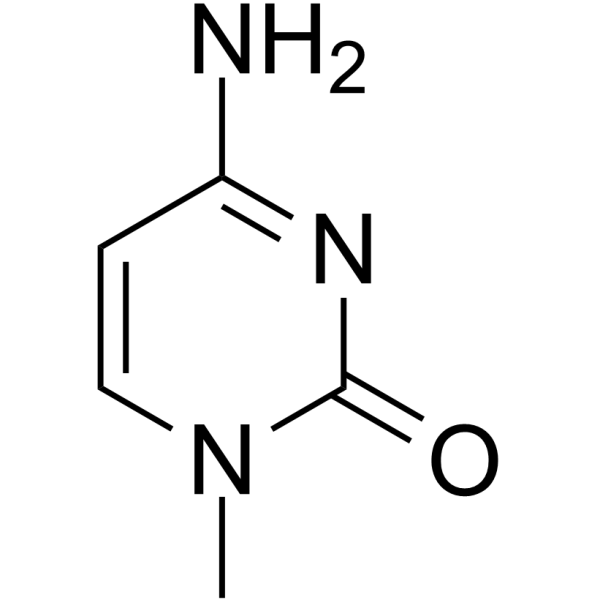
    1-Methylcytosine is a pyrimidinone that serves as a nucleobase for hachimoji DNA and pairs with isoguanine . 1-Methylcytosine exerts weak antiproliferative activity against cervical cancer cells. 1-Methylcytosine can be used in the research of cervical cancer .
    1-Methylcytosine
  • HY-P2915
    Protocatechuate 3,4-dioxygenase
    1 Publications Verification

    Biochemical Assay Reagents Bacterial Infection
    Protocatechuate 3,4-dioxygenase is a dioxygenase. Protocatechuate 3,4-dioxygenase belongs to the non-heme iron dioxygenase class. Protocatechuate 3,4-dioxygenase catalyzes the cleavage of the aromatic ring of 3,4-dihydroxybenzoate, attaching two atoms of molecular oxygen to the compound to generate β-carboxy-cis,cis-muconate. Protocatechuate 3,4-dioxygenase is a key enzyme in the β-ketoadipic acid pathway. It is found in marine bacteria associated with Roseobacter. Protocatechuate 3,4-dioxygenase can be isolated from Pseudomonas aeruginosa .
    Protocatechuate 3,4-dioxygenase
  • HY-W018324

    5hmC

    Endogenous Metabolite Neurological Disease Metabolic Disease Cancer
    5-Hydroxymethylcytosine (5hmC) is an oxidized forms of 5-methylcytosine (5mC) in mammalian DNA. 5-Hydroxymethylcytosine is produced from 5mC in an enzymatic pathway involving three 5mC oxidases, Ten-eleven translocation (TET)1, TET2, and TET3. The conversion of 5mC into 5hmC can be the first step in a pathway leading towards DNA demethylation. 5-Hydroxymethylcytosine is associated with gene transcription and frequently used as a mark to investigate dynamic DNA methylation conversion during mammalian development. 5-Hydroxymethylcytosine can be used for the study of non-small cell lung cancer (NSCLC), neurodegenerative diseases (Alzheimer’s, Parkinson’s) and hematological malignancies (acute myeloid leukemia, myelodysplastic syndromes) .
    5-Hydroxymethylcytosine
  • HY-P11094

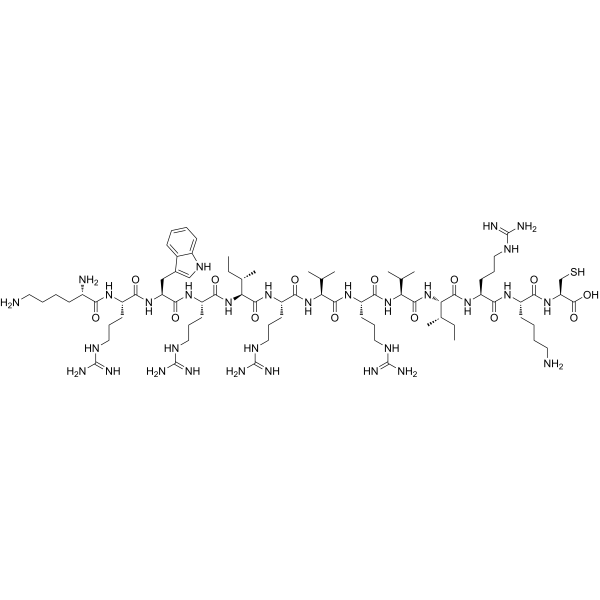
    TET Protein Neurological Disease
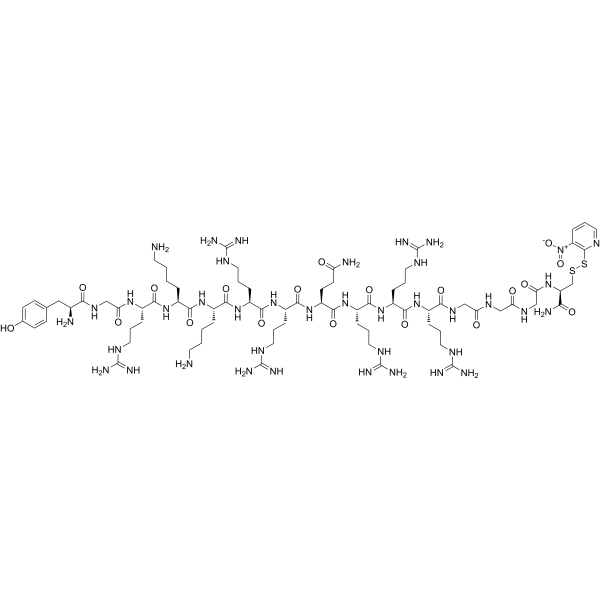
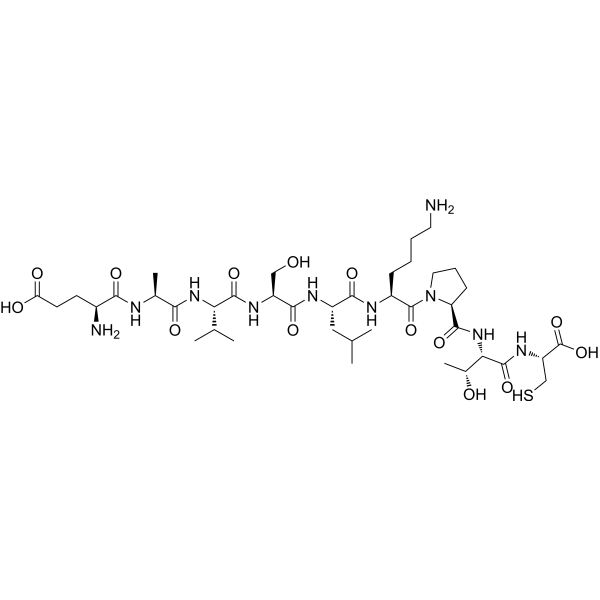
    Tet1-Cys peptide is a peptide with the sequence HLNILSTLWKYRC. Tet1 (HLNILSTLWKYR) (HY-P10998) can specifically bind to the neuronal ganglioside receptor GT1b, possessing neuronal targeting capabilities. The Tet1-Cys peptide sequence has an added Cys, which can be used for drug conjugation for research on drug delivery .
    Tet1-Cys peptide
  • HY-133597

    Drug Derivative Others
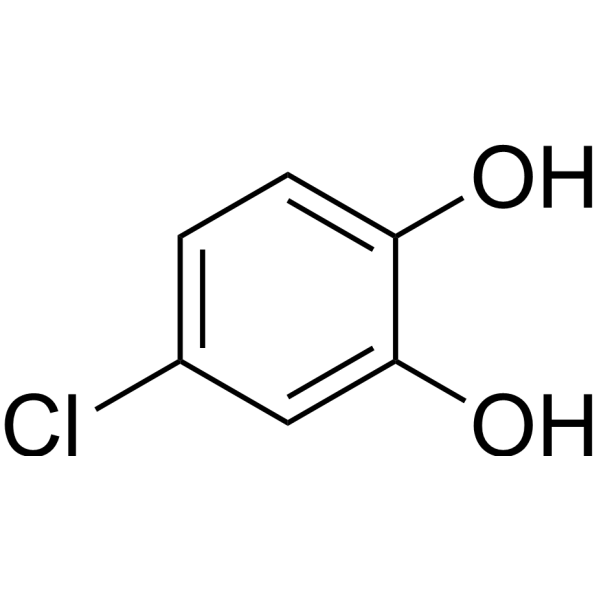
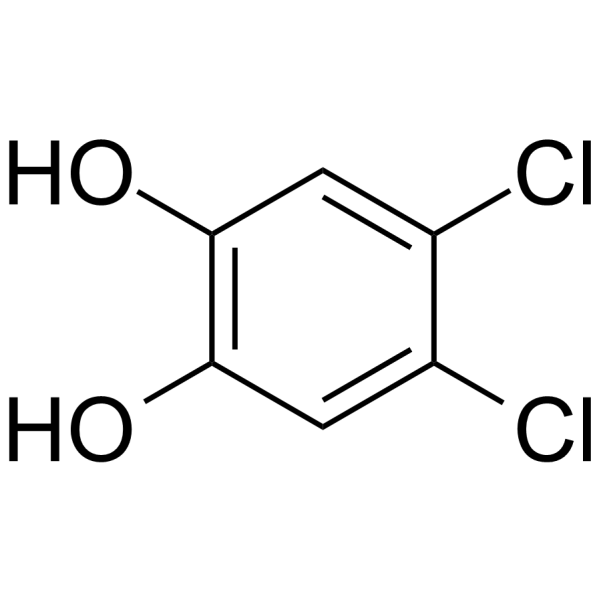
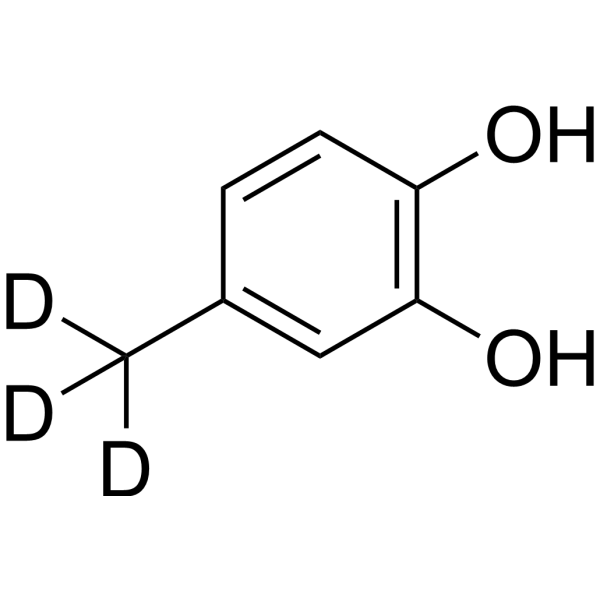
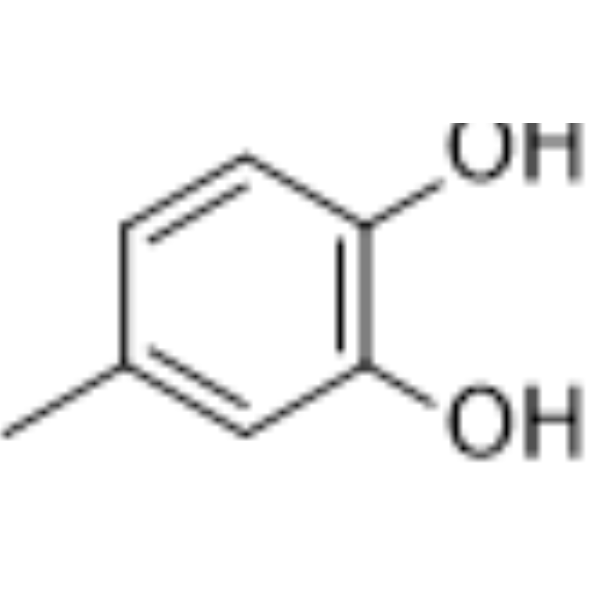
    4-Chlorocatechol is a major degradation product of 4-chloro-2-aminophenol (4C2AP). 4-Chlorocatechol is also a substrate for catechol 1,2-dioxygenases and chlorocatechol dioxygenase .
    4-Chlorocatechol
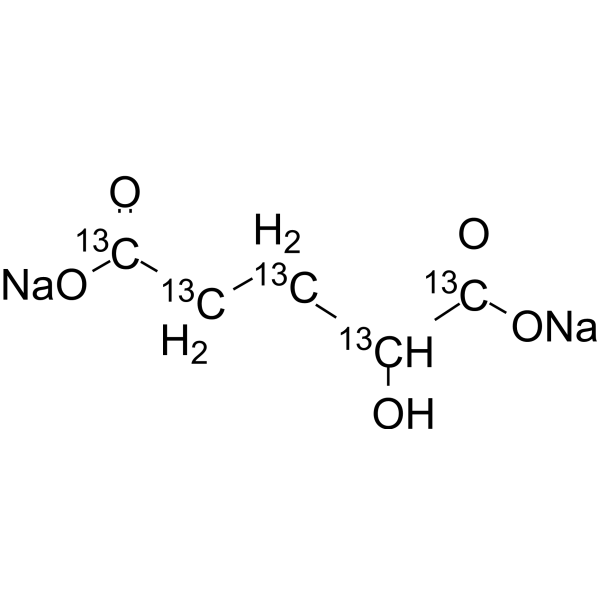
  • HY-113038AS

    2-Hydroxyglutarate-13C5 disodium; 2-Hydroxyglutaric acid-13C5 disodium; 2-Hydroxypentanedioic acid-13C5 disodium

    Histone Demethylase Endogenous Metabolite Cancer
    α-Hydroxyglutaric acid- 13C5 (sodium) is the 13C labeled α-Hydroxyglutaric acid sodium . α-Hydroxyglutaric acid (2-Hydroxyglutarate) sodium is an α-hydroxy acid form of glutaric acid. α-Hydroxyglutaric acid sodium is a competitive inhibitor of multiple α-ketoglutarate-dependent dioxygenases, including histone demethylases and the TET family of 5-methlycytosine (5mC) hydroxylases .
    α-Hydroxyglutaric acid-13C5 disodium
  • HY-112391
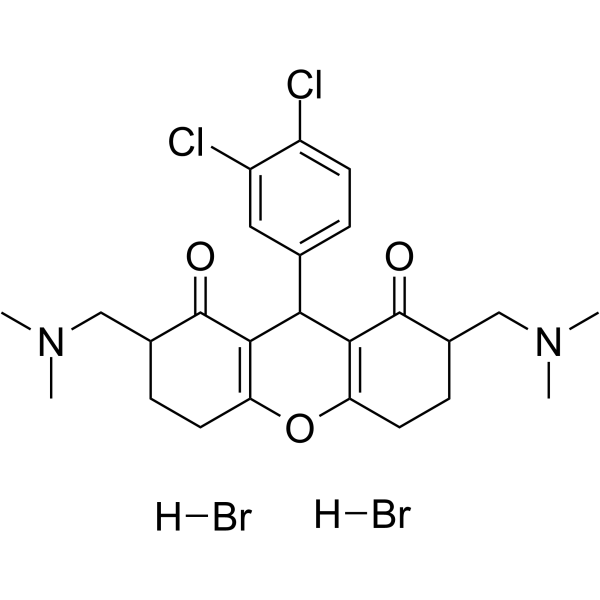
    SD-1029
    1 Publications Verification

    JAK STAT Cancer
    SD-1029 is a JAK2/STAT3 inhibitor . SD-1029 inhibits STAT3 nuclear translocation. SD-1029 is an inhibitor of STAT3 activation due to inhibition of JAK2 phosphorylation .
    SD-1029
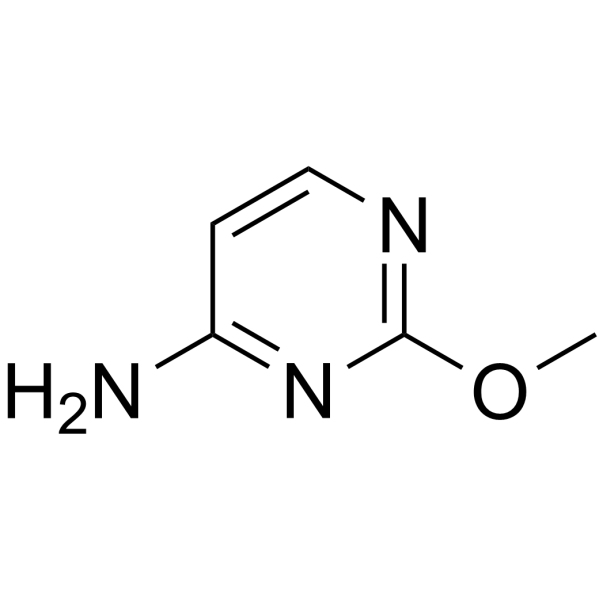
  • HY-69014

    DNA/RNA Synthesis Endogenous Metabolite Cancer
    2-O-Methylcytosine, an O-alkylated analogue a DNA adduct, is the damaged nucleobase .
    2-O-Methylcytosine
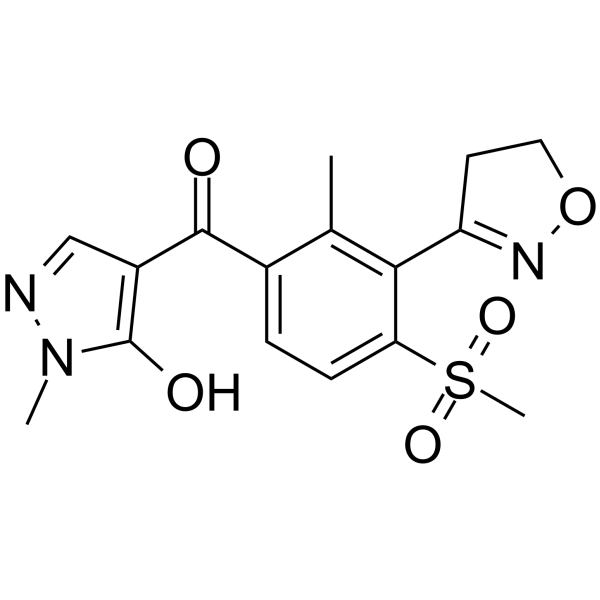
  • HY-144900

    Environmental Pollutants Reactive Oxygen Species (ROS) Others
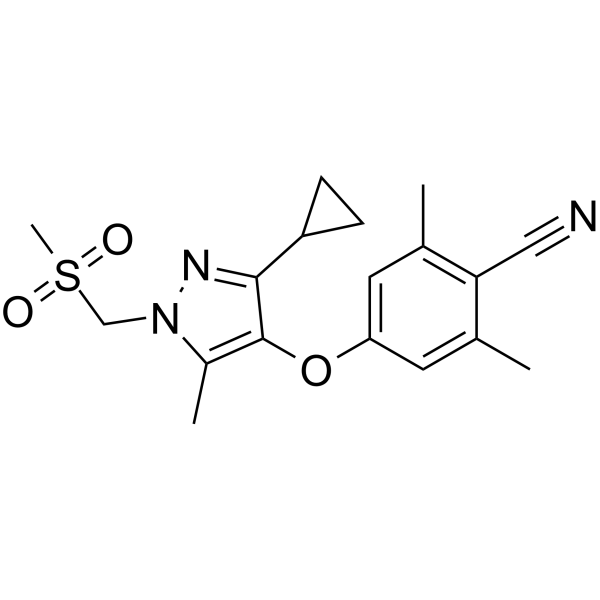
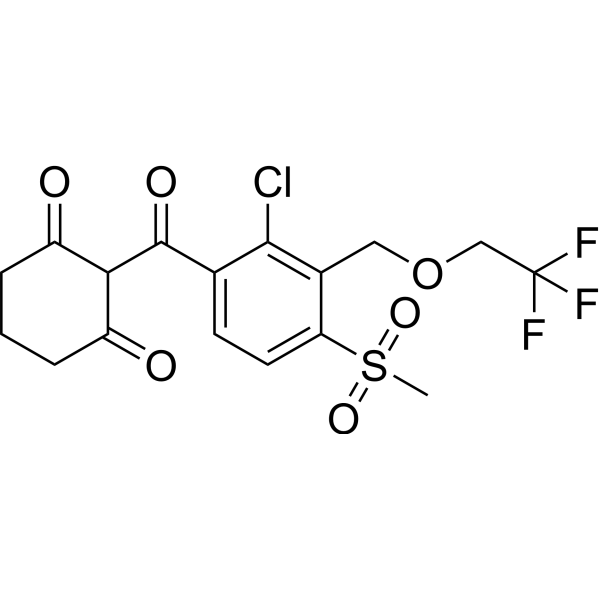
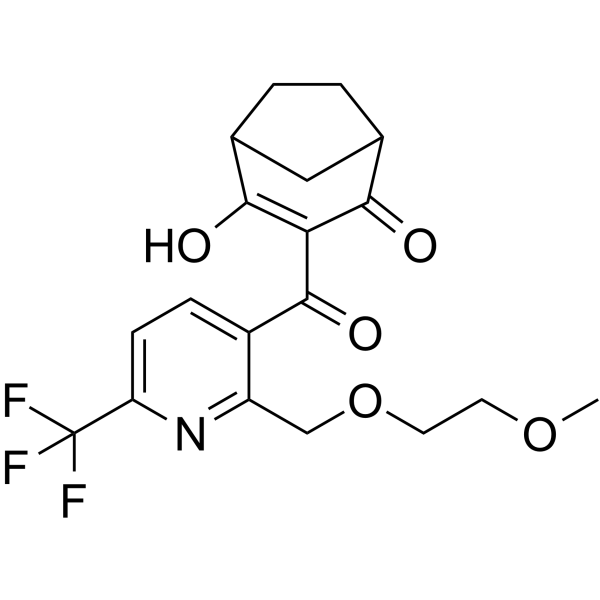
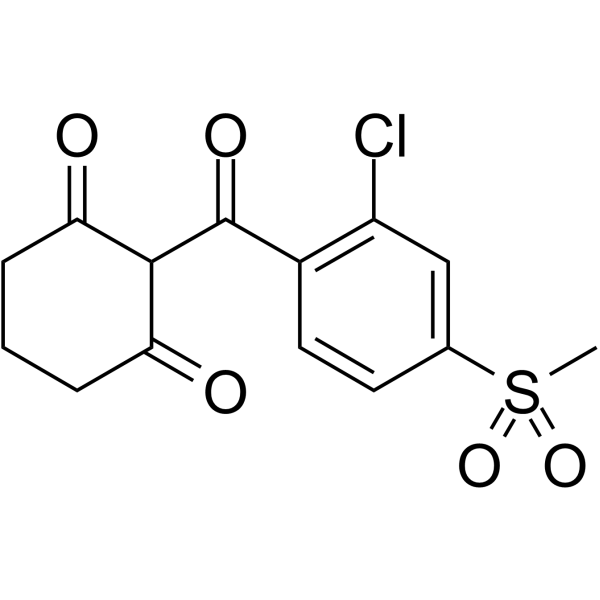
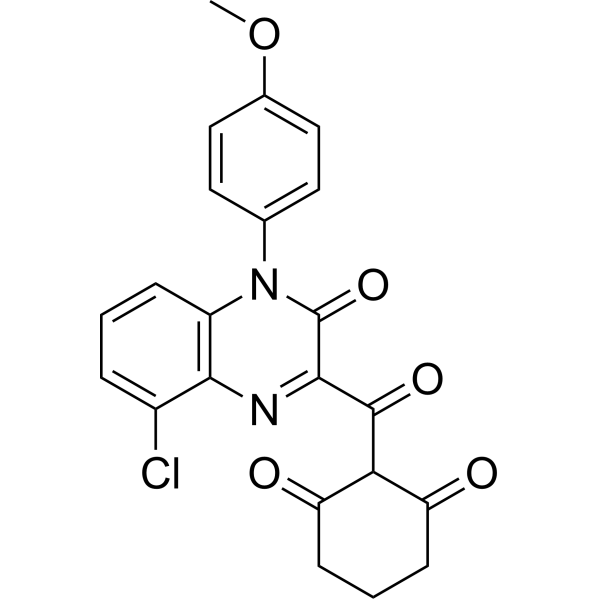
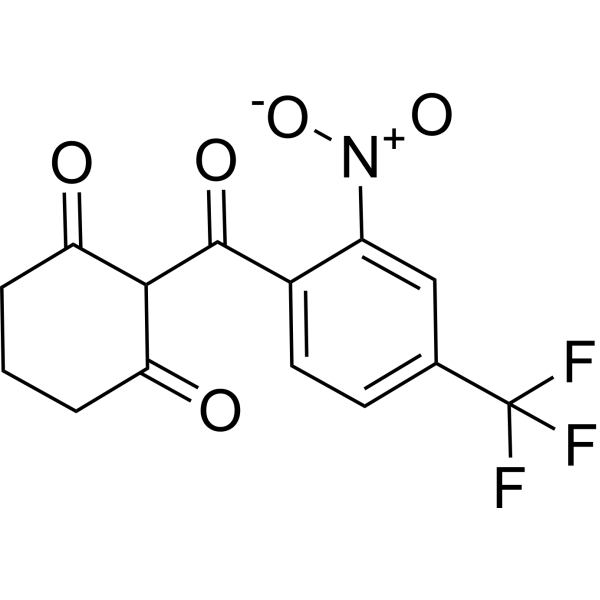
    Topramezone is a potent 4-hydroxyphenylpyruvate dioxygenase (4-HPPD) inhibitor. Topramezone is a herbicide, used for the post-emergence control of broadleaf and grass weeds in corn .
    Topramezone
  • HY-E70583

    TET Protein Others
    Recombinant Ten-Eleven Translocase is a recombinant Fe(II)- and α-ketoglutarate-dependent dioxygenase. Recombinant Ten-Eleven Translocase converts 5-methylcytosine (5mC) to 5-hydroxymethylcytosine (5hmC), and then to 5-formylcytosine (5fC) and 5-carboxycytosine (5caC) through a series of oxidation reactions. Then, 5caC is further converted into uracil (U) through the action of a conversion agent or enzyme, and uracil (U) is converted into thymine (T) through PCR, thereby achieving single-base resolution and high-accuracy identification of DNA methylation sites .
    Recombinant Ten-Eleven Translocase
  • HY-P10114

    PpYLKTK-mts; STAT3 PI

    STAT Cancer
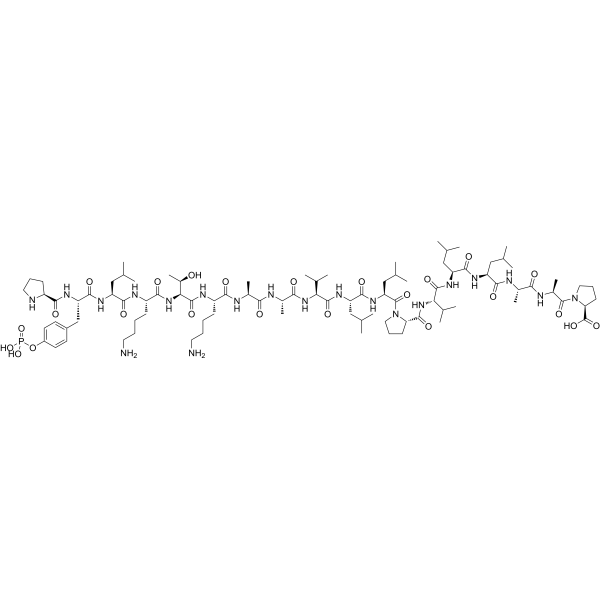
    STAT3-IN-24, cell-permeable (PpYLKTK-mts) is a STAT3 peptide inhibitor. STAT3-IN-24, cell-permeable inhibits recruitment of STAT3 to Jak2 and phosphorylation of Y705, thus preventing the dimerization and the nuclear translocation of STAT3 .
    STAT3-IN-24, cell-permeable
  • HY-113038AS1

    2-Hydroxyglutarate-d4 disodium; 2-Hydroxyglutaric acid-d4 disodium; 2-Hydroxypentanedioic acid-d4 disodium

    Histone Demethylase Endogenous Metabolite Cancer
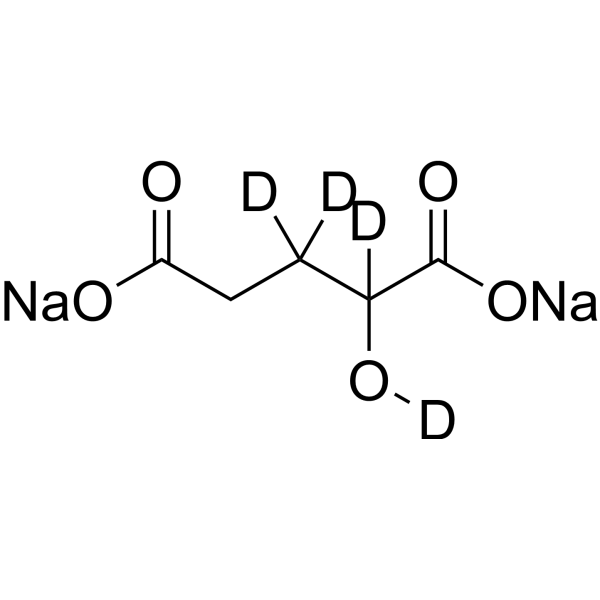
    α-Hydroxyglutaric acid-d4 (disodium) is the deuterium labeled α-Hydroxyglutaric acid disodium . α-Hydroxyglutaric acid (2-Hydroxyglutarate) disodium is an α-hydroxy acid form of glutaric acid. α-Hydroxyglutaric acid disodium is a competitive inhibitor of multiple α-ketoglutarate-dependent dioxygenases, including histone demethylases and the TET family of 5-methlycytosine (5mC) hydroxylases .
    α-Hydroxyglutaric acid-d4 disodium
  • HY-11028

    PF-2413873

    Progesterone Receptor Endocrinology
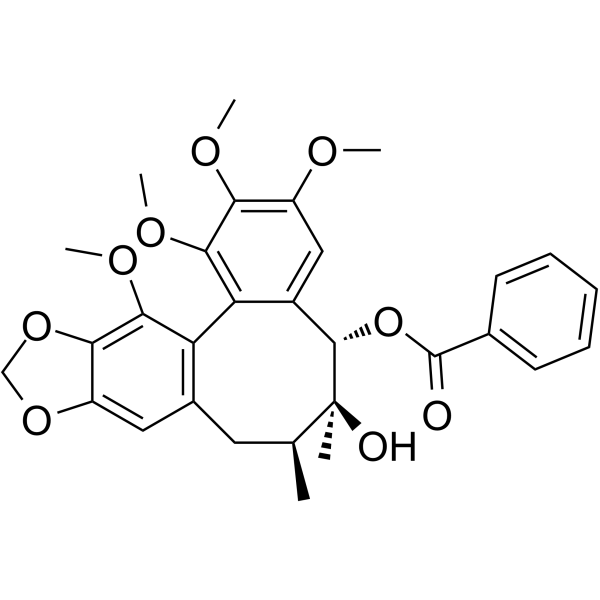
    PF-02413873 (PF-2413873) is a potent selective, fully competitive and orally active nonsteroidal progesterone receptor (PR) antagonist, with a Ki of 2.6 nM. PF-02413873 can block progesterone binding and PR nuclear translocation, and inhibit endometrial growth in vivo .
    PF-02413873
  • HY-W008091S

    DNA/RNA Synthesis Endogenous Metabolite Isotope-Labeled Compounds Cancer
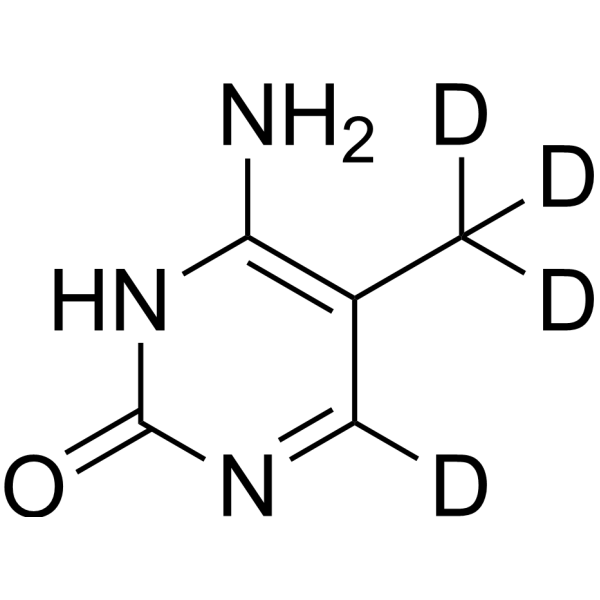
    5-Methylcytosine-d4 is the deuterium labeled 5-Methylcytosine (HY-W008091). 5-Methylcytosine is a well-characterized DNA modification in prokaryotes and eukaryotes. 5-Methylcytosine forms symmetrical methylation on CpG dinucleotides in DNA, stabilizes tRNA/rRNA structure in RNA, and affects mRNA translation. 5-Methylcytosine can be oxidized to generate 5hmC, 5fC, and 5caC. 5-Methylcytosine can be used in epigenetics, developmental biology, and the study of diseases such as colorectal cancer and hepatocellular carcinoma .
    5-Methylcytosine-d4
  • HY-P10998

    TET Protein Neurological Disease
    Tet1 peptide is a peptide that specifically binds to neurons. Tet1 peptide binds to GT1B ganglioside and trisialoganglioside clostridial toxin receptor on the surface of neuronal cells, and can be used in peptide conjugation and drug delivery research .
    Tet1 peptide
  • HY-133505

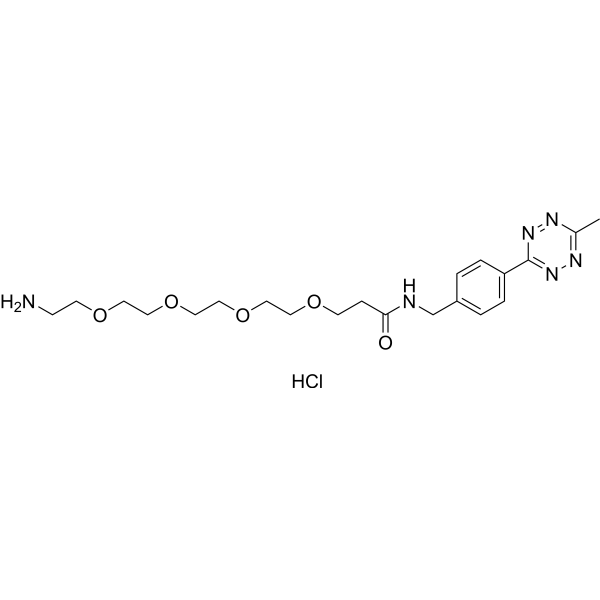
    PROTAC Linkers Cancer
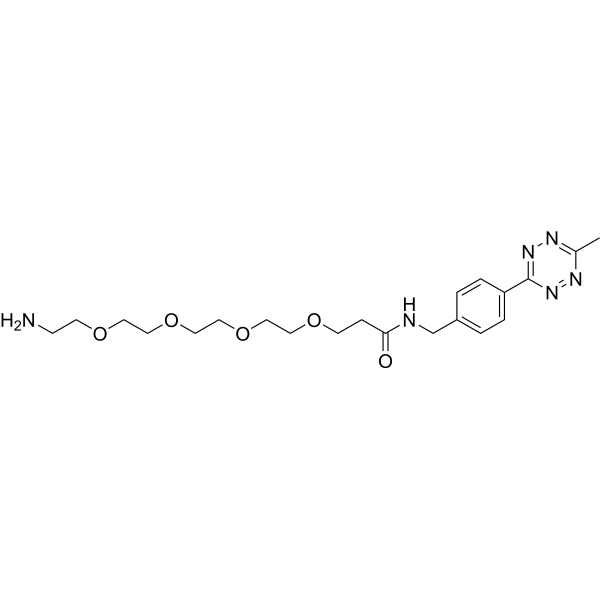
    Me-Tet-PEG4-NH2 (hydrochloride) is a PEG-based PROTAC linker that can be used in the synthesis of PROTACs . Me-Tet-PEG4-NH2 (hydrochloride) is a click chemistry reagent, it contains a Tetrazine group that can undergo an inverse electron demand Diels-Alder reaction (iEDDA) with molecules containing TCO groups.
    Me-Tet-PEG4-NH2 hydrochloride
  • HY-126181

    Endogenous Metabolite Others
    5-Formylcytosine is a modified base, which is oxidized from 5-methylcytosine. 5-Formylcytosine is a intermediate of in the active DNA demethylation .
    5-Formylcytosine
  • HY-W008091R
    5-Methylcytosine (Standard)
    1 Publications Verification

    Reference Standards DNA/RNA Synthesis Endogenous Metabolite Cancer
    5-Methylcytosine (Standard) is the analytical standard of 5-Methylcytosine (HY-W008091). This product is intended for research and analytical applications. 5-Methylcytosine is a well-characterized DNA modification in prokaryotes and eukaryotes. 5-Methylcytosine forms symmetrical methylation on CpG dinucleotides in DNA, stabilizes tRNA/rRNA structure in RNA, and affects mRNA translation. 5-Methylcytosine can be oxidized to generate 5hmC, 5fC, and 5caC. 5-Methylcytosine can be used in epigenetics, developmental biology, and the study of diseases such as colorectal cancer and hepatocellular carcinoma .
    5-Methylcytosine (Standard)
  • HY-P5486

    Bacterial Others
    Tet-20 is a biological active peptide. (Tet-20, is a synthetic cathelicidin-derived peptide. It was tested as infection-resistant coating for medical devices. When tethered on an implant surface Tet-20 exhibited broad antimicrobial activities both in vivo and in vitro. It can stop biofilm formation and appears to be non-toxic to eukaryotic cells)
    Tet-20
  • HY-177764

    Amino Acid Derivatives Others
    Tet-v2.0-ethyl is a tetrazine non-canonical amino acid. Tet-v2.0-ethyl can stably exist within living cells without being degraded, enabling in situ labeling of intracellular biomolecules. Tet-v2.0-ethyl is mainly used as a bioorthogonal labeling tool compound .
    Tet-v2.0-ethyl
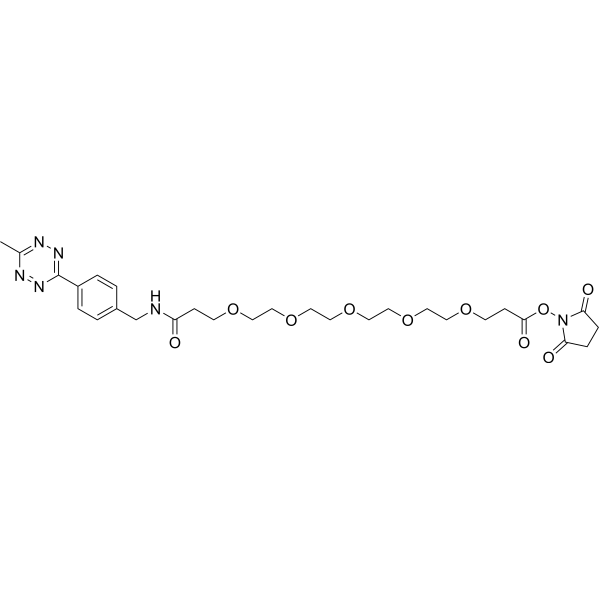
  • HY-156313

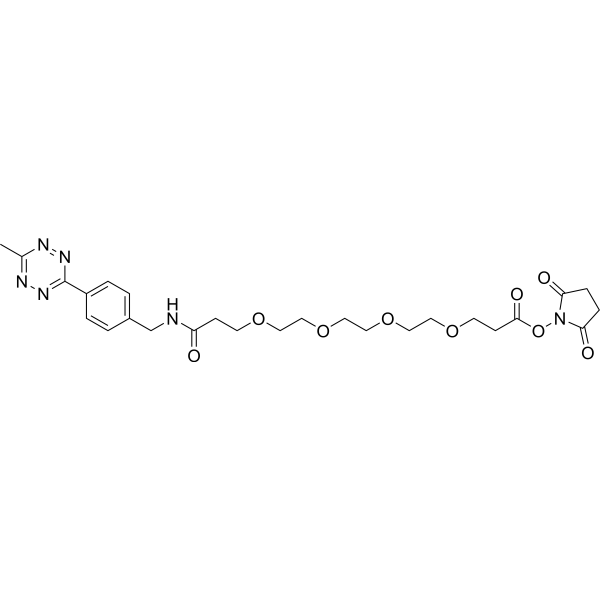
    ADC Linker Cancer
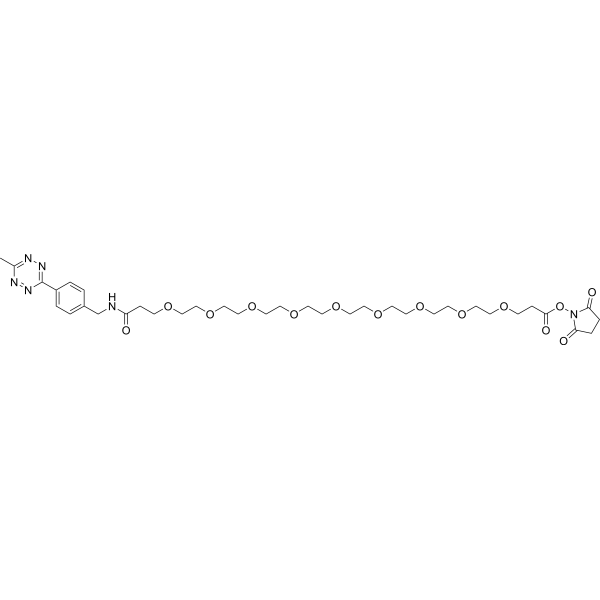
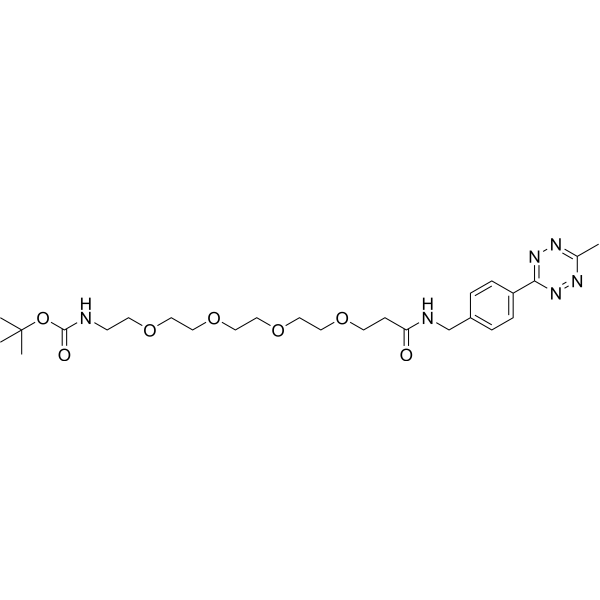
    Me-Tet-PEG4-NHS is an ADC Linker containing 4 PEG units. Me-Tet-PEG4-NHS can utilize its own Tetrazine group to undergo a specific inverse electron demand Diels-Alder reaction (iEDDA) with compounds with TCO groups.
    Me-Tet-PEG4-NHS
  • HY-P2976

    LOX

    Endogenous Metabolite Others
    Lipoxygenase, general (LOX) is a dioxygenase, is often used in biochemical studies. Lipoxygenase, general catalyzes the formation of corresponding hydroperoxides from polyunsaturated fatty acids such as linoleic acid and arachidonic acid .
    Lipoxygenase, general
  • HY-120571

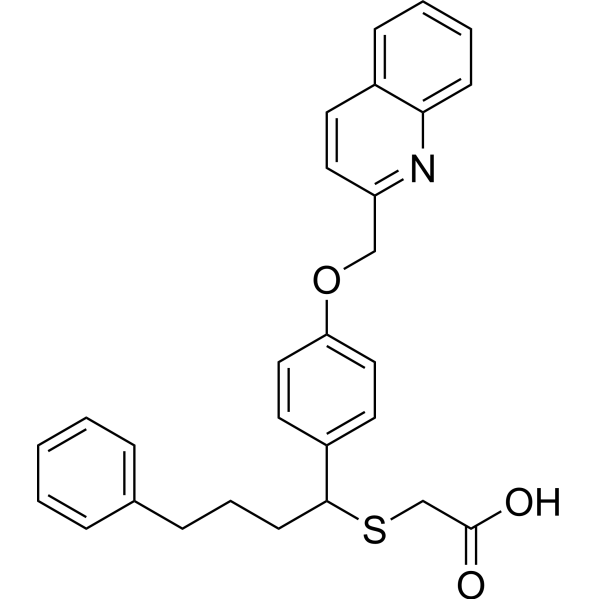
    Leukotriene Receptor Lipoxygenase Cancer
    L-674573 is a quinoline leukotriene synthesis inhibitor, inhibiting Calcimycin (HY-N6687)- and N-Formyl-Met-Leu-Phe (HY-P0224)-induced leukotriene production with IC50s of 100 nM and 50 nM, respectively. L-674573 selectively inhibits Calcimycin- and N-Formyl-Met-Leu-Phe-induced 5-lipoxygenase translocation .
    L-674573
  • HY-W008091A
    5-Methylcytosine hydrochloride
    2 Publications Verification

    DNA/RNA Synthesis Endogenous Metabolite Cancer
    5-Methylcytosine hydrochloride is a well-characterized DNA modification in prokaryotes and eukaryotes. 5-Methylcytosine hydrochloride forms symmetrical methylation on CpG dinucleotides in DNA, stabilizes tRNA/rRNA structure in RNA, and affects mRNA translation. 5-Methylcytosine hydrochloride can be oxidized to generate 5hmC, 5fC, and 5caC. 5-Methylcytosine hydrochloride can be used in epigenetics, developmental biology, and the study of diseases such as colorectal cancer and hepatocellular carcinoma .
    5-Methylcytosine hydrochloride
  • HY-P3459

    Bacterial Infection
    Tet-213 is a antimicrobial peptide. Tet-213 has broad spectrum antibacterial activity. Tet-213 can promote infected wound repair .
    Tet-213
  • HY-P3459A
    Tet-213 TFA
    1 Publications Verification

    Bacterial Infection
    Tet-213 TFA is a antimicrobial peptide. Tet-213 TFA has broad spectrum antibacterial activity. Tet-213 TFA can promote infected wound repair .
    Tet-213 TFA
  • HY-W777859

    5-methylcytosine hydrochloride-13C,15N2

    Isotope-Labeled Compounds DNA/RNA Synthesis Endogenous Metabolite Others
    5-Methyl cytosine- 13C, 15N2 hydrochloride (5-Methylcytosine hydrochloride- 13C, 15N2) is the 13C- and 15N-labeled 5-Methylcytosine hydrochloride (HY-W008091A). 5-Methylcytosine hydrochloride plays a crucial role in regulating gene expression, facilitating genomic imprinting, and suppressing transposable elements, while also being intricately linked to translational fidelity and tRNA recognition.
    5-Methyl cytosine-13C,15N2 hydrochloride
  • HY-RS23091

    Small Interfering RNA (siRNA) Others

    Tet2 Rat Pre-designed siRNA Set A contains three designed siRNAs for Tet2 gene (Rat), as well as a negative control, a positive control, and a FAM-labeled negative control.

    Tet2 Rat Pre-designed siRNA Set A
    Tet2 Rat Pre-designed siRNA Set A
  • HY-RS23219

    Small Interfering RNA (siRNA) Others

    Tet1 Rat Pre-designed siRNA Set A contains three designed siRNAs for Tet1 gene (Rat), as well as a negative control, a positive control, and a FAM-labeled negative control.

    Tet1 Rat Pre-designed siRNA Set A
    Tet1 Rat Pre-designed siRNA Set A
  • HY-RS14385

    Small Interfering RNA (siRNA) Others

    TET2 Human Pre-designed siRNA Set A contains three designed siRNAs for TET2 gene (Human), as well as a negative control, a positive control, and a FAM-labeled negative control.

    TET2 Human Pre-designed siRNA Set A
    TET2 Human Pre-designed siRNA Set A
  • HY-W591272A

    ADC Linker Cancer
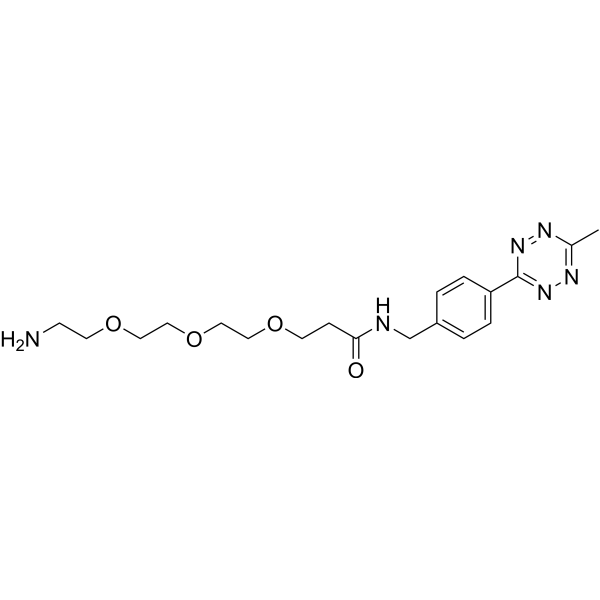
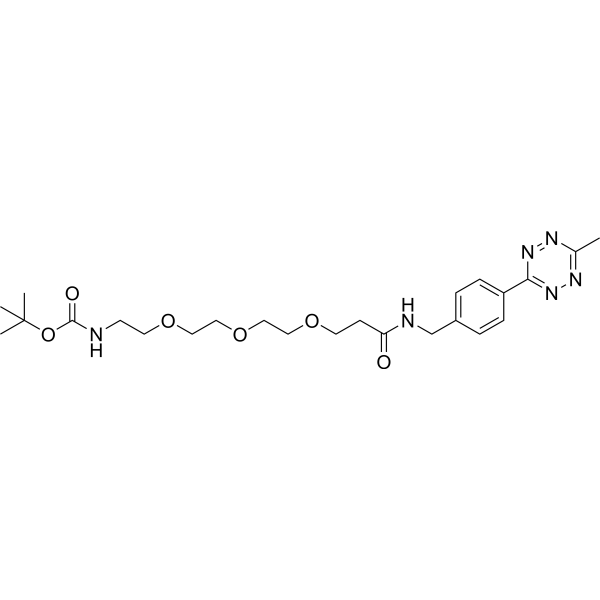
    Me-Tet-PEG3-NH2 hydrochloride is an ADC Linker containing 3 PEG units. Me-Tet-PEG3-NH2 hydrochloride can use its own Tetrazine group to undergo a specific inverse electron demand Diels-Alder reaction (iEDDA) with compounds with TCO groups .
    Me-Tet-PEG3-NH2 hydrochloride
  • HY-W591272

    ADC Linker Cancer
    Me-Tet-PEG3-NH2 is an ADC Linker containing 3 PEG units. Me-Tet-PEG3-NH2 can use its own Tetrazine group to undergo a specific inverse electron demand Diels-Alder reaction (iEDDA) with compounds with TCO groups .
    Me-Tet-PEG3-NH2
  • HY-156308

    ADC Linker Cancer
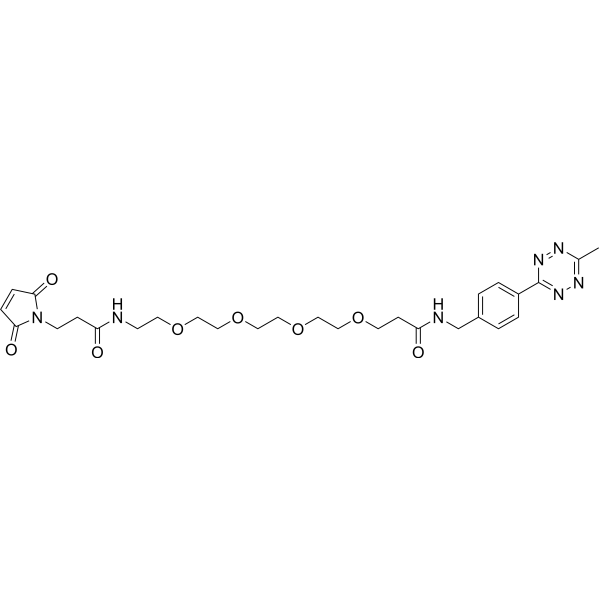
    Me-Tet-PEG4-Maleimide is an ADC Linker containing 4 PEG units. Me-Tet-PEG4-Maleimide can utilize its own Tetrazine group to undergo a specific inverse electron demand Diels-Alder reaction (iEDDA) with compounds with TCO groups. Its maleimide group (-Maleimide) degrades in aqueous media and has been used in drug delivery studies.
    Me-Tet-PEG4-Maleimide
  • HY-W396714

    Wormwood acid sodium

    Potassium Channel TET Protein Cardiovascular Disease Neurological Disease
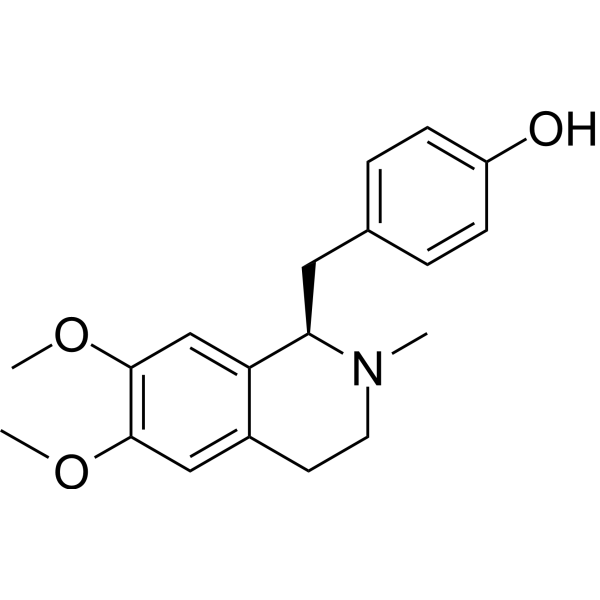
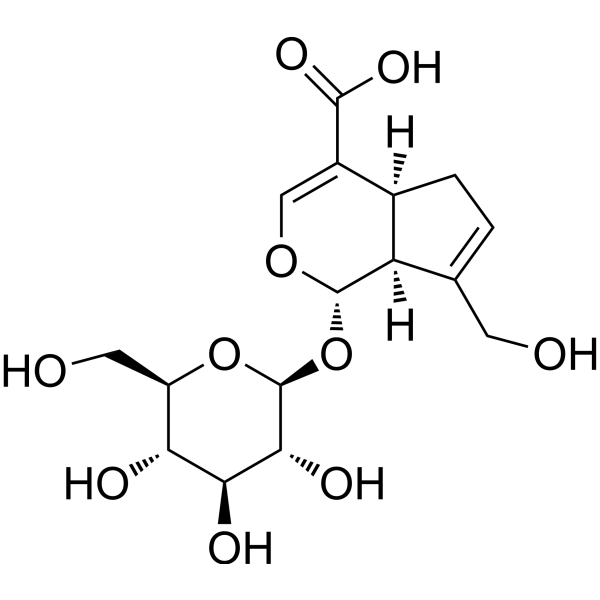
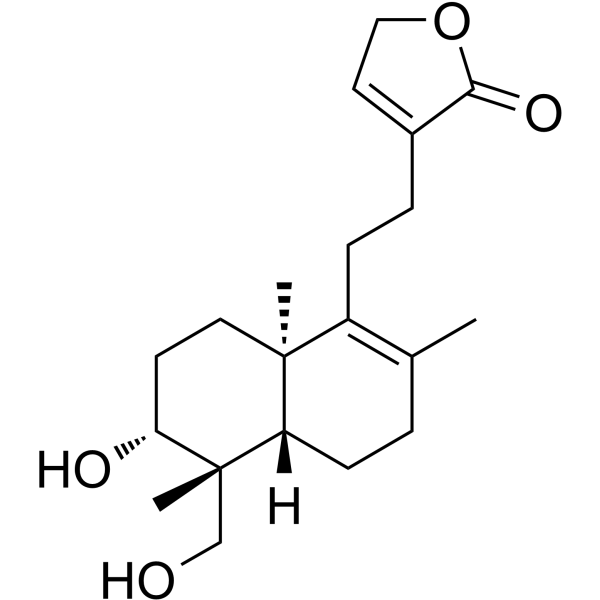
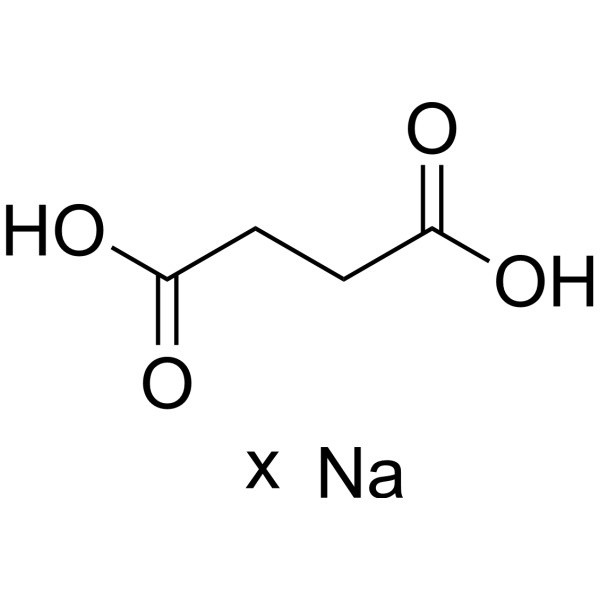
    Succinic acid sodium is a potent and orally active anxiolytic agent. Succinic acid sodium shows inhibitory effects on colonic epithelial cell proliferation in vivo. Succinic acid sodium can down-regulate the expression of KCNMB1 (potassium channel subunit β1) and TET1 (ten?eleven translocation 1). Succinic acid sodium can be used for gestational hypertension research .
    Succinic acid sodium
  • HY-W103225

    Bacterial Infection
    Dihydroanthracene (9,10-Dihydroanthracene) is a substrate for toluene dioxygenase (TDO) expressed by Pseudomonas putida UV4. Toluene dioxygenase (TDO) expressed by Pseudomonas putida UV4 catalyzes the benzylic monooxygenation of Dihydroanthracene to 9-hydroxy-9,10-DHA as the only product .
    Dihydroanthracene
  • HY-110258B

    (R,S,R)-LH601A

    Drug Isomer Cancer
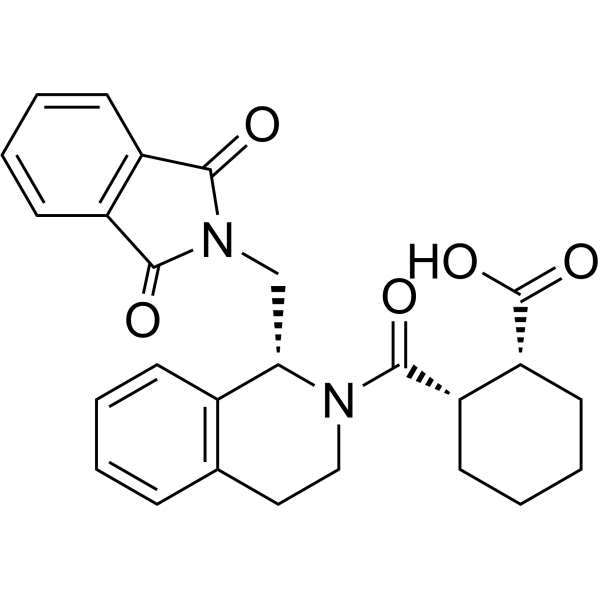
    (R,S,R)-ML334 is the isomer of ML334 (HY-110258), and can be used as an experimental control. ML334 is a potent, cell permeable activator of NRF2 by inhibition of Keap1-NRF2 protein-protein interaction. ML334 binds to Keap1 Kelch domain with a Kd of 1 μM. ML334 stimulates NRF2 expression and nuclear translocation and induces antioxidant response elements (ARE) activity .
    (R,S,R)-ML334
  • HY-P5486A

    Bacterial Infection
    Tet-20 acetate is a broad-spectrum antimicrobial peptide. Tet-20 acetate is promising for research of Gram-negative and Gram-positive bacteria (e.g., P. aeruginosa, S. aureus) .
    Tet-20 acetate
  • HY-RS24852

    Small Interfering RNA (siRNA) Others

    Tet3 Rat Pre-designed siRNA Set A contains three designed siRNAs for Tet3 gene (Rat), as well as a negative control, a positive control, and a FAM-labeled negative control.

    Tet3 Rat Pre-designed siRNA Set A
    Tet3 Rat Pre-designed siRNA Set A
  • HY-156493

    ADC Linker Cancer
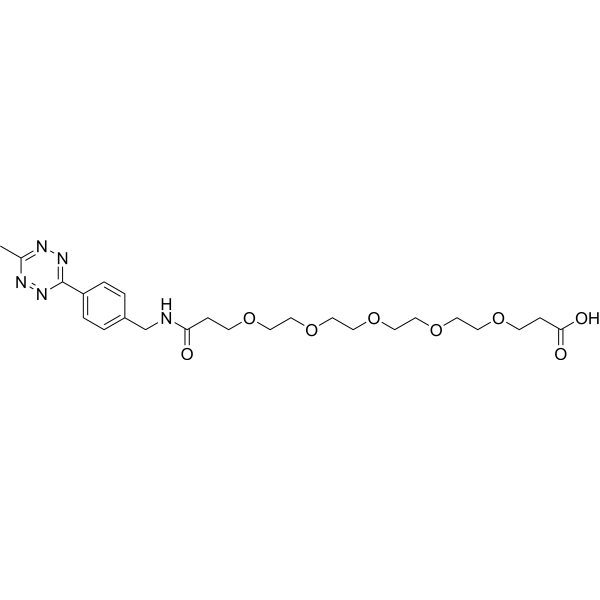
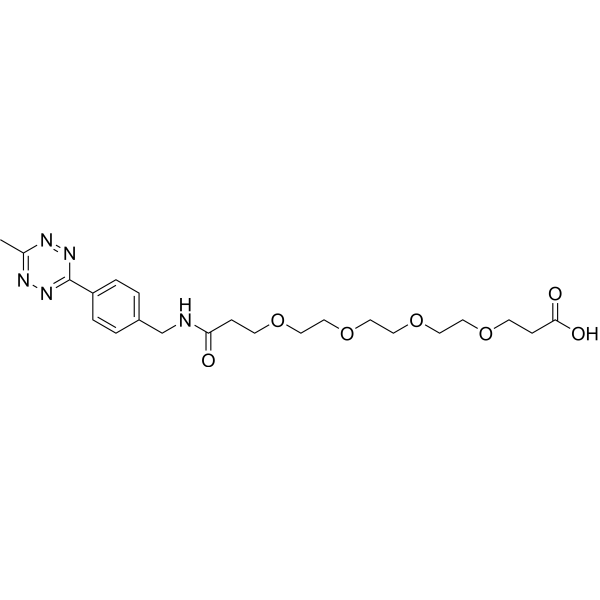
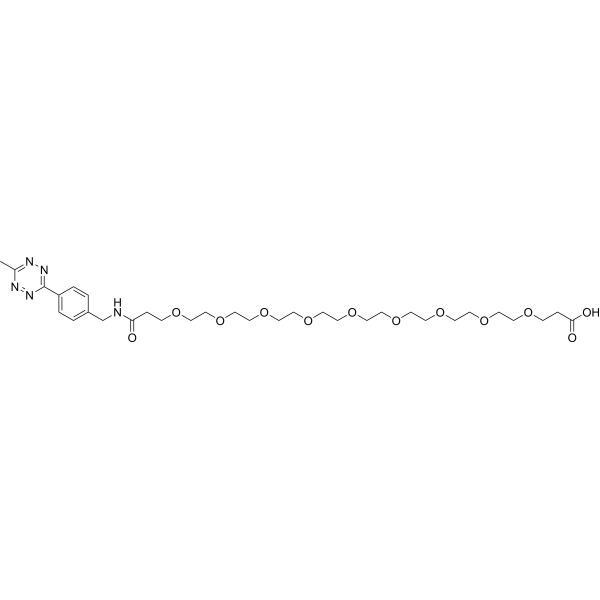
    Me-Tet-PEG5-COOH is an ADC Linker containing 5 PEG units. Me-Tet-PEG5-COOH can utilize its own Tetrazine group to undergo a specific inverse electron demand Diels-Alder reaction (iEDDA) with compounds with TCO groups.
    Me-Tet-PEG5-COOH
  • HY-156307

    ADC Linker Cancer
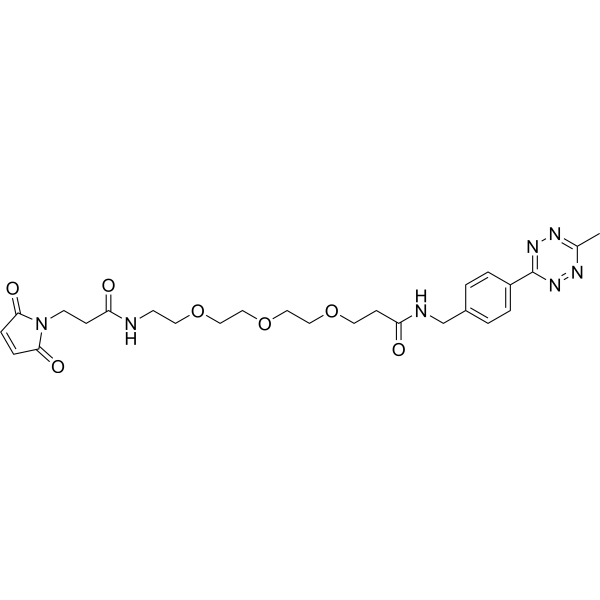
    Me-Tet-PEG3-Maleimide is an ADC Linker containing 3 PEG units. Me-Tet-PEG3-Maleimide can utilize its own Tetrazine group to undergo a specific inverse electron demand Diels-Alder reaction (iEDDA) with compounds with TCO groups. Its maleimide group (-Maleimide) degrades in aqueous media and has been used in drug delivery studies.
    Me-Tet-PEG3-Maleimide
  • HY-156312

    ADC Linker Cancer
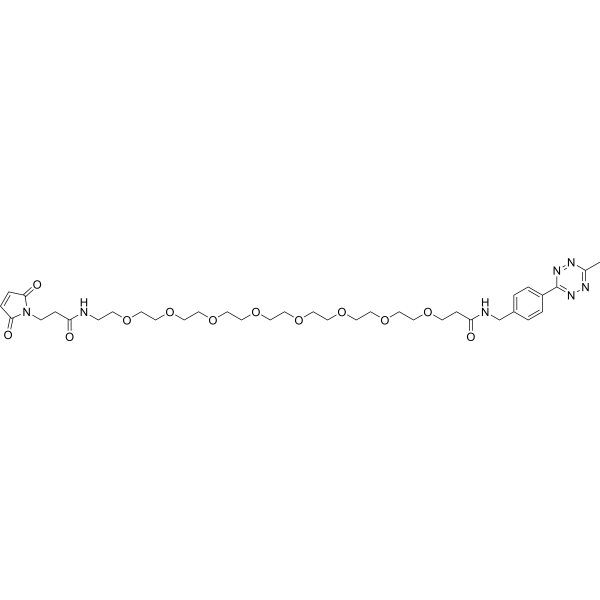
    Me-Tet-PEG8-Maleimide is an ADC Linker containing 8 PEG units. Me-Tet-PEG8-Maleimide can utilize its own Tetrazine group to undergo a specific inverse electron demand Diels-Alder reaction (iEDDA) with compounds with TCO groups. Its maleimide group (-Maleimide) degrades in aqueous media and has been used in drug delivery studies.
    Me-Tet-PEG8-Maleimide
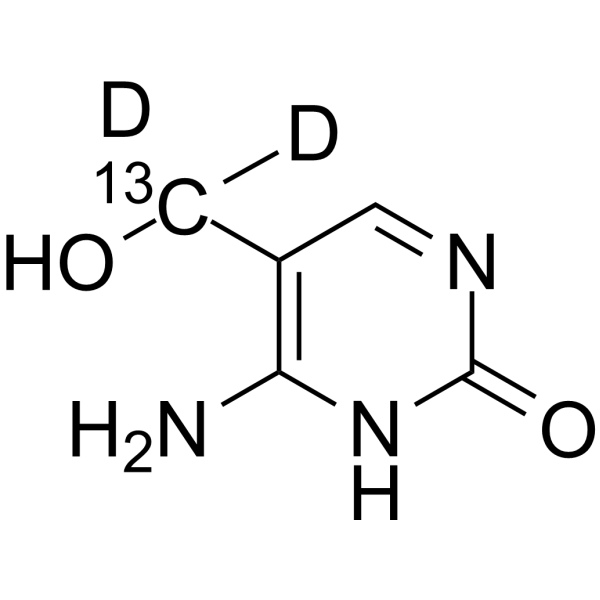
  • HY-W018324S

    5hmC-13C,d2

    Isotope-Labeled Compounds Neurological Disease
    5-Hydroxymethylcytosine- 13C,d2 is the 13C and deuterium labeled 5-Hydroxymethylcytosine (HY-W018324). 5-Hydroxymethylcytosine (5hmC) is an oxidized forms of 5-methylcytosine (5mC) in mammalian DNA. 5-Hydroxymethylcytosine is produced from 5mC in an enzymatic pathway involving three 5mC oxidases, Ten-eleven translocation (TET)1, TET2, and TET3. The conversion of 5mC into 5hmC can be the first step in a pathway leading towards DNA demethylation. 5-Hydroxymethylcytosine is associated with gene transcription and frequently used as a mark to investigate dynamic DNA methylation conversion during mammalian development. 5-Hydroxymethylcytosine can be used for the study of non-small cell lung cancer (NSCLC), neurodegenerative diseases (Alzheimer’s, Parkinson’s) and hematological malignancies (acute myeloid leukemia, myelodysplastic syndromes) .
    5-Hydroxymethylcytosine-13C,d2
  • HY-144900R

    Reference Standards Reactive Oxygen Species (ROS) Others
    Topramezone (Standard) is the analytical standard of Topramezone. This product is intended for research and analytical applications. Topramezone is a potent 4-hydroxyphenylpyruvate dioxygenase (4-HPPD) inhibitor. Topramezone is a herbicide, used for the post-emergence control of broadleaf and grass weeds in corn .
    Topramezone (Standard)
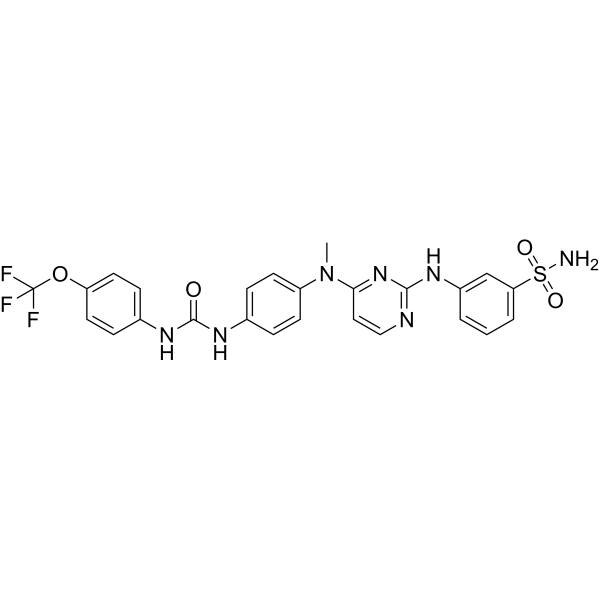
  • HY-149490

    PKC Neurological Disease
    AJH-836 is an activator of Munc13-1 and PKC ε/α (Kd: 4.5 nM for PKCα) . AJH-836 triggers the translocation of Munc13-1 from the cytoplasm to the plasma membrane. AJH-836 can be used for research of neurodegenerative diseases .
    AJH-836

Inquiry Online

Your information is safe with us. * Required Fields.

Salutation


Country or Region *

Applicant Name *


Organization Name *

Department *


Email Address *


Product Name *

Cat. No.


Requested quantity *

Phone Number *


Remarks

Inquiry Online

Inquiry Information

Product Name:
Cat. No.:
Quantity:
MCE Japan Authorized Agent: