Delivery of temperature sensitive items including proteins and kits will be paused on 6/19 for the Juneteenth holiday. For urgent orders please contact customer service.
Lauric acid is a middle chain-free fatty acid with strong bactericidal properties. The EC50s for P. acnes, S.aureus, S. epidermidis, are 2, 6, 4 μg/mL, respectively .
Azelaic acid is a nine-carbon dicarboxylic acid. Azelaic acid has antimicrobial activity against Propionibacterium acnes and Staphylococcusepidermidis through inhibition of microbial cellular prorein synthesis. Azelaic acid has hypopigmentation action resulting from its ability to scavenge free radicals .
AIP-II is a cyclic peptide signaling molecule for quorum sensing, which is produced by Staphylococcus aureus. AIP-II potently inhibits AgrC-III in Methicillin (HY-121544)-resistant type III Staphylococcus aureus strain AH1747, with an IC50 of 0.532 nM. AIP-II binds to the AgrC-II receptor and regulates virulence gene expression in Staphylococcus aureus .
TXA707 is an FtsZ-targeting antibacterial agent. TXA707 disrupts bacterial septum formation, induces cell enlargement, causes penicillin-binding protein mislocalization, and triggers cell lysis in Staphylococcus aureus cells. TXA707 can be used for the research of Staphylococcus aureus infections .
Norvancomycin hydrochloride is a cell wall synthesis inhibitor targeting peptidoglycan precursors of Gram-positive bacteria and cannot pass the blood-brain barrier. Norvancomycin hydrochloride can competitively bind to peptidoglycan precursors, irreversibly inhibit bacterial cell wall synthesis, and exert antibacterial activity. Norvancomycin hydrochloride is mainly used in the study of Gram-positive bacterial infections, especially infections caused by methicillin-resistant Staphylococcus aureus (MRSA) and methicillin-resistant Staphylococcusepidermidis (MRSE). Norvancomycin hydrochloride can also be incorporated into the bionic calcium phosphate coating of titanium implants to enhance antibacterial activity and inhibit postoperative orthopedic infections .
Neomycin C is an impurity of Neomycin (HY-150520) and a stereoisomer of Neomycin B (HY-17624). Neomycin C exerts in vitro antimicrobial activity against Staphylococcusepidermidis and Staphylococcus aureus. Neomycin C can be used for the research of bacterial infection .
Rhodomyrtone is an antibiotic that can be found in the leaves of Rhodomyrtus tomentosa. Rhodomyrtone kills Gram-positive bacterial cells without causing bacteriolysis. Rhodomyrtone exhibits activity against a variety of Gram-positive bacteria, including Bacillus cereus, Bacillus subtilis, Enterococcus faecalis, Staphylococcusepidermidis, Streptococcus gordonii, Streptococcus pneumoniae, Streptococcus pyogenes and Streptococcus salivarius. Rhodomyrtone is applicable to studies related to bacterial infections .
Pentaglycine (Tetraglycylglycine; NSC 96353) is a bridging structure composed of five glycine residues. Pentaglycine serves as a characteristic peptidoglycan cross-bridge component of staphylococci and a specific substrate for lysostaphin. Pentaglycine maintains the integrity of the peptidoglycan cell wall of Staphylococcus aureus via peptide chain cross-linking and regulates bacterial growth. Pentaglycine expression is downregulated in high-glucose environments, inhibiting bacterial proliferation. Pentaglycine can be applied to studies related to Staphylococcus aureus infection .
Methyl 6-bromo-1H-indole-3-carboxylate is a marine-derived natural product with anti-tumor activity. Methyl 6-bromo-1H-indole-3-carboxylate exhibits growth inhibitory effects against Staphylococcusepidermidis. Methyl 6-bromo-1H-indole-3-carboxylate can be used in research related to Staphylococcusepidermidis infection and cancer .
P-113 is an antimicrobial peptide (AMP) derived from the human salivary protein histatin 5. P-113 is active against clinically important microorganisms such as Pseudomonas spp., Staphylococcus spp., and C. albicans .
Reutericyclin (Reutericycline) is an orally active antibacterial and anti-obesity agent that selectively inhibits Gram-positive bacteria. By selectively dissipating transmembrane potential, Reutericyclin exerts non-lytic bactericidal or bacteriostatic activity against pathogens such as Clostridium difficile and Staphylococcus aureus, and rapidly kills vegetative cells and spores of Clostridium difficile. Reutericyclin possesses favorable properties including resistance to enzymatic hydrolysis, iron-chelating function, and poor absorption by colonic epithelium. Reutericyclin not only eradicates staphylococcal biofilms and inhibits drug-resistant strains, but also counteracts Risperidone (HY-11018)-induced weight gain by inducing changes in gut microbiota composition and restoring energy utilization efficiency. Reutericyclin can be used in research related to Clostridium difficile infection, Risperidone-induced weight gain, and staphylococcal superficial skin infections .
Methicillin is a narrow-spectrum β-lactam antibiotic, acts by inhibiting penicillin-binding proteins (PBPs). Methicillin is active against Staphylococcus aureus and Staphylococcusepidermidis that are resistant to other penicillins.Methicillin can be used for the research of skin infections, osteomyelitis, and endocarditis .
N-Phthaloylglycine (Phthaloyl glycine) is a Type II fragmentary hapten (FX-type) with antimicrobial activity.N-Phthaloylglycine acts against Candida albicans, Escherichia coli, and Staphylococcusepidermidis.N-Phthaloylglycine can be used for the research of fungal and bacterial infection .
Pagibaximab is a chimeric IgG1 antibody recognizing the surface component lipoteichoic acid of S. aureus and S. epidermidis. Pagibaximab can be used to prevent staphylococcal sepsis .
Norvancomycin hydrochloride is a glycopeptide antibiotic which can be found in Nocardia orientalis and active against several strains of S. aureus and S. epidermidis. Norvancomycin hydrochloride can be used for infection research .
PSM-β is a active peptide , which can be isolated from Staphylococcusepidermidis. PSM-β is an analog of staphylococcal toxins, as well as a termed phenol-soluble modulin. PSM-β has bacteriostatic and poorly hemolytic properties .
Coproporphyrin III dihydrochloride is a bioactive molecule excreted by nostril- and skin-associated Propionibacterium species that induces aggregation of Staphylococcus aureus (conditions: during early stationary phase growth, low pH: 4-6). Coproporphyrin III dihydrochloride also induces plasma-independent biofilm formation on abiotic surfaces by Staphylococcus aureus. Coproporphyrin III dihydrochloride may be an important mediator of S. aureus accumulation and/or biofilm formation in the nostrils or other sites where Propionibacterium and S. aureus inhabit .
Trimethyloctadecylammonium bromide is an inhibitor of dynamin, with an IC50 value of 1.9 μM for dynamin I. Trimethyloctadecylammonium bromide exhibits antibacterial activity against Staphylococcus aureus .
Arenicin-1 is an antimicrobial peptide that can be isolated from coelomocytes of the marine polychaeta lugworm Arenicola marina. Arenicin-1 displays potent antimicrobial activity, with MIC values ranging from 2.0 to 8.0 μM. Arenicin-1 can be used for antibacterial research .
nTZDpa is an antibiotic. nTZDpa is a PPARG partial agonist. nTZDpa has antibacterial activity. nTZDpa is effective against growing and persistent Staphylococcus aureus by lipid bilayer disruption .
Antibacterial agent 124 (Compound 3) is a potent bacterial prolyl-tRNA synthetase (ProRS) inhibitor with an IC50 of 0.18 μM against Staphylococcus aureus ProRS (SaProRS) .
Usaramine is a pyrrolizidine alkaloid that can be isolated from seeds of Crolatalaria pallida. Usaramine selective Usaramine demonstrates antibiofilm activity against Staphylococcusepidermidis. Usaramine can be used for the research of bacterial infections .
Taxiphyllin (2R-Taxiphyllin) is a plant cyanogenic glycoside, which exhibits inhibitory activity for tyrosinase . Taxiphyllin exhibits cytotoxicity in BRL-3A cellls with an IC50 of 18.75 μm and antimicrobial activities against Staphylococcus aureus with an EC50 of 0.96 μM .
Eremomycin (MM 45289) is a potent glycopeptide antibiotic closely related to Vancomycin (HY-B0671). Eremomycin shows antibacterial activity in Staphylococcus spp. and Bacillus subtilis ATCC6633, with the MIC values of 0.03-1.6 μg/mL .
Bottromycin A2 is a natural antibiotic. Bottromycin A2 is active against methicillin-resistant Staphylococcus aureus (MRSA) and vancomycin-resistant Enterococci (VRE) .
Ranbezolid (RBx7644 free base) is an orally active, oxazolidinone antibiotic against Gram-positive and Gram-negative anaerobes including Staphylococcus aureus, Staphylococcusepidermidis and Bacteroides fragilis. Ranbezolid can inhibit the 50s ribosomal subunit with an IC50 of 17 μM for bacterial ribosomes. Ranbezolid interferes cell wall and lipid synthesis. Ranbezolid can rapidly kill bacteria, significantly reduce bacterial load, and has better cardiovascular safety. Ranbezolid can be used for the study of antibiotics for anaerobic bacteria .
Ranbezolid (RBx7644 free base) is an orally active, oxazolidinone antibiotic against Gram-positive and Gram-negative anaerobes including Staphylococcus aureus, Staphylococcusepidermidis and Bacteroides fragilis. Ranbezolid can inhibit the 50s ribosomal subunit with an IC50 of 17 μM for bacterial ribosomes. Ranbezolid interferes cell wall and lipid synthesis. Ranbezolid can rapidly kill bacteria, significantly reduce bacterial load, and has better cardiovascular safety. Ranbezolid can be used for the study of antibiotics for anaerobic bacteria .
5-(Pyridin-4-yl)-1,3,4-oxadiazole-2-thiol (Compound 3n) is an antimicrobial and antioxidant agent, that inhibits Escherichia coli and Staphylococcusepidermidis, with MIC of 8 and 4 μg/mL. 5-(Pyridin-4-yl)-1,3,4-oxadiazole-2-thiol exhibits antioxidant activity with IC50 of 17.47 μM using DPPH free radical-scavenging method .
Methicillin sodium hydrate is a narrow-spectrum β-lactam antibiotic, acts by inhibiting penicillin-binding proteins (PBPs). Methicillin sodium hydrate is active against Staphylococcus aureus and Staphylococcusepidermidis that are resistant to other penicillins. Methicillin sodium hydrate can be used for the research of skin infections, osteomyelitis, and endocarditis .
N-Demethylvancomycin is a glycopeptide antibiotic which can be extracted from Nocardia orientalis and active against several strains of S. aureus and S. epidermidis. N-Demethylvancomycin can be used for infection research .
Aurein 2.2 is a major component of the skin secretion of L.aurea. Aurein 2.2 is an antibiotic with broad-spectrum antibacterial activity against Gram positive bacteria such as Staphylococcus aureus and S. epidermidis .
FK-041 is an orally active cephalosporin antibiotic with high affinity for penicillin-binding proteins (PBPs). FK-041 exhibits broad-spectrum antibacterial activity, exerting potent antibacterial effects against Gram-positive bacteria, most Gram-negative bacteria, anaerobes, and so on. FK-041 also shows good efficacy against some drug-resistant strains such as penicillin-resistant Streptococcus pneumoniae. FK-041 is an antibacterial agent and can be used in the research of infectious diseases .
TXY541 is an orally active antibacterial agent that can be converted to PC190723 (HY-146331) under physiological conditions. TXY541 has good antibacterial effect against Staphylococcus aureus and low toxicity to mammalian cells .
Antibacterial agent 186 (compound 25) is a potent antibacterial agent. Antibacterial agent 186 shows antibiofilm-forming properties against clinical Staphylococcusepidermidis strains and demonstrates the capacity to eliminate existing biofilm layers. Antibacterial agent 186 has the potential for the research of multidrug-resistant Staphylococcusepidermidis .
ChloraMine-T hydrate (Sodium chloro(4-methylbenzenesulfonyl)azanide (hydrate)) is a common reagent in various synthetic processes. It has been used as a reagent in aminohydroxylation and allylic amination reactions, a nitrogen source in aziridination reactions of alkenes and alkenes, and deprotection of sulfur groups in sulfur-containing compounds. It has been used as a reagent in the synthesis of factor Xa inhibitors. ChloraMine-T hydrate (Sodium chloro(4-methylbenzenesulfonyl)azanide (hydrate)) (0.2% w/v) is also an antimicrobial agent that kills Staphylococcusepidermidis, Staphylococcus aureus, Enterococcus faecalis, Escherichia coli, Proteus mirabilis, and Enterococcus cloacae.
Bipolaricin R (Compound 6) is a compound that can be isolated from Bipolaris maydis. Bipolaricin R exhibits noticeable antimicrobial ability against Bacillus cereus, Staphylococcus aureus, and Staphylococcusepidermidis. Bipolaricin R has excellent antiproliferation and apoptosis induction effects against A549 cell line .
Anti-MRSA agent 12 (Compound SM-5) is an antibiotic, which exhibits antibacterial activity against Staphylococcus aureus, S. epidermidis and Escherichia coli with MIC of 7.81, 7.81 and 62.5 μM. Anti-MRSA agent 12 inhibits the methicillin-resistant S. aureus (MRSA) through inhibition of biofilm formation .
D-Lactic Dehydrogenase, Staphylococcusepidermidis (EC 1.1.1.28) catalyzes the conversion of D-lactate into D-pyruvate while reducing NAD + to NADH and H +.
Staphylokinase, staphylococcus aureus (SAK) is a fibrin-specific plasminogen activator. Staphylokinase is an efficient, fibrin-selective thrombolytic agent .
Aurantiogliocladin is a weak antibiotic which was active against Staphylococcusepidermidis but not S. aureus. Aurantiogliocladin could inhibit biofilm formation .
Leucomycin A5 has antifungal activity, with the MIC for Staphylococcus pyogenes pen S, Staphylococcus pyogenes pen R, and Staphylococcus faecalis being 0.8, 3.2, and 0.8 μg/mL, respectively .
Antibacterial agent 217 (Compound 24) is a non-cytotoxic, non-hemolytic, moderately active antibacterial agent that inhibits the growth of Staphylococcus aureus strains with a minimum inhibitory concentration (MIC) of 32 μg/mL. Antibacterial agent 217 also moderately inhibits the growth of Staphylococcusepidermidis .
Neomycin C hexaacetate is an impurity of Neomycin (HY-150520) and a stereoisomer of Neomycin B (HY-17624). Neomycin C hexaacetate exerts in vitro antimicrobial activity against Staphylococcusepidermidis and Staphylococcus aureus. Neomycin C hexaacetate can be used for the research of bacterial infection .
LtaS-IN-2 (compound 13) is a inhibitor of LTA synthesis, and shows antibacterial activity against S. aureus and S. epidermidis, with the MIC90 of 0.5 μg/mL and 1 μg/mL, respectively. LtaS-IN-2 is a derivative of LtaS-IN-1 (HY-135813) .
VPC162134 is an antibacterial agent, that inhibits H. pylori, C. jejuni, MRSA and S. epidermidis with MIC of 2.9, 17.5, 93.3 and 93.3 μM. VPC162134 is an inhibitor for pyruvate ferredoxin oxidoreductase (PFOR) .
Methicillin (sodium hydrate) (Standard) is the analytical standard of Methicillin (sodium hydrate). This product is intended for research and analytical applications. Methicillin sodium hydrate is a narrow-spectrum β-lactam antibiotic, acts by inhibiting penicillin-binding proteins (PBPs). Methicillin sodium hydrate is active against Staphylococcus aureus and Staphylococcusepidermidis that are resistant to other penicillins. Methicillin sodium hydrate can be used for the research of skin infections, osteomyelitis, and endocarditis .
Methicillin (sodium hydrate) (Standard) is the analytical standard of Methicillin (sodium hydrate). This product is intended for research and analytical applications. Methicillin sodium hydrate is a narrow-spectrum β-lactam antibiotic, acts by inhibiting penicillin-binding proteins (PBPs). Methicillin sodium hydrate is active against Staphylococcus aureus and Staphylococcusepidermidis that are resistant to other penicillins. Methicillin sodium hydrate can be used for the research of skin infections, osteomyelitis, and endocarditis .
Tetrabutylammonium (nitrite) is a compound with antibacterial activity. Tetrabutylammonium (nitrite) has inhibitory activity against some Gram-negative bacteria and some Gram-positive bacteria .
Antimicrobial agent-30 (Compound T10) is an antimicrobial agent, with MIC values of 18.7-21.0 µg/mL for S. aureus, S. epidermidis, E. coli, P. aeruginosa, A. niger, and A. fumigatus .
O-Demethylpaulomycin A is an antibiotic with antibacterial activity. O-Demethylpaulomycin A can inhibit Gram-positive bacteria, especially Staphylococcus aureus .
Usaramine (Standard) is the analytical standard of Usaramine. This product is intended for research and analytical applications. Usaramine is a pyrrolizidine alkaloid isolated from seeds of Crolatalaria pallida. Usaramine demonstrates a highlighted antibiofilm activity against Staphylococcusepidermidis by reducing more than 50% of biofilm formation without killing the bacteria .
Cephalonic acid is a pentaprenyl terpenoid compound that can be isolated from the fermentation broth of Cephaloscorlum caerulens. Cephalonic acid has weak antibacterial activity against Staphylococcus aureus .
Dabcyl-AGHDAHASET-Edans is a biological active peptide. (This is a type I signal peptidase (SPase1) substrate peptide labeled with EDANS/ DABCYL FRET pair, and contains a crucial cleavage site derived from the C-terminal region of the Staphylococcusepidermidis pre-SceD protein. Abs/Em = 340/490 nm.)
Sporminarin B is an antibacterial and antifungal agent. Sporminarin B exhibits inhibitory activity against microorganisms such as Candida albicans and Staphylococcus aureus .
Antibacterial agent 213 (compound Thy3d) shows potent antimicrobial activity by disrupting the integrity of
the membrane of bacterial, with the MIC of 0.5 μg/ml for Staphylococcus aureus (MRSA) .
Mikanolide is a sesquiterpene that has antibacterial properties. Mikanolide inhibits the growth of Staphylococcus aureus with a zone of 14 mm at a concentration of 100 μg per disk .
EBP-59 is a bacterial inhibitor with antibiofilm activity against Gram-positive bacteria. EBP-59 is effective against Staphylococcus aureus and MRSA (methicillin–resistant staphylococcus aureus). EBP-59 can be used to study bacterial infections .
Austroside A is found in Evodia austrosinensis. Austroside A shows antibacterial activity against the Staphylococcus aureus antibiotic resistant strain .
Antimicrobial agent-29 (Compound C35) affects the interaction between human hemoglobin and Staphylococcus aureus IsdB hemophore. Antimicrobial agent-29 helps the discovery of IsdB:Hb PPI inhibitors .
FLGFVGQALNALLGKL-NH2 is an antimicrobial peptide of frog origin. FLGFVGQALNALLGKL-NH2 has activity against Staphylococcus aureusATCC 29213 (MIC=32 μM) .
Tetrahydrobostrycin is a secondary metabolite from Aspergillus sp., which exhibits a weak inhibitory activity against Staphylococcus aureus and Escherichia coli (100 mg/disc with the inhibition zones of 15 and 9.2 mm in diameter) .
Antibacterial agent 272 (Compound Z22) is a potential antimicrobial agent targeting DNA and the DNA-topoisomerase II (DNA-Topo II) complex, exhibiting MIC values of 1 μg/mL against Staphylococcus aureus 25923 and 29213, 2 μg/mL against Staphylococcusepidermidis 12228, 2-4 μg/mL against Enterococcus faecalis, and 4 μg/mL against Pseudomonas aeruginosa 9027 and 27853, demonstrating potent antibacterial activity. This compound functions by intercalating with DNA base pairs to disrupt normal bacterial DNA function, making it suitable for research on bacterial infectious diseases .
Isoaltenuene is an anti-bacterial agent with moderate activity against Staphylococcus aureus. Isoaltenuene can be isolated from fungus Alternaria alternate cib-137 .
Antibacterial agent 136 (compound 3) is an antibiotic of oxadiazolones. Antibacterial agent 136 have high antibacterial potency against Staphylococcus aureus (MRSA) with a MIC50 value of 0.8 μM .
Talaroderxine D (compound 4) has biofilm inhibitory effect. Talaroderxine D shows antimicrobial activities against Bacillus subtilis and Staphylococcus aureus with MIC values of 2.1 and 8.3 μg/mL .
Antibacterial agent 97 (hit compound) is a potent antibacterial agent. Antibacterial agent 97 shows antibacterial activities with MIC of 16 and 16 µg/mL for Escherichia coli (E. coli) and Staphylococcus aureus (S. aureus), respectively .
LB 10517 (sodium) is a type of cephalosporin. LB 10517 (sodium) has broad-spectrum antibacterial activity against both Gram-positive and Gram-negative bacteria, including Enterobacteriaceae, Pseudomonas aeruginosa, Staphylococcus, and Streptococcus .
Antibacterial agent 226 (Compound 7f) is an antibacterial agent, that inhibits Staphylococcus aureus strains and methicillin-resistant S. aureus strain with MIC of 2 μg/mL. Antibacterial agent 226 exhibits cytotoxicity to HEK293 with IC50 of 1.9 μM .
Cefuzonam is an antibiotic, which exhibits antibacterial activity against gram positive bacteria, such as Staphylococcus, Streptococcus and Neisseria gonorrhoeae, with MIC ranginf from 0.63 to 2 μg/mL. Cefuzonam is an inhibitor for mild steel corrosion by increasing hydrophobicity of the metal surface to the acid solution .
Antibacterial agent 221 (compound 3k) is a potent inhibitor of Gram-positive Methicillin-resistant Staphylococcus aureus (MRSA). Antibacterial agent 221 shows significant cytotoxicity against human LO2 and HepG2 cells .
VP-4509, an anti-methicillin‐resistant Staphylococcus aureus (MRSA) agent, with the MIC of 49.3 µM. VP-4509 also possesses high antibacterial activity towards gram-negative bacteria P. aeruginosa .
Martinomycin is an antibiotic, which inhibits Staphylococcus spp., Streptococcus spp. and Enterococcus spp., with MICs ranging from 0.06 to 0.5 μg/mL .
Chalcomycin is a macrolide antibiotic, which exhibits antimicrobial activities against gram-positive Staphylococcus aureus and Streptococcus pyogenes. Chalcomycin protects mice from infection with a variety of staphylococci and streptococc, without significant toxicity (LD50 >2500 mg/kg) .
Cefcanel is an orally active cephalosporin and antibacterial agent. Cefcanel inhibits growth of methicillin-susceptible Staphylococcus aureus, methicillin-susceptible Staphylococcusepidermidis, Haemophilus influenzae, Moraxella catarrhalis. Cefcanel acts as a substrate hydrolyzed by TEM-1, TEM-3, and Moraxella Bro-1 beta-lactamases .
Xanthoangelol F is a prenylated (geranylated) chalcone and Antibacterial agent. Xanthoangelol F can be isolated from Angelica keiskei. Xanthoangelol F inhibits the growth of Gram-positive bacteria Bacillus subtilis, Staphylococcusepidermidis, and Micrococcus luteus, with an MIC of 64 μg/mL .
Sphingomyelinase, Staphylococcus aureus (EC 3.1.4.12) is a hydrolase enzyme that is involved in sphingolipid metabolism reactions. Sphingomyelinase is a member of the DNase I superfamily of enzymes and is responsible for breaking sphingomyelin (SM) down into phosphocholine and ceramide.
AgrC-IN-1 is an AgrC inhibitor with an IC50 of 3.5 μM against Staphylococcus aureus AgrC. AgrC-IN-1 competitively binds to AgrC, inhibiting its autophosphorylation activity in Staphylococcus aureus. AgrC-IN-1 inhibits quorum sensing in Staphylococcus aureus, blocking virulence factor production. AgrC-IN-1 can be used for the research of Staphylococcus aureus infections .
Conimine is a steroidal alkaloid, antibacterial agent and potentiator. Conimine is isolated from the seeds of Holarrhena antidysenteriaca Wall.ex A.DC. Conimine exhibits intrinsic antibacterial activity against methicillin-sensitive Staphylococcus aureus and methicillin-resistant Staphylococcus aureus. When combined with Penicillin, Conimine shows synergistic antibacterial effects against methicillin-resistant Staphylococcus aureus; when combined with Vancomycin (HY-B0671), it exerts synergistic antibacterial effects against both methicillin-sensitive and methicillin-resistant Staphylococcus aureus .
Deferasirox methyl ester (compound 6a), a derivative of Deferasirox (HY-17359), is an antimicrobial agent. Deferasirox methyl ester exhibits activities against Staphylococcus aureus, Staphylococcusepidermidis, Escherichia coli, Candida albicans and Aspergillus niger with MICs of 0.5, 4.0, 1.0, 4.0, and 2.0 μg/mL, respectively. Deferasirox methyl ester can be used for antimicrobial research .
ZY36 is a SaClpP agonist with an EC50 of 1.01 μM against Staphylococcus aureus. ZY36 activates SaClpP-mediated proteolysis. ZY36 inhibits the growth of Staphylococcus aureus. ZY36 is applicable to studies related to Staphylococcus aureus infections, such as peritonitis .
Mammea B/BA is a bacteriostatic agent found in the seeds of Mammea americana L. Mammea B/BA inhibits growth of Staphylococcus aureus strains. Mammea B/BA can be used for the research of methicillin-resistant Staphylococcus aureus infection .
(+)-trans-Limonene oxide is an antimicrobial essential oil component with activity against Staphylococcus aureus. (+)-trans-Limonene oxide acts as a selective agent for drug-resistant bacterial mutants without increasing the mutation frequency of Staphylococcus aureus USA300. (+)-trans-Limonene oxide can be used in studies of Staphylococcus aureus infection .
ZY38 is a SaClpP agonist that activates SaClpP-mediated α-casein hydrolysis with an EC50 of 1.52 μM. ZY38 exhibits bactericidal activity against Staphylococcus aureus. ZY38 is applicable to studies related to Staphylococcus aureus infections, such as peritonitis .
Antibacterial agent 320, 1,5-disubstituted 1,2,3-triazole derivative, is an antibacterial agent. Antibacterial agent 320 exerts strong antibacterial activity against Pseudomonas aeruginosa and Staphylococcus aureus. Antibacterial agent 320 can be used for the research of bacterial infection .
ZY39 is a SaClpP agonist. ZY39 promotes the enzymatic hydrolysis of SaClpP and HsClpP in vitro. ZY39 inhibits the growth of Staphylococcus aureus strains. ZY39 reduces the load of Staphylococcus aureus in organs and ascites in mouse peritonitis models and zebrafish infection models, and improves the survival rate of model animals. ZY39 can be used in studies related to Staphylococcus aureus infection, such as peritonitis .
UCP1172 is an antibacterial (Antibacterial) agent and Dihydrofolate reductase inhibitor, with an IC50 of 0.0089 μM against Staphylococcus aureusDfrB, 0.22 μM against DfrG, 0.41 μM against DfrA, and 0.030 μM against DfrK. UCP1172 potently inhibits the growth of MRSA/MSSA isolates carrying dfrG and dfrK (MIC values of 0.3125-0.625 μg/mL), shows weak activity against MRSA carrying dfrA (MIC of 5 μg/mL), and exerts extremely potent inhibitory effects on wild-type S. aureusATCC 43300 (MIC of 0.0098 μg/mL). UCP1172 can be used in studies related to tuberculosis and Staphylococcus aureus infections .
ClpP agonist 1 is a Staphylococcus aureus ClpP (SaClpP) agonist with an EC50 of 1.44 μM, Kd values of 2.95 μM (isothermal titration calorimetry) and 18 μM (bio-layer interferometry), and a low drug resistance frequency. ClpP agonist 1 reduces bacterial load, shrinks infected area and improves histopathological outcomes in a mouse skin infection model. ClpP agonist 1 can be used for the research of Methicillin (HY-121544)-resistant Staphylococcus aureus (MRSA) skin infections .
Tetradecanenitrile is a nitrogen-containing saturated long-chain aliphatic nitrile that can be found in Pseudomonas veronii R02. Tetradecanenitrile can be used for the research of multiresistant Staphylococcus aureus infection .
Glenthmycin J is a potent antibiotic that can be found in Australian sheep pasture-derived Streptomyces sp. CMB-PB041. Glenthmycin J exhibits activity against Gram-positive bacteria, Methicillin (HY-B0974)-resistant and antibiotic-sensitive Staphylococcus aureus strains. Glenthmycin J can be used for the research of methicillin-resistant Staphylococcus aureus infection and Gram-positive bacterial infections .
3-Hydroxyglabrol is an Antibacterial agent. 3-Hydroxyglabrol can be isolated from Glycyrrhiza glabra L. var. typica. 3-Hydroxyglabrol inhibits the growth of Staphylococcus aureus (ATCC 13709) and Mycobacterium smegmatis (ATCC 607), with a MIC of 6.25 mcg/mL. 3-Hydroxyglabrol can be used for the research of Staphylococcus aureus infection, Mycobacterium smegmatis infection .
Antibacterial agent 236 (Compound 4l) is an orally active inhibitor for DNA gyrase and topoisomerase IV (IC50 is 3.2 and 300 nM in Staphylococcus aureus), and exhibits board-spectrum antibacterial activity. Antibacterial agent 236 exhibits good pharmacokinetic properties in mice .
Maximin 31 is an antimicrobial peptide derived from the toad brain. Maximin 31 is active against Staphylococcus aureus and Escherichia coli, with MIC values of 37.5, 75 μg/mL, respectively .
(E)-2-(4-Cinnamoylphenoxy)acetic acid is an antimicrobial agent with a minimum inhibitory concentration of 125 μg/mL against Mycobacterium smegmatis, Staphylococcus aureus, and Candida albicans .
3-O-Demethylfortimicin A (A-49759) is an aminocyclitol antibiotic with antibacterial activity. 3-O-Demethylfortimicin A is particularly effective against Gram-negative pathogens and staphylococcus .
Maximin 32 is an antimicrobial peptide derived from the toad brain. Maximin 32 is active against Staphylococcus aureus and Escherichia coli, with MIC values of 9.4, 18.8 μg/mL, respectively .
Maximin 39 is an antimicrobial peptide derived from the toad brain. Maximin 39 is active against Staphylococcus aureus and Escherichia coli, with MIC values of 18.8, 37.5 μg/mL, respectively .
Antibiotic adjuvant 4 (Compound 13) is an Antibiotic adjuvant and efflux pump inhibitor. Antibiotic adjuvant 4 exhibits potent efflux pump inhibitory activity. Antibiotic adjuvant 4 significantly downregulates virulence-related genes of Staphylococcus aureus when used alone or in combination with antibiotics. Antibiotic adjuvant 4 enhances the efficacy of Ciprofloxacin (HY-B0356) against multiagent-resistant Staphylococcus aureus strains .
4,4'-Dicyanostilbene (compound 43) is a potent antimalarial agent against the Dd2 strain, with an EC50 of 27 nM. 4,4'-Dicyanostilbene exhibits in vivo efficacy against methicillin-resistant Staphylococcus aureus (MRSA) .
Talaromycesone A is an oxaphenalenone dimer compound. Talaromycesone A exhibits potent antibacterial activities with an IC50 of 3.70 μM, against human pathogenic Staphylococcus strains. Talaromycesone A displays potent acetylcholinesterase inhibitory activities with an IC50 of 7.49 μM .
Ethacridine lactate (Acrinol) is a widely used antiseptic and abortifacient. Ethacridine lactate is effective against Staphylococcus aureus and other gram-positive cocci. Ethacridine lactate is also a poly(ADP-ribose) glycohydrolase (PARG) inhibitor .
Ethacridine lactate (Acrinol) monohydrate is a widely used antiseptic and abortifacient. Ethacridine lactate monohydrate is effective against Staphylococcus aureus and other gram-positive cocci. Ethacridine lactate monohydrate is also a poly(ADP-ribose) glycohydrolase (PARG) inhibitor .
Viquidacin (NXL 101) is an antibiotic with inhibitory activity against topoisomerase IV and DNA gyrase. Viquidacin exhibits antibacterial activity against gram positive bacterial by inhibiting the supercoiling, decatenation and relaxation in strains Staphylococcus aureus and Escherichia coli in micromolar levels. Viquidacin inhibits S. aureus wildtype and mutants with MIC of 2-128 mg/L .
Ambuic acid exhibits antimicrobial activity against Staphylococcus aureus, with IC50 of 43.9 μM for strain ATCC 6538. Ambuic acid is an inhbitor for the biosynthesis of cyclic peptide quorum sensing molecules (quormones) in gram-positive bacteria. Ambuic acid exhibits anti-inflammatory activity through ERK/JNK/MAPK signaling pathway .
AFN-1252 is an orally active and selective inhibitor of FabI, an essential enzyme in fatty acid biosynthesis in Staphylococcus spp. AFN-1252 exhibits exquisite and highly selective activity against Staphylococcus spp. AFN-1252 exhibits typical MIC90 values of ⩽0.015 μg/ml against diverse clinical isolates of S. aureus. AFN-1252 is efficacious in a mouse model of septicemia providing 100% protection from an otherwise lethal peritoneal infection of S. aureus Smith .
DNA Gyrase-IN-18 (Compound 6B) is a DNA Gyrase inhibitor and Antibacterial agent. DNA Gyrase-IN-18 significantly inhibits the supercoiling activity of DNA Gyrase. DNA Gyrase-IN-18 inhibits biofilm formation by *Staphylococcus aureus*. DNA Gyrase-IN-18 exhibits excellent antibacterial activity, with a MIC of 0.125 μg/mL against Staphylococcus aureus and a MIC of 0.5 μg/mL against Mycobacterium tuberculosis .
(-)-Dicentrine is an aporphine alkaloid that can be isolated from the stem bark of Talauma arcabucoana. (-)-Dicentrine shows moderate growth inhibition against Staphylococcus aureus and
Candida albicans .
TAN-1057C is a potent antibiotic which exhibits antibacterial activity against Gram-negative and Gram-positive bacteria, including Methicillin (HY-121544)-resistant Staphylococcus aureus .
5′-Deoxythymidine is a thymidine form which 5' position replaced with hydrogen. 5'-deoxy Thymidine is effective against Bacillus subtilis and Staphylococcus aureus. 5′-Deoxythymidine can be used as a research tool for antiviral and anticancer studies .
Retapamulin (SB-275833) is a topical antibiotic that binds Staphylococcus aureus and E. coli ribosomes with a Kd of 3 nM. Retapamulin can be used in researches of atopic dermatitis and prostate cancer .
Anti-MRSA agent 39 is an orally active ClpX modulator that binds Staphylococcus aureus caseinolytic protease X (SaClpX) with high affinity (Kd = 3.6 μM). Anti-MRSA agent 39 exerts antibacterial effects through temperature-dependent inhibition of cell division. Anti-MRSA agent 39 elicits profound metabolic dysregulation in methicillin-resistant Staphylococcus aureus (MRSA), manifesting as significantly reduced ATP levels, elevated reactive oxygen species (ROS), and decreased NAD+/NADH ratio, and accelerates bacterial lysis rates in MRSA ATCC 33591. Anti-MRSA agent 39 significantly increases the proportion of MRSA cells in the mitotic phase, and the cells exhibit obvious morphological abnormalities. Anti-MRSA agent 39 can be used for the study of invasive MRSA infections .
Maximin 15 is an antimicrobial peptide derived from the toad brain. Maximin 15 is active against Staphylococcus aureus, Escherichia coli and Bacillus subtilis, with MIC values of 9.4, 18.8, 75 μg/mL, respectively .
Maximin 28 is an antimicrobial peptide derived from the toad brain. Maximin 28 is active against Staphylococcus aureus, Escherichia coli and Bacillus subtilis, with MIC values of 4.7, 9.4, 75 μg/mL, respectively .
Antibacterial agent 327 (Compound 6f) is an Antibacterial agent. Antibacterial agent 327 potently inhibits the supercoiling activity of Staphylococcus aureus DNA gyrase with an IC50 of 0.28 μM. It also inhibits the ATPase activities of DNA gyrase and Topoisomerase IV, as well as the decatenation activity of Topoisomerase IV (IC50: 0.43 μM, 0.73 μM, and 2.31 μM, respectively). Antibacterial agent 327 potently inhibits Clostridioides difficile and methicillin-resistant Staphylococcus aureus (HY-121544), with an MIC of 0.78 μg/mL for both. Antibacterial agent 327 inhibits Escherichia coli with an MIC50 of 0.78 μg/mL .
AFN-1252 (API-1252) tosylate is an orally active and selective inhibitor of FabI, an essential enzyme in fatty acid biosynthesis in Staphylococcus spp. AFN-1252 tosylate exhibits exquisite and highly selective activity against Staphylococcus spp. AFN-1252 tosylate exhibits typical MIC90 values of 0.015 μg/ml against diverse clinical isolates of S. aureus. AFN-1252 tosylate is efficacious in a mouse model of septicemia providing 100% protection from an otherwise lethal peritoneal infection of S. aureus Smith .
Macrosphelide A is a macrolide antibiotic. Macrosphelide A inhibits growth of some ascomycetes, basidiomycetes, oomycetes and all four Gram-positive bacteria tested, including the medically important Staphylococcus aureus with a MIC of ≤500 μg/mL .
Deoxynybomycin is an antibiotic, that can be isolated from Streptomyces, and antibacterial activity against Staphylococcus aureus. Deoxynybomycin is the inhibitor for DNA gyrase and Topoisomerase I. Deoxynybomycin induces expression of p21/WAF1, exhibits cytotoxicity and induces apoptosis in cancer cells Saos-2, TMK-1, and THP-1 .
5,6,7,8-Tetramethoxyflavone is a flavonoid with antifungal and antibacterial activities, capable of inhibiting the growth of *Staphylococcus aureus* and *Candida albicans*. 5,6,7,8-Tetramethoxyflavone can be utilized in research related to infections [1].
Cephalochromin is an antibiotic and an inhibitor for bacterial fatty acid synthase (FabI). Cephalochromin inhibits FabI of Staphylococcus aureus and Escherichia coli with IC50 of 1.9 and 1.8 μM. Cephalochromin inhibits gram-positive methicillin-resistant S. aureus (MRSA) and quinolone-resistant S. aureus (QRSA), with MIC of 2-8 µg/mL .
Delta-hemolysin (Delta-lysin), a 26 amino acid peptide, is a hemolytic peptide produced by Staphylococcus. Delta-hemolysin may slightly perturb a membrane or lead to cell lysis. Delta-hemolysin is a model in the study of peptides interacting with membranes. Delta-hemolysin is poorly active against bacteria .
(-)-Codonopsine is an alkaloid with antibacterial activity. (-)-Codonopsine can be used in research related to Staphylococcus aureus and Escherichia coli infections .
Antibacterial agent 199 (Compound 2) is an activator for caseinolytic protease (ClpP) with a Kd of 0.7 μM. Antibacterial agent 199 exhibits antibacterial efficacy against Gram-positive strains Staphylococcus aureus, Streptococcus pneumoniae and Gram-negative strain Neisseria meningitidis, with MICs of 16, 0.5 and 0.5 μg/mL, respectively .
Chinenol A is an antibacterial agent that can be found in the aerial part of Helwingia chinensis. Chinenol A can be used for the research of bacterial infections (staphylococcus aureus infection, mycobacterium tuberculosis infection, streptococcus pneumonia infection) .
Antibacterial agent 179 (Compound 23) is a potent antibacterial agent, which effectively kills both Gram-negative and Gram-positive bacteria. Antibacterial agent 179 shows potent in vivo antibacterial efficacy in murine corneal infection models caused by Staphylococcus aureus or Pseudomonas aeruginosa .
Salvinolone is active against methicillin-resistant Staphylococcus aureus (MRSA) and vancomycin-resistant Enterococcus (VRE). Salvinolone shows cytotoxic activity with an IC50 of 47.6 μM against the HL-60 tumor cell line for 72 h .
Levonadifloxacin (arginine) hydrate is a broad-spectrum anti-staphylococcal agent. Levonadifloxacin (arginine) hydrate shows antibacterial activity against Methicillin (HY-121544)-susceptible Staphylococcus aureus (MSSA) and Methicillin-resistant S. aureus (MRSA) strains, with a reduction of which phagocytized in THP-1 monocytes .
Anti-MRSA agent 9 (compound 39) shows antibacterial effects against clinically isolated methicillin-resistant Staphylococcus aureus (MRSA) with MIC values of 1 μg/ml. Anti-MRSA agent 9 also shows anti-MRSA efficacy in vivo .
Delta-hemolysin (Delta-lysin) TFA, a 26 amino acid peptide, is a hemolytic peptide produced by Staphylococcus. Delta-hemolysin TFA may slightly perturb a membrane or lead to cell lysis. Delta-hemolysin TFA is a model in the study of peptides interacting with membranes. Delta-hemolysin TFA is poorly active against bacteria .
(1,5-Cyclooctadiene) dimethylplatinum (II) (Compound Pt3) is an Antibacterial agent. (1,5-Cyclooctadiene) dimethylplatinum (II) exhibits limited but selective activity against some Gram-positive Staphylococcus aureus strains, including methicillin-resistant Staphylococcus aureus (MRSA) and Glycopeptide-intermediate Staphylococcus aureus (GISA). (1,5-Cyclooctadiene) dimethylplatinum (II) shows no hemolytic activity .
Albocycline (Ingramycin) is a macrolide antibiotic, which exhibits antibacterial activities against methicillin-resistant Staphylococcus aureus (MRSA), Vancomycin (HY-B0671)-intermediate (VISA), and Vancomycin (HY-B0671)-resistant S. aureus (VRSA) strains with MICs ranging from 0.5 to 1.0 μg/mL. Albocycline exhibits no toxicity to human cells at concentration of ≤64 μg/mL .
Levonadifloxacin ((S)-(-)-Nadifloxacin; WCK 771) is a broad-spectrum anti-staphylococcal agent. Levonadifloxacin shows antibacterial activity against Methicillin (HY-121544)-susceptible Staphylococcus aureus (MSSA) and Methicillin-resistant S. aureus (MRSA) strains, with a reduction of which phagocytized in THP-1 monocytes .
Cys-Pexiganan TFA is an amphiphilic antimicrobial peptide. Cys-Pexiganan TFA exhibits antibacterial activities against Staphylococcus aureus and Pseudomonas aeruginosa, with MIC of 16 μg/mL and 64.0 μg/mL. Cys-Pexiganan TFA interacts with anionic phospholipids and DNA of microbial cell membranes, disintegrates the cells and leads to cell death .
Oxoadipic acid is a key intermediate metabolite in the lysine degradation pathway. The level of Oxoadipic acid is significantly negatively correlated with the abundance of Staphylococcus. That is, the higher the abundance of Staphylococcus-a potential pathogenic bacterium that usually increases in ulcerative colitis-the lower the level of Oxoadipic acid. Oxoadipic acid can be used in the research of ulcerative colitis .
Ethacridine (lactate monohydrate) (Standard) is the analytical standard of Ethacridine (lactate monohydrate). This product is intended for research and analytical applications. Ethacridine lactate (Acrinol) monohydrate is a widely used antiseptic and abortifacient. Ethacridine lactate monohydrate is effective against Staphylococcus aureus and other gram-positive cocci. Ethacridine lactate monohydrate is also a poly(ADP-ribose) glycohydrolase (PARG) inhibitor .
Platinum(COD)dichloride (Compound Pt1) is an Antibacterial agent. Platinum(COD)dichloride shows antibacterial activity against a panel of gram-positive bacteria including Vancomycin (HY-B0671) and Methicillin (HY-121544) resistant Staphylococcus aureus .
DWC 751 is a cephalosporin antibiotic. DWC 751 exhibits activity against most Gram-positive bacteria, such as methicillin-sensitive Staphylococcus aureus and S. pneumoniae, as well as Gram-negative bacteria including E. coli and E. cloacae. DWC 751 can be used in the research of infectious diseases .
UCP1173, propargyl-linked antifolate, is an antibacterial agent. UCP1173 inhibits DHFR enzymes, with IC50 values of 0.014 μM for DfrB, 0.19 μM for DfrG, 0.27 μM for DfrA, and 0.091 μM for DfrK. UCP1173 inhibits growth of Staphylococcus aureus clinical isolates carrying dfrA, dfrG, or dfrK resistance genes. UCP1173 can be used for the research of bacterial infections .
Glenthmycin L is a potent antibiotic that can be found in Australian sheep pasture-derived Streptomyces sp. CMB-PB041. Glenthmycin L exhibits antibacterial activity against Gram-positive bacterial pathogens including Staphylococcus aureus, Enterococcus faecalis, Methicillin (HY-B0974)-resistant Staphylococcus aureus, and Vancomycin (HY-B0671)-resistant Enterococci. Glenthmycin L can be used for the research of bacterial infections caused by Gram-positive pathogens .
1-O-4-Hydroxybenzoyl-glycerol is an antimicrobial agent against Staphylococcus aureus, Escherichia coli, Saccharomyces cerevisiae, and Fusarium culmorum (20 mM, maximum inhibition rate: 70%). 1-O-(4-Hydroxybenzoyl)-glycerol stimulates low skin irritation .
Antibacterial agent 201 (Compound 3) is an antibacterial agent through disruption of membrane integrity. Antibacterial agent 201 inhibits proliferation of Staphylococcus aureus strain RN4220, methacillin-resistane S. aureus, Pseudomonas aeruginosa strain PA01 and Escherichia coli strain ANS1 with MIC99s of 2.0, 1, 8.1 and 2.2 μg/mL, respectively .
Nv-CATH is an antibacterial peptide of frog origin. Nv-CATH has broad-spectrum antibacterial activity against gram-positive and gram-negative bacteria. Nv-CATH significantly protects mice from fatal infections caused by Staphylococcus aureus. Nv-CATH protects mice from bacterial infection through antimicrobial immunoregulatory duality .
Neodidymelliosides A (compound 1)It is a secondary metabolite of fungi and has a significant inhibitory effect on Staphylococcus aureus and Candida albicans biofilms. Neodidymelliosides AIt also has anti-cancer activity and can inhibit KB3.1 (cervix),PC-3 (prostate),MCF-7(breast),SKOV-3 (ovary),A431 (skin )and A549 (lung )Cell viability of cell lines .
BC-7013 is a novel semi-synthetic pleuromutilin derivative. BC-7013 has excellent activity against Gram-positive pathogenic bacteria. BC-7013 exhibits potent antibacterial properties against both Staphylococcus, Streptococcus and penicillin-resistant Streptococcus pneumoniae. BC-7013 has activity against Gram-positive pathogenic bacteria, BC-7013 is useful in the research of acute bacterial skin and skin structure infection (ABSSSI) .
Antibacterial agent 100 (Compound 7c) is an antibacterial and antifungal agent. Antibacterial agent 100 shows promising activity with MIC values of 4, 4 and 8 μg/mL against Staphylococcus aureus, Candida albicans and Cryptococcus neoformans, respectively .
E3709 is an antibacterial agent. E3709 exhibits significant inhibitory activity against Gram-positive bacteria, including Staphylococcus aureus (MRSA), Enterococcus faecalis, streptococci, Clostridia, and diphtheroids. E3709 can be used for research related to Gram-positive bacterial infections .
IMPDH-IN-1 (compound 44) is a bacterial inosine 5'-monophosphate dehydrogenase (IMPDH) inhibitor. IMPDH-IN-1 specifically binds to the catalytic domain of IMPDH. IMPDH-IN-1 potently inhibits the IMPDH of Pseudomonas aeruginosa, Staphylococcus aureus and Escherichia coli .
Bactobolin hydrochloride (Compound 1) is an antibiotic, which inhibits Escherichia coli, Salmonella, Shigella, Staphylococcus and Bacillus subtilis, with MICs of 0.3-6.25 μg/mL. Bactobolin hydrochloride exhibits antitumor efficacy against leukemia, with a LD50 value of 6.25-12.5 mg/kg .
Bactobolin (Compound 1) is an antibiotic, which inhibits Escherichia coli, Salmonella, Shigella, Staphylococcus and Bacillus subtilis, with MICs of 0.3-6.25 μg/mL. Bactobolin exhibits antitumor efficacy against leukemia, with a LD50 value of 6.25-12.5 mg/kg .
PTZ601 (SMP 601) is an antibiotic, which inhibits the gram-positive bacteria, including the Vancomycin (HY-B0671)-resistant Enterococcus faecium (VREF) and Methicillin (HY-121544)-resistant Staphylococcus aureus (MRSA). PTZ601 exhibits antimicrobial activity in infected mouse models .
Retapamulin (Standard) is the analytical standard of Retapamulin. This product is intended for research and analytical applications. Retapamulin (SB-275833) is a topical antibiotic that binds Staphylococcus aureus and E. coli ribosomes with a Kd of 3 nM. Retapamulin can be used in researches of atopic dermatitis and prostate cancer[1][2][8].
Des(8-14)brevinin-1PMa is a host-defense peptide that exhibits antimicrobial activity against Staphylococcus aureus and Echerichia coli. Des(8-14)brevinin-1PMa also shows hemolytic activity .
Citronellyl butyrate is a terpenoid ester with antibacterial, antifungal and other biological activities. Citronellyl butyrate has inhibitory effects on both Staphylococcus aureus and Escherichia coli. Citronellyl butyrate has inhibitory and bactericidal effects on various strains of Candida albicans (MIC: 156-1250 μg/mL). Citronellyl butyrate can be used in the research of infectious conditions .
Antibacterial agent 162 trifluoromethanesulfonate (compound 7) is an antibacterial agent that exhibits potent inhibitory activity against Staphylococcus aureus, including MRSA. Antibacterial agent 162 trifluoromethanesulfonate is also an anticancer agent and exhibits antiproliferative activity against colon cancer and non-small cell lung cancer cells. Antibacterial agent 162 trifluoromethanesulfonate can be used in anticancer and antibacterial research .
Cetefloxacin (E 4868) is a board-spectrum antibacterial antibiotic, MIC of 0.007-8 µg/ml. Cetefloxacin exhibits good pharmacokinetic characters in mice. Cetefloxacin exhibits protective effects against Escherichia coli, Pseudomonas aeruginosa, Staphylococcus aureus, and Streptococcus pneumoniae in mice .
16-Deethylindanomycin (A 83094A) is an antibiotic, which can be produced by Streptomyces setonii. 16-Deethylindanomycin exhibits antimicrobial activities against gram-positive bacteria Staphylococcus spp. and Streptococcus with MIC of 2-4 µg/mL. 16-Deethylindanomycin exhibits anticoccidial activity against Eimeria tenella .
CDFI is an antibacterial agent that targets the bacterial cell wall. CDFI inhibits the lipid II flippaseMurJ in the peptidoglycan synthesis pathway. CDFI can be used for the research of Staphylococcus aureus infections .
Balteatide is an antimicrobial peptide, which can be found in skin secretion of Phyllomedusa baltea. Balteatide inhibits the gram-positive Staphylococcus aureus (MIC=435 μM), the gram-negative Escherichia coli (MIC=109 μM), and Candida albicans (MIC=27 μM). Balteatide lacks hemolytic activity (at 512 mg/L) and myotropic activity .
Levonadifloxacin (Standard) is the analytical standard of Levonadifloxacin. This product is intended for research and analytical applications. Levonadifloxacin ((S)-(-)-Nadifloxacin; WCK 771) is a broad-spectrum anti-staphylococcal agent. Levonadifloxacin shows antibacterial activity against Methicillin (HY-121544)-susceptible Staphylococcus aureus (MSSA) and Methicillin-resistant S. aureus (MRSA) strains, with a reduction of which phagocytized in THP-1 monocytes .
(E/Z)-4,4'-Dicyanostilbene is the isomer of 4,4'-Dicyanostilbene (HY-W112166A), and can be used as an experimental control. 4,4'-Dicyanostilbene (compound 43) is a potent antimalarial agent against the Dd2 strain, with an EC50 of 27 nM. 4,4'-Dicyanostilbene exhibits in vivo efficacy against methicillin-resistant Staphylococcus aureus (MRSA) .
CUHK242 is a bacterial transcription inhibitor, with a MIC of 2 μg/mL for B. subtilis reporter strain BS2019. CUHK242 has antimicrobial activity against Staphylococcus aureus. CUHK242 can inhibit RNA synthesis in cells, thereby simultaneously reducing protein synthesis .
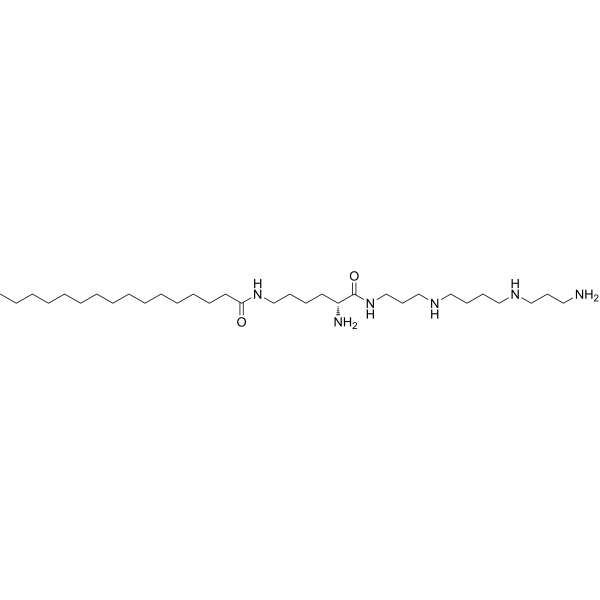
C16-K-cBB1 is a potent and selective antimicrobial agent for MRSA (Methicillin resistant Staphylococcus aureus), with a MIC of 1 µg/mL. C16-K-cBB1 has very good selectivity, as it has weak hemolytic activity. C16-K-cBB1 is able to kill MRSA cells in a matter of 120 min at a concentration of 12.5 μg/mL .
O,O-Dimethyl-cannabigerol is a natural product from Cannabis sativa. O,O-Dimethyl-cannabigerol has an antibacterial effect on drug-resistant strains of Staphylococcus aureus (MIC ranging from 1 to 2 μg/mL) . O,O-Dimethyl-cannabigerol is a nonpsychoactive constituent .
Norchelerythrine is an alkaloid isolated from the roots of Zanthoxylum capense with antibacterial activity against gram-positive and gram-negative bacteria. Norchelerythrine exhibits inhibitory activity against Staphylococcus aureus, Pseudomonas aeruginosa, and Enterococcus faecalis and Escherichia coli with MIC values >50 µg/mL .
Guajaphenone A is a benzophenone glycoside antibacterial agent that can be found in the leaves of Psidium guajava L. Guajaphenone A inhibits the growth of Gram-positive Staphylococcus aureus and Gram-negative Escherichia coli. Guajaphenone A is applicable to research related to bacterial infections .
Deoxytopsentin (compound 5) is a marine bisindole alkaloid and also a MRSA pyruvate kinase inhibitor. Deoxytopsentin exists in sponges. Deoxytopsentin exhibits antibacterial activity against methicillin-resistant Staphylococcus aureus strains in vitro .
Topoisomerase IV inhibitor 2 (compound 7d) is a potent DNA topoisomerase IV (TOPO IV) inhibitor with IC50s of 0.23 μM and 0.43 μM for TOPO IV and DNA gyrase, respectively. Topoisomerase IV inhibitor 2 has anti-bacterial activity, with MICs of 0.972 μM and 0.608 μM in Staphylococcus aureus Newman and Escherichia coliATCC8739, respectively .
Topoisomerase IV inhibitor 2 (compound 5d) is a potent DNA topoisomerase IV (TOPO IV) inhibitor with IC50s of 0.35 μM and 0.55 μM for TOPO IV and DNA gyrase, respectively. Topoisomerase IV inhibitor 2 has anti-bacterial activity, with MICs of 1.985 μM and 0.744 μM in Staphylococcus aureus Newman and Escherichia coliATCC8739, respectively .
Stromemycin is a stromelysin inhibitor. Stromemycin exhibits weak antibacterial activity against Staphylococcus aureus, vancomycin-resistant Enterococcus faecium, and Bacillus subtilis when used alone. Stromemycin shows a significant increase in antibacterial efficacy when combined with Compound 5. Stromemycin does not possess a significant cell-killing effect on HCT-116 cells .
CyLip-10 is a microbial-derived cyclic-lipid antimicrobial peptide. CyLip-10 has broad-spectrum antimicrobial efficacy, low hemolytic activity, and excellent stability. CyLip-10 can disrupt membrane integrity, inhibit biofilm formation and induce membrane permeabilization and bacterial cell death. CyLip-10 reduces bacterial load, promotes wound healing, and alleviates inflammatory responses in a mouse Methicillin (HY-121544)-resistant Staphylococcus aureus skin wound infection model. CyLip-10 can be used for the bacterial infection .
Gramicidin S analogue 9 is a bactericidal agent that can be found as a cyclic peptide analogue. Gramicidin S analogue 9 disrupts bacterial cell membranes. Gramicidin S analogue 9 can be used for the research of methicillin-resistant staphylococcus aureus infection .
PV-DPD-19 is an autoinducer-2 (AI-2) quorum sensing inhibitor. PV-DPD-19 reduces AI-2 production and inhibits the expression of multiple MSCRAMMs. In co-culture systems with Staphylococcus aureus, PV-DPD-19 decreases the production of pyocyanin and Elastase in Pseudomonas aeruginosa. PV-DPD-19 impairs the adhesion ability of Staphylococcus aureus to lung epithelial cells. PV-DPD-19 inhibits biofilm formation of Pseudomonas aeruginosa (MBIC50 = 27 μg/mL) and Staphylococcus aureus (MBIC50 = 35 μg/mL). PV-DPD-19 shows no cytotoxicity in both in vitro lung epithelial cell models and in vivoGalleria mellonella larva models .
Kendomycin ((−)-TAN 2162) is a polyketide antibiotic with remarkable antibacterial and cancer cells cytotoxic activities. Kendomycin tends to be bacteriostatic rather than bactericidal and inhibits the growth of the methicillin-resistant Staphylococcus aureus (MRSA) strain COL at a low concentration (MIC of 5 μg/mL). Kendomycin is a potent antagonist of the endothelin receptor and a calcitonin receptor agonist which plays its role as an anti-osteoporotic agent .
Anti-MRSA agent 33 iodide is an anti-Methicillin (HY-121544)-resistant Staphylococcus aureus (MRSA) agent, with MIC values of 2-4 μg/mL. Anti-MRSA agent 33 iodide demonstrates effective biofilm eradication and minimal cytotoxicity toward mammalian cells. Anti-MRSA agent 33 iodide specifically binds to phosphatidylglycerol (PG) on bacterial membranes, leading to membrane disruption, excessive production of ROS, and metabolic collapse, ultimately resulting in bacterial cell death. Anti-MRSA agent 33 iodide reduces bacterial load in a murine skin infection model .
L-Phenylalanyl-L-glutamic acid TFA (H-Phe-Glu-OH TFA) is a dipeptide present in the exudates of alfalfa seedlings, which exhibits high affinity for PEPT2. L-Phenylalanyl-L-glutamic acid TFA can serve as the peptide scaffold of a tyrosyl-tRNA synthetase inhibitor against Staphylococcus aureus .
Nemonoxacin (TG-873870) malate is a nonfluorinated quinolone antibiotic. Nemonoxacin malate has broad-spectrum activity against Gram-positive, Gram-negative and atypical pathogens. Nemonoxacin malate can inhibit drug-resistant Streptococcus pneumoniae and Methicillin-resistant Staphylococcus aureus. Nemonoxacin malate can be used for the research of community-acquired pneumonia .
E-4441 is an orally active Antibacterial agent. E-4441 exerts broad-spectrum in vitro antibacterial activity against Gram-positive bacteria and aerobic bacteria. E-4441 exhibits protective effects against Staphylococcus aureus, Escherichia coli, and Pseudomonas aeruginosa infections. E-4441 can be used in the research of systemic bacterial infections (Staphylococcus aureus, Escherichia coli, and Pseudomonas aeruginosa infections) .
Parvodicin A is a glycopeptide antibiotic. Parvodicin A has inhibitory effect on Staphylococcus aureus, Staphylococcus furfur, Staphylococcus hemolyticus and Enterococcus faecalis .
Anti-MRSA agent 13 (Compound 9b) is an agent against methicillin-resistant Staphylococcus aureus (MRSA), exhibiting a minimum inhibitory concentration (MIC) of 0.5–2 μg/mL against clinically isolated MRSA strains. Anti-MRSA agent 13 possesses favorable biosafety, plasma tolerance stability, and a low tendency to develop resistance. Anti-MRSA agent 13 disrupts cell walls and membranes, reduces metabolic activity, causes oxidative damage, affects DNA function, and ultimately leads to MRSA death through multi-target synergies .
Venturicidin A (Aabomycin A1), from actinomycetes, is a membrane-active natural product inhibitor of ATP synthase. Venturicidin A potentiates the aminoglycoside antibiotic gentamicin against multidrug-resistant clinical isolates of Staphylococcus, Enterococcus, and Pseudomonas aeruginosa. Venturicidin A shows noticeable toxicity toward human embryonic-kidney (HEK)cells with an IC50 of 31 μg/mL.
Sarafloxacin (A-56620) is a fluoroquinolone Antibacterial agent. Sarafloxacin inhibits the growth of Staphylococcus aureus, Enterobacteriaceae, and both aminoglycoside-sensitive and aminoglycoside-resistant strains of Pseudomonas aeruginosa .
Bacterial Sortase Substrate III, Abz/DNP is a fluorescent peptide substrate. Bacterial Sortase Substrate III, Abz/DNP undergoes cleavage catalyzed by Staphylococcus aureus sortase A (SrtAΔN24) and Streptococcus pyogenes sortase A (SrtAΔN81), and catalyzes the formation of an amide bond between the carboxyl group of threonine and the amino group of the cell wall cross-bridge. Cleavage of this substrate can be detected at Ex/Em=320 nm/420 nm .
TBI-223 is an orally active oxazolidinone antibiotic and an antimicrobial. TBI-223 shows activity against Mycobacterium tuberculosis (Mtb). TBI-223 exhibits an IC50 of 68 μg/mL for inhibiting mitochondrial protein synthesis (MPS) in HepG2 cells. TBI-223 is effective in three mouse models (bloodstream infection, skin infection, and bone infection) of methicillin-resistant staphylococcus aureus infection. TBI-223 can be used for the study of tuberculosis .
Inh2-B1 is a Ser/Thr protein kinase (STK1) inhibitor. Inh2-B1 specifically inhibits STK1 activity by directly binding to its ATP-binding catalytic domain. Inh2-B1 down-regulates cell wall hydrolase genes and disrupts the biofilm formation of Methicillin-resistant Staphylococcus aureus (MRSA) clearly .
6-(12-Tridecene-1-yl)-2,4-Dihydroxy benzoic acid (Compound 2) exhibits antibacterial activity against methicillin-resistant Staphylococcus aureus (MRSA) and Vancomycin enterococci (VRE). 6-(12-Tridecene-1-yl)-2,4-Dihydroxy benzoic acid interfers with the integrity and function of the bacterial cell membrane, and affects metabolism in MRSA. 6-(12-Tridecene-1-yl)-2,4-Dihydroxy benzoic acid exhibits anti-inflammatory and anti-infective efficacy, and promotes angiogenesis in mice .
XMP-629 (XOMA-629), a cationic α-helical peptide, is a potent endotoxin inhibitor. XMP-629 exhibits broad-spectrum antimicrobial activity via an immunomodulatory mechanism. XOMA 629 has antimicrobial activity against Propionibacterium acnes, Staphylococcus aureus and Streptococcus pyogenesand .
Bacterial Sortase Substrate III, Abz/DNP TFA is a fluorescent peptide substrate. Bacterial Sortase Substrate III, Abz/DNP TFA undergoes cleavage catalyzed by Staphylococcus aureus sortase A (SrtAΔN24) and Streptococcus pyogenes sortase A (SrtAΔN81), and catalyzes the formation of an amide bond between the carboxyl group of threonine and the amino group of the cell wall cross-bridge. Cleavage of this substrate can be detected at Ex/Em=320 nm/420 nm .
Human β-defensin-2 (HβD-2) is a small cysteine-rich cationic skin-antimicrobial peptide (SAP) produced by a number of epithelial cells.Human β-defensin-2 has antimicrobial activity against gram-negative bacteria and Candida, but not gram-positive Staphylococcus aureus . Human β-defensin-2 can be used for the study of colitis .
Netilmicin (Sch 20569) is a broad-spectrum semisynthetic aminoglycoside antibiotic. Netilmicin exhibits antibacterial activity against aminoglycoside-susceptible gram-negative strains and aminoglycoside-resistant strain, such as Escherichia coli, Pseudomonas aeruginosa, Proteus, Staphylococcus aureus, Streptococcus, Serratia, and Enterobacter, with MIC of 0.125-8 μg/mL .
Parvodicin C3 is a glycopeptide antibiotic. Parvodicin C3 has inhibitory effect on Staphylococcus aureus, Staphylococcus furfur, Staphylococcus hemolyticus and Enterococcus faecalis .
Parvodicin C4 is a glycopeptide antibiotic. Parvodicin C4 has inhibitory effect on Staphylococcus aureus, Staphylococcus furfur, Staphylococcus hemolyticus and Enterococcus faecalis .
TrmD-IN-1 (compound 8h) is a selective Staphylococcus aureus tRNA m1 G37 methyltransferase (TrmD) inhibitor with a KD of 2.48 μM and an IC50 of 1.16 μM. TrmD-IN-1 exhibits selectivity over E. coli (KD > 30 μM) and H. influenzaeTrmD (KD > 30 μM) and Trm5 (IC50 > 30 μM) .
Capricostatin A is a glycosylated heteromeric depsipeptide and Antibacterial agent. Capricostatin A is present in the fungus Austroacremonium gemini MST-FP2131. Capricostatin A inhibits the growth of Gram-positive bacteria, including Bacillus subtilis, Staphylococcus aureus, and MRSA. Capricostatin A exhibits no antifungal activity against Saccharomyces cerevisiae and no cytotoxicity against mammalian cells. Capricostatin A can be used in the research of bacterial infections caused by Bacillus subtilis and Staphylococcus aureus .
Antibacterial agent 343 (Compound 47) is an Antibacterial agent. Antibacterial agent 343 binds to the allosteric site of PBP2a to open its active site. Antibacterial agent 343 disrupts bacterial cell membranes, leading to protein leakage. Antibacterial agent 343 interacts with DNA and inhibits replication and transcription. Antibacterial agent 343 induces ROS accumulation. Antibacterial agent 343 exhibits antibacterial activity against MRSA, Staphylococcus aureus, and Enterococcus faecalis. Antibacterial agent 343 can be used for the research of methicillin-resistant Staphylococcus aureus infections .
Antifungal agent 143 is potent antifungal agent which also exihibits antibacterial activity. Antifungal agent 143 inhibits growth of Candida albicans and Aspergillus niger, Escherichia coli, Pseudomonas aeruginosa, Staphylococcus aureus, and Streptococcus pyogenes. Antifungal agent 143 can be used for antimicrobial research.
Rubiginone D2 is an antibiotic, which exhibits antimicrobial activities against Bacillus subtilis, Staphylococcus aureus and Escherichia coli. Rubiginone D2 exhibits antitumor efficacy, inhibits proliferations of cancer cells HM02, Kato III, HepG2 and MCF7, with GI50s of 0.1, 0.7, <0.1 and 7.5 μM, respectively .
N-Acetyl-DL-serine is a hydrophobic amino acid that is synthesized in the body and can be found as a free form or as a salt with malonate, phosphate, or acetate. N-Acetyl-DL-serine has antimicrobial activity against Bacillus cereus and Staphylococcus aureus. N-Acetyl-DL-serine has also been used for the immobilization of DNA fragments on solid surfaces and can be used for protein synthesis and optical detection of DNA strands .
SAAP 148 TFA is a synthetic antimicrobial peptide (bacteria) that interacts with and disrupts the lipid bilayer of bacterial cytoplasmic membranes, thereby inducing changes in membrane permeability and bacterial death. SAAP 148 TFA kills drug-resistant, multidrug-resistant and persister bacterial strains, inhibits biofilm formation, eliminates established biofilms, and blocks bacterial colonization on implant surfaces. SAAP 148 TFA retains its activity after modification or immobilization, exhibits variable cytotoxicity in different human cell models, and shows reduced efficacy in protein-rich environments. SAAP 148 TFA can be used in infection-related research .
Antibacterial agent 334 is an antimicrobial peptide with in vitro activity against both Gram-negative and Gram-positive bacteria. Antibacterial agent 334 disrupts bacterial membrane integrity, induces membrane depolarization, impairs bacterial physiological processes without causing immediate bacterial lysis, and reduces the formation of Staphylococcus aureus biofilms. Antibacterial agent 334 can be used in studies related to Staphylococcus aureus infections .
Methyl 6-bromo-1H-indole-3-carboxylate (Standard) is the analytical standard of Methyl 6-bromo-1H-indole-3-carboxylate (HY-W052289). This product is intended for research and analytical applications. Methyl 6-bromo-1H-indole-3-carboxylate is a marine-derived natural product with antitumor activity. Methyl 6-bromo-1H-indole-3-carboxylate showed growth inhibition against Staphylococcusepidermidis, exhibiting weak or moderate minimum inhibitory concentrations (MICs) .
Deoxymorellin is a caged xanthone found in resins and fruits of Garcinia hanburyi hook. f.. Deoxymorellin exhibits cytotoxicity. Deoxymorellin can be used for research of Methicillin (HY-121544)-resistant or Methicillin-susceptible Staphylococcus aureus .
Shearinine A ((+)-Shearinine A) is an orally active insecticidal indole alkaloid present in the sclerotioid ascostromata of the endophytic fungi Aspergillus fumigatus GCV-12 and Eupenicillium shearii. Shearinine A inhibits methicillin-resistant Staphylococcus aureus (MRSA). Shearinine A exhibits biological activity against corn earworms and dried fruit beetles. Shearinine A can be used in studies related to bacterial infections .
Burnettramic acid A is an antibiotic, which can be isolated from Aspergillus burnettii. Burnettramic acid A exhibits antibacterial and antifungal activities, with IC50 of 0.2, 0.5, 2.3 and 5.9 μg/mL, for Saccharomyces cerevisiae, Candida albicans, Bacillus subtilis and Staphylococcus aureus, respectively. Burnettramic acid A exhibits cytotoxicity in cancer cell NS-1 with IC50 of 13.8 μg/mL .
PSMα3 is an inhibitor of NF-κB p65 and p38 MAPK. PSMα3 forms membrane pores and binds to residues of human insulin B chain to inhibit insulin aggregation. PSMα3 forms α-type amyloid-like fibrils to exert cytotoxic effects, and acts as a functional amyloid virulence determinant of Staphylococcus aureus. PSMα3 is applicable to research related to spondyloarthritis, rheumatoid arthritis, insulin-derived amyloidosis, and Staphylococcus aureus infection .
Secologanin dimethyl acetal (Compound Ⅱ) is an iridoid glucoside that can be isolated from Pterocephalus perennis. Secologanin dimethyl acetal shows antimicrobial activity against S.aureus and S.epidermidi .
A mixture of uvaretin (HY-N10129) and isouvaretin exhibits significant antibacterial activity against B. subtilis (EC50 8.7 μM) and S. epidermidis (IC50 7.9 μM).
AR-23 is a melittin-related antimicrobial peptide that can be isolated from Rana tagoi. AR-23 exhibits broad-spectrum growth inhibitory activity against aerobic bacteria, the opportunistic yeast pathogen Candida albicans and clinical isolates of Methicillin (HY-121544)-resistant Staphylococcus aureus (MRSA). AR-23 can be used for antimicrobial research .
5-Bromo-5-nitro-1,3-dioxane is a broad-spectrum antimicrobial agent active against Gram-positive bacteria, Gram-negative bacteria and fungi. 5-Bromo-5-nitro-1,3-dioxane oxidizes free thiol groups to their corresponding disulfides. 5-Bromo-5-nitro-1,3-dioxane induces intracellular substance leakage in Escherichia coli and Staphylococcus aureus. 5-Bromo-5-nitro-1,3-dioxane modulates the oxygen consumption of Escherichia coli and Staphylococcus aureus .
Cyclo(L-Trp-L-Trp) is an antibiotic, and shows antimicrobial activity. Cyclo(L-Trp-L-Trp) can inhibit A. baumannii, as well as Candida albicans, Bacillus subtilis, Micrococcus luteus, Saccharomyces cerevisiae, Aspergillus niger, Staphylococcus aureus. Cyclo(L-Trp-L-Trp) can be used in microbial infection research .
Ostruthin is a natural coumarin compound with bacterial and antimycobacterial activities . Ostruthin inhibits the growth of mycobacteria and Staphylococcus aureus. Ostruthin suppresses vascular smooth muscle cell proliferation as well as de novo cellular DNA synthesis. Ostruthin is applicable to research related to mycobacterial infections and cardiovascular and cerebrovascular diseases .
Antibacterial agent 301 (compound 14c) is a pyridine-amide pleuromutilin derivative with broad-spectrum antibacterial and pronounced antimycoplasmal activity. Antibacterial agent 301 inhibits peptidyl transferase center (PTC), breaks down biofilms, and disrupts cell membranes in multidrug-resistant (MDR) bacteria. Antibacterial agent 301 exhibits activity in a systemic methicillin-resistant Staphylococcus aureus (MRSA) infection mouse model. Antibacterial agent 301 can be used for MDR bacterial infection research .
Chondrillasterol is a sterol that can be isolated from Vernonia adoensis. Chondrillasterol exhibits antibacterial activity. Chondrillasterol inhibits growth of Staphylococcus aureus, Klebsiella pneumoniae, and Pseudomonas aeruginosa. Chondrillasterol inhibits formation of bacterial biofilms. Chondrillasterol can be used for the research of bacterial infections .
Parvodicin B2 is a glycopeptide antibiotic. Parvodicin B2 has inhibitory effect on Staphylococcus aureus, Staphylococcus furfur, Staphylococcus hemolyticus and Enterococcus faecalis. Parvodicin B2 acts by inhibiting the synthesis of bacterial cell wall .
Parvodicin B1 is a glycopeptide antibiotic. Parvodicin B1 has inhibitory effect on Staphylococcus aureus, Staphylococcus furfur, Staphylococcus hemolyticus and Enterococcus faecalis. Parvodicin B1 acts by inhibiting the synthesis of bacterial cell wall .
AM8191 is an orally active bactericidal and selectively inhibits DNA synthesis and Staphylococcus aureus gyrase (IC50=1.02 μM) and topo IV (IC50=10.4 μM). AM8191 inhibits S. aureus MSSA (MIC=0.02 μg/mL) and S. aureus MRSA (MIC=0.06 μg/mL) .
Haplopine is a substance with anti-inflammatory, antioxidant and photoactivated antibacterial activities. It also acts as an inhibitor of UGT1A7 and a photoactivated restriction endonuclease inhibitor. Haplopine inhibits the mRNA/protein expression of IL-6, TSLP, GM-CSF, G-CSF, IL-4, IL-13 and COX-2, while upregulating the mRNA/protein expression of SOD, CAT and HO-1. Haplopine inhibits the glucuronidation reaction catalyzed by UGT1A7 through competitive hydrophobic binding. Haplopine exerts photoactivated restriction endonuclease inhibitory effects by binding to DNA. Haplopine exhibits photoactivated activity against methicillin-resistant Staphylococcus aureus. Haplopine alleviates symptoms of atopic dermatitis. Haplopine can be used in research related to atopic dermatitis and methicillin-resistant Staphylococcus aureus infections .
Mupirocin is an antibiotic. Mupirocin inhibits bacterial isoleucyl-tRNA synthetase, blocking protein synthesis. Mupirocin has high activity against Gram-positive bacteria such as Staphylococcus and Streptococcus, as well as some Gram-negative bacteria (such as Haemophilus influenzae). Mupirocin can be used in the research of diseases such as skin infections (such as MRSA infections) and chronic sinusitis .
Telavancin (TD-6424) is a semisynthetic lipoglycopeptide vancomycin-derivative, is a novel antimicrobial agent developed by Theravance for overcoming resistant Gram-positive bacterial infections, specifically methicillin-resistant Staphylococcus aureus (MRSA). Telavancin disrupts cell membrane integrity, can be used for research of complicated skin and skin structure infections (cSSSIs) caused by Gram-positive bacteria .
Desotamide is a cyclic hexapeptide antibiotic originally isolated from Streptomyces. It is active against S. aureus, S. pneumoniae, and methicillin-resistant S. epidermidis (MRSE; MICs=16, 12.5, and 32 μg/mL, respectively).
Neothramycin A is an antibiotic, which can be isolated from Streptomyces. Neothramycin A exhibits board spectrum antimicrobial activity, inhibits Staphylococcus aureus, Klebsiella pneumoniae, Escherichia coli W677, and Saccharomyces cerevisia with MIC of 25-50 μg/mL. Neothramycin A exhibits antitumor efficacy against leukemia in mouse models .
Dunnianol is a natural sesqui-neoligan with moderate antibacterial activity. Dunnianol inhibits Staphylococcus aureus and methicillin-resistant Staphylococcus aureus (MRSA).
Topoisomerase IV-IN-3 is a Staphylococcus aureusTopoisomerase IV inhibitor, DNA gyrase inhibitor and antibacterial agent. Topoisomerase IV-IN-3 has IC50 values of 1.32 μM and 0.48 μM against topoisomerase IV, and 0.88 μM and 0.54 μM against DNA gyrase. Topoisomerase IV-IN-3 inhibits decatenation, ATPase, and supercoiling activities of its target enzymes. Topoisomerase IV-IN-3 exerts antibacterial activity against Gram-positive and Gram-negative bacterial strains. Topoisomerase IV-IN-3 exhibits low cytotoxicity toward human fibroblast cells. Topoisomerase IV-IN-3 can be used for the research of bacterial infections .
Kalimantacin A is a potent antibiotic. Kalimantacin A shows antibacterial activity against staphylococcus including methicillin-resistant staphylococcus aureus (MRSA) .
DNA Gyrase-IN-11 (Compound 23Be) is an inhibitor for protein synthesis (IC50 is 0.74 μM) and DNA replication. DNA Gyrase-IN-11 inhibits DNA gyrase, that inhibits E. coli DNA supercoiling with IC50 of 11.9 μM. DNA Gyrase-IN-11 exhibits antibacterial efficacy, that inhibits Streptococcus pneumoniae, Streptococcus pyogenes, Haemophilus influenzae and Staphylococcus aureus, with MICs of 0.008-0.25 μg/mL .
Sulfaproxyline (Sulfaproxylin; Sulfaproxyline) is a sulfonamide antibiotic that inhibits bacterial dihydropteroate synthase, thereby blocking folate biosynthesis required for nucleic acid production. Sulfaproxyline shows antimicrobial activity primarily against Staphylococcus species and common uropathogens. Sulfaproxyline reduces bacterial growth by impairing DNA and protein synthesis. Sulfaproxyline can be used for research of staphylococcal and urinary tract infections .
Mupirocin lithium is an antibiotic. Mupirocin lithium inhibits bacterial isoleucyl-tRNA synthetase, blocking protein synthesis. Mupirocin lithium has high activity against Gram-positive bacteria such as Staphylococcus and Streptococcus, as well as some Gram-negative bacteria (such as Haemophilus influenzae). Mupirocin lithium can be used in the research of diseases such as skin infections (such as MRSA infections) and chronic sinusitis .
Lauric acid- 13C is the 13C labeled Lauric acid. Lauric acid is a middle chain-free fatty acid with strong bactericidal properties. The EC50s for P. acnes, S.aureus, S. epidermidis, are 2, 6, 4 μg/mL, respectively.
Antibacterial agent 303 (compound 3) is an antibacterial agent exhibiting potent antibacterial activity against MDR strains, with MICs of 10 and 100 µg/mL against Pseudomonas aeruginosa MDR1 and Staphylococcus aureus MDR strains, respectively. Antibacterial agent 303 displays strong binding affinities to E. coli DNA gyrase and Candida albicans lanosterol 14α-demethylase. Antibacterial agent 303 can be used for drug-resistant infections research .
fMIFL is a formyl tetrapeptide derived from Staphylococcus aureus, and also an agonist of mouse formyl peptide receptor 1 (mFPR1). It exhibits nanomolar activity against mFPR1 and micromolar activity against mFPR2. fMIFL is applicable to studies related to bacterial infections .
Anti-MRSA agent 24 (compound 6K) is an antimicrobial agent that targets Staphylococcus aureus (MRSA), especially penicillin-resistant Staphylococcus aureus .
Ribonucleoside vanadyl complexes are a class of potent RNase and Taq polymerase inhibitors. Ribonucleoside vanadyl complexes protect RNA during RNA isolation by inhibiting ribonucleases, and also reduce the viability of bacteria and eukaryotic cells by interfering with ribosomal subunit assembly. Ribonucleoside vanadyl complexes block PCR and reverse transcription reactions templated by viral nucleic acids and enhance the effects of antibiotics against Staphylococcus aureus, but do not directly inhibit protein synthesis. Ribonucleoside vanadyl complexes can be effectively removed by phenol-chloroform extraction, thus enabling subsequent PCR analysis. Ribonucleoside vanadyl complexes can be applied in research related to chronic hepatitis C (HCV) and Staphylococcus aureus infection .
DC-86-M is an antibiotic, which can be isolated from Streptomyces luteogriseus. DC-86-M exhibits antibacterial activities against Bacillus subtilis, Staphylococcus aureus, Enterococcus faecalis, Vibrio anguillarum, and Proteus vulgaris, with MIC <1 μg/mL. DC-86-M exhibits antitumor activity against mouse sarcoma 180 with LD50 of 25 mg/kg .
Lauric acid-d5 is the deuterium labeled Lauric acid. Lauric acid is a middle chain-free fatty acid with strong bactericidal properties. The EC50s for P. acnes, S.aureus, S. epidermidis, are 2, 6, 4 μg/mL, respectively.
Lauric acid-d33 is the deuterium labeled Lauric acid. Lauric acid is a middle chain-free fatty acid with strong bactericidal properties. The EC50s for P. acnes, S.aureus, S. epidermidis, are 2, 6, 4 μg/mL, respectively.
Lauric acid-d2 is the deuterium labeled Lauric acid. Lauric acid is a middle chain-free fatty acid with strong bactericidal properties. The EC50s for P. acnes, S.aureus, S. epidermidis, are 2, 6, 4 μg/mL, respectively.
Lauric acid-d233 is the deuterium labeled Lauric acid. Lauric acid is a middle chain-free fatty acid with strong bactericidal properties. The EC50s for P. acnes, S.aureus, S. epidermidis, are 2, 6, 4 μg/mL, respectively.
4,5-O-Dicaffeoylquinic acid ethyl ester is an ABTS free radical scavenger with an IC50 of 5.95 μM. 4,5-O-Dicaffeoylquinic acid ethyl ester shows no antibacterial activity against Staphylococcus aureus, Escherichia coli, and Pseudomonas aeruginosa. 4,5-O-Dicaffeoylquinic acid ethyl ester can be used in liver injury protection studies .
3,4-Seco-mansumbinoic acid (Compound 2) is an Antibacterial agent. 3,4-Seco-mansumbinoic acid can be isolated from the oleo-resin of Commiphora molmol. 3,4-Seco-mansumbinoic acid exhibits in vitro anti-staphylococcal activity, with the strongest activity against the multidrug-resistant Staphylococcus aureus strain SA-1199B (MIC 4 μg/mL) 3,4-Seco-mansumbinoic acid displays weak potentiation of Ciprofloxacin (HY-B0356) and Tetracycline (HY-A0107) activity against strains of Salmonella enterica serovar Typhimurium SL1344 and L10. 3,4-Seco-mansumbinoic acid can be used for the research of multidrug-resistant bacterial infection (Staphylococcus aureus, Salmonella enterica serovar Typhimurium) .
COX-2-IN-65 is a selective cyclooxygenase-2 (COX-2) inhibitor with an IC50 of 10.24 μM. COX-2-IN-65 inhibits Staphylococcus aureus and Escherichia coli growth. COX-2-IN-65 scavenges reactive oxygen species (ROS). COX-2-IN-65 can be used for the researches of bacterial infections and inflammation .
VP-4604 is a potent anti-methicillin-resistant Staphylococcus aureus (MRSA) agent. VP-4604 exhibits significant microbial growth inhibition toward Staphylococcus aureus (ATCC 43300) with MIC of 4-8 µg/mL. VP-4604 inhibits the growth of methicillin‐resistant Staphylococcus aureus with growth inhibition >95% .
VP-4556 is a potent anti-methicillin-resistant Staphylococcus aureus (MRSA) agent. VP-4556 exhibits significant microbial growth inhibition toward Staphylococcus aureus (ATCC 43300) with MIC of 8 µg/mL. VP-4556 inhibits the growth of methicillin‐resistant Staphylococcus aureus with growth inhibition >95% .
Premafloxacin is a potent antimicrobial agent that exhibits activity against Staphylococcus aureus, Corynebacterium bovis, and Corynebacterium amylocolatum. Premafloxacin demonstrated potent antimicrobial activity against S. aureus by targeting topoisomerase IV, and is a poor substrate for NorA efflux pump. Premafloxacin can be used for antimicrobial research .
Lauric acid (Standard) is the analytical standard of Lauric acid. This product is intended for research and analytical applications. Lauric acid is a middle chain-free fatty acid with strong bactericidal properties. The EC50s for P. acnes, S.aureus, S. epidermidis, are 2, 6, 4 μg/mL, respectively.
Lauric acid- 13C-1 is the deuterium labeled Lauric acid. Lauric acid is a middle chain-free fatty acid with strong bactericidal properties. The EC50s for P. acnes, S.aureus, S. epidermidis, are 2, 6, 4 μg/mL, respectively .
ML267 free base is a blood-brain barrier permeable Antibacterial agent and bacterial phosphopantetheinyl transferase (PPTase) inhibitor, with an IC50 of 0.29 μM against Bacillus subtilis Sfp-PPTase and an IC50 of 8.1 μM against bacterial AcpS-PPTase. ML267 free base attenuates bacterial secondary metabolism, activity, and the production of Sfp-PPTase-dependent metabolites. ML267 free base inhibits the growth of Gram-positive bacteria, including Methicillin (HY-121544)-resistant Staphylococcus aureus. ML267 free base is applicable to research related to bacterial infections, including methicillin-resistant Staphylococcus aureus infections .
Edultin (Libanotine; Cnidimine) is an angular furanocoumarin. Edultin potently inhibits TPA (HY-18739)-induced early signals associated with tumor promotion (phospholipid metabolism). Edultin exerts mild inhibitory effects on some clinically isolated strains of Pseudomonas aeruginosa and Staphylococcus aureus. Edultin can be used in studies related to tumor promotion and bacterial infections .
DRGN-1 is an antimicrobial peptide. DRGN-1 exhibits potent antimicrobial and anti-biofilm activities, inhibiting both Gram-negative and Gram-positive bacteria, with an EC50 range of 0.50-4.62 μM. DRGN-1 exerts its antimicrobial effect by disrupting bacterial membrane permeability and slightly depolarizing the membrane potential. DRGN-1 inhibits the formation of biofilms of single bacterial species and mixed species of Pseudomonas aeruginosa and Staphylococcus aureus. DRGN-1 can significantly promote the healing of uninfected and mixed biofilm-infected mouse wounds. DRGN-1 can be used for the study of infections .
Mupirocin (Standard) is the analytical standard of Mupirocin (HY-B0958). This product is intended for research and analytical applications. Mupirocin is an antibiotic. Mupirocin inhibits bacterial isoleucyl-tRNA synthetase, blocking protein synthesis. Mupirocin has high activity against Gram-positive bacteria such as Staphylococcus and Streptococcus, as well as some Gram-negative bacteria (such as Haemophilus influenzae). Mupirocin can be used in the research of diseases such as skin infections (such as MRSA infections) and chronic sinusitis .
Cadrofloxacin (Caderofloxacin; CS-940) hydrochloride is an orally active antibacterial agent with significant bactericidal activity against quinolone-resistantStaphylococcus aureus, Gram-positive bacteria, Gram-negative bacteria and anaerobic bacteria. Cadrofloxacin hydrochloride effectively improves systemic infection and experimental Klebsiella pneumoniae pneumonia in mice. Cadrofloxacin hydrochloride can be widely used in research related to systemic bacterial infections and bacterial pneumonia .
4"-Isovalerylspiramycin I (Isovalerylspiramycin I) is a topoisomerase 1 (TOP1) inhibitor and an antitumor agent. 4"-Isovalerylspiramycin I directly binds to TOP1, suppresses DNA replication, and induces DNA damage. 4"-Isovalerylspiramycin I downregulates phosphorylated CHEK1 and the ATR/CHEK1 DNA damage repair pathway, blocks DNA repair, and augments DNA damage. 4"-Isovalerylspiramycin I suppresses proliferation, migration, and invasion of osteosarcoma cells. 4"-Isovalerylspiramycin I induces apoptosis and cell cycle arrest in osteosarcoma cells. 4"-Isovalerylspiramycin I exerts antibacterial activity against methicillin-resistant Staphylococcus aureus. 4"-Isovalerylspiramycin I can be used for the research of osteosarcoma, upper respiratory bacterial infections, and methicillin-resistant Staphylococcus aureus infection .
Anti-inflammatory agent 84 (Compound 4D) is a derivative of Coumarin (HY-N0709) with antimicrobial and anti-inflammatory activities. Anti-inflammatory agent 84 inhibits E. coli, Candida albicans, Staphylococcus aureus and methicillin-resistant S. aureus (MRSA), with MIC of 312, 156, 19 and 316 μg/mL, respectively. Anti-inflammatory agent 84 inhibits biofilm formation of S. aureus, E. coli and MRSA, with IC50 of 185, 321 and 99 μM, respectively. Anti-inflammatory agent 84 inhibits nitric oxide production in Lipopolysaccharide (HY-D1056)-stimulated RAW264.7 macrophage cell .
Moringa Extract is the extract of Moringa with antioxidative and antibacterial activity. Moringa Extract increases Nrf2 and NQO1 expression, scavenges radicals, reduces oxidative stress, inhibits growth of Staphylococcus aureus and Escherichia coli. Moringa Extract can be used for the research of dietary supplements, cosmetics, and natural water purification .
Maculatin 1.1 TFA is an antimicrobial peptide with an MIC against Staphylococcus aureus of 7 μM. Maculatin 1.1 TFA can perforate the bacterial membrane of Staphylococcus aureus, causing bacterial death .
LY164846 is an orally active cephalosporin. LY164846 is highly sensitive to Haemophilus influenzae (including Ampicillin (HY-B0522)-resistant strains) and Moraxella catarrhalis (with MIC90 ≤ 4 μg/mL). LY164846 is generally sensitive to Methicillin (HY-121544)-resistant Staphylococcus aureus and Streptococcus (except Enterococcus) (with MIC90: 0.25 - 8 μg/mL), and moderately sensitive to anaerobic bacteria. LY164846 has MBC/MIC ratio to Haemophilus influenzae of ≤ 2, showing bactericidal activity. LY164846 can be used for research on respiratory and skin infections .
TLN-58 is an antimicrobial peptide. TLN-58 has antibacterial activity against S. aureus, S. epidermidis, and group A Streptococcus. TLN-58 also induces inflammatory cytokine mRNAs upregulation in normal human keratinocytes and NCL-SG3 cells .
Bac8c is an antimicrobial peptide with strong antibacterial activity against Gram-negative and Gram-positive bacteria. The MIC of Bac8c against S. aureus, MRSA, S. epidermidis, E. coli, and P. aeruginosa are 2, 8, 4, 4, and 4 μg/mL, respectively .
Antibacterial agent 337 is an antibacterial agent. Antibacterial agent 337 specifically interacts with PG in bacterial cell membranes, triggering membrane disruption, membrane depolarization, increased permeability, cytoplasmic leakage, ROS accumulation and rapid bacterial death. Antibacterial agent 337 inhibits biofilm formation and disrupts mature biofilms. Antibacterial agent 337 exhibits potent in vivo antibacterial efficacy in a mouse model of Staphylococcus aureus skin abscess. Antibacterial agent 337 can be used in studies of Gram-positive bacterial infections, including methicillin-resistant Staphylococcus aureus infections, vancomycin-resistant Enterococcus faecalis infections and bacterial biofilm infections .
Mupirocin (lithium) (Standard) is the analytical standard of Mupirocin lithium (HY-W108875). This product is intended for research and analytical applications. Mupirocin lithium is an antibiotic. Mupirocin lithium inhibits bacterial isoleucyl-tRNA synthetase, blocking protein synthesis. Mupirocin lithium has high activity against Gram-positive bacteria such as Staphylococcus and Streptococcus, as well as some Gram-negative bacteria (such as Haemophilus influenzae). Mupirocin lithium can be used in the research of diseases such as skin infections (such as MRSA infections) and chronic sinusitis .
Serratiopeptidase (Brasan; Dasen) is an orally active zinc-containing metalloprotease belonging to the serralysin family. Serratiopeptidase reduces the release of inflammatory mediators such as prostaglandins, thromboxanes and interleukins by inhibiting COX, thereby relieving pain, swelling and redness. Serratiopeptidase exhibits antibiofilm, mucolytic and wound-healing activities. As a serine protease, Serratiopeptidase has the ability to dissolve blood clots, fibrin and atherosclerotic plaques. Serratiopeptidase degrades amyloid fibrils and has potential anti-Alzheimer's effects. Serratiopeptidase shows cytotoxicity against colon cancer cells .
Turonicin A is an anti-fungal and anti-bacterial agent found in Australian Streptomyces sp. MST-123921. Turonicin A inhibits growth of Candida albicans and Saccharomyces cerevisiae fungi. Turonicin A inhibits growth of Bacillus subtilis and Staphylococcus aureus bacteria. Turonicin A can be used for the research of fungal infections, bacterial infections .
KS 619-1 is a Ca 2+/calmodulin-dependent cyclic nucleotide phosphodiesterase inhibitor. KS 619-1 exhibits strong inhibitory activity against this enzyme derived from bovine brain and heart, but shows weak inhibitory effects on calmodulin-independent phosphodiesterase and protein kinase C. KS 619-1 displays weak antibacterial activity against Staphylococcus aureus .
LA-Bac8c is a Lipoic acid modified antimicrobial peptide with enhanced antimicrobial properties. LA-Bac8c inhibits S. aureus, MRSA, S. epidermidis, E. coli, and P. aeruginosa with MICs of 1, 4, 8, 8, and 8 μg/mL .
Geministatin B is a potent antibiotic that can be found in the fungus Austroacremonium gemini MST-FP2131. Geministatin B exhibits antibacterial activity against Gram-positive bacteria including Bacillus subtilis, Staphylococcus aureus, and methicillin-resistant S. aureus (MRSA). Geministatin B can be used for the research of bacterial infections .
Sulfabenzamide (N-Sulfanilylbenzamide) is a sulfonamide antibacterial agent. Sulfabenzamide exhibit antibacterial activity against Staphylococcus aureus (ATCC 25923) and Escherichia coli (ATCC 8739). Sulfabenzamide can promote autophagic cell autophagy in breast cancer cells through p53/ DRAM pathway. Sulfabenzamide increases caspase-3 activity, deactivates PARP1 and DNA-PK, downregulates AKT1 and AKT2. Sulfabenzamide can be used for the researches of breast cancer and bacterial infections .
Juncatrin B is a type of dihydrophenanthrene compound. Juncatrin B exhibits inhibitory activity against both Methicillin (HY-121544)-sensitive Staphylococcus aureus (MSSA) and Methicillin-resistant Staphylococcus aureus (MRSA). Juncatrin B can inhibit the formation of biofilms in MSSA and MRSA. Juncatrin B has no significant activity against Gram-negative bacteria. Juncatrin B can be used in the research of anti-Staphylococcus aureus .
DDHF20 is an antimicrobial agent against Staphylococcus aureus, targeting and inhibiting its thioredoxin reductase (TrxR). It acts as a competitive inhibitor for the NADPH binding site. DDHF20 is expected to be used in research related to antimicrobial infections caused by Staphylococcus aureus .
IDR-1018 is an innate defense regulator conjugate, with MICs of 16 μg/mL for MRSA USA300 LAC, MRSA SAP 0017 and S. epidermidisATCC14990. IDR-1018 can be used to synthesis V-IDR1018 (vancomycin-innate defense regulator conjugate) .
IDR-1018 acetate is an innate defense regulator conjugate, with MICs of 16 μg/mL for MRSA USA300 LAC, MRSA SAP 0017 and S. epidermidisATCC14990. IDR-1018 acetate can be used to synthesis V-IDR1018 (vancomycin-innate defense regulator conjugate) .
Kanchanamycin A is a 36-membered polyol macrolide antibiotic found in Streptomyces olivaceus Tü 4018, with high activity against Pseudomonas fluorescens, weak activity against Gram-positive bacteria and filamentous fungi, and no activity against yeasts. Kanchanamycin A inhibits growth of Pseudomonas fluorescens, Botrytis cinerea, Mucor miehei, Penicillium notatum, and Staphylococcus aureus. Kanchanamycin A is commonly used in the study of bacterial infections .
VP-4604 (Standard) is the analytical standard of VP-4604. This product is intended for research and analytical applications. VP-4604 is a potent anti-methicillin-resistant Staphylococcus aureus (MRSA) agent. VP-4604 exhibits significant microbial growth inhibition toward Staphylococcus aureus (ATCC 43300) with MIC of 4-8 μg/mL. VP-4604 inhibits the growth of methicillin‐resistant Staphylococcus aureus with growth inhibition >95%[1].
Rhodionin is an orally active, multifunctional antivirulence and cytoprotective agent that targets and inhibits Lipase, sortase A (SrtA), CYP2D6 (IC50=0.761 μM), AChE (IC50=2.43-57.5 μM), and DPPH free radicals (IC50=19.49 μM). Rhodionin is isolable from the roots of Rhodiola crenulata. Rhodionin reduces postprandial serum triglyceride levels in mice by inhibiting lipase activity. Rhodionin also binds directly to SrtA to inhibit its transpeptidase activity, thereby reducing the fibrinogen adhesion and surface protein A levels of MRSA, effectively inhibiting biofilm formation and protecting against MRSA-induced cell damage. Rhodionin improves the survival rate of infected mice without affecting MRSA growth, and finds wide application in studies related to hyperlipidemia, exogenous obesity, and pneumonia induced by methicillin-resistant Staphylococcus aureus (MRSA) .
Antibacterial agent 326 is a bactericide that inhibits the growth of various bacterial strains. Antibacterial agent 326 inhibits biofilm formation in Escherichia coli, disrupts bacterial cell membranes, induces oxidative stress and lipid peroxidation in Escherichia coli, increases ROS levels, and reduces GSH activity. Antibacterial agent 326 can be used in studies of bacterial infections, including those caused by Escherichia coli, Staphylococcus aureus, Enterococcus faecalis, Listeria spp., Bacillus subtilis, Serratia marcescens, Salmonella enteritidis and Acinetobacter calcoaceticus .
12-Ketochenodeoxycholic acid is an anomalous bile acid and Chenodeoxycholic acid (HY-76847) precursor. 12-Ketochenodeoxycholic acid can be used for the research of hepatobiliary diseases .
Drimendiol (compound 1) is an active product that can be isolated from leaves and twigs of D. winterii. Drimendiol shows inhibition for C. albicans, S. aureus, and S. epidermidis biofilm formation with 50% biofilm inhibitory concentration values (BIC50s) of 25.5, 65.1, and 67.1 µg/ml, respectively .
CysHHC10 is a synthetic antimicrobial peptide (AMP), and exhibits strong anti-microbial properties against both Gram-positive and Gram-negative bacteria. The MIC values of CysHHC10 against E. coli, P. aeruginosa, S. aureus and S. epidermidis are 10.1 mM, 20.2 mM, 2.5 mM and 1.3 mM, respectively .
RFQF4 is a nanonet-forming peptide and antibacterial agent. RFQF4 exhibits excellent bacterial capture capability coupled with moderate antibacterial activity. RFQF4 shows bactericidal activity against E. coli, S. typhimurium, S. aureus, L. monocytogenes, and S. epidermidis (IC50: 4.89-21.85 μM) .
Tuberactinomycin-O is a peptide antibiotic belonging to the tuberactinomycin family. Tuberactinomycin-O inhibits the growth of various bacteria, including Staphylococcus aureus, Escherichia coli, Pseudomonas aeruginosa and Mycobacterium ATCC 607. Tuberactinomycin-O exhibits acute toxicity in male mice when administered intravenously. Tuberactinomycin-O can be used in the research of tuberculosis .
Levonadifloxacin ((S)-(-)-Nadifloxacin; WCK 771) arginine is a broad-spectrum antistaphylococcal agent. Levonadifloxacin arginine has antimicrobial activity against methicillin-susceptible Staphylococcus aureus (MSSA) and methicillin-resistant Staphylococcus aureus and reduces phagocytosis of MRSA and MSSA strains by monocytic THP-1.
Ubiquicidin (29-41) (UBI (29-41)) is an Antimicrobial peptide and infection-localizing agent. Ubiquicidin (29-41) acts as an infection-specific imaging agent and infection-targeting agent. Ubiquicidin (29-41) serves as an antibiotic efficacy monitoring agent, and its aggregation level in infections induced by Staphylococcus aureus is higher than that in infections induced by Escherichia coli .
Micrococcal nuclease is an endonuclease derived from Staphylococcus aureus. Micrococcal nuclease is able to digest both single and double-stranded DNA (ssDNA and dsDNA) and RNA, and can cleave and hydrolyze the AT or AU-rich regions specifically. Micrococcal nuclease could be used as an indicator of Staphylococcus aureus contamination .
Anti-MRSA agent 32 (Compound 26) is an orally active and selective SaClpP(Staphylococcus aureus ClpP protease) activator with an EC50 value of 0.98 μM. Anti-MRSA agent 32 activates SaClpP to abnormally degrade bacterial proteins, inhibiting the proliferation of Staphylococcus aureus. Anti-MRSA agent 32 promotes wound healing in a murine skin infection model. Anti-MRSA agent 32 is promising for research of infectious diseases such as methicillin-resistant Staphylococcus aureus (MRSA) infections .
Levonadifloxacin ((S)-(-)-Nadifloxacin; WCK 771) arginine is a broad-spectrum antistaphylococcal agent. Levonadifloxacin arginine has antimicrobial activity against methicillin-sensitive Staphylococcus aureus (MSSA) and methicillin-resistant Staphylococcus aureus and reduces phagocytosis of MRSA and MSSA strains by monocytic THP-1 cells .
Anti-infective agent 8 (compound 9d) is an antibacterial agent with an MIC of 0.5 μg/mL against Staphylococcus aureus and Mycobacterium tuberculosis H37Rv. Anti-infective agent 8 has anti-biofilm activity and significantly reduces Staphylococcus aureus biofilm formation .
AN0128 is a boron-containing antibacterial and anti-inflammatory agent. AN0128 against S. aureus, S. epidermidis, P. acnes, B. subtilis with minimum inhibitory concentration (MIC) values of 1, 0.5, 0.3, 1 μg/mL. AN0128 can be used for the research of periodontal disease and cutaneous diseases .
CysHHC10 TFA is a synthetic antimicrobial peptide (AMP), and exhibits strong anti-microbial properties against both Gram-positive and Gram-negative bacteria. The MIC values of CysHHC10 TFA against E. coli, P. aeruginosa, S. aureus and S. epidermidis are 10.1 mM, 20.2 mM, 2.5 mM and 1.3 mM, respectively .
2-Aminoethanol,4-(2,5,7,7-tetramethyloctan-4-yl)benzenesulfonic acid is a triethanolammonium-based salt with weak antiproliferative, anti-angiogenic, and antibacterial activity. 2-Aminoethanol,4-(2,5,7,7-tetramethyloctan-4-yl)benzenesulfonic acid acts on cancer cells, inhibits endothelial cell migration, and targets Staphylococcus aureus, Pseudomonas aeruginosa, and Klebsiella pneumoniae. 2-Aminoethanol,4-(2,5,7,7-tetramethyloctan-4-yl)benzenesulfonic acid can be used for the research of breast cancer and bacterial infections .
PBP4-IN-1 (Compound 1) is an inhibitor of penicillin-binding protein 4 (PBP4) of Staphylococcus aureus. PBP4-IN-1 enhances the inhibitory activity of antibiotics against PBP2a-mediated methicillin-resistant Staphylococcus aureus (MRSA) by inhibiting the function of PBP4. PBP4-IN-1 can be used for the study of osteomyelitis caused by Staphylococcus aureus and for the study of reversing PBP4-mediated resistance to β-lactam antibiotics.
Aspergillusidone F is a Depsidone and antibacterial agent. Aspergillusidone F can be isolated from a marine fungus Aspergillus unguis. Aspergillusidone F potently inhibits Aromatase with an IC50 of 0.5 μM. Aspergillusidone F exhibits antibacterial activity against Pseudomonas aeruginosa and Methicillin (HY-121544)-resistant Staphylococcus aureus. Aspergillusidone F exhibits potent larvicidal activity against Artemia salina larvae, with an LC50 value of 12.8 μM. Aspergillusidone F exhibits anticancer activity against intrahepatic cholangiocarcinoma, non-small cell lung cancer, and acute lymphoblastic leukemia .
Benzyl cinnamate, occurs in Balsam of Peru and Tolu balsam, in Sumatra and Penang benzoin, and as the main constituent of copaiba balsam, is used in heavy oriental perfumes and as a fixative. Benzyl cinnamate has antibacterial activity against S. aureus and S. epidermidis (MIC = 537.81 μM). Benzyl cinnamate can induce acute toxixity, depression, and skin irritation in vivo .
TP-S1-68 (Compound 10) is a TIE-2 inhibitor with an IC50 of 3.65 μM. TP-S1-68 exhibits antibacterial activity against a variety of fungal and bacteria. TP-S1-68 serves as a starting compound for the further development of TIE-2 inhibitors. TP-S1-68 can be used in research related to solid tumors, bacterial infections and fungal infections .
Clovibactin TFA is the TFA salt form of Clovibactin (HY-P10027). Clovibactin TFA is an antibiotic for drug-resistant bacterial pathogens without detectable resistance. Clovibactin TFA inihibits cell wall synthesis by targeting pyrophosphate of peptidoglycan precursors .
Antibacterial agent 329 (Compound 9c) is an antibacterial agent. Antibacterial agent 329 inhibits the activity of MraY. Antibacterial agent 329 exhibits antibacterial activity against Escherichia coli K12 and Bacillus subtilis W23 with a MIC of 16 μg/mL, but shows no activity against Pseudomonas fluorescens Pf-5. Antibacterial agent 329 exerts antibacterial activity against Acinetobacter baumannii 19606, Staphylococcus aureus MRSA USA300 JE2, Enterobacter cloacae 19434, Klebsiella pneumoniae 700603 and Enterococcus faecium 19434, with MIC values of 8, 8, 16-32, 16-32 and 16 μg/mL, respectively, while it shows no activity against Pseudomonas aeruginosa NCTC 13437 .
HT-61 is a quinolone antibacterial agent. HT-61 exhibits bactericidal activity against gram-positive bacteria including methicillin-susceptible Staphylococcus aureus (MSSA) and methicillin-resistant Staphylococcus aureus (MRSA). HT-61 can enhance the effect of Tobramycin (HY-B0441) against Pseudomonas aeruginosa .
Anthraquinone-2-carboxylic acid is an orally active anthraquinone compound and Antibacterial agent. Anthraquinone-2-carboxylic acid can be isolated from Bajitian. Anthraquinone-2-carboxylic acid inhibits the activation of DPP-IV, COX-2, NF-κB and AP-1. Anthraquinone-2-carboxylic acid blocks IAV-induced activation of the RIG-I/STAT1 pathway, alleviates IAV-mediated weight loss, and protects against lethal IAV infection. Anthraquinone-2-carboxylic acid inhibits the growth of various Staphylococcus strains. It possesses potent anti-inflammatory, immunomodulatory, analgesic and antibacterial activities .\n
Cajanol is an isoflavanone that can be isolated from the roots of Cajanus cajan (L.) Millsp. . Cajanol inhibits cancer cell proliferation and induces cancer cell apoptosis. Cajanol promotes the expression of Bax, inhibits the expression of Bcl-2, activates caspase-9 and caspase-3, induces PARP cleavage, arrests the cell cycle at the G2/M phase, generates ROS, disrupts mitochondrial membrane potential and triggers cytochrome c release. Cajanol induces bacterial DNA damage, disrupts bacterial cell membranes, and exerts antibacterial activity in vitro. Cajanol reduces the expression of PI3K, inhibits the phosphorylation of Akt and NF-κB, downregulates the expression and transport function of P-gp, restores the sensitivity of drug-resistant cancer cells to Paclitaxel, and inhibits the growth of Paclitaxel-resistant metastatic ovarian tumors. Cajanol is applicable to research related to breast cancer, ovarian cancer and bacterial infections .
1-Heptacosanol (Heptacosan-1-ol) is a long-chain fatty alcohol with antifungal, antibacterial (against Escherichia coli and Staphylococcus aureus), nematicidal, anticancer and antioxidant activities. 1-Heptacosanol can be isolated from leaf extracts of Ficus septica and Lecaniodiscus cupanioides. 1-Heptacosanol not only effectively resists pathogenic fungal infections, but also shows potential against pepper anthracnose in phytopathology. 1-Heptacosanol can be used in the research of fungal infections, cancer and oxidative stress-related diseases .
Corisin is a pro-apoptotic small peptide produced by Staphylococcus species. Corisin binds to serum albumin to target organs such as the lungs and kidneys, induces cellular senescence, apoptosis and epithelial-mesenchymal transition, and accelerates the progression of organ fibrosis including pulmonary fibrosis and diabetic renal fibrosis. Corisin levels are closely associated with coronavirus disease 2019 (COVID-19), diabetic chronic kidney disease (CKD), non-diabetic CKD, and idiopathic pulmonary fibrosis (IPF) .
Oxoadipic acid (Standard) is the analytical standard of Oxoadipic acid. This product is intended for research and analytical applications. Oxoadipic acid is a key intermediate metabolite in the lysine degradation pathway. The level of Oxoadipic acid is significantly negatively correlated with the abundance of Staphylococcus. That is, the higher the abundance of Staphylococcus-a potential pathogenic bacterium that usually increases in ulcerative colitis-the lower the level of Oxoadipic acid. Oxoadipic acid can be used in the research of ulcerative colitis .
Oxoadipic acid-d2 is the deuterium labeled Oxoadipic acid (HY-113227). Oxoadipic acid is a key intermediate metabolite in the lysine degradation pathway. The level of Oxoadipic acid is significantly negatively correlated with the abundance of Staphylococcus. That is, the higher the abundance of Staphylococcus-a potential pathogenic bacterium that usually increases in ulcerative colitis-the lower the level of Oxoadipic acid. Oxoadipic acid can be used in the research of ulcerative colitis.
Finafloxacin is an orally active fourth-generation fluoroquinolone broad-spectrum antibiotic. Finafloxacin exhibits stronger antibacterial activity in acidic pH environments and is not easily affected by bacterial multidrug efflux transporters. Finafloxacin is effective against a variety of extracellular pathogenic bacteria, and can also accumulate in macrophages, showing excellent antibacterial activity against intracellular Staphylococcus aureus, Listeria monocytogenes, Legionella pneumophila, Burkholderia pseudomallei, and other pathogens. Finafloxacin has been approved by the U.S. FDA for research on acute otitis externa mediated by Pseudomonas aeruginosa. Finafloxacin is also used in studies related to diseases such as melioidosis, inhalational tularemia, and inhalational plague .
Ambigol C is an ambigol, Antibacterial agent and Antimalarial agent. Ambigol C is isolated from Fischerella ambigua 108b. Ambigol C exhibits selective antibacterial activity against Gram-positive Staphylococcus aureus strains (including MRSA) with MIC values of 0.98-3.91 μg/mL. Ambigol C also shows potent antibacterial activity against B. megaterium, and possesses weak antimalarial and trypanocidal effects. Ambigol C can be used in the research of bacterial infections, plasmodial infections and trypanosomal infections .
IPMCL-28b is an antibacterial agent targeting the bacterial cell membrane. Its minimum inhibitory concentration (MIC) against Staphylococcus aureus ATCC 25923 is 1.56 μg/mL, and the MIC against methicillin-resistant Staphylococcus aureus (MRSA) is 6.25 μg/mL. IPMCL-28b is expected to be used in the research of the anti-infection field .
RNAIII-inhibiting peptide(TFA) is a potent inhibitor of Staphylococcus aureus, effective in the diseases such as cellulitis, keratitis, septic arthritis, osteomylitis and mastitis.
Efloxate (Angorlisin) is a vasodilator used in the research of chronic coronary insufficiency and angina pectoris. Efloxate binds to Staphylococcus aureus sortase A .
Paulomenol A has the effect of anti-Gram-positive bacteria including Staphylococcus aureus, Streptococcus pyogenes, Streptococcus pneumoniae and so on .
Althiomycin is a polyketide synthase-derived thiazole antibiotic originally isolated from S. althioticus. It is active against Gram-positive bacteria, including S. aureus, S. epidermidis, and S. pyogenes (MICs=25, 25, and 3.1 μg/mL, respectively).2 Althiomycin inhibits protein synthesis in E. coli when used at concentrations of 1 and 10 μg/mL but not in isolated rabbit reticulocytes at 100 μg/mL.
Antibacterial agent 102 (compound 32) possesses potent in vitro and in vivo antibacterial activity, with MICs < 0.5 μg/mL in Staphylococcus aureus (S. aureus). Antibacterial agent 102 also moderately inhibits CYP3A4 with an IC50 value of 6.148 μM. Antibacterial agent 102 can reduce Methicillin-resistant Staphylococcus aureus (MRSA) load in thigh infected mice .
Himalomycin B is an anthraquinone antibiotic. Himalomycin B has strong activity against Staphylococcus aureus, Escherichia coli and Streptomyces vuridochromogenes .
Paulomenol B has the effect of anti-Gram-positive bacteria including Staphylococcus aureus, Streptococcus pyogenes, Streptococcus pneumoniae and so on .
1-Prenyl-2-methoxy-6-formyl-8-hydroxy-9H-carbazole (Compound 19) is a carbazole alkaloid that can be isolated from Murraya koenigii. 1-Prenyl-2-methoxy-6-formyl-8-hydroxy-9H-carbazole exhibits anti-inflammatory and antimicrobial activities. 1-Prenyl-2-methoxy-6-formyl-8-hydroxy-9H-carbazole can inhibit the production of pro-inflammatory cytokines TNF-α and IL-6 . 1-Prenyl-2-methoxy-6-formyl-8-hydroxy-9H-carbazole has IC50 values of 10.9 μM and 95 μM for Bacillus cereus and Staphylococcus aureus, respectively. 1-Prenyl-2-methoxy-6-formyl-8-hydroxy-9H-carbazole can be used in the research of inflammatory and infectious diseases .
2-(p-Tolyl) propanoic acid (2-(4-methylphenyl) propionic acid) acts as an Antimicrobial agent intermediate. 2-(p-Tolyl) propanoic acid inhibits COX-1 and COX-2 enzymes, with IC50 values of 38.23 μM and 64.30 μM, respectively. 2-(p-Tolyl) propanoic acid is applicable to research on E. coli, Enterococcus faecalis, Listeria monocytogenes, and Staphylococcus aureus .
Antibacterial Agent 273 (Compound 15e) is a membrane-targeting antimicrobial agent that disrupts bacterial cell membranes, exhibiting a MIC of 4 μg/mL against Staphylococcus aureus. By compromising membrane integrity, it induces leakage of intracellular nucleic acids and proteins, suppresses bacterial metabolic activity, and triggers the accumulation of reactive oxygen species (ROS). Antibacterial Agent 273 is suitable for research on infections caused by Staphylococcus aureus .
Timcodar mesylate (VX-853-2) and its analog VX-710 are mammalian multidrug-resistant bacterial efflux pump inhibitors that directly inhibit ethidium bromide efflux in Staphylococcus aureus. Timcodar mesylate has the potential to enhance antibiotic activity by inhibiting bacterial efflux pumps, effectively reducing the minimum inhibitory concentration of some antibiotics against Gram-positive pathogens such as Staphylococcus aureus, Enterococcus and Streptococcus pneumoniae .
Feglymycin is a HIV replication inhibitor. Feglymycin is also an antibiotic peptide that has antibacterial activity (MIC: 32-64 μg/mL for Staphylococcus aureus) .
Atrovenetin is an antibiotic found in Penicillium species. Atrovenetin has inhibitory activity against Bacillus subtilis and Staphylococcus aureus. Atrovenetin is also a potent antioxidant.
Amythiamicin A is an antimicrobial antibiotic against Gram-positive bacteria (including methicillin-resistant Staphylococcus aureus (MRSA)) and activity against Plasmodium falciparum .
Cefalonium dihydrate is a cephalosporin antibiotic. Cefalonium (dihydrate) is effective against Staphylococcus aureus. Cefalonium (dihydrate) has anti-inflammatory and antibacterial activities .
AVX 13616 shows the potent in vivo antibacterial activity of Avexa’s lead antibacterial candidate; particularly against drug-resistant Staphylococcus pathogens.
Chloropolysporin C has strong activity of anti-Gram-positive bacteria, including methicillin-resistant Staphylococcus aureus (MRSA) and enterococcus bacteria .
Chloropolysporin B has strong activity of anti-Gram-positive bacteria, including methicillin-resistant Staphylococcus aureus (MRSA) and enterococcus bacteria .
Radiclonic acid acts as an Antibacterial agent, anticancer agent, and root growth promoter. Radiclonic acid is isolable from fungi of the genus Penicillium. Radiclonic acid exhibits antibacterial activity against MRSA with a MIC of 3.13 μg/mL. Radiclonic acid shows anticancer activity against esophageal cancer, bladder cancer, and liver cancer. Radiclonic acid promotes root growth in Chinese cabbage seedlings. Radiclonic acid is inactive against pancreatic cancer and cervical cancer. Radiclonic acid can be used in research related to Staphylococcus aureus infection, bladder cancer, esophageal cancer, and liver cancer .
1-Monomyristin acts as an insecticide, enzyme inhibitor, antibacterial and antifungal agent, with an IC50 of 18 μM against rat FAAH and an IC50 of 32 μM against rat MAGL. 1-Monomyristin inhibits 2-oleoylglycerol hydrolysis via MAGL. 1-Monomyristin suppresses the growth of Staphylococcus aureus, Aggregatibacter actinomycetemcomitans and Candida albicans. 1-Monomyristin is lethal to brine shrimp . 1-Monomyristin exhibits marginal cytotoxicity against prostate cancer cells. 1-Monomyristin is applicable to research related to bacterial infections, fungal infections, renal cancer, prostate adenocarcinoma and pancreatic cancer .
10-Isobutyryloxy-8,9-epoxythymol isobutyrate is a major constituent of Inula helenium and Inula royleana root cultures. 10-Isobutyryloxy-8,9-epoxythymol isobutyrate shows moderate antimicrobial activity against Staphylococcus aureus FDA 209 P, Staphylococcus aureus, Enterococcus faecalis, Candida albicans and Pseudomonas aeruginosa with MICs of 50, 250, 250, 250, and 1000 μg/mL, respectively .
Helvecardin A is a glycopeptidtic antibiotic. Helvecardin A has strong activity of anti-aerobic and anaerobic Gram-positive bacteria, including methicillin-resistant Staphylococcus aureus .
Ericamycin is an antibiotic that exhibits antibacterial activity against Gram-positive activity, inhibits Staphylococcus aureus with MIC of 0.004-0.016 µg/mL .
Amythiamicin C is an antimicrobial antibiotic against Gram-positive bacteria (including methicillin-resistant Staphylococcus aureus (MRSA)) and activity against Plasmodium falciparum .
(S)-(-)-Citronellal ((-)-Citronellal) is an oxygenated monoterpenoid found in Citrus limon (L.) Burm. F. essential oils. (S)-(-)-Citronellal is a chiral isomers of (R)-(+)-Citronellal (HY-111664) and does not possess microtubule-disrupting activity. (S)-(-)-Citronellal can be used for cancer research .
Antibacterial agent 331 is an antibacterial agent with anti-biofilm activity. Antibacterial agent 331 exhibits activity against a variety of Gram-positive and Gram-negative bacteria. Antibacterial agent 331 eliminates MRSE 62 and promotes the repair of infected wounds in mouse models. Antibacterial agent 331 can be used for research on infections .
Pacidamycin 5 has inhibitory effect on Pseudomonas aeruginosa. Pacidamycin 5 also has effect on a few strains of bacteria such as Suppurative staphylococcus and Escherichia coli .
Pacidamycin 2 has inhibitory effect on Pseudomonas aeruginosa. Pacidamycin 2 also has effect on a few strains of bacteria such as Suppurative staphylococcus and Escherichia coli .
UCM53, a FtsZ inhibitor, is an antibacterial agent. UCM53 can inhibit the growth of clinical isolates of antibiotic-resistant Staphylococcus aureus and Enterococcus faecalis
Paulomycin B has anti-Gram-positive bacteria effect, and it has inhibitory effect on Staphylococcus aureus resistant to penicillin, Streptomycin, Neomycin and Macrolide antibiotics .
Pyrronamycin A has antibacterial activity against Gram-positive and negative bacteria such as Staphylococcus aureus, enterococcus, Escherichia coli, Klebsiella pneumoniae, Proteus, Shigella and Salmonella .
(R)-Alalevonadifloxacin mesylate is an isomer of Alalevonadifloxacin mesylate (HY-17626B). Alalevonadifloxacin mesylate is a oraly active anti-methicillin-resistant Staphylococcus aureus (MRSA) antibiotic .
Sperabillin C is an antibacterial antibiotic with activity against both Gram-negative and Gram-positive bacteria, including resistant strains of Pseudomonas aeruginosa and Staphylococcus aureus .
Paulomycin A (Volonomycin A) has anti-Gram-positive bacteria effect, and it has inhibitory effect on Staphylococcus aureus resistant to penicillin, Streptomycin, Neomycin and Macrolide antibiotics .
Pacidamycin 32 has inhibitory effect on Pseudomonas aeruginosa. Pacidamycin 3 also has effect on a few strains of bacteria such as Suppurative staphylococcus and Escherichia coli .
Egg-Yolk Salt Agar Medium is a selective isolation medium for Staphylococcus aureus and needs to be used in conjunction with 10% Egg-Yolk Solution (HY-179192) .
Gentamicin A is an antibiotic with good antibacterial activity to Gram-positive bacteria and negative bacteria. Gentamicin A has antibacterial activity against most methicillin-sensitive staphylococcus .
Eltrombopag- 13C4 (SB-497115- 13C4) is 13 sup>C-labeled Z-Eltrombopag. Z-Eltrombopag is an orally active thrombopoietin-receptor non-peptide agonist with platelet-stimulating activity for the study of chronic immune thrombocytopenia. Eltrombopag also has strong inhibitory effects on multidrug-resistant Staphylococcus aureus (Staphylococcus aureus) and can induce apoptosis (apoptosis) in liver cancer cells .
Benzyl cinnamate (Standard) is the analytical standard of Benzyl cinnamate. This product is intended for research and analytical applications. Benzyl cinnamate, occurs in Balsam of Peru and Tolu balsam, in Sumatra and Penang benzoin, and as the main constituent of copaiba balsam, is used in heavy oriental perfumes and as a fixative. Benzyl cinnamate has antibacterial activity against S. aureus and S. epidermidis (MIC = 537.81 μM). Benzyl cinnamate can induce acute toxixity, depression, and skin irritation in vivo .
Kushenol W is a prenylated flavonoid that can be isolated from the root of Sophora flavescens. Kushenol W has antimicrobial effect, with a MIC of 10 μg/mL for Staphylococcus aureus .
Tryptone Soya Broth can be used for MPN determination of Staphylococcus aureus. Tryptone Soya Broth ingredients include tryptone, soy peptone, sodium chloride, dipotassium hydrogen phosphate, and glucose .
Paulomycin A2 has anti-Gram-positive bacteria effect, and it has inhibitory effect on Staphylococcus aureus resistant to penicillin, Streptomycin, Neomycin and Macrolide antibiotics .
(3R)-7,4’-Dihydrohomoisoflavanone is a natural product with antibacterial activities against S. aureus and methicillin-resistant Staphylococcus aureus (MRSA) .
Helvecardin B is a glycopeptidtic antibiotic. Helvecardin B has strong activity of anti-aerobic and anaerobic Gram-positive bacteria, including methicillin-resistant Staphylococcus aureus .
Kibdelin A is resistant to Gram-positive bacteria and has similar effects against Staphylococcus aureus (including methicillin-resistant strains) as Vancomycin (HY-B0671) .
Radezolid (RX-1741) is a oxazolidinone antibiotic. Radezolid is active against Staphylococcus, Chlamydia, and Legionella species, and remains active against Linezolid-resistant strains .
Retrocyclin-101 (RC-101) is a synthetic cyclic θ-defensin, a broad-spectrum antimicrobial peptide with anti-pathogen (covering viruses, bacteria and fungi) activity and anti-inflammatory activity. Retrocyclin-101 exhibits significant inhibitory activity against HIV, SARS-CoV-2, flaviviruses, influenza viruses, HSV-1/2, Staphylococcus aureus and others. Retrocyclin-101 inhibits TLR4 and TLR2-mediated signal transduction and reduces pro-inflammatory cytokine expression .
Kibdelin B is resistant to Gram-positive bacteria and has similar effects against Staphylococcus aureus (including methicillin-resistant strains) as Vancomycin (HY-B0671) .
Aldecalmycin is an antibiotic showing antimicrobial activities against Gram-positive bacteria including methicillin-resistant Staphylococcus aureus (MRSA) with MICs values of 6.25-25 μg/mL .
Kibdelin D is resistant to Gram-positive bacteria and has similar effects against Staphylococcus aureus (including methicillin-resistant strains) as Vancomycin (HY-B0671) .
MBX-1162 is a bisindole compound. In the study of its resistance mechanism in Staphylococcus aureus, it did not show cross-resistance with related compounds and was related to the substrate specificity of MepA and MepR.
Sideroxylonal A is an effective marine antifouling agent isolated from Eucalyptus jensenii. Sideroxylonal A has antibacterial activity against the Gram-positive bacteria Staphylococcus aureus and Bacilus subtilis .
Bovine neutrophil beta-defensin 12 is an antimicrobial peptide derived from bovine neutrophils, which has antibacterial activity against Escherichia coli and Staphylococcus aureus .
GN-2 peptoid is a 9-mer cationic amphipathic peptoid and bactericidal agent with an overall net charge of +4, broad-spectrum antimicrobial activity, and low hemolytic and cytotoxic activity against mammalian cells. GN-2 peptoid exerts bactericidal action against Escherichia coli in a concentration-dependent manner. GN-2 peptoid exhibits antimicrobial activity against Gram-positive Staphylococcus aureus and Gram-negative Escherichia coli, Pseudomonas aeruginosa strains. GN-2 peptoid shows low toxicity against human red blood cells and HeLa cells. GN-2 peptoid maintains antimicrobial activity in the presence of 50% human blood plasma. GN-2 peptoid can be used for the research of bacterial infections .
Antimicrobial agent-32 (Compound 4g) is an antimicrobial agent that exhibits significant activity against various bacteria, including Staphylococcus aureus, Bacillus subtilis, Bacillus cereus (MIC=1000 µg/mL), Klebsiella pneumonia, and Staphylococcus aureus (MRSA) (MIC=500 µg/mL), as well as Escherichia coli (MIC=250 µg/mL). Additionally, Antimicrobial agent-32 inhibits the proliferation of MCF-7, HCT-116, and HepG-2 cells, demonstrating anticancer activity .
DNA gyrase/Topo IV-IN-1 (Compound 27) is an inhibitor of DNA gyrase and topoisomerase IV, exhibiting antibacterial activity. For Escherichia coli and methicillin-resistant Staphylococcus aureus DNA gyrases, DNA gyrase/Topo IV-IN-1 has an IC50 of 11 and 17 nM respectively, and for topoisomerase IV of Escherichia coli and methicillin-resistant Staphylococcus aureus, the IC50 values are 83 and 21 nM respectively. DNA gyrase/Topo IV-IN-1 can be used for research in the field of anti-infection .
β-calacorene is an essential oil metabolite. β-calacorene shows AMES toxicity or mutagenic potential. β-calacorene can be used in the research of Staphylococcus aureus infections.
Cefuzonam sodium is a second-generation cephalosporin antibiotic with activity against Staphylococcus aureus, which is resistant to most third-generation cephalosporins. Cefuzonam sodium is effective for preventing infection after cesarean delivery .
Dicloxacillin sodium is a β-lactam antibiotic of the penicillin family. Dicloxacillin sodium against Gram-positive bacteria. Dicloxacillin sodium is active against β-lactamase-producing organisms such as Staphylococcus aureus .
Sarafloxacin hydrochloride (A-56620 hydrochloride) is a fluoroquinolone Antibacterial agent. Sarafloxacin inhibits the growth of Staphylococcus aureus, Enterobacteriaceae, and both aminoglycoside-sensitive and aminoglycoside-resistant strains of Pseudomonas aeruginosa .
Cefazaflur is a novel semi-synthetic cephalosporin derivative that exhibits significant antibacterial activity, effectively inhibiting various strains of Staphylococcus aureus, Escherichia coli, Klebsiella, and Proteus mirabilis at low concentrations.
Anti-MRSA agent 16 (Compound 4) is an inhibitor of methicillin-resistant Staphylococcus aureus (MRSA). Anti-MRSA agent 16 is effective in combination with oxacillin or meropenem in infected mice .
The K4 peptide is an antimicrobial peptide with strong activity against Gram-positive and Gram-negative bacteria, including human pathogenic bacteria, such as Staphylococcus aureus and Marine Vibrio bacteria .
Kibdelin C2 is resistant to Gram-positive bacteria and has similar effects against Staphylococcus aureus (including methicillin-resistant strains) as Vancomycin (HY-B0671) .
Kibdelin C1 is resistant to Gram-positive bacteria and has similar effects against Staphylococcus aureus (including methicillin-resistant strains) as Vancomycin (HY-B0671) .
Dicloxacillin is a β-lactam antibiotic of the penicillin family. Dicloxacillin against Gram-positive bacteria. Dicloxacillin is active against β-lactamase-producing organisms such as Staphylococcus aureus .
Benastatin B is an inhibitor for glutathione S-transferase, that inhibits human pi class GST with an IC50 of 1.10 μg/mL. Benastatin B exhibits board-spectrum antibacterial efficacy, inhibits MRSA with MIC 3.1 μg/mL. Benastatin B exhibits anti-inflammatory efficacy through inhibition of IgE mediated β-hexosaminidase release with an IC50 of 79 μg/mL .
Albomycin ε is a siderophore-antibiotic conjugate targeting bacterial ribosomes (MIC values:>512 μg/mL). Albomycin ε is promising for research of Streptococcus pneumoniae and Staphylococcus aureus infections .
Saccharothrixin K, a glycosylated saccharothrixin, shows moderate inhibition against Helicobacter pylori G27, H. pylori 159, and Staphylococcus aureusATCC25923 with MIC values of 16 μg/mL .
Phentolamine acetate is a compound with anti-inflammatory and anticancer activities. Phentolamine acetate has been shown to inhibit the growth of certain bacteria, including Staphylococcus aureus. Phentolamine acetate exhibits potent biological activity in vitro .
Cyslabdan ((+)-Cyslabdan) is a novel compound with the potential to enhance the activity of imipenem against methicillin-resistant Staphylococcus aureus. Cyslabdan exerts its antibacterial effect by inhibiting the synthesis of pentapeptide cross-links .
Seitomycin is an anthraquinone antibiotic. Seitomycin has moderate activity against Gram-positive bacteria such as Staphylococcus aureus and Bacillus subtilis, Gram-negative bacteria such as Escherichia coli and green Streptomyces chlorophyllus .
FR-202306 is a compound with antibacterial and peptide deformylase inhibitory activities, isolated from microorganisms, which has an inhibitory effect on the peptide deformylase of Staphylococcus aureus and also has antibacterial activity.
DNA ligase-IN-1 (Compound 1) is an inhibitor of bacterial NAD +-dependent DNA ligase (LigA). DNA ligase-IN-1 effectively inhibits the growth of Staphylococcus aureus in vitro .
DHFR-IN-26 is an Escherichia coli dihydrofolate reductase (ecDHFR) inhibitor with an IC50 of 0.75 nM. DHFR-IN-26 exerts broad-spectrum antibacterial activity. DHFR-IN-26 disrupts folate metabolism, nucleotide synthesis, and bacterial amino acid metabolic pathways. DHFR-IN-26 disrupts bacterial inner membranes, inhibited biofilm formation, and attenuated phage-related processes. DHFR-IN-26 shows lower toxicity to non-cancerous cells. DHFR-IN-26 can be used for the research of bacterial infections (including infections caused by methicillin-resistant Staphylococcus aureus, multidrug-resistant Escherichia coli, multidrug-resistant Pseudomonas aeruginosa, and lysogenic bacteria) .
(6E,12E)-Tetradecadiene-8,10-diyne-1,3-diol is an antibacterial compound. (6E,12E)-Tetradecadiene-8,10-diyne-1,3-diol can be isolated from the roots of Atractylodes japonica. (6E,12E)-Tetradecadiene-8,10-diyne-1,3-diol has anti-methicillin-resistant Staphylococcus aureus (MRSA) activity with MIC values of 4-32 μg/mL. (6E,12E)-Tetradecadiene-8,10-diyne-1,3-diol can be used for the research of bacterial infection . (6E,12E)-Tetradecadiene-8,10-diyne-1,3-diol is a click chemistry reagent, it contains an Alkyne group and can undergo copper-catalyzed azide-alkyne cycloaddition (CuAAc) with molecules containing Azide groups.
Leotiomycene C is an isoprenylated bisresorcinol natural product present in the freshwater fungus Helotiales sp. Leotiomycene C inhibits the quorum sensing system of methicillin (HY-121544)-resistantStaphylococcus aureus (MRSA), with an IC₅₀ of 6.3-12.5 μM. Leotiomycene C is applicable to research related to MRSA infections .
Nilofabicin is an enoyl-(acyl-carrier protein) reductase (FabI) inhibitor. Nilofabicin had an MIC(90) of 0.5 microg/ml for Staphylococcus aureus strains and was more potent than either linezolid or vancomycin .
8-Desmethoxy-8-fluoro Moxifloxacin (Compound 07) is an antibacterial agent, and has bactericidal activity against Escherichia coli, Pseudomonas aeruginosa, Staphylococcus aureus, Enterococcus faecalis .
JM 1397 is an antibacterial agent that exhibits potent antibacterial activity against both methicillin-susceptible and methicillin-resistant Staphylococcus aureus with a minimum inhibitory concentration (MIC90) of 1 μg/mL . .
Hamamelitannin, a polyphenol extracted from the bark of Hamamelis virginiana, is a quorum-sensing (QS) inhibitor. Hamamelitannin increases antibiotic susceptibility of staphylococcus aureus biofilms by affecting peptidoglycan biosynthesis and eDNA release .
Isoforsythiaside is an antioxidant and antibacterial phenylethanoid glycoside with MICs of 40.83, 40.83, and 81.66 μg/mL for Escherichia coli(E. coli), Pseudomonas aeruginosa(PAO), and Staphylococcus aureus (SA), respectively .
CDy11 is a fluorescent probe and amyloid-binding dye (λex=590 nm; λem=612 nm), with a Ka of 29 μM for Pseudomonas aeruginosaFap. CDy11 specifically recognizes amyloid fibrils in bacterial biofilms and exhibits significantly enhanced fluorescence upon binding to the target. CDy11 shows no staining effect on amyloid-deficient mutant strains, planktonic cells or protein monomers. CDy11 supports in vivo imaging of Pseudomonas aeruginosa biofilms in mouse implant and corneal infection models. CDy11 is widely used in studies of Staphylococcus aureus biofilm infections, dental caries, and Pseudomonas aeruginosa-associated implant and corneal infections .
Antimicrobial agent-9 (Compound 16) is an antimicrobial agent with an MIC range of 4-8 μg/mL against gram-positive and gram-negative bacteria. Antimicrobial agent-9 also shows anti-inflammatory activity .
Antimicrobial agent-6 (Compound 11) is an antimicrobial agent with a MIC range of 4-8 μg/mL against gram-positive and gram-negative bacteria. Antimicrobial agent-6 also shows anti-inflammatory activity .
CHIR-29498 is an antibacterial peptoid. CHIR-29498 is active against both Gram-positive and Gram-negative bacteria. CHIR-29498 can be used for the study of fatal Staphylococcus aureus .
(E/Z)-MC4 is an enantiomer of the antibacterial agent MC4, which has antibacterial activity against a group of Staphylococcus aureus strains including MRSA, and has no significant toxicity to mammalian cells .
Brevinin-1PMa is a host-defense peptide that exhibits antimicrobial activity against Staphylococcus aureus and Echerichia coli. Brevinin-1PMa also shows hemolytic activity .
Adiantum capillus extract has multiple uses and can be used for respiratory diseases, gastrointestinal diseases, and skin diseases. It also exhibits antibacterial activity against various pathogens, including Staphylococcus aureus and Escherichia coli.
ACT-387042 is a bacterial topoisomerase inhibitor with broad-spectrum activity against Gram-positive and Gram-negative bacteria, including methicillin-resistant Staphylococcus aureus and penicillin- and fluoroquinolone-resistant Streptococcus pneumoniae .
Nor-Rubrofusarin gentiobioside is a phenolic glycoside de-rubrofusarin that can be isolated from the seeds of Cassia tora. The same series of extracts of Nor-Rubrofusarin gentiobioside have antibacterial effects on Staphylococcus aureus strains .
Brevianamide M (compound 4) is a metabolite of Aspergillus versicolor. This is an endophytic fungus isolated from the marine brown alga Sargassum. Brevianamide M has antimicrobial activity against Escherichia coli and Staphylococcus aureus .
RL-37 is an alpha-helical antimicrobial peptide. RL-37 can be isolated for rhesus monkey bone marrow. RL-37 rapidly permeabilizes the membranes of Escherichia coli ML-35p and lysed liposomes. RL-37 has effective antibacterial activity against staphylococci, such as wild-type and Methicillin (HY-121544)-resistant S. aureus strains and S. epidermidisATCC 49741. RL-37 can be used for human skin infections research .
Sulfamethylthiazole is an orally active Sulfanilamide (HY-B0242) derivative. Sulfamethylthiazole and Sulfathiazole (HY-B0507) are almost equally effective in prolonging the lives of mice heavily infected with Staphylococcus aureus .
Multicaulisin, a new Diels-Alder type adduct from Morus multicaulis roots, potently effects against Staphylococcus aureus (MRSA) isolates. Multicaulisin is an antibacterial agent and has the potential for MRSA infections research .
Antibacterial agent 181 (Compound 3f) is a potent ciprofloxacin cationic antibacterial agent with low cytotoxicity. The MIC values of Antibacterial agent 181 against Staphylococcus aureus and Escherichia coli are both 2 μg/mL .
4-Methylbenzohydrazide (p-ToluoylHYdrazine) (Compound 5) is an antibacterial agent. 4-Methylbenzohydrazide shows a pMIC value of 1.38 against Staphylococcus aureus, Bacillus subtilis, Escherichia coli, and Aspergillus niger .
Sargentodoside D is a phenolic glycoside. Sargentodoside D occurs in the stems of Sargentodoxa cuneata. Sargentodoside D is applicable to research on infections caused by Acinetobacter baumannii, Candida albicans and Staphylococcus aureus, as well as research on cervical cancer .
Furaltadone hydrochloride is an orally active antibacterial agent that can be used for the study of intestinal Salmonella infections. Furaltadone has in vitro inhibitory effects on Staphylococcus. In addition, Furaltadone shows inhibitory effects on allergic reactions .
Aspergillumarin B (Compound 2) is a derivative of dihydroisocoumarin. Aspergillumarin B can be isolated from the endophytic fungus Aspergillus sp.. Aspergillumarin B has a weak antibacterial activity against Staphylococcus aureus and Bacillus subtilis .
Anti-MRSA agent 34 (Compound 6) is an antimicrobial agent targeting methicillin-resistant Staphylococcus aureus (MRSA) (MIC=14 μg/mL). Anti-MRSA agent 34 is promising for research of microbial infection .
Delafloxacin (RX-3341; WQ-3034; ABT492) is a broad-spectrum fluoroquinolone antibiotic. Delafloxacin has a broad spectrum of activity that includes drug-resistant Staphylococcus aureus, Streptococcus pneumoniae, and Klebsiella pneumonia .
Pyrronamycin B has antibacterial activity against Gram-positive and negative bacteria such as Staphylococcus aureus, enterococcus, Escherichia coli, Klebsiella pneumoniae, Proteus, Shigella and Salmonella. Pyrronamycin B also has anti-tumor activity .
Isoaltenuene-d6 is deuterium labeled Isoaltenuene. Isoaltenuene is an anti-bacterial agent with moderate activity against Staphylococcus aureus. Isoaltenuene can be isolated from fungus Alternaria alternate cib-137 .
Javanicin is an antibacterial agent with certain antibacterial activity against pathogenic bacteria such as Bacillus megaterium, Staphylococcus aureus, Salmonella typhi, and Escherichia coli. Javanicin has weak cytotoxicity against the human lung cancer cell line .
Antibacterial agent 280 (Compound 7af) is an antibacterial agent targeting methicillin-resistant and vancomycin-resistant Staphylococcus aureus (MRSA, VRSA). Antibacterial agent 280 is promising for research of is promising for research of S. aureus infections .
ε-Poly-L-lysine (Epsilon-polylysine; ε-Polylysine) hydrochloride (MV 2000-5000) is a polycationic antibacterial agent with broad-spectrum activity against Gram-positive bacteria, Gram-negative bacteria, fungi, yeasts and specific bacteriophages. ε-Poly-L-lysine hydrochloride (MV 2000-5000) exerts bactericidal effects through mechanisms such as disrupting microbial membranes, inducing ROS production, inhibiting metabolism and spore germination. ε-Poly-L-lysine hydrochloride (MV 2000-5000) also regulates the expression of multiple key genes including sodA, oxyR and recA. ε-Poly-L-lysine hydrochloride (MV 2000-5000) exhibits properties such as low eukaryotic cytotoxicity, thermal stability and pH stability, and supports tissue regeneration and anti-tumor applications. ε-Poly-L-lysine hydrochloride (MV 2000-5000) can be applied in research fields including bacterial and fungal infections, diabetic ulcers, and methicillin-resistant Staphylococcus aureus infections .
FuK is a WK2-analog antimicrobial peptide modified with fluorinated unnatural amino acids. FuK has an LD50 of 72.34 mg/kg in mice, shows no hemolytic activity, with high stability against trypsin, chymotrypsin, and saline environments. FuK exerts bactericidal effects by enhancing the permeability of bacterial outer membranes, inducing depolarization of cytoplasmic membranes, and disrupting membrane potential balance against bacterias such as Staphylococcus aureus, Escherichia coli, Klebsiella pneumoniae, and MRSA. FuK exhibits synergistic antimicrobial activity with polymyxin B (HY-149179), vancomycin (HY-B0671), and ciprofloxacin (HY-B0356), and also inhibits Ciprofloxacin-induced bacterial drug resistance. FuK has in vivo safety, effectively reduces bacterial load and inflammatory cell infiltration in a mouse MRSA model, and promotes collagen fiber formation in skin wounds .
Antibacterial agent 237 (compound Ru-8) is a bacteriostatic agent for Staphylococcus aureus, with MIC of 0.78-1.56 μg/mL. Antibacterial agent 237 destroys bacterial cell membranes, changes their permeability, and induces bacteria to produce Reactive Oxygen Species, leading to bacterial death without causing drug resistance. Antibacterial agent 237 has low hemolytic toxicity to rabbit red blood cells and Raw 264.7 cells, and has significant antibacterial effects against Staphylococcus aureus in mouse skin wound infection models and Bacillus major larvae infection models .
PSMα3 TFA is an inhibitor of NF-κB p65 and p38 MAPK. PSMα3 TFA forms membrane pores and binds to residues of human insulin B chain to inhibit insulin aggregation. PSMα3 TFA forms α-type amyloid-like fibrils to exert cytotoxic effects, and acts as a functional amyloid virulence determinant of Staphylococcus aureus. PSMα3 TFA is applicable to research related to spondyloarthritis, rheumatoid arthritis, insulin-derived amyloidosis, and Staphylococcus aureus infection .
Retrocyclin-101 (RC-101) TFA is an artificially synthesized, cyclic-structured θ-defensin, a broad-spectrum agent with antimicrobial (covering viruses, bacteria, and fungi) activity and anti-inflammatory activity. Retrocyclin-101 TFA can inhibit the serine protease activity of ZIKV NS2B-NS3, with an IC50 of 7.20 μM. Retrocyclin-101 TFA has significant inhibitory activity against HIV, SARS-CoV-2, flaviviruses, influenza viruses, HSV-1/2, Staphylococcus aureus, etc. Retrocyclin-101 TFA inhibits the signal transduction mediated by TLR4 and TLR2, reducing the expression of pro-inflammatory cytokines .
Antibacterial agent 267 (Compound h19) is a pleuromutilin derivative with a potent antibacterial activity on Gram-positive bacteria. Antibacterial agent 267 shows an antibacterial activity in methicillin-resistant Staphylococcus aureus (MRSA)-infected mouse models .
ent-Epanorin is an enantiomer of Epanorin (HY-N16418). ent-Epanorin has more potent antibacterial and antiparasitic activity against Bacillus subtilis (ATCC 6633), Staphylococcus aureus (ATCC 25923) and Giardiaduodenalis 713 compared to Epanorin .
Anti-MRSA agent 27 (compound 4a) is a potent anti-methicillin-resistant Staphylococcus aureus agent with a MIC of 0.0975 μmol/L. Anti-MRSA agent 27 disrupts MRSA biofilms and suppresses hemolytic toxin production .
Oxasetin has medium activity against Gram-positive bacteria, including Methicillin-resistant Staphylococcus aureus and Vancomycin-resistant Enterococcus faecalis (MIC is 16 μg/mL). Oxasetin has no activity against Gram-negative bacteria and fungi .
Ceftaroline fosamil (TAK-599), a cephalosporin derivative, is an N-phosphono proagent of anti-methicillin-resistant Staphylococcus aureus (MRSA) T-91825. Ceftaroline fosamil can be used for the research of MRSA infection .
Anti-MRSA agent 14 (Compound C17) has antibacterial agent against MRSA and MRSA-infected skin murine model. Anti-MRSA agent 14 is more potential than Norfloxacin (HY-B0132) against MRSA. Anti-MRSA agent 14 disrupts cell membrane and restrains metabolism. Anti-MRSA agent 14 shows antibacterial effects against S. aureusATCC 6538, S. aureusATCC 29213, S. epidermidisATCC 12228, and MRSA with MIC values of 1, 2, 2, 1 μM respectively .
ZLWH-67 is a β-Carboline derivative and Antibacterial agent. ZLWH-67 inhibits DNA synthesis, suppresses biofilm formation, and increases reactive oxygen species (ROS) levels. ZLWH-67 exhibits potent in vitro antibacterial activity against MRSA (MIC = 0.5-4 μg/mL), S. epidermidis (MIC = 4 μg/mL), E. faecalis (MIC = 4-8 μg/mL), and S. pneumoniae (MIC = 16 μg/mL). ZLWH-67 displays anti-MRSA effects in murine skin and pneumonia infection models .
Cefalonium (dihydrate) (Standard) is the analytical standard of Cefalonium (dihydrate). This product is intended for research and analytical applications. Cefalonium dihydrate is a cephalosporin antibiotic. Cefalonium (dihydrate) is effective against Staphylococcus aureus. Cefalonium (dihydrate) has anti-inflammatory and antibacterial activities .
(-)-Corynoxidine is an acetylcholinesterase inhibitor with an IC50 value of 89.0 μM, isolated from the aerial parts of Corydalis speciosa .
(-)-Corynoxidine exhibits antibacterial activities against Staphylococcus aureus and methicillin-resistant S. aureus strains in different degrees .
3-O-α-D-Forosaminyl-(+)-griseusin is a memberof naphthoquinone antibiotic. 3-O-α-D-Forosaminyl-(+)-griseusin is active against Gram-positive bacteria including methicillin-resistant strain of Staphylococcus aureus (MRSA) .
CF3–K11 is a stable antibiotic with antibacterial activity. CF3–K11 has strong antibacterial activity against Pseudomonas aeruginosa and methicillin-resistant Staphylococcus aureus (MRSA).
Dicloxacillin Sodium hydrate (Dicloxacillin sodium salt monohydrate) is a narrow-spectrum β-Lactam antibiotic of the penicillin class, is used to treat infections caused by susceptible Gram-positive bacteria, active against beta-lactamase-producing organisms such as Staphylococcus aureus .
Senfolomycin A has the effect of anti-Gram-positive bacteria and mycobacterium, and also has the effect of anti-Staphylococcus aureus resistant to penicillin, Streptomycin, Neomycin, Macrolide antibiotics. Senfolomycin A also has weaker effect of anti-Gram-negative bacteria .
Nocardicin A is a beta-lactam antibiotic with selective antibacterial activity. Nocardicin A has moderate antibacterial activity against a broad spectrum of Gram-negative bacteria including Proteus and Pseudomonas; it has no inhibitory effect on Staphylococcus, Mycobacterium, fungi, and yeast .
Cefalonium (dihydrate) (Standard) is the analytical standard of Cefalonium (dihydrate). This product is intended for research and analytical applications. Cefalonium dihydrate is a cephalosporin antibiotic. Cefalonium (dihydrate) is effective against Staphylococcus aureus. Cefalonium (dihydrate) has anti-inflammatory and antibacterial activities .
Heronapyrrole B ((+)-Heronapyrrole B) is a Gram-positive-selective antibacterial agent (IC50=0.6-1.1 μM against Staphylococcus aureusATCC9144). Heronapyrrole B is promising for research of bacterial infections and antibiotics .
Penicillin V (Phenoxymethylpenicillin) is a potent and orally active antibiotic. Penicillin V shows antibacterial activity for Streptococci, Clostridium difficile and staphylococcus aureus. Penicillin V has the potential for the research of otitis, sinusitis, pharyngitis and tonsillitis .
Antibacterial agent 283 (Compound 13) is an antimicrobial agent. Antibacterial agent 283 is active against both Gram-positive and Gram-negative bacteria, with potency comparable to the antibiotic Ampicillin (HY-B0522) .
Antibacterial agent 229 (compound 8a) is a potent antibacterial agent. Antibacterial agent 229 shows antibacterial and antifungal abilities. Antibacterial agent 229 disrupts the integrity of the bacterial membrane, intercalates into DNA. Antibacterial agent 229 inhibits topoisomerase IV with an IC50 value of 10.88 µM .
Cephapirin (Standard) is the analytical standard of Cephapirin. This product is intended for research and analytical applications. Cephapirin (Cefapirin) is an ephalosporin antibiotic with broad-spectrum antimicrobial activity .
DHFR-IN-17 (compound j9) is an oral active SaDHFR inhibitor with the IC50 of 0.97 nM. DHFR-IN-17 shows antibacterial activity against S. aureus with the minimum inhibitory concentration of 0.031 μg/mL .
Cephapirin (sodium) (Standard) is the analytical standard of Cephapirin (sodium). This product is intended for research and analytical applications. Cephapirin sodium (Cefapirin sodium) is an ephalosporin antibiotic with broad-spectrum antimicrobial activity .
Sampsone B is a dihydrodibenzodioxinone-type antibacterial agent with a minimum inhibitory concentration (MIC) of ≥128 μg/mL against methicillin-resistant Staphylococcus aureus (MRSA). Sampsone B can be naturally extracted from the aerial parts (stems and leaves) of Hypericum sampsonii .
SYNV-cyclo(CGGYF) is a Staphylococcus hominis (S. hominis) C5 autoinducing peptide. SYNV-cyclo(CGGYF) inhibits S. aureus activity. SYNV-cyclo(CGGYF) has the potential for the research of S. aureus-mediated epithelial damage and inflammation .
Senfolomycin B has the effect of anti-Gram-positive bacteria and mycobacterium, and also has the effect of anti-Staphylococcus aureus resistant to penicillin, Streptomycin, Neomycin, Macrolide antibiotics. Senfolomycin A also has weaker effect of anti-Gram-negative bacteria .
Hypercalin B is an antibacterial agent that can be isolated from the hexane and chloroform extracts of the plant Hypericum acmosepalum. Hypercalin B exhibits inhibitory activity against multidrug-resistant strains of Staphylococcus aureus, with a MIC range of 0.5-128 mg/L .
Cafamycin is a polyether antibiotic active against gram-positive bacteria, including Staphylococcus aureus. Cafamycin also demonstrates insecticidal and antiprotozoal activities. Cafamycin is isolated from the culture fluid of Streptomyces sp., an organism producing the anthracycline antibiotic galtamycin .
Glycothiohexide α is a peptide antibiotic. Glycothiohexide α has strong activity against Gram-positive bacteria including methicillin-resistant Staphylococcus aureus (MRSA) and vancomycin resistant enterococcus (VREF), MIC values of 0.03-0.06 μg/mL .
27-Hydroxyisomangiferolic acid, a cycloartane-type triterpene found in Indonesian propolis from East Java, acts as a weak scavenger with low free radical scavenging activity against DPPH (HY-112053) radicals. can be used for research on inflammation, heart disease, diabetes and cancer .
Anti-MRSA agent 10 (Compound 2d) is a Cephalosporin (HY-144229) derivative and exhibits antibacterial activity. Anti-MRSA agent 10 is slightly drug resistane and exhibits low cytotoxicity in cells HUVEC and HBZY-1 .
CP7-FP13-2 is a peptide with antivirulence factor and antibacterial activity. CP7-FP13-2 inhibits the formation of Staphylococcus aureus biofilm and has good antibacterial efficacy in mice .
Epicorazine A has activity against Gram-positive bacteria, including methicillin-resistant Staphylococcus aureus (MRSA) and vancomycin resistant enterococcus (VRE), MICs of 12.5-25 μg/mL. Epicorazine A also has effect on Candida albicans with a MIC of 25 μg/mL .
Ceftaroline fosamil (inner) (TAK-599 free acid), a cephalosporin derivative, is an N-phosphono proagent of anti-methicillin-resistant Staphylococcus aureus (MRSA) T-91825. Ceftaroline fosamil (inner) can be used for the research of MRSA infection .
Elafin,also known as elafin-specific inhibitor (ESI) or skin anti-leucoprotease (SKALP), is a low molecular weight inhibitor of human neutrophil elastase (HNE) and proteinase 3 in lung. Elafin is antibiotic against Pseudomonas aeruginosa and Staphylococcus aureus .
Radezolid (Standard) is the analytical standard of Radezolid. This product is intended for research and analytical applications. Radezolid (RX-1741) is a oxazolidinone antibiotic. Radezolid is active against Staphylococcus, Chlamydia, and Legionella species, and remains active against Linezolid-resistant strains[1][2].
Dalbavancin hydrochloride (MDL-63397 hydrochloride) is a semisynthetic lipoglycopeptide antibiotic with potent bactericidal activity against Gram-positive bacteria. Dalbavancin hydrochloride inhibits Staphylococcus aureus and Bacillus anthracis with MIC90s of 0.06 μg/mL and 0.25 μg/mL, respectively .
Pacidamycin 6 has inhibitory effect on Pseudomonas aeruginosa. Pacidamycin 6 also has effect on a few strains of bacteria such as suppurative staphylococcus and Escherichia coli. Serum can reduce its antibacterial activity, pH also affects its antibacterial activity .
Pacidamycin 4 has inhibitory effect on Pseudomonas aeruginosa. Pacidamycin 4 also has effect on a few strains of bacteria such as suppurative staphylococcus and Escherichia coli. Serum can reduce its antibacterial activity, pH also affects its antibacterial activity .
Dalbavancin (MDL-63397) is a semisynthetic lipoglycopeptide antibiotic with potent bactericidal activity against Gram-positive bacteria. Dalbavancin inhibits Staphylococcus aureus and Bacillus anthracis with MIC90s of 0.06 μg/mL and 0.25 μg/mL, respectively .
Virginiamycin M1 (Pristinamycin IIA; Ostreogrycin A), produced by?Streptomyces virginiae, is an polyunsaturated macrocyclic lactone antibiotic and acts as a component of Virginiamycin (HY-112665) . Virginiamycin M1 alone is against Staphylococcus aureus with a MIC of 0.25 μg/mL.
Antibacterial agent 169 (Compound 28) is a pyrrolamide-type GyrB/ParE inhibitor with antibacterial activity. Antibacterial agent 169 has an inhibitory effect on Gyrase and Topo IV of Staphylococcus aureus, with IC50 values of 49 nmol/L and 1.513 μmol/L respectively .
(R)-ZG197 is a highly selective Staphylococcus aureus Caseinolytic protease P (SaClpP) activator with an EC50 of 1.5 μM. (R)-ZG197 also activates Homo sapiens ClpP (HsClpP) with an EC50 of 31.4 μM .
DNA Gyrase-IN-13 (compound 1b) is a DNA Gyrase inhibitor. DNA Gyrase-IN-13 has antibacterial activity. DNA Gyrase-IN-13 has an IC50 value of 1.81 μM for Staphylococcus aureus DNA gyrase .
Bombinin H1 is an antimicrobial peptide derived from the skin of moth Bombina variegata. The lethal concentrations of Bombinin H1 against Escherichia coli D21 and Staphylococcus aureus Cowan 1 are 3.8 and 2.1 μM, respectively .
Bombinin H3 is an antimicrobial peptide derived from the skin of moth Bombina variegata. The lethal concentrations of Bombinin H3 against Escherichia coli D21 and Staphylococcus aureus Cowan 1 are 3.7 and 2.4 μM, respectively .
Delafloxacin meglumine (ABT492 meglumine; RX-3341 meglumine; WQ-3034 meglumine) is a broad-spectrum fluoroquinolone antibiotic. Delafloxacin has a broad spectrum of activity that includes drug-resistant Staphylococcus aureus, Streptococcus pneumoniae, and Klebsiella pneumonia .
Pacidamycin 7 has inhibitory effect on Pseudomonas aeruginosa. Pacidamycin 7 also has effect on a few strains of bacteria such as suppurative staphylococcus and Escherichia coli. Serum can reduce its antibacterial activity, pH also affects its antibacterial activity .
Antibiotic A-338533, an antibiotic, can be isolated from Streptomyces strain. Antibiotic A-338533 has anti-bacterial activity against Staphylococcus aureus, Mycoplasma gallisepticum with MIC values of 2 μg/mL and ≤1.56 μg/mL, respectively .
4-Ethyloctane is an active ingredient that can be extracted from peony. 4-Ethyloctane has strong antibacterial activity against Staphylococcus aureus (MIC = 0.04 mg/mL). 4-Ethyloctane can be used for research on bacterial infections .
Bombinin H4 is an antimicrobial peptide derived from the skin of moth Bombina variegata. The lethal concentrations of Bombinin H4 against Escherichia coli D21 and Staphylococcus aureus Cowan 1 are 4.8 and 3.3 μM, respectively .
Toxic Shock Syndrome Toxin-1 (TSST-1) (58-78) is a superantigen exotoxin produced by Staphylococcus aureus. Toxic Shock Syndrome Toxin-1 (TSST-1) (58-78) binds to TCR and MHC II outside the antigen-presenting site, thereby inducing unconventional polyclonal lymphocyte activation, excessive cytokine production, rapid shock, multiple organ failure syndrome and even death. Toxic Shock Syndrome Toxin-1 (TSST-1) (58-78) exacerbates mammary gland inflammation and further induces mastitis. Toxic Shock Syndrome Toxin-1 (TSST-1) (58-78) is thermostable and can be transmitted to humans via food, causing toxic shock syndrome. Toxic Shock Syndrome Toxin-1 (TSST-1) (58-78) can be used in studies related to toxic shock syndrome and staphylococcal food poisoning .
Dicloxacillin (Standard) is the analytical standard of Dicloxacillin. This product is intended for research and analytical applications. Dicloxacillin is a β-lactam antibiotic of the penicillin family. Dicloxacillin against Gram-positive bacteria. Dicloxacillin is active against β-lactamase-producing organisms such as Staphylococcus aureus .
Myristamidopropyl dimethylamine (MAPD) is an antimicrobial agent (including against bacteria and fungi) and an insecticide, exhibiting inhibitory activity against Pseudomonas aeruginosa, Staphylococcus aureus, Candida albicans, Fusarium solani, and Acanthamoeba polyphaga. Myristamidopropyl dimethylamine can be used in research on microbial-induced keratitis .
Naftoxate is an ester compound containing aminomethylsulfate, and its ammonium salt analog can inhibit free thiols to chemically weaken the reactive oxygen species (ROS)-sensitive anaerobic bacterium Trichomonas vaginalis and inhibit common pathogens causing vaginal infections: Candida albicans and Staphylococcus aureus .
Kigamicin C is an anti-tumor antibiotic that selectively kills pancreatic cancer PANC-1 cells only in nutrient-poor conditions. Kigamicin C has antimicrobial activity against Gram-positive bacteria including methicillin-resistant Staphylococcus aureus (MRSA) .
Fenugreek Seed Extract is a fenugreek extract. Fenugreek Seed Extract has potential antibacterial and anticancer activities, can inhibit Staphylococcus aureus and Pseudomonas aeruginosa, and inhibit the proliferation of MCF-7 breast cancer cells (no significant effect on liver cancer cells). .
Anti-MRSA agent 4 (compound 7a) is a potent and selective growth inhibitor of Gram-positive Methicillin-resistant Staphylococcus aureus (MRSA), with MIC ≤ 0.26 µM. Anti-MRSA agent 4 exhibits no cytotoxic and no hemolytic activity in HEK293 cells .
Boeravinone B, a dual inhibitor of NorA bacterial efflux pump of Staphylococcus aureus and human P-Glycoprotein, reduces the biofilm formation and intracellular invasion of bacteria. Boeravinone B act as anti-aging and anti-apoptosis phyto-molecules during oxidative stress .
Pinobanksin 3-acetate is a flavanone and flavonoid ester with antioxidant activity. Pinobanksin 3-acetate is naturally present in Sonoran propolis, honey, medicinal plants, and forestry coproducts of Pinus caribaea. Pinobanksin 3-acetate exerts anti-colorectal cancer activity by modulating proliferation, apoptosis, cell cycle, and Wnt signaling pathways. Pinobanksin 3-acetate can be used for the research of colon cancer .
SYNV-cyclo(CGGYF) TFA is a Staphylococcus hominis (S. hominis) C5 autoinducing peptide. SYNV-cyclo(CGGYF) TFA inhibits S. aureus activity. SYNV-cyclo(CGGYF) TFA has the potential for the research of S. aureus-mediated epithelial damage and inflammation .
Benzyldodecyldimethylammonium chloride dihydrate is a quaternary ammonium compound (QAC) and can be used as a biocide to target antibiotic-resistant bacteria, such as methicillin-resistant Staphylococcus aureus (MRSA), multidrug-resistant (MDR) P. aeruginosa et. al. Benzyldodecyldimethylammonium chloride dihydrate, an antimicrobial agent, bacteriostatic or bactericidal properties depending on the concentration.
J-114870 is a bacterialpenicillin-binding protein (PBPs) inhibitor. J-114870 is effective against methicillin-resistant Staphylococcus aureus (MRSA) and methicillin-resistant coagulase-negative staphylococci (MRCoNS). J-114870 can be used for research on bacterial infections .
Antibacterial agent 249 demonstrates broad-spectrum antimicrobial properties, effectively inhibiting the growth of Aspergillus niger, Bacillus subtilis, Pseudomonas albicans, Escherichia coli, and Staphylococcus aureus, while also exhibiting anti-inflammatory activity in vitro, making it a potential candidate for treating bacterial infections.
Sideroxylin is a C-methylated flavone isolated from Callistemon lanceolatus and exerts antimicrobial activity against Staphylococcus aureus. Sideroxylin inhibits ovarian cancer cell proliferation and induces apoptosis, causing DNA fragmentation, depolarization of the mitochondrial membrane, the generation of reactive oxygen species (ROS) .
Epicorazine B has activity against Gram-positive bacteria, including methicillin-resistant Staphylococcus aureus (MRSA) and vancomycin resistant enterococcus (VRE), MICs of 12.5-25 μg/mL. Epicorazine B also has effect on Candida albicans with a MIC of 25 μg/mL .
Ethyl Tricosanoate is a long-chain saturated fatty acid ethyl ester, which exists in small amounts in C. conicum and C. conicum. Free acid reduces the hemolytic activity of Staphylococcus aureus delta toxin on human erythrocytes. Both ethyl ester and free acid can be used as standards for the analysis of lipid mixtures.
ent-Rhizocarpic acid is an enantiomer of Rhizocarpic acid. ent-Rhizocarpic acid has more potent antibacterial and antiparasitic activity against Staphylococcus aureus (ATCC 25923) and Giardiaduodenalis 713 compared to Rhizocarpic acid. ent-Rhizocarpic acid also has a weak but selective antitumor activity against NS-1 cells .
Curcumene (α-Curcumene) is a monocyclic sesquiterpene found in the essential oil of rhizomes of Curcuma aromatica Salisb. Curcumene has antifungal and antibacterial activities. Curcumene can be used for the research of infection .
Orbifloxacin is an orally administrable Antibiotic. Orbifloxacin disrupts the replication and proliferation of Bacterial DNA, inhibits bacterial growth and exerts bactericidal activity. Orbifloxacin inhibits the growth of canine-derived E. coli and Pseudomonas aeruginosa isolates. Orbifloxacin is used in research related to bacterial infections .
DS21412020 is a fluoroquinolone antibacterial agent. DS21412020 inhibits bacterial DNA gyrase (GyrA) and topoisomerase IV, leading to DNA breaks. DS21412020 exhibits significant activity against Gram-positive bacteria such as Staphylococcus aureus (MIC = 0.006 μg/mL), Streptococcus pneumoniae (MIC = 0.05 μg/mL), and Methicillin (HY-121544)-resistant Staphylococcus aureus (MIC = 0.2 μg/mL), and Gram-negative bacteria such as Escherichia coli (MIC = 0.006 μg/mL) and Pseudomonas aeruginosa (MIC = 0.78 μg/mL). DS21412020 significantly reduces bacterial load in mouse pneumonia and MRSA infection models. DS21412020 can be used in the development of next-generation quinolone antibiotics .
Deprodone is an active compound. Deprodone inhibits key processes such as bacterial cell wall synthesis by interacting with the hydrolase and transferase proteins of methicillin-resistant Staphylococcus aureus (MRSA). Deprodone is used in research on anti-MRSA infection, inflammatory skin disorders, bowel disease, and fatty acid metabolism disorders .
Glyceryl 1-monooctanoate is a glycerol monolaurate derivative. Glyceryl 1-monooctanoate is a broad-spectrum antimicrobial, suppresses the growth of pathogenic yeast (Candida albicans and Candida parapsilosis), as well as Gram-positive (Staphylococcus aureus) and Gram-negative (Escherichia coli, Klebsiella pneumoniae) bacteria .
FabH-IN-3 (Compound 12) is an inhibitor of FabH. FabH-IN-3 exhibits MIC against Bacillus subtilis, Escherichia coli, Pseudomonas fluorescens, and Staphylococcus aureus are all 50 μg/mL. FabH-IN-3 can be used for research on Gram-negative bacterial infections .
Linearmycin B is an antibacterial and antifungal agent. Linearmycin B shows activity against Bacillus subtilis (Bs), Staphylococcus aureus (Sa). Candida albicans (Ca), and Saccharomyces cerevisiae (Sc), with MIC values of 0.097, 1.5, 0.0008, and 0.0002 μg/mL, respectively .
L-Phenylalanyl-L-glutamic acid (H-Phe-Glu-OH) is a dipeptide present in the exudates of alfalfa seedlings, which exhibits high affinity for PEPT2. L-Phenylalanyl-L-glutamic acid can serve as the peptide scaffold of a tyrosyl-tRNA synthetase inhibitor against Staphylococcus aureus .
Delafloxacin-d5 is deuterium labeled Delafloxacin. Delafloxacin (RX-3341; WQ-3034; ABT492) is a broad-spectrum fluoroquinolone antibiotic. Delafloxacin has a broad spectrum of activity that includes drug-resistant Staphylococcus aureus, Streptococcus pneumoniae, and Klebsiella pneumonia .
Albomycin δ2 is a siderophore-antibiotic conjugate targeting bacterial ribosomes (MIC: 0.0625 μg/mL against S. pneumoniae, 0.125 μg/mL against MRSA). Albomycin δ2 is promising for research of Streptococcus pneumoniae and Staphylococcus aureus infections .
OXF-077 is a potent SOS response inhibitor with an IC50 of 1.2 µM against Ciprofloxacin (HY-B0356)-activated SOS response. OXF-077 targets SpsB. OXF-077 suppresses the emergence of Ciprofloxacin resistance in Staphylococcus aureus .
Funalenone (BMS-304245) is a MraY + MurG inhibitor with an IC50 of 25.5 μM in a MraY + MurG membrane plate assay. Funalenone inhibits Staphylococcus aureus (A15090) with an MIC of 64 μg/mL. Funalenone also inhibits MMP-1 with an IC50 of 170 μM .
Heptaibin is a peptaibol antifungal antibiotic. Heptaibin has the activity against Gram-positive bacteria (MIC is 8 μg/mL) such as Staphylococcus aureus and fungi (MIC is 13-32 μg/mL) such as Aspergillus, Candida albicans and cryptococcus neofordii, and it has moderate anti-Rhabditella pseudoelongata activity (MIC is 50 μg/mL) .
Anti-MRSA agent 8 (Compound 7g) is a DAPG derivative with strong antibacterial activity. Anti-MRSA agent 8 assertes its activity by targeting bacterial cell membranes. Anti-MRSA agent 8 can be used for the research of methicillin-resistant Staphylococcus aureus (MRSA) .
Germicidin C is a microbial metabolite with antibacterial activity, which is found in the marine sponge-derived fungus Aspergillus niger. Germicidin C can inhibit the growth of various pathogenic bacteria such as Staphylococcus aureus, Escherichia coli, and Bacillus subtilis with MIC values ranging from 32 to 64 µg/mL .
FR198248 is an anti-influenza agent and peptide deformylase (PDF) inhibitor. FR198248 can be isolated from Aspergillus flavipes. FR198248 potently inhibits the PDF of Staphylococcus aureus with an IC50 of 3.6 µM. FR198248 can be used for antiviral and antibacterial research .
Telomycin is a calcium-dependent antibiotic, which can be produced by Streptomyces. Telomycin inhibits gram-positive bacteria, including multidrug-resistant (MDR) pathogens .
Gy-CATH is an anionic antimicrobial peptide. Gy-CATH activates MAPK and NF-κB signaling pathways (elevated levels of phospho-ERK, -p38, -JNK, -p65, and -IκBα). Gy-CATH upregulates the expression levels of three physiological anticoagulant pathways. Gy-CATH inhibits ADP-, Collagen-, and PMA-induced platelet aggregation. Gy-CATH has no direct antimicrobial activity, but shows significant preventive abilities against mice infected with Staphylococcus aureus, Escherichia coli, and Methicillin (HY-121544)-resistant Staphylococcus aureus. Gy-CATH exhibits potent immunomodulatory activity, enhancing macrophage-and neutrophil-mediated bactericidal functions. Gy-CATH significantly reduces the extent of pulmonary fibrin deposition and prevents thrombosis in mice .
Jinflexin D is a potential antibacterial agent, without inhibitory activity against methicillin-resistant Staphylococcus aureus (MRSA). Jinflexin D is a dimeric phenanthrene natural product with a unique seven-membered ring system, naturally extracted from the methanol extract of the roots of Juncus inflexus (a plant of the Juncaceae family) .
ME-1036 (CP-5609) is a carbapenem antibiotic. ME-1036 against resistant Gram-positive organisms, including Methicillin-resistant Staphylococcus aureus (MRSA), and vancomycin-resistant Enterococci (VRE), and ESBL-producing E. coli and K. pneumoniae but is not effective against P. aeruginosa .
Anti-MRSA agent 31 (Compound 6) is an anti-methicillin-resistant Staphylococcus aureus (MRSA) agent with a MIC of 97 μg/mL and a MBC of 781.25 μg/mL. Anti-MRSA agent 31 has a potent antibacterial activity and a strong Binding Protein 2a (PBP2a) inhibitory activity .
DHFR-IN-25 (Compound N2) is a type of inhibitor of dihydrofolate reductase (DHFR). DHFR-IN-25 is a broad-spectrum and highly effective antibacterial agent, particularly showing significant effects on Candida albicans and Staphylococcus aureus. DHFR-IN-25 can be used for the study of local anti-infection .
Ophiobolin D is a terpenoid antibiotic found in Cochliobulus miyabeanus and has four components A, B, C and D. A, B, C have anti-Gram-positive bacteria, mycobacteria and fungi, and have a strong inhibitory effect on some plant pathogens. D has a weak inhibitory effect on Staphylococcus aureus .
Antibacterial agent 197 (compound 1-deAA) is a termination inhibitor of non-classical anhydroglycosyl receptors and anhydrowall peptide-type peptidoglycan (PG) in bacterial TGase, with activity against Staphylococcus aureus. Antibacterial agent 197 synergizes with Vancomycin (HY-B0671) and is its antibacterial adjuvant .
Sanfetrinem cilexetil (GV 118819X), a prodrug of Sanfetrinem (HY-106922), is an orally active antibiotic. Sanfetrinem cilexetil shows potent efficacy against experimental murine septicemia caused by Staphylococcus aureus, Streptococcus pyogenes, and Escherichia coli and against murine respiratory infections caused by Streptococcus pneumoniae .
800CW NHS ester is a near-infrared fluorescent dye active ester that can conjugate with amine-containing small molecules, antibodies, peptides, and other substances to form fluorescent conjugates. 800CW NHS ester exhibits high fluorescence quantum yield and low non-specific binding properties. 800CW NHS ester can be used in biomedical research such as microbial infection imaging, tumor imaging, and biochemical detection .
Dicloxacillin- 13C4 is the 13C labeled Dicloxacillin (HY-B1459A) . Dicloxacillin is a β-lactam antibiotic of the penicillin family. Dicloxacillin against Gram-positive bacteria. Dicloxacillin is active against β-lactamase-producing organisms such as Staphylococcus aureus .
Delafloxacin (Standard) is the analytical standard of Delafloxacin. This product is intended for research and analytical applications. Delafloxacin (RX-3341; WQ-3034; ABT492) is a broad-spectrum fluoroquinolone antibiotic. Delafloxacin has a broad spectrum of activity that includes drug-resistant Staphylococcus aureus, Streptococcus pneumoniae, and Klebsiella pneumonia .
TH16 is an antibacterial agent (MIC=2 μg/mL against methicillin-resistant Staphylococcus aureus, MRSA). TH16 disrupts bacterial cytoplasmic membrane integrity, elevating intracellular reactive oxygen species (ROS) levels to induce bacterial death. TH16 is promising for research of bacterial infection .
12-Methoxy-cis-carnosic acid (Compound 5) is a methoxylated aromatic abietane diterpene with a cis A/B ring junction, found in the aerial parts of Rosmarinus officinalis. 12-Methoxy-cis-carnosic acid can be used for research on Methicillin (HY-121544)-resistant Staphylococcus aureus .
Apoptosis inducer 33 (Compound H2) is a hydrazone derivative. Apoptosis inducer 33 has antioxidant and antibacterial activity that inhibits the growth of Staphylococcus aureus, Escherichia coli and Candida albicans. Apoptosis inducer 33 inhibits tumor cells proliferation and induces apoptosis, which can be used in the study of cancer .
(R)-Mucronulatol is a flavonoid that can be isolated from Astragalus adsurgens. (R)-Mucronulatol shows antibacterial activity against Escherichia coli, Bacillus cereus, Staphylococcus aureus, Erwinia carotovora and Bacillus subtili, with MICs of 15.5, 15.5, 7.8, 7.8, 15.5 μg/mL respectively .
S 3578 sulfate is a broad-spectrum antibacterial agent, particularly effective against methicillin-resistant Staphylococcus aureus (MRSA) (MIC = 0.78-3.13 μg/mL) and Pseudomonas aeruginosa (MIC = 1.56-6.25 μg/mL). S 3578 sulfate can be used in the research of infectious conditions .
Curvulol is an antimicrobial agent with a polyketide structure. Curvulol can be isolated from Taxus baccata ( Chaetosphaeronema achilleae). Curvulol has a significant cytotoxicity against L929 and KB-3-1 cells, and strongly inhibits Staphylococcus aureus biofilm formation with a MIC of 64 μg/mL .
Sulfamonomethoxine sodium is an orally active broad-spectrum synthetic sulfonamide antibiotic that inhibits dihydropteroate synthetase. Sulfamonomethoxine sodium increases blood glucose levels, induces anxiety-related activities and impairs spatial learning and memory. Sulfamonomethoxine sodium can be used for the research of anxiety, spatial memory impairment, colisepticemia, salmonellosis, and staphylococcus infection .
Netilmicin (Sch 20569) sulfate is a broad-spectrum semisynthetic aminoglycoside antibiotic. Netilmicin sulfate exhibits antibacterial activity against aminoglycoside-susceptible gram-negative strains and aminoglycoside-resistant strain, such as Escherichia coli, Pseudomonas aeruginosa, Proteus, Staphylococcus aureus, Streptococcus, Serratia, and Enterobacter, with MIC of 0.125-8 μg/mL .
Schisandrone, a 4-aryltetralone lignan, is isolated from the dried fruits of Schisandra sphenanthera . Schisandrone is an alpha-hemolysin (Hla) inhibitor that downregulates the transcript levels of hla, agrA and RNAIII. Hla is an integral virulence determinant in Staphylococcus aureus that determines pathogenicity. Schisandrone is a potent inhibitor against MRSA pneumonia .
Bactofencin A acetate is a class IId bacteriocin and Antibacterial agent. Bactofencin A acetate is produced by Lactobacillus salivarius DPC6502, an isolate derived from the intestine. Bactofencin A acetate exhibits activity against Staphylococcus and Listeria species. Bactofencin A acetate slightly modulates the intestinal flora. Bactofencin A acetate can be used in research related to staphylococcal infections, listerial infections, and mastitis .
SrtA-IN-2 (compound Y40), a ML346 (HY-18669) analog, is a Sortase A (SrtA) inhibitor. SrtA-IN-2 shows inhibitory activity on Staphylococcus aureus SrtA and shows inhibitory effects on biofilm formation. SrtA-IN-2 is an antivirulence agent against S. aureus infections .
Cremeomycin has anti-Gram-positive bacteria activity including methicillin-resistant Staphylococcus aureus (MRSA), MIC is 0.2-0.39 μg/mL. Cremeomycin shows cytotoxicity to mouse tumor cell lines P388, L1210, IMC, S180, B16 and SS3 in vitro .
Anti-MRSA agent 2 (compound 14) has highly inhibitory activity against Methicillin-resistant Staphylococcus aureus (MRSA) with MIC of 0.098 μg/ml, and relatively low cytotoxicity in normal cells. Anti-MRSA agent 2 has strong ability to destroy bacterial membrane and bind to genomic DNA .
Cremimycin has anti-Gram-positive bacteria activity including methicillin-resistant Staphylococcus aureus (MRSA), MIC is 0.2-0.39 μg/mL. Cremimycin shows cytotoxicity to mouse tumor cell lines P388, L1210, IMC, S180, B16 and SS3 in vitro .
Dalbavancin-d6 is the deuterium labeled Dalbavancin . Dalbavancin (MDL-63397) is a semisynthetic lipoglycopeptide antibiotic with potent bactericidal activity against Gram-positive bacteria. Dalbavancin inhibits Staphylococcus aureus and Bacillus anthracis with MIC90s of 0.06 μg/mL and 0.25 μg/mL, respectively .
Silver (I) sulfide is a biochemical reagent. Silver (I) sulfide nanoparticles exert Antibacterial effects against a variety of resistant bacteria, including Gram-positive and Gram-negative bacteria. Silver (I) sulfide can be used in the research of bacterial infections, such as infections caused by Staphylococcus aureus, Streptococcus agalactiae, Escherichia coli and Pseudomonas species .
Macrocarpal A (10-epi-Eucarobustol F) is an antibacterial agent, which can be isolated from the leaves of Eucalyptus macrocarpa. Macrocarpal A inhibits the growth of Bacillus subtilis PCI219 (minimum inhibitory concentration below 0.2 µM) and Staphylococcus aureus FDA209P (minimum inhibitory concentration is 0.4 µM) .
Teicoplanin is a glycopeptide antibiotic indicated for use in serious infections caused by Gram-positive bacteria, including Methicillin-resistant Staphylococcus aureus and Enterococcus aureus.Teicoplanin shows antiviral activity for HIV-1, SARS-CoV1 and SARS-CoV2. Teicoplanin sodium shows anti-MRSA activity .
Antifungal agent 123 (Compound 4b) exhibits good affinity to the oxidoreductase of Staphylococcus aureus or the membrane protein of Candida albicans, exhibits antibacterial and antifungal activities. Antifungal agent 123 scavenges free radical, exhibits antioxidant efficacy. Antifungal agent 123 inhibits the TLR signaling pathway, and exhibits anti-inflammatory efficacy .
Dicloxacillin (Sodium hydrate) (Standard) is the analytical standard of Dicloxacillin (Sodium hydrate). This product is intended for research and analytical applications. Dicloxacillin Sodium hydrate (Dicloxacillin sodium salt monohydrate) is a narrow-spectrum β-Lactam antibiotic of the penicillin class, is used to treat infections caused by susceptible Gram-positive bacteria, active against beta-lactamase-producing organisms such as Staphylococcus aureus .
Teicoplanin sodium is a glycopeptide antibiotic indicated for use in serious infections caused by Gram-positive bacteria, including Methicillin-resistant Staphylococcus aureus and Enterococcus aureus.Teicoplanin sodium shows antiviral activity for HIV-1, SARS-CoV1 and SARS-CoV2. Teicoplanin sodium shows anti-MRSA activity .
Sporminarin A (Compound 1), a polyketide, is a microbial secondary metabolite. Sporminarin A can be isolated from the Sporormiella minimoides. Sporminarin A has significant antifungal activity against Aspergillus flavus with an MIC50 of 25 μg/mL. Sporminarin A also has antibacterial activity against Staphylococcus aureus (ATCC 29213) and Candida albicans (ATCC 14053) .
Biotin protein ligase-IN-1 (Compound Bio-9) is an inhibitor of biotin protein ligase (BPL) with a Kd value of 7 nM. Biotin protein ligase-IN-1 exhibits antibacterial activity, with MIC values of 0.2 and 20 μM against Staphylococcus aureus (including MRSA and MSSA) and Mycobacterium tuberculosis, respectively .
Antibacterial agent 98 (compound g37) is a potent and orally active antibacterial agent. Antibacterial agent 98 inhibits the ATPase activity of Gyrase B and impairs Staphylococcus aureus (S. aureus ) DNA supercoiling. Antibacterial agent 98 shows antibacterial activity and not induce resistance development of MRSA (methicillin-resistant S. aureus) .
Penipurdin A (Compound 1), an anthraquinone, is a microbial secondary metabolite. Penipurdin A can be isolated from the soil fungus Penicillium purpurogenum SC0070. Penipurdin A has no significant cytotoxicity against cancer cells, such as A549, HepG2 and Hela cells. Penipurdin A has antibacterial activity against Enterococcus faecalis and Staphylococcus aureus .
Antibacterial agent 182 (compound 8c) is an antibacterial agent that shows antibacterial activity against various Gram-positive bacteria, particularly against Vancomycin-resistant Enterococcus faecalis (MIC ≤0.125 μg/mL). Antibacterial agent 182 inhibits biofilm formation of Staphylococcus aureus and Pseudomonas aeruginosa at sub-MIC doses .
Antibacterial agent 150 (compound 5g) is an antibacterial agent with potent antibacterial activity against both Gram-positive bacteria and Gram-negative bacteria (MIC values ranging from 1-32 μg/mL). Antibacterial agent 150 can increase survival rate of MRSA (Methicillin-resistant Staphylococcus aureus)-infected mice .
DHFR-IN-8 (compound 6r) is a dihydrofolate reductase (DHFR) inhibitor that affects purine and thymidylate biosynthesis in cell proliferation and growth. DHFR-IN-8 inhibits methicillin-resistant Staphylococcus aureus (MRSA) ATCC 43300 (IC50=15.6 ng/mL) in mouse models of systemic infection and thigh infection .
Kigamicin D shows activity against Gram-positive bacteria including methicillin-resistant Staphylococcus aureus (MRSA) with MICs of 0.025-0.78 μg/mL. Kigamicin D also shows effect against L-1210 LB32T and other genera tumor cells with IC50 of 1 μg/mL .
Ethacridine (lactate monohydrate) (Standard) is the analytical standard of Ethacridine (lactate monohydrate). This product is intended for research and analytical applications. Ethacridine lactate (Acrinol) monohydrate is a widely used antiseptic and abortifacient. Ethacridine lactate monohydrate is effective against Staphylococcus aureus and other gram-positive cocci. Ethacridine lactate monohydrate is also a poly(ADP-ribose) glycohydrolase (PARG) inhibitor .
Nidulin (Methylustin) is a depsidone isolated from a marine fungus Aspergillus unguis. Nidulin shows antifungal and antibacterial against pathogenetic strains, Pseudomonas aeruginosa, Methicillin-resistant Staphylococcus aureus and Candida albicans with inhibition zones of 9.5 mm, 9.0 mm and 9.0 mm, respectively. Nidulin exhibits potent larvicidality against brine shrimp .
Hp1404 is a novel cationic antimicrobial peptide. Hp1404 has specific inhibitory activity against Gram-positive bacteria, including Staphylococcus aureus (MRSA) resistant to Laburnetin (HY-N7382). Hp1404 has antimicrobial activity, low toxicity, and is not prone to drug resistance, and can be used in the research of antimicrobial agents .
MRL-494, an antibacterial agent, is a inhibitor of β-barrel assembly machine A (BamA) impervious to efflux and the outer membrane permeability barrier. MRL-494 can inhibits Gram-positive (MIC of 12.5 μM for Staphylococcus aureus COL) and Gram-negative (MIC of 25 μM for E. coli JCM158) bacterias .
Altromycin F is an anthraquinone-derived antibiotic produced by the actinomycete AB 1246E-26 isolated from a South African bush soil. Altromycin F has antibacterial activity against Gram-positive bacteria, particularly Streptococcus and Staphylococcus, with a microbial inhibitory concentration (MIC) ranging from 0.2-3.12 μg/mL .
DNA Gyrase-IN-4 (compound 8p) is a potent DNA gyrase inhibitor, with an IC50 of 0.13 μM. DNA Gyrase-IN-4 shows excellent antibacterial activity against Staphylococcus aureus, Listeria monocytogenes, Salmonella and Escherichia coli, with MIC values of 0.05, 0.05, 0.05, and 8 μg/mL, respectively .
Penicillin V (Standard) is the analytical standard of Penicillin V. This product is intended for research and analytical applications. Penicillin V (Phenoxymethylpenicillin) is a potent and orally active antibiotic. Penicillin V shows antibacterial activity for Streptococci, Clostridium difficile and staphylococcus aureus. Penicillin V has the potential for the research of otitis, sinusitis, pharyngitis and tonsillitis [4].
Antibacterial agent 258 (Compound 11e) is an antibacterial agent, that destory the bacteria cell membrane, and inhibits various gram-positive bacteria (MIC for Staphylococcus aureus is 1-2 μg/mL). Antibacterial agent 258 exhibits low hemolytic activity and low cytotoxicity. Antibacterial agent 258 exhibits anti-infectious efficacy in mouse models .
Dicloxacillin- 13C4 sodium hydrate is the 13C-labeled Dicloxacillin Sodium hydrate (HY-B0977). Dicloxacillin Sodium hydrate (Dicloxacillin sodium salt monohydrate) is a narrow-spectrum β-Lactam antibiotic of the penicillin class, is used to study infections caused by susceptible Gram-positive bacteria, active against beta-lactamase-producing organisms such as Staphylococcus aureus .
Antibacterial agent 83 (compound 17h) displays potent antibacterial activity against various vancomycin-resistant Enterococcus faecalis (VRE) and methicillin-resistant Staphylococcus aureus (MRSA). Antibacterial agent 83 can significantly reduce the biofilm formation of MRSA and exhibited promising selectivity. Antibacterial agent 83 is metabolically stable in human liver microsomes .
Ceftaroline fosamil (Standard) is the analytical standard of Ceftaroline fosamil. This product is intended for research and analytical applications. Ceftaroline fosamil (TAK-599), a cephalosporin derivative, is an N-phosphono proagent of anti-methicillin-resistant Staphylococcus aureus (MRSA) T-91825. Ceftaroline fosamil can be used for the research of MRSA infection[1][2][3].
Difloxacin hydrochloride (A-56619 hydrochloride) is an orally active bactericidal agent. Difloxacin hydrochloride inhibits bacterial DNA gyrase. Difloxacin hydrochloride exhibits concentration-dependent bactericidal activity. Difloxacin hydrochloride shows strong in vitro activity against a variety of Gram-positive and Gram-negative bacteria. Difloxacin hydrochloride can be used in research related to colibacillosis and *Staphylococcus aureus* infections .
Majoranaquinone exhibits a high antibacterial effect against 4 Staphylococcus, 1 Moraxella, and 1 Enterococcus strains. Majoranaquinone shows substantial efflux pump inhibitory activity in Escherichia coliATCC 25922 strain. Majoranaquinone is found to be an effective biofilm formation inhibitor on E.coli, ATCC 25922 and E. coli K-12 AG100 bacteria .
MRL-494 hydrochloride, an antibacterial agent, is a inhibitor of β-barrel assembly machine A (BamA) impervious to efflux and the outer membrane permeability barrier. MRL-494 hydrochloride can inhibits Gram-positive (MIC of 12.5 μM for Staphylococcus aureus COL) and Gram-negative (MIC of 25 μM for E. coli JCM158) bacterias .
DNA Gyrase-IN-9 (compound 4j) is an antibacterial agent that targets DNA gyrase. The MIC to inhibit Gram bacteria is 0.5-2 μg/mL, and the MBC to kill Gram bacteria is 2-8 μg/mL. DNA Gyrase-IN-9 inhibits DNA gyrase in Staphylococcus aureus with IC50=6.29 μg/mL .
Rhizocarpic acid (Compound 2) is a secondary metabolite of lichen. Rhizocarpic acid effectively inhibits the growth of bacteria, such as Bacillus subtilis and Staphylococcus aureus, as well as murine myeloma NS-1 cells. Rhizocarpic acid is an antioxidant and an insect antifeedant with an ED50 of 71 μmol/g dry weight against neonate larvae of the Egyptian cotton leaf worm Spodoptera littoralis .
Lankamycin, a macrolide antibiotic, shows moderate antimicrobial activity against several gram-positive bacteria, acting as a synergistic pair with carbocyclic antibiotic Lankacidin C (HY-121412) by binding to the ribosome exit tunnel .
Antibacterial agent 205 (Compound 10d) is a indolylacryloyl-derived oxacins, which exhibits broad antibacterial spectrum with MIC of 0.25-0.5 μg/mL. Antibacterial agent 205 reduces the exopolysaccharide, eliminates the biofilm, and thus attenuates the drug resistance. Antibacterial agent 205 exhibits antibacterial activity through destory of membrane integrity, accumulation of reactive oxygen species ROS, and inhibition of DNA replication .
Antibacterial agent 94 (compound 5b) is a potent antibacterial agent. Antibacterial agent 94 show antibacterial activities and show the capability of eradicating MRSA persisters. Antibacterial agent 94 has an effect on bacterial membrane. Antibacterial agent 94 interferes in phosphatidylglycerol (PG) synthesis pathway .
Antibacterial agent 206 (Compound 10e) is a indolylacryloyl-derived oxacins, which exhibits broad antibacterial spectrum with MIC of 0.25-1 μg/mL. Antibacterial agent 206 reduces the exopolysaccharide, eliminates the biofilm, and thus attenuates the drug resistance. Antibacterial agent 206 exhibits antibacterial activity through destory of membrane integrity, accumulation of reactive oxygen species ROS, and inhibition of DNA replication .
CJ-21,058 is a potent SecA inhibitor with an IC50 value of 15 µg/mL. CJ-21,058 inhibits ATP-dependent translocation of precursor proteins across a bacterial cell membrane. CJ-21,058 shows antibacterial activity against Gram-positive bacteria .
Demethyl linezolid is a impurity of linezolid. Demethyl linezolid is a useful antimicrobial agent extracted from patent WO1995007271A1, example 9, effective against a number of human and veterinary pathogens .
Cefadroxil (hydrate) (Standard) is the analytical standard of Cefadroxil (hydrate). This product is intended for research and analytical applications. Cefadroxil hydrate (BL-S 578 hydrate) is an orally active and first-generation cephalosporin with a broad spectrum antibacterial activity. Cefadroxil hydrate (BL-S 578 hydrate) also acts as a substrate of the peptide transporter PEPT1 and PEPT2 .
Human β-defensin-1 (HβD-1) is a cysteine-rich cationic skin-antimicrobial peptide (SAP) produced by all epithelial surfaces, but also by circulatory cells and cells of the reproductive tract. Human β-defensin-1 has antimicrobial activities against a broad-sperm bacteria .
Sanfetrinem (GV104326) sodium is a beta-lactamase-stable antibiotic. Sanfetrinem sodium has broad-spectrum activity against gram-positive and gram-negative bacteria .
Antibacterial agent 270 (Compound 3e) is an antibacterial agent that acts on bacterial membrane components phosphatidylglycerol (PG), cardiolipin (CL), and bacterial DNA. Antibacterial agent 270 disrupts bacterial membrane structure and binds to DNA to interfere with genetic information transmission. Antibacterial agent 270 is promising for research of infections caused by methicillin-resistant Staphylococcus aureus (MRSA) .
Carumonam (AMA-1080; Ro 17-2301) is a sulfonated monocyclic β-Lactam Antibiotic, targeting to penicillin-binding protein (PBP). Carumonam exerts highly activity against Enterobacteriaceae, Pseudomonas aeruginosa, and Haemophilus influenzae, while it weakly and even inactively inhibits Streptococcus pneumoniae and Staphylococcus aureus. Carumonam is resistant to beta-lactamase-mediated hydrolysis .
Solithromycin (CEM-101) is an orally bioavailable, effective antimicrobial agent, with IC50s for inhibition of cell viability, protein synthesis, and growth rate are 7.5 ng/mL, 40 ng/mL, and 125 ng/mL for Streptococcus pneumonia, Staphylococcus aureus, and Haemophilus influenzae, respectively. Solithromycin binds to the large 50S subunit of the ribosome and inhibits protein biosynthesis .
Nafithromycin (WCK 4873) is an orally available antibiotic that inhibits community-acquired pneumonia caused by Streptococcus pneumoniae, Haemophilus influenzae, Moraxella catarrhalis, and Methicillin (HY-121544)-susceptible Staphylococcus aureus. The MIC90 of nafithromycin against macrolide-resistant and telithromycin (HY-A0062)-insensitive Streptococcus pneumoniae is 0.12 mg/liter .
Boeravinone B (Standard) is the analytical standard of Boeravinone B. This product is intended for research and analytical applications. Boeravinone B, a dual inhibitor of NorA bacterial efflux pump of Staphylococcus aureus and human P-Glycoprotein, reduces the biofilm formation and intracellular invasion of bacteria. Boeravinone B act as anti-aging and anti-apoptosis phyto-molecules during oxidative stress .
ZG297 is an agonist for Staphylococcus aureusClpP (SaClpP ) with an EC50 of 0.26 μM. ZG297 degrades SaFtsZ, inhibits the bacterial cell division, thereby exhibiting antistaphylococcal activity, that inhibits S. aureus 8325-4 strains and MRSA strains with MIC of 0.063-256 μg/mL. ZG297 exhibits anti-infectious efficacy in mouse models .
Delafloxacin (meglumine) (Standard) is the analytical standard of Delafloxacin (meglumine). This product is intended for research and analytical applications. Delafloxacin meglumine (ABT492 meglumine; RX-3341 meglumine; WQ-3034 meglumine) is a broad-spectrum fluoroquinolone antibiotic. Delafloxacin has a broad spectrum of activity that includes drug-resistant Staphylococcus aureus, Streptococcus pneumoniae, and Klebsiella pneumonia[1].
Aspergillumarin A is a dihydroisocoumarin derivative with various biological activity. Aspergillumarin A inhibits cell proliferation by inducing G0/G1 phase arrest in HepG2 hepatocellular carcinoma cells.. Aspergillumarin A exhibits weak antibacterial activity against Staphylococcus aureus and Bacillus subtilis. Aspergillumarin A can be used for the study of hepatocellular carcinoma (HCC)
Valerianol is a sesquiterpene alcohol with anticancer, antibacterial, and antiviral activities. Valerianol selectively inhibits TPA (HY-18739)-induced Epstein-Barr virus early antigen (EBV-EA) activation (IC50=300 μM). Valerianol inhibits tumor promoter-mediated EBV-EA activation and also inhibits pathogenic bacteria such as Staphylococcus aureus .
Ro 14-9578 is a tricyclic quinolone analog with antibacterial activity. Ro 14-9578 inhibits DNA biosynthesis (IC50=117 μM) and DNA supercoiling (IC50=66.8 μM) in Escherichia coli. Furthermore, Ro 14-9578 exhibits inhibitory effects against various Gram-negative bacteria and Staphylococcus aureus .
Leucinostatin H is a polypeptide antibiotic discovered in Paecilomyces marquandii, characterized by a tertiary amine-oxide terminal group. Leucinostatin H exhibits inhibitory activity against Gram-positive bacteria, such as Bacillus subtilis, B. cereus, and Staphylococcus aureus (MIC 10-100 μg/mL). Leucinostatin H holds potential for research in anti-infective and plant disease control applications .
Anti-MRSA agent 3 (compound 18) has highly inhibitory activity against Methicillin-resistant Staphylococcus aureus (MRSA) with MIC of 0.098 μg/ml, and low cytotoxicity in normal cells. Anti-MRSA agent 3 has relatively strong ability to destroy bacterial cell wall and membrane, high binding affinity to bacterial genomic DNA .
6-C-Methylquercetin-3,4'-dimethyl etheris a flavonol derivative isolated from the leaves of Bauhinia thonningii Schum. 6-C-Methylquercetin-3,4'-dimethyl ether has antibacterial activity against Gram-negative multidrug-resistant bacteria and against methicillin-resistant Staphylococcus aureus (MRSA) strains .
Mal-Cz is a maltose-derived fluorescence-on imaging probe for the detection of E. coli and Staphylococcus aureus . It contains an Azide group and can undergo copper-catalyzed azide-alkyne cycloaddition reaction (CuAAc) with molecules containing Alkyne groups. It can also undergo strain-promoted alkyne-azide cycloaddition (SPAAC) reactions with molecules containing DBCO or BCN groups.
OSUAB-0284 is a bacterial topoisomerase inhibitor. OSUAB-0284 has significant anti-staphylococcal activity, especially against methicillin-resistant Staphylococcus aureus (MRSA). OSUAB-0284 exerts its antibacterial effect by inhibiting bacterial topoisomerase. OSUAB-0284 can be used to study infections caused by drug-resistant bacteria such as MRSA .
Hibifolin is a flavonol glycoside that can be isolated from Helicteres isora. Hibifolin is an inhibitor of adenosine deaminase (ADA) (Ki = 49.92 μM). Hibifolin protects neurons against β-amyloid-induced neurotoxicity. Hibifolin possesses a potent protective activity against cell death induced by aggregated Aβ. Hibifolin can abolish Aβ-induced caspase-3 and caspase-7 activation. Hibifolin induces Akt phosphorylation in cortical neurons. Hibifolin is also a natural sortase A (SrtA) inhibitor (IC50 = 31.2 μM) through direct binding to SrtA protein. Hibifolin attenuates the pathogenic behavior of Staphylococcus aureus including adhesion, invasion, and biofilm formation. Hibifolin improves the survival of pneumonia induced by Staphylococcus aureus in mouse model and alleviates pathological damage. Hibifolin shows a synergistic antibacterial effect with Cefotaxime (HY-A0088A) .
Aspulvinone H is an orally active inhibitor of AChE, pancreatic lipase, glutamic-oxaloacetic transaminase 1, and α-glucosidase, with IC50 values of 25.95 μM, 47.06 μM, 5.91/6.91 μM, and 4.6 μM, respectively. It has a Ka of 2.14 μM against GOT1 and a Ki of 6.58 μM against α-glucosidase. Aspulvinone H inhibits cancer cell proliferation, interferes with glutamine metabolism, elevates ROS levels, and induces cell apoptosis and S-phase arrest. Aspulvinone H exhibits antibacterial activity against Staphylococcus aureus. Aspulvinone H inhibits the growth of pancreatic ductal adenocarcinoma xenografts. Aspulvinone H reduces postprandial blood glucose in mice. Aspulvinone H can be used in research related to pancreatic ductal adenocarcinoma, diabetes, and Staphylococcus aureus infection .
Mafenide Acetate is a potent sulfonamide antimicrobial agent. Mafenide Acetate exhibits antibacterial activity against Staphylococcus aureus and Pseudomonas aeruginosa. Mafenide Acetate also exhibits antifungal activity against filamentous fungi (e.g., Lichtheimia and Aspergillus flavus). Mafenide Acetate can be used in the research of skin grafts on burn wounds, post-traumatic invasive fungal infections, and bacterially contaminated wounds .
Sarothralin G is an antibacterial compound isolated from Hypericum japonicum Thunb. (Japanese spurfle). The structure of Sarothralin G contains phenolic and aromatic acid moieties and shows excellent antibacterial activity against Gram-positive bacteria such as Staphylococcus aureus, Bacillus subtilis and Nocardia spp., which is stronger than Sarothralen A, B and Saroaspidin A, B, C. Sarothralin G exhibits significant antibacterial potential.
Maximin H2 is an antimicrobial peptide derived from the skin secretions of Chinese red belly toad Bombina maxima. Maximin H2 has activity against Escherichia coliATCC25922, Staphylococcus aureusATCC2592, Bacillus pyocyaneus CMCCB1010 and Candida albicansATCC2002, the MIC values are 20, 2, 4, 2 μg/ml, respectively .
Antibacterial agent 227 (Compd 29) is a SerRS (Seryl-tRNA synthetase) inhibitor. Antibacterial agent 227 has a significant inhibitory effect on the growth of planktonic and biofilm culture of Staphylococcus aureus 25923 with MIC (minimum inhibitory concentration) value of 32 µg/ml. Antibacterial agent 227 can be proposed as effective antiseptic toward multidrug-resistant biofilm-forming S. aureus isolates .
2-Hydroxycinnamic acid is a phenolic acid with antimicrobial and antioxidant properties. 2-Hydroxycinnamic acid has antimicrobial activity against Staphylococcus aureus and is not susceptible to drug resistance. 2-Hydroxycinnamic acid shows inhibitory effects on infection of HIV/SARS-CoV S pseudovirus with an IC50 of 0.3 mM. In addition, 2-Hydroxycinnamic acid has neuroprotective and antitumor activity .
Maximin H4 is an antimicrobial peptide derived from the skin secretions of Chinese red belly toad Bombina maxima. Maximin H4 has activity against Escherichia coliATCC25922, Staphylococcus aureusATCC2592, Bacillus pyocyaneus CMCCB1010 and Candida albicansATCC2002, the MIC values are 12, 6, 12, 6 μg/ml, respectively .
Virginiamycin M1 (Standard) is the analytical standard of Virginiamycin M1. This product is intended for research and analytical applications. Virginiamycin M1 (Pristinamycin IIA; Ostreogrycin A), produced by?Streptomyces virginiae, is an polyunsaturated macrocyclic lactone antibiotic and acts as a component of Virginiamycin (HY-112665) . Virginiamycin M1 alone is against Staphylococcus aureus with a MIC of 0.25 μg/mL.
Corilagin, a gallotannin, has anti-tumor, anti-inflammatory and hepatoprotective activities. Corilagin inhibits activity of reverse transcriptase of RNA tumor viruses. Corilagin also inhibits the growth of Staphylococcus aureus with a MIC of 25 μg/mL. Corilagin shows anti-tumor activity on hepatocellular carcinoma and ovarian cancer model. Corilagin shows low toxicity to normal cells and tissues .
Pristinamycin, produced by Streptomyces pristinaespiralis, is an orally active streptogramin-like antibiotic consisting of two chemically unrelated components: Pristinamycin I (PI) and Pristinamycin II (PII). Pristinamycin is highly active against many antibiotic-resistant pathogens, particularly Gram-positive bacteria, including Methicillin-resistant Staphylococcus aureus (MRSA), Vancomycin-resistant S. aureus (VRSA) and Enterococcus faecium (VREF) .
Artocarpesin is a flavonoid compound. Artocarpesin has inhibitory effects on methicillin-resistant Staphylococcus aureus (MRSA). Artocarpesin inhibits the production of NO, PGE2 and ROS by inhibiting COX-2 and iNOS expression, and plays an anti-inflammatory role. In addition, Artocarpesin inhibits platelet aggregation by inhibiting cyclic nucleotides and MAPKs, which can be used in the study of cardiovascular diseases .
1-Monomyristin, extracted from Serenoa repens, inhibits the hydrolysis of 2-oleoylglycerol (IC50=32 μM) and fatty acid amide hydrolase (FAAH) activity (IC50=18 μM). 1-Monomyristin shows antibacterial activity against Staphylococcus aureus and Aggregatibacter actinomycetemcomitans and also antifungal activity against Candida albicans .
Cadrofloxacin (Caderofloxacin; CS-940) is an orally active antibacterial agent with significant bactericidal activity against quinolone-resistantStaphylococcus aureus, Gram-positive bacteria, Gram-negative bacteria and anaerobic bacteria. Cadrofloxacin effectively improves systemic infection and experimental Klebsiella pneumoniae pneumonia in mice. Cadrofloxacin can be widely used in research related to systemic bacterial infections and bacterial pneumonia .
Maximin H3 is an antimicrobial peptide derived from the skin secretions of Chinese red belly toad Bombina maxima. Maximin H3 has activity against Escherichia coliATCC25922, Staphylococcus aureusATCC2592, Bacillus pyocyaneus CMCCB1010 and Candida albicansATCC2002, the MIC values are 20, 10, 20, 5 μg/ml, respectively .
Ianthelliformisamine A TFA is an antibiotic enhancer with activity against resistant Gram-negative bacteria. Ianthelliformisamine A TFA exhibits bactericidal activity against Staphylococcus aureus with an IC50 value of 3.8 μM (minimum inhibitory concentration = 25 μM). The biological activity of Ianthelliformisamine A TFA is derived from the structural variation of its synthetic derivatives and its coupling reaction with different amino ester derivatives .
AR-102 has inhibitory activity towards Staphylococcus aureus. AR-102 exhibits a competitive potent inhibition of the F98Y mutant DHFR (Ki = 0.22 nM). AR-102 has been determined as ternary complex with NADPH in both wild-type S. aureus DHFR and the TMP-resistant F98Y mutant enzyme .
BO-1 is a benzoate ester with antibacterial activity. BO-1 inhibits multidrug-resistant Staphylococcus aureus, and acts function synergistically with antibiotic, such as Ciprofloxacin (HY-B0356). BO-1 can reverse the resistance of antibiotic-resistant S. aureus strains, and decreases the level of inflammatory factors IL-6 and C-reactive protein in vivo in mice .
IMP-1700 is a potent DNA damage potentiator and antibacterial agent. IMP-1700 inhibits the bacterial SOS response to DNA damage. IMP-1700 potently sensitizes MRSA to Ciprofloxacin (HY-B0356) with an EC50 of 5.9 nM. IMP-1700 inhibits the growth of E. coli K-12 BW25113, S. aureus SH1000 and MRSA USA300 JE2 .
Dioxamycin has anti-Gram-positive bacterial activity. Dioxamycin can inhibit Staphylococcus aureus 209P with a MIC of 3.12 μg/mL. Dioxamycin inhibits the growth of L1210, P388, IMC, LX-1 and SC-6 cells with IC50s (μg/mL) of 2.7, 1.4, 6.0, 2.0 and 2.5, respectively .
Maximin H1 is an antimicrobial peptide derived from the skin secretions of Chinese red belly toad Bombina maxima. Maximin H1 has activity against Escherichia coliATCC25922, Staphylococcus aureusATCC2592, Bacillus pyocyaneus CMCCB1010 and Candida albicansATCC2002, the MIC values are 9, 4.5, 9, 4.5 μg/ml, respectively .
Wychimicin A is a spirotetronate polyketide, can be isolated from the rare actinomycete Actinocrispum wychmicini strain MI503-AF4. Wychimicin A shows strong antibacterial activity against methicillin-resistant Staphylococcus. aureus (IC50=0.125-0.5 μg/mL) and Enterococcus. faecalis/faecium (IC50=0.125-0.25 μg/mL) .
MRSA/VRE-IN-1 (Compound 3e) is an inhibitor against methicillin-resistant Staphylococcus aureus (MRSA) and vancomycin-resistant Enterococcus (VRE). The MIC/MBC of MRSA/VRE-IN-1 against VRE is 3.6/7.3 µM, and against MRSA is 7.3/14.6 µM. MRSA/VRE-IN-1 can be used in the research of the anti-infection field .
Celastrol (Tripterine;Tripterin) is a proteasome inhibitor which potently and preferentially inhibits the chymotrypsin-like activity of a purified 20S proteasome with IC50 of 2.5 μM. In addition, Celastrol is also an antibiotic with potent antimicrobial activity against standard and clinical methicillin-resistant Staphylococcus aureus (MRSA) strains, inducing oxidative stress and inhibiting DNA synthesis by binding to P5CDH .
Veratric acid (Standard) is the analytical standard of Veratric acid. This product is intended for research and analytical applications. Veratric acid (3,4-Dimethoxybenzoic acid) is an orally active phenolic compound derived from vegetables and fruits, has antioxidant and anti-inflammatory activities . Veratric acid also acts as a protective agent against hypertension-associated cardiovascular remodelling . Veratric acid reduces upregulated COX-2 expression, and levels of PGE2, IL-6 after UVB irradiation .
5-Hydroxysophoranone is a flavanone that can be isolated from the Erythrina subumbrans. 5-Hydroxysophoranone shows weak antibacterial activity against several strains of Streptococcus .
Antibacterial agent 256 (Compound C09) is an inhibitor for type I signal peptidase (SPase I). Antibacterial agent 256 inhibits gram-positive bacteria, that inhibits S. aureusATCC 29213, E. faecium QF31, E. faecalis SF23-1 and S. suis P1/7, with MIC of 1-16 μg/mL. Antibacterial agent 256 exhibits cytotoxicity in cancer cell HEp-2 and Caco-2 with CC50 of 14.65 μg/mL and 21.93 μg/mL. Antibacterial agent 256 exhibits a hemolytic activity on mouse RBCs, with an HC50 of 13.29 μg/mL. Antibacterial agent 256 ameliorates the MRSA skin infection in mouse model .
Oxacillin (sodium salt) (Standard) is the analytical standard of Oxacillin (sodium salt). This product is intended for research and analytical applications. Oxacillin sodium salt is an orally active synthetic penicillin with good bactericidal activity against staphylococci and other gram-positive pathogens .
Oxacillin sodium salt is an orally active synthetic penicillin with good bactericidal activity against staphylococci and other gram-positive pathogens .
YM-17K (MC-352) is a macrolide antibiotic. YM-17K exhibits antimicrobial activity against Gram-positive bacteria, Gram-negative bacteria, and anaerobic bacteria. YM-17K exhibits stable activity in serum and is less affected by pH values .
5-Bromo-5-nitro-1,3-dioxane (Standard) is the analytical standard of 5-Bromo-5-nitro-1,3-dioxane (HY-W014316). This product is intended for research and analytical applications. 5-Bromo-5-nitro-1,3-dioxane is a broad-spectrum antimicrobial agent active against Gram-positive bacteria, Gram-negative bacteria and fungi. 5-Bromo-5-nitro-1,3-dioxane oxidizes free thiol groups to their corresponding disulfides. 5-Bromo-5-nitro-1,3-dioxane induces intracellular substance leakage in Escherichia coli and Staphylococcus aureus. 5-Bromo-5-nitro-1,3-dioxane modulates the oxygen consumption of Escherichia coli and Staphylococcus aureus .
Hibifolin (Standard) is the analytical standard of Hibifolin. This product is intended for research and analytical applications. Hibifolin is a flavonol glycoside that can be isolated from Helicteres isora. Hibifolin is an inhibitor of adenosine deaminase (ADA) (Ki = 49.92 μM). Hibifolin protects neurons against β-amyloid-induced neurotoxicity. Hibifolin possesses a potent protective activity against cell death induced by aggregated Aβ. Hibifolin can abolish Aβ-induced caspase-3 and caspase-7 activation. Hibifolin induces Akt phosphorylation in cortical neurons. Hibifolin is also a natural sortase A (SrtA) inhibitor (IC50 = 31.2 μM) through direct binding to SrtA protein. Hibifolin attenuates the pathogenic behavior of Staphylococcus aureus including adhesion, invasion, and biofilm formation. Hibifolin improves the survival of pneumonia induced by Staphylococcus aureus in mouse model and alleviates pathological damage. Hibifolin shows a synergistic antibacterial effect with Cefotaxime (HY-A0088A) .
Glucomoringin, a structurally unusual glucosinolate found in seeds of Moringa oleifera Lam., is an antimicrobial agent. Glucomoringin permits to maximize it's power when bioactivated with myrosinase. Glucomoringin can be used for the research of bacterial infections .
Wychimicin C is a spirotetronate polyketide, can be isolated from the rare actinomycete Actinocrispum wychmicini strain MI503-AF4. Wychimicin C shows strong antibacterial activity against methicillin-resistant Staphylococcus. aureus (IC50=0.125-0.5 μg/mL) and Enterococcus. faecalis/faecium (IC50=0.125-0.25 μg/mL) .
Anti-MRSA agent 37 (Compound 5B) is an antibacterial agent against methicillin-resistant Staphylococcus aureus (MRSA) (MIC=0.25-0.5 μg/mL). Anti-MRSA agent 37 inhibits biofilm formation, disrupts cell wall integrit, attacks cell membrane and induces oxidative stress. Anti-MRSA agent 37 is promising for research of MRSA-related diseases such as skin infections .
Epoxyquinomicin B is an antibiotic that can be isolated from Amycolatopsis sp. Epoxyquinomicin B exhibits inhibitory activity against Micrococcus luteus, Bacillus subtilis, Pasteurella piscicida and Staphylococcus aureus with a MIC of 6.25-12.5 µg/mL. Epoxyquinomicin B exhibits cytotoxicity in cancer cell L1210 with IC50 of 16.3 µg/mL. Epoxyquinomicin B exhibits anti-inflammatory effects against collagen-induced arthritis .
β-Lactamase-IN-11 is a β-Lactamase Inhibitor with an IC50 of 30.37 μM. β-Lactamase-IN-11 exhibits significant antibacterial activity against Staphylococcus aureus and Pseudomonas aeruginosa, demonstrating potential for combating various drug-resistant bacteria. β-Lactamase-IN-11 can be used for studying infections caused by enzyme-producing drug-resistant bacteria .
Epoxyquinomicin A is an antibiotic that can be isolated from Amycolatopsis sp. Epoxyquinomicin A exhibits inhibitory activity against Micrococcus luteus, Bacillus subtilis, Pasteurella piscicida and Staphylococcus aureus with a MIC of 3-12.5 µg/mL. Epoxyquinomicin A exhibits cytotoxicity in cancer cell L1210, B16 and S180 with IC50 of 2-8 µg/mL. Epoxyquinomicin A exhibits anti-inflammatory effects against collagen-induced arthritis .
Chlothymol is a potent positive modulator of the GABAA receptor subunit LGC-37, anticonvulsant, and antibacterial agent. Chlothymol inhibits Pentylenetetrazol-induced c-fos expression. Chlothymol inhibits the growth of Methicillin (HY-121544)-resistant Staphylococcus aureus (MRSA) strains, including LAC, with an MIC of 32 μg/mL. Chlorothymol has protective effects against epileptic seizures in various mouse models .
Aureonuclemycin can be isolated from Staphylococcus aureus to obtain its biosynthetic gene cluster. Aureonuclemycin exists in two forms: Type A and Type B. Aureonuclemycin A is a nucleoside antibiotic that is structurally similar to herbicides and contains adenine. Aureonuclemycin B contains 5′-deoxyadenosine and exhibits antibacterial activity. Aureonuclemycin can be used in the research of bacterial leaf blight in rice, citrus canker, and bacterial leaf spot in rice. .
PD 131628 is an antimicrobial agent and active PD 131112 metabolite. PD 131628 is two- to four-fold more active than Ciprofloxacin (HY-B0356), inhibiting all strains of Staphylococcus aureus and Streptococcus pneumoniae. PD 131628 is very active against Neisseria spp., Haemophilus influenzae and Moraxella catarrhalis, with MIC90s ranging from 0.004 to 0.008 mg/L .
Aquastatin C is a glycoaromatic derivative that can be found in Sporothrix sp. FN611. Aquastatin C is a substance that neither regulates bacterial enzymes nor inhibits bacterial growth .
Ficellomycin is a nitrogen-containing bicyclic antibiotic with strong activity against Gram-positive bacteria, including multidrug-resistant strains of Staphylococcus aureus. Ficellomycin works by inducing the formation of defective 34S DNA fragments, which interfere with the semi-conservative DNA replication process. These fragments lack the ability to integrate into larger DNA segments and eventually form a complete bacterial chromosome. Ficellomycin can be used in research for various bacterial diseases .
2-Methacryloyloxyethyl phosphorylcholine is a polymer monomer containing a phospholipid polar group. 2-Methacryloyloxyethyl phosphorylcholine polymers modify the surface properties of materials and reduce protein-surface interactions, reduce IL-8 production, inhibit cell, Staphylococcus aureus, and Porphyromonas gingivalis adhesion. 2-Methacryloyloxyethyl phosphorylcholine is used in the study of medical device-associated infections, periodontitis, and dental caries .
Ceftaroline fosamil hydrate is a potent cephalosporin antibiotic. Ceftaroline fosamil hydrateshows broad-spectrum activity against Gram-positive pathogens, including methicillin-resistant Staphylococcus aureus (MRSA) and multidrug-resistant Streptococcus pneumoniae, and common Gram-negative organisms. Ceftaroline fosamil hydrate has anti-infective activity, and can be used for the research of complicated skin and skin structure infections (cSSSIs) and community-acquired bacterial pneumonia (CABP) .
1-Acetyl-β-carboline is a metabolite of Streptomyces kasugaensis and antibacterial agent. 1-Acetyl-β-carboline increases tyrosinase activity, reduces ERK phosphorylation. 1-Acetyl-β-carboline exhibits antibacterial activity against methicillin-resistant Staphylococcus aureus (MRSA) strains with MICs ranging from 128 to 256 ug/mL. 1-Acetyl-β-carboline increases the melanin .
Glyceryl 1-monooctanoate-d15 is the deuterium labeled Glyceryl 1-monooctanoate (HY-W012444). Glyceryl 1-monooctanoate is a glycerol monolaurate derivative. Glyceryl 1-monooctanoate is a broad-spectrum antimicrobial, suppresses the growth of pathogenic yeast (Candida albicans and Candida parapsilosis), as well as Gram-positive (Staphylococcus aureus) and Gram-negative (Escherichia coli, Klebsiella pneumoniae) bacteria .
Hexadecanamide (Palmitamide) is a fatty acid amide that has orally active anti-allergic, antioxidant, and neuroprotective effects. Hexadecanamide exerts protective effects in Staphylococcus aureus- and SARA-induced mastitis. Hexadecanamide suppresses S. aureus-induced activation of the NF-κB pathway and improves blood-milk barrier integrity. Hexadecanamide activates PPARα. Hexadecanamide enhances sperm motility in vitro. Hexadecanamide can be studied in research for mastitis and asthenozoospermia .
Glyceryl 1-monooctanoate-d5 is the deuterium labeled Glyceryl 1-monooctanoate (HY-W012444). Glyceryl 1-monooctanoate is a glycerol monolaurate derivative. Glyceryl 1-monooctanoate is a broad-spectrum antimicrobial, suppresses the growth of pathogenic yeast (Candida albicans and Candida parapsilosis), as well as Gram-positive (Staphylococcus aureus) and Gram-negative (Escherichia coli, Klebsiella pneumoniae) bacteria .
Galegine hemisulfate, a guanidine derivative, contributes to weight loss in mice. Galegine hemisulfate activates AMPK in 3T3-L1 adipocytes and L6 myotubes, as well as in the H4IIE rat hepatoma and HEK293 human kidney cell lines. Galegine hemisulfate has antibacterial activity, with minimum inhibitory concentration of 4 mg/L against Staphylococcus aureus strains .
Clindamycin hydrochloride monohydrate is an oral protein synthesis inhibitory agent that has the ability to suppress the expression of virulence factors in Staphylococcus aureus at sub-inhibitory concentrations (sub-MICs). Clindamycin hydrochloride monohydrate resistance results from enzymatic methylation of the antibiotic binding site in the 50S ribosomal subunit (23S rRNA). Clindamycin hydrochloride monohydrate decreases the production of Panton-Valentine leucocidin (PVL), toxic-shock-staphylococcal toxin (TSST-1) or alpha-haemolysin (Hla) .
Antibacterial agent 107 (compound 14) is a potent antibacterial agent. Antibacterial agent 107 shows potent antibacterial activity against Gram-positive bacteria, with a MIC of 1.56 μg/mL (MRSA). Antibacterial agent 107 exhibits low hemolytic activity, high membrane selectivity, and rapid bactericidal activity. Antibacterial agent 107 shows effective in vivo efficacy in the murine model of bacterial keratitis caused by Staphylococcus aureusATCC29213 .
CYP1A1-IN-1 (Compound 47) is a small-molecule cytochrome P4501A1 (CYP1A1) inhibitor. CYP1A1-IN-1 reduces the bacterial loads of methicillin-resistant Staphylococcus aureus (MRSA) and Acinetobacter baumannii by enhancing macrophage phagocytosis. CYP1A1-IN-1 is promising for research of sepsis caused by multidrug-resistant (MDR) bacteria .
Betulinaldehyde (Betunal) Has anti-cancer and anti-staphylococcus aureus activity. Betulinaldehyde Suppressible Akt, MAPK sum STAT3 Signal path, increase self-transfer, Suppression A549 Cellular vitality, increase and transfer. Betulinaldehyde suppresses PLCγ1/Ca 2+/MMP9 signal pathway, has a key effect on vascular plasticity, and is available for cardiovascular disease (CVD) research.
PTP1B-IN-25 (Compound 19) is a PTP1B inhibitor with remarkable antiviral, antibacterial, and antidiabetic activities. PTP1B-IN-25 has IC50 values of 0.37 μM, 8.6 μM, 3.7 μM, and 29 μM against PTP1B, HIV, α-Glucosidase, and methicillin-resistant Staphylococcus aureus (MRSA) respectively .
PC190723 is a bacterial cell division protein FtsZ inhibitor (IC50 = 55 nM). PC 190723 prevents cell division. PC190723 has potent and selective bactericidal activity against staphylococci, including methicillin- and multi-drug-resistant Staphylococcus aureus. PC190723 induces nucleated assembly of Bs-FtsZ into single-stranded coiled protofilaments and polymorphic condensates. PC190723 can be studied in anti-bacterial infection research .
Eltrombopag (SB-497115) is an orally active thrombopoietin receptor nonpeptide agonist. Eltrombopag owns thrombopoietic activity, and has been used to research low blood platelet counts with chronic immune thrombocytopenia. Eltrombopag can be used for the research of cardiovascular. Eltrombopag also has highly inhibitory effects against multidrug resistant Staphylococcus aureus. Eltrombopag can induce apoptosis in hepatocellular carcinomab (HCC) as well .
Acorafloxacin hydrochloride (JNJ-Q2 hydrochloride) is a broad-spectrum fluoroquinolone anti-bacterial drug being developed for the treatment of acute bacterial skin and skin-structure infections and community-acquired pneumonia . Acorafloxacin hydrochloride is an aminoethylidenylpiperidine fluoroquinolone that demonstrates antibacterial effect against numerous Gram-positive bacteria with a mean 0.12 mg/L MIC90 value . Acorafloxacin hydrochloride has potential for study of methicillin-resistant Staphylococcus aureus (MRSA) infections .
Solithromycin (Standard) is the analytical standard of Solithromycin. This product is intended for research and analytical applications. Solithromycin (CEM-101) is an orally bioavailable, effective antimicrobial agent, with IC50s for inhibition of cell viability, protein synthesis, and growth rate are 7.5 ng/mL, 40 ng/mL, and 125 ng/mL for Streptococcus pneumonia, Staphylococcus aureus, and Haemophilus influenzae, respectively. Solithromycin binds to the large 50S subunit of the ribosome and inhibits protein biosynthesis .
SCH-538415 is a novel acyl carrier protein synthase inhibitor isolated from an unknown bacterial microorganism. The structural elucidation of compound 1 was completed by analyzing spectral data including UV, MS and 2D-NMR spectra. Compound 1 showed inhibitory activity in the acyl carrier protein synthase (AcpS) test with an IC50 value of 4.19 μM and exhibited antibacterial activity against Staphylococcus aureus in the agar diffusion test.
Netilmicin sulfate (Standard) is the analytical standard of Netilmicin sulfate (HY-A0086). This product is intended for research and analytical applications. Netilmicin (Sch 20569) sulfate is a broad-spectrum semisynthetic aminoglycoside antibiotic. Netilmicin sulfate exhibits antibacterial activity against aminoglycoside-susceptible gram-negative strains and aminoglycoside-resistant strain, such as Escherichia coli, Pseudomonas aeruginosa, Proteus, Staphylococcus aureus, Streptococcus, Serratia, and Enterobacter, with MIC of 0.125-8 μg/mL .
Chitosan hydrochloride 80%-90% deacetylated (Chitosan HCl 80%-90% deacetylated) is the deacetylated, hydrocholoride form of chitosan. Chitosan hydrochloride 80%-90% deacetylated is a polysaccharide obtained by deacetylating chitin, and exhibits antimicrobial activity against various bacteria and fungi. Chitosan hydrochloride 80%-90% deacetylated is utilized in agriculture, water treatment and pharmaceutical aspects .
Deacylketoconazole (N-Deacetylketoconazole; R-39519) is an orally active metabolite of Ketoconazole (HY-B0105). Deacylketoconazole exhibits antifungal and antibacterial activity. Deacylketoconazole is cytotoxic in rats hepatocyte .
Roxithromycin (RU-28965) is an orally active semi-synthethic macrolide antibiotic. Roxithromycin inhibits protein biosynthesis in the elongation step by binding to 50S bacterial ribosome. Roxithromycin has antimicrobial, antiproliferative, anti-inflammatory, tumour vasculature inhibiting and lung injury ameliorating effects .
Nargenicin A1 is an antibiotic agent against various Gram-positive bacteria. Nargenicin A1 shows anti-inflammatory activity. Nargenicin A1 protects HINAE cells against Tacrolimus (HY-13756)-induced DNA damage and apoptosis. Nargenicin A1 can also be used for the research of acute myeloid leukemia .
14-epi-Berkeleylactone F (Compound 8) is a C-14 epimer of Berkeleylactone F (HY-N8386). 14-epi-Berkeleylactone F can be isolated from Penicillium turbatum NRRL 5630. 14-epi-Berkeleylactone F has no significant biological activity against bacterium (Staphylococcus aureus, Bacillus subtilis and E. coli), fungi Candida albicans, the parasite Giardia duodenalis and NS-1 murine myeloma cells .
DNA ligase-IN-2 (compound 2) is a potent LigA inhibitor and inhibits the DNA-independent autoadenylation activity of both full-length LigA and a truncated enzyme, LigA:AD (IC50=29 nM). DNA ligase-IN-2 effectively inhibits the growth of Staphylococcus aureus in vitro, with MIC valuse of 1, 1, and >64 μg/mL for S. aureusATCC 29213, S. aureusATCC 700699 and E. coliATCC 25922, respectively .
Norcyclizine is a piperazine compound that can be used for the synthesis of antimicrobial agents. 1-Benzhydrylpiperazine derivatives have been found to enhance the antibacterial activity of β-lactam antibiotics (Oxacillin, HY-B0925A) against Methicillin (HY-121544)-resistant Staphylococcus aureus (MRSA). This enhancement is likely achieved by inhibiting the allosteric site of PBP2a. Additionally, 1-Benzhydrylpiperazine can also serve as a pharmacological scaffold for the synthesis of anticancer agents .
Antibacterial agent 119 (Compound 21 g) is an antibacterial candidate against Methicillin (HY-121544)-resistant Staphylococcus aureus (MICs less than 1 μg/mL against tested strains). Antibacterial agent 119 induces ROS production. Antibacterial agent 119 also acts on the bacterial cell membrane to cause membrane breakage. Antibacterial agent 119 exhibits potent antibacterial activity with low cytotoxicity, rapid bactericidal ability, and good in vivo antibacterial activity .
H052 is a selective Staphylococcus aureus α-hemolysin (Hla) inhibitor. H052 binds to Hla monomers, disrupts the interaction with host cell membranes to block pore formation, inhibiting calcium ion influx, cytotoxicity, and inflammatory responses. H052 exhibits potency (EC50=30 nM in U937 cells) against Hla-induced calcium influx. H052 is promising for research of lung infections caused by S. aureus .
Phthalazine is a chemical scaffold. Phthalazine derivatives act as VEGFR-2 inhibitors, PARP-1 inhibitors, and anticancer agents. The complex of phthalazine with silver exhibits broad-spectrum antibacterial and antifungal activities against Staphylococcus aureus, Enterococcus faecalis, Escherichia coli, Pseudomonas aeruginosa PAO1, and Candida albicans. Phthalazine derivatives possess potent vasodilatory activity. Phthalazine can be used in research related to colon adenocarcinoma, breast cancer, hypertension, diabetes, and microbial infections .
Terminolic acid is a pentacyclic triterpene glycoside and antibacterial agent. Terminolic acid can be isolated from Combretum racemosum. Terminolic acid inhibits proinflammatory cytokines by binding to the receptor active sites of IL-1β and IL-6. Terminolic acid reduces IL-8. Terminolic acid has antibacterial activity against Staphylococcus aureus, Escherichia coli and Enterococcus faecalis with MICs ranging from 64 to 256 μg/mL. Terminolic acid is used in colon cancer research .
SufS-IN-1, a (2R,3R)-3-ethoxycarbonylaziridine-2-carboxylic acid (EAC), is a selective Cysteine desulfurase type II (SufS) inhibitor. SufS-IN-1 significantly inhibits the SufS activity by covalently binding to the cofactor PLP to form a stable PLP-ligand conjugates. SufS-IN-1 can be used for pathogenic microorganisms research, such as Plasmodium falciparum, Staphylococcus aureus and Mycobacterium tuberculosis .
Antibacterial agent 144 (compound 8e) is an antibacterial agent,with better effect against multi-resistant Staphylococcus aureus than Chloromycin and Amoxicillin (HY-B0467A). Antibacterial agent 144 destroys the cytoplasmic membrane of bacteria,and inhibits the biofilms formation. Antibacterial agent 144 binds to HSA (Kd=13.2 μM),and exerts bactericidal efficacy. Antibacterial agent 144 also binds with DNA to for supramolecular complex to obstruct DNA replications .
Aldox-d6 (Lexamine M-13-d6; MAPD-d6) is the deuterium labeled Myristamidopropyl dimethylamine (HY-W099582). Myristamidopropyl dimethylamine (MAPD) is an antimicrobial agent (including against bacteria and fungi) and an insecticide, exhibiting inhibitory activity against Pseudomonas aeruginosa, Staphylococcus aureus, Candida albicans, Fusarium solani, and Acanthamoeba polyphaga. Myristamidopropyl dimethylamine can be used in research on microbial-induced keratitis .
(+)-Usnic acid is isolated from isolated from lichens, binds at the ATP-binding pocket of mTOR, and inhibits mTORC1/2 activity. (+)-Usnic acid inhibits the phosphorylation of mTOR downstream effectors: Akt (Ser473), 4EBP1, S6K, induces autophay, with anti-cancer and anti-inflammatory activity. (+)-Usnic acid possesses antimicrobial activity against a number of planktonic gram-positive bacteria, including Staphylococcus aureus, Enterococcus faecalis, and Enterococcus faecium .
PSM-mec peptide is a peptide toxin belonging to the phenol-soluble modulin (PSM) superfamily. PSM-mec peptide is encoded by the psm-mec gene and associated with the methicillin resistance gene element (SCCmec). PSM-mec peptide has pro-inflammatory, cytolytic functions and the role of regulating the structure of biofilms. PSM-mec peptide can be mainly used for the pathogenic mechanism and drug resistance research of canine pseudo-intermediate Staphylococcus (S. pseudintermedius) related infections and zoonotic diseases .
Corilagin (Standard) is the analytical standard of Corilagin. This product is intended for research and analytical applications. Corilagin, a gallotannin, has anti-tumor, anti-inflammatory and hepatoprotective activities. Corilagin inhibits activity of reverse transcriptase of RNA tumor viruses. Corilagin also inhibits the growth of Staphylococcus aureus with a MIC of 25 μg/mL. Corilagin shows anti-tumor activity on hepatocellular carcinoma and ovarian cancer model. Corilagin shows low toxicity to normal cells and tissues .
cis-9,10-Methyleneoctadecanoic acid is a cyclopropane fatty acid that has been found in bacteria and in the digestive glands of P. globosa. It is a component of the cell membrane of Staphylococcus aureus, and levels were reduced after treatment with carvacrol. cis-9,10-Methyleneoctadecanoic acid is secreted by H. pylori and enhances histamine- and dibutyryl cAMP-stimulated acid secretion in isolated guinea pig parietal cells. It also activates protein kinase C (PKC) in a calcium-dependent manner.
Anti-MRSA agent 44 is a potent anti-methicillin-resistant Staphylococcus aureus (MRSA) agent. Anti-MRSA agent 44 exihibits antibiofilm activity against MRSA. Anti-MRSA agent 44 reduces bacterial counts and biofilm burdens, accelerates wound healing, lowers inflammatory cytokine levels in mouse models. Anti-MRSA agent 44 can be used for the research of MRSA skin wound infection and MRSA catheter-associated biofilm infection .
2-Hydroxycinnamic acid (Standard) is the analytical standard of 2-Hydroxycinnamic acid. This product is intended for research and analytical applications. 2-Hydroxycinnamic acid is a phenolic acid with antimicrobial and antioxidant properties. 2-Hydroxycinnamic acid has antimicrobial activity against Staphylococcus aureus and is not susceptible to drug resistance. 2-Hydroxycinnamic acid shows inhibitory effects on infection of HIV/SARS-CoV S pseudovirus with an IC50 of 0.3 mM. In addition, 2-Hydroxycinnamic acid has neuroprotective and antitumor activity .
2-Hydroxycinnamic acid-d4 is deuterium labeled 2-Hydroxycinnamic acid. 2-Hydroxycinnamic acid is a phenolic acid with antimicrobial and antioxidant properties. 2-Hydroxycinnamic acid has antimicrobial activity against Staphylococcus aureus and is not susceptible to drug resistance. 2-Hydroxycinnamic acid shows inhibitory effects on infection of HIV/SARS-CoV S pseudovirus with an IC50 of 0.3 mM. In addition, 2-Hydroxycinnamic acid has neuroprotective and antitumor activity .
Eltrombopag Olamine (Eltrombopag diethanolamine salt) is an orally active thrombopoietin receptor nonpeptide agonist. Eltrombopag Olamine owns thrombopoietic activity, and has been used to research low blood platelet counts with chronic immune thrombocytopenia. Eltrombopag Olamine can be used for the research of cardiovascular. Eltrombopag Olamine also has highly inhibitory effects against multidrug resistant Staphylococcus aureus. Eltrombopag Olamine can induce apoptosis in hepatocellular carcinomab (HCC) as well .
Tellimagrandin II (Eugeniin), with oral activity, is the first intermediate of the ellagitannin series derived from 4C1-glucose. It inhibits the resistance of Staphylococcus aureus by disrupting the integrity of the cell wall, leading to the loss of cytoplasmic contents. Additionally, Tellimagrandin II exhibits anti-inflammatory effects and inhibits acetylcholinesterase (AChE) activity, improving memory impairment. Tellimagrandin II holds potential for research in the fields of antibacterial, anti-inflammatory, and neurodegenerative diseases .
4'-O-Methyl-8-prenylnaringenin is a prenylated flavonoid compound with antibacterial activity, which can be isolated from propolis of the Solomon Islands. 4'-O-Methyl-8-prenylnaringenin exerts its antibacterial activity by enhancing cell penetration and damaging bacterial cell membranes or cell walls. The minimum inhibitory concentrations (MICs) against Staphylococcus aureus, Bacillus subtilis, and Pseudomonas aeruginosa are 32 μg/mL, 32 μg/mL, and 128 μg/mL, respectively .
Lactonamycin had strong activity against Gram-positive bacteria including Staphylococcus, Streptococcus, Enterococcus, MRSA (MIC of 0.39-0.78 μg/mL) and VRE (MIC of 0.39-0.78 μg/mL). Lactonamycin also has inhibitory effect on L-1210, P388, S180, FS-3, Ehrlich, B16-BL5 and other tumor cell lines (IC50s of 0.06-3.3 μg/mL) .
Antibacterial agent 306 (Compound 8c), a lactate dehydrogenase inhibitor, is a highly effective antibacterial agent, especially effective against Gram-positive bacteria. Antibacterial agent 306 exhibits MIC against Staphylococcus aureus of as low as 1 μg/mL. Antibacterial agent 306 can not only damage membrane integrity and block the replication of DNA by intercalation, but also make reactive oxygen species (ROS) burst. Antibacterial agent 306 can be used for research on anti-multi-drug resistant bacteria .
Avarofloxacin (JNJ-Q2) is a broad-spectrum fluoroquinolone antibacterial agent being developed for the treatment of acute bacterial skin and skin-structure infections and community-acquired pneumonia with oral activity. Avarofloxacin (JNJ-Q2) is an aminoethylidenylpiperidine fluoroquinolone that demonstrates antibacterial effect against numerous Gram-positive bacteria with a mean 0.12 mg/L MIC90 value. Avarofloxacin (JNJ-Q2) has potential for treatment of methicillin-resistant Staphylococcus aureus (MRSA) infections .
Galegine hydrochloride, a guanidine derivative, contributes to weight loss in mice. Guanidine hydrochloride is the compound derived from G. officinalis, which gave rise to the biguanides, metformin and phenformin. Galegine hydrochloride activates AMPK in 3T3-L1 adipocytes and L6 myotubes, as well as in the H4IIE rat hepatoma and HEK293 human kidney cell lines. Galegine hydrochloride has antibacterial activity, with minimum inhibitory concentration of 4 mg/L against Staphylococcus aureus strains .
Arcopilin A (compound Arcopilin A(1))is an antibacterial agent. Arcopilin A has weak inhibitory effects on fungal pathogens and Gram-positive bacteria, with IC50 values of 8.9 μg/mL and 14 μg/mL for cells KB-3-1 and L929, but it can effectively destroy preformed biofilms of Staphylococcus aureus. Arcopilin A can enhance the activities of gentamicin (GM; HY-K1050) and vancomycin (Vac; HY-B0671) by 115 and 31 times, respectively .
DNA Gyrase-IN-15 (Compound 11) is an antimicrobial agent and inhibitor of DHPS and DNA gyrase, with IC50s of 1.73 and 0.07 µM, respectively. DNA Gyrase-IN-15 shows antimicrobial activity against Enterococcus faecalis (MIC of 15.62 µg/mL), Acinetobacter baumannii, Enterobacter species (MIC of 7.81 µg/mL), Pseudomonas aeruginosa, Klebsiella pneumoniae and Staphylococcus aureus. DNA Gyrase-IN-15 also shows antibiofilm activity against Enterococcus faecalis .
Tyrosinase activator-1 (Compound 7A) is a Tyrosinase activator. Tyrosinase activator-1 significant antibacterial activity against gram-positive bacteria, such as MRSA, Staphylococcus aureusATCC653 and Enterococcus faecium with MICs of 12.5-20 μM. Tyrosinase activator-1 activates tyrosinase by competitively occupying the binding site of L-DOPA on the surface of tyrosinase without interfering with the substrate binding at the active center. Tyrosinase activator-1 can be used for bacterial infections and antibiotics development research .
7-O-Methylaloeresin A is 5-methylchromone glycoside isolated from Commiphora socotrana (Burseraceae). 7-O-Methylaloeresin A exhibits good activity against multiple agent resistant Staphylococcus aureus (NCTC 11994) and Salmonella typhimurium (ATCC 1255) with MIC values of 0.72 and 0.18 mM, respectively. 7-O-Methylaloeresin A has antioxidant activities, gives IC50 values of 0.026 mM and 0.021 mM for DPPH and 2-deoxyribose degradation assay, respectively.
Anti-MRSA agent 26 is a potent anti-MRSA agent with MIC <0.015 μg/mL. Anti-MRSA agent 26 has superior activity against a broad range of Gram-positive pathogens and shows no cytotoxicity in three mammalian cell lines (Caco-2, DU-145 and MDCKII MDR1 cells) at 10 μM. Anti-MRSA agent 26 has a robust TAP pharmacophore and an excellent antibacterial activity in Staphylococcus aureus skin infection mice model .
Avrainvillamide ((+)-Avrainvillamide) is a naturally occurring alkaloid with antiproliferative effects, binds to the nuclear chaperone nucleophosmin, a proposed oncogenic protein that is overexpressed in many different human tumors. Avrainvillamide affects cell biology both by directly binding NPM1 and Crm1 as well as by inhibiting the association of these proteins with certain native cellular partners. Avrainvillamide, an antibiotic, inhibits growth of multi-agent resistant Staphylococcus aureus, Streptococcus pyogenes, and Enterococcus faecalis, with MICs of 12.5, 12.5 and 25 μg/ml, respectively .
Aspergillus niger-IN-1 (Compound 17), a derivative of thiazolidine-2,4-dione, acts as an antimicrobial agent. Aspergillus niger-IN-1 exhibited antimicrobial activity against various bacterial and fungal strains, including Bacillus subtilis, Staphylococcus aureus, Klebsiella pneumonia, Escherichia coli, Salmonella typhi, Candida albicans and Aspergillus niger, with MIC values of 11.3, 5.65, 11.3, 5.65, 5.65, 5.65, and 5.65 μM/mL, respectively .
Hexadecanamide (Standard) is the analytical standard of Hexadecanamide. This product is intended for research and analytical applications. Hexadecanamide (Palmitamide) is a fatty acid amide that has orally active anti-allergic, antioxidant, and neuroprotective effects. Hexadecanamide exerts protective effects in Staphylococcus aureus- and SARA-induced mastitis. Hexadecanamide suppresses S. aureus-induced activation of the NF-κB pathway and improves blood-milk barrier integrity. Hexadecanamide activates PPARα. Hexadecanamide enhances sperm motility in vitro. Hexadecanamide can be studied in research for mastitis and asthenozoospermia .
Antimicrobial agent-2 (compound V-a) is a broad-spectrum antimicrobial agent, possessing inhibitory activity against various Gram-positive and -negative bacteria. Antimicrobial agent-2 has excellent inhibitory effect on Methicillin-resistant Staphylococcus aureus (MRSA) with a MIC of 1 μg/mL. Antimicrobial agent-2 can effectively damage the membrane and lead to the leakage of protein, also can induce the generation of ROS. Antimicrobial agent-2 exhibits low toxicity, no obvious resistance and good bioavailability .
Mafenide (Acetate) (Standard) is the analytical standard of Mafenide Acetate (HY-B0614A). This product is intended for research and analytical applications. Mafenide Acetate is a potent sulfonamide antimicrobial agent. Mafenide Acetate exhibits antibacterial activity against Staphylococcus aureus and Pseudomonas aeruginosa. Mafenide Acetate also exhibits antifungal activity against filamentous fungi (e.g., Lichtheimia and Aspergillus flavus). Mafenide Acetate can be used in the research of skin grafts on burn wounds, post-traumatic invasive fungal infections, and bacterially contaminated wounds .
Sclareolide (Standard) is the analytical standard of Sclareolide. This product is intended for research and analytical applications. Sclareolide is isolated from the flower of Perilla frutescens with antibacterial and cytotoxic activities[1].
N-Nitrosovancomycin is an antibacterial agent and an N-terminal nitrosated derivative of vancomycin. N-Nitrosovancomycin exhibits antibacterial activity against Gram-positive bacteria in vitro, but shows no activity against Gram-negative E. coli. The modified N-terminal amino group of N-Nitrosovancomycin cannot be protonated, yet the compound still retains in vitro antibacterial activity. N-Nitrosovancomycin can be used in studies related to Gram-positive bacterial infections .
DK 507k is an orally active 8-methoxyquinolone Antibacterial agent. DK 507k targets DNA gyrase subunit A (GyrA) and modulates the function of GyrA. DK 507k inhibits the growth of various Gram-positive and Gram-negative bacteria, including Pseudomonas aeruginosa and Methicillin (HY-121544)-resistant Staphylococcus aureus. DK 507k eliminates Penicillin-tolerant Streptococcus pneumoniae from the lungs of mice. DK 507k can be used in research related to sepsis and *Streptococcus pneumoniae* pneumonia .
FtsZ-IN-10 is a bacterial division inhibitor that interferes with the normal assembly of FtsZ. FtsZ-IN-10 specifically binds to Bacillus subtilis FtsZ monomers, thereby affecting their polymerization behavior. FtsZ-IN-10 may also activate nucleotide-free archaeal FtsZ to form ordered polymers. FtsZ-IN-10 can hinder the localization of FtsZ in the Z ring and inhibit bacterial cell division. Chlorinated analogs of FtsZ-IN-10 show the ability to inhibit the growth of antibiotic-resistant clinical isolates such as Staphylococcus aureus and Enterococci .
Nadifloxacin (OPC7251) is a broad-spectrum quinolone antibiotic. Nadifloxacin inhibits bacterial DNA gyrase and topoisomerase IV, interfering with DNA replication. It also suppresses the production of proinflammatory cytokines (such as IL-1α, IL-6, and IL-8). Nadifloxacin exhibits antibacterial activity against various pathogens, including Propionibacterium acnes and Staphylococcus aureus. Nadifloxacin also exhibits anti-inflammatory activity. Nadifloxacin can be used in the research of skin infections such as acne vulgaris, folliculitis, and impetigo .
Flavonol is a cholinesterase (ChE) inhibitor, with an IC50 value of 120 μM and a Ki value of 74 μM. Flavonol has antioxidant, free radical-scavenging, antibacterial properties, and immune modulation functions. Flavonol inhibits the PriA helicase of Staphylococcus aureus. Flavonol can suppress the production of NO in LPS-activated RAW 264.7 cells by inhibiting the expression of the iNOS enzyme. Flavonol shows protective and analgesic effects in mice through various neuronal pathways. Flavonol can be used in research related to tumors and atherosclerosis diseases .
Eltrombopag (Standard) is the analytical standard of Eltrombopag. This product is intended for research and analytical applications. Eltrombopag (SB-497115) is an orally active thrombopoietin receptor nonpeptide agonist. Eltrombopag owns thrombopoietic activity, and has been used to research low blood platelet counts with chronic immune thrombocytopenia. Eltrombopag can be used for the research of cardiovascular. Eltrombopag also has highly inhibitory effects against multidrug resistant Staphylococcus aureus. Eltrombopag can induce apoptosis in hepatocellular carcinomab (HCC) as well .
DIMBOA, an antibiotic, has antibacterial properties and inhibits bacteria such as Staphylococcus aureus and the mycotoxin-producing fungus Fusarium graminearum (which causes scab). DIMBOA exhibits strong free radical scavenging activity and weak iron(III) ion reducing activity, and has antioxidant activity. DIMBOA inhibits the biosynthesis and accumulation of toxic trichothecenes by affecting the expression of Tri6 and Tri5. DIMBOA reduces plant susceptibility to scab. DIMBOA also exhibits cytotoxicity to plant cells, causing plasmolysis, cell collapse, and cell rupture .
LY 255262 is an antibacterial agent. LY 255262 exhibits potent inhibitory effects against a variety of Gram-positive and Gram-negative bacteria in vitro. LY 255262 has MIC values of 64, 0.25, 0.5, 0.25, 0.25, 1, and 1 μg/mL for Staphylococcus aureus, Streptococcus pneumoniae, Haemophilus influenza, Escherichia coli, Klebsiella, Enterobacter aerogenes, and Serratia, respectively. LY 255262 has a relatively weak inhibitory effect on Pseudomonas (MIC >128 μg/mL). LY 255262 can be used in antibacterial research .
Tamarixetin (4'-O-Methyl Quercetin) is an orally active natural flavonoid derivative of quercetin and caseinolytic protease p (ClpP) inhibitor with anti-inflammatory, antioxidant and antitumor effects. Tamarixetin inhibits the hydrolytic activity of ClpP to the fluorescent substrate Suc-LY-AMC with an IC50 of 49.73 μM, which can be used for the study of Staphylococcus aureus infection. Tamarixetin inhibits tumor cell growth, induces apoptosis, and cell cycle arrest. Tamarixetin prevents cardiac hypertrophy by inhibiting the NFAT and AKT pathways .
A3-APO is an antimicrobial peptide. A3-APO has a significant antimicrobial activity by a dual mode of action with both membrane disintegration and intracellular target inhibition. A3-APO can deactivate bacterial toxins and increase the expression of anti-inflammatory cytokines (such as IL-4 and IL-10), without antimicrobial resistance. A3-APO accelerates burn wounds healing in mice infection model of Acinetobacter baumannii and Staphylococcus aureus .
(+)-Usnic acid (Standard) is the analytical standard of (+)-Usnic acid. This product is intended for research and analytical applications. (+)-Usnic acid is isolated from isolated from lichens, binds at the ATP-binding pocket of mTOR, and inhibits mTORC1/2 activity. (+)-Usnic acid inhibits the phosphorylation of mTOR downstream effectors: Akt (Ser473), 4EBP1, S6K, induces autophay, with anti-cancer activity . (+)-Usnic acid possesses antimicrobial activity against a number of planktonic gram-positive bacteria, including Staphylococcus aureus, Enterococcus faecalis, and Enterococcus faecium .
(-)-Decursinol (Aegelinol; (-)-Smyrinol) is a natural pyranocoumarin compound tant can be isolated from the roots of Apiaceae plants such as Ferulago campestris. (-)-Decursinol inhibits both Gram-positive bacteria (Staphylococcus aureus ATCC 13709, Enterococcus faecalisATCC 14428) and Gram-negative bacteria (Salmonella typhiiATCC 19430, Enterobacter cloacaeATCC 10699, Enterobacter aerogenesATCC 13048) with minimum inhibitory concentrations (MIC) ranging from 16 to 64 μg/mL. (-)-Decursinol possesses antioxidant activity. (-)-Decursinol can be used for the study of bacterial infections .
Evoxine (Haplophytin B) is a compound that selectively inhibits CO2-induced immunosuppression and has activity in inhibiting the expression of interleukin-6 and chemokine CCL2 in human THP-1 macrophages. Evoxine shows antimicrobial activity against a wide range of bacteria, especially performing well in minimum inhibitory concentration (MIC) tests against Escherichia coli, Bacillus subtilis, and Staphylococcus aureus. Evoxine extracts may find application in crude drug preparations in West Africa, provided that their in vivo toxicity results are negative .
Protein A (SPA) is an immunoglobulin (Ig)-binding protein that exists on the bacterial surface and can be freely secreted into the extracellular environment. Protein A blocks opsonophagocytosis and induces B cell apoptosis in vitro by binding to the Fc region of antibodies and the Fab region of B cell receptors. Protein A can form toxic immune complexes with IgG, thereby inducing leukocyte necrosis. Protein A contributes to the virulence expression of Staphylococcus aureus. Protein A triggers allergic reactions in IgG-pretreated mouse models. Protein A can be used in studies related to immune system diseases .
Anti-MRSA agent 25 (Compound 10c) is an antibacterial agent with a MIC of 0.25 μg/mL against methicillin-resistant Staphylococcus aureus (MRSA). Anti-MRSA agent 25 exerts its antibacterial activity by inhibiting biofilm formation, disrupting the cell wall (interacting with peptidoglycan and lipoteichoic acids), acting on the cell membrane (causing depolarization, increasing permeability, and disrupting integrity), reducing metabolic activity, interfering with cellular redox homeostasis, and binding to DNA. Anti-MRSA agent 25 is expected to be used in the research of the anti-infection field .
Clindamycin (hydrochloride monohydrate) (Standard) is the analytical standard of Clindamycin (hydrochloride monohydrate). This product is intended for research and analytical applications. Clindamycin hydrochloride monohydrate is an oral protein synthesis inhibitory agent that has the ability to suppress the expression of virulence factors in Staphylococcus aureus at sub-inhibitory concentrations (sub-MICs). Clindamycin hydrochloride monohydrate resistance results from enzymatic methylation of the antibiotic binding site in the 50S ribosomal subunit (23S rRNA). Clindamycin hydrochloride monohydrate decreases the production of Panton-Valentine leucocidin (PVL), toxic-shock-staphylococcal toxin (TSST-1) or alpha-haemolysin (Hla) .
2-Deethoxy-2-hydroxyphantomolin, Germacranolide, is an Antifungal and Antibacterial agent. 2-Deethoxy-2-hydroxyphantomolin can be isolated from Elephantopus tomentosus Linn and E. mollis. 2-Deethoxy-2-hydroxyphantomolin is moderately active against Candida albicans (14 mm clearing zone) and slightly active against Escherichia coli (12 mm), Pseudomonas aeruginosa (12 mm), Bacillus subtilis (14 mm), and Trichophyton mentagrophytes (13 mm) .
Antibacterial agent 111 (Compound 3) is an antibacterial agent with MIC values of 3.90 μg/mL and 0.49 μg/mL against B. cereus and K. pneumonia, respectively. Antibacterial agent 111 firmly binds with tyrosyl-tRNA synthetase residues .
Pulvinamide is a tetronic acid pigment, a pulvinic acid derivative, an Antibacterial agent and Antifungal agent. Pulvinamide can be isolated from lichens. Pulvinamide weakly inhibits the growth of Bacillus subtilis (ATCC 6633) with an MIC of 50 μg/mL. Pulvinamide weakly inhibits the growth of Candida albicans (ATCC 10231) and Saccharomyces cerevisiae (ATCC 9763), with MIC values of 200 μg/mL and 100 μg/mL, respectively .
lsocryptomerin is a membrane-active antifungal compound that can be isolated from Selaginella tamariscina. lsocryptomerin can depolarize fungal plasma membrane. lsocryptomerin also shows anticancer and antibacterial activities .
Antimicrobial agent-35 (Compound c9) exhibits antibacterial agent, that inhibits S. aureus, E. coli, E. faecalis, and S. maltophilia with MIC of 0.5-2 μg/mL. Antimicrobial agent-35 exhibits cytotoxicity against HT-22 with IC50 of 130.4 μg/mL .
Dioctyldimethylammonium chloride (D821), a quaternary ammonium salt, is a bactericide. Dioctyldimethylammonium chloride exerts bactericidal activity via disruption of membrane integrity, and intracellular lysate leakage. Dioctyldimethylammonium chloride also can be used as a petroleum additive, antistatic agent, softening agent, rare metal flotation agent, and corrosion inhibitor .
Antimycobacterial agent-12 (Compound Ec42), a derivative of Platensimycin (HY-127146), is a dual-functional inhibitor KasA and KasB. Antimycobacterial agent-12 has antibacterial activity with a MICs of 2, 2 and 4 μg/mL against Staphylococcus aureusATCC 29213, Mycobacterium smegmatis and its Isoniazid (HY-B0329)-resistant strain, respectively. Antimycobacterial agent-12 has a superior antimycobacterial activity in M. smegmatis-infected mouse models. Antimycobacterial agent-12 can be used for tuberculosis research .
Sulfabenzamide (N-Sulfanilylbenzamide)-d4 is the deuterium labeled Sulfabenzamide (HY-B0960). Sulfabenzamide is a sulfonamide antibacterial agent. Sulfabenzamide exhibit antibacterial activity against Staphylococcus aureus (ATCC 25923) and Escherichia coli (ATCC 8739). Sulfabenzamide can promote autophagic cell autophagy in breast cancer cells through p53/ DRAM pathway. Sulfabenzamide increases caspase-3 activity, deactivates PARP1 and DNA-PK, downregulates AKT1 and AKT2. Sulfabenzamide can be used for the researches of breast cancer and bacterial infections .
Isopteropodine is a positive modulator that selectively acts on muscarinic M1 and 5-HT2 receptors. Isopteropodine has an EC50 of 9.92 μM for acetylcholine and 14.5 μM for 5-HT. Isopteropodine also has antibacterial activity against Gram-positive bacteria, with MICs of 150 μg/mL and 250 μg/mL for Staphylococcus aureus and Bacillus subtilis, respectively. Isopteropodine enhances receptor function by increasing the affinity of agonists for receptors and can also inhibit the growth of specific Gram-positive bacteria, and can be used in cognitive impairment and antibacterial research .
D-Isoleucine is a selective competitive activator of the Asc-1 antiporter (Ki=0.98 mM). D-Isoleucine promotes the release of D-serine and glycine by binding to the Asc-1 protein on the neuronal cell membrane, and enhances NMDA receptor-dependent synaptic plasticity. D-Isoleucine can be used in the study of neurodegenerative diseases (such as Alzheimer's disease and schizophrenia). D-Isoleucine also acts as a non-classical D-amino acid, interferes with bacterial peptidoglycan synthesis, and inhibits the formation of Staphylococcus aureus biofilm, and has potential antibacterial application value[1][2].
Ginkgolic acid C17:1 is a fatty acid synthase (FAS) inhibitor with an IC50 of 10.5 µM. Ginkgolic acid C17:1 shows anti-tumor activity by inhibiting the phosphorylation of STAT3 and inducing apoptosis. Ginkgolic acid C17:1 can block the interaction between S-RBD and ACE2, and has anti-SARS-CoV-2-S pseudovirus activity. Ginkgolic acid C17:1 inhibits the biofilm formation of enterohemorrhagic Escherichia coli and Staphylococcus aureus .
4(1H)-Quinolinone, 1-methyl-2-(5Z)-5-undecen-1-yl- (compound 2) is a quinolone alkaloid that can be isolated from Cnidium. 4(1H)-Quinolinone, 1-methyl-2-(5Z)-5-undecen-1-yl- has methicillin-resistant Staphylococcus aureus (MRSA) activity, with MIC values of 32 μg/mL (ATCC 33591) and 16 μM/mL (ATCC 25923), respectively .
Celastrol (GMP) (Tripterine (GMP)) is Celastrol (HY-10227) produced by using GMP guidelines. GMP small molecules works appropriately as an auxiliary reagent for cell therapy manufacture. Celastrol (Tripterine;Tripterin) is a proteasome inhibitor which potently and preferentially inhibits the chymotrypsin-like activity of a purified 20S proteasome with IC50 of 2.5 μM. In addition, Celastrol is also an antibiotic with potent antimicrobial activity against standard and clinical methicillin-resistant Staphylococcus aureus (MRSA) strains, inducing oxidative stress and inhibiting DNA synthesis by binding to P5CDH .
XT17 is an anthrone compound with broad-spectrum antibacterial activity. It exerts its antibacterial effect by disrupting the cell wall and inhibiting DNA synthesis. XT17 exhibits weak hemolytic activity, low cytotoxicity against mammalian cell lines, and a low frequency of drug resistance. Meanwhile, XT17 shows in vivo efficacy in a mouse corneal infection model induced by Staphylococcus aureus or Pseudomonas aeruginosa. Further docking studies have confirmed that XT17 can form a stable complex with bacterial gyrase. XT17 can be used in the research of the anti - infection field .
LP-03 is an antibacterial agent with selective activity against Methicillin-resistant Staphylococcus aureus (MRSA). Its minimum inhibitory concentration (MIC) is 6.2 μM. LP-03 has an inhibitory effect on biofilm formation, but it is unable to effectively remove the formed biofilms. LP-03 can enhance membrane permeability, disrupt the membrane structure of MRSA cells, and does not cause significant membrane depolarization. LP-03 has no hemolytic toxicity and shows low mammalian cell toxicity. It can be used for research on MRSA infections .
Eltrombopag-d3 (SB-497115-d3) is deuterium labeled Eltrombopag. Eltrombopag (SB-497115) is an orally active thrombopoietin receptor nonpeptide agonist. Eltrombopag owns thrombopoietic activity, and has been used to research low blood platelet counts with chronic immune thrombocytopenia. Eltrombopag can be used for the research of cardiovascular. Eltrombopag also has highly inhibitory effects against multidrug resistant Staphylococcus aureus. Eltrombopag can induce apoptosis in hepatocellular carcinomab (HCC) as well .
Eltrombopag (Olamine) (Standard) is the analytical standard of Eltrombopag (Olamine). This product is intended for research and analytical applications. Eltrombopag Olamine (Eltrombopag diethanolamine salt) is an orally active thrombopoietin receptor nonpeptide agonist. Eltrombopag Olamine owns thrombopoietic activity, and has been used to research low blood platelet counts with chronic immune thrombocytopenia. Eltrombopag Olamine can be used for the research of cardiovascular. Eltrombopag Olamine also has highly inhibitory effects against multidrug resistant Staphylococcus aureus. Eltrombopag Olamine can induce apoptosis in hepatocellular carcinomab (HCC) as well .
KKL-40 is a small molecule inhibitor that targets the trans-transcription process and is effective against methicillin-sensitive and -resistant Staphylococcus aureus (S. aureus) as well as other Gram-positive pathogens including vancomycin-resistant Enterococcus faecium, Bacillus subtilis, and Streptococcus pyogenes. KKL-40 synergizes with the human antimicrobial peptide LL-37 to inhibit S. aureus, but does not synergize with other antibiotics such as daptomycin, kanamycin, or erythromycin. Trans-transcription is an extreme form of recoding, and KKL-40 inhibits trans-transcription but is nontoxic to HeLa cells .
Sabinene hydrate is a volatile organic compound of a bicyclic monoterpene alcohol. Sabinene hydrate, as a plant secondary metabolite, is naturally present in various plants and their essential oils. Sabinene hydrate exhibits broad-spectrum but varying-intensity antibacterial activity, with the greatest sensitivity to Gram-positive bacteria, especially Bacillus subtilis (MIC = 0.0312 mg/mL) and Staphylococcus aureus (MIC = 0.0625 mg/mL). Sabinene hydrate also shows certain sensitivity to Escherichia coli and Candida albicans, with MIC values of 0.125 mg/mL for both. Sabinene hydrate can be used in the research of the ecological functions of plant defense substances .
Clindamycin is an orally active and broad-spectrum bacteriostatic lincosamide antibiotic. Clindamycin can inhibit bacterial protein synthesis, possessing the ability to suppress the expression of virulence factors in Staphylococcus aureus at sub-inhibitory concentrations (sub-MICs). Clindamycin resistance results from enzymatic methylation of the antibiotic binding site in the 50S ribosomal subunit (23S rRNA). Clindamycin decreases the production of Panton-Valentine leucocidin (PVL), toxic-shock-staphylococcal toxin (TSST-1) or alpha-haemolysin (Hla). Clindamycin also can be used for researching malaria .
SA1103064 is a potent antibiotic with antibacterial activity against multiple resistant bacterial strains. SA1103064 binds to the bacterial ribosome's nascent peptide exit tunnel. SA1103064 can be used for the research of bacterial infections .
PD117588 is a quinolone antibacterial agent with a broad range of antibacterial activity. PD117588 exhibits excellent activity against a variety of Gram-positive and Gram-negative bacteria from cancer patients, especially against all Gram-positive strains, including methicillin-resistant Staphylococcus aureus, coagulase-negative Staphylococci, and Enterococci. PD117588 is also very effective against most Gram-negative bacilli, although ciprofloxacin shows stronger activity against Pseudomonas aeruginosa. Compared with other quinolone antibiotics, the minimum inhibitory concentration of PD117588 outperforms most of the tested microorganisms, including imipenem and ceftazidime .
Hinokiflavone is a novel modulator of pre-mRNA splicing activity extracted from plants with anti-inflammatory, anti-tumor and antiviral activities. Hinokiflavone is also a potent inhibitor for matrix metalloproteinases (MMPs). Hinokiflavone attenuates the virulence of Methicillin (HY-121544)-resistant staphylococcus aureus by inhibiting caseinolytic protease P (ClpP) with an IC50 value of 34.36 mg/mL. Hinokiflavone induces apoptosis via the reactive oxygen species-mitochondria-mediated apoptotic pathway and inhibits tumor cell migration and invasion. Hinokiflavone is a SUMO protease inhibitor against sentrin-specific protease 1 (SENP1) activity .
Flavonol (Standard) is the analytical standard of Flavonol. This product is intended for research and analytical applications. Flavonol is a cholinesterase (ChE) inhibitor, with an IC50 value of 120 μM and a Ki value of 74 μM. Flavonol has antioxidant, free radical-scavenging, antibacterial properties, and immune modulation functions. Flavonol inhibits the PriA helicase of Staphylococcus aureus. Flavonol can suppress the production of NO in LPS-activated RAW 264.7 cells by inhibiting the expression of the iNOS enzyme. Flavonol shows protective and analgesic effects in mice through various neuronal pathways. Flavonol can be used in research related to tumors and atherosclerosis diseases .
Carboxymethyl chitosan Methacryloyl (CMCSMA) is methacrylated carboxymethyl chitosan with properties as a 3D printing ink. A composite hydrogel made of Carboxymethyl chitosan Methacryloyl can effectively accelerate bone healing in an infectious microenvironment after implantation in a rat model of Staphylococcus aureus-infected femoral defect . Carboxymethyl chitosan Methacryloyl needs to self-assemble into fibrous hydrogel under the action of photoinitiator LAP (HY-44076), and target bioactive adhesion sites, play an inherent supporting role for tissue cells and biodegradable activity. Application: cell culture, biological 3D printing, tissue engineering, etc.
C12-rrw-NH2 (Compound Lip7) is an antibacterial agent against gram-positive bacteria, especially against Methicillin (HY-121544)-resistant Staphylococcus aureus (MRSA). C12-rrw-NH2 induces bacterial death via depolarizing the bacterial cytoplasmic membrane, disrupting the integrity of the bacterial membrane, leading to leakage of nucleic acid and protein and promoting the generation of Reactive Oxygen Species. C12-rrw-NH2 is potential to be used for research of developing high-stability antimicrobial peptides .
Sulfabenzamide (N-Sulfanilylbenzamide) (Standard) is the analytical standard of Sulfabenzamide (HY-B0960). This product is intended for research and analytical applications. Sulfabenzamide is a sulfonamide antibacterial agent. Sulfabenzamide exhibit antibacterial activity against Staphylococcus aureus (ATCC 25923) and Escherichia coli (ATCC 8739). Sulfabenzamide can promote autophagic cell autophagy in breast cancer cells through p53/ DRAM pathway. Sulfabenzamide increases caspase-3 activity, deactivates PARP1 and DNA-PK, downregulates AKT1 and AKT2. Sulfabenzamide can be used for the researches of breast cancer and bacterial infections .
T6167923 is a selective inhibitor of MyD88-dependent signaling pathways. T6167923 directly binds to Toll/IL1 receptor (TIR) domain of MyD88 and disrupts MyD88 homodimeric formation. T6167923 inhibits NF-κB driven Staphylococcus enterotoxin AP (SEAP) activity, and improves anti-inflammatory activity with IC50s of 2.7 μM, 2.9 μM, 2.66 μM and 2.66 μM for IFN-γ, IL-1β, IL-6 and TNF-α, respectively .
Hinokiflavone is a novel modulator of pre-mRNA splicing activity extracted from plants with anti-inflammatory, anti-tumor and antiviral activities. Hinokiflavone is also a potent inhibitor for matrix metalloproteinases (MMPs). Hinokiflavone attenuates the virulence of Methicillin (HY-121544)-resistant staphylococcus aureus by inhibiting caseinolytic protease P (ClpP) with an IC50 value of 34.36 mg/mL. Hinokiflavone induces apoptosis via the reactive oxygen species-mitochondria-mediated apoptotic pathway and inhibits tumor cell migration and invasion. Hinokiflavone is a SUMO protease inhibitor against sentrin-specific protease 1 (SENP1) activity .
Tamarixetin (Standard) is the analytical standard of Tamarixetin. This product is intended for research and analytical applications. Tamarixetin (4'-O-Methyl Quercetin) is an orally active natural flavonoid derivative of quercetin and caseinolytic protease p (ClpP) inhibitor with anti-inflammatory, antioxidant and antitumor effects. Tamarixetin inhibits the hydrolytic activity of ClpP to the fluorescent substrate Suc-LY-AMC with an IC50 of 49.73 μM, which can be used for the study of Staphylococcus aureus infection. Tamarixetin inhibits tumor cell growth, induces apoptosis, and cell cycle arrest. Tamarixetin prevents cardiac hypertrophy by inhibiting the NFAT and AKT pathways .
(-)-(E)-Guggulsterone ((E)-Guggulsterone) is an orally active natural stereoisomer of Guggulsterone (HY-107738). (-)-(E)-Guggulsterone is an antagonist for the Farnesoid X Receptor (FXR) with an IC50 of 24.06 μM and possesses potent hypolipidemic properties. (-)-(E)-Guggulsterone suppresses dengue virus (DENV) replication by upregulating antiviral interferon responses by inducing HO-1 expression via Nrf2 activation. (-)-(E)-Guggulsterone exhibits antibacterial activities against Bacillus subtilis, Staphylococcus aureus and Pseudomonas aeruginosa. (-)-(E)-Guggulsterone has cardiac protective and antioxidant activities in rats .
Oligopeptide-10 is a bioactive peptide with antimicrobial activity. Oligopeptide-10 exhibits broad-spectrum bactericidal effects against Gram-positive bacteria including Propionibacterium acnes and Staphylococcus aureus. Oligopeptide-10 targets lipoteichoic acid (LTA) on the surface of bacterial cell membranes, induces bacterial osmotic imbalance by disrupting the integrity of bacterial membranes, and reduces the release of pro-inflammatory cytokines induced by bacteria. Oligopeptide-10 possesses skin-protective activity. Oligopeptide-10 can be applied in research related to acne vulgaris, dandruff, seborrheic dermatitis, and tinea pedis .
BMAP-18 is a biological active peptide. (BMAP-18 is a truncated form of the antimicrobial peptide BMAP-27. Bovine myeloid antimicrobial peptide-27 (BMAP-27) belongs to the Cathelicidin family of peptides which displays rapid bactericidal activity against Staphylococcus aureus, Streptococcus uberis, and Escherichia coli. BMAP-27 is cytotoxic to human erythrocytes and neutrophils, although at higher than microbicidal concentrations. BMAP-18 displays much higher cell selectivity as compared to parental BMAP-27 because of its decreased hemolytic activity and retained antimicrobial activity.)
Hypocrellin B, a pigment isolated from the fungi Hypocrella bambusae and Shiraia bambusicola, is an apoptosis inducer. Hypocrellin B can be used as a photosensitizer for photodynamic therapy of cancer. Hypocrellin B also has antimicrobial and antileishmanial activities .
β-defesin 1 (pig) (pBD-1) is an endogenous and constitutively expressed antimicrobial peptide (AMP) from porcine tissues, particularly expresses in pig mucosal epithelial sites. β-defesin 1 (pig) has antimicrobial activities and contributes to mucosal and systemic host defenses in pigs .
Cefuroxime (Standard) is the analytical standard of Cefuroxime. This product is intended for research and analytical applications. Cefuroxime is an orally active second-generation cephalosporin antibiotic with increased stability to β-lactamase. Cefuroxime has a broad spectrum activity against Gram-positive and Gram-negative bacteria .
Hypocrellin B (Standard) is the analytical standard of Hypocrellin B. This product is intended for research and analytical applications. Hypocrellin B, a pigment isolated from the fungi Hypocrella bambusae and Shiraia bambusicola, is an apoptosis inducer. Hypocrellin B can be used as a photosensitizer for photodynamic therapy of cancer. Hypocrellin B also has antimicrobial and antileishmanial activities[1][2][3].
Cefuroxime is an orally active second-generation cephalosporin antibiotic with increased stability to β-lactamase. Cefuroxime has a broad spectrum activity against Gram-positive and Gram-negative bacteria .
β-defesin 1 (pig) (pBD-1) TFA is an endogenous and constitutively expressed antimicrobial peptide (AMP) from porcine tissues, particularly expresses in pig mucosal epithelial sites. β-defesin 1 (pig) TFA has antimicrobial activities and contributes to mucosal and systemic host defenses in pigs .
6α,11,12-Trihydroxy-7β,20-epoxy-8,11,13-abietatriene (Compound 6) is a diterpenoid found in Premna obtusifolia with antibacterial activity. 6α,11,12-Trihydroxy-7β,20-epoxy-8,11,13-abietatriene can significantly inhibit the release of the inflammatory mediator NO, with an IC50 value of 29.1 μM. 6α,11,12-Trihydroxy-7β,20-epoxy-8,11,13-abietatriene can be used for the researches of infection and inflammation .
Cefuroxime (sodium) (Standard) is the analytical standard of Cefuroxime (sodium). This product is intended for research and analytical applications. Cefuroxime sodium is an orally active second-generation cephalosporin antibiotic with increased stability to β-lactamase. Cefuroxime sodium has a broad spectrum activity against Gram-positive and Gram-negative bacteria .
Cefuroxime sodium is an orally active second-generation cephalosporin antibiotic with increased stability to β-lactamase. Cefuroxime sodium has a broad spectrum activity against Gram-positive and Gram-negative bacteria .
MA220607 is a FtsZ protein inhibitor with activity against both Gram-positive and Gram-negative bacteria. MA220607 inhibits bacterial growth and shows low bacterial resistance frequency. MA220607 increases bacterial membrane permeability and alters proton gradients. MA220607 blocks the formation of bacterial biofilms. MA220607 can be used in studies of bacterial infections .
8,9-Dehydro-7,9-diisobutyryloxythymol is a Thymol (HY-N6810) derivative, as well as an antibacterial agent. 8,9-Dehydro-7,9-diisobutyryloxythymol can be found in the aerial parts of Ageratina adenophora, with selective activity against Gram-positive bacterial strains including Bacillus cereus. 8,9-Dehydro-7,9-diisobutyryloxythymol does not exhibit detectable in vitro cytotoxic activity against human cancer cell lines. 8,9-Dehydro-7,9-diisobutyryloxythymol can be used for the research of bacterial infection .
B26 peptoid is a ptoid antibiotic. B26 peptoid exhibits excellent broad-spectrum activity and high selectivity toward a panel of Gram-positive and Gram-negative bacterial strains. B26 peptoid disrupts bacterial membranes and has bactericidal activity. B26 peptoid shows low propensity for bacterial drug resistance. B26 peptoid can be used for the research of bacterial infection .
KKL-55 is a broad-spectrum antibacterial agent that inhibits the trans-translation pathway and the ClpXP protease. KKL-55 suppresses trans-translation of non-stop mRNA, interferes with the binding of EF-Tu to tmRNA, and inhibits the proteolysis of substrates by ClpXP. KKL-55 blocks spore germination of Bacillus anthracis and protects macrophages from damage induced by anthrax toxin. By virtue of its inhibitory effect on ClpXP, KKL-55 synergistically enhances the antibacterial activity of antibiotics against drug-resistant Staphylococcus aureus. KKL-55 can be used in studies related to bacterial infections .
Clindamycin-d3 (hydrochloride) is the deuterium labeled Clindamycin. Clindamycin is an orally active and broad-spectrum bacteriostatic lincosamide antibiotic. Clindamycin can inhibit bacterial protein synthesis, possessing the ability to suppress the expression of virulence factors in Staphylococcus aureus at sub-inhibitory concentrations (sub-MICs). Clindamycin resistance results from enzymatic methylation of the antibiotic binding site in the 50S ribosomal subunit (23S rRNA). Clindamycin decreases the production of Panton-Valentine leucocidin (PVL), toxic-shock-staphylococcal toxin (TSST-1) or alpha-haemolysin (Hla). Clindamycin also can be used for researching malaria .
(-)-(E) -guggulsterone (Standard) is the analytical standard for (-)-(E) -guggulsterone ((E)-Guggulsterone) (HY-N7781). (-)-(E)-Guggulsterone is an orally active natural stereoisomer of Guggulsterone (HY-107738). (-)-(E)-Guggulsterone is an antagonist for the Farnesoid X Receptor (FXR) with an IC50 of 24.06 μM and possesses potent hypolipidemic properties. (-)-(E)-Guggulsterone suppresses dengue virus (DENV) replication by upregulating antiviral interferon responses by inducing HO-1 expression via Nrf2 activation. (-)-(E)-Guggulsterone exhibits antibacterial activities against Bacillus subtilis, Staphylococcus aureus and Pseudomonas aeruginosa. (-)-(E)-Guggulsterone has cardiac protective and antioxidant activities in rats.
Amicoumacin A is an orally active antibiotic. Amicoumacin A targets bacterial ribosomes and inhibits bacterial translation by stabilizing the interaction between mRNA and ribosomes. Amicoumacin A induces cancer cell death by targeting eukaryotic ribosomes. Amicoumacin A exhibits anti-inflammatory and anti-ulcer activities, inhibits carrageenan-induced paw edema, and prevents stress-induced gastric ulcers. Amicoumacin A inhibits the growth of Gram-positive bacteria, Salmonella spp., Shigella spp., Helicobacter pylori, and methicillin-resistant Staphylococcus aureus. Amicoumacin A can be used in the research of lung cancer, breast cancer, bacterial infections, inflammatory edema and gastric ulcers [2] .
DHFR-IN-9 (compound 8A) is a dihydrofolate reductase (DHFR) inhibitor that affects purine and thymidylate biosynthesis in cell proliferation and growth. DHFR-IN-9 inhibits methicillin-resistant Staphylococcus aureus (MRSA) ATCC 43300 (IC50=0.25 μg/mL) and has anti-infective effects in mouse models of systemic infection and thigh infection caused by it (dose: 2.5 mg /kg, 5 mg/kg; ip). DHFR-IN-9 has stronger anticancer activity than paclitaxel (Y-B0015) in a mouse model of breast cancer (dose: 2.5 mg/kg; ip; once every 3 days) .
DIMBOA (Standard) is the analytical standard of DIMBOA. This product is intended for research and analytical applications. DIMBOA, an antibiotic, has antibacterial properties and inhibits bacteria such as Staphylococcus aureus and the mycotoxin-producing fungus Fusarium graminearum (which causes scab). DIMBOA exhibits strong free radical scavenging activity and weak iron(III) ion reducing activity, and has antioxidant activity. DIMBOA inhibits the biosynthesis and accumulation of toxic trichothecenes by affecting the expression of Tri6 and Tri5. DIMBOA reduces plant susceptibility to scab. DIMBOA also exhibits cytotoxicity to plant cells, causing plasmolysis, cell collapse, and cell rupture[1][2][3][4][5].
Clindamycin (Standard) is the analytical standard of Clindamycin. This product is intended for research and analytical applications. Clindamycin is an orally active and broad-spectrum bacteriostatic lincosamide antibiotic. Clindamycin can inhibit bacterial protein synthesis, possessing the ability to suppress the expression of virulence factors in Staphylococcus aureus at sub-inhibitory concentrations (sub-MICs). Clindamycin resistance results from enzymatic methylation of the antibiotic binding site in the 50S ribosomal subunit (23S rRNA). Clindamycin decreases the production of Panton-Valentine leucocidin (PVL), toxic-shock-staphylococcal toxin (TSST-1) or alpha-haemolysin (Hla). Clindamycin also can be used for researching malaria .
Pexiganan TFA is an antimicrobial peptide with broad-spectrum bactericidal. Pexiganan TFA disrupts bacterial cell membranes, induces peptidoglycan damage and cell lysis. Pexiganan TFA can be used for the research of bacterial infection .
Cefozopran (SCE-2787) is a potent antibiotic with broad-spectrum antibacterial activity. Cefozopran binds PBPs, induces cell wall destruction, cell elongation, filamentation, irregular septa formation, and bactericidal, bacteriolytic activity. Cefozopran reduces bacterial counts and eradicates bacteria in mouse respiratory, urinary, and thigh muscle infections. Cefozopran can be used for the research of bacterial infections .
Pexiganan (MSI 78) acetate is an orally active antimicrobial peptide with broad-spectrum bactericidal. Pexiganan TFA disrupts bacterial cell membranes, induces peptidoglycan damage and cell lysis. Pexiganan acetate can be used for the research of bacterial infection .
Cefozopran (SCE-2787) dihydrochloride is a potent antibiotic with broad-spectrum antibacterial activity. Cefozopran dihydrochloride binds PBPs, induces cell wall destruction, cell elongation, filamentation, irregular septa formation, and bactericidal, bacteriolytic activity. Cefozopran dihydrochloride reduces bacterial counts and eradicates bacteria in mouse respiratory, urinary, and thigh muscle infections. Cefozopran dihydrochloride can be used for the research of bacterial infections .
Cefozopran (SCE-2787) hydrochloride is a potent antibiotic with broad-spectrum antibacterial activity. Cefozopran hydrochloride binds PBPs, induces cell wall destruction, cell elongation, filamentation, irregular septa formation, and bactericidal, bacteriolytic activity. Cefozopran hydrochloride reduces bacterial counts and eradicates bacteria in mouse respiratory, urinary, and thigh muscle infections. Cefozopran hydrochloride can be used for the research of bacterial infections .
Pexiganan (MSI 78) is an orally active antimicrobial peptide with broad-spectrum bactericidal. Pexiganan disrupts bacterial cell membranes, induces peptidoglycan damage and cell lysis. Pexiganan TFA can be used for the research of bacterial infection .
Rosellichalasin is an antibacterial agent isolated from the endophytic fungus Aspergillus flavipes Y-62. Rosellichalasin exhibits antibacterial activity .
WK2 is an antibacterial agent. WK2 reduces serum TNF-α production induced by Bacterial infection. WK2 reduces wound size and promotes tissue repair in a skin wound infection model. WK2 exerts anti-inflammatory effects in a pneumonia model. WK2 can be used for research on infectious diseases such as pneumonia caused by bacterial infection .
COX-1/2-IN-9 (Compound 3n) is a potent and selective inhibitor of COX-1/2, with IC50 values of 0.031 µM and 0.01 µM, respectively. COX-1/2-IN-9 possesses both antibacterial and anti-inflammatory activities, effectively inhibiting MRSA 1478 (MIC=50 μg/mL) and multidrug-resistant S. lentus (MIC=50 μg/mL). COX-1/2-IN-9 holds significant potential to alleviate MRSA-induced pneumonia in immunocompromised states .
Tritrpticin is a porcine-derived antimicrobial peptide with properties such as membrane disruption and hemolysis. Tritrpticin disrupts the cell membranes of bacteria, fungi and Jurkat T cell leukemia cells and induces their death. Tritrpticin also enhances the efficacy of Metronidazole (HY-B0318) against *Trichomonas vaginalis*, reduces plasma endotoxin and inflammatory cytokine levels, restricts bacterial growth in blood and visceral tissues, decreases the mortality rate of septic shock in rats and enhances the therapeutic effect of ertapenem. Tritrpticin exhibits selective cytotoxicity against Jurkat T cell leukemia cells, while showing low toxicity to normal peripheral blood mononuclear cells and red blood cells, and can serve as a template for antimicrobial peptide design. Tritrpticin can be applied to research related to bacterial infections, fungal infections, trichomoniasis, septic shock and leukemia .
UBI (31-38) is a Ubiquicidin-derived octapeptide and anti-bacterial agent. UBI (31-38) selectively interacts with anionic phospholipid membranes and restricts lipid lateral motion. UBI (31-38) induces anionic vesicle aggregation via electrostatic repulsion screening, and undergoes conformational changes in membrane-mimicking environments. UBI (31-38) can be used for the research of infection imaging probes .
TXA497 is a potent local topical bactericide. TXA497 exerts its bactericidal effect by interfering with the polymerization kinetics of the bacterial cell division protein FtsZ, rather than inhibiting it. TXA497 shows strong activity against various Staphylococcus aureus strains, including MRSA and MSSA, with an MIC value ranging from 1.0 to 2.0 μg/mL. TXA497 skin deposition is concentration-dependent in its formulation, consistent with Fick's first law. TXA497 has limited systemic permeability through the lipid pathway of the stratum corneum and is easily absorbed through this route. TXA497 can be used for research on topical bactericidal agents .
Spermine tetrahydrochloride is a polyamine nitric oxide donor that can provide nitric oxide to platelets and inhibit platelet activation to a certain extent concentration-dependently. Spermine tetrahydrochloride occurs in mammalian tissues, plants, bacteria, ribosomes and bacteriophage. Spermine tetrahydrochloride inhibits primary human embryo lung fibroblasts in vitro. Spermine is a natural antioxidant and anti-inflammatory agent. Spermine is known to inhibit some bacterial cultures, especially strains of Staphylococcus aureus. Spermine induces neurotoxicity in the striarum dose-dependently. Spermine can reversibly inhibits DNA synthetic response, mixed lymphocyte response and the induction of cytolytic lymphocyte response in primary cultures of murine spleen cells .
Spermine is a natural antioxidant and anti-inflammatory agent. Spermine is known to inhibit some bacterial cultures, especially strains of Staphylococcus aureus. Spermine induces neurotoxicity in the striarum dose-dependently. Spermine can reversibly inhibits DNA synthetic response, mixed lymphocyte response and the induction of cytolytic lymphocyte response in primary cultures of murine spleen cells. Spermine tetrahydrochloride is a polyamine nitric oxide donor that can provide nitric oxide to platelets and inhibit platelet activation to a certain extent concentration-dependently. Spermine tetrahydrochloride occurs in mammalian tissues, plants, bacteria, ribosomes and bacteriophage. Spermine tetrahydrochloride inhibits primary human embryo lung fibroblasts in vitro .
Anti-MRSA agent 40 (Compound 7-8) is a potent agent against Methicillin-resistant Staphylococcus aureus (MRSA). Anti-MRSA agent 40 exhibits significant antibacterial activity against MRSA2 and S. aureusATCC 29213, with its MIC values being 1 μg/mL. Anti-MRSA agent 40 causes depolarization of the cell membrane, damages membrane integrity, and simultaneously increases the level of ROS within MRSA2, ultimately leading to cell lysis and death. Anti-MRSA agent 40 shows significant efficacy in the MRSA2 skin abscess model. Anti-MRSA agent 40 can be used for research on anti-MRSA infections .
Clindamycin- 13C,d3 is the 13C- and deuterium labeled Clindamycin. Clindamycin is an orally active and broad-spectrum bacteriostatic lincosamide antibiotic. Clindamycin can inhibit bacterial protein synthesis, possessing the ability to suppress the expression of virulence factors in Staphylococcus aureus at sub-inhibitory concentrations (sub-MICs). Clindamycin resistance results from enzymatic methylation of the antibiotic binding site in the 50S ribosomal subunit (23S rRNA). Clindamycin decreases the production of Panton-Valentine leucocidin (PVL), toxic-shock-staphylococcal toxin (TSST-1) or alpha-haemolysin (Hla). Clindamycin also can be used for researching malaria .
Antimicrobial agent-34 (compound 4h) is an antibacterial agent (MIC = 1–4 μg/mL), with a clogP value of 9.14. Antimicrobial agent-34 has good plasma stability (HC50 of 131.1 μg/mL) and good membrane selectivity (HC50/MIC is 65.6), with rapid sterilization capability. Antimicrobial agent-34 destroys the integrity of bacterial cell membranes, induces an increase in intracellular reactive oxygen species, and leaks protein and DNA, ultimately leading to bacterial death. Antimicrobial agent-34 demonstrates significant in vivo antibacterial potency in a mouse sepsis model infected with Staphylococcus aureus ATCC43300 .
1-Amino-2,5-anhydro-1-deoxy-D-mannitol is a potent antibacterial compound with antibacterial activity against a variety of Gram-positive bacteria, including methicillin-resistant Staphylococcus aureus (MRSA) and vancomycin-resistant Enterococci (VRE). The application potential of 1-Amino-2,5-anhydro-1-deoxy-D-mannitol lies in its ability to effectively combat common drug-resistant bacterial infections. 1-Amino-2,5-anhydro-1-deoxy-D-mannitol may become an emerging antibacterial agent in clinical inhibition.
Nadifloxacin (Standard) is the analytical standard of Nadifloxacin (HY-B0506). This product is intended for research and analytical applications. Nadifloxacin (OPC7251) is a broad-spectrum quinolone antibiotic. Nadifloxacin inhibits bacterial DNA gyrase and topoisomerase IV, interfering with DNA replication. It also suppresses the production of proinflammatory cytokines (such as IL-1α, IL-6, and IL-8). Nadifloxacin exhibits antibacterial activity against various pathogens, including Propionibacterium acnes and Staphylococcus aureus. Nadifloxacin also exhibits anti-inflammatory activity. Nadifloxacin can be used in the research of skin infections such as acne vulgaris, folliculitis, and impetigo .
Ginkgolic acid C17:1 (Standard) is the analytical standard of Ginkgolic acid C17:1. This product is intended for research and analytical applications. Ginkgolic acid C17:1 is a fatty acid synthase (FAS) inhibitor with an IC50 of 10.5 µM. Ginkgolic acid C17:1 shows anti-tumor activity by inhibiting the phosphorylation of STAT3 and inducing apoptosis. Ginkgolic acid C17:1 can block the interaction between S-RBD and ACE2, and has anti-SARS-CoV-2-S pseudovirus activity. Ginkgolic acid C17:1 inhibits the biofilm formation of enterohemorrhagic Escherichia coli and Staphylococcus aureus .
Antibacterial agent 346 is a broad-spectrum Antibacterial agent and BsFtsZ inhibitor, with an IC50 of 69.67 μg/mL against BsFtsZ. Antibacterial agent 346 selectively binds to phosphatidylglycerol, disrupts membrane integrity, increases permeability, triggers depolarization and causes intracellular protein leakage. Antibacterial agent 346 induces intracellular ROS accumulation, which in turn triggers oxidative stress and cell death. Antibacterial agent 346 eradicates mature biofilms formed by Gram-positive and Gram-negative bacteria. Antibacterial agent 346 exhibits antibacterial activity against methicillin-resistant Staphylococcus aureus and Acinetobacter baumannii. Antibacterial agent 346 can be used in the research of bacterial infections .
Glenthmycin E is an antibacterial agent found in Australian sheep pasture-derived Streptomyces sp. CMB-PB041. Glenthmycin E inhibits growth of multiple bacterial and exhibits no detectable cytotoxicity to eukaryotic cells including fungal and human carcinoma cells. Glenthmycin E can be used for the research of bacterial infections .
α-Androstenol (5α-Androst-16-en-3α-ol) is a steroid pheromone that has been found in boar testes and male axillary sweat. α-Androstenol is also a positive allosteric modulator of GABAA receptors, which enhances GABA-activated currents in primary mouse cerebellar granule cells (EC50 of 0.4 μM). α-Androstenol produces anxiolytic-like, antidepressant-like, and anticonvulsant effects in mice.α-Androstenol can be used for the research of seizures .
Neryl acetate is an essential oil component. Neryl acetate upregulates genes associated with epidermal differentiation, skin barrier formation and ceramide synthesis; it also increases filaggrin expression, total lipid and ceramide contents. Neryl acetate acts as the core driver mediating the skin barrier-forming and antibacterial effects of Helichrysum italicum essential oil .
Antibacterial agent 330 is an antibacterial agent. Antibacterial agent 330 triggers ROS accumulation, forms DNA supramolecular complex by intercalation to block DNA replication and inhibits LDH to disturb metabolism, and further prompts bacterial cell rupture to induce the leakage of intracellular content, ultimately causing bacterial death. Antibacterial agent 330 displays antibacterial activity and promotes wound healing in both G. Mellonella larval and murine wound infection models. Antibacterial agent 330 can be used for the research of bacterial infections .
Isopteropodine (Standard) is the analytical standard of Isopteropodine (HY-N4157). This product is intended for research and analytical applications. Isopteropodine is a positive modulator that selectively acts on muscarinic M1 and 5-HT2 receptors. Isopteropodine has an EC50 of 9.92 μM for acetylcholine and 14.5 μM for 5-HT. Isopteropodine also has antibacterial activity against Gram-positive bacteria, with MICs of 150 μg/mL and 250 μg/mL for Staphylococcus aureus and Bacillus subtilis, respectively. Isopteropodine enhances receptor function by increasing the affinity of agonists for receptors and can also inhibit the growth of specific Gram-positive bacteria, and can be used in cognitive impairment and antibacterial research .
Nadifloxacin-d5 (OPC7251-d5) is deuterium labeled Nadifloxacin (HY-B0506). Nadifloxacin (OPC7251) is a broad-spectrum quinolone antibiotic. Nadifloxacin inhibits bacterial DNA gyrase and topoisomerase IV, interfering with DNA replication. It also suppresses the production of proinflammatory cytokines (such as IL-1α, IL-6, and IL-8). Nadifloxacin exhibits antibacterial activity against various pathogens, including Propionibacterium acnes and Staphylococcus aureus. Nadifloxacin also exhibits anti-inflammatory activity. Nadifloxacin can be used in the research of skin infections such as acne vulgaris, folliculitis, and impetigo .
Antibacterial agent 319 is an antibacterial and antitumor agent. Antibacterial agent 319 exhibits activity against E. coli and S. aureus. Antibacterial agent 319 also inhibits the growth of melanoma cells. Antibacterial agent 319 can be used in research on tumor bacterial infections such as melanoma .
1-Methyl-4-nitroimidazole is an antibacterial agent. 1-Methyl-4-nitroimidazole is reduced by bacterial nitroreductases to form toxic derivatives, which cause DNA damage, inhibit bacterial nucleic acid synthesis, generate toxic superoxides through futile cycling of reduced radical anions, and induce bacterial cell death. 1-Methyl-4-nitroimidazole exhibits moderate in vitro activity against bacteria and fungal. 1-Methyl-4-nitroimidazole can be used in the research of skin infections, purulent infections and urinary tract infections .
Antimicrobial agent-40 (Compound 5a) has antimicrobial activity against fungi, Gram-negative and Gram-positive bacteria. Antimicrobial agent-40 has good cytotoxicity against MCF-7 cells (IC50: 33.52 μM) and exhibits anticancer activity .
Eperezolid (PNU-100592) is an orally active protein synthesis inhibitor that targets the bacterial 50S ribosomal subunit. Eperezolid competitively binds to a specific site on the ribosomal 50S subunit (overlapping with the binding sites of chloramphenicol (HY-B0239) and lincomycin (HY-117660)) to inhibit the translation initiation stage and exert antibacterial activity. Eperezolid can induce host cell autophagy to enhance the clearance of intracellular mycobacteria, and its MIC90 for Staphylococcus aureus and Enterococcus is 1-4 μg/mL. Eperezolid is mainly used for antibacterial research on infections with Gram-positive bacteria such as methicillin-resistant (HY-121544) Staphylococci and vancomycin-resistant (HY-B0671) Enterococci, as well as infections with intracellular bacteria such as Mycobacterium tuberculosis .
Ampicillin sodium and Sulbactam sodium are formed by mixing HY-B0522A Ampicillin sodium with HY-B0334A Sulbactam sodium (each 1.5 g of this product contains 1 g amoxicillin sodium and 0.5 g sulbactam sodium). Ampicillin is a β-lactam antimicrobial, whereas sulbactam is a β-lactamase inhibitor. Ampicillin has a broad spectrum of bactericidal activity against many gram-positive and gram-negative aerobic and anaerobic bacteria. However, ampicillin is degraded by beta-lactamases. The combination of ampicillin and sulbactam demonstrates synergy in addressing bacterial strains resistant to ampicillin, thus providing broader coverage. Bacteria susceptible to ampicillin/sulbactam include Haemophilus influenzae, Escherichia coli, Acinetobacter, Klebsiella, Staphylococcus aureus, Enterobacter, and anaerobes.
Anti-MRSA agent 42 (Compound 6d) is an anti-methicillin-resistant Staphylococcus aureus (MRSA) agent. Anti-MRSA agent 42 shows strong inhibitory effects on MRSA standard strains and 11 clinical isolates with MIC values of 0.25-0.5 μg/mL. Anti-MRSA agent 42 has low hemolytic activity and minimal cytotoxicity toward mammalian cells. Anti-MRSA agent 42 can suppress biofilm formation, compromise the cell wall, and disrupt the cytoplasmic membrane, which are accompanied by membrane depolarization, enhanced permeability, and loss of membrane integrity. Anti-MRSA agent 42 can induce ROS production and bind to DNA grooves, interfering with nucleic acid function. Anti-MRSA agent 42 can be used for the research of MRSA infection .
A40926 is a glycopeptide antibiotic that targets the bacterial cell wall peptidoglycan precursor D-alanyl-D-alanine (D-Ala-D-Ala). A40926 irreversibly inhibits cell wall synthesis by competitively binding to this target, and has high bactericidal activity against Gram-positive bacteria (such as Staphylococcus, Streptococcus) and Neisseria gonorrhoeae, with MIC=0.06-2 μg/mL, and is also effective against penicillin-resistant strains. A40926 blocks peptidoglycan cross-linking, destroys cell wall integrity, and causes bacterial lysis and death. A40926 has a fat-soluble fatty acid structure, which can increase serum concentrations and prolong the duration of action (e.g., the terminal half-life in rats is 61.22 h) .
Spermine-d8 (tetrahydrochloride) is the deuterium labeled Spermine tetrahydrochloride. Spermine tetrahydrochloride is a polyamine nitric oxide donor that can provide nitric oxide to platelets and inhibit platelet activation to a certain extent concentration-dependently. Spermine tetrahydrochloride occurs in mammalian tissues, plants, bacteria, ribosomes and bacteriophage. Spermine tetrahydrochloride inhibits primary human embryo lung fibroblasts in vitro. Spermine is a natural antioxidant and anti-inflammatory agent. Spermine is known to inhibit some bacterial cultures, especially strains of Staphylococcus aureus. Spermine induces neurotoxicity in the striarum dose-dependently. Spermine can reversibly inhibits DNA synthetic response, mixed lymphocyte response and the induction of cytolytic lymphocyte response in primary cultures of murine spleen cells .
Spermine (tetrahydrochloride) (Standard) is the analytical standard of Spermine (tetrahydrochloride). This product is intended for research and analytical applications. Spermine tetrahydrochloride is a polyamine nitric oxide donor that can provide nitric oxide to platelets and inhibit platelet activation to a certain extent concentration-dependently. Spermine tetrahydrochloride occurs in mammalian tissues, plants, bacteria, ribosomes and bacteriophage. Spermine tetrahydrochloride inhibits primary human embryo lung fibroblasts in vitro. Spermine is a natural antioxidant and anti-inflammatory agent. Spermine is known to inhibit some bacterial cultures, especially strains of Staphylococcus aureus. Spermine induces neurotoxicity in the striarum dose-dependently. Spermine can reversibly inhibits DNA synthetic response, mixed lymphocyte response and the induction of cytolytic lymphocyte response in primary cultures of murine spleen cells .
Hs02 is a cationic amphiphilic antibacterial peptide derived from human proteins, and it is the membrane-active module of the core chimeric peptide Chim2. Hs02 exhibits broad-spectrum and potent antibacterial activity against various human pathogenic bacteria with the MIC for Staphylococcus aureus and Escherichia coli of as low as 2 μM, and the MBC is 2-4 μM. Hs02 primarily kills bacteria by disrupting the integrity of the bacterial cell membrane, and it has a relatively low selectivity for eukaryotic cell membranes. Hs02 induces the release of IL-12 but does not induce the release of IL-6, indicating its potential for pro-inflammatory or immune activation. Hs02 can be used in antibacterial and immunomodulatory research .
3-CPs is a monofunctional furanocoumarin and a photoprotective agent targeting Staphylococcus aureusDNA, possessesing anti-UVB lethal activity. 3-CPs competitively intercalates into DNA, forming exclusively 4',5'-furan-side mono-adducts upon UVB irradiation, and irreversibly inhibits the formation of cyclobutane pyrimidine dimers. 3-CPs prevents UVB-induced DNA damage by preferentially binding to strong (AT)n sites within the DNA, without inducing lethal interstrand DNA cross-links; the limited number of mono-adducts it induces can be efficiently repaired by bacteria. 3-CPs holds potential for use in the development of photoprotective formulations for skin diseases, as well as in studies investigating bacterial DNA photodamage repair mechanisms and the optimization of photochemotherapy safety .
PBP1b-IN-1 is a penicillin-binding protein inhibitor, with an IC50 of 0.042 μM against PBP1b of Streptococcus pneumoniae and an IC50 of 7.6 μM against PBP3 of Escherichia coli. PBP1b-IN-1 exerts antibacterial activity by targeting penicillin-binding proteins to inhibit bacterial peptidoglycan cross-linking. PBP1b-IN-1 can be used in studies related to bacterial infections .
Mupirocin (BRL-4910A, Pseudomonic acid) calcium hydrate is an orally active antibiotic isolated from Pseudomonas fluorescens. Mupirocin calcium hydrate apparently exerts its antimicrobial activity by reversibly inhibiting isoleucyl-transfer RNA, thereby inhibiting bacterial protein and RNA synthesis .
Mupirocin (calcium hydrate) (Standard) is the analytical standard of Mupirocin (calcium hydrate). This product is intended for research and analytical applications. Mupirocin (BRL-4910A, Pseudomonic acid) calcium hydrate is an orally active antibiotic isolated from Pseudomonas fluorescens. Mupirocin calcium hydrate apparently exerts its antimicrobial activity by reversibly inhibiting isoleucyl-transfer RNA, thereby inhibiting bacterial protein and RNA synthesis .
Mupirocin (BRL-4910A, Pseudomonic acid) calcium is an orally active antibiotic isolated from Pseudomonas fluorescens. Mupirocin calcium apparently exerts its antimicrobial activity by reversibly inhibiting isoleucyl-transfer RNA, thereby inhibiting bacterial protein and RNA synthesis .
Aminoacyl tRNA synthetase-IN-1 (IleSA) is an inhibitor of bacterial aminoacyl-tRNA synthetase (aaRS). Aminoacyl tRNA synthetase-IN-1 is applicable to studies on bacterial infections .
Pefloxacin impurity 1 (Pefloxacin impurity B) is an antibacterial agent. Pefloxacin impurity 1 exhibits in vitro antibacterial activity against Gram-positive and Gram-negative bacteria .
Hazelnutin F is an indoleacetic acid glycoside found in the kernels of Corylus avellana L.. Hazelnutin F lacks significant antioxidant activity against ABTS and DPPH radicals .
Micronomicin sulfate (Gentamicin C2b sulfate) is an aminoglycoside antibiotic isolated from Micromonospora. Micronomicin sulfate is a broad-spectrum antibiotic close to the gentamicin-type antibiotics, exhibits a high activity against Pseudomonas, Proteus, Klebsiella pneumoniae, Serratia, etc (MIC=0.001-8.3 μg/ml) .
Terminalia chebula extract, derived from the fruit of the Terminalia chebula tree. Rich in bioactive compounds such as tannins, flavonoids, phenols, and organic acids like gallic acid and ellagic acid, this extract demonstrates a wide range of pharmacological activities. It acts as a natural laxative, supports digestive health, and exhibits potent antioxidant, anti-inflammatory, and antibacterial properties, effectively targeting various pathogenic bacteria, including Helicobacter pylori, Staphylococcus aureus, and Escherichia coli. Terminalia Chebula Extract also shows significant hepatoprotective effects, shielding the liver from damage through antioxidant and anti-inflammatory mechanisms. It has nephroprotective properties, alleviating renal dysfunction and enhancing kidney health by modulating inflammatory pathways. Additionally, the extract demonstrates neuroprotective activity, reducing neuronal damage and improving memory function. It has potential anti-diabetic effects, enhancing glucose uptake and reducing oxidative stress.
MRSA antibiotic 3 (Compound C8) is a small-molecule antibiotic active against Methicillin (HY-121544)-resistant Staphylococcus aureus (MRSA), showing a MIC of 0.5 μg/mL against the standard S. aureus strain (ATCC 29213). MRSA antibiotic 3 potently inhibits the ATPase activity of S. aureusDNA gyrase with an IC50 of 0.32 μM. MRSA antibiotic 3 exhibits strong inhibitory activity against five clinical MRSA isolates, with MIC values ranging from 0.5 to 1 μg/mL. MRSA antibiotic 3 demonstrates negligible cytotoxicity at effective antibacterial concentrations and causes no hemolysis in erythrocytes even at extremely high concentrations. MRSA antibiotic 3 shows significant protective effects in both Galleria mellonella infection and murine sepsis models .
Anti-infective agent 12 (Compound A09) is a competitive inhibitor of type I signal peptidease (SPase I), with an IC50 of 4.475 μM and a Kd of 16.3 μM. Anti-infective agent 12 has the ability to disrupt bacterial membranes and remove biofilms. Anti-infective agent 12 exhibits potent bactericidal activity against Gram-positive bacteria, with MIC values of 4, 4, 8, and 8 μg/mL for Staphylococcus aureus, Enterococcus faecalis, Enterococcus faecium, and Streptococcus suis, respectively. Anti-infective agent 12 remains effective against multi-drug resistant strains, but has weaker activity against Gram-negative bacteria (such as Escherichia coli and Salmonella), with MIC values > 64 μg/mL. Anti-infective agent 12 has low hemolytic activity and shows significant efficacy in mouse skin infection models .
Spermine- 15N2 (NSC 268508- 15N2) is the 15N-labeled Spermine (HY-B1777). Spermine is a natural antioxidant and anti-inflammatory agent. Spermine is known to inhibit some bacterial cultures, especially strains of Staphylococcus aureus. Spermine induces neurotoxicity in the striarum dose-dependently. Spermine can reversibly inhibits DNA synthetic response, mixed lymphocyte response and the induction of cytolytic lymphocyte response in primary cultures of murine spleen cells. Spermine tetrahydrochloride is a polyamine nitric oxide donor that can provide nitric oxide to platelets and inhibit platelet activation to a certain extent concentration-dependently. Spermine tetrahydrochloride occurs in mammalian tissues, plants, bacteria, ribosomes and bacteriophage. Spermine tetrahydrochloride inhibits primary human embryo lung fibroblasts in vitro .
(1S,2R,7S)-Sitafloxacin (DU-6856) is an enantiomer of Sitafloxacin (HY-B0395). (1S,2R,7S)-Sitafloxacin is a topoisomerase inhibitor. (1S,2R,7S)-Sitafloxacin is an antibiotic. (1S,2R,7S)-Sitafloxacin has inhibitory activity against Escherichia coli DNA gyrase (IC50 0.18 μg/mL) and Staphylococcus aureus topoisomerase IV. (1S,2R,7S)-Sitafloxacin has antibacterial activity and can be used in the study of various bacterial infections .
Coniferyl ferulate is an orally active phenolic acid compound. Coniferyl ferulate is a potent inhibitor of glutathione S-transferase (GST) (IC50 = 0.3 μM), which downregulates P-gp expression, induces apoptosis in B-MD-C1 (ADR+/+) cells, and reverses multidrug resistance. Coniferyl ferulate blocks the NMDAR/NR2B-CaMKII-MAPKs signaling pathway, inhibits ROS production and mitochondrial apoptosis, while reshapes the intestinal microbiota and microbial metabolism, ameliorates colonic inflammation and alleviates depressive symptoms in mice. Coniferyl ferulate can alleviate the toxicity of xylene to hematopoietic stem and progenitor cells by targeting Mgst2. Coniferyl ferulate exhibits antibacterial activity against the Gram-positive Bacillus subtilis and Staphylococcus aureus .
(K(C10)GGGRrRPC)2 (Compound (C-C10)C-C) is a dimeric lipopeptide and antibacterial agent. (K(C10)GGGRrRPC)2 enhances the accumulation of ROS, inhibits the bacterial respiratory chain dehydrogenase activity. (K(C10)GGGRrRPC)2 exhibits significant inhibition of bacterial biofilm formation. (K(C10)GGGRrRPC)2 exhibits antimicrobial activity against Acinetobacter baumannii AB1901, A. baumannii AB1902, Pseudomonas aeruginosa 25349, Staphylococcus aureus 11011, with MICs of 4 μM, 8 μM, 4 μM, and 8 μM, respectively. (K(C10)GGGRrRPC)2 shows antimicrobial efficacy against E. coliATCC 25922 .
4-Nitrophenyl palmitate (4-Nitrophenyl hexadecanoate) is a chromogenic substrate for lipases and esterases. Upon enzymatic hydrolysis, 4-Nitrophenyl palmitate releases p-nitrophenol, which can be quantified by colorimetric detection at 410 nm as a measure of enzymatic activity. 4-Nitrophenyl palmitate is used to characterize the activity of various bacterial and mammalian enzymes, including those from Burkholderia and porcine pancreatic lipase .
Antibiofilm agent-18, a tetrahydropyrid derivative is a biofilm inhibitor. Antibiofilm agent-18 can disrupts S. aureus and P. aeruginosa biofilms and has low cytotoxicity. Antibiofilm agent-18 can be used for the research of bacterial infection .
L-Isoleucine (Standard) is the analytical standard of L-Isoleucine. This product is intended for research and analytical applications. L-Isoleucine is an orally active branched chain amino acid, which is the L-enantiomer of isoleucine. L-Isoleucine has a role as a Saccharomyces cerevisiae metabolite, an Escherichia coli metabolite, a plant metabolite, a human metabolite, an algal metabolite and a mouse metabolite. L-Isoleucine regulates the inflammatory response to protect against pathogens in vivo and in vitro .
Carvacrol methyl ether is a carvacrol derivative isolated from plant essential oils. Carvacrol methyl ether essentially lost its antibacterial activity, exhibiting only a weak inhibitory effect on Saccharomyces cerevisiae at the highest tested concentration of 3 g/L .
MTT Formazan is a purple water-insoluble product formed by the reduction of yellow soluble MTT by succinate dehydrogenase in the mitochondria of viable cells. The amount of MTT Formazan produced is proportional to cellular metabolic activity, and it can serve as an indicator for evaluating cell viability and proliferation. MTT Formazan exhibits solvent-dependent solubility properties, and its absorbance value can be measured by spectrophotometry to reflect cellular status. MTT Formazan also supports the assessment of cell viability in bacterial MTT assays. MTT Formazan can be used in photoacoustic microscopy to enhance the imaging effect of viable cells, especially in applications in the fields of three-dimensional cell culture and tissue engineering .
Petalostemumol G is a flavonol derivative present in Petalostemum purpureum. Petalostemum G has no antibacterial activity. Petalostemumol G is formed by air oxidation of petalostemumol .
Sepiumol A is a polyphenolic compound that can be isolated from the bark of Periploca sepium Bunge. Sepiumol A has antibacterial and antifungal activities. Sepiumol A can be added to e-cigarette liquid to exert antibacterial effects and reduce the sweetness and greasiness during smoking .
Zederone is a sesquiterpene. Zederone inhibits ovarian cancer cell proliferation through mTOR/p70s6K signalling pathway. Zederone inhibits CYP activities with IC50s of 2.9 μM (CYP2B6), 9.2 μM (CYP2C9), 11,2 μM (CYP2C19) and >30 μM (CYP1A2 and CYP2D6). Zederone is hepatotoxic with LD50 value at 24 hours in mice of approximately 223 mg/kg and cytotoxic against the KG1a cell line. Zederone shows antibacterial activity against a number of multi-drug resistant and Methicillin (HY-121544)-resistant Staphylococcus aureus strain. Zederone shows cognition improving capacity and assists in the modulation of gut bacterial dysbiosis .
Mebeverine alcohol (Standard) is an analytical standard for Mebeverine alcohol. This product is intended for research and analytical applications. Eperezolid (PNU-100592) is an orally active protein synthesis inhibitor that targets the bacterial 50S ribosomal subunit. Eperezolid competitively binds to a specific site on the ribosomal 50S subunit (overlapping with the binding sites of Chloramphenicol (HY-B0239) and Lincomycin (HY-117660)) to inhibit the translation initiation stage and exert antibacterial activity. Eperezolid can induce host cell autophagy to enhance the clearance of intracellular mycobacteria, and its MIC90 for Staphylococcus aureus and Enterococcus is 1-4 μg/mL. Eperezolid is mainly used for antibacterial research on infections with Gram-positive bacteria such as methicillin-resistant (HY-121544) Staphylococci and vancomycin-resistant (HY-B0671) Enterococci, as well as infections with intracellular bacteria such as Mycobacterium tuberculosis .
Temporin-Sha is an antibacterial peptide with extensive biological activity. Temporin-Sha exhibits broad-spectrum antibacterial activity (e.g., against L. ivanovii, MIC = 6.25 μM), and is effective against Gram-negative bacteria (such as Escherichia coli, MIC = 10 μM), including drug-resistant strains (such as Methicillin (HY-121544)-resistant Staphylococcus aureus). Temporin-Sha also has inhibitory effects on Candida albicans (MIC = 25 μM), Saccharomyces cerevisiae (MIC = 12 μM), the pre-flagellated and non-flagellated forms of Leishmania infantum (IC50 = 5-20 μM), and Trypanosoma cruzi (IC50 = 17 μM). Temporin-Sha exhibits antiviral activity against HSV-1 and has anti-cancer effects (cytotoxicity against breast cancer cells MCF-7 and lung cancer cells H460, etc.) .
α-MSH (11-13) (ACTH-(11-13)) is a C-terminal tripeptide of α-MSH that can cross the blood-brain barrier. α-MSH (11-13) exhibits antipyretic, anti-inflammatory, and antibacterial activities. α-MSH (11-13) also exerts neuroprotective effects after traumatic brain injury by inhibiting excessive activation of microglia and reducing neuronal apoptosis. α-MSH (11-13) can be used in research related to traumatic brain injury, fever, and bacterial infections .
Laurolinium acetate is a cationic antimicrobial agent. Laurolinium acetate exerts activity against Gram-positive and Gram-negative bacteria, and fungi. Laurolinium acetate can be used for the research of microbial infection .
N2W2 is a tryptophan- and lysine-rich β-hairpin antimicrobial peptide. N2W2 exhibits potent antimicrobial activity but also high toxicity. N2W2 is highly susceptible to trypsin or chymotrypsin. N2W2 can be used for the research of bacterial infection .
6-Bromo-2-naphthol is an RTP (real-time polymerase chain reaction) probe that forms a 1:1 or 2:1 complex with β-cyclodextrin (β-CD). 6-Bromo-2-naphthol is capable of real-time monitoring of PCR reactions and quantification of specific nucleic acid sequences. RTP probes are a class of small DNA or RNA sequences labeled with fluorescent dyes and quencher molecules, which can be widely used in gene expression analysis, SNP genotyping, and pathogen detection. 6-Bromo-2-naphthol embeds into the cyclodextrin cavity through hydrophobic interactions, inhibits the oxygen quenching effect, and emits a phosphorescent signal at room temperature. 6-Bromo-2-naphthol can also be used as an intermediate for the synthesis of antibacterial azo dyes, and its derivatives show antibacterial activity against Staphylococcus aureus, Escherichia coli and other bacteria .
Brevicidine TFA is an antimicrobial peptide with selective bactericidal activity against Gram-negative pathogens. Brevicidine TFA disrupts bacterial morphology by binding to lipopolysaccharide (LPS) on the bacterial cell membrane to form pores. Brevicidine TFA causes dissipation of intracellular proton motive force, outer membrane damage, inhibition of ATP biosynthesis and reactive oxygen species accumulation in bacterial cells. As a sensitizer, Brevicidine TFA exerts synergistic activity when combined with a variety of conventional antibiotics .
Trisodium phosphate dodecahydrate is an Antibacterial agent. Trisodium phosphate dodecahydrate reduces the counts of Escherichia coli O157:H7 and Salmonella typhimurium attached to the surfaces of beef fat and fascia. Trisodium phosphate dodecahydrate modulates the growth parameters of Listeria monocytogenes in vitro: low concentrations shorten the lag phase and increase the maximum growth rate, while high concentrations prolong the lag phase and decrease the maximum growth rate. Trisodium phosphate dodecahydrate is used in poultry processing .
Pentadecane is an orally active natural plant volatile alkane with anti-inflammatory, analgesic, antipyretic and anti-leishmanial activities. Pentadecane presents IC50 values of 65.3 μM, 60.5 μM and 194.8 μM against Leishmania infantum promastigotes, amastigotes and intracellular amastigotes, respectively. Pentadecane downregulates the mRNA expression of TNF-α and IL-12 and inhibits the release of inflammatory mediators. Pentadecane arrests the cell cycle of Leishmania infantum and induces apoptosis. Pentadecane can be applied to the research of inflammation and leishmaniasis .
HATU is a third-generation uronium salt peptide coupling reagent. HATU increases the rate of peptide coupling reactions, activates amino acids, promotes peptide bond formation in both solution-phase and solid-phase synthesis, and also facilitates peptide assembly, fragment coupling, and linear peptide cyclization. HATU can promote the N-acylation of chitosan to generate amide-linked cationic derivatives with a controllable degree of substitution. HATU is commonly used in amine acylation reactions .
N,N,N',N'-Tetrakis(2-hydroxyethyl)ethylenediamine (THEED; THEEN) is a tetrapodal pentadentate chelating ligand that functions as a chelator to form stable complexes with metal ions. N,N,N',N'-Tetrakis(2-hydroxyethyl)ethylenediamine serves as a versatile building block for organic synthesis, a reagent for metal extraction, and an auxiliary for catalytic reactions. N,N,N',N'-Tetrakis(2-hydroxyethyl)ethylenediamine-derived metal complexes exhibit antibacterial, antifungal, and anticancer activities. N,N,N',N'-Tetrakis(2-hydroxyethyl)ethylenediamine and its metal complexes can be used for research related to breast cancer, leukemia, various bacterial and fungal infections .
Saquayamycin D is an antibiotic, which can be isolated from Streptomyces nodosus culture broth. Saquayamycin D exhibits antibacterial activity against various gram-positive bacteria with MIC of 12.5-50 μg/mL. Saquayamycin D inhibits the proliferation of Doxorubicin (HY-15142)-sensitive P388/S and Doxorubicin-resistant P388/ADR with IC50 of 0.15 and 0.15 μg/mL .
QS-IN-1 (Compound 10 in Table 2 on page 18) is a quorum sensing (QS) inhibitor with an IC50 of 1.22 μM against agr-type QS. QS-IN-1 is applicable to the research of bacterial infections .
1,1,3-Tris (3-indolyl) butane is an indole alkaloid. It is isolated from North Sea bacteria closely related to Vibrio parahaemolyticus. 1,1,3-Tris (3-indolyl) butane shows no activity against a variety of bacteria and fungi .
Gly-His-Lys acetate is a natural, circulating regulatory and antimicrobial tripeptide derived from extracellular matrix proteins. Gly-His-Lys acetate binds Cu 2+ to support copper enzyme activation, antioxidant processes, cellular bioenergetics, and the synthesis of elastin, collagen and catecholamines. Gly-His-Lys acetate regulates cell growth, differentiation and tissue repair, and exerts regenerative, anxiolytic, anti-inflammatory, analgesic and immunosuppressive activities. Gly-His-Lys acetate induces liver degenerative changes. Gly-His-Lys acetate can be used for the research of infections, anxiety, pain-related behaviors and immune-associated liver diseases .
3-Ethoxybenzamide is an alkoxybenzamide compound with antibacterial activity and a FtsZ inhibitor that can cross the blood-brain barrier. 3-Ethoxybenzamide distributes widely and rapidly in vivo, rapidly reaches equilibrium between various tissues and blood, and is linearly taken up by hepatocytes. 3-Ethoxybenzamide is completely dependent on hepatic microsomal oxidation for clearance, with salicylamide as its major metabolite. 3-Ethoxybenzamide can be used for the study of bacterial infections .
SmBiT Tag is an 11-amino-acid short peptide with extremely low natural affinity for LgBiT, with a Kd value of approximately 190 μM. It serves as a core component of the NanoLuc Binary Technology (NanoBiT) system. NanoBiT is a bioluminescent reporter system based on protein fragment complementation technology, which is used to monitor dynamic protein-protein interactions in live cells and in vitro .
5,6-O-Isopropylidene-L-ascorbic acid (L-Ascorbic acid 5,6-acetonide) is an organic compound and a derivative of L-ascorbic acid (vitamin C). 5,6-O-Isopropylidene-L-ascorbic acid inhibits biofilm formation by pathogenic bacteria. 5,6-O-Isopropylidene-L-ascorbic acid is applicable to studies related to bacterial infections .
MreB Perturbing Compound A22 hydrochloride (A22 hydrochloride) is a reversible MreB inhibitor and antimicrobial agent that exhibits bacteriostatic activity against Escherichia coli, with low activity against Gram-positive bacteria. MreB Perturbing Compound A22 hydrochloride rapidly and reversally delocalizes MreB from the helical/circular structures in cells, impairs MreB function, and reduces the binding of MreB to the chromosomal region proximal to the replication origin. MreB Perturbing Compound A22 hydrochloride alters the cell morphology of caulobacters to round/lemon-shaped, slows caulobacter growth, blocks their cell division, and induces the formation of spherical morphology, asymmetric division, and anucleate cells in Escherichia coli. MreB Perturbing Compound A22 hydrochloride is used for studies related to bacterial rod-shaped morphology determination, chromosome segregation, and cell division mechanisms .
(E)-Ferulic acid acyl-β-D-glucoside ((E)-Ferulic acid glucoside) (compoun 4C) is an acyl-β-D-glucoside that can be isolated from Riesling Wine. (E)-Ferulic acid acyl-β-D-glucoside exhibits antioxidant activity .
Podocarpusflavone A is a biflavonoid present in the leaves of Podocarpus henkelii, with anti-tumor, topoisomerase I inhibitory, antibacterial and antifungal activities. Podocarpusflavone A exhibits antibacterial activity against Enterococcus faecalis and Pseudomonas aeruginosa. Podocarpusflavone A shows weak activity against fungal pathogens. Podocarpusflavone A targets topoisomerase I and induces cell cycle arrest and apoptosis in MCF-7 cells. Podocarpusflavone A can be used for studies on cancer, bacterial and fungal infections .
iGP-1 is a cell-permeable, selective mixed inhibitor of mitochondrial sn-glycerol-3-phosphate dehydrogenase (mGPDH), with IC50s of 6.3 μM and 13.6 μM for rat mGPDH activity and H2O2 production, respectively. iGP-1 specifically blocks the mitochondrial component of the glycerophosphate shuttle without affecting cytosolic GPDH. iGP-1 not only inhibits cell proliferation and glutaminolysis, and enhances glycolysis, but also significantly alters key cellular physiological processes such as apoptosis, ROS production, HIF-1α stability and mitochondrial membrane potential. iGP-1 remains active in neutrophil cultures under both normoxic and hypoxic conditions, and serves as an ideal probe for glycerol-3-phosphate metabolic mechanisms. iGP-1 has been applied to studies on prostate cancer and related metabolic pathways .
N-Acetylmannosamine 6-phosphate sodium salt is a NanR modulator and an intermediate in the sialic acid pathway. N-Acetylmannosamine 6-phosphate sodium salt disrupts the binding of NanR to the promoter regions of nanAT and nanE, and prevents NanR-mediated transcriptional repression of these loci. N-Acetylmannosamine 6-phosphate sodium salt acts as a key precursor for sialic acid biosynthesis, participating in this process via Neu5Ac-9-P synthase. N-Acetylmannosamine 6-phosphate sodium salt can be used in research related to GNE myopathy .
Geranyl isobutyrate is a synthetic α,β‑unsaturated branched‑chain aliphatic ester and a geraniol derivative. Geranyl isobutyrate acts as a food and feed flavouring agent and a biologically active antimicrobial compound. Geranyl isobutyrate shows antimicrobial activity against Gram‑positive and most Gram‑negative bacteria .
2-Hexylglutaconic acid is a 2-Pentenedioic acid (HY-W073501A) derivative found in the soil-derived fungus Gongronella butleri. 2-Pentenedioic acid is a chemical building block in synthesis, with research applications focusing on metabolic studies .
Sulfamethoxypyridazine is an orally active and brain-penetrant sulfonamide antibiotic. Sulfamethoxypyridazine exhibits antibacterial activity and inhibits growth of susceptible bacterial strains. Sulfamethoxypyridazine can be used for the research of pyelonephritis, urinary tract infections, and dermatitis herpetiformis .
2-Cyanothioacetamide is an antimicrobial agent with activity against Gram-positive bacteria, Gram-negative bacteria, and fungi. 2-Cyanothioacetamide inhibits essential microbial enzymes and disrupts microbial cell membrane integrity.2-Cyanothioacetamide can be used for the research of bacterial infections and fungal infections .
Sucrose monolaurate is a glycolipid surfactant . Sucrose monolaurate interacts with bacterial DNA, disrupts cell membrane permeability, and exerts excellent inhibitory and bactericidal effects against a variety of foodborne pathogens (especially Gram-positive bacteria). Sucrose monolaurate significantly reduces liquid surface tension, and acts as a synergist for chlorine-based disinfectants in food cleaning and disinfection to improve the removal efficiency of pathogens on the surface of agricultural products .
Cefditoren is a broad-spectrum oral active cephalosporin that acts as a penicillin-binding protein (PBP) inhibitor. Cefditoren binds to specific PBPs in Gram-positive and Gram-negative bacteria, thereby inhibiting cell wall synthesis. Cefditoren also reduces serum levels of the inflammatory biomarkers IL-6 and KL-6. Cefditoren can be used in research related to acute exacerbation of chronic bronchitis, pharyngitis-tonsillitis, uncomplicated skin and skin structure infections, respiratory tract infections, acute pyelonephritis, and enterococcal endocarditis .
Viridicatol is a quinolone alkaloid with anti-inflammatory, antibacterial, antifungal, osteogenic and chondrogenic activities. Viridicatol reduces the phosphorylation levels of ERK, JNK, p38 and STAT6; inhibits MMP-2, MMP-9, NF-κB signaling pathway and PTP1B; downregulates genes related to mast cell activation; and binds to SHN3 to activate the Wnt/SHN3 signaling pathway. Viridicatol inhibits the expression of pro-inflammatory mediators and cytokines, and promotes osteogenic/chondrogenic differentiation. Viridicatol can be used in studies related to fibrosarcoma, allergy, bacterial infection, fungal infection and osteoporosis .
Desaspidin is an oxidative phosphorylation inhibitor and photophosphorylation inhibitor. Desaspidin uncouples mitochondrial oxidative phosphorylation, multiple chloroplast photophosphorylation pathways, and ATP synthesis linked to non-cyclic NADP reduction. Desaspidin can be used for the research of anthelmintic agent .
Kanamycins sulfate is a blood-brain barrier-permeable JNK1 and Bcl-2 modulator as well as an antibiotic, with broad-spectrum antibacterial, and biofilm-inhibiting activities, and it induces autophagy. Kanamycins sulfate promotes Bcl-2 phosphorylation to upregulate autophagy levels, triggering changes such as mitochondrial swelling and endoplasmic reticulum expansion. Consequently, it causes reversible neuronal damage in the dorsal cochlear nucleus without inducing significant neuronal apoptosis. In the presence of exogenous alanine or glucose, Kanamycins sulfate effectively kills drug-resistant bacteria, restores drug sensitivity of multidrug-resistant bacteria, and alleviates urinary tract and kidney infections in mice. Kanamycins sulfate can be applied to scientific research related to Mycobacterium tuberculosis, salmonellosis, brucellosis, shigellosis, urinary tract infections, and reversible neurotoxicity .
Cefovecin sodium is an extended-spectrum semisynthetic cephalosporin and bactericidal agent. Cefovecin sodium exerts potent antibacterial activity against multiple bacterial. Cefovecin sodium can be used for the research of bacterial infection .
Cm-CATH2 is an antimicrobial peptide discovered from Chelonia mydas. Cm-CATH2 has a potent, broad-spectrum and rapid bactericidal ability by rapidly destroying the integrity of bacterial cell membranes. It shows strong activity against Gram-positive bacteria (such as VREF, Staphylococcus aureus), Gram-negative bacteria (such as Escherichia coli, Klebsiella pneumoniae), and fungi (such as Candida albicans) with MICs ranges from 1.17 to 18.75 μg/mL. Cm-CATH2 is also effective against various aquatic pathogenic bacteria. Cm-CATH2 not only inhibits biofilm formation but can also remove the formed biofilms. Cm-CATH2 has immunomodulatory functions and chemotactic effects on immune cells, and can inhibit the production of pro-inflammatory cytokines by macrophages stimulated by LPS (HY-D1056). Cm-CATH2 prevents the activation of NF-κB by inhibiting the degradation of IκBα, and also inhibits the phosphorylation of MAPK signaling pathways (p38, JNK, ERK). Cm-CATH2 demonstrates strong anti-infective ability in mouse peritonitis models and pneumonia models .
10-Hydroxy-2-decenoic acid (10-HDA) is an orally active unsaturated medium-chain fatty acid with various physiological activities. 10-Hydroxy-2-decenoic acid induces ROS-mediated apoptosis in A549 cells. 10-Hydroxy-2-decenoic acid inhibits VEGF-induced angiogenesis in human venous endothelial cells. 10-Hydroxy-2-decenoic acid alleviates non-alcoholic fatty liver disease (NAFLD) by activating the AMPK-α signaling pathway. 10-Hydroxy-2-decenoic acid protects against bone loss by inhibiting NF-κB signaling downstream of FFAR4. 10-Hydroxy-2-decenoic acid is an antibiotic against many bacteria and fungi, such as Neurospora sitophila, molds and Staphylococcus aureus. 10-Hydroxy-2-decenoic acid has longevity-promoting effects in C. elegans. 10-Hydroxy-2-decenoic acid prevents osteoarthritis by targeting aspartyl β hydroxylase and inhibiting chondrocyte senescence .
Penetratin-Cys is a cell-penetrating peptide derived from Antennapedia Peptide (HY-P0307) via C-terminal cysteine modification. Penetratin-Cys acts as a cytotoxin and reduces the viability of differentiated neuronal cells. Penetratin-Cys localizes to the perinuclear region and binds to the Golgi apparatus. Penetratin-Cys can be used in research related to neurological disorders .
Demethoxyhexahydrocurcumin is a Curcumin (HY-N0005) biotransformation metabolite and diarylheptanoid with antioxidant and antimicrobial activities.Demethoxyhexahydrocurcumin scavenges free radicals, inhibits cancer cell viability, and suppresses microbial growth. Demethoxyhexahydrocurcumin can be used for the research of colorectal cancer .
Albicidin is a peptide antibiotic with phytotoxic activity. Albicidin potently inhibits bacterial and plant DNA gyrase at nanomolar concentrations, blocks DNA replication, and exhibits excellent antibacterial efficacy against multidrug-resistant bacteria. Albicidin possesses bactericidal activity against Gram-positive and Gram-negative microorganisms, and acts as a virulence factor for the systemic plant infection by Xanthomonas albilineans. Albicidin can be used in studies related to bacterial infections and sugarcane leaf blight .
Roseoside is an inhibitor of DNA gyrase and HAV 3C protease, and also inhibits HCV NS5A/B replicase in human systems with an IC50 of 20 μM. Roseoside binds to the active site of enzymes and stabilizes the interaction by forming hydrogen bonds with key amino acid residues. Roseoside inhibits the growth of Gram-positive bacteria, Gram-negative bacteria, and Candida albicans, and interferes with HCV RNA replicationin vitro by inhibiting HCV NS5A/B replicase (IC50=20 μM). Roseoside shows no cytotoxicity and serves as a research tool for studies related to bacterial infections, candidiasis, HAV and HCV .
α-MSH (11-13) (ACTH-(11-13)) acetate is a C-terminal tripeptide of α-MSH that can cross the blood-brain barrier. α-MSH (11-13) acetate exhibits antipyretic, anti-inflammatory, and antibacterial activities. α-MSH (11-13) acetate also exerts neuroprotective effects after traumatic brain injury by inhibiting excessive activation of microglia and reducing neuronal apoptosis. α-MSH (11-13) acetate can be used in research related to traumatic brain injury, fever, and bacterial infections .
Mal-Deferoxamine is a maleimide-functionalized trihydroxamate siderophore derivative that can be isolated from Streptomyces pilosus. Mal-Deferoxamine possesses highly specific Fe (III) chelating ability, and the stability of complexes formed between it and non-Fe (III) metal ions is significantly lower. Mal-Deferoxamine exhibits growth inhibitory effects against Gram-positive bacteria, but shows no obvious inhibitory activity against Gram-negative bacteria (MIC>50 μM). Mal-Deferoxamine is mainly suitable for scientific research in hematology and related fields .
Octyl decyldimethyl ammonium chloride, a quaternary ammonium salt, is an antibacterial agent. Octyl decyldimethyl ammonium chloride disrupts cell membranes, leading to cytotoxicity. Octyl decyldimethyl ammonium chloride has risk of skin irritation and increases pro-inflammatory IL-1α secretion .
Antibacterial agent 345 is a Ciprofloxacin (HY-B0356)-lipophilic derivative and is an antibacterial agent. Antibacterial agent 345 inhibits DNA gyrase and inhibits bacterial DNA replication and transcription. Antibacterial agent 345 inhibits bacterial biofilm formation. Antibacterial agent 345 can be used for the research of bacterial infections, such as Pseudomonas aeruginosa infection .
3-(2-Hydroxyethyl)quinazoline-2,4(1H,3H)-dione is an metal chelating agent and anti-bacterial agent. 3-(2-Hydroxyethyl)quinazoline-2,4(1H,3H)-dione shows inhibitory activity against gram-positive and gram-negative bacterial strains .
2-Amino-5-chlorobenzophenone (5-Chloro-2-aminobenzophenone) is a chemical intermediate. Derivatives of 2-Amino-5-chlorobenzophenone serve as skeletal muscle relaxants. 2-Amino-5-chlorobenzophenone acts as a starting material for the synthesis of anti-biofilm 2-amino-5-chlorobenzophenone Schiff bases. 2-Amino-5-chlorobenzophenone is applicable to research related to bacterial infections .\n
Pimprinol A is a hydroxylated pimprinine derivative isolated from the terrestrial actinomycete Streptomyces sp. Lv3-13. Pimprinol A is a natural bacterial alkaloid .
SMAP‑29 is a cathelicidin antimicrobial peptide with LPS‑binding and anti‑inflammatory properties. SMAP‑29 exerts broad‑spectrum antimicrobial activity against bacteria, fungi and multidrug‑resistant isolates. SMAP‑29 kills pathogens by permeabilizing bacterial membranes, inducing depolarization and cell lysis, and also inhibits inflammatory cytokines while reducing lethality in septic shock and pneumonia models. SMAP-29 can be used for research on bacterial infections, drug-resistant infections, septic shock .
Dimethyloctadecyl[3-(trimethoxysilyl) propyl]ammonium chloride is a quaternary ammonium silane monomer-based disinfectant/antimicrobial agent. Dimethyloctadecylammonium chloride exhibits bactericidal activity against Gram-positive and Gram-negative bacteria, as well as fungicidal activity against Candida albicans in solution; it can form a hydrophobic glass coating that displays bactericidal activity against Gram-positive and Gram-negative bacteria but has limited fungicidal activity against Candida albicans .
Dotriacontanoic acid (Lacceroic acid) is a fatty acid found in Limnophila polystachya Benth.Dotriacontanoic acid exhibits anti-bacterial activity against multiple gram-negative bacteria .
Alisol A 24-acetate (Alisol A monoacetate) is an orally active derivative of protostane-type tetracyclic triterpenoid. Alisol A 24-acetate upregulates the expression of adiponectin, AMPKα, CPT1, and ACOX1; downregulates the expression of SREBP-1c, ACC, FAS, Bcl-2, Bcl-xl, PPAR-γ, perilipin A, and NFATc1; inhibits the activity of PI3K/Akt/mTOR and HMGR; and activates the PKA and ERK signaling pathways. Alisol A 24-acetate regulates cell apoptosis (apoptosis), autophagy (Autophagy, hepatic lipid accumulation, inflammatory response, neuroprotection, MRSA membrane integrity, and osteoclast differentiation. Alisol A 24-acetate can be used in research related to non-alcoholic fatty liver disease, nephrotoxicity, obesity, global cerebral ischemia-reperfusion injury, bacterial infection, and osteoporosis .
AM-112 is a β-lactamase (β-lactamase) inhibitor and antibacterial agent, with IC50 values ranging from 0.0002 μg/mL to 0.67 μg/mL against class A, C, and D β-lactamase. By inhibiting PBP2, the penicillin-binding protein of E. coli, and protecting Ceftazidime (HY-B0593) from enzymatic hydrolysis, AM-112 significantly enhances the antibacterial efficacy of Ceftazidime against Gram-negative bacteria, enterococci, and staphylococci. AM-112 exhibits favorable pharmacokinetic properties and acid-base stability. AM-112 can be used for the research of bacterial infections .
DPPE-PEG5000 (16:0 PEG5000 PE) is a polymer-lipid conjugate and LipoParticle stabilizer with a PEG chain of 5,000 g/mol molecular weight attached to its polar head, and it can be internalized by biological membranes. DPPE-PEG5000 enables LipoParticle to maintain colloidal stability after 20-fold dilution in PBS or cell culture medium, and prevents aggregate formation during lyophilization and rehydration. DPPE-PEG5000 helps enhance the non-cytotoxic property of LipoParticle formulations against human osteoblasts. DPPE-PEG5000 serves as a PEG lipid functional end group for synthesizing liposomes (LPs), is used in the design of conjugated polymer nanoparticles, and applies to research related to bone and joint infections .
Trioxacarcin B (TXN-B) is a potent cytotoxic agent and DNA-targeted inhibitor. Trioxacarcin B disrupts DNA function and induces apoptosis in cancer cells. Trioxacarcin B not only effectively inhibits the growth of various Gram-positive and Gram-negative bacteria as well as Plasmodium falciparum, but also blocks the colony formation of cancer stem cells, significantly reduces tumor volume and prolongs survival in preclinical in vivo models. The activity of Trioxacarcin B is highly dependent on its intact spiro-epoxide structure; it loses efficacy once this moiety undergoes hydrolysis, and Trioxacarcin B shows no activity against fungi, microalgae and small RNA viruses. Trioxacarcin B can be used for research on bacterial infections, malaria, and various cancers including colon cancer and melanoma .
ZHO-197 is a dual bacterial peptide deformylase and methionine aminopeptidase inhibitor with antibacterial activity. ZHO-197 exhibits an Escherichia coli peptide deformylase IC50 of 0.021 μM and a human peptide deformylase IC50 of 3.289 μM. ZHO-197 displays broad-spectrum antibacterial activity against gram-positive and gram-negative bacterial strains. ZHO-197 can be used for the research of bacterial infection .
PLGA-PEG-MAL (60kDa-3.4kDa, LA:GA ratio 75:25) is a biodegradable amphipathic polymeric nanocarrier of poly (lactic-co-glycolic acid)-block-poly (ethylene glycol) (PLGA-PEG-Mal) that allows covalent modification of functional molecules. PLGA-PEG-MAL (60kDa-3.4kDa, LA:GA ratio 75:25) modified with Angiopep-2 can cross the blood-brain barrier and exhibits targeting selectivity for glioblastoma cells. PLGA-PEG-MAL (60kDa-3.4kDa, LA:GA ratio 75:25) can capture tumor-derived protein antigens, and exerts immunomodulatory effects when conjugated with anti-OX40 antibody; when used in combination with A2-CL/Dbait nanoparticles and radiotherapy, it prolongs survival time and reduces tumor volume in glioblastoma mouse models. PLGA-PEG-MAL (60kDa-3.4kDa, LA:GA ratio 75:25) can be used for studies related to bacterial wound infections and glioblastoma .
Polyaminopropyl biguanide (PAPB) is a positively charged antimicrobial polymer and cosmetic preservative. Polyaminopropyl biguanide inhibits the growth and division of negatively charged microorganisms via charge-based adsorption. Polyaminopropyl biguanide exhibits broad-spectrum in vitro activity against foodborne microorganisms and postharvest fruit pathogens. Polyaminopropyl biguanide can be used in studies related to citrus postharvest diseases and foodborne bacterial infections .
Holomycin is an antibiotic with dithiolopyrrolone structure. Holomycin can inhibit bacterial RNA synthesis. Holomycin has antitumor activity. Holomycin can be used for the research of bacterial infection .
Evernic Acid is an orally active thioredoxin reductase 1 (TrxR1) inhibitor and antiproliferative agent. Evernic Acid inhibits the proliferation and migration of human breast cancer cells. Evernic Acid blocks the NF-κB pathway by inhibiting p65 nuclear translocation and IκBα phosphorylation, thereby suppressing downstream inflammatory mediators. Evernic Acid acts as an antioxidant, anti-inflammatory agent and neuroprotective agent, protects neurons from cell death, mitochondrial dysfunction and oxidative stress damage, reduces astrocyte activation, and ameliorates dopaminergic neuron loss and neuroinflammation. Evernic Acid inhibits enoyl reductases FabI and FabZ of Plasmodium falciparum. Evernic Acid downregulates the expression of lasB and rhlA genes in Pseudomonas aeruginosa, inhibits quorum sensing and biofilm formation, and exerts antibacterial activity against Gram-positive bacteria, Gram-negative bacteria and fungi. Evernic Acid is applicable to research related to breast cancer, Parkinson's disease, bacterial infections and fungal infections.
Moenomycin complex is a class of antibacterial agents and PBP inhibitors, with Kd values ranging from 94 nM to 1690 nM against various bacterial PBPs. Moenomycin complex inhibits bacterial growth by blocking the transglycosylase activity of class A penicillin-binding proteins (PBPs). Moenomycin complex is used in the research of bacterial infections .
PTPA-QM is a low-cytotoxicity Aβ protein probe that can be used for live-cell imaging and tissue section staining (Lys. Ex/Em = 385/615 nm). PTPA-QM can intercalate into the β-sheet layered structure of β-amyloid fibrils, form intermolecular interactions with amino acid residues, restrict intramolecular rotation and trigger fluorescence activation for imaging purposes. PTPA-QM is applicable to Alzheimer's disease-related research. Maximum excitation/emission wavelength: 448/605 nm .
Phlorizin (Floridzin) dihydrate is an orally active non-selective sodium-glucose cotransporter (SGLT) inhibitor, with an IC50 of 0.04 μM and a Ki of 39 nM against hSGLT2, and an IC50 of 0.17 μM and a Ki of 0.31 μM against hSGLT1. Phlorizin dihydrate promotes GLUT4 translocation, inhibits gluconeogenesis and promotes glycogen synthesis by activating the PI3K/Akt/mTOR pathway. Phlorizin dihydrate reduces DNA damage and apoptosis (apoptosis) by inhibiting the NF-κB inflammatory pathway. Phlorizin dihydrate induces apoptosis via activating the Caspase pathway by antagonizing the JAK/STAT3 and PCK pathways. Phlorizin dihydrate also exhibits antibacterial, anti-inflammatory and neuroprotective activities .
Poly diallyldimethylammonium chloride is a cationic polymer with quaternary ammonium side groups, which exhibits excellent flocculation performance and thermal stability. Poly diallyldimethylammonium chloride also possesses microbicidal activity. Poly diallyldimethylammonium chloride can be used in studies on bacterial and fungal infections, as well as in research related to water treatment, textile printing and dyeing, papermaking chemical industry and other fields, with a wide range of applications .
RWJ-49815 is a histidine kinase inhibitor. RWJ-49815 inhibits the autokinase activity of purified GST-Sln1 and the autophosphorylation of KinA in vitro. RWJ-49815 acts as a fungal growth inhibitor . RWJ-49815 serves as a bactericide against Gram-positive pathogenic bacteria. RWJ-49815 is applicable to research related to fungal infections and Gram-positive bacterial infections .
Carvone is a ketone monoterpene found in the essential oils from plants of the genus Mentha. Carvone has such effects as anticancer, antimicrobial, antioxidant, anti-inflammatory, antispasmodic, antinociceptive, anticonvulsant .
10-Hydroxy-2-decenoic acid (Standard) is an analytical standard for 10-Hydroxy-2-decenoic acid (HY-W592871). This product is intended for research and analytical applications.10-Hydroxy-2-decenoic acid (10-HDA) is an orally active unsaturated medium-chain fatty acid with various physiological activities. 10-Hydroxy-2-decenoic acid induces ROS-mediated apoptosis in A549 cells. 10-Hydroxy-2-decenoic acid inhibits VEGF-induced angiogenesis in human venous endothelial cells. 10-Hydroxy-2-decenoic acid alleviates non-alcoholic fatty liver disease (NAFLD) by activating the AMPK-α signaling pathway. 10-Hydroxy-2-decenoic acid protects against bone loss by inhibiting NF-κB signaling downstream of FFAR4. 10-Hydroxy-2-decenoic acid is an antibiotic against many bacteria and fungi, such as Neurospora sitophila, molds and Staphylococcus aureus. 10-Hydroxy-2-decenoic acid has longevity-promoting effects in C. elegans. 10-Hydroxy-2-decenoic acid prevents osteoarthritis by targeting aspartyl β hydroxylase and inhibiting chondrocyte senescence .
Metacetamol (AMAP) is an analog of Acetaminophen (HY-66005). Metacetamol induces dose-dependent necrosis in primary hepatocytes via glutathione depletion, mitochondrial damage, and formation of mitochondrial protein adducts. Metacetamol derivatives act as anticancer and antibacterial agents. Metacetamol can be used in studies related to breast cancer, bacterial infections, and fungal infections (candidiasis) .
AMXT-1501 is a Bacterial agent and polyamine transport system inhibitor. AMXT-1501 targets membrane phospholipids and exhibits antibacterial activity against a variety of Gram-positive and Gram-negative multidrug-resistant bacteria . AMXT-1501 inhibits capsular biosynthesis in Streptococcus pneumoniae. AMXT-1501 targets ornithine decarboxylase and polyamines to inhibit the proliferation of neuroblastoma cells . AMXT-1501 in combination with DFMO (HY-B0744) induces Apoptosis in neuroblastoma cells. AMXT-1501 is applicable to research related to multidrug-resistant bacterial infections, pneumococcal infections, Streptococcus pneumoniae infections, and neuroblastoma .
Negundoside is an iridoid glycoside compound. Negundoside exhibits hepatoprotective effects, reduces ROS, lipid peroxidation and intracellular calcium ion levels, and prevents the decrease of mitochondrial membrane potential (MMP) and apoptosis (apoptosis). Negundoside has neuroprotective effects, improves behavioral deficits, alleviates oxidative damage, and ameliorates cerebral infarction. Negundoside also possesses antibacterial and antiparasitic activities .
Nifurpipone is an orally active broad-spectrum antimicrobial agent. Nifurpipone acts against Gram-positive and Gram-negative bacteria, and reduces bacterial loads in systemic, intramuscular and urinary tract infections in mouse models. Nifurpipone can be used in studies related to bacterial infections .
Etimicin is a fourth-generation semisynthetic aminoglycoside antibiotic. Etimicin exhibits broad spectrum of activity against gram-positive, gram-negative, and aminoglycoside-resistant bacterial strains, with lower ototoxicity and nephrotoxicity. Etimicin exerts rapid, concentration-dependent bactericidal activity against bacteria. Etimicin can be used for the research of bacterial infections .
Pithecolobine is a saponin-like alkaloid found in the bark, seeds, and leaves of Samanea saman. Pithecolobine can inhibit the growth of Gram-positive bacteria, Gram-negative bacteria, and pathogenic yeasts. Pithecolobine scavenges DPPH radicals. Pithecolobine can be used for the research of infections caused by pathogenic bacteria and yeasts .
1,2-Hexanediol (Hexane-1,2-diol) is a broad-spectrum antibacterial agent. 1,2-Hexanediol exhibits bactericidal activity against Gram-positive and Gram-negative bacteria, as well as antifungal activity against fungal organisms. 1,2-Hexanediol disrupts the cytoplasmic membrane potential of bacteria. 1,2-Hexanediol can be used in research on bacterial and fungal infections, as well as cosmetic preservation .
MeV-IN-1 (OX-1) is a specific entry inhibitor targeting measles virus (MeV), with an IC50 value of 100 μM. MeV-IN-1 exhibits inhibitory activity against live MeV-Edm virus. MeV-IN-1 effectively suppresses the formation of infection foci. MeV-IN-1 can be used in studies related to measles virus infection .
GKL003 is a bacterial transcription inhibitor that targets the RNAP-σ interaction interface, with a Ki of 5.79 nM. GKL003 specifically binds to the RNAP β' clamp helix region at the σ A factor binding site, blocks the formation of RNAP holoenzyme, and inhibits the formation of bacterial transcription initiation complexes. GKL003 inhibits the growth of both Gram-positive and Gram-negative bacterial cells, and also exhibits activity against drug-resistant strains .
Phthalaldehyde (Phthaldialdehyde) reacts with proteins containing primary amines and blocked amino-terminal peptides of amino acids. Phthalaldehyde stabilizes bacterial outer membranes and cell walls, increases the optical density of bacterial cell suspensions, and inhibits bacterial lysis induced by ethylenediaminetetraacetic acid and sodium dodecyl sulfate. Phthalaldehyde exhibits bactericidal activity against Gram-negative vegetative bacteria .
Topoisomerase I-IN-22 is an inhibitor of MRSA DNA Topoisomerase I with an IC50 of 0.85 μg/mL. Topoisomerase I-IN-22 can specifically disrupt the cell membrane structure of MRSA, enter the interior of bacteria and inhibit the activity of DNA Topoisomerase I, thereby interfering with the processes of DNA replication and transcription. Topoisomerase I-IN-22 can be used for the research of MRSA infection .
Dimethoxane is an antibacterial agent and an orally active oncogen. Dimethoxane exerts slow bactericidal action against various bacteria, rapid bacteriostatic action that halts bacterial growth, and does not induce bacterial lysis.Dimethoxane induces multiple tumor formation in rats.Dimethoxane functions as a low-toxicity preservative in cosmetic formulations and controls spoilage microorganisms in aqueous systems, emulsions, and suspensions .
Cyclopent-4-ene-1,3-dione is a potent antifungal inhibitor of chitin synthesis. Cyclopent-4-ene-1,3-dione is potently antifungal against human pathogenic Candida species (IC50 = 1-2 μM). Cyclopent-4-ene-1,3-dione is detected in feijoa cultivars with high antifungal bioactivity. Cyclopent-4-ene-1,3-dione can be used for the research of fungal infections .
800CW NHS ester is a near-infrared fluorescent dye active ester that can conjugate with amine-containing small molecules, antibodies, peptides, and other substances to form fluorescent conjugates. 800CW NHS ester exhibits high fluorescence quantum yield and low non-specific binding properties. 800CW NHS ester can be used in biomedical research such as microbial infection imaging, tumor imaging, and biochemical detection .
4-Nitrophenyl palmitate (4-Nitrophenyl hexadecanoate) is a chromogenic substrate for lipases and esterases. Upon enzymatic hydrolysis, 4-Nitrophenyl palmitate releases p-nitrophenol, which can be quantified by colorimetric detection at 410 nm as a measure of enzymatic activity. 4-Nitrophenyl palmitate is used to characterize the activity of various bacterial and mammalian enzymes, including those from Burkholderia and porcine pancreatic lipase .
Celastrol (GMP) (Tripterine (GMP)) is Celastrol (HY-10227) produced by using GMP guidelines. GMP small molecules works appropriately as an auxiliary reagent for cell therapy manufacture. Celastrol (Tripterine;Tripterin) is a proteasome inhibitor which potently and preferentially inhibits the chymotrypsin-like activity of a purified 20S proteasome with IC50 of 2.5 μM. In addition, Celastrol is also an antibiotic with potent antimicrobial activity against standard and clinical methicillin-resistant Staphylococcus aureus (MRSA) strains, inducing oxidative stress and inhibiting DNA synthesis by binding to P5CDH .
Mal-Cz is a maltose-derived fluorescence-on imaging probe for the detection of E. coli and Staphylococcus aureus . It contains an Azide group and can undergo copper-catalyzed azide-alkyne cycloaddition reaction (CuAAc) with molecules containing Alkyne groups. It can also undergo strain-promoted alkyne-azide cycloaddition (SPAAC) reactions with molecules containing DBCO or BCN groups.
CDy11 is a fluorescent probe and amyloid-binding dye (λex=590 nm; λem=612 nm), with a Ka of 29 μM for Pseudomonas aeruginosaFap. CDy11 specifically recognizes amyloid fibrils in bacterial biofilms and exhibits significantly enhanced fluorescence upon binding to the target. CDy11 shows no staining effect on amyloid-deficient mutant strains, planktonic cells or protein monomers. CDy11 supports in vivo imaging of Pseudomonas aeruginosa biofilms in mouse implant and corneal infection models. CDy11 is widely used in studies of Staphylococcus aureus biofilm infections, dental caries, and Pseudomonas aeruginosa-associated implant and corneal infections .
PTPA-QM is a low-cytotoxicity Aβ protein probe that can be used for live-cell imaging and tissue section staining (Lys. Ex/Em = 385/615 nm). PTPA-QM can intercalate into the β-sheet layered structure of β-amyloid fibrils, form intermolecular interactions with amino acid residues, restrict intramolecular rotation and trigger fluorescence activation for imaging purposes. PTPA-QM is applicable to Alzheimer's disease-related research. Maximum excitation/emission wavelength: 448/605 nm .
2-Methacryloyloxyethyl phosphorylcholine is a polymer monomer containing a phospholipid polar group. 2-Methacryloyloxyethyl phosphorylcholine polymers modify the surface properties of materials and reduce protein-surface interactions, reduce IL-8 production, inhibit cell, Staphylococcus aureus, and Porphyromonas gingivalis adhesion. 2-Methacryloyloxyethyl phosphorylcholine is used in the study of medical device-associated infections, periodontitis, and dental caries .
Phthalaldehyde (Phthaldialdehyde) reacts with proteins containing primary amines and blocked amino-terminal peptides of amino acids. Phthalaldehyde stabilizes bacterial outer membranes and cell walls, increases the optical density of bacterial cell suspensions, and inhibits bacterial lysis induced by ethylenediaminetetraacetic acid and sodium dodecyl sulfate. Phthalaldehyde exhibits bactericidal activity against Gram-negative vegetative bacteria .
Protein A (SPA) is an immunoglobulin (Ig)-binding protein that exists on the bacterial surface and can be freely secreted into the extracellular environment. Protein A blocks opsonophagocytosis and induces B cell apoptosis in vitro by binding to the Fc region of antibodies and the Fab region of B cell receptors. Protein A can form toxic immune complexes with IgG, thereby inducing leukocyte necrosis. Protein A contributes to the virulence expression of Staphylococcus aureus. Protein A triggers allergic reactions in IgG-pretreated mouse models. Protein A can be used in studies related to immune system diseases .
1-Heptacosanol (Heptacosan-1-ol) is a long-chain fatty alcohol with antifungal, antibacterial (against Escherichia coli and Staphylococcus aureus), nematicidal, anticancer and antioxidant activities. 1-Heptacosanol can be isolated from leaf extracts of Ficus septica and Lecaniodiscus cupanioides. 1-Heptacosanol not only effectively resists pathogenic fungal infections, but also shows potential against pepper anthracnose in phytopathology. 1-Heptacosanol can be used in the research of fungal infections, cancer and oxidative stress-related diseases .
ε-Poly-L-lysine (Epsilon-polylysine; ε-Polylysine) hydrochloride (MV 2000-5000) is a polycationic antibacterial agent with broad-spectrum activity against Gram-positive bacteria, Gram-negative bacteria, fungi, yeasts and specific bacteriophages. ε-Poly-L-lysine hydrochloride (MV 2000-5000) exerts bactericidal effects through mechanisms such as disrupting microbial membranes, inducing ROS production, inhibiting metabolism and spore germination. ε-Poly-L-lysine hydrochloride (MV 2000-5000) also regulates the expression of multiple key genes including sodA, oxyR and recA. ε-Poly-L-lysine hydrochloride (MV 2000-5000) exhibits properties such as low eukaryotic cytotoxicity, thermal stability and pH stability, and supports tissue regeneration and anti-tumor applications. ε-Poly-L-lysine hydrochloride (MV 2000-5000) can be applied in research fields including bacterial and fungal infections, diabetic ulcers, and methicillin-resistant Staphylococcus aureus infections .
Sucrose monolaurate is a glycolipid surfactant . Sucrose monolaurate interacts with bacterial DNA, disrupts cell membrane permeability, and exerts excellent inhibitory and bactericidal effects against a variety of foodborne pathogens (especially Gram-positive bacteria). Sucrose monolaurate significantly reduces liquid surface tension, and acts as a synergist for chlorine-based disinfectants in food cleaning and disinfection to improve the removal efficiency of pathogens on the surface of agricultural products .
Chitosan hydrochloride 80%-90% deacetylated (Chitosan HCl 80%-90% deacetylated) is the deacetylated, hydrocholoride form of chitosan. Chitosan hydrochloride 80%-90% deacetylated is a polysaccharide obtained by deacetylating chitin, and exhibits antimicrobial activity against various bacteria and fungi. Chitosan hydrochloride 80%-90% deacetylated is utilized in agriculture, water treatment and pharmaceutical aspects .
5,6-O-Isopropylidene-L-ascorbic acid (L-Ascorbic acid 5,6-acetonide) is an organic compound and a derivative of L-ascorbic acid (vitamin C). 5,6-O-Isopropylidene-L-ascorbic acid inhibits biofilm formation by pathogenic bacteria. 5,6-O-Isopropylidene-L-ascorbic acid is applicable to studies related to bacterial infections .
DPPE-PEG5000 (16:0 PEG5000 PE) is a polymer-lipid conjugate and LipoParticle stabilizer with a PEG chain of 5,000 g/mol molecular weight attached to its polar head, and it can be internalized by biological membranes. DPPE-PEG5000 enables LipoParticle to maintain colloidal stability after 20-fold dilution in PBS or cell culture medium, and prevents aggregate formation during lyophilization and rehydration. DPPE-PEG5000 helps enhance the non-cytotoxic property of LipoParticle formulations against human osteoblasts. DPPE-PEG5000 serves as a PEG lipid functional end group for synthesizing liposomes (LPs), is used in the design of conjugated polymer nanoparticles, and applies to research related to bone and joint infections .
Tryptone Soya Broth can be used for MPN determination of Staphylococcus aureus. Tryptone Soya Broth ingredients include tryptone, soy peptone, sodium chloride, dipotassium hydrogen phosphate, and glucose .
2-Amino-5-chlorobenzophenone (5-Chloro-2-aminobenzophenone) is a chemical intermediate. Derivatives of 2-Amino-5-chlorobenzophenone serve as skeletal muscle relaxants. 2-Amino-5-chlorobenzophenone acts as a starting material for the synthesis of anti-biofilm 2-amino-5-chlorobenzophenone Schiff bases. 2-Amino-5-chlorobenzophenone is applicable to research related to bacterial infections .\n
Phlorizin (Floridzin) dihydrate is an orally active non-selective sodium-glucose cotransporter (SGLT) inhibitor, with an IC50 of 0.04 μM and a Ki of 39 nM against hSGLT2, and an IC50 of 0.17 μM and a Ki of 0.31 μM against hSGLT1. Phlorizin dihydrate promotes GLUT4 translocation, inhibits gluconeogenesis and promotes glycogen synthesis by activating the PI3K/Akt/mTOR pathway. Phlorizin dihydrate reduces DNA damage and apoptosis (apoptosis) by inhibiting the NF-κB inflammatory pathway. Phlorizin dihydrate induces apoptosis via activating the Caspase pathway by antagonizing the JAK/STAT3 and PCK pathways. Phlorizin dihydrate also exhibits antibacterial, anti-inflammatory and neuroprotective activities .
6-Bromo-2-naphthol is an RTP (real-time polymerase chain reaction) probe that forms a 1:1 or 2:1 complex with β-cyclodextrin (β-CD). 6-Bromo-2-naphthol is capable of real-time monitoring of PCR reactions and quantification of specific nucleic acid sequences. RTP probes are a class of small DNA or RNA sequences labeled with fluorescent dyes and quencher molecules, which can be widely used in gene expression analysis, SNP genotyping, and pathogen detection. 6-Bromo-2-naphthol embeds into the cyclodextrin cavity through hydrophobic interactions, inhibits the oxygen quenching effect, and emits a phosphorescent signal at room temperature. 6-Bromo-2-naphthol can also be used as an intermediate for the synthesis of antibacterial azo dyes, and its derivatives show antibacterial activity against Staphylococcus aureus, Escherichia coli and other bacteria .
Carboxymethyl chitosan Methacryloyl (CMCSMA) is methacrylated carboxymethyl chitosan with properties as a 3D printing ink. A composite hydrogel made of Carboxymethyl chitosan Methacryloyl can effectively accelerate bone healing in an infectious microenvironment after implantation in a rat model of Staphylococcus aureus-infected femoral defect . Carboxymethyl chitosan Methacryloyl needs to self-assemble into fibrous hydrogel under the action of photoinitiator LAP (HY-44076), and target bioactive adhesion sites, play an inherent supporting role for tissue cells and biodegradable activity. Application: cell culture, biological 3D printing, tissue engineering, etc.
PLGA-PEG-MAL (60kDa-3.4kDa, LA:GA ratio 75:25) is a biodegradable amphipathic polymeric nanocarrier of poly (lactic-co-glycolic acid)-block-poly (ethylene glycol) (PLGA-PEG-Mal) that allows covalent modification of functional molecules. PLGA-PEG-MAL (60kDa-3.4kDa, LA:GA ratio 75:25) modified with Angiopep-2 can cross the blood-brain barrier and exhibits targeting selectivity for glioblastoma cells. PLGA-PEG-MAL (60kDa-3.4kDa, LA:GA ratio 75:25) can capture tumor-derived protein antigens, and exerts immunomodulatory effects when conjugated with anti-OX40 antibody; when used in combination with A2-CL/Dbait nanoparticles and radiotherapy, it prolongs survival time and reduces tumor volume in glioblastoma mouse models. PLGA-PEG-MAL (60kDa-3.4kDa, LA:GA ratio 75:25) can be used for studies related to bacterial wound infections and glioblastoma .
Celastrol (GMP) (Tripterine (GMP)) is Celastrol (HY-10227) produced by using GMP guidelines. GMP small molecules works appropriately as an auxiliary reagent for cell therapy manufacture. Celastrol (Tripterine;Tripterin) is a proteasome inhibitor which potently and preferentially inhibits the chymotrypsin-like activity of a purified 20S proteasome with IC50 of 2.5 μM. In addition, Celastrol is also an antibiotic with potent antimicrobial activity against standard and clinical methicillin-resistant Staphylococcus aureus (MRSA) strains, inducing oxidative stress and inhibiting DNA synthesis by binding to P5CDH .
Leucomycin A5 has antifungal activity, with the MIC for Staphylococcus pyogenes pen S, Staphylococcus pyogenes pen R, and Staphylococcus faecalis being 0.8, 3.2, and 0.8 μg/mL, respectively .
Ethyl Tricosanoate is a long-chain saturated fatty acid ethyl ester, which exists in small amounts in C. conicum and C. conicum. Free acid reduces the hemolytic activity of Staphylococcus aureus delta toxin on human erythrocytes. Both ethyl ester and free acid can be used as standards for the analysis of lipid mixtures.
cis-9,10-Methyleneoctadecanoic acid is a cyclopropane fatty acid that has been found in bacteria and in the digestive glands of P. globosa. It is a component of the cell membrane of Staphylococcus aureus, and levels were reduced after treatment with carvacrol. cis-9,10-Methyleneoctadecanoic acid is secreted by H. pylori and enhances histamine- and dibutyryl cAMP-stimulated acid secretion in isolated guinea pig parietal cells. It also activates protein kinase C (PKC) in a calcium-dependent manner.
Egg-Yolk Salt Agar Medium is a selective isolation medium for Staphylococcus aureus and needs to be used in conjunction with 10% Egg-Yolk Solution (HY-179192) .
1-Amino-2,5-anhydro-1-deoxy-D-mannitol is a potent antibacterial compound with antibacterial activity against a variety of Gram-positive bacteria, including methicillin-resistant Staphylococcus aureus (MRSA) and vancomycin-resistant Enterococci (VRE). The application potential of 1-Amino-2,5-anhydro-1-deoxy-D-mannitol lies in its ability to effectively combat common drug-resistant bacterial infections. 1-Amino-2,5-anhydro-1-deoxy-D-mannitol may become an emerging antibacterial agent in clinical inhibition.
PSMα3 is an inhibitor of NF-κB p65 and p38 MAPK. PSMα3 forms membrane pores and binds to residues of human insulin B chain to inhibit insulin aggregation. PSMα3 forms α-type amyloid-like fibrils to exert cytotoxic effects, and acts as a functional amyloid virulence determinant of Staphylococcus aureus. PSMα3 is applicable to research related to spondyloarthritis, rheumatoid arthritis, insulin-derived amyloidosis, and Staphylococcus aureus infection .
Bacterial Sortase Substrate III, Abz/DNP TFA is a fluorescent peptide substrate. Bacterial Sortase Substrate III, Abz/DNP TFA undergoes cleavage catalyzed by Staphylococcus aureus sortase A (SrtAΔN24) and Streptococcus pyogenes sortase A (SrtAΔN81), and catalyzes the formation of an amide bond between the carboxyl group of threonine and the amino group of the cell wall cross-bridge. Cleavage of this substrate can be detected at Ex/Em=320 nm/420 nm .
Pexiganan (MSI 78) is an orally active antimicrobial peptide with broad-spectrum bactericidal. Pexiganan disrupts bacterial cell membranes, induces peptidoglycan damage and cell lysis. Pexiganan TFA can be used for the research of bacterial infection .
AIP-II is a cyclic peptide signaling molecule for quorum sensing, which is produced by Staphylococcus aureus. AIP-II potently inhibits AgrC-III in Methicillin (HY-121544)-resistant type III Staphylococcus aureus strain AH1747, with an IC50 of 0.532 nM. AIP-II binds to the AgrC-II receptor and regulates virulence gene expression in Staphylococcus aureus .
fMIFL is a formyl tetrapeptide derived from Staphylococcus aureus, and also an agonist of mouse formyl peptide receptor 1 (mFPR1). It exhibits nanomolar activity against mFPR1 and micromolar activity against mFPR2. fMIFL is applicable to studies related to bacterial infections .
Corisin is a pro-apoptotic small peptide produced by Staphylococcus species. Corisin binds to serum albumin to target organs such as the lungs and kidneys, induces cellular senescence, apoptosis and epithelial-mesenchymal transition, and accelerates the progression of organ fibrosis including pulmonary fibrosis and diabetic renal fibrosis. Corisin levels are closely associated with coronavirus disease 2019 (COVID-19), diabetic chronic kidney disease (CKD), non-diabetic CKD, and idiopathic pulmonary fibrosis (IPF) .
Oligopeptide-10 is a bioactive peptide with antimicrobial activity. Oligopeptide-10 exhibits broad-spectrum bactericidal effects against Gram-positive bacteria including Propionibacterium acnes and Staphylococcus aureus. Oligopeptide-10 targets lipoteichoic acid (LTA) on the surface of bacterial cell membranes, induces bacterial osmotic imbalance by disrupting the integrity of bacterial membranes, and reduces the release of pro-inflammatory cytokines induced by bacteria. Oligopeptide-10 possesses skin-protective activity. Oligopeptide-10 can be applied in research related to acne vulgaris, dandruff, seborrheic dermatitis, and tinea pedis .
Pentaglycine (Tetraglycylglycine; NSC 96353) is a bridging structure composed of five glycine residues. Pentaglycine serves as a characteristic peptidoglycan cross-bridge component of staphylococci and a specific substrate for lysostaphin. Pentaglycine maintains the integrity of the peptidoglycan cell wall of Staphylococcus aureus via peptide chain cross-linking and regulates bacterial growth. Pentaglycine expression is downregulated in high-glucose environments, inhibiting bacterial proliferation. Pentaglycine can be applied to studies related to Staphylococcus aureus infection .
P-113 is an antimicrobial peptide (AMP) derived from the human salivary protein histatin 5. P-113 is active against clinically important microorganisms such as Pseudomonas spp., Staphylococcus spp., and C. albicans .
SAAP 148 TFA is a synthetic antimicrobial peptide (bacteria) that interacts with and disrupts the lipid bilayer of bacterial cytoplasmic membranes, thereby inducing changes in membrane permeability and bacterial death. SAAP 148 TFA kills drug-resistant, multidrug-resistant and persister bacterial strains, inhibits biofilm formation, eliminates established biofilms, and blocks bacterial colonization on implant surfaces. SAAP 148 TFA retains its activity after modification or immobilization, exhibits variable cytotoxicity in different human cell models, and shows reduced efficacy in protein-rich environments. SAAP 148 TFA can be used in infection-related research .
Cyclo(L-Trp-L-Trp) is an antibiotic, and shows antimicrobial activity. Cyclo(L-Trp-L-Trp) can inhibit A. baumannii, as well as Candida albicans, Bacillus subtilis, Micrococcus luteus, Saccharomyces cerevisiae, Aspergillus niger, Staphylococcus aureus. Cyclo(L-Trp-L-Trp) can be used in microbial infection research .
Human β-defensin-1 (HβD-1) is a cysteine-rich cationic skin-antimicrobial peptide (SAP) produced by all epithelial surfaces, but also by circulatory cells and cells of the reproductive tract. Human β-defensin-1 has antimicrobial activities against a broad-sperm bacteria .
Delta-hemolysin (Delta-lysin), a 26 amino acid peptide, is a hemolytic peptide produced by Staphylococcus. Delta-hemolysin may slightly perturb a membrane or lead to cell lysis. Delta-hemolysin is a model in the study of peptides interacting with membranes. Delta-hemolysin is poorly active against bacteria .
PSM-β is a active peptide , which can be isolated from Staphylococcusepidermidis. PSM-β is an analog of staphylococcal toxins, as well as a termed phenol-soluble modulin. PSM-β has bacteriostatic and poorly hemolytic properties .
Arenicin-1 is an antimicrobial peptide that can be isolated from coelomocytes of the marine polychaeta lugworm Arenicola marina. Arenicin-1 displays potent antimicrobial activity, with MIC values ranging from 2.0 to 8.0 μM. Arenicin-1 can be used for antibacterial research .
N-Acetyl-DL-serine is a hydrophobic amino acid that is synthesized in the body and can be found as a free form or as a salt with malonate, phosphate, or acetate. N-Acetyl-DL-serine has antimicrobial activity against Bacillus cereus and Staphylococcus aureus. N-Acetyl-DL-serine has also been used for the immobilization of DNA fragments on solid surfaces and can be used for protein synthesis and optical detection of DNA strands .
IDR-1018 acetate is an innate defense regulator conjugate, with MICs of 16 μg/mL for MRSA USA300 LAC, MRSA SAP 0017 and S. epidermidisATCC14990. IDR-1018 acetate can be used to synthesis V-IDR1018 (vancomycin-innate defense regulator conjugate) .
RNAIII-inhibiting peptide(TFA) is a potent inhibitor of Staphylococcus aureus, effective in the diseases such as cellulitis, keratitis, septic arthritis, osteomylitis and mastitis.
α-MSH (11-13) (ACTH-(11-13)) is a C-terminal tripeptide of α-MSH that can cross the blood-brain barrier. α-MSH (11-13) exhibits antipyretic, anti-inflammatory, and antibacterial activities. α-MSH (11-13) also exerts neuroprotective effects after traumatic brain injury by inhibiting excessive activation of microglia and reducing neuronal apoptosis. α-MSH (11-13) can be used in research related to traumatic brain injury, fever, and bacterial infections .
LA-Bac8c is a Lipoic acid modified antimicrobial peptide with enhanced antimicrobial properties. LA-Bac8c inhibits S. aureus, MRSA, S. epidermidis, E. coli, and P. aeruginosa with MICs of 1, 4, 8, 8, and 8 μg/mL .
IDR-1018 is an innate defense regulator conjugate, with MICs of 16 μg/mL for MRSA USA300 LAC, MRSA SAP 0017 and S. epidermidisATCC14990. IDR-1018 can be used to synthesis V-IDR1018 (vancomycin-innate defense regulator conjugate) .
Ubiquicidin (29-41) (UBI (29-41)) is an Antimicrobial peptide and infection-localizing agent. Ubiquicidin (29-41) acts as an infection-specific imaging agent and infection-targeting agent. Ubiquicidin (29-41) serves as an antibiotic efficacy monitoring agent, and its aggregation level in infections induced by Staphylococcus aureus is higher than that in infections induced by Escherichia coli .
Toxic Shock Syndrome Toxin-1 (TSST-1) (58-78) is a superantigen exotoxin produced by Staphylococcus aureus. Toxic Shock Syndrome Toxin-1 (TSST-1) (58-78) binds to TCR and MHC II outside the antigen-presenting site, thereby inducing unconventional polyclonal lymphocyte activation, excessive cytokine production, rapid shock, multiple organ failure syndrome and even death. Toxic Shock Syndrome Toxin-1 (TSST-1) (58-78) exacerbates mammary gland inflammation and further induces mastitis. Toxic Shock Syndrome Toxin-1 (TSST-1) (58-78) is thermostable and can be transmitted to humans via food, causing toxic shock syndrome. Toxic Shock Syndrome Toxin-1 (TSST-1) (58-78) can be used in studies related to toxic shock syndrome and staphylococcal food poisoning .
Tritrpticin is a porcine-derived antimicrobial peptide with properties such as membrane disruption and hemolysis. Tritrpticin disrupts the cell membranes of bacteria, fungi and Jurkat T cell leukemia cells and induces their death. Tritrpticin also enhances the efficacy of Metronidazole (HY-B0318) against *Trichomonas vaginalis*, reduces plasma endotoxin and inflammatory cytokine levels, restricts bacterial growth in blood and visceral tissues, decreases the mortality rate of septic shock in rats and enhances the therapeutic effect of ertapenem. Tritrpticin exhibits selective cytotoxicity against Jurkat T cell leukemia cells, while showing low toxicity to normal peripheral blood mononuclear cells and red blood cells, and can serve as a template for antimicrobial peptide design. Tritrpticin can be applied to research related to bacterial infections, fungal infections, trichomoniasis, septic shock and leukemia .
UBI (31-38) is a Ubiquicidin-derived octapeptide and anti-bacterial agent. UBI (31-38) selectively interacts with anionic phospholipid membranes and restricts lipid lateral motion. UBI (31-38) induces anionic vesicle aggregation via electrostatic repulsion screening, and undergoes conformational changes in membrane-mimicking environments. UBI (31-38) can be used for the research of infection imaging probes .
Bacterial Sortase Substrate III, Abz/DNP is a fluorescent peptide substrate. Bacterial Sortase Substrate III, Abz/DNP undergoes cleavage catalyzed by Staphylococcus aureus sortase A (SrtAΔN24) and Streptococcus pyogenes sortase A (SrtAΔN81), and catalyzes the formation of an amide bond between the carboxyl group of threonine and the amino group of the cell wall cross-bridge. Cleavage of this substrate can be detected at Ex/Em=320 nm/420 nm .
Human β-defensin-2 (HβD-2) is a small cysteine-rich cationic skin-antimicrobial peptide (SAP) produced by a number of epithelial cells.Human β-defensin-2 has antimicrobial activity against gram-negative bacteria and Candida, but not gram-positive Staphylococcus aureus . Human β-defensin-2 can be used for the study of colitis .
DRGN-1 is an antimicrobial peptide. DRGN-1 exhibits potent antimicrobial and anti-biofilm activities, inhibiting both Gram-negative and Gram-positive bacteria, with an EC50 range of 0.50-4.62 μM. DRGN-1 exerts its antimicrobial effect by disrupting bacterial membrane permeability and slightly depolarizing the membrane potential. DRGN-1 inhibits the formation of biofilms of single bacterial species and mixed species of Pseudomonas aeruginosa and Staphylococcus aureus. DRGN-1 can significantly promote the healing of uninfected and mixed biofilm-infected mouse wounds. DRGN-1 can be used for the study of infections .
CysHHC10 is a synthetic antimicrobial peptide (AMP), and exhibits strong anti-microbial properties against both Gram-positive and Gram-negative bacteria. The MIC values of CysHHC10 against E. coli, P. aeruginosa, S. aureus and S. epidermidis are 10.1 mM, 20.2 mM, 2.5 mM and 1.3 mM, respectively .
Clovibactin TFA is the TFA salt form of Clovibactin (HY-P10027). Clovibactin TFA is an antibiotic for drug-resistant bacterial pathogens without detectable resistance. Clovibactin TFA inihibits cell wall synthesis by targeting pyrophosphate of peptidoglycan precursors .
Elafin,also known as elafin-specific inhibitor (ESI) or skin anti-leucoprotease (SKALP), is a low molecular weight inhibitor of human neutrophil elastase (HNE) and proteinase 3 in lung. Elafin is antibiotic against Pseudomonas aeruginosa and Staphylococcus aureus .
Aurein 2.2 is a major component of the skin secretion of L.aurea. Aurein 2.2 is an antibiotic with broad-spectrum antibacterial activity against Gram positive bacteria such as Staphylococcus aureus and S. epidermidis .
Aureusimine B (Phevalin) is a cyclic dipeptide. Aureusimine B can be produced by Staphylococcus aureus biofilms. Aureusimine B may be exploited as potential biomarker for chronic, S. aureus biofilm-based infections .
Nv-CATH is an antibacterial peptide of frog origin. Nv-CATH has broad-spectrum antibacterial activity against gram-positive and gram-negative bacteria. Nv-CATH significantly protects mice from fatal infections caused by Staphylococcus aureus. Nv-CATH protects mice from bacterial infection through antimicrobial immunoregulatory duality .
XMP-629 (XOMA-629), a cationic α-helical peptide, is a potent endotoxin inhibitor. XMP-629 exhibits broad-spectrum antimicrobial activity via an immunomodulatory mechanism. XOMA 629 has antimicrobial activity against Propionibacterium acnes, Staphylococcus aureus and Streptococcus pyogenesand .
AR-23 is a melittin-related antimicrobial peptide that can be isolated from Rana tagoi. AR-23 exhibits broad-spectrum growth inhibitory activity against aerobic bacteria, the opportunistic yeast pathogen Candida albicans and clinical isolates of Methicillin (HY-121544)-resistant Staphylococcus aureus (MRSA). AR-23 can be used for antimicrobial research .
Bac8c is an antimicrobial peptide with strong antibacterial activity against Gram-negative and Gram-positive bacteria. The MIC of Bac8c against S. aureus, MRSA, S. epidermidis, E. coli, and P. aeruginosa are 2, 8, 4, 4, and 4 μg/mL, respectively .
Retrocyclin-101 (RC-101) is a synthetic cyclic θ-defensin, a broad-spectrum antimicrobial peptide with anti-pathogen (covering viruses, bacteria and fungi) activity and anti-inflammatory activity. Retrocyclin-101 exhibits significant inhibitory activity against HIV, SARS-CoV-2, flaviviruses, influenza viruses, HSV-1/2, Staphylococcus aureus and others. Retrocyclin-101 inhibits TLR4 and TLR2-mediated signal transduction and reduces pro-inflammatory cytokine expression .
The K4 peptide is an antimicrobial peptide with strong activity against Gram-positive and Gram-negative bacteria, including human pathogenic bacteria, such as Staphylococcus aureus and Marine Vibrio bacteria .
Telomycin is a calcium-dependent antibiotic, which can be produced by Streptomyces. Telomycin inhibits gram-positive bacteria, including multidrug-resistant (MDR) pathogens .
PSM-mec peptide is a peptide toxin belonging to the phenol-soluble modulin (PSM) superfamily. PSM-mec peptide is encoded by the psm-mec gene and associated with the methicillin resistance gene element (SCCmec). PSM-mec peptide has pro-inflammatory, cytolytic functions and the role of regulating the structure of biofilms. PSM-mec peptide can be mainly used for the pathogenic mechanism and drug resistance research of canine pseudo-intermediate Staphylococcus (S. pseudintermedius) related infections and zoonotic diseases .
A3-APO is an antimicrobial peptide. A3-APO has a significant antimicrobial activity by a dual mode of action with both membrane disintegration and intracellular target inhibition. A3-APO can deactivate bacterial toxins and increase the expression of anti-inflammatory cytokines (such as IL-4 and IL-10), without antimicrobial resistance. A3-APO accelerates burn wounds healing in mice infection model of Acinetobacter baumannii and Staphylococcus aureus .
BMAP-18 is a biological active peptide. (BMAP-18 is a truncated form of the antimicrobial peptide BMAP-27. Bovine myeloid antimicrobial peptide-27 (BMAP-27) belongs to the Cathelicidin family of peptides which displays rapid bactericidal activity against Staphylococcus aureus, Streptococcus uberis, and Escherichia coli. BMAP-27 is cytotoxic to human erythrocytes and neutrophils, although at higher than microbicidal concentrations. BMAP-18 displays much higher cell selectivity as compared to parental BMAP-27 because of its decreased hemolytic activity and retained antimicrobial activity.)
Pexiganan (MSI 78) acetate is an orally active antimicrobial peptide with broad-spectrum bactericidal. Pexiganan TFA disrupts bacterial cell membranes, induces peptidoglycan damage and cell lysis. Pexiganan acetate can be used for the research of bacterial infection .
Temporin-Sha is an antibacterial peptide with extensive biological activity. Temporin-Sha exhibits broad-spectrum antibacterial activity (e.g., against L. ivanovii, MIC = 6.25 μM), and is effective against Gram-negative bacteria (such as Escherichia coli, MIC = 10 μM), including drug-resistant strains (such as Methicillin (HY-121544)-resistant Staphylococcus aureus). Temporin-Sha also has inhibitory effects on Candida albicans (MIC = 25 μM), Saccharomyces cerevisiae (MIC = 12 μM), the pre-flagellated and non-flagellated forms of Leishmania infantum (IC50 = 5-20 μM), and Trypanosoma cruzi (IC50 = 17 μM). Temporin-Sha exhibits antiviral activity against HSV-1 and has anti-cancer effects (cytotoxicity against breast cancer cells MCF-7 and lung cancer cells H460, etc.) .
Dabcyl-AGHDAHASET-Edans is a biological active peptide. (This is a type I signal peptidase (SPase1) substrate peptide labeled with EDANS/ DABCYL FRET pair, and contains a crucial cleavage site derived from the C-terminal region of the Staphylococcusepidermidis pre-SceD protein. Abs/Em = 340/490 nm.)
FLGFVGQALNALLGKL-NH2 is an antimicrobial peptide of frog origin. FLGFVGQALNALLGKL-NH2 has activity against Staphylococcus aureusATCC 29213 (MIC=32 μM) .
Maximin 31 is an antimicrobial peptide derived from the toad brain. Maximin 31 is active against Staphylococcus aureus and Escherichia coli, with MIC values of 37.5, 75 μg/mL, respectively .
Maximin 32 is an antimicrobial peptide derived from the toad brain. Maximin 32 is active against Staphylococcus aureus and Escherichia coli, with MIC values of 9.4, 18.8 μg/mL, respectively .
Maximin 39 is an antimicrobial peptide derived from the toad brain. Maximin 39 is active against Staphylococcus aureus and Escherichia coli, with MIC values of 18.8, 37.5 μg/mL, respectively .
Maximin 15 is an antimicrobial peptide derived from the toad brain. Maximin 15 is active against Staphylococcus aureus, Escherichia coli and Bacillus subtilis, with MIC values of 9.4, 18.8, 75 μg/mL, respectively .
Maximin 28 is an antimicrobial peptide derived from the toad brain. Maximin 28 is active against Staphylococcus aureus, Escherichia coli and Bacillus subtilis, with MIC values of 4.7, 9.4, 75 μg/mL, respectively .
Delta-hemolysin (Delta-lysin) TFA, a 26 amino acid peptide, is a hemolytic peptide produced by Staphylococcus. Delta-hemolysin TFA may slightly perturb a membrane or lead to cell lysis. Delta-hemolysin TFA is a model in the study of peptides interacting with membranes. Delta-hemolysin TFA is poorly active against bacteria .
Cys-Pexiganan TFA is an amphiphilic antimicrobial peptide. Cys-Pexiganan TFA exhibits antibacterial activities against Staphylococcus aureus and Pseudomonas aeruginosa, with MIC of 16 μg/mL and 64.0 μg/mL. Cys-Pexiganan TFA interacts with anionic phospholipids and DNA of microbial cell membranes, disintegrates the cells and leads to cell death .
Des(8-14)brevinin-1PMa is a host-defense peptide that exhibits antimicrobial activity against Staphylococcus aureus and Echerichia coli. Des(8-14)brevinin-1PMa also shows hemolytic activity .
Balteatide is an antimicrobial peptide, which can be found in skin secretion of Phyllomedusa baltea. Balteatide inhibits the gram-positive Staphylococcus aureus (MIC=435 μM), the gram-negative Escherichia coli (MIC=109 μM), and Candida albicans (MIC=27 μM). Balteatide lacks hemolytic activity (at 512 mg/L) and myotropic activity .
Desotamide is a cyclic hexapeptide antibiotic originally isolated from Streptomyces. It is active against S. aureus, S. pneumoniae, and methicillin-resistant S. epidermidis (MRSE; MICs=16, 12.5, and 32 μg/mL, respectively).
Maculatin 1.1 TFA is an antimicrobial peptide with an MIC against Staphylococcus aureus of 7 μM. Maculatin 1.1 TFA can perforate the bacterial membrane of Staphylococcus aureus, causing bacterial death .
TLN-58 is an antimicrobial peptide. TLN-58 has antibacterial activity against S. aureus, S. epidermidis, and group A Streptococcus. TLN-58 also induces inflammatory cytokine mRNAs upregulation in normal human keratinocytes and NCL-SG3 cells .
CysHHC10 TFA is a synthetic antimicrobial peptide (AMP), and exhibits strong anti-microbial properties against both Gram-positive and Gram-negative bacteria. The MIC values of CysHHC10 TFA against E. coli, P. aeruginosa, S. aureus and S. epidermidis are 10.1 mM, 20.2 mM, 2.5 mM and 1.3 mM, respectively .
Feglymycin is a HIV replication inhibitor. Feglymycin is also an antibiotic peptide that has antibacterial activity (MIC: 32-64 μg/mL for Staphylococcus aureus) .
Bovine neutrophil beta-defensin 12 is an antimicrobial peptide derived from bovine neutrophils, which has antibacterial activity against Escherichia coli and Staphylococcus aureus .
Brevinin-1PMa is a host-defense peptide that exhibits antimicrobial activity against Staphylococcus aureus and Echerichia coli. Brevinin-1PMa also shows hemolytic activity .
RL-37 is an alpha-helical antimicrobial peptide. RL-37 can be isolated for rhesus monkey bone marrow. RL-37 rapidly permeabilizes the membranes of Escherichia coli ML-35p and lysed liposomes. RL-37 has effective antibacterial activity against staphylococci, such as wild-type and Methicillin (HY-121544)-resistant S. aureus strains and S. epidermidisATCC 49741. RL-37 can be used for human skin infections research .
PSMα3 TFA is an inhibitor of NF-κB p65 and p38 MAPK. PSMα3 TFA forms membrane pores and binds to residues of human insulin B chain to inhibit insulin aggregation. PSMα3 TFA forms α-type amyloid-like fibrils to exert cytotoxic effects, and acts as a functional amyloid virulence determinant of Staphylococcus aureus. PSMα3 TFA is applicable to research related to spondyloarthritis, rheumatoid arthritis, insulin-derived amyloidosis, and Staphylococcus aureus infection .
SYNV-cyclo(CGGYF) is a Staphylococcus hominis (S. hominis) C5 autoinducing peptide. SYNV-cyclo(CGGYF) inhibits S. aureus activity. SYNV-cyclo(CGGYF) has the potential for the research of S. aureus-mediated epithelial damage and inflammation .
CP7-FP13-2 is a peptide with antivirulence factor and antibacterial activity. CP7-FP13-2 inhibits the formation of Staphylococcus aureus biofilm and has good antibacterial efficacy in mice .
Bombinin H1 is an antimicrobial peptide derived from the skin of moth Bombina variegata. The lethal concentrations of Bombinin H1 against Escherichia coli D21 and Staphylococcus aureus Cowan 1 are 3.8 and 2.1 μM, respectively .
Bombinin H3 is an antimicrobial peptide derived from the skin of moth Bombina variegata. The lethal concentrations of Bombinin H3 against Escherichia coli D21 and Staphylococcus aureus Cowan 1 are 3.7 and 2.4 μM, respectively .
Bombinin H4 is an antimicrobial peptide derived from the skin of moth Bombina variegata. The lethal concentrations of Bombinin H4 against Escherichia coli D21 and Staphylococcus aureus Cowan 1 are 4.8 and 3.3 μM, respectively .
SYNV-cyclo(CGGYF) TFA is a Staphylococcus hominis (S. hominis) C5 autoinducing peptide. SYNV-cyclo(CGGYF) TFA inhibits S. aureus activity. SYNV-cyclo(CGGYF) TFA has the potential for the research of S. aureus-mediated epithelial damage and inflammation .
Hp1404 is a novel cationic antimicrobial peptide. Hp1404 has specific inhibitory activity against Gram-positive bacteria, including Staphylococcus aureus (MRSA) resistant to Laburnetin (HY-N7382). Hp1404 has antimicrobial activity, low toxicity, and is not prone to drug resistance, and can be used in the research of antimicrobial agents .
Maximin H2 is an antimicrobial peptide derived from the skin secretions of Chinese red belly toad Bombina maxima. Maximin H2 has activity against Escherichia coliATCC25922, Staphylococcus aureusATCC2592, Bacillus pyocyaneus CMCCB1010 and Candida albicansATCC2002, the MIC values are 20, 2, 4, 2 μg/ml, respectively .
Maximin H4 is an antimicrobial peptide derived from the skin secretions of Chinese red belly toad Bombina maxima. Maximin H4 has activity against Escherichia coliATCC25922, Staphylococcus aureusATCC2592, Bacillus pyocyaneus CMCCB1010 and Candida albicansATCC2002, the MIC values are 12, 6, 12, 6 μg/ml, respectively .
Maximin H3 is an antimicrobial peptide derived from the skin secretions of Chinese red belly toad Bombina maxima. Maximin H3 has activity against Escherichia coliATCC25922, Staphylococcus aureusATCC2592, Bacillus pyocyaneus CMCCB1010 and Candida albicansATCC2002, the MIC values are 20, 10, 20, 5 μg/ml, respectively .
Maximin H1 is an antimicrobial peptide derived from the skin secretions of Chinese red belly toad Bombina maxima. Maximin H1 has activity against Escherichia coliATCC25922, Staphylococcus aureusATCC2592, Bacillus pyocyaneus CMCCB1010 and Candida albicansATCC2002, the MIC values are 9, 4.5, 9, 4.5 μg/ml, respectively .
β-defesin 1 (pig) (pBD-1) TFA is an endogenous and constitutively expressed antimicrobial peptide (AMP) from porcine tissues, particularly expresses in pig mucosal epithelial sites. β-defesin 1 (pig) TFA has antimicrobial activities and contributes to mucosal and systemic host defenses in pigs .
β-defesin 1 (pig) (pBD-1) is an endogenous and constitutively expressed antimicrobial peptide (AMP) from porcine tissues, particularly expresses in pig mucosal epithelial sites. β-defesin 1 (pig) has antimicrobial activities and contributes to mucosal and systemic host defenses in pigs .
Hs02 is a cationic amphiphilic antibacterial peptide derived from human proteins, and it is the membrane-active module of the core chimeric peptide Chim2. Hs02 exhibits broad-spectrum and potent antibacterial activity against various human pathogenic bacteria with the MIC for Staphylococcus aureus and Escherichia coli of as low as 2 μM, and the MBC is 2-4 μM. Hs02 primarily kills bacteria by disrupting the integrity of the bacterial cell membrane, and it has a relatively low selectivity for eukaryotic cell membranes. Hs02 induces the release of IL-12 but does not induce the release of IL-6, indicating its potential for pro-inflammatory or immune activation. Hs02 can be used in antibacterial and immunomodulatory research .
L-Isoleucine (Standard) is the analytical standard of L-Isoleucine. This product is intended for research and analytical applications. L-Isoleucine is an orally active branched chain amino acid, which is the L-enantiomer of isoleucine. L-Isoleucine has a role as a Saccharomyces cerevisiae metabolite, an Escherichia coli metabolite, a plant metabolite, a human metabolite, an algal metabolite and a mouse metabolite. L-Isoleucine regulates the inflammatory response to protect against pathogens in vivo and in vitro .
CyLip-10 is a microbial-derived cyclic-lipid antimicrobial peptide. CyLip-10 has broad-spectrum antimicrobial efficacy, low hemolytic activity, and excellent stability. CyLip-10 can disrupt membrane integrity, inhibit biofilm formation and induce membrane permeabilization and bacterial cell death. CyLip-10 reduces bacterial load, promotes wound healing, and alleviates inflammatory responses in a mouse Methicillin (HY-121544)-resistant Staphylococcus aureus skin wound infection model. CyLip-10 can be used for the bacterial infection .
Gramicidin S analogue 9 is a bactericidal agent that can be found as a cyclic peptide analogue. Gramicidin S analogue 9 disrupts bacterial cell membranes. Gramicidin S analogue 9 can be used for the research of methicillin-resistant staphylococcus aureus infection .
L-Phenylalanyl-L-glutamic acid TFA (H-Phe-Glu-OH TFA) is a dipeptide present in the exudates of alfalfa seedlings, which exhibits high affinity for PEPT2. L-Phenylalanyl-L-glutamic acid TFA can serve as the peptide scaffold of a tyrosyl-tRNA synthetase inhibitor against Staphylococcus aureus .
RFQF4 is a nanonet-forming peptide and antibacterial agent. RFQF4 exhibits excellent bacterial capture capability coupled with moderate antibacterial activity. RFQF4 shows bactericidal activity against E. coli, S. typhimurium, S. aureus, L. monocytogenes, and S. epidermidis (IC50: 4.89-21.85 μM) .
GN-2 peptoid is a 9-mer cationic amphipathic peptoid and bactericidal agent with an overall net charge of +4, broad-spectrum antimicrobial activity, and low hemolytic and cytotoxic activity against mammalian cells. GN-2 peptoid exerts bactericidal action against Escherichia coli in a concentration-dependent manner. GN-2 peptoid exhibits antimicrobial activity against Gram-positive Staphylococcus aureus and Gram-negative Escherichia coli, Pseudomonas aeruginosa strains. GN-2 peptoid shows low toxicity against human red blood cells and HeLa cells. GN-2 peptoid maintains antimicrobial activity in the presence of 50% human blood plasma. GN-2 peptoid can be used for the research of bacterial infections .
FuK is a WK2-analog antimicrobial peptide modified with fluorinated unnatural amino acids. FuK has an LD50 of 72.34 mg/kg in mice, shows no hemolytic activity, with high stability against trypsin, chymotrypsin, and saline environments. FuK exerts bactericidal effects by enhancing the permeability of bacterial outer membranes, inducing depolarization of cytoplasmic membranes, and disrupting membrane potential balance against bacterias such as Staphylococcus aureus, Escherichia coli, Klebsiella pneumoniae, and MRSA. FuK exhibits synergistic antimicrobial activity with polymyxin B (HY-149179), vancomycin (HY-B0671), and ciprofloxacin (HY-B0356), and also inhibits Ciprofloxacin-induced bacterial drug resistance. FuK has in vivo safety, effectively reduces bacterial load and inflammatory cell infiltration in a mouse MRSA model, and promotes collagen fiber formation in skin wounds .
Retrocyclin-101 (RC-101) TFA is an artificially synthesized, cyclic-structured θ-defensin, a broad-spectrum agent with antimicrobial (covering viruses, bacteria, and fungi) activity and anti-inflammatory activity. Retrocyclin-101 TFA can inhibit the serine protease activity of ZIKV NS2B-NS3, with an IC50 of 7.20 μM. Retrocyclin-101 TFA has significant inhibitory activity against HIV, SARS-CoV-2, flaviviruses, influenza viruses, HSV-1/2, Staphylococcus aureus, etc. Retrocyclin-101 TFA inhibits the signal transduction mediated by TLR4 and TLR2, reducing the expression of pro-inflammatory cytokines .
Gy-CATH is an anionic antimicrobial peptide. Gy-CATH activates MAPK and NF-κB signaling pathways (elevated levels of phospho-ERK, -p38, -JNK, -p65, and -IκBα). Gy-CATH upregulates the expression levels of three physiological anticoagulant pathways. Gy-CATH inhibits ADP-, Collagen-, and PMA-induced platelet aggregation. Gy-CATH has no direct antimicrobial activity, but shows significant preventive abilities against mice infected with Staphylococcus aureus, Escherichia coli, and Methicillin (HY-121544)-resistant Staphylococcus aureus. Gy-CATH exhibits potent immunomodulatory activity, enhancing macrophage-and neutrophil-mediated bactericidal functions. Gy-CATH significantly reduces the extent of pulmonary fibrin deposition and prevents thrombosis in mice .
Bactofencin A acetate is a class IId bacteriocin and Antibacterial agent. Bactofencin A acetate is produced by Lactobacillus salivarius DPC6502, an isolate derived from the intestine. Bactofencin A acetate exhibits activity against Staphylococcus and Listeria species. Bactofencin A acetate slightly modulates the intestinal flora. Bactofencin A acetate can be used in research related to staphylococcal infections, listerial infections, and mastitis .
B26 peptoid is a ptoid antibiotic. B26 peptoid exhibits excellent broad-spectrum activity and high selectivity toward a panel of Gram-positive and Gram-negative bacterial strains. B26 peptoid disrupts bacterial membranes and has bactericidal activity. B26 peptoid shows low propensity for bacterial drug resistance. B26 peptoid can be used for the research of bacterial infection .
Pexiganan TFA is an antimicrobial peptide with broad-spectrum bactericidal. Pexiganan TFA disrupts bacterial cell membranes, induces peptidoglycan damage and cell lysis. Pexiganan TFA can be used for the research of bacterial infection .
WK2 is an antibacterial agent. WK2 reduces serum TNF-α production induced by Bacterial infection. WK2 reduces wound size and promotes tissue repair in a skin wound infection model. WK2 exerts anti-inflammatory effects in a pneumonia model. WK2 can be used for research on infectious diseases such as pneumonia caused by bacterial infection .
(K(C10)GGGRrRPC)2 (Compound (C-C10)C-C) is a dimeric lipopeptide and antibacterial agent. (K(C10)GGGRrRPC)2 enhances the accumulation of ROS, inhibits the bacterial respiratory chain dehydrogenase activity. (K(C10)GGGRrRPC)2 exhibits significant inhibition of bacterial biofilm formation. (K(C10)GGGRrRPC)2 exhibits antimicrobial activity against Acinetobacter baumannii AB1901, A. baumannii AB1902, Pseudomonas aeruginosa 25349, Staphylococcus aureus 11011, with MICs of 4 μM, 8 μM, 4 μM, and 8 μM, respectively. (K(C10)GGGRrRPC)2 shows antimicrobial efficacy against E. coliATCC 25922 .
N2W2 is a tryptophan- and lysine-rich β-hairpin antimicrobial peptide. N2W2 exhibits potent antimicrobial activity but also high toxicity. N2W2 is highly susceptible to trypsin or chymotrypsin. N2W2 can be used for the research of bacterial infection .
Brevicidine TFA is an antimicrobial peptide with selective bactericidal activity against Gram-negative pathogens. Brevicidine TFA disrupts bacterial morphology by binding to lipopolysaccharide (LPS) on the bacterial cell membrane to form pores. Brevicidine TFA causes dissipation of intracellular proton motive force, outer membrane damage, inhibition of ATP biosynthesis and reactive oxygen species accumulation in bacterial cells. As a sensitizer, Brevicidine TFA exerts synergistic activity when combined with a variety of conventional antibiotics .
SmBiT Tag is an 11-amino-acid short peptide with extremely low natural affinity for LgBiT, with a Kd value of approximately 190 μM. It serves as a core component of the NanoLuc Binary Technology (NanoBiT) system. NanoBiT is a bioluminescent reporter system based on protein fragment complementation technology, which is used to monitor dynamic protein-protein interactions in live cells and in vitro .
Cm-CATH2 is an antimicrobial peptide discovered from Chelonia mydas. Cm-CATH2 has a potent, broad-spectrum and rapid bactericidal ability by rapidly destroying the integrity of bacterial cell membranes. It shows strong activity against Gram-positive bacteria (such as VREF, Staphylococcus aureus), Gram-negative bacteria (such as Escherichia coli, Klebsiella pneumoniae), and fungi (such as Candida albicans) with MICs ranges from 1.17 to 18.75 μg/mL. Cm-CATH2 is also effective against various aquatic pathogenic bacteria. Cm-CATH2 not only inhibits biofilm formation but can also remove the formed biofilms. Cm-CATH2 has immunomodulatory functions and chemotactic effects on immune cells, and can inhibit the production of pro-inflammatory cytokines by macrophages stimulated by LPS (HY-D1056). Cm-CATH2 prevents the activation of NF-κB by inhibiting the degradation of IκBα, and also inhibits the phosphorylation of MAPK signaling pathways (p38, JNK, ERK). Cm-CATH2 demonstrates strong anti-infective ability in mouse peritonitis models and pneumonia models .
Penetratin-Cys is a cell-penetrating peptide derived from Antennapedia Peptide (HY-P0307) via C-terminal cysteine modification. Penetratin-Cys acts as a cytotoxin and reduces the viability of differentiated neuronal cells. Penetratin-Cys localizes to the perinuclear region and binds to the Golgi apparatus. Penetratin-Cys can be used in research related to neurological disorders .
α-MSH (11-13) (ACTH-(11-13)) acetate is a C-terminal tripeptide of α-MSH that can cross the blood-brain barrier. α-MSH (11-13) acetate exhibits antipyretic, anti-inflammatory, and antibacterial activities. α-MSH (11-13) acetate also exerts neuroprotective effects after traumatic brain injury by inhibiting excessive activation of microglia and reducing neuronal apoptosis. α-MSH (11-13) acetate can be used in research related to traumatic brain injury, fever, and bacterial infections .
SMAP‑29 is a cathelicidin antimicrobial peptide with LPS‑binding and anti‑inflammatory properties. SMAP‑29 exerts broad‑spectrum antimicrobial activity against bacteria, fungi and multidrug‑resistant isolates. SMAP‑29 kills pathogens by permeabilizing bacterial membranes, inducing depolarization and cell lysis, and also inhibits inflammatory cytokines while reducing lethality in septic shock and pneumonia models. SMAP-29 can be used for research on bacterial infections, drug-resistant infections, septic shock .
Pagibaximab is a chimeric IgG1 antibody recognizing the surface component lipoteichoic acid of S. aureus and S. epidermidis. Pagibaximab can be used to prevent staphylococcal sepsis .
Tefibazumab is a humanized IgG1κ monoclonal antibody that binds to the surface-expressed adhesion protein clumping factor A. Tefibazumab can be used for the research of serious Staphylococcus aureus infections .
Lauric acid is a middle chain-free fatty acid with strong bactericidal properties. The EC50s for P. acnes, S.aureus, S. epidermidis, are 2, 6, 4 μg/mL, respectively .
Mupirocin is an antibiotic. Mupirocin inhibits bacterial isoleucyl-tRNA synthetase, blocking protein synthesis. Mupirocin has high activity against Gram-positive bacteria such as Staphylococcus and Streptococcus, as well as some Gram-negative bacteria (such as Haemophilus influenzae). Mupirocin can be used in the research of diseases such as skin infections (such as MRSA infections) and chronic sinusitis .
Azelaic acid is a nine-carbon dicarboxylic acid. Azelaic acid has antimicrobial activity against Propionibacterium acnes and Staphylococcusepidermidis through inhibition of microbial cellular prorein synthesis. Azelaic acid has hypopigmentation action resulting from its ability to scavenge free radicals .
Oxoadipic acid is a key intermediate metabolite in the lysine degradation pathway. The level of Oxoadipic acid is significantly negatively correlated with the abundance of Staphylococcus. That is, the higher the abundance of Staphylococcus-a potential pathogenic bacterium that usually increases in ulcerative colitis-the lower the level of Oxoadipic acid. Oxoadipic acid can be used in the research of ulcerative colitis .
PSMα3 is an inhibitor of NF-κB p65 and p38 MAPK. PSMα3 forms membrane pores and binds to residues of human insulin B chain to inhibit insulin aggregation. PSMα3 forms α-type amyloid-like fibrils to exert cytotoxic effects, and acts as a functional amyloid virulence determinant of Staphylococcus aureus. PSMα3 is applicable to research related to spondyloarthritis, rheumatoid arthritis, insulin-derived amyloidosis, and Staphylococcus aureus infection .
12-Ketochenodeoxycholic acid is an anomalous bile acid and Chenodeoxycholic acid (HY-76847) precursor. 12-Ketochenodeoxycholic acid can be used for the research of hepatobiliary diseases .
Rhodomyrtone is an antibiotic that can be found in the leaves of Rhodomyrtus tomentosa. Rhodomyrtone kills Gram-positive bacterial cells without causing bacteriolysis. Rhodomyrtone exhibits activity against a variety of Gram-positive bacteria, including Bacillus cereus, Bacillus subtilis, Enterococcus faecalis, Staphylococcusepidermidis, Streptococcus gordonii, Streptococcus pneumoniae, Streptococcus pyogenes and Streptococcus salivarius. Rhodomyrtone is applicable to studies related to bacterial infections .
Methyl 6-bromo-1H-indole-3-carboxylate is a marine-derived natural product with anti-tumor activity. Methyl 6-bromo-1H-indole-3-carboxylate exhibits growth inhibitory effects against Staphylococcusepidermidis. Methyl 6-bromo-1H-indole-3-carboxylate can be used in research related to Staphylococcusepidermidis infection and cancer .
Reutericyclin (Reutericycline) is an orally active antibacterial and anti-obesity agent that selectively inhibits Gram-positive bacteria. By selectively dissipating transmembrane potential, Reutericyclin exerts non-lytic bactericidal or bacteriostatic activity against pathogens such as Clostridium difficile and Staphylococcus aureus, and rapidly kills vegetative cells and spores of Clostridium difficile. Reutericyclin possesses favorable properties including resistance to enzymatic hydrolysis, iron-chelating function, and poor absorption by colonic epithelium. Reutericyclin not only eradicates staphylococcal biofilms and inhibits drug-resistant strains, but also counteracts Risperidone (HY-11018)-induced weight gain by inducing changes in gut microbiota composition and restoring energy utilization efficiency. Reutericyclin can be used in research related to Clostridium difficile infection, Risperidone-induced weight gain, and staphylococcal superficial skin infections .
Salvinolone is active against methicillin-resistant Staphylococcus aureus (MRSA) and vancomycin-resistant Enterococcus (VRE). Salvinolone shows cytotoxic activity with an IC50 of 47.6 μM against the HL-60 tumor cell line for 72 h .
Venturicidin A (Aabomycin A1), from actinomycetes, is a membrane-active natural product inhibitor of ATP synthase. Venturicidin A potentiates the aminoglycoside antibiotic gentamicin against multidrug-resistant clinical isolates of Staphylococcus, Enterococcus, and Pseudomonas aeruginosa. Venturicidin A shows noticeable toxicity toward human embryonic-kidney (HEK)cells with an IC50 of 31 μg/mL.
Anthraquinone-2-carboxylic acid is an orally active anthraquinone compound and Antibacterial agent. Anthraquinone-2-carboxylic acid can be isolated from Bajitian. Anthraquinone-2-carboxylic acid inhibits the activation of DPP-IV, COX-2, NF-κB and AP-1. Anthraquinone-2-carboxylic acid blocks IAV-induced activation of the RIG-I/STAT1 pathway, alleviates IAV-mediated weight loss, and protects against lethal IAV infection. Anthraquinone-2-carboxylic acid inhibits the growth of various Staphylococcus strains. It possesses potent anti-inflammatory, immunomodulatory, analgesic and antibacterial activities .\n
Lauric acid (Standard) is the analytical standard of Lauric acid. This product is intended for research and analytical applications. Lauric acid is a middle chain-free fatty acid with strong bactericidal properties. The EC50s for P. acnes, S.aureus, S. epidermidis, are 2, 6, 4 μg/mL, respectively.
Ambuic acid exhibits antimicrobial activity against Staphylococcus aureus, with IC50 of 43.9 μM for strain ATCC 6538. Ambuic acid is an inhbitor for the biosynthesis of cyclic peptide quorum sensing molecules (quormones) in gram-positive bacteria. Ambuic acid exhibits anti-inflammatory activity through ERK/JNK/MAPK signaling pathway .
Deoxytopsentin (compound 5) is a marine bisindole alkaloid and also a MRSA pyruvate kinase inhibitor. Deoxytopsentin exists in sponges. Deoxytopsentin exhibits antibacterial activity against methicillin-resistant Staphylococcus aureus strains in vitro .
(-)-Codonopsine is an alkaloid with antibacterial activity. (-)-Codonopsine can be used in research related to Staphylococcus aureus and Escherichia coli infections .
Rhodionin is an orally active, multifunctional antivirulence and cytoprotective agent that targets and inhibits Lipase, sortase A (SrtA), CYP2D6 (IC50=0.761 μM), AChE (IC50=2.43-57.5 μM), and DPPH free radicals (IC50=19.49 μM). Rhodionin is isolable from the roots of Rhodiola crenulata. Rhodionin reduces postprandial serum triglyceride levels in mice by inhibiting lipase activity. Rhodionin also binds directly to SrtA to inhibit its transpeptidase activity, thereby reducing the fibrinogen adhesion and surface protein A levels of MRSA, effectively inhibiting biofilm formation and protecting against MRSA-induced cell damage. Rhodionin improves the survival rate of infected mice without affecting MRSA growth, and finds wide application in studies related to hyperlipidemia, exogenous obesity, and pneumonia induced by methicillin-resistant Staphylococcus aureus (MRSA) .
Benzyl cinnamate, occurs in Balsam of Peru and Tolu balsam, in Sumatra and Penang benzoin, and as the main constituent of copaiba balsam, is used in heavy oriental perfumes and as a fixative. Benzyl cinnamate has antibacterial activity against S. aureus and S. epidermidis (MIC = 537.81 μM). Benzyl cinnamate can induce acute toxixity, depression, and skin irritation in vivo .
Usaramine is a pyrrolizidine alkaloid that can be isolated from seeds of Crolatalaria pallida. Usaramine selective Usaramine demonstrates antibiofilm activity against Staphylococcusepidermidis. Usaramine can be used for the research of bacterial infections .
Taxiphyllin (2R-Taxiphyllin) is a plant cyanogenic glycoside, which exhibits inhibitory activity for tyrosinase . Taxiphyllin exhibits cytotoxicity in BRL-3A cellls with an IC50 of 18.75 μm and antimicrobial activities against Staphylococcus aureus with an EC50 of 0.96 μM .
Eremomycin (MM 45289) is a potent glycopeptide antibiotic closely related to Vancomycin (HY-B0671). Eremomycin shows antibacterial activity in Staphylococcus spp. and Bacillus subtilis ATCC6633, with the MIC values of 0.03-1.6 μg/mL .
Bottromycin A2 is a natural antibiotic. Bottromycin A2 is active against methicillin-resistant Staphylococcus aureus (MRSA) and vancomycin-resistant Enterococci (VRE) .
Kalimantacin A is a potent antibiotic. Kalimantacin A shows antibacterial activity against staphylococcus including methicillin-resistant staphylococcus aureus (MRSA) .
Aspergillusidone F is a Depsidone and antibacterial agent. Aspergillusidone F can be isolated from a marine fungus Aspergillus unguis. Aspergillusidone F potently inhibits Aromatase with an IC50 of 0.5 μM. Aspergillusidone F exhibits antibacterial activity against Pseudomonas aeruginosa and Methicillin (HY-121544)-resistant Staphylococcus aureus. Aspergillusidone F exhibits potent larvicidal activity against Artemia salina larvae, with an LC50 value of 12.8 μM. Aspergillusidone F exhibits anticancer activity against intrahepatic cholangiocarcinoma, non-small cell lung cancer, and acute lymphoblastic leukemia .
N-Demethylvancomycin is a glycopeptide antibiotic which can be extracted from Nocardia orientalis and active against several strains of S. aureus and S. epidermidis. N-Demethylvancomycin can be used for infection research .
Aureusimine B (Phevalin) is a cyclic dipeptide. Aureusimine B can be produced by Staphylococcus aureus biofilms. Aureusimine B may be exploited as potential biomarker for chronic, S. aureus biofilm-based infections .
(-)-Dicentrine is an aporphine alkaloid that can be isolated from the stem bark of Talauma arcabucoana. (-)-Dicentrine shows moderate growth inhibition against Staphylococcus aureus and
Candida albicans .
Macrosphelide A is a macrolide antibiotic. Macrosphelide A inhibits growth of some ascomycetes, basidiomycetes, oomycetes and all four Gram-positive bacteria tested, including the medically important Staphylococcus aureus with a MIC of ≤500 μg/mL .
Cephalochromin is an antibiotic and an inhibitor for bacterial fatty acid synthase (FabI). Cephalochromin inhibits FabI of Staphylococcus aureus and Escherichia coli with IC50 of 1.9 and 1.8 μM. Cephalochromin inhibits gram-positive methicillin-resistant S. aureus (MRSA) and quinolone-resistant S. aureus (QRSA), with MIC of 2-8 µg/mL .
Neothramycin A is an antibiotic, which can be isolated from Streptomyces. Neothramycin A exhibits board spectrum antimicrobial activity, inhibits Staphylococcus aureus, Klebsiella pneumoniae, Escherichia coli W677, and Saccharomyces cerevisia with MIC of 25-50 μg/mL. Neothramycin A exhibits antitumor efficacy against leukemia in mouse models .
Bipolaricin R (Compound 6) is a compound that can be isolated from Bipolaris maydis. Bipolaricin R exhibits noticeable antimicrobial ability against Bacillus cereus, Staphylococcus aureus, and Staphylococcusepidermidis. Bipolaricin R has excellent antiproliferation and apoptosis induction effects against A549 cell line .
Leucomycin A5 has antifungal activity, with the MIC for Staphylococcus pyogenes pen S, Staphylococcus pyogenes pen R, and Staphylococcus faecalis being 0.8, 3.2, and 0.8 μg/mL, respectively .
O-Demethylpaulomycin A is an antibiotic with antibacterial activity. O-Demethylpaulomycin A can inhibit Gram-positive bacteria, especially Staphylococcus aureus .
Usaramine (Standard) is the analytical standard of Usaramine. This product is intended for research and analytical applications. Usaramine is a pyrrolizidine alkaloid isolated from seeds of Crolatalaria pallida. Usaramine demonstrates a highlighted antibiofilm activity against Staphylococcusepidermidis by reducing more than 50% of biofilm formation without killing the bacteria .
Cephalonic acid is a pentaprenyl terpenoid compound that can be isolated from the fermentation broth of Cephaloscorlum caerulens. Cephalonic acid has weak antibacterial activity against Staphylococcus aureus .
Sporminarin B is an antibacterial and antifungal agent. Sporminarin B exhibits inhibitory activity against microorganisms such as Candida albicans and Staphylococcus aureus .
Mikanolide is a sesquiterpene that has antibacterial properties. Mikanolide inhibits the growth of Staphylococcus aureus with a zone of 14 mm at a concentration of 100 μg per disk .
Austroside A is found in Evodia austrosinensis. Austroside A shows antibacterial activity against the Staphylococcus aureus antibiotic resistant strain .
Tetrahydrobostrycin is a secondary metabolite from Aspergillus sp., which exhibits a weak inhibitory activity against Staphylococcus aureus and Escherichia coli (100 mg/disc with the inhibition zones of 15 and 9.2 mm in diameter) .
Isoaltenuene is an anti-bacterial agent with moderate activity against Staphylococcus aureus. Isoaltenuene can be isolated from fungus Alternaria alternate cib-137 .
Talaroderxine D (compound 4) has biofilm inhibitory effect. Talaroderxine D shows antimicrobial activities against Bacillus subtilis and Staphylococcus aureus with MIC values of 2.1 and 8.3 μg/mL .
Martinomycin is an antibiotic, which inhibits Staphylococcus spp., Streptococcus spp. and Enterococcus spp., with MICs ranging from 0.06 to 0.5 μg/mL .
Chalcomycin is a macrolide antibiotic, which exhibits antimicrobial activities against gram-positive Staphylococcus aureus and Streptococcus pyogenes. Chalcomycin protects mice from infection with a variety of staphylococci and streptococc, without significant toxicity (LD50 >2500 mg/kg) .
Maximin 31 is an antimicrobial peptide derived from the toad brain. Maximin 31 is active against Staphylococcus aureus and Escherichia coli, with MIC values of 37.5, 75 μg/mL, respectively .
3-O-Demethylfortimicin A (A-49759) is an aminocyclitol antibiotic with antibacterial activity. 3-O-Demethylfortimicin A is particularly effective against Gram-negative pathogens and staphylococcus .
Maximin 32 is an antimicrobial peptide derived from the toad brain. Maximin 32 is active against Staphylococcus aureus and Escherichia coli, with MIC values of 9.4, 18.8 μg/mL, respectively .
Maximin 39 is an antimicrobial peptide derived from the toad brain. Maximin 39 is active against Staphylococcus aureus and Escherichia coli, with MIC values of 18.8, 37.5 μg/mL, respectively .
Talaromycesone A is an oxaphenalenone dimer compound. Talaromycesone A exhibits potent antibacterial activities with an IC50 of 3.70 μM, against human pathogenic Staphylococcus strains. Talaromycesone A displays potent acetylcholinesterase inhibitory activities with an IC50 of 7.49 μM .
Maximin 15 is an antimicrobial peptide derived from the toad brain. Maximin 15 is active against Staphylococcus aureus, Escherichia coli and Bacillus subtilis, with MIC values of 9.4, 18.8, 75 μg/mL, respectively .
Maximin 28 is an antimicrobial peptide derived from the toad brain. Maximin 28 is active against Staphylococcus aureus, Escherichia coli and Bacillus subtilis, with MIC values of 4.7, 9.4, 75 μg/mL, respectively .
Antibacterial agent 199 (Compound 2) is an activator for caseinolytic protease (ClpP) with a Kd of 0.7 μM. Antibacterial agent 199 exhibits antibacterial efficacy against Gram-positive strains Staphylococcus aureus, Streptococcus pneumoniae and Gram-negative strain Neisseria meningitidis, with MICs of 16, 0.5 and 0.5 μg/mL, respectively .
Albocycline (Ingramycin) is a macrolide antibiotic, which exhibits antibacterial activities against methicillin-resistant Staphylococcus aureus (MRSA), Vancomycin (HY-B0671)-intermediate (VISA), and Vancomycin (HY-B0671)-resistant S. aureus (VRSA) strains with MICs ranging from 0.5 to 1.0 μg/mL. Albocycline exhibits no toxicity to human cells at concentration of ≤64 μg/mL .
1-O-4-Hydroxybenzoyl-glycerol is an antimicrobial agent against Staphylococcus aureus, Escherichia coli, Saccharomyces cerevisiae, and Fusarium culmorum (20 mM, maximum inhibition rate: 70%). 1-O-(4-Hydroxybenzoyl)-glycerol stimulates low skin irritation .
Neodidymelliosides A (compound 1)It is a secondary metabolite of fungi and has a significant inhibitory effect on Staphylococcus aureus and Candida albicans biofilms. Neodidymelliosides AIt also has anti-cancer activity and can inhibit KB3.1 (cervix),PC-3 (prostate),MCF-7(breast),SKOV-3 (ovary),A431 (skin )and A549 (lung )Cell viability of cell lines .
Bactobolin (Compound 1) is an antibiotic, which inhibits Escherichia coli, Salmonella, Shigella, Staphylococcus and Bacillus subtilis, with MICs of 0.3-6.25 μg/mL. Bactobolin exhibits antitumor efficacy against leukemia, with a LD50 value of 6.25-12.5 mg/kg .
16-Deethylindanomycin (A 83094A) is an antibiotic, which can be produced by Streptomyces setonii. 16-Deethylindanomycin exhibits antimicrobial activities against gram-positive bacteria Staphylococcus spp. and Streptococcus with MIC of 2-4 µg/mL. 16-Deethylindanomycin exhibits anticoccidial activity against Eimeria tenella .
Norchelerythrine is an alkaloid isolated from the roots of Zanthoxylum capense with antibacterial activity against gram-positive and gram-negative bacteria. Norchelerythrine exhibits inhibitory activity against Staphylococcus aureus, Pseudomonas aeruginosa, and Enterococcus faecalis and Escherichia coli with MIC values >50 µg/mL .
Stromemycin is a stromelysin inhibitor. Stromemycin exhibits weak antibacterial activity against Staphylococcus aureus, vancomycin-resistant Enterococcus faecium, and Bacillus subtilis when used alone. Stromemycin shows a significant increase in antibacterial efficacy when combined with Compound 5. Stromemycin does not possess a significant cell-killing effect on HCT-116 cells .
Parvodicin A is a glycopeptide antibiotic. Parvodicin A has inhibitory effect on Staphylococcus aureus, Staphylococcus furfur, Staphylococcus hemolyticus and Enterococcus faecalis .
6-(12-Tridecene-1-yl)-2,4-Dihydroxy benzoic acid (Compound 2) exhibits antibacterial activity against methicillin-resistant Staphylococcus aureus (MRSA) and Vancomycin enterococci (VRE). 6-(12-Tridecene-1-yl)-2,4-Dihydroxy benzoic acid interfers with the integrity and function of the bacterial cell membrane, and affects metabolism in MRSA. 6-(12-Tridecene-1-yl)-2,4-Dihydroxy benzoic acid exhibits anti-inflammatory and anti-infective efficacy, and promotes angiogenesis in mice .
Parvodicin C3 is a glycopeptide antibiotic. Parvodicin C3 has inhibitory effect on Staphylococcus aureus, Staphylococcus furfur, Staphylococcus hemolyticus and Enterococcus faecalis .
Parvodicin C4 is a glycopeptide antibiotic. Parvodicin C4 has inhibitory effect on Staphylococcus aureus, Staphylococcus furfur, Staphylococcus hemolyticus and Enterococcus faecalis .
Rubiginone D2 is an antibiotic, which exhibits antimicrobial activities against Bacillus subtilis, Staphylococcus aureus and Escherichia coli. Rubiginone D2 exhibits antitumor efficacy, inhibits proliferations of cancer cells HM02, Kato III, HepG2 and MCF7, with GI50s of 0.1, 0.7, <0.1 and 7.5 μM, respectively .
Burnettramic acid A is an antibiotic, which can be isolated from Aspergillus burnettii. Burnettramic acid A exhibits antibacterial and antifungal activities, with IC50 of 0.2, 0.5, 2.3 and 5.9 μg/mL, for Saccharomyces cerevisiae, Candida albicans, Bacillus subtilis and Staphylococcus aureus, respectively. Burnettramic acid A exhibits cytotoxicity in cancer cell NS-1 with IC50 of 13.8 μg/mL .
Secologanin dimethyl acetal (Compound Ⅱ) is an iridoid glucoside that can be isolated from Pterocephalus perennis. Secologanin dimethyl acetal shows antimicrobial activity against S.aureus and S.epidermidi .
A mixture of uvaretin (HY-N10129) and isouvaretin exhibits significant antibacterial activity against B. subtilis (EC50 8.7 μM) and S. epidermidis (IC50 7.9 μM).
Parvodicin B2 is a glycopeptide antibiotic. Parvodicin B2 has inhibitory effect on Staphylococcus aureus, Staphylococcus furfur, Staphylococcus hemolyticus and Enterococcus faecalis. Parvodicin B2 acts by inhibiting the synthesis of bacterial cell wall .
Parvodicin B1 is a glycopeptide antibiotic. Parvodicin B1 has inhibitory effect on Staphylococcus aureus, Staphylococcus furfur, Staphylococcus hemolyticus and Enterococcus faecalis. Parvodicin B1 acts by inhibiting the synthesis of bacterial cell wall .
Haplopine is a substance with anti-inflammatory, antioxidant and photoactivated antibacterial activities. It also acts as an inhibitor of UGT1A7 and a photoactivated restriction endonuclease inhibitor. Haplopine inhibits the mRNA/protein expression of IL-6, TSLP, GM-CSF, G-CSF, IL-4, IL-13 and COX-2, while upregulating the mRNA/protein expression of SOD, CAT and HO-1. Haplopine inhibits the glucuronidation reaction catalyzed by UGT1A7 through competitive hydrophobic binding. Haplopine exerts photoactivated restriction endonuclease inhibitory effects by binding to DNA. Haplopine exhibits photoactivated activity against methicillin-resistant Staphylococcus aureus. Haplopine alleviates symptoms of atopic dermatitis. Haplopine can be used in research related to atopic dermatitis and methicillin-resistant Staphylococcus aureus infections .
Dunnianol is a natural sesqui-neoligan with moderate antibacterial activity. Dunnianol inhibits Staphylococcus aureus and methicillin-resistant Staphylococcus aureus (MRSA).
DC-86-M is an antibiotic, which can be isolated from Streptomyces luteogriseus. DC-86-M exhibits antibacterial activities against Bacillus subtilis, Staphylococcus aureus, Enterococcus faecalis, Vibrio anguillarum, and Proteus vulgaris, with MIC <1 μg/mL. DC-86-M exhibits antitumor activity against mouse sarcoma 180 with LD50 of 25 mg/kg .
Mupirocin (Standard) is the analytical standard of Mupirocin (HY-B0958). This product is intended for research and analytical applications. Mupirocin is an antibiotic. Mupirocin inhibits bacterial isoleucyl-tRNA synthetase, blocking protein synthesis. Mupirocin has high activity against Gram-positive bacteria such as Staphylococcus and Streptococcus, as well as some Gram-negative bacteria (such as Haemophilus influenzae). Mupirocin can be used in the research of diseases such as skin infections (such as MRSA infections) and chronic sinusitis .
Drimendiol (compound 1) is an active product that can be isolated from leaves and twigs of D. winterii. Drimendiol shows inhibition for C. albicans, S. aureus, and S. epidermidis biofilm formation with 50% biofilm inhibitory concentration values (BIC50s) of 25.5, 65.1, and 67.1 µg/ml, respectively .
Xanthoangelol F is a prenylated (geranylated) chalcone and Antibacterial agent. Xanthoangelol F can be isolated from Angelica keiskei. Xanthoangelol F inhibits the growth of Gram-positive bacteria Bacillus subtilis, Staphylococcusepidermidis, and Micrococcus luteus, with an MIC of 64 μg/mL .
Conimine is a steroidal alkaloid, antibacterial agent and potentiator. Conimine is isolated from the seeds of Holarrhena antidysenteriaca Wall.ex A.DC. Conimine exhibits intrinsic antibacterial activity against methicillin-sensitive Staphylococcus aureus and methicillin-resistant Staphylococcus aureus. When combined with Penicillin, Conimine shows synergistic antibacterial effects against methicillin-resistant Staphylococcus aureus; when combined with Vancomycin (HY-B0671), it exerts synergistic antibacterial effects against both methicillin-sensitive and methicillin-resistant Staphylococcus aureus .
Mammea B/BA is a bacteriostatic agent found in the seeds of Mammea americana L. Mammea B/BA inhibits growth of Staphylococcus aureus strains. Mammea B/BA can be used for the research of methicillin-resistant Staphylococcus aureus infection .
Tetradecanenitrile is a nitrogen-containing saturated long-chain aliphatic nitrile that can be found in Pseudomonas veronii R02. Tetradecanenitrile can be used for the research of multiresistant Staphylococcus aureus infection .
Glenthmycin J is a potent antibiotic that can be found in Australian sheep pasture-derived Streptomyces sp. CMB-PB041. Glenthmycin J exhibits activity against Gram-positive bacteria, Methicillin (HY-B0974)-resistant and antibiotic-sensitive Staphylococcus aureus strains. Glenthmycin J can be used for the research of methicillin-resistant Staphylococcus aureus infection and Gram-positive bacterial infections .
3-Hydroxyglabrol is an Antibacterial agent. 3-Hydroxyglabrol can be isolated from Glycyrrhiza glabra L. var. typica. 3-Hydroxyglabrol inhibits the growth of Staphylococcus aureus (ATCC 13709) and Mycobacterium smegmatis (ATCC 607), with a MIC of 6.25 mcg/mL. 3-Hydroxyglabrol can be used for the research of Staphylococcus aureus infection, Mycobacterium smegmatis infection .
5,6,7,8-Tetramethoxyflavone is a flavonoid with antifungal and antibacterial activities, capable of inhibiting the growth of *Staphylococcus aureus* and *Candida albicans*. 5,6,7,8-Tetramethoxyflavone can be utilized in research related to infections [1].
Chinenol A is an antibacterial agent that can be found in the aerial part of Helwingia chinensis. Chinenol A can be used for the research of bacterial infections (staphylococcus aureus infection, mycobacterium tuberculosis infection, streptococcus pneumonia infection) .
Glenthmycin L is a potent antibiotic that can be found in Australian sheep pasture-derived Streptomyces sp. CMB-PB041. Glenthmycin L exhibits antibacterial activity against Gram-positive bacterial pathogens including Staphylococcus aureus, Enterococcus faecalis, Methicillin (HY-B0974)-resistant Staphylococcus aureus, and Vancomycin (HY-B0671)-resistant Enterococci. Glenthmycin L can be used for the research of bacterial infections caused by Gram-positive pathogens .
Citronellyl butyrate is a terpenoid ester with antibacterial, antifungal and other biological activities. Citronellyl butyrate has inhibitory effects on both Staphylococcus aureus and Escherichia coli. Citronellyl butyrate has inhibitory and bactericidal effects on various strains of Candida albicans (MIC: 156-1250 μg/mL). Citronellyl butyrate can be used in the research of infectious conditions .
Guajaphenone A is a benzophenone glycoside antibacterial agent that can be found in the leaves of Psidium guajava L. Guajaphenone A inhibits the growth of Gram-positive Staphylococcus aureus and Gram-negative Escherichia coli. Guajaphenone A is applicable to research related to bacterial infections .
Capricostatin A is a glycosylated heteromeric depsipeptide and Antibacterial agent. Capricostatin A is present in the fungus Austroacremonium gemini MST-FP2131. Capricostatin A inhibits the growth of Gram-positive bacteria, including Bacillus subtilis, Staphylococcus aureus, and MRSA. Capricostatin A exhibits no antifungal activity against Saccharomyces cerevisiae and no cytotoxicity against mammalian cells. Capricostatin A can be used in the research of bacterial infections caused by Bacillus subtilis and Staphylococcus aureus .
Methyl 6-bromo-1H-indole-3-carboxylate (Standard) is the analytical standard of Methyl 6-bromo-1H-indole-3-carboxylate (HY-W052289). This product is intended for research and analytical applications. Methyl 6-bromo-1H-indole-3-carboxylate is a marine-derived natural product with antitumor activity. Methyl 6-bromo-1H-indole-3-carboxylate showed growth inhibition against Staphylococcusepidermidis, exhibiting weak or moderate minimum inhibitory concentrations (MICs) .
Deoxymorellin is a caged xanthone found in resins and fruits of Garcinia hanburyi hook. f.. Deoxymorellin exhibits cytotoxicity. Deoxymorellin can be used for research of Methicillin (HY-121544)-resistant or Methicillin-susceptible Staphylococcus aureus .
Shearinine A ((+)-Shearinine A) is an orally active insecticidal indole alkaloid present in the sclerotioid ascostromata of the endophytic fungi Aspergillus fumigatus GCV-12 and Eupenicillium shearii. Shearinine A inhibits methicillin-resistant Staphylococcus aureus (MRSA). Shearinine A exhibits biological activity against corn earworms and dried fruit beetles. Shearinine A can be used in studies related to bacterial infections .
Chondrillasterol is a sterol that can be isolated from Vernonia adoensis. Chondrillasterol exhibits antibacterial activity. Chondrillasterol inhibits growth of Staphylococcus aureus, Klebsiella pneumoniae, and Pseudomonas aeruginosa. Chondrillasterol inhibits formation of bacterial biofilms. Chondrillasterol can be used for the research of bacterial infections .
4,5-O-Dicaffeoylquinic acid ethyl ester is an ABTS free radical scavenger with an IC50 of 5.95 μM. 4,5-O-Dicaffeoylquinic acid ethyl ester shows no antibacterial activity against Staphylococcus aureus, Escherichia coli, and Pseudomonas aeruginosa. 4,5-O-Dicaffeoylquinic acid ethyl ester can be used in liver injury protection studies .
3,4-Seco-mansumbinoic acid (Compound 2) is an Antibacterial agent. 3,4-Seco-mansumbinoic acid can be isolated from the oleo-resin of Commiphora molmol. 3,4-Seco-mansumbinoic acid exhibits in vitro anti-staphylococcal activity, with the strongest activity against the multidrug-resistant Staphylococcus aureus strain SA-1199B (MIC 4 μg/mL) 3,4-Seco-mansumbinoic acid displays weak potentiation of Ciprofloxacin (HY-B0356) and Tetracycline (HY-A0107) activity against strains of Salmonella enterica serovar Typhimurium SL1344 and L10. 3,4-Seco-mansumbinoic acid can be used for the research of multidrug-resistant bacterial infection (Staphylococcus aureus, Salmonella enterica serovar Typhimurium) .
Edultin (Libanotine; Cnidimine) is an angular furanocoumarin. Edultin potently inhibits TPA (HY-18739)-induced early signals associated with tumor promotion (phospholipid metabolism). Edultin exerts mild inhibitory effects on some clinically isolated strains of Pseudomonas aeruginosa and Staphylococcus aureus. Edultin can be used in studies related to tumor promotion and bacterial infections .
4"-Isovalerylspiramycin I (Isovalerylspiramycin I) is a topoisomerase 1 (TOP1) inhibitor and an antitumor agent. 4"-Isovalerylspiramycin I directly binds to TOP1, suppresses DNA replication, and induces DNA damage. 4"-Isovalerylspiramycin I downregulates phosphorylated CHEK1 and the ATR/CHEK1 DNA damage repair pathway, blocks DNA repair, and augments DNA damage. 4"-Isovalerylspiramycin I suppresses proliferation, migration, and invasion of osteosarcoma cells. 4"-Isovalerylspiramycin I induces apoptosis and cell cycle arrest in osteosarcoma cells. 4"-Isovalerylspiramycin I exerts antibacterial activity against methicillin-resistant Staphylococcus aureus. 4"-Isovalerylspiramycin I can be used for the research of osteosarcoma, upper respiratory bacterial infections, and methicillin-resistant Staphylococcus aureus infection .
Turonicin A is an anti-fungal and anti-bacterial agent found in Australian Streptomyces sp. MST-123921. Turonicin A inhibits growth of Candida albicans and Saccharomyces cerevisiae fungi. Turonicin A inhibits growth of Bacillus subtilis and Staphylococcus aureus bacteria. Turonicin A can be used for the research of fungal infections, bacterial infections .
KS 619-1 is a Ca 2+/calmodulin-dependent cyclic nucleotide phosphodiesterase inhibitor. KS 619-1 exhibits strong inhibitory activity against this enzyme derived from bovine brain and heart, but shows weak inhibitory effects on calmodulin-independent phosphodiesterase and protein kinase C. KS 619-1 displays weak antibacterial activity against Staphylococcus aureus .
Geministatin B is a potent antibiotic that can be found in the fungus Austroacremonium gemini MST-FP2131. Geministatin B exhibits antibacterial activity against Gram-positive bacteria including Bacillus subtilis, Staphylococcus aureus, and methicillin-resistant S. aureus (MRSA). Geministatin B can be used for the research of bacterial infections .
Juncatrin B is a type of dihydrophenanthrene compound. Juncatrin B exhibits inhibitory activity against both Methicillin (HY-121544)-sensitive Staphylococcus aureus (MSSA) and Methicillin-resistant Staphylococcus aureus (MRSA). Juncatrin B can inhibit the formation of biofilms in MSSA and MRSA. Juncatrin B has no significant activity against Gram-negative bacteria. Juncatrin B can be used in the research of anti-Staphylococcus aureus .
Kanchanamycin A is a 36-membered polyol macrolide antibiotic found in Streptomyces olivaceus Tü 4018, with high activity against Pseudomonas fluorescens, weak activity against Gram-positive bacteria and filamentous fungi, and no activity against yeasts. Kanchanamycin A inhibits growth of Pseudomonas fluorescens, Botrytis cinerea, Mucor miehei, Penicillium notatum, and Staphylococcus aureus. Kanchanamycin A is commonly used in the study of bacterial infections .
Cajanol is an isoflavanone that can be isolated from the roots of Cajanus cajan (L.) Millsp. . Cajanol inhibits cancer cell proliferation and induces cancer cell apoptosis. Cajanol promotes the expression of Bax, inhibits the expression of Bcl-2, activates caspase-9 and caspase-3, induces PARP cleavage, arrests the cell cycle at the G2/M phase, generates ROS, disrupts mitochondrial membrane potential and triggers cytochrome c release. Cajanol induces bacterial DNA damage, disrupts bacterial cell membranes, and exerts antibacterial activity in vitro. Cajanol reduces the expression of PI3K, inhibits the phosphorylation of Akt and NF-κB, downregulates the expression and transport function of P-gp, restores the sensitivity of drug-resistant cancer cells to Paclitaxel, and inhibits the growth of Paclitaxel-resistant metastatic ovarian tumors. Cajanol is applicable to research related to breast cancer, ovarian cancer and bacterial infections .
Oxoadipic acid (Standard) is the analytical standard of Oxoadipic acid. This product is intended for research and analytical applications. Oxoadipic acid is a key intermediate metabolite in the lysine degradation pathway. The level of Oxoadipic acid is significantly negatively correlated with the abundance of Staphylococcus. That is, the higher the abundance of Staphylococcus-a potential pathogenic bacterium that usually increases in ulcerative colitis-the lower the level of Oxoadipic acid. Oxoadipic acid can be used in the research of ulcerative colitis .
Finafloxacin is an orally active fourth-generation fluoroquinolone broad-spectrum antibiotic. Finafloxacin exhibits stronger antibacterial activity in acidic pH environments and is not easily affected by bacterial multidrug efflux transporters. Finafloxacin is effective against a variety of extracellular pathogenic bacteria, and can also accumulate in macrophages, showing excellent antibacterial activity against intracellular Staphylococcus aureus, Listeria monocytogenes, Legionella pneumophila, Burkholderia pseudomallei, and other pathogens. Finafloxacin has been approved by the U.S. FDA for research on acute otitis externa mediated by Pseudomonas aeruginosa. Finafloxacin is also used in studies related to diseases such as melioidosis, inhalational tularemia, and inhalational plague .
Ambigol C is an ambigol, Antibacterial agent and Antimalarial agent. Ambigol C is isolated from Fischerella ambigua 108b. Ambigol C exhibits selective antibacterial activity against Gram-positive Staphylococcus aureus strains (including MRSA) with MIC values of 0.98-3.91 μg/mL. Ambigol C also shows potent antibacterial activity against B. megaterium, and possesses weak antimalarial and trypanocidal effects. Ambigol C can be used in the research of bacterial infections, plasmodial infections and trypanosomal infections .
Paulomenol A has the effect of anti-Gram-positive bacteria including Staphylococcus aureus, Streptococcus pyogenes, Streptococcus pneumoniae and so on .
Himalomycin B is an anthraquinone antibiotic. Himalomycin B has strong activity against Staphylococcus aureus, Escherichia coli and Streptomyces vuridochromogenes .
Paulomenol B has the effect of anti-Gram-positive bacteria including Staphylococcus aureus, Streptococcus pyogenes, Streptococcus pneumoniae and so on .
1-Prenyl-2-methoxy-6-formyl-8-hydroxy-9H-carbazole (Compound 19) is a carbazole alkaloid that can be isolated from Murraya koenigii. 1-Prenyl-2-methoxy-6-formyl-8-hydroxy-9H-carbazole exhibits anti-inflammatory and antimicrobial activities. 1-Prenyl-2-methoxy-6-formyl-8-hydroxy-9H-carbazole can inhibit the production of pro-inflammatory cytokines TNF-α and IL-6 . 1-Prenyl-2-methoxy-6-formyl-8-hydroxy-9H-carbazole has IC50 values of 10.9 μM and 95 μM for Bacillus cereus and Staphylococcus aureus, respectively. 1-Prenyl-2-methoxy-6-formyl-8-hydroxy-9H-carbazole can be used in the research of inflammatory and infectious diseases .
Atrovenetin is an antibiotic found in Penicillium species. Atrovenetin has inhibitory activity against Bacillus subtilis and Staphylococcus aureus. Atrovenetin is also a potent antioxidant.
Amythiamicin A is an antimicrobial antibiotic against Gram-positive bacteria (including methicillin-resistant Staphylococcus aureus (MRSA)) and activity against Plasmodium falciparum .
Chloropolysporin C has strong activity of anti-Gram-positive bacteria, including methicillin-resistant Staphylococcus aureus (MRSA) and enterococcus bacteria .
Chloropolysporin B has strong activity of anti-Gram-positive bacteria, including methicillin-resistant Staphylococcus aureus (MRSA) and enterococcus bacteria .
Radiclonic acid acts as an Antibacterial agent, anticancer agent, and root growth promoter. Radiclonic acid is isolable from fungi of the genus Penicillium. Radiclonic acid exhibits antibacterial activity against MRSA with a MIC of 3.13 μg/mL. Radiclonic acid shows anticancer activity against esophageal cancer, bladder cancer, and liver cancer. Radiclonic acid promotes root growth in Chinese cabbage seedlings. Radiclonic acid is inactive against pancreatic cancer and cervical cancer. Radiclonic acid can be used in research related to Staphylococcus aureus infection, bladder cancer, esophageal cancer, and liver cancer .
1-Monomyristin acts as an insecticide, enzyme inhibitor, antibacterial and antifungal agent, with an IC50 of 18 μM against rat FAAH and an IC50 of 32 μM against rat MAGL. 1-Monomyristin inhibits 2-oleoylglycerol hydrolysis via MAGL. 1-Monomyristin suppresses the growth of Staphylococcus aureus, Aggregatibacter actinomycetemcomitans and Candida albicans. 1-Monomyristin is lethal to brine shrimp . 1-Monomyristin exhibits marginal cytotoxicity against prostate cancer cells. 1-Monomyristin is applicable to research related to bacterial infections, fungal infections, renal cancer, prostate adenocarcinoma and pancreatic cancer .
10-Isobutyryloxy-8,9-epoxythymol isobutyrate is a major constituent of Inula helenium and Inula royleana root cultures. 10-Isobutyryloxy-8,9-epoxythymol isobutyrate shows moderate antimicrobial activity against Staphylococcus aureus FDA 209 P, Staphylococcus aureus, Enterococcus faecalis, Candida albicans and Pseudomonas aeruginosa with MICs of 50, 250, 250, 250, and 1000 μg/mL, respectively .
Helvecardin A is a glycopeptidtic antibiotic. Helvecardin A has strong activity of anti-aerobic and anaerobic Gram-positive bacteria, including methicillin-resistant Staphylococcus aureus .
Ericamycin is an antibiotic that exhibits antibacterial activity against Gram-positive activity, inhibits Staphylococcus aureus with MIC of 0.004-0.016 µg/mL .
Amythiamicin C is an antimicrobial antibiotic against Gram-positive bacteria (including methicillin-resistant Staphylococcus aureus (MRSA)) and activity against Plasmodium falciparum .
(S)-(-)-Citronellal ((-)-Citronellal) is an oxygenated monoterpenoid found in Citrus limon (L.) Burm. F. essential oils. (S)-(-)-Citronellal is a chiral isomers of (R)-(+)-Citronellal (HY-111664) and does not possess microtubule-disrupting activity. (S)-(-)-Citronellal can be used for cancer research .
Pacidamycin 5 has inhibitory effect on Pseudomonas aeruginosa. Pacidamycin 5 also has effect on a few strains of bacteria such as Suppurative staphylococcus and Escherichia coli .
Pacidamycin 2 has inhibitory effect on Pseudomonas aeruginosa. Pacidamycin 2 also has effect on a few strains of bacteria such as Suppurative staphylococcus and Escherichia coli .
Paulomycin B has anti-Gram-positive bacteria effect, and it has inhibitory effect on Staphylococcus aureus resistant to penicillin, Streptomycin, Neomycin and Macrolide antibiotics .
Pyrronamycin A has antibacterial activity against Gram-positive and negative bacteria such as Staphylococcus aureus, enterococcus, Escherichia coli, Klebsiella pneumoniae, Proteus, Shigella and Salmonella .
Sperabillin C is an antibacterial antibiotic with activity against both Gram-negative and Gram-positive bacteria, including resistant strains of Pseudomonas aeruginosa and Staphylococcus aureus .
Paulomycin A (Volonomycin A) has anti-Gram-positive bacteria effect, and it has inhibitory effect on Staphylococcus aureus resistant to penicillin, Streptomycin, Neomycin and Macrolide antibiotics .
Pacidamycin 32 has inhibitory effect on Pseudomonas aeruginosa. Pacidamycin 3 also has effect on a few strains of bacteria such as Suppurative staphylococcus and Escherichia coli .
Gentamicin A is an antibiotic with good antibacterial activity to Gram-positive bacteria and negative bacteria. Gentamicin A has antibacterial activity against most methicillin-sensitive staphylococcus .
Benzyl cinnamate (Standard) is the analytical standard of Benzyl cinnamate. This product is intended for research and analytical applications. Benzyl cinnamate, occurs in Balsam of Peru and Tolu balsam, in Sumatra and Penang benzoin, and as the main constituent of copaiba balsam, is used in heavy oriental perfumes and as a fixative. Benzyl cinnamate has antibacterial activity against S. aureus and S. epidermidis (MIC = 537.81 μM). Benzyl cinnamate can induce acute toxixity, depression, and skin irritation in vivo .
Kushenol W is a prenylated flavonoid that can be isolated from the root of Sophora flavescens. Kushenol W has antimicrobial effect, with a MIC of 10 μg/mL for Staphylococcus aureus .
Paulomycin A2 has anti-Gram-positive bacteria effect, and it has inhibitory effect on Staphylococcus aureus resistant to penicillin, Streptomycin, Neomycin and Macrolide antibiotics .
(3R)-7,4’-Dihydrohomoisoflavanone is a natural product with antibacterial activities against S. aureus and methicillin-resistant Staphylococcus aureus (MRSA) .
Helvecardin B is a glycopeptidtic antibiotic. Helvecardin B has strong activity of anti-aerobic and anaerobic Gram-positive bacteria, including methicillin-resistant Staphylococcus aureus .
Kibdelin A is resistant to Gram-positive bacteria and has similar effects against Staphylococcus aureus (including methicillin-resistant strains) as Vancomycin (HY-B0671) .
Kibdelin B is resistant to Gram-positive bacteria and has similar effects against Staphylococcus aureus (including methicillin-resistant strains) as Vancomycin (HY-B0671) .
Aldecalmycin is an antibiotic showing antimicrobial activities against Gram-positive bacteria including methicillin-resistant Staphylococcus aureus (MRSA) with MICs values of 6.25-25 μg/mL .
Kibdelin D is resistant to Gram-positive bacteria and has similar effects against Staphylococcus aureus (including methicillin-resistant strains) as Vancomycin (HY-B0671) .
Sideroxylonal A is an effective marine antifouling agent isolated from Eucalyptus jensenii. Sideroxylonal A has antibacterial activity against the Gram-positive bacteria Staphylococcus aureus and Bacilus subtilis .
β-calacorene is an essential oil metabolite. β-calacorene shows AMES toxicity or mutagenic potential. β-calacorene can be used in the research of Staphylococcus aureus infections.
Kibdelin C2 is resistant to Gram-positive bacteria and has similar effects against Staphylococcus aureus (including methicillin-resistant strains) as Vancomycin (HY-B0671) .
Kibdelin C1 is resistant to Gram-positive bacteria and has similar effects against Staphylococcus aureus (including methicillin-resistant strains) as Vancomycin (HY-B0671) .
Benastatin B is an inhibitor for glutathione S-transferase, that inhibits human pi class GST with an IC50 of 1.10 μg/mL. Benastatin B exhibits board-spectrum antibacterial efficacy, inhibits MRSA with MIC 3.1 μg/mL. Benastatin B exhibits anti-inflammatory efficacy through inhibition of IgE mediated β-hexosaminidase release with an IC50 of 79 μg/mL .
Albomycin ε is a siderophore-antibiotic conjugate targeting bacterial ribosomes (MIC values:>512 μg/mL). Albomycin ε is promising for research of Streptococcus pneumoniae and Staphylococcus aureus infections .
Saccharothrixin K, a glycosylated saccharothrixin, shows moderate inhibition against Helicobacter pylori G27, H. pylori 159, and Staphylococcus aureusATCC25923 with MIC values of 16 μg/mL .
Cyslabdan ((+)-Cyslabdan) is a novel compound with the potential to enhance the activity of imipenem against methicillin-resistant Staphylococcus aureus. Cyslabdan exerts its antibacterial effect by inhibiting the synthesis of pentapeptide cross-links .
Seitomycin is an anthraquinone antibiotic. Seitomycin has moderate activity against Gram-positive bacteria such as Staphylococcus aureus and Bacillus subtilis, Gram-negative bacteria such as Escherichia coli and green Streptomyces chlorophyllus .
(6E,12E)-Tetradecadiene-8,10-diyne-1,3-diol is an antibacterial compound. (6E,12E)-Tetradecadiene-8,10-diyne-1,3-diol can be isolated from the roots of Atractylodes japonica. (6E,12E)-Tetradecadiene-8,10-diyne-1,3-diol has anti-methicillin-resistant Staphylococcus aureus (MRSA) activity with MIC values of 4-32 μg/mL. (6E,12E)-Tetradecadiene-8,10-diyne-1,3-diol can be used for the research of bacterial infection . (6E,12E)-Tetradecadiene-8,10-diyne-1,3-diol is a click chemistry reagent, it contains an Alkyne group and can undergo copper-catalyzed azide-alkyne cycloaddition (CuAAc) with molecules containing Azide groups.
Leotiomycene C is an isoprenylated bisresorcinol natural product present in the freshwater fungus Helotiales sp. Leotiomycene C inhibits the quorum sensing system of methicillin (HY-121544)-resistantStaphylococcus aureus (MRSA), with an IC₅₀ of 6.3-12.5 μM. Leotiomycene C is applicable to research related to MRSA infections .
Hamamelitannin, a polyphenol extracted from the bark of Hamamelis virginiana, is a quorum-sensing (QS) inhibitor. Hamamelitannin increases antibiotic susceptibility of staphylococcus aureus biofilms by affecting peptidoglycan biosynthesis and eDNA release .
Isoforsythiaside is an antioxidant and antibacterial phenylethanoid glycoside with MICs of 40.83, 40.83, and 81.66 μg/mL for Escherichia coli(E. coli), Pseudomonas aeruginosa(PAO), and Staphylococcus aureus (SA), respectively .
Adiantum capillus extract has multiple uses and can be used for respiratory diseases, gastrointestinal diseases, and skin diseases. It also exhibits antibacterial activity against various pathogens, including Staphylococcus aureus and Escherichia coli.
Nor-Rubrofusarin gentiobioside is a phenolic glycoside de-rubrofusarin that can be isolated from the seeds of Cassia tora. The same series of extracts of Nor-Rubrofusarin gentiobioside have antibacterial effects on Staphylococcus aureus strains .
Brevianamide M (compound 4) is a metabolite of Aspergillus versicolor. This is an endophytic fungus isolated from the marine brown alga Sargassum. Brevianamide M has antimicrobial activity against Escherichia coli and Staphylococcus aureus .
Multicaulisin, a new Diels-Alder type adduct from Morus multicaulis roots, potently effects against Staphylococcus aureus (MRSA) isolates. Multicaulisin is an antibacterial agent and has the potential for MRSA infections research .
Sargentodoside D is a phenolic glycoside. Sargentodoside D occurs in the stems of Sargentodoxa cuneata. Sargentodoside D is applicable to research on infections caused by Acinetobacter baumannii, Candida albicans and Staphylococcus aureus, as well as research on cervical cancer .
Aspergillumarin B (Compound 2) is a derivative of dihydroisocoumarin. Aspergillumarin B can be isolated from the endophytic fungus Aspergillus sp.. Aspergillumarin B has a weak antibacterial activity against Staphylococcus aureus and Bacillus subtilis .
Pyrronamycin B has antibacterial activity against Gram-positive and negative bacteria such as Staphylococcus aureus, enterococcus, Escherichia coli, Klebsiella pneumoniae, Proteus, Shigella and Salmonella. Pyrronamycin B also has anti-tumor activity .
Javanicin is an antibacterial agent with certain antibacterial activity against pathogenic bacteria such as Bacillus megaterium, Staphylococcus aureus, Salmonella typhi, and Escherichia coli. Javanicin has weak cytotoxicity against the human lung cancer cell line .
Oxasetin has medium activity against Gram-positive bacteria, including Methicillin-resistant Staphylococcus aureus and Vancomycin-resistant Enterococcus faecalis (MIC is 16 μg/mL). Oxasetin has no activity against Gram-negative bacteria and fungi .
(-)-Corynoxidine is an acetylcholinesterase inhibitor with an IC50 value of 89.0 μM, isolated from the aerial parts of Corydalis speciosa .
(-)-Corynoxidine exhibits antibacterial activities against Staphylococcus aureus and methicillin-resistant S. aureus strains in different degrees .
3-O-α-D-Forosaminyl-(+)-griseusin is a memberof naphthoquinone antibiotic. 3-O-α-D-Forosaminyl-(+)-griseusin is active against Gram-positive bacteria including methicillin-resistant strain of Staphylococcus aureus (MRSA) .
Senfolomycin A has the effect of anti-Gram-positive bacteria and mycobacterium, and also has the effect of anti-Staphylococcus aureus resistant to penicillin, Streptomycin, Neomycin, Macrolide antibiotics. Senfolomycin A also has weaker effect of anti-Gram-negative bacteria .
Nocardicin A is a beta-lactam antibiotic with selective antibacterial activity. Nocardicin A has moderate antibacterial activity against a broad spectrum of Gram-negative bacteria including Proteus and Pseudomonas; it has no inhibitory effect on Staphylococcus, Mycobacterium, fungi, and yeast .
Heronapyrrole B ((+)-Heronapyrrole B) is a Gram-positive-selective antibacterial agent (IC50=0.6-1.1 μM against Staphylococcus aureusATCC9144). Heronapyrrole B is promising for research of bacterial infections and antibiotics .
Sampsone B is a dihydrodibenzodioxinone-type antibacterial agent with a minimum inhibitory concentration (MIC) of ≥128 μg/mL against methicillin-resistant Staphylococcus aureus (MRSA). Sampsone B can be naturally extracted from the aerial parts (stems and leaves) of Hypericum sampsonii .
Senfolomycin B has the effect of anti-Gram-positive bacteria and mycobacterium, and also has the effect of anti-Staphylococcus aureus resistant to penicillin, Streptomycin, Neomycin, Macrolide antibiotics. Senfolomycin A also has weaker effect of anti-Gram-negative bacteria .
Hypercalin B is an antibacterial agent that can be isolated from the hexane and chloroform extracts of the plant Hypericum acmosepalum. Hypercalin B exhibits inhibitory activity against multidrug-resistant strains of Staphylococcus aureus, with a MIC range of 0.5-128 mg/L .
Cafamycin is a polyether antibiotic active against gram-positive bacteria, including Staphylococcus aureus. Cafamycin also demonstrates insecticidal and antiprotozoal activities. Cafamycin is isolated from the culture fluid of Streptomyces sp., an organism producing the anthracycline antibiotic galtamycin .
Glycothiohexide α is a peptide antibiotic. Glycothiohexide α has strong activity against Gram-positive bacteria including methicillin-resistant Staphylococcus aureus (MRSA) and vancomycin resistant enterococcus (VREF), MIC values of 0.03-0.06 μg/mL .
27-Hydroxyisomangiferolic acid, a cycloartane-type triterpene found in Indonesian propolis from East Java, acts as a weak scavenger with low free radical scavenging activity against DPPH (HY-112053) radicals. can be used for research on inflammation, heart disease, diabetes and cancer .
Epicorazine A has activity against Gram-positive bacteria, including methicillin-resistant Staphylococcus aureus (MRSA) and vancomycin resistant enterococcus (VRE), MICs of 12.5-25 μg/mL. Epicorazine A also has effect on Candida albicans with a MIC of 25 μg/mL .
Pacidamycin 6 has inhibitory effect on Pseudomonas aeruginosa. Pacidamycin 6 also has effect on a few strains of bacteria such as suppurative staphylococcus and Escherichia coli. Serum can reduce its antibacterial activity, pH also affects its antibacterial activity .
Pacidamycin 4 has inhibitory effect on Pseudomonas aeruginosa. Pacidamycin 4 also has effect on a few strains of bacteria such as suppurative staphylococcus and Escherichia coli. Serum can reduce its antibacterial activity, pH also affects its antibacterial activity .
Virginiamycin M1 (Pristinamycin IIA; Ostreogrycin A), produced by?Streptomyces virginiae, is an polyunsaturated macrocyclic lactone antibiotic and acts as a component of Virginiamycin (HY-112665) . Virginiamycin M1 alone is against Staphylococcus aureus with a MIC of 0.25 μg/mL.
Pacidamycin 7 has inhibitory effect on Pseudomonas aeruginosa. Pacidamycin 7 also has effect on a few strains of bacteria such as suppurative staphylococcus and Escherichia coli. Serum can reduce its antibacterial activity, pH also affects its antibacterial activity .
4-Ethyloctane is an active ingredient that can be extracted from peony. 4-Ethyloctane has strong antibacterial activity against Staphylococcus aureus (MIC = 0.04 mg/mL). 4-Ethyloctane can be used for research on bacterial infections .
Kigamicin C is an anti-tumor antibiotic that selectively kills pancreatic cancer PANC-1 cells only in nutrient-poor conditions. Kigamicin C has antimicrobial activity against Gram-positive bacteria including methicillin-resistant Staphylococcus aureus (MRSA) .
Boeravinone B, a dual inhibitor of NorA bacterial efflux pump of Staphylococcus aureus and human P-Glycoprotein, reduces the biofilm formation and intracellular invasion of bacteria. Boeravinone B act as anti-aging and anti-apoptosis phyto-molecules during oxidative stress .
Pinobanksin 3-acetate is a flavanone and flavonoid ester with antioxidant activity. Pinobanksin 3-acetate is naturally present in Sonoran propolis, honey, medicinal plants, and forestry coproducts of Pinus caribaea. Pinobanksin 3-acetate exerts anti-colorectal cancer activity by modulating proliferation, apoptosis, cell cycle, and Wnt signaling pathways. Pinobanksin 3-acetate can be used for the research of colon cancer .
Sideroxylin is a C-methylated flavone isolated from Callistemon lanceolatus and exerts antimicrobial activity against Staphylococcus aureus. Sideroxylin inhibits ovarian cancer cell proliferation and induces apoptosis, causing DNA fragmentation, depolarization of the mitochondrial membrane, the generation of reactive oxygen species (ROS) .
Epicorazine B has activity against Gram-positive bacteria, including methicillin-resistant Staphylococcus aureus (MRSA) and vancomycin resistant enterococcus (VRE), MICs of 12.5-25 μg/mL. Epicorazine B also has effect on Candida albicans with a MIC of 25 μg/mL .
Curcumene (α-Curcumene) is a monocyclic sesquiterpene found in the essential oil of rhizomes of Curcuma aromatica Salisb. Curcumene has antifungal and antibacterial activities. Curcumene can be used for the research of infection .
Linearmycin B is an antibacterial and antifungal agent. Linearmycin B shows activity against Bacillus subtilis (Bs), Staphylococcus aureus (Sa). Candida albicans (Ca), and Saccharomyces cerevisiae (Sc), with MIC values of 0.097, 1.5, 0.0008, and 0.0002 μg/mL, respectively .
Albomycin δ2 is a siderophore-antibiotic conjugate targeting bacterial ribosomes (MIC: 0.0625 μg/mL against S. pneumoniae, 0.125 μg/mL against MRSA). Albomycin δ2 is promising for research of Streptococcus pneumoniae and Staphylococcus aureus infections .
Heptaibin is a peptaibol antifungal antibiotic. Heptaibin has the activity against Gram-positive bacteria (MIC is 8 μg/mL) such as Staphylococcus aureus and fungi (MIC is 13-32 μg/mL) such as Aspergillus, Candida albicans and cryptococcus neofordii, and it has moderate anti-Rhabditella pseudoelongata activity (MIC is 50 μg/mL) .
Germicidin C is a microbial metabolite with antibacterial activity, which is found in the marine sponge-derived fungus Aspergillus niger. Germicidin C can inhibit the growth of various pathogenic bacteria such as Staphylococcus aureus, Escherichia coli, and Bacillus subtilis with MIC values ranging from 32 to 64 µg/mL .
FR198248 is an anti-influenza agent and peptide deformylase (PDF) inhibitor. FR198248 can be isolated from Aspergillus flavipes. FR198248 potently inhibits the PDF of Staphylococcus aureus with an IC50 of 3.6 µM. FR198248 can be used for antiviral and antibacterial research .
Jinflexin D is a potential antibacterial agent, without inhibitory activity against methicillin-resistant Staphylococcus aureus (MRSA). Jinflexin D is a dimeric phenanthrene natural product with a unique seven-membered ring system, naturally extracted from the methanol extract of the roots of Juncus inflexus (a plant of the Juncaceae family) .
Ophiobolin D is a terpenoid antibiotic found in Cochliobulus miyabeanus and has four components A, B, C and D. A, B, C have anti-Gram-positive bacteria, mycobacteria and fungi, and have a strong inhibitory effect on some plant pathogens. D has a weak inhibitory effect on Staphylococcus aureus .
12-Methoxy-cis-carnosic acid (Compound 5) is a methoxylated aromatic abietane diterpene with a cis A/B ring junction, found in the aerial parts of Rosmarinus officinalis. 12-Methoxy-cis-carnosic acid can be used for research on Methicillin (HY-121544)-resistant Staphylococcus aureus .
(R)-Mucronulatol is a flavonoid that can be isolated from Astragalus adsurgens. (R)-Mucronulatol shows antibacterial activity against Escherichia coli, Bacillus cereus, Staphylococcus aureus, Erwinia carotovora and Bacillus subtili, with MICs of 15.5, 15.5, 7.8, 7.8, 15.5 μg/mL respectively .
Curvulol is an antimicrobial agent with a polyketide structure. Curvulol can be isolated from Taxus baccata ( Chaetosphaeronema achilleae). Curvulol has a significant cytotoxicity against L929 and KB-3-1 cells, and strongly inhibits Staphylococcus aureus biofilm formation with a MIC of 64 μg/mL .
Schisandrone, a 4-aryltetralone lignan, is isolated from the dried fruits of Schisandra sphenanthera . Schisandrone is an alpha-hemolysin (Hla) inhibitor that downregulates the transcript levels of hla, agrA and RNAIII. Hla is an integral virulence determinant in Staphylococcus aureus that determines pathogenicity. Schisandrone is a potent inhibitor against MRSA pneumonia .
Cremeomycin has anti-Gram-positive bacteria activity including methicillin-resistant Staphylococcus aureus (MRSA), MIC is 0.2-0.39 μg/mL. Cremeomycin shows cytotoxicity to mouse tumor cell lines P388, L1210, IMC, S180, B16 and SS3 in vitro .
Cremimycin has anti-Gram-positive bacteria activity including methicillin-resistant Staphylococcus aureus (MRSA), MIC is 0.2-0.39 μg/mL. Cremimycin shows cytotoxicity to mouse tumor cell lines P388, L1210, IMC, S180, B16 and SS3 in vitro .
Macrocarpal A (10-epi-Eucarobustol F) is an antibacterial agent, which can be isolated from the leaves of Eucalyptus macrocarpa. Macrocarpal A inhibits the growth of Bacillus subtilis PCI219 (minimum inhibitory concentration below 0.2 µM) and Staphylococcus aureus FDA209P (minimum inhibitory concentration is 0.4 µM) .
Teicoplanin is a glycopeptide antibiotic indicated for use in serious infections caused by Gram-positive bacteria, including Methicillin-resistant Staphylococcus aureus and Enterococcus aureus.Teicoplanin shows antiviral activity for HIV-1, SARS-CoV1 and SARS-CoV2. Teicoplanin sodium shows anti-MRSA activity .
Teicoplanin sodium is a glycopeptide antibiotic indicated for use in serious infections caused by Gram-positive bacteria, including Methicillin-resistant Staphylococcus aureus and Enterococcus aureus.Teicoplanin sodium shows antiviral activity for HIV-1, SARS-CoV1 and SARS-CoV2. Teicoplanin sodium shows anti-MRSA activity .
Sporminarin A (Compound 1), a polyketide, is a microbial secondary metabolite. Sporminarin A can be isolated from the Sporormiella minimoides. Sporminarin A has significant antifungal activity against Aspergillus flavus with an MIC50 of 25 μg/mL. Sporminarin A also has antibacterial activity against Staphylococcus aureus (ATCC 29213) and Candida albicans (ATCC 14053) .
Penipurdin A (Compound 1), an anthraquinone, is a microbial secondary metabolite. Penipurdin A can be isolated from the soil fungus Penicillium purpurogenum SC0070. Penipurdin A has no significant cytotoxicity against cancer cells, such as A549, HepG2 and Hela cells. Penipurdin A has antibacterial activity against Enterococcus faecalis and Staphylococcus aureus .
Kigamicin D shows activity against Gram-positive bacteria including methicillin-resistant Staphylococcus aureus (MRSA) with MICs of 0.025-0.78 μg/mL. Kigamicin D also shows effect against L-1210 LB32T and other genera tumor cells with IC50 of 1 μg/mL .
Ethacridine (lactate monohydrate) (Standard) is the analytical standard of Ethacridine (lactate monohydrate). This product is intended for research and analytical applications. Ethacridine lactate (Acrinol) monohydrate is a widely used antiseptic and abortifacient. Ethacridine lactate monohydrate is effective against Staphylococcus aureus and other gram-positive cocci. Ethacridine lactate monohydrate is also a poly(ADP-ribose) glycohydrolase (PARG) inhibitor .
Nidulin (Methylustin) is a depsidone isolated from a marine fungus Aspergillus unguis. Nidulin shows antifungal and antibacterial against pathogenetic strains, Pseudomonas aeruginosa, Methicillin-resistant Staphylococcus aureus and Candida albicans with inhibition zones of 9.5 mm, 9.0 mm and 9.0 mm, respectively. Nidulin exhibits potent larvicidality against brine shrimp .
Altromycin F is an anthraquinone-derived antibiotic produced by the actinomycete AB 1246E-26 isolated from a South African bush soil. Altromycin F has antibacterial activity against Gram-positive bacteria, particularly Streptococcus and Staphylococcus, with a microbial inhibitory concentration (MIC) ranging from 0.2-3.12 μg/mL .
Majoranaquinone exhibits a high antibacterial effect against 4 Staphylococcus, 1 Moraxella, and 1 Enterococcus strains. Majoranaquinone shows substantial efflux pump inhibitory activity in Escherichia coliATCC 25922 strain. Majoranaquinone is found to be an effective biofilm formation inhibitor on E.coli, ATCC 25922 and E. coli K-12 AG100 bacteria .
Rhizocarpic acid (Compound 2) is a secondary metabolite of lichen. Rhizocarpic acid effectively inhibits the growth of bacteria, such as Bacillus subtilis and Staphylococcus aureus, as well as murine myeloma NS-1 cells. Rhizocarpic acid is an antioxidant and an insect antifeedant with an ED50 of 71 μmol/g dry weight against neonate larvae of the Egyptian cotton leaf worm Spodoptera littoralis .
Lankamycin, a macrolide antibiotic, shows moderate antimicrobial activity against several gram-positive bacteria, acting as a synergistic pair with carbocyclic antibiotic Lankacidin C (HY-121412) by binding to the ribosome exit tunnel .
CJ-21,058 is a potent SecA inhibitor with an IC50 value of 15 µg/mL. CJ-21,058 inhibits ATP-dependent translocation of precursor proteins across a bacterial cell membrane. CJ-21,058 shows antibacterial activity against Gram-positive bacteria .
Boeravinone B (Standard) is the analytical standard of Boeravinone B. This product is intended for research and analytical applications. Boeravinone B, a dual inhibitor of NorA bacterial efflux pump of Staphylococcus aureus and human P-Glycoprotein, reduces the biofilm formation and intracellular invasion of bacteria. Boeravinone B act as anti-aging and anti-apoptosis phyto-molecules during oxidative stress .
Aspergillumarin A is a dihydroisocoumarin derivative with various biological activity. Aspergillumarin A inhibits cell proliferation by inducing G0/G1 phase arrest in HepG2 hepatocellular carcinoma cells.. Aspergillumarin A exhibits weak antibacterial activity against Staphylococcus aureus and Bacillus subtilis. Aspergillumarin A can be used for the study of hepatocellular carcinoma (HCC)
Valerianol is a sesquiterpene alcohol with anticancer, antibacterial, and antiviral activities. Valerianol selectively inhibits TPA (HY-18739)-induced Epstein-Barr virus early antigen (EBV-EA) activation (IC50=300 μM). Valerianol inhibits tumor promoter-mediated EBV-EA activation and also inhibits pathogenic bacteria such as Staphylococcus aureus .
Leucinostatin H is a polypeptide antibiotic discovered in Paecilomyces marquandii, characterized by a tertiary amine-oxide terminal group. Leucinostatin H exhibits inhibitory activity against Gram-positive bacteria, such as Bacillus subtilis, B. cereus, and Staphylococcus aureus (MIC 10-100 μg/mL). Leucinostatin H holds potential for research in anti-infective and plant disease control applications .
6-C-Methylquercetin-3,4'-dimethyl etheris a flavonol derivative isolated from the leaves of Bauhinia thonningii Schum. 6-C-Methylquercetin-3,4'-dimethyl ether has antibacterial activity against Gram-negative multidrug-resistant bacteria and against methicillin-resistant Staphylococcus aureus (MRSA) strains .
Hibifolin is a flavonol glycoside that can be isolated from Helicteres isora. Hibifolin is an inhibitor of adenosine deaminase (ADA) (Ki = 49.92 μM). Hibifolin protects neurons against β-amyloid-induced neurotoxicity. Hibifolin possesses a potent protective activity against cell death induced by aggregated Aβ. Hibifolin can abolish Aβ-induced caspase-3 and caspase-7 activation. Hibifolin induces Akt phosphorylation in cortical neurons. Hibifolin is also a natural sortase A (SrtA) inhibitor (IC50 = 31.2 μM) through direct binding to SrtA protein. Hibifolin attenuates the pathogenic behavior of Staphylococcus aureus including adhesion, invasion, and biofilm formation. Hibifolin improves the survival of pneumonia induced by Staphylococcus aureus in mouse model and alleviates pathological damage. Hibifolin shows a synergistic antibacterial effect with Cefotaxime (HY-A0088A) .
Aspulvinone H is an orally active inhibitor of AChE, pancreatic lipase, glutamic-oxaloacetic transaminase 1, and α-glucosidase, with IC50 values of 25.95 μM, 47.06 μM, 5.91/6.91 μM, and 4.6 μM, respectively. It has a Ka of 2.14 μM against GOT1 and a Ki of 6.58 μM against α-glucosidase. Aspulvinone H inhibits cancer cell proliferation, interferes with glutamine metabolism, elevates ROS levels, and induces cell apoptosis and S-phase arrest. Aspulvinone H exhibits antibacterial activity against Staphylococcus aureus. Aspulvinone H inhibits the growth of pancreatic ductal adenocarcinoma xenografts. Aspulvinone H reduces postprandial blood glucose in mice. Aspulvinone H can be used in research related to pancreatic ductal adenocarcinoma, diabetes, and Staphylococcus aureus infection .
2-Hydroxycinnamic acid is a phenolic acid with antimicrobial and antioxidant properties. 2-Hydroxycinnamic acid has antimicrobial activity against Staphylococcus aureus and is not susceptible to drug resistance. 2-Hydroxycinnamic acid shows inhibitory effects on infection of HIV/SARS-CoV S pseudovirus with an IC50 of 0.3 mM. In addition, 2-Hydroxycinnamic acid has neuroprotective and antitumor activity .
Virginiamycin M1 (Standard) is the analytical standard of Virginiamycin M1. This product is intended for research and analytical applications. Virginiamycin M1 (Pristinamycin IIA; Ostreogrycin A), produced by?Streptomyces virginiae, is an polyunsaturated macrocyclic lactone antibiotic and acts as a component of Virginiamycin (HY-112665) . Virginiamycin M1 alone is against Staphylococcus aureus with a MIC of 0.25 μg/mL.
Corilagin, a gallotannin, has anti-tumor, anti-inflammatory and hepatoprotective activities. Corilagin inhibits activity of reverse transcriptase of RNA tumor viruses. Corilagin also inhibits the growth of Staphylococcus aureus with a MIC of 25 μg/mL. Corilagin shows anti-tumor activity on hepatocellular carcinoma and ovarian cancer model. Corilagin shows low toxicity to normal cells and tissues .
Pristinamycin, produced by Streptomyces pristinaespiralis, is an orally active streptogramin-like antibiotic consisting of two chemically unrelated components: Pristinamycin I (PI) and Pristinamycin II (PII). Pristinamycin is highly active against many antibiotic-resistant pathogens, particularly Gram-positive bacteria, including Methicillin-resistant Staphylococcus aureus (MRSA), Vancomycin-resistant S. aureus (VRSA) and Enterococcus faecium (VREF) .
Artocarpesin is a flavonoid compound. Artocarpesin has inhibitory effects on methicillin-resistant Staphylococcus aureus (MRSA). Artocarpesin inhibits the production of NO, PGE2 and ROS by inhibiting COX-2 and iNOS expression, and plays an anti-inflammatory role. In addition, Artocarpesin inhibits platelet aggregation by inhibiting cyclic nucleotides and MAPKs, which can be used in the study of cardiovascular diseases .
1-Monomyristin, extracted from Serenoa repens, inhibits the hydrolysis of 2-oleoylglycerol (IC50=32 μM) and fatty acid amide hydrolase (FAAH) activity (IC50=18 μM). 1-Monomyristin shows antibacterial activity against Staphylococcus aureus and Aggregatibacter actinomycetemcomitans and also antifungal activity against Candida albicans .
Dioxamycin has anti-Gram-positive bacterial activity. Dioxamycin can inhibit Staphylococcus aureus 209P with a MIC of 3.12 μg/mL. Dioxamycin inhibits the growth of L1210, P388, IMC, LX-1 and SC-6 cells with IC50s (μg/mL) of 2.7, 1.4, 6.0, 2.0 and 2.5, respectively .
Wychimicin A is a spirotetronate polyketide, can be isolated from the rare actinomycete Actinocrispum wychmicini strain MI503-AF4. Wychimicin A shows strong antibacterial activity against methicillin-resistant Staphylococcus. aureus (IC50=0.125-0.5 μg/mL) and Enterococcus. faecalis/faecium (IC50=0.125-0.25 μg/mL) .
Celastrol (Tripterine;Tripterin) is a proteasome inhibitor which potently and preferentially inhibits the chymotrypsin-like activity of a purified 20S proteasome with IC50 of 2.5 μM. In addition, Celastrol is also an antibiotic with potent antimicrobial activity against standard and clinical methicillin-resistant Staphylococcus aureus (MRSA) strains, inducing oxidative stress and inhibiting DNA synthesis by binding to P5CDH .
5-Hydroxysophoranone is a flavanone that can be isolated from the Erythrina subumbrans. 5-Hydroxysophoranone shows weak antibacterial activity against several strains of Streptococcus .
Hibifolin (Standard) is the analytical standard of Hibifolin. This product is intended for research and analytical applications. Hibifolin is a flavonol glycoside that can be isolated from Helicteres isora. Hibifolin is an inhibitor of adenosine deaminase (ADA) (Ki = 49.92 μM). Hibifolin protects neurons against β-amyloid-induced neurotoxicity. Hibifolin possesses a potent protective activity against cell death induced by aggregated Aβ. Hibifolin can abolish Aβ-induced caspase-3 and caspase-7 activation. Hibifolin induces Akt phosphorylation in cortical neurons. Hibifolin is also a natural sortase A (SrtA) inhibitor (IC50 = 31.2 μM) through direct binding to SrtA protein. Hibifolin attenuates the pathogenic behavior of Staphylococcus aureus including adhesion, invasion, and biofilm formation. Hibifolin improves the survival of pneumonia induced by Staphylococcus aureus in mouse model and alleviates pathological damage. Hibifolin shows a synergistic antibacterial effect with Cefotaxime (HY-A0088A) .
Glucomoringin, a structurally unusual glucosinolate found in seeds of Moringa oleifera Lam., is an antimicrobial agent. Glucomoringin permits to maximize it's power when bioactivated with myrosinase. Glucomoringin can be used for the research of bacterial infections .
Wychimicin C is a spirotetronate polyketide, can be isolated from the rare actinomycete Actinocrispum wychmicini strain MI503-AF4. Wychimicin C shows strong antibacterial activity against methicillin-resistant Staphylococcus. aureus (IC50=0.125-0.5 μg/mL) and Enterococcus. faecalis/faecium (IC50=0.125-0.25 μg/mL) .
Epoxyquinomicin B is an antibiotic that can be isolated from Amycolatopsis sp. Epoxyquinomicin B exhibits inhibitory activity against Micrococcus luteus, Bacillus subtilis, Pasteurella piscicida and Staphylococcus aureus with a MIC of 6.25-12.5 µg/mL. Epoxyquinomicin B exhibits cytotoxicity in cancer cell L1210 with IC50 of 16.3 µg/mL. Epoxyquinomicin B exhibits anti-inflammatory effects against collagen-induced arthritis .
Epoxyquinomicin A is an antibiotic that can be isolated from Amycolatopsis sp. Epoxyquinomicin A exhibits inhibitory activity against Micrococcus luteus, Bacillus subtilis, Pasteurella piscicida and Staphylococcus aureus with a MIC of 3-12.5 µg/mL. Epoxyquinomicin A exhibits cytotoxicity in cancer cell L1210, B16 and S180 with IC50 of 2-8 µg/mL. Epoxyquinomicin A exhibits anti-inflammatory effects against collagen-induced arthritis .
Aureonuclemycin can be isolated from Staphylococcus aureus to obtain its biosynthetic gene cluster. Aureonuclemycin exists in two forms: Type A and Type B. Aureonuclemycin A is a nucleoside antibiotic that is structurally similar to herbicides and contains adenine. Aureonuclemycin B contains 5′-deoxyadenosine and exhibits antibacterial activity. Aureonuclemycin can be used in the research of bacterial leaf blight in rice, citrus canker, and bacterial leaf spot in rice. .
Aquastatin C is a glycoaromatic derivative that can be found in Sporothrix sp. FN611. Aquastatin C is a substance that neither regulates bacterial enzymes nor inhibits bacterial growth .
Ficellomycin is a nitrogen-containing bicyclic antibiotic with strong activity against Gram-positive bacteria, including multidrug-resistant strains of Staphylococcus aureus. Ficellomycin works by inducing the formation of defective 34S DNA fragments, which interfere with the semi-conservative DNA replication process. These fragments lack the ability to integrate into larger DNA segments and eventually form a complete bacterial chromosome. Ficellomycin can be used in research for various bacterial diseases .
1-Acetyl-β-carboline is a metabolite of Streptomyces kasugaensis and antibacterial agent. 1-Acetyl-β-carboline increases tyrosinase activity, reduces ERK phosphorylation. 1-Acetyl-β-carboline exhibits antibacterial activity against methicillin-resistant Staphylococcus aureus (MRSA) strains with MICs ranging from 128 to 256 ug/mL. 1-Acetyl-β-carboline increases the melanin .
Hexadecanamide (Palmitamide) is a fatty acid amide that has orally active anti-allergic, antioxidant, and neuroprotective effects. Hexadecanamide exerts protective effects in Staphylococcus aureus- and SARA-induced mastitis. Hexadecanamide suppresses S. aureus-induced activation of the NF-κB pathway and improves blood-milk barrier integrity. Hexadecanamide activates PPARα. Hexadecanamide enhances sperm motility in vitro. Hexadecanamide can be studied in research for mastitis and asthenozoospermia .
Betulinaldehyde (Betunal) Has anti-cancer and anti-staphylococcus aureus activity. Betulinaldehyde Suppressible Akt, MAPK sum STAT3 Signal path, increase self-transfer, Suppression A549 Cellular vitality, increase and transfer. Betulinaldehyde suppresses PLCγ1/Ca 2+/MMP9 signal pathway, has a key effect on vascular plasticity, and is available for cardiovascular disease (CVD) research.
Nargenicin A1 is an antibiotic agent against various Gram-positive bacteria. Nargenicin A1 shows anti-inflammatory activity. Nargenicin A1 protects HINAE cells against Tacrolimus (HY-13756)-induced DNA damage and apoptosis. Nargenicin A1 can also be used for the research of acute myeloid leukemia .
14-epi-Berkeleylactone F (Compound 8) is a C-14 epimer of Berkeleylactone F (HY-N8386). 14-epi-Berkeleylactone F can be isolated from Penicillium turbatum NRRL 5630. 14-epi-Berkeleylactone F has no significant biological activity against bacterium (Staphylococcus aureus, Bacillus subtilis and E. coli), fungi Candida albicans, the parasite Giardia duodenalis and NS-1 murine myeloma cells .
Terminolic acid is a pentacyclic triterpene glycoside and antibacterial agent. Terminolic acid can be isolated from Combretum racemosum. Terminolic acid inhibits proinflammatory cytokines by binding to the receptor active sites of IL-1β and IL-6. Terminolic acid reduces IL-8. Terminolic acid has antibacterial activity against Staphylococcus aureus, Escherichia coli and Enterococcus faecalis with MICs ranging from 64 to 256 μg/mL. Terminolic acid is used in colon cancer research .
(+)-Usnic acid is isolated from isolated from lichens, binds at the ATP-binding pocket of mTOR, and inhibits mTORC1/2 activity. (+)-Usnic acid inhibits the phosphorylation of mTOR downstream effectors: Akt (Ser473), 4EBP1, S6K, induces autophay, with anti-cancer and anti-inflammatory activity. (+)-Usnic acid possesses antimicrobial activity against a number of planktonic gram-positive bacteria, including Staphylococcus aureus, Enterococcus faecalis, and Enterococcus faecium .
Corilagin (Standard) is the analytical standard of Corilagin. This product is intended for research and analytical applications. Corilagin, a gallotannin, has anti-tumor, anti-inflammatory and hepatoprotective activities. Corilagin inhibits activity of reverse transcriptase of RNA tumor viruses. Corilagin also inhibits the growth of Staphylococcus aureus with a MIC of 25 μg/mL. Corilagin shows anti-tumor activity on hepatocellular carcinoma and ovarian cancer model. Corilagin shows low toxicity to normal cells and tissues .
2-Hydroxycinnamic acid (Standard) is the analytical standard of 2-Hydroxycinnamic acid. This product is intended for research and analytical applications. 2-Hydroxycinnamic acid is a phenolic acid with antimicrobial and antioxidant properties. 2-Hydroxycinnamic acid has antimicrobial activity against Staphylococcus aureus and is not susceptible to drug resistance. 2-Hydroxycinnamic acid shows inhibitory effects on infection of HIV/SARS-CoV S pseudovirus with an IC50 of 0.3 mM. In addition, 2-Hydroxycinnamic acid has neuroprotective and antitumor activity .
Tellimagrandin II (Eugeniin), with oral activity, is the first intermediate of the ellagitannin series derived from 4C1-glucose. It inhibits the resistance of Staphylococcus aureus by disrupting the integrity of the cell wall, leading to the loss of cytoplasmic contents. Additionally, Tellimagrandin II exhibits anti-inflammatory effects and inhibits acetylcholinesterase (AChE) activity, improving memory impairment. Tellimagrandin II holds potential for research in the fields of antibacterial, anti-inflammatory, and neurodegenerative diseases .
4'-O-Methyl-8-prenylnaringenin is a prenylated flavonoid compound with antibacterial activity, which can be isolated from propolis of the Solomon Islands. 4'-O-Methyl-8-prenylnaringenin exerts its antibacterial activity by enhancing cell penetration and damaging bacterial cell membranes or cell walls. The minimum inhibitory concentrations (MICs) against Staphylococcus aureus, Bacillus subtilis, and Pseudomonas aeruginosa are 32 μg/mL, 32 μg/mL, and 128 μg/mL, respectively .
Lactonamycin had strong activity against Gram-positive bacteria including Staphylococcus, Streptococcus, Enterococcus, MRSA (MIC of 0.39-0.78 μg/mL) and VRE (MIC of 0.39-0.78 μg/mL). Lactonamycin also has inhibitory effect on L-1210, P388, S180, FS-3, Ehrlich, B16-BL5 and other tumor cell lines (IC50s of 0.06-3.3 μg/mL) .
Galegine hydrochloride, a guanidine derivative, contributes to weight loss in mice. Guanidine hydrochloride is the compound derived from G. officinalis, which gave rise to the biguanides, metformin and phenformin. Galegine hydrochloride activates AMPK in 3T3-L1 adipocytes and L6 myotubes, as well as in the H4IIE rat hepatoma and HEK293 human kidney cell lines. Galegine hydrochloride has antibacterial activity, with minimum inhibitory concentration of 4 mg/L against Staphylococcus aureus strains .
Arcopilin A (compound Arcopilin A(1))is an antibacterial agent. Arcopilin A has weak inhibitory effects on fungal pathogens and Gram-positive bacteria, with IC50 values of 8.9 μg/mL and 14 μg/mL for cells KB-3-1 and L929, but it can effectively destroy preformed biofilms of Staphylococcus aureus. Arcopilin A can enhance the activities of gentamicin (GM; HY-K1050) and vancomycin (Vac; HY-B0671) by 115 and 31 times, respectively .
7-O-Methylaloeresin A is 5-methylchromone glycoside isolated from Commiphora socotrana (Burseraceae). 7-O-Methylaloeresin A exhibits good activity against multiple agent resistant Staphylococcus aureus (NCTC 11994) and Salmonella typhimurium (ATCC 1255) with MIC values of 0.72 and 0.18 mM, respectively. 7-O-Methylaloeresin A has antioxidant activities, gives IC50 values of 0.026 mM and 0.021 mM for DPPH and 2-deoxyribose degradation assay, respectively.
Avrainvillamide ((+)-Avrainvillamide) is a naturally occurring alkaloid with antiproliferative effects, binds to the nuclear chaperone nucleophosmin, a proposed oncogenic protein that is overexpressed in many different human tumors. Avrainvillamide affects cell biology both by directly binding NPM1 and Crm1 as well as by inhibiting the association of these proteins with certain native cellular partners. Avrainvillamide, an antibiotic, inhibits growth of multi-agent resistant Staphylococcus aureus, Streptococcus pyogenes, and Enterococcus faecalis, with MICs of 12.5, 12.5 and 25 μg/ml, respectively .
Hexadecanamide (Standard) is the analytical standard of Hexadecanamide. This product is intended for research and analytical applications. Hexadecanamide (Palmitamide) is a fatty acid amide that has orally active anti-allergic, antioxidant, and neuroprotective effects. Hexadecanamide exerts protective effects in Staphylococcus aureus- and SARA-induced mastitis. Hexadecanamide suppresses S. aureus-induced activation of the NF-κB pathway and improves blood-milk barrier integrity. Hexadecanamide activates PPARα. Hexadecanamide enhances sperm motility in vitro. Hexadecanamide can be studied in research for mastitis and asthenozoospermia .
Sclareolide (Standard) is the analytical standard of Sclareolide. This product is intended for research and analytical applications. Sclareolide is isolated from the flower of Perilla frutescens with antibacterial and cytotoxic activities[1].
Flavonol is a cholinesterase (ChE) inhibitor, with an IC50 value of 120 μM and a Ki value of 74 μM. Flavonol has antioxidant, free radical-scavenging, antibacterial properties, and immune modulation functions. Flavonol inhibits the PriA helicase of Staphylococcus aureus. Flavonol can suppress the production of NO in LPS-activated RAW 264.7 cells by inhibiting the expression of the iNOS enzyme. Flavonol shows protective and analgesic effects in mice through various neuronal pathways. Flavonol can be used in research related to tumors and atherosclerosis diseases .
DIMBOA, an antibiotic, has antibacterial properties and inhibits bacteria such as Staphylococcus aureus and the mycotoxin-producing fungus Fusarium graminearum (which causes scab). DIMBOA exhibits strong free radical scavenging activity and weak iron(III) ion reducing activity, and has antioxidant activity. DIMBOA inhibits the biosynthesis and accumulation of toxic trichothecenes by affecting the expression of Tri6 and Tri5. DIMBOA reduces plant susceptibility to scab. DIMBOA also exhibits cytotoxicity to plant cells, causing plasmolysis, cell collapse, and cell rupture .
Tamarixetin (4'-O-Methyl Quercetin) is an orally active natural flavonoid derivative of quercetin and caseinolytic protease p (ClpP) inhibitor with anti-inflammatory, antioxidant and antitumor effects. Tamarixetin inhibits the hydrolytic activity of ClpP to the fluorescent substrate Suc-LY-AMC with an IC50 of 49.73 μM, which can be used for the study of Staphylococcus aureus infection. Tamarixetin inhibits tumor cell growth, induces apoptosis, and cell cycle arrest. Tamarixetin prevents cardiac hypertrophy by inhibiting the NFAT and AKT pathways .
(+)-Usnic acid (Standard) is the analytical standard of (+)-Usnic acid. This product is intended for research and analytical applications. (+)-Usnic acid is isolated from isolated from lichens, binds at the ATP-binding pocket of mTOR, and inhibits mTORC1/2 activity. (+)-Usnic acid inhibits the phosphorylation of mTOR downstream effectors: Akt (Ser473), 4EBP1, S6K, induces autophay, with anti-cancer activity . (+)-Usnic acid possesses antimicrobial activity against a number of planktonic gram-positive bacteria, including Staphylococcus aureus, Enterococcus faecalis, and Enterococcus faecium .
(-)-Decursinol (Aegelinol; (-)-Smyrinol) is a natural pyranocoumarin compound tant can be isolated from the roots of Apiaceae plants such as Ferulago campestris. (-)-Decursinol inhibits both Gram-positive bacteria (Staphylococcus aureus ATCC 13709, Enterococcus faecalisATCC 14428) and Gram-negative bacteria (Salmonella typhiiATCC 19430, Enterobacter cloacaeATCC 10699, Enterobacter aerogenesATCC 13048) with minimum inhibitory concentrations (MIC) ranging from 16 to 64 μg/mL. (-)-Decursinol possesses antioxidant activity. (-)-Decursinol can be used for the study of bacterial infections .
Evoxine (Haplophytin B) is a compound that selectively inhibits CO2-induced immunosuppression and has activity in inhibiting the expression of interleukin-6 and chemokine CCL2 in human THP-1 macrophages. Evoxine shows antimicrobial activity against a wide range of bacteria, especially performing well in minimum inhibitory concentration (MIC) tests against Escherichia coli, Bacillus subtilis, and Staphylococcus aureus. Evoxine extracts may find application in crude drug preparations in West Africa, provided that their in vivo toxicity results are negative .
2-Deethoxy-2-hydroxyphantomolin, Germacranolide, is an Antifungal and Antibacterial agent. 2-Deethoxy-2-hydroxyphantomolin can be isolated from Elephantopus tomentosus Linn and E. mollis. 2-Deethoxy-2-hydroxyphantomolin is moderately active against Candida albicans (14 mm clearing zone) and slightly active against Escherichia coli (12 mm), Pseudomonas aeruginosa (12 mm), Bacillus subtilis (14 mm), and Trichophyton mentagrophytes (13 mm) .
lsocryptomerin is a membrane-active antifungal compound that can be isolated from Selaginella tamariscina. lsocryptomerin can depolarize fungal plasma membrane. lsocryptomerin also shows anticancer and antibacterial activities .
Isopteropodine is a positive modulator that selectively acts on muscarinic M1 and 5-HT2 receptors. Isopteropodine has an EC50 of 9.92 μM for acetylcholine and 14.5 μM for 5-HT. Isopteropodine also has antibacterial activity against Gram-positive bacteria, with MICs of 150 μg/mL and 250 μg/mL for Staphylococcus aureus and Bacillus subtilis, respectively. Isopteropodine enhances receptor function by increasing the affinity of agonists for receptors and can also inhibit the growth of specific Gram-positive bacteria, and can be used in cognitive impairment and antibacterial research .
D-Isoleucine is a selective competitive activator of the Asc-1 antiporter (Ki=0.98 mM). D-Isoleucine promotes the release of D-serine and glycine by binding to the Asc-1 protein on the neuronal cell membrane, and enhances NMDA receptor-dependent synaptic plasticity. D-Isoleucine can be used in the study of neurodegenerative diseases (such as Alzheimer's disease and schizophrenia). D-Isoleucine also acts as a non-classical D-amino acid, interferes with bacterial peptidoglycan synthesis, and inhibits the formation of Staphylococcus aureus biofilm, and has potential antibacterial application value[1][2].
Ginkgolic acid C17:1 is a fatty acid synthase (FAS) inhibitor with an IC50 of 10.5 µM. Ginkgolic acid C17:1 shows anti-tumor activity by inhibiting the phosphorylation of STAT3 and inducing apoptosis. Ginkgolic acid C17:1 can block the interaction between S-RBD and ACE2, and has anti-SARS-CoV-2-S pseudovirus activity. Ginkgolic acid C17:1 inhibits the biofilm formation of enterohemorrhagic Escherichia coli and Staphylococcus aureus .
4(1H)-Quinolinone, 1-methyl-2-(5Z)-5-undecen-1-yl- (compound 2) is a quinolone alkaloid that can be isolated from Cnidium. 4(1H)-Quinolinone, 1-methyl-2-(5Z)-5-undecen-1-yl- has methicillin-resistant Staphylococcus aureus (MRSA) activity, with MIC values of 32 μg/mL (ATCC 33591) and 16 μM/mL (ATCC 25923), respectively .
Sabinene hydrate is a volatile organic compound of a bicyclic monoterpene alcohol. Sabinene hydrate, as a plant secondary metabolite, is naturally present in various plants and their essential oils. Sabinene hydrate exhibits broad-spectrum but varying-intensity antibacterial activity, with the greatest sensitivity to Gram-positive bacteria, especially Bacillus subtilis (MIC = 0.0312 mg/mL) and Staphylococcus aureus (MIC = 0.0625 mg/mL). Sabinene hydrate also shows certain sensitivity to Escherichia coli and Candida albicans, with MIC values of 0.125 mg/mL for both. Sabinene hydrate can be used in the research of the ecological functions of plant defense substances .
Hinokiflavone is a novel modulator of pre-mRNA splicing activity extracted from plants with anti-inflammatory, anti-tumor and antiviral activities. Hinokiflavone is also a potent inhibitor for matrix metalloproteinases (MMPs). Hinokiflavone attenuates the virulence of Methicillin (HY-121544)-resistant staphylococcus aureus by inhibiting caseinolytic protease P (ClpP) with an IC50 value of 34.36 mg/mL. Hinokiflavone induces apoptosis via the reactive oxygen species-mitochondria-mediated apoptotic pathway and inhibits tumor cell migration and invasion. Hinokiflavone is a SUMO protease inhibitor against sentrin-specific protease 1 (SENP1) activity .
Flavonol (Standard) is the analytical standard of Flavonol. This product is intended for research and analytical applications. Flavonol is a cholinesterase (ChE) inhibitor, with an IC50 value of 120 μM and a Ki value of 74 μM. Flavonol has antioxidant, free radical-scavenging, antibacterial properties, and immune modulation functions. Flavonol inhibits the PriA helicase of Staphylococcus aureus. Flavonol can suppress the production of NO in LPS-activated RAW 264.7 cells by inhibiting the expression of the iNOS enzyme. Flavonol shows protective and analgesic effects in mice through various neuronal pathways. Flavonol can be used in research related to tumors and atherosclerosis diseases .
Hinokiflavone is a novel modulator of pre-mRNA splicing activity extracted from plants with anti-inflammatory, anti-tumor and antiviral activities. Hinokiflavone is also a potent inhibitor for matrix metalloproteinases (MMPs). Hinokiflavone attenuates the virulence of Methicillin (HY-121544)-resistant staphylococcus aureus by inhibiting caseinolytic protease P (ClpP) with an IC50 value of 34.36 mg/mL. Hinokiflavone induces apoptosis via the reactive oxygen species-mitochondria-mediated apoptotic pathway and inhibits tumor cell migration and invasion. Hinokiflavone is a SUMO protease inhibitor against sentrin-specific protease 1 (SENP1) activity .
Tamarixetin (Standard) is the analytical standard of Tamarixetin. This product is intended for research and analytical applications. Tamarixetin (4'-O-Methyl Quercetin) is an orally active natural flavonoid derivative of quercetin and caseinolytic protease p (ClpP) inhibitor with anti-inflammatory, antioxidant and antitumor effects. Tamarixetin inhibits the hydrolytic activity of ClpP to the fluorescent substrate Suc-LY-AMC with an IC50 of 49.73 μM, which can be used for the study of Staphylococcus aureus infection. Tamarixetin inhibits tumor cell growth, induces apoptosis, and cell cycle arrest. Tamarixetin prevents cardiac hypertrophy by inhibiting the NFAT and AKT pathways .
(-)-(E)-Guggulsterone ((E)-Guggulsterone) is an orally active natural stereoisomer of Guggulsterone (HY-107738). (-)-(E)-Guggulsterone is an antagonist for the Farnesoid X Receptor (FXR) with an IC50 of 24.06 μM and possesses potent hypolipidemic properties. (-)-(E)-Guggulsterone suppresses dengue virus (DENV) replication by upregulating antiviral interferon responses by inducing HO-1 expression via Nrf2 activation. (-)-(E)-Guggulsterone exhibits antibacterial activities against Bacillus subtilis, Staphylococcus aureus and Pseudomonas aeruginosa. (-)-(E)-Guggulsterone has cardiac protective and antioxidant activities in rats .
Hypocrellin B, a pigment isolated from the fungi Hypocrella bambusae and Shiraia bambusicola, is an apoptosis inducer. Hypocrellin B can be used as a photosensitizer for photodynamic therapy of cancer. Hypocrellin B also has antimicrobial and antileishmanial activities .
Hypocrellin B (Standard) is the analytical standard of Hypocrellin B. This product is intended for research and analytical applications. Hypocrellin B, a pigment isolated from the fungi Hypocrella bambusae and Shiraia bambusicola, is an apoptosis inducer. Hypocrellin B can be used as a photosensitizer for photodynamic therapy of cancer. Hypocrellin B also has antimicrobial and antileishmanial activities[1][2][3].
6α,11,12-Trihydroxy-7β,20-epoxy-8,11,13-abietatriene (Compound 6) is a diterpenoid found in Premna obtusifolia with antibacterial activity. 6α,11,12-Trihydroxy-7β,20-epoxy-8,11,13-abietatriene can significantly inhibit the release of the inflammatory mediator NO, with an IC50 value of 29.1 μM. 6α,11,12-Trihydroxy-7β,20-epoxy-8,11,13-abietatriene can be used for the researches of infection and inflammation .
8,9-Dehydro-7,9-diisobutyryloxythymol is a Thymol (HY-N6810) derivative, as well as an antibacterial agent. 8,9-Dehydro-7,9-diisobutyryloxythymol can be found in the aerial parts of Ageratina adenophora, with selective activity against Gram-positive bacterial strains including Bacillus cereus. 8,9-Dehydro-7,9-diisobutyryloxythymol does not exhibit detectable in vitro cytotoxic activity against human cancer cell lines. 8,9-Dehydro-7,9-diisobutyryloxythymol can be used for the research of bacterial infection .
(-)-(E) -guggulsterone (Standard) is the analytical standard for (-)-(E) -guggulsterone ((E)-Guggulsterone) (HY-N7781). (-)-(E)-Guggulsterone is an orally active natural stereoisomer of Guggulsterone (HY-107738). (-)-(E)-Guggulsterone is an antagonist for the Farnesoid X Receptor (FXR) with an IC50 of 24.06 μM and possesses potent hypolipidemic properties. (-)-(E)-Guggulsterone suppresses dengue virus (DENV) replication by upregulating antiviral interferon responses by inducing HO-1 expression via Nrf2 activation. (-)-(E)-Guggulsterone exhibits antibacterial activities against Bacillus subtilis, Staphylococcus aureus and Pseudomonas aeruginosa. (-)-(E)-Guggulsterone has cardiac protective and antioxidant activities in rats.
Amicoumacin A is an orally active antibiotic. Amicoumacin A targets bacterial ribosomes and inhibits bacterial translation by stabilizing the interaction between mRNA and ribosomes. Amicoumacin A induces cancer cell death by targeting eukaryotic ribosomes. Amicoumacin A exhibits anti-inflammatory and anti-ulcer activities, inhibits carrageenan-induced paw edema, and prevents stress-induced gastric ulcers. Amicoumacin A inhibits the growth of Gram-positive bacteria, Salmonella spp., Shigella spp., Helicobacter pylori, and methicillin-resistant Staphylococcus aureus. Amicoumacin A can be used in the research of lung cancer, breast cancer, bacterial infections, inflammatory edema and gastric ulcers [2] .
DIMBOA (Standard) is the analytical standard of DIMBOA. This product is intended for research and analytical applications. DIMBOA, an antibiotic, has antibacterial properties and inhibits bacteria such as Staphylococcus aureus and the mycotoxin-producing fungus Fusarium graminearum (which causes scab). DIMBOA exhibits strong free radical scavenging activity and weak iron(III) ion reducing activity, and has antioxidant activity. DIMBOA inhibits the biosynthesis and accumulation of toxic trichothecenes by affecting the expression of Tri6 and Tri5. DIMBOA reduces plant susceptibility to scab. DIMBOA also exhibits cytotoxicity to plant cells, causing plasmolysis, cell collapse, and cell rupture[1][2][3][4][5].
Pexiganan (MSI 78) acetate is an orally active antimicrobial peptide with broad-spectrum bactericidal. Pexiganan TFA disrupts bacterial cell membranes, induces peptidoglycan damage and cell lysis. Pexiganan acetate can be used for the research of bacterial infection .
Pexiganan (MSI 78) is an orally active antimicrobial peptide with broad-spectrum bactericidal. Pexiganan disrupts bacterial cell membranes, induces peptidoglycan damage and cell lysis. Pexiganan TFA can be used for the research of bacterial infection .
Rosellichalasin is an antibacterial agent isolated from the endophytic fungus Aspergillus flavipes Y-62. Rosellichalasin exhibits antibacterial activity .
Spermine tetrahydrochloride is a polyamine nitric oxide donor that can provide nitric oxide to platelets and inhibit platelet activation to a certain extent concentration-dependently. Spermine tetrahydrochloride occurs in mammalian tissues, plants, bacteria, ribosomes and bacteriophage. Spermine tetrahydrochloride inhibits primary human embryo lung fibroblasts in vitro. Spermine is a natural antioxidant and anti-inflammatory agent. Spermine is known to inhibit some bacterial cultures, especially strains of Staphylococcus aureus. Spermine induces neurotoxicity in the striarum dose-dependently. Spermine can reversibly inhibits DNA synthetic response, mixed lymphocyte response and the induction of cytolytic lymphocyte response in primary cultures of murine spleen cells .
Spermine is a natural antioxidant and anti-inflammatory agent. Spermine is known to inhibit some bacterial cultures, especially strains of Staphylococcus aureus. Spermine induces neurotoxicity in the striarum dose-dependently. Spermine can reversibly inhibits DNA synthetic response, mixed lymphocyte response and the induction of cytolytic lymphocyte response in primary cultures of murine spleen cells. Spermine tetrahydrochloride is a polyamine nitric oxide donor that can provide nitric oxide to platelets and inhibit platelet activation to a certain extent concentration-dependently. Spermine tetrahydrochloride occurs in mammalian tissues, plants, bacteria, ribosomes and bacteriophage. Spermine tetrahydrochloride inhibits primary human embryo lung fibroblasts in vitro .
Ginkgolic acid C17:1 (Standard) is the analytical standard of Ginkgolic acid C17:1. This product is intended for research and analytical applications. Ginkgolic acid C17:1 is a fatty acid synthase (FAS) inhibitor with an IC50 of 10.5 µM. Ginkgolic acid C17:1 shows anti-tumor activity by inhibiting the phosphorylation of STAT3 and inducing apoptosis. Ginkgolic acid C17:1 can block the interaction between S-RBD and ACE2, and has anti-SARS-CoV-2-S pseudovirus activity. Ginkgolic acid C17:1 inhibits the biofilm formation of enterohemorrhagic Escherichia coli and Staphylococcus aureus .
Glenthmycin E is an antibacterial agent found in Australian sheep pasture-derived Streptomyces sp. CMB-PB041. Glenthmycin E inhibits growth of multiple bacterial and exhibits no detectable cytotoxicity to eukaryotic cells including fungal and human carcinoma cells. Glenthmycin E can be used for the research of bacterial infections .
Neryl acetate is an essential oil component. Neryl acetate upregulates genes associated with epidermal differentiation, skin barrier formation and ceramide synthesis; it also increases filaggrin expression, total lipid and ceramide contents. Neryl acetate acts as the core driver mediating the skin barrier-forming and antibacterial effects of Helichrysum italicum essential oil .
Isopteropodine (Standard) is the analytical standard of Isopteropodine (HY-N4157). This product is intended for research and analytical applications. Isopteropodine is a positive modulator that selectively acts on muscarinic M1 and 5-HT2 receptors. Isopteropodine has an EC50 of 9.92 μM for acetylcholine and 14.5 μM for 5-HT. Isopteropodine also has antibacterial activity against Gram-positive bacteria, with MICs of 150 μg/mL and 250 μg/mL for Staphylococcus aureus and Bacillus subtilis, respectively. Isopteropodine enhances receptor function by increasing the affinity of agonists for receptors and can also inhibit the growth of specific Gram-positive bacteria, and can be used in cognitive impairment and antibacterial research .
Spermine (tetrahydrochloride) (Standard) is the analytical standard of Spermine (tetrahydrochloride). This product is intended for research and analytical applications. Spermine tetrahydrochloride is a polyamine nitric oxide donor that can provide nitric oxide to platelets and inhibit platelet activation to a certain extent concentration-dependently. Spermine tetrahydrochloride occurs in mammalian tissues, plants, bacteria, ribosomes and bacteriophage. Spermine tetrahydrochloride inhibits primary human embryo lung fibroblasts in vitro. Spermine is a natural antioxidant and anti-inflammatory agent. Spermine is known to inhibit some bacterial cultures, especially strains of Staphylococcus aureus. Spermine induces neurotoxicity in the striarum dose-dependently. Spermine can reversibly inhibits DNA synthetic response, mixed lymphocyte response and the induction of cytolytic lymphocyte response in primary cultures of murine spleen cells .
Mupirocin (BRL-4910A, Pseudomonic acid) calcium hydrate is an orally active antibiotic isolated from Pseudomonas fluorescens. Mupirocin calcium hydrate apparently exerts its antimicrobial activity by reversibly inhibiting isoleucyl-transfer RNA, thereby inhibiting bacterial protein and RNA synthesis .
Mupirocin (calcium hydrate) (Standard) is the analytical standard of Mupirocin (calcium hydrate). This product is intended for research and analytical applications. Mupirocin (BRL-4910A, Pseudomonic acid) calcium hydrate is an orally active antibiotic isolated from Pseudomonas fluorescens. Mupirocin calcium hydrate apparently exerts its antimicrobial activity by reversibly inhibiting isoleucyl-transfer RNA, thereby inhibiting bacterial protein and RNA synthesis .
Hazelnutin F is an indoleacetic acid glycoside found in the kernels of Corylus avellana L.. Hazelnutin F lacks significant antioxidant activity against ABTS and DPPH radicals .
Micronomicin sulfate (Gentamicin C2b sulfate) is an aminoglycoside antibiotic isolated from Micromonospora. Micronomicin sulfate is a broad-spectrum antibiotic close to the gentamicin-type antibiotics, exhibits a high activity against Pseudomonas, Proteus, Klebsiella pneumoniae, Serratia, etc (MIC=0.001-8.3 μg/ml) .
Terminalia chebula extract, derived from the fruit of the Terminalia chebula tree. Rich in bioactive compounds such as tannins, flavonoids, phenols, and organic acids like gallic acid and ellagic acid, this extract demonstrates a wide range of pharmacological activities. It acts as a natural laxative, supports digestive health, and exhibits potent antioxidant, anti-inflammatory, and antibacterial properties, effectively targeting various pathogenic bacteria, including Helicobacter pylori, Staphylococcus aureus, and Escherichia coli. Terminalia Chebula Extract also shows significant hepatoprotective effects, shielding the liver from damage through antioxidant and anti-inflammatory mechanisms. It has nephroprotective properties, alleviating renal dysfunction and enhancing kidney health by modulating inflammatory pathways. Additionally, the extract demonstrates neuroprotective activity, reducing neuronal damage and improving memory function. It has potential anti-diabetic effects, enhancing glucose uptake and reducing oxidative stress.
Coniferyl ferulate is an orally active phenolic acid compound. Coniferyl ferulate is a potent inhibitor of glutathione S-transferase (GST) (IC50 = 0.3 μM), which downregulates P-gp expression, induces apoptosis in B-MD-C1 (ADR+/+) cells, and reverses multidrug resistance. Coniferyl ferulate blocks the NMDAR/NR2B-CaMKII-MAPKs signaling pathway, inhibits ROS production and mitochondrial apoptosis, while reshapes the intestinal microbiota and microbial metabolism, ameliorates colonic inflammation and alleviates depressive symptoms in mice. Coniferyl ferulate can alleviate the toxicity of xylene to hematopoietic stem and progenitor cells by targeting Mgst2. Coniferyl ferulate exhibits antibacterial activity against the Gram-positive Bacillus subtilis and Staphylococcus aureus .
Carvacrol methyl ether is a carvacrol derivative isolated from plant essential oils. Carvacrol methyl ether essentially lost its antibacterial activity, exhibiting only a weak inhibitory effect on Saccharomyces cerevisiae at the highest tested concentration of 3 g/L .
Petalostemumol G is a flavonol derivative present in Petalostemum purpureum. Petalostemum G has no antibacterial activity. Petalostemumol G is formed by air oxidation of petalostemumol .
Sepiumol A is a polyphenolic compound that can be isolated from the bark of Periploca sepium Bunge. Sepiumol A has antibacterial and antifungal activities. Sepiumol A can be added to e-cigarette liquid to exert antibacterial effects and reduce the sweetness and greasiness during smoking .
Zederone is a sesquiterpene. Zederone inhibits ovarian cancer cell proliferation through mTOR/p70s6K signalling pathway. Zederone inhibits CYP activities with IC50s of 2.9 μM (CYP2B6), 9.2 μM (CYP2C9), 11,2 μM (CYP2C19) and >30 μM (CYP1A2 and CYP2D6). Zederone is hepatotoxic with LD50 value at 24 hours in mice of approximately 223 mg/kg and cytotoxic against the KG1a cell line. Zederone shows antibacterial activity against a number of multi-drug resistant and Methicillin (HY-121544)-resistant Staphylococcus aureus strain. Zederone shows cognition improving capacity and assists in the modulation of gut bacterial dysbiosis .
Pentadecane is an orally active natural plant volatile alkane with anti-inflammatory, analgesic, antipyretic and anti-leishmanial activities. Pentadecane presents IC50 values of 65.3 μM, 60.5 μM and 194.8 μM against Leishmania infantum promastigotes, amastigotes and intracellular amastigotes, respectively. Pentadecane downregulates the mRNA expression of TNF-α and IL-12 and inhibits the release of inflammatory mediators. Pentadecane arrests the cell cycle of Leishmania infantum and induces apoptosis. Pentadecane can be applied to the research of inflammation and leishmaniasis .
1,1,3-Tris (3-indolyl) butane is an indole alkaloid. It is isolated from North Sea bacteria closely related to Vibrio parahaemolyticus. 1,1,3-Tris (3-indolyl) butane shows no activity against a variety of bacteria and fungi .
(E)-Ferulic acid acyl-β-D-glucoside ((E)-Ferulic acid glucoside) (compoun 4C) is an acyl-β-D-glucoside that can be isolated from Riesling Wine. (E)-Ferulic acid acyl-β-D-glucoside exhibits antioxidant activity .
Podocarpusflavone A is a biflavonoid present in the leaves of Podocarpus henkelii, with anti-tumor, topoisomerase I inhibitory, antibacterial and antifungal activities. Podocarpusflavone A exhibits antibacterial activity against Enterococcus faecalis and Pseudomonas aeruginosa. Podocarpusflavone A shows weak activity against fungal pathogens. Podocarpusflavone A targets topoisomerase I and induces cell cycle arrest and apoptosis in MCF-7 cells. Podocarpusflavone A can be used for studies on cancer, bacterial and fungal infections .
Geranyl isobutyrate is a synthetic α,β‑unsaturated branched‑chain aliphatic ester and a geraniol derivative. Geranyl isobutyrate acts as a food and feed flavouring agent and a biologically active antimicrobial compound. Geranyl isobutyrate shows antimicrobial activity against Gram‑positive and most Gram‑negative bacteria .
2-Hexylglutaconic acid is a 2-Pentenedioic acid (HY-W073501A) derivative found in the soil-derived fungus Gongronella butleri. 2-Pentenedioic acid is a chemical building block in synthesis, with research applications focusing on metabolic studies .
Viridicatol is a quinolone alkaloid with anti-inflammatory, antibacterial, antifungal, osteogenic and chondrogenic activities. Viridicatol reduces the phosphorylation levels of ERK, JNK, p38 and STAT6; inhibits MMP-2, MMP-9, NF-κB signaling pathway and PTP1B; downregulates genes related to mast cell activation; and binds to SHN3 to activate the Wnt/SHN3 signaling pathway. Viridicatol inhibits the expression of pro-inflammatory mediators and cytokines, and promotes osteogenic/chondrogenic differentiation. Viridicatol can be used in studies related to fibrosarcoma, allergy, bacterial infection, fungal infection and osteoporosis .
Desaspidin is an oxidative phosphorylation inhibitor and photophosphorylation inhibitor. Desaspidin uncouples mitochondrial oxidative phosphorylation, multiple chloroplast photophosphorylation pathways, and ATP synthesis linked to non-cyclic NADP reduction. Desaspidin can be used for the research of anthelmintic agent .
10-Hydroxy-2-decenoic acid (10-HDA) is an orally active unsaturated medium-chain fatty acid with various physiological activities. 10-Hydroxy-2-decenoic acid induces ROS-mediated apoptosis in A549 cells. 10-Hydroxy-2-decenoic acid inhibits VEGF-induced angiogenesis in human venous endothelial cells. 10-Hydroxy-2-decenoic acid alleviates non-alcoholic fatty liver disease (NAFLD) by activating the AMPK-α signaling pathway. 10-Hydroxy-2-decenoic acid protects against bone loss by inhibiting NF-κB signaling downstream of FFAR4. 10-Hydroxy-2-decenoic acid is an antibiotic against many bacteria and fungi, such as Neurospora sitophila, molds and Staphylococcus aureus. 10-Hydroxy-2-decenoic acid has longevity-promoting effects in C. elegans. 10-Hydroxy-2-decenoic acid prevents osteoarthritis by targeting aspartyl β hydroxylase and inhibiting chondrocyte senescence .
Demethoxyhexahydrocurcumin is a Curcumin (HY-N0005) biotransformation metabolite and diarylheptanoid with antioxidant and antimicrobial activities.Demethoxyhexahydrocurcumin scavenges free radicals, inhibits cancer cell viability, and suppresses microbial growth. Demethoxyhexahydrocurcumin can be used for the research of colorectal cancer .
Pimprinol A is a hydroxylated pimprinine derivative isolated from the terrestrial actinomycete Streptomyces sp. Lv3-13. Pimprinol A is a natural bacterial alkaloid .
Dotriacontanoic acid (Lacceroic acid) is a fatty acid found in Limnophila polystachya Benth.Dotriacontanoic acid exhibits anti-bacterial activity against multiple gram-negative bacteria .
Alisol A 24-acetate (Alisol A monoacetate) is an orally active derivative of protostane-type tetracyclic triterpenoid. Alisol A 24-acetate upregulates the expression of adiponectin, AMPKα, CPT1, and ACOX1; downregulates the expression of SREBP-1c, ACC, FAS, Bcl-2, Bcl-xl, PPAR-γ, perilipin A, and NFATc1; inhibits the activity of PI3K/Akt/mTOR and HMGR; and activates the PKA and ERK signaling pathways. Alisol A 24-acetate regulates cell apoptosis (apoptosis), autophagy (Autophagy, hepatic lipid accumulation, inflammatory response, neuroprotection, MRSA membrane integrity, and osteoclast differentiation. Alisol A 24-acetate can be used in research related to non-alcoholic fatty liver disease, nephrotoxicity, obesity, global cerebral ischemia-reperfusion injury, bacterial infection, and osteoporosis .
Evernic Acid is an orally active thioredoxin reductase 1 (TrxR1) inhibitor and antiproliferative agent. Evernic Acid inhibits the proliferation and migration of human breast cancer cells. Evernic Acid blocks the NF-κB pathway by inhibiting p65 nuclear translocation and IκBα phosphorylation, thereby suppressing downstream inflammatory mediators. Evernic Acid acts as an antioxidant, anti-inflammatory agent and neuroprotective agent, protects neurons from cell death, mitochondrial dysfunction and oxidative stress damage, reduces astrocyte activation, and ameliorates dopaminergic neuron loss and neuroinflammation. Evernic Acid inhibits enoyl reductases FabI and FabZ of Plasmodium falciparum. Evernic Acid downregulates the expression of lasB and rhlA genes in Pseudomonas aeruginosa, inhibits quorum sensing and biofilm formation, and exerts antibacterial activity against Gram-positive bacteria, Gram-negative bacteria and fungi. Evernic Acid is applicable to research related to breast cancer, Parkinson's disease, bacterial infections and fungal infections.
Carvone is a ketone monoterpene found in the essential oils from plants of the genus Mentha. Carvone has such effects as anticancer, antimicrobial, antioxidant, anti-inflammatory, antispasmodic, antinociceptive, anticonvulsant .
10-Hydroxy-2-decenoic acid (Standard) is an analytical standard for 10-Hydroxy-2-decenoic acid (HY-W592871). This product is intended for research and analytical applications.10-Hydroxy-2-decenoic acid (10-HDA) is an orally active unsaturated medium-chain fatty acid with various physiological activities. 10-Hydroxy-2-decenoic acid induces ROS-mediated apoptosis in A549 cells. 10-Hydroxy-2-decenoic acid inhibits VEGF-induced angiogenesis in human venous endothelial cells. 10-Hydroxy-2-decenoic acid alleviates non-alcoholic fatty liver disease (NAFLD) by activating the AMPK-α signaling pathway. 10-Hydroxy-2-decenoic acid protects against bone loss by inhibiting NF-κB signaling downstream of FFAR4. 10-Hydroxy-2-decenoic acid is an antibiotic against many bacteria and fungi, such as Neurospora sitophila, molds and Staphylococcus aureus. 10-Hydroxy-2-decenoic acid has longevity-promoting effects in C. elegans. 10-Hydroxy-2-decenoic acid prevents osteoarthritis by targeting aspartyl β hydroxylase and inhibiting chondrocyte senescence .
Metacetamol (AMAP) is an analog of Acetaminophen (HY-66005). Metacetamol induces dose-dependent necrosis in primary hepatocytes via glutathione depletion, mitochondrial damage, and formation of mitochondrial protein adducts. Metacetamol derivatives act as anticancer and antibacterial agents. Metacetamol can be used in studies related to breast cancer, bacterial infections, and fungal infections (candidiasis) .
Pithecolobine is a saponin-like alkaloid found in the bark, seeds, and leaves of Samanea saman. Pithecolobine can inhibit the growth of Gram-positive bacteria, Gram-negative bacteria, and pathogenic yeasts. Pithecolobine scavenges DPPH radicals. Pithecolobine can be used for the research of infections caused by pathogenic bacteria and yeasts .
Cyclopent-4-ene-1,3-dione is a potent antifungal inhibitor of chitin synthesis. Cyclopent-4-ene-1,3-dione is potently antifungal against human pathogenic Candida species (IC50 = 1-2 μM). Cyclopent-4-ene-1,3-dione is detected in feijoa cultivars with high antifungal bioactivity. Cyclopent-4-ene-1,3-dione can be used for the research of fungal infections .
Staphylococcal kinase protein is a potent plasminogen activator that converts plasminogen into active plasmin. In addition to activation, staphylococcal kinase forms a 1:1 complex with plasmin, enabling activated plasmin to catalyze the conversion of other plasminogen molecules. Staphylokinase Protein, Staphylococcus phage (His) is the recombinant mouse-derived Staphylokinase protein, expressed by E. coli , with N-6*His labeled tag. The total length of Staphylokinase Protein, Staphylococcus phage (His) is 136 a.a., with molecular weight of ~17 kDa.
Protein G is a cell wall protein isolated from Gram-negative streptococci, which mainly binds to mammalian IgGs via its Fc fragment. Protein G, Staphylococcus aureus (His) is a recombinant Protein G expressed by E. coli and tagged with C-6*His.
Protein A/G is a recombinant fusion protein that combines IgG binding domains of both protein A and protein G. Protein A/G can be used for purifying polyclonal or monoclonal IgG antibodies. Protein A/G Protein, Staphylococcus aureus is the recombinant Protein A/G protein, expressed by E. coli, with no tag.
Spermine-d8 (tetrahydrochloride) is the deuterium labeled Spermine tetrahydrochloride. Spermine tetrahydrochloride is a polyamine nitric oxide donor that can provide nitric oxide to platelets and inhibit platelet activation to a certain extent concentration-dependently. Spermine tetrahydrochloride occurs in mammalian tissues, plants, bacteria, ribosomes and bacteriophage. Spermine tetrahydrochloride inhibits primary human embryo lung fibroblasts in vitro. Spermine is a natural antioxidant and anti-inflammatory agent. Spermine is known to inhibit some bacterial cultures, especially strains of Staphylococcus aureus. Spermine induces neurotoxicity in the striarum dose-dependently. Spermine can reversibly inhibits DNA synthetic response, mixed lymphocyte response and the induction of cytolytic lymphocyte response in primary cultures of murine spleen cells .
Dalbavancin-d6 is the deuterium labeled Dalbavancin . Dalbavancin (MDL-63397) is a semisynthetic lipoglycopeptide antibiotic with potent bactericidal activity against Gram-positive bacteria. Dalbavancin inhibits Staphylococcus aureus and Bacillus anthracis with MIC90s of 0.06 μg/mL and 0.25 μg/mL, respectively .
Lauric acid- 13C is the 13C labeled Lauric acid. Lauric acid is a middle chain-free fatty acid with strong bactericidal properties. The EC50s for P. acnes, S.aureus, S. epidermidis, are 2, 6, 4 μg/mL, respectively.
Lauric acid-d33 is the deuterium labeled Lauric acid. Lauric acid is a middle chain-free fatty acid with strong bactericidal properties. The EC50s for P. acnes, S.aureus, S. epidermidis, are 2, 6, 4 μg/mL, respectively.
Lauric acid-d233 is the deuterium labeled Lauric acid. Lauric acid is a middle chain-free fatty acid with strong bactericidal properties. The EC50s for P. acnes, S.aureus, S. epidermidis, are 2, 6, 4 μg/mL, respectively.
Clindamycin- 13C,d3 is the 13C- and deuterium labeled Clindamycin. Clindamycin is an orally active and broad-spectrum bacteriostatic lincosamide antibiotic. Clindamycin can inhibit bacterial protein synthesis, possessing the ability to suppress the expression of virulence factors in Staphylococcus aureus at sub-inhibitory concentrations (sub-MICs). Clindamycin resistance results from enzymatic methylation of the antibiotic binding site in the 50S ribosomal subunit (23S rRNA). Clindamycin decreases the production of Panton-Valentine leucocidin (PVL), toxic-shock-staphylococcal toxin (TSST-1) or alpha-haemolysin (Hla). Clindamycin also can be used for researching malaria .
Eltrombopag- 13C4 (SB-497115- 13C4) is 13 sup>C-labeled Z-Eltrombopag. Z-Eltrombopag is an orally active thrombopoietin-receptor non-peptide agonist with platelet-stimulating activity for the study of chronic immune thrombocytopenia. Eltrombopag also has strong inhibitory effects on multidrug-resistant Staphylococcus aureus (Staphylococcus aureus) and can induce apoptosis (apoptosis) in liver cancer cells .
Dicloxacillin- 13C4 sodium hydrate is the 13C-labeled Dicloxacillin Sodium hydrate (HY-B0977). Dicloxacillin Sodium hydrate (Dicloxacillin sodium salt monohydrate) is a narrow-spectrum β-Lactam antibiotic of the penicillin class, is used to study infections caused by susceptible Gram-positive bacteria, active against beta-lactamase-producing organisms such as Staphylococcus aureus .
Sulfabenzamide (N-Sulfanilylbenzamide)-d4 is the deuterium labeled Sulfabenzamide (HY-B0960). Sulfabenzamide is a sulfonamide antibacterial agent. Sulfabenzamide exhibit antibacterial activity against Staphylococcus aureus (ATCC 25923) and Escherichia coli (ATCC 8739). Sulfabenzamide can promote autophagic cell autophagy in breast cancer cells through p53/ DRAM pathway. Sulfabenzamide increases caspase-3 activity, deactivates PARP1 and DNA-PK, downregulates AKT1 and AKT2. Sulfabenzamide can be used for the researches of breast cancer and bacterial infections .
Delafloxacin-d5 is deuterium labeled Delafloxacin. Delafloxacin (RX-3341; WQ-3034; ABT492) is a broad-spectrum fluoroquinolone antibiotic. Delafloxacin has a broad spectrum of activity that includes drug-resistant Staphylococcus aureus, Streptococcus pneumoniae, and Klebsiella pneumonia .
Clindamycin-d3 (hydrochloride) is the deuterium labeled Clindamycin. Clindamycin is an orally active and broad-spectrum bacteriostatic lincosamide antibiotic. Clindamycin can inhibit bacterial protein synthesis, possessing the ability to suppress the expression of virulence factors in Staphylococcus aureus at sub-inhibitory concentrations (sub-MICs). Clindamycin resistance results from enzymatic methylation of the antibiotic binding site in the 50S ribosomal subunit (23S rRNA). Clindamycin decreases the production of Panton-Valentine leucocidin (PVL), toxic-shock-staphylococcal toxin (TSST-1) or alpha-haemolysin (Hla). Clindamycin also can be used for researching malaria .
Spermine- 15N2 (NSC 268508- 15N2) is the 15N-labeled Spermine (HY-B1777). Spermine is a natural antioxidant and anti-inflammatory agent. Spermine is known to inhibit some bacterial cultures, especially strains of Staphylococcus aureus. Spermine induces neurotoxicity in the striarum dose-dependently. Spermine can reversibly inhibits DNA synthetic response, mixed lymphocyte response and the induction of cytolytic lymphocyte response in primary cultures of murine spleen cells. Spermine tetrahydrochloride is a polyamine nitric oxide donor that can provide nitric oxide to platelets and inhibit platelet activation to a certain extent concentration-dependently. Spermine tetrahydrochloride occurs in mammalian tissues, plants, bacteria, ribosomes and bacteriophage. Spermine tetrahydrochloride inhibits primary human embryo lung fibroblasts in vitro .
Lauric acid-d2 is the deuterium labeled Lauric acid. Lauric acid is a middle chain-free fatty acid with strong bactericidal properties. The EC50s for P. acnes, S.aureus, S. epidermidis, are 2, 6, 4 μg/mL, respectively.
Lauric acid-d5 is the deuterium labeled Lauric acid. Lauric acid is a middle chain-free fatty acid with strong bactericidal properties. The EC50s for P. acnes, S.aureus, S. epidermidis, are 2, 6, 4 μg/mL, respectively.
Lauric acid- 13C-1 is the deuterium labeled Lauric acid. Lauric acid is a middle chain-free fatty acid with strong bactericidal properties. The EC50s for P. acnes, S.aureus, S. epidermidis, are 2, 6, 4 μg/mL, respectively .
Isoaltenuene-d6 is deuterium labeled Isoaltenuene. Isoaltenuene is an anti-bacterial agent with moderate activity against Staphylococcus aureus. Isoaltenuene can be isolated from fungus Alternaria alternate cib-137 .
Dicloxacillin- 13C4 is the 13C labeled Dicloxacillin (HY-B1459A) . Dicloxacillin is a β-lactam antibiotic of the penicillin family. Dicloxacillin against Gram-positive bacteria. Dicloxacillin is active against β-lactamase-producing organisms such as Staphylococcus aureus .
Aldox-d6 (Lexamine M-13-d6; MAPD-d6) is the deuterium labeled Myristamidopropyl dimethylamine (HY-W099582). Myristamidopropyl dimethylamine (MAPD) is an antimicrobial agent (including against bacteria and fungi) and an insecticide, exhibiting inhibitory activity against Pseudomonas aeruginosa, Staphylococcus aureus, Candida albicans, Fusarium solani, and Acanthamoeba polyphaga. Myristamidopropyl dimethylamine can be used in research on microbial-induced keratitis .
2-Hydroxycinnamic acid-d4 is deuterium labeled 2-Hydroxycinnamic acid. 2-Hydroxycinnamic acid is a phenolic acid with antimicrobial and antioxidant properties. 2-Hydroxycinnamic acid has antimicrobial activity against Staphylococcus aureus and is not susceptible to drug resistance. 2-Hydroxycinnamic acid shows inhibitory effects on infection of HIV/SARS-CoV S pseudovirus with an IC50 of 0.3 mM. In addition, 2-Hydroxycinnamic acid has neuroprotective and antitumor activity .
Eltrombopag-d3 (SB-497115-d3) is deuterium labeled Eltrombopag. Eltrombopag (SB-497115) is an orally active thrombopoietin receptor nonpeptide agonist. Eltrombopag owns thrombopoietic activity, and has been used to research low blood platelet counts with chronic immune thrombocytopenia. Eltrombopag can be used for the research of cardiovascular. Eltrombopag also has highly inhibitory effects against multidrug resistant Staphylococcus aureus. Eltrombopag can induce apoptosis in hepatocellular carcinomab (HCC) as well .
Nadifloxacin-d5 (OPC7251-d5) is deuterium labeled Nadifloxacin (HY-B0506). Nadifloxacin (OPC7251) is a broad-spectrum quinolone antibiotic. Nadifloxacin inhibits bacterial DNA gyrase and topoisomerase IV, interfering with DNA replication. It also suppresses the production of proinflammatory cytokines (such as IL-1α, IL-6, and IL-8). Nadifloxacin exhibits antibacterial activity against various pathogens, including Propionibacterium acnes and Staphylococcus aureus. Nadifloxacin also exhibits anti-inflammatory activity. Nadifloxacin can be used in the research of skin infections such as acne vulgaris, folliculitis, and impetigo .
Oxoadipic acid-d2 is the deuterium labeled Oxoadipic acid (HY-113227). Oxoadipic acid is a key intermediate metabolite in the lysine degradation pathway. The level of Oxoadipic acid is significantly negatively correlated with the abundance of Staphylococcus. That is, the higher the abundance of Staphylococcus-a potential pathogenic bacterium that usually increases in ulcerative colitis-the lower the level of Oxoadipic acid. Oxoadipic acid can be used in the research of ulcerative colitis.
Glyceryl 1-monooctanoate-d15 is the deuterium labeled Glyceryl 1-monooctanoate (HY-W012444). Glyceryl 1-monooctanoate is a glycerol monolaurate derivative. Glyceryl 1-monooctanoate is a broad-spectrum antimicrobial, suppresses the growth of pathogenic yeast (Candida albicans and Candida parapsilosis), as well as Gram-positive (Staphylococcus aureus) and Gram-negative (Escherichia coli, Klebsiella pneumoniae) bacteria .
Glyceryl 1-monooctanoate-d5 is the deuterium labeled Glyceryl 1-monooctanoate (HY-W012444). Glyceryl 1-monooctanoate is a glycerol monolaurate derivative. Glyceryl 1-monooctanoate is a broad-spectrum antimicrobial, suppresses the growth of pathogenic yeast (Candida albicans and Candida parapsilosis), as well as Gram-positive (Staphylococcus aureus) and Gram-negative (Escherichia coli, Klebsiella pneumoniae) bacteria .
Mal-Cz is a maltose-derived fluorescence-on imaging probe for the detection of E. coli and Staphylococcus aureus . It contains an Azide group and can undergo copper-catalyzed azide-alkyne cycloaddition reaction (CuAAc) with molecules containing Alkyne groups. It can also undergo strain-promoted alkyne-azide cycloaddition (SPAAC) reactions with molecules containing DBCO or BCN groups.
CYP1A1-IN-1 (Compound 47) is a small-molecule cytochrome P4501A1 (CYP1A1) inhibitor. CYP1A1-IN-1 reduces the bacterial loads of methicillin-resistant Staphylococcus aureus (MRSA) and Acinetobacter baumannii by enhancing macrophage phagocytosis. CYP1A1-IN-1 is promising for research of sepsis caused by multidrug-resistant (MDR) bacteria .
Juncatrin B is a type of dihydrophenanthrene compound. Juncatrin B exhibits inhibitory activity against both Methicillin (HY-121544)-sensitive Staphylococcus aureus (MSSA) and Methicillin-resistant Staphylococcus aureus (MRSA). Juncatrin B can inhibit the formation of biofilms in MSSA and MRSA. Juncatrin B has no significant activity against Gram-negative bacteria. Juncatrin B can be used in the research of anti-Staphylococcus aureus .
Trisodium phosphate dodecahydrate is an Antibacterial agent. Trisodium phosphate dodecahydrate reduces the counts of Escherichia coli O157:H7 and Salmonella typhimurium attached to the surfaces of beef fat and fascia. Trisodium phosphate dodecahydrate modulates the growth parameters of Listeria monocytogenes in vitro: low concentrations shorten the lag phase and increase the maximum growth rate, while high concentrations prolong the lag phase and decrease the maximum growth rate. Trisodium phosphate dodecahydrate is used in poultry processing .
DPPE-PEG5000 (16:0 PEG5000 PE) is a polymer-lipid conjugate and LipoParticle stabilizer with a PEG chain of 5,000 g/mol molecular weight attached to its polar head, and it can be internalized by biological membranes. DPPE-PEG5000 enables LipoParticle to maintain colloidal stability after 20-fold dilution in PBS or cell culture medium, and prevents aggregate formation during lyophilization and rehydration. DPPE-PEG5000 helps enhance the non-cytotoxic property of LipoParticle formulations against human osteoblasts. DPPE-PEG5000 serves as a PEG lipid functional end group for synthesizing liposomes (LPs), is used in the design of conjugated polymer nanoparticles, and applies to research related to bone and joint infections .
PLGA-PEG-MAL (60kDa-3.4kDa, LA:GA ratio 75:25) is a biodegradable amphipathic polymeric nanocarrier of poly (lactic-co-glycolic acid)-block-poly (ethylene glycol) (PLGA-PEG-Mal) that allows covalent modification of functional molecules. PLGA-PEG-MAL (60kDa-3.4kDa, LA:GA ratio 75:25) modified with Angiopep-2 can cross the blood-brain barrier and exhibits targeting selectivity for glioblastoma cells. PLGA-PEG-MAL (60kDa-3.4kDa, LA:GA ratio 75:25) can capture tumor-derived protein antigens, and exerts immunomodulatory effects when conjugated with anti-OX40 antibody; when used in combination with A2-CL/Dbait nanoparticles and radiotherapy, it prolongs survival time and reduces tumor volume in glioblastoma mouse models. PLGA-PEG-MAL (60kDa-3.4kDa, LA:GA ratio 75:25) can be used for studies related to bacterial wound infections and glioblastoma .
Celastrol (GMP) (Tripterine (GMP)) is Celastrol (HY-10227) produced by using GMP guidelines. GMP small molecules works appropriately as an auxiliary reagent for cell therapy manufacture. Celastrol (Tripterine;Tripterin) is a proteasome inhibitor which potently and preferentially inhibits the chymotrypsin-like activity of a purified 20S proteasome with IC50 of 2.5 μM. In addition, Celastrol is also an antibiotic with potent antimicrobial activity against standard and clinical methicillin-resistant Staphylococcus aureus (MRSA) strains, inducing oxidative stress and inhibiting DNA synthesis by binding to P5CDH .
Inquiry Online
Your information is safe with us. * Required Fields.
Western blot analysis of extracts from THP-1(lane 2(20μg), Jurkat (lane 3(20μg) and NIH3T3(lane 4(20μg) using FOXO1A (HY-P80132) Rabbit mAb. Proteins were transferred
to a PVDF membrane and blocked with 5% non-fat milk in TBST for 2 hour at room temperature. The primary antibody (1/1000) and Loading control antibody (Beta Actin, HY-P80438, 1/10000) was
used in 5% non-fat milk in TBST at 4°C overnight. Goat Anti-Mouse/Rabbit IgG-HRP Secondary Antibody (1/10000) was used for 1 hour at room temperature.
Western blot analysis of extracts from THP-1(lane 2(20μg), Jurkat (lane 3(20μg) and NIH3T3(lane 4(20μg) using FOXO1A (HY-P80132) Rabbit mAb. Proteins were transferred
to a PVDF membrane and blocked with 5% non-fat milk in TBST for 2 hour at room temperature. The primary antibody (1/1000) and Loading control antibody (Beta Actin, HY-P80438, 1/10000) was
used in 5% non-fat milk in TBST at 4°C overnight. Goat Anti-Mouse/Rabbit IgG-HRP Secondary Antibody (1/10000) was used for 1 hour at room temperature.
Western blot analysis of extracts from THP-1(lane 2(20μg), Jurkat (lane 3(20μg) and NIH3T3(lane 4(20μg) using FOXO1A (HY-P80132) Rabbit mAb. Proteins were transferred
to a PVDF membrane and blocked with 5% non-fat milk in TBST for 2 hour at room temperature. The primary antibody (1/1000) and Loading control antibody (Beta Actin, HY-P80438, 1/10000) was
used in 5% non-fat milk in TBST at 4°C overnight. Goat Anti-Mouse/Rabbit IgG-HRP Secondary Antibody (1/10000) was used for 1 hour at room temperature.
Western blot analysis of extracts from THP-1(lane 2(20μg), Jurkat (lane 3(20μg) and NIH3T3(lane 4(20μg) using FOXO1A (HY-P80132) Rabbit mAb. Proteins were transferred
to a PVDF membrane and blocked with 5% non-fat milk in TBST for 2 hour at room temperature. The primary antibody (1/1000) and Loading control antibody (Beta Actin, HY-P80438, 1/10000) was
MedchemExpress Validation 03
Western blot analysis of extracts from THP-1(lane 2(20μg), Jurkat (lane 3(20μg) and NIH3T3(lane 4(20μg) using FOXO1A (HY-P80132) Rabbit mAb. Proteins were transferred
MedchemExpress Validation 04
Western blot analysis of extracts from THP-1(lane 2(20μg), Jurkat (lane 3(20μg) and NIH3T3(lane 4(20μg) using FOXO1A (HY-P80132) Rabbit mAb. Proteins were transferred
to a PVDF membrane and blocked with 5% non-fat milk in TBST for 2 hour at room temperature. The primary antibody (1/1000) and Loading control antibody (Beta Actin, HY-P80438, 1/10000) was
used in 5% non-fat milk in TBST at 4°C overnight. Goat Anti-Mouse/Rabbit IgG-HRP Secondary Antibody (1/10000) was used for 1 hour at room temperature.
MedchemExpress Validation
Western blot analysis of extracts from THP-1(lane 2(20μg), Jurkat (lane 3(20μg) and NIH3T3(lane 4(20μg) using FOXO1A (HY-P80132) Rabbit mAb. Proteins were transferred
to a PVDF membrane and blocked with 5% non-fat milk in TBST for 2 hour at room temperature. The primary antibody (1/1000) and Loading control antibody (Beta Actin, HY-P80438, 1/10000) was
used in 5% non-fat milk in TBST at 4°C overnight. Goat Anti-Mouse/Rabbit IgG-HRP Secondary Antibody (1/10000) was used for 1 hour at room temperature.
Western blot analysis of extracts from THP-1(lane 2(20μg), Jurkat (lane 3(20μg) and NIH3T3(lane 4(20μg) using FOXO1A (HY-P80132) Rabbit mAb. Proteins were transferred
to a PVDF membrane and blocked with 5% non-fat milk in TBST for 2 hour at room temperature. The primary antibody (1/1000) and Loading control antibody (Beta Actin, HY-P80438, 1/10000) was
used in 5% non-fat milk in TBST at 4°C overnight. Goat Anti-Mouse/Rabbit IgG-HRP Secondary Antibody (1/10000) was used for 1 hour at room temperature.
MedchemExpress Validation
Western blot analysis of extracts from THP-1(lane 2(20μg), Jurkat (lane 3(20μg) and NIH3T3(lane 4(20μg) using FOXO1A (HY-P80132) Rabbit mAb. Proteins were transferred
to a PVDF membrane and blocked with 5% non-fat milk in TBST for 2 hour at room temperature. The primary antibody (1/1000) and Loading control antibody (Beta Actin, HY-P80438, 1/10000) was
used in 5% non-fat milk in TBST at 4°C overnight. Goat Anti-Mouse/Rabbit IgG-HRP Secondary Antibody (1/10000) was used for 1 hour at room temperature.
MedchemExpress Validation
Western blot analysis of extracts from THP-1(lane 2(20μg), Jurkat (lane 3(20μg) and NIH3T3(lane 4(20μg) using FOXO1A (HY-P80132) Rabbit mAb. Proteins were transferred
to a PVDF membrane and blocked with 5% non-fat milk in TBST for 2 hour at room temperature. The primary antibody (1/1000) and Loading control antibody (Beta Actin, HY-P80438, 1/10000) was
used in 5% non-fat milk in TBST at 4°C overnight. Goat Anti-Mouse/Rabbit IgG-HRP Secondary Antibody (1/10000) was used for 1 hour at room temperature.
MedchemExpress Validation
Western blot analysis of extracts from THP-1(lane 2(20μg), Jurkat (lane 3(20μg) and NIH3T3(lane 4(20μg) using FOXO1A (HY-P80132) Rabbit mAb. Proteins were transferred
to a PVDF membrane and blocked with 5% non-fat milk in TBST for 2 hour at room temperature. The primary antibody (1/1000) and Loading control antibody (Beta Actin, HY-P80438, 1/10000) was
used in 5% non-fat milk in TBST at 4°C overnight. Goat Anti-Mouse/Rabbit IgG-HRP Secondary Antibody (1/10000) was used for 1 hour at room temperature.
MedchemExpress Validation
Western blot analysis of extracts from THP-1(lane 2(20μg), Jurkat (lane 3(20μg) and NIH3T3(lane 4(20μg) using FOXO1A (HY-P80132) Rabbit mAb. Proteins were transferred
to a PVDF membrane and blocked with 5% non-fat milk in TBST for 2 hour at room temperature. The primary antibody (1/1000) and Loading control antibody (Beta Actin, HY-P80438, 1/10000) was
used in 5% non-fat milk in TBST at 4°C overnight. Goat Anti-Mouse/Rabbit IgG-HRP Secondary Antibody (1/10000) was used for 1 hour at room temperature.
MedchemExpress Validation
Western blot analysis of extracts from THP-1(lane 2(20μg), Jurkat (lane 3(20μg) and NIH3T3(lane 4(20μg) using FOXO1A (HY-P80132) Rabbit mAb. Proteins were transferred
to a PVDF membrane and blocked with 5% non-fat milk in TBST for 2 hour at room temperature. The primary antibody (1/1000) and Loading control antibody (Beta Actin, HY-P80438, 1/10000) was
used in 5% non-fat milk in TBST at 4°C overnight. Goat Anti-Mouse/Rabbit IgG-HRP Secondary Antibody (1/10000) was used for 1 hour at room temperature.
MedchemExpress Validation
Western blot analysis of extracts from THP-1(lane 2(20μg), Jurkat (lane 3(20μg) and NIH3T3(lane 4(20μg) using FOXO1A (HY-P80132) Rabbit mAb. Proteins were transferred
to a PVDF membrane and blocked with 5% non-fat milk in TBST for 2 hour at room temperature. The primary antibody (1/1000) and Loading control antibody (Beta Actin, HY-P80438, 1/10000) was
used in 5% non-fat milk in TBST at 4°C overnight. Goat Anti-Mouse/Rabbit IgG-HRP Secondary Antibody (1/10000) was used for 1 hour at room temperature.
MedChemExpress values your privacy and your trust is important to us. We use cookies to enhance your website experience. Some cookies are necessary to run the website.
Privacy and Cookie Policy





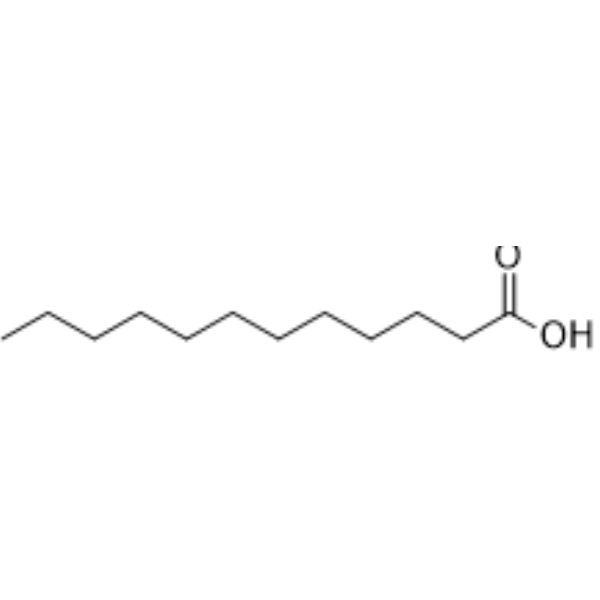
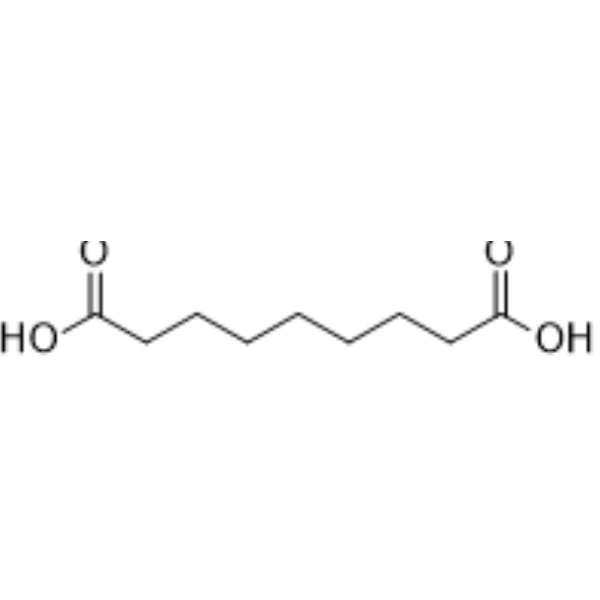


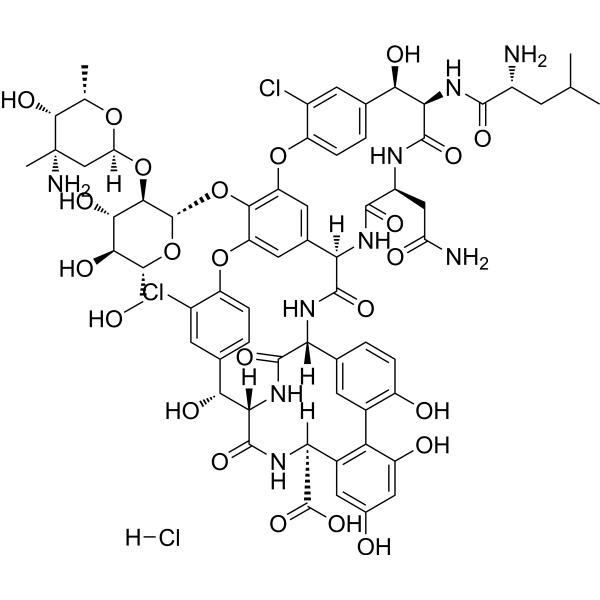
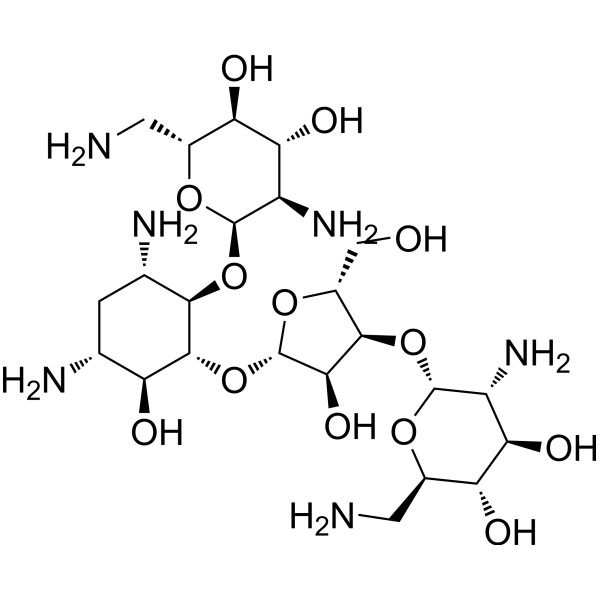

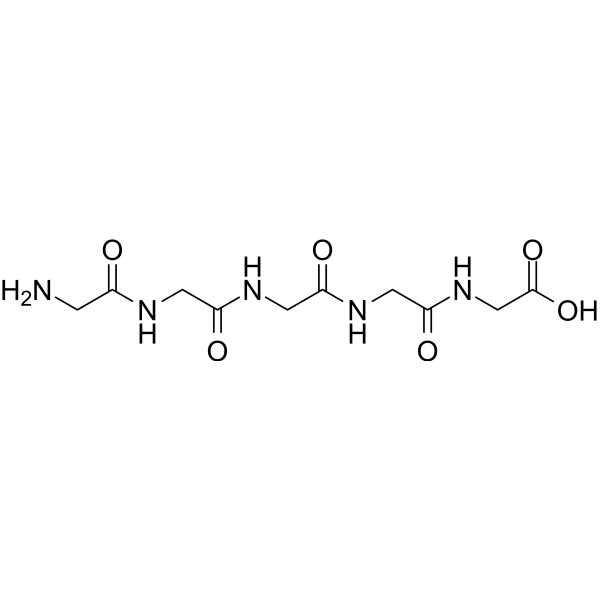

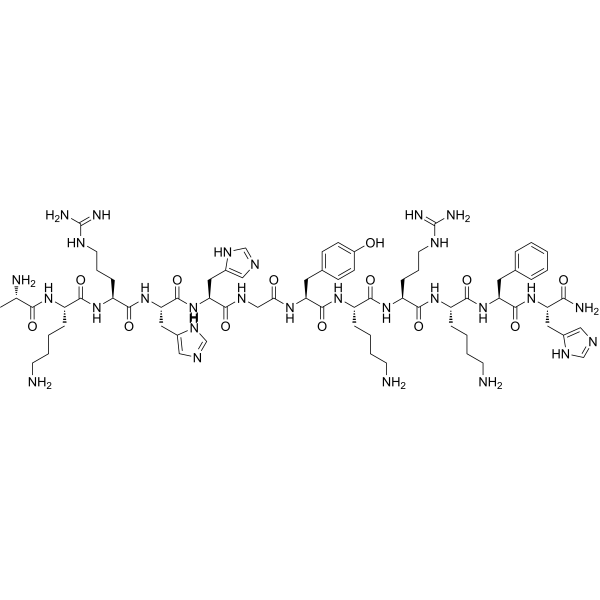
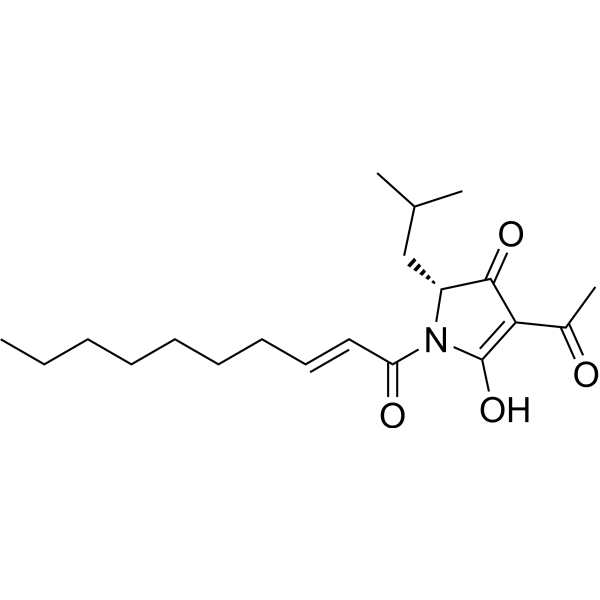
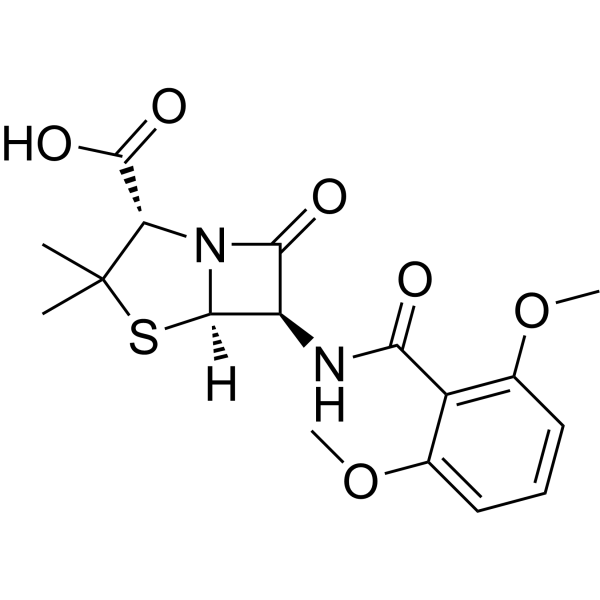
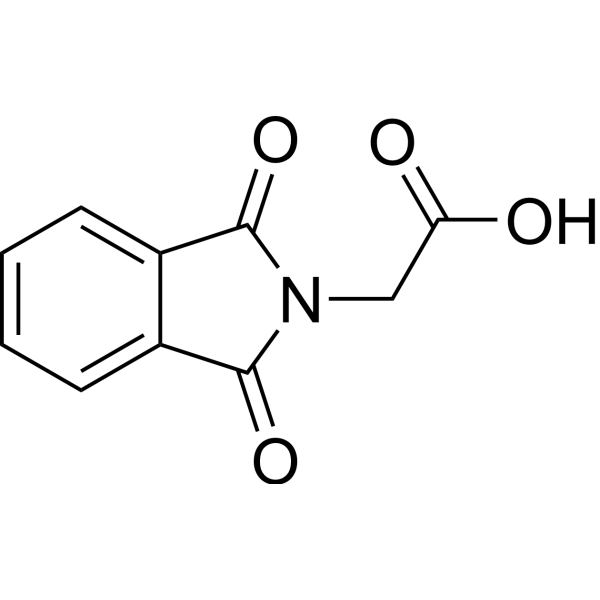


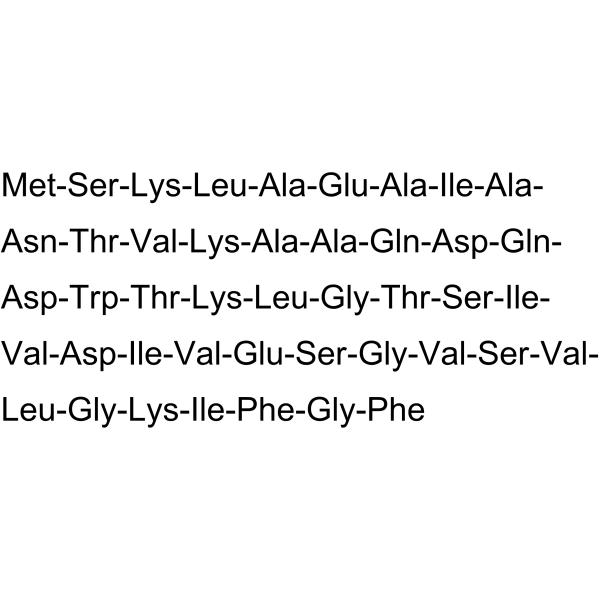

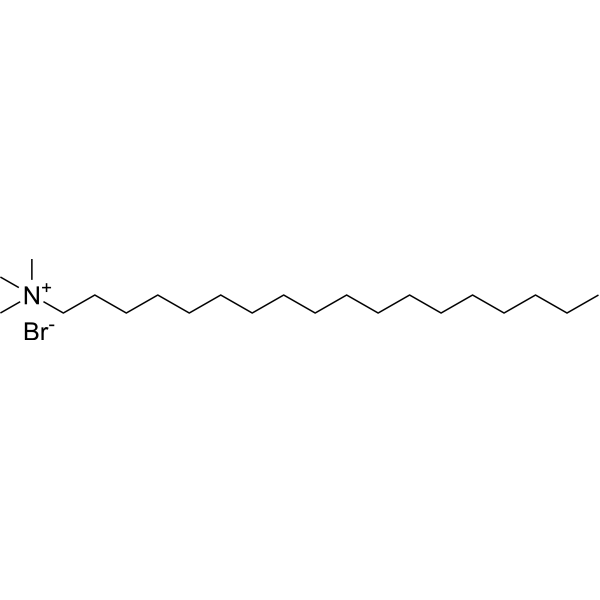

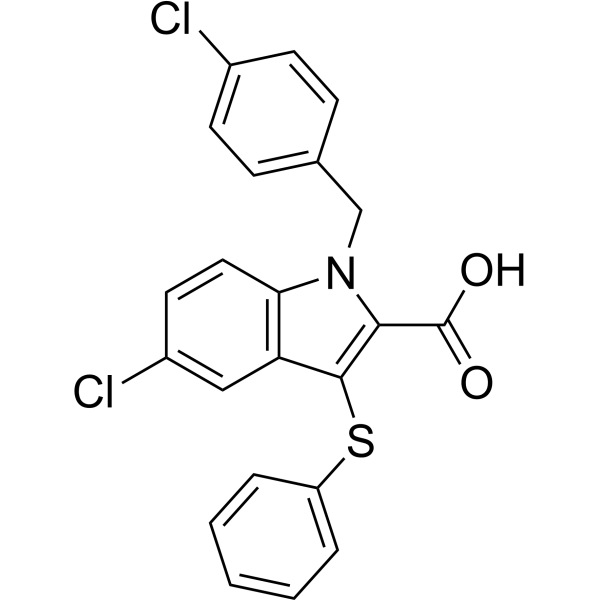
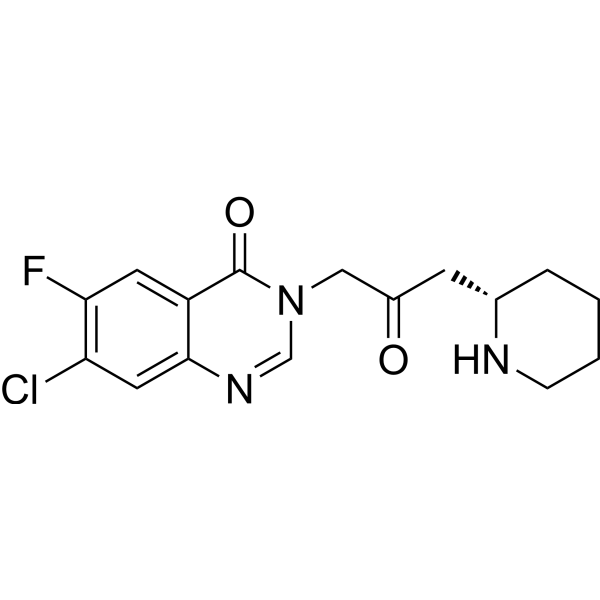
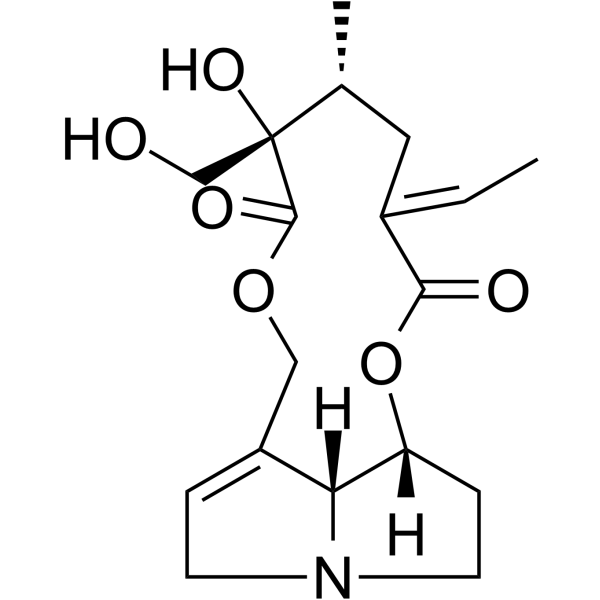
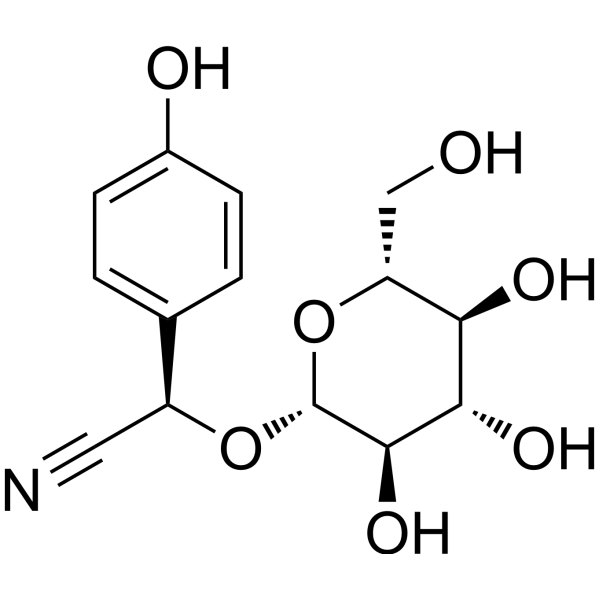


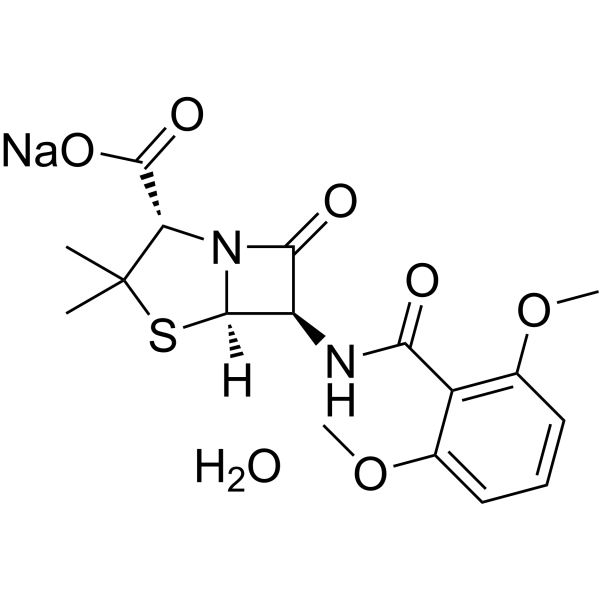

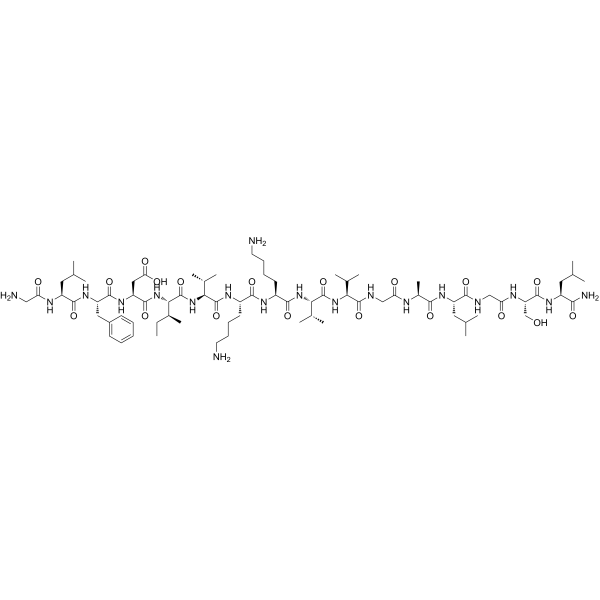



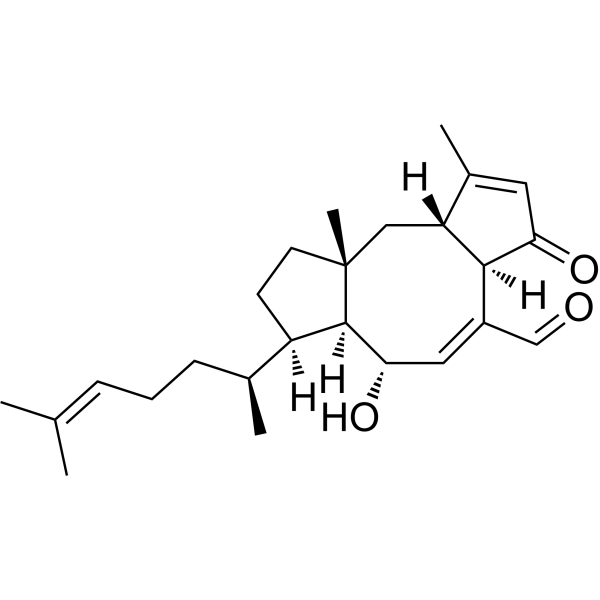




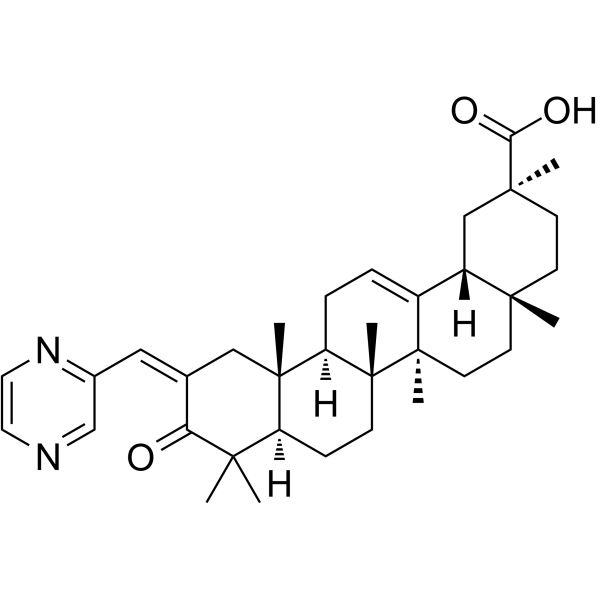
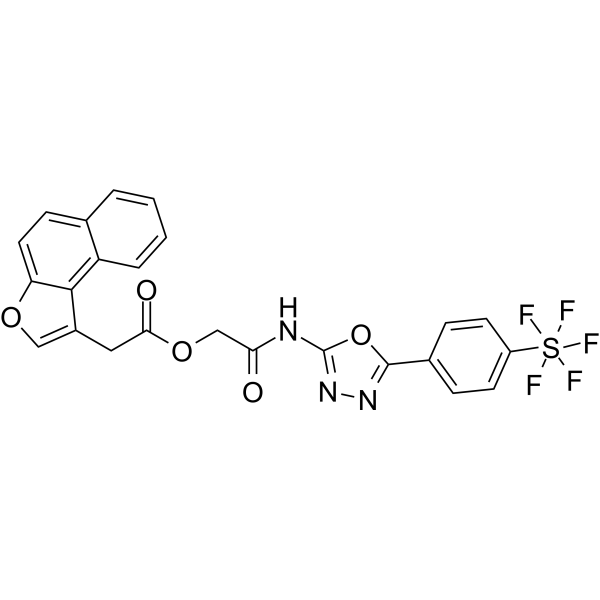


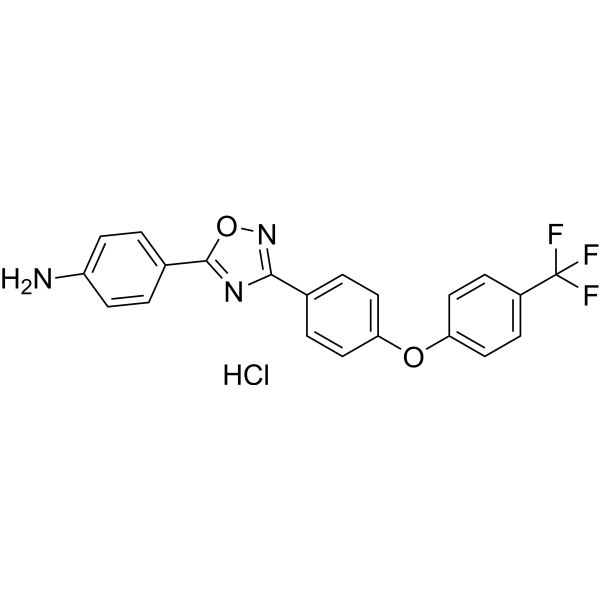
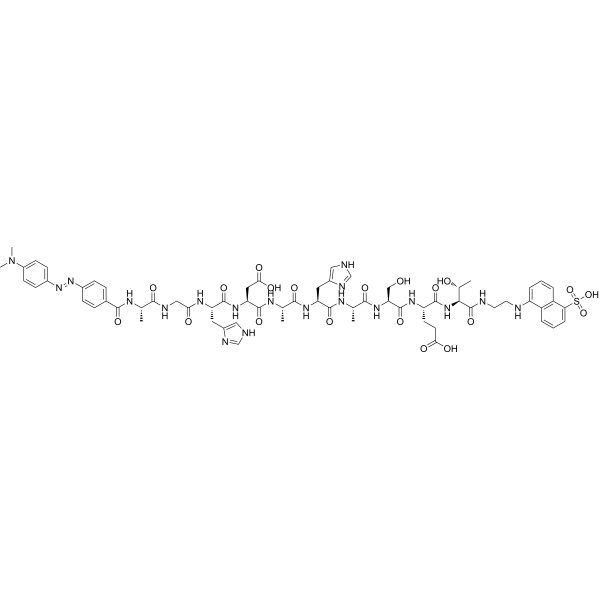

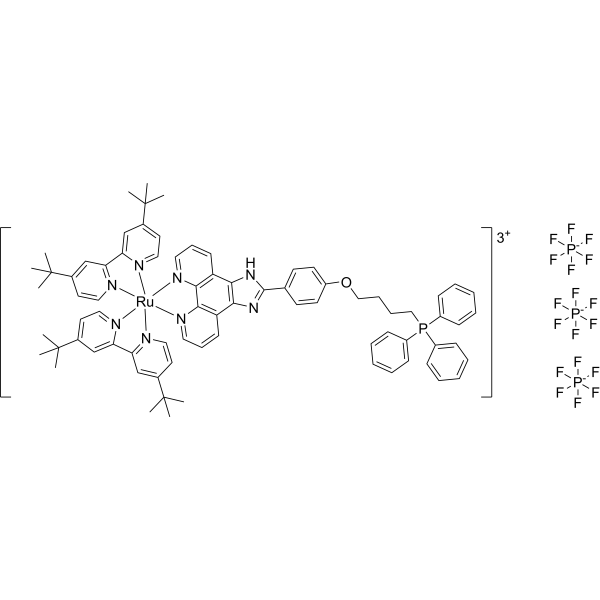


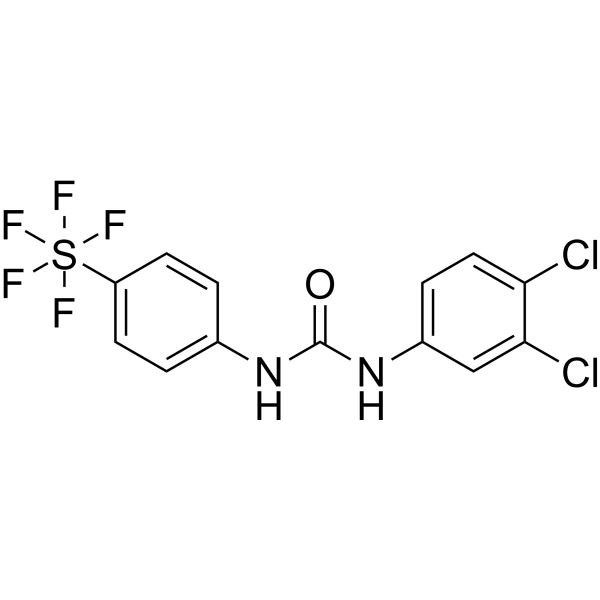


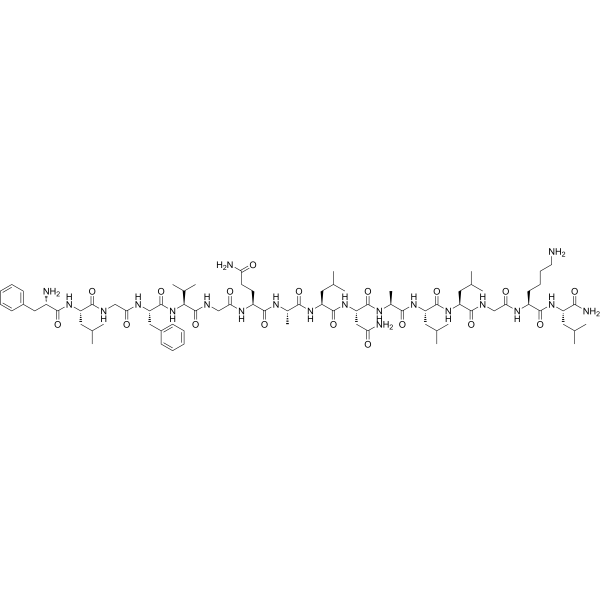
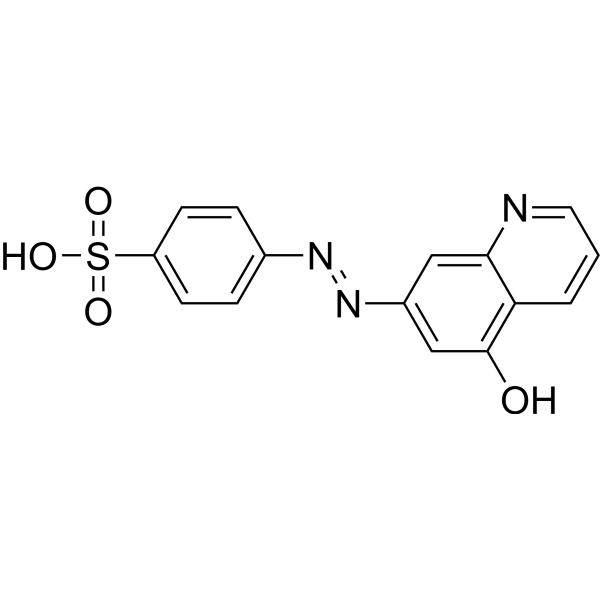
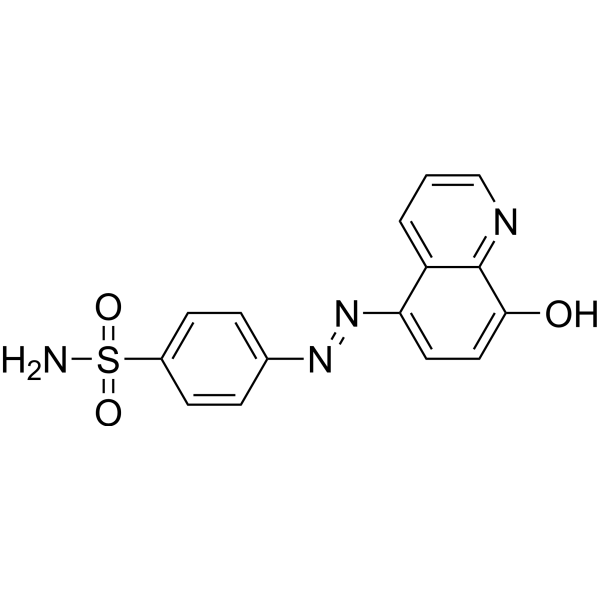


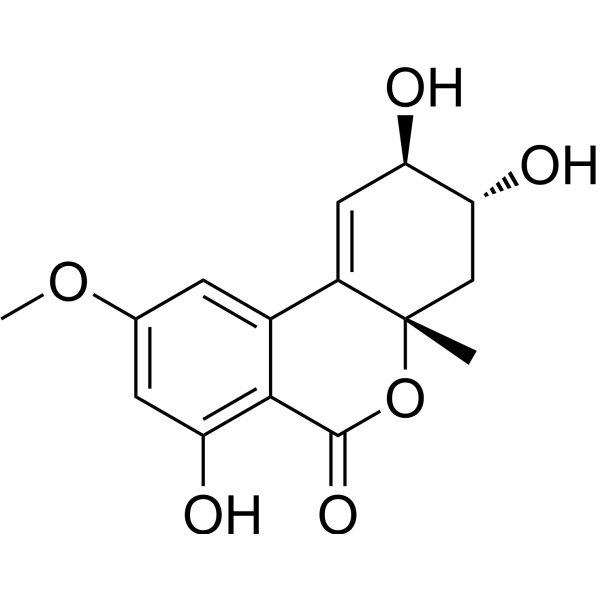
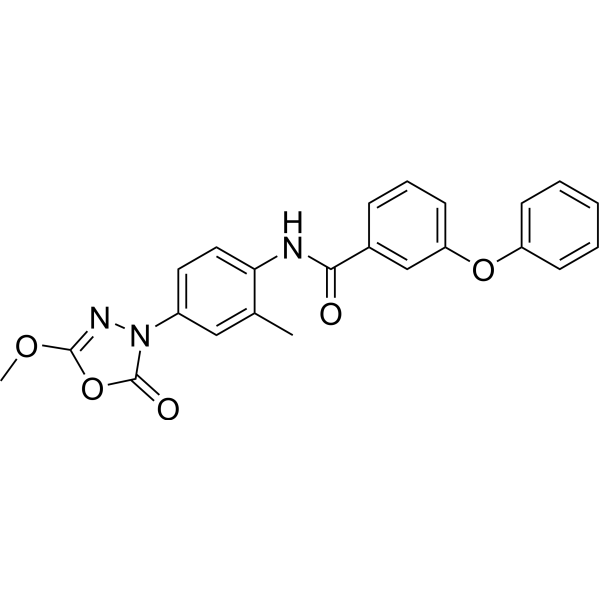
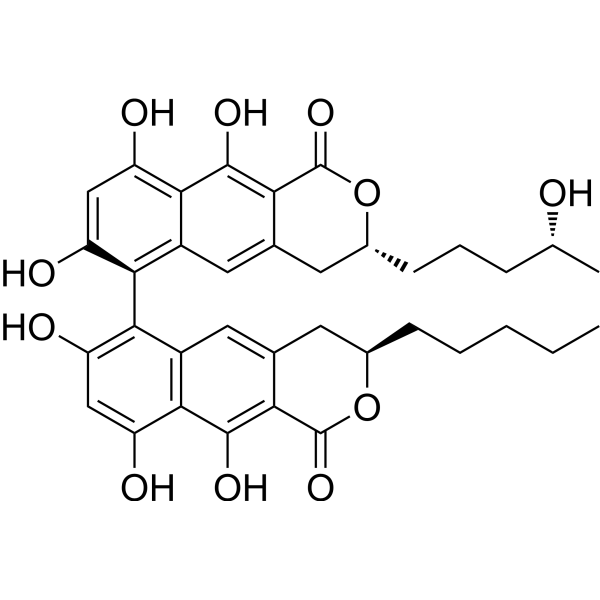
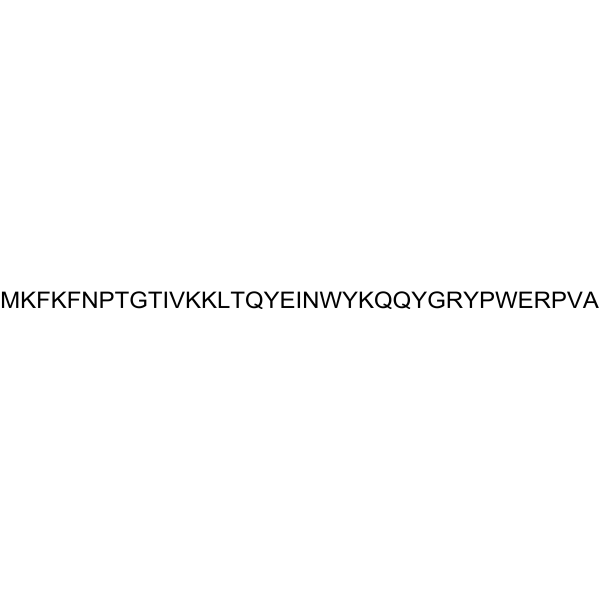
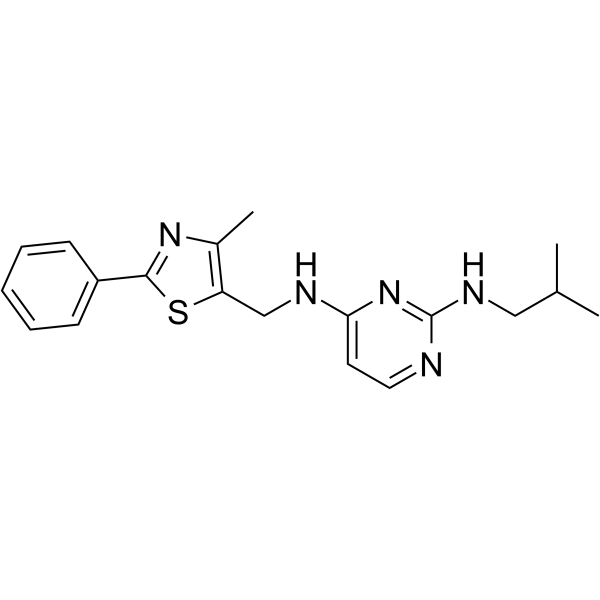


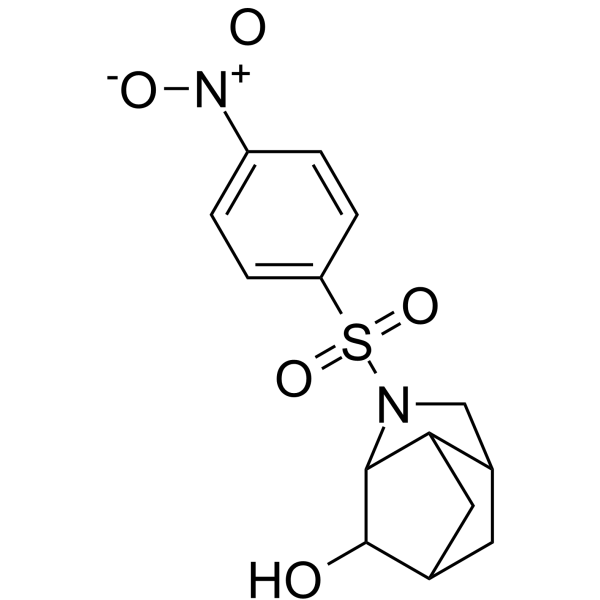


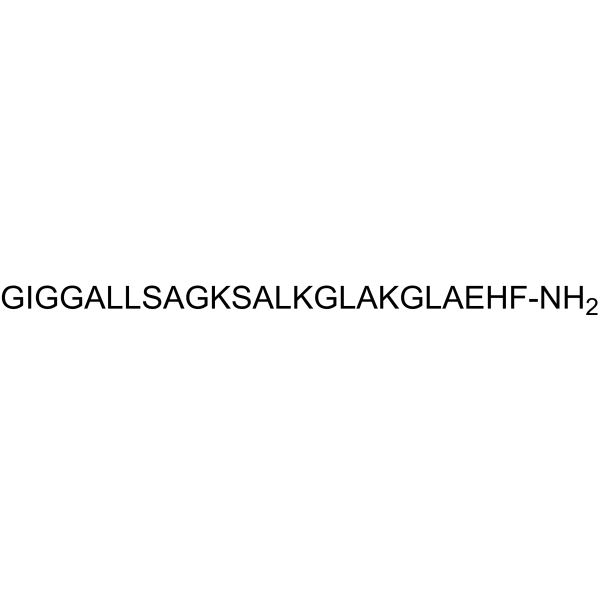


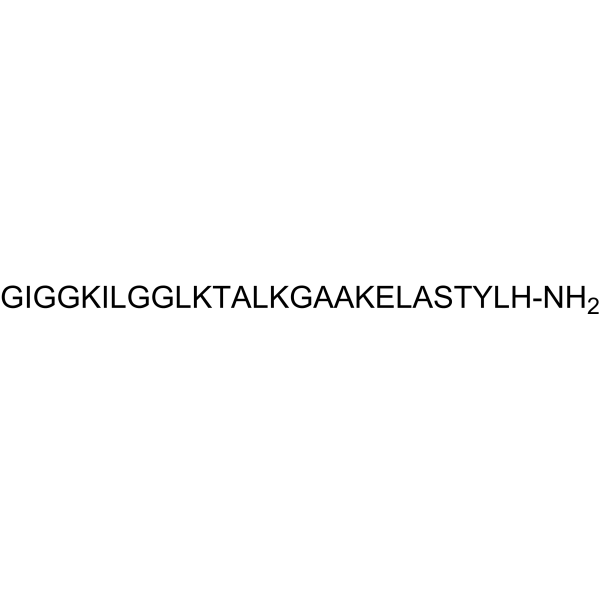
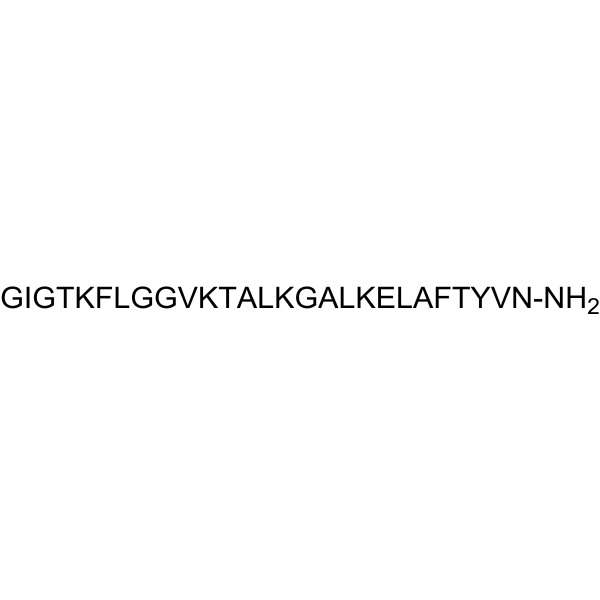

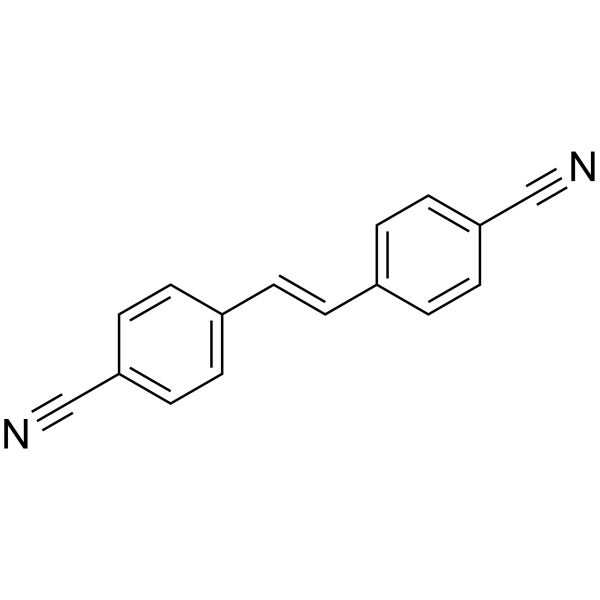
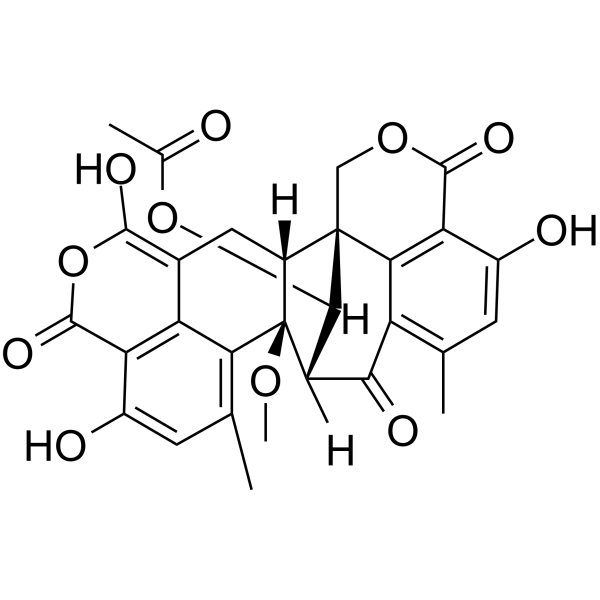
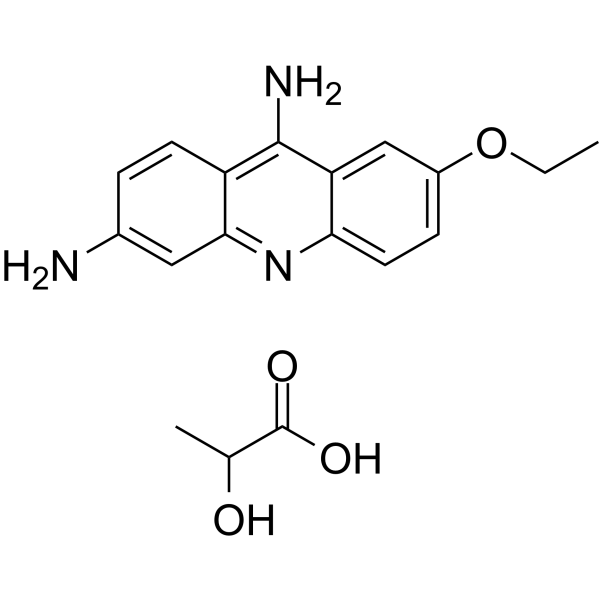
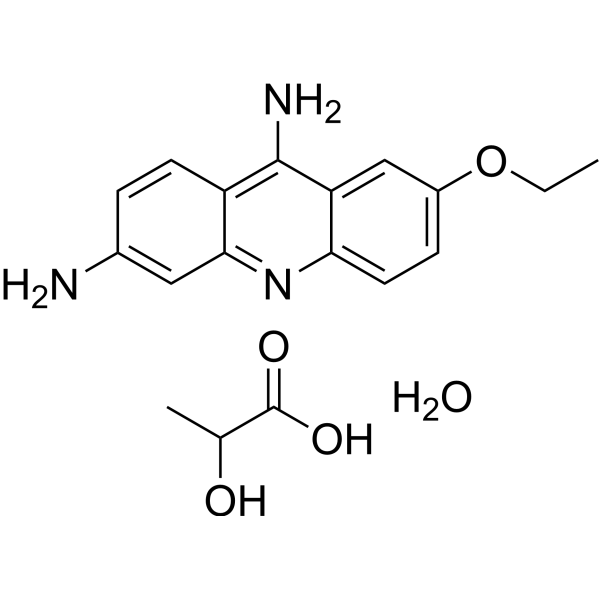


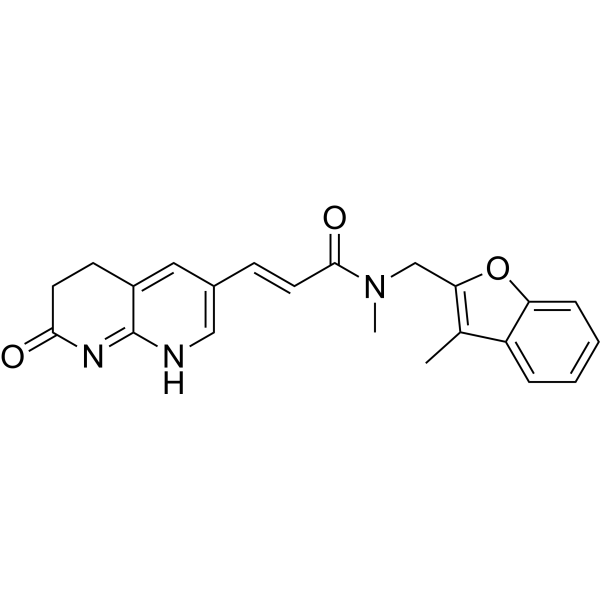

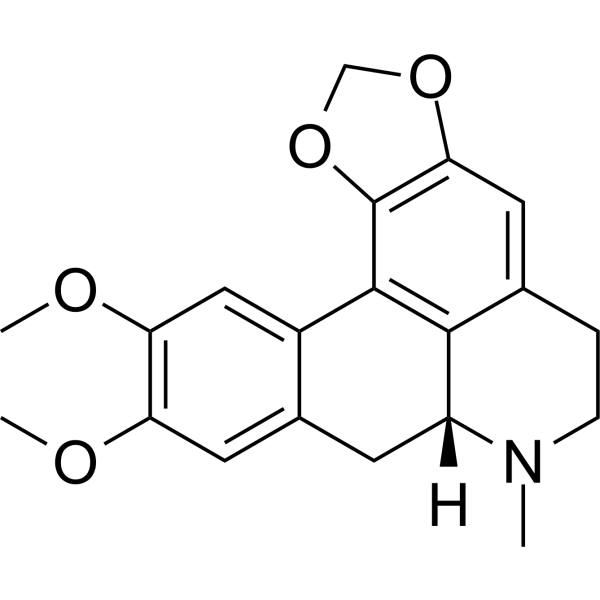

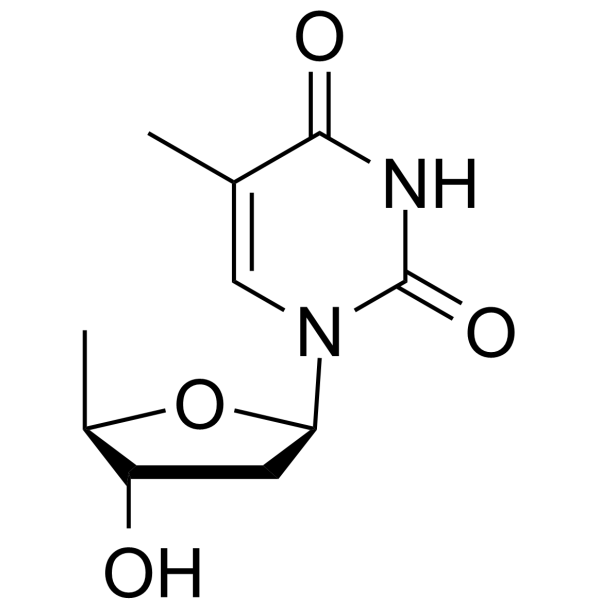
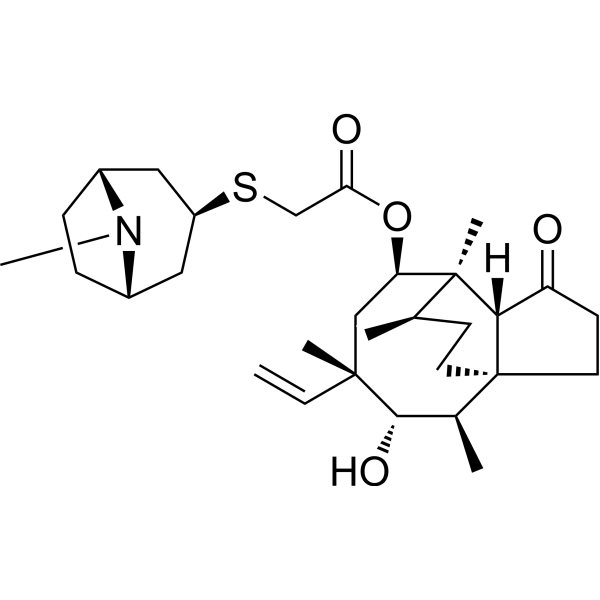


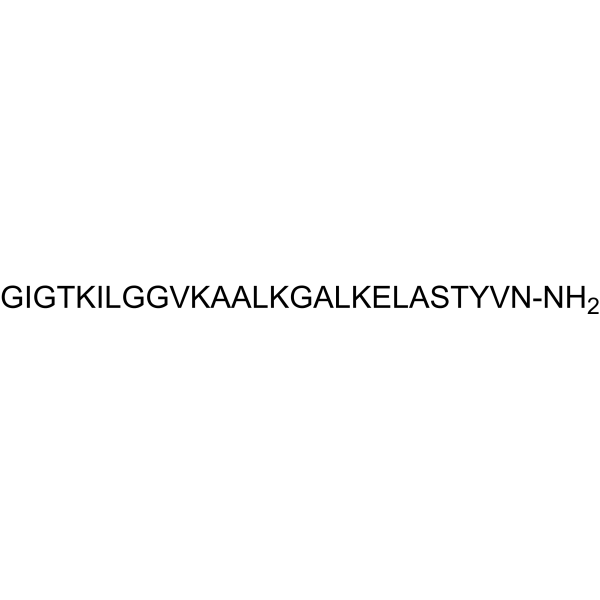
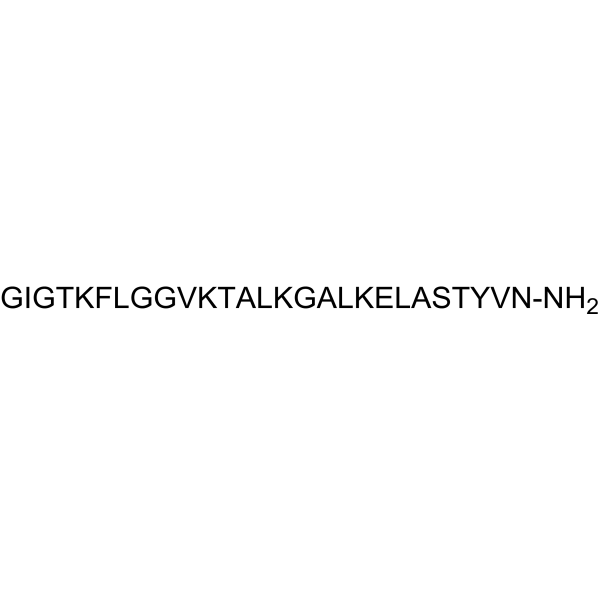


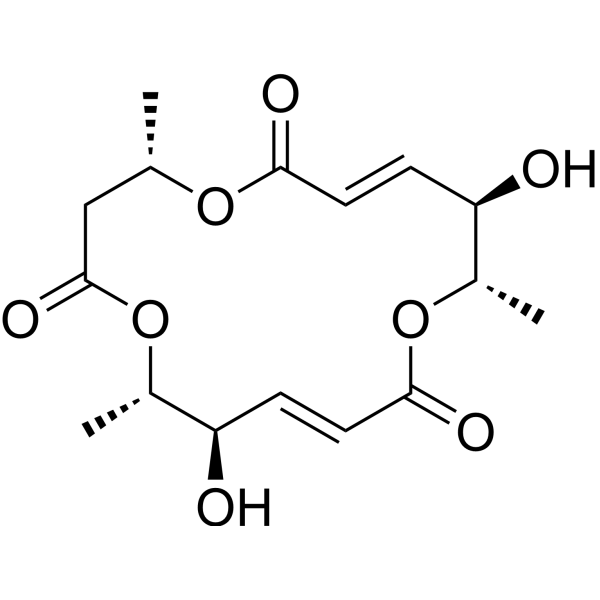


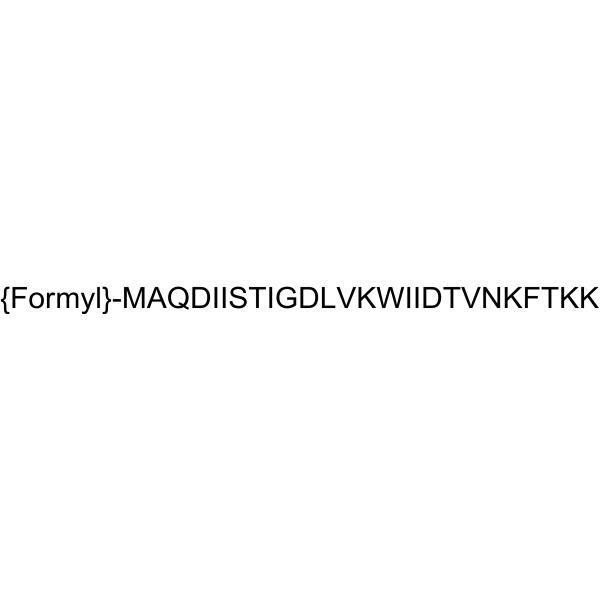

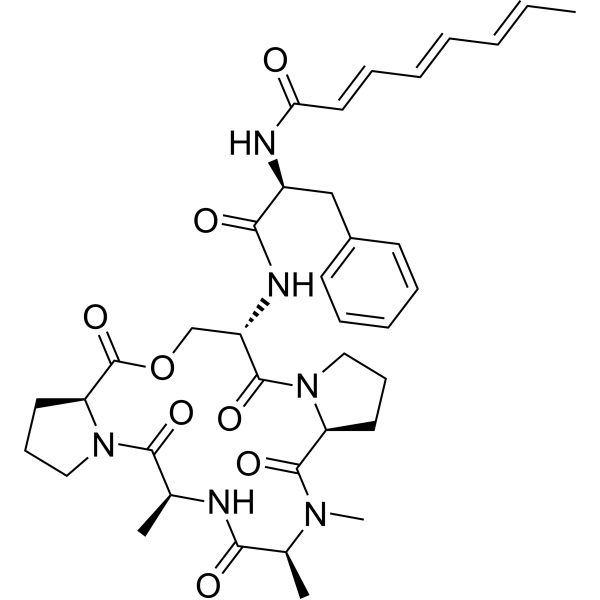

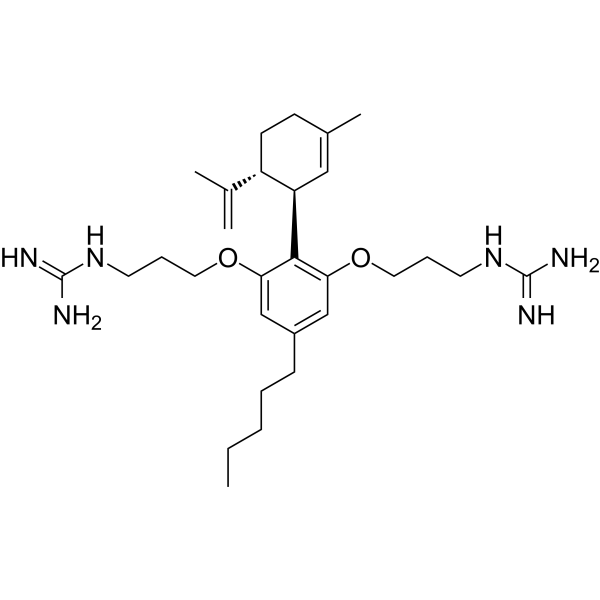
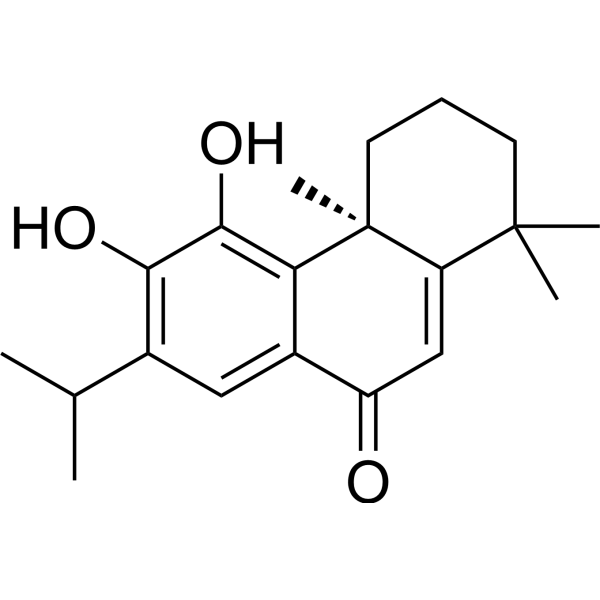

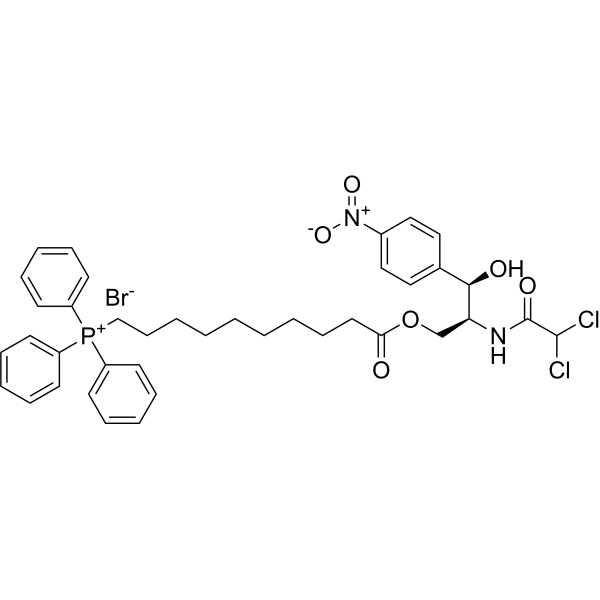


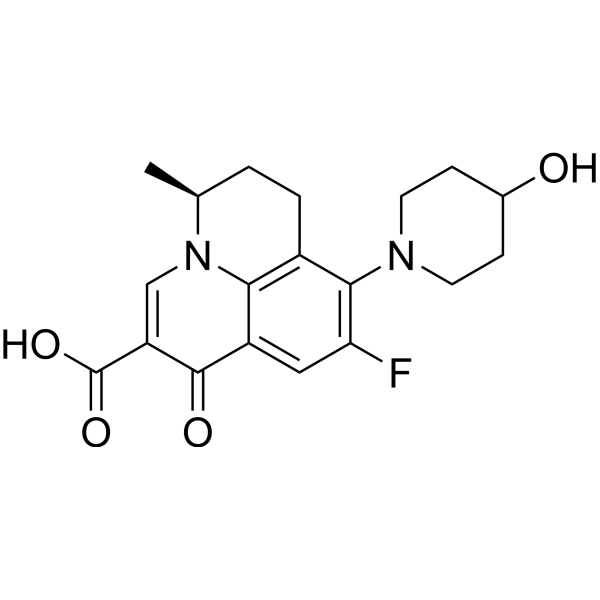

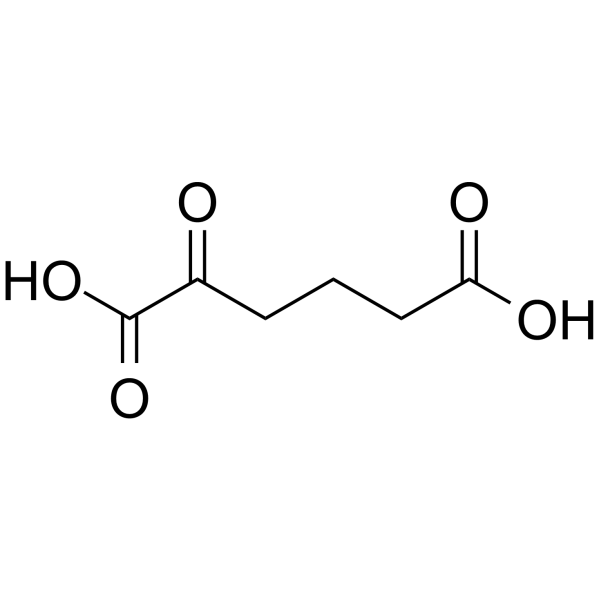


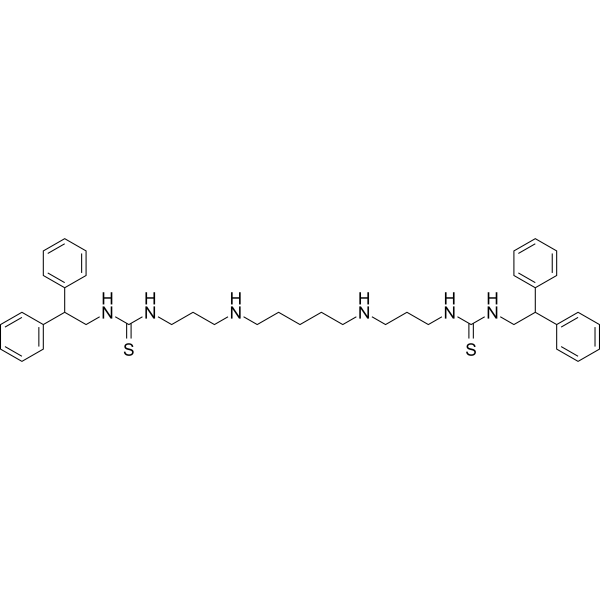
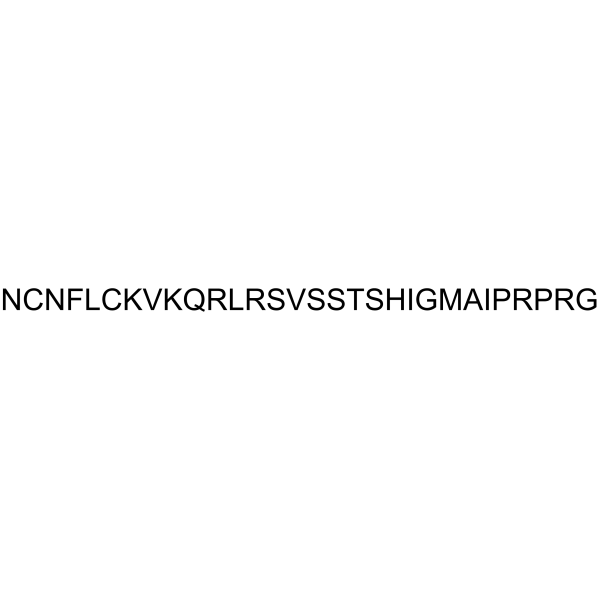
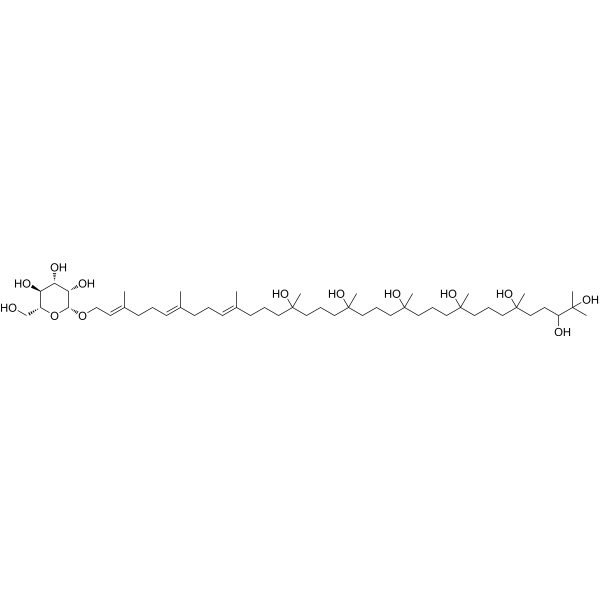
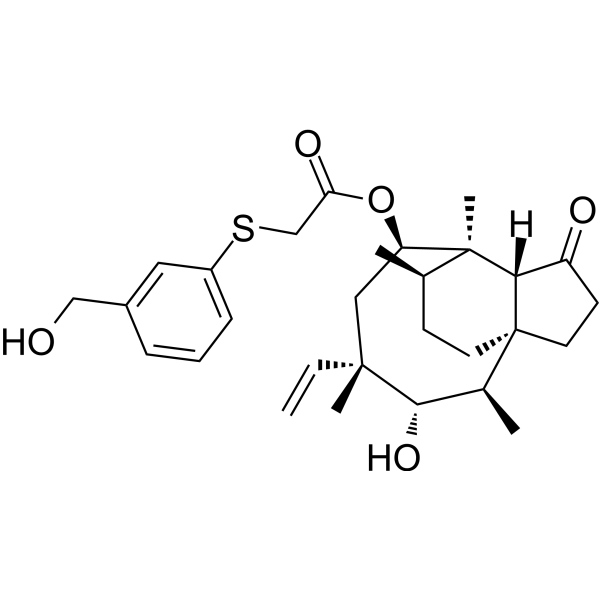
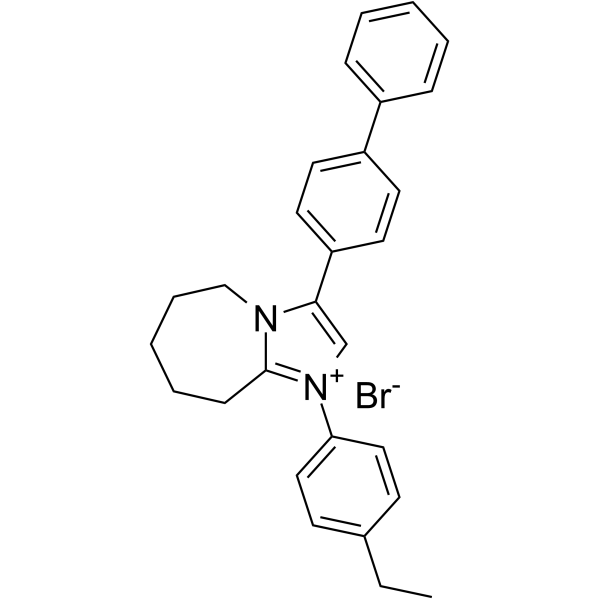


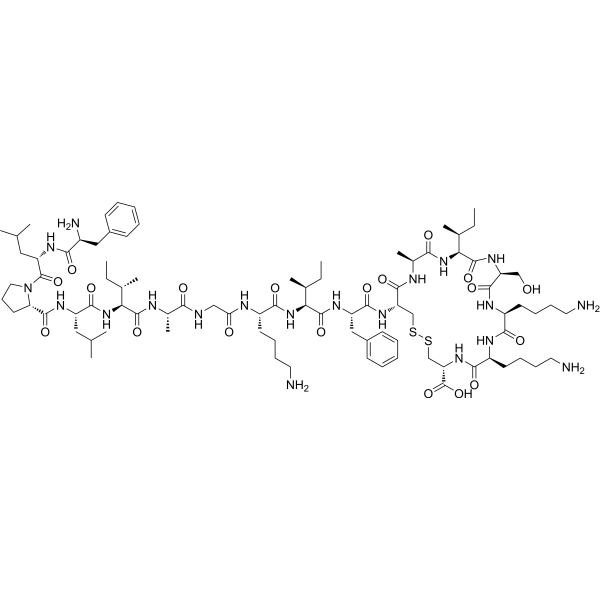

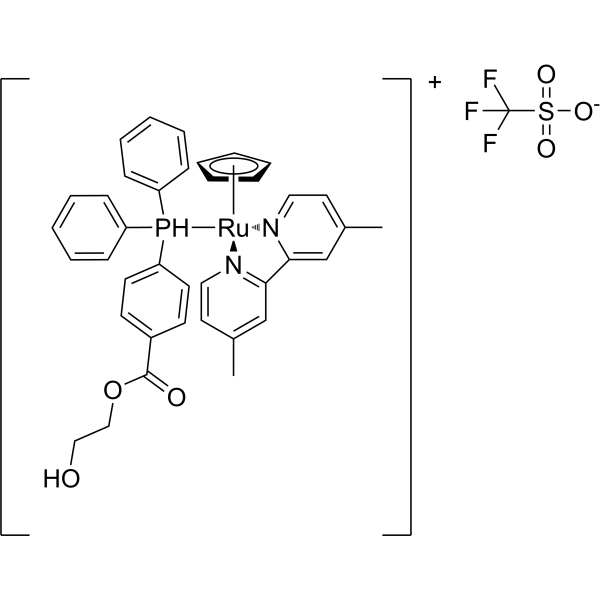


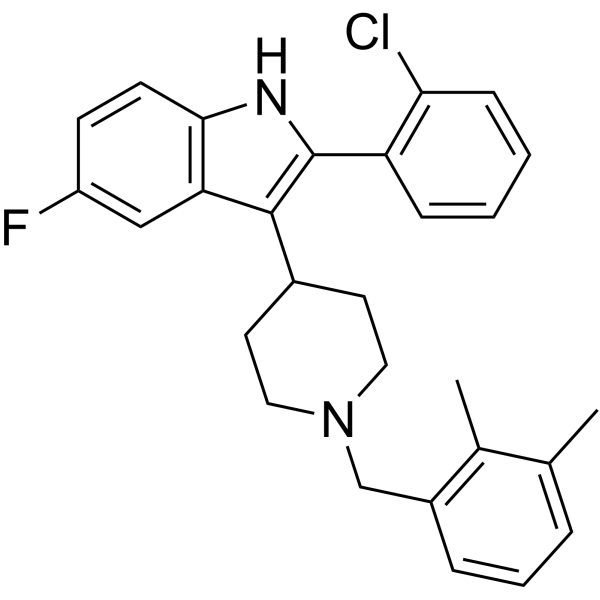


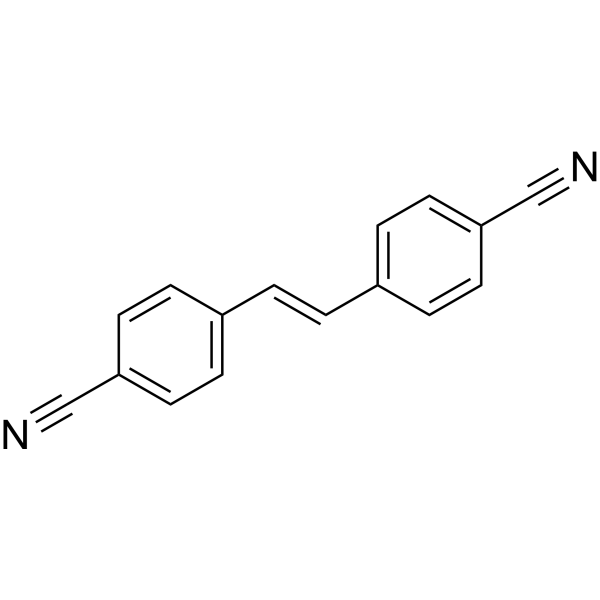


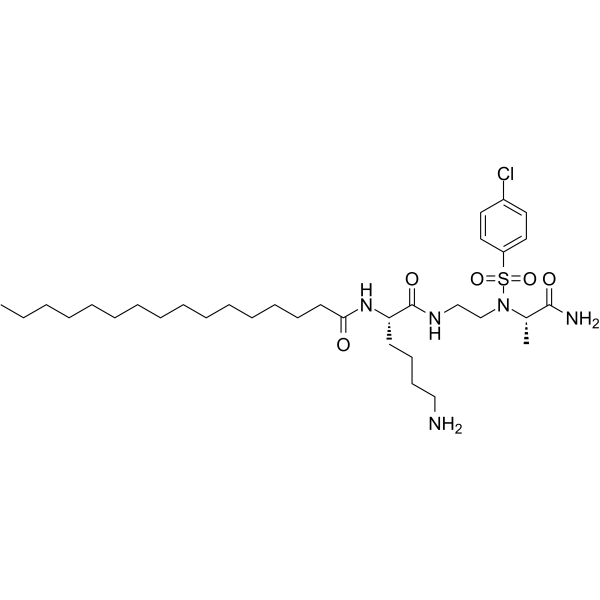

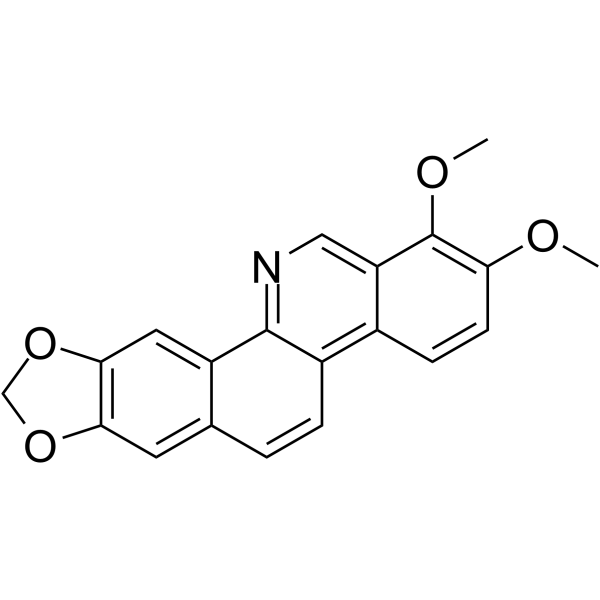


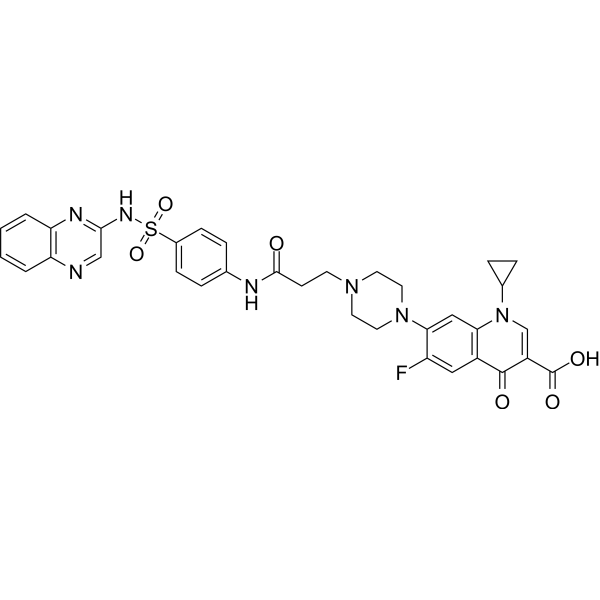
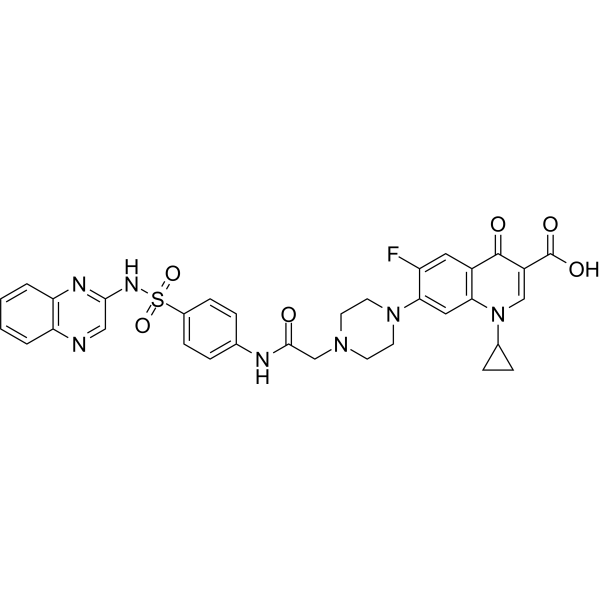


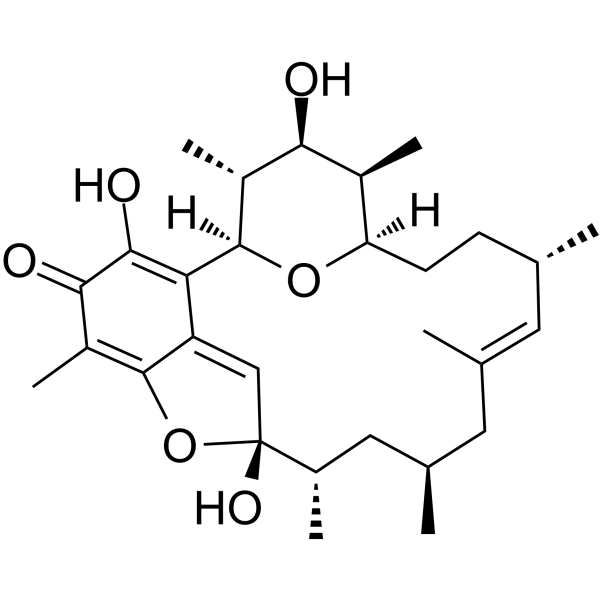


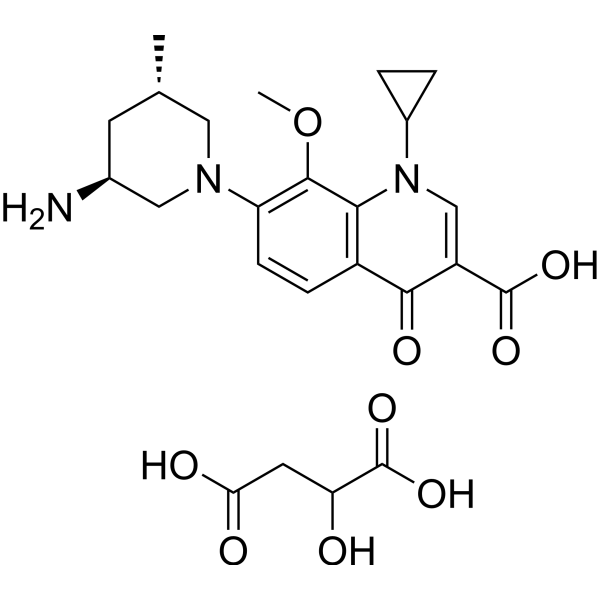


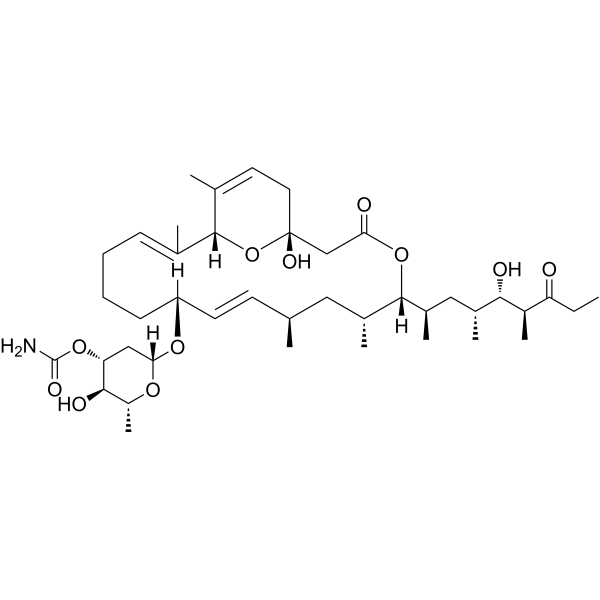
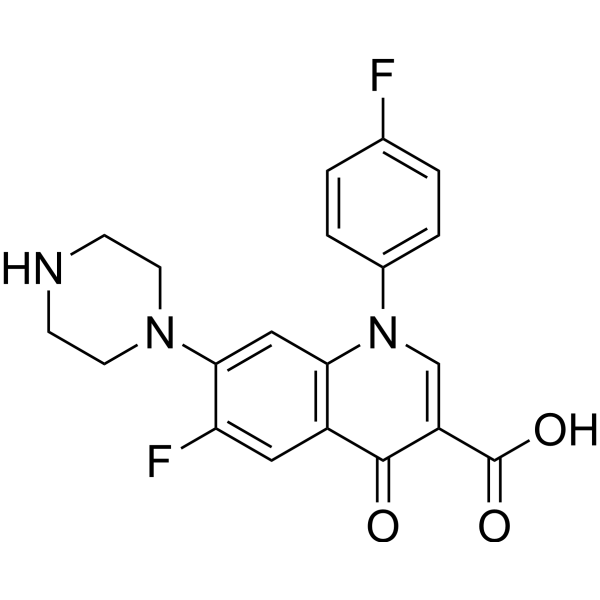
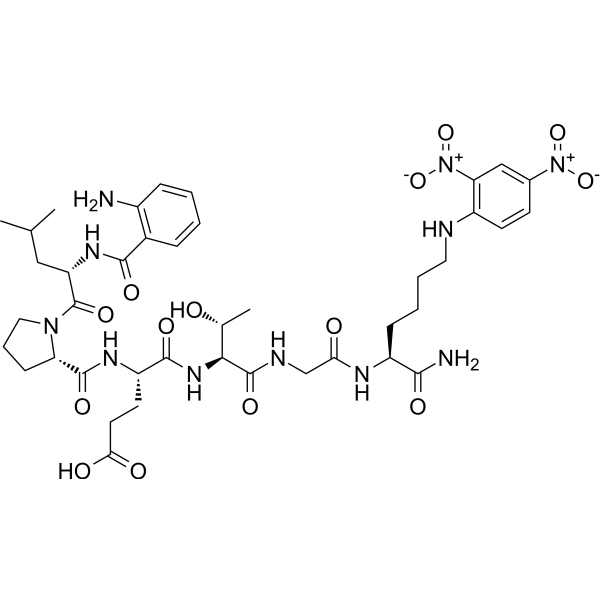
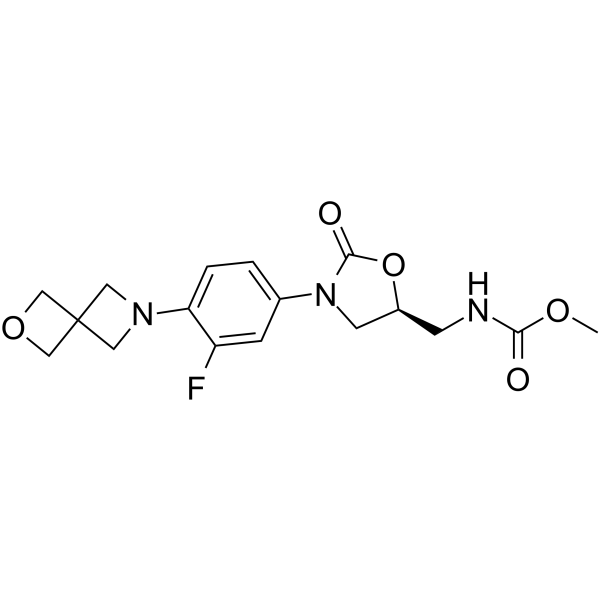


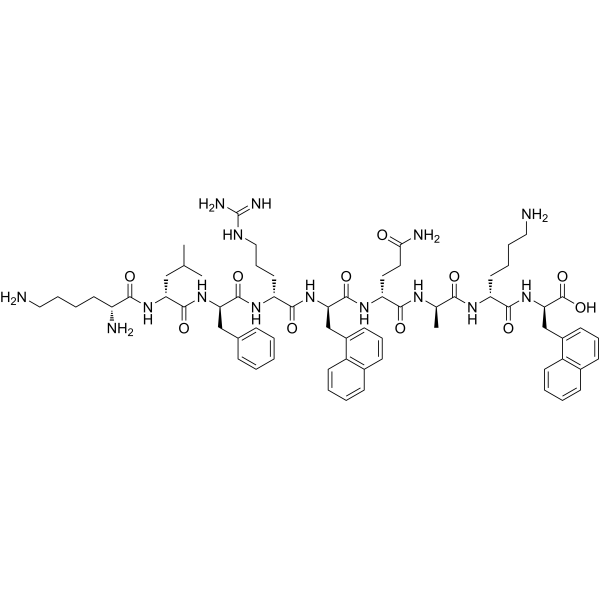
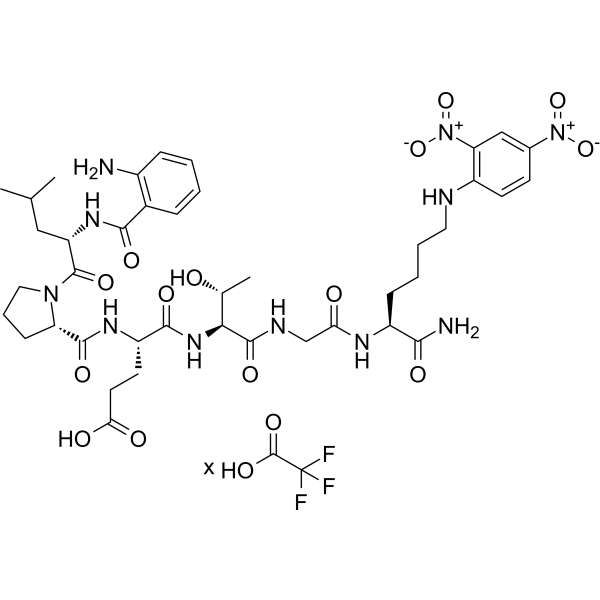
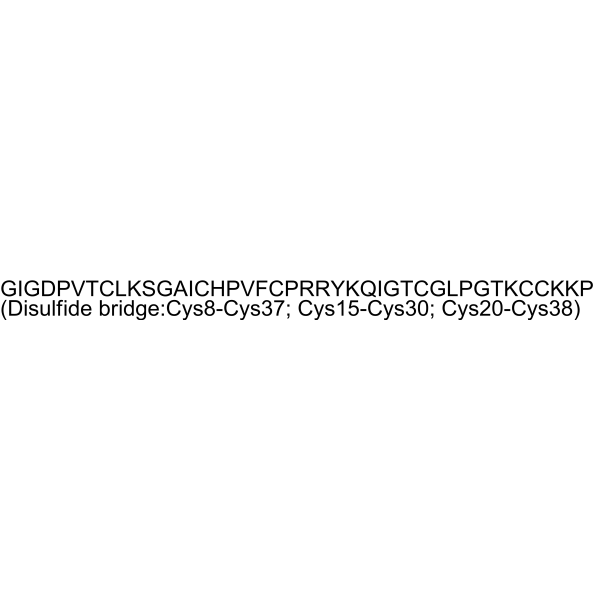


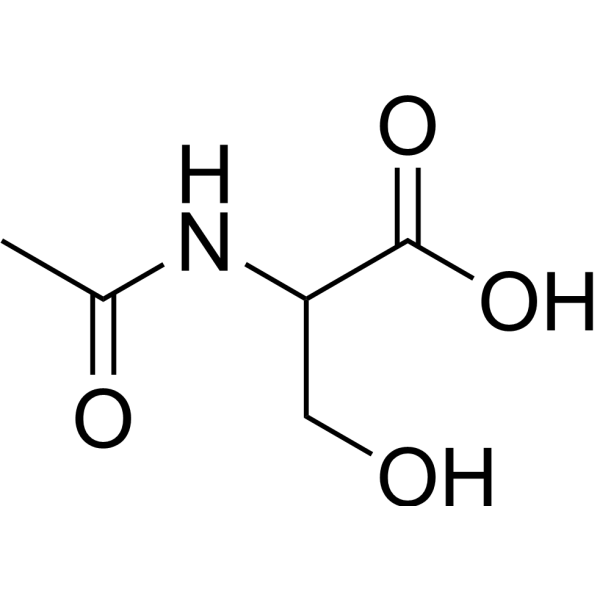


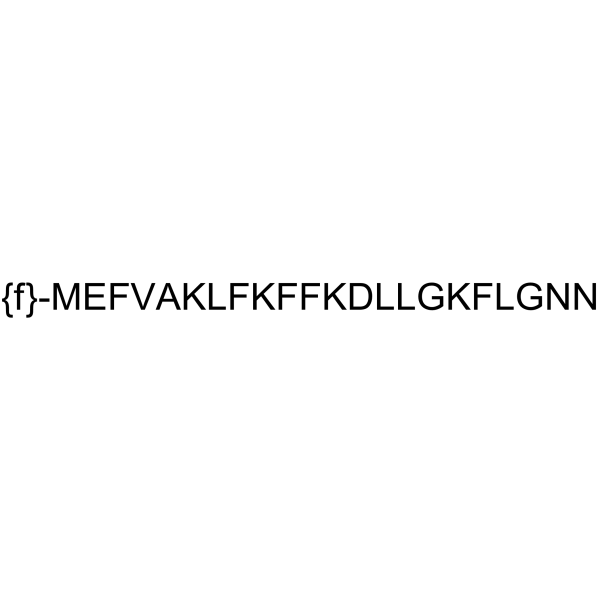
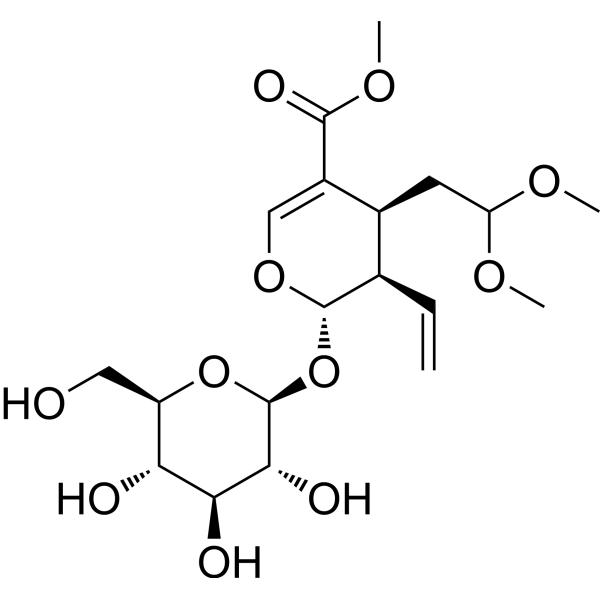
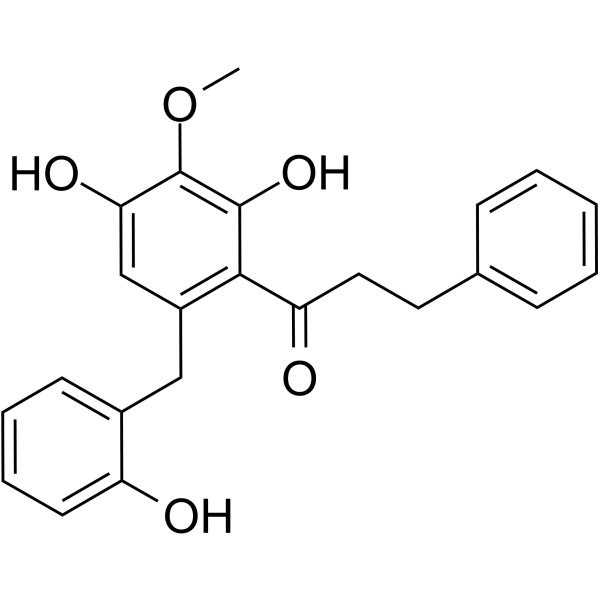

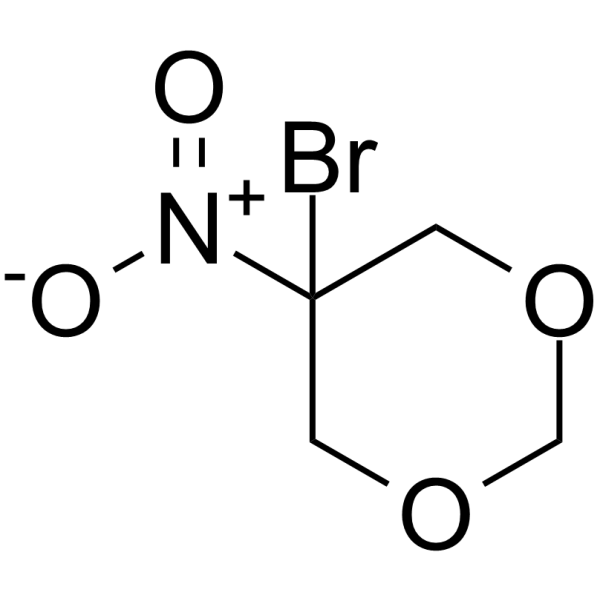
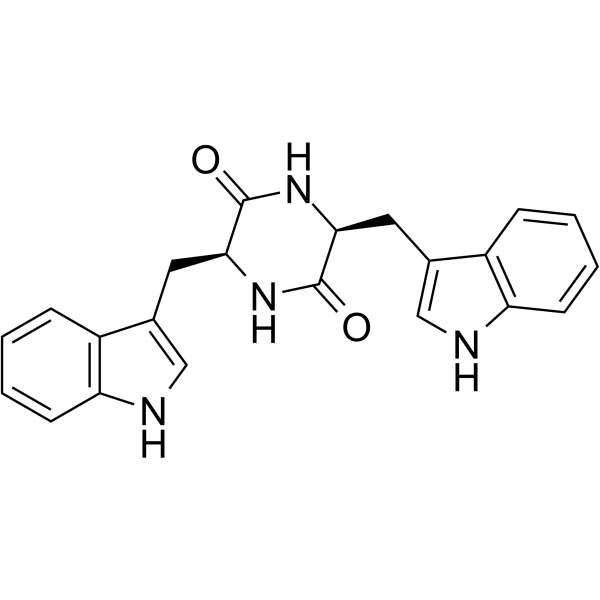


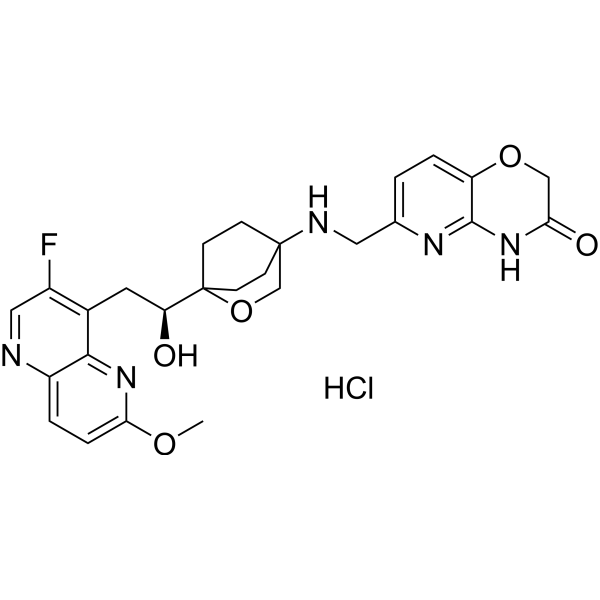
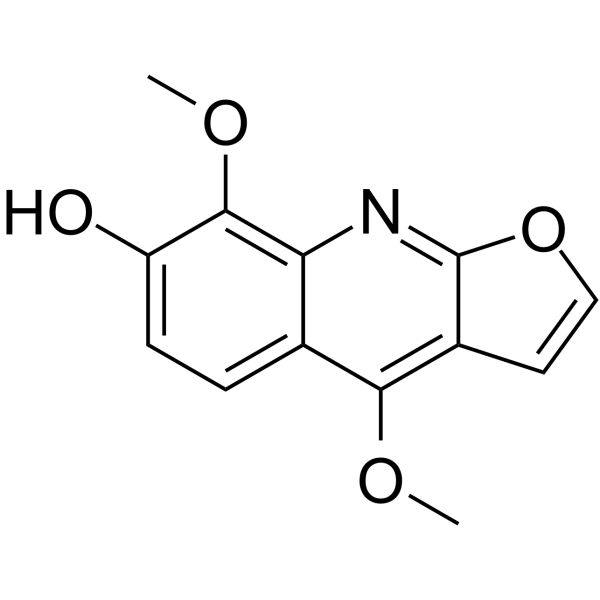
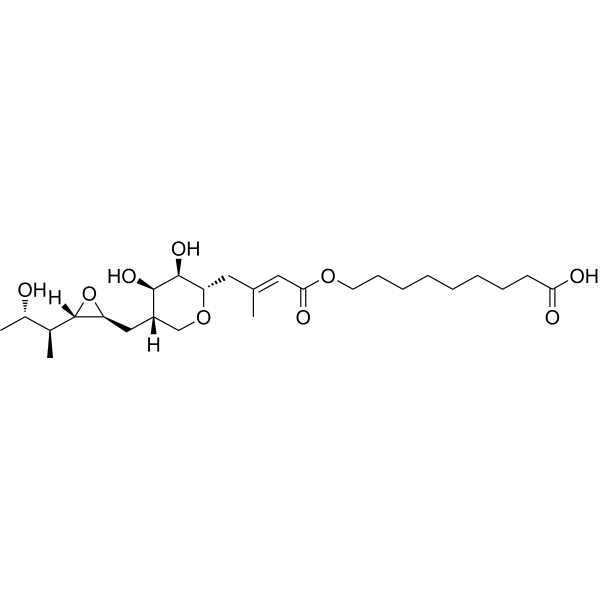
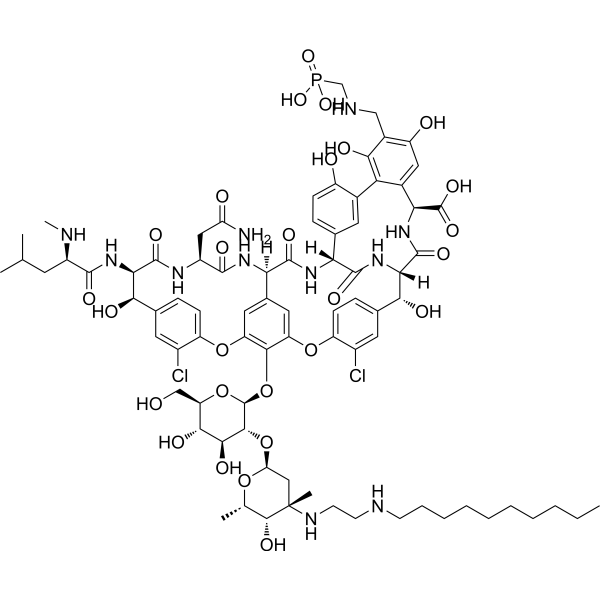


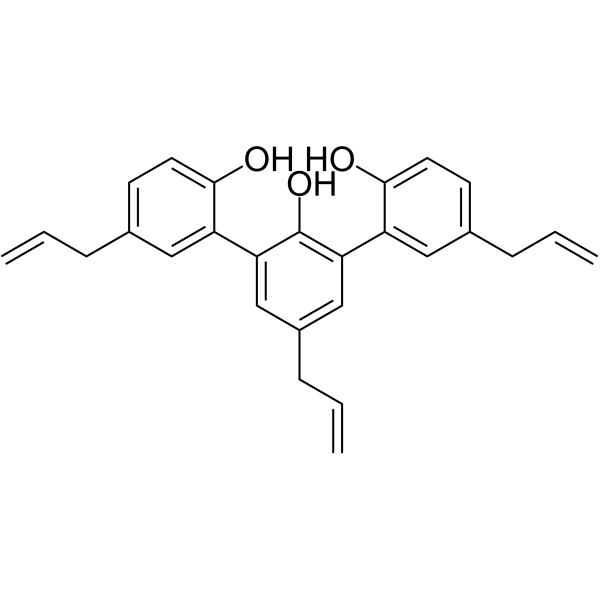

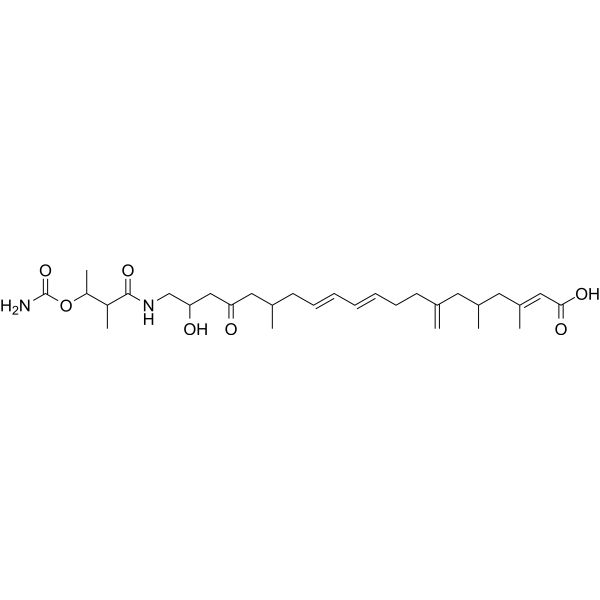

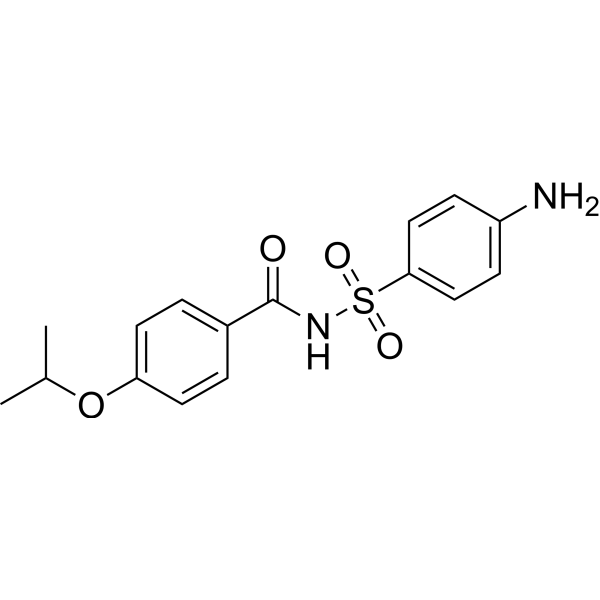
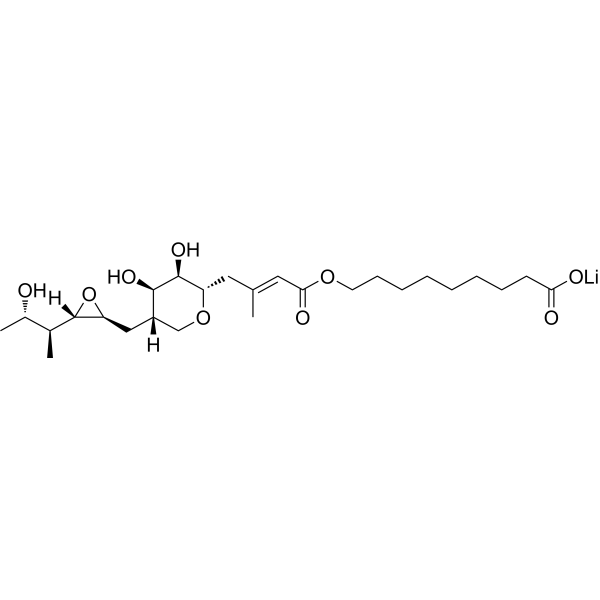
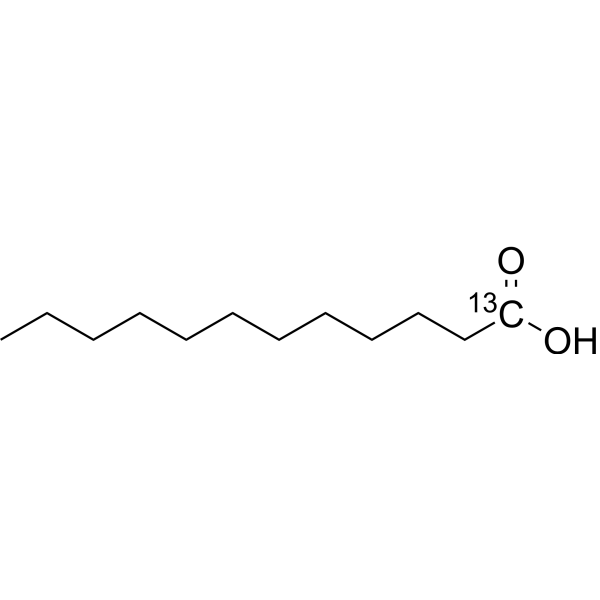


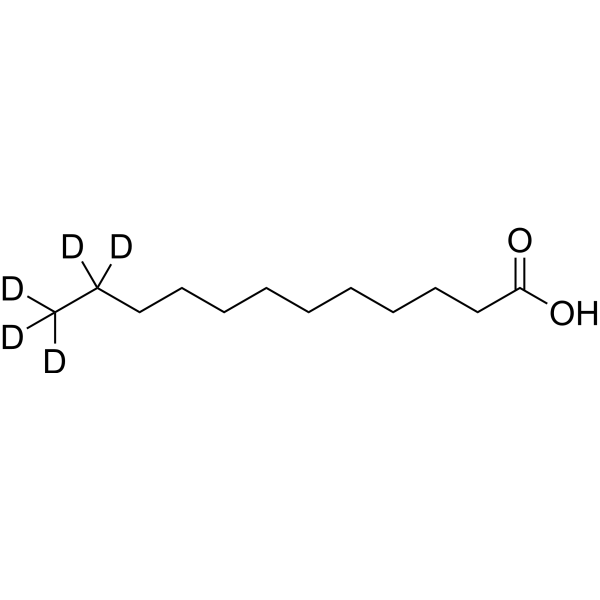
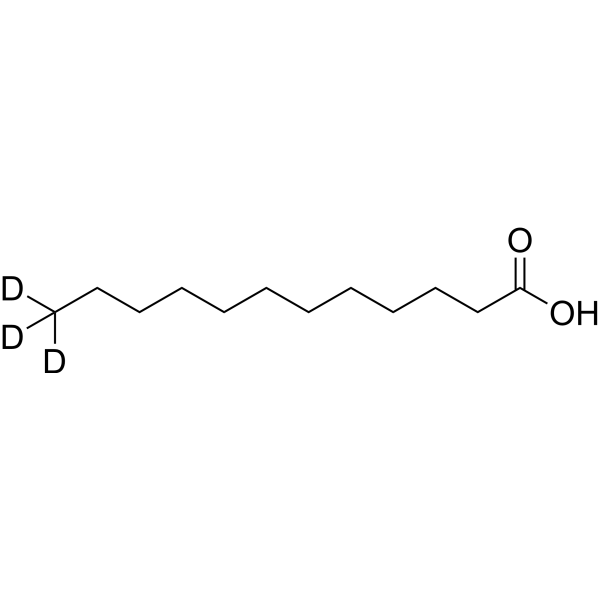
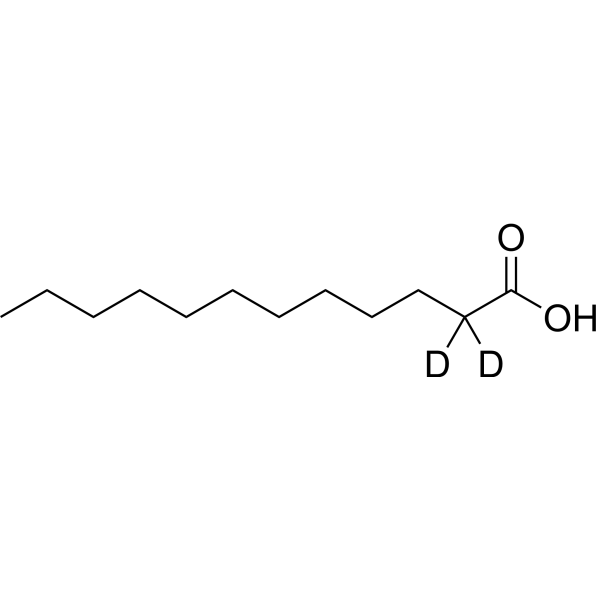
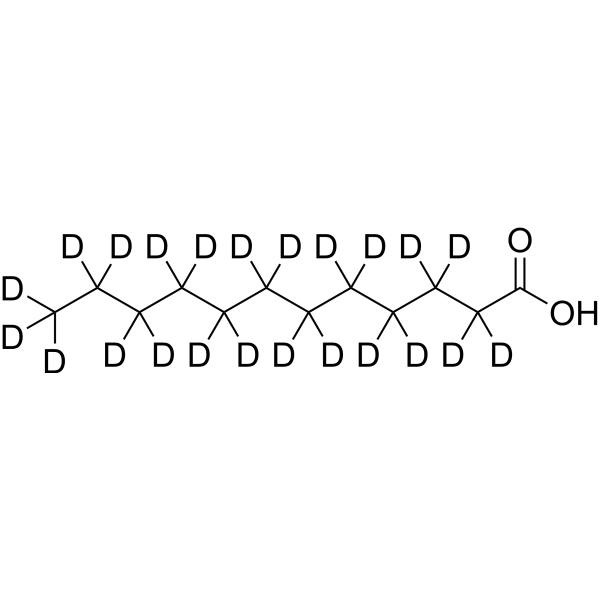


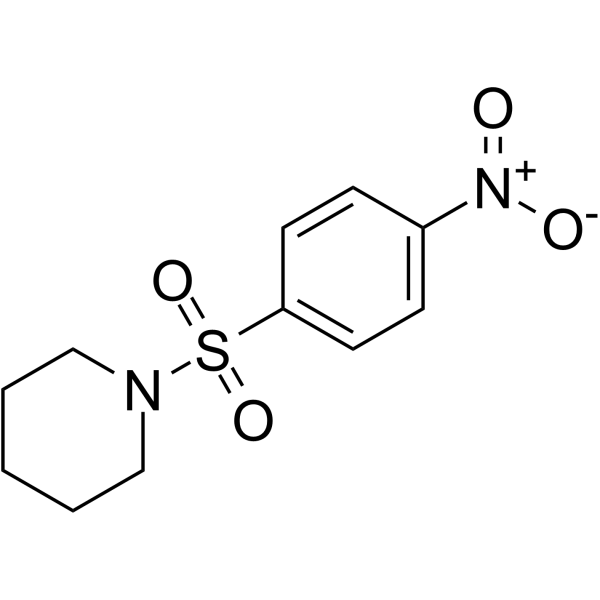
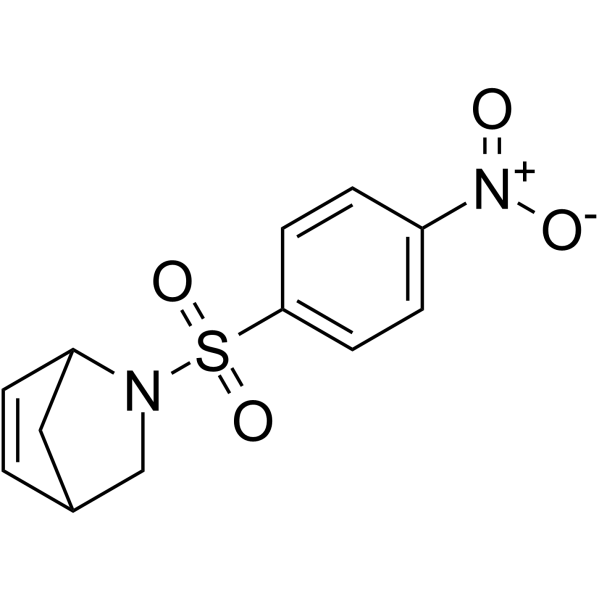

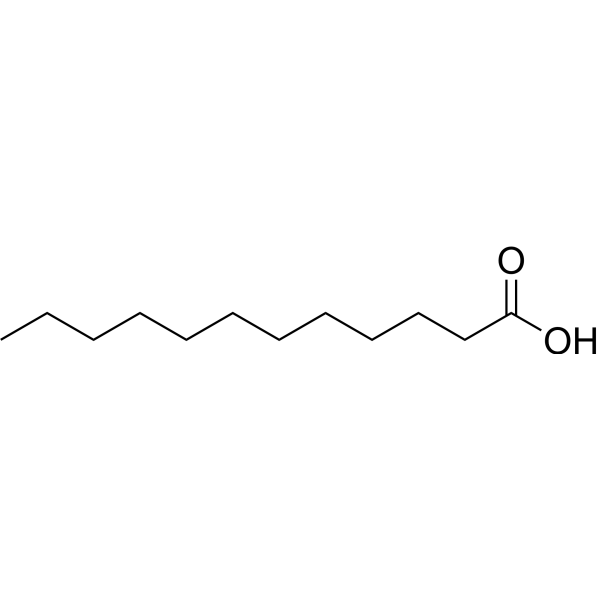
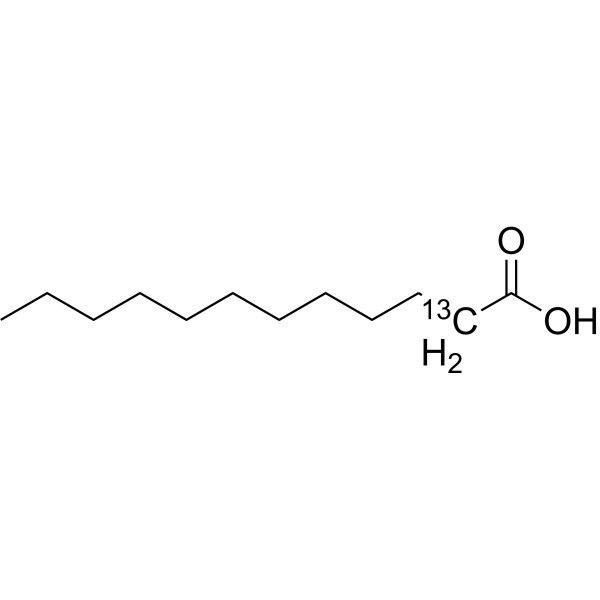


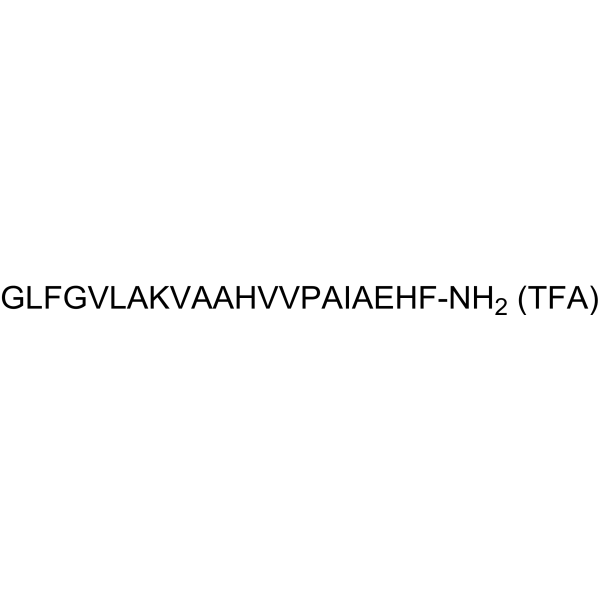

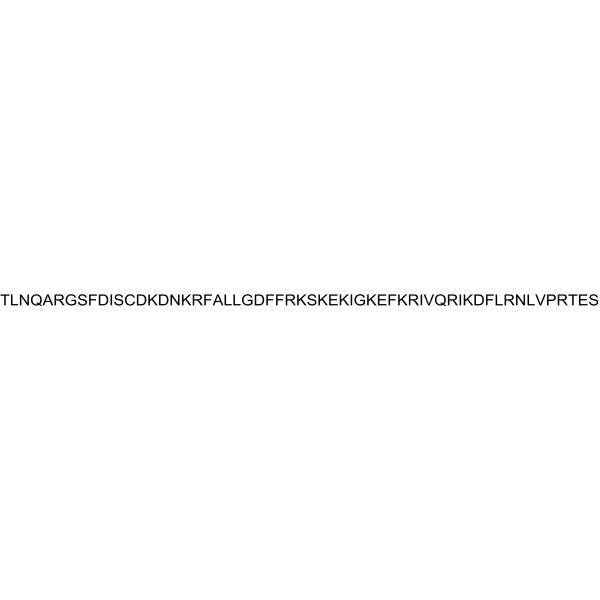




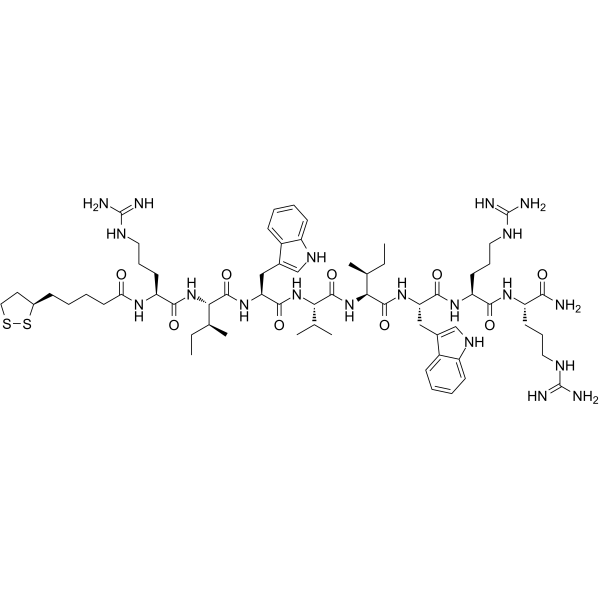

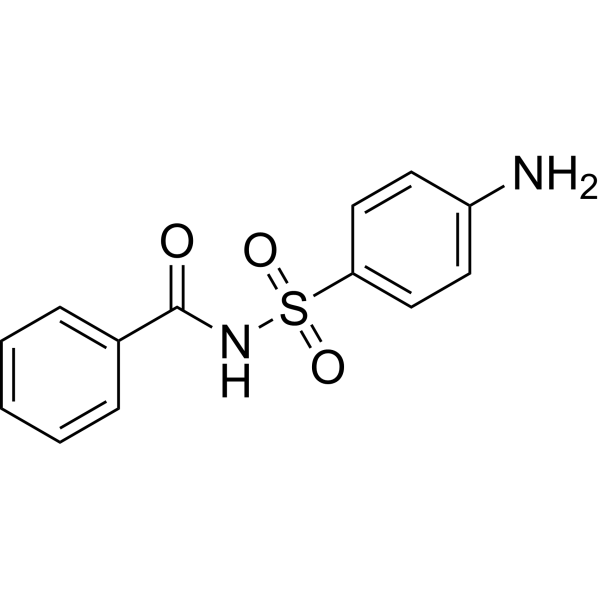


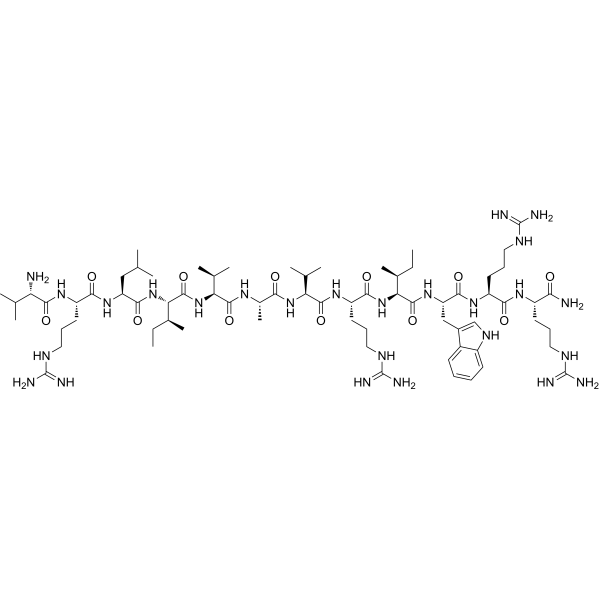


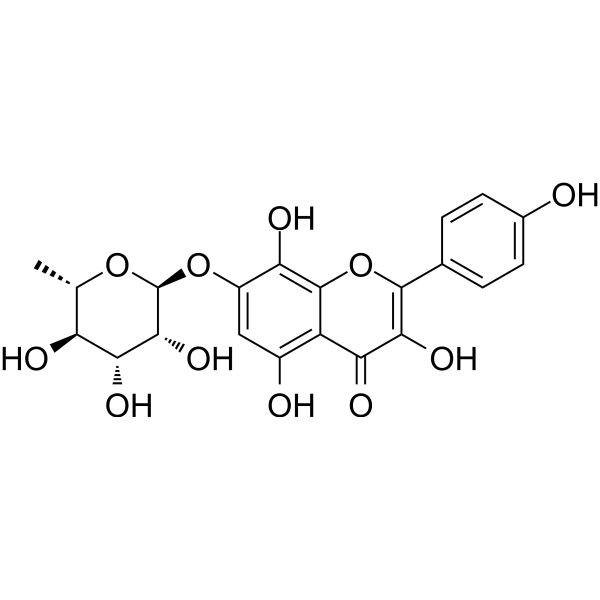

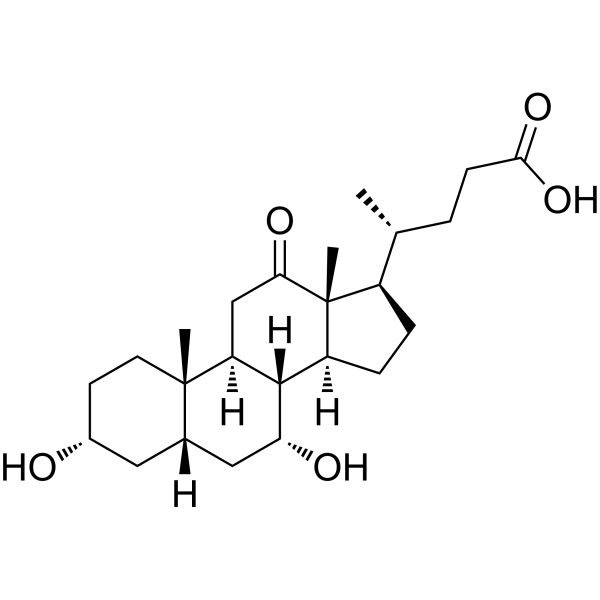

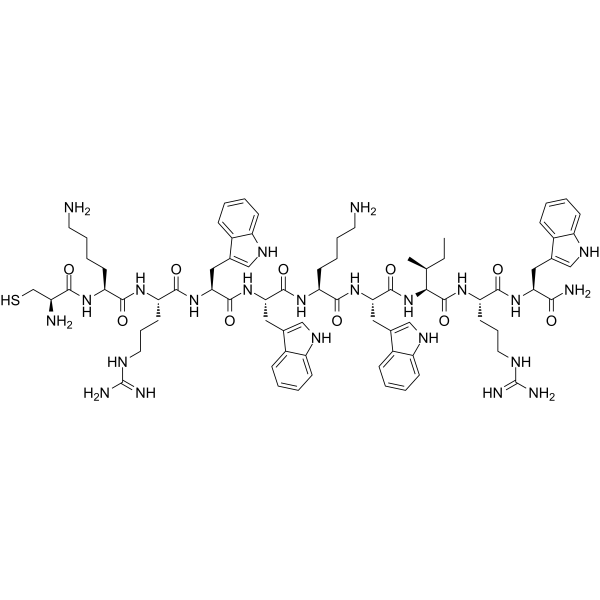




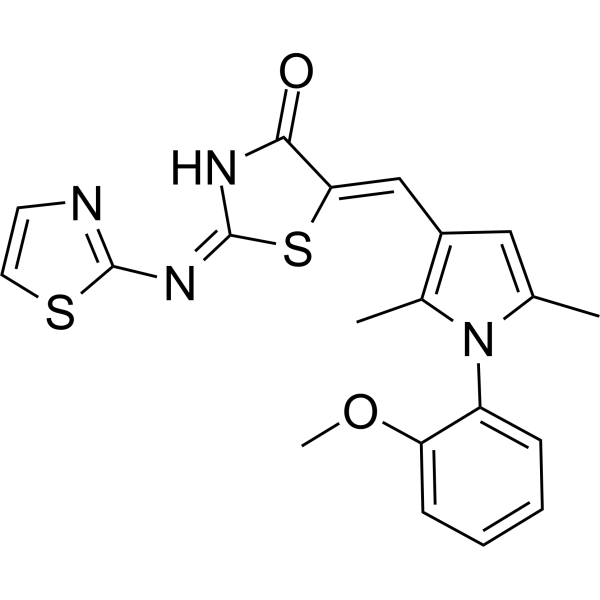
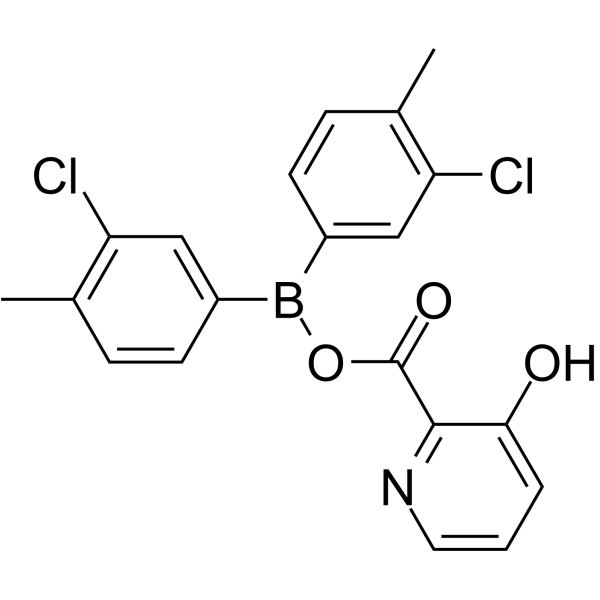
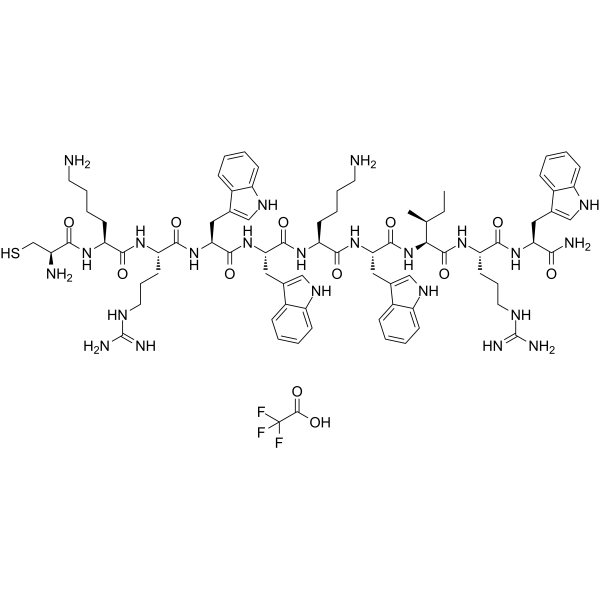


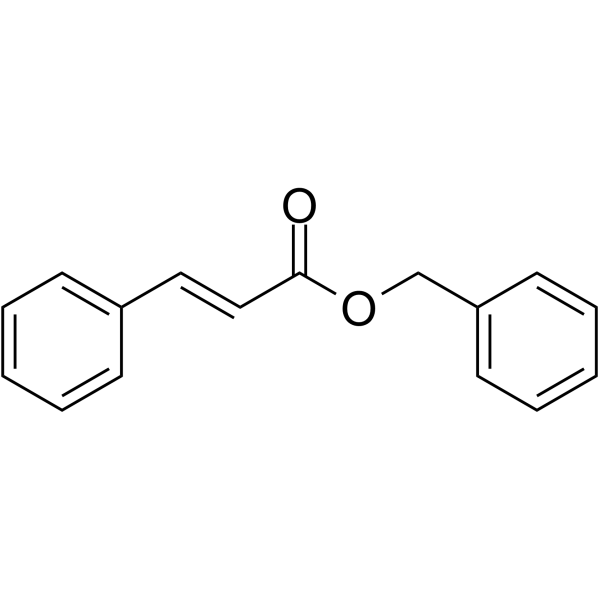


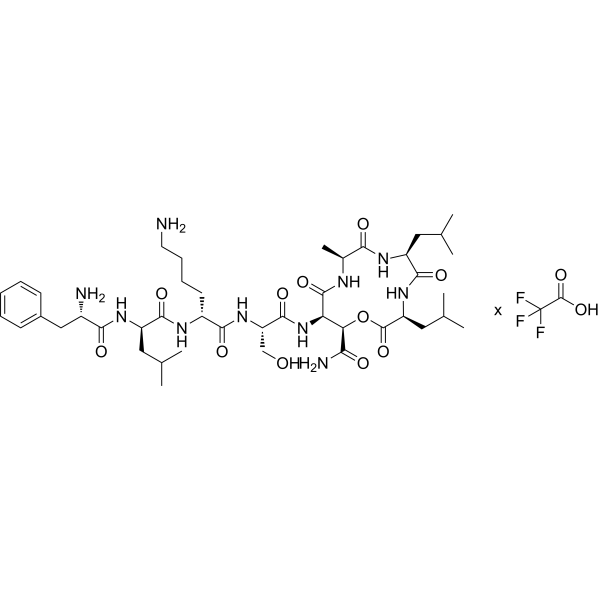


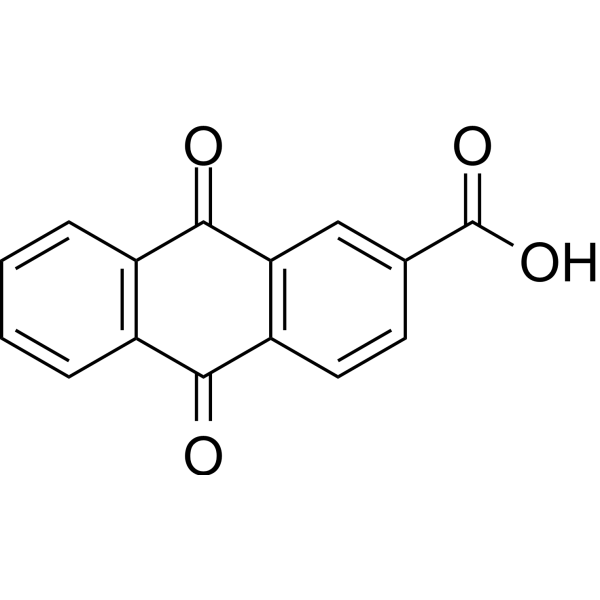
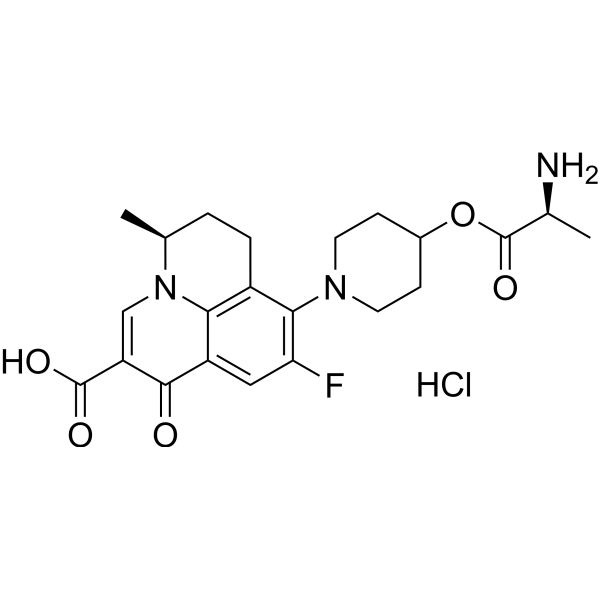

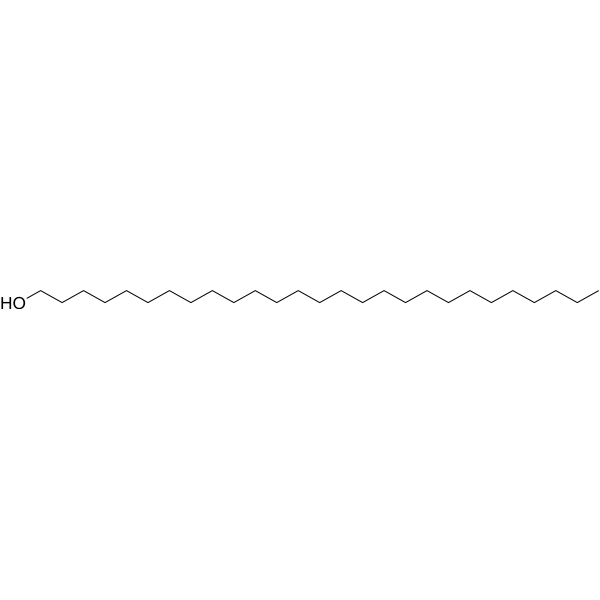

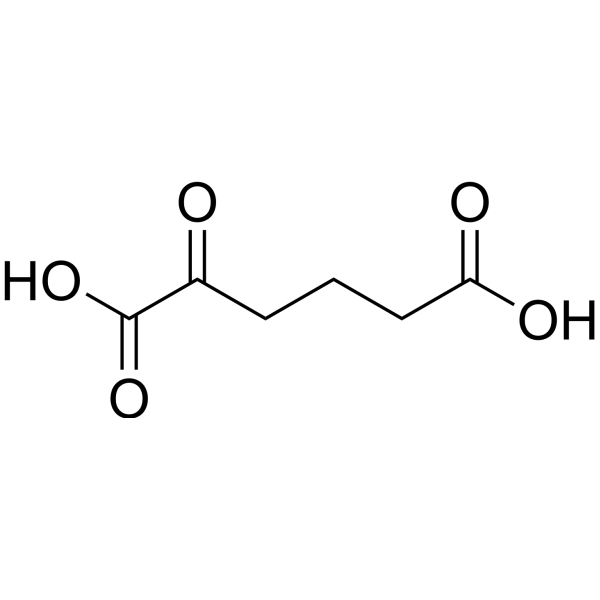


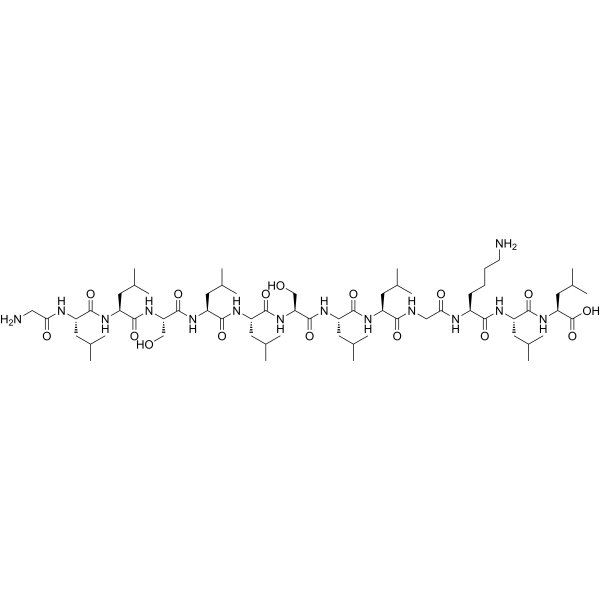
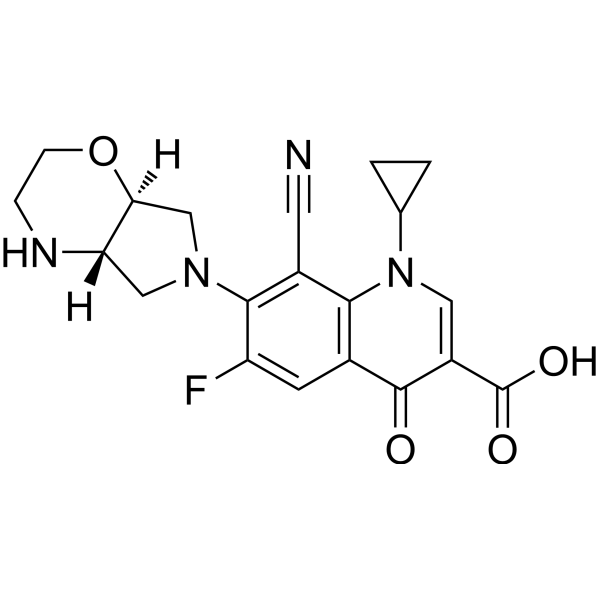


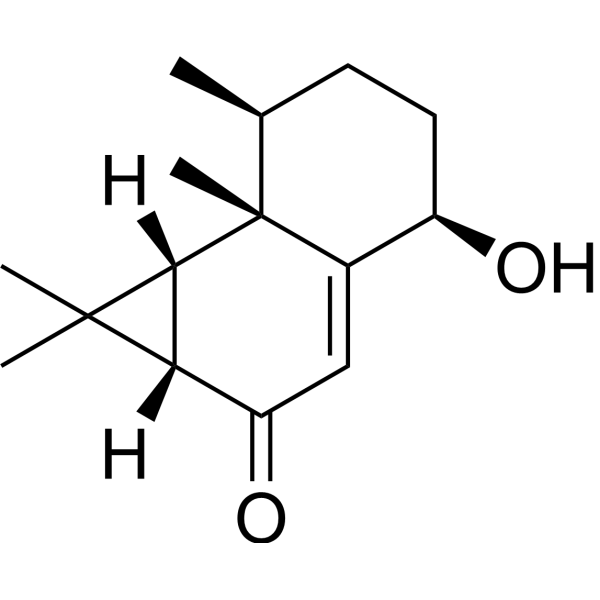
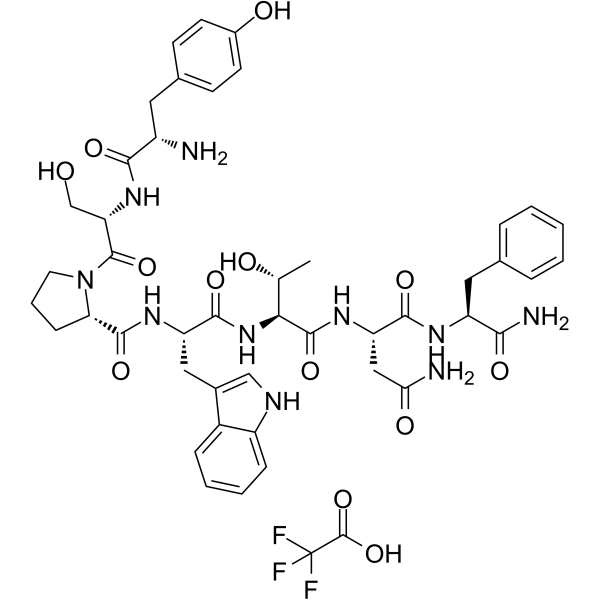
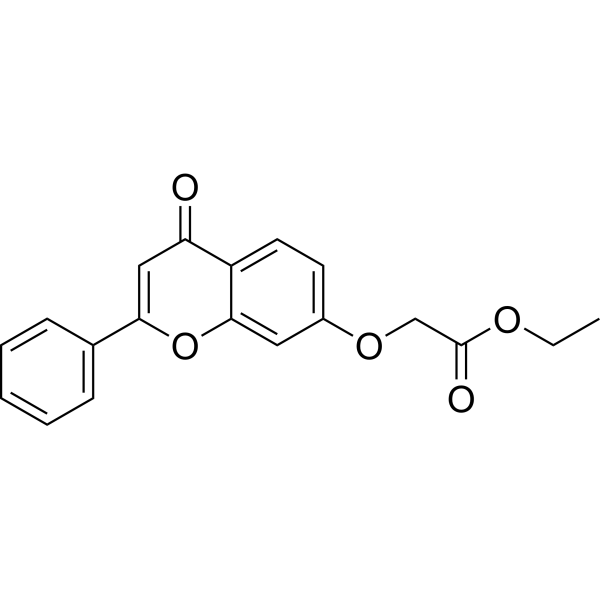


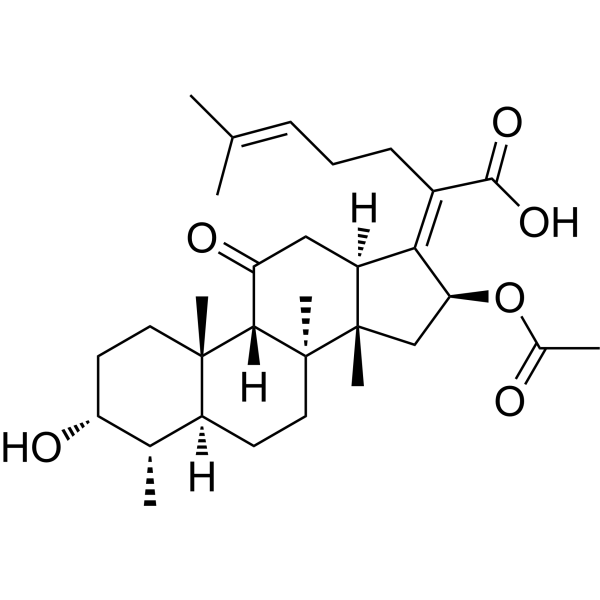

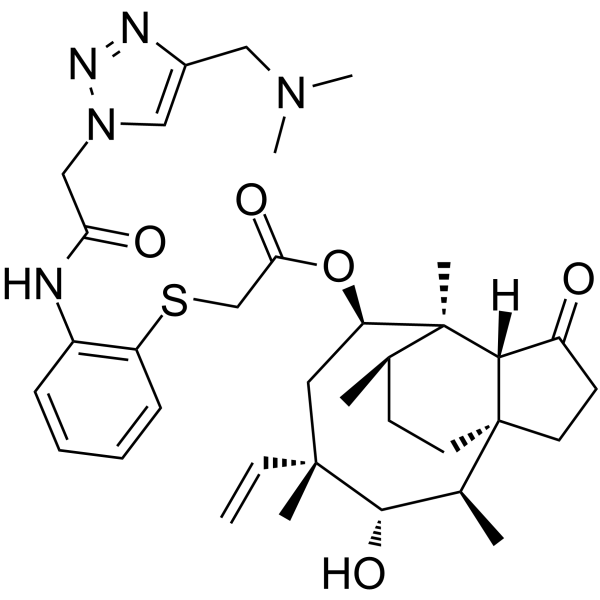


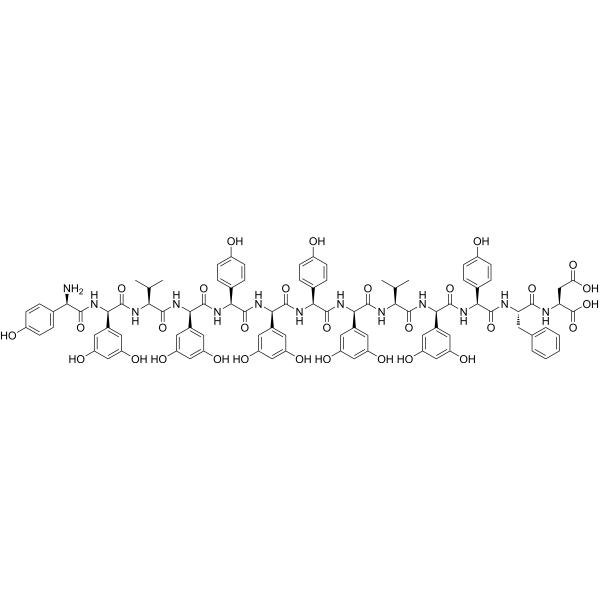
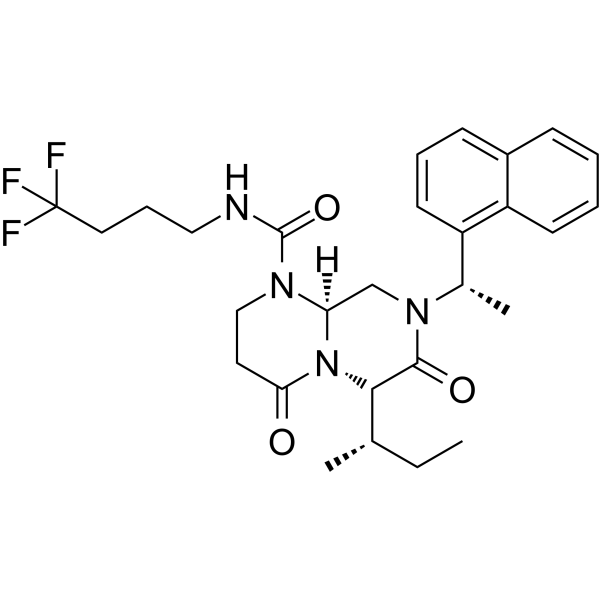


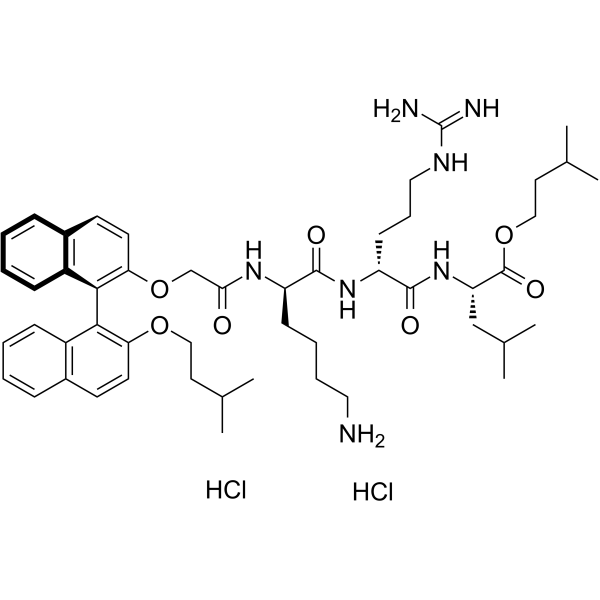


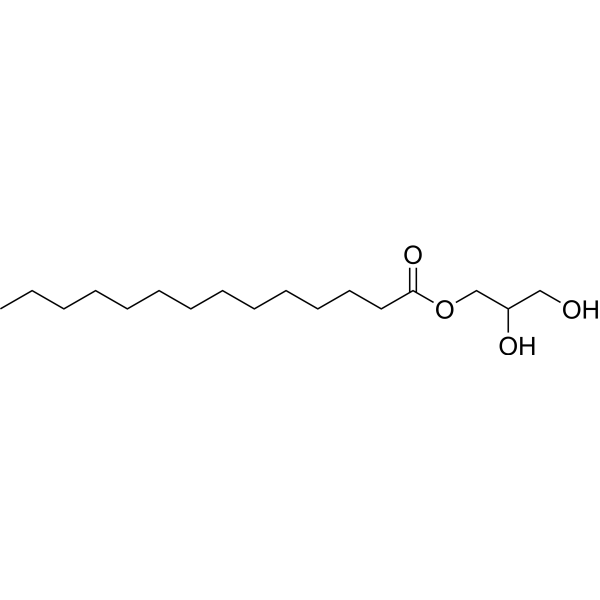
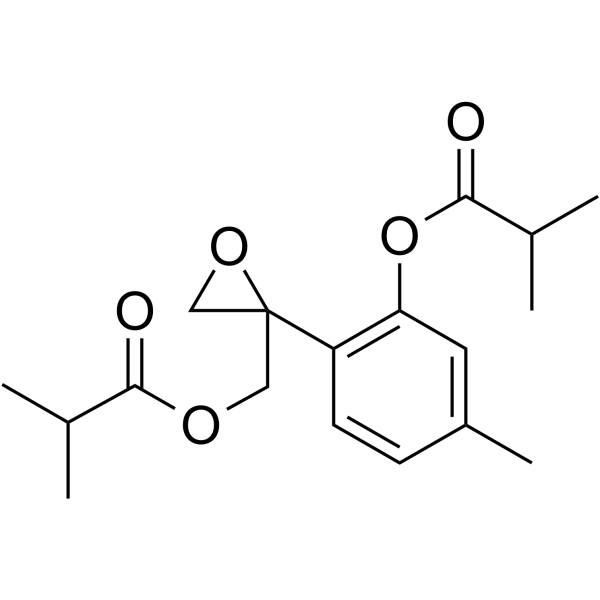


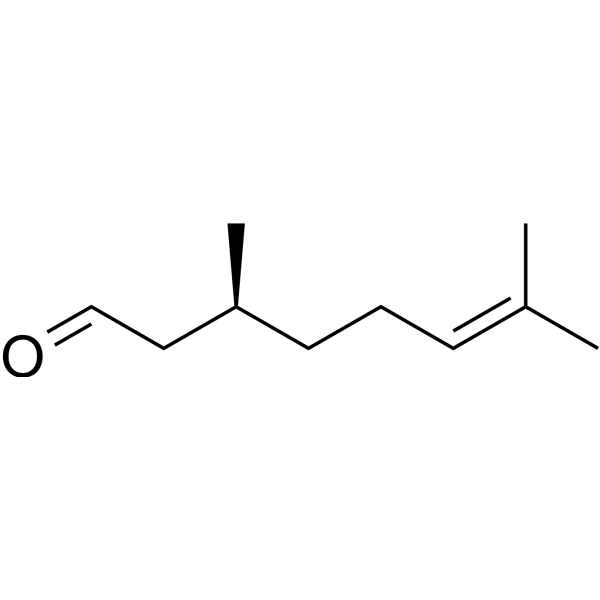


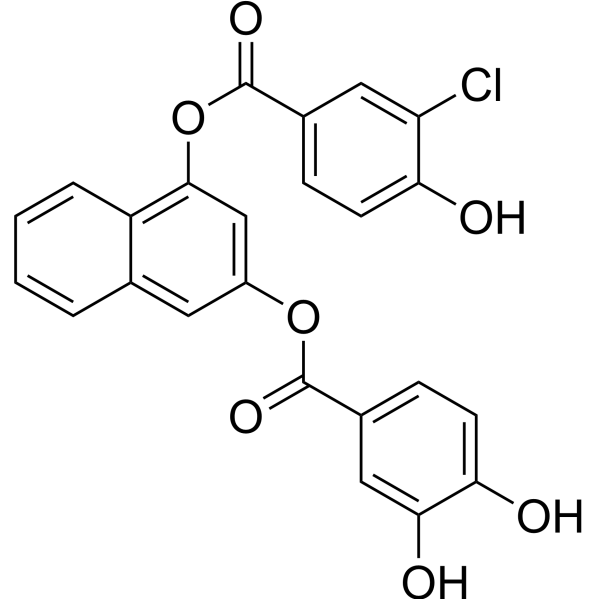


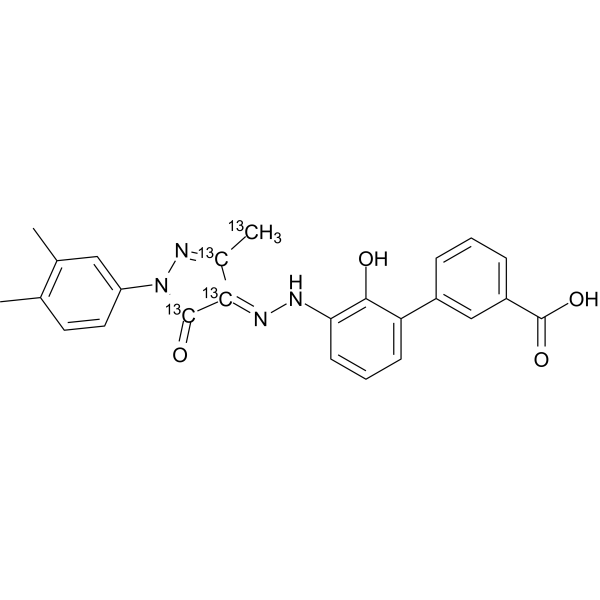
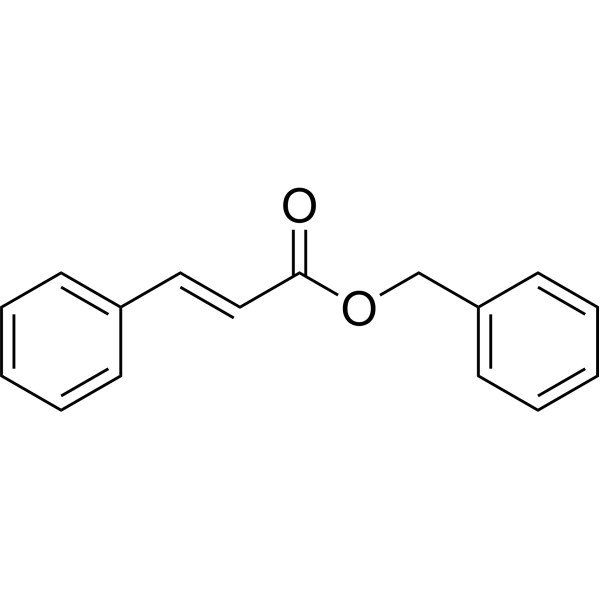
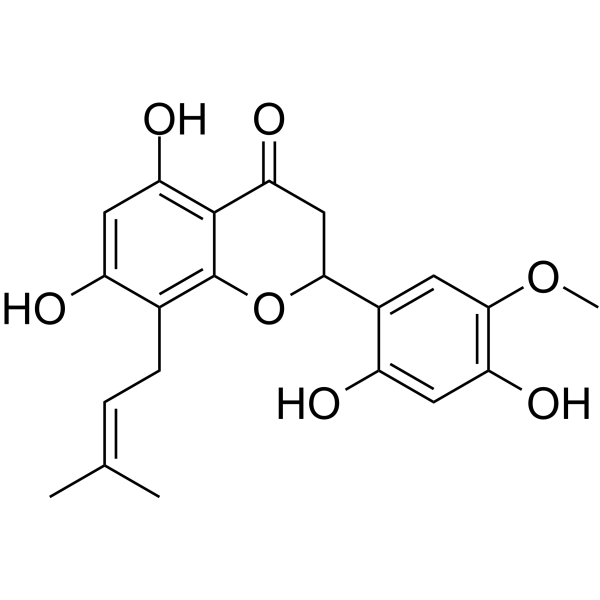


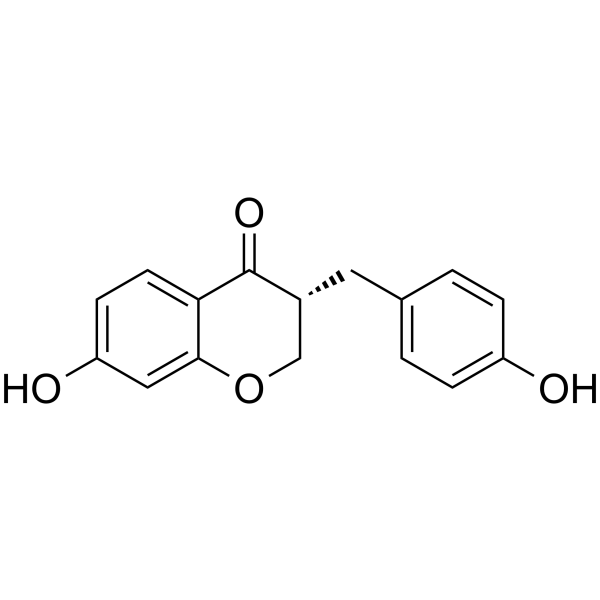


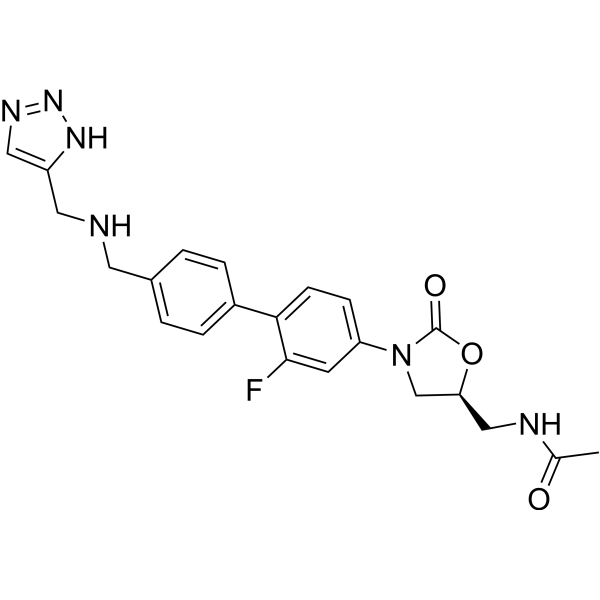
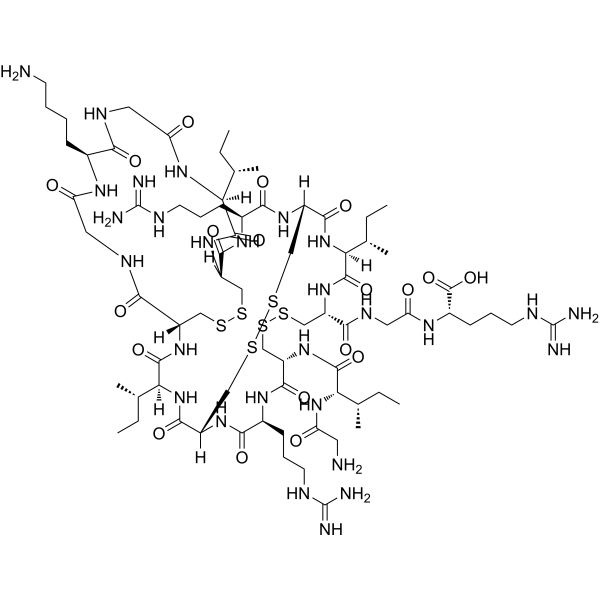


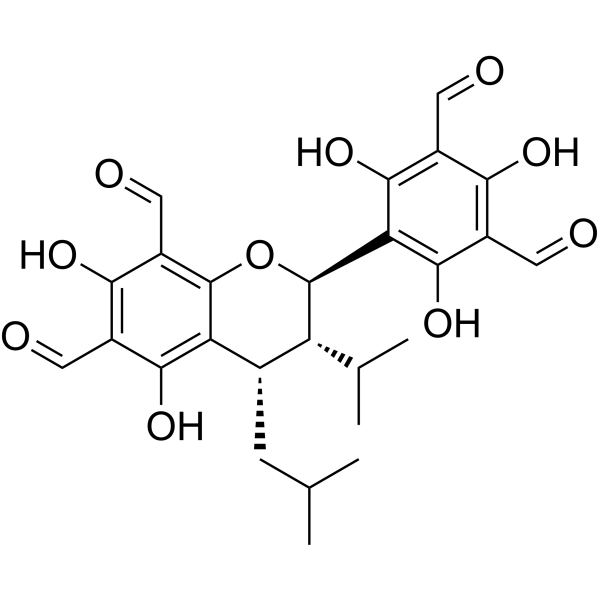



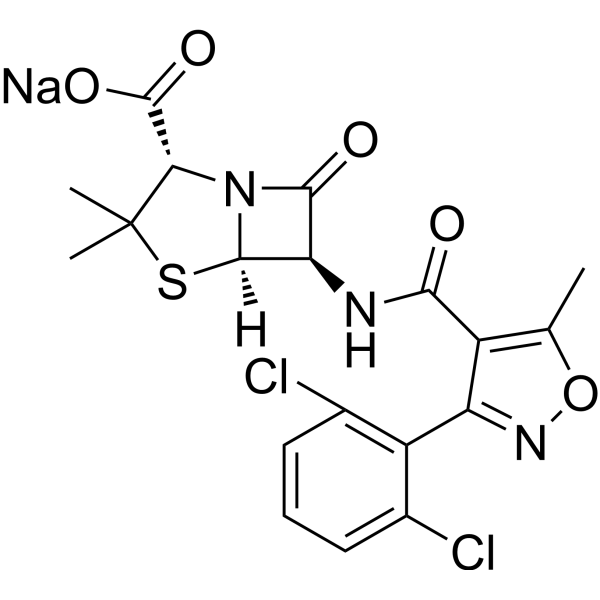
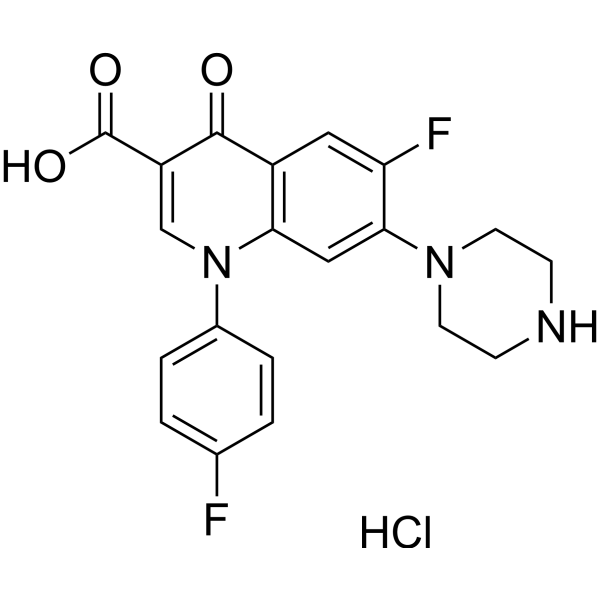


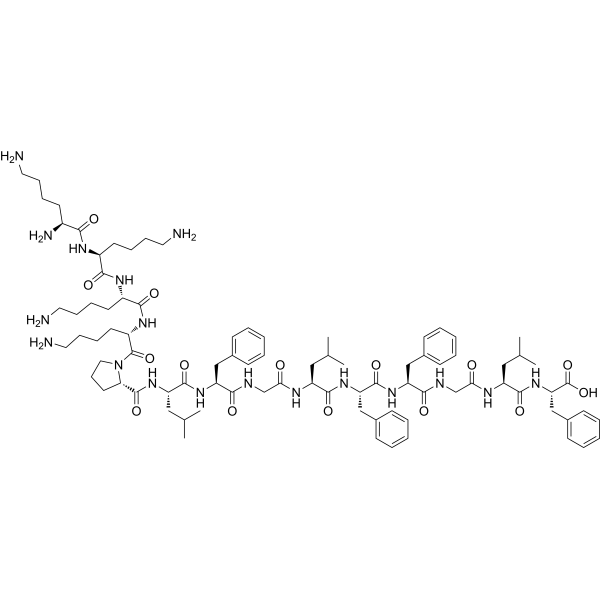


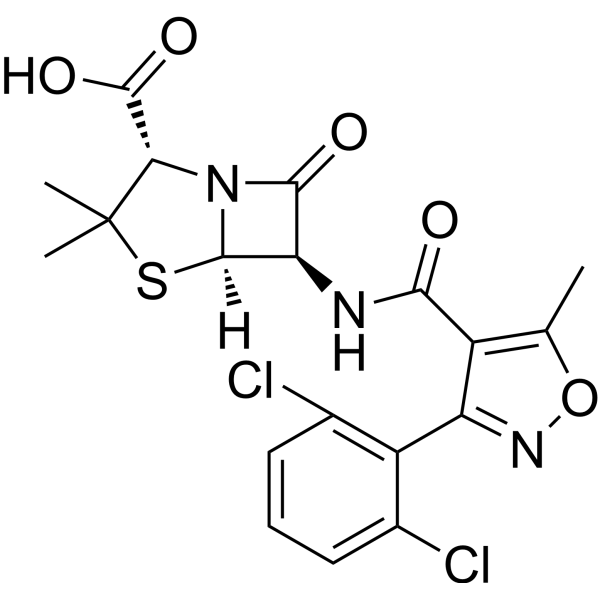


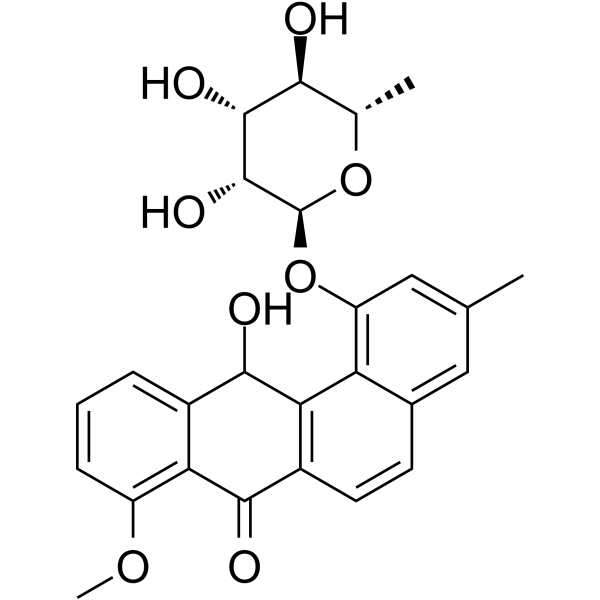


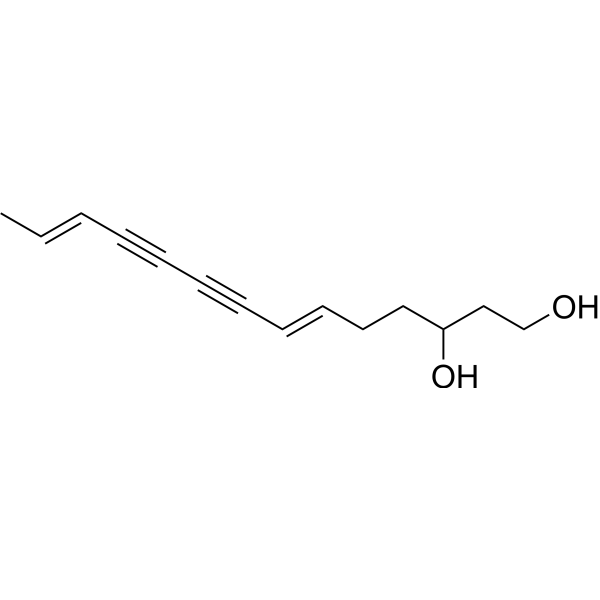

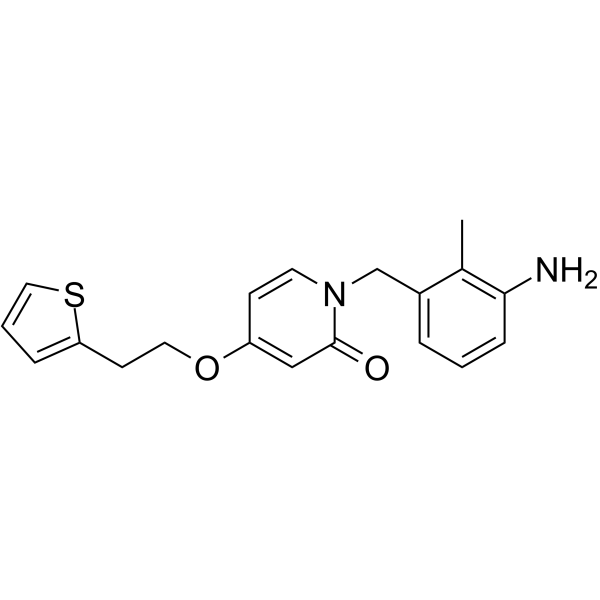


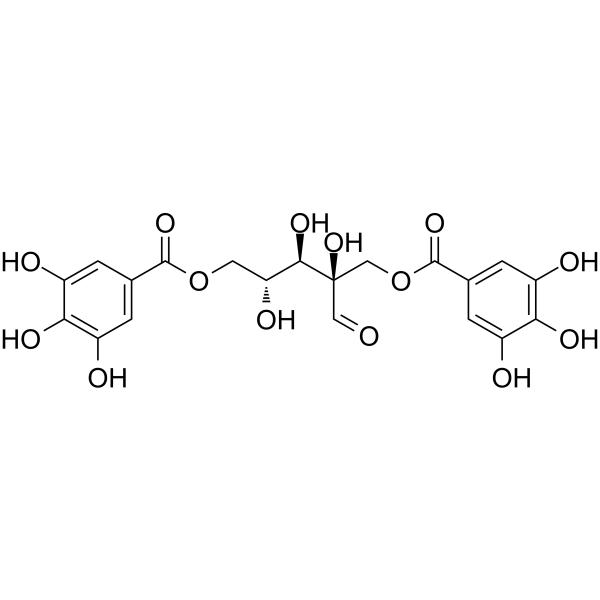
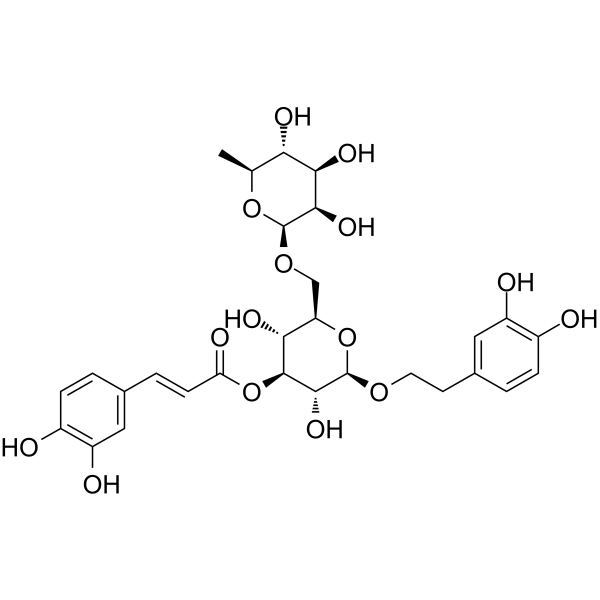

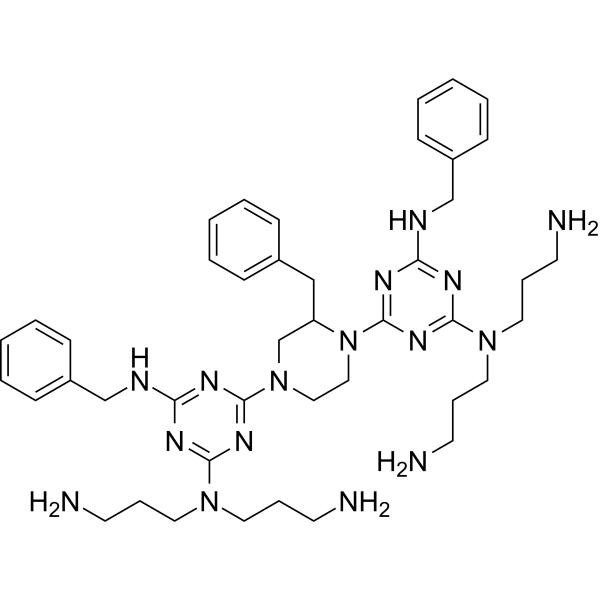
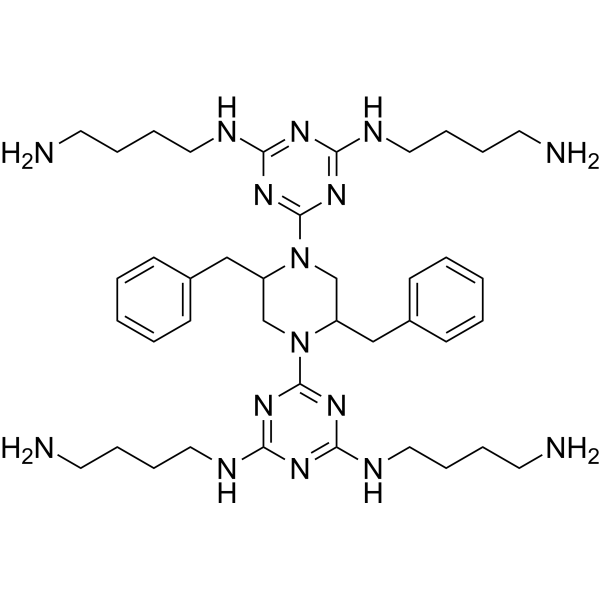


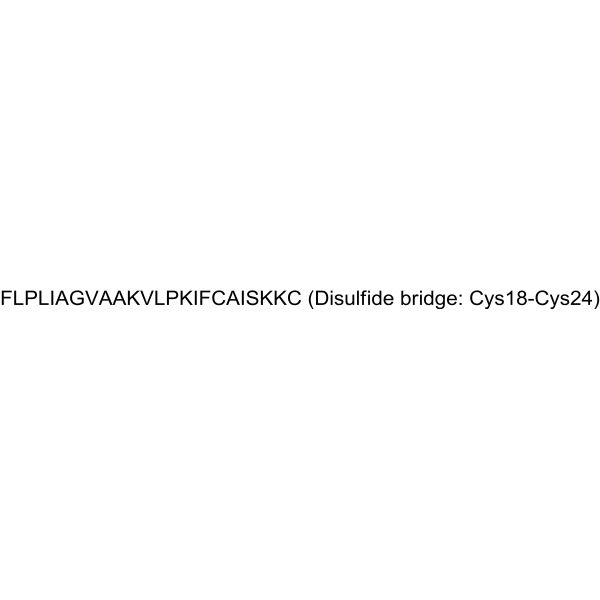


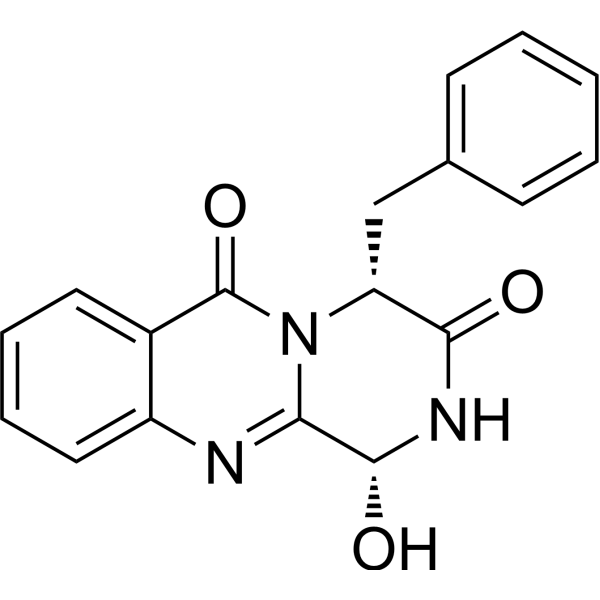

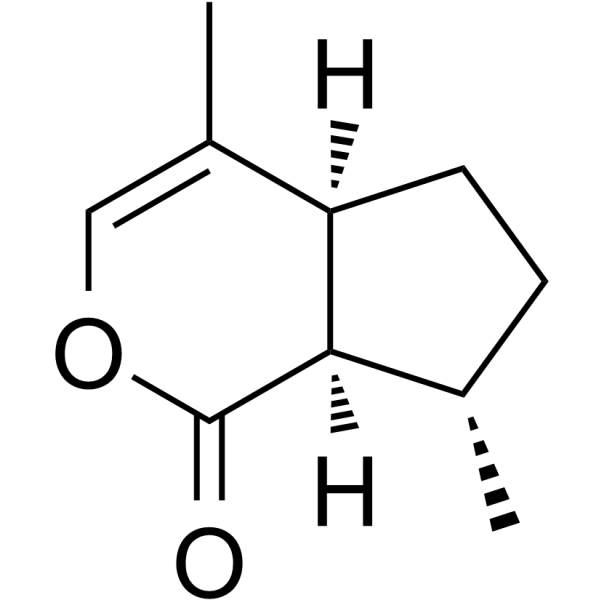

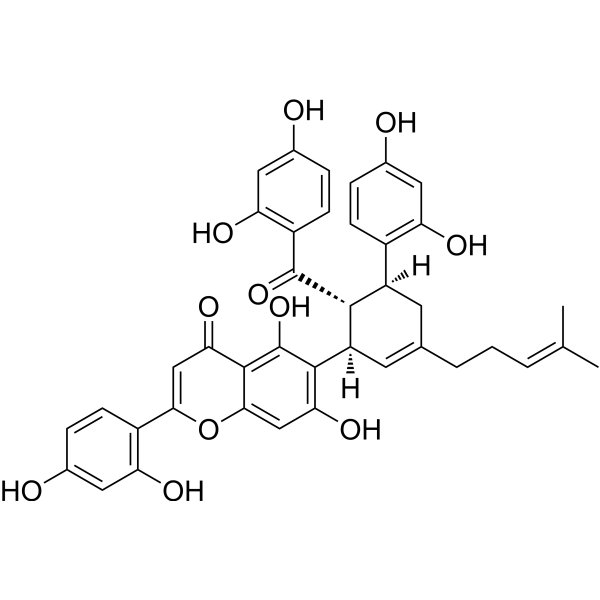
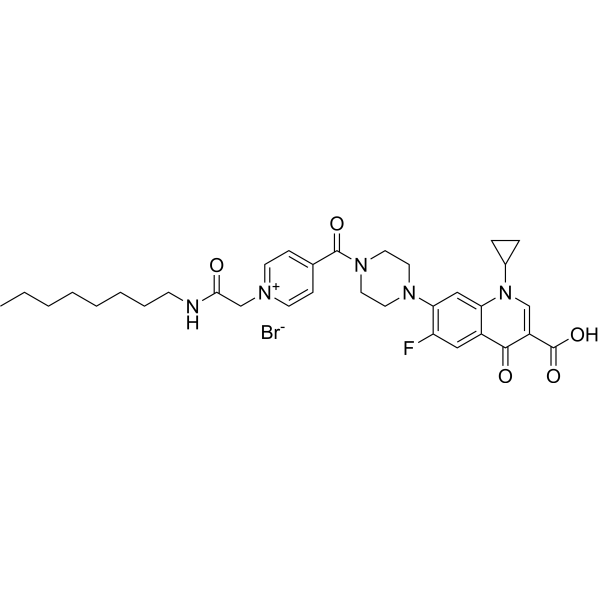


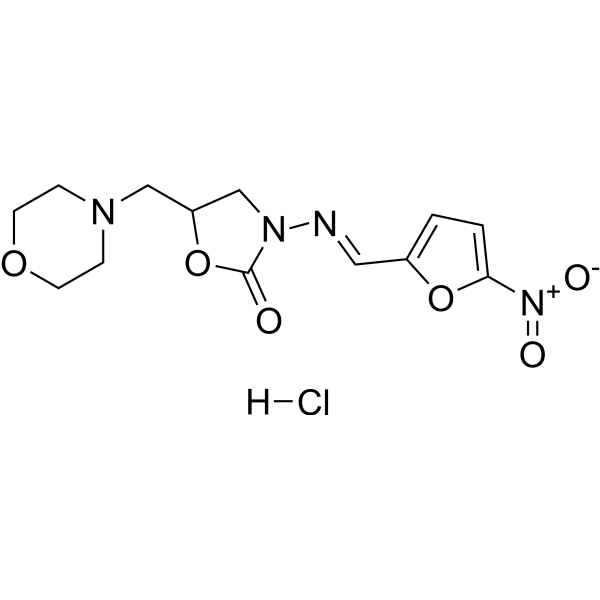


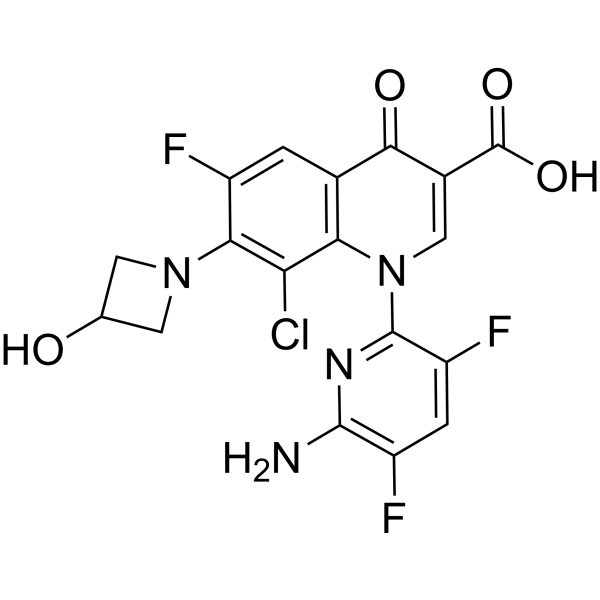


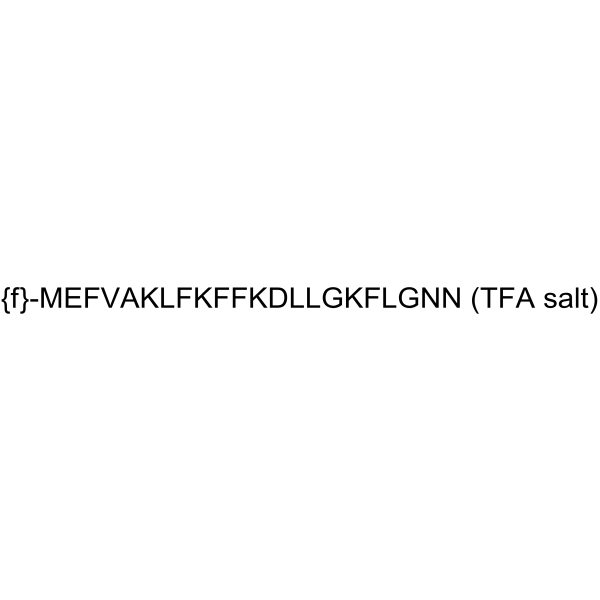


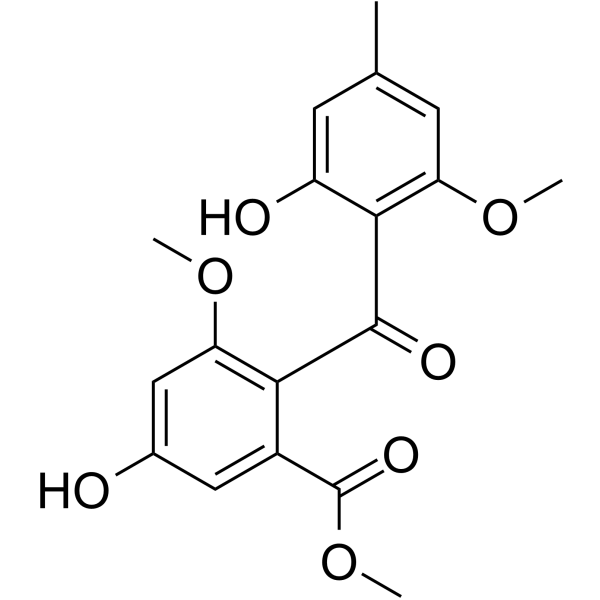

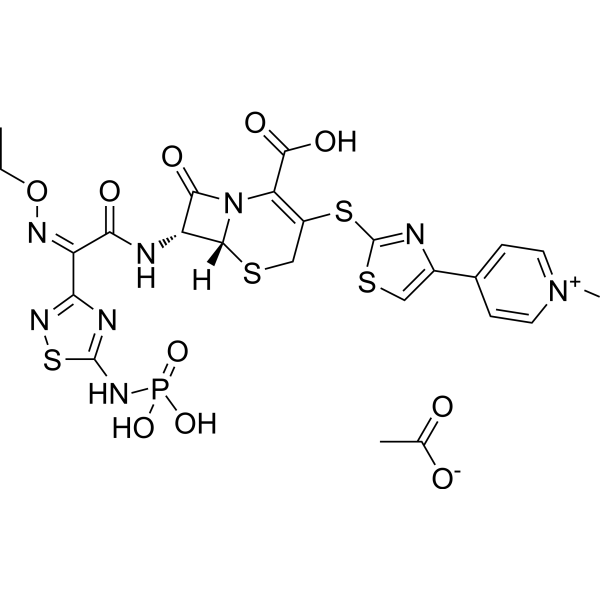


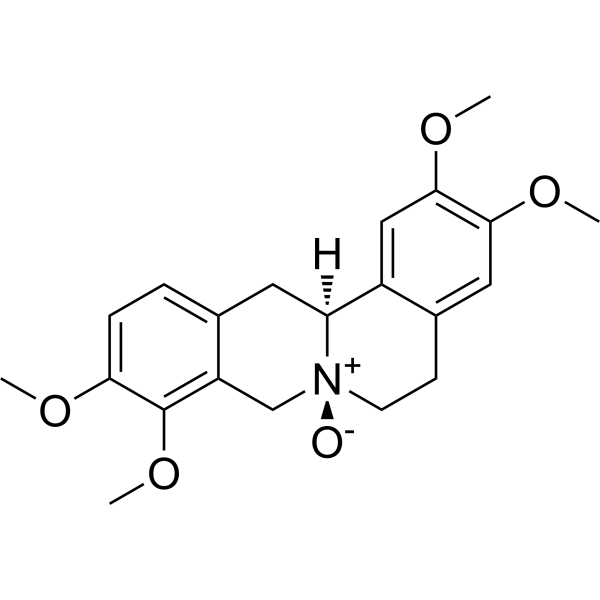

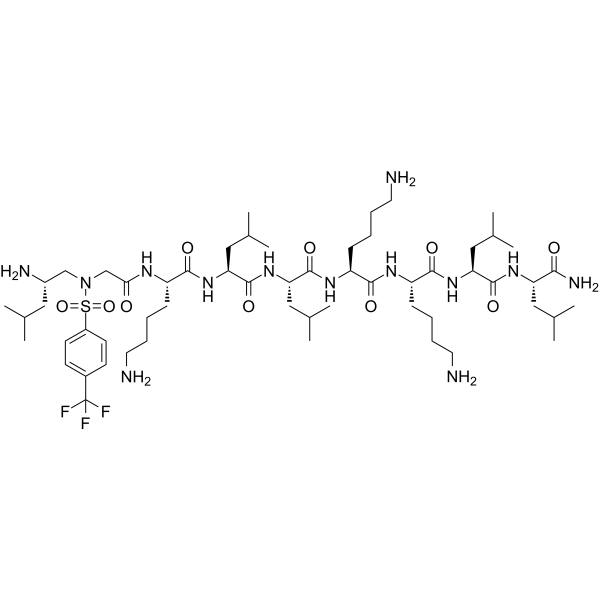
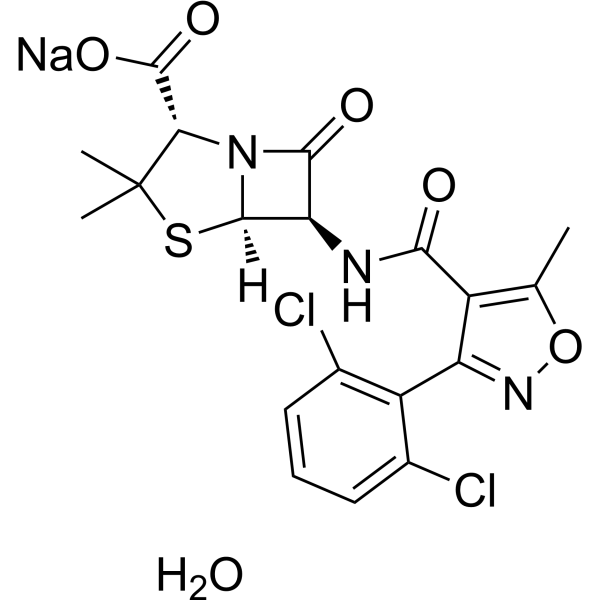


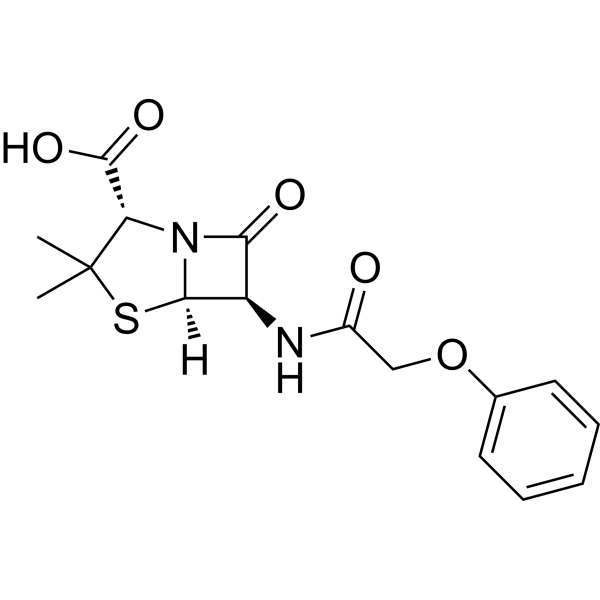
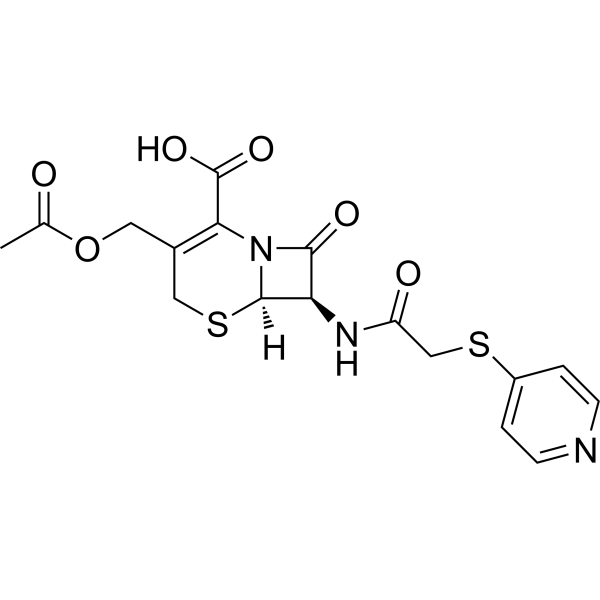


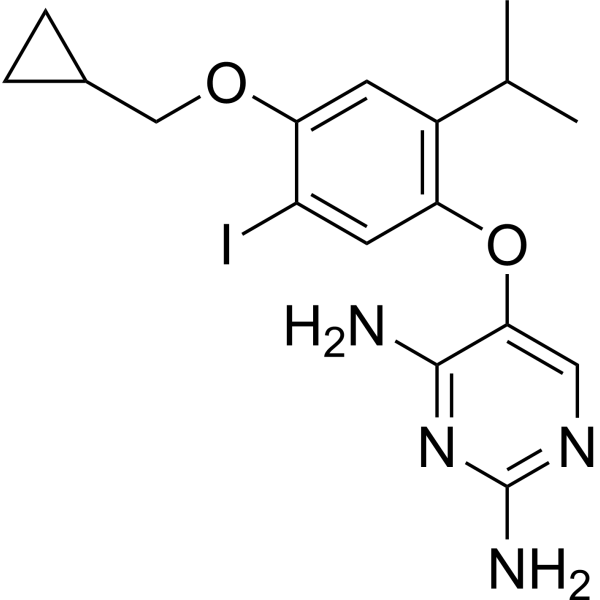
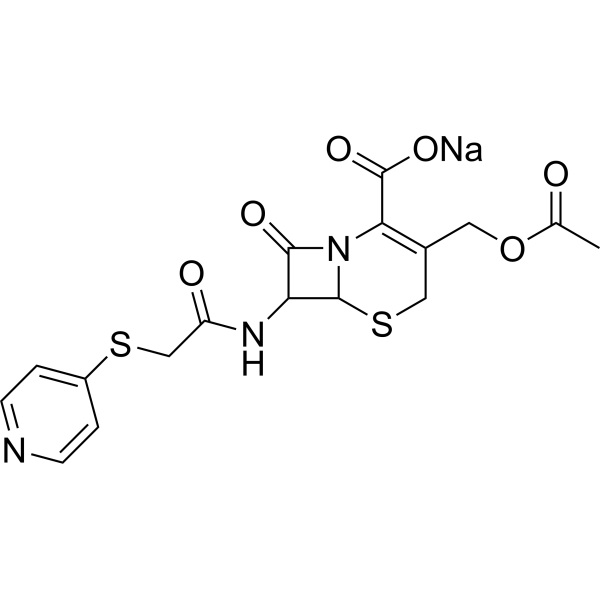


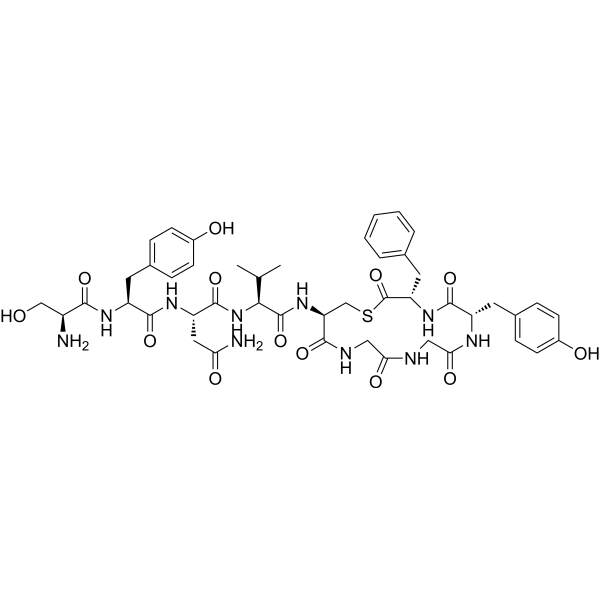

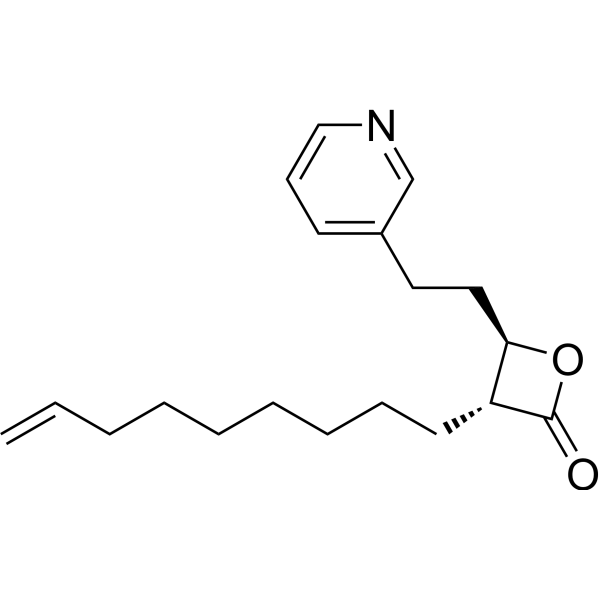


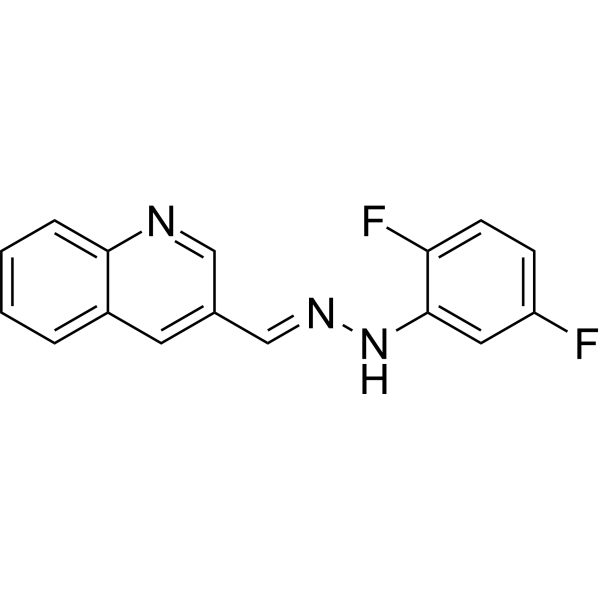


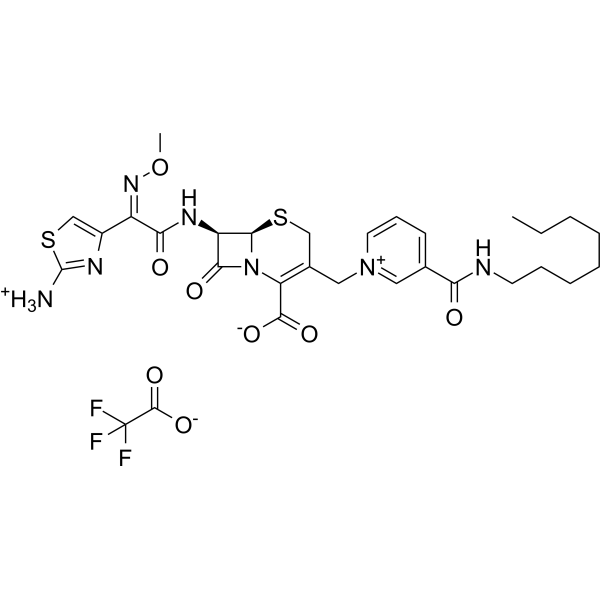

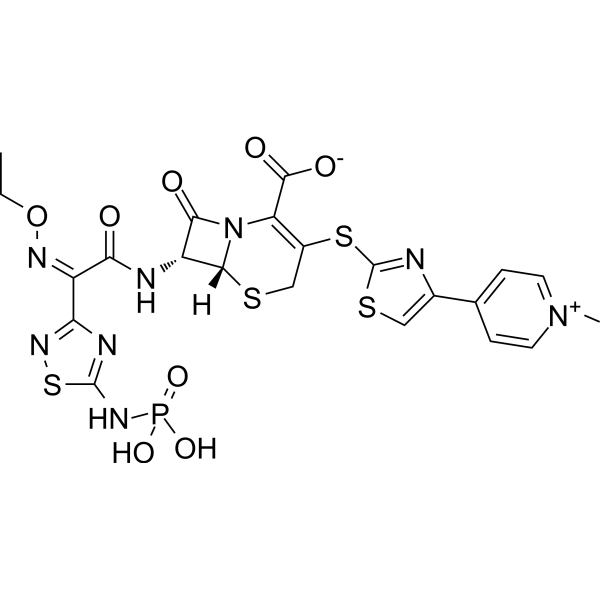
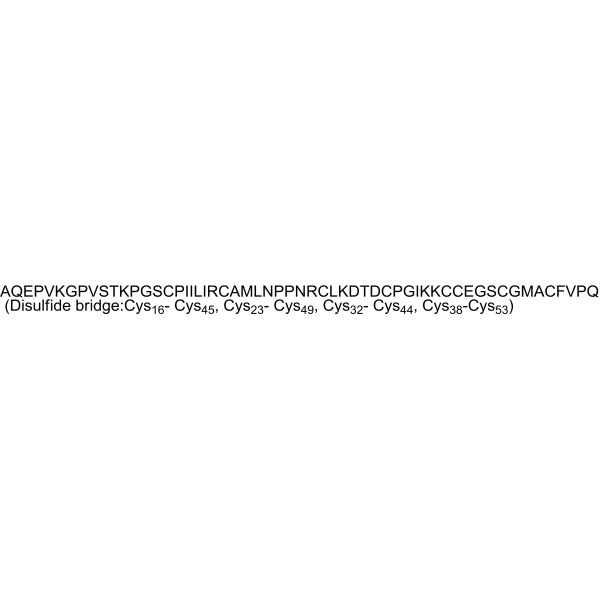

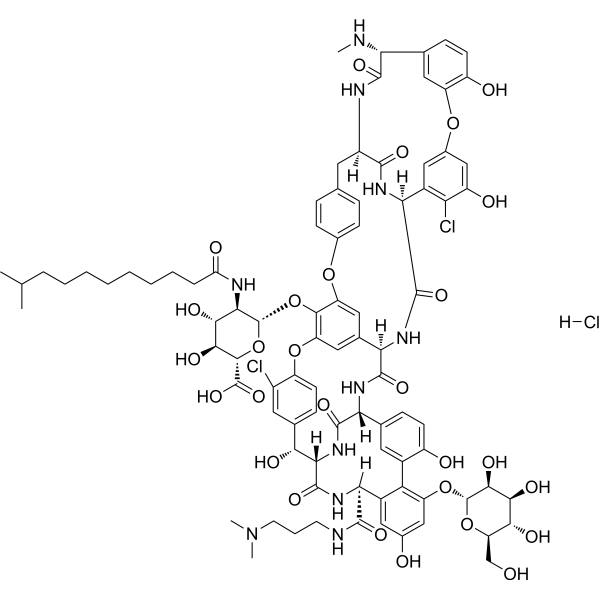


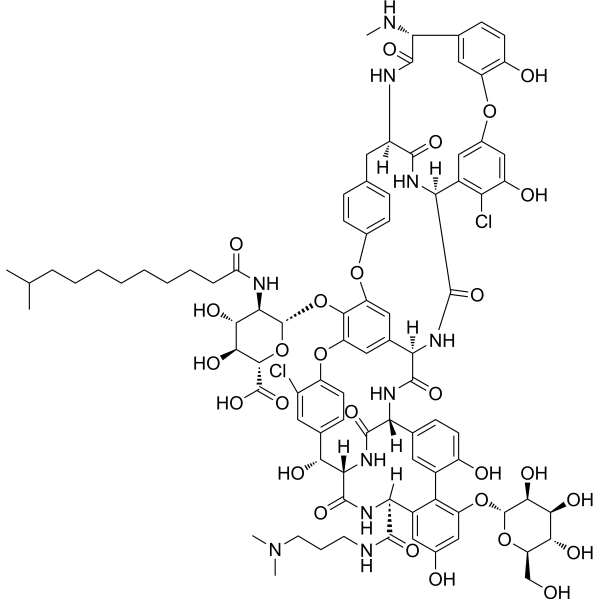
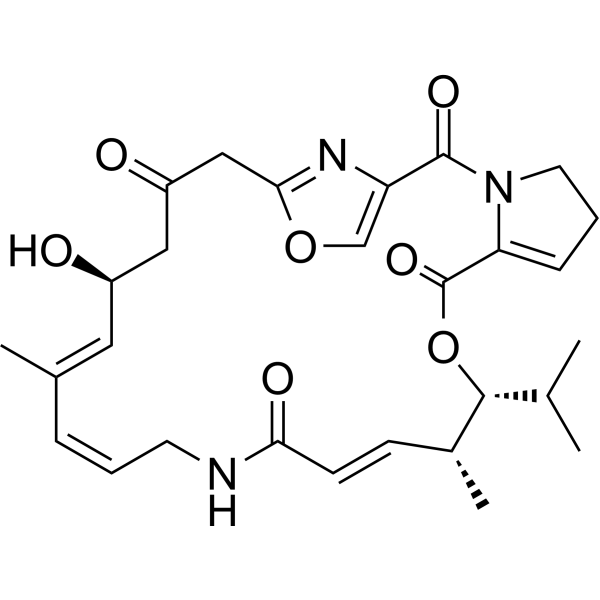
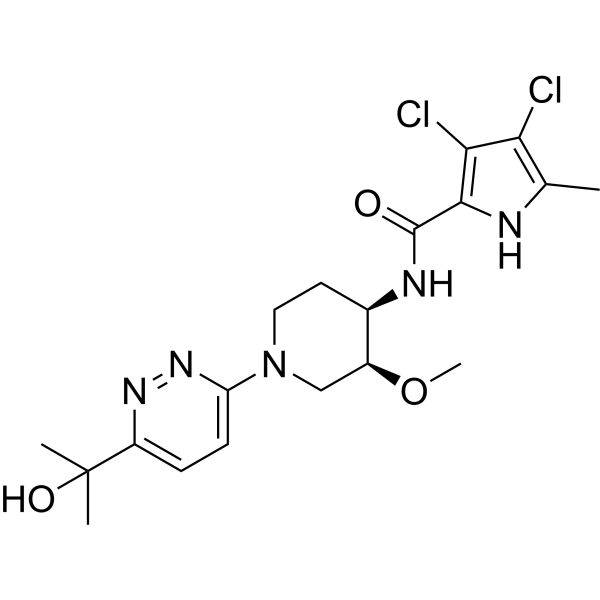
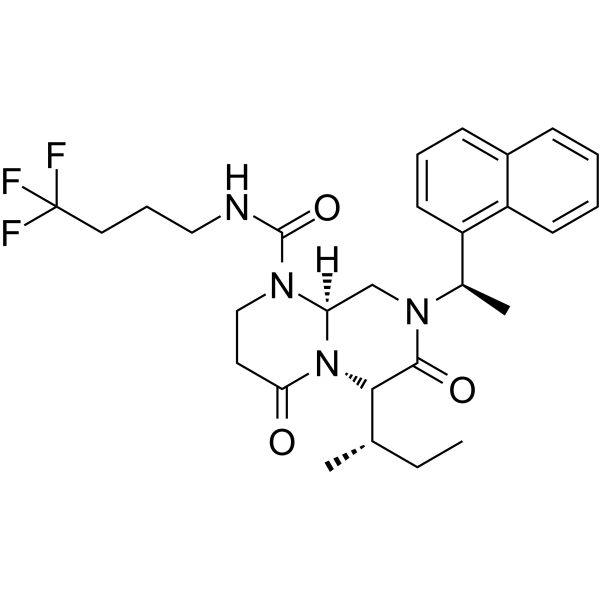

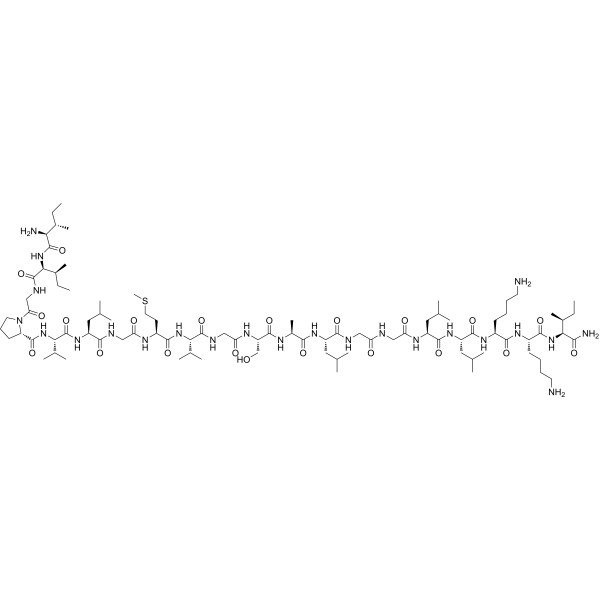
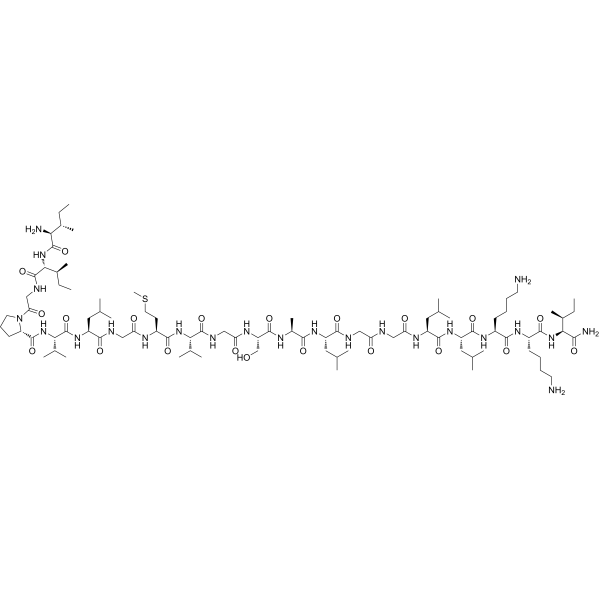

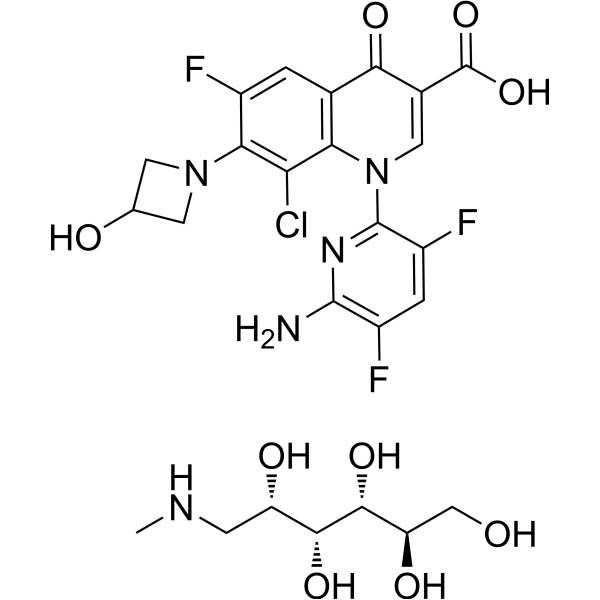

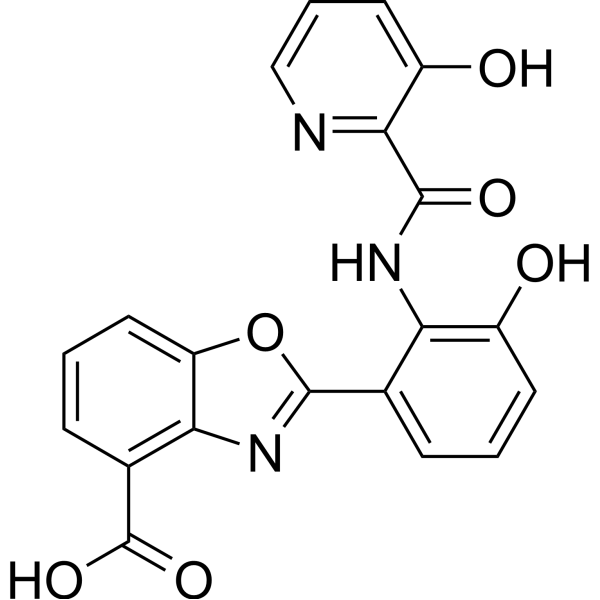

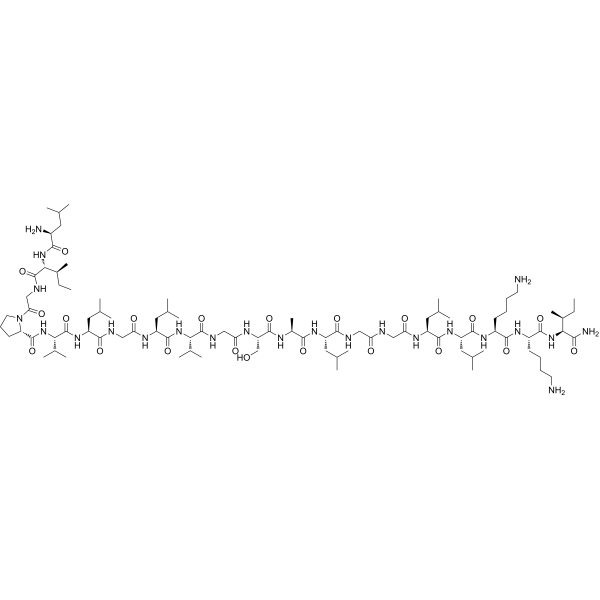

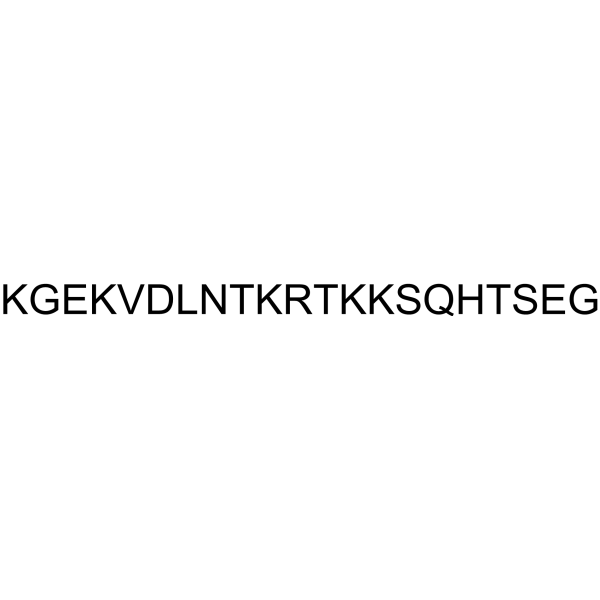


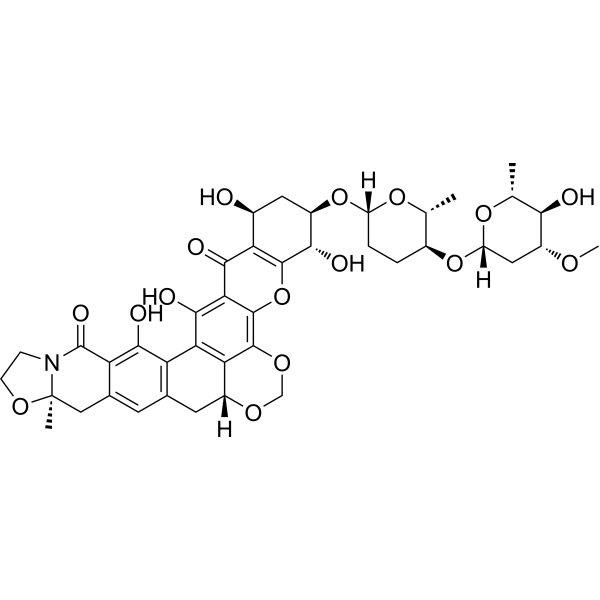

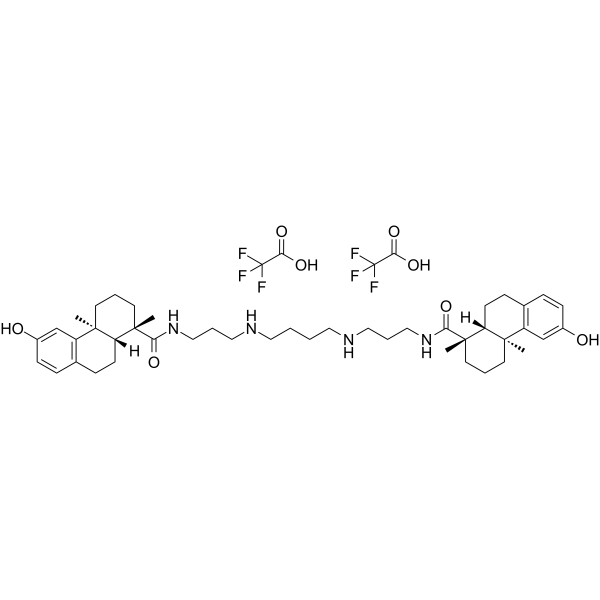
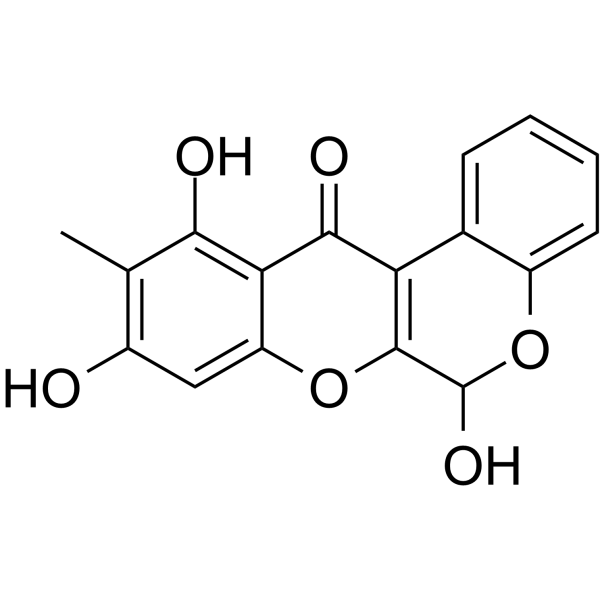
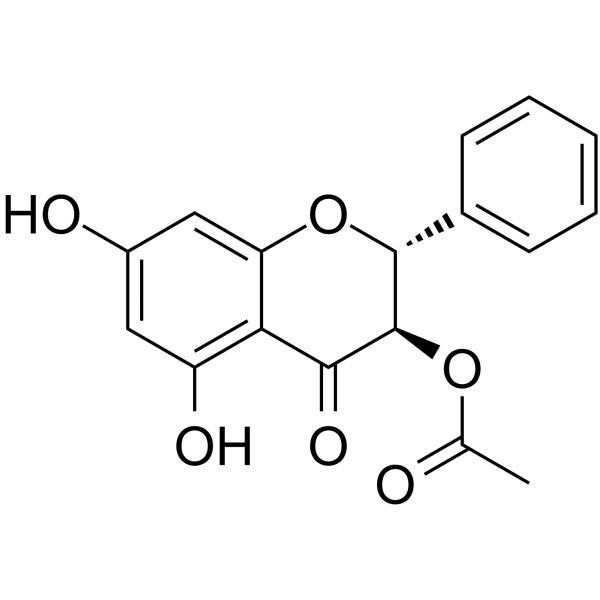
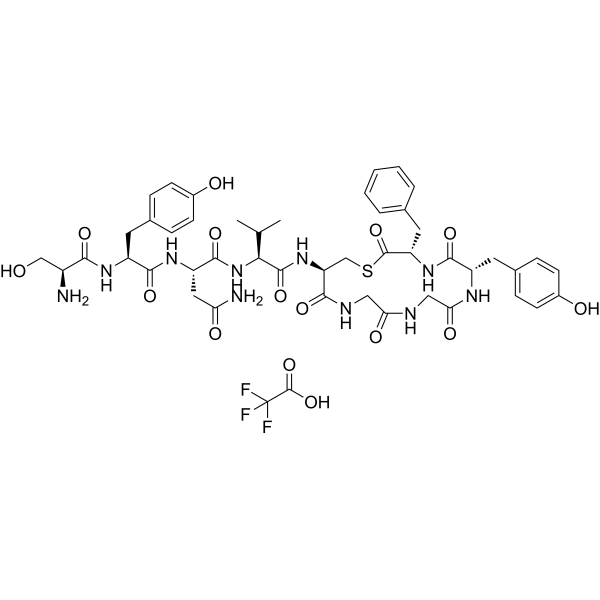
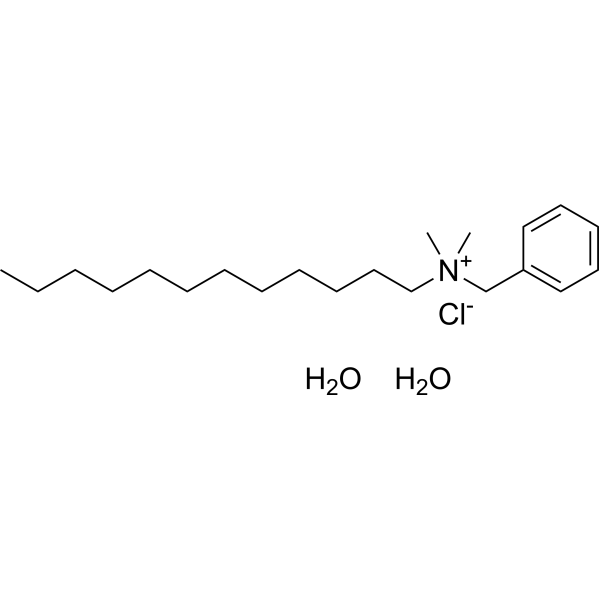


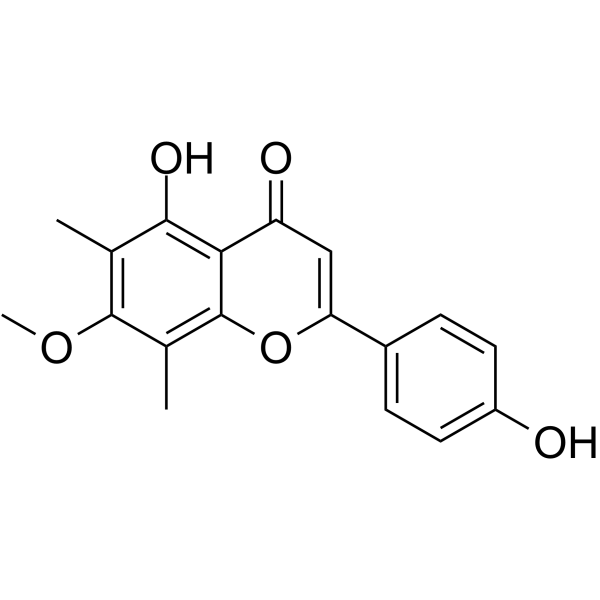

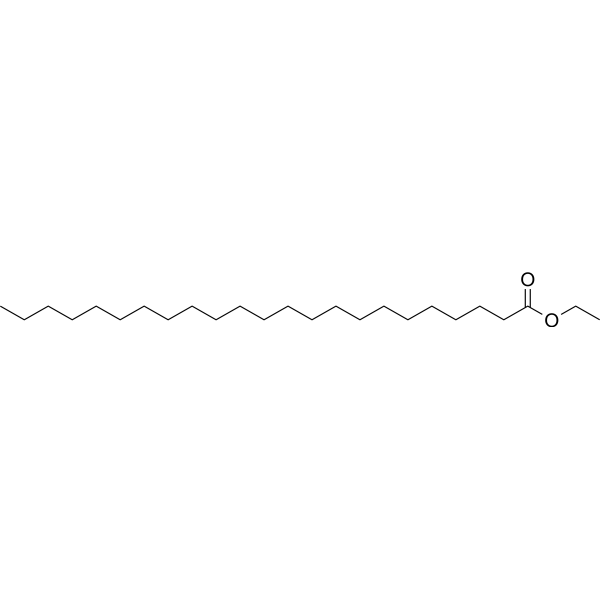

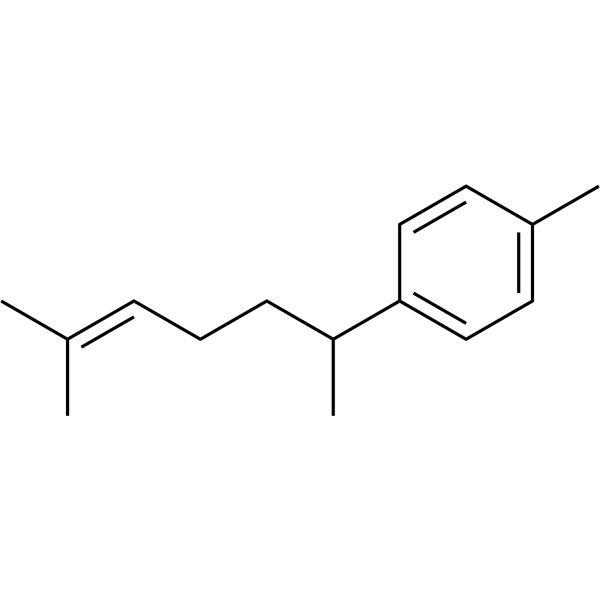
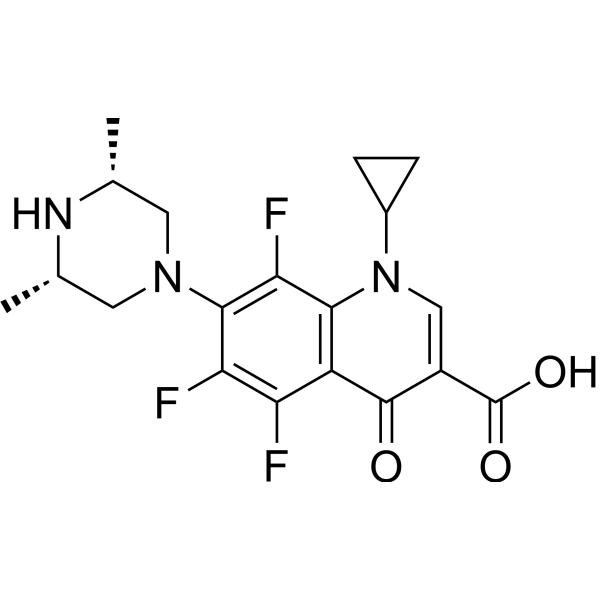


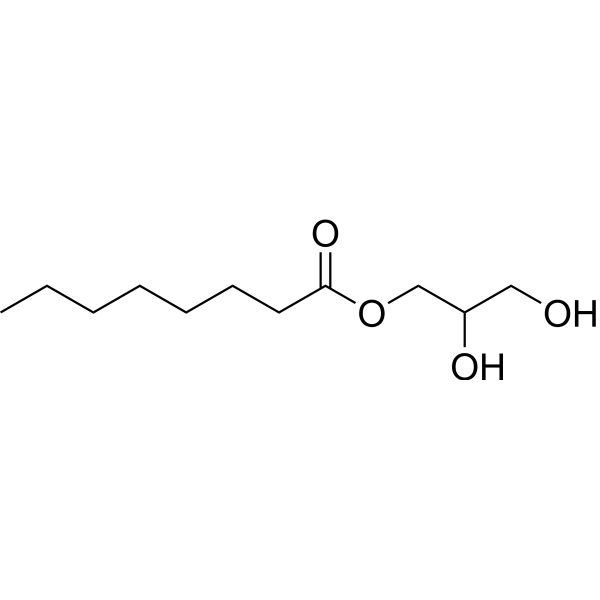


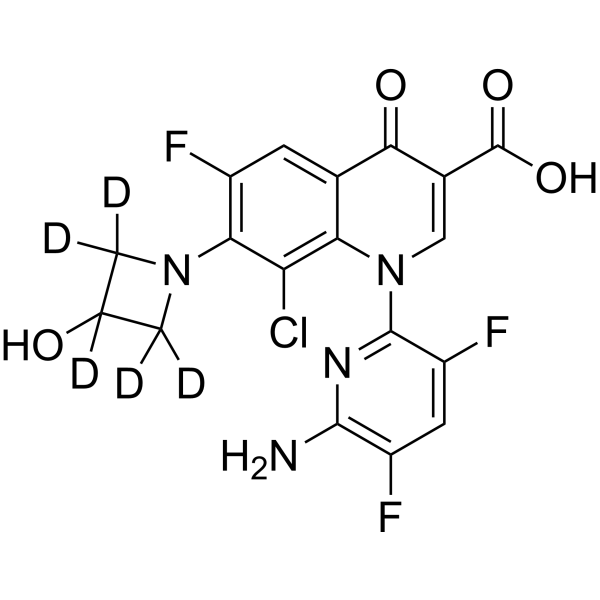


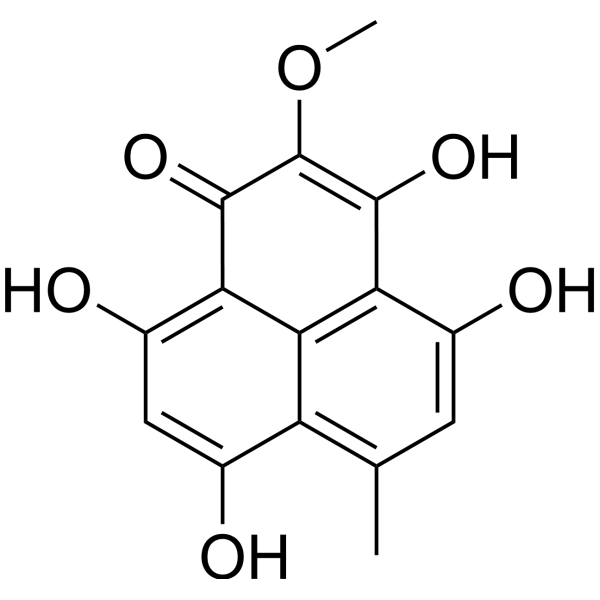

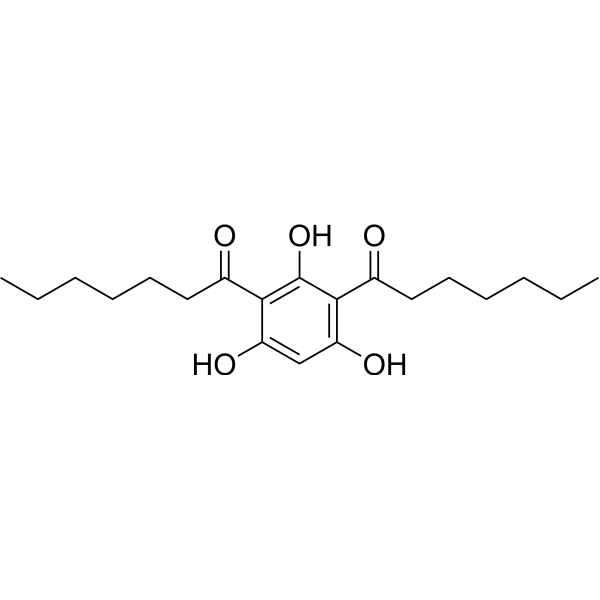

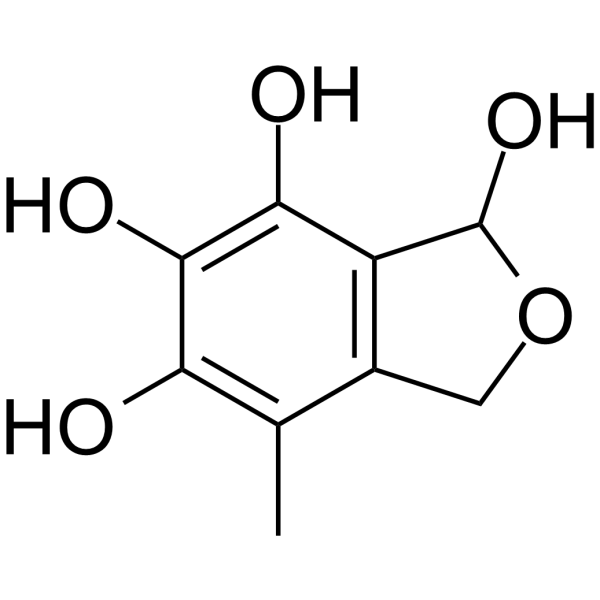

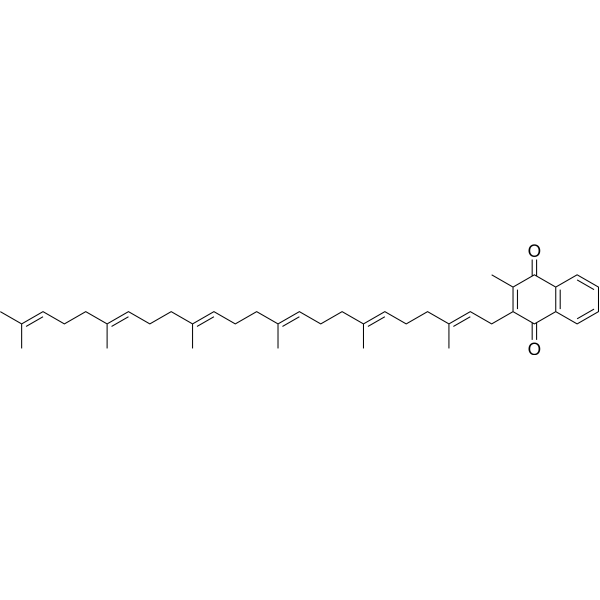


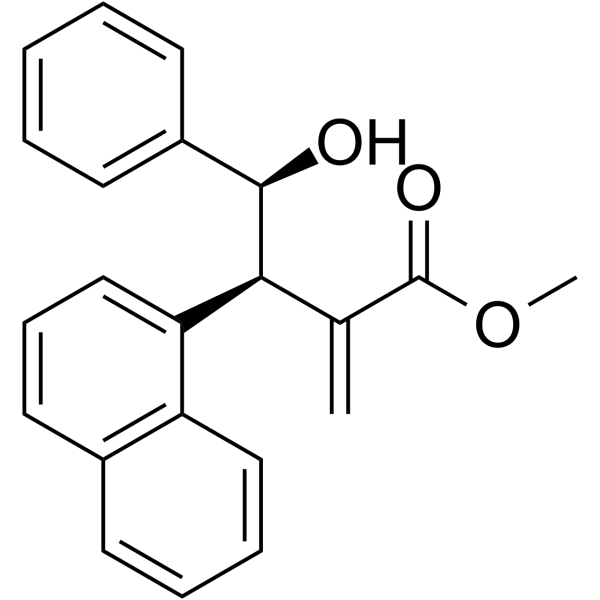


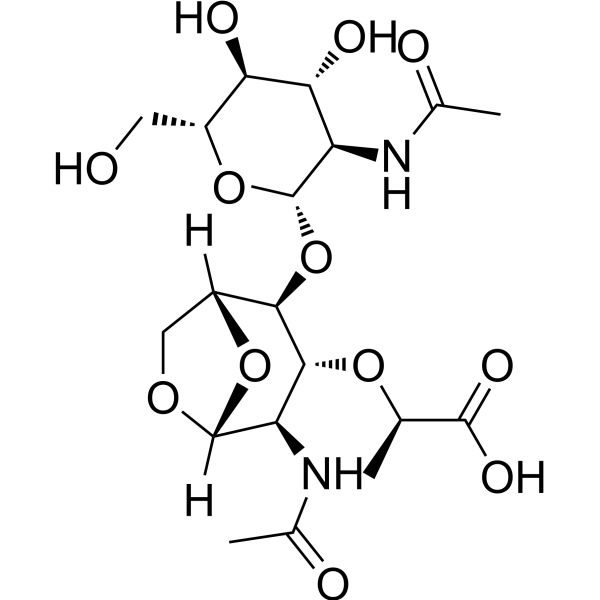

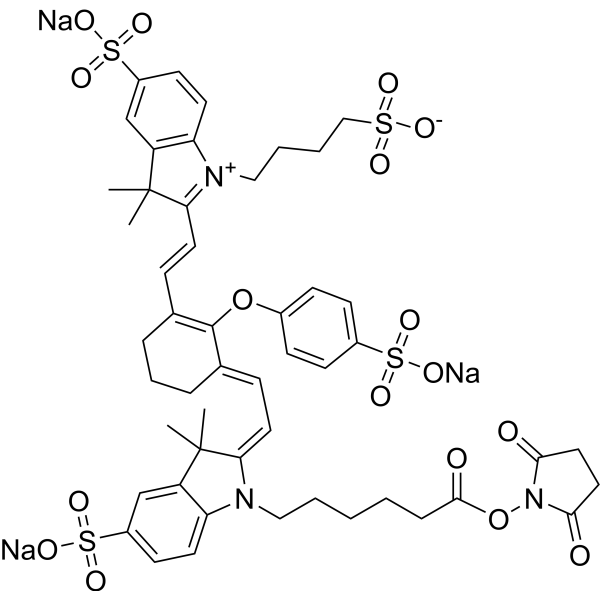
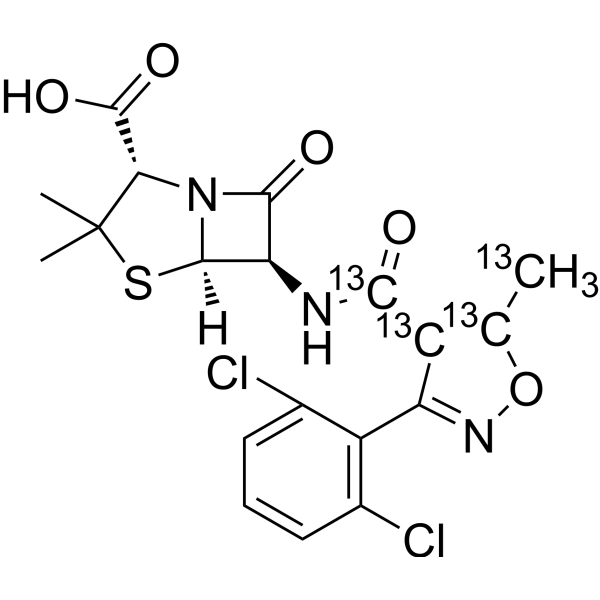


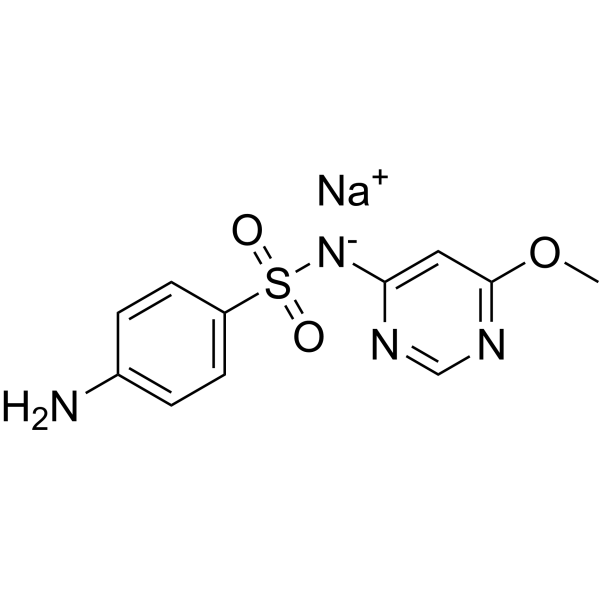
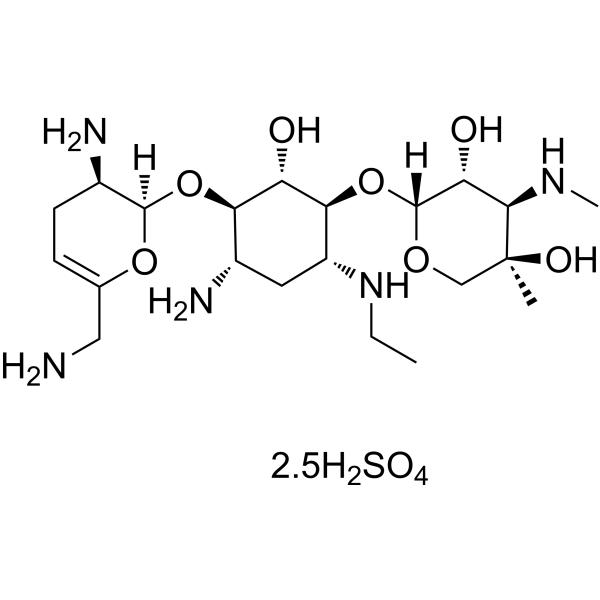

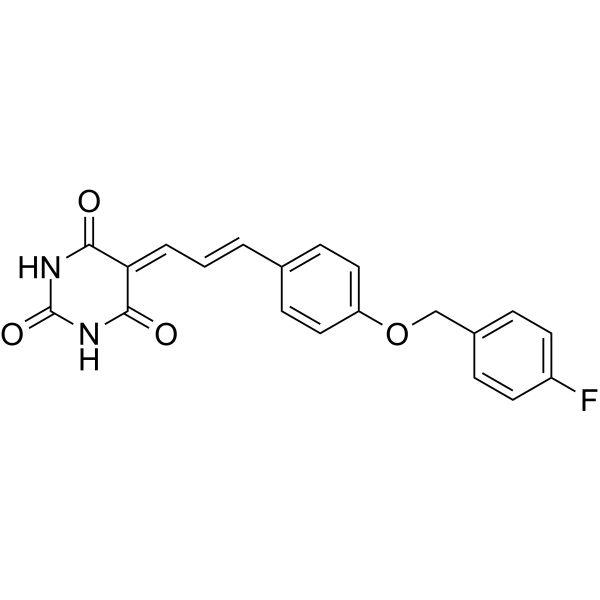

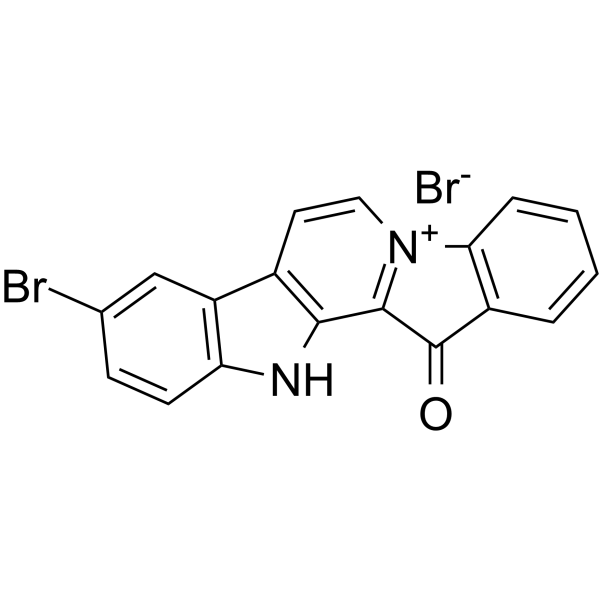

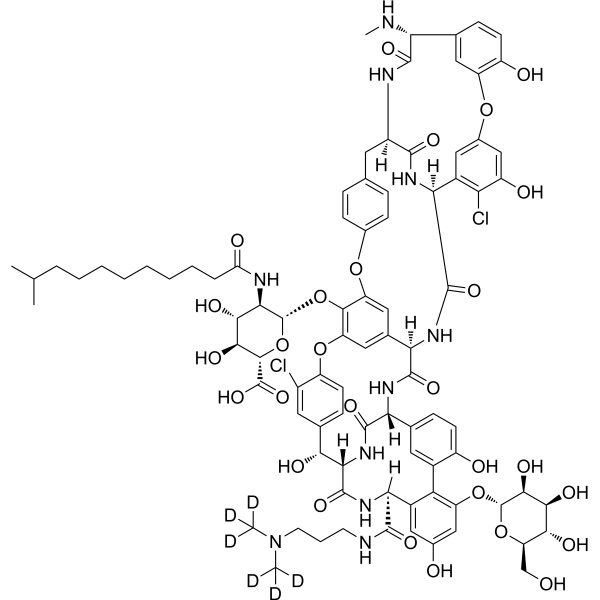

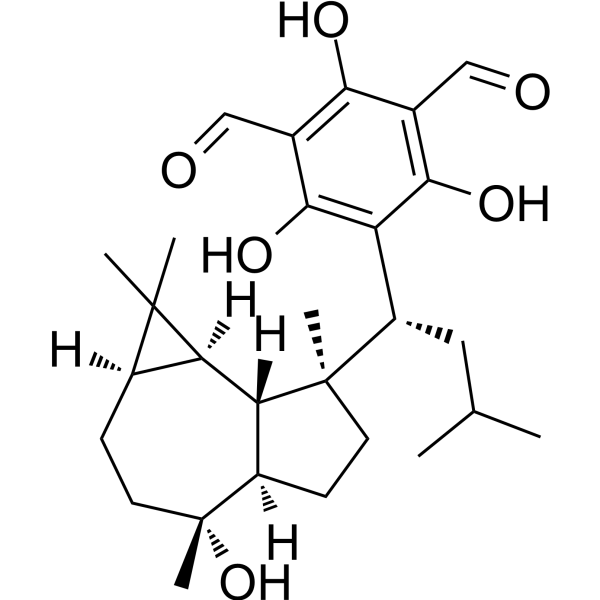
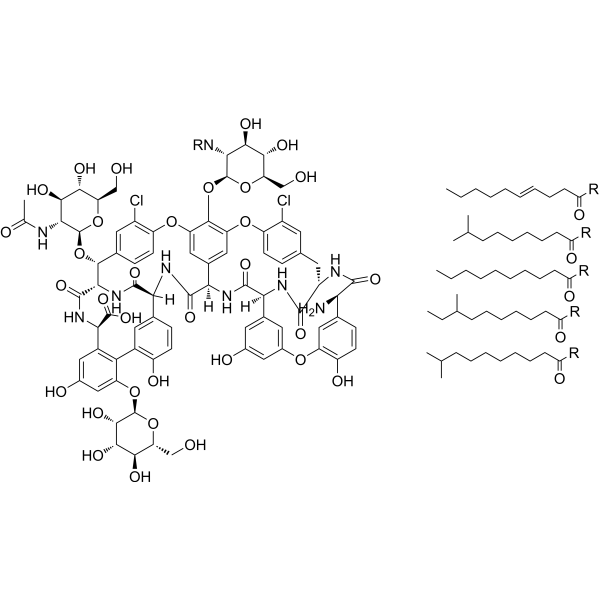


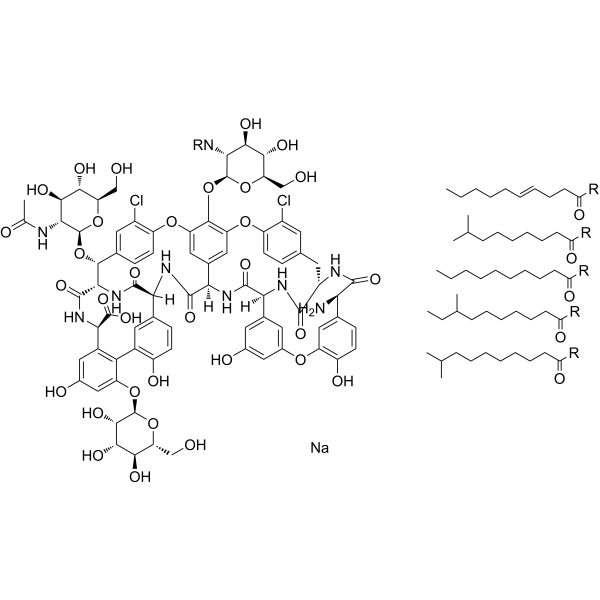


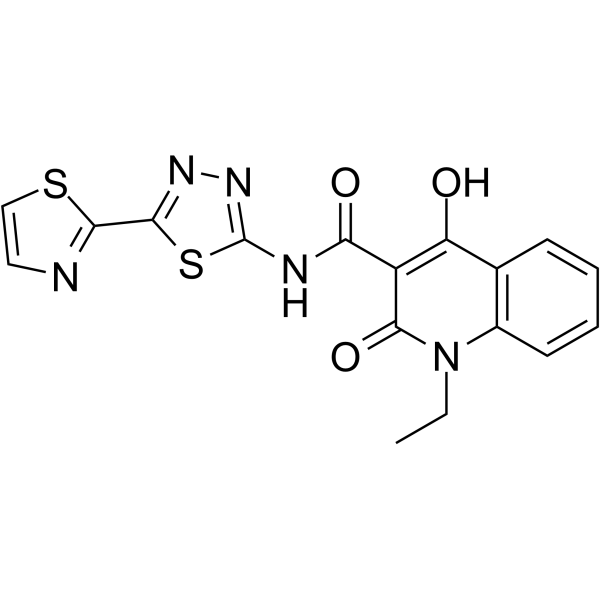

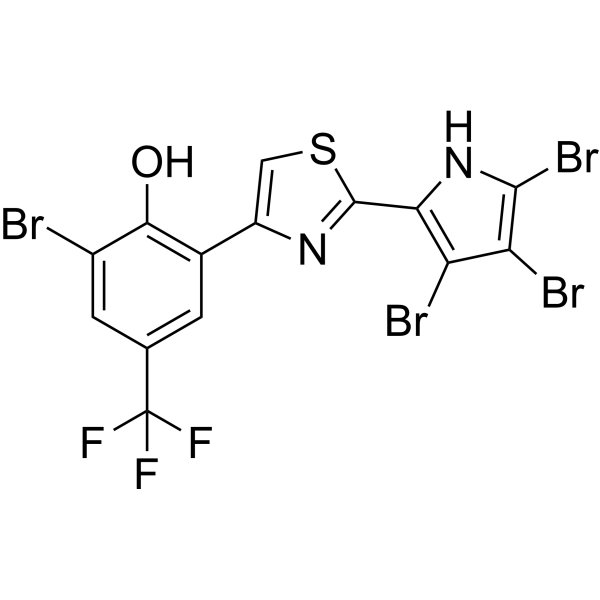
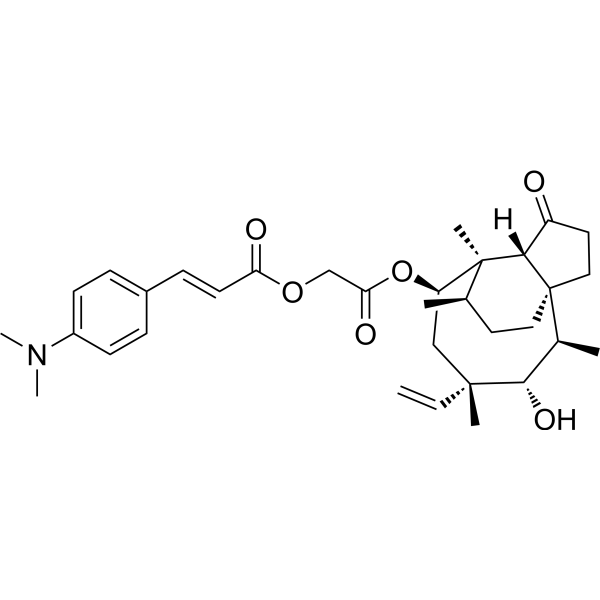
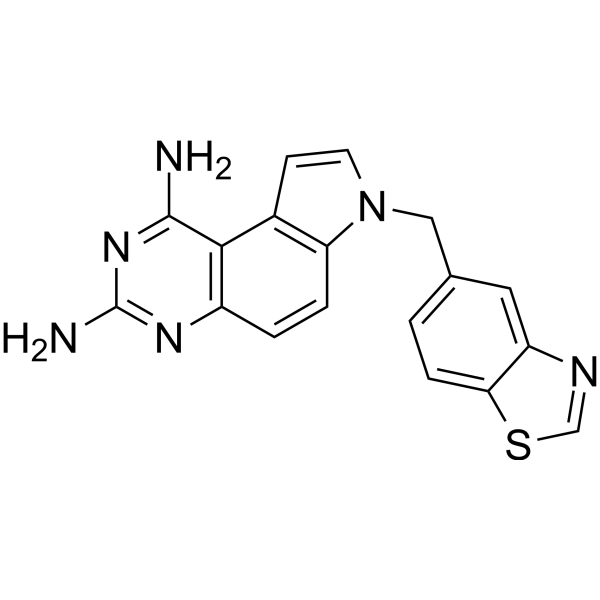


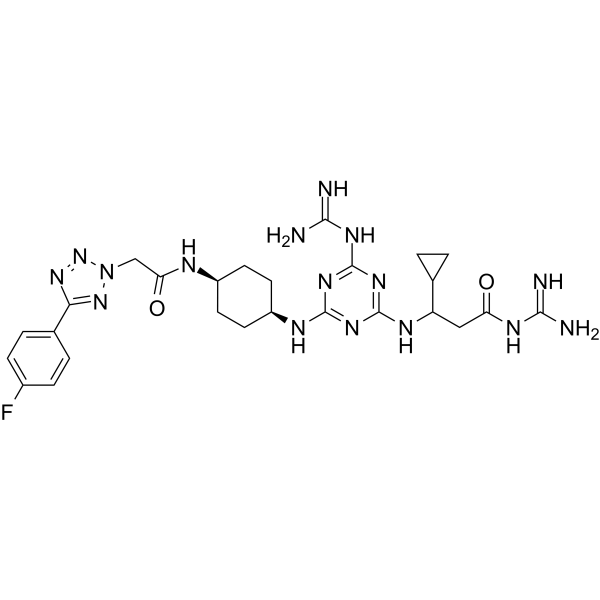

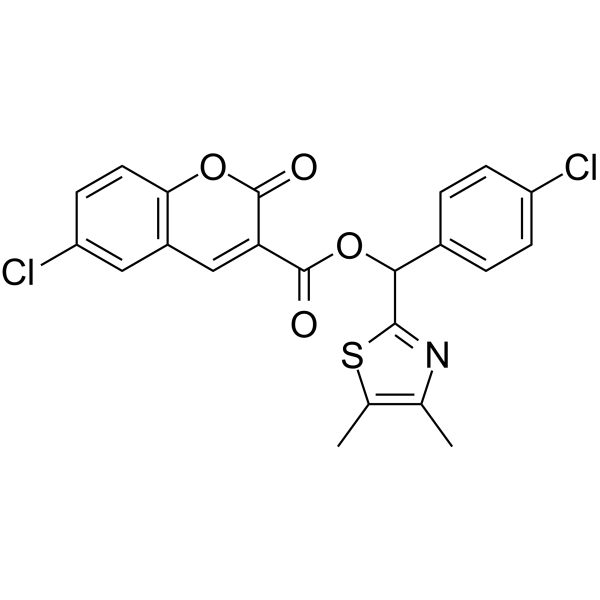


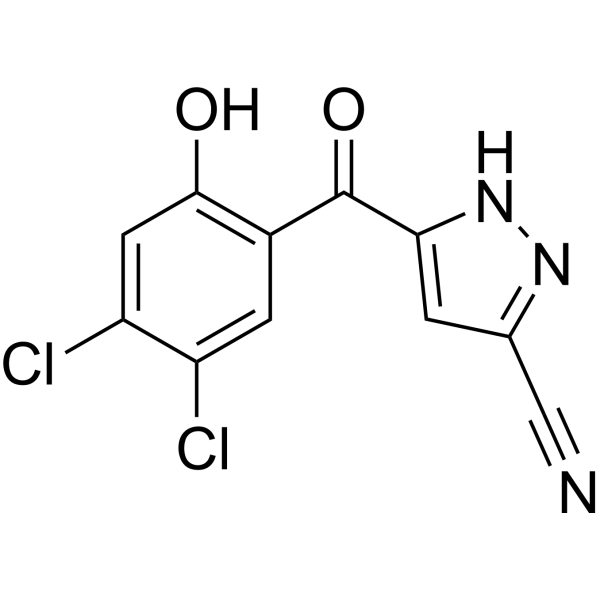

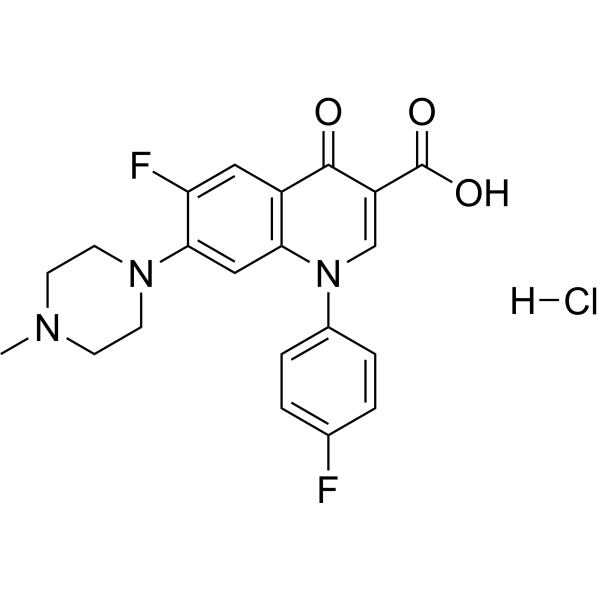
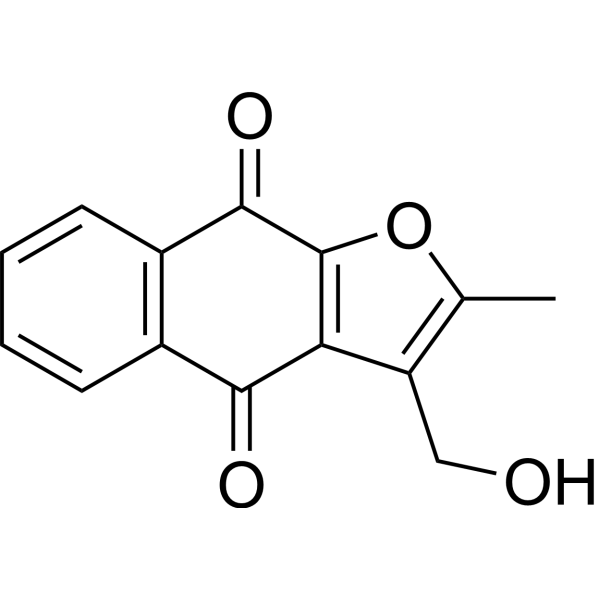
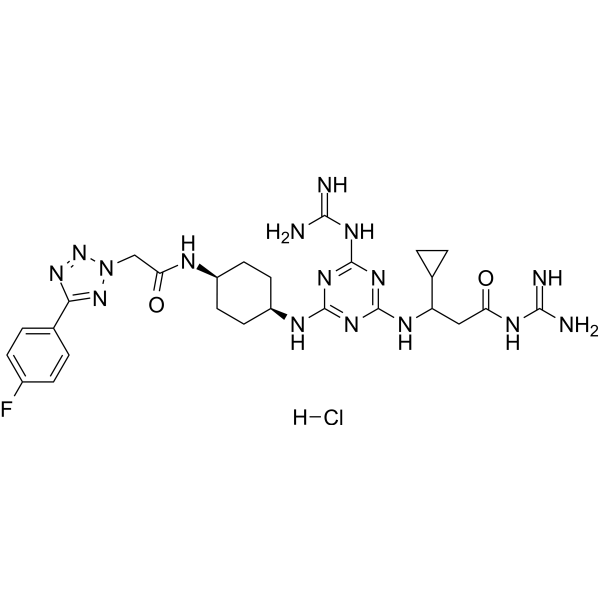
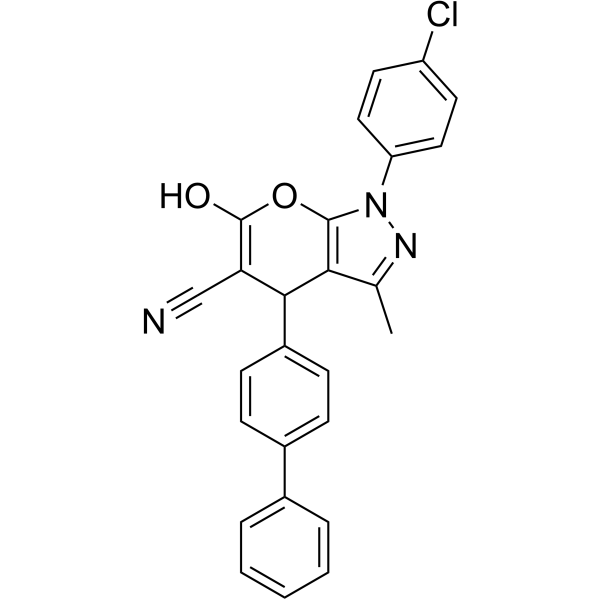


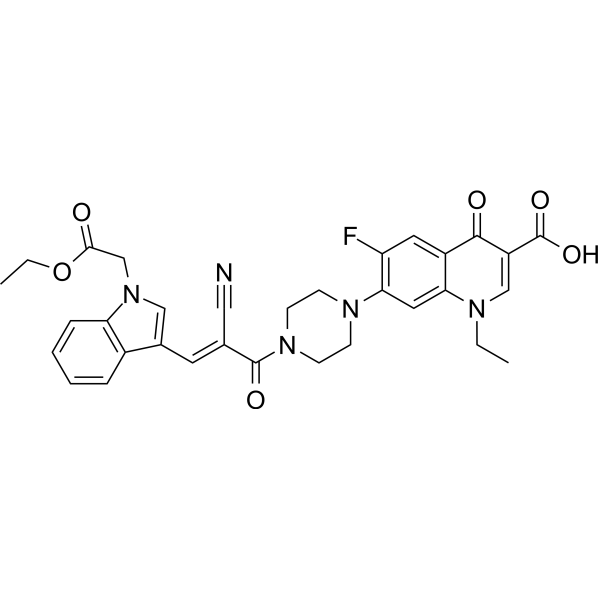
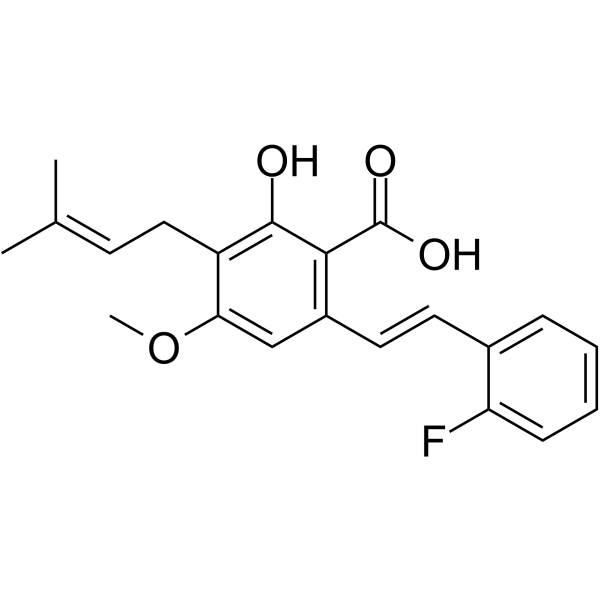
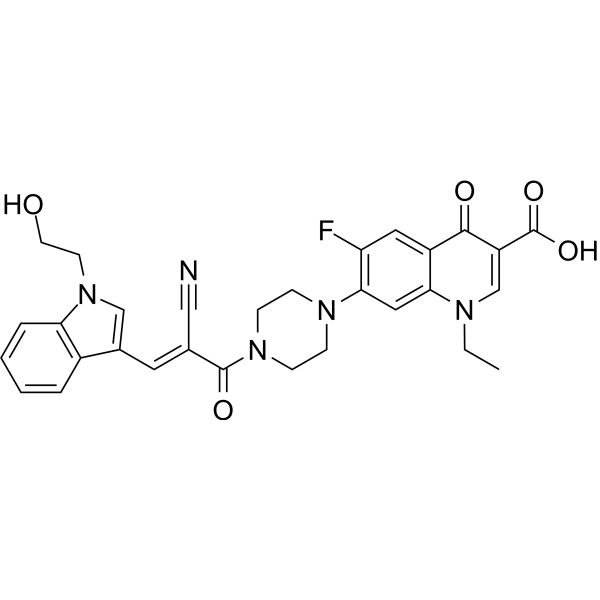

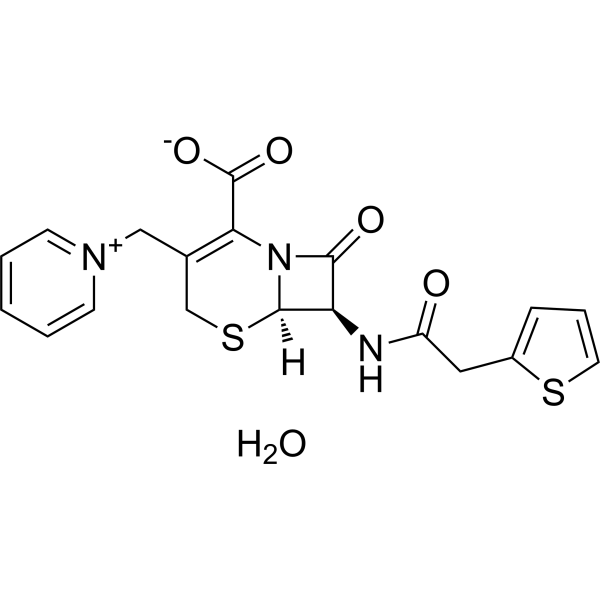
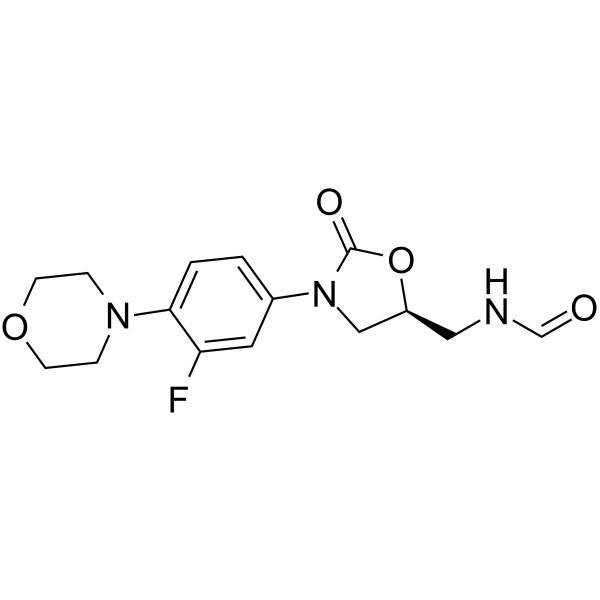


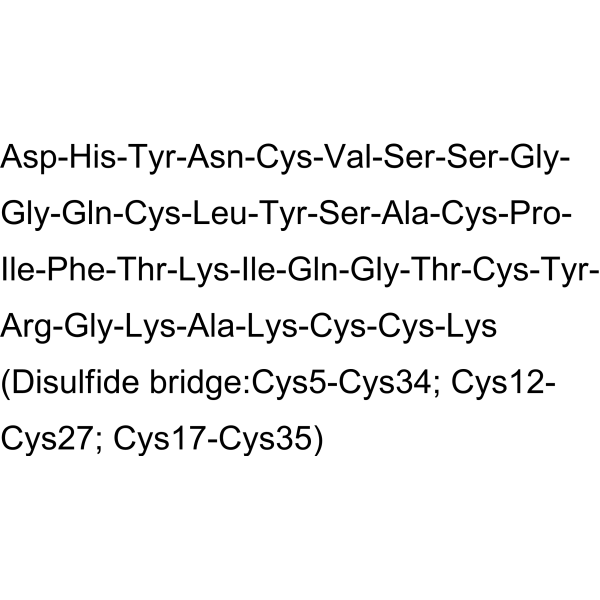

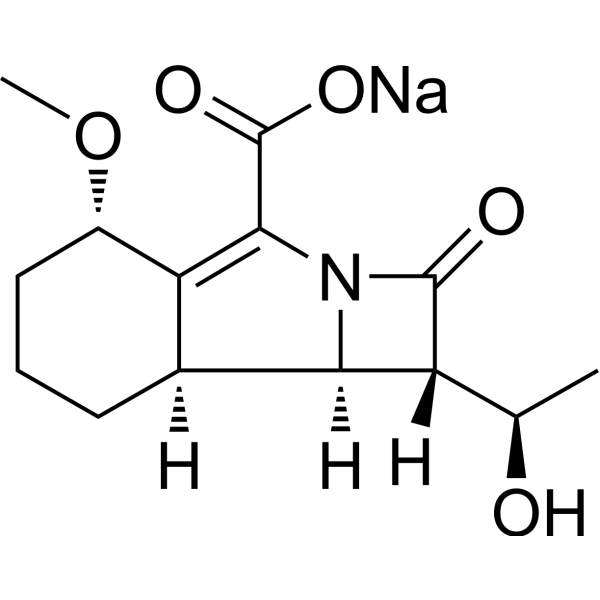
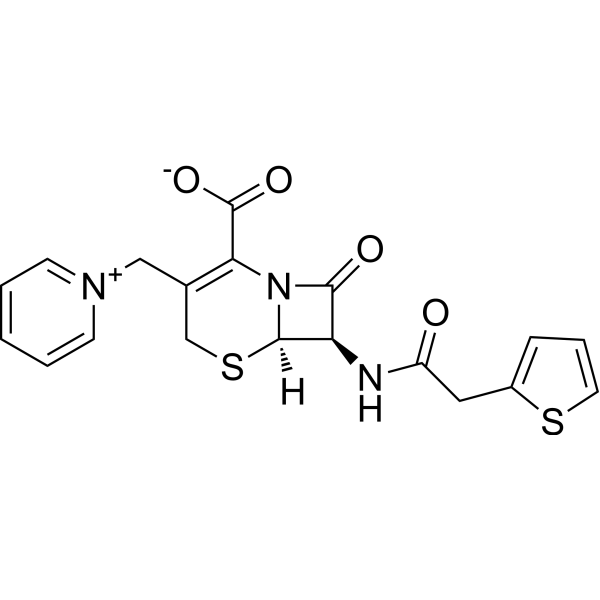

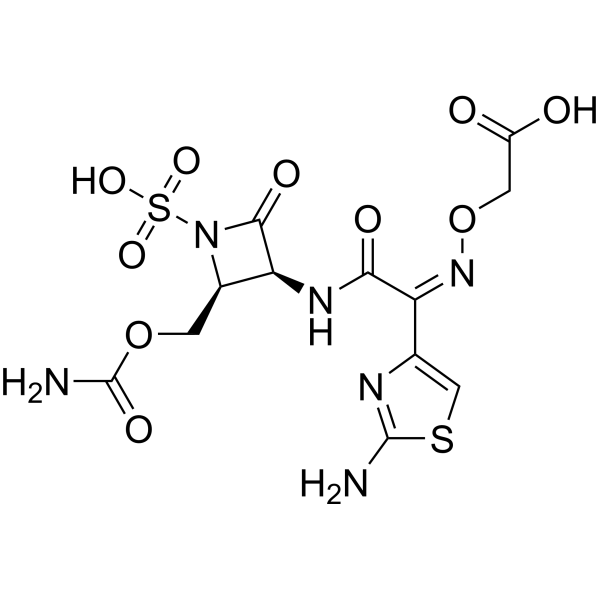
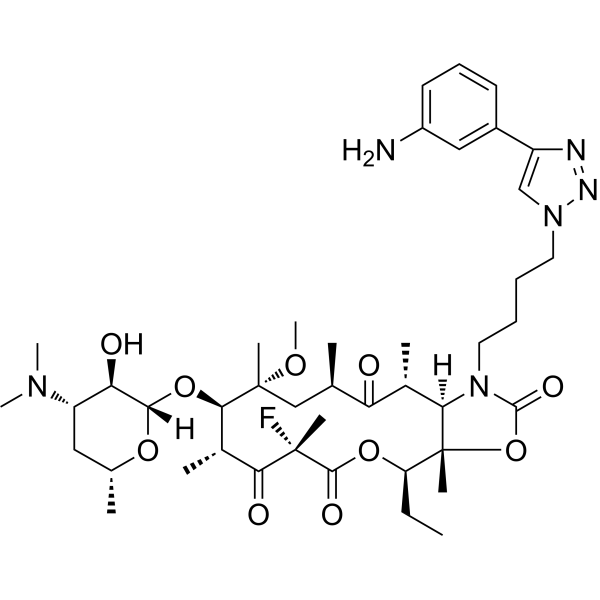


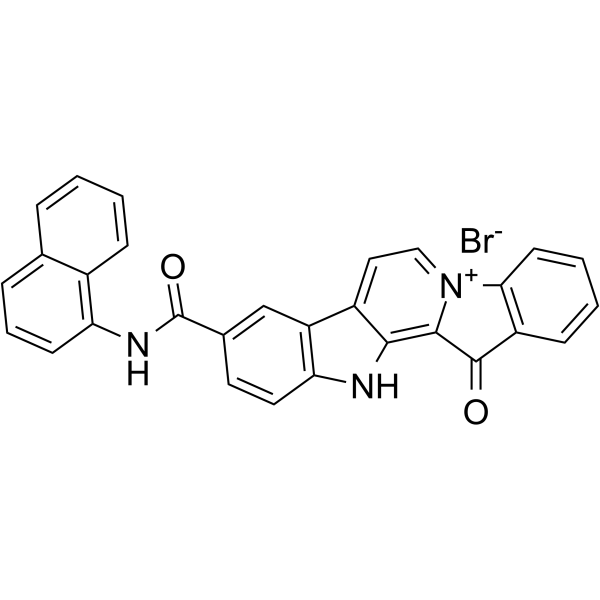
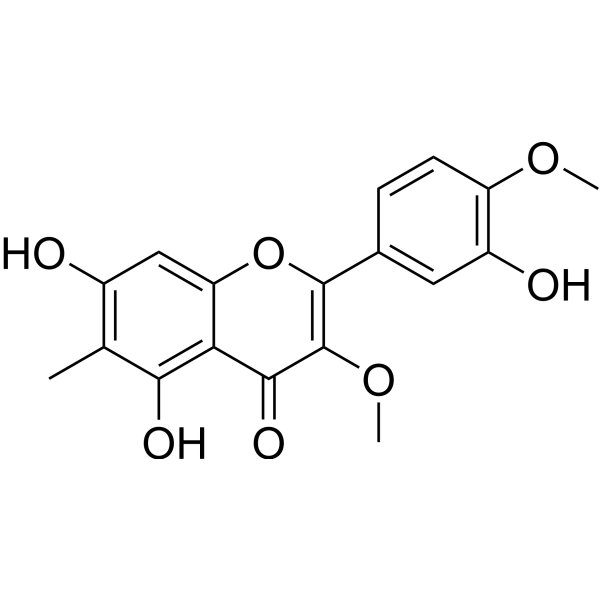
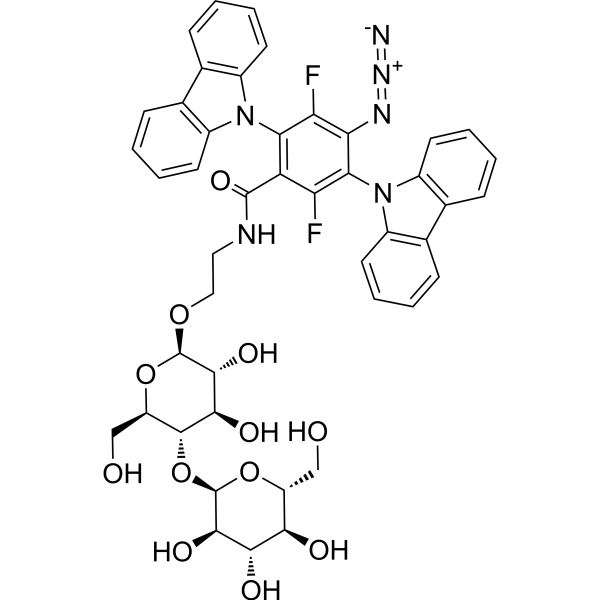

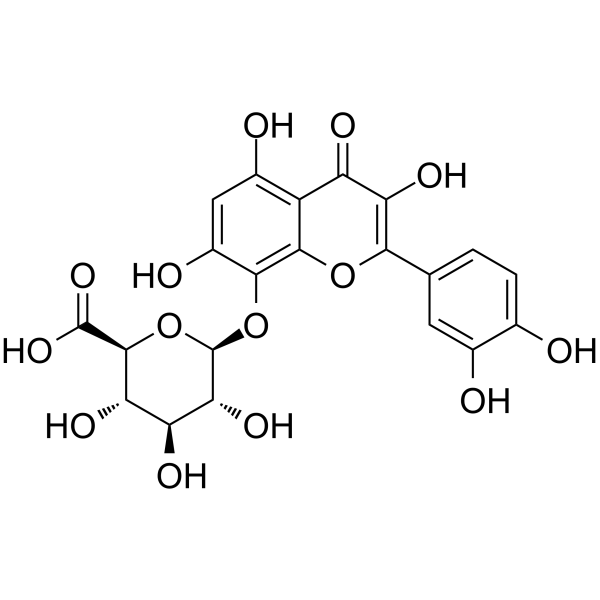

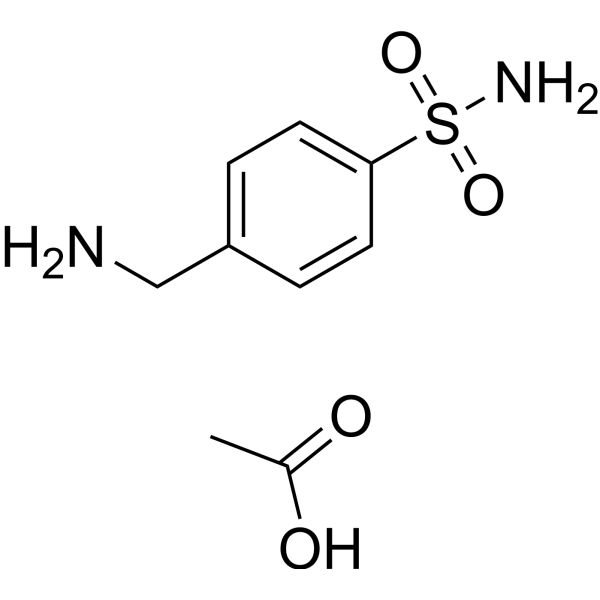

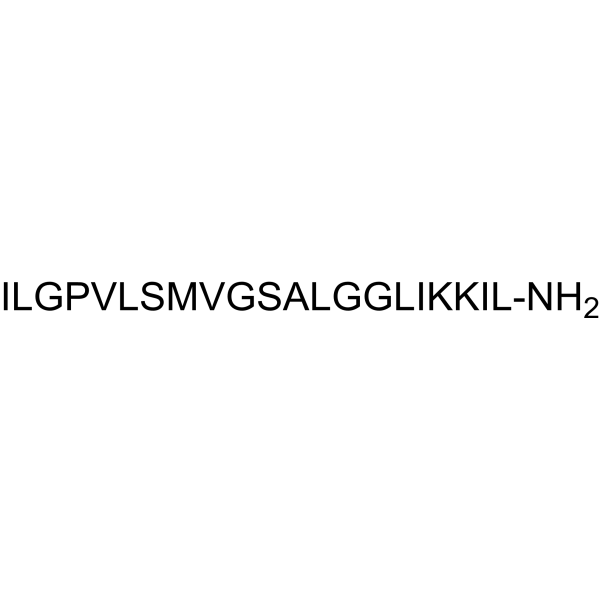

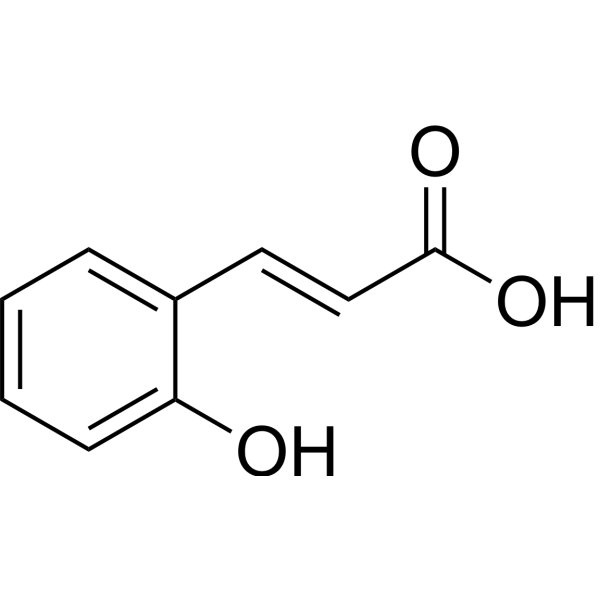
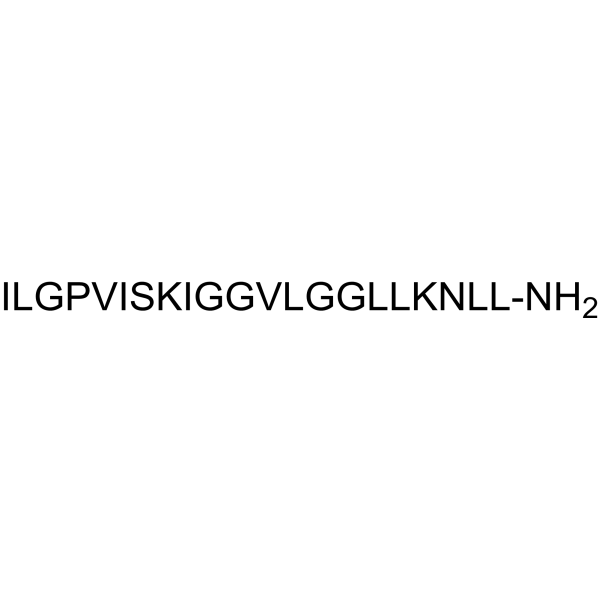

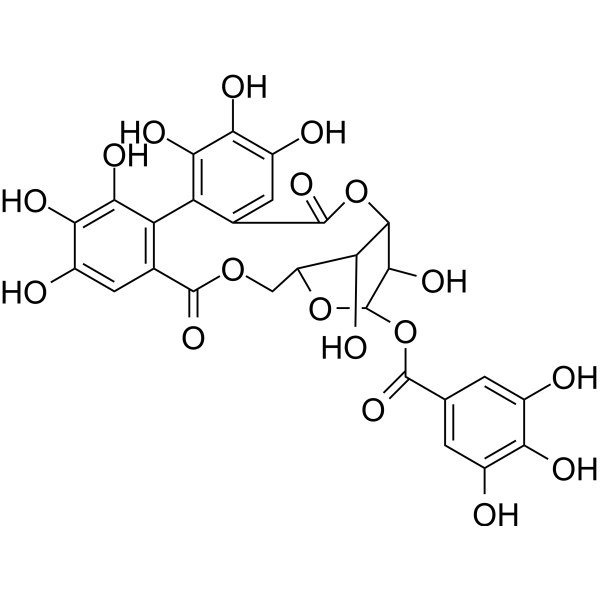
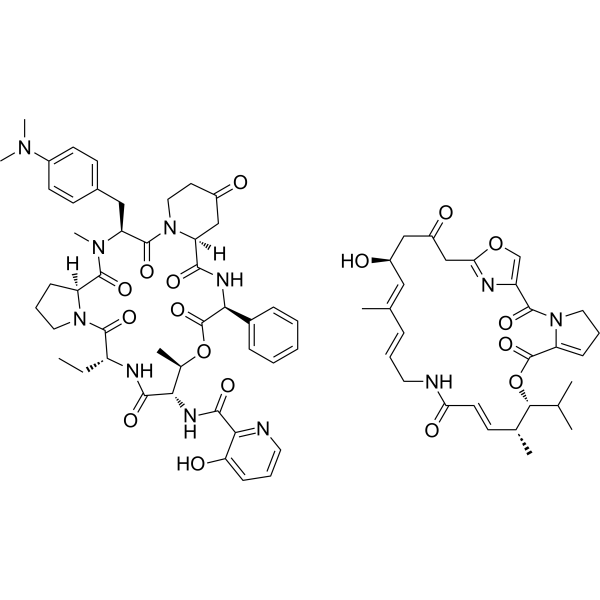


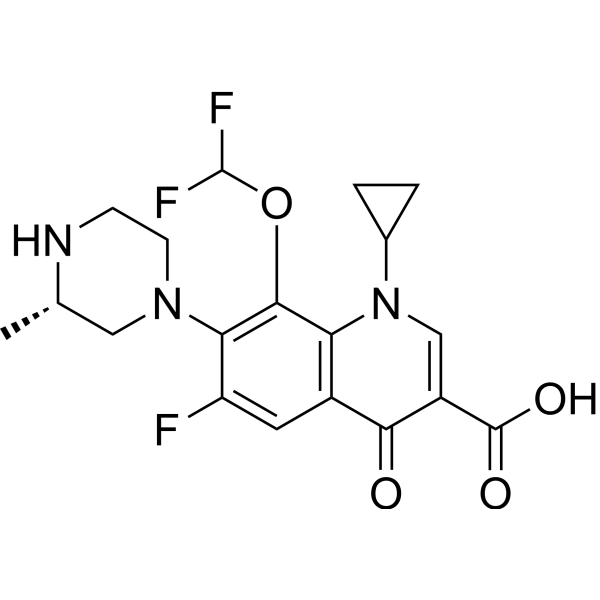
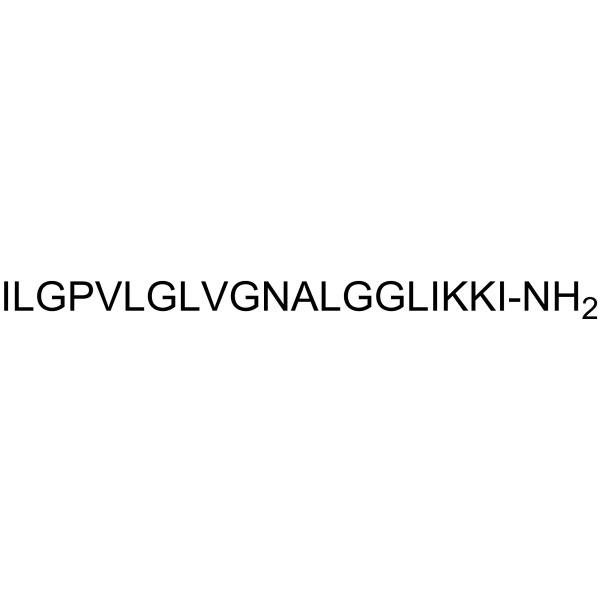


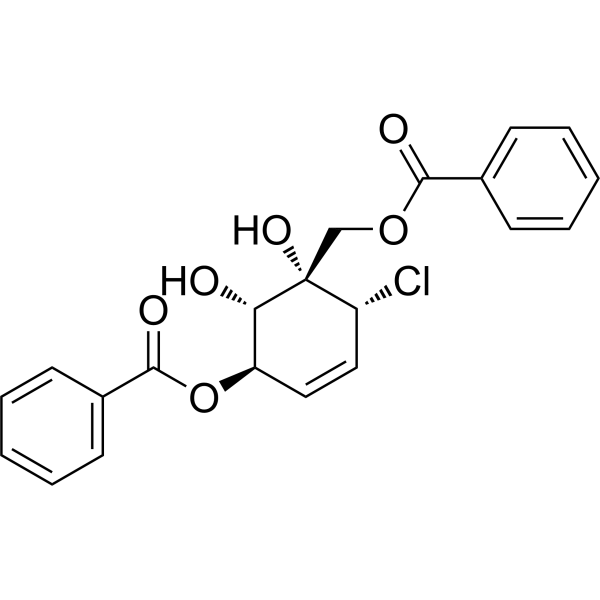


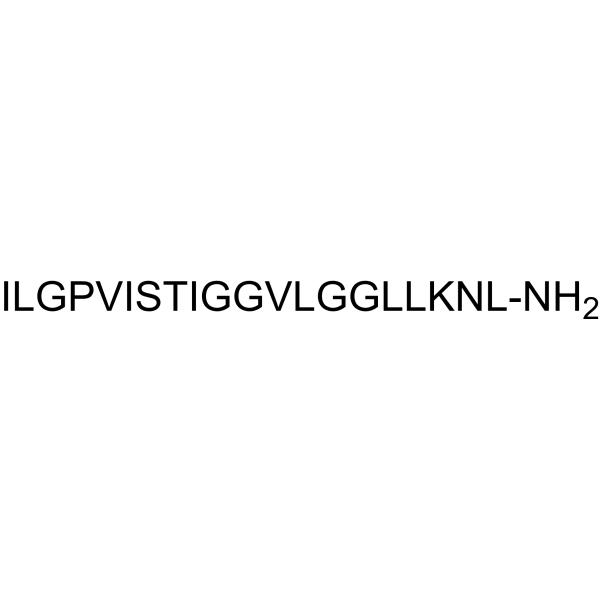
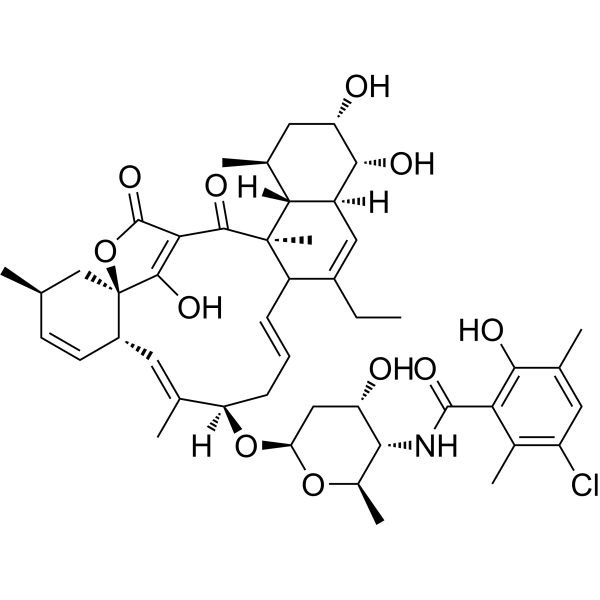

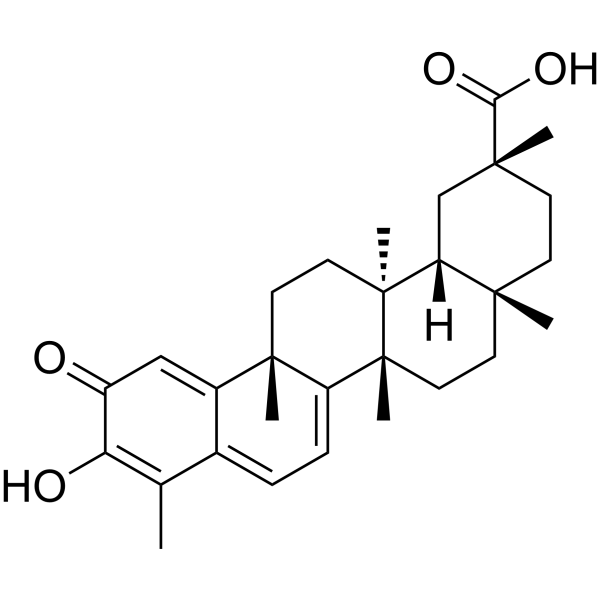

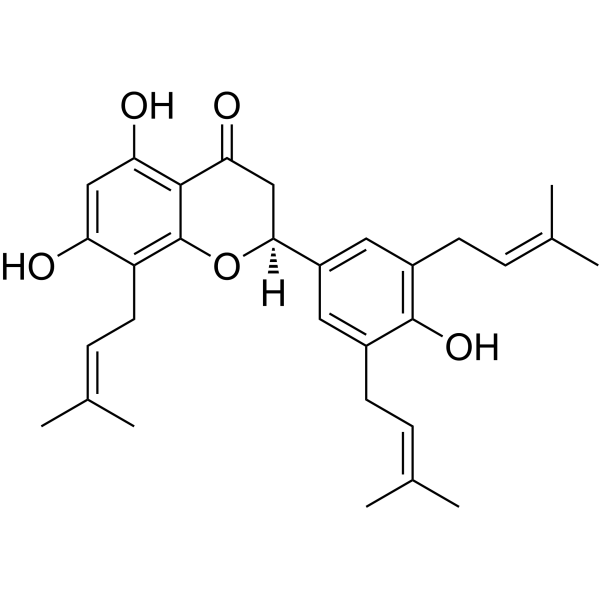

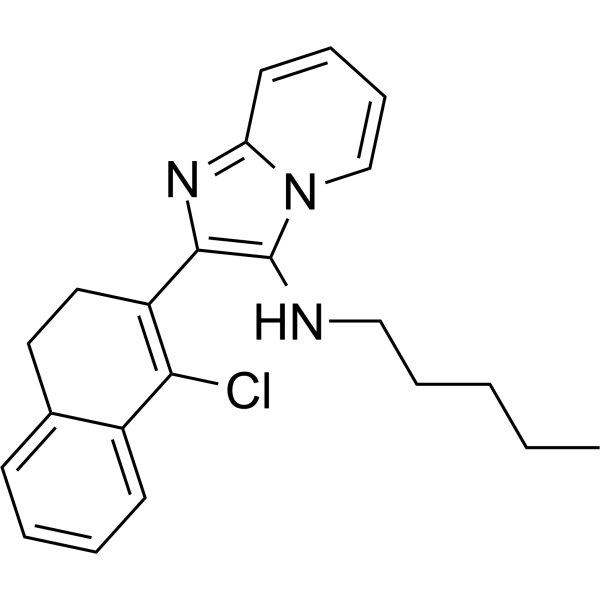

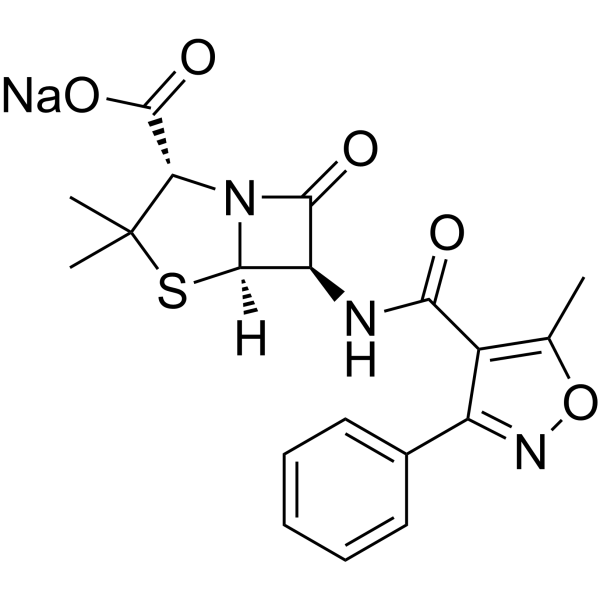
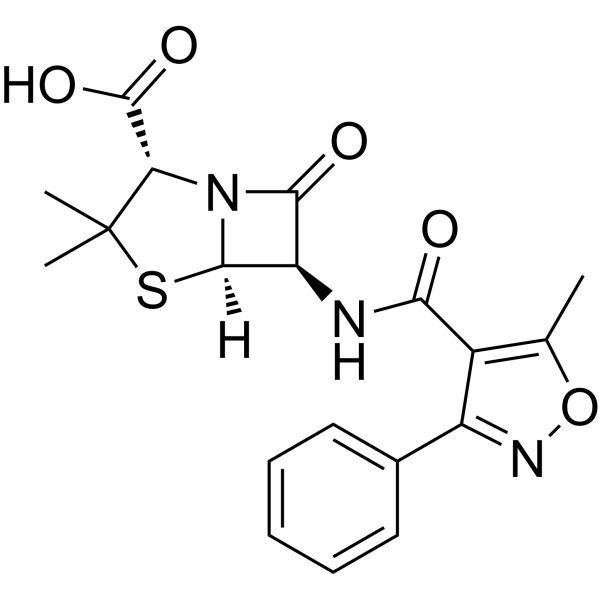
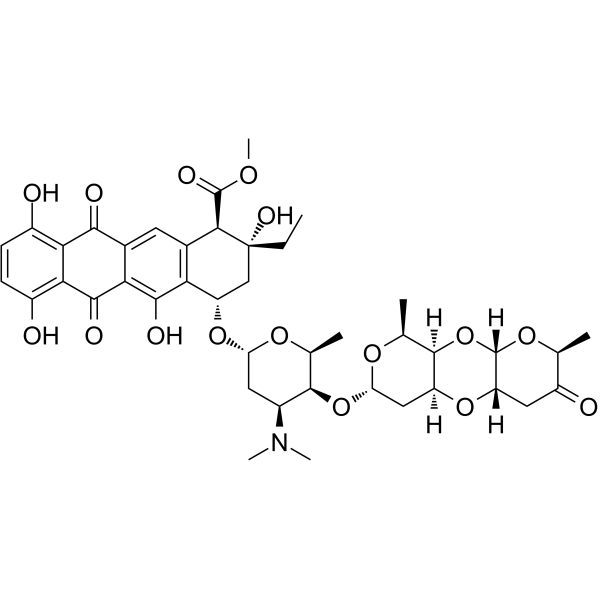


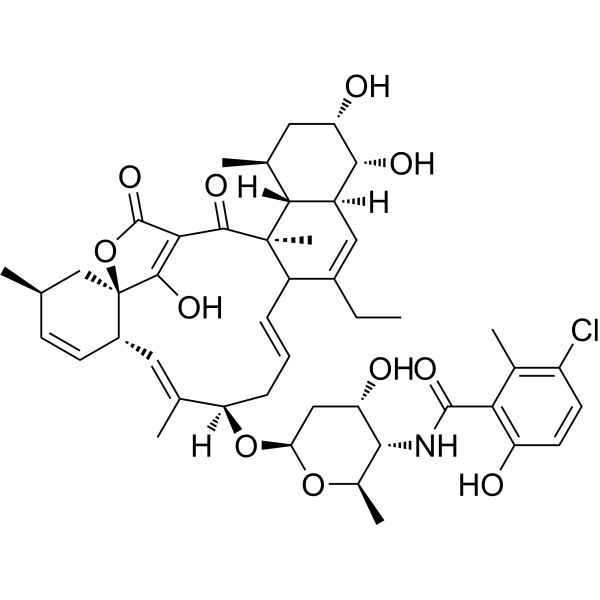


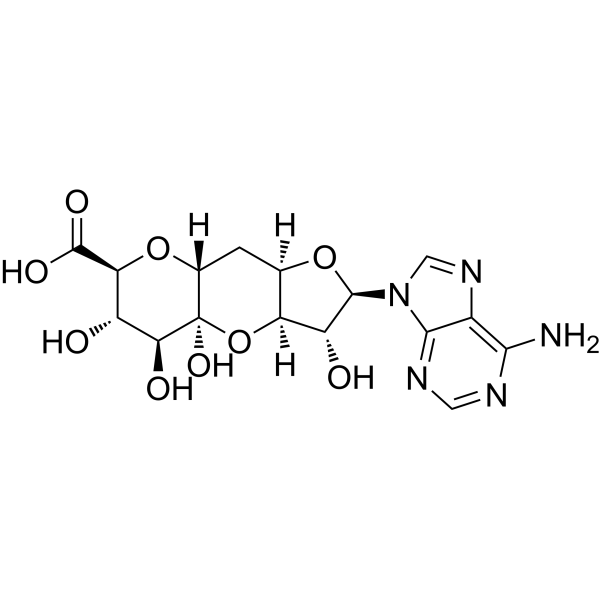


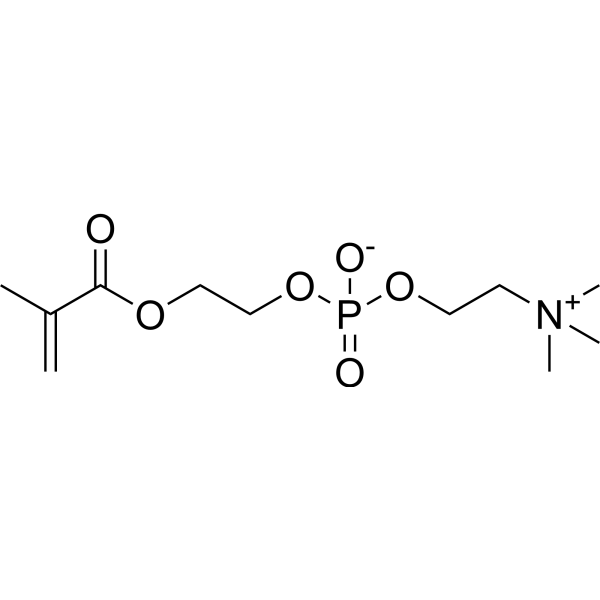
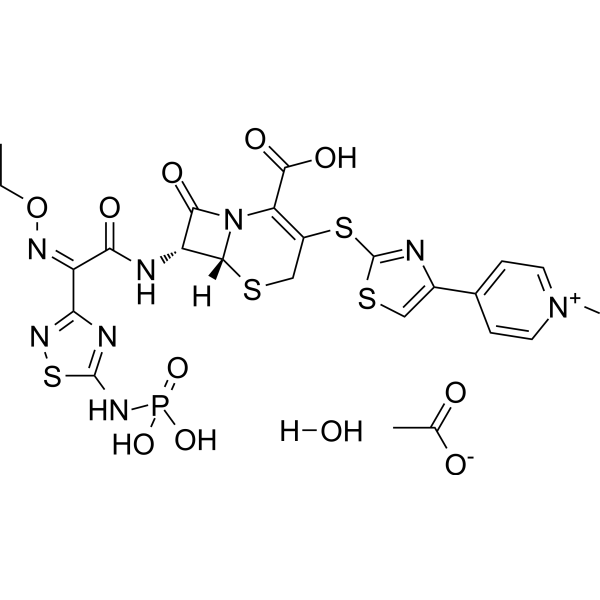
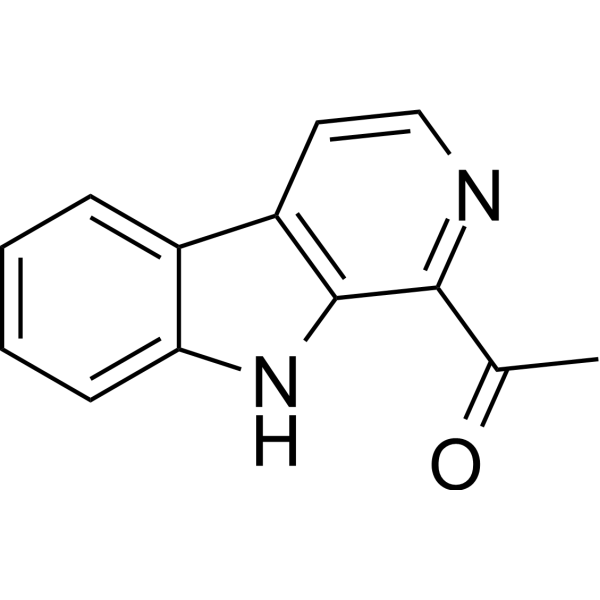


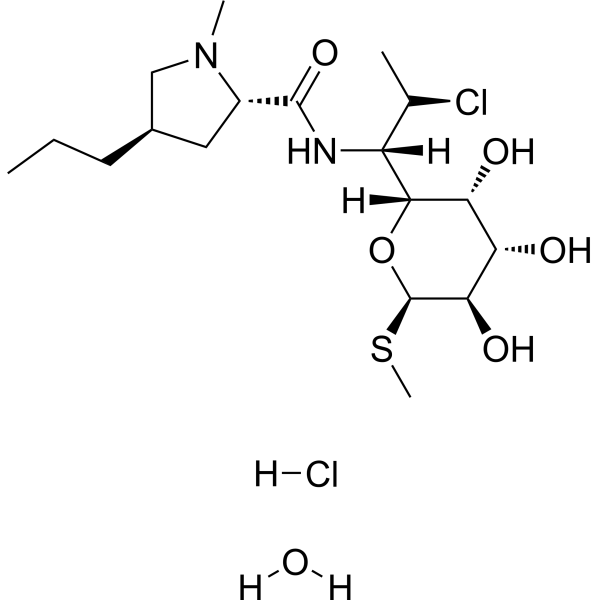
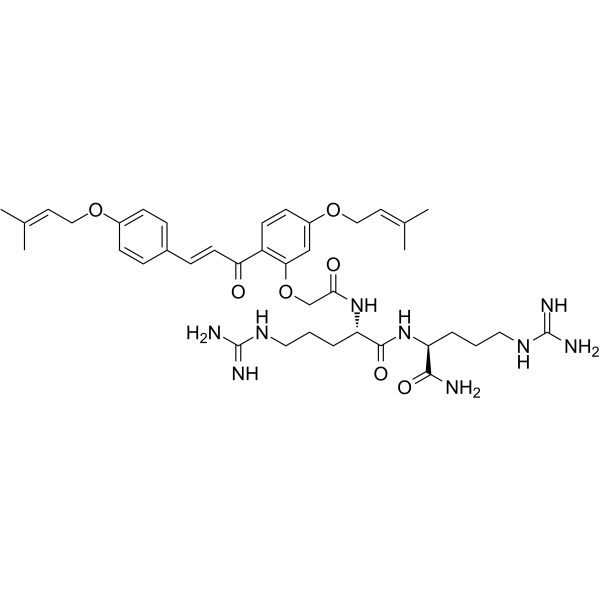

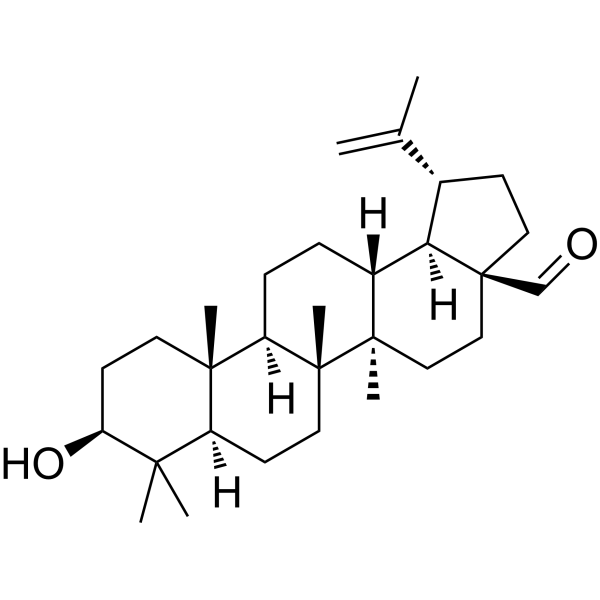
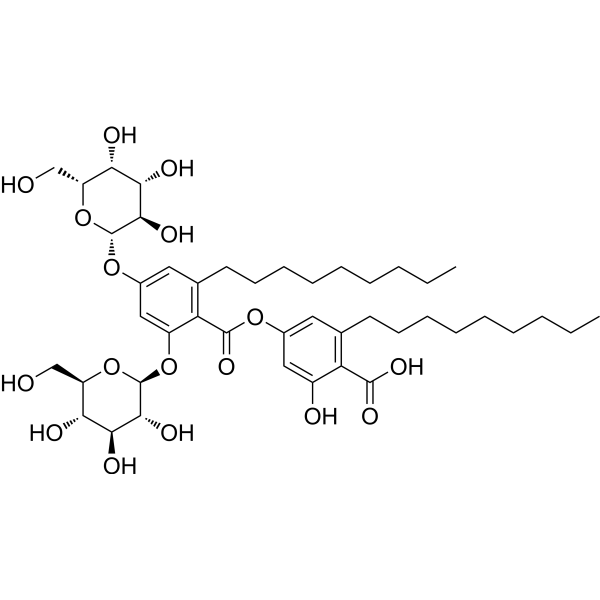
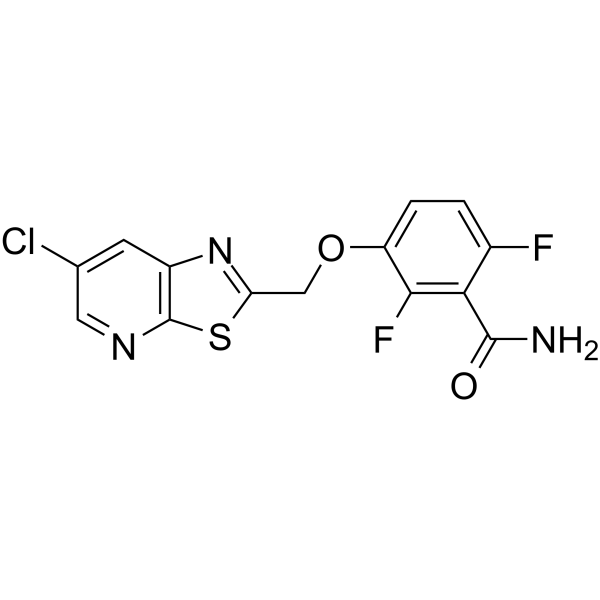
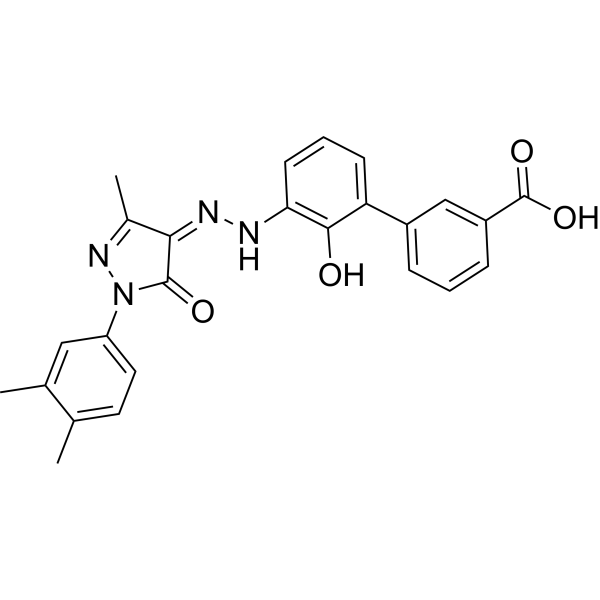


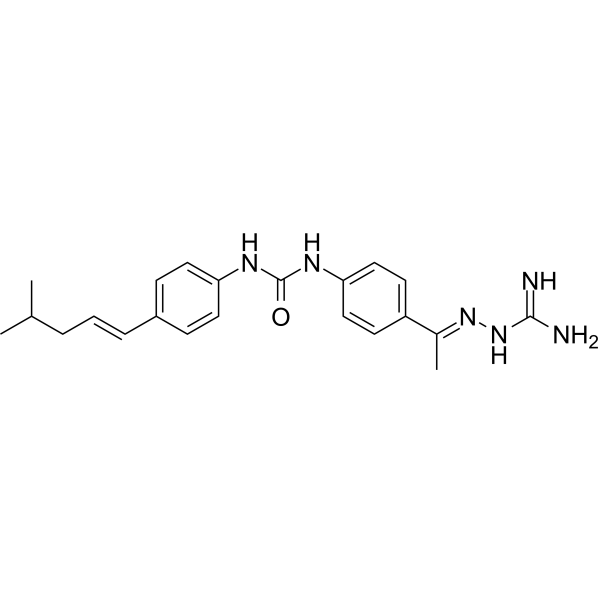

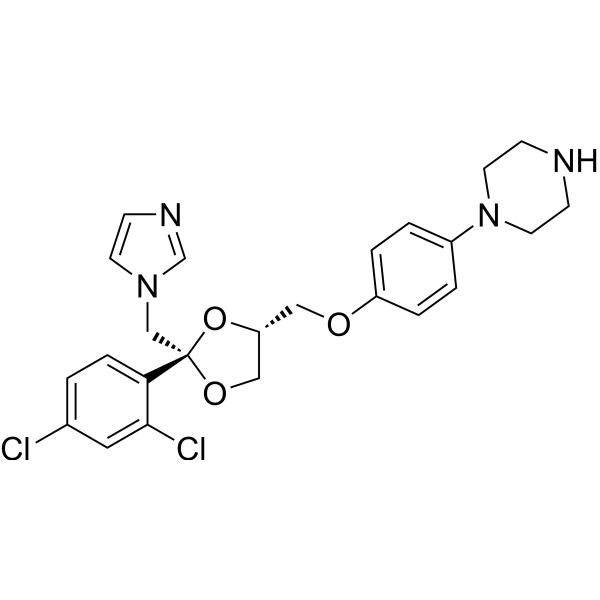

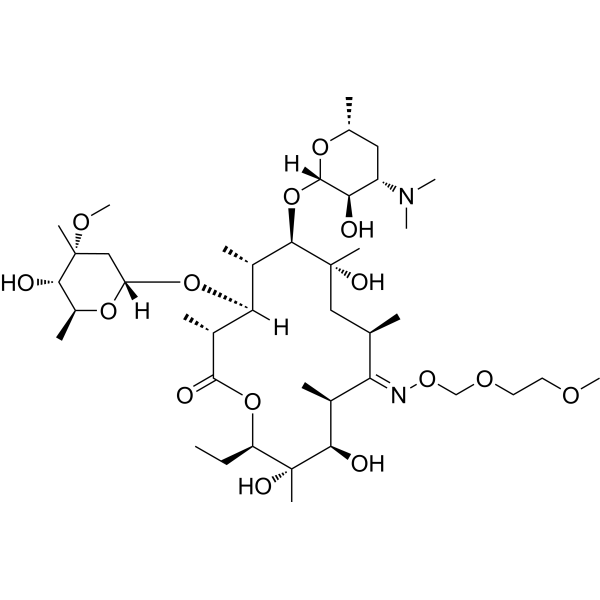
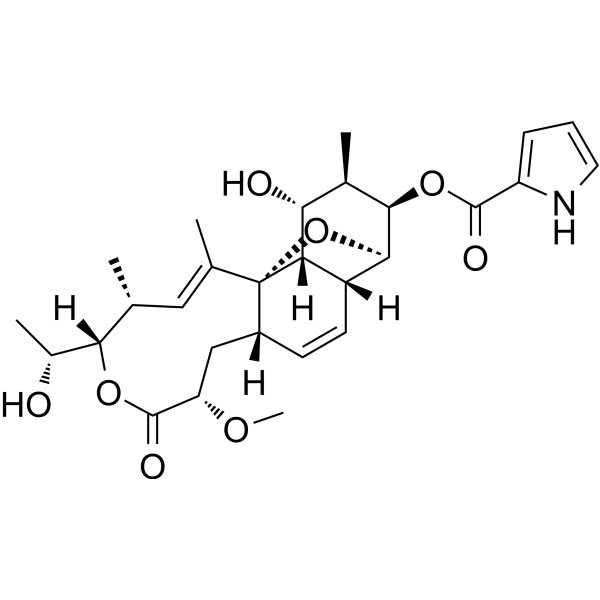


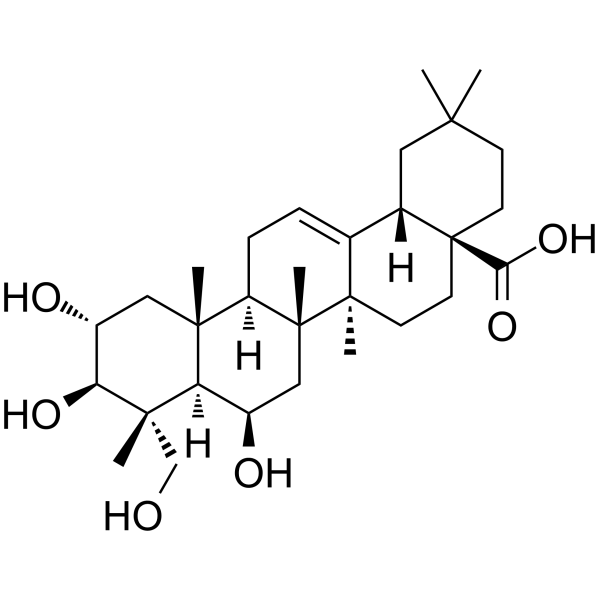

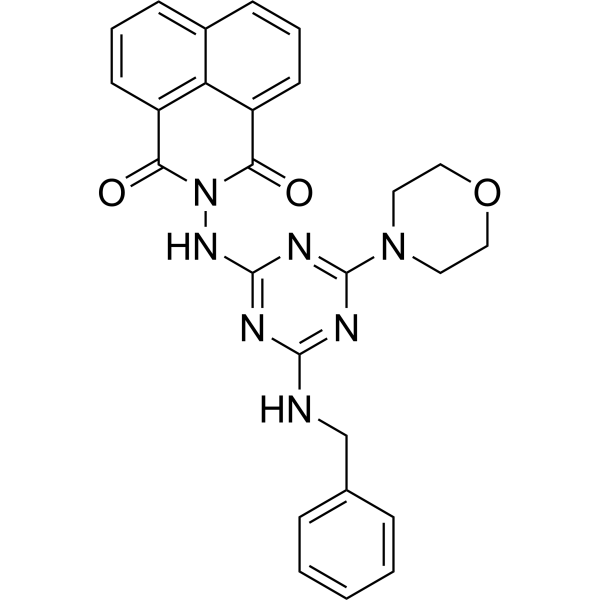

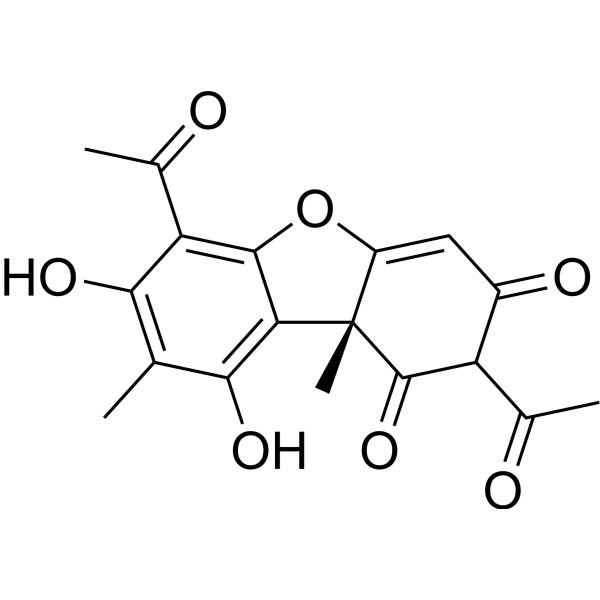


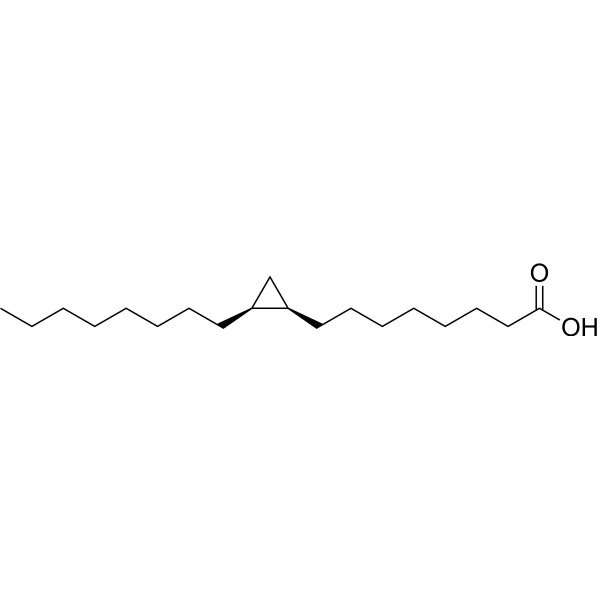


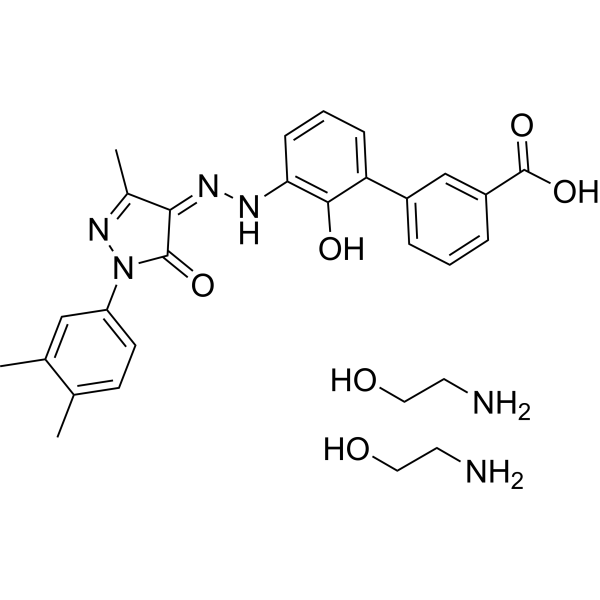
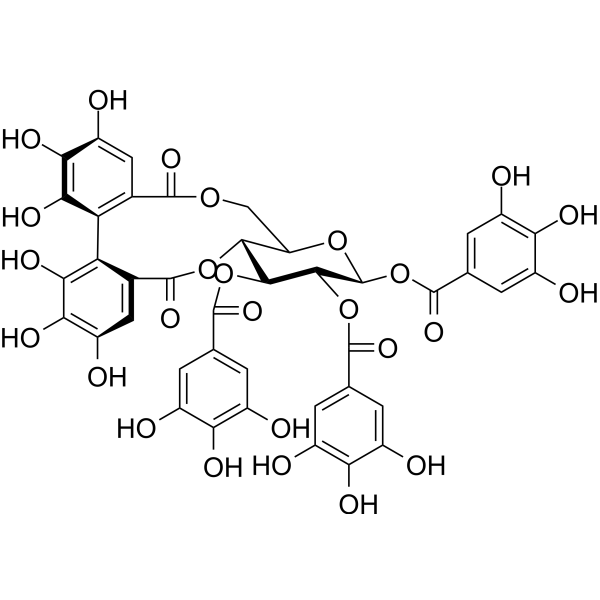


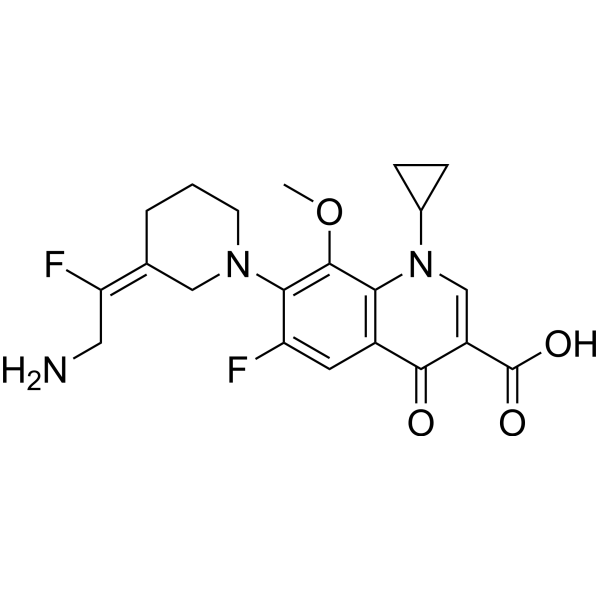
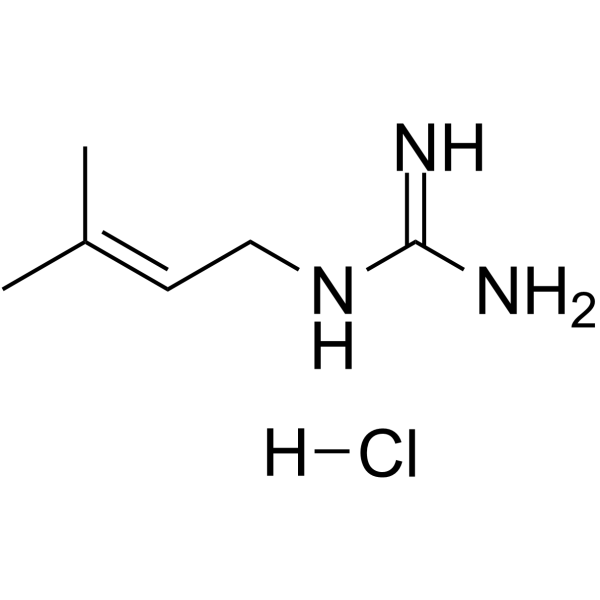


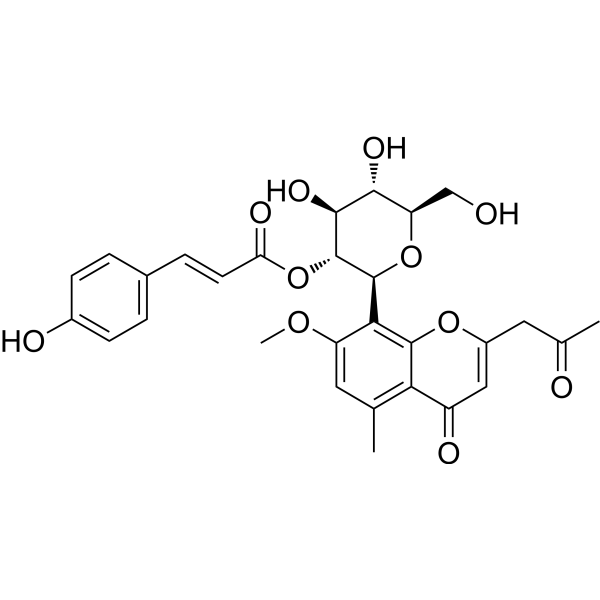

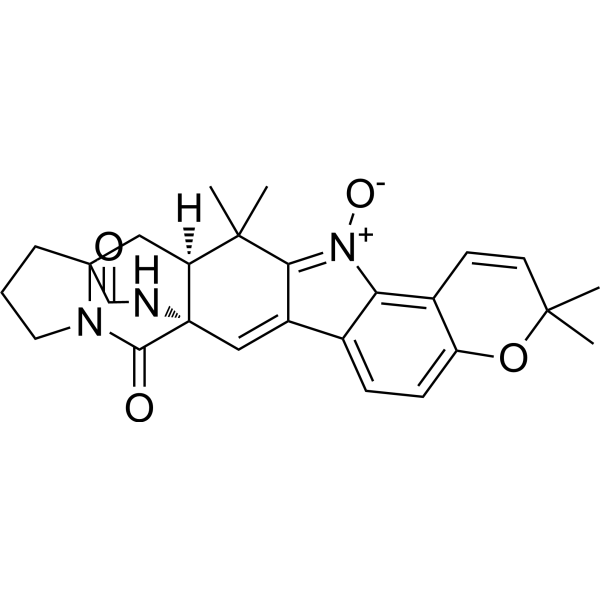


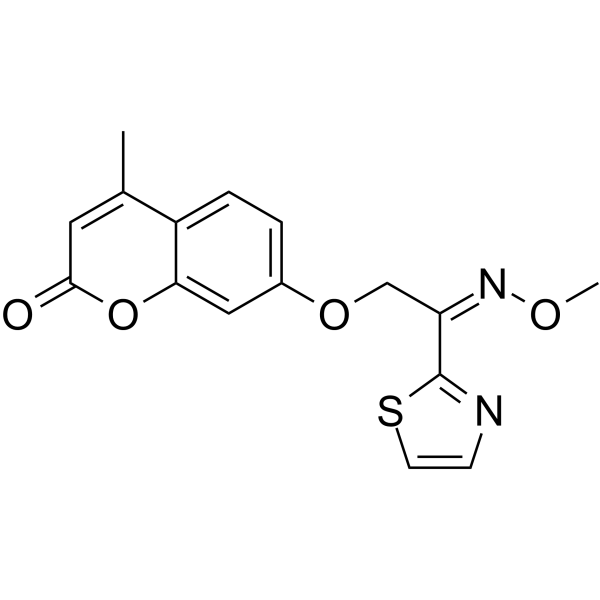


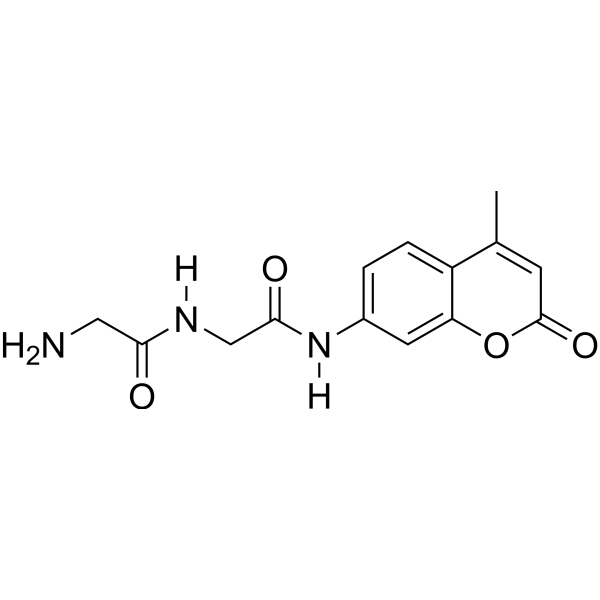


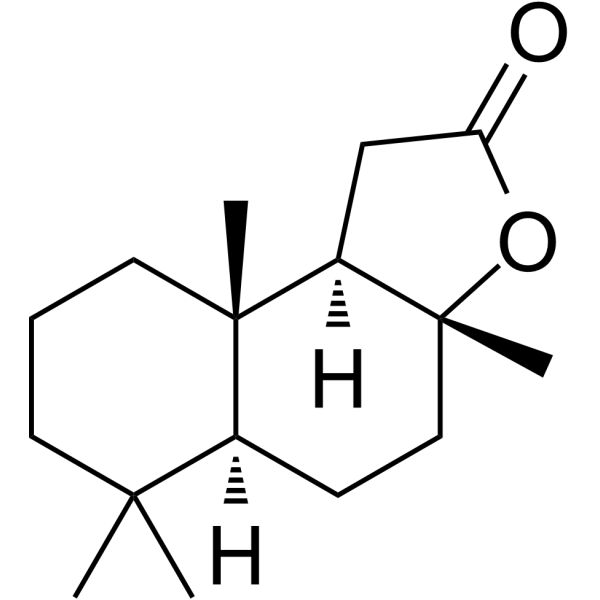


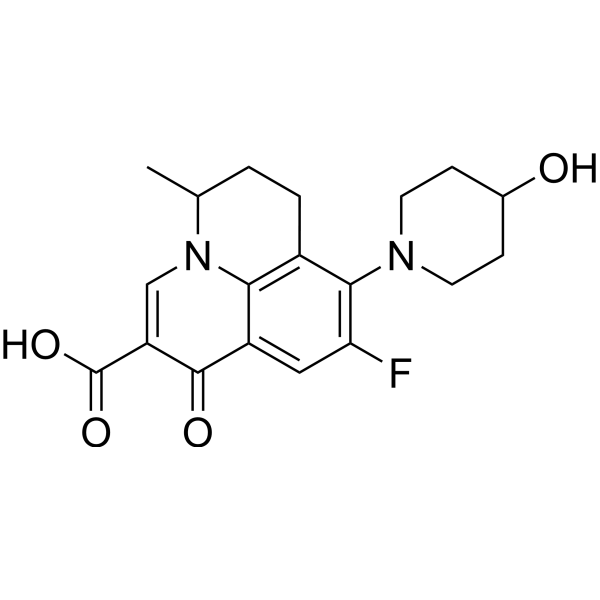
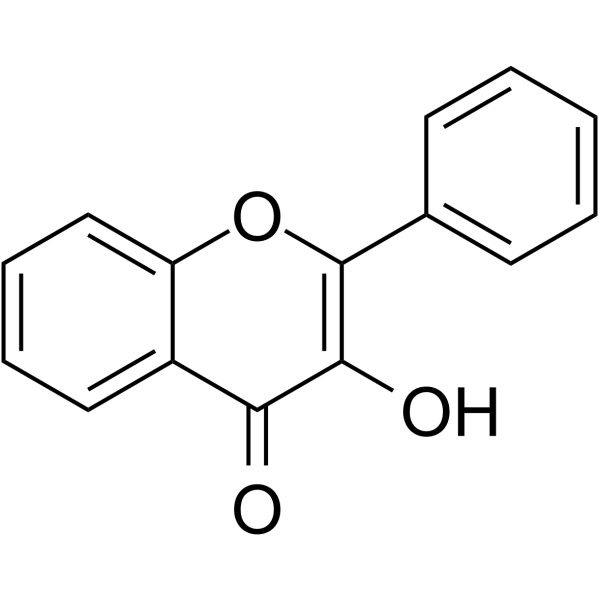

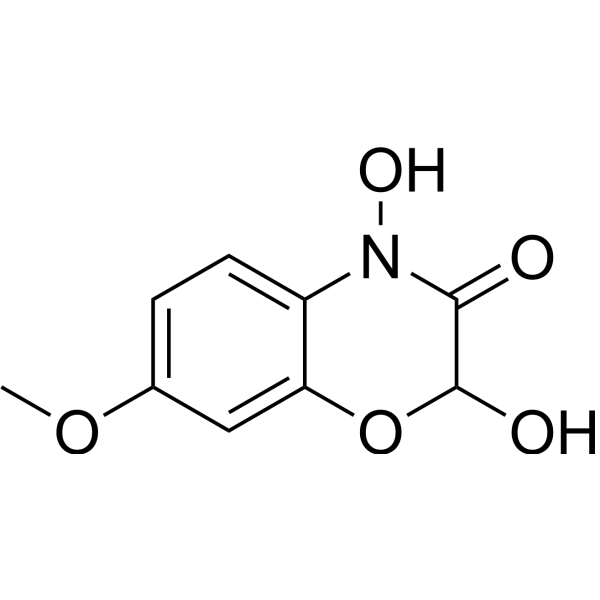

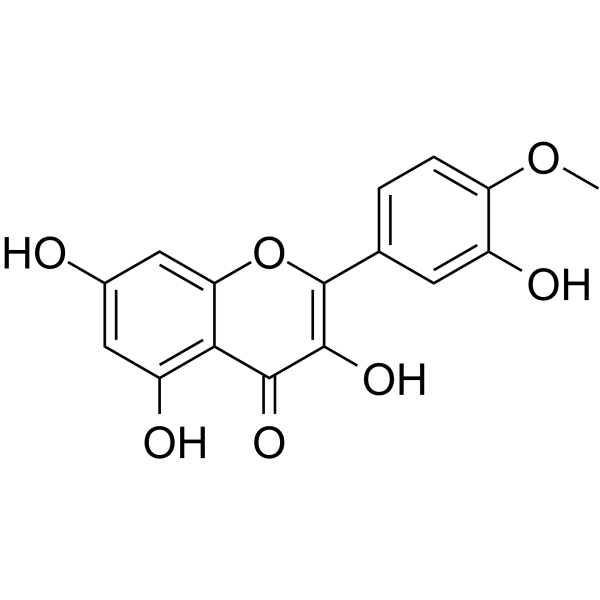





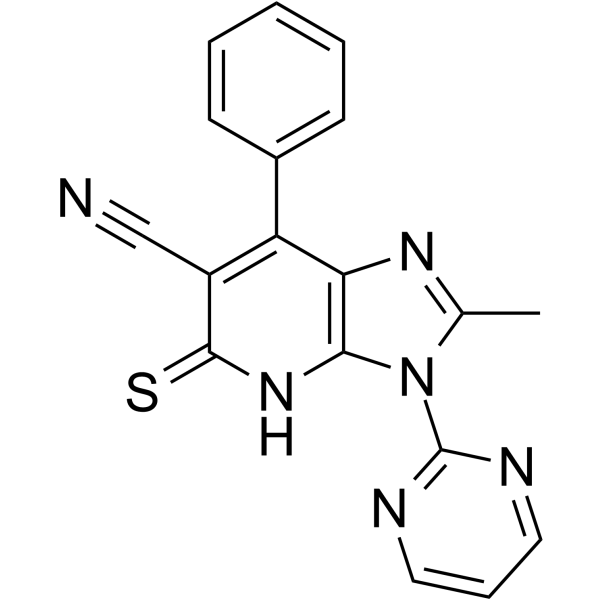

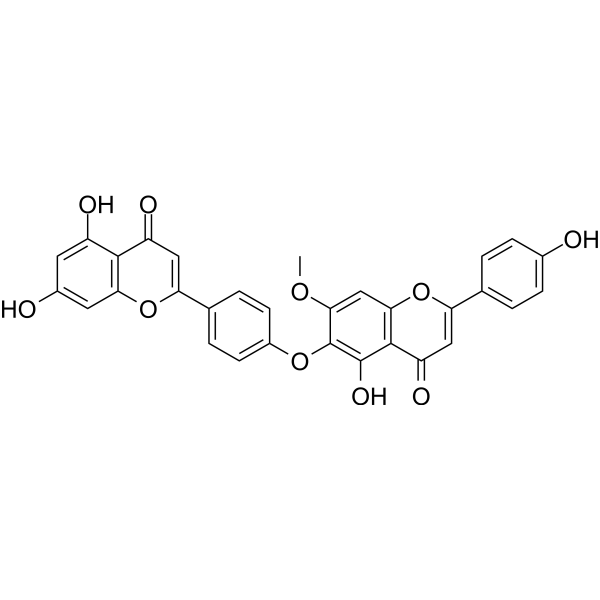

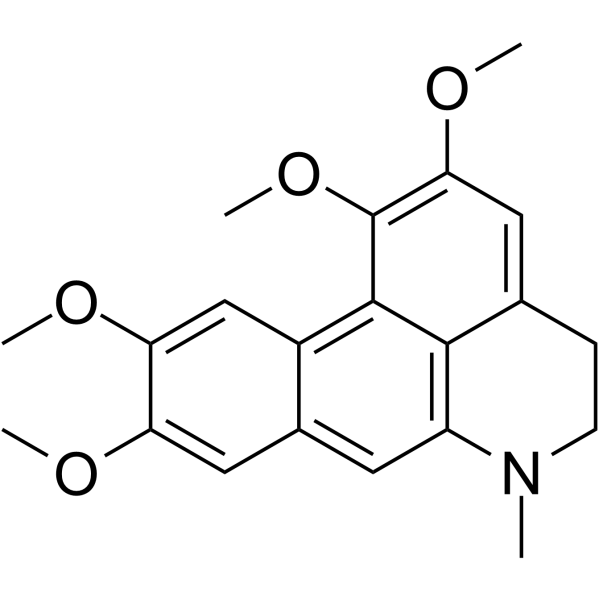


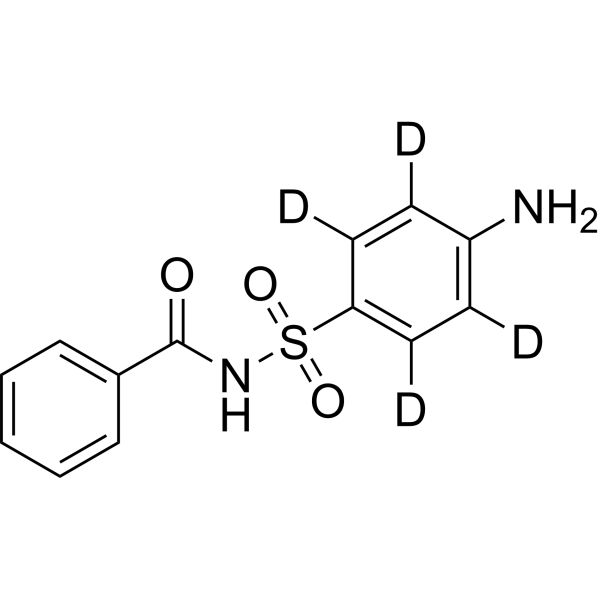
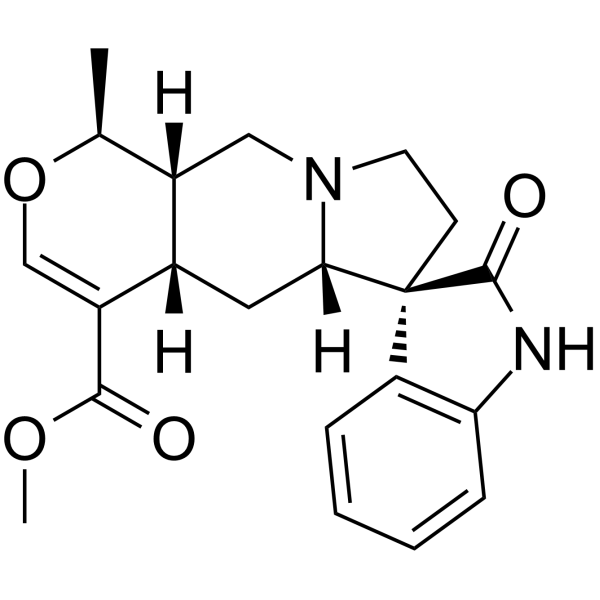
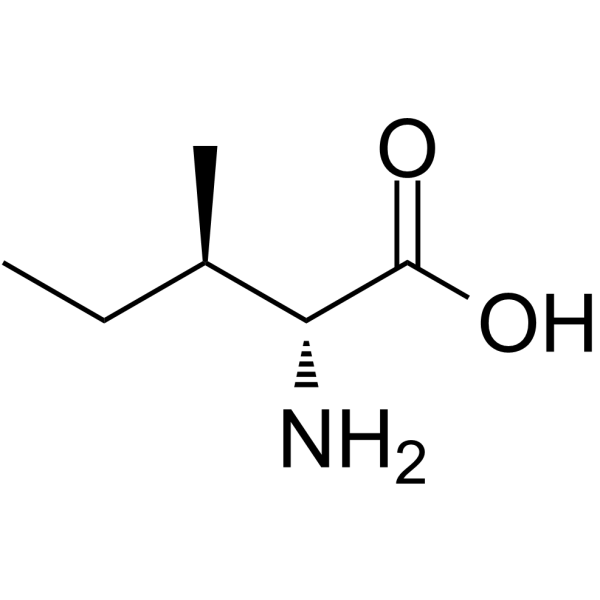
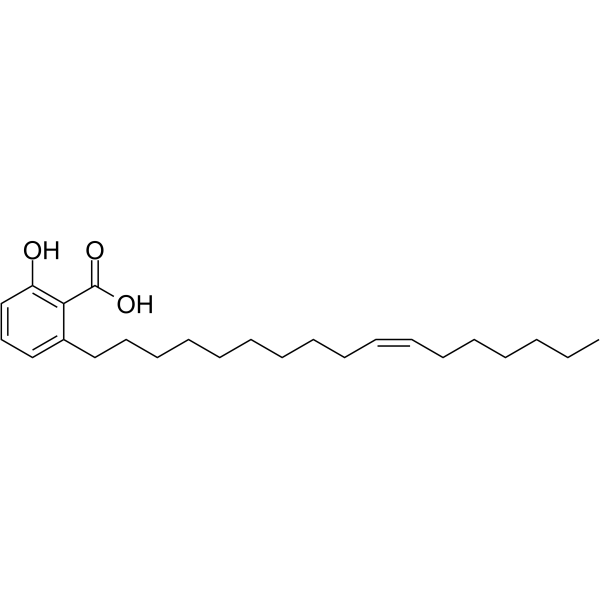
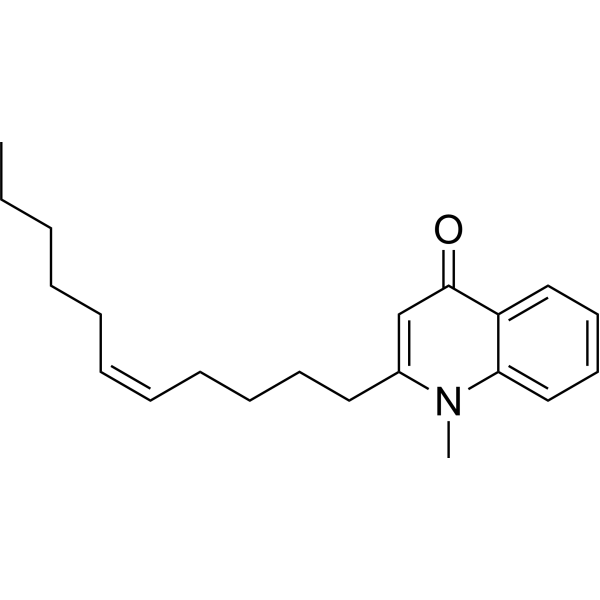


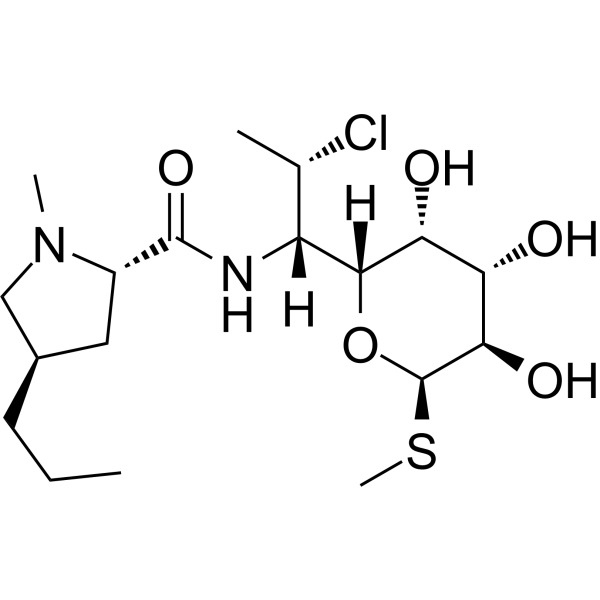


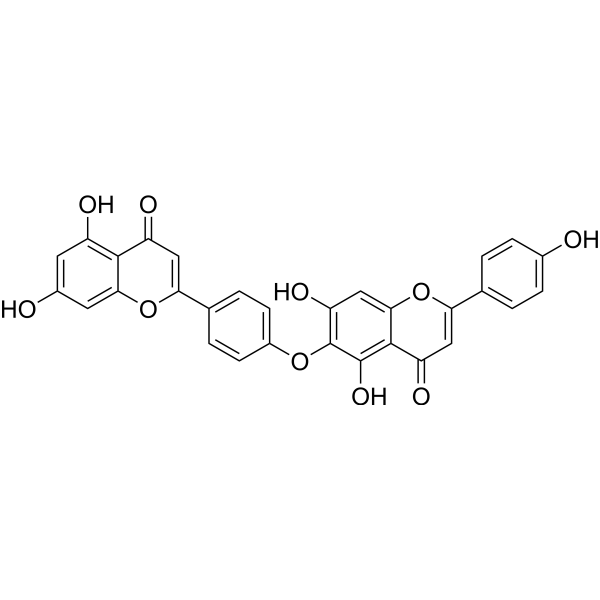



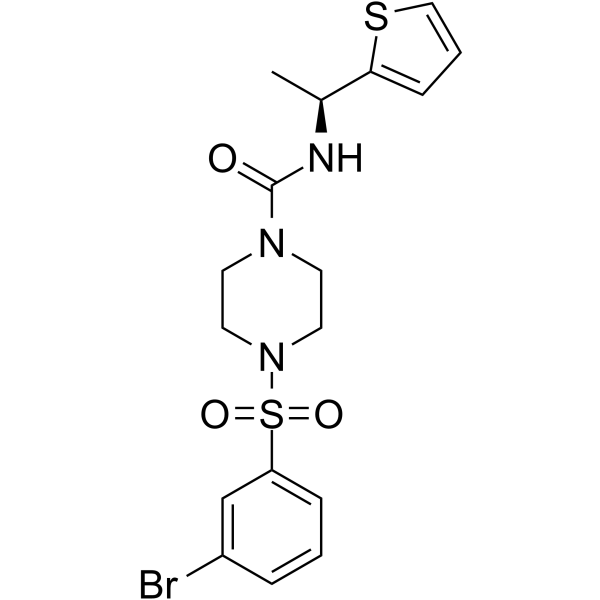


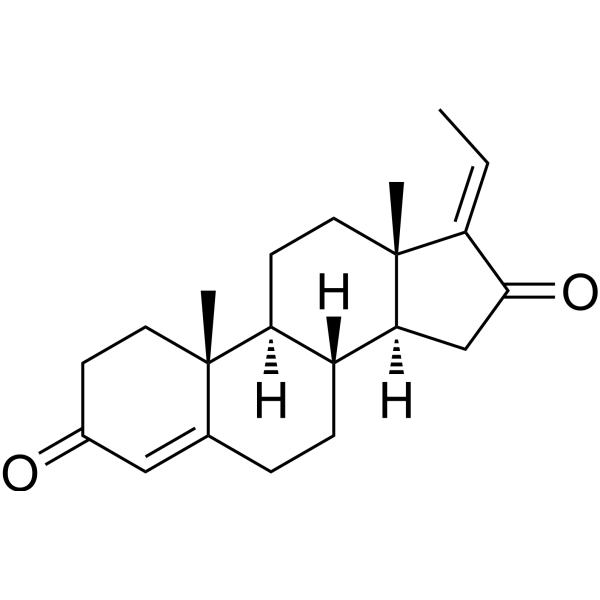
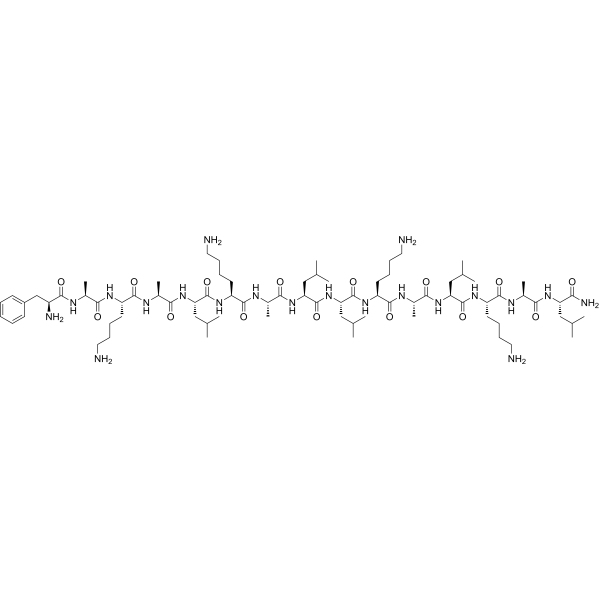
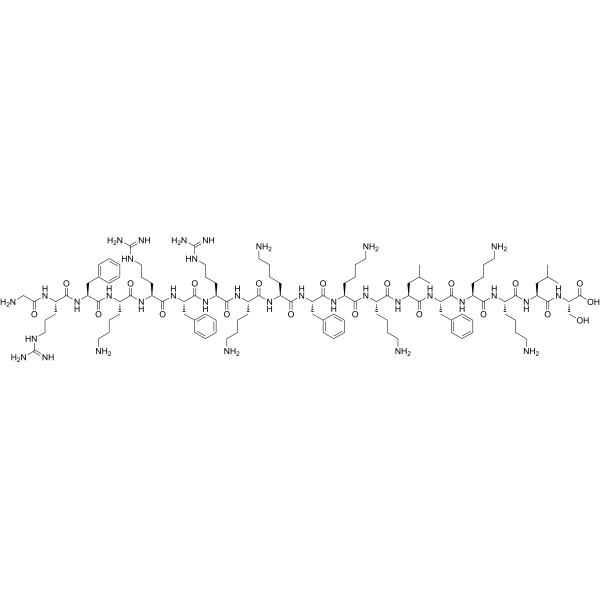
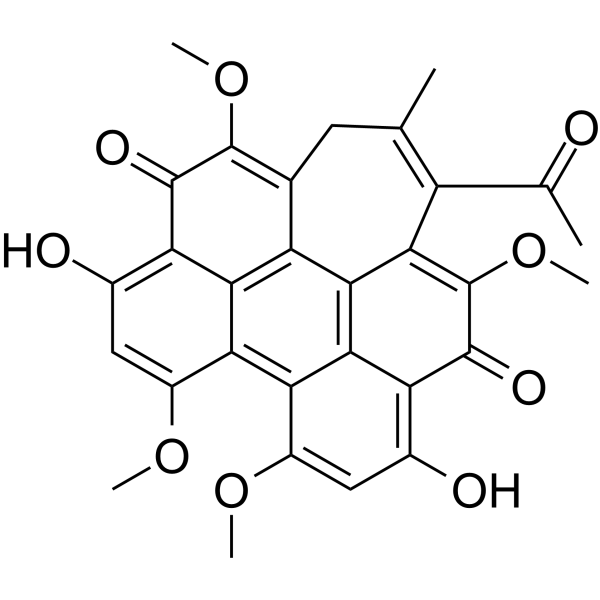
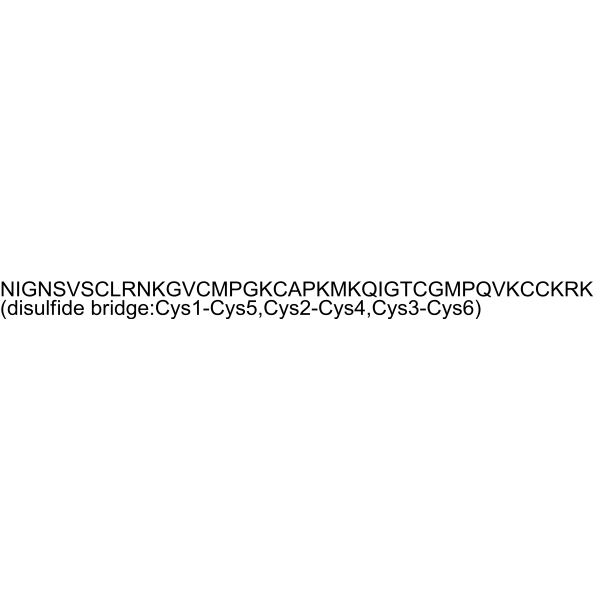


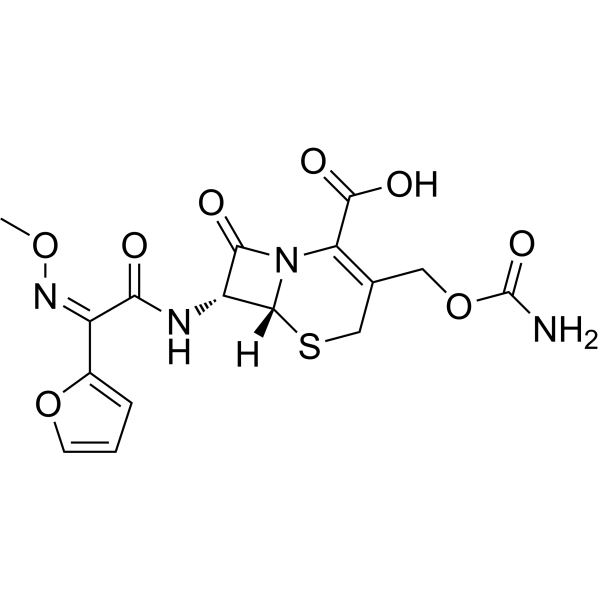
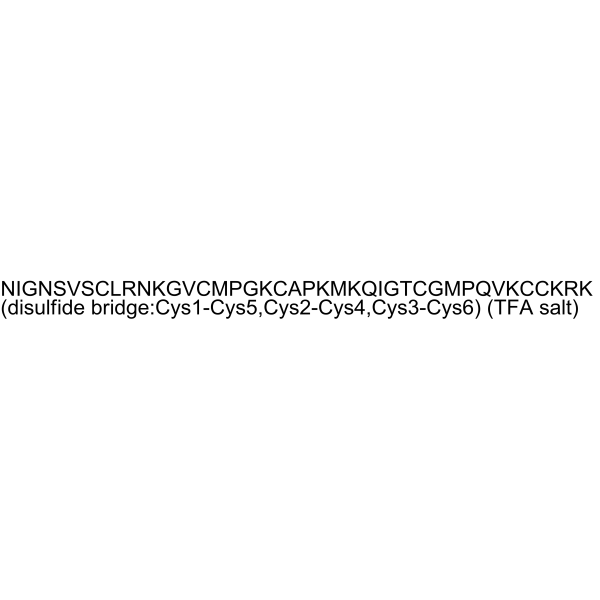
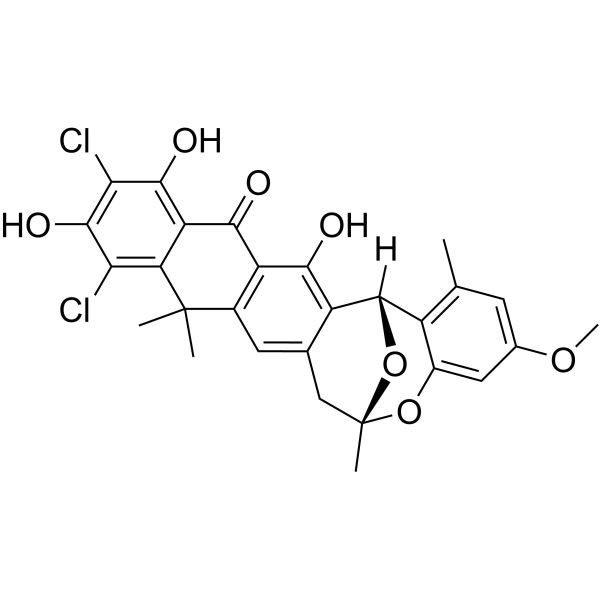


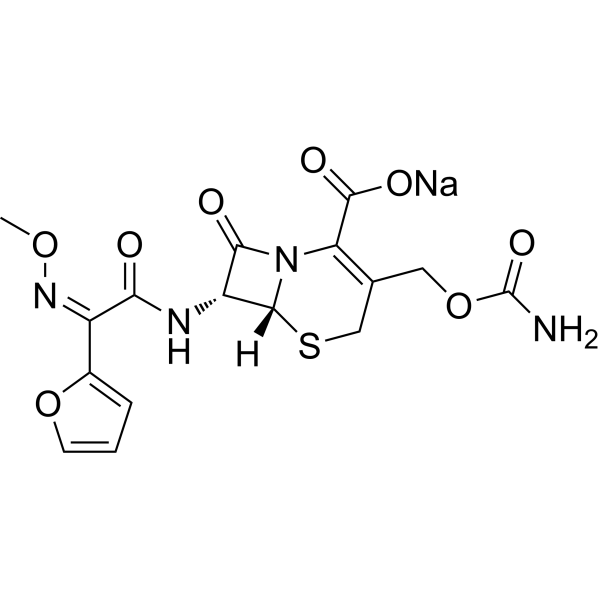
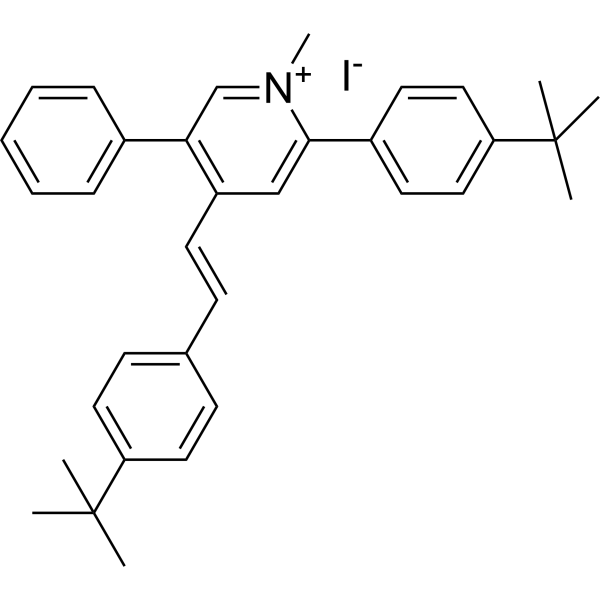


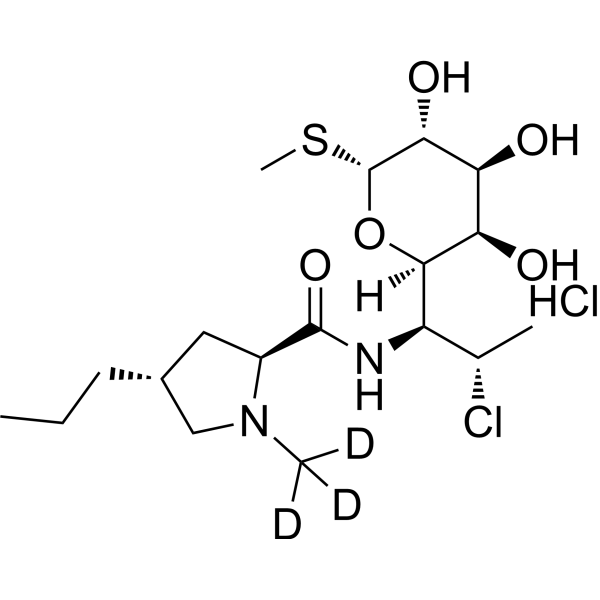
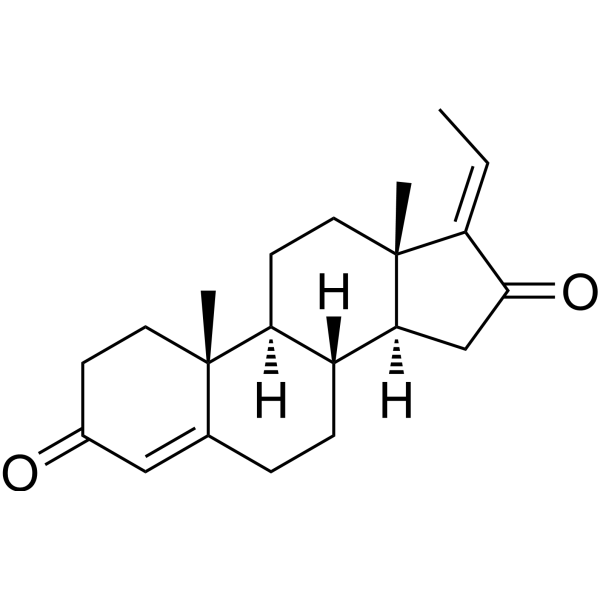

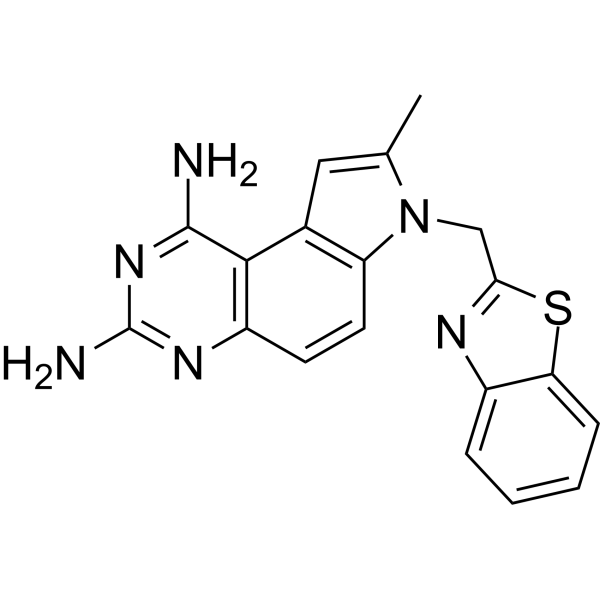


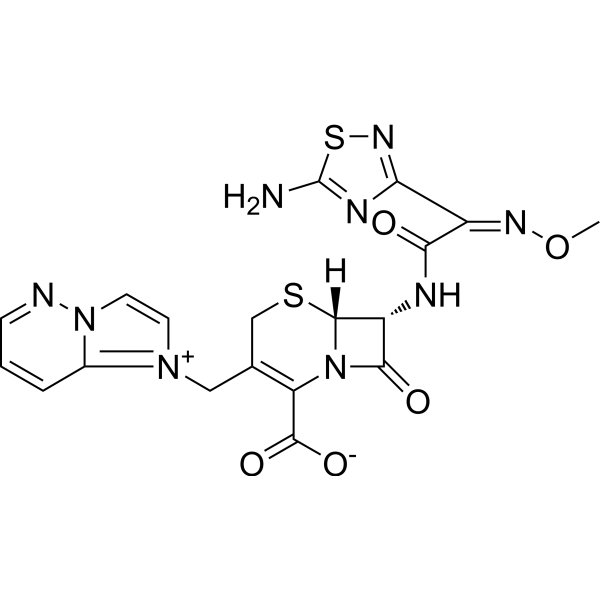


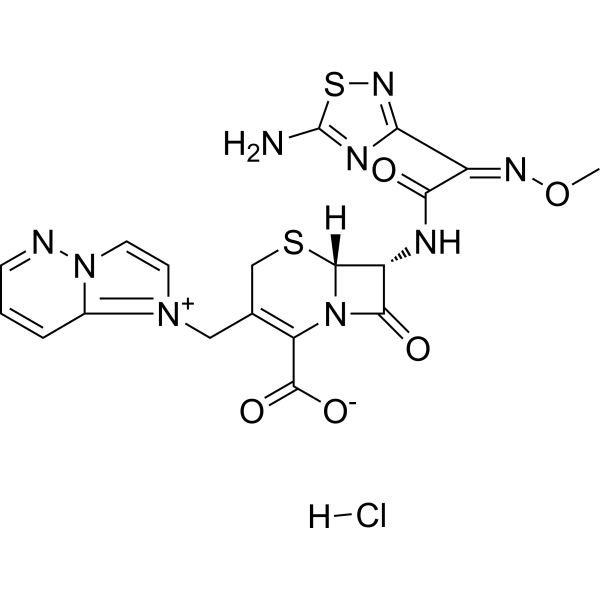
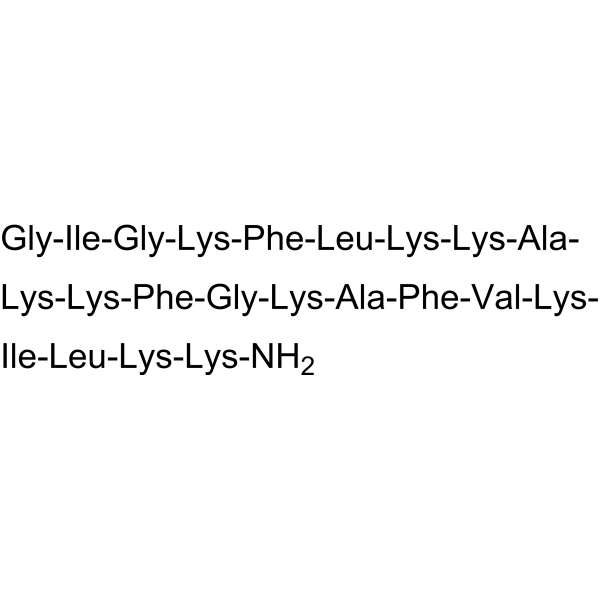


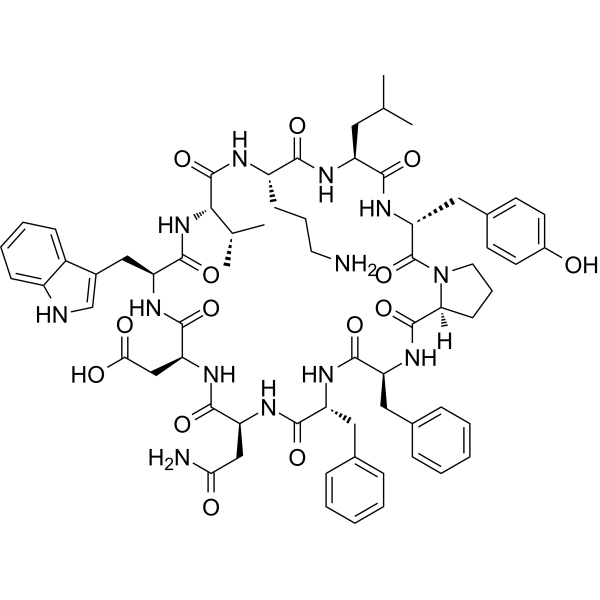
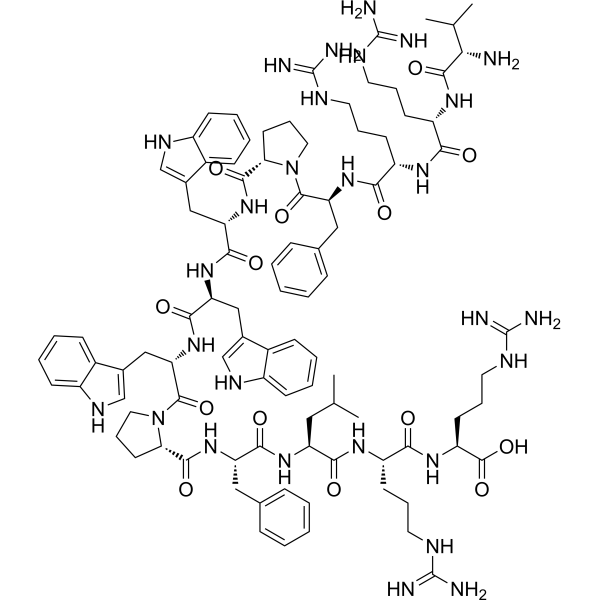





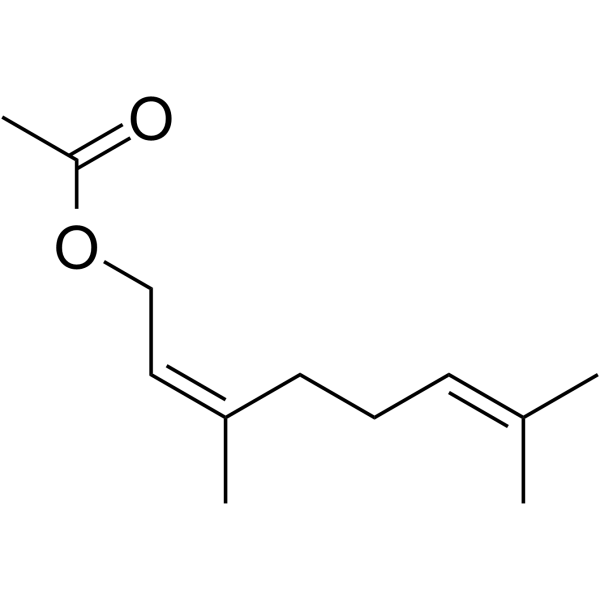


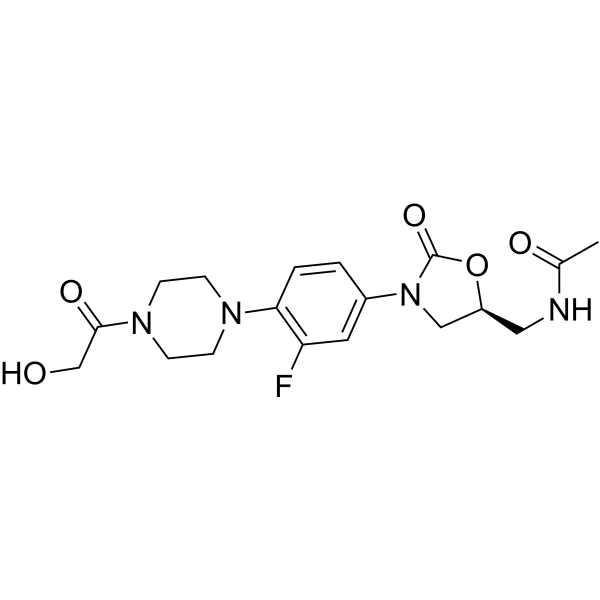


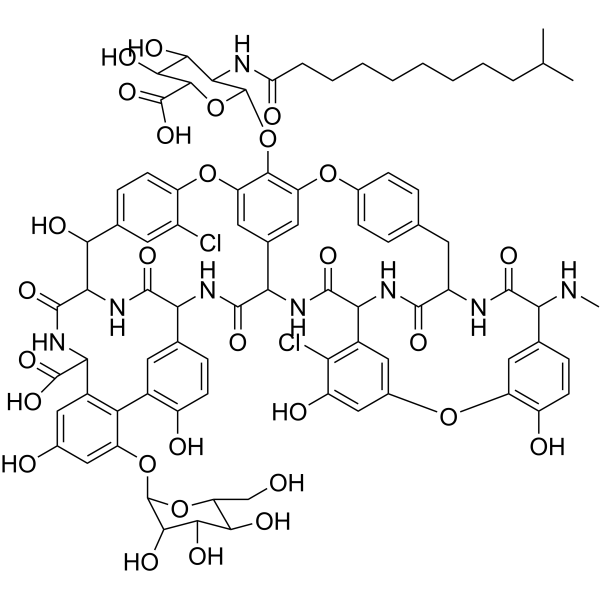
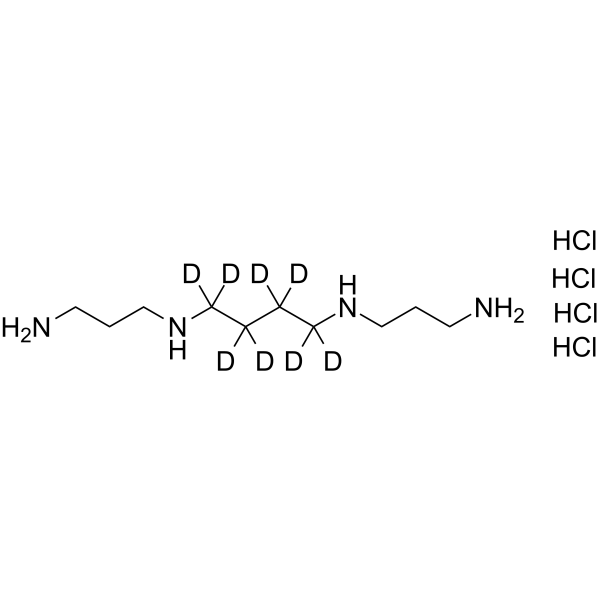


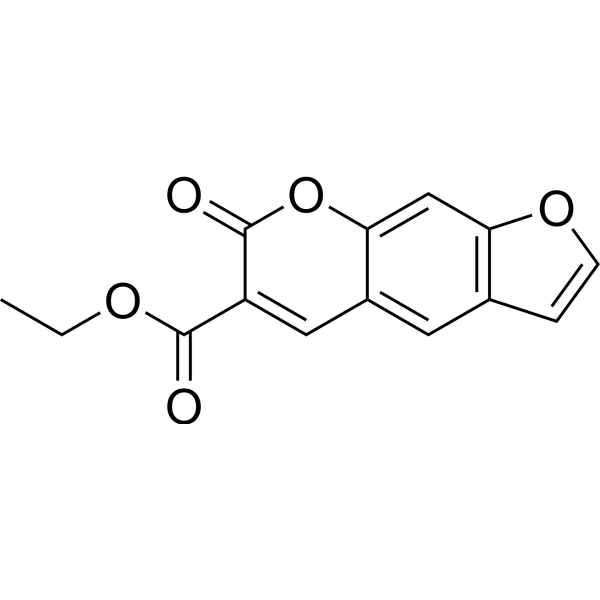

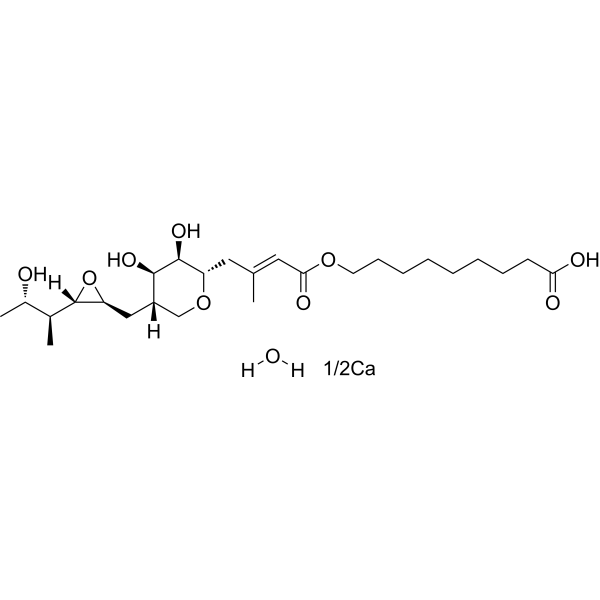

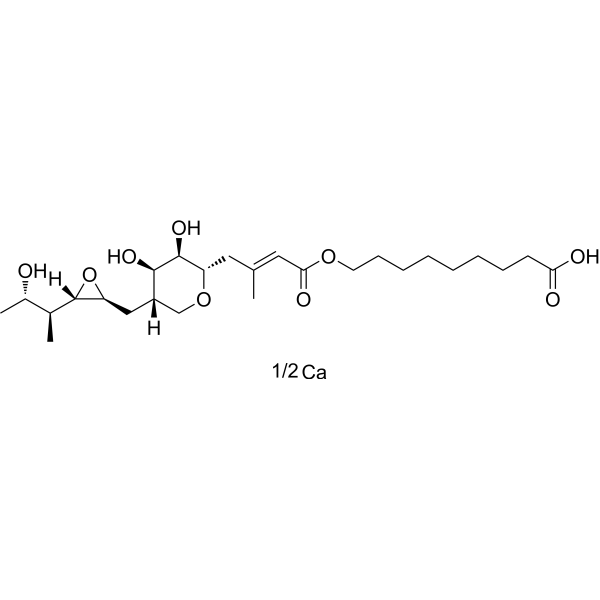
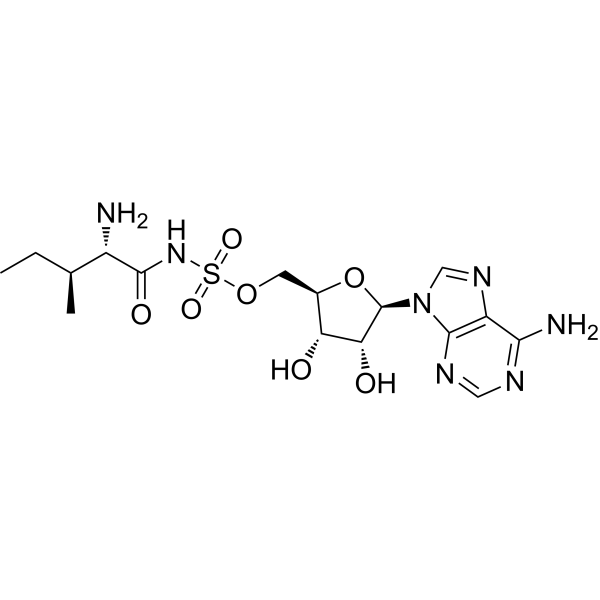


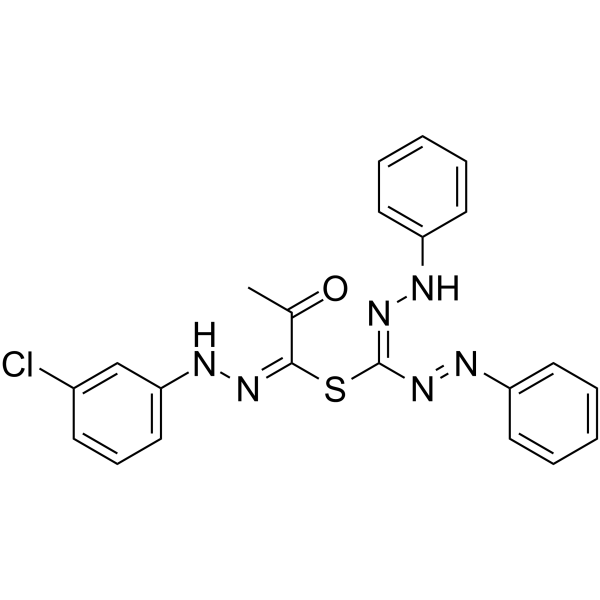
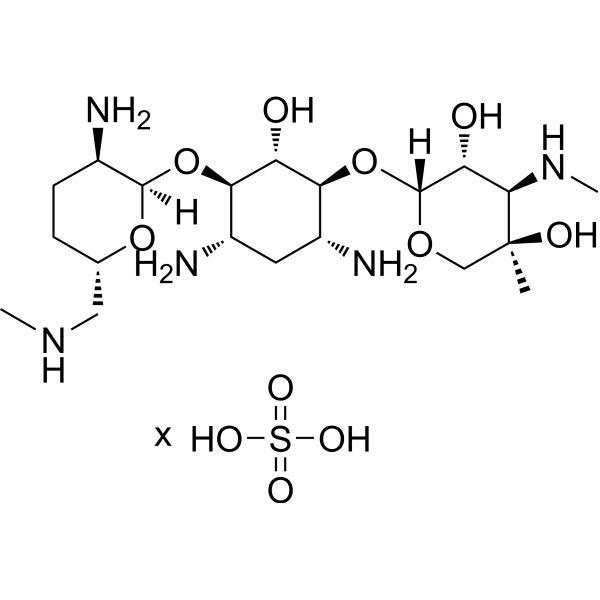
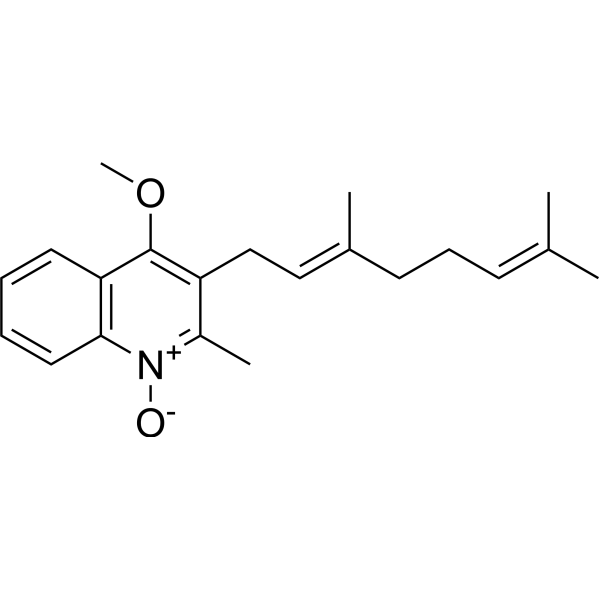


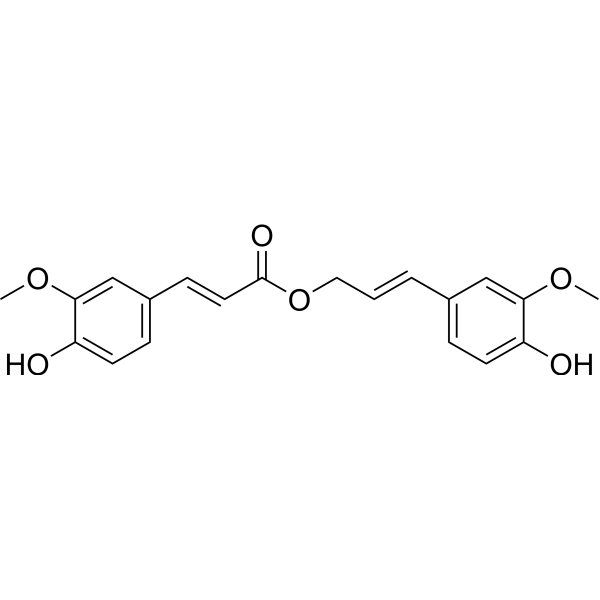


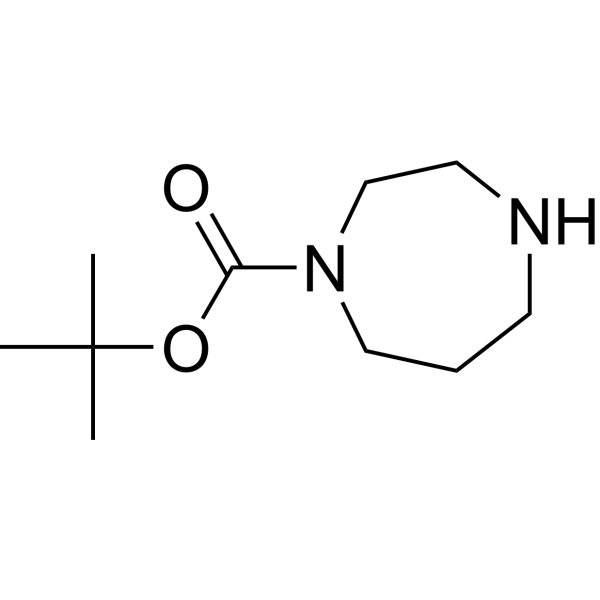


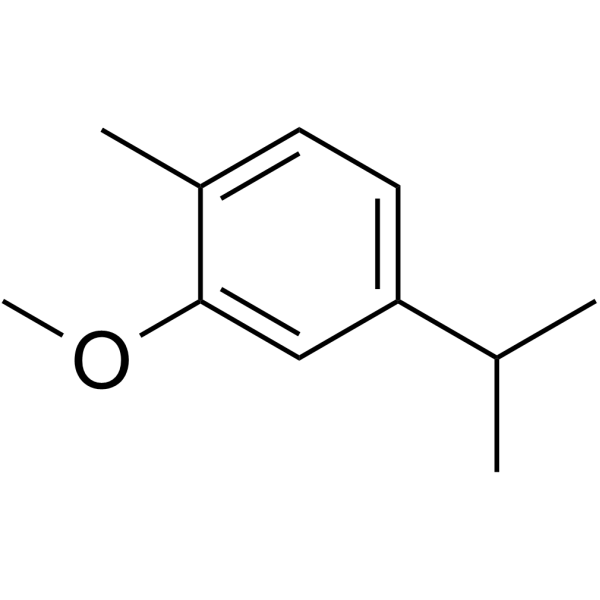


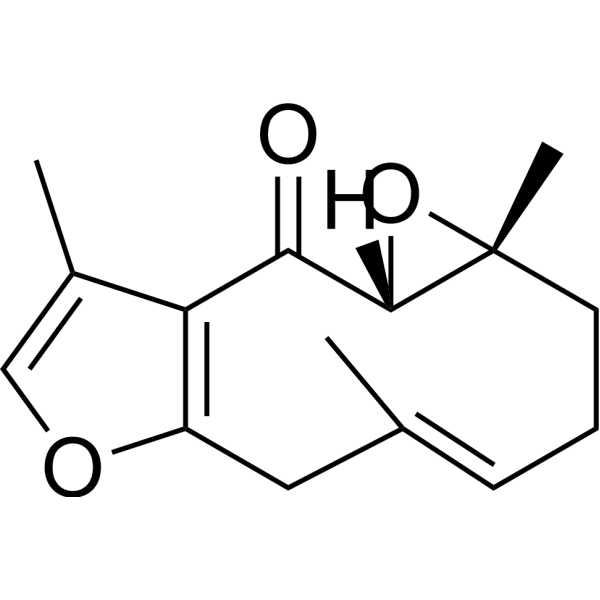


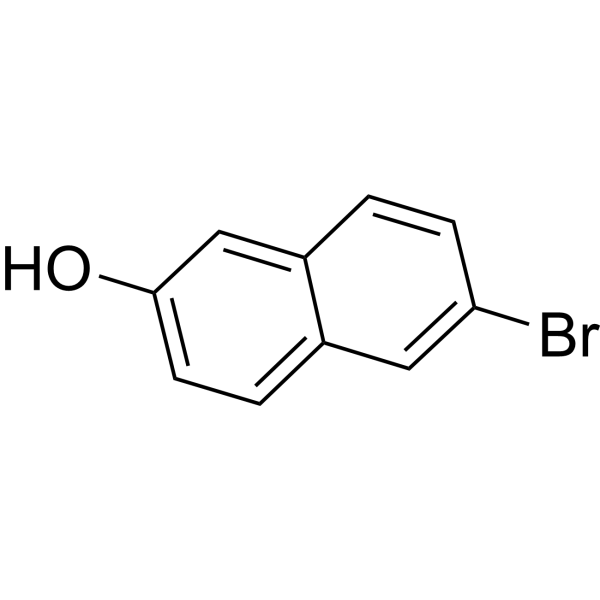

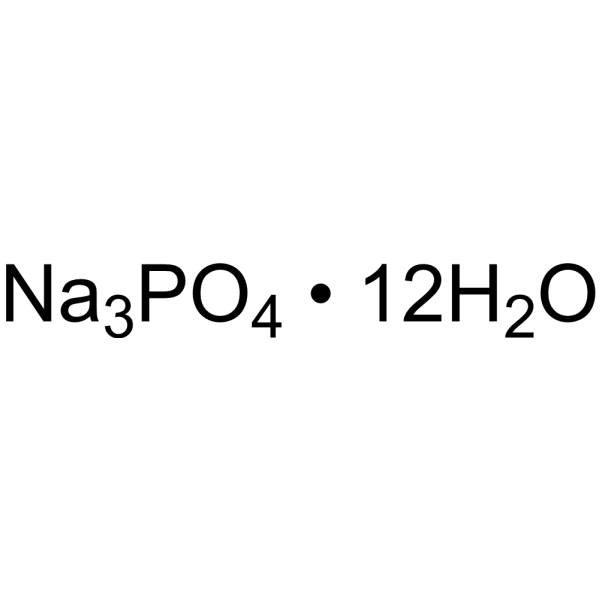
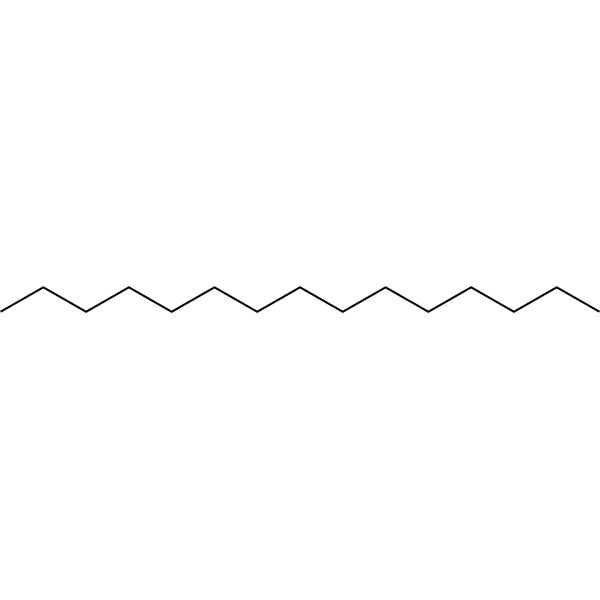


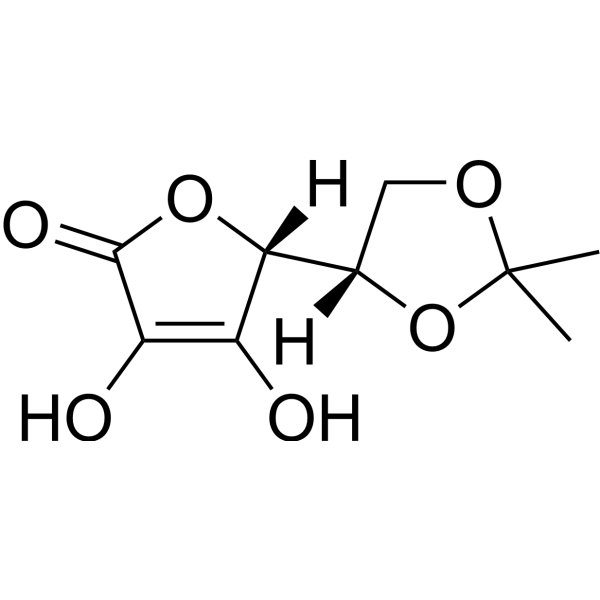
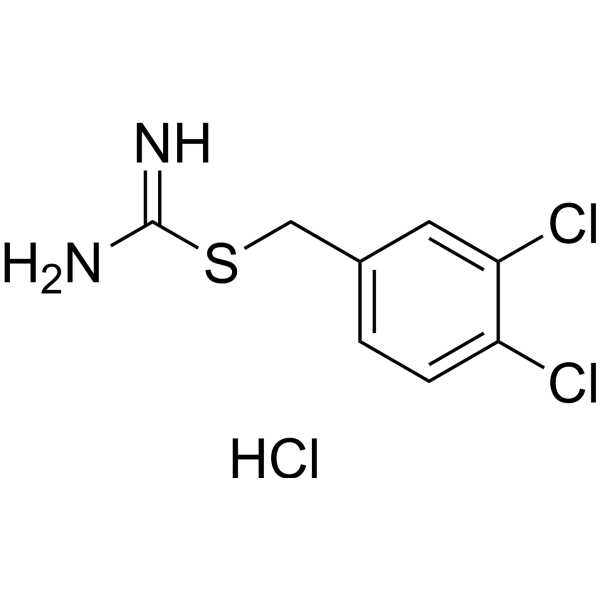

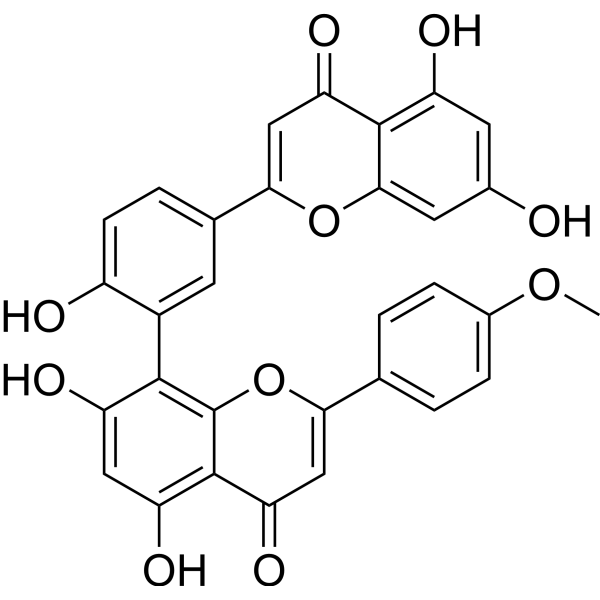


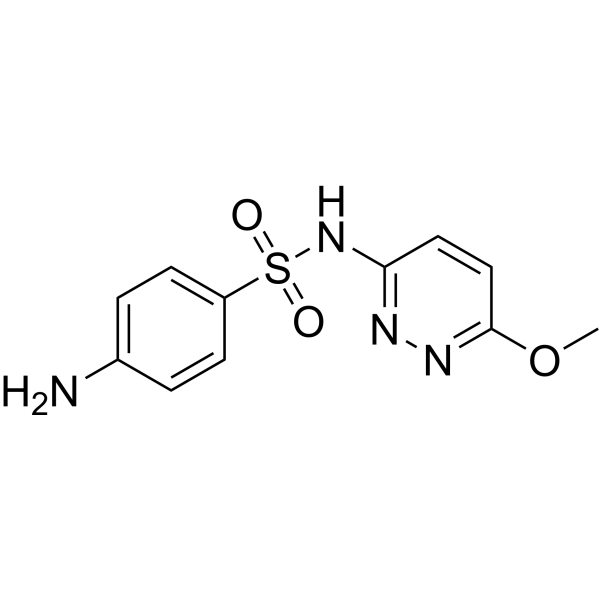


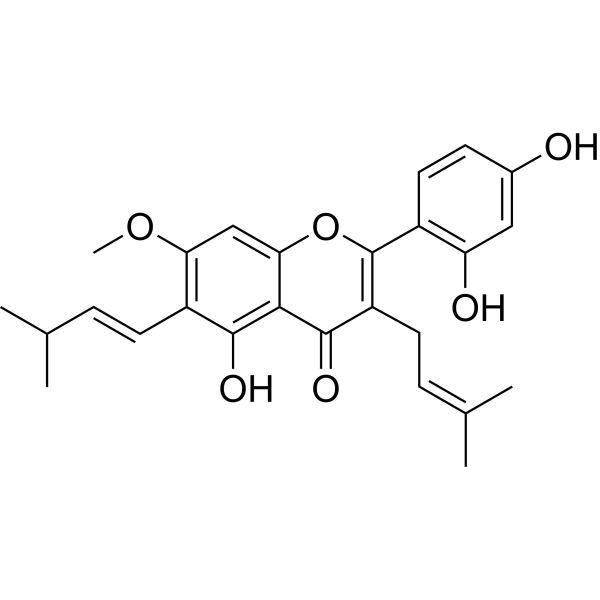
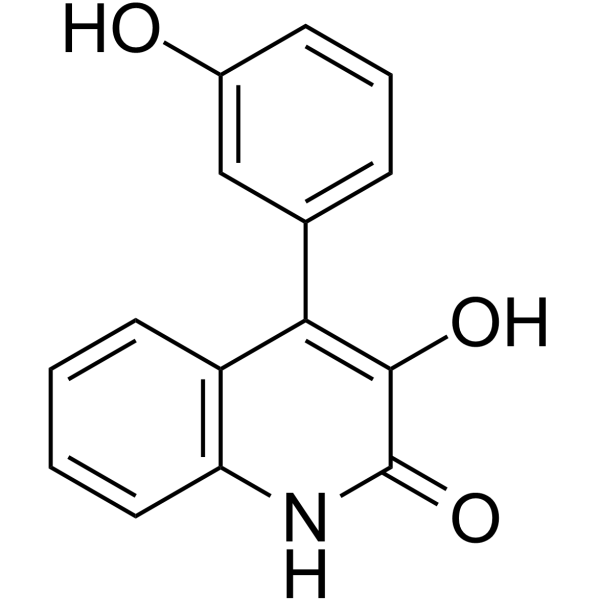



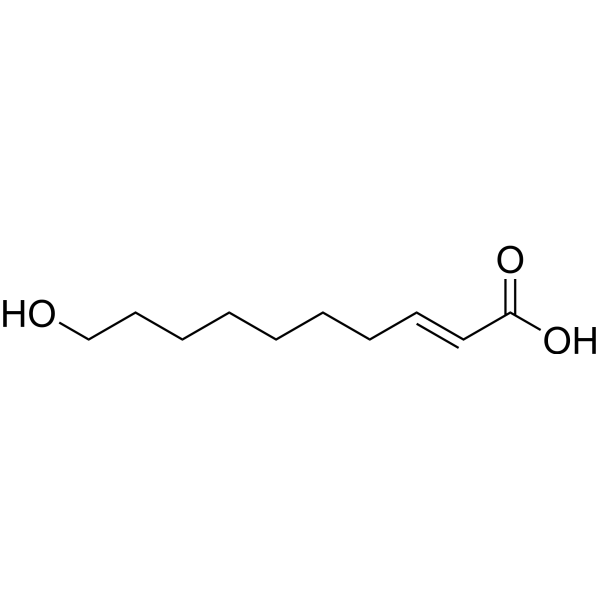


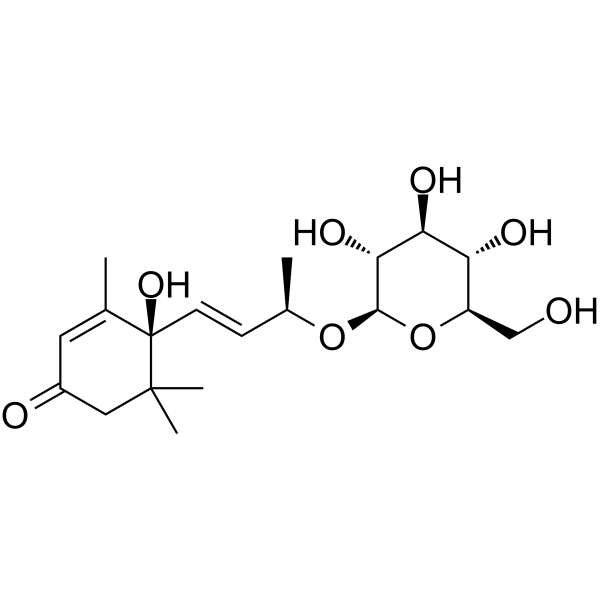

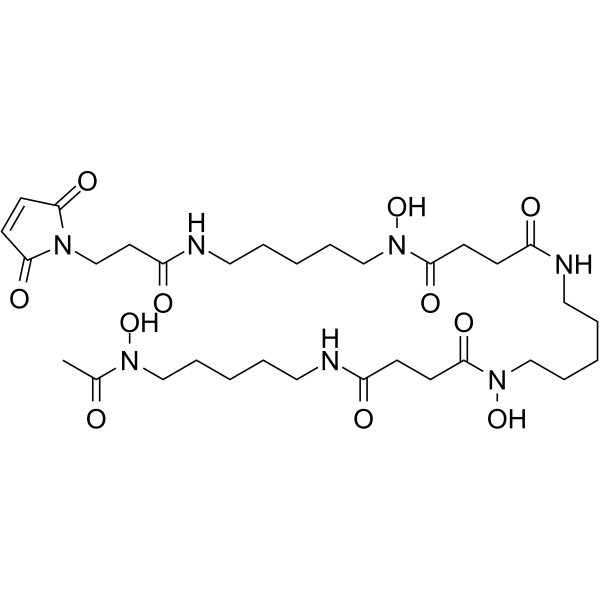


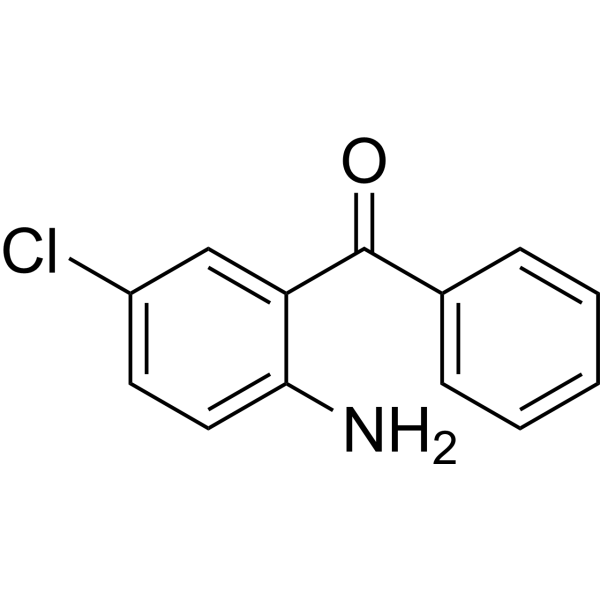

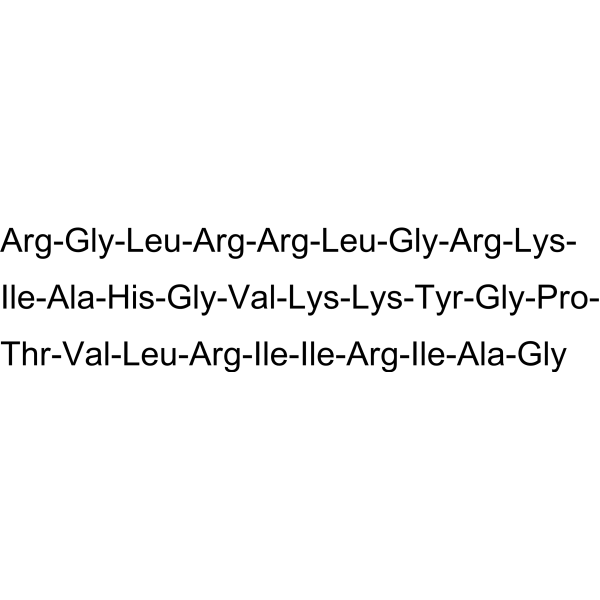
![Dimethyloctadecyl[3-(trimethoxysilyl)propyl]ammonium chloride](http://file.medchemexpress.com/product_pic/hy-w010790.gif)