1. Search Result
Search Result
Results for "

directly

" in MedChemExpress (MCE) Product Catalog:

737

Inhibitors & Agonists

13

Screening Libraries

25

Fluorescent Dye

11

Biochemical Assay Reagents

59

Peptides

28

MCE Kits

12

Inhibitory Antibodies

86

Natural
Products

42

Isotope-Labeled Compounds

10

Click Chemistry

4

Oligonucleotides

1

GMP Molecules

Cat. No. Product Name Target Research Areas Chemical Structure
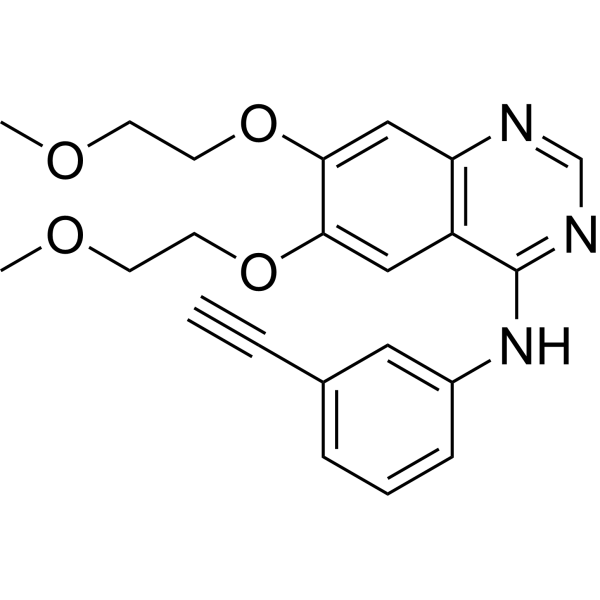
  • HY-50896
    Erlotinib
    130+ Cited Publications

    CP-358774; NSC 718781; OSI-774

    EGFR Autophagy Cancer
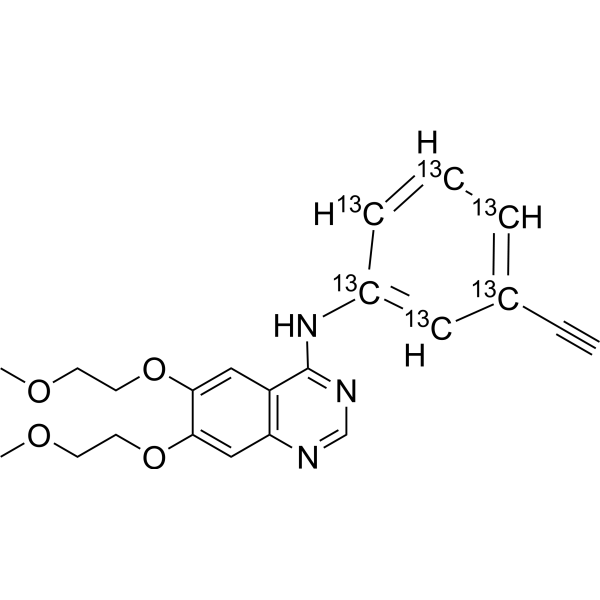
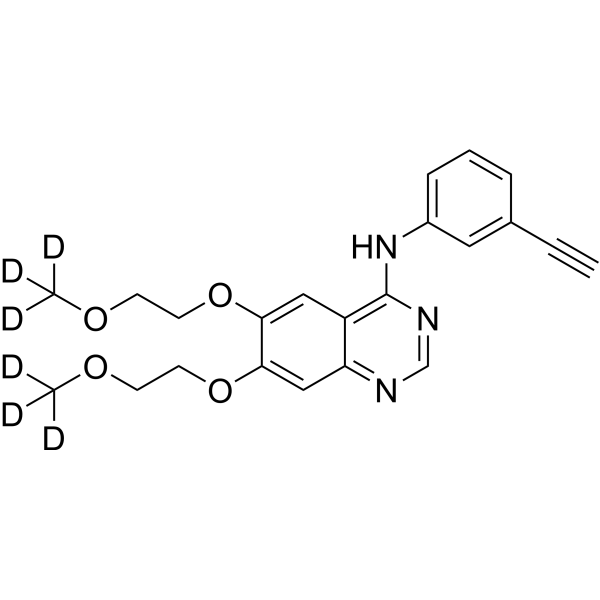
    Erlotinib (CP-358774) is a directly acting EGFR tyrosine kinase inhibitor, with an IC50 of 2 nM for human EGFR. Erlotinib reduces EGFR autophosphorylation in intact tumor cells with an IC50 of 20 nM. Erlotinib is used for the treatment of non-small cell lung cancer . Erlotinib is a click chemistry reagent, itcontains an Alkyne group and can undergo copper-catalyzed azide-alkyne cycloaddition (CuAAc) with molecules containing Azide groups.
    Erlotinib
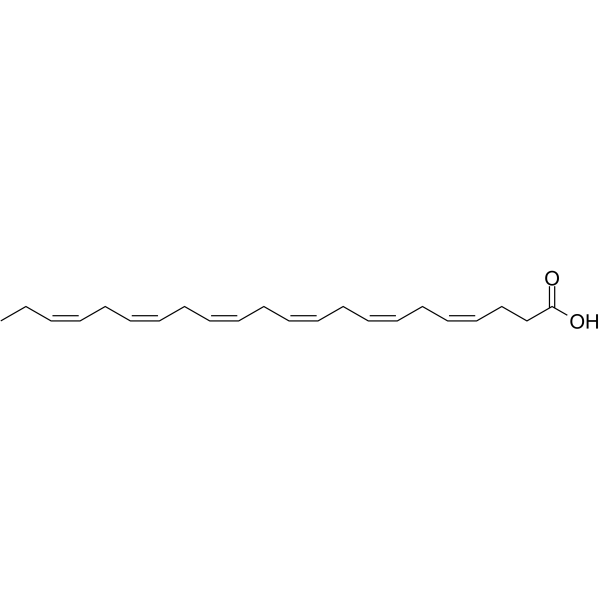
  • HY-B2167
    Docosahexaenoic acid
    Maximum Cited Publications
    46 Publications Verification

    DHA; Cervonic acid

    Endogenous Metabolite Neurological Disease Cancer
    Docosahexaenoic Acid (DHA) is an omega-3 fatty acid abundantly present brain and retina. It can be obtained directly from fish oil and maternal milk.
    Docosahexaenoic acid
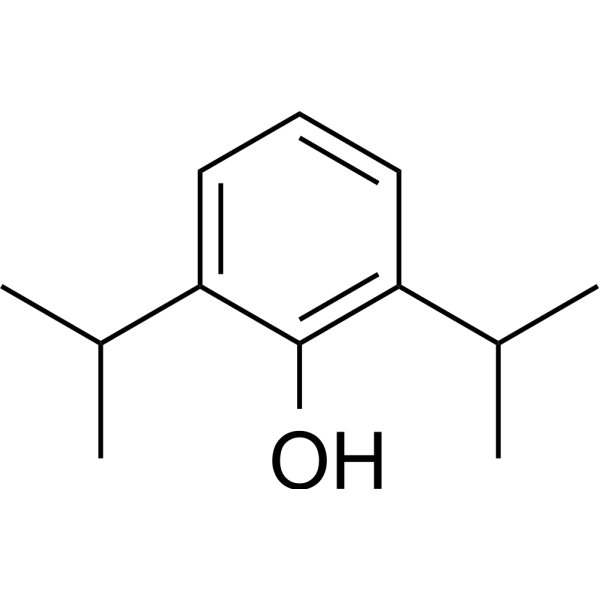
  • HY-B0649
    Propofol
    20+ Cited Publications

    2,6-Diisopropylphenol

    Environmental Pollutants Endogenous Metabolite GABA Receptor Neurological Disease Cancer
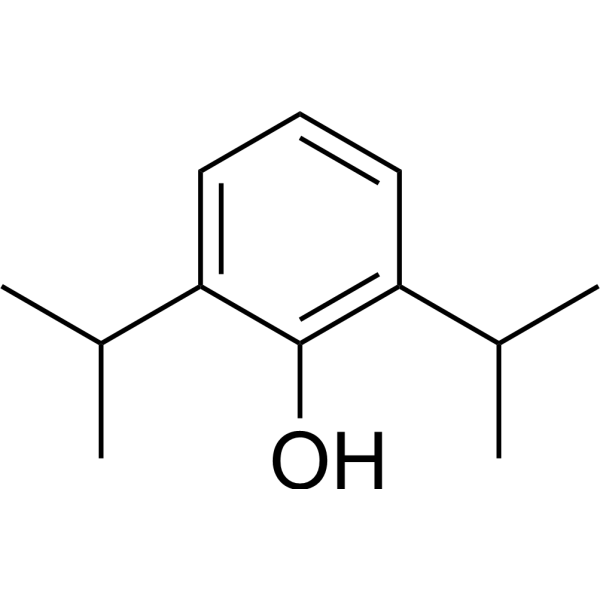
    Propofol potently and directly activates GABAA receptor and inhibits glutamate receptor mediated excitatory synaptic transmission. Propofol has antinociceptive properties and is used for sedation and hypnotic .
    Propofol
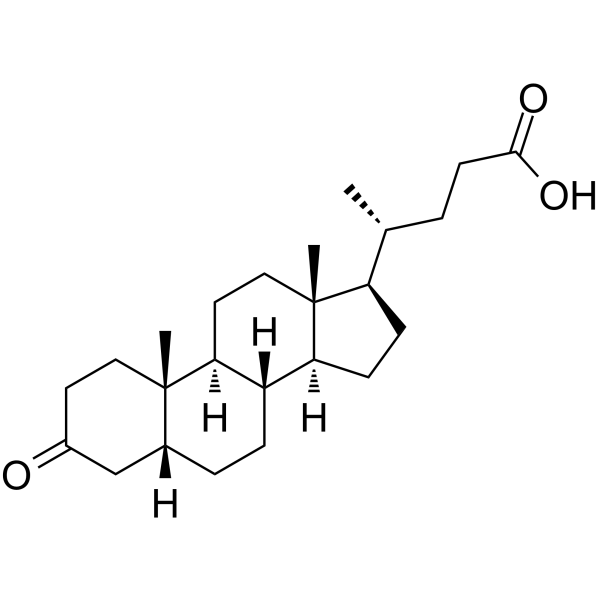
  • HY-125801
    3-Oxo-5β-cholanoic acid
    1 Publications Verification

    Dehydrolithocholic acid; 3-oxoLCA

    ROR Inflammation/Immunology
    3-Oxo-5β-cholanoic acid (Dehydrolithocholic acid), a bile acid metabolite, inhibits the diferentiation of TH17 cells by directly binding to the key transcription factor RORγt (Kd=1.13 μM) .
    3-Oxo-5β-cholanoic acid
  • HY-137431
    Asundexian
    5 Publications Verification

    BAY-2433334

    Factor Xa Cardiovascular Disease
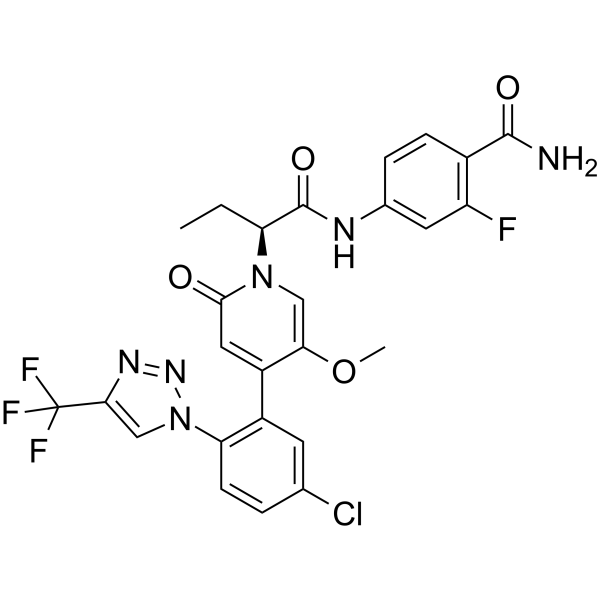
    Asundexian (BAY 2433334) is an orally active coagulation factor Xia (FXIa) inhibitor. Asundexian binds directly, potently, and reversibly to the active site of FXIa and thereby inhibits its activity. Asundexian inhibits human FXIa in buffer with an IC50 of 1 nM .
    Asundexian
  • HY-121320
    Raptinal
    5+ Cited Publications

    Caspase Apoptosis Cancer
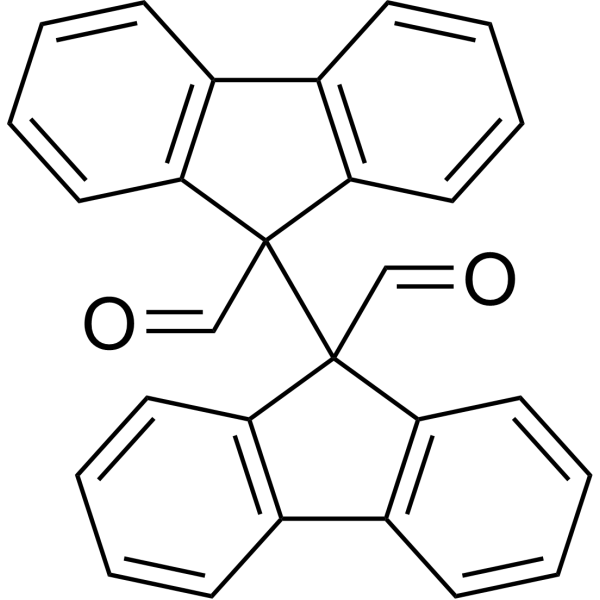
    Raptinal, a agent that directly activates caspase-3, initiates intrinsic pathway caspase-dependent apoptosis. Raptinal is able to rapidly induce cancer cell death by directly activating the effector caspase-3, bypassing the activation of initiator caspase-8 and caspase-9 .
    Raptinal
  • HY-W019838
    D-Erythro-dihydrosphingosine
    1 Publications Verification

    Sphinganine (d18:0)

    Endogenous Metabolite Phospholipase Cancer
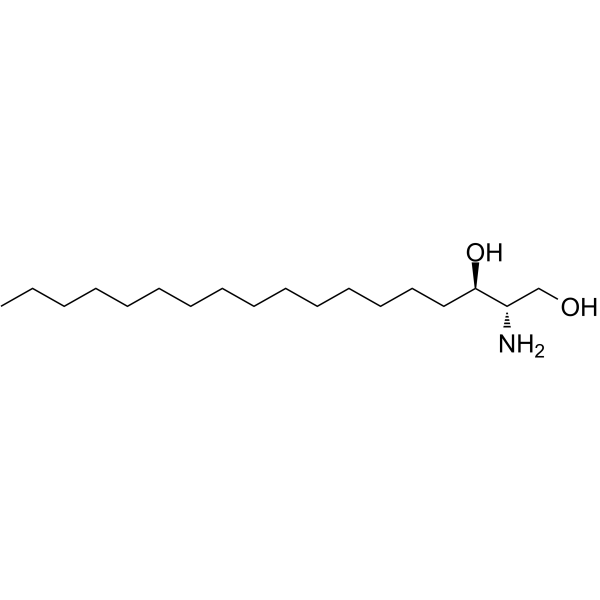
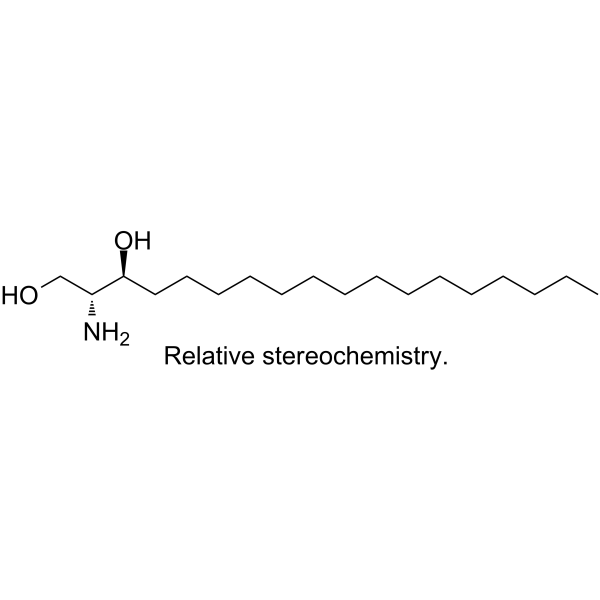
    D-Erythro-dihydrosphingosin directly inhibits cytosolic phospholipase A2α (cPLA2α) activity.
    D-Erythro-dihydrosphingosine
  • HY-137187
    FB23
    2 Publications Verification

    Fat Mass and Obesity-associated Protein (FTO) Cancer
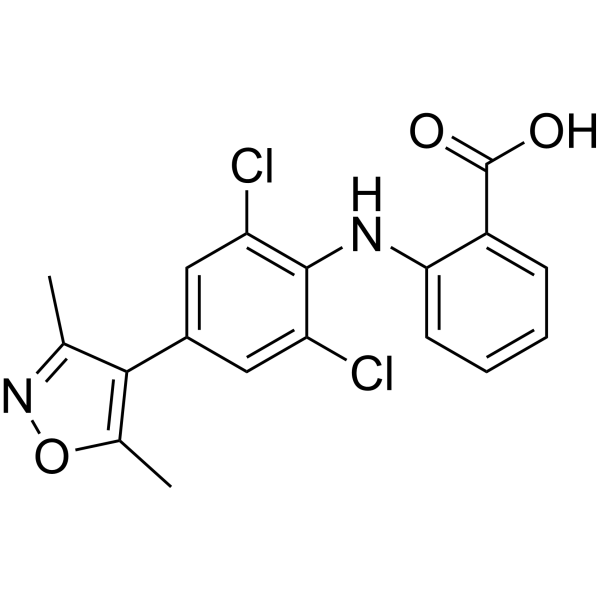
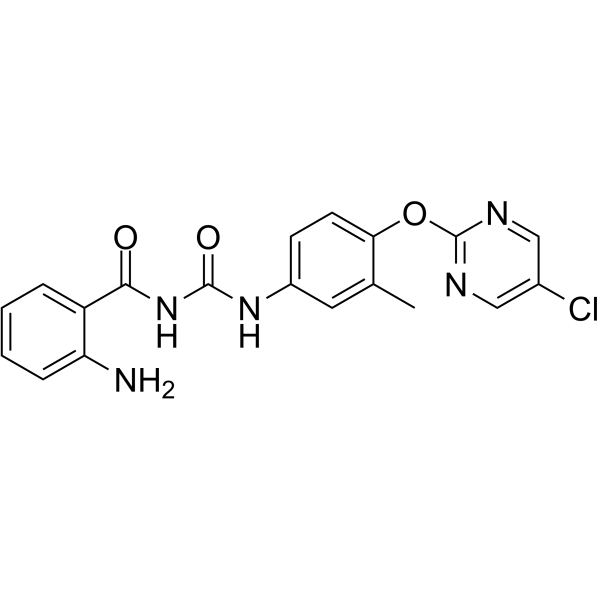
    FB23 is a potent and selective FTO demethylase inhibitor with an IC50 of 60 nM. FB23 directly binds to FTO and selectively inhibits FTO's mRNA N 6-methyladenosine (m6A) demethylase activity .
    FB23
  • HY-P2373
    Kinase, Natto fermentation
    4 Publications Verification

    PAI-1 Cardiovascular Disease
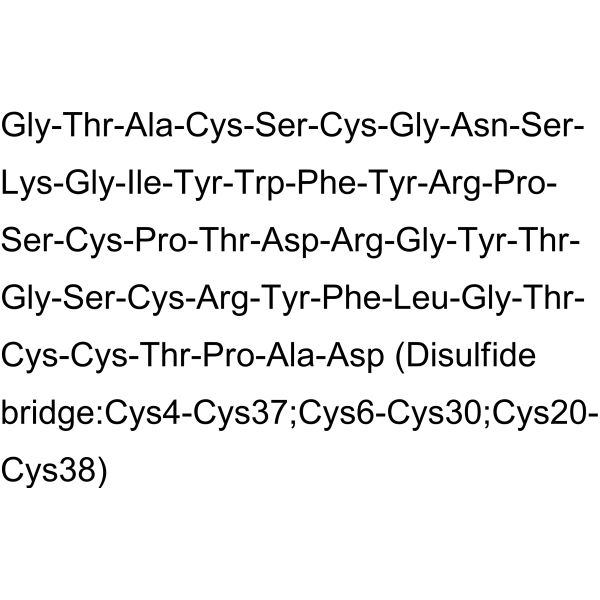
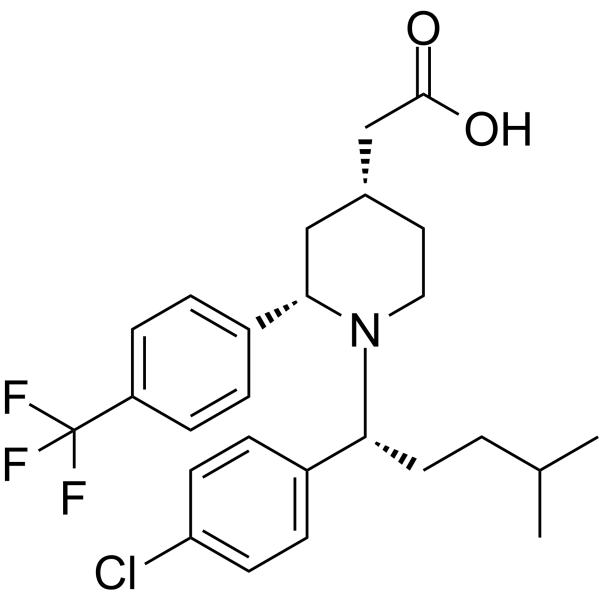
    Kinase, Natto fermentation is a potent fibrinolytic enzyme. Kinase, Natto fermentation can break down blood clots by directly hydrolyzing fibrin and plasmin substrate. Kinase, Natto fermentation can be used for the research of cardiovascular diseases .
    Kinase, Natto fermentation
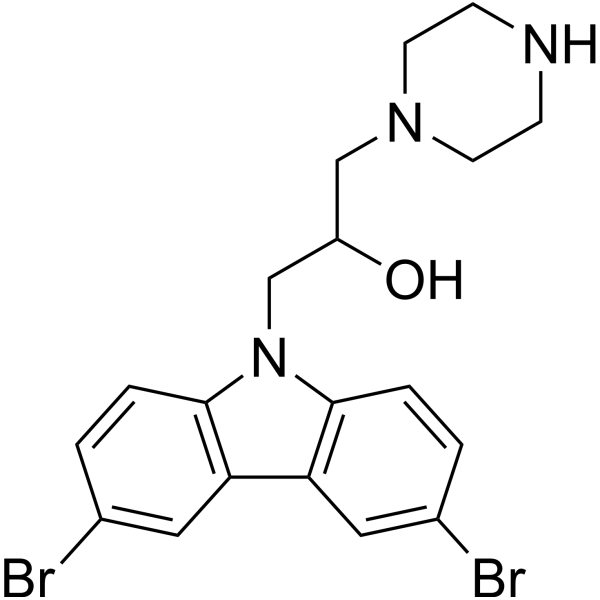
  • HY-103269
    BAI1
    10+ Cited Publications

    Bcl-2 Family Apoptosis Cancer
    BAI1 is a selective and allosteric inhibitor of BAX, an apoptosis regulator. BAI1 directly binds to BAX and allosterically inhibits BAX activation. BAI1 has the potential for the research of diseases mediated by BAX-dependent cell death .
    BAI1
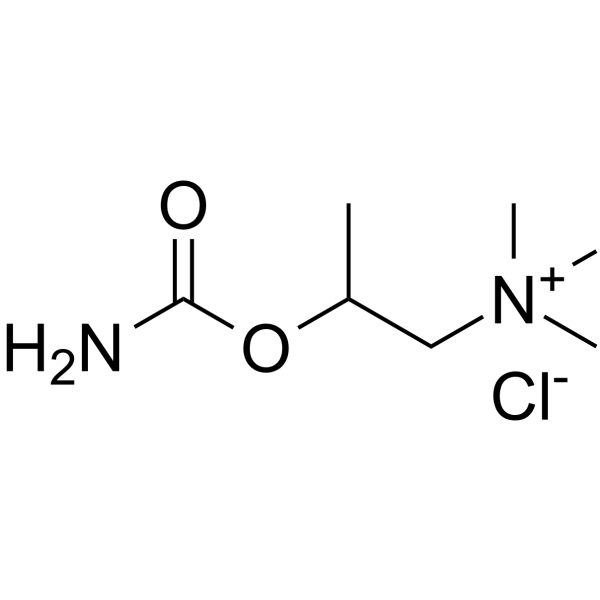
  • HY-B0406A
    Bethanechol chloride
    2 Publications Verification

    Carbamyl-β-methylcholine chloride

    mAChR Neurological Disease Cancer
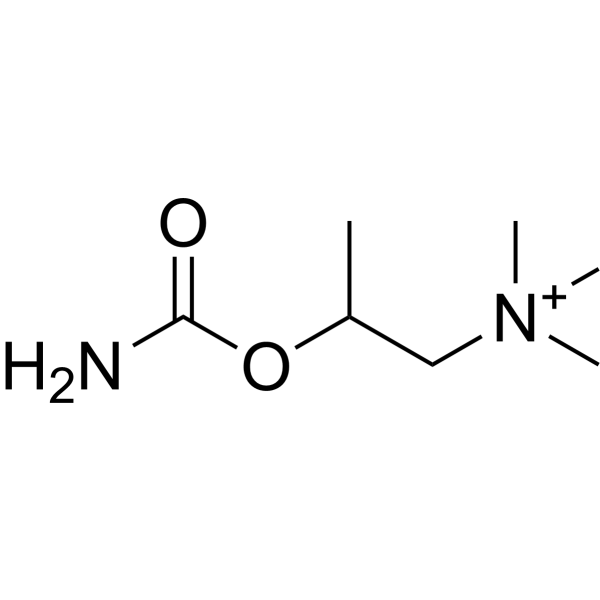
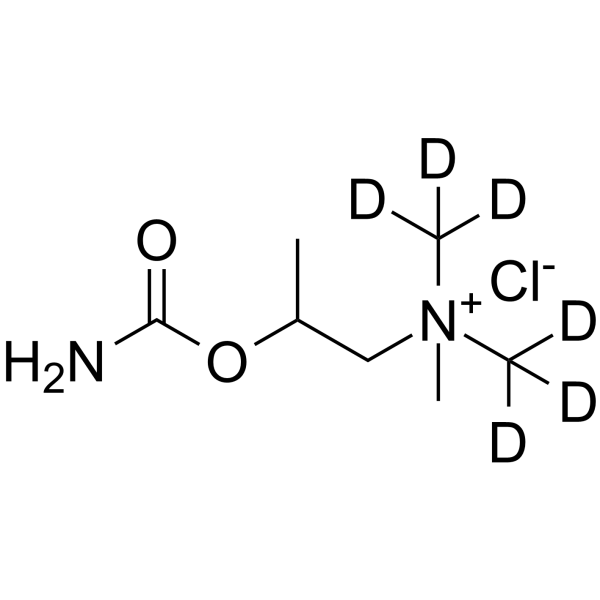
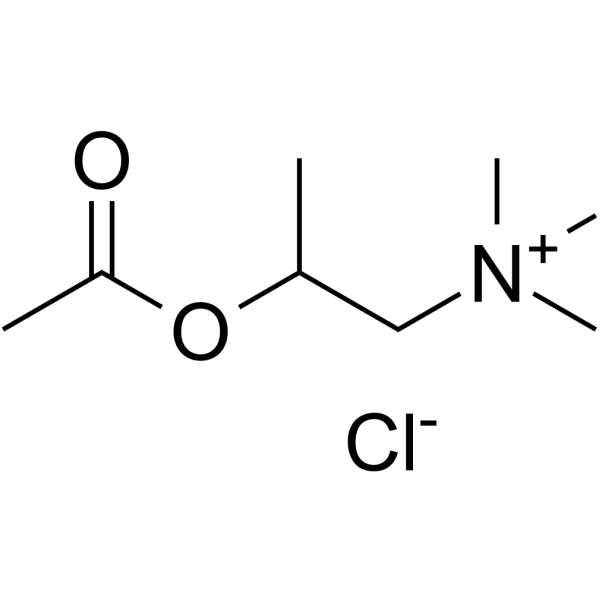
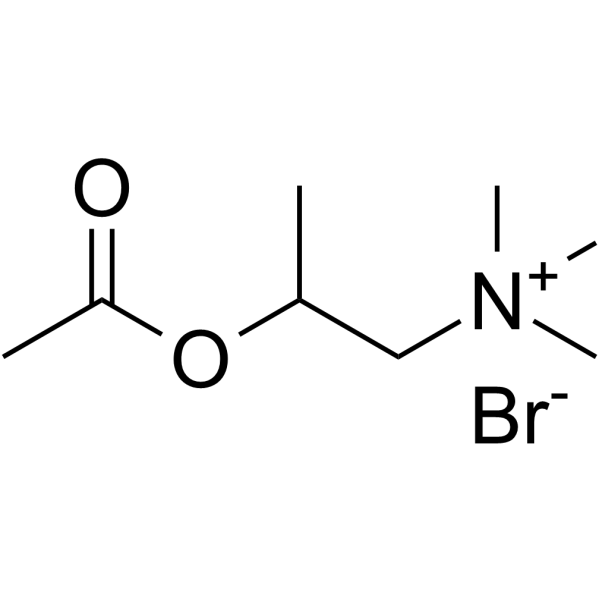
    Bethanechol chloride (Carbamyl-β-methylcholine chloride), a parasympathomimetic agent, is a mAChR agonist that exerts its effects via directly stimulating the mAChR (M1, M2, M3, M4, and M5) of the parasympathetic nervous system .
    Bethanechol chloride
  • HY-112721
    FDI-6
    5+ Cited Publications

    DNA/RNA Synthesis Cancer
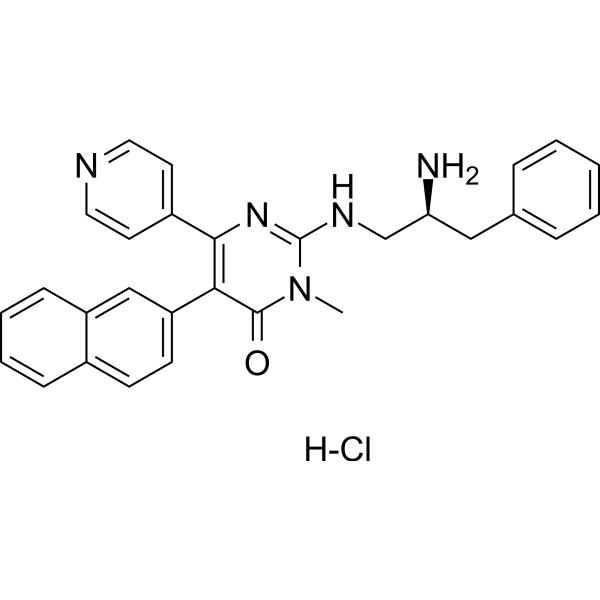
    FDI-6 is an inhibitor of FOXM1. FDI-6 binds directly to FOXM1 protein, to displace FOXM1 from genomic targets in MCF-7 breast cancer cells, and induce concomitant transcriptional down-regulation.
    FDI-6
  • HY-14413
    SR3335
    10+ Cited Publications

    ML 176

    ROR Metabolic Disease
    SR3335 (ML 176) is a selective RORα inverse agonist that directly binds to RORα with a Ki of 220 nM .
    SR3335
  • HY-19317
    ITE
    5+ Cited Publications

    Aryl Hydrocarbon Receptor Inflammation/Immunology Cancer
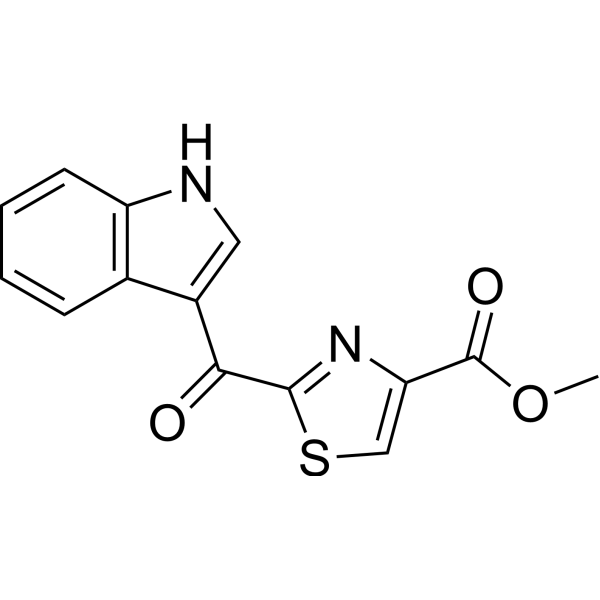
    ITE is a potent endogenous agonist of aryl hydrocarbon receptor (AhR), binding directly to AHR, with a Ki of 3 nM. ITE also has immunosuppressive activity.
    ITE
  • HY-107366
    SGN-2FF
    2 Publications Verification

    Glycosyltransferase Cancer
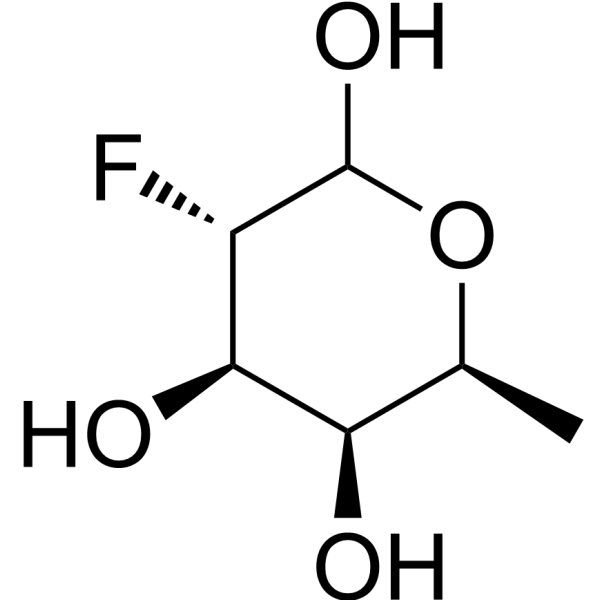
    SGN-2FF is a potent and orally active inhibitor of fucosylation, directly inhibits fucosyltransferase activity. SGN-2FF possesses antitumor activity .
    SGN-2FF
  • HY-132832
    Sirpiglenastat
    2 Publications Verification

    DRP-104

    Drug Intermediate Cancer
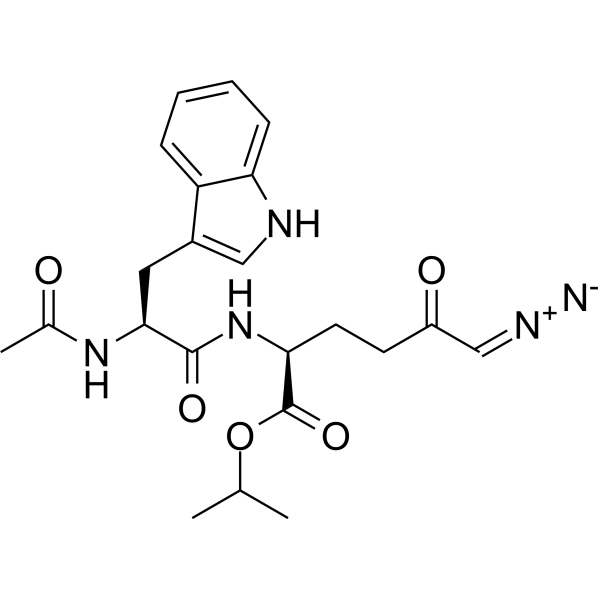
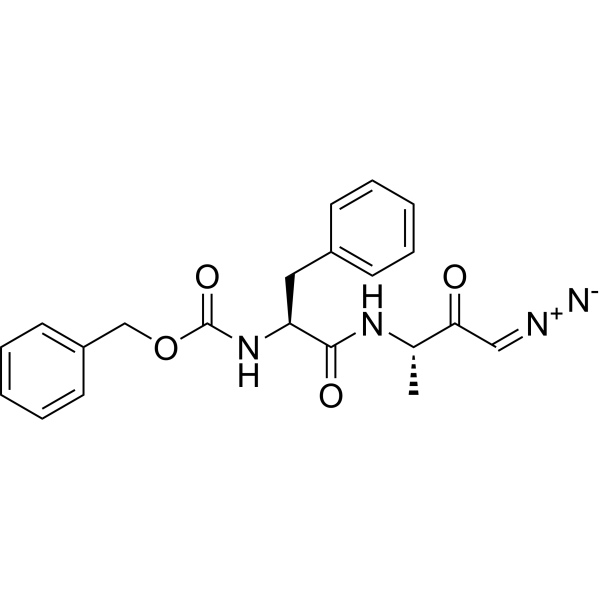
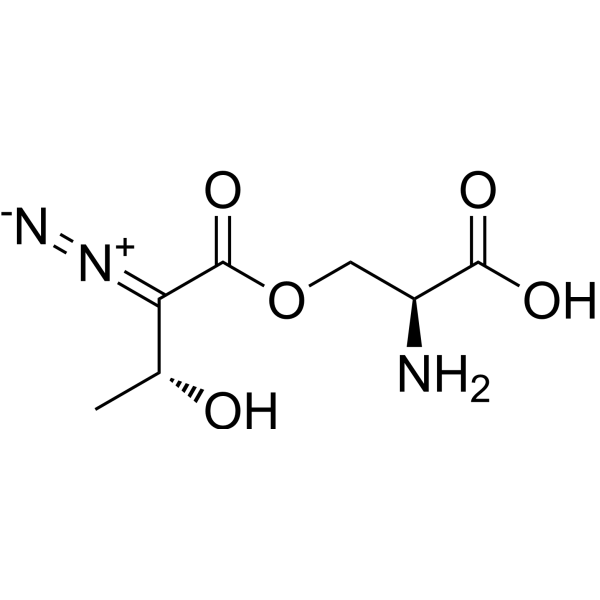
    Sirpiglenastat (DRP-104) is a broad acting glutamine antagonist. Sirpiglenastat has anticancer effects by directly targeting tumor metabolism and simultaneously inducing a potent antitumor immune response .
    Sirpiglenastat
  • HY-117656
    ESI-05
    4 Publications Verification

    NSC 116966

    Acyltransferase Neurological Disease Metabolic Disease
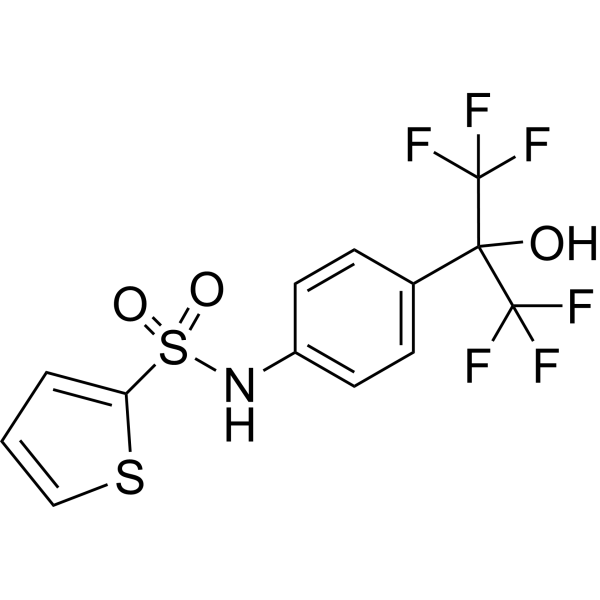
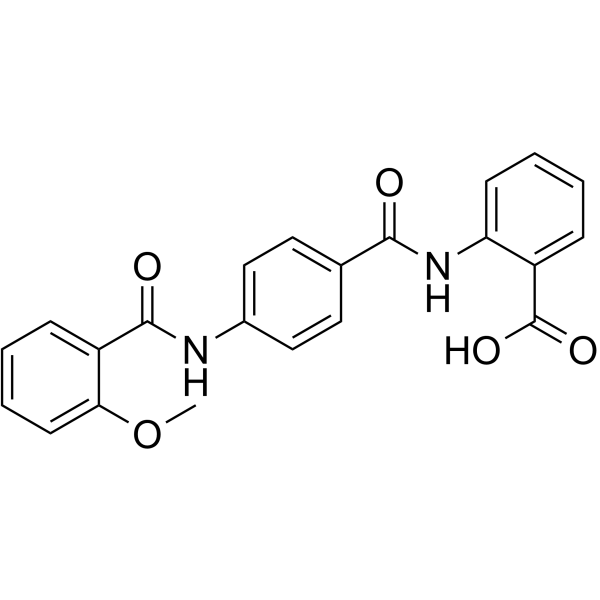
    ESI-05 is a specific exchange proteins directly activated by cAMP 2 (EPAC2) inhibitor. ESI-05 inhibits cAMP-mediated EPAC2 GEF activity with an IC50 of 0.43 μM. ESI-05 can be used for the research of diabetes, insulin secretion and neurological disorders .
    ESI-05
  • HY-135885
    VBIT-12
    5+ Cited Publications

    VDAC Neurological Disease
    VBIT-12 is a potent VDAC1 inhibitor. VBIT-12 directly interacts with VDAC1 and prevents VDAC1 oligomerization, and thus inhibits apoptotic action of VDAC1 .
    VBIT-12
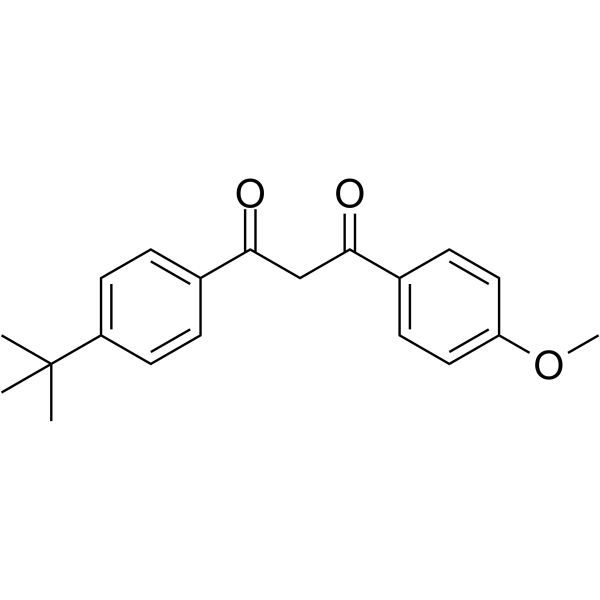
  • HY-B0316

    Environmental Pollutants Apoptosis Estrogen Receptor/ERR Others
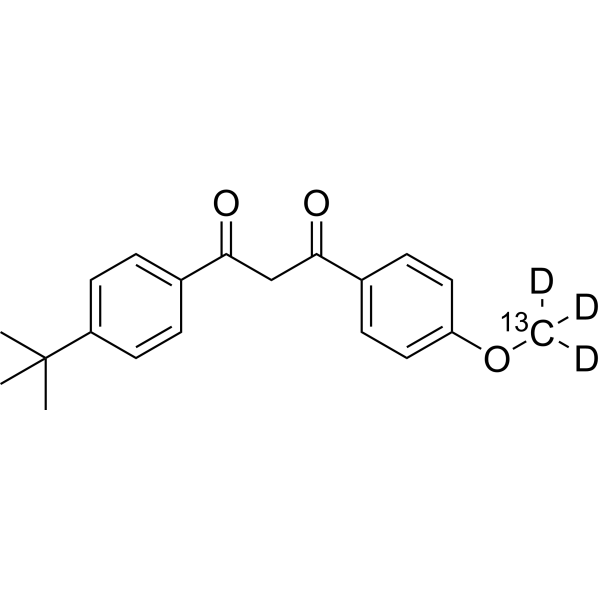
    Avobenzone, a dibenzoylmethane compound, is one of the most widely used filters in sunscreens for skin photoprotection in the UVA band. Avobenzone is an endocrine disruptor that directly binds to estrogen receptor β and acts as an estrogen agonist .
    Avobenzone
  • HY-50896R

    CP-358774 (Standard); NSC 718781 (Standard); OSI-774 (Standard)

    Reference Standards EGFR Autophagy Cancer
    Erlotinib (Standard) is the analytical standard of Erlotinib. This product is intended for research and analytical applications. Erlotinib (CP-358774) is a directly acting EGFR tyrosine kinase inhibitor, with an IC50 of 2 nM for human EGFR. Erlotinib reduces EGFR autophosphorylation in intact tumor cells with an IC50 of 20 nM. Erlotinib is used for the treatment of non-small cell lung cancer . Erlotinib is a click chemistry reagent, itcontains an Alkyne group and can undergo copper-catalyzed azide-alkyne cycloaddition (CuAAc) with molecules containing Azide groups.
    Erlotinib (Standard)
  • HY-103368
    Eact
    1 Publications Verification

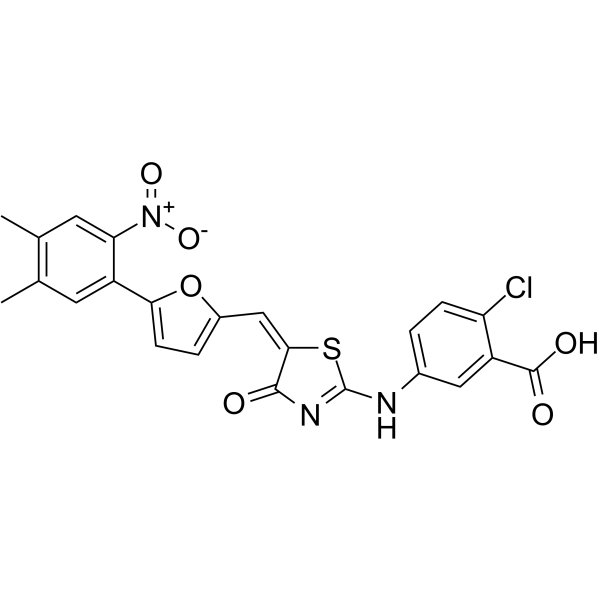
    Chloride Channel Neurological Disease
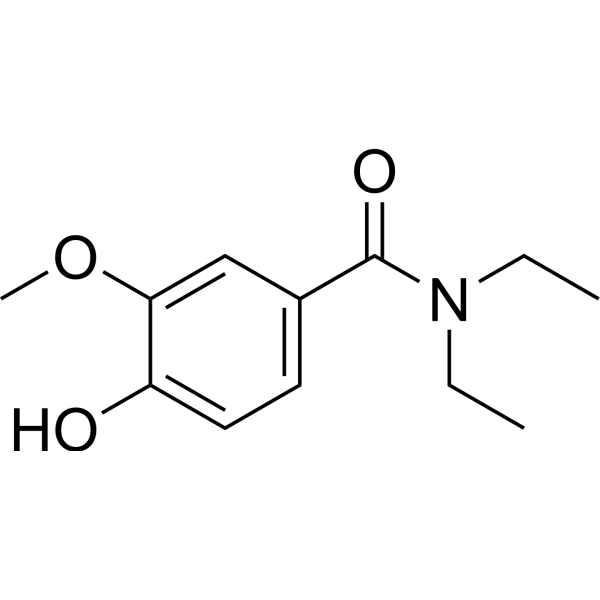
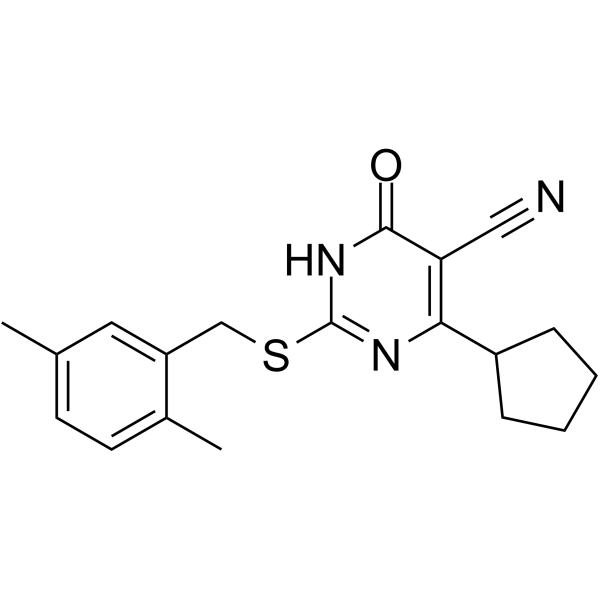
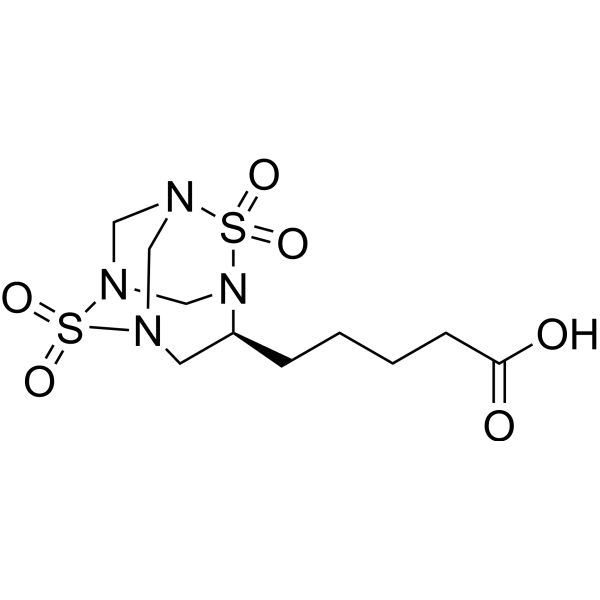
    Eact is a selective and potent activator of TMEM16A, directly activates the TRPV1 channels in sensory nociceptors and produces itch, acute nociception and thermal hypersensitivity .
    Eact
  • HY-B1815

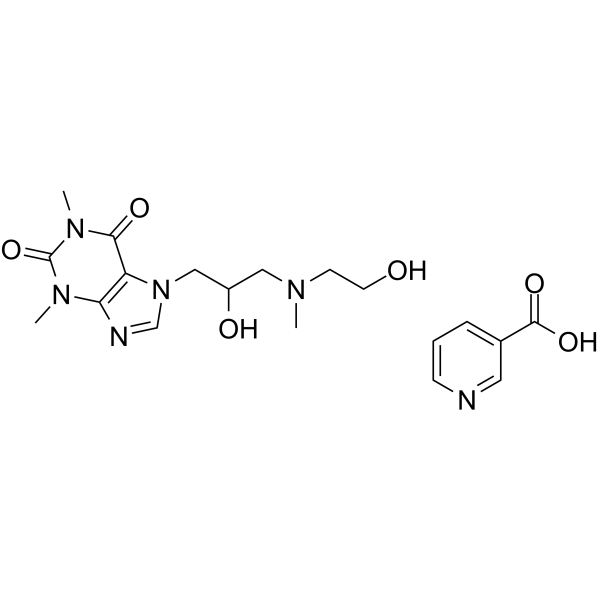
    Xanthinol Niacinate

    PDGFR Cardiovascular Disease
    Xanthinol Nicotinate (Xanthinol Niacinate), a vasodilator, can act directly on the smooth muscle of small arteries and capillaries. Xanthinol Nicotinate expands blood vessels, improves blood rheology and reduces peripheral vascular resistance .
    Xanthinol Nicotinate
  • HY-108539
    CE3F4
    2 Publications Verification

    Ras Cardiovascular Disease
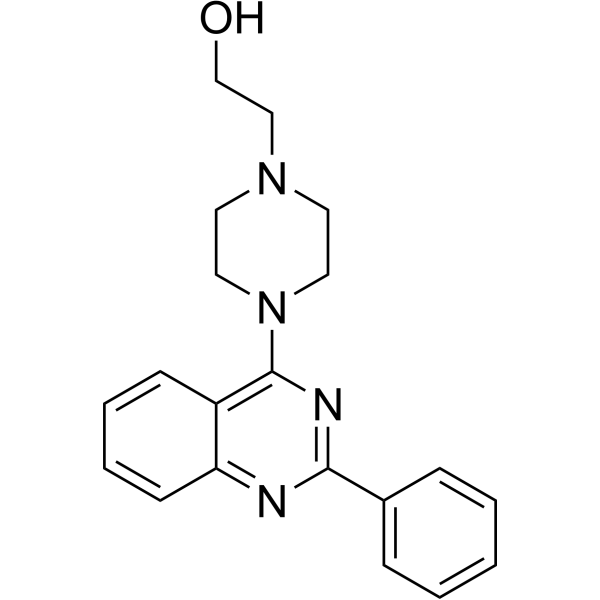
    CE3F4 is a selective antagonist of exchange protein directly activated by cAMP (Epac1), with IC50s of 10.7 μM and 66 μM for Epac1 and Epac2(B), respectively.
    CE3F4
  • HY-110273
    N106
    1 Publications Verification

    Calcium Channel E1/E2/E3 Enzyme Cardiovascular Disease
    N106 is a first-in-class sarcoplasmic reticulum calcium ATPase (SERCA2a) SUMOylation activator. N106 directly activates the SUMO-activating enzyme, E1 ligase. N106 can be used for heart failure research .
    N106
  • HY-111192
    IPR-803
    3 Publications Verification

    Ser/Thr Protease Cancer
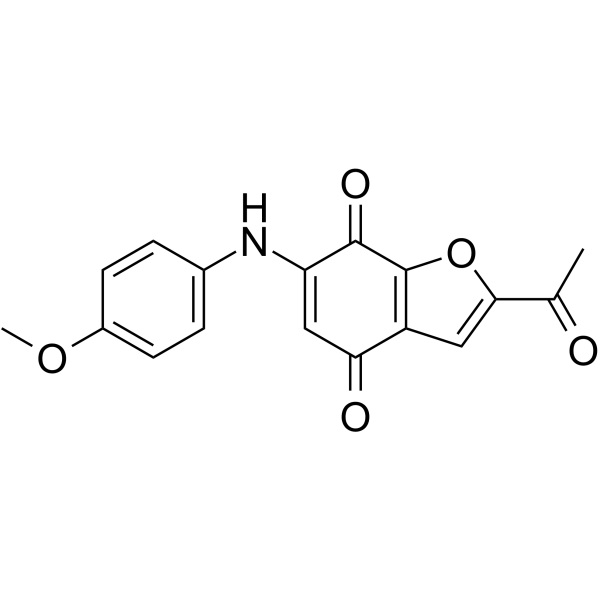
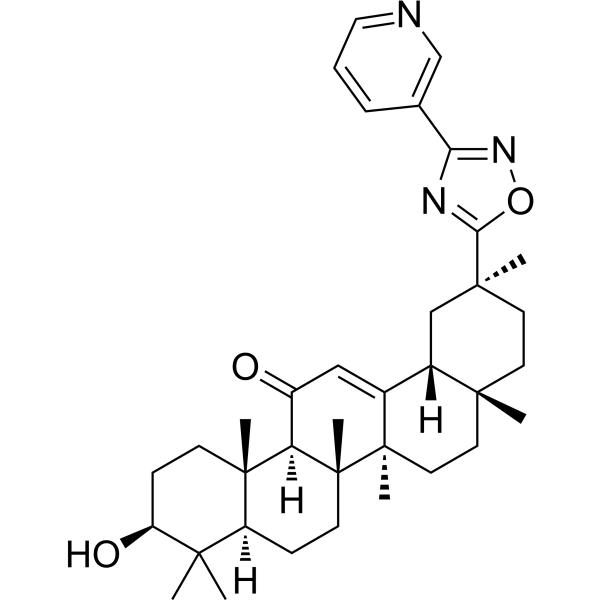
    IPR-803 is a potent inhibitor of the uPAR·uPA protein-protein interaction (PPI). IPR-803 binds directly to uPAR with sub-micromolar affinity. IPR-803 displays anti-tumor activity .
    IPR-803
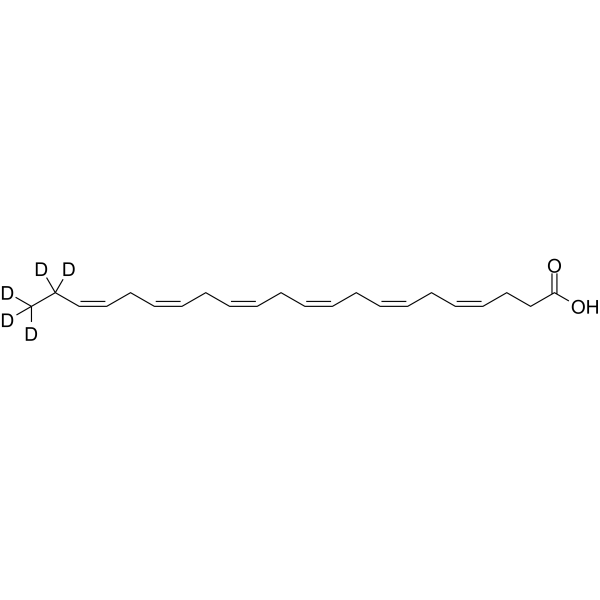
  • HY-B2167S

    DHA-d5; Cervonic acid-d5

    Endogenous Metabolite Neurological Disease
    Docosahexaenoic acid-d5 is the deuterium labeled Docosahexaenoic Acid. Docosahexaenoic Acid (DHA) is an omega-3 fatty acid abundantly present brain and retina. It can be obtained directly from fish oil and maternal milk.
    Docosahexaenoic acid-d5
  • HY-124838
    EG1
    1 Publications Verification

    DNA/RNA Synthesis Cancer
    EG1, a specific Pax2 inhibitor, directly binds the paired domain of Pax2 (Kd=1.35-1.5 μM) and inhibits Pax2-DNA interactions. EG1 can inhibit embryonic kidney development, a process directly dependent on Pax2 activity .
    EG1
  • HY-125427

    OLIG2 Cancer
    SKOG102 is a potent OLIG2 inhibitor that is directly engaging OLIG2 and interferes with the ability of OLIG2 to bind DNA. SKOG102 can be used for the research of glioblastoma (GBM) .
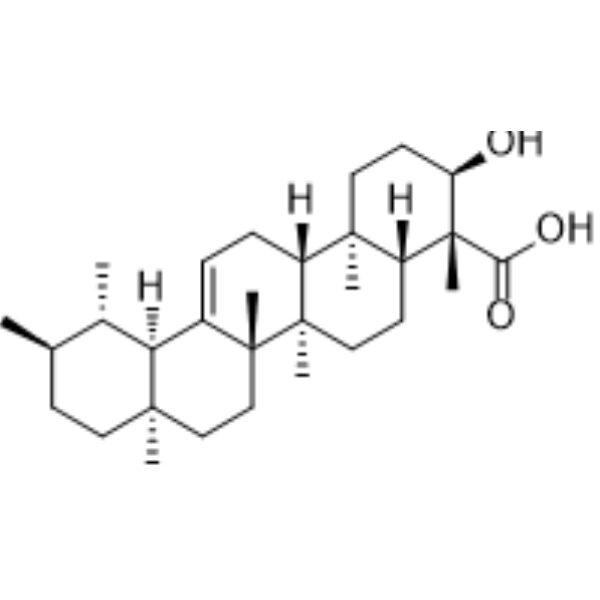
    SKOG102
  • HY-122234

    DNA/RNA Synthesis Cancer
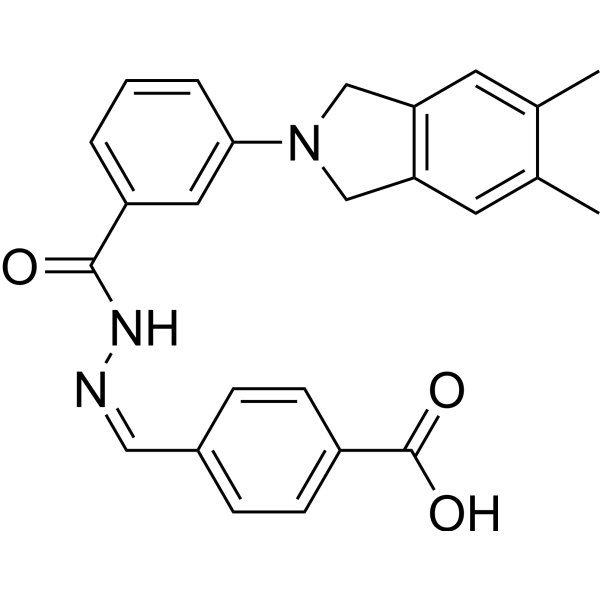
    VPC-18005 inhibits ERG-induced transcription and interacts directly with the ERG-ETS domain, and disrupts the ERG binding to DNA. VPC-18005 is a potent inhibitor of luciferase activity .
    VPC-18005
  • HY-124718

    M36

    PKC Cancer
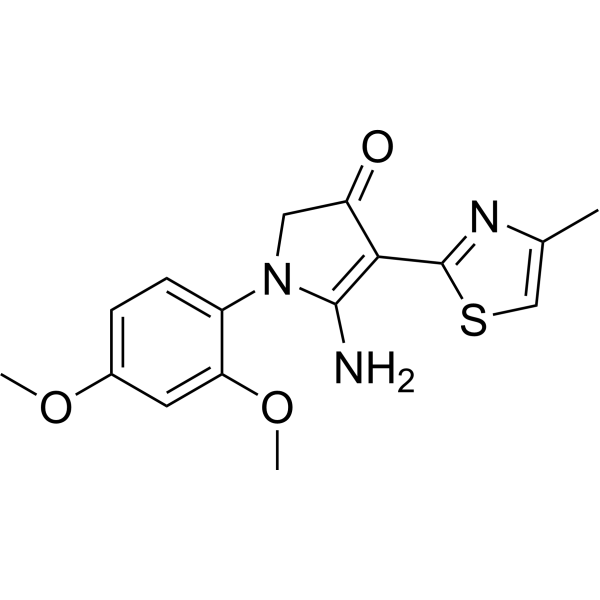
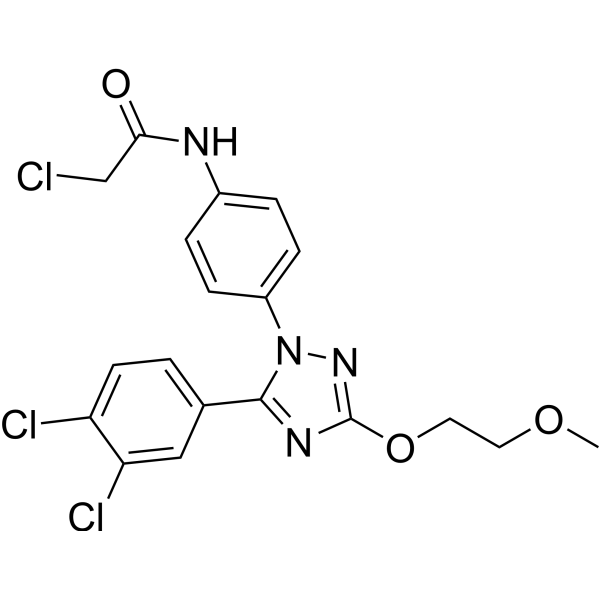
    p32 inhibitor M36 (M36) is a p32 mitochondrial protein inhibitor, which binds directly to p32 and inhibits p32 association with LyP-1 .
    p32 Inhibitor M36
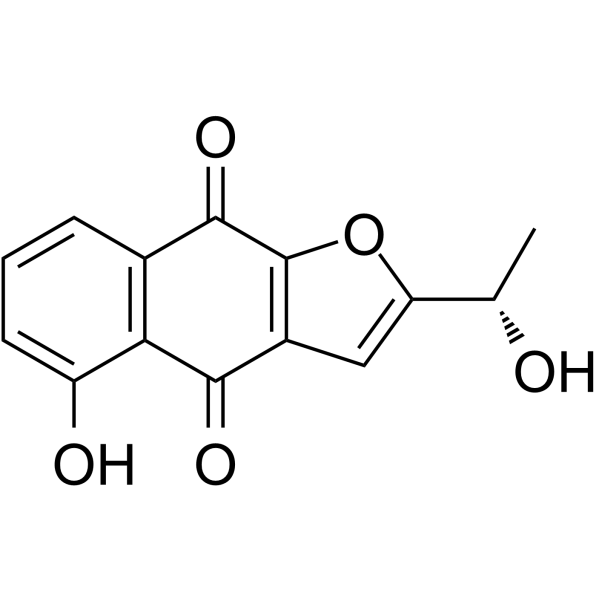
  • HY-69359
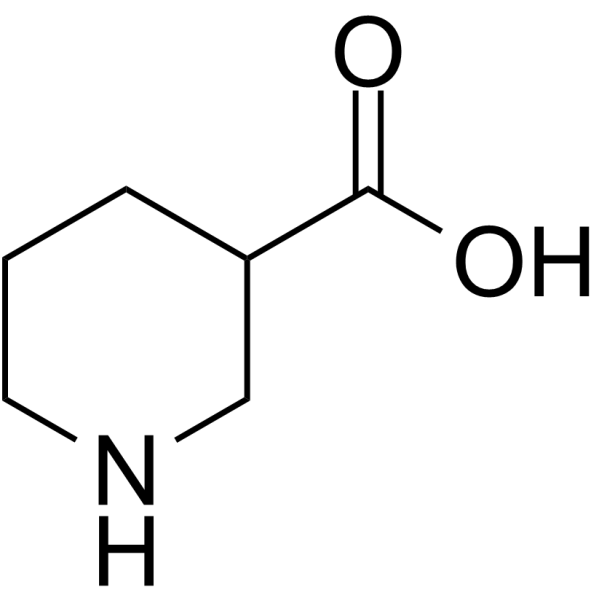
    Nipecotic acid
    1 Publications Verification

    (±)-β-Homoproline; Hexahydronicotinic acid; 3-Carboxypiperidine

    GABA Receptor Neurological Disease
    Nipecotic acid ((±)-β-Homoproline) is a potent inhibitor of neuronal and glial-aminobutyric acid (GABA) uptake in vitro. Nipecotic acid can also directly activate GABAA-like chloride channels, with an EC50 of approximately 300 μM .
    Nipecotic acid
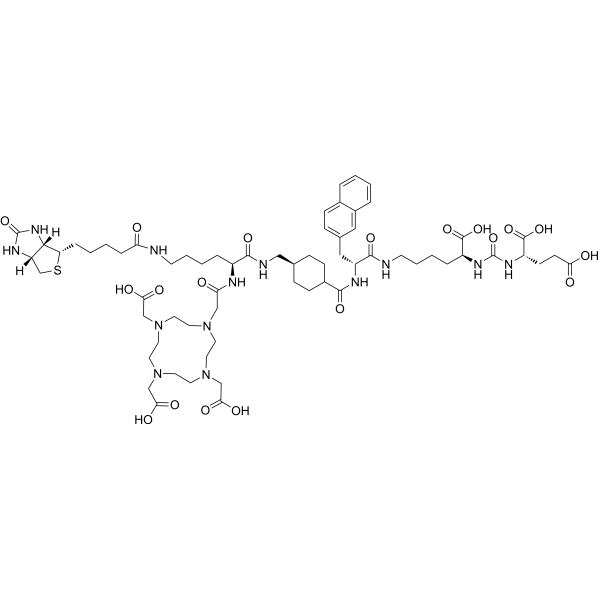
  • HY-141729

    Fluorescent Dye Cancer
    Biotin-NH-PSMA-617 is a biotin-tagged PSMA-617. PSMA-617 is a small molecule targeting the prostate-specific membrane antigen (PSMA), which is directly expressed by the tumor cells .
    Biotin-NH-PSMA-617
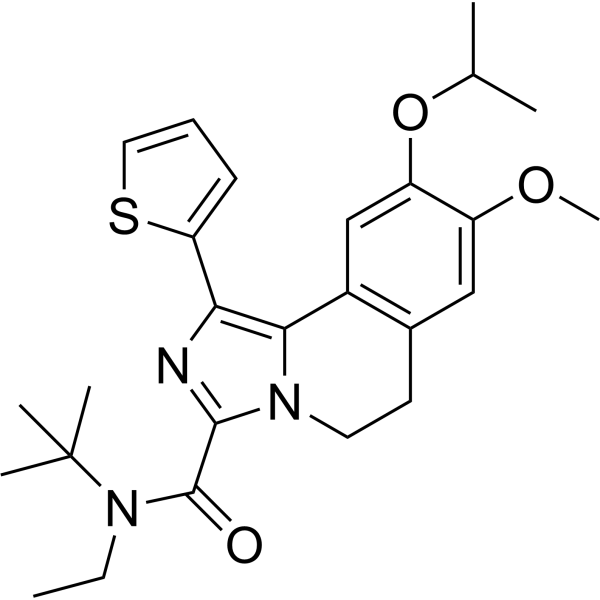
  • HY-150210

    Estrogen Receptor/ERR Endocrinology
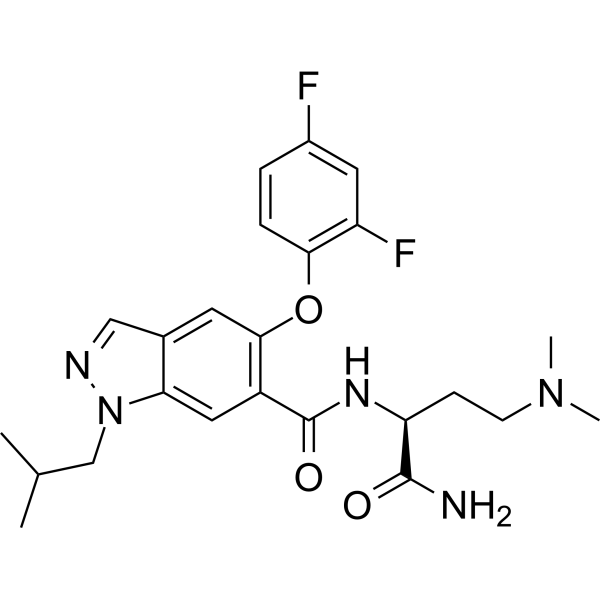
    FSHR agonist 1 is a high affinity and allosteric follicle stimulating hormone receptor (FSHR) agonist with a pEC50 of 7.72. FSHR agonist 1 formes extensive interactions with the TMD to directly activate FSHR .
    FSHR agonist 1
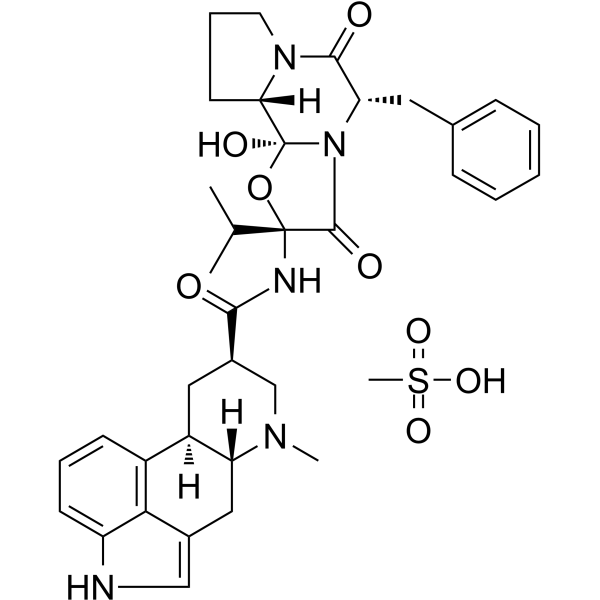
  • HY-N2319
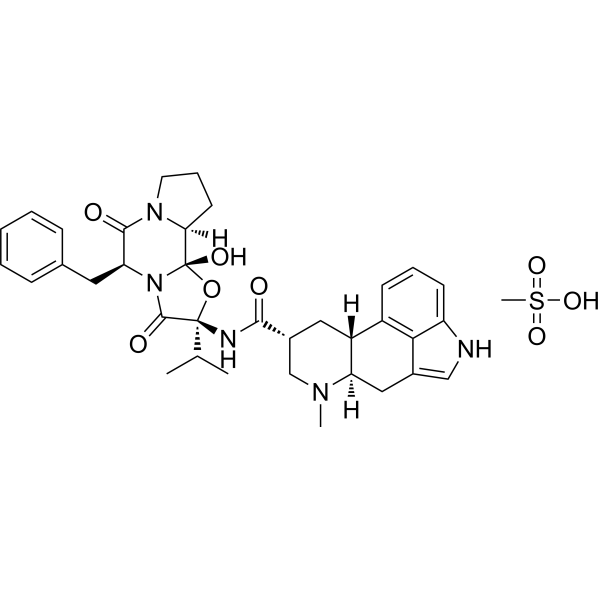
    Dihydroergocristine mesylate
    1 Publications Verification

    DHEC mesylate

    Amyloid-β Neurological Disease
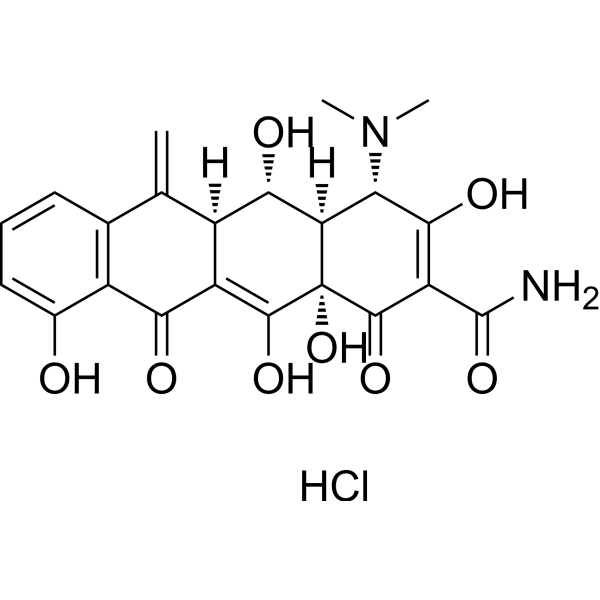
    Dihydroergocristine mesylate (DHEC mesylate) is a inhibitor of γ-secretase (GSI), reduces the production of the Alzheimer's disease amyloid-β peptides, binds directly to γ-secretase and Nicastrin with equilibrium dissociation constants (Kd) of 25.7 nM and 9.8 μM, respectively .
    Dihydroergocristine mesylate
  • HY-121877
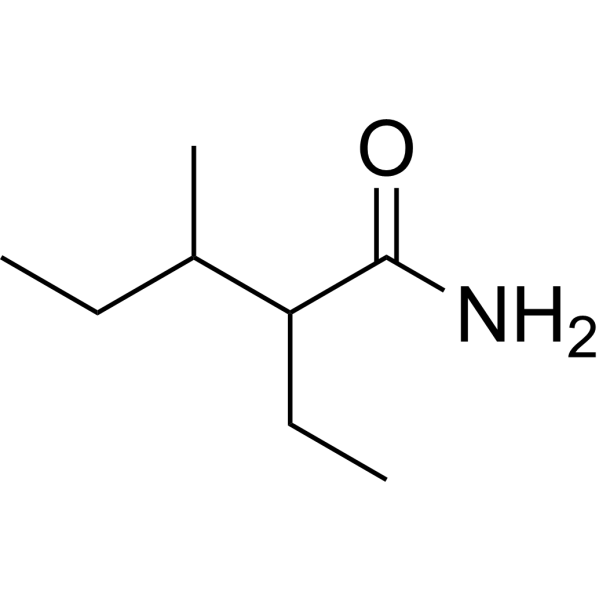
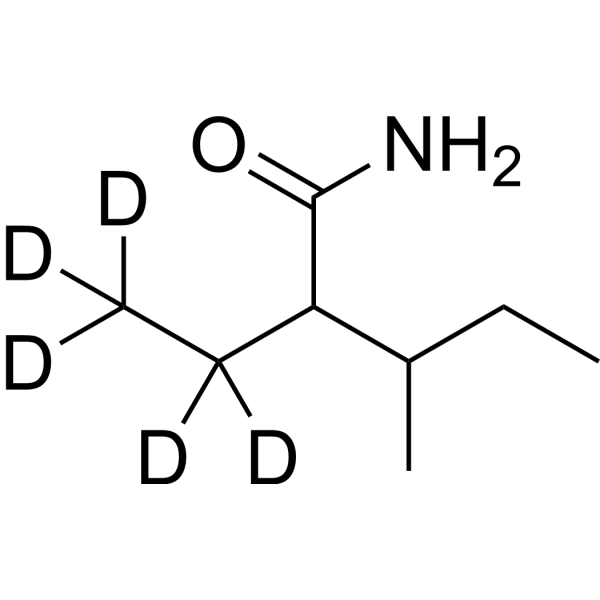
    Valnoctamide
    1 Publications Verification

    Valmethamide

    GABA Receptor Neurological Disease
    Valnoctamide (Valmethamide), a derivative of valproate, suppresses benzodiazepine-refractory status epilepticus. Valnoctamide (Valmethamide) acts directly on GABAA receptors .
    Valnoctamide
  • HY-126483

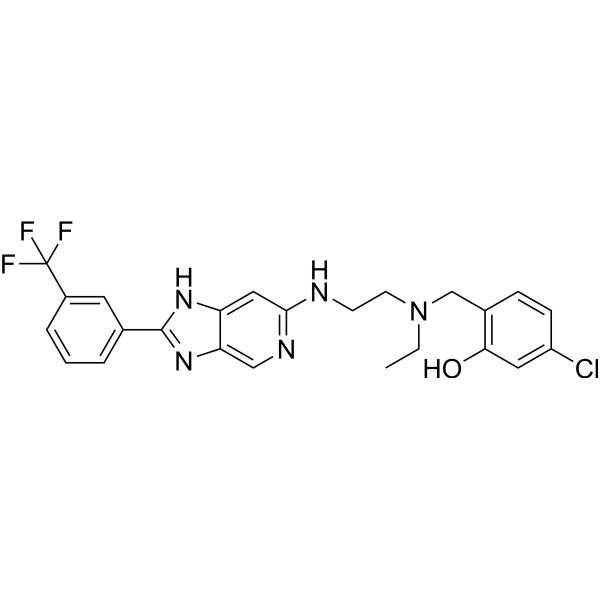
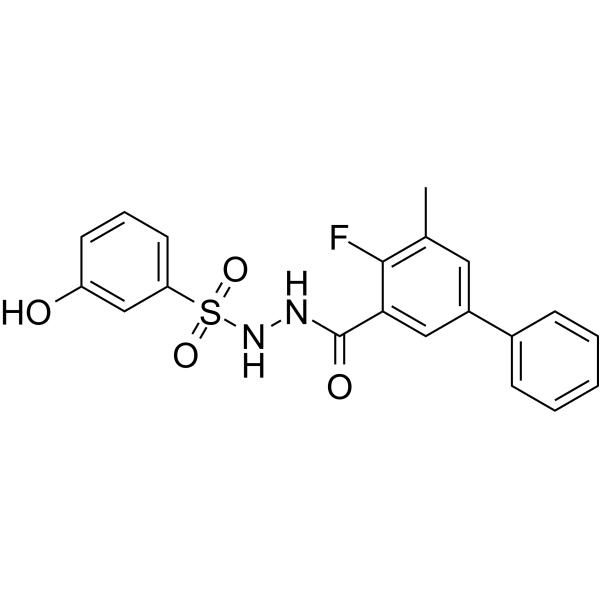
    Telomerase Cancer
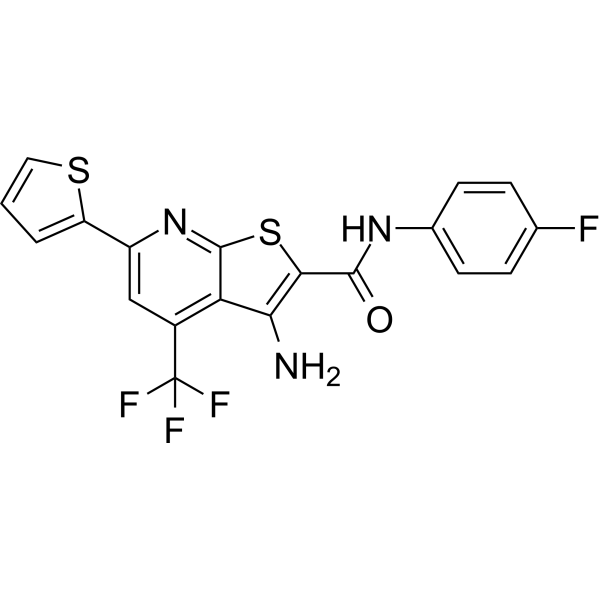
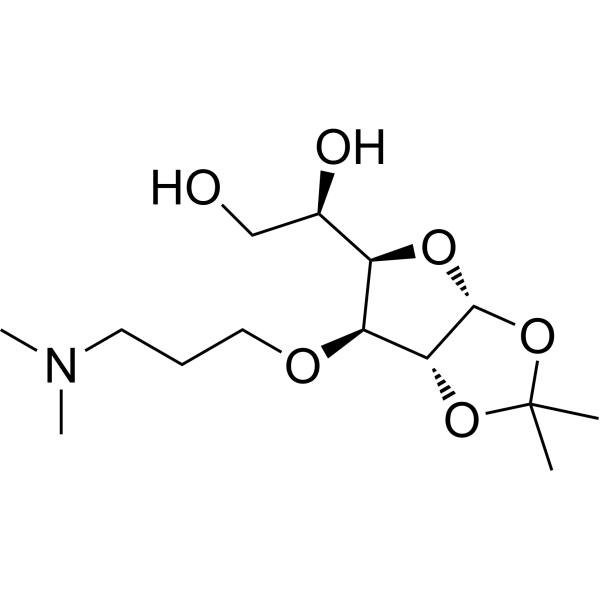
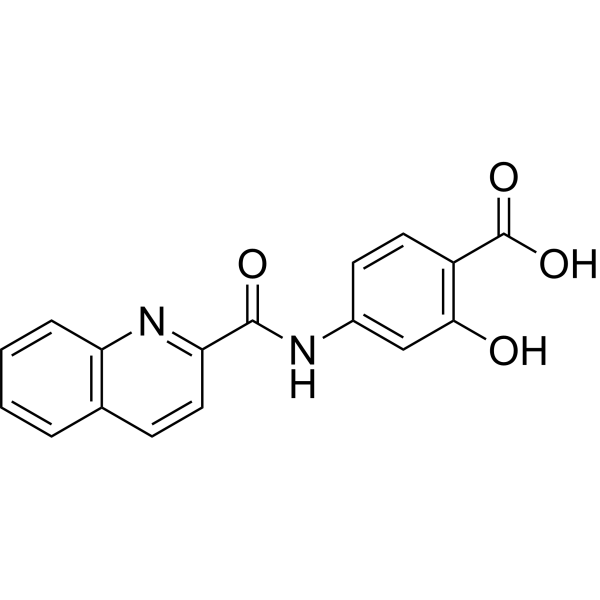
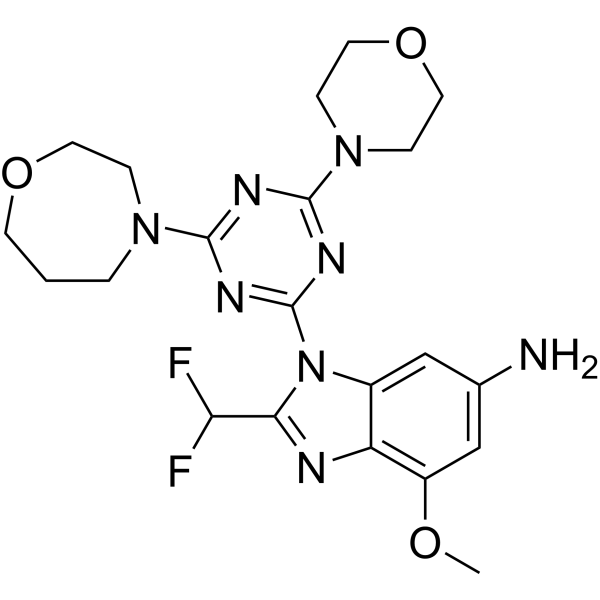
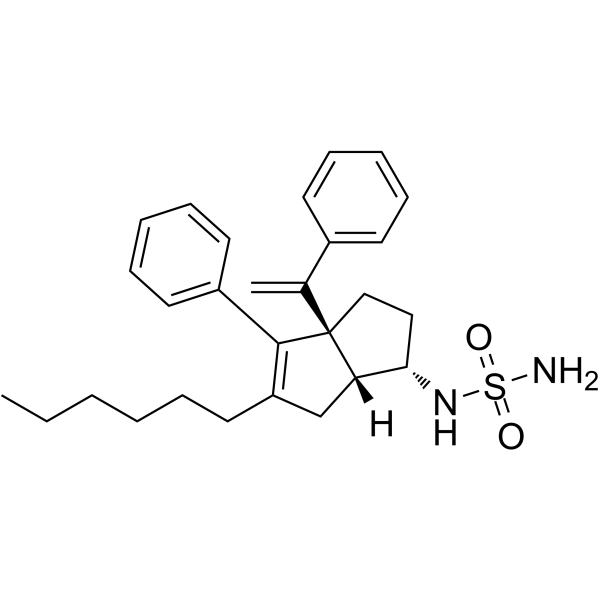
    Telomerase-IN-3 is a telomerase inhibitor, which directly targets hTERT promoter activity. hTERT is the key component for maintenance of telomerase activity .
    Telomerase-IN-3
  • HY-W011240

    Methforylthiazidine; Rontyl

    Sodium Channel Chloride Channel Metabolic Disease Endocrinology
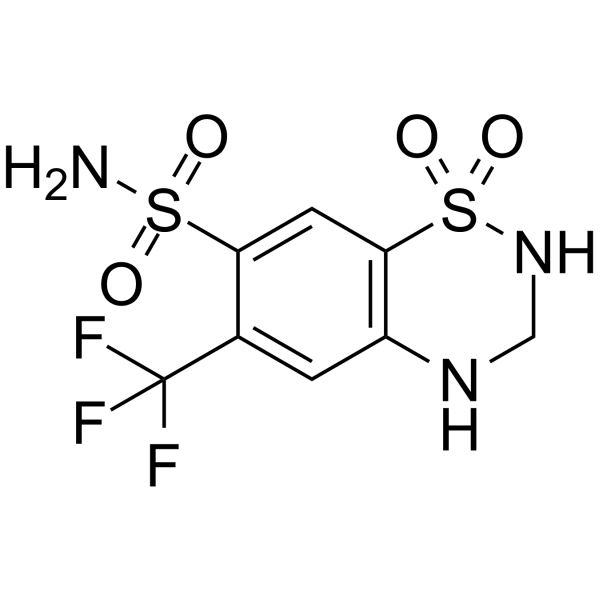
    Hydroflumethiazide (Methforylthiazidine) is an orally active and potent thiazide diuretic. Hydroflumethiazide possesses the ability to directly stimulate A cell secretion in the normal and alloxan diabetic pancreas .
    Hydroflumethiazide
  • HY-111939

    BAY-NTN 6867

    Environmental Pollutants Microtubule/Tubulin Others
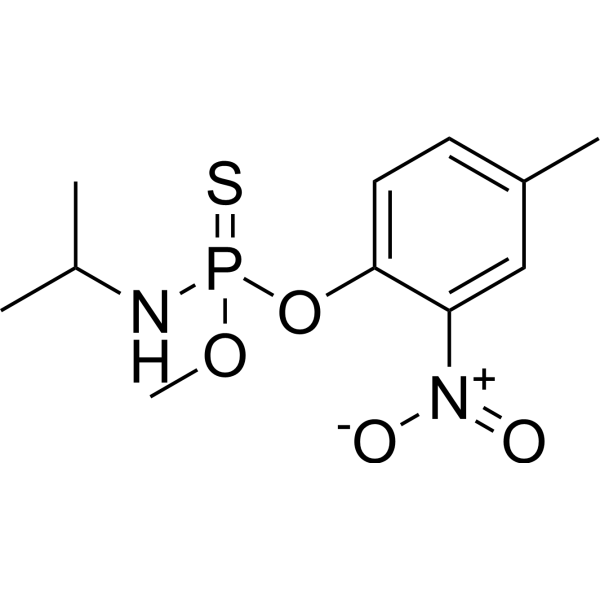
    Amiprofos methyl (BAY-NTN 6867) is a phosphoric amide herbicide. Amiprofos methyl is a specific and potent antimicrotubule agent. Amiprofos methyl directly poisons microtubule dynamics in plant cells .
    Amiprofos methyl
  • HY-119165

    γ-secretase Neurological Disease
    GSM-1 is a potent γ-secretase modulator. GSM-1 directly targets the transmembrane domain (TMD) 1 of presenilin 1 (PS1) .
    GSM-1
  • HY-B1777R

    NSC 268508 (Standard); Neuridine (Standard)

    Reference Standards Endogenous Metabolite Influenza Virus Infection Metabolic Disease Cancer
    Spermine (Standard) is the analytical standard of Spermine. This product is intended for research and analytical applications. Spermine (NSC 268508) functions directly as a free radical scabenger to protect DNA from free radical attack. Spermine has antiviral effects.
    Spermine (Standard)
  • HY-B1116

    Metaradrine tartrate

    Adrenergic Receptor Cardiovascular Disease Endocrinology
    Metaraminol tartrate?(Metaradrine tartrate) is an α-adrenergic agonist . Metaraminol tartrate is a sympathomimetic amine that directly and indirectly affects adrenergic receptors, with alpha effects being predominant.Metaraminol tartrate acts as a vasopressor agent .
    Metaraminol tartrate
  • HY-W015461

    DL-α-Aminocaprylic acid; DL-2-Aminocaprylic acid

    Bacterial Infection
    2-Aminooctanoic acid (DL-α-Aminocaprylic acid) is a fatty acid with an amino functional group that can be directly coupled at both the C-terminal and N-terminal with antimicrobial peptides (AMP) derived from lactoferrin B to enhance antibacterial activity .
    2-Aminooctanoic acid
  • HY-103239

    AMPK Cardiovascular Disease Metabolic Disease
    PT1 is an AMPKα1 activator that directly activates the inactive truncated forms of AMPKα1 monomers .
    PT1
  • HY-23020

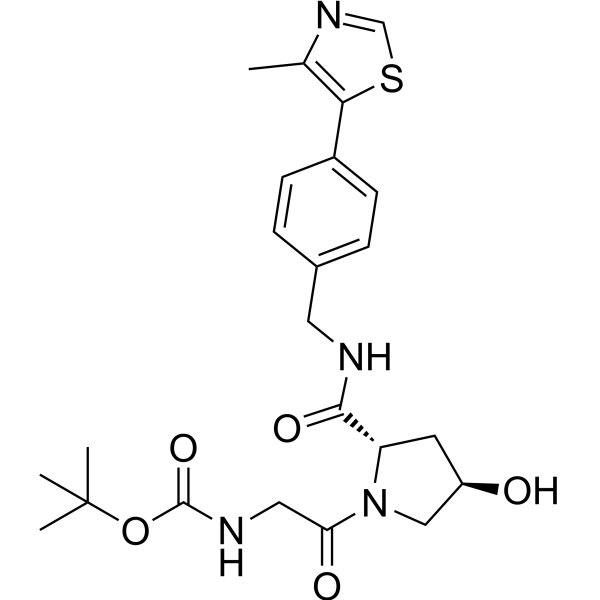
    Proteasome Cancer
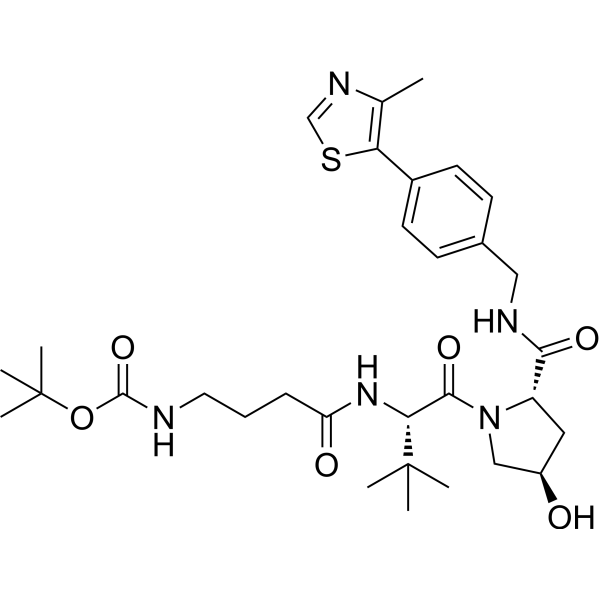
    Boc3Arg is the tert-butyl carbamate-protected arginine. Boc3Arg is an efficient tag to induce degradation through directly localizing the protein to the 20S proteasome .
    Boc3Arg
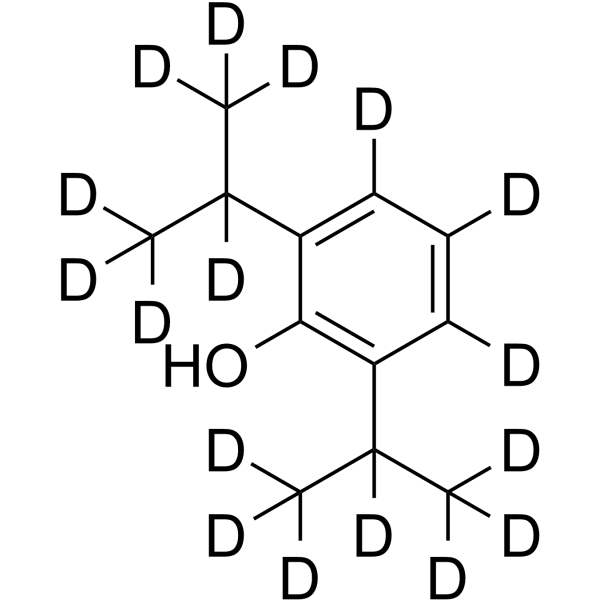
  • HY-B0649S

    GABA Receptor Endogenous Metabolite Neurological Disease
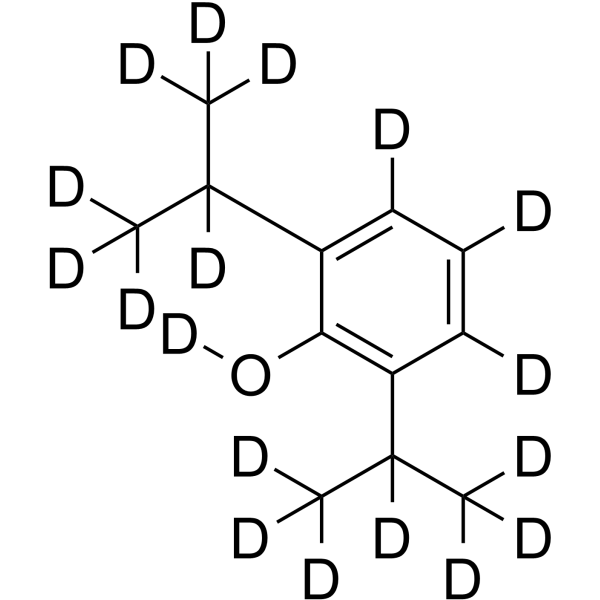
    Propofol-d17 is the deuterium labeled Propofol. Propofol potently and directly activates GABAA receptor and inhibits glutamate receptor mediated excitatory synaptic transmission. Propofol has antinociceptive properties .
    Propofol-d17
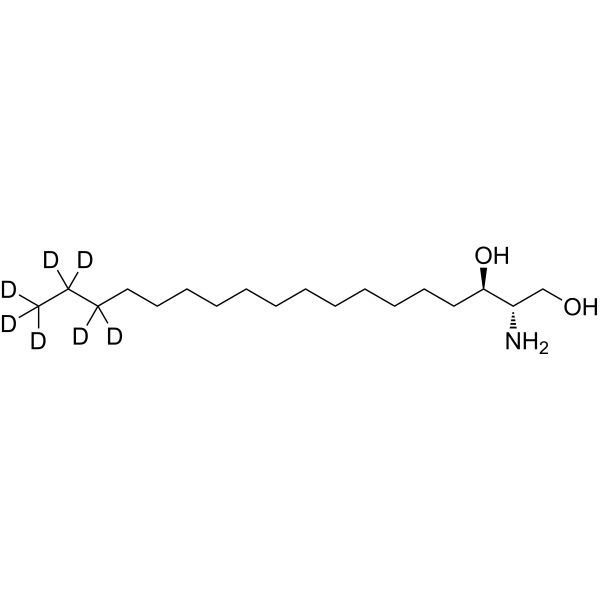
  • HY-W019838S

    Sphinganine (d18:0)-d7

    Isotope-Labeled Compounds Endogenous Metabolite Phospholipase Cancer
    D-Erythro-dihydrosphingosine-d7 is the deuterium labeled D-Erythro-dihydrosphingosine. D-Erythro-dihydrosphingosin directly inhibits cytosolic phospholipase A2α (cPLA2α) activity.
    D-Erythro-dihydrosphingosine-d7
  • HY-P1043
    NGR peptide
    1 Publications Verification

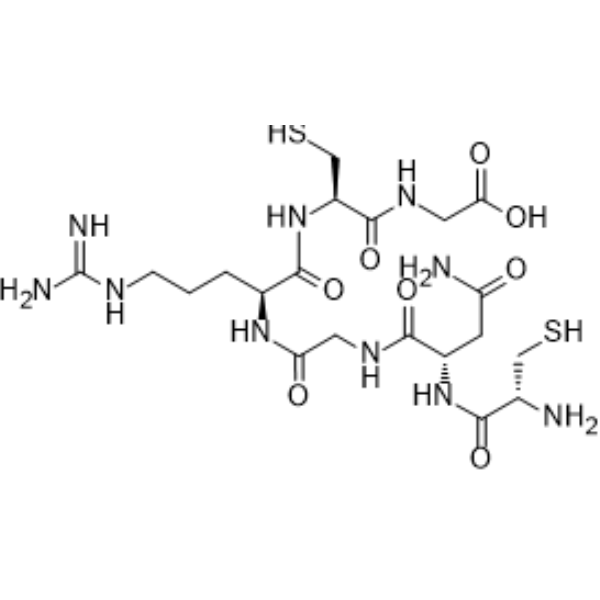
    Aminopeptidase Cancer
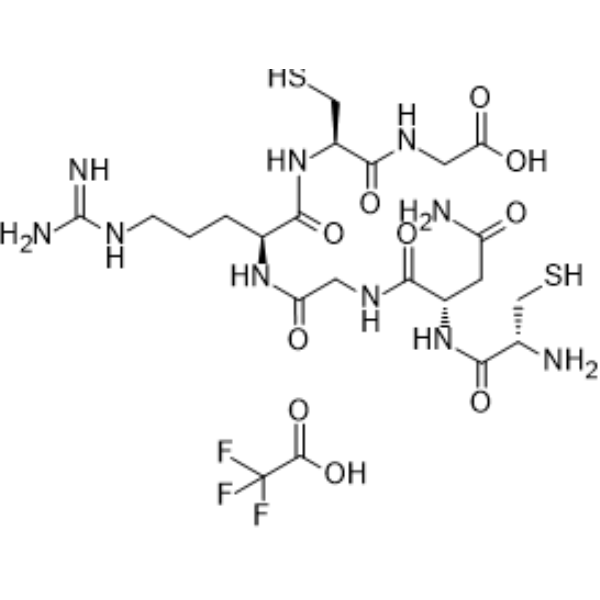
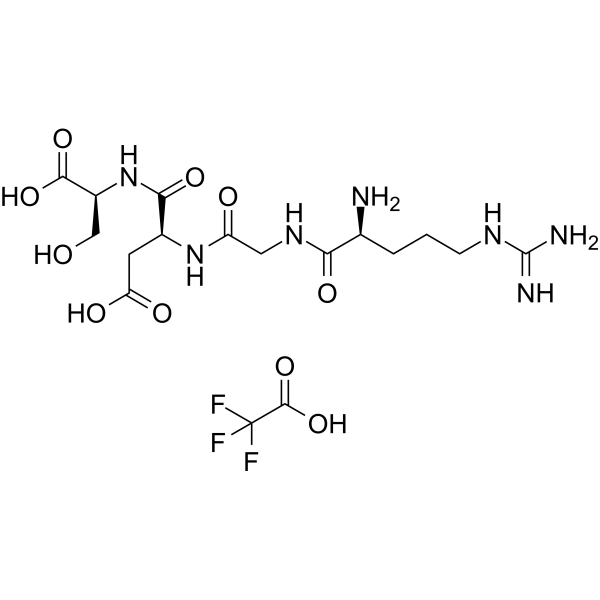
    NGR peptide containing the Asn-Gly-Arg (NGR) motif. NGR peptide binds to APN/CD13. NGR peptide is directly conjugated to imaging agents that can be used for tumor imaging .
    NGR peptide
  • HY-W014700

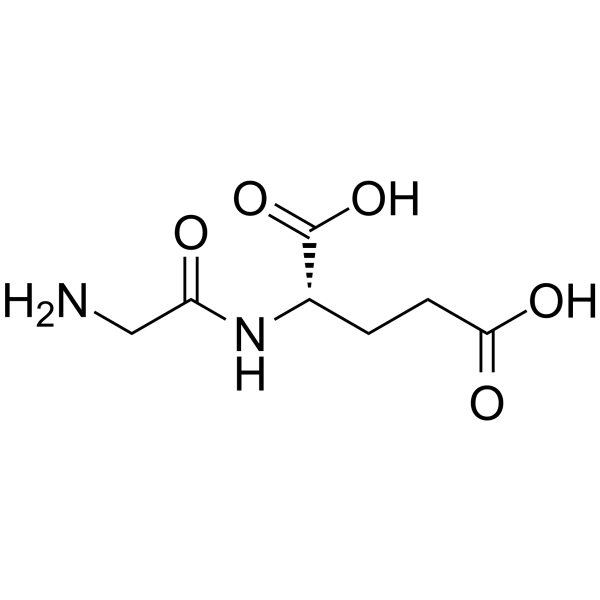
    H-Gly-Glu-OH; Gly-Glu

    Cholinesterase (ChE) Neurological Disease
    Glycyl-L-glutamic acid is a neurotrophic factor (NF) in vivo, and exerts function of maintenance of AChE content and activity. Glycyl-L-glutamic acid doesn’t act directly on AChE synthesis, and may prevent preganglionic neuronal degeneration .
    Glycyl-L-glutamic acid
  • HY-P10208A
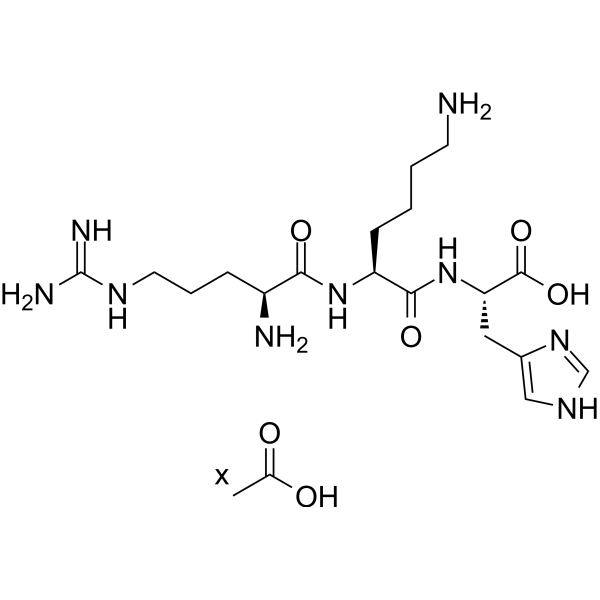
    RKH acetate
    1 Publications Verification

    Toll-like Receptor (TLR) Infection Inflammation/Immunology
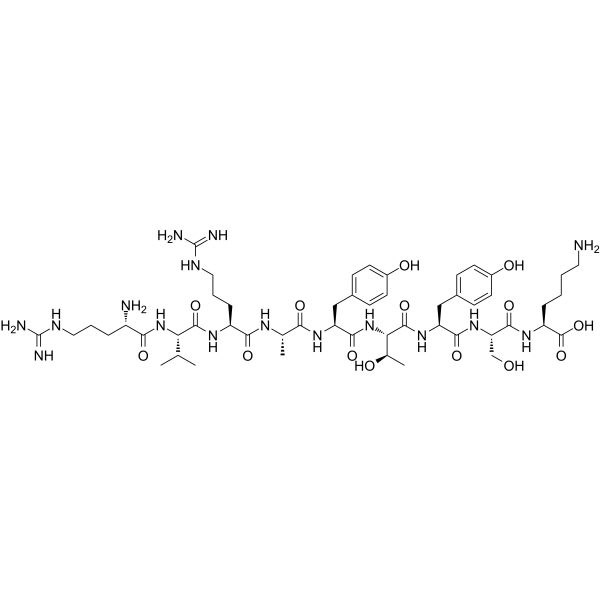
    RKH acetate exerts protective effects against sepsis-induced death and organ damage. RKH acetate can directly bind to Toll-like receptor 4 (TLR4) and block TLR4 signal transduction in immune cells .
    RKH acetate
  • HY-50760

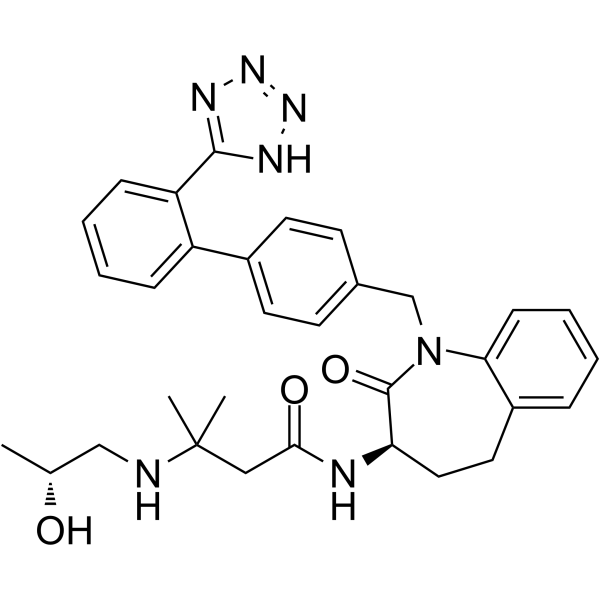
    GHSR Endocrinology
    L-692585 is a potent and nonpeptidyl growth hormone secretagogue receptor (GHS-R1a) agonist, with a Ki of 0.8 nM. L-692585 acts directly on somatotropes causing GH release .
    L-692585

Inquiry Online

Your information is safe with us. * Required Fields.

Salutation


Country or Region *

Applicant Name *


Organization Name *

Department *


Email Address *


Product Name *

Cat. No.


Requested quantity *

Phone Number *


Remarks

Inquiry Online

Inquiry Information

Product Name:
Cat. No.:
Quantity:
MCE Japan Authorized Agent: