
1. Search Result
Search Result
Results for "

juxtamembranous extracellular loop 1

" in MedChemExpress (MCE) Product Catalog:

735

Inhibitors & Agonists

8

Screening Libraries

24

Fluorescent Dyes

47

Biochemical Assay Reagents

116

Peptides

4

MCE Kits

72

Inhibitory Antibodies

78

Natural
Products

30

Recombinant Proteins

20

Isotope-Labeled Compounds

85

Antibodies

3

Click Chemistry

25

Oligonucleotides

2

GMP Molecules

Targets Recommended:
Cat. No. Product Name Target Research Areas Chemical Structure
  • HY-P2738

    MMP Inflammation/Immunology
    Collagen, Type I, from bovine achilles tendon are extracellular matrix proteins and show many applications in food, cosmetic, pharmaceutical and biomedical industries. This product is enzymatically hydrolyzed collagen peptide [1].
    Collagen, Type I, from bovine achilles tendon
  • HY-P1740
    RGD peptide (GRGDNP)
    5+ Cited Publications

    Integrin Apoptosis Caspase Inflammation/Immunology
    RGD peptide (GRGDNP) is an inhibitor of integrin-ligand interactions. RGD peptide (GRGDNP) competitively inhibits α5β1 binding with extracellular matrice (ECM). RGD peptide (GRGDNP) promotes apoptosis through activation of conformation changes that enhance pro-caspase-3 activation and autoprocessing. RGD peptide (GRGDNP) plays an important role in cell adhesion, migration, growth, and differentiation [1] .
    RGD peptide (GRGDNP)
  • HY-107321
    Azosemide
    3 Publications Verification

    NKCC Metabolic Disease
    Azosemide, a sulfonamide loop diuretic, is a potent NKCC1 inhibitor with IC50s of 0.246 μM and 0.197 μM for hNKCC1A and NKCC1B, respectively [1].
    Azosemide
  • HY-P0139
    Gap 27
    5+ Cited Publications

    Gap Junction Protein Cardiovascular Disease
    Gap 27, a synthetic connexin43 mimetic peptide, is a gap junction inhibitor. Gap 27 possesses conserved sequence homology to a portion of the second extracellular loop leading into the fourth transmembrane connexin segment [1] .
    Gap 27
  • HY-P3160C

    Biochemical Assay Reagents Infection
    Fibronectin, bovine plasma is a fibronectin derived from bovine plasma. Fibronectin is an extracellular matrix protein that is upregulated and essential in many developmental processes, and also exists in the pathological progression of tissues and wound healing. Fibronectin specifically binds to a large number of molecules, including other components of the extracellular matrix, signaling molecules and cell adhesion molecules. The interaction between cells and fibronectin leads to bidirectional crosstalk, which regulates cell functions and induces cell-dependent changes in the extracellular matrix. Fibronectin, bovine plasma inhibits the production of bovine leukemia virus (BLV) p24 core protein in naturally infected bovine peripheral blood mononuclear cells [1] .
    Fibronectin, bovine plasma
  • HY-129047E

    Ser/Thr Protease Others
    Trypsin, porcine pancreas (Cell culture grade) is a serine protease that hydrolyzes proteins at the carboxyl side of lysine or arginine residues. Trypsin, porcine pancreas (Cell culture grade) exhibits excellent protein digestibility for α-lactalbumin and β-casein. Trypsin, porcine pancreas (Cell culture grade) removes cellular components while preserving extracellular matrix structures to achieve uniform decellularization of porcine pancreas [1] .
    Trypsin, porcine pancreas (Cell culture grade)
  • HY-B0247
    Torsemide
    1 Publications Verification

    Torasemide

    NKCC Cardiovascular Disease Metabolic Disease
    Torsemide (Torasemide) is an orally active loop diuretic. Torsemide has anti-aldosterone and vasodilatory effects. Torsemide also can be used for the research of heart failure, renal disease and hepatic cirrhosis [1] [1] .
    Torsemide
  • HY-103638A
    3-Methoxytyramine
    3 Publications Verification

    3-O-methyl Dopamine

    Endogenous Metabolite Neurological Disease
    3-Methoxytyramine, a well known extracellular metabolite of 3-hydroxytyramine/dopamine, is a neuromodulator.
    3-Methoxytyramine
  • HY-135484

    Biochemical Assay Reagents Metabolic Disease
    NDSB-195 is protein stabilizer that enhances the dynamics of the β4-α2 loop of ubiquitin. NDSB-195 stabilizes Saccharomyces cerevisiae ubiquitin against guanidium chloride denaturation, increasing the onset temperature of heat denaturation in the presence of the denaturant [1].
    NDSB-195
  • HY-P1082
    Gap 26
    Maximum Cited Publications
    8 Publications Verification

    Connexin Gap Junction Protein Cardiovascular Disease
    Gap 26 is a connexin mimetic peptide, composed of residue numbers 63-75 of the first extracellular loop of connexin 43 (gap junction blocker), containing the SHVR amino acid motif [1].
    Gap 26
  • HY-D0067
    7ACC1
    5+ Cited Publications

    DEAC; Coumarin D 1421; D 1421

    Monocarboxylate Transporter Cancer
    7ACC1 (DEAC; Coumarin D 1421; D 1421) is a monocarboxylate transporter 1 (MCT-1)/MCT-4 specifc blocker. 7ACC1 attenuates renal cancer cell proliferation, migration, invasion and down-regulates the levels of MCT1/MCT4 expression and extracellular lactate. 7ACC1 is promising for research of cancers [1] .
    7ACC1
  • HY-W440896

    Liposome Others
    DSPE-PEG2000-SH is an amphiphilic thiol-functionalized DSPE-PEG molecule. DSPE-PEG2000-SH inserts into extracellular vesicle (EV) bilayer membranes via hydrophobic interactions, displaying surface thiol groups to form EV-SH crosslinkers.DSPE-PEG2000-SH enables crosslinking of EV-SH with 8-arm PEG-norbornene via thiol-ene photochemistry to construct hydrogels, with hydrogel mechanical properties tunable via PEG segment molecular weight variation.DSPE-PEG2000-SH can be used to encapsulate agents for drug delivery system, such as mRNA vaccine [1].
    DSPE-PEG2000-SH
  • HY-N2587

    Integrin Apoptosis Cancer
    Irigenin is a is a lead compound, and mediates its anti-metastatic effect by specifically and selectively blocking α9β1 and α4β1 integrins binding sites on C-C loop of Extra Domain A (EDA). Irigenin shows anti-cancer properties. It sensitizes TRAIL-induced apoptosis via enhancing pro-apoptotic molecules in gastric cancer cells [1].
    Irigenin
  • HY-P1136
    Gap19
    5 Publications Verification

    Gap Junction Protein Cardiovascular Disease
    Gap19, a peptide derived from nine amino acids of the Cx43 cytoplasmic loop (CL), is a potent and selective connexin 43 (Cx43) hemichannel blocker. Gap19 inhibits hemichannels caused by preventing intramolecular interactions of the C-terminus (CT) with the CL. Gap19 is not blocking GJ channels or Cx40/pannexin-1 hemichannels. Gap19 has protective effects against myocardial [1] .
    Gap19
  • HY-108882C

    DNA/RNA Synthesis Inflammation/Immunology
    DNase I is an enzyme that degrades DNA. DNase I is mainly produced by digestive system organs, such as the pancreas and parotid gland. Three types of DNase I are known in mammals: pancreatic type, parotid type, and pancreatico-parotid type. DNase I plays a key role in the cleavage of extracellular DNA, and is critical for limiting inflammatory responses and maintaining homeostasis. DNase I is responsible for digesting extracellular nucleoproteins, which may be essential for preventing autoimmune reactions. Decreased DNase I activity may be associated with the occurrence and development of systemic lupus erythematosus (SLE). DNase I (filtered) is filtered through a 0.22 μM membrane and is not tested for pyrogenicity [1].
    DNase I (filtered)
  • HY-108882B
    DNase I RNase & Protease free
    25+ Cited Publications

    DNA/RNA Synthesis Inflammation/Immunology
    DNase I is an enzyme that degrades DNA. DNase I is mainly produced by digestive system organs, such as the pancreas and parotid gland. Three types of DNase I are known in mammals: pancreatic type, parotid type, and pancreatico-parotid type. DNase I plays a key role in the cleavage of extracellular DNA, and is critical for limiting inflammatory responses and maintaining homeostasis. DNase I is responsible for digesting extracellular nucleoproteins, which may be essential for preventing autoimmune responses. Decreased DNase I activity may be associated with the onset and progression of systemic lupus erythematosus (SLE). DNase I (RNase & Protease free) is a molecular biology-grade DNase I purified by chromatography to remove RNase and protease [1].
    DNase I RNase & Protease free
  • HY-113047
    5,6-Dihydrouridine
    2 Publications Verification

    Endogenous Metabolite Others
    5,6-Dihydrouridine is a modified base found in conserved positions in the D-loop of tRNA in Bacteria, Eukaryota, and some Archaea.
    5,6-Dihydrouridine
  • HY-P991558

    RG-7356

    Transmembrane Glycoprotein Cancer
    RO-5429083 (RG-7356) is a humanized monoclonal antibody targeting CD44. RO-5429083 binds to the extracellular domain of CD44 and inhibits constitutive EGFR phosphorylation. RO-5429083 suppresses tumor growth in xenograft models and can be used in research related to head and neck squamous cell carcinoma and acute myeloid leukemia [1] .
    RO-5429083
  • HY-W009444
    5-Methyluridine
    1 Publications Verification

    Endogenous Metabolite Others
    5-Methyluridine (m 5U) is an RNA modified nucleotide generated by RNA methyltransferases (such as TrmA and RumA), which mainly targets specific uracil sites in RNA molecules such as the T arm of tRNA and rRNA. 5-Methyluridine relies on enzyme recognition of RNA secondary/tertiary structures (such as the T loop of tRNA or the specific stem-loop structure of rRNA) and participates in physiological processes such as translation accuracy and ribosome function by stabilizing RNA folding or regulating base pairing [1] .
    5-Methyluridine
  • HY-18377
    Bioymifi
    1 Publications Verification

    DR5 Activator

    TNF Receptor Apoptosis Cancer
    Bioymifi (DR5 Activator), a potent TRAIL receptor DR5 activator, binds to the extracellular domain (ECD) of DR5 with a Kd of 1.2 μM. Bioymifi can act as a single agent to induce DR5 clustering and aggregation, leading to apoptosis [1].
    Bioymifi
  • HY-174801

    Cyclic GMP-AMP Synthase Inflammation/Immunology
    XL-3156 is a cGAS inhibitor. XL-3156 occupies both allosteric and orthosteric sites simultaneously, and inhibits the interaction and phase separation between cGAS and DNA by stabilizing the closed conformation of the activation loop. XL-3156 can be used in the research of diseases such as autoimmune diseases and inflammation [1].
    XL-3156
  • HY-156659

    Phosphatase ERK Inflammation/Immunology
    NC1 is a selective non-competitive and allosteric lymphoid-specific tyrosine phosphatase (LYP) inhibitor, with a Ki value 4.3 μM. NC1 allosterically regulates LYP/PTPN22 activity by restricting WPD loop movement. NC1 inhibits LYP activity in lymphoid T cells and enhances T-cell receptor signaling. NC1 can be used for the research of autoimmune diseases [1].
    NC1
  • HY-W129161

    Amino Acid Derivatives Metabolic Disease
    Acetyl tetrapeptide-3 is a synthetic peptide. Acetyl tetrapeptide-3 enhances the adhesion of hair follicles to the scalp but also promotes the development of new hair follicles. Acetyl tetrapeptide-3 stimulates the synthesis of collagen III in hair follicles. Acetyl tetrapeptide-3 combined with Biochanin A (HY-14595) and ginseng extracts, can stimulate dermal papilla extracellular matrix (ECM) proteins by increasing hydroxyproline, Collagen Type 3, and laminin, yielding a significant improvement in hair follicle size and hair anchoring [1] .
    Acetyl tetrapeptide-3
  • HY-P1740A
    RGD peptide (GRGDNP) TFA
    5+ Cited Publications

    Integrin Apoptosis Inflammation/Immunology Cancer
    RGD peptide (GRGDNP) TFA is an inhibitor of integrin-ligand interactions. RGD peptide (GRGDNP) TFA competitively inhibits α5β1 binding with extracellular matrice (ECM). RGD peptide (GRGDNP) TFA promotes apoptosis through activation of conformation changes that enhance pro-caspase-3 activation and autoprocessing. RGD peptide (GRGDNP) TFA plays an important role in cell adhesion, migration, growth, and differentiation [1] .
    RGD peptide (GRGDNP) TFA
  • HY-124151

    2'-AMP; Adenosine 2'-phosphate; AMP 2'-phosphate

    Adenosine Receptor Endogenous Metabolite Neurological Disease
    Adenosine-2'-monophosphate (2'-AMP) is converted by extracellular 2’,3'-CAMP. Adenosine-2'-monophosphate is further metabolized to extracellular adenosine (a mechanism called the extracellular 2’,3’-cAMP-adenosine pathway). Adenosine-2'-monophosphate inhibits LPS-induced TNF-α and CXCL10 production via A2A receptor activation [1] .
    Adenosine-2'-monophosphate
  • HY-P99102

    10-1074

    HIV Infection
    Zinlirvimab is a human IgG1-λ2, HIV neutralising antibody targeting to HIV-1 gp120 envelope glycoprotein (IIIB gp120 V3 loop) .
    Zinlirvimab
  • HY-106616

    BAY-g 2821; Edrul

    Sodium Channel Cardiovascular Disease
    Muzolimine (BAY-g 282) is a slow and long lasting diuresis agent. Muzolimine produces a diuresis in the loop of Henle and also shows anti-hypertensive and natriuresis effects. Muzolimine can be used for the research of cardiovascular disease [1] .
    Muzolimine
  • HY-W843885

    L-α-Glutamyl-L-threonine; Glu-Thr

    CaSR Others
    H-Glu-Thr-OH (L-α-Glutamyl-L-threonine) is a dipeptide made up of two amino acids—glutamic acid (Glu) and threonine (Thr)—connected by a peptide bond, and it acts as an agonist for the extracellular calcium-sensing receptor (CaSR) [1].
    H-Glu-Thr-OH
  • HY-P1136A
    Gap19 TFA
    5 Publications Verification

    Gap Junction Protein Cardiovascular Disease
    Gap19 TFA, a peptide derived from nine amino acids of the Cx43 cytoplasmic loop (CL), is a potent and selective connexin 43 (Cx43) hemichannel blocker. Gap19 TFA inhibits hemichannels caused by preventing intramolecular interactions of the C-terminus (CT) with the CL. Gap19 TFA is not blocking GJ channels or Cx40/pannexin-1 hemichannels. Gap19 TFA has protective effects against myocardial [1] .
    Gap19 TFA
  • HY-34154

    Lactate Dehydrogenase Others
    4-(Dimethylamino)phenol is a potent cyanide antidote. 4-(Dimethylamino)phenol increases the extracellular lactate dehydrogenase (LDH) without markedly affecting gluconeogenesis. 4-(Dimethylamino)phenol cannot decreases the ATP content until the membrane becomes permeable to LDH. 4-(Dimethylamino)phenol’s toxicity is related to its reaction with glutathione and formation of covalent complexes, leading to impaired cellular function [1] .
    4-(Dimethylamino)phenol
  • HY-136651

    Reactive Oxygen Species (ROS) Inflammation/Immunology
    BNTA, a potent extracellular matrix (ECM) modulator, facilitates cartilage structural molecule synthesis on chondrocytes by activating superoxide dismutase 3 (SOD3). BNTA shows a promising potential for osteoarthritis alleviation by modulating cartilage generation [1].
    BNTA
  • HY-P2931

    TPI

    Biochemical Assay Reagents Metabolic Disease Cancer
    Triosephosphate isomerase (TPI) is a biocatalyst that interconverts dihydroxyacetone phosphate and D-glyceraldehyde-3-phosphate. Triosephosphate isomerase utilises Glu167 as catalytic base, mediates proton shuttling, and stabilises a cis-enediolate intermediate via loop-6 and loop-7 closure to shield its catalytic site. Triosephosphate isomerase can be used for the research of triosephosphate isomerase deficiency [1].
    Triosephosphate isomerase
  • HY-P1082A
    Gap 26 TFA
    Maximum Cited Publications
    8 Publications Verification

    Connexin Gap Junction Protein Cardiovascular Disease
    Gap 26 TFA is a connexin mimetic peptide, composed of residue numbers 63-75 of the first extracellular loop of connexin 43 (gap junction blocker), containing the SHVR amino acid motif [1].
    Gap 26 TFA
  • HY-P1594A

    Opioid Receptor iGluR Neurological Disease
    Dynorphin A (1-10) (TFA), an endogenous opioid neuropeptide, binds to extracellular loop 2 of the κ-opioid receptor. Dynorphin A (1-10) (TFA) also blocks NMDA-activated current with an IC50 of 42.0 μM.
    Dynorphin A (1-10) TFA
  • HY-148044

    β-glucuronidase Bacterial Infection
    UNC10201652 is a potent Loop 1 (L1)-specific gut bacterial β-glucuronidase (GUSs) inhibitor with an IC50 value of 0.117 μM for E. coli GUS. UNC10201652 can block SN-38 glucuronide (HY-126373) processing only in individuals whose fecal gut microbiota is highly abundant in L1 GUS enzymes [1] .
    UNC10201652
  • HY-D2481

    APG-2 TMA

    Fluorescent Dye Neurological Disease
    Asante potassium green-2 (APG-2) TMA is a cell-impermeable K + (potassium ion) fluorescent indicator that produces a fluorescent response to changes in extracellular potassium ion concentration. Its excitation/emission maxima are 525/545 nm [1], respectively.
    Asante potassium green-2 TMA
  • HY-W005379

    TGF-beta/Smad Inflammation/Immunology
    DGM is an inhibitor of the TGF-β1/Smad signaling pathway with significant antifibrotic effects. DGM inhibits the epithelial-mesenchymal transition (EMT) process in alveolar epithelial cells and slows the progression of pulmonary fibrosis in vivo by reducing lung inflammation, improving lung function, and decreasing extracellular matrix (ECM) remodeling. DGM can be used in research on idiopathic pulmonary fibrosis (IPF) and EMT-related diseases [1].
    DGM
  • HY-W996116

    Glutathione Peroxidase Cardiovascular Disease Neurological Disease Inflammation/Immunology
    AZM198 is an orally active myeloperoxidase (MPO) inhibitor. AZM198 irreversibly inactivates MPO (IC50=0.015 μM) via covalent binding to the heme prosthetic group, preferentially targets extracellular MPO activity, and reduces neutrophil extracellular trap formation, reactive oxygen species production and degranulation. AZM198 increases the fibrous cap thickness of atherosclerotic plaques, reduces lesion area, ameliorates hepatic steatosis and fibrosis in non-alcoholic steatohepatitis, and alleviates proteinuria and inflammatory infiltration associated with glomerulonephritis. AZM198 also decreases circulating levels of high-sensitivity Cardiac Troponin I and IL-1β, and mitigates endothelial cell injury. Therefore, AZM198 is suitable for research on various MPO-related diseases, including atherosclerotic cardiovascular disease, myocardial infarction, ischemic stroke, non-alcoholic steatohepatitis and crescentic glomerulonephritis [1] .
    AZM198
  • HY-P5421

    Proton Pump Others
    Caloxin 1B1 is a biological active peptide. (Caloxin 1b1 is obtained by screening for binding to extracellular domain 1 of PMCA4, which inhibited PMCA extracellularly, selectively, and had a higher affinity for PMCA4 than PMCA1. Because caloxin 1b1 had been selected to bind to an extracellular domain of PMCA, it could be added directly to cells and tissues to examine its effects on smooth muscle and endothelium.)
    Caloxin 1B1
  • HY-W010989

    Biochemical Assay Reagents Bacterial Infection Neurological Disease Inflammation/Immunology Cancer
    Gly-His-Lys acetate is a natural, circulating regulatory and antimicrobial tripeptide derived from extracellular matrix proteins. Gly-His-Lys acetate binds Cu 2+ to support copper enzyme activation, antioxidant processes, cellular bioenergetics, and the synthesis of elastin, collagen and catecholamines. Gly-His-Lys acetate regulates cell growth, differentiation and tissue repair, and exerts regenerative, anxiolytic, anti-inflammatory, analgesic and immunosuppressive activities. Gly-His-Lys acetate induces liver degenerative changes. Gly-His-Lys acetate can be used for the research of infections, anxiety, pain-related behaviors and immune-associated liver diseases [1] .
    Gly-His-Lys acetate
  • HY-129359

    ADC Linker Cancer
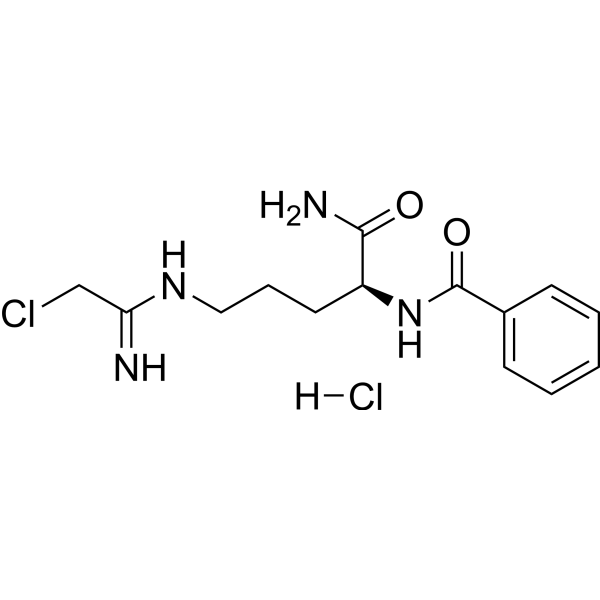
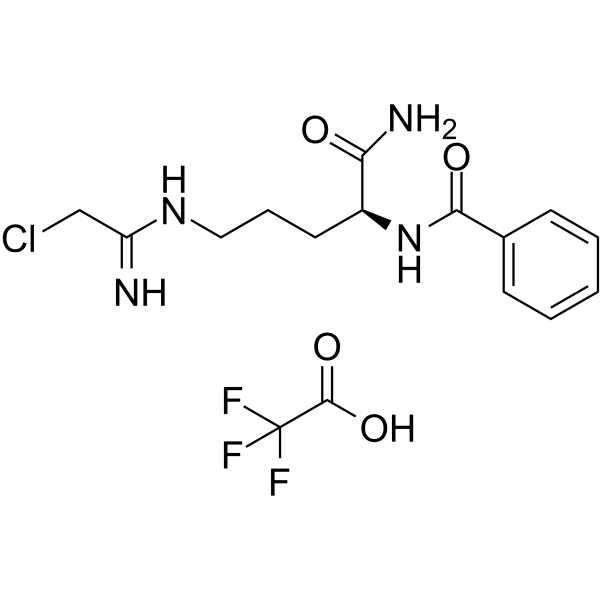
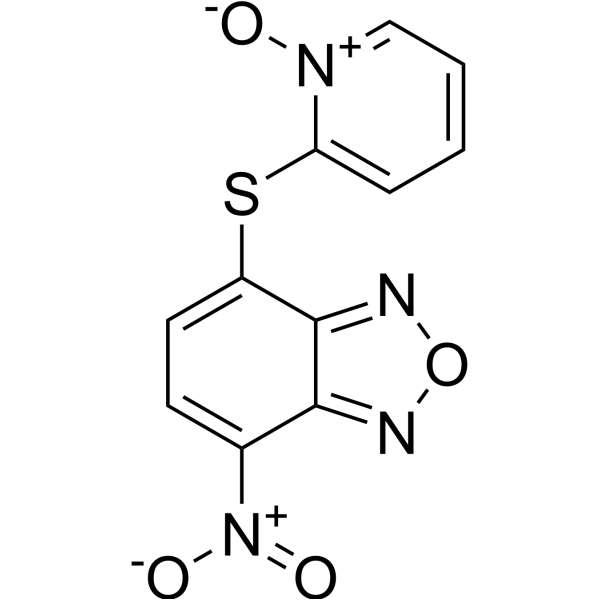
    PDP-Pfp is a reducible ADC linker used for the agents that target for the extracellular loop 1 (ECL1) of TM4SF1 (transmembrane 4 L6 family member 1) [1].
    PDP-Pfp
  • HY-P2145

    EDF

    Bacterial Infection
    Extracellular death factor (EDF) is the only single signaling molecule involved in Escherichia coli quorum sensing, and can initiate MAZEF-mediated cell death. Extracellular death factor significantly amplifies the endoribonucleolytic activities of both MazF and ChpBK [1].
    Extracellular death factor
  • HY-171444

    γ-secretase Amyloid-β Neurological Disease
    GSM III is a γ-Secretase complexe (GSEC) modulator. GSM III significantly regulates amyloid-β (Aβ) length at the extracellular interface between the protease (NCT, PSEN) and the substrate APPC99. GSM III can be used for Alzheimer's disease (AD) research [1].
    GSM III
  • HY-137172

    Sodium Channel Others
    ETH 157 is a neutral sodium-selective carrier. ETH 157 exhibits sufficient Na +/K + selectivity and enhanced Na +/Ca 2+ selectivity, making it suitable for the detection of extracellular Na + activity [1].
    ETH 157
  • HY-W141374

    DNA/RNA Synthesis Neurological Disease
    CB096 is an r(G4C2) exp RNA binder with EC50 values of 19 μM, 20 μM and 33 μM. CB096 selectively interacts with the 5′CGG/3′GGC 1×1 GG internal loop motif of folded r(G4C2) exp RNA, alters motif dynamics and closed base pairs, and rescues disease-related pathways. CB096 can be used for research on inherited amyotrophic lateral sclerosis/frontotemporal dementia (c9ALS/FTD) [1] .
    CB096
  • HY-W112021

    2,5-Dimethoxybenzoquinone

    Biochemical Assay Reagents Others
    2,5-DMBQ (2,5-Dimethoxybenzoquinone) serves as an extracellular reductant. 2,5-DMBQ is involved in a crucial redox cycle, namely the extracellular hydroquinone-quinone redox cycle. In this cycle, 2,5-DMBQ is capable of reducing extracellular Fe ³⁺ and generating H2O2. 2,5-DMBQ plays a pivotal role in the biodegradation mechanism of brown rot fungal, assisting the fungi in decomposing and utilizing organic matter [1] .
    2,5-DMBQ
  • HY-129372

    ADC Linker Cancer
    PDdB-Pfp is a cleavable ADC linker used for the agents that target for the extracellular loop 1 (ECL1) of TM4SF1 (transmembrane 4 L6 family member 1) [1].
    PDdB-Pfp
  • HY-P10550

    VEGFR Cancer
    VGB4 is a VEGF-A and VEGF-B antagonist peptide that duplicates two binding domains of VEGF-B (loop 1 and loop3) and are linked together by the receptor-binding domain of VEGF-A (loop3). VGB4 has significant anti-angiogenic and anti-tumor activities and can regulate tumor growth and metastasis through multiple mechanisms. VGB4 could be used in anti-tumor research [1].
    VGB4
  • HY-P1594

    Opioid Receptor iGluR Neurological Disease
    Dynorphin A (1-10) an endogenous opioid neuropeptide, binds to extracellular loop 2 of the κ-opioid receptor. Dynorphin A (1-10) also blocks NMDA-activated current with an IC50 of 42.0 μM.
    Dynorphin A (1-10)
  • HY-P11131

    Human lactoferrin (28-34)

    Bacterial Infection
    hLF (28-34) (Human lactoferrin (28-34)) is a loop region of human lactoferrin (hLF) that is essential for the high-affinity binding of LPS. hLF (28-34) is a key site responsible for its high-affinity binding to E. coli 055B5 lipopolysaccharide. hLF (28-34) can be used for antibacterial research [1].
    hLF (28-34)

Inquiry Online

Your information is safe with us. * Required Fields.

Salutation


Country or Region *

Applicant Name *


Organization Name *

Department *


Email Address *


Product Name *

Cat. No.


Requested quantity *

Phone Number *


Remarks

Inquiry Online

Inquiry Information

Product Name:
Cat. No.:
Quantity:
MCE Japan Authorized Agent:

