1. Search Result
Search Result
Results for "

Tumor proliferation

" in MedChemExpress (MCE) Product Catalog:

1010

Inhibitors & Agonists

12

Screening Libraries

4

Fluorescent Dyes

7

Biochemical Assay Reagents

47

Peptides

66

Inhibitory Antibodies

141

Natural
Products

2

Recombinant Proteins

30

Isotope-Labeled Compounds

6

Click Chemistry

21

Oligonucleotides

3

GMP Molecules

Cat. No. Product Name Target Research Areas Chemical Structure
  • HY-P99041
    Panitumumab
    2 Publications Verification

    ABX-EGF

    EGFR Cancer
    Panitumumab (ABX-EGF) is a fully human IgG2 anti-EGFR monoclonal antibody with anti-tumor activity. Panitumumab inhibits tumor cell proliferation, survival and angiogenesis. Panitumumab can be used in the research of cancers, such as colon cancer .
    Panitumumab
  • HY-105129
    Pimonidazole hydrochloride
    5+ Cited Publications

    Biochemical Assay Reagents Cancer
    Pimonidazole is a novel hypoxia marker for complementary study of tumor hypoxia and cell proliferation in tumor . Pimonidazole accumulates in hypoxic cells via covalent binding with macromolecules or by forming reductive metabolites after reduction of its nitro group, it can be used for qualitative and quantitative assessment of tumor hypoxia .
    Pimonidazole hydrochloride
  • HY-B1610
    Sodium citrate dihydrate
    10+ Cited Publications

    Trisodium citrate dihydrate; Citric acid trisodium salt dihydrate

    Environmental Pollutants Endogenous Metabolite Apoptosis Bacterial Infection Cardiovascular Disease Cancer
    Sodium citrate dehydrate (Trisodium citrate dihydrate) is a natural product with oral activity that can be found in citrus fruits. Sodium citrate dehydrate can inhibit the proliferation of tumor cells and induce apoptosis. Sodium citrate dehydrate has antibacterial, anti-tumor and antioxidant activities. Sodium citrate dehydrate can be prepared as a cosolvent or buffer .
    Sodium citrate dihydrate
  • HY-105129A
    Pimonidazole
    5+ Cited Publications

    Biochemical Assay Reagents Cancer
    Pimonidazole is a novel hypoxia marker for complementary study of tumor hypoxia and cell proliferation in tumor . Pimonidazole accumulates in hypoxic cells via covalent binding with macromolecules or by forming reductive metabolites after reduction of its nitro group, it can be used for qualitative and quantitative assessment of tumor hypoxia .
    Pimonidazole
  • HY-116624
    MAZ51
    5+ Cited Publications

    VEGFR Apoptosis Cancer
    MAZ51 is a selective inhibitor of VEGFR-3 (Flt-4) tyrosine kinase. MAZ51 inhibits VEGF-C-induced activation of VEGFR-3 without blocking VEGF-C-mediated stimulation of VEGFR2. MAZ51 had no effect on ligand-induced autophosphorylation of EGFR, IGF-1R and PDGFRβ. MAZ51 blocks proliferation and induces apoptosis in a wide variety of tumor cells. Antitumor activity .
    MAZ51
  • HY-50909
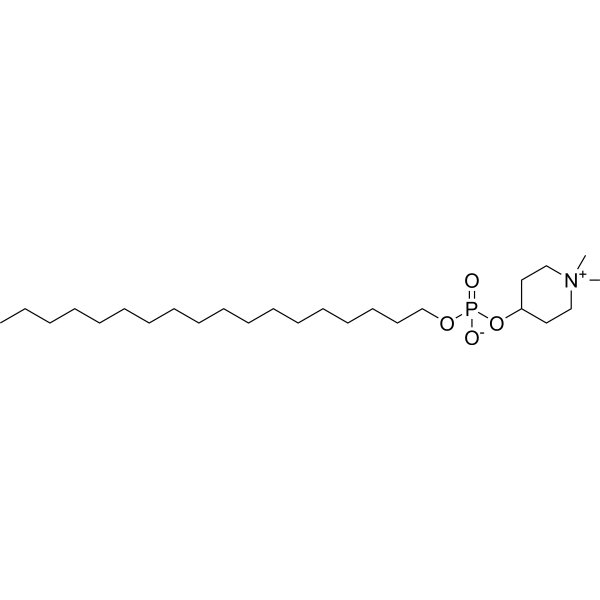
    Perifosine
    Maximum Cited Publications
    19 Publications Verification

    KRX-0401; NSC 639966; D21266

    Akt Autophagy Apoptosis Cancer
    Perifosine is an oral Akt inhibitor which inhibits proliferation of different tumor cell lines with IC50s of 0.6-8.9 μM.
    Perifosine
  • HY-157122
    VJDT
    3 Publications Verification

    TREM receptor Transmembrane Glycoprotein Akt PI3K Interleukin Related NF-κB Inflammation/Immunology Cancer
    VJDT is a TREM1 inhibitor that can effectively block TREM1 signaling. VJDT inhibits tumor cell proliferation and migration and induces cell cycle arrest. VJDT has immunomodulatory and antitumor activities, and can be used for the research of tumors such as melanoma .
    VJDT
  • HY-P99364
    Icrucumab
    1 Publications Verification

    Anti-VEGFR1/FLT1 Reference Antibody; IMC-18F1

    VEGFR Apoptosis p38 MAPK Akt Endocrinology Cancer
    Icrucumab (Anti-VEGFR1/FLT1 Reference Antibody; IMC-18F1) is an IgG1 antibody inhibitor targeting VEGFR-1/FLT1 with anti-tumor activity. By blocking ligand-dependent phosphorylation and downstream signal transduction, Icrucumab reduces the activities of MAPK and Akt in breast cancer xenograft models, inhibits the proliferation and invasion of VEGFR-1-positive tumor cells, and reverses the conversion of M1 macrophages to the pro-tumor M2-like phenotype. Icrucumab also inhibits tumor cell proliferation, promotes apoptosis, and effectively suppresses tumor growth through direct targeting of tumors and host support mechanisms. In addition, Icrucumab exhibits a synergistic effect when combined with chemotherapeutic agents, and it is used in research related to various cancers including advanced solid malignancies, thyroid cancer, melanoma, and lung cancer .
    Icrucumab
  • HY-N2420
    Flavokawain A
    2 Publications Verification

    Apoptosis Histone Methyltransferase Cytochrome P450 Caspase Survivin IAP p38 MAPK PI3K NO Synthase COX JNK ERK Akt Inflammation/Immunology Cancer
    Flavokawain A is a chalcone compound and an orally active inhibitor of PRMT5 and cytochrome P450. Flavokawain A has anti-inflammatory, anti-tumor, and immunomodulatory effects. Flavokawain A can inhibit the proliferation of tumor cells and induce apoptosis. Flavokawain A can be used in the research of diseases such as bladder cancer .
    Flavokawain A
  • HY-N0211
    Cyasterone
    2 Publications Verification

    EGFR Apoptosis Cancer
    Cyasterone, a natural EGFR inhibitor, mainly isolated from Ajuga decumbens Thunb (Labiatae). Cyasterone manifests anti-proliferation effect by induced apoptosis and cell cycle arrests. Cyasterone may serves as a therapeutic anti-tumor agent against human tumors .
    Cyasterone
  • HY-106381

    PKC Inflammation/Immunology Cancer
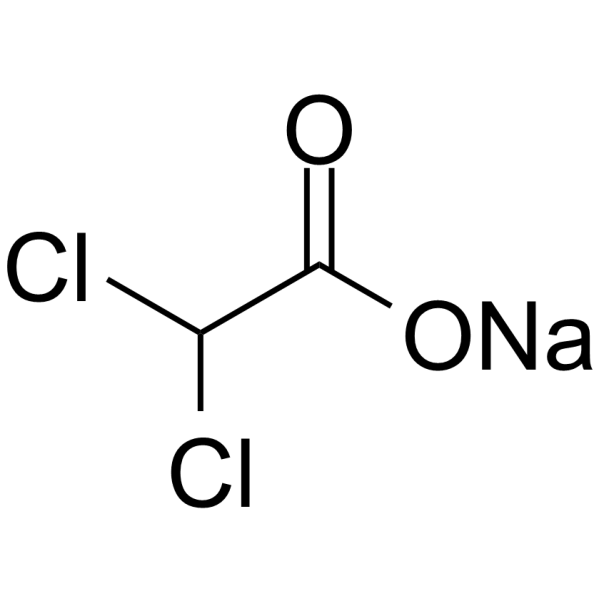
    Aurothiomalate sodium is a potent and selective oncogenic PKCι signaling inhibitor. Aurothiomalate sodium inhibits tumor cell proliferation and not cell apoptosis. Aurothiomalate sodium is a potent thioredoxin reductase (TrxR) inhibitor. Aurothiomalate sodium, an anti-rheumatoid agent, exhibits potent anti-tumor activity .
    Aurothiomalate sodium
  • HY-165740

    Disialoganglioside GD2

    Apoptosis Cancer
    Ganglioside GD2 (Disialoganglioside GD2) is a tumor-associated antigen. Ganglioside GD2 shows limited expression in normal tissues but is overexpressed in multiple tumor types, and thus can serve as a target in cancer. Ganglioside GD2 is associated with tumor development and malignant phenotypes, and its mechanism of action relies on enhancing cell proliferation, motility, migration, adhesion and invasion, with specific effects depending on the tumor type .
    Ganglioside GD2
  • HY-N2547
    Steviolbioside
    1 Publications Verification

    Drug Intermediate Bacterial Infection Metabolic Disease Inflammation/Immunology Cancer
    Steviolbioside is a sweetener and also an important pharmaceutical intermediate. Steviolbioside can inhibit the proliferation of various tumor cells. Steviolbioside has an MIC of 3.8 µg/mL for Mycobacterium tuberculosis. Steviolbioside also has antidiabetic activity. Steviolbioside can be used in the research of tuberculosis, diabetes and tumors such as breast cancer .
    Steviolbioside
  • HY-134463
    NHWD-870
    1 Publications Verification

    Epigenetic Reader Domain Apoptosis Cancer
    NHWD-870 is a potent, orally active and selective BET family bromodomain inhibitor and only binds bromodomains of BRD2, BRD3, BRD4 (IC50=2.7 nM), and BRDT. NHWD-870 has potent tumor suppressive efficacies and suppresses cancer cell-macrophage interaction. NHWD-870 increases tumor apoptosis and inhibits tumor proliferation .
    NHWD-870
  • HY-50914

    CDK Cancer
    AZD5597 is an inhibitor of CDK with IC50 values of both 2 nM for CDK1 and CDK2. AZD5597 can inhibit the proliferation of tumor cells and has anti-tumor activity .
    AZD5597
  • HY-75954
    2-Hydroxyhexanoic acid
    2 Publications Verification

    Endogenous Metabolite Cancer
    2-Hydroxyhexanoic acid is a metabolite. 2-Hydroxyhexanoic acid is elevated in metastatic pancreatic neuroendocrine tumors. 2-Hydroxyhexanoic acid does not promote the proliferation, migration or invasion of pancreatic neuroendocrine tumor cells. 2-Hydroxyhexanoic acid can be used in the research of metastatic pancreatic neuroendocrine tumors .
    2-Hydroxyhexanoic acid
  • HY-P99041A

    EGFR Cancer
    Panitumumab (anti-EGFR) is a fully human IgG2 anti-EGFR monoclonal antibody with anti-tumor activity. Panitumumab (anti-EGFR) inhibits tumor cell proliferation, survival and angiogenesis. Panitumumab (anti-EGFR) can be used in the research of cancers, such as colon cancer .
    Panitumumab (anti-EGFR)
  • HY-N2232

    N-trans-Feruloyloctopamine

    Akt p38 MAPK Apoptosis Cadherin Cancer
    N-Feruloyloctopamine (N-trans-Feruloyloctopamine) is an antioxidant component that can be isolated from garlic skin. N-Feruloyloctopamine can inhibit tumor cell proliferation and invasion, and induce apoptosis. N-Feruloyloctopamine has antitumor activity and can be used in the research of tumors such as hepatocellular carcinoma .
    N-​Feruloyloctopamine
  • HY-124676A
    DB2115 tertahydrochloride
    1 Publications Verification

    Apoptosis Cancer
    DB2115 tetrahydrochloride is a highly selective PU.1 inhibitor that suppresses the binding of PU.1 to DNA (IC50: 2.3 nM). DB2115 tetrahydrochloride can inhibit tumor cell proliferation and induce apoptosis. DB2115 tetrahydrochloride can be used in the research of tumors such as leukemia .
    DB2115 tertahydrochloride
  • HY-128749

    Potassium D-glucarate

    Endogenous Metabolite Apoptosis Metabolic Disease Inflammation/Immunology Cancer
    D-Glucaric acid potassium (Potassium D-glucarate) is an orally active end product of the D-glucuronic acid pathway in mammals. D-Glucaric acid potassium is present in a variety of fruits and vegetables. D-Glucaric acid potassium has cholesterol-lowering and anti-tumor activities. D-Glucaric acid potassium can inhibit tumor cell proliferation and inflammation, and induce apoptosis .
    D-Glucaric acid potassium
  • HY-15472

    5-HT Receptor p38 MAPK TGF-β Receptor FGFR Apoptosis Caspase Cardiovascular Disease Neurological Disease Cancer
    PRX-08066 is a selective and orally active 5-hydroxytryptamine receptor 2B (5-HT2BR) antagonist with a Ki of 3.4 nM. PRX-08066 inhibits the MAPK pathway, 5-HT release and fibrotic factor (TGFβ1, CTGF and FGF2) expression. PRX-08066 inhibits the proliferation of KRJ-I cells and induces apoptosis (caspase-3 activation). PRX-08066 inhibits pulmonary vascular remodeling. PRX-08066 can be used of pulmonary Arterial Hypertension (PAH) and neuroendocrine tumor (NET) .
    PRX-08066
  • HY-N8284
    Tomentosin
    1 Publications Verification

    Apoptosis Reactive Oxygen Species (ROS) Fungal SOD Interleukin Related NF-κB Toll-like Receptor (TLR) Keap1-Nrf2 Infection Neurological Disease Inflammation/Immunology Cancer
    Tomentosin is an orally active natural sesquiterpenoid lactone. Tomentosin exhibits multiple activities such as anti-tumor, anti-fungal, anti-inflammatory, anti-oxidant and neuroprotective effects. Tomentosin can inhibit tumor cell proliferation, migration and invasion, and induce apoptosis. Tomentosin can be used in the research of tumors, inflammation and nervous system diseases .
    Tomentosin
  • HY-160020

    Androgen Receptor Cancer
    ET516 is a potent inhibitor of Androgen Receptor. ET516 significantly inhibits the proliferation and tumor growth of prostate cancer cells expressing AR-resistant mutants .
    ET516
  • HY-153090

    Transketolase Infection Cancer
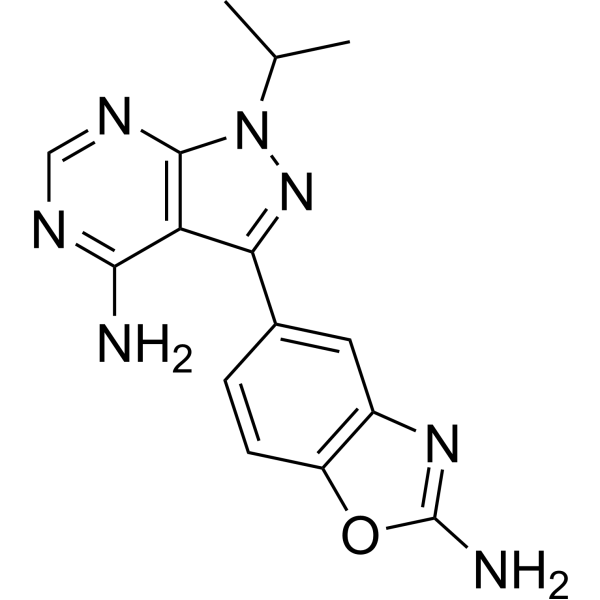
    Transketolase-IN-4 is a potent inhibitor of transketolase with an IC50 value of 3.9 μM. Transketolase-IN-4 inhibits the proliferation of tumor cells including SW620, LS174T and MIA PaCa-2. Transketolase-IN-4 can be used for tumor research .
    Transketolase-IN-4
  • HY-N0114A
    (±)-Evodiamine
    1 Publications Verification

    Topoisomerase Apoptosis Cardiovascular Disease Inflammation/Immunology Cancer
    (±)-Evodiamine, a quinazolinocarboline alkaloid, is a Top1 inhibitor. Evodiamine exhibits anti-inflammatory, antiobesity, and antitumor effects. (±)-Evodiamine inhibits the proliferation of a wide variety of tumor cells by inducing their apoptosis .
    (±)-Evodiamine
  • HY-100395

    Apoptosis Cancer
    F16 is a potent growth inhibitor of the neu-overexpressing cells and also selectively inhibits proliferation of mammary epithelial as well as a variety of mouse mammary tumor and human breast cancer cell lines.
    F16
  • HY-103036

    Epigenetic Reader Domain Apoptosis Cancer
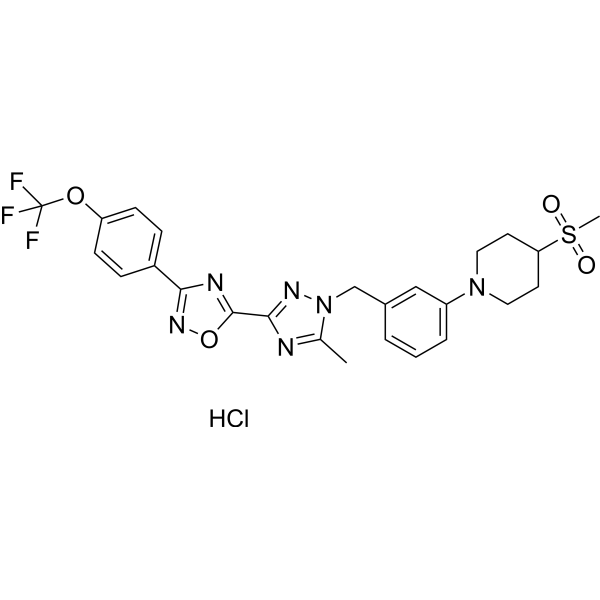
    BET bromodomain-IN-5 is an orally active BET inhibitor with an IC50 of 14 nM against BRD4 (1). BET bromodomain-IN-5 can inhibit the proliferation of tumor cells and induce cell cycle arrest and apoptosis. BET bromodomain-IN-5 can be used in the research of tumors .
    BET bromodomain-IN-5
  • HY-129125

    STAT Cancer
    YMU1 is a selective inhibitor of human thymidylate kinase (hTMPK) with an IC50 of 610 nM. YMU1 inhibits tumor proliferation .
    YMU1
  • HY-P991179

    TNF Receptor Cancer
    MK-4166 is a humanized IgG1 agonist monoclonal antibody targeting GITR. MK-4166 enhances the proliferation of both naïve and tumor-infiltrating T lymphocytes .
    MK-4166
  • HY-W009245

    HIV Infection Cancer
    Bz-RS-iSer(3-Ph)-OMe (compound 2), a Taxol derivative, inhibits HSV replication cycle at low cytotoxicity, blocks mitotic divisions of Vero cells, influences M-MSV induced tumor size and affects immune response by inhibiting PHA-induced T lymphocyte proliferation .
    Bz-RS-iSer(3-Ph)-OMe
  • HY-171158

    Liposome Cancer
    Glycerophosphoglycerol is a precursor for phospholipid biosynthesis. Glycerophosphoglycerol supports tumor cell membrane reconstruction and proliferation by promoting phospholipid synthesis. Glycerophosphoglycerol is promising for research of breast cancers .
    Glycerophosphoglycerol
  • HY-160859

    DNA/RNA Synthesis Cancer
    WRN inhibitor 8 is an inhibitor of WRN helicase with an IC50 value of 48 nM. WRN inhibitor 8 can inhibit the proliferation of tumor cells and be used in the study of cancer .
    WRN inhibitor 8
  • HY-149669

    PI3K HDAC Apoptosis Cancer
    PH14 is a dual PI3K/HDAC inhibitor with IC50 values of 20.3 nM and 24.5 nM for PI3Kα and HDAC3, respectively. PH14 has antiproliferative activity and also induces apoptosis in Jeko-1 cells. PH14 can be used in cancer research, such as lymphoma .
    PH14
  • HY-110151

    NF-κB Interleukin Related Inflammation/Immunology Cancer
    Bengamide B is an alkaloid with anti-tumor and anti-inflammatory activities. Bengamide B reduces the phosphorylation level of IκBα, thereby blocking the activation of NF-κB. Bengamide B inhibits the proliferation of tumor cells. Bengamide B can be used in research related to inflammatory diseases and cancers .
    Bengamide B
  • HY-18969

    CDK Cancer
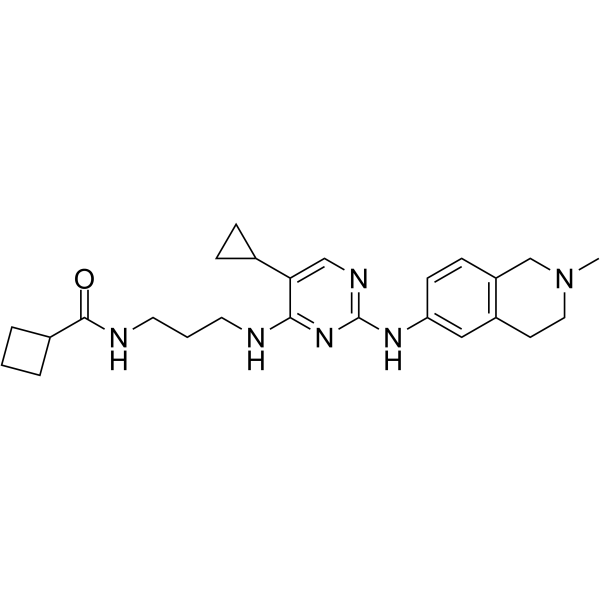
    LDC3140 is a selective CDK7 inhibitor (IC50<5 nM). By inhibiting the activity of CDK7, LDC3140 affects the regulation of the cell cycle, leading to cell cycle arrest and thus inhibiting the proliferation of tumor cells. LDC3140 can be used in the research of cancer treatment .
    LDC3140
  • HY-124689

    Arp2/3 Complex Metabolic Disease Cancer
    TR-100 is a small molecule inhibitor of tumor-associated troponin (Tpm). TR-100 affects the interaction of Tpm3.1 with actin filaments by binding to the C-terminal of Tpm3.1, thereby affecting the stability and function of the actin filaments. This mechanism of action allows TR-100 to specifically affect actin filaments in cancer cells without compromising heart muscle function. TR-100 can be used to study the role of Tpm3.1 in cancer cell proliferation and survival and the effects of Tpm3.1 on insulin-stimulated glucose uptake and insulin secretion .
    TR-100
  • HY-N15194A

    Bacterial Apoptosis Infection Cancer
    Inostamycin A sodium is an inhibitor of cytidine-5'-diphosphate-1,2-diacyl-sn-glycerol (CDP-DG):inositol transferase. Inostamycin A sodium reduces phosphatidylinositol turnover, and inhibits cell proliferation and transformation. Inostamycin A sodium inhibits cancer cell proliferation, induces apoptosis, and prevents tumor recurrence. Inostamycin A sodium exhibits antibacterial activity. Inostamycin A sodium is applicable to research related to infection and cancer .
    Inostamycin A sodium
  • HY-112243A

    CDK Inflammation/Immunology Cancer
    Cimpuciclib tosylate is a selective CDK4 inhibitor (IC50: 0.49 nM) that has anti-tumor activity .
    Cimpuciclib tosylate
  • HY-P99516

    HLX-06

    VEGFR Cancer
    Vulinacimab (HLX-06) is a human monoclonal antibody directed against human vascular endothelial growth factor receptor 2 (VEGFR-2). Vulinacimab specifically binds to and inhibits VEGFR-2, which may inhibit tumor angiogenesis and tumor cell proliferation. Vulinacimab can be used for the research of solid tumors and non-small cell lung cancer .
    Vulinacimab
  • HY-P99041B

    ABX-EGF (powder)

    EGFR Cancer
    Panitumumab (ABX-EGF) (powder) is a fully human IgG2 anti-EGFR monoclonal antibody with anti-tumor activity. Panitumumab (powder) inhibits tumor cell proliferation, survival and angiogenesis. Panitumumab (powder) can be used in the research of cancers, such as colon cancer .
    Panitumumab (powder)
  • HY-P10553

    Apoptosis Cancer
    ARF(26–44), cell-permeable is a cell-penetrating peptide derived from a specific amino acid sequence of the p14ARF tumor suppressor protein. As a functional inhibitor of FoxM1, ARF(26–44) cell-permeable shows significant anti-tumor activity in the treatment of mouse hepatocellular carcinoma (HCC), significantly increasing tumor cell apoptosis and reducing tumor cell proliferation and angiogenesis. ARF(26–44), cell-permeable can be used in research on tumor therapy .
    ARF(26–44), cell-permeable
  • HY-136110

    D-​Galactosone

    DNA/RNA Synthesis Cancer
    2-Keto-D-galactose (D-Galactosone) inhibits DNA synthesis, and inhibits proliferation of in vitro grown Ehrlich ascites tumor cells .
    2-Keto-D-galactose
  • HY-147590

    CD73 Inflammation/Immunology
    CD73-IN-9 (compound 2) is a potent inhibitor of CD73. CD73 can catalyze the production of adenosine from extracellular 5'-phosphate adenosine (5'-AMP), and adenosine can induce immunosuppressive effects and promote tumor proliferation and/or metastasis. CD73-IN-9 can be used for the study of tumor-related diseases .
    CD73-IN-9
  • HY-126830

    Antifolate Apoptosis Cancer
    Antifolate C2 is an anti-folate compound that has inhibitory effects on the proliferation of non-squamous non-small cell lung cancer (NS-NSCLC). Antifolate C2 achieves tumor selectivity by targeting proton-coupled folate transporter (PCFT), which is more selective to PCFT than the commonly used anti-folate drug Pemetrexed (HY-10820). Antifolate C2 blocks the biosynthesis of deoxypurine nucleotides by inhibiting glycinamide ribonucleotide formyltransferase (GARFTase), ultimately inhibiting the proliferation of tumor cells. Antifolate C2 can be used in studies of NS-NSCLC, especially in patients who do not respond well to Pemetrexed .
    Antifolate C2
  • HY-117836

    FAK Cancer
    FAK-IN-16 (compound OXA-11) is an orally active, selective focal adhesion kinase (FAK) inhibitor with an IC50 of 1.2 pM. FAK-IN-16 inhibits FAK phosphorylation at pFAK[Y397] and pFAK[Y861]. FAK-IN-16 slows tumor growth and reduces tumor vascularity, invasion. FAK-IN-16 potentiates effects of Cisplatin (HY-17394) on tumor cell proliferation and apoptosis in vitro and anti-tumor actions in mice .
    FAK-IN-16
  • HY-161886

    SWI/SNF Complex Epigenetic Reader Domain Cancer
    SMARCA2-IN-7 (compound 12), a dual inhibitor of BRM and BRG1 (IC50 < 0.005 for both), has an anti-tumor proliferation effect that inhibits BRG1-deleted SKMEL5 tumor proliferation with a cell proliferation activity AAC50 of 13 nM in SKMEL5. The cell proliferation activity AAC50 of KRT880 in H1299 cells was 42 nM .
    SMARCA2-IN-7
  • HY-N0093A

    Cyclocytidine; Cyclo-CMP

    DNA/RNA Synthesis CMV Autophagy Cancer
    Ancitabine is the precursor of the anticancer agent Cytarabine (HY-13605), which targets targets related to cell metabolism and proliferation. Ancitabine can inhibit tumor cell proliferation, interfere with the DNA synthesis process of tumor cells, and prevent cell division. Under alkaline pH conditions, Ancitabine can be quantitatively converted into Cytarabine and can be used in the study of cancers such as colorectal cancer .
    Ancitabine
  • HY-177483

    Oxaliplatin-artesunate

    Ferroptosis Mitochondrial Metabolism Glutathione Peroxidase Transferrin Receptor MMP Dihydroorotate Dehydrogenase Cancer
    OART (Oxaliplatin-artesunate) is a ferroptosis inducer. OART significantly inhibits tumor cell proliferation. OART induces cytoplasmic and mitochondrial LPO to promote tumor ferroptosis, via destroying glutathione-mediated ferroptosis defense system and enhancing iron-dependent Fenton reaction. OART enhances tumor immunogenicity, transforming tumor environment from immunosuppressive to immunosensitive. OART has strong tumor regression in tumor-bearing mouse models. OART can be used for cancer immunotherapy research .
    OART
  • HY-120429

    Apoptosis Cancer
    SKLB-163 is an orally active inhibitor for Rho GDP-dissociation (RhoGDI). SKLB-163 inhibits highly expressed RhoGDI tumor cell proliferation and migration, and increases radiosensitivity of tumor cells. SKLB-163 induces cancer cell Apoptosis .
    SKLB-163
  • HY-P10553A

    Apoptosis Cancer
    ARF(26–44), cell-permeable acetate is a cell-penetrating peptide derived from a specific amino acid sequence of the p14ARF tumor suppressor protein. As a functional inhibitor of FoxM1, ARF(26–44) cell-permeable acetate shows significant anti-tumor activity in the treatment of mouse hepatocellular carcinoma (HCC), significantly increasing tumor cell apoptosis and reducing tumor cell proliferation and angiogenesis. ARF(26–44), cell-permeable acetate can be used in research on tumor therapy .
    ARF(26–44), cell-permeable acetate

Inquiry Online

Your information is safe with us. * Required Fields.

Salutation


Country or Region *

Applicant Name *


Organization Name *

Department *


Email Address *


Product Name *

Cat. No.


Requested quantity *

Phone Number *


Remarks

Inquiry Online

Inquiry Information

Product Name:
Cat. No.:
Quantity:
MCE Japan Authorized Agent:

