1. Search Result
Search Result
Results for "

Adenosine 3'-phosphate 5'-phosphosulfate lithium,

" in MedChemExpress (MCE) Product Catalog:

1159

Inhibitors & Agonists

1

Screening Libraries

8

Fluorescent Dyes

75

Biochemical Assay Reagents

4

Peptides

8

Inhibitory Antibodies

136

Natural
Products

13

Recombinant Proteins

119

Isotope-Labeled Compounds

17

Antibodies

18

Click Chemistry

227

Oligonucleotides

4

GMP Molecules

Cat. No. Product Name Target Research Areas Chemical Structure
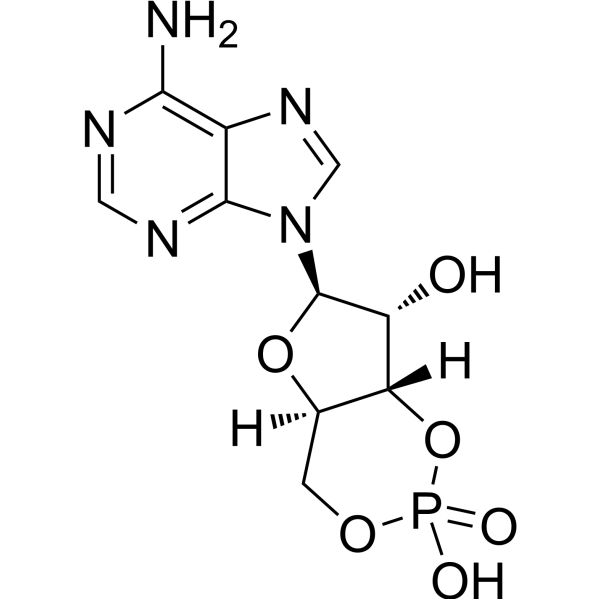
  • HY-B1511
    Cyclic AMP
    20+ Cited Publications

    Cyclic Adenosine monophosphate; Adenosine cyclic 3', 5'-monophosphate; cAMP

    Endogenous Metabolite Neurological Disease Metabolic Disease Cancer
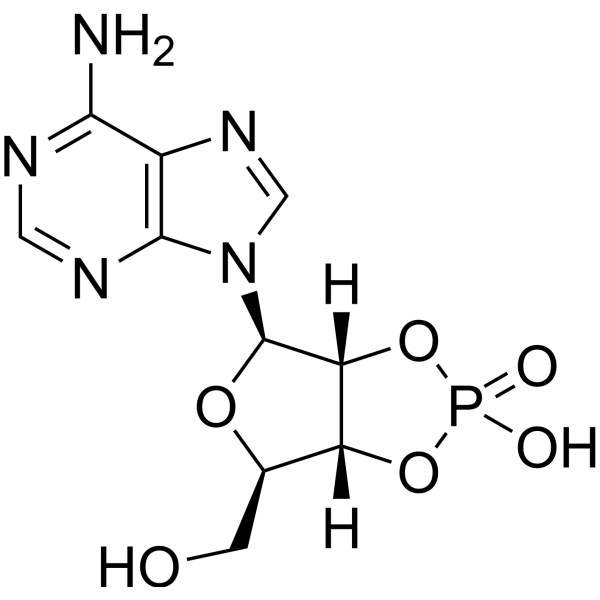
    Cyclic AMP (Cyclic adenosine monophosphate), adenosine triphosphate derivative, is an intracellular signaling molecule responsible for directing cellular responses to extracellular signals. Cyclic AMP is an important second messenger in many biological processes [3].
    Cyclic AMP
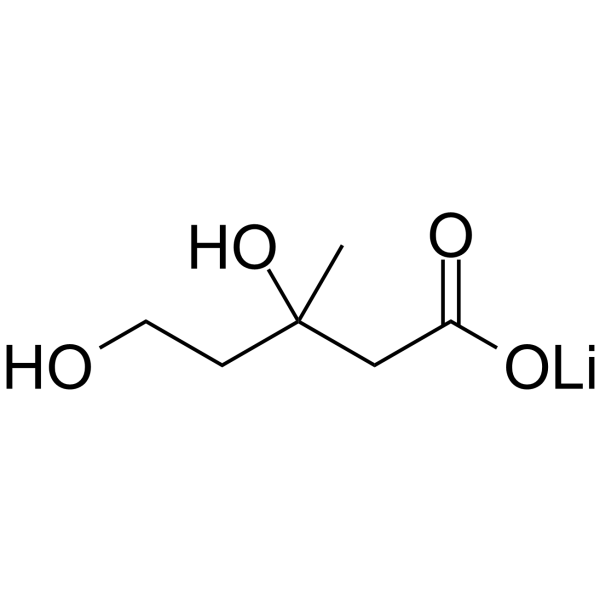
  • HY-113071A
    Mevalonic acid lithium salt
    5+ Cited Publications

    MVA lithium salt

    Endogenous Metabolite Cardiovascular Disease Neurological Disease Metabolic Disease Cancer
    Mevalonic acid (MVA) lithium salt is a precursor substance of the mevalonate pathway, which is essential for cell growth and proliferation. Mevalonic acid lithium salt is effective in inhibiting Simvastatin (HY-17502)-induced decrease in C2C12 cell viability in vitro. Mevalonic acid lithium salt can be used in studies of myopathy and heart failure .
    Mevalonic acid lithium salt
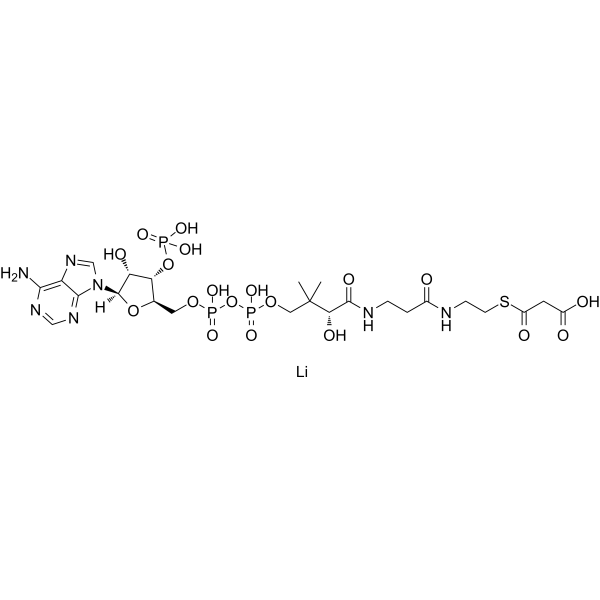
  • HY-136408

    Malonyl coenzyme A lithium

    Carnitine Palmitoyltransferase (CPT) Mitochondrial Metabolism Metabolic Disease
    Malonyl CoA (Malonyl Coenzyme A) lithium is an inhibitor of carnitine palmitoyl transferase 1 (CPT1). High Malonyl CoA lithium concentrations suppress fatty acid oxidation, while low Malonyl CoA lithium concentrations are permissive for fat oxidation .
    Malonyl CoA lithium
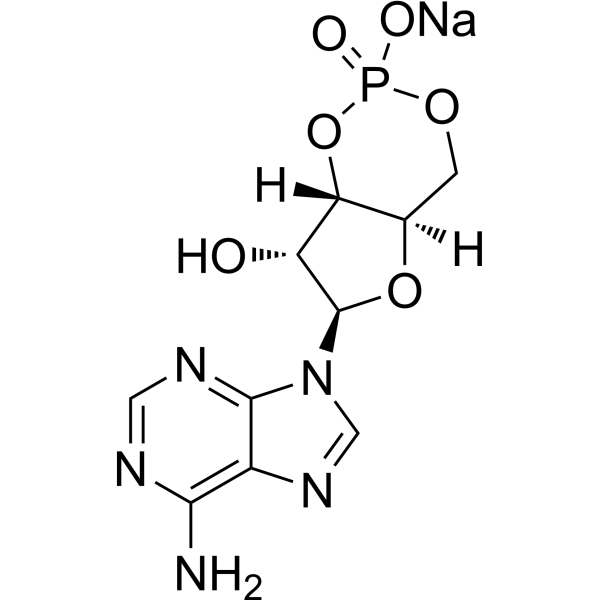
  • HY-B1511A
    Cyclic AMP sodium
    20+ Cited Publications

    Cyclic Adenosine monophosphate sodium; Adenosine cyclic 3', 5'-monophosphate sodium; cAMP sodium

    Biochemical Assay Reagents Neurological Disease Metabolic Disease Cancer
    Cyclic AMP (Cyclic adenosine monophosphate) sodium, adenosine triphosphate derivative, is an intracellular signaling molecule responsible for directing cellular responses to extracellular signals. Cyclic AMP sodium is an important second messenger in many biological processes [3].
    Cyclic AMP sodium
  • HY-Y0649D

    Environmental Pollutants Biochemical Assay Reagents Others
    Lithium chloride, for molecular biology, 99% can be used in the preparation of wash buffers for chromatin immunoprecipitation. Lithium chloride, for molecular biology, 99% is a kind of biological materials or organic compounds that are widely used in life science research .
    Lithium chloride, 99%
  • HY-128730

    Endogenous Metabolite Bacterial Metabolic Disease
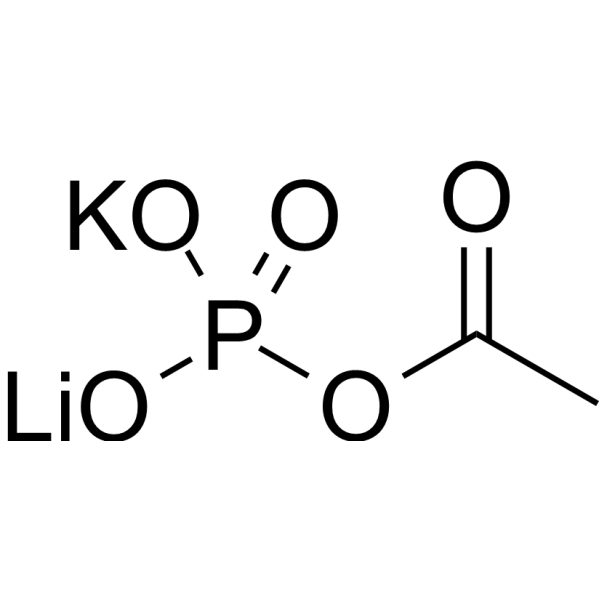
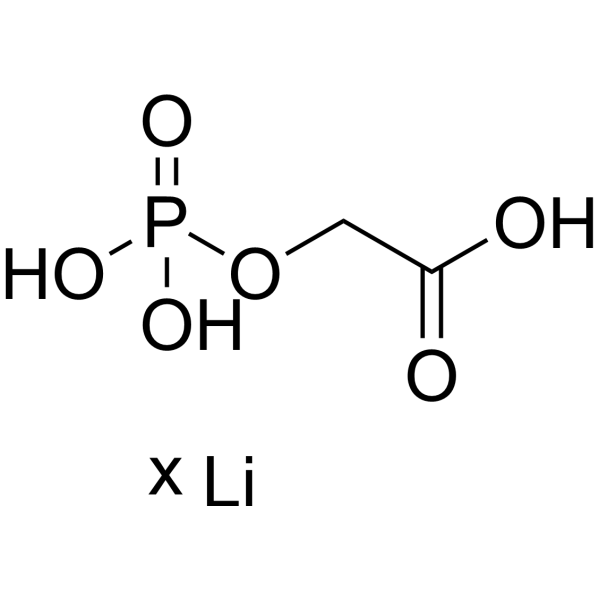
    Acetyl phosphate lithium potassium is an endogenous metabolic product. Acetyl phosphate lithium potassium is a key substance in bacterial metabolic regulation, particularly in Lysine acetylation, and plays an important role in bacterial responses to environmental stress and adaptive reactions .
    Acetyl phosphate lithium potassium
  • HY-Y0292

    Carbolithium; Lithium carbonate

    Environmental Pollutants Biochemical Assay Reagents Others
    Lithium carbonate (Carbolithium) is a biochemical reagent that can be used as a biological material or organic compound for life science related research .
    Lithium carbonate
  • HY-113128A

    Endogenous Metabolite Metabolic Disease
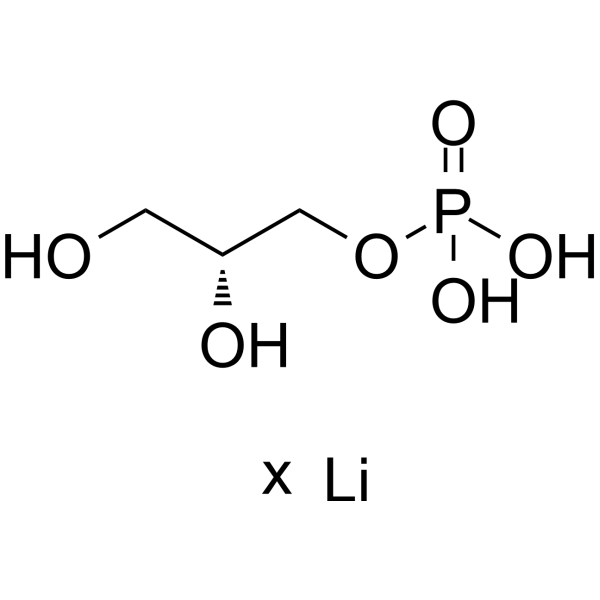
    sn-Glycerol 3-phosphate lithium is an important intermediate in glycolysis and lipid metabolism. The cytosolic sn-Glycerol 3-phosphate dehydrogenase (GPDH) consumes NADH to generate sn-Glycerol 3-phosphate lithium from dihydroxyacetone phosphate (DHAP). Glyceroneogenesis is an important supplier of sn-Glycerol 3-phosphate lithium for lipid metabolism .
    sn-Glycerol 3-phosphate lithium
  • HY-17567B
    Heparin Lithium salt
    3 Publications Verification

    Exosomes Thrombin Autophagy Bacterial Cardiovascular Disease Cancer
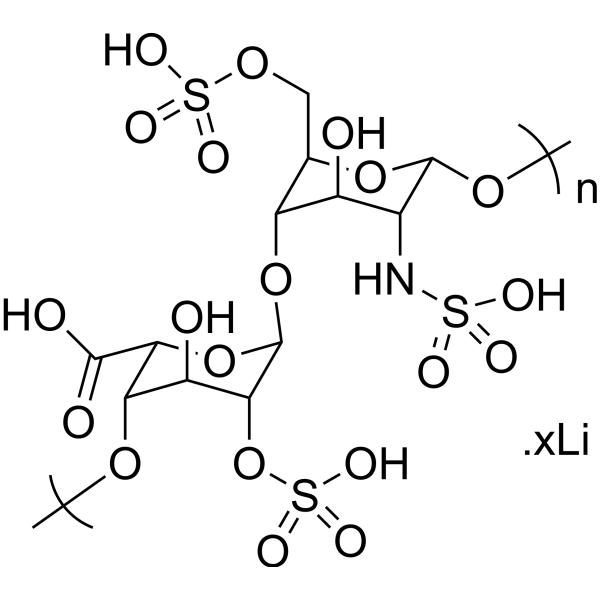
    Heparin Lithium salt is an anticoagulant which binds reversibly to antithrombin III (ATIII). Heparin Lithium salt significantly inhibits exosome-cell interactions.
    Heparin Lithium salt
  • HY-W094474
    Lithium chloride hydrate
    5+ Cited Publications

    hydrate/monohydrateortrihydrate

    GSK-3 Apoptosis Infection Neurological Disease
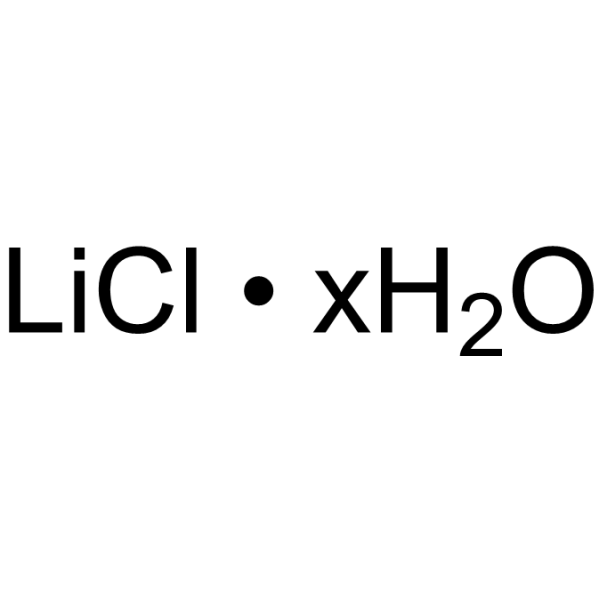
    Lithium chloride hydrate, an orally active mood stabilizer, is a potent virus inhibitor and effective immunomodulatory agent. Lithium chloride hydrate has antidepressant activity by inhibiting GSK3β and promoting neurogenesis. Lithium chloride hydrate alleviates cognition dysfunction and the symptoms of acute mania and depression. Lithium chloride hydrate can also be used for research of virus infection and Alzheimer's disease [3].
    Lithium chloride hydrate
  • HY-130777A
    AMP-PNP lithium hydrate
    3 Publications Verification

    Adenylyl imidodiphosphate lithium hydrate

    Drug Derivative Metabolic Disease
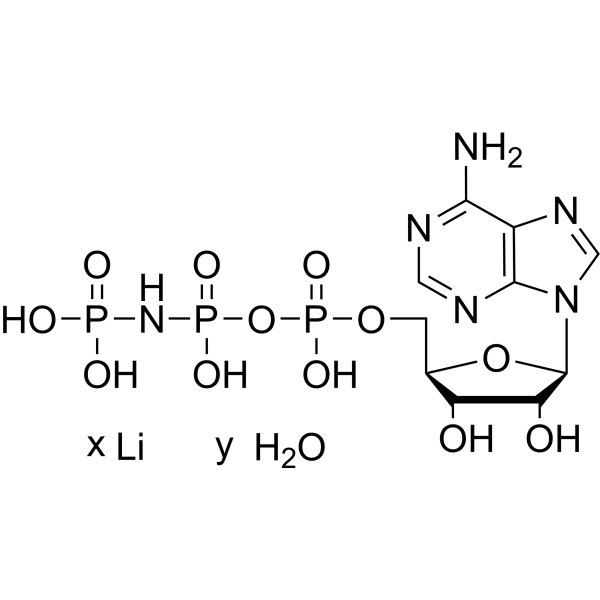
    AMP-PNP (Adenylyl imidodiphosphate) lithium hydrate is a non-hydrolyzable ATP analog. AMP-PNP lithium hydrate binds to ATP binding sites competely but is not hydrolyzed by enzymes, providing stable experimental conditions for studying ATP-dependent processes. AMP-PNP lithium hydrate can also be used to study enzyme activity, kinase regulation, DNA/RNA metabolism, ion channel function, and protein complex assembly [3] .
    AMP-PNP lithium hydrate
  • HY-134427
    Palmitoyl coenzyme A lithium
    2 Publications Verification

    Palmitoyl CoA lithium

    Endogenous Metabolite Metabolic Disease
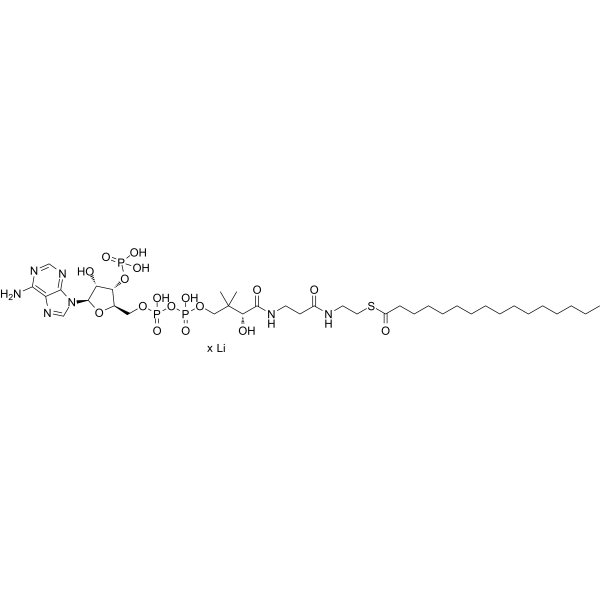
    Palmitoyl coenzyme A lithium is an acyl-CoA thioester that can be transported into the mitochondrial matrix via the carnitine shuttle system and is involved in β-oxidation. Palmitoyl coenzyme A lithium can also be used as a substrate for sphingosine biosynthesis .
    Palmitoyl coenzyme A lithium
  • HY-W099535

    Biochemical Assay Reagents Others
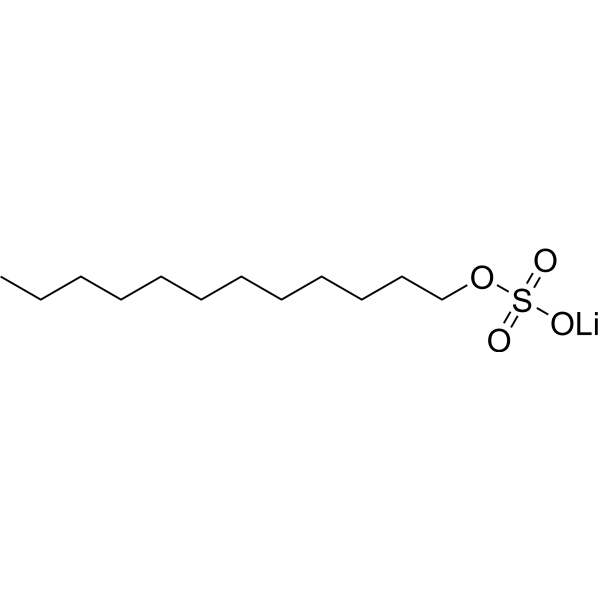
    Lithium dodecyl sulfate is an anionic hydrocarbon surfactant with both surface tension reduction and interfacial adsorption capabilities. Lithium dodecyl sulfate induces low surface viscosity; it forms micelles in aqueous solutions through entropy-driven (low temperature) and enthalpy-driven (high temperature) mechanisms. When acting synergistically with tetrabutylammonium bromide, Lithium dodecyl sulfate exhibits cloud point behavior due to micelle aggregation and phase separation. Lithium dodecyl sulfate can form an adsorption layer at the air-water interface with quantifiable surface excess and minimum area per molecule, and it has higher equilibrium surface tension and foamability compared to other dodecyl sulfate counterion variants. The foam stability of Lithium dodecyl sulfate above its critical micelle concentration is low, and its dynamic surface tension pattern changes dynamically with bubble frequency [3].
    Lithium dodecyl sulfate
  • HY-A0256B
    Clavulanate lithium
    5+ Cited Publications

    Beta-lactamase Bacterial Antibiotic Infection
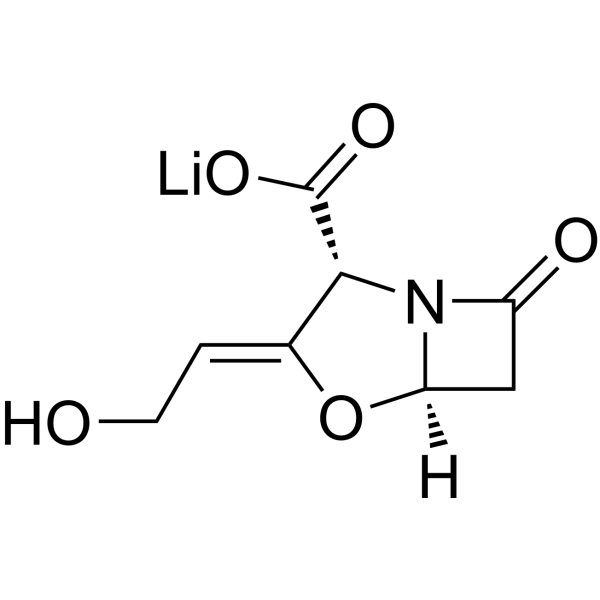
    Clavulanate lithium is a potent β-lactamase inhibitor and acts as an antibiotic .
    Clavulanate lithium
  • HY-157424

    PAPS tetralithium salt

    Biochemical Assay Reagents Metabolic Disease
    3′-Phosphoadenosine 5′-phosphosulfate tetralithium salt (PAPS tetralithium salt) is the cosubstrate and the source of sulfonic acid groups in sulfation reactions. 3′-Phosphoadenosine 5′-phosphosulfate tetralithium salt is important for maintaining sulfation balance in living organisms .
    3′-Phosphoadenosine 5′-phosphosulfate tetralithium salt
  • HY-137167

    Gpp(NH)p lithium

    Adenylate Cyclase Metabolic Disease
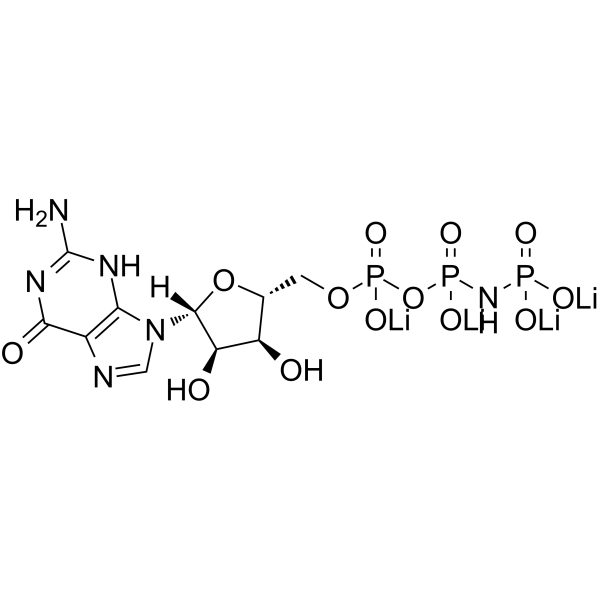
    Guanylyl imidodiphosphate lithium (Gpp (NH) p lithium) is a non-hydrolyzable GTP analog. Guanylyl imidodiphosphate lithium increases adenylate cyclase activity. Guanylyl imidodiphosphate lithium binds to and irreversibly activates G proteins [3].
    Guanylyl imidodiphosphate lithium
  • HY-W250153

    P2Y Receptor Cardiovascular Disease
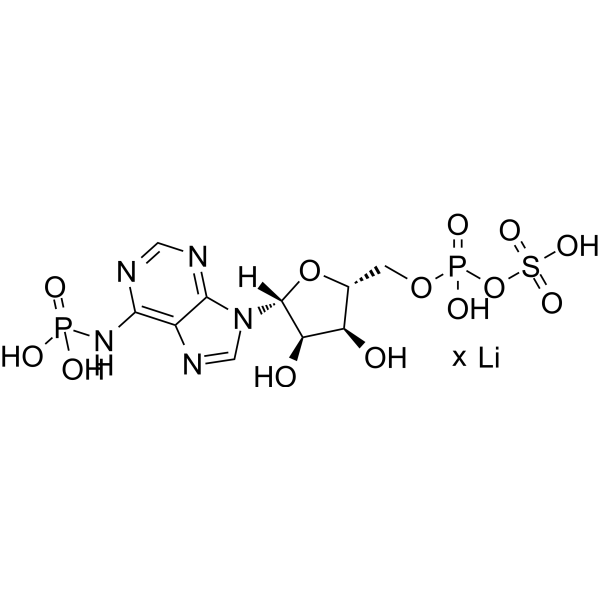
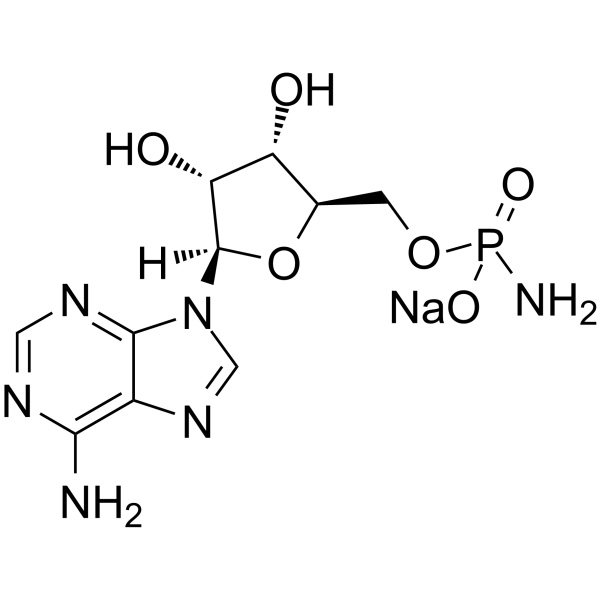
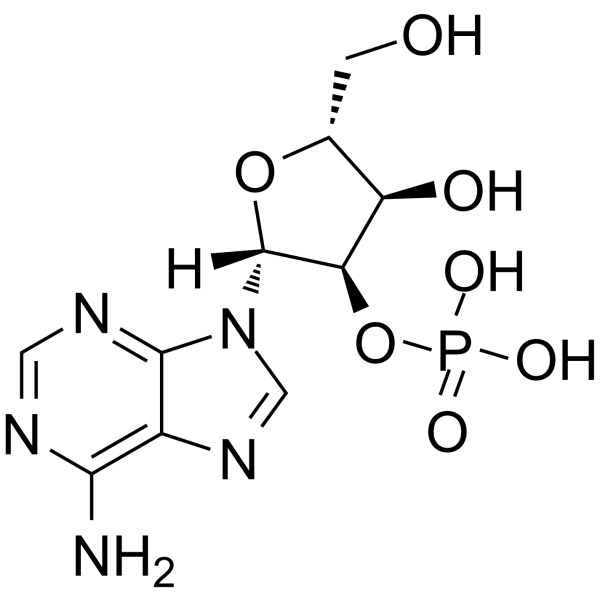
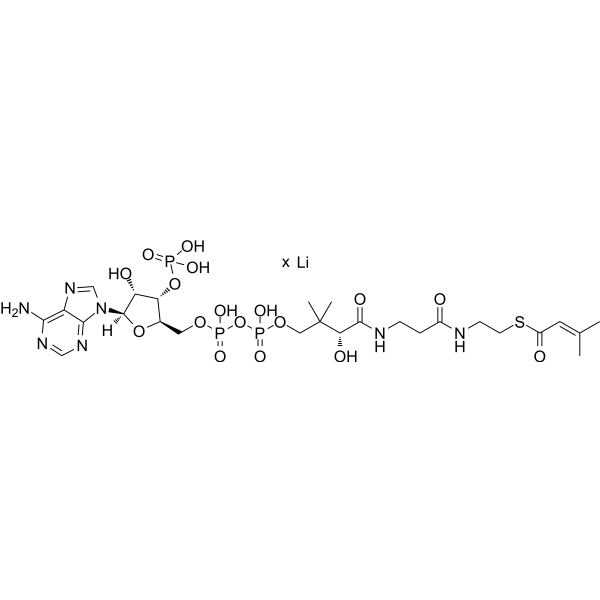
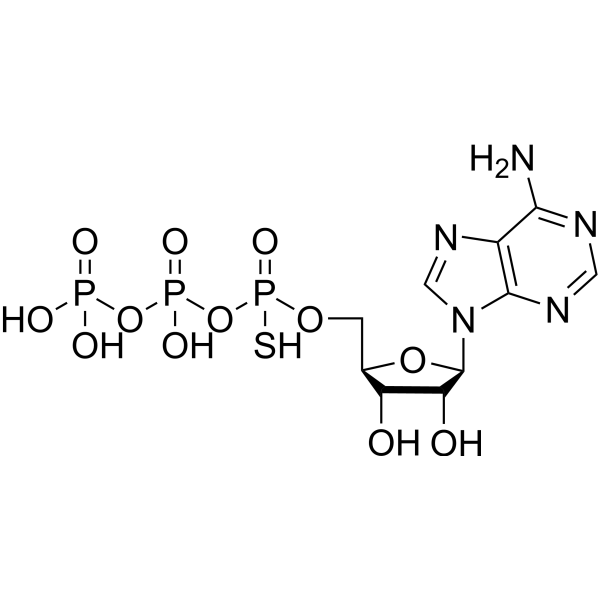
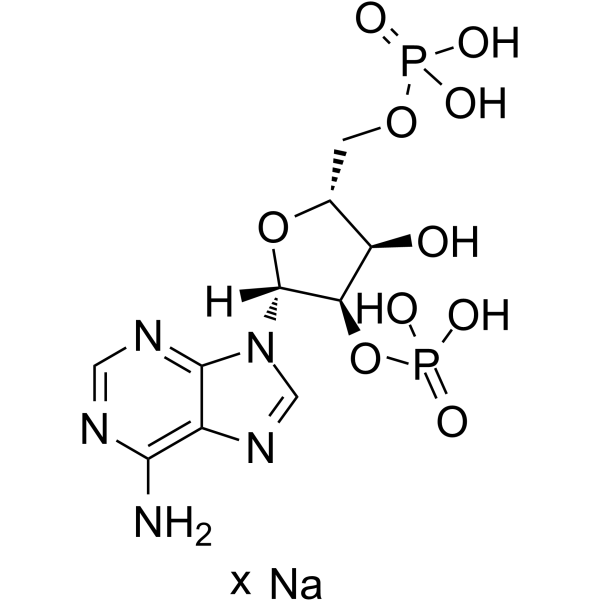
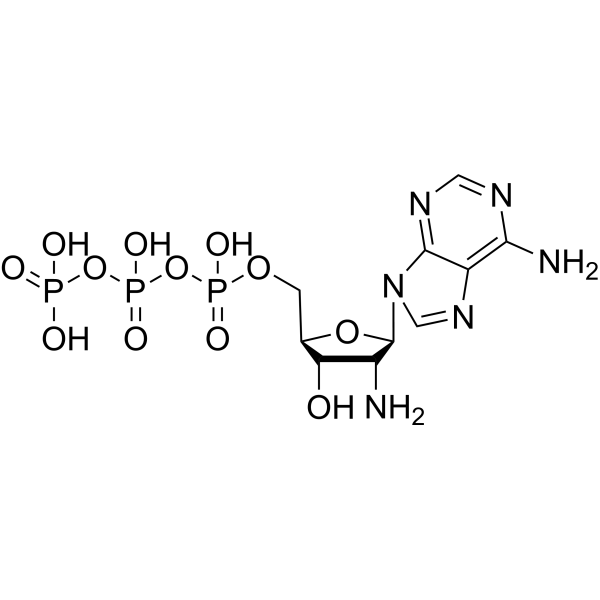
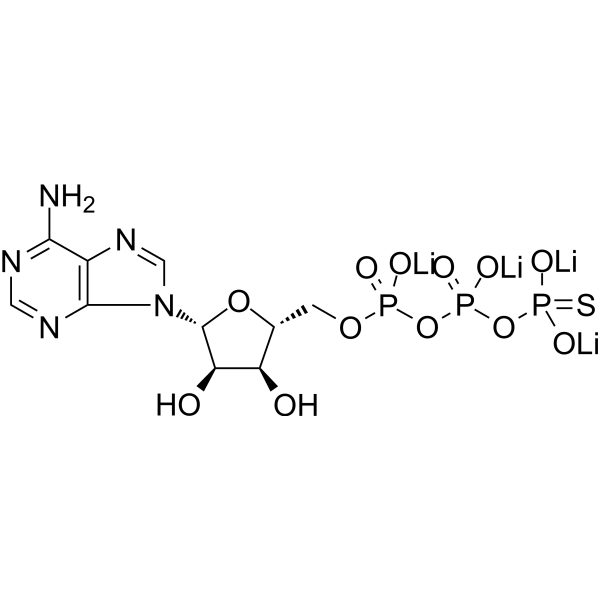
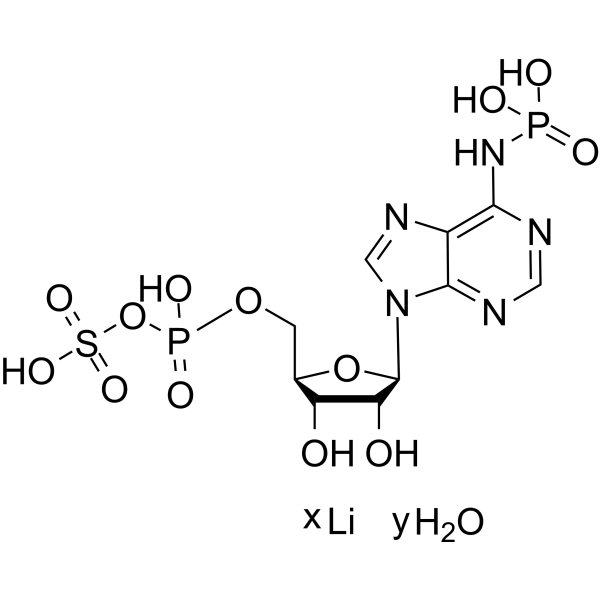
    Adenosine 3'-phosphate 5'-phosphosulfate lithium, an adenine nucleotide derivative, is a selective P2Y1 antagonist with no effect on P2Y2, P2Y4, or P2Y6 receptors. Adenosine 3'-phosphate 5'-phosphosulfate lithium can competitive inhibit ADP-induced platelet aggregation, as well as the ability of ADP to cause shape change and increases in Ca 2+ in platelets, but had no effect on the inhibition of stimulated adenylate cyclase by ADP. Adenosine 3'-phosphate 5'-phosphosulfate lithium is a co-substrate used for the sulfonation of glycans. Adenosine 3'-phosphate 5'-phosphosulfate lithium can be used for Golgi-resident PAP-specific 3'-phosphatase-coupled sulfotransferase assays, which as donor substrate to transfer a sulfonate group [3].
    Adenosine 3'-phosphate 5'-phosphosulfate lithium
  • HY-103237

    Adenosine Deaminase Neurological Disease
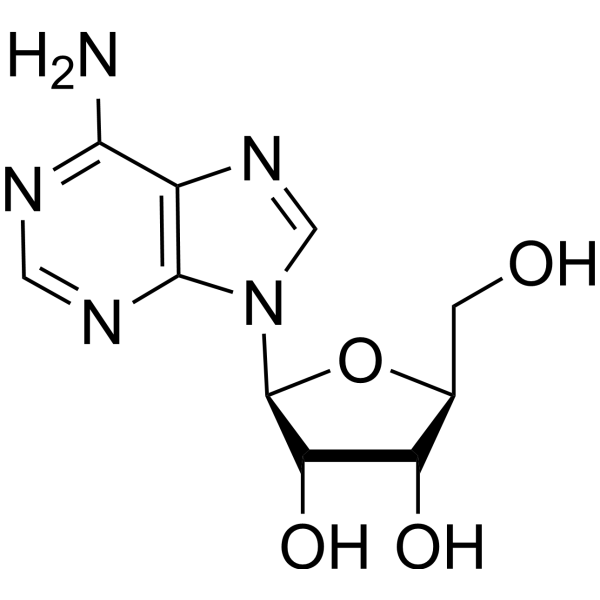
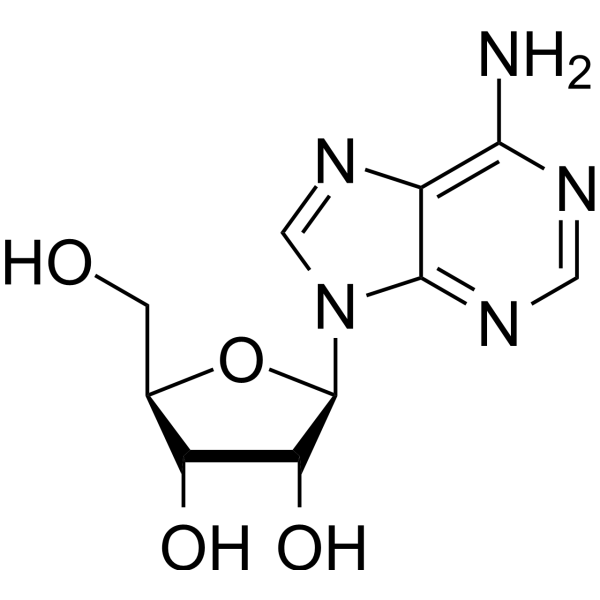
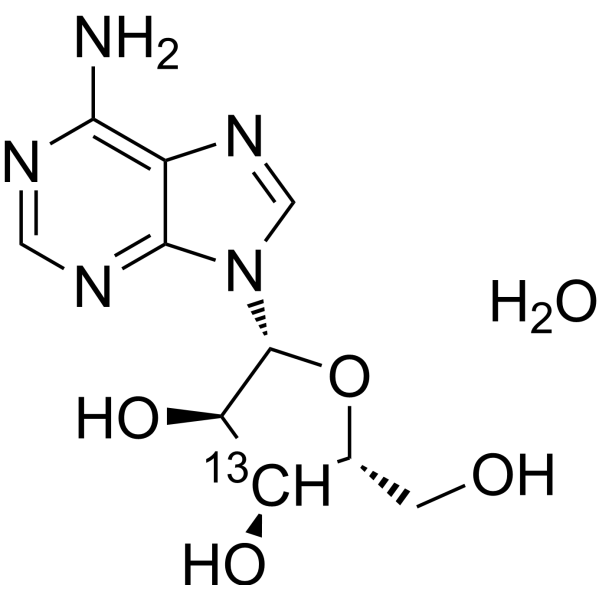
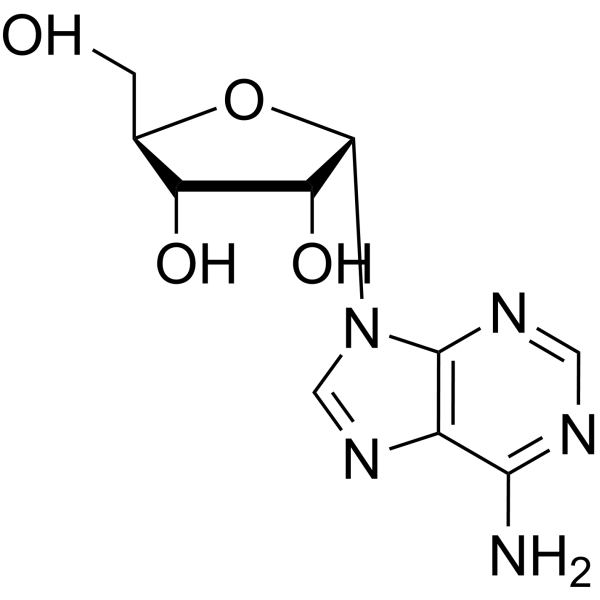
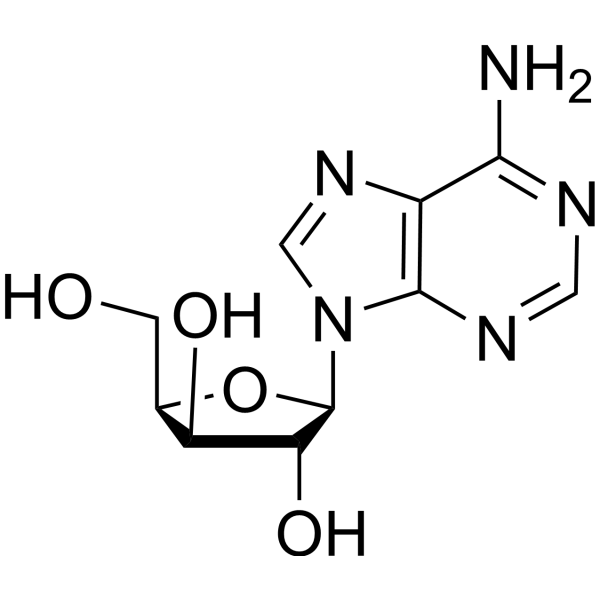
    L-Adenosine is a metabolically stable enantiomeric analog and also is a potential probe. L-Adenosine has weakly inhibitory adenosine deaminase (ADA) activity with an Ki value of 385 μM. L-Adenosine can be used for the research of adenosine uptake and accumulation .
    L-Adenosine
  • HY-W250174

    3,5-Diiodosalicylic acid lithium salt

    Biochemical Assay Reagents Others
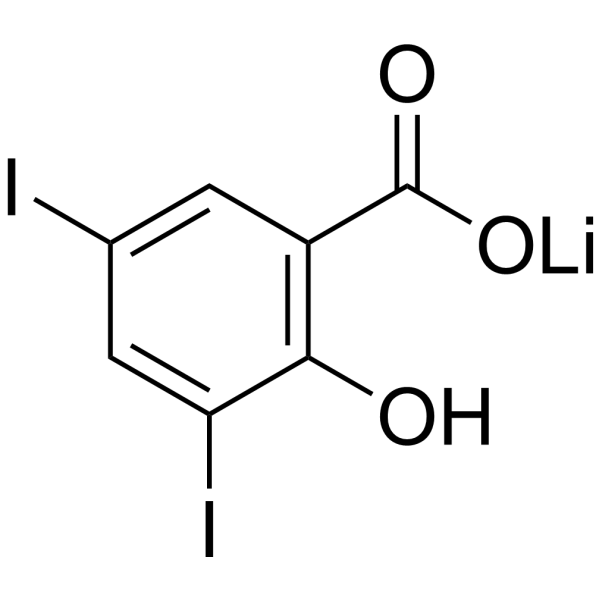
    Lithium 3,5-diiodosalicylate is a compound used in the study of bipolar disorder and other psychiatric disorders. It contains lithium and a salicylate. Lithium 3,5-diiodosalicylate works by affecting the levels of certain neurotransmitters in the brain, including dopamine and serotonin.
    Lithium 3,5-diiodosalicylate
  • HY-112540A
    Acetoacetic acid lithium
    4 Publications Verification

    Endogenous Metabolite Metabolic Disease
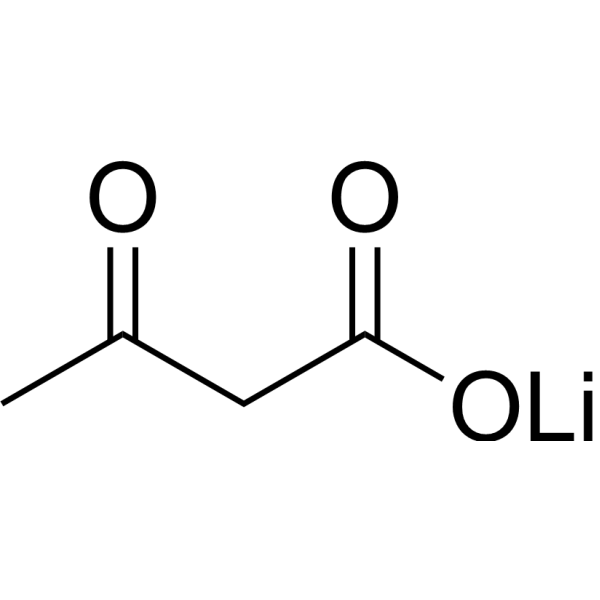
    Acetoacetic acid lithium is an oxidative stress inducer that affects the antioxidant enzyme system and lipoprotein metabolism. Acetoacetic acid lithium induces oxidative stress by decreasing the mRNA expression and activity of superoxide dismutase (SOD), catalase (CAT), and glutathione peroxidase (GSH-Px), increasing MDA content, and inhibiting very low density lipoprotein (VLDL) assembly by downregulating apolipoprotein ApoB100, ApoE, and low density lipoprotein receptor (LDLR), leading to triglyceride (TG) accumulation in hepatocytes. Acetoacetic acid lithium can be used to study metabolic diseases [3].
    Acetoacetic acid lithium
  • HY-W587488

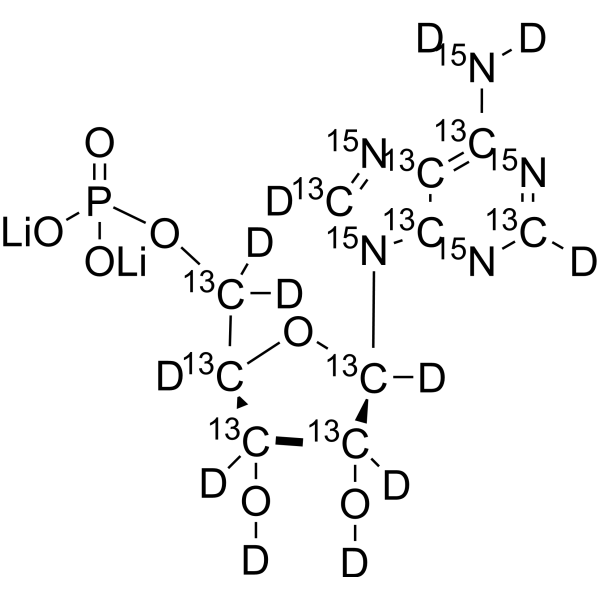
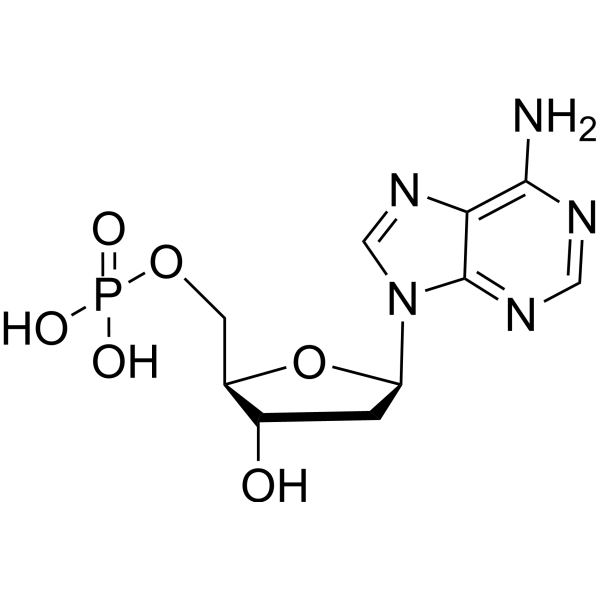
    3′-AMP

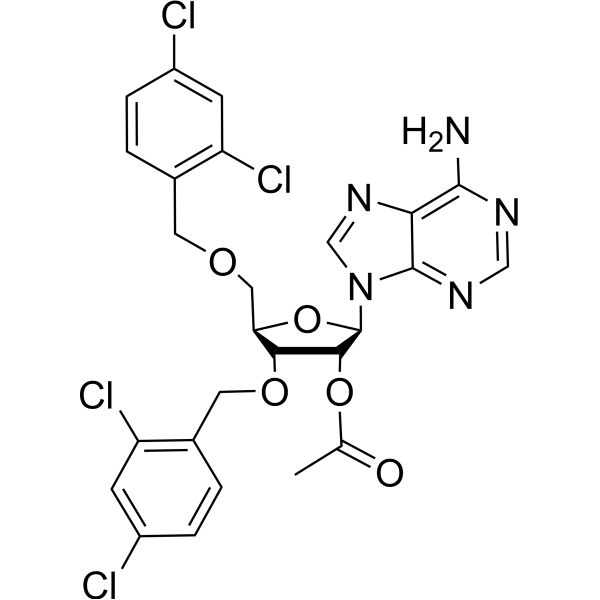
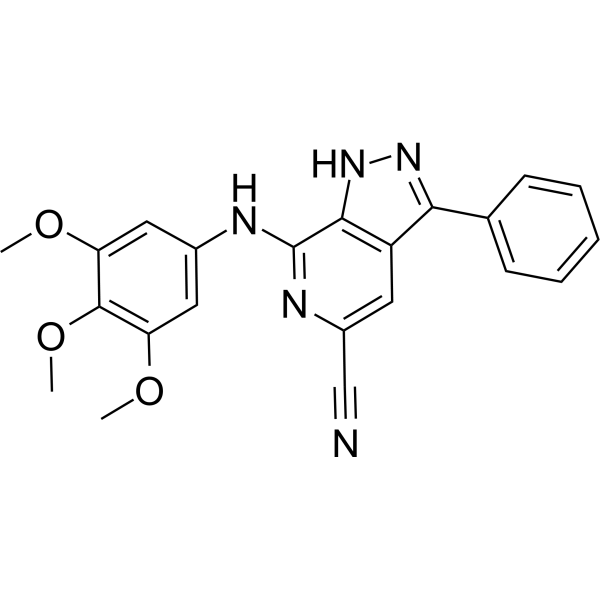
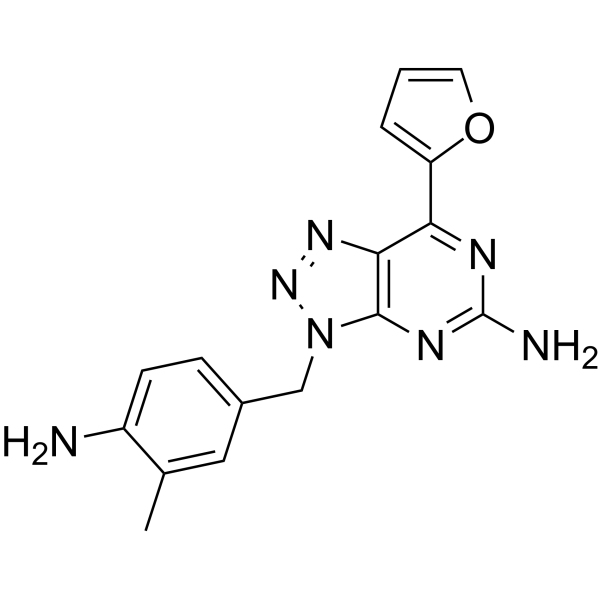
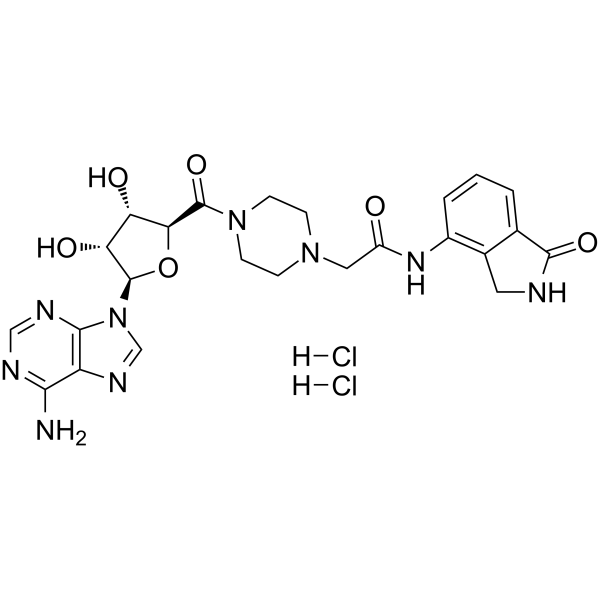
    Nucleoside Antimetabolite/Analog Cyclic GMP-AMP Synthase Cancer
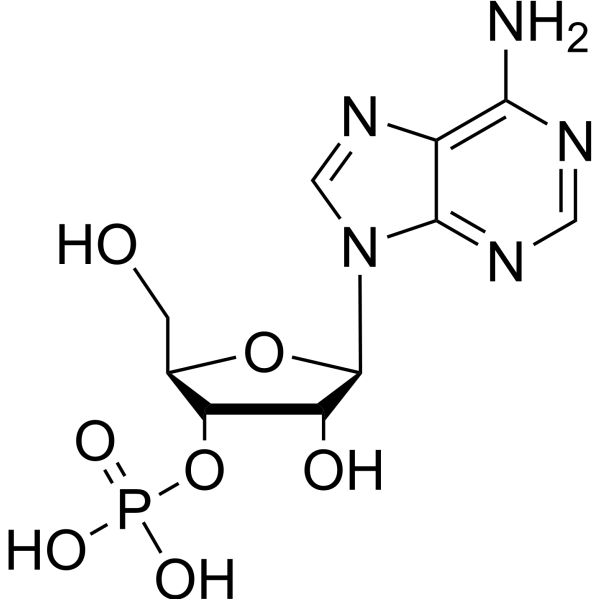
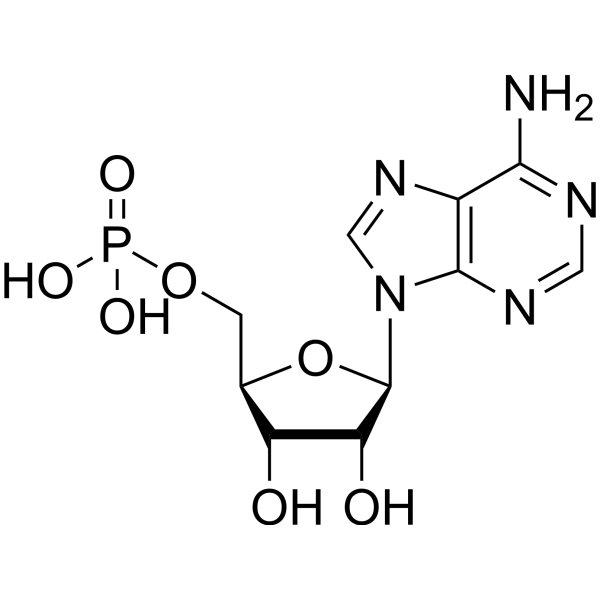
    Adenosine 3’-monophosphate (3’-AMP) is a nucleotide. Adenosine 3’-monophosphate is a cyclic AMP production agonist. Adenosine 3’-monophosphate increases cyclic AMP levels concentration-dependently in NG108-15 cells. Adenosine 3’-monophosphate can be used in the determination of acid phosphatase activity of human serum, which is estabilished as a laboratory procedure in the diagnosis of prostate cancer, metastatic mammary cancer and Gaucher’s disease. Adenosine 3’-monophosphate inhibits human aortic and coronary vascular smooth muscle cell proliferation via A2B receptors [3].
    Adenosine 3′-monophosphate
  • HY-137243

    Endogenous Metabolite Nucleoside Antimetabolite/Analog Others
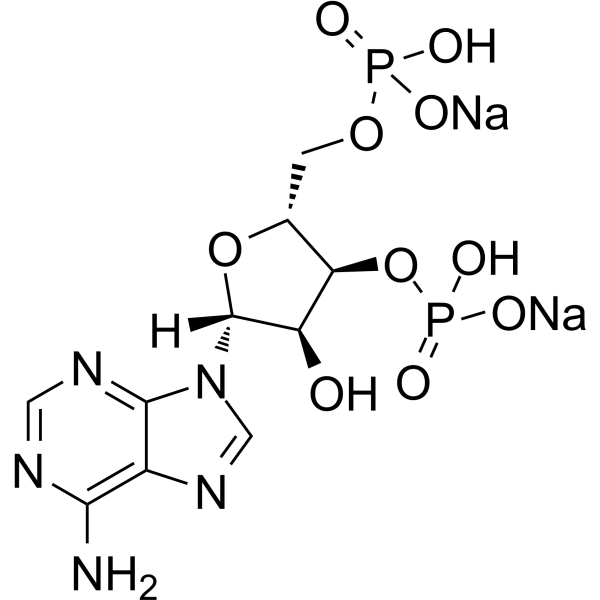
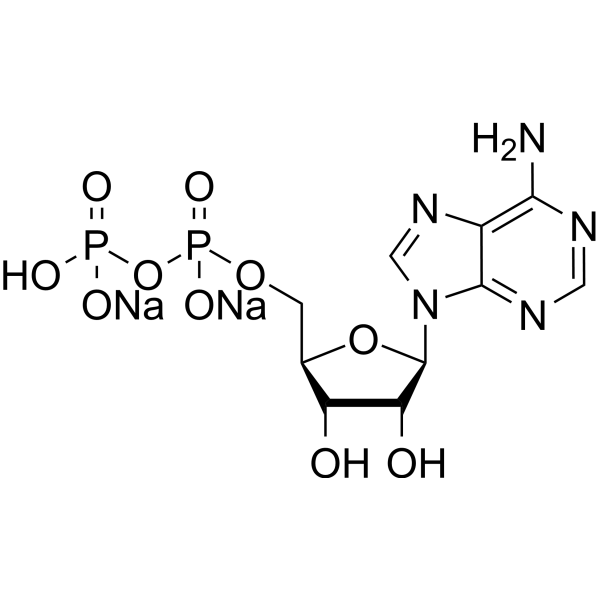
    Adenosine 3',5'-diphosphate disodium is an endogenous purine nucleotide. Adenosine 3',5'-diphosphate disodium acts as an inhibitor of bovine adrenal estrogen sulfotransferase (EST) with a Ki value of 7.0 μM. It also serves as an indispensable specific cofactor for the pregnenolone-binding protein (PBP) steroid-binding complex, with an EC50 value of 1.5 μM in guinea pigs .
    Adenosine 3',5'-diphosphate disodium
  • HY-W108875
    Mupirocin lithium
    1 Publications Verification

    BRL-4910A lithium; Pseudomonic acid lithium

    Antibiotic Bacterial Aminoacyl-tRNA Synthetase Infection Endocrinology
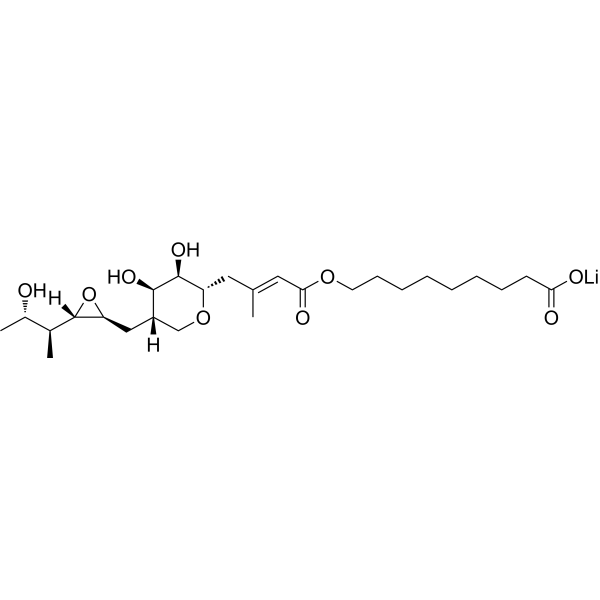
    Mupirocin lithium is an antibiotic. Mupirocin lithium inhibits bacterial isoleucyl-tRNA synthetase, blocking protein synthesis. Mupirocin lithium has high activity against Gram-positive bacteria such as Staphylococcus and Streptococcus, as well as some Gram-negative bacteria (such as Haemophilus influenzae). Mupirocin lithium can be used in the research of diseases such as skin infections (such as MRSA infections) and chronic sinusitis [3] [5] .
    Mupirocin lithium
  • HY-164090

    P2Y Receptor Cardiovascular Disease
    Adenosine 3'-phosphate 5'-phosphosulfate, an adenine nucleotide derivative, is a selective P2Y1 antagonist with no effect on P2Y2, P2Y4, or P2Y6 receptors. Adenosine 3'-phosphate 5'-phosphosulfate can competitive inhibit ADP-induced platelet aggregation, as well as the ability of ADP to cause shape change and increases in Ca 2+ in platelets, but had no effect on the inhibition of stimulated adenylate cyclase by ADP. Adenosine 3'-phosphate 5'-phosphosulfate is a co-substrate used for the sulfonation of glycans. Adenosine 3'-phosphate 5'-phosphosulfate can be used for Golgi-resident PAP-specific 3'-phosphatase-coupled sulfotransferase assays, which as donor substrate to transfer a sulfonate group [3].
    Adenosine 3'-phosphate 5'-phosphosulfate
  • HY-113596A
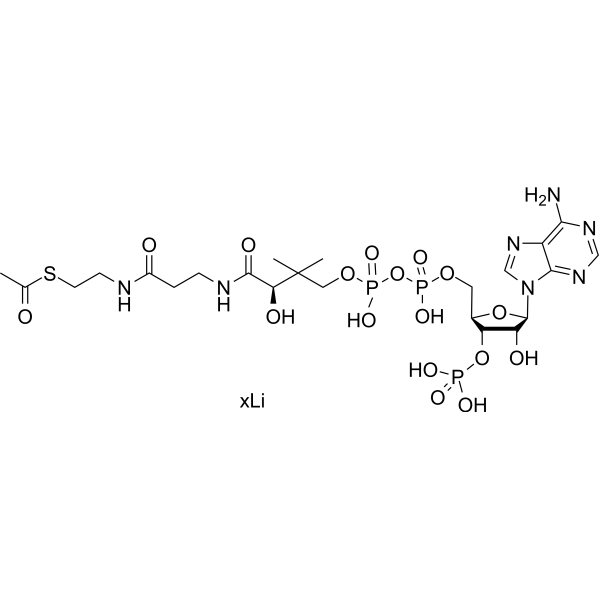
    Acetyl coenzyme A lithium
    4 Publications Verification

    Acetyl-CoA lithium

    Oxidative Phosphorylation Endogenous Metabolite Autophagy Cardiovascular Disease Metabolic Disease
    Acetyl-coenzyme A (Acetyl-CoA) lithium is a membrane-impermeant central metabolic intermediate, participates in the TCA cycle and oxidative phosphorylation metabolism. Acetyl-coenzyme A lithium, regulates various cellular mechanisms by providing (sole donor) acetyl groups to target amino acid residues for post-translational acetylation reactions of proteins. Acetyl Coenzyme A lithium is also a key precursor of lipid synthesis [3] .
    Acetyl coenzyme A lithium
  • HY-W094471

    Biochemical Assay Reagents Others
    Lithium acetate dihydrate is a compound with a one-dimensional structure that has various applications in industries such as pharmaceuticals, ceramics, and research laboratories. Lithium acetate dihydrate is often used as a source of lithium ions in chemical reactions and as a precursor in the synthesis of other lithium compounds .
    Lithium acetate dihydrate
  • HY-114175A

    RnADA, Calf Spleen

    Adenosine Deaminase Inflammation/Immunology
    Adenosine deaminase, Calf Spleen is an enzyme that catalyzes the irreversible deamination of adenosine and 2'-deoxyadenosine to inosine and 2'-deoxyinosine, respectively .
    Adenosine deaminase, Calf Spleen
  • HY-141474

    Biochemical Assay Reagents Others
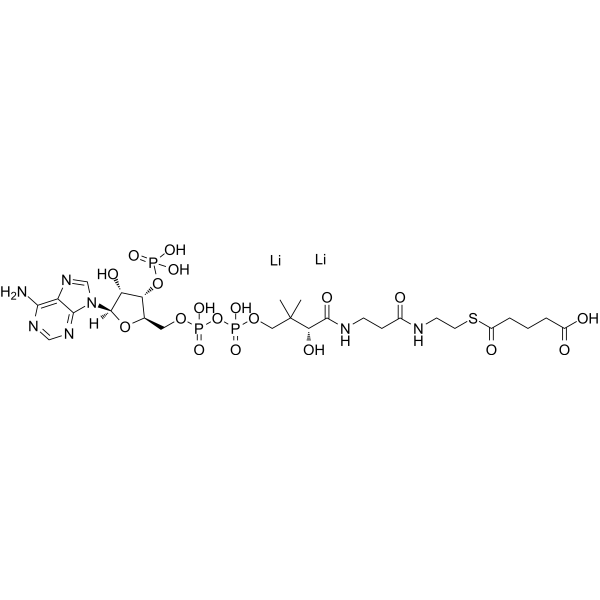
    Glutaryl coenzyme A lithium is an important endogenous metabolites. Glutaryl coenzyme A lithium can be used in HMG-CoA or Glutaryl-CoA related experiment.
    Glutaryl coenzyme A lithium
  • HY-115062

    Phospholipase NADPH Oxidase p38 MAPK Akt NF-κB AP-1 Reactive Oxygen Species (ROS) Cardiovascular Disease Inflammation/Immunology Cancer
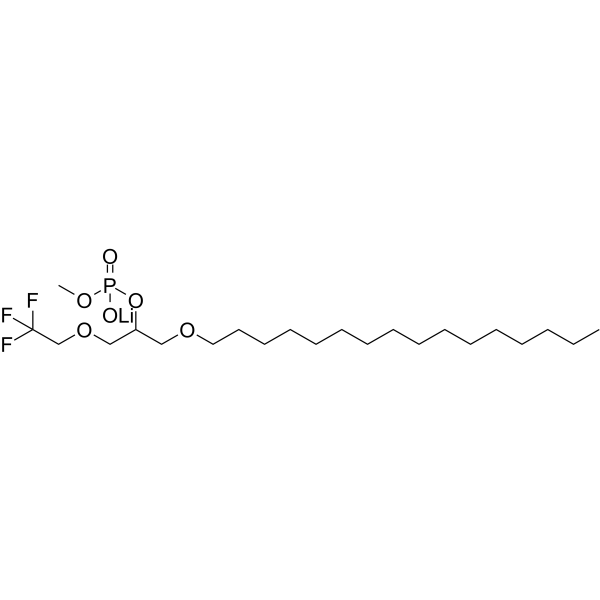
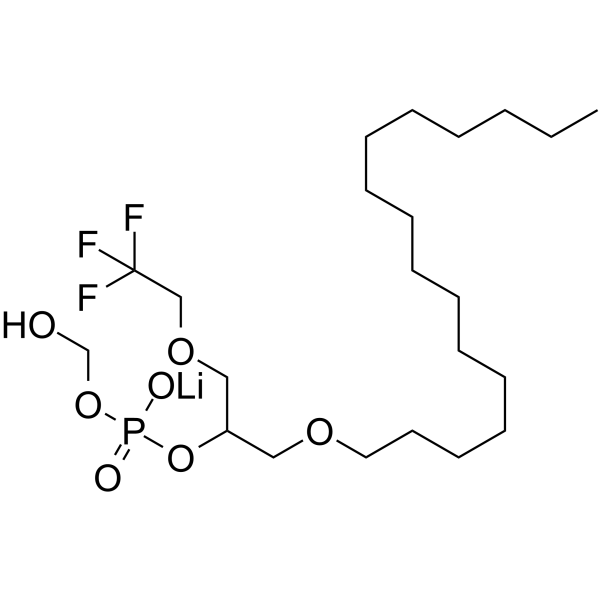
    MJ-33 lithium salt is a competitive phospholipase A2 (PLA2) inhibitor with an IC50 of 0.3 μM. MJ-33 lithium salt inhibits NOX2 activation and reduces ROS production by blocking the PLA2 activity of Prdx6. MJ-33 lithium salt effectively inhibits the activity of acidic PLA2 (pH 4.0) and reduces the degradation of alveolar surfactant phosphatidylcholine (PC), but exerts no effect on alkaline PLA2 (pH 8.5). MJ-33 lithium salt significantly alleviates lung oxidative injury induced by ischemia-reperfusion (I/R). MJ-33 lithium salt significantly inhibits the invasion, migration and adhesion abilities of prostate cancer cells by suppressing the MAPK, AKT, NF-κB and AP-1 signaling pathways. MJ-33 lithium salt can be used for the research of ROS-related diseases and prostate cancer [3].
    MJ33 lithium salt
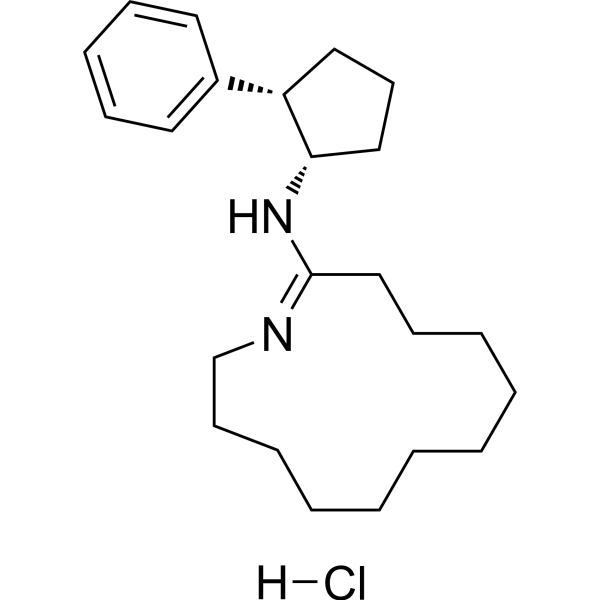
  • HY-106199
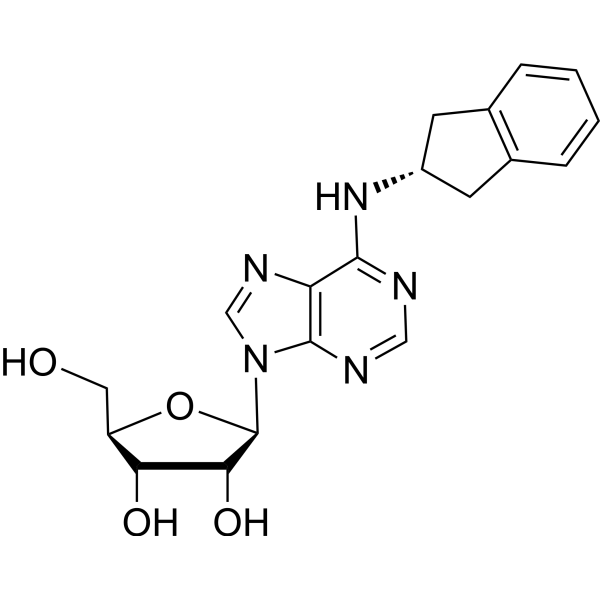
    Adenosine A1 receptor activator T62
    1 Publications Verification

    Adenosine Receptor Neurological Disease Inflammation/Immunology
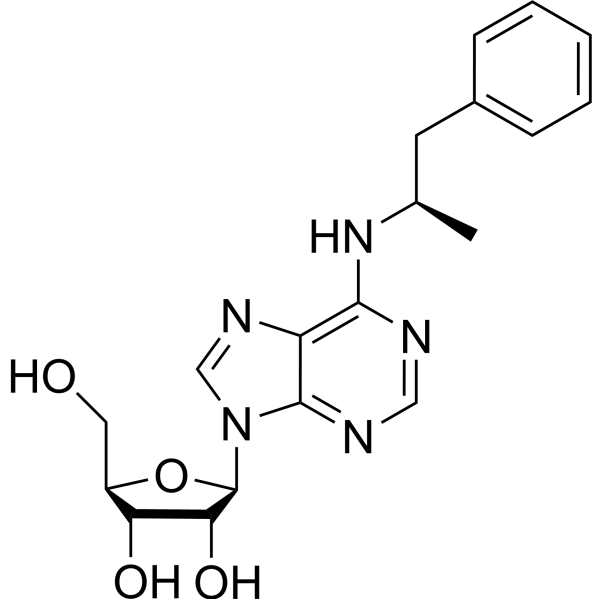
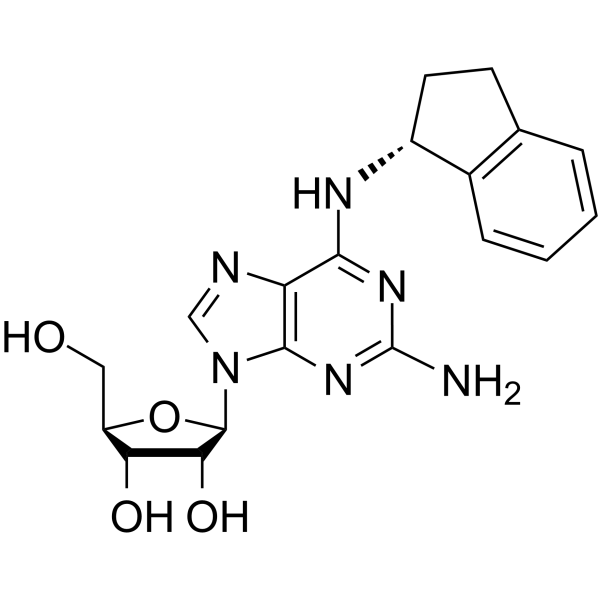
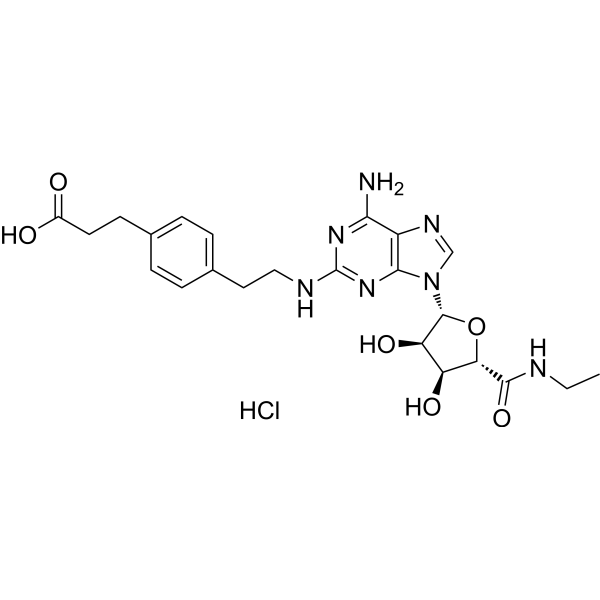
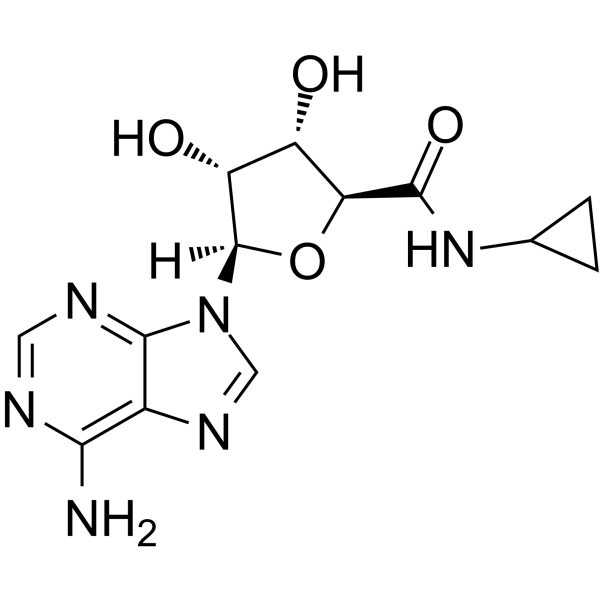
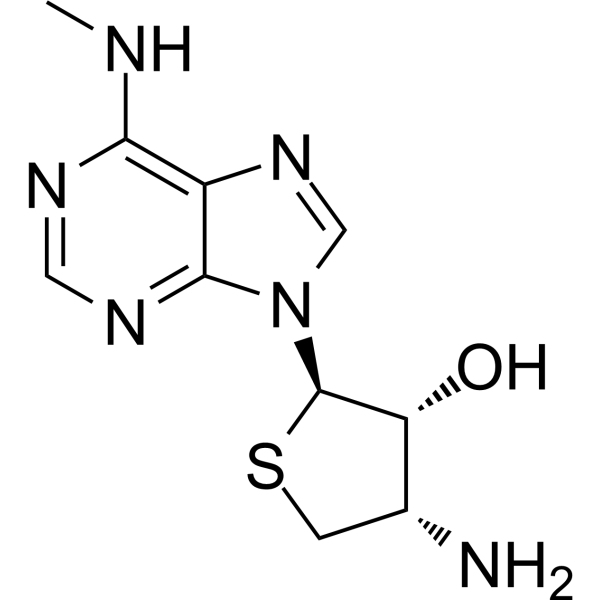
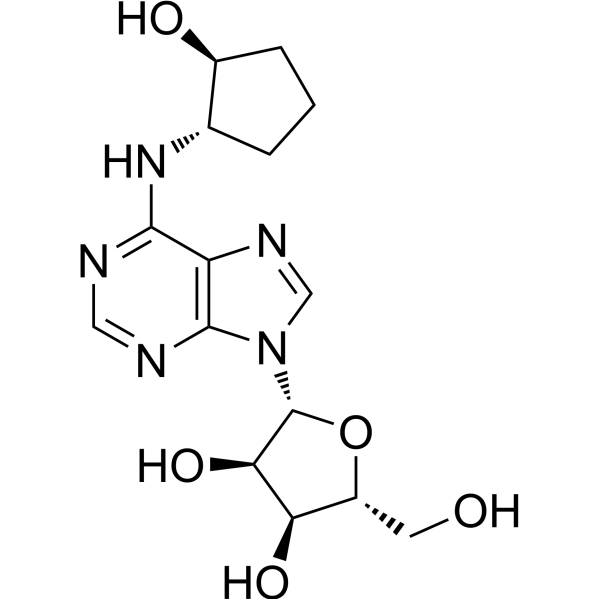
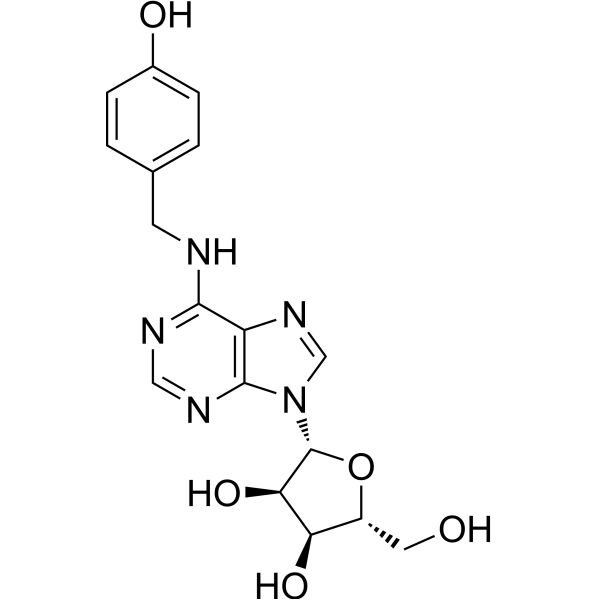
    Adenosine A1 receptor activator T62 is an allosteric enhancer of adenosine A1 receptor. Adenosine A1 receptor activator T62 produces antinociception in animal models of acute pain and also reduces hypersensitivity in models of inflammatory and nerve-injury pain [3].
    Adenosine A1 receptor activator T62
  • HY-113606

    Drug Intermediate Metabolic Disease
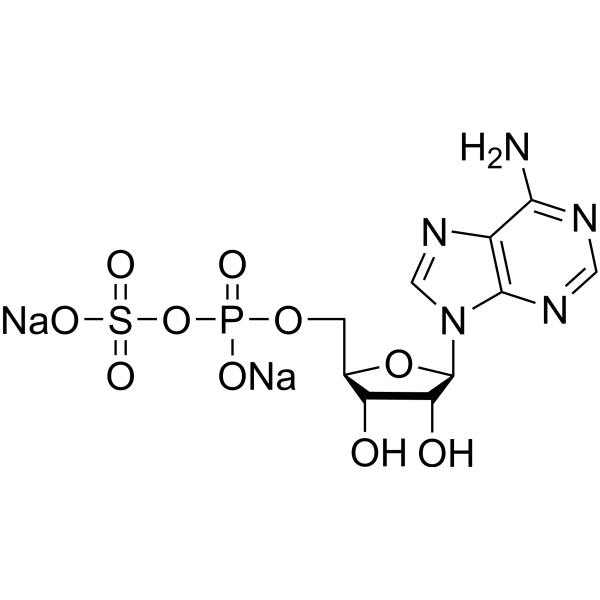
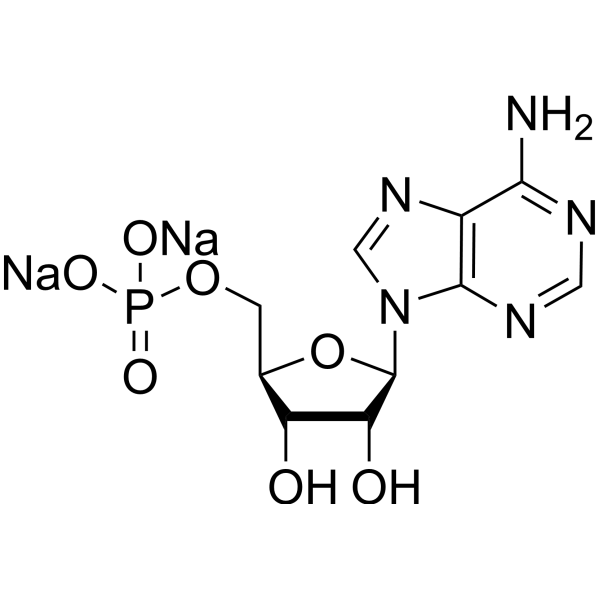
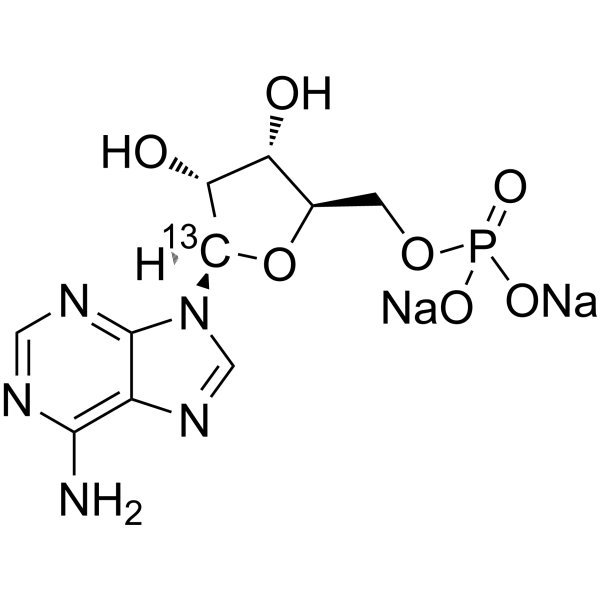
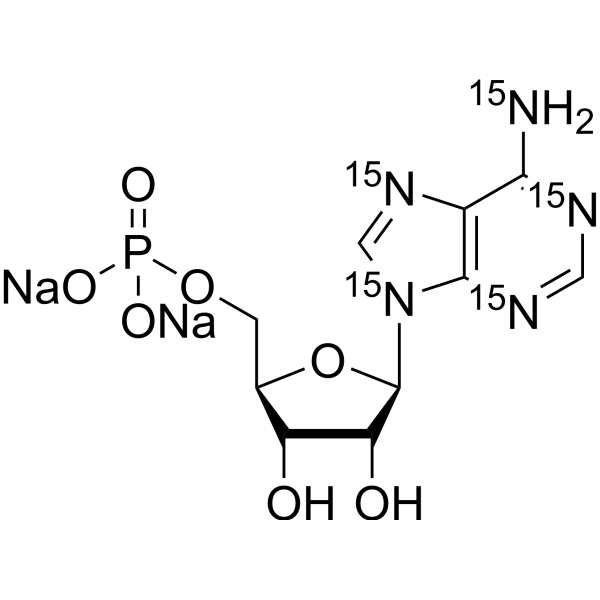
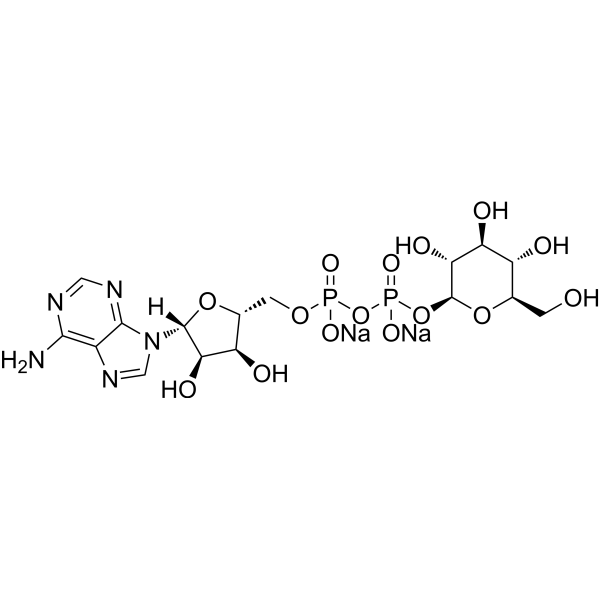
    Adenosine 5'-phosphosulfate disodium is a metabolism intermediates of sulfur. Adenosine 5'-phosphosulfate disodium can used in study sulfotransferases and sulforeductases in various organisms .
    Adenosine 5'-phosphosulfate disodium
  • HY-109591A

    Oleoyl-CoA lithium

    Endogenous Metabolite Others
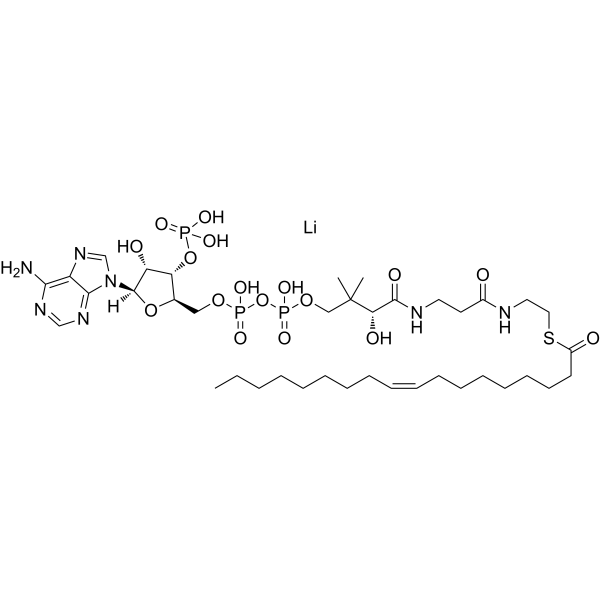
    Oleoyl coenzyme A (Oleoyl-CoA) lithium is a thioester of oleic acid and coenzyme A. Oleoyl coenzyme A lithium has a role as an Escherichia coli metabolite and a mouse metabolite .
    Oleoyl coenzyme A lithium
  • HY-D0884
    L-Lactic acid lithium
    10+ Cited Publications

    (S)-2-Hydroxypropanoic acid lithium

    Biochemical Assay Reagents Others
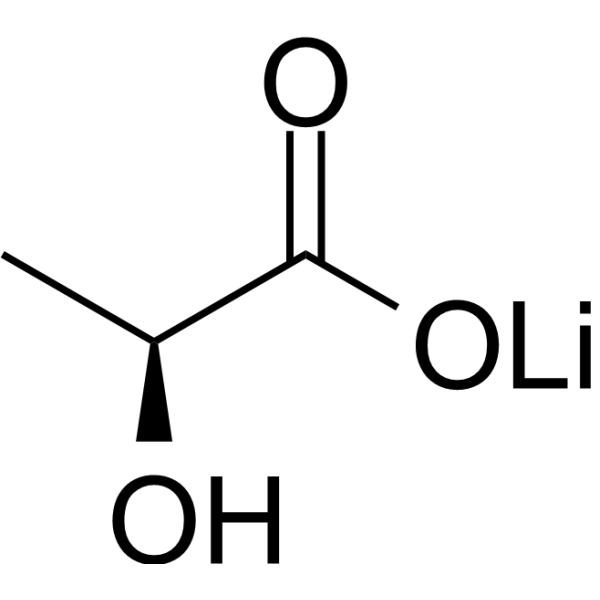
    L-Lactic acid lithium is a lithium salt of L-Lactic acid (HY-Y0479) with certain bioconductive properties. L-Lactic acid can be used as a precursor for the production of bioplastic polymer polylactic acid .
    L-Lactic acid lithium
  • HY-173593

    Small Interfering RNA (siRNA) Cancer
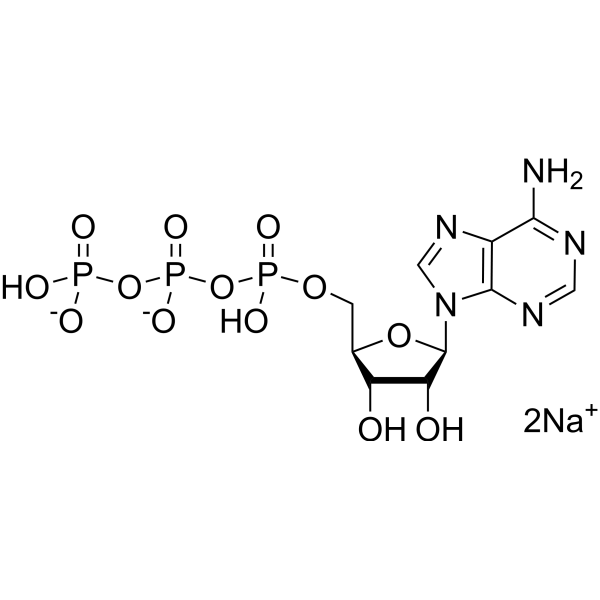
    Adenosine-3',5'-bisphosphate is an exoribonuclease XRN1 inhibitor with an IC50 of 36 nM, a KD of 12 nM, and a KD of 14 nM against human XRN2. Adenosine-3',5'-bisphosphate binds to the bimetallic active site of human XRN1, and also binds potently to human XRN2 via its conserved bimetallic active site. Adenosine-3',5'-bisphosphate can be used in research related to non-small cell lung cancer .
    Adenosine-3',5'-bisphosphate
  • HY-21170B

    Triflate lithium; Trifluoromethylsulfonate lithium; Trifluoromethanesulphonic acid lithium

    Biochemical Assay Reagents Herbicide Others
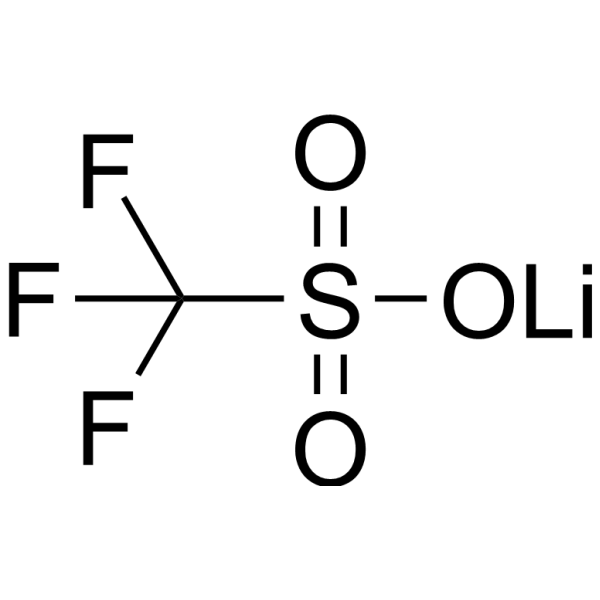
    Trifluoromethanesulfonate (Triflate;Trifluoromethylsulfonate) lithium is a stable lithium salt and dopant with four resonance states, which is commonly used as an electrolyte component in polymer light-emitting electrochemical cells and primary lithium batteries. Trifluoromethanesulfonate lithiumalso acts as a catalyst for the preparation of the herbicide Imazapyr. In MEH-PPV-based light-emitting electrochemical cells, Trifluoromethanesulfonate lithium promotes electrochemical p-type doping at the anode interface under applied bias, thereby facilitating the formation of p-i-n junctions, exciton generation, and light emission. Trifluoromethanesulfonate lithiumexhibits strong ion pairing in non-aqueous electrolytes, but its electrochemical stability window is narrower than that of lithium bistrifluoromethylsulfonyl imidee [3].
    Trifluoromethanesulfonate lithium
  • HY-W250163
    NAD+ lithium
    40+ Cited Publications

    β-DPN lithium; β-NAD lithium; β-Nicotinamide Adenine Dinucleotide lithium

    Biochemical Assay Reagents Metabolic Disease
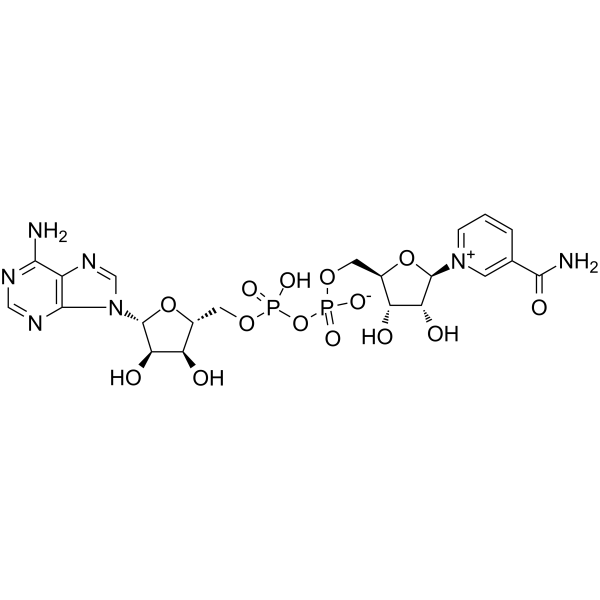
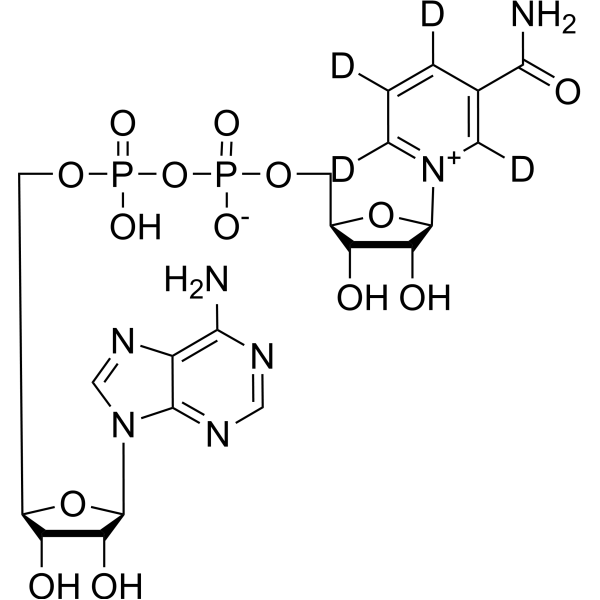
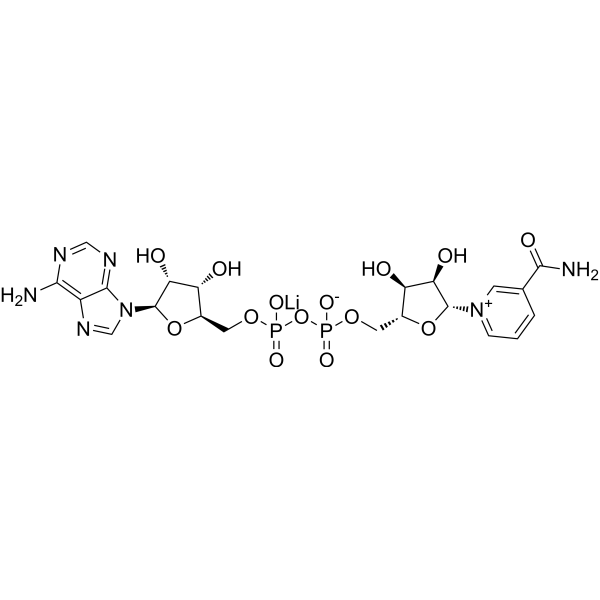
    NAD+ lithium (β-DPN lithium) is a lithium salt of nicotinamide adenine dinucleotide. NAD+ is a coenzyme in the REDOX reaction. NAD+ can directly or indirectly affect several key cellular functions, including metabolic pathways, DNA repair, chromatin remodeling, cell aging, and immune cell function .
    NAD+ lithium
  • HY-W010625
    Lithium 2-hydroxypropanoate
    35+ Cited Publications

    Biochemical Assay Reagents Neurological Disease Inflammation/Immunology
    Lithium 2-hydroxypropanoate is a lithium salt. Lithium 2-hydroxypropanoate has immunomodulatory activity (slightly enhancing PHA (HY-N7038)-induced lymphocyte proliferation). Lithium 2-hydroxypropanoate can be used in antioxidant activity assays. Lithium 2-hydroxypropanoate can be used in the research of mental diseases .
    Lithium 2-hydroxypropanoate
  • HY-W250153A

    P2Y Receptor Cardiovascular Disease
    Adenosine 3'-phosphate 5'-phosphosulfate lithium hydrate, an adenine nucleotide derivative, is a selective P2Y1 antagonist with no effect on P2Y2, P2Y4, or P2Y6 receptors. Adenosine 3'-phosphate 5'-phosphosulfate lithium hydrate can competitive inhibit ADP-induced platelet aggregation, as well as the ability of ADP to cause shape change and increases in Ca 2+ in platelets, but had no effect on the inhibition of stimulated adenylate cyclase by ADP. Adenosine 3'-phosphate 5'-phosphosulfate lithium hydrate is a co-substrate used for the sulfonation of glycans. Adenosine 3'-phosphate 5'-phosphosulfate lithium hydrate can be used for Golgi-resident PAP-specific 3'-phosphatase-coupled sulfotransferase assays, which as donor substrate to transfer a sulfonate group [3].
    Adenosine 3'-phosphate 5'-phosphosulfate lithium, hydrate
  • HY-160596

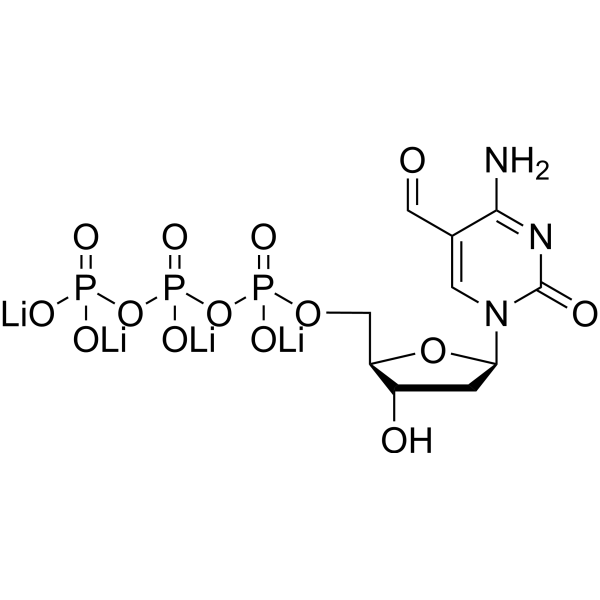
    5-Formyl-deoxycytidine lithium

    DNA/RNA Synthesis Others
    5-Formyl-dCTP (5-Formyl-deoxycytidine) lithium is a DCTPP1 substrate. 5-Formyl-dCTP lithium acts as a mutagen/epigenetic disruptor via DNA polymerase incorporation, mutagenic mispairings, and disturbed epigenetic programming. 5-Formyl-dCTP lithium can be used for research on genotoxicity .
    5-Formyl-dCTP lithium
  • HY-W094464

    Biochemical Assay Reagents Neurological Disease
    Lithium sulfate is an inorganic compound that can improve the cycling life and efficiency of a 2 V/20 A H lead-acid battery. Lithium sulfate can be used to study mental illnesses .
    Lithium sulfate
  • HY-N9422

    P2Y Receptor Cardiovascular Disease
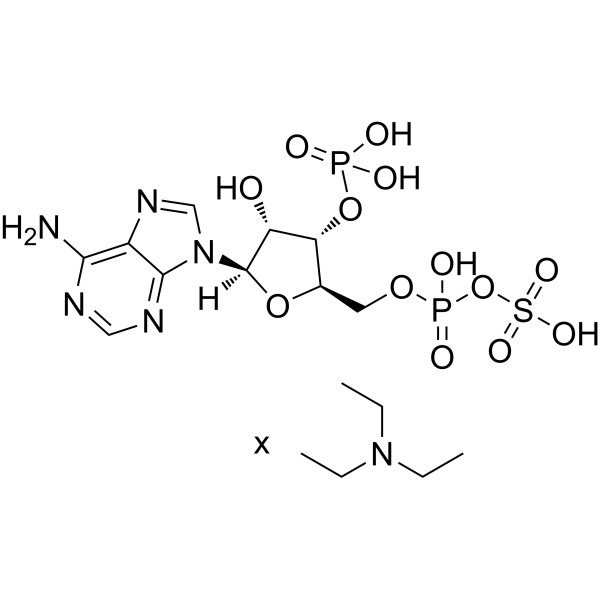
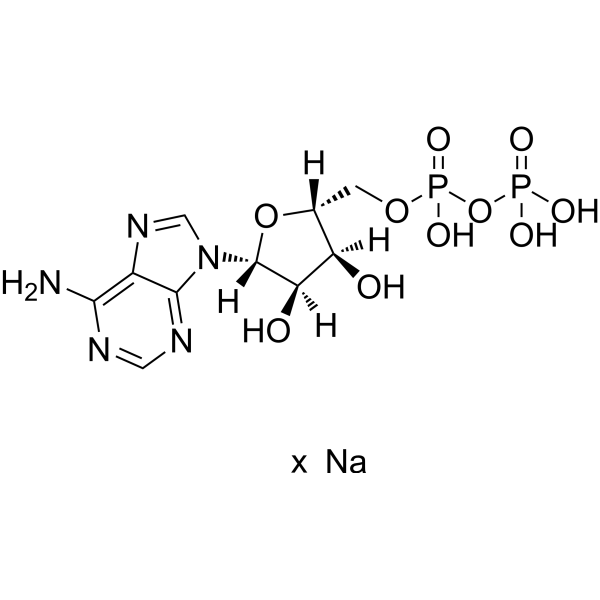
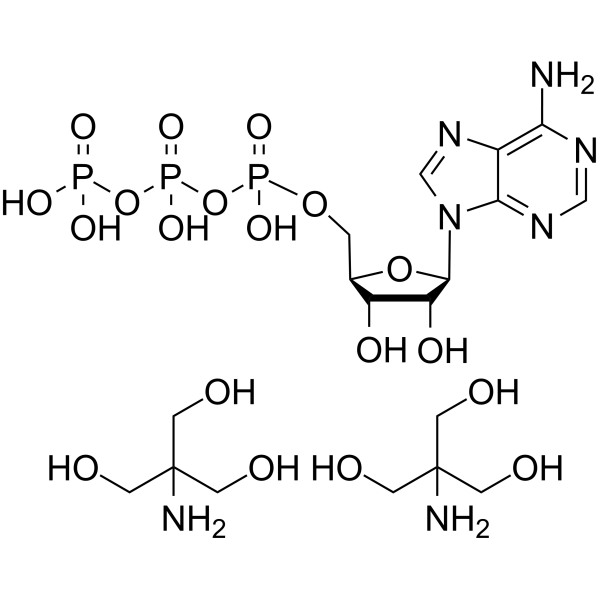
    Adenosine 3'-phosphate 5'-phosphosulfate triethylamine, an adenine nucleotide derivative, is a selective P2Y1 antagonist with no effect on P2Y2, P2Y4, or P2Y6 receptors. Adenosine 3'-phosphate 5'-phosphosulfate triethylamine can competitive inhibit ADP-induced platelet aggregation, as well as the ability of ADP to cause shape change and increases in Ca 2+ in platelets, but had no effect on the inhibition of stimulated adenylate cyclase by ADP. Adenosine 3'-phosphate 5'-phosphosulfate triethylamine is a co-substrate used for the sulfonation of glycans. Adenosine 3'-phosphate 5'-phosphosulfate triethylamine can be used for Golgi-resident PAP-specific 3'-phosphatase-coupled sulfotransferase assays, which as donor substrate to transfer a sulfonate group [3].
    Adenosine 3'-phosphate 5'-phosphosulfate triethylamine
  • HY-D2361

    Nucleoside Antimetabolite/Analog Others
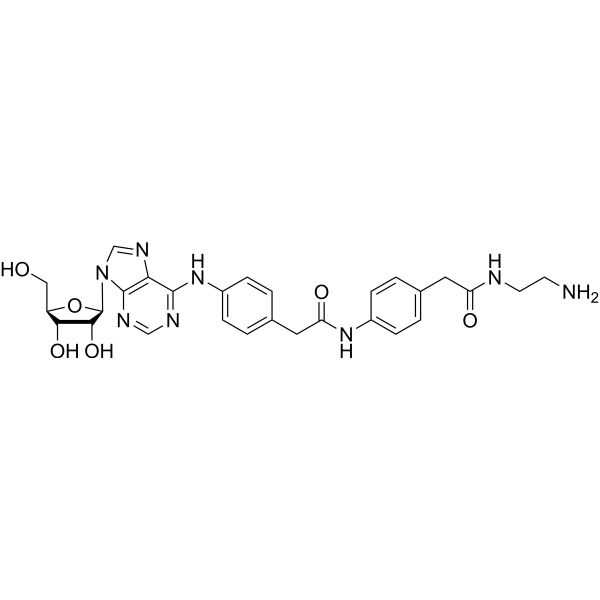
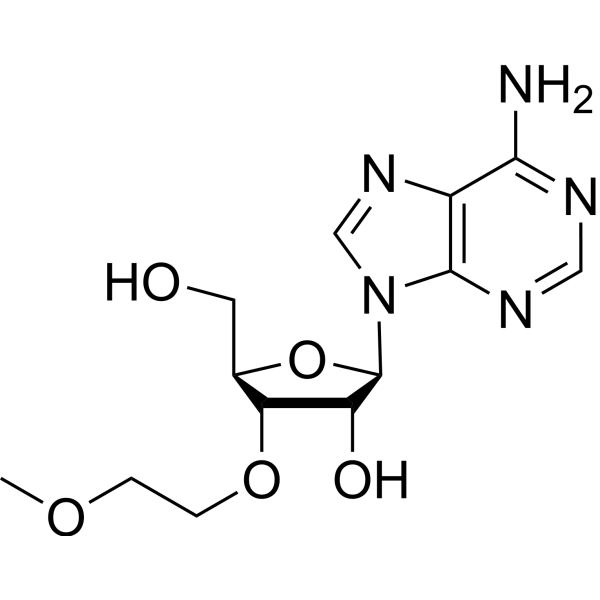
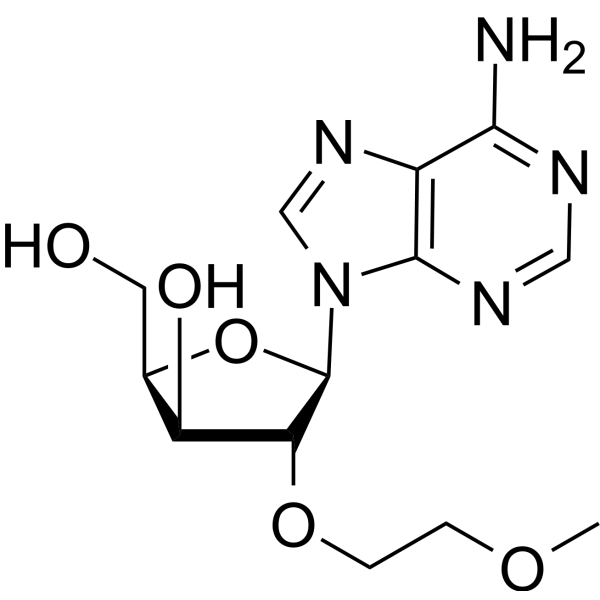
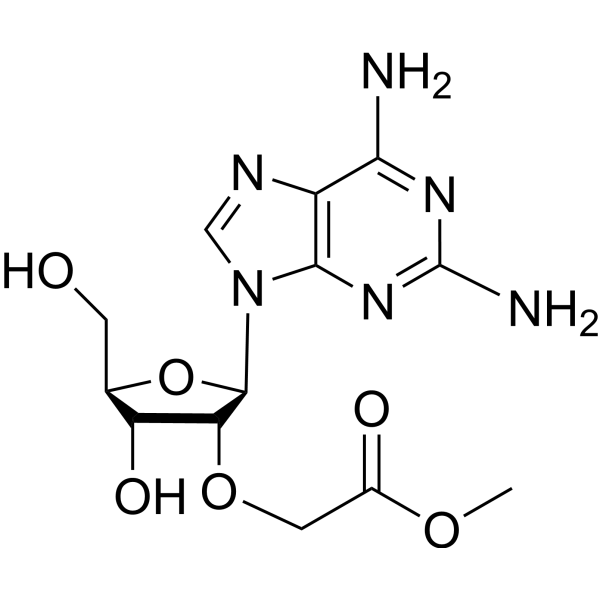
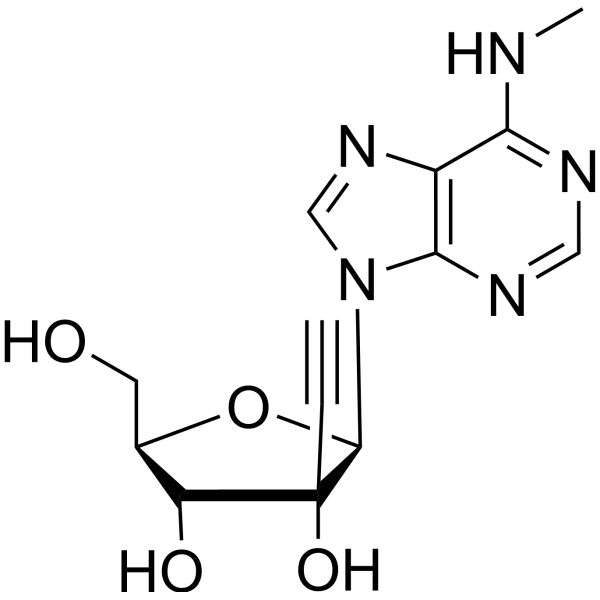
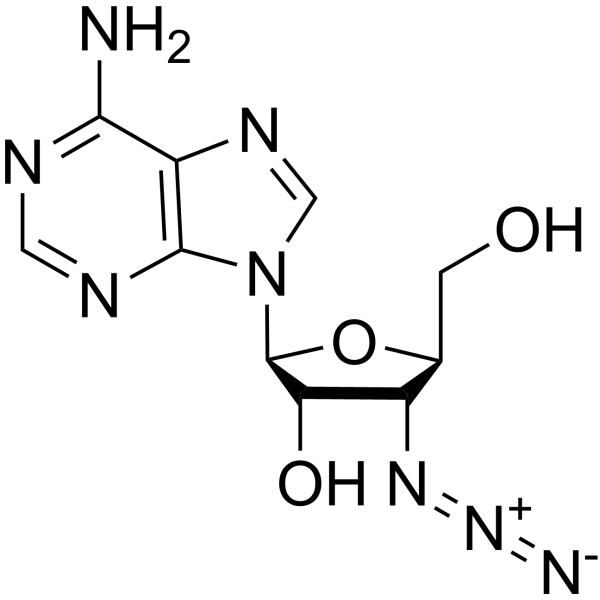
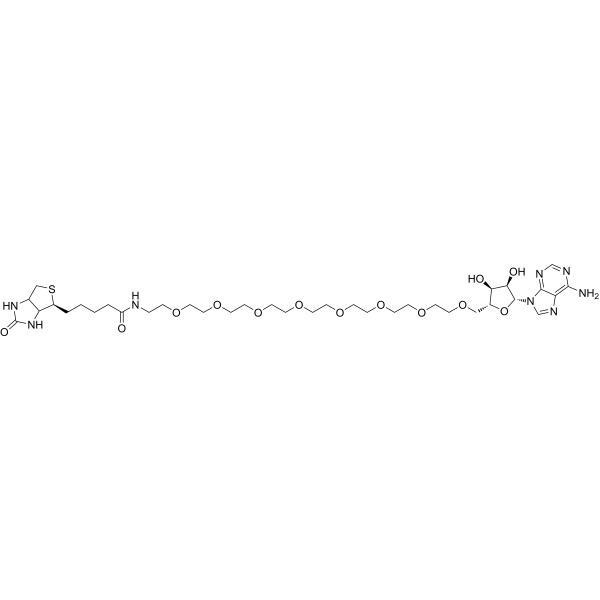
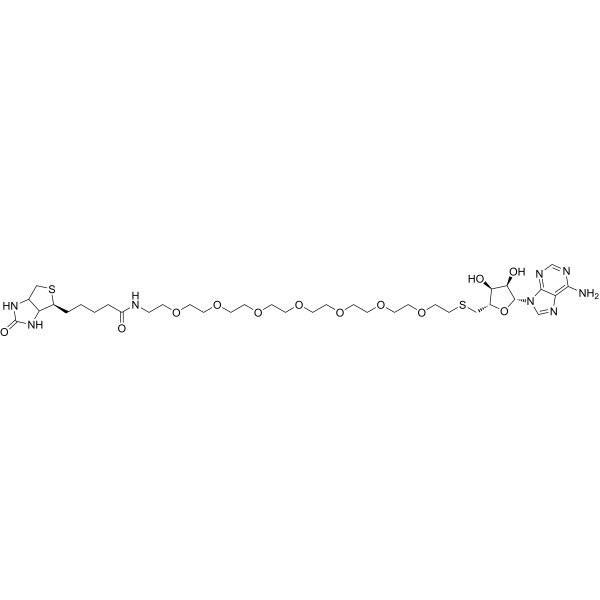
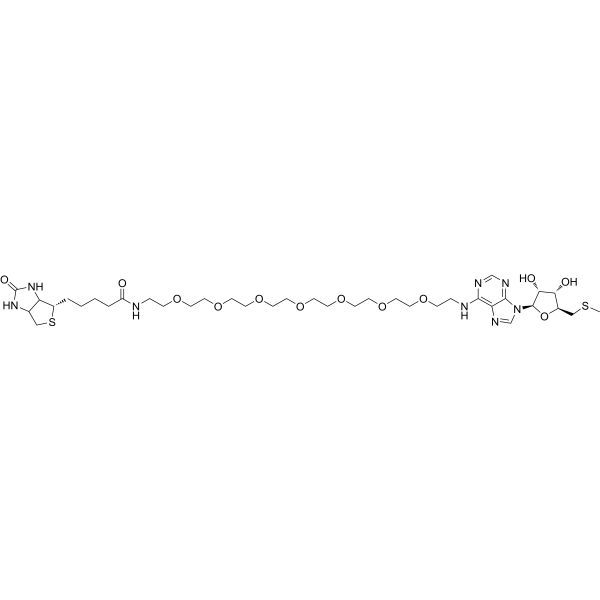
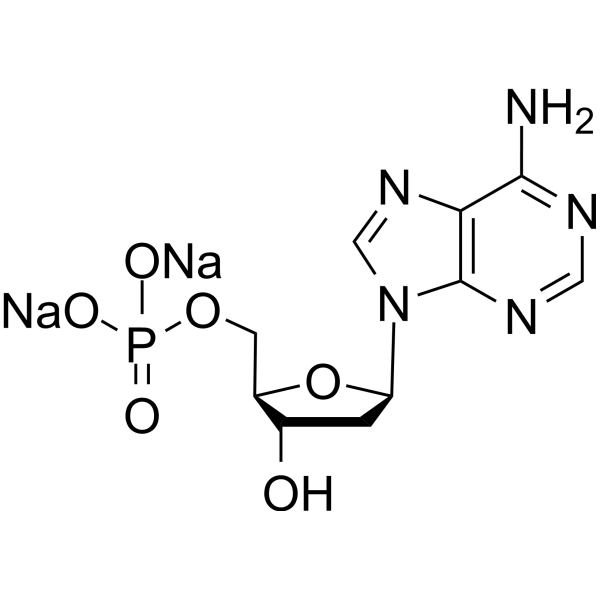
    Adenosine 2'-PEG-Biotin is a biochemical reagent derived from adenosine. Adenosine 2'-PEG-Biotin regulates cell signaling pathways by mimicking the effects of endogenous adenosine and binding to its receptors. Adenosine 2'-PEG-Biotin can be used in the research of bioprobes, biosensors and diagnostic reagents .
    Adenosine 2'-PEG-Biotin
  • HY-W099571
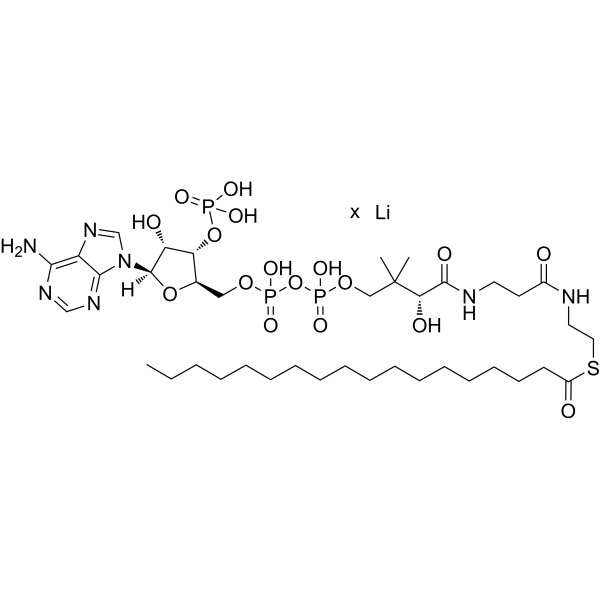
    Lithium stearate
    20+ Cited Publications

    Stearic acid lithium; Lithium octadecanoate

    Environmental Pollutants Biochemical Assay Reagents Others
    Lithium stearate (Stearic acid (lithium)) is a compound that forms vesicles in reaction with silver nitrate, thereby changing the reaction kinetics of the nucleation and self-assembly process of silver stearate. It has the activity that even in the presence of excess silver nitrate, only about 80% can be converted into silver stearate and the residual lithium stearate will inhibit the growth process of silver stearate crystals, thereby producing silver stearate crystals that are much smaller than those obtained from sodium stearate, providing an opportunity to further control the self-assembly and crystal growth of silver stearate.
    Lithium stearate
  • HY-113499B

    Drug Metabolite Others
    cis-Malonylcarnitine lithium is an ester compound and a metabolite of Malonyl CoA (HY-115899). The level of cis-Malonylcarnitine lithium is closely related to some diseases, such as malonic aciduria, non-syndromic cleft lip with or without cleft palate, etc .
    cis-Malonylcarnitine lithium
  • HY-154485

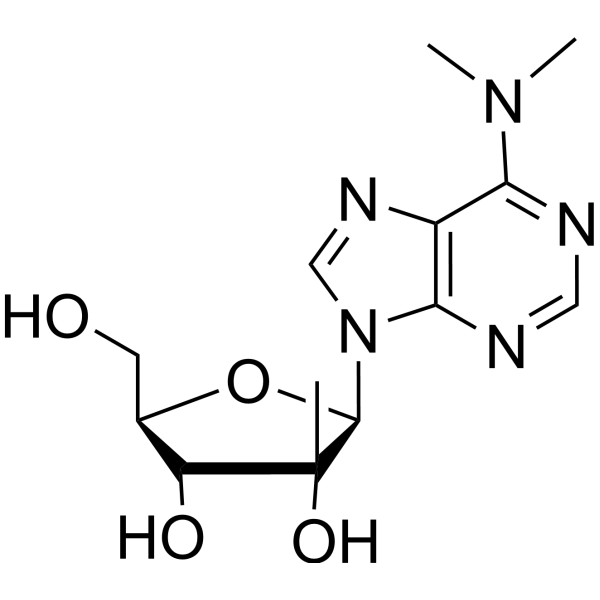
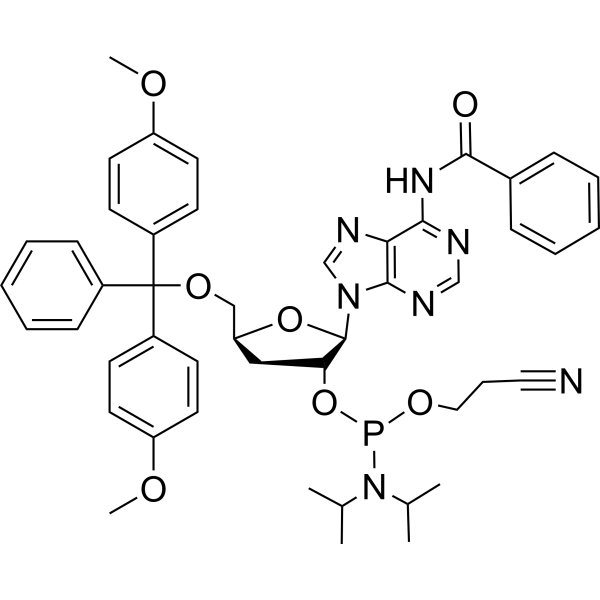
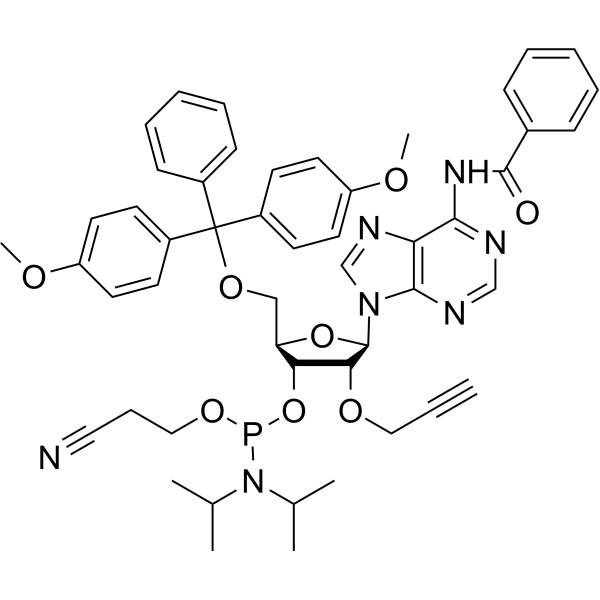
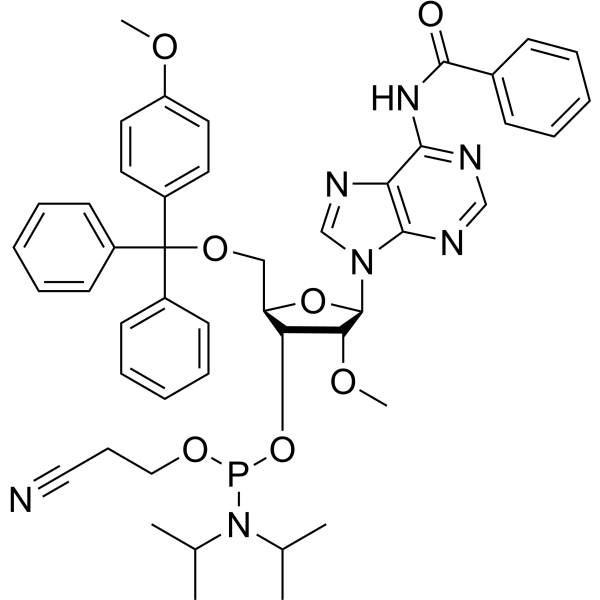
    Nucleoside Antimetabolite/Analog Phosphoramidites Cancer
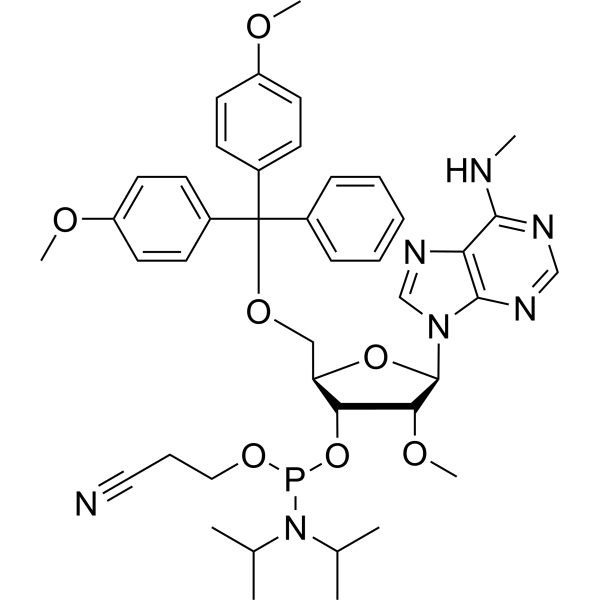
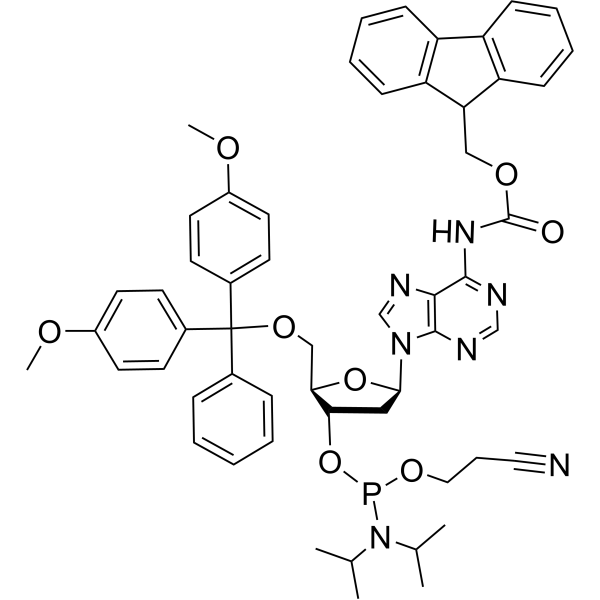
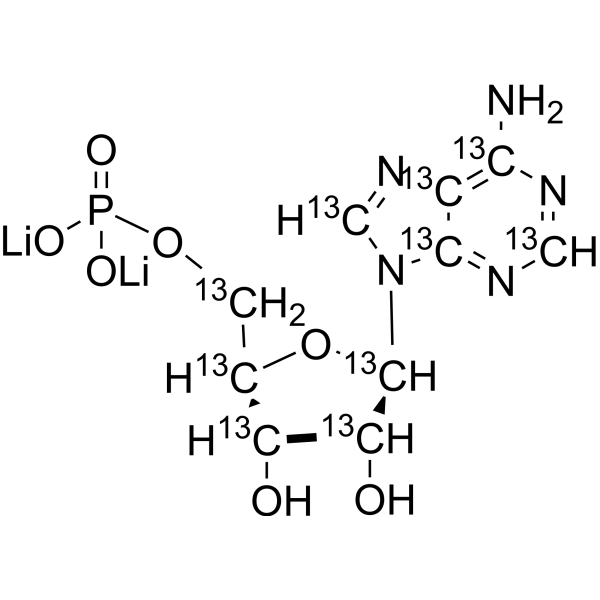
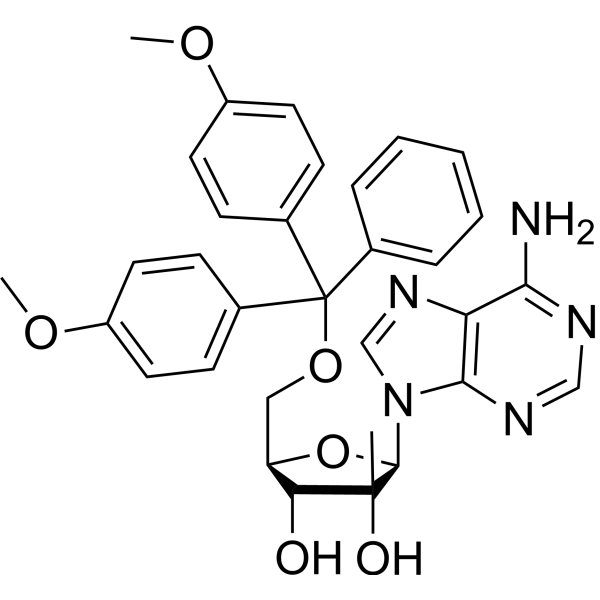
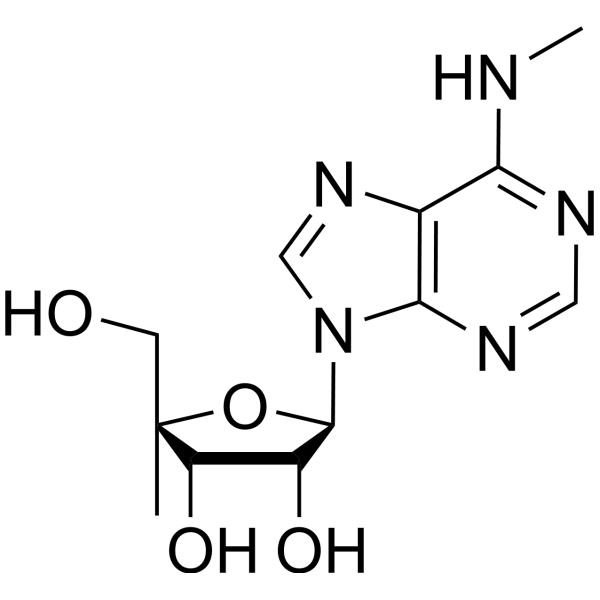
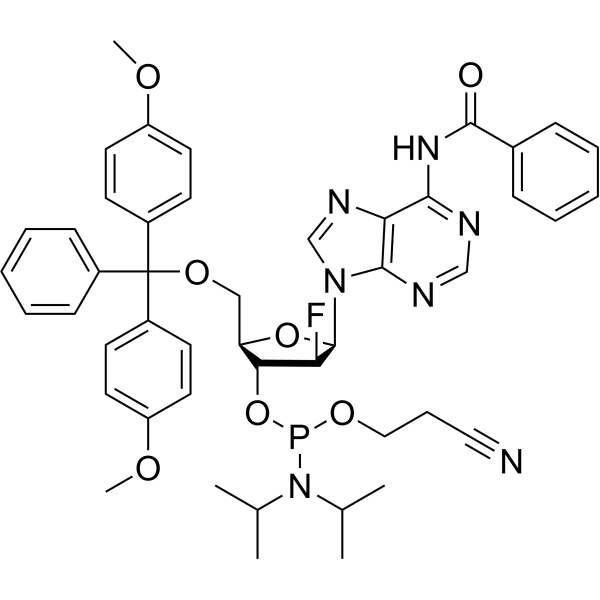
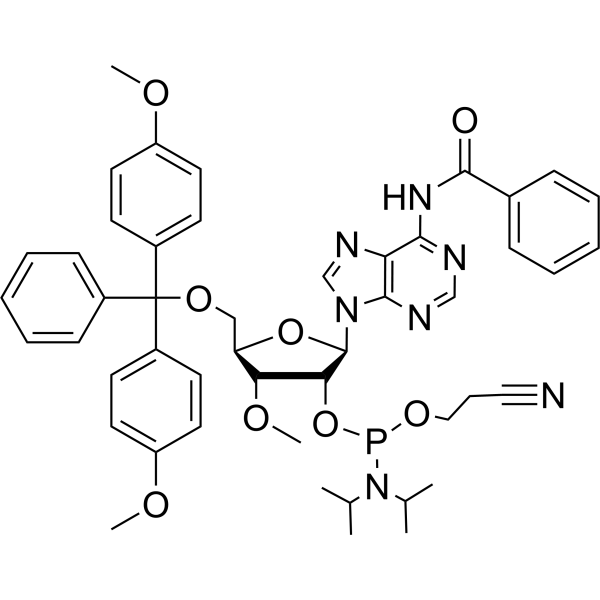
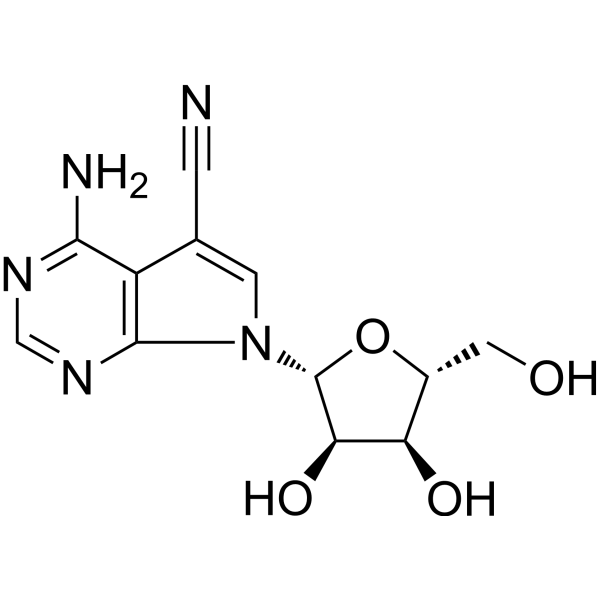
    5'-O-DMTr-2'-O-methyl-N6-methyl adenosine 3'-CED phosphoramidite is an adenosine analog. Adenosine analogs mostly act as smooth muscle vasodilators and have also been shown to inhibit cancer progression. Its popular products are adenosine phosphate, Acadesine (HY-13417), Clofarabine (HY-A0005), Fludarabine phosphate (HY-B0028) and Vidarabine (HY-B0277) .
    5'-O-DMTr-2'-O-methyl-N6-methyl adenosine 3'-CED phosphoramidite
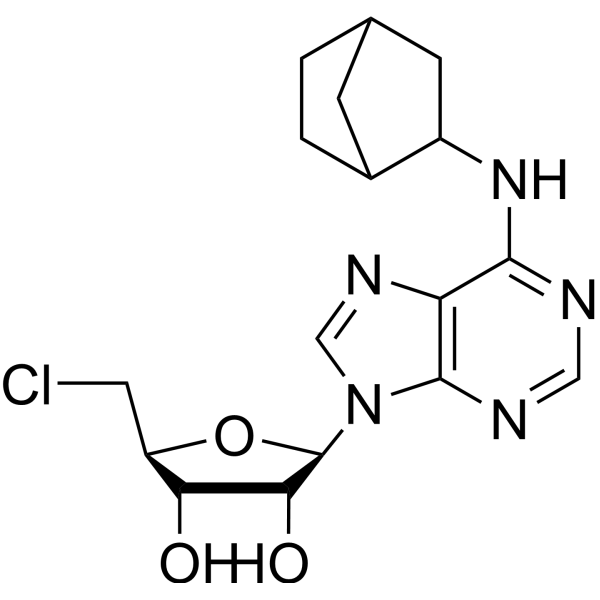
  • HY-144419

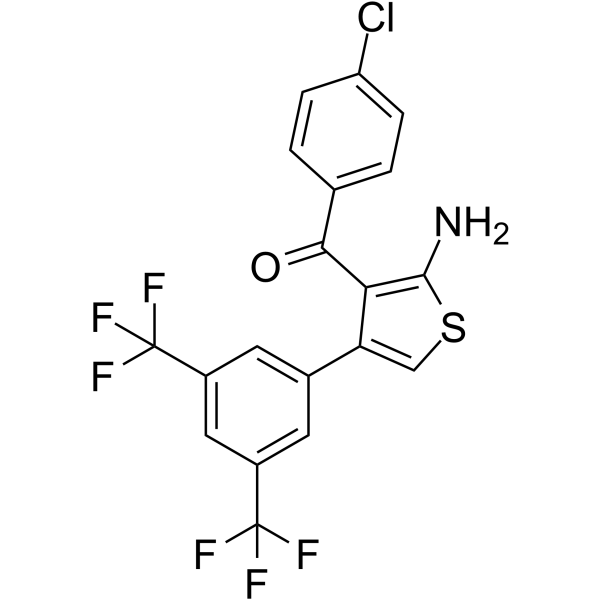
    Adenosine Receptor Cancer
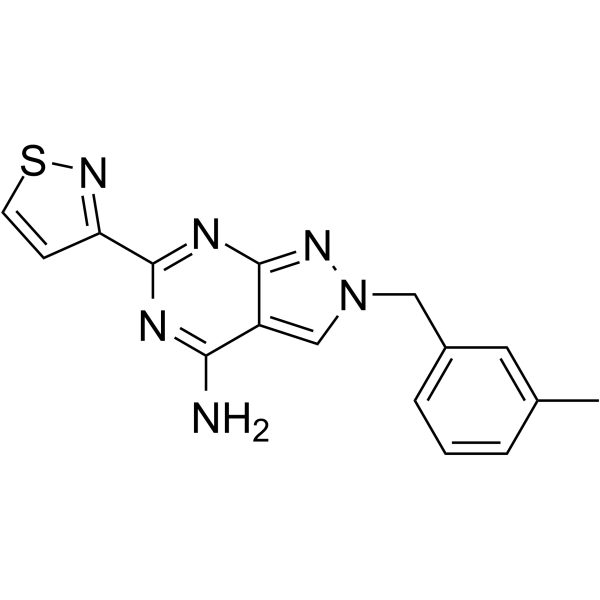
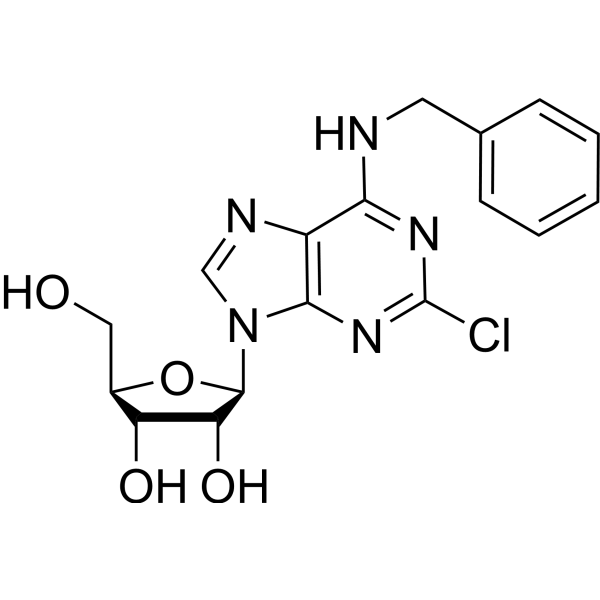
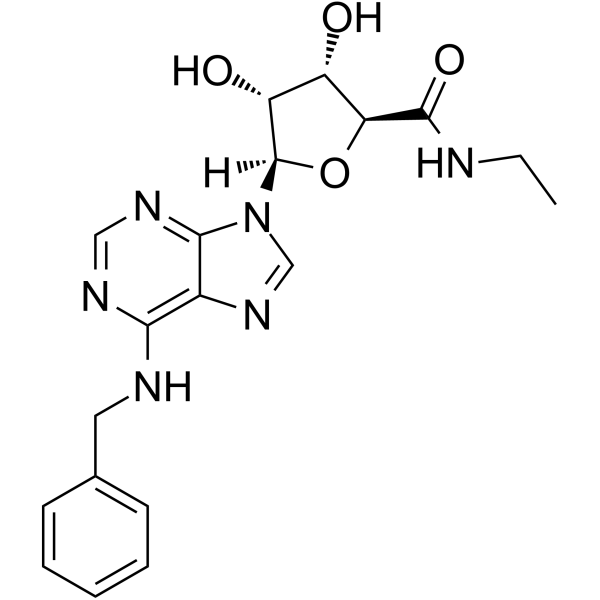
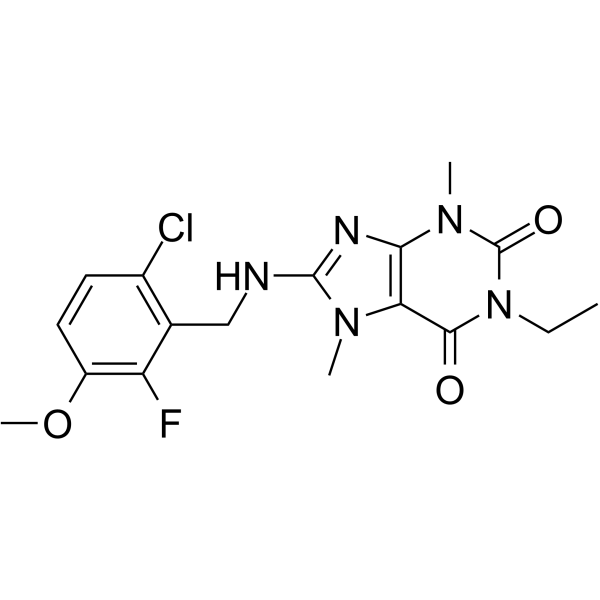
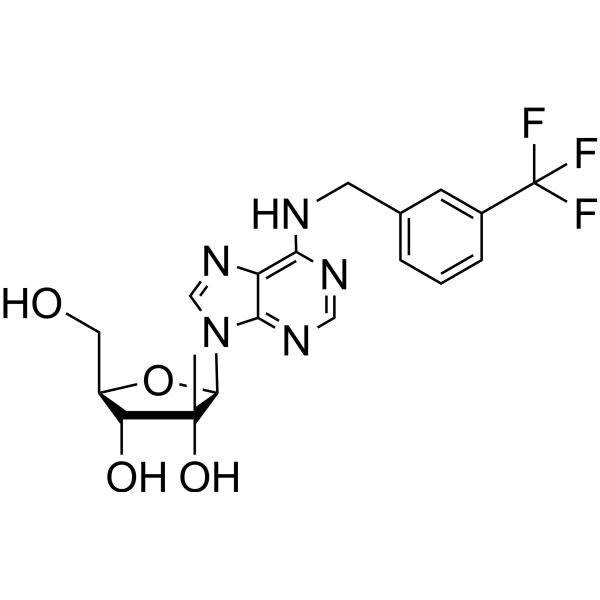
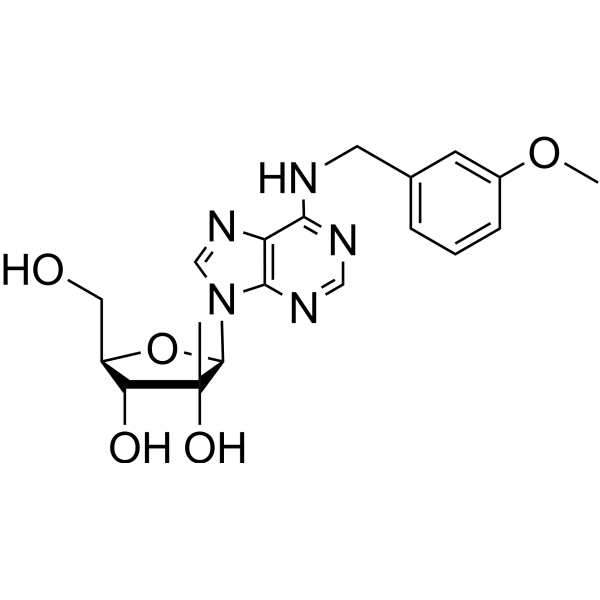
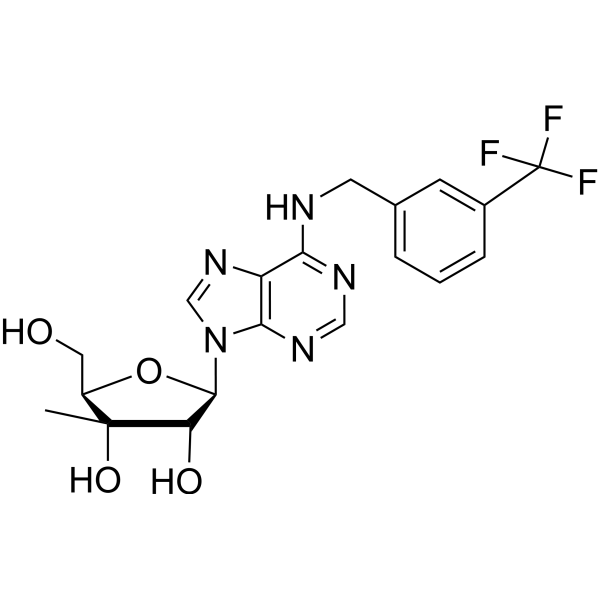
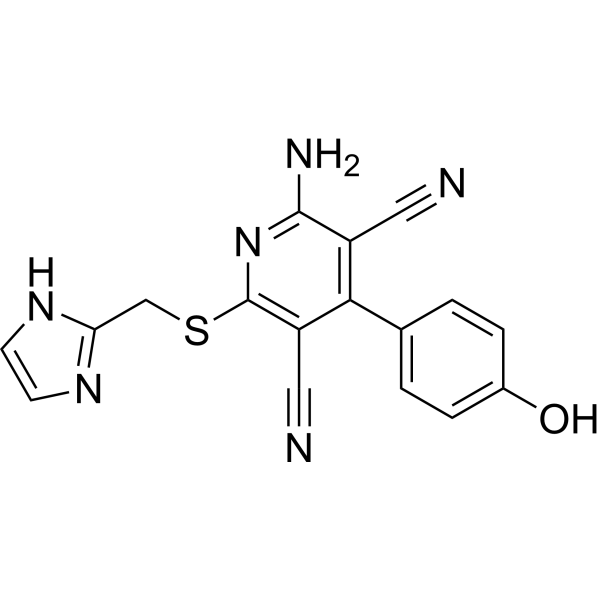
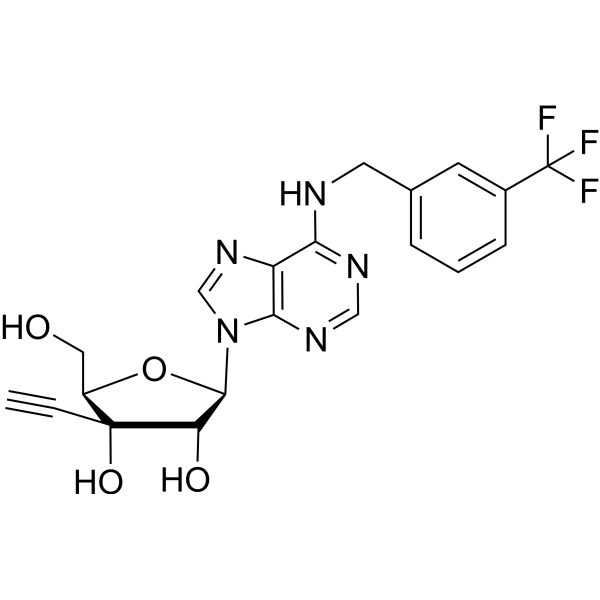
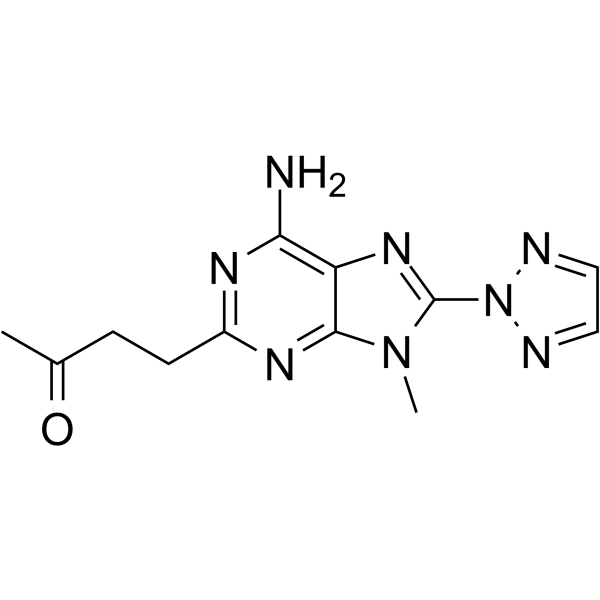
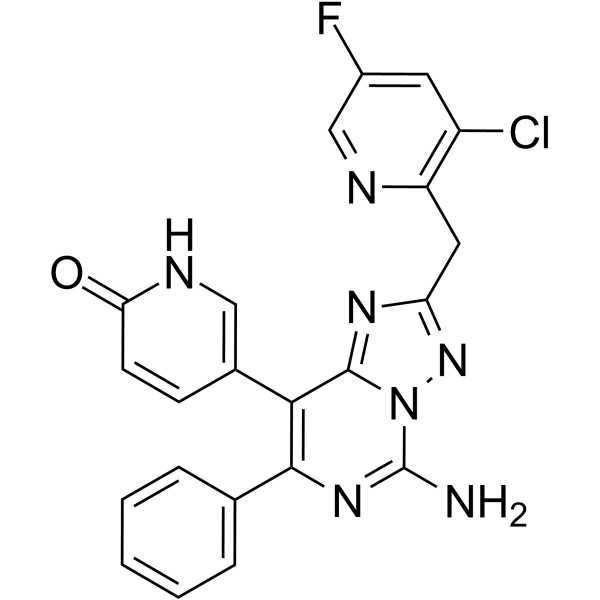
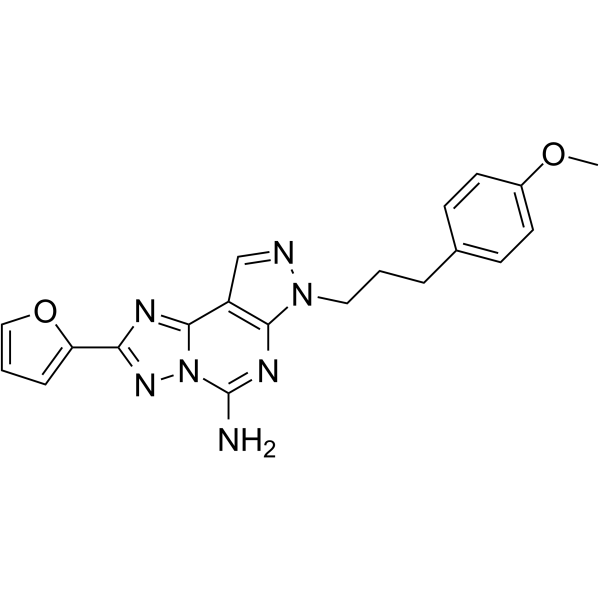
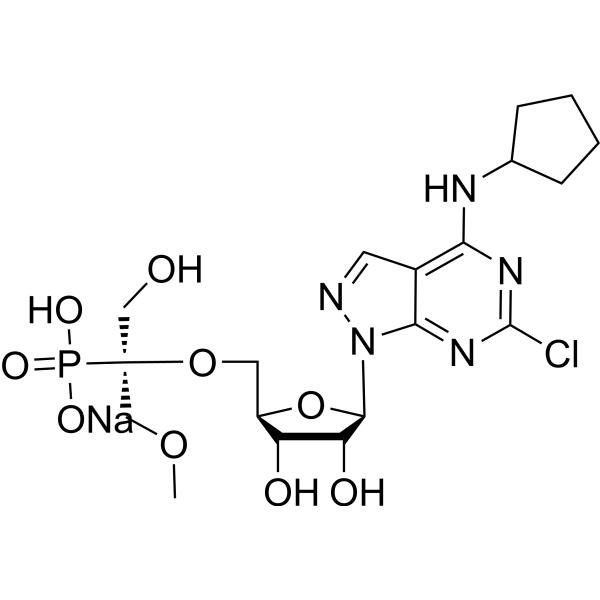
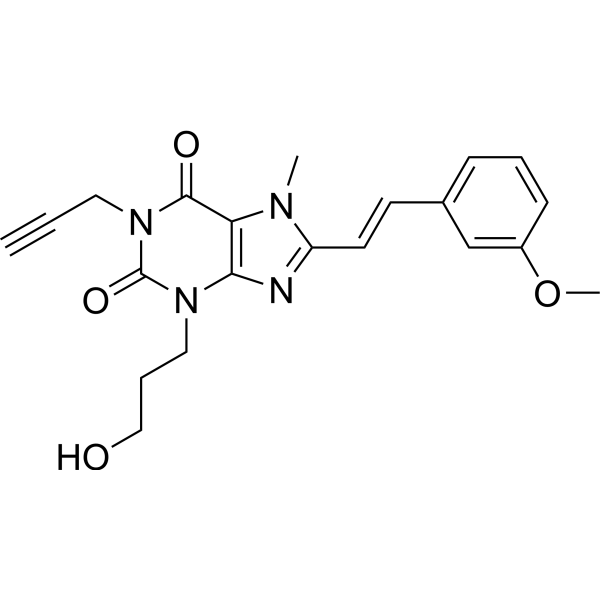
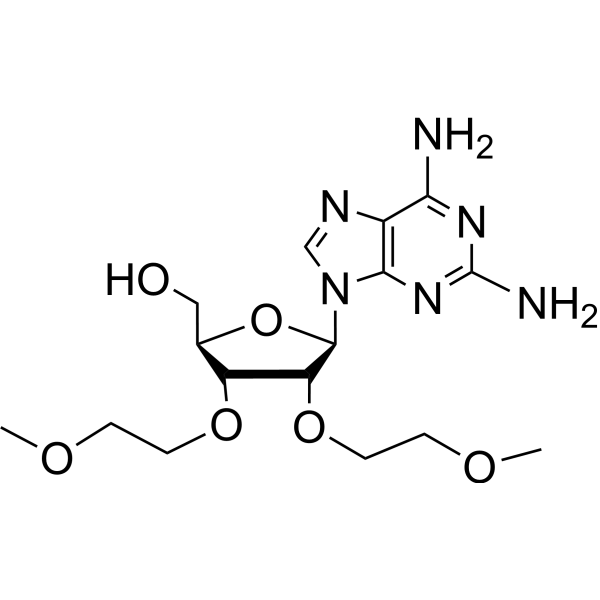
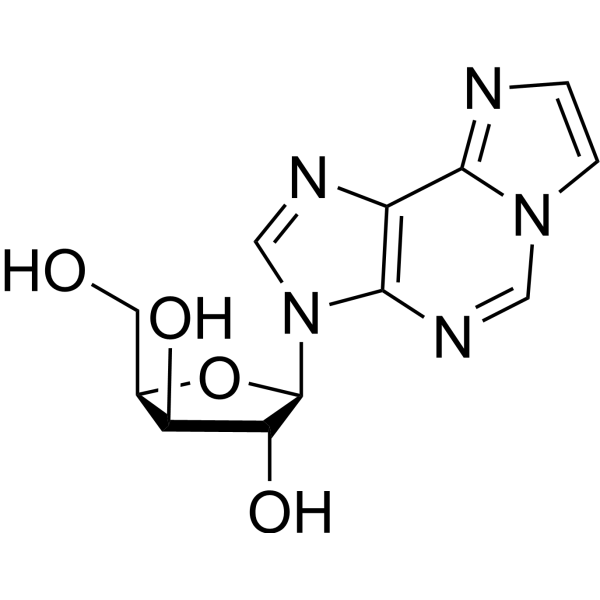
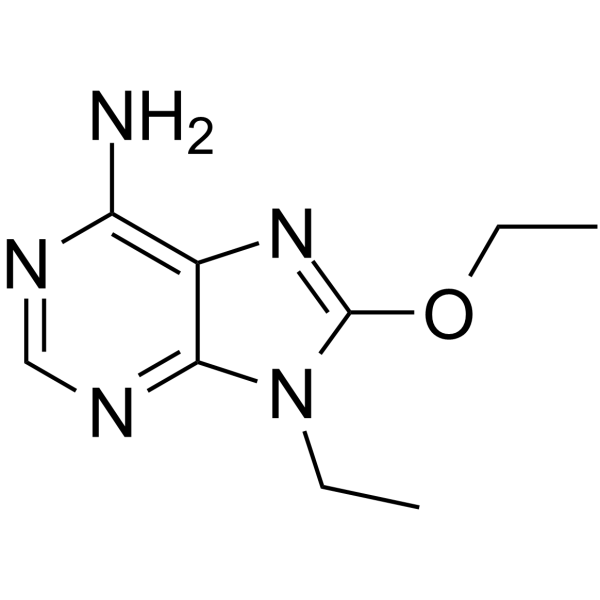
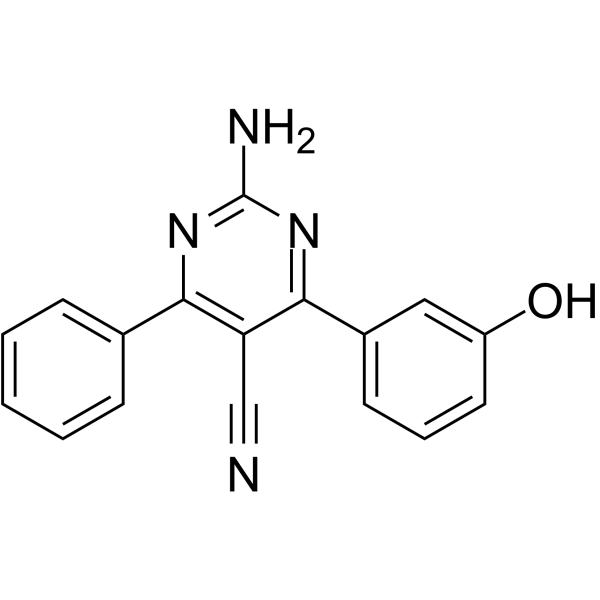
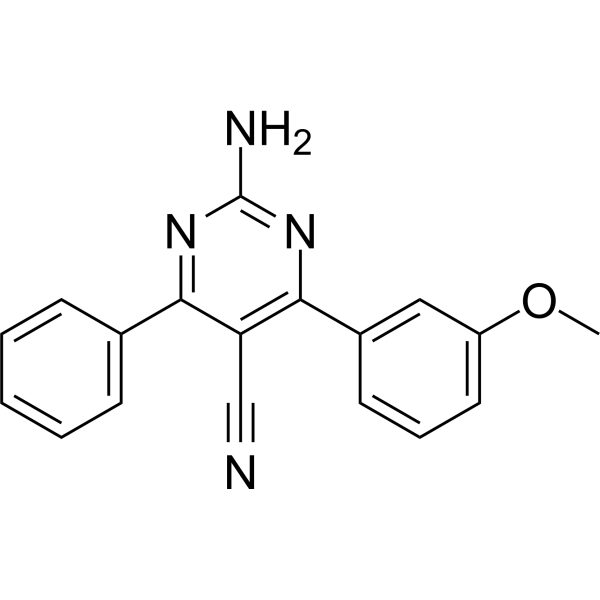
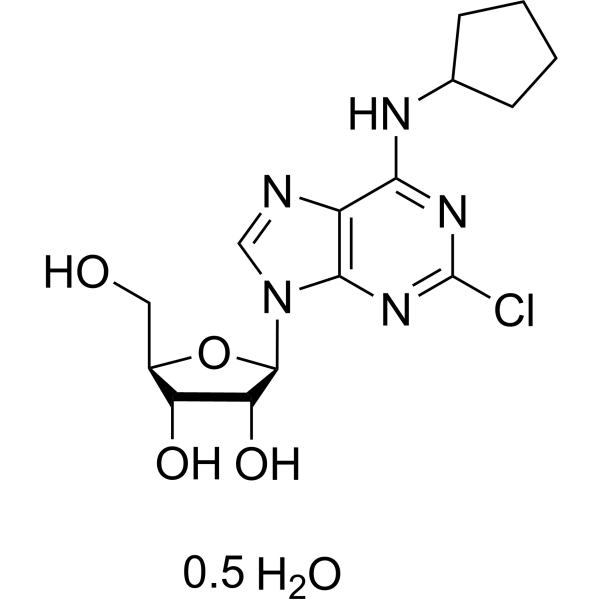
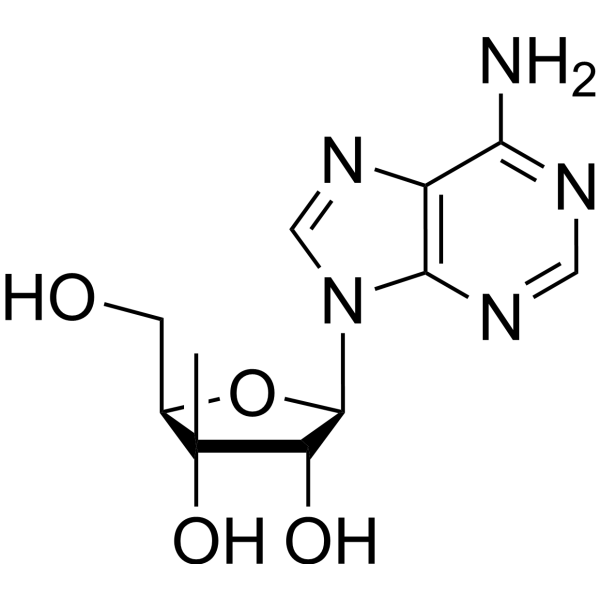
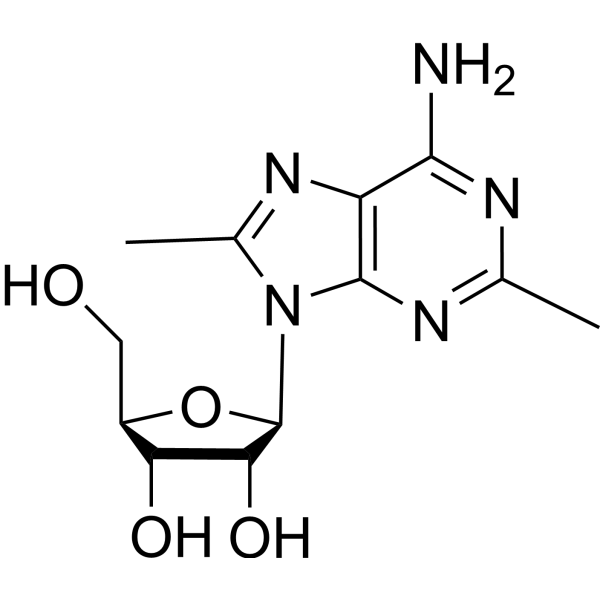
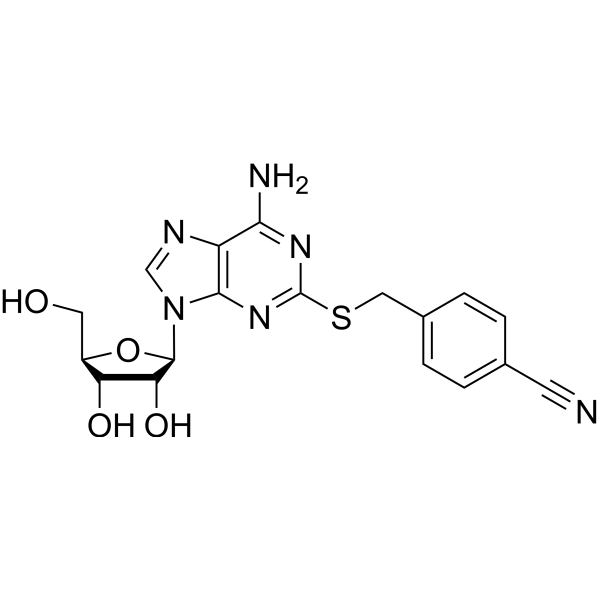
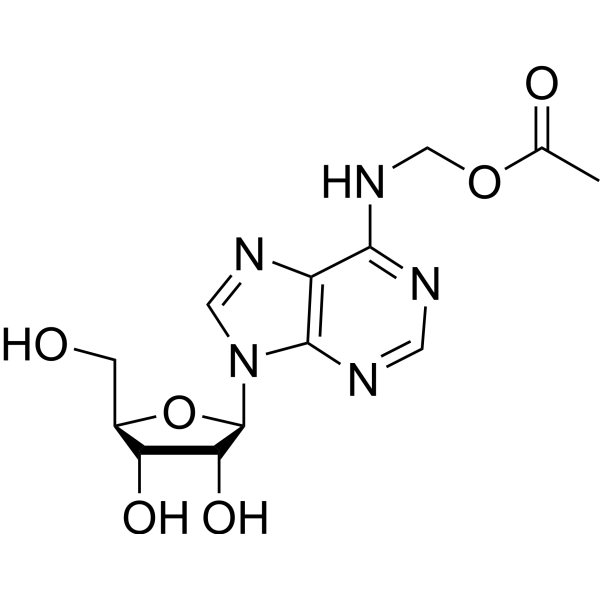
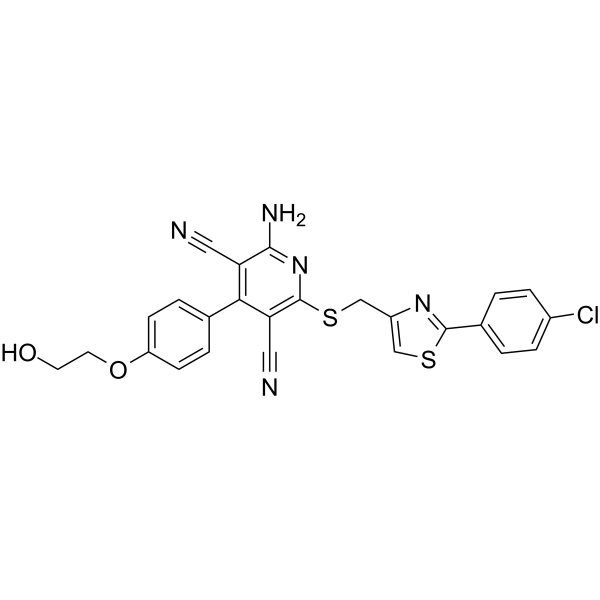
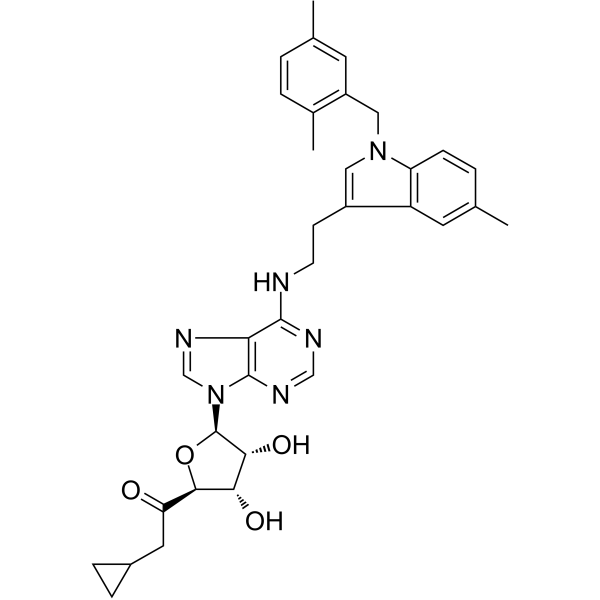
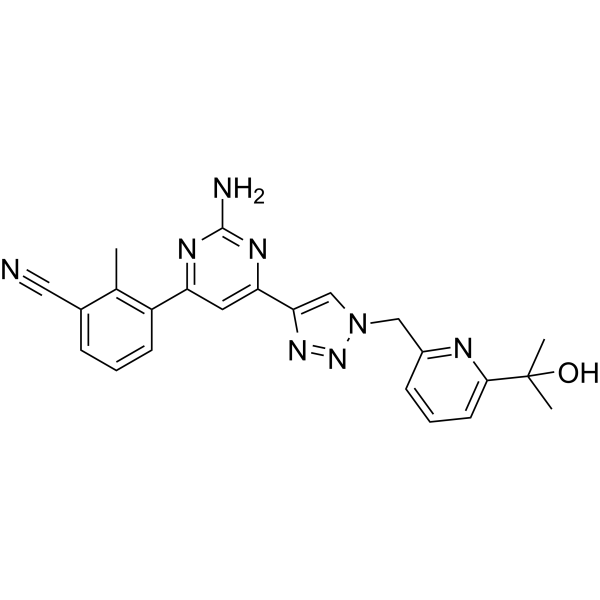
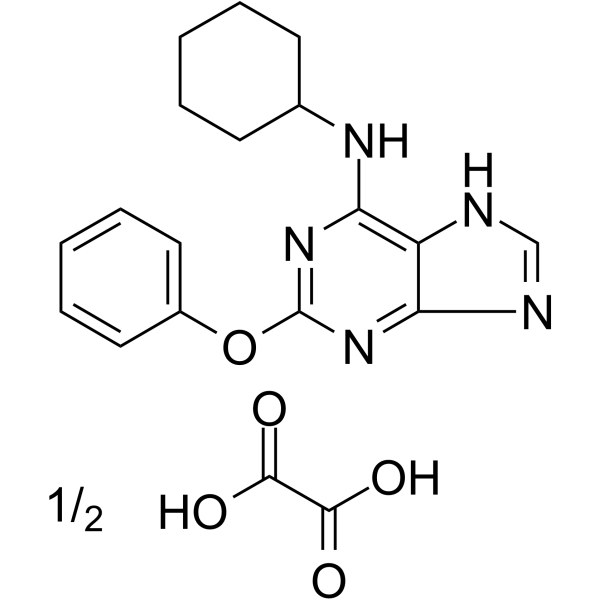
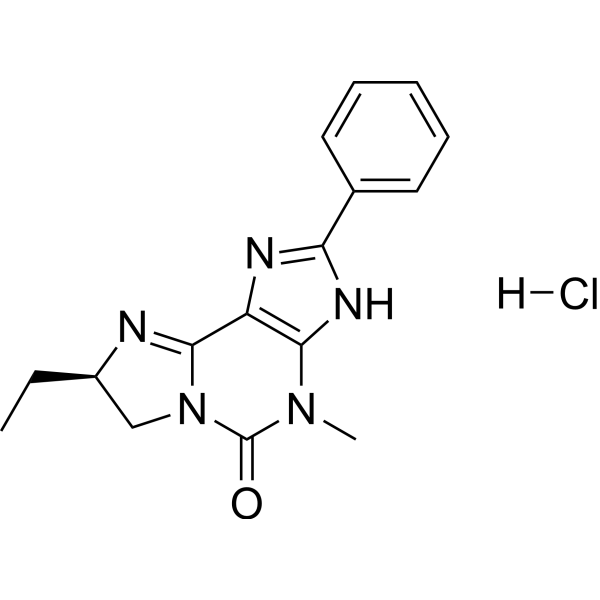
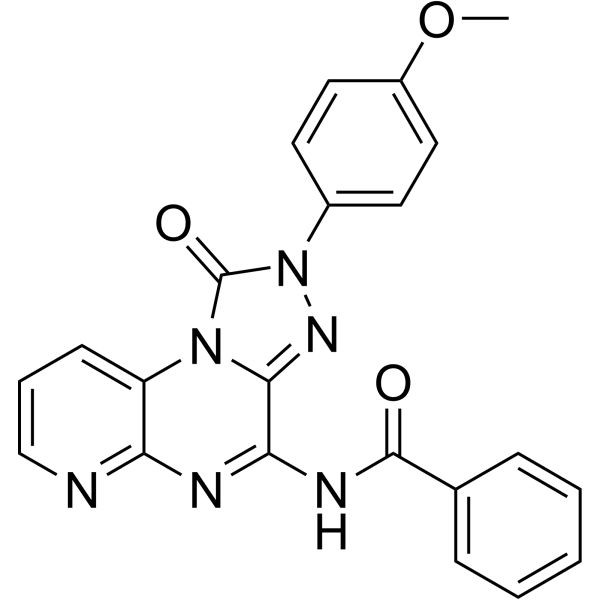
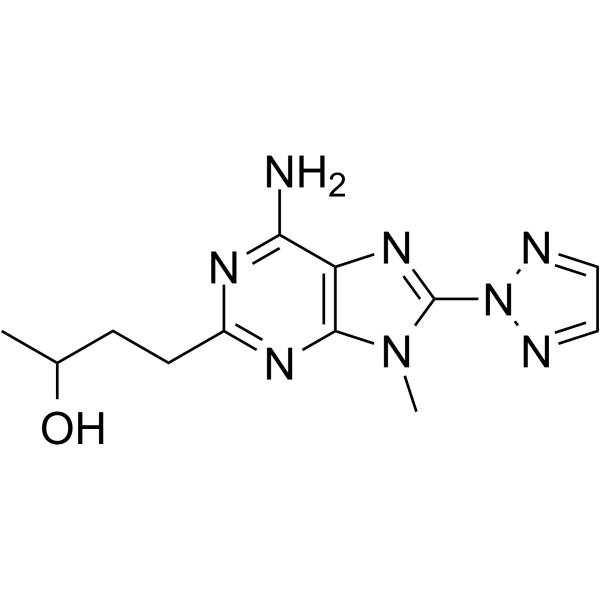
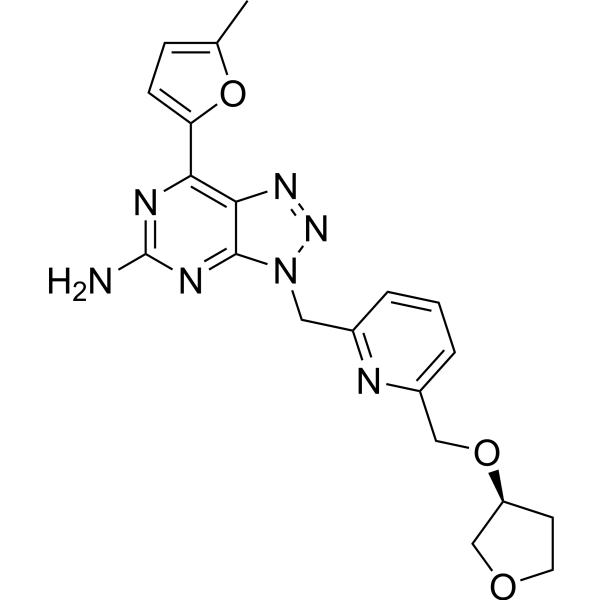
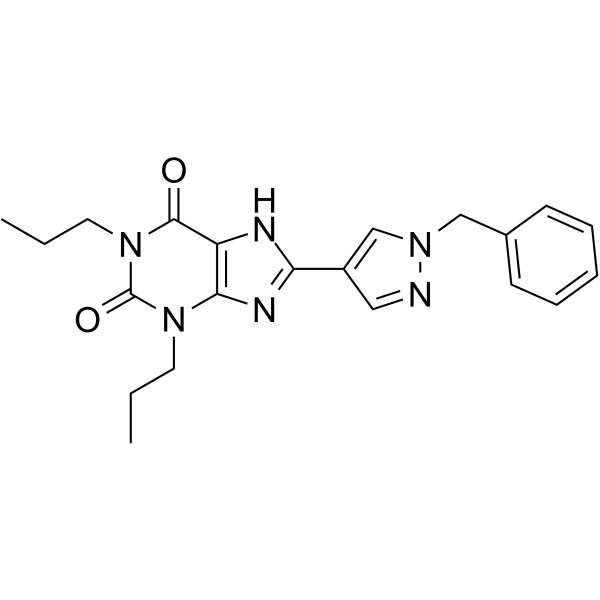
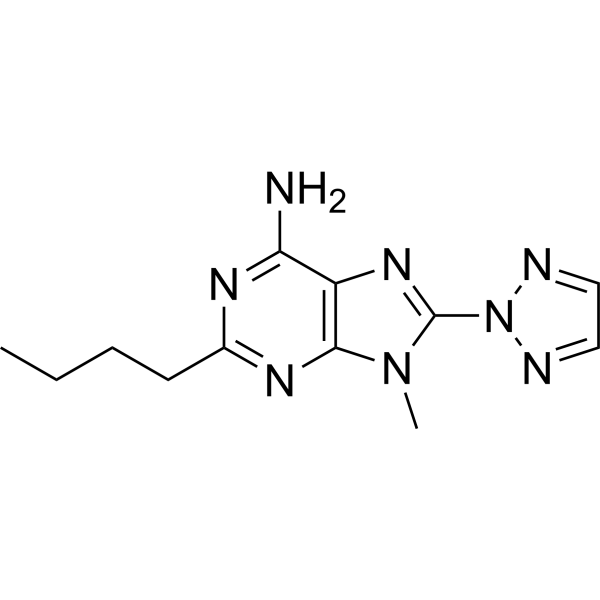
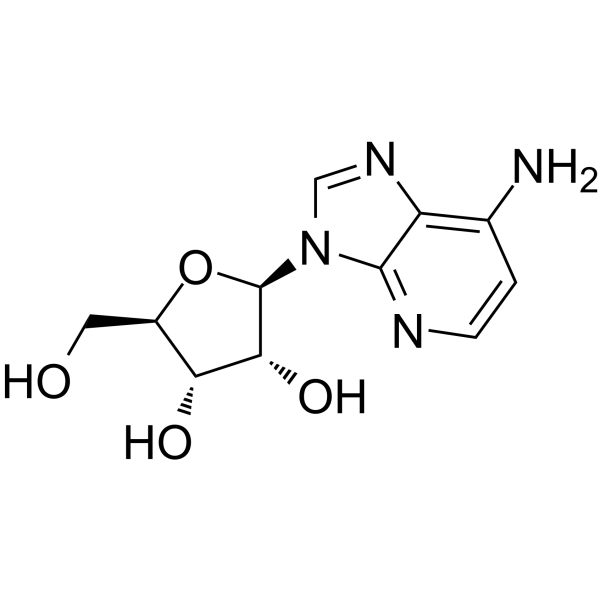
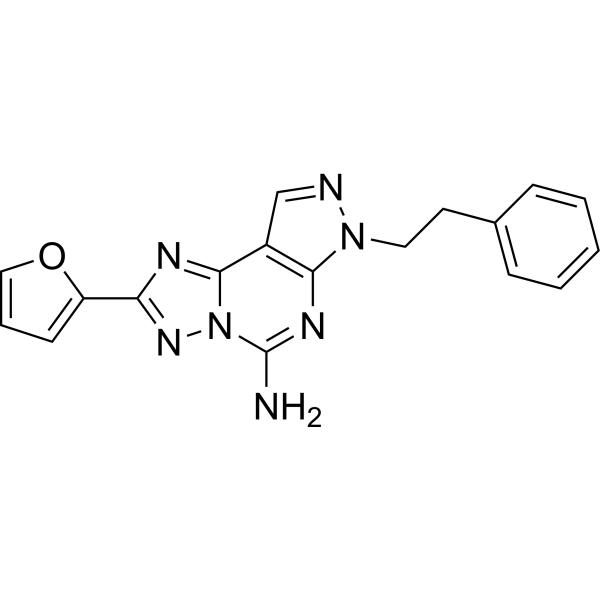
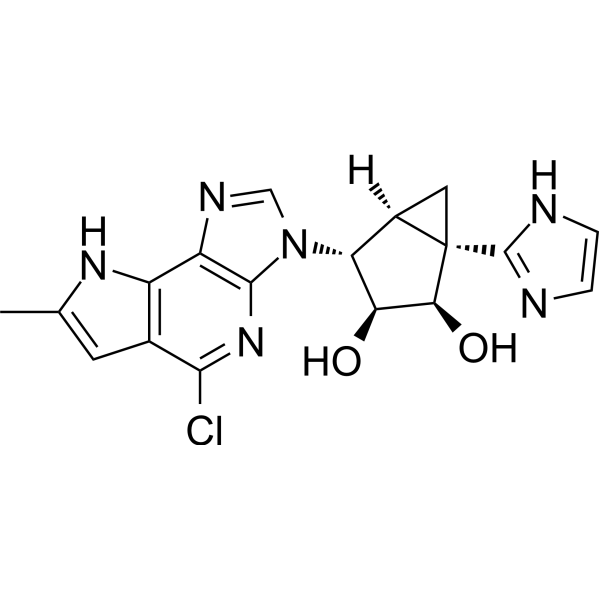
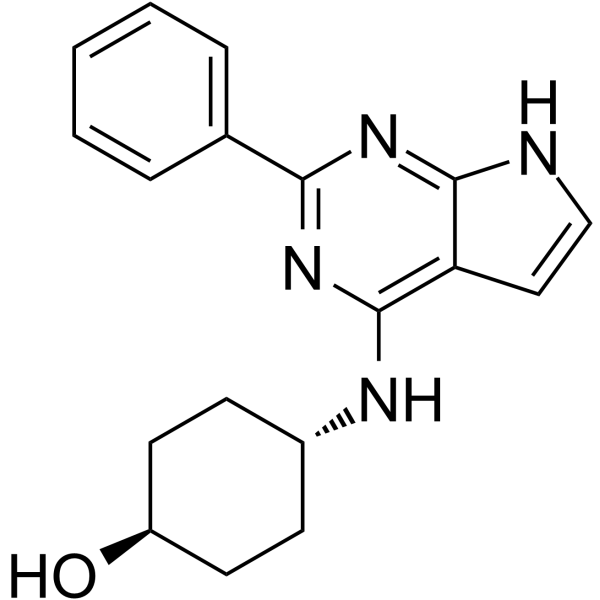
    Adenosine receptor antagonist 3 is a potent antagonist of adenosine receptor. Adenosine receptor antagonist 3 has the potential for the research of cancer disease (extracted from patent WO2019233994A1, compound 1) .
    Adenosine receptor antagonist 3
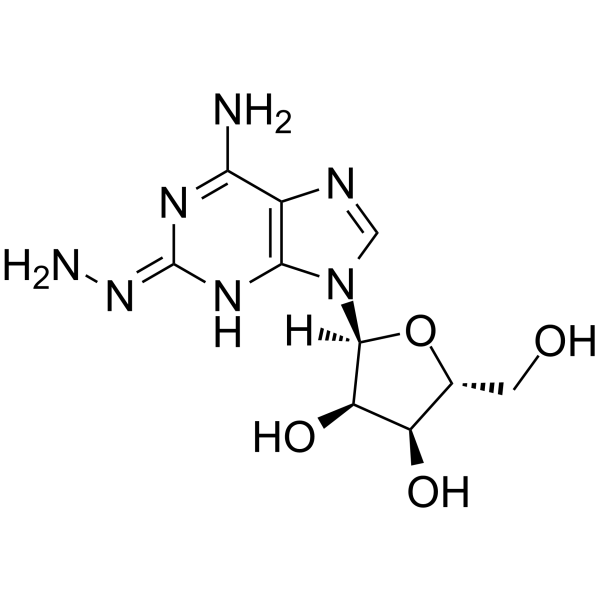
  • HY-152656

    Drug Intermediate Adenosine Receptor Neurological Disease
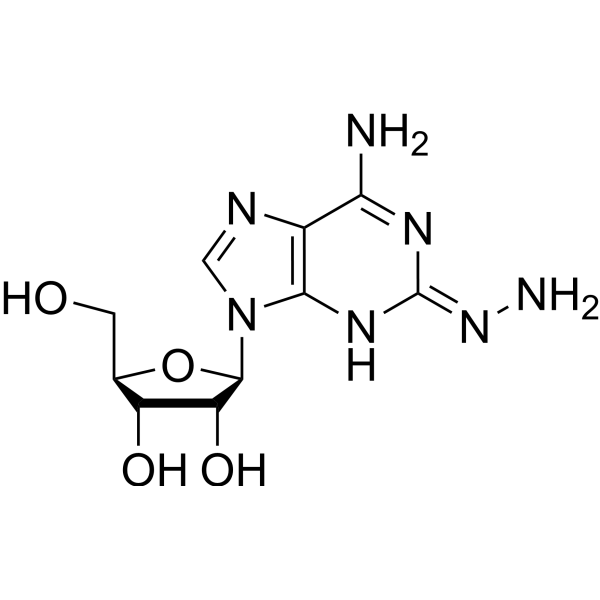
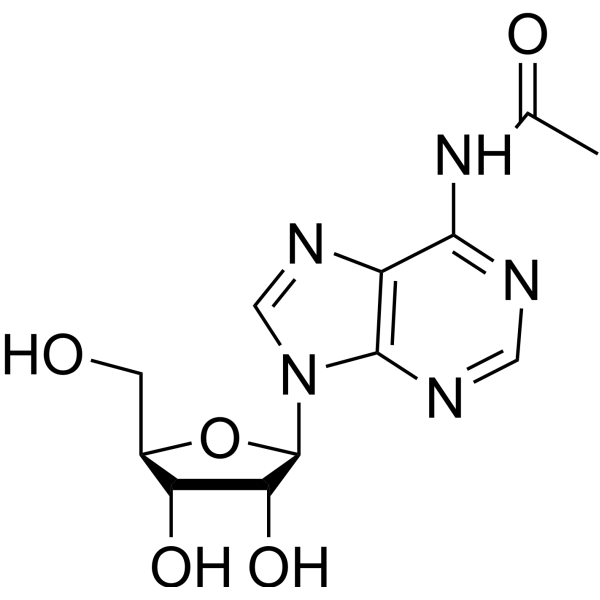
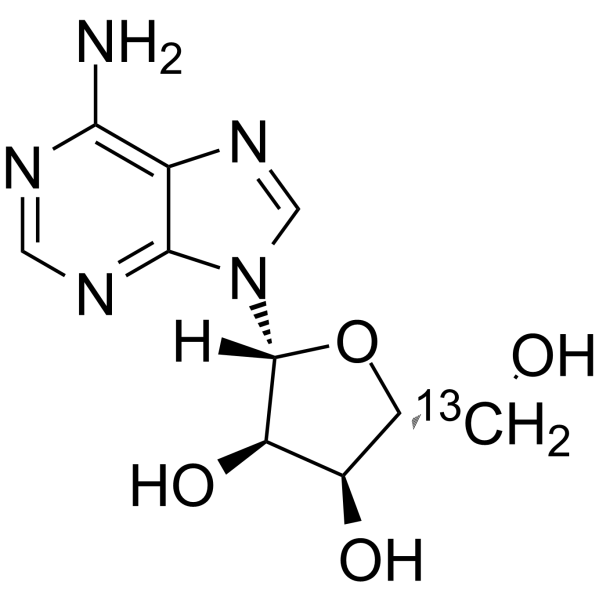
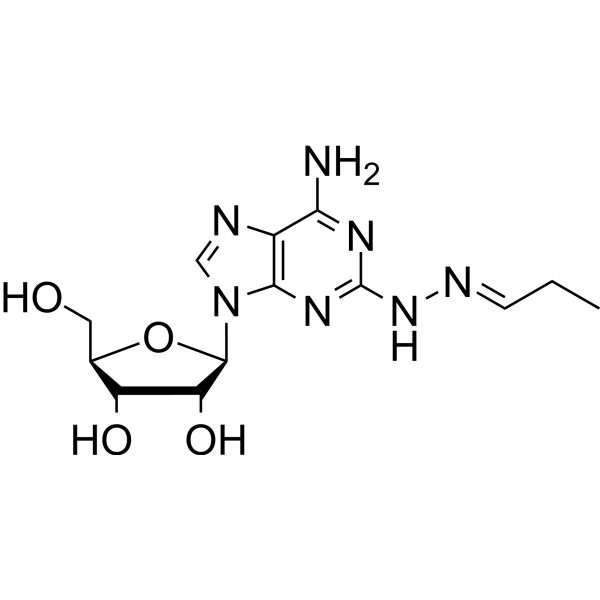
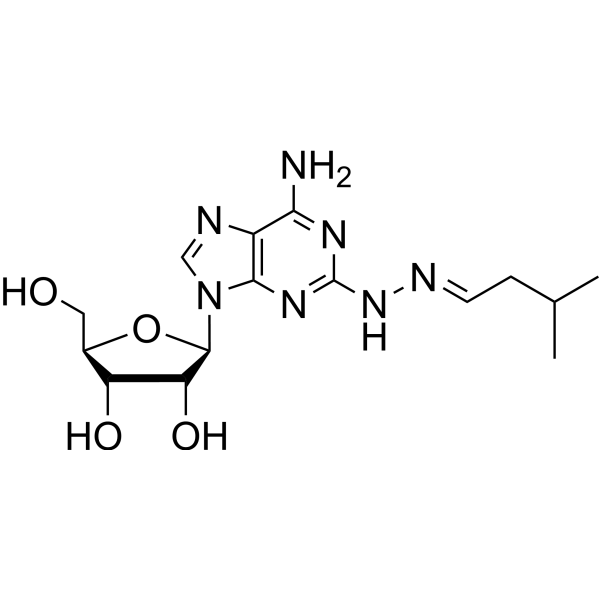
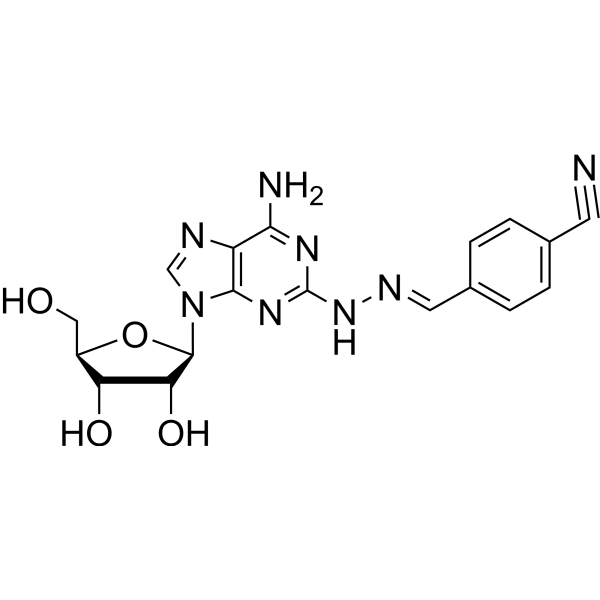
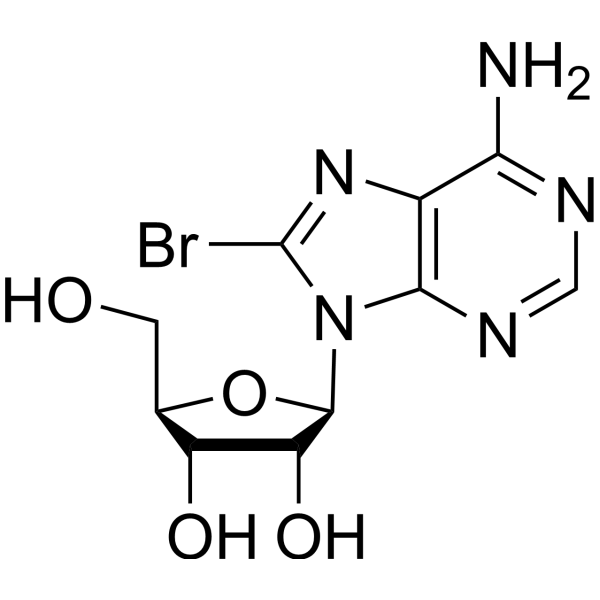
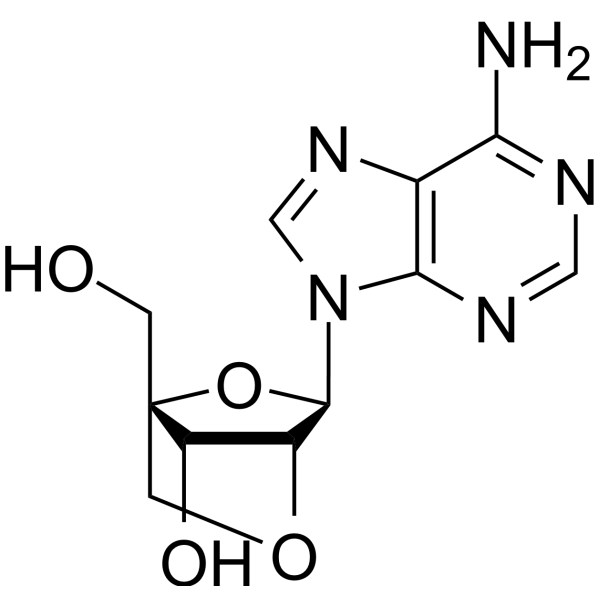
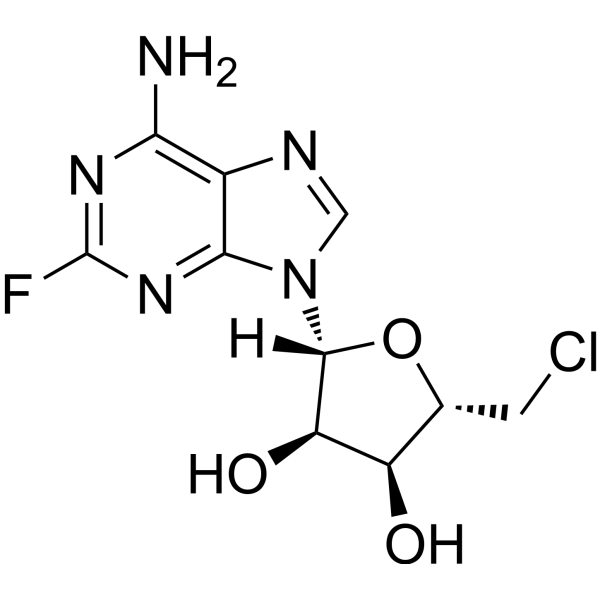
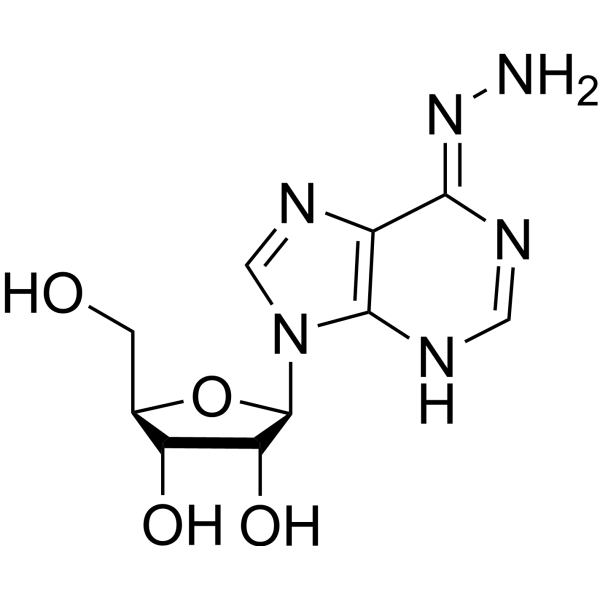
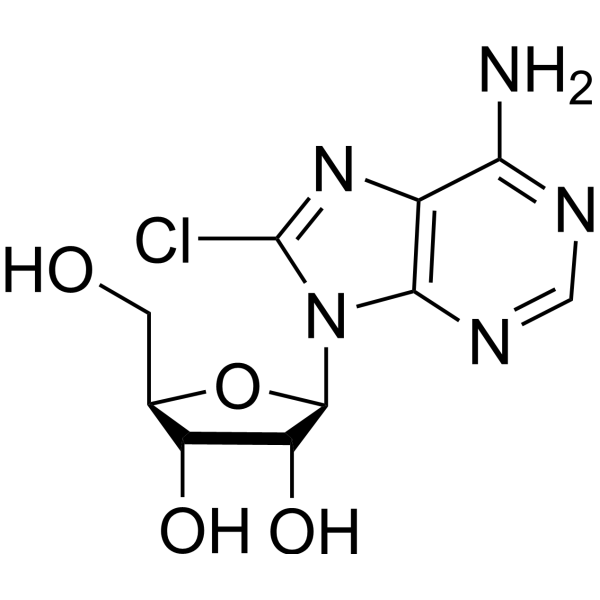
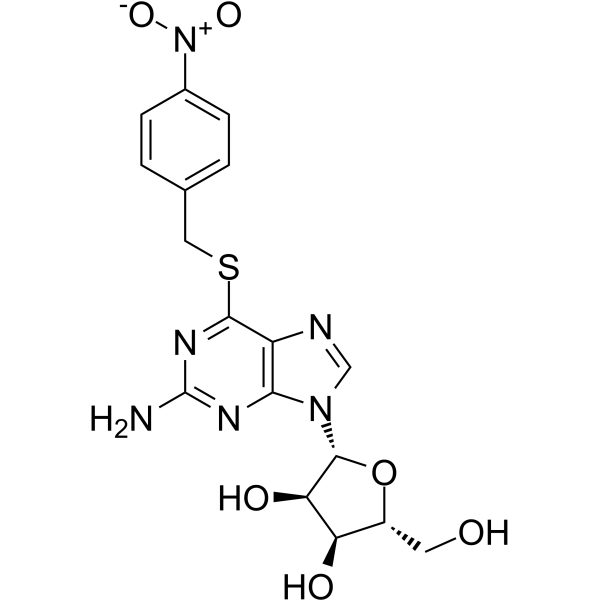
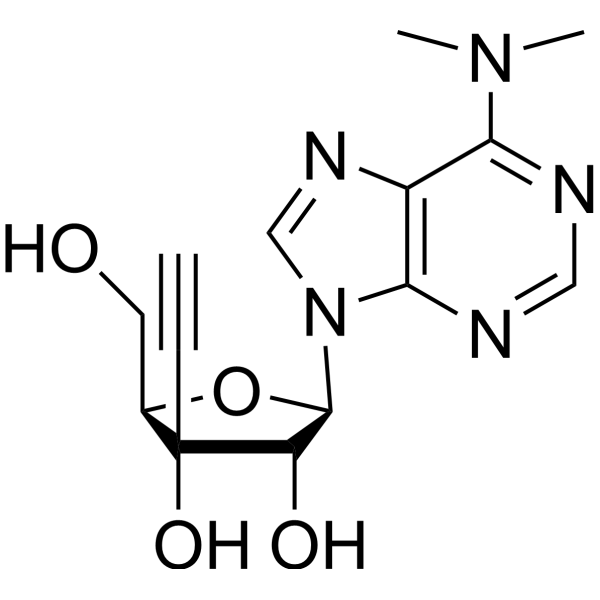
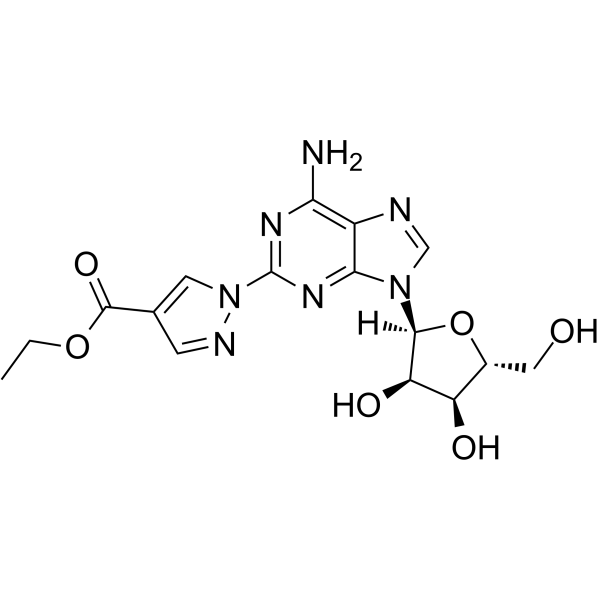
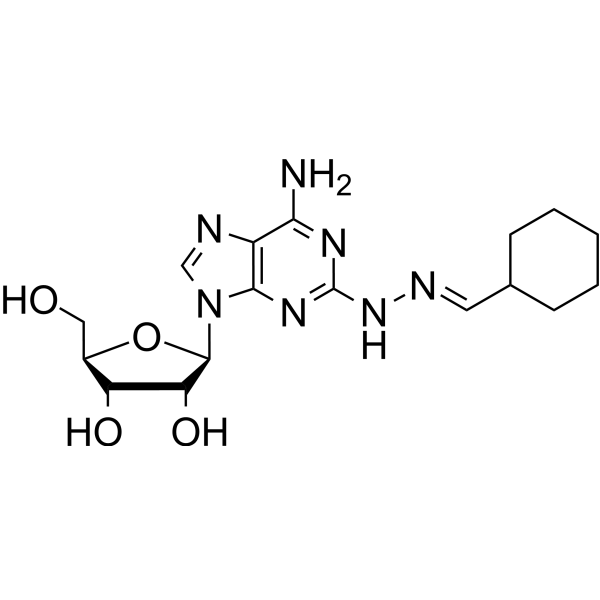
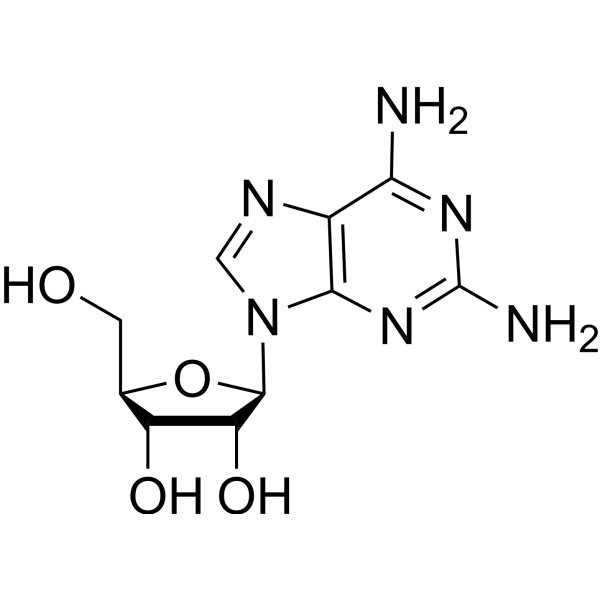
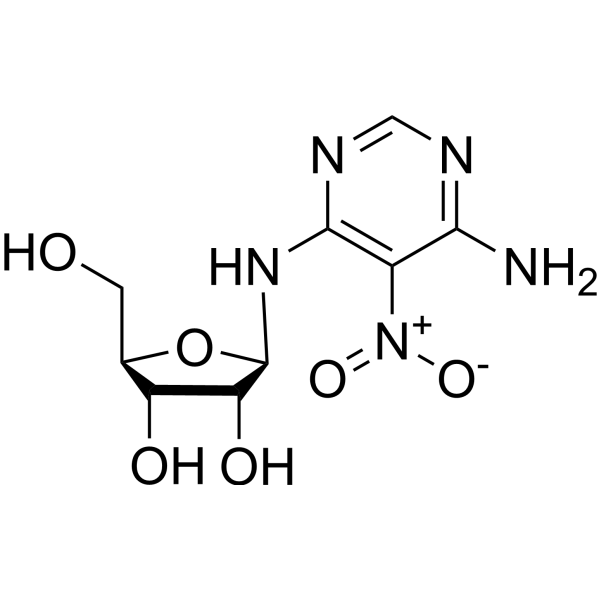
    2-Hydrazinyl-adenosine is a synthetic intermediate. Derivatives of 2-Hydrazinyl-adenosine act as A2A adenosine receptor agonists. 2-Hydrazinyl-adenosine is used in the research of neurodegenerative diseases .
    2-Hydrazinyl-adenosine
  • HY-21601

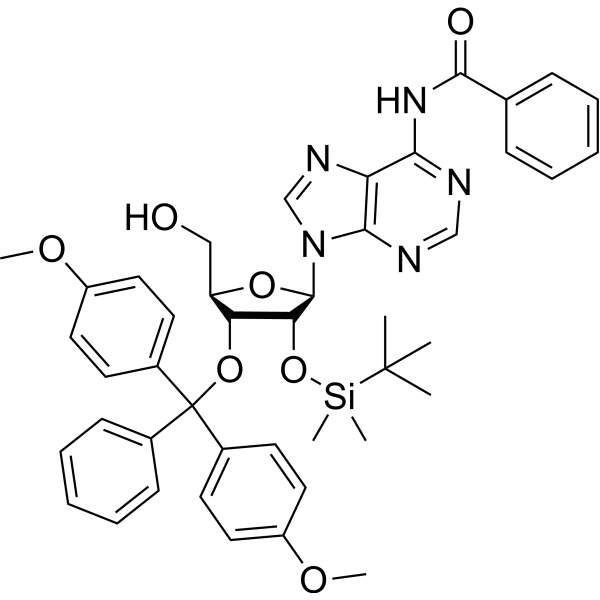
    Phosphoramidites Nucleoside Antimetabolite/Analog Others
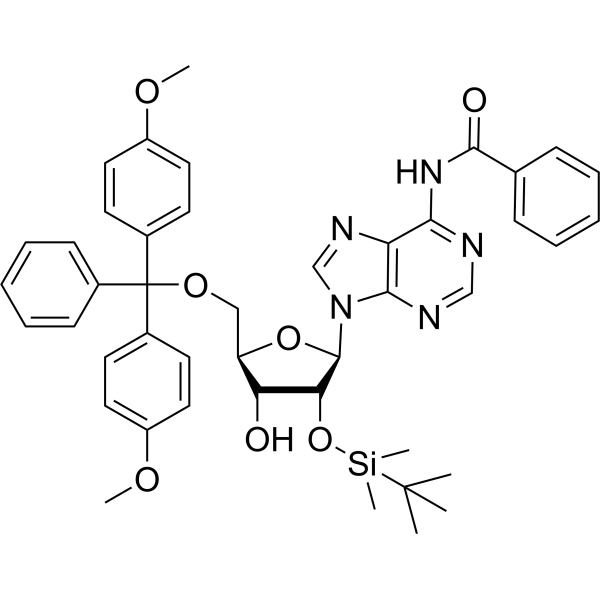
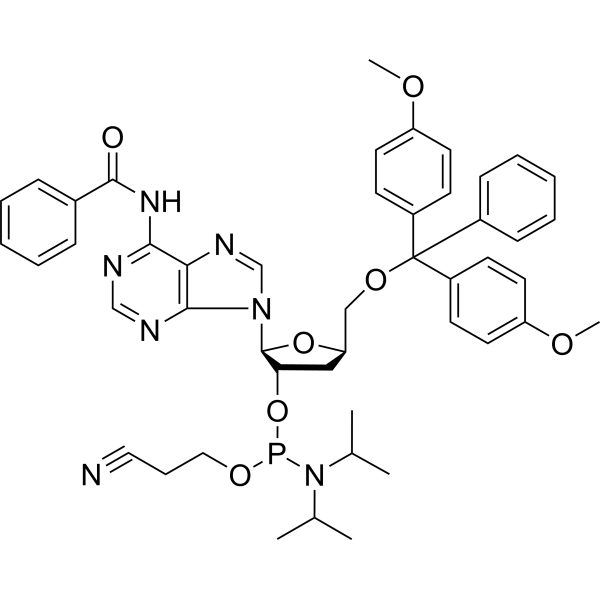
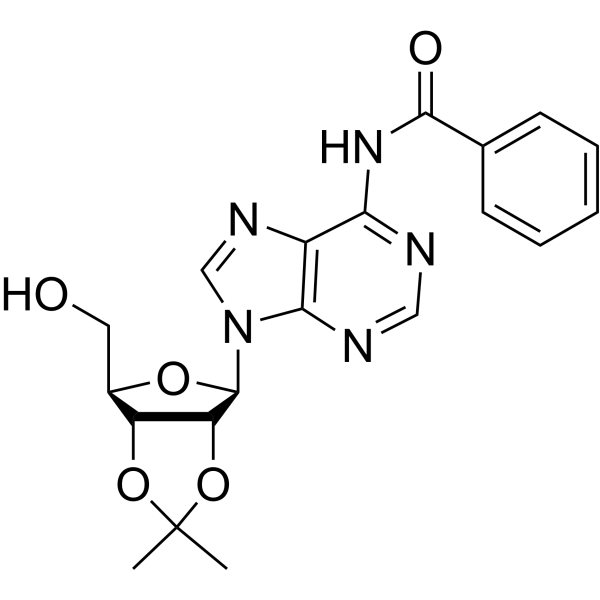
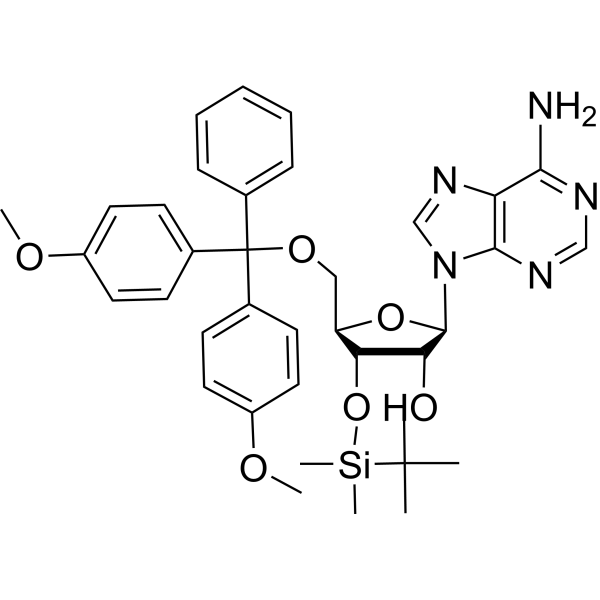
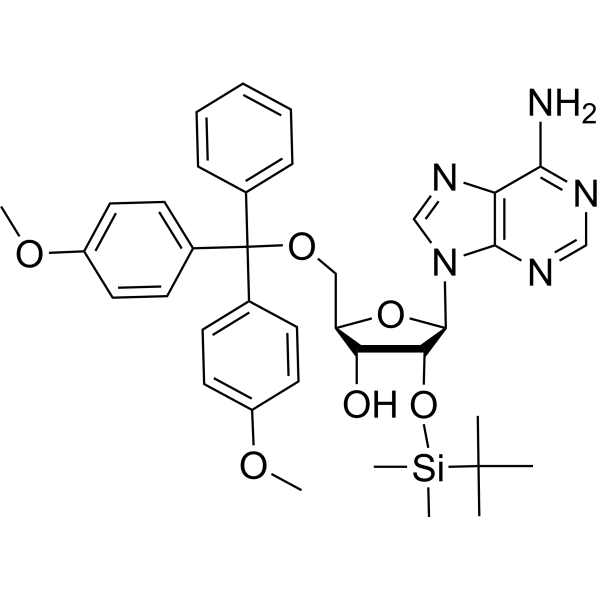
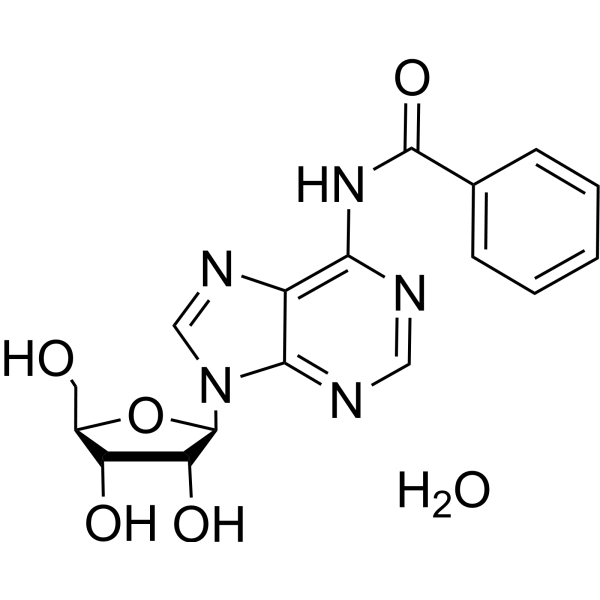
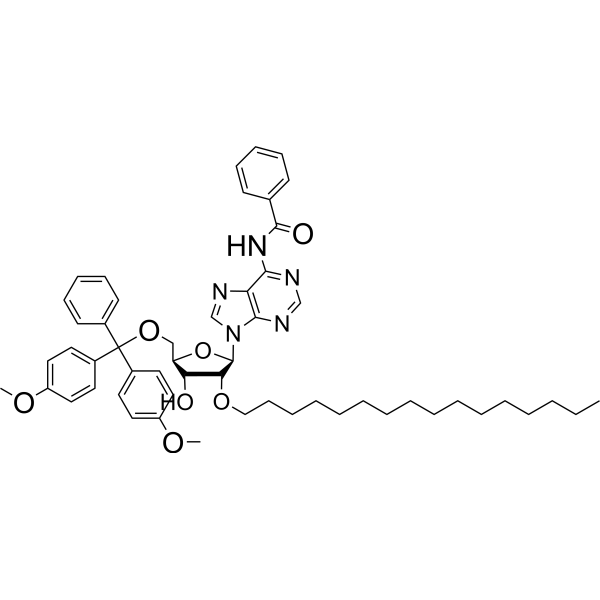
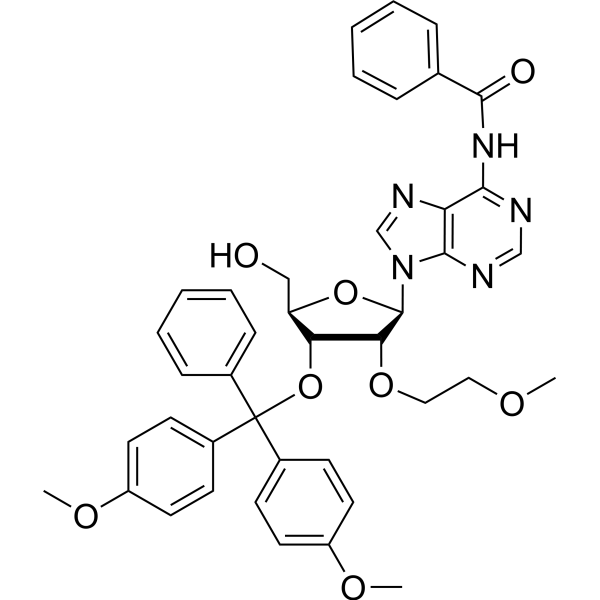
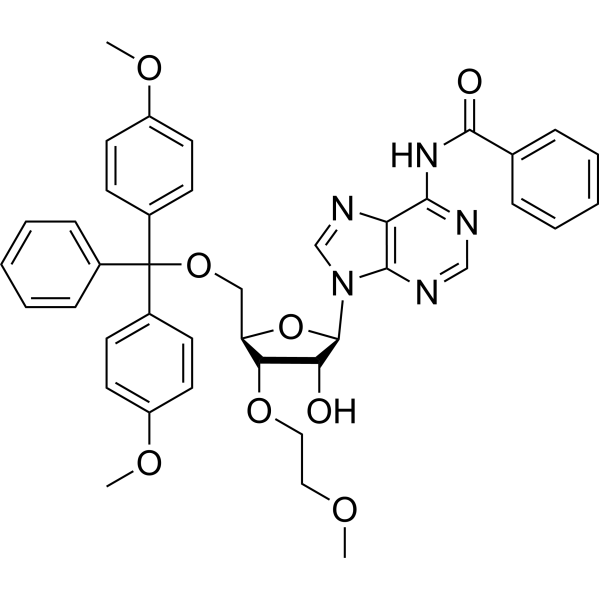
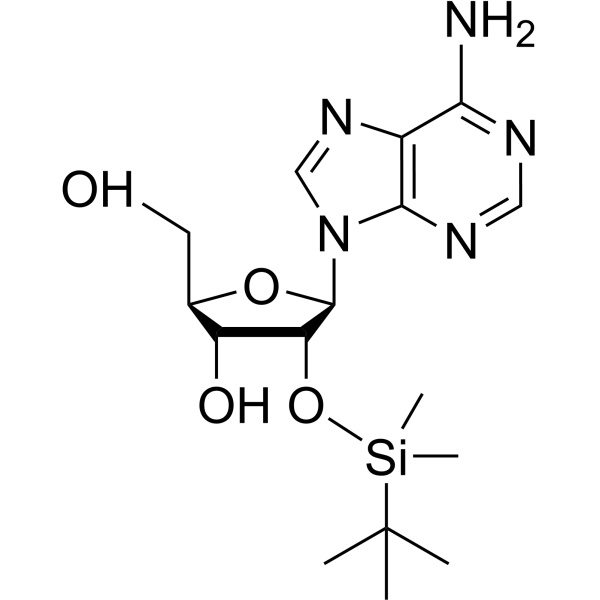
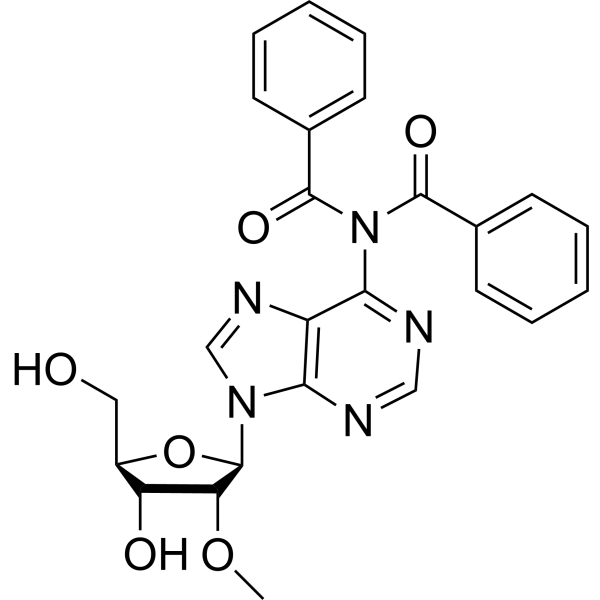
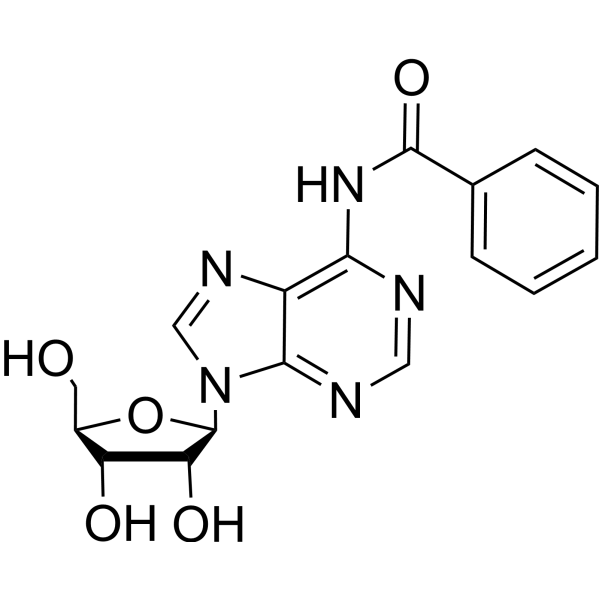
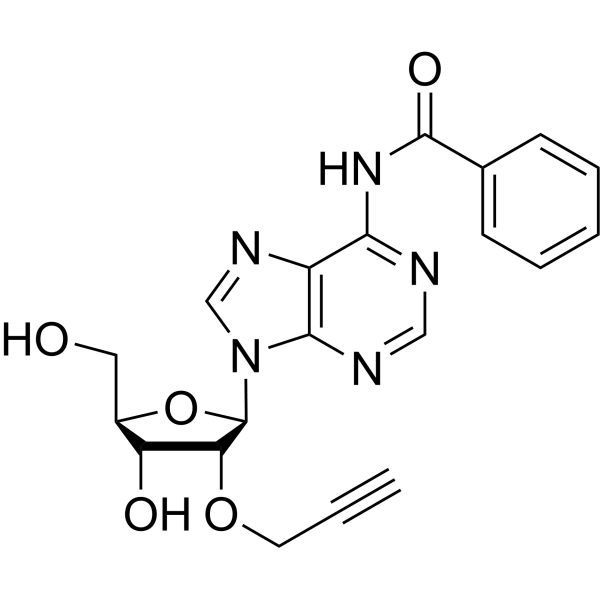
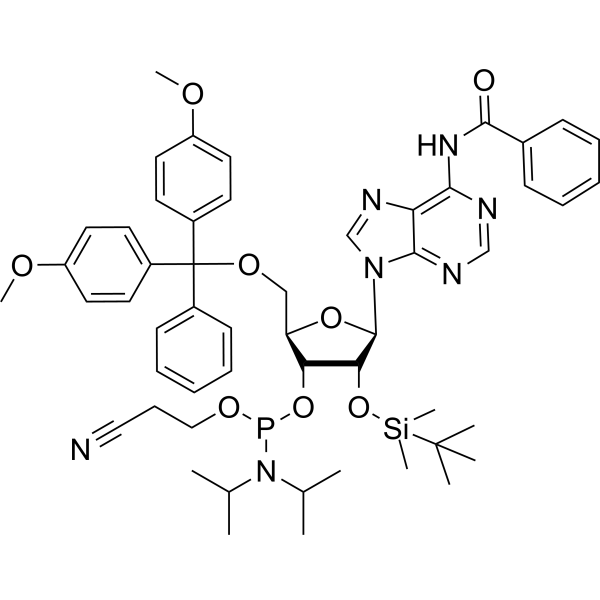
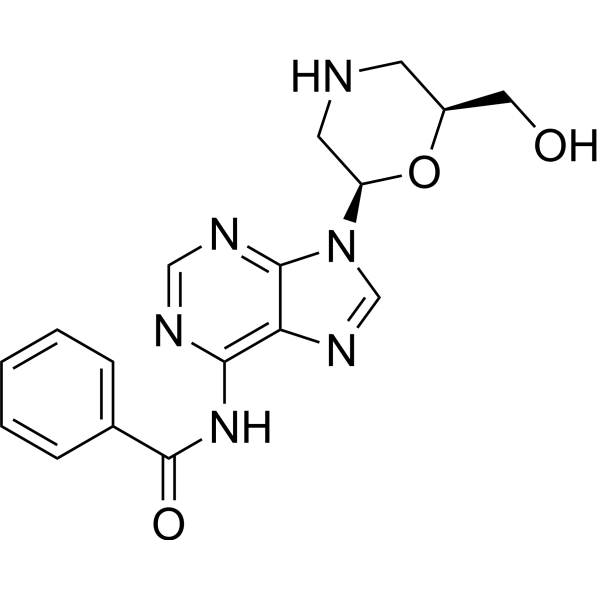
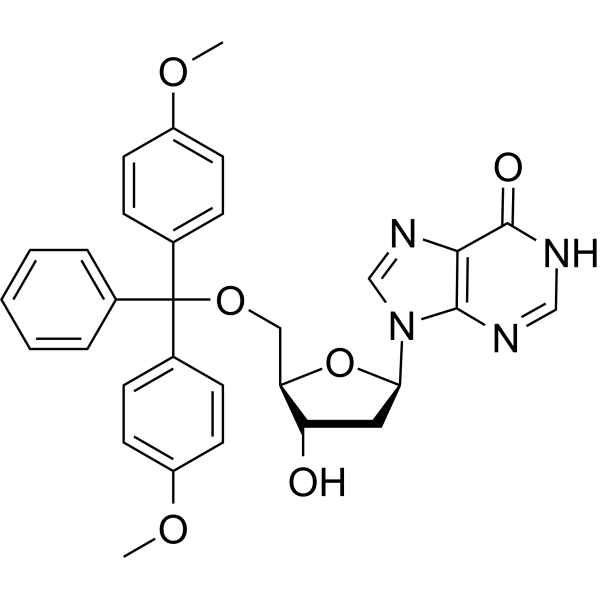
    5'-O-DMT-2'-O-TBDMS-N-Bz-Adenosine is an adenosine derivative and can be used as an intermediate for oligonucleotides synthesis.
    5'-O-DMT-2'-O-TBDMS-N-Bz-Adenosine
  • HY-112502C

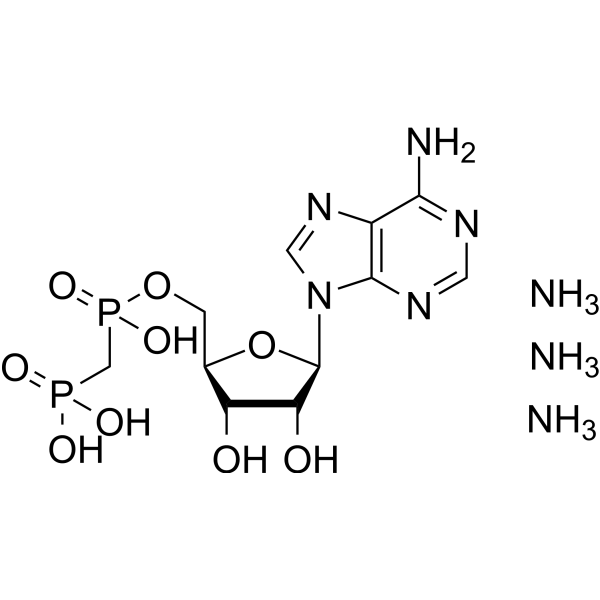
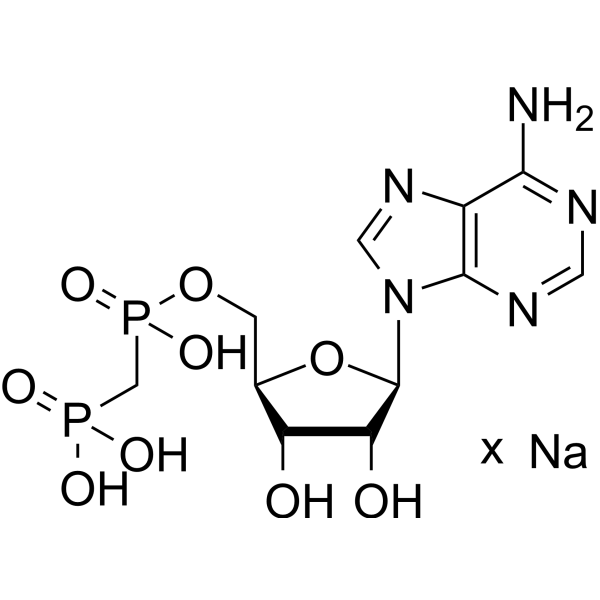
    Adenosine 5'-(α,β-methylene)diphosphate triammonium

    CD73 Cancer
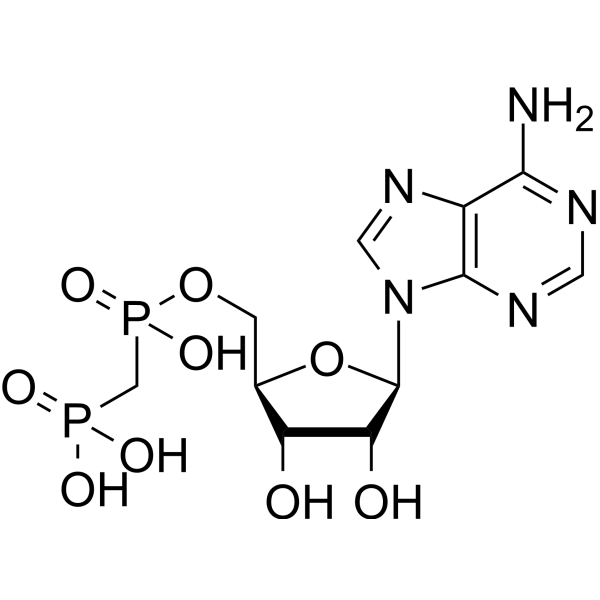
    MethADP (Adenosine 5'-(α,β-methylene)diphosphate) triammonium is a CD73 inhibitor. MethADP can be used for the research of ATP-adenosine pathway .
    MethADP triammonium
  • HY-179170S

    Malonyl coenzyme A-13C3 lithium

    Isotope-Labeled Compounds Mitochondrial Metabolism Carnitine Palmitoyltransferase (CPT) Metabolic Disease
    Malonyl CoA- 13C3 (Malonyl coenzyme A- 13C3) lithium is the 13C-labeled Malonyl CoA lithium (HY-136408). Malonyl CoA (Malonyl Coenzyme A) lithium is an inhibitor of carnitine palmitoyl transferase 1 (CPT1). High Malonyl CoA lithium concentrations suppress fatty acid oxidation, while low Malonyl CoA lithium concentrations are permissive for fat oxidation .
    Malonyl CoA-13C3 lithium

Inquiry Online

Your information is safe with us. * Required Fields.

Salutation


Country or Region *

Applicant Name *


Organization Name *

Department *


Email Address *


Product Name *

Cat. No.


Requested quantity *

Phone Number *


Remarks

Inquiry Online

Inquiry Information

Product Name:
Cat. No.:
Quantity:
MCE Japan Authorized Agent: