



Diphylline
Based on 1 publication(s) in Google Scholar
Diphylline (Diprophylline) is a potent A1/A2 adenosine receptor antagonist and cyclic nucleotide phosphodiesterase inhibitor. Diphylline, a xanthine derivative, is a bronchodilator and vasodilator agent and has the potential for chronic bronchitis and emphysema.
For research use only. We do not sell to patients.
- Purity : 99.22%
- CAS No.: 479-18-5
- Formula: C10H14N4O4
- Molecular Weight:254.25
-
Storage:Powder -20°C, 3 years , 4°C, 2 years ; In solvent -80°C, 2 years , -20°C, 1 year

To place orders, for customer services and technical support, please contact: MedChemExpress USA
Tel: 609-228-6898 E-mail: [email protected] [email protected]


-
 Biological Activity
-
Chemical Information
-
Solvent & Solubility
- Purity & Documentation
- References
-
 Help & FAQs


-
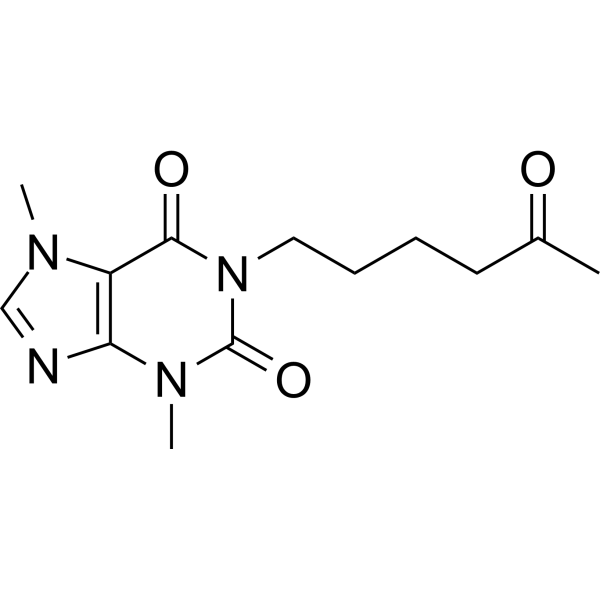
HY-B0715
PentoxifyllinePDE Inhibitor -
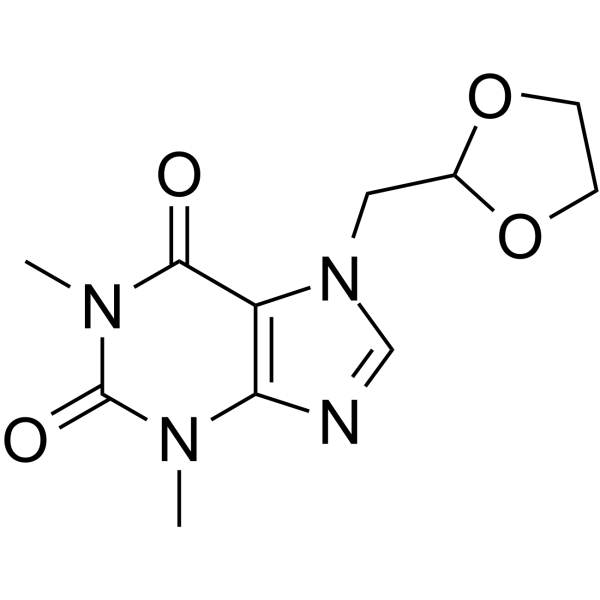
HY-B0004
DoxofyllinePDE IV Inhibitor/A1AR Antagonist -
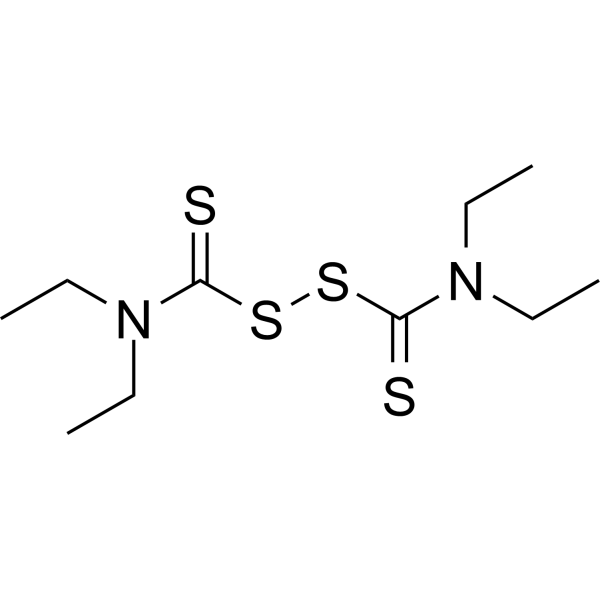
HY-B0240
DisulfiramALDH1 Inhibitor -
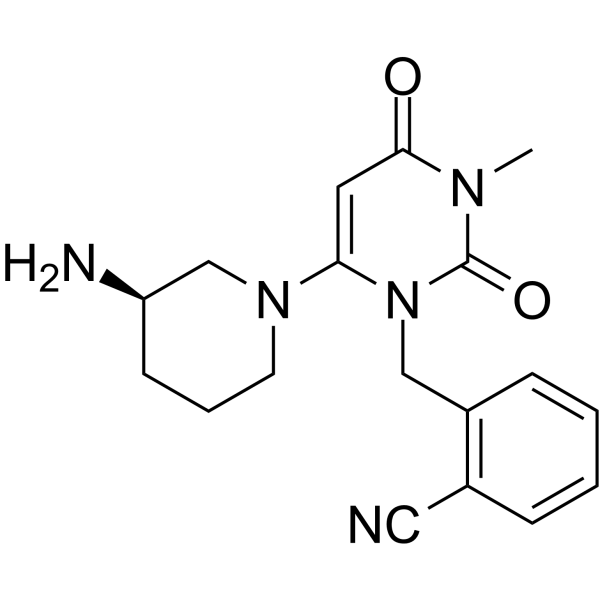
HY-A0023A
AlogliptinDPP-4 Inhibitor -
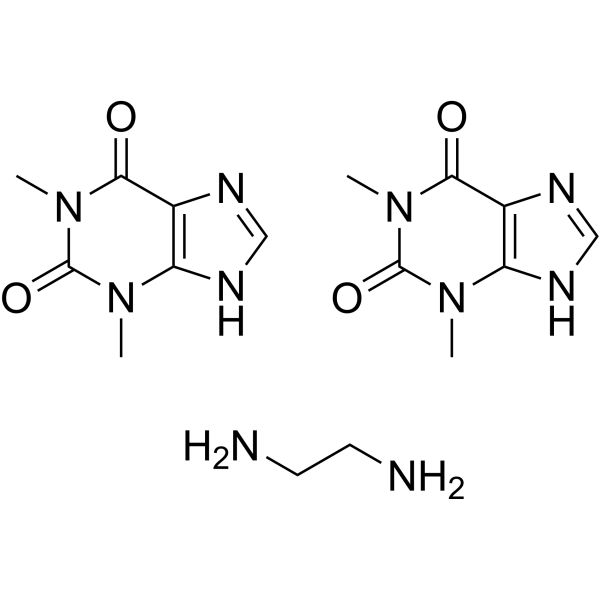
HY-B0140
AminophyllinePDE3/4 Inhibitor/Adenosine Receptor Antagonist -
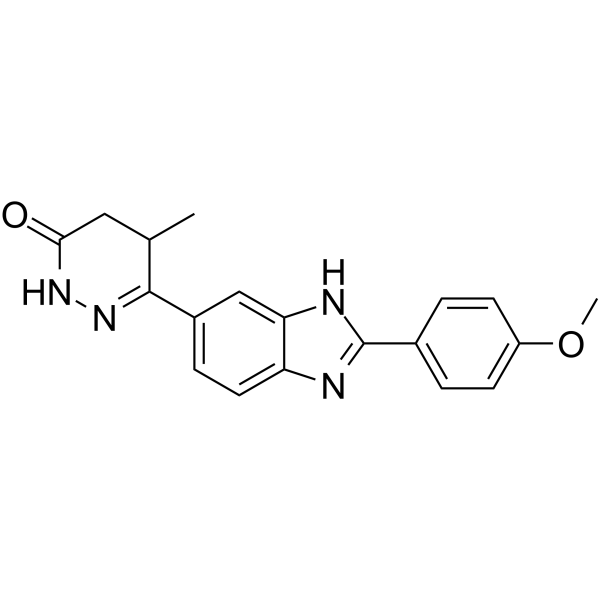
HY-B0204
PimobendanPDE Inhibitor -
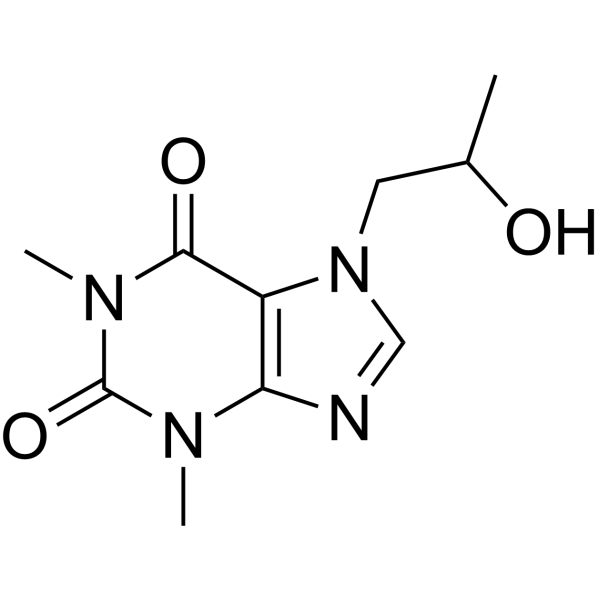
HY-B1742
ProxyphyllineAdenosine Receptor Antagonist -
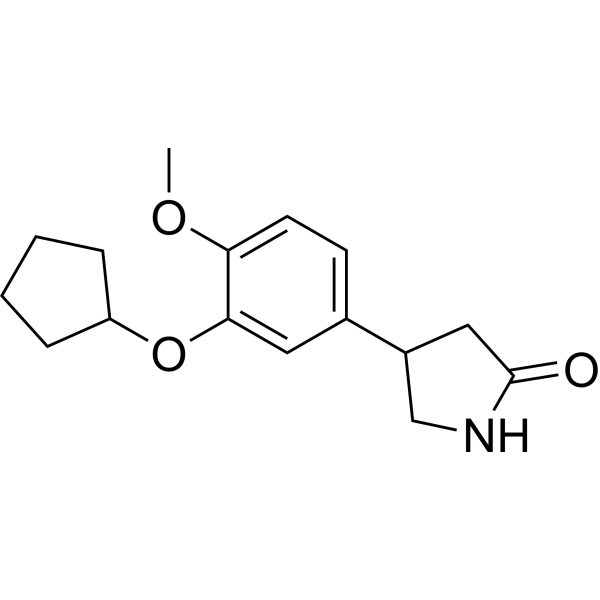
HY-16900
RolipramPDE4 Inhibitor -
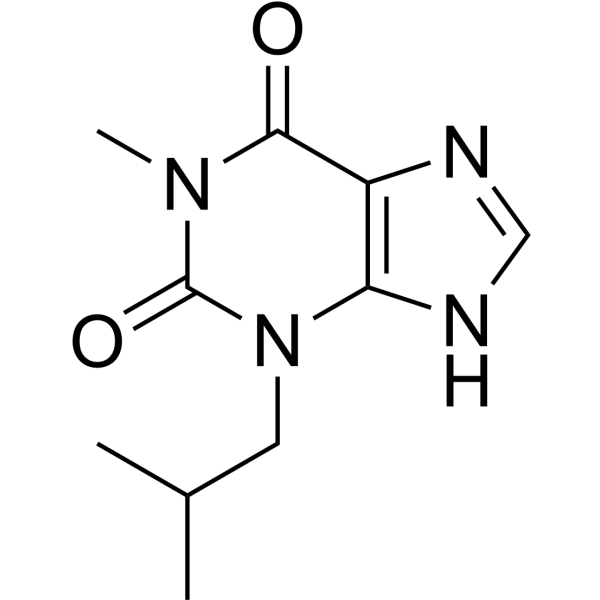
HY-12318
IBMXPDE Inhibitor -
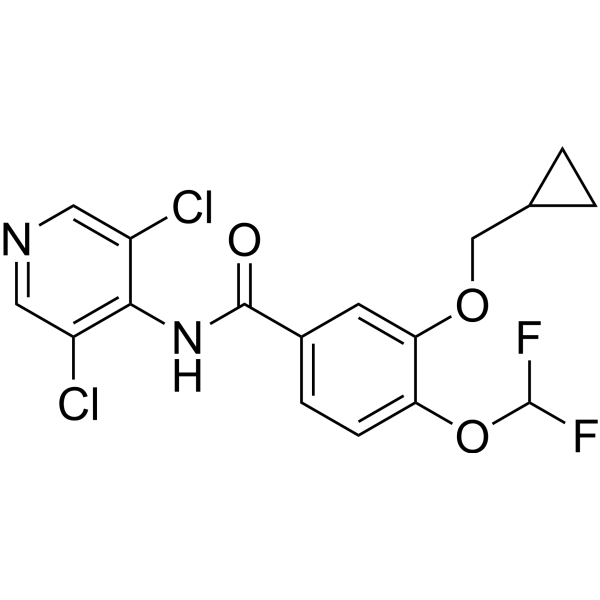
HY-15455
RoflumilastPDE4 Inhibitor -

HY-B0128R
Diphylline (Standard)PDE Inhibitor -
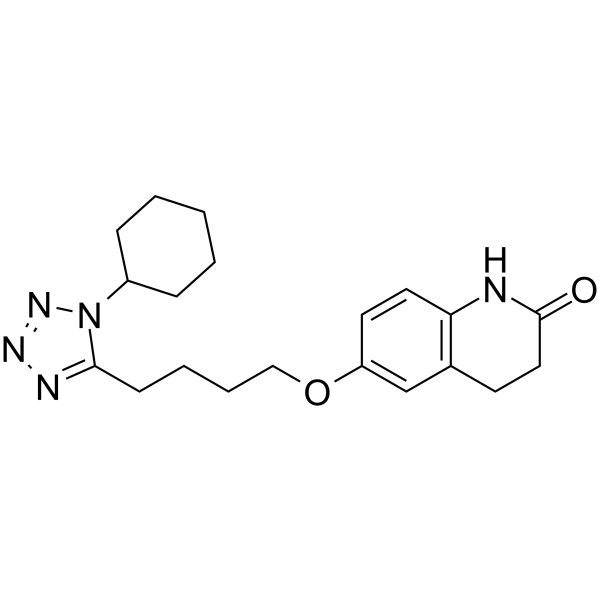
HY-17464
CilostazolPDE3 Inhibitor
Publications Citing Use of MedChemExpress (MCE) Diphylline
More Customer Validation & Images

-
WB
-
WB
All Adenosine Receptor Isoforms
More

Biological Activity
Description
In Vitro
Dyphylline (trade names Dilor, Lufyllin), also known as diprophylline, is a xanthine derivative with bronchodilator and vasodilator effects. It is used in the treatment of respiratory disorders like asthma, cardiac dyspnea, and bronchitis. It acts as an adenosine receptor antagonist and phosphodiesterase inhibitor.
MedChemExpress (MCE) has not independently confirmed the accuracy of these methods. They are for reference only.


Chemical Information
-
CAS No. 479-18-5
-
Appearance Solid
-
Molecular Weight 254.25
-
Formula C10H14N4O4
-
Color White to off-white
-
SMILES
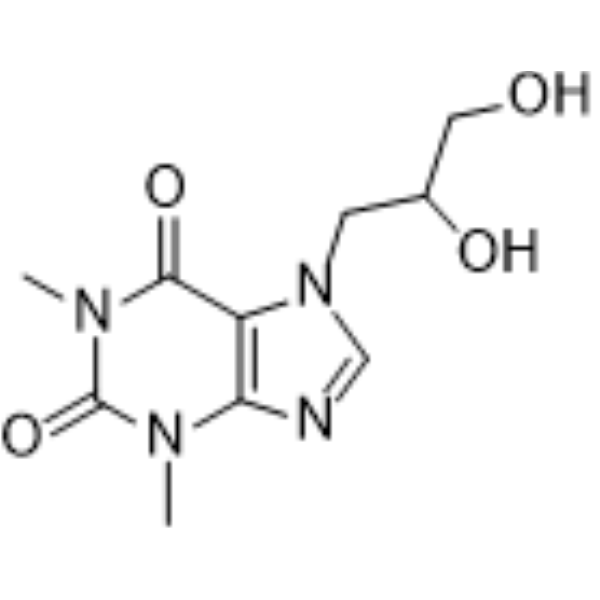
O=C(N1C)N(C)C2=C(N(CC(O)CO)C=N2)C1=O
-
Synonyms
Diprophylline
-
Shipping
Room temperature in continental US; may vary elsewhere.
-
Storage
Powder -20°C 3 years 4°C 2 years In solvent -80°C 2 years -20°C 1 year


Publications (1)
-
Journal Impact Factor
-
Most Recent
-
Mol Ther Nucleic Acids
miRNA-31-5p Mediates the Proliferation and Apoptosis of Human Spermatogonial Stem Cells via Targeting JAZF1 and Cyclin A2. [Abstract]2019 Mar 1:14:90-100. PMID: 30583099
Diphylline purchased from MedChemExpress. Usage Cited in: Mol Ther Nucleic Acids. 2019 Mar 1:14:90-100. [Abstract]
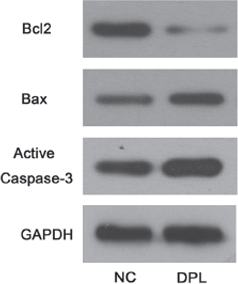
Expression levels of the apoptosis‑associated proteins including Bcl-2, Bax and active caspase‑3 are determined by western blot analysis with or without DPL.
Diphylline purchased from MedChemExpress. Usage Cited in: Mol Ther Nucleic Acids. 2019 Mar 1:14:90-100. [Abstract]
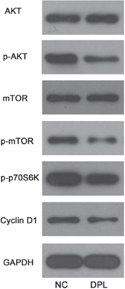
DPL downregulates the PI3K signaling pathway. The expression levels of key proteins associated with PI3K signaling, including AKT, p‑AKT, mTOR, p‑mTOR, p‑p70S6K and Cyclin D1, are detected by western blot analysis.


Solvent & Solubility
In Vitro:
DMSO : ≥ 50 mg/mL (196.66 mM; Hygroscopic DMSO has a significant impact on the solubility of product, please use newly opened DMSO)
H2O : 20 mg/mL (78.66 mM; Need ultrasonic)
* "≥" means soluble, but saturation unknown.
Please refer to the solubility information to select the appropriate solvent. Once prepared, please aliquot and store the solution to prevent product inactivation from repeated freeze-thaw cycles.
Storage method and period of stock solution: -80°C, 2 years; -20°C, 1 year. When stored at -80°C, please use it within 2 years. When stored at -20°C, please use it within 1 year.
* Note: If you choose water as the stock solution, please dilute it to the working solution, then filter and sterilize it with a 0.22 μm filter before use.
Please refer to the solubility information to select the appropriate solvent. Once prepared, please aliquot and store the solution to prevent product inactivation from repeated freeze-thaw cycles.
Storage method and period of stock solution: -80°C, 2 years; -20°C, 1 year. When stored at -80°C, please use it within 2 years. When stored at -20°C, please use it within 1 year.
* Note: If you choose water as the stock solution, please dilute it to the working solution, then filter and sterilize it with a 0.22 μm filter before use.
Concentration (start) × Volume (start) = Concentration (final) × Volume (final)
In Vivo:
Select the appropriate dissolution method based on your experimental animal and administration route.
- For the following dissolution methods, please ensure to first prepare a clear stock solution using an In Vitro approach and then sequentially add co-solvents:
- To ensure reliable experimental results, the clarified stock solution can be appropriately stored based on storage conditions. As for the working solution for In Vivo experiments, it is recommended to prepare freshly and use it on the same day.
- The percentages shown for the solvents indicate their volumetric ratio in the final prepared solution. If precipitation or phase separation occurs during preparation, heat and/or sonication can be used to aid dissolution.
Add each solvent one by one: 10% DMSO 40% PEG300 5% Tween-80 45% Saline
Solubility: ≥ 3 mg/mL (11.80 mM); Clear solution
This protocol yields a clear solution of ≥ 3 mg/mL (saturation unknown).
Taking 1 mL working solution as an example, add 100 μL DMSO stock solution (30.0 mg/mL) to 400 μL PEG300, and mix evenly; then add 50 μL Tween-80 and mix evenly; then add 450 μL Saline to adjust the volume to 1 mL.
Preparation of Saline: Dissolve 0.9 g sodium chloride in ddH₂O and dilute to 100 mL to obtain a clear Saline solution.
Add each solvent one by one: 10% DMSO 90% (20% SBE-β-CD in Saline)
Solubility: ≥ 3 mg/mL (11.80 mM); Clear solution
This protocol yields a clear solution of ≥ 3 mg/mL (saturation unknown).
Taking 1 mL working solution as an example, add 100 μL DMSO stock solution (30.0 mg/mL) to 900 μL 20% SBE-β-CD in Saline, and mix evenly.
Preparation of 20% SBE-β-CD in Saline (4°C, storage for one week): 2 g SBE-β-CD powder is dissolved in 10 mL Saline, completely dissolve until clear.
For the following dissolution methods, please prepare the working solution directly:
It is recommended to prepare fresh solutions and use them promptly within a short period of time.
The percentages shown for the solvents indicate their volumetric ratio in the final prepared solution. If precipitation or phase separation occurs during preparation, heat and/or sonication can be used to aid dissolution.
Add each solvent one by one: PBS
Solubility: 100 mg/mL (393.32 mM); Clear solution; Need ultrasonic
In Vivo Dissolution Calculator
Please enter the basic information of animal experiments:
-
-
-
-
Recommended: Prepare an additional quantity of animals to account for potential losses during experiments.
Working solution concentration: 0.22 mg/mL
This product has good water solubility, please refer to the measured solubility data in water/PBS/Saline for details.


Purity & Documentation
-
Data Sheet (275 KB)
-
SDS (392 KB)
- English - EN (392 KB)
- Français - FR (392 KB)
- Deutsch - DE (392 KB)
- Norwegian - NO (392 KB)
- Español - ES (392 KB)
- Swedish - SV (392 KB)
- Italian - IT (392 KB)
- Korean - KR (392 KB)
- Portuguese - PT (392 KB)
-
Handling Instructions (2659 KB)
References


Complete Stock Solution Preparation Table
Please refer to the solubility information to select the appropriate solvent. Once prepared, please aliquot and store the solution to prevent product inactivation from repeated freeze-thaw cycles.
Storage method and period of stock solution: -80°C, 2 years; -20°C, 1 year. When stored at -80°C, please use it within 2 years. When stored at -20°C, please use it within 1 year.
| Optional Solvent | Concentration Solvent Mass | 1 mg | 5 mg | 10 mg | 25 mg |
|---|---|---|---|---|---|
| H2O / DMSO | 1 mM | 3.9332 mL | 19.6660 mL | 39.3320 mL | 98.3300 mL |
| 5 mM | 0.7866 mL | 3.9332 mL | 7.8664 mL | 19.6660 mL | |
| 10 mM | 0.3933 mL | 1.9666 mL | 3.9332 mL | 9.8330 mL | |
| 15 mM | 0.2622 mL | 1.3111 mL | 2.6221 mL | 6.5553 mL | |
| 20 mM | 0.1967 mL | 0.9833 mL | 1.9666 mL | 4.9165 mL | |
| 25 mM | 0.1573 mL | 0.7866 mL | 1.5733 mL | 3.9332 mL | |
| 30 mM | 0.1311 mL | 0.6555 mL | 1.3111 mL | 3.2777 mL | |
| 40 mM | 0.0983 mL | 0.4916 mL | 0.9833 mL | 2.4582 mL | |
| 50 mM | 0.0787 mL | 0.3933 mL | 0.7866 mL | 1.9666 mL | |
| 60 mM | 0.0656 mL | 0.3278 mL | 0.6555 mL | 1.6388 mL | |
| DMSO | 80 mM | 0.0492 mL | 0.2458 mL | 0.4916 mL | 1.2291 mL |
| 100 mM | 0.0393 mL | 0.1967 mL | 0.3933 mL | 0.9833 mL |
* Note: If you choose water as the stock solution, please dilute it to the working solution, then filter and sterilize it with a 0.22 μm filter before use.


Diphylline Related Classifications
HY-B0128 Related Classifications
 Powered by Bioz