


1. Search Result
Search Result
Results for "

TFA

" in MedChemExpress (MCE) Product Catalog:

1609

Inhibitors & Agonists

19

Fluorescent Dye

19

Biochemical Assay Reagents

1178

Peptides

39

Natural
Products

3

Recombinant Proteins

132

Isotope-Labeled Compounds

1

Antibodies

13

Click Chemistry

13

Oligonucleotides

Cat. No. Product Name Target Research Areas Chemical Structure
  • HY-P1925A
    GO-203 TFA
    2 Publications Verification

    PI3K Reactive Oxygen Species (ROS) Apoptosis Cancer
    GO-203 TFA is a potent MUC1-C oncoprotein inhibitor. GO-203 TFA is an all D-amino acid peptide that consists of a poly-R transduction domain linked to a CQCRRKN motif that binds to the MUC1-C cytoplasmic tail and blocks MUC1-C homodimerization. GO-203 TFA downregulates TIGAR (TP53-induced glycolysis and apoptosis regulator) protein synthesis by inhibiting the PI3K-AKT-S6K1 pathway. GO-203 TFA induces the production of ROS and loss of mitochondrial transmembrane potential. GO-203 TFA inhibits the growth of colon cancer cells in vitro and as xenografts in nude mice .
    GO-203 TFA
  • HY-P3211A
    Nangibotide TFA
    5+ Cited Publications

    LR12 TFA

    TREM receptor NF-κB NOD-like Receptor (NLR) Interleukin Related Apoptosis Cardiovascular Disease Inflammation/Immunology
    Nangibotide TFA (LR12 TFA) is a synthetic peptide and TREM-1 receptor inhibitor. Nangibotide TFA inhibits NF-κB and NLRP3 inflammasome activation and reduces the release of pro-inflammatory factors (such as IL-1β, IL-8). Nangibotide TFA inhibits Apoptosis. Nangibotide TFA reduces excessive inflammatory responses and protects tissues (liver, lung) from damage. Nangibotide TFA can be used in the researches for myocardial ischemia-reperfusion injury, septic shock, acute lung injury, osteoarthritis, and acute liver failure .
    Nangibotide TFA
  • HY-15176B
    Pyridostatin TFA
    30+ Cited Publications

    RR82 TFA

    DNA/RNA Synthesis G-quadruplex Flavivirus Src Virus Protease Cancer
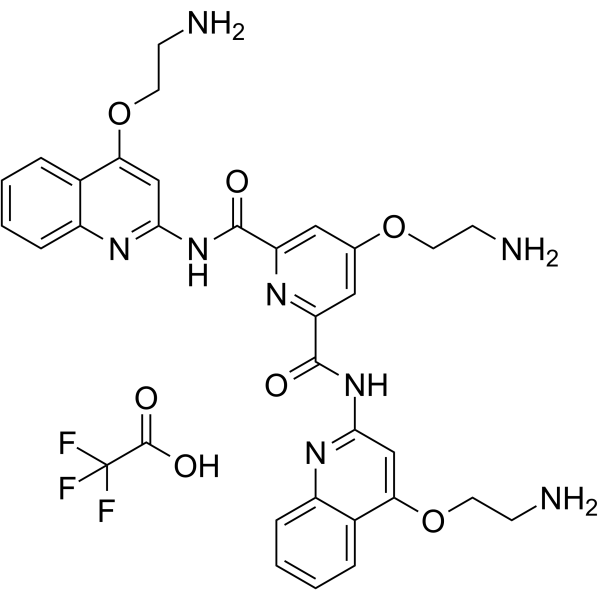
    Pyridostatin (RR82) TFA is a G-quadruplex (G4) inducer/stabilizer with a Kd of 490 nM. Pyridostatin TFA also acts as an inhibitor of Zika virus (ZIKV) NS2B-NS3 protease, with an IC50 of 11.0 μM. Pyridostatin TFA interacts with G-quadruplex structures, regulates the expression of SRC and SUB1, and induces replication- and transcription-dependent DNA damage, growth arrest, and genomic instability. Pyridostatin TFA exhibits antiproliferative and antiviral activities. Pyridostatin TFA can be used in studies related to breast cancer, cervical cancer, and Zika virus infection .
    Pyridostatin TFA
  • HY-P1149A

    Epithalon TFA; Epithalamin TFA

    Telomerase Neurological Disease Cancer
    Epitalon TFA is an anti-aging agent and a telomerase activator. Epitalon TFA has an inhibitory effect of the on the development of spontaneous tumors in mice, has geroprotective actions and intranasal administration increases neuronal activity. Epitalon TFA can be used for cancer, old age and Retinitis Pigmentosa .
    Epitalon TFA
  • HY-19884B
    Relamorelin TFA
    1 Publications Verification

    RM-131 TFA; BIM-28131 TFA

    GHSR Metabolic Disease
    Relamorelin (RM-131) TFA, a pentapeptide ghrelin analog, is a selective ghrelin/growth hormone secretagogue receptor (GHSR) agonist with a Ki of 0.42 nM for GHS-1a receptor. Relamorelin TFA is centrally penetrant. Relamorelin TFA increases growth hormone levels and accelerates gastric emptying. Relamorelin TFA has the potential for cachexia, gastroparesis, and gastric/intestinal dysmobility disorders research .
    Relamorelin TFA
  • HY-107663A

    Pro-Leu-Gly-NH2 TFA; Melanostatin TFA

    Dopamine Receptor Neurological Disease
    MIF-1 TFA (Melanostatin), an endogenous brain peptide, is a potent dopamine receptor allosteric modulator. MIF-1 TFA inhibits melanin formation. MIF-1 TFA blocks the effects of opioid receptor activation to modulate the analgesic effects. MIF-1 TFA accesses from the blood to the CNS by directly crossing the blood-brain barrier (BBB) .
    MIF-1 TFA
  • HY-P1682A
    Balixafortide TFA
    1 Publications Verification

    POL6326 TFA

    CXCR Arrestin Cancer
    Balixafortide TFA (POL6326 TFA) is a potent, selective, well-tolerated peptidic CXCR4 antagonist with an IC50 < 10 nM. Balixafortide TFA shows 1000-fold selective for CXCR4 than a large panel of receptors including CXCR7. Balixafortide TFA blocks β-arrestin recruitment and calcium flux with IC50s < 10 nM. Balixafortide TFA is also a potent hematopoietic stem and progenitor cell (HSPC) mobilizing agent. Anti-cancer effects .
    Balixafortide TFA
  • HY-13948B
    Angiotensin II human TFA
    Maximum Cited Publications
    222 Publications Verification

    Angiotensin II TFA; Ang II TFA; DRVYIHPF TFA

    Angiotensin Receptor Apoptosis Cardiovascular Disease Metabolic Disease Cancer
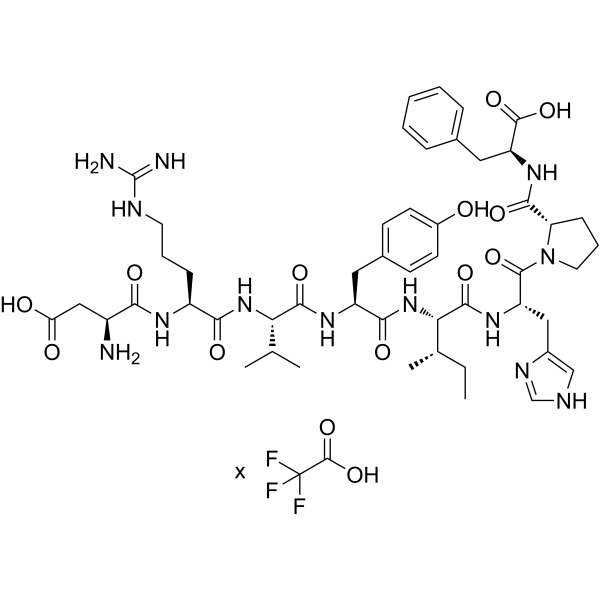
    Angiotensin II human (Angiotensin II) TFA is a vasoconstrictor and a major bioactive peptide of the renin/angiotensin system. Angiotensin II human TFA plays a central role in regulating human blood pressure, which is mainly mediated by interactions between Angiotensin II and the G-protein-coupled receptors (GPCRs) Angiotensin II type 1 receptor (AT1R) and Angiotensin II type 2 receptor (AT2R). Angiotensin II human TFA stimulates sympathetic nervous stimulation, increases aldosterone biosynthesis and renal actions. Angiotensin II human TFA induces growth of vascular smooth muscle cells, increases collagen type I and III synthesis in fibroblasts, leading to thickening of the vascular wall and myocardium, and fibrosis. Angiotensin II human TFA also induces apoptosis. Angiotensin II human TFA induces capillary formation from endothelial cells via the LOX-1 dependent redox-sensitive pathway .
    Angiotensin II human TFA
  • HY-P1613A

    Cyclo(RGDfV) TFA; C(RGDfV) TFA

    Integrin Apoptosis Cancer
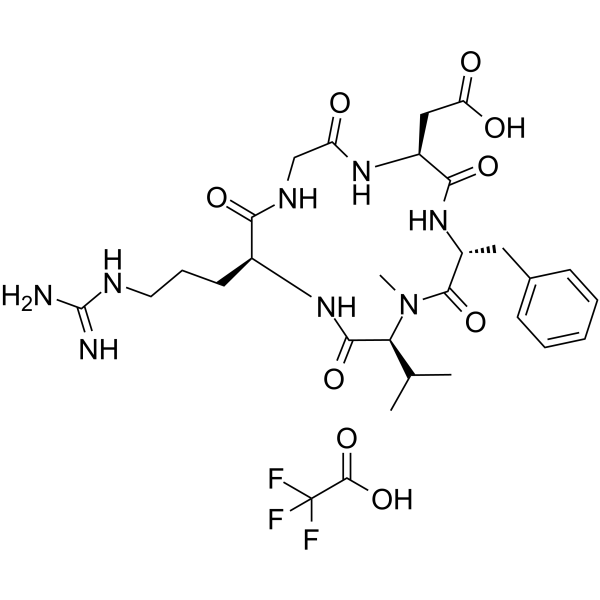
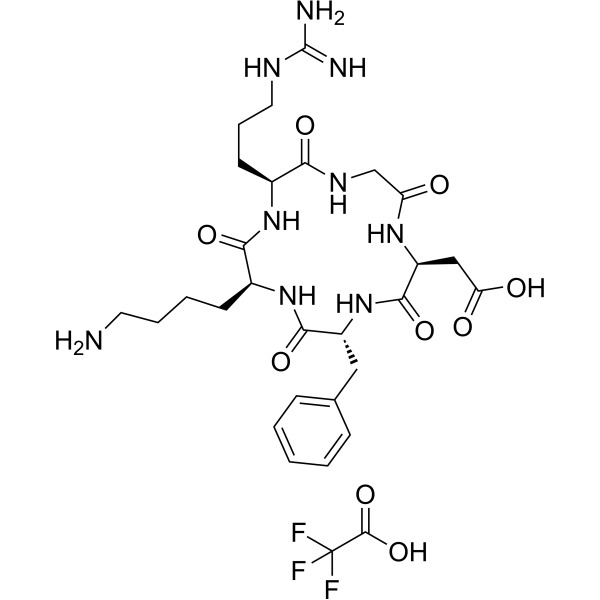
    Cyclo(Arg-Gly-Asp-D-Phe-Val) (TFA) (Cyclo(RGDfV) (TFA))is an integrin αvβ3 inhibitor. Cyclo(Arg-Gly-Asp-D-Phe-Val) (TFA) has antitumor activity. Cyclo(Arg-Gly-Asp-D-Phe-Val) (TFA) can be used for the research of acute myeloid leukemia .
    Cyclo(Arg-Gly-Asp-D-Phe-Val) TFA
  • HY-P10927A

    BRINP2-related peptide TFA

    PKA AP-1 Metabolic Disease
    BRP (BRINP2-related peptide) TFA is a 12-peptide derived from BRINP2 that can cross the blood-brain barrier. BRP TFA induces the central activation of FOS in neuronal cells via the cAMP-PKA-CREB signaling pathway. BRP TFA exerts anorectic and anti-obesity effects without triggering nausea or aversive responses. The action of BRP TFA is independent of the leptin, GLP-1 receptor and melanocortin 4 receptor pathways. BRP TFA is applicable to obesity-related research .
    BRP TFA
  • HY-128995A

    Glycyl-DX-8951 TFA; Exatecan analog 2 TFA

    Drug Derivative Cancer
    Glycyl-Exatecan TFA (Glycyl-DX-8951 TFA), a derivative of Exatecan (HY-13631), is an anticancer agent. Glycyl-Exatecan TFA has significantly antitumor activity. Glycyl-Exatecan TFA can be used for cancers like solid tumors research .
    Glycyl-Exatecan TFA
  • HY-108742A
    Abaloparatide TFA
    3 Publications Verification

    BA 058 TFA; BIM 44058 TFA

    Arrestin PTHR Metabolic Disease Endocrinology Cancer
    Abaloparatide TFA (BA 058 TFA) is a parathyroid hormone receptor 1 (PTHR1) analogue. Abaloparatide TFA also is a selective PTHR1 activator. Abaloparatide TFA enhances Gs/cAMP signaling and β-arrestin recruitment. Abaloparatide TFA enhances bone formation and cortical structure in mice. Abaloparatide TFA has the potential for the research of osteoporosis .
    Abaloparatide TFA
  • HY-101402A

    Cyclohistidyl-proline TFA; Histidylproline diketopiperazine TFA

    NF-κB Endogenous Metabolite Neurological Disease Inflammation/Immunology
    Cyclo(his-pro) TFA (Cyclo(histidyl-proline) TFA) is an orally active cyclic dipeptide structurally related to tyreotropin-releasing hormone . Cyclo(his-pro) TFA could inhibit NF-κB nuclear accumulation. Cyclo(his-pro) TFA can cross the brain-blood-barrier and affect diverse inflammatory and stress responses .
    Cyclo(his-pro) TFA
  • HY-P1675A
    Acetyl-PHF6 amide TFA
    2 Publications Verification

    AcPHF6 TFA; Ac-VQIVYK-NH2 TFA

    Tau Protein Neurological Disease
    Acetyl-PHF6 amide TFA (AcPHF6 TFA) is a tau derived hexapeptide.
    Acetyl-PHF6 amide TFA
  • HY-P1107A
    Antisauvagine-30 TFA
    4 Publications Verification

    aSvg-30 TFA

    CRFR Neurological Disease
    Antisauvagine-30 TFA (aSvg-30 TFA) is a potent, highly selective and competitive CRF2 receptor peptidic antagonist. Antisauvagine-30 TFA exhibits a Kd of 1.4 nM and 150 nM for mCRFR2β and CRFR1, respectively .
    Antisauvagine-30 TFA
  • HY-P0014B
    Liraglutide TFA
    35+ Cited Publications

    GLP Receptor Metabolic Disease
    Liraglutide (TFA) is an agonist of glucagon-like peptide 1 receptor (GLP-1). Liraglutide (TFA) can activate GLP-1, leading to the release of insulin in the presence of increased glucose concentration. Liraglutide (TFA) also reduces glucagon secretion in a glucose-dependent manner. Liraglutide (TFA) can be studied in research on type 2 diabetes .
    Liraglutide TFA
  • HY-P1298A

    CRFR Cardiovascular Disease Neurological Disease Endocrinology
    Sauvagine TFA, a 40-amino-acid neuropeptide from the skin of the frog, is a mammalian CRF agonist. Sauvagine TFA is effective at releasing ACTH from rat pituitary cells. Sauvagine TFA possesses a number of pharmacological actions on diuresis, the cardiovascular system and endocrine glands .
    Sauvagine TFA
  • HY-145632A

    ALT-801 TFA

    GLP Receptor GCGR Metabolic Disease
    Pemvidutide (ALT-801) TFA is a GLP-1R/GCGR dual agonist, shows striking reductions in body weight, liver fat and serum lipids. Pemvidutide TFA can be used in non-alcoholic steatohepatitis (NASH) and obesity research .
    Pemvidutide TFA
  • HY-P10471A

    MARCKS-ED TFA

    MARCKS PKC Others
    MPSD TFA (MARCKS-ED TFA) is the TFA salt form of MPSD (HY-P10471). MPSD TFA is a 25-amino acid peptide based on the effector domain sequence of the intracellular membrane protein myristoylated alanine-rich C-kinase substrate (MARCKS). MPSD TFA can sense membrane curvature and recognize phosphatidylserine. MPSD TFA can be utilized as biological probe to study membrane shape and lipid composition .
    MPSD TFA
  • HY-13682C
    Mifamurtide TFA
    5 Publications Verification

    MTP-PE TFA; L-MTP-PE TFA; CGP 19835 TFA

    NOD-like Receptor (NLR) Inflammation/Immunology Cancer
    Mifamurtide TFA (MTP-PE TFA), an analog of the muramyl dipeptide (MDP), is a nonspecific immunomodulator by stimulating the immune response activating macrophages and monocytes. Mifamurtide TFA is a specific ligand for NOD2 and acts as an insulin sensitizer. Mifamurtide TFA has potential for use in rare disease and osteosarcoma research .
    Mifamurtide TFA
  • HY-158102A
    Rinzimetostat TFA
    1 Publications Verification

    ORIC-944 TFA

    Histone Methyltransferase Cancer
    Rinzimetostat (ORIC-944) TFA is the TFA salt form of ORIC (HY-158102). Rinzimetostat TFA is a selective, orally active, allosteric inhibitor targeting the EED subunit of polycomb repressive complex 2 (PRC2). Rinzimetostat TFA is synergistic with androgen receptor pathway inhibitors (ARPIs) for the study of metastatic prostate cancer .
    Rinzimetostat TFA
  • HY-106373A
    Adrenocorticotropic hormone TFA
    1 Publications Verification

    ACTH TFA; Adrenocorticotrophic hormone TFA

    Androgen Receptor Reactive Oxygen Species (ROS) Mitochondrial Metabolism Interleukin Related TNF Receptor Metabolic Disease Inflammation/Immunology
    Adrenocorticotropic hormone (ACTH; Adrenocorticotrophic hormone) TFA is a polypeptide tropic hormone produced by the anterior pituitary gland. Adrenocorticotropic hormone TFA stimulates cortisol secretion from the adrenal cortex via the hypothalamic-pituitary-adrenal (HPA) axis. Adrenocorticotropic hormone TFA regulates cortisol and androgen production. Adrenocorticotropic hormone TFA can promote the development of spermatogenesis. Adrenocorticotropic hormone TFA can relieve acute inflammation in gout models by inhibiting the polarization of macrophages to M1 type, inhibiting ROS and proinflammatory factor production and protecting mitochondrial function. Adrenocorticotropic hormone TFA can be used for the researches of inflammation, endocrinology, metabolic disease, such as gout and nephrotic syndrome .
    Adrenocorticotropic hormone TFA
  • HY-P0197A
    Neurokinin A TFA
    3 Publications Verification

    Substance K TFA; Neurokinin α TFA; Neuromedin L TFA; NKA TFA

    Neurokinin Receptor Neurological Disease Endocrinology
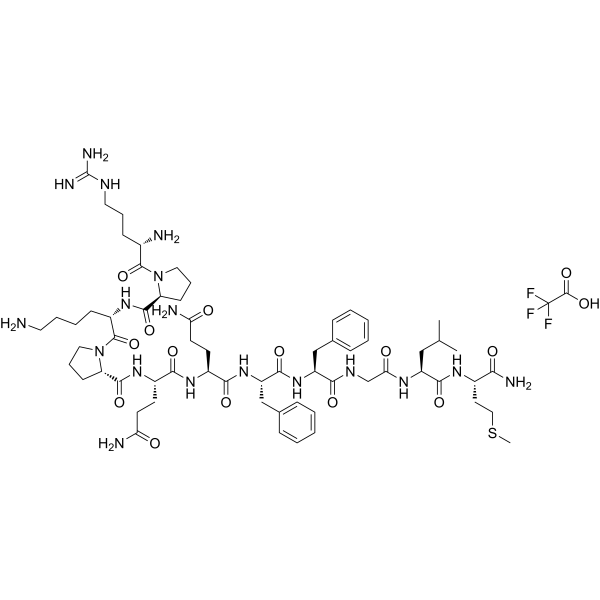
    Neurokinin A TFA (Substance K TFA), a peptide neurotransmitter of the tachykinin family, acts via the NK-2 receptor. Neurokinin A acts as a major mediator in human airway and gastrointestinal tissues .
    Neurokinin A TFA
  • HY-P1329A
    CTOP TFA
    1 Publications Verification

    Opioid Receptor Neurological Disease
    CTOP TFA is a potent and highly selective μ-opioid receptor antagonist. CTOP TFA antagonizes the acute analgesic effect and hypermotility. CTOP TFA enhances extracellular dopamine levels in the nucleus accumbens. CTOP TFA dose-dependently enhances locomotor activity .
    CTOP TFA
  • HY-114883A

    L-Homocarnosine TFA

    GABA Receptor Endogenous Metabolite Neurological Disease
    Homocarnosine TFA is a dipeptide of γ-aminobutyric acid (GABA) and histidine unique to brain. Homocarnosine TFA is an inhibitory neuromodulator synthesized in the neuron from GABA and exhibiting anticonvulsant effects . Homocarnosine TFA has antioxidant and anti-inflammatory actions, prevention of DNA damage, and inhibition of advanced glycation end-product formation .
    Homocarnosine TFA
  • HY-P0223A
    FLAG peptide TFA
    25+ Cited Publications

    Biochemical Assay Reagents Others
    FLAG peptide TFA is the TFA salt form of FLAG peptide (HY-P0223). FLAG peptide TFA is a multifunctional fusion tag for the purification of recombinant proteins. FLAG peptide TFA maintances the natural folding of its fusing proteins. FLAG peptide TFA can be removed by enterokinase, and eluted under non-denaturing conditions .
    FLAG peptide TFA
  • HY-105025A

    Thymopoietin II (32-35) TFA; TP 4 TFA

    Apoptosis Inflammation/Immunology
    Thymocartin TFA is the TFA salt form of Thymocartin (HY-105025). Thymocartin TFA inhibits apoptosis of peripheral blood lymphocytes in HIV infected individuals. Thymocartin TFA is potential for immunodeficiency diseases research .
    Thymocartin TFA
  • HY-P3293A

    POL6014 TFA

    Elastase Inflammation/Immunology
    Lonodelestat TFA (POL6014 TFA) is a potent, orally active and selective peptide inhibitor of human neutrophil elastase (hNE). Lonodelestat TFA has the potential for the research of cystic fibrosis (CF) .
    Lonodelestat TFA
  • HY-P1508A

    Bactenecin, bovine TFA

    Bacterial Fungal Infection
    Bactenecin TFA (Bactenecin, bovine TFA) is a potent 12-aa looped antimicrobial peptide isolated from bovine neutrophils. Bactenecin TFA inhibits the growth of bacteria and yeast, and kills the fungus Trichophyton rubrum. Bactenecin TFA increass membrane permeability, inhibits the growth and biofilm formation of B. pseudomallei .
    Bactenecin TFA
  • HY-P1676A
    cyclo(RLsKDK) TFA
    2 Publications Verification

    BK-1361 TFA

    MMP Cancer
    cyclo(RLsKDK) (TFA) (BK-1361 (TFA)) is a specific inhibitor of metalloproteinase ADAM8 with an IC50 value of 182 nM. cyclo(RLsKDK) (TFA) has potential applications in inflammatory diseases and cancer .
    cyclo(RLsKDK) TFA
  • HY-105037A

    IPP-201101 TFA

    Autophagy Inflammation/Immunology
    Forigerimod TFA (IPP-201101 TFA) is a CD4 T-cell modulator. Forigerimod TFA is a 21-amino-acid fragment of U1 small nuclear ribonucleoprotein 70 kDa that is phosphorylated at Ser140. Forigerimod TFA can potently inhibit autophagy. Forigerimod can be used for the research of autoimmune disorders, such as systemic lupus erythematosus (SLE) .
    Forigerimod TFA
  • HY-P1363S

    Amyloid β-peptide-15N (1-42) (human) TFA

    Amyloid-β Neurological Disease
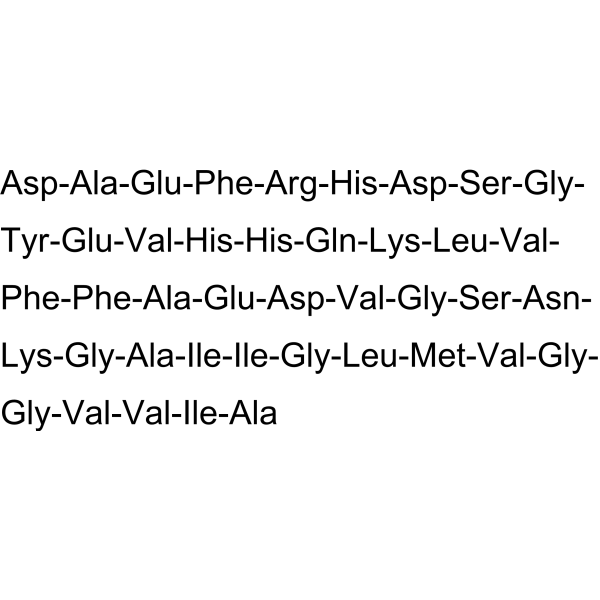
    β-Amyloid- 15N (1-42), human (TFA) is the 15N-labledβ-Amyloid (1-42) (TFA). β-Amyloid (1-42), human TFA (Amyloid β-Peptide (1-42) (human) TFA) is a 42-amino acid peptide which plays a key role in the pathogenesis of Alzheimer disease .
    β-Amyloid-15N (1-42), human TFA
  • HY-P11357A

    IFNAR Cancer
    KRAS G12C Peptide TFA is the trifluoroacetate salt of KRAS G12C Peptide (HY-P11357). KRAS G12C Peptide is a specific peptide derived from the Kirsten rat sarcoma virus (KRAS) gene carrying the G12C oncogenic mutation. KRAS G12C Peptide induces responses like IFN-γ secretion and cytotoxicity. KRAS G12C Peptide can be used for the study of immune responses against KRAS G12C-mutant tumors .
    KRAS G12C Peptide TFA
  • HY-P11356A

    IFNAR Cancer
    KRAS G12V Peptide TFA is the trifluoroacetate salt of KRAS G12V Peptide (HY-P11355). KRAS G12V Peptide is a specific peptide derived from the Kirsten rat sarcoma virus (KRAS) gene carrying the G12V oncogenic mutation. KRAS G12V Peptide induces responses like IFN-γ secretion and cytotoxicity. KRAS G12V Peptide can be used for the study of immune responses against KRAS G12V-mutant tumors .
    KRAS G12V Peptide TFA
  • HY-130588A

    GSAO TFA

    Mitochondrial Metabolism Cancer
    Glutathione arsenoxide (GSAO) TFA is a potential anticancer agent and a tumour metabolism inhibitor. Glutathione arsenoxide TFA targets Mitochondrial endomycin nucleotide transferase (ANT). Glutathione arsenoxide TFA causes cell proliferation arrest and cell death. Glutathione arsenoxide TFA can be used to identify cell-surface proteins, such as Protein disulphide isomerase .
    Glutathione arsenoxide TFA
  • HY-P10027A

    Antibiotic Bacterial Infection
    Clovibactin TFA is the TFA salt form of Clovibactin (HY-P10027). Clovibactin TFA is an antibiotic for drug-resistant bacterial pathogens without detectable resistance. Clovibactin TFA inihibits cell wall synthesis by targeting pyrophosphate of peptidoglycan precursors .
    Clovibactin TFA
  • HY-111174A
    Diprotin A TFA
    4 Publications Verification

    Ile-Pro-Ile TFA

    Dipeptidyl Peptidase Metabolic Disease
    Diprotin A TFA (Ile-Pro-Ile TFA) is an inhibitor of dipeptidyl peptidase IV (DPP-IV) .
    Diprotin A TFA
  • HY-164364B

    FAP Cancer
    DOTAGA.(SA.FAPi)2 analogue TFA is a DOTAGA.(SA.FAPi)2 TFA (HY-164364A) analogue, in which the ligand and the chelator are identical to those of DOTAGA.(SA.FAPi)2 TFA. DOTAGA.(SA.FAPi)2 TFA is a potent dimeric fibroblast-activation protein inhibitor (FAPi) .
    DOTAGA.(SA.FAPi)2 analogue TFA
  • HY-P0265AS

    Amyloid Beta-Peptide-15N (1-40) (human) TFA; Amyloid β-Peptide-15N (1-40) (human) TFA

    Amyloid-β Neurological Disease
    β-Amyloid- 15N (1-40) (TFA) is the 15N-labledβ-Amyloid (1-40) (TFA). β-Amyloid (1-40) is a primary protein in plaques found in the brains of patients with Alzheimer's disease .
    β-Amyloid-15N (1-40) TFA
  • HY-P6013A

    Calcium Channel Others
    wt hMLN (TFA) is a microprotein that inhibits of SR Ca 2+ pump (SERCA). wt hMLN plays an important role in skeletal muscle calcium homeostasis .
    wt hMLN TFA
  • HY-125856A

    BMS-986177 TFA; JNJ-70033093 TFA

    Factor Xa Cardiovascular Disease
    Milvexian TFA (BMS-986177 TFA) is a factor XIa inhibitor with biological activity to prevent venous thromboembolism. Milvexian TFA was effective in reducing the occurrence of venous thromboembolism in patients undergoing knee replacement surgery. Milvexian TFA has good selectivity and shows significant inhibitory effects on plasma kallikrein and trypsin. Milvexian TFA has a bioavailability of 32%, which means it has a high absorption rate in the body. Milvexian TFA showed a relatively low risk of bleeding in clinical trials .
    Milvexian TFA
  • HY-147429A

    Abx MCP TFA; RG6006 TFA

    Antibiotic Bacterial Infection
    Zosurabalpin TFA is a tethered macrocyclic peptide antibiotic, acting specifically on A. baumannii. Zosurabalpin TFA inhibits lipopolysaccharide-transport .
    Zosurabalpin TFA
  • HY-P3071A

    Stichodactyla helianthus neurotoxin TFA

    Potassium Channel Neurological Disease Inflammation/Immunology
    ShK toxin TFA (Stichodactyla helianthus neurotoxin TFA) is a neurotoxin. ShK toxin TFA blocks voltage-dependent potassium channel (Kv1.3 channel). ShK toxin TFA can be isolated from the whole body extract of the Caribbean sea anemone (Stichodactylu helianthus). ShK toxin TFA competes with dendrotoxin I and α-dendrotoxin for binding to synaptosomal membranes of rat brain, facilitates acetylcholine release. ShK toxin TFA suppresses K + currents in cultured rat dorsal root ganglion neurons. ShK toxin TFA also inhibits T lymphocyte proliferation .
    ShK toxin TFA
  • HY-147404A

    GS 5290 TFA

    Ser/Thr Protease Inflammation/Immunology
    Tilpisertib fosmecarbil TFA (GS 5290 TFA) is a potent serine/threonine kinase inhibitor. Tilpisertib fosmecarbil TFA has anti-inflammatory activity .
    Tilpisertib fosmecarbil TFA
  • HY-152830A

    Q702 TFA

    c-Fms TAM Receptor MHC Cancer
    Adrixetinib (Q702) TFA is an orally active triple inhibitor against CSF1R, Mer, and Axl, with Kd values of 8.7 nM, 0.8 nM, and 0.3 nM, respectively. Adrixetinib TFA acts as a potent immune modulator that remodels the tumor microenvironment. Adrixetinib TFA increases the abundance of M1 macrophages and CD8⁺ T cells, while decreasing the levels of M2 macrophages and myeloid-derived suppressor cells (MDSCs). Adrixetinib TFA upregulates the expression of MHC class I and E-cadherin in tumor cells. Adrixetinib TFA shows remarkable antitumor efficacy in syngeneic mouse tumor models. Adrixetinib TFA is suitable for the research of breast cancer, renal adenocarcinoma, colon carcinoma, and melanoma .
    Adrixetinib TFA
  • HY-19870A

    RM-493 TFA; BIM-22493 TFA; IRC-022493 TFA

    Melanocortin Receptor Metabolic Disease Endocrinology
    Setmelanotide TFA (RM-493 TFA) is a selective melanocortin 4 receptor (MC4R) agonist with EC50s of 0.27 nM and 0.28 nM for human and rat MC4R, respectively .
    Setmelanotide TFA
  • HY-P3204A

    AL-78898A TFA

    Complement System Metabolic Disease
    POT-4 TFA (AL-78898A TFA), a Compstatin derivative, is a potent inhibitor of complement factor C3 activation. POT-4 TFA can be used for age-related macular degeneration research .
    POT-4 TFA
  • HY-P3502A

    RA101495 TFA; RA3193 TFA

    Complement System Inflammation/Immunology
    Zilucoplan TFA (RA101495), a 15-amino acid macrocyclic peptide, is a potent complement component 5 (C5) inhibitor. Zilucoplan TFA can be used in research of immune-mediated necrotising myopathy (IMNM) .
    Zilucoplan TFA
  • HY-P1022A
    Kisspeptin-54(human) TFA
    3 Publications Verification

    Metastin(human) TFA

    GnRH Receptor Endocrinology Cancer
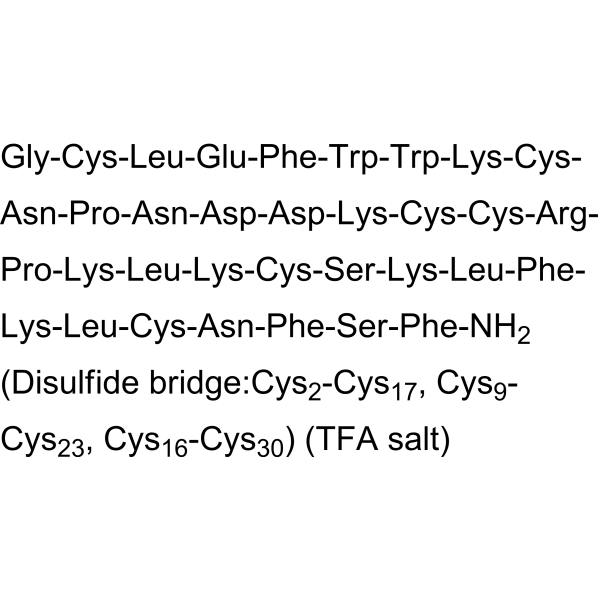
    Kisspeptin-54(human) TFA (Metastin(human) TFA) is an endogenous ligand for kisspeptin receptor (KISS1, GPR54). Kisspeptin-54(human) TFA binds to rat and human GPR54 receptors with Ki values of 1.81 nM and 1.45 nM, respectively. Kisspeptin-54(human) TFA hinders tumor metastasis and stimulates gonadotropin secretion .
    Kisspeptin-54(human) TFA
  • HY-P0058A

    Amylin Receptor Metabolic Disease Cancer
    Pramlintide TFA is a polypeptide analogue of human amylin. Pramlintide TFA, an antidiabetic agent, is antineoplastic in colorectal cancer .
    Pramlintide TFA

Inquiry Online

Your information is safe with us. * Required Fields.

Salutation


Country or Region *

Applicant Name *


Organization Name *

Department *


Email Address *


Product Name *

Cat. No.


Requested quantity *

Phone Number *


Remarks

Inquiry Online

Inquiry Information

Product Name:
Cat. No.:
Quantity:
MCE Japan Authorized Agent:

