1. Search Result
Search Result
Results for "

spontaneous non-Hodgkin's lymphoma

" in MedChemExpress (MCE) Product Catalog:

1065

Inhibitors & Agonists

5

Screening Libraries

10

Fluorescent Dyes

15

Biochemical Assay Reagents

60

Peptides

2

MCE Kits

127

Inhibitory Antibodies

91

Natural
Products

17

Recombinant Proteins

41

Isotope-Labeled Compounds

30

Antibodies

7

Click Chemistry

22

Oligonucleotides

1

GMP Molecules

Cat. No. Product Name Target Research Areas Chemical Structure
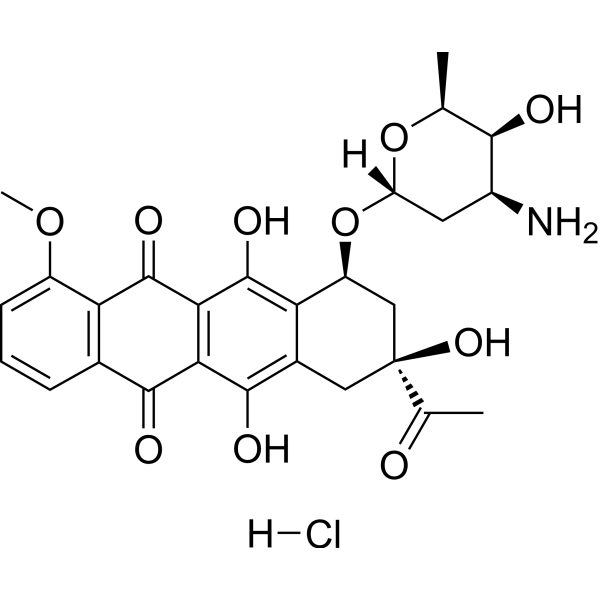
  • HY-13062
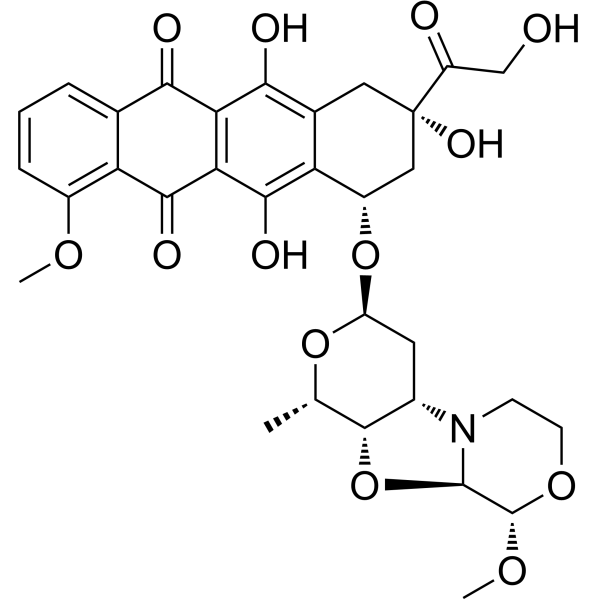
    Daunorubicin hydrochloride
    35+ Cited Publications

    Daunomycin hydrochloride; RP 13057 hydrochloride; Rubidomycin hydrochloride

    Topoisomerase DNA/RNA Synthesis ADC Payload Bacterial Autophagy Apoptosis Antibiotic Infection Neurological Disease Cancer
    Daunorubicin (Daunomycin) hydrochloride is a topoisomerase II inhibitor with potent anti-tumor activity. Daunorubicin hydrochloride inhibits DNA and RNA synthesis. Daunorubicin hydrochloride is a cytotoxin that inhibits cancer cell viability and induces apoptosis and necrosis. Daunorubicin hydrochloride is also an anthracycline antibiotic. Daunorubicin hydrochloride can be used in the research of infection and variety of cancers, including leukemia, non-Hodgkin lymphomas, Ewing's sarcoma, Wilms' tumor .
    Daunorubicin hydrochloride
  • HY-P99055

    TNF Receptor Inflammation/Immunology Cancer
    Urelumab, a fully human, non-ligand binding, CD137 agonist IgG4 monoclonal antibody, enhances T-cell and natural killer-cell antitumor activity, and may enhance cytotoxic activity of Rituximab (HY-P9913). Urelumab can be used for the research of diffuse large B-cell lymphoma (DLBCL), follicular lymphoma (FL), and other types of non-Hodgkin lymphoma (NHL) .
    Urelumab
  • HY-109108
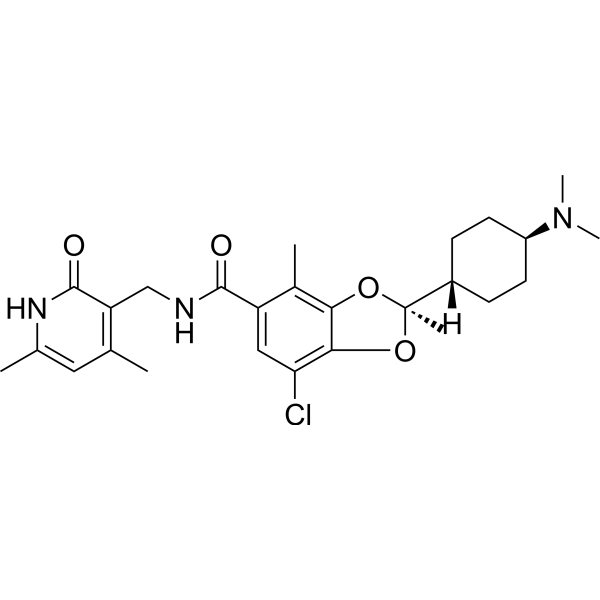
    Valemetostat
    5 Publications Verification

    DS-3201

    Histone Methyltransferase Cancer
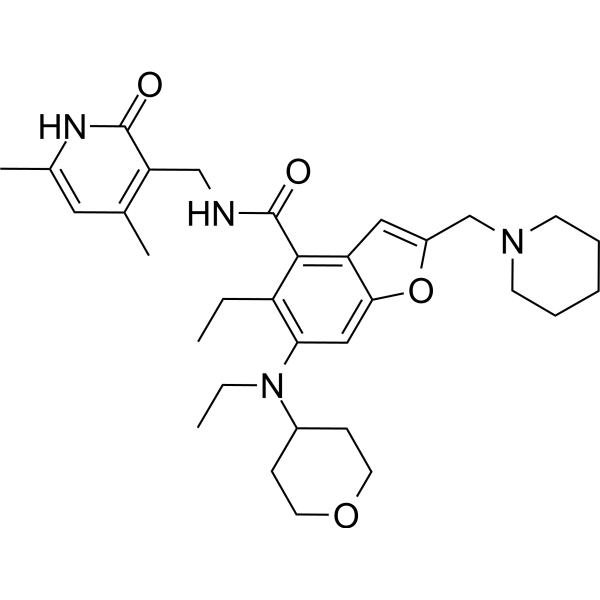
    Valemetostat (DS-3201), a first-in-class EZH1/2 dual inhibitor with IC50 values <10 nM. Valemetostat can be used for the research of relapsed/refractory peripheral T-cell lymphoma .
    Valemetostat
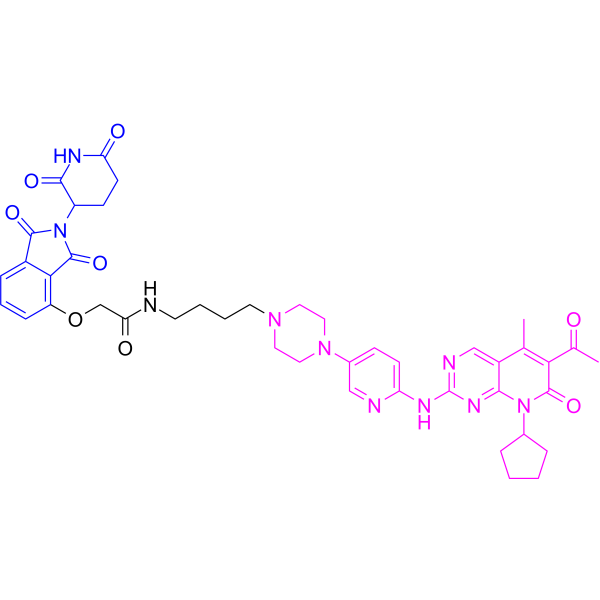
  • HY-169179

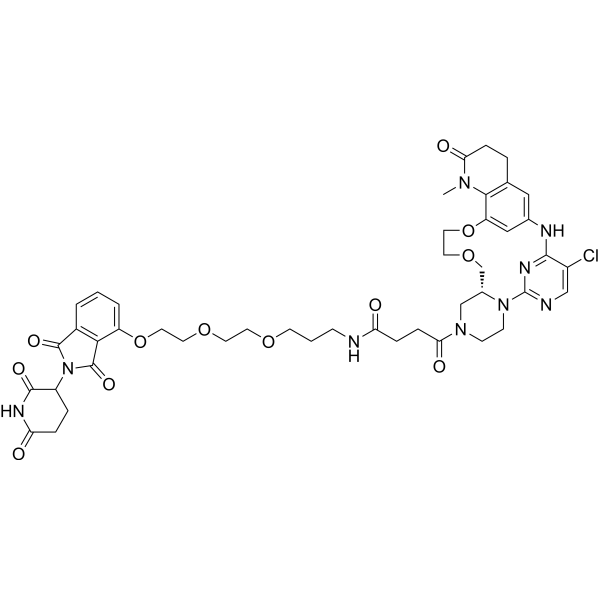
    PROTACs STAT Cancer
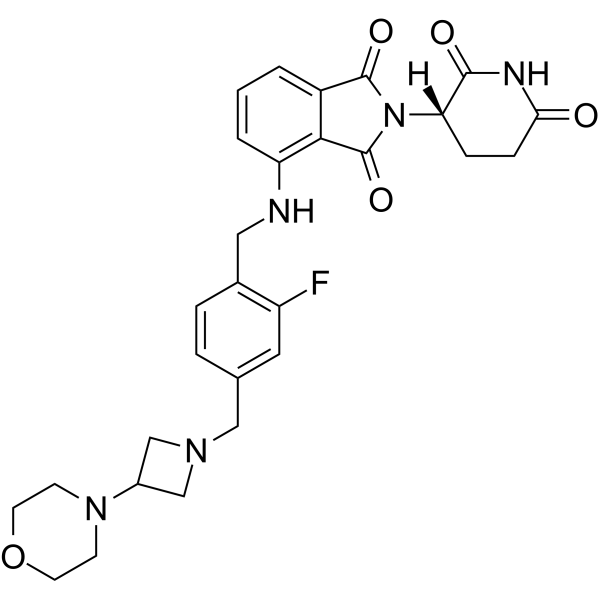
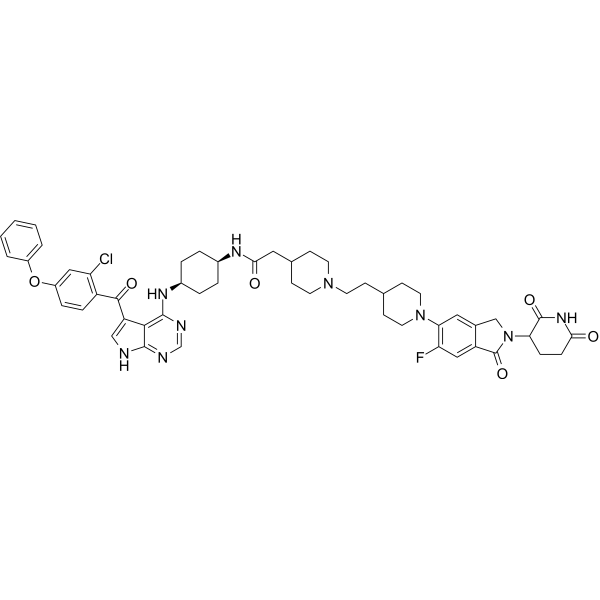
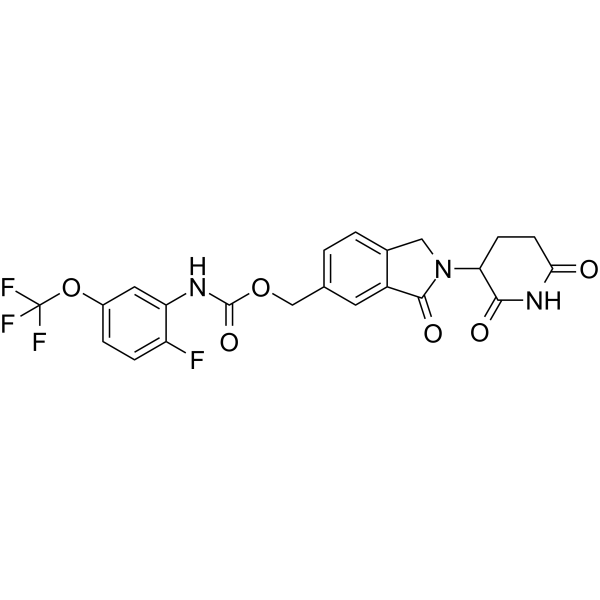
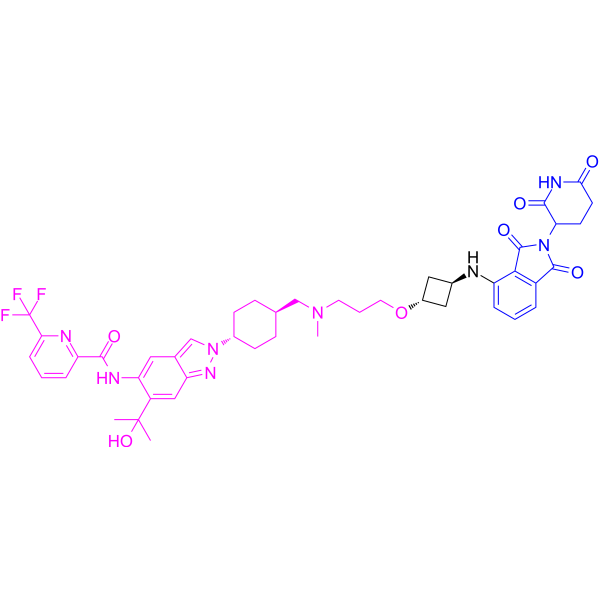
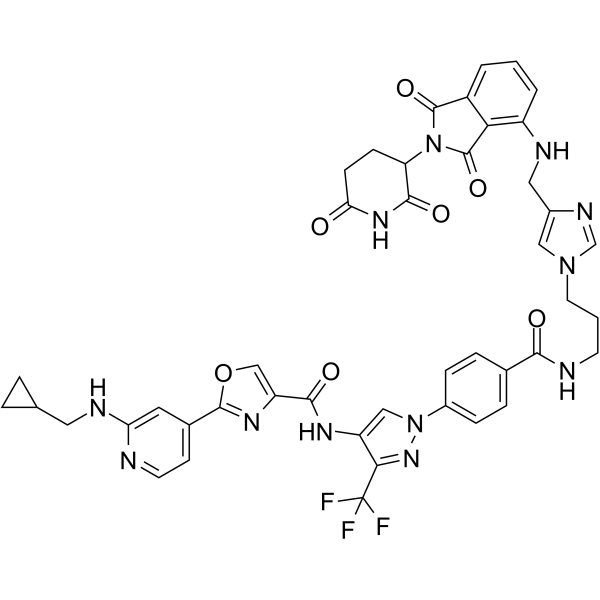
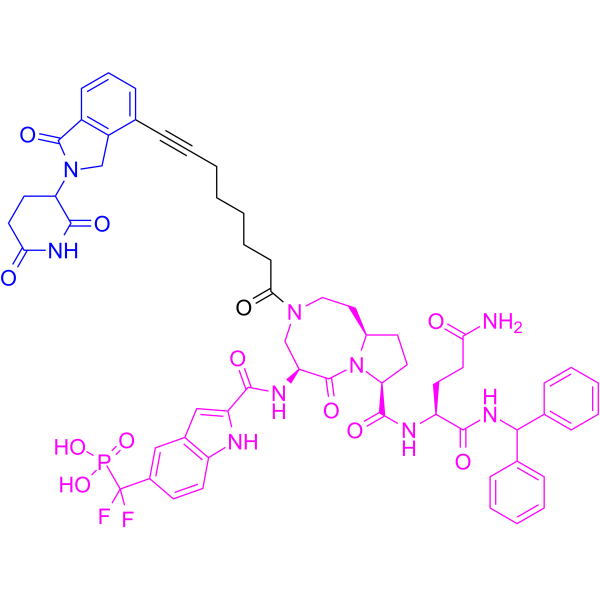
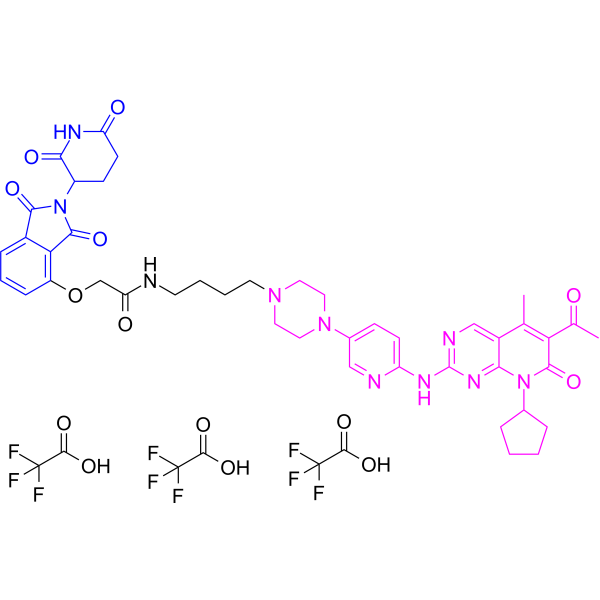
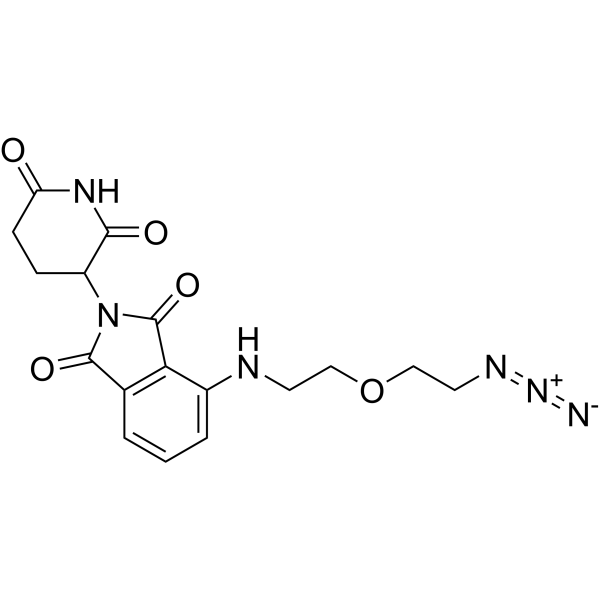
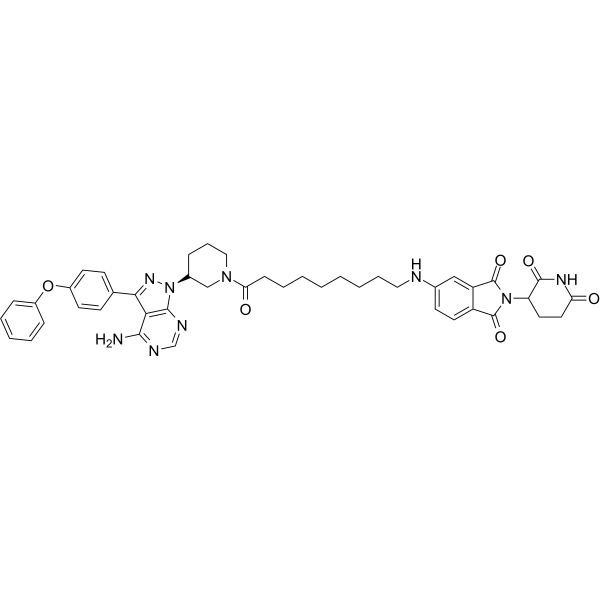
    AK-1690 is a selective PROTAC degrader targeting STAT6 (DC50=1 nM) with a Ki of 6 nM against human STAT6. AK-1690 degrades STAT6 via the interaction of STAT6 with cereblon and a ubiquitin-like process. AK-1690 effectively depletes STAT6 protein in mouse liver and lung tissues, and is applicable to research related to leukemia, Hodgkin's lymphoma, follicular lymphoma, etc. .
    AK-1690
  • HY-P9910

    GA101; Anti-Human CD20 type II, Humanized Antibody

    CD20 Cancer
    Obinutuzumab (GA101) a Type II CD20 humanized IgG1 monoclonal antibody in development for non-Hodgkin lymphoma.
    Obinutuzumab
  • HY-P99024
    Glofitamab
    1 Publications Verification

    RO7082859; RG-6026

    CD20 CD3 Inflammation/Immunology Cancer
    Glofitamab (RO7082859) is a T-cell-engaging bispecific antibody possessing a novel 2:1 structure with bivalency for CD20 on B cells and monovalency for CD3 on T cells. Glofitamab leads to T-cell activation, proliferation, and tumor cell killing upon binding to CD20 on malignant cells. Glofitamab induces durable complete remissions in relapsed or refractory B-Cell non-Hodgkin lymphoma (B-NHL) .
    Glofitamab
  • HY-P99033
    Mosunetuzumab
    1 Publications Verification

    BTCT-4465A; RG-7828; RO7030816

    CD20 CD3 Inflammation/Immunology Cancer
    Mosunetuzumab (BTCT-4465A) is a full-length, fully humanized immunoglobulin G1 (IgG1) T-cell-dependent bispecific (TDB) antibody targeting CD20 (B cells) and CD3 (T cells). Mosunetuzumab redirects T cells to engage and eliminate malignant B cells and can be used for the research of relapsed or refractory (R/R) B-cell non-Hodgkin lymphomas (B-NHLs) .
    Mosunetuzumab
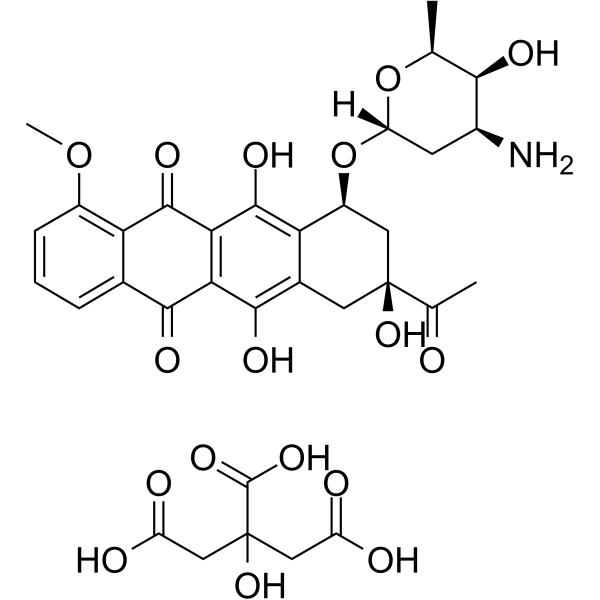
  • HY-13062A
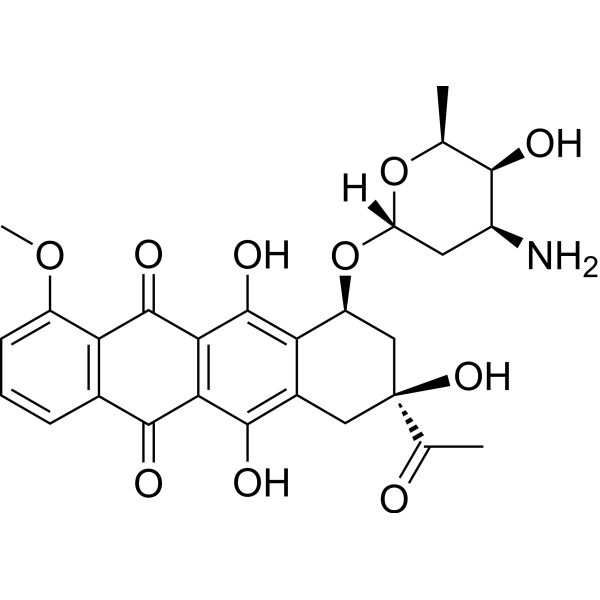
    Daunorubicin
    35+ Cited Publications

    Daunomycin; RP 13057; Rubidomycin

    Topoisomerase DNA/RNA Synthesis ADC Payload Autophagy Bacterial Antibiotic Apoptosis Infection Neurological Disease Cancer
    Daunorubicin (Daunomycin) is a topoisomerase II inhibitor with potent anti-tumor activity. Daunorubicin inhibits DNA and RNA synthesis. Daunorubicin is a cytotoxin that inhibits cancer cell viability and induces apoptosis and necrosis. Daunorubicin is also an anthracycline antibiotic. Daunorubicin can be used in the research of infection and variety of cancers, including leukemia, non-Hodgkin lymphomas, Ewing's sarcoma, Wilms' tumor .
    Daunorubicin
  • HY-158105
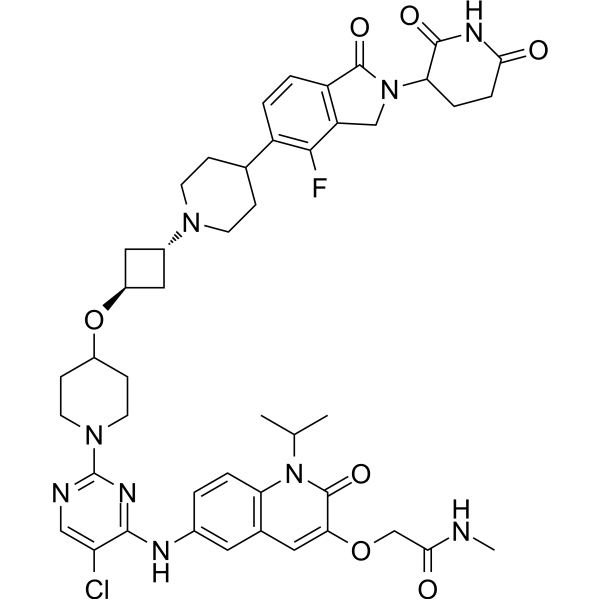
    ARV-393
    1 Publications Verification

    PROTACs BCL6 Cancer
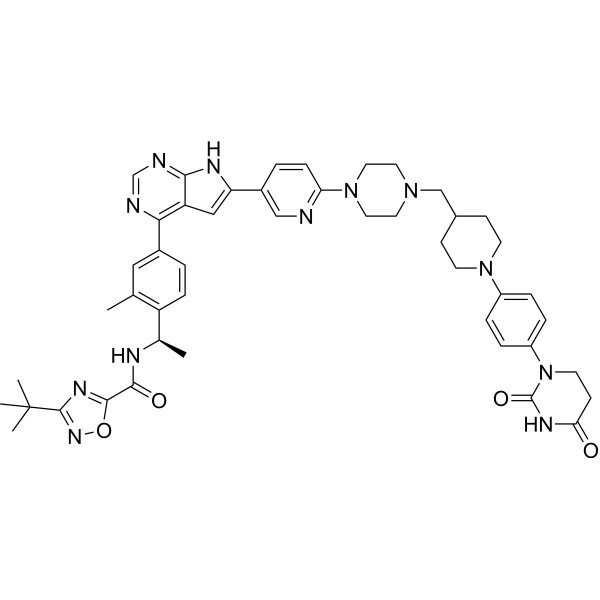
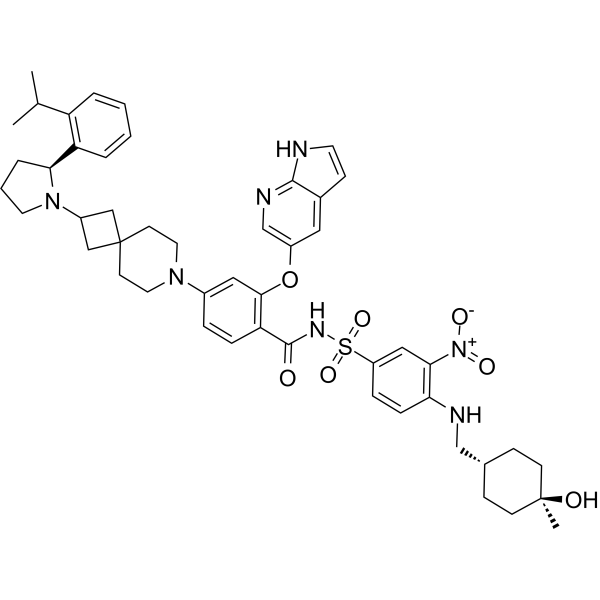
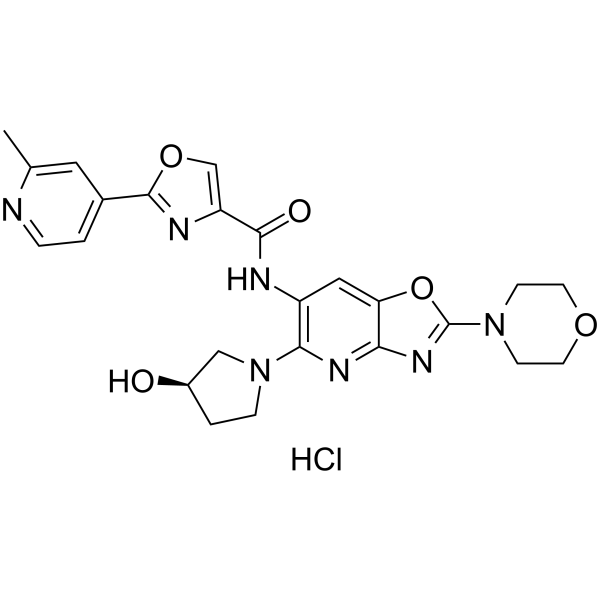
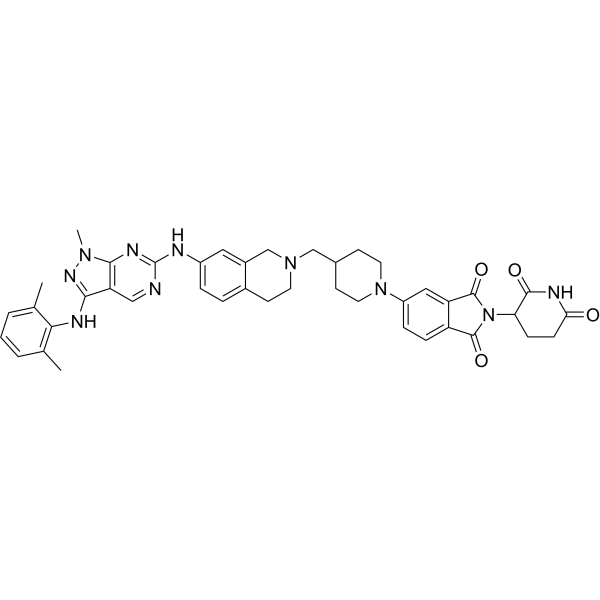
    ARV-393 is a potent and orally active BCL6 PROTAC degrader. ARV-393 induces ubiquitination of BCL6 and its subsequent degradation by the proteasome. ARV-393 has the potential for the research of advanced non-hodgkin lymphoma .
    ARV-393
  • HY-P99264

    Humanized Anti-CD22 Recombinant Antibody

    ADC Antibody CD22 Apoptosis Cancer
    Inotuzumab (Humanized Anti-CD22 Recombinant Antibody) is a humanized IgG4κ antibody that targets human CD22. Inotuzumab can be linked to a toxic agent Ozogamicin as an antibody-drug conjugate (ADC), Inotuzumab ozogamicin (HY-P9959). Inotuzumab can be used for the research of acute lymphoblastic leukemia and non-Hodgkin lymphoma .
    Inotuzumab
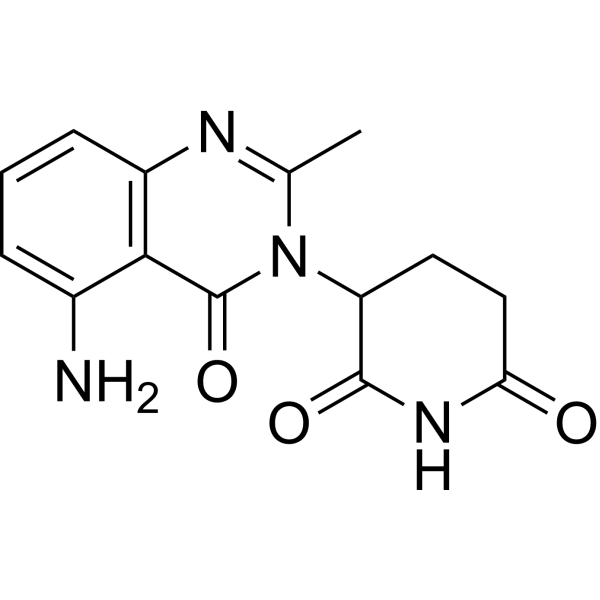
  • HY-146237

    CC-99282

    Ligands for E3 Ligase Molecular Glues Cancer
    Golcadomide (CC-99282) is a potent and orally active CRBN E3 ligase modulator (CELMoD). Golcadomide interacts with the CRL4 CRBN E3 ubiquitin ligase substrate receptor CRBN, inducing the recruitment and ubiquitin-mediated proteasomal degradation of the transcription factors Ikaros and Aiolos. Golcadomide shows potential for research in cancer-related fields, including chronic lymphocytic leukemia (CLL) and non-Hodgkin lymphoma (NHL) .

    Golcadomide
  • HY-P991028

    AZD0486; TNB-486

    CD3 CD19 Interleukin Related TNF Receptor IFNAR Cancer
    Surovatamig (AZD0486; TNB-486) is a fully human anti-CD19/CD3 IgG4 bispecific antibody. Surovatamig triggers T cell activation, releases cytotoxic granules, and induces T cell-dependent cellular cytotoxicity and tumor cell lysis. Surovatamig can reduces release of pro-inflammatory cytokines including IL-2, IFNγ, TNF. Surovatamig can be used for the research of cancer, such as B cell non-Hodgkin lymphoma .
    Surovatamig
  • HY-P99056

    PF 05082566

    TNF Receptor Inflammation/Immunology Cancer
    Utomilumab (PF 05082566) is a fully human IgG2 agonist monoclonal antibody that selectively binds to 4-1BB/CD137. Utomilumab can be used in the research of tumors such as follicular and other CD20 + non-Hodgkin lymphomas .
    Utomilumab
  • HY-160141

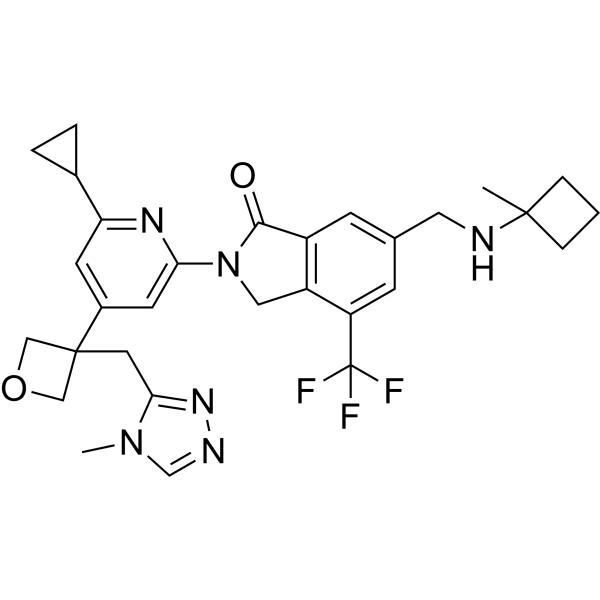
    BGB-16673; BTK-IN-29

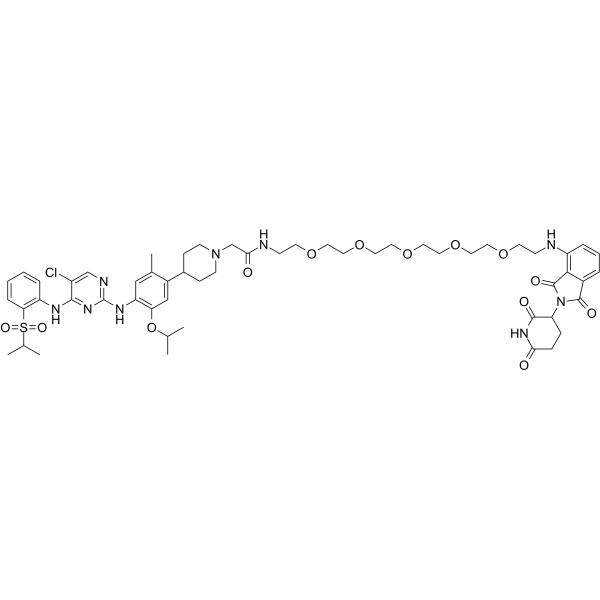
    PROTACs Btk NF-κB Inflammation/Immunology Cancer
    BGB-16673 (BGB-16673) is an orally active, selective BTK PROTAC degrader (IC50=0.69 nM). BGB-16673 ligates BTK to E3 ubiquitin ligase, causing BTK to undergo polyubiquitination, which is then recognized and degraded by the proteasome, thereby exerting efficient BTK degradation activity. BGB-16673 can be used in the research of B-cell malignancies such as chronic lymphocytic leukemia, small lymphocytic lymphoma, and mantle cell lymphoma .
    Catadegbrutinib
  • HY-172736

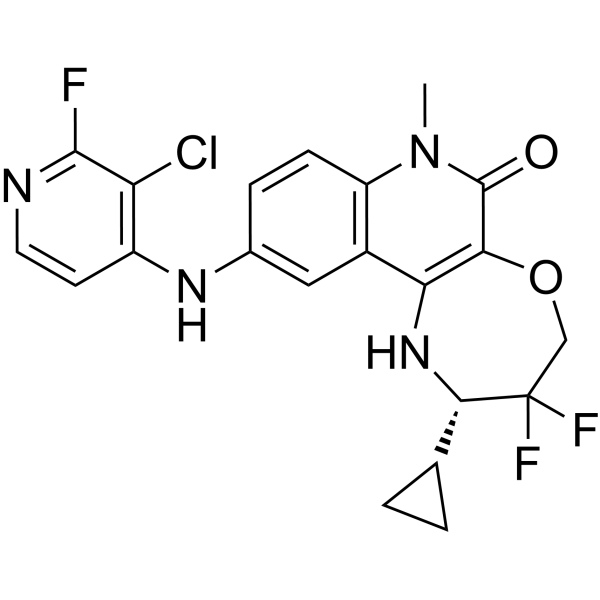
    PROTACs BCL6 CD20 Cancer
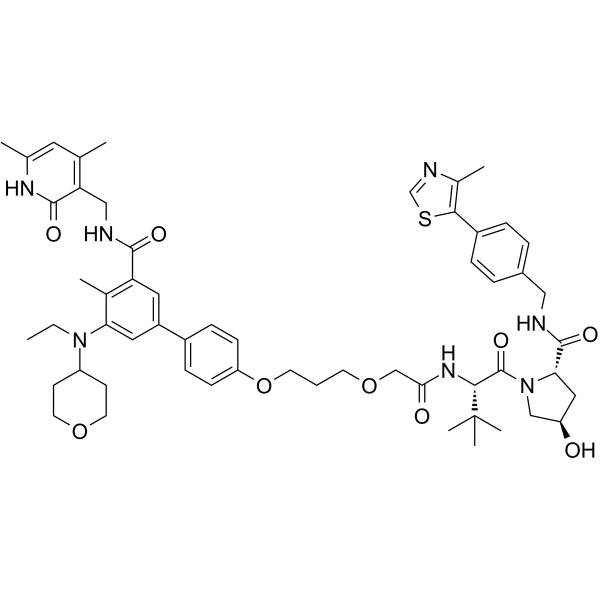
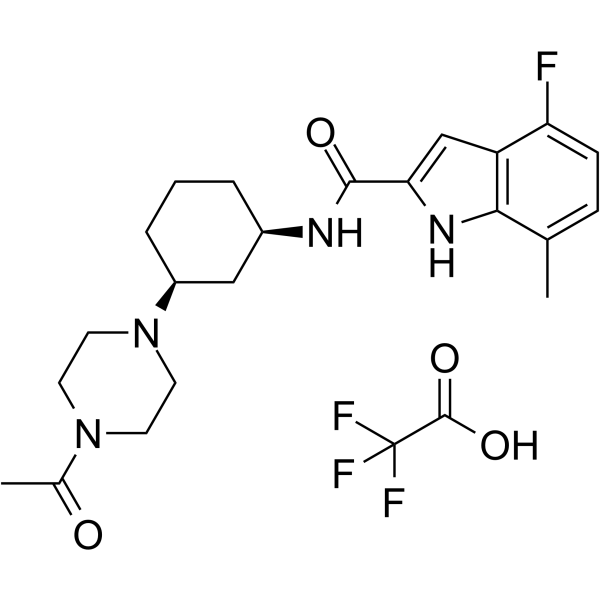
    BMS-986458 is a highly selective, orally active cereblon-based BCL6 PROTAC degrader and antitumor agent. BMS-986458 selectively degrades BCL6 by binding cereblon to the BTB domain of BCL6, thereby regulating the cell cycle, antiproliferative and interferon signaling pathways, and upregulating the expression and distribution of CD20. BMS-986458 modulates the phenotype of follicular helper T cells and reduces circulating tumor DNA levels. The combination of BMS-986458 with CD20xCD3 bispecific antibody also enhances the efficiency of T cell tumor infiltration and expansion. BMS-986458 induces regression of BCL6-positive tumors and prolongs survival, and it is suitable for research related to B-cell non-Hodgkin lymphoma, diffuse large B-cell lymphoma, follicular lymphoma, and relapsed/refractory lymphoma .
    BMS-986458
  • HY-10293
    Aderbasib
    1 Publications Verification

    INCB007839; INCB7839

    MMP Cancer
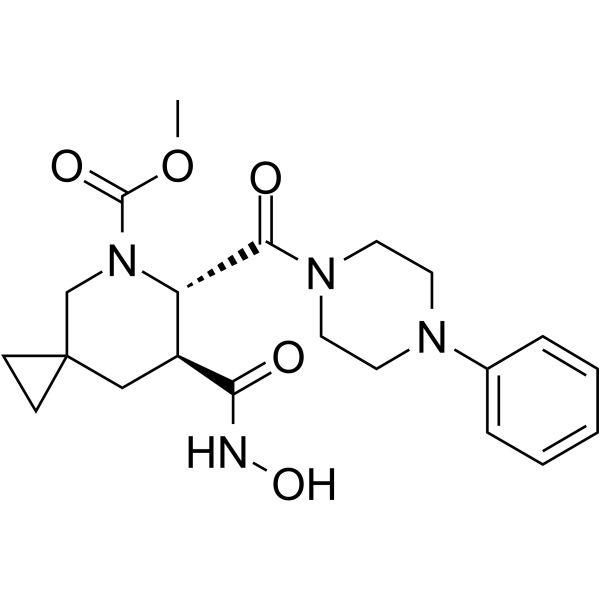
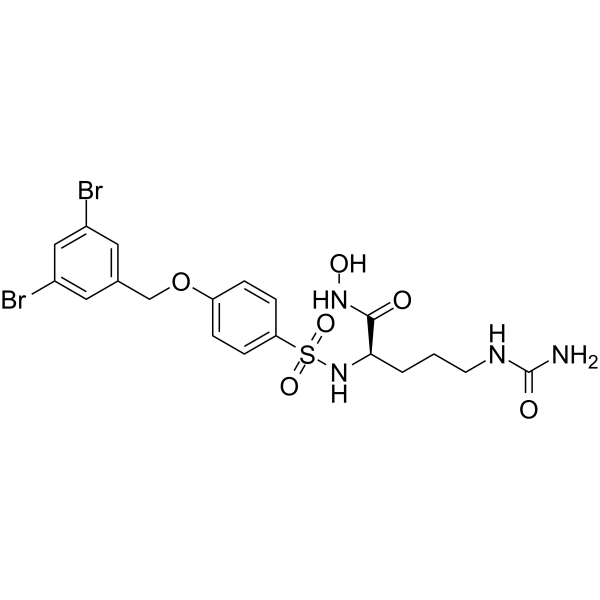
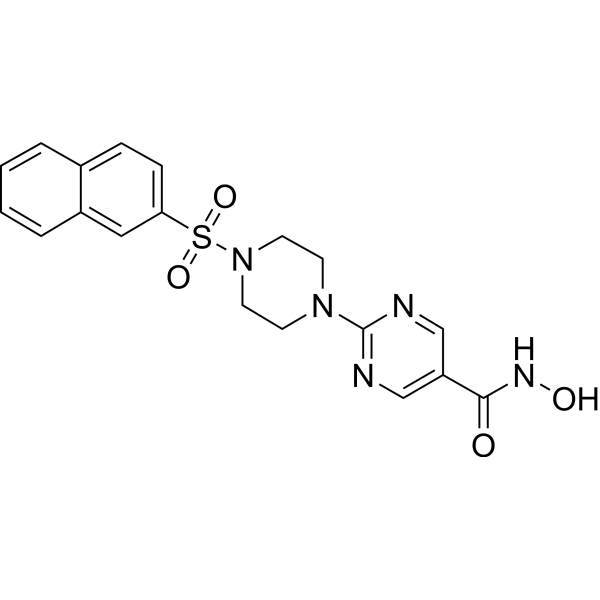
    Aderbasib (INCB007839) is a potent, orally active and target specific low nanomolar hydroxamate-based inhibitor of ADAM10 and ADAM17. Aderbasib exhibits robust antineoplastic activity and can be used for cancer research, including diffuse large B-cell non-Hodgkin lymphoma, HER2 + breast cancer, gliomas, et al .
    Aderbasib
  • HY-P99289

    Antibody hLL 2; AMG-412

    CD22 Inflammation/Immunology Cancer
    Epratuzumab (Antibody hLL 2) is an anti-CD22 IgG1 monoclonal antibody. Epratuzumab is also a tumor-imaging agent and an immunomodulatory agent. Epratuzumab can induce CD22 phosphorylation. Epratuzumab has been used to research non-Hodgkin’s lymphomas (NHL) and certain autoimmune diseases .
    Epratuzumab
  • HY-P9959

    CMC-544; PF-5208773; WAY-207294

    Antibody-Drug Conjugates (ADCs) CD22 Cancer
    Inotuzumab ozogamicin (CMC-544) is an antibody-targeted chemotherapy agent composed of a humanized anti-CD22 antibody conjugated to Calicheamicin (HY-19609). Inotuzumab ozogamicin and G544 bind human CD22 with similar affinities (Kd ≈ 150 pM). Inotuzumab ozogamicin has demonstrated efficacy against CD22 + B-cell non-Hodgkin’s lymphoma. Inotuzumab ozogamicin can be used in the research of acute lymphoblastic leukemia .
    Inotuzumab ozogamicin
  • HY-15322
    PRT062607
    4 Publications Verification

    P505-15; PRT-2607; BIIB-057

    Syk Apoptosis Caspase Inflammation/Immunology Cancer
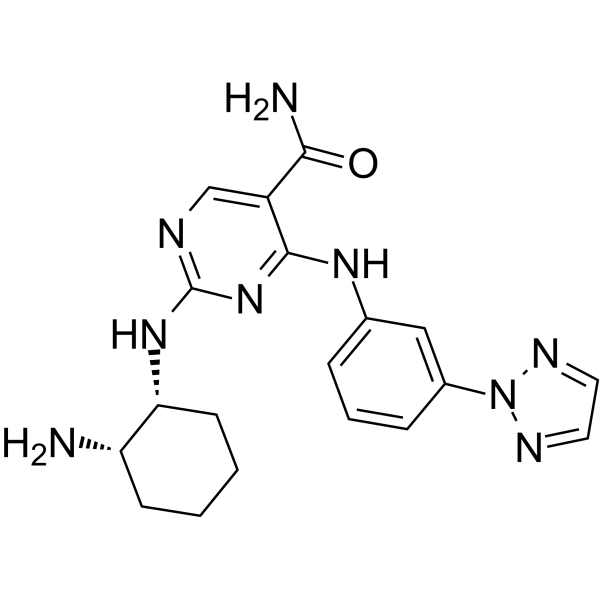
    PRT062607 (P505-15; PRT-2607) is an orally active ATP-competitive Syk inhibitor with an IC50 value of 1 nM, and exhibits at least 80-fold selectivity over other kinases. PRT062607 blocks B cell antigen receptor-mediated activation, Fcε receptor 1-mediated basophil degranulation and microglial phagocytosis, and induces caspase-dependent apoptosis and microglial death. PRT062607 inhibits tumor growth and peripheral nerve injury-induced mechanical allodynia, and prevents neuronal loss. PRT062607 can be used in research related to rheumatoid arthritis, chronic lymphocytic leukemia, non-Hodgkin's lymphoma, neurodegenerative diseases and neuropathic pain .
    PRT062607
  • HY-106634
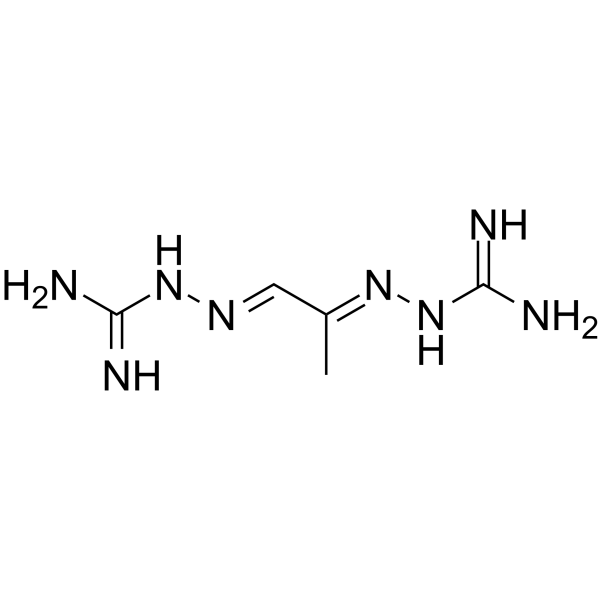
    Mitoguazone
    5 Publications Verification

    Methylglyoxal-bis(guanylhydrazone); MGBG; Methyl-GAG

    HIV Apoptosis Infection Cancer
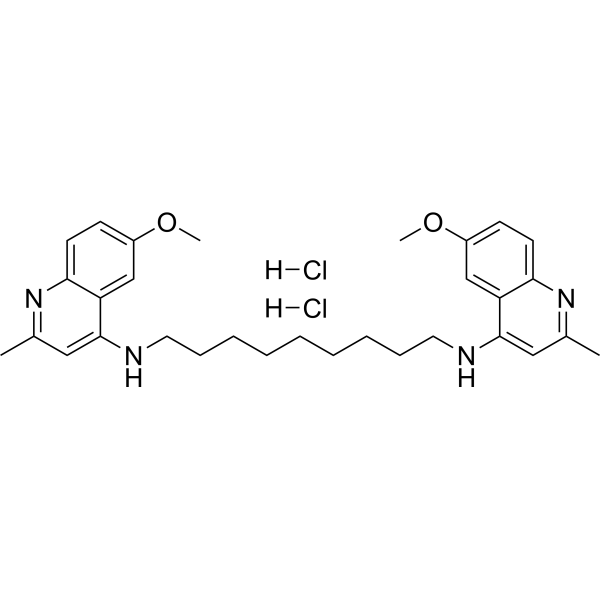
    Mitoguazone (Methylglyoxal-bis(guanylhydrazone)) is a synthetic polycarbonyl derivative with potent antineoplastic activity. Mitoguazone is a brain-penetrant and competitive S-adenosyl-methionine decarboxylase (SAMDC) inhibitor that disrupts polyamine biosynthesis. Mitoguazone induces cell apoptosis. Mitoguazone inhibits HIV DNA integration into the cellular DNA in both monocytes and macrophages. Mitoguazone has the potential for acute leukemia, Hodgkin's and non-Hodgkin's lymphoma treatment .
    Mitoguazone
  • HY-137438

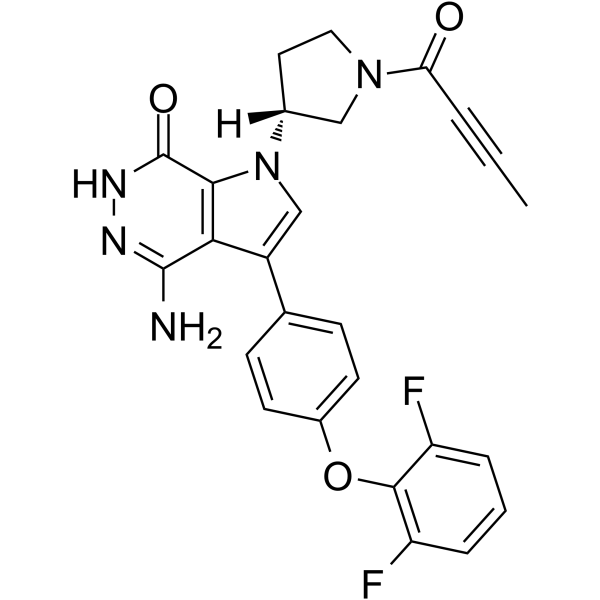
    TG-1701

    Btk Cancer
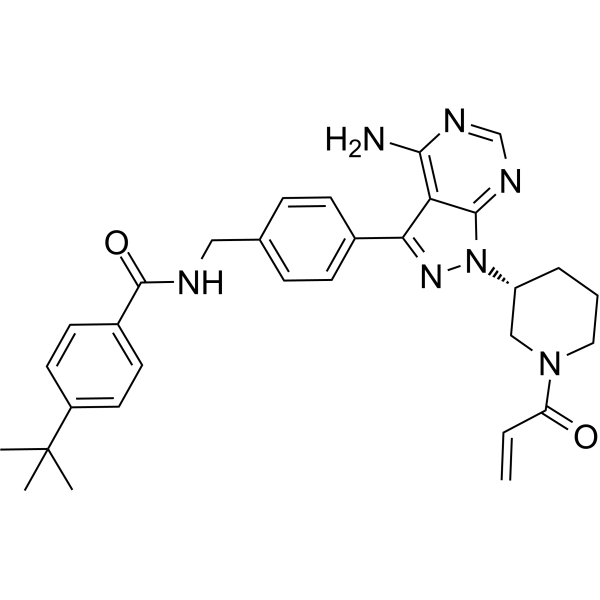
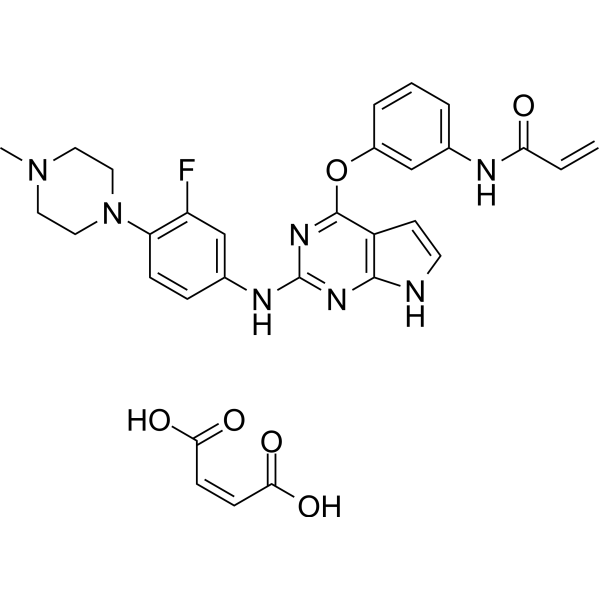
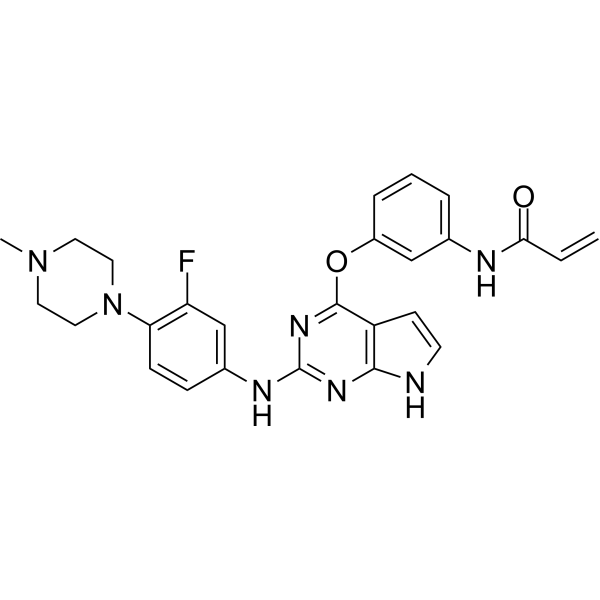
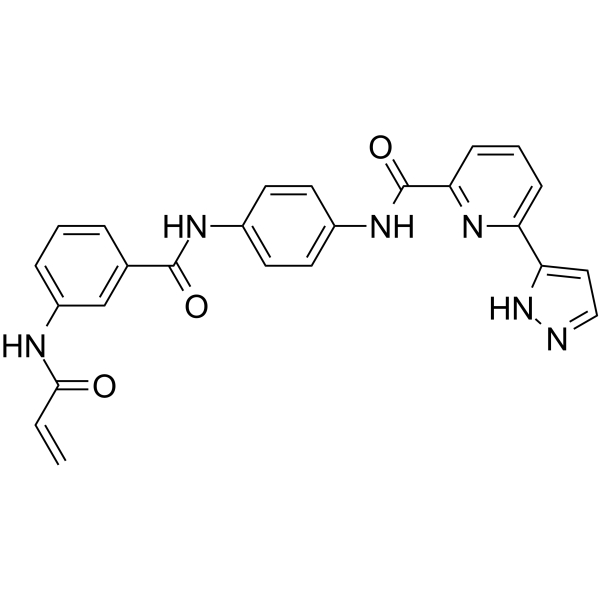
    Edralbrutinib (TG-1701) is a highly selective, orally available irreversible BTK inhibitor, with an EC50 of 6.70 nM and a Kd of 3 nM against human BTK. Edralbrutinib inhibits downstream signaling of the B cell receptor, induces dephosphorylation of Ikaros Ser442/445, promotes nuclear exclusion of Ikaros, attenuates Ikaros gene signatures, and exerts anti-tumor activity. Edralbrutinib can be used in research related to B-cell non-Hodgkin lymphoma, chronic lymphocytic leukemia, mantle cell lymphoma, follicular lymphoma, and diffuse large B-cell lymphoma .
    Edralbrutinib
  • HY-P99711

    RB4v1.2

    CD19 ADC Antibody Cancer
    Loncastuximab (RB4v1.2) is an anti-CD19 monoclonal antibody. Loncastuximab has antitumor activity and can be used in the research of Non-Hodgkin Lymphoma (NHL) and Diffuse Large B-cell Lymphoma (DLBCL). Loncastuximab is capable of synthesizing the ADC molecule Loncastuximab tesirine (HY-P99349) .
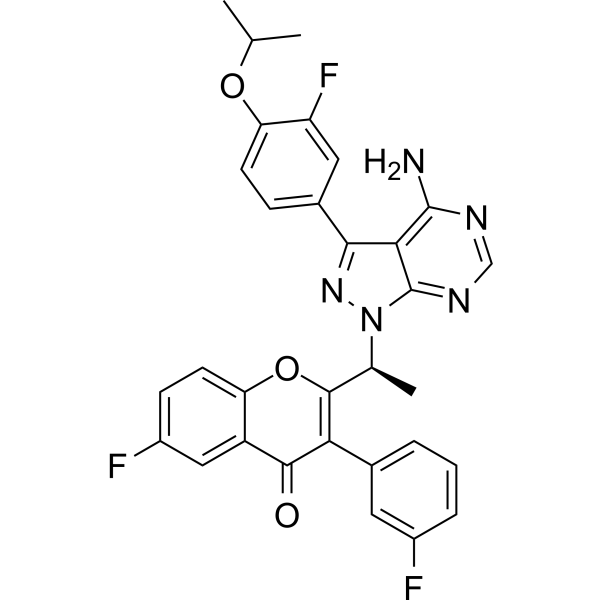
    Loncastuximab
  • HY-176763

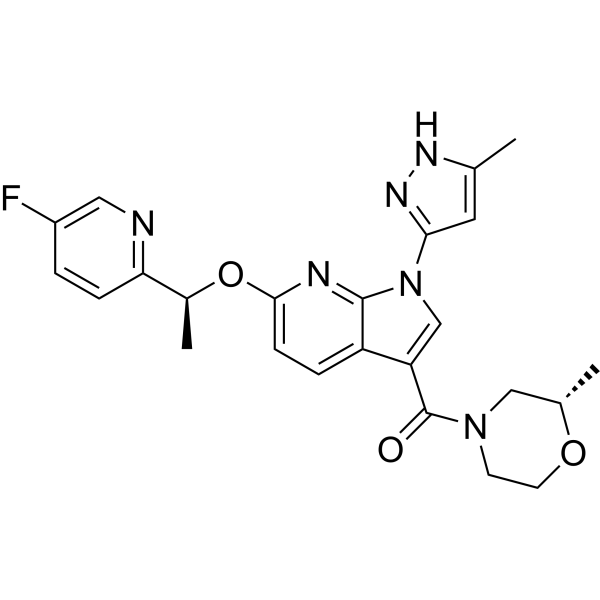
    Sec61 Cancer
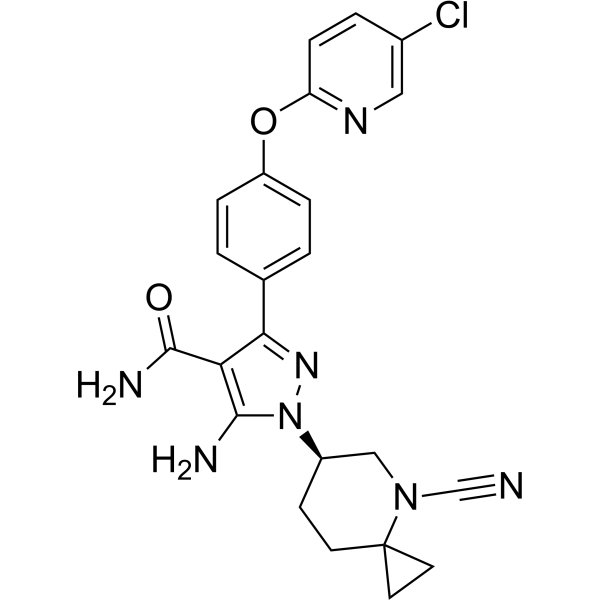
    KZR-261 is a Sec61 translocase inhibitor. KZR-261 binds directly to the Sec61 channel, thereby inhibiting the biosynthesis of certain Sec61 substrate proteins, including oncogenic factors. KZR-261 activates the endoplasmic reticulum stress response. KZR-261 exhibits broad in vitro anticancer activity. KZR-261 shows antitumor efficacy in mouse models of cancer. KZR-261 can be used for the research of multiple myeloma, colorectal cancer, small cell lung cancer, pancreatic cancer, prostate cancer, non-Hodgkin's lymphoma, and mantle cell lymphoma .
    KZR-261
  • HY-P990855

    Transmembrane Glycoprotein Inflammation/Immunology Cancer
    Anti-CD8α Antibody (OKT-8) is an anti-human CD8α IgG2a monoclonal antibody. Anti-CD8α Antibody (OKT-8) can reduce the secretion of IFNγ. Anti-CD8α Antibody (OKT-8) can deplete CD8 + T cells. Anti-CD8α Antibody (OKT-8) can be used for researches on inflammation conditions and cancer such as B non-Hodgkin lymphomas (B-NHLs). The recommend isotype control of Anti-CD8α Antibody (OKT-8): Mouse IgG2a kappa, Isotype Control (HY-P99978) .
    Anti-CD8α Antibody (OKT-8)
  • HY-107531

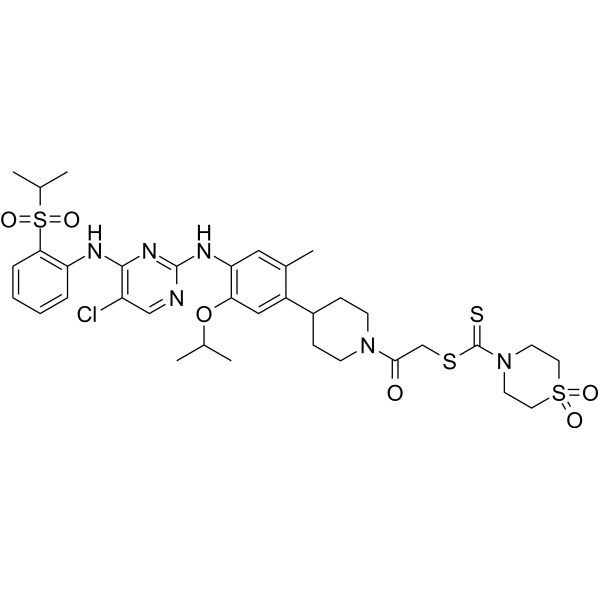
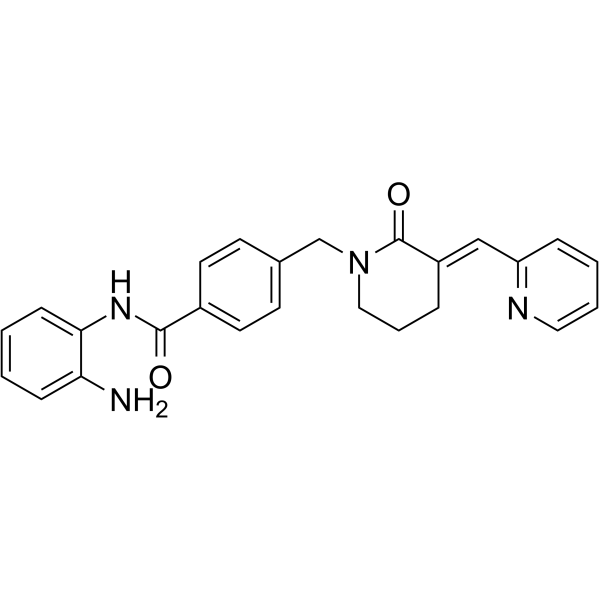
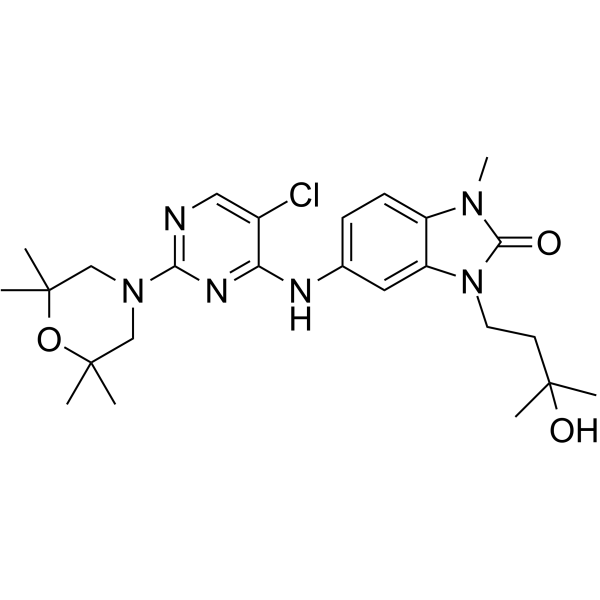
    GSK-3 Neurological Disease Cancer
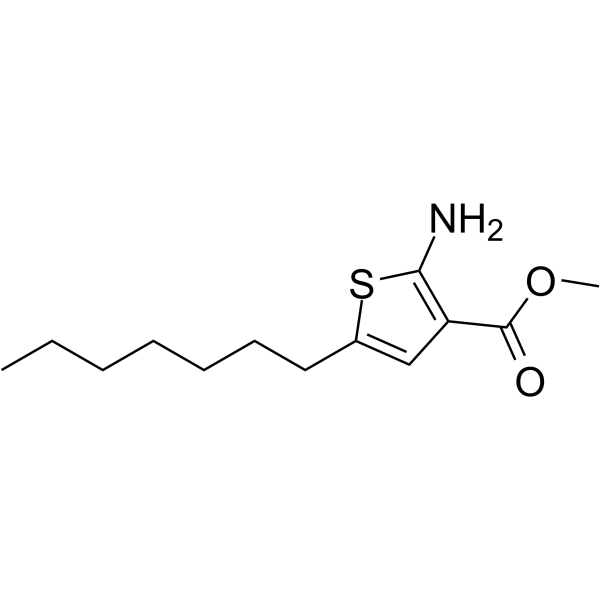
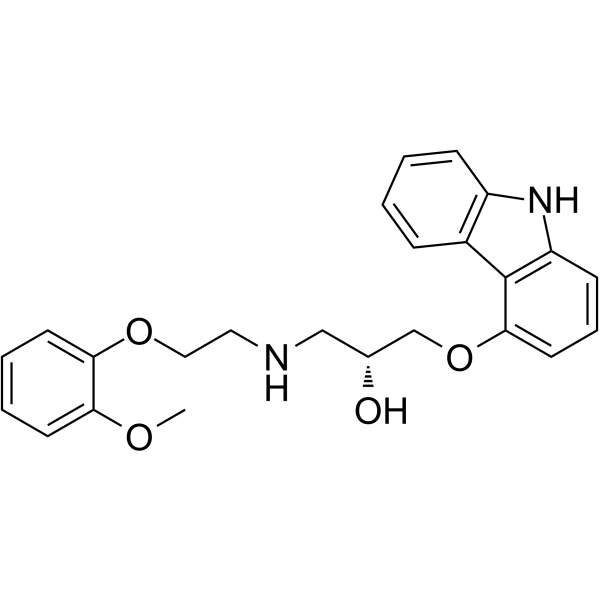
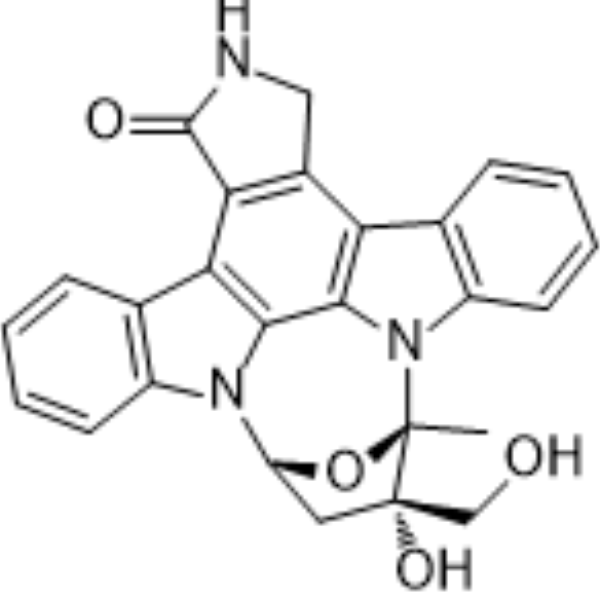
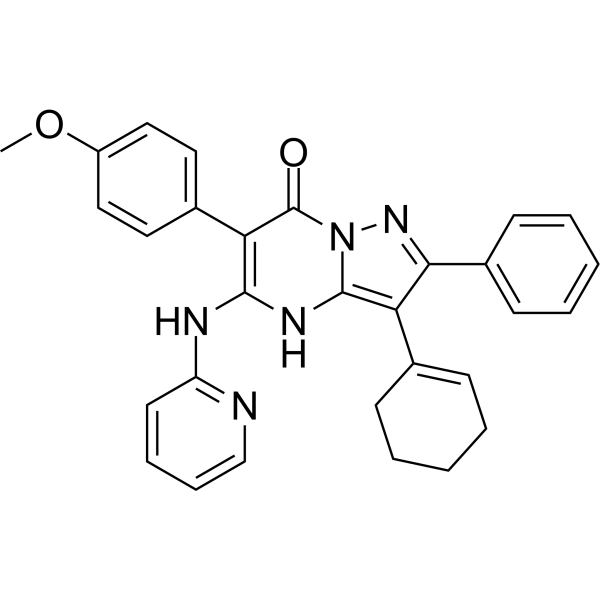
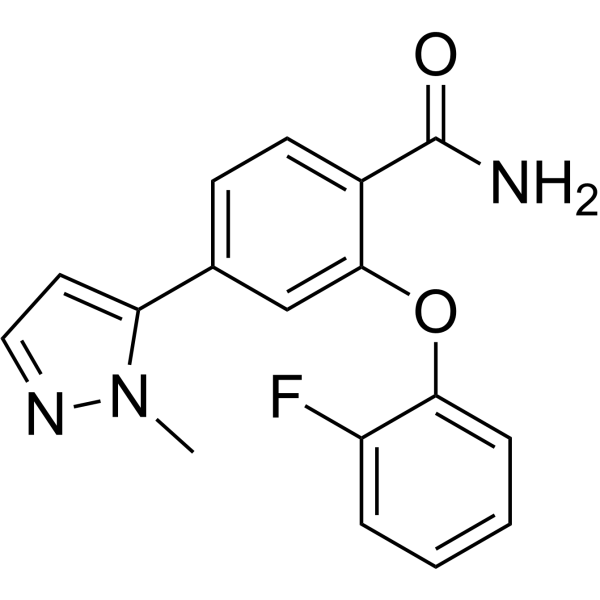
    A 1070722 is a potent and selective glycogen synthase kinase 3 (GSK-3) inhibitor, with a Ki of 0.6 nM for both GSK-3α and GSK-3β. A 1070722 can penetrate the blood-brain barrier (BBB) and accumulates in brain regions, thus potential for PET radiotracer for the quantification of GSK-3 in brain. A 1070722 decreases spontaneous locomotion .
    A 1070722
  • HY-P99483

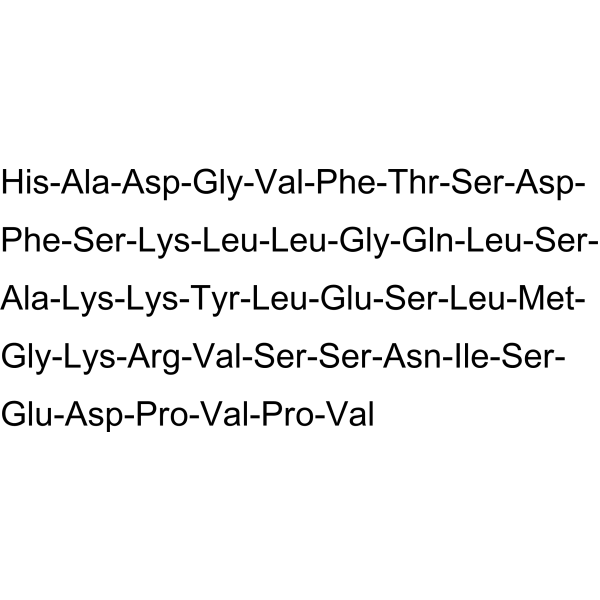
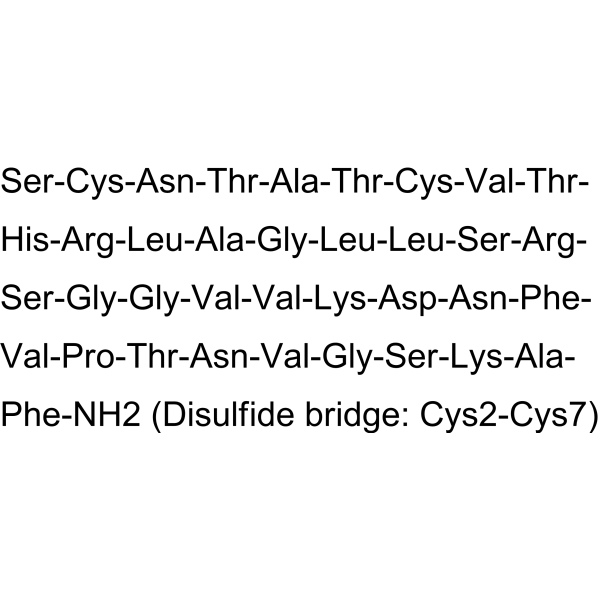
    AT 004; VT 007

    CD20 Cancer
    Blontuvetmab (AT 004) is a canine-derived CD20 monoclonal antibody, and it is used for research on canine B-cell lymphoma .
    Blontuvetmab
  • HY-17557

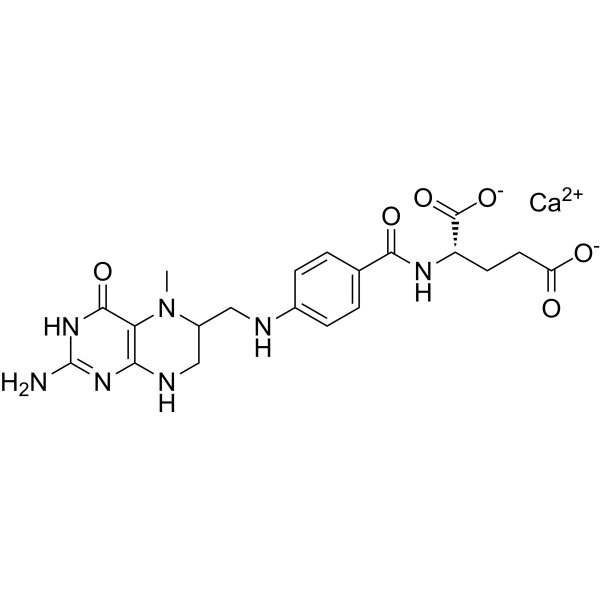
    NSC173328; 5-Methyl THF calcium

    Drug Derivative Cardiovascular Disease Neurological Disease Metabolic Disease Cancer
    Calcium N5-methyltetrahydrofolate (NSC173328; 5-Methyl THF (calcium)), Levomefolic acid (HY-14781) derivative, is a folic acid supplement. Calcium N5-methyltetrahydrofolate can be used for the research of neural tube defects, infertility, non-hodgkin's lymphoma, endometriosis .
    Calcium N5-methyltetrahydrofolate
  • HY-156640

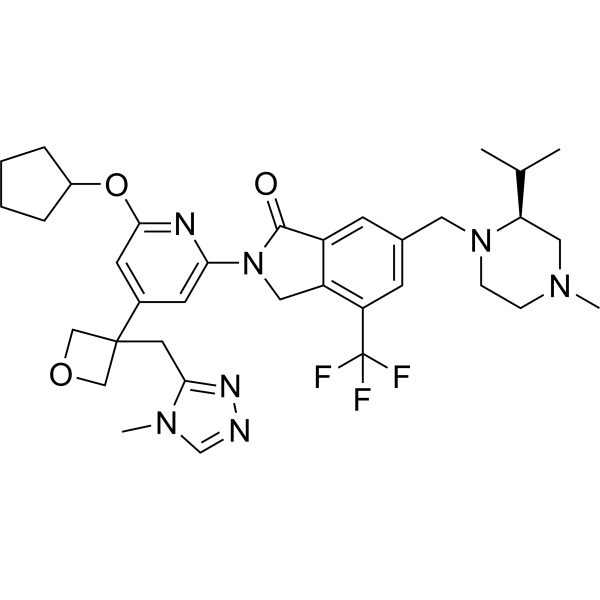
    LP-168

    EGFR Cancer
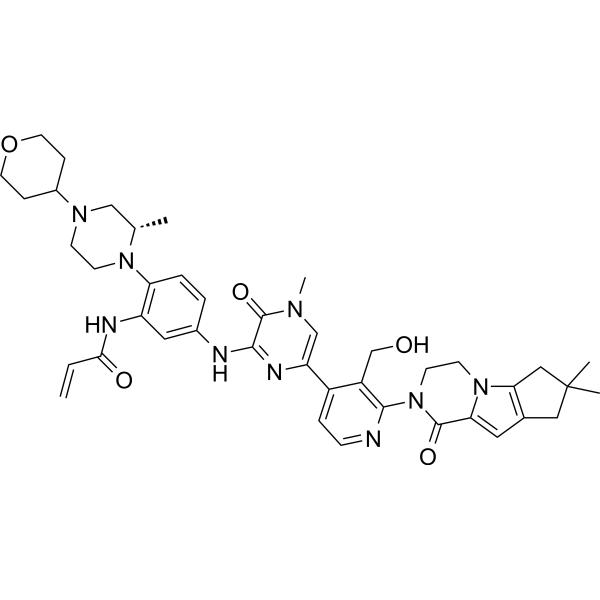
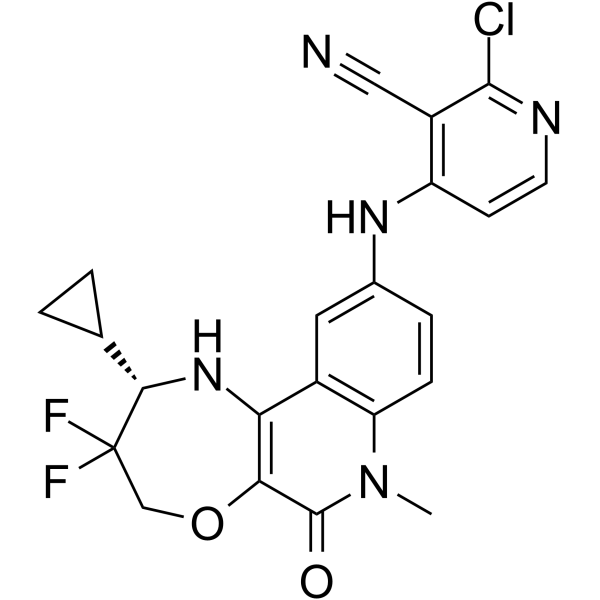
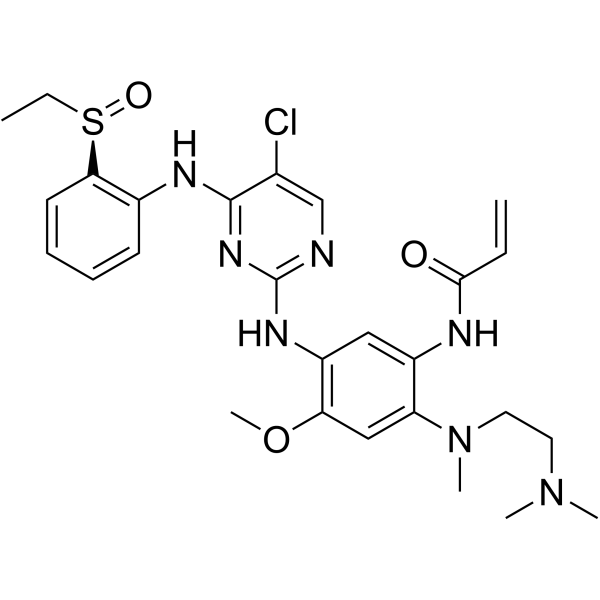
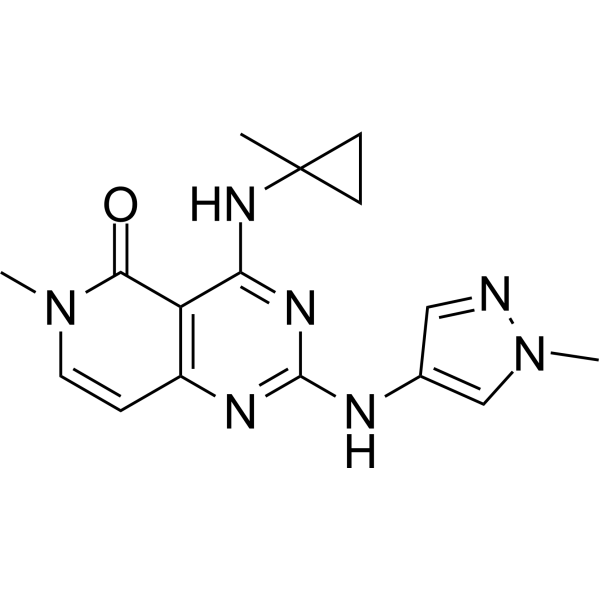
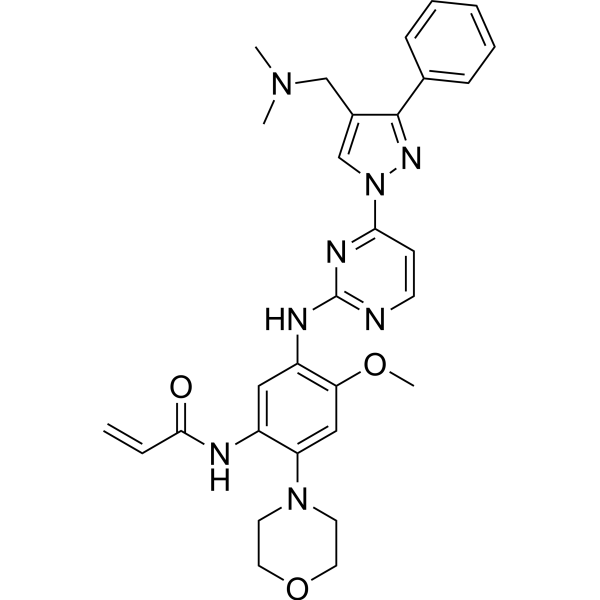
    Rocbrutinib is an orally available, highly selective Bruton's tyrosine kinase (BTK) inhibitor, with an IC50 of 0.11 nM against wild-type BTK and an IC50 of 1.0 nM against C481S-mutated BTK. Rocbrutinib reduces the viability of leukemia cells, induces cytotoxicity and inhibits cell migration. Rocbrutinib can be used in research related to chronic lymphocytic leukemia, non-Hodgkin's lymphoma and mantle cell lymphoma .
    Rocbrutinib
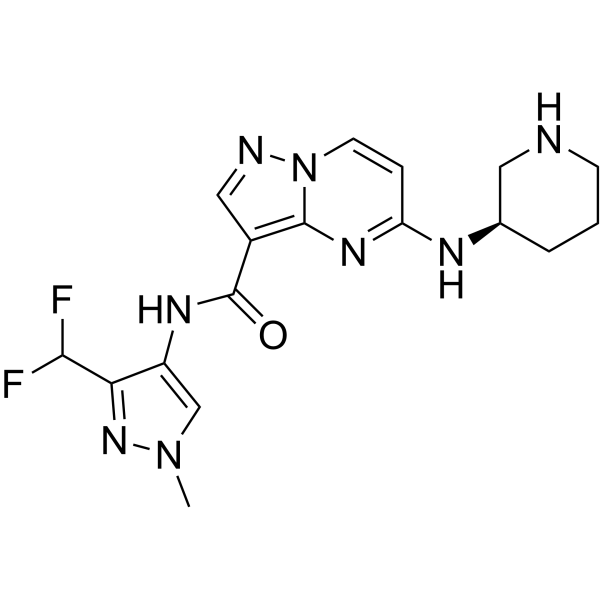
  • HY-P990033

    CC-95251; BMS-986351

    CD47 Cancer
    Anzurstobart is a CD47/SIRPα inhibitor with human SIRPα Kd of 0.0541 nM and human SIRPα IC50 of 100 nM. Anzurstobart binds SIRPα at a CD47-overlapping site, blocks CD47-SIRPα interactions, inhibits CD47-SIRPα axis signaling, and binds across 6 prevalent human SIRPα haplotypes. Anzurstobart binds SIRPγ and inhibits CD47-SIRPγ interactions. Anzurstobart can be used for the research of non-Hodgkin's lymphoma, colorectal cancer, squamous cell carcinoma of the head and neck, diffuse large B-cell lymphoma, and advanced solid and hematologic malignancies .
    Anzurstobart
  • HY-P99272
    Ulocuplumab
    1 Publications Verification

    BMS 936564; MDX 1338; Anti-Human CXCR4 Recombinant Antibody

    CXCR Cancer
    Ulocuplumab (Anti-Human CXCR4 Recombinant Antibody/BMS-936564/MDX1338) is a fully human IgG4 anti-CXCR4 antibody. Ulocuplumab induces apoptosis and inhibits CXCL12 mediated CXCR4 activation-migration of chronic lymphocytic leukemia (CLL). Ulocuplumab exhibits antitumor activity in established tumors including acute myeloid leukemia (AML), non-Hodgkin lymphoma (NHL), and multiple myeloma xenograft models .
    Ulocuplumab
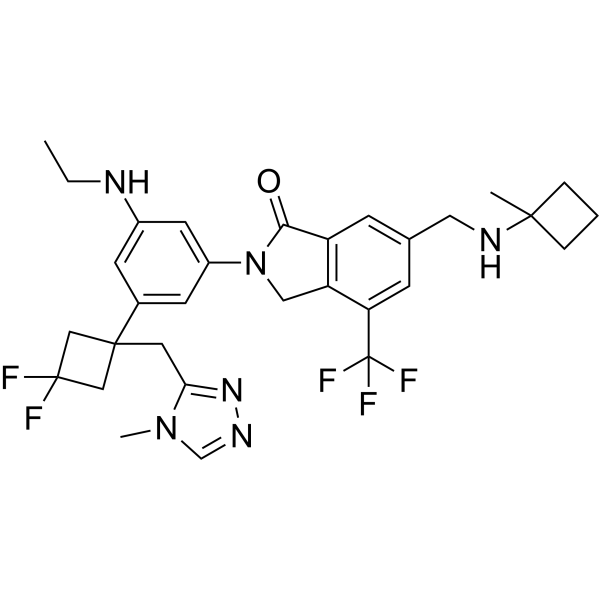
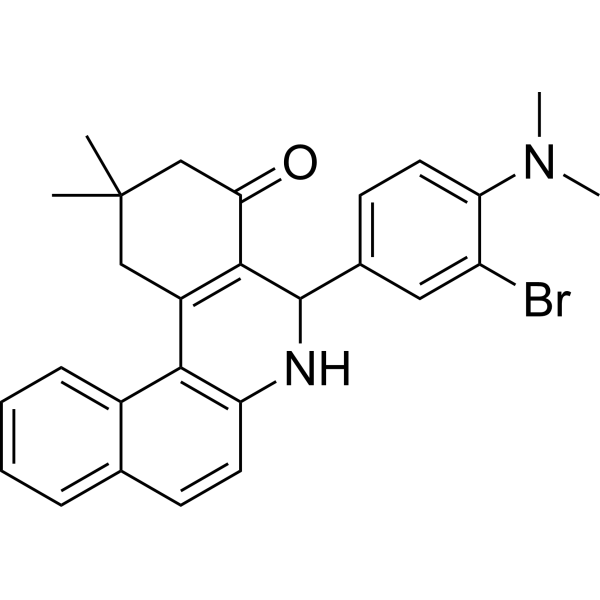
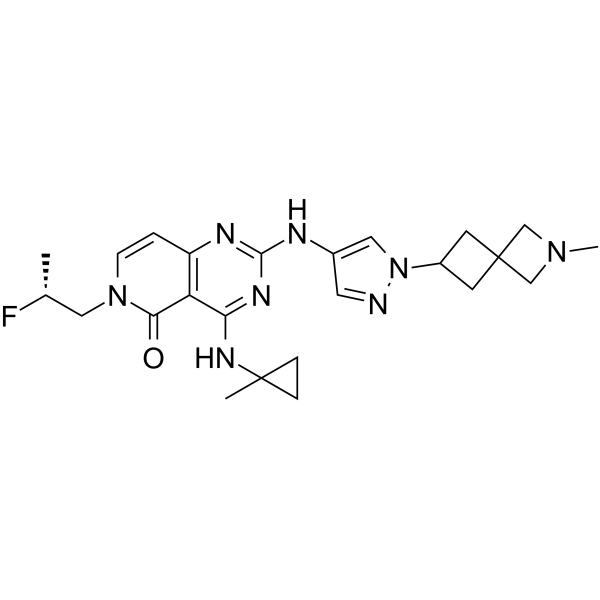
  • HY-160698

    MALT1 Apoptosis Cancer
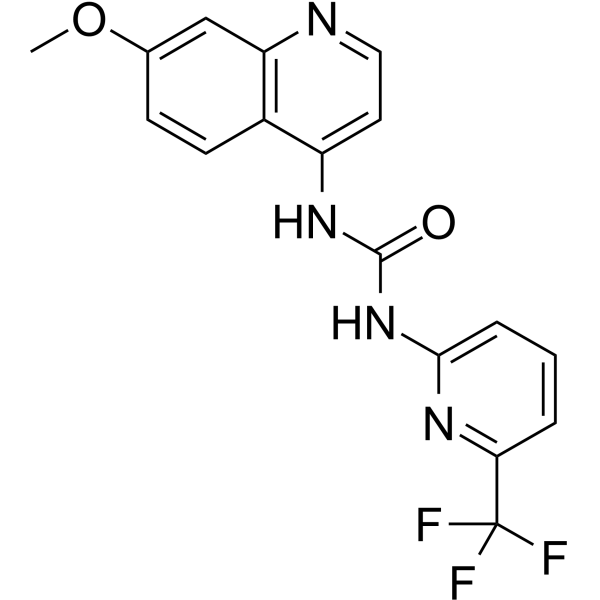
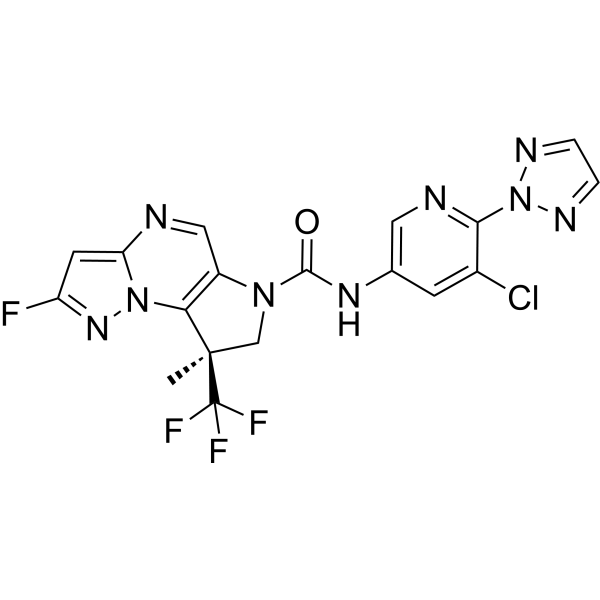
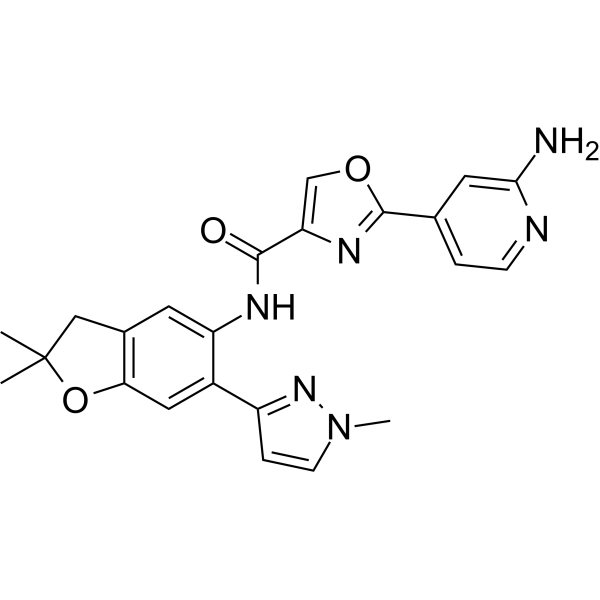
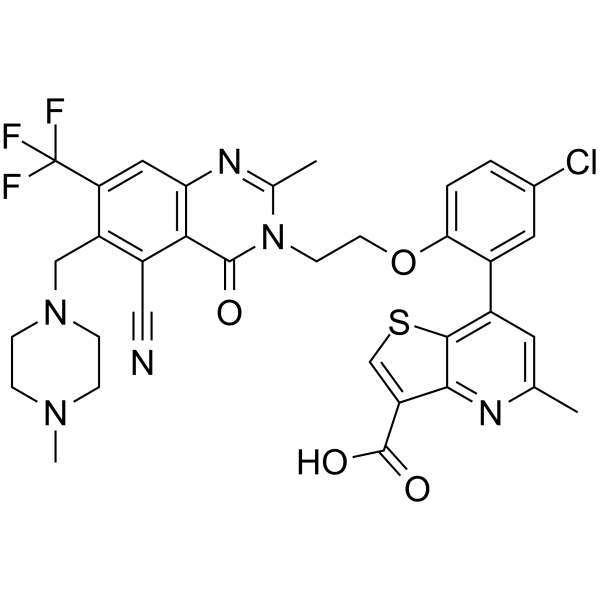
    SGR-1505 is an oral small molecule MALT1 inhibitor with anti-proliferative and antitumor activity.SGR-1505 inhibits MALT1 enzymatic activity to modulate NF-κB pathway gene expression.SGR-1505 induces modulation of cell cycle, DNA damage, and apoptosis-related genes in in vivo tumor samples.SGR-1505 exerts tumorostatic and regressive activity in ABC-DLBCL xenograft models.SGR-1505 can be used for the research of activated B cell-like diffuse large B cell lymphoma, non-Hodgkin B-cell lymphomas, chronic lymphocytic leukemia, and mature B cell neoplasms .
    SGR-1505
  • HY-P99224

    IMMU-106; hA20

    Integrin Cancer
    Veltuzumab (IMMU-106) is a humanized anti-CD20 monoclonal antibody. Veltuzumab has low EC50 value of 0.08-0.09 μg/mL in the Daudi cell line. Veltuzumab can be used for the research of cancer including non-Hodgkin lymphoma (NHL) .
    Veltuzumab
  • HY-147091

    Ligands for Target Protein for PROTAC Cancer
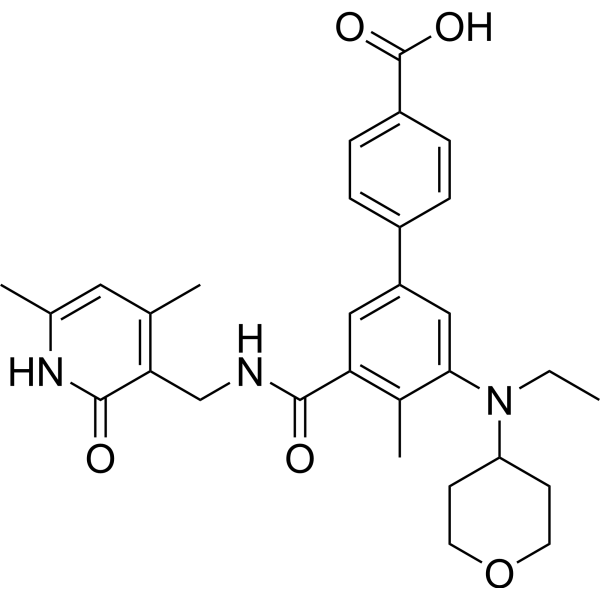
    Tazemetostat de(methyl morpholine)-COOH (compound 7) is a ligand for the PROTAC target protein EZH2, which can be used to synthesis of EZH2 degraders (PROTACs). EZH2 degraders have potent cell viability inhibition in diffuse large B-cell lymphoma (DLBCL) and other subtypes of lymphoma .
    Tazemetostat de(methyl morpholine)-COOH
  • HY-P99613

    MK-4280; Mavezelimab

    LAG-3 Cancer
    Favezelimab (MK-4280) is a humanized monoclonal antibody targeting LAG-3. Favezelimab blocks the interaction between LAG-3 and its ligand, MHC class II molecules. Favezelimab is applicable to research on relapsed/refractory classical Hodgkin lymphoma, relapsed/refractory diffuse large B-cell lymphoma, and relapsed/refractory indolent B-cell lymphoma . For the isotype control of Favezelimab, refer to Human IgG4 (S228P) kappa, Isotype Control (HY-P99003).
    Favezelimab
  • HY-P99230

    Integrin CD22 Cancer
    Pinatuzumab is a humanized monoclonal antibody targeting cell-surface antigen CD22. Pinatuzumab can be used to synthesize antibody-drug conjugate (ADC) such as Pinatuzumab vedotin (HY-141602). Pinatuzumab can be studied in research on cancer such as non-Hodgkin lymphoma. Recommend Isotype Controls: Human IgG1 kappa, Isotype Control (HY-P99001) .
    Pinatuzumab
  • HY-100335
    PCI-33380
    1 Publications Verification

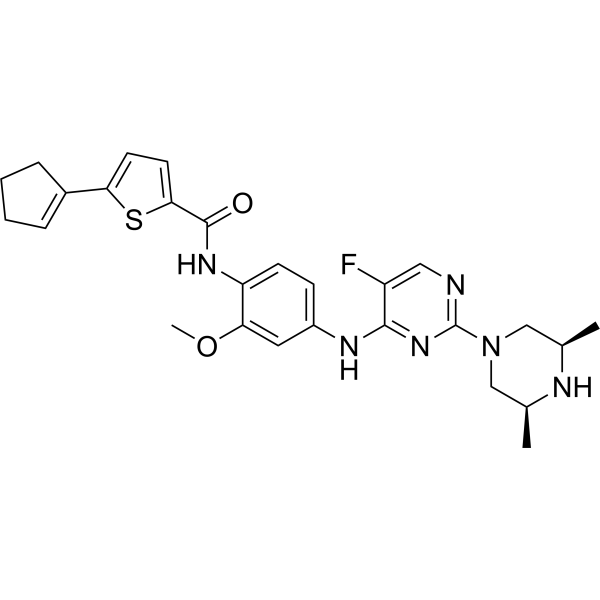
    Fluorescent Dye Btk Cancer
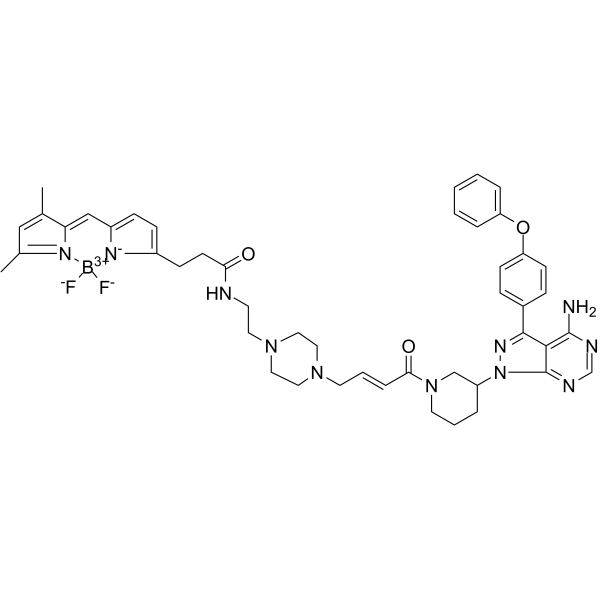
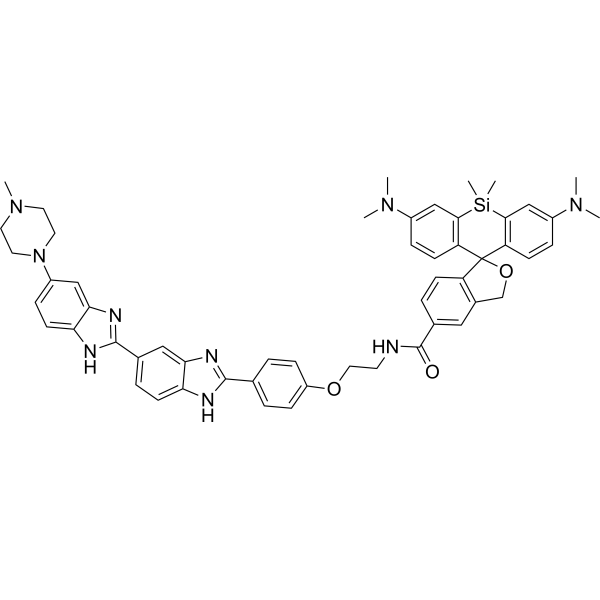
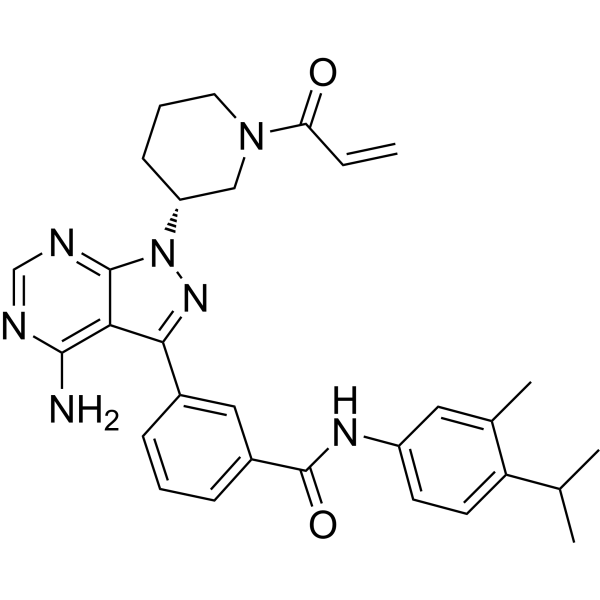
    PCI-33380 is a fluorescent probe ( (Ex=532 nm, Em=555 nm). PCI-33380 consists of a (BTK) inhibitor PCI-32765 (HY-10997) attaching with a Bodipy-FL fluorophore via a piperazine linker. PCI-33380 binds predominantly to Btk in B cell lysates with cell permeable activity. PCI-33380 can be used for imaging live cancer cells such as non-Hodgkin lymphoma research
    PCI-33380
  • HY-P99914

    GNC-038

    PD-1/PD-L1 CD19 TNF Receptor CD3 Interleukin Related IFNAR Inflammation/Immunology Cancer
    Emfizatamab (GNC-038) is a monoclonal antibody against CD19/CD3E/TNFRSF9/PD-L1. Emfizatamab exhibits antitumor activity, being capable of activating CD3 and 4-1BB signals on T cells, as well as targeting the high expression of CD19 or PD-L1 on tumor cells. Emfizatamab functions as a CD19-specific T cell engager by mediating direct antitumor activity. Emfizatamab can also overcome the inhibition of T cells by PD-L1. Emfizatamab can be used in the research of tumors such as R/R non-Hodgkin lymphoma or acute lymphoblastic leukemia .
    Emfizatamab
  • HY-160167

    DZD8586

    Src Btk Inflammation/Immunology Cancer
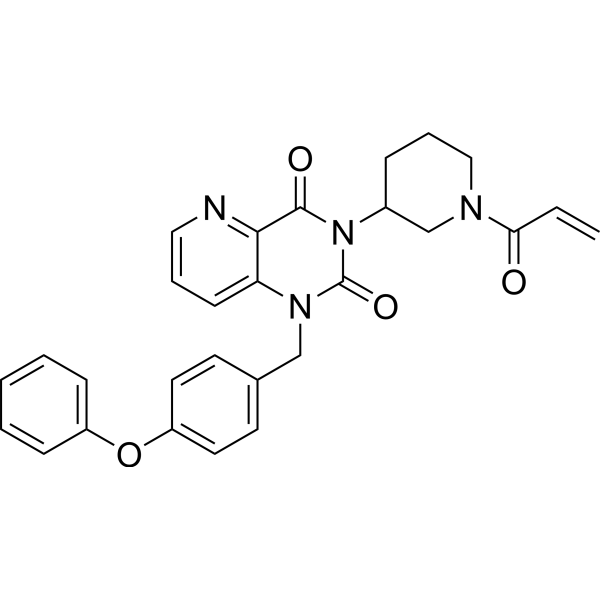
    Birelentinib (DZD8586) is an orally effective, selective, non-covalent inhibitor targeting LYN tyrosine kinase and BTK tyrosine kinase, capable of penetrating the blood-brain barrier. Birelentinib exhibits concentration-dependent antiproliferative effects in RI-1 cells and diffuse large B-cell lymphoma (DLBCL) cell lines carrying BTK resistance mutations (such as C481X, V416L, etc.). Birelentinib blocks both BTK-dependent and independent signaling of the B-cell receptor (BCR), thereby inhibiting tumor cell proliferation and inducing cell death. Birelentinib can be used in research to overcome resistance to existing covalent and non-covalent BTK inhibitors in B-cell non-Hodgkin lymphoma (B-NHL) .
    Birelentinib
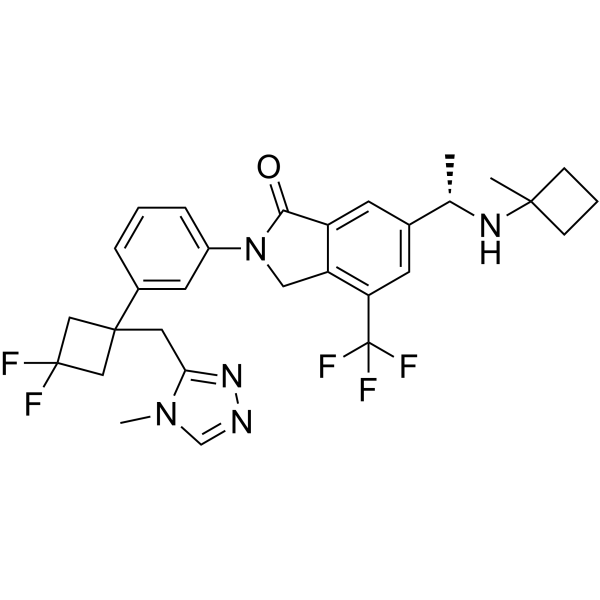
  • HY-109585

    IRAK Inflammation/Immunology Cancer
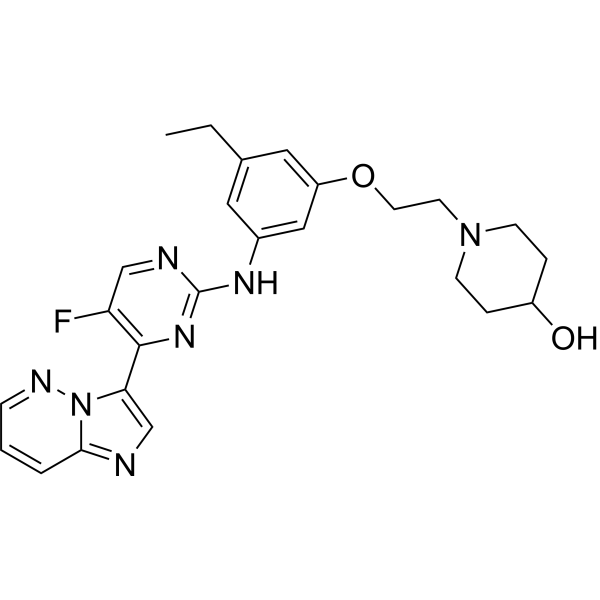
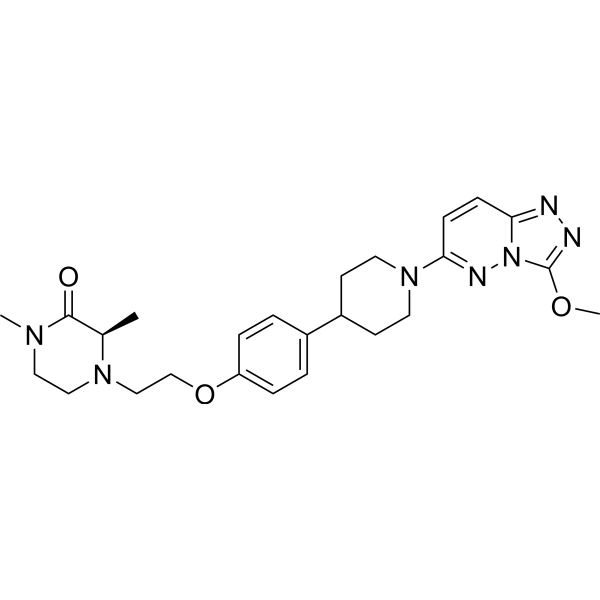
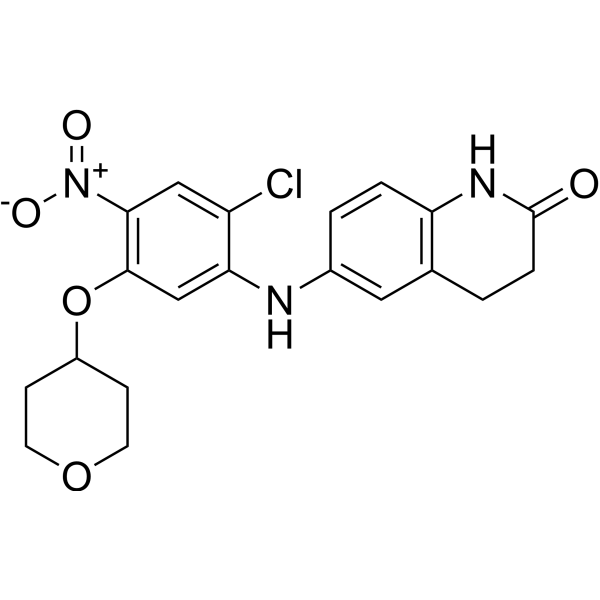
    IRAK4-IN-7 is a selective, potent and orally active interleukin-1 receptor-associated kinase 4 (IRAK4) inhibitor, extracted from patent WO2015104688 (example 1). IRAK4-IN-7 has the potential for cancer and inflammatory diseases treatment .
    IRAK4-IN-7
  • HY-110011
    Cromakalim
    1 Publications Verification

    BRL 34915

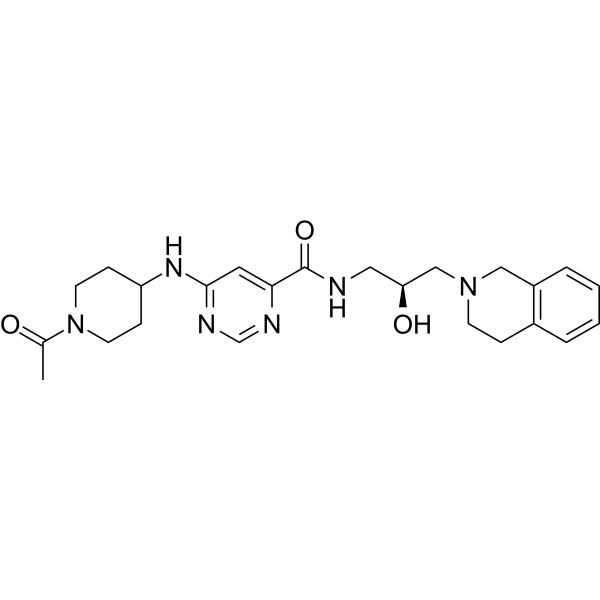
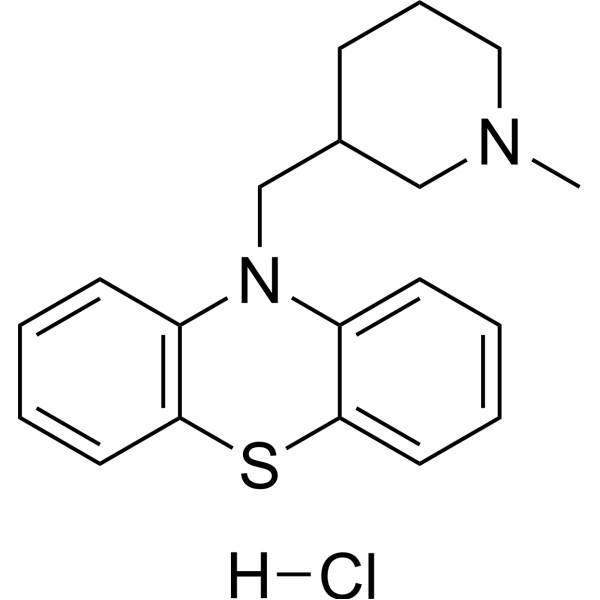
    Potassium Channel Inflammation/Immunology
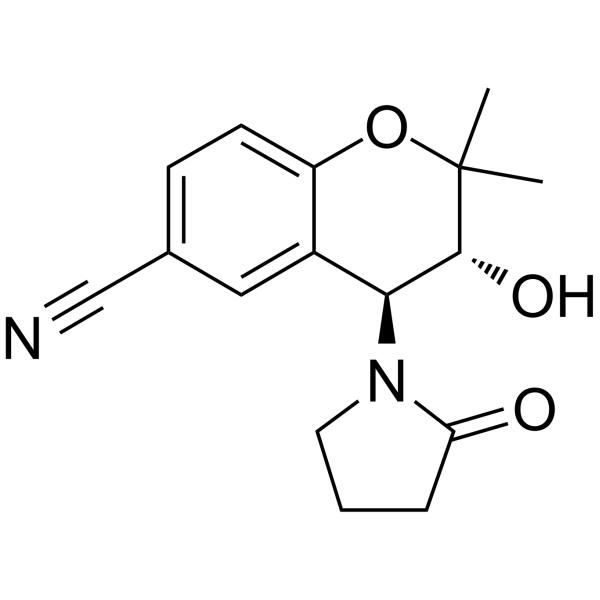
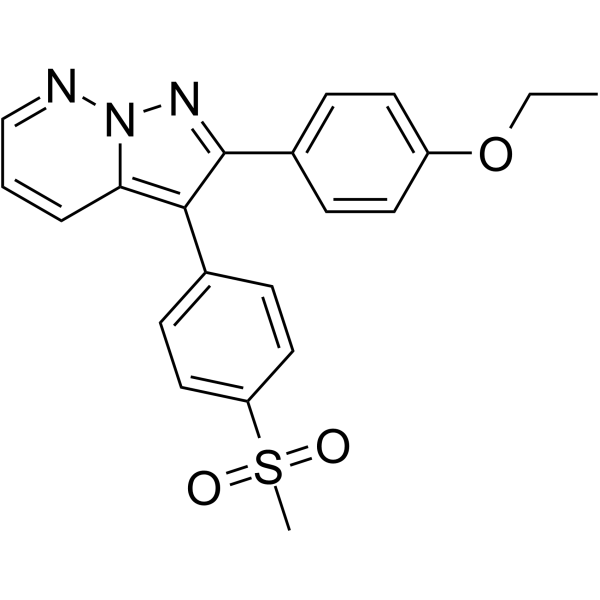
    Cromakalim is a potassium channel opener. Cromakalim can be used as a bronchodilator in asthma. Cromakalim inhibits the spontaneous tone of human isolated bronchi in a concentration-related manner being nearly as effective as isoprenaline or theophylline .

    Cromakalim
  • HY-107398

    Adrenergic Receptor Amine N-methyltransferase Cardiovascular Disease
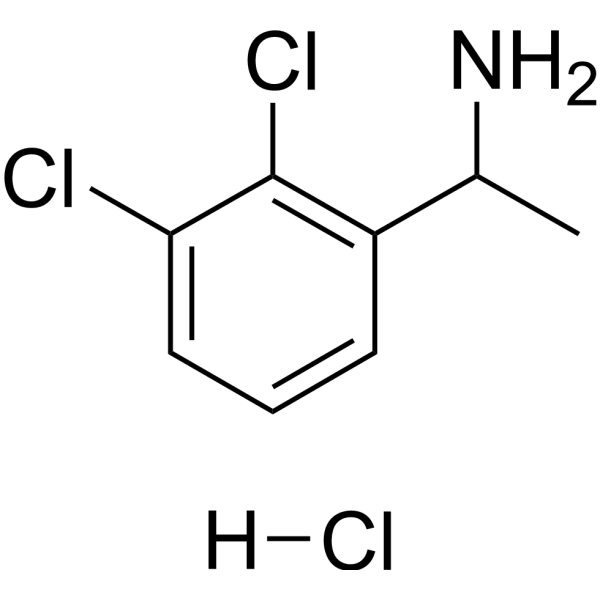
    1-(2,3-Dichlorophenyl)ethanamine hydrochloride is a phenylethanolamine N-methyltransferase (PNMT) inhibitor. 1-(2,3-Dichlorophenyl)ethanamine hydrochloride effectively reduces blood pressure of spontaneously hypertensive. 1-(2,3-Dichlorophenyl)ethanamine hydrochloride can be used for the research of blood pressure .
    1-(2,3-Dichlorophenyl)ethanamine hydrochloride
  • HY-P99656

    MCDS0593A

    ADC Antibody Cancer
    Iladatuzumab (MCDS0593A) is a humanized IgG1 anti-human CD79B monoclonal antibody. Iladatuzumab can be used to synthesize antibody-drug conjugates (ADC) Iladatuzumab vedotin (DCDS0780A; HY-P99657), which has the potential for B-cell non-Hodgkin lymphoma (B-NHL) research .
    Iladatuzumab
  • HY-131246

    Histone Methyltransferase Cancer
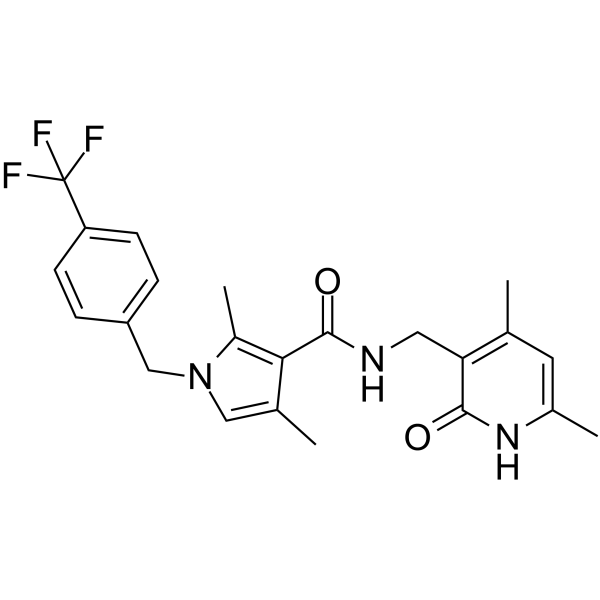
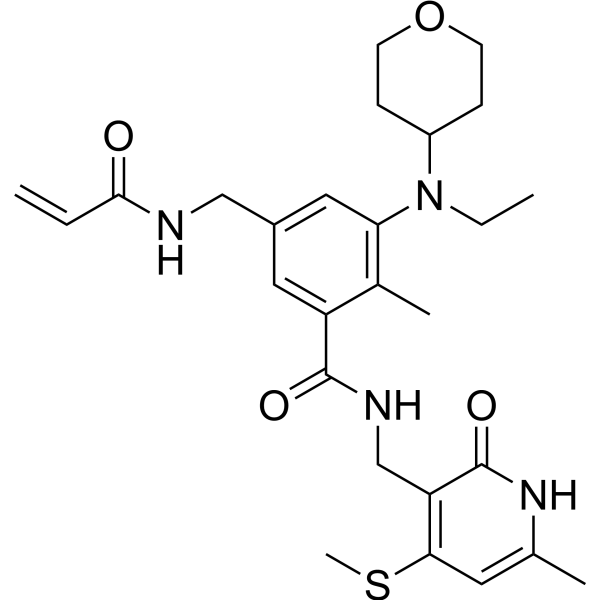
    DM-01 is a powerful and selective EZH2 inhibitor for the research of diffuse large B-cell lymphoma (DLBCL), follicular lymphoma (FL), and SNF5/INI-1/SMARCB1 genetically defined solid tumors .
    DM-01
  • HY-P99264A

    Humanized Anti-CD22 Recombinant Antibody (powder)
    ADC Antibody CD22 Apoptosis Cancer
    Inotuzumab (Humanized Anti-CD22 Recombinant Antibody) (powder) is a humanized IgG4κ antibody that targets human CD22. Inotuzumab (powder) can be linked to a toxic agent Ozogamicin as an antibody-drug conjugate (ADC), Inotuzumab ozogamicin (HY-P9959). Inotuzumab (powder) can be used for the research of acute lymphoblastic leukemia and non-Hodgkin lymphoma . x
    Inotuzumab (powder)
  • HY-12908

    Bcl-2 Family Apoptosis Cancer
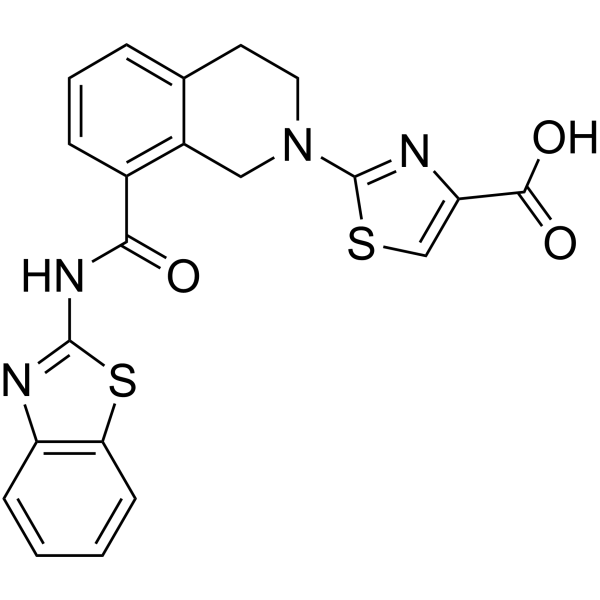
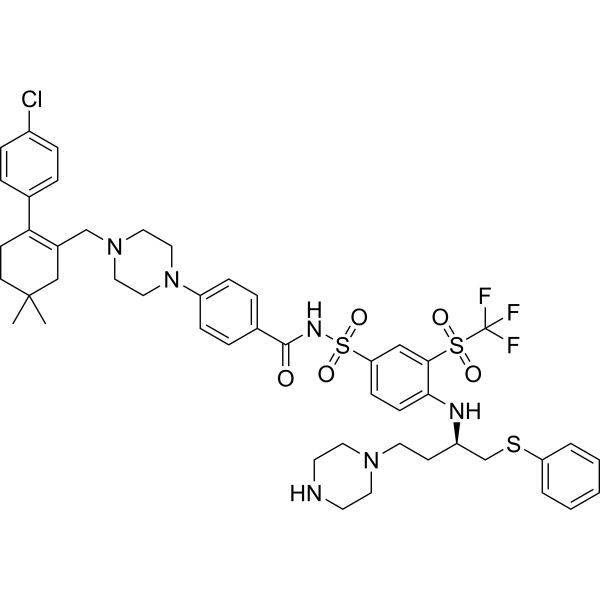
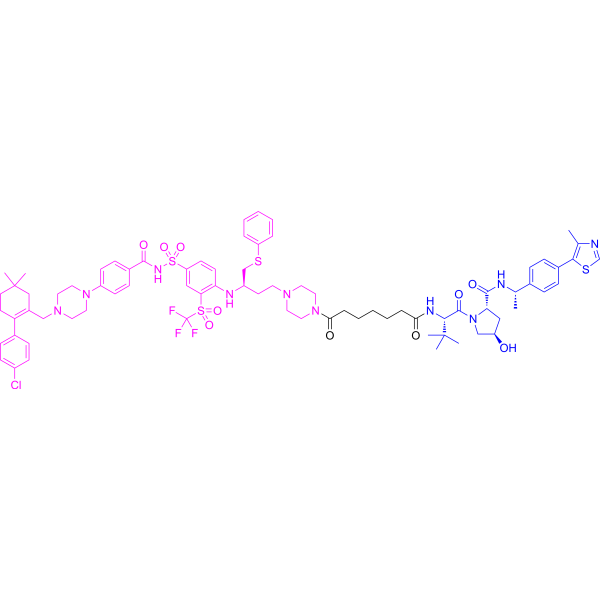
    Bcl-xL antagonist 2 is a potent, selective, and orally active antagonist of BCL-XL with an IC50 and Ki of 0.091 μM and 65 nM, respectively. Bcl-xL antagonist 2 promotes the apoptosis of cancer cells. Bcl-xL antagonist 2 has the potential for the research of the chronic lymphocytic leukemia (CLL) and non-Hodgkin’s lymphoma (NHL) .
    Bcl-xL antagonist 2
  • HY-P991176

    RO7443904

    CD19 CD28 Cancer
    RG-6333 is a bispecific agonist targeting CD19 and CD28. RG-6333 specifically recognizes and binds to the CD19 antigen on the surface of B-cell malignancies to locate tumor cells. RG-6333 activates T cells by binding to CD28, overcoming activation barriers to enhance anti-tumor immunity. RG-6333 can be used in the study of relapsed/refractory non-Hodgkin's lymphoma. The recommended isotype control is human IgG1 kappa, isotype control (HY-P99001) .
    RG-6333
  • HY-106582

    MST 16

    Topoisomerase Neurological Disease Cancer
    Sobuzoxane (MST-16) is an orally active topoisomerase II inhibitor. Sobuzoxane causes irreversible inhibition of cell division. Sobuzoxane can be used in the study of non-Hodgkin's lymphoma that is resistant to conventional chemotherapy or has recurred .
    Sobuzoxane
  • HY-P99952

    SCT400

    CD20 Cardiovascular Disease Inflammation/Immunology Endocrinology Cancer
    Ripertamab (SCT400) is a recombinant human-mouse chimeric anti-CD20 IgG1κ monoclonal antibody. As an immunomodulator, ripertamab reduces the levels of pathogenic autoantibodies, alleviates immune complex deposition, and blocks the antigen-presenting function of cells. Ripertamab depletes CD20-positive cells. Ripertamab can induce infusion-related reactions, pulmonary toxicity, neutropenia and thrombocytopenia. Ripertamab is applicable to research related to non-Hodgkin's lymphoma, primary membranous nephropathy and idiopathic membranous nephropathy .
    Ripertamab
  • HY-P991085

    PD-1/PD-L1 Cancer
    HX009 is a bispecific antibody targeting PD1 and CD47, but with weakened CD47 binding. HX009 blocks the functional of PD1/CD47. HX009 can be used for the study of non-Hodgkin’s lymphoma (NHL) .
    HX009
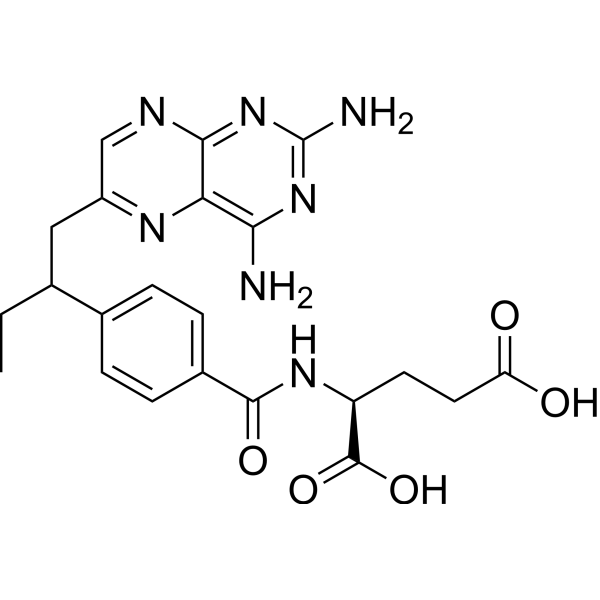
  • HY-13617

    CGP 30694

    Antifolate Cancer
    Edatrexate (CGP 30694), as known as 10-Ethyl-10-deazaaminopterin, is Methotrexate (HY-14519) analog, exhibits antitumor activity against MTX-resistant tumors. Edatrexate is an antifolate antimetabolite, can be used for reasearch of non-small-cell lung cancer, breast cancer, non-Hodgkin's lymphoma, and cancer of the head and neck .
    Edatrexate

Inquiry Online

Your information is safe with us. * Required Fields.

Salutation


Country or Region *

Applicant Name *


Organization Name *

Department *


Email Address *


Product Name *

Cat. No.


Requested quantity *

Phone Number *


Remarks

Inquiry Online

Inquiry Information

Product Name:
Cat. No.:
Quantity:
MCE Japan Authorized Agent: